
Surgical Retractor Guides
Surgical Retractors Names, Images & Uses
Автор: Saad Shahid · Обновлено · 7 мин чтения

Surgical retractors hold tissue away from the operative field so the surgical team can see and reach the area they are working on. This guide explains what retractors are, how they are classified, and how they are selected and cared for, and it includes a searchable reference table of surgical retractors names, images and general uses drawn directly from the Retractor Maker catalogue.
What Is a Retractor?
A retractor holds skin, fat, muscle, and organs away from the target area to provide controlled surgical exposure. Almost every open procedure depends on this access before the surgeon can dissect, repair, or close. Retractors are among the oldest surgical instrument families and remain among the most frequently handled instruments on any tray.
Retractors share a purpose but differ in size, blade shape and depth, prong number and sharpness, and handle design. Some lock in place or mount on a frame. Designs also vary by specialty. A small double-ended retractor for a skin flap differs greatly from a table-mounted abdominal system. No single design suits every procedure.
This guide covers basic categories, selection factors, and general care principles. Its central section lists names, images, and general uses for the complete published Retractor Maker range. Search the range by name or filter it by specialty.
Contents
What Is a Surgical Retractor?
A surgical retractor holds back or moves tissue away from the operative field to give the surgical team visibility and access. Retraction may involve gently lifting a skin edge or holding the abdominal wall open throughout an operation.
Retractors create exposure by moving tissue laterally to widen an incision or holding deeper structures away from the treatment area. These structures may include bowel, muscle, or an organ lobe. Blade or prong shape determines how the load spreads across contacted tissue. Available forms include flat, curved, lipped, malleable, toothed, and smooth blades.
Size and shape follow anatomy. A shallow hand incision needs a short, narrow blade. A deep pelvic or abdominal field needs a longer, wider blade. Specialty designs address each region's depth, angle, and tissue type. Nasal and ear retractors are small and fine. Spinal retractors hold back heavy paraspinal muscle. Cardiac retractors are shaped around the sternum and chest wall.
How Do Handheld Retractors Work?
Handheld retractors are positioned and held manually by a surgeon or assistant for as long as exposure is needed. They allow moment-by-moment changes in angle, depth, and tension as the operation progresses. The trade-off is continuous manual holding, which occupies a pair of hands and can cause fatigue during a long case.
Common handheld patterns include the double-ended Senn retractor for superficial tissue and the curved Deaver retractor for deeper abdominal and thoracic exposure. Others include the right-angled Langenbeck retractor, the broad Richardson retractor for the abdominal wall, and the double-ended Army-Navy retractor for shallow incisions. The small Ragnell retractor is used in plastic and hand surgery.
How Do Self-Retaining Retractors Work?
Self-retaining retractors use a ratchet, screw, spring, or frame to keep blades in position without continuous manual holding. They free the surgical team's hands and provide steady exposure. If the required view changes, manual repositioning is usually necessary.
Examples include the Gelpi and Weitlaner retractors, which spread tissue with pointed tips or toothed rakes secured by a ratchet. The Balfour retractor is a frame-style abdominal retractor with lateral blades and a centre blade. Table-mounted Bookwalter and Thompson retractors attach to the operating table and support multiple adjustable blades around a ring or rail.
Retractor Names, Images, and General Uses
The table below presents the complete Retractor Maker product catalogue. Each entry includes a product image, name, and general use. Search by product name or filter by specialty.
Отображение 507 хирургических ретракторов
| Фото изделия | Название хирургического ретрактора | Общее назначение |
|---|---|---|
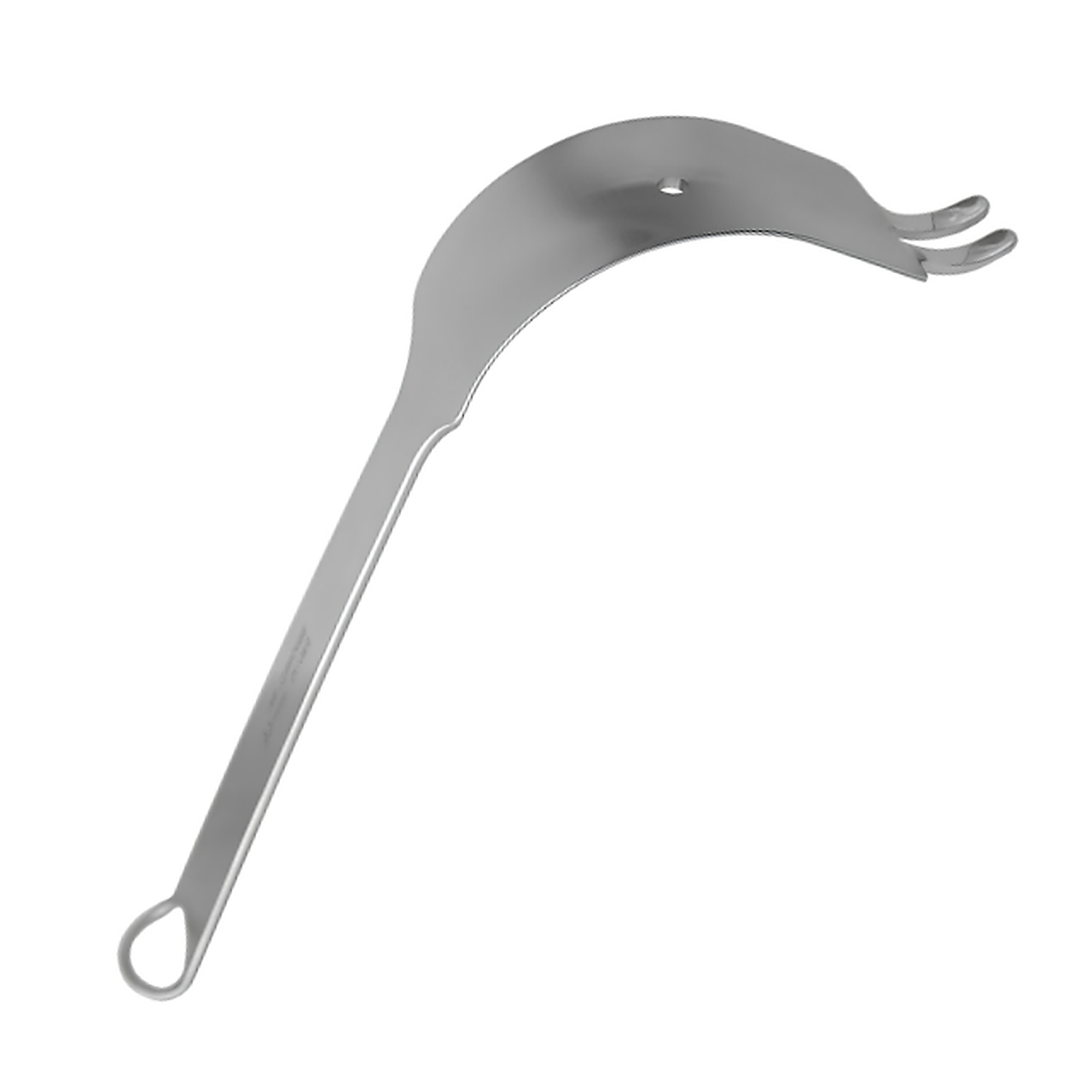 | Ретрактор ацетабулярный узкий двухзубчатый | Специально разработан для экспозиции края вертлужной впадины и смещения окружающих тканей во время процедур реконструкции и артропластики тазобедренного сустава. |
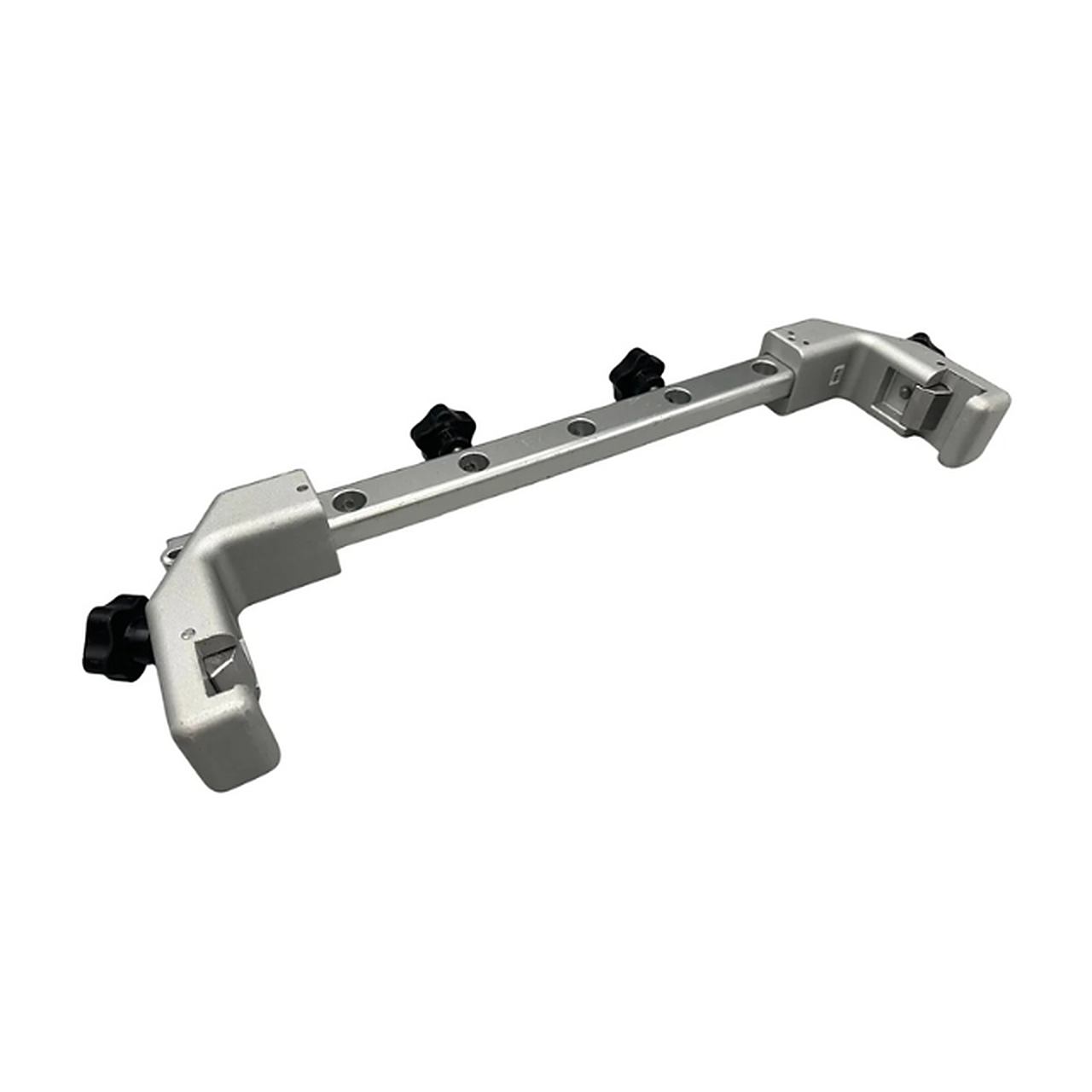 | Регулируемый адаптер Mayfield | Специально разработан для надежного монтажа систем фиксации черепа типа Mayfield на операционные столы, не имеющие встроенных отверстий для установки или требующие бокового смещения. |
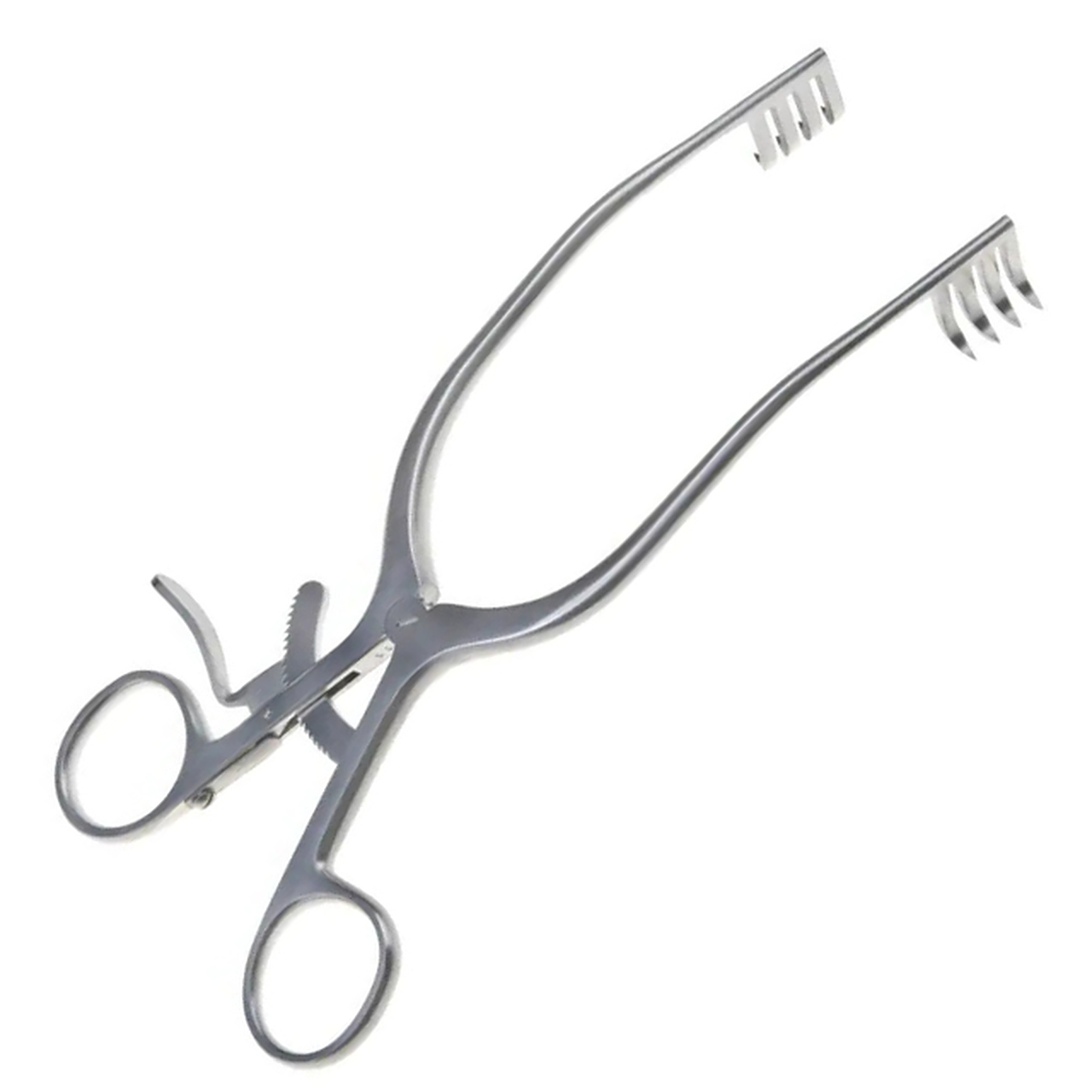 | Adson Cerebellum Retractor | Специально разработан для самодержащейся ретракции мышц и мягких тканей при операциях на задней черепной ямке и других нейрохирургических вмешательствах. |
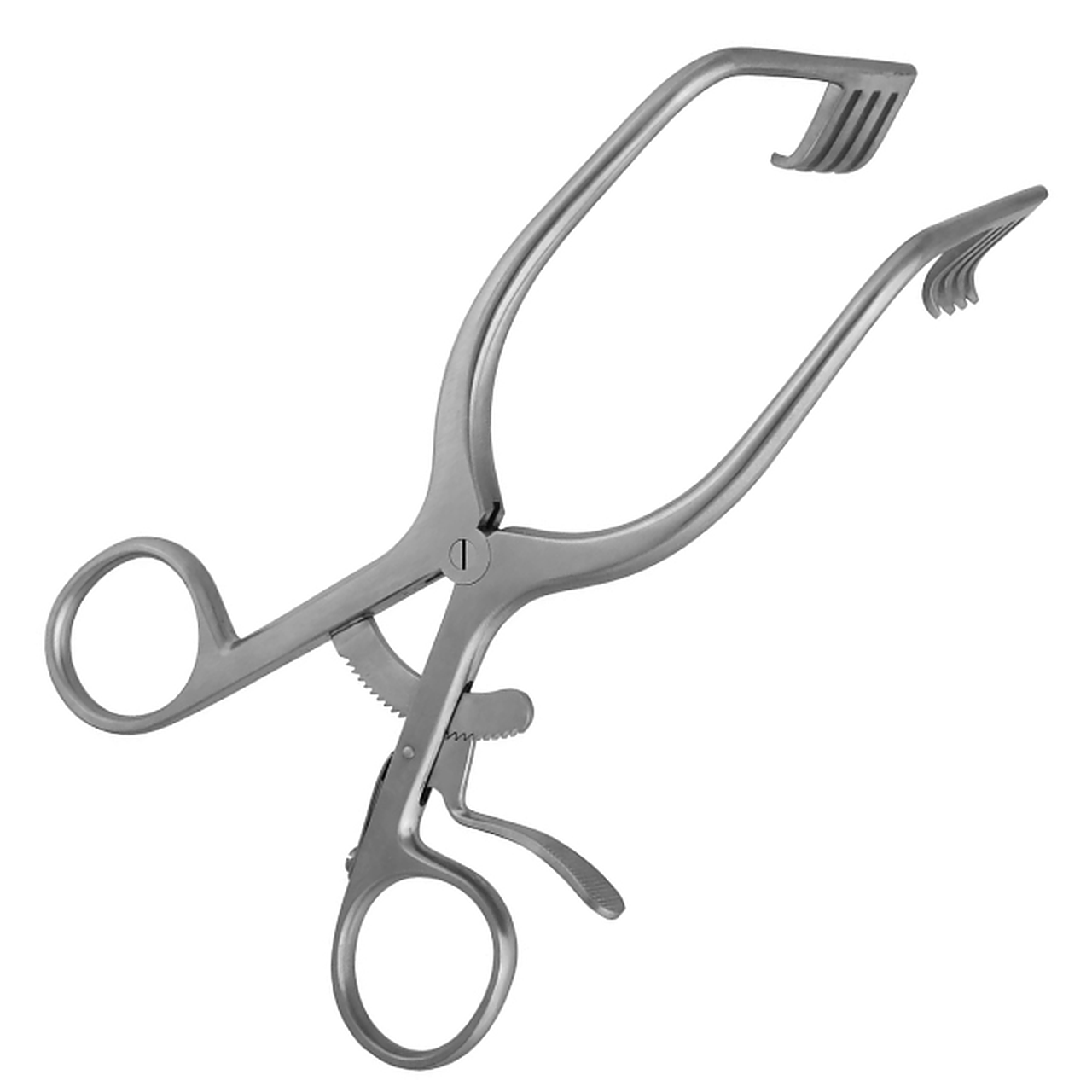 | Ретрактор Adson самодержащийся для мозжечка | Специально разработан для самодержащейся ретракции тканей и поддержания структурированной хирургической экспозиции во время краниальных и спинальных процедур. |
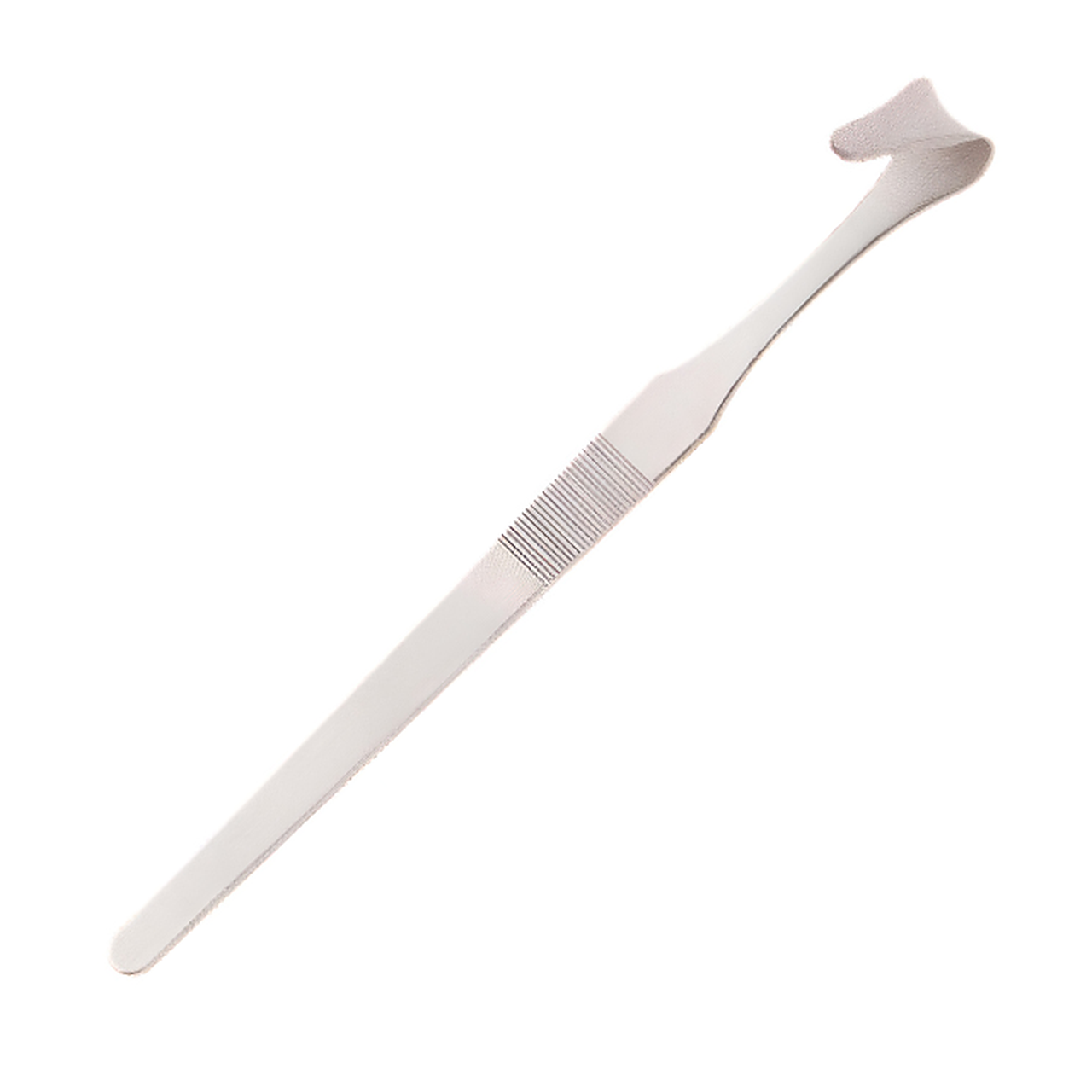 | Крючок для крыльев носа Alar Retractor | Специально разработан для ретракции крыльев носа и экспозиции крыльных хрящей во время ринопластики и ЛОР-процедур. |
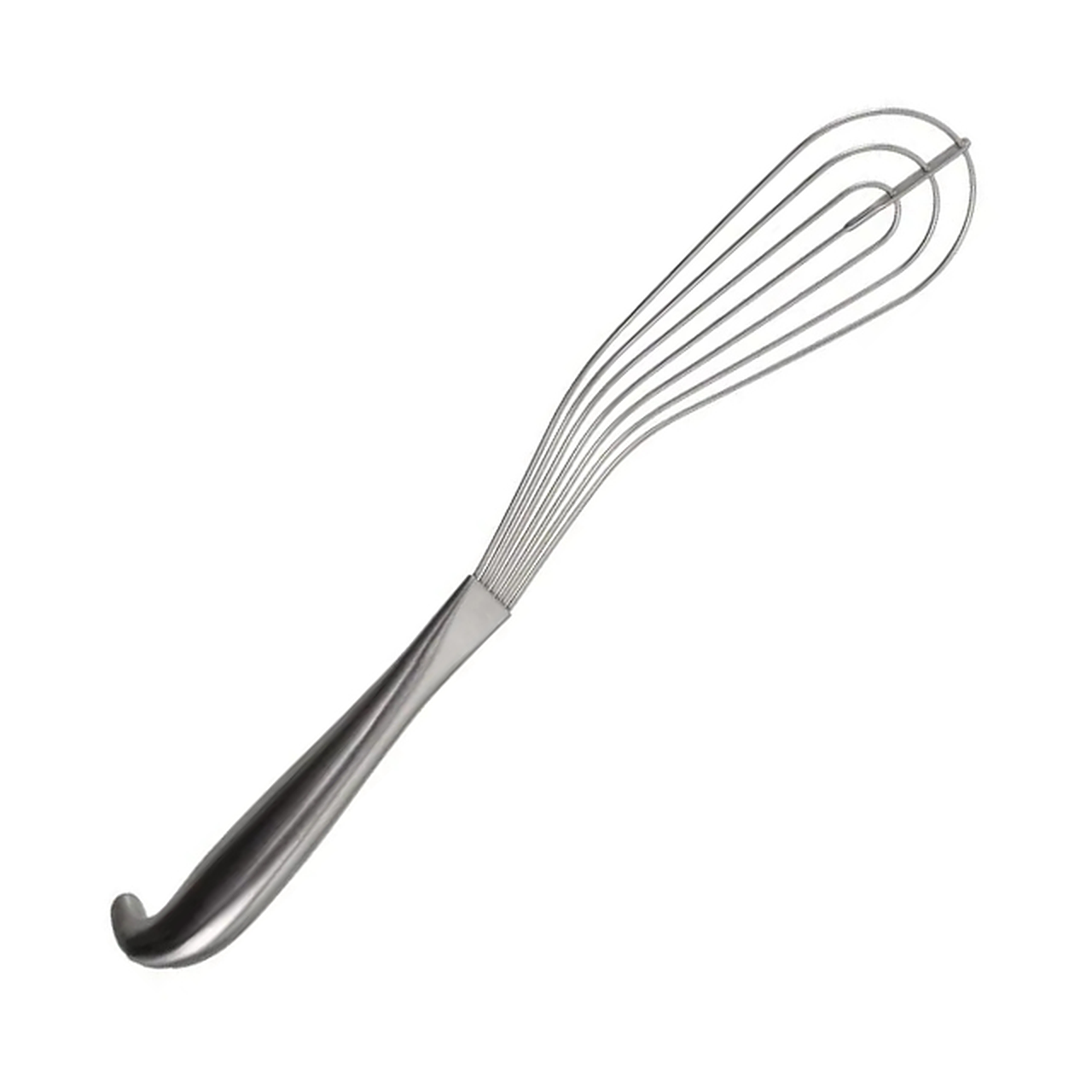 | Легочный ретрактор Allison | Предназначен для атравматичного смещения и удержания легочной паренхимы во время торакальных и сердечно-сосудистых хирургических вмешательств. |
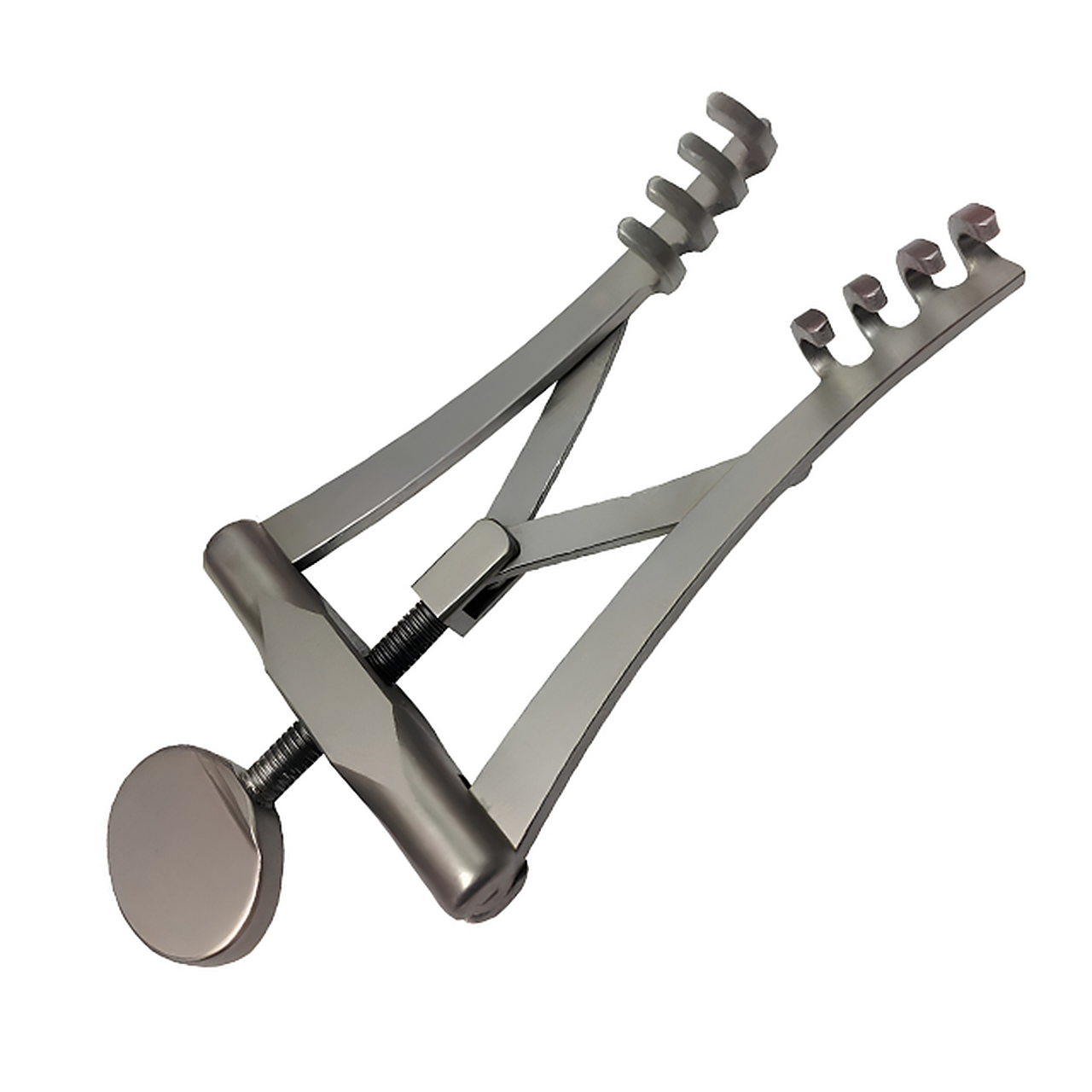 | Мастоидальный ретрактор Allport | Специально разработан для самодержащейся ретракции мягких тканей в области сосцевидного отростка во время отологических и нейрохирургических вмешательств. |
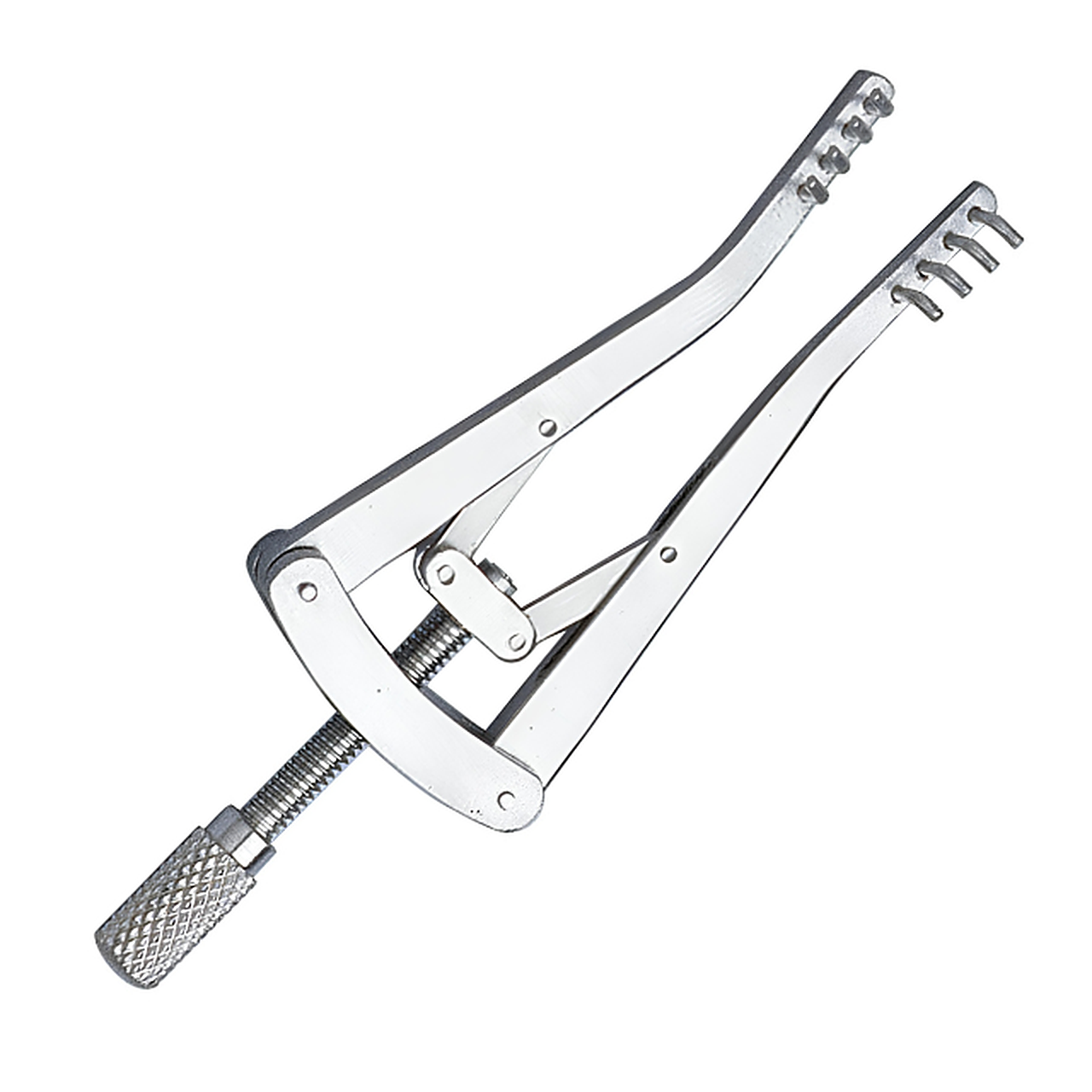 | Ранорасширитель ALM самодержащийся | Специально разработан для обеспечения самодержащейся ретракции тканей во время малых хирургических, офтальмологических, пластических операций и операций на кисти. |
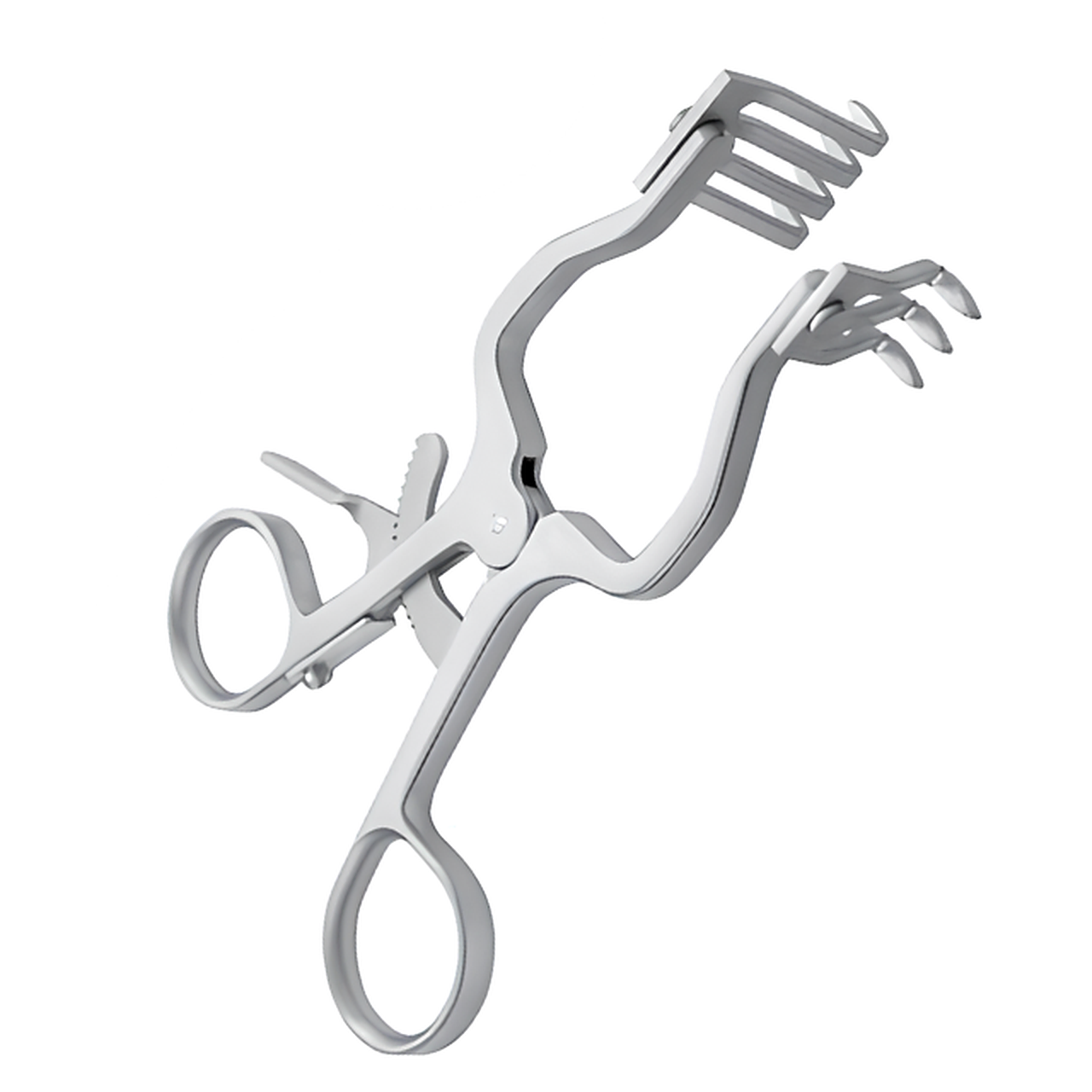 | Амбидекстральные самодержащиеся ретракторы | Специально разработан для обеспечения реверсивной фиксации мягких тканей без участия рук, с возможностью управления с любой стороны стерильного поля. |
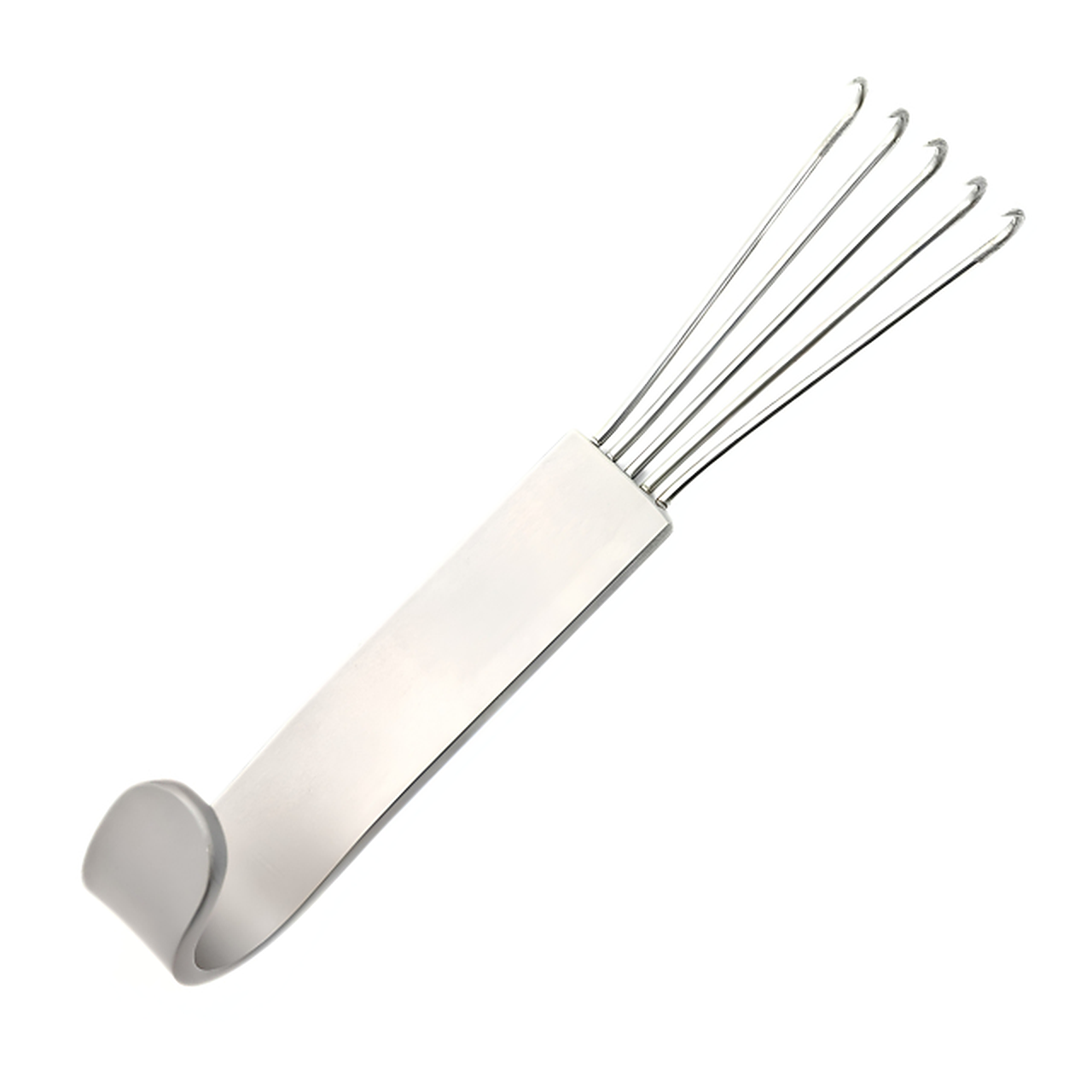 | Ретрактор Anderson «Медвежий коготь» | Специально разработан для надежной тракции кожи, элевации кожных лоскутов и ретракции мягких тканей в пластической и реконструктивной хирургии. |
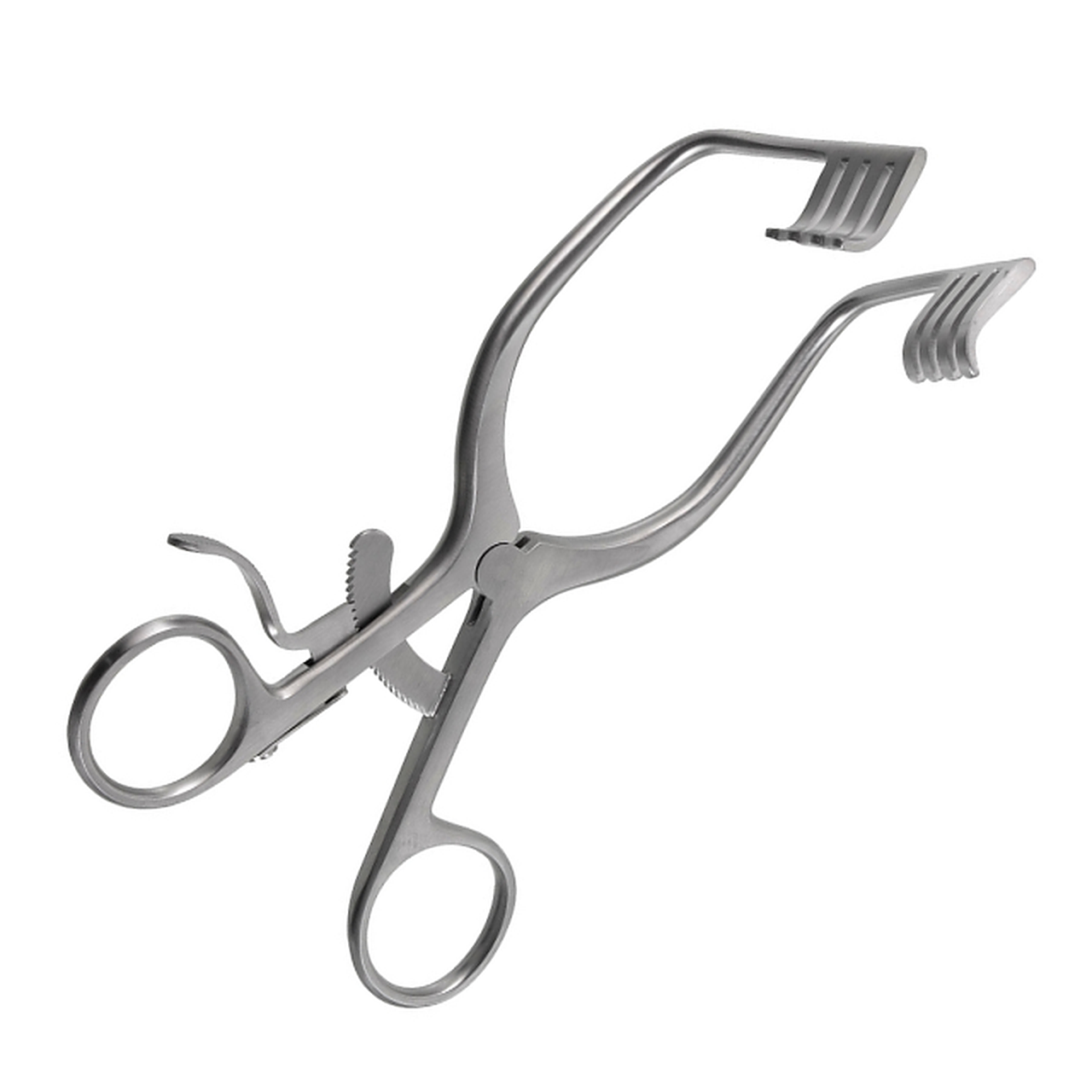 | Ретрактор мозжечковый Anderson-Adson самодержащийся | Специально разработан для самодержащегося разведения мышц и тканей при нейрохирургических вмешательствах в области задней черепной ямки и субокципитального доступа. |
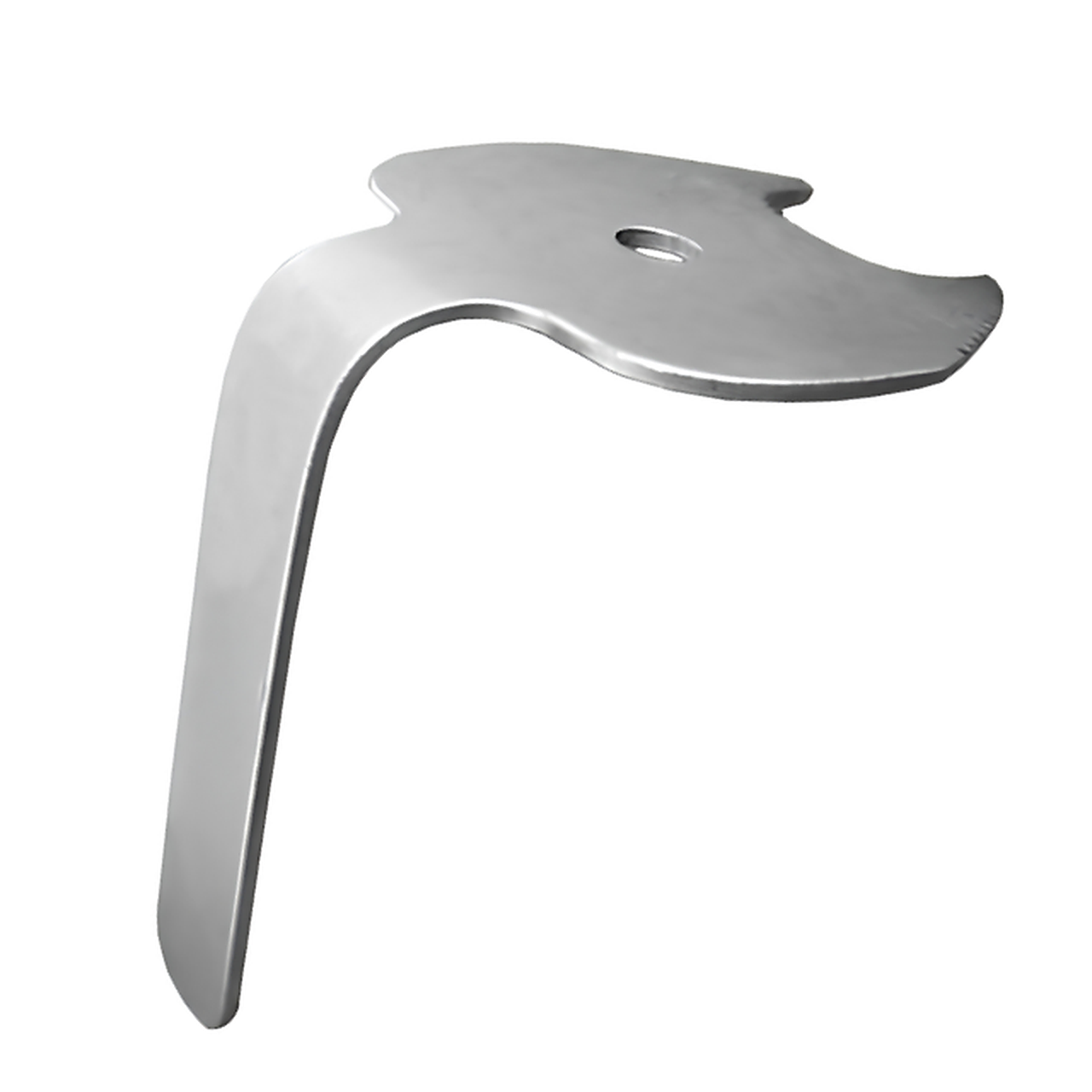 | Передний бедренный мыщелковый ретрактор | Специально разработан для экспозиции передних мыщелков бедра и ретракции разгибательного аппарата во время тотальной артропластики коленного сустава. |
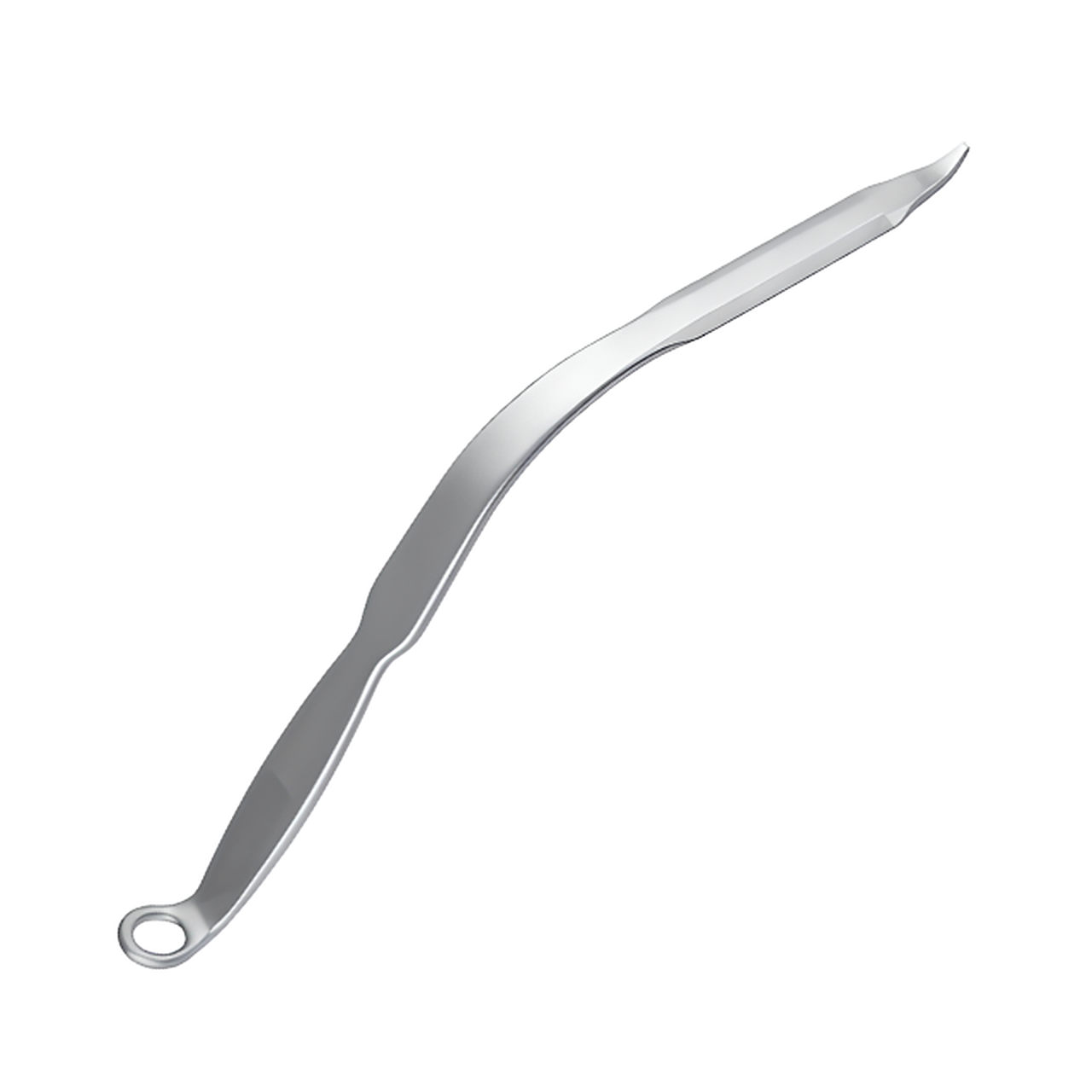 | Ретрактор передней шейки бедра и переднемедиального края | Специально разработан для экспозиции передней шейки бедра и переднемедиального края при артропластике тазобедренного сустава и остеотомии головки бедра. |
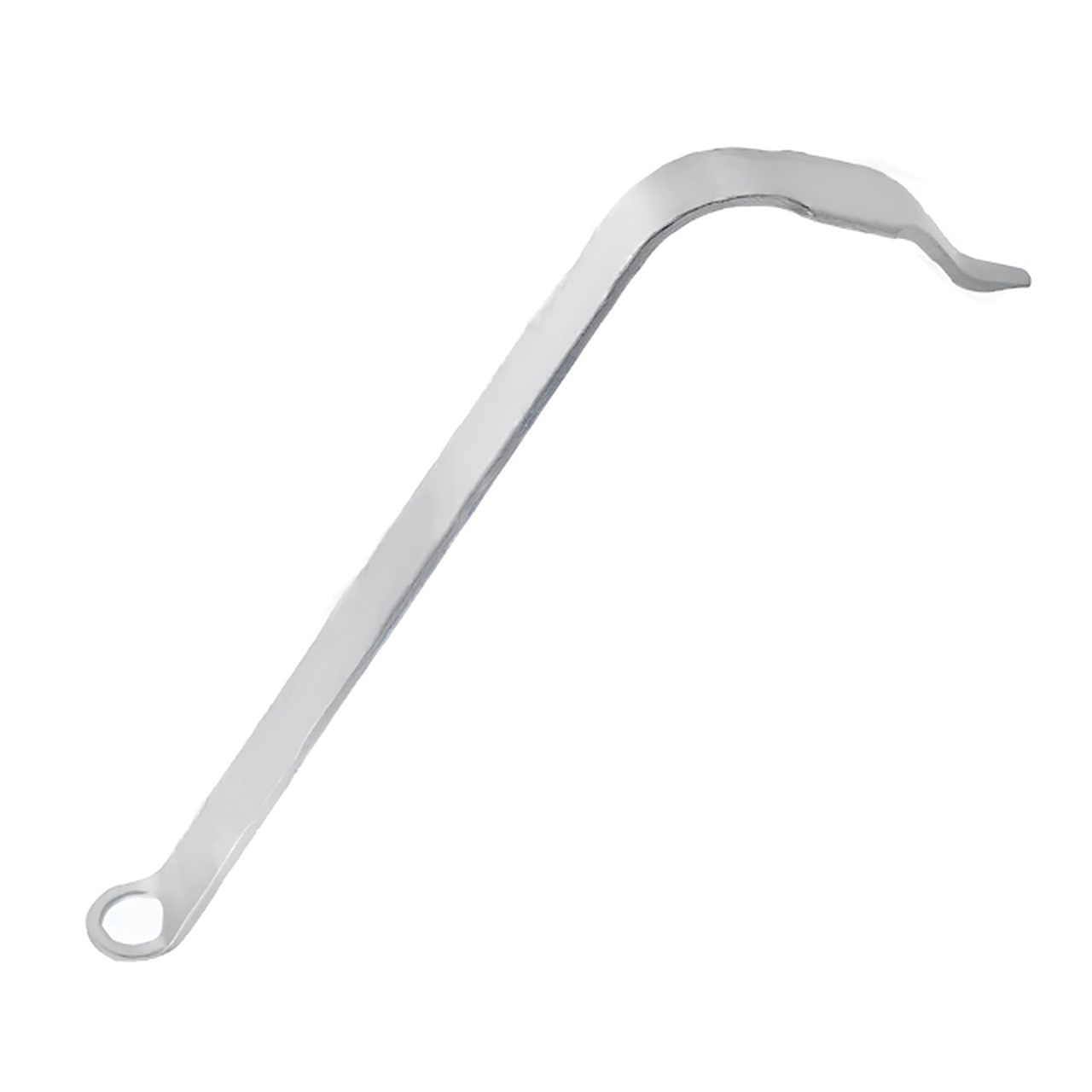 | Антеролатеральный ретрактор края вертлужной впадины | Специально разработан для экспозиции антеролатерального края вертлужной впадины и смещения окружающих мягких тканей при артропластике тазобедренного сустава. |
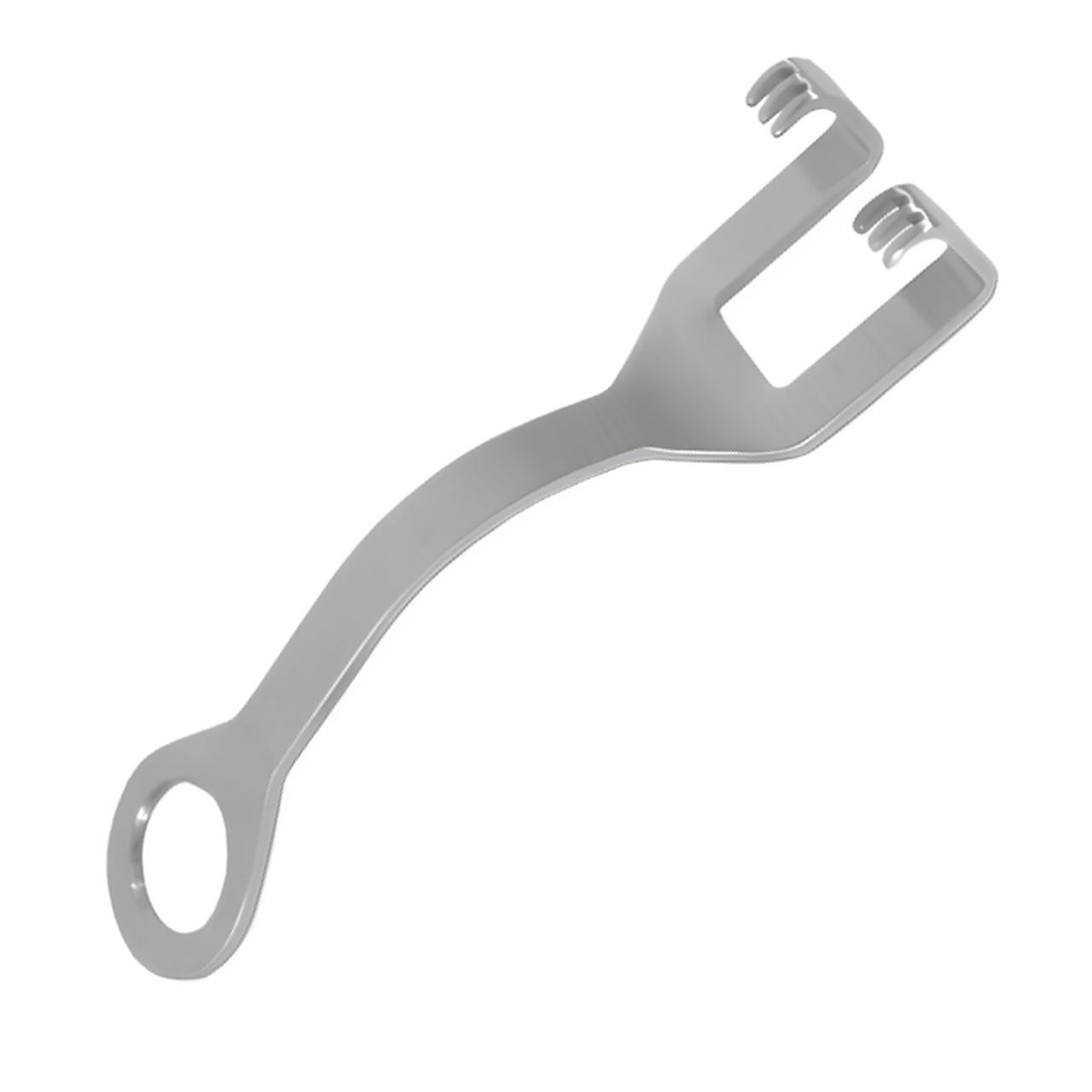 | Ретрактор надколенника AORI | Специально разработан для ретракции и эверсии надколенника во время первичного и ревизионного тотального эндопротезирования коленного сустава. |
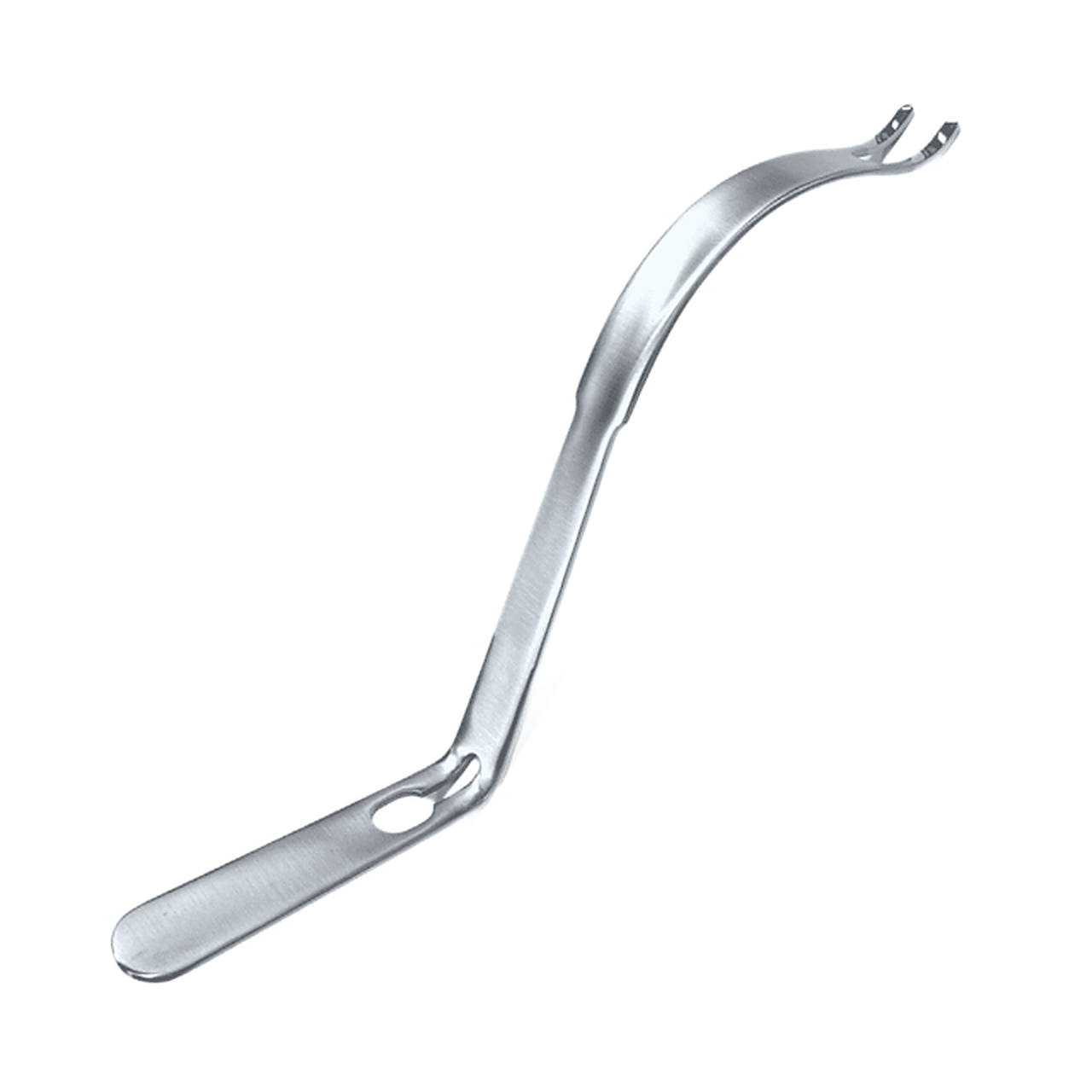 | Бедренный ретрактор APC | Специально разработан для экспозиции края вертлужной впадины и шейки бедра во время артропластики и реконструктивных операций на тазобедренном суставе. |
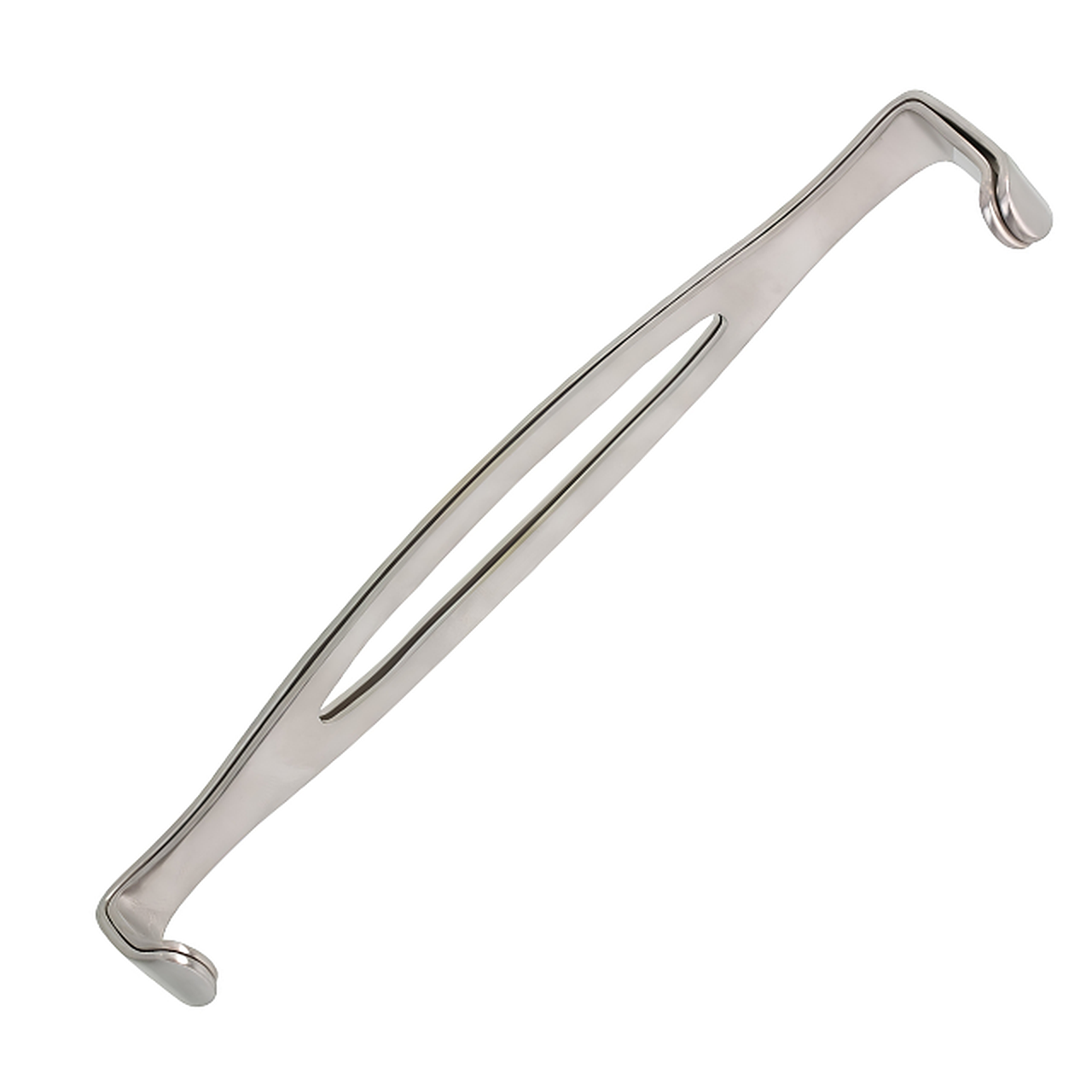 | Ранорасширитель Army-Navy — комплект из двух штук | Предназначен для ручного разведения мягких тканей и краев раны в поверхностных и промежуточных операционных полях. |
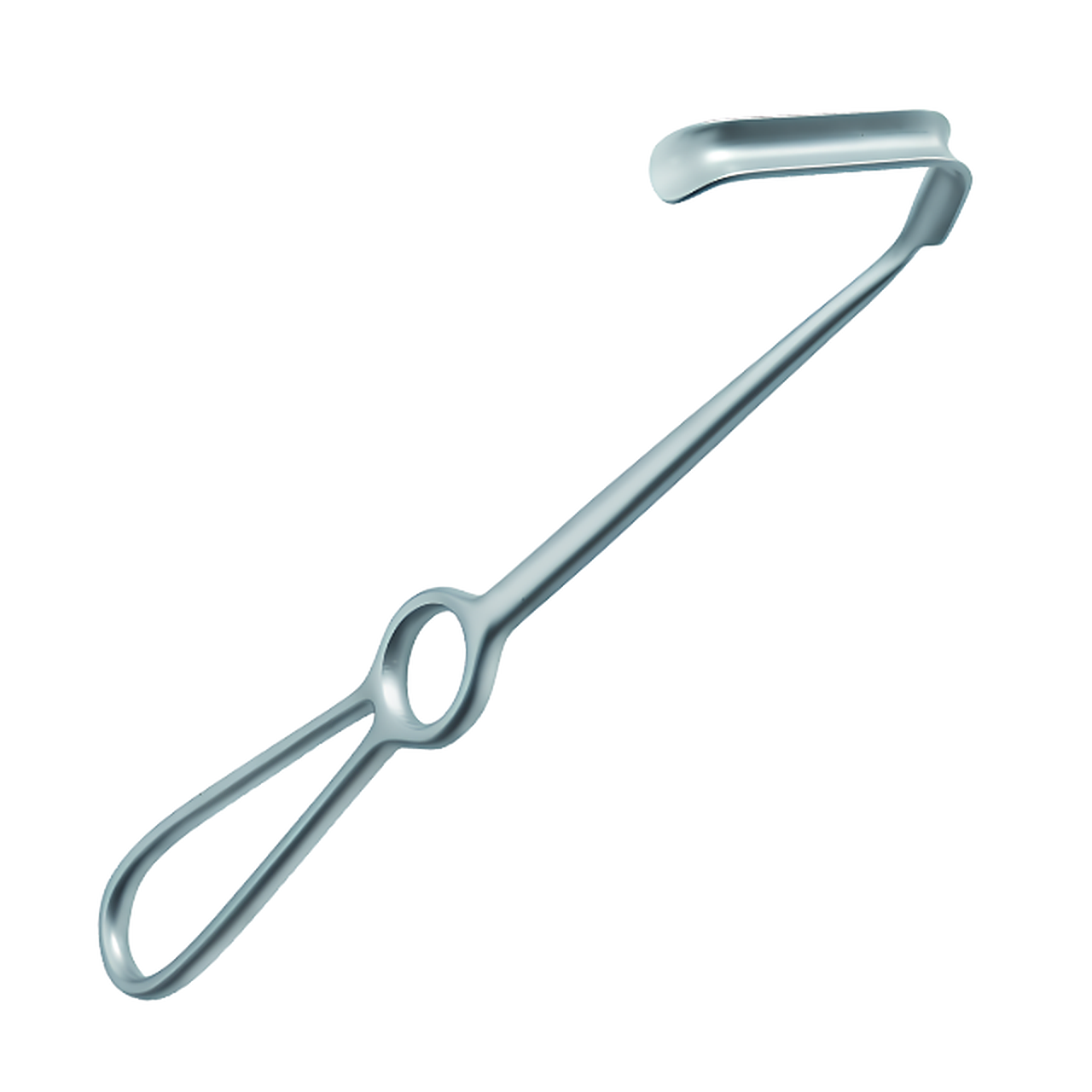 | Ретрактор Arnett Le Fort для верхней губы | Специально разработан для поднятия и защиты верхней губы и слизистой оболочки преддверия рта при остеотомии по Le Fort и ортогнатических операциях. |
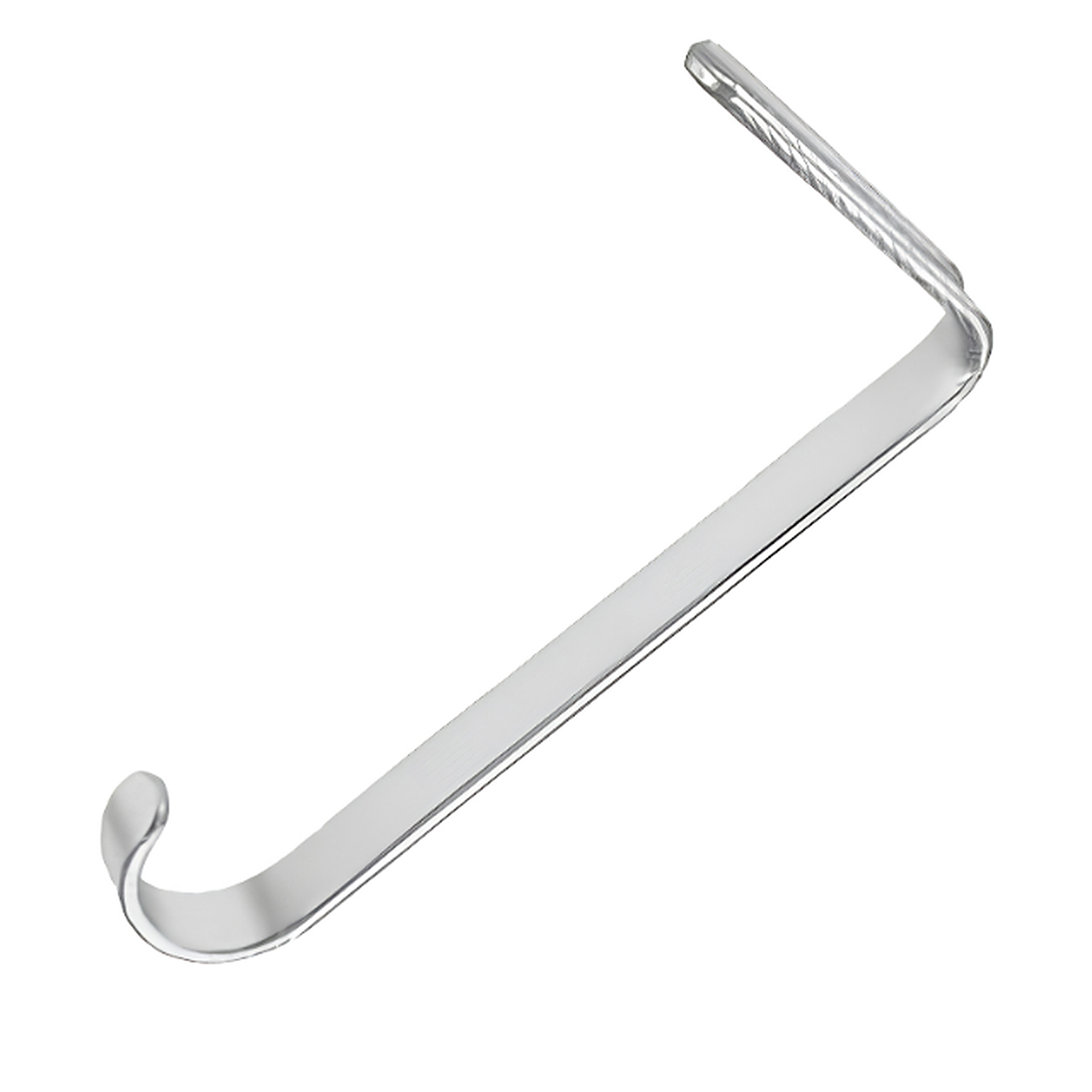 | Назальный ретрактор Aufricht Daniel | Специально разработан для поднятия кожно-мягкотканного лоскута спинки носа во время эстетической и реконструктивной ринопластики. |
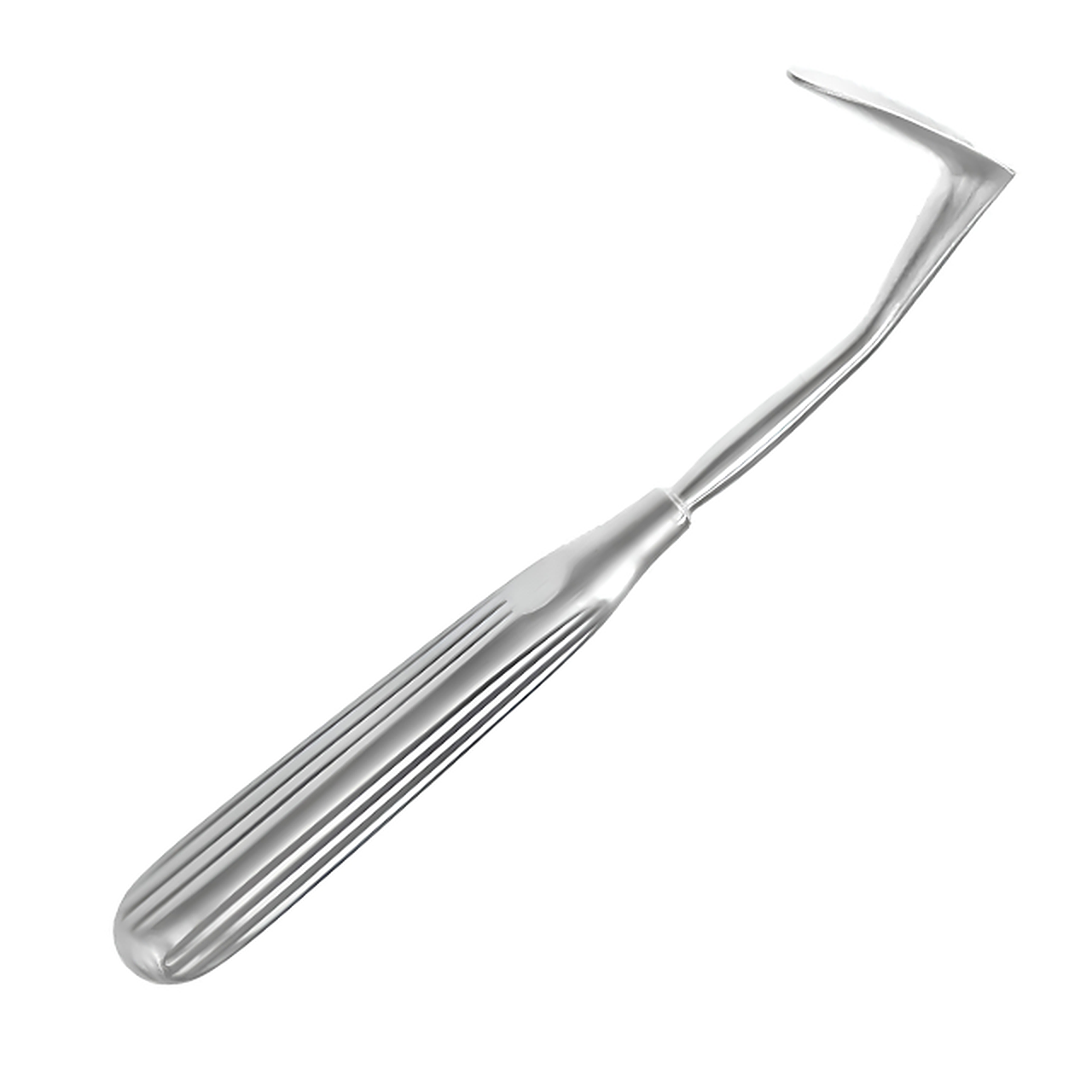 | Назальный ретрактор Aufricht | Специально разработан для поднятия кожных лоскутов носа и поддержания четкой визуализации переносицы во время процедур ринопластики. |
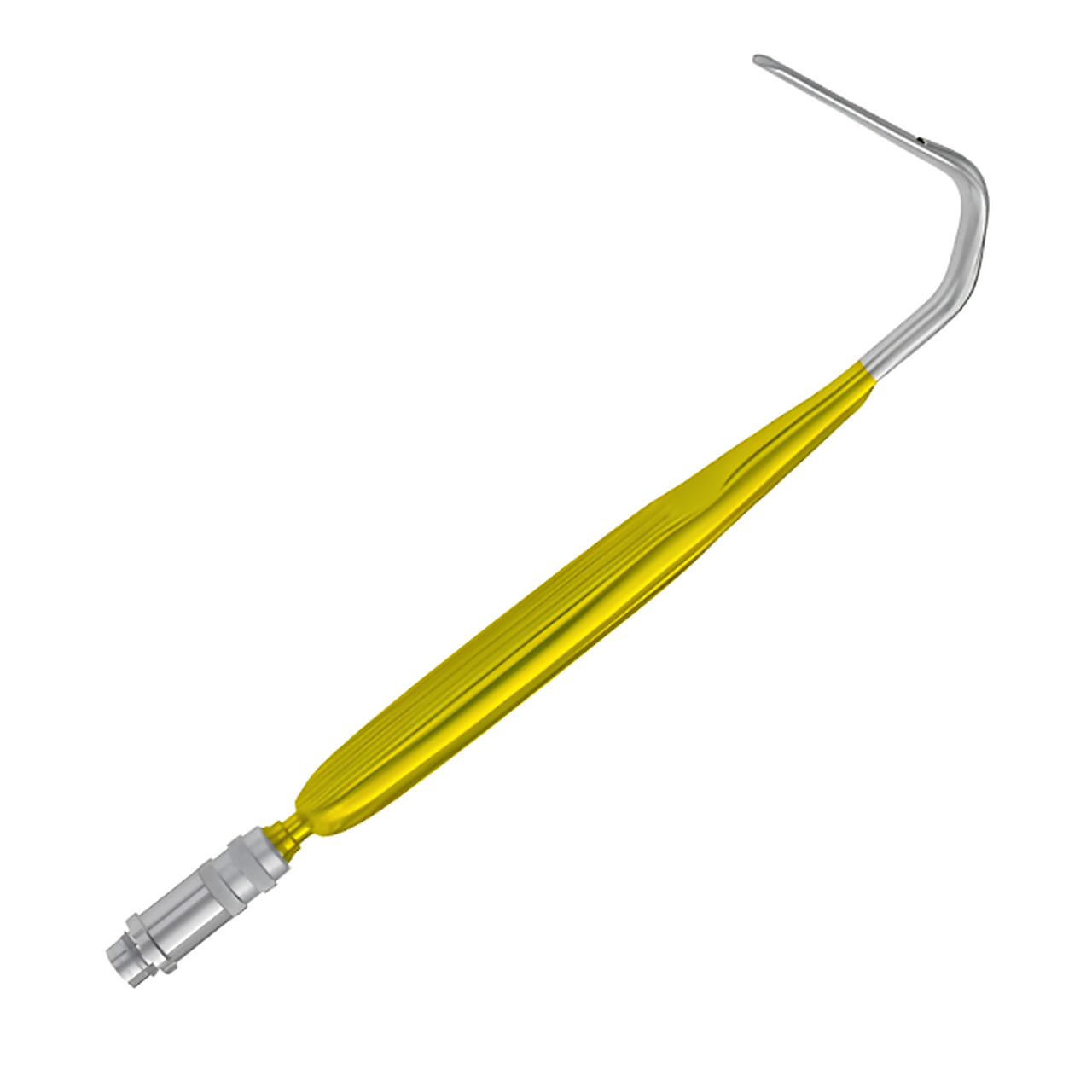 | Назальный ретрактор Aufricht Nasal Retractor - Fiber Optic | Специально разработан для ретракции мягких тканей с освещением и обеспечения доступа к спинке носа во время ринопластики и реконструктивных операций. |
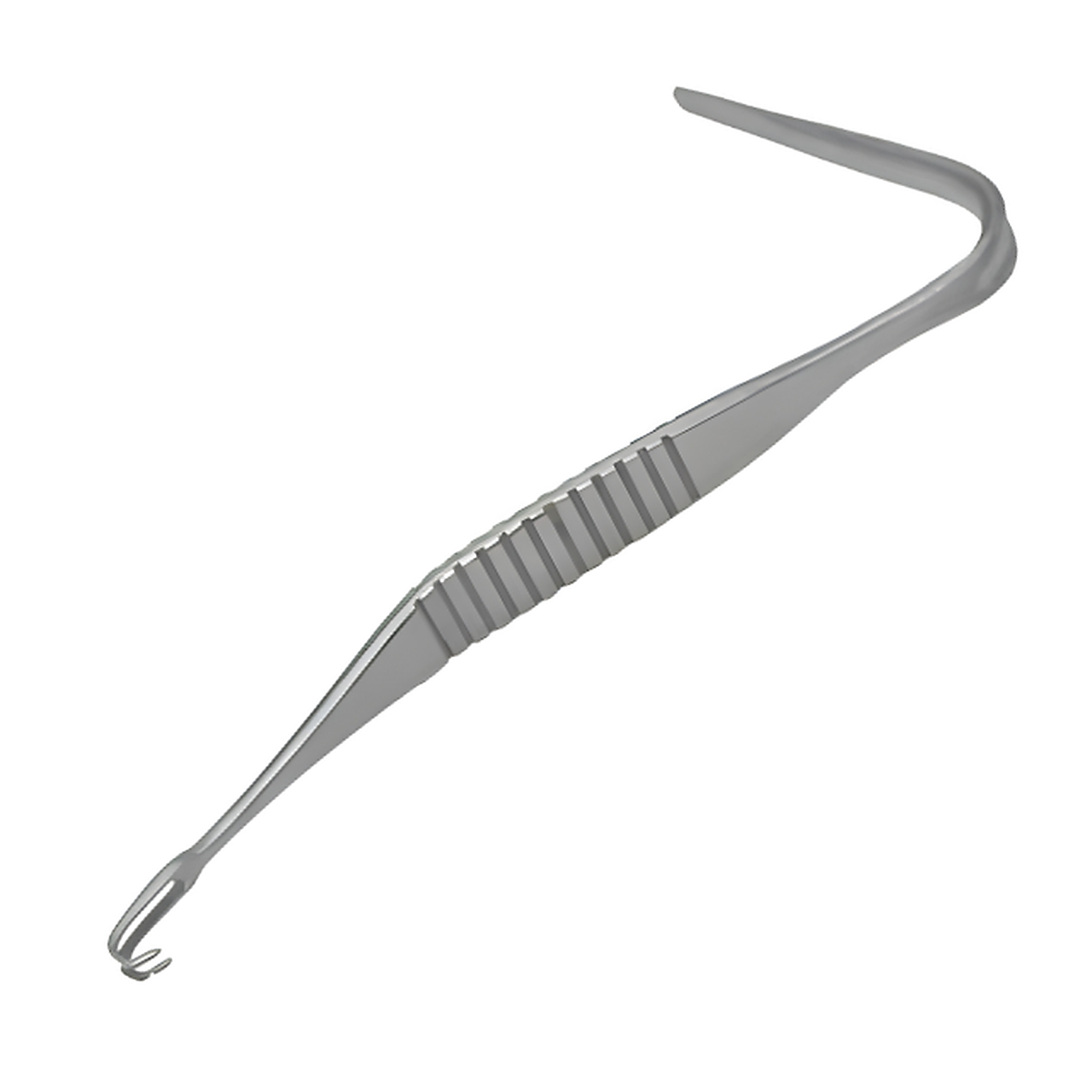 | Назальный ретрактор Aufricht Walter | Специально разработан для двусторонней ретракции мягких тканей и элевации слизистых лоскутов во время ринопластики и реконструкции носа. |
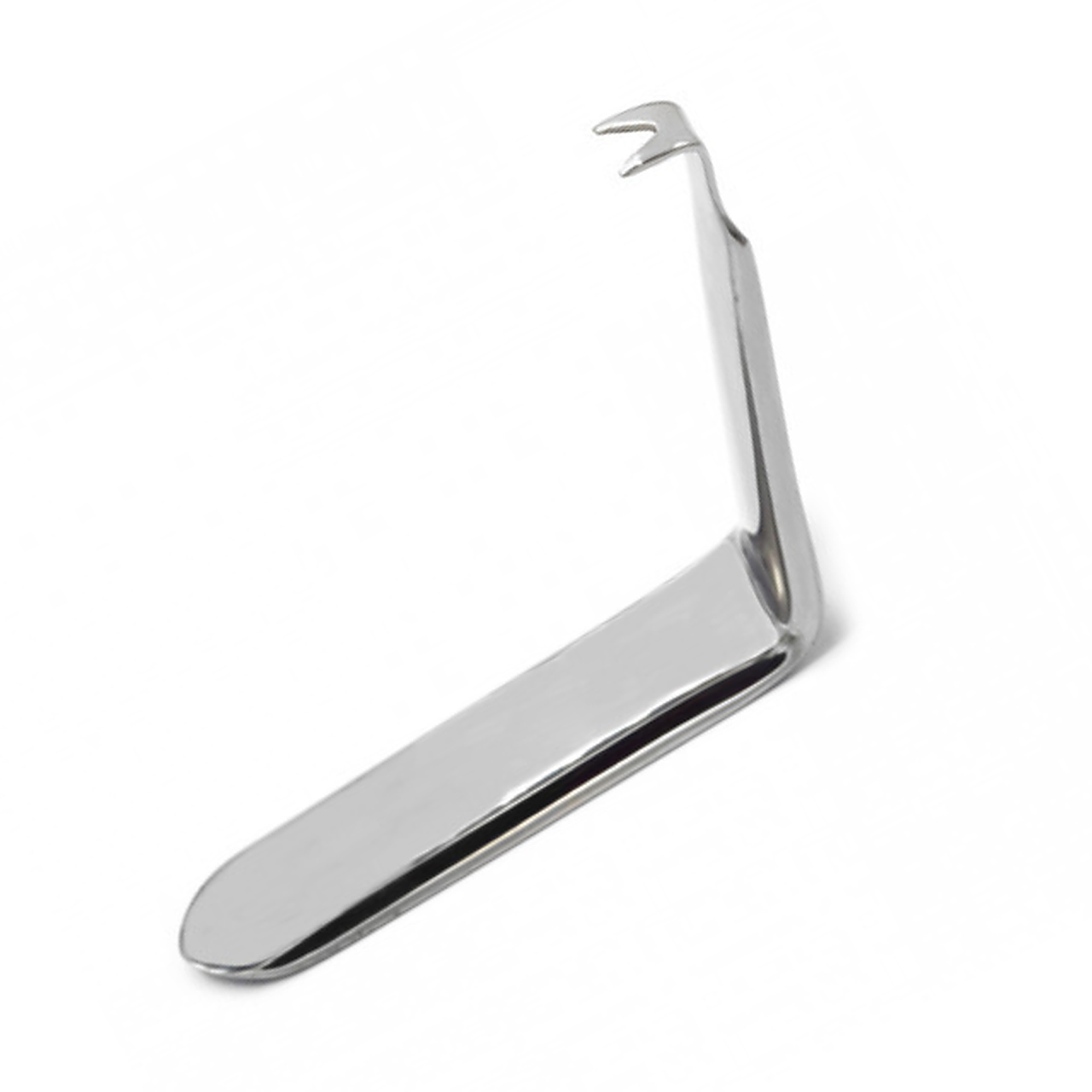 | Ротовой ретрактор Austin для мягких тканей и щек | Специально разработан для отведения щек, губ и слизисто-надкостничных лоскутов во время интраоральных, челюстно-лицевых и стоматологических хирургических вмешательств. |
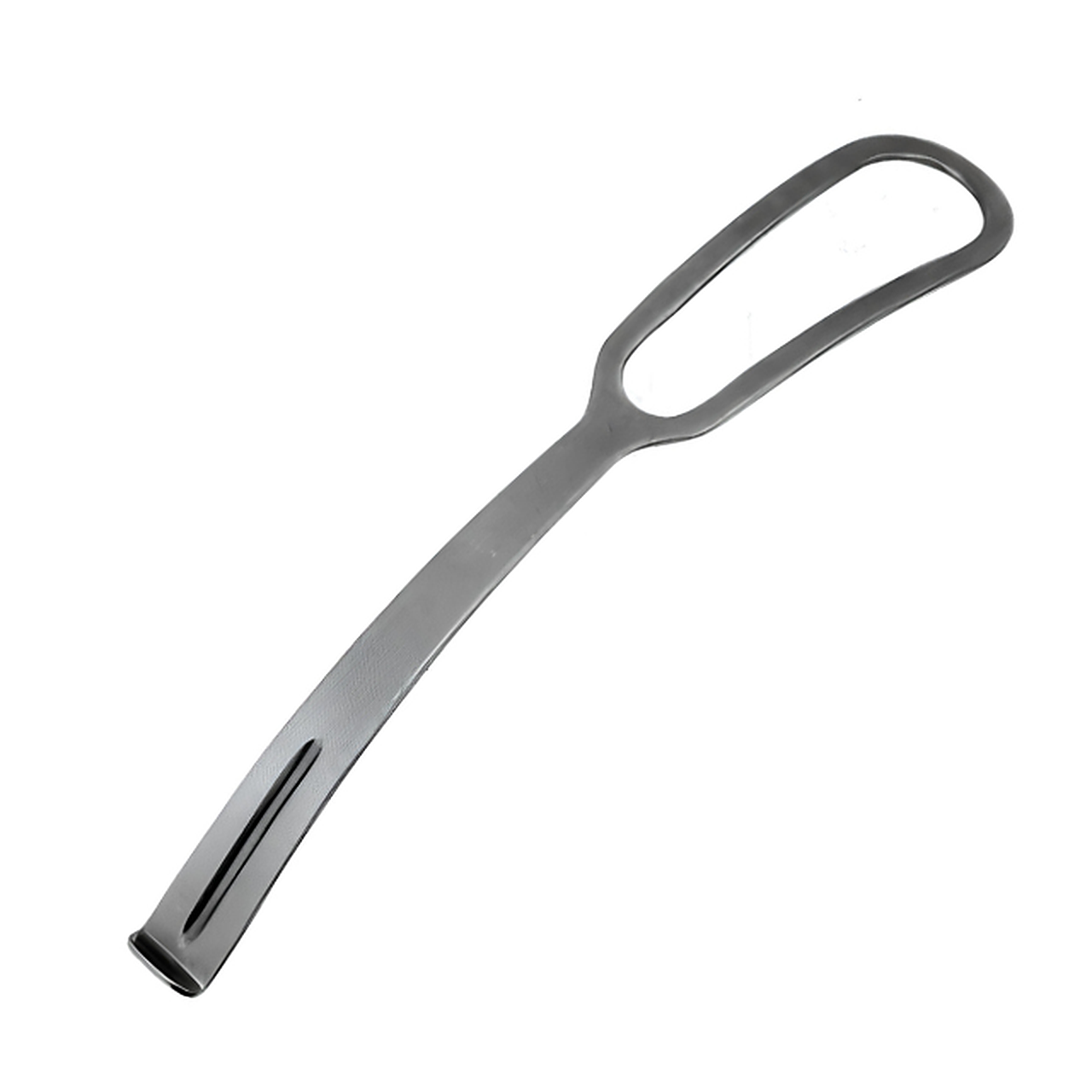 | Ретрактор шейки мыщелка Awty | Специально разработан для экспозиции и защиты шейки мыщелкового отростка нижней челюсти во время ортогнатических остеотомий и операций по поводу травм. |
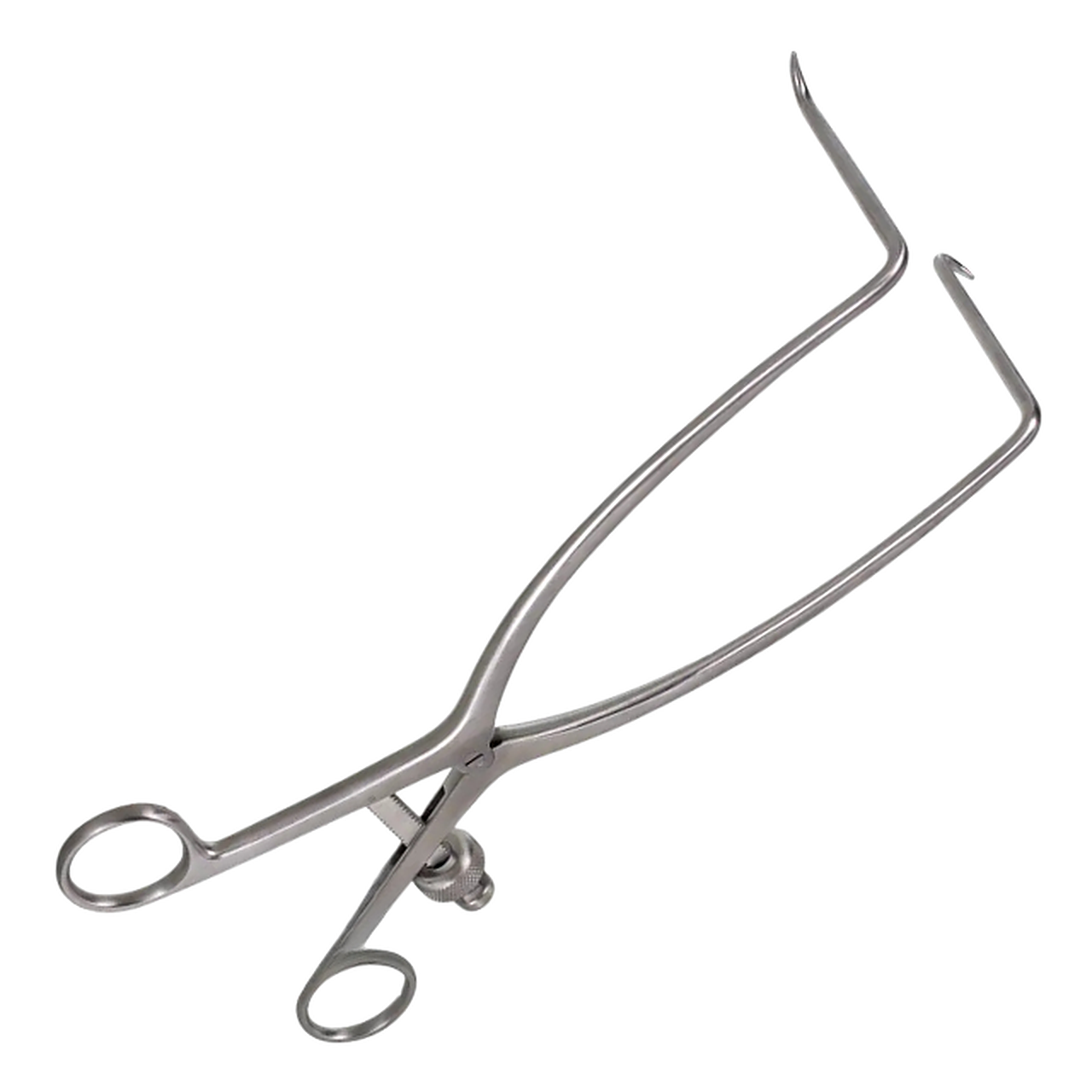 | Ранорасширитель B-Z Retractor | Специально разработан для самоудерживающегося разведения глубоких мягких тканей и параспинальных мышц во время ортопедических, спинальных и тазовых операций. |
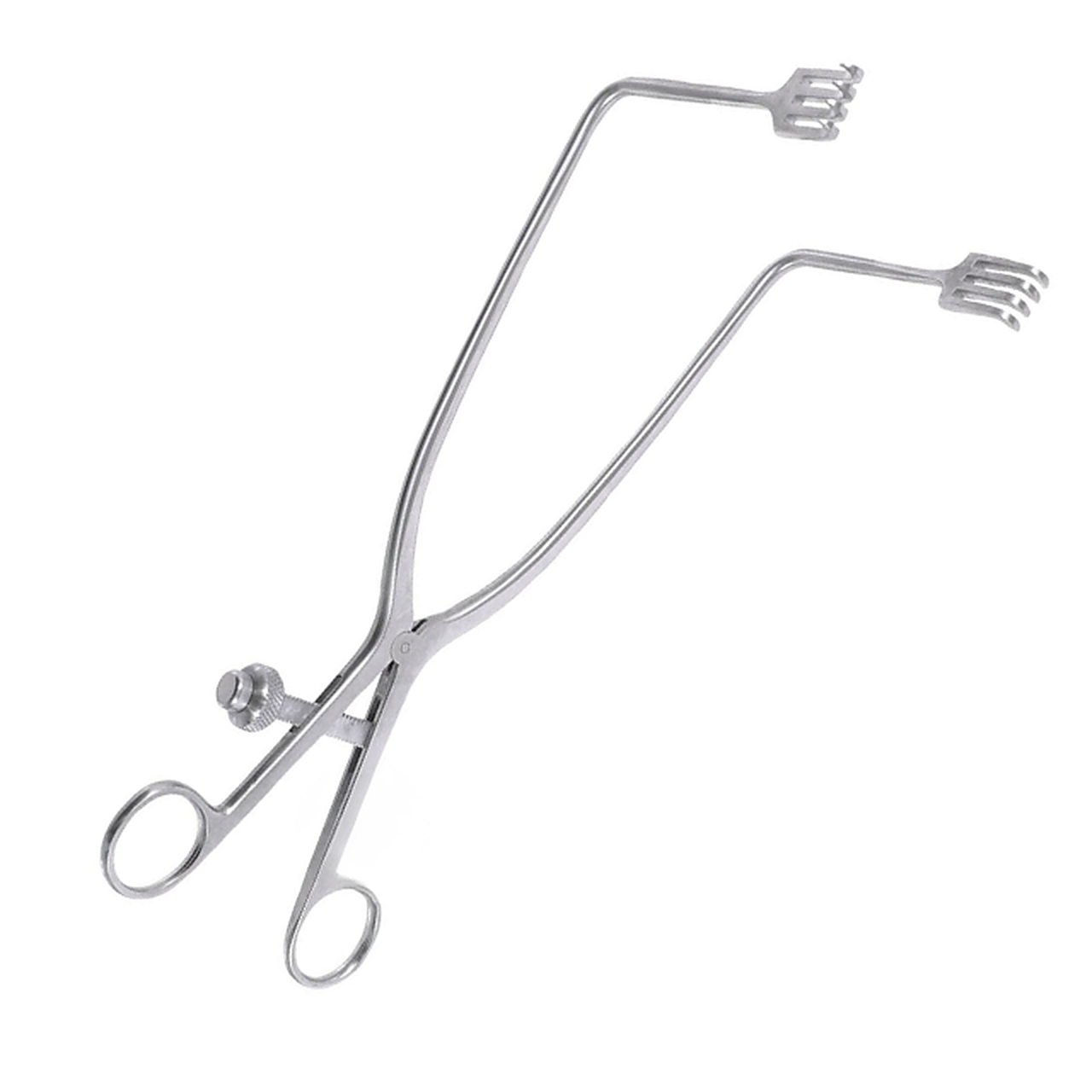 | Ранорасширитель B-Z Weitlaner Retractor | Специально разработан для самодержащейся глубокой ретракции мягких тканей и мышц во время спинальных, ортопедических и тазовых операций. |
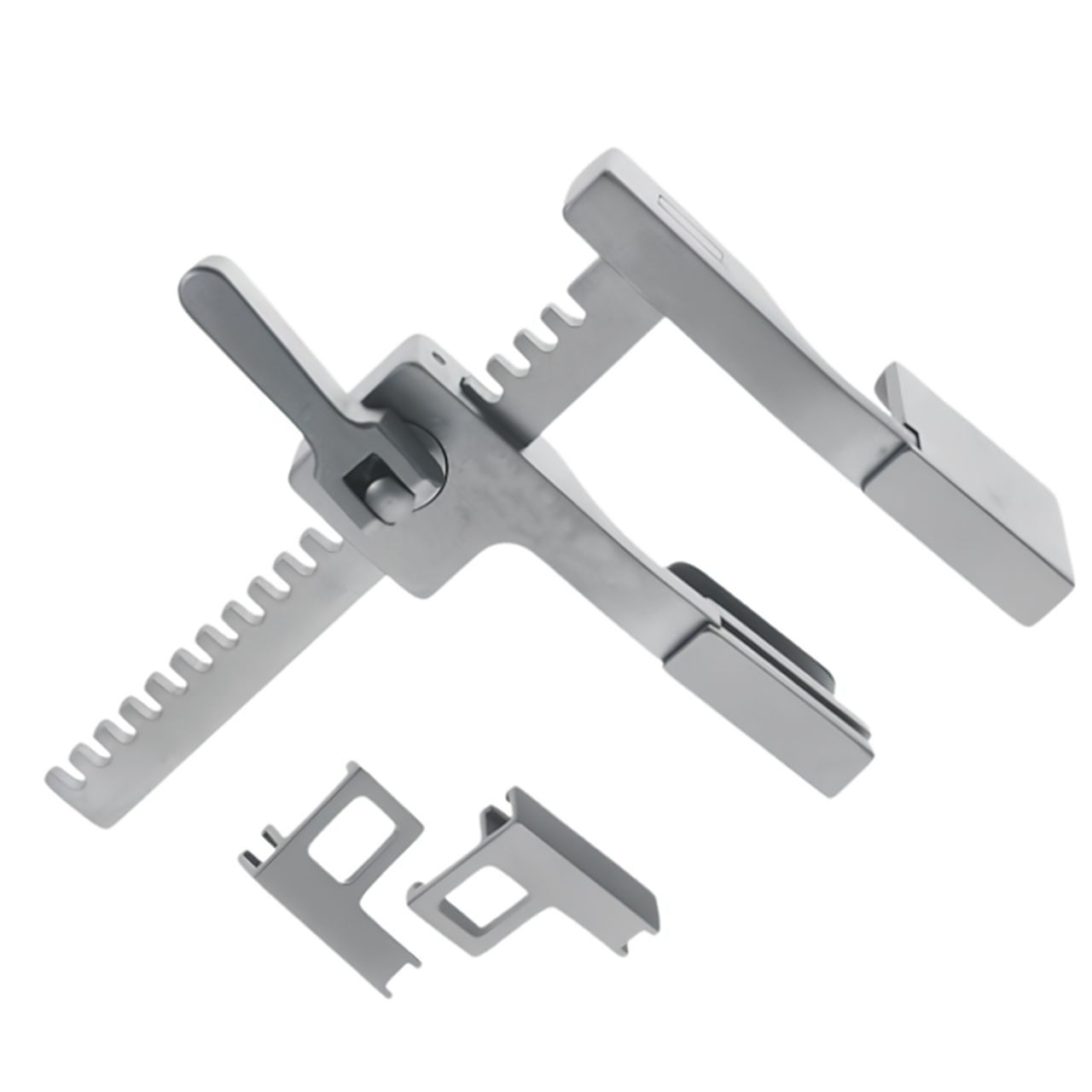 | Ранорасширитель реберный Baby-Haight | Специально разработан для разведения ребер и обеспечения торакального доступа при кардиоторакальных операциях у новорожденных и младенцев. |
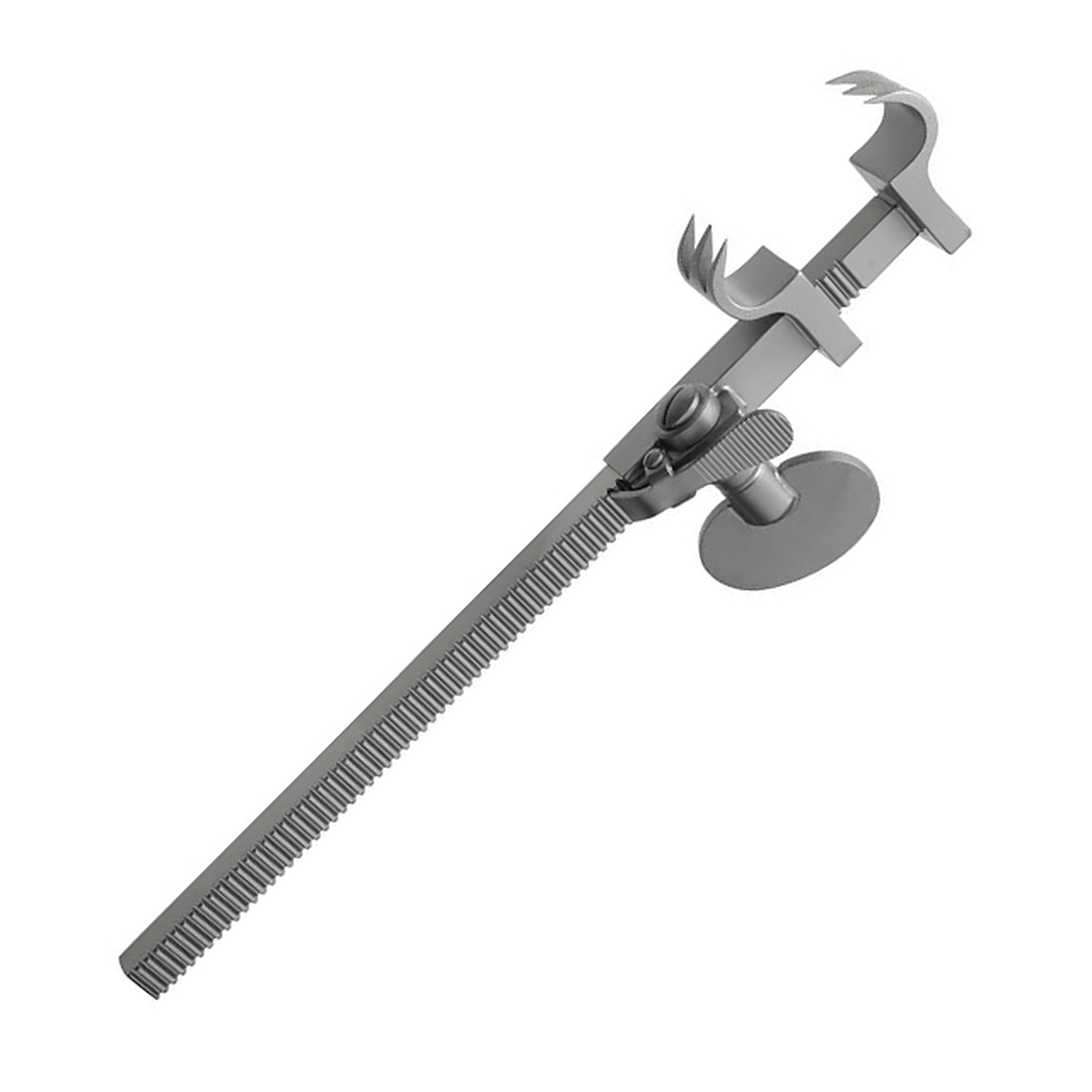 | Реберный сближатель Bailey | Специально разработан для сближения ребер и стабилизации грудной клетки во время закрытия торакотомной раны. |
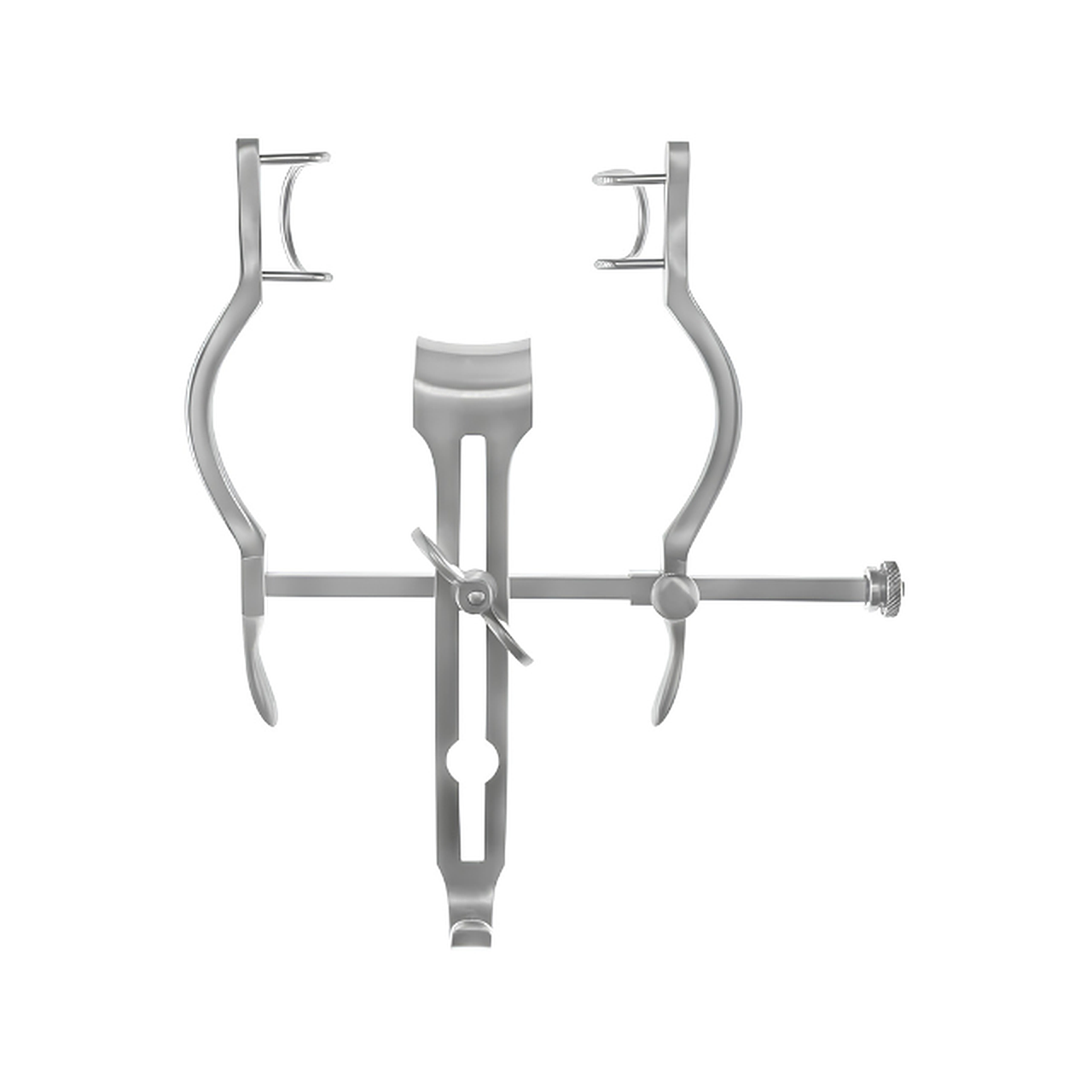 | Ранорасширитель Balfour Baby самоудерживающийся | Специально разработан для самоудерживающейся ретракции тканей и поддержания стабильной экспозиции операционного поля в ходе хирургических вмешательств. |
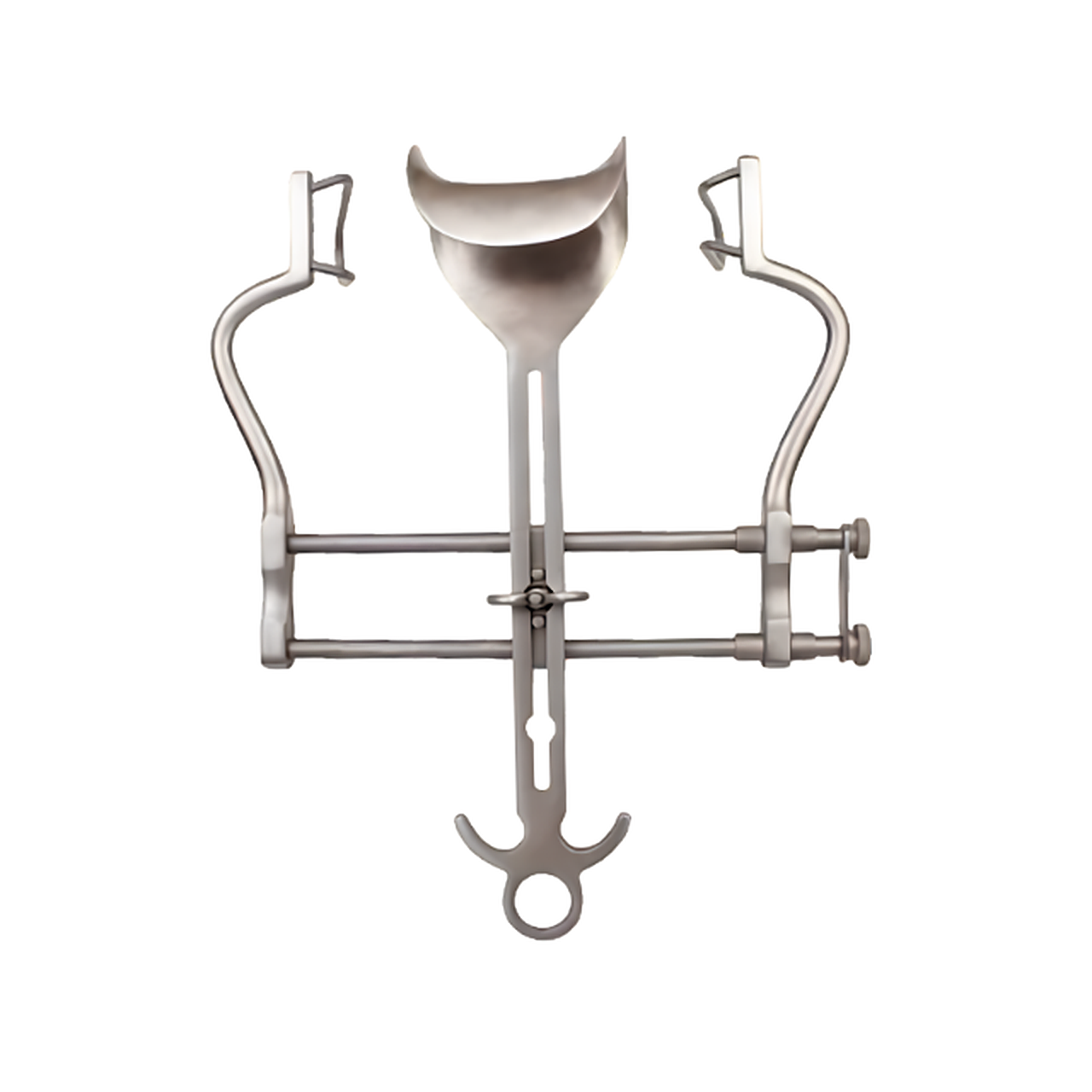 | Ранорасширитель Balfour | Предназначен для самоудерживающегося разведения мягких тканей и обеспечения непрерывной экспозиции операционного поля без использования рук. |
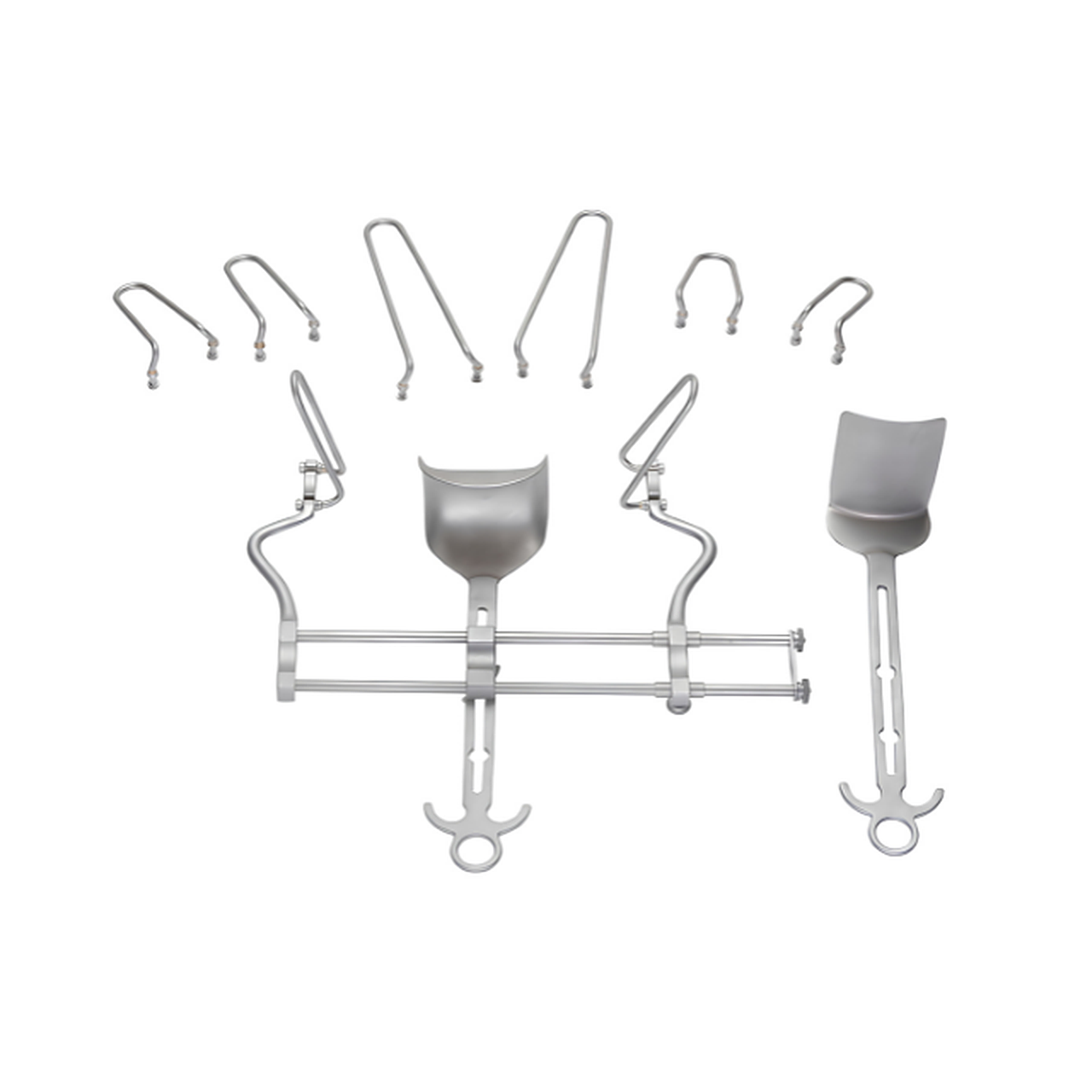 | Ранорасширитель Balfour USA самоудерживающийся | Специально разработан для самоудерживающейся ретракции мягких тканей и поддержания структурированной экспозиции операционного поля в ходе хирургических вмешательств. |
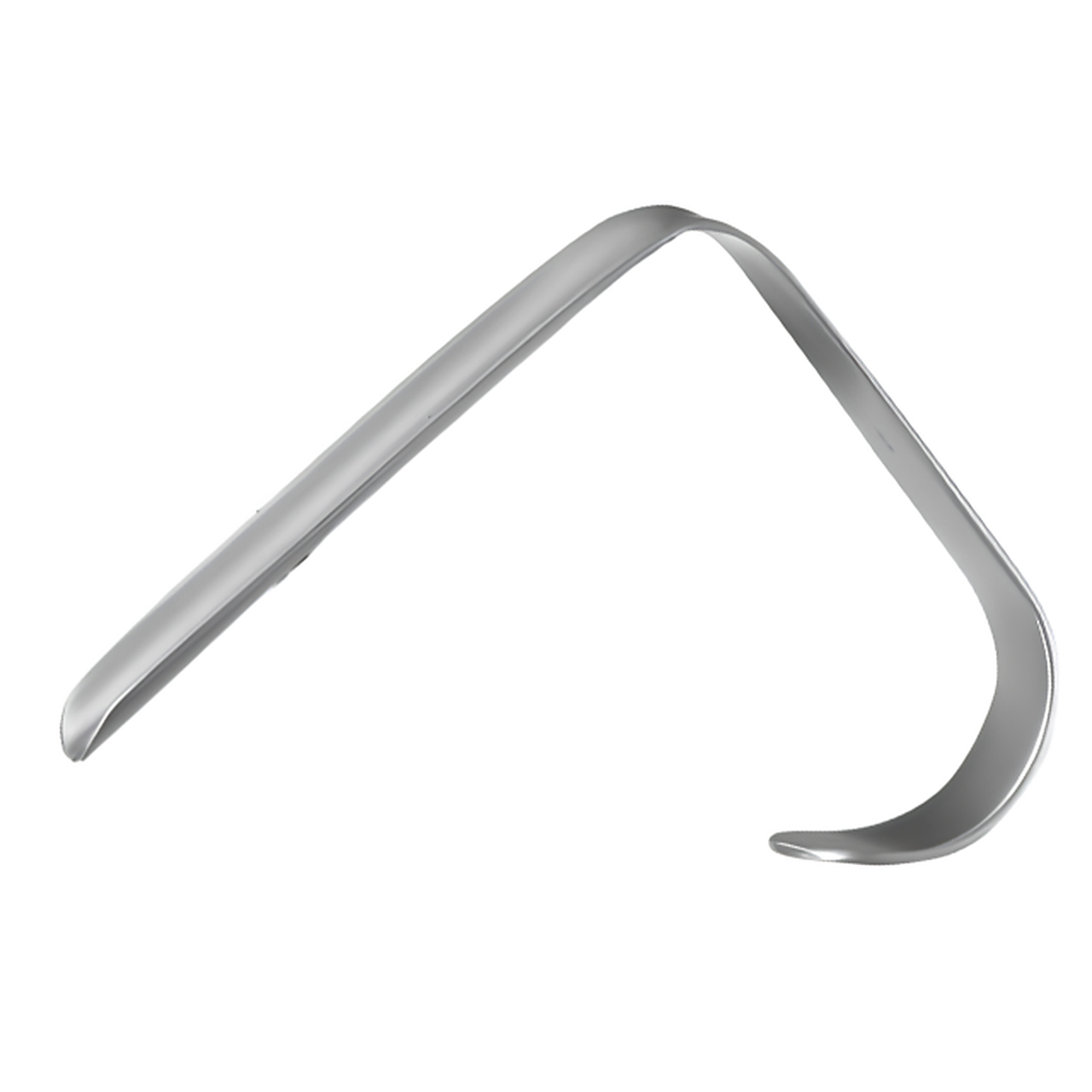 | Назальный ретрактор Barsky | Специально разработан для ретракции крыльев носа и мягких тканей носовой стенки при ринопластике и реконструкции расщелины губы/носа. |
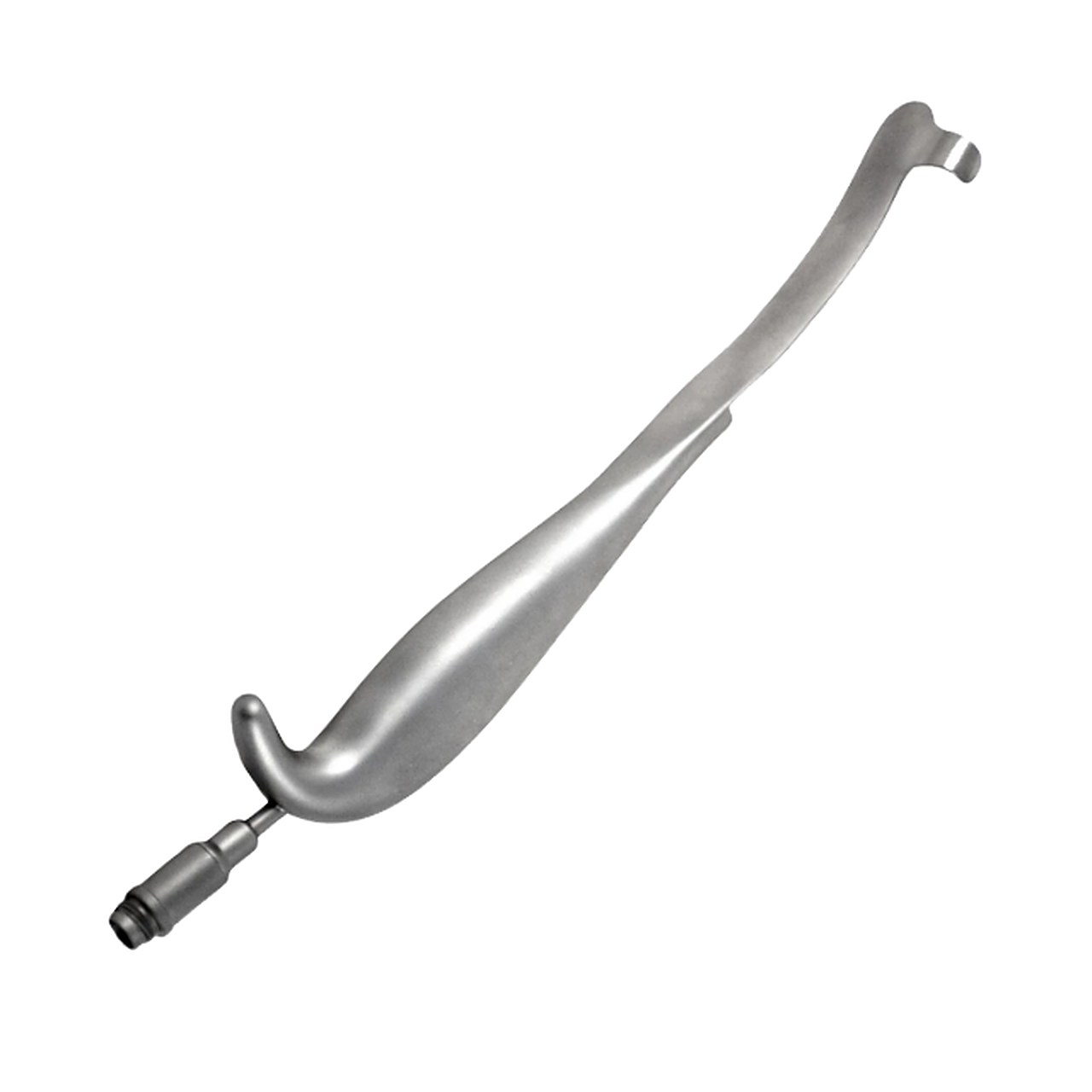 | Интраоральный ретрактор вырезки нижней челюсти по Bauer | Специально разработан для фиксации в сигмовидной вырезке нижней челюсти и отведения мягких тканей при остеотомии ветви и операциях на ВНЧС. |
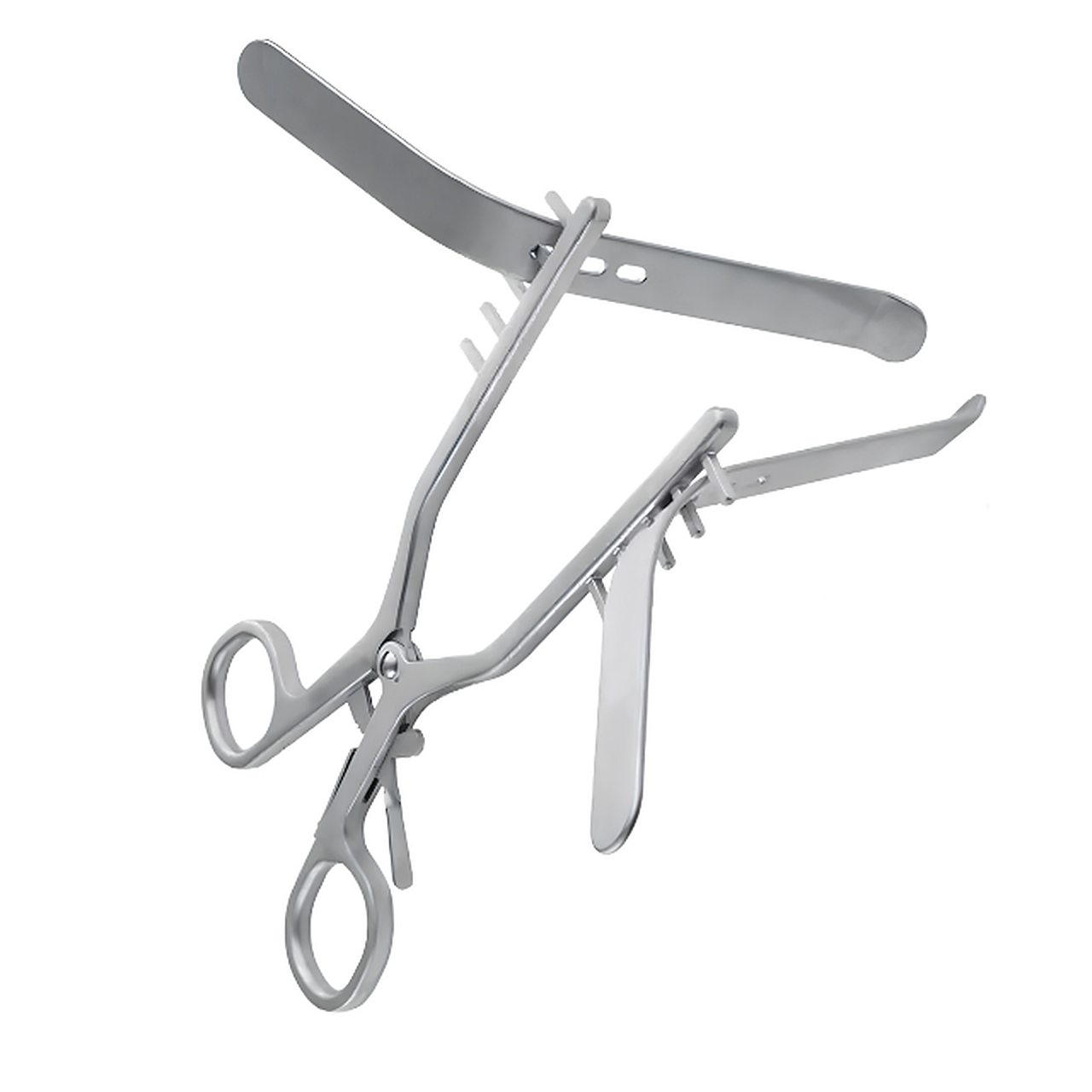 | Самоудерживающийся ретрактор Beard Distal Bicep | Специально разработан для автономной ретракции мягких тканей и обеспечения доступа к бугристости лучевой кости при пластике сухожилий дистального бицепса. |
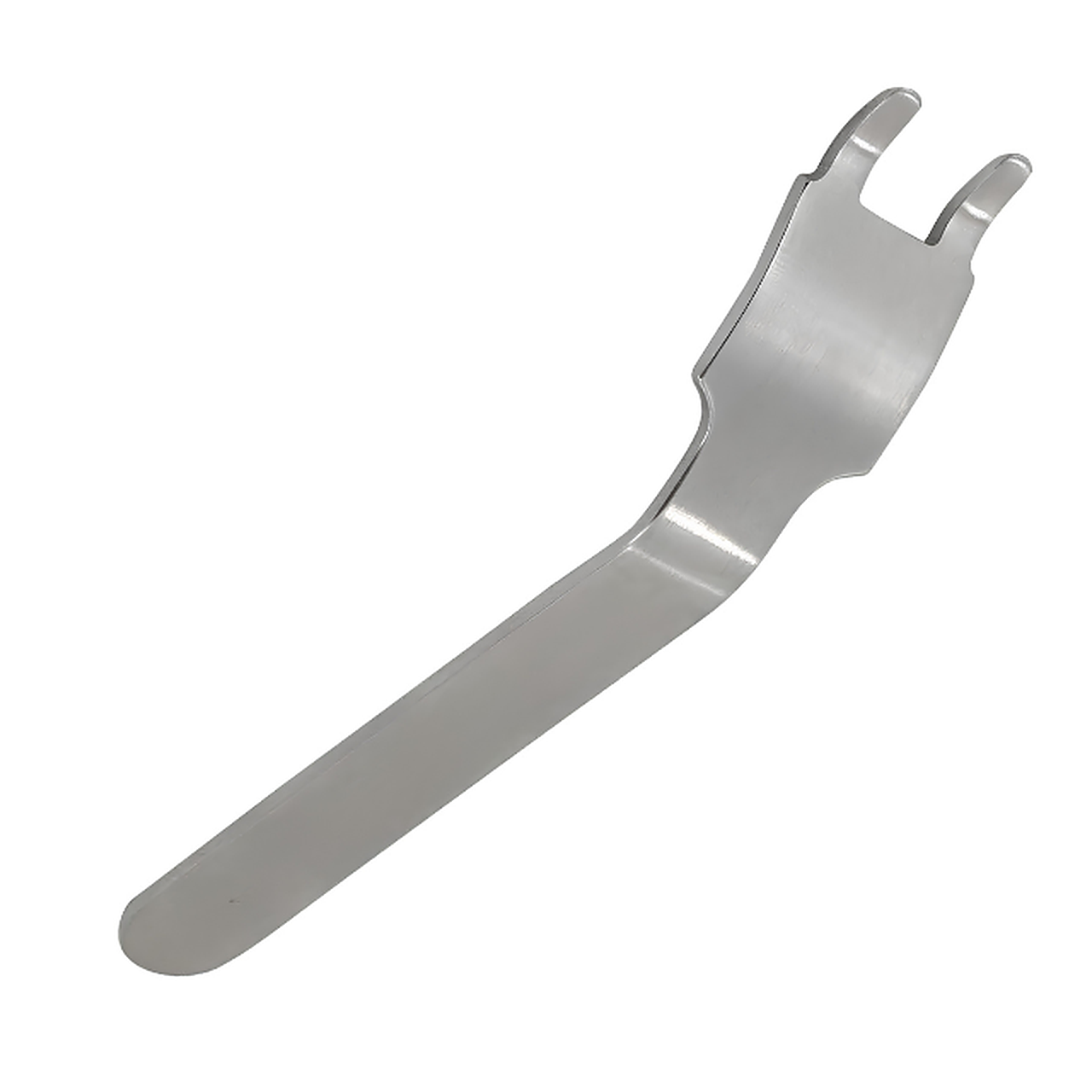 | Широкий ретрактор Хомана Beard для дистального отдела лучевой кости | Специально разработан для экспозиции дистального отдела лучевой кости и ретракции мягких тканей и квадратного пронатора при остеосинтезе запястья пластинами. |
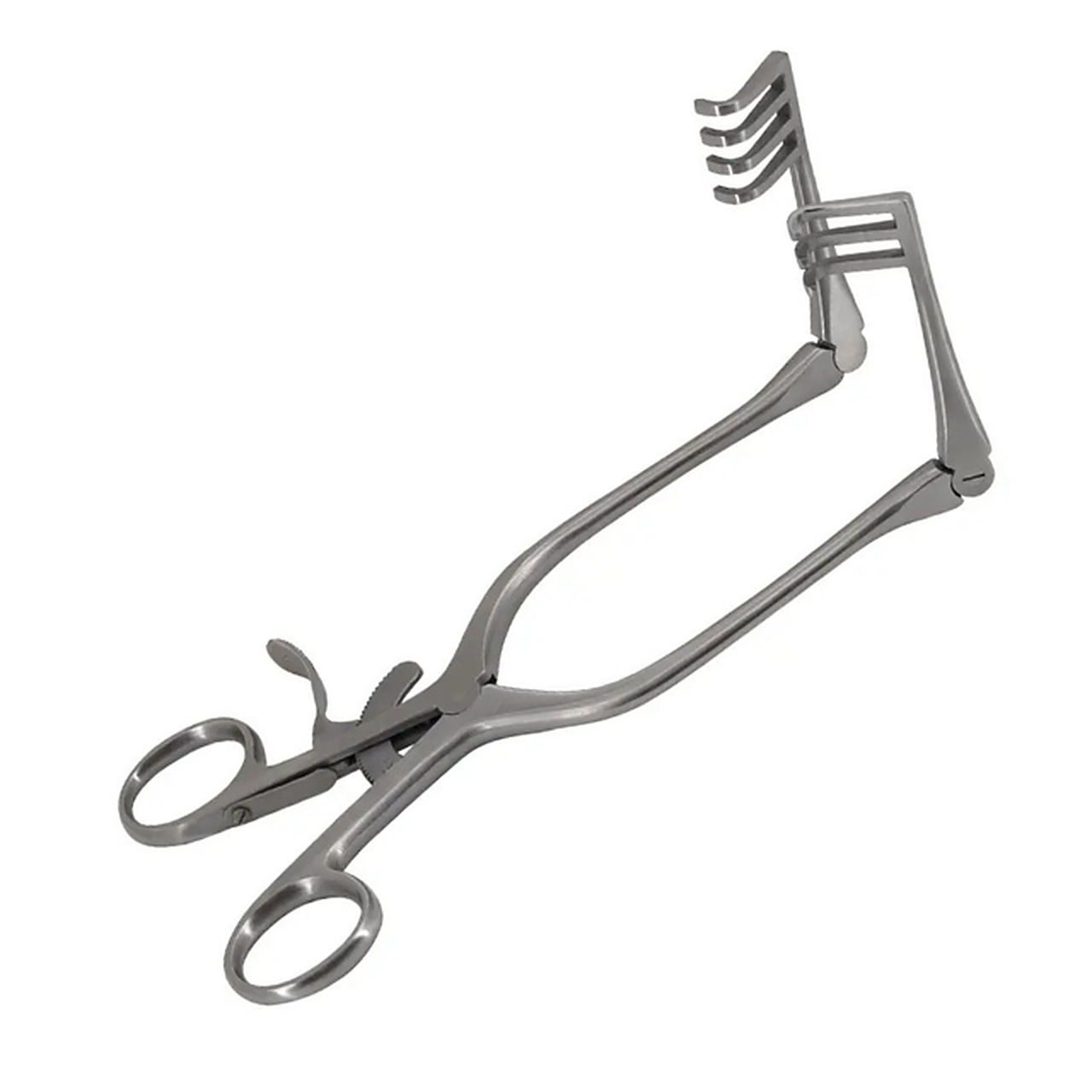 | Ранорасширитель Beckman-Weitlaner самоудерживающийся | Специально разработан для самоудерживающейся шарнирной ретракции мягких тканей и мышц при спинальных и ортопедических операциях. |
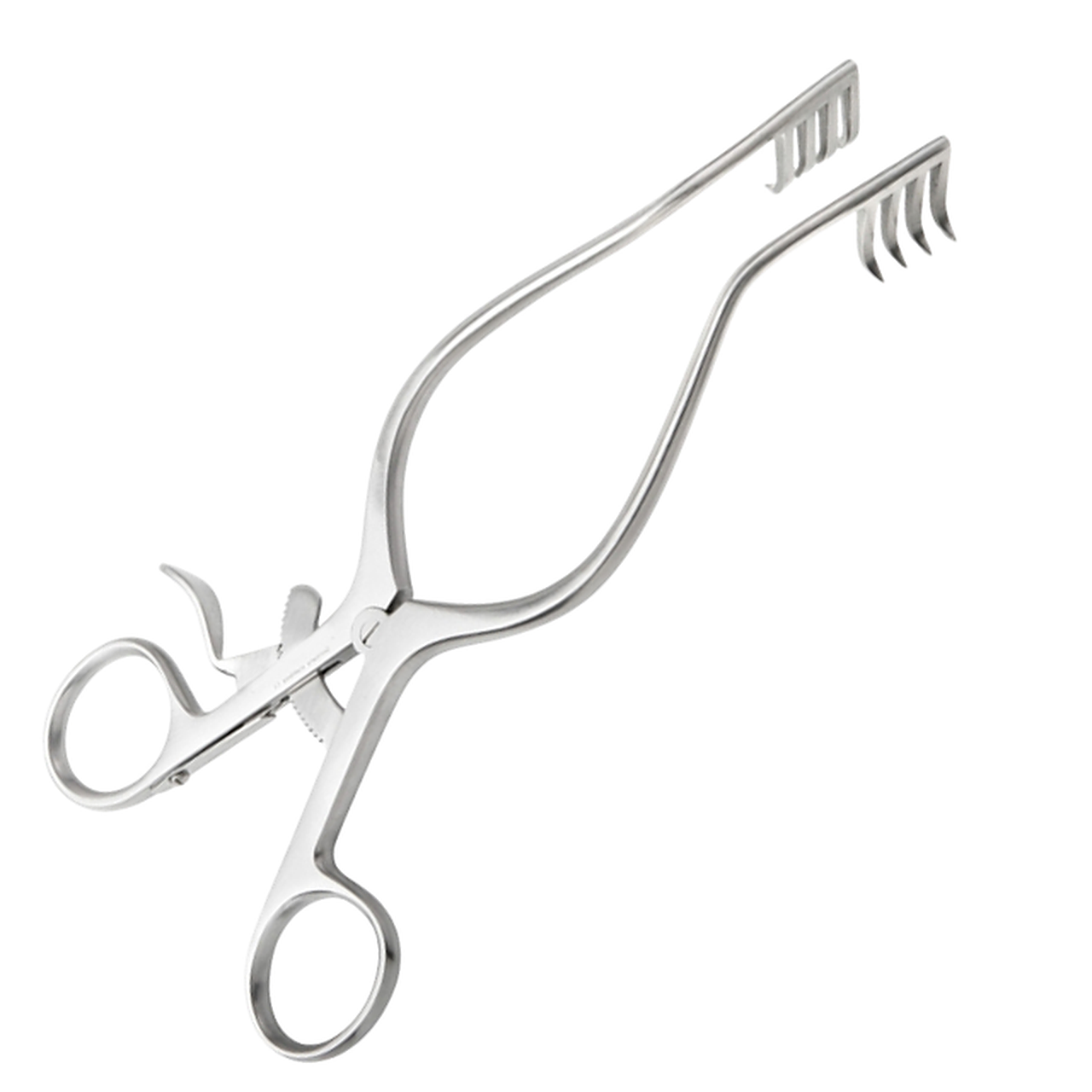 | Ранорасширитель Beckmann Adson самодержащийся | Специально разработан для самодержащейся ретракции параспинальных мышц и мягких тканей во время спинальных и нейрохирургических операций. |
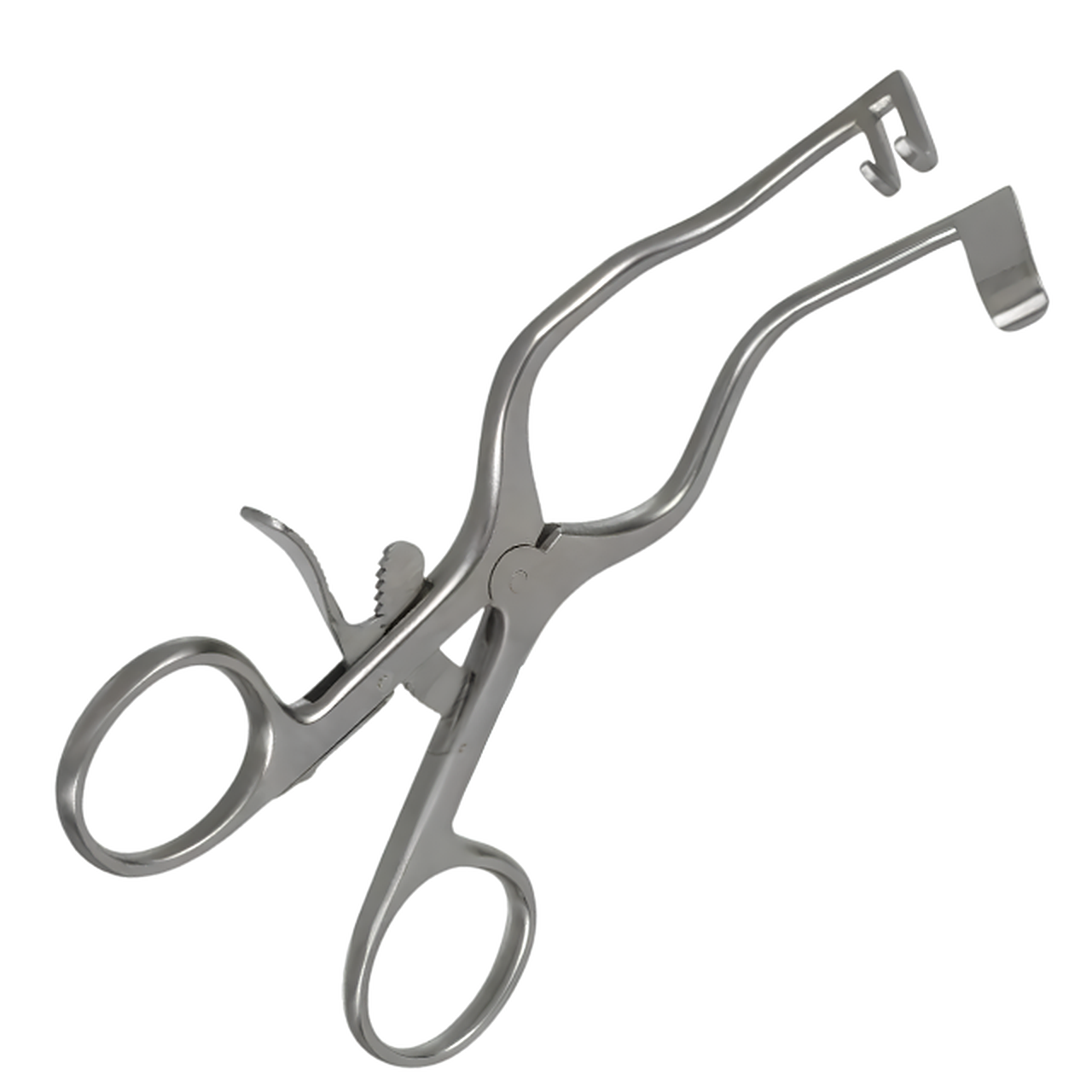 | Эндауральные ретракторы Bellucci | Специально разработан для экспозиции наружного слухового прохода и тимпанального кольца при эндауральных операциях на ухе. |
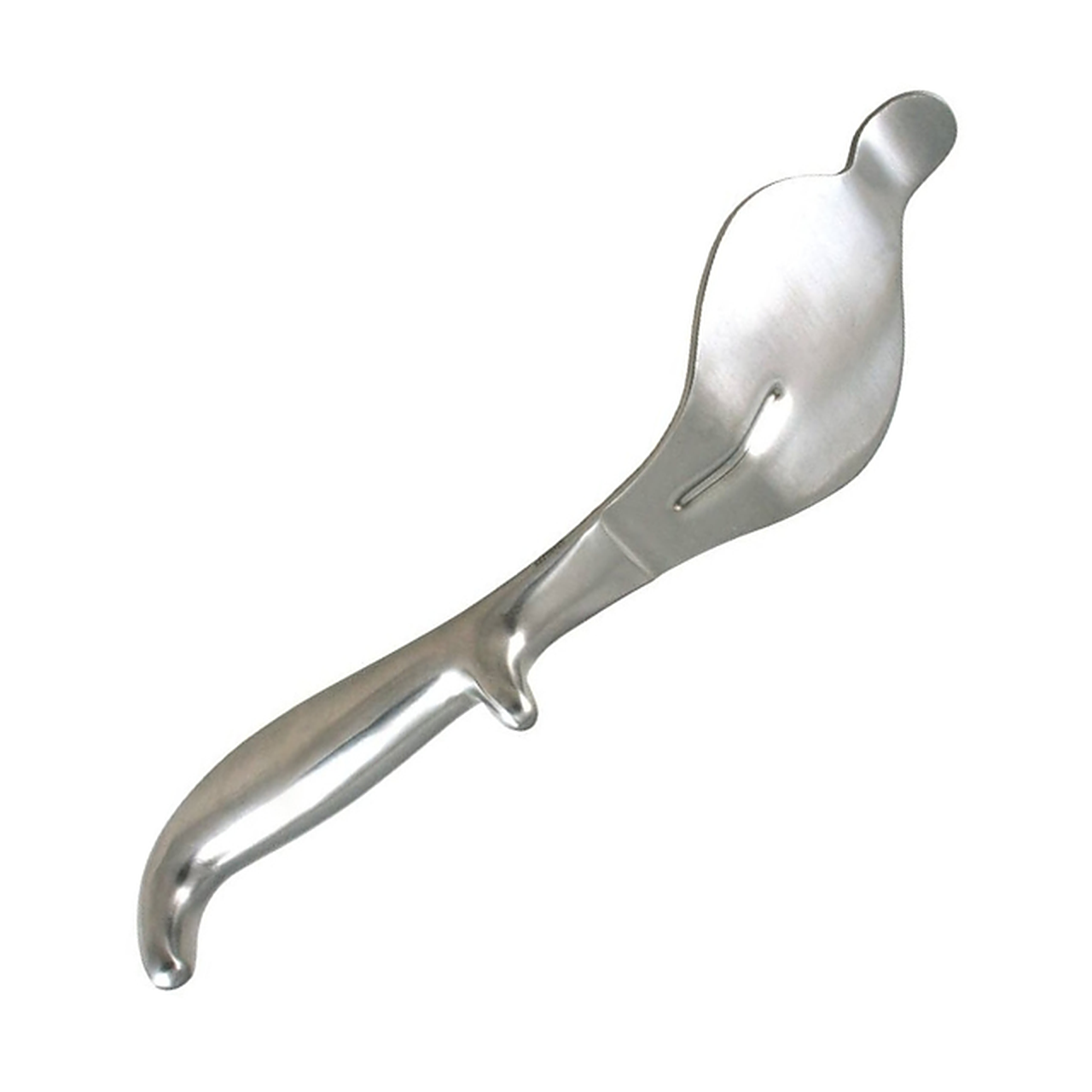 | Ретрактор Bennett для большеберцовой кости | Специально разработан для отведения крупных массивов мышц и мягких тканей от большеберцовой кости при артропластике коленного сустава и фиксации переломов голени. |
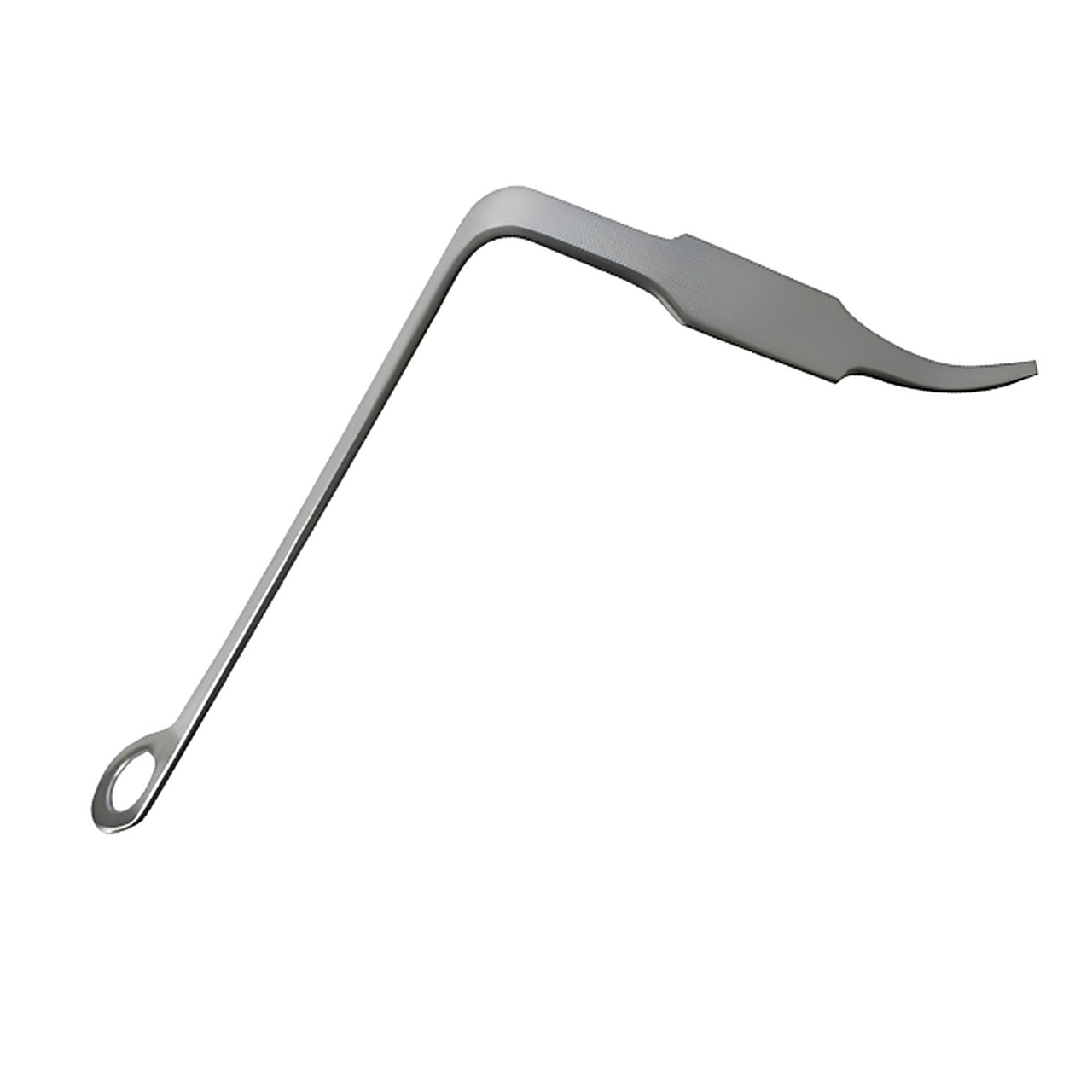 | Изогнутый ретрактор Hohmann (Bent Hohmann Retractor) | Специально разработан для отведения мягких тканей и мышц от кости во время ортопедических процедур на тазобедренном, коленном суставах и длинных трубчатых костях. |
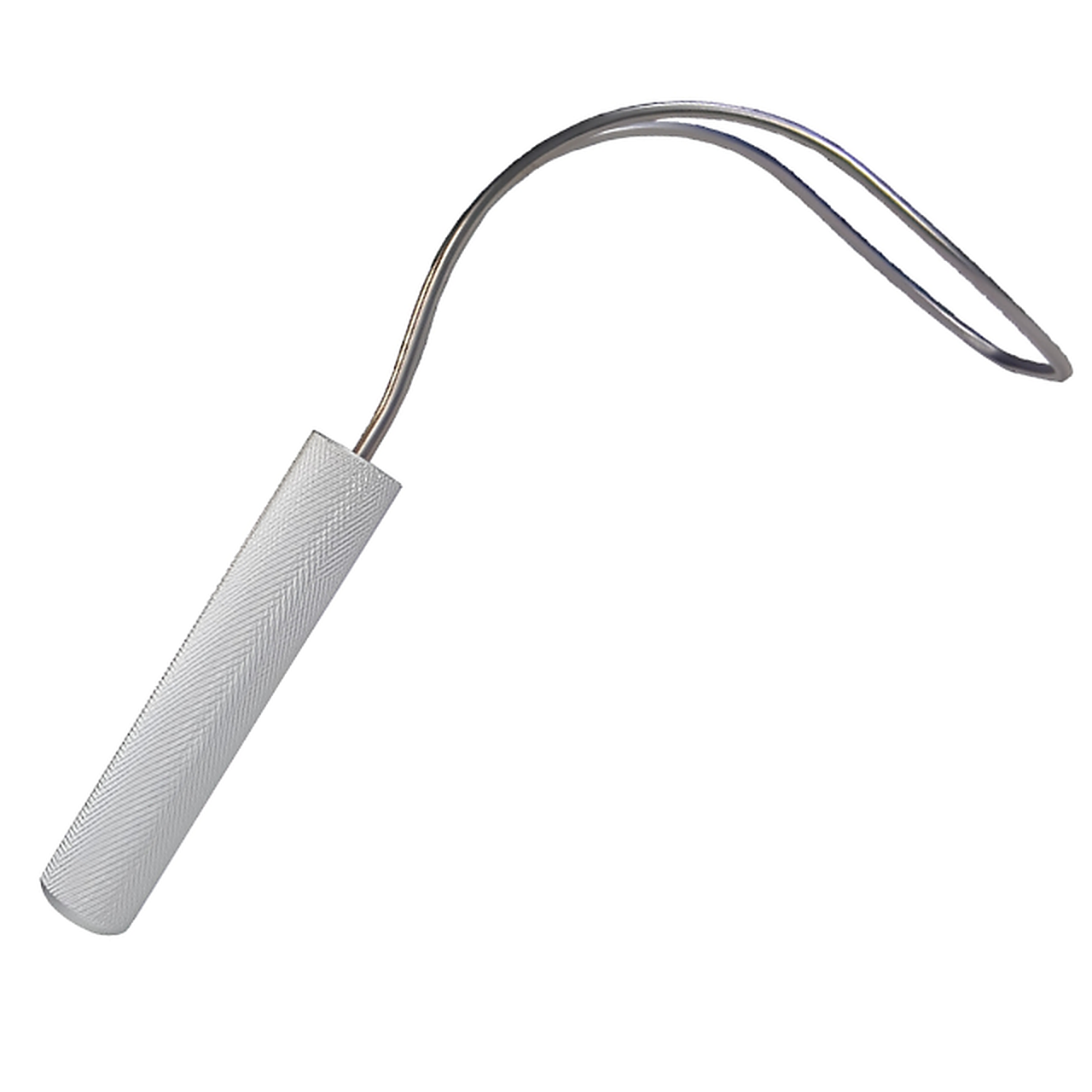 | Ретрактор Biggs Face Lift (Rhytidectomy) Retractor | Специально разработан для поднятия лицевых кожных лоскутов и обеспечения стабильного обзора во время ритидэктомии и эстетических пластических операций. |
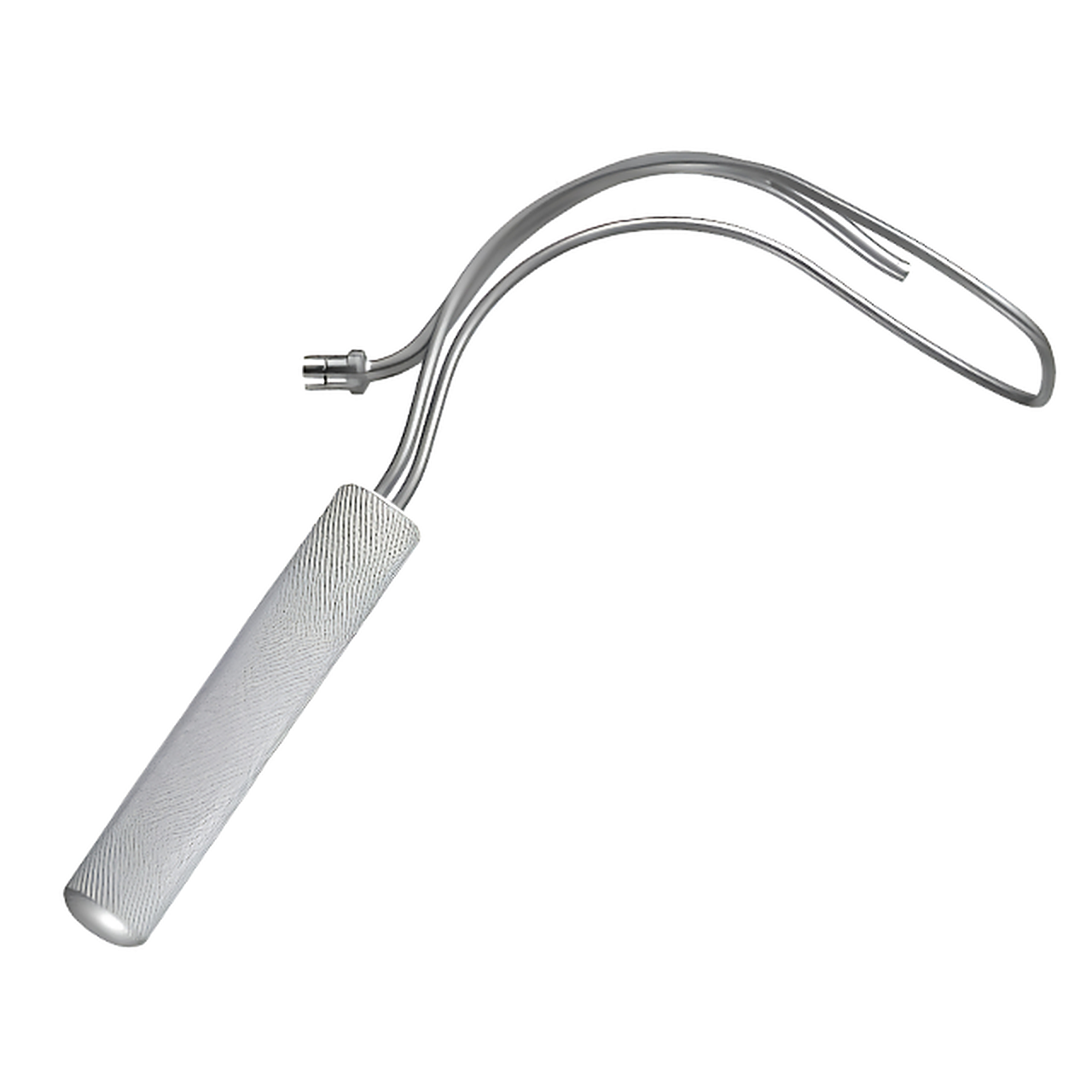 | Biggs Face Lift Retractor, With Fiber optic, с оптоволоконной подсветкой | Специально разработан для ретракции мягких тканей с подсветкой и элевации кожных лоскутов во время ритидэктомии и пластических операций на лице. |
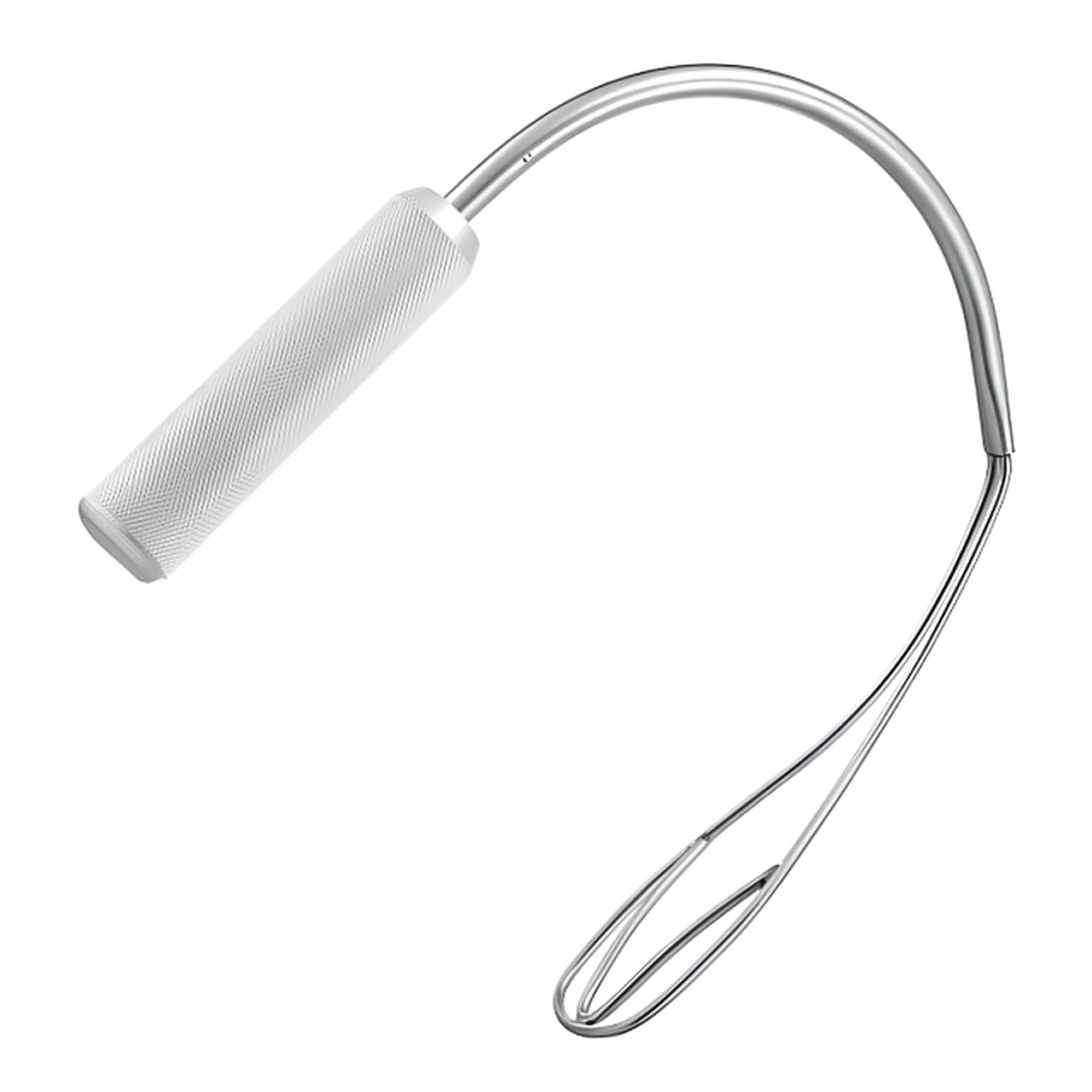 | Ретрактор Biggs Mammaplasty Retractor narrow (узкий) | Специально разработан для элевации паренхимы молочной железы и лоскутов большой грудной мышцы во время маммопластики и реконструктивных операций. |
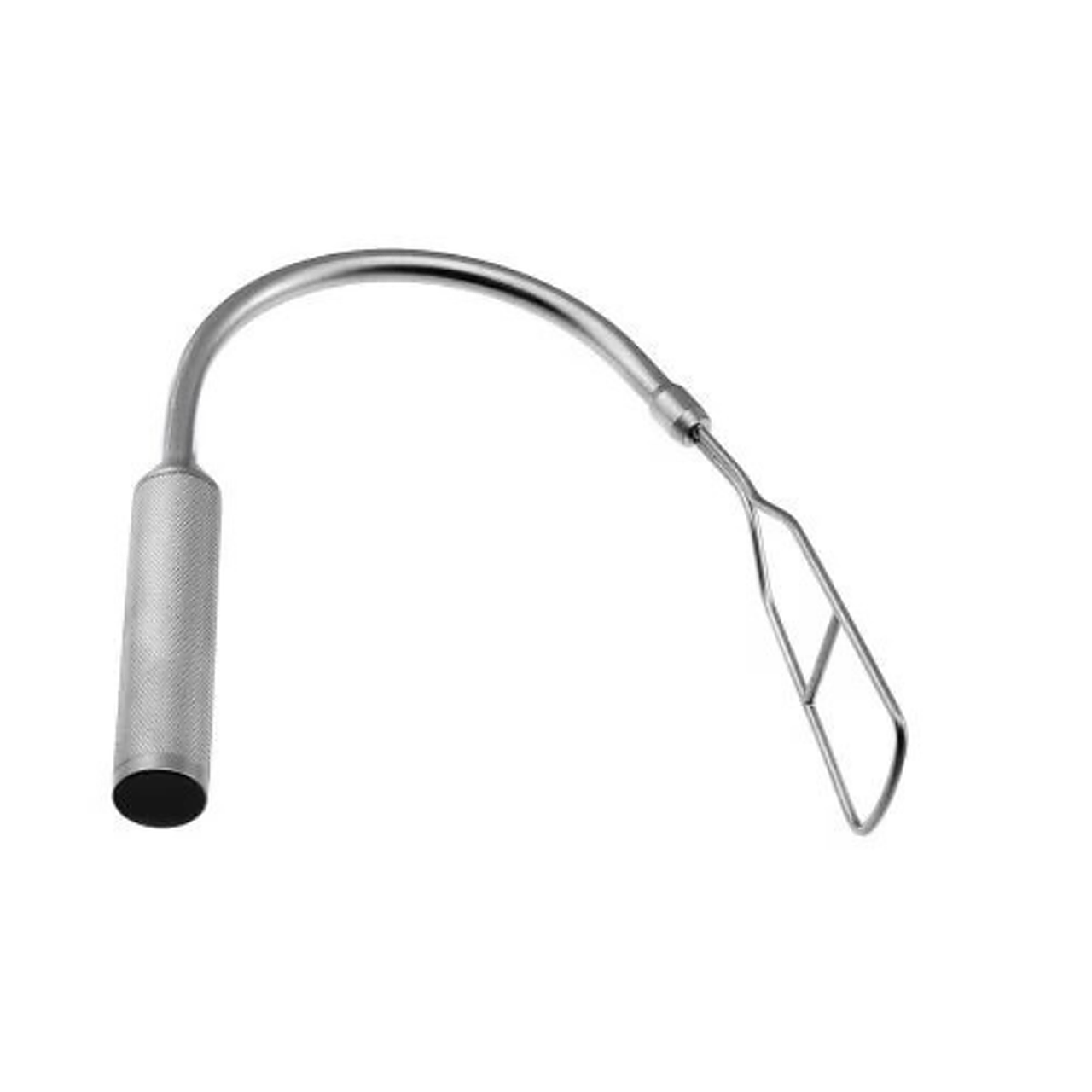 | Ретрактор Biggs Mammaplasty Retractor standard | Специально разработан для элевации паренхимы молочной железы и лоскутов большой грудной мышцы во время маммопластики и реконструкции груди. |
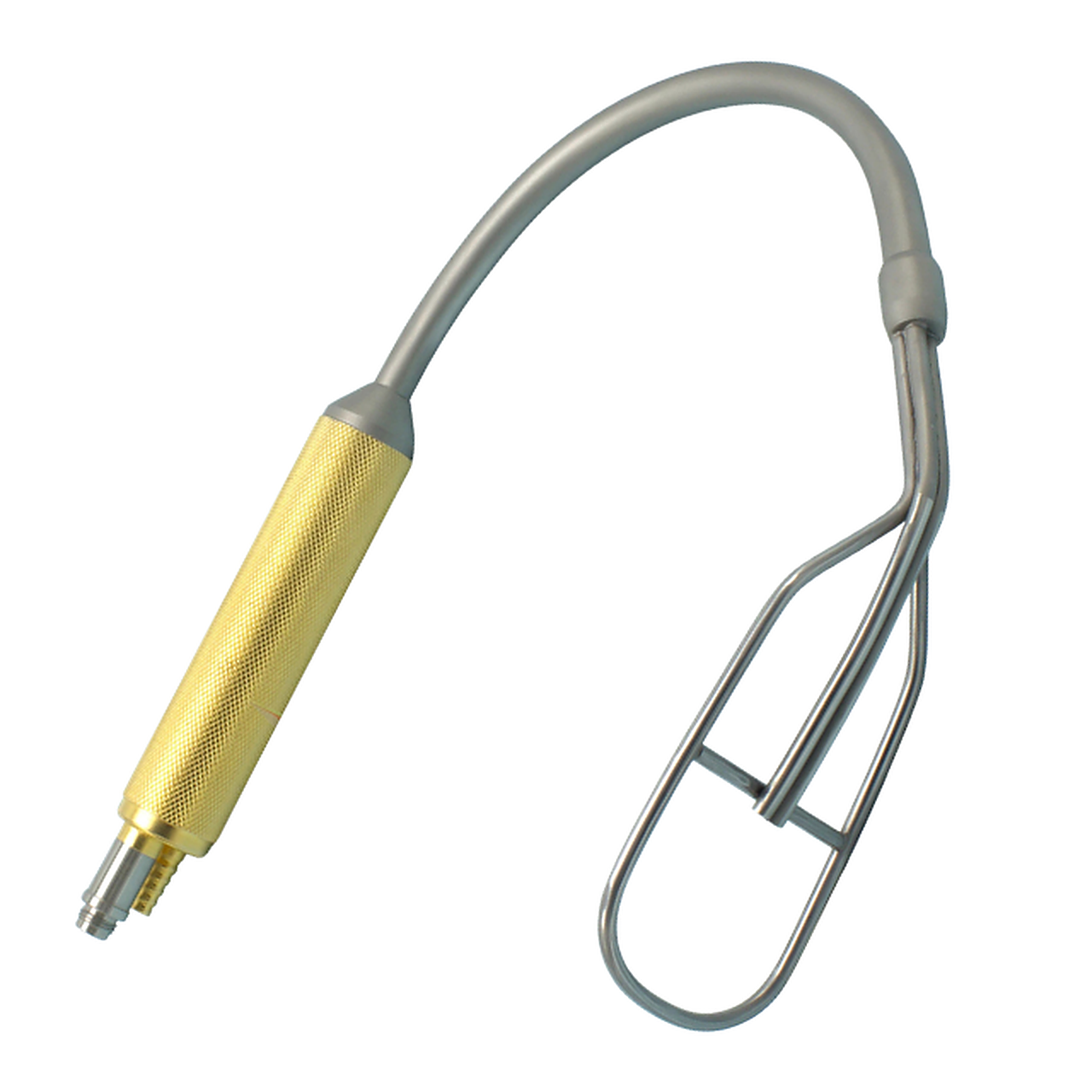 | Ретрактор Biggs Mammaplasty Retractor, волноводный | Специально разработан для ретракции мягких тканей с подсветкой, эвакуации дыма и визуализации кармана во время маммопластики. |
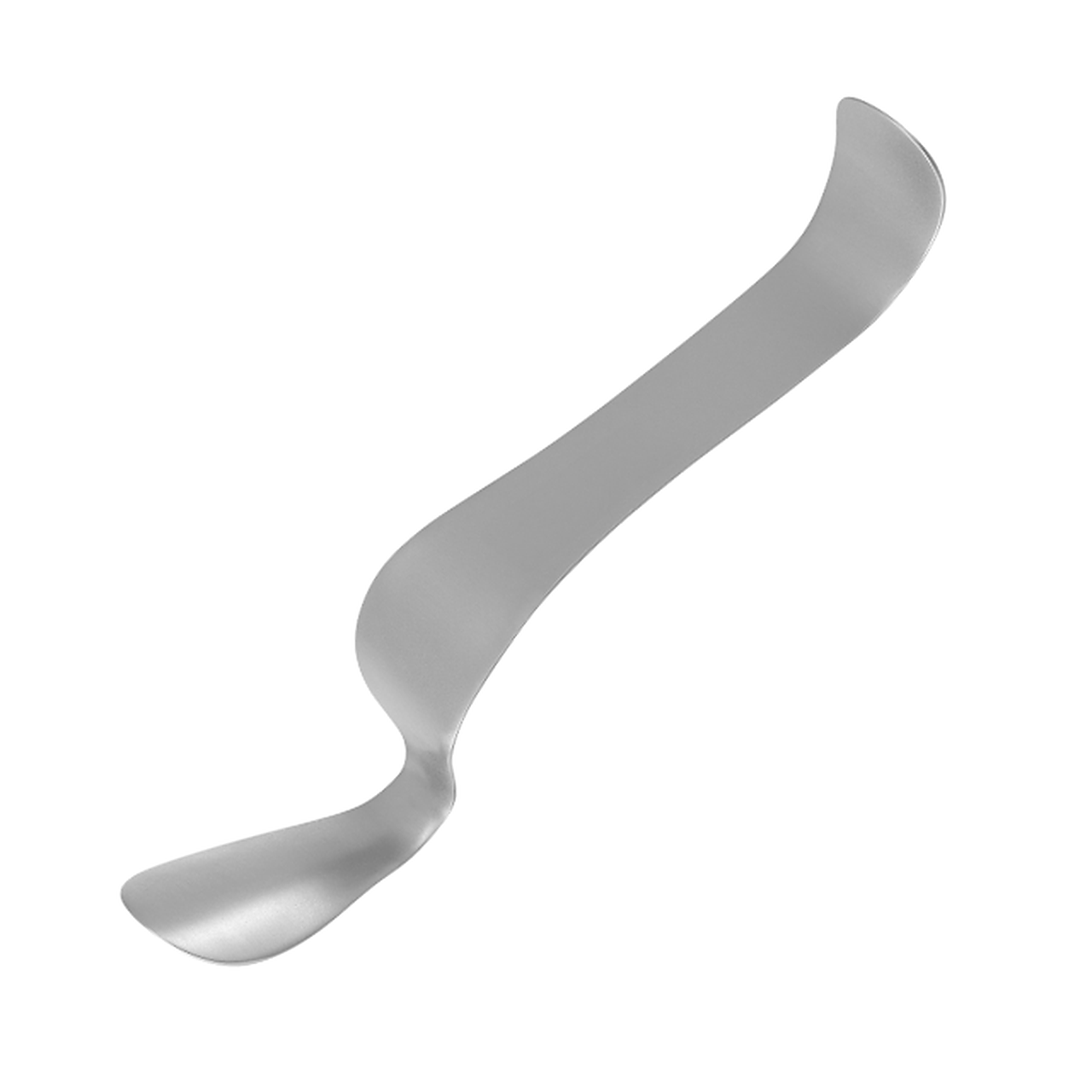 | Ротовой ретрактор Бишопа (для губ и щек) | Специально разработан для ретракции и защиты губ, щек и слизистой оболочки при интраоральных и стоматологических операциях. |
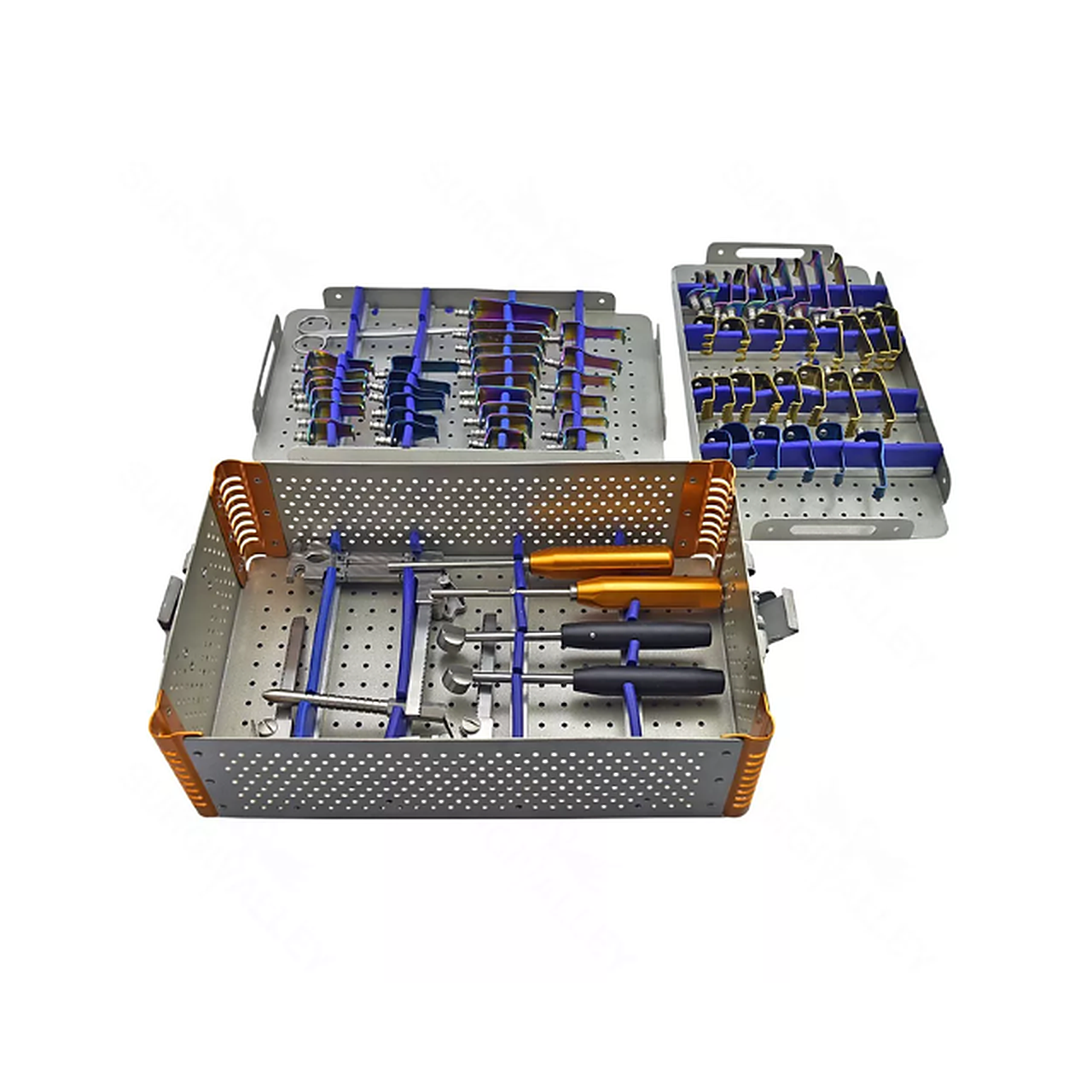 | Система цервикальных ретракторов Black Belt Cervical Retractor System | Специально разработана для обеспечения контролируемой ретракции тканей и точной хирургической экспозиции во время операций на шейном отделе позвоночника. |
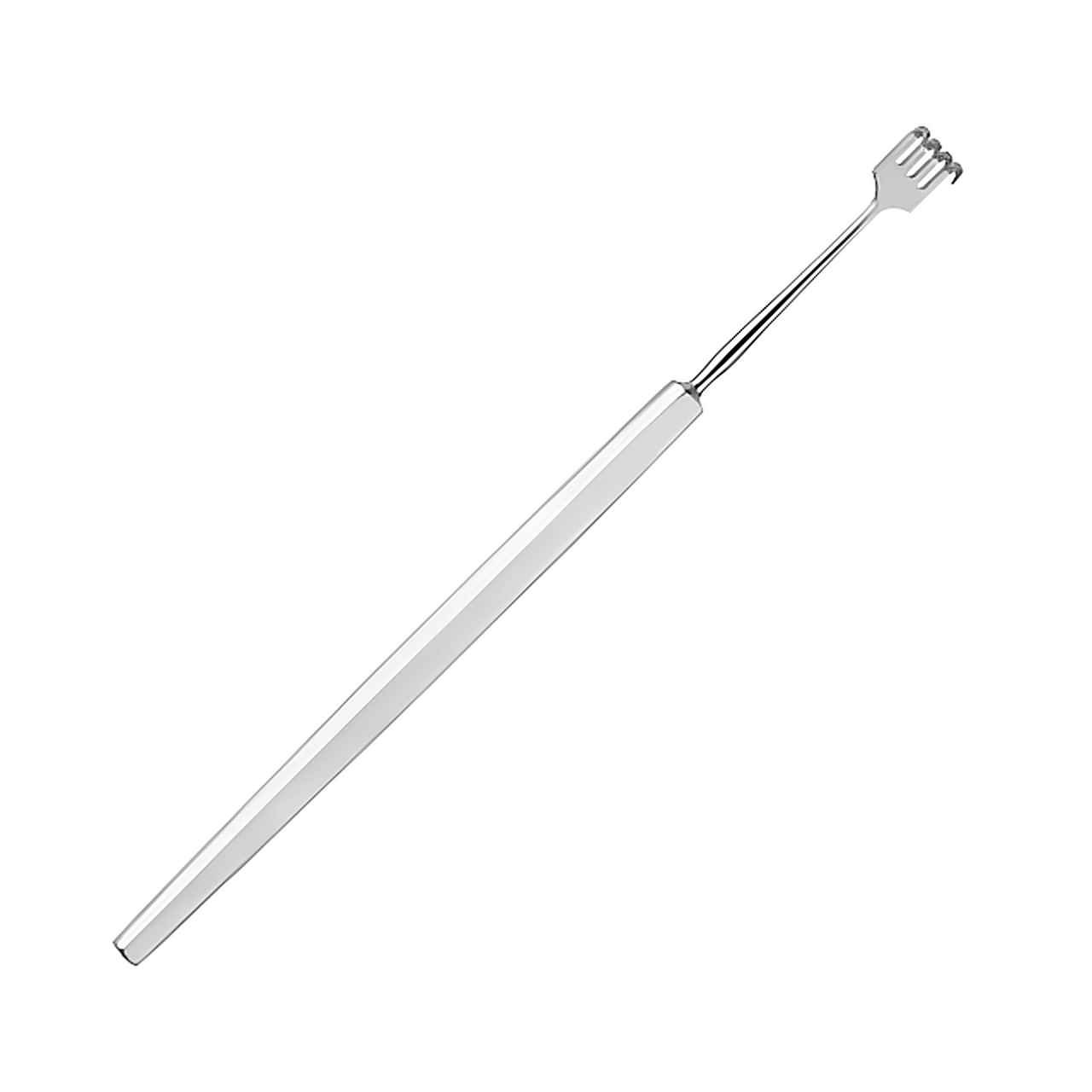 | Пальцевой ретрактор Блэра (Blair) | Специально разработан для деликатного поднятия кожных лоскутов, ретракции мягких тканей и стабилизации краев раны в пластической хирургии и хирургии кисти. |
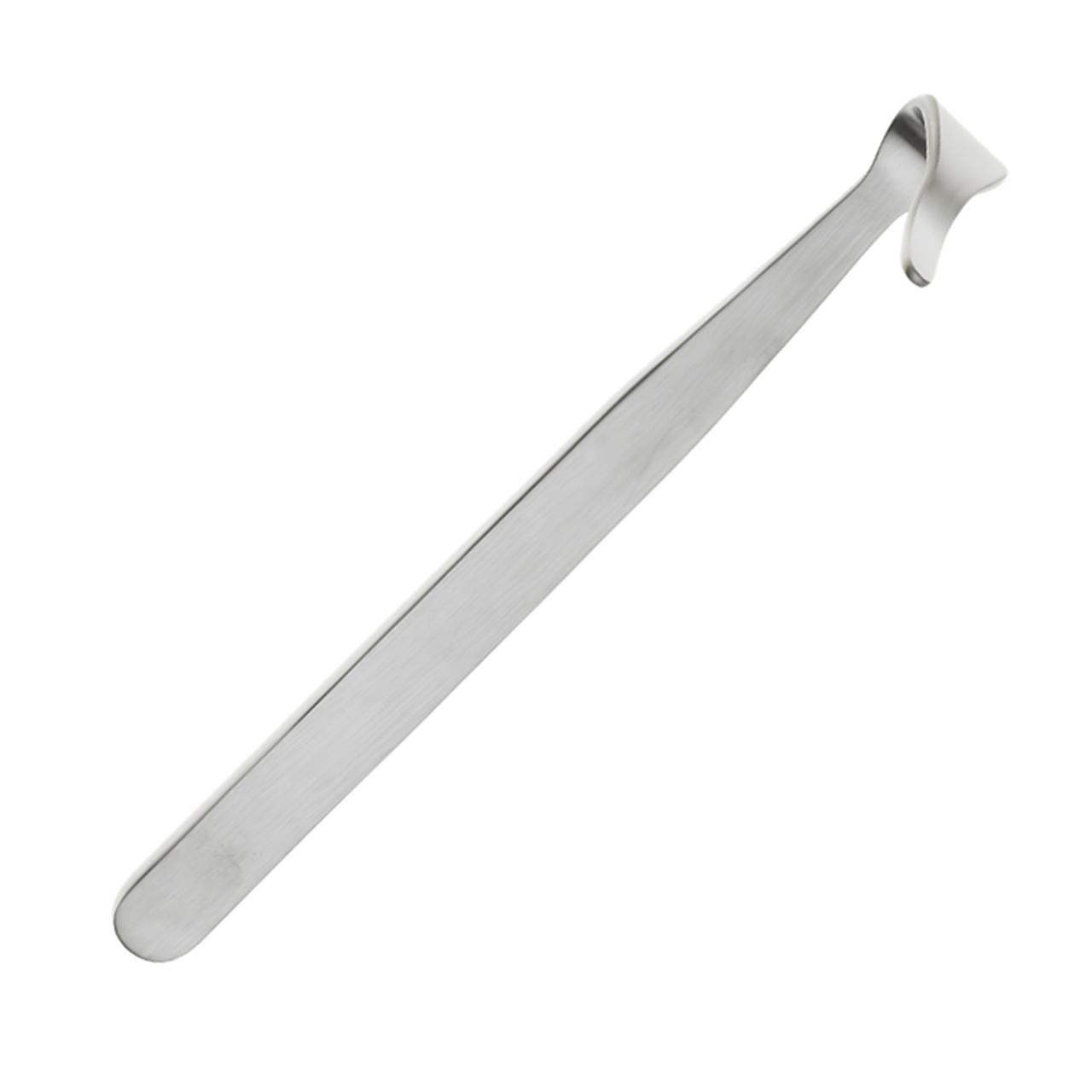 | Коленный ретрактор Blount | Специально разработан для ретракции коллатеральных связок и мягких тканей во время артропластики коленного сустава и реконструктивных процедур на колене. |
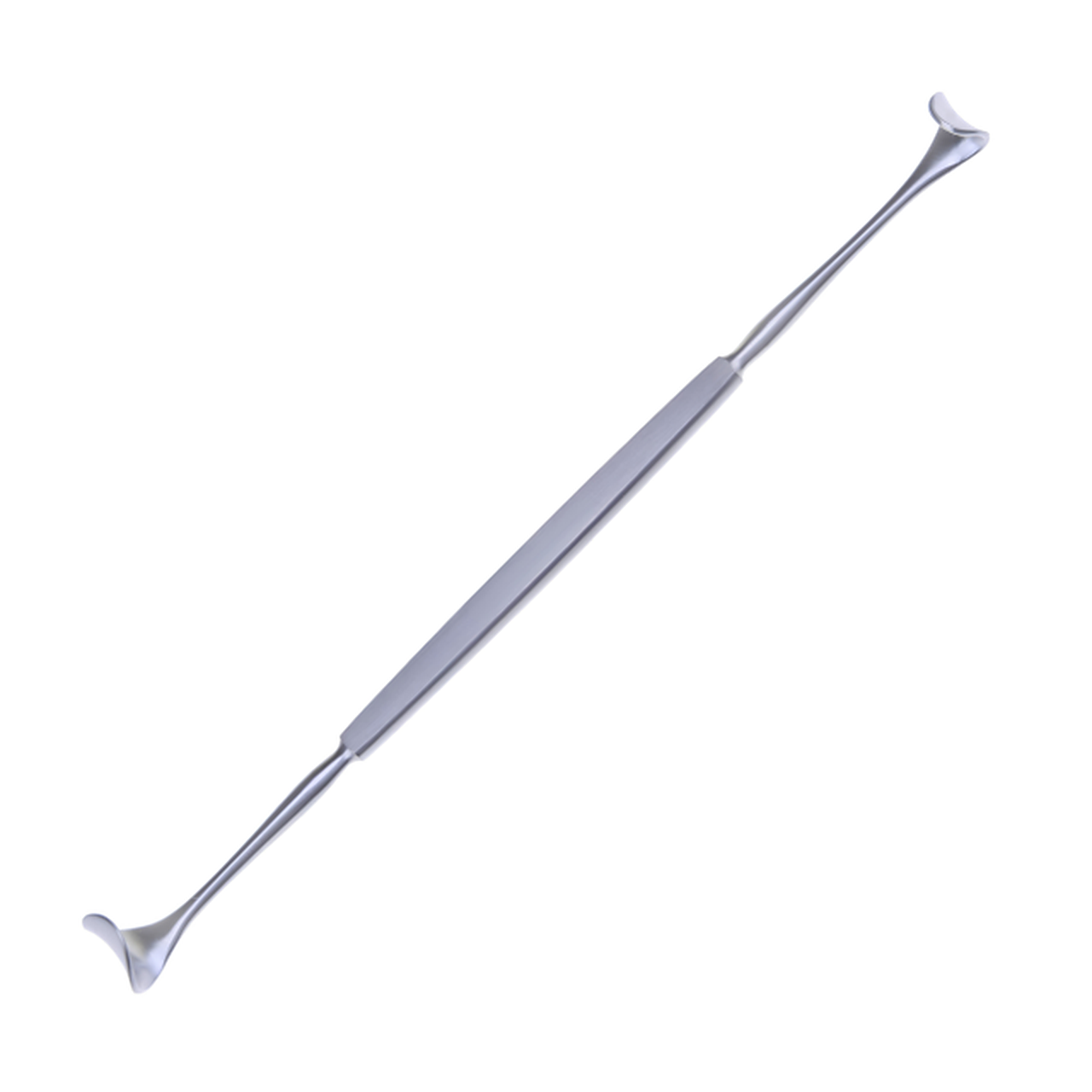 | Ранорасширитель Boley | Предназначен для ручной ретракции мягких тканей и краев ран при проведении общих, пластических и ортопедических операций. |
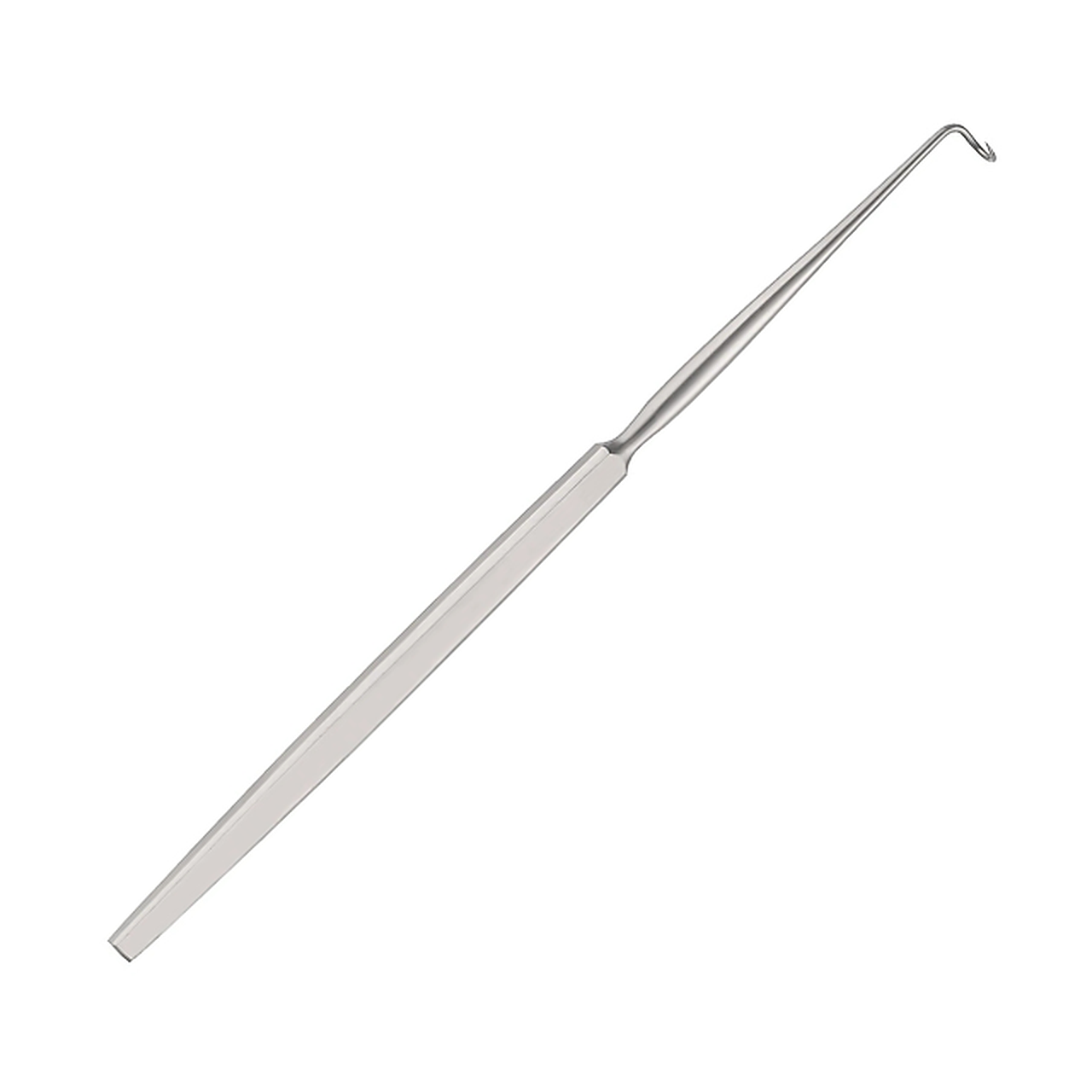 | Трахеальный ретрактор Bose | Специально разработан для ретракции претрахеальных тканей и стабилизации хрящей трахеи в ходе процедур трахеостомии. |
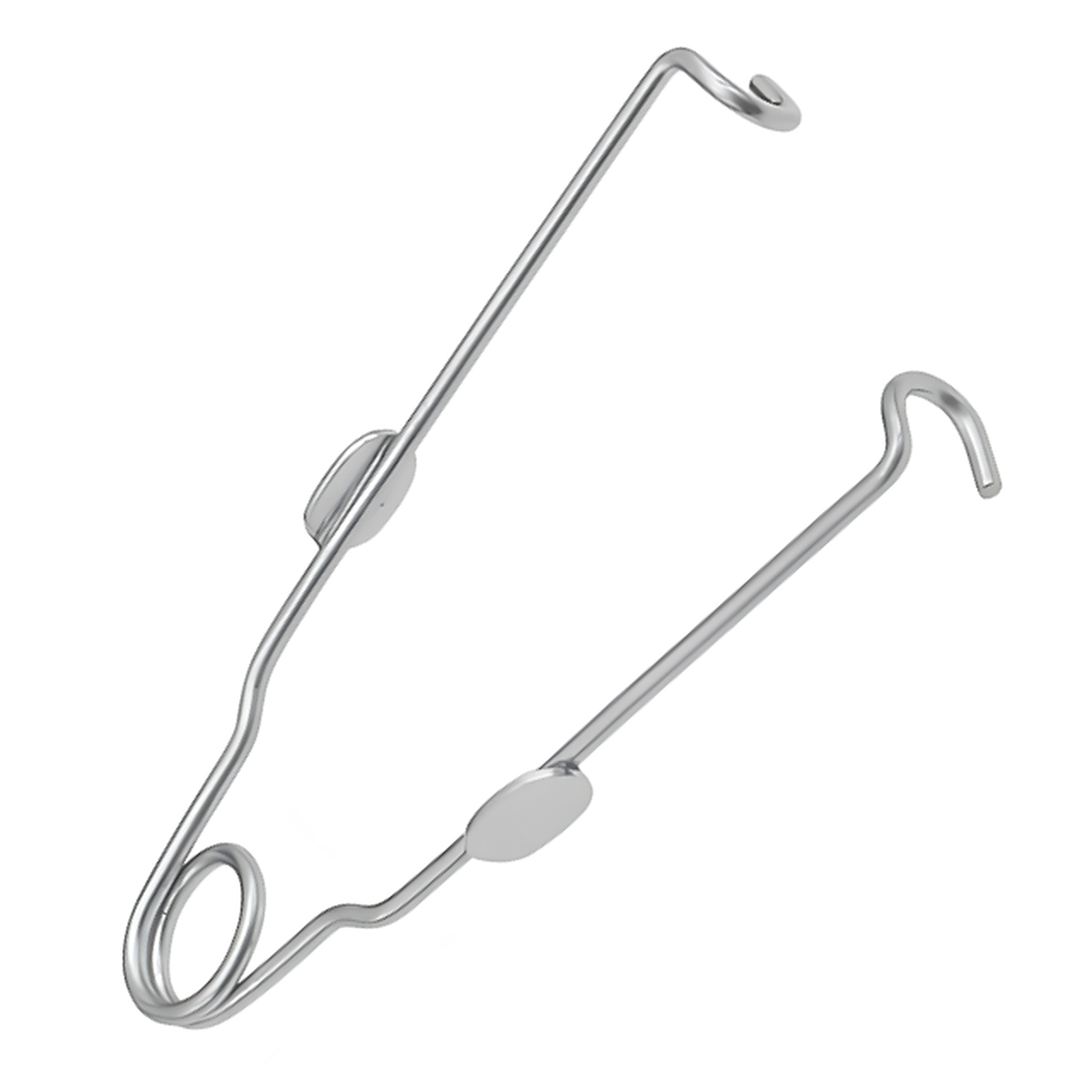 | Трахеальный ретрактор Bose, пружинный тип | Специально разработан для обеспечения пружинной самодержащейся ретракции и стабилизации краев трахеи во время трахеостомии. |
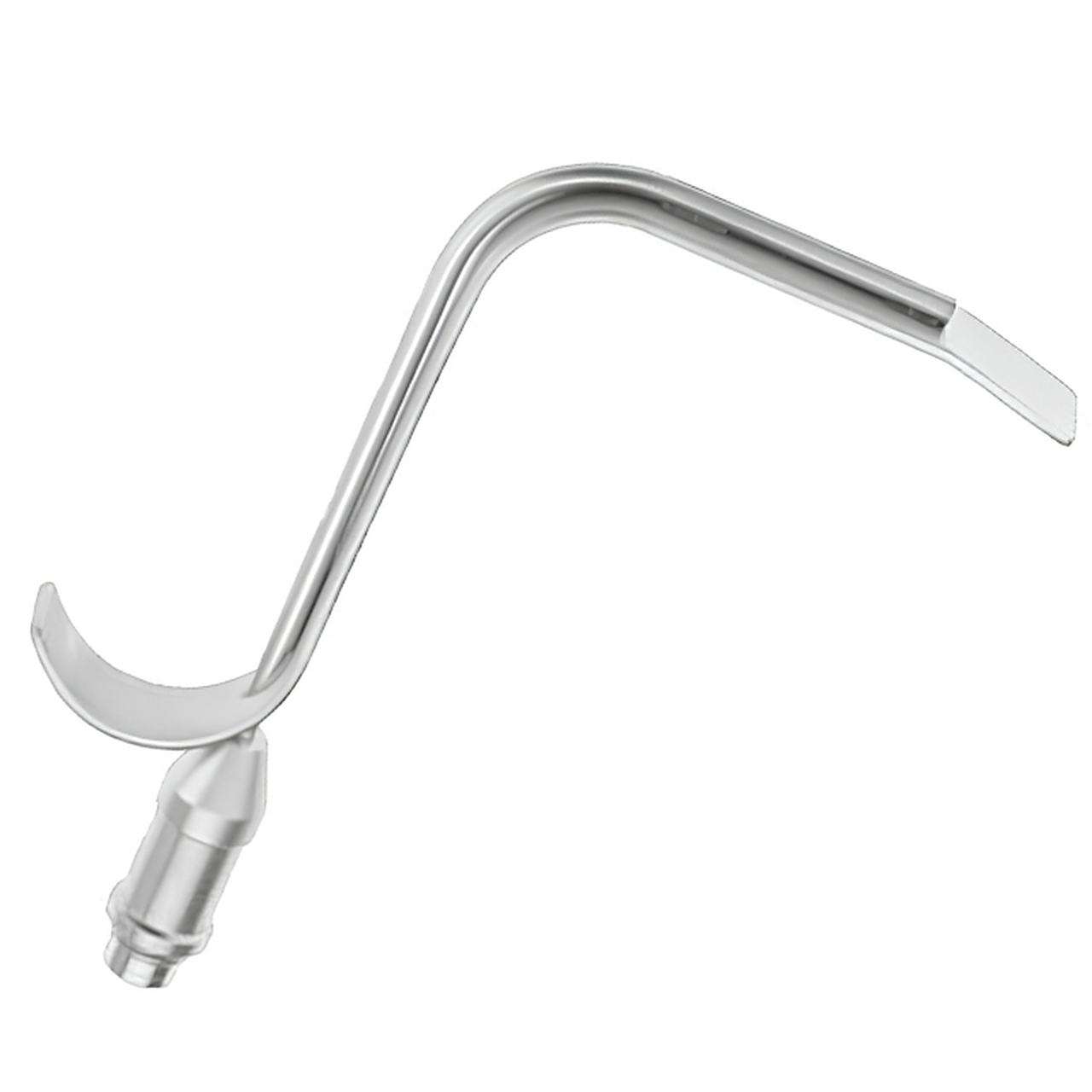 | Ретрактор Breast Engler Retractor | Специально разработан для освещения глубоких хирургических полостей и поднятия тканевых лоскутов во время аугментации и реконструкции молочной железы. |
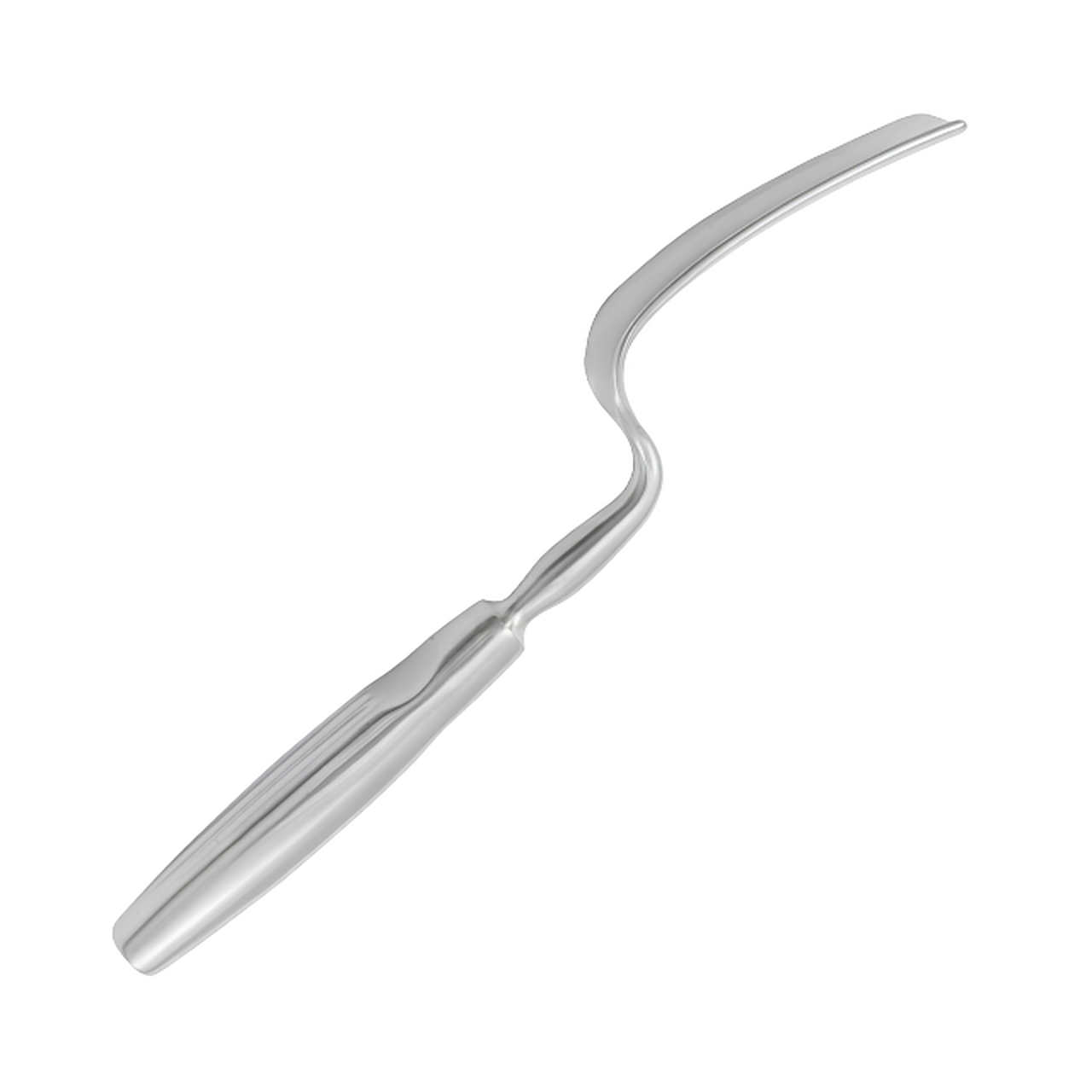 | Зеркало влагалищное Breisky | Специально разработано для разведения стенок влагалища и обеспечения визуализации глубоких отделов малого таза при гинекологических вмешательствах. |
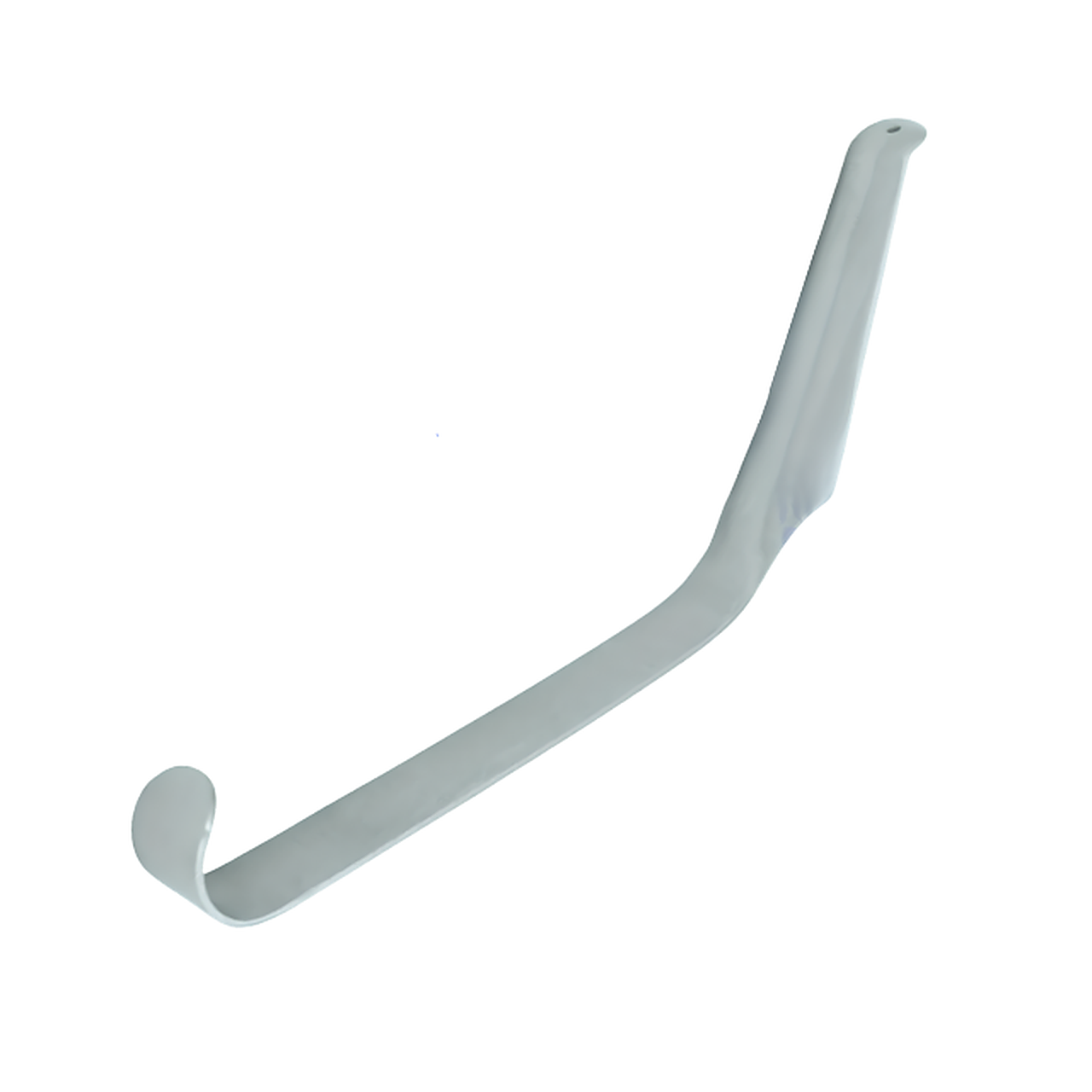 | Нижнечелюстной желобоватый ретрактор по Bremerich | Специально разработан для ретракции слизисто-надкостничного лоскута и защиты нейроваскулярных структур вдоль края нижней челюсти при операциях на ветви челюсти. |
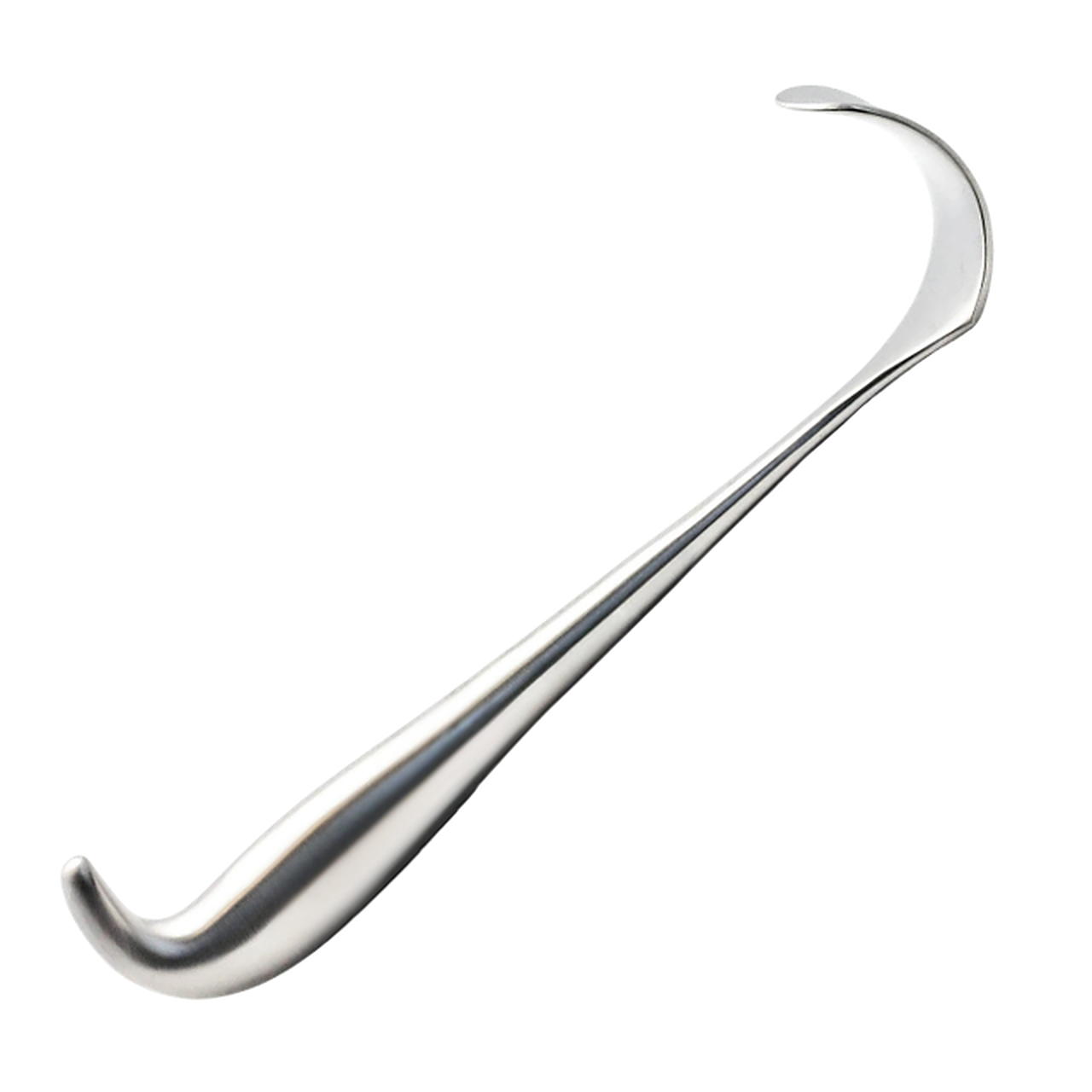 | Brewster Retractor | Специально разработан для ретракции мышц, фасций и мягких тканей в общей, абдоминальной и реконструктивной хирургии. |
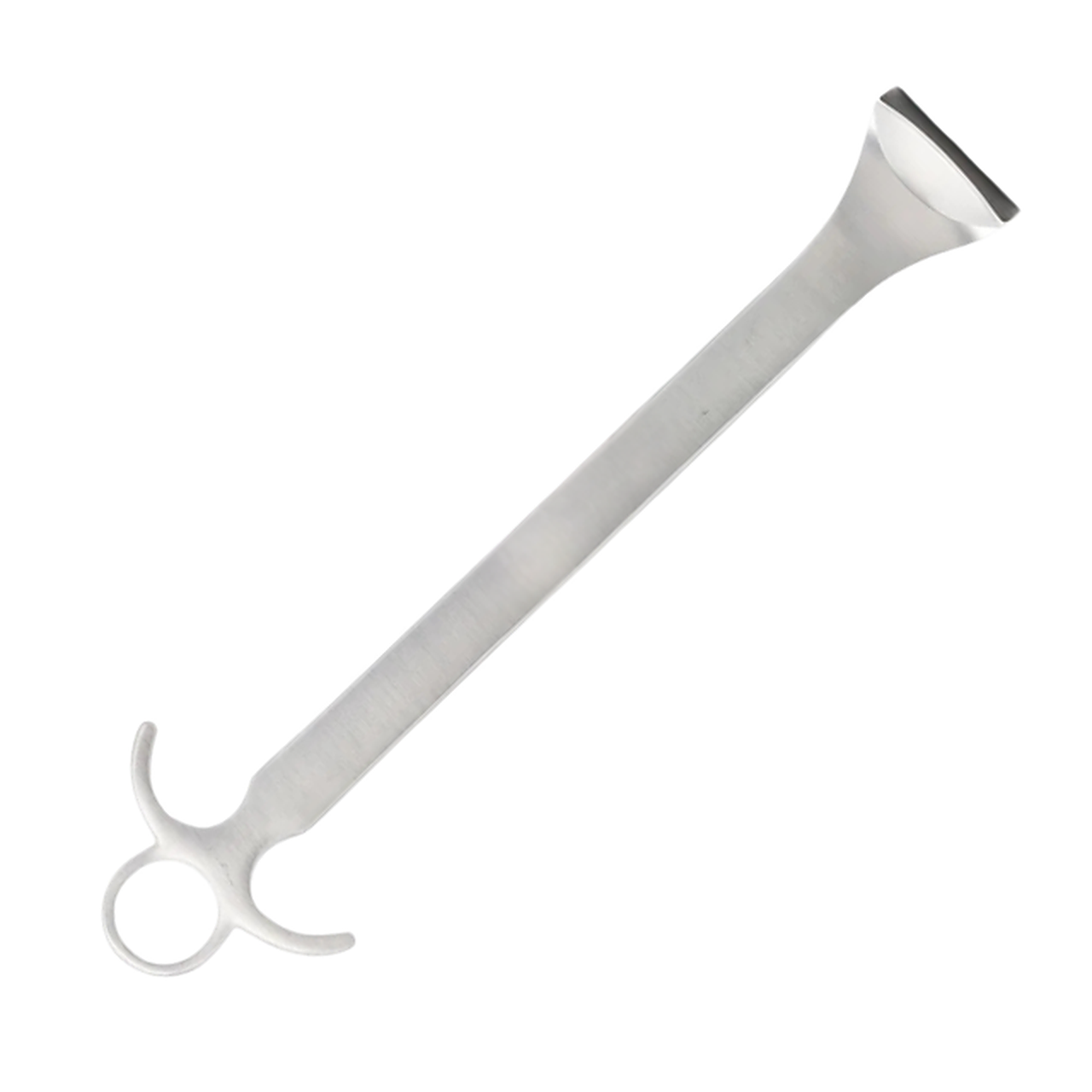 | Ретракторы Browne Deltoid Retractors | Специально разработан для ретракции дельтовидной мышцы и мягких тканей при тотальном эндопротезировании плечевого сустава и восстановлении при переломах плечевой кости. |
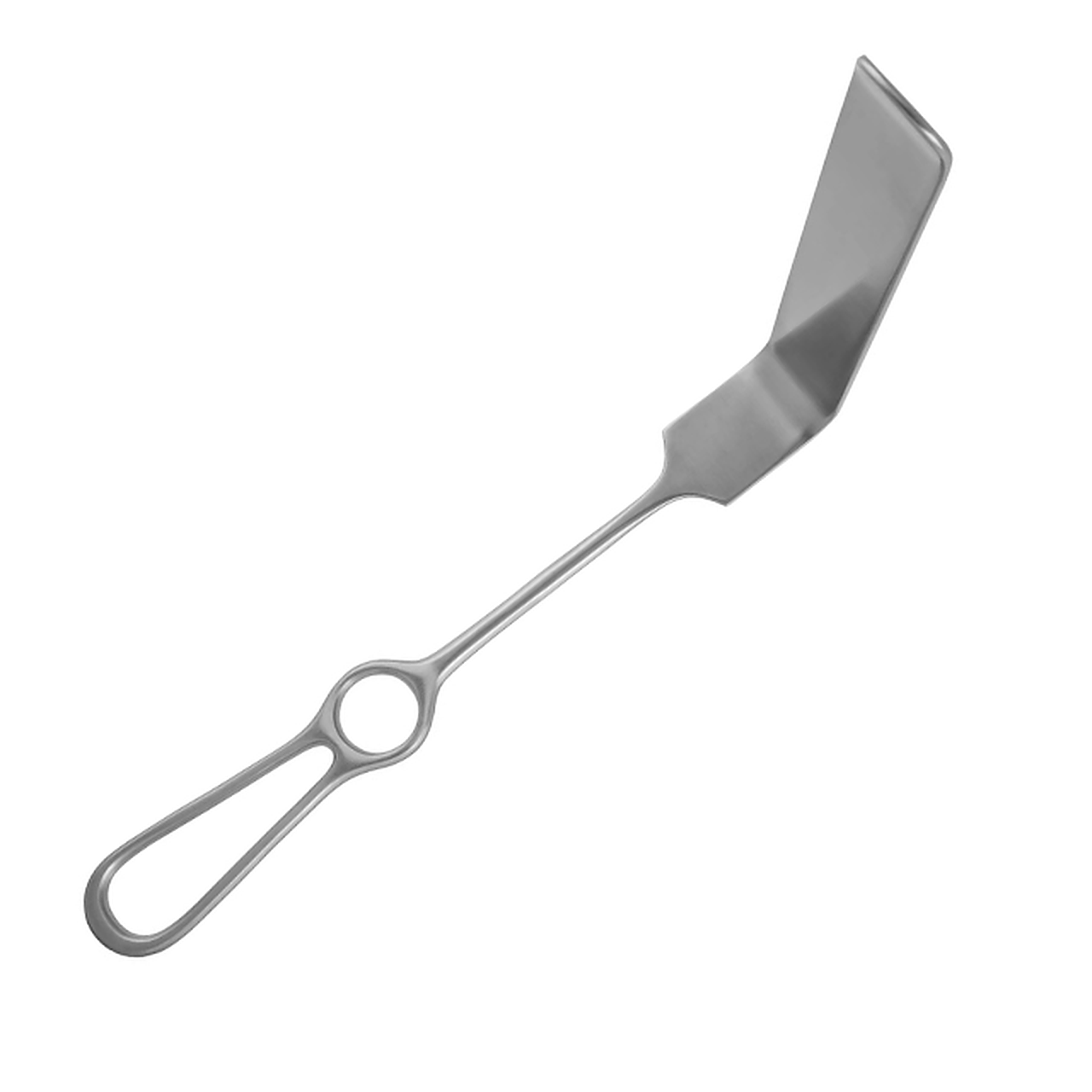 | Ранорасширитель Brunner Retractor | Специально разработан для ретракции мышц, внутренних органов и глубоких мягких тканей во время абдоминальных, тазовых и торакальных операций. |
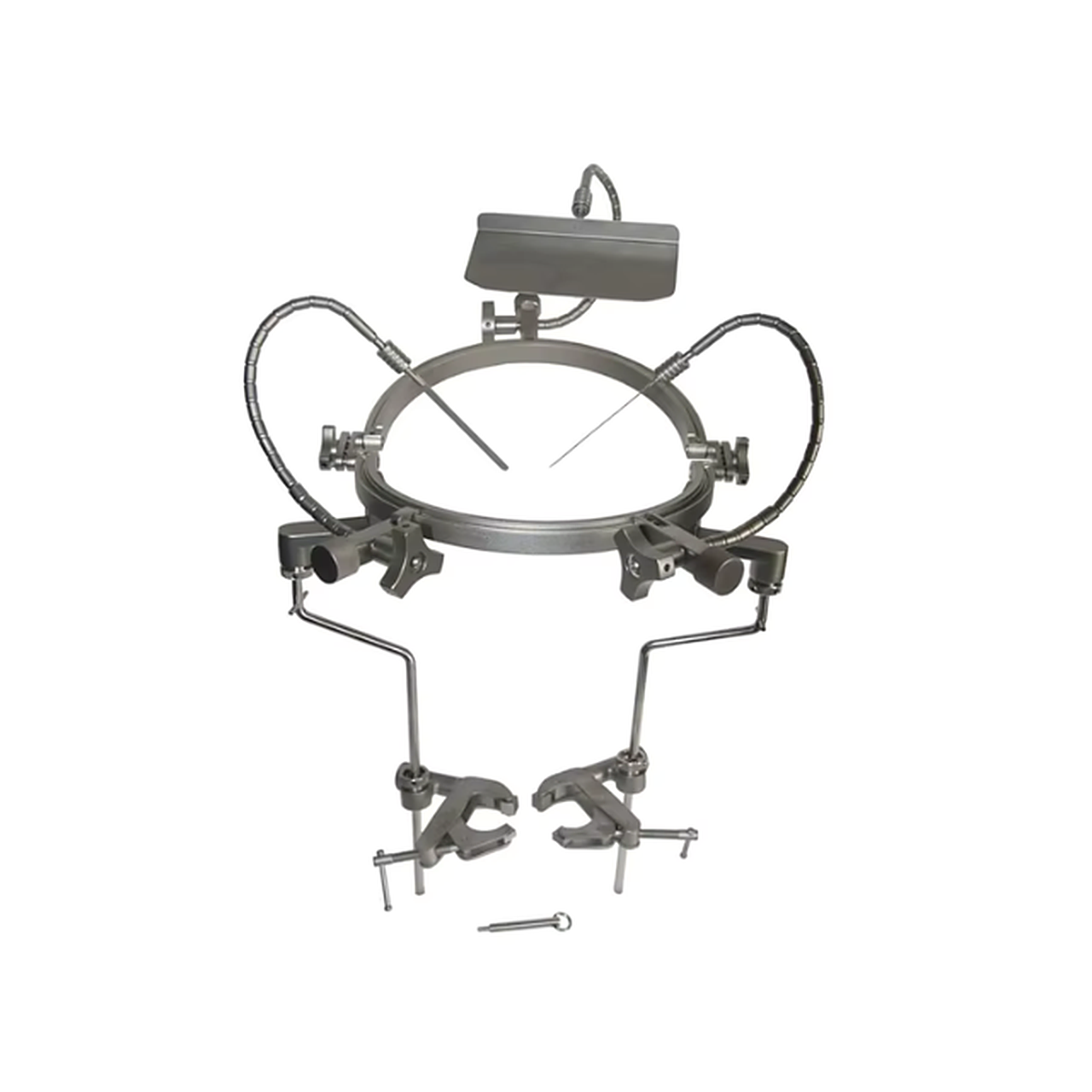 | Система ретракции Budde Halo Retractor | Специально разработана для крепления к фиксаторам черепа Mayfield или боковым рельсам операционного стола для обеспечения стабильной фиксации тканей мозга «без рук» и создания опоры для предплечий хирурга при проведении сложных интракраниальных операций и вмешательств в задней черепной ямке. |
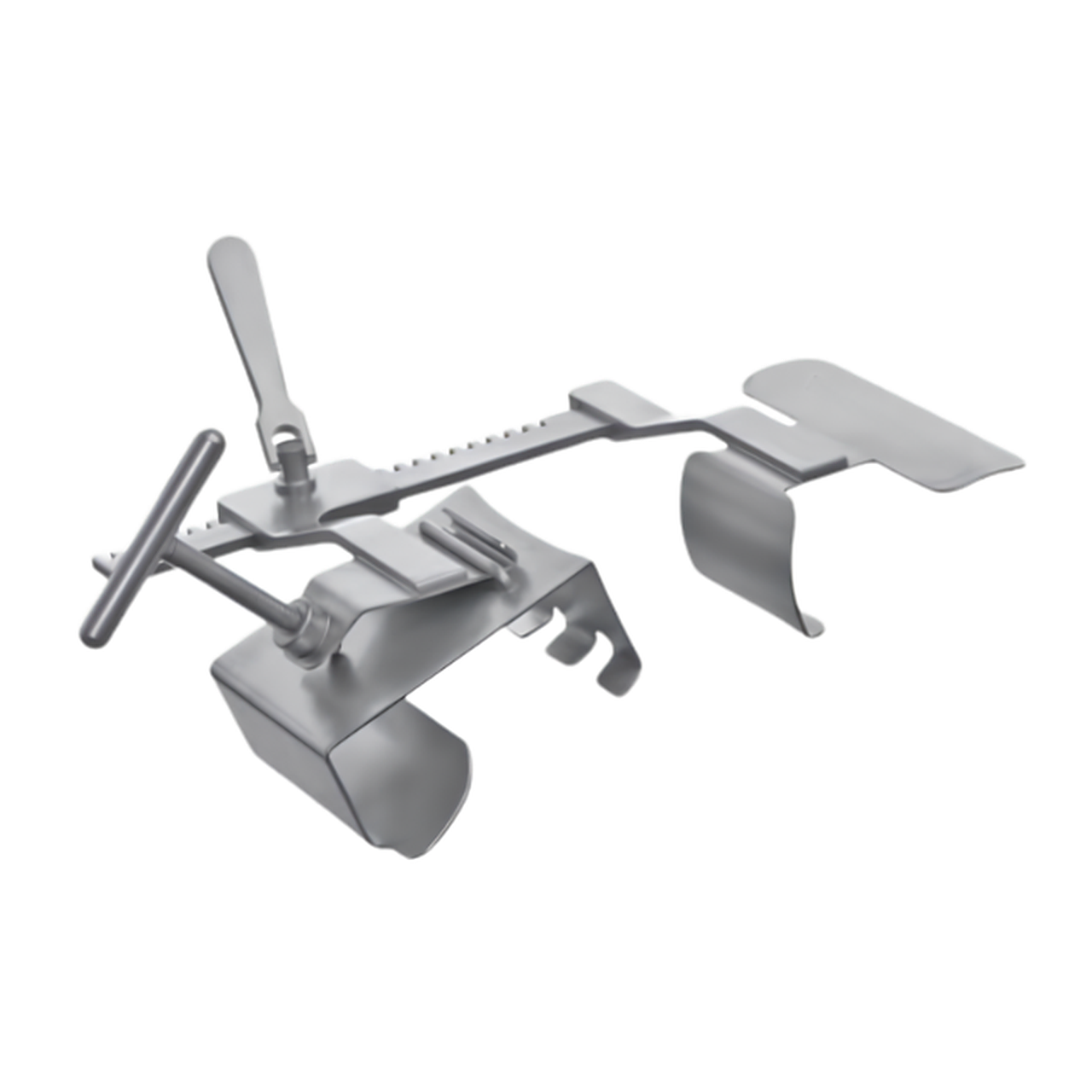 | Bugge Takedown I.M.A Mammaria Retractor — ретрактор для маммарной артерии | Специально разработан для одностороннего поднятия грудины и грудной стенки при выделении внутренней грудной артерии. |
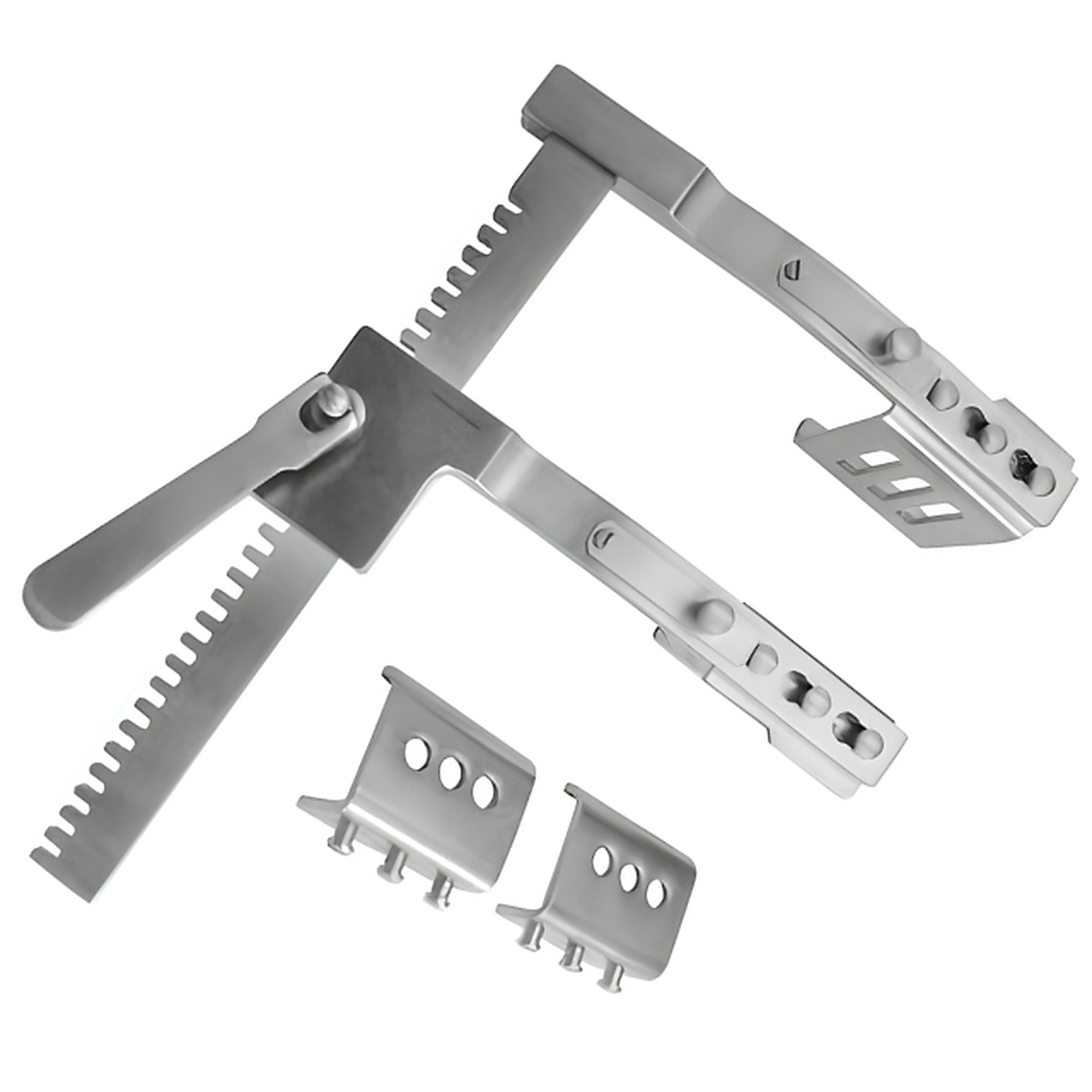 | Ранорасширитель реберный Burford Rib Spreader | Специально разработан для разведения соседних ребер и расширения межреберного пространства во время открытой торакотомии. |
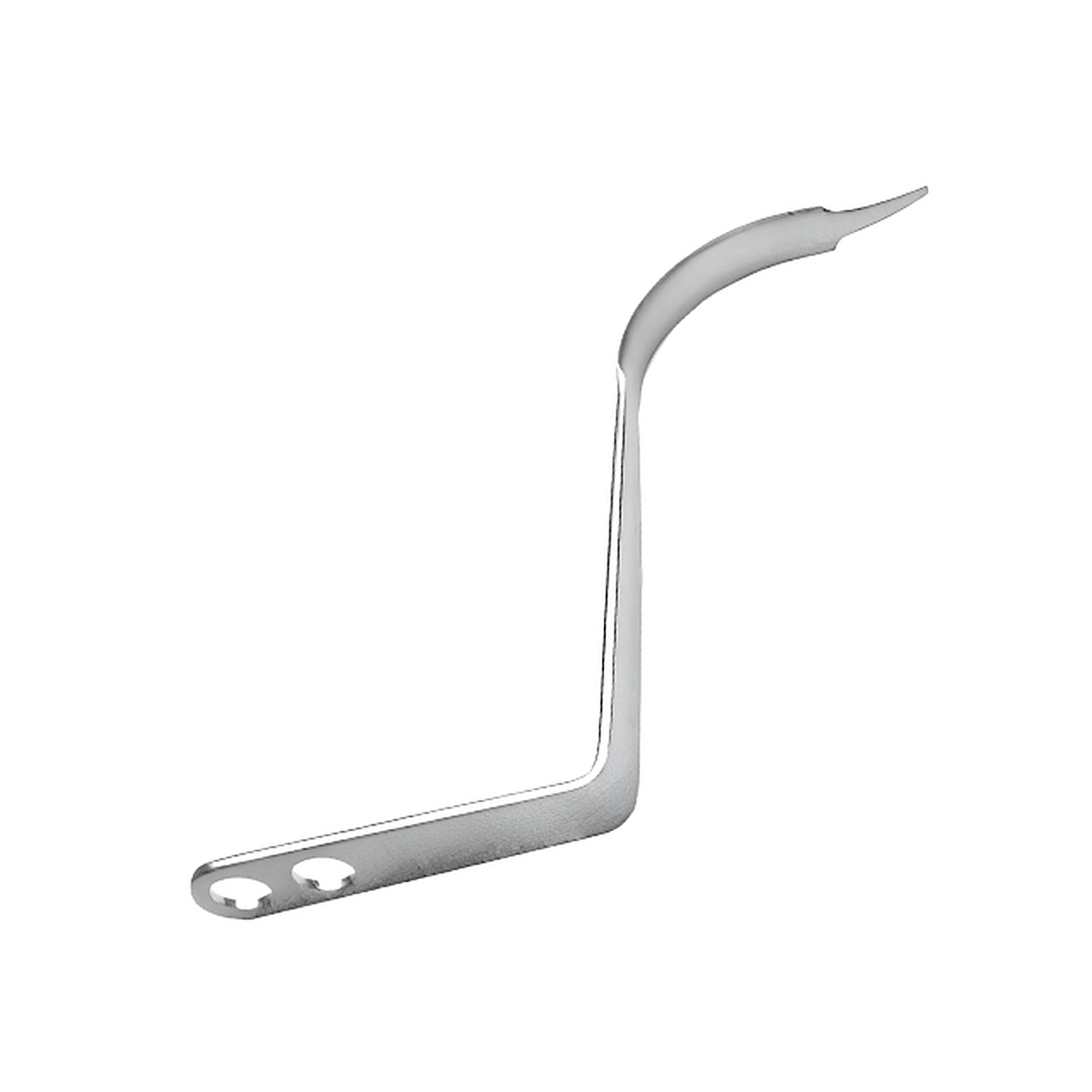 | Ретракторы C Retractors | Специально разработаны для создания рычажного усилия на мышцы и мягкие ткани при артропластике тазобедренного сустава, остеотомии таза и травматологической реконструкции. |
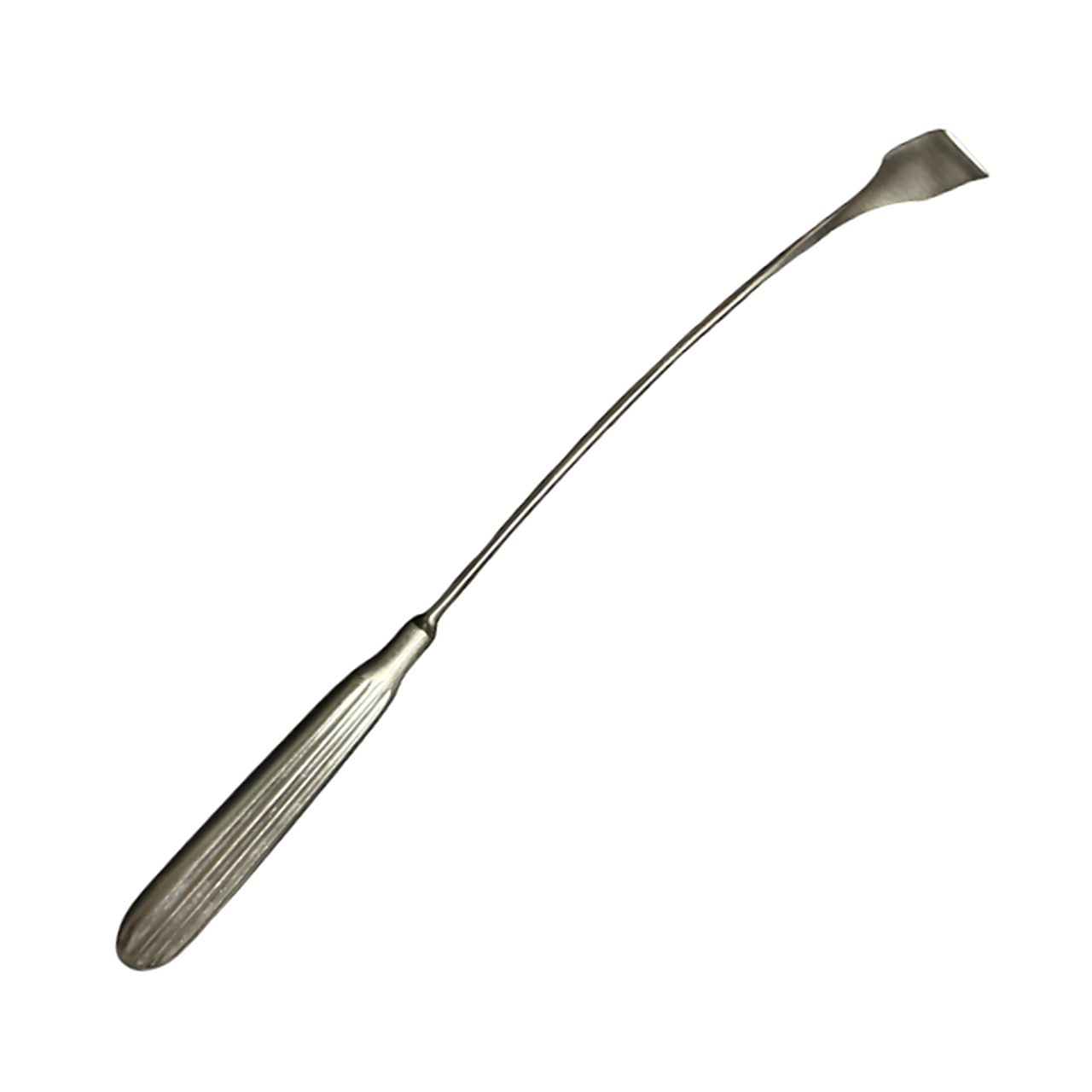 | Ретрактор корешка нерва Campbell | Специально разработан для ретракции и защиты спинномозговых нервных корешков и текального мешка во время процедур дискэктомии и ламинэктомии. |
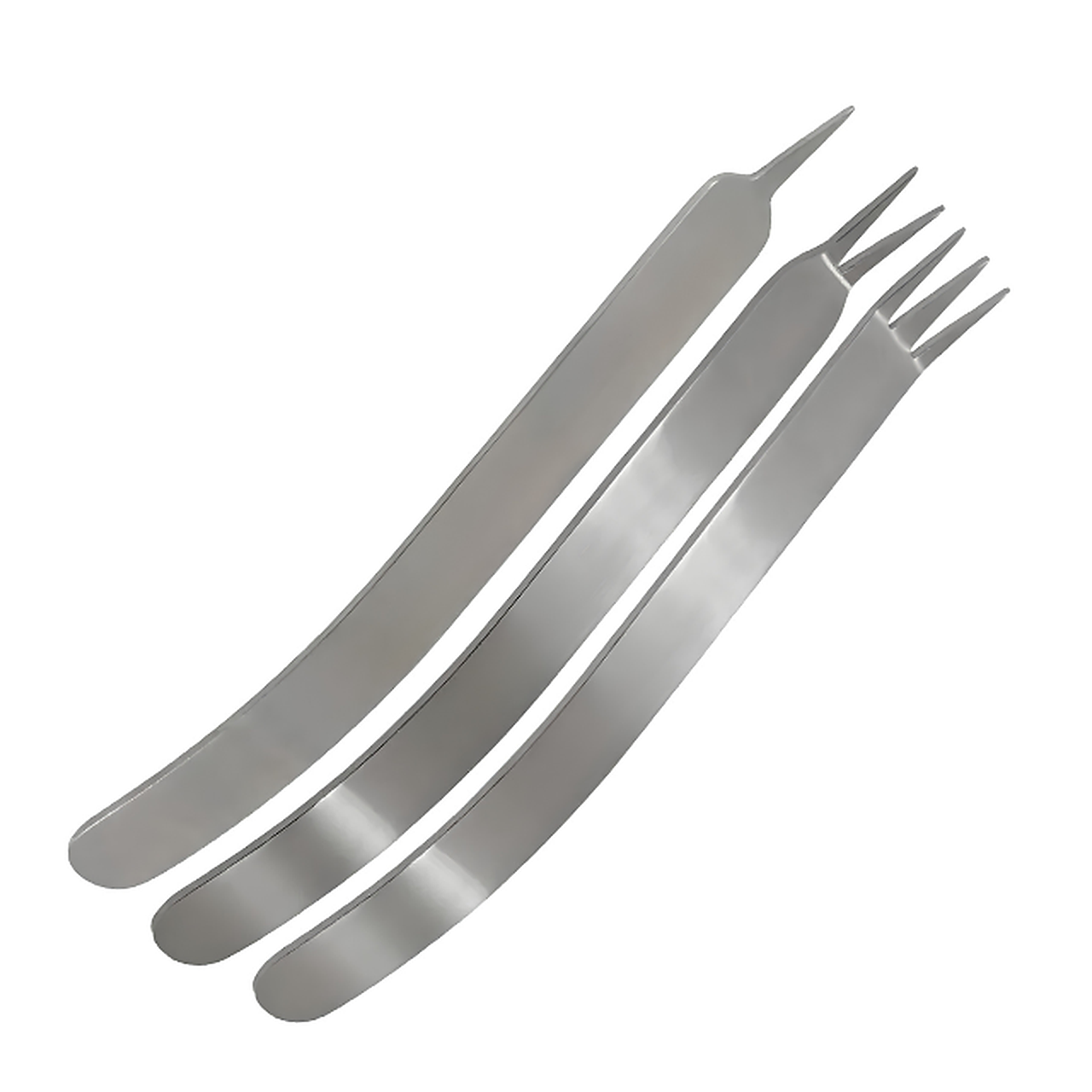 | Ретракторы для капсулы сустава (Capsule Retractors) | Специально разработан для ретракции фиброзных капсул суставов, связок и мягких тканей при артропластике тазобедренного, коленного и плечевого суставов. |
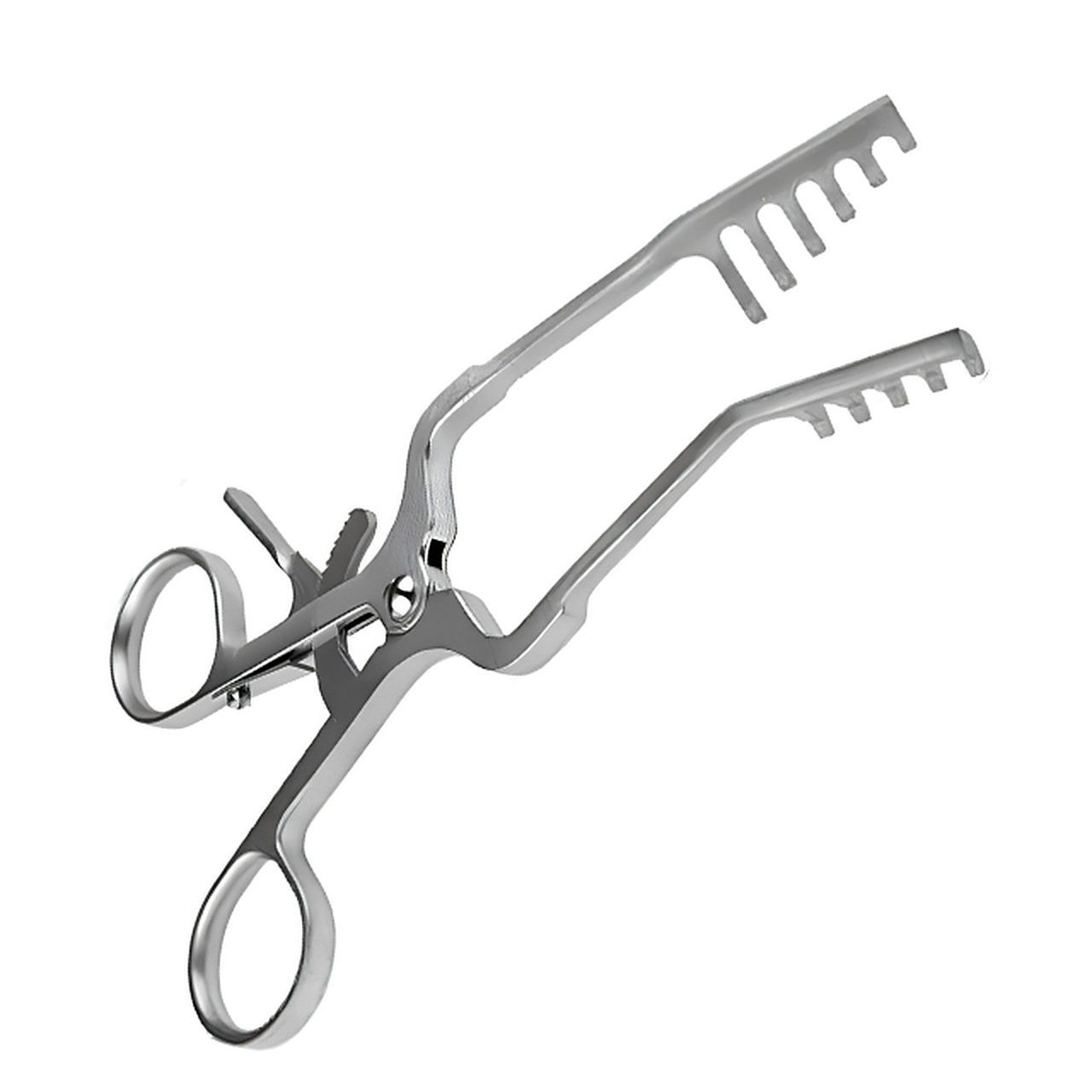 | Самоудерживающийся ретрактор Carpal Tunnel | Специально разработан для самоудерживающейся ретракции тканей и визуализации срединного нерва во время открытых операций по высвобождению запястного канала. |
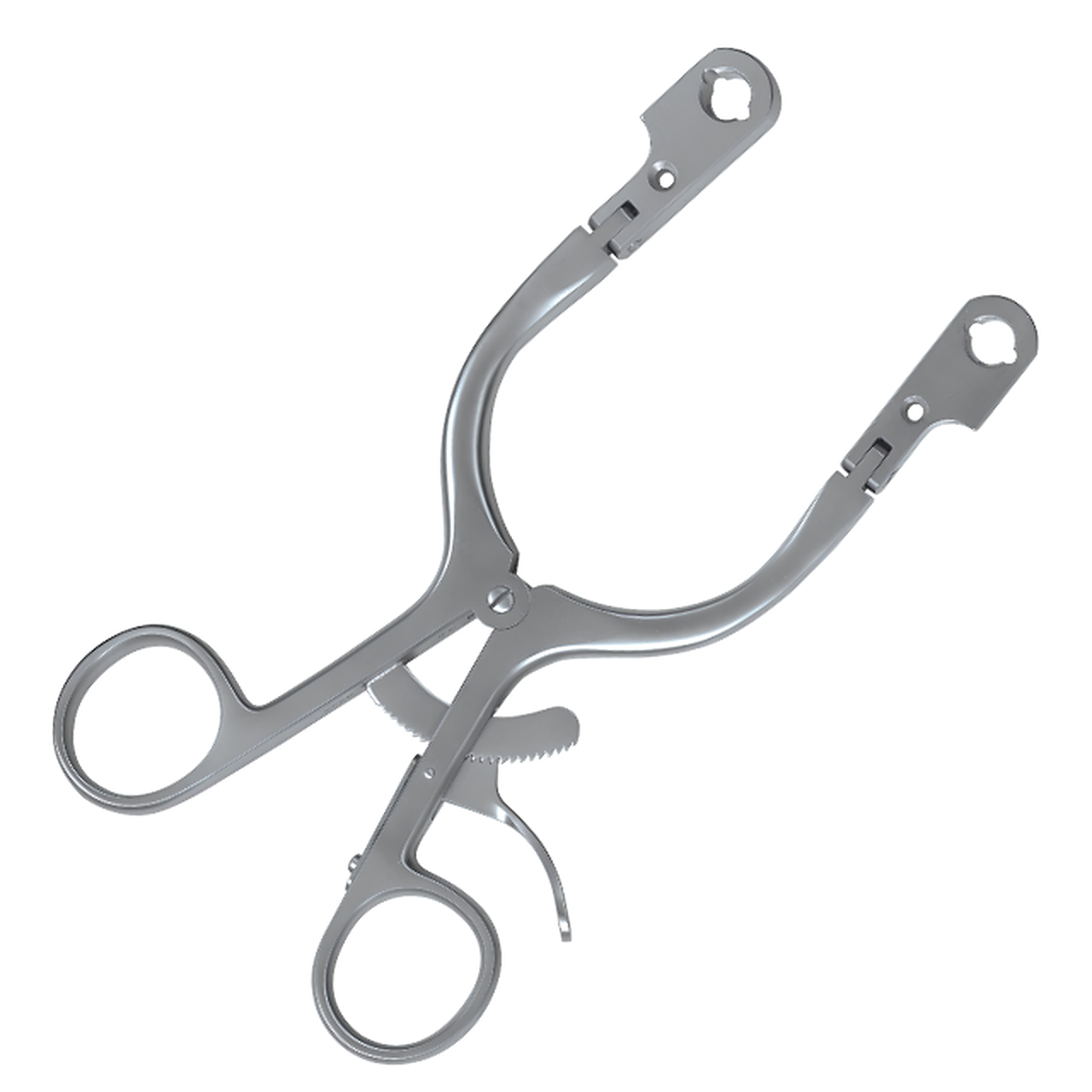 | Шейный ретрактор Caspar Cervical Retractor With Ratchet с храповым механизмом | Специально разработан для обеспечения самодержащейся ретракции мягких тканей и экспозиции позвонков во время передней шейной дискэктомии и спондилодеза (ACDF). |
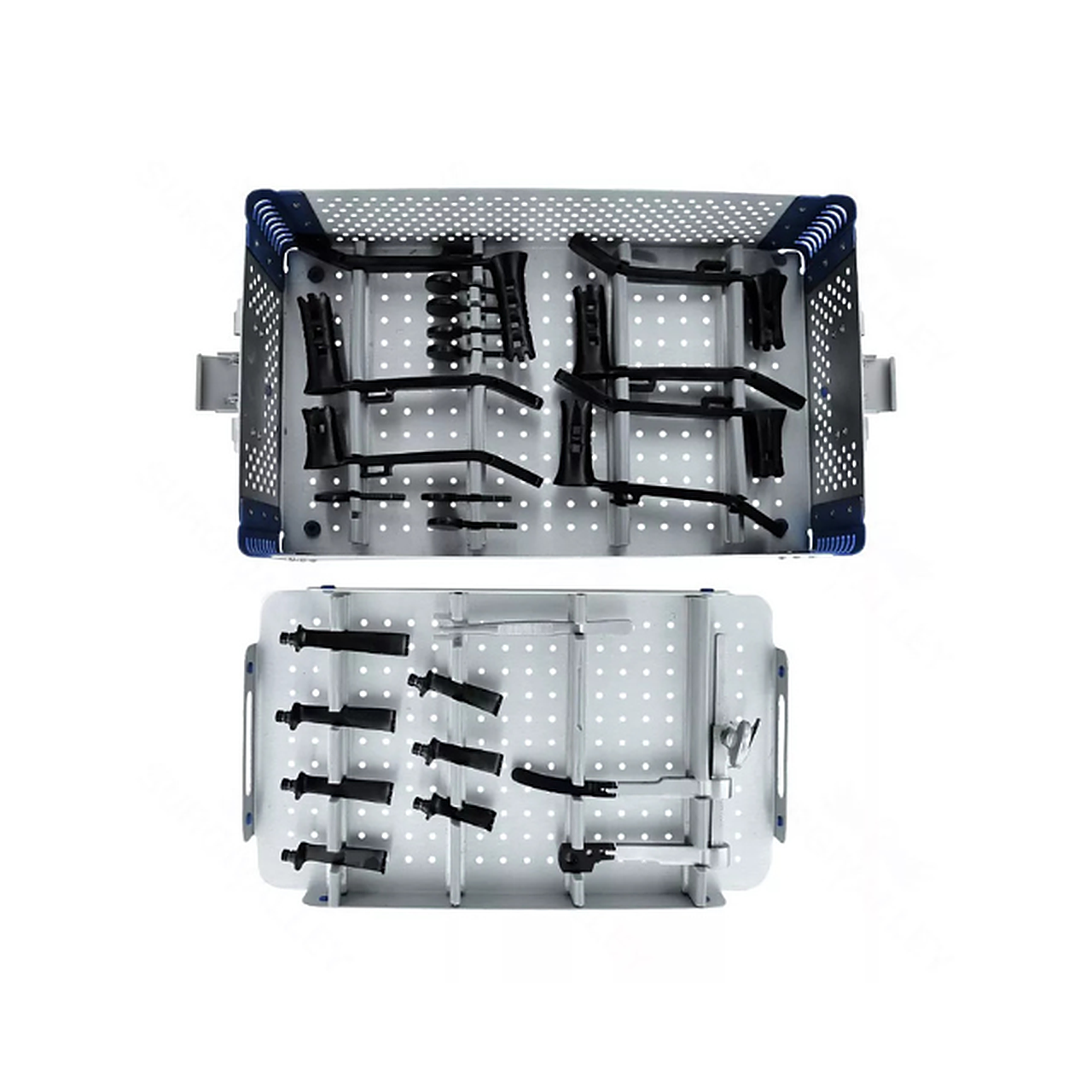 | Система ретракторов для поясничной микродискэктомии Caspar Lumbar Microdiscectomy Retractor System | Специально разработана для обеспечения стабильной ретракции тканей и хирургического доступа во время микрохирургических процедур поясничной дискэктомии. |
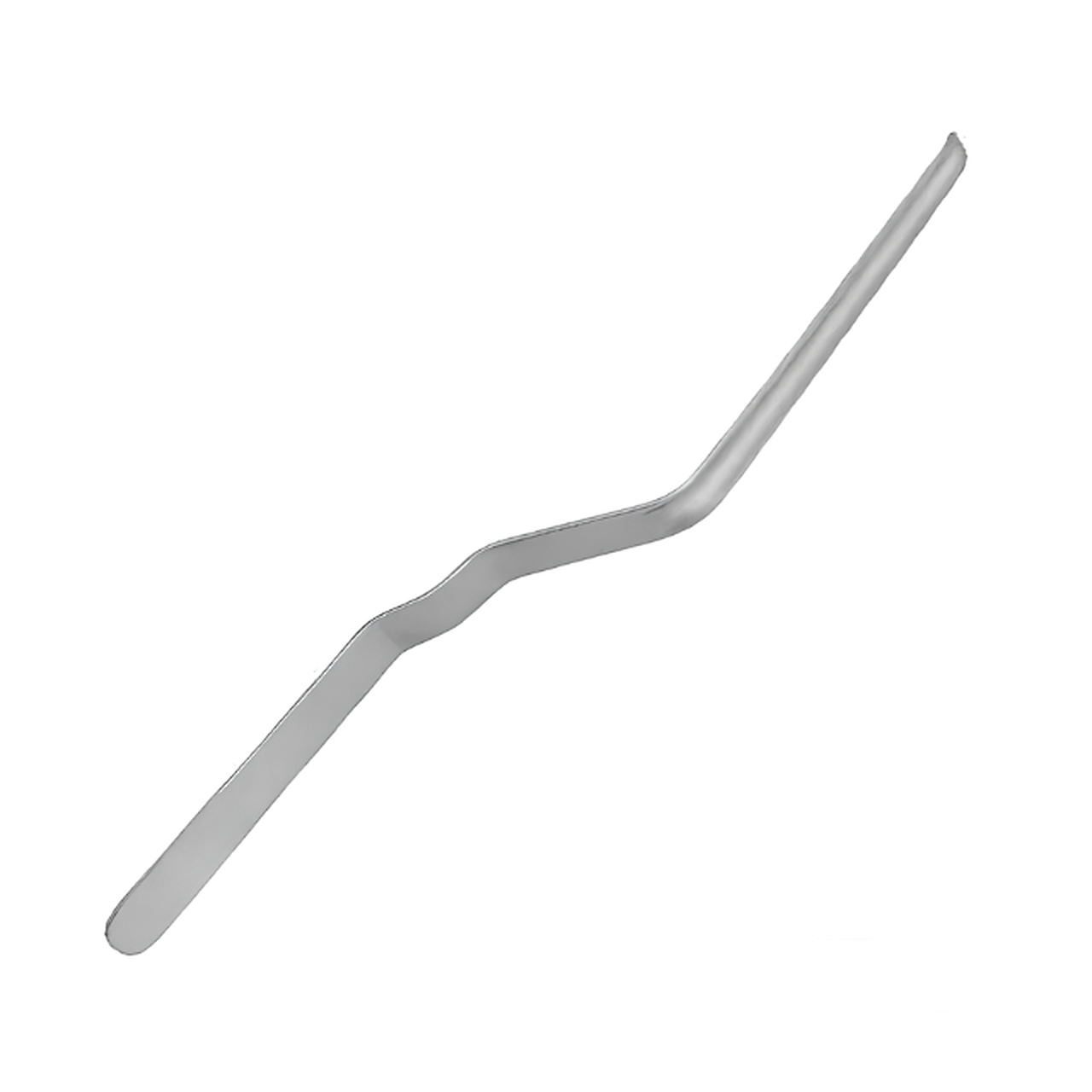 | Ретракторы корешка нерва по Caspar | Специально разработан для мобилизации, удержания и защиты спинномозговых корешков и дурального мешка во время микрохирургической поясничной дискэктомии. |
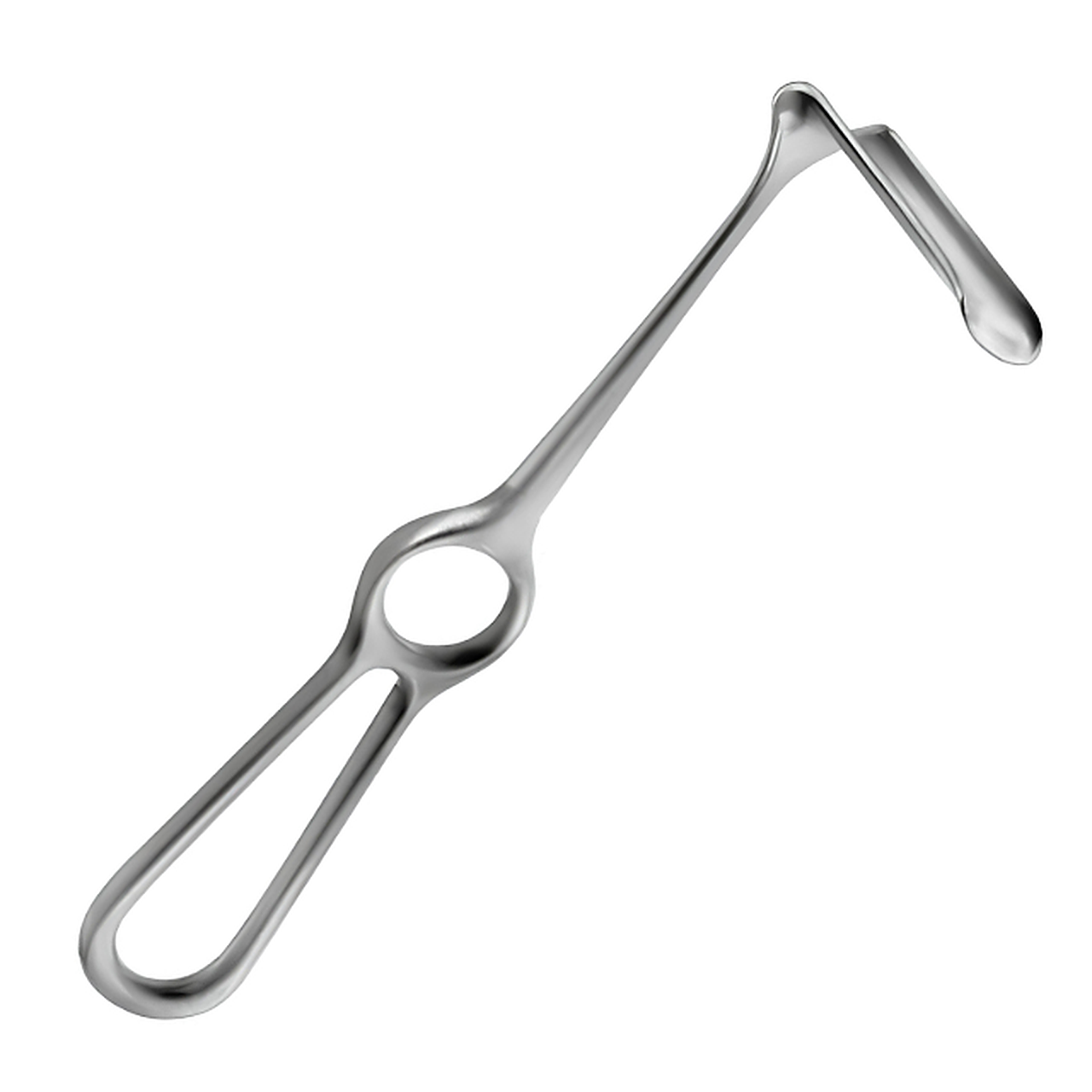 | Ретрактор Caspar Retractor | Специально разработан для ретракции мышц, фасций и мягких тканей в спинальной хирургии, ортопедии и реконструктивной хирургии. |
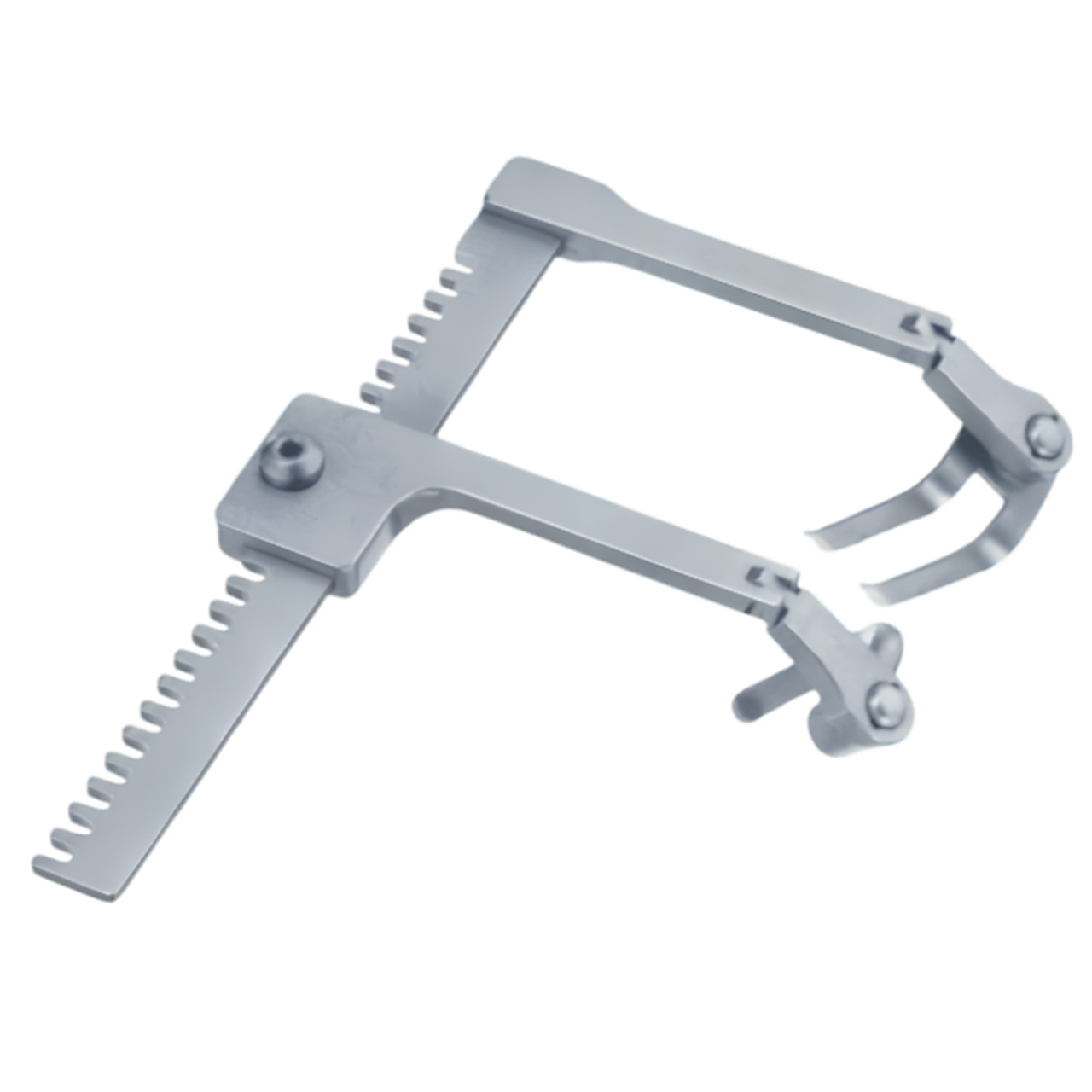 | Ранорасширитель Caspar Self Retaining Retractor | Специально разработан для ретракции трахеи, пищевода и мышц longus colli во время операций на переднем отделе шейного позвоночника. |
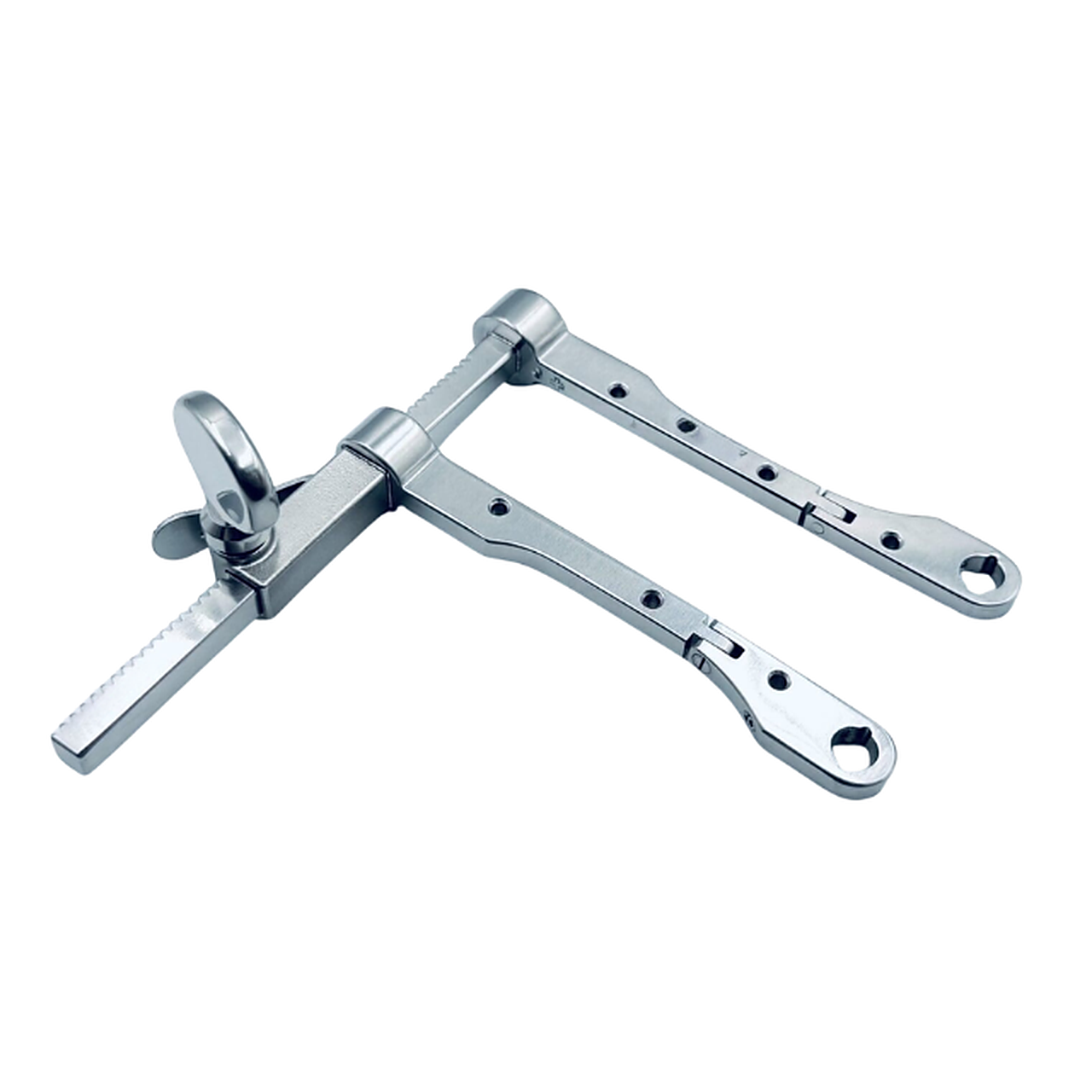 | Ранорасширитель шейный по Casper | Специально разработан для обеспечения самодержащейся шарнирной ретракции мягких тканей и экспозиции позвонков при переднем доступе к шейному отделу позвоночника. |
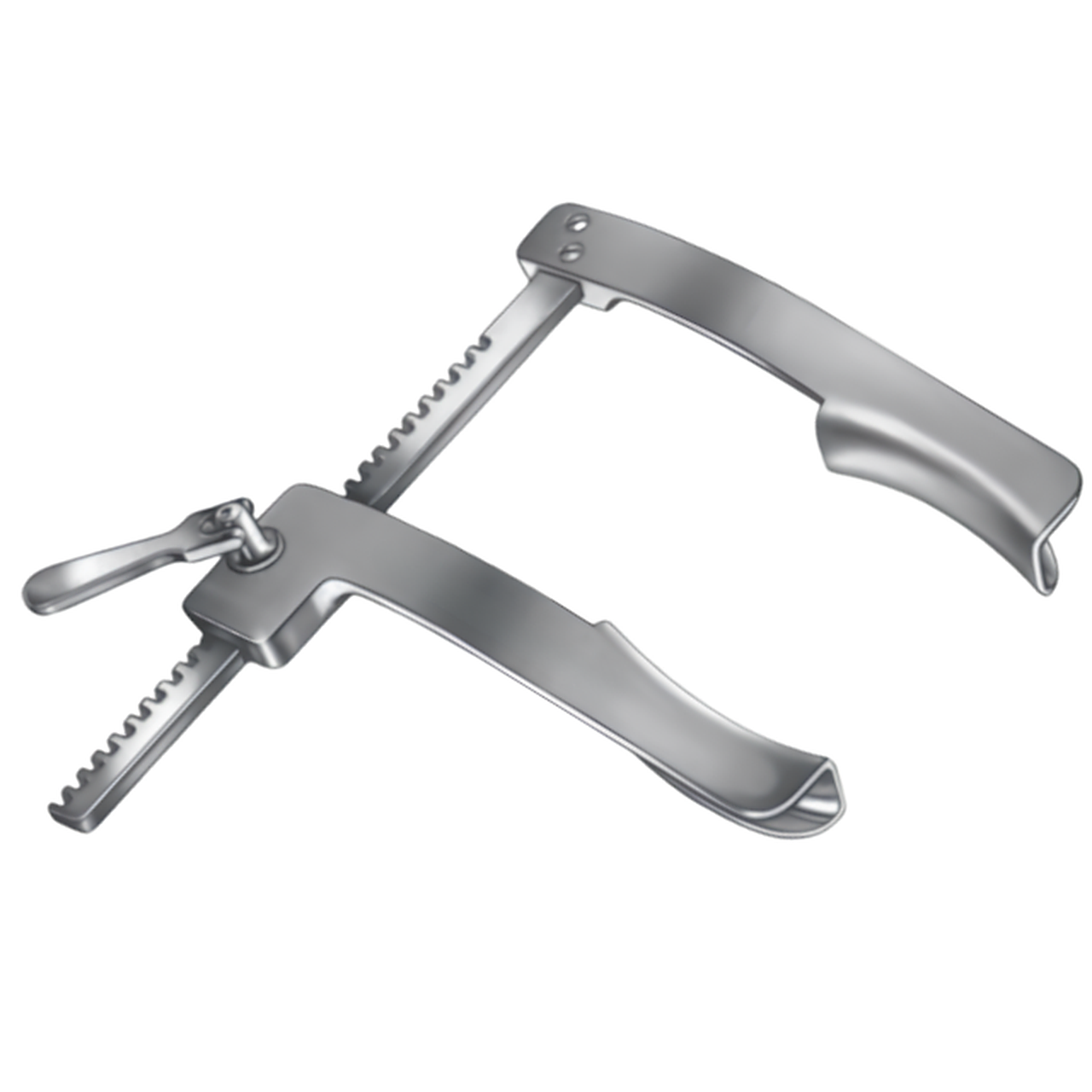 | Ранорасширитель реберный Castaneda Rib Spreader | Специально разработан для разведения ребер и обеспечения доступа к грудной полости во время неонатальных и педиатрических кардиоторакальных операций. |
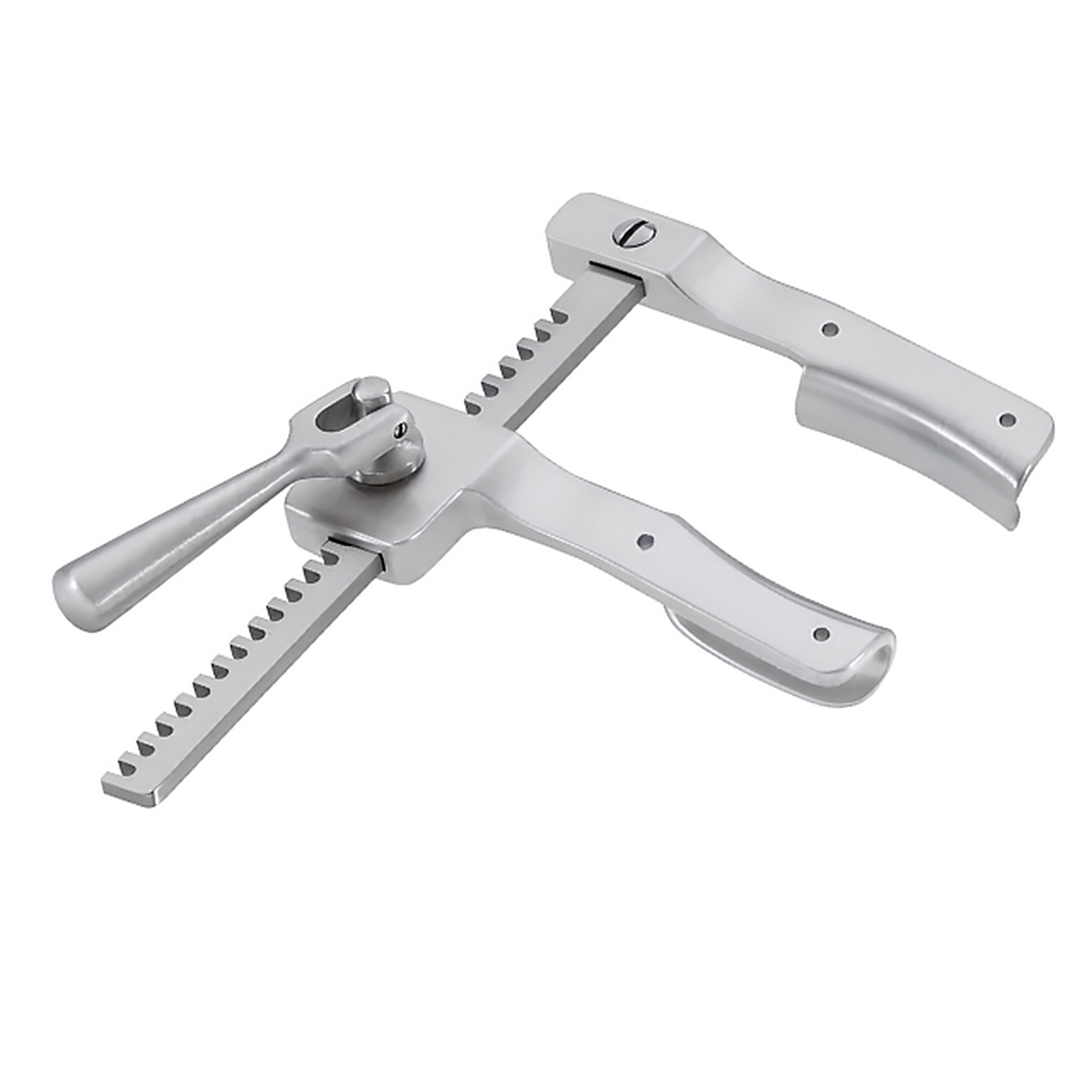 | Стернальный ретрактор Castaneda Sternal Retractor | Специально разработан для разведения грудины и обеспечения доступа к средостению в педиатрической, неонатальной и взрослой кардиохирургии. |
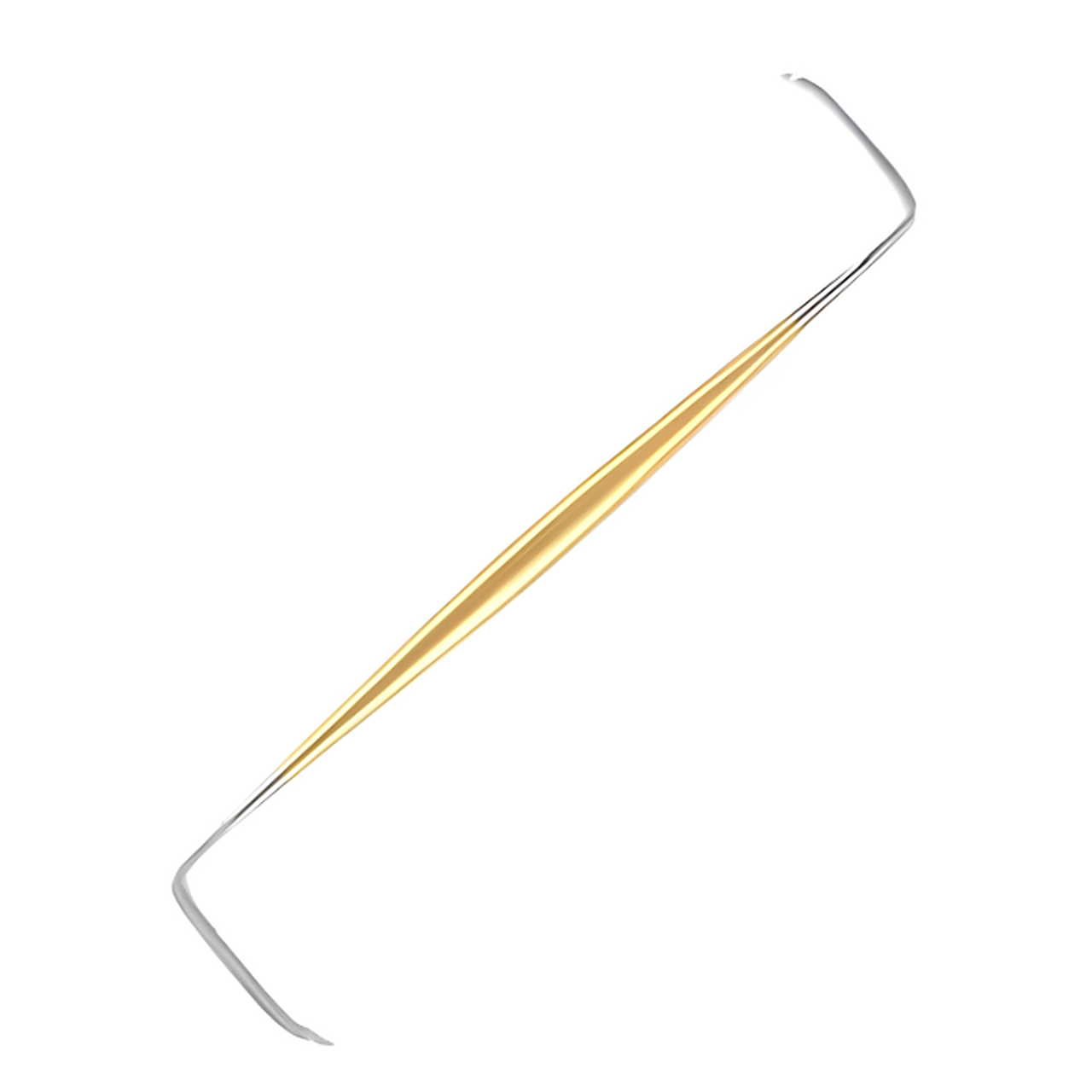 | Назальный ретрактор Cerkes Double Ended | Специально разработан для элевации мягких тканей носа и ретракции хрящей при открытой и закрытой ринопластике. |
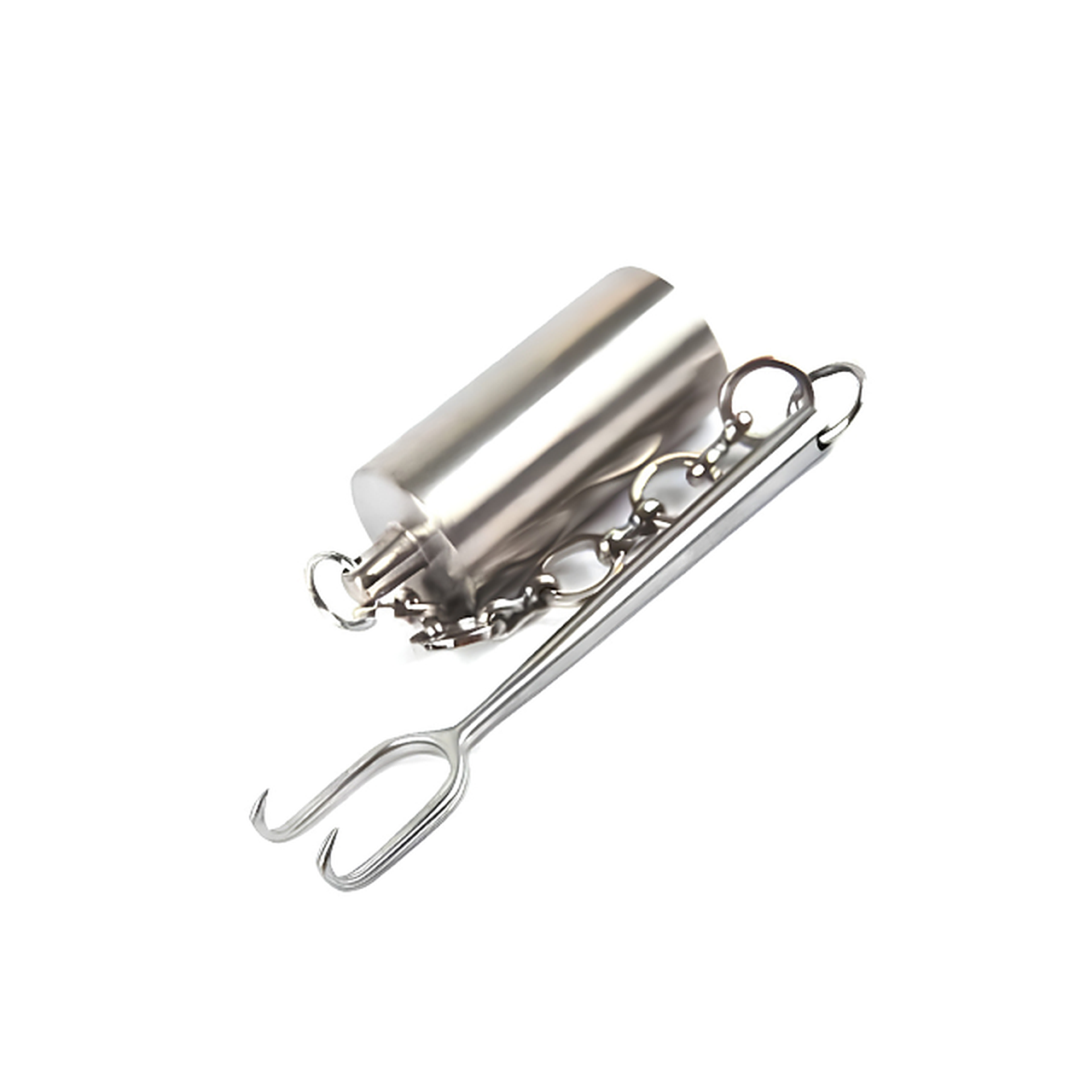 | Назальный ретрактор Cerkes с грузом - Ретрактор Gruber для колумеллы | Специально разработан для обеспечения тракции колумеллы и каудальной части перегородки носа с помощью груза при открытой ринопластике без участия рук. |
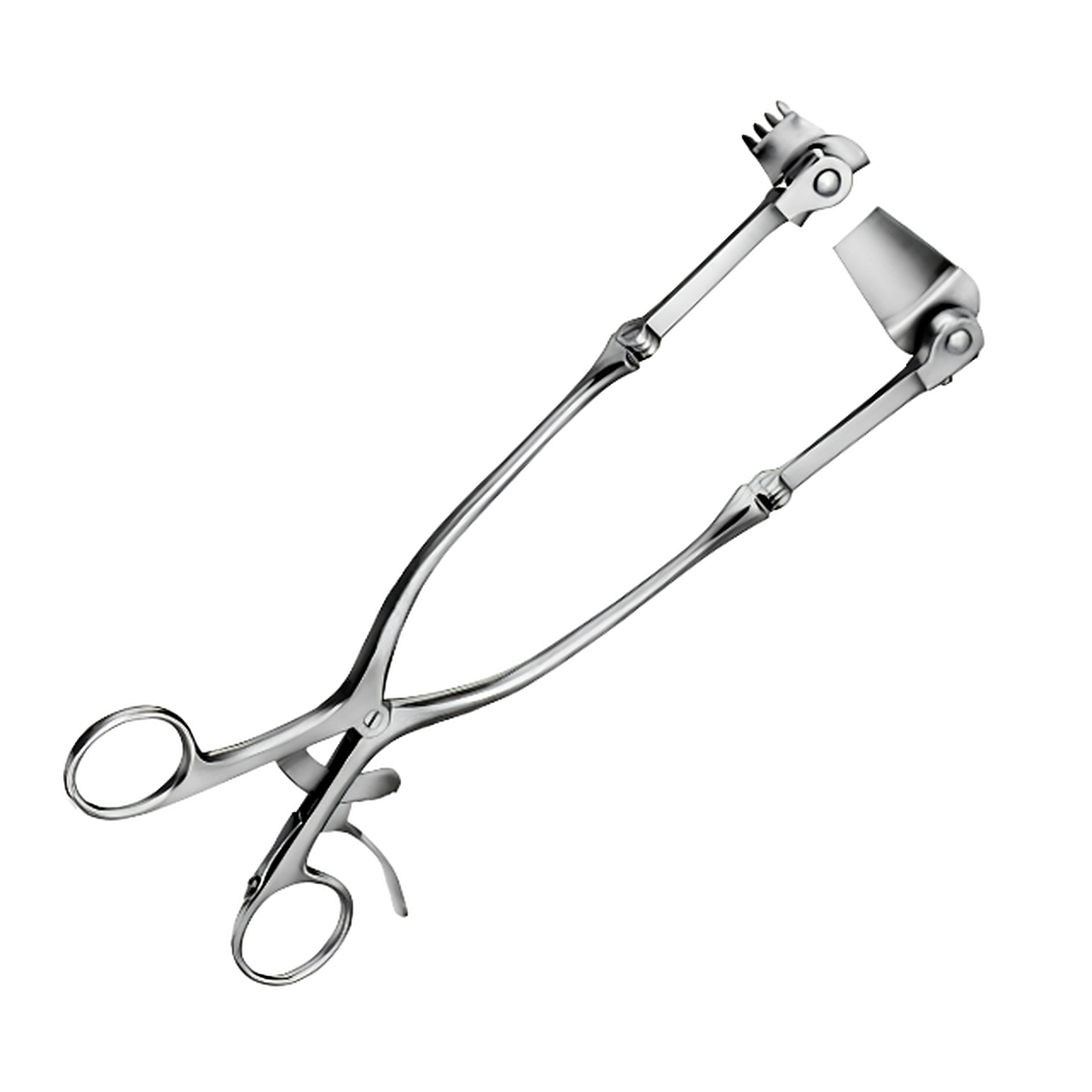 | Рама шейного ретрактора | Специально разработана для фиксации сменных лопаток ретрактора и обеспечения продольной экспозиции при операциях на переднем отделе шейного позвоночника. |
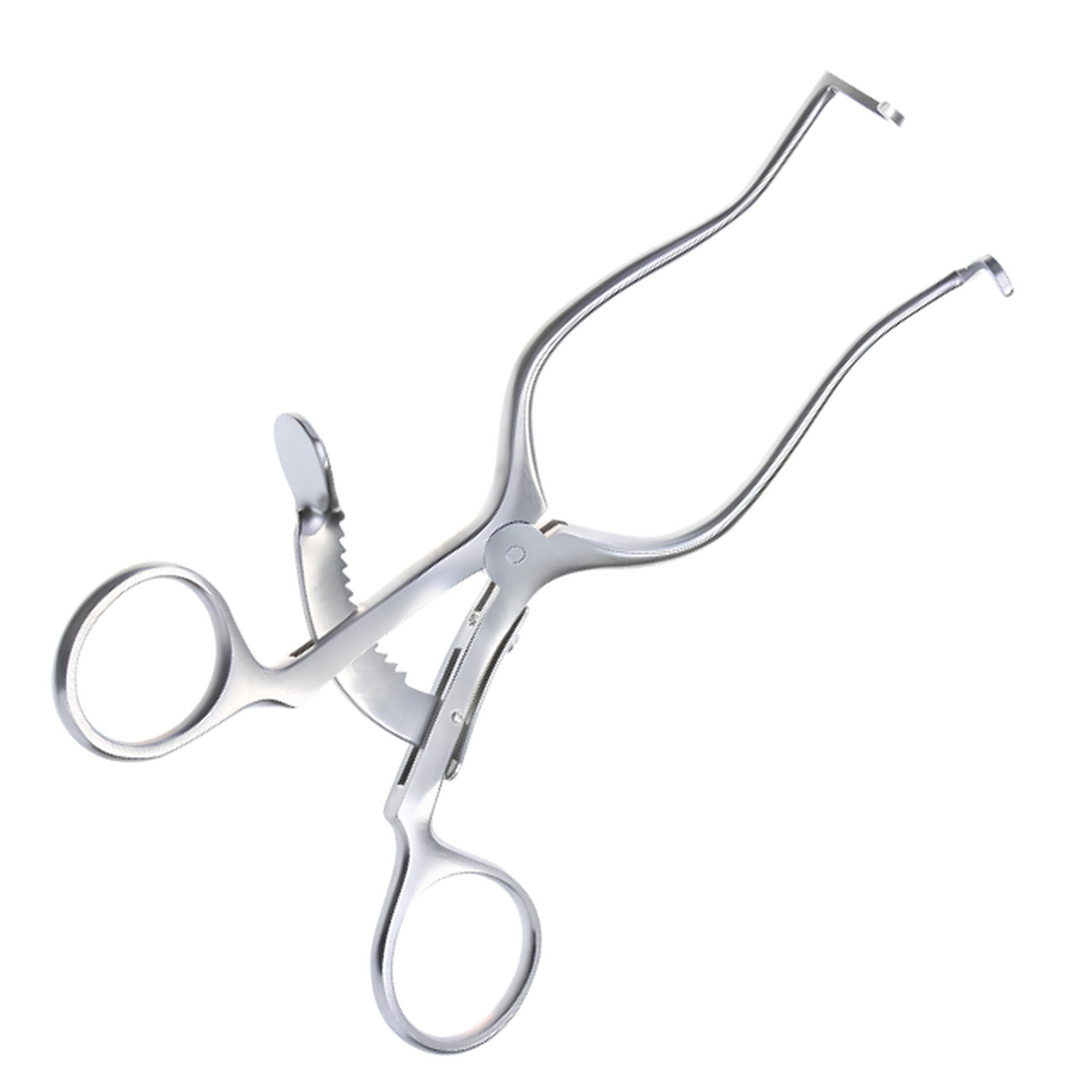 | Ретрактор цервикальный для мягких тканей | Специально разработан для ретракции и мобилизации нежных мягких тканей и фасциальных слоев при операциях на переднем отделе шейного отдела позвоночника. |
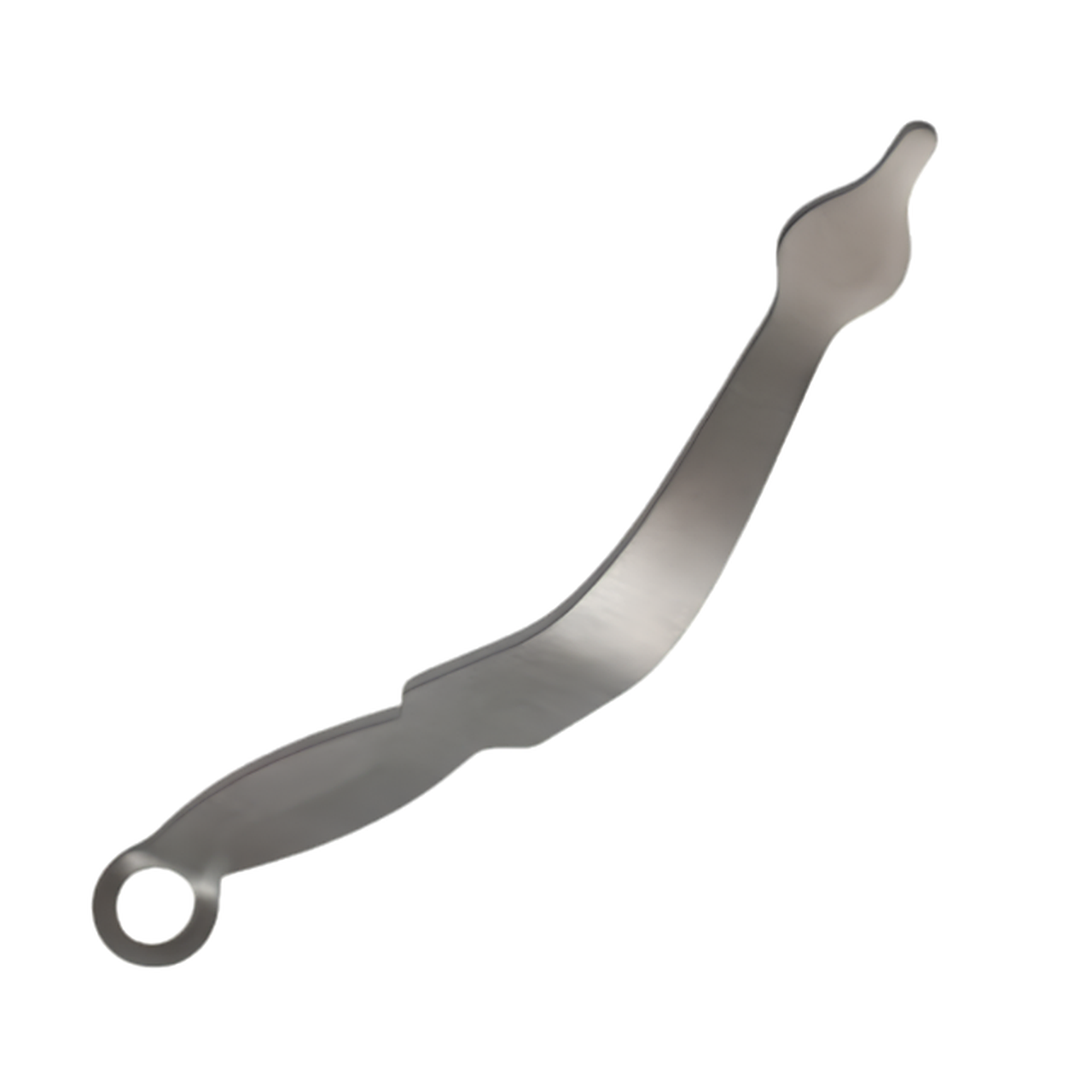 | Ретрактор Chandler | Специально разработан для создания рычажного усилия на кость и ретракции мощных мышечных групп во время тотального эндопротезирования тазобедренного сустава и реконструктивных процедур на бедренной кости. |
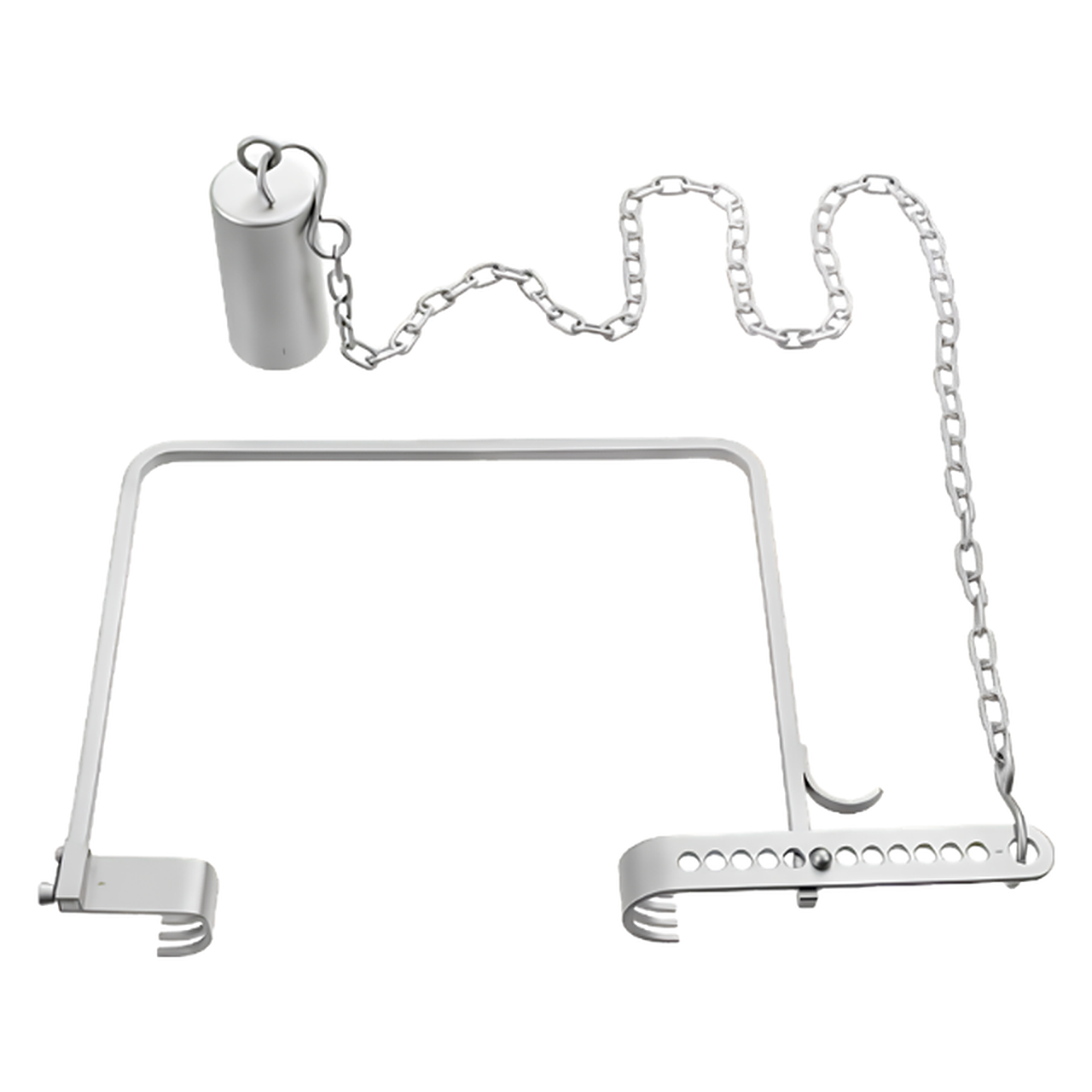 | Ранорасширитель Charnley Initial Incision Retractor | Специально разработан для ретракции краев кожи и подкожно-жировой клетчатки во время начального этапа доступа при артропластике тазобедренного сустава. |
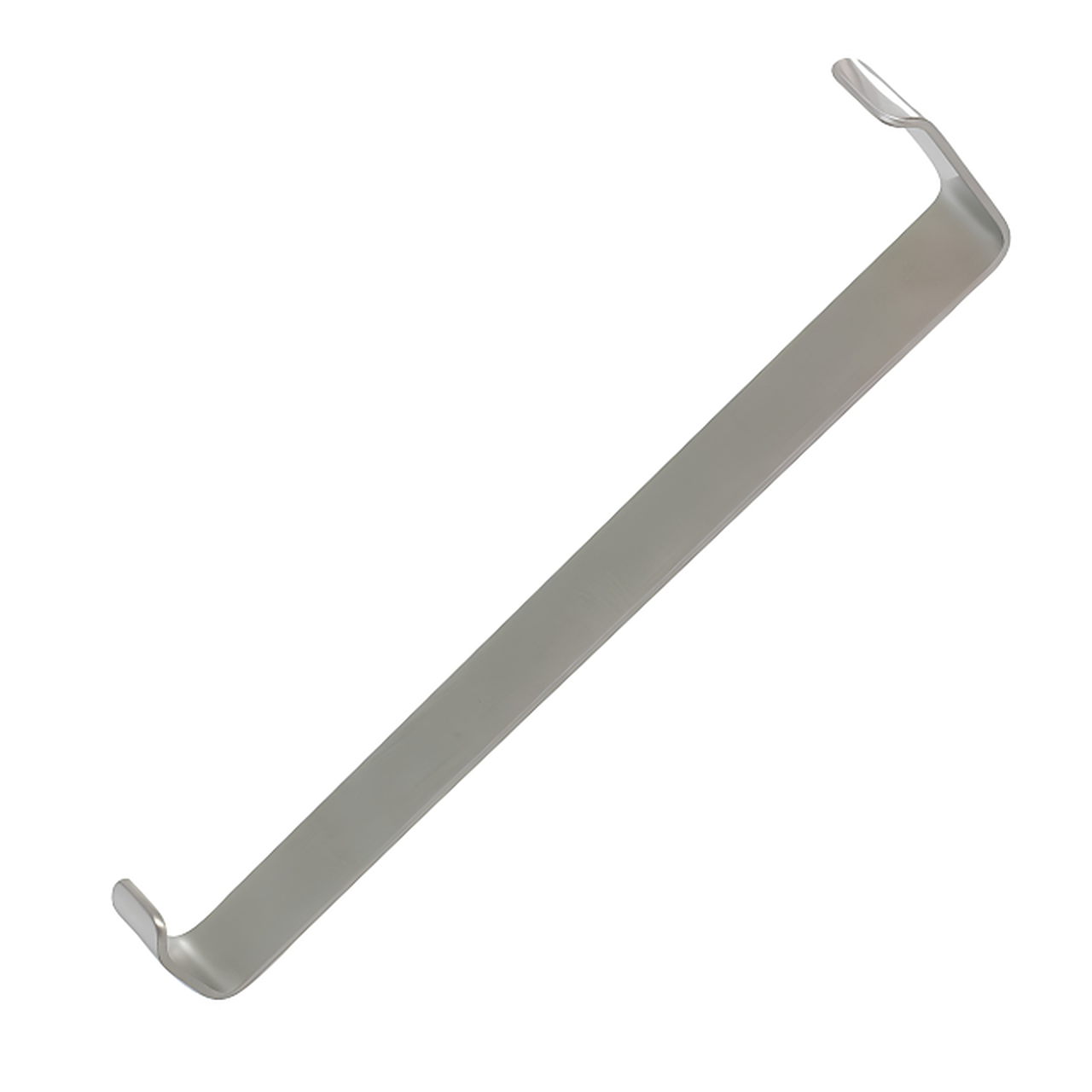 | Ранорасширитель Children's Hospital Retractor | Специально разработан для ретракции нежной кожи, мышц и мягких тканей во время педиатрических и малых хирургических вмешательств. |
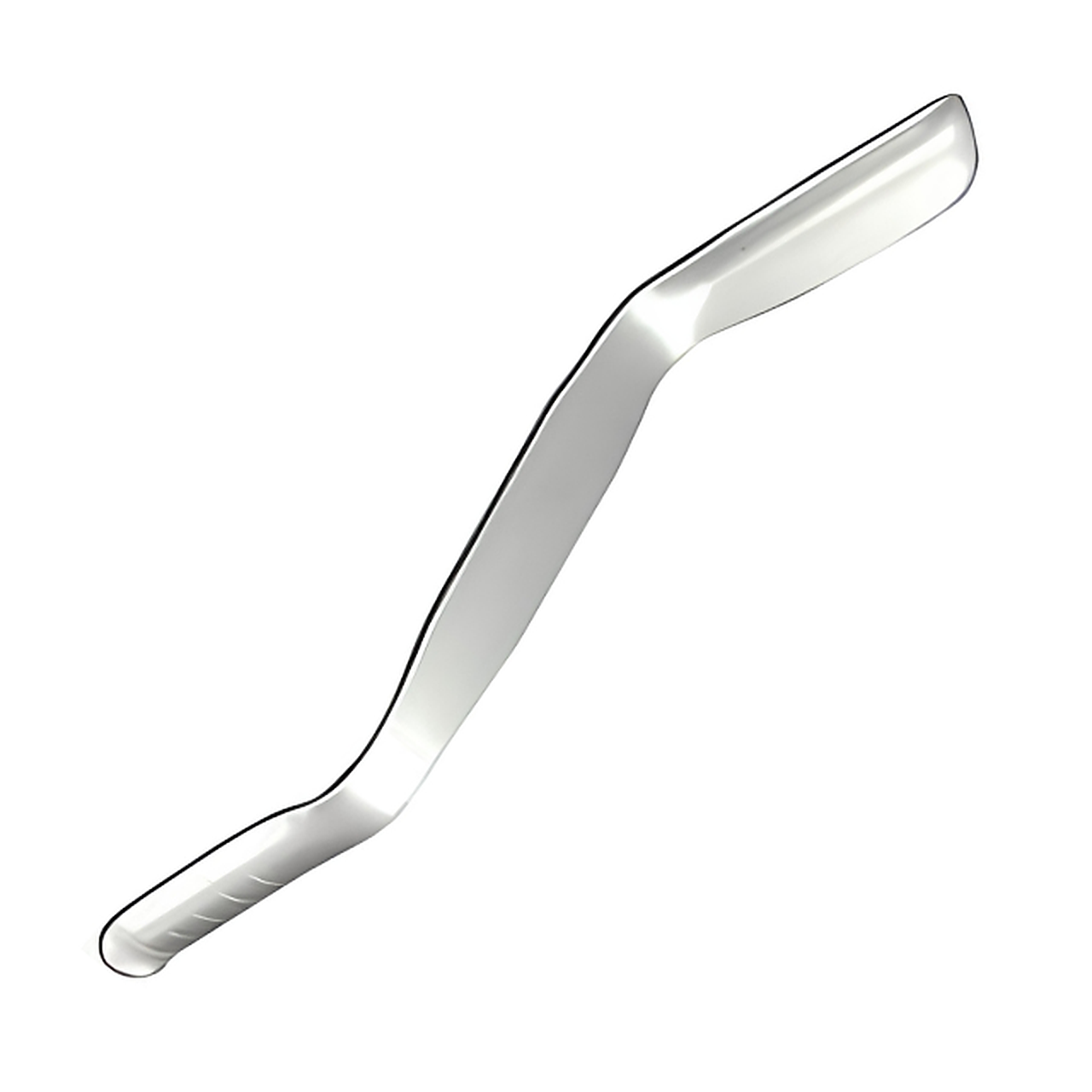 | Орбитальный ретрактор Clodius | Специально разработан для ретракции орбитального жира, удержания лоскутов век и защиты глазного яблока при блефаропластике и периорбитальных операциях. |
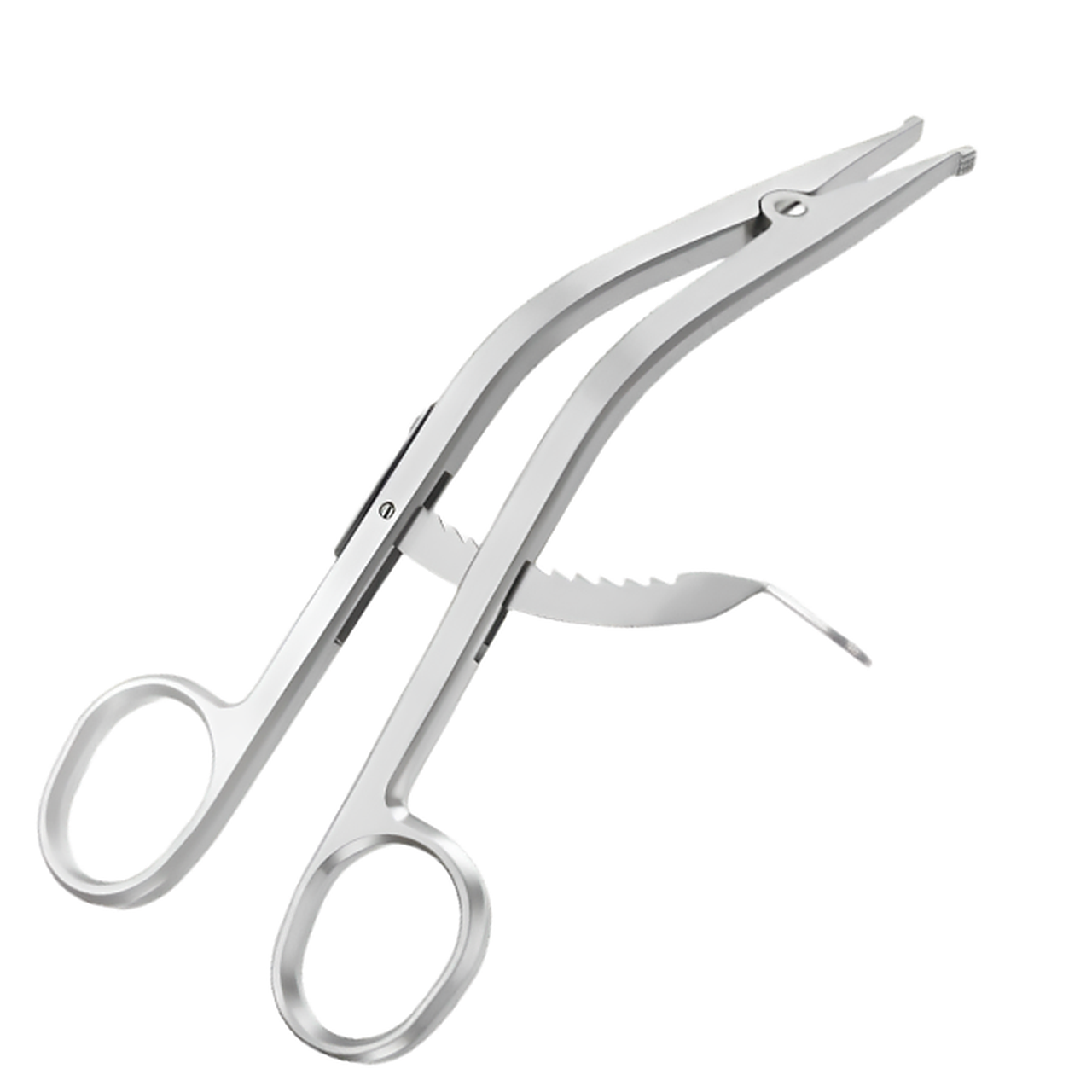 | Ранорасширитель Cloward Cervical/Lamina Retractor | Специально разработан для ретракции параспинальных мышц и экспозиции пластин дуг позвонков и фасеточных суставов во время операций на шейном и верхнегрудном отделах позвоночника. |
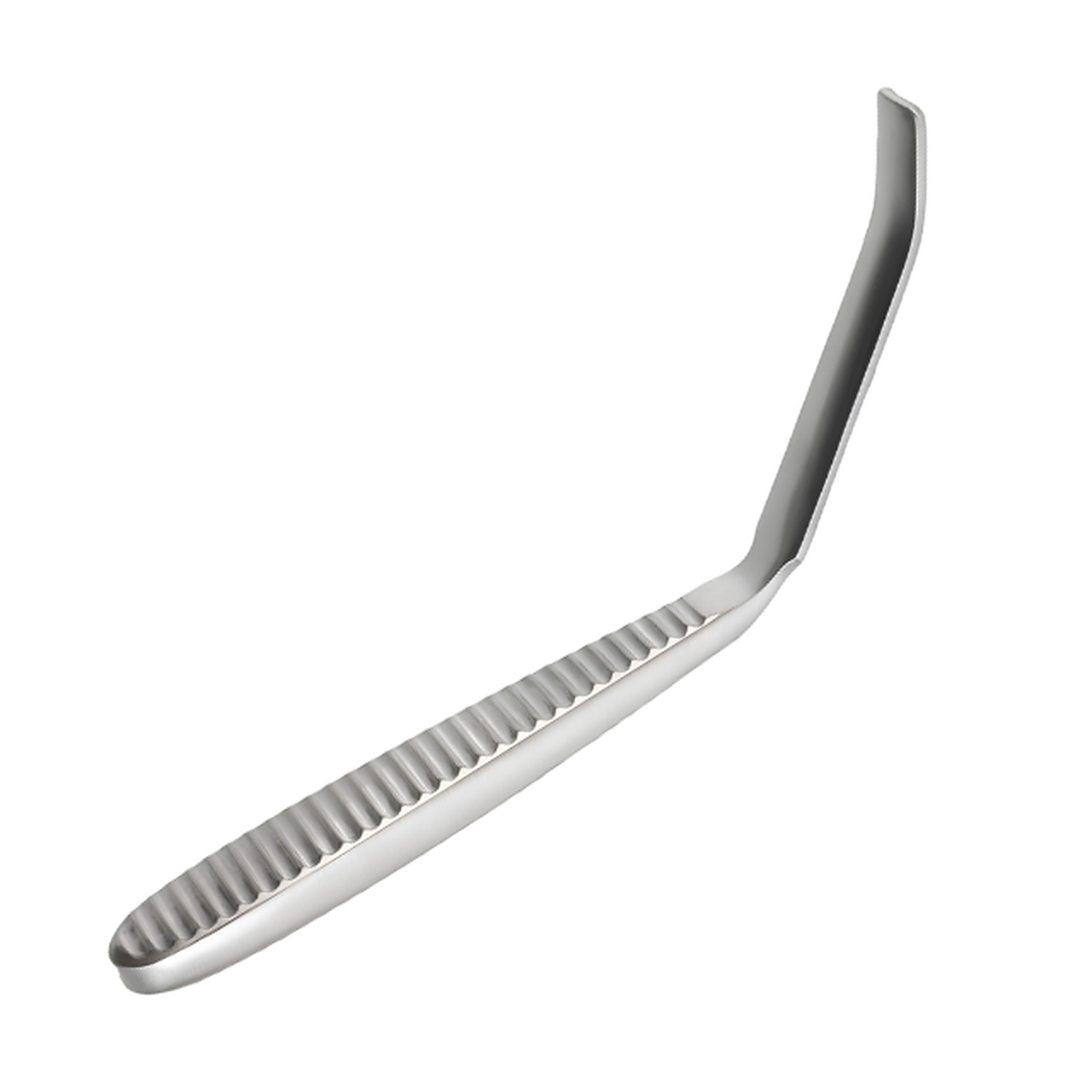 | Ретрактор Cloward-Style Blade Retractor | Специально разработан для ретракции мышц, фасций и висцеральных мягких тканей при операциях на переднем отделе шейного позвоночника. |
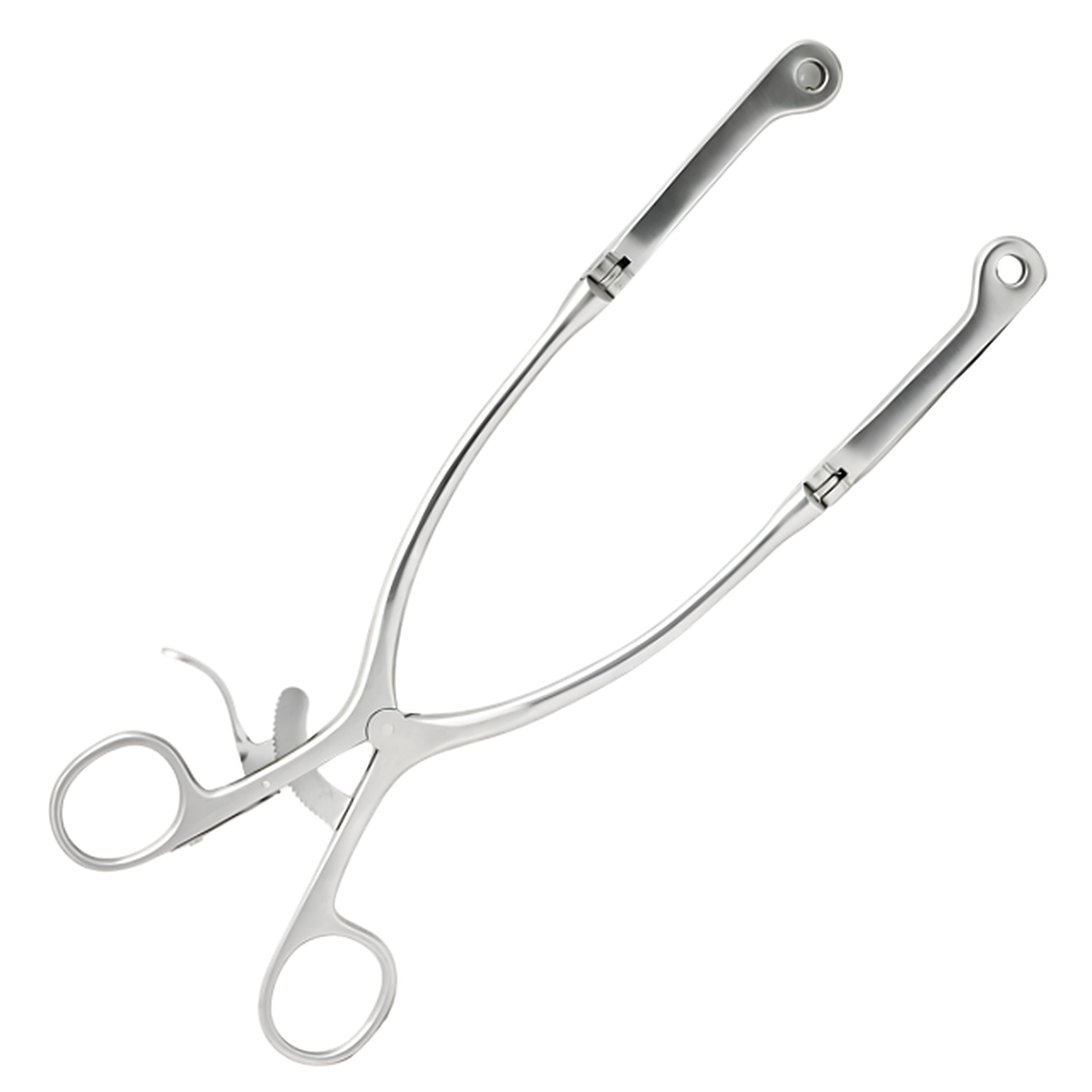 | Шейный ретрактор типа Cloward-Style | Специально разработан для обеспечения самодержащейся ретракции мягких тканей и экспозиции тел позвонков при передней шейной дискэктомии и спондилодезе. |
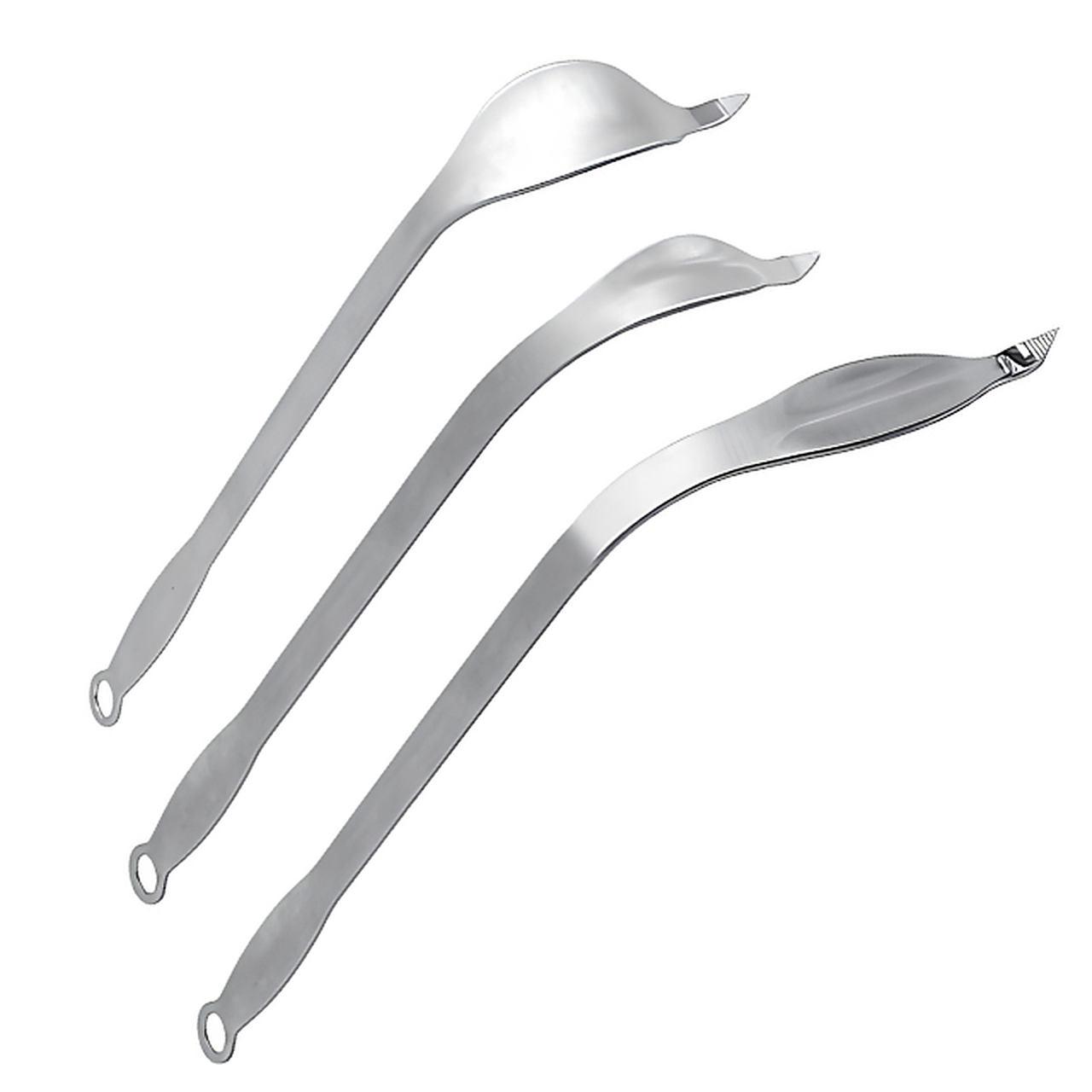 | Ретрактор Cobra | Специально разработан для создания рычажного усилия на кость и ретракции мощных мышц при тотальном эндопротезировании тазобедренного сустава, остеотомии таза и операциях на бедренной кости. |
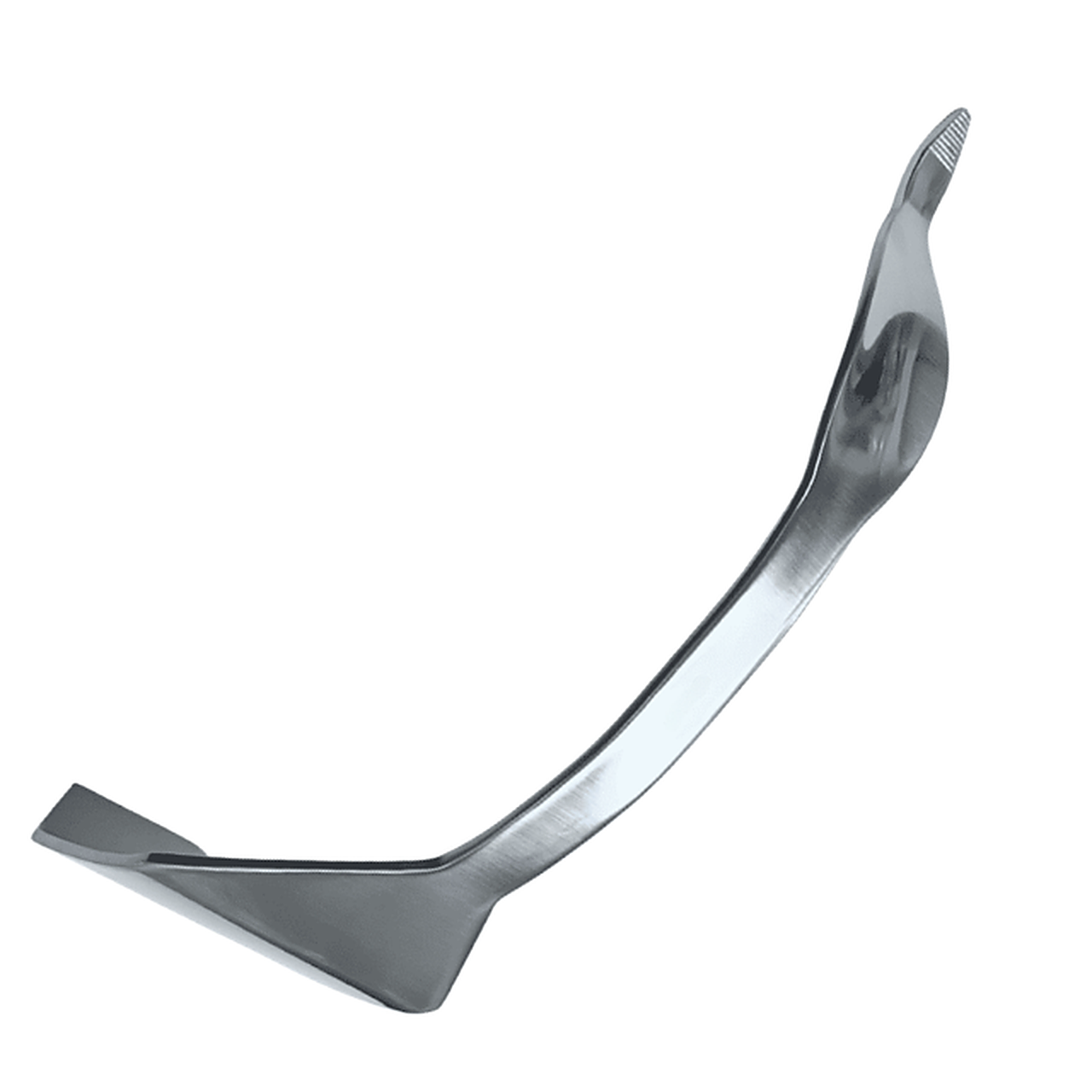 | Ретрактор Cobra с упором для руки | Специально разработан для использования в качестве рычага для кости и ретракции плотных мышц при одновременном снижении нагрузки на кисть ассистента во время артропластики тазобедренного сустава. |
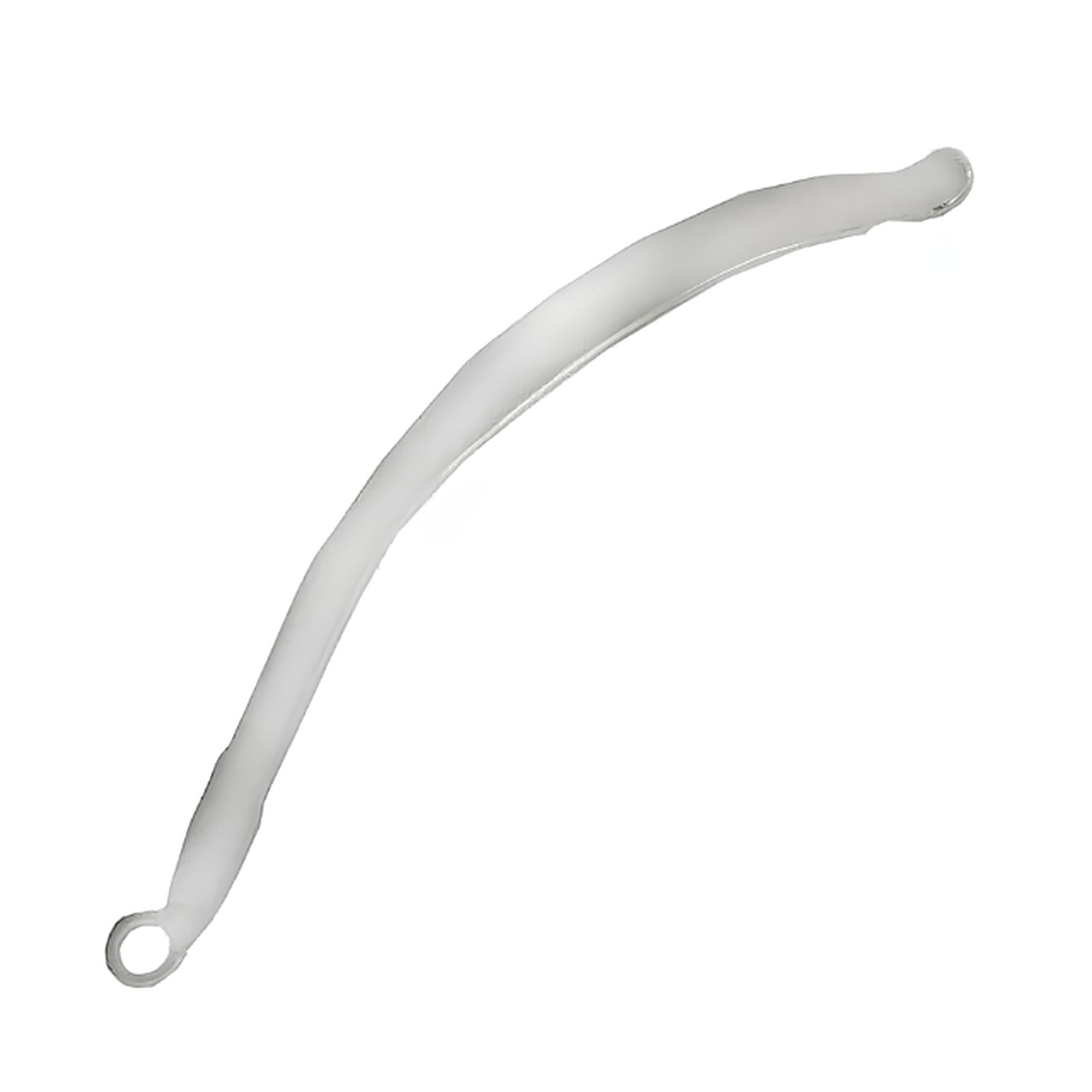 | Ретрактор бедренный типа Cobra | Специально разработан для ретракции массивных мышц и обнажения диафиза бедренной кости при артропластике тазобедренного сустава и лечении переломов бедра. |
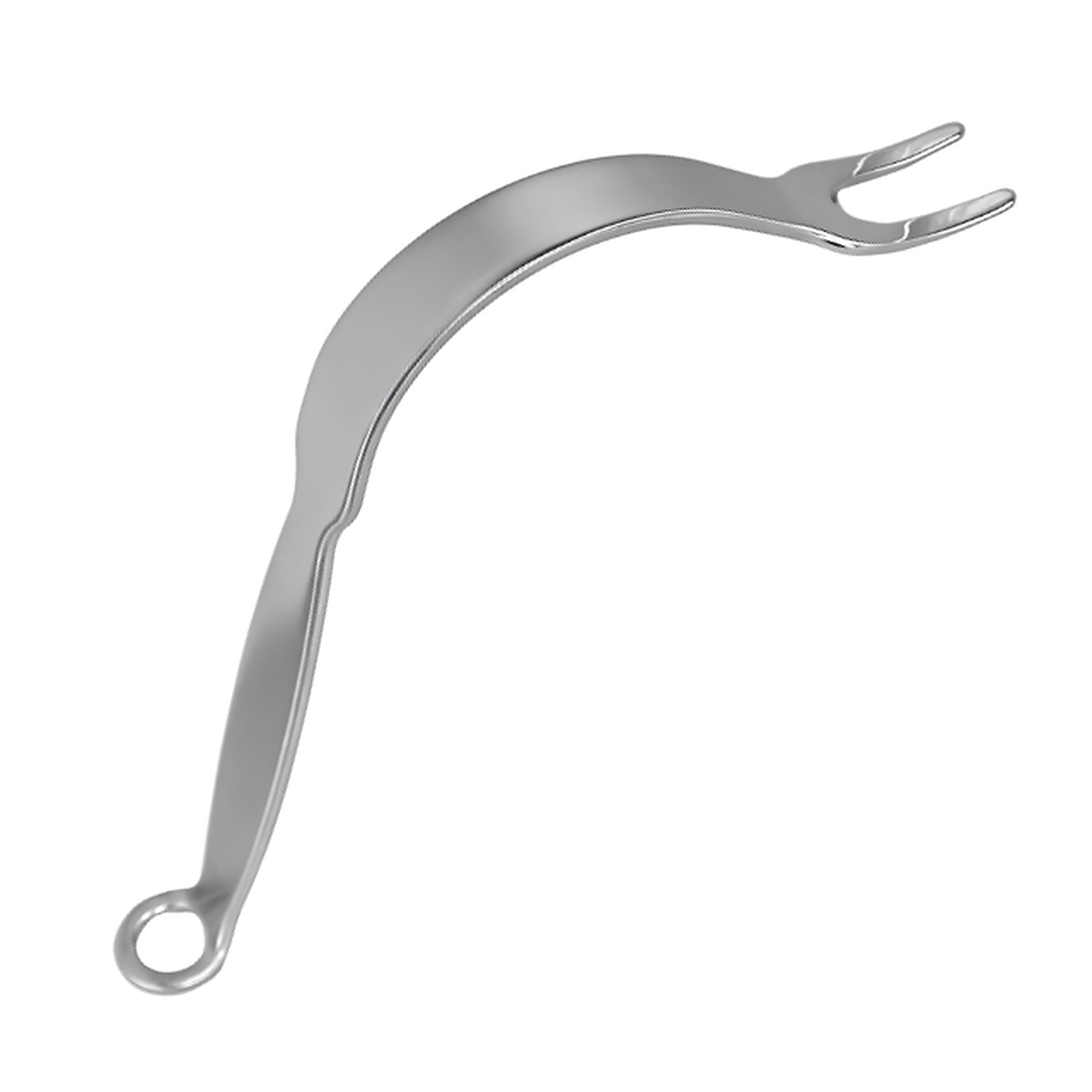 | Ретракторы для боковых связок коленного сустава | Специально разработаны для ретракции и защиты коллатеральных связок и капсулы при тотальном эндопротезировании коленного сустава. |
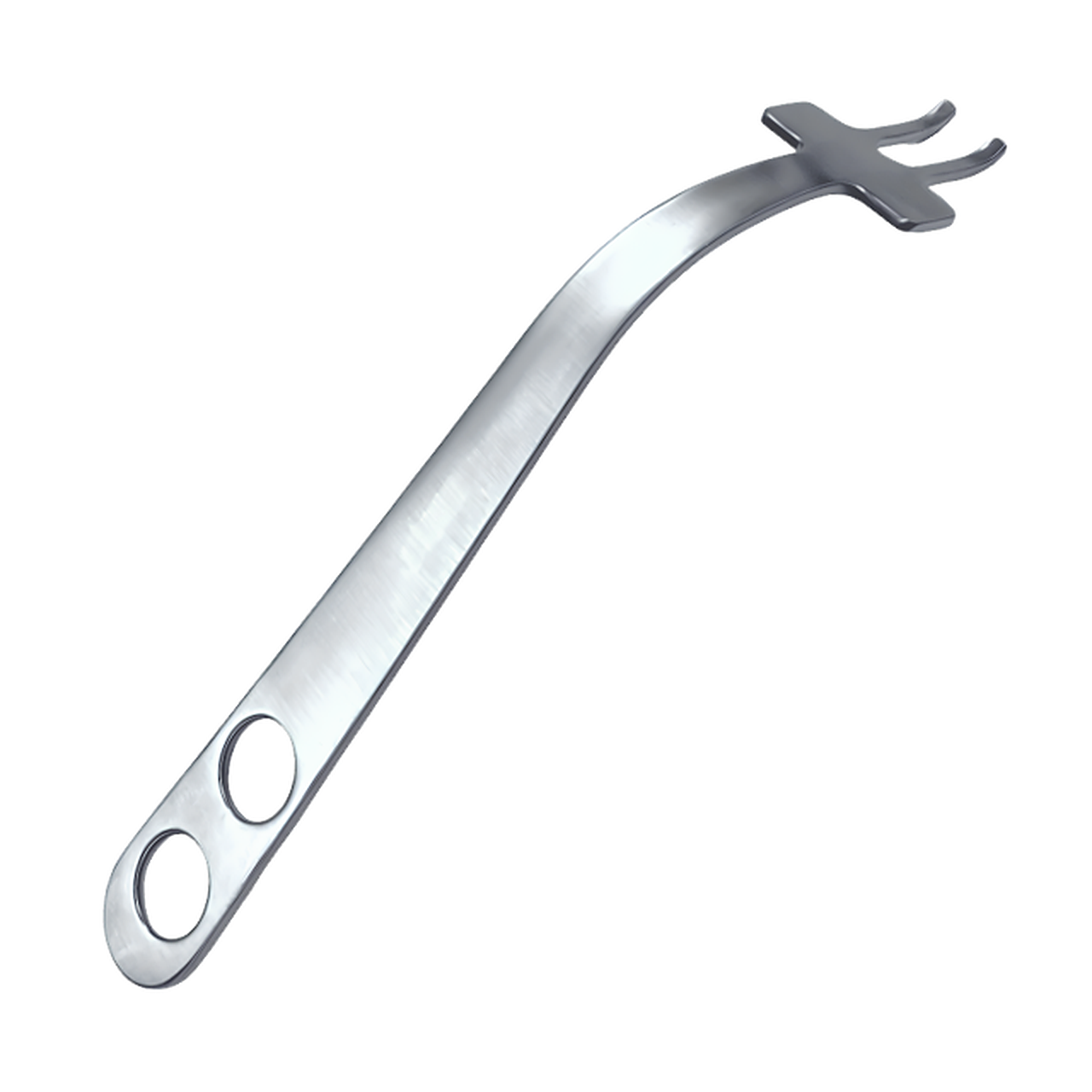 | Ретрактор коллатеральный для мягких тканей | Специально разработан для ретракции коллатеральных связок и периартикулярных мягких тканей во время артропластики коленного сустава и реконструктивных операций. |
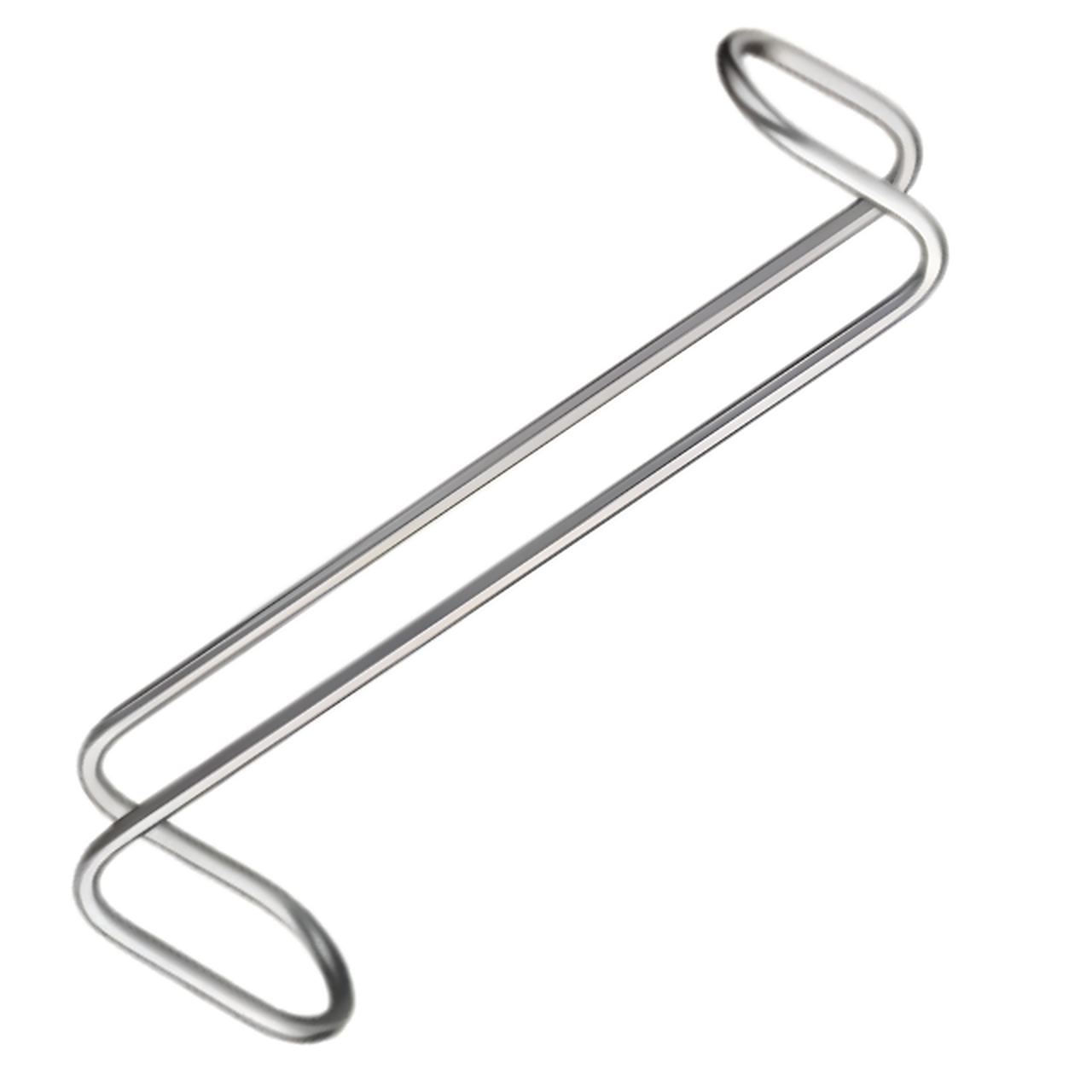 | Collin Hartmann S-Shaped Retractor | Специально разработан для ретракции мышц, фасций и краев раны во время общих, гинекологических и пластических операций. |
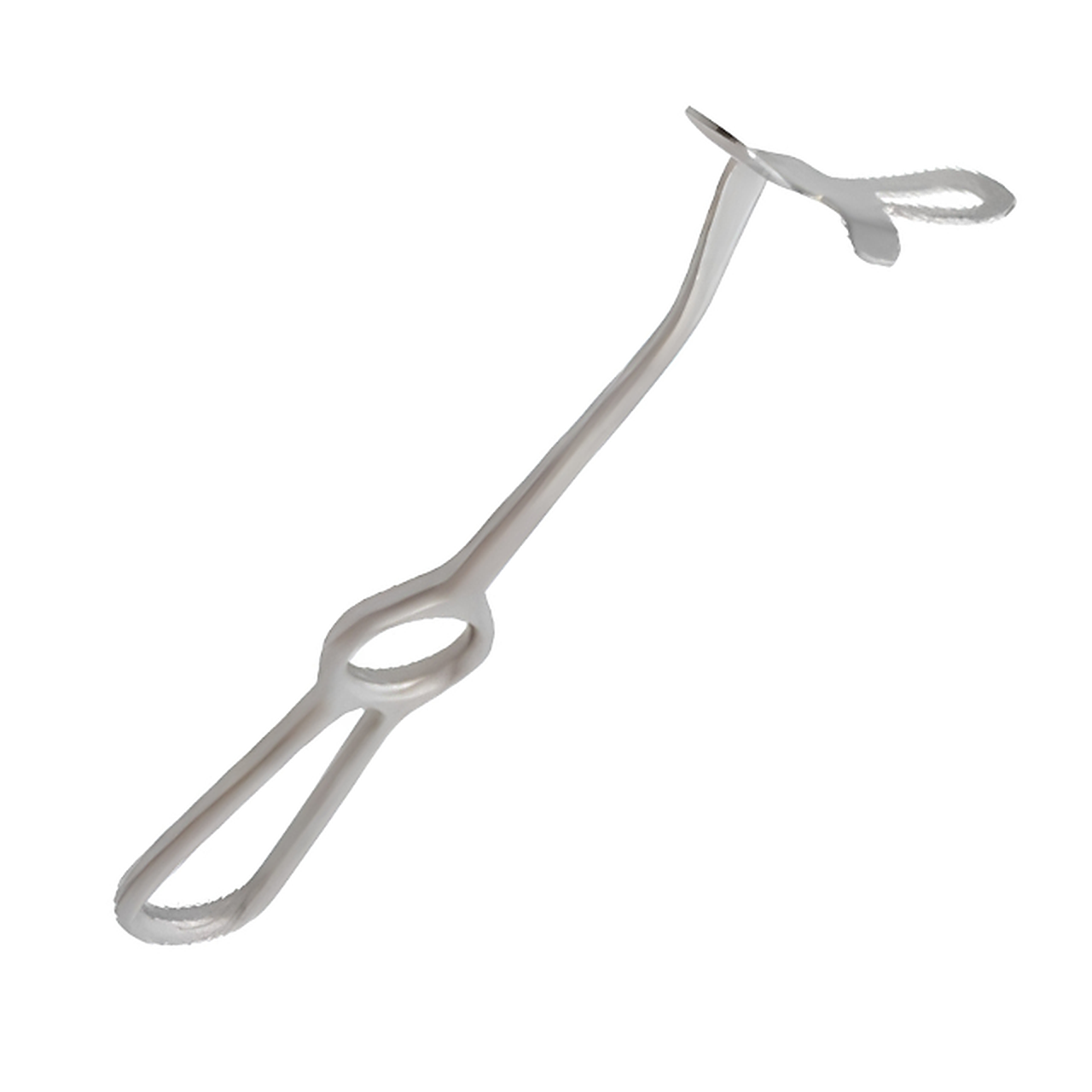 | Комбинированный ретрактор для ран и щек | Специально разработан для ретракции щек, губ и краев ран во время стоматологических, челюстно-лицевых и пластических операций. |
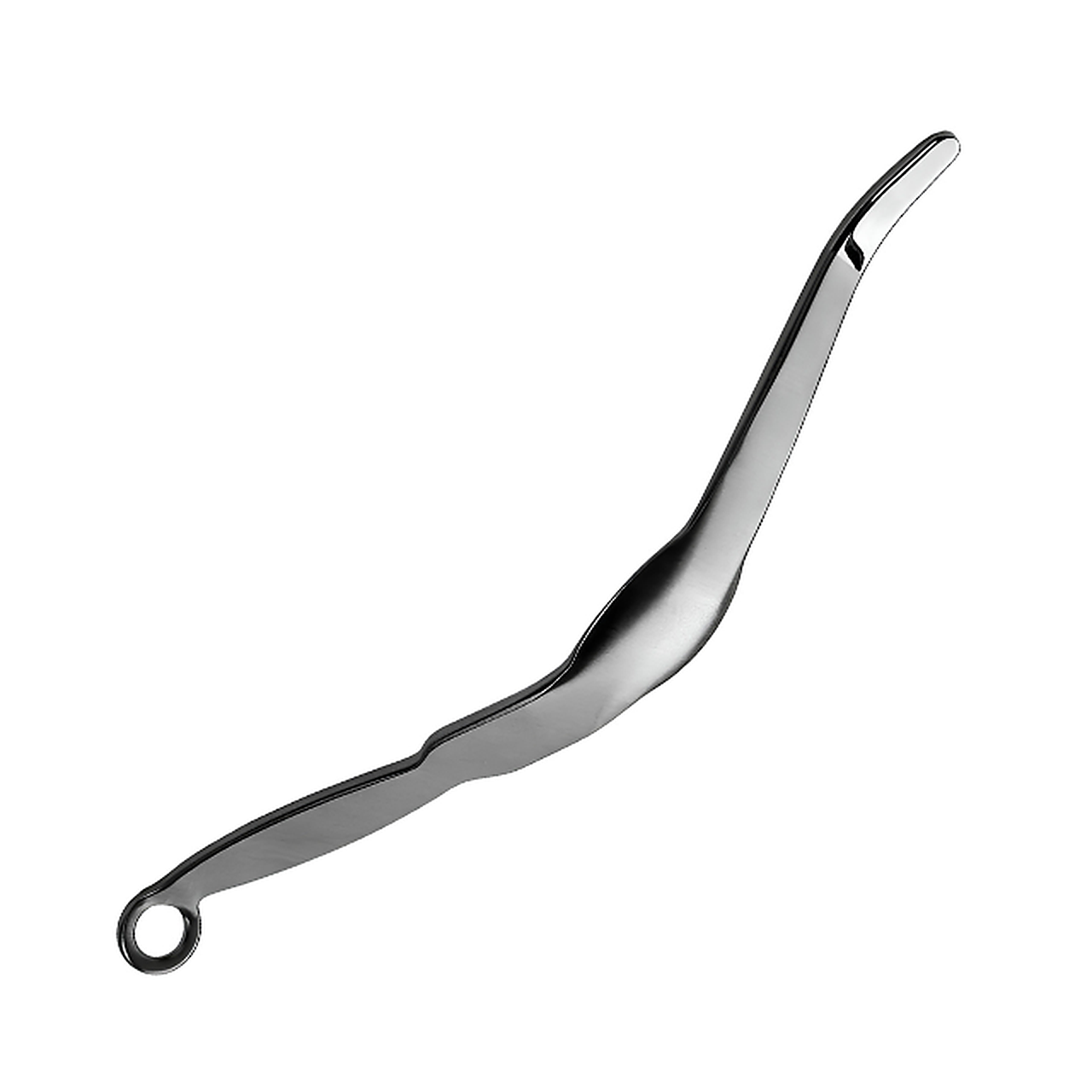 | Ретрактор коленного сустава вогнутый | Специально разработан для ретракции коллатеральных связок и периартрикулярных мягких тканей с одновременным рычажным упором на кость при тотальном эндопротезировании коленного сустава. |
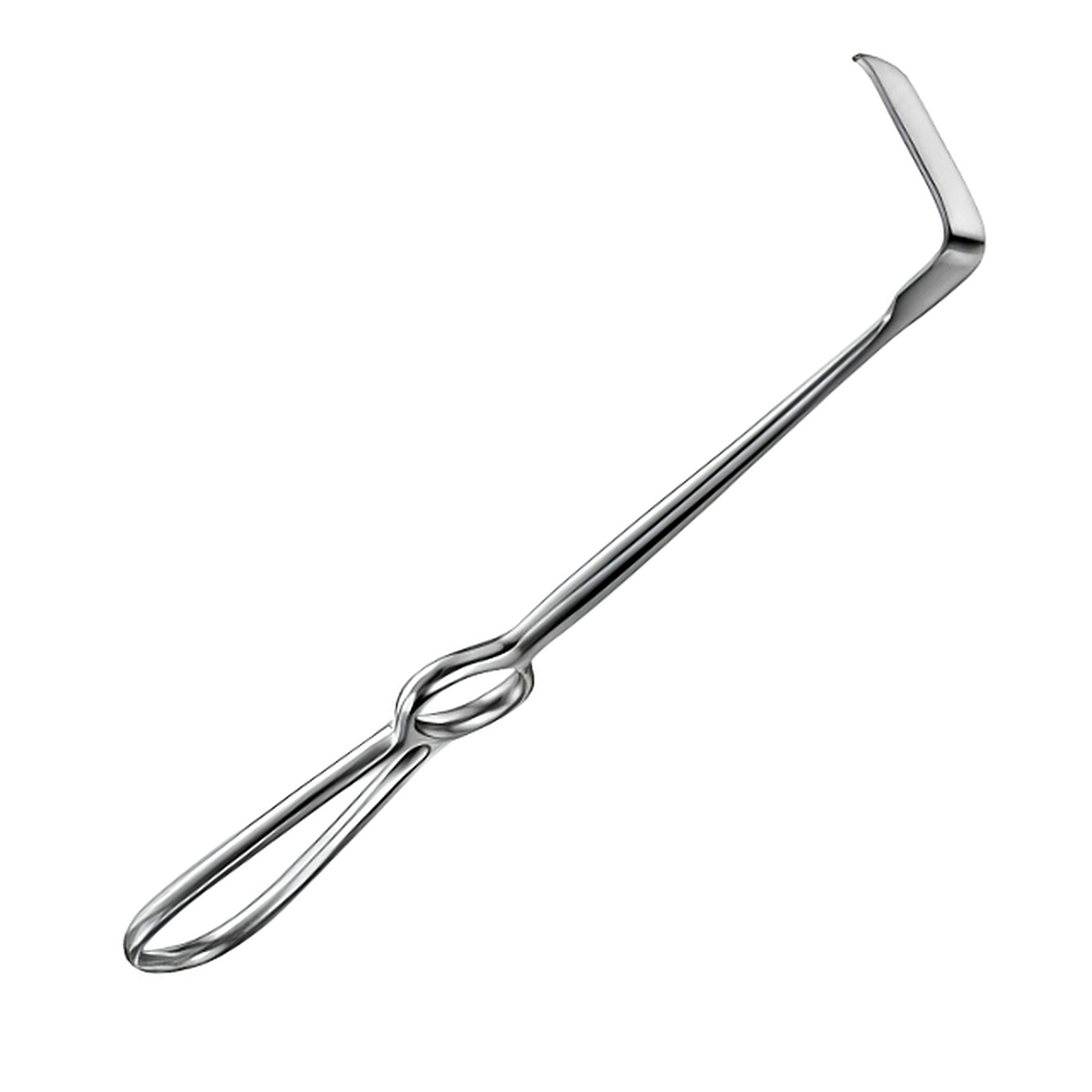 | Кондилярный ретрактор | Специально разработан для фиксации на ветви и шейке мыщелкового отростка нижней челюсти при ортогнатических операциях и лечении травм лица. |
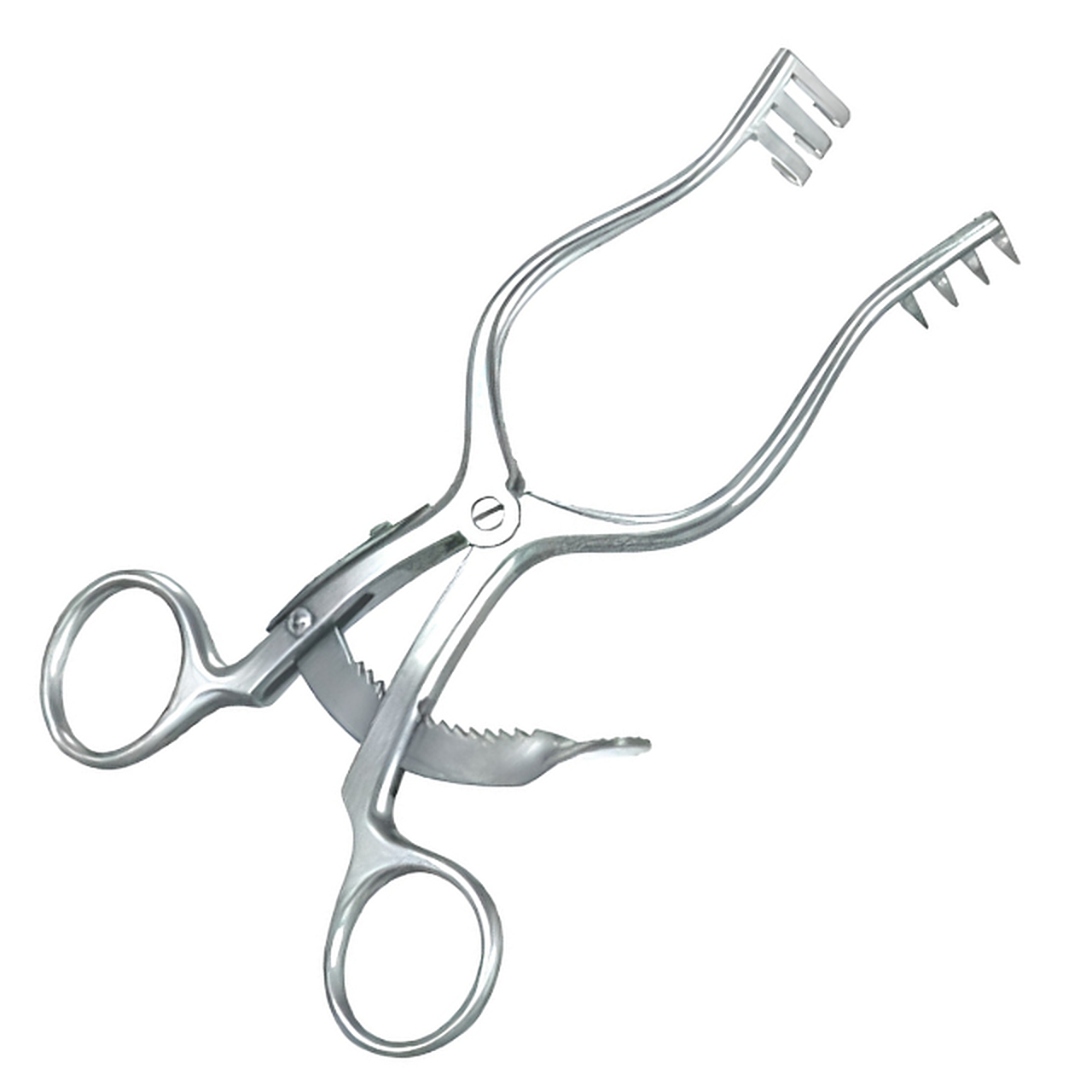 | Ранорасширитель черепной Contour самодержащийся | Специально разработан для ретракции лоскутов кожи головы, апоневроза и мышц во время краниотомии и операций на черепе. |
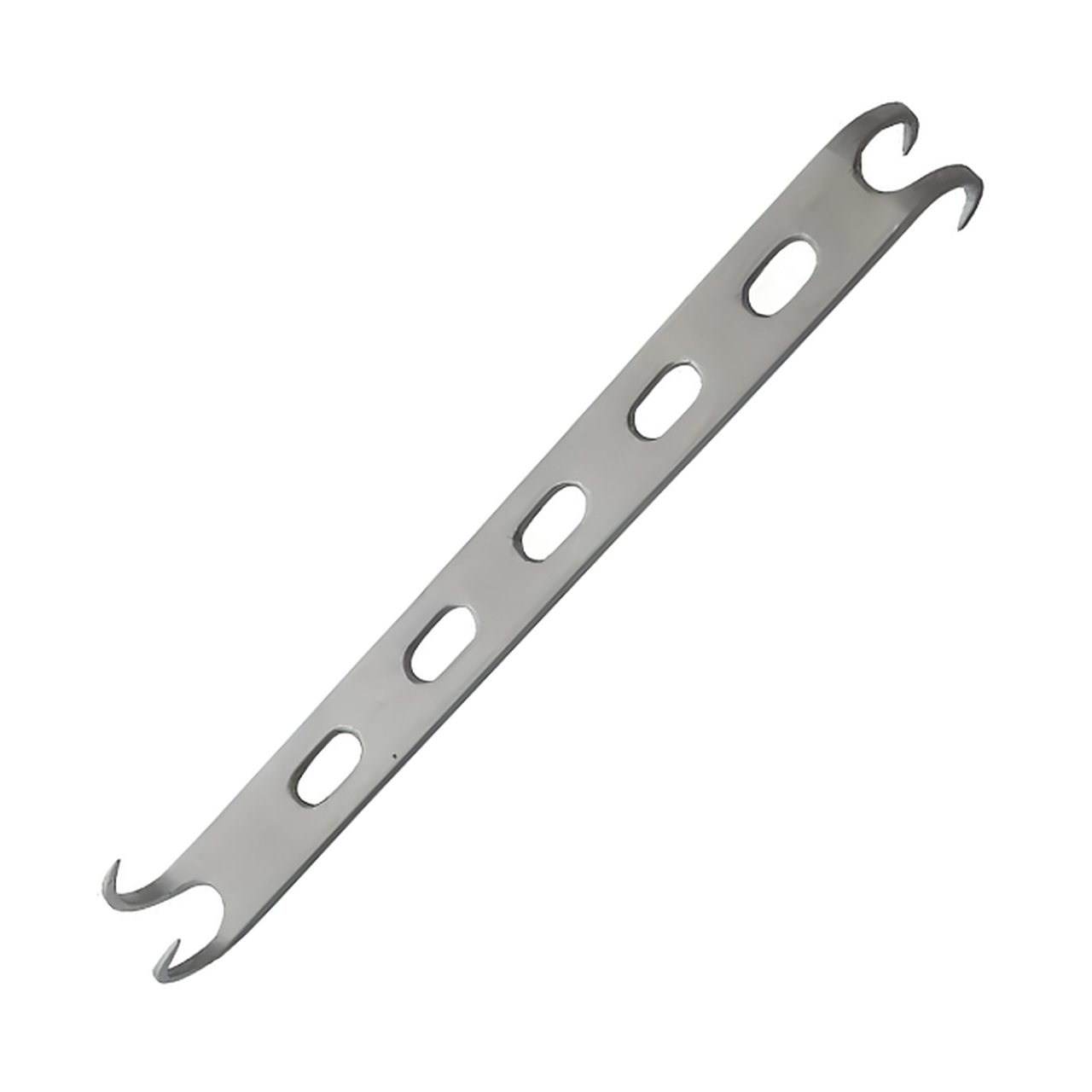 | Крыльный ретрактор Converse Alar Retractor Double Ended | Специально разработан для отведения края крыла носа, границы ноздри и нижнего латерального хряща при ринопластике. |
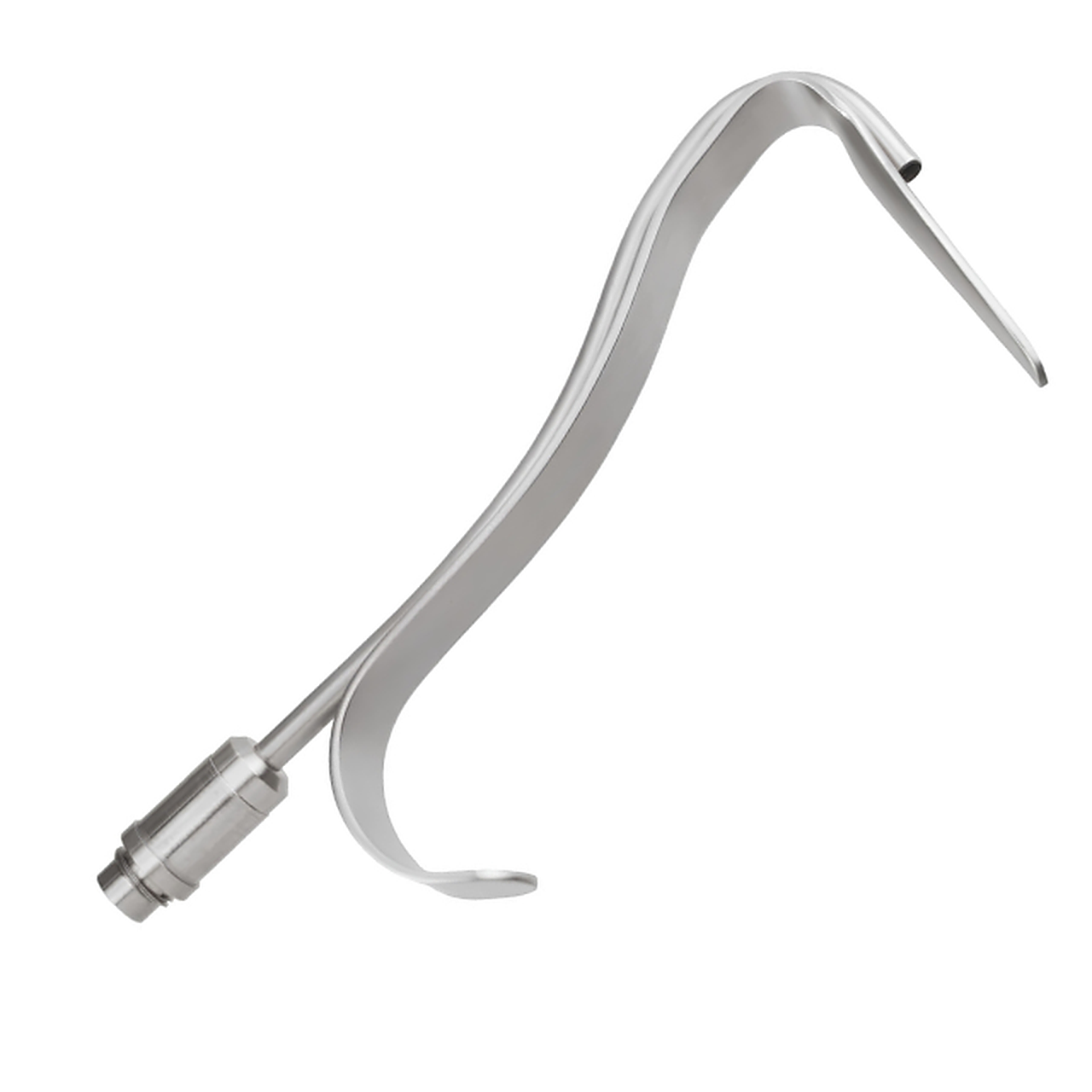 | Назальный ретрактор Converse | Специально разработан для поднятия кожных лоскутов носа и обеспечения прямой визуализации спинки носа во время ринопластики. |
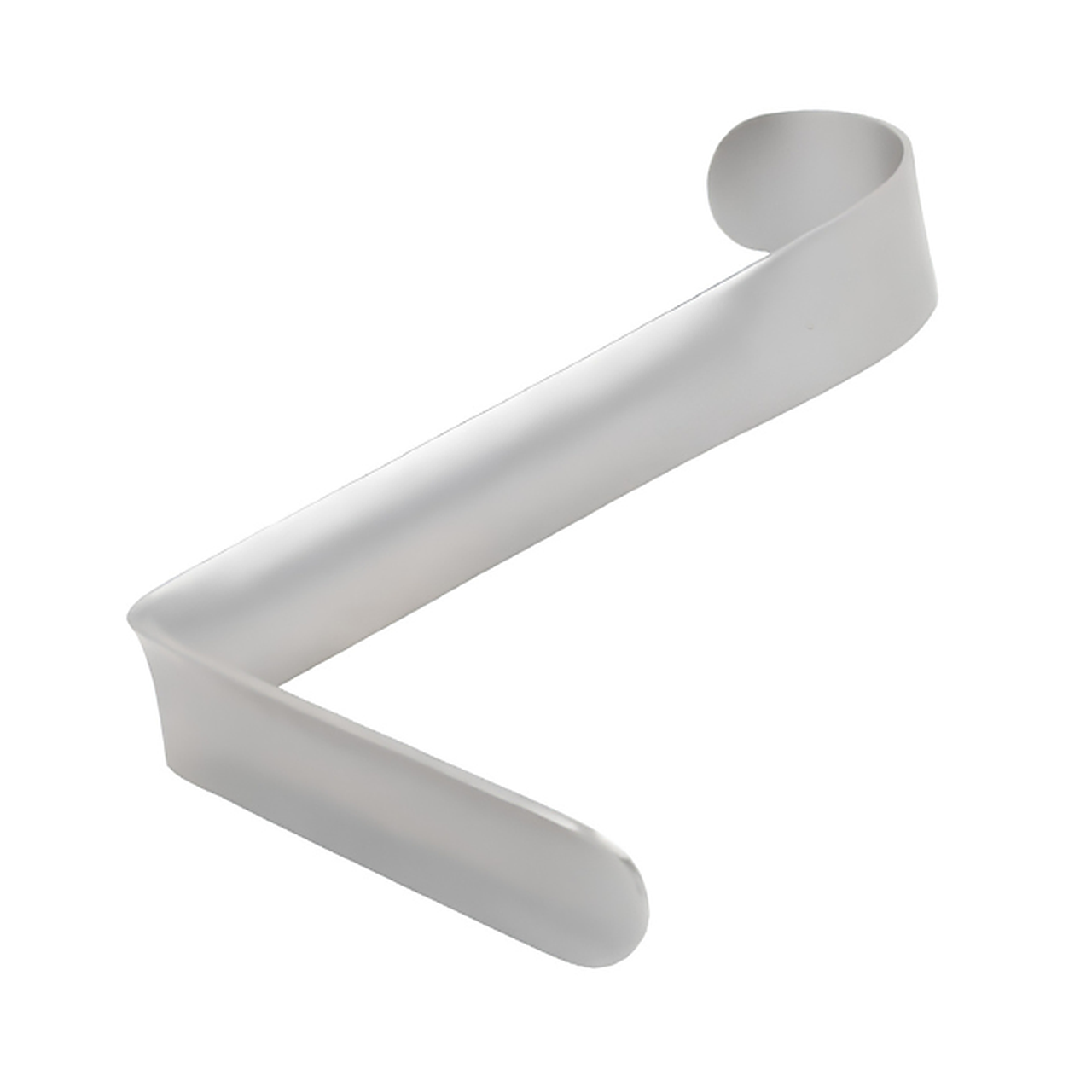 | Назальный ретрактор Converse, 10 cm | Специально разработан для подъема мягких тканей носа и обнажения хрящевого каркаса при проведении ринопластики. |
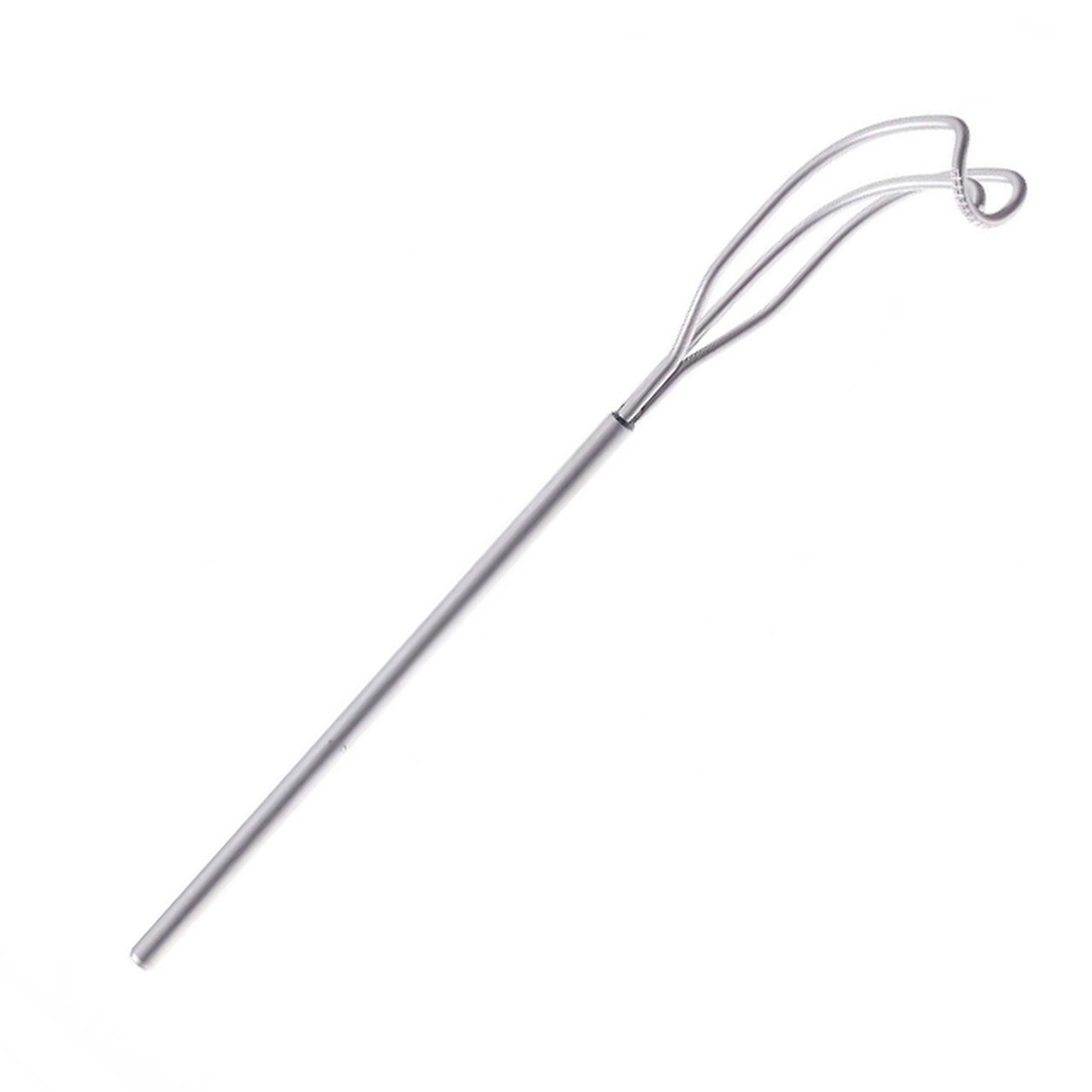 | Предсердный ретрактор Cooley Atrial Retractor | Специально разработан для ретракции стенки предсердия и обеспечения структурированной операционной экспозиции во время операций на клапанах сердца. |
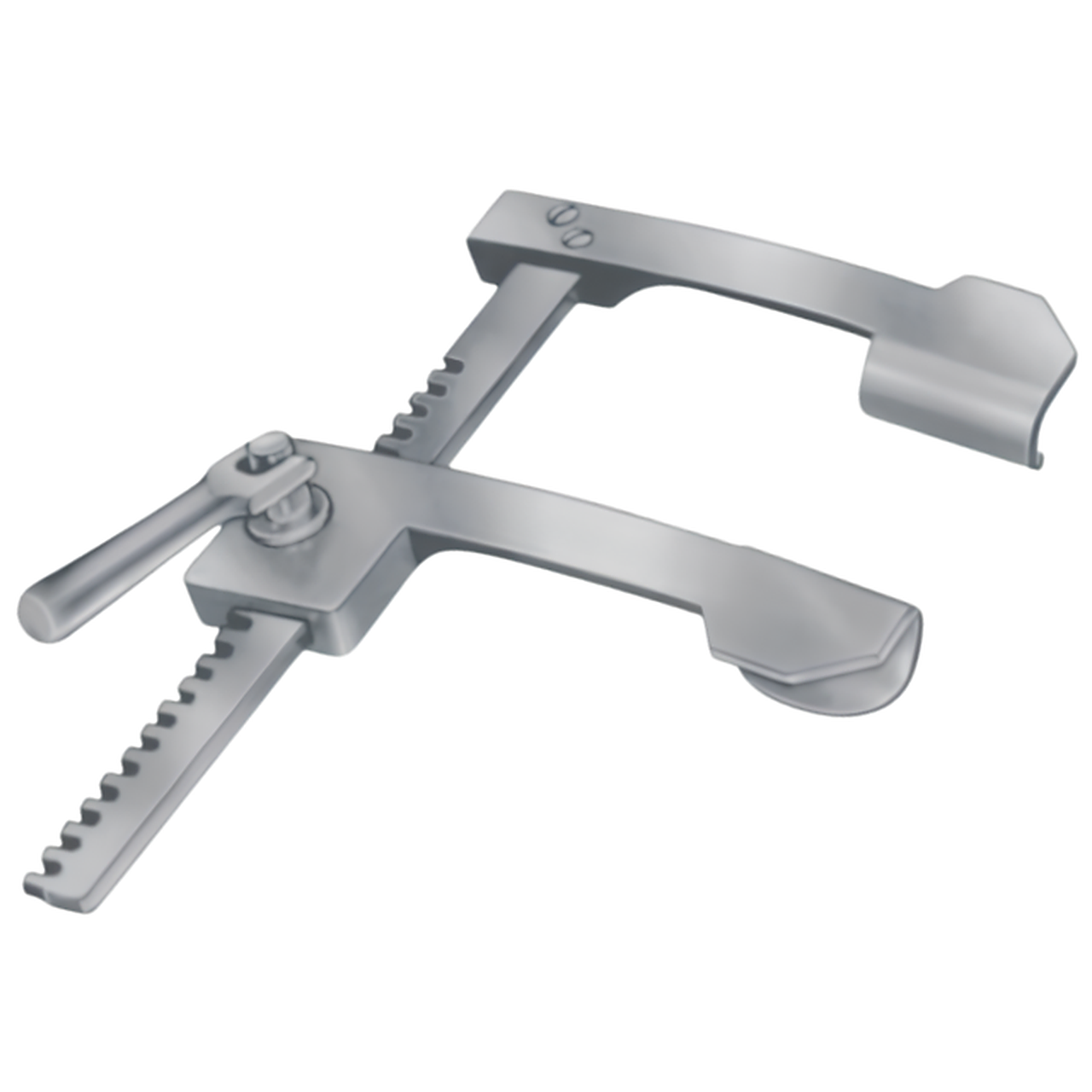 | Ранорасширитель реберный Cooley Rib Spreader | Специально разработан для разведения смежных ребер и поддержания операционного доступа при кардиоторакальных вмешательствах. |
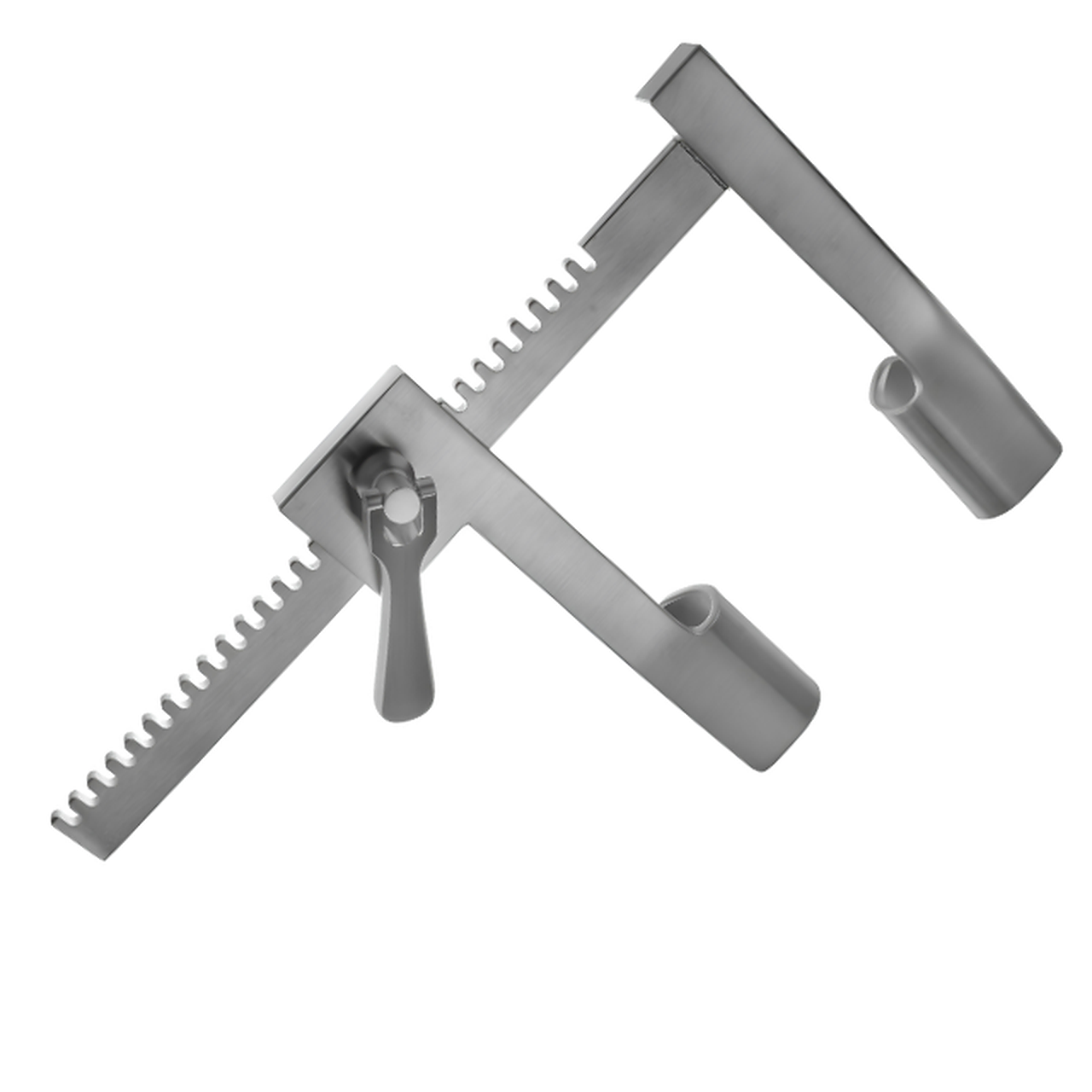 | Грудинный ретрактор Cooley Sternal Retractor | Специально разработан для разведения и фиксации грудины во время открытых кардиоторакальных операций и вмешательств на средостении. |
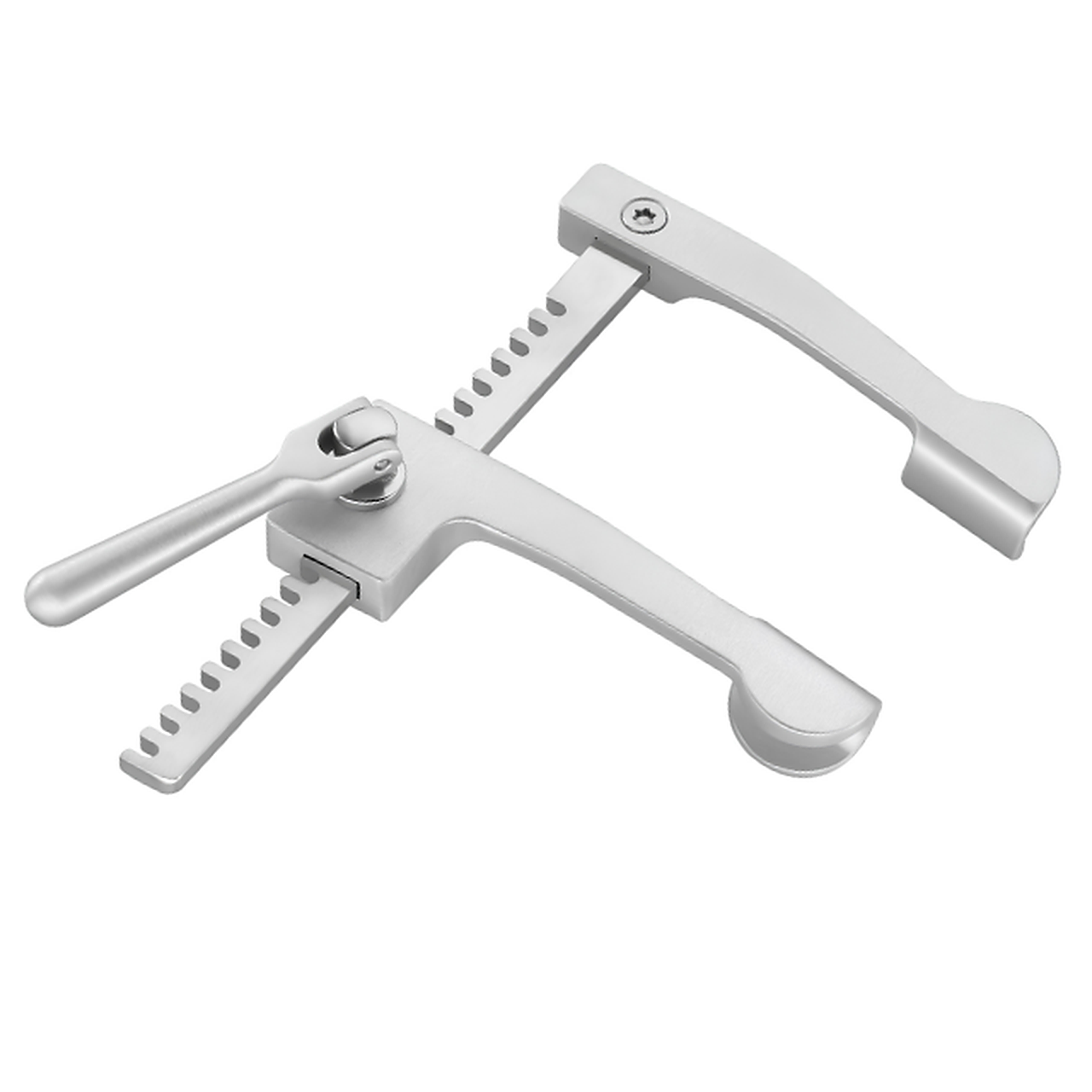 | Cooley Sternotomy Retractor | Специально разработан для точного разведения грудины и обеспечения доступа в ходе неонатальных и педиатрических кардиохирургических операций. |
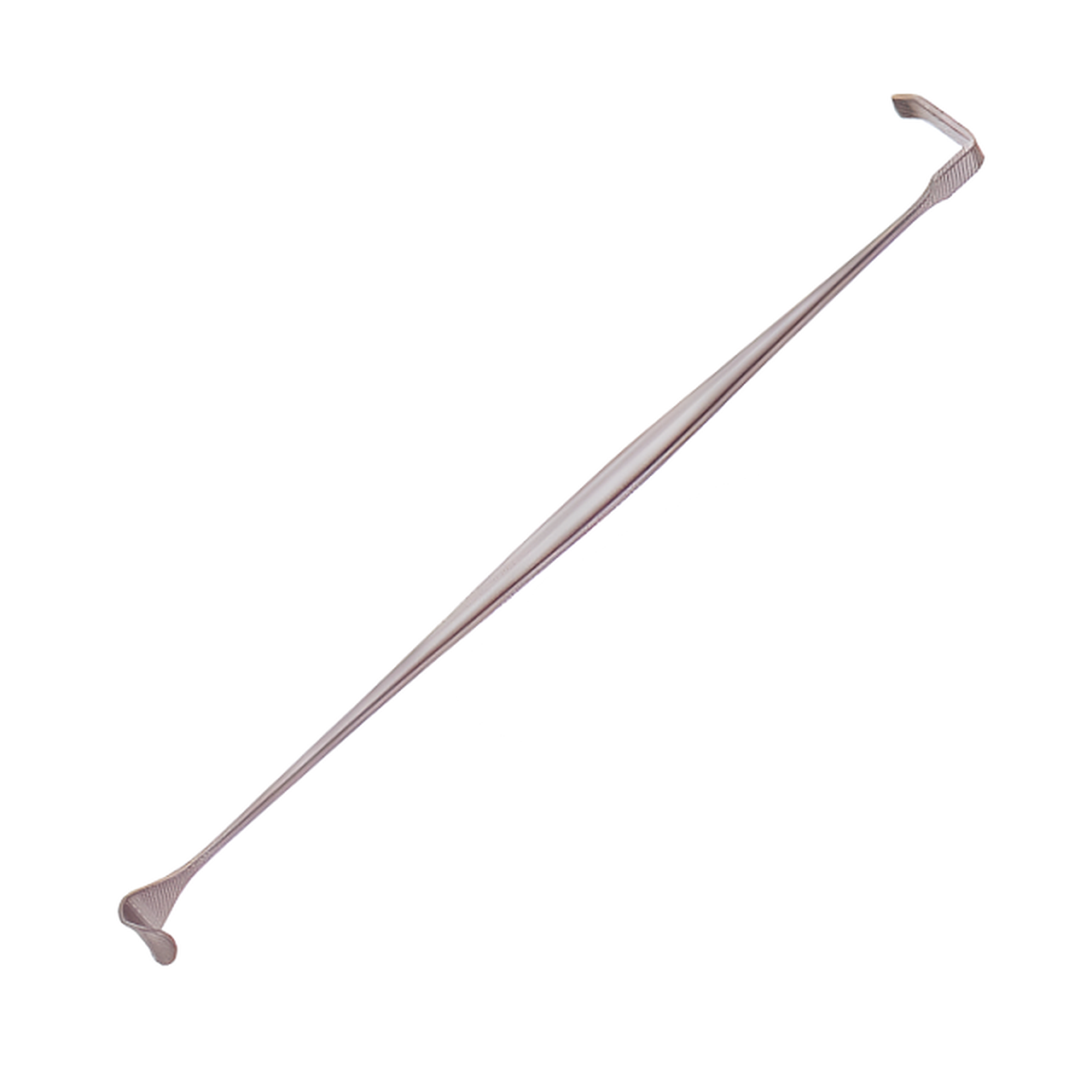 | Ранорасширитель Cope двухсторонний | Специально разработан для ретракции кожи, фасций и мягких тканей во время общих, пластических и ЛОР-хирургических процедур. |
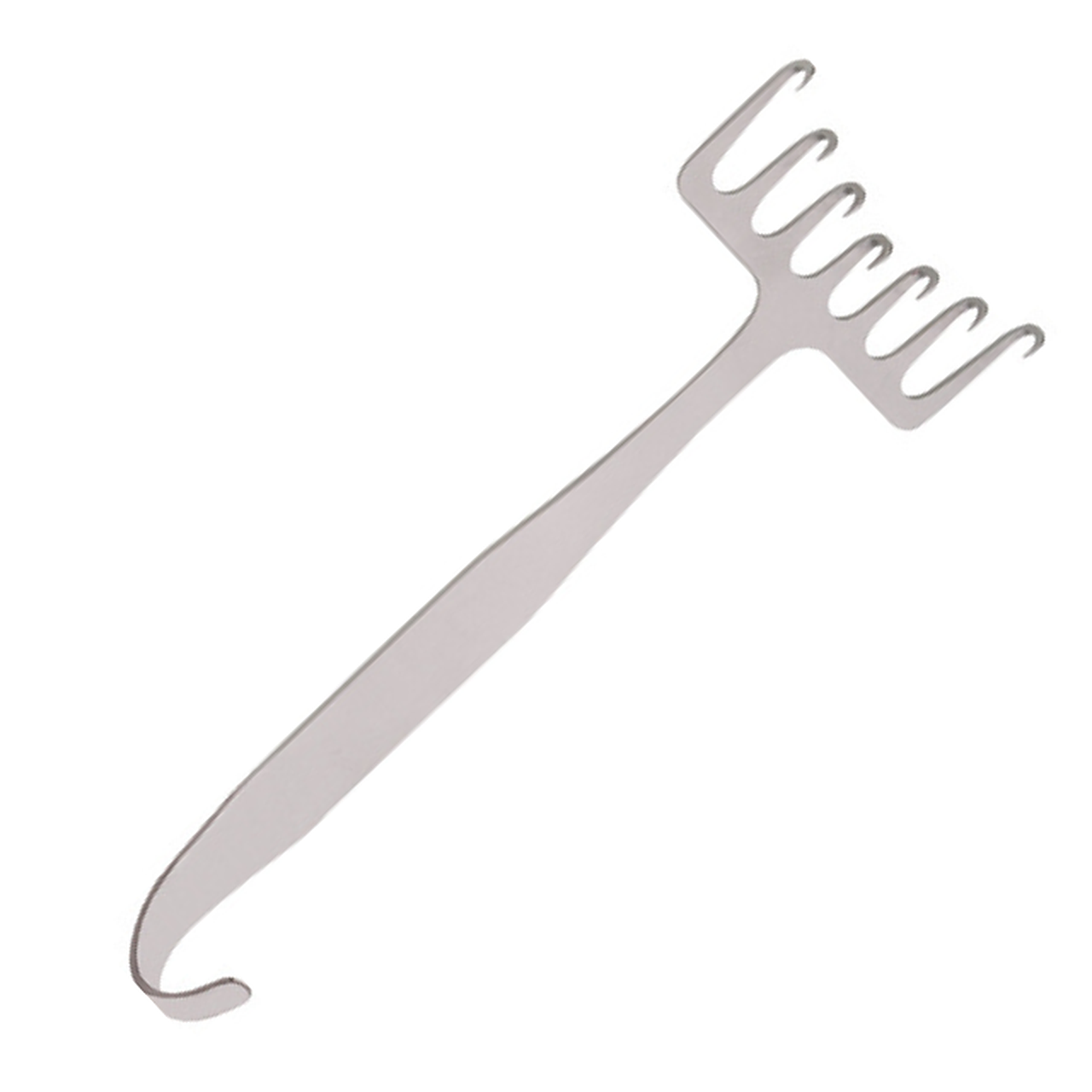 | Ретрактор Coronal Brow Lift Retractor для коронарной подтяжки бровей | Специально разработан для ретракции плотных лоскутов скальпа, галеа и тканей лба во время процедур открытой коронарной подтяжки бровей. |
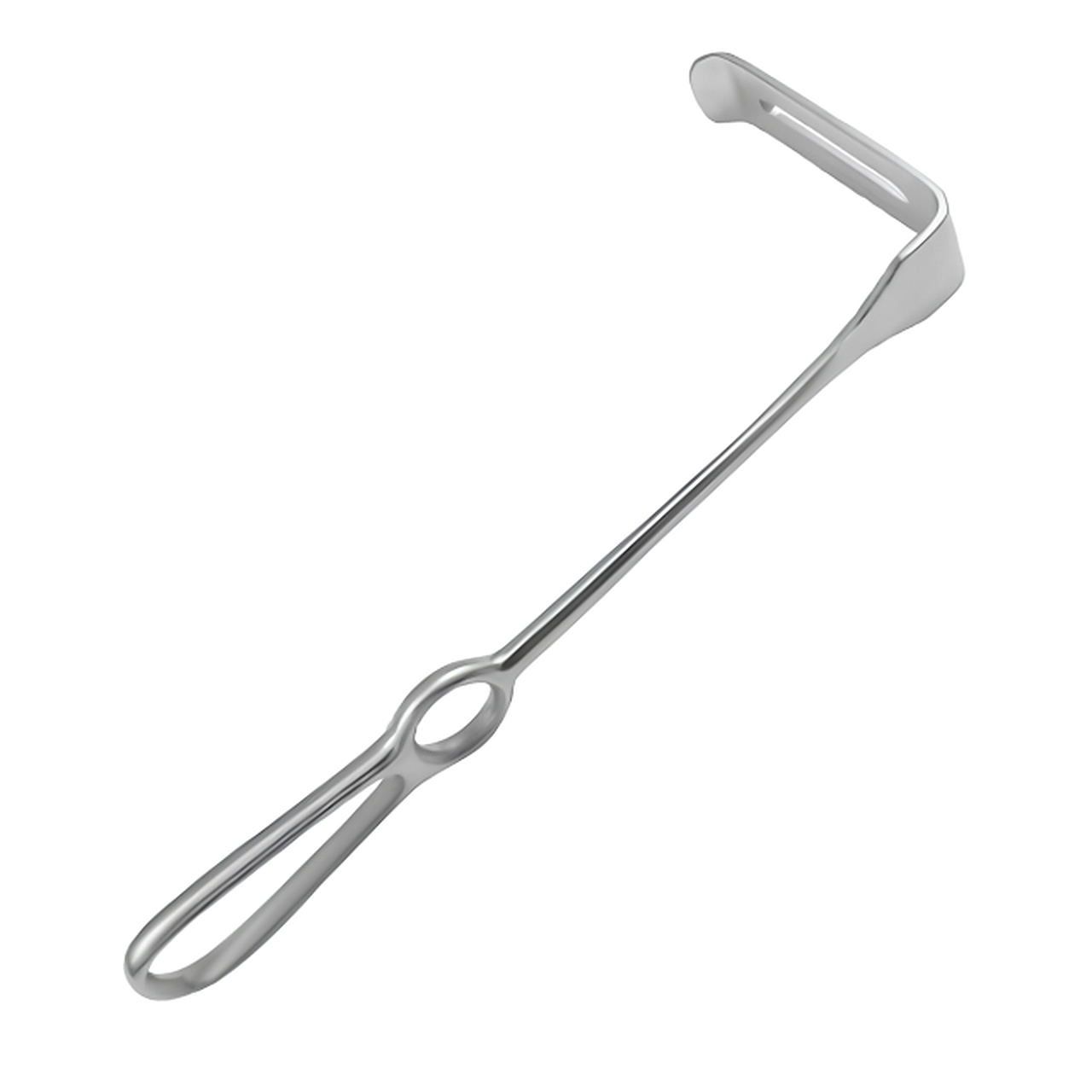 | Ретракторы Coryllos Retractors | Специально разработан для ретракции мышц грудной стенки, ребер и тканей легких во время открытых торакальных операций. |
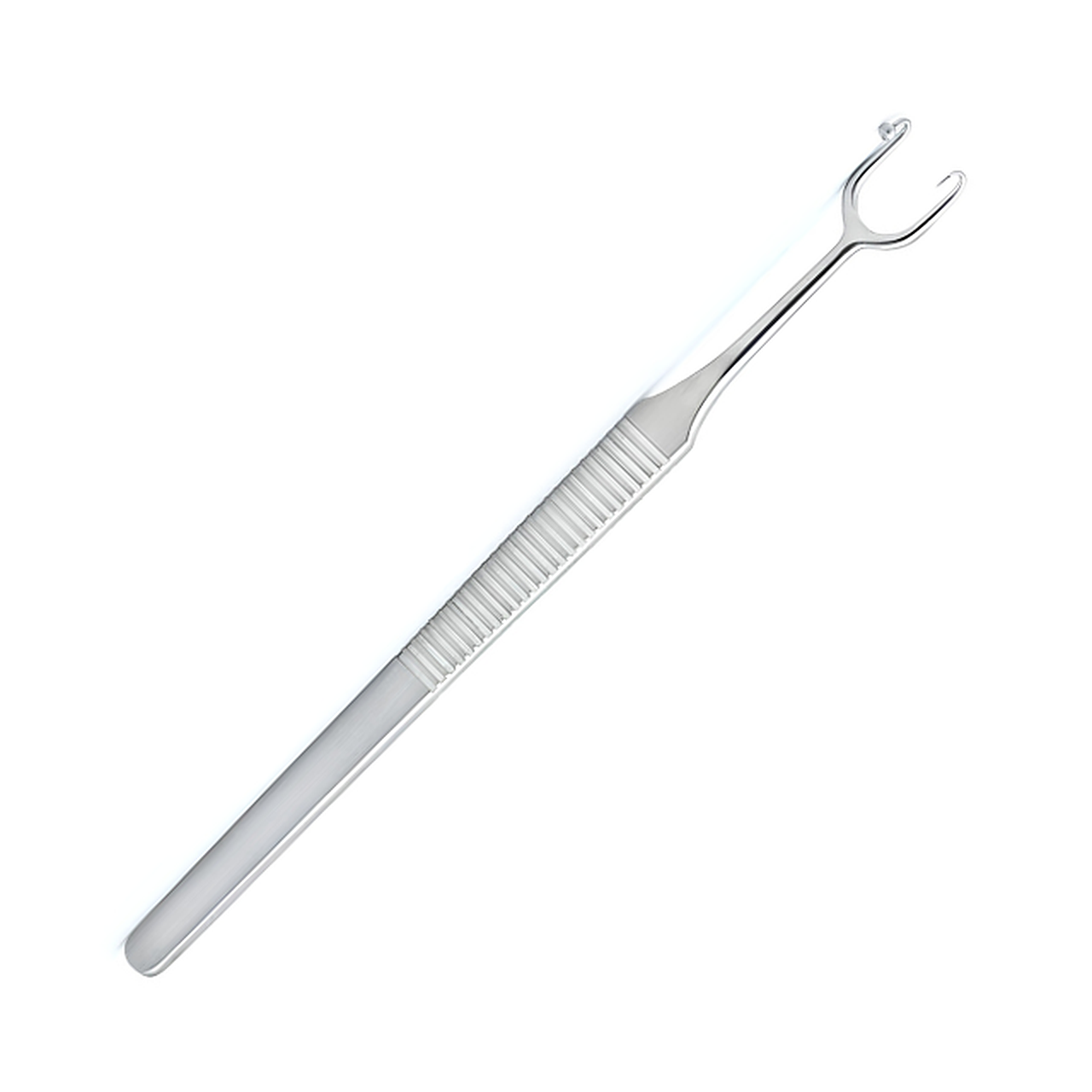 | Носовой ретрактор Cottle Alar / Крючок | Специально разработан для ретракции крыльев носа и краев ноздрей во время эстетической и реконструктивной ринопластики. |
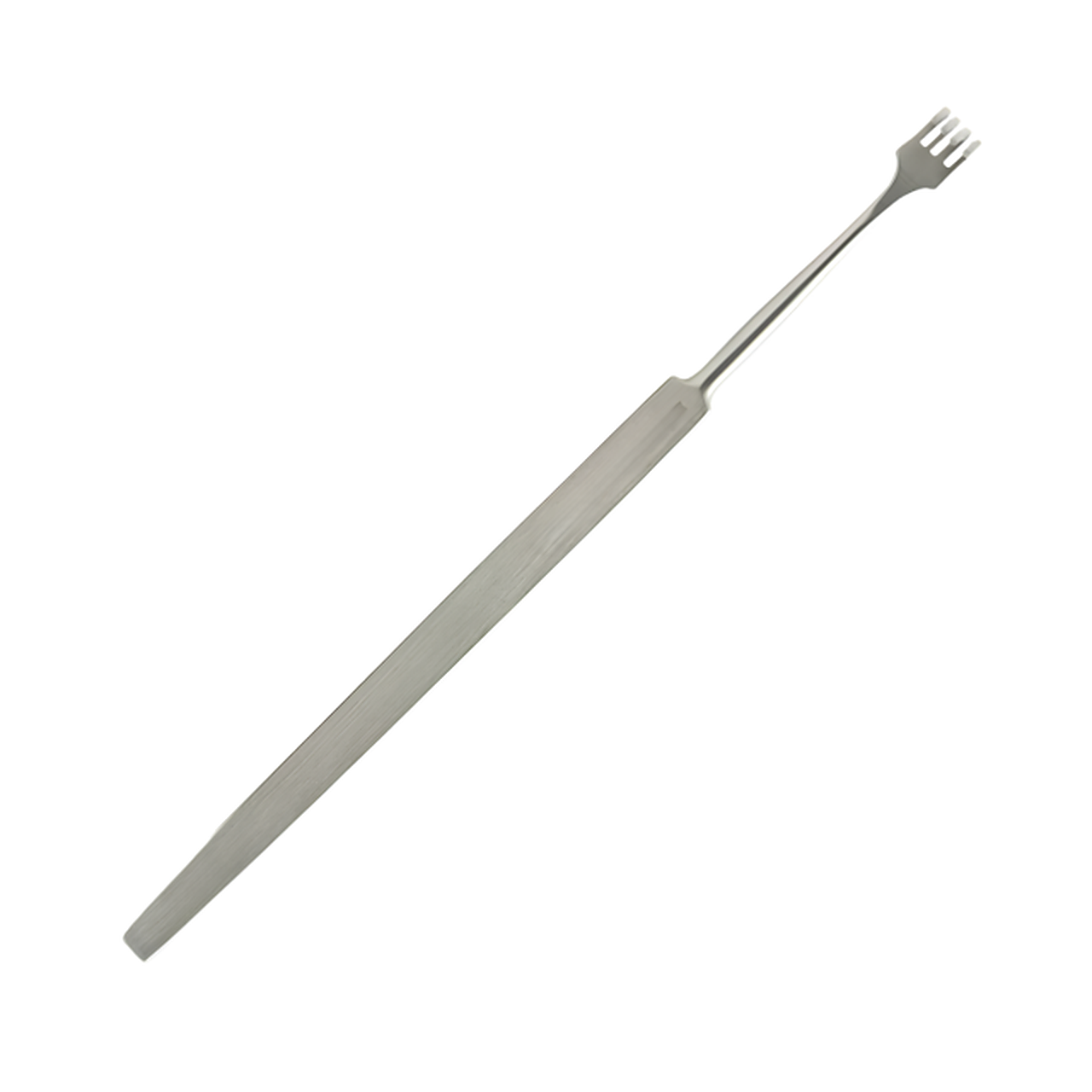 | Cottle Nasal Retractor - 4 Blunt Prongs | Специально разработан для ретракции краев крыльев носа, колумеллы и слизистой оболочки преддверия при проведении ринопластики и септопластики. |
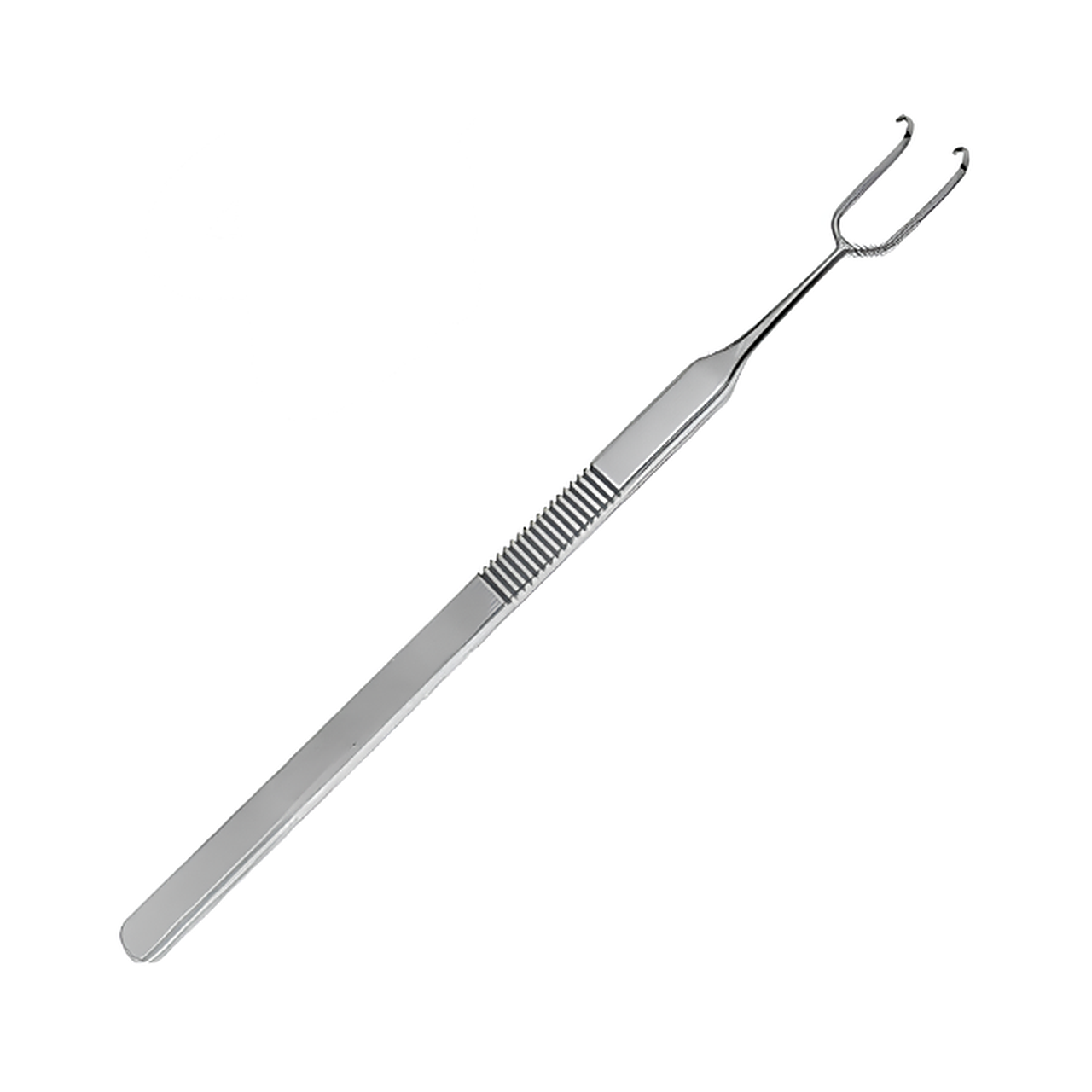 | Крючок-ретрактор Cottle Retractor Hook 2 Prong | Специально разработан для ретракции кожных лоскутов, слизистой оболочки и хрящей при ринопластике и пластических операциях на лице. |
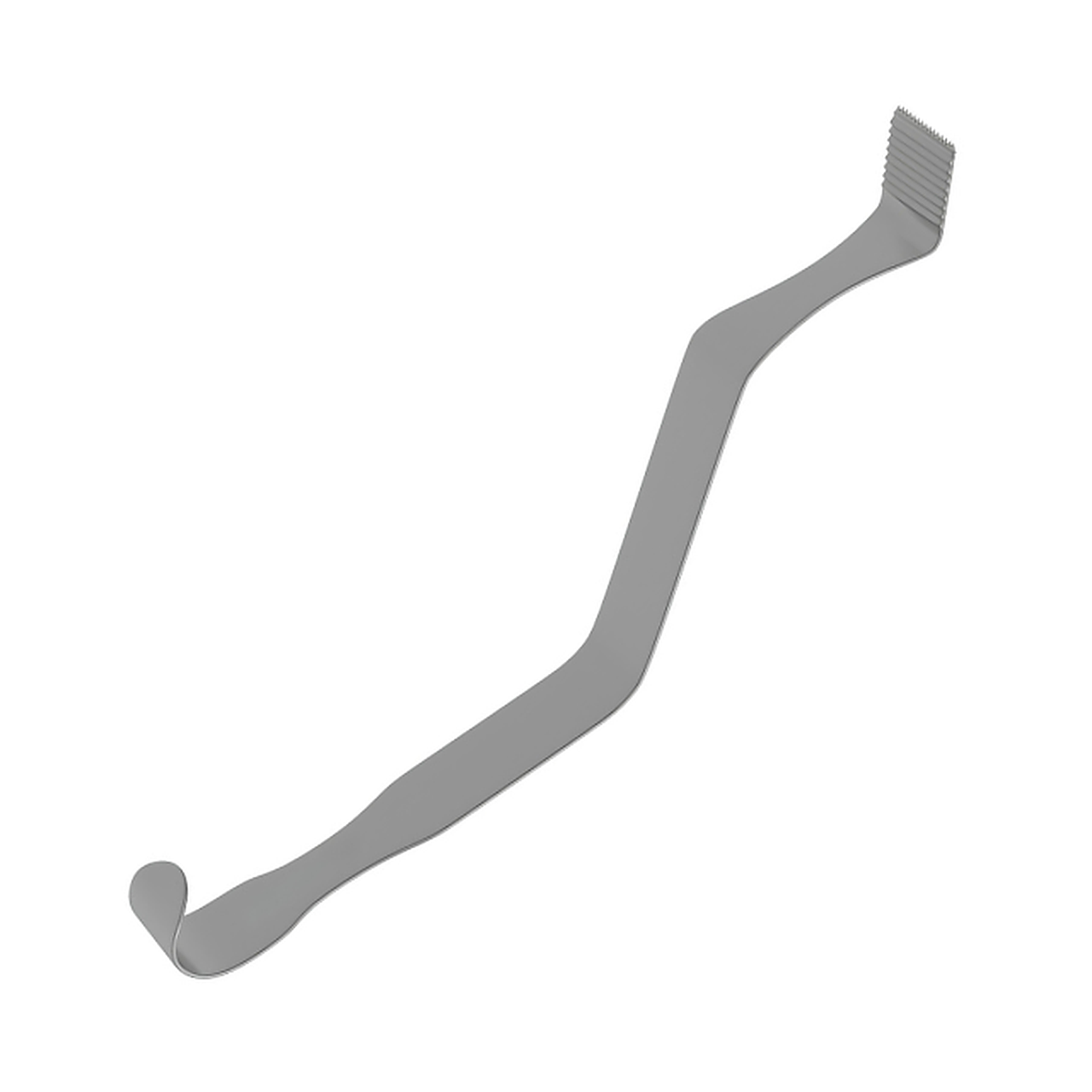 | Аортальный ретрактор Crawford | Специально разработан для отведения аорты, полой вены и крупных сосудов во время реконструктивных операций и хирургического лечения аневризм. |
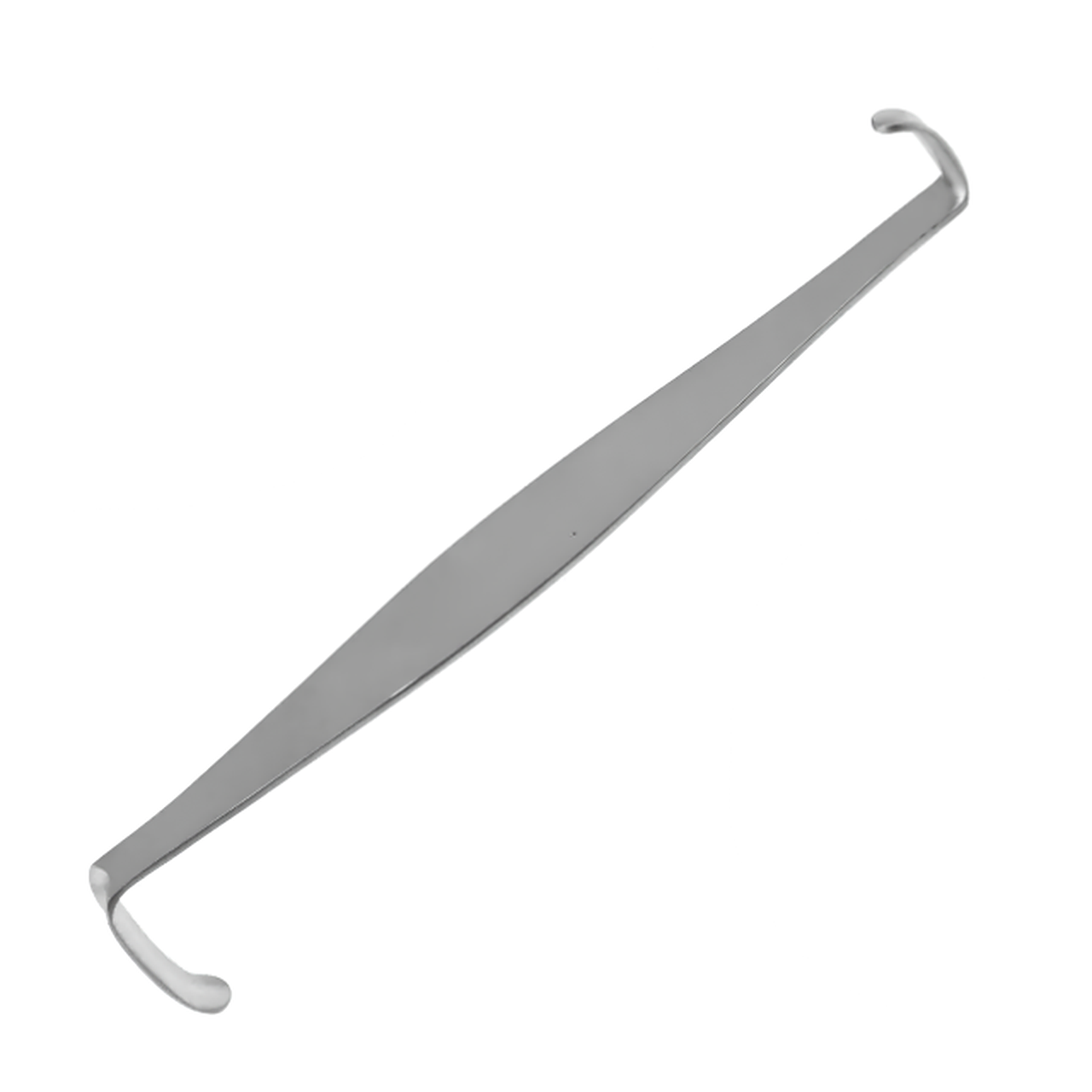 | Крючок Crile двухсторонний | Специально разработан для ретракции краев кожи, фасций и подкожных мягких тканей при малых хирургических и пластических операциях. |
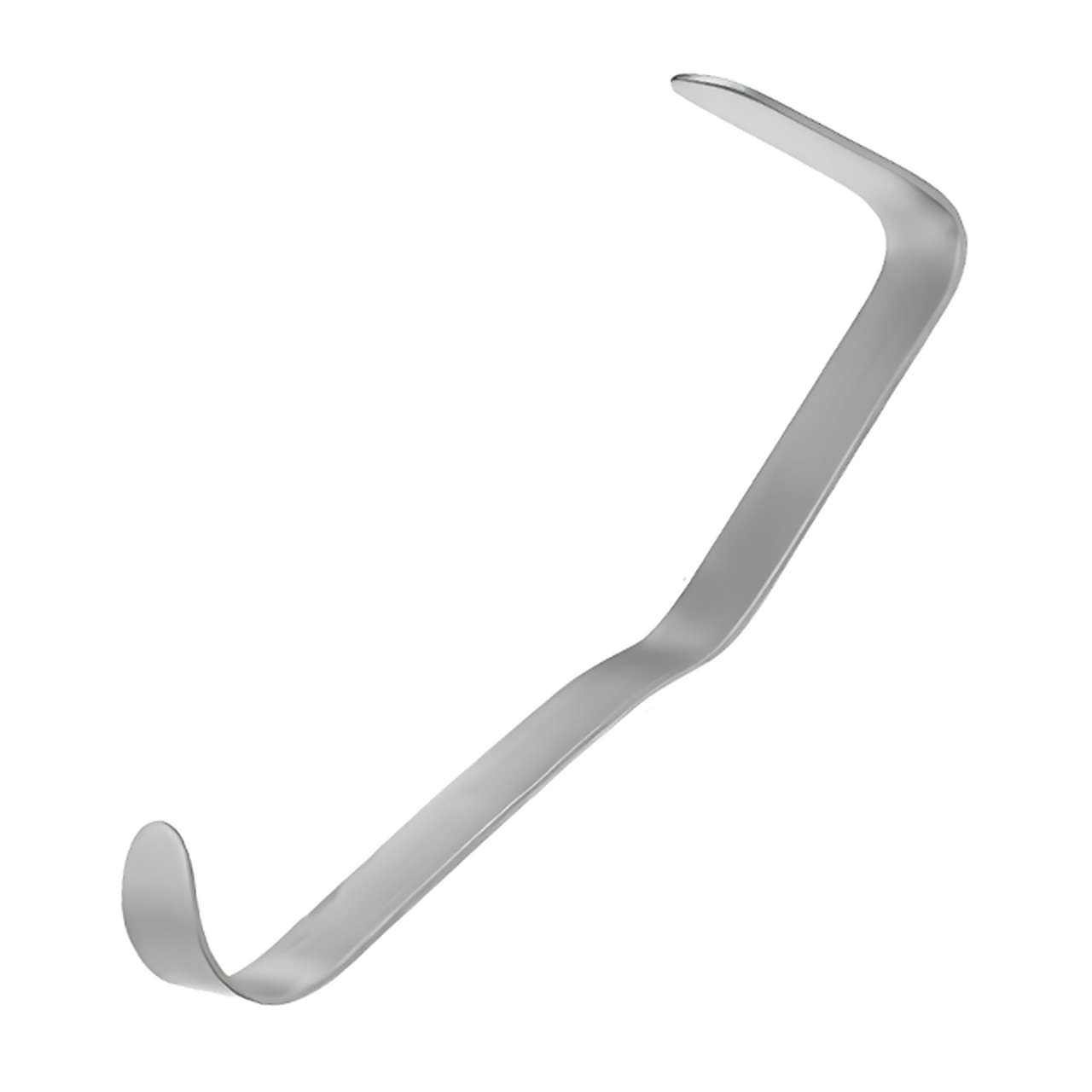 | Ротовой ретрактор Cronin | Специально разработан для ретракции щек, губ и слизистой оболочки полости рта при челюстно-лицевых операциях и коррекции расщелины неба. |
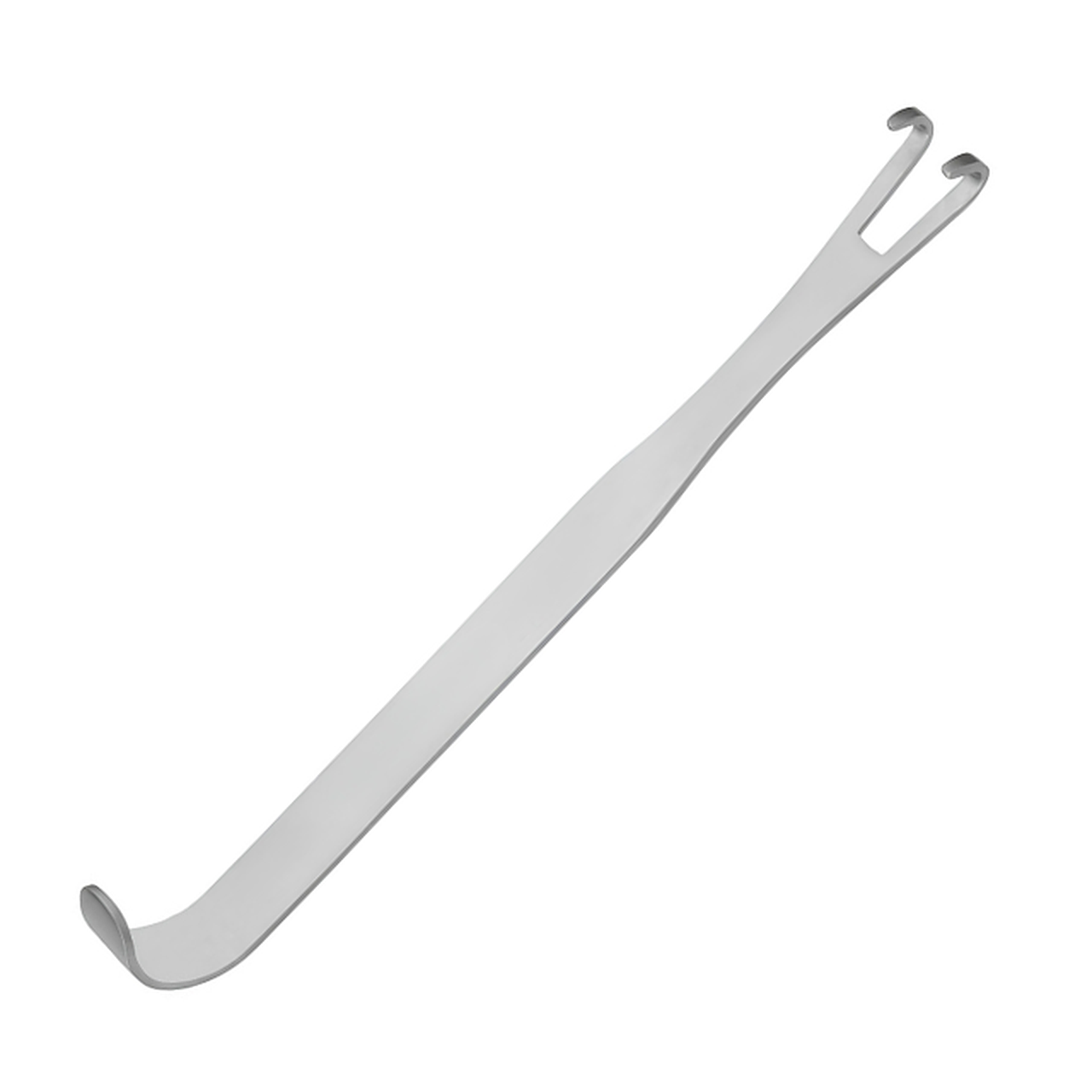 | Ретрактор Cronin для губы и ноздри | Специально разработан для ретракции ноздрей и подъема верхней губы во время коррекции расщелины губы и ринопластики. |
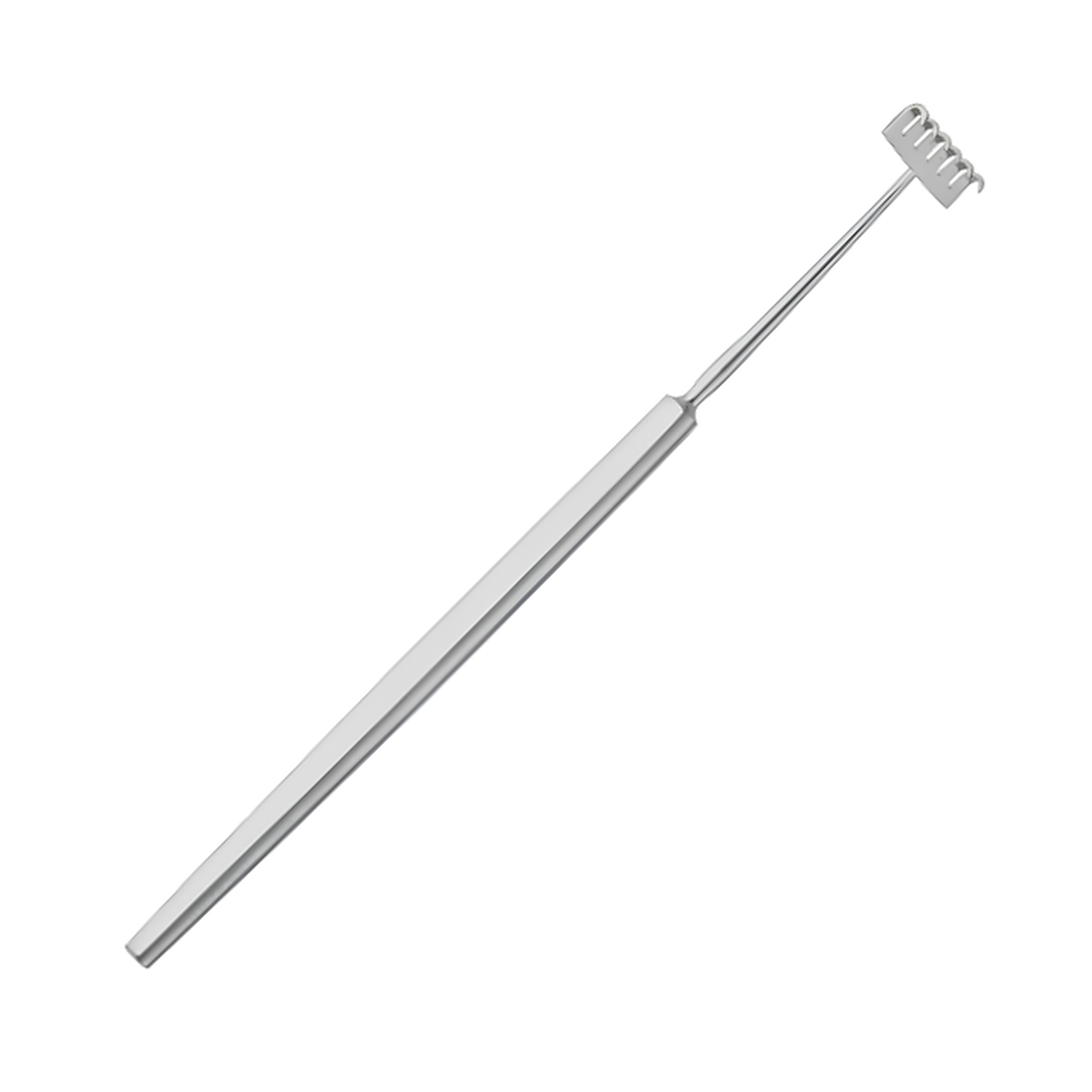 | Ранорасширитель Curtin Skin and Tissue Retractor | Специально разработан для элевации кожных лоскутов, тракции кожи и ретракции мягких подкожных тканей в пластической хирургии. |
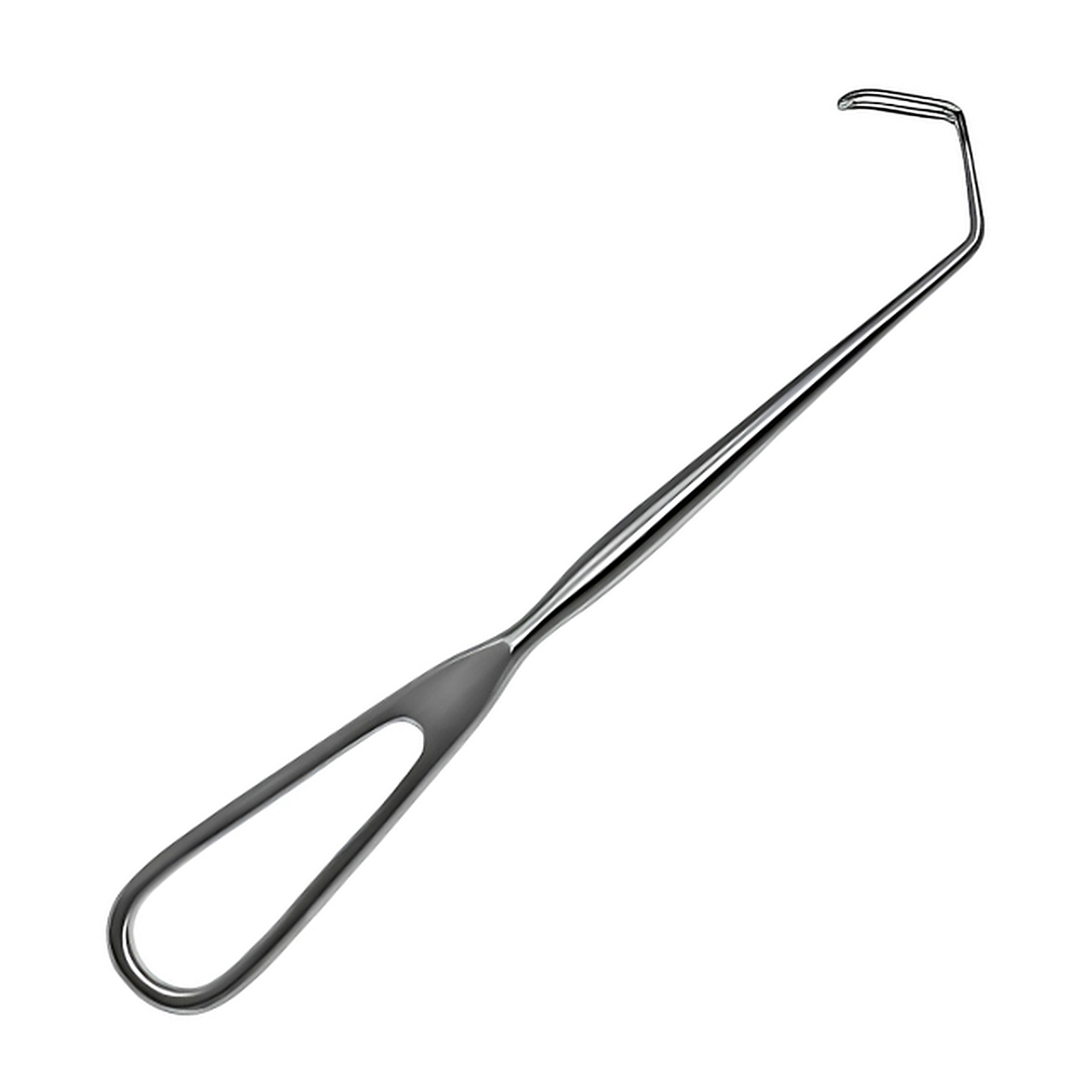 | Нейрохирургический ретрактор Cushing Decompression Retractor | Специально разработан для ретракции нервных корешков, текального мешка и твердой мозговой оболочки при сохранении максимальной видимости во время декомпрессии черепа и позвоночника. |
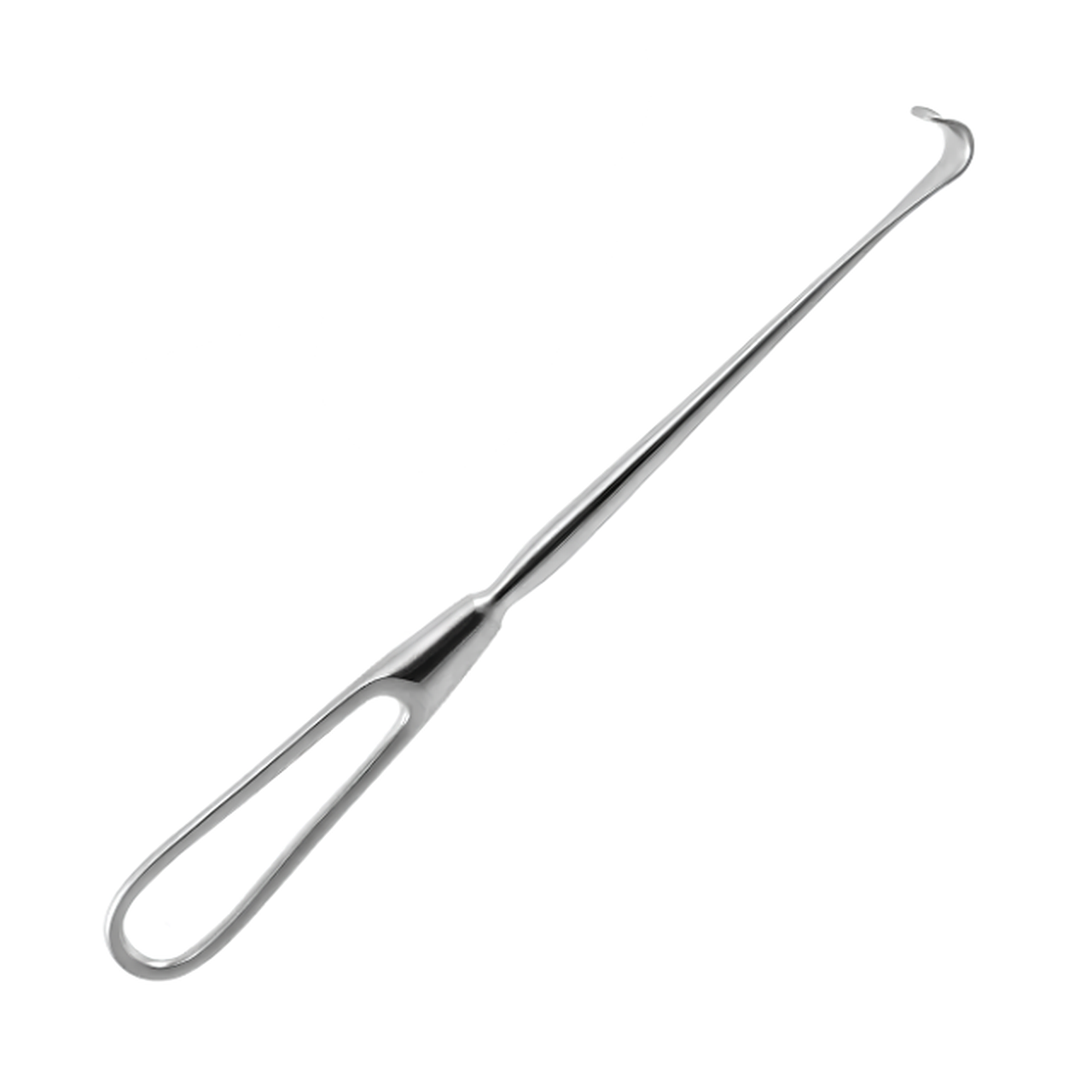 | Венозный ретрактор Cushing | Специально разработан для мобилизации, изоляции и отведения вен, артерий и нервных стволов в ходе сосудистых, спинальных и общих хирургических вмешательств. |
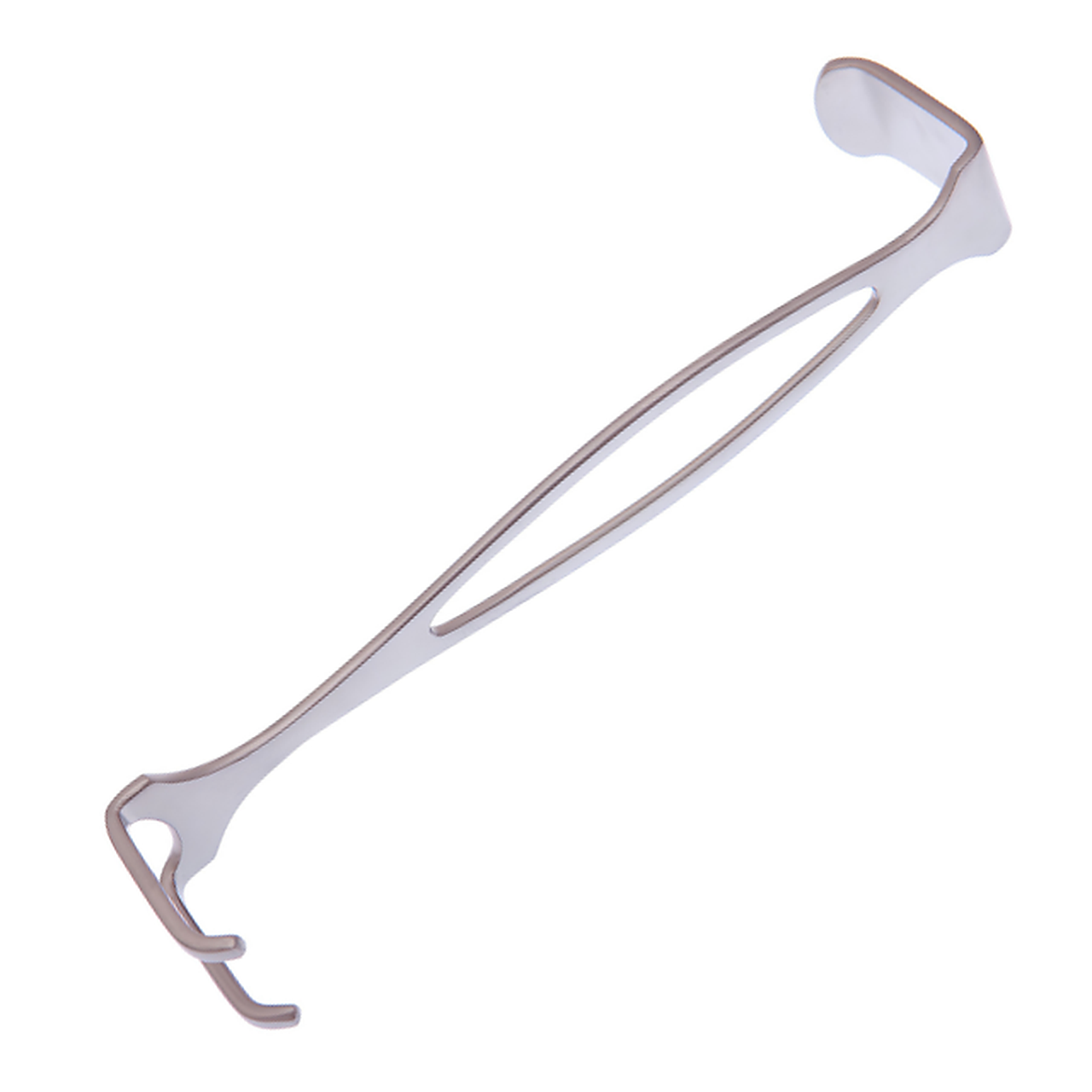 | Ранорасширитель Czerny двухсторонний | Специально разработан для ретракции кожи, фасций и мускулатуры брюшной стенки во время лапаротомии и процедур на органах малого таза. |
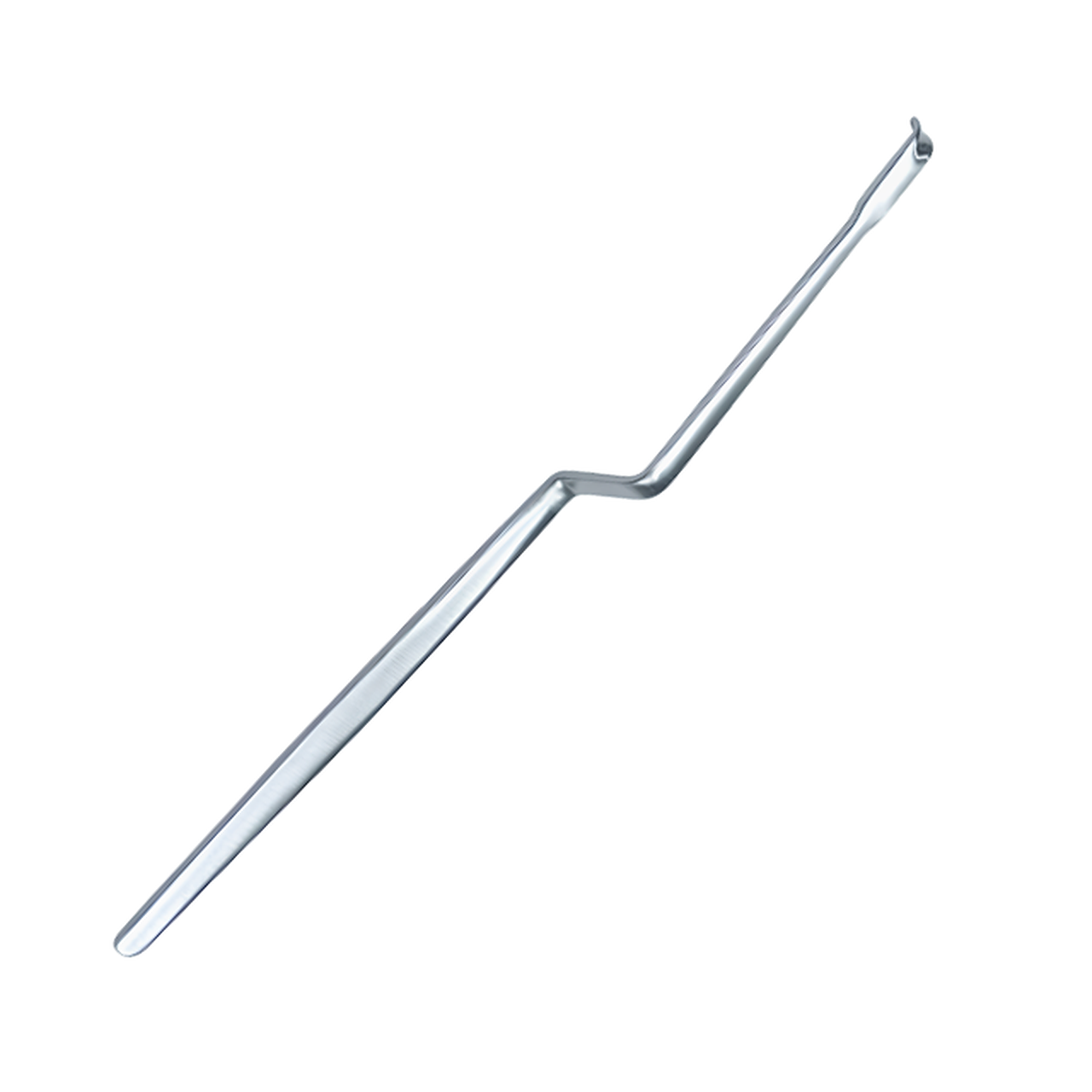 | Нервный ретрактор D'Errico | Специально разработан для мобилизации, удержания и защиты спинномозговых нервов и дурального мешка в ходе микрохирургической поясничной дискэктомии. |
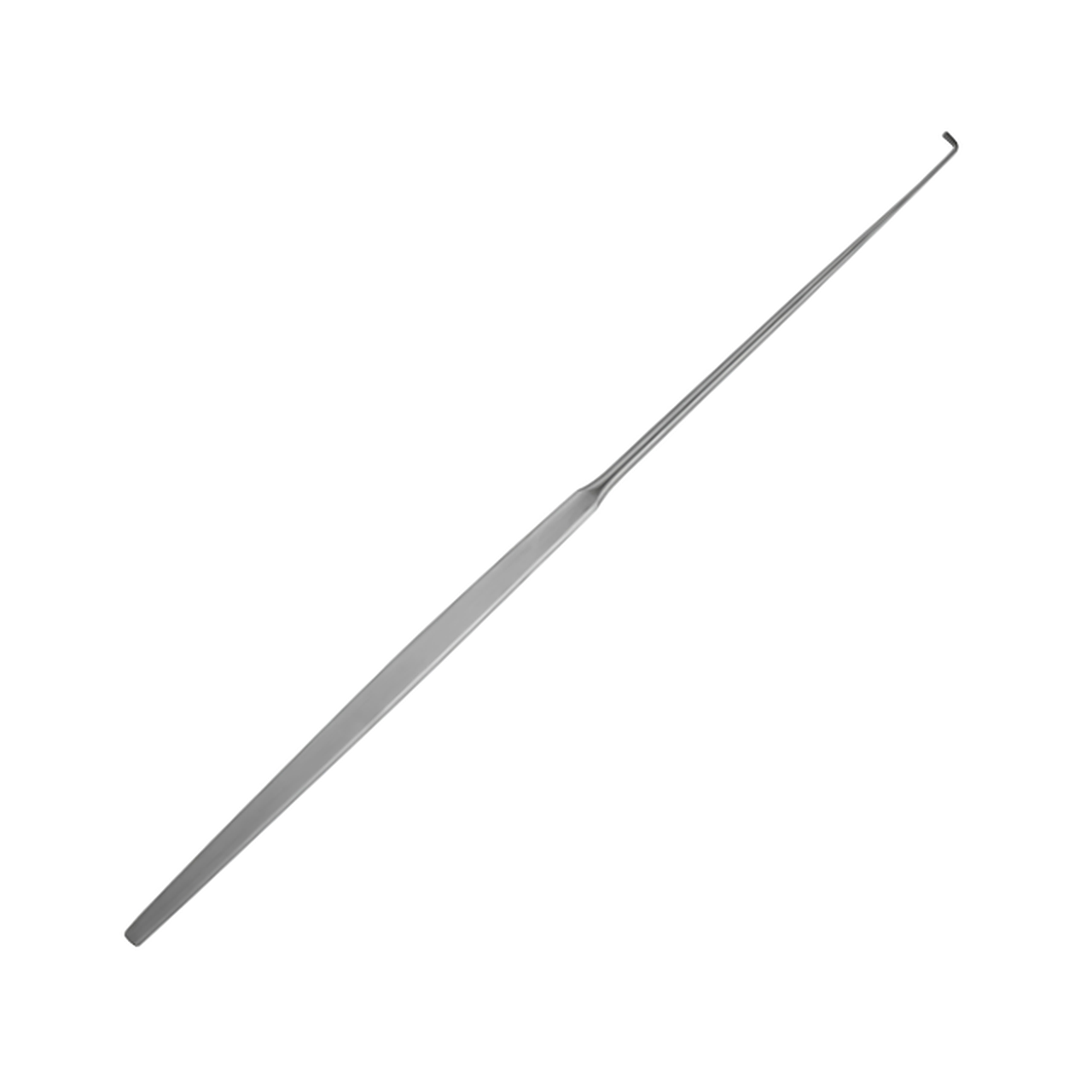 | Нервный ретрактор Dandy | Специально разработан для манипуляций, ревизии и ретракции черепных нервов и сосудистых пучков в ходе микронейрохирургических операций. |
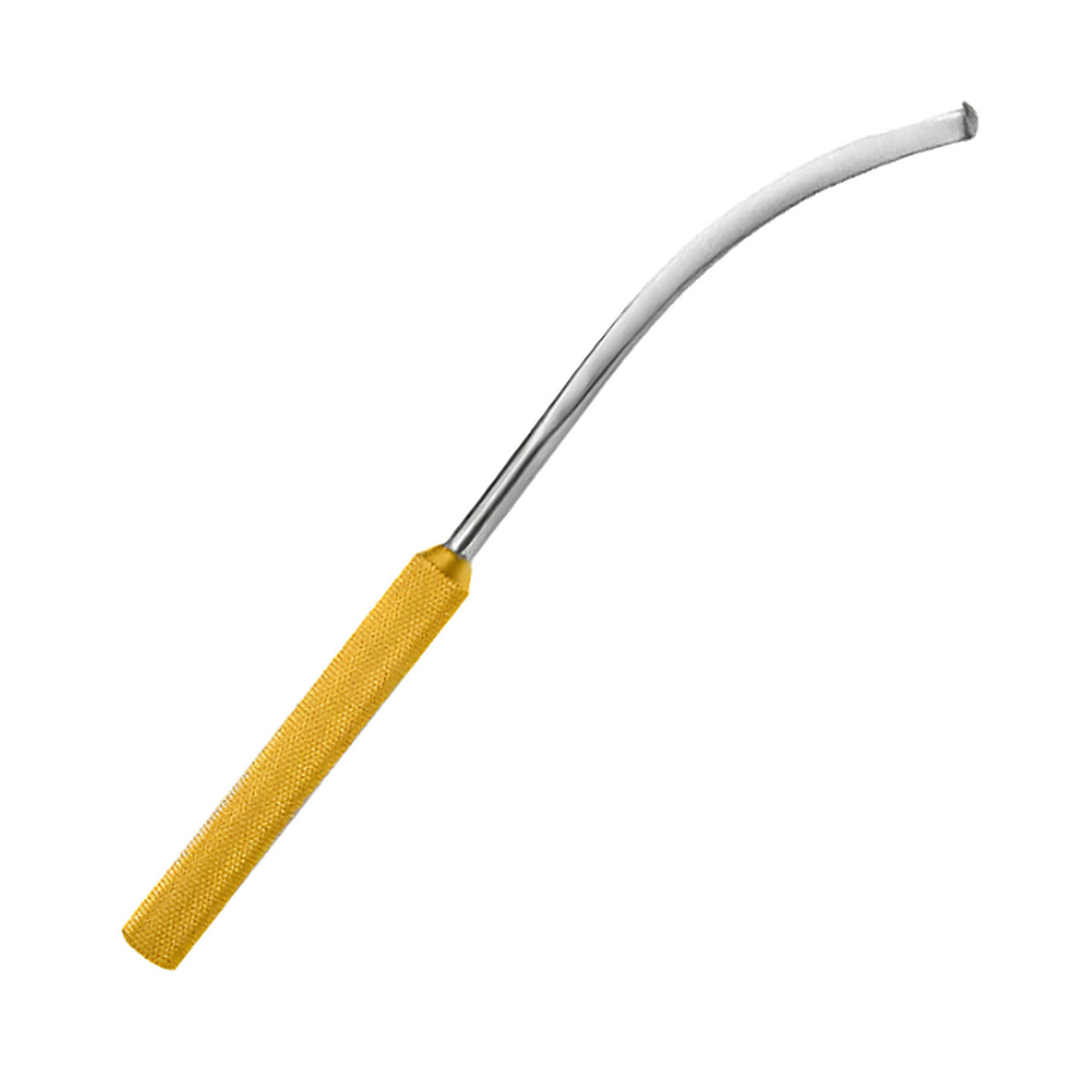 | Эндоскопический ретрактор Daniel для нервов лба | Специально разработан для ретракции мягких тканей и защиты сосудисто-нервных пучков во время эндоскопического лифтинга лба и бровей. |
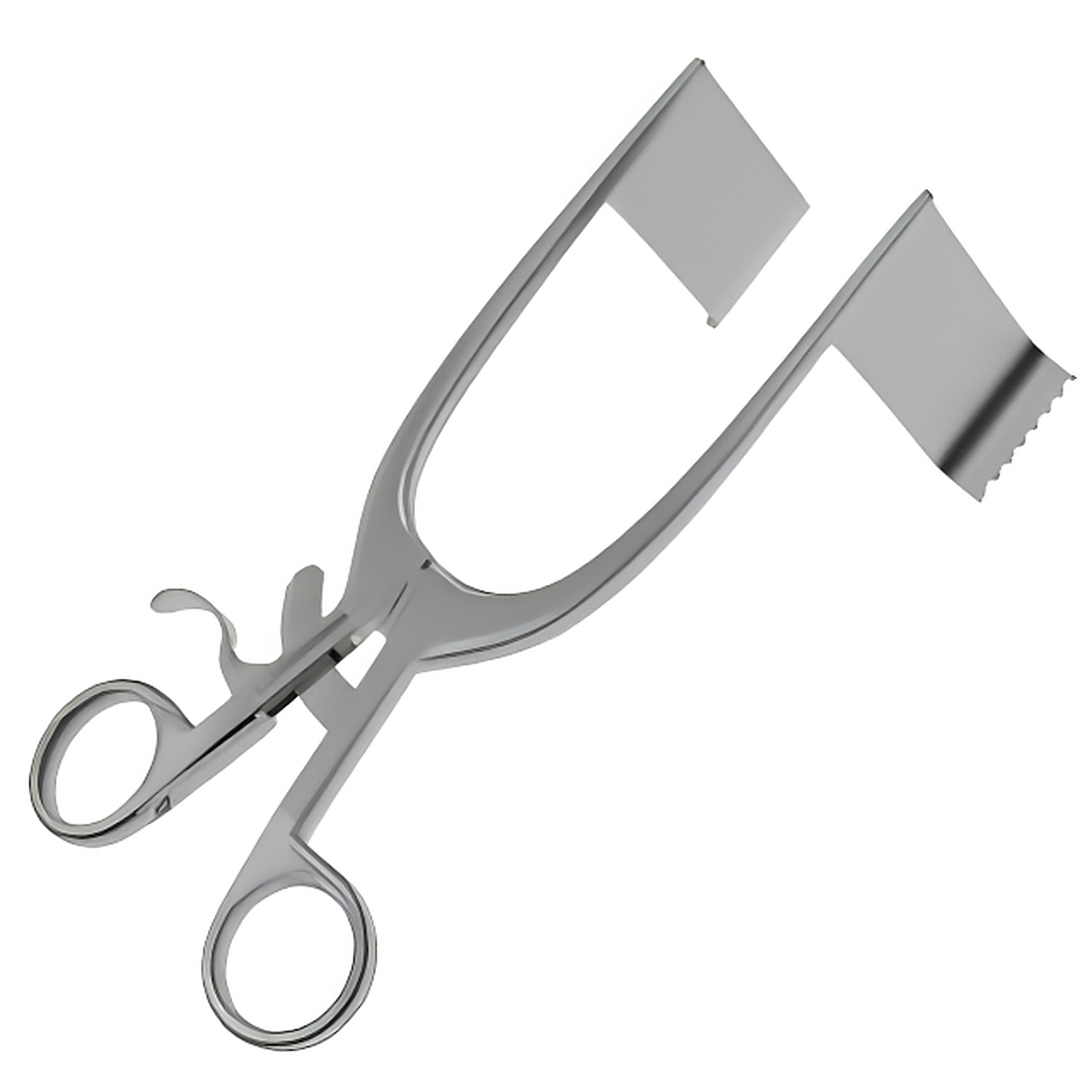 | Ранорасширитель подколенный Darling Popliteal Self-Retaining Retractor | Специально разработан для самодержащейся ретракции мягких тканей и мышц в подколенной области при проведении сосудистых операций. |
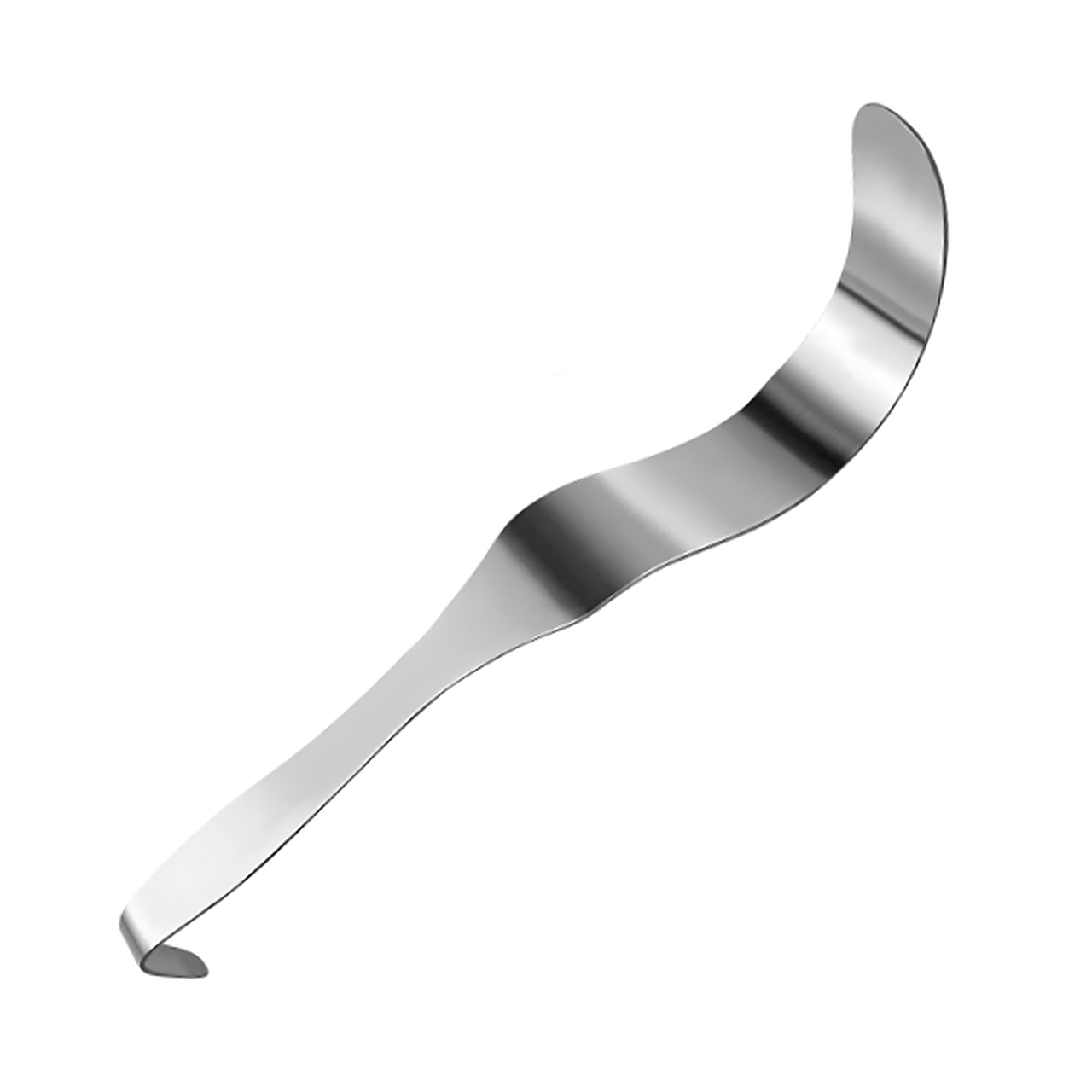 | Ранорасширитель Deaver Retractor | Специально разработан для ретракции глубоко залегающих внутренних органов, мышц брюшной стенки и тканей таза во время открытых операций. |
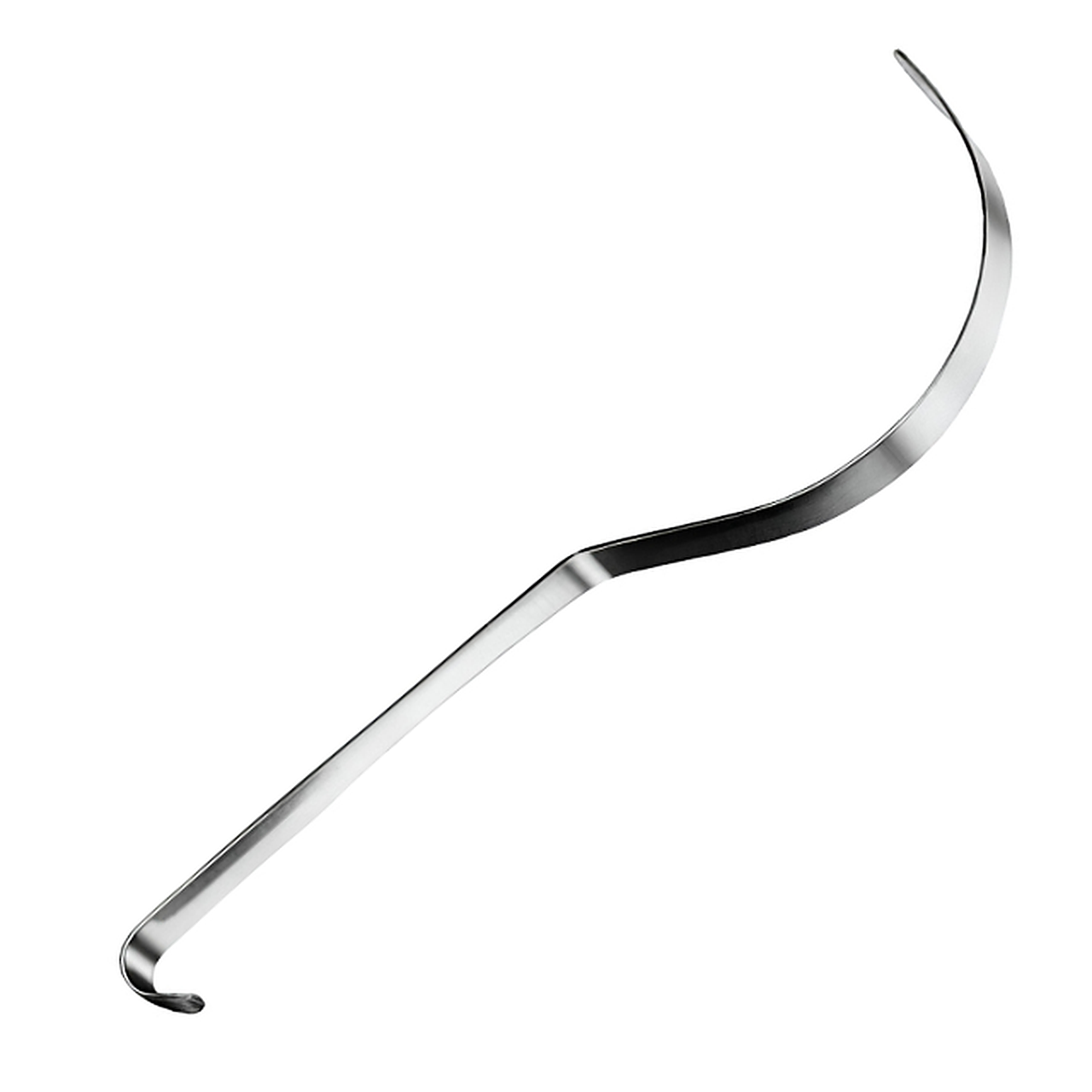 | Ретрактор Deaver с тонкой рукояткой | Специально разработан для ретракции глубоких мягких тканей, внутренних органов и мышц при снижении нагрузки на руки хирурга благодаря облегченной рукоятке. |
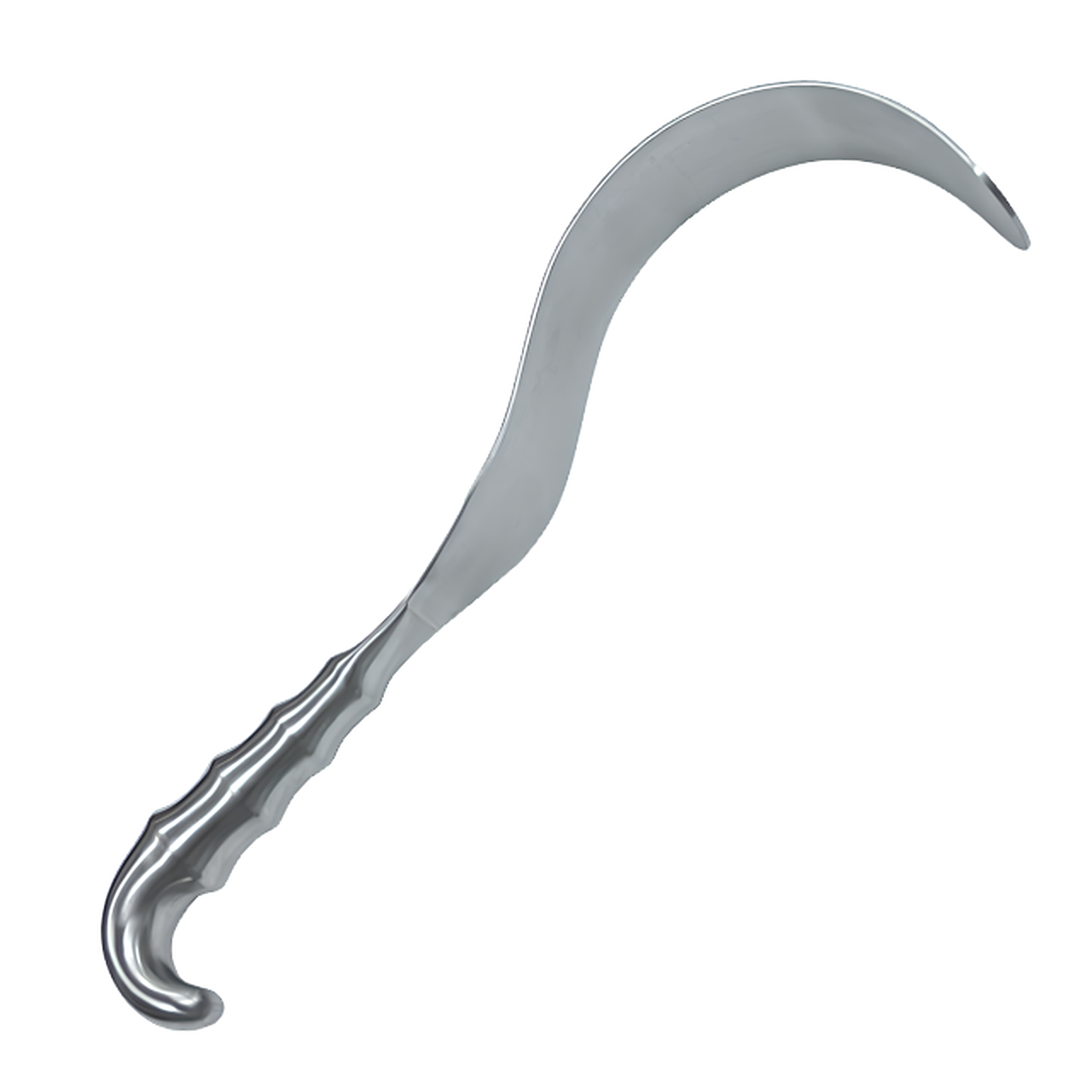 | Ретро-ретракторы Deaver с полой эргономичной рукояткой | Специально разработан для ретракции внутренних органов и мышечных слоев во время глубоких абдоминальных, тазовых и торакальных операций при минимальной утомляемости рук. |
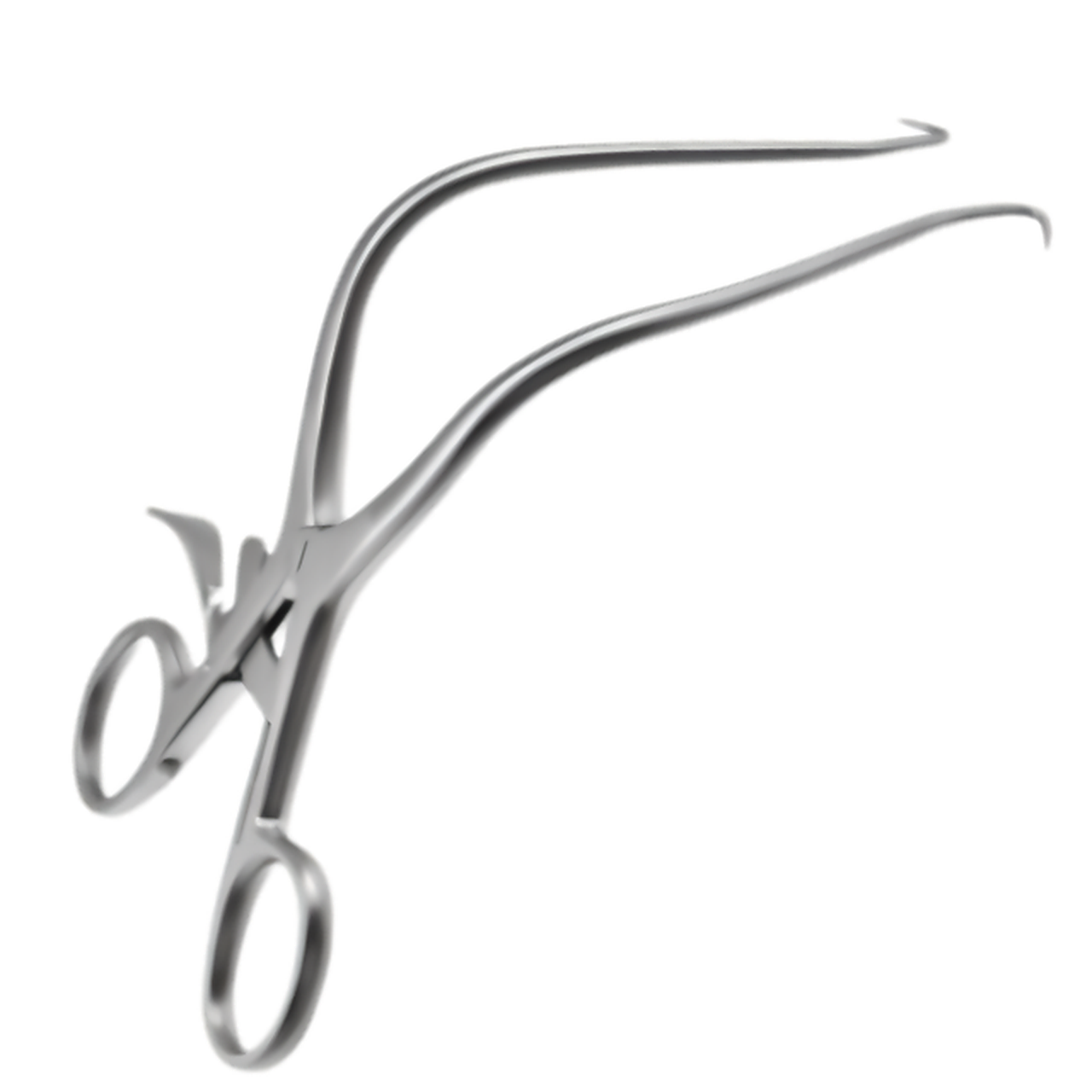 | Ранорасширитель DeBakey Retractor | Специально разработан для ретракции краев кожи, фасций и сосудистых мягких тканей в ходе хирургических вмешательств. |
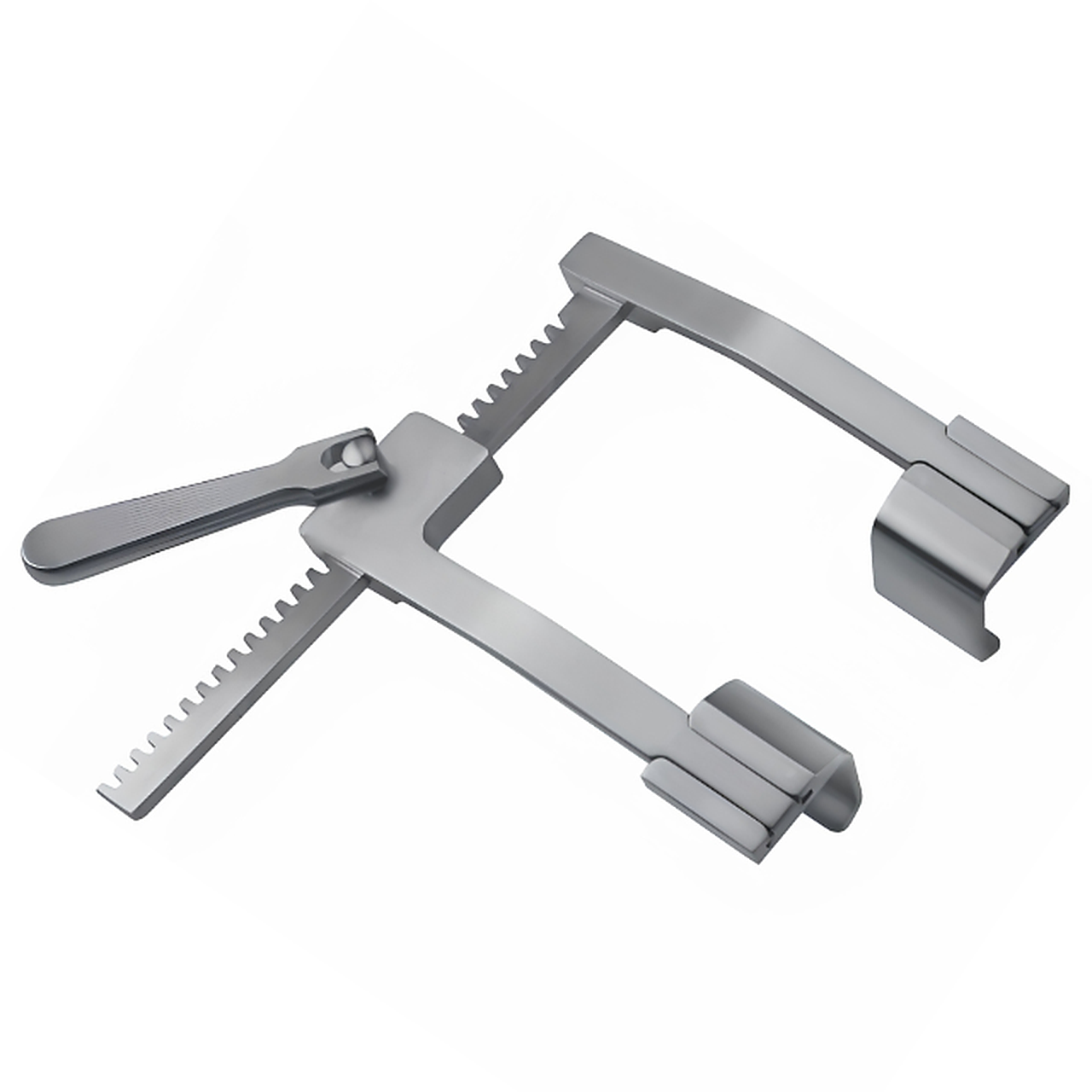 | Ранорасширитель реберный DeBakey Rib Spreader | Специально разработан для разведения смежных ребер и расширения межреберного пространства во время кардиохирургических и торакальных операций. |
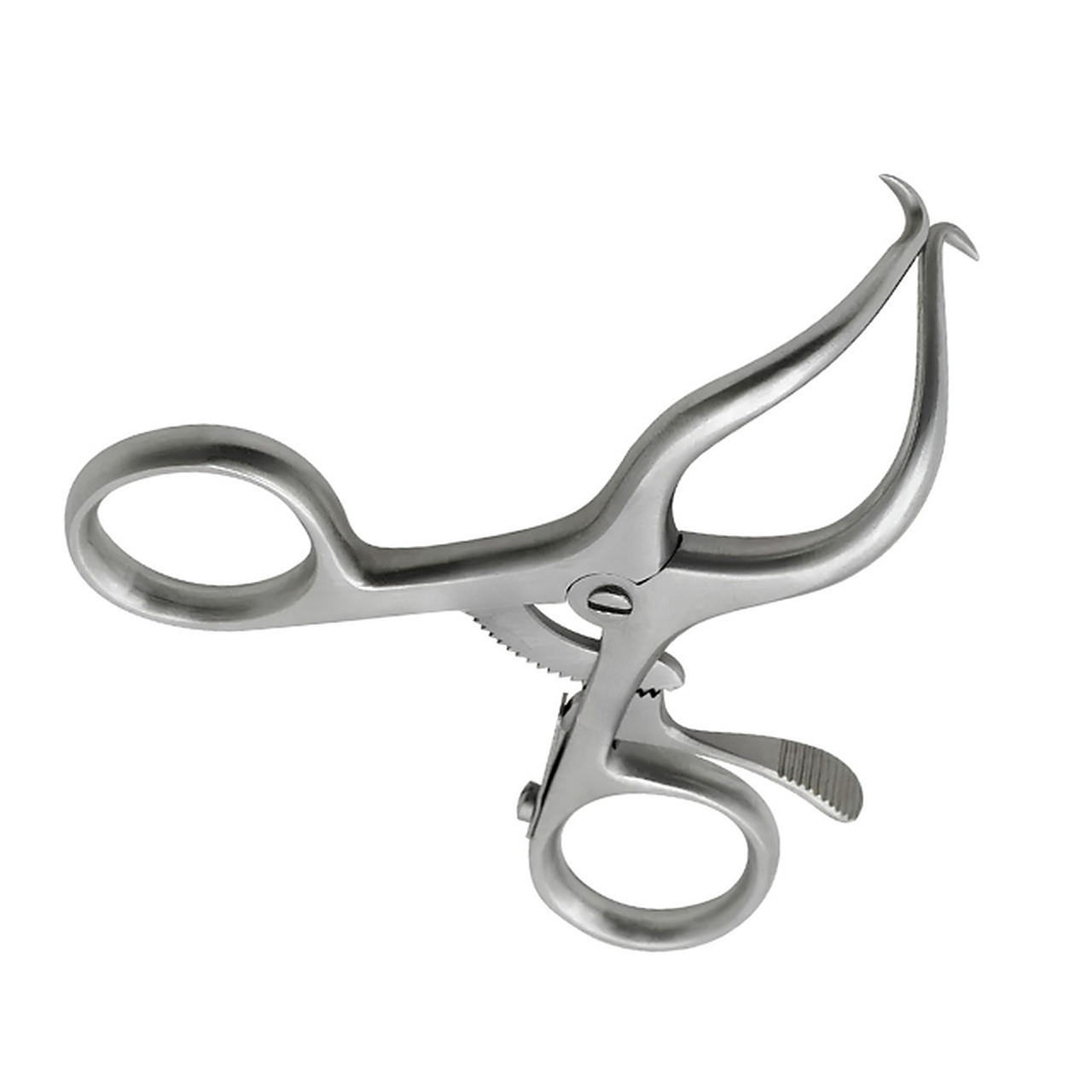 | Ранорасширитель Deep Gelpi Retractor | Специально разработан для обеспечения самодержащейся ретракции мягких тканей и мышц во время спинальных, ортопедических и нейрохирургических процедур. |
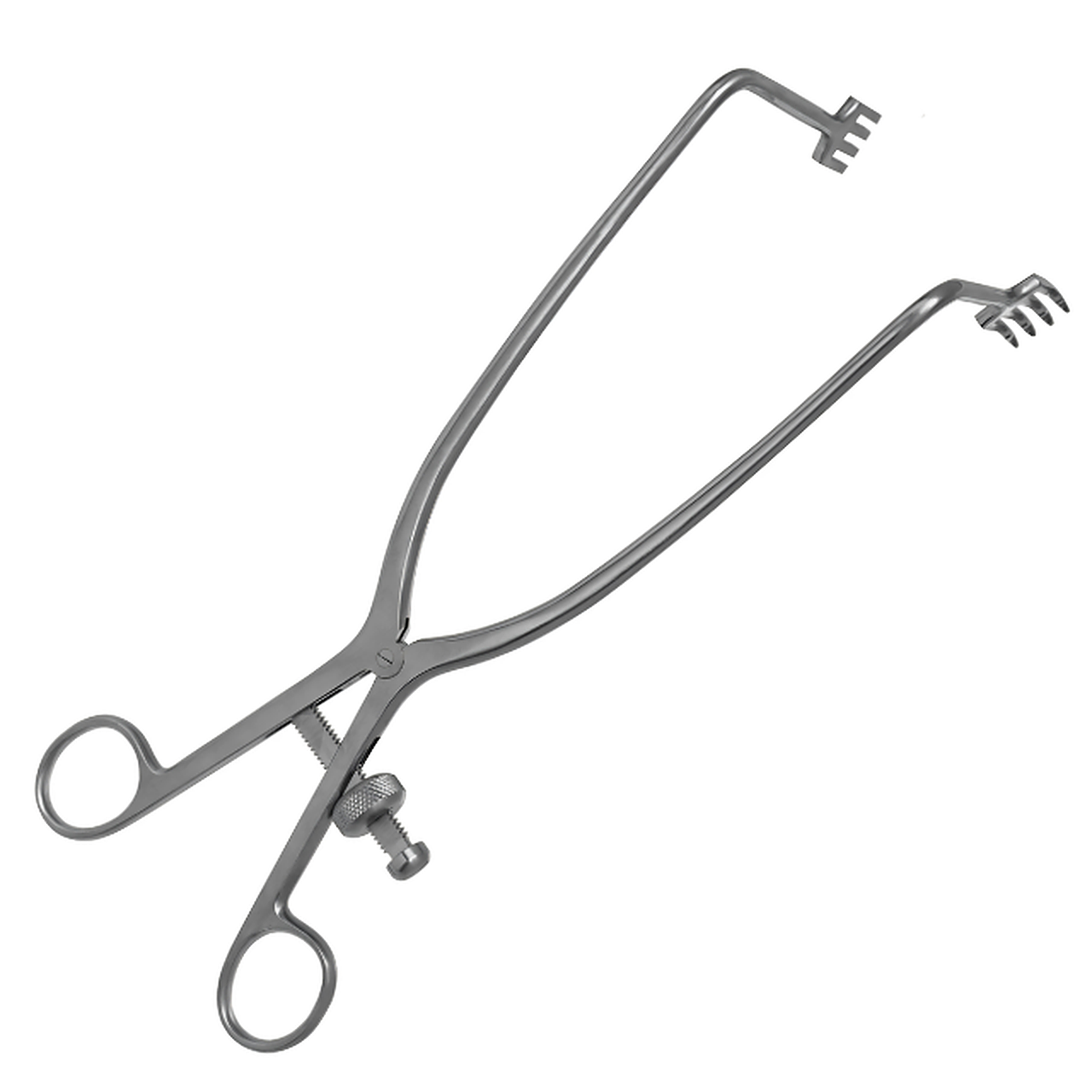 | Ранорасширитель Deep Gelpi самодержащий | Специально разработан для самодержащего разведения мышц и тканей в глубоких хирургических ранах при проведении спинальных и ортопедических процедур. |
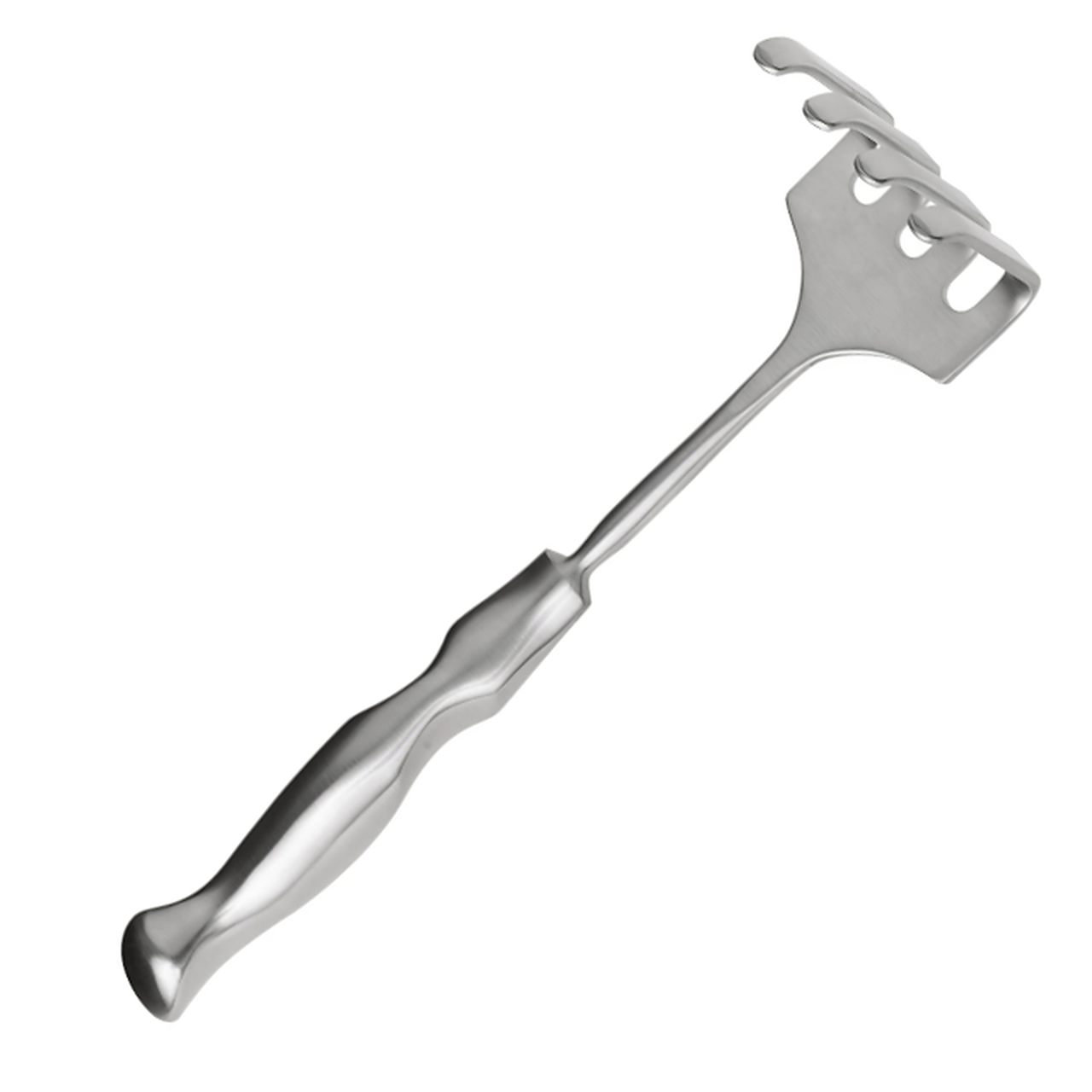 | Ретрактор Deep Rake | Специально разработан для ретракции крупных мышц, фасций и глубоких мягких тканей во время открытых абдоминальных, тазовых и ортопедических операций. |
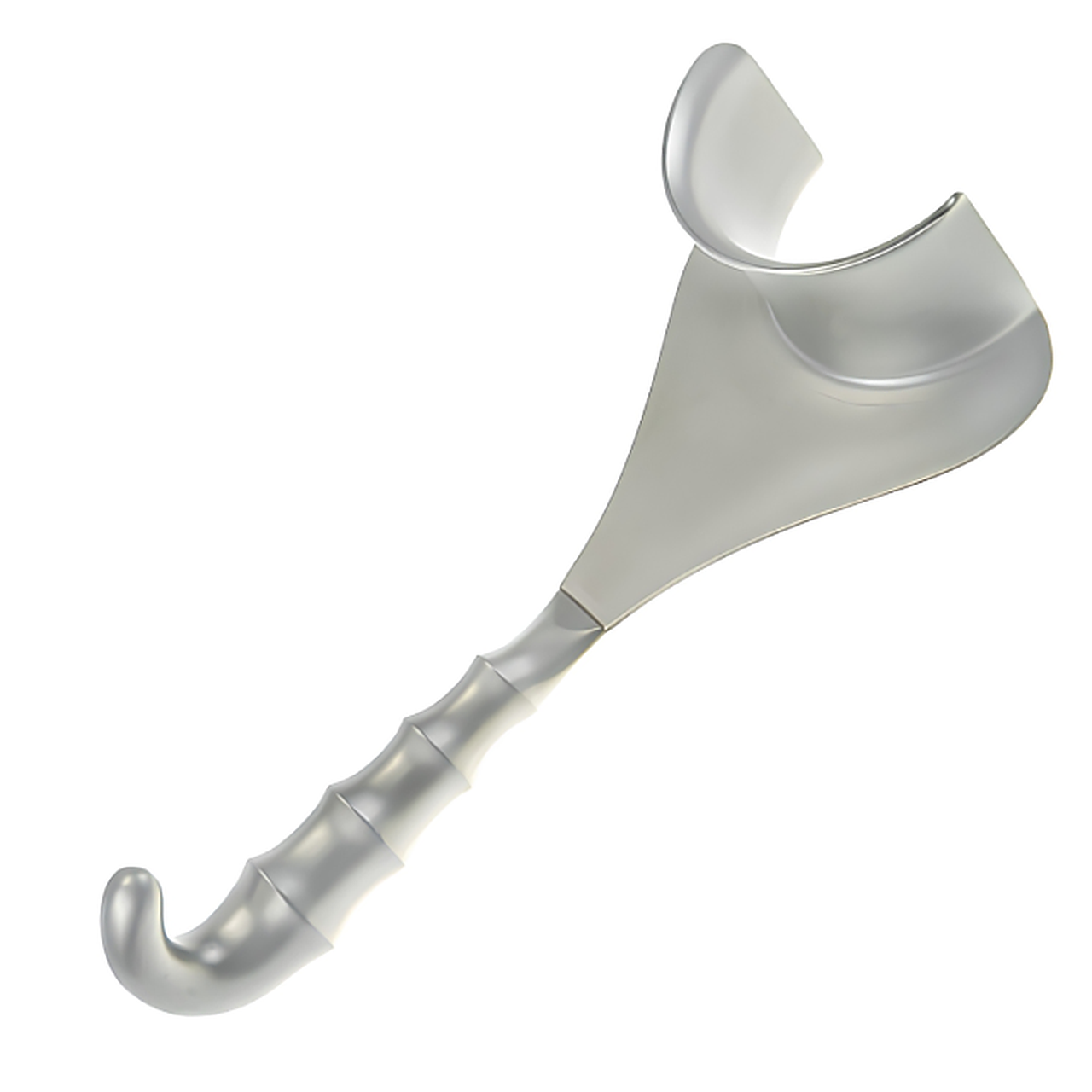 | Зеркало Delee Universal Retractor | Специально разработан для ретракции и защиты мочевого пузыря и брюшной стенки во время кесарева сечения и гинекологических операций. |
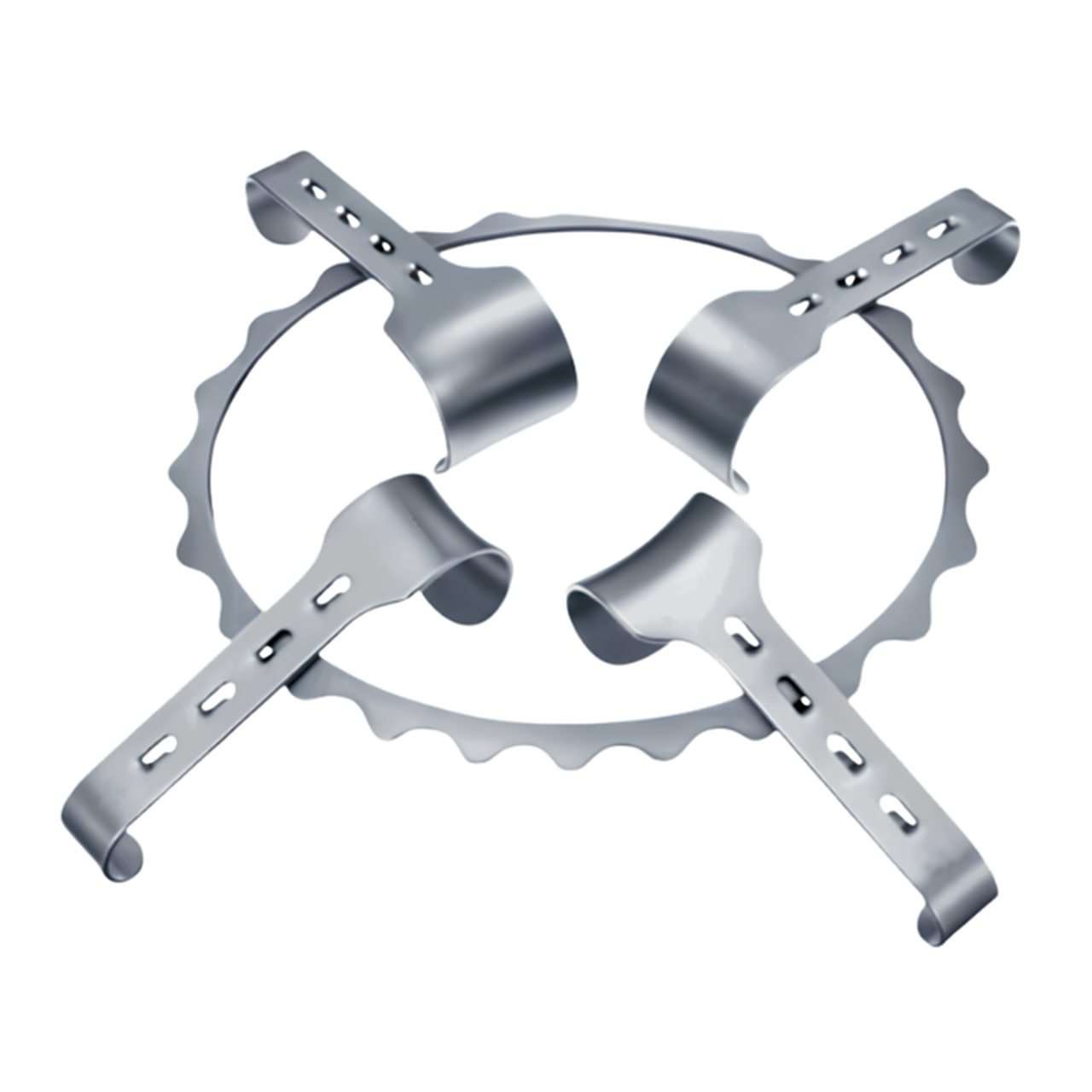 | Ранорасширитель Denis-Browne Retractor | Специально разработан для обеспечения 360-градусной самоудерживающейся ретракции краев раны и внутренних органов при абдоминальных и тазовых операциях. |
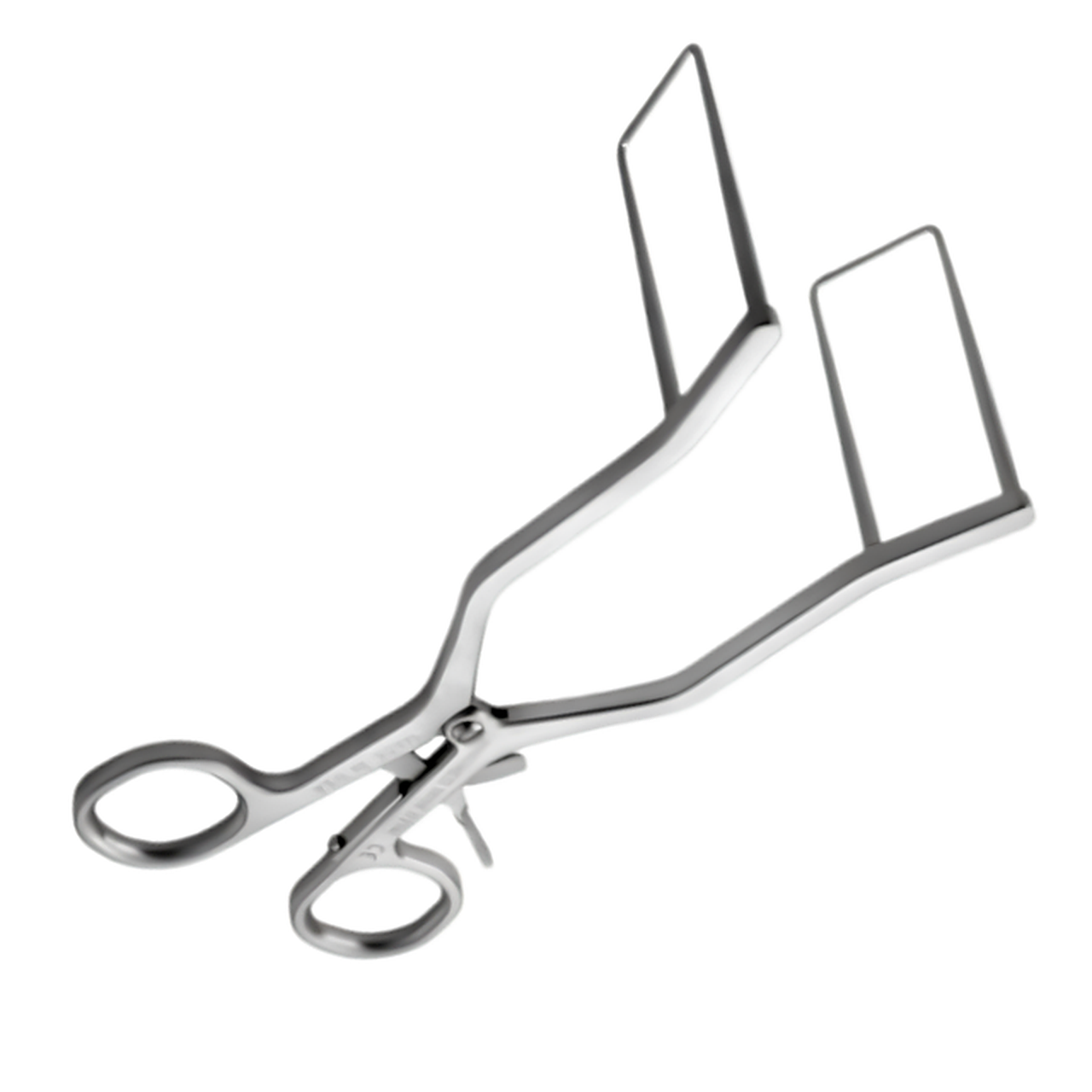 | Ранорасширитель Desai Self Retaining Retractor | Специально разработан для самодержавной ретракции краев раны с обеспечением прямой видимости и доступа через окно при абдоминальных и тазовых операциях. |
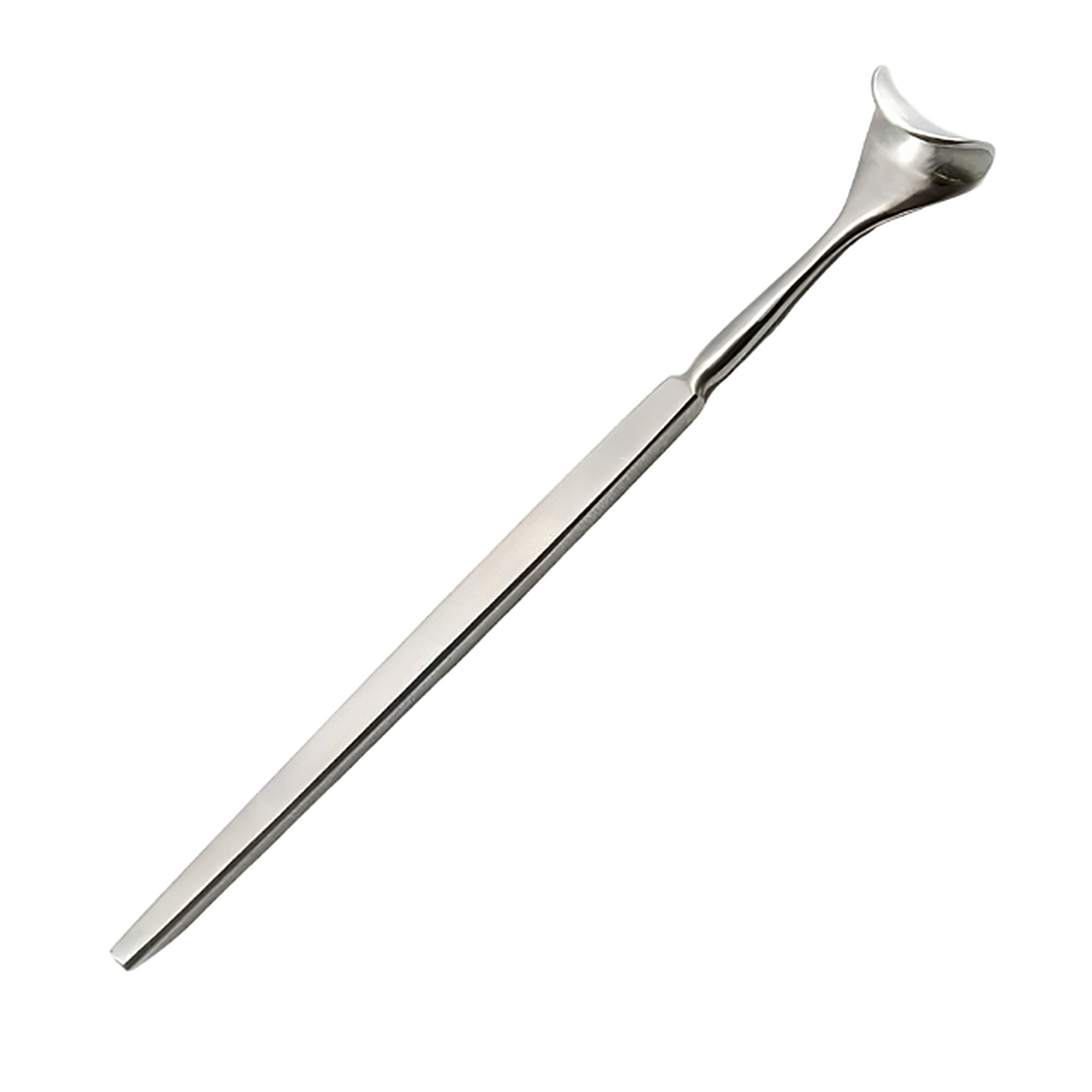 | Векоподъемник Desmarres EyeLid Retractor | Специально разработан для ретракции век, мобилизации тарзальных пластинок и защиты глазного яблока во время блефаропластики и офтальмологических операций. |
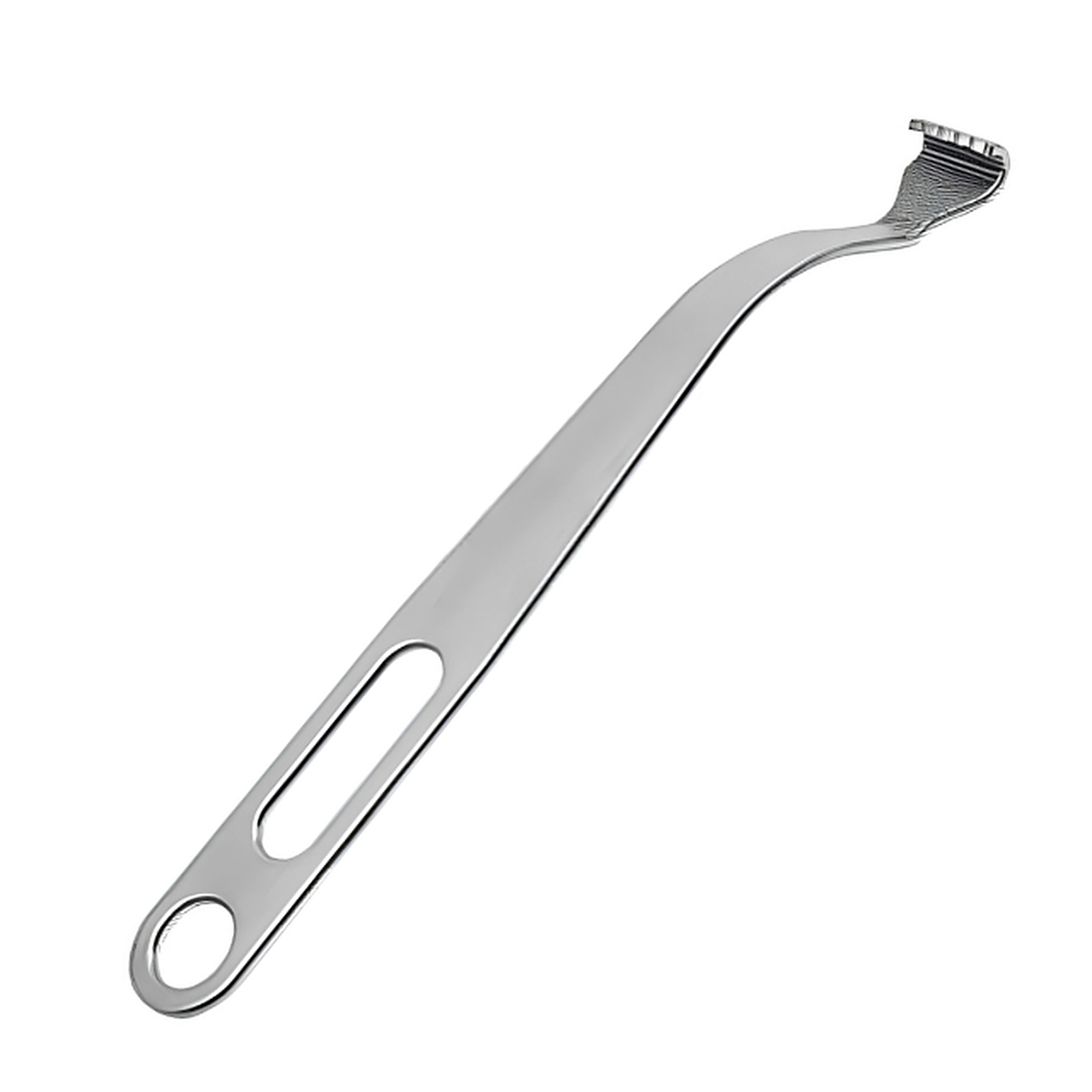 | Ретракторы головки плечевой кости Dingo Modified Humeral Head Retractors | Специально разработан для отведения головки плечевой кости и обеспечения доступа к суставной впадине лопатки во время артропластики и реконструктивных операций на плече. |
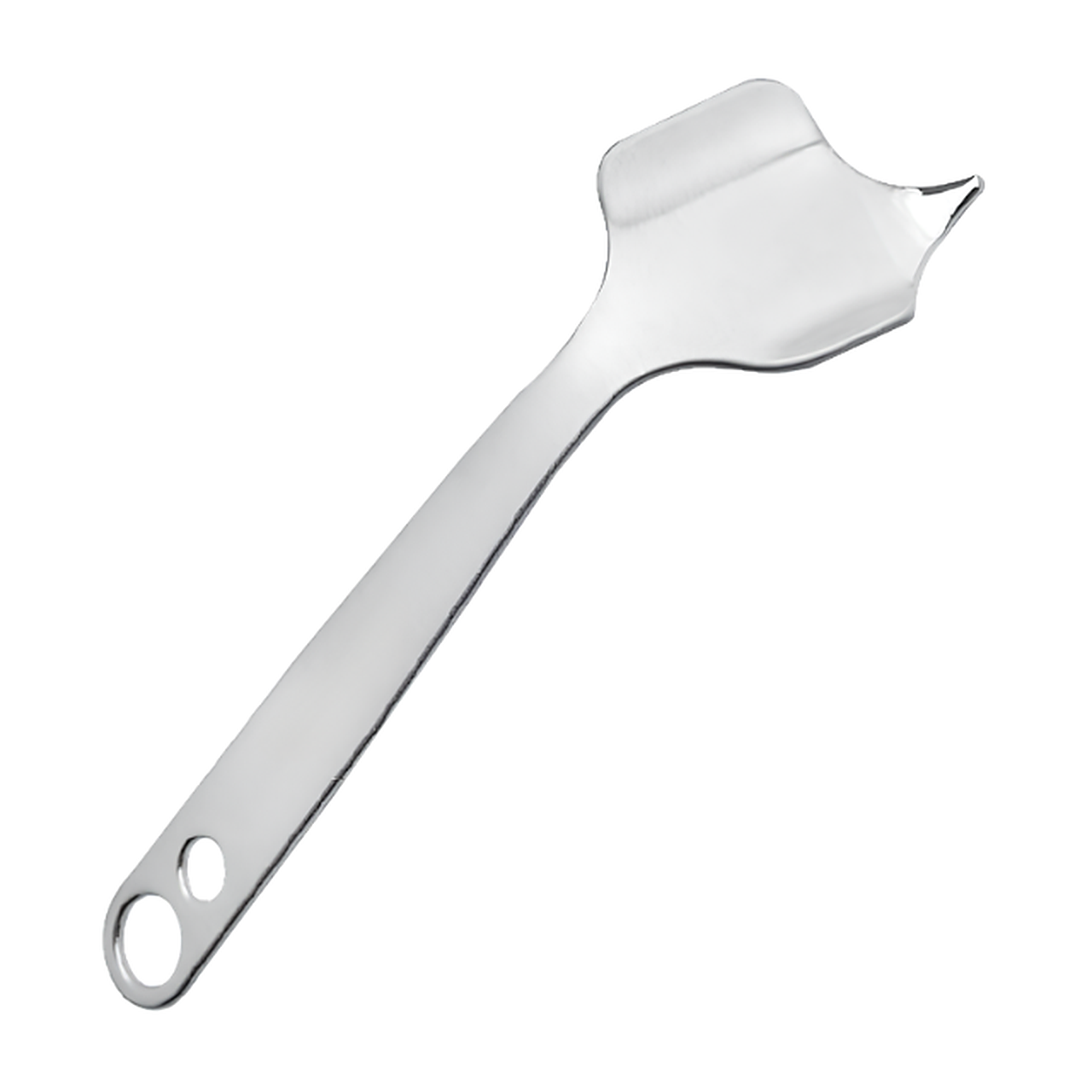 | Ретрактор Direct Access Anterior для расширения бедренного канала | Специально разработан для поднятия проксимального отдела бедренной кости и ретракции мягких тканей при расширении бедренного канала во время артропластики тазобедренного сустава передним доступом. |
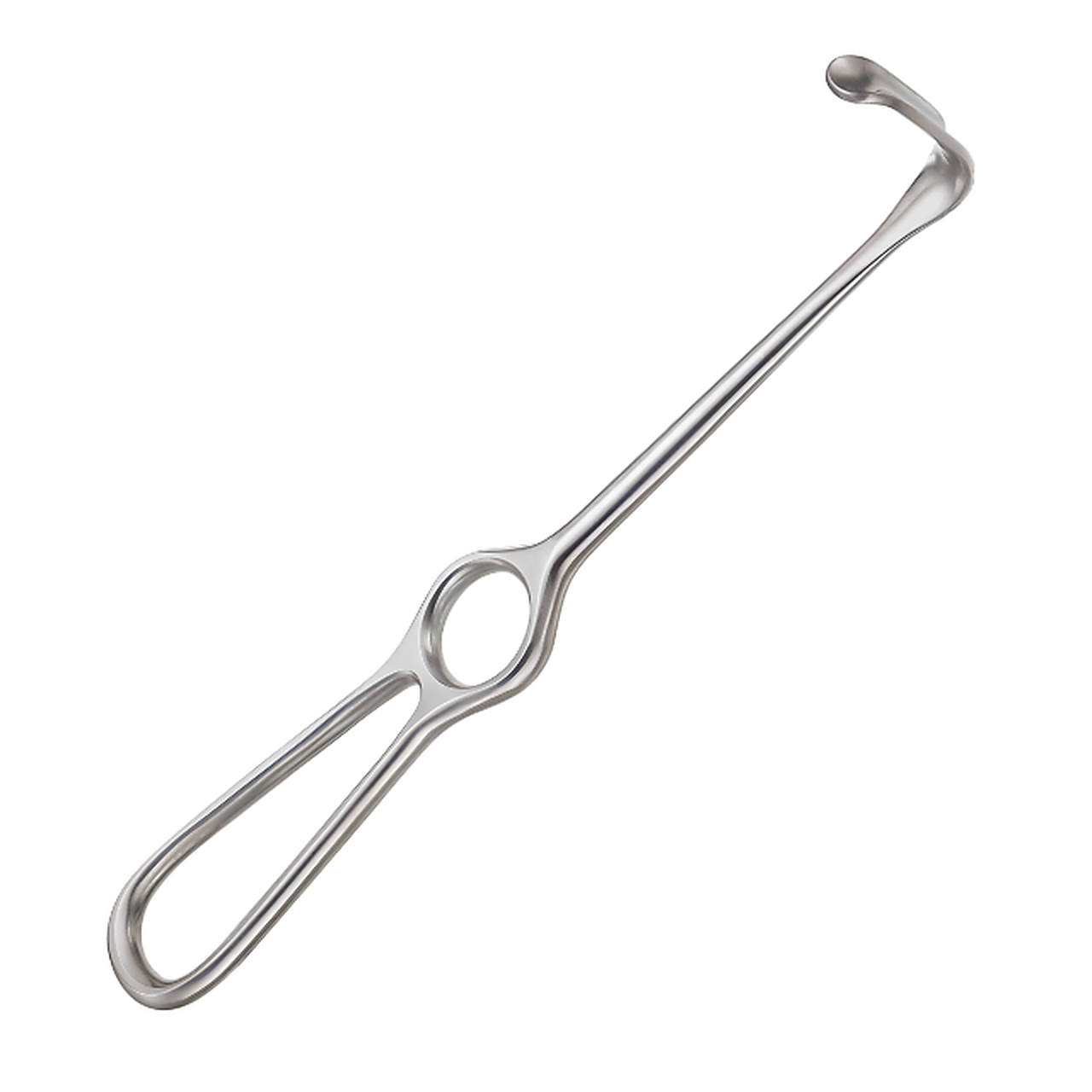 | Ранорасширитель Dockhorn Retractor | Специально разработан для ретракции краев раны, фасций и мягких тканей во время стоматологических, челюстно-лицевых и общих хирургических операций. |
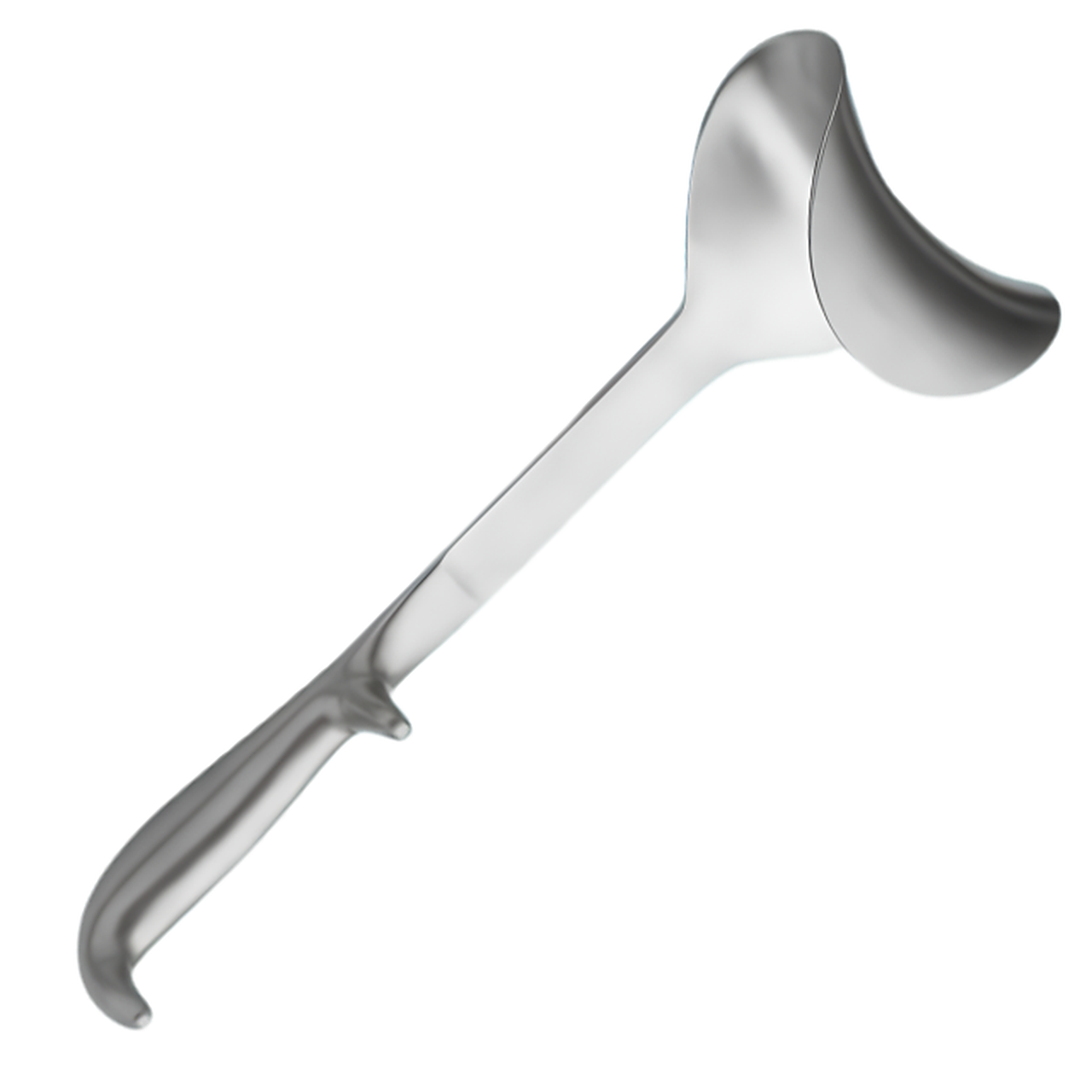 | Брюшной ретрактор Doyen | Специально разработан для ретракции брюшной стенки, внутренних органов и мускулатуры таза во время открытых лапаротомических процедур. |
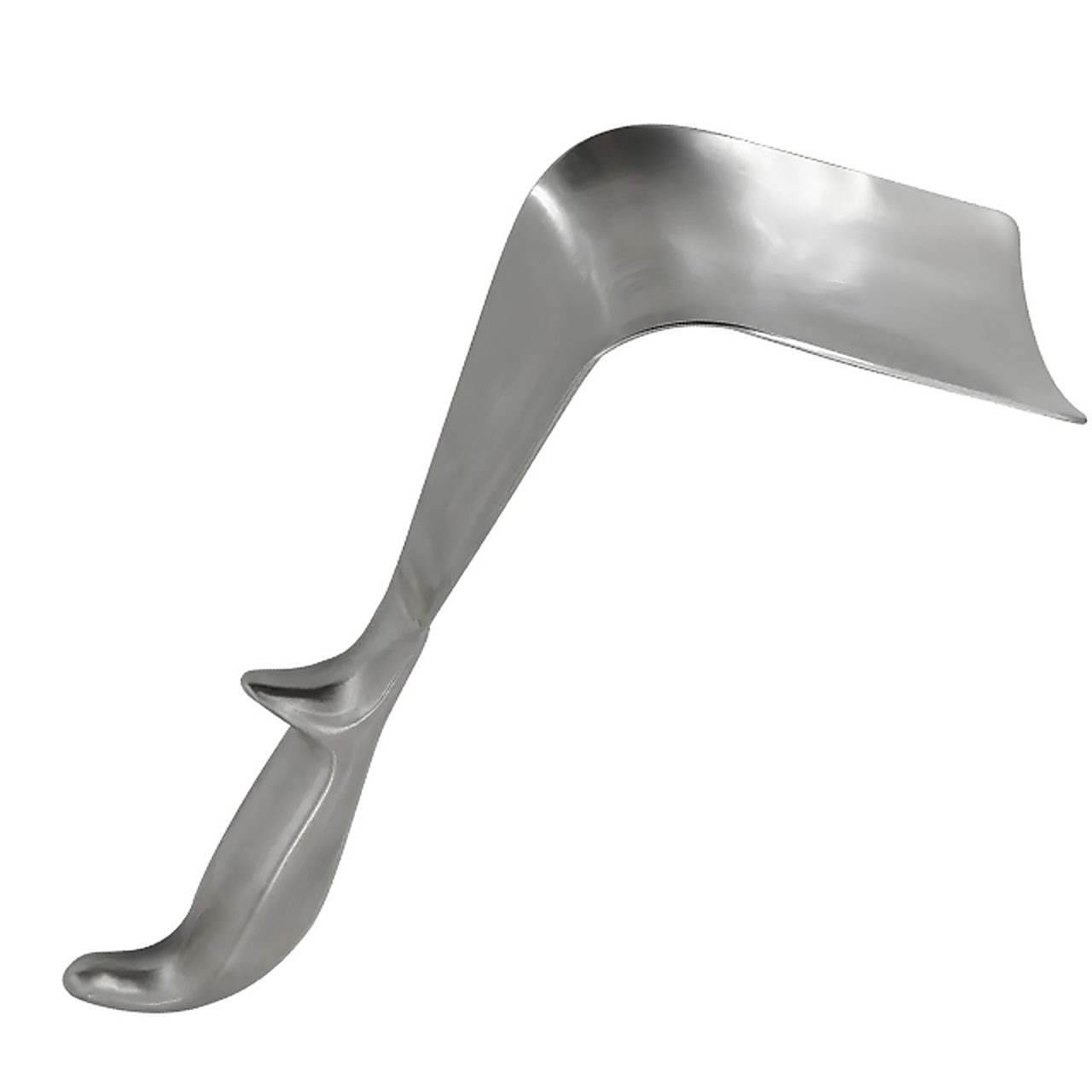 | Ранорасширитель Doyen Retractor | Специально разработан для разведения краев брюшной стенки и защиты внутренних органов в ходе общих и гинекологических операций. |
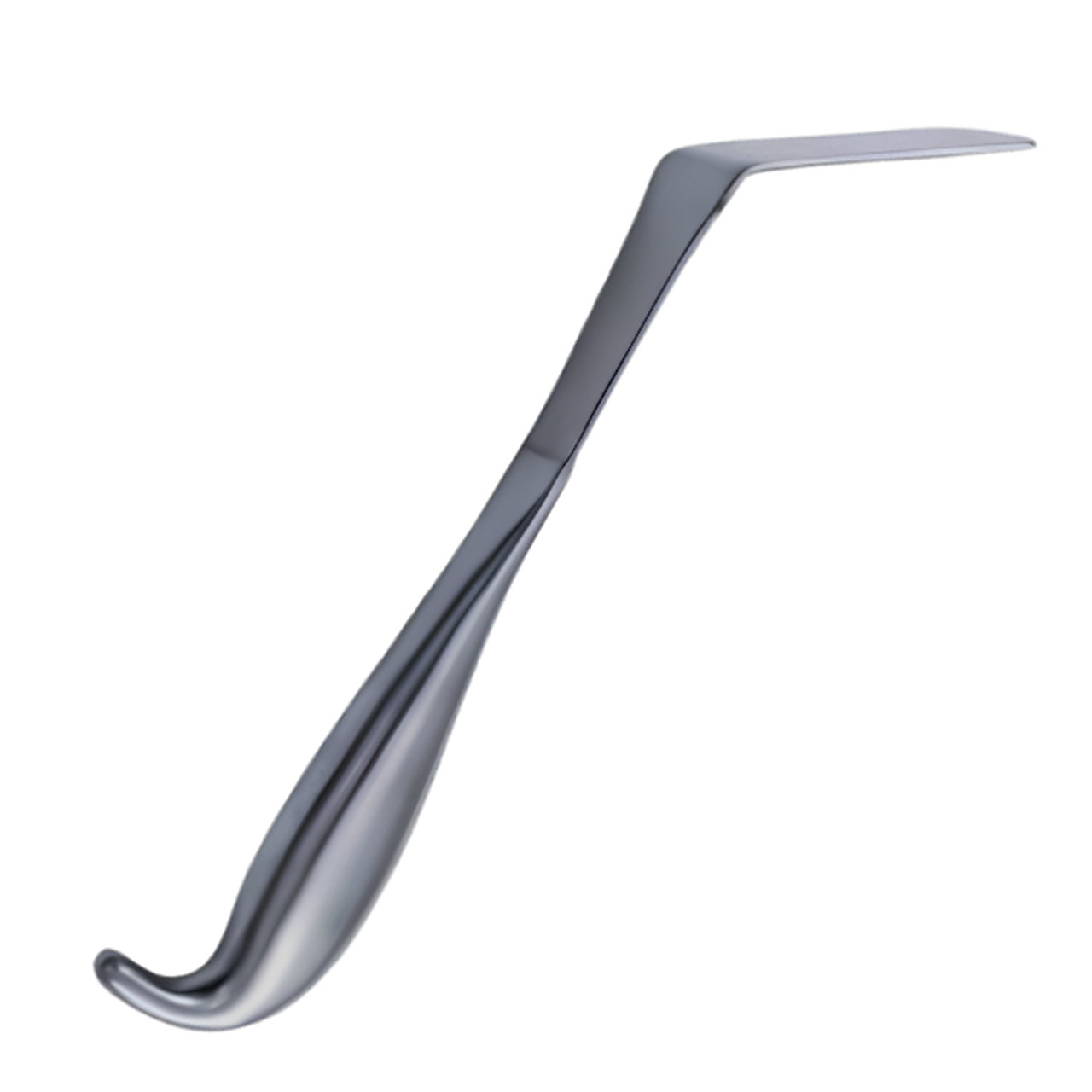 | Зеркало влагалищное Doyen | Специально разработано для ретракции стенок влагалища и экспозиции шейки матки и тазового дна во время гинекологических процедур. |
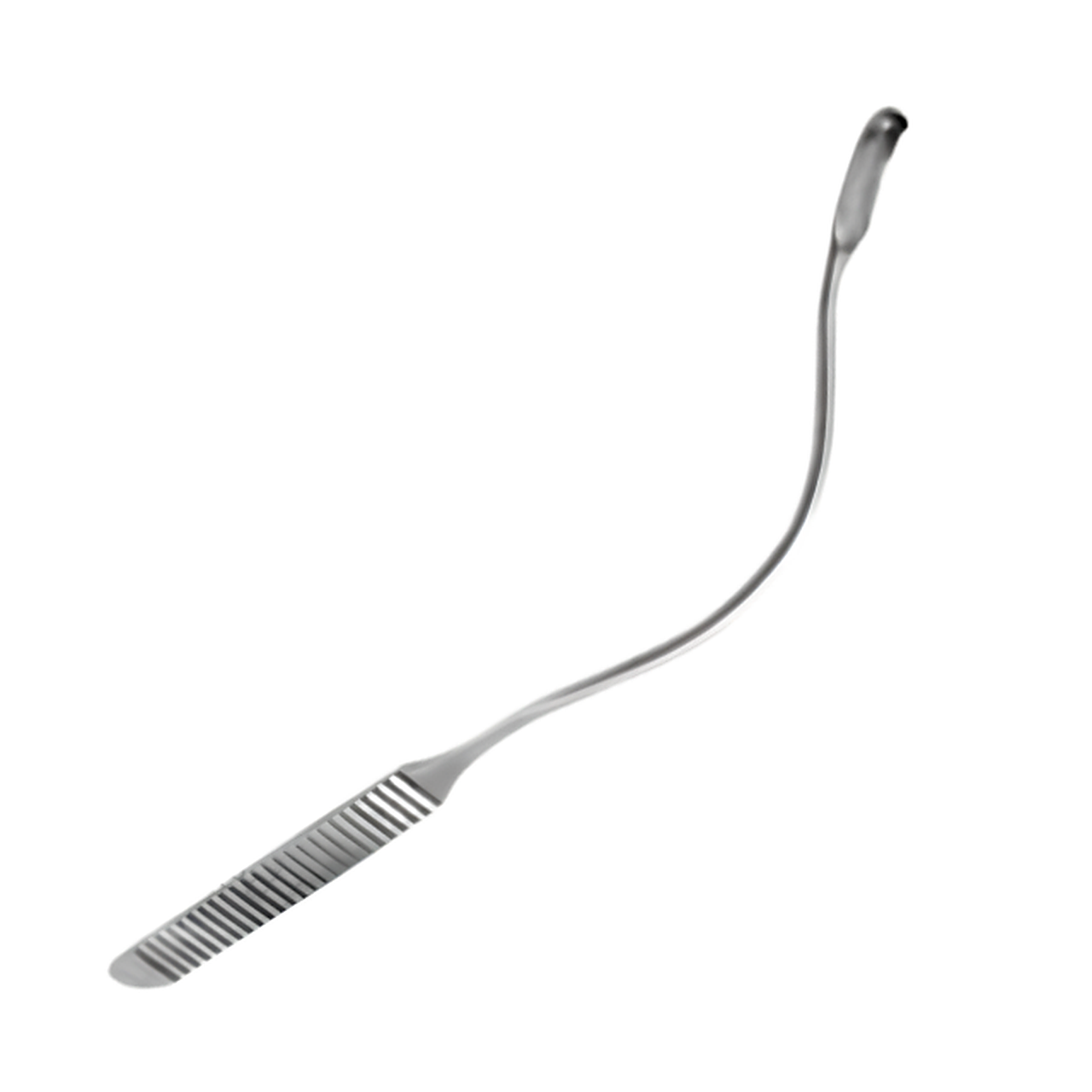 | Челюстной желобоватый ретрактор Dumbach | Специально разработан для ретракции мягких тканей и защиты нейроваскулярных структур вдоль края нижней челюсти во время остеотомии ветви. |
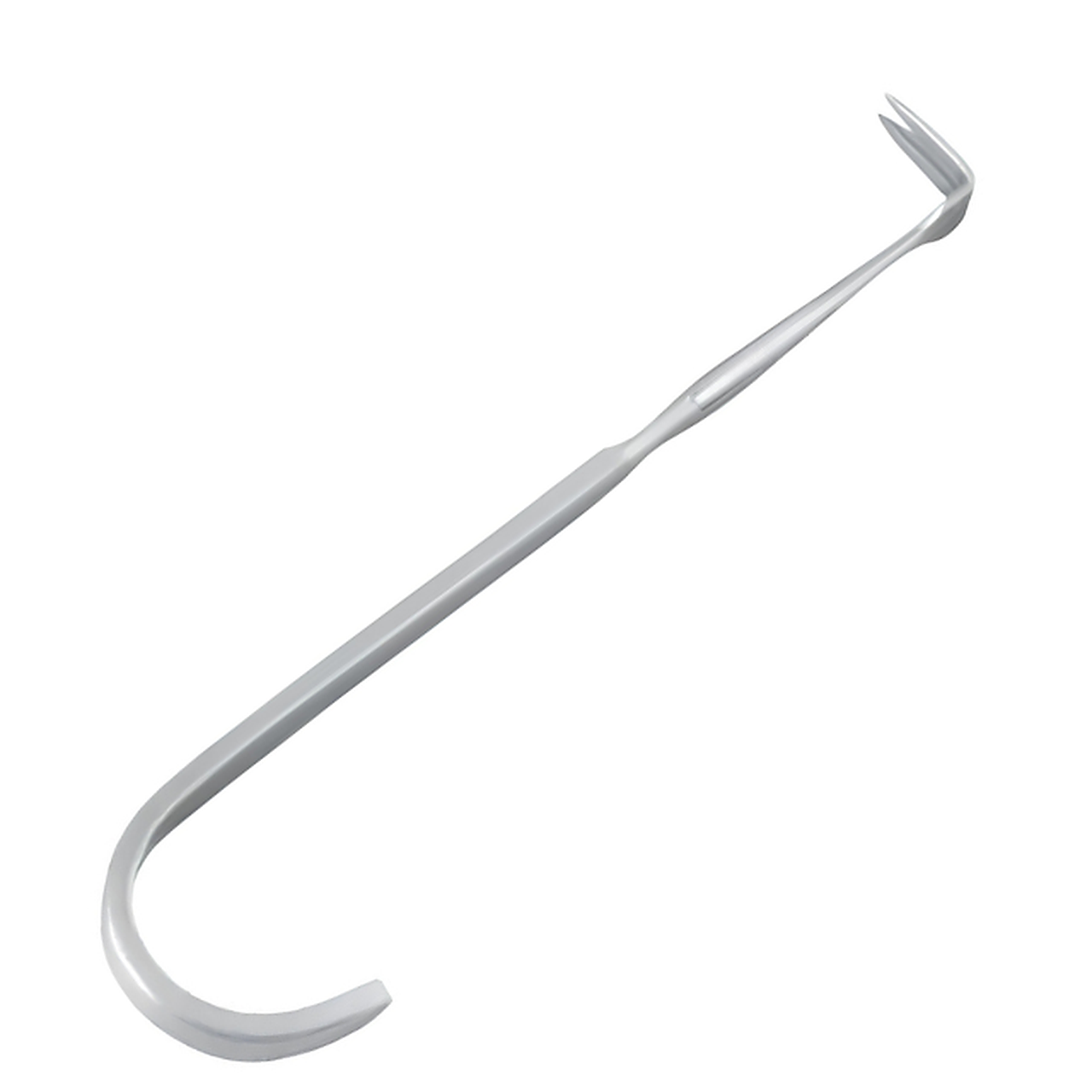 | Ретрактор Dunn Dautrey латеральный | Специально разработан для ретракции латеральных мягких тканей и обнажения ветви нижней челюсти во время ортогнатических и челюстно-лицевых операций. |
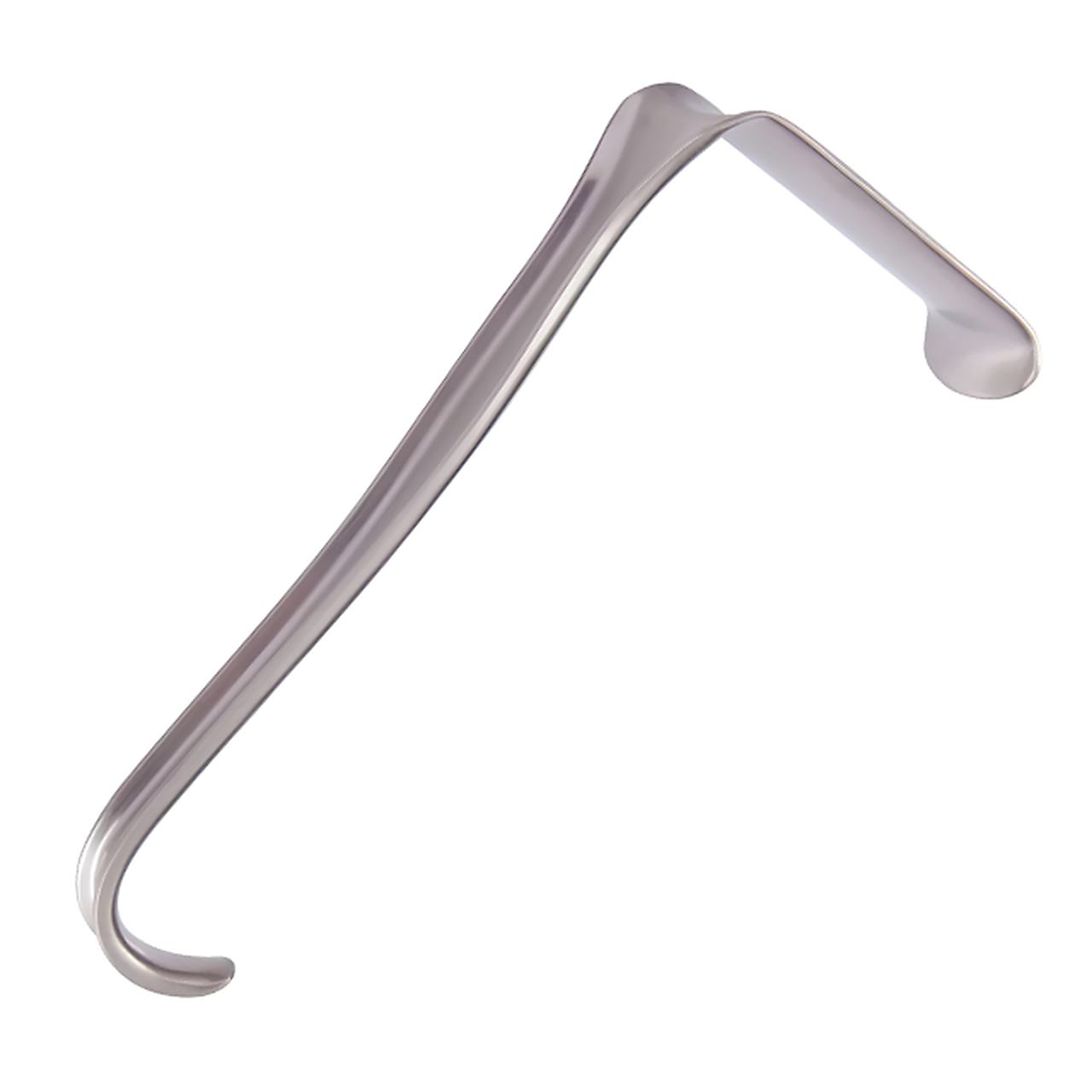 | Вагинальное зеркало Eastman | Специально разработано для ретракции стенок влагалища и обеспечения глубокой визуализации во время гинекологических операций и реконструкции тазового дна. |
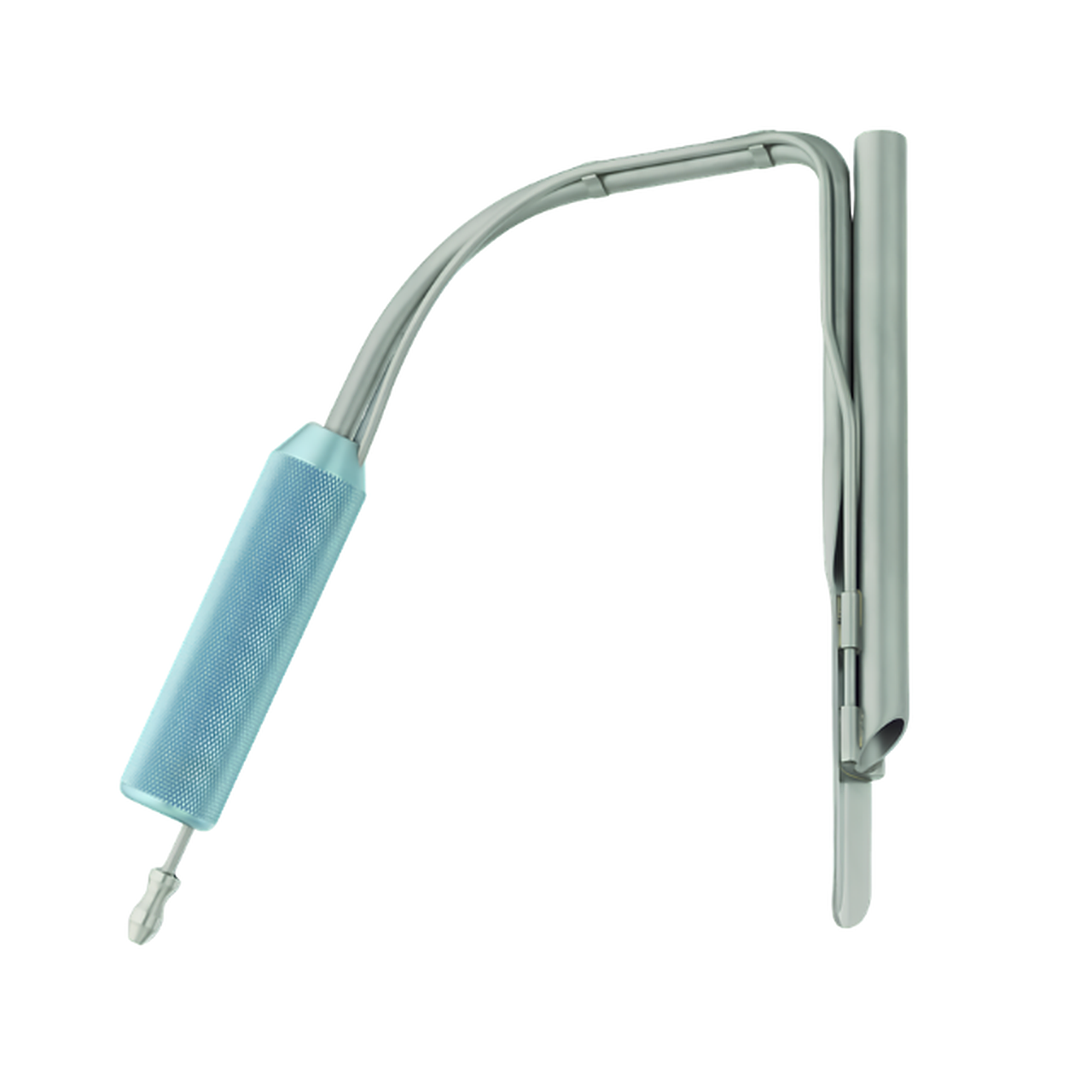 | Эндопластический ретрактор EMORY Endo-Plastic Retractor | Специально разработан для поднятия тканевых лоскутов и направления 10 mm эндоскопа во время эндоскопических эстетических и пластических операций. |
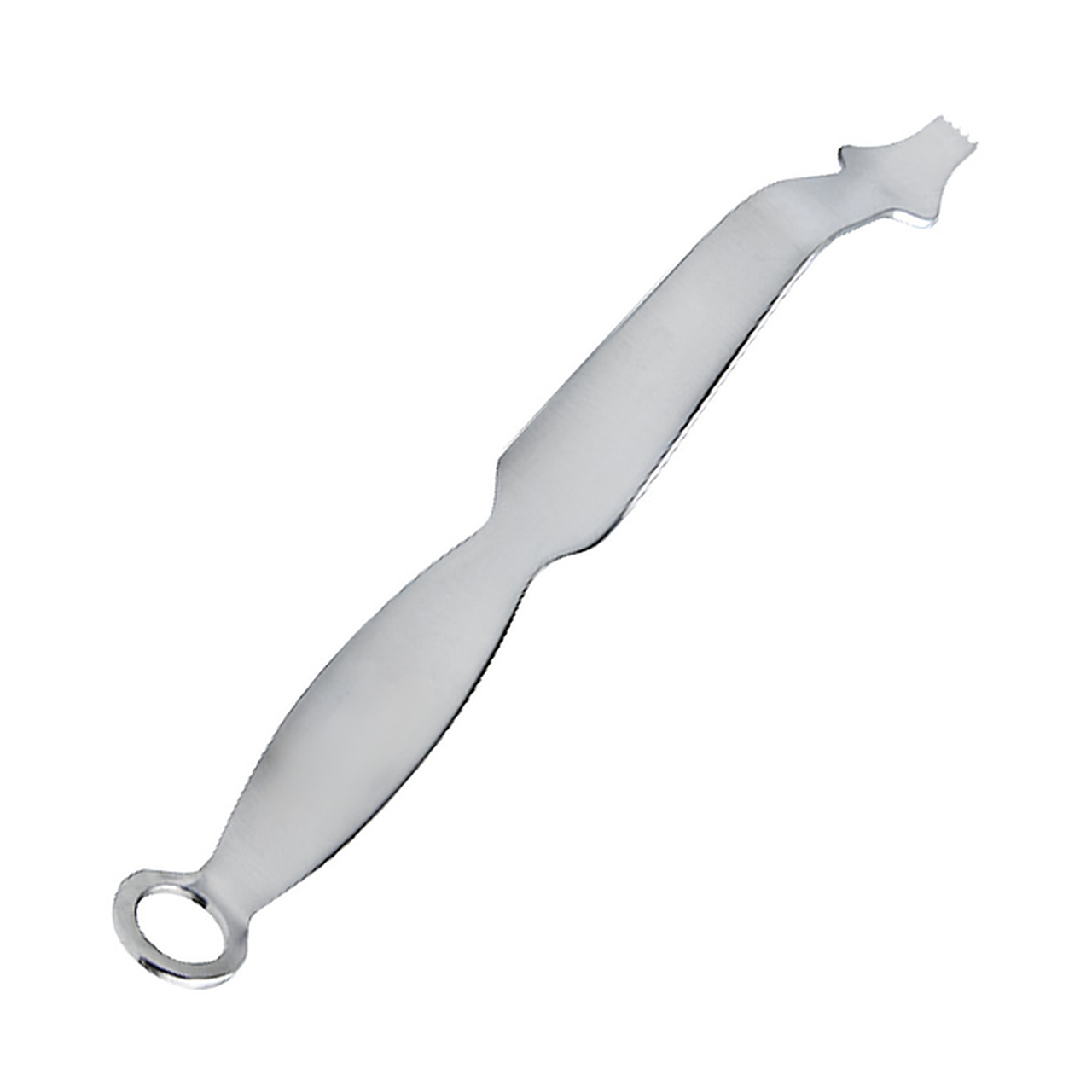 | Ретрактор Engh Intercondylar Notch Retractor для межмыщелковой ямки | Специально разработан для обнажения межмыщелковой ямки и защиты задних структур колена во время тотального эндопротезирования коленного сустава. |
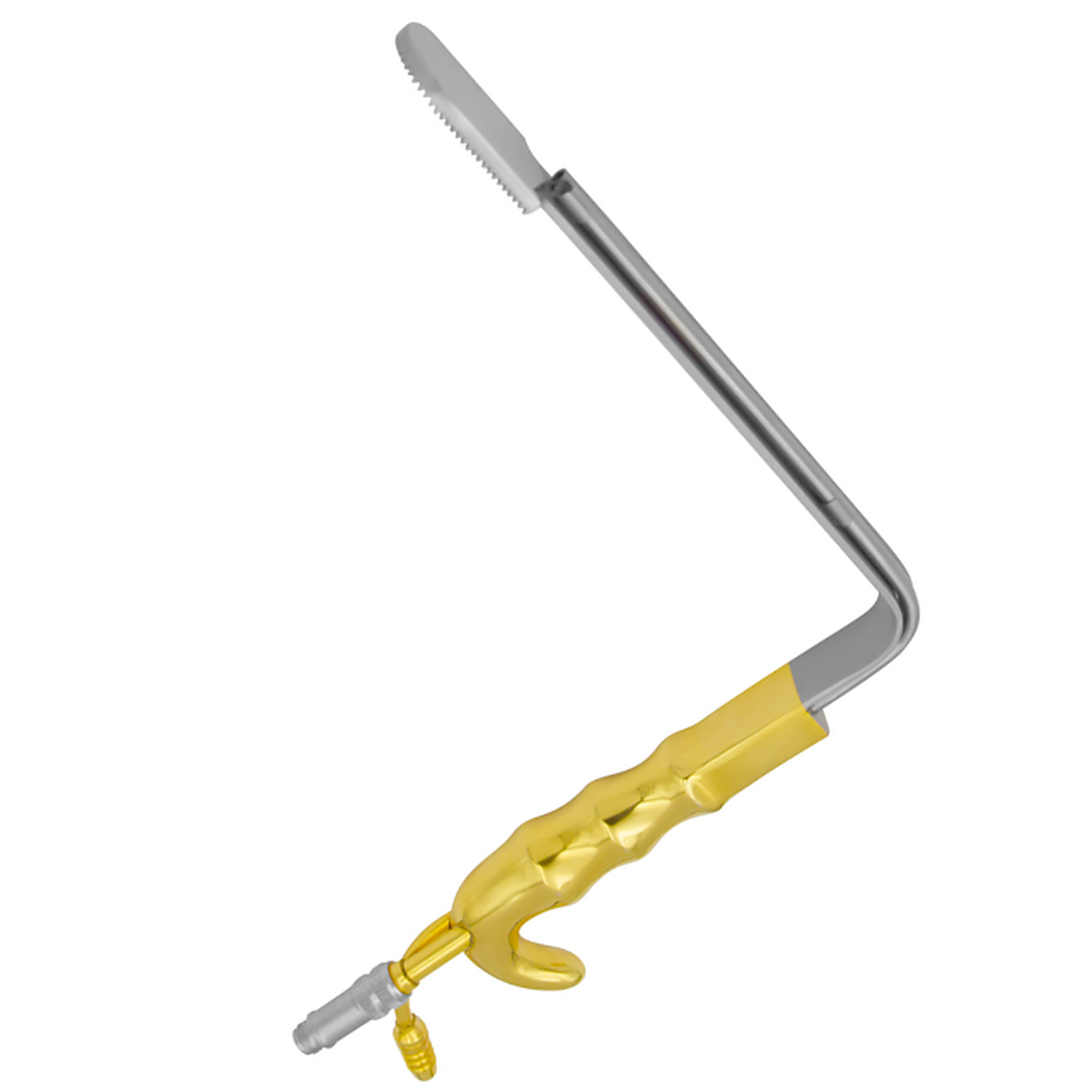 | Грудной ретрактор Epstein | Специально разработан для элевации тканевых лоскутов и создания субпекторальных или субгландулярных карманов при аугментации и реконструкции молочной железы. |
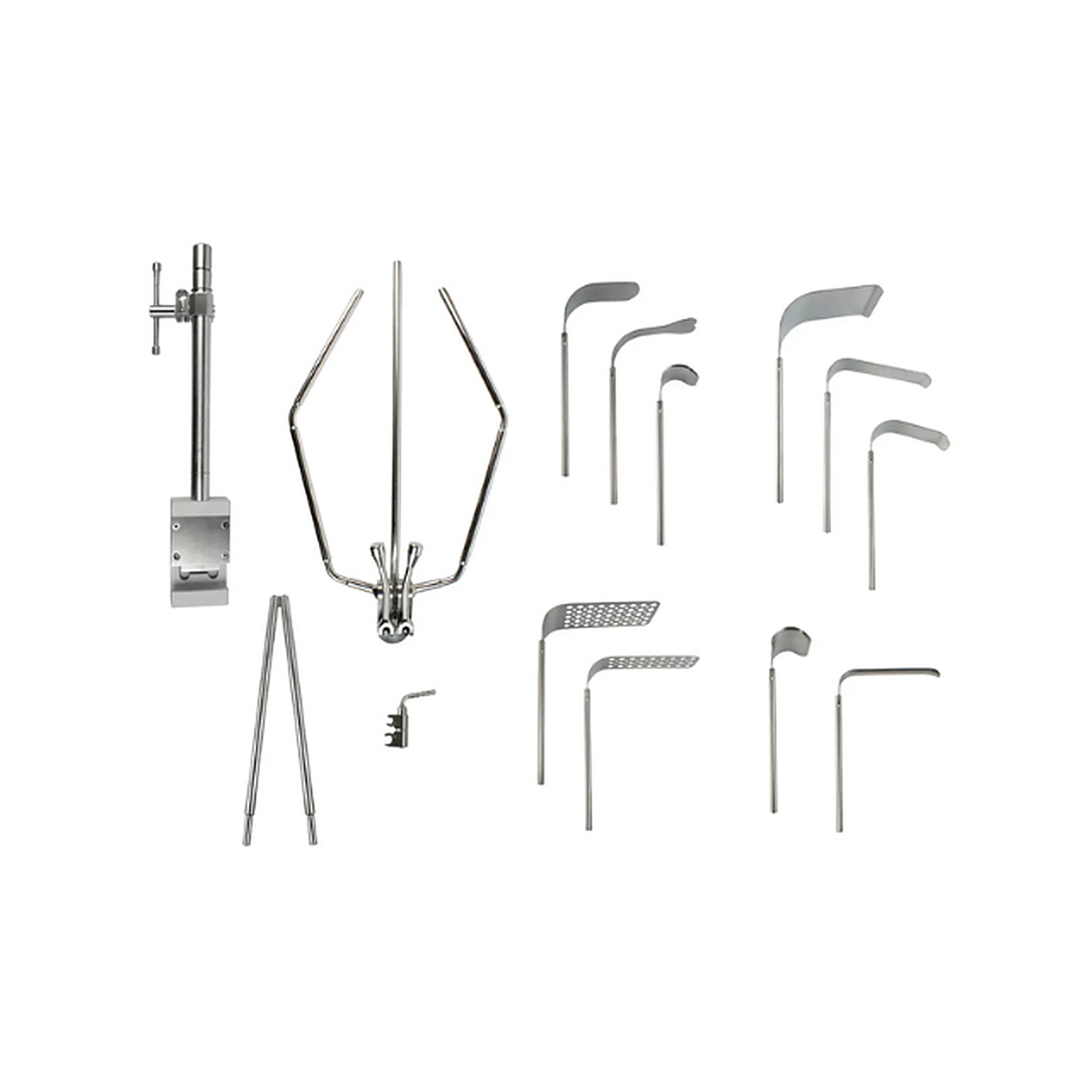 | Расширенный сосудистый ранорасширитель Lobster Retractor | Специально разработан для обеспечения фиксации мягких тканей и экспозиции операционного поля с креплением к столу при проведении сосудистых операций. |
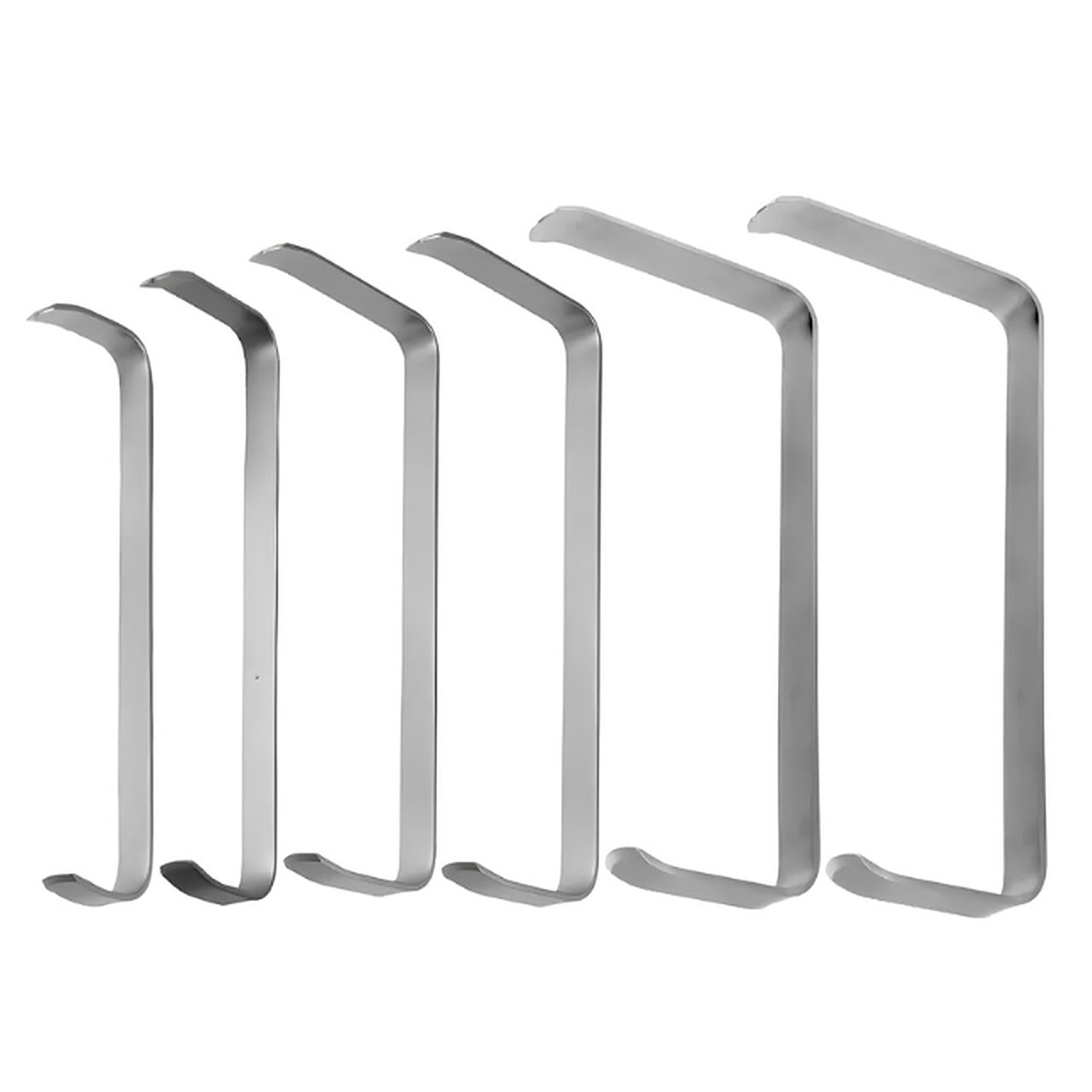 | Ранорасширитель Farabeuf Retractor | Специально разработан для ретракции кожи, фасций и мягких тканей при поверхностных и средних хирургических разрезах. |
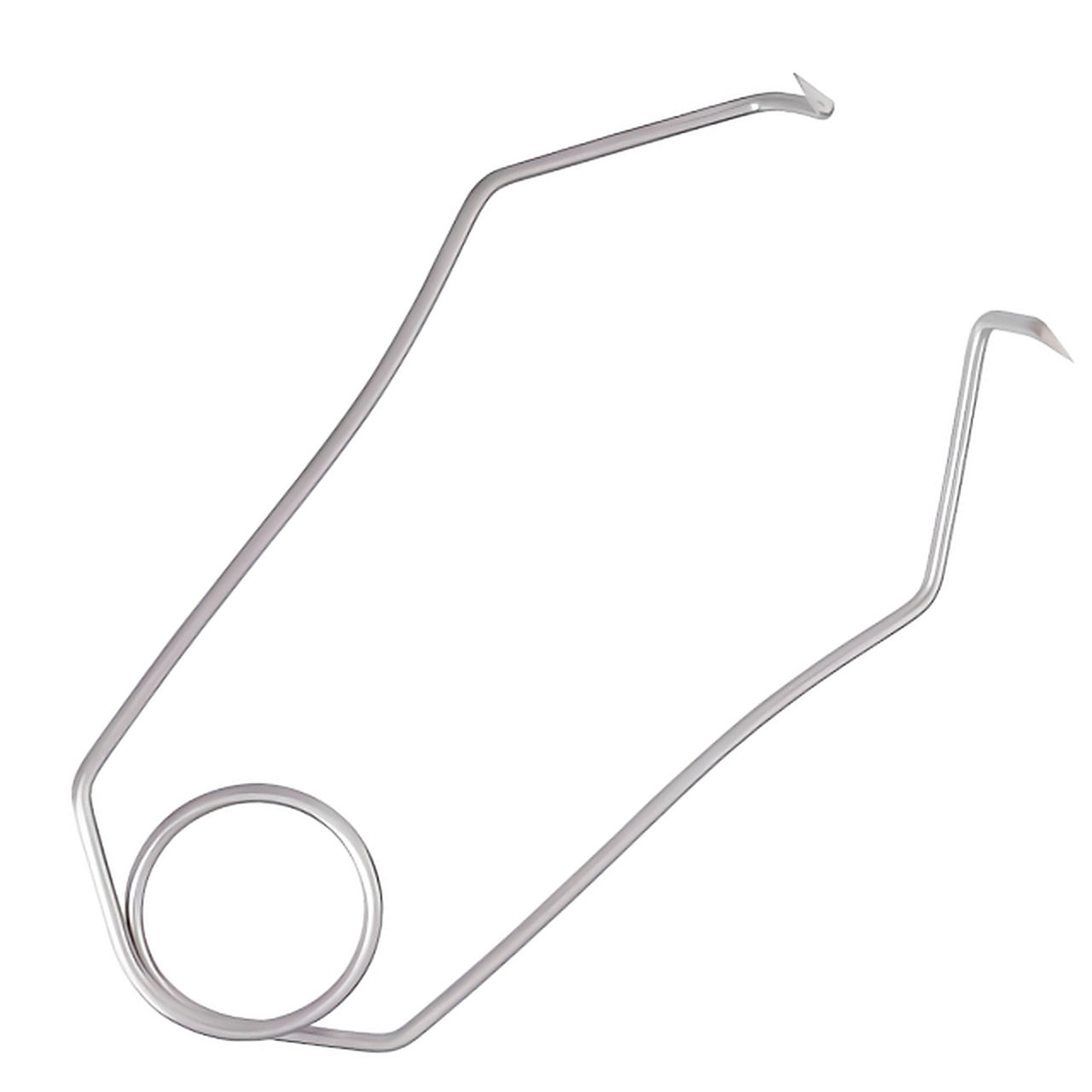 | Ранорасширитель пружинный Farr Spring Retractor | Специально разработан для пружинного самодержащегося разведения тканей во время пластических, педиатрических и малых хирургических операций. |
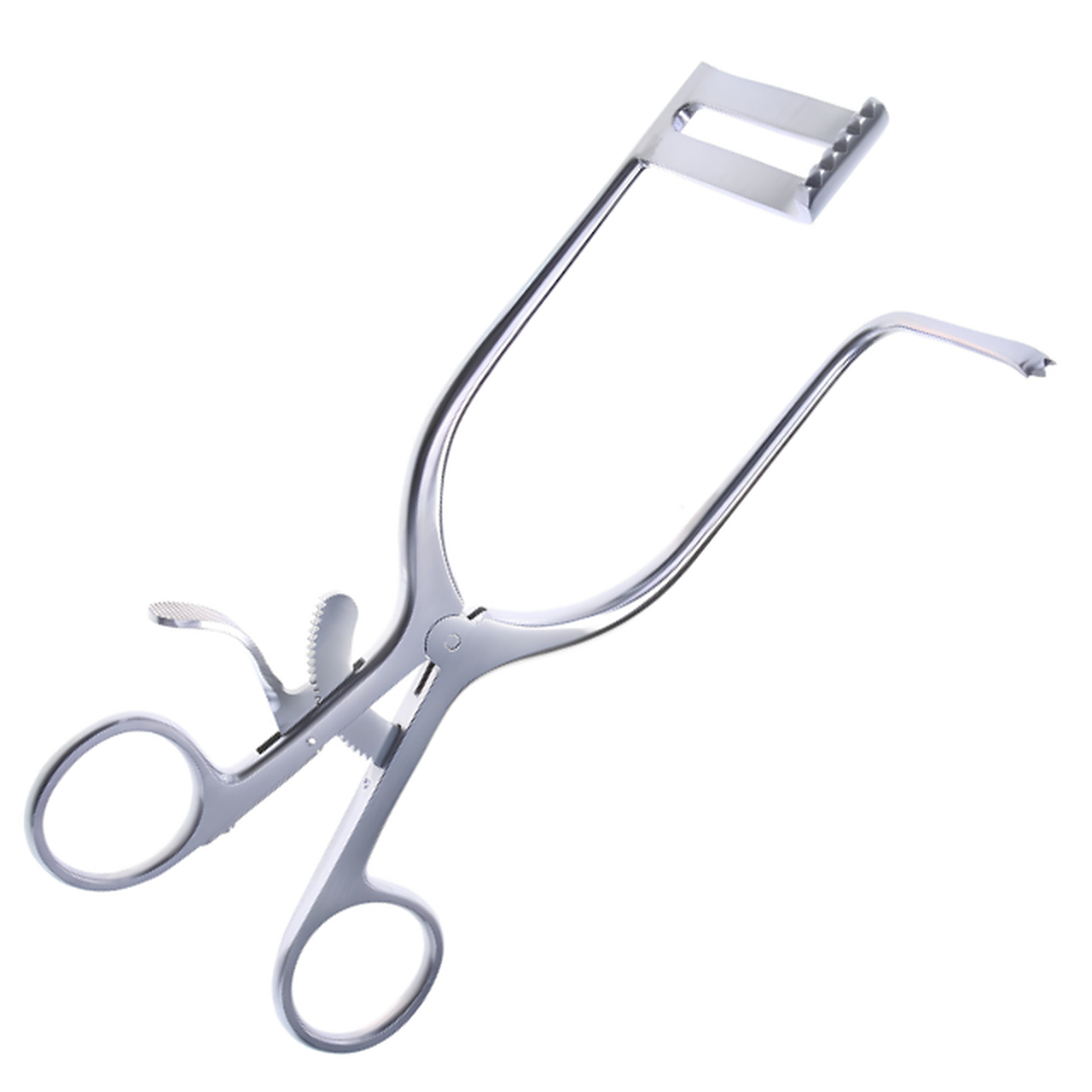 | Ранорасширитель Feler-Ducker Retractor | Специально разработан для самодерживающейся ретракции параспинальных мышц и мягких тканей во время ламинэктомии и имплантации электродов. |
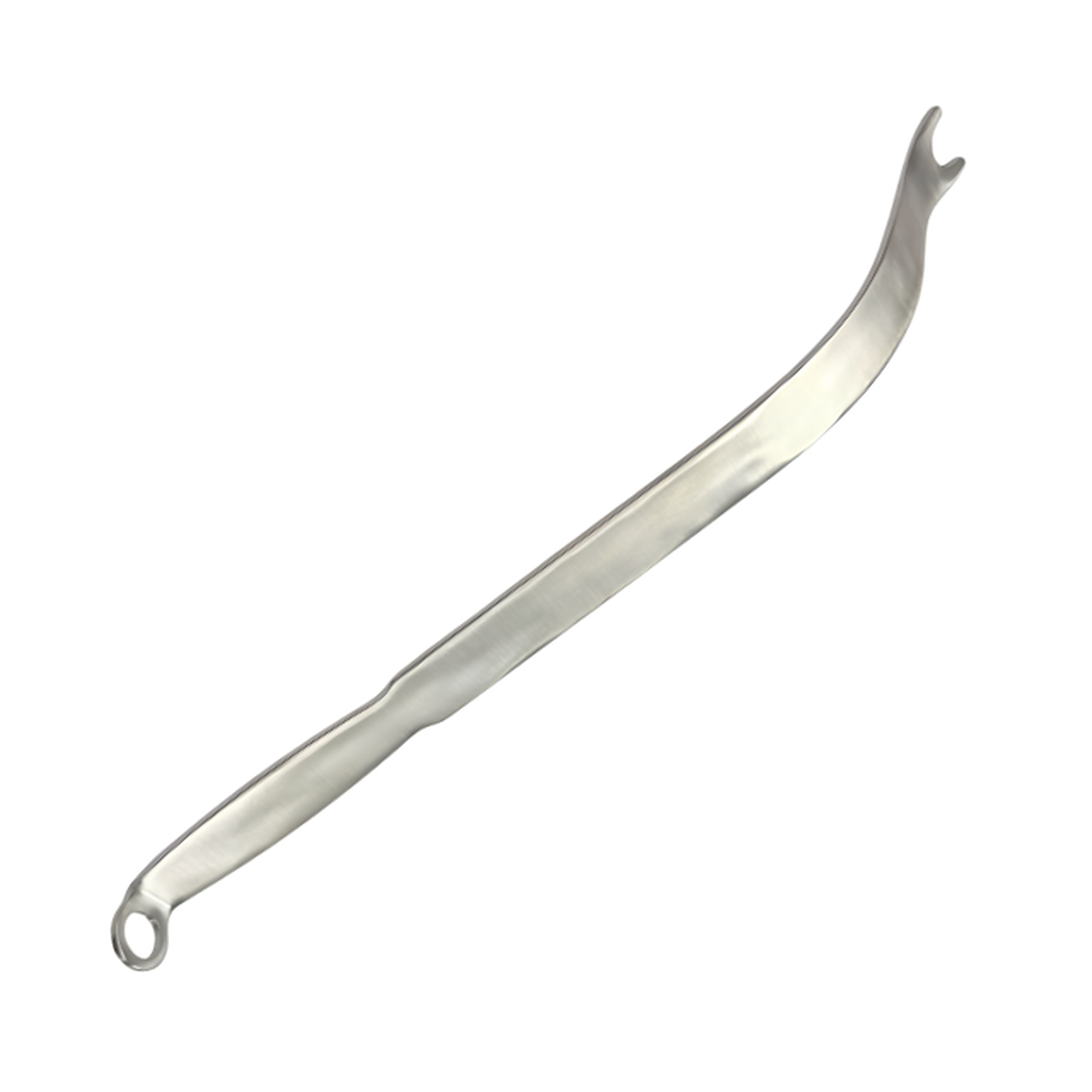 | Ретрактор бедренный для калкара (Femoral Calcar Retractor) | Специально разработан для обнажения calcar femorale и ретракции мягких тканей во время подготовки бедренного канала при артропластике тазобедренного сустава. |
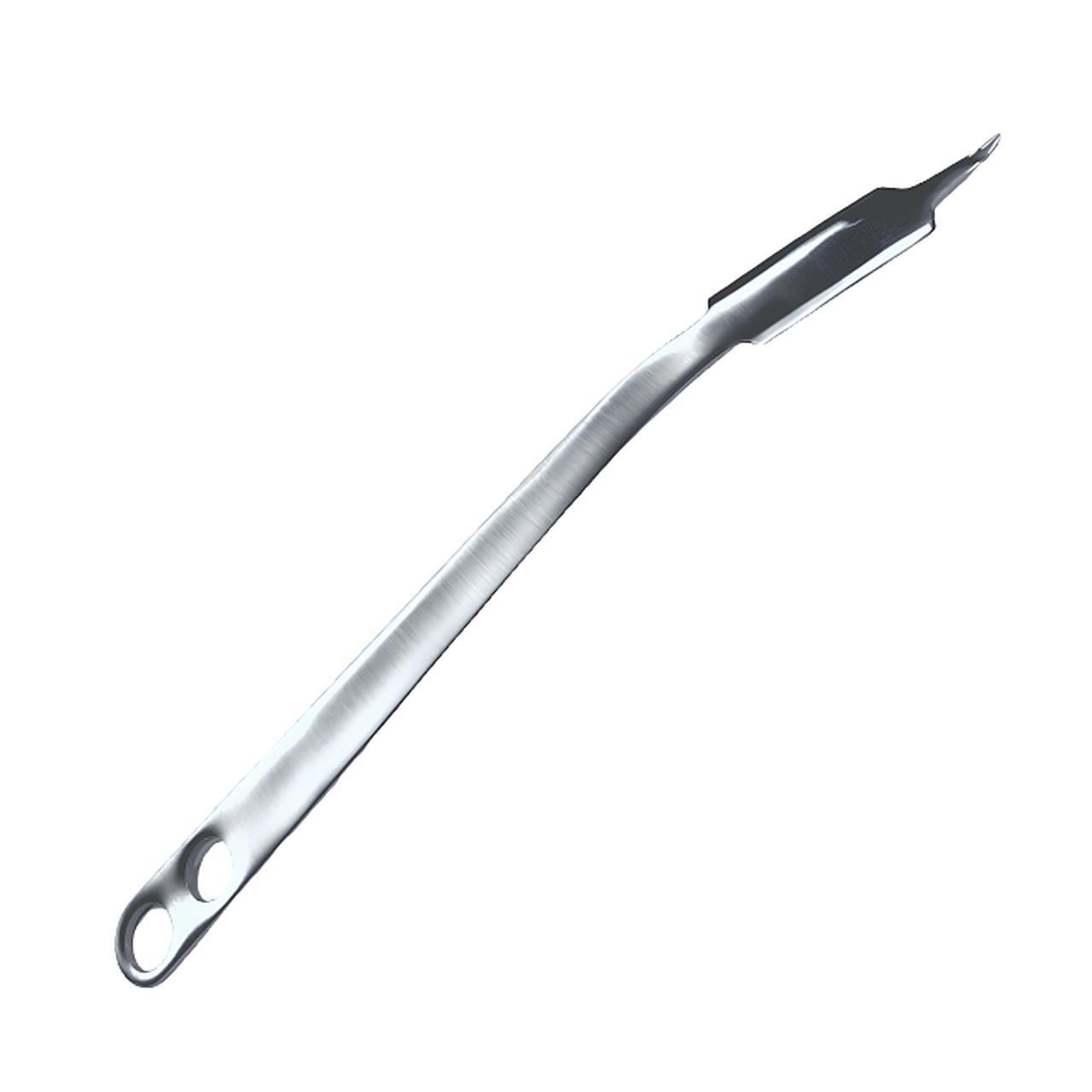 | Ретрактор Femoral/Gluteus Medius Minimus | Специально разработан для ретракции массивной ягодичной мускулатуры и обеспечения доступа к вертлужной впадине и бедренной кости во время артропластики тазобедренного сустава. |
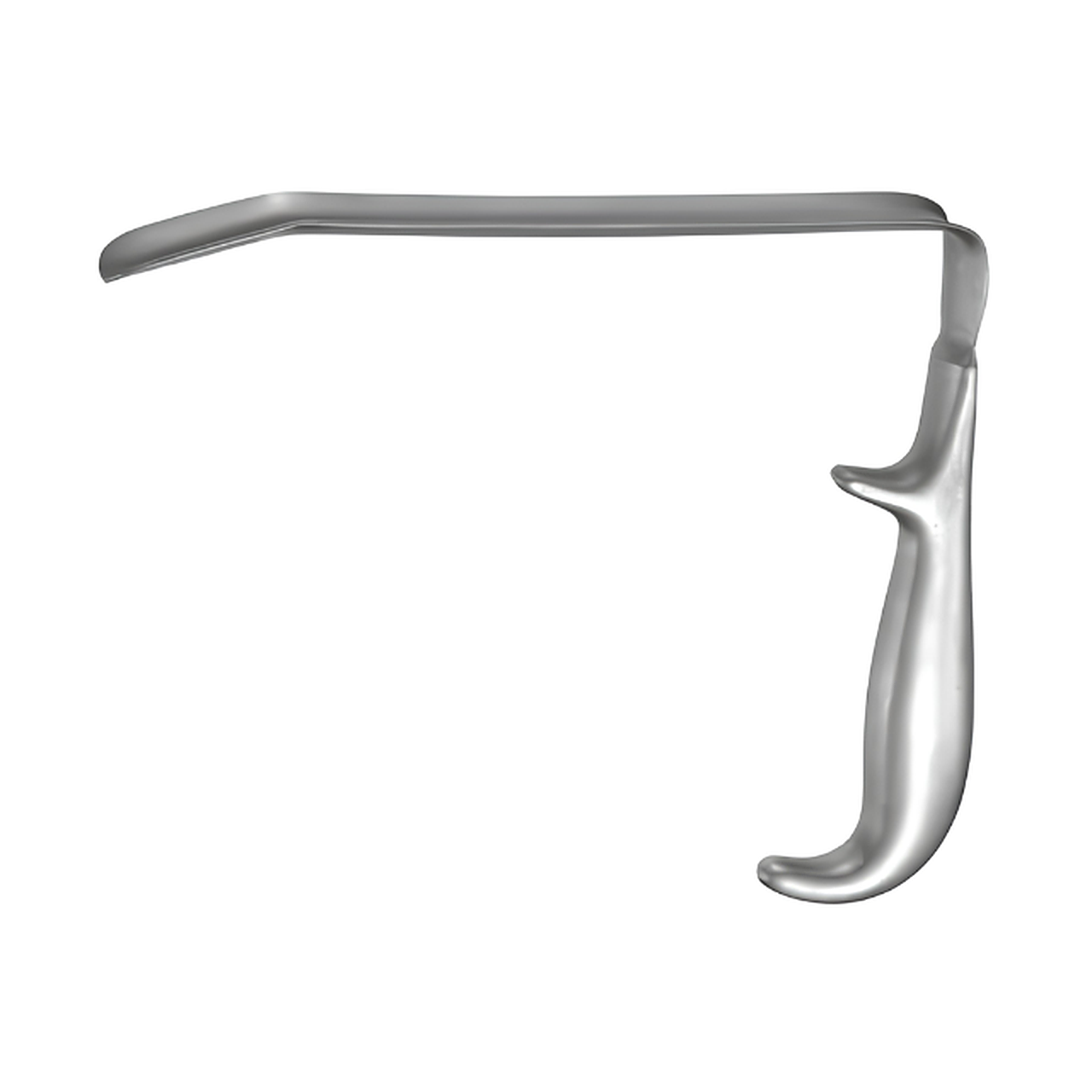 | Ferreira breast augmentation Retractor | Специально разработан для подъема тканевых лоскутов и создания подмышечных или поджелезистых карманов при увеличении и реконструкции груди. |
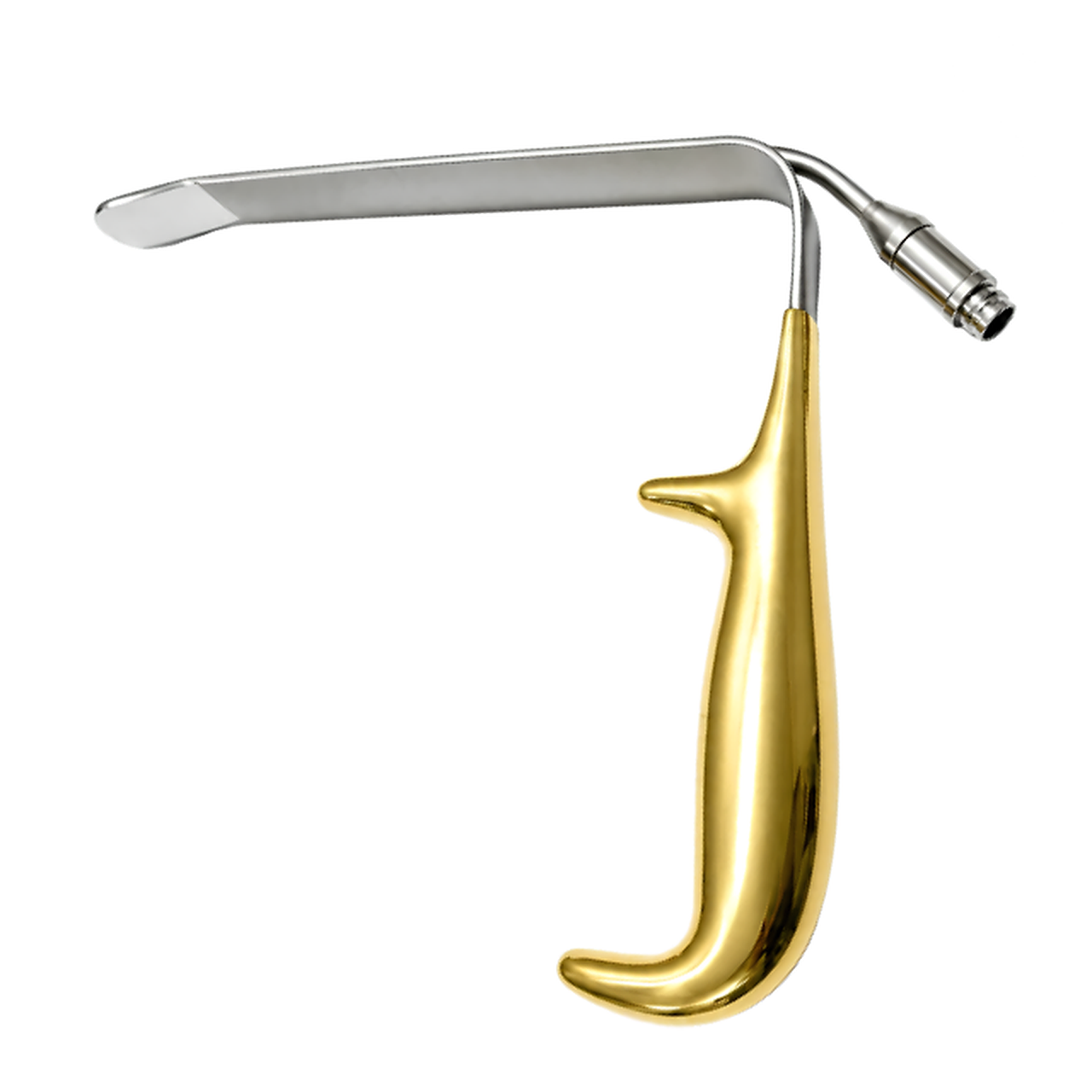 | Ferreira Breast Augmentation Retractor - Fiber Optics | Специально разработан для освещаемой ретракции мягких тканей и визуализации кармана во время аугментации и реконструкции груди. |
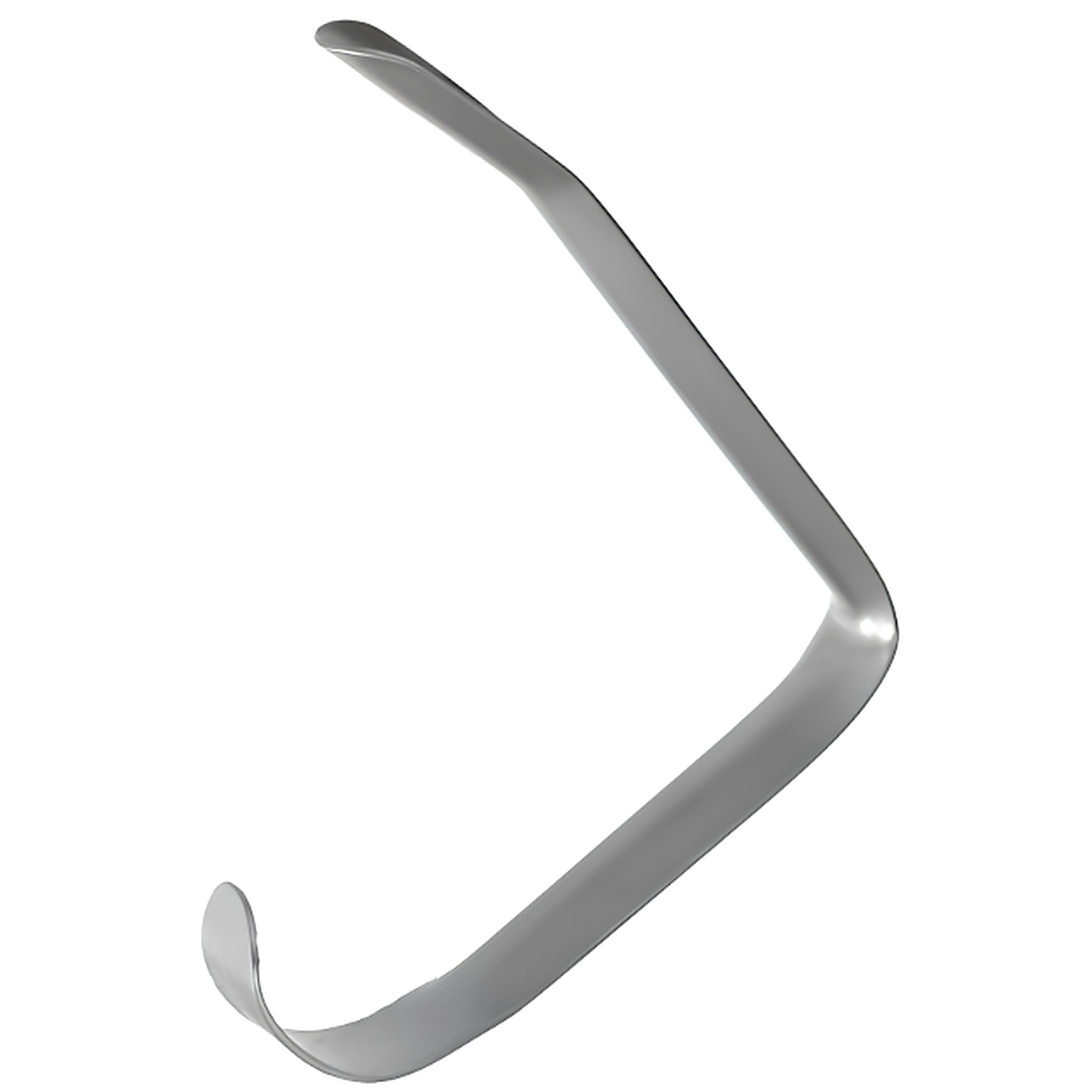 | Ретрактор Ferreira Face Lift Retractor | Специально разработан для элевации лицевых кожных лоскутов и слоев SMAS при ритидэктомии и эстетических операциях на лице. |
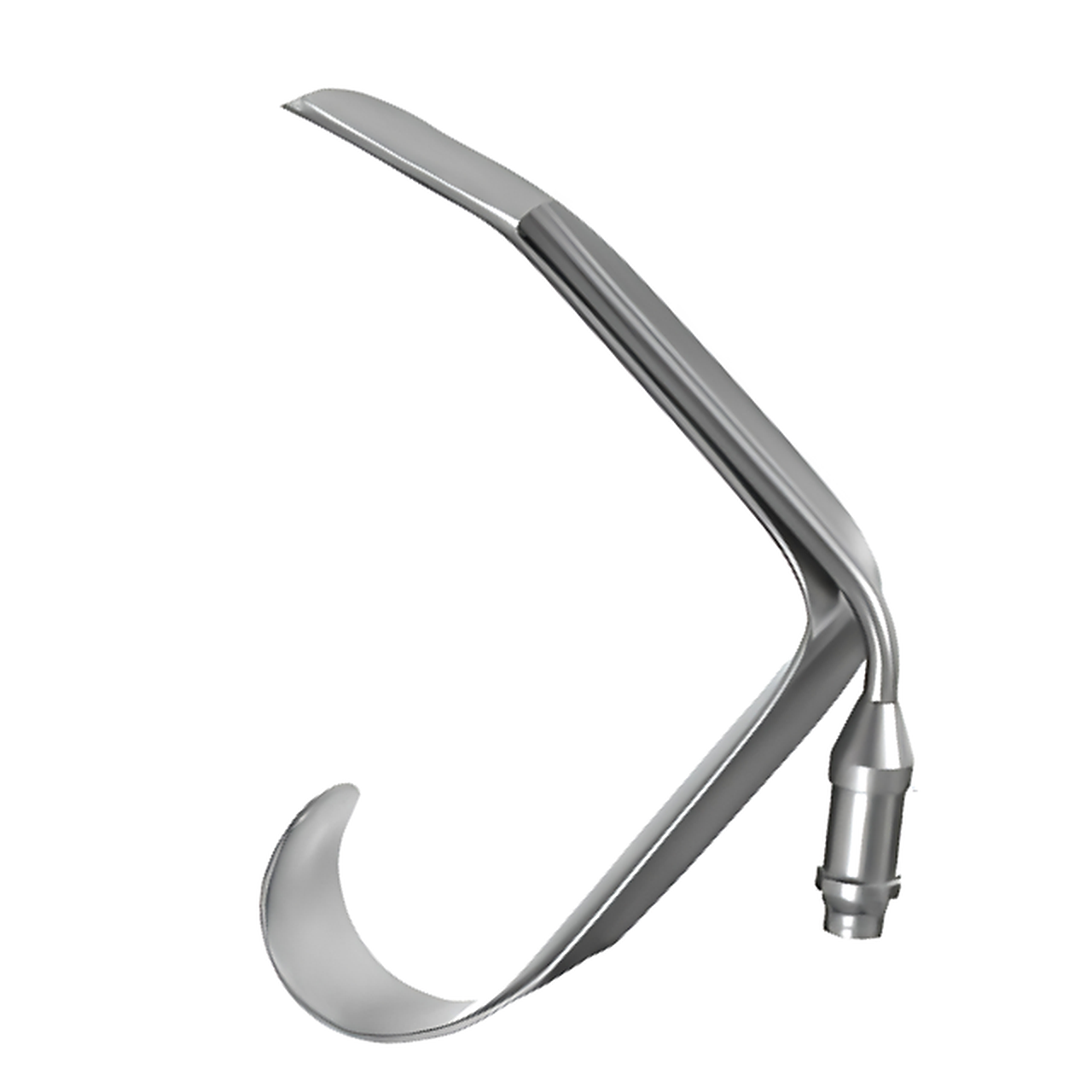 | Ferreira Fiber Optic Face Lift Retractor | Специально разработан для обеспечения ретракции мягких тканей с подсветкой и элевации кожных лоскутов лица во время ритидэктомии. |
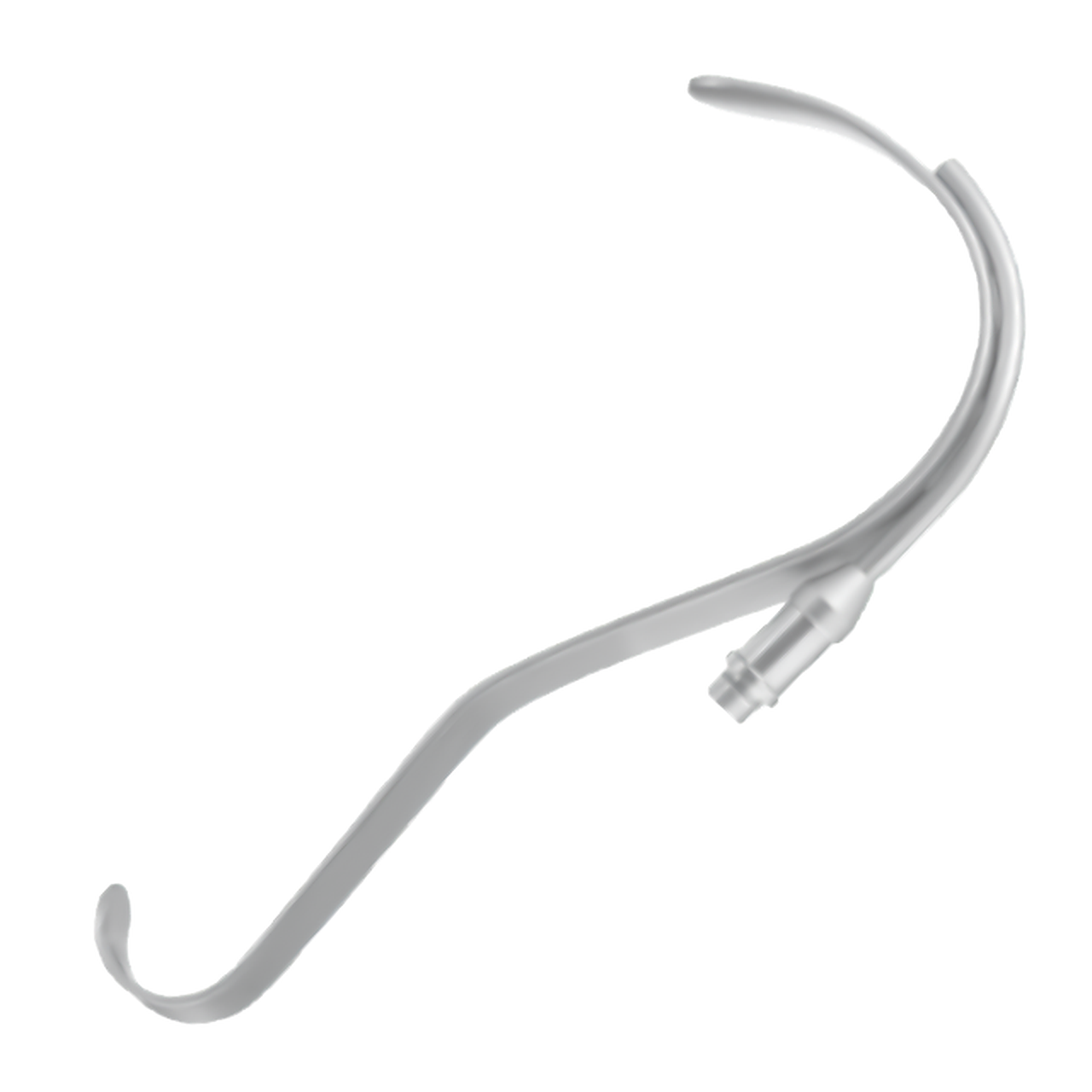 | Ретрактор Deaver волоконно-оптический | Специально разработан для ретракции внутренних органов и обеспечения прямого освещения во время глубоких абдоминальных и тазовых операций. |
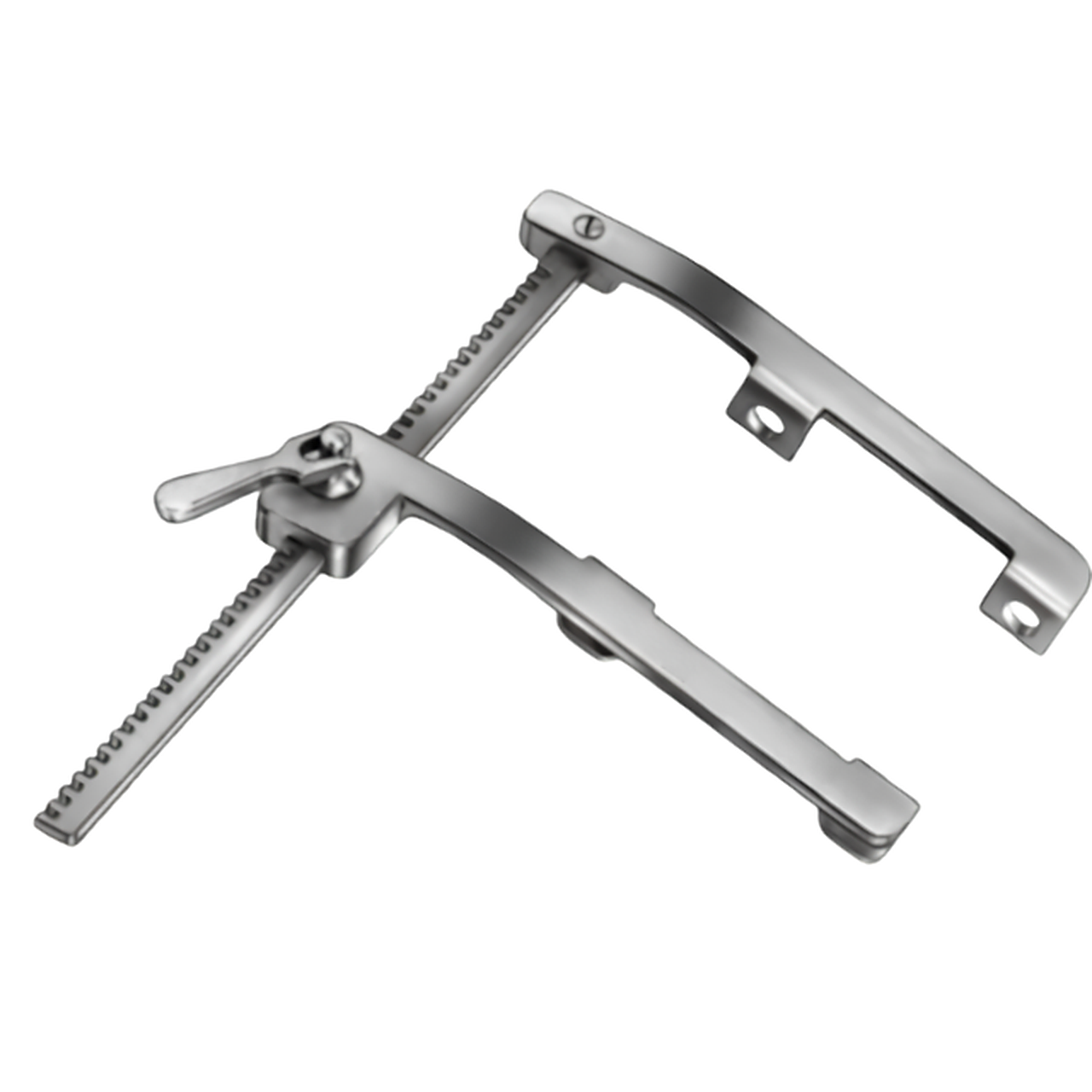 | Ранорасширитель реберный Finochietto (Modif) | Специально разработан для разведения ребер и обеспечения торакального доступа при передней и боковой торакотомии. |
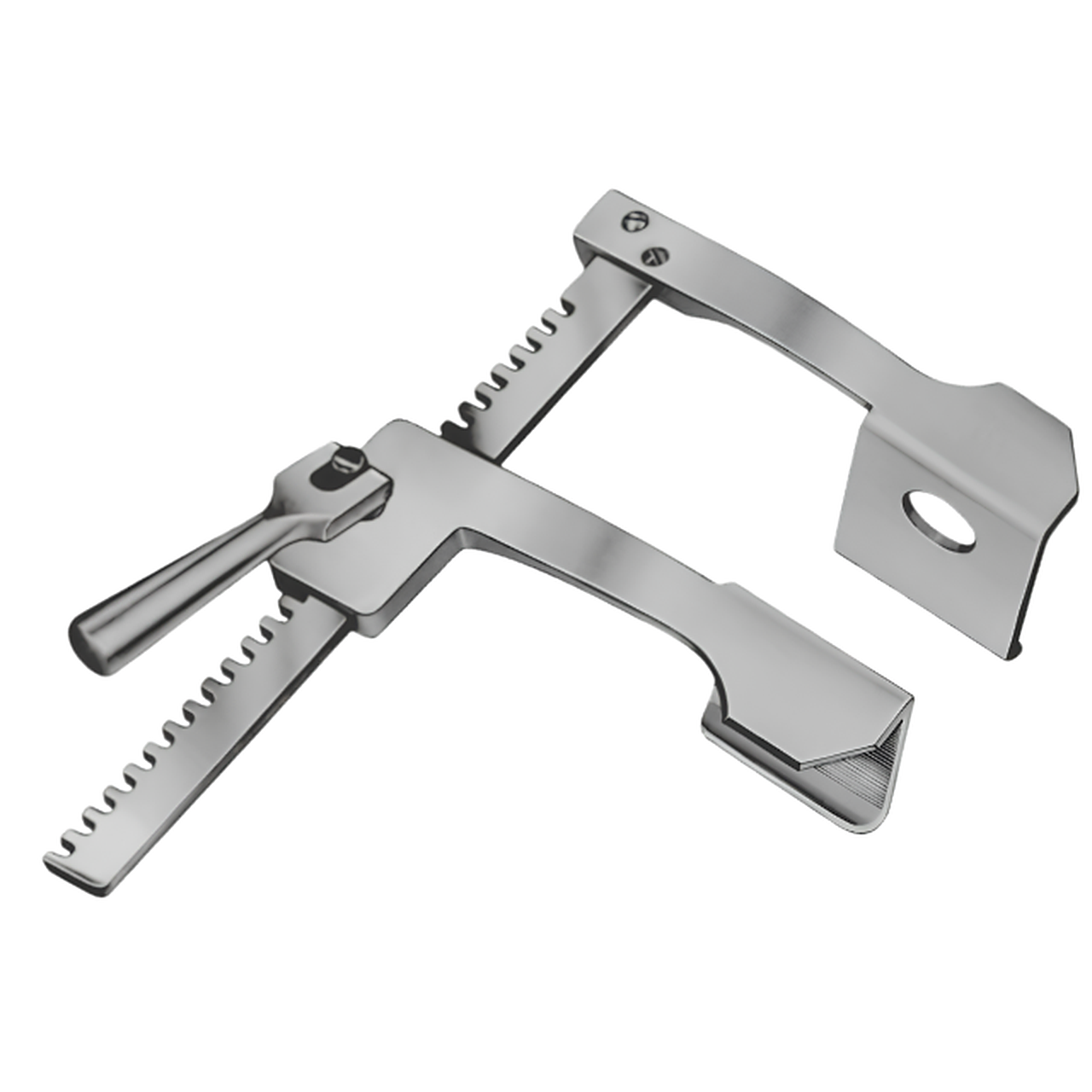 | Ранорасширитель грудной Finochietto Rib Spreader | Специально разработан для разведения ребер и расширения грудной полости во время процедур открытой торакотомии. |
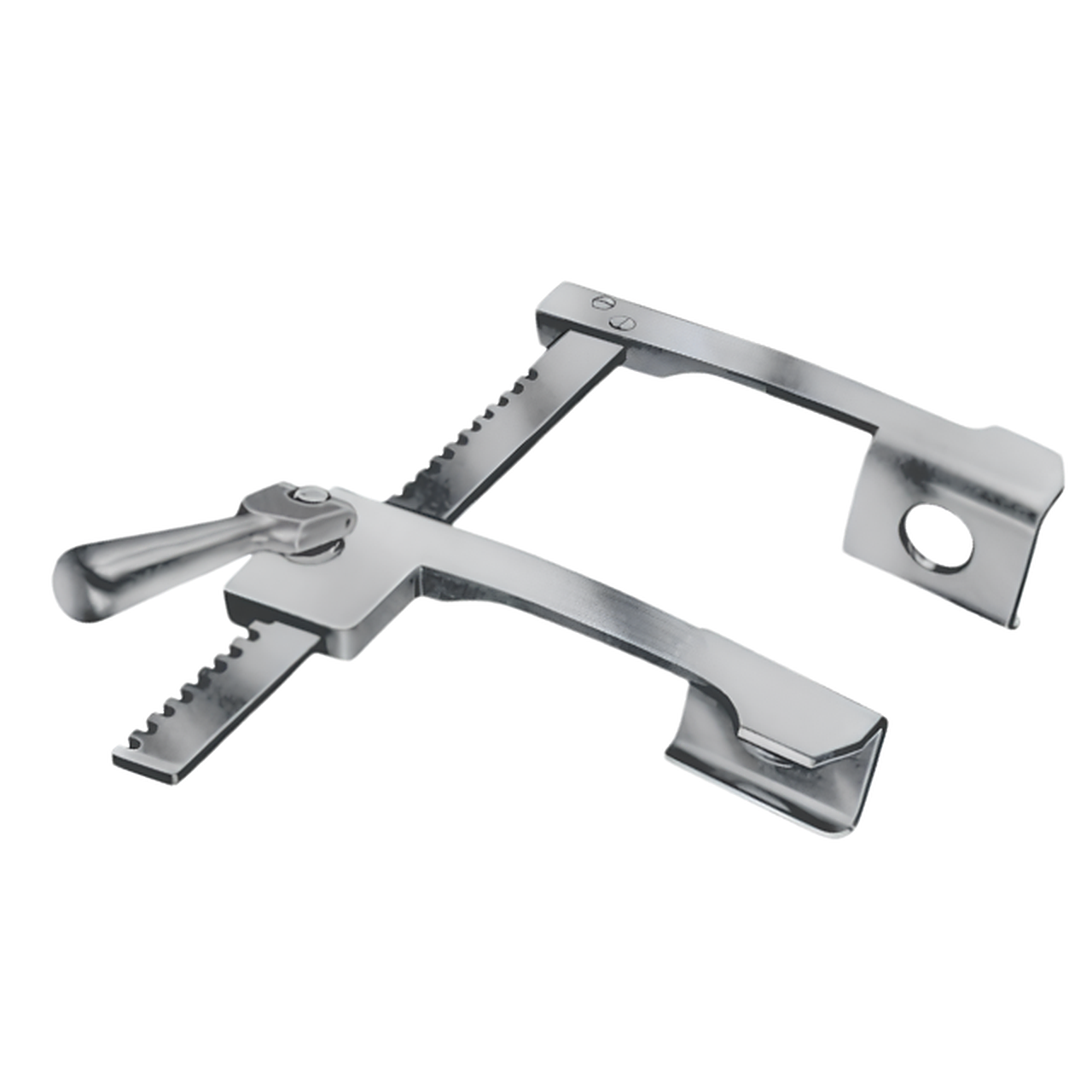 | Реберный расширитель Finochietto-Baby | Специально разработан для разведения ребер и обеспечения торакального доступа при кардиоторакальных операциях у новорожденных и детей. |
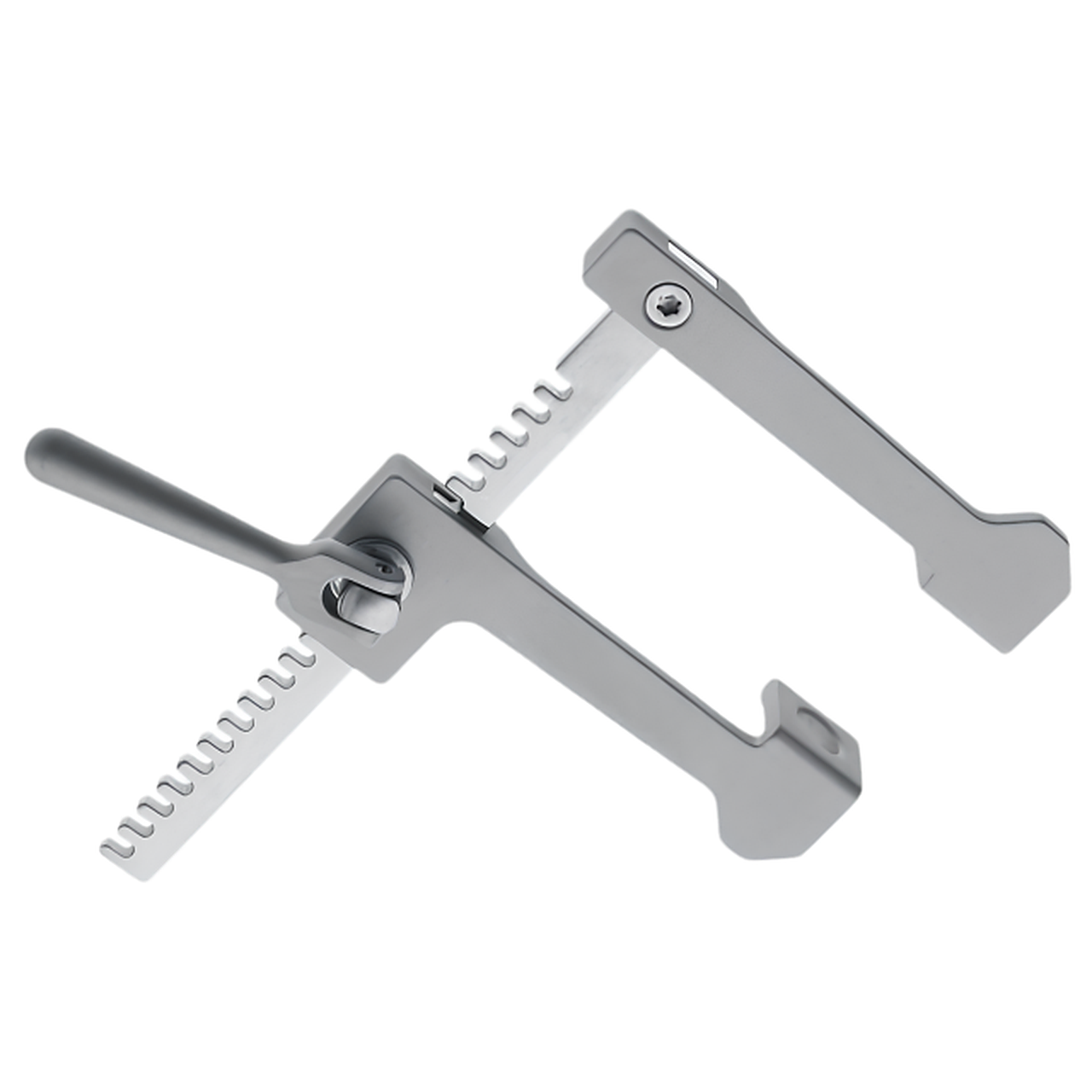 | Реберный расширитель Finochietto-Infant | Специально разработан для разведения ребер при кардиоторакальных операциях у новорожденных и младенцев. |
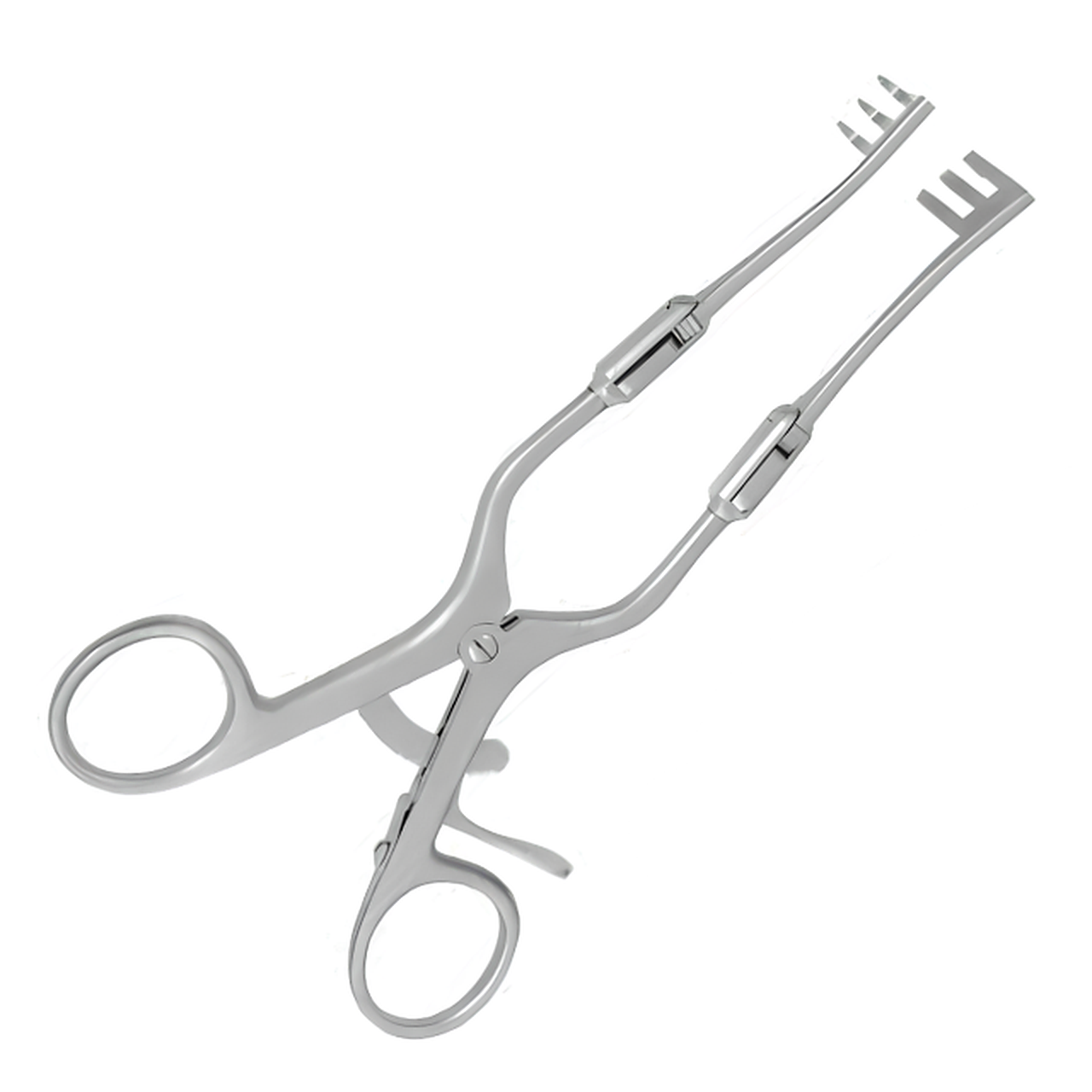 | Ранорасширитель Fisch Retractor with Joint с шарнирным соединением | Специально разработан для разведения ретроаурикулярного лоскута мягких тканей и надкостницы во время операций на сосцевидном отростке и латеральном основании черепа. |
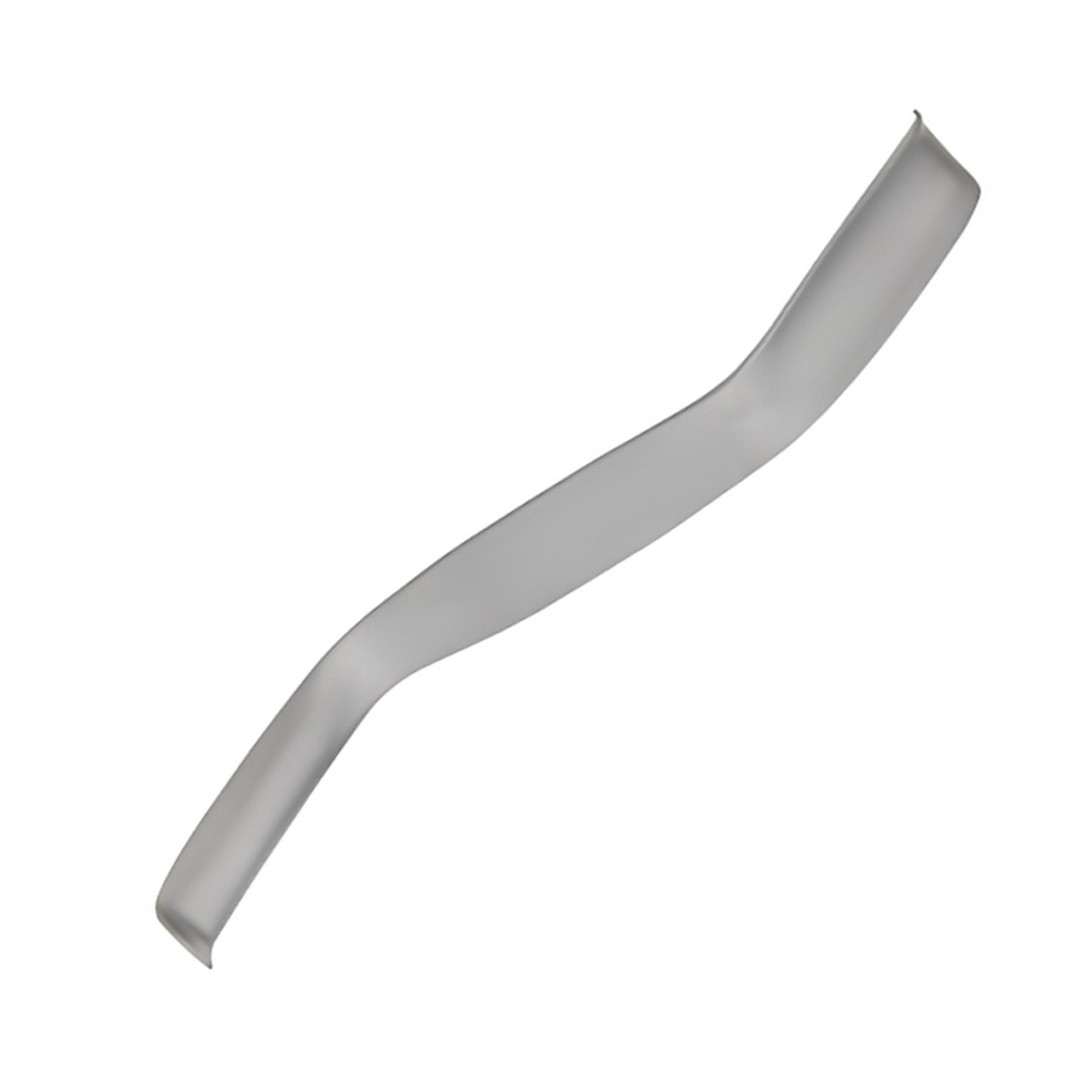 | Ретрактор Fischl Shoe Horn | Специально разработан для ретракции кожных лоскутов, направления протезов и разделения тканевых слоев в пластической и общей хирургии. |
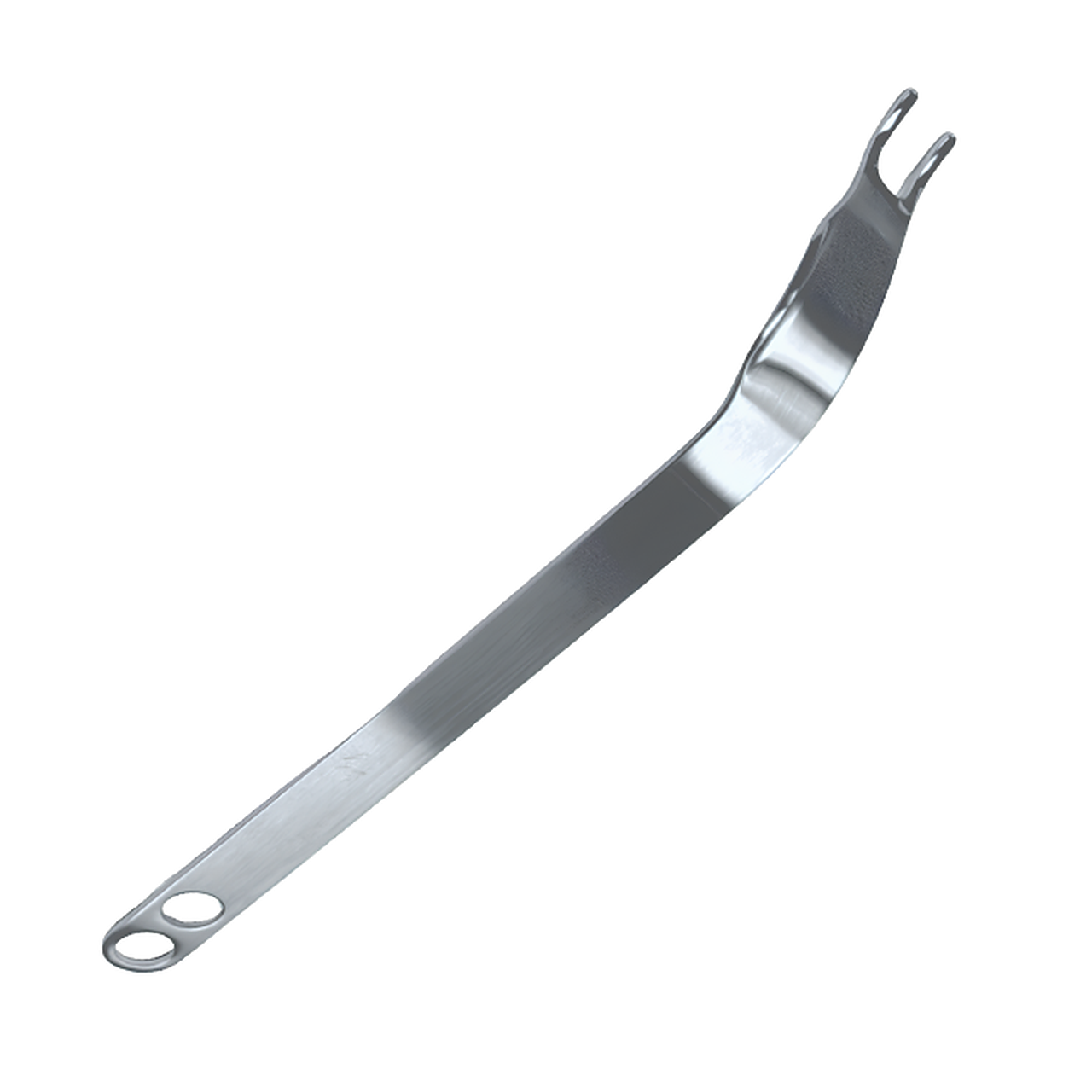 | Распаторы типа «Кобра» расширенные (Flared Cobra Retractors) | Специально разработан для создания рычажного усилия на кость и ретракции массивных мышц при тотальном эндопротезировании тазобедренного сустава, остеотомии таза и реконструкции бедренной кости. |
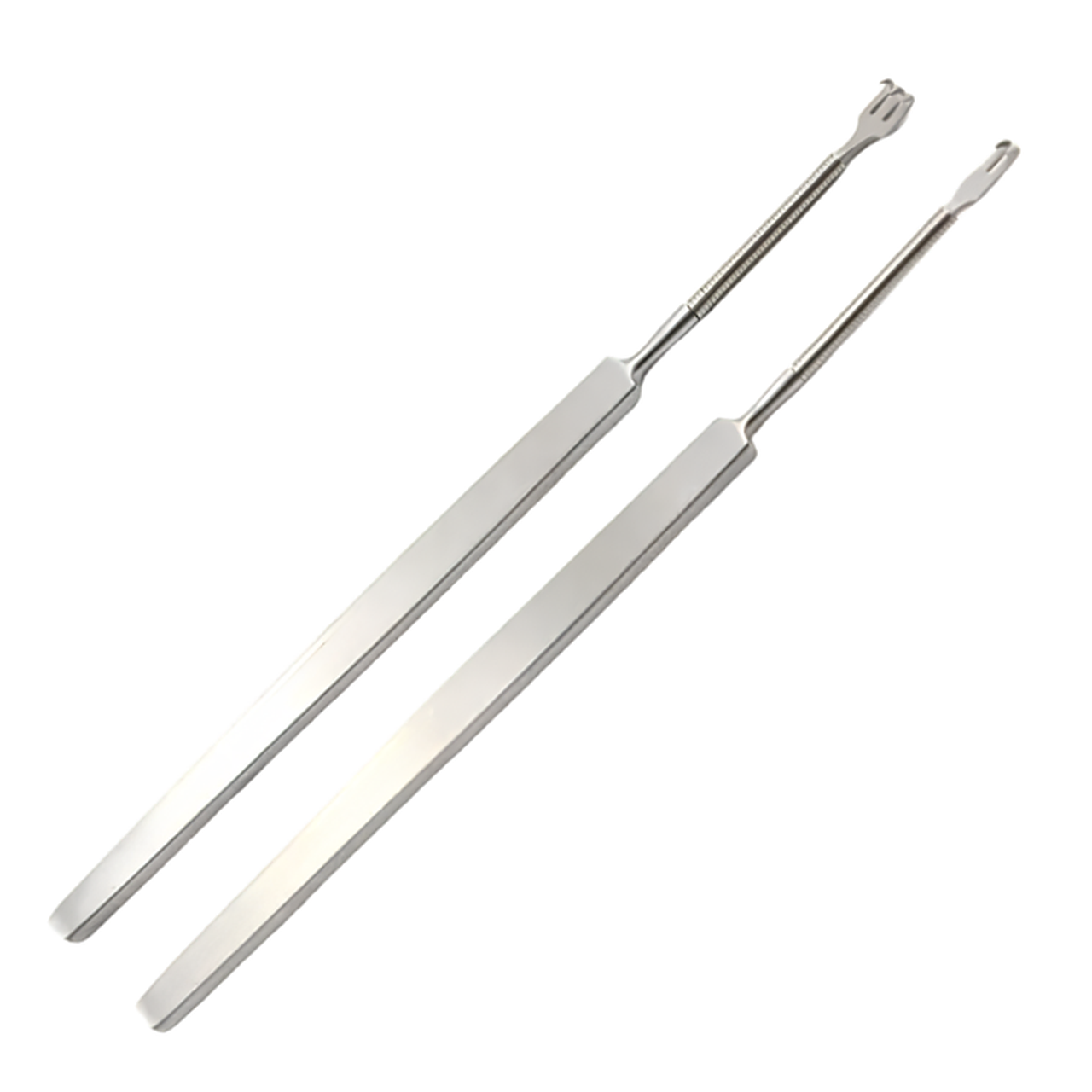 | Ретрактор с гибким стержнем (Flexible Neck Retractor) | Специально разработан для ретракции кожных лоскутов, мышц шеи и фасциальной ткани во время операций на щитовидной железе, шее и в пластической хирургии. |
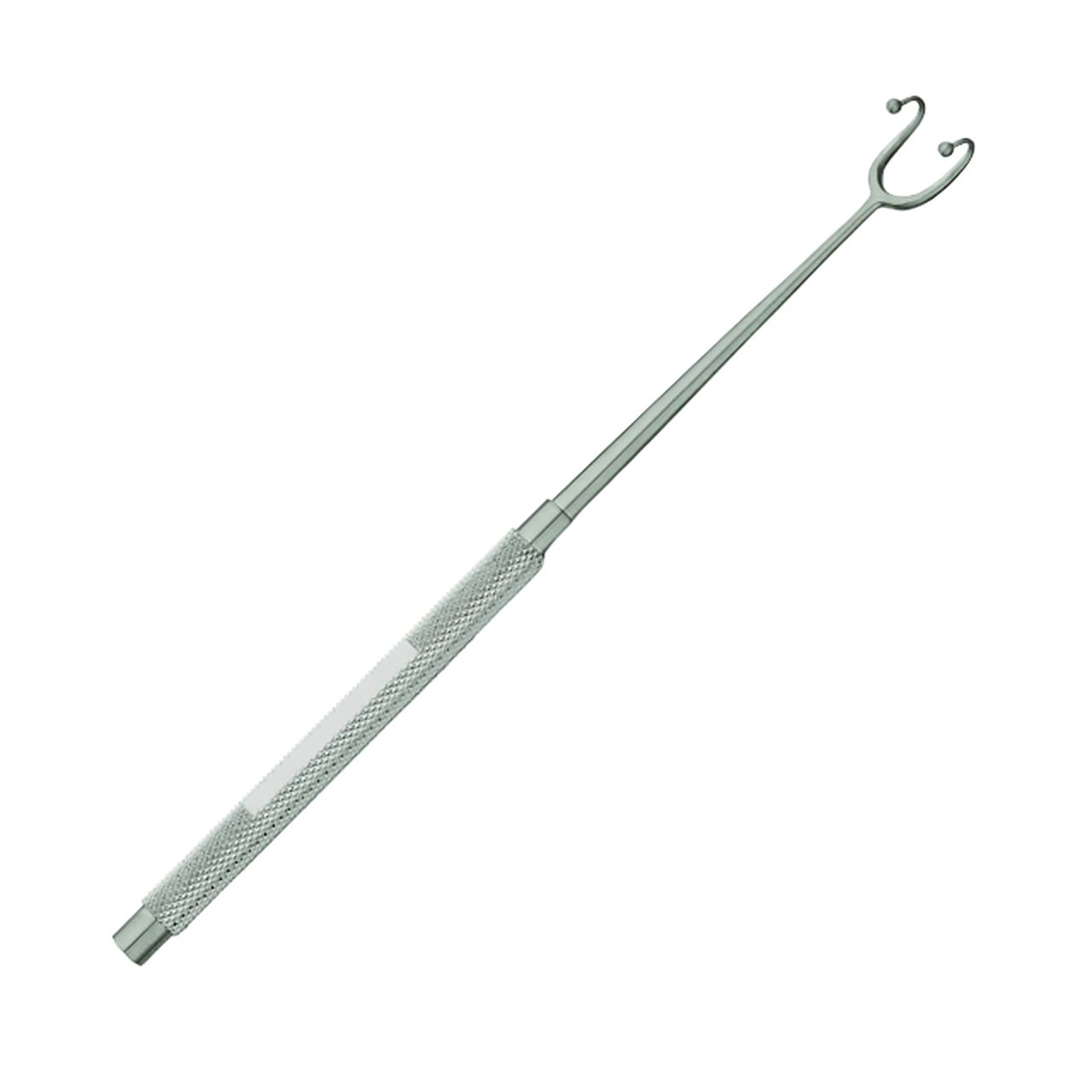 | Ретрактор Fomon | Специально разработан для отведения краев крыльев носа, нижнего латерального хряща и краев ноздрей во время ринопластики. |
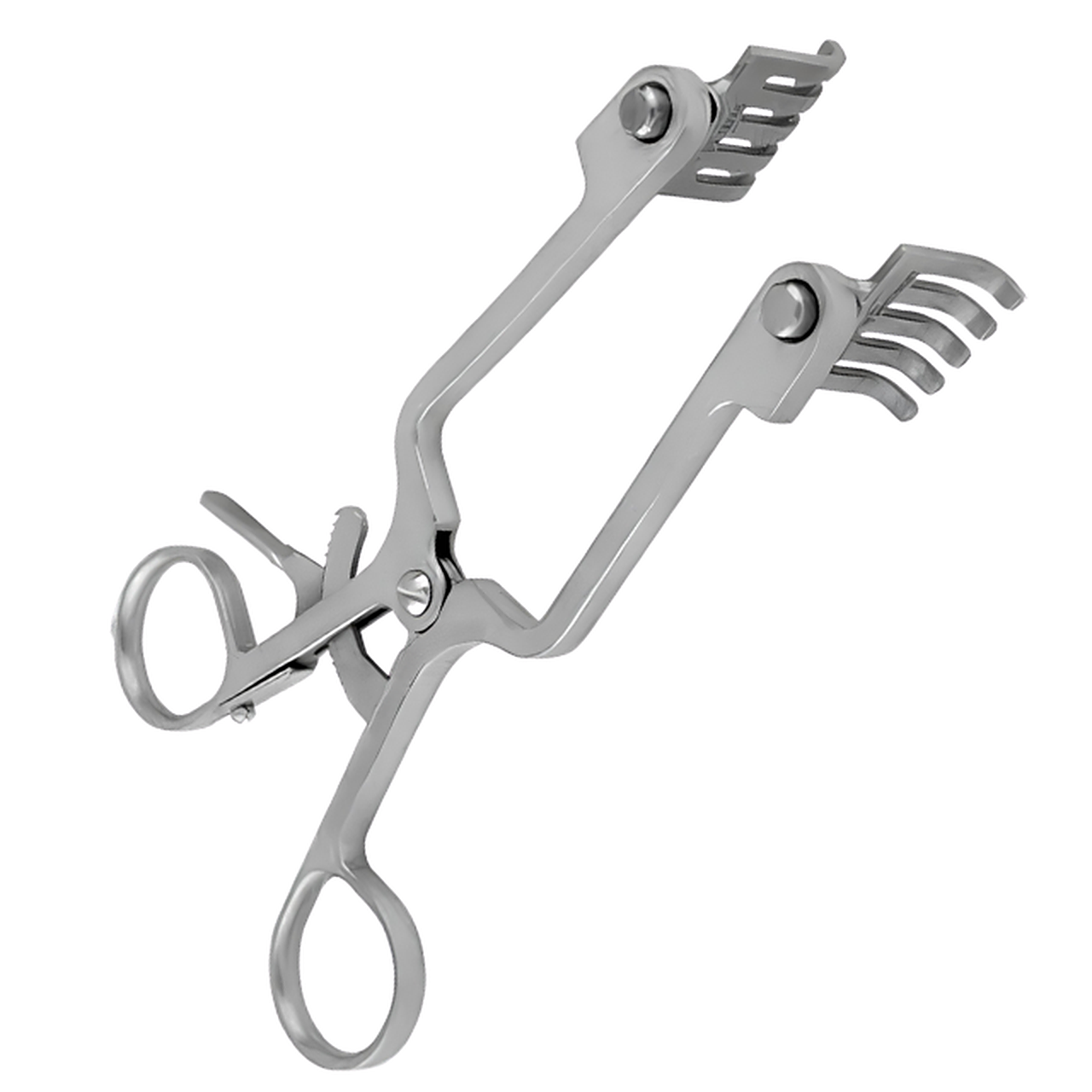 | Ретрактор Forearm Swivel Blade Retractor | Специально разработан для обеспечения самодержащейся ретракции мягких тканей и дистракции костей во время операций на предплечье и запястье. |
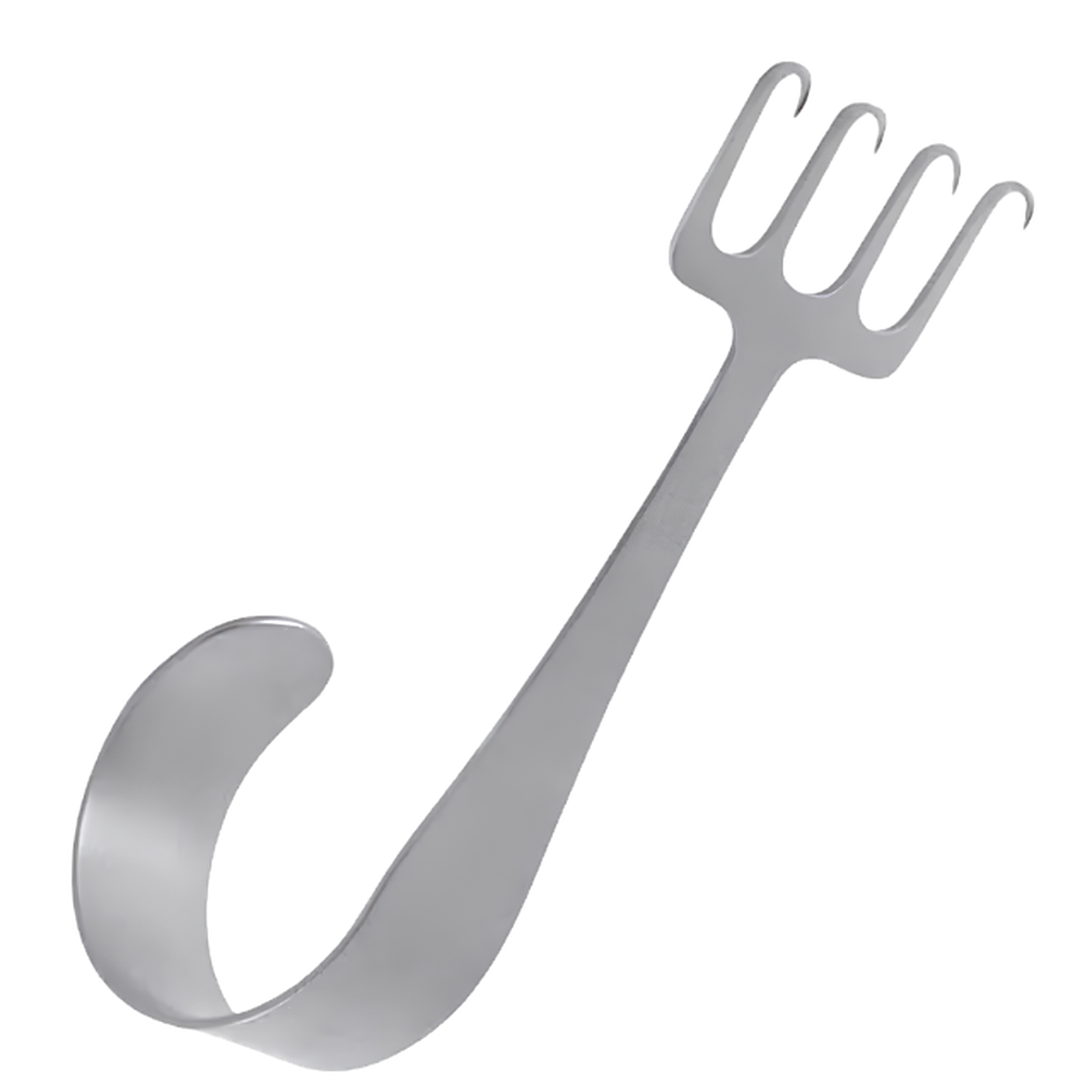 | Ретракторы Freeman для фейслифтинга | Специально разработаны для элевации кожных лоскутов лица и слоя SMAS во время ритидэктомии и эстетических операций на лице. |
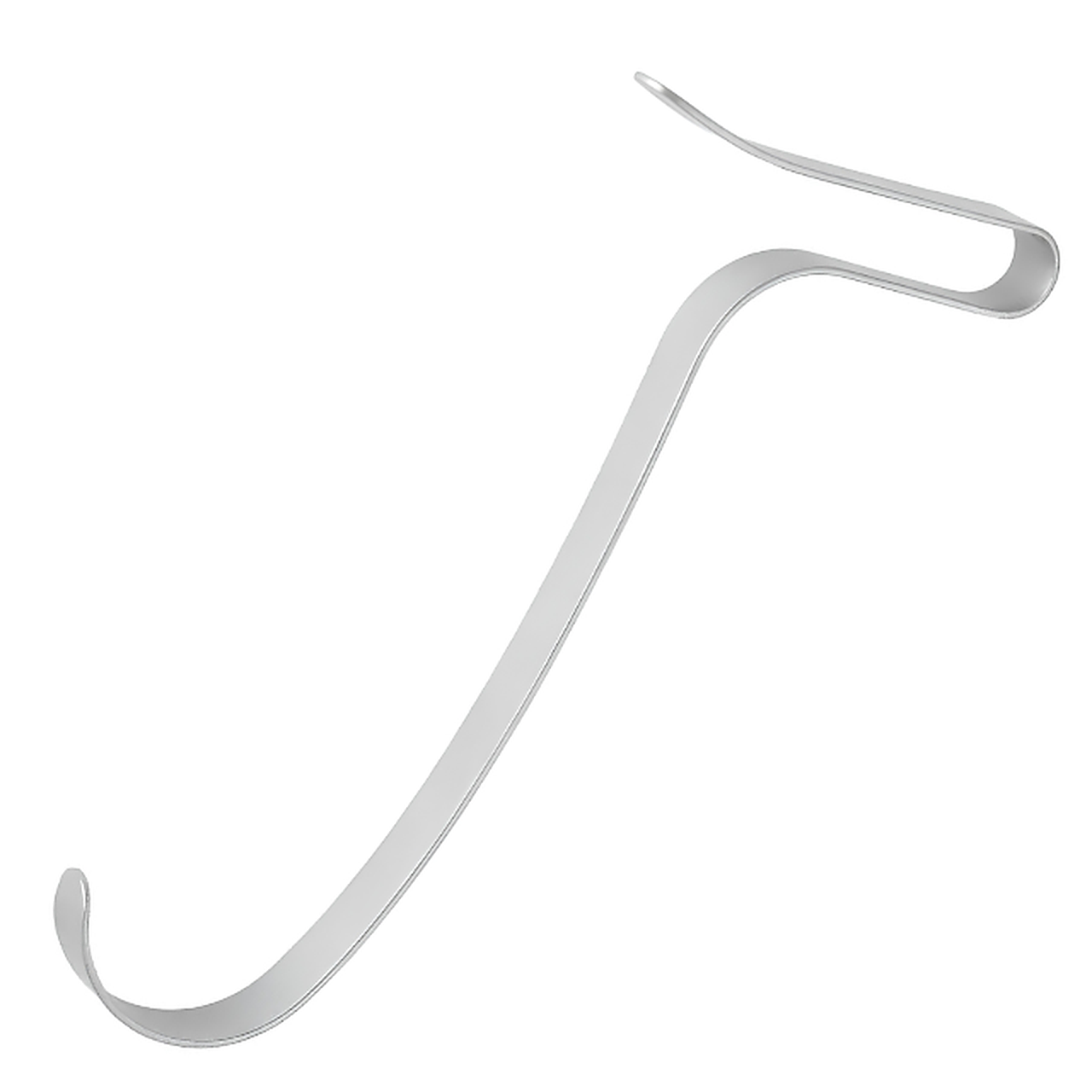 | Ретрактор лоскутный Freeman Flap Retractor | Специально разработан для элевации и ретракции кожных лоскутов и подкожной клетчатки в пластической, реконструктивной хирургии и маммопластике. |
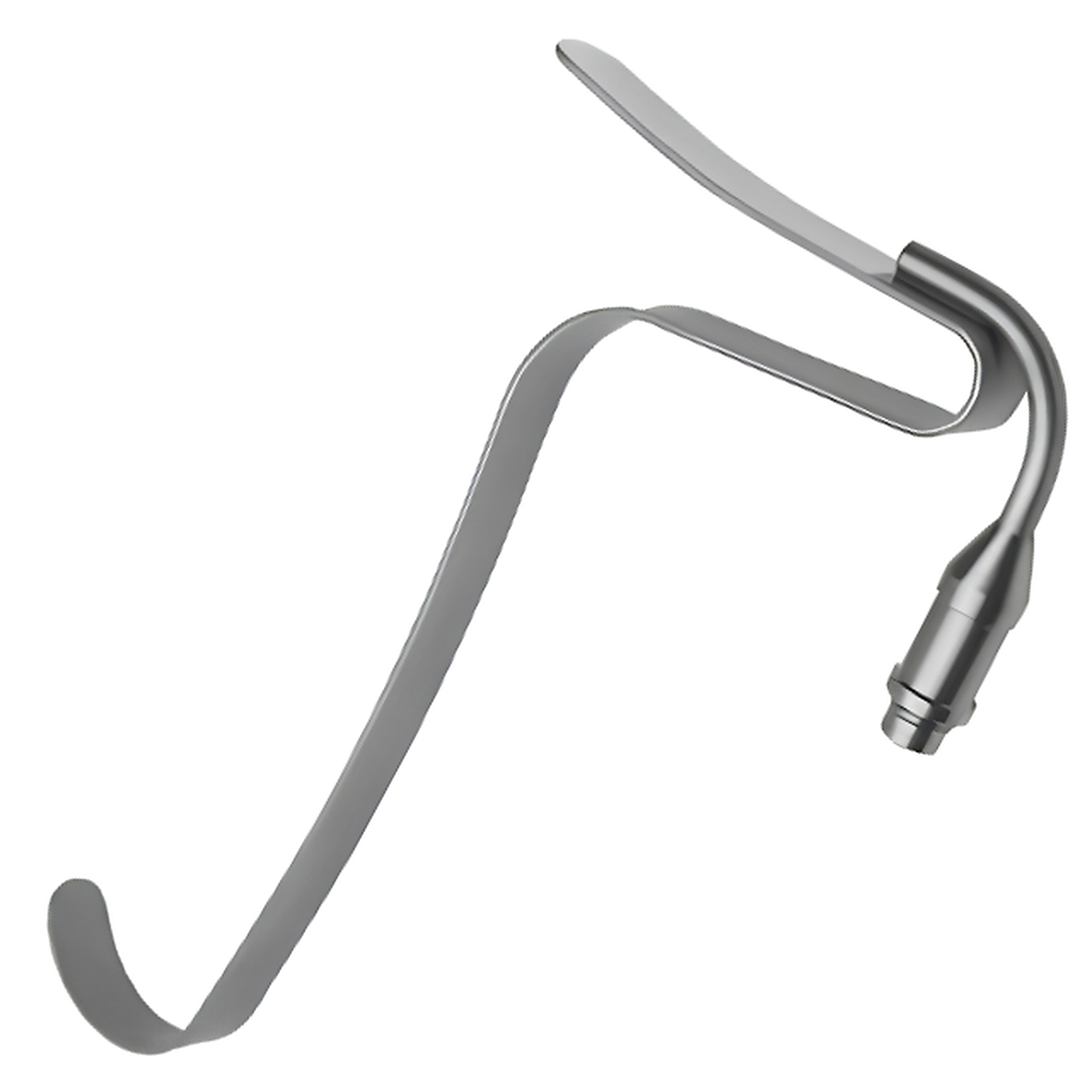 | Ретрактор Freeman Flap Retractor With Fiber Optic Illumination | Специально разработан для ретракции мягких тканей с подсветкой и поднятия лоскутов во время эстетических и реконструктивных пластических операций. |
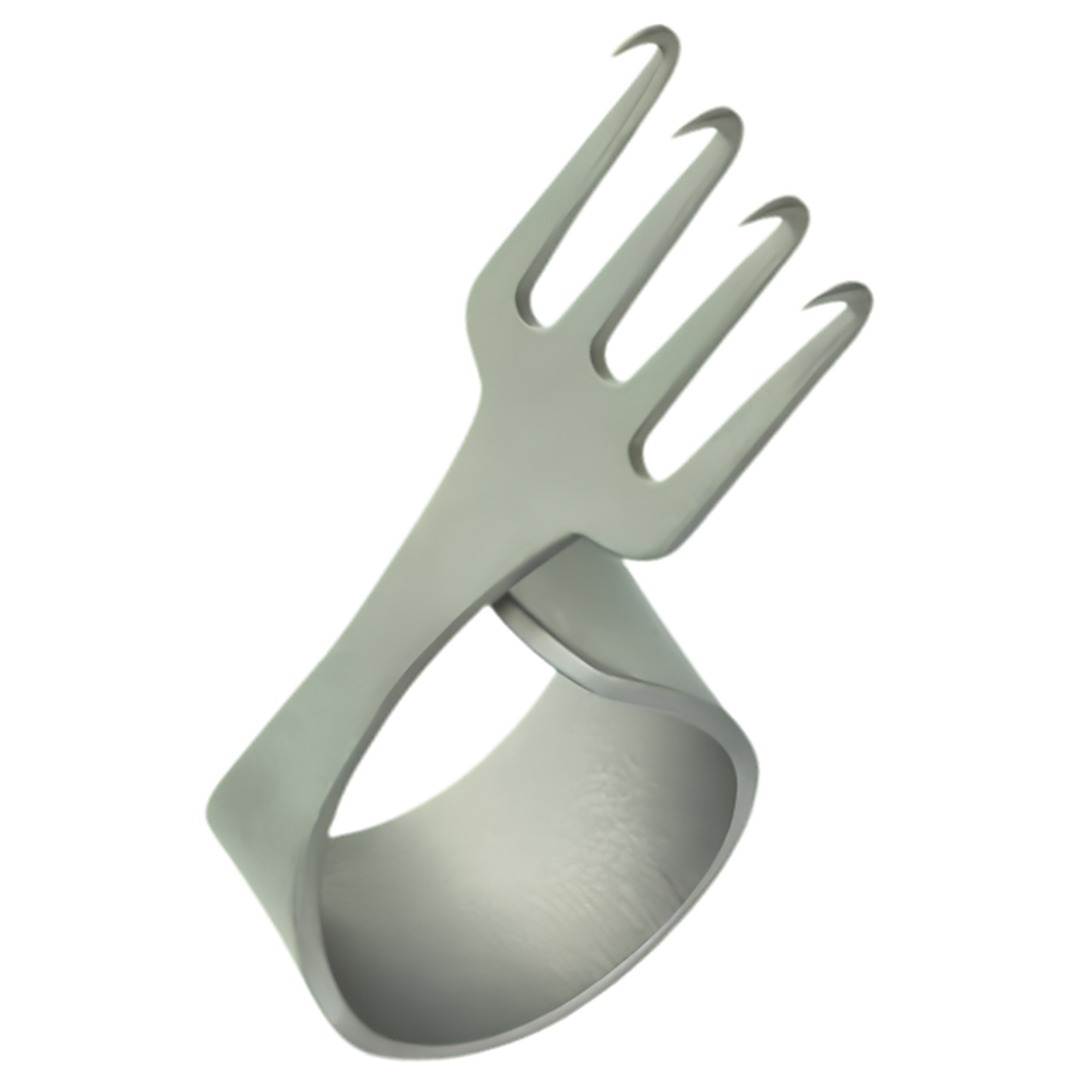 | Мини-ретрактор Freeman Mini Rake Retractor | Специально разработан для микроэлевации кожных лоскутов и деликатной тракции мягких тканей в узких анатомических зонах. |
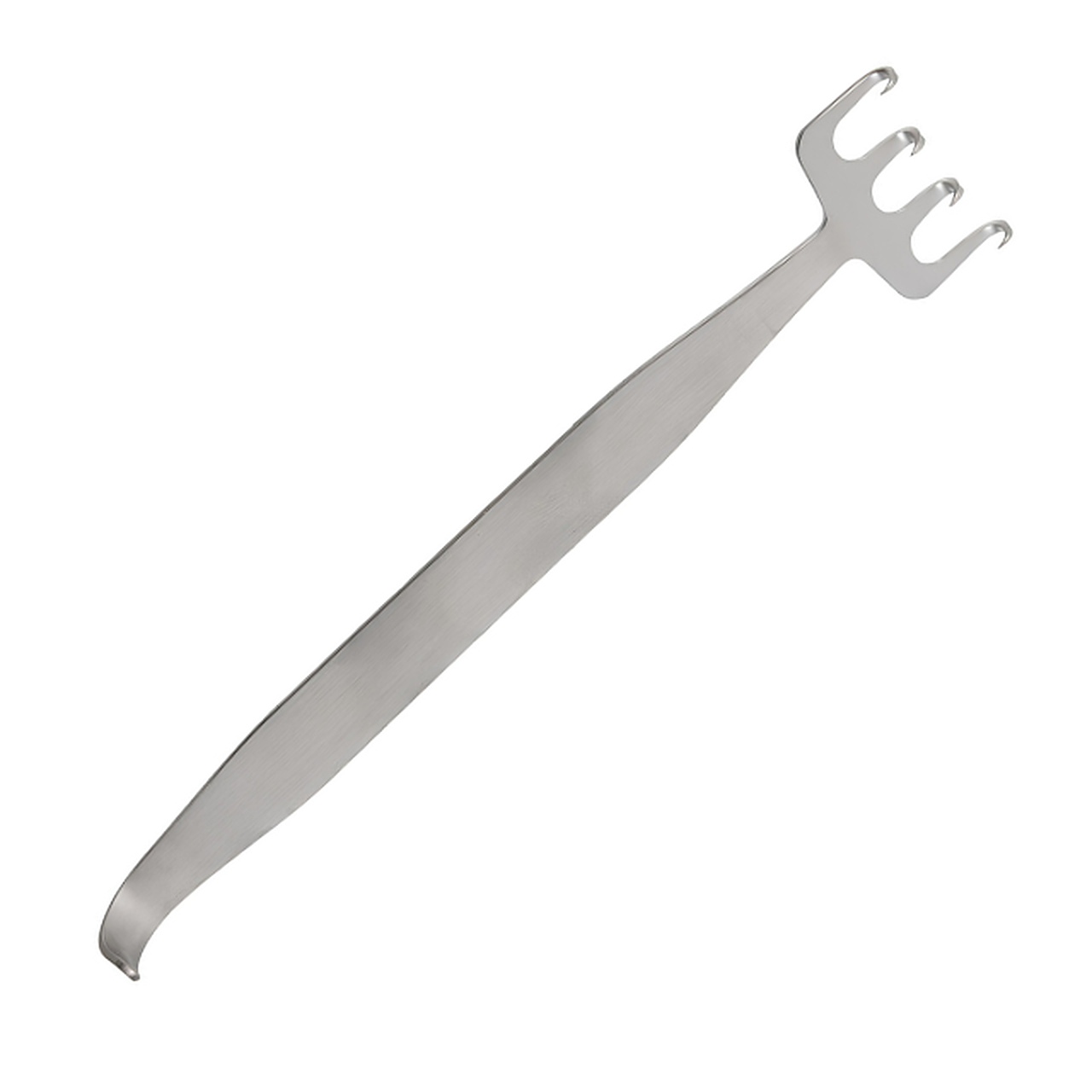 | Ретрактор Freeman Rake Retractor | Специально разработан для подъема и ретракции кожных лоскутов во время ритидэктомии и реконструктивной пластической хирургии. |
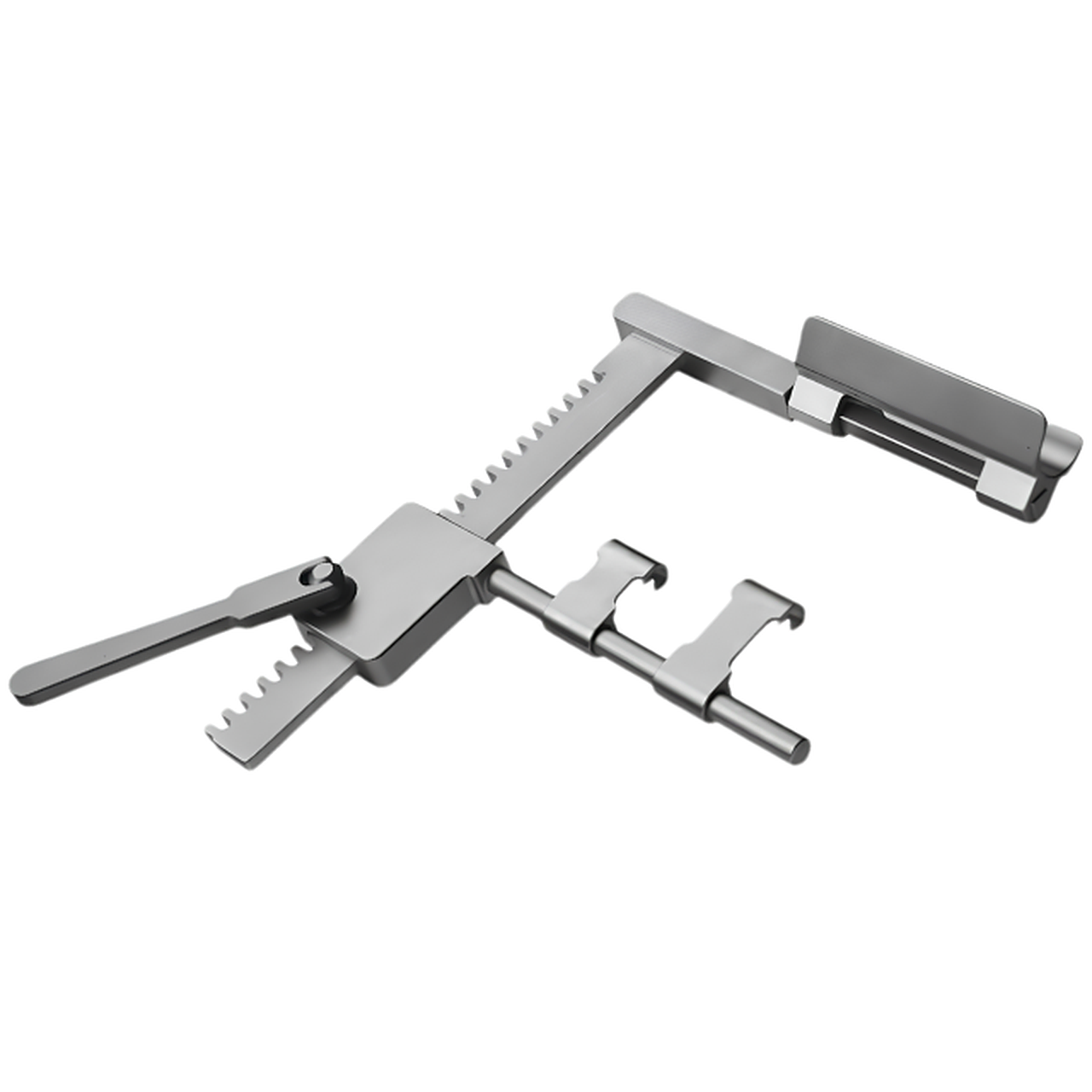 | Стервальный ретрактор I.M.A French Pattern | Специально разработан для односторонней элевации грудины при выделении внутренней грудной артерии в ходе операций АКШ. |
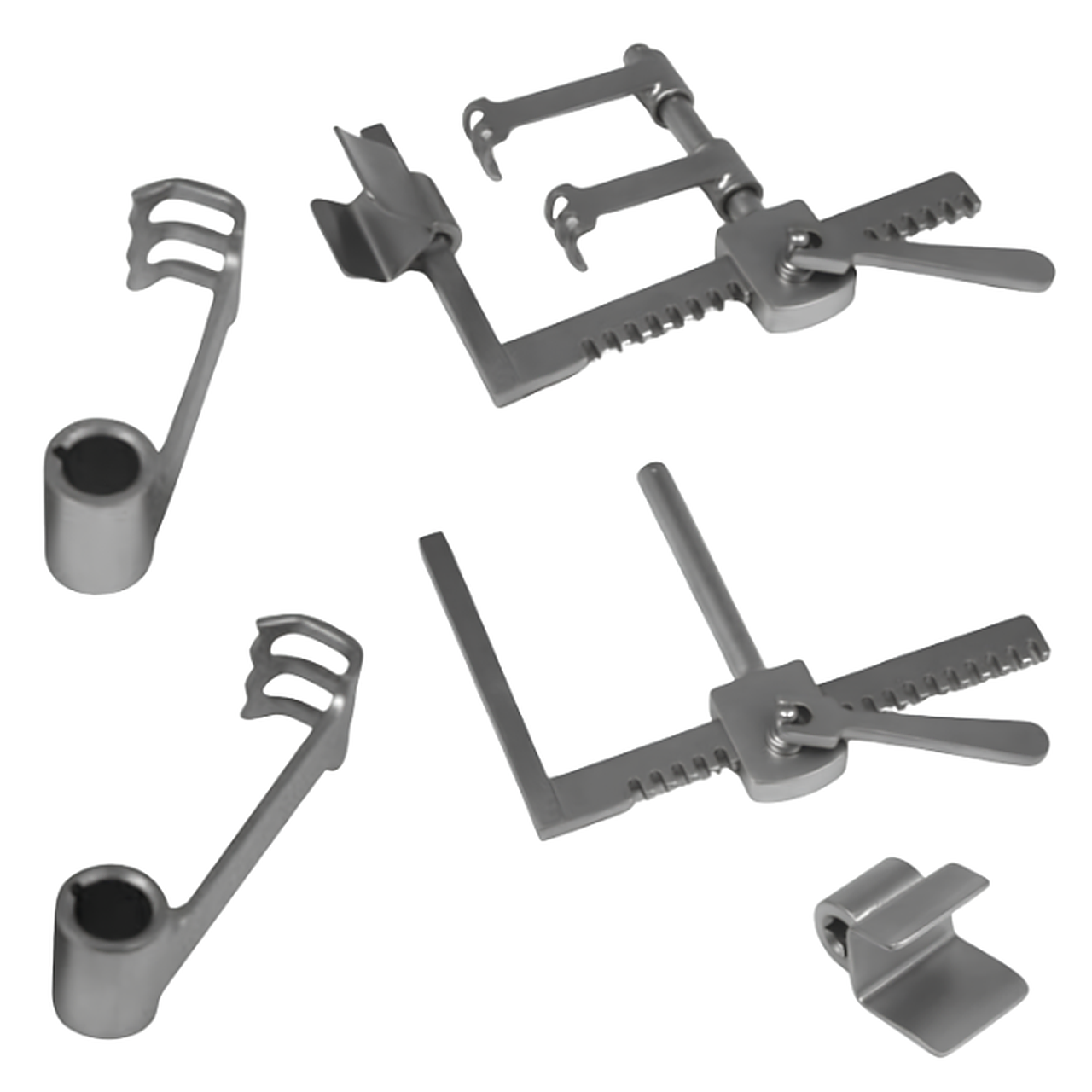 | Грудной ретрактор French Pattern I.M.A. Sternal Retractor for Ministernotomy | Специально разработан для одностороннего поднятия грудины во время министернотомии и малоинвазивных кардиохирургических вмешательств. |
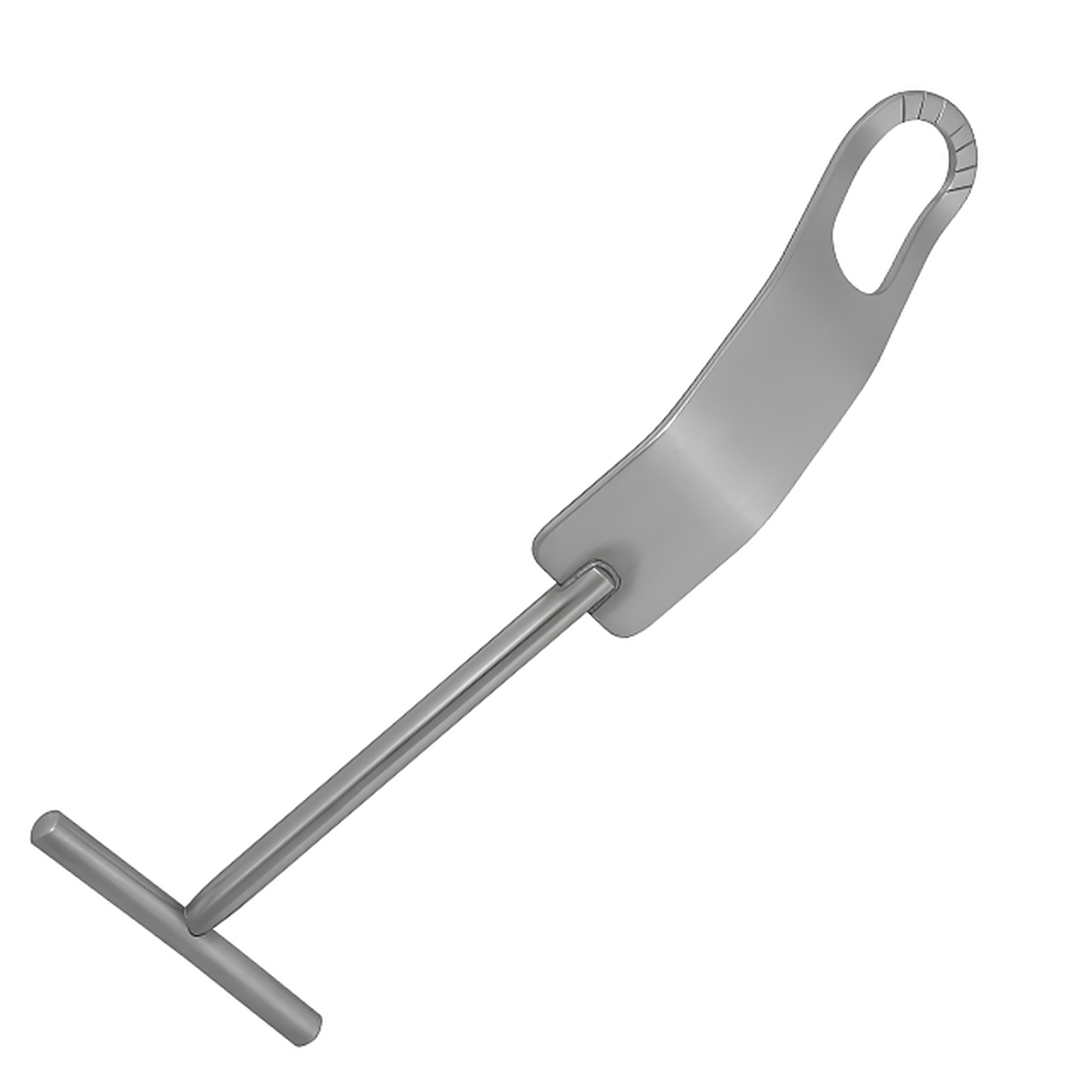 | Ретрактор Fukuda Kujat Style Retractor | Специально разработан для смещения головки плечевой кости кзади и экспозиции суставной впадины лопатки (гленоида) при артропластике плечевого сустава. |
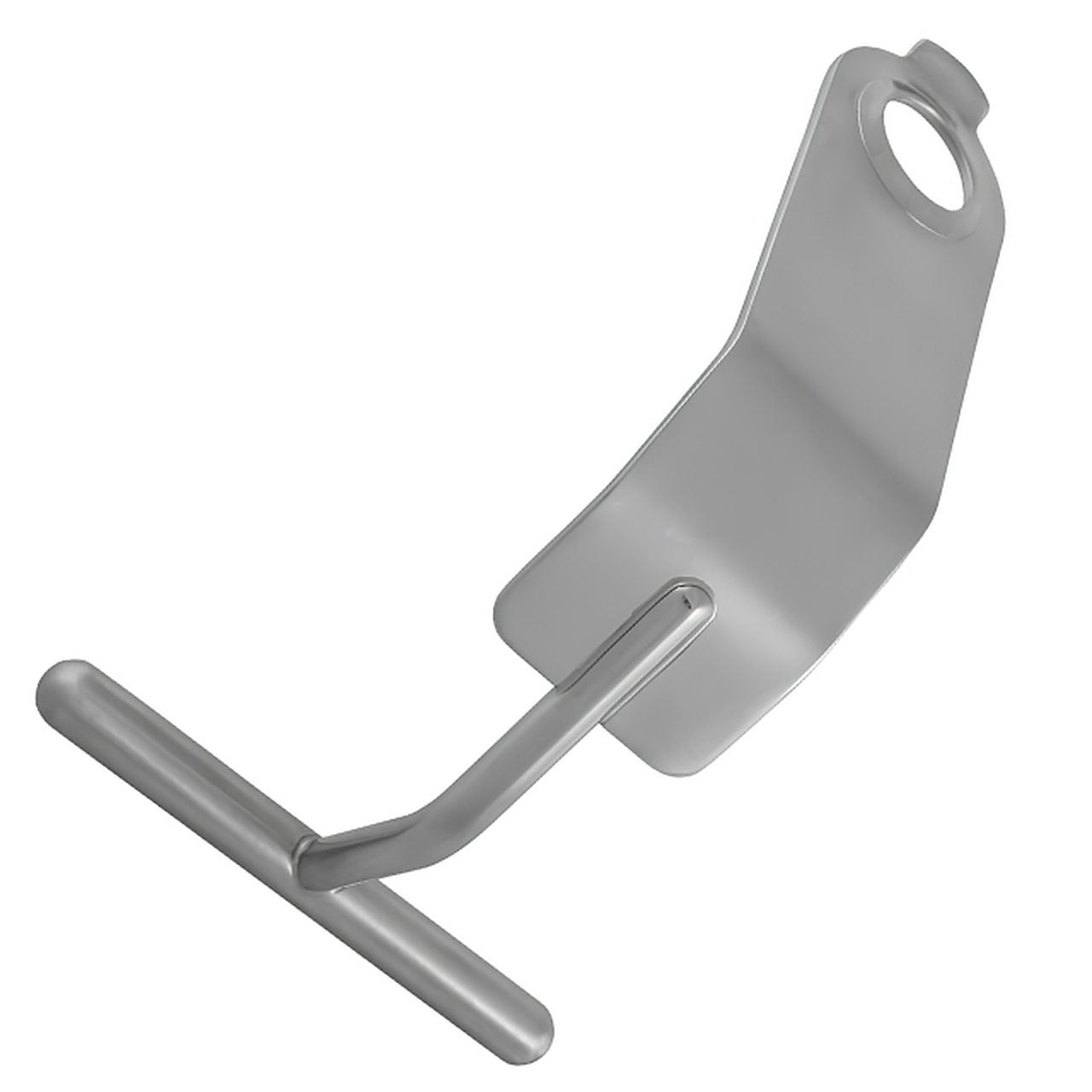 | Ретракторы Fukuda Style Retractors | Специально разработан для ретракции головки плечевой кости и обнажения полости гленоида во время артропластики и реконструктивных операций на плечевом суставе. |
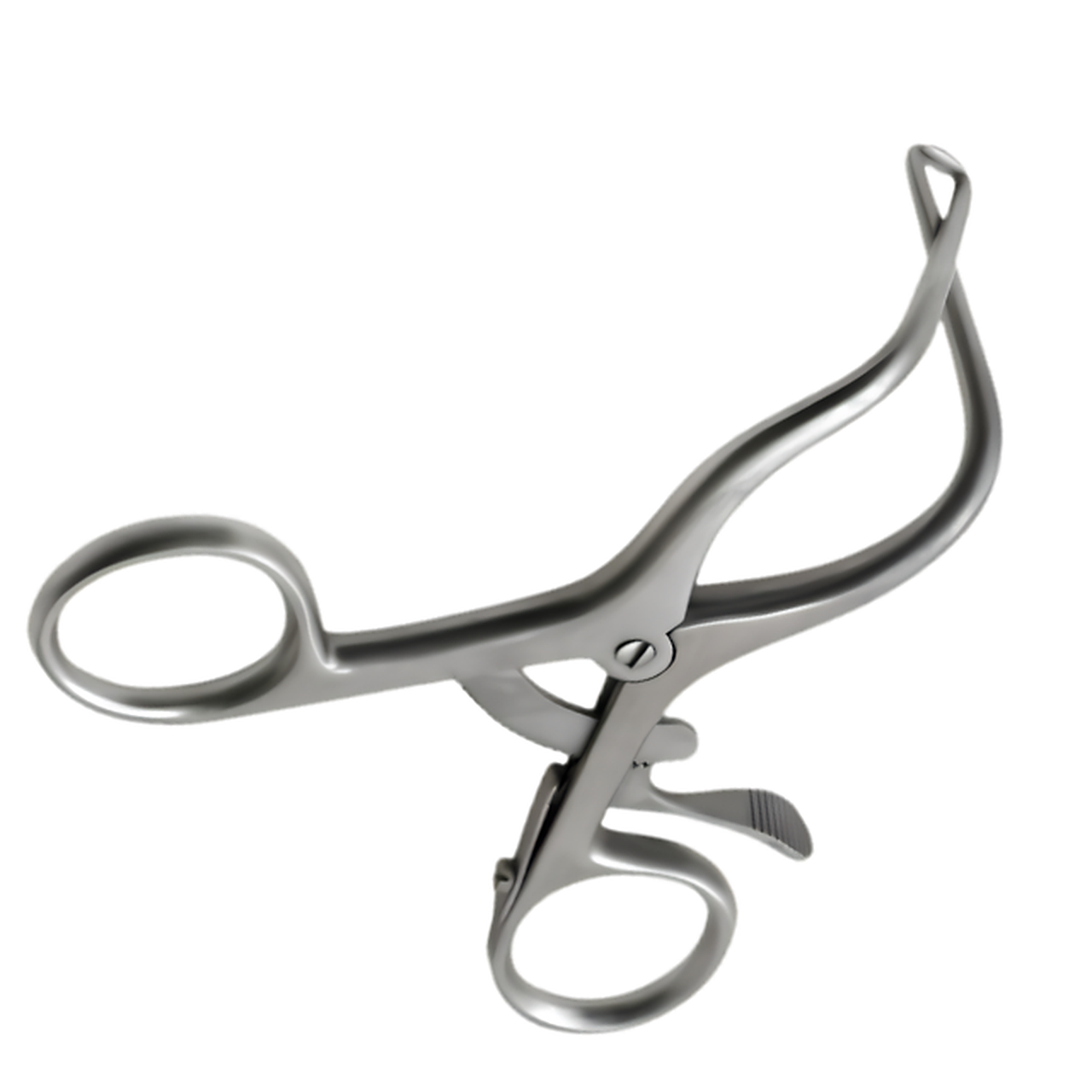 | Gelpi Crossover Retractor - Deep Angles | Специально разработан для самоудерживающейся ретракции сухожилий, мышц и мягких тканей во время операций на конечностях и позвоночнике. |
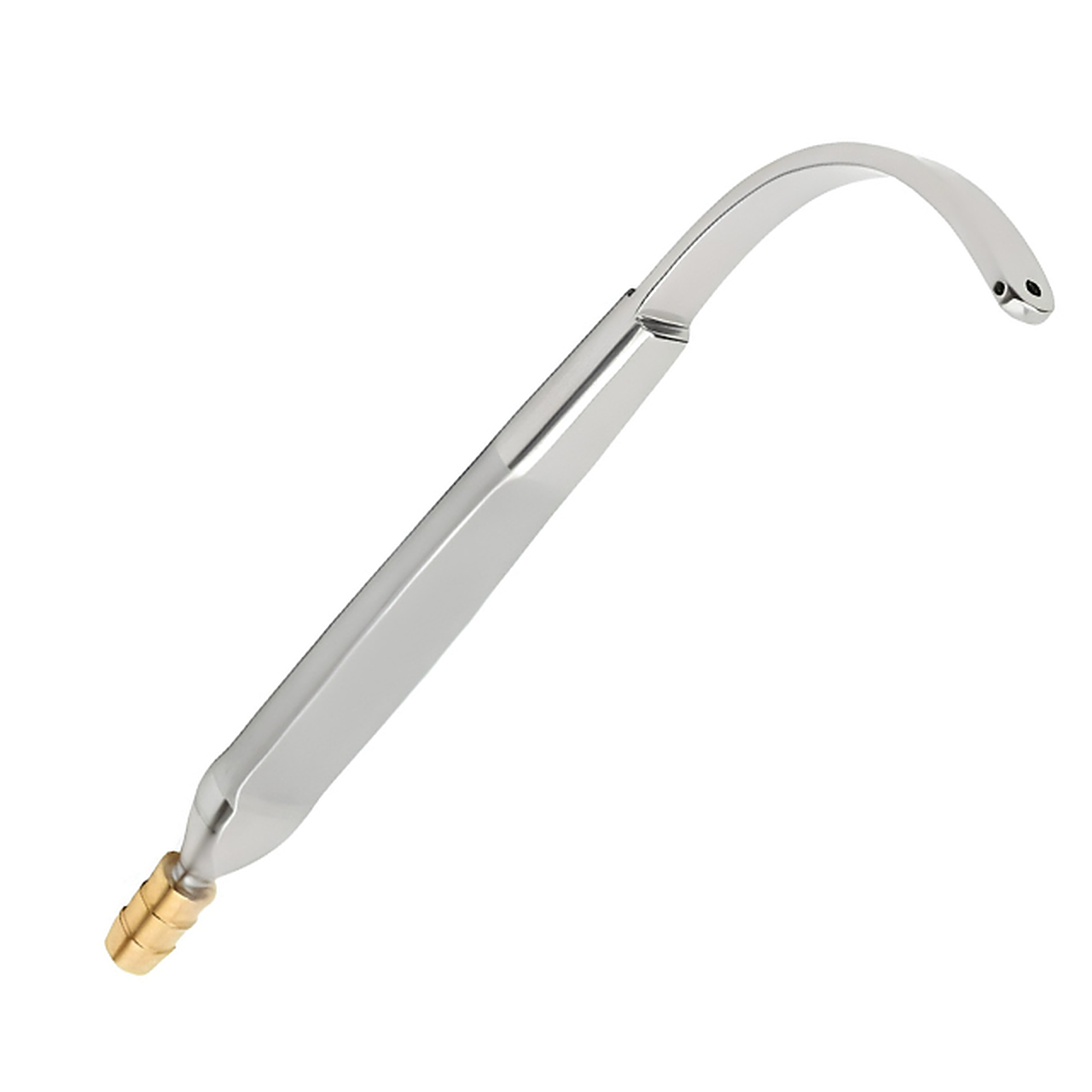 | Аспирационный ретрактор Gerbault Tebbett’s Suction Retractor | Специально разработан для элевации мягких тканей носа с одновременной эвакуацией дыма/жидкости и освещением во время ринопластики. |
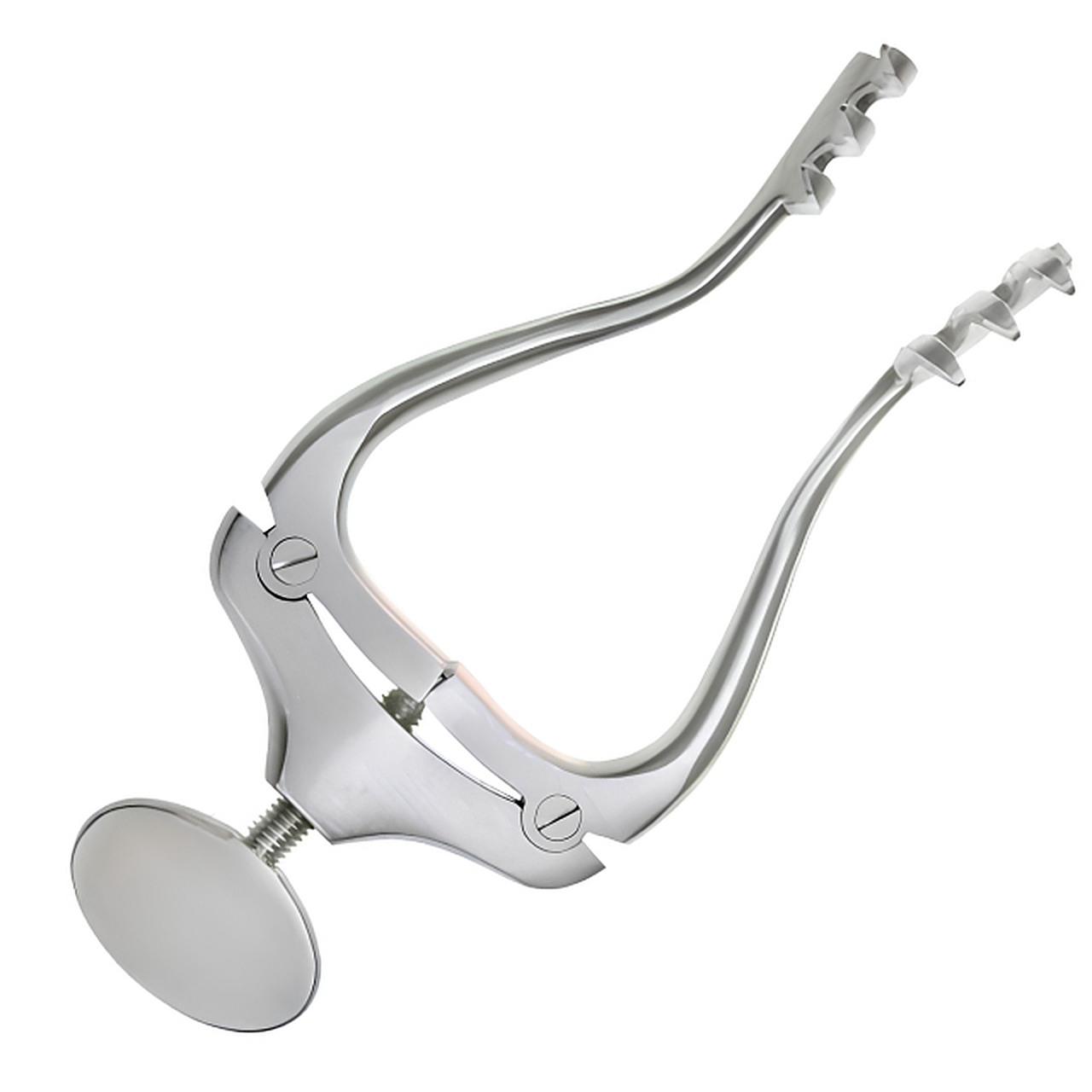 | Ранорасширитель Gifford-Jansen Retractor | Специально разработан для обеспечения самодержащейся ретракции краев раны и надкостницы при операциях на сосцевидном отростке, ухе и коже головы. |
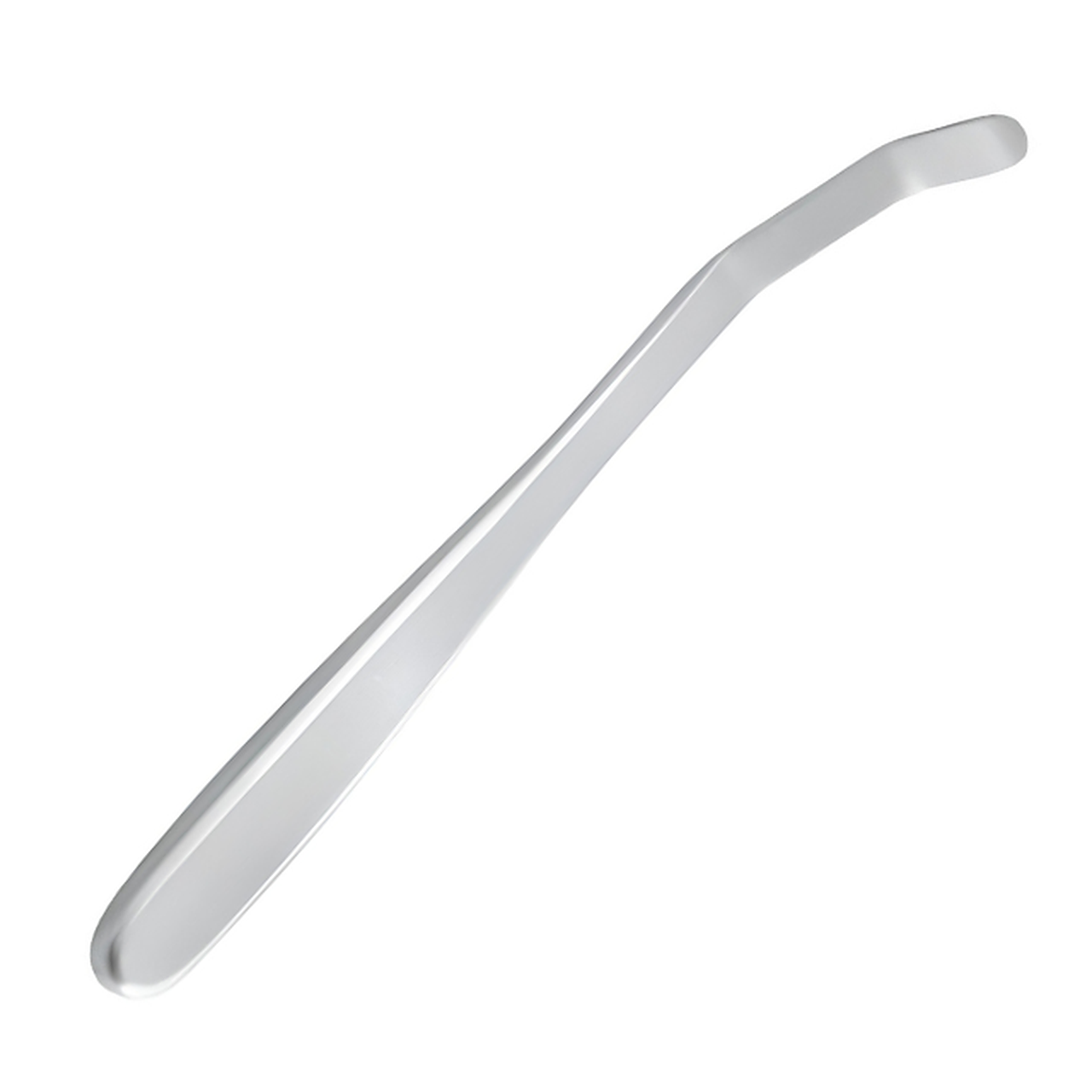 | Ретрактор Glenoid Condyle Retractor | Специально разработан для создания рычажного усилия на краях кости и ретракции суставных капсул во время плечевых, мыщелковых и ортопедических процедур. |
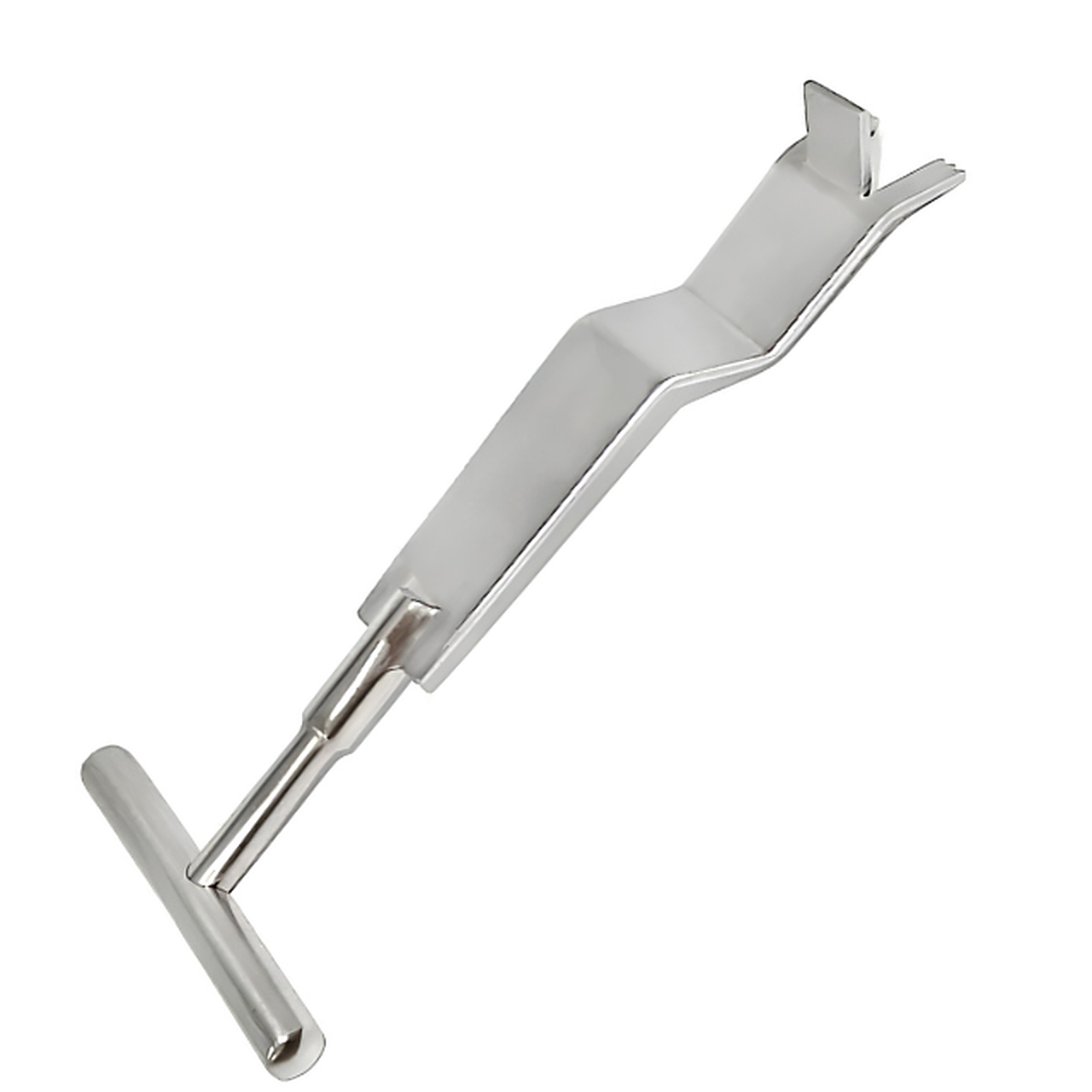 | Ретракторы гленоидальные (Glenoid Retractors) | Специально разработан для экспозиции края гленоида и ретракции мягких тканей капсулы при тотальном и реверсивном эндопротезировании плечевого сустава. |
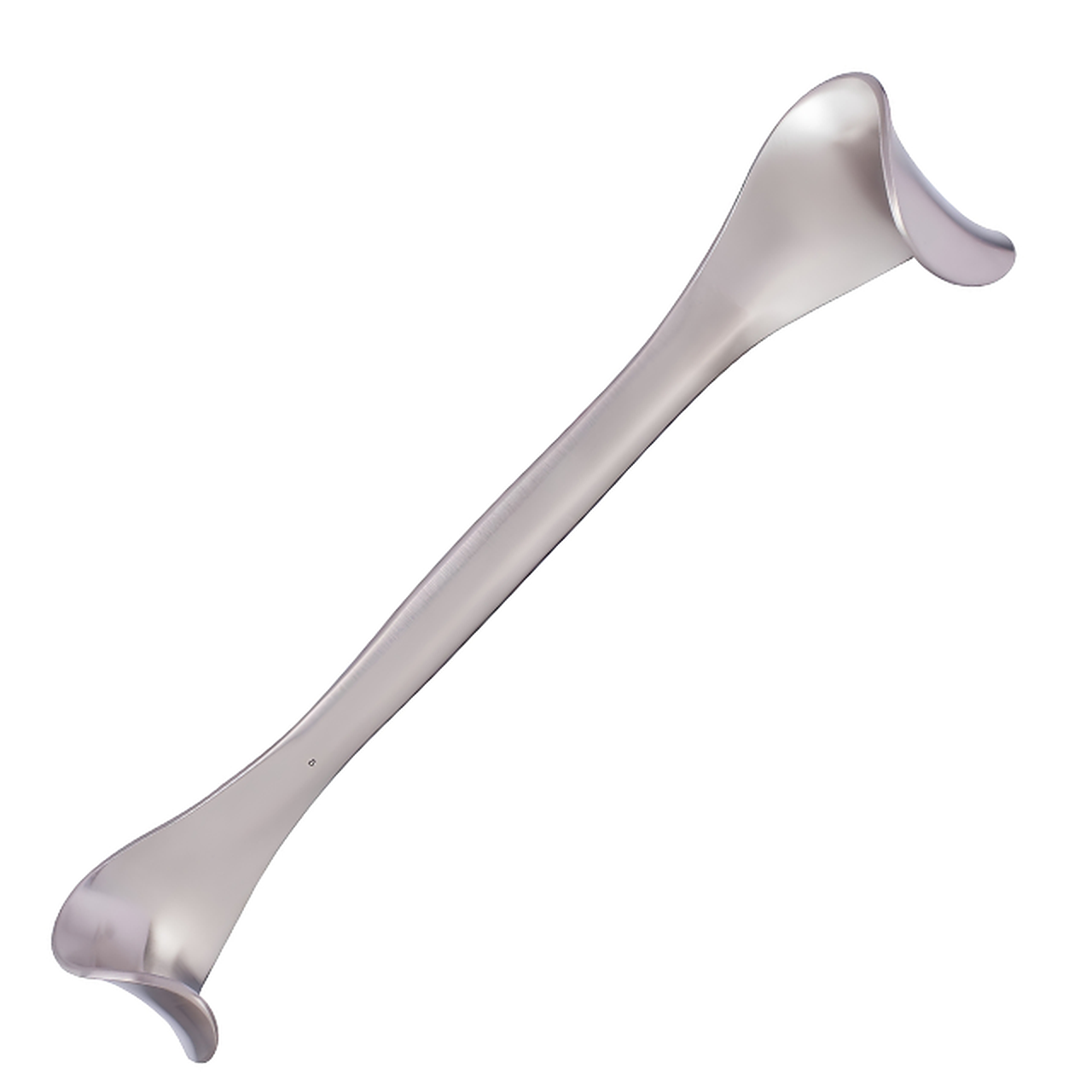 | Ранорасширитель Goelet Retractor | Специально разработан для ретракции кожи, подкожно-жировой клетчатки и мышечной ткани во время поверхностных и промежуточных хирургических процедур. |
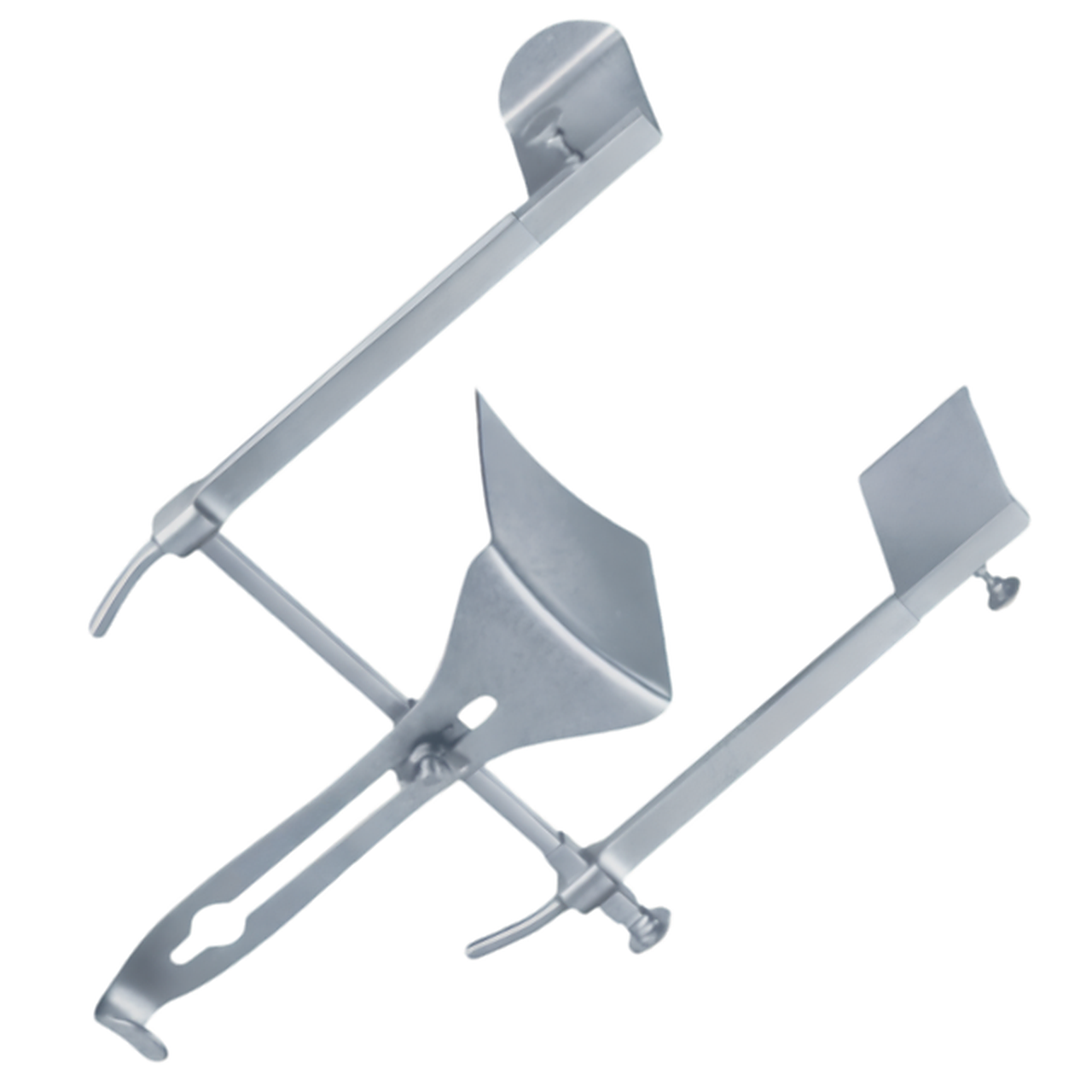 | Ранорасширитель Golligher Self Retaining Retractor | Специально разработан для обеспечения самоудерживающегося многонаправленного разведения брюшной стенки и внутренних органов во время колоректальных операций. |
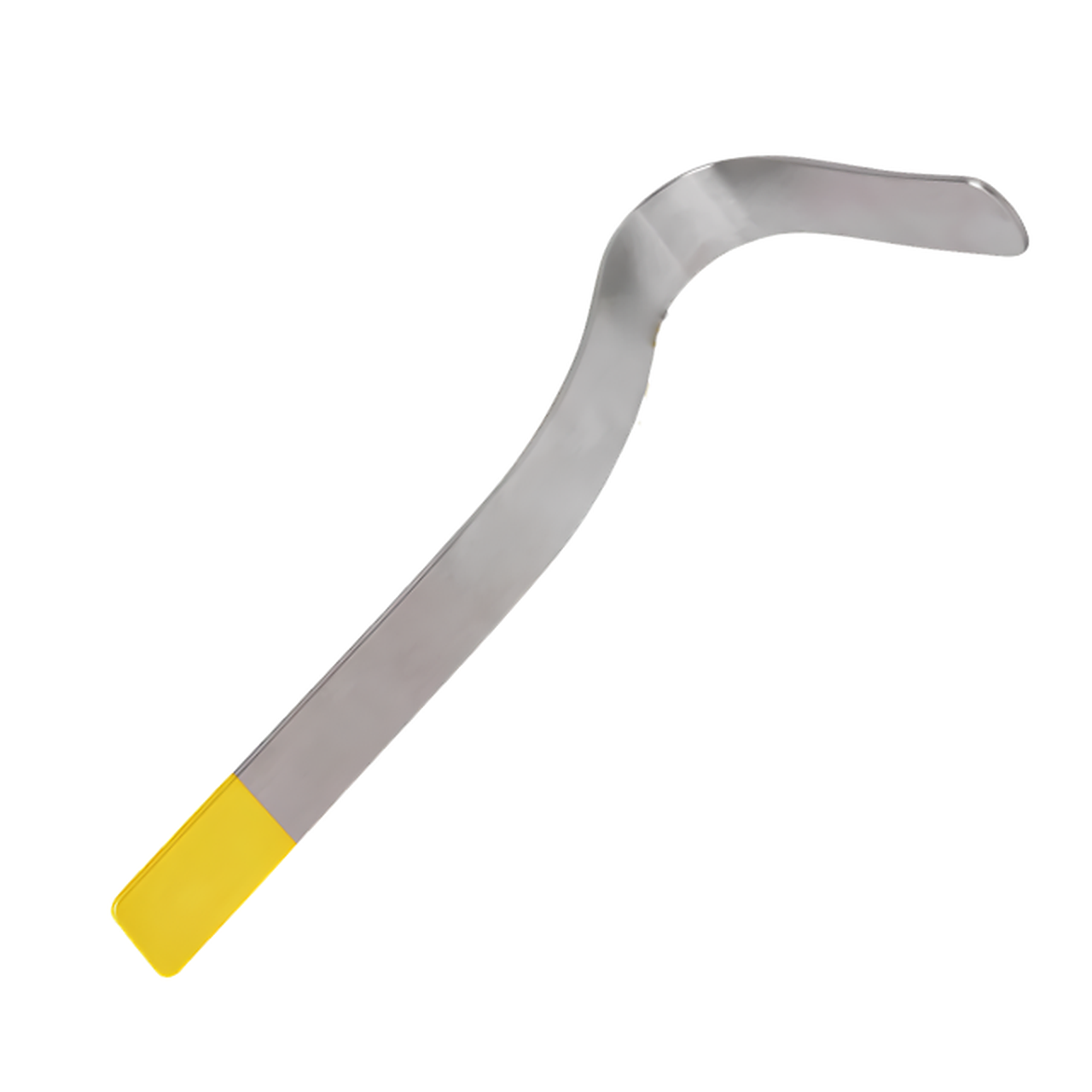 | Глютеальный L-образный ретрактор Gonzalez | Специально разработан для поднятия и ретракции слоев ягодичных мышц и мягких тканей во время операций по увеличению и реконструкции ягодиц. |
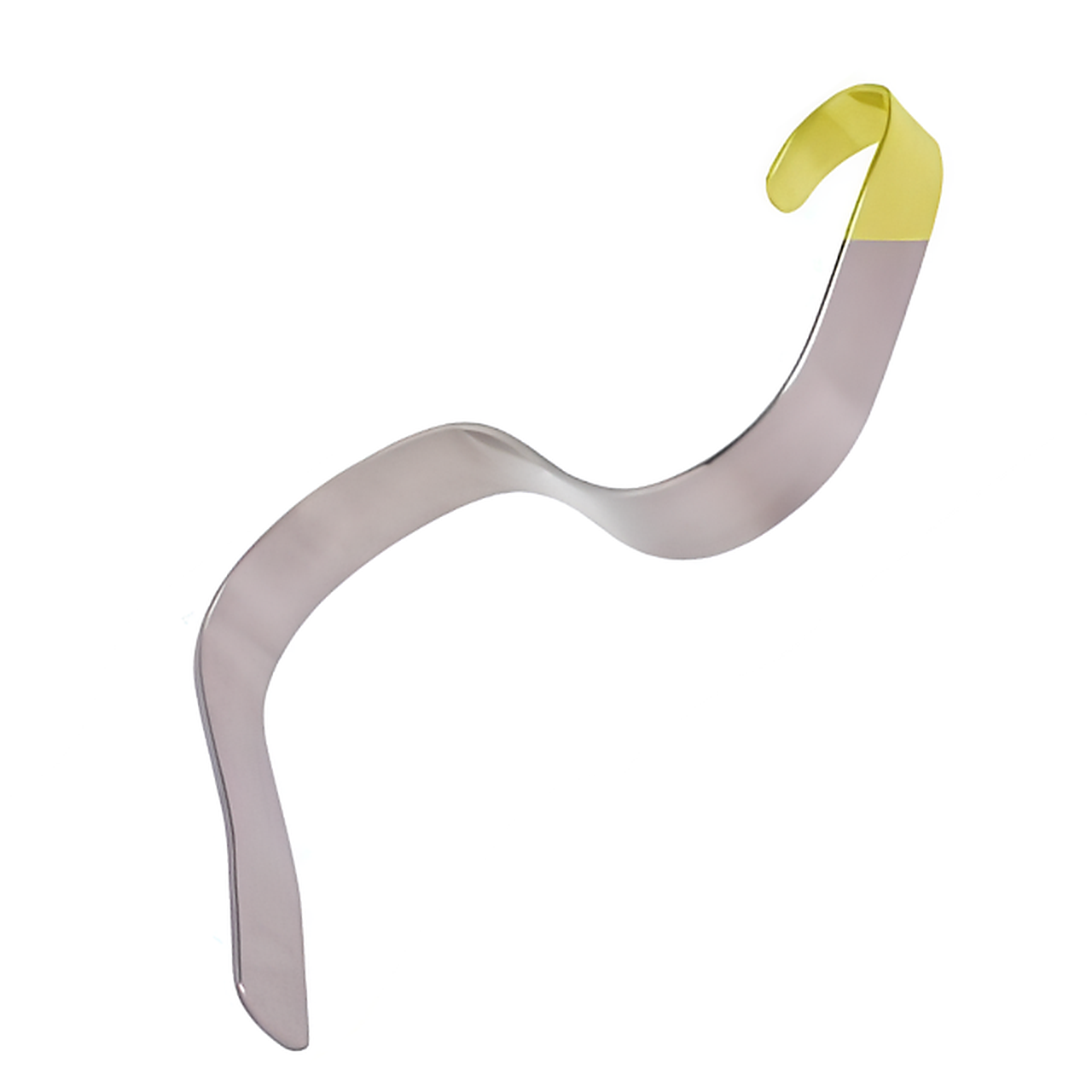 | S-образный ягодичный ретрактор Gonzalez | Специально разработан для поднятия и ретракции большой ягодичной мышцы и мягких тканей во время операций по имплантации ягодиц. |
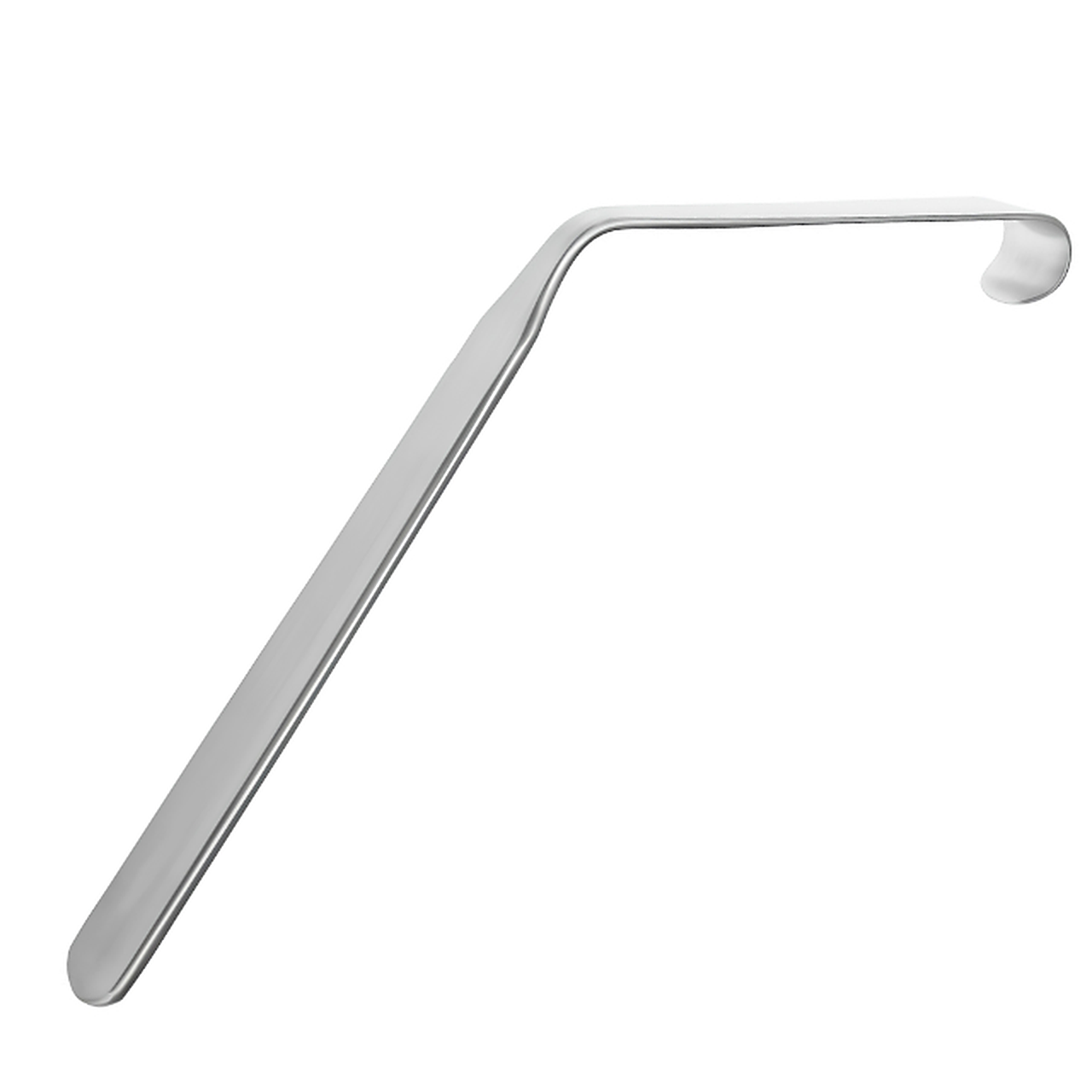 | Ретрактор для язычка Goodyear | Специально разработан для ретракции и поднятия язычка и мягкого неба во время хирургических операций на глотке и аденоидах. |
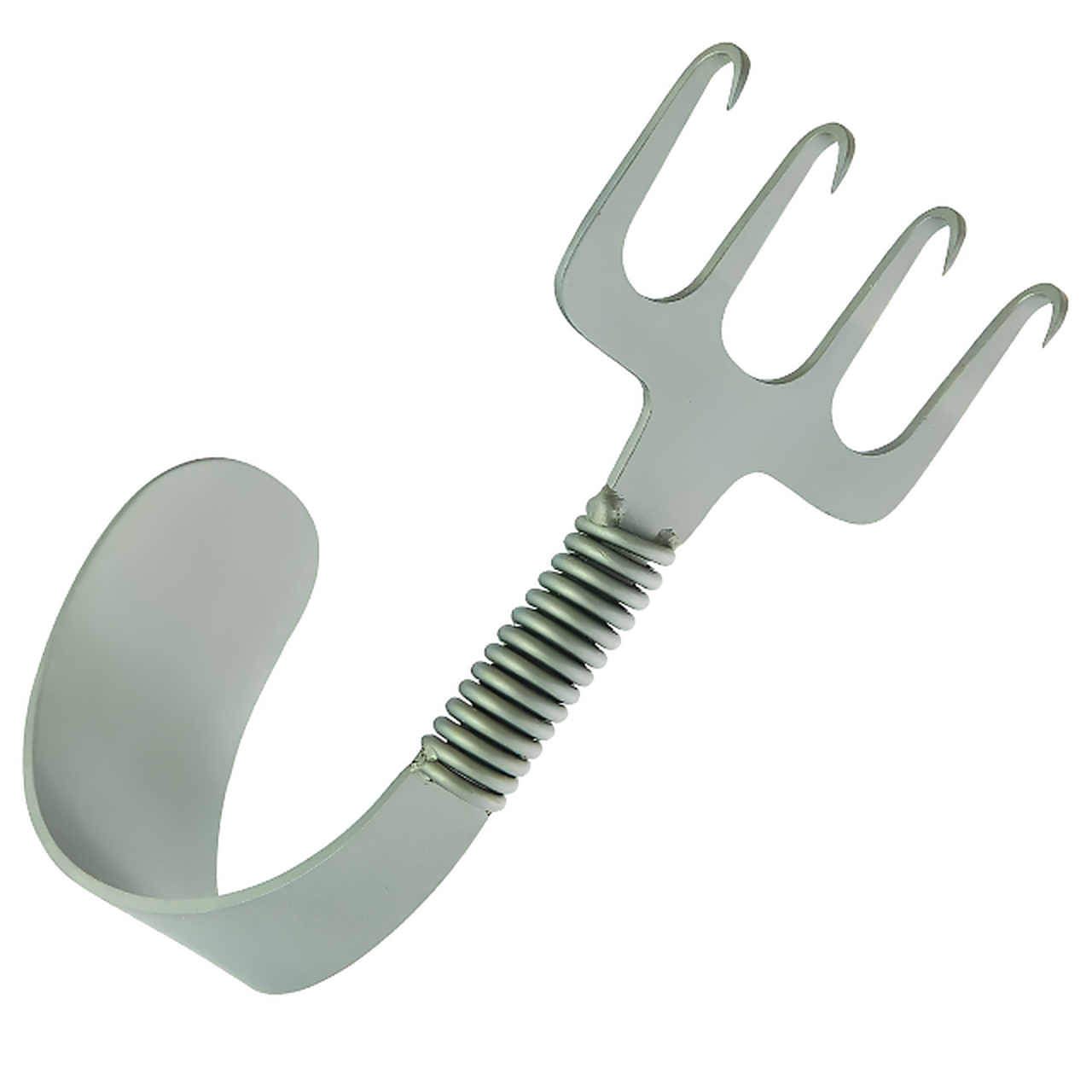 | Ретрактор-рашпиль Gorney Rake Retractor | Специально разработан для подъема и ретракции кожных лоскутов и подкожной клетчатки во время ритидэктомии и эстетических операций. |
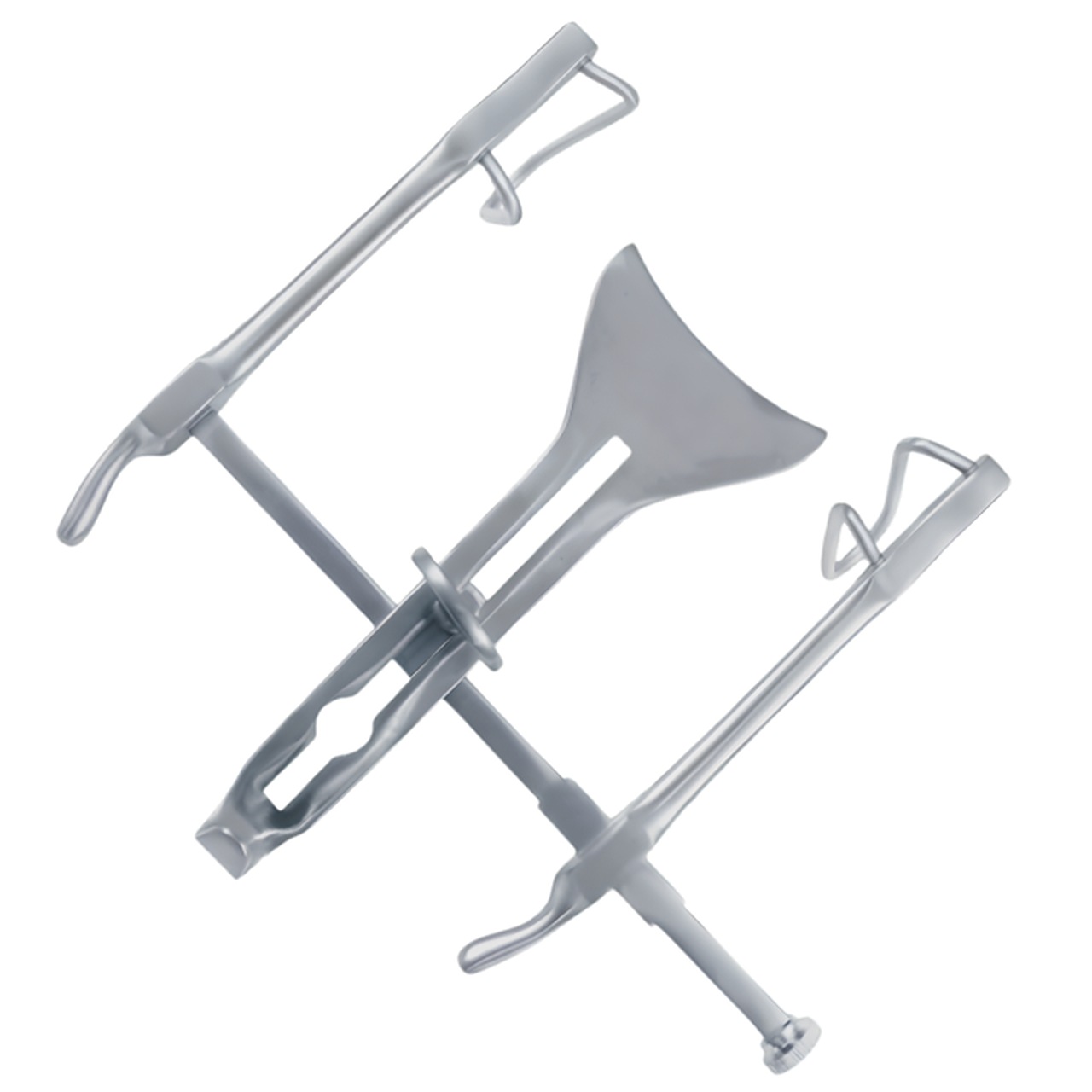 | Ранорасширитель Gosset Self Retaining Retractor | Специально разработан для самофиксации при разведении брюшной стенки во время открытой лапаротомии и операций на органах малого таза. |
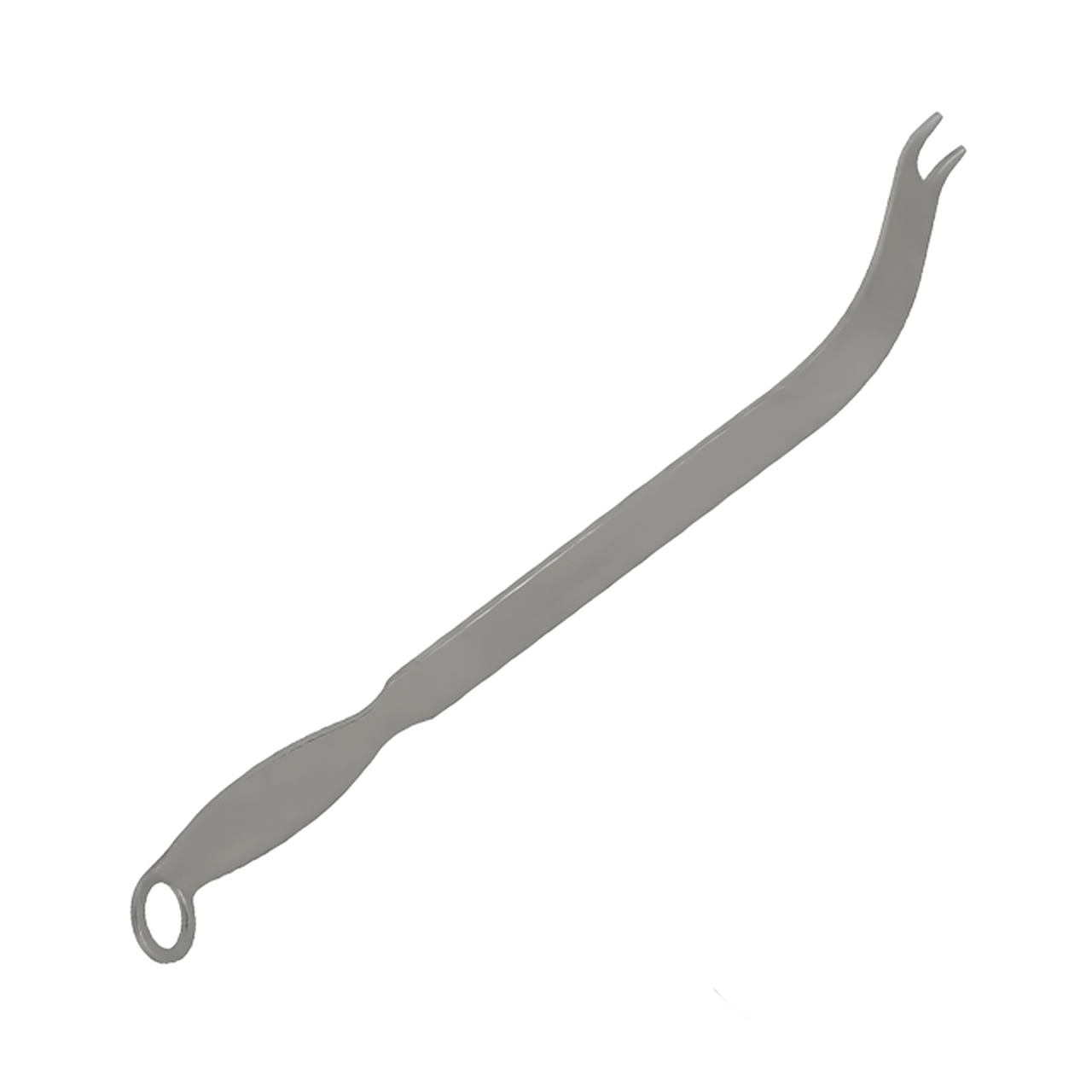 | Ретрактор большого вертела (Greater Trochanteric Retractor) | Специально разработан для ретракции ягодичных мышц и обнажения большого вертела при тотальном эндопротезировании тазобедренного сустава и остеотомии бедренной кости. |
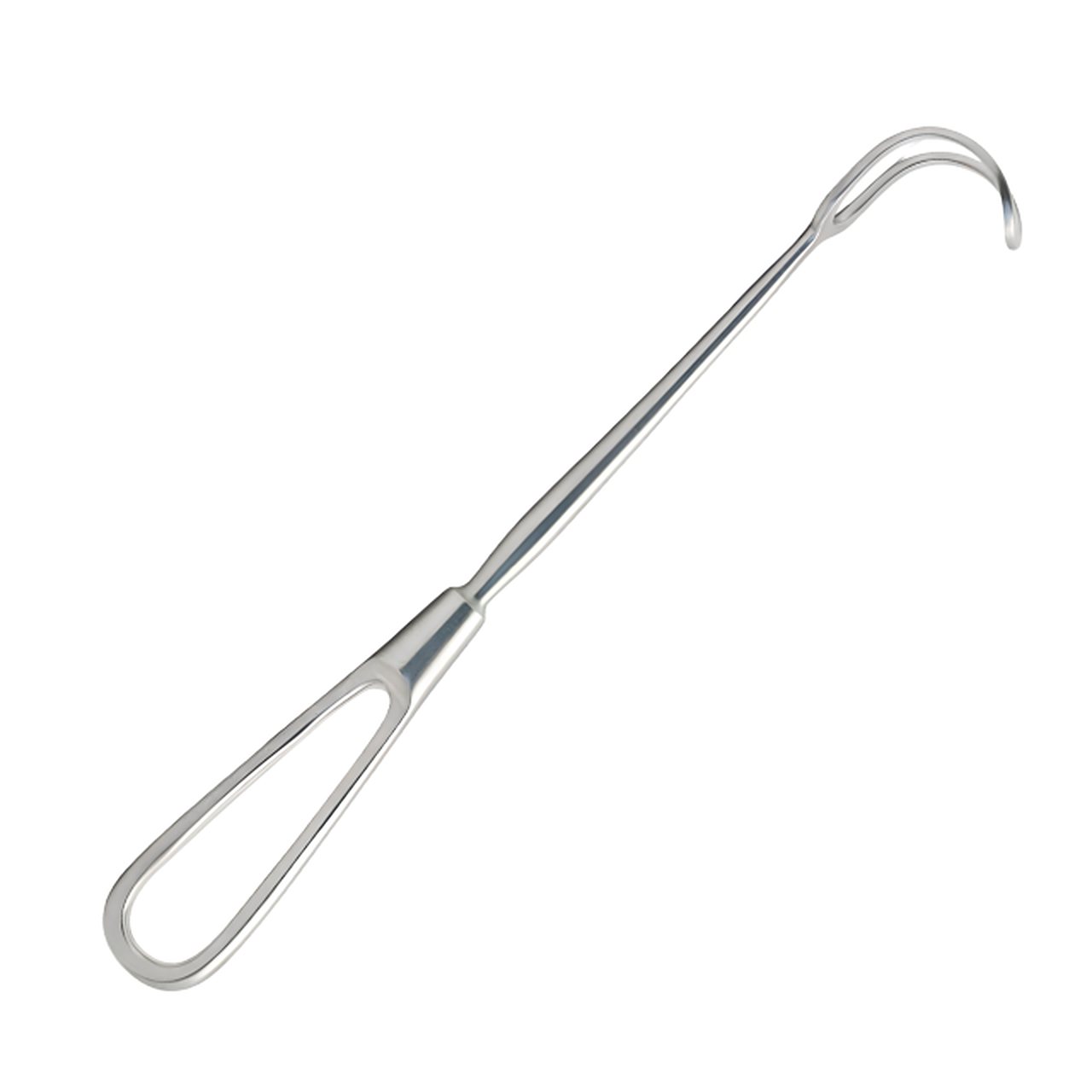 | Тиреоидный ретрактор Green | Специально разработан для ретракции коротких мышц шеи, тканей щитовидной железы и шейной фасции во время эндокринных операций на шее. |
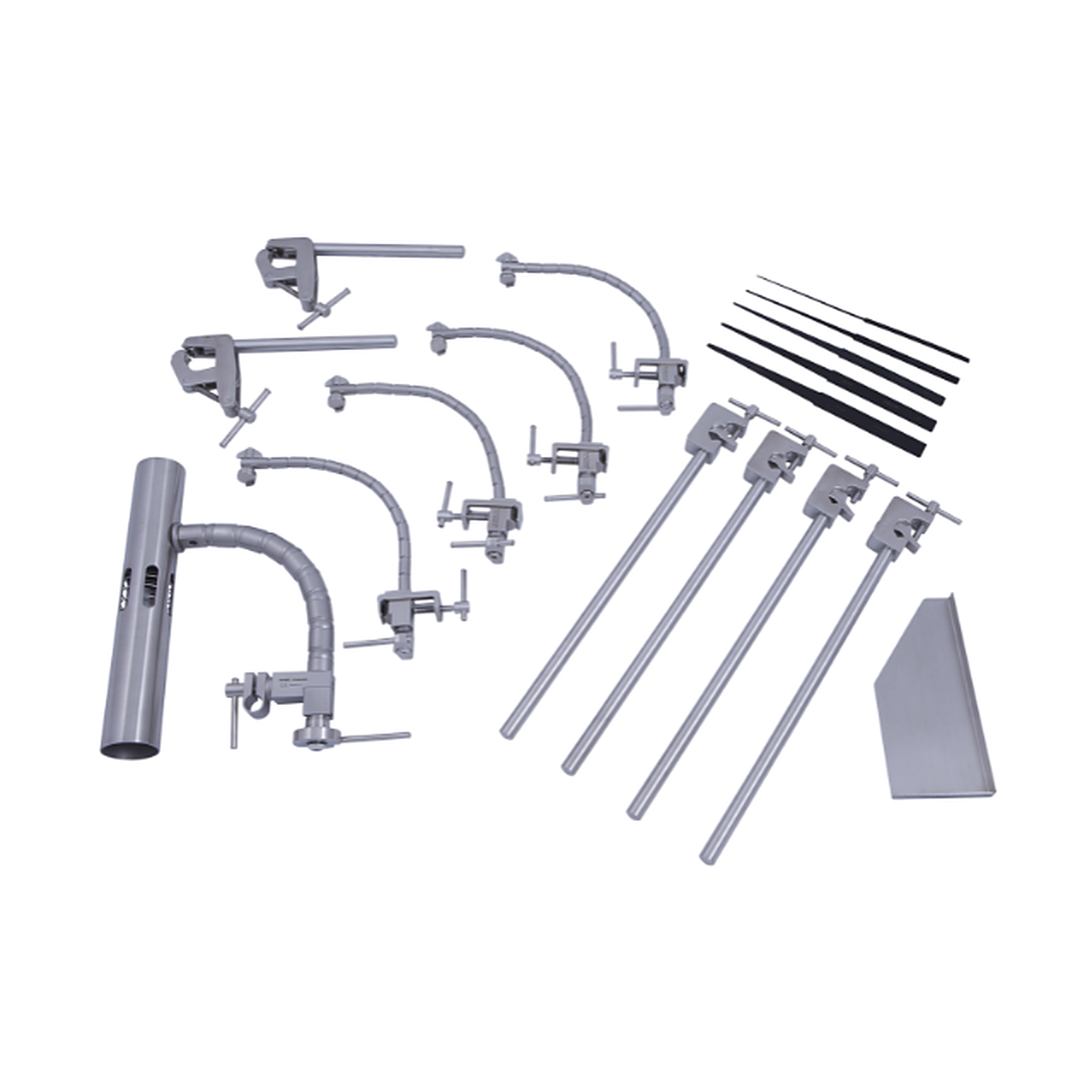 | Система ретракции Greenberg Retractor Kit | Предназначен для обеспечения точной, стабильной и самодержащейся ретракции нежных тканей мозга и краниальных структур при интракраниальных операциях, вмешательствах на основании черепа и микронейрохирургических процедурах. |
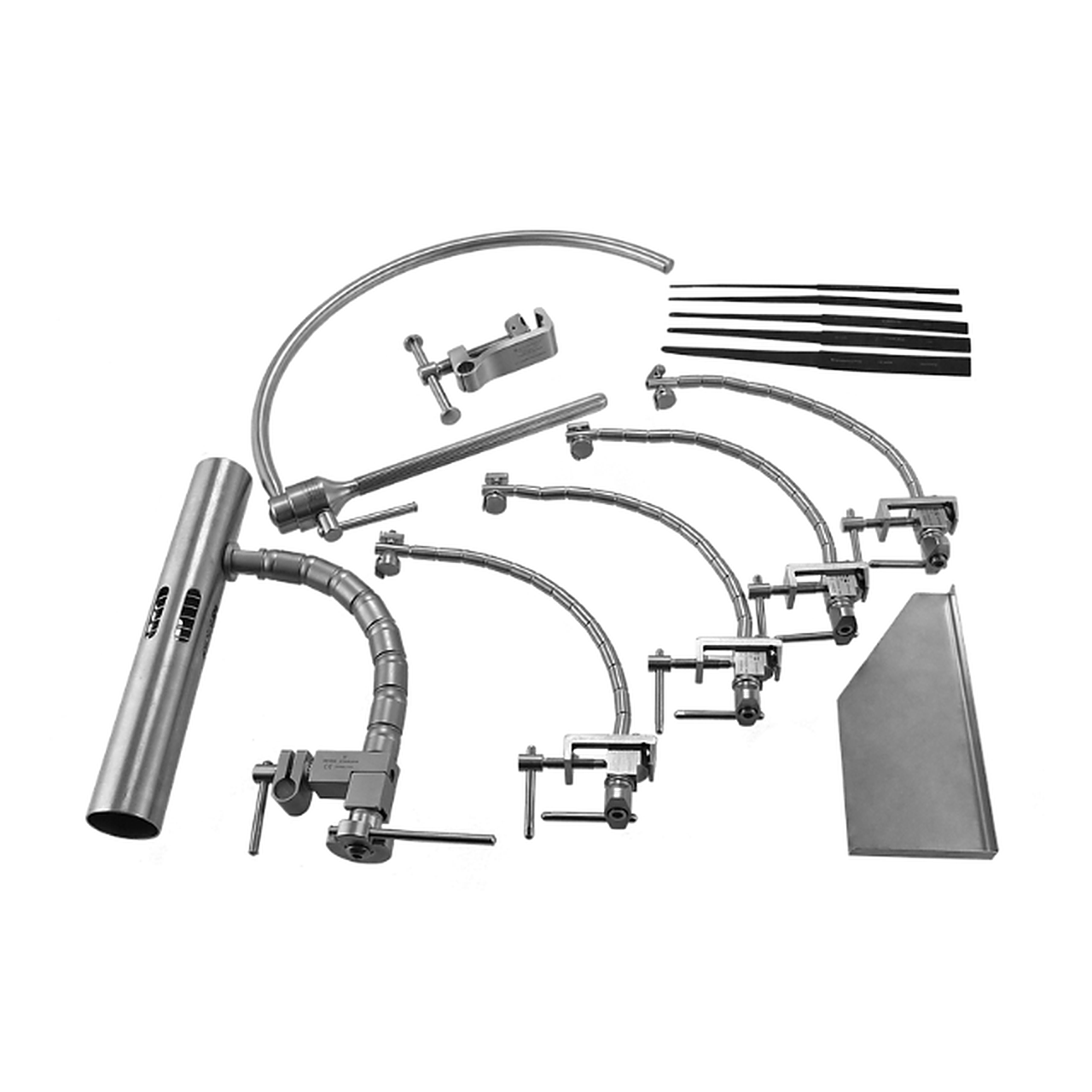 | Ретрактор Greenberg Simplicity Retractor | Специально разработана для быстрой установки, минимизации рабочего пространства и точной самодержащей ретракции тканей при локальных краниотомиях, микроваскулярной декомпрессии (МВД) и микрохирургических операциях через «keyhole»-доступы. |
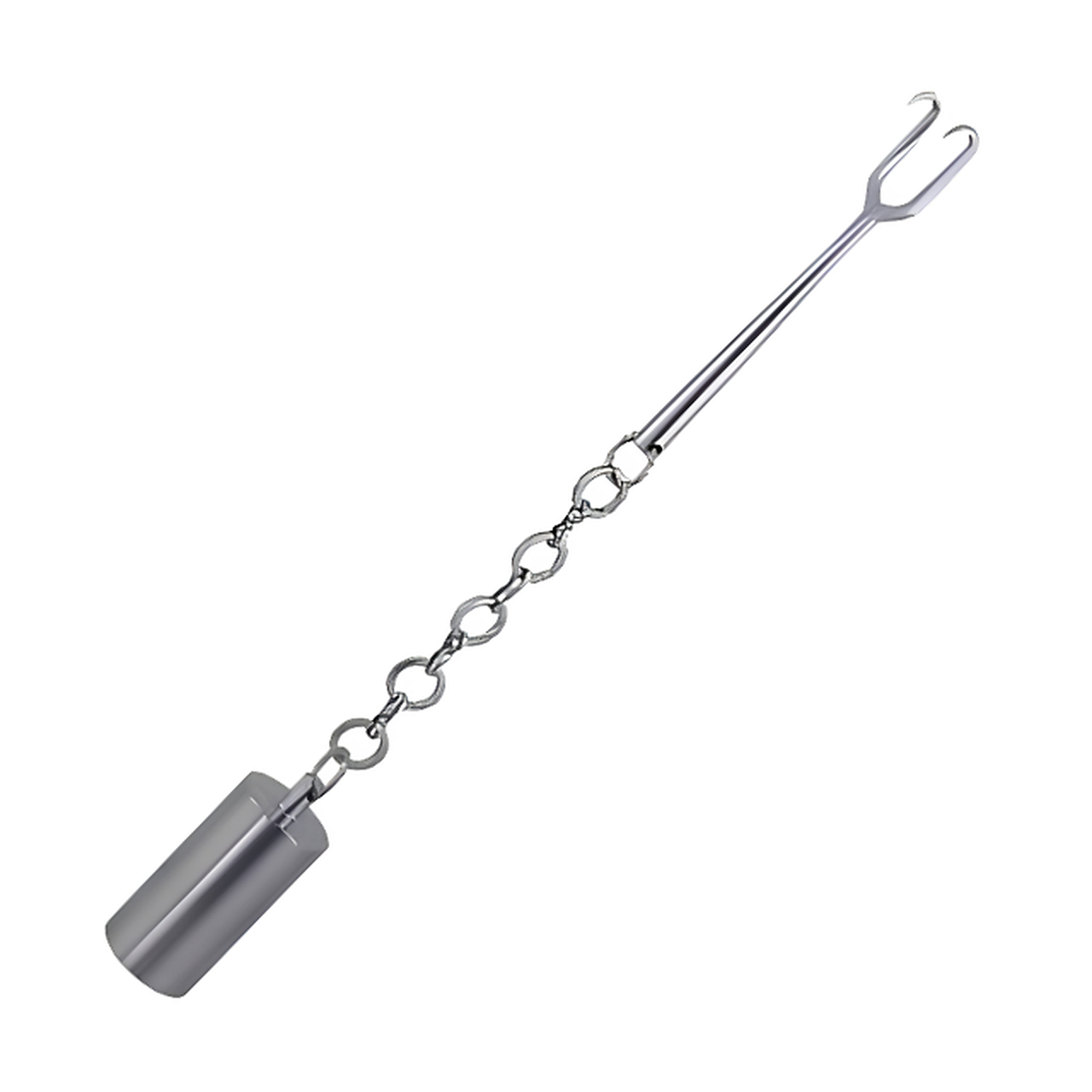 | Ретрактор Gruber для ринопластики | Специально разработан для захвата и ретракции кожных лоскутов и хрящей носа во время операций по ринопластике. |
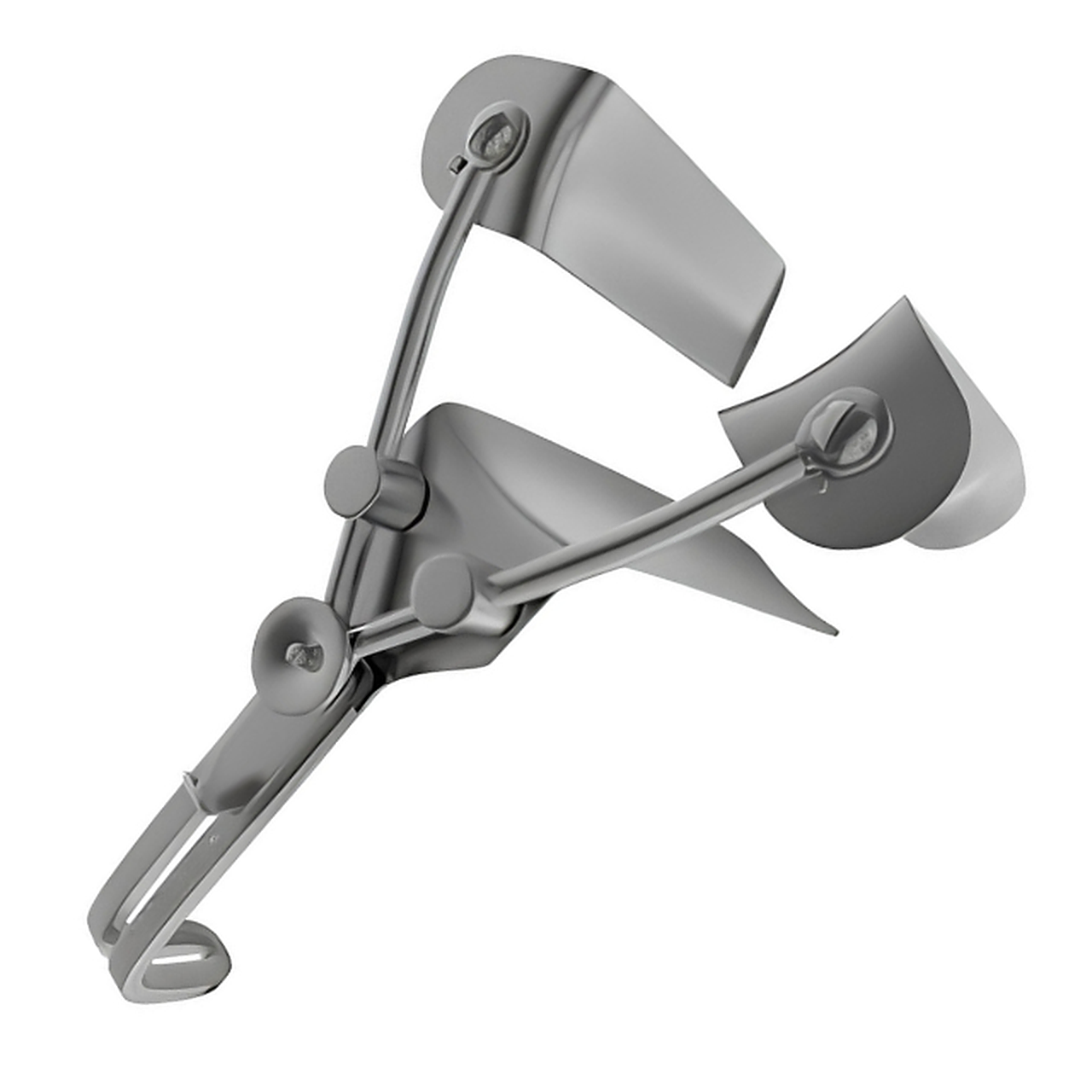 | Акушерское зеркало Guttman Obstetrical Retractor | Специально разработано для ретракции и защиты мочевого пузыря и нижней брюшной стенки во время кесарева сечения и операций на органах малого таза. |
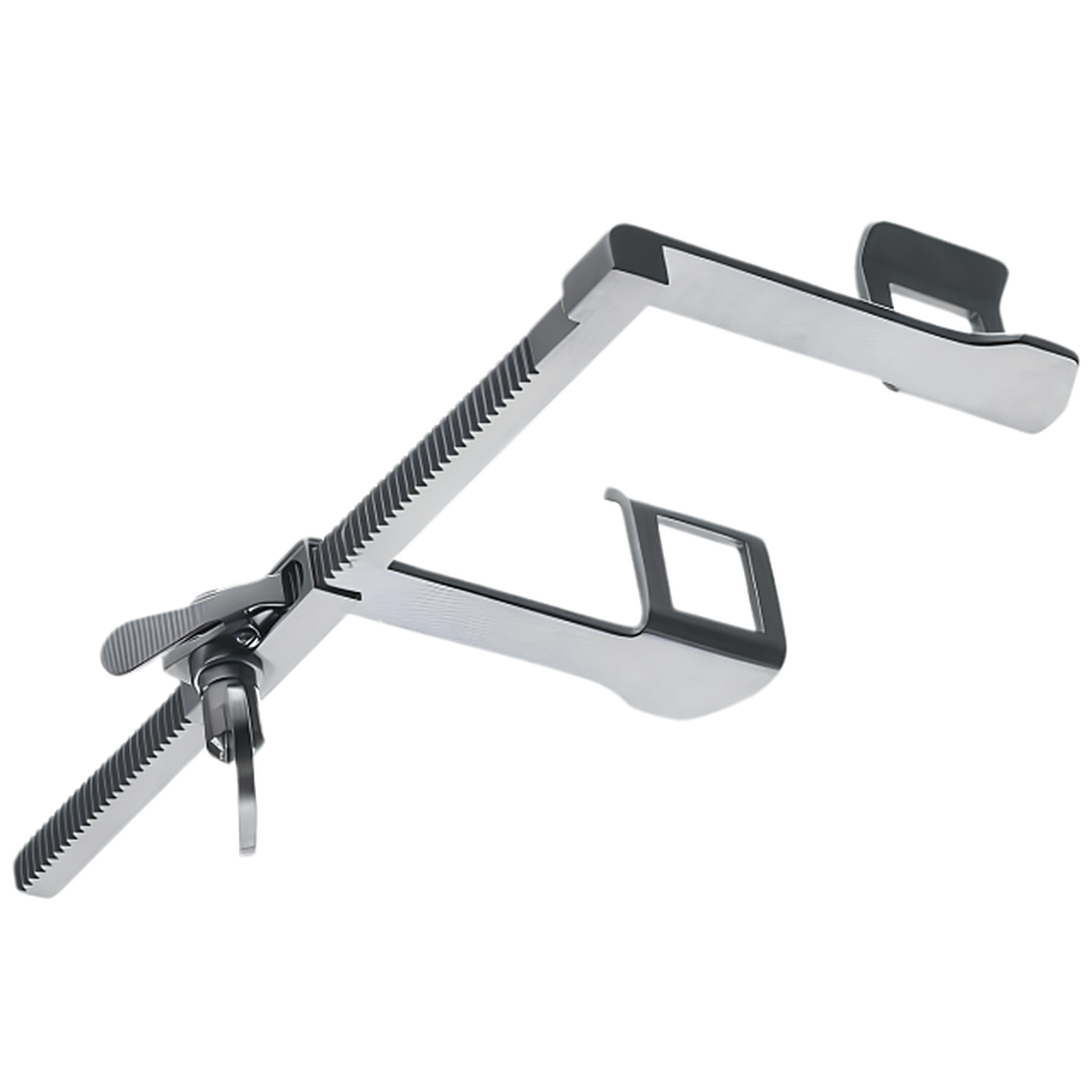 | Ранорасширитель Haight для ребер | Специально разработан для разведения ребер у взрослых и расширения грудной полости во время открытой торакотомии. |
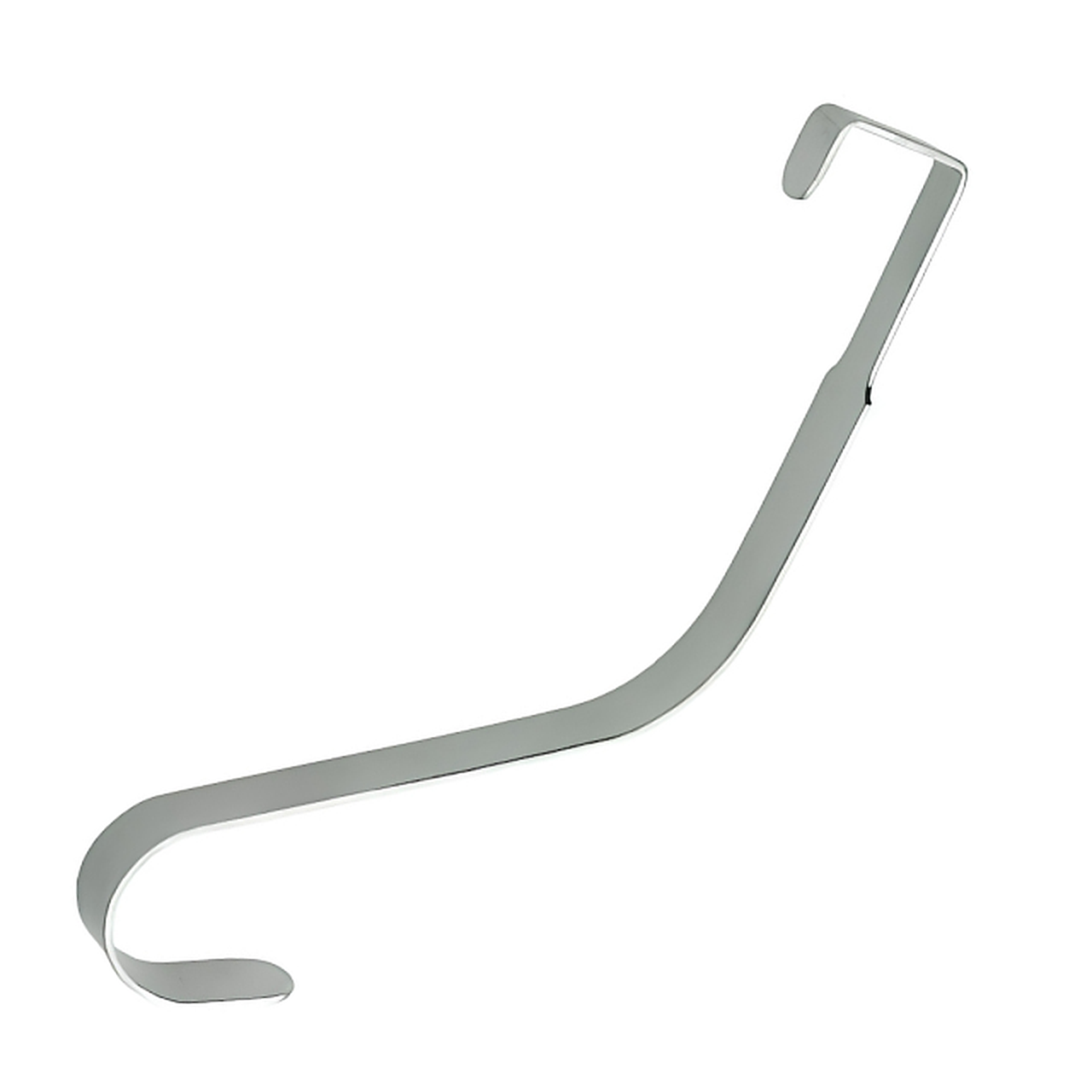 | Ротовой крючок (ретрактор) Hajek | Специально разработан для ретракции щек, губ и слизистой оболочки щек во время челюстно-лицевых, стоматологических и хирургических процедур. |
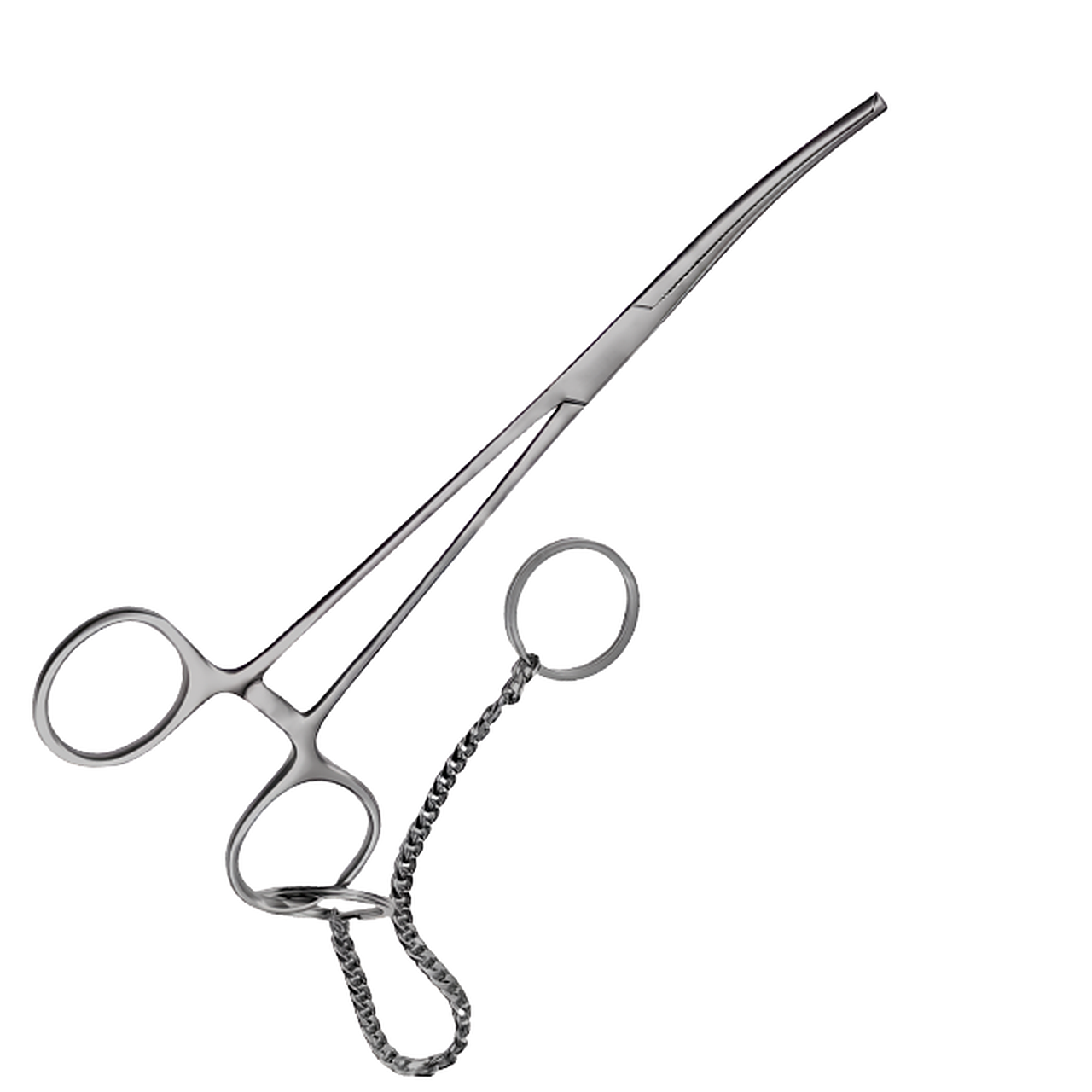 | Ретрактор венечного отростка по Hargis с цепью | Специально разработан для ретракции венечного отростка и сухожилия височной мышцы при проведении ортогнатических операций и остеотомии ветви нижней челюсти. |
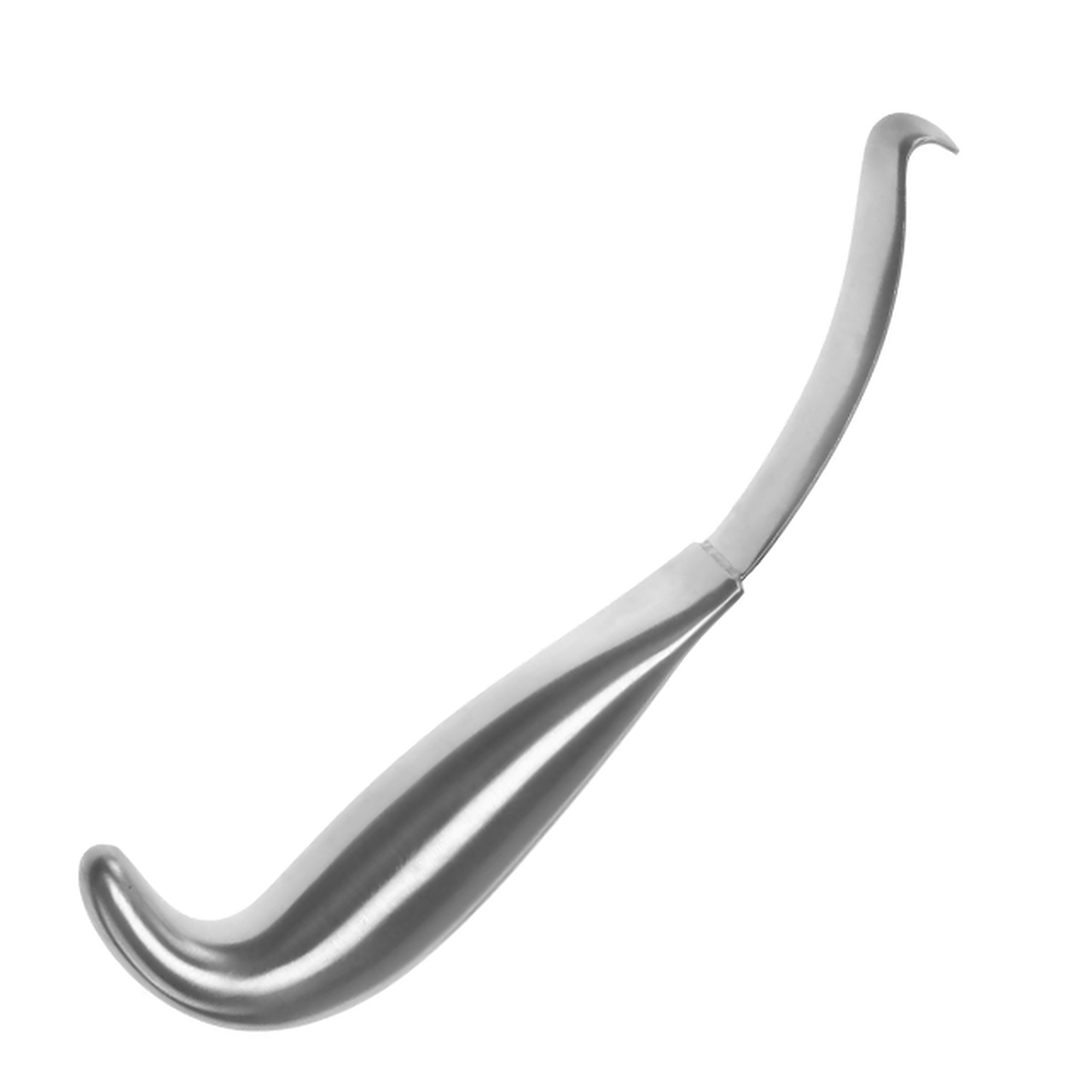 | Ретрактор Hargis для тела нижней челюсти | Специально разработан для ретракции мягких тканей и защиты сосудисто-нервных пучков вдоль тела нижней челюсти во время ортогнатических операций. |
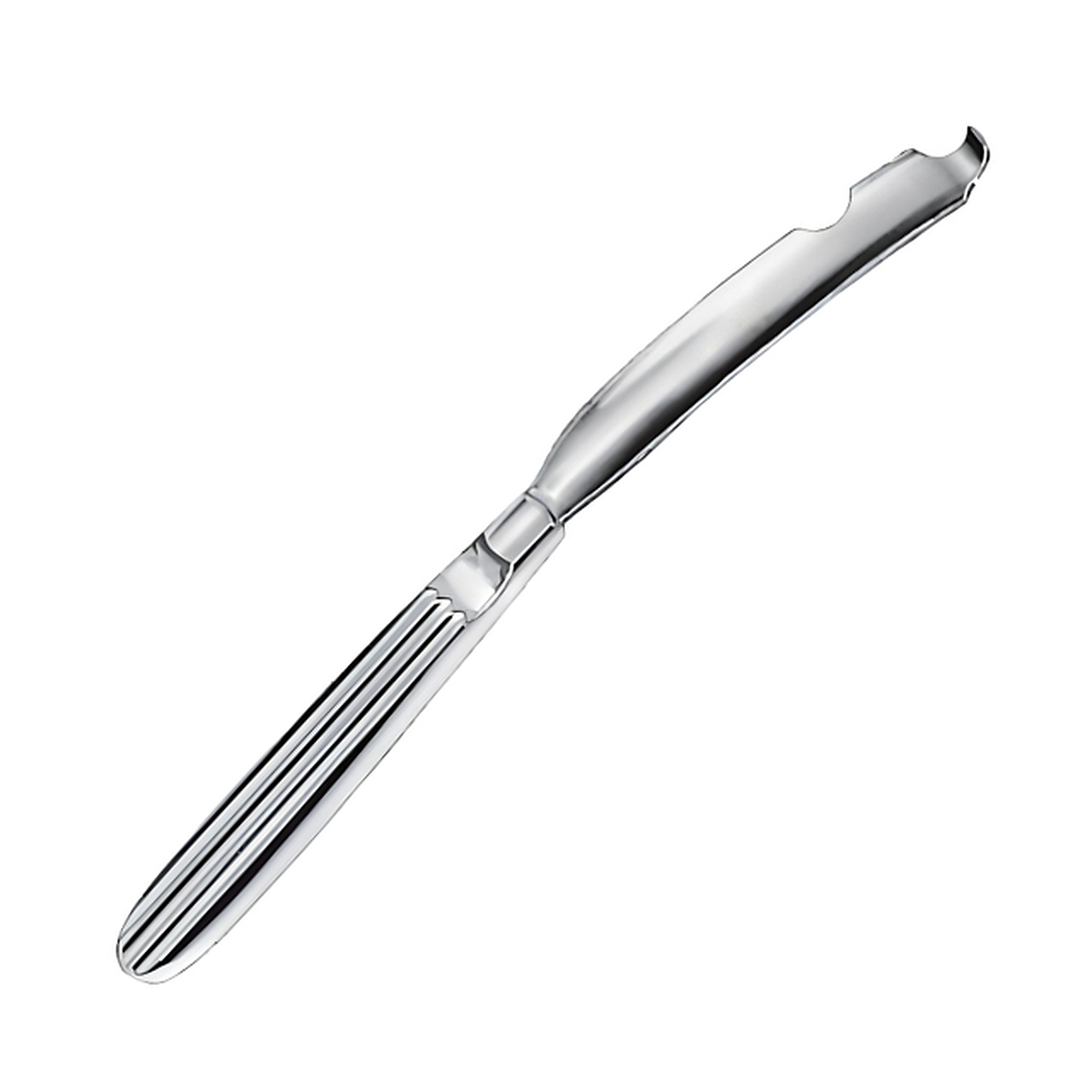 | Ретрактор медиальный для ветви челюсти по Hargis | Специально разработан для ретракции медиальной крыловидной мышцы и защиты нижнего альвеолярного нерва во время сагиттальной расщепляющей остеотомии ветви нижней челюсти. |
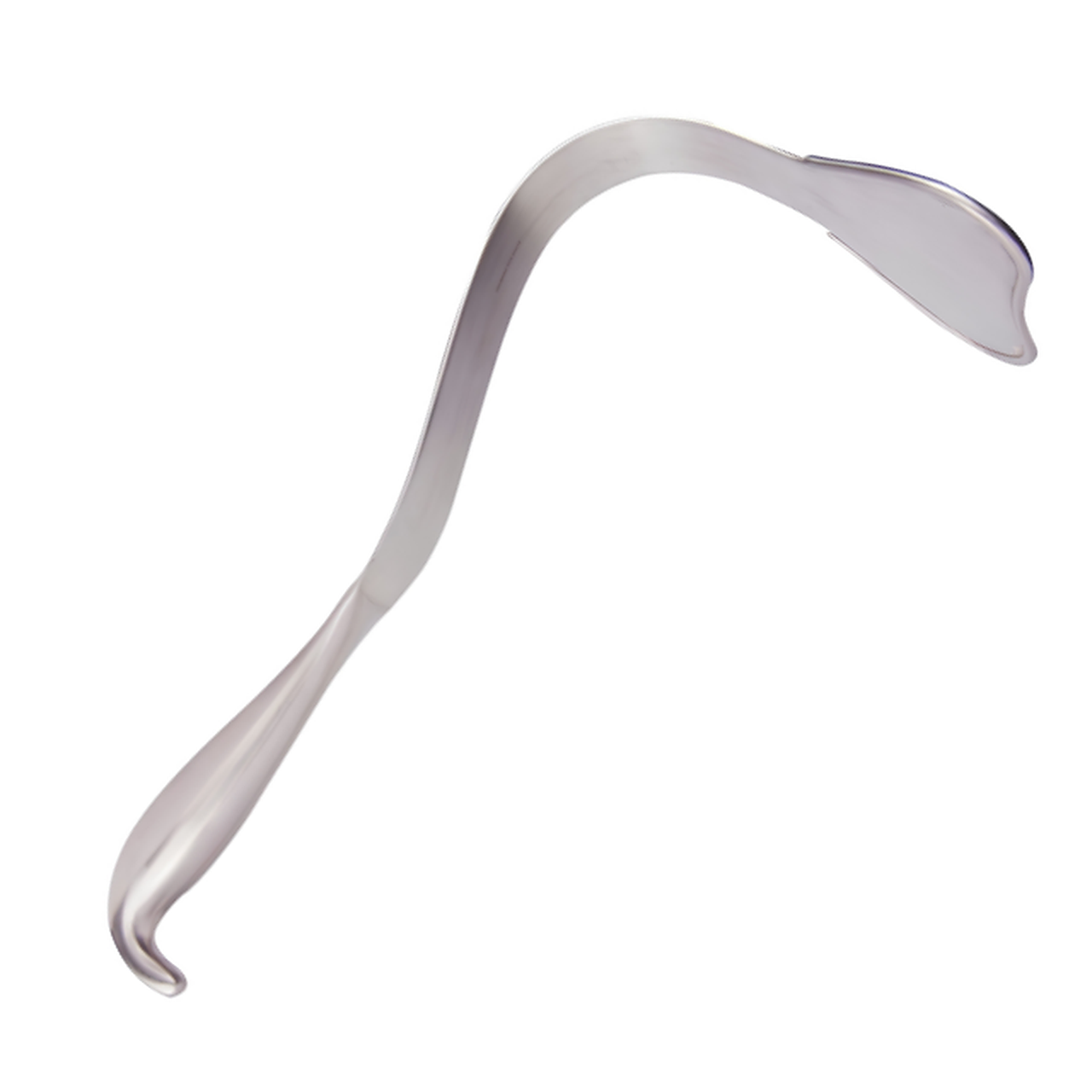 | Ретрактор Harrington Splanchnic | Специально разработан для ретракции и защиты органов брюшной полости, печени, селезенки и структур малого таза при глубоких открытых операциях. |
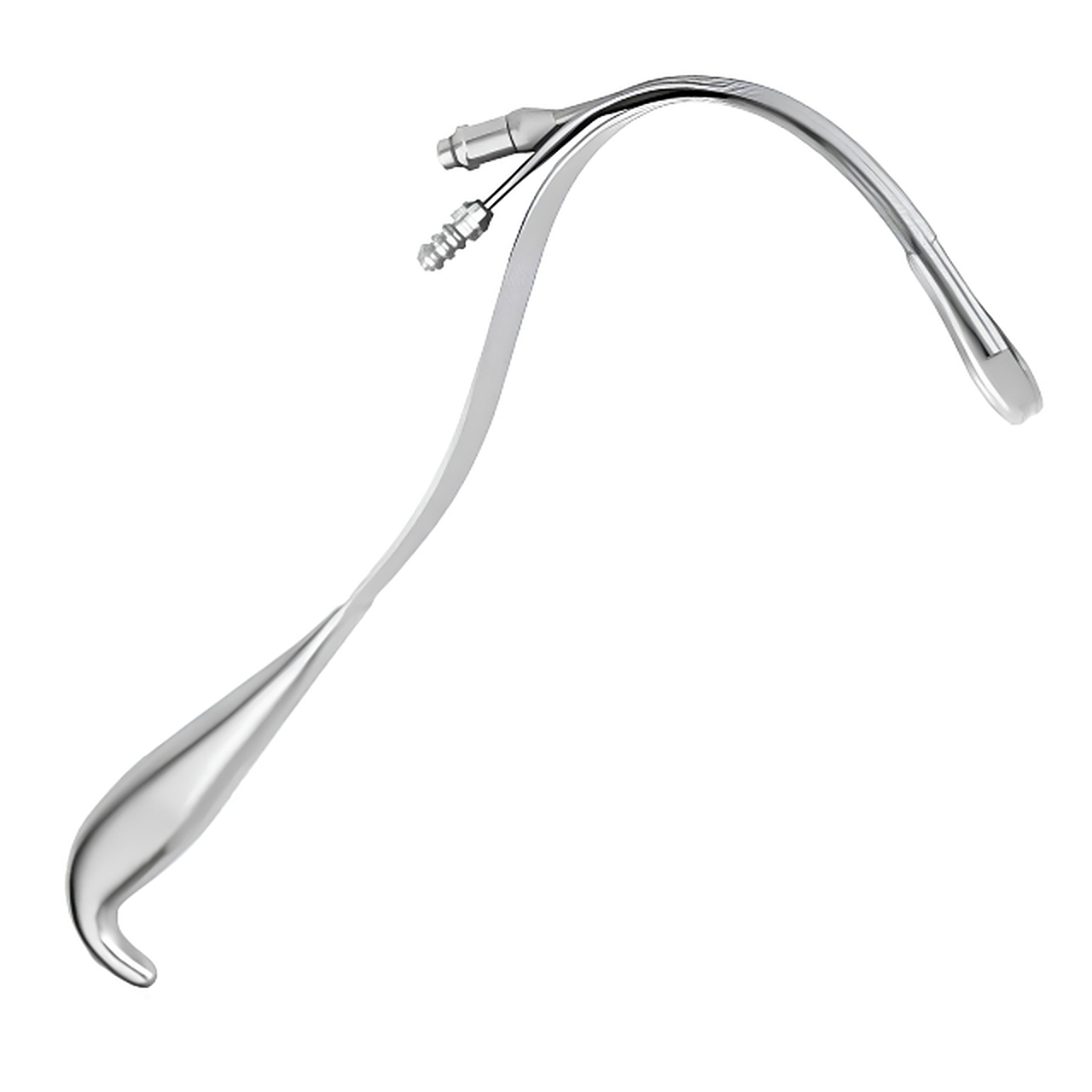 | Ретрактор спланхнический Harrington Splanchnic Retractor With Fiber Optic с оптоволоконной подсветкой | Специально разработан для ретракции внутренних органов с подсветкой и обеспечения непрерывной аспирации-ирригации при глубоких абдоминальных и тазовых операциях. |
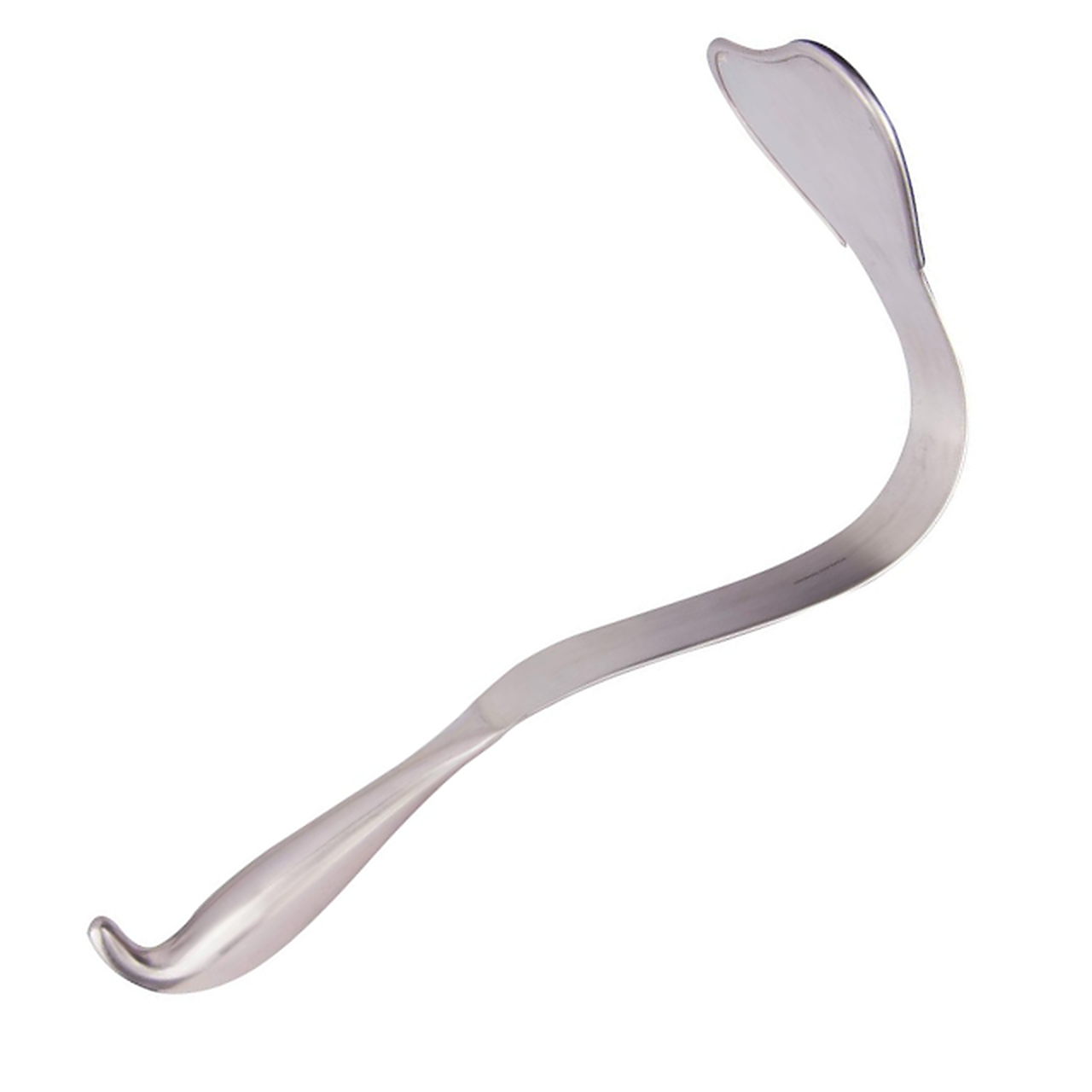 | Ранорасширитель Harrington Sweetheart Retractor | Специально разработан для ретракции и защиты внутренних органов брюшной полости, долей печени, селезенки и мочевого пузыря во время глубоких абдоминальных и тазовых операций. |
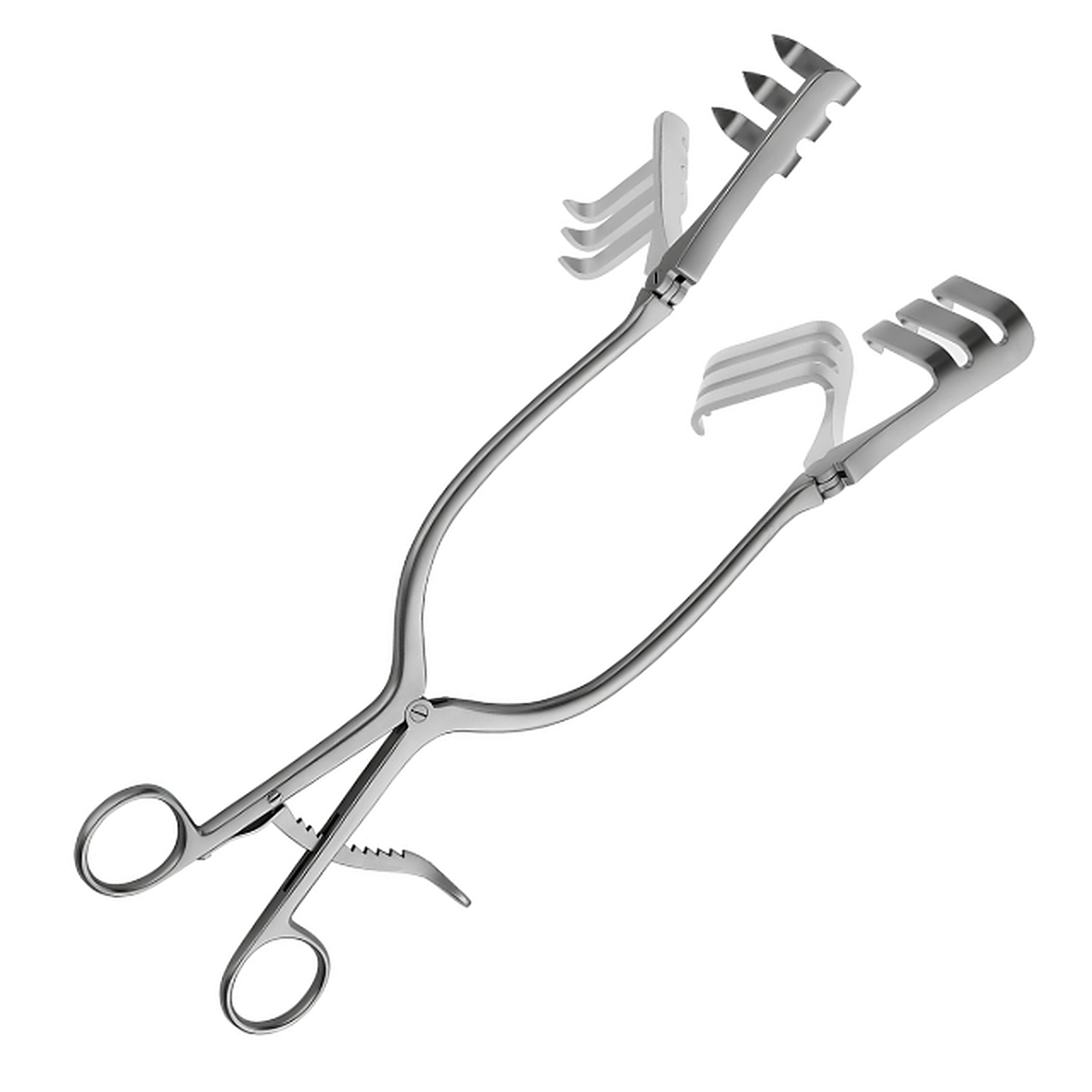 | Ранорасширитель Harvey Jackson Self Retaining Retractor | Специально разработан для самоудерживающегося разведения параспинальных мышц и мягких тканей при спинальных и ортопедических операциях. |
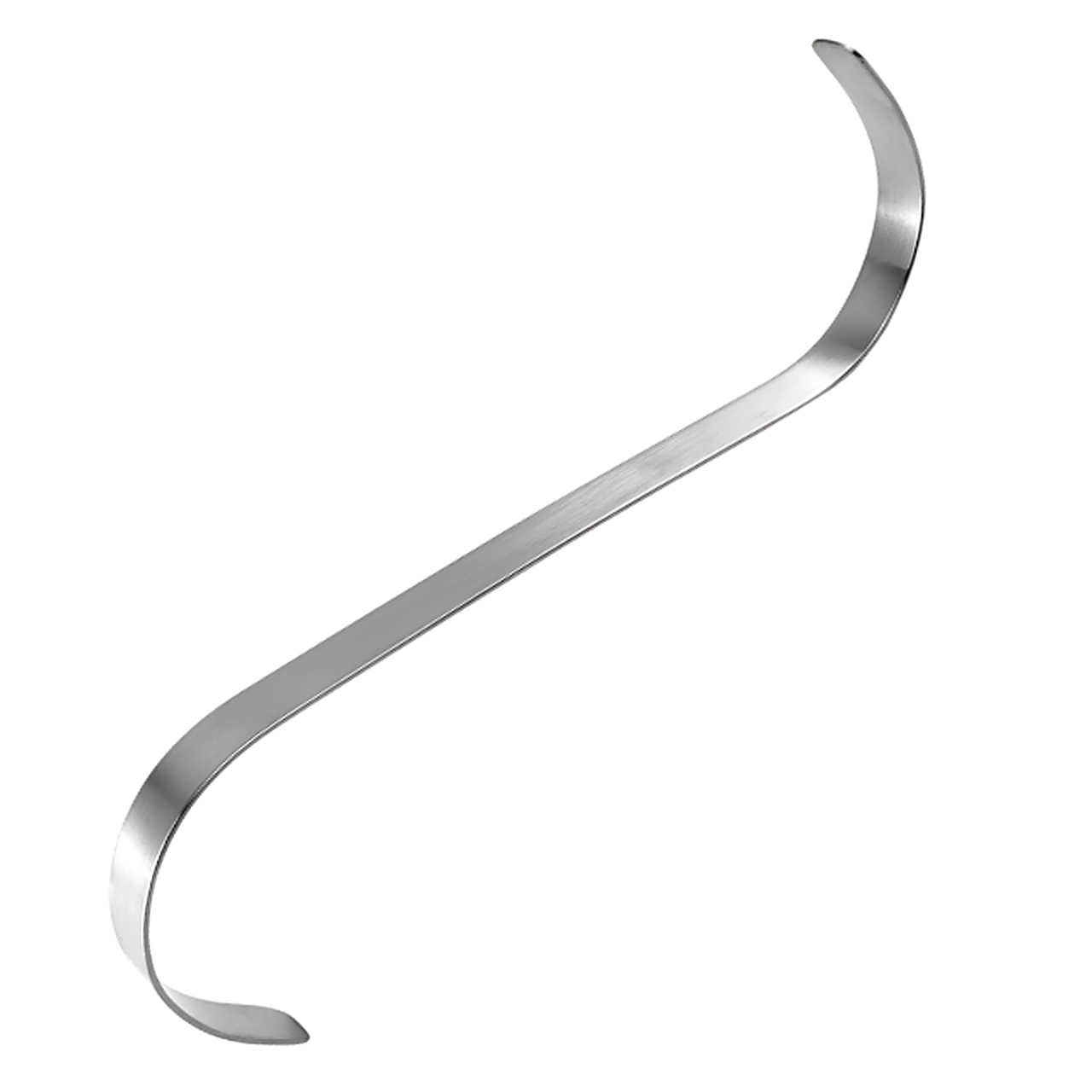 | Ретрактор Hasson S Retractor | Специально разработан для ретракции краев пупочной фасции и приподнимания брюшной стенки при выполнении открытого лапароскопического доступа по Хассону. |
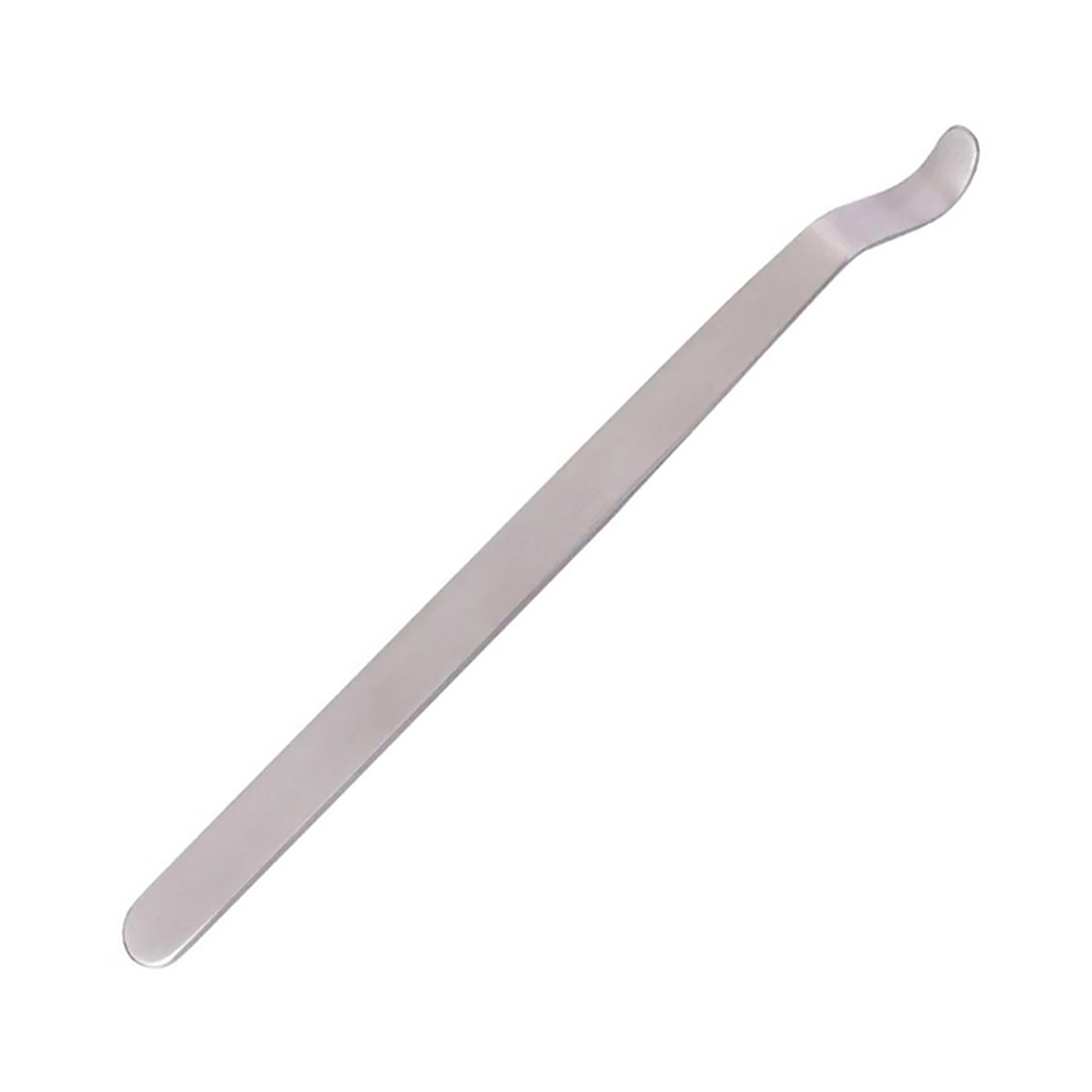 | Ручные ретракторы Hayes Hand Retractors | Специально разработаны для атравматичного разведения мягких тканей и обеспечения хирургического доступа при операциях на кисти, запястье и пластических реконструкциях. |
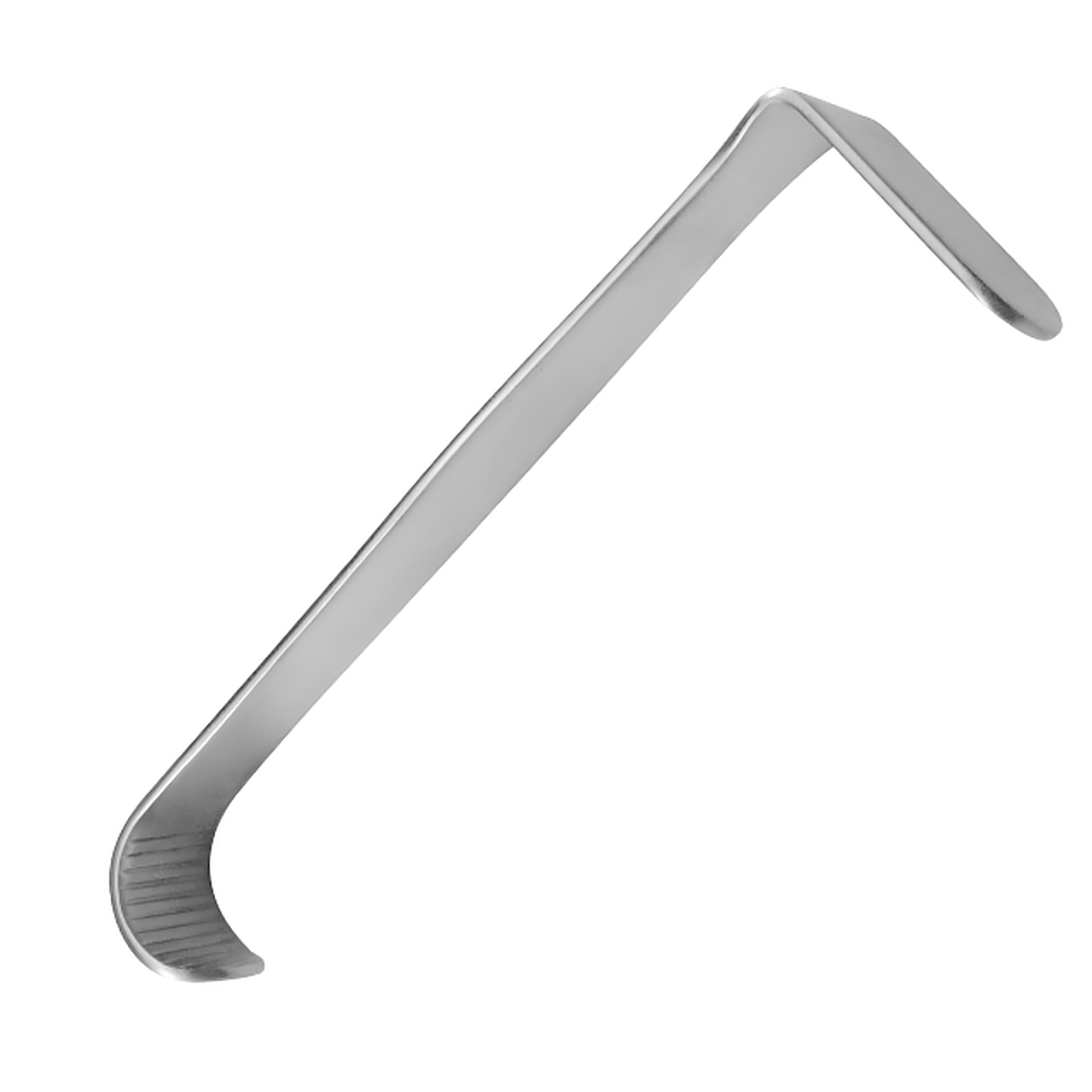 | Зеркало гинекологическое Heaney Hysterectomy Retractor | Специально разработан для ретракции стенок влагалища и тканей малого таза при влагалищной гистерэктомии и реконструктивных операциях на тазовом дне. |
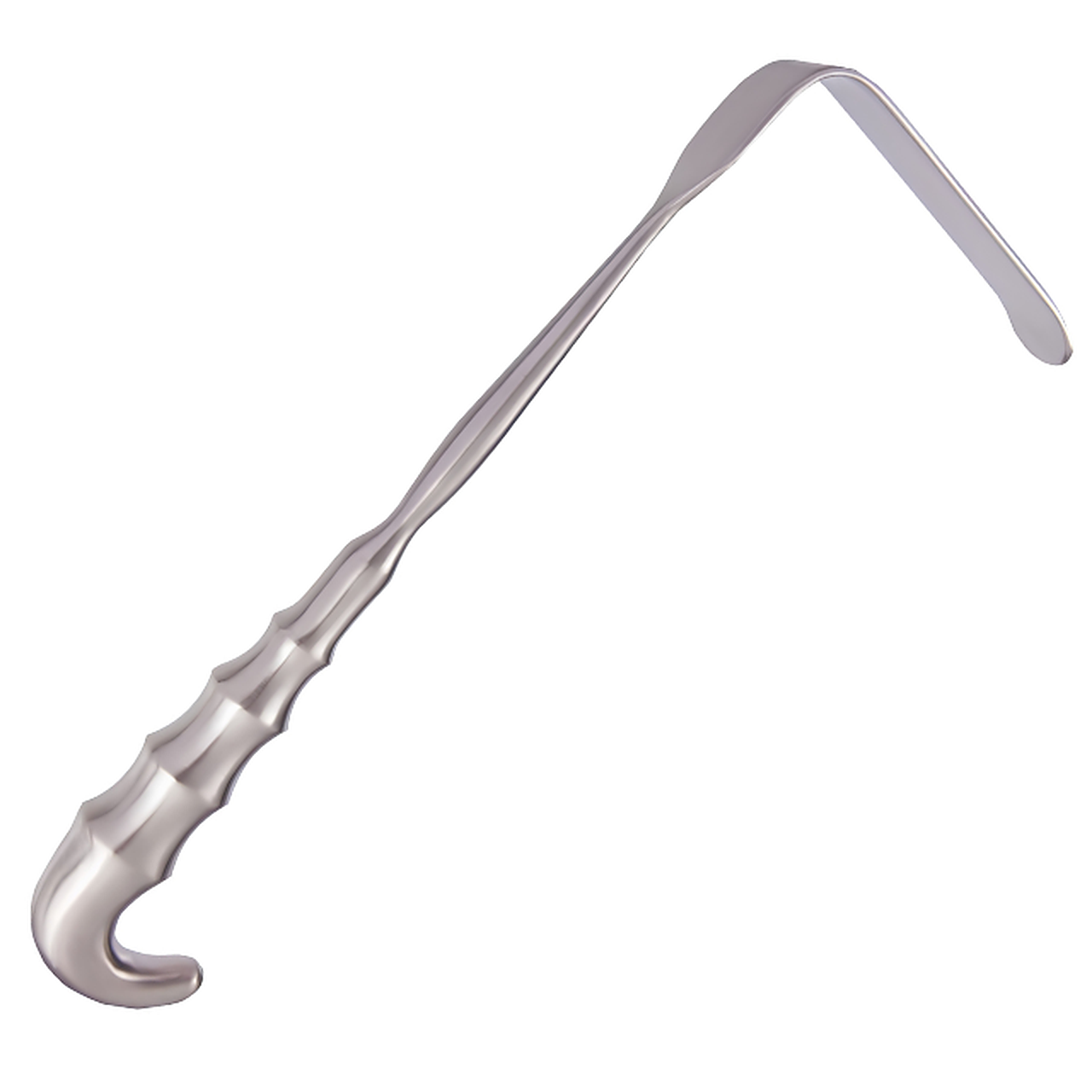 | Вагинальное зеркало-подъемник Heaney Simon Vaginal Retractor | Специально разработан для ретракции задней и боковых стенок влагалища во время влагалищной гистерэктомии и операций на тазовом дне. |
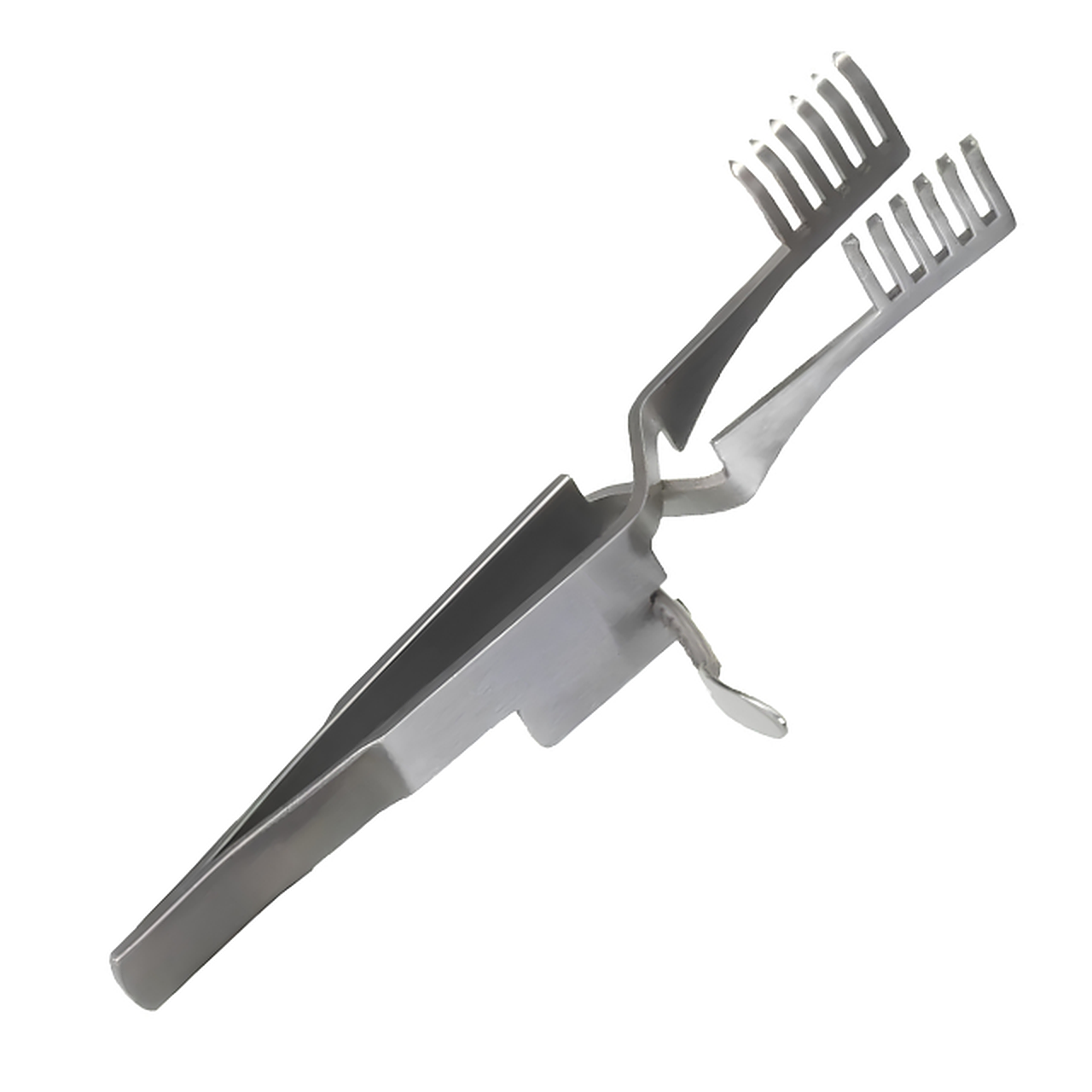 | Ранорасширитель Heiss Wound Retractor | Специально разработан для обеспечения самодержащей ретракции тканей во время малых хирургических, офтальмологических, пластических операций и процедур на кисти. |
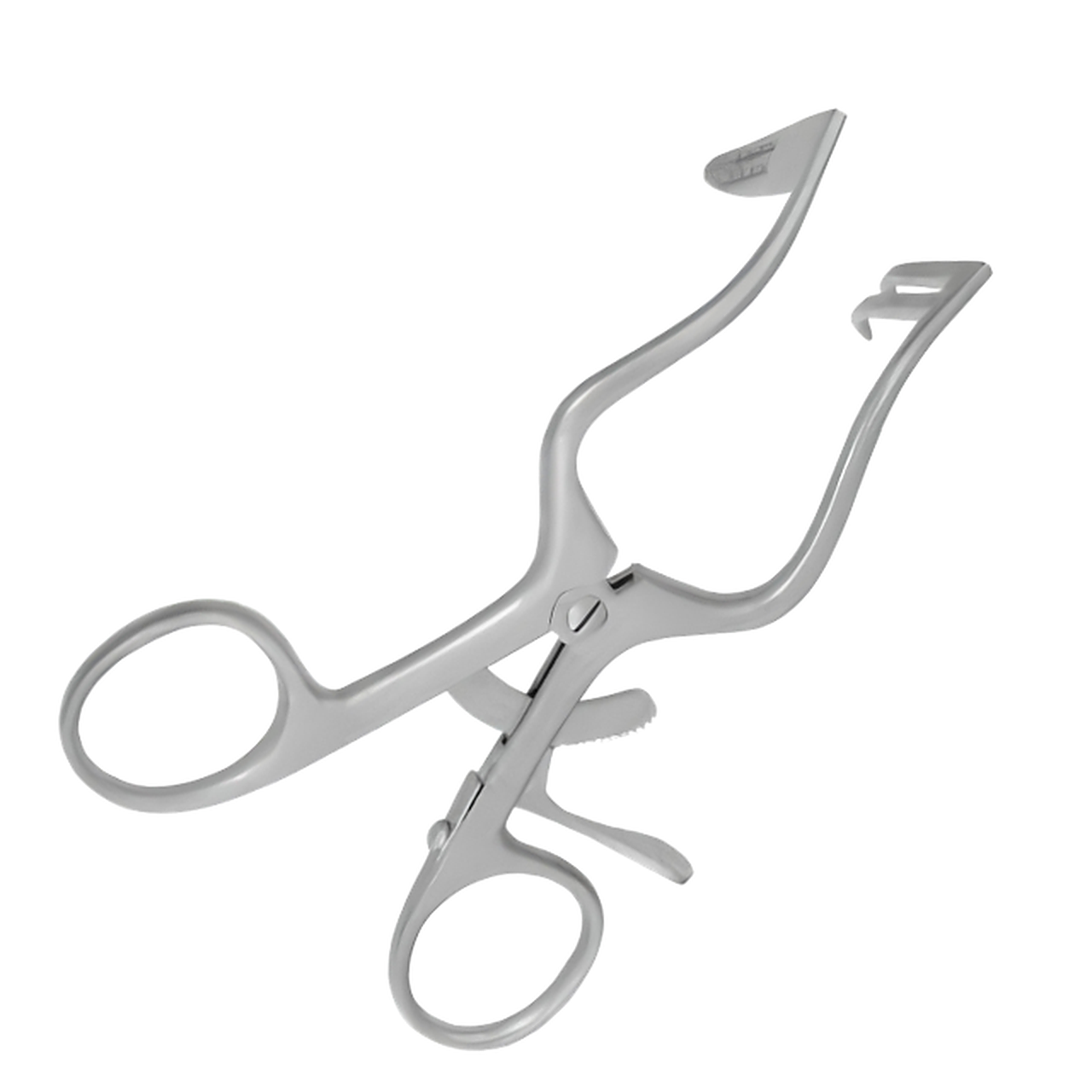 | Ранорасширитель Helms Retractor | Специально разработан для самодержащегося атравматичного разведения тканей в узких отологических и микрохирургических полях. |
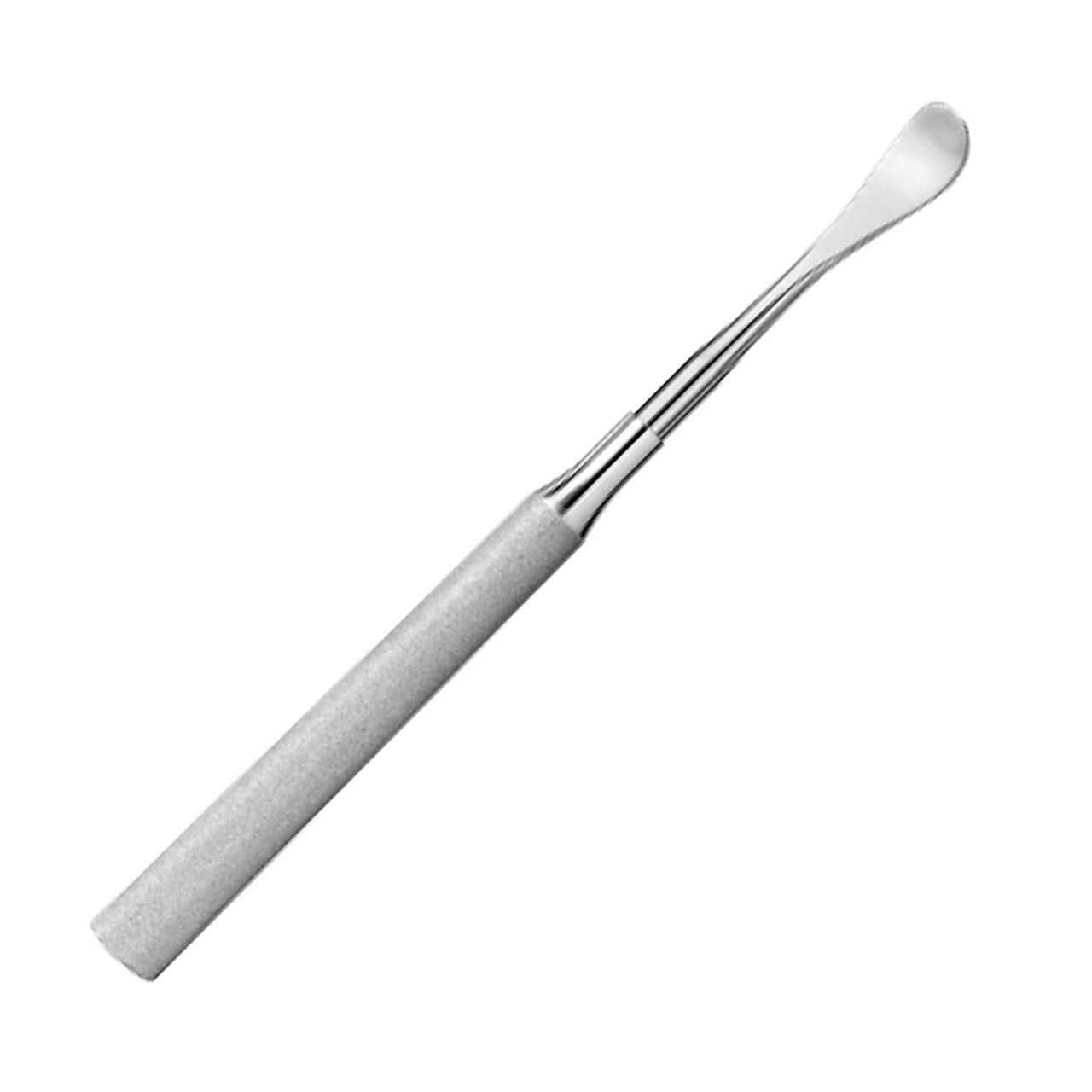 | Ретрактор Henahan | Специально разработан для ретракции щек, губ и слизисто-надкостничных тканей в ходе стоматологических и челюстно-лицевых операций. |
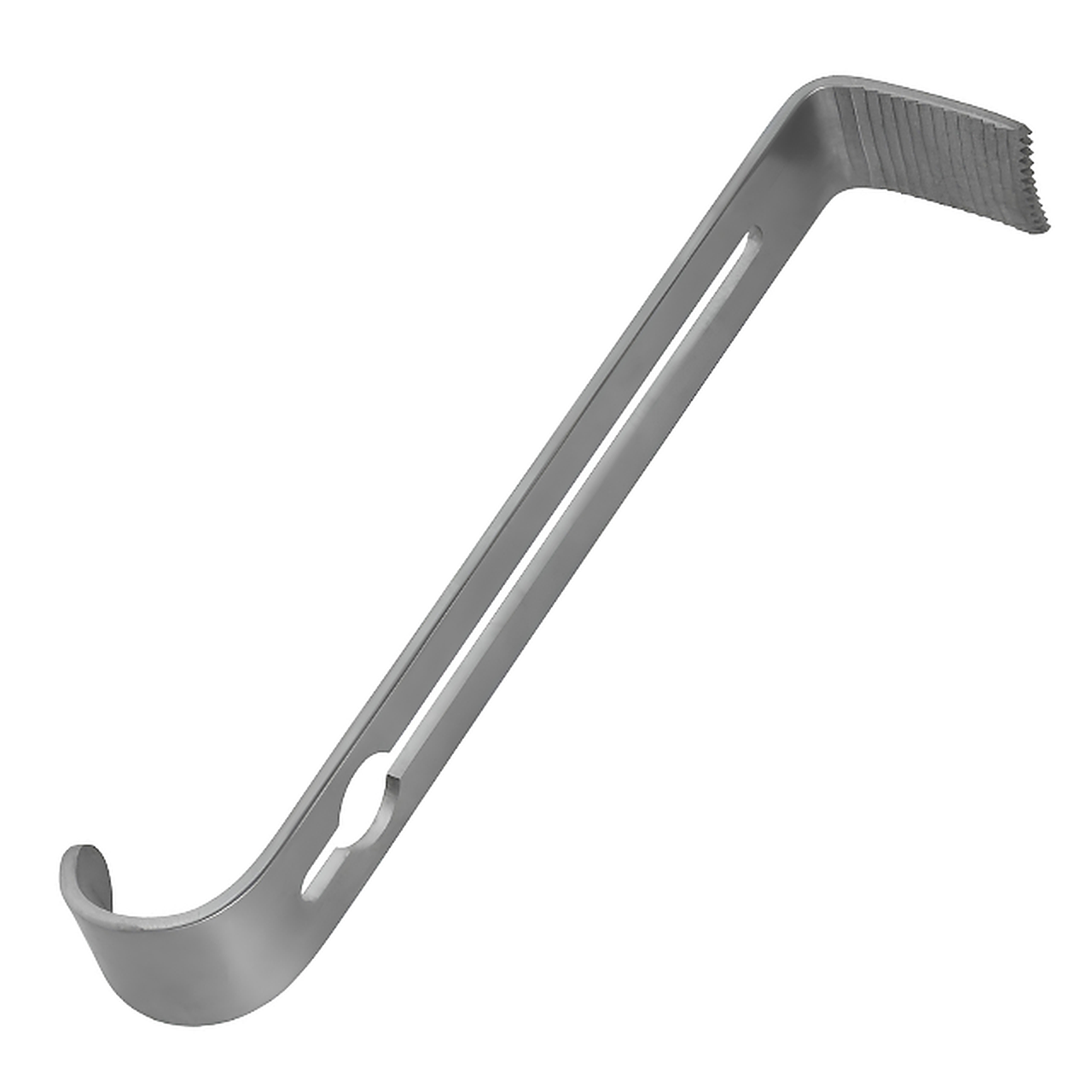 | Центральное зеркало для ретрактора Henly | Специально разработано для установки на раму ретрактора Henly для обеспечения ретракции центральной стенки раны в сосудистой и общей хирургии. |
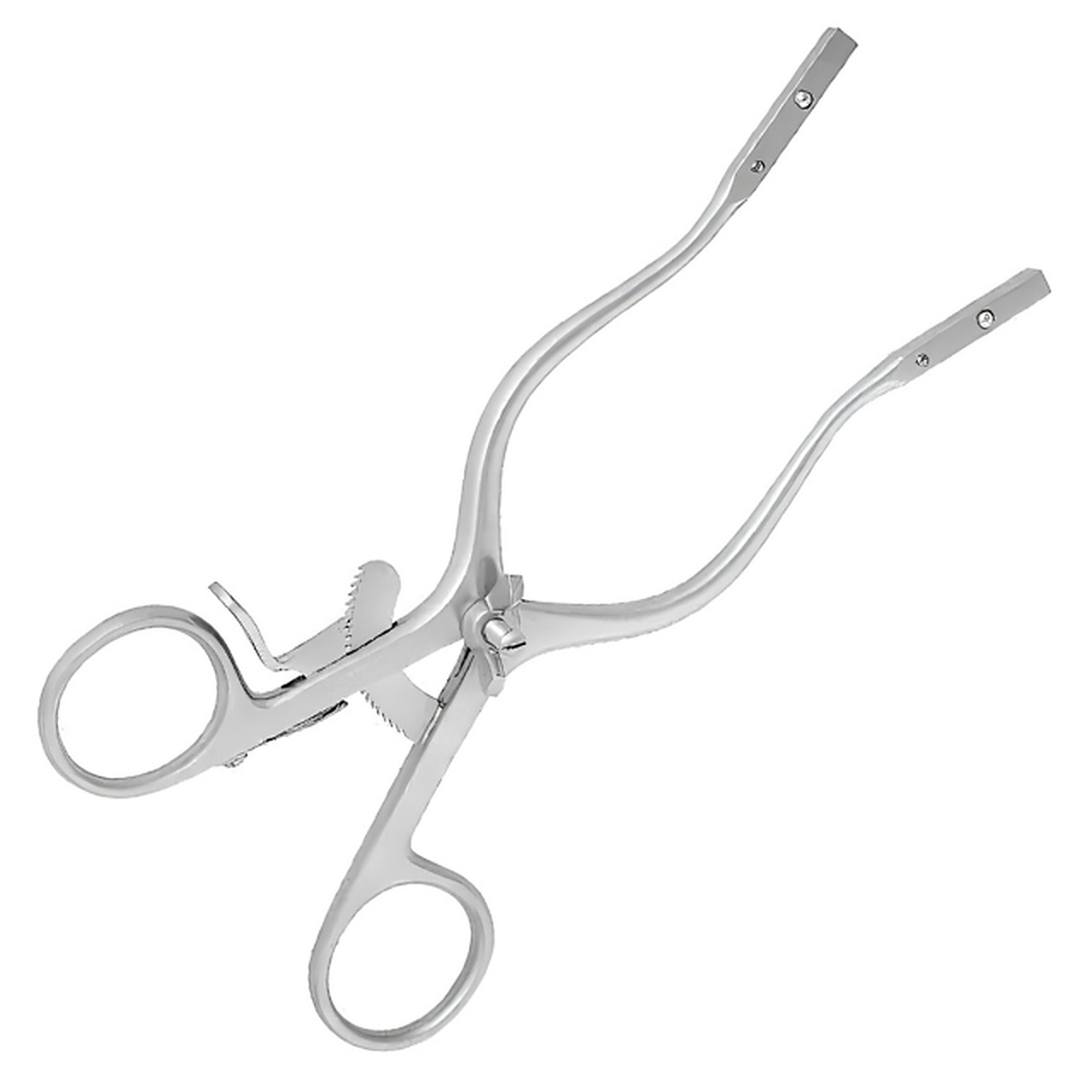 | Рама ретрактора Henly | Специально разработана для установки сменных боковых и центральных зеркал с целью обеспечения фиксации без участия рук в сосудистой и ортопедической хирургии. |
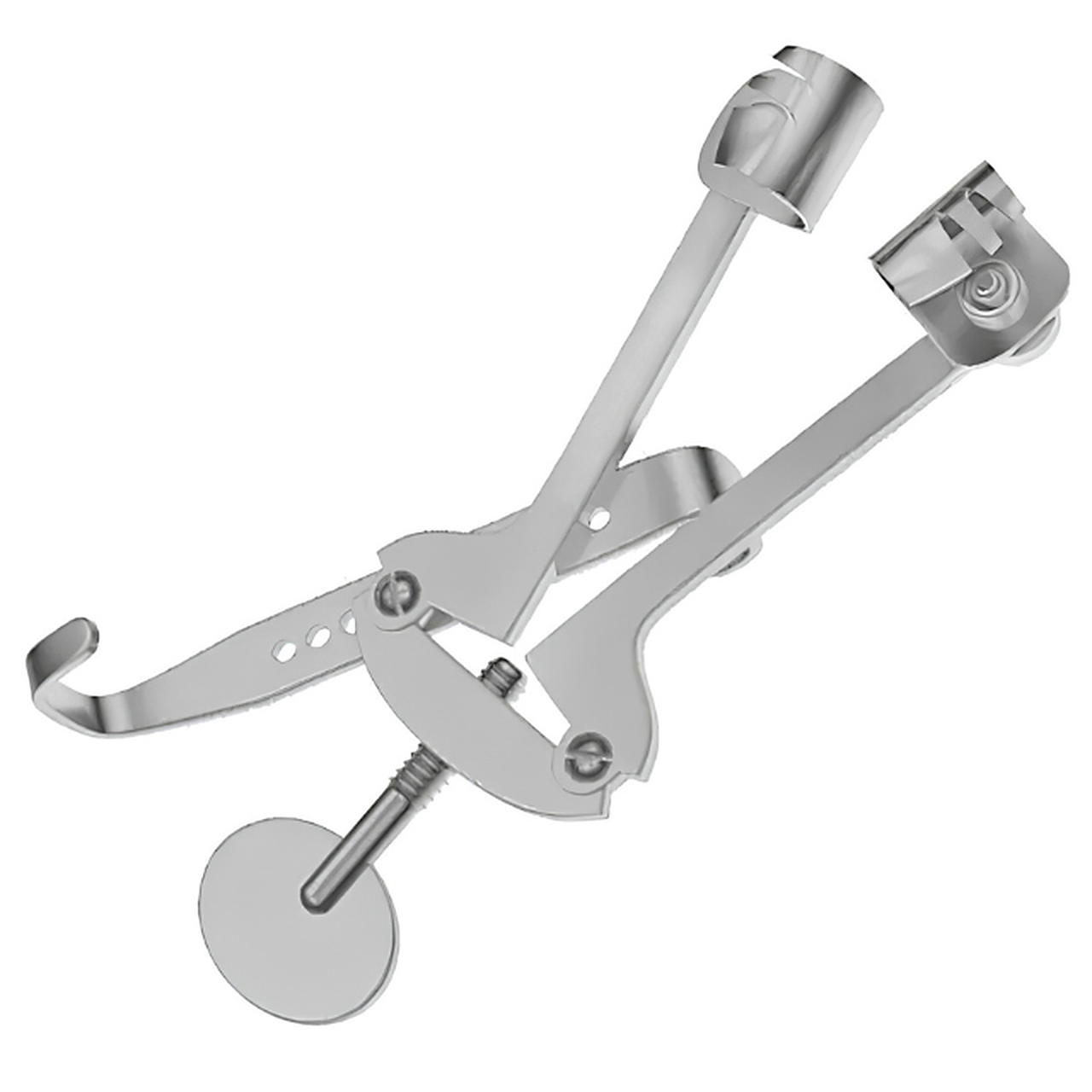 | Ранорасширитель Henner Endaural Retractor | Специально разработан для разведения краев эндаурального разреза и наружного слухового прохода при отологических операциях. |
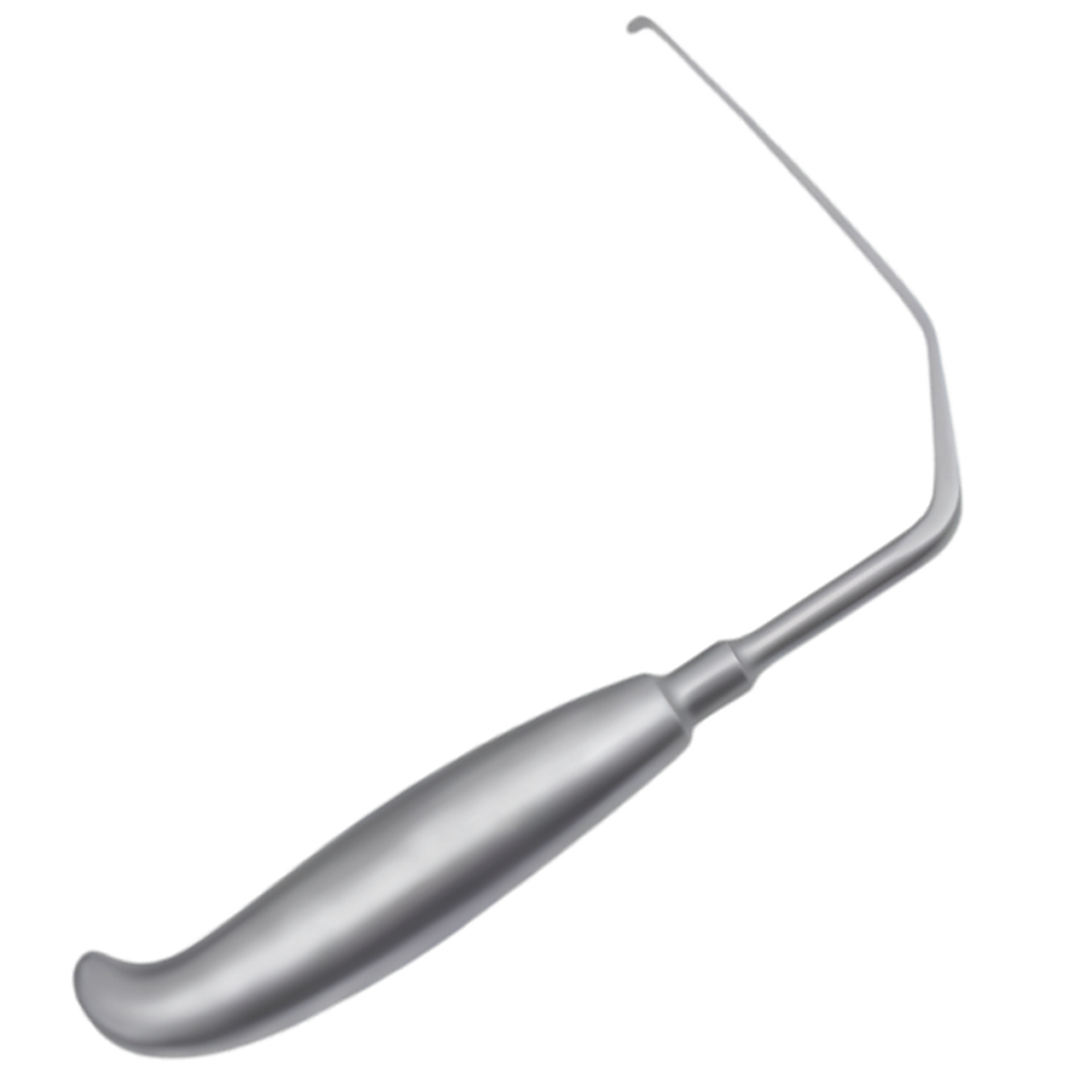 | Корешковый ретрактор Hess Nerve Root Retractor | Специально разработан для ретракции и защиты проходящих спинномозговых нервных корешков и дурального мешка во время микрохирургической поясничной дискэктомии. |
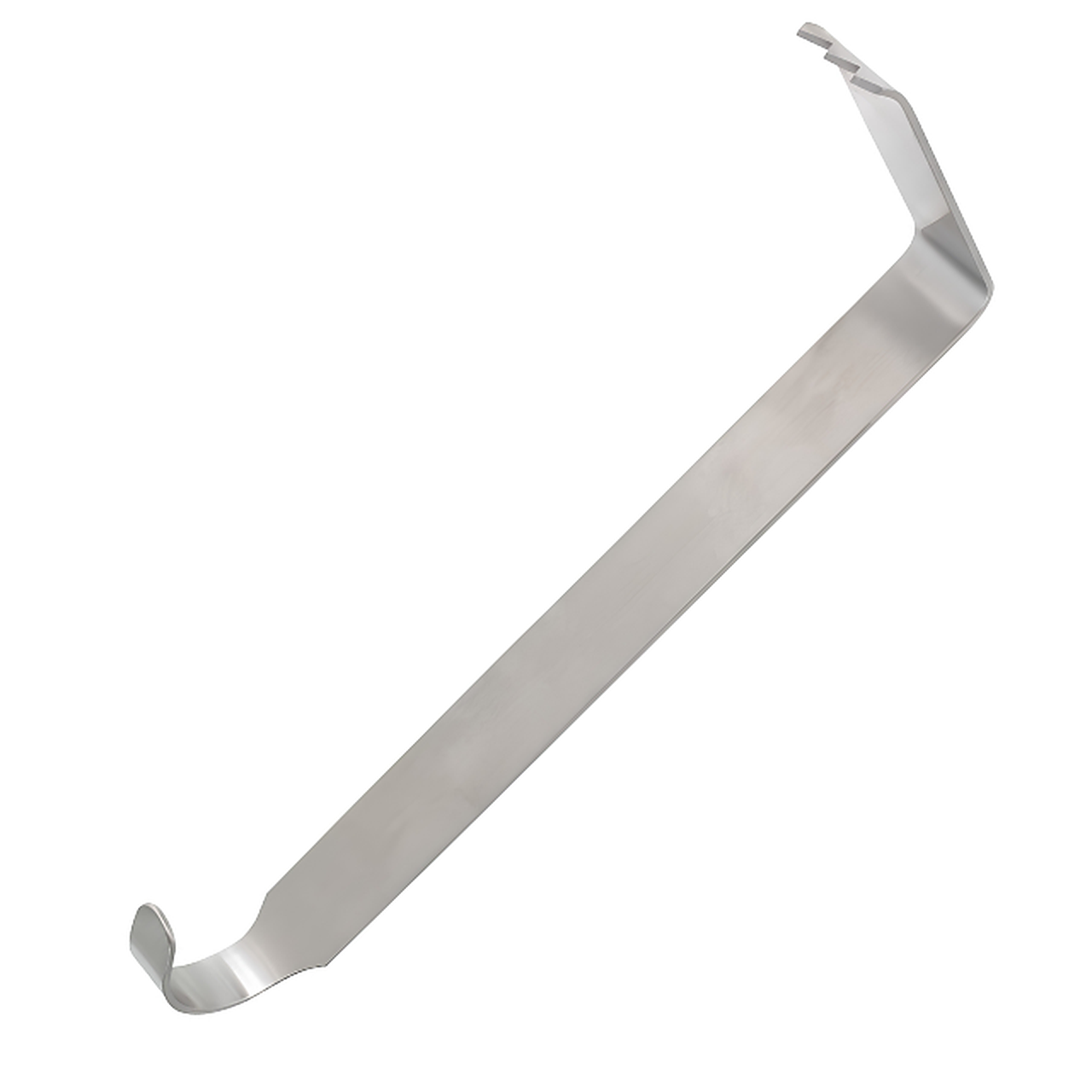 | Ранорасширитель Hibbs Retractor | Специально разработан для ретракции массивных параспинальных мышц и глубоких мягких тканей в спинальной и ортопедической хирургии. |
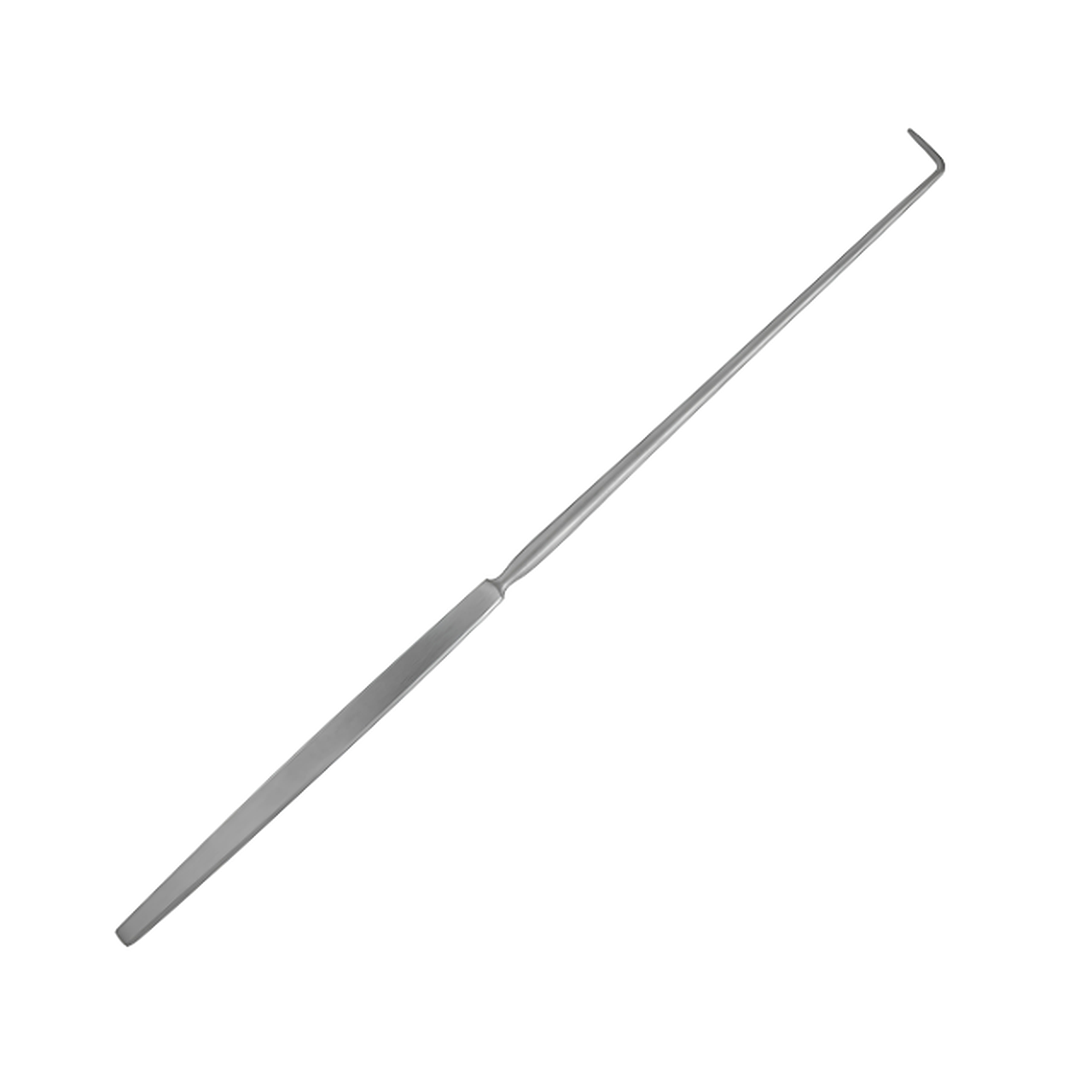 | Нервный ретрактор Hoen | Специально разработан для мобилизации, ревизии и ретракции спинномозговых корешков и дурального мешка в микрохирургии. |
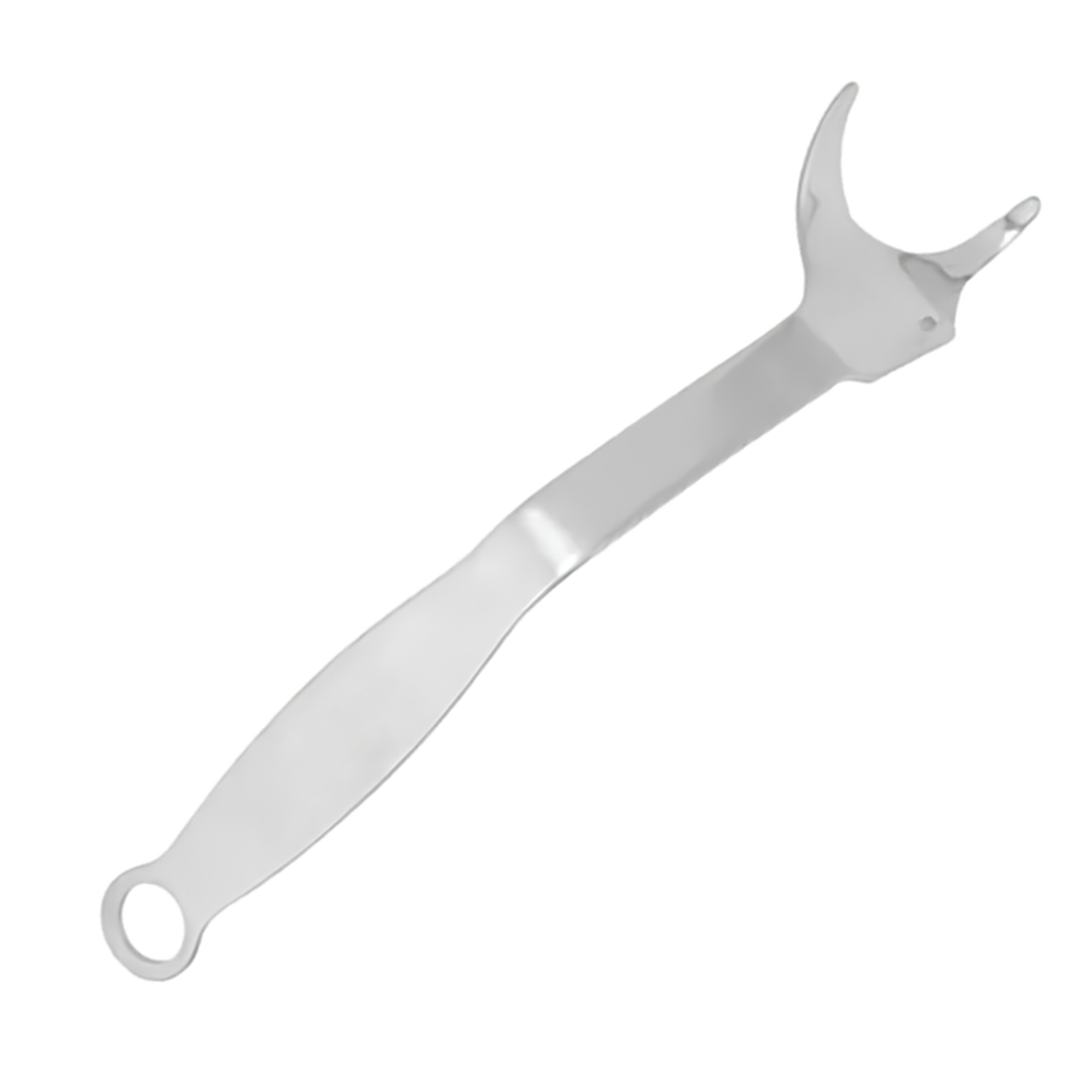 | Ретрактор Hohmann Posterior Inferior | Специально разработан для обнажения задне-нижнего края вертлужной впадины и ретракции капсульных тканей при тотальном эндопротезировании тазобедренного сустава. |
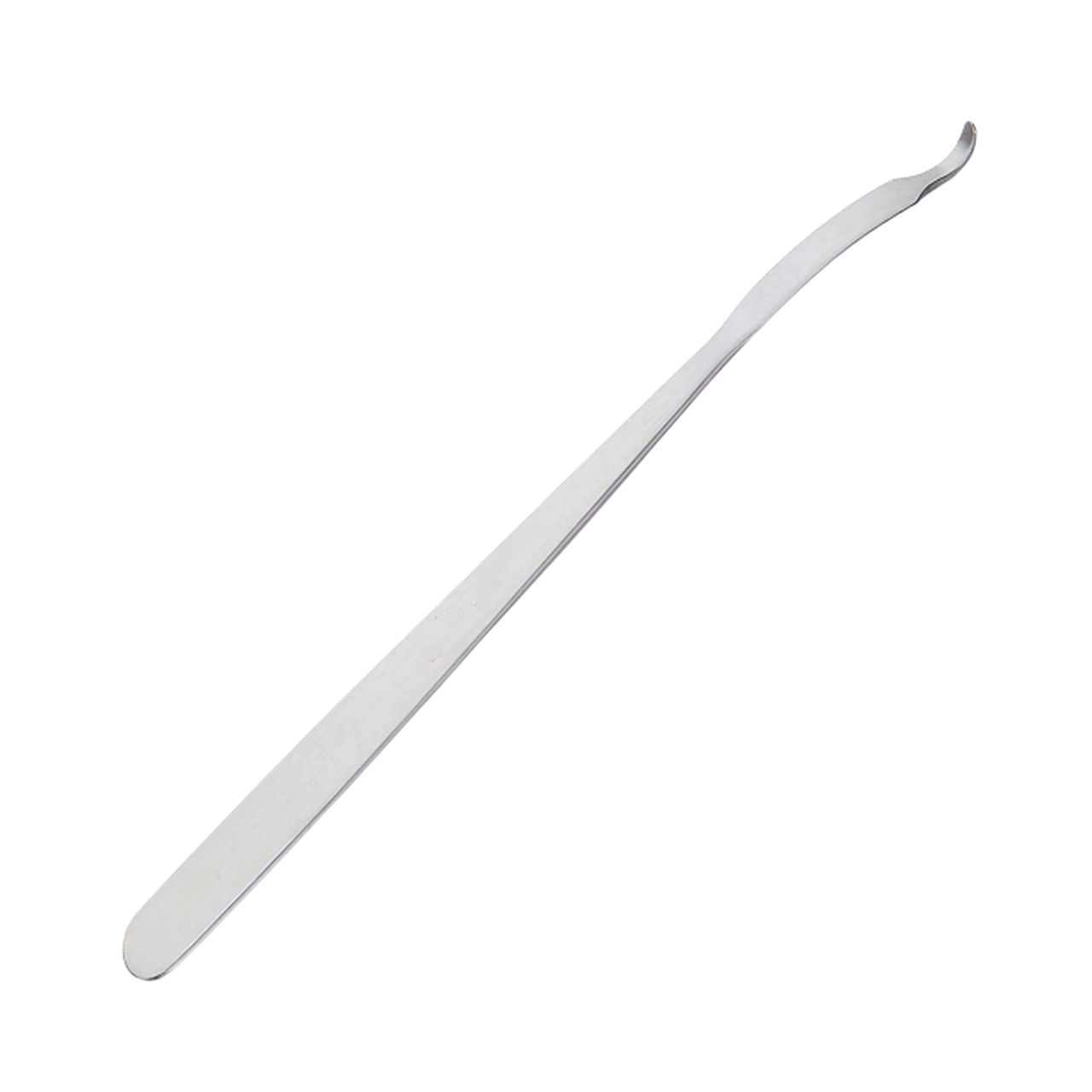 | Распатор-ретрактор Hohmann | Специально разработан для использования в качестве костного рычага и ретракции массивных мышц при ортопедических процедурах на тазобедренном, коленном суставах и длинных костях. |
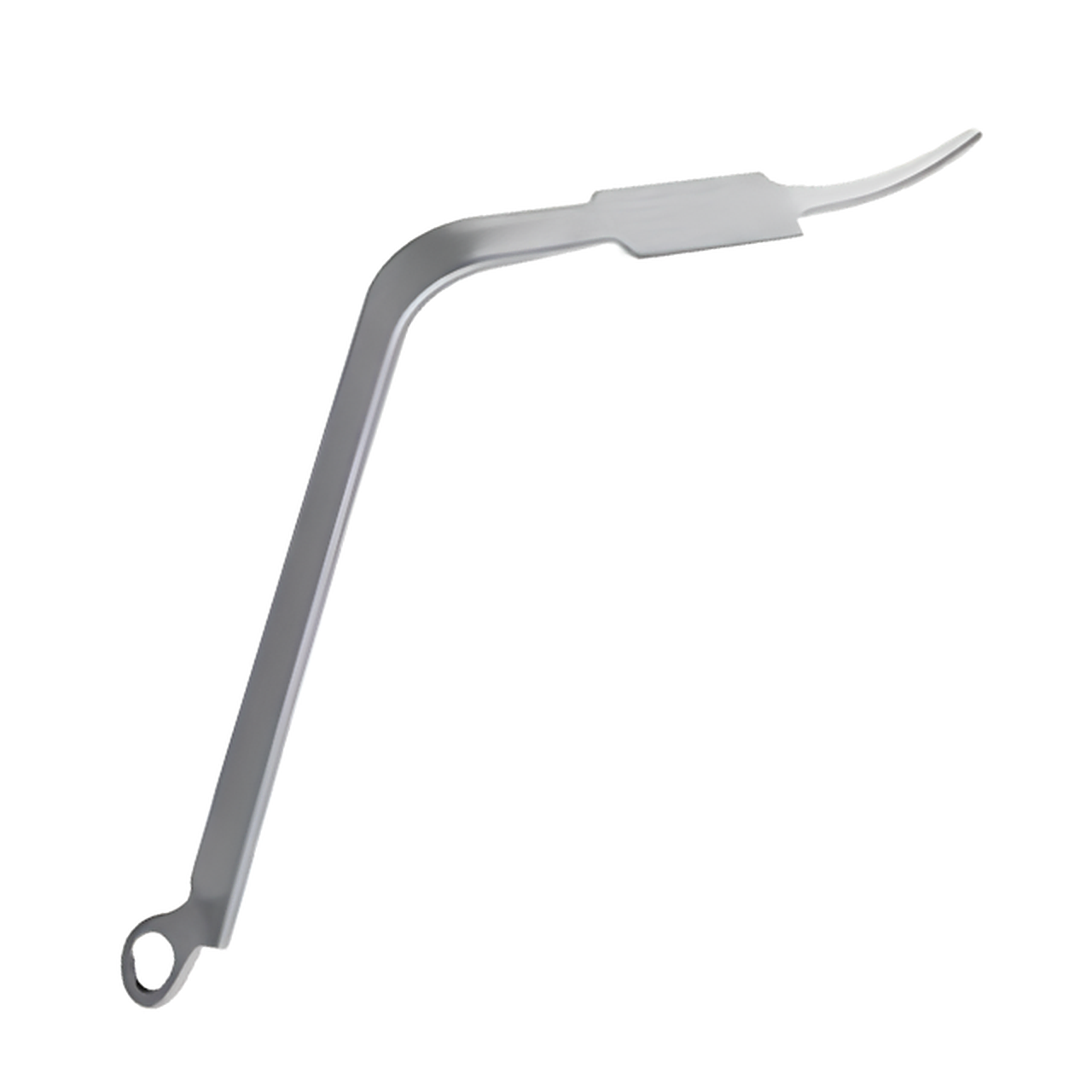 | Ретрактор Hohmann с изогнутой удлиненной рукояткой | Специально разработан для использования в качестве рычага при работе с костью и ретракции плотных мышечных массивов с отведением рукоятки от глубокого операционного поля в ортопедической хирургии. |
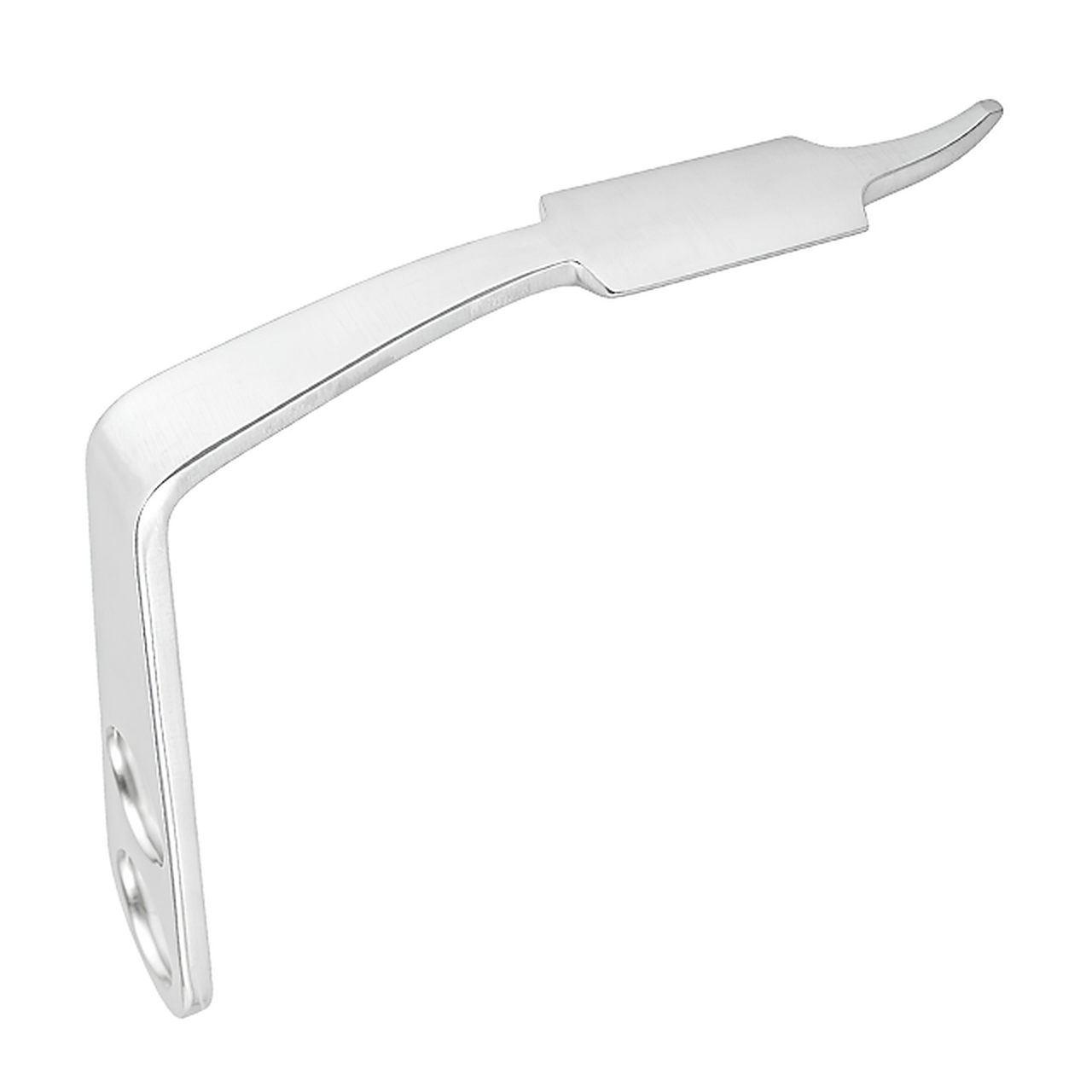 | Рычажный костный ретрактор Хомана (Hohmann), прямоугольный | Специально разработан для создания рычажного усилия на кость и ретракции мышц под прямым углом при глубоких операциях на бедре, тазу и бедренной кости. |
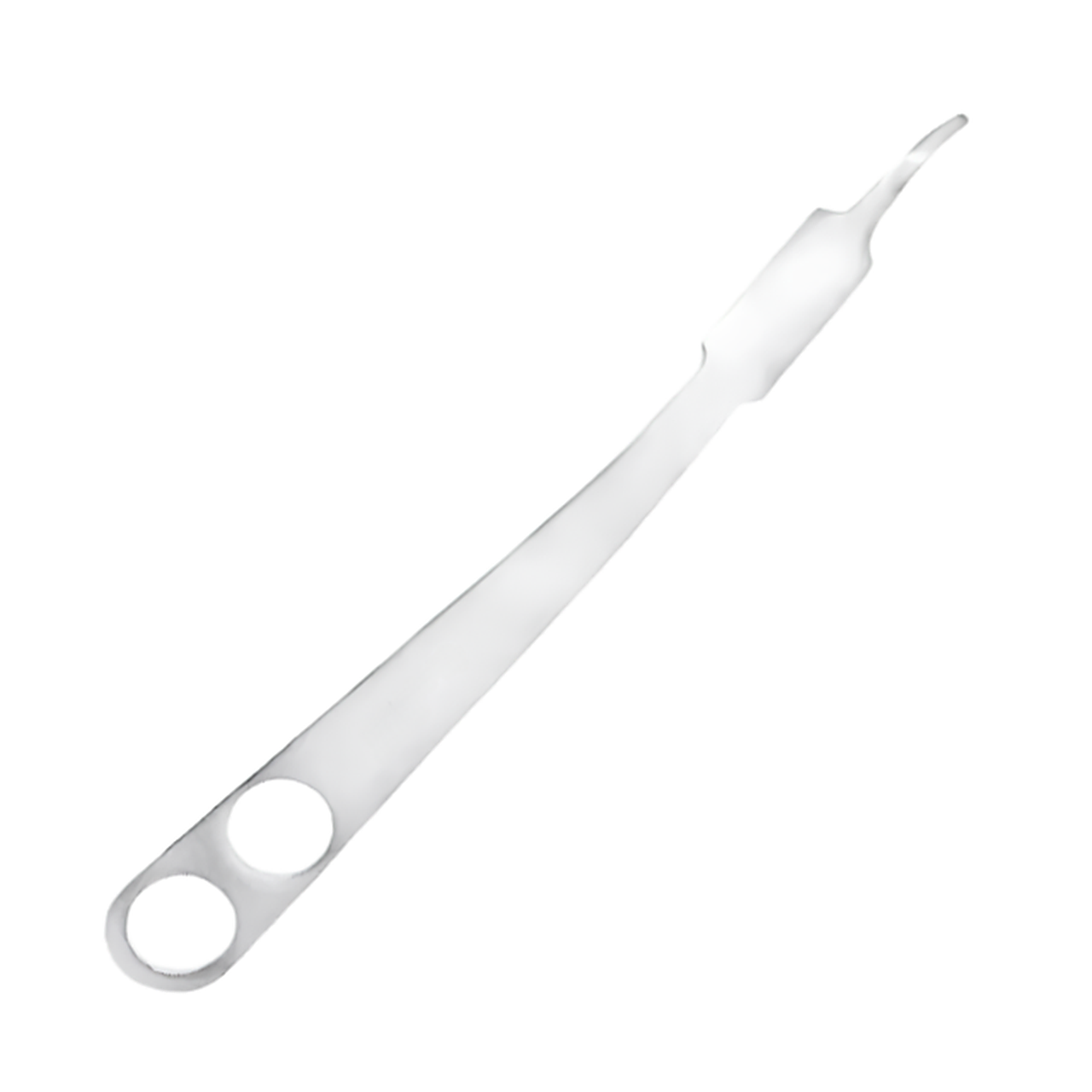 | Рычажный ретрактор Hohmann Retractor Rounded End с закругленным концом | Специально разработан для создания рычажного усилия на кость и атравматичной ретракции мягких тканей при операциях на тазобедренном, коленном суставах и длинных трубчатых костях. |
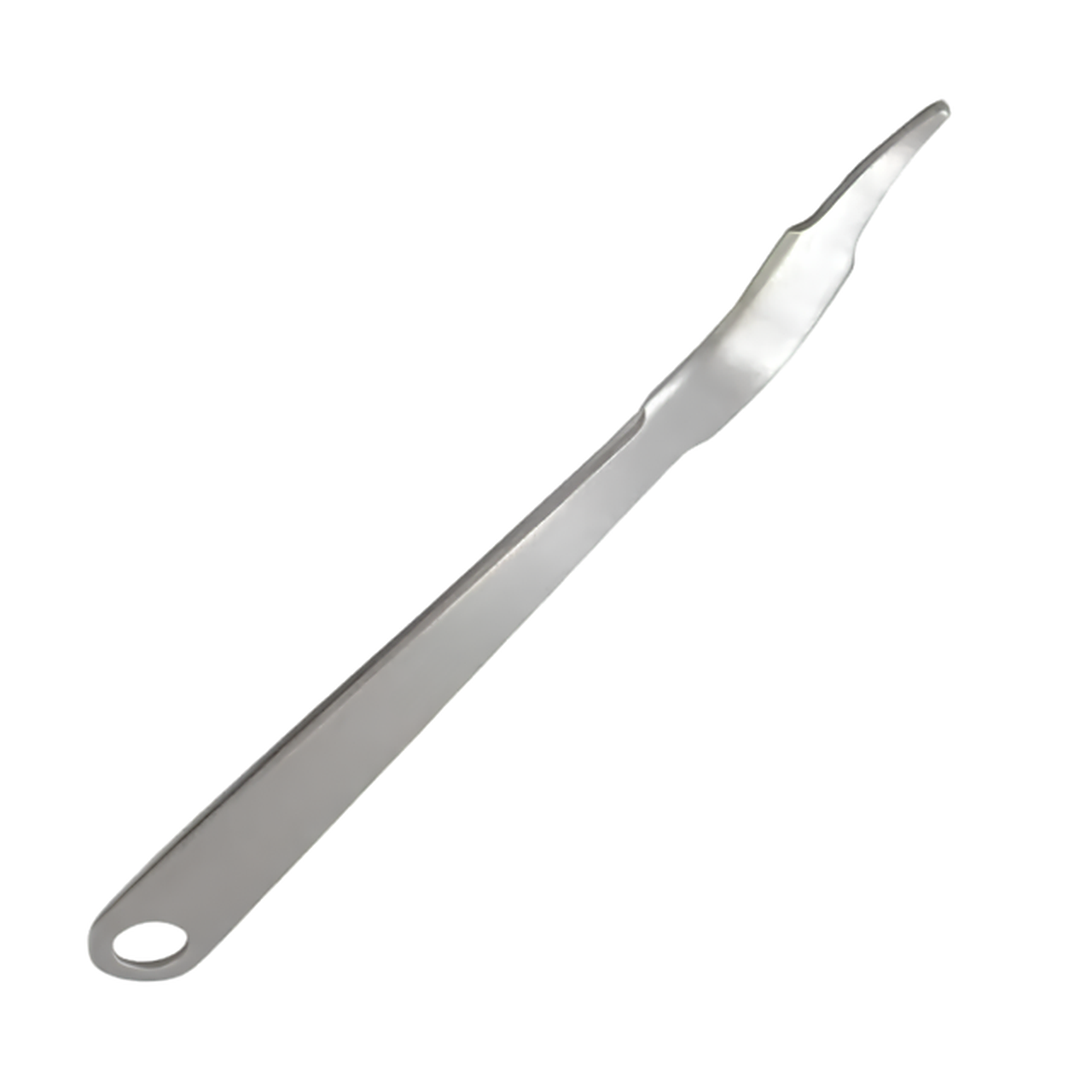 | Ретрактор Hohmann Retractor Square End | Специально разработан для рычажного воздействия на плоские кортикальные слои кости и ретракции мягких тканей в ортопедической хирургии коленного и тазобедренного суставов, а также при травмах. |
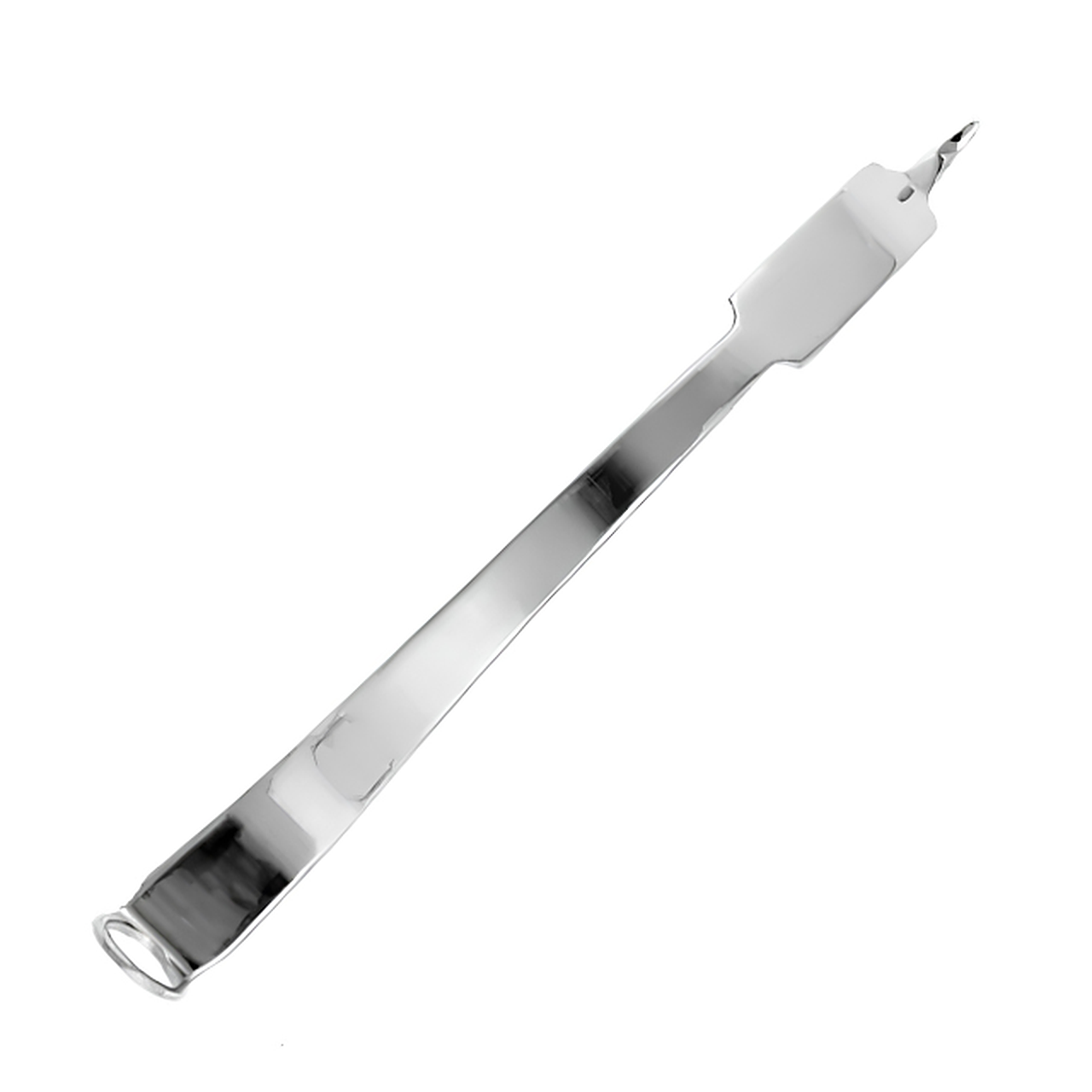 | Ретракторы Hohmann Retractors Angled изогнутые | Специально разработан для создания костного рычага и отведения мышц от глубоких суставов и длинных костей в ходе ортопедических операций. |
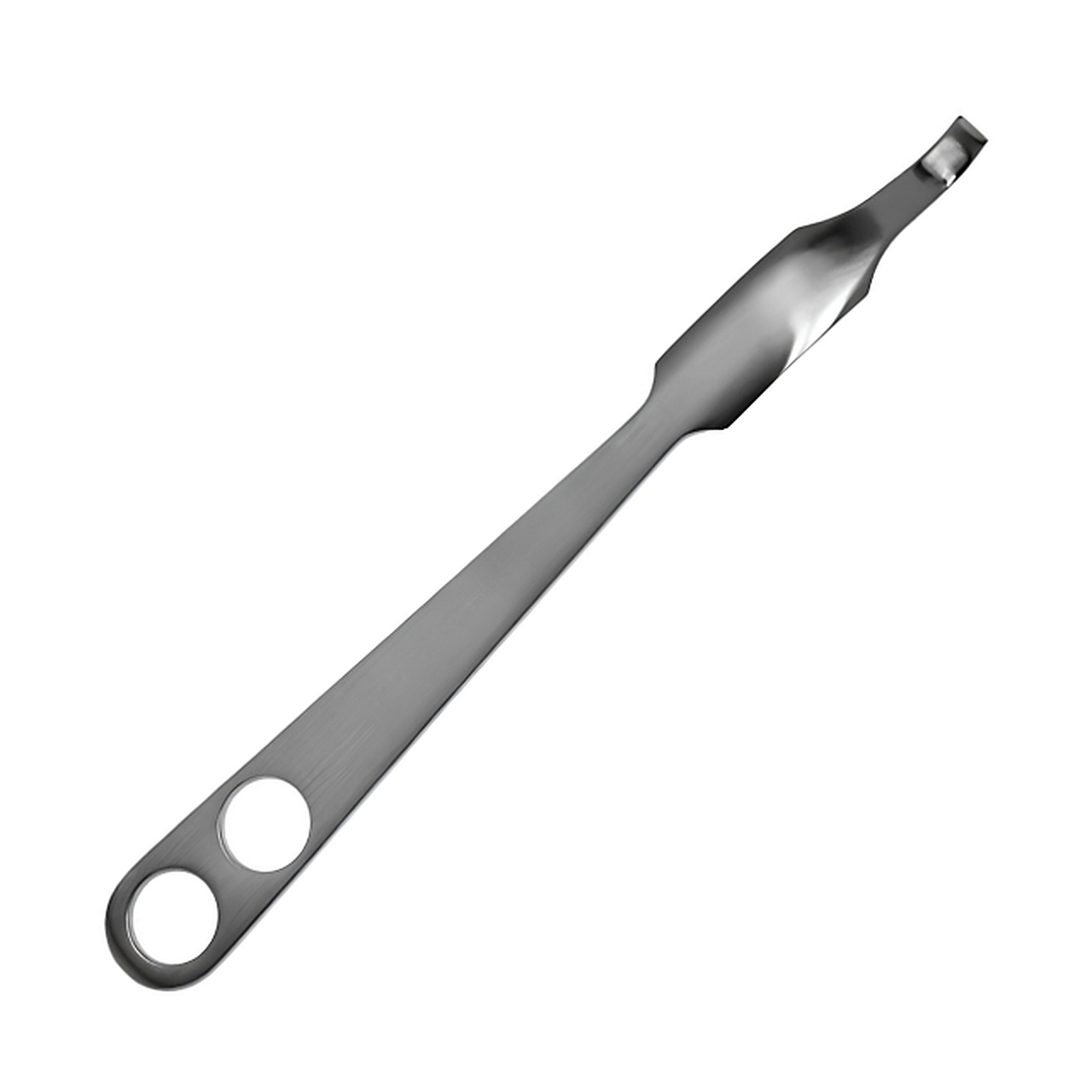 | Ретракторы Hohmann с квадратным лезвием | Специально разработаны для создания рычажного усилия на кортикальный слой кости и ретракции плотных мышечных слоев при операциях на тазобедренном, коленном суставах и длинных трубчатых костях. |
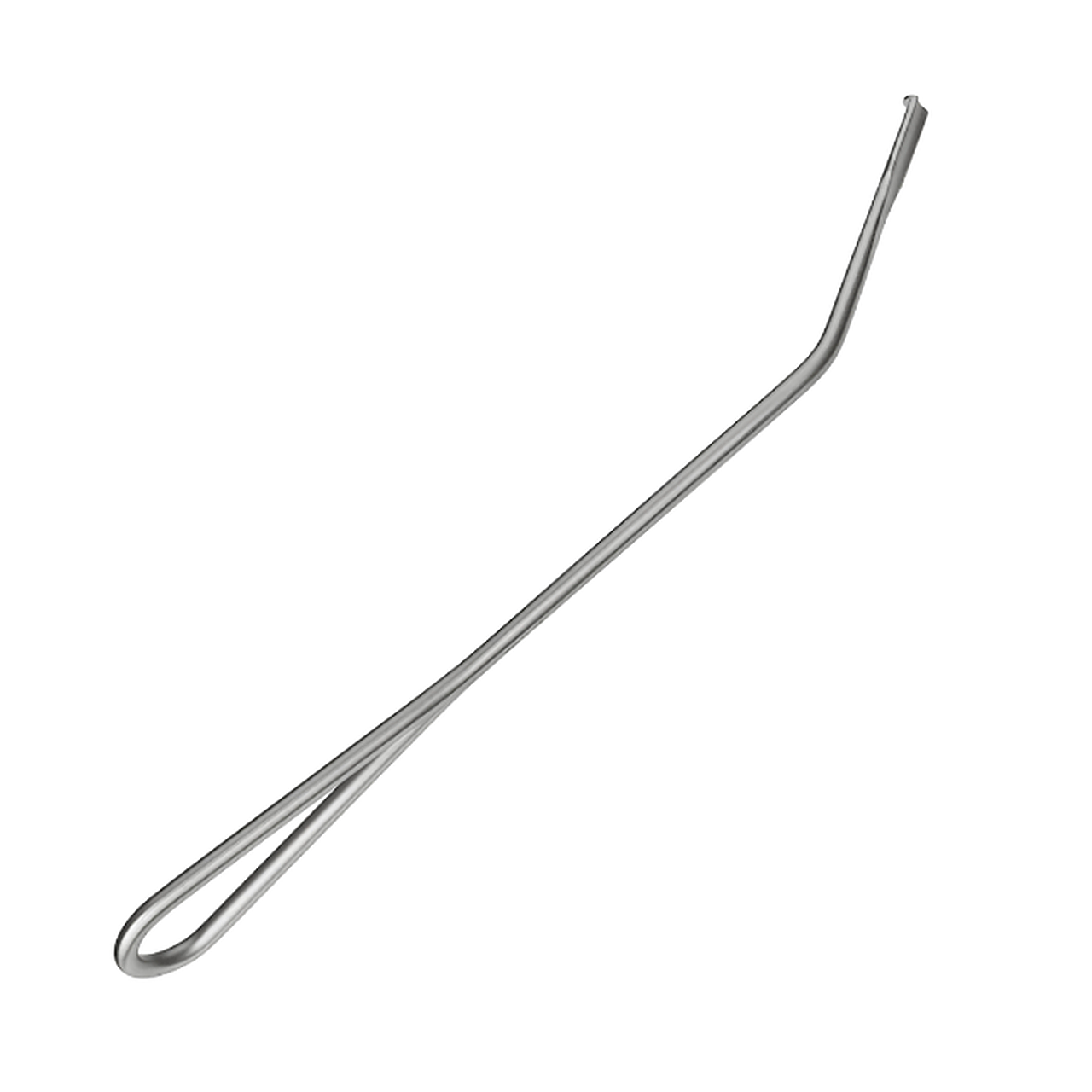 | Ранорасширители Holscher Retractors | Специально разработаны для ретракции и защиты спинномозговых корешков и дурального мешка при проведении дискэктомии и ламинэктомии. |
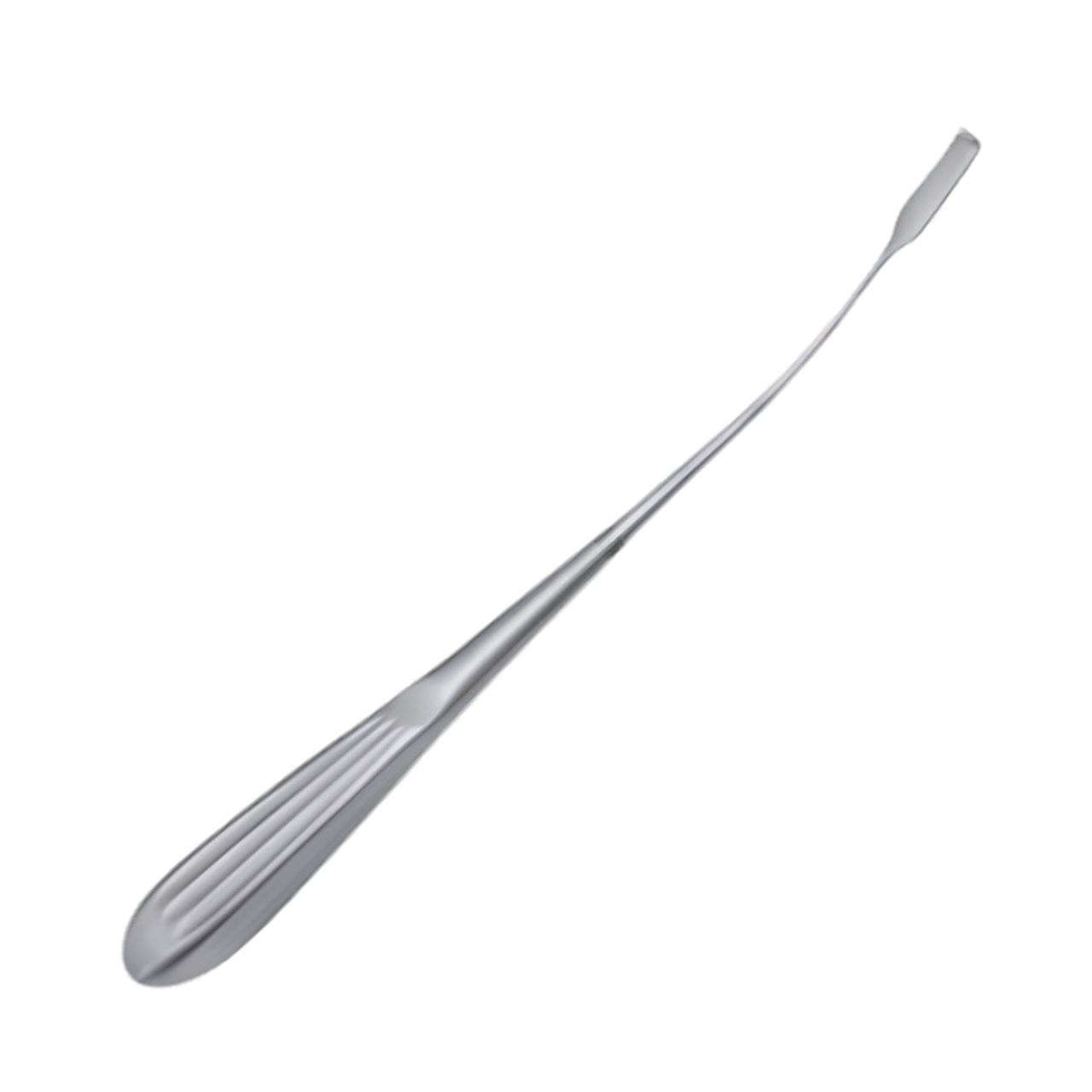 | Ретрактор корешков нервов Holsher | Специально разработан для ретракции и защиты спинномозговых нервных корешков и текального мешка во время микрохирургической поясничной дискэктомии. |
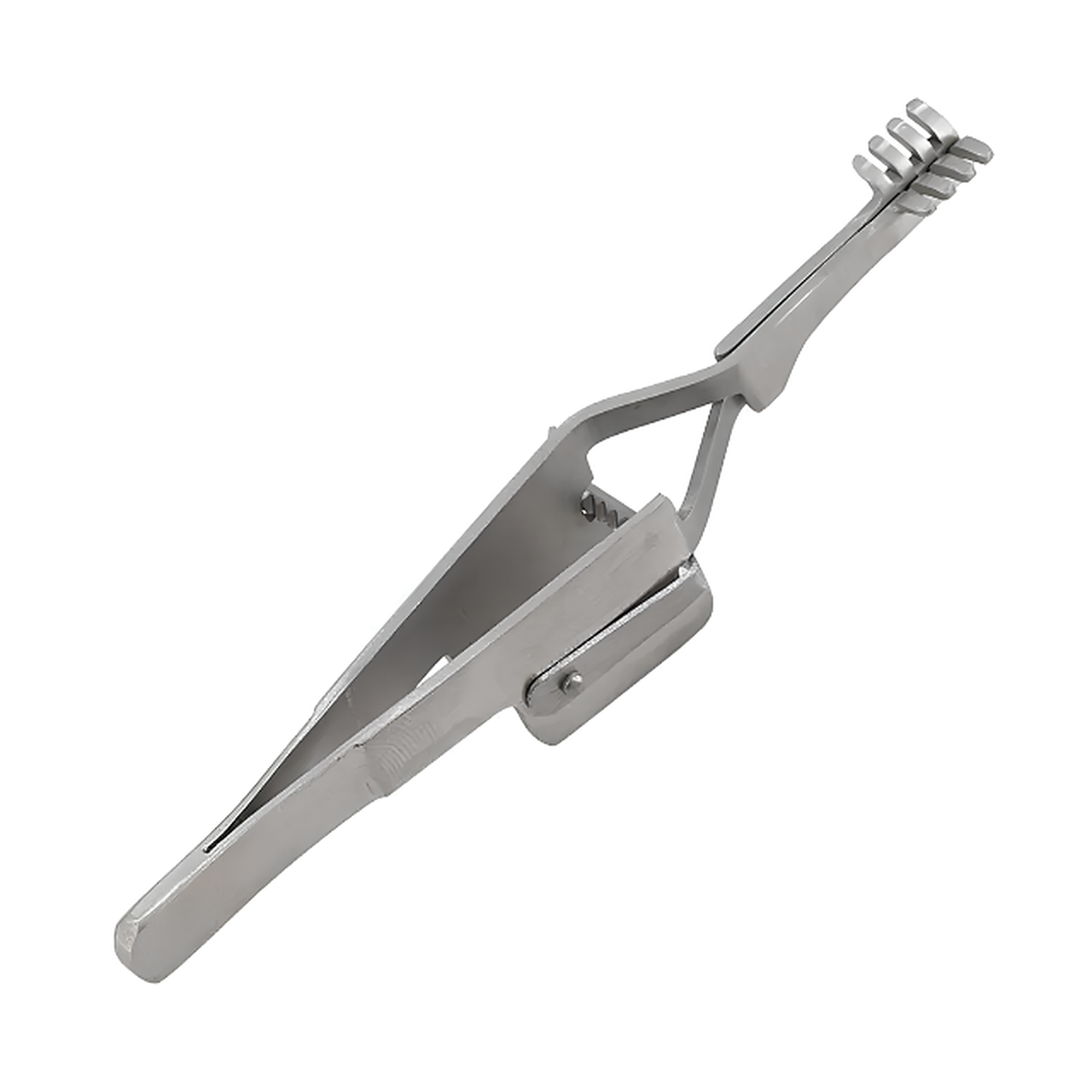 | Ранорасширитель Holzhimer Self-Retaining Retractor | Специально разработан для самодержащейся ретракции тканей при малых хирургических, офтальмологических, пластических операциях и вмешательствах на кисти. |
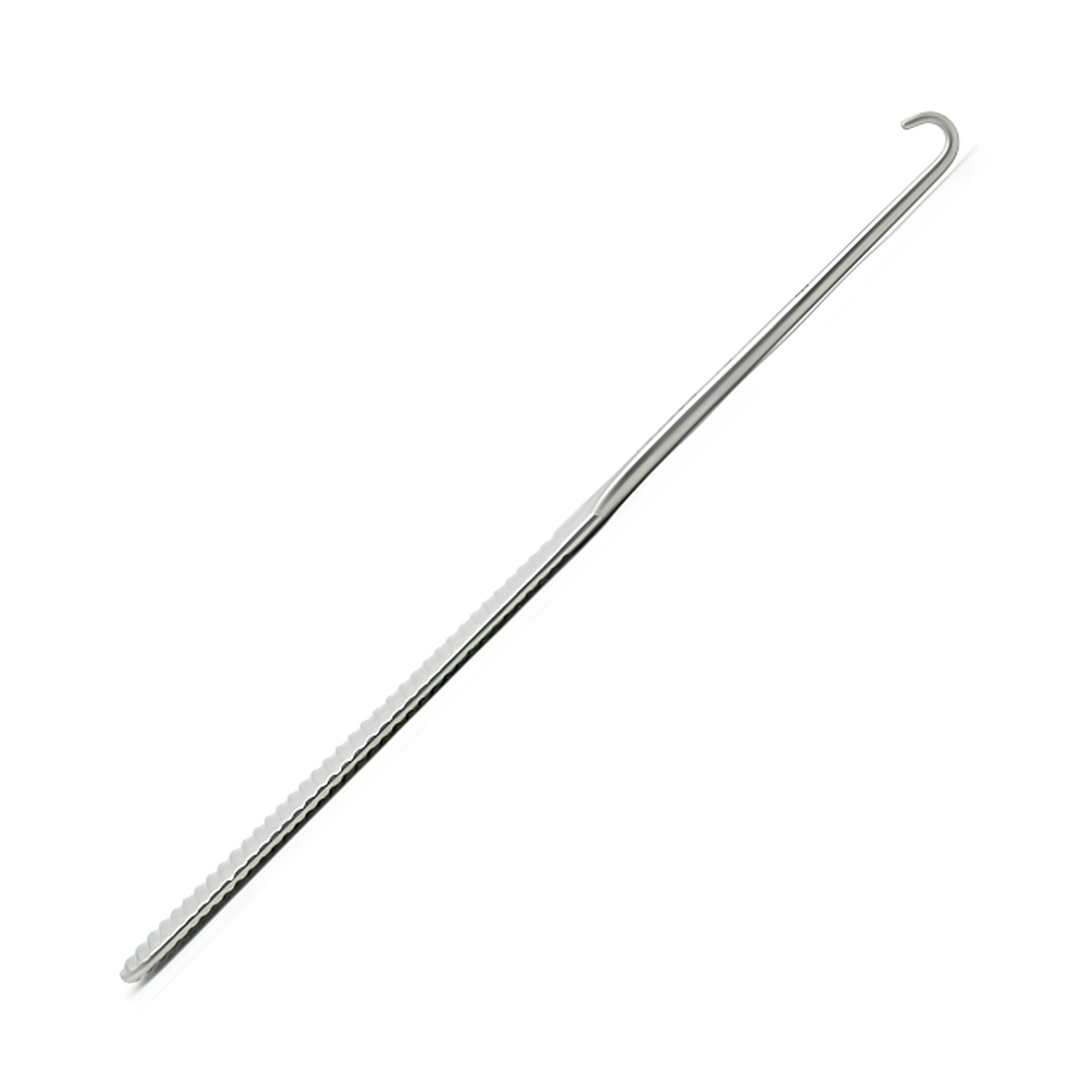 | Крючок хирургический (Hook Retractor) | Специально разработан для ретракции кожных лоскутов, кожных краев и поверхностных мягких тканей во время хирургических манипуляций. |
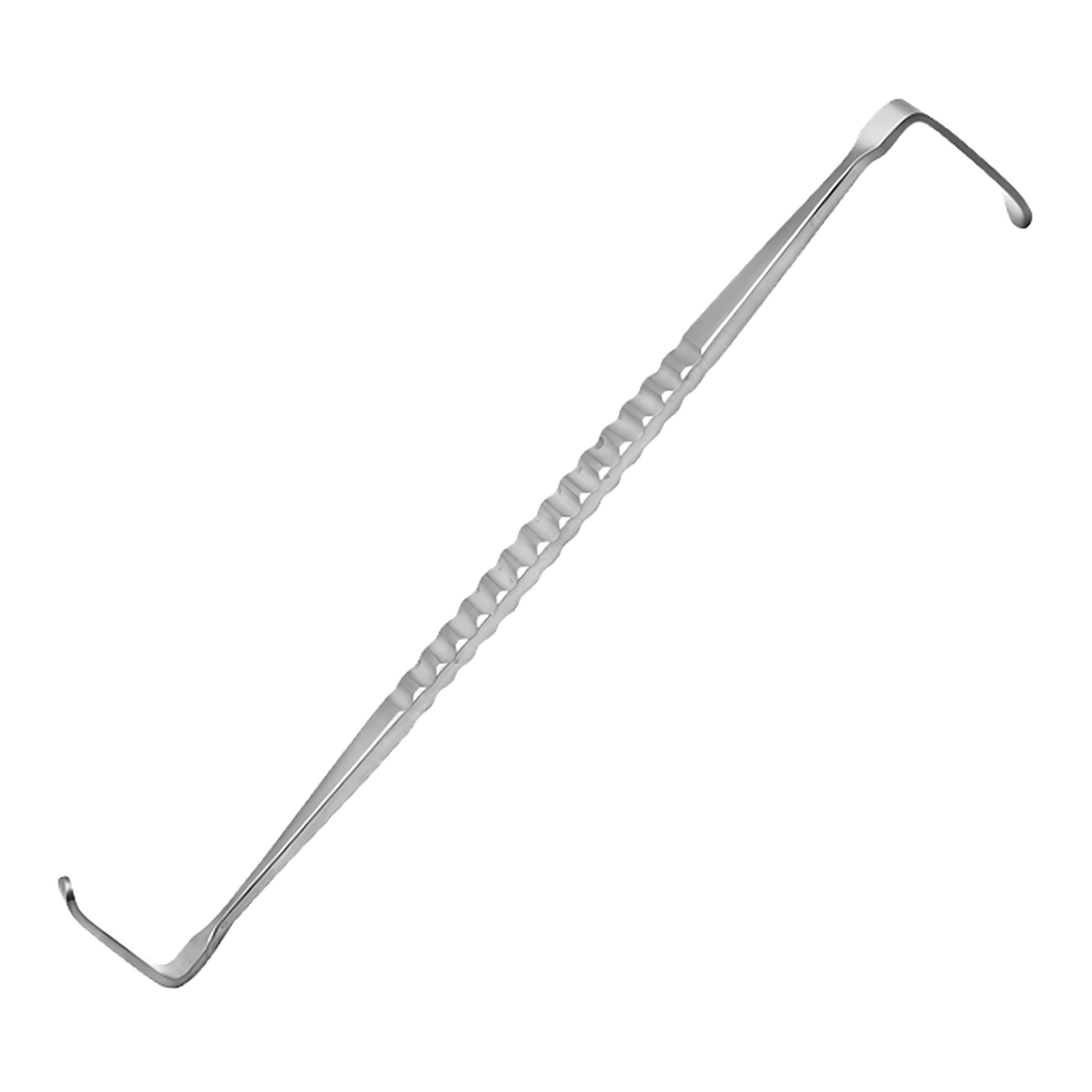 | Ретрактор House Hand Retractor | Специально разработан для ретракции краев кожи, тканей слухового прохода и фасций в отологии, ЛОР-хирургии и пластической хирургии. |
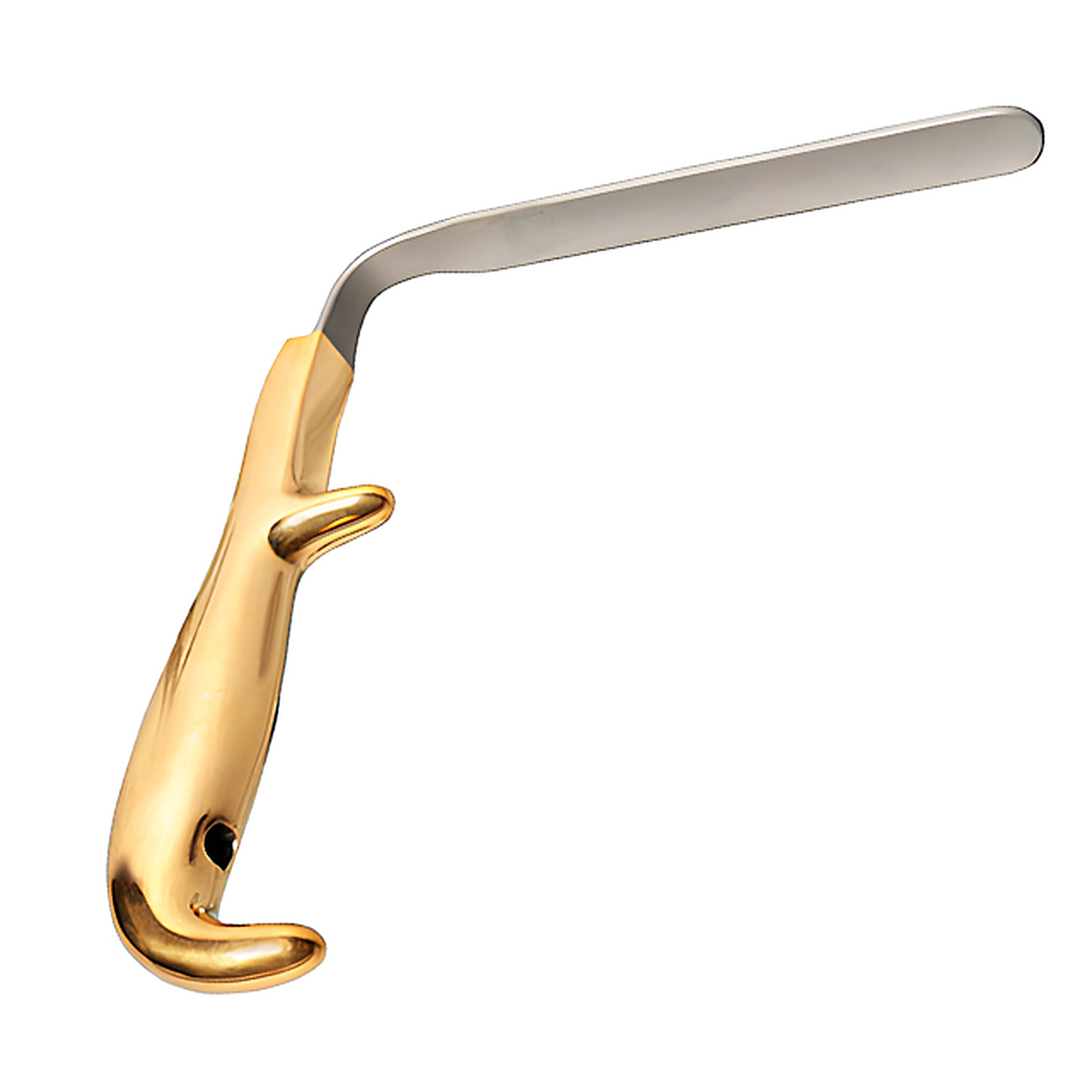 | Дистальный ретрактор Hoyos | Специально разработан для элевации абдоминальных кожных лоскутов и обеспечения экспозиции дистального кармана во время HD-абдоминопластики. |
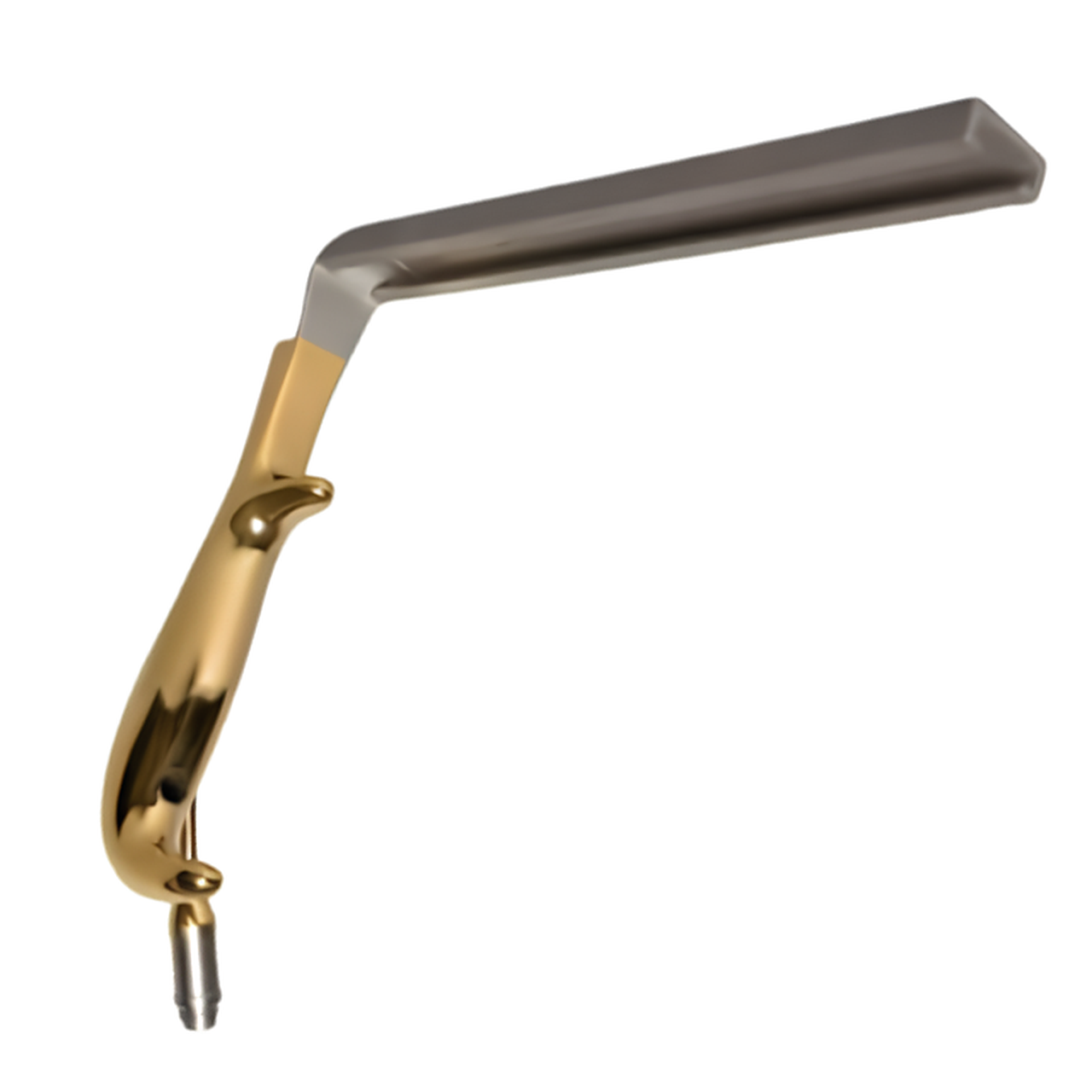 | Проксимальный ретрактор Hoyos | Специально разработан для элевации проксимальных абдоминальных лоскутов и обнажения эпигастрия во время высокоточной абдоминопластики. |
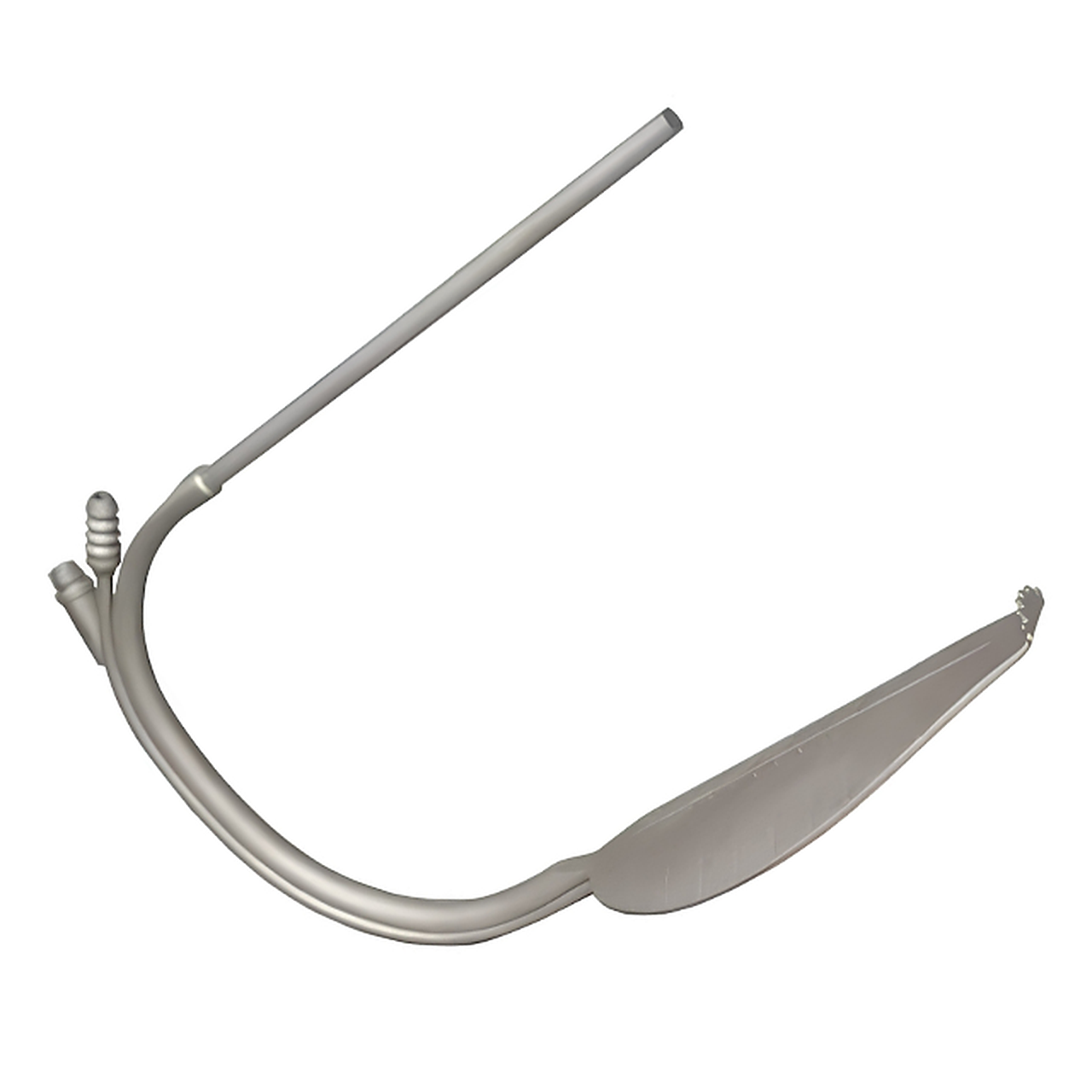 | Ретрактор Hoyos Remora Retractor | Специально разработан для освещения при ретракции мягких тканей, аспирации дыма и стабилизации во время высокоточного моделирования контуров тела. |
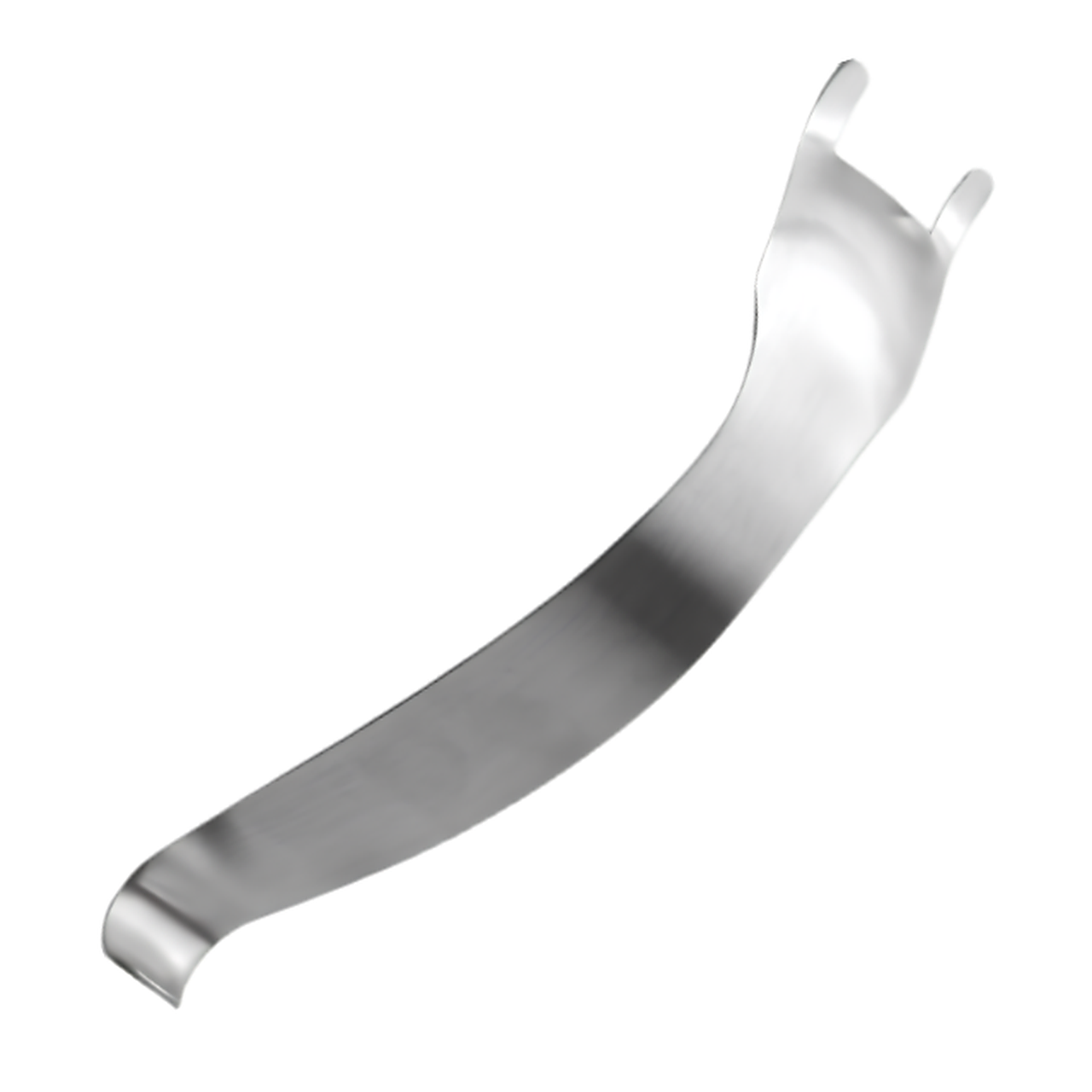 | Ретрактор головки плечевой кости Humeral Head Retractor | Специально разработан для заднего смещения головки плечевой кости и обнажения суставной впадины (гленоида) при артропластике плечевого сустава. |
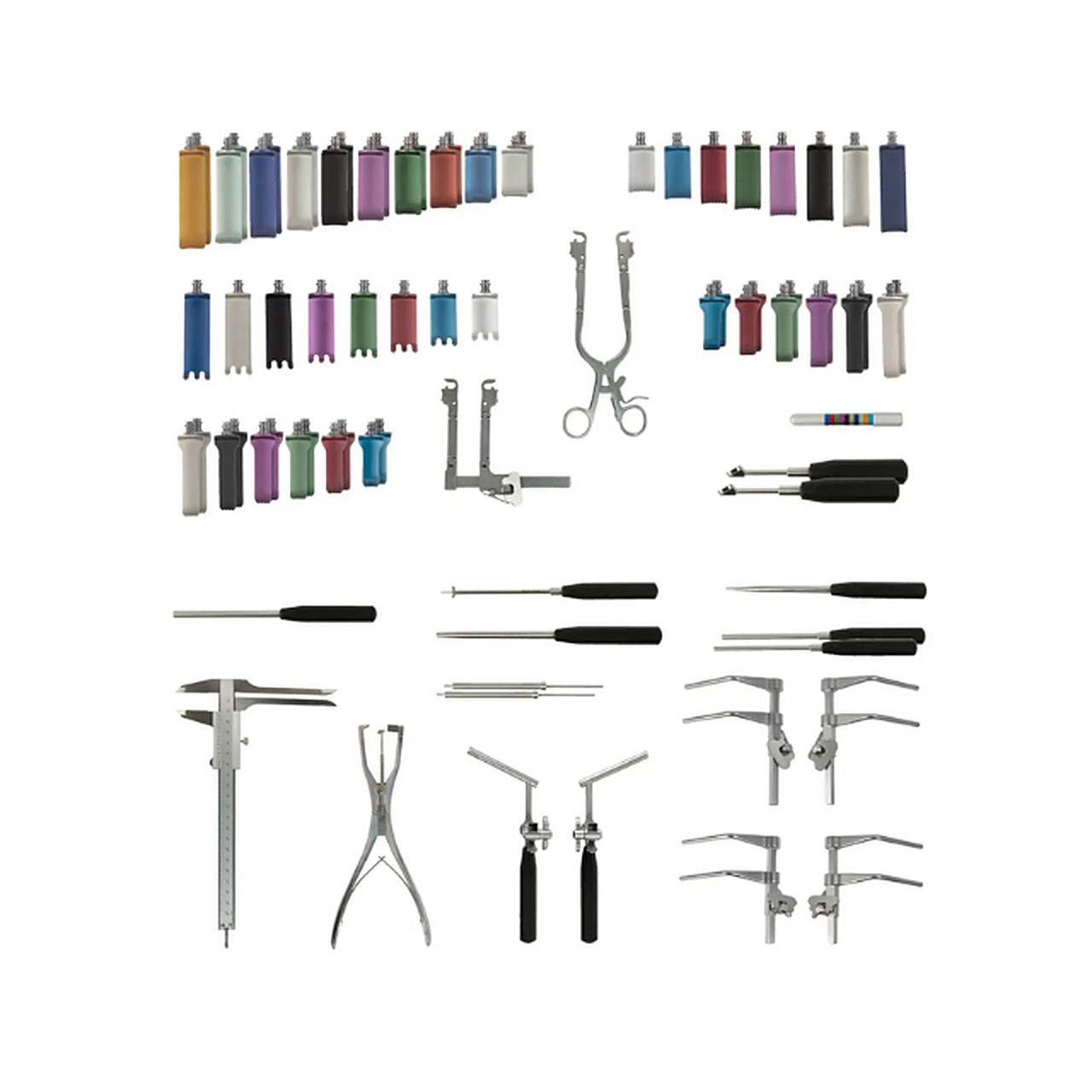 | Классический набор Image-Line ACF Retractor With Distraction | Специально разработан для ретракции мягких тканей, дистракции тел позвонков и установки костных трансплантатов во время операций переднего шейного спондилодеза (ACF). |
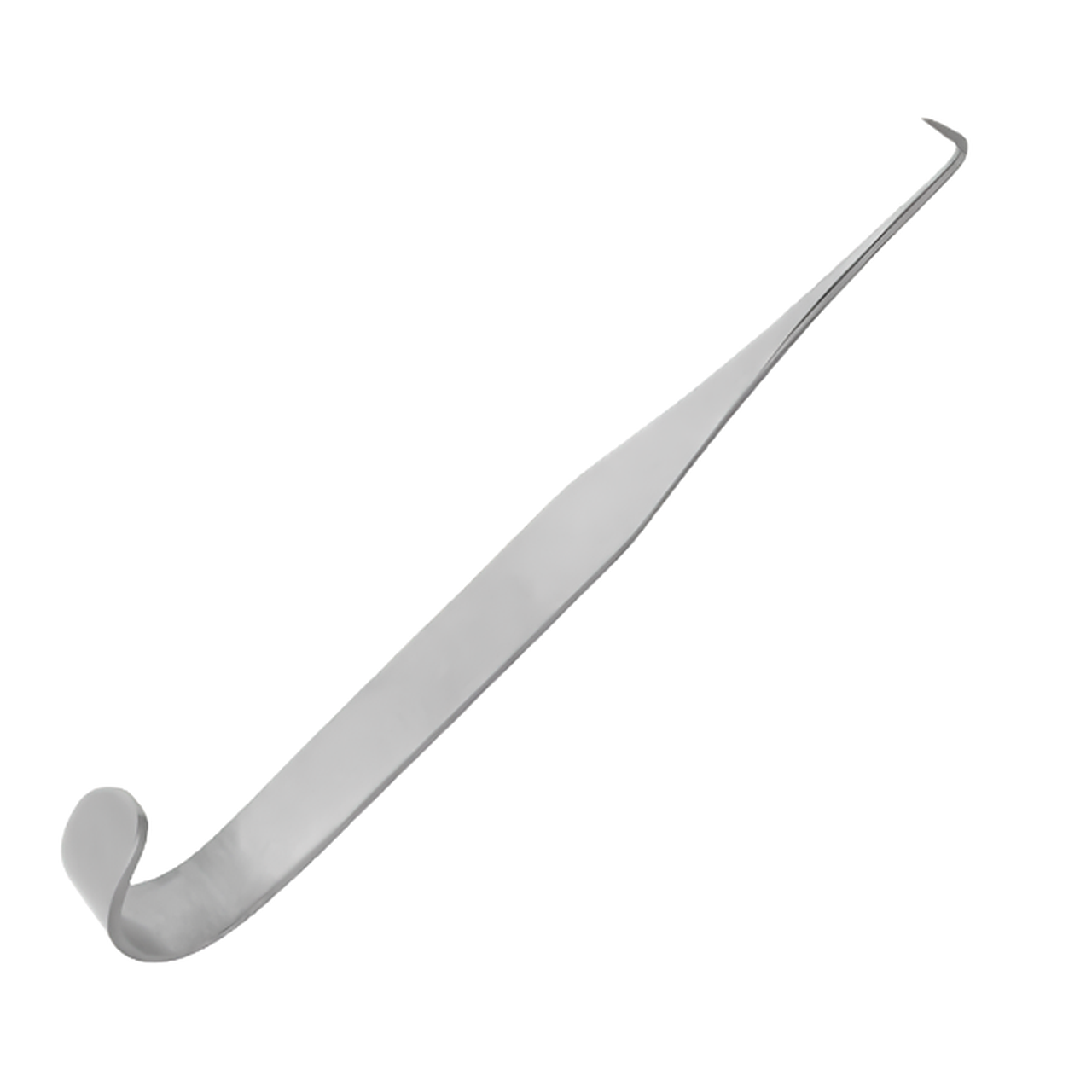 | Трахеальный ретрактор Jackson | Специально разработан для поднятия и стабилизации трахеи, а также для ретракции предтрахеальных тканей во время трахеостомии. |
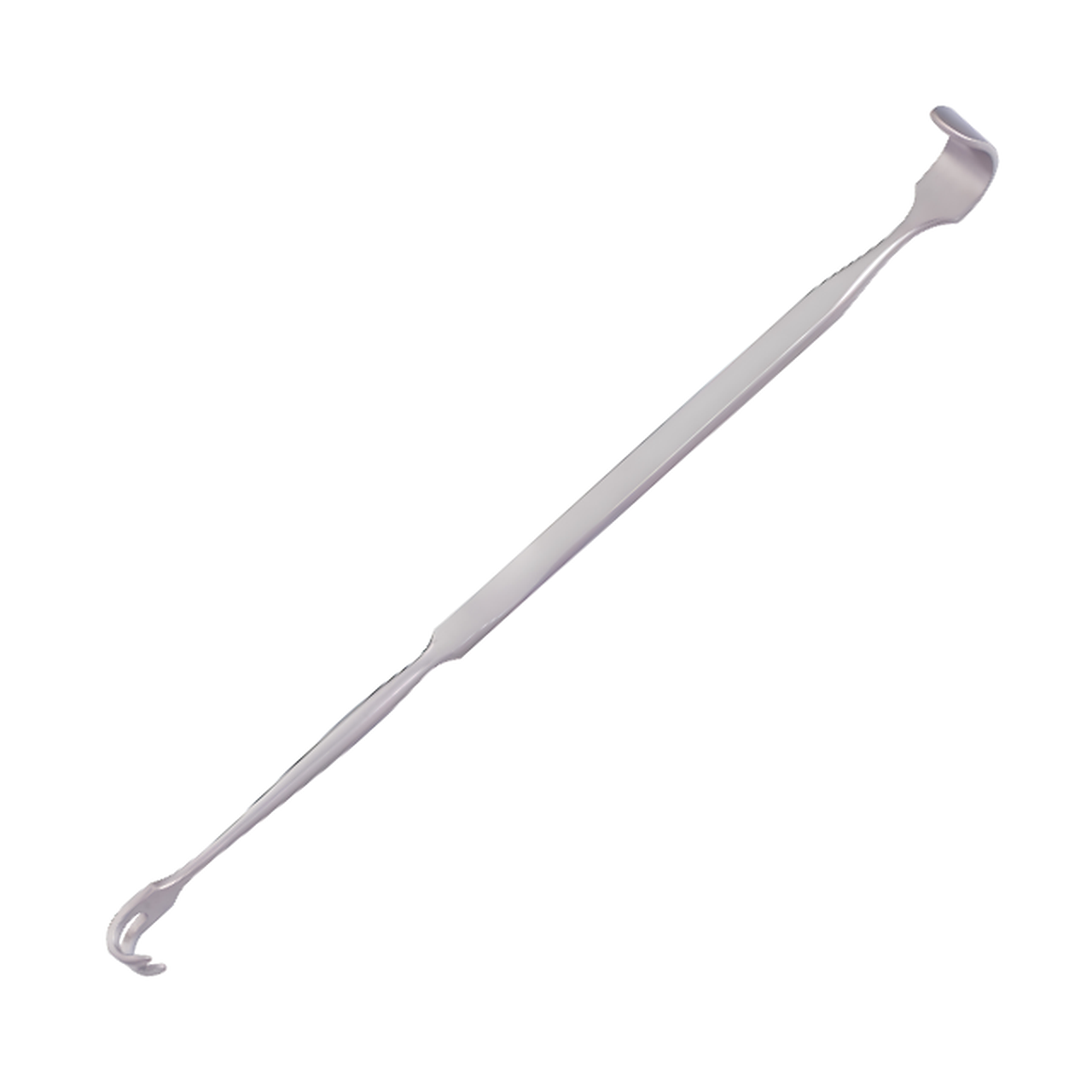 | Трахеальный ретрактор Jackson Tracheal Retractor-Double Ended | Специально разработан для ретракции претрахеальной ткани и поднятия хрящей трахеи во время трахеостомии и операций на дыхательных путях. |
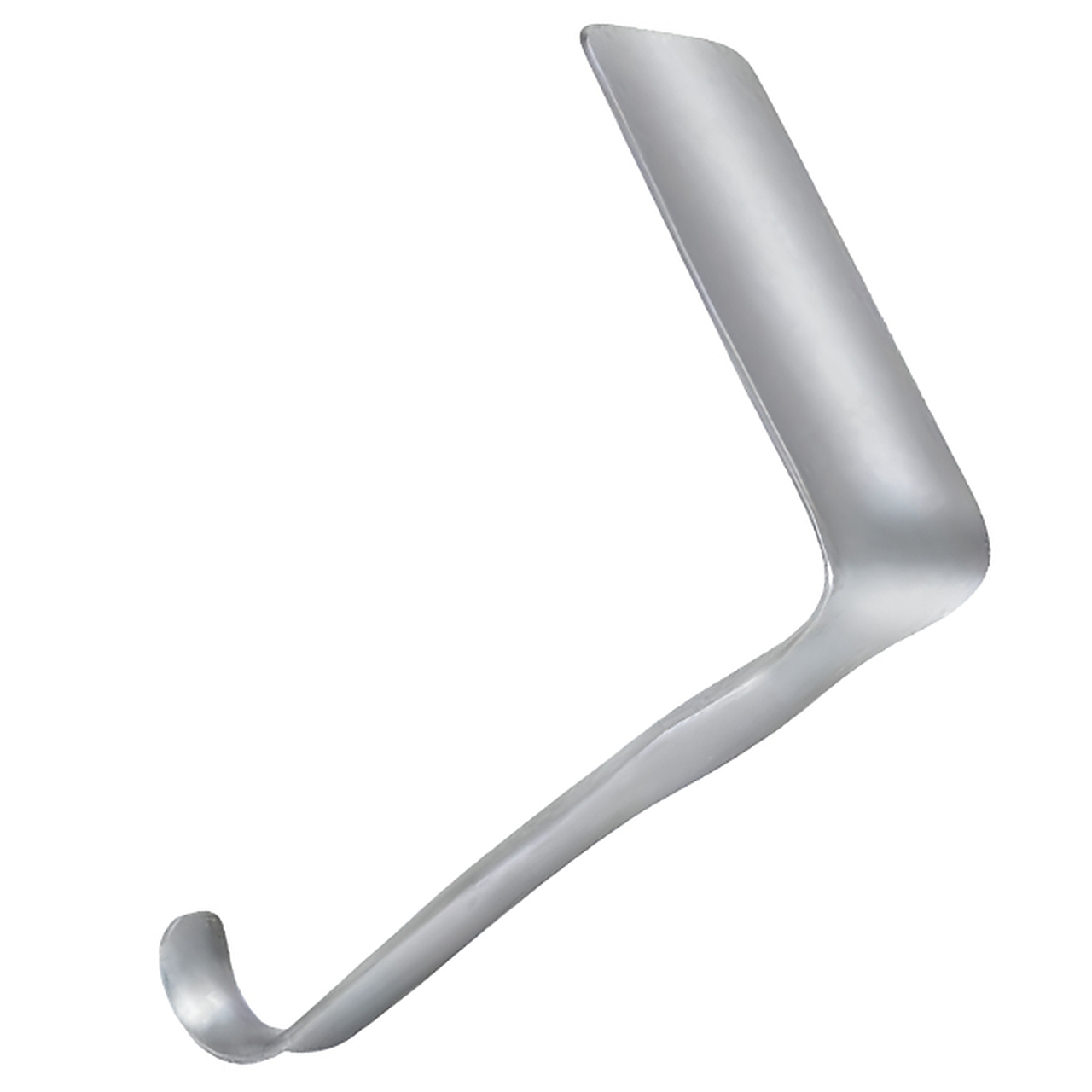 | Влагалищное зеркало-подъемник Jackson Vaginal Retractor | Специально разработан для ретракции стенок влагалища и обеспечения визуализации свода таза во время гинекологических процедур. |
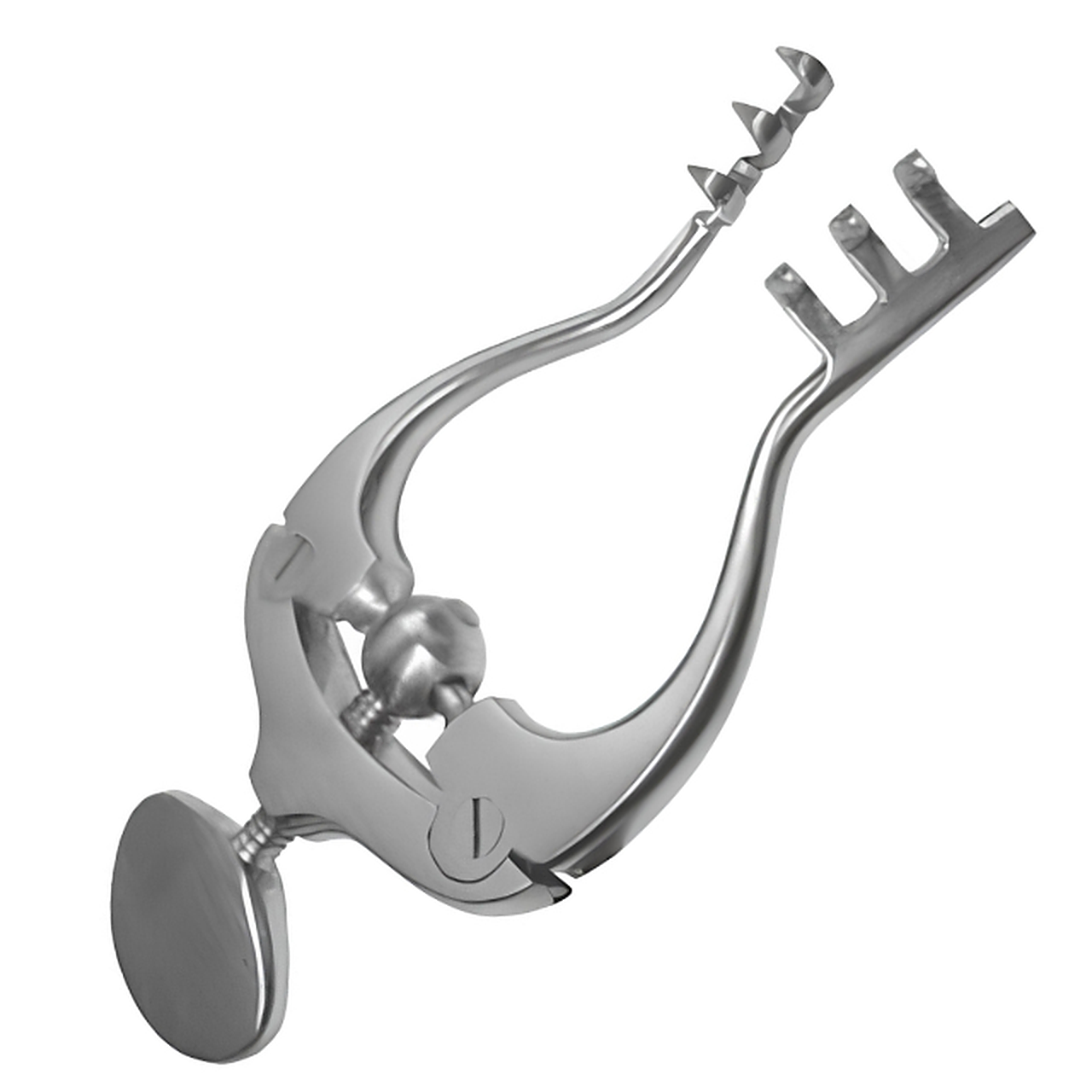 | Jansen Mastoid Retractor | Специально разработан для самодержащейся ретракции надкостницы и краев раны во время операций на сосцевидном отростке и коже головы. |
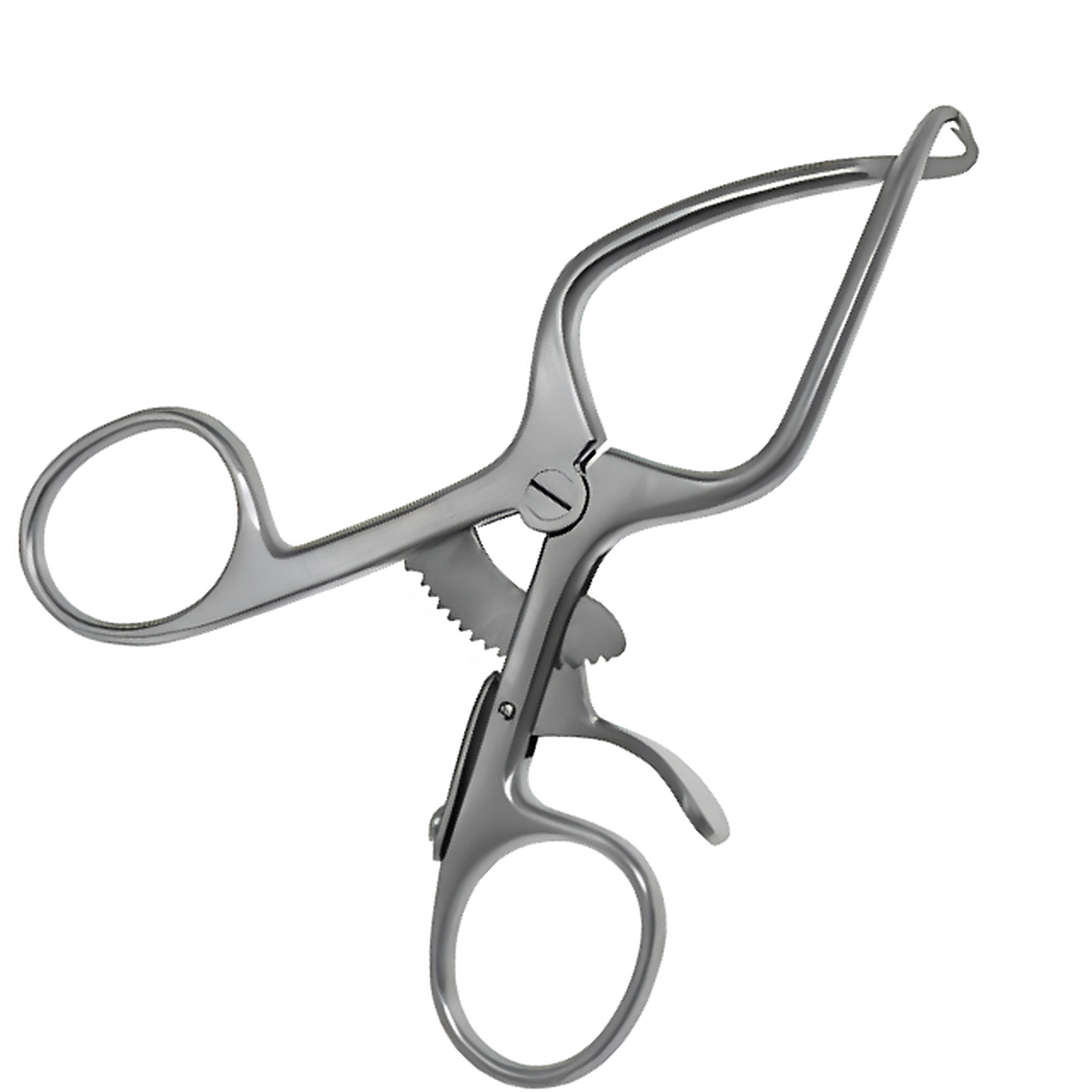 | Ретрактор Johnson для лечения невромы | Специально разработан для ретракции межплюсневых тканей и головок плюсневых костей при иссечении невромы Мортона и операциях на стопе. |
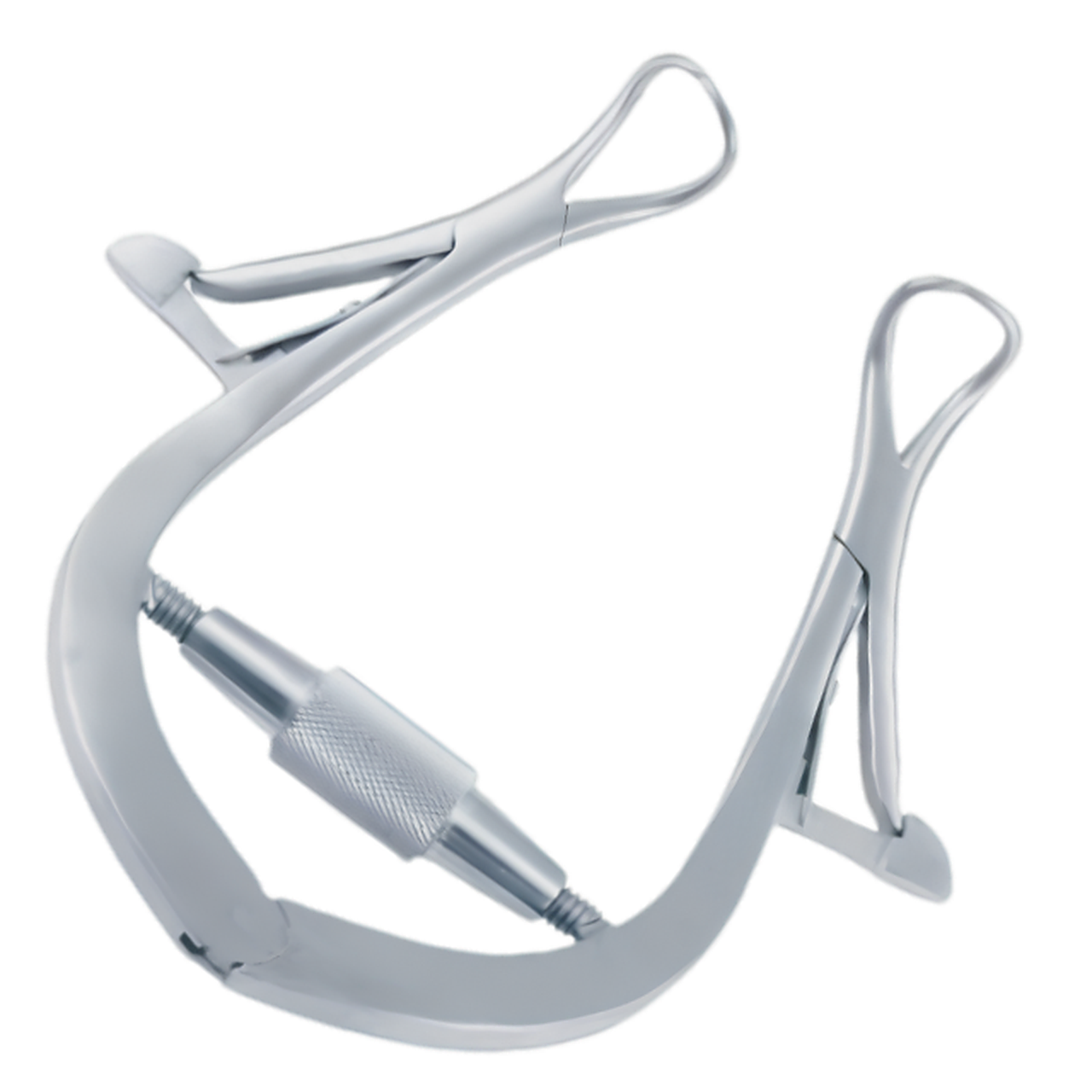 | Ранорасширитель Jolls Friedman Self Retaining Retractor | Специально разработан для самофиксирующегося разведения мышц шеи и мягких тканей при тиреоидэктомии и операциях на шейном отделе. |
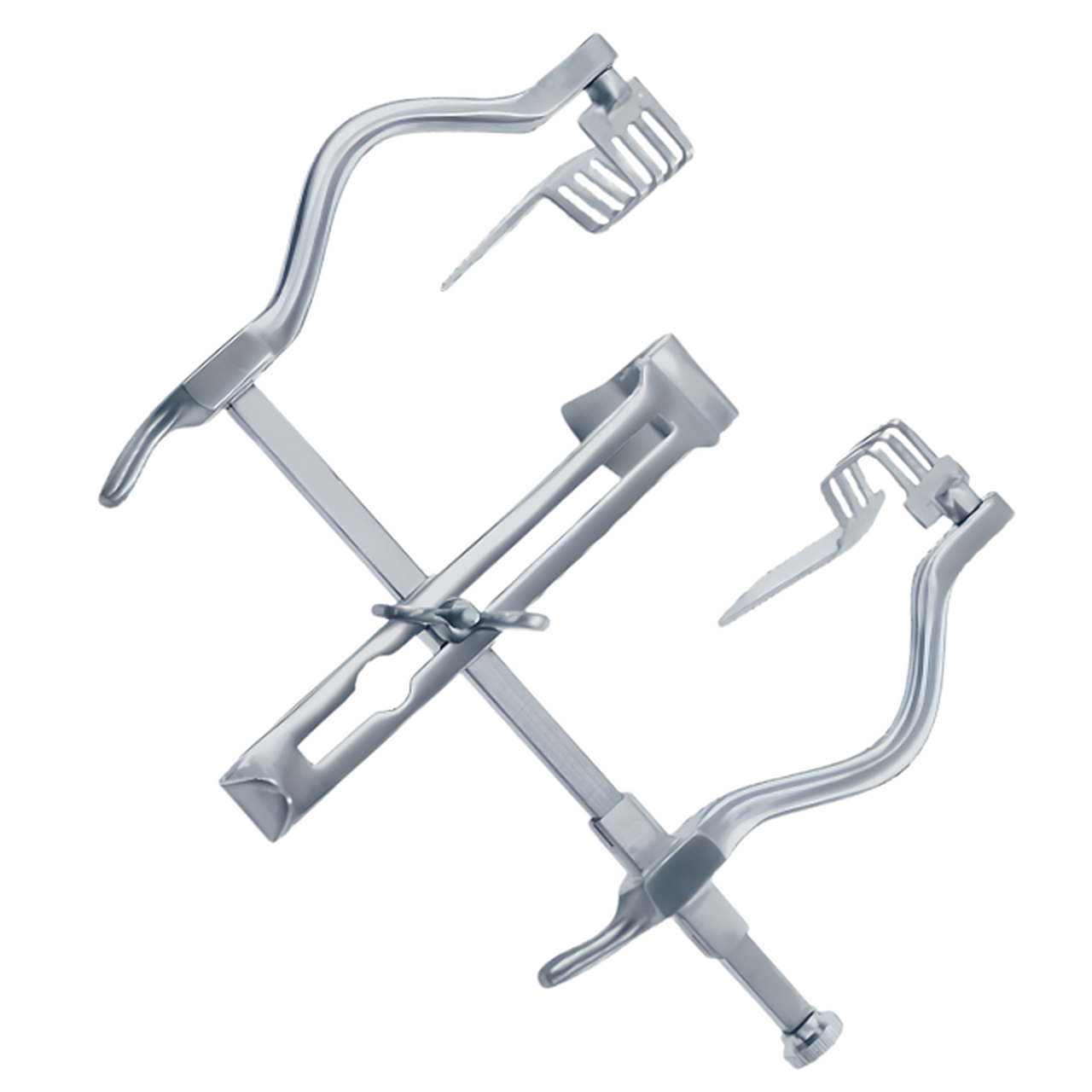 | Ранорасширитель самоудерживающийся Judd-Masson | Специально разработан для обеспечения самоудерживающегося разведения тканей при операциях на мочевом пузыре, предстательной железе и органах малого таза с надлобковым доступом. |
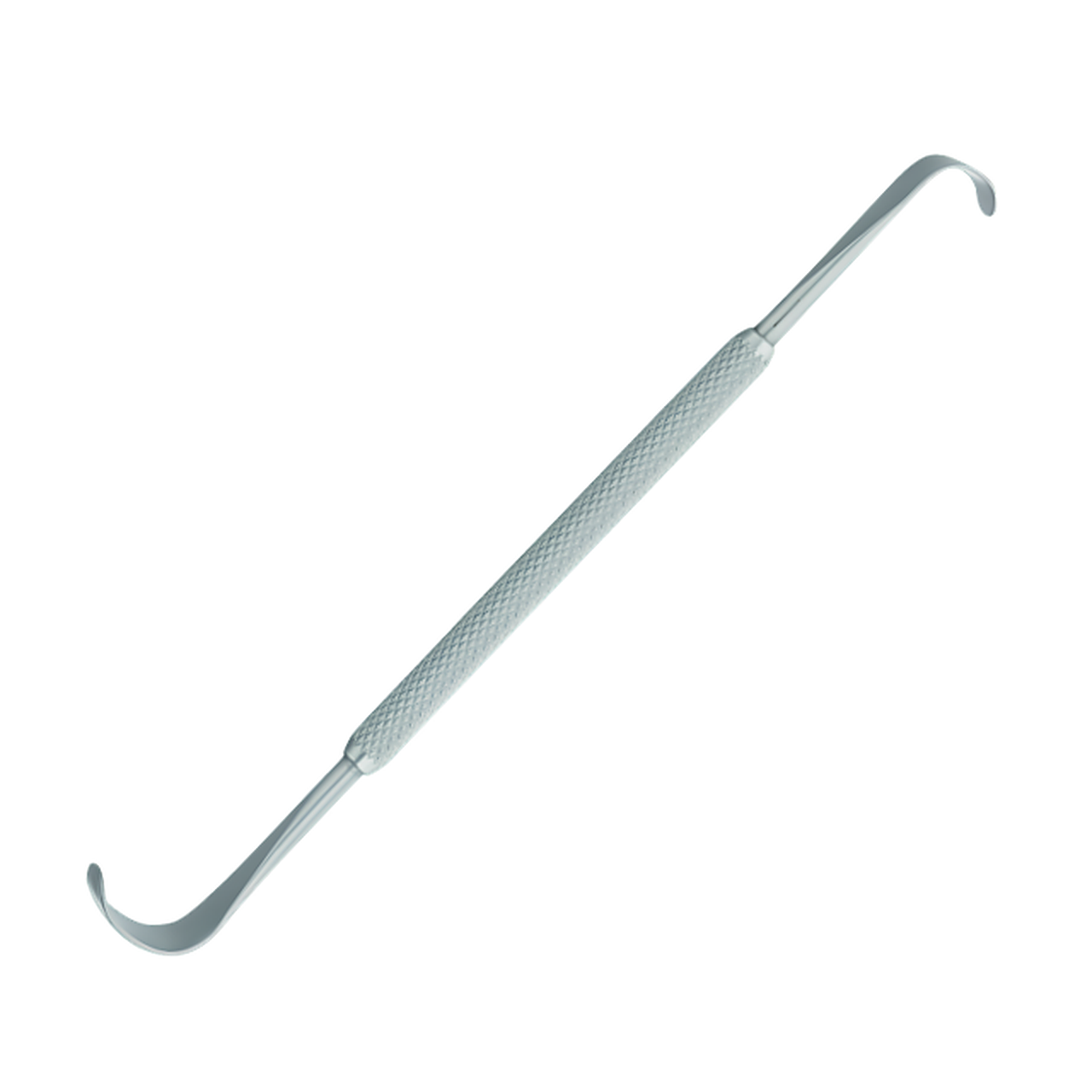 | Двусторонний деликатный ретрактор Kasden Double Ended | Специально разработан для ретракции краев кожи, деликатных кожных лоскутов и мягких тканей во время пластических, челюстно-лицевых и малых хирургических операций. |
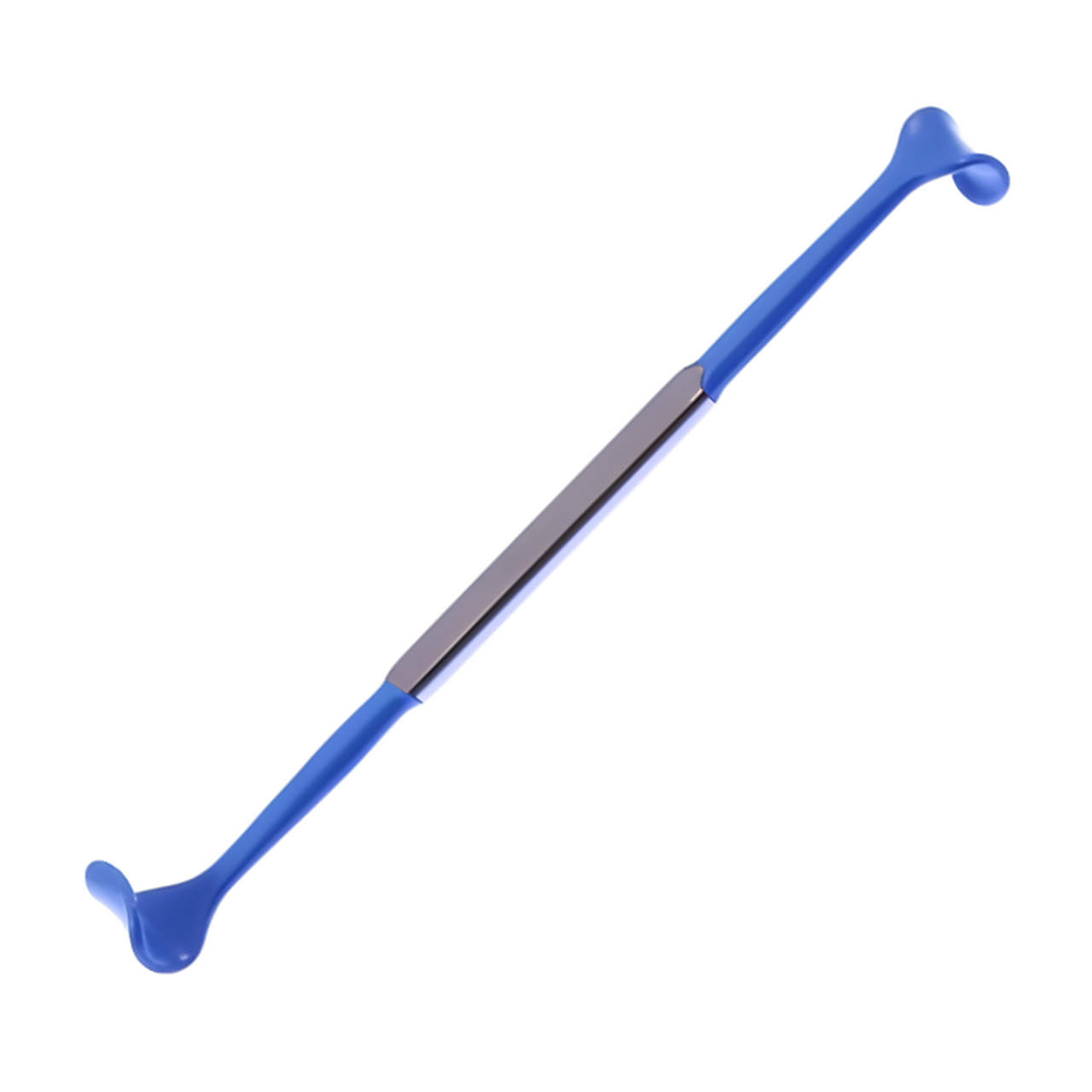 | Kawamoto двухсторонний изолированный ретрактор | Специально разработан для ретракции кожных лоскутов и слизистых оболочек с изоляцией от электрохирургических термических травм в пластической хирургии. |
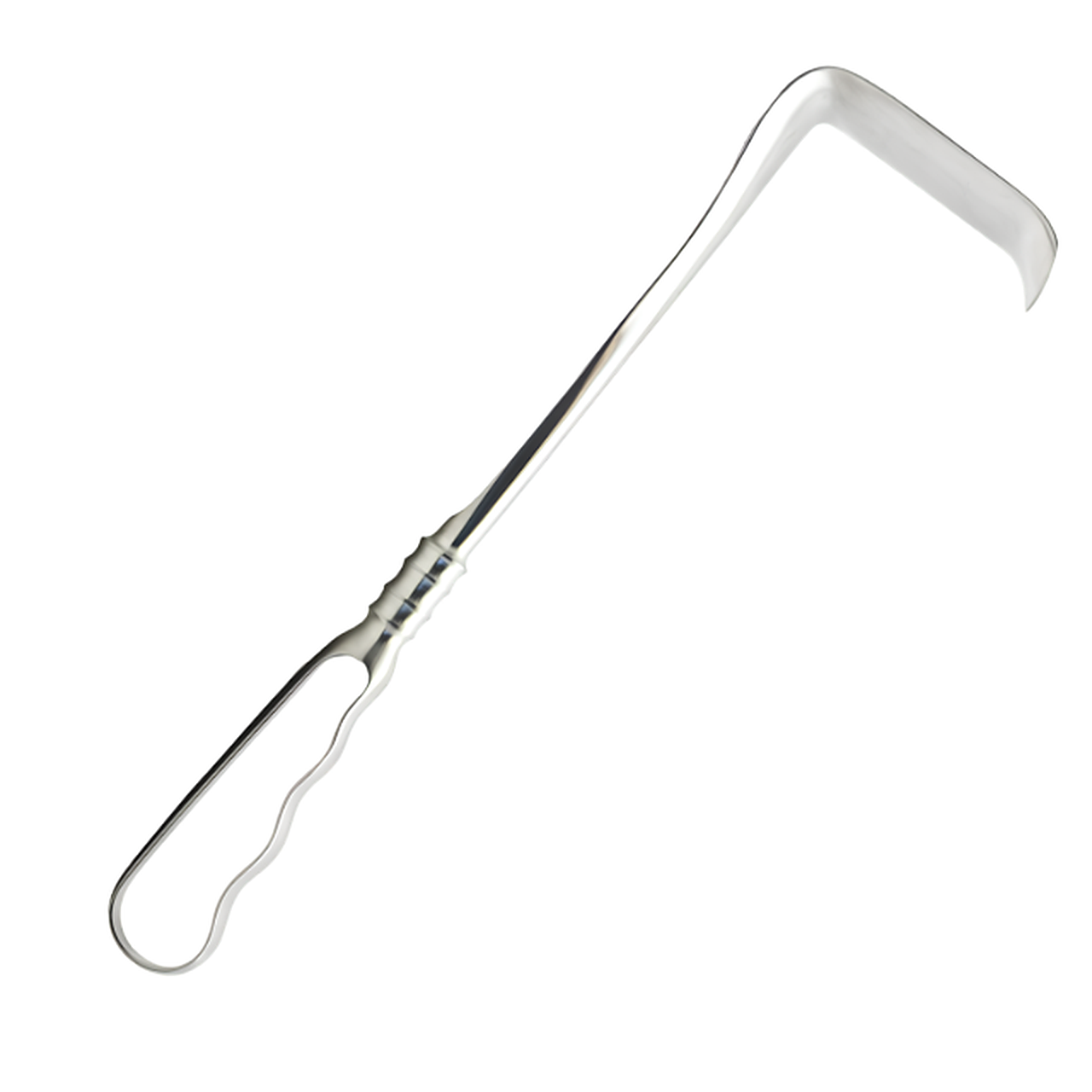 | Ранорасширитель Kelly Retractor | Специально разработан для ретракции брюшной стенки, внутренних органов и толстых мышечных слоев во время открытых общехирургических и гинекологических операций. |
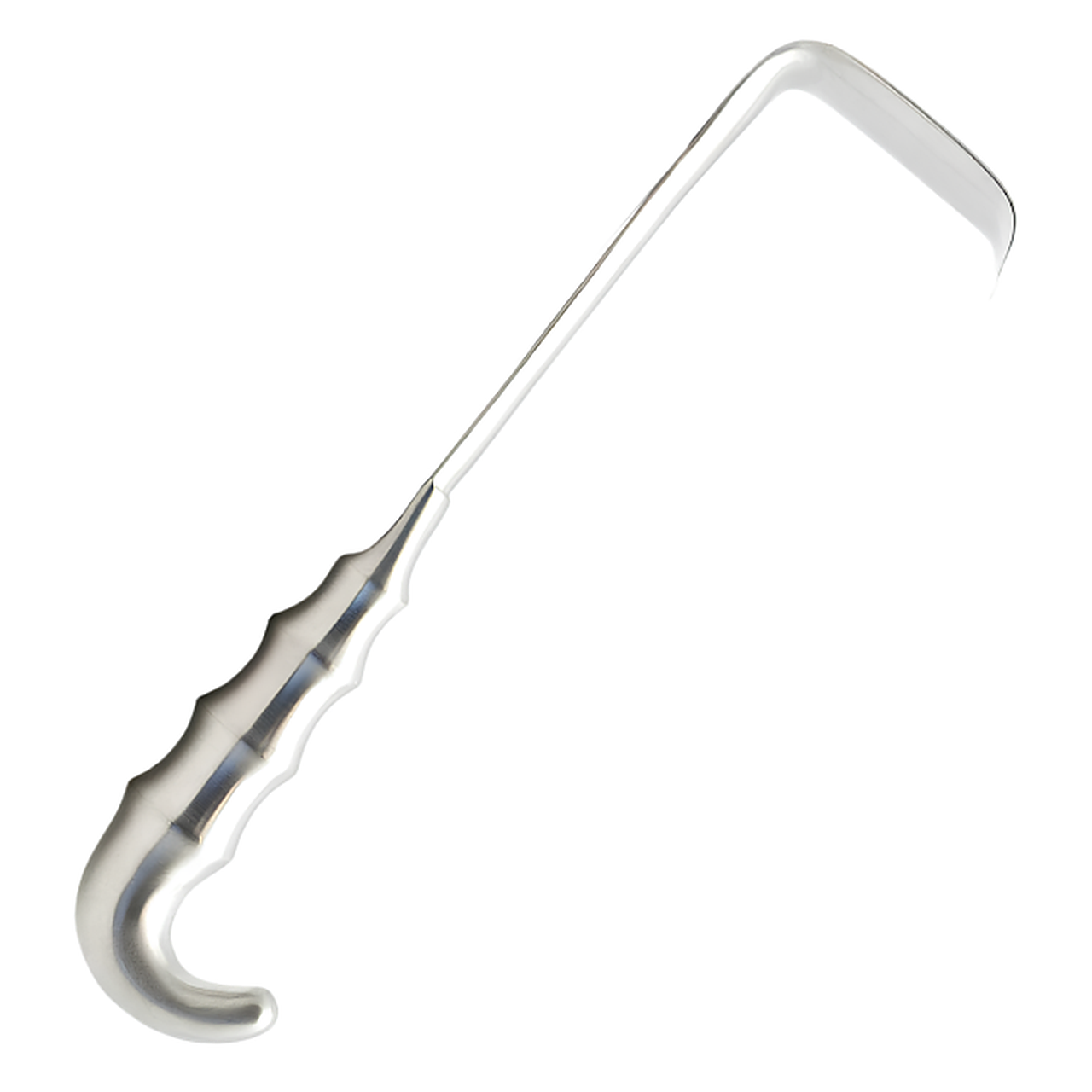 | Ранорасширитель Kelly Retractor-Grip Handle | Специально разработан для ретракции брюшной стенки, внутренних органов и крупных мышц с целью снижения утомляемости ассистента при операциях в глубоких полостях. |
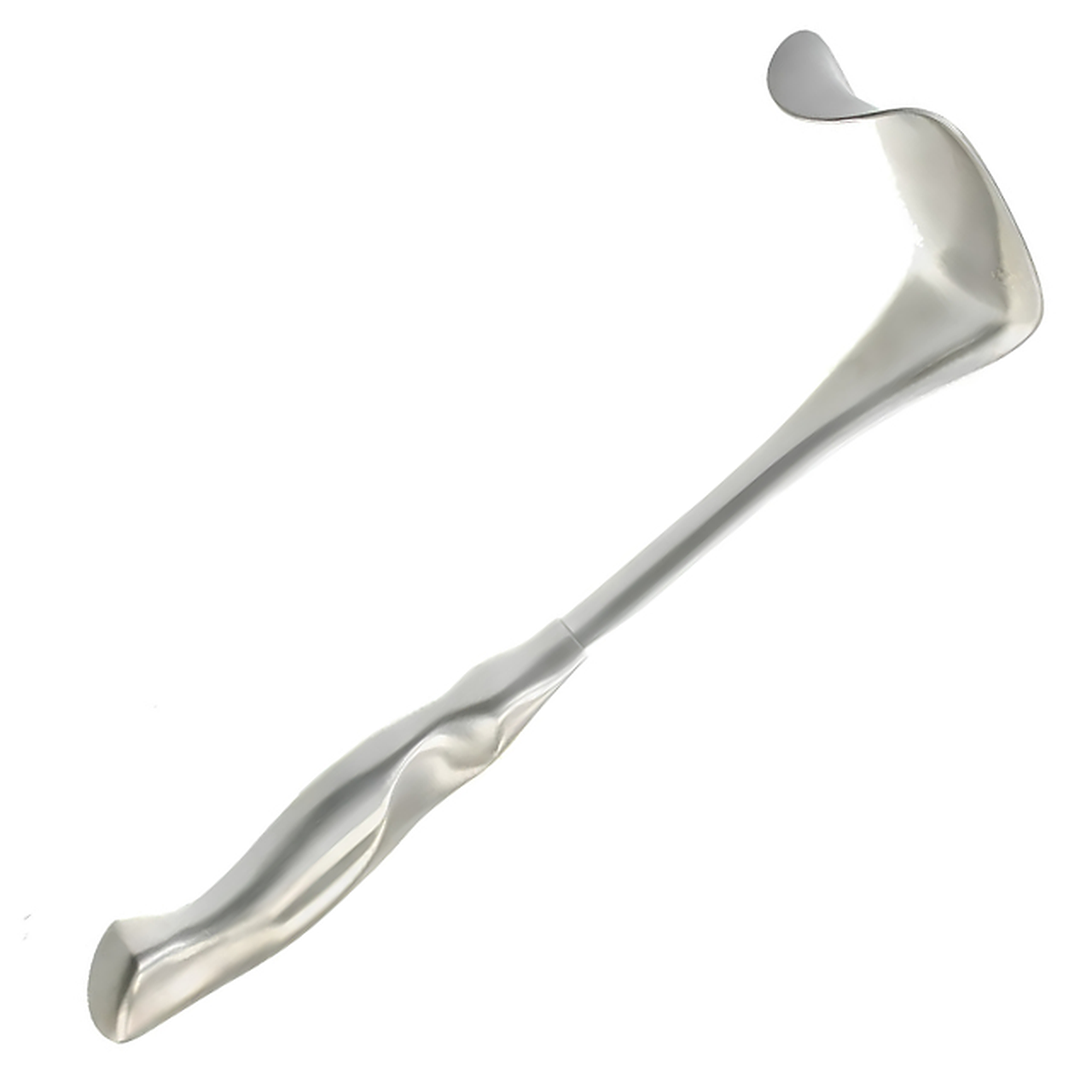 | Ранорасширитель Kelly Retractor-Lamb Handle | Специально разработан для ретракции брюшной стенки, внутренних органов и толстых слоев мускулатуры с высоким тяговым усилием во время открытых операций. |
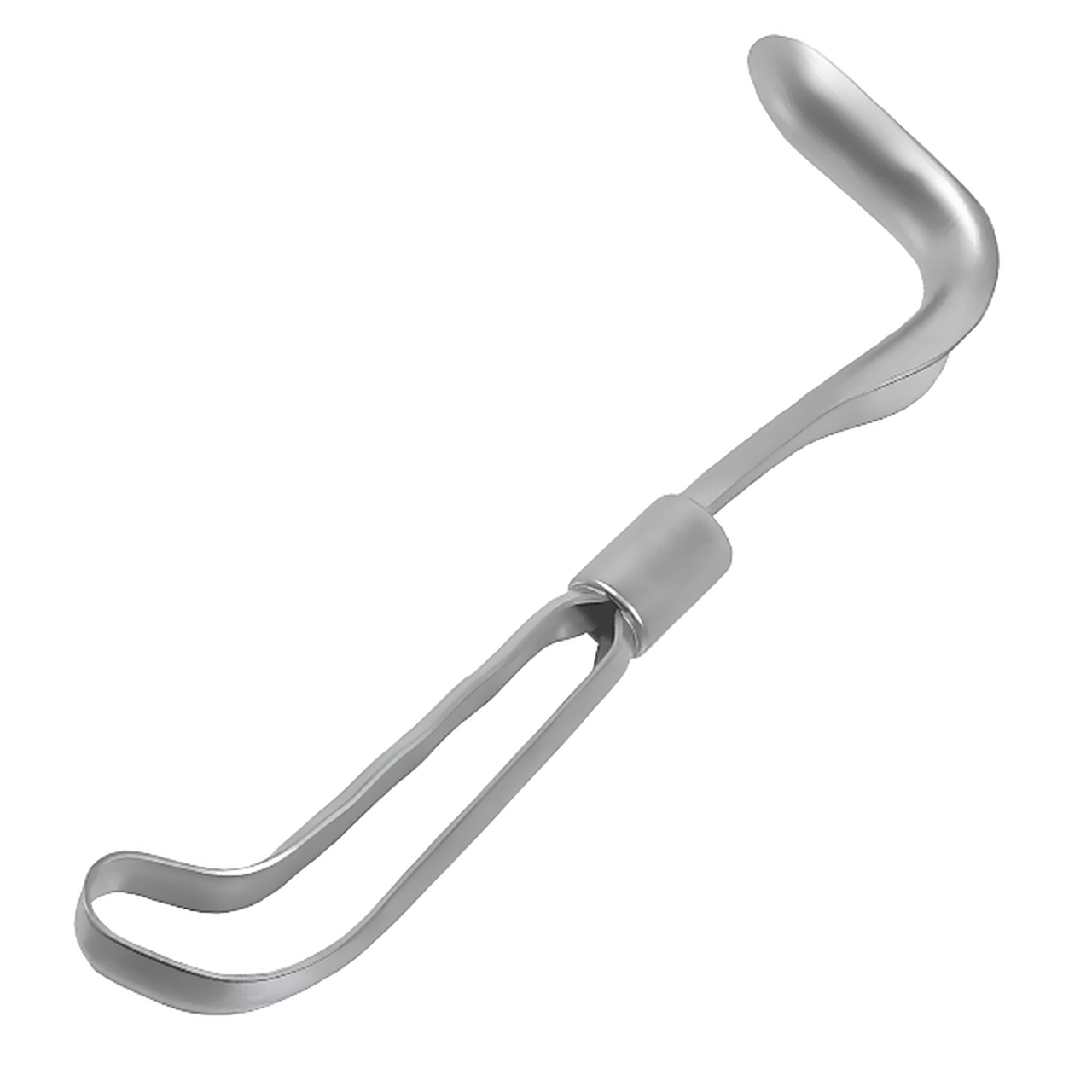 | Зеркало влагалищное Kelly Sims | Специально разработано для ретракции задней и боковых стенок влагалища во время влагалищной гистерэктомии и реконструктивных операций на органах малого таза. |
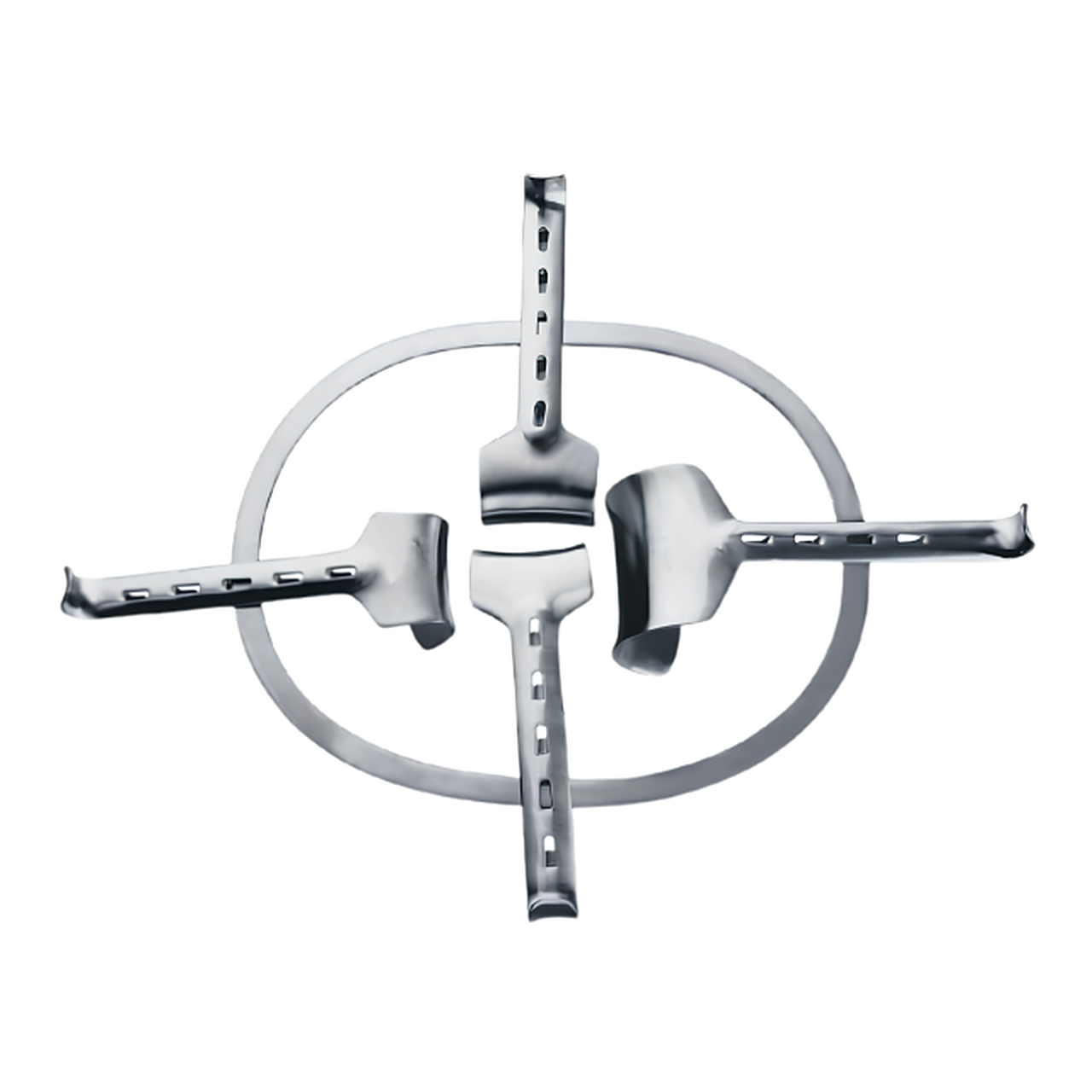 | Ранорасширитель Kirschner Retractor | Специально разработан для обеспечения самоудерживающегося многонаправленного разведения краев раны и внутренних органов во время обширных абдоминальных операций. |
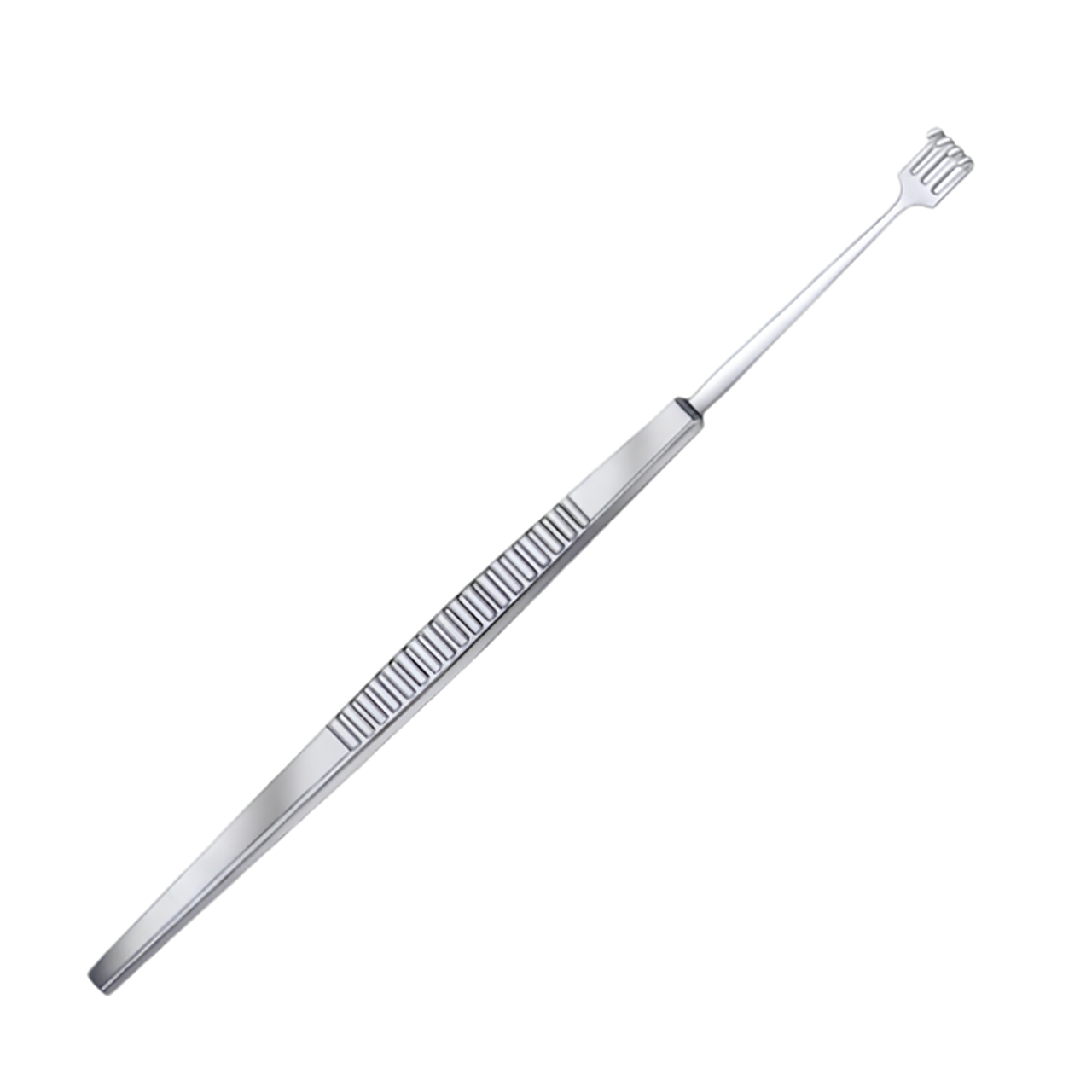 | Слезный ретрактор Knapp | Специально разработан для ретракции кожных лоскутов, структур медиального угла глаза и слезного мешка во время офтальмологических операций. |
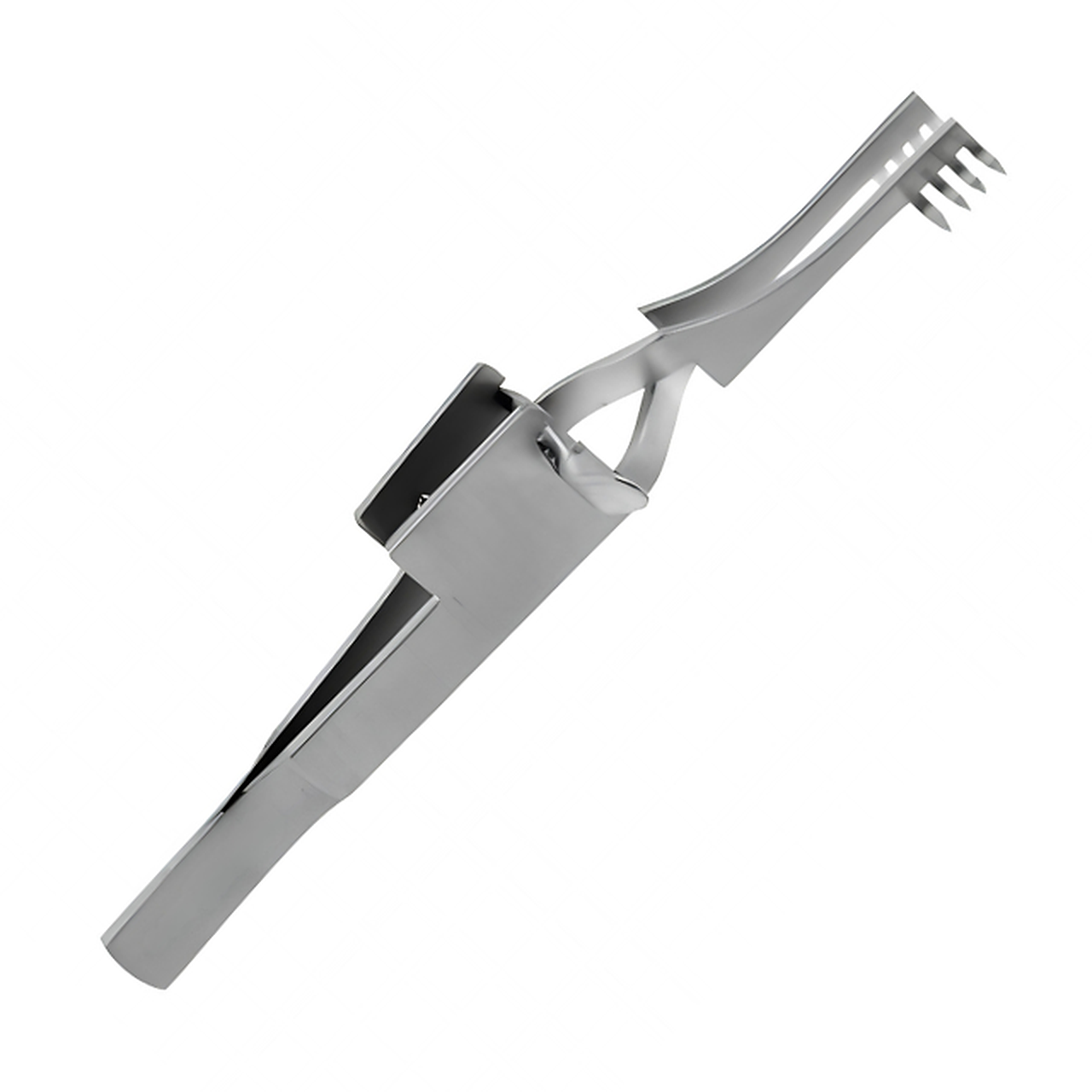 | Ранорасширитель Knapp самодержащийся | Специально разработан для самодержащейся фиксации краев раны во время операций на слезных путях, офтальмологических и малых пластических вмешательств. |
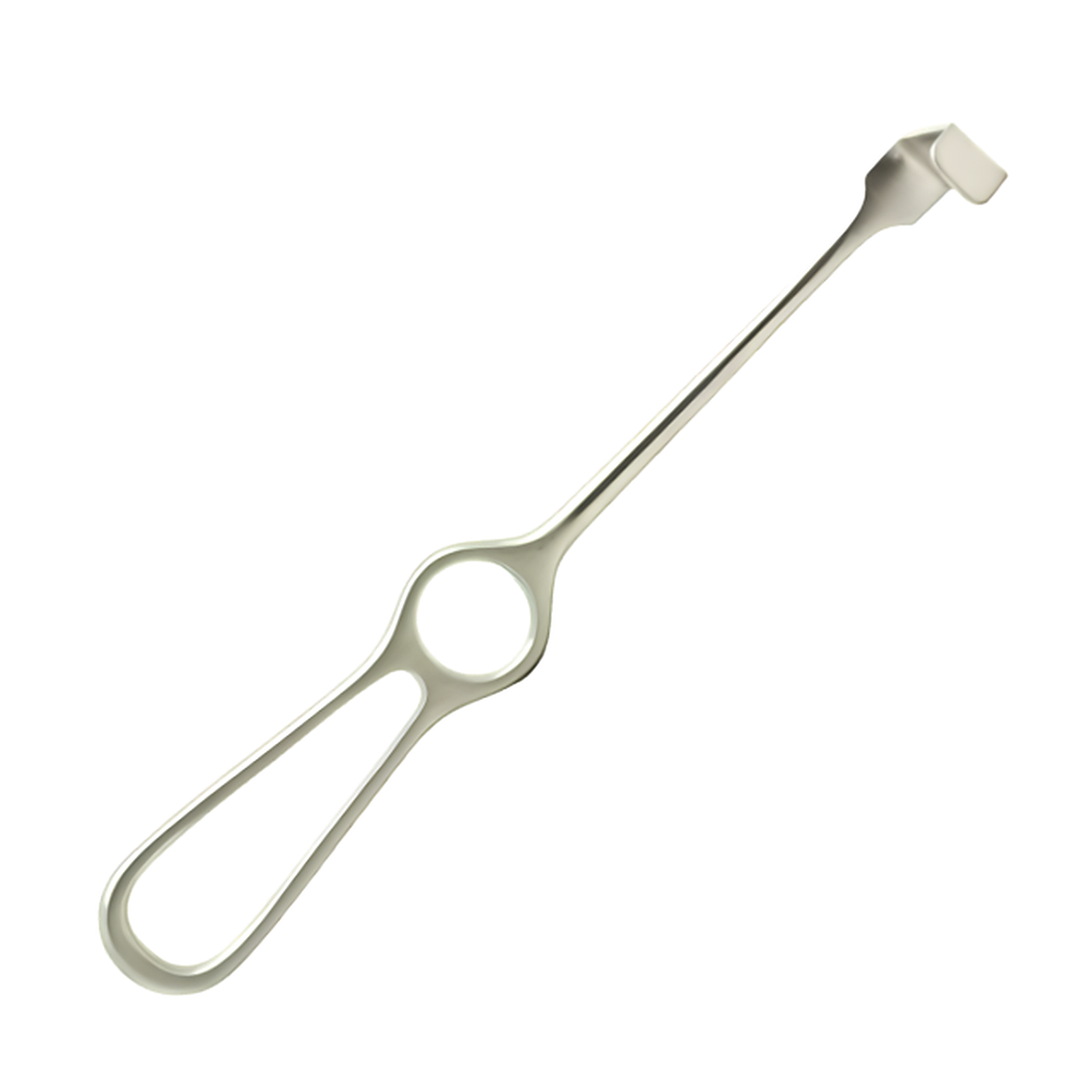 | Ранорасширитель Kocher Langenbeck Retractor | Специально разработан для ретракции мягких тканей, мышечных слоев и краев ран в общей хирургии, ортопедии и пластической хирургии. |
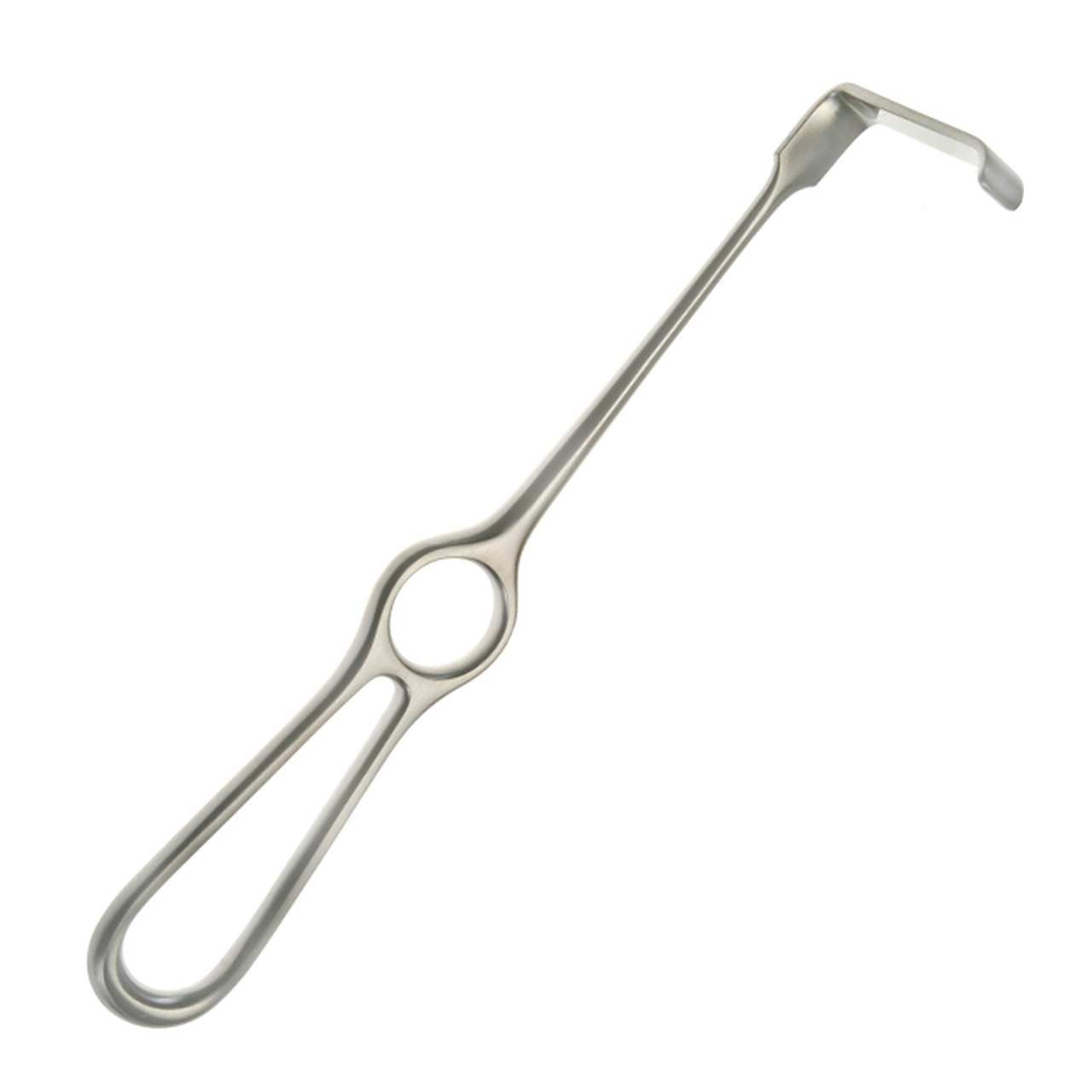 | Ранорасширитель Kocher Retractor | Специально разработан для ретракции мышц, фасций и краев ран во время операций на щитовидной железе, общих и ортопедических процедур. |
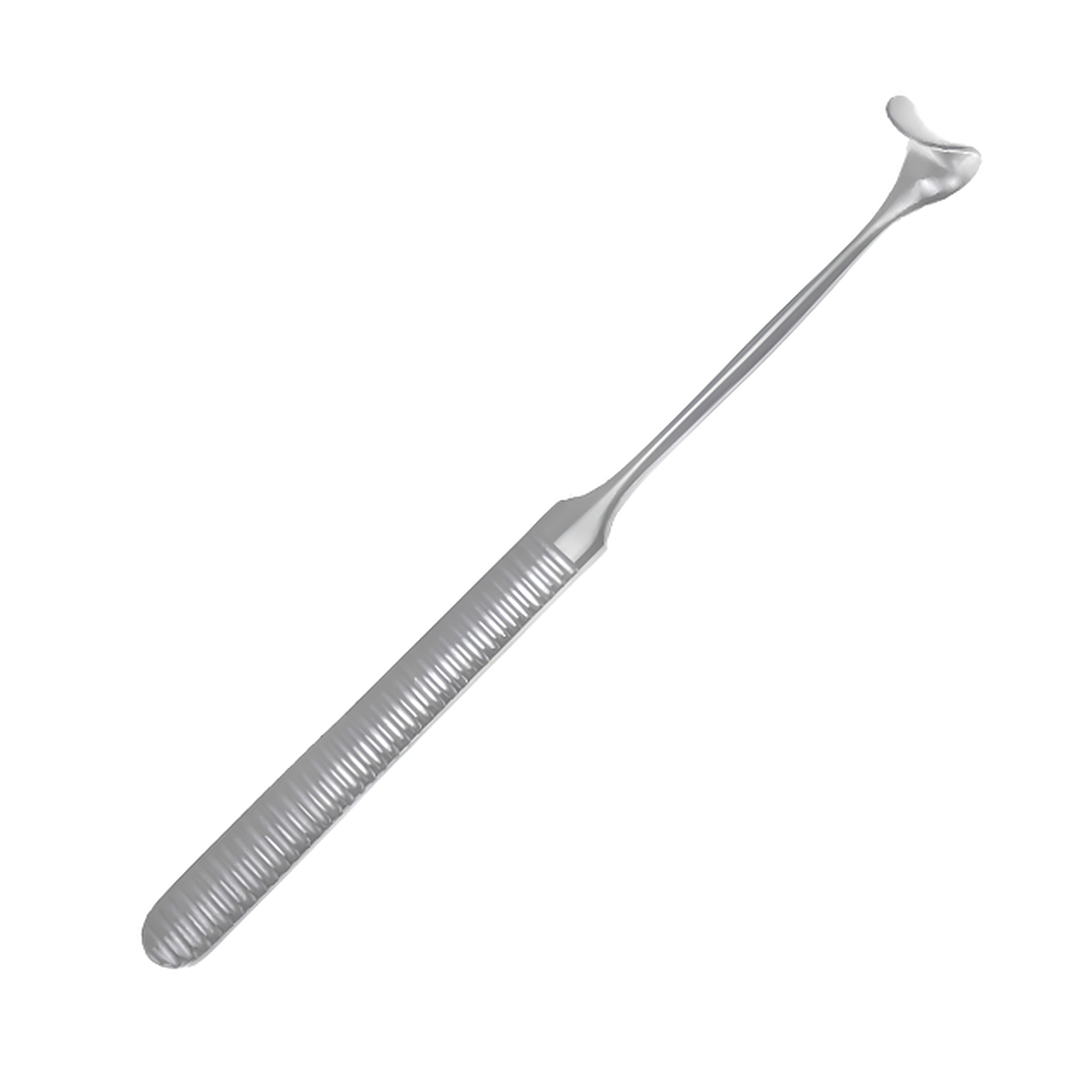 | Ранорасширитель Koenig Retractor | Предназначен для разведения краев кожи, фасций и поверхностных мышечных слоев в общей, ортопедической и пластической хирургии. |
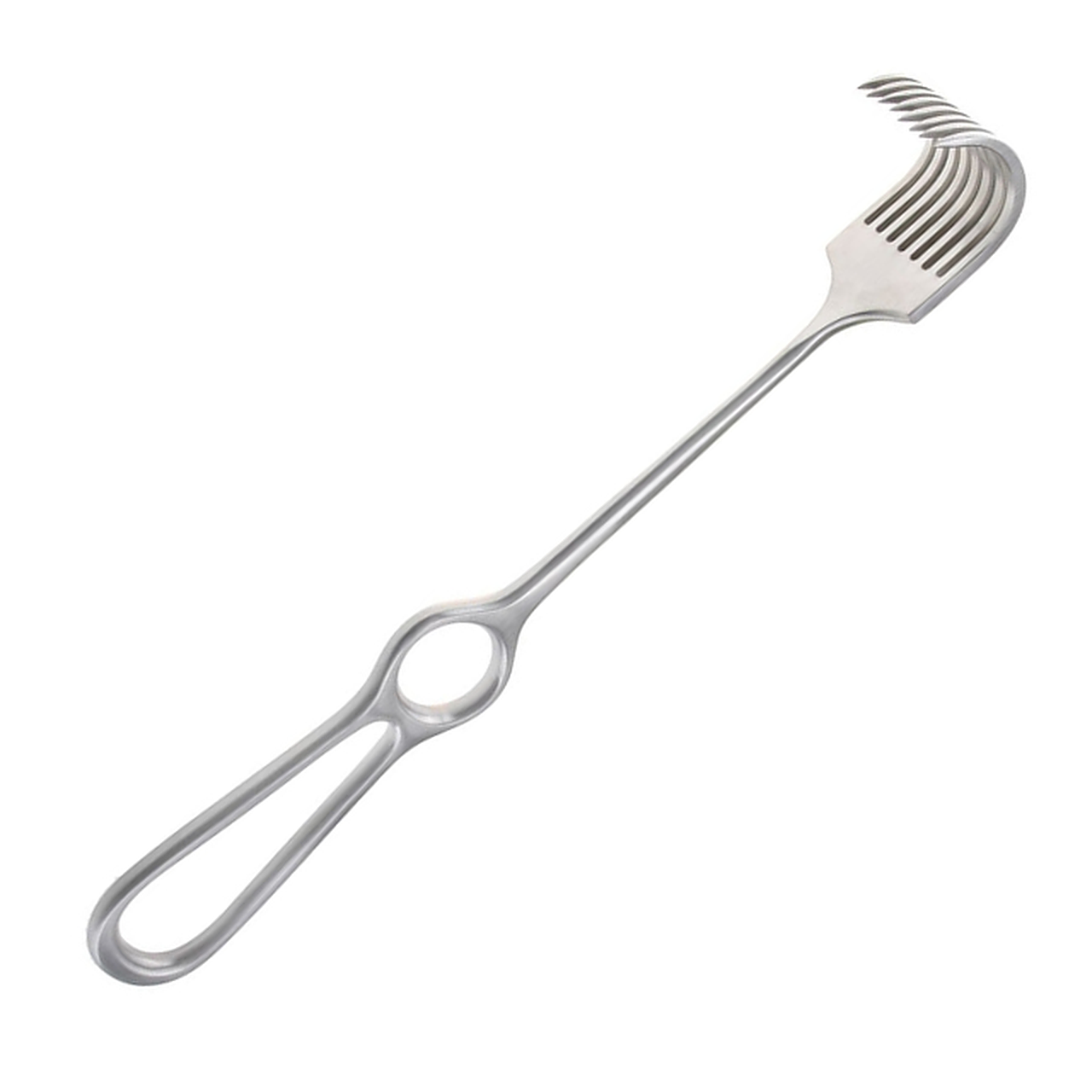 | Ретрактор Koerte | Специально разработан для ретракции плотных мышечных слоев, фасций и краев толстых тканей в абдоминальной и ортопедической хирургии. |
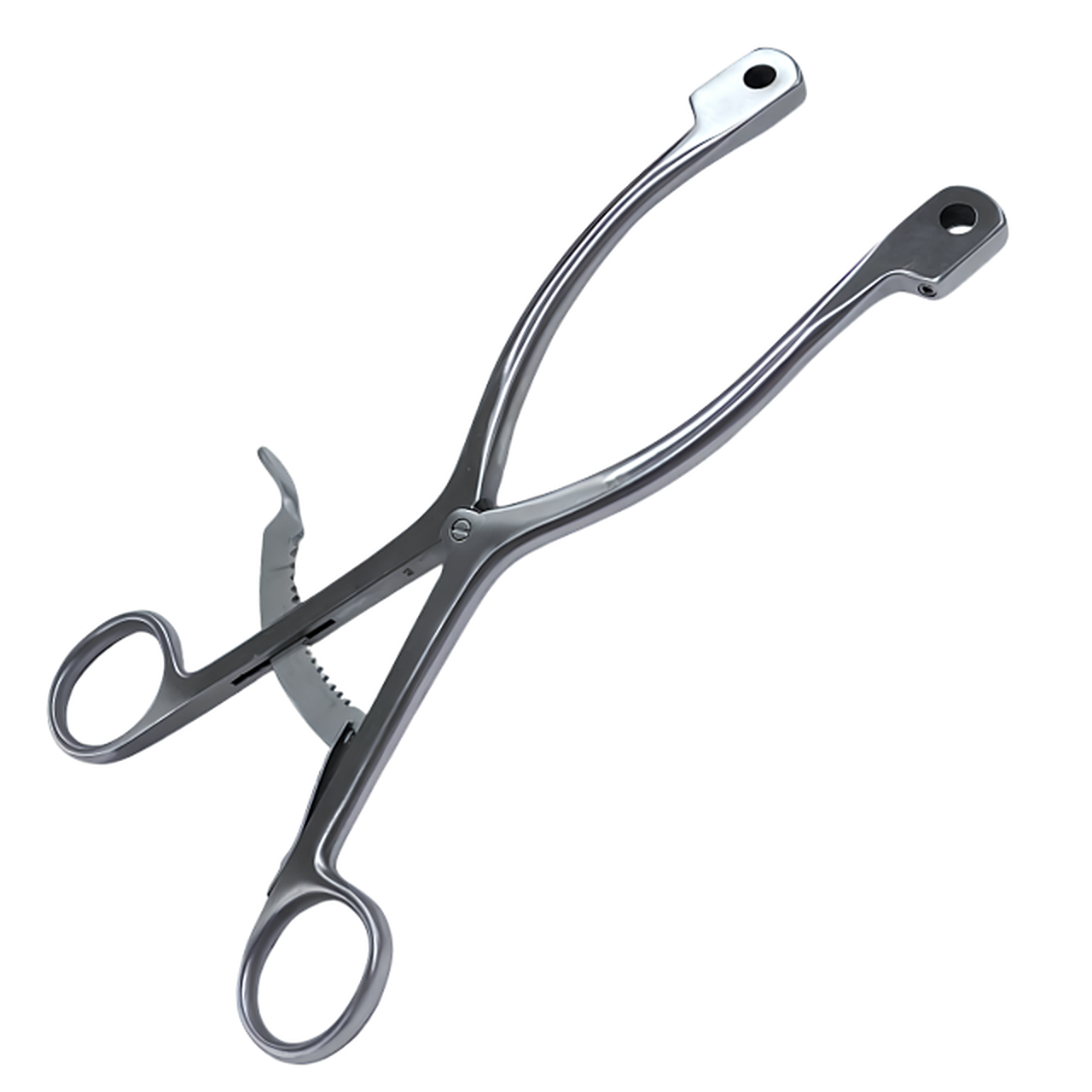 | Рама плечевого ретрактора Kolbel | Специально разработана для установки модульных лопаток и обеспечения самодержащейся ретракции мягких тканей при эндопротезировании плечевого сустава. |
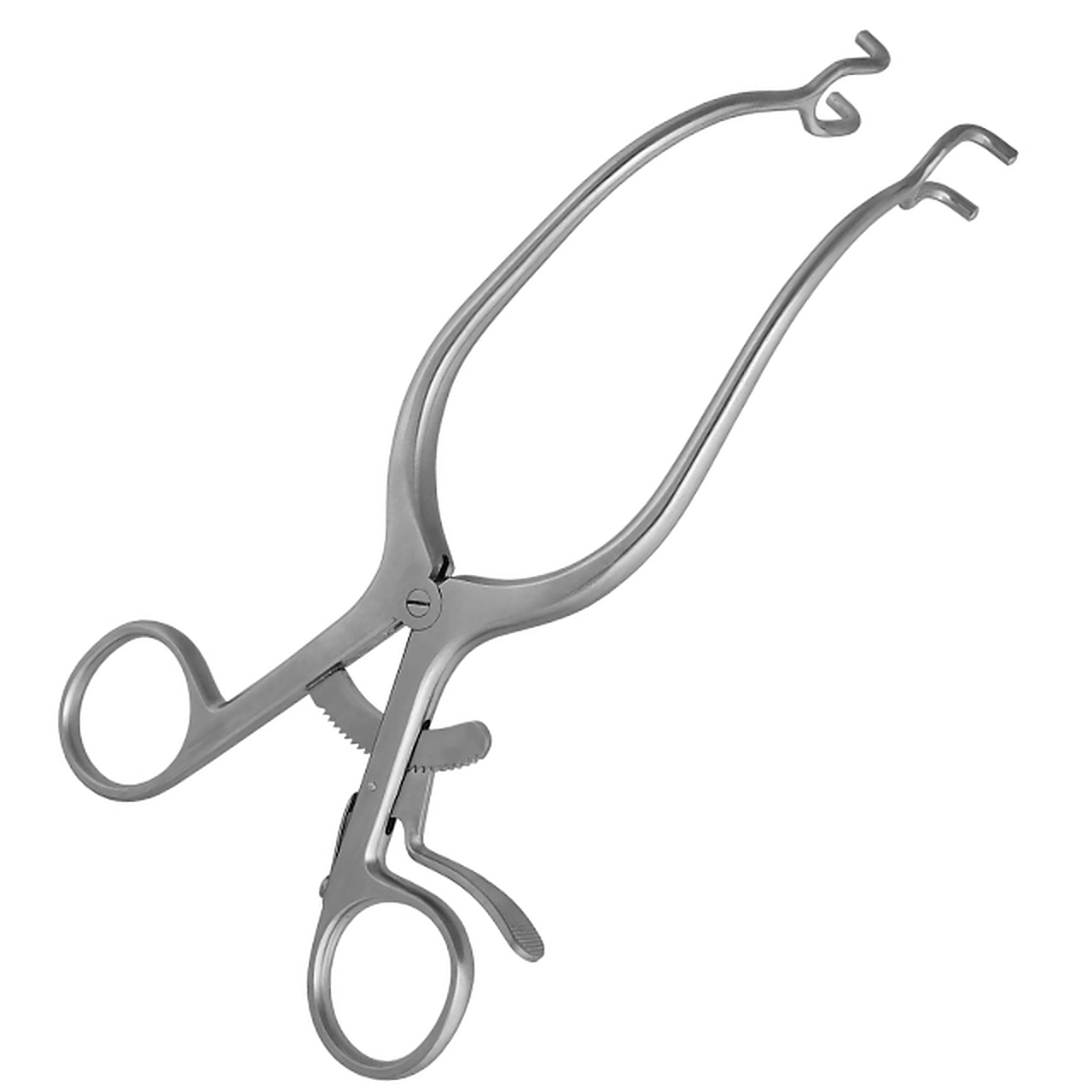 | Ранорасширитель Kolbel для мягких тканей | Специально разработан для ретракции мышц, капсулы и мягких тканей во время артропластики и реконструктивных операций на плечевом суставе. |
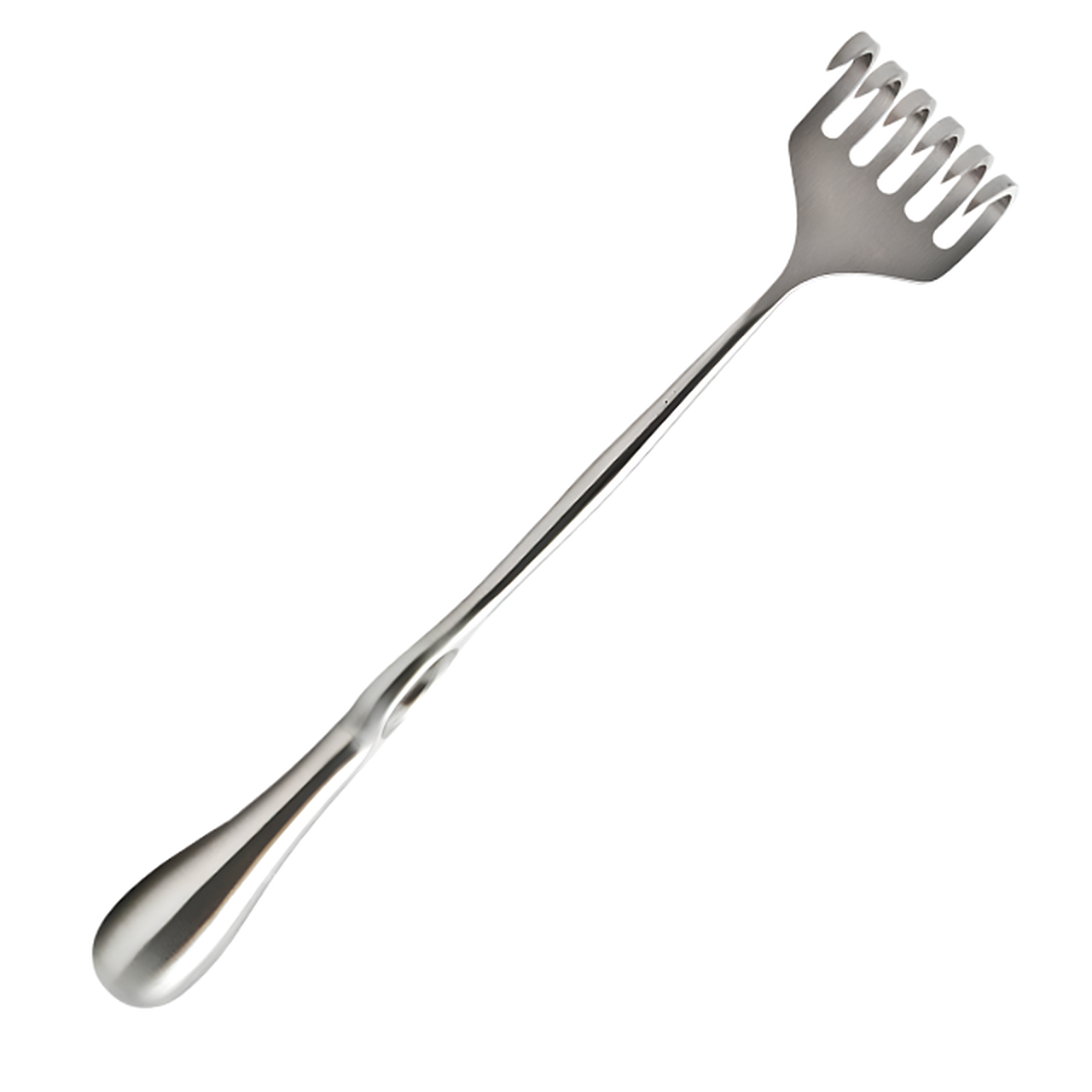 | Ранорасширитель Krasky Retractor | Специально разработан для ретракции плотных мышечных слоев и глубоких фасций при открытых общих и ортопедических операциях. |
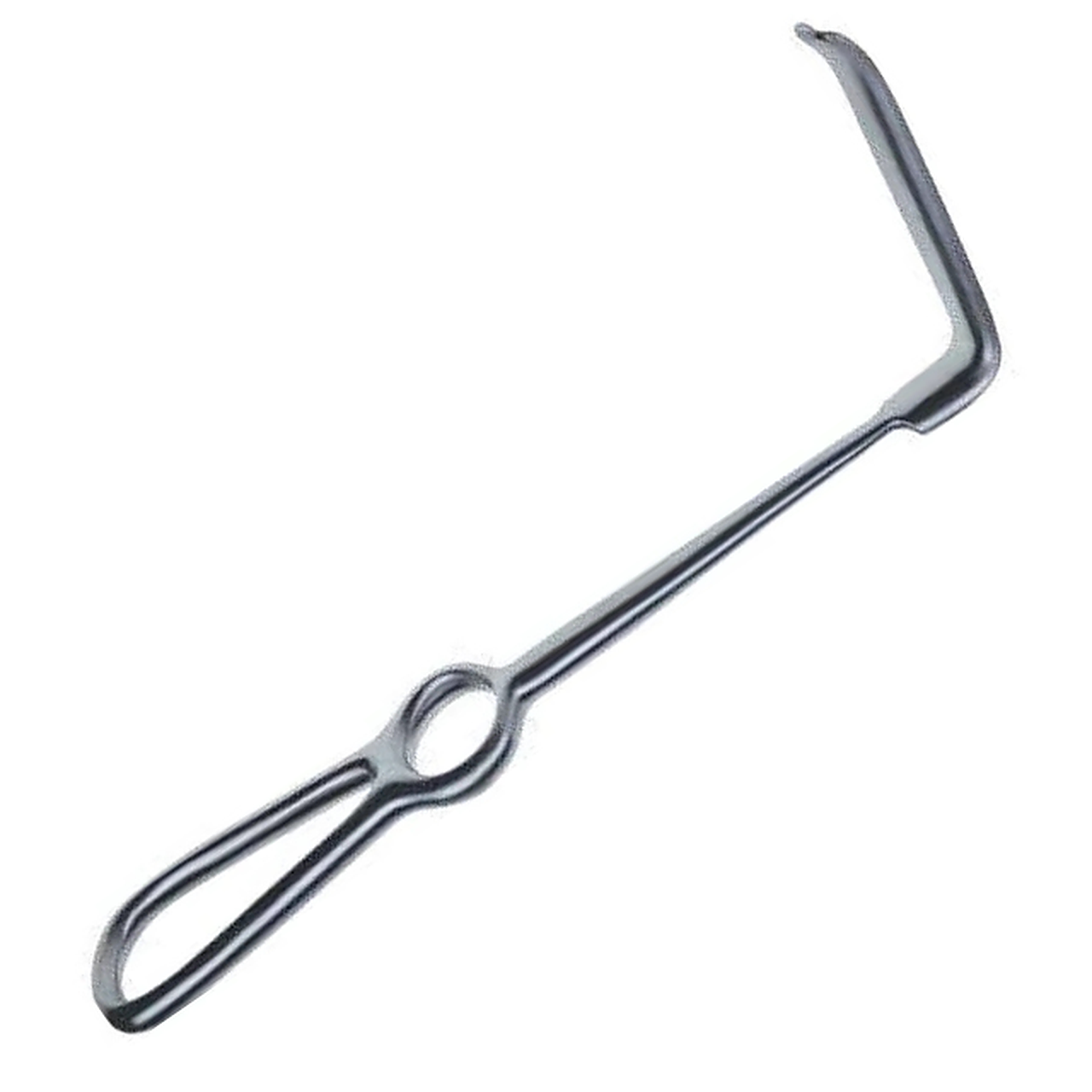 | Ретрактор мягких тканей Kreidler | Специально разработан для ретракции слизисто-надкостничных лоскутов и мягких тканей в челюстно-лицевой, ортогнатической и стоматологической хирургии. |
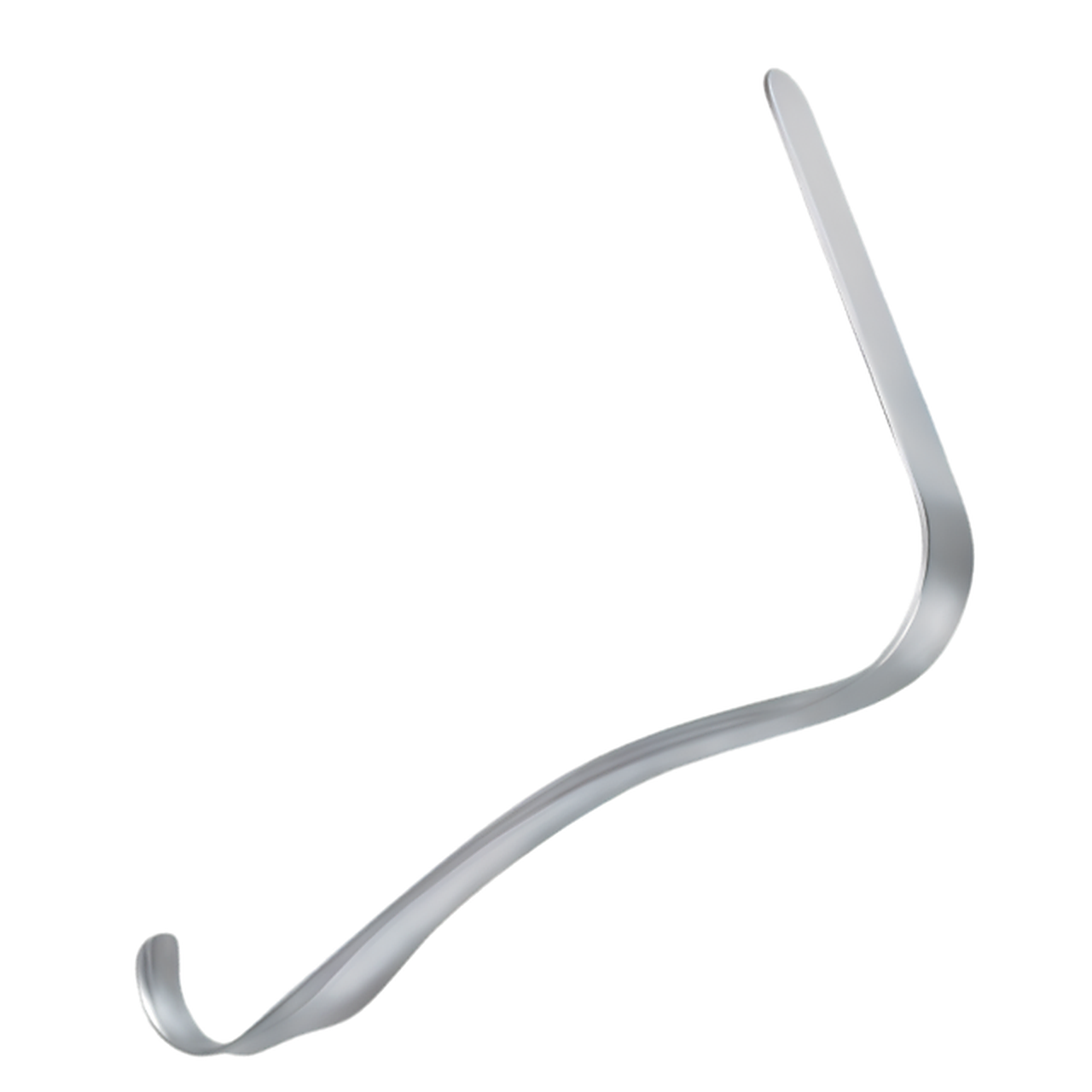 | Влагалищное зеркало-подъемник Kristeller | Специально разработано для ретракции стенок влагалища и обеспечения визуализации органов малого таза в ходе гинекологических процедур. |
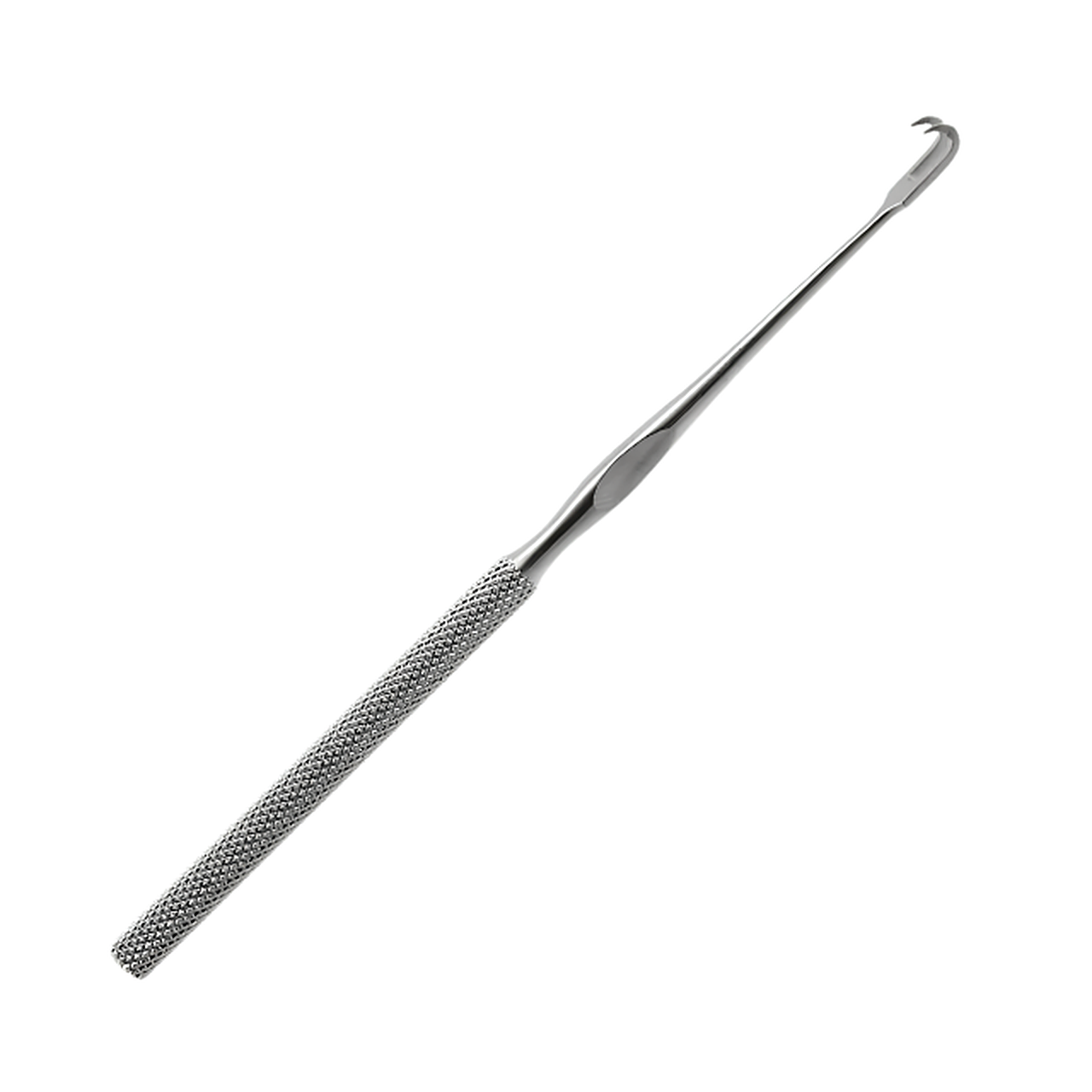 | Пальцевой ретрактор Lahey Finger Retractor | Специально разработан для ретракции кожных лоскутов, кожных краев и поверхностных фасций в пластической хирургии и хирургии кисти. |
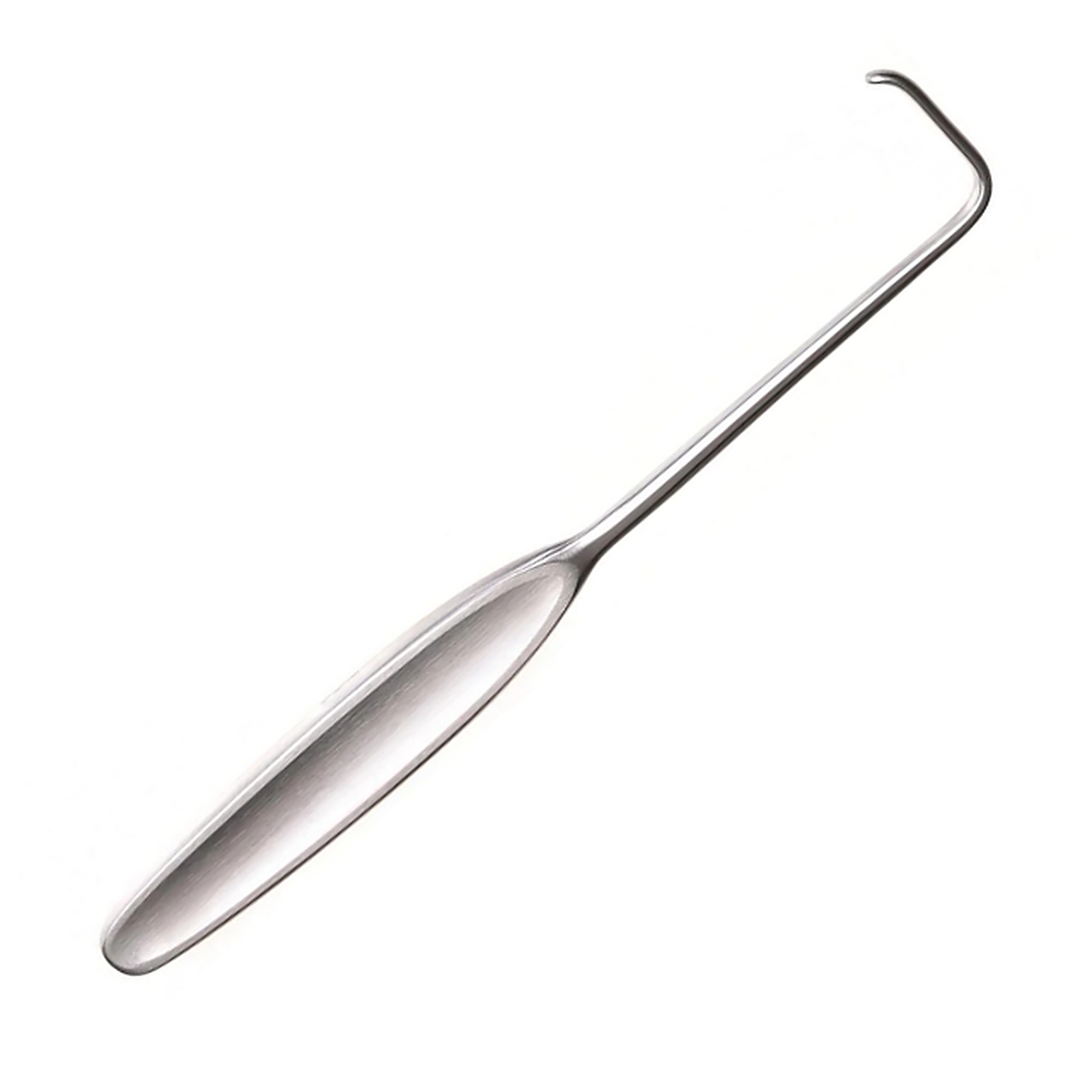 | Ранорасширитель Lahey Retractor | Специально разработан для атравматичного разведения мягких тканей и структурированной экспозиции при операциях на щитовидной железе, шее и общехирургических процедурах. |
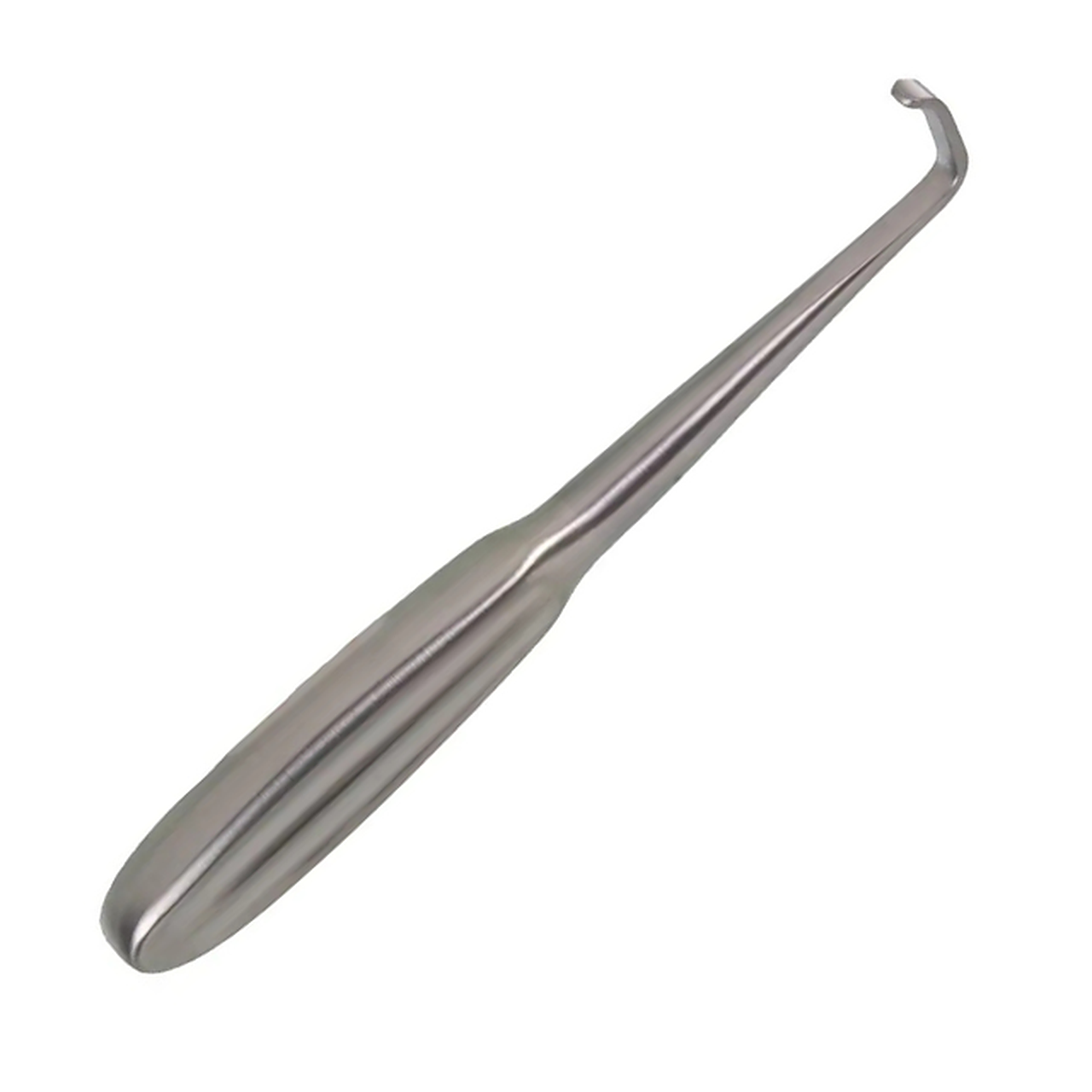 | Ретрактор щитовидной железы Lahey Thyroid Retractor | Специально разработан для ретракции предтрахеальных мышц, шейной фасции и мягких тканей при тиреоидэктомии и операциях на паращитовидных железах. |
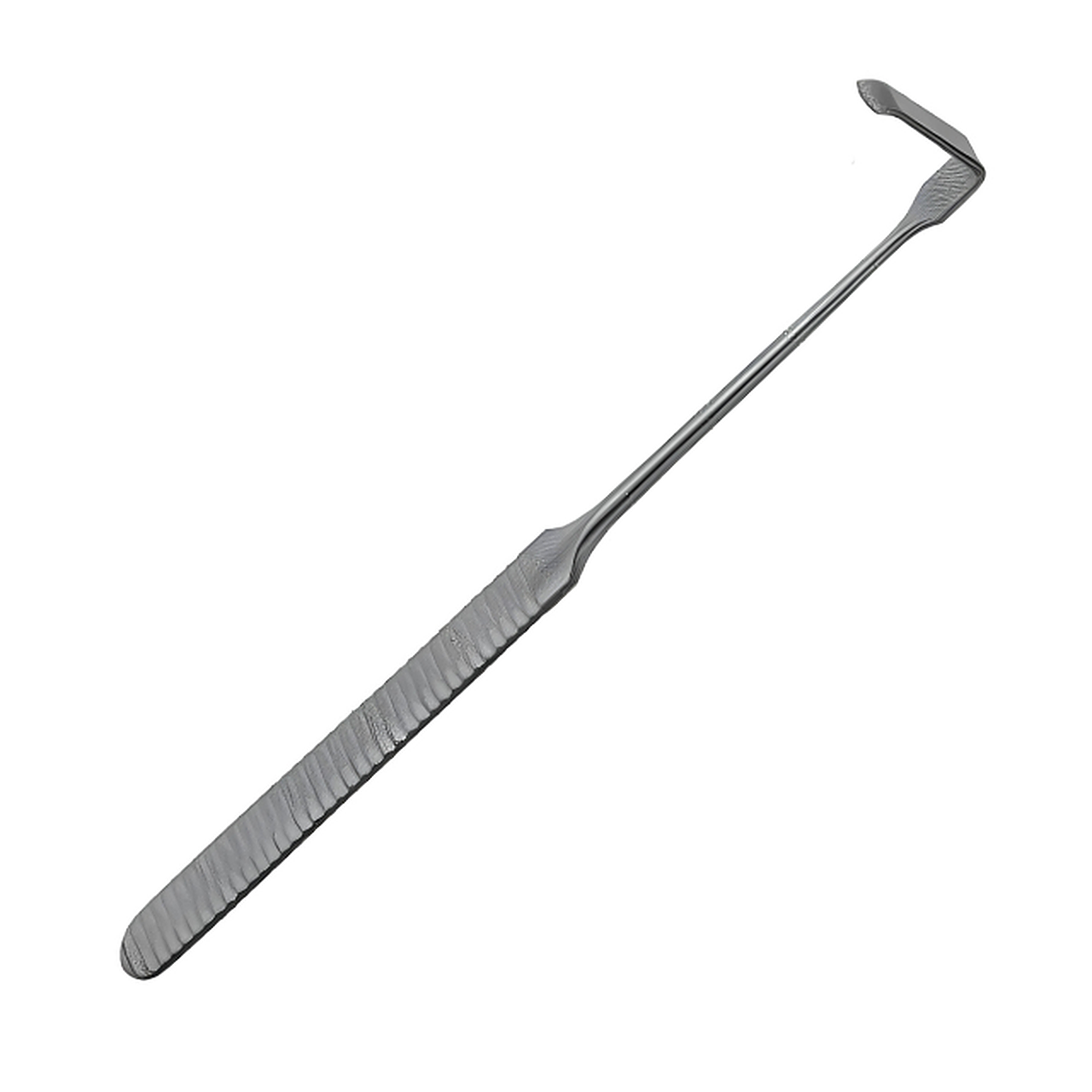 | Ранорасширитель Langenbeck Green Retractor | Специально разработан для ретракции мышц шеи, шейной фасции и краев ран во время операций на щитовидной железе, шее и в общей хирургии. |
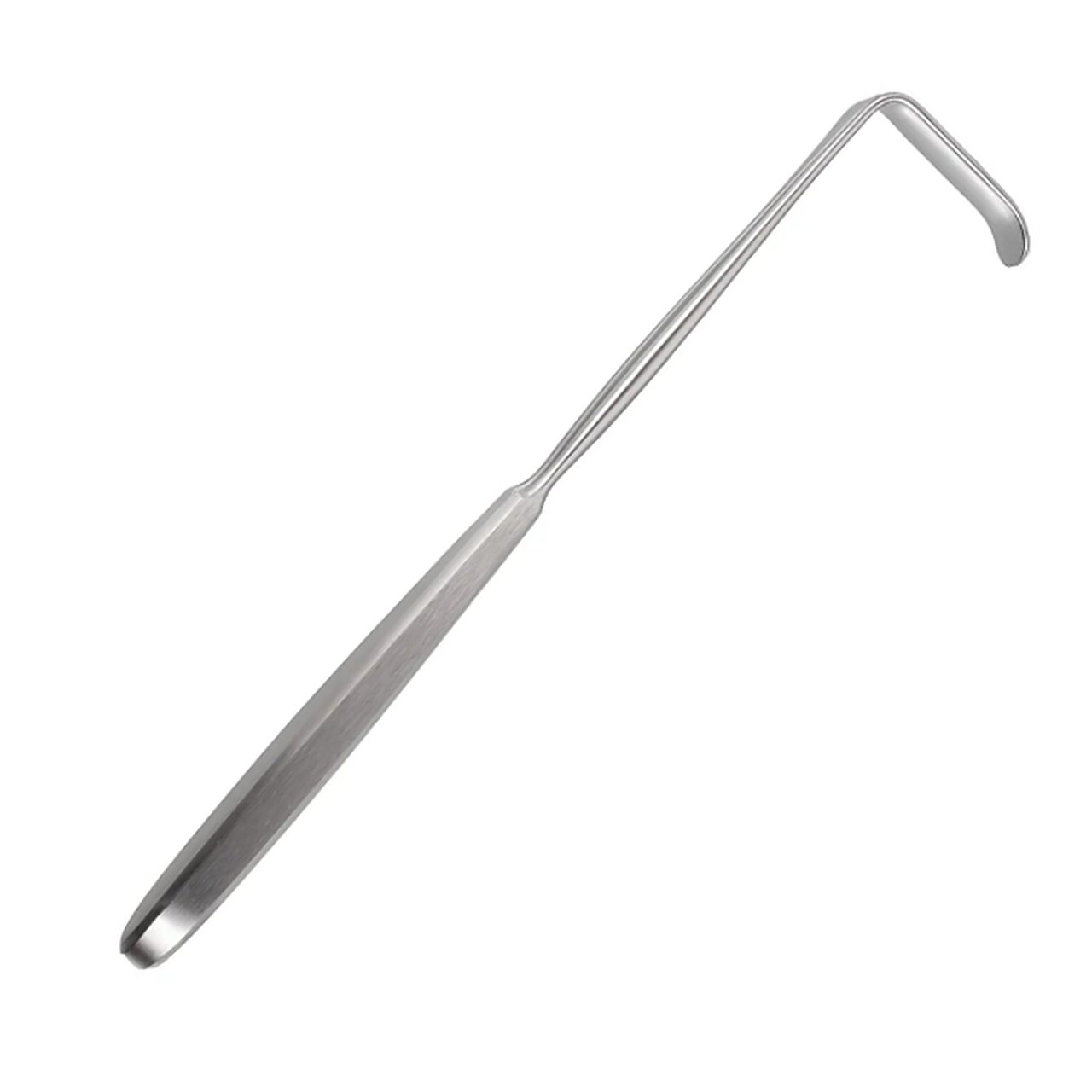 | Ранорасширитель Langenbeck Retractor-Solid Handle | Специально разработан для ретракции мышечных слоев, фасций и краев ран в общей, ортопедической и пластической хирургии. |
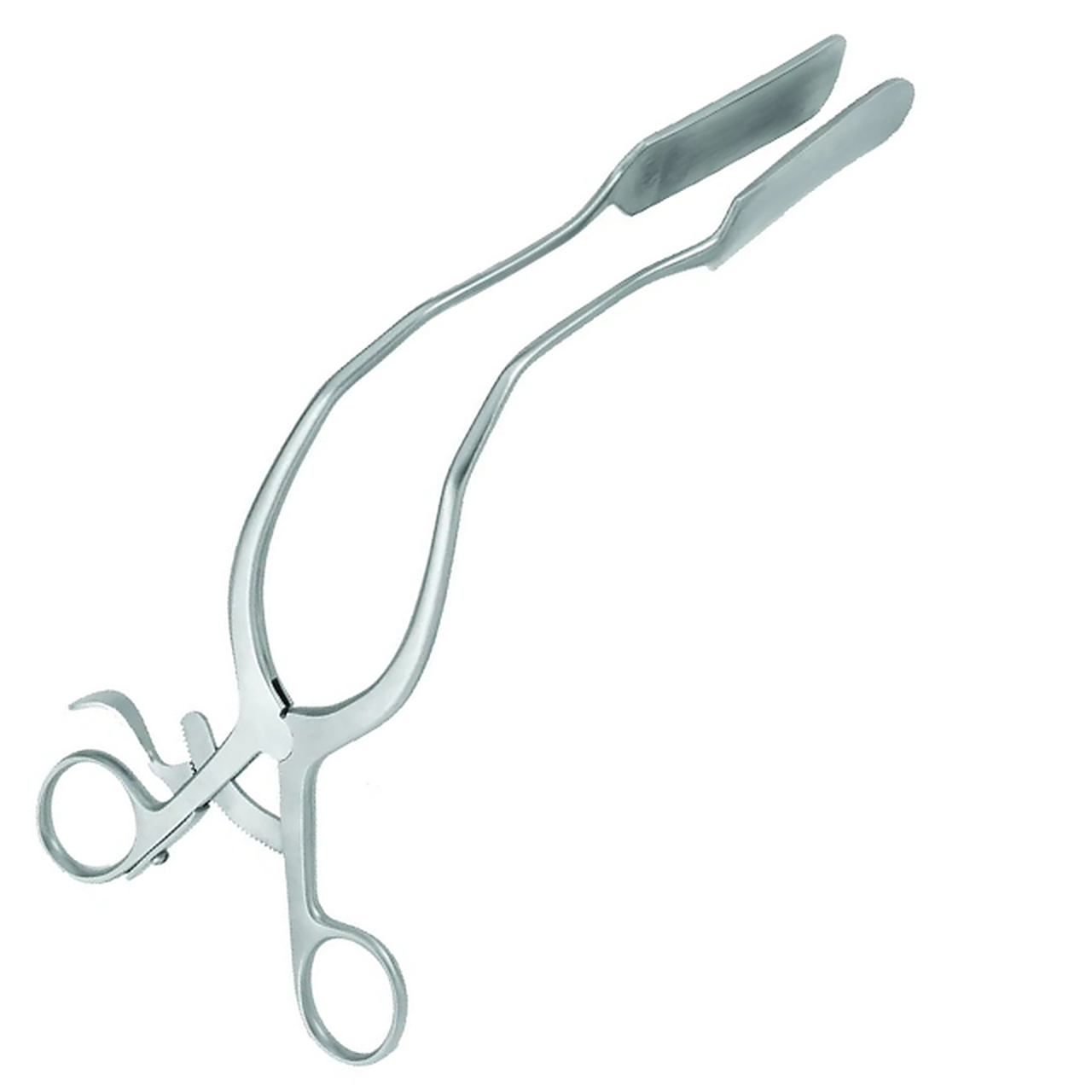 | Эбонизированный латеральный влагалищный ретрактор | Специально разработан для ретракции боковых стенок влагалища во время лазерных и электрохирургических гинекологических процедур. |
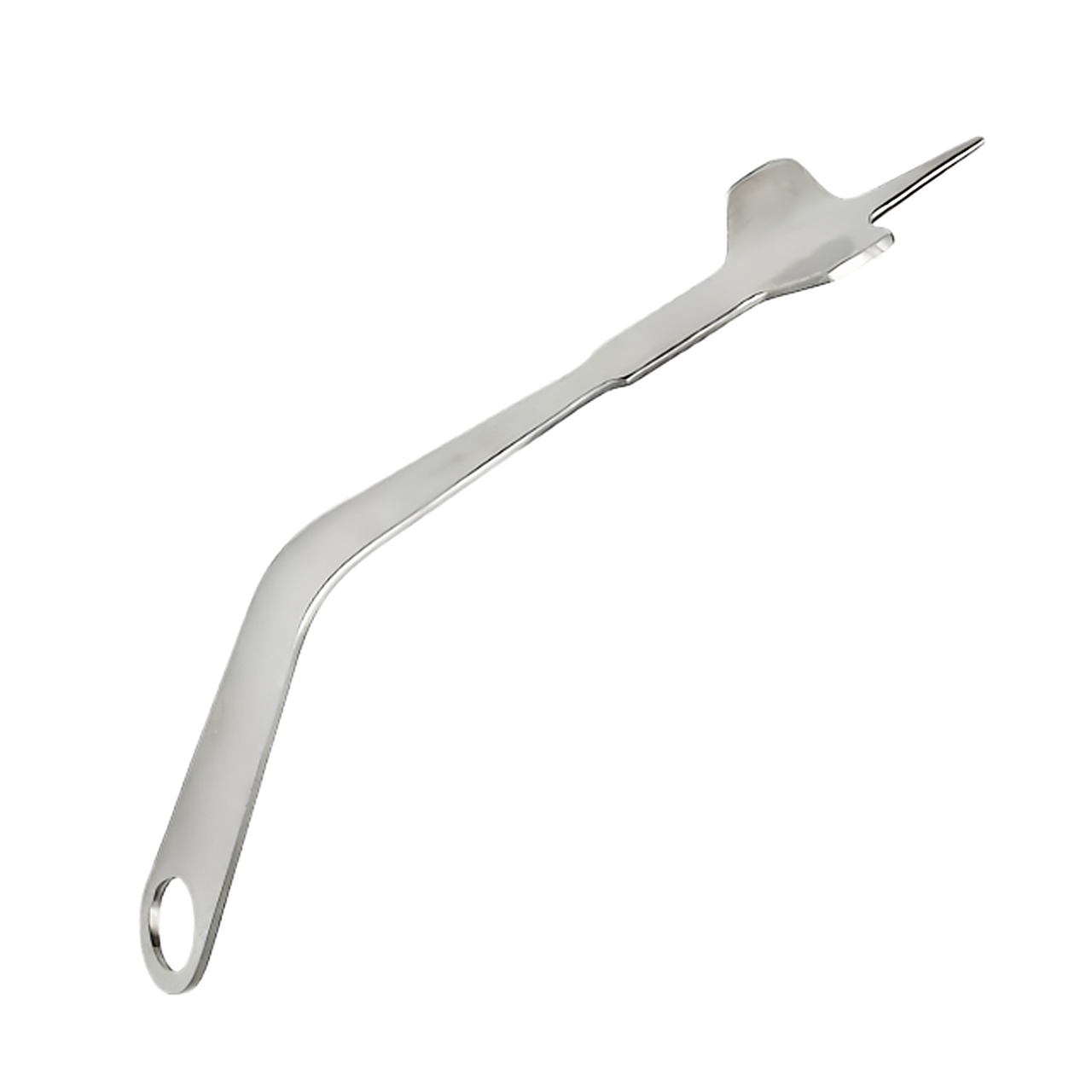 | Ретрактор латеральной жировой подушки | Специально разработан для ретракции инфрапателлярной жировой подушки и мягких тканей при тотальном эндопротезировании и реконструкции коленного сустава. |
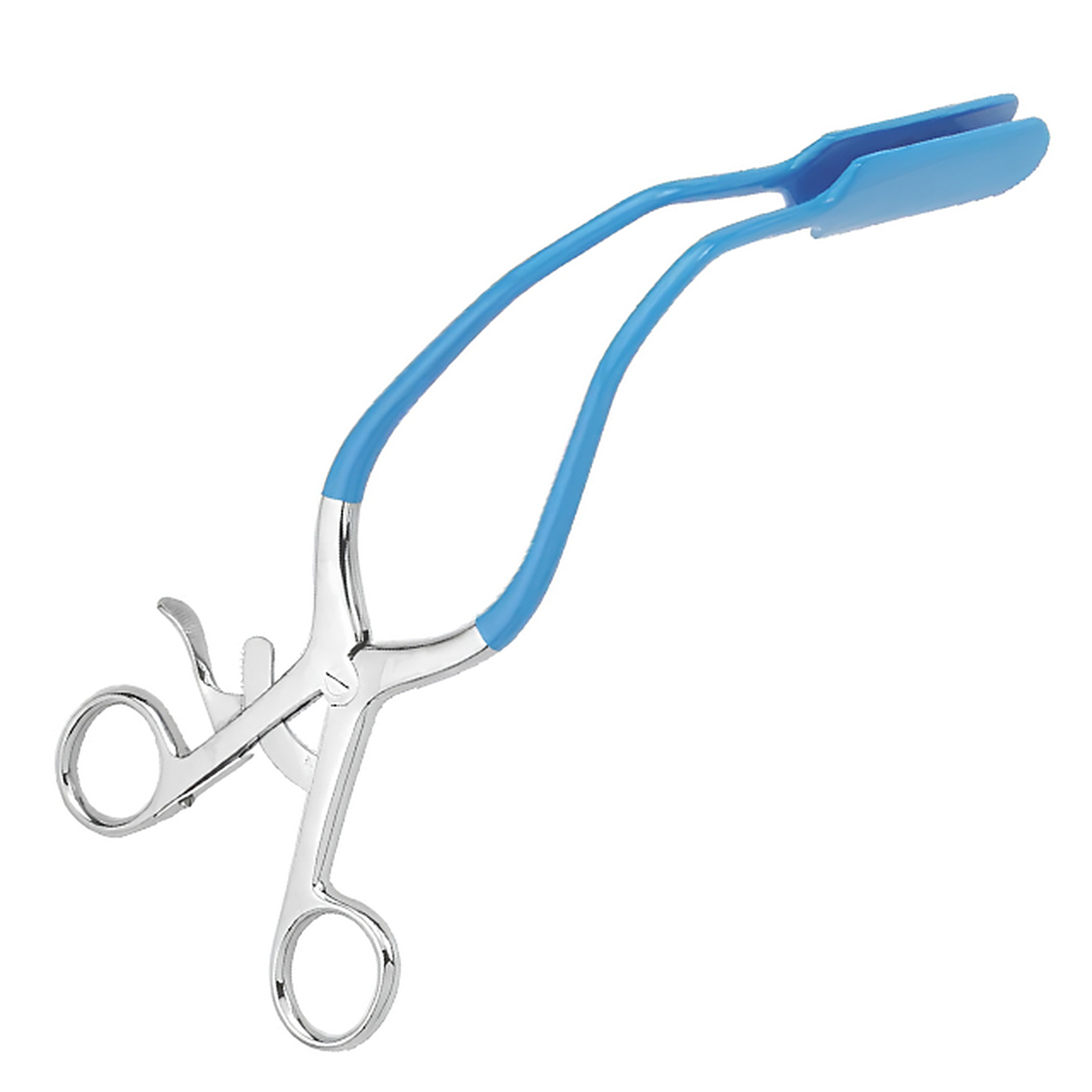 | Зеркало влагалищное боковое диэлектрическое (непроводящее) | Специально разработано для ретракции боковых стенок влагалища во время электрохирургических и лазерных гинекологических вмешательств. |
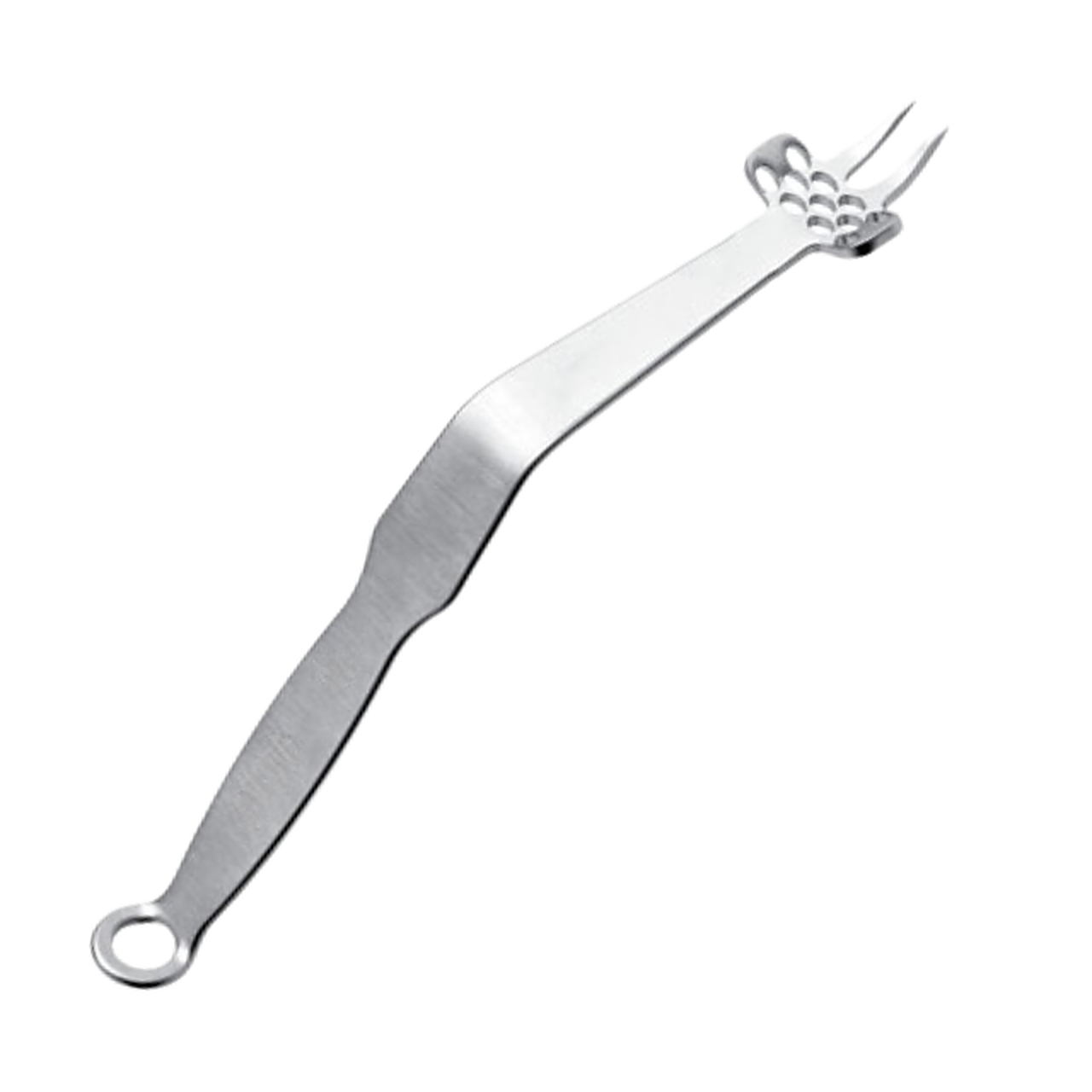 | Латеральные ретракторы для мягких тканей | Специально разработан для ретракции латеральных мягких тканей, капсулы и коллатеральных связок во время тотального эндопротезирования коленного сустава. |
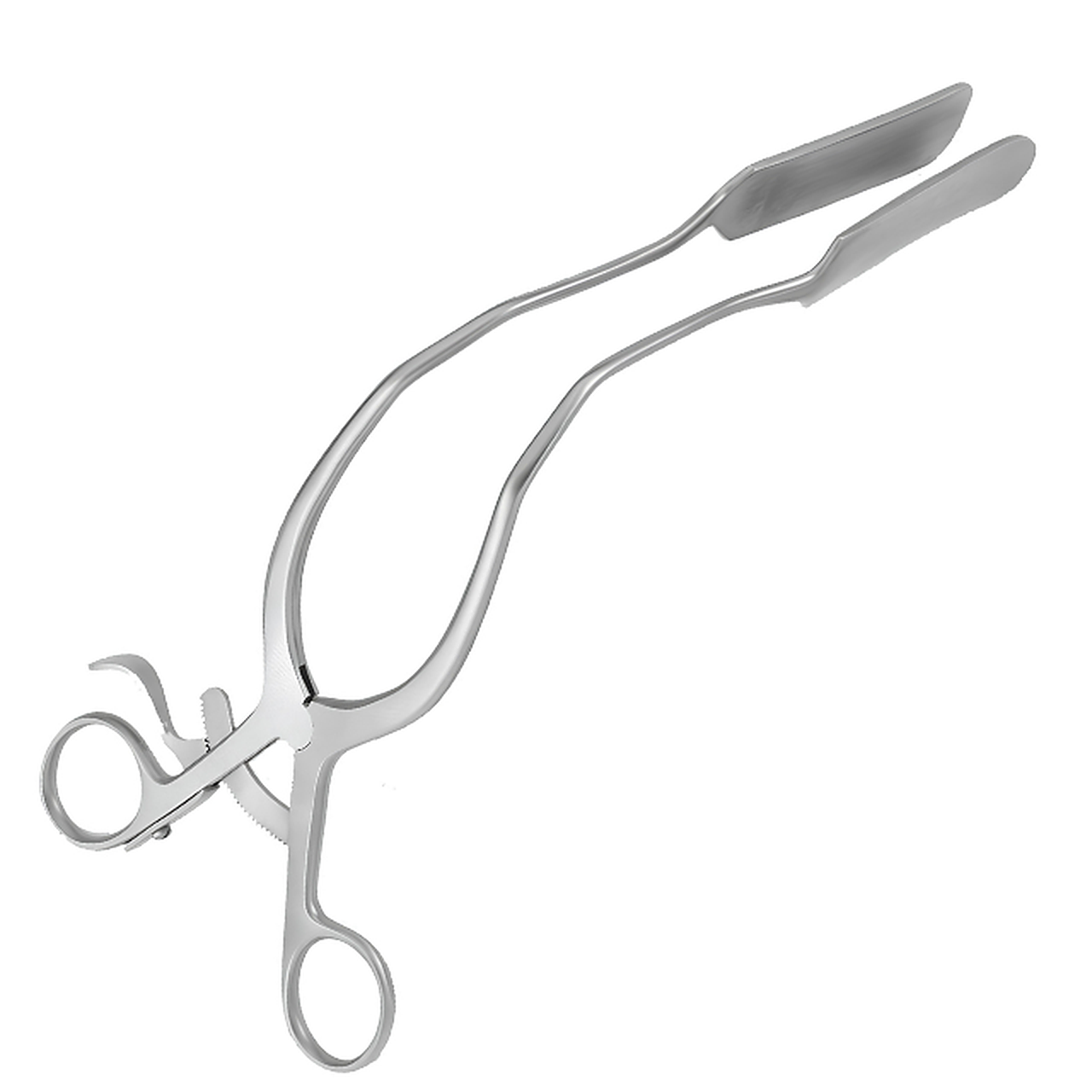 | Влагалищный ретрактор для боковых стенок | Специально разработан для ретракции боковых стенок влагалища и предотвращения спадения тканей во время влагалищных операций и электрохирургических процедур. |
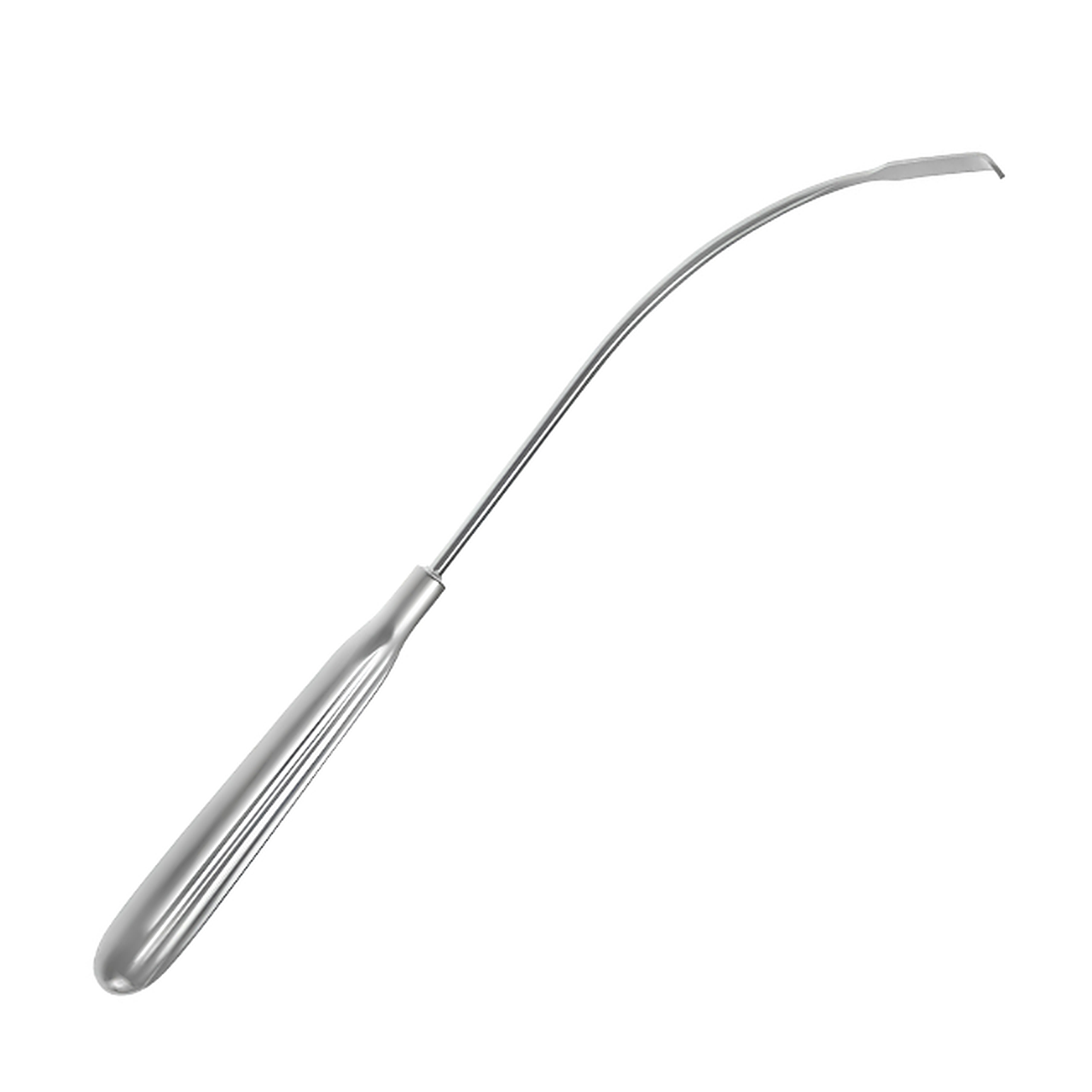 | Leaflet Retractor (ретрактор для створок клапана) | Специально разработан для ретракции и приподнимания створок сердечных клапанов во время операций по их восстановлению или замене на открытом сердце. |
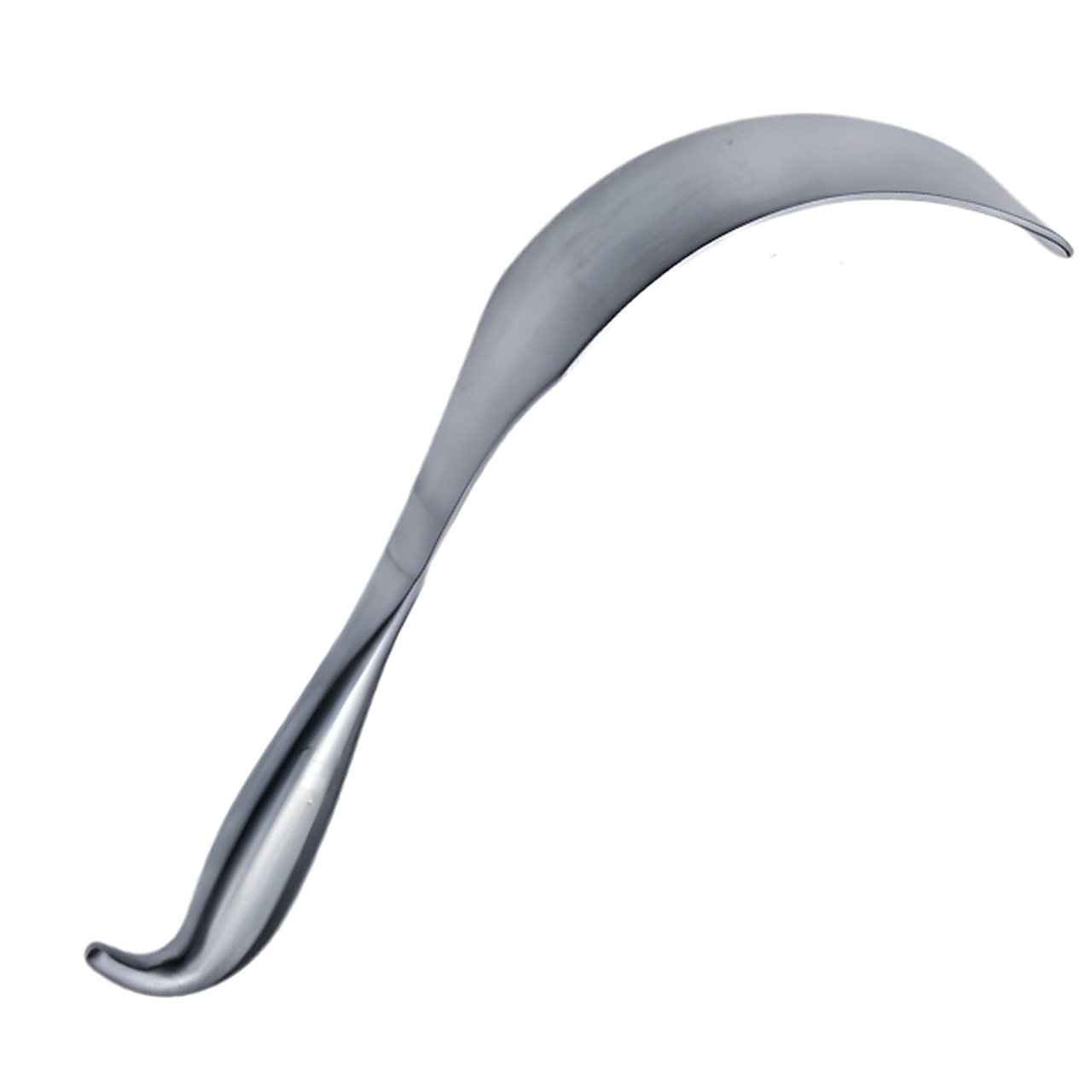 | Атравматичный ретрактор Leriche Retractor-Atraumatic Wide Blade | Специально разработан для ретракции брюшной стенки, органов таза и мощной мускулатуры при открытых операциях. |
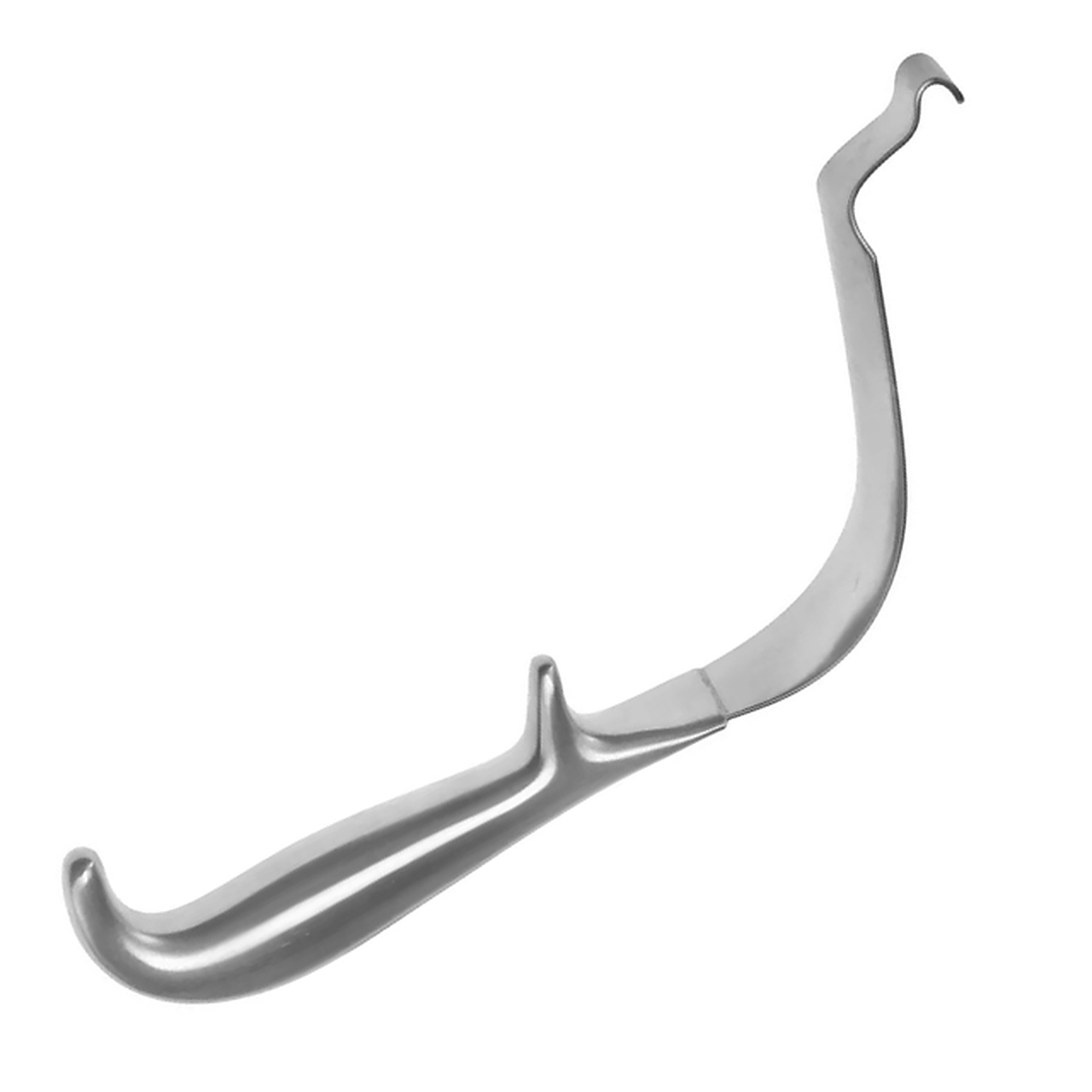 | Распатор-ретикулятор Levasseur Merril Retractor | Специально разработан для ретракции мягких тканей и защиты нейроваскулярных структур во время вертикальной остеотомии ветви нижней челюсти. |
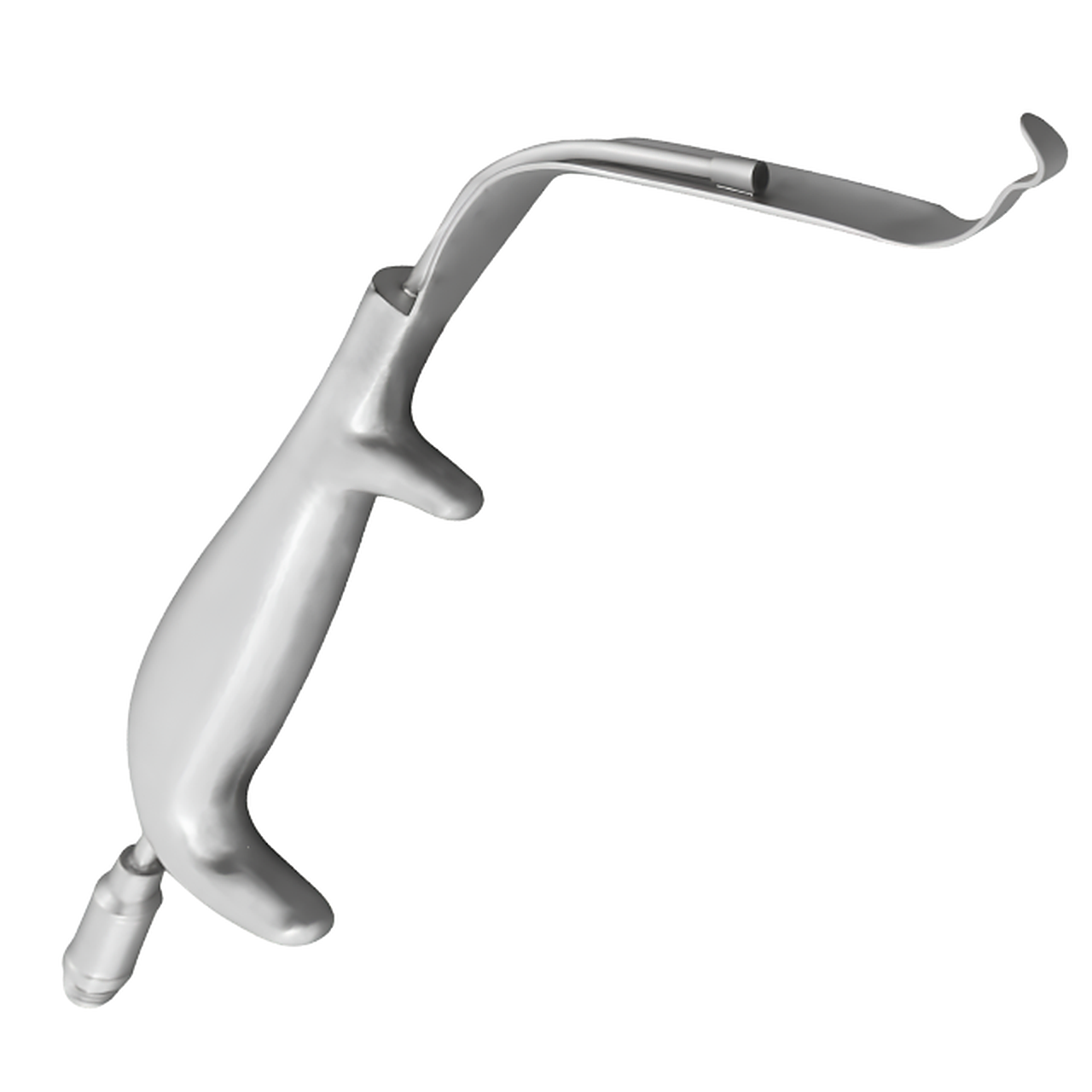 | Levasseur Merril Retractor Fiber Optic | Специально разработан для ретракции мягких тканей с подсветкой и обнажения кости при проведении вертикальной остеотомии ветви нижней челюсти. |
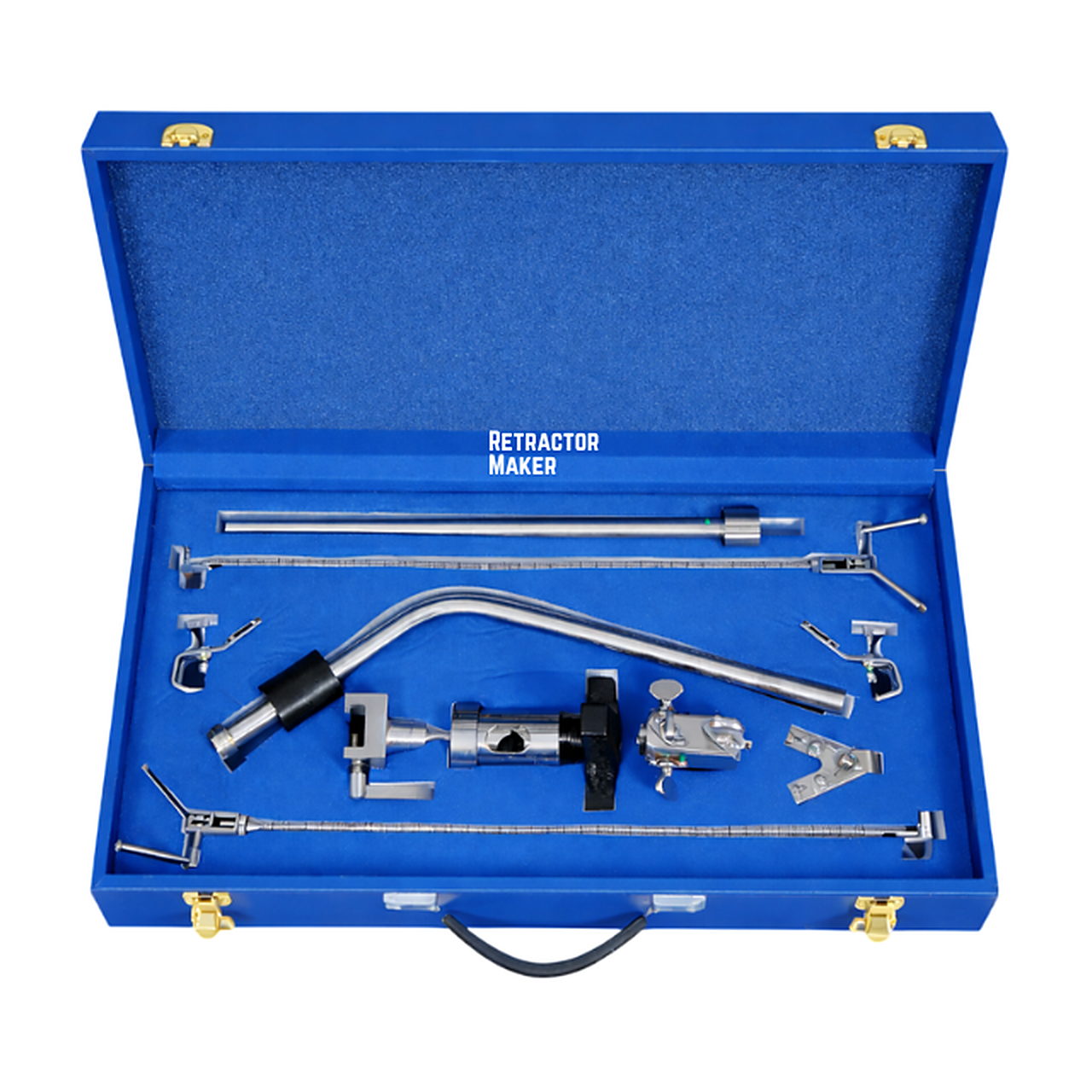 | Leyla Retractor | Specifically designed to provide precise, hands-free, low-pressure brain tissue retraction during delicate cranial, skull base, and microneurosurgical procedures. |
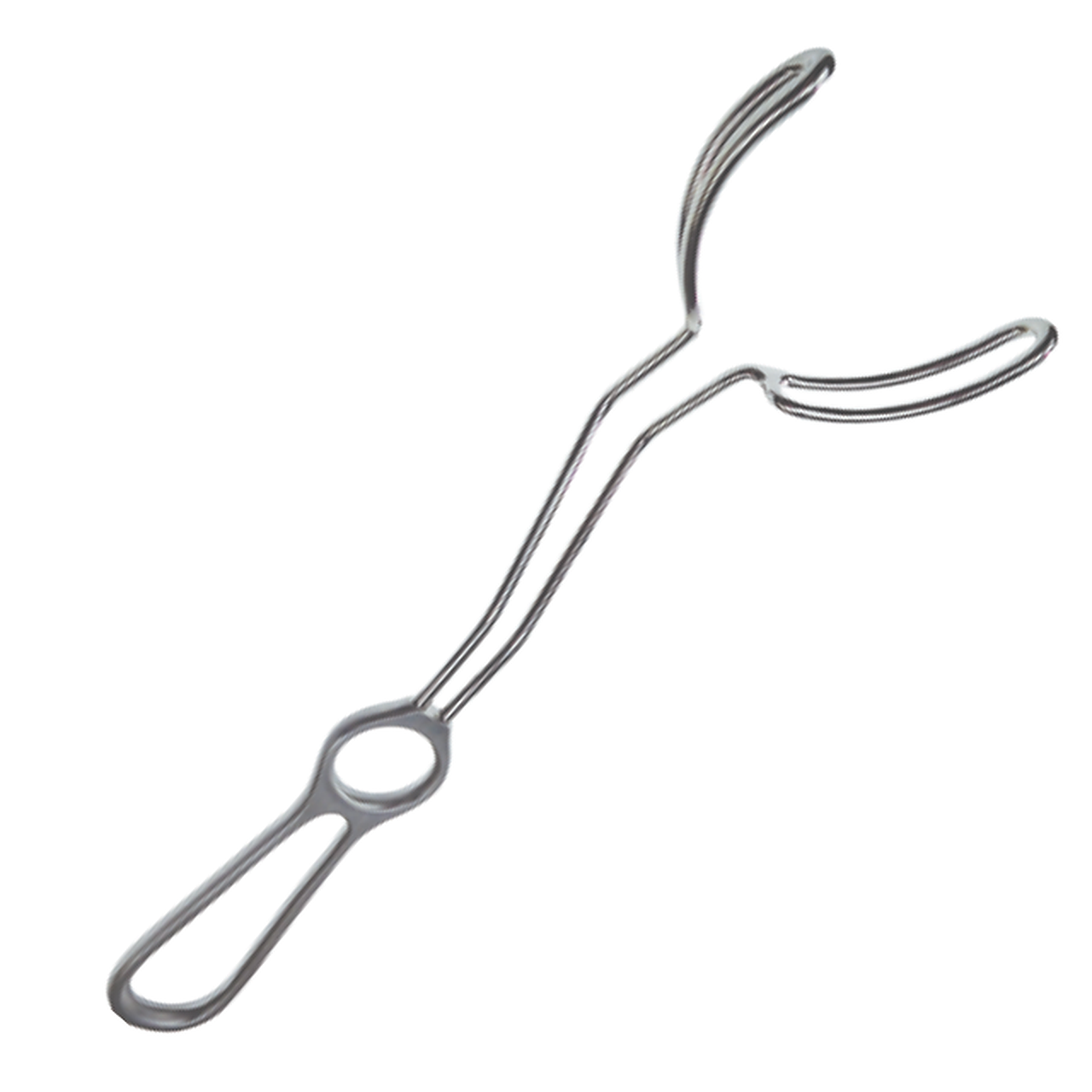 | Роторасширитель для губ и щек Lip And Cheek Retractor | Специально разработан для ретракции губ и щек с целью обеспечения четкого обзора нижней челюсти во время челюстно-лицевых операций. |
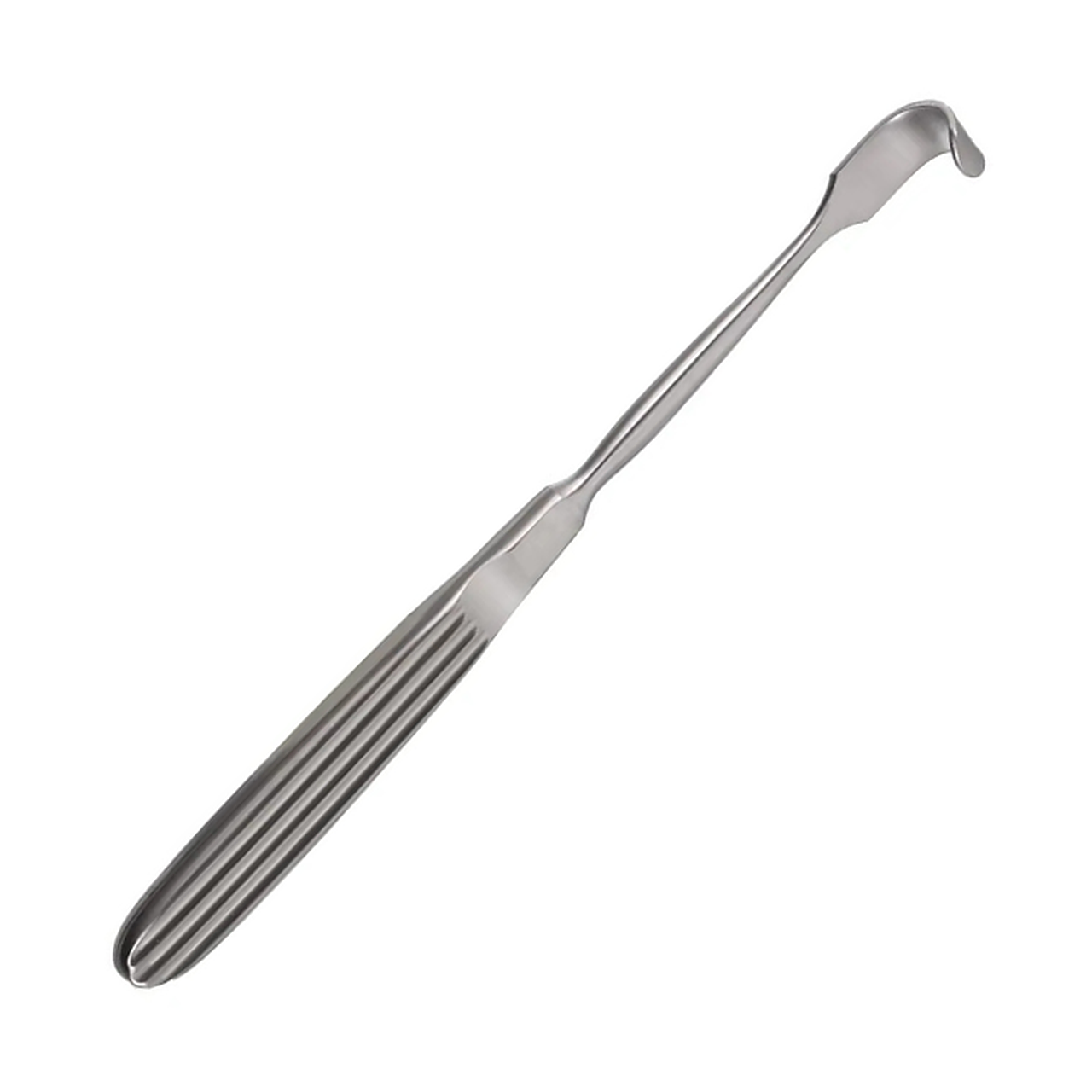 | Ранорасширитель Little Retractor | Специально разработан для ретракции краев кожи, деликатных фасций и мягких тканей во время малых хирургических и пластических операций. |
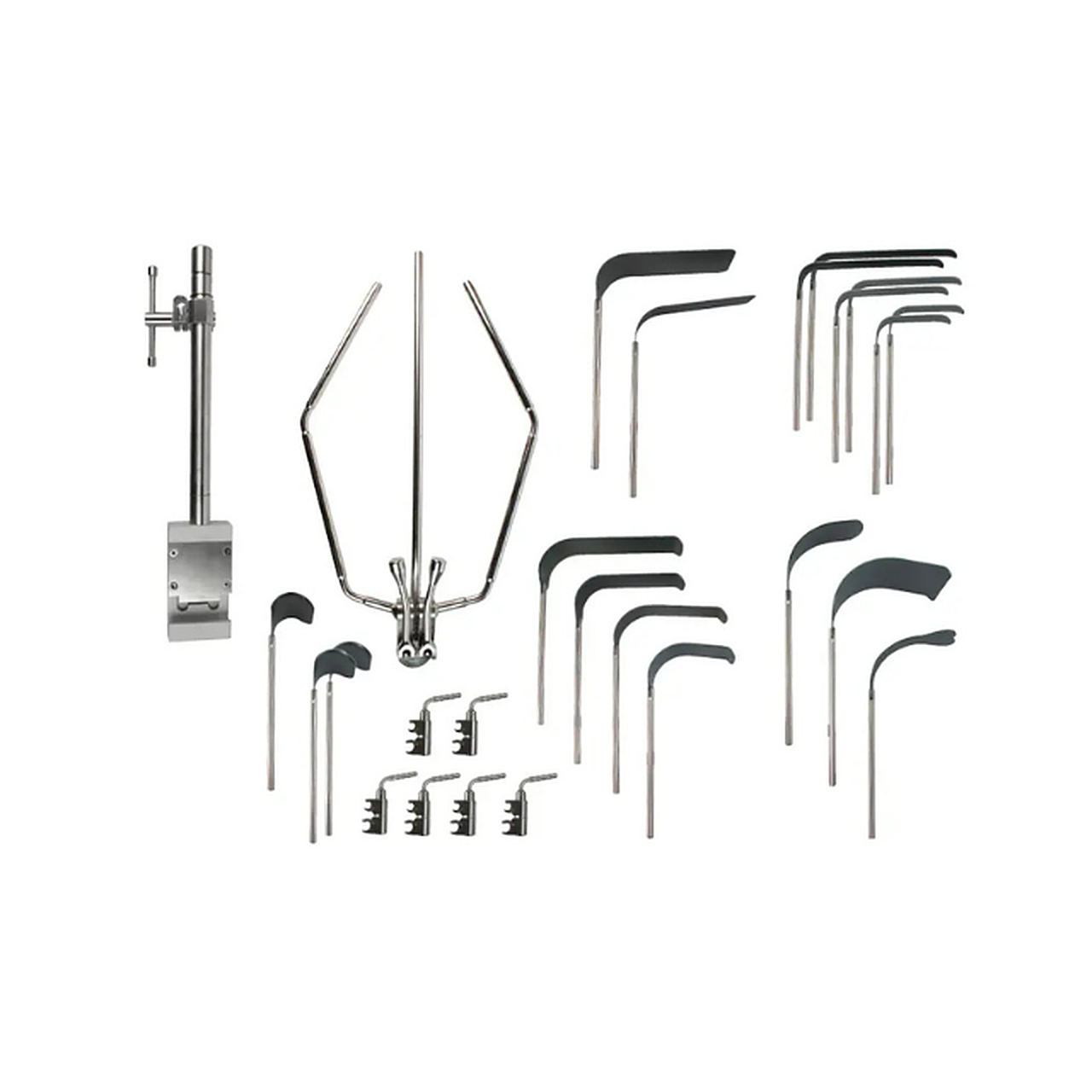 | Передний поясничный ретрактор Lobster | Специально разработан для фиксации на операционном столе и самодержащейся ретракции мягких тканей при хирургических вмешательствах на поясничном отделе позвоночника из переднего доступа. |
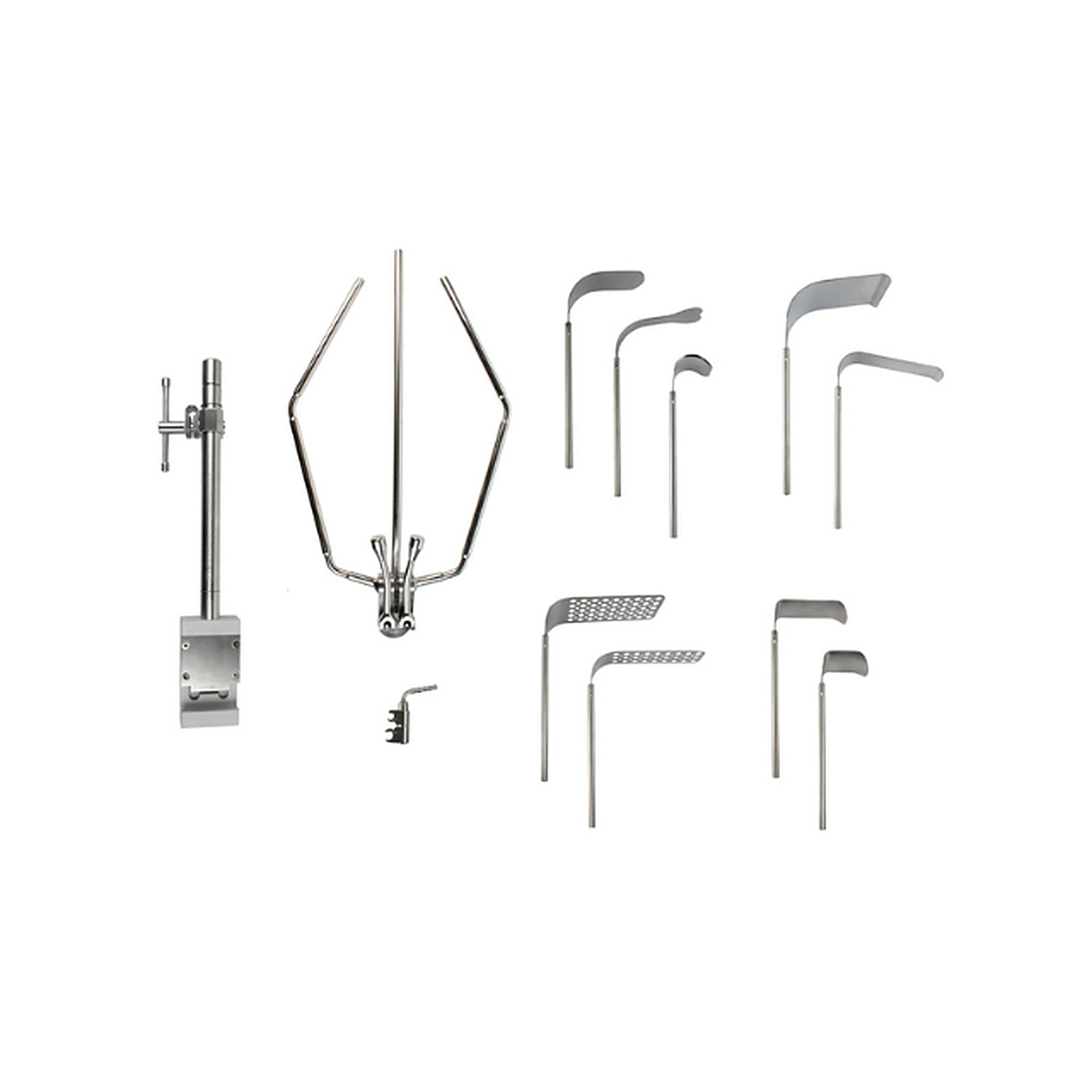 | Хирургическая ранорасширительная система Lobster General Retractor System | Специально разработана для обеспечения самоудерживающейся ретракции мягких тканей и экспозиции операционного поля с креплением к столу во время общехирургических процедур. |
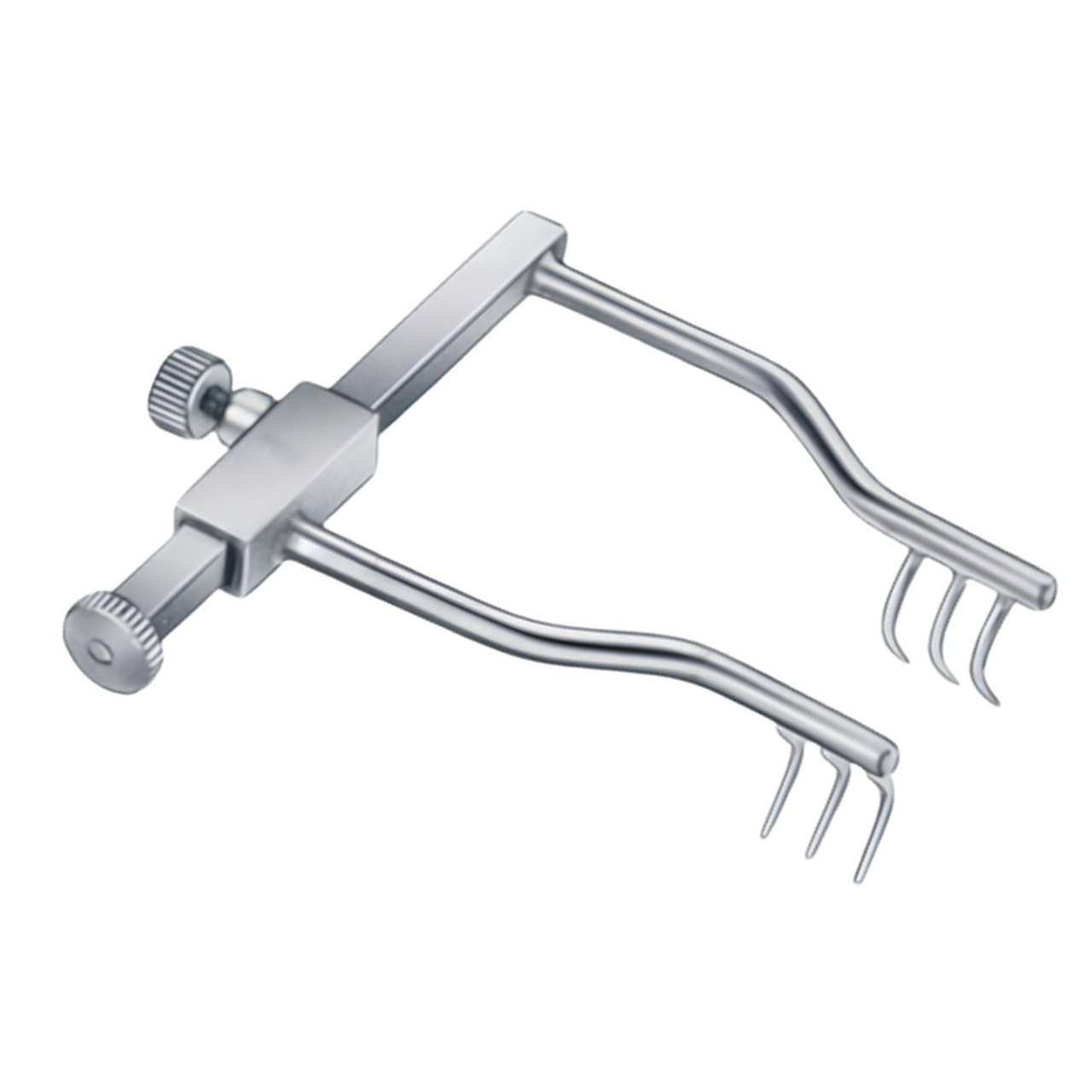 | Ранорасширитель Logan | Специально разработан для самодержащейся ретракции краев кожи, апоневроза и мышц при проведении микроразрезов. |
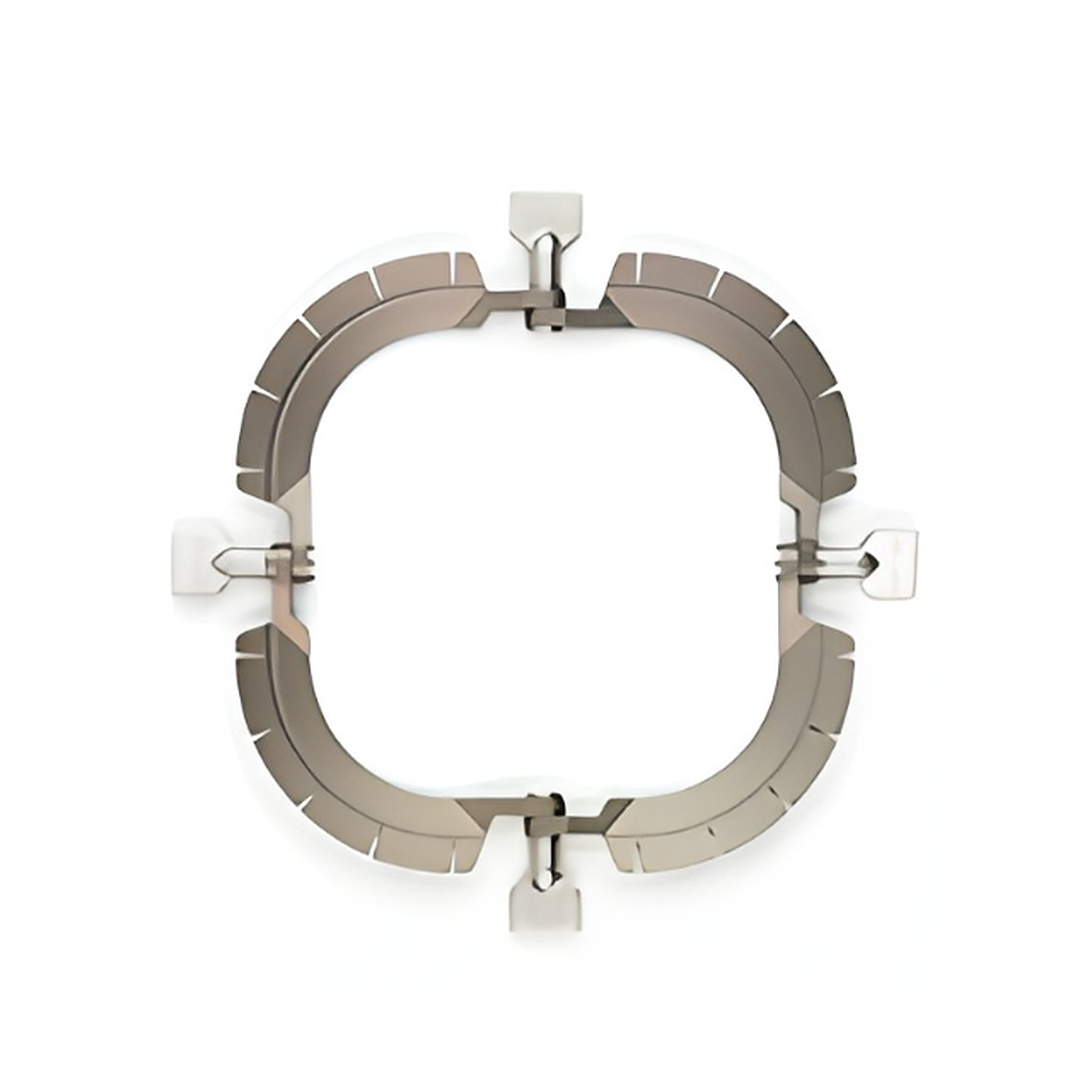 | Ретрактор Lone Star Retractor (для колоректальной хирургии и операций на голове и шее) | Специально разработан для обеспечения самодерживающейся фиксации мягких тканей и визуализации операционного поля без участия рук в колоректальной хирургии и при операциях на голове и шее. |
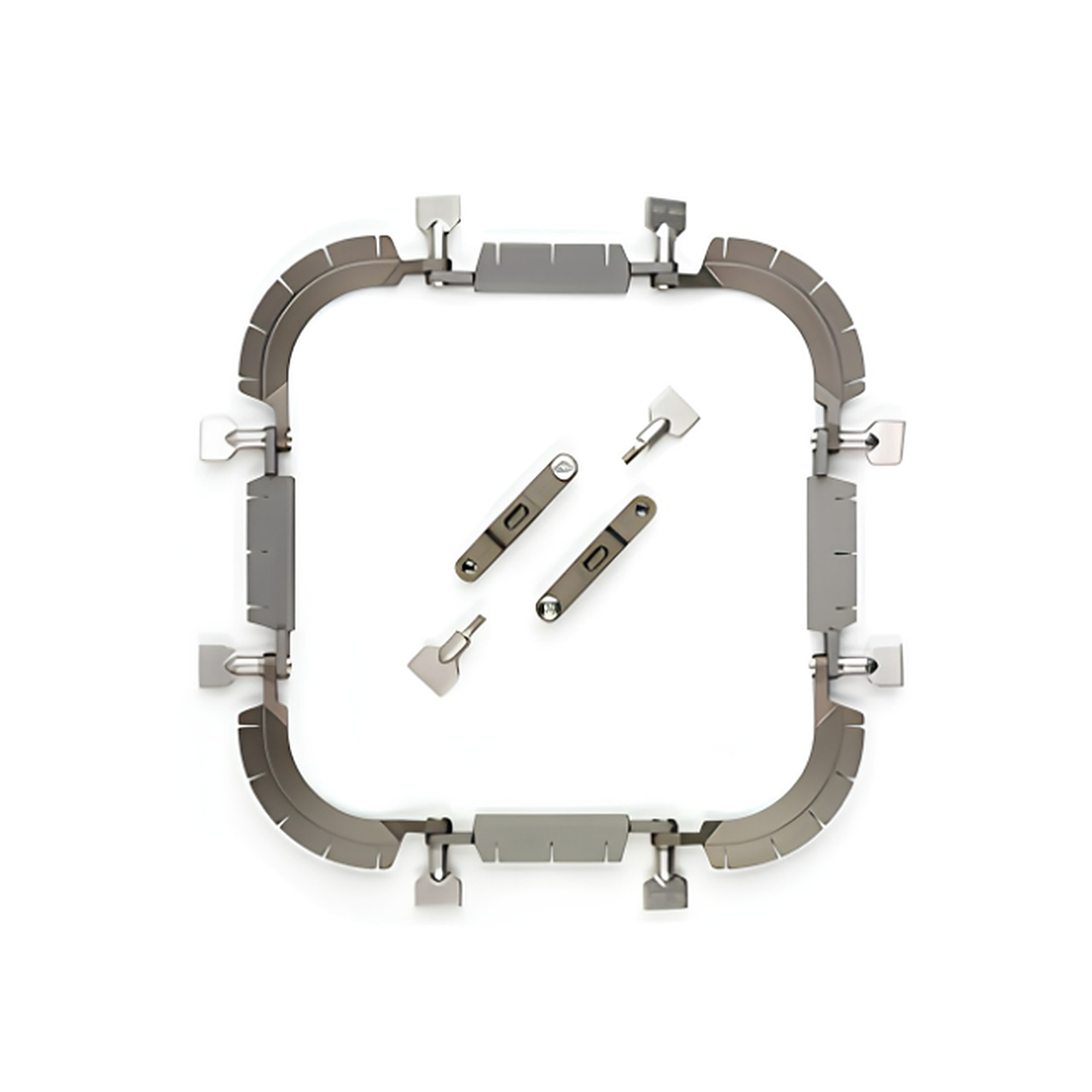 | Lone Star Retractor (для общей хирургии, операций на голове и шее) | Предназначен для обеспечения самодержащейся ретракции мягких тканей и экспозиции операционного поля в общей хирургии, а также при операциях на голове и шее. |
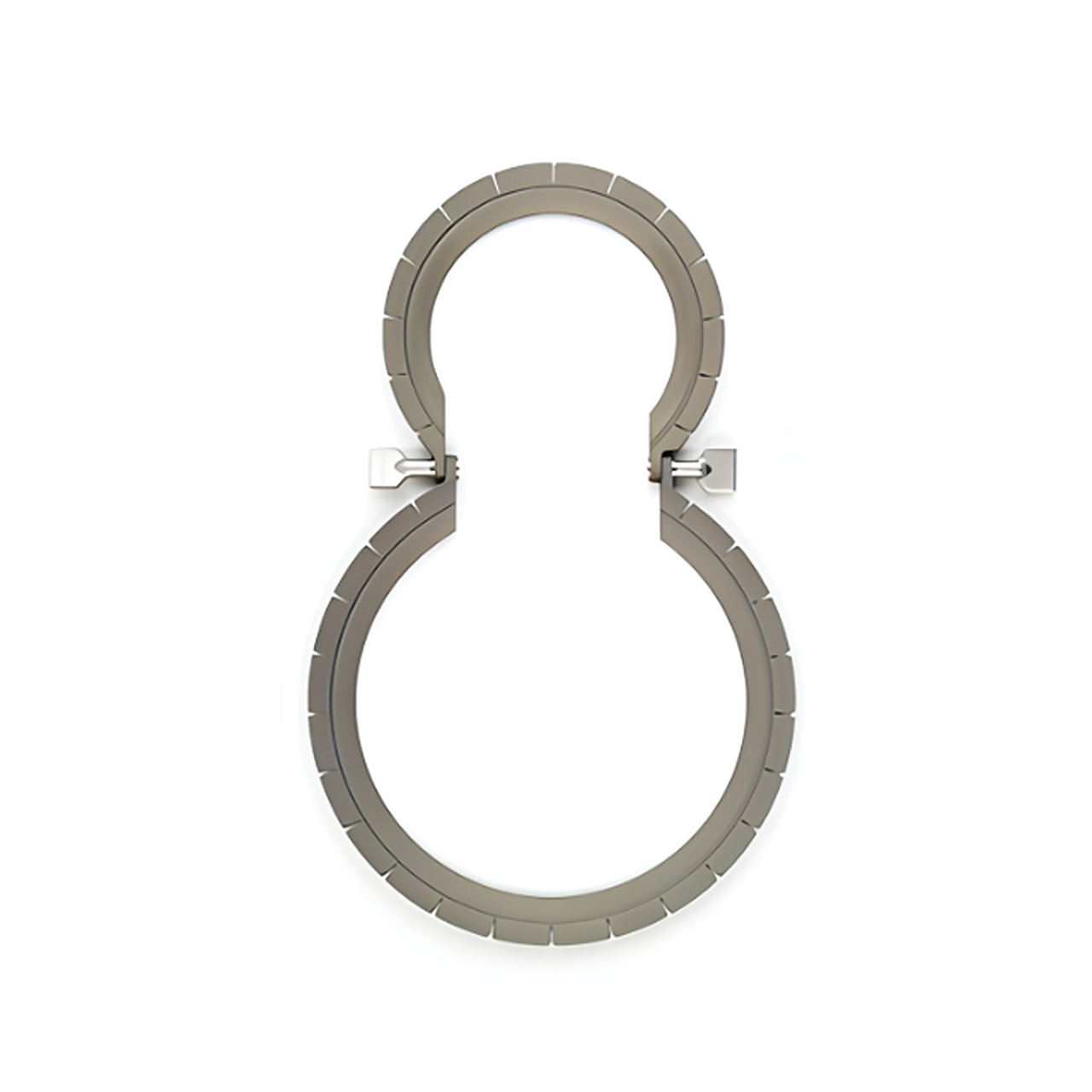 | Lone Star Retractor (Gynecology & Male Urology) | Специально разработан для обеспечения самоудерживающейся ретракции мягких тканей и экспозиции хирургического поля в гинекологии и мужской урологии. |
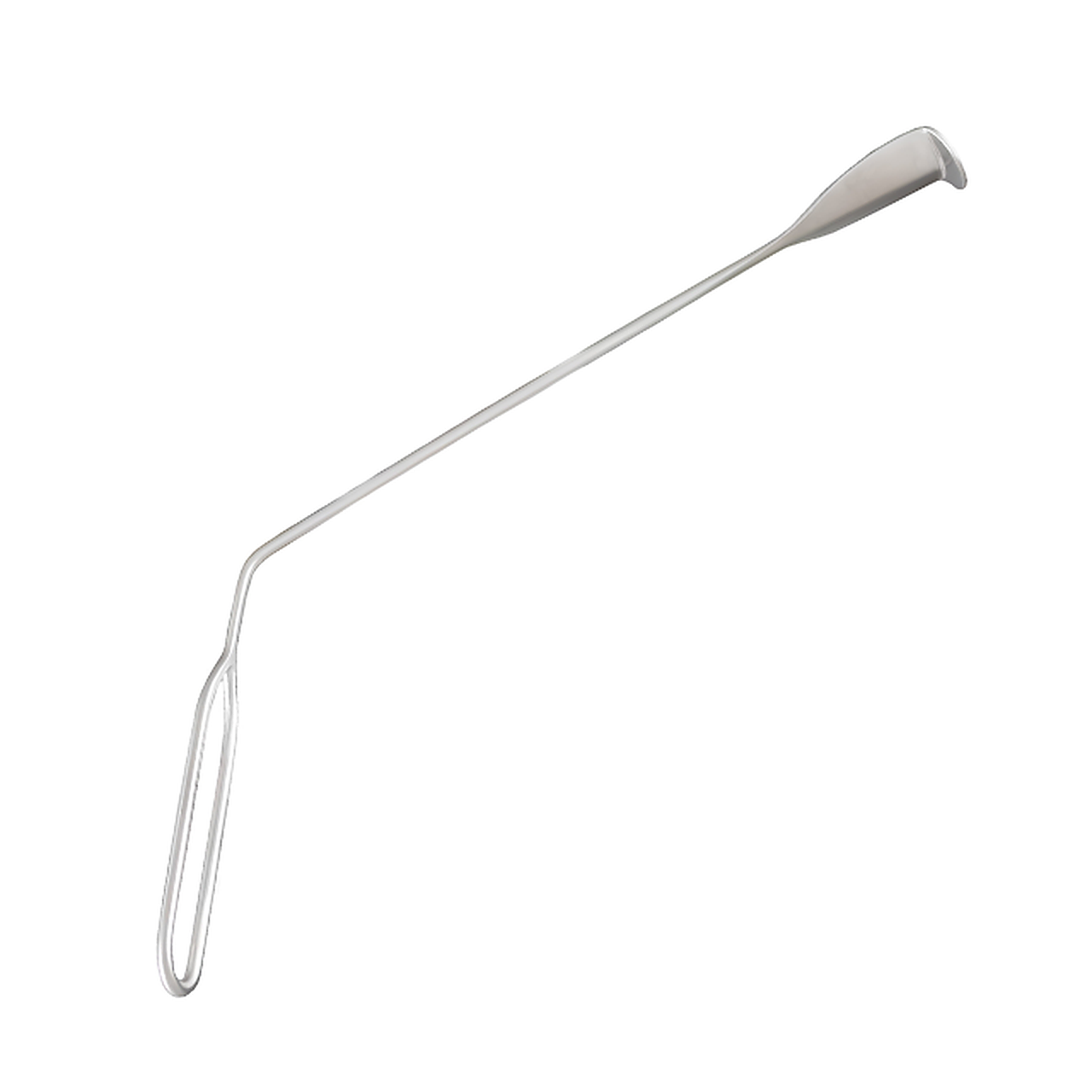 | Ретрактор для язычка Lothrop Uvula Retractor | Специально разработан для ретракции и поднятия язычка и мягкого неба во время аденотомии и операций на глотке. |
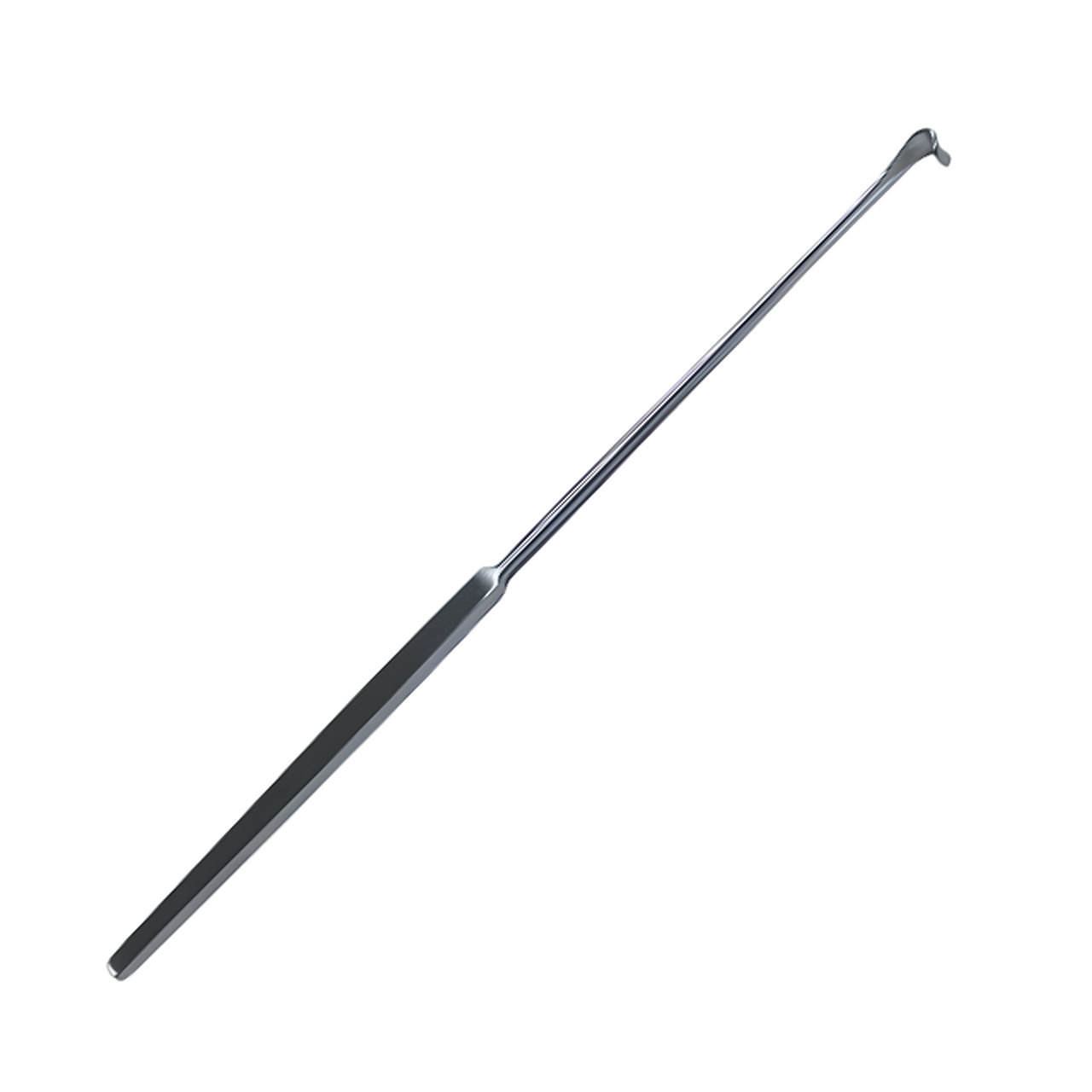 | Ретрактор корешков нервов Love | Специально разработан для ретракции и защиты нервных корешков и дурального мешка во время поясничной дискэктомии и декомпрессии. |
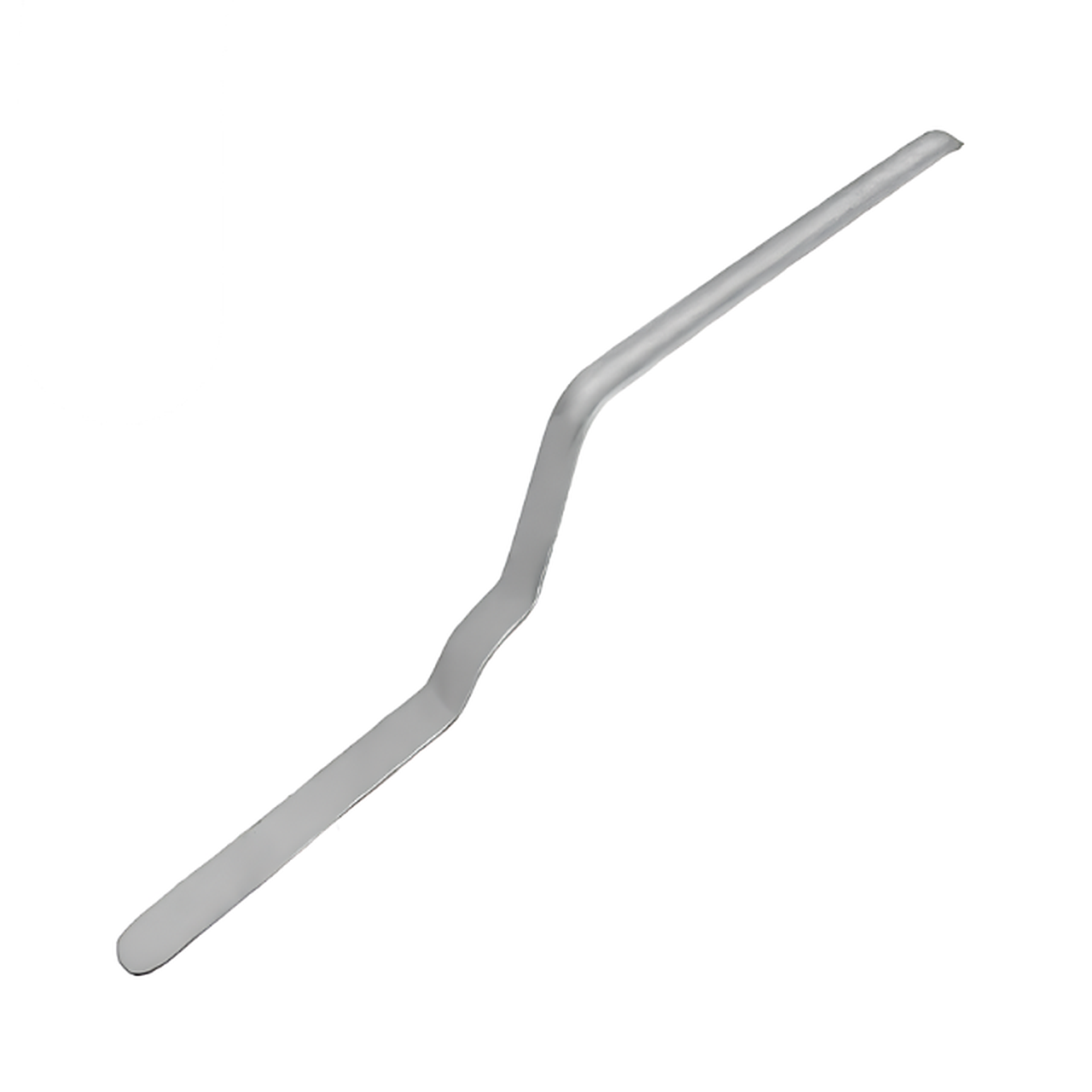 | Ретрактор корешков нервов Love, байонетный | Специально разработан для ретракции корешков нервов и дурального мешка с сохранением прямой видимости при работе под операционным микроскопом. |
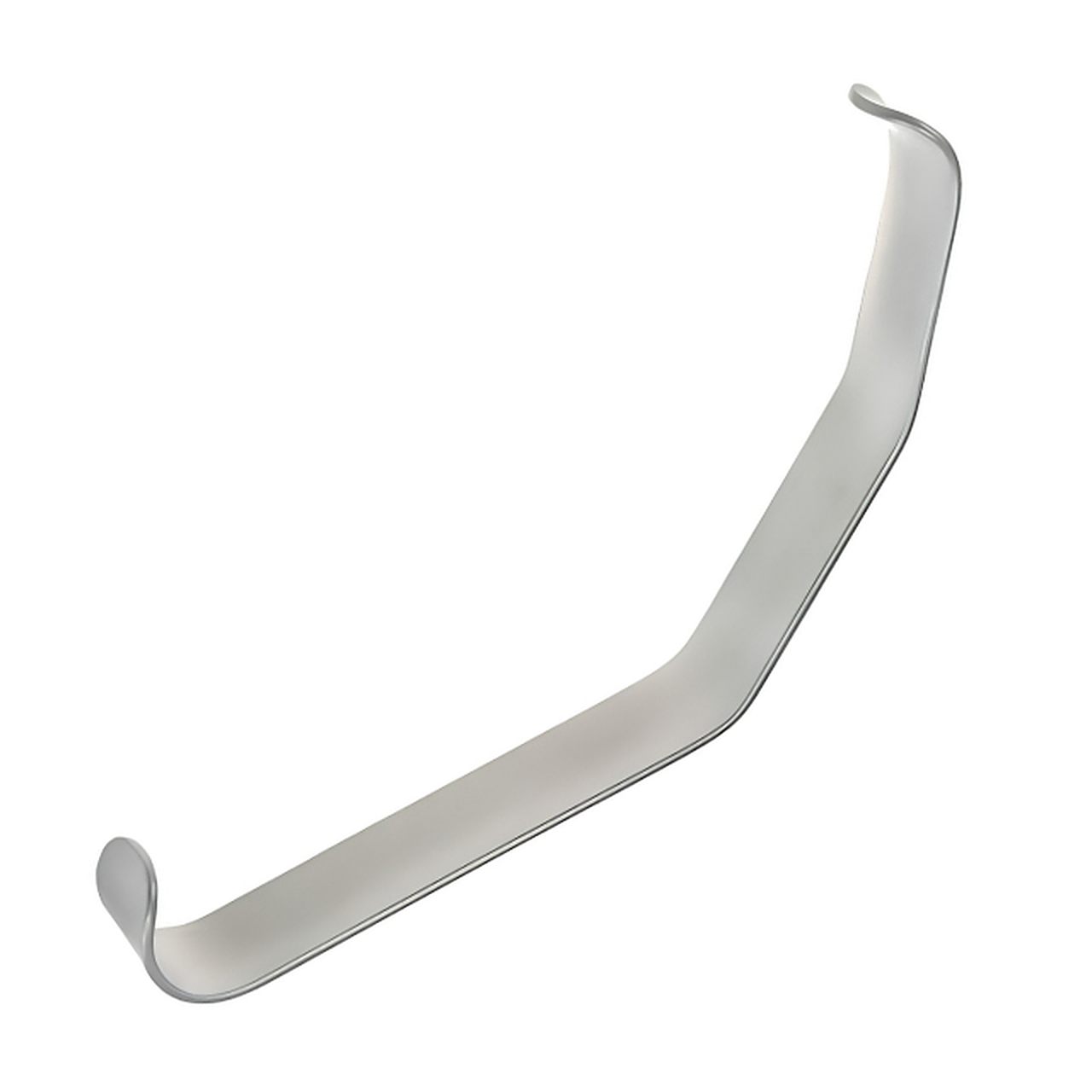 | Ретрактор для язычка Love Uvula Retractor | Специально разработан для ретракции и поднятия язычка и мягкого неба во время аденотомии и фарингеальной хирургии. |
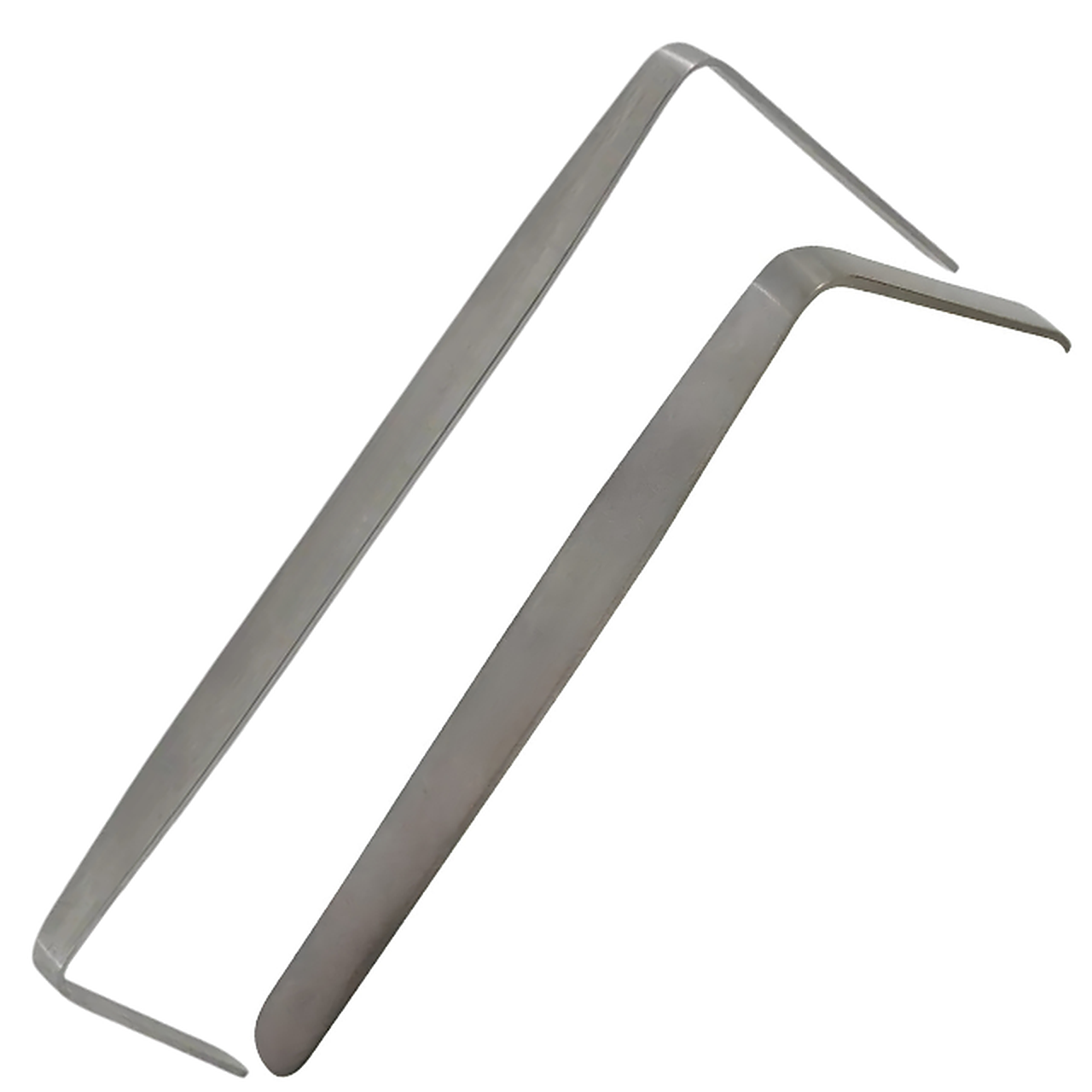 | Низкопрофильный ретрактор для стопы и голеностопного сустава | Специально разработан для рычажного смещения малых костей и ретракции мягких тканей во время реконструктивной хирургии стопы, голеностопного сустава и в подошвенной хирургии. |
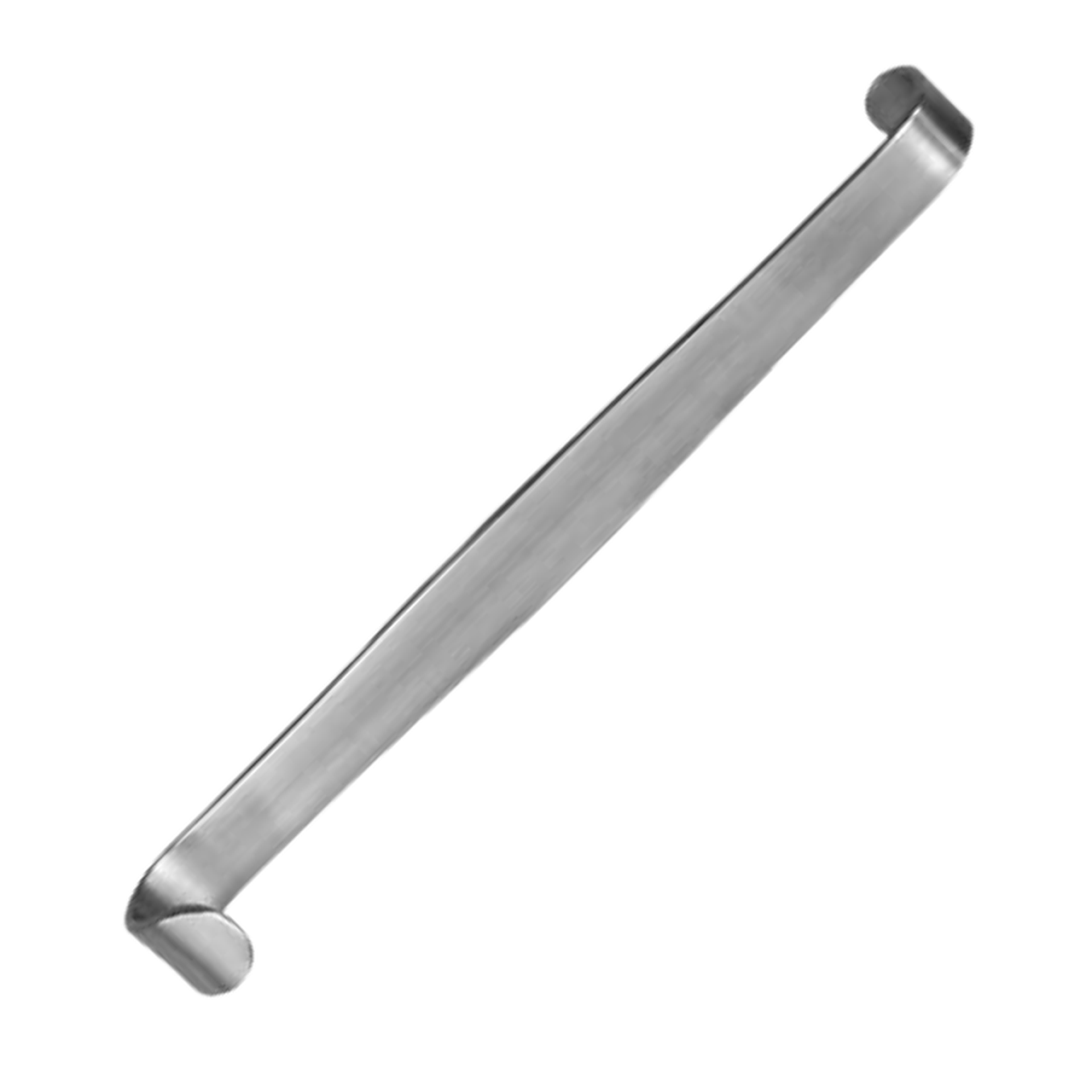 | Трахеальный ретрактор Luer S Trachea Retractor | Специально разработан для ретракции претрахеальных тканей и элевации трахеальных колец при трахеостомии и операциях на шее. |
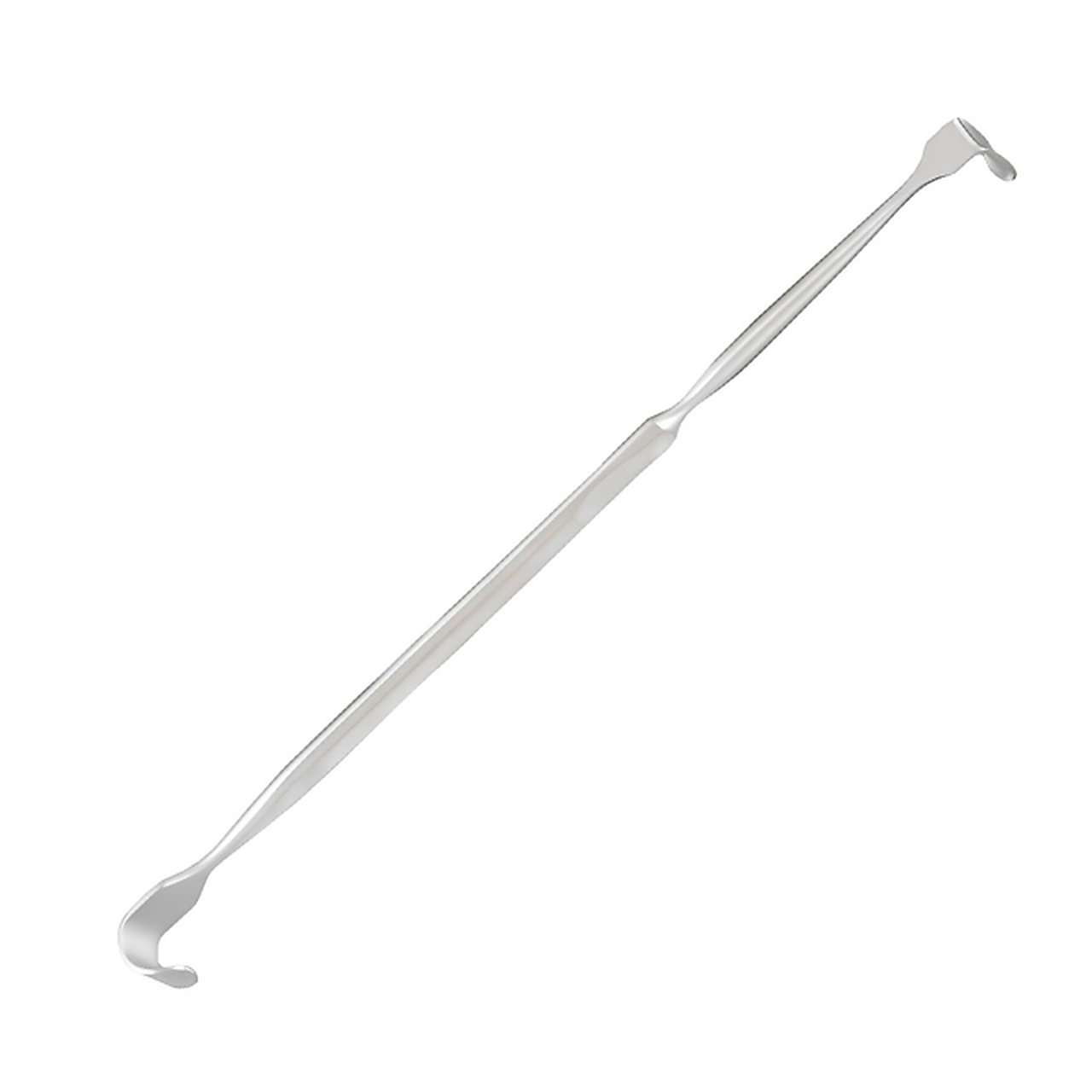 | Трахеальный ретрактор Lukens | Специально разработан для ретракции претрахеальных тканей и элевации трахеи во время трахеостомии и процедур на дыхательных путях. |
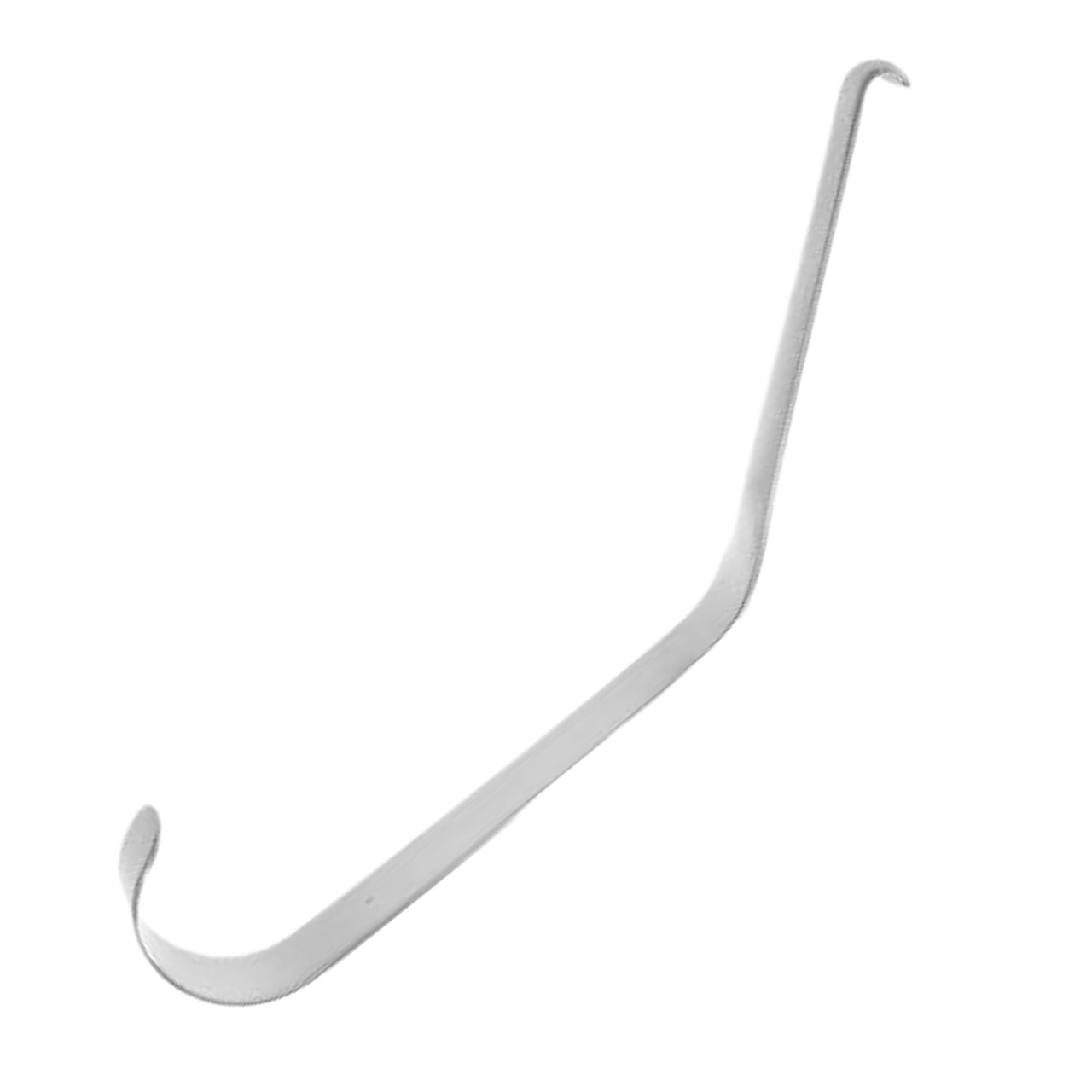 | Ретрактор Mandibular Channel Retractor | Специально разработан для фиксации за нижний край нижней челюсти и защиты сосудисто-нервных структур во время остеотомии. |
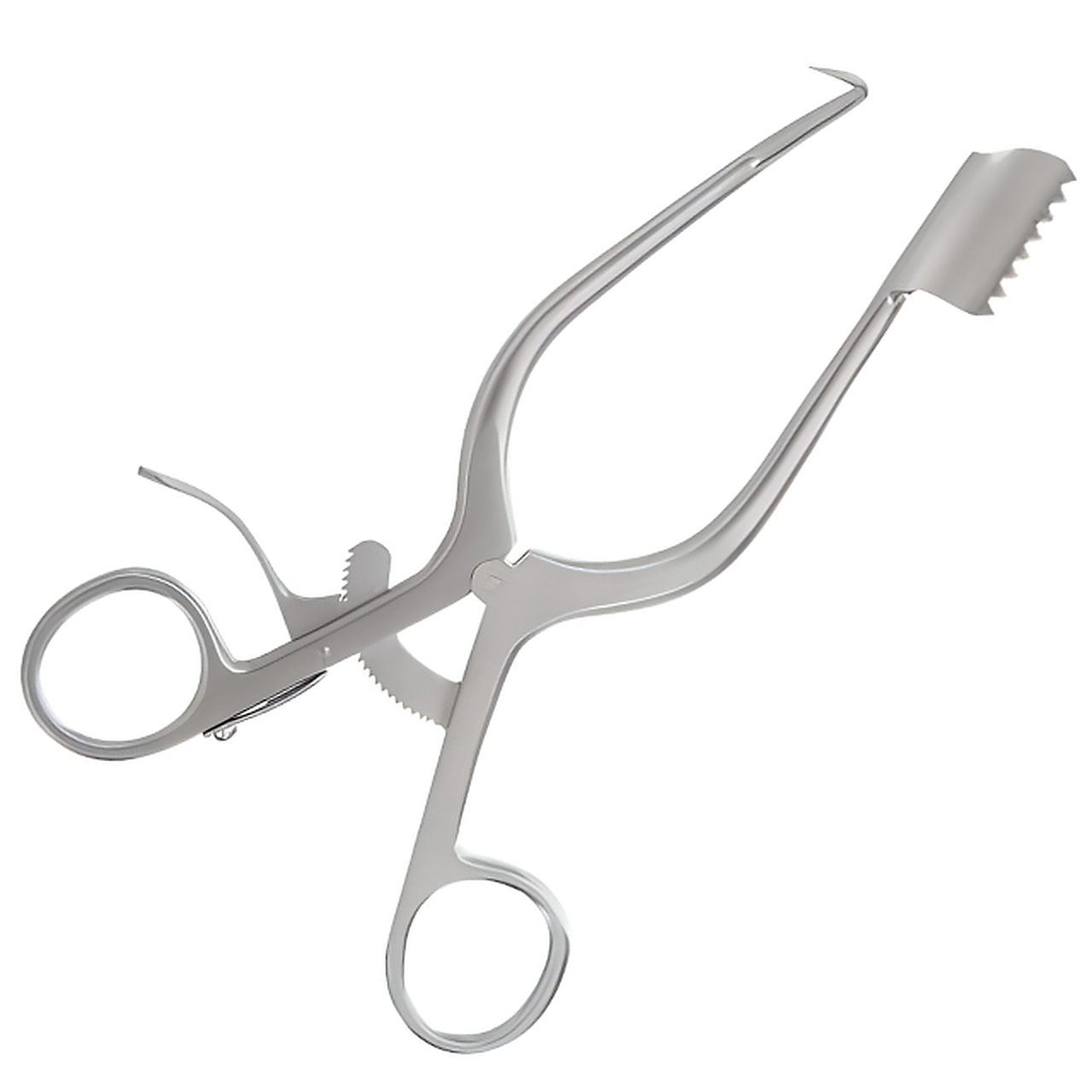 | Ретрактор для гемиламинэктомии Markham-Meyerding | Специально разработан для самоудерживающейся ретракции параспинальных мышц и фиксации на остистых отростках при гемиламинэктомии. |
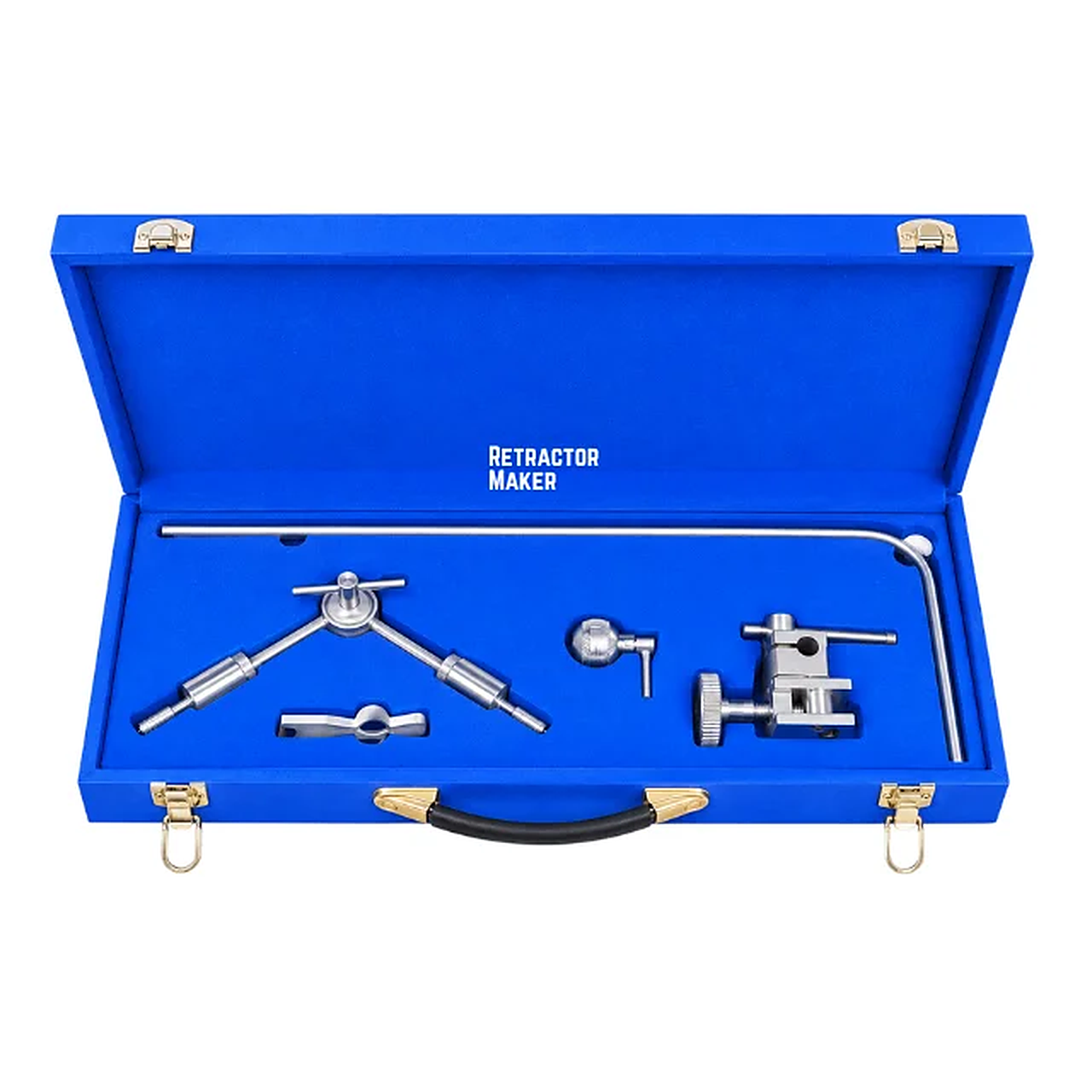 | Ретрактор Martin Arm | Устанавливается непосредственно на боковые рельсы операционного стола для обеспечения жесткой фиксации и позиционирования хирургических ретракторов и эндоскопов без участия рук. |
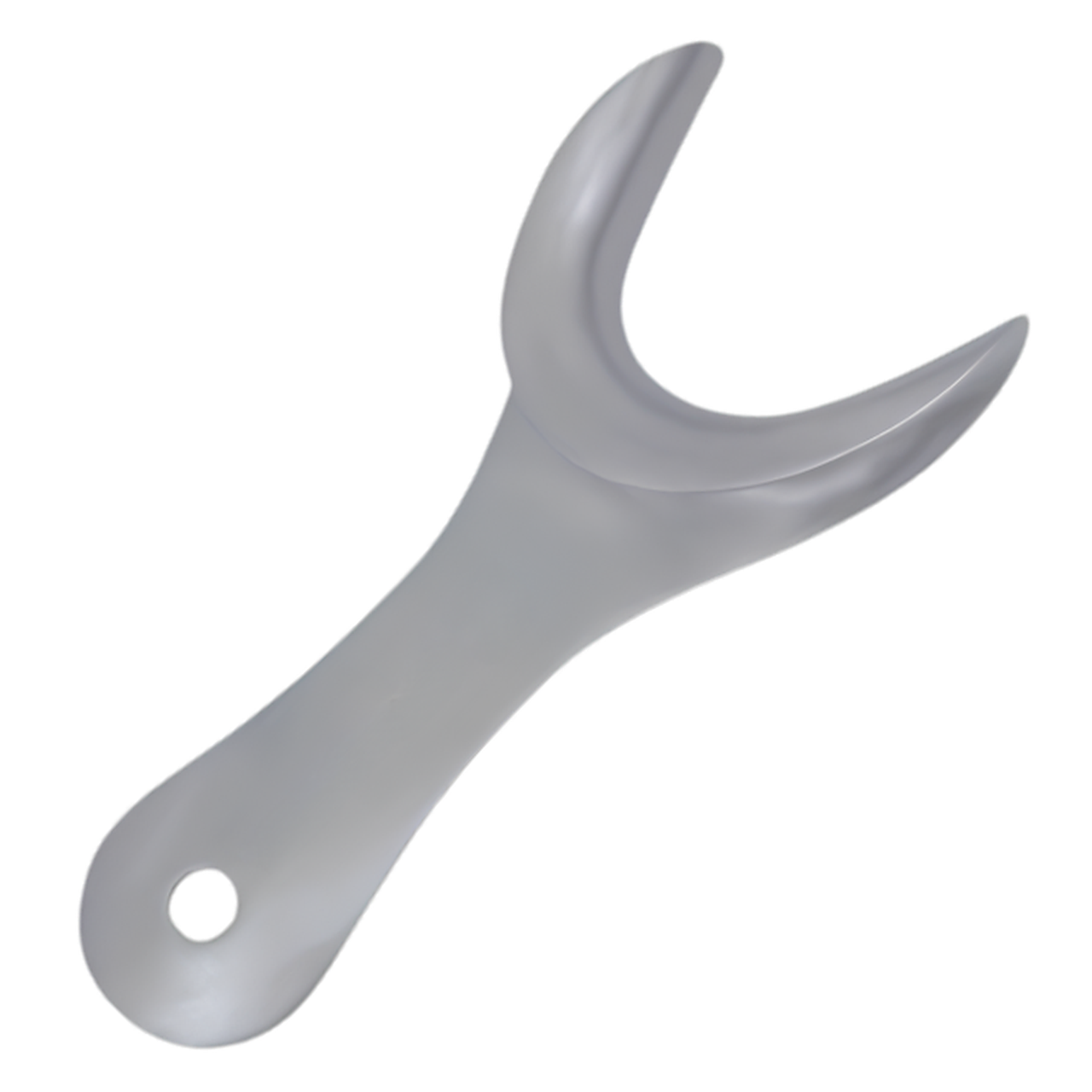 | Роторасширитель Martin-Simplex для щек и губ | Специально разработан для ретракции щек и губ во время стоматологических и челюстно-лицевых операций на альвеолярном отростке. |
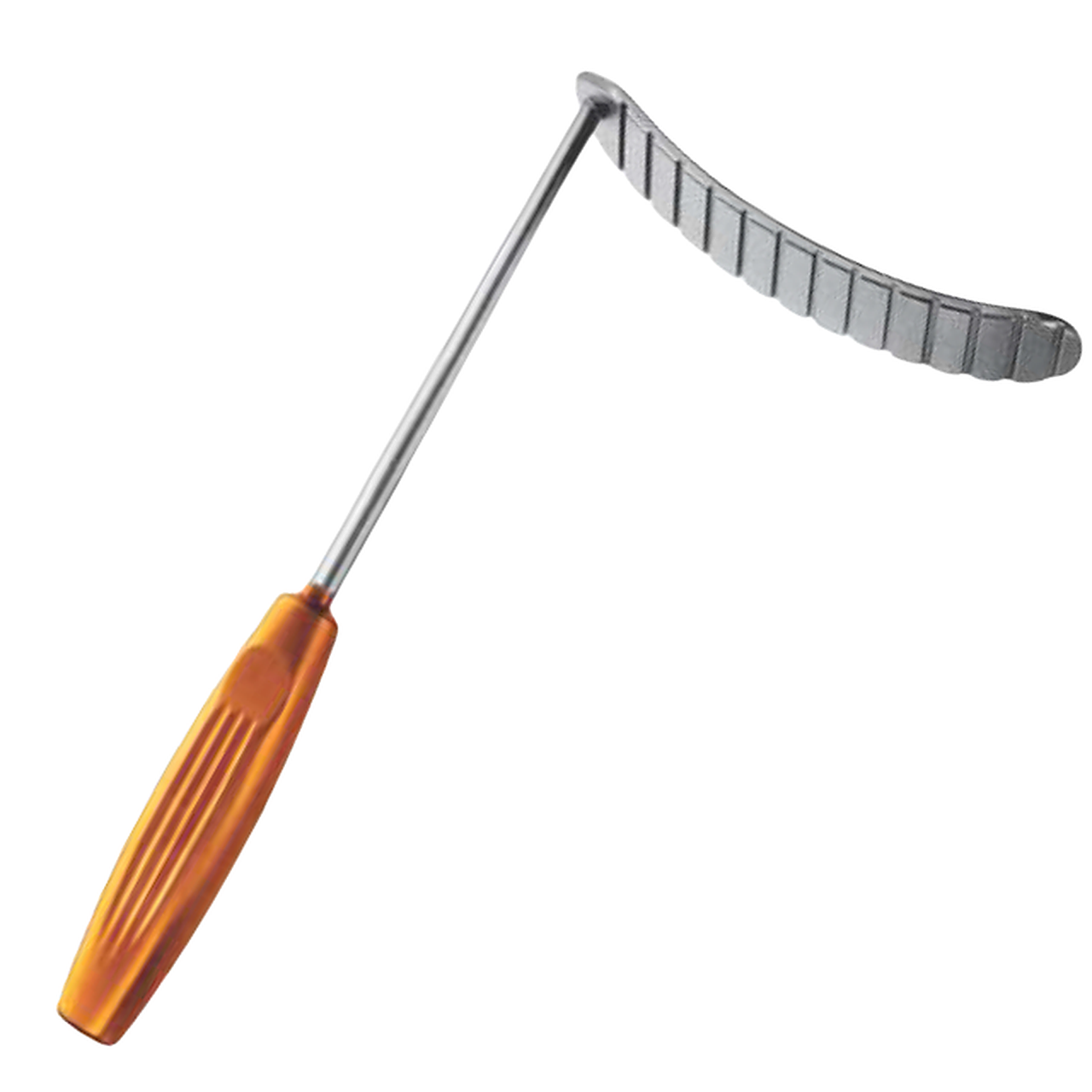 | Ретрактор Marx для пластики молочной железы | Специально разработан для поднятия лоскутов ткани и создания субмускулярных или субгландулярных карманов во время операций на молочной железе. |
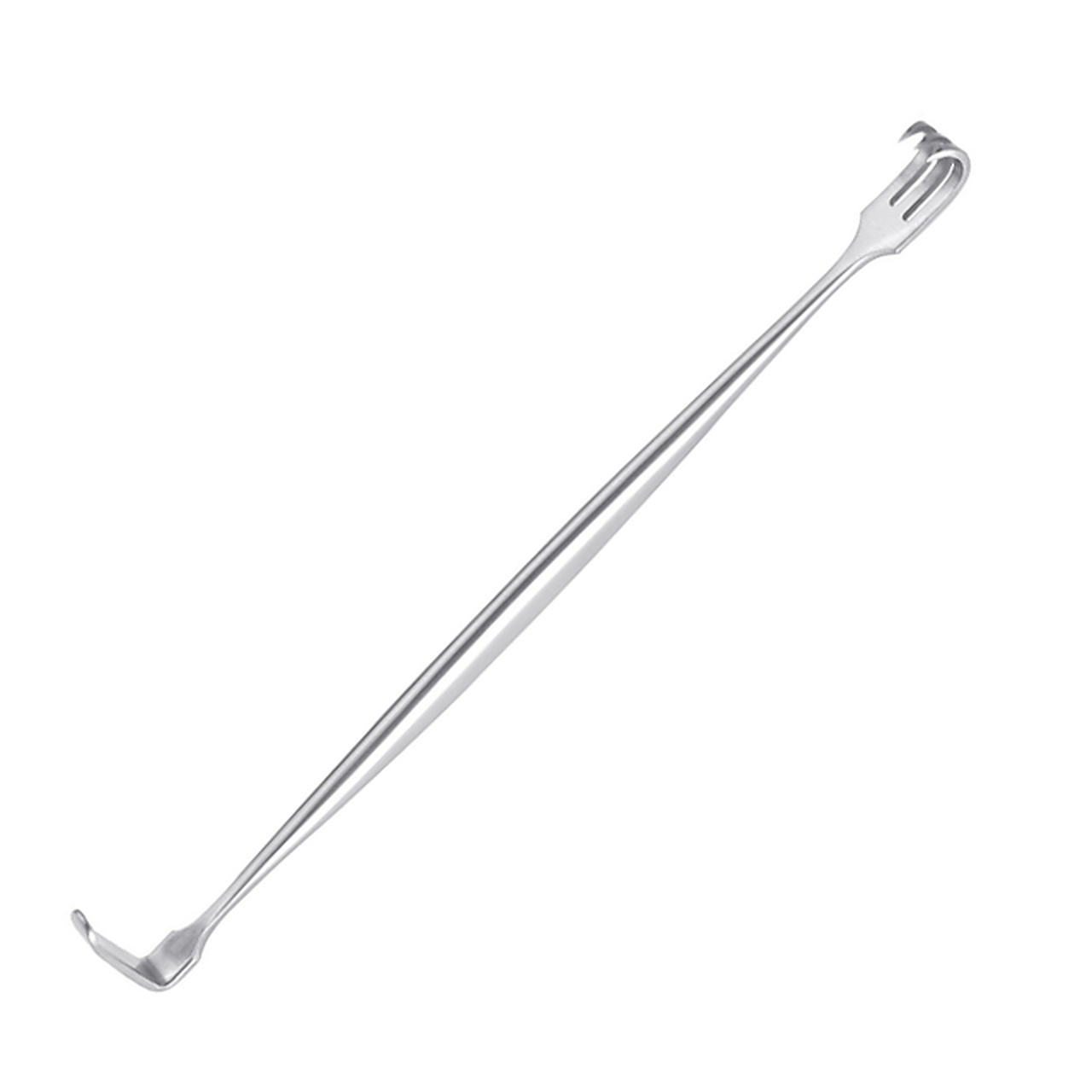 | Ранорасширитель Mathieu Finger Retractor | Специально разработан для ретракции кожных лоскутов, краев кожи и сухожилий во время операций на кисти, пальцах и в пластической хирургии. |
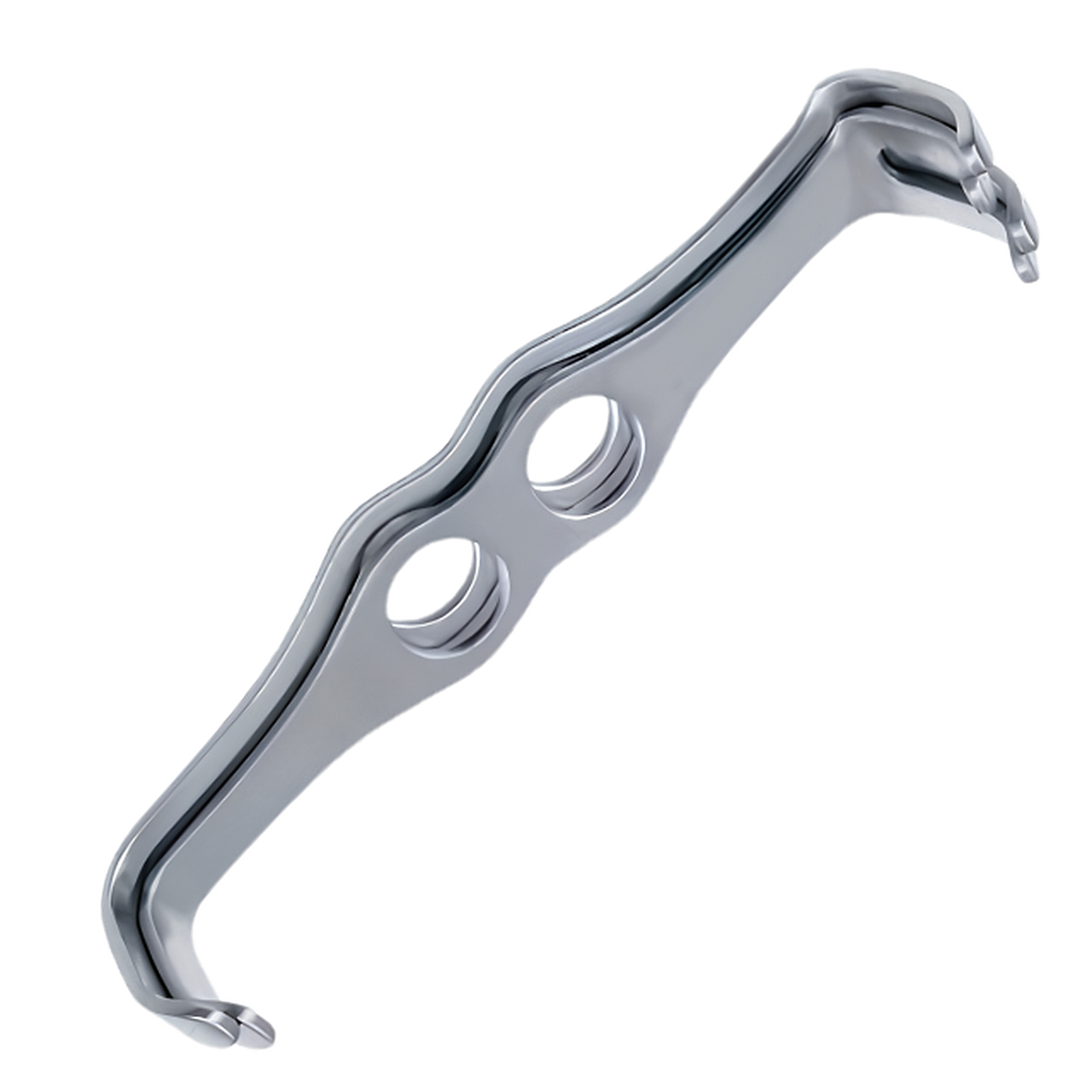 | Ранорасширитель Mathieu Retractor | Специально разработан для ретракции краев кожи, фасций и мягких тканей при поверхностных и средних хирургических разрезах. |
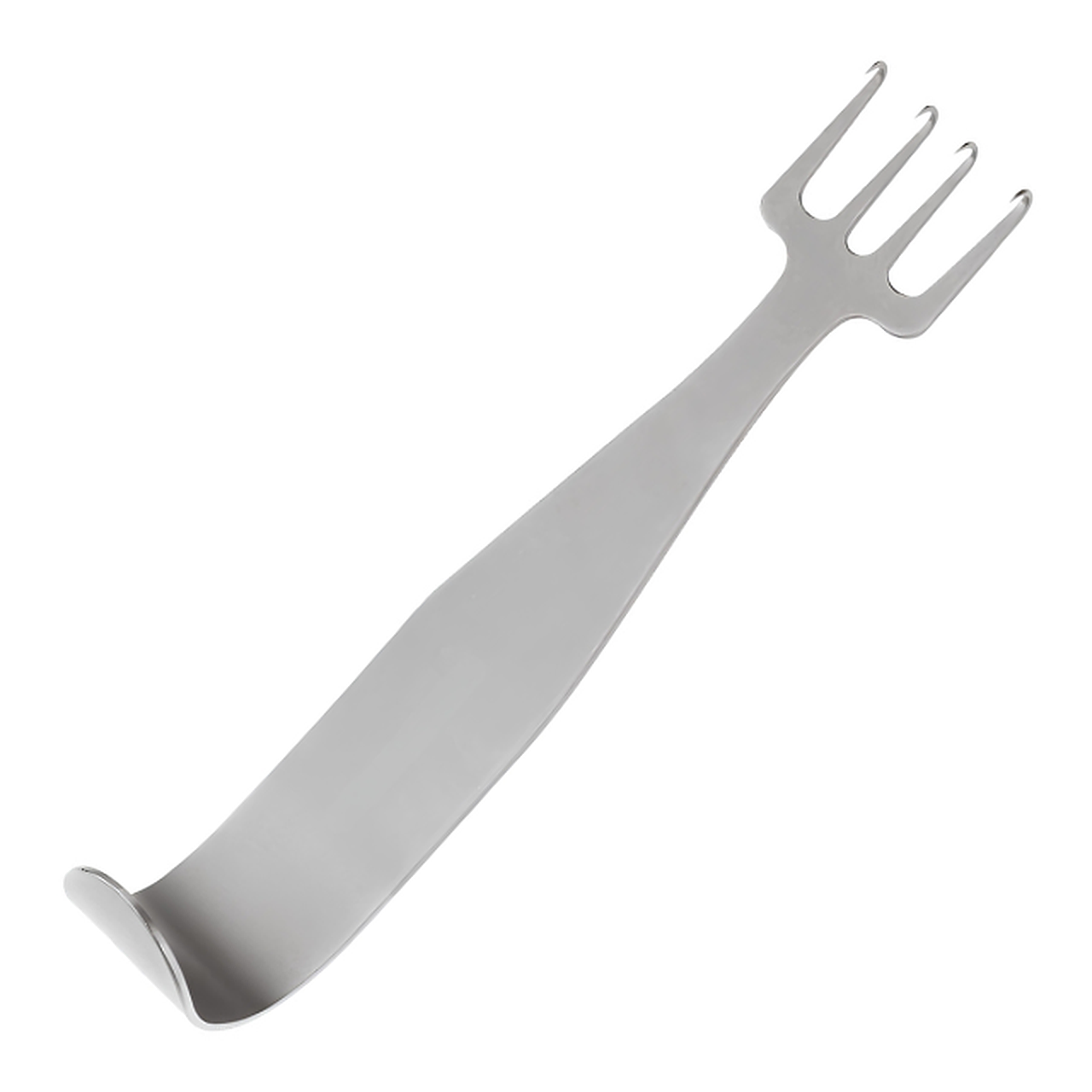 | Ретрактор лоскутный Maxwell | Специально разработан для элевации и ретракции кожных лоскутов и подкожных тканей в пластической, челюстно-лицевой и реконструктивной хирургии. |
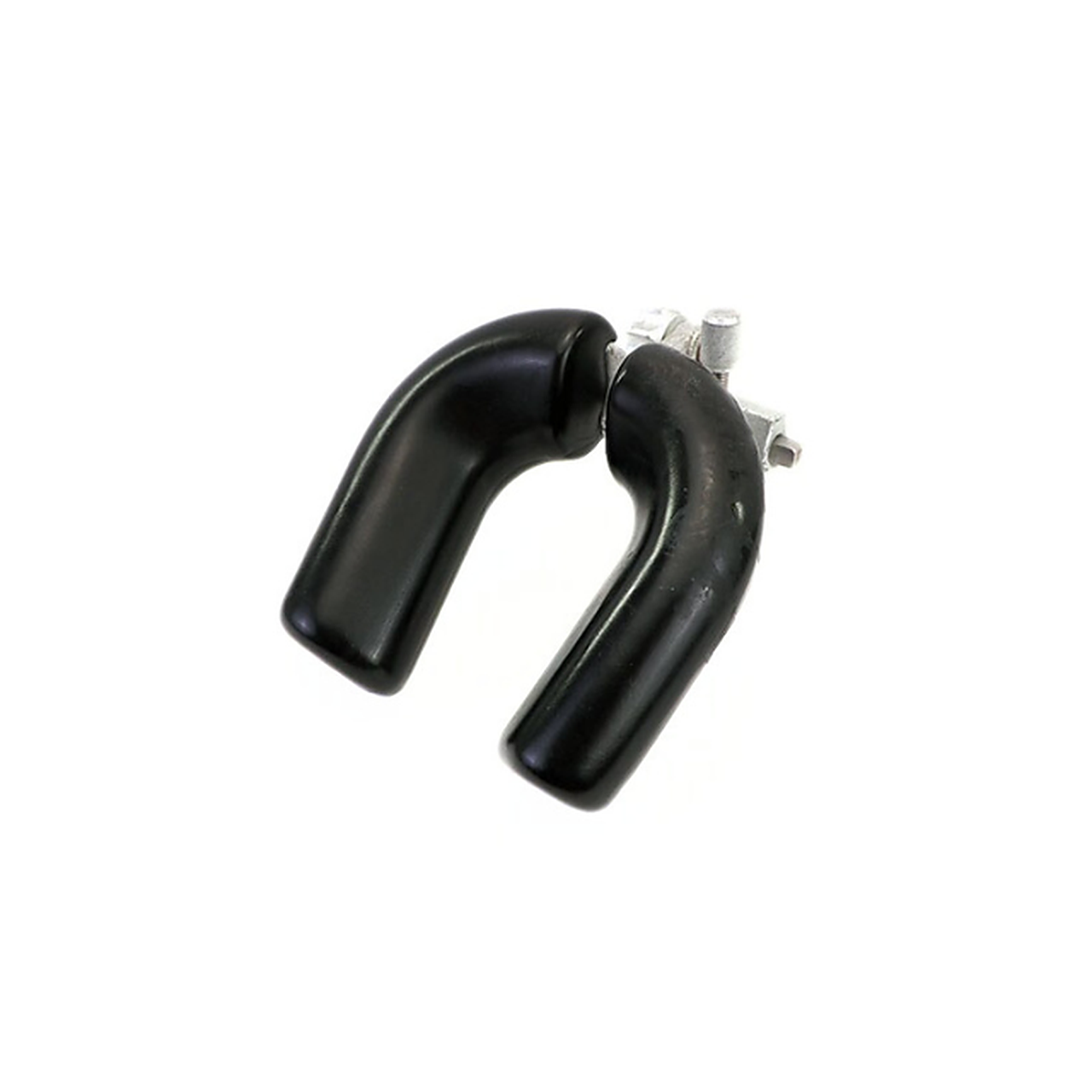 | Подголовник Mayfield Headrest | Специально разработан для обеспечения стабильной неинвазивной поддержки головы и равномерного распределения давления во время нейрохирургических, спинальных, ЛОР- и офтальмологических процедур, когда не требуется жесткая фиксация штифтами. |
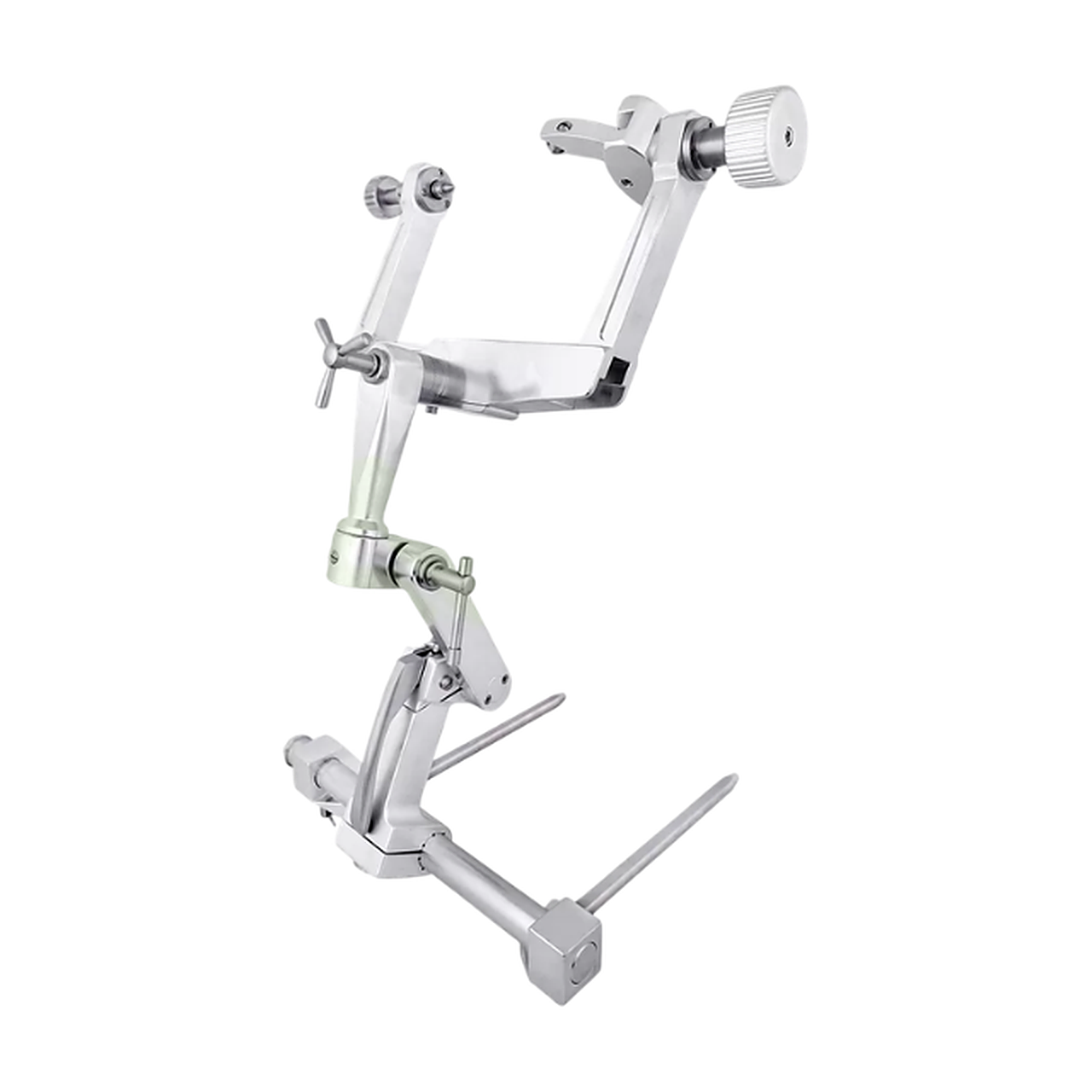 | Черепной фиксатор Mayfield Skull Clamp | Разработан для обеспечения жесткой 3-точечной фиксации черепа и иммобилизации головы во время нейрохирургических, спинальных, ЛОР- и офтальмологических процедур. |
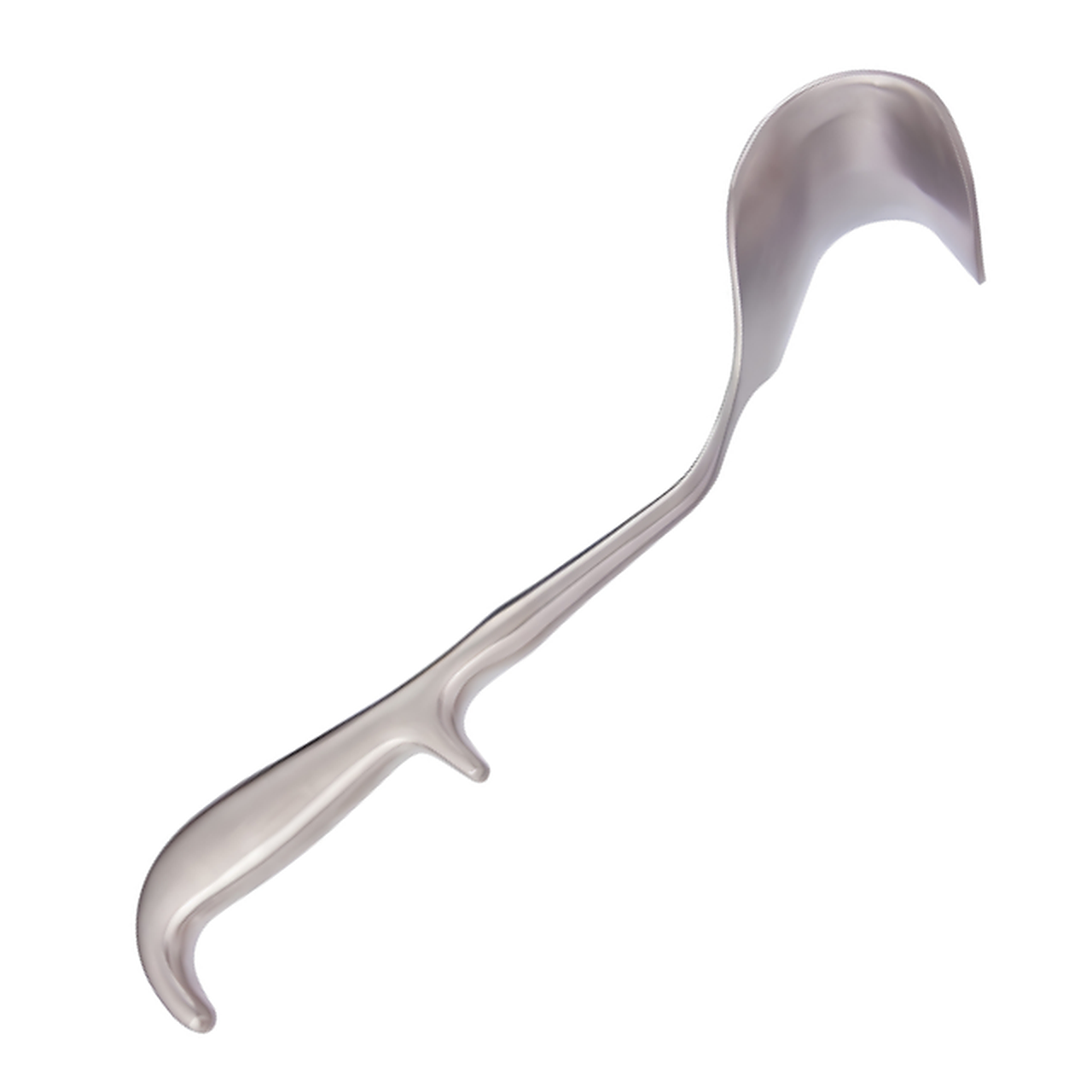 | Брюшной ретрактор Mayo | Специально разработан для ретракции брюшной стенки, внутренних органов и мощной мускулатуры при открытой лапаротомии и операциях на органах малого таза. |
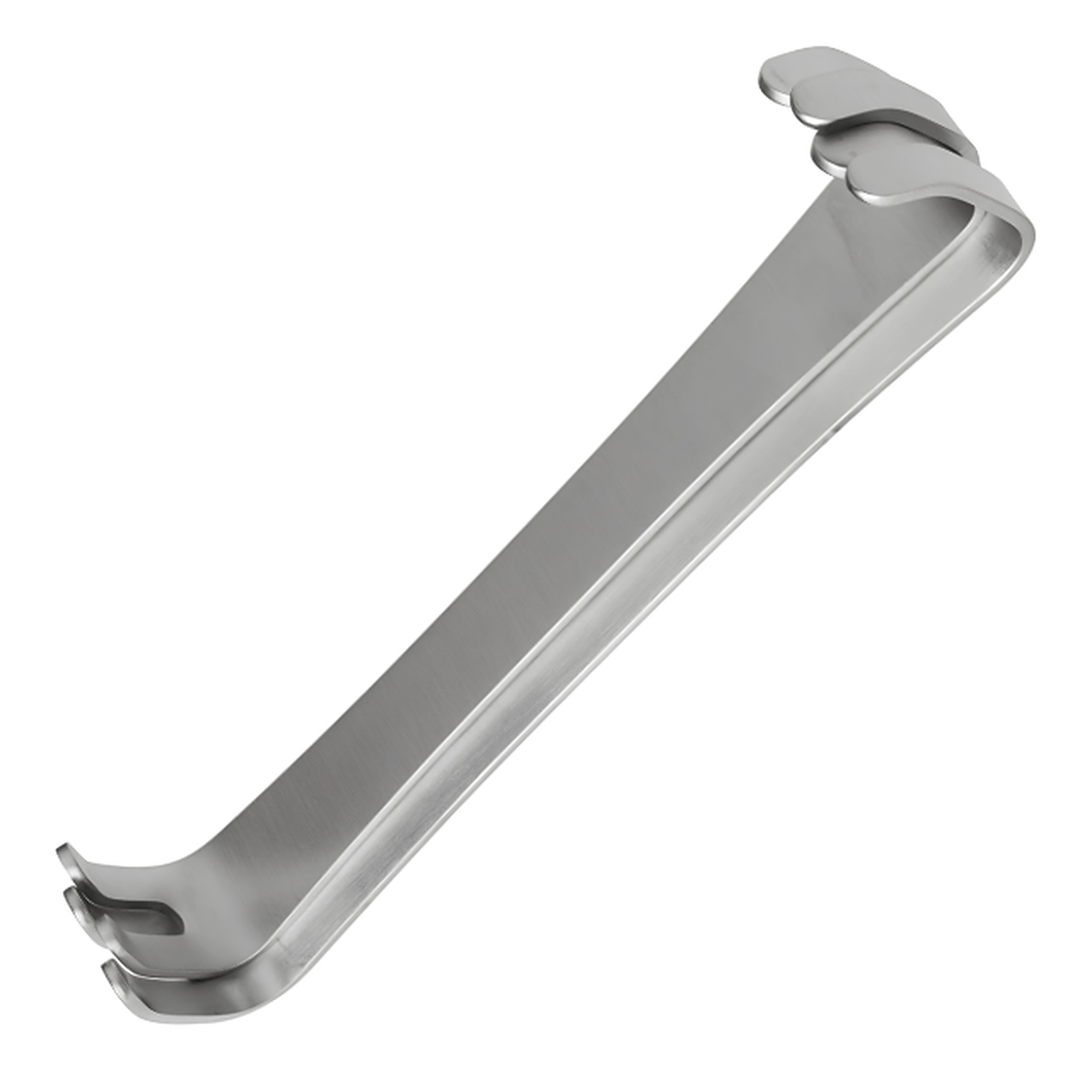 | Ранорасширители Mayo-Collins — комплект из двух штук | Специально разработан для ретракции кожи, фасций и мягких тканей при поверхностных и срединных хирургических разрезах. |
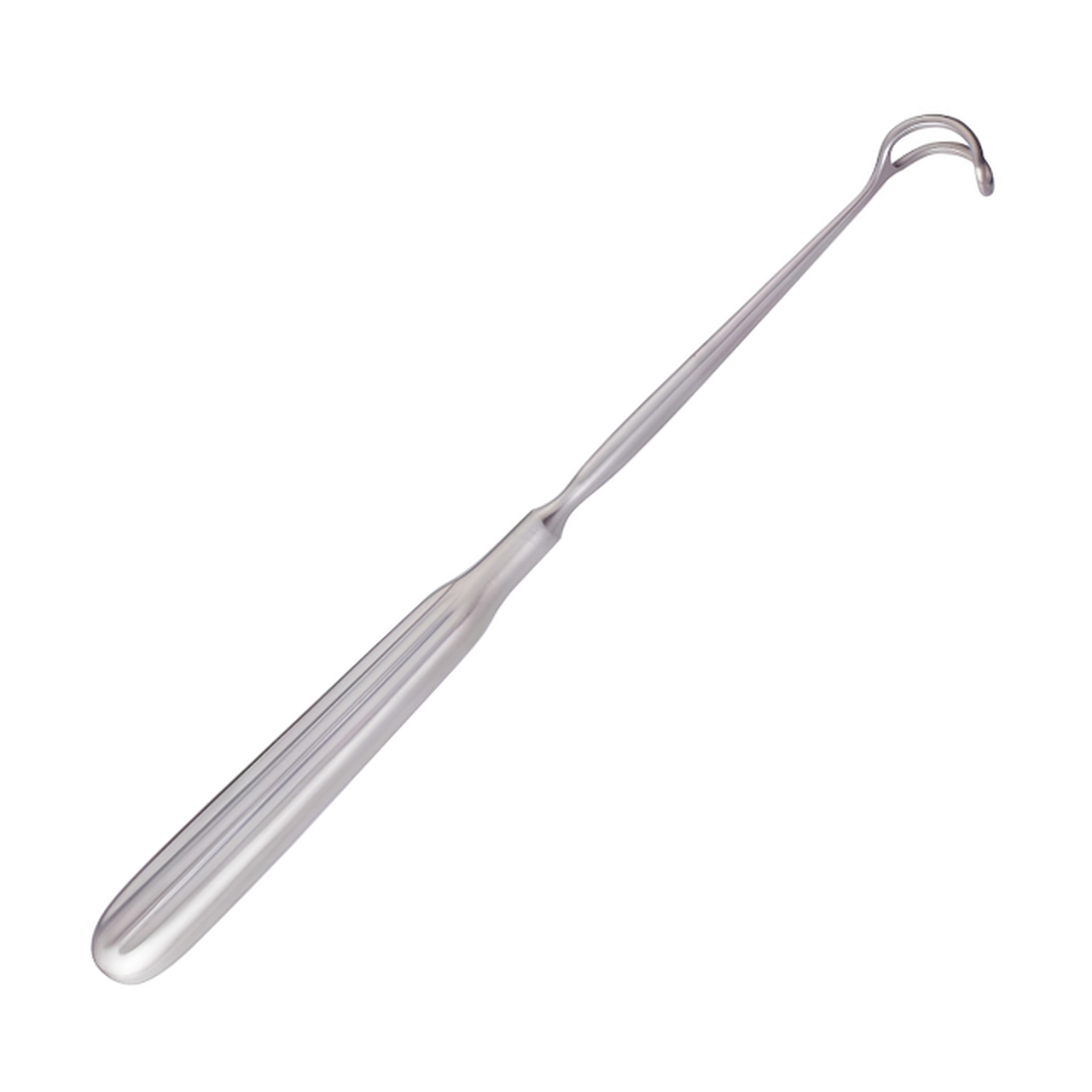 | Ретрактор для щитовидной железы McBurney Thyroid Retractor | Специально разработан для ретракции мышц шеи, шейной фасции и краев раны во время тиреоидэктомии и операций на паращитовидных железах. |
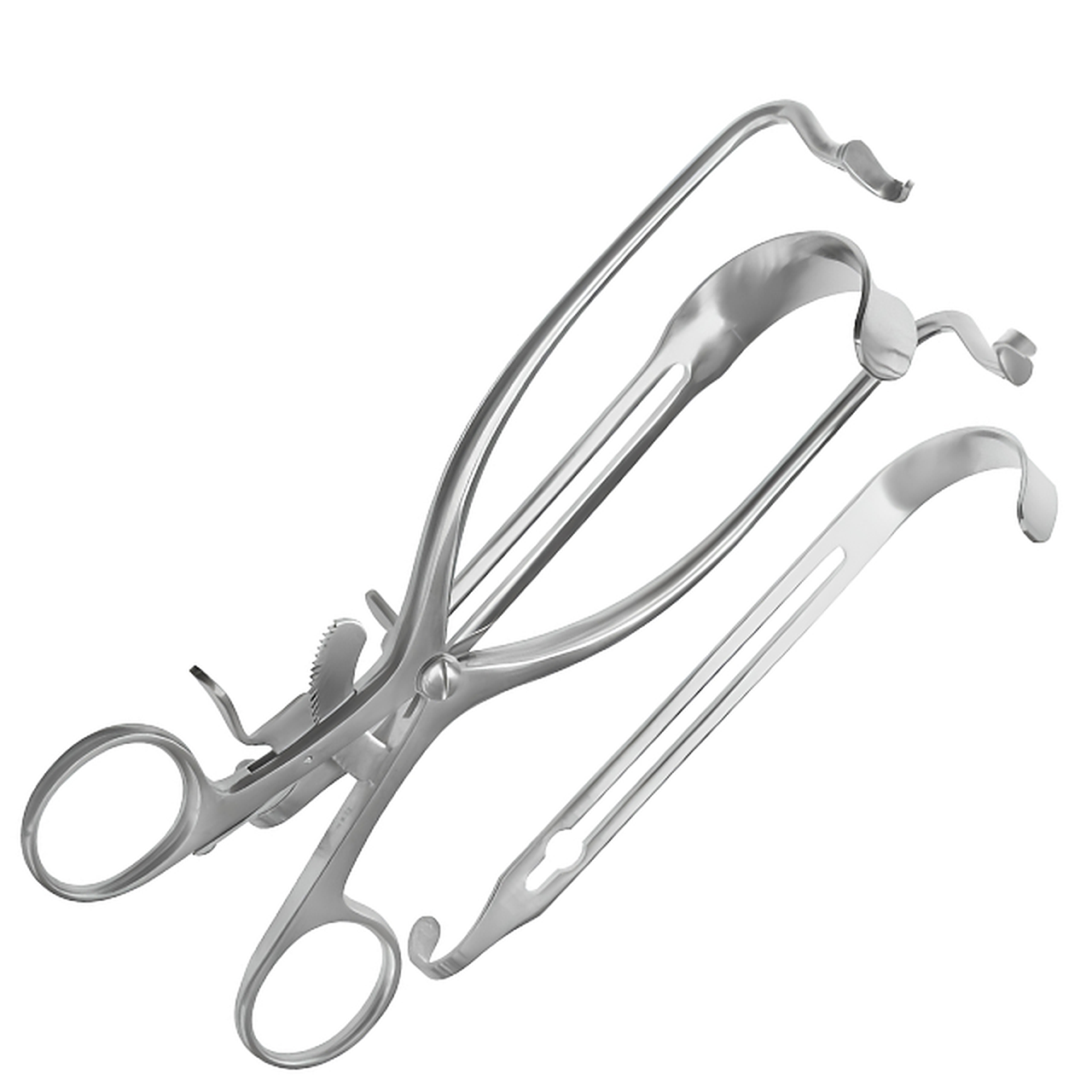 | Ретрактор антральный McCabe Antral Retractor | Специально разработан для ретракции щеки и верхней губы во время операций на верхнечелюстной пазухе и процедур по Колдуэллу-Люку. |
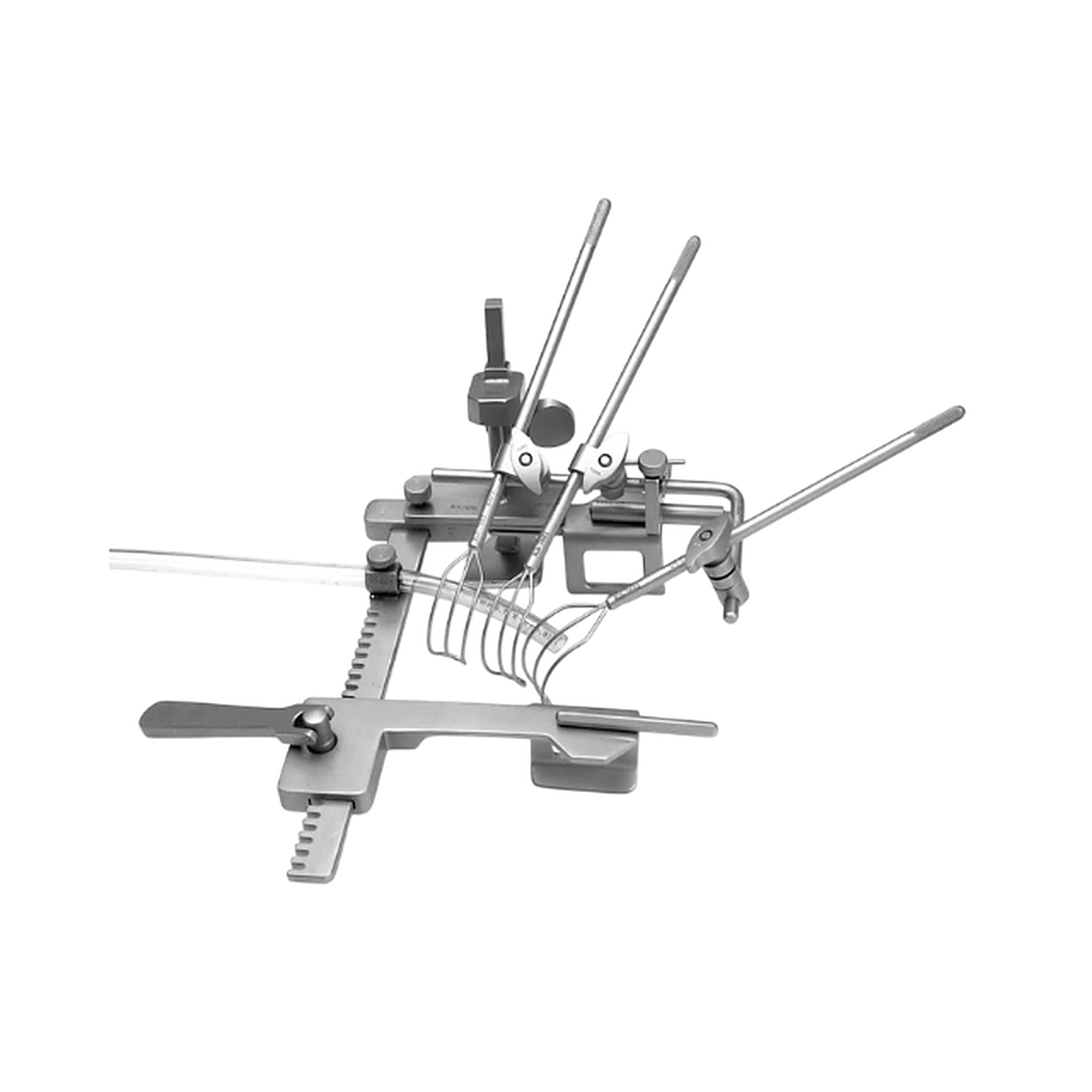 | Ранорасширитель McCarthy Mini-Sternotomy Retractor with Universal Lift | Специально разработан для обеспечения стабильного разведения грудины и элевации ее левого края во время операций на клапанах, процедур Maze, мини-стернотомии и внутрисердечных вмешательств. |
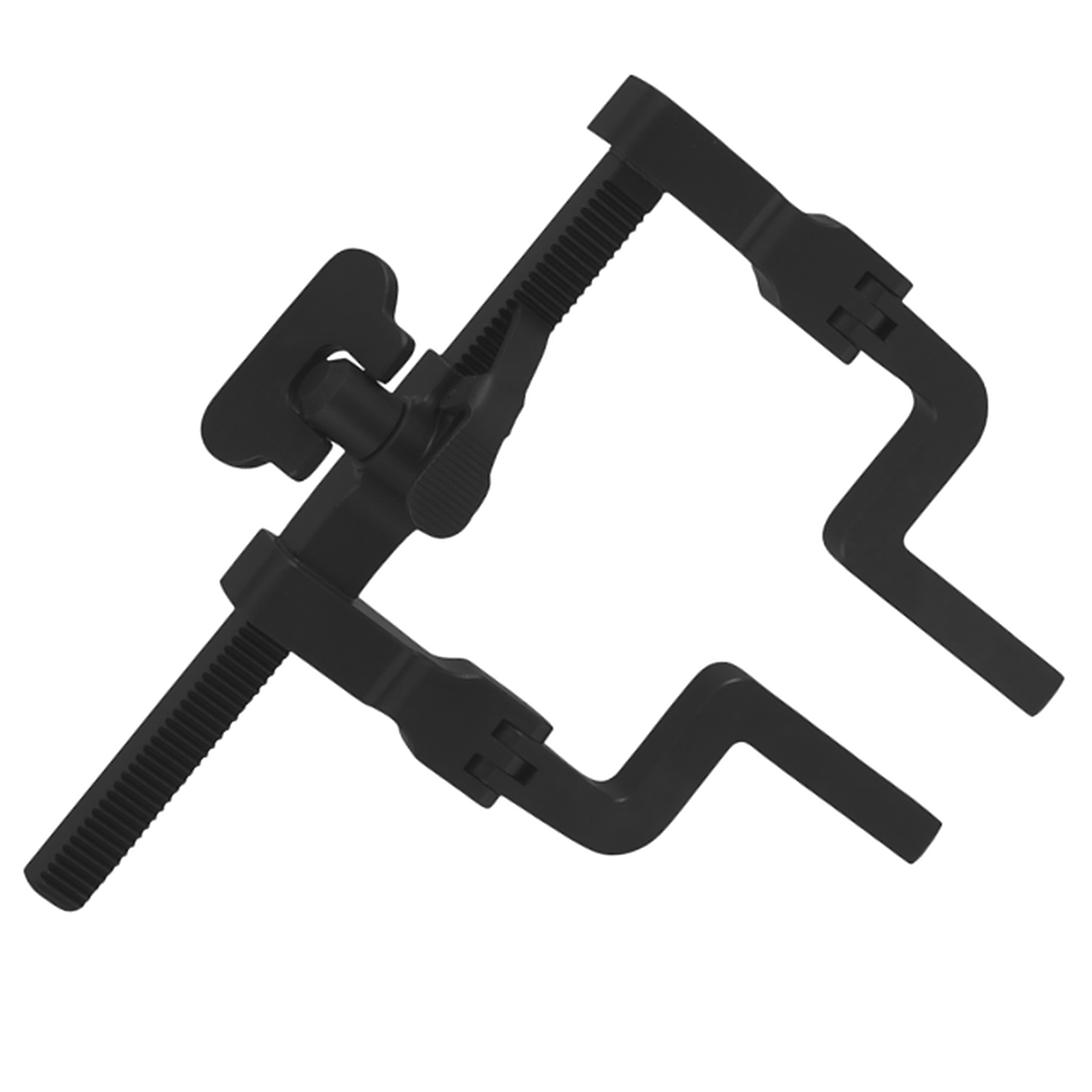 | Рама жесткого ретрактора для микродискэктомии типа McCulloch-Type | Специально разработана в качестве самодержащейся базовой рамы для установки модульных лопаток и крючков при проведении поясничной микродискэктомии. |
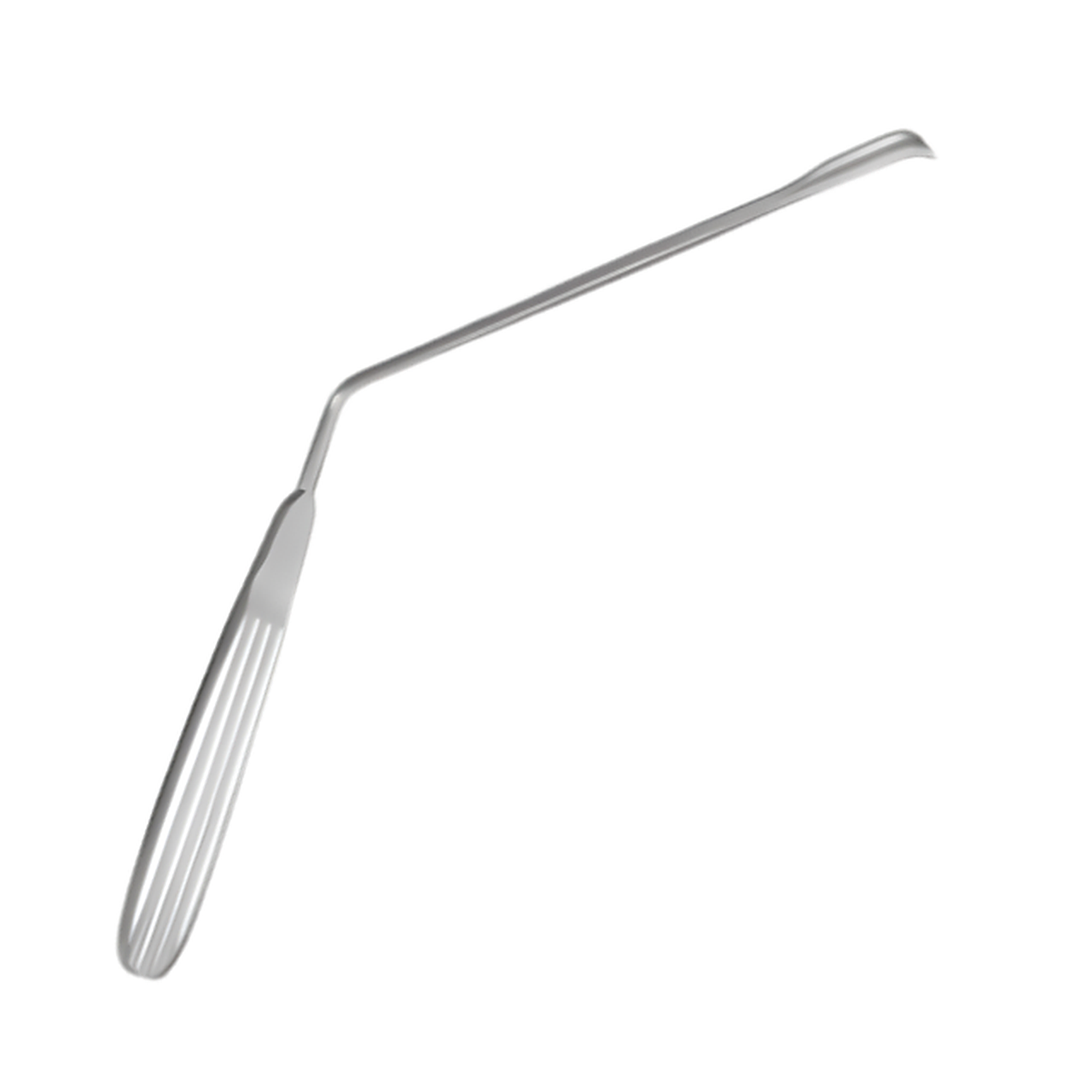 | Ретрактор корешка нерва типа McCulloch-Type | Специально разработан для мобилизации, удержания и защиты спинномозговых корешков и дурального мешка во время микрохирургической поясничной дискэктомии. |
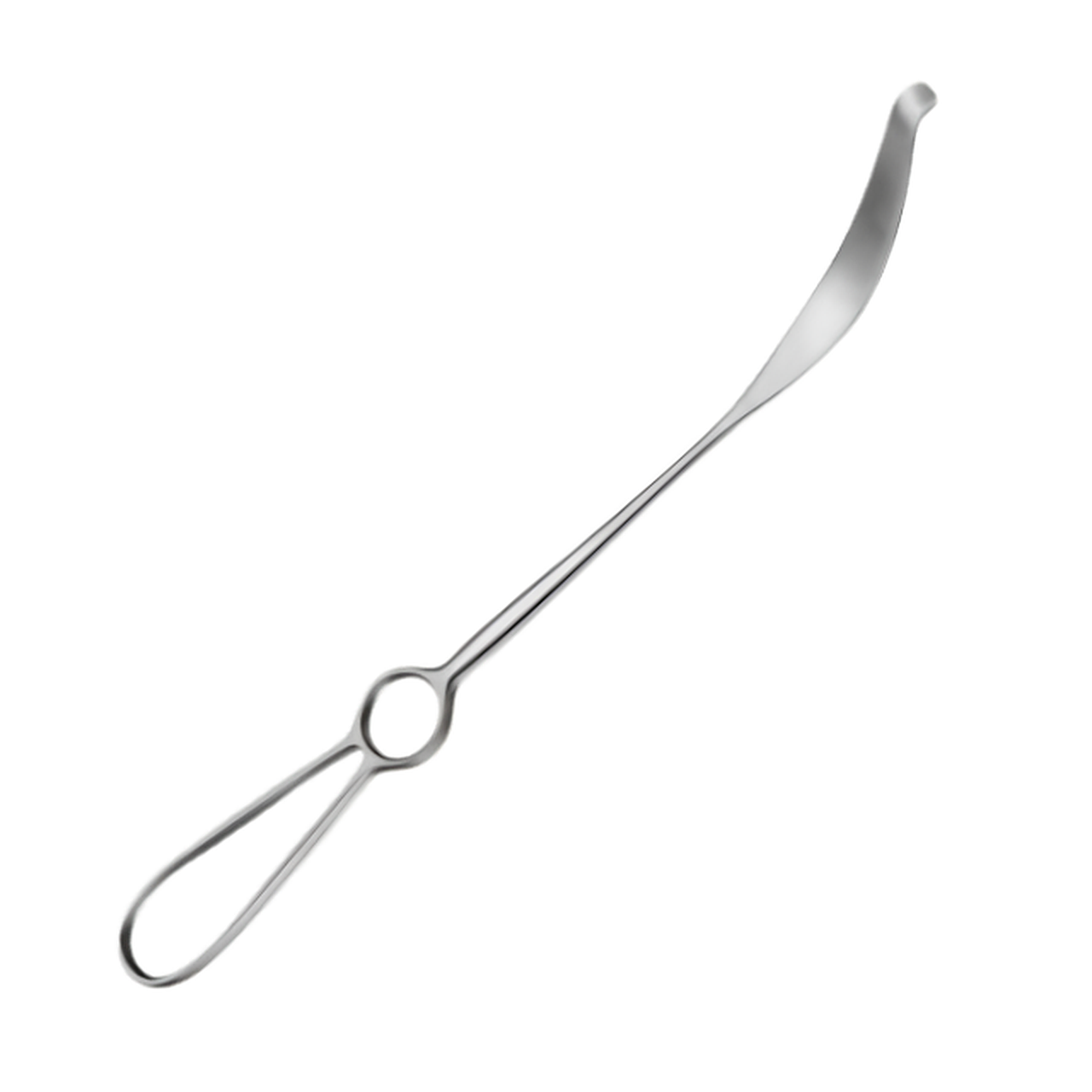 | Распатор-ретикулятор для медиальной ветви челюсти и края орбиты | Специально разработан для ретракции мягких тканей и обнажения кости вдоль медиальной ветви челюсти и края орбиты при краниофациальных процедурах. |
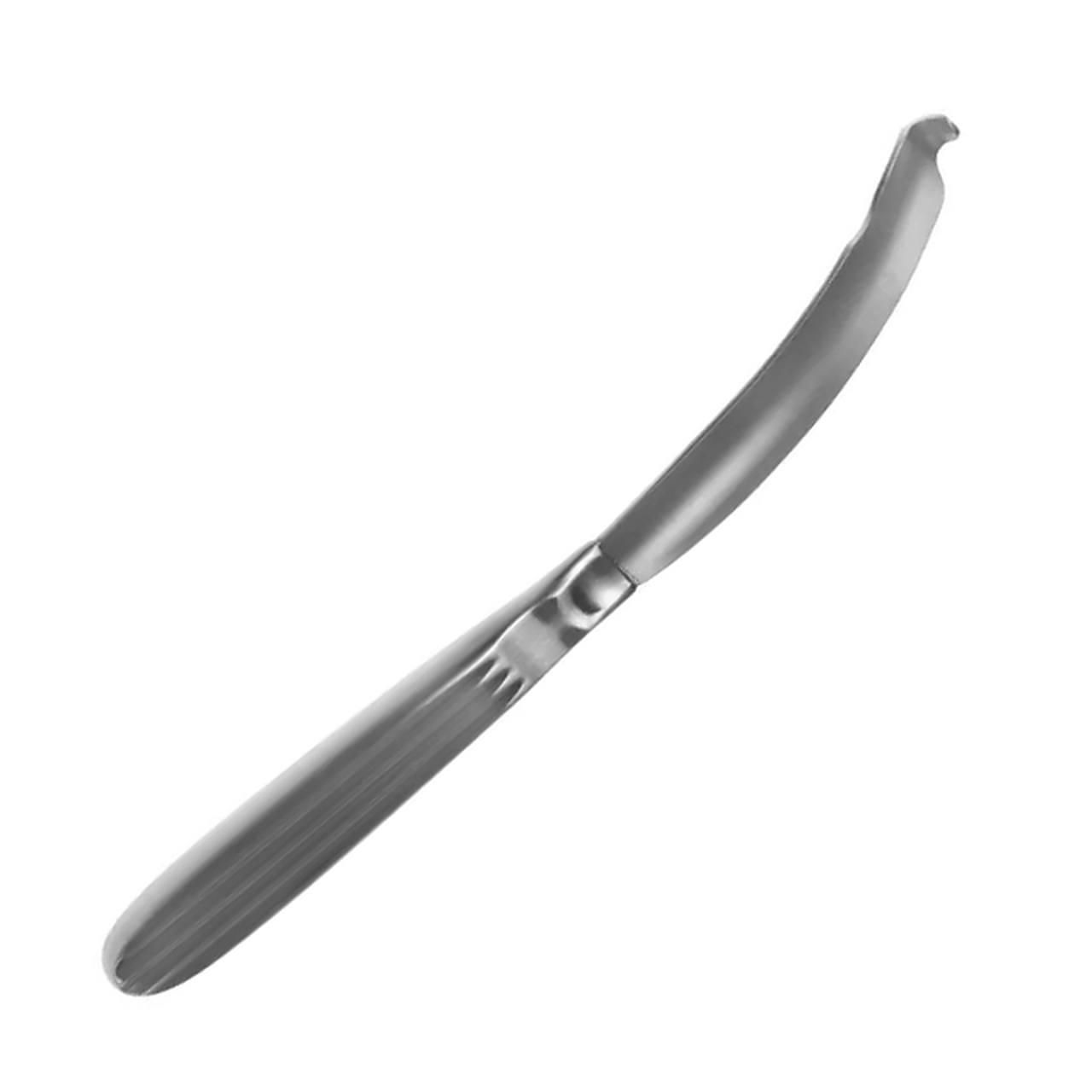 | Распатор-крючок для медиального края ветви нижней челюсти (Medial Ramus Retractor) | Специально разработан для отведения медиальной крыловидной мышцы и защиты нижнего альвеолярного нерва во время сагиттальной сплит-остеотомии ветви нижней челюсти. |
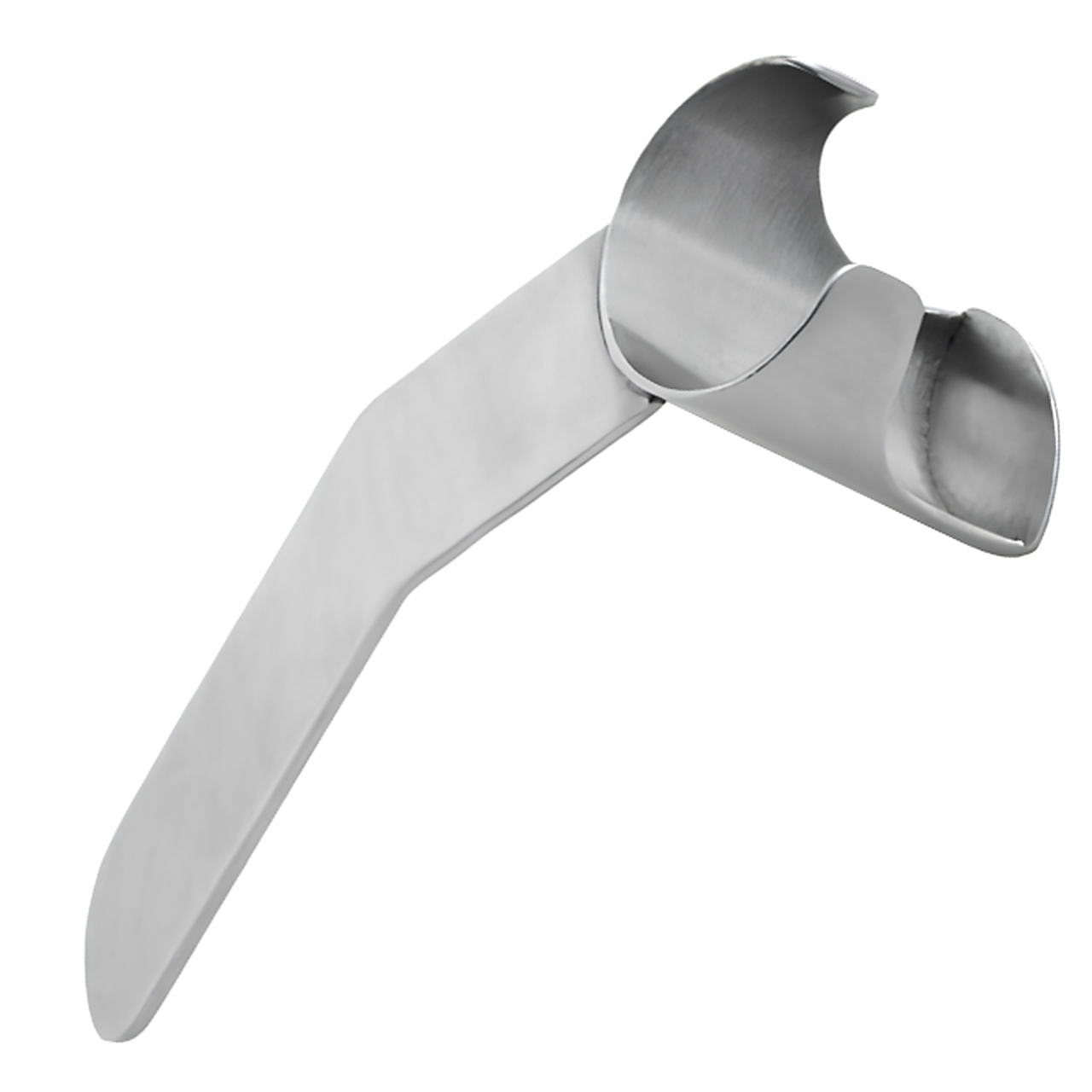 | Ретрактор для шва мениска | Специально разработан для защиты задних сосудисто-нервных структур и отклонения игл во время артроскопического восстановления мениска. |
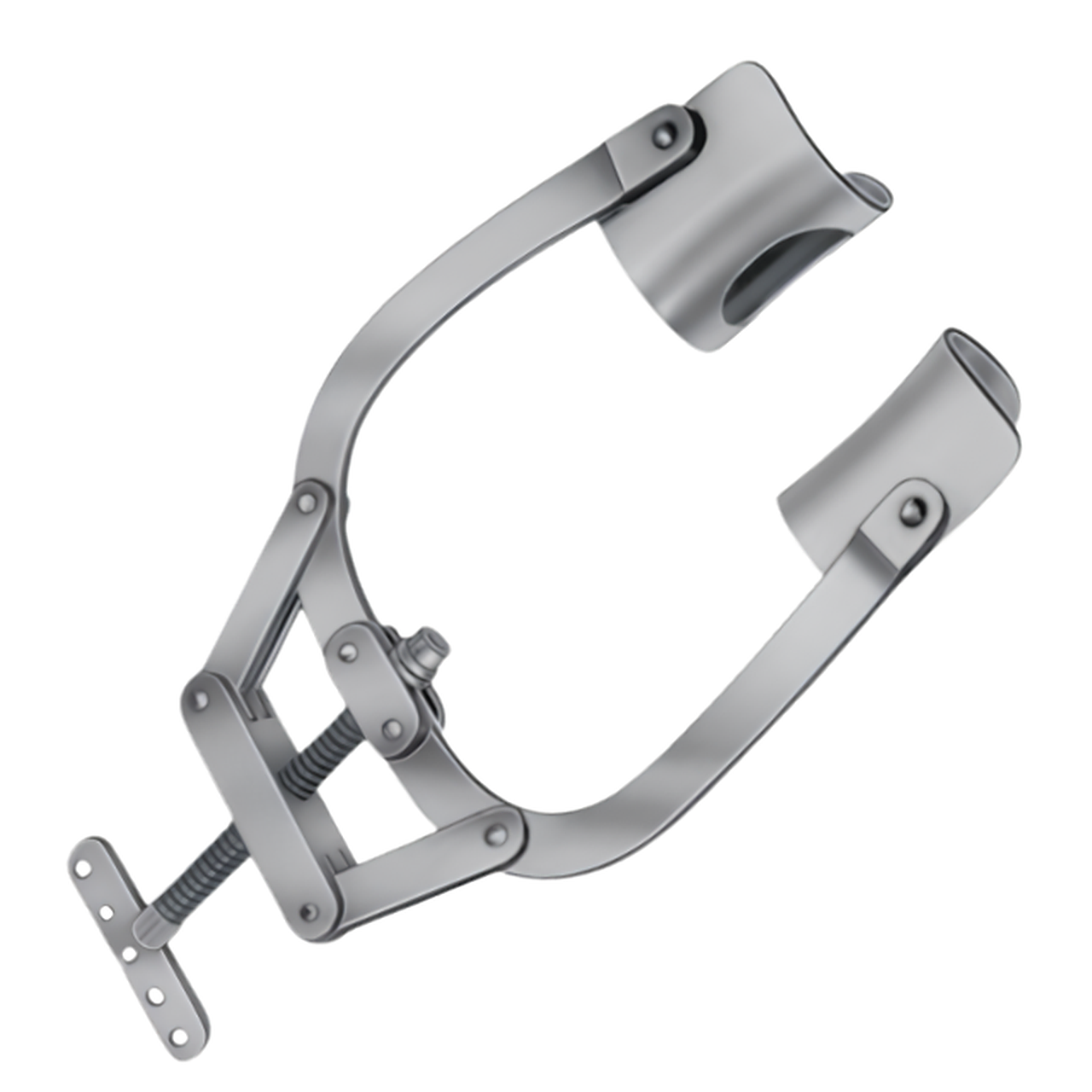 | Торакальный ранорасширитель Mercedes | Специально разработан для создания комбинированного механического усилия при разведении ребер и грудной стенки во время торакальных операций. |
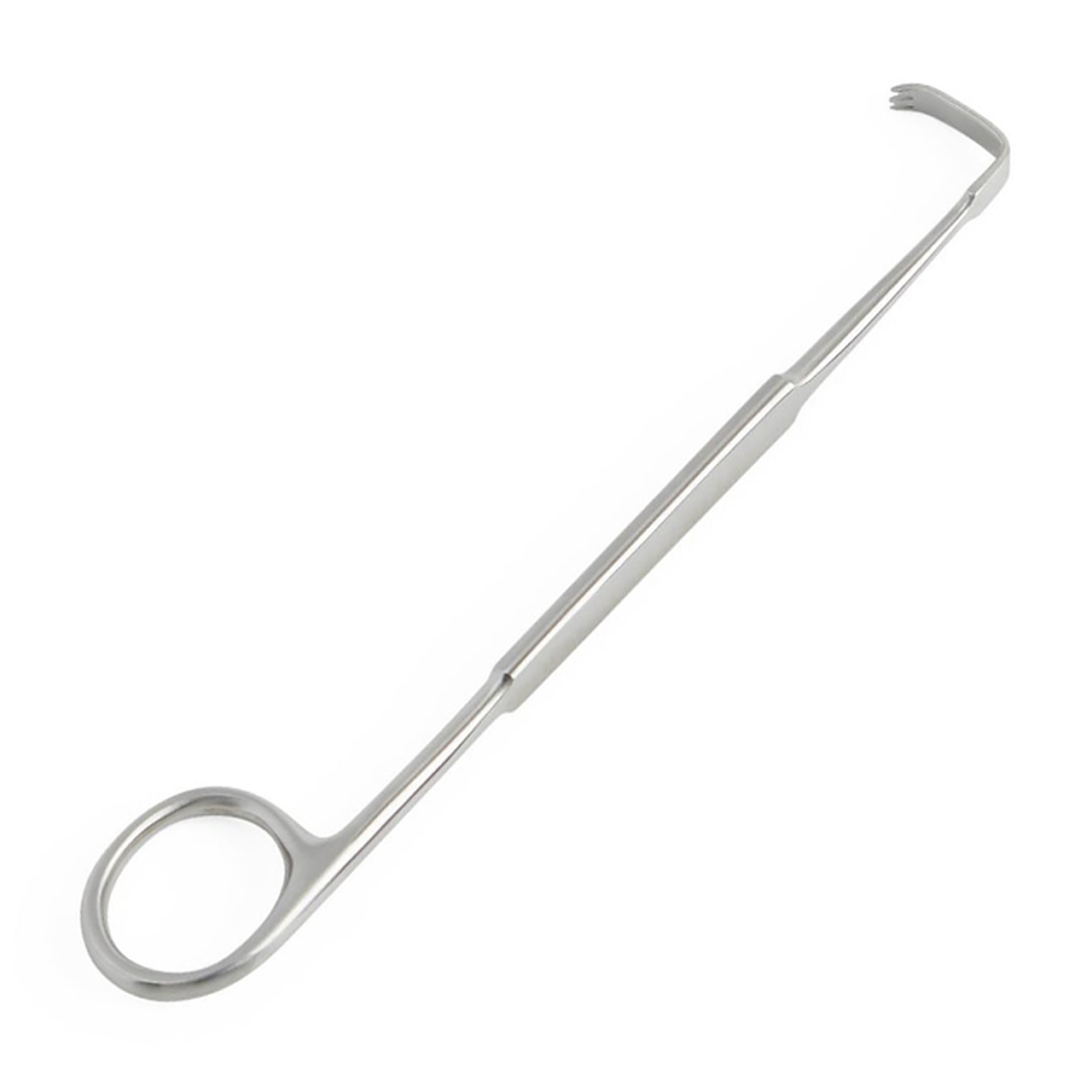 | Пальцевой ретрактор Meyerding Finger Retractor | Специально разработан для ретракции кожных лоскутов, сухожилий пальцев и деликатных мягких тканей при операциях на кисти, пластических и малых хирургических вмешательствах. |
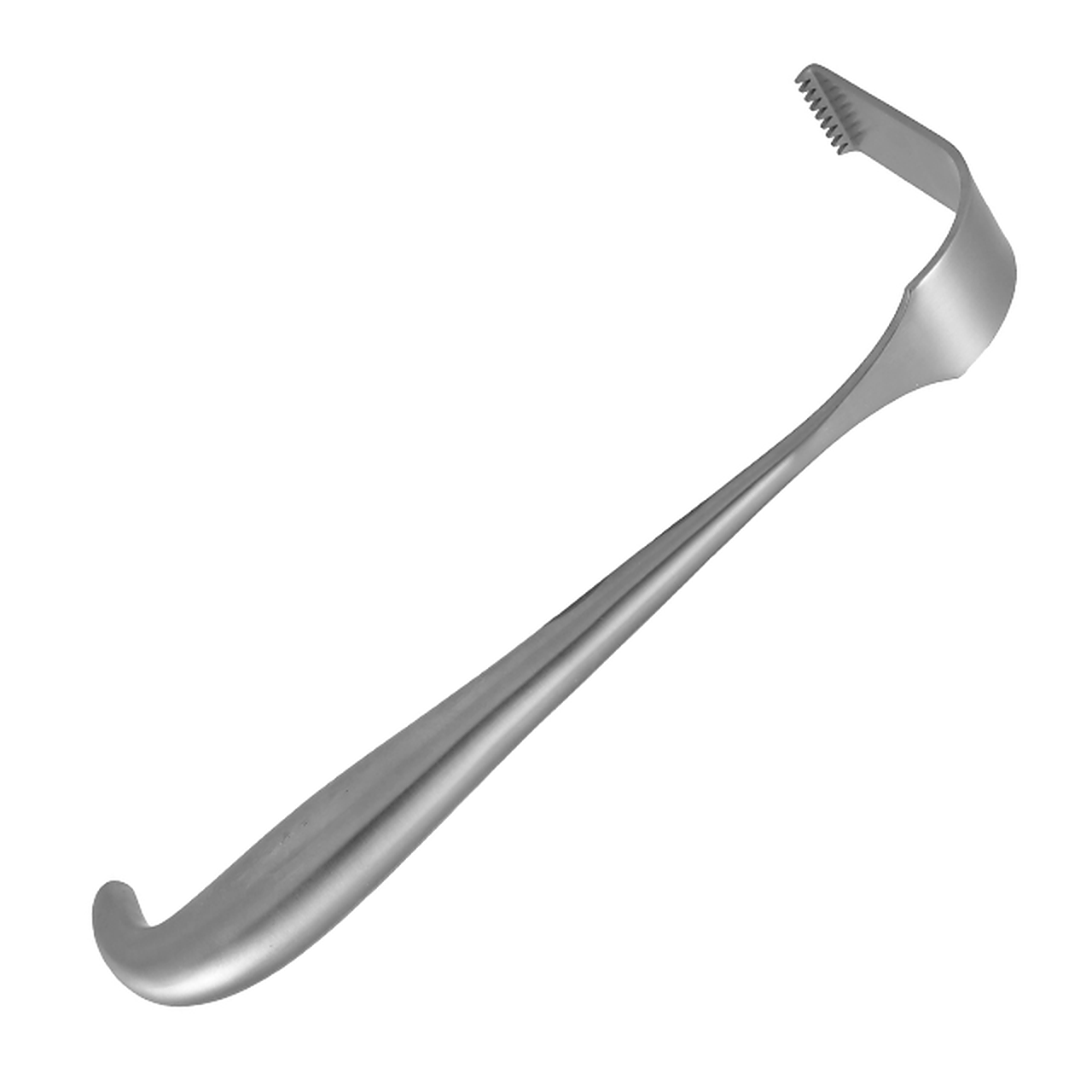 | Ранорасширитель Meyerding Retractor | Специально разработан для ретракции мощных параспинальных мышц и глубоких мягких тканей во время ламинэктомии и ортопедических операций. |
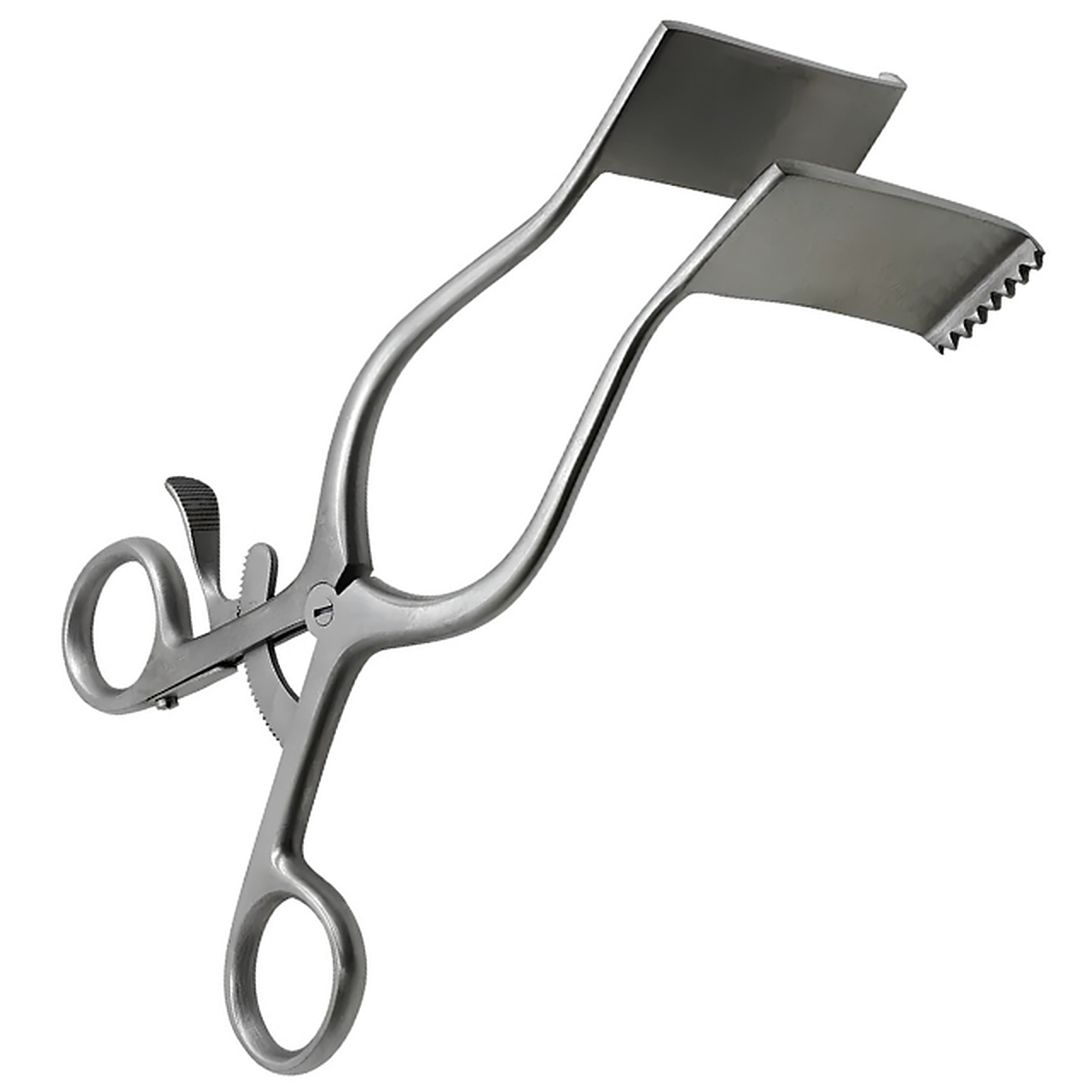 | Ранорасширитель Meyerding Retractor with Ratchet | Специально разработан для самодержащейся ретракции параспинальных мышц и анкерной фиксации на кости при спинальной ламинэктомии. |
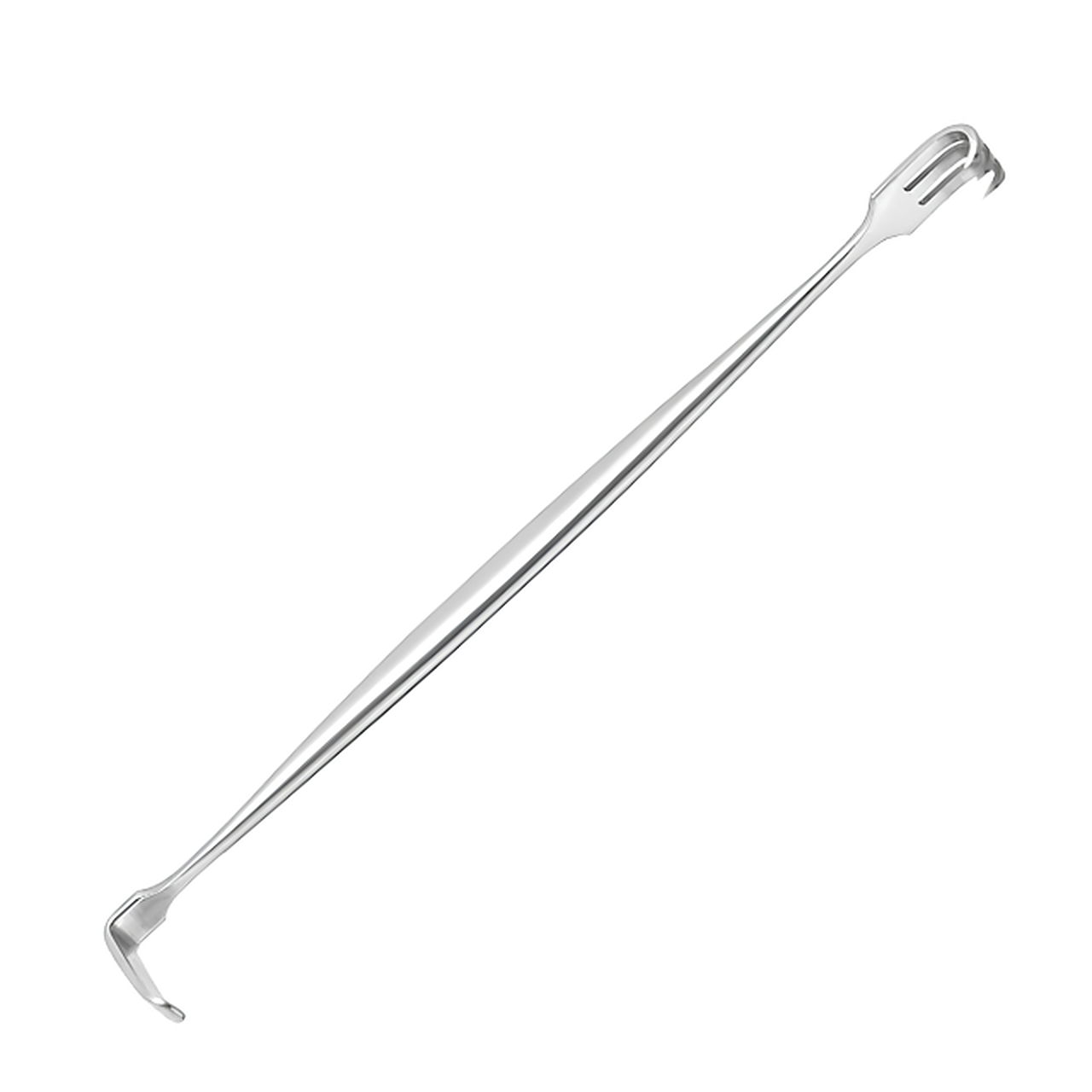 | Крючок-ретрактор для кожи Meyerding | Специально разработан для поднятия деликатных краев кожи и ретракции мягких тканей во время пластических, реконструктивных и малых хирургических операций. |
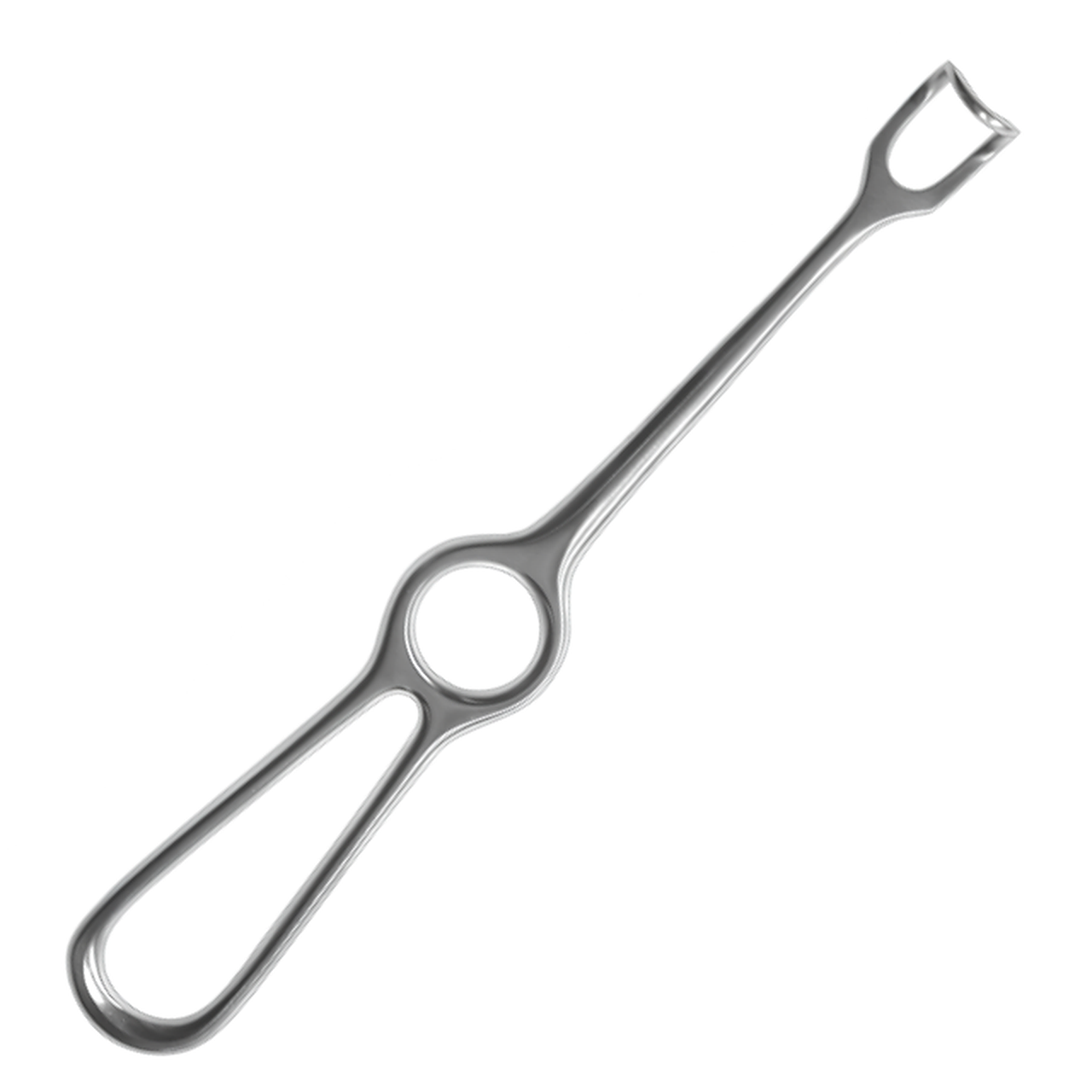 | Ранорасширитель Middledorpf Retractor | Специально разработан для ретракции мышечных слоев, фасций и мягких тканей с сохранением визуального контроля в глубоких операционных ранах. |
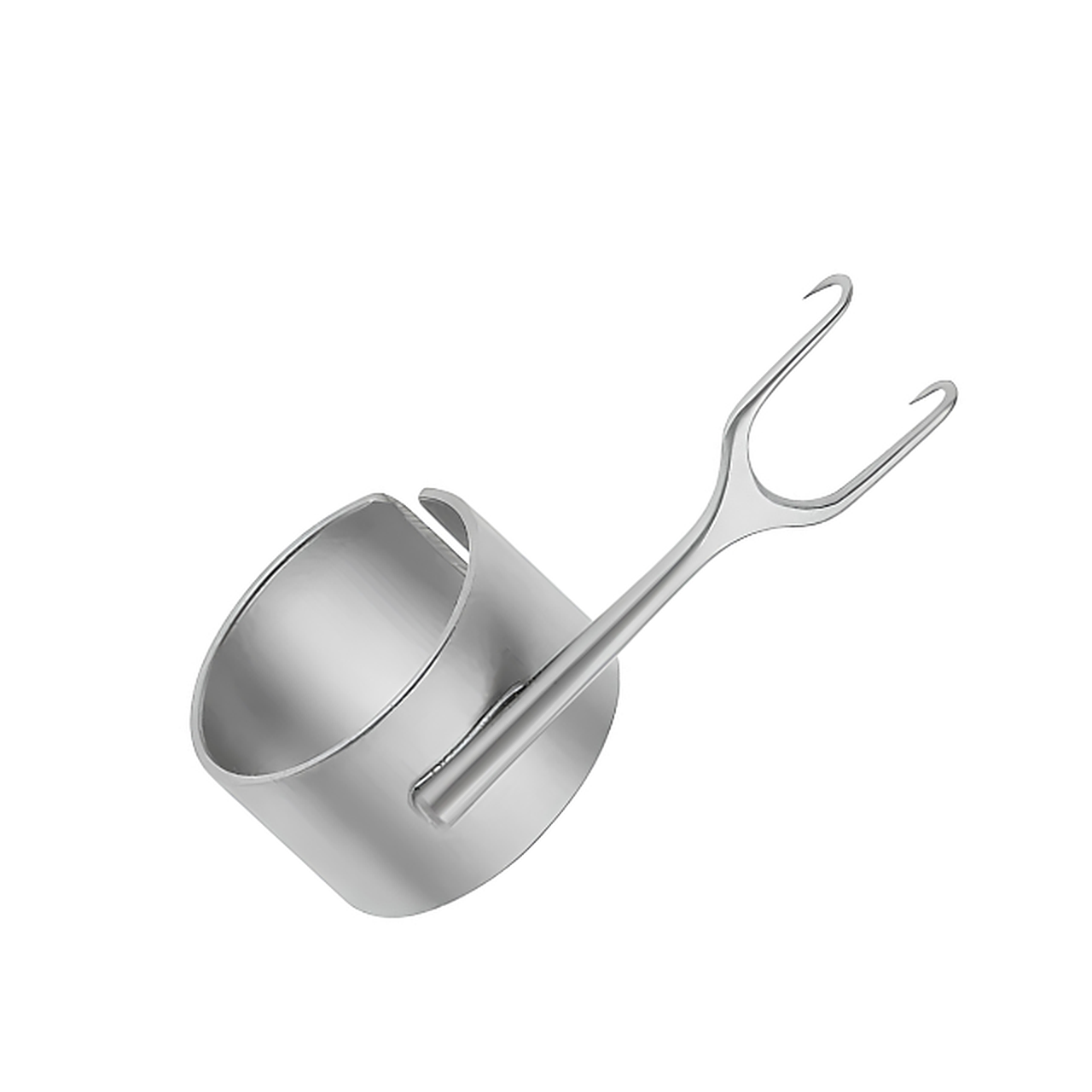 | Ретрактор Millard Cottle Retractor with Finger Ring с кольцом для пальца | Специально разработан для ретракции крыла носа и нижнего латерального хряща во время ринопластики и коррекции носа при расщелине губы. |
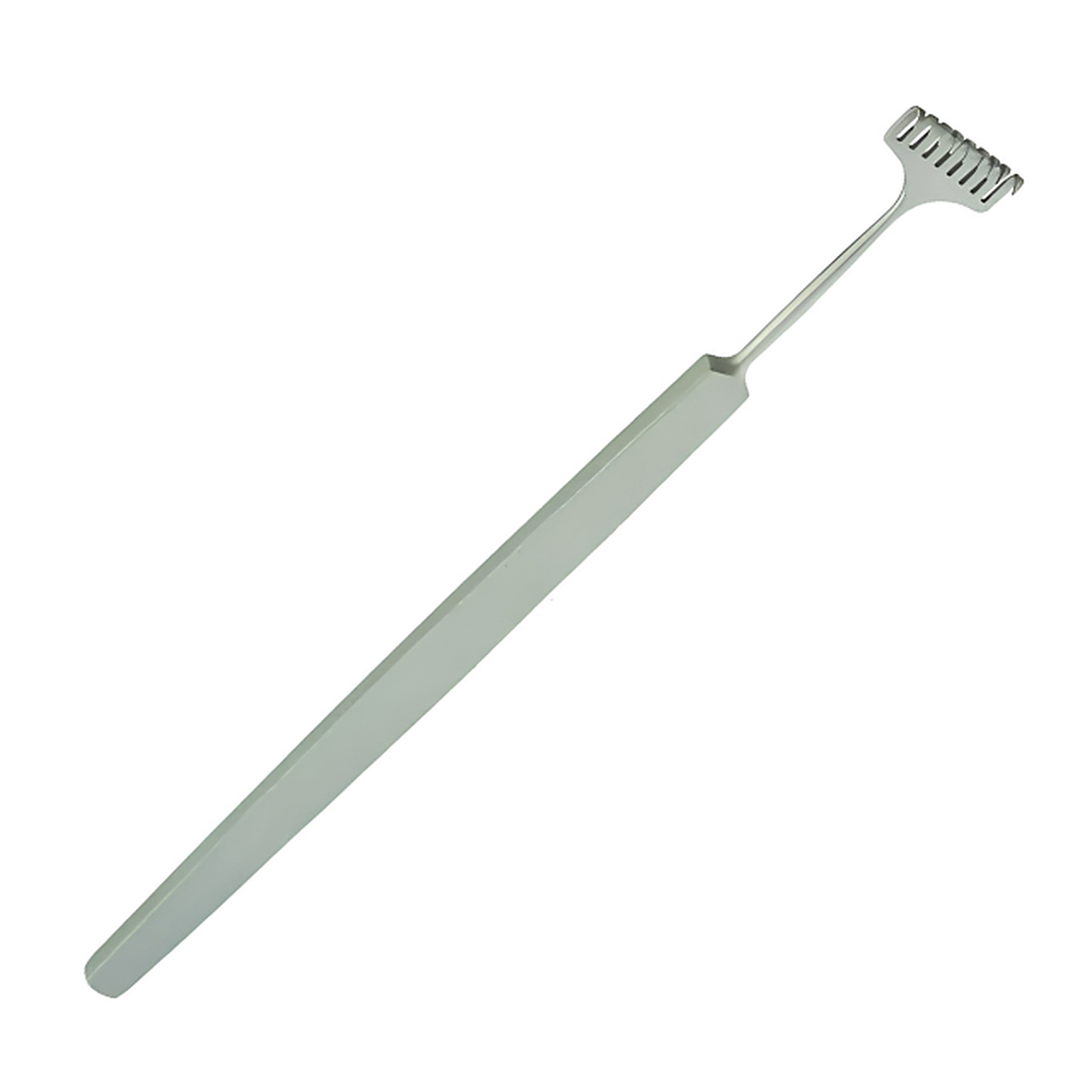 | Ретрактор Miller Rake | Специально разработан для поднятия кожных лоскутов и ретракции подкожной клетчатки в пластической, дерматологической и реконструктивной хирургии. |
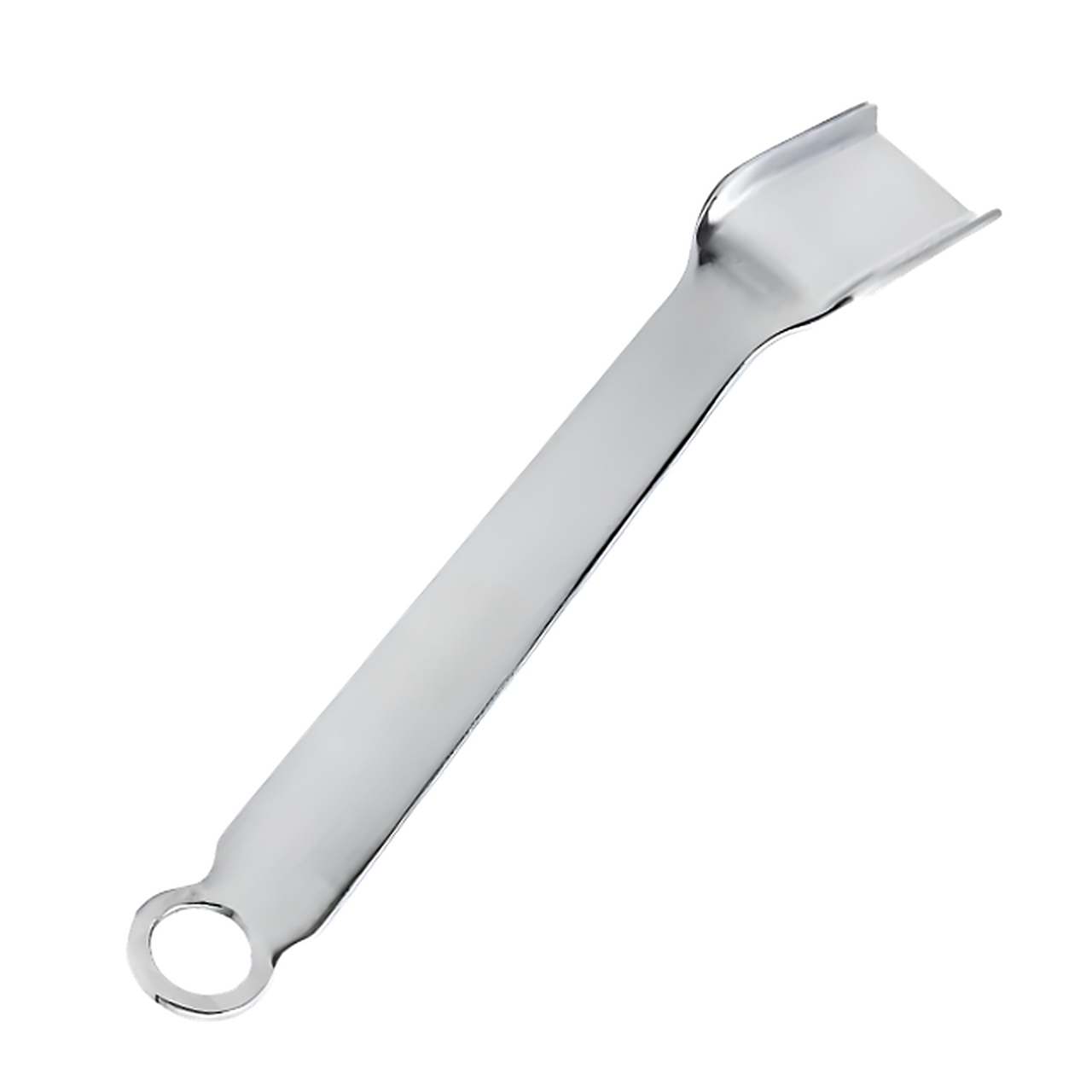 | Ретракторы для малоинвазивного эндопротезирования коленного сустава | Специально разработаны для рычажной фиксации кости и ретракции мягких тканей через малые разрезы во время малоинвазивного эндопротезирования коленного сустава. |
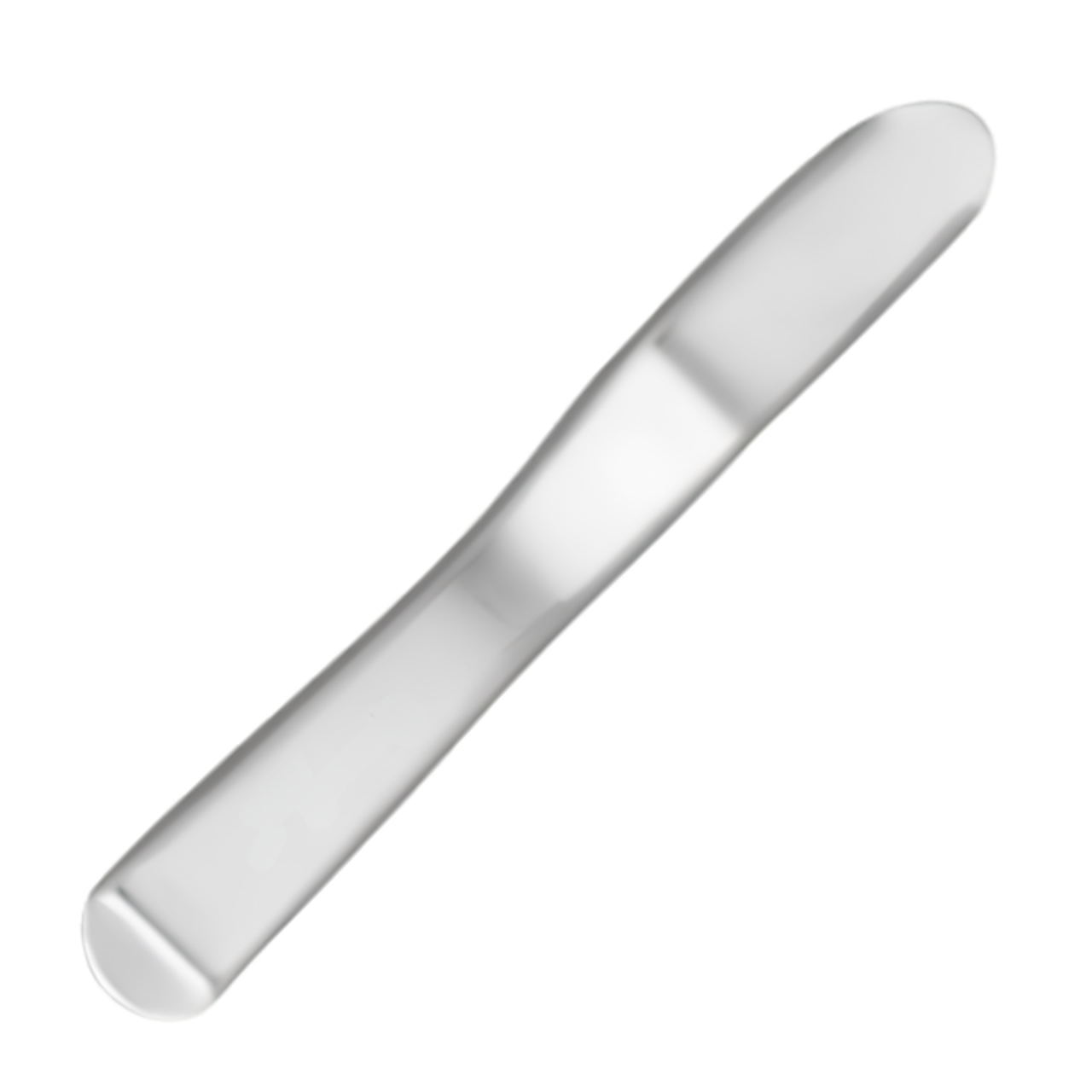 | Ротовой ретрактор Minnesota Retractor | Специально разработан для ретракции щек, губ и языка с целью обнажения альвеолярного отростка и зубного ряда при проведении операций в ротовой полости. |
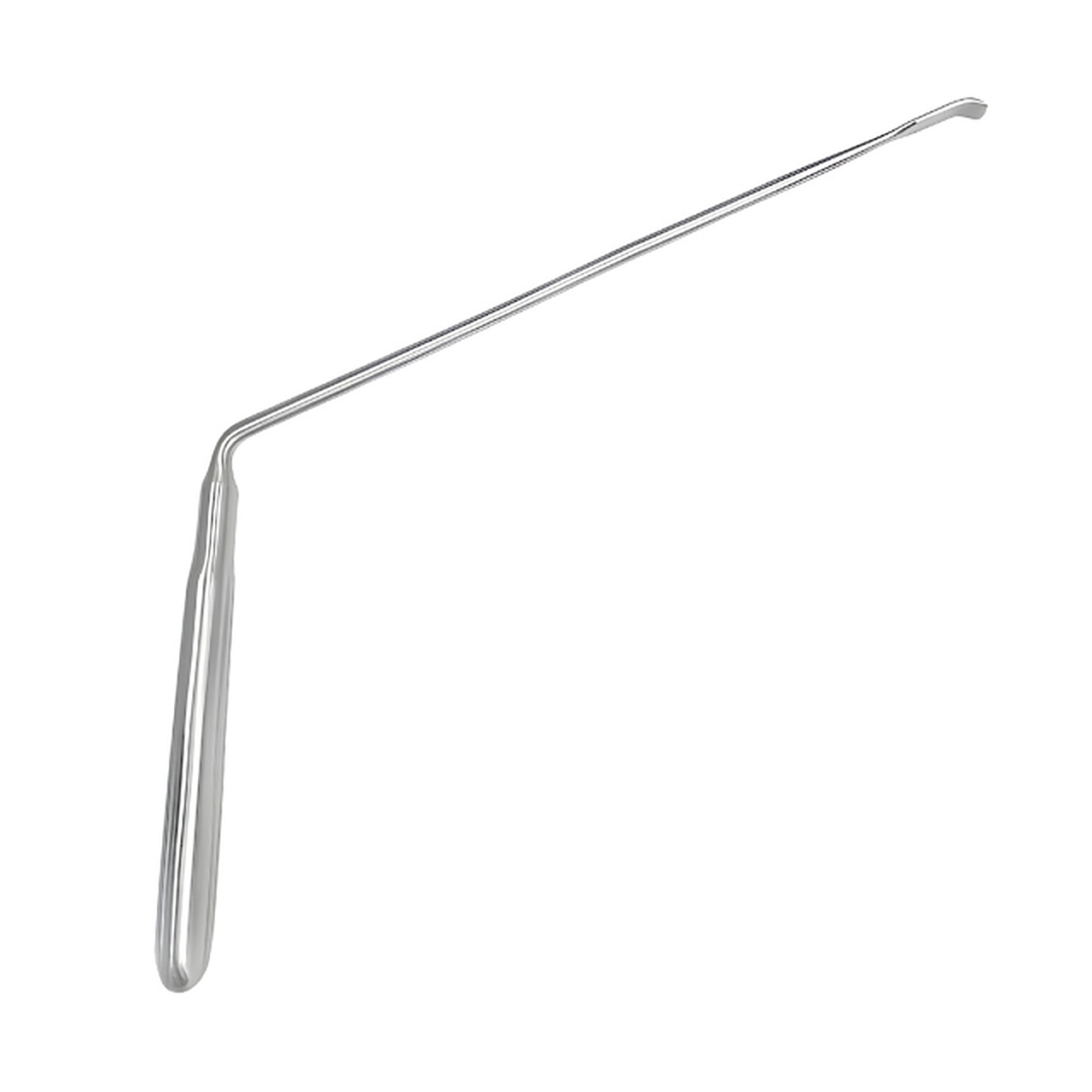 | Ретрактор нервного корешка для малоинвазивной хирургии (MIS) | Специально разработан для ретракции и защиты транзиторных нервных корешков и дурального мешка во время малоинвазивной дискэктомии позвоночника. |
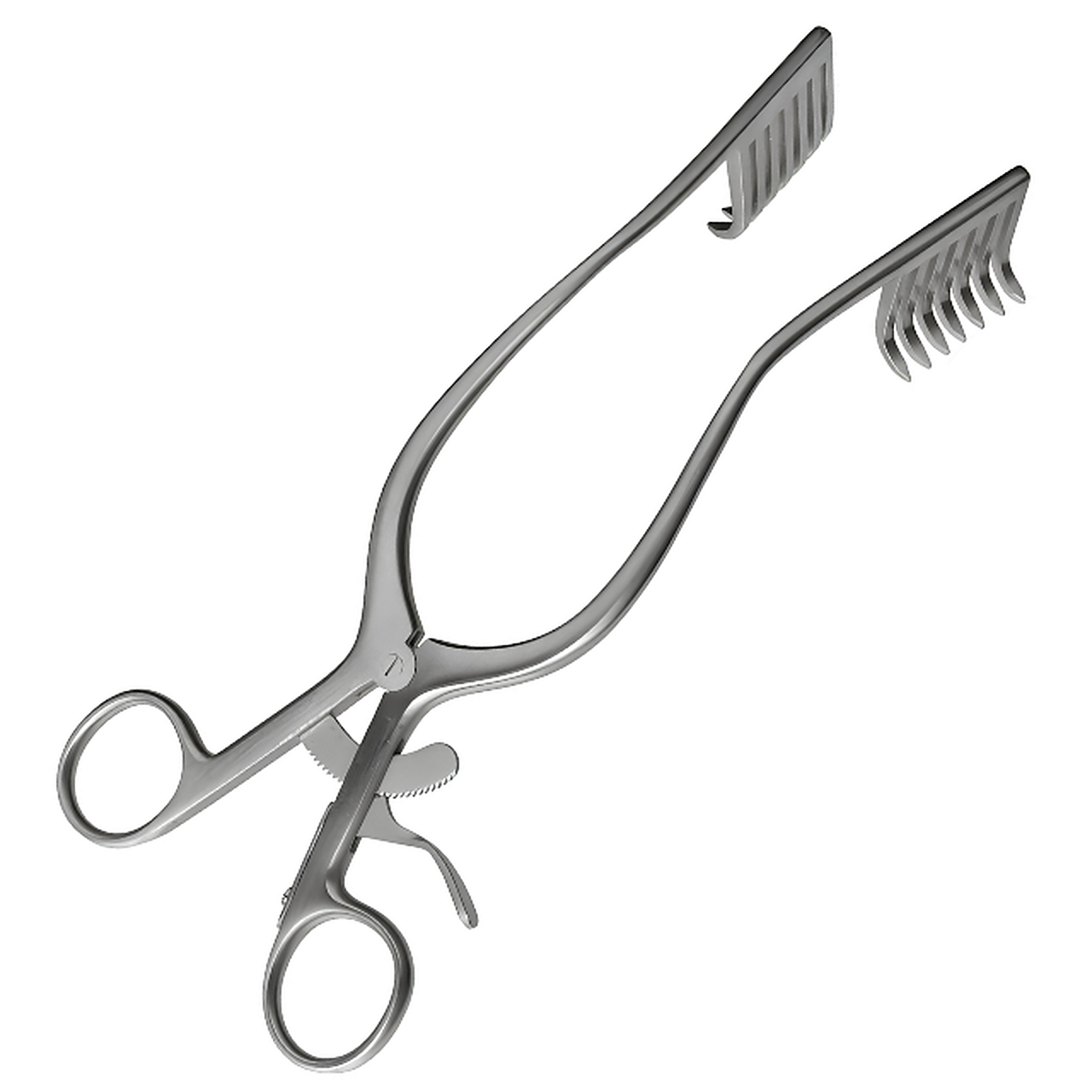 | Ранорасширитель Miskimon Cerebellar Retractor | Специально разработан для самодержащейся ретракции кожи головы и выйных мышц при субокципитальных и мозжечковых краниотомиях. |
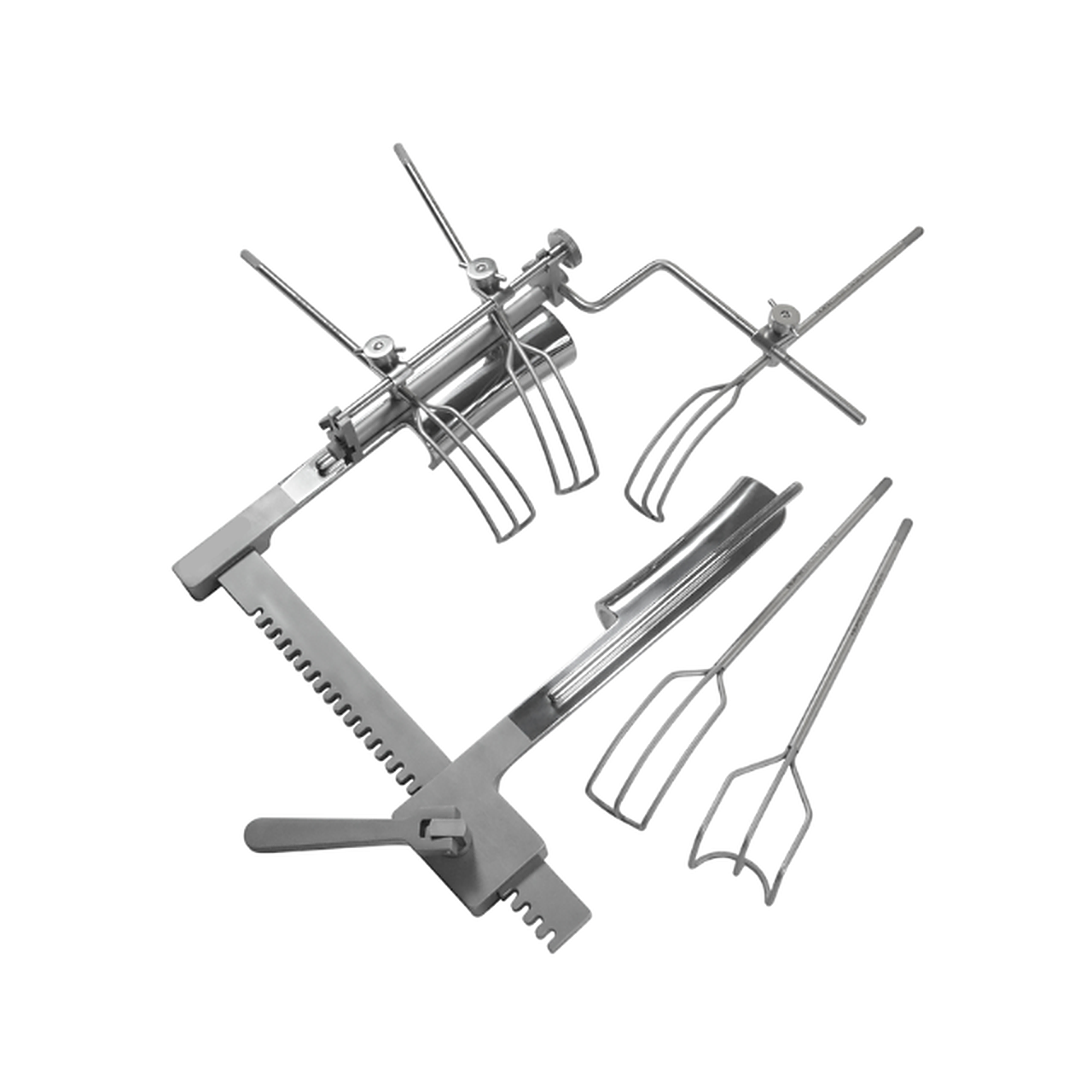 | Ранорасширитель для митрального клапана | Специально разработан для обеспечения структурированного хирургического доступа и ретракции мягких тканей при операциях на клапанах сердца. |
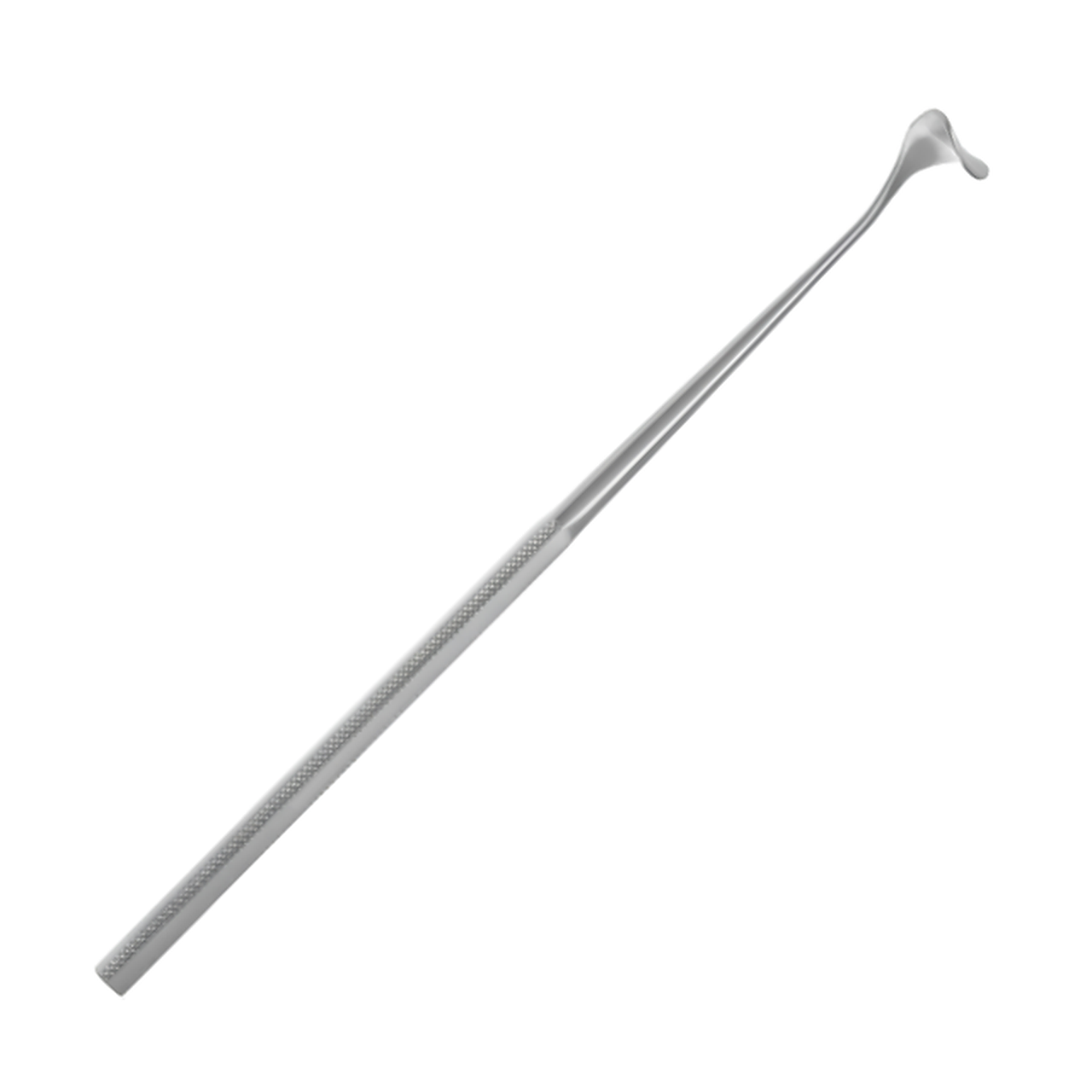 | Ранорасширитель кожный Moberg Skin Retractor | Специально разработан для ретракции краев кожи, кожных лоскутов и нежных мягких тканей во время операций на кисти и пластических манипуляций. |
 | Ретракторы типа Modified Fukuda | Специально разработан для ретракции головки плечевой кости кзади и обнажения суставной впадины лопатки при артропластике плечевого сустава. |
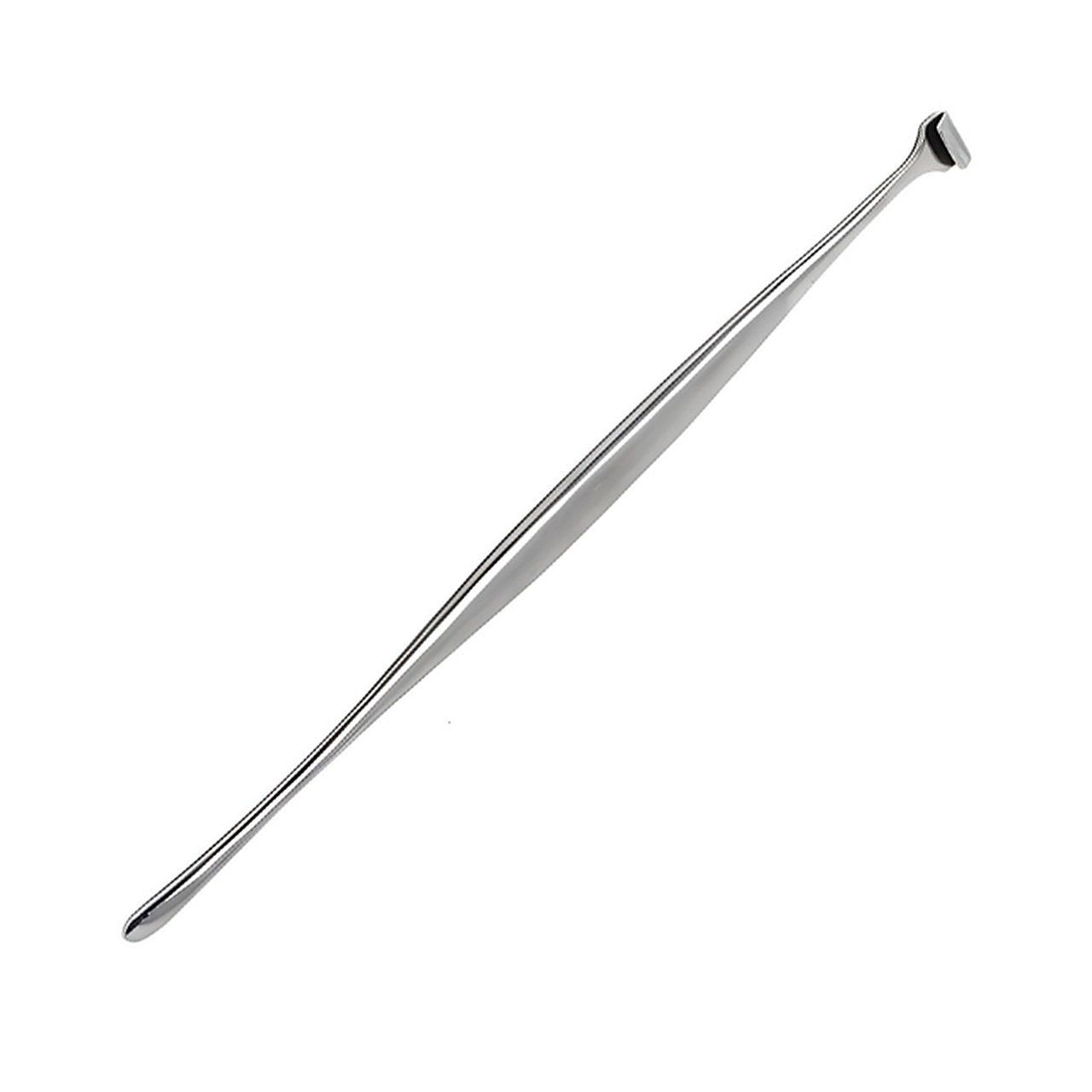 | Ретрактор передней небной дужки Mollison | Специально разработан для ретракции передней небной дужки и нёбно-язычной дужки во время тонзиллэктомии и операций на глотке. |
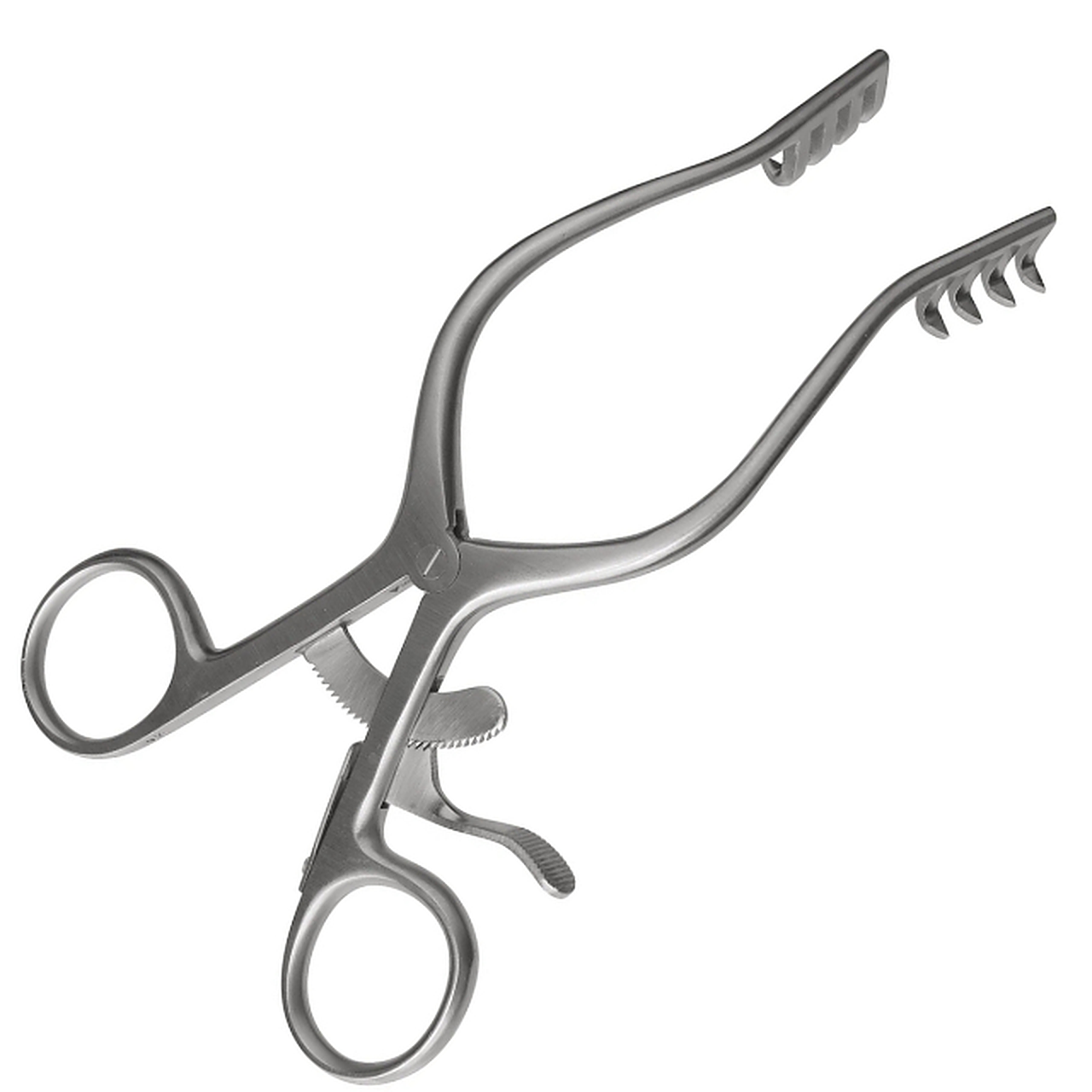 | Ранорасширитель Mollison Retractor | Специально разработан для самодержащейся ретракции краев ран и надкостницы при операциях на сосцевидном отростке, ухе и коже головы. |
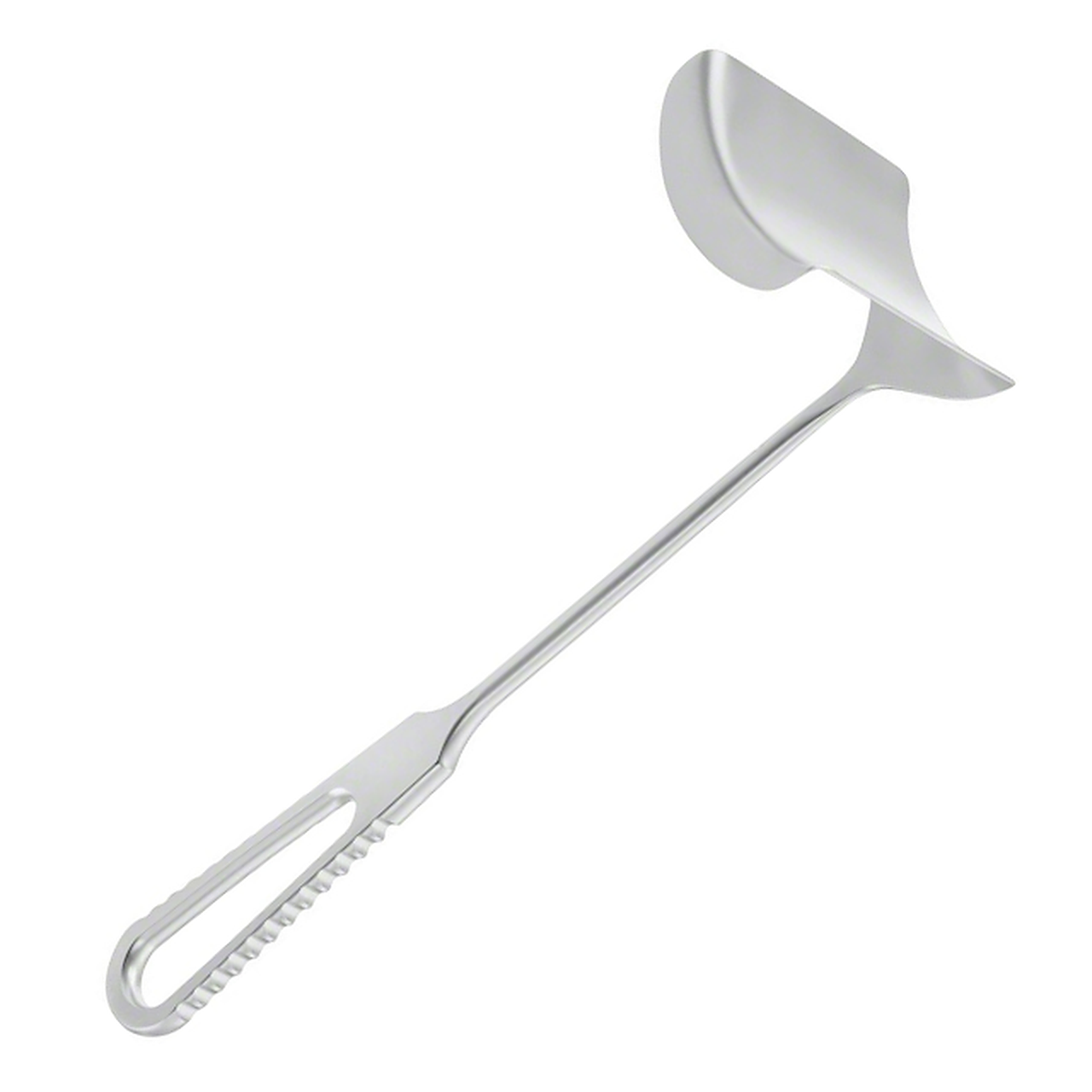 | Ранорасширитель Morris Retractor Single-Ended | Специально разработан для ретракции брюшной стенки, внутренних органов и крупных мышц при открытых абдоминальных и тазовых операциях. |
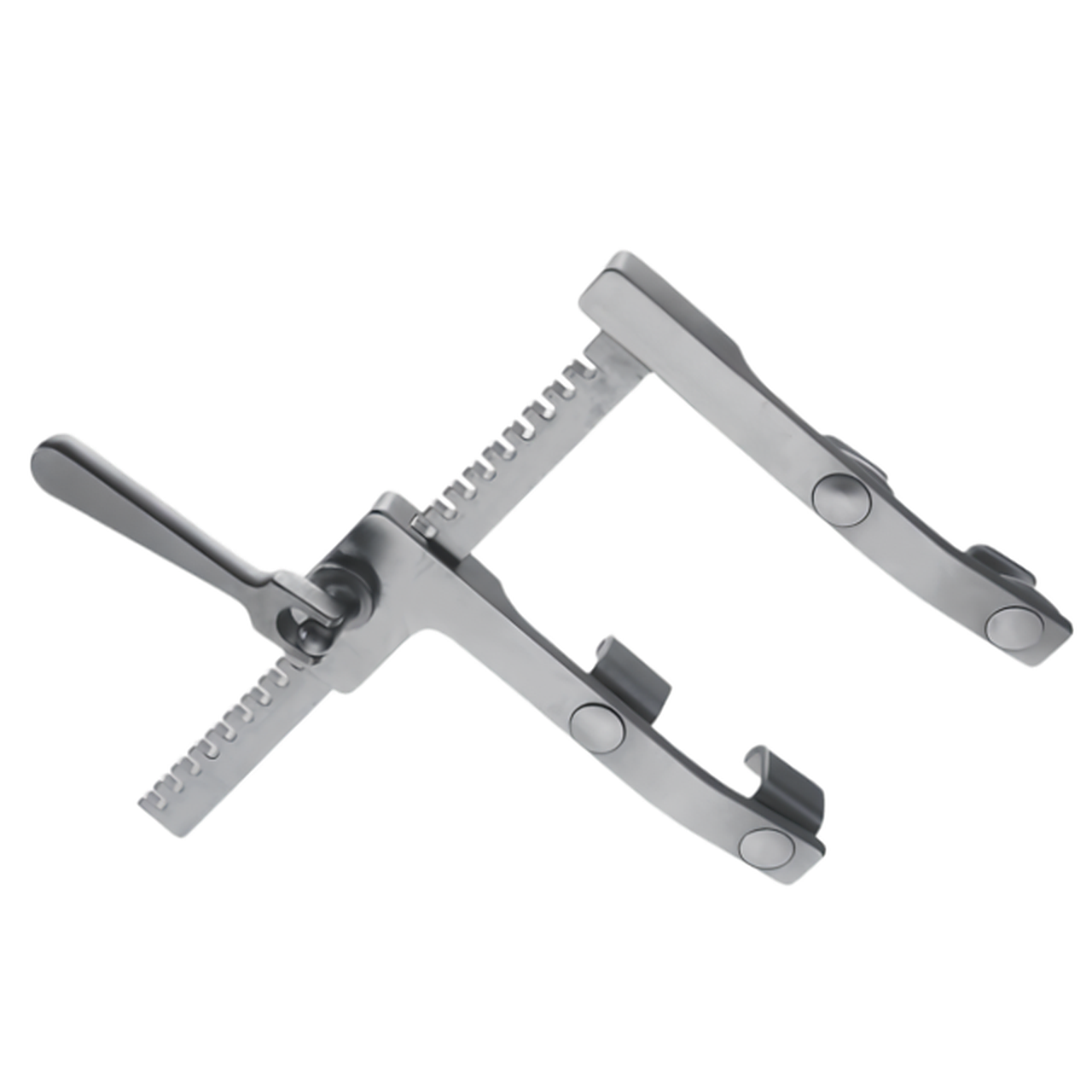 | Реберный расширитель Morse Rib Spreader | Специально разработан для разведения ребер и расширения грудной полости с возможностью многопозиционной анатомической регулировки губок. |
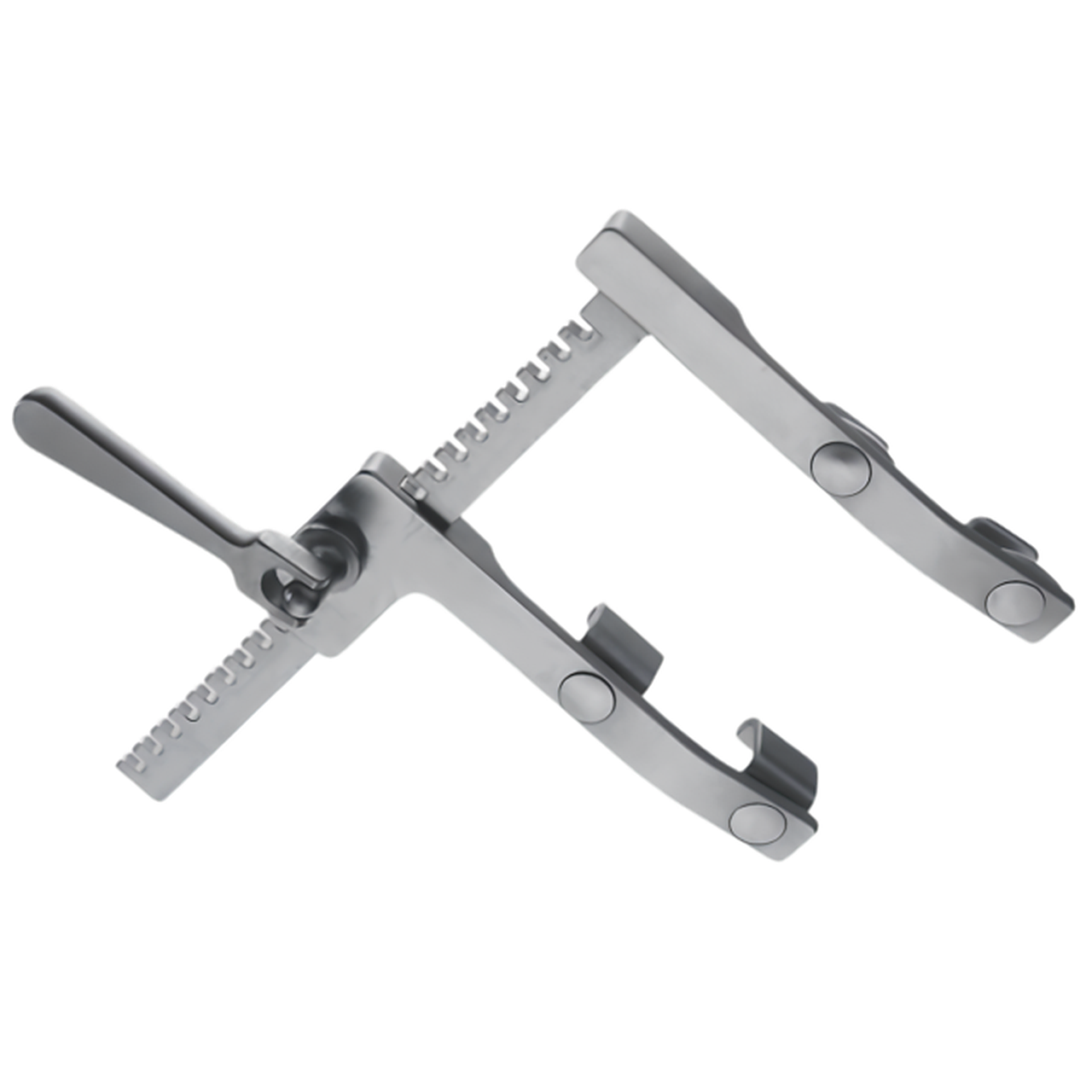 | Ранорасширитель реберный Morse-Favaloro | Специально разработан для разведения ребер с помощью подвижных поворотных ложек во время аортокоронарного шунтирования и торакальных операций. |
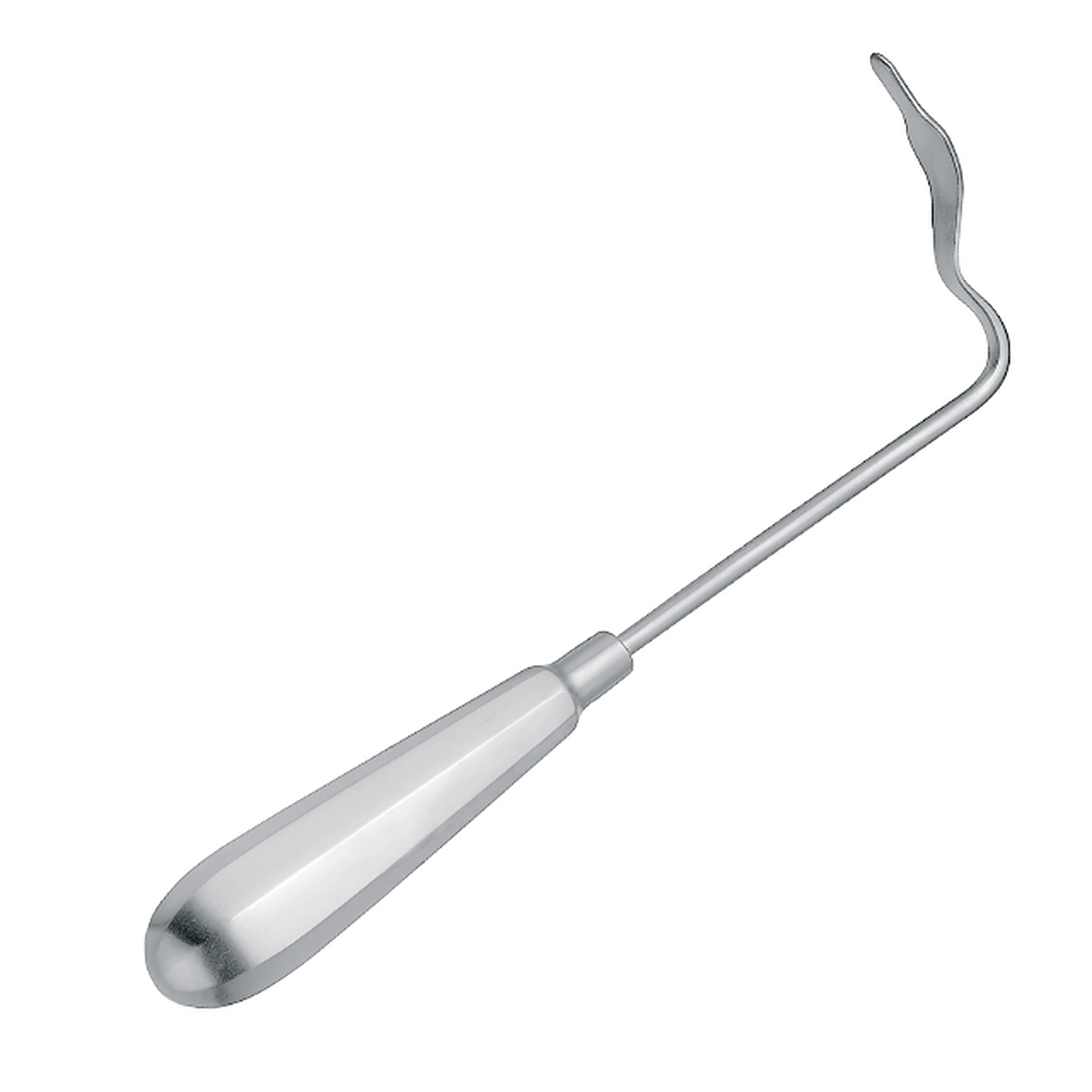 | Ретрактор для слизисто-надкостничного лоскута | Специально разработан для ретракции слизисто-надкостничных лоскутов и обнажения кортикальной кости во время стоматологических и челюстно-лицевых операций. |
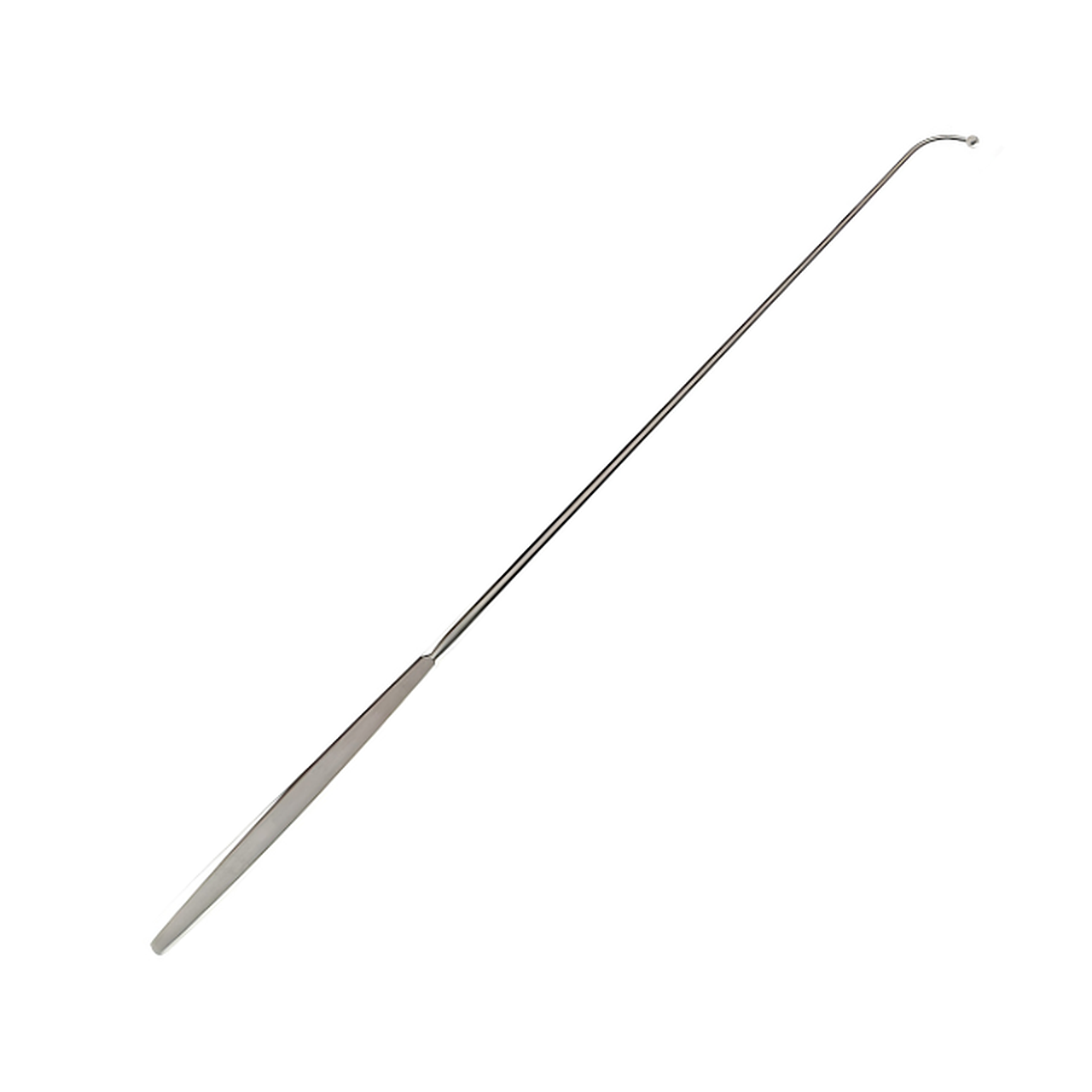 | Ретрактор Murphy Ball | Специально разработан для ревизии, мобилизации и ретракции деликатных нервов, сосудов и протоков во время глубоких хирургических вмешательств. |
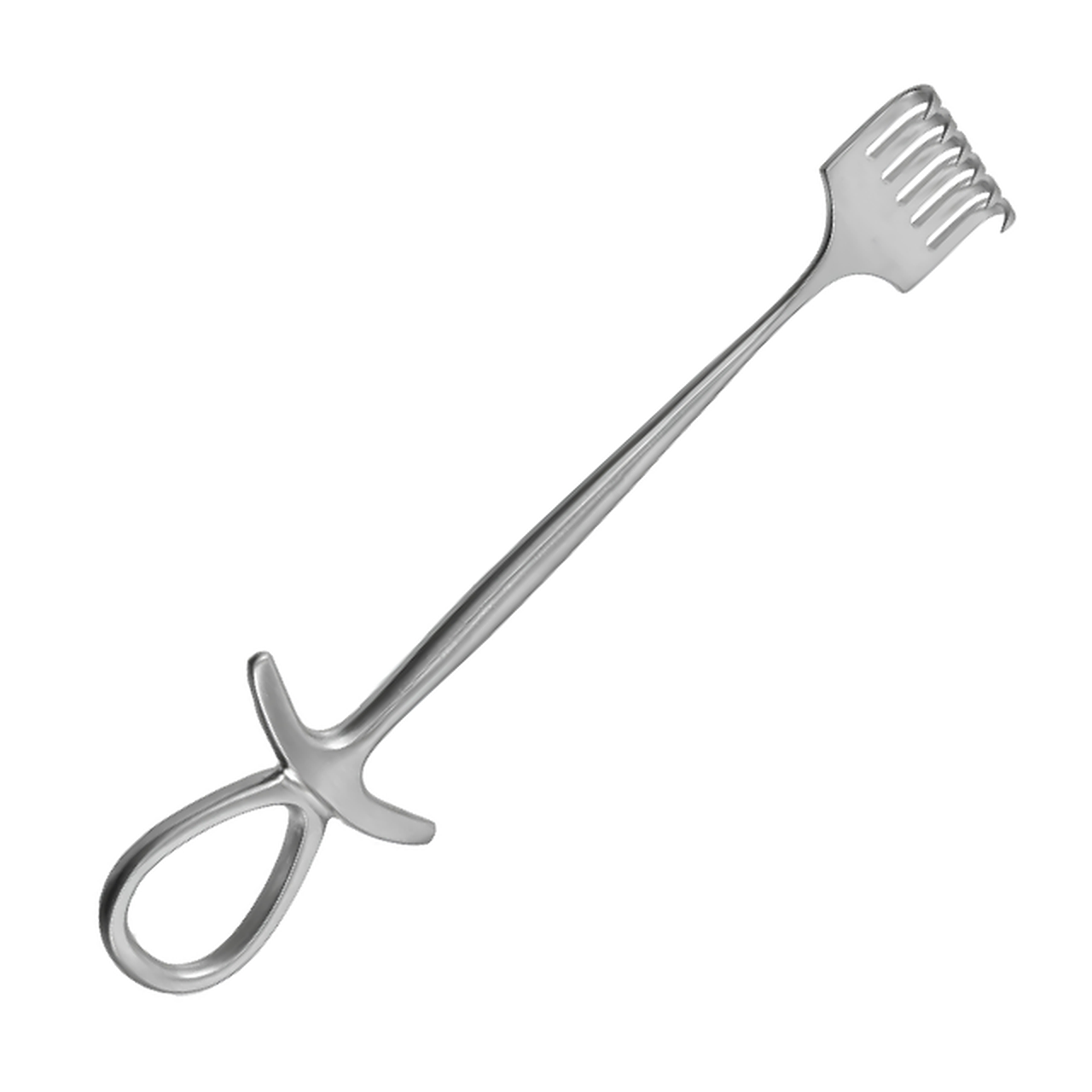 | Ретрактор Murphy | Специально разработан для ретракции краев кожи, фасций и мышечной ткани в общей, ортопедической и пластической хирургии. |
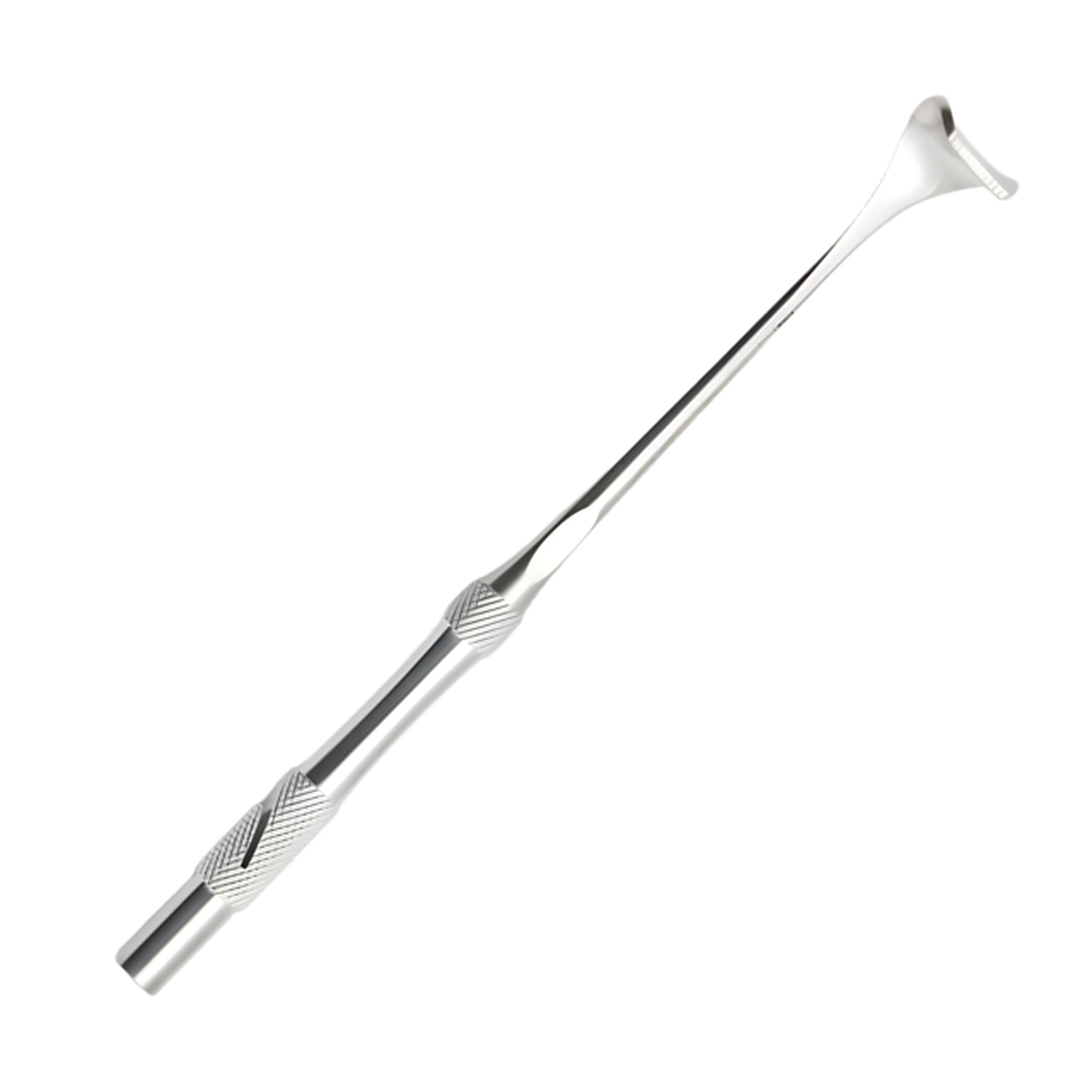 | Назальный ретрактор для кожи | Специально разработан для элевации кожных лоскутов носа и ретракции хрящей при ринопластике и реконструктивных операциях на лице. |
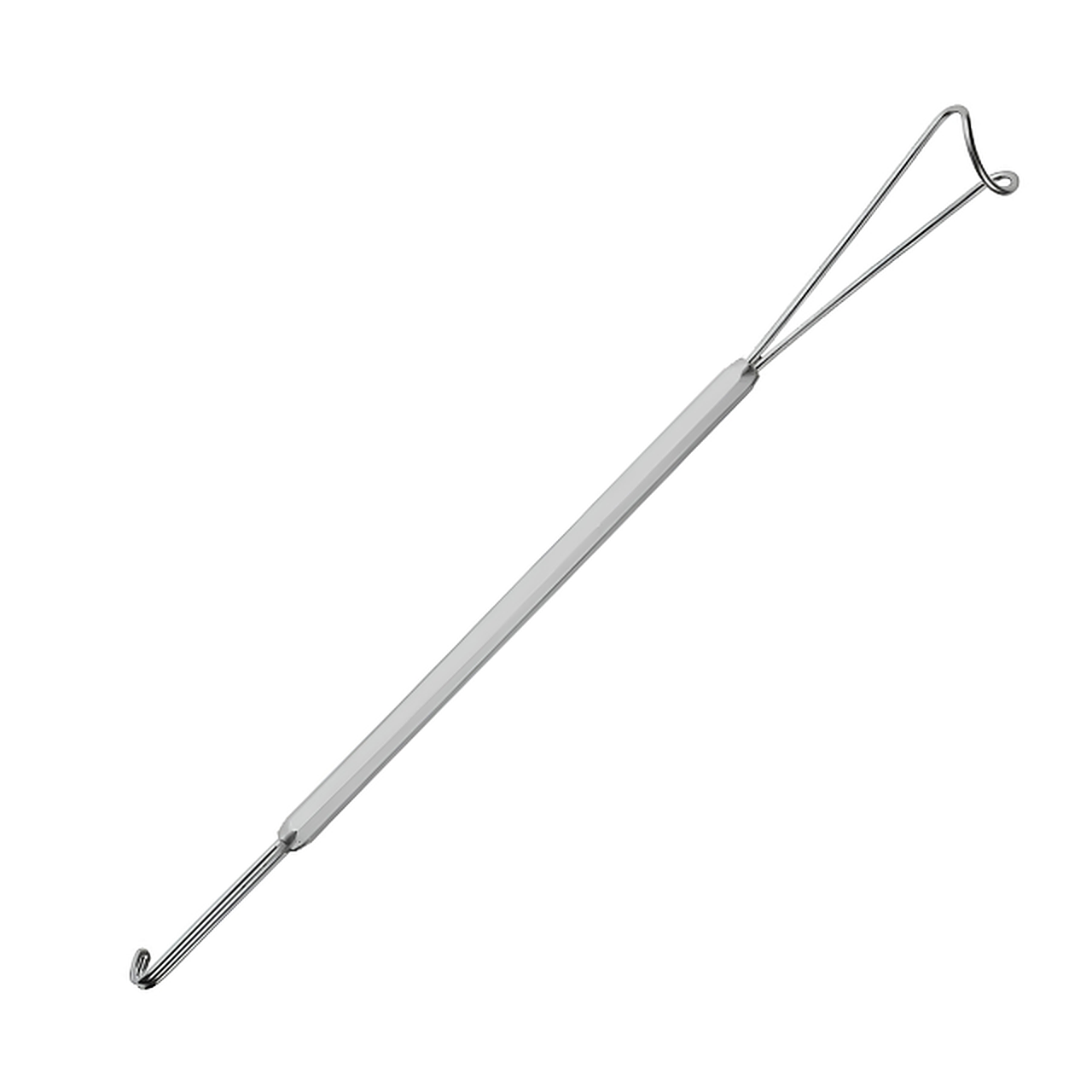 | Ретрактор-направитель для ножа Neivert | Специально разработан для ретракции кожных лоскутов и направления хрящевых ножей во время ринопластики и реконструктивных операций на носу. |
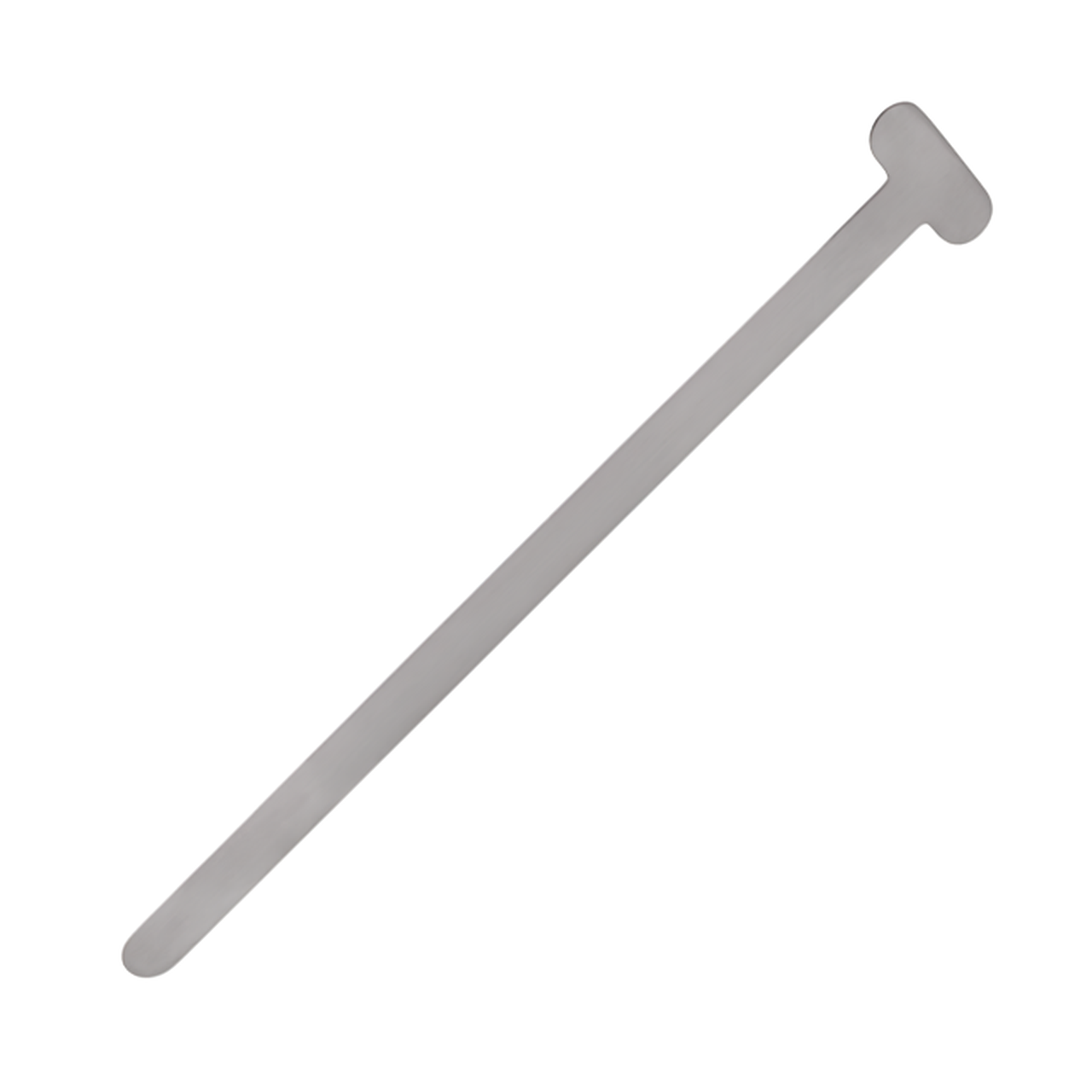 | Неонатальный Т-образный гибкий ретрактор | Специально разработан для ретракции деликатных внутренних органов, кишечника и мягких тканей во время неонатальных и педиатрических хирургических процедур. |
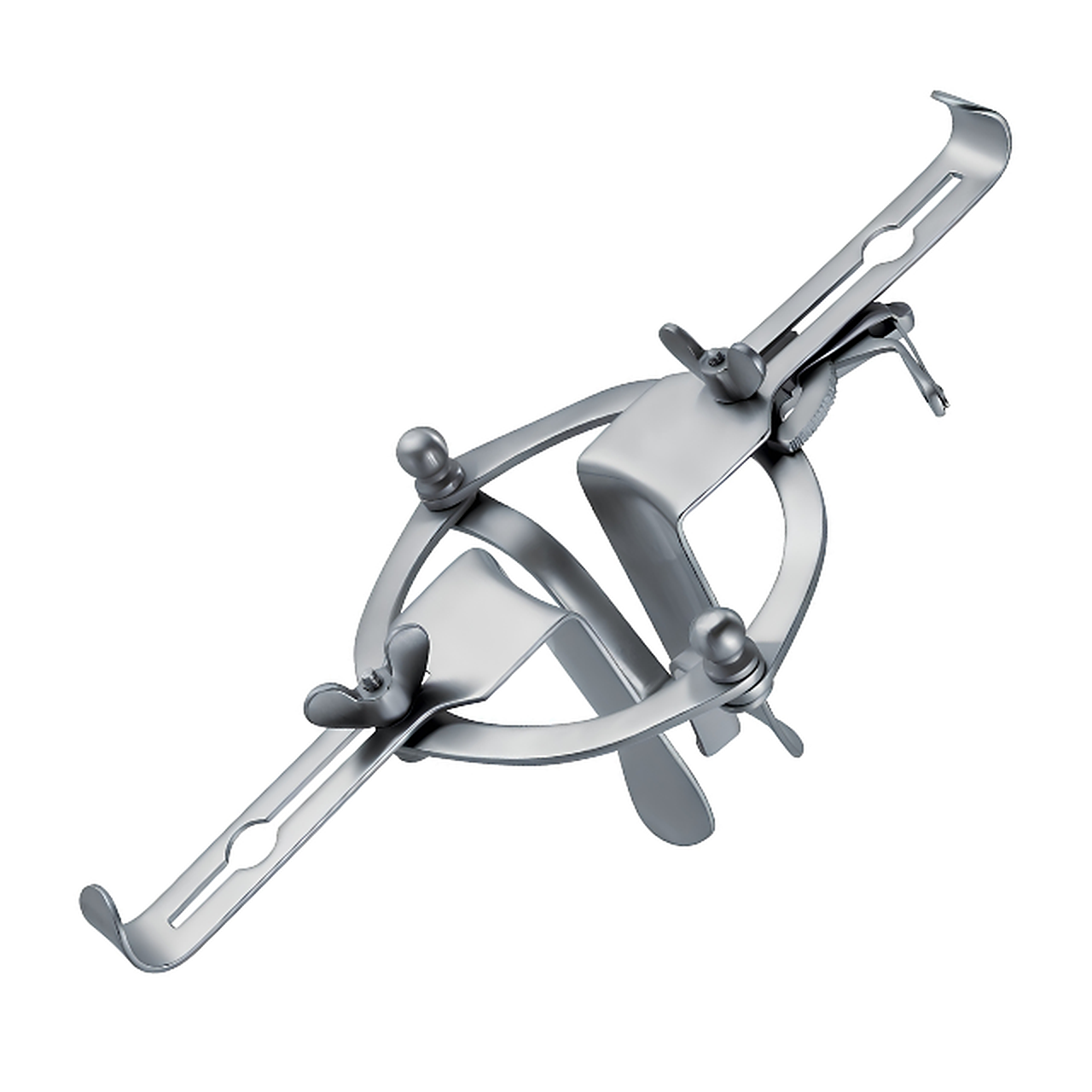 | Вагинальный ретрактор O'Sullivan-O'Conner | Специально разработан для самоудерживающейся ретракции стенок таза и внутренних органов при крупных гинекологических и тазовых операциях. |
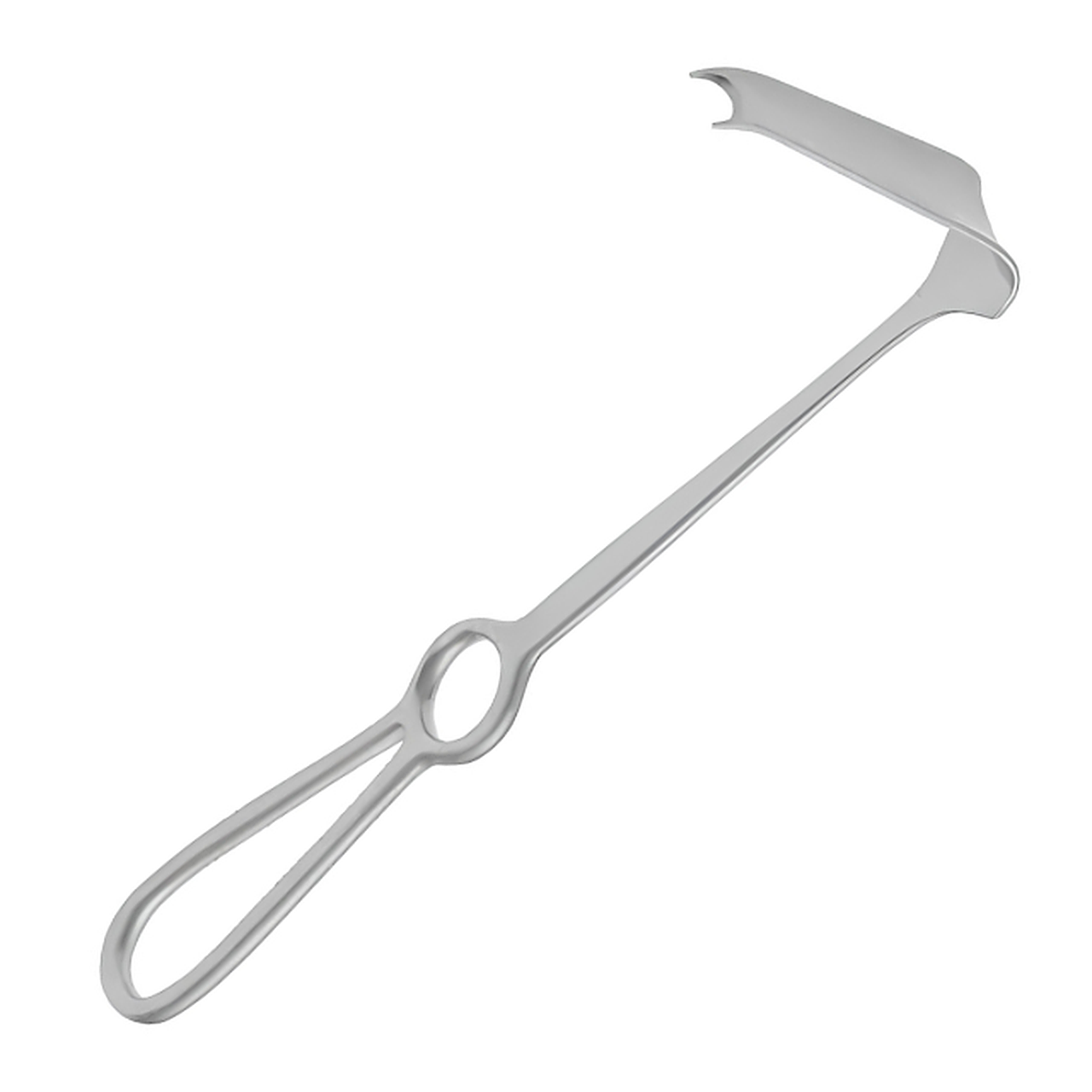 | Альвеолярный ретрактор Obwegeser Alveolar Retractor | Специально разработан для отведения губ, щек и слизисто-надкостничного лоскута для обнажения альвеолярного гребня во время ортогнатических операций. |
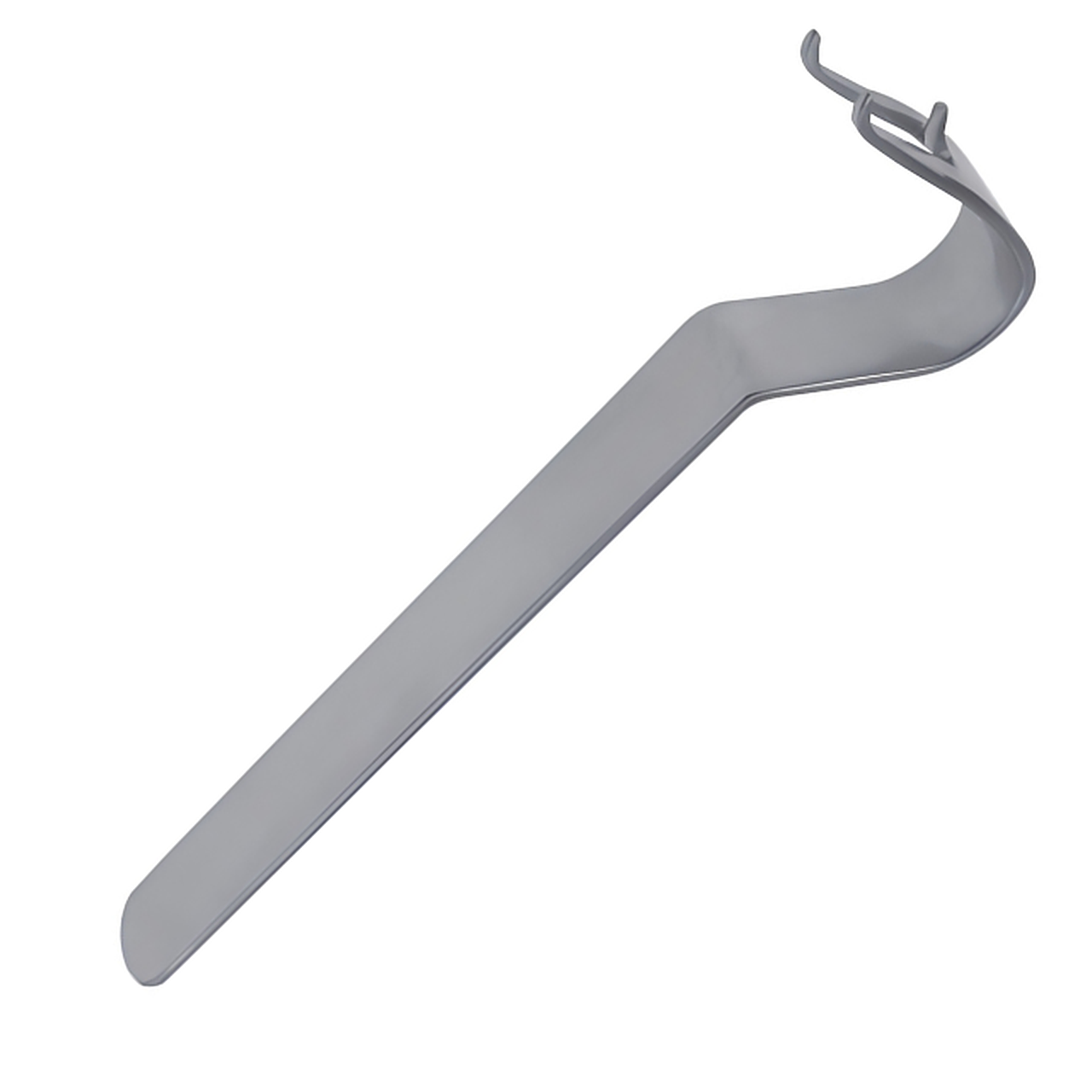 | Ретрактор для подбородка Obwegeser Chin Retractor | Специально разработан для ретракции подбородочной мышцы и мягких тканей с целью обнажения нижнечелюстного симфиза во время гениопластики. |
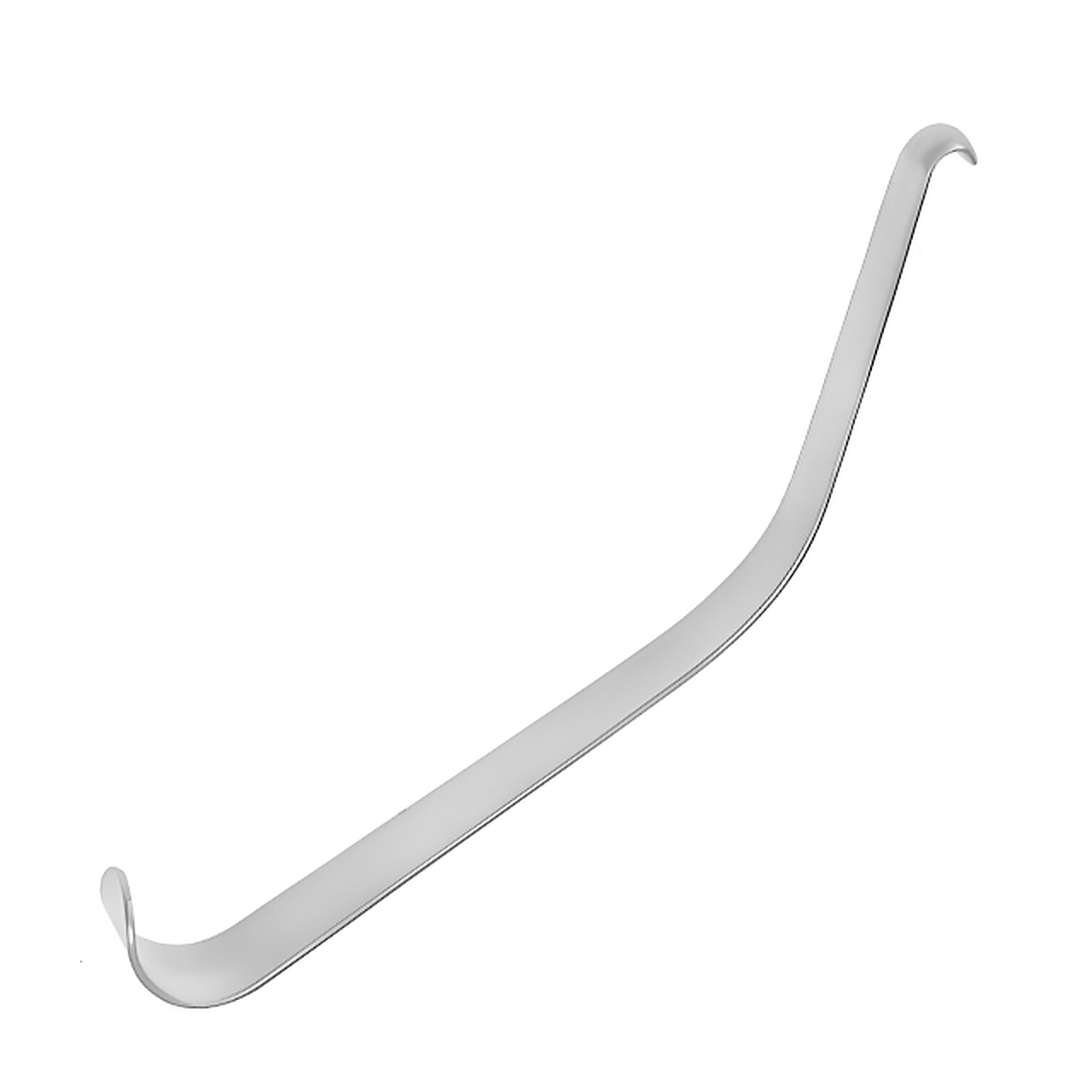 | Ретрактор челюстной Obwegeser Mandibular Channel Retractor | Специально разработан для фиксации за нижний край нижней челюсти и защиты сосудисто-нервных пучков во время ортогнатических остеотомий. |
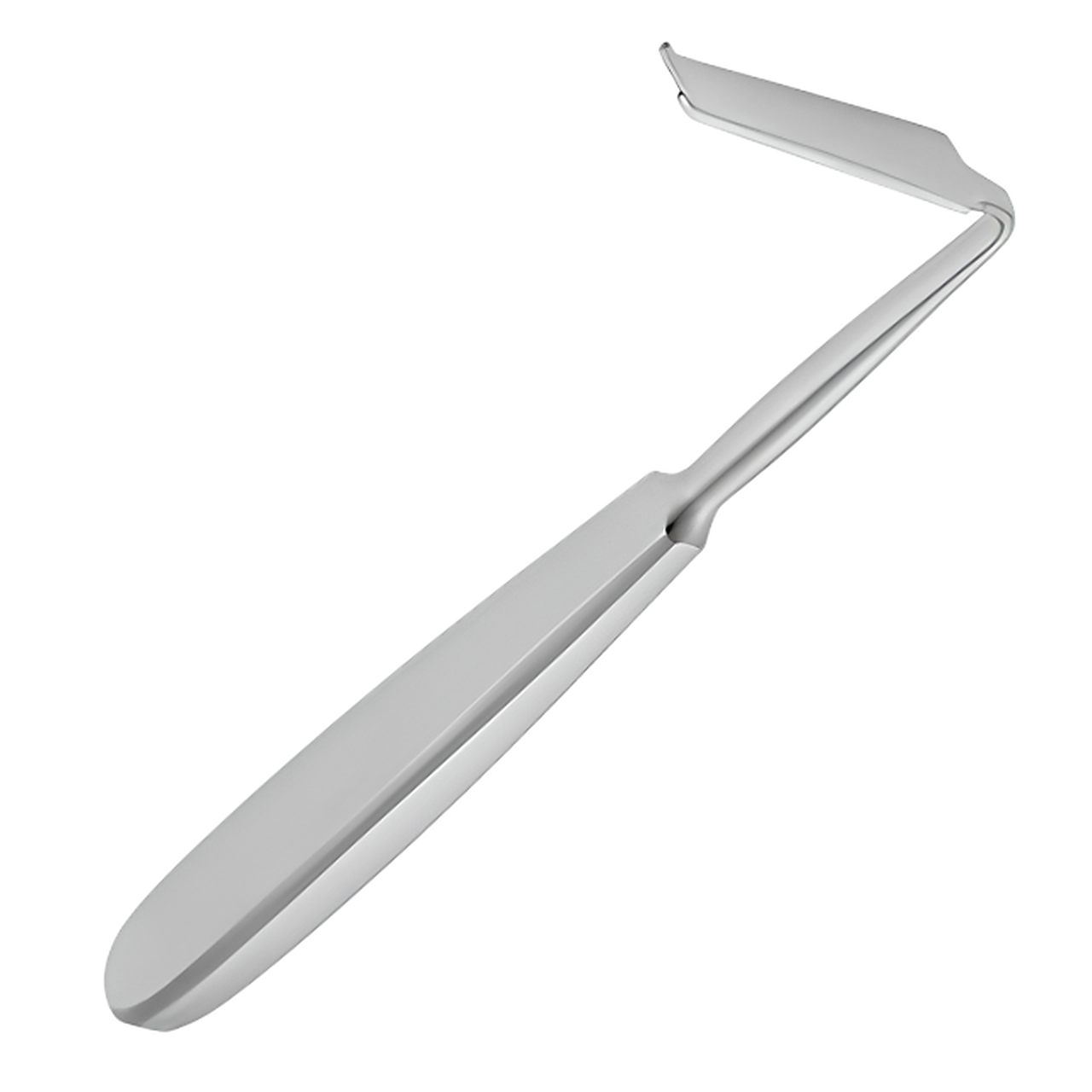 | Ретрактор края нижней челюсти Obwegeser Mandibular Rim Retractor | Специально разработан для ретракции мягких тканей и защиты нейроваскулярных структур вдоль края нижней челюсти при ортогнатических операциях. |
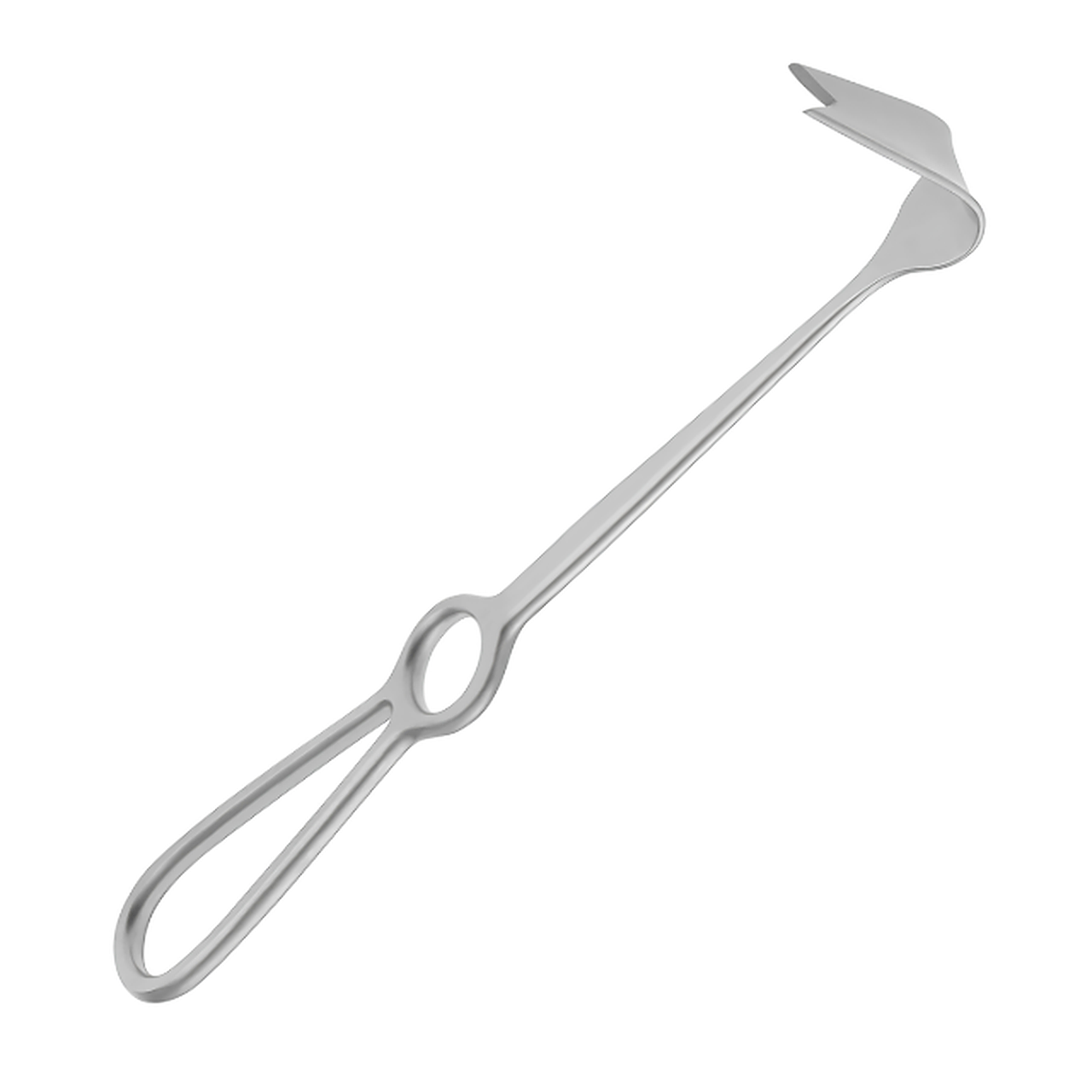 | Ретрактор Obwegeser для носовой ости | Специально разработан для захвата передней носовой ости и поднятия верхней губы при остеотомии по Le Fort и челюстно-лицевых операциях. |
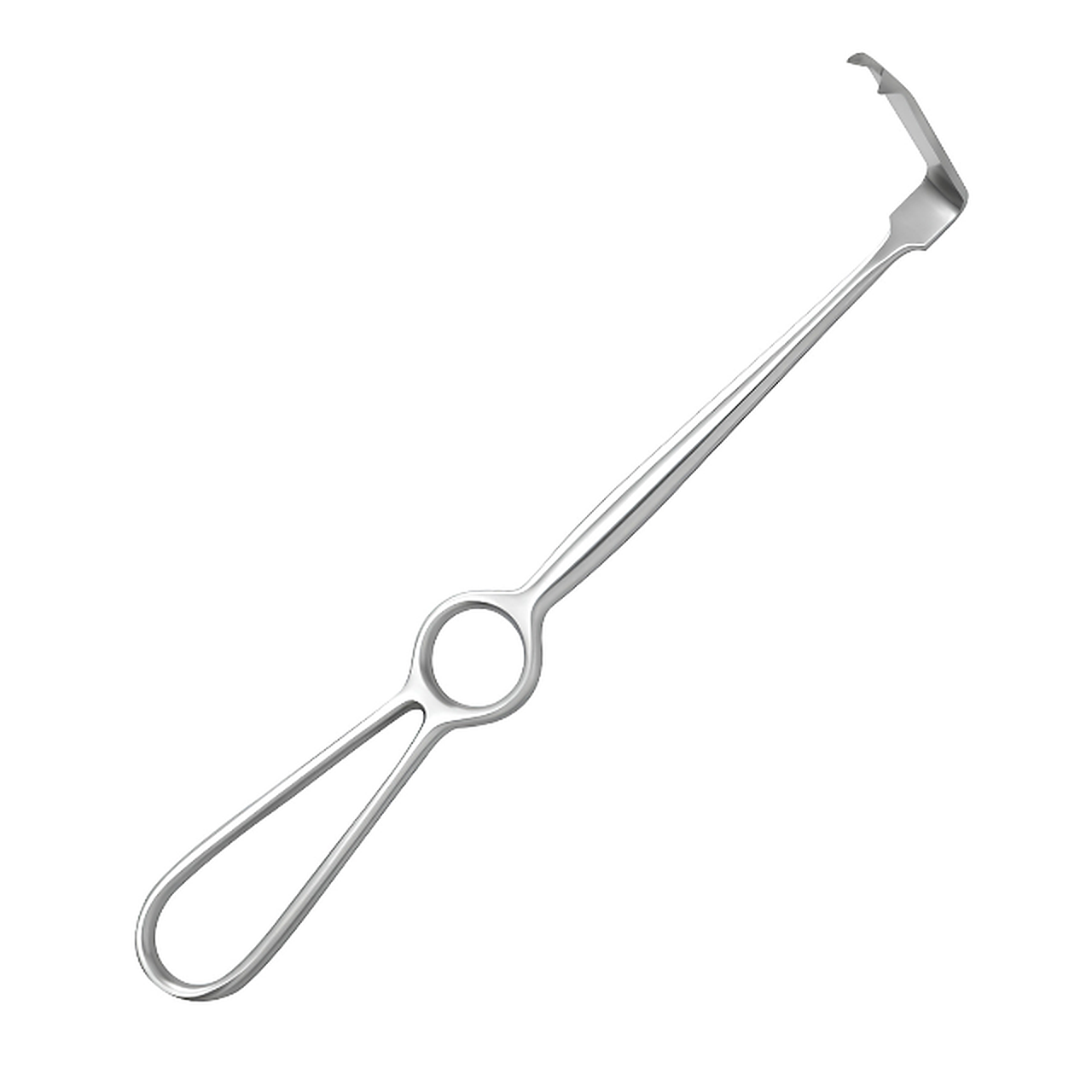 | Рамочный ретрактор Obwegeser Ramus Retractor | Специально разработан для фиксации за восходящей ветвью нижней челюсти и защиты мягких тканей во время ортогнатической остеотомии. |
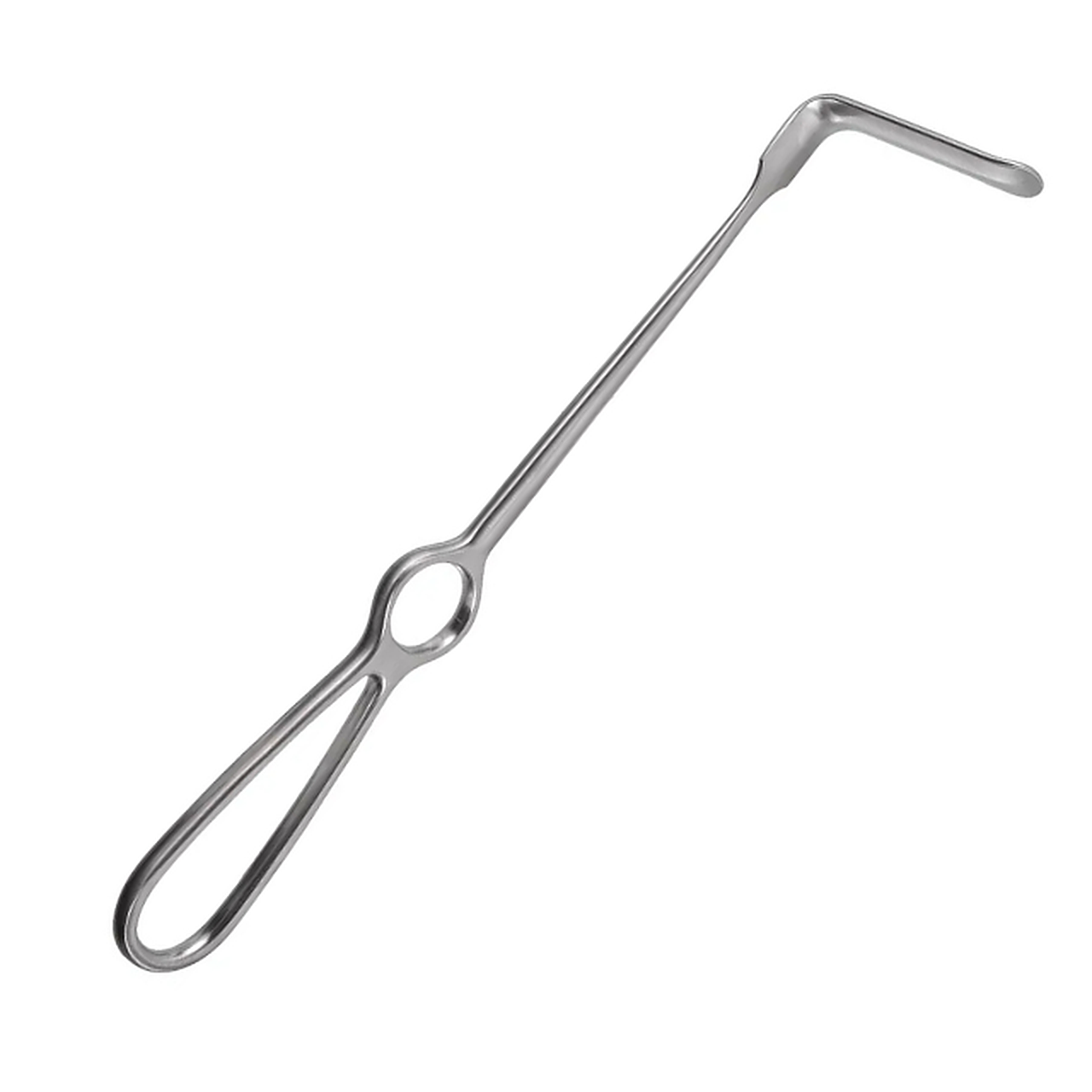 | Ретрактор мягких тканей Obwegeser | Специально разработан для отведения и защиты слизисто-надкостничных лоскутов, щек и мягких тканей во время ортогнатических и челюстно-лицевых операций. |
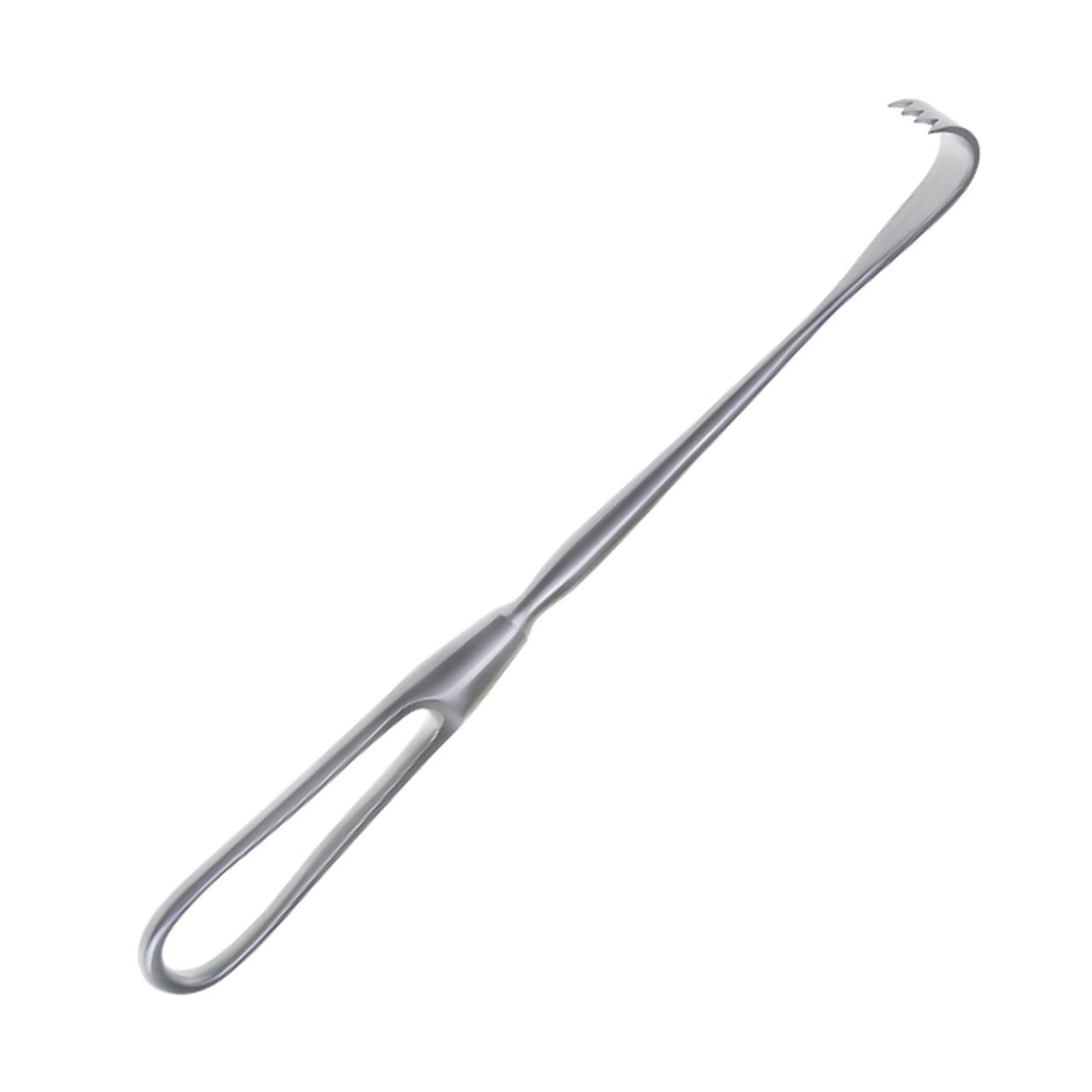 | Ранорасширитель Oldberg retractor | Специально разработан для ретракции кожных лоскутов, мышц и фасций при краниальных, спинальных и ортопедических операциях. |
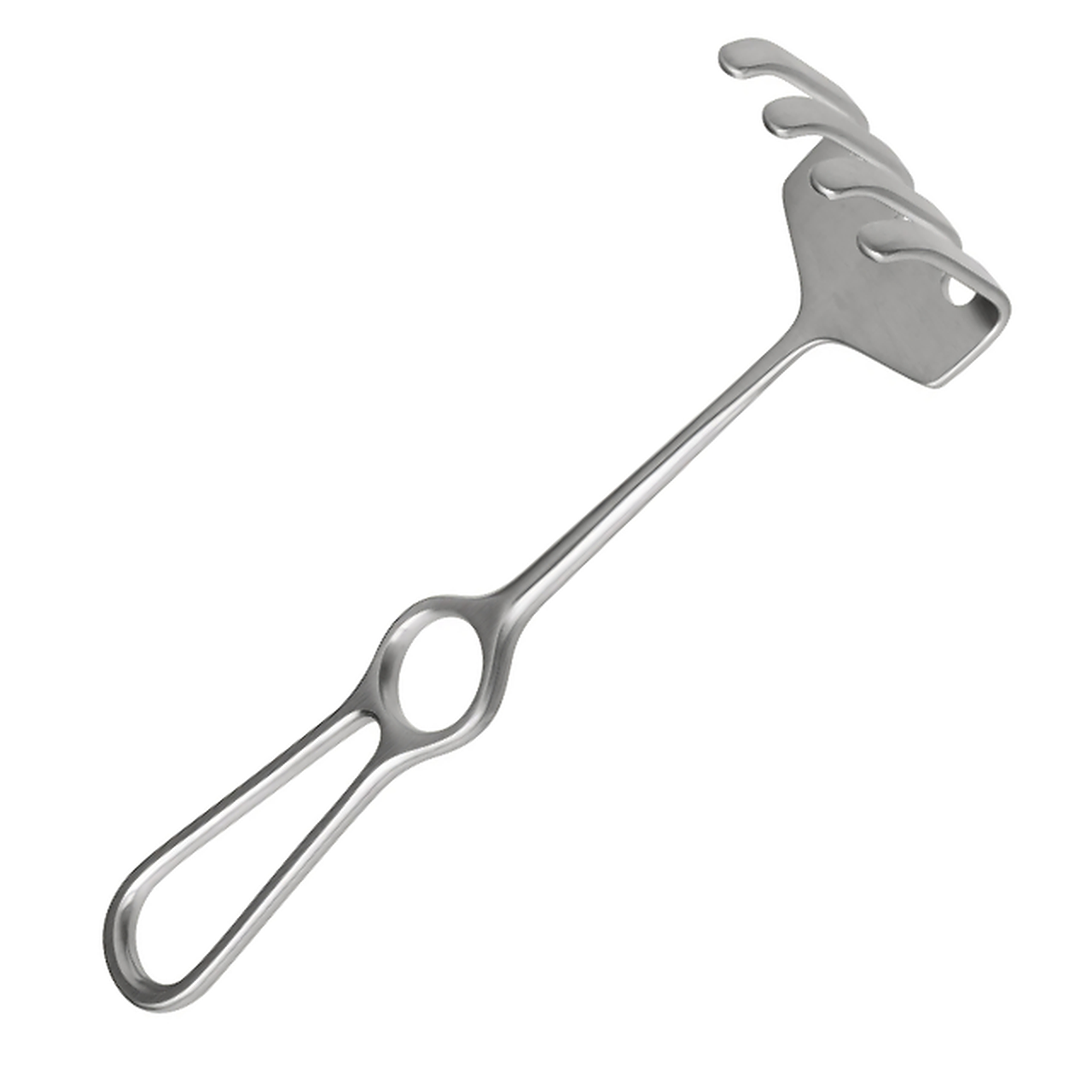 | Ранорасширители Ollier Retractors | Специально разработаны для ретракции мощных мышечных слоев, фасций и толстых краев тканей при абдоминальных и ортопедических операциях. |
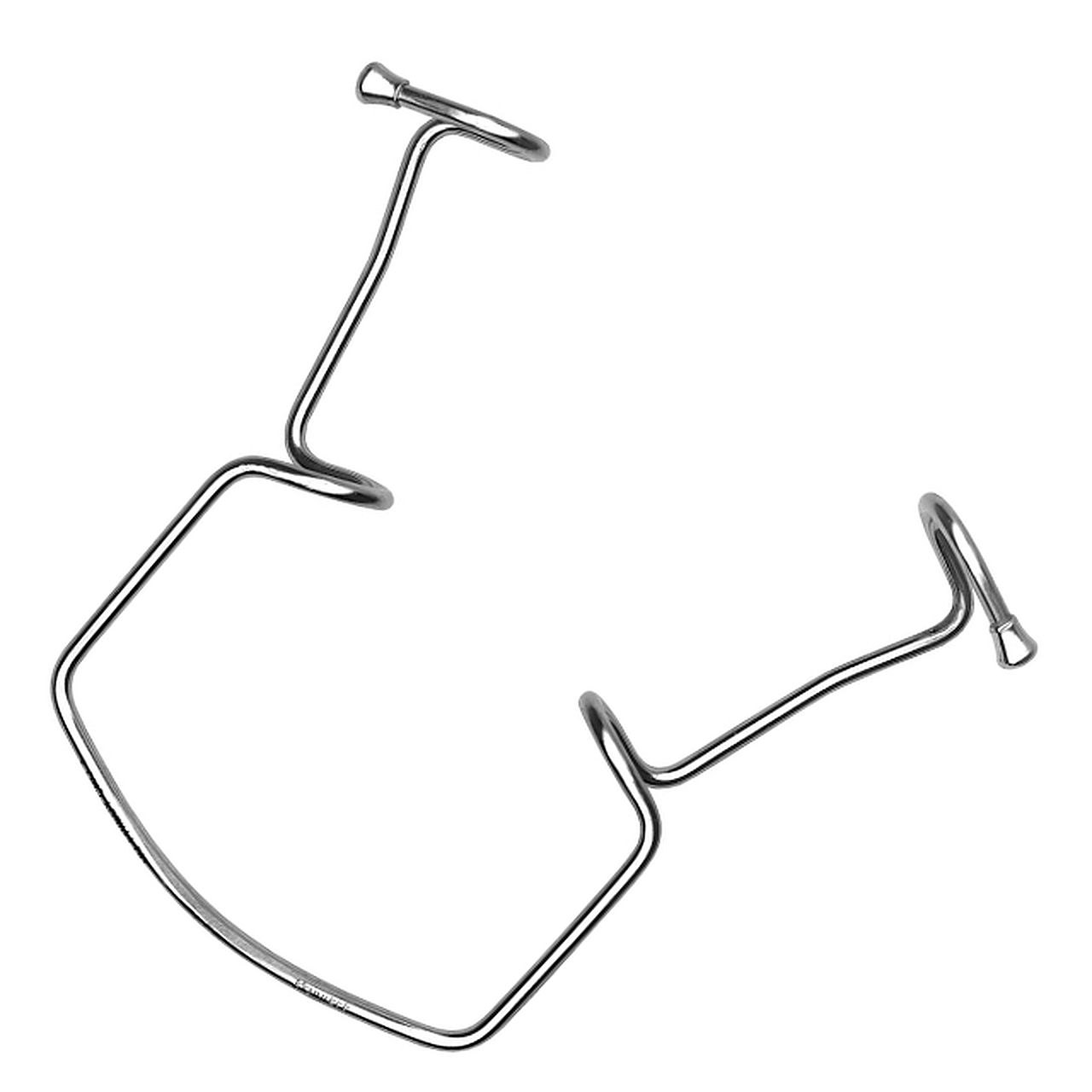 | Роторасширитель Orringer Cheek Retractor | Специально разработан для самодержащейся двусторонней ретракции щек и губ во время стоматологических и челюстно-лицевых операций. |
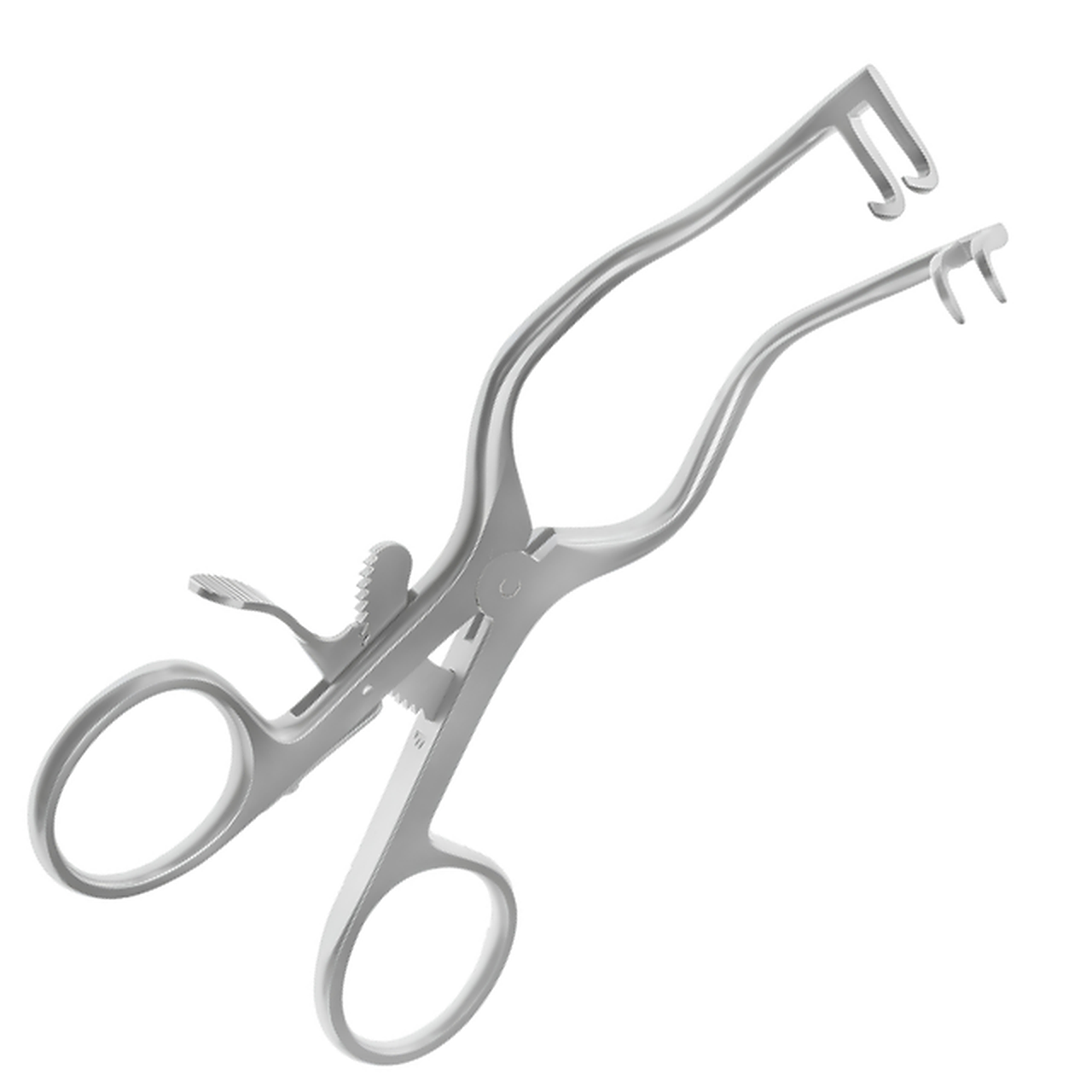 | Ранорасширитель Paparella-Weitlaner самодержащий | Специально разработан для самодержащей ретракции надкостницы и краев раны при операциях на сосцевидном отростке, ухе и коже головы. |
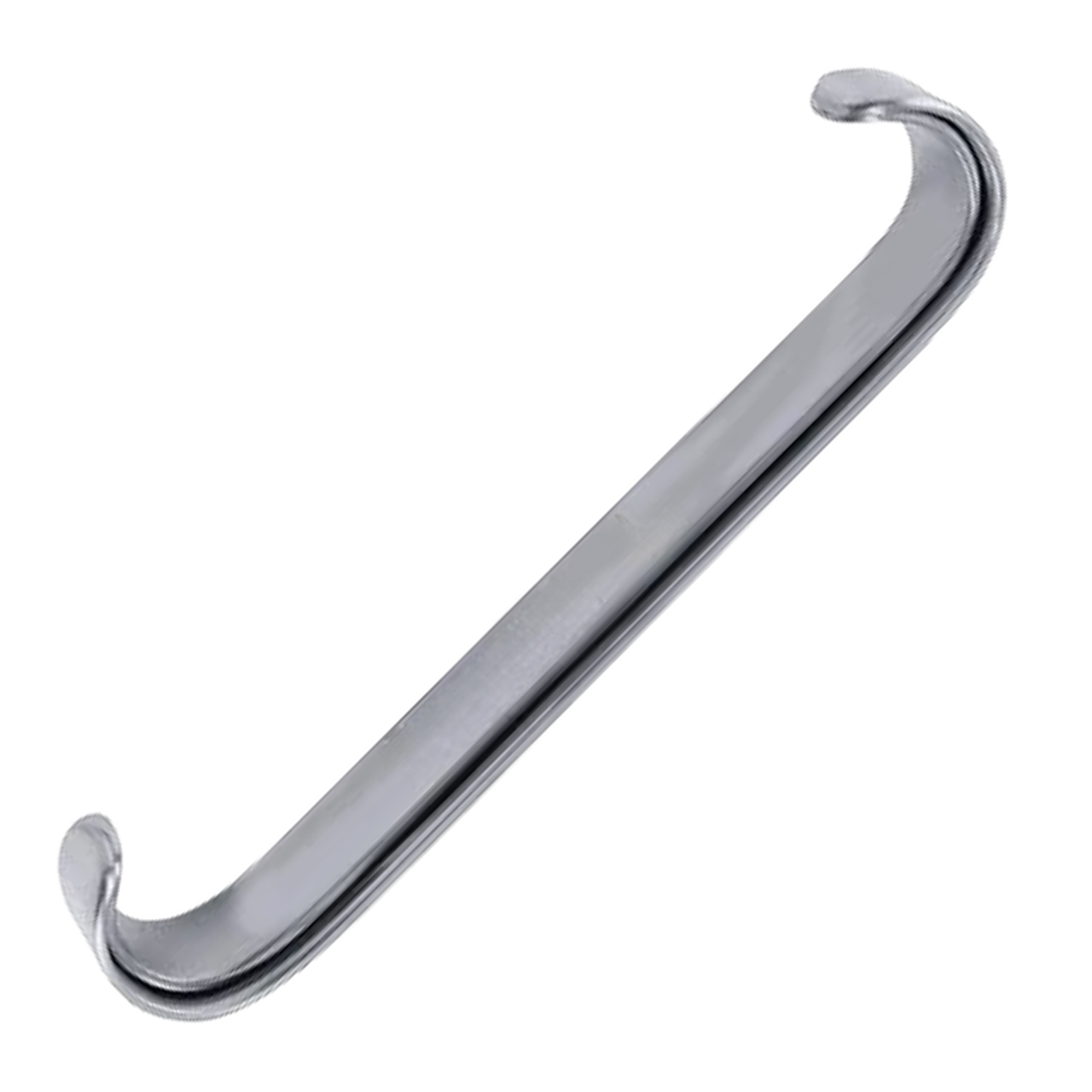 | Ранорасширитель Parker (комплект из двух штук) | Специально разработан для ретракции краев кожи, фасций и поверхностных мышечных слоев при малых и общих хирургических вмешательствах. |
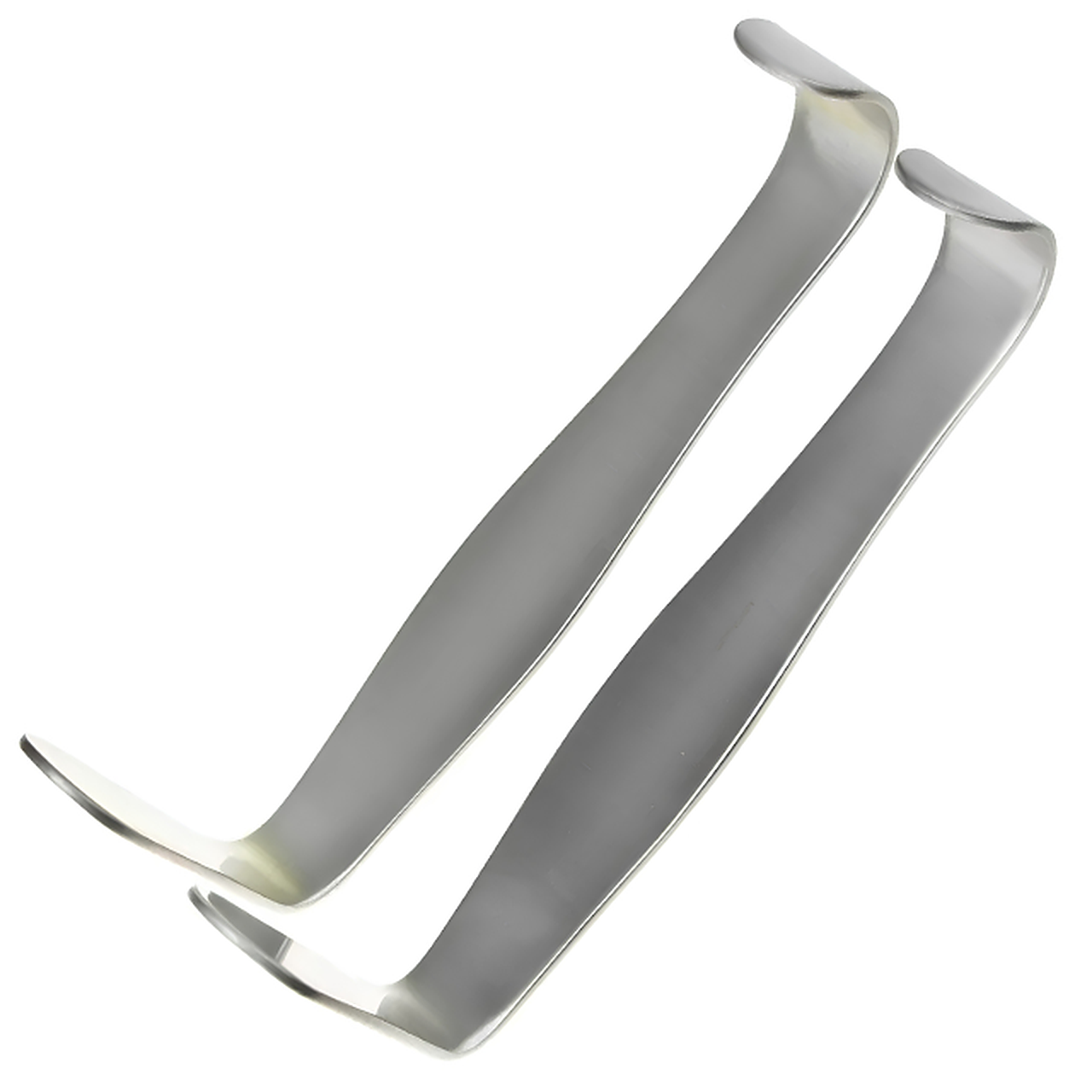 | Набор ретракторов Parker-Mott из двух штук | Специально разработан для ретракции кожи, фасций и мягких тканей при поверхностных и промежуточных хирургических разрезах. |
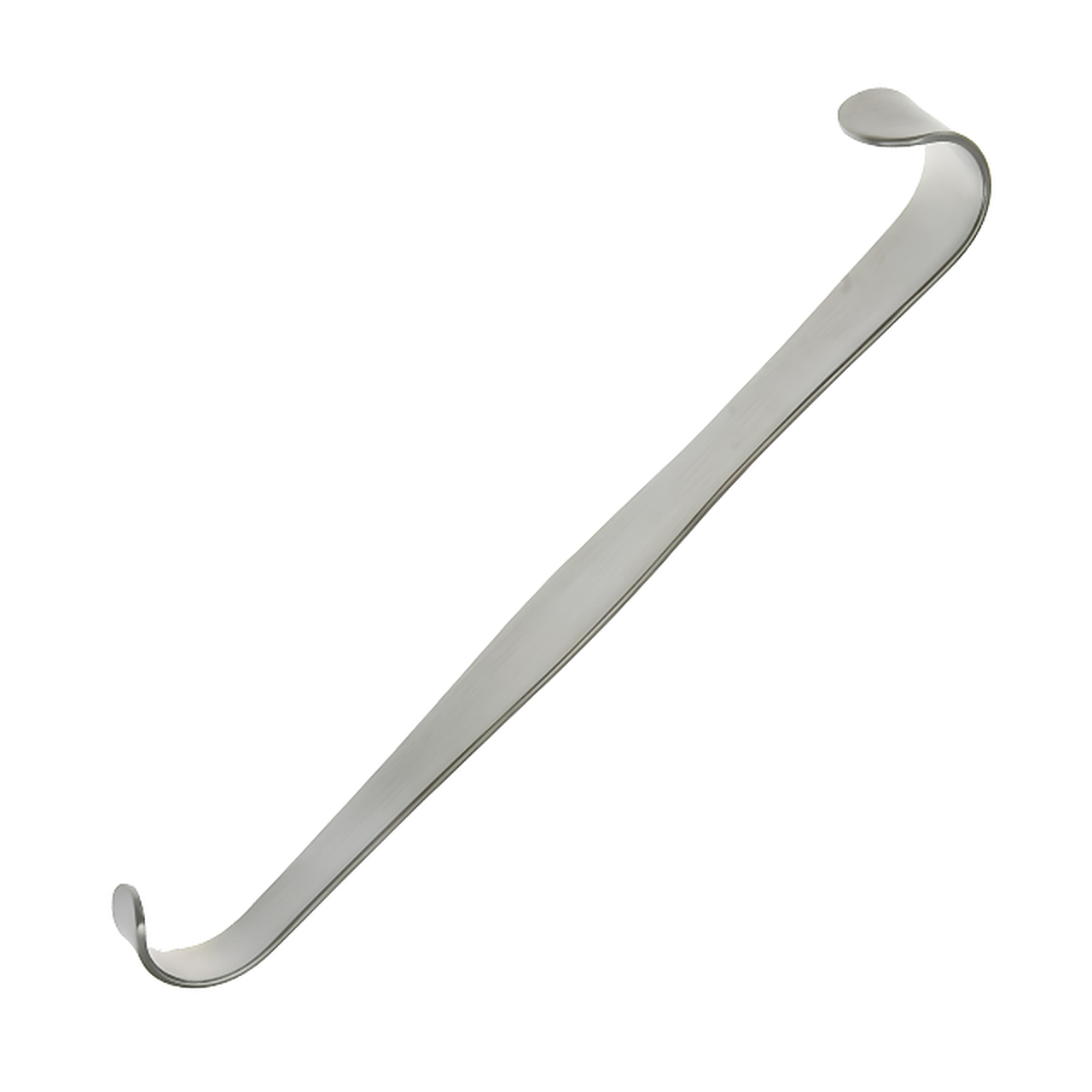 | Ранорасширитель Parker-Tommy Retractor | Специально разработан для ретракции краев кожи, фасций и мягких тканей при поверхностных и промежуточных хирургических разрезах. |
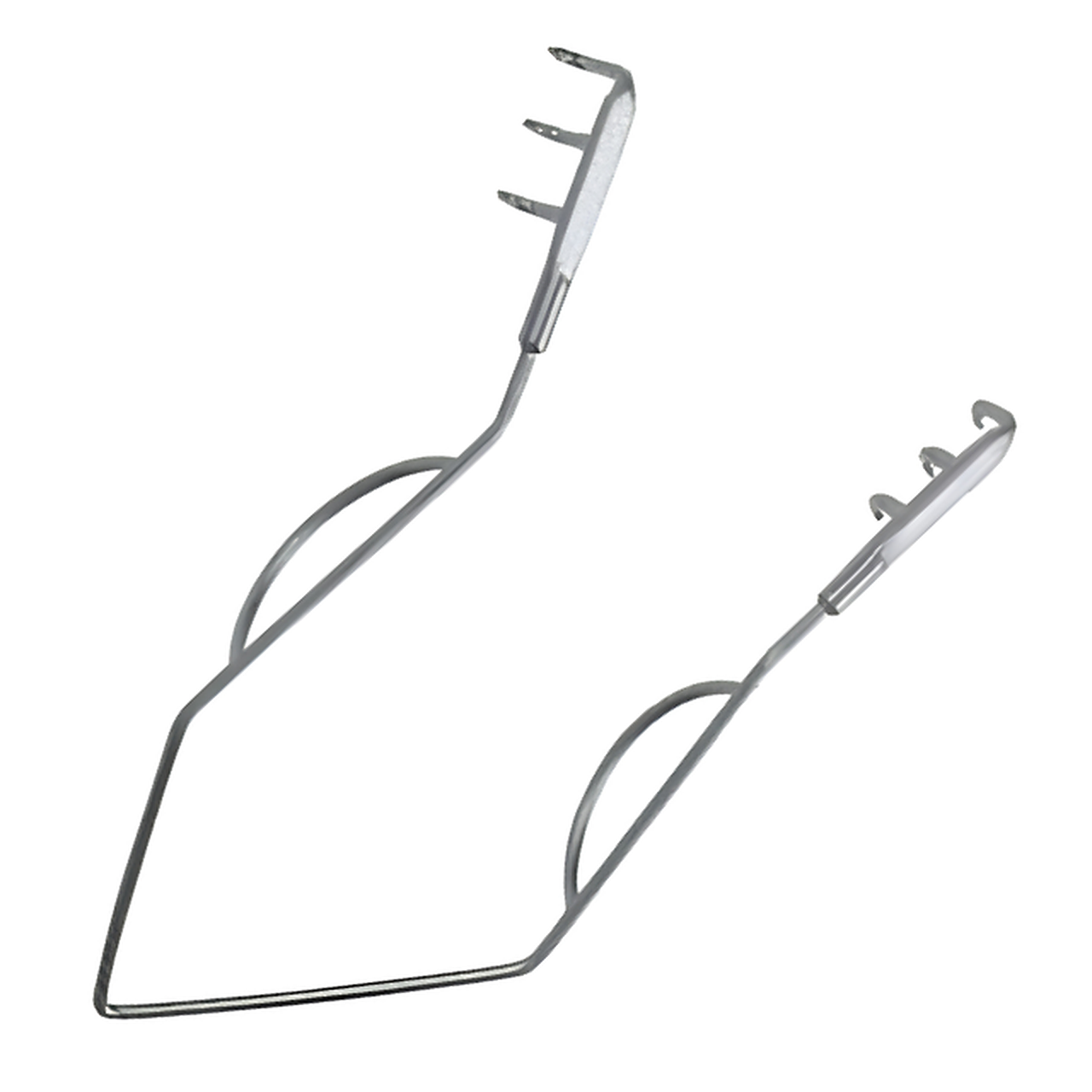 | Эпикардиальный ретрактор Parsonnet | Специально разработан для разведения эпикардиального жира и миокарда с целью изоляции коронарных артерий при аортокоронарном шунтировании. |
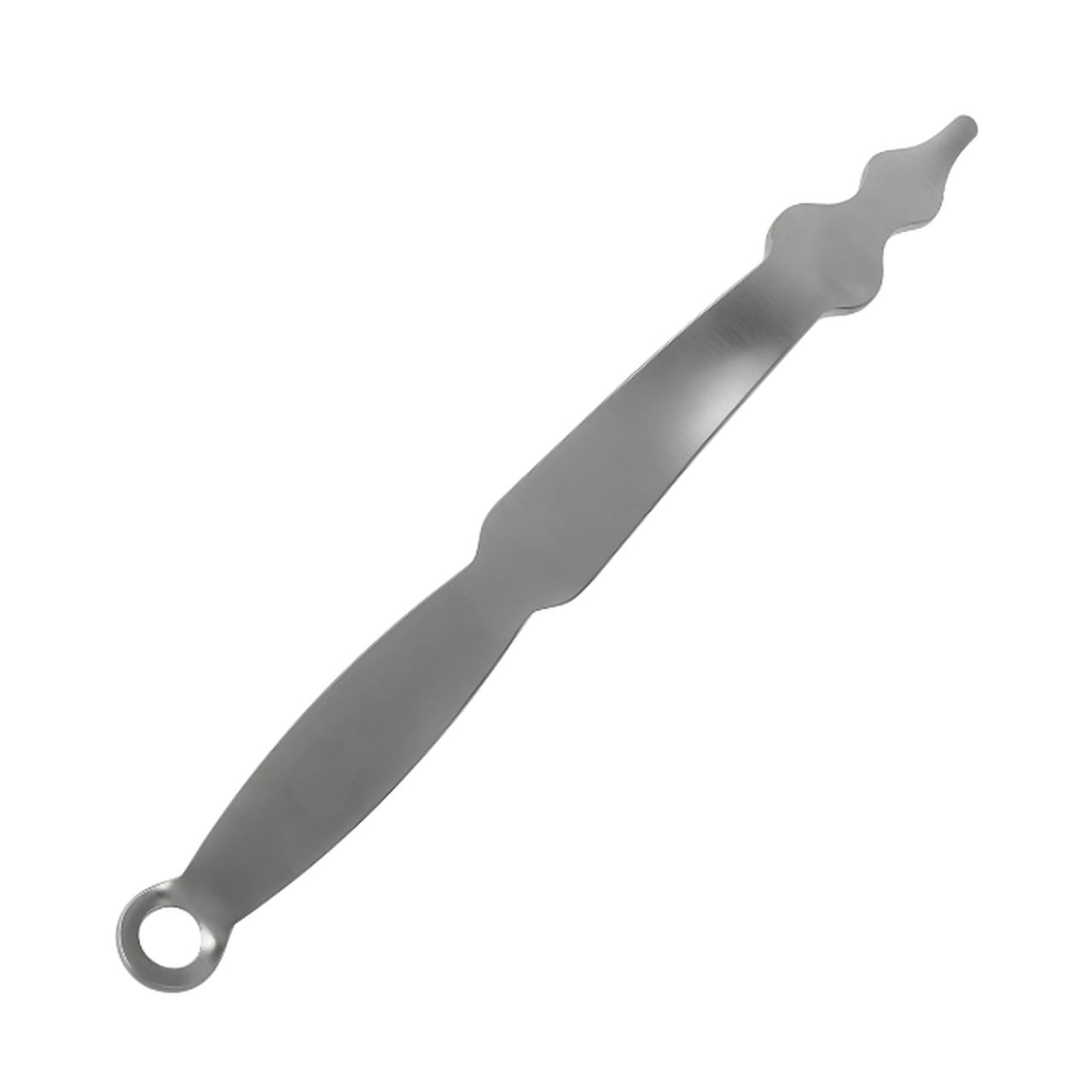 | Ретрактор для надколенника (Patella Retractor) | Специально разработан для поднятия, выворота и ретракции надколенника и его связки во время артропластики коленного сустава. |
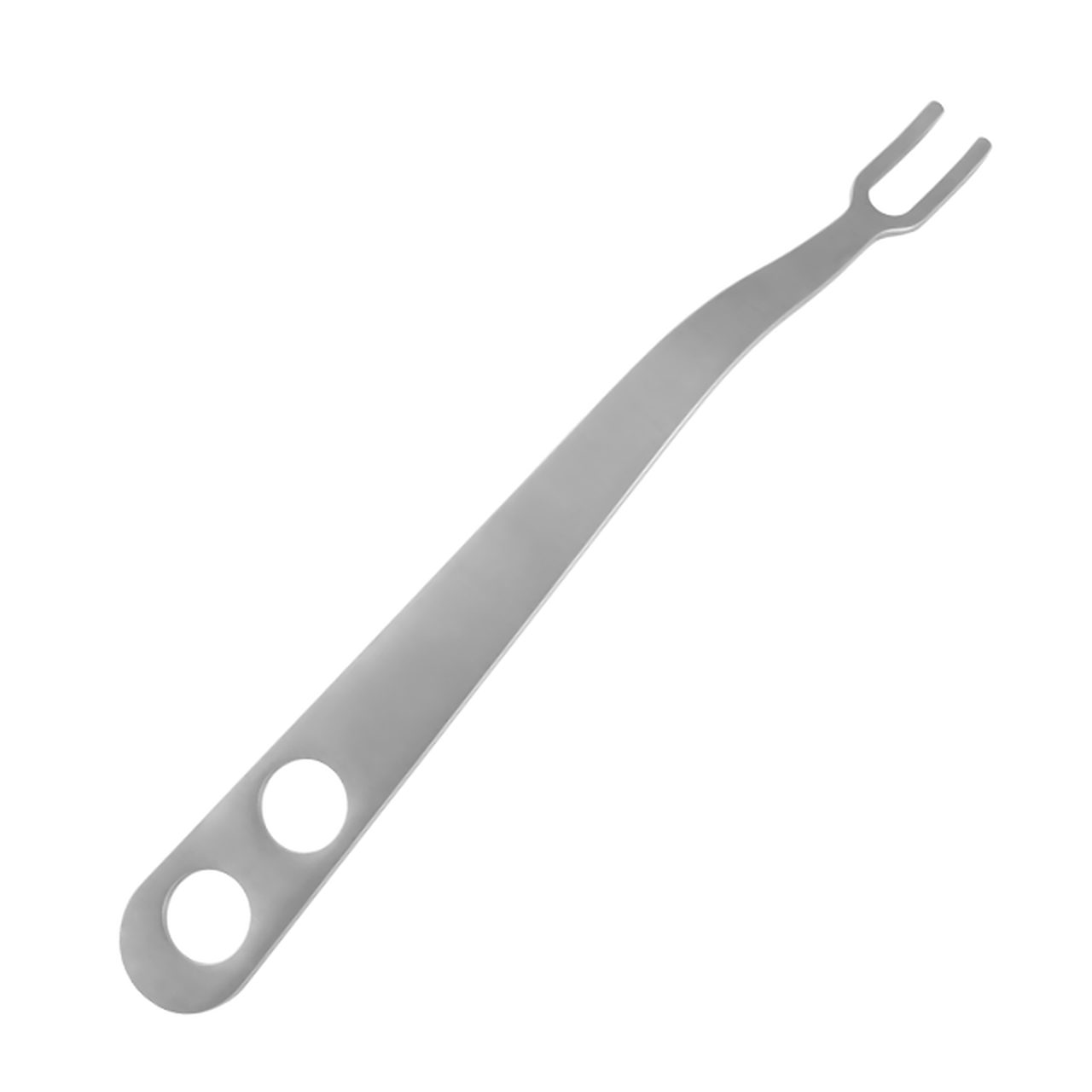 | Ретрактор PCL (задней крестообразной связки) | Специально разработан для ретракции ЗКС, переднего смещения большеберцовой кости и защиты задних сосудов во время артропластики коленного сустава. |
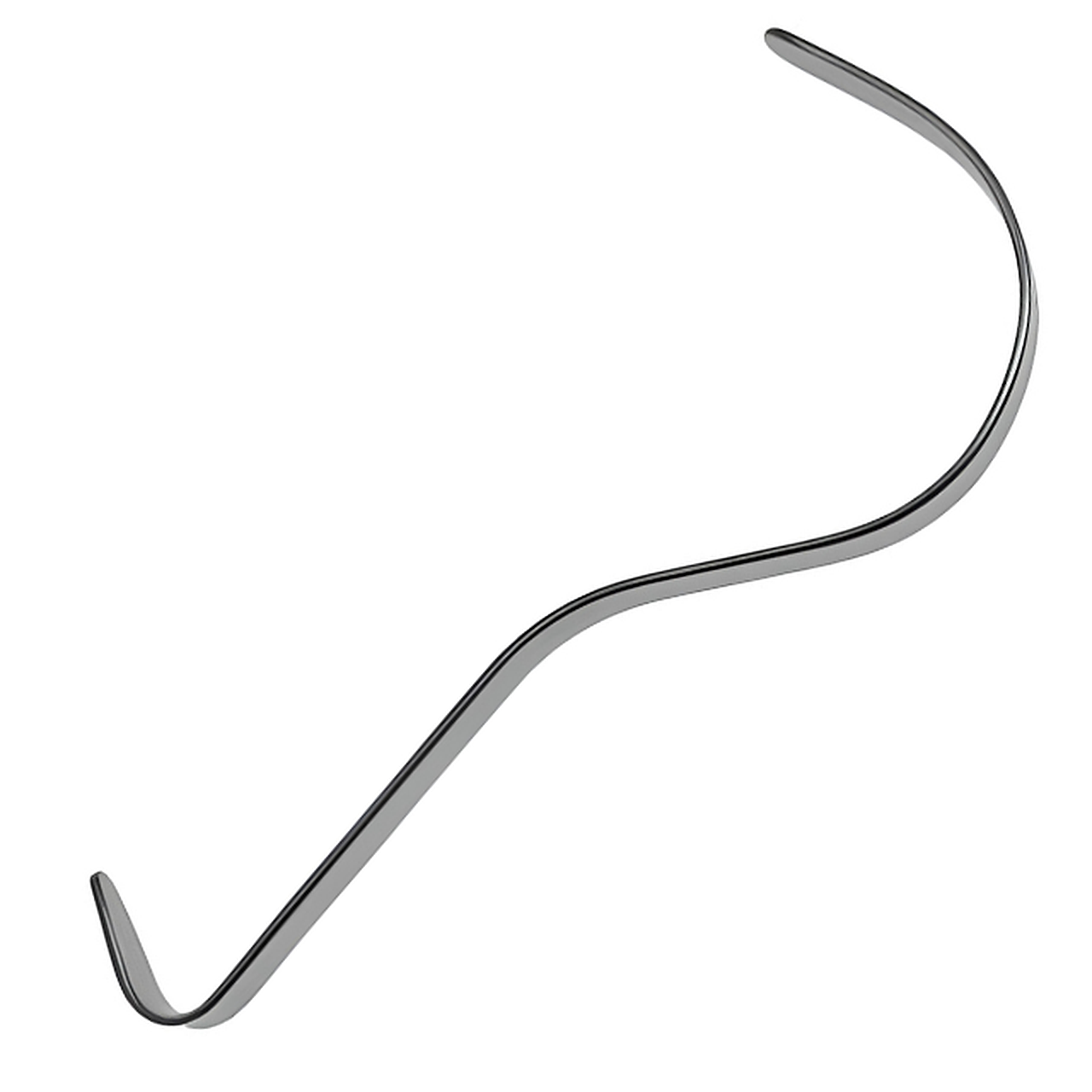 | Ранорасширители Pediatric Deaver Retractors | Специально разработаны для ретракции внутренних органов и брюшной стенки во время педиатрических и неонатальных операций. |
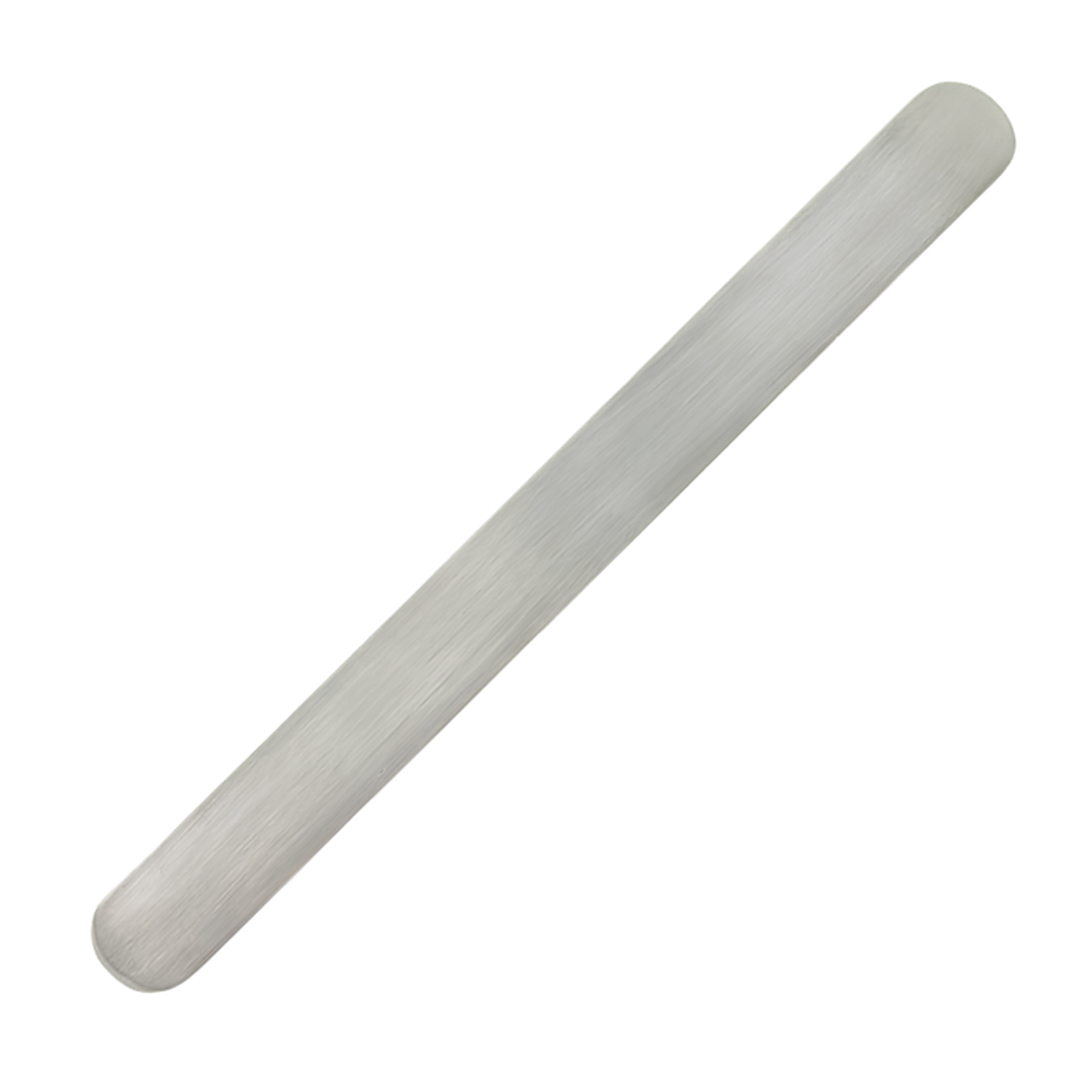 | Детский шпатель-ретрактор (Ribbon Retractor) | Специально разработан для придания индивидуальной формы с целью ретракции внутренних органов, кишечника и тканей во время педиатрических операций. |
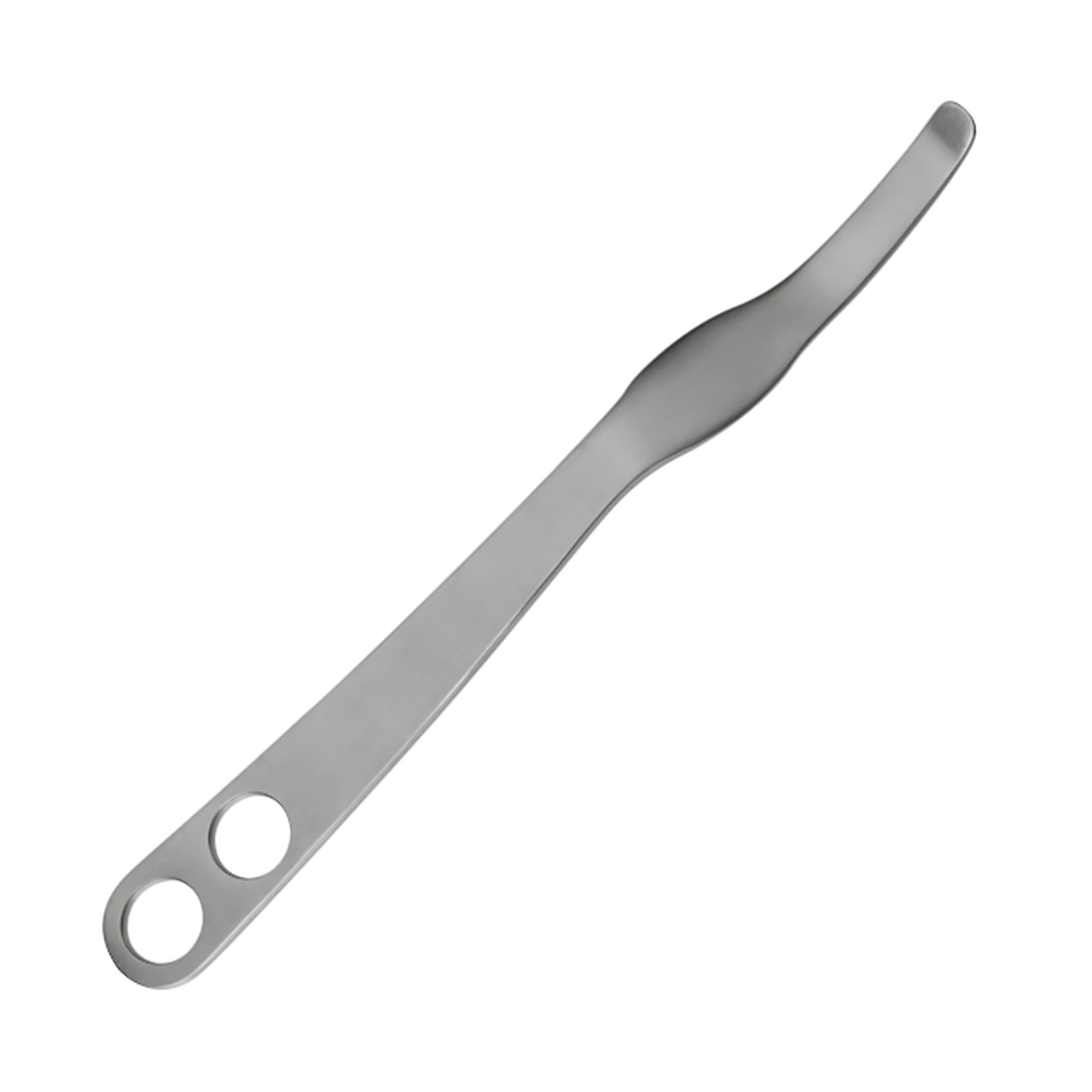 | Тазовый ретрактор тупоконечный | Специально разработан для ретракции органов малого таза, мочевого пузыря и мягких тканей во время глубоких тазовых и абдоминальных хирургических вмешательств. |
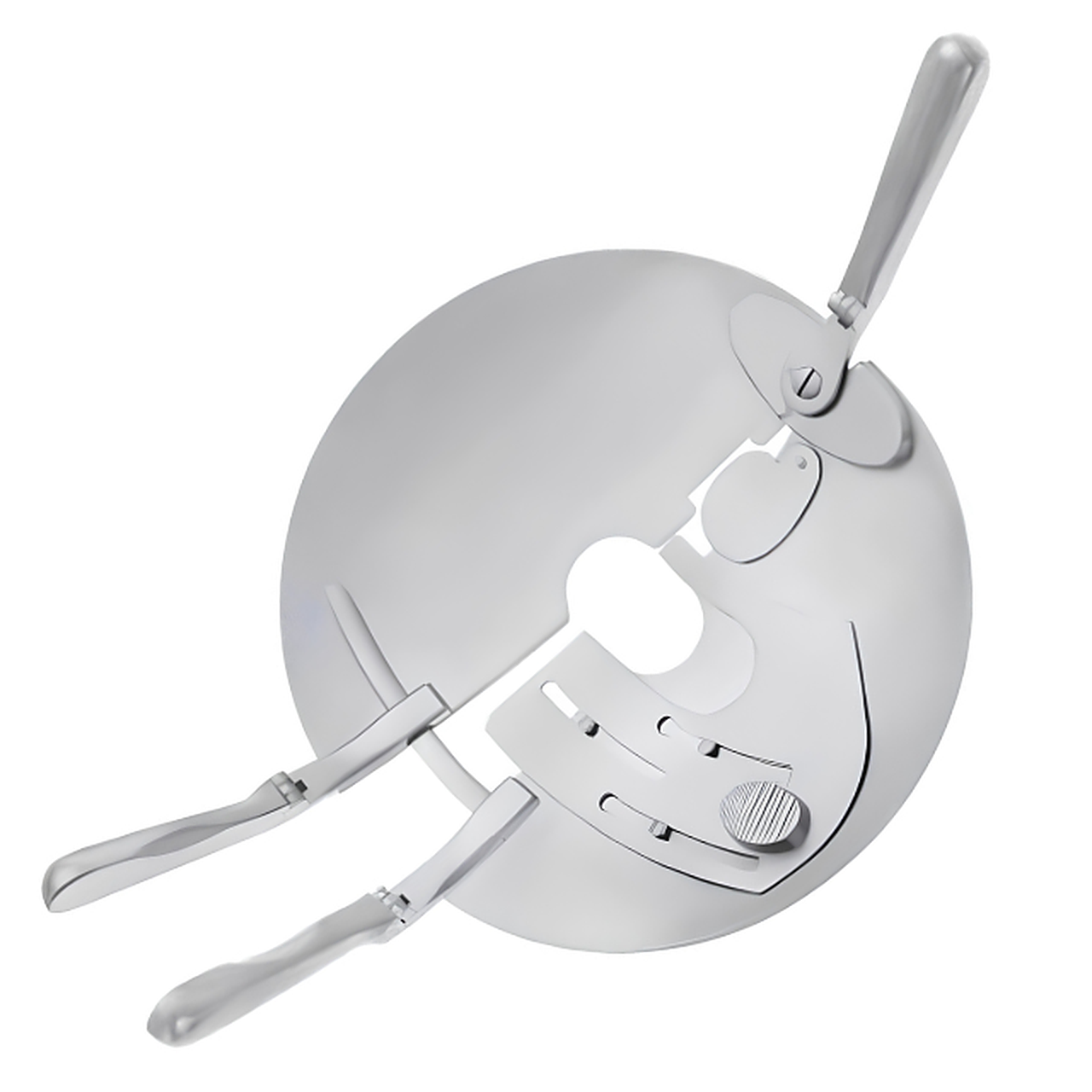 | РЕТРАКТОР ДЛЯ АМПУТАЦИЙ PERCY | Специально разработан для ретракции мышечных массивов и защиты мягких тканей во время распила кости при операциях по ампутации конечностей. |
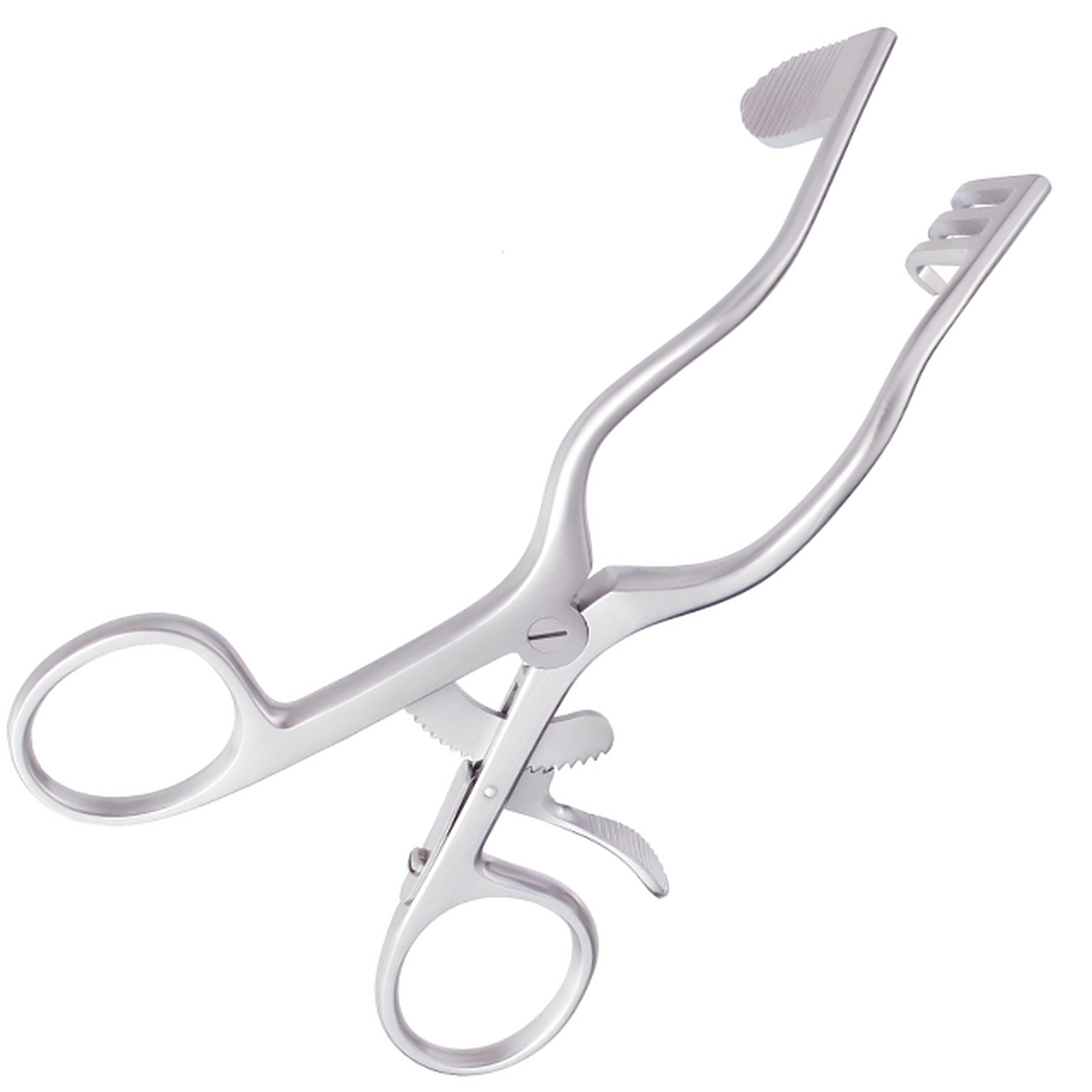 | Ранорасширитель Perkins самодержащий | Специально разработан для самодержащей ретракции тканей в сосудистой хирургии, нейрохирургии и ортопедии. |
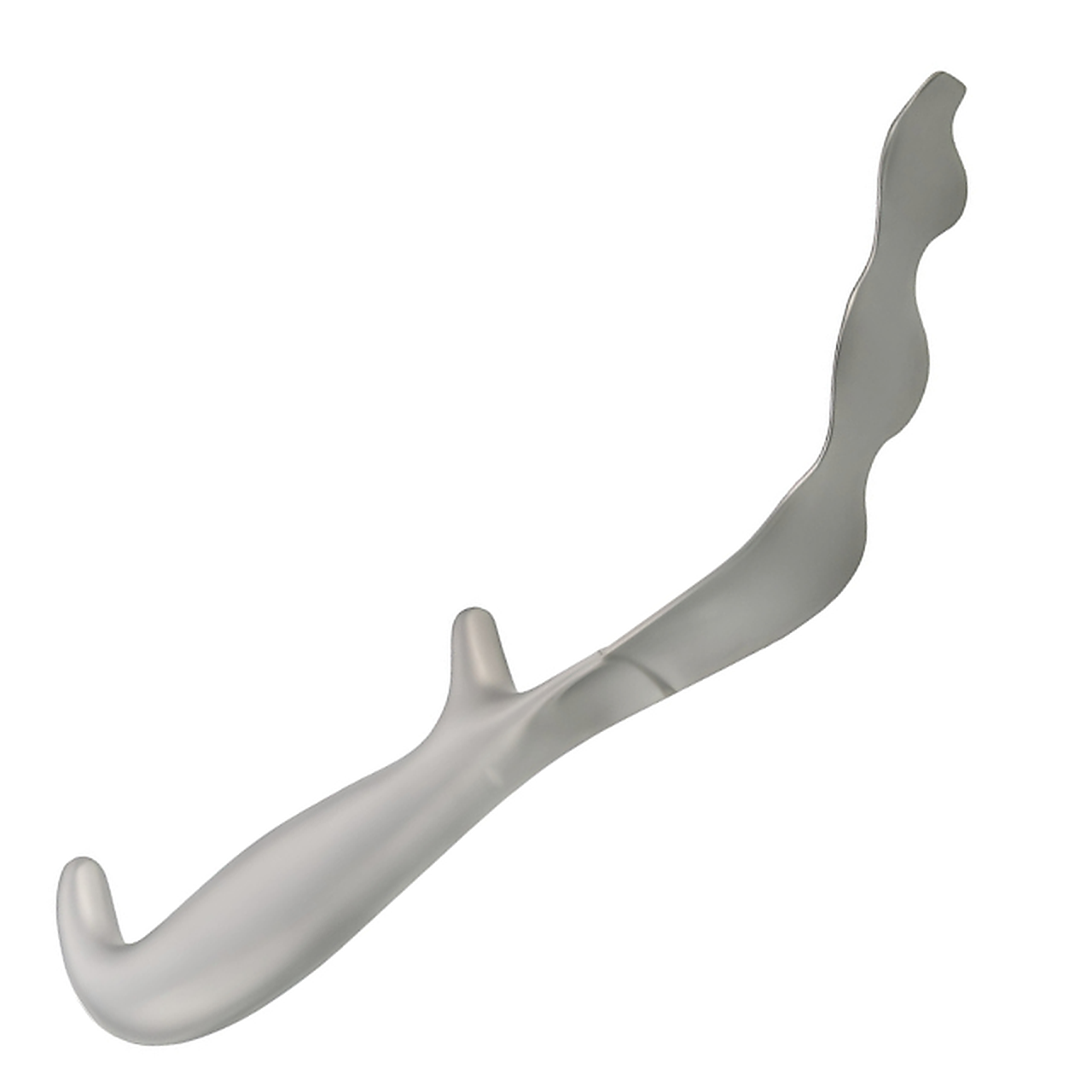 | Интраоральный птеригоидный ретрактор Petri | Специально разработан для защиты сосудисто-нервных структур и ретракции мягких тканей при крыловидно-челюстном разъединении в ходе остеотомии по Le Fort. |
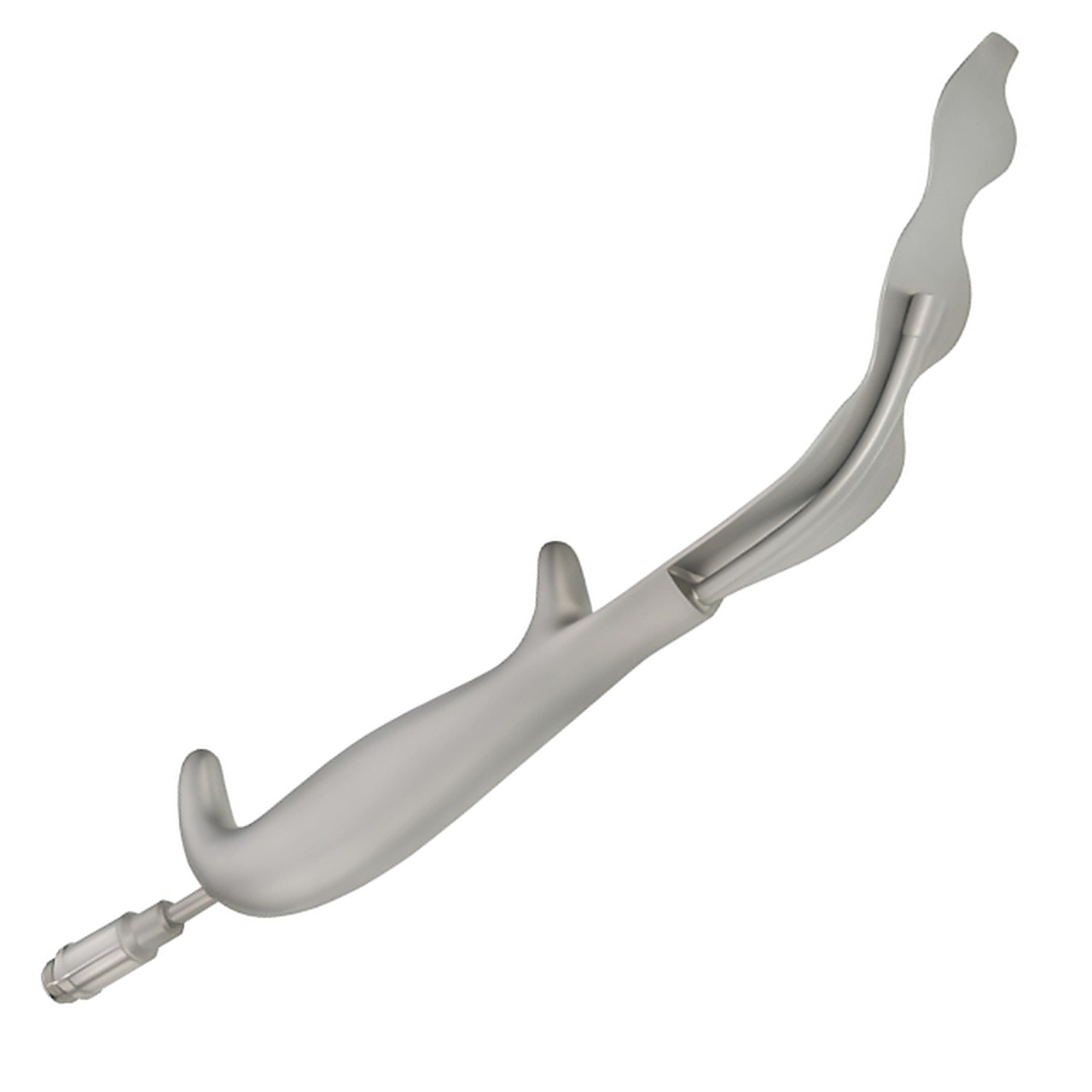 | Petri Pterygoid Intra Oral Retractor With Fiber Optic | Специально разработан для освещения, ретракции мягких тканей и защиты сосудисто-нервных пучков во время остеотомии по Le Fort. |
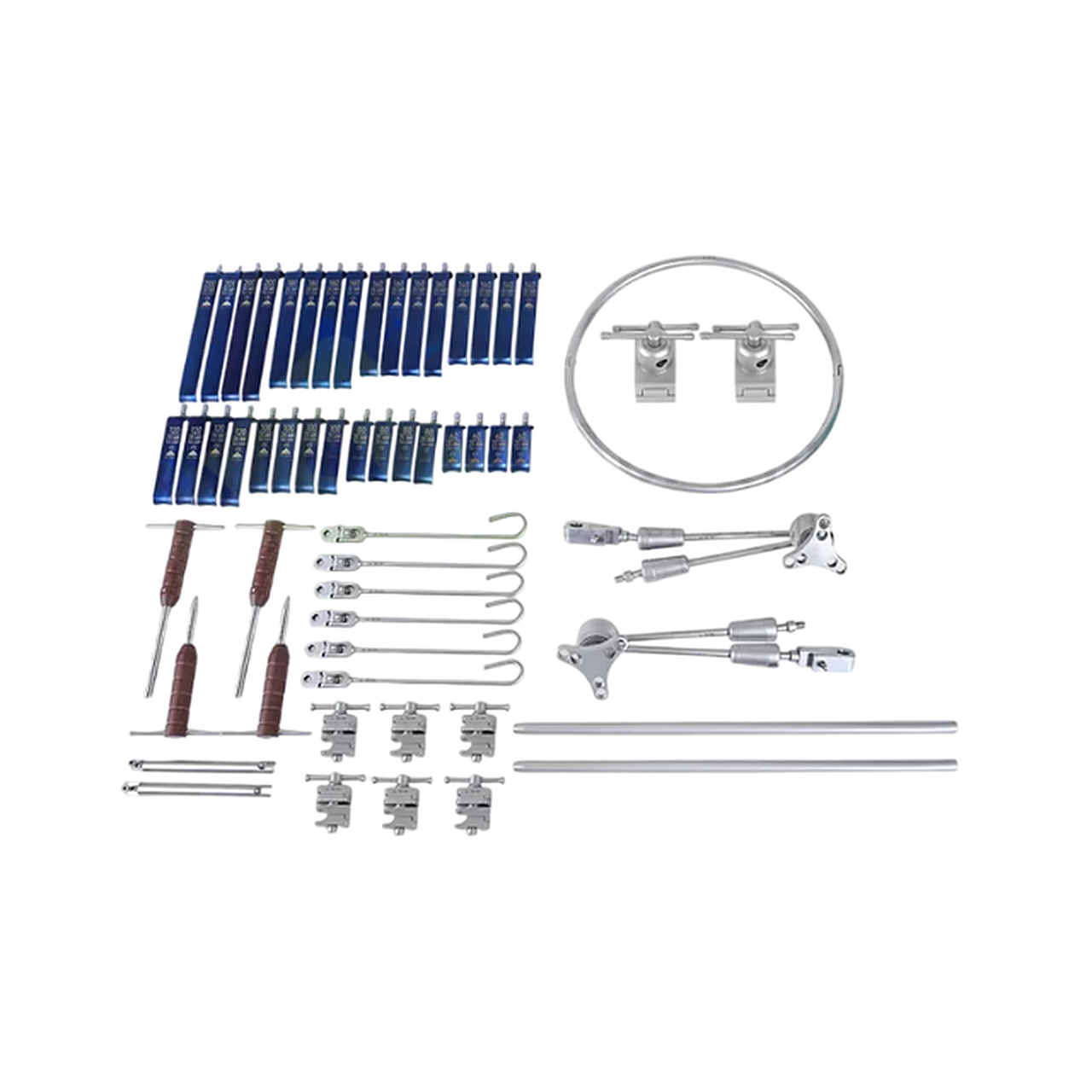 | Система переднего поясничного доступа Phantom AL Anterior Lumbar Surgical Access System | Специально разработана для обеспечения стабильного хирургического доступа без участия рук и контролируемой ретракции мягких тканей при операциях на поясничном отделе позвоночника передним доступом. |
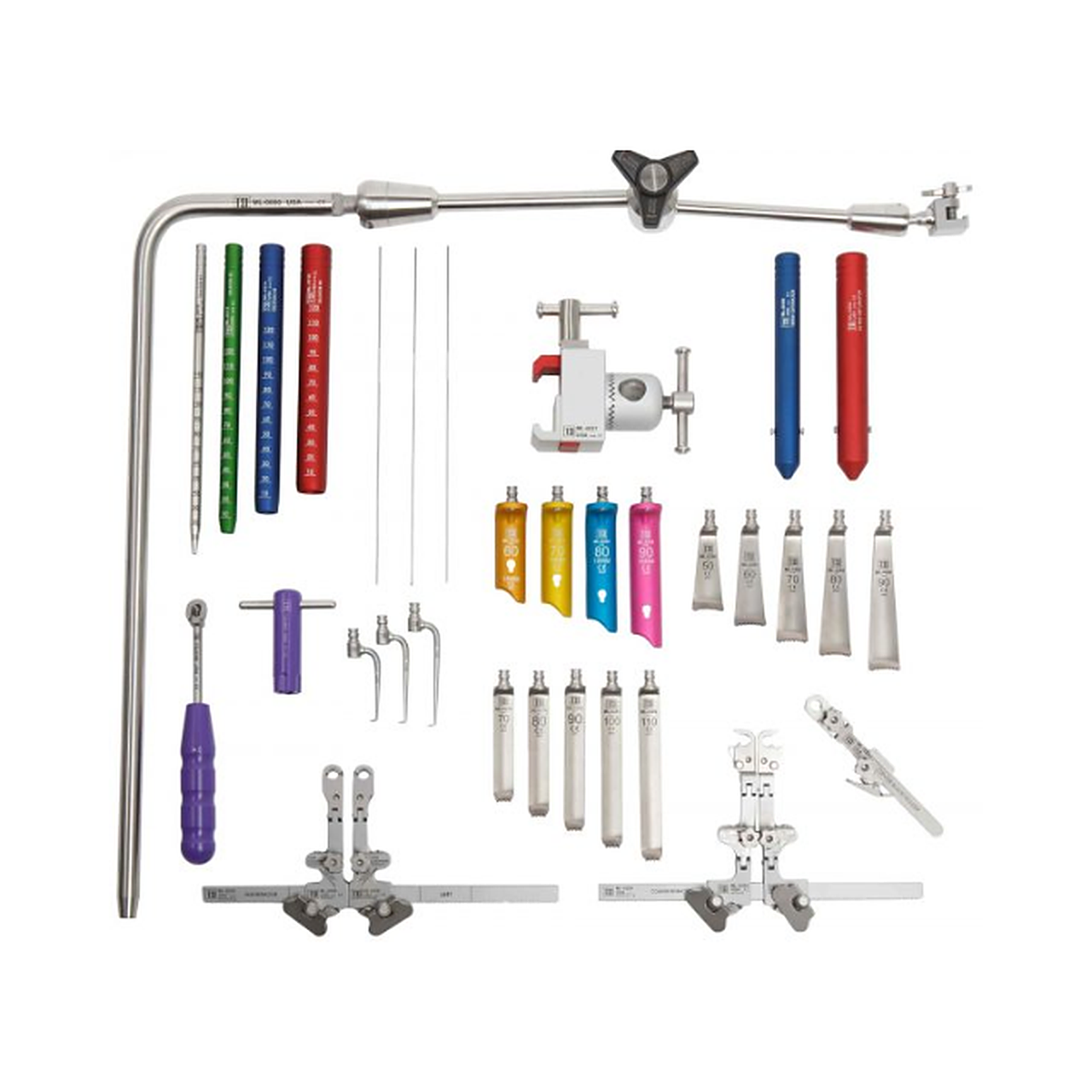 | Phantom ML MIS Lumbar Surgical Access System | Специально разработана для обеспечения малоинвазивного хирургического доступа к поясничному отделу, контролируемой ретракции тканей и прямого освещения канала во время операций на заднем отделе позвоночника. |
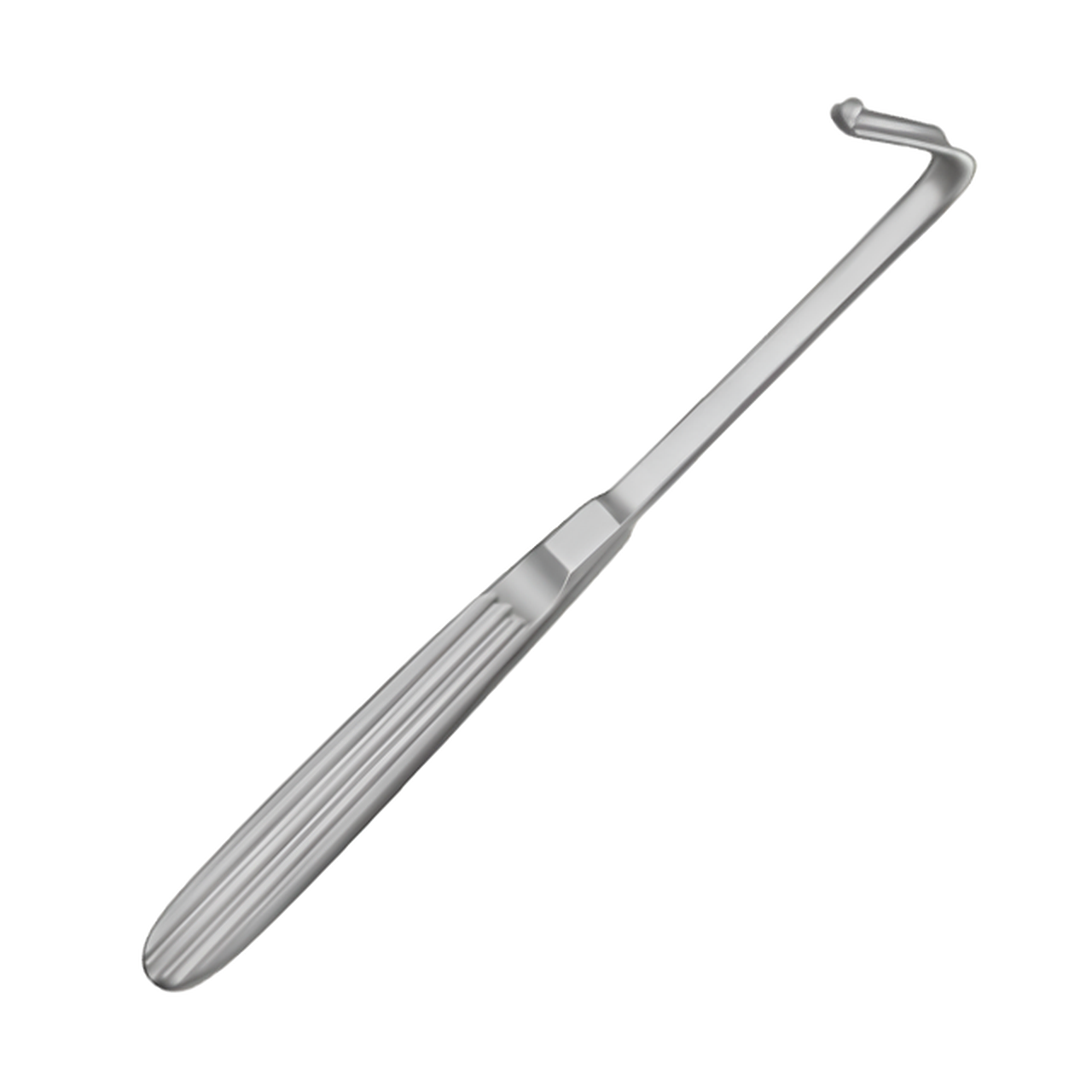 | Распатор-крючок для грушевидного отверстия Piriform Rim Retractor | Piriform Rim Retractor — это специализированный инструмент для челюстно-лицевой хирургии длиной 17 cm, предназначенный для надежной фиксации за края грушевидной апертуры при остеотомии по Le Fort и ринопластике. |
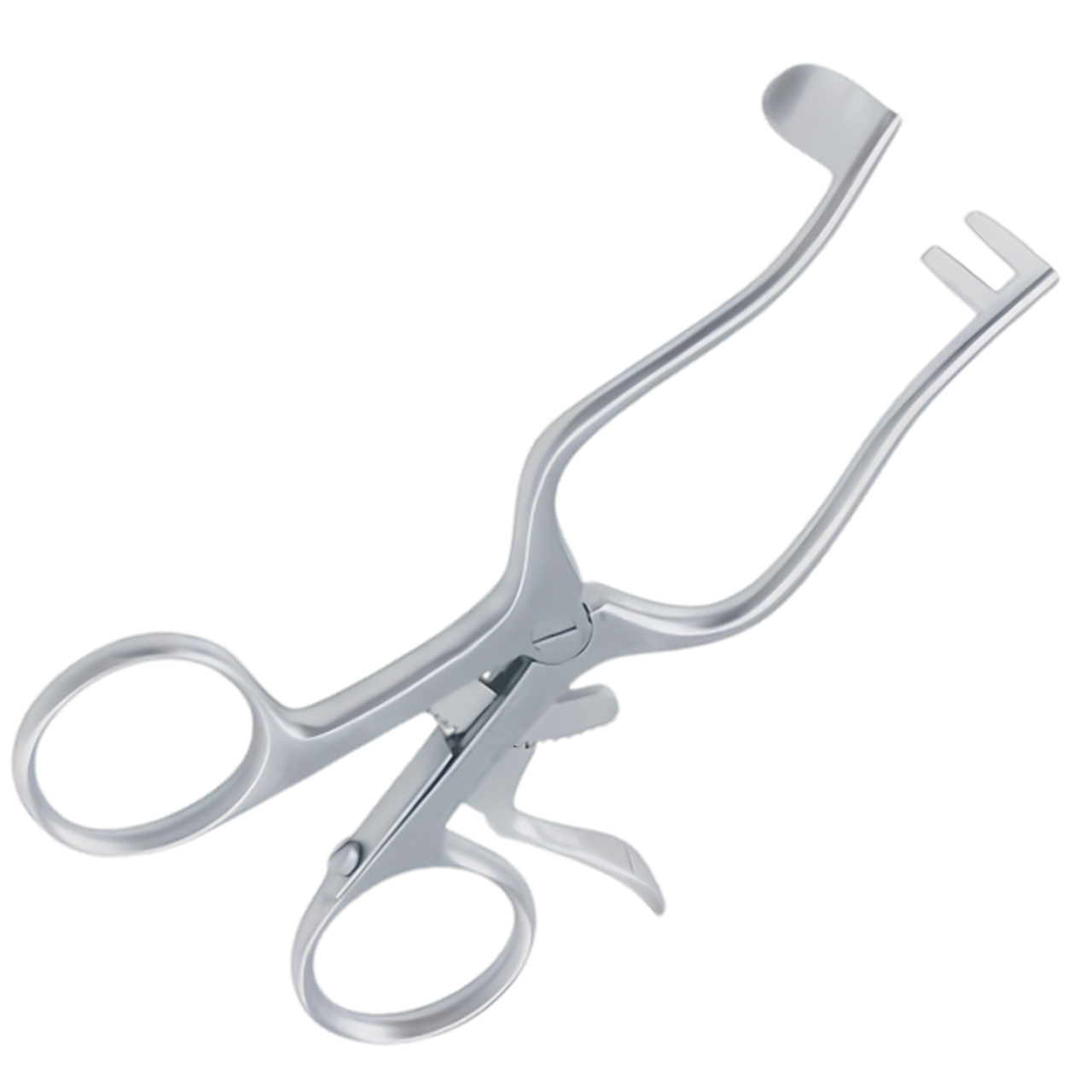 | Ранорасширитель Plester Self Retaining Retractor | Ранорасширитель Plester Self Retaining Retractor — это отологический и нейрохирургический инструмент, предназначенный для фиксации краев позадиушных и мастоидальных ран. |
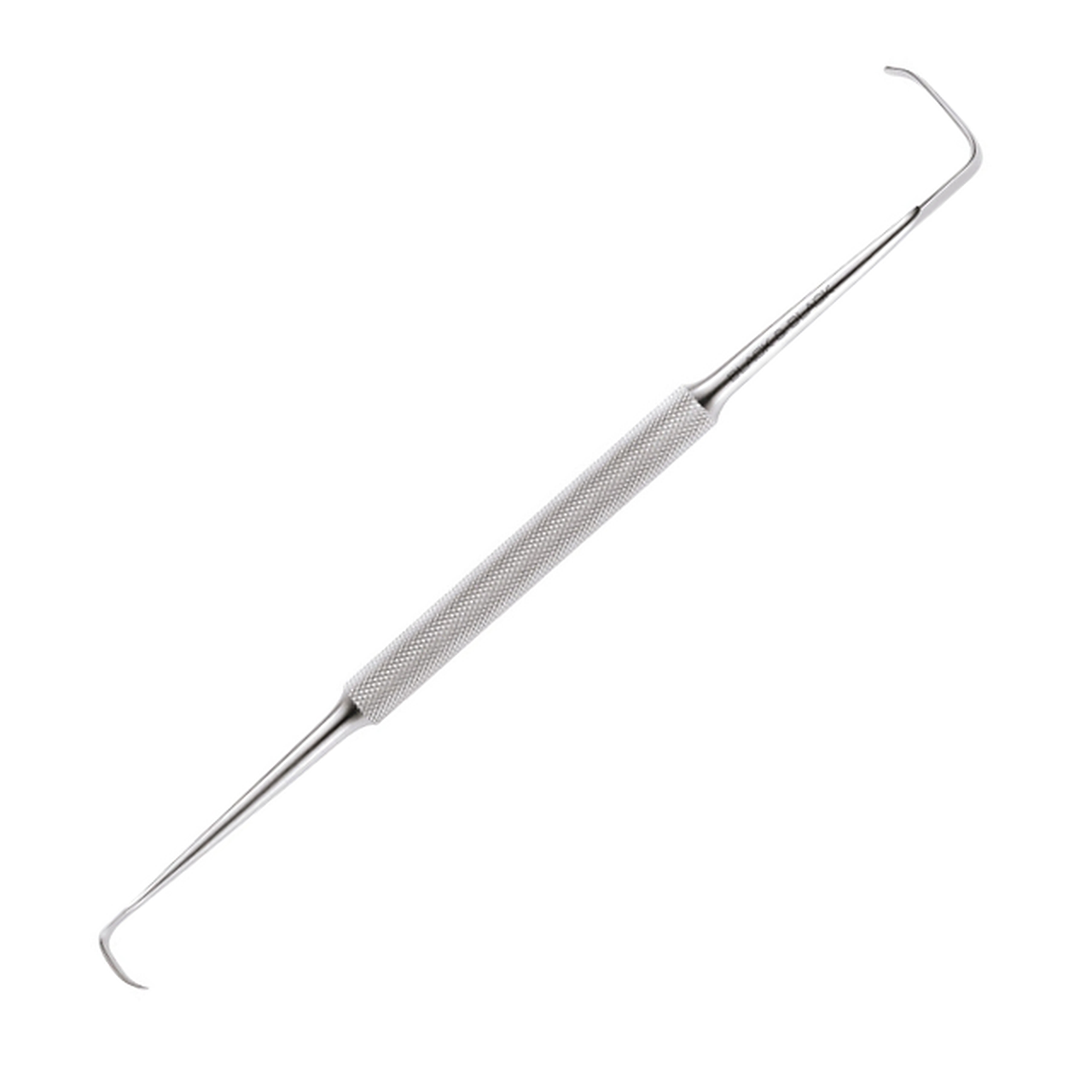 | Двусторонний ретрактор Ragnell-Davis | Двусторонний ретрактор Ragnell-Davis — это хирургический инструмент, предназначенный для деликатной ретракции кожи и мягких тканей в пластической хирургии, хирургии кисти и челюстно-лицевой хирургии. |
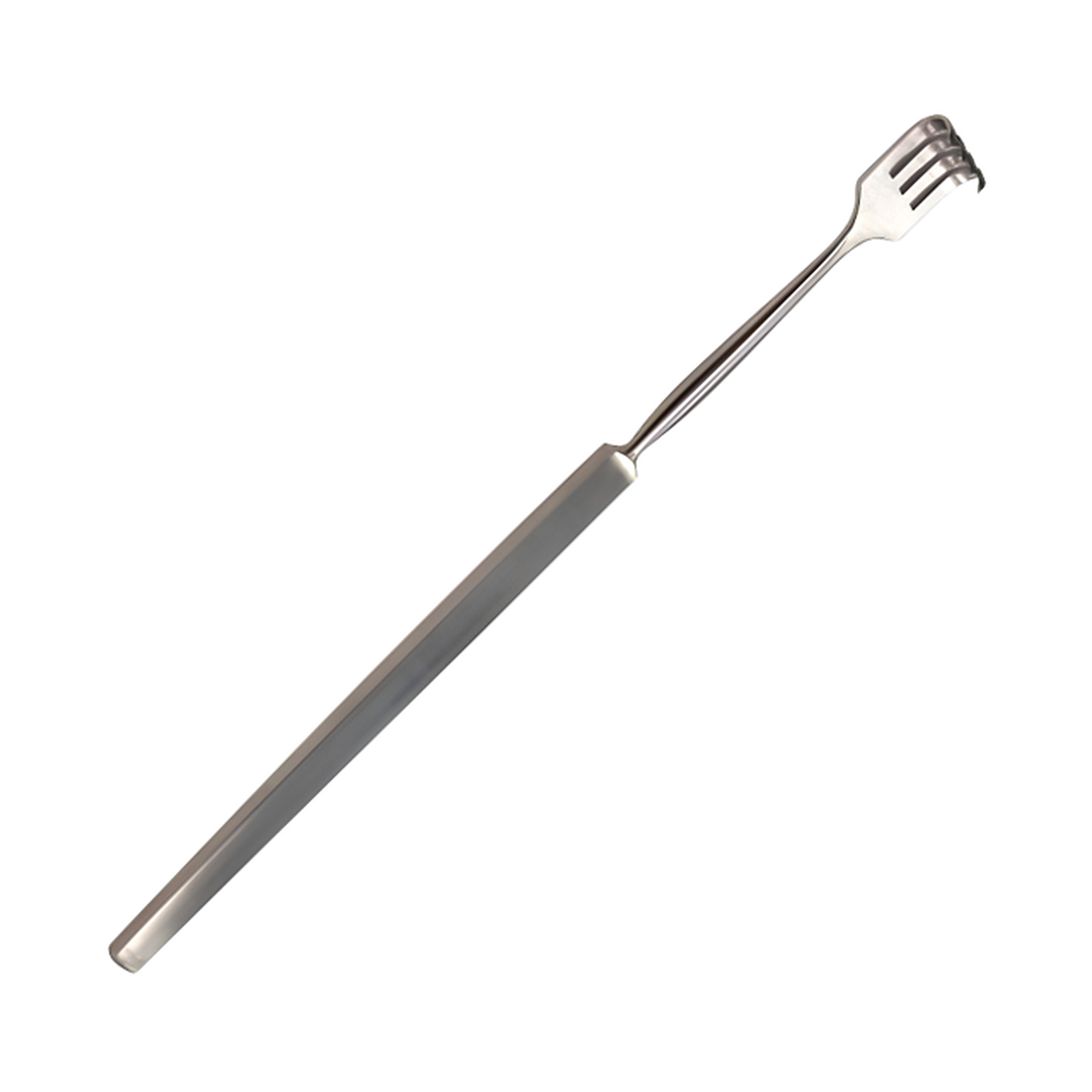 | Пальцевой ретрактор типа «грабли» (Rake Finger Retractor) | Пальцевой ретрактор Rake Finger Retractor длиной 15.3 cm — это хирургический инструмент, предназначенный для деликатного поднятия кожных лоскутов и обнажения сухожилий в кистевой и пластической хирургии. |
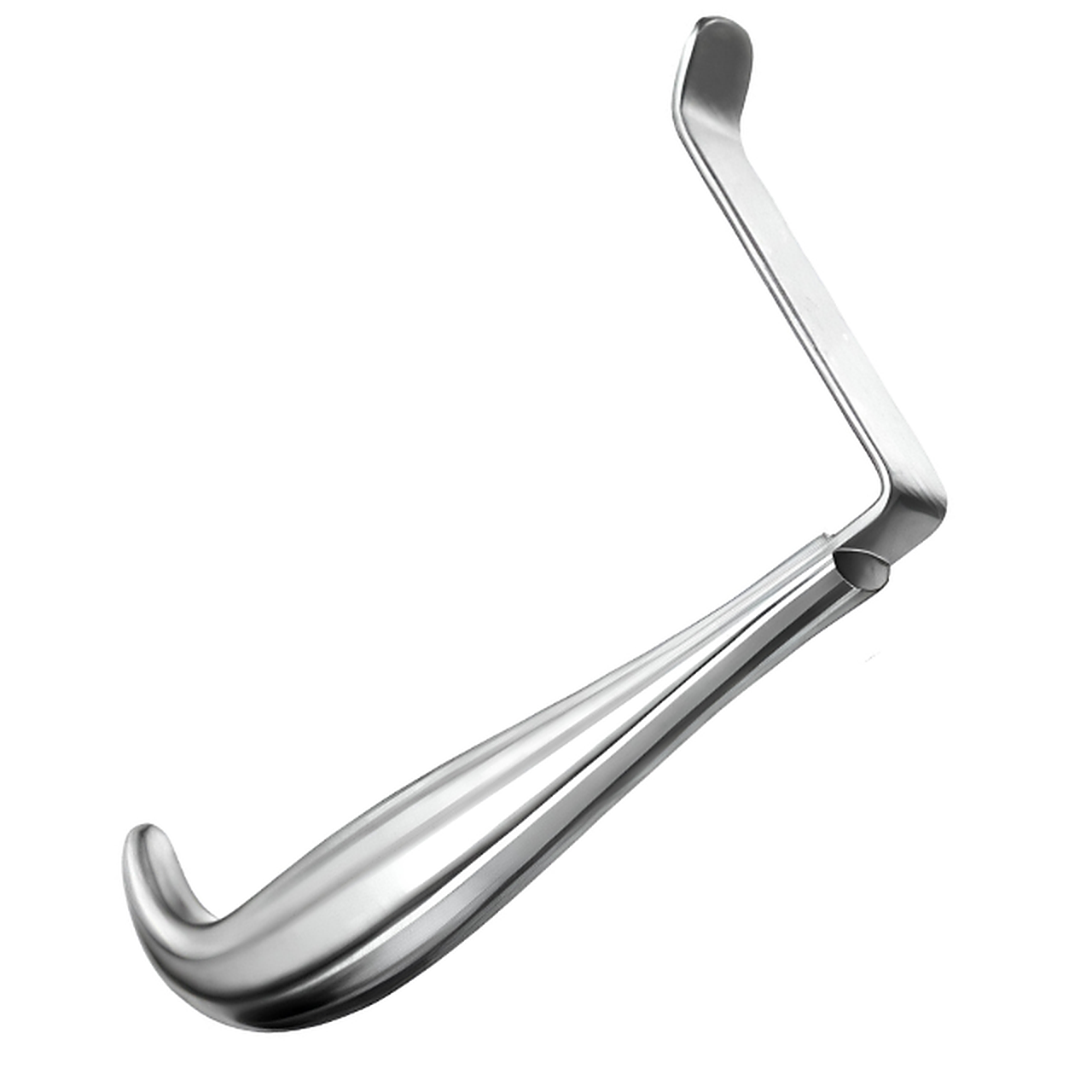 | Рамюс-ретрактор (для ветви нижней челюсти) | Специально разработан для ретракции крыловидно-массетерного комплекса и обнажения восходящей ветви нижней челюсти при ортогнатических операциях. |
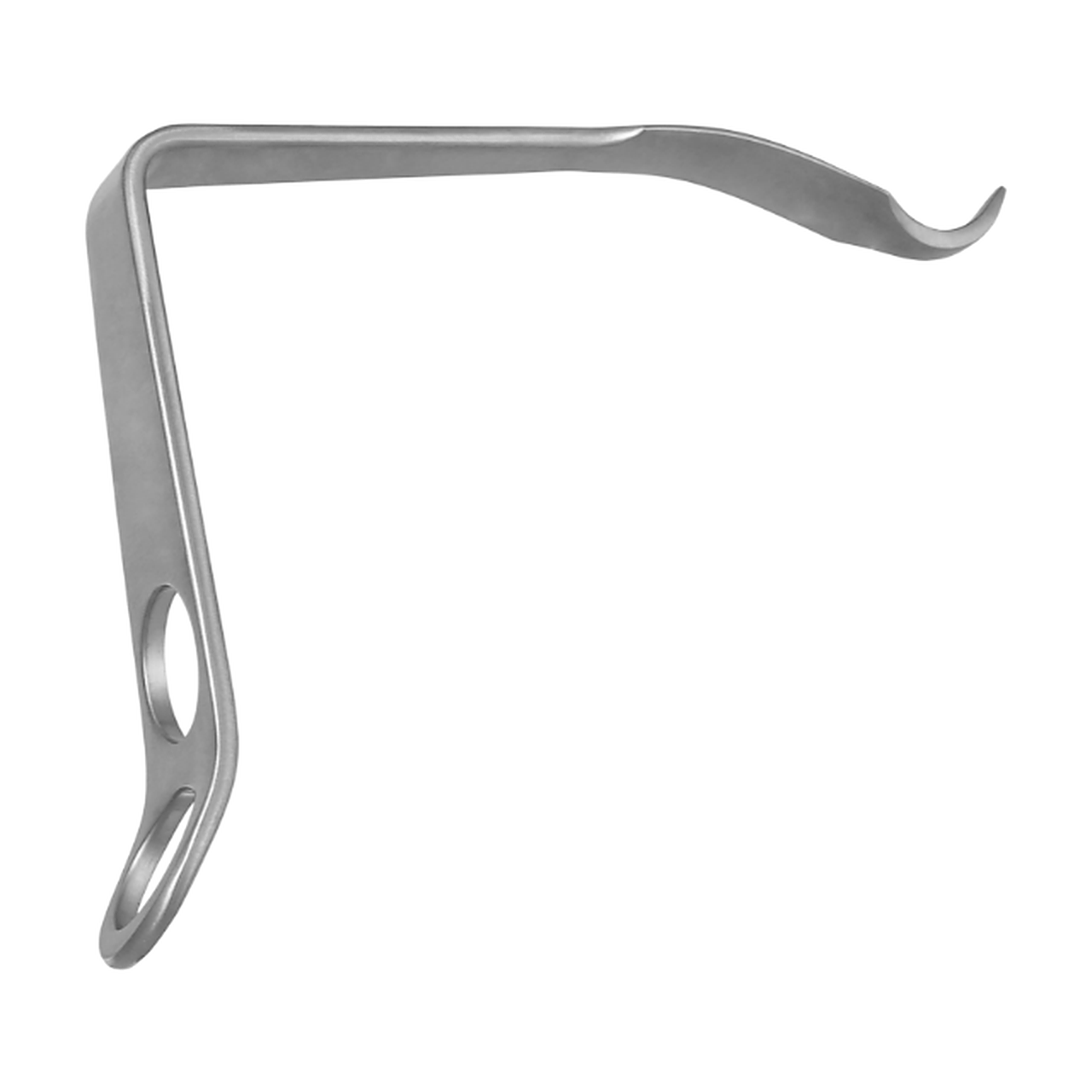 | Коленный ретрактор Ranawat Knee Retractor | Коленный ретрактор Ranawat Knee Retractor — это ортопедический инструмент длиной 9 ½″ (24.13 cm), предназначенный для ретракции коллатеральных связок и капсулы сустава при тотальном эндопротезировании коленного сустава. |
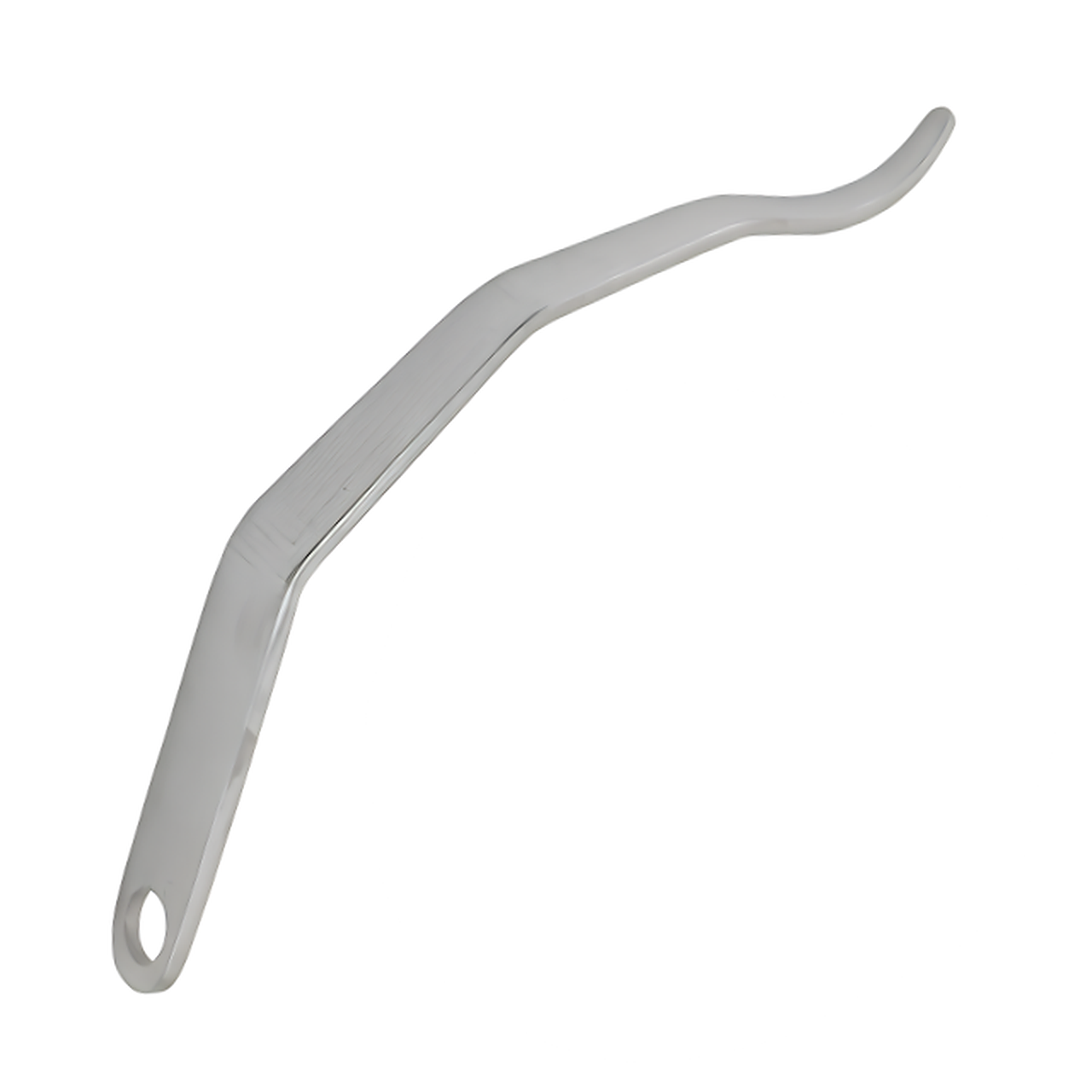 | Ранорасширитель Redler Retractor | Ранорасширитель Redler Retractor — это хирургический инструмент длиной 5″ (12.7 cm), предназначенный для бережной ретракции мягких тканей и краев ран. |
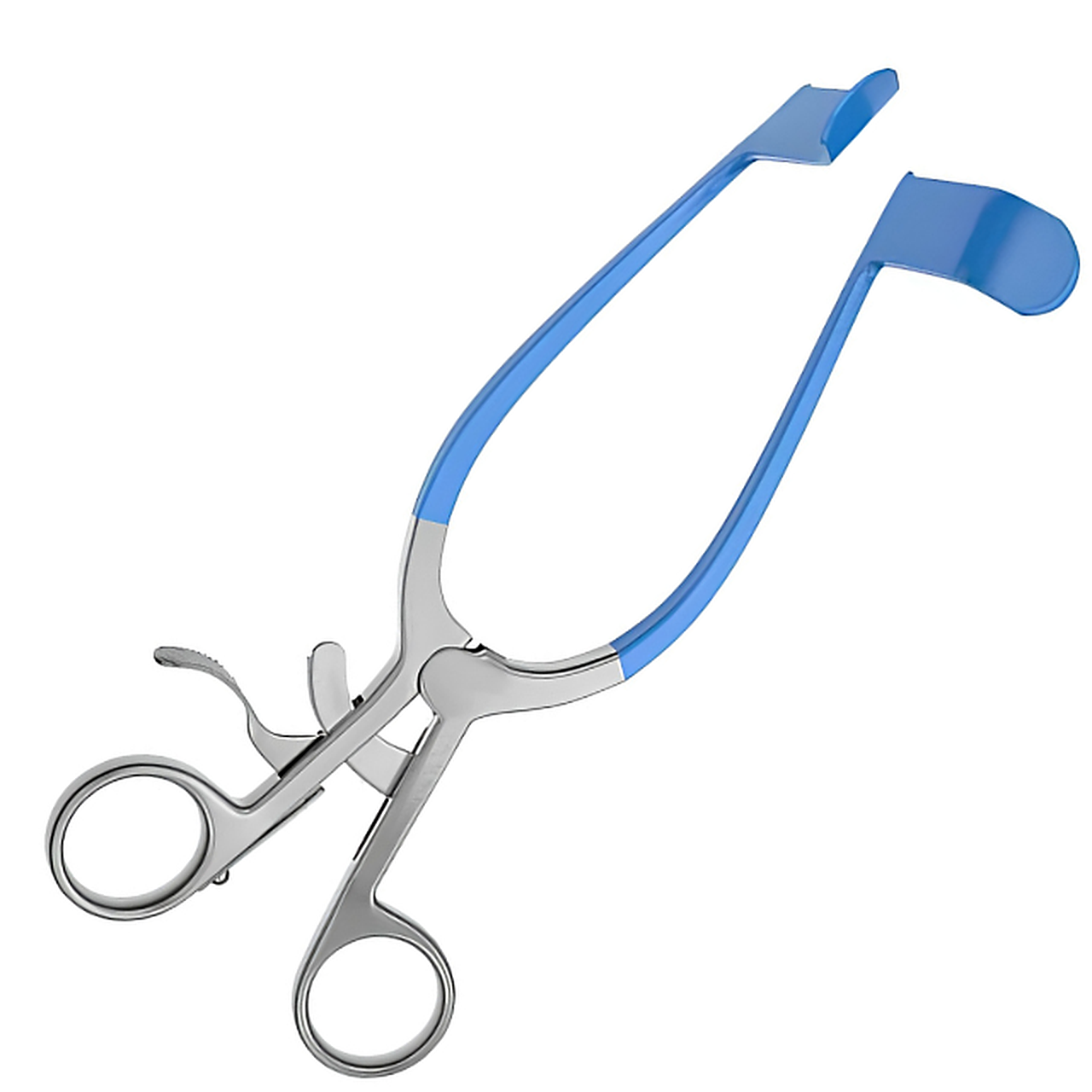 | Изолированный расширитель боковых стенок влагалища Redundant Nonconductive Wall Retractor | Redundant Nonconductive Wall Retractor — это 7″ (17.8 cm) изолированный гинекологический инструмент, предназначенный для смещения избыточных боковых стенок влагалища во время электрохирургических и лазерных процедур. |
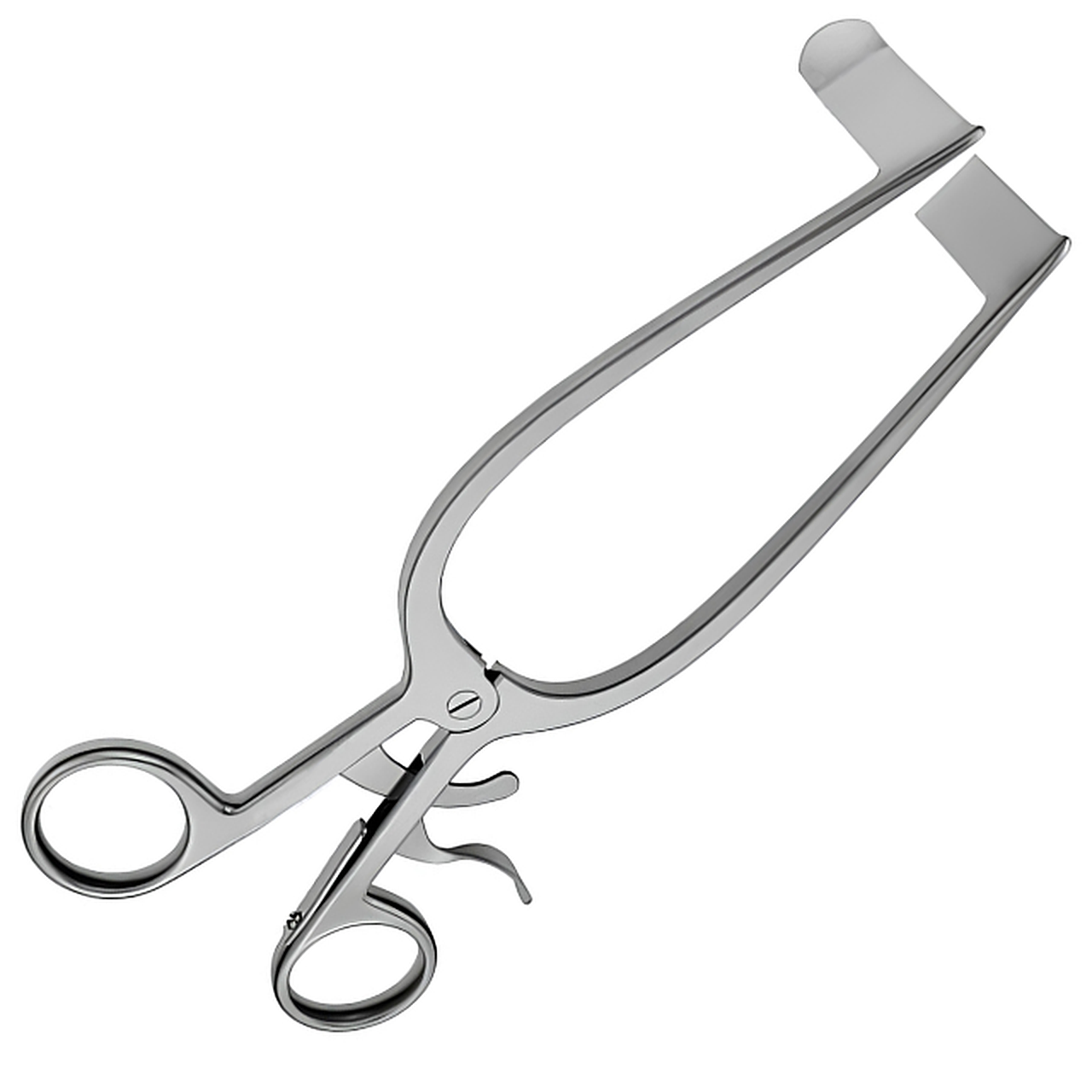 | Зеркало влагалищное Redundant Wall Retractor | Redundant Wall Retractor — это гинекологический инструмент длиной 18 cm, предназначенный для смещения избыточных боковых стенок влагалища во время осмотров и операций. |
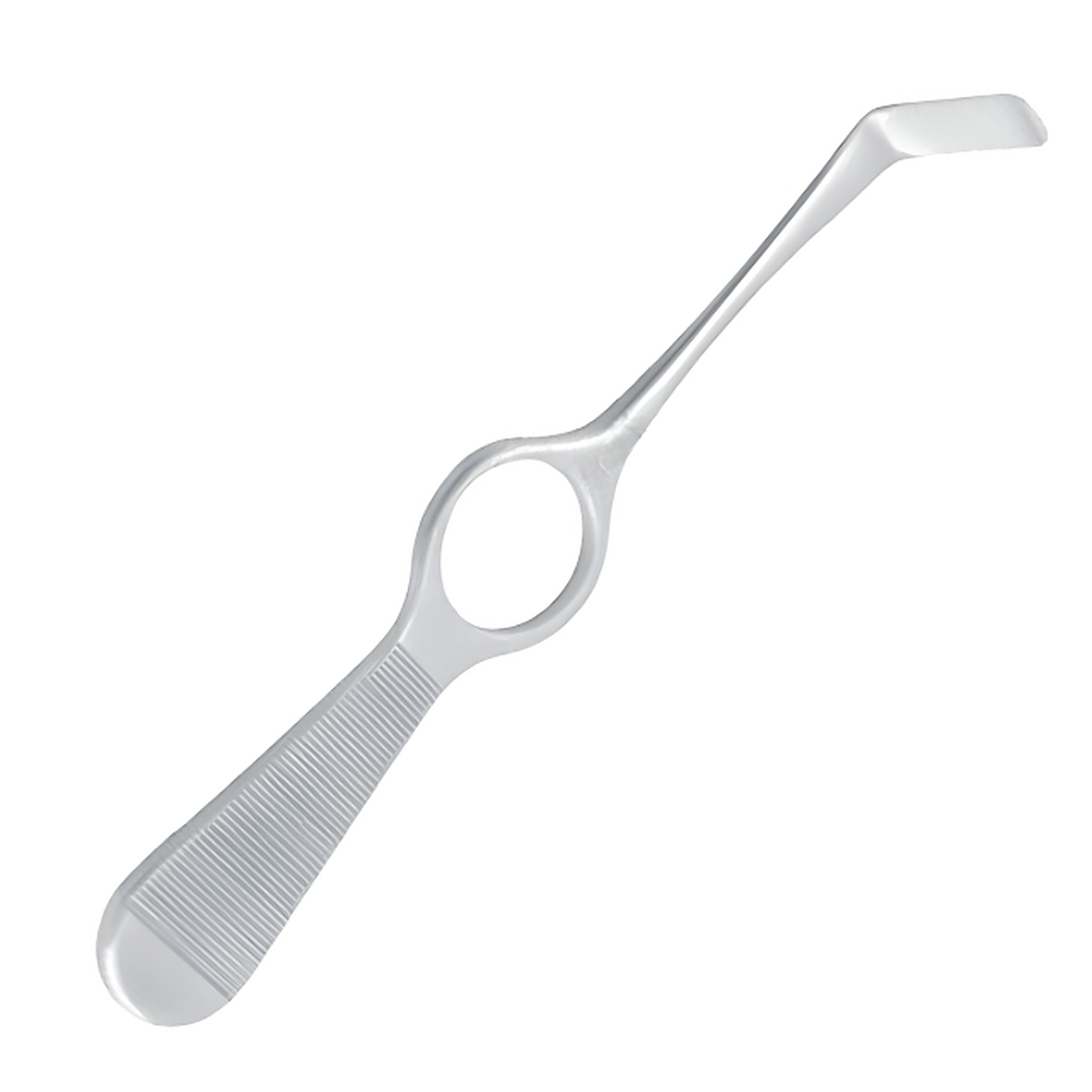 | Ретрактор мыщелковый Reich Condyle Retractor | Ретрактор Reich Condyle Retractor — челюстно-лицевой инструмент, предназначенный для захвата шейки мыщелкового отростка нижней челюсти при операциях на ВНЧС. |
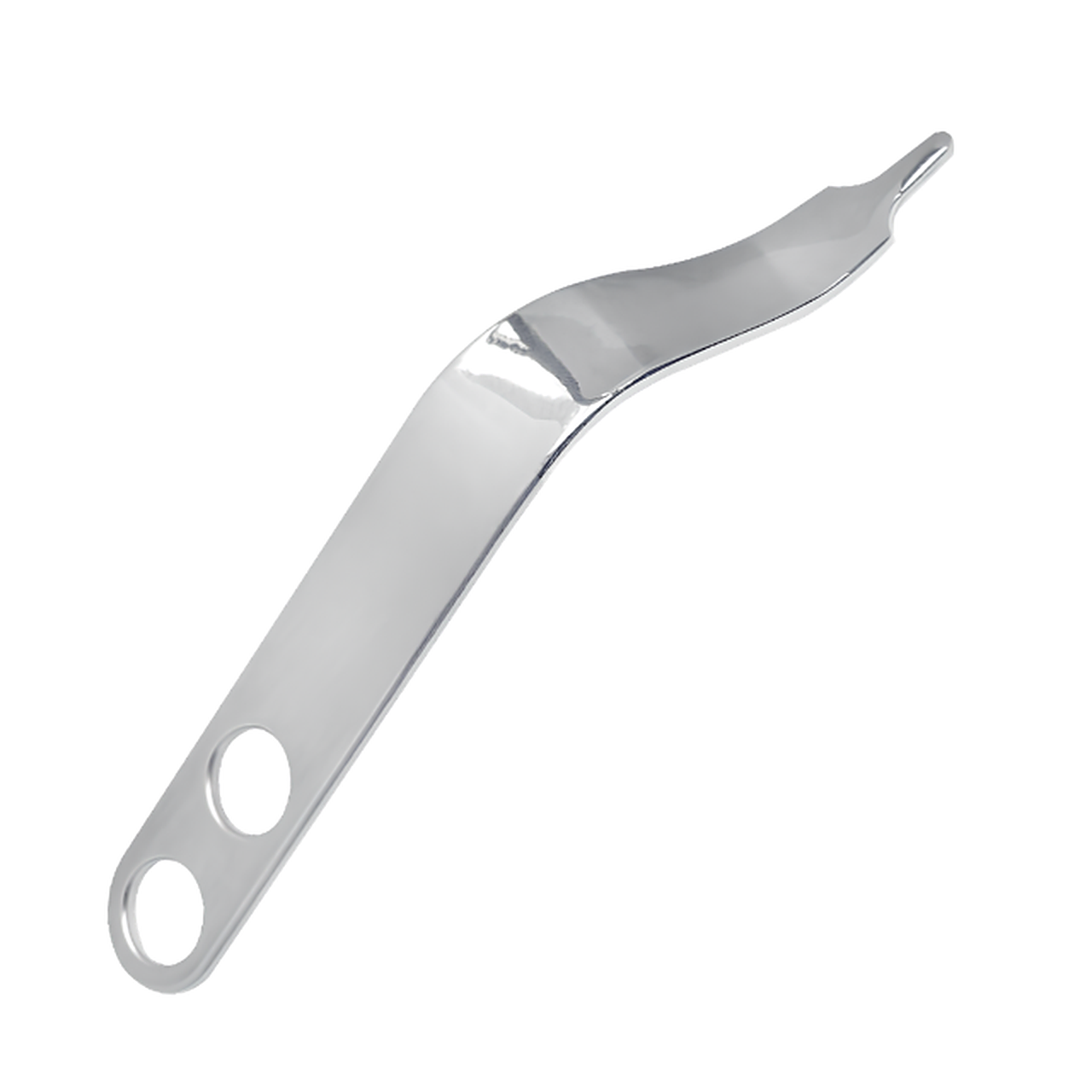 | Реверсивный ретрактор Hohmann | Специально разработан для создания рычажного усилия на костные кортикальные слои и ретракции мягких тканей во время операций на бедре, колене и при травматологических вмешательствах. |
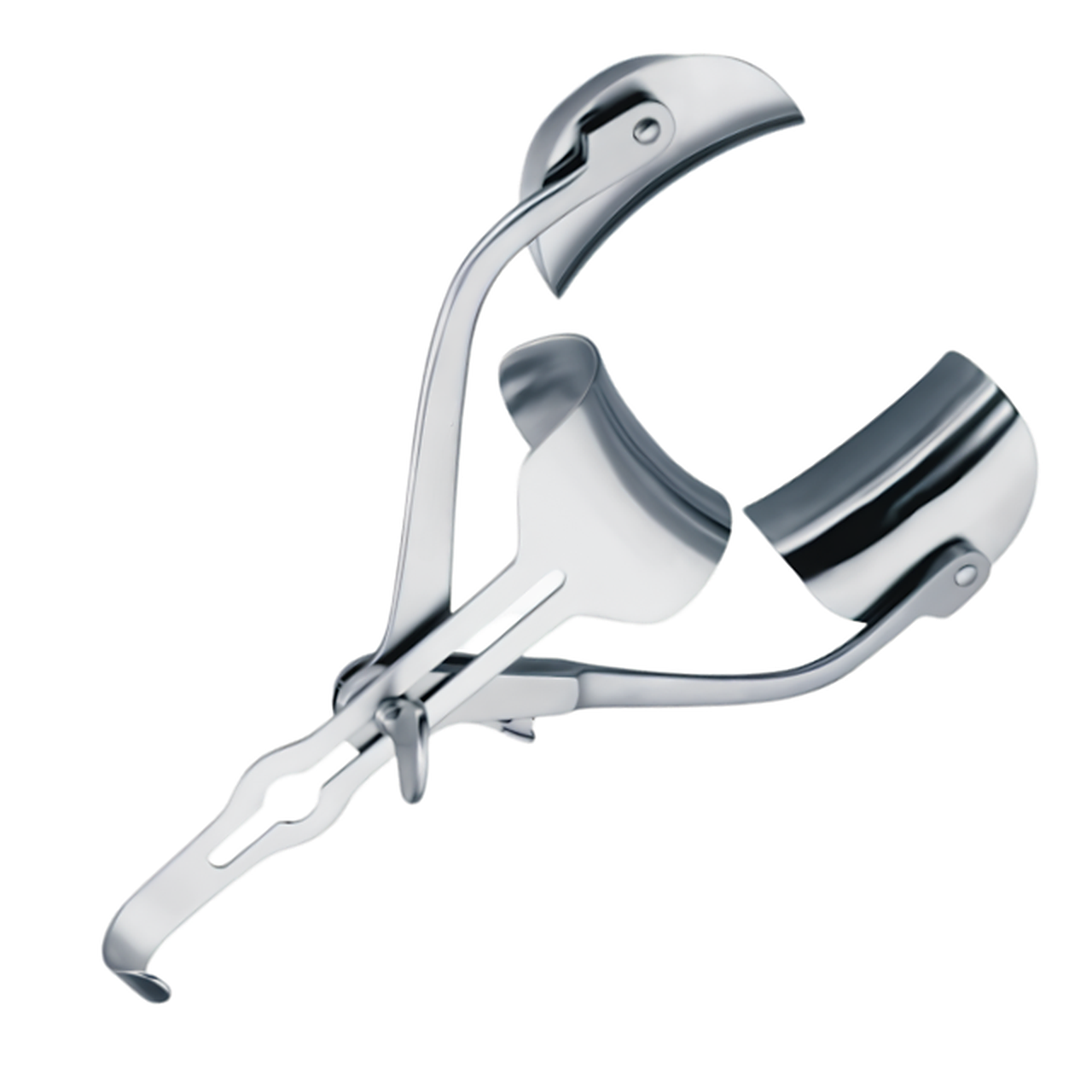 | Брюшной ретрактор Ricard | Специально разработан для самодержащейся трехлопастной ретракции брюшной стенки и внутренних органов во время лапаротомии. |
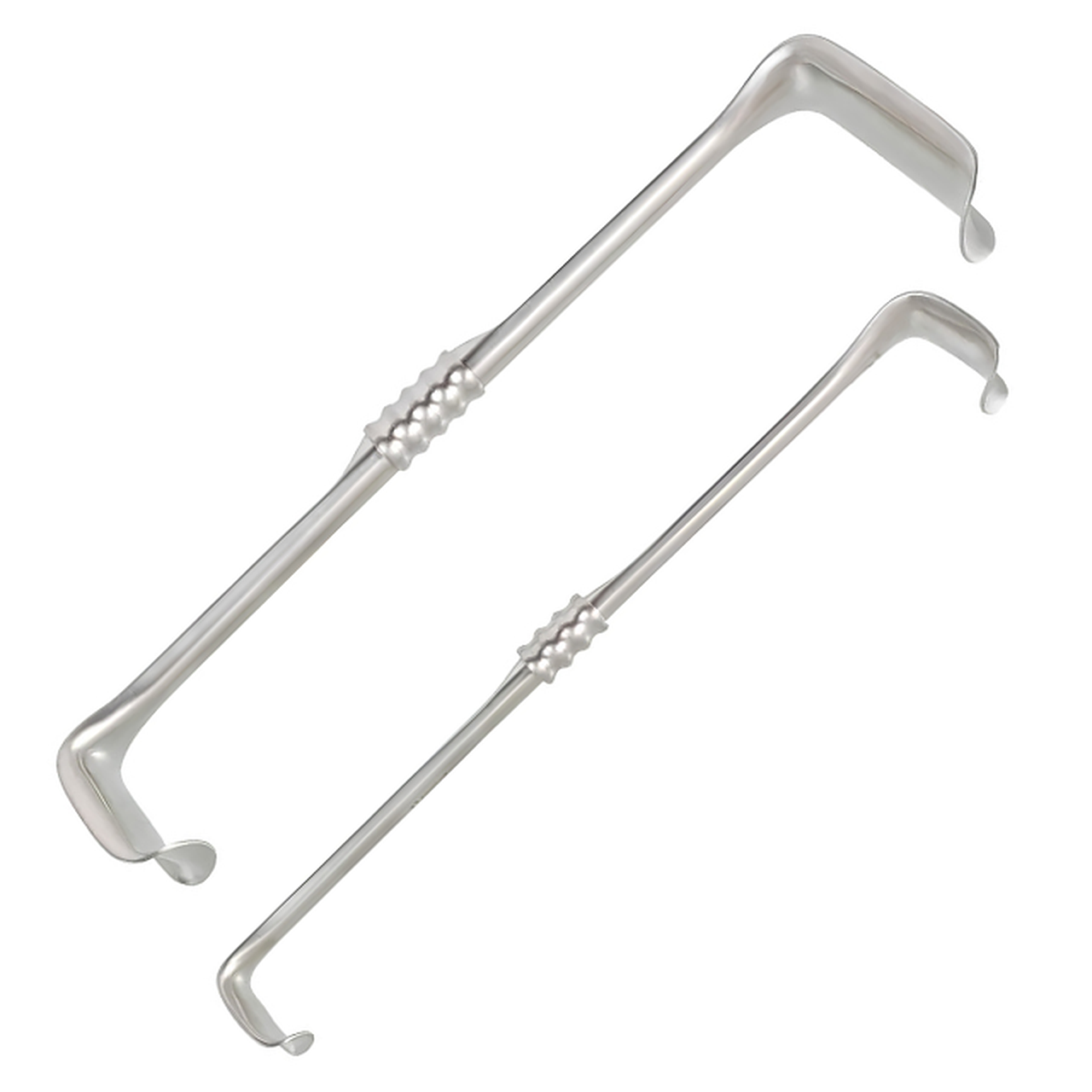 | Ранорасширитель Richardson Eastman Retractor | Специально разработан для ретракции брюшной стенки, фасций и внутренних органов на различной глубине разреза при открытых операциях. |
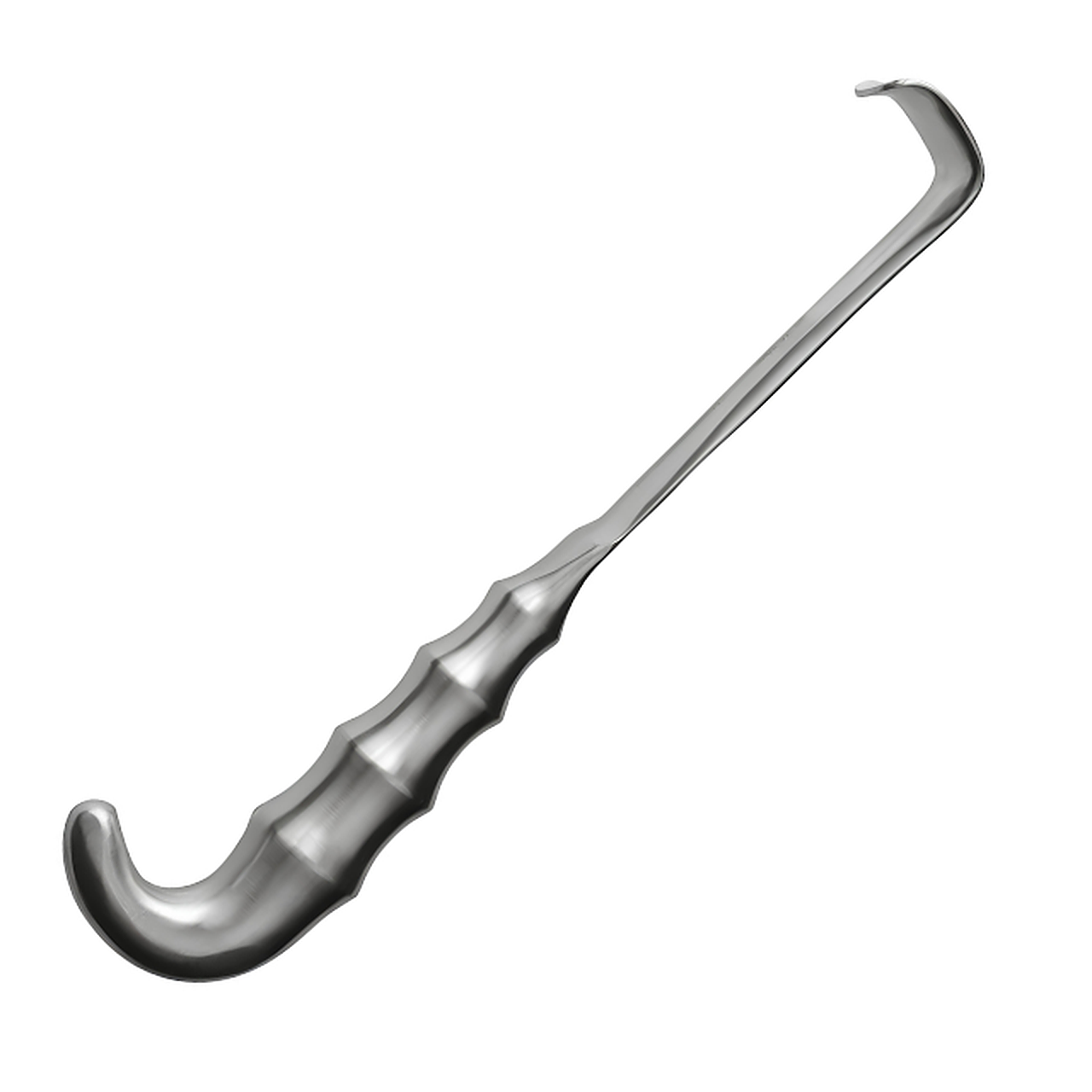 | Ранорасширитель Richardson с эргономичной рукояткой | Специально разработан для разведения брюшной стенки, фасций и толстых мышечных слоев с целью снижения утомляемости ассистента во время открытых операций. |
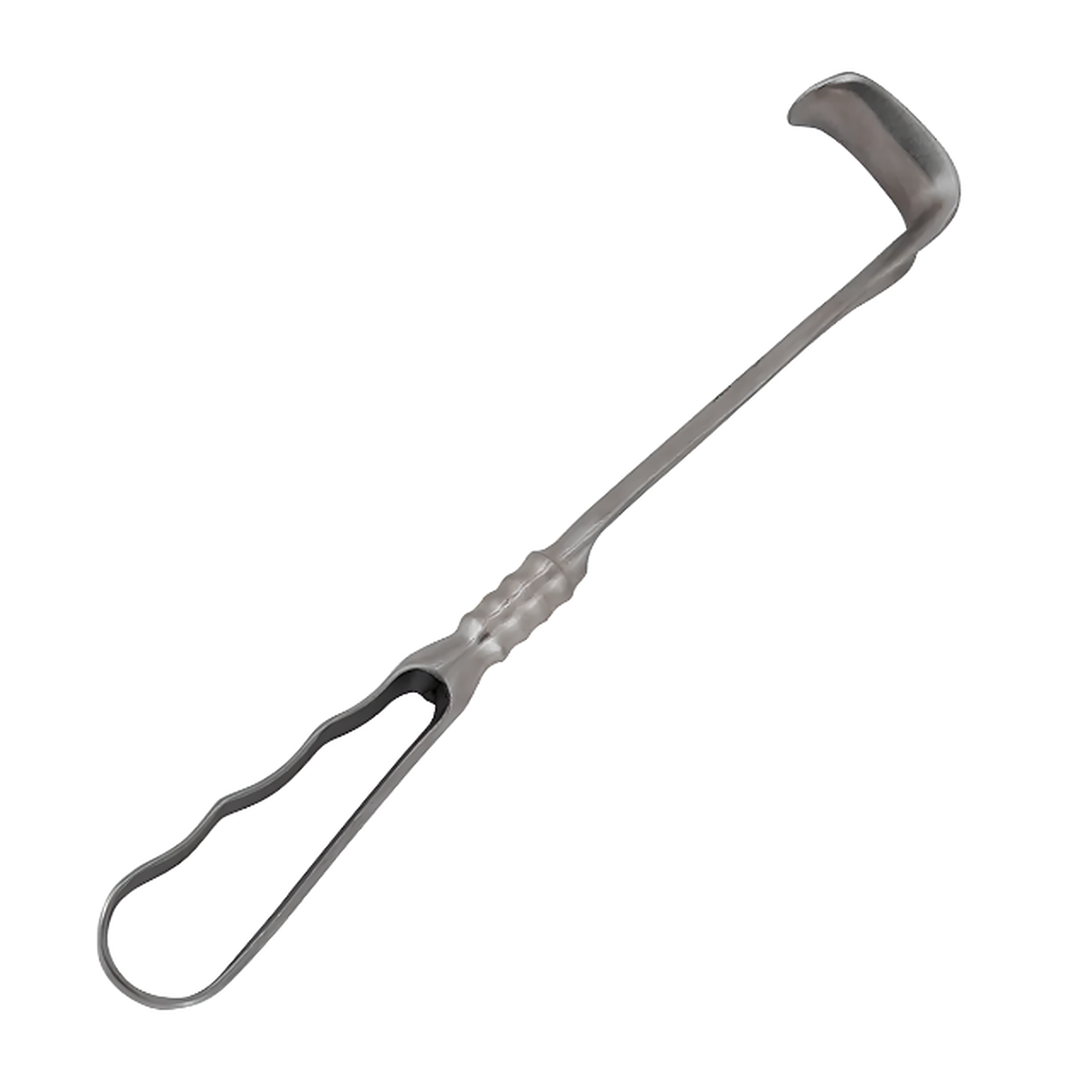 | Ранорасширитель Richardson с кольцевой рукояткой | Специально разработан для ретракции брюшной стенки, мышечных слоев и внутренних органов во время открытой лапаротомии и операций на органах малого таза. |
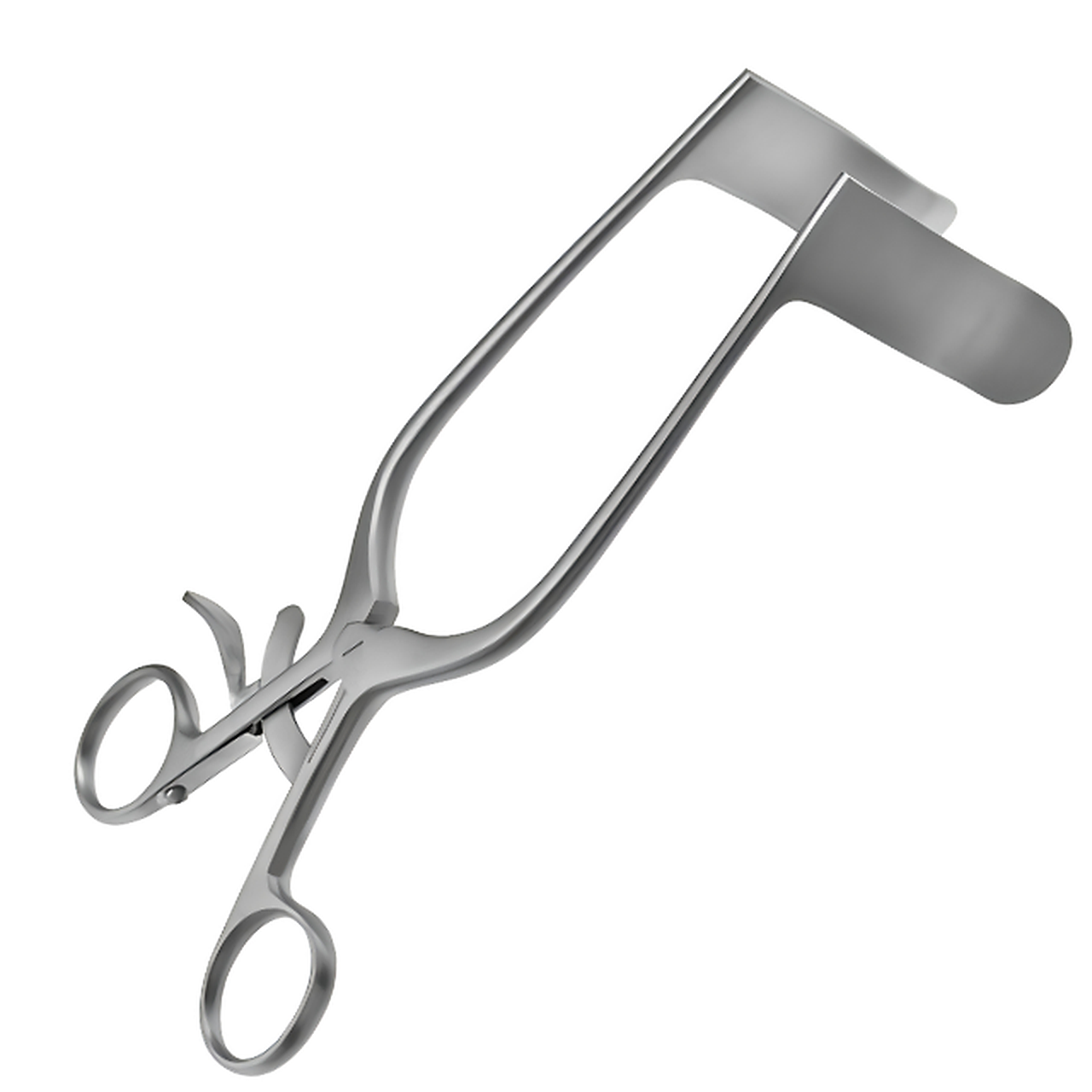 | Вагинальное зеркало-ретрактор Rigby | Специально разработан для самодержащейся ретракции латеральной и задней стенок влагалища во время хирургических операций на органах малого таза. |
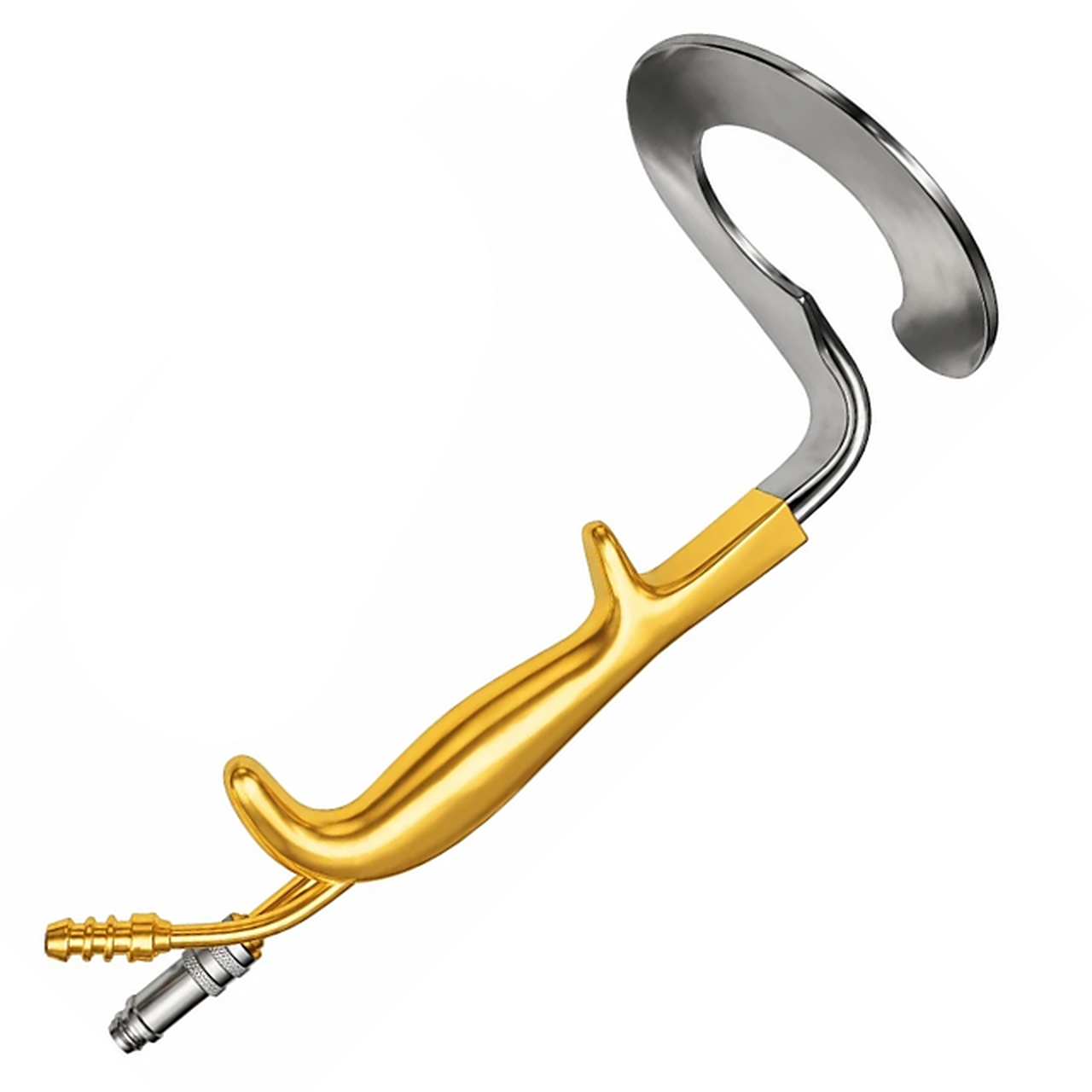 | Кольцевой ретрактор для маммопластики с волоконно-оптическим освещением | Специально разработан для поднятия лоскутов ткани, освещения глубоких карманов и контроля гемостаза во время операций на молочной железе. |
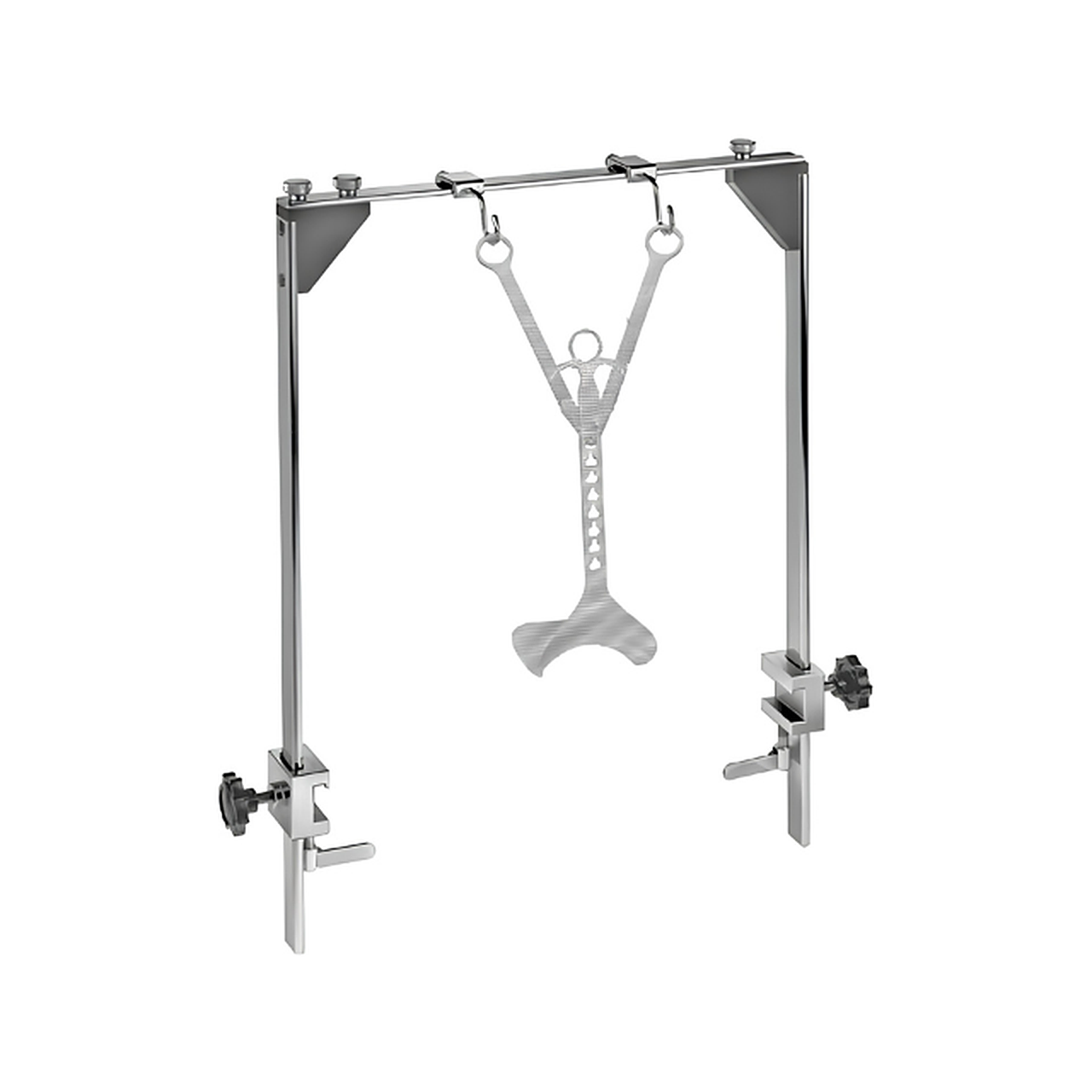 | Ранорасширитель Rochard Retractor | Предназначен для жесткой фиксации мягких тканей брюшной полости и обеспечения стабильного операционного доступа при хирургических вмешательствах с креплением к столу. |
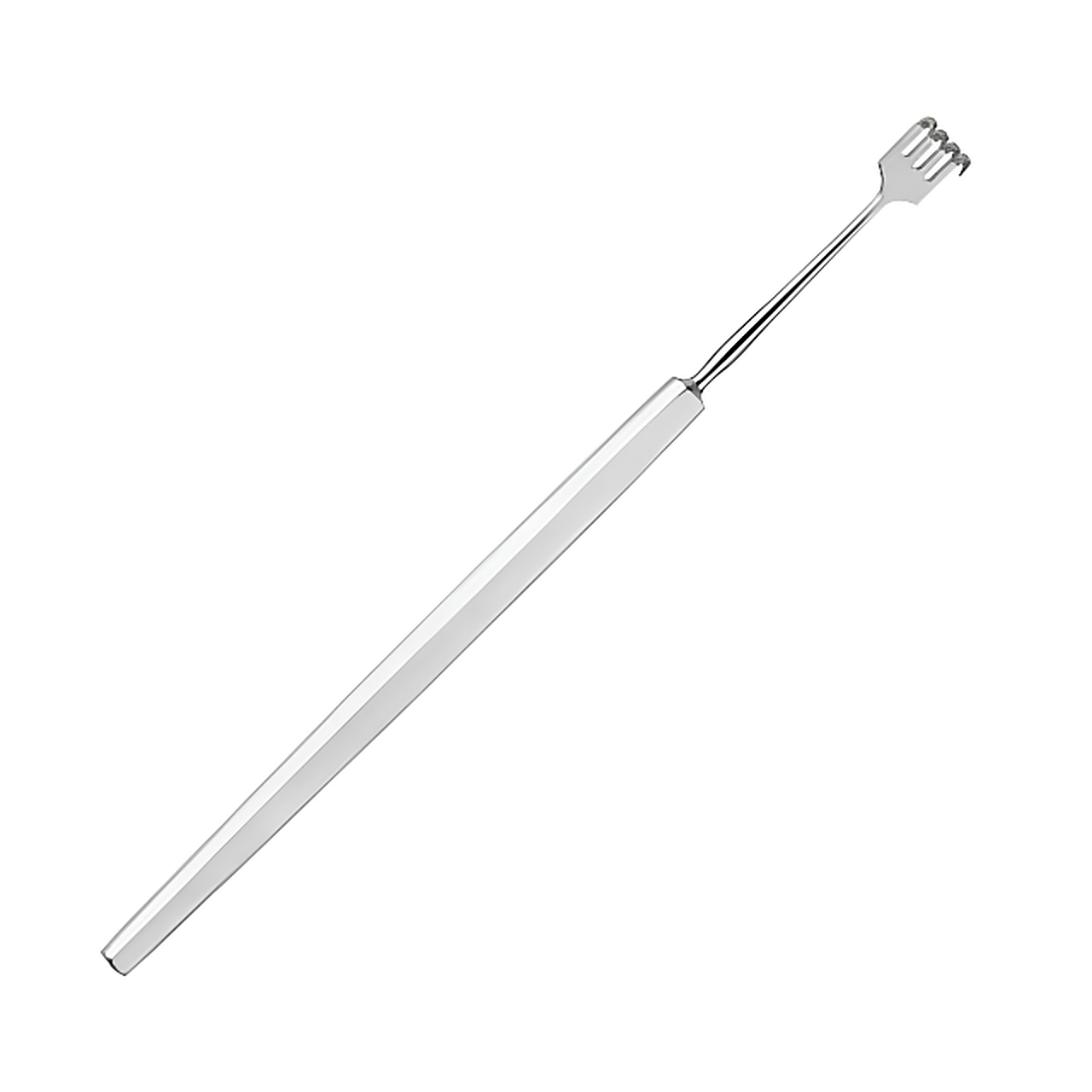 | Ранорасширитель Rollet Retractor | Специально разработан для ретракции кожных лоскутов, тканей медиального угла глаза и фасций в офтальмохирургии и пластической хирургии. |
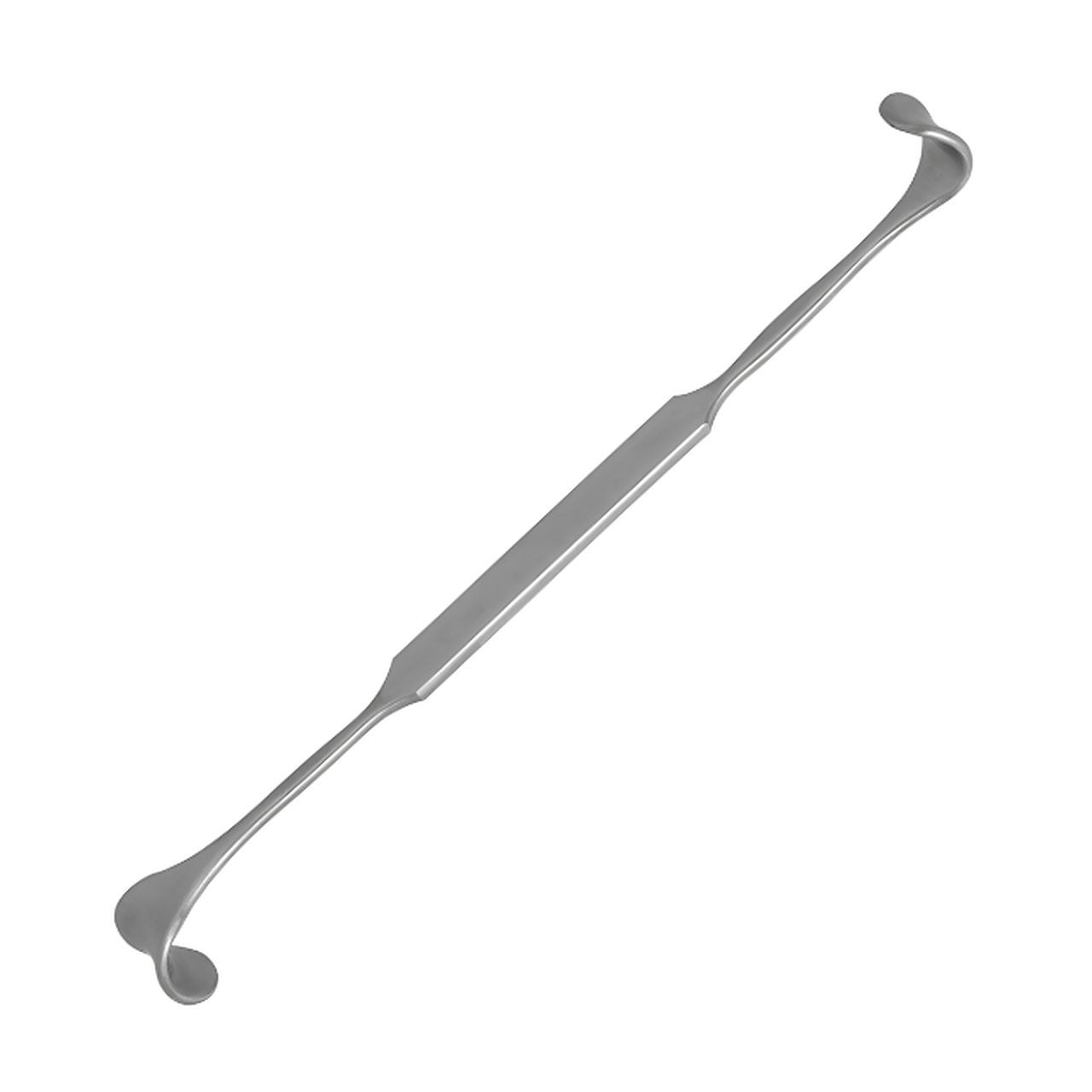 | Ранорасширитель Rose Retractor Double Ended | Специально разработан для ретракции краев кожи, фасций и мягких тканей при поверхностных и промежуточных хирургических разрезах. |
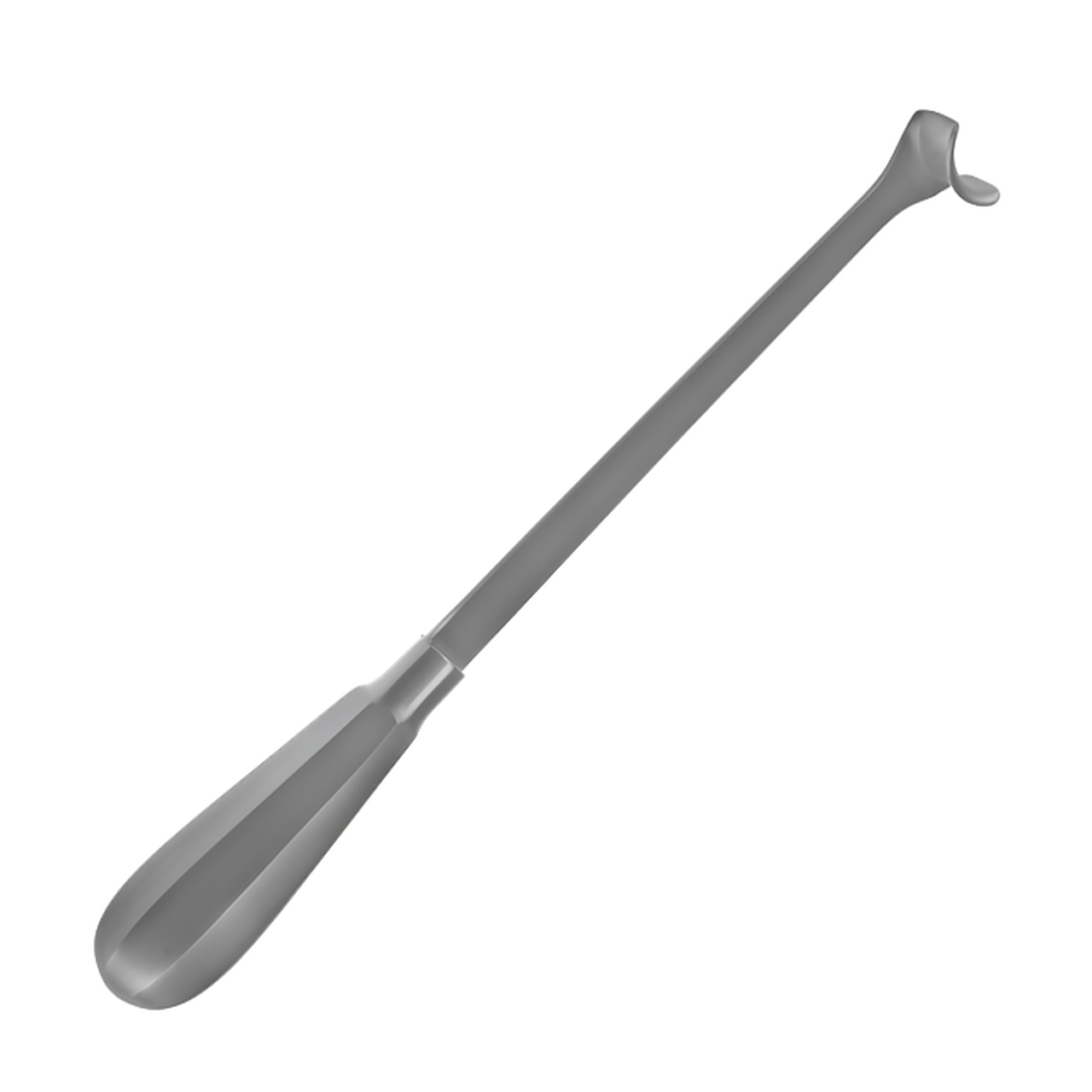 | Ранорасширитель Ross для аортального клапана | Специально разработан для ретракции створок аортального клапана и стенки аорты во время операций по протезированию и реконструкции аортального клапана. |
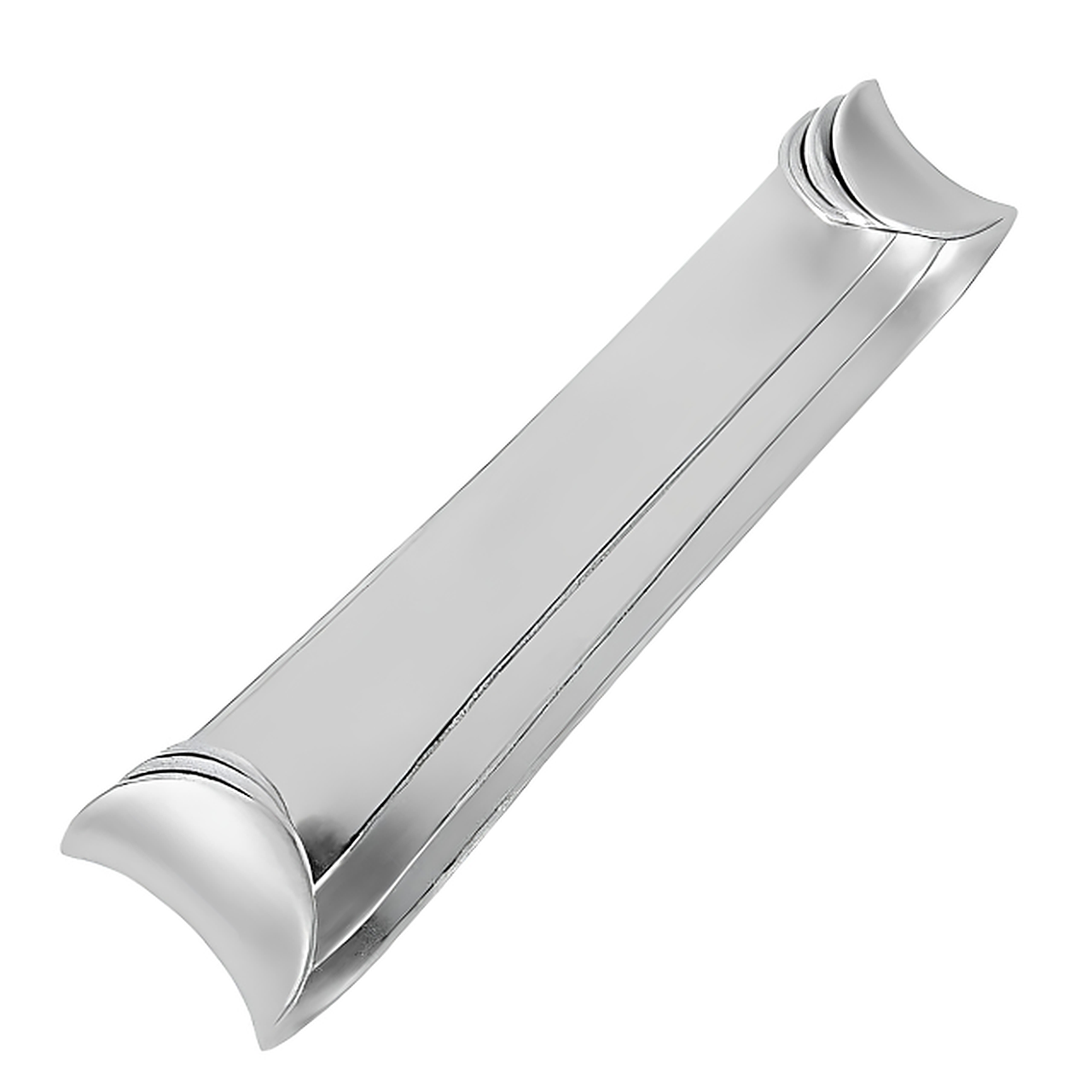 | Ранорасширитель Roux Retractor - Double Ended | Специально разработан для ретракции краев кожи, фасций и поверхностных мышечных слоев в общей и пластической хирургии. |
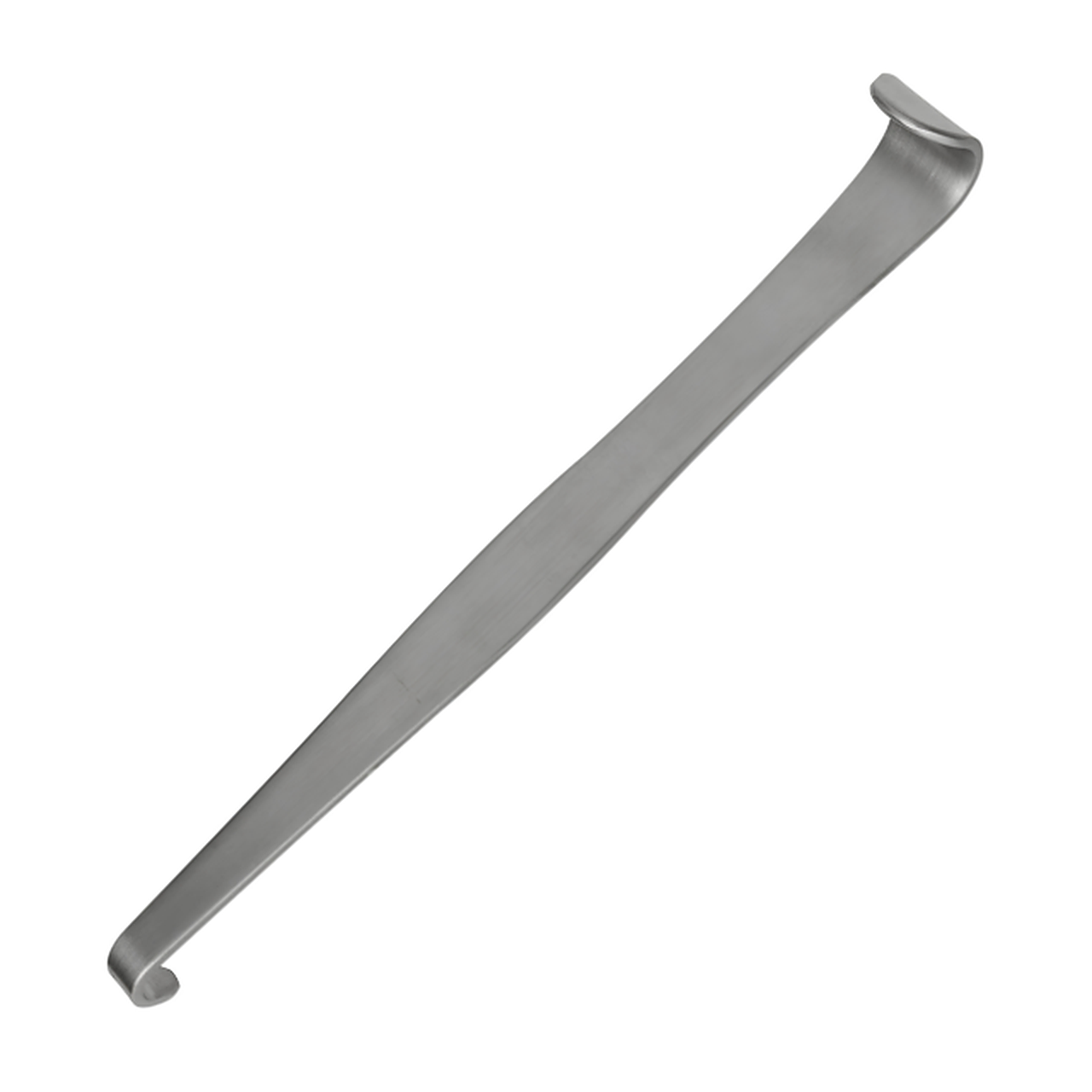 | S-образный двухсторонний ретрактор | Специально разработан для ретракции краев кожи, деликатных фасций и мягких тканей во время малых хирургических, пластических и ЛОР-процедур. |
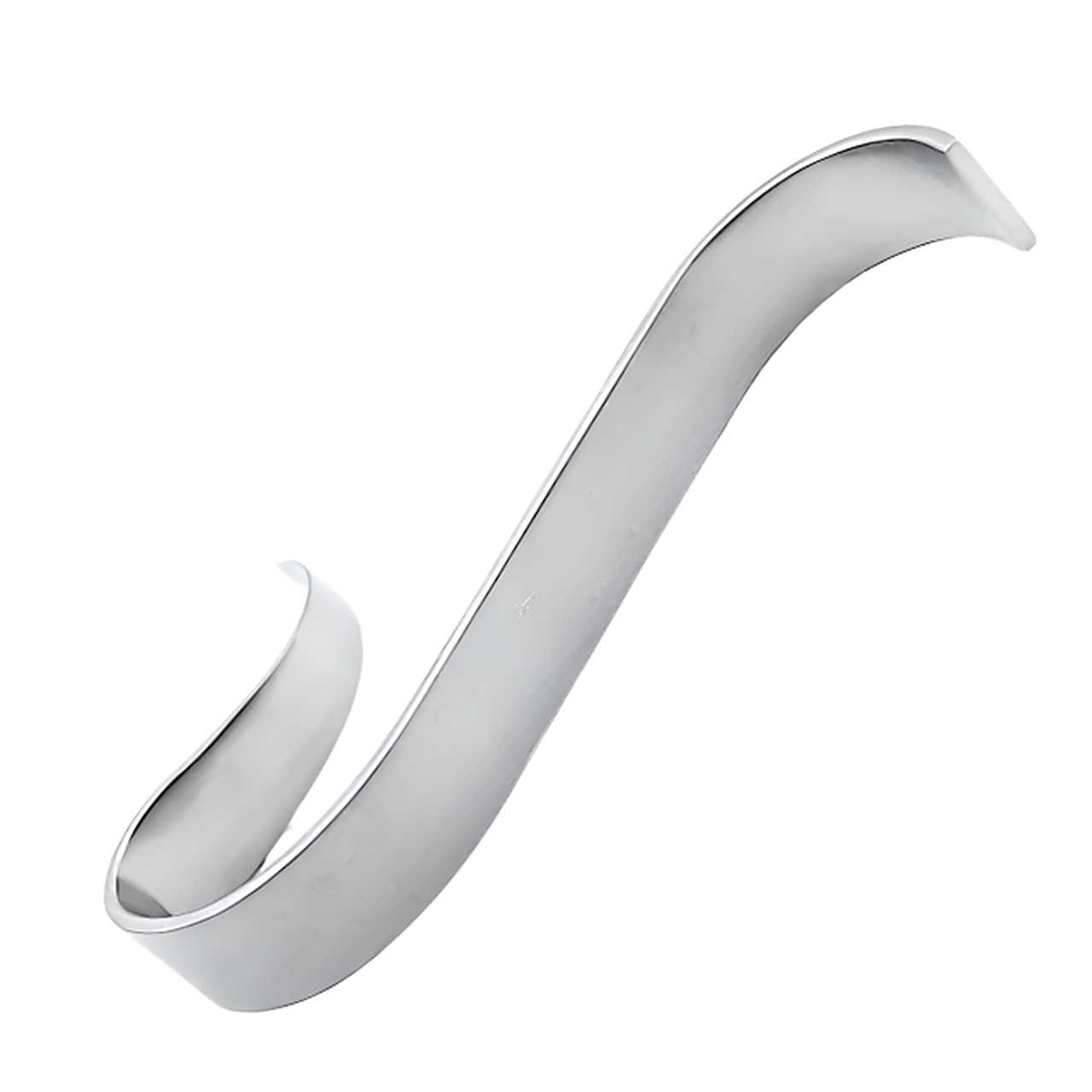 | Ретрактор коленный S Total Knee Retractor | Специально разработан для ретракции коллатеральных связок, суставной капсулы и мягких тканей при тотальном эндопротезировании коленного сустава. |
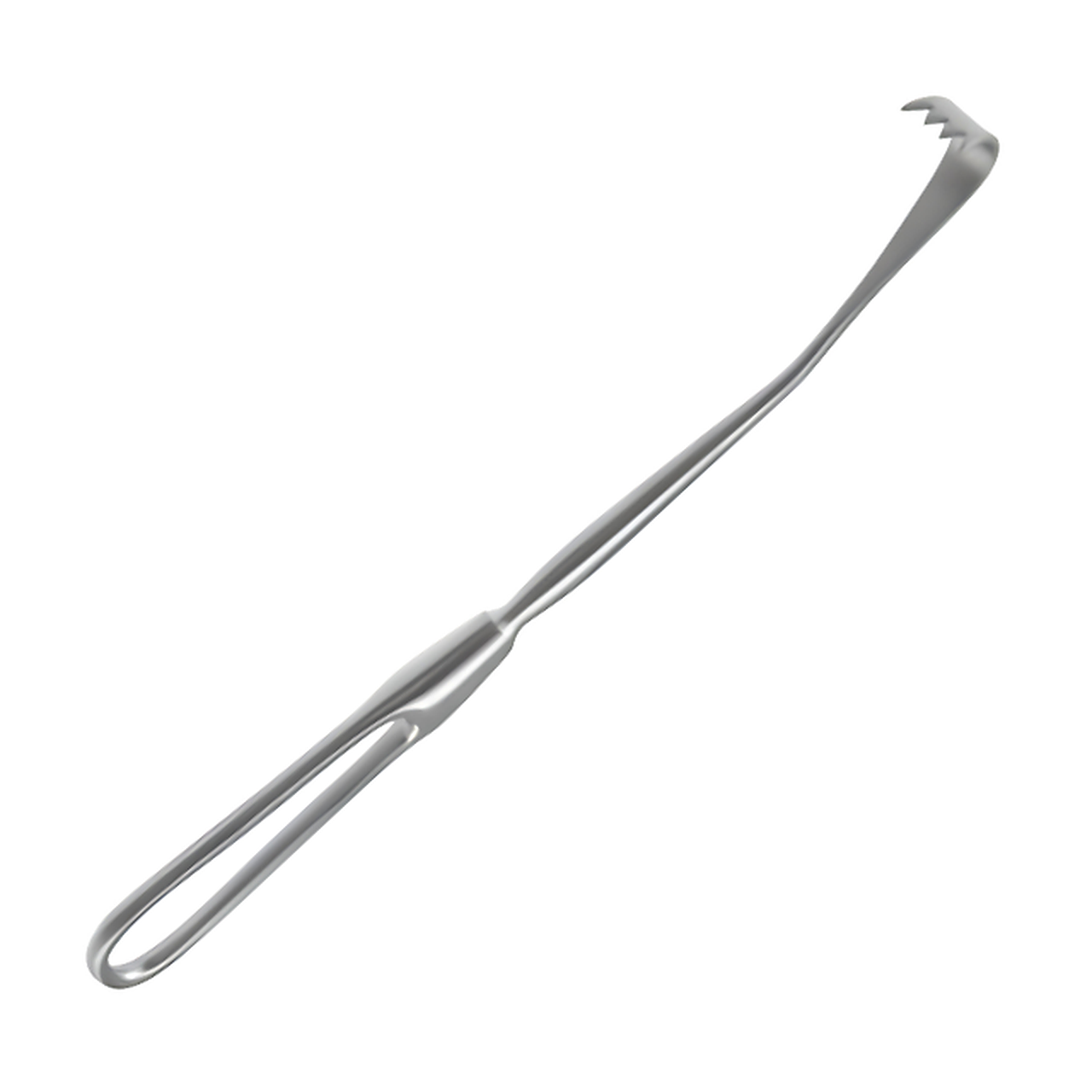 | Ретрактор для вен Sachs | Специально разработан для ретракции и мобилизации нежных вен, нервных корешков и сосудистых пучков во время сосудистых и нейрохирургических операций. |
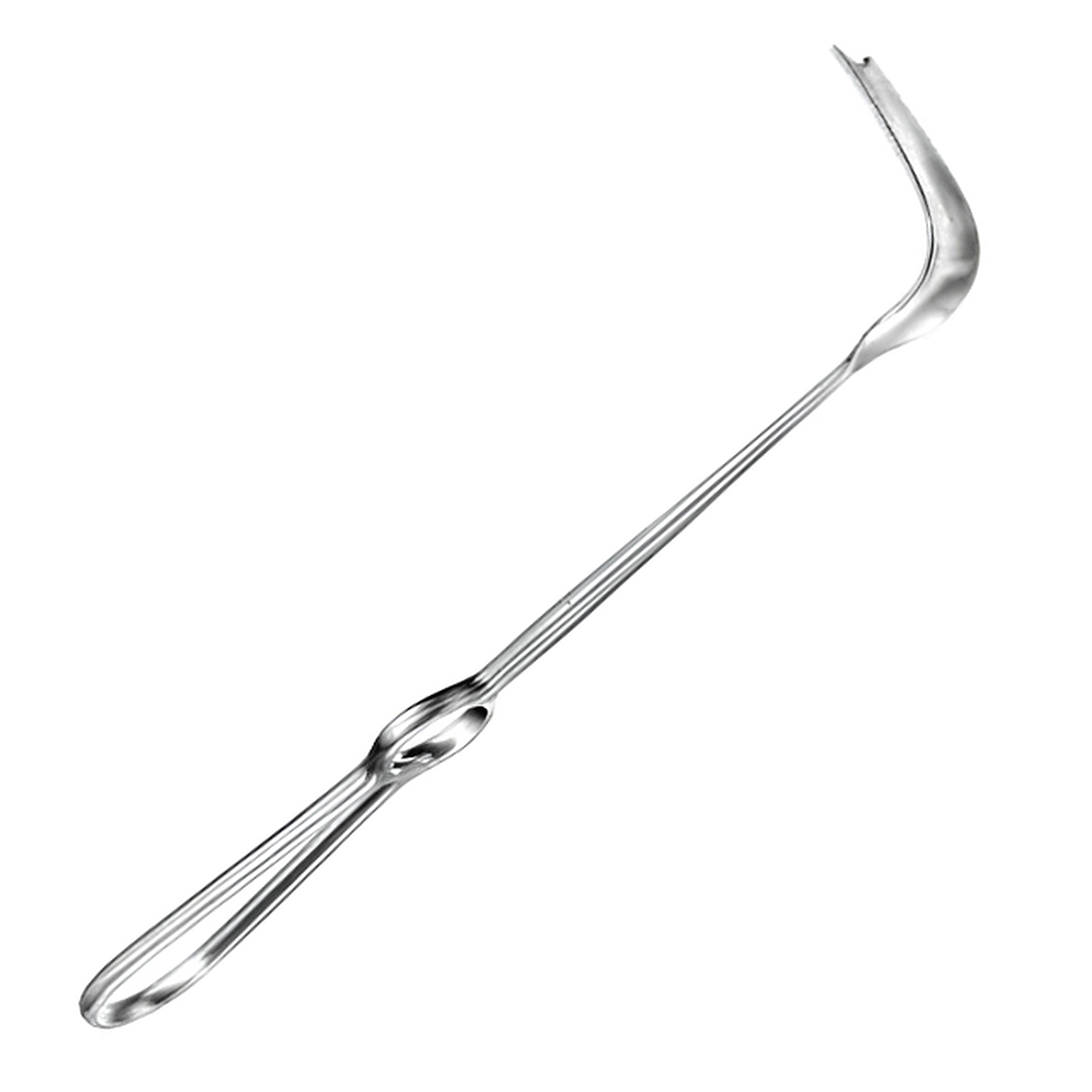 | Назальный ретрактор Sailer Nasal Bridge Retractor | Специально разработан для элевации и ретракции мягких тканей спинки носа во время ринопластики и остеотомии средней зоны лица. |
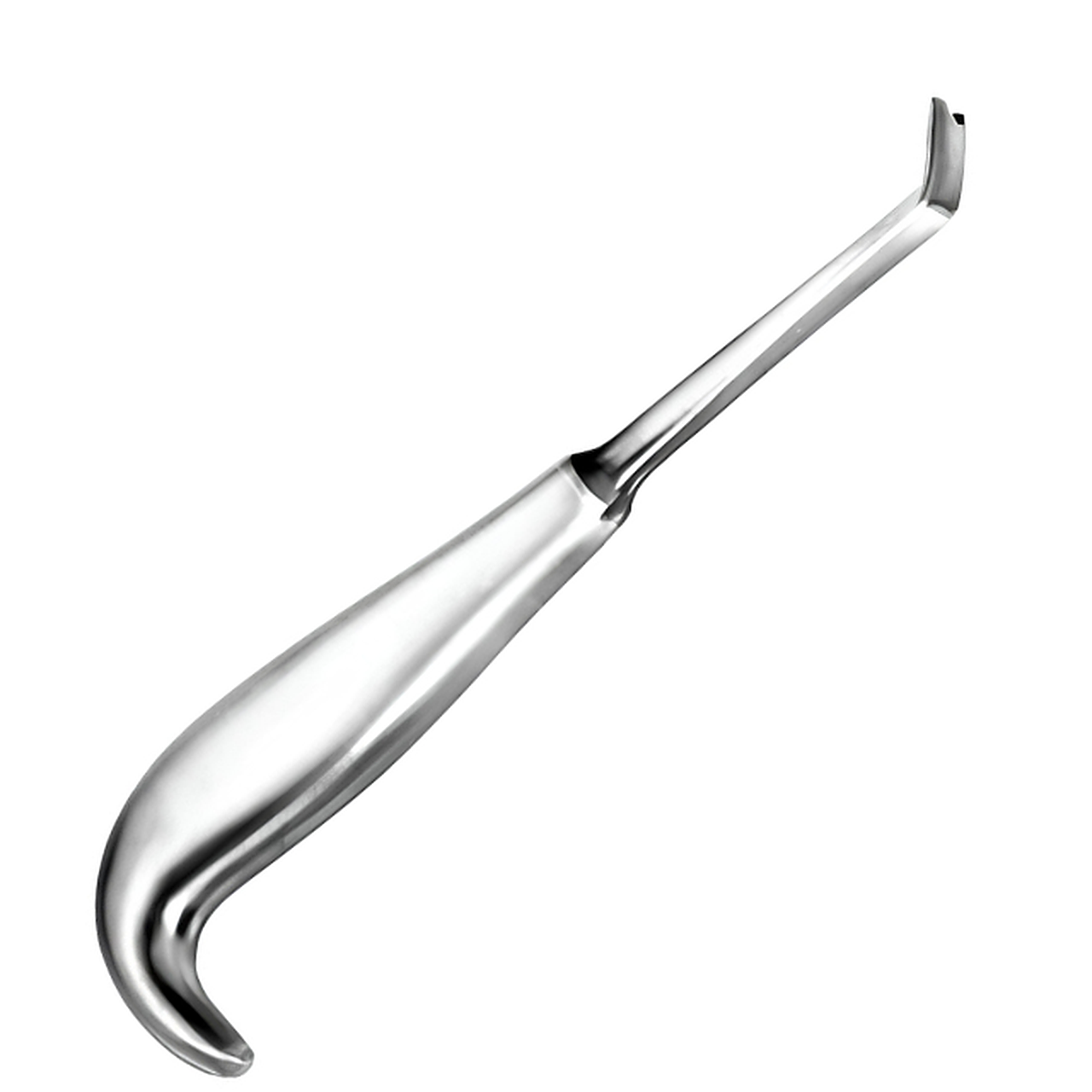 | Ретрактор Sailer для носовой ости | Специально разработан для захвата передней носовой ости и поднятия верхней губы во время остеотомии по Le Fort I. |
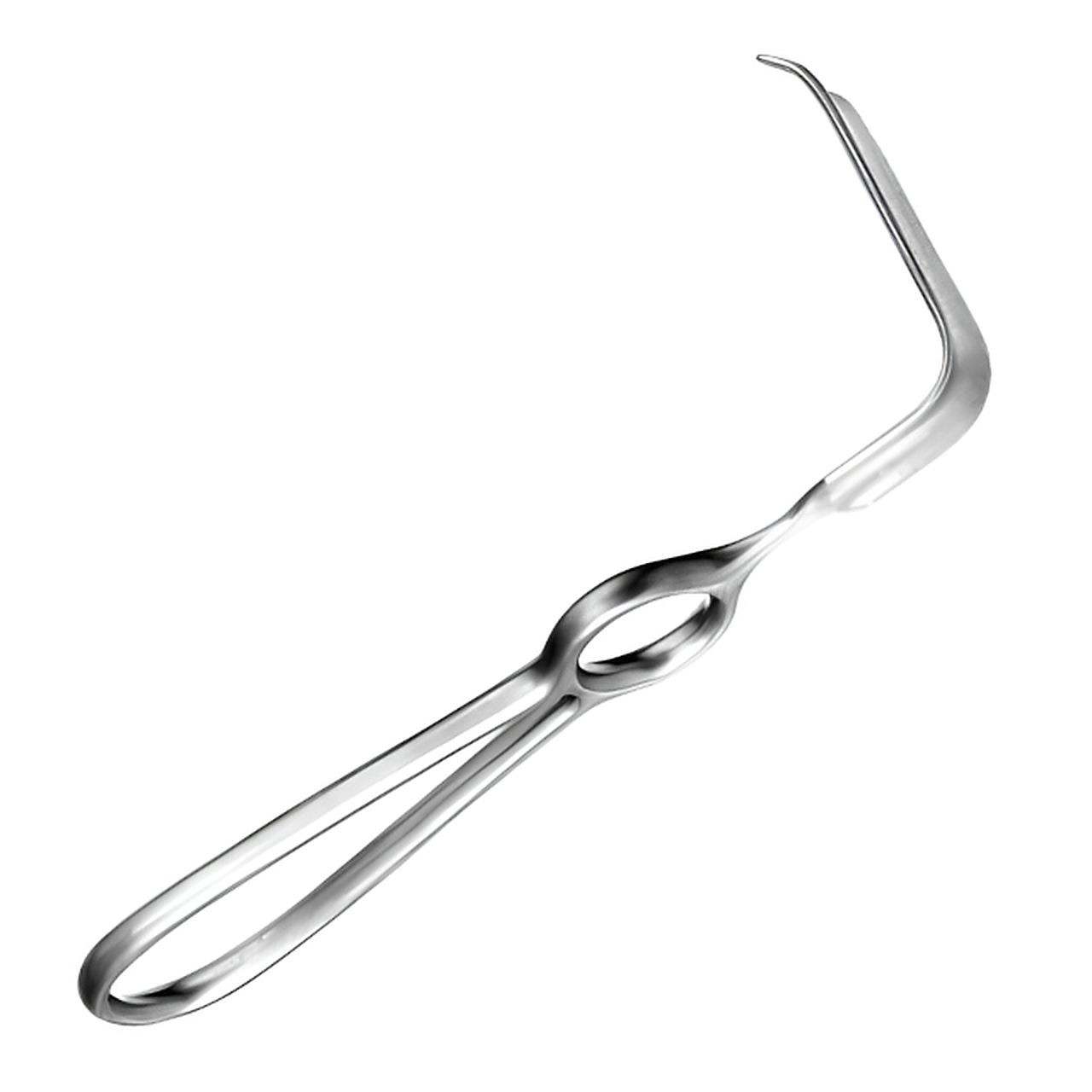 | Ранорасширитель мягких тканей Sailer Soft Tissue Retractor | Специально разработан для ретракции слизисто-надкостничных лоскутов и мягких тканей в узких интраоральных и лицевых пространствах. |
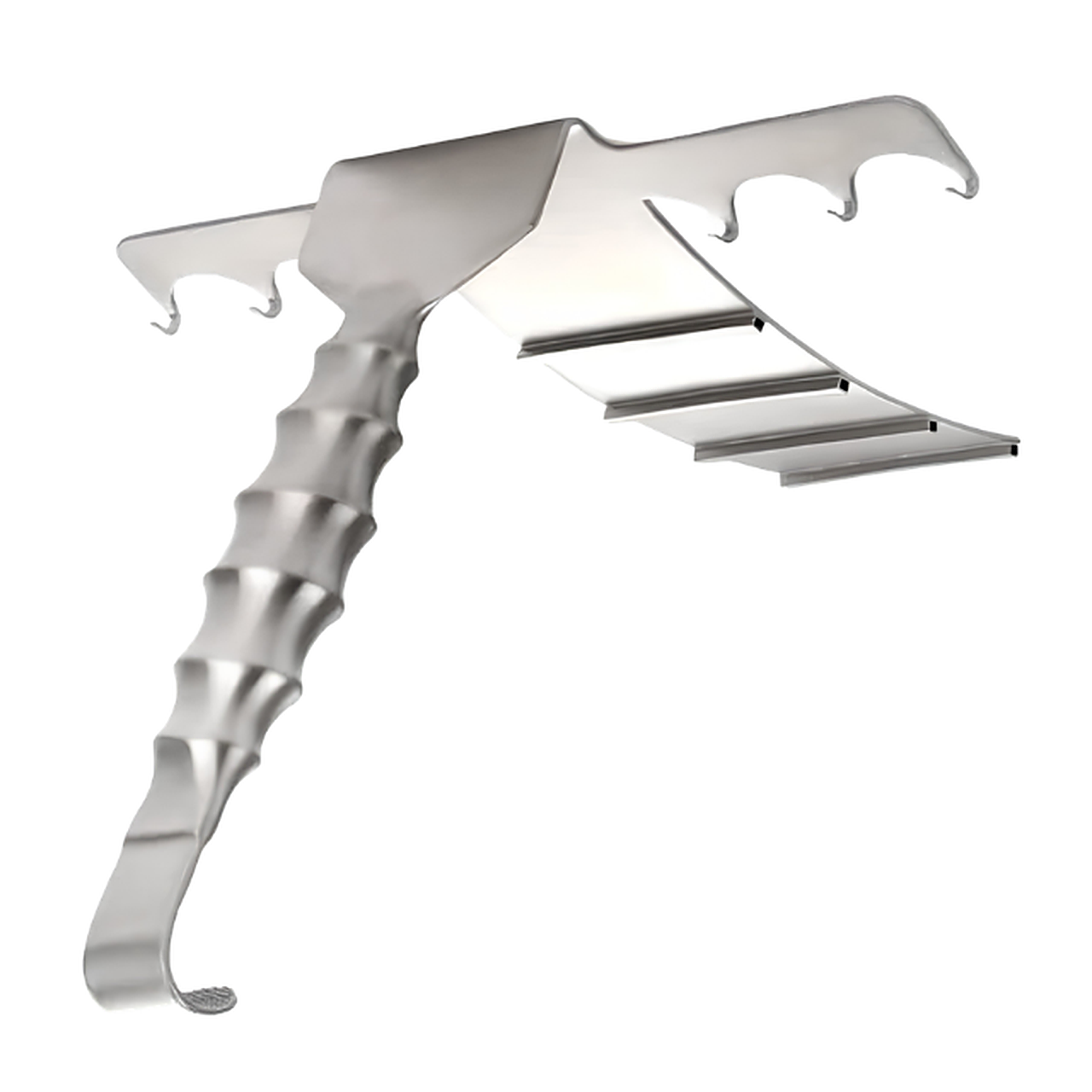 | Брюшной ретрактор Saldanha-Solz | Специально разработан для подъема кожных лоскутов живота и защиты тканей во время липоабдоминопластики и плики прямых мышц. |
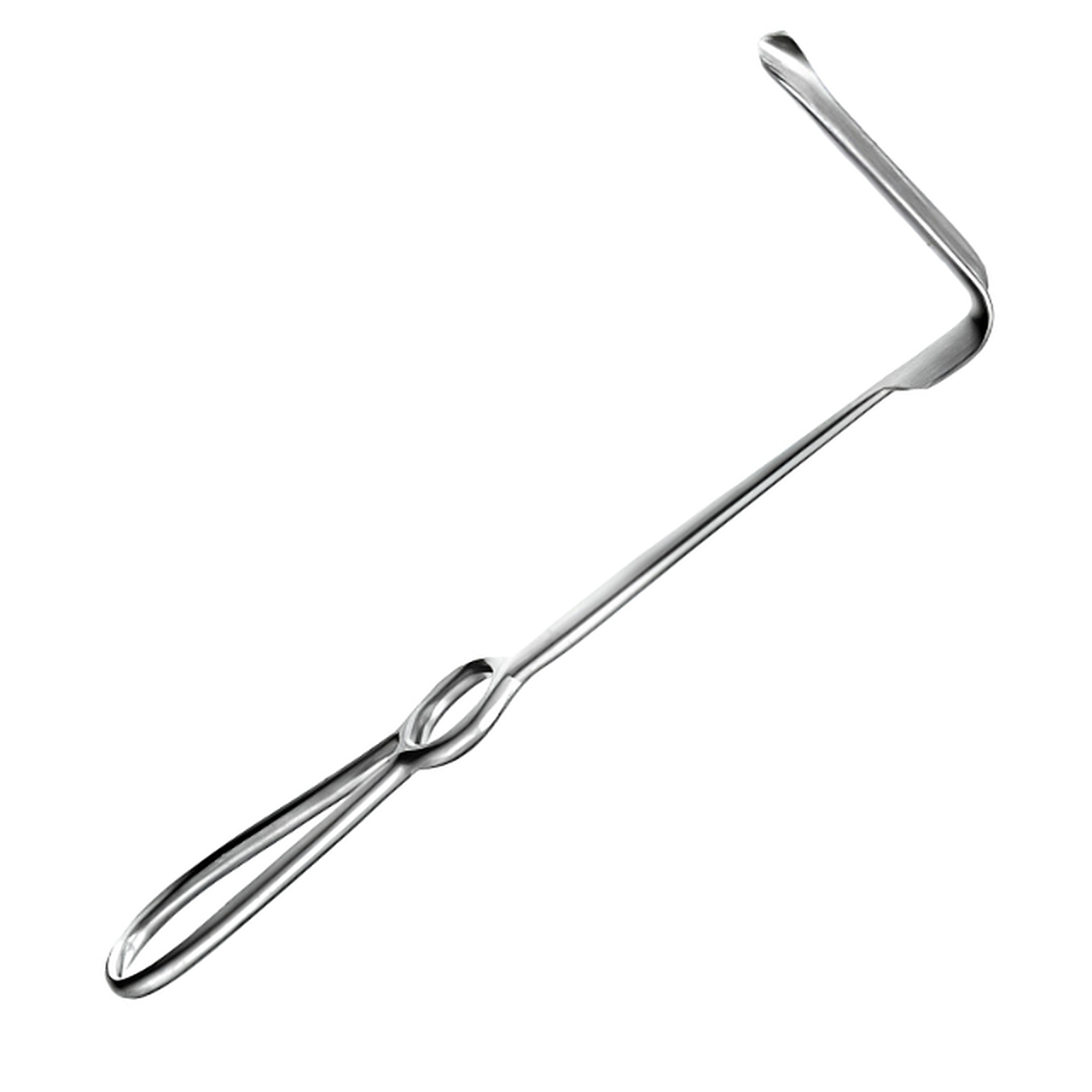 | Ретрактор шейки мыщелка Salzburg | Специально разработан для захвата шейки мыщелка и защиты мягких тканей во время операций на ВНЧС и фиксации переломов мыщелка. |
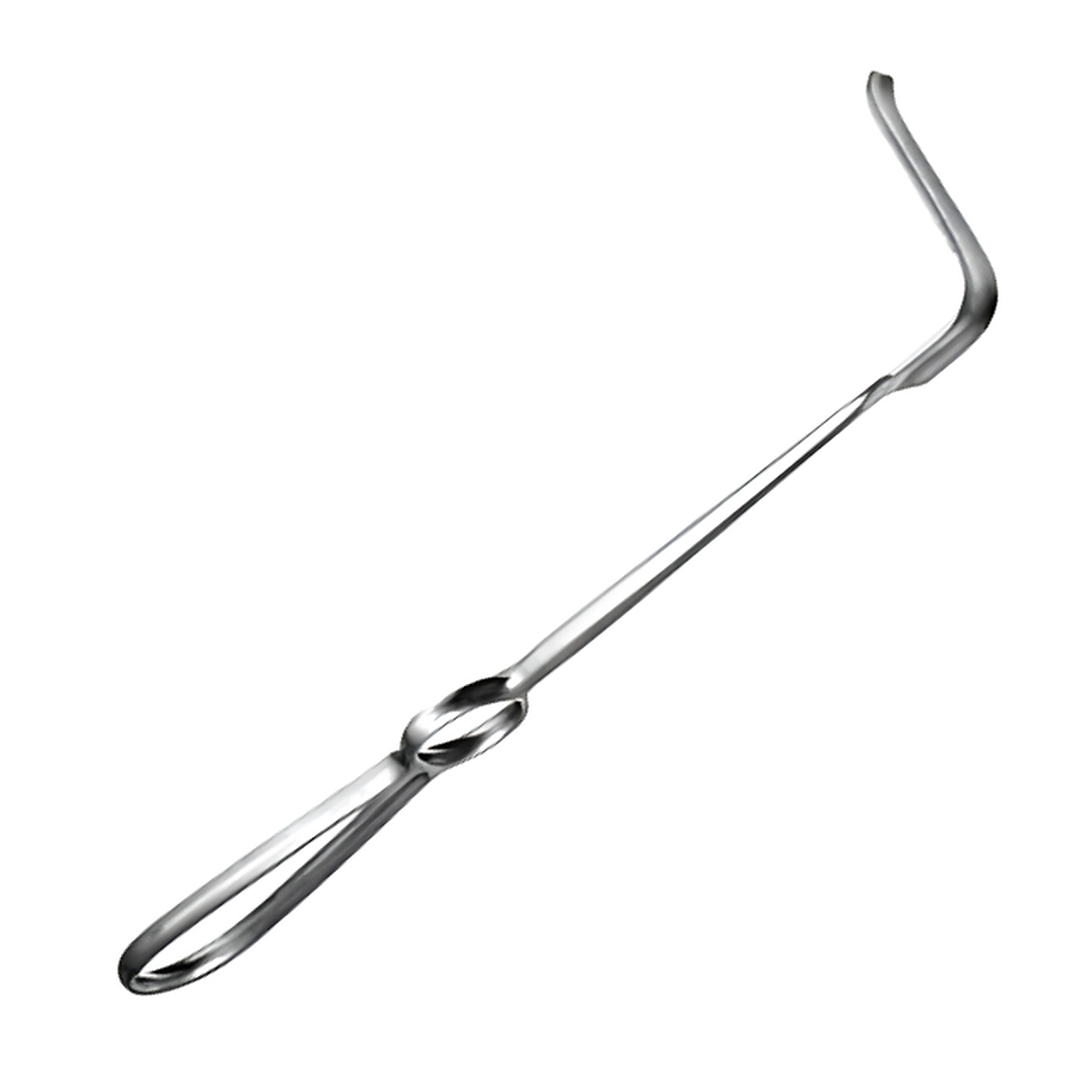 | Челюстной ретрактор Salzburg (Salzburg Mandibular Rim Retractor) | Специально разработан для фиксации за край нижней челюсти и защиты мягких тканей и сосудов при ортогнатической остеотомии. |
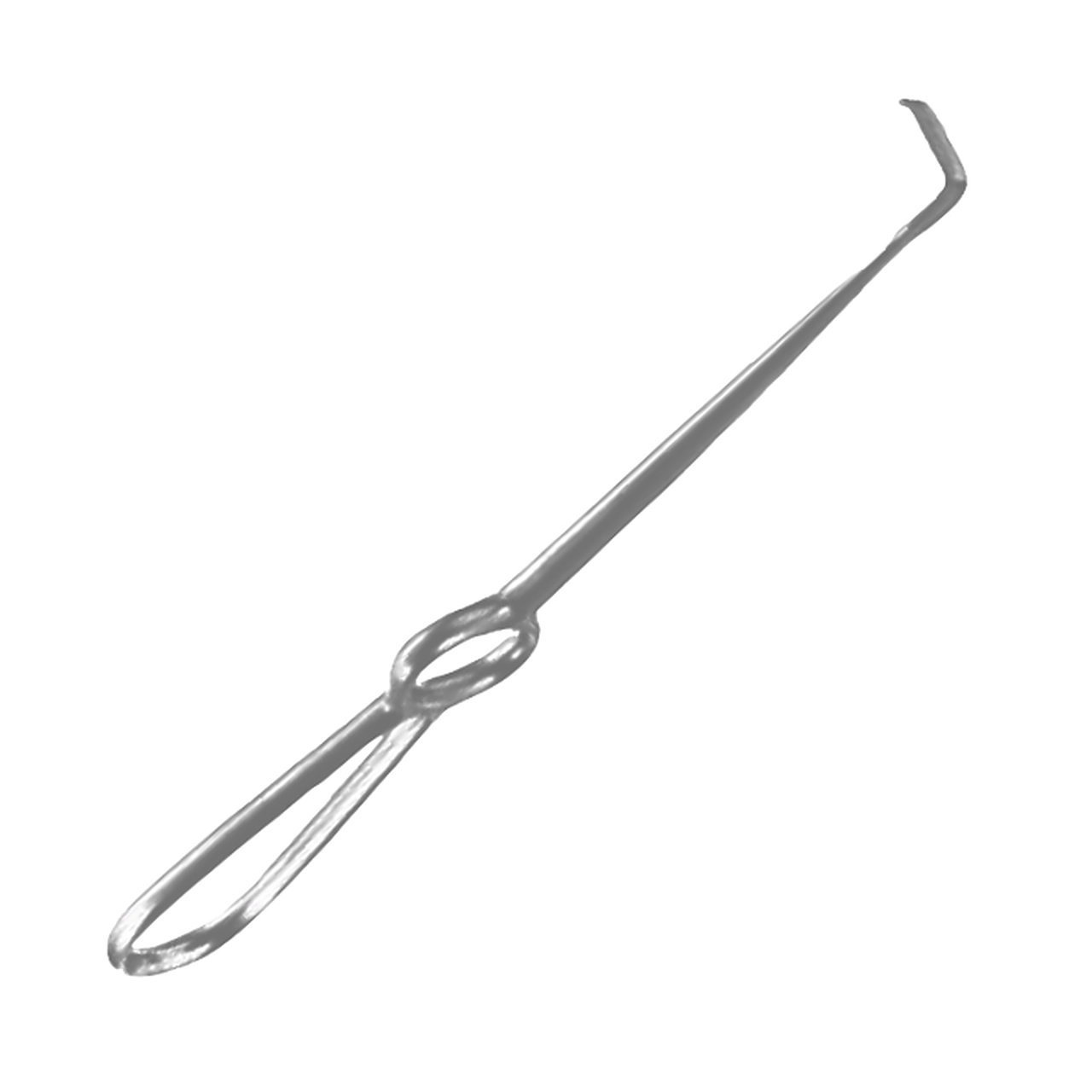 | Ретрактор мягких тканей Salzburg | Специально разработан для ретракции слизисто-надкостничных лоскутов и мягких тканей в узких каналах челюстно-лицевой области. |
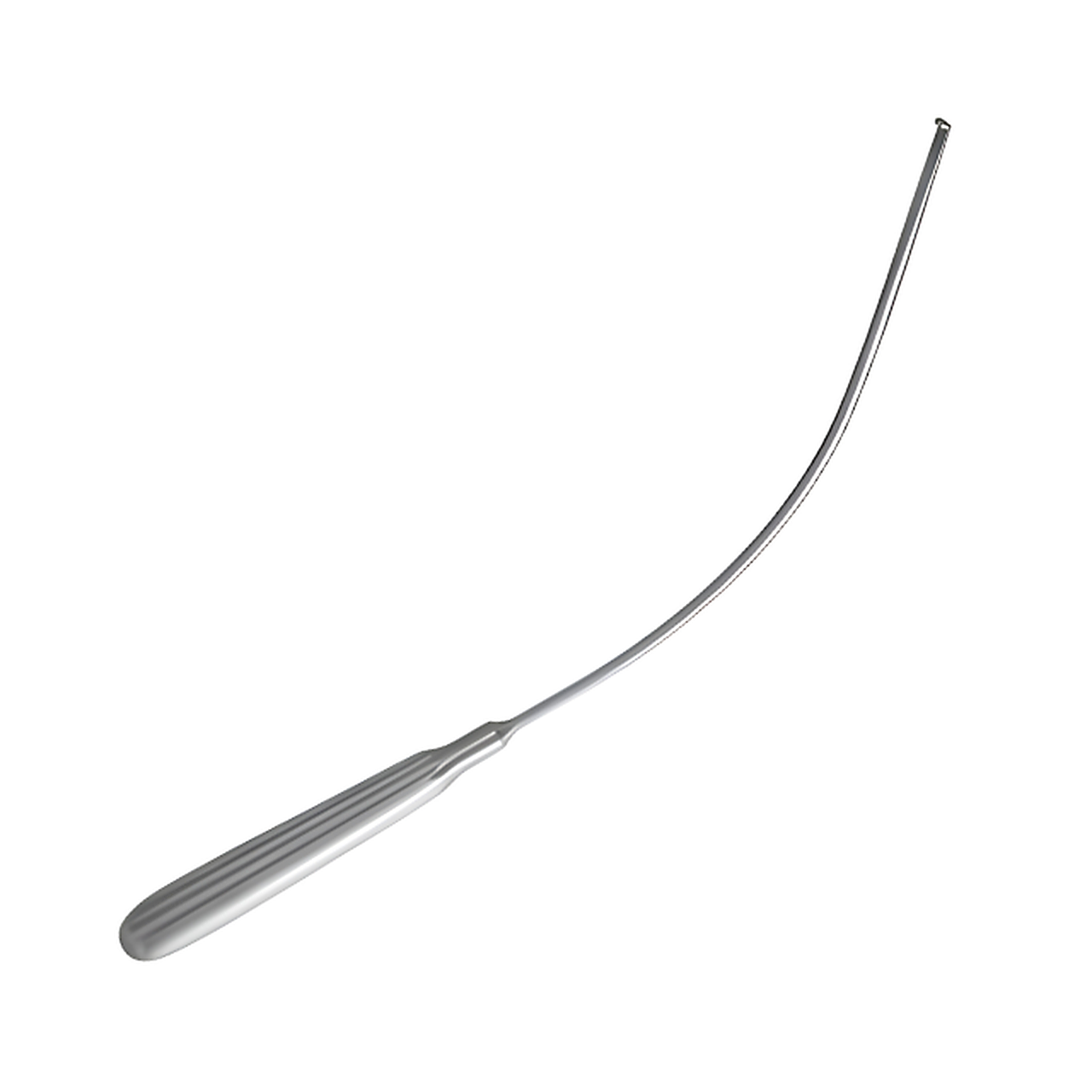 | Ретрактор корешков нерва Sandhu Nerve Root Retractor | Специально разработан для мобилизации, удержания и защиты проходящих спинномозговых нервных корешков и дурального мешка во время поясничной дискэктомии. |
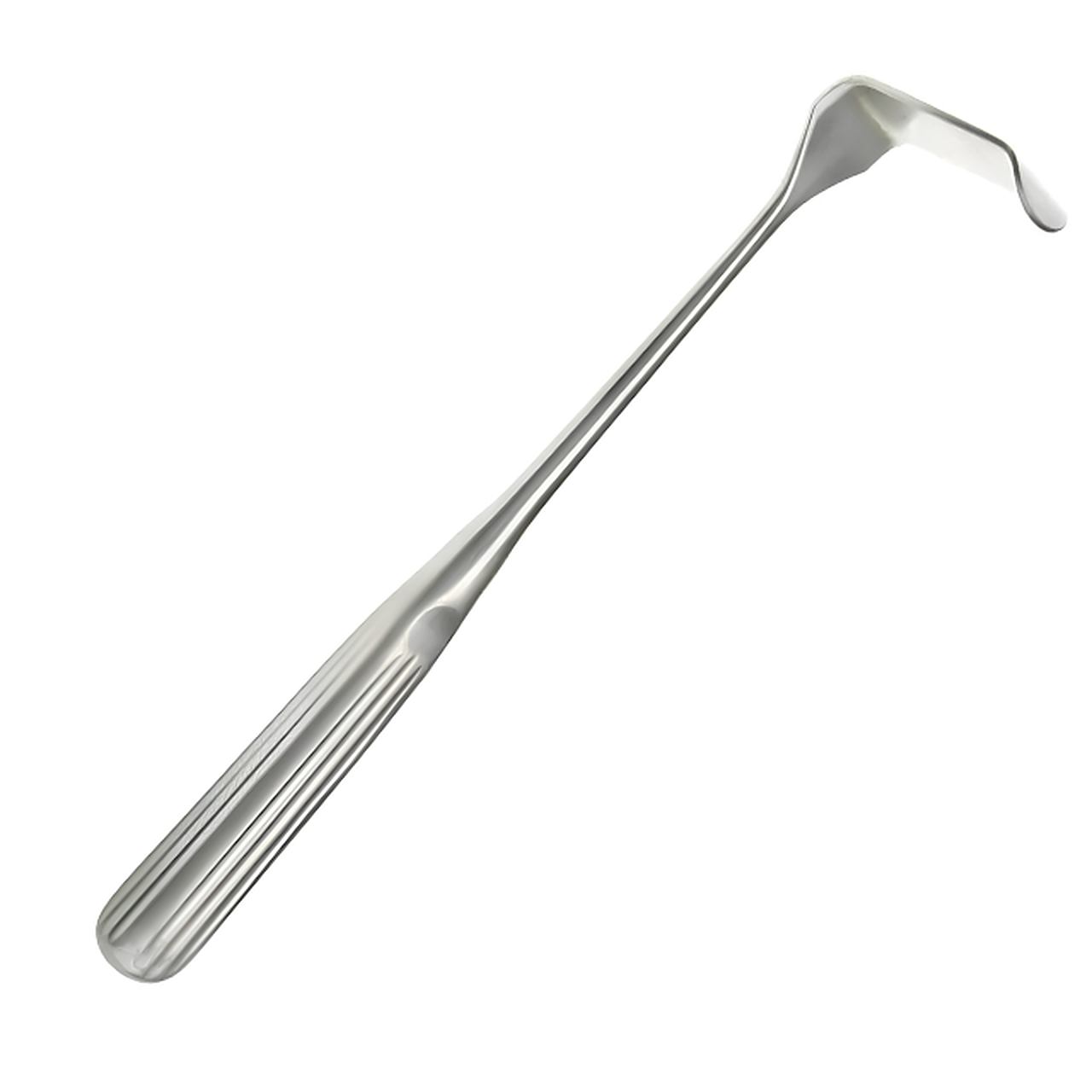 | Ранорасширитель Sauerbruch Retractor | Специально разработан для ретракции мышечных слоев, фасций и краев ран во время торакальных, абдоминальных и ортопедических операций. |
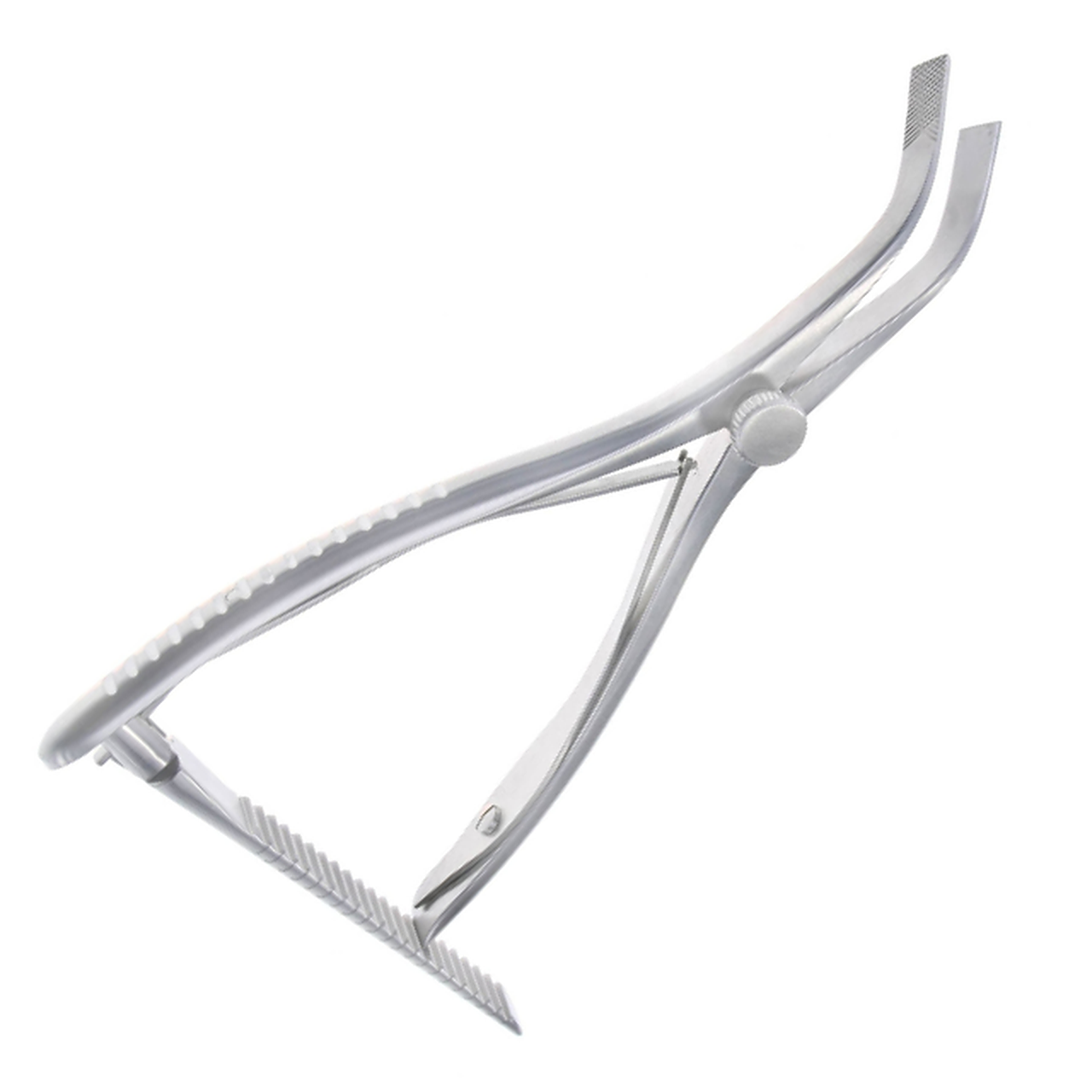 | Ретрактор Saxena Bone Grafting Retractor | Специально разработан для ретракции мягких тканей и стабилизации кортикального слоя кости во время забора аутотрансплантата. |
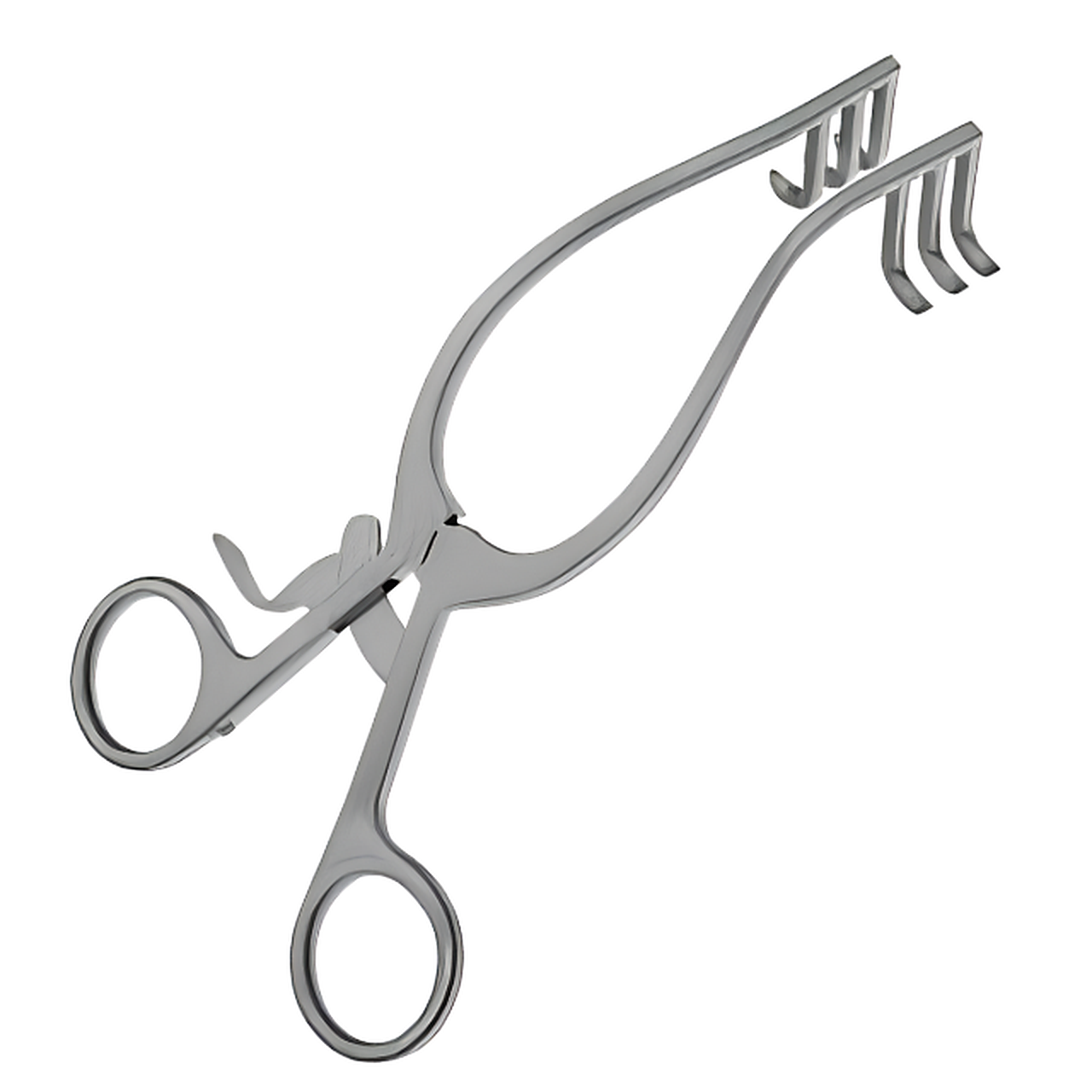 | Ранорасширитель Schuknecht Fisch | Специально разработан для самодержащейся ретракции надкостницы и мягких тканей во время мастоидэктомии и отологических операций. |
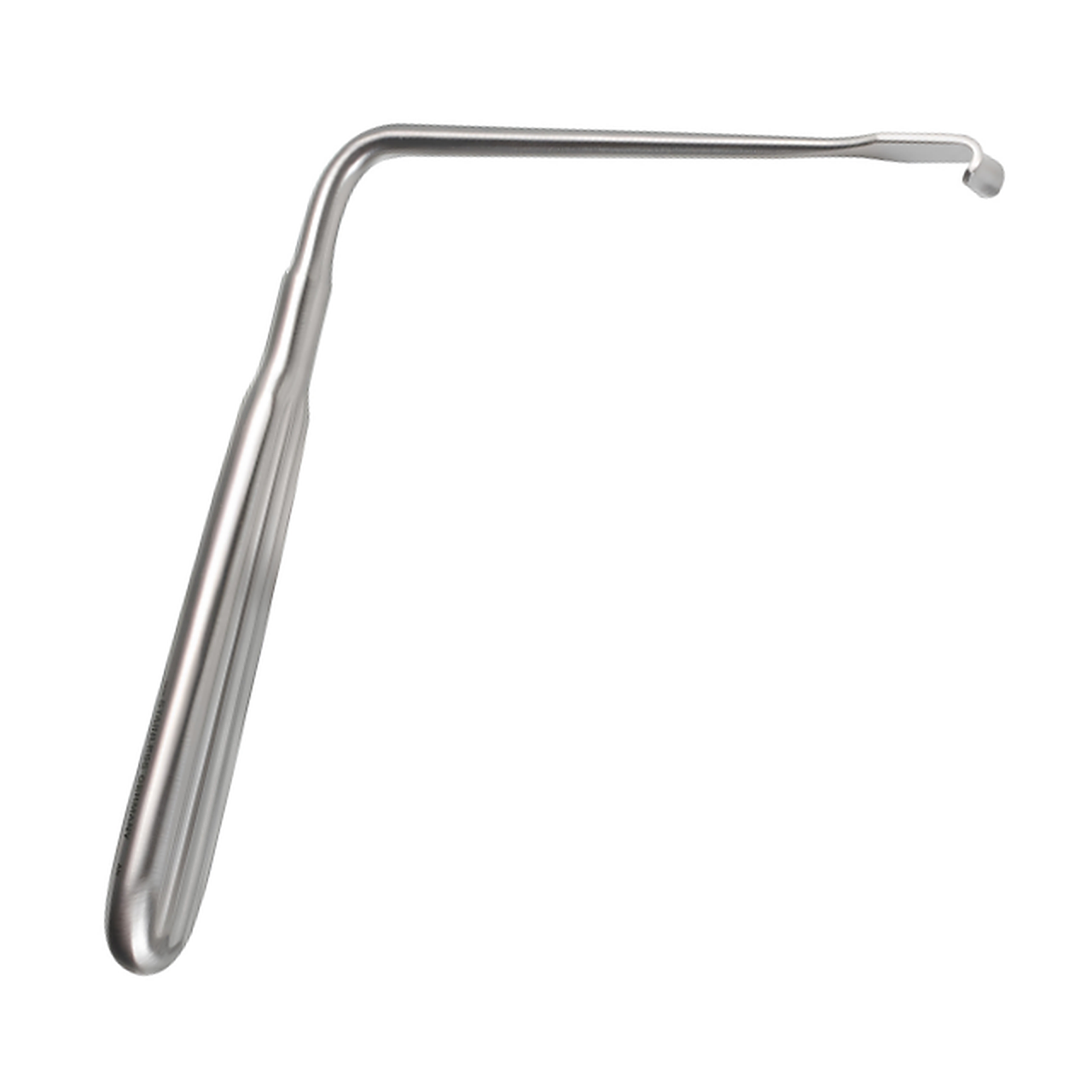 | Ретрактор нерва Scoville | Специально разработан для мобилизации и защиты нежных нервных корешков и периферических нервов в компактных хирургических коридорах. |
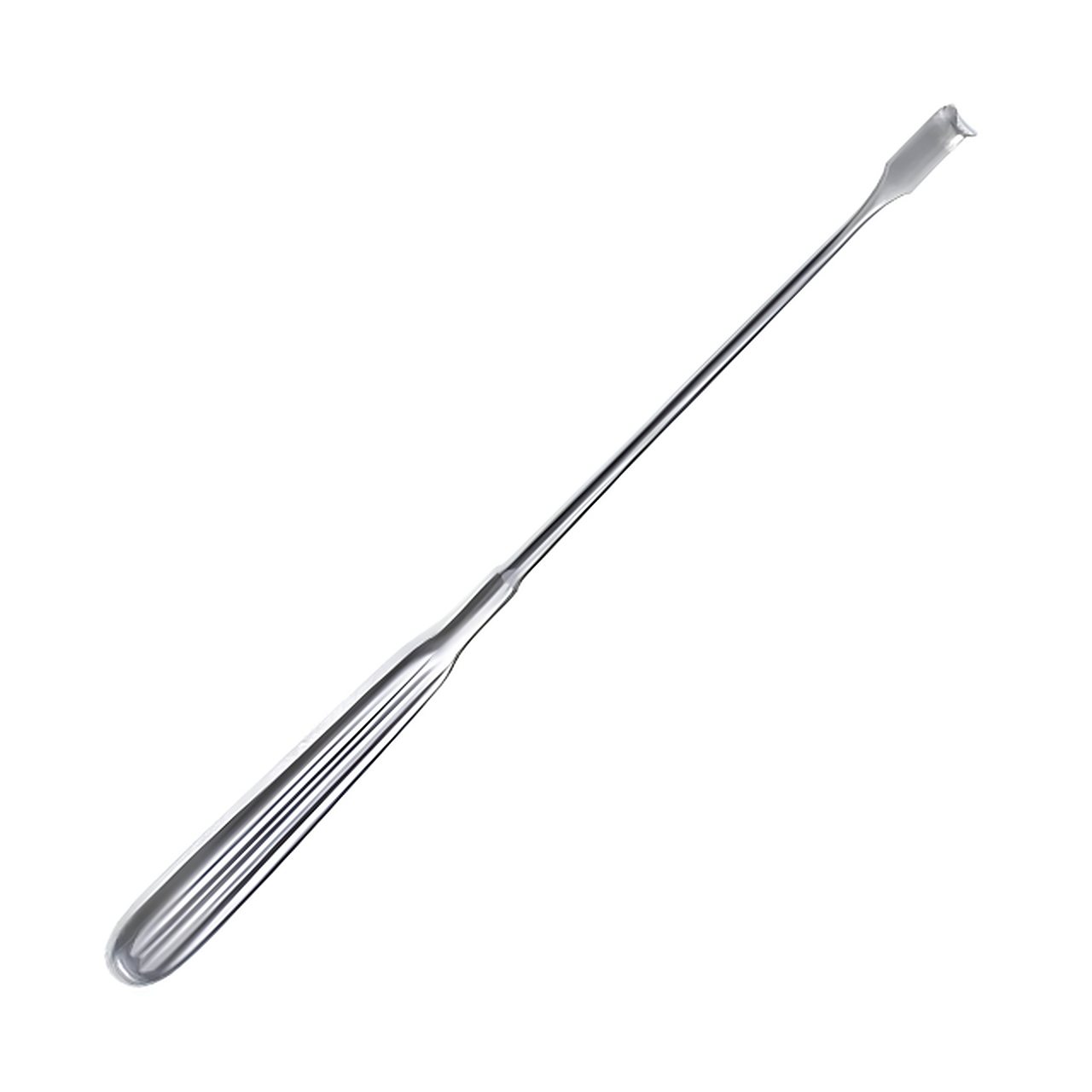 | Нейрохирургический ретрактор нервного корешка Scoville | Специально разработан для мобилизации, удержания и защиты проходящих спинномозговых корешков и дурального мешка во время поясничной дискэктомии. |
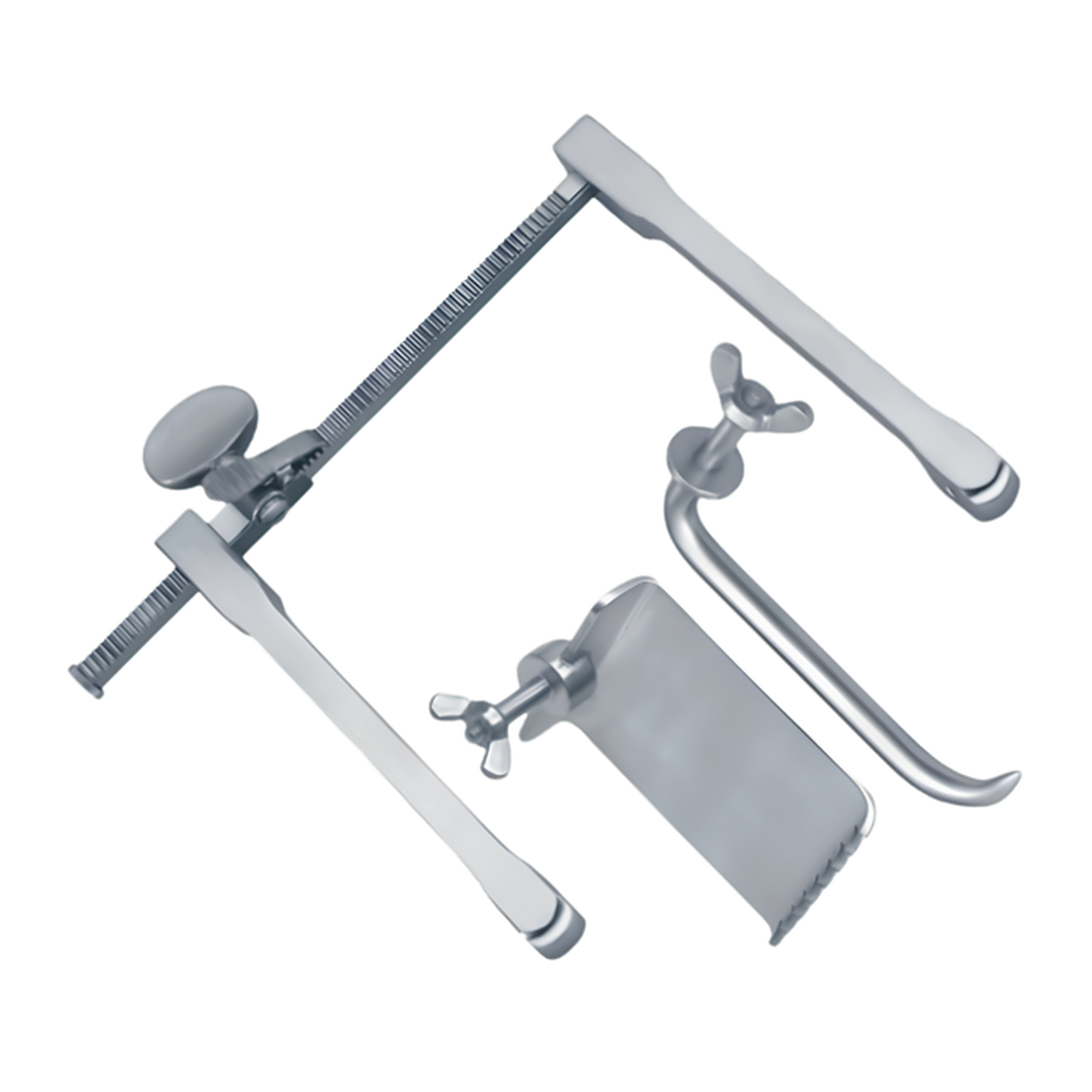 | Ранорасширитель Scoville Self Retaining Retractor | Специально разработан для разведения мощной параспинальной мускулатуры и обеспечения доступа к дужкам позвонков во время операций на поясничном отделе позвоночника. |
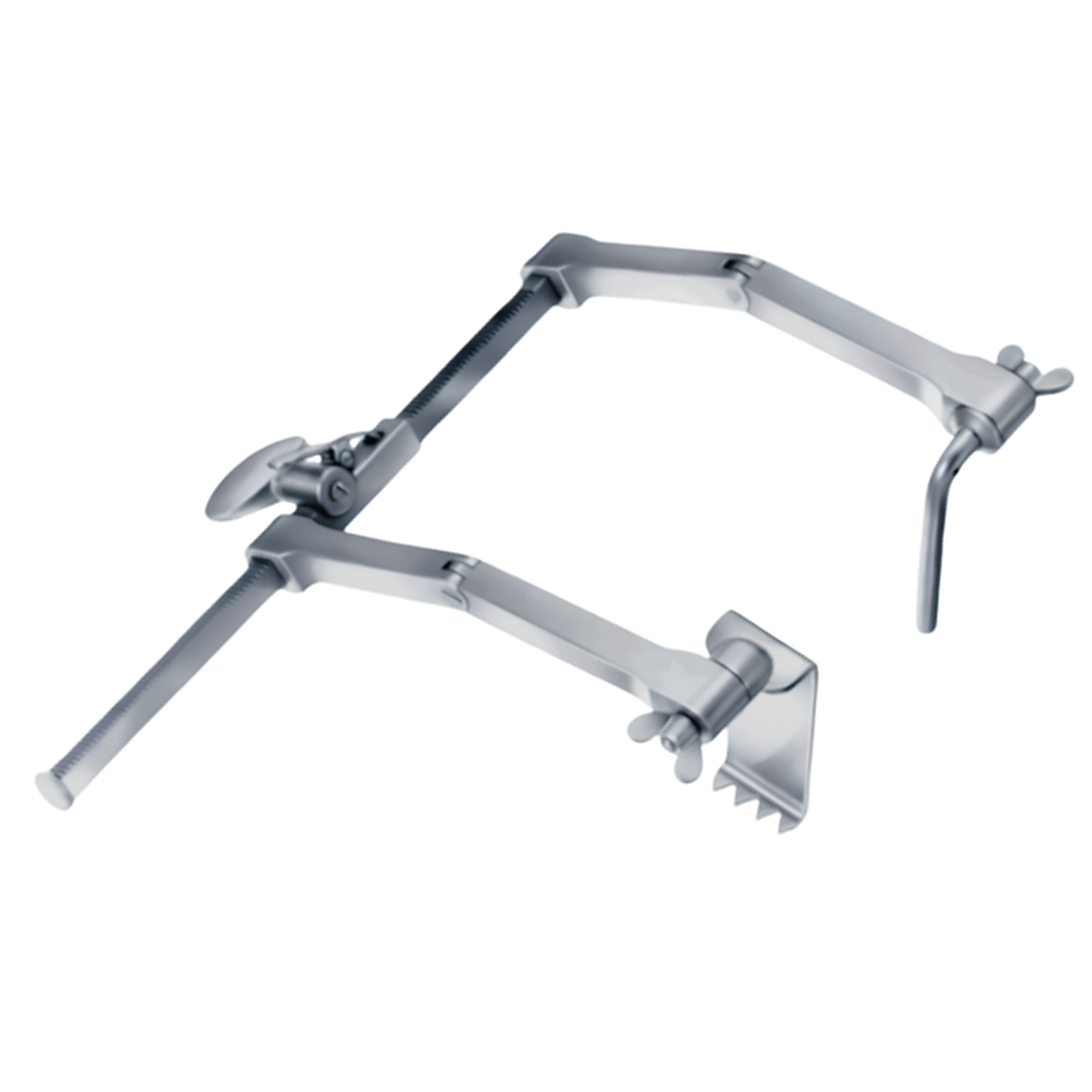 | Ранорасширитель Scoville-Haverfield самодержащийся | Специально разработан для ретракции тяжелой параспинальной мускулатуры с освобождением линии обзора за счет шарнирных браншей во время операций на позвоночнике. |
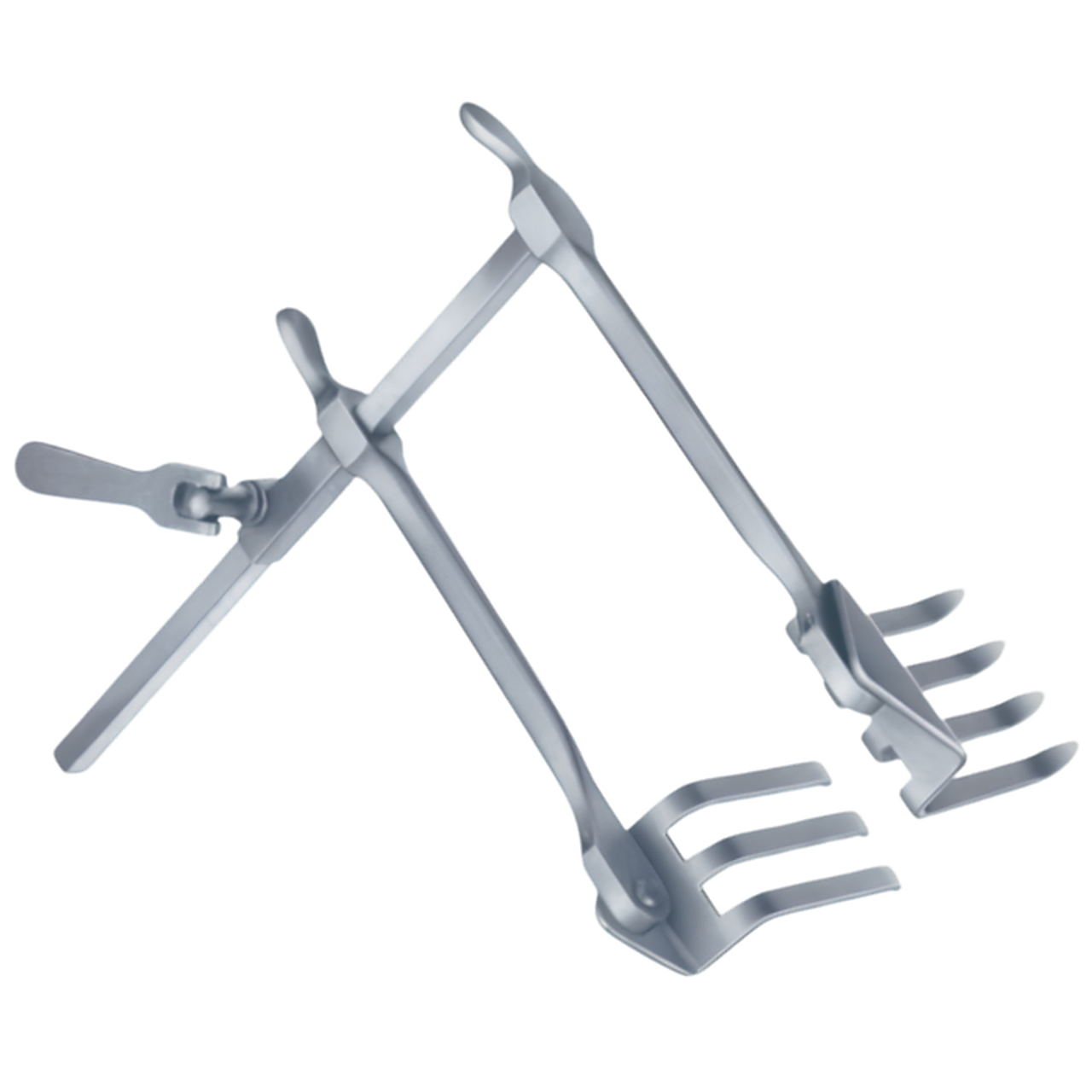 | Ранорасширитель Scoville-Richter Self Retaining Retractor | Специально разработан для ретракции массивной параспинальной мускулатуры и обеспечения широкого доступа при операциях на поясничном отделе позвоночника. |
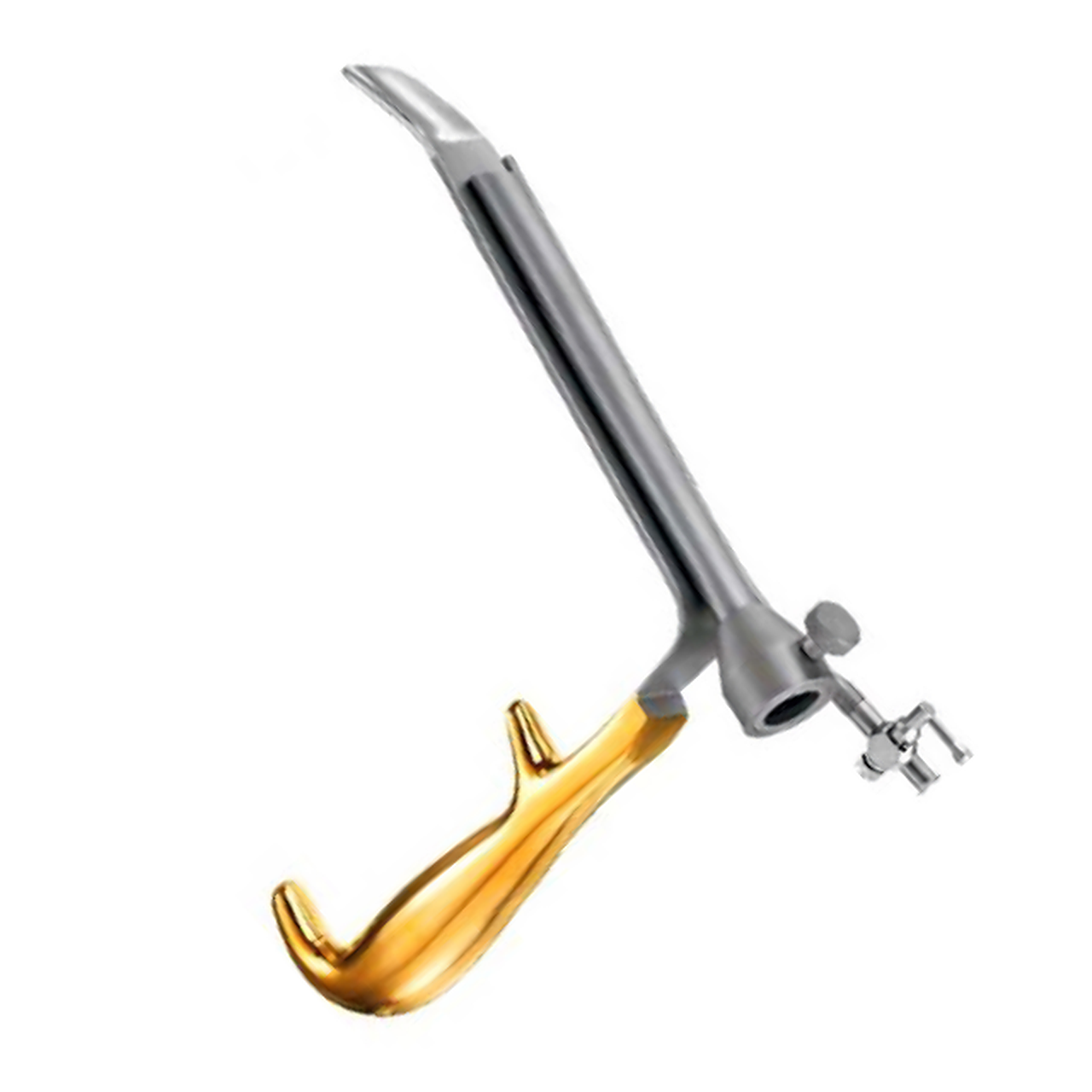 | Эндоскопический ретрактор Sculpo | Специально разработан для поднятия тканевых лоскутов и стабилизации эндоскопа во время малоинвазивных пластических операций. |
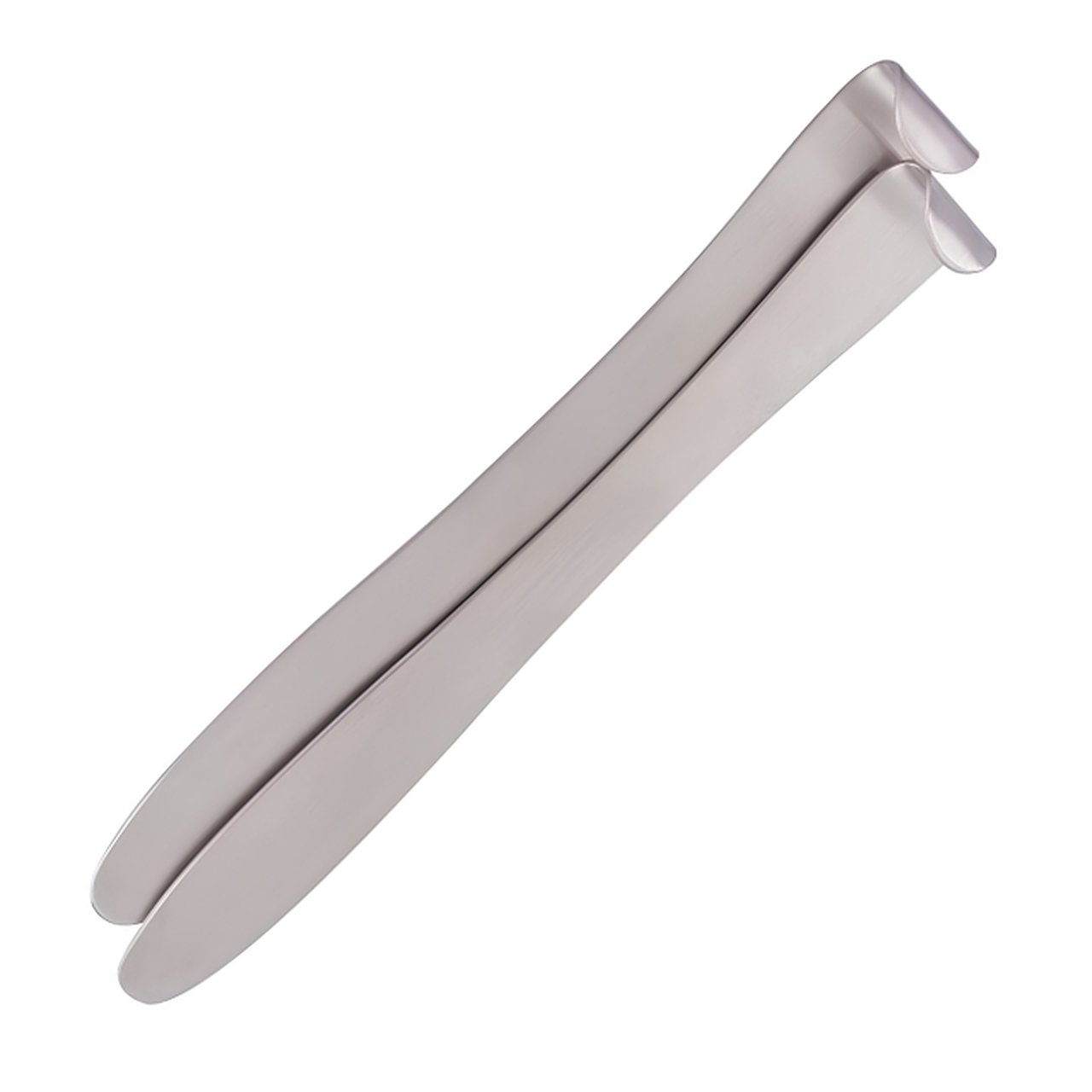 | Набор ретракторов Seeburger (комплект из 2 шт.) | Специально разработан для ретракции краев кожи, фасций и поверхностных мягких тканей в малой и общей хирургии. |
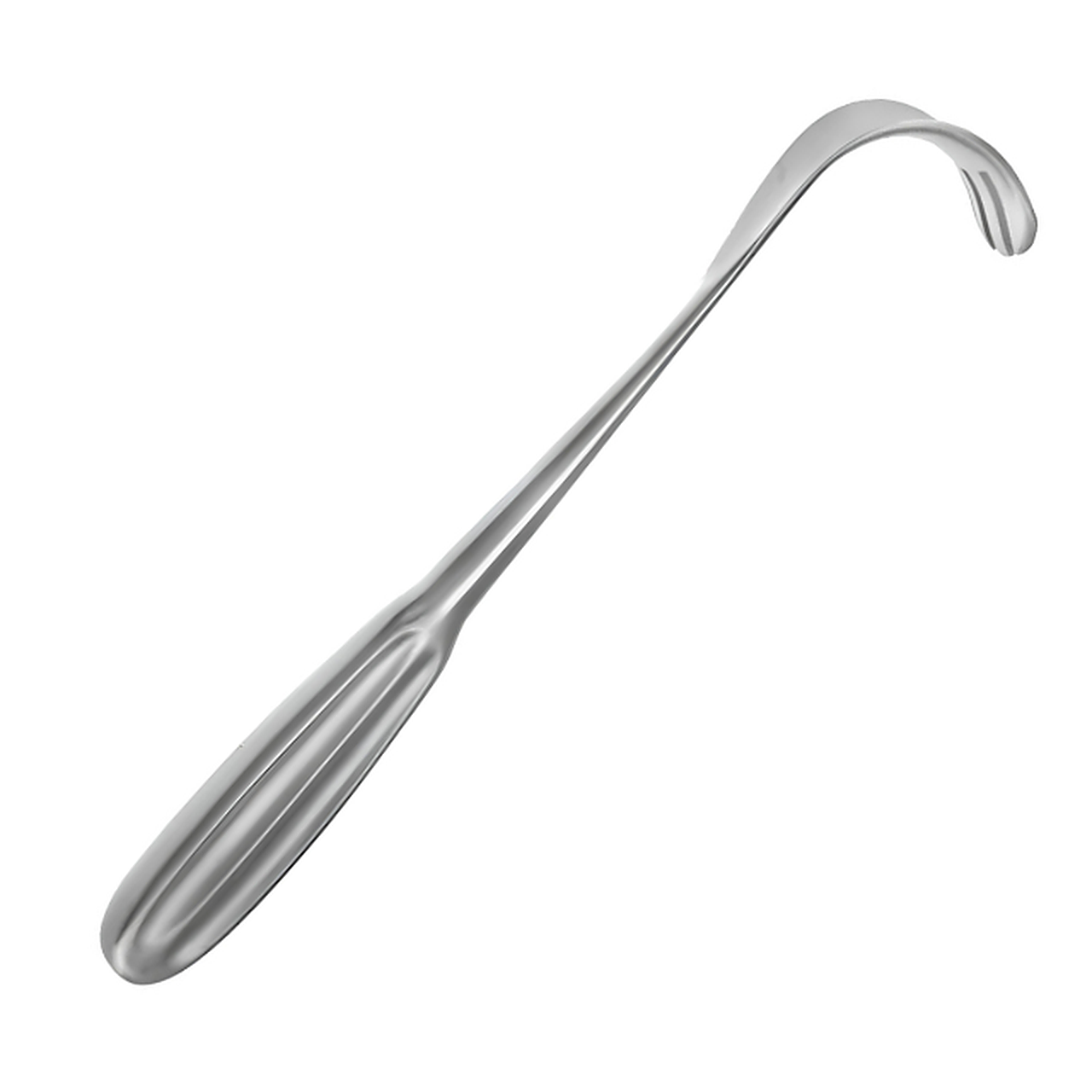 | Ранорасширитель для легких и мышц Semb Lung/Muscle Retractor | Специально разработан для ретракции паренхимы легкого, мышц грудной стенки и глубоких внутренних органов грудной клетки во время торакотомии и операций на легких. |
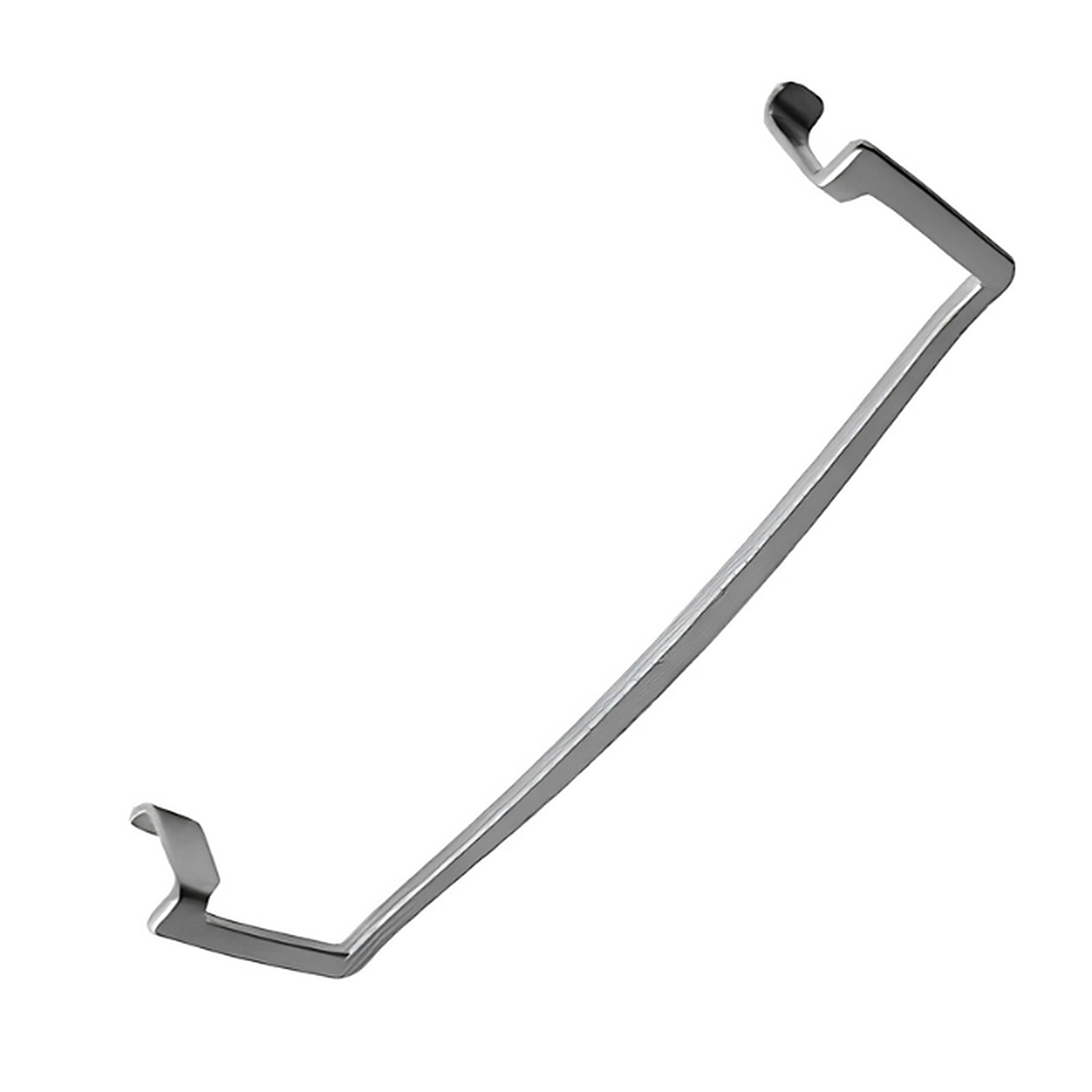 | Ранорасширитель Senn Forward Retractor | Специально разработан для ретракции краев кожи, кожных лоскутов и фасций при малых, пластических и кистевых операциях. |
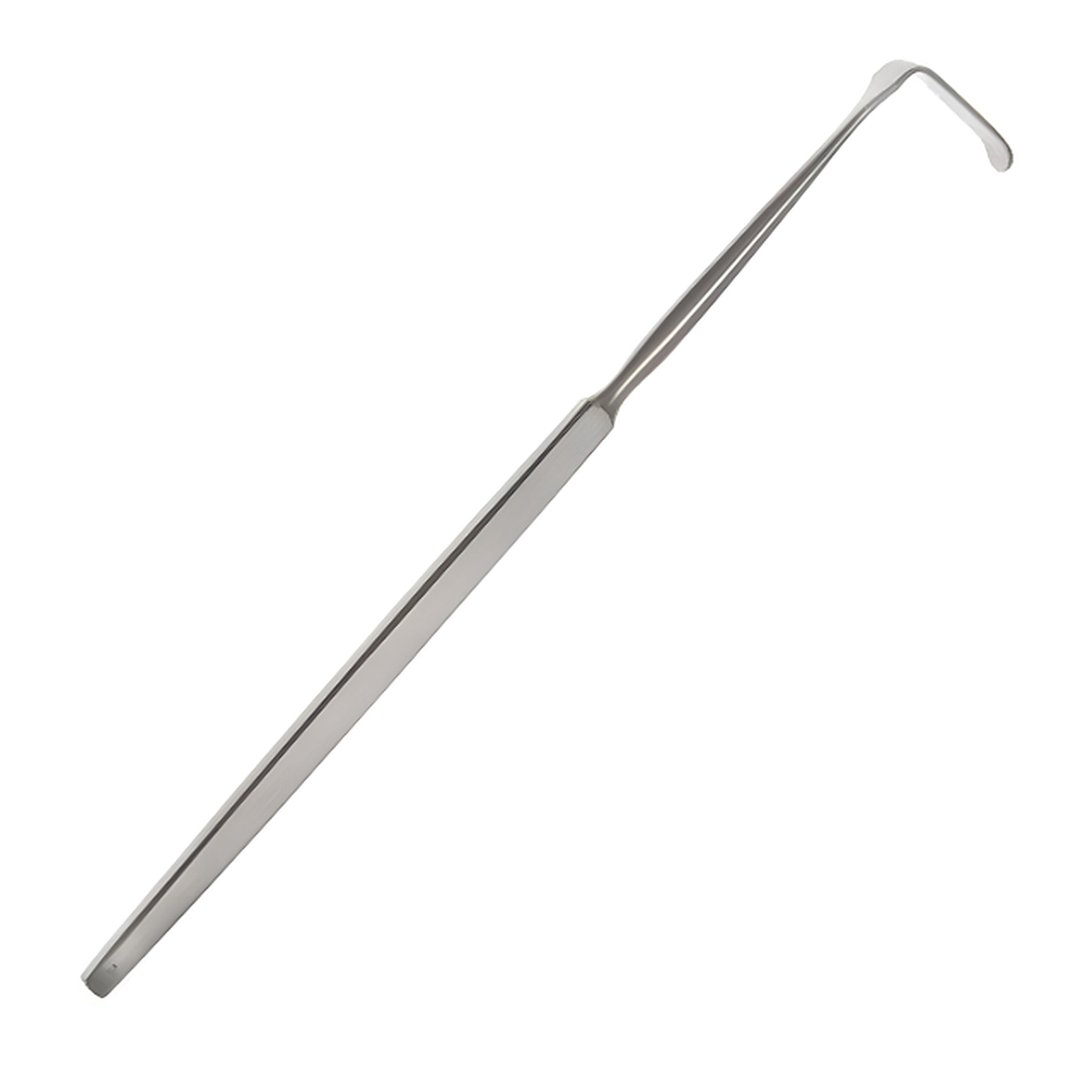 | Ранорасширитель Senn Green Retractor | Специально разработан для ретракции мышц шеи, шейной фасции и краев раны во время операций на щитовидной железе и малых хирургических вмешательств. |
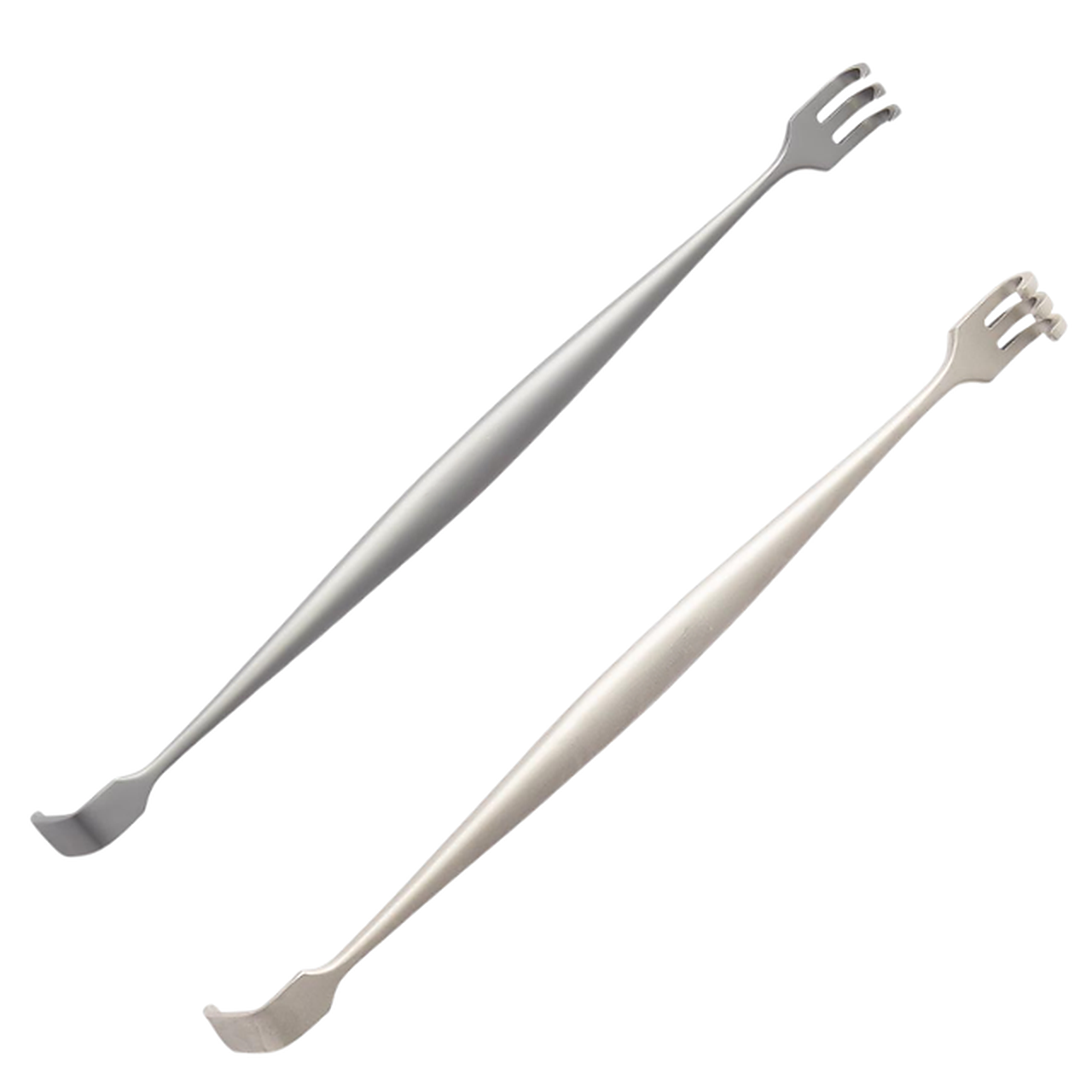 | Ранорасширитель Senn Miller Retractor | Специально разработан для ретракции краев кожи, фасций и подкожной клетчатки при поверхностных и промежуточных хирургических разрезах. |
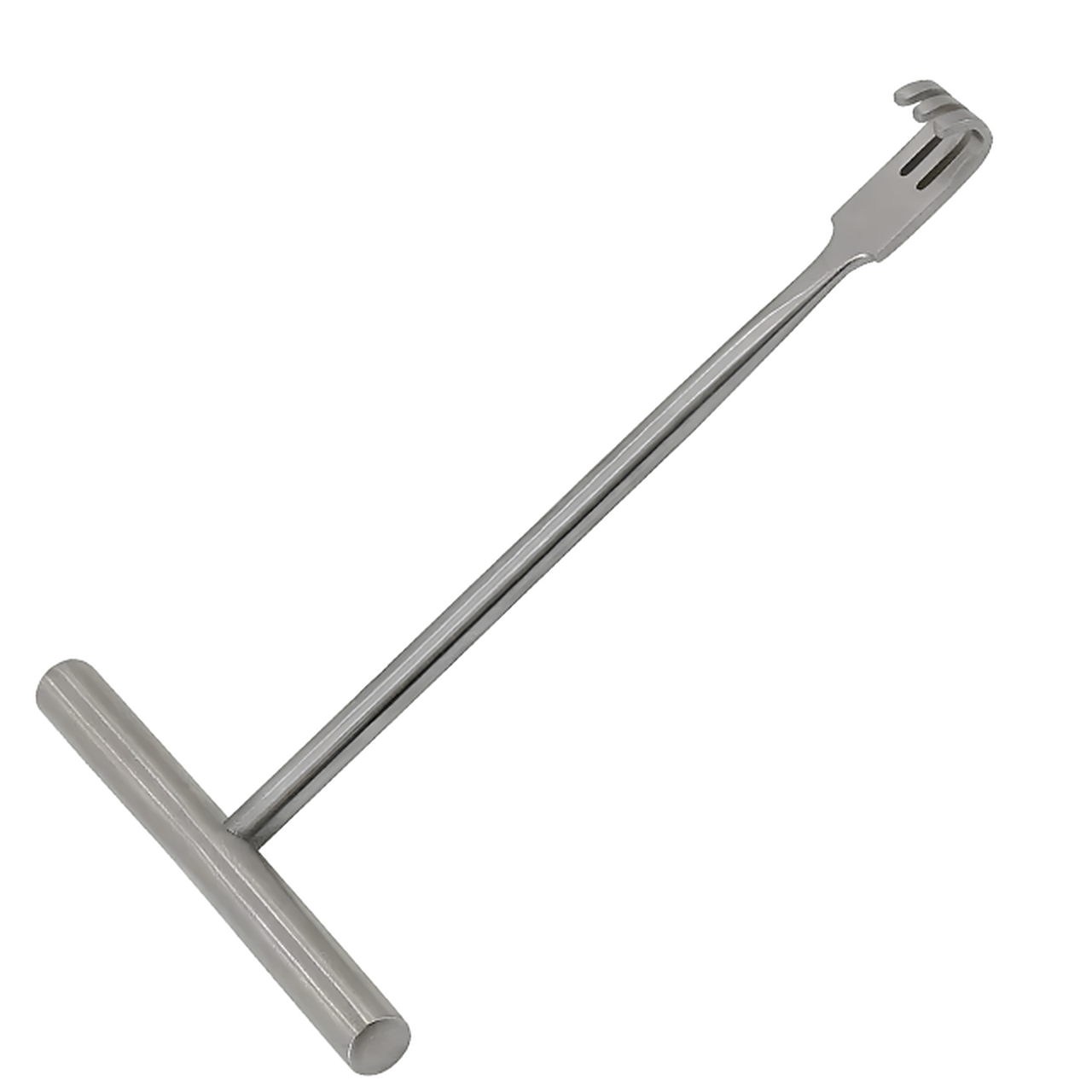 | Ранорасширитель Senn с T-образной рукояткой | Специально разработан для ретракции кожных лоскутов, фасций и плотных краев тканей с приложением значительного тягового усилия. |
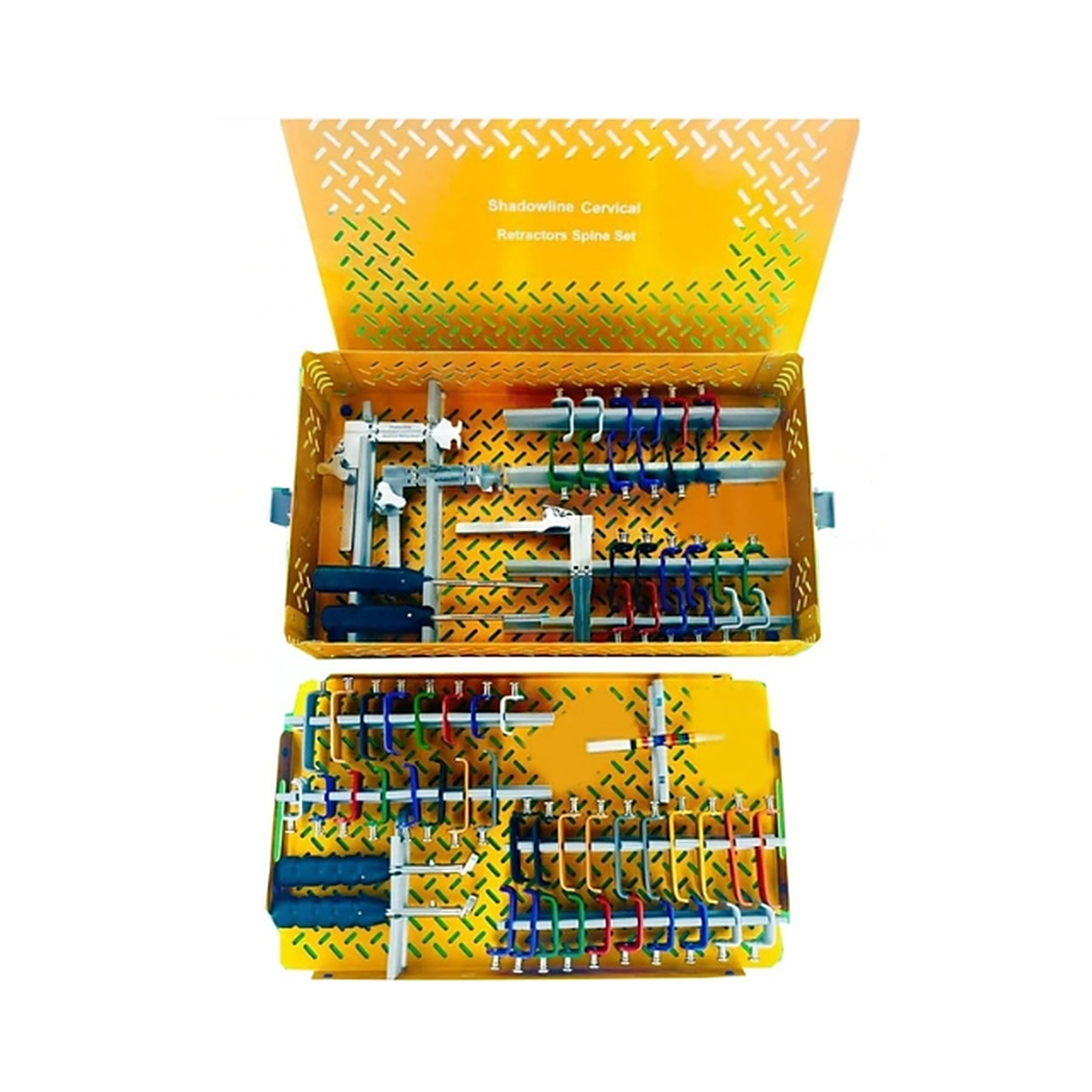 | Набор шейных спинальных ретракторов SHADOWLINE Trimline | Специально разработан для обеспечения стабильной ретракции тканей и четкой визуализации во время хирургических вмешательств на переднем отделе шейного позвоночника. |
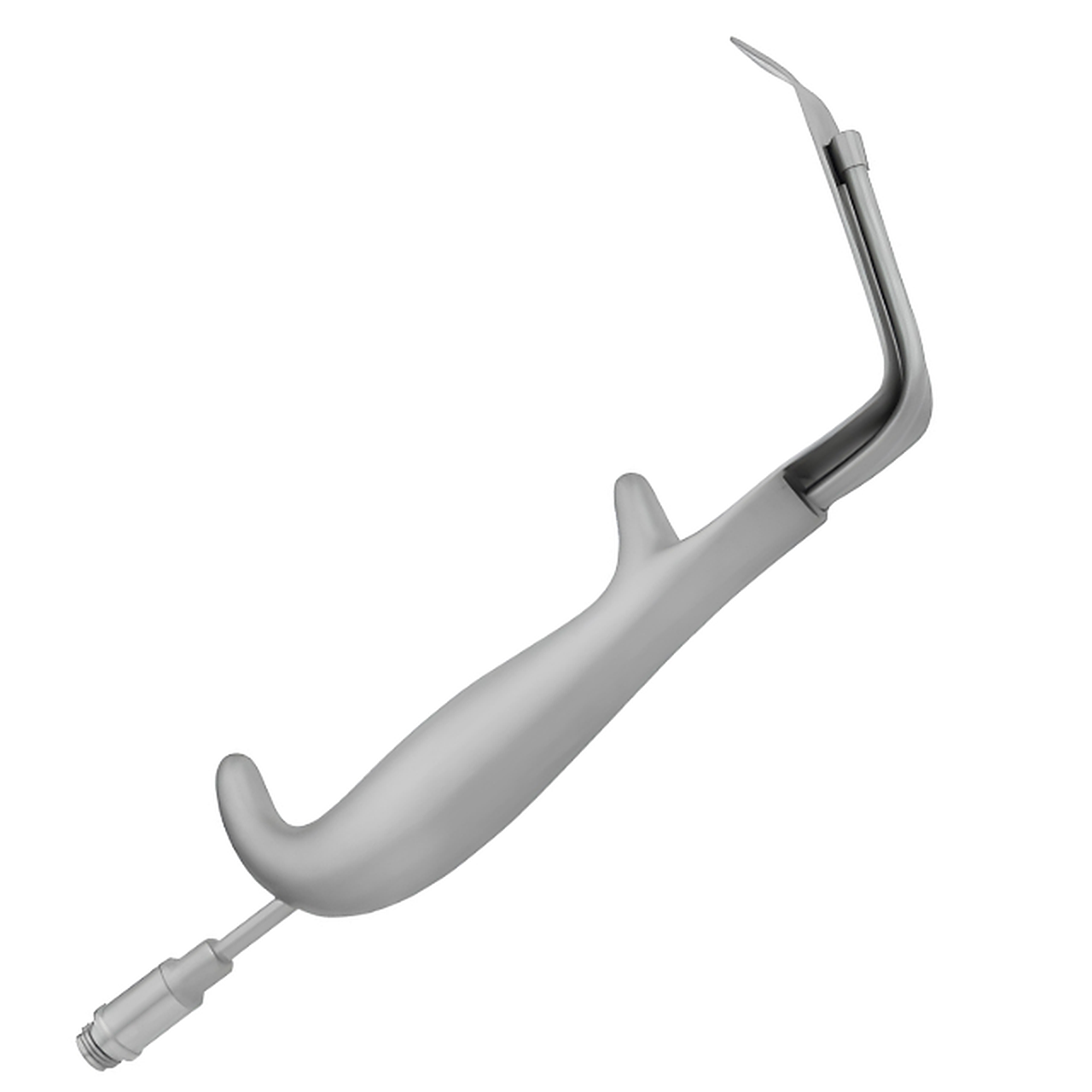 | Shea Retractor With Fiber Optic Guide | Специально разработан для ретракции тканевых лоскутов и освещения глубоких операционных полостей во время ЛОР-операций и пластики лица. |
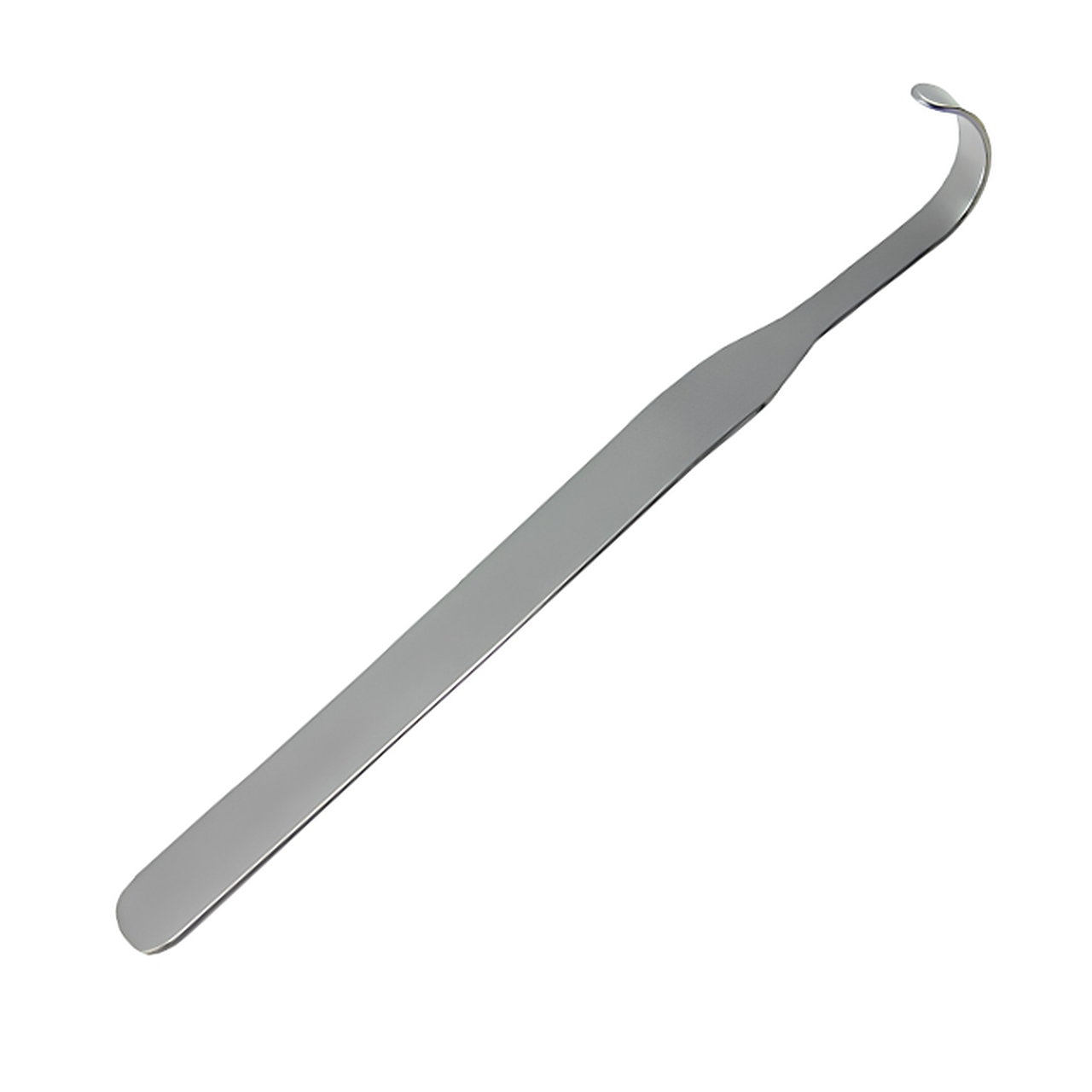 | Sheen Nasal Retractor Angled — Назальный ретрактор изогнутый | Специально разработан для элевации назальных кожных лоскутов и ретракции хрящей во время эстетической и реконструктивной ринопластики. |
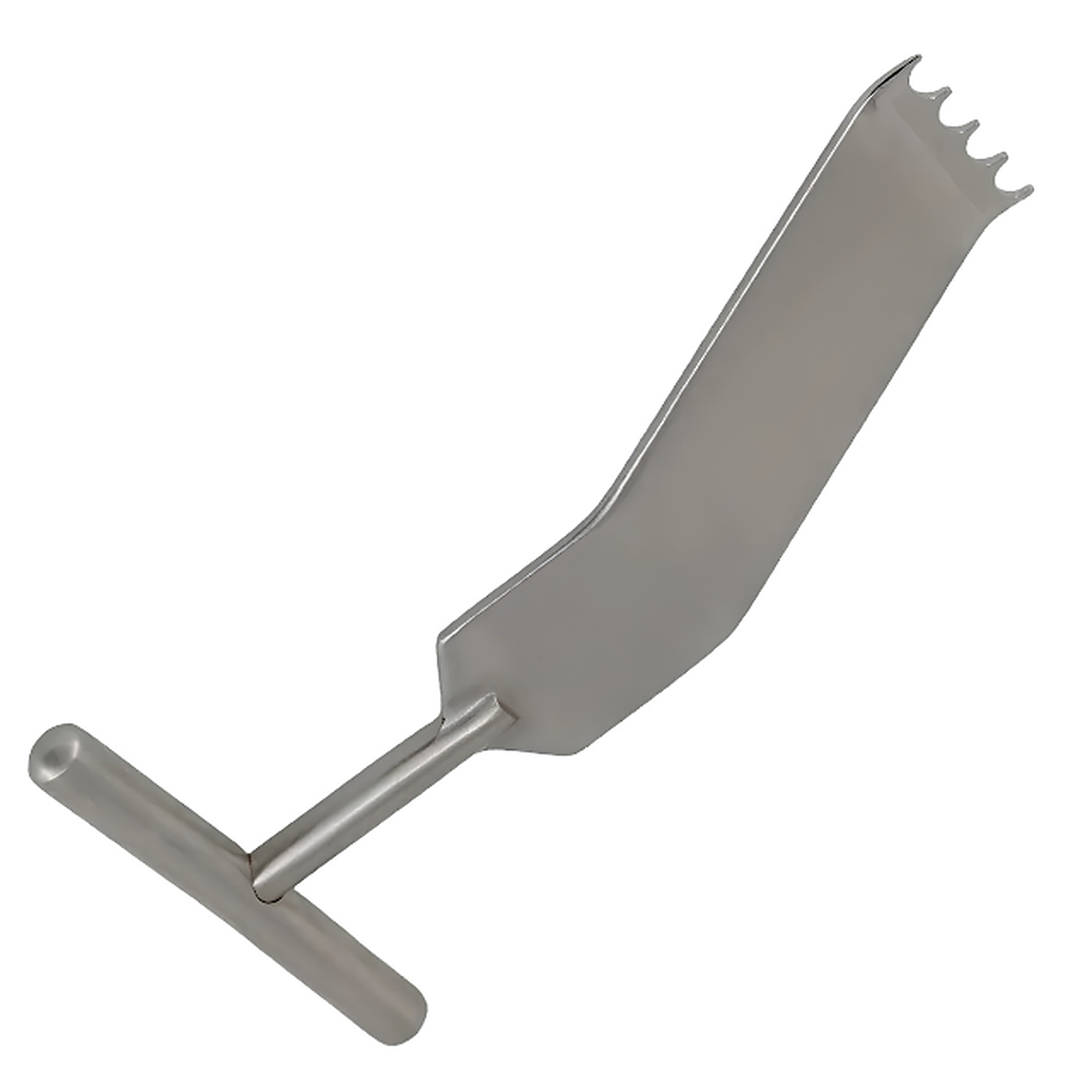 | Shoulder Arthroplasty Retractor Glenoid Exposure | Специально разработан для смещения плечевой кости кзади и обнажения суставной впадины лопатки при артропластике плечевого сустава. |
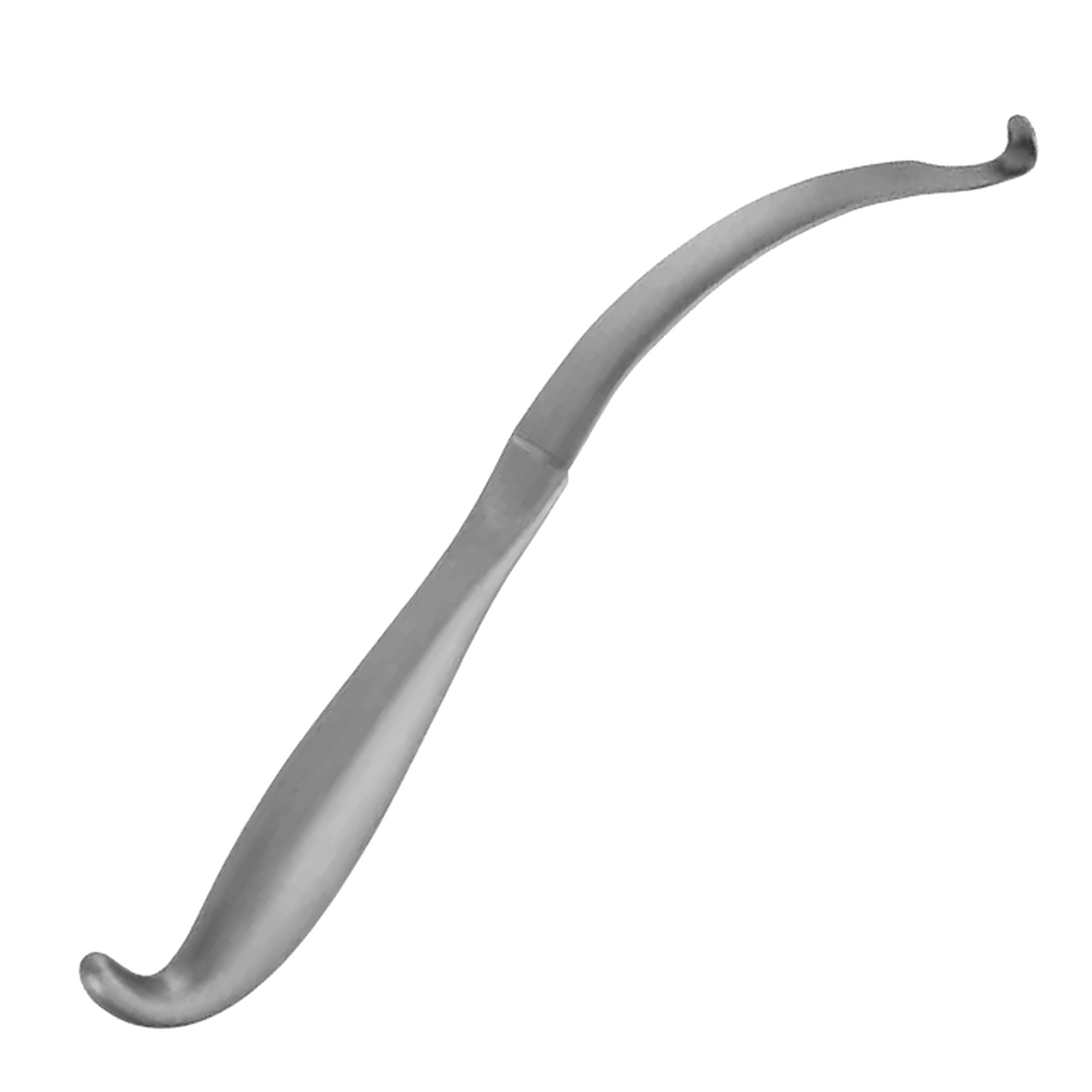 | Ретрактор вырезки нижней челюсти (Sigmoid Notch Retractor) | Специально разработан для фиксации в сигмовидной вырезке нижней челюсти и защиты сосудисто-нервных пучков во время ортогнатических операций на ветви челюсти. |
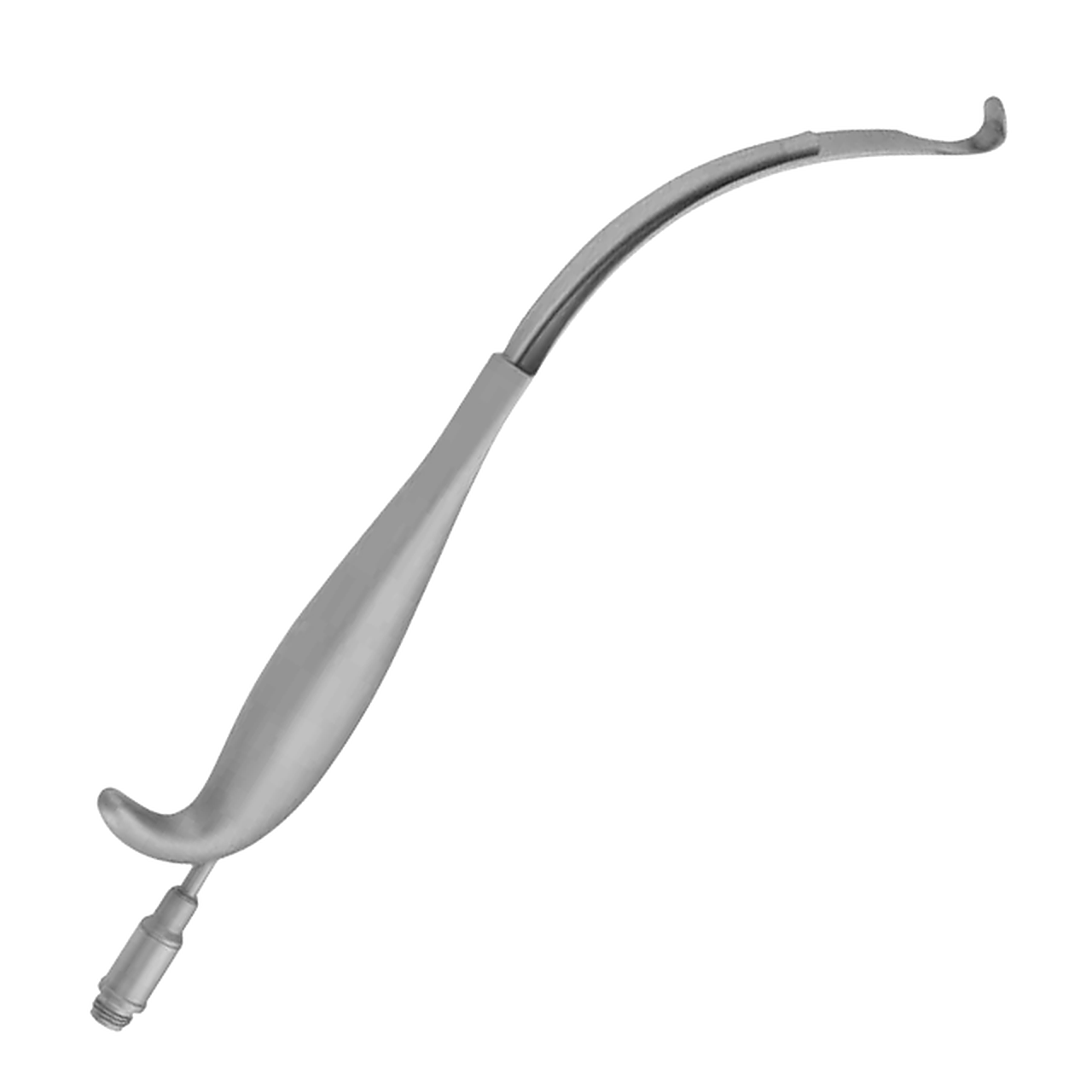 | Ранорасширитель для сигмовидной вырезки с волоконно-оптическим световодом | Специально разработан для ретракции мягких тканей с подсветкой и стабилизации кости в области сигмовидной вырезки при операциях на ветви нижней челюсти. |
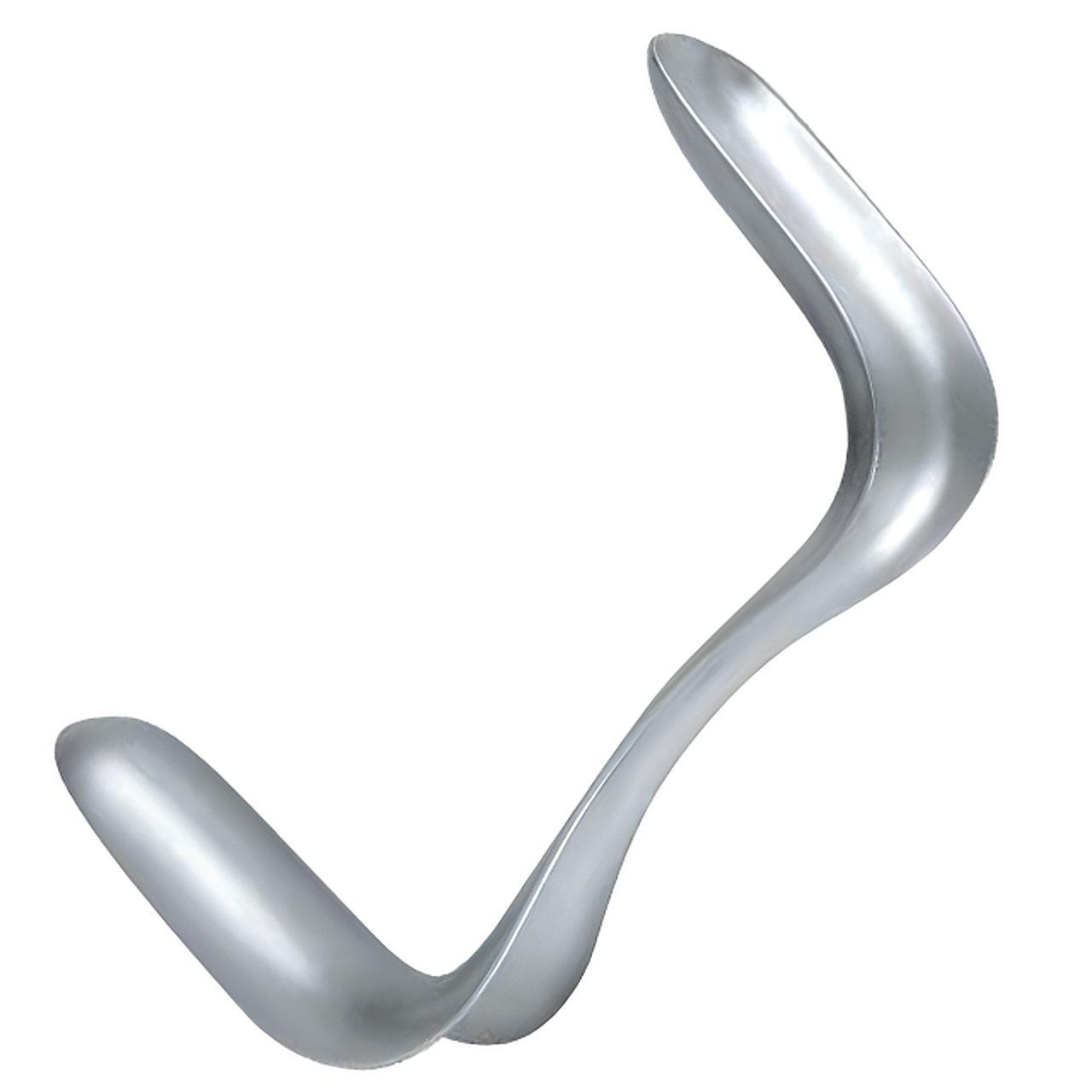 | Влагалищное зеркало-подъемник Sims | Специально разработано для ретракции задней или передней стенки влагалища и визуализации свода малого таза. |
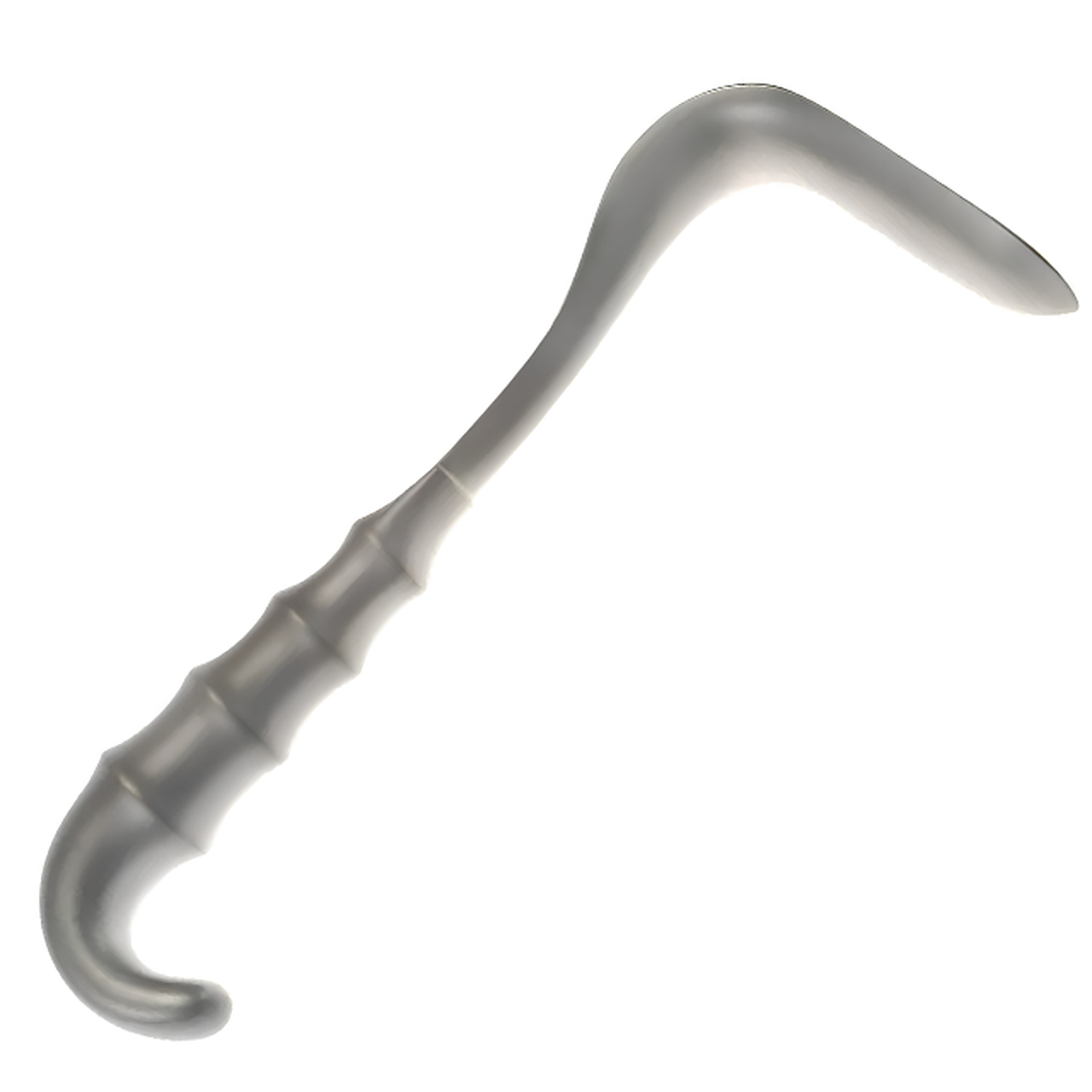 | Вагинальное зеркало Sims — полая рукоятка | Специально разработано для ретракции стенок влагалища с уменьшением нагрузки на руки ассистента во время тазовых и гинекологических операций. |
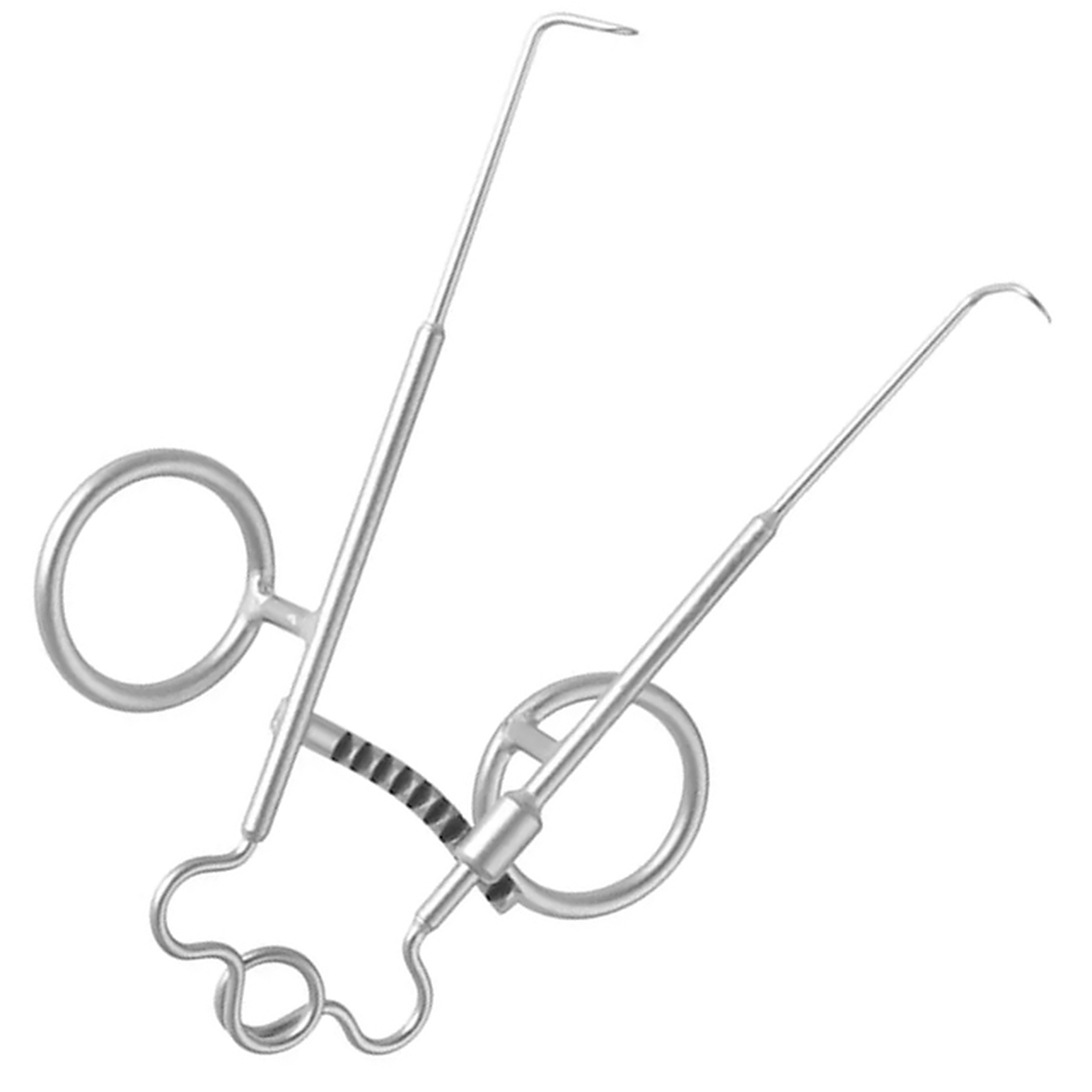 | Ретрактор кожный Sisson Skin Retractor | Специально разработан для ретракции краев кожи, кожных лоскутов и деликатных мягких тканей в условиях микрохирургии в ограниченном пространстве. |
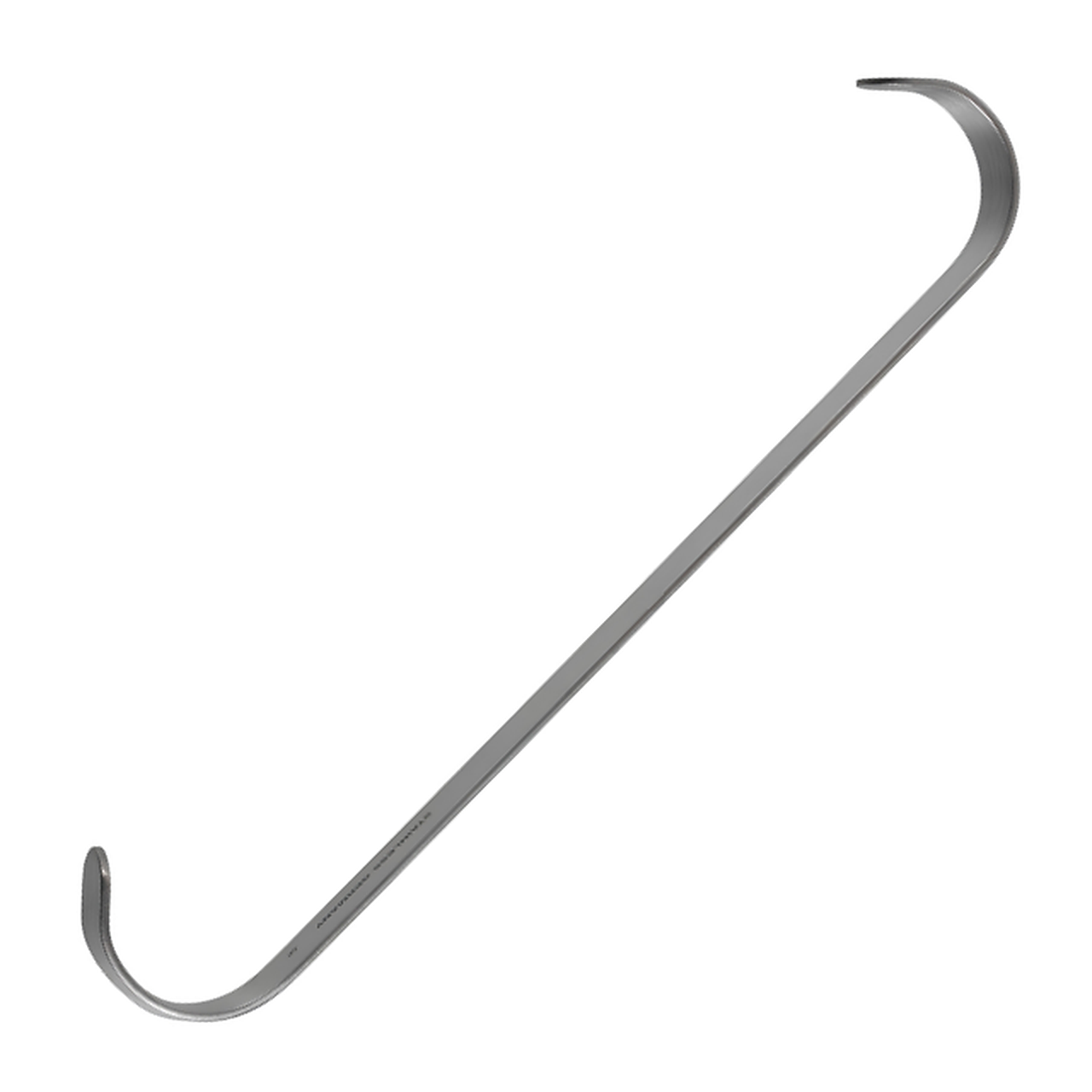 | Ранорасширитель Sistrunk Retractor | Специально разработан для ретракции мышц шеи, шейной фасции и кожи во время иссечения кисты щитоязычного протока и операций на шее. |
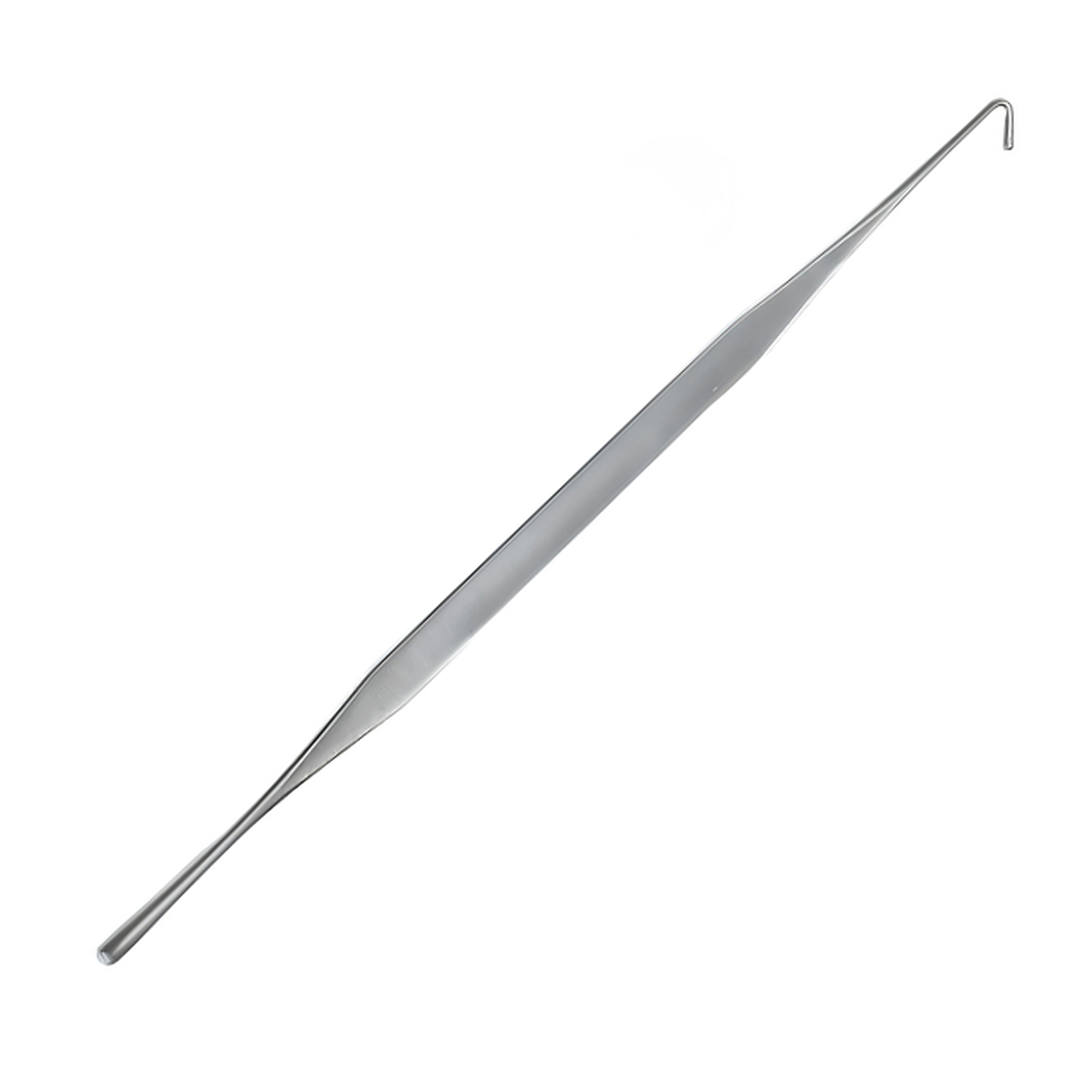 | Нервный ретрактор Smithwick | Специально разработан для исследования, мобилизации и ретракции нервных корешков и симпатических цепочек во время глубоких операций на позвоночнике и сосудах. |
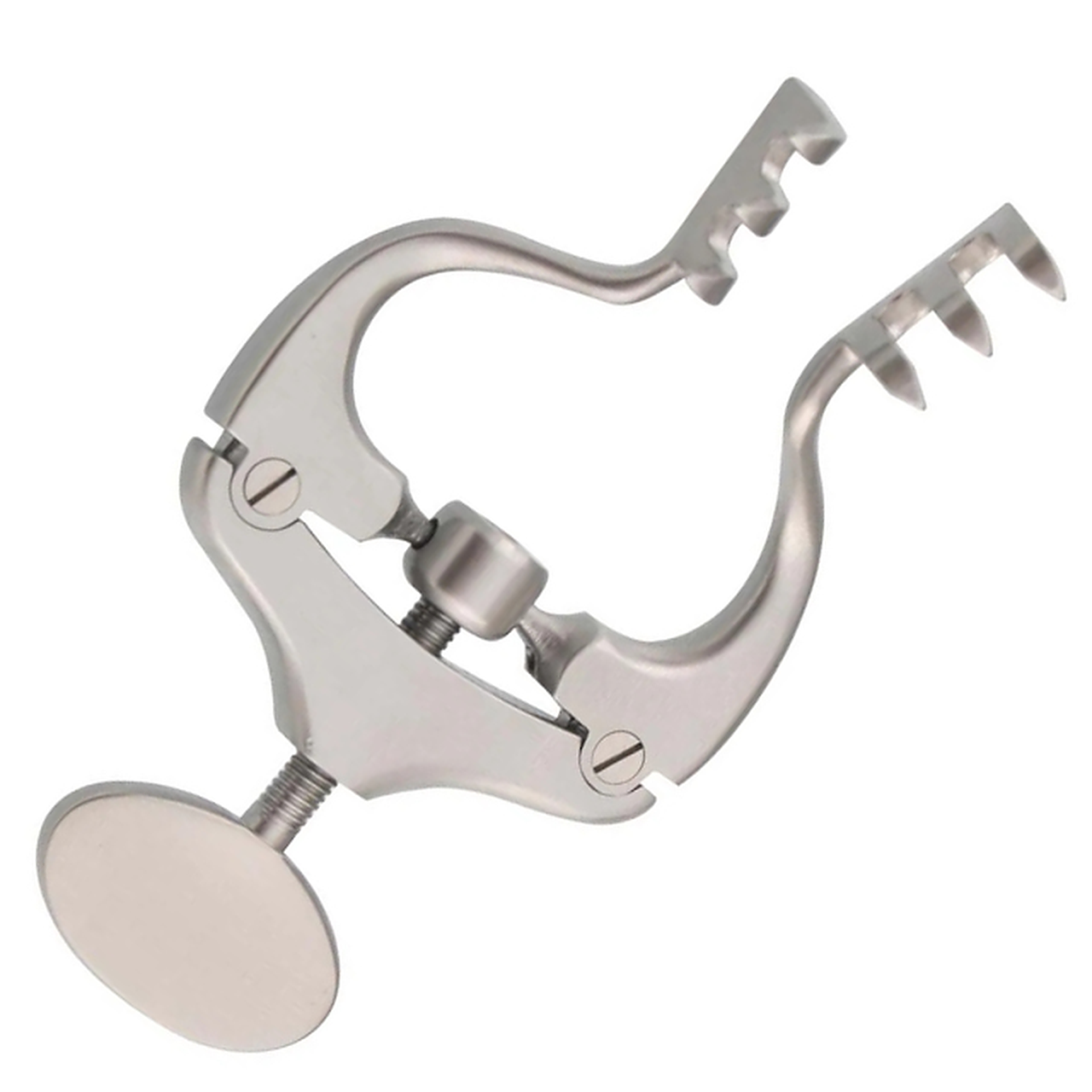 | Самоудерживающийся эндауральный ретрактор Snitman Self-Retaining Endeural Retractor | Специально разработан для обеспечения самоудерживающейся ретракции тканей во время эндауральных, отологических и меатальных микрохирургических вмешательств. |
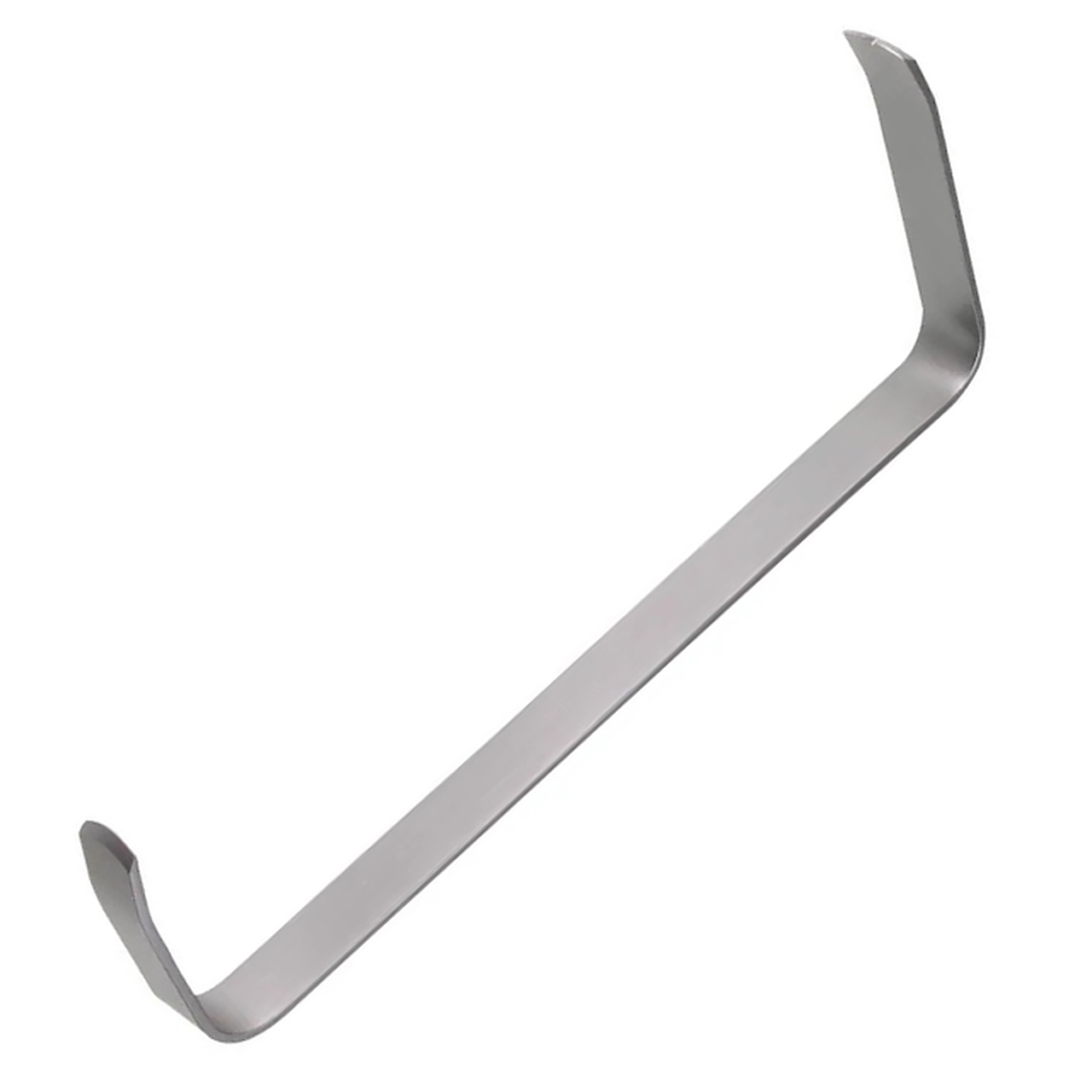 | Распатор-ретрактор Sofield Retractor | Специально разработан для ретракции мышц и надкостницы с целью экспозиции диафизов длинных трубчатых костей во время остеотомии и фиксации переломов. |
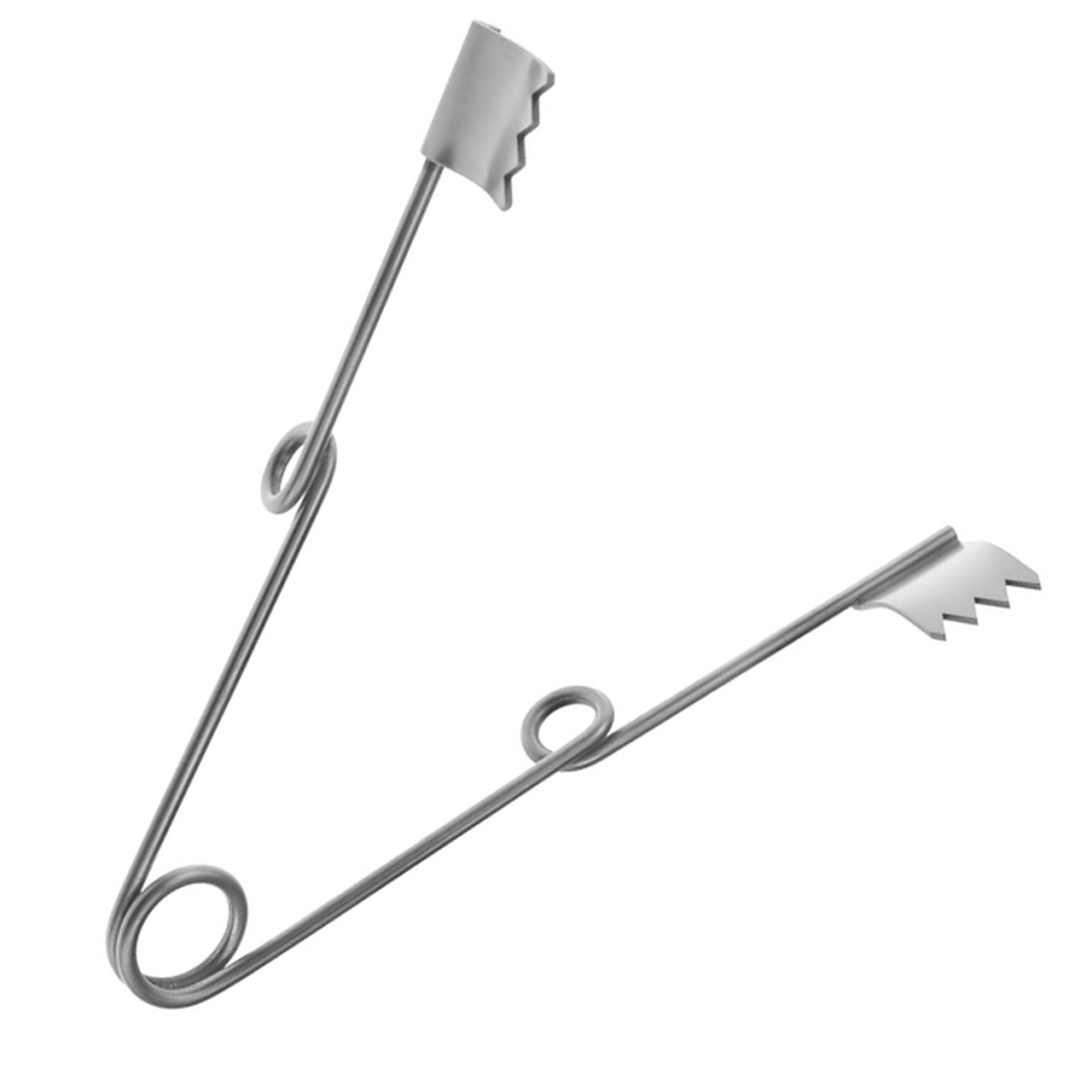 | Пружинный проволочный ретрактор Spring Wire Retractor | Специально разработан для самодержащейся фиксации краев раны без участия рук во время микрохирургических и пластических операций. |
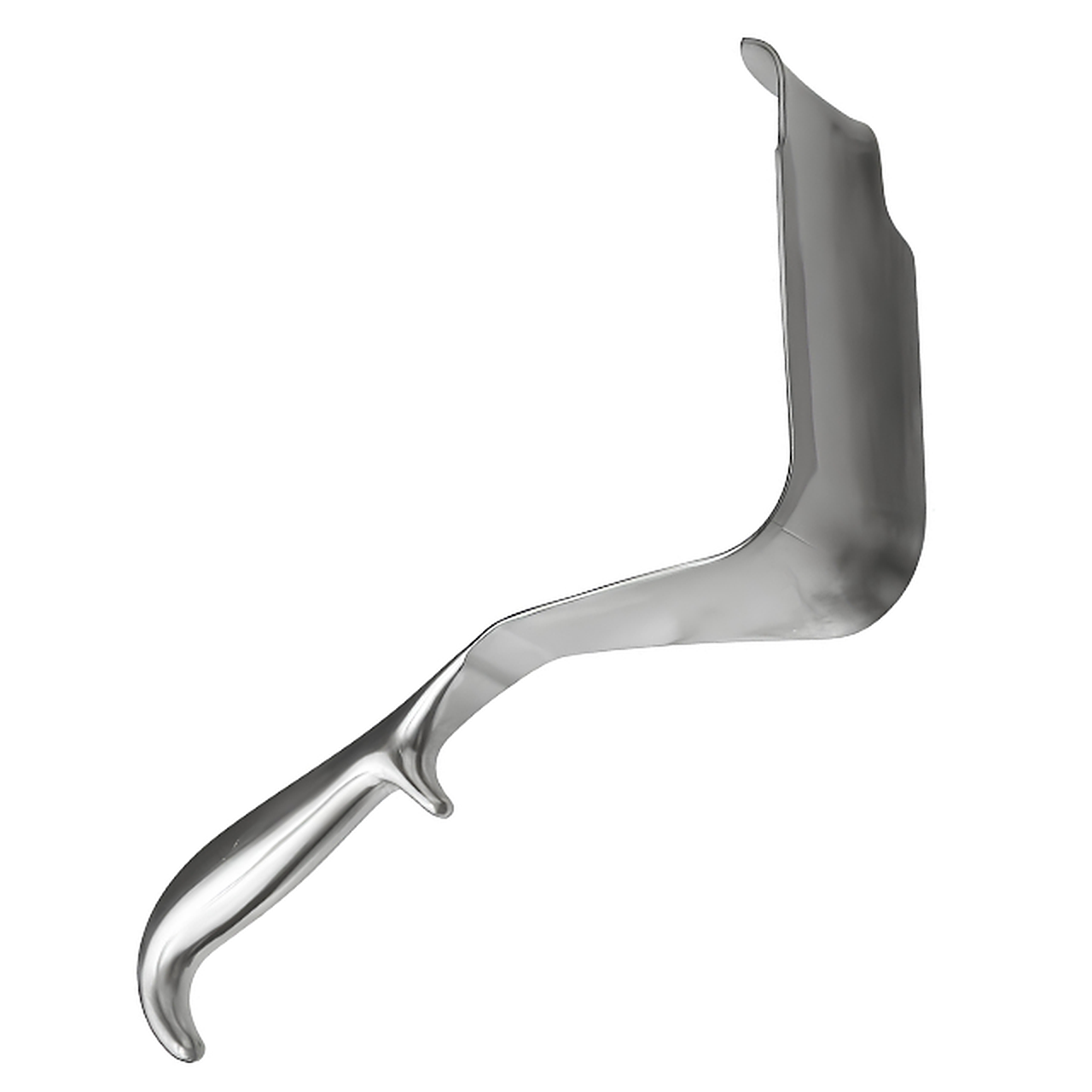 | Тазовый ретрактор St. Marks | Специально разработан для ретракции органов малого таза, мочевого пузыря и брюшины во время глубоких колоректальных и тазовых операций. |
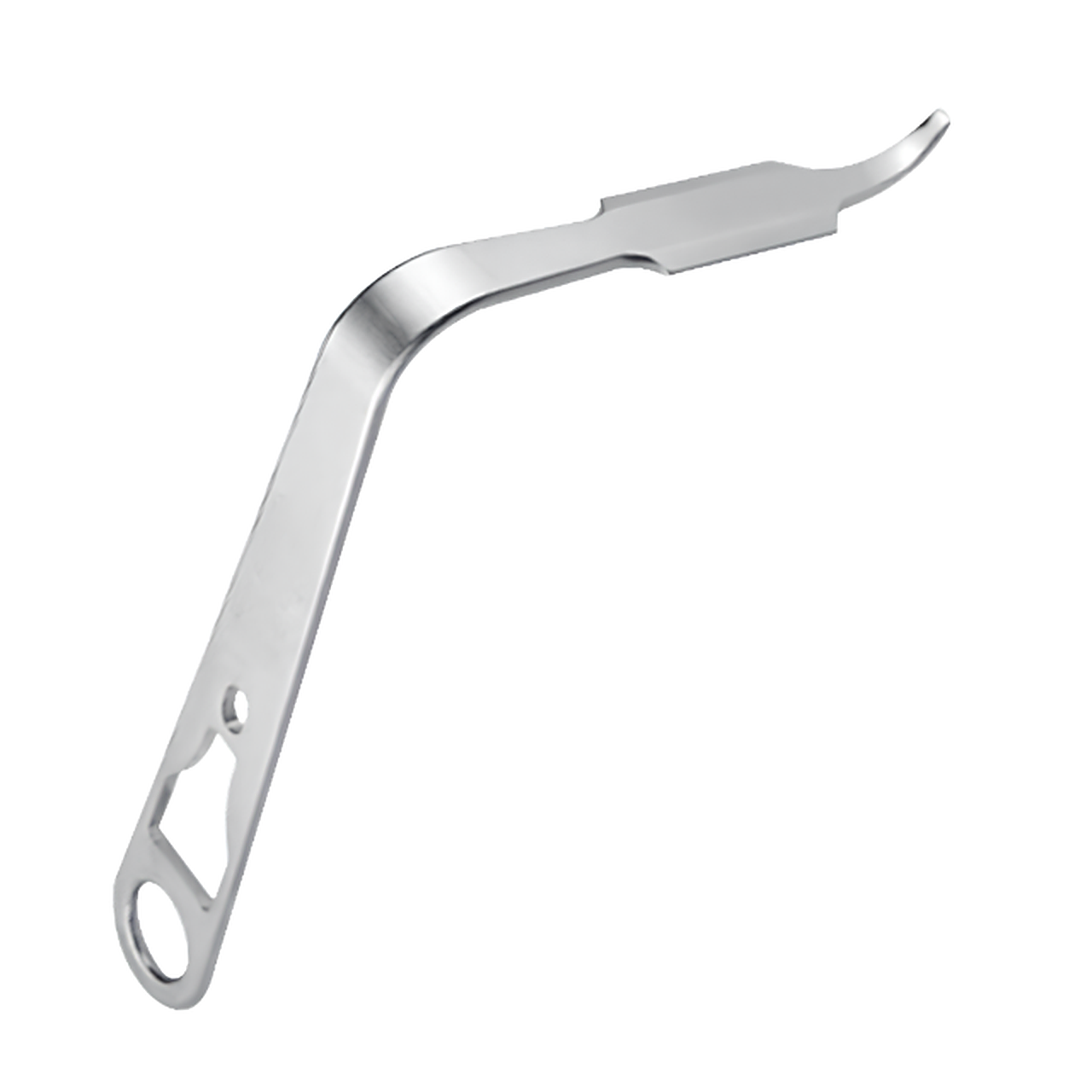 | Штабелируемые ретракторы Hohmann | Специально разработаны для создания рычажного усилия на кортикальный слой кости и ретракции плотных мышечных слоев с возможностью фиксации рукояток при операциях на суставах. |
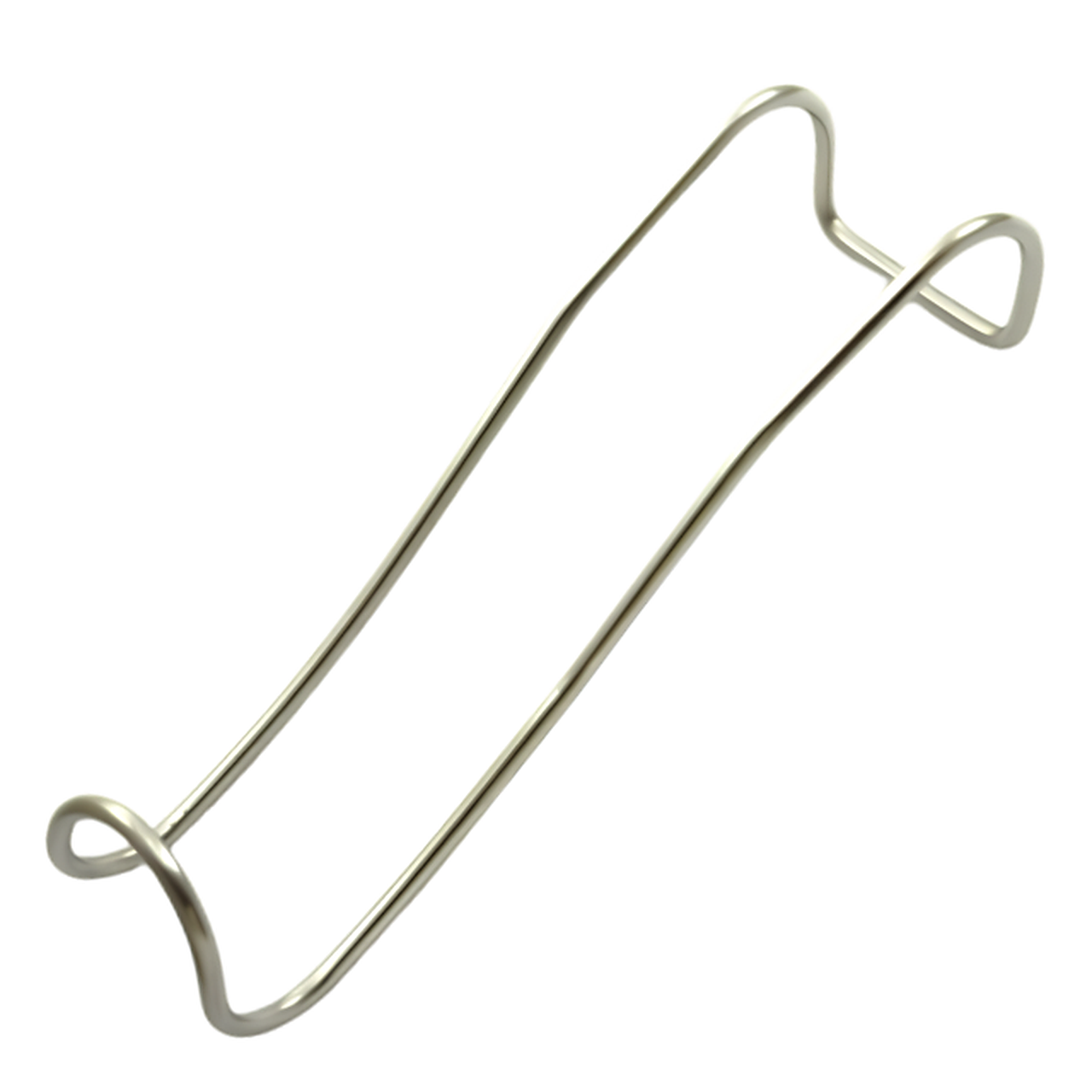 | Двусторонний ретрактор Sternberg | Специально разработан для ретракции губ, щек и слизистой оболочки полости рта при стоматологических, челюстно-лицевых и фарингеальных операциях. |
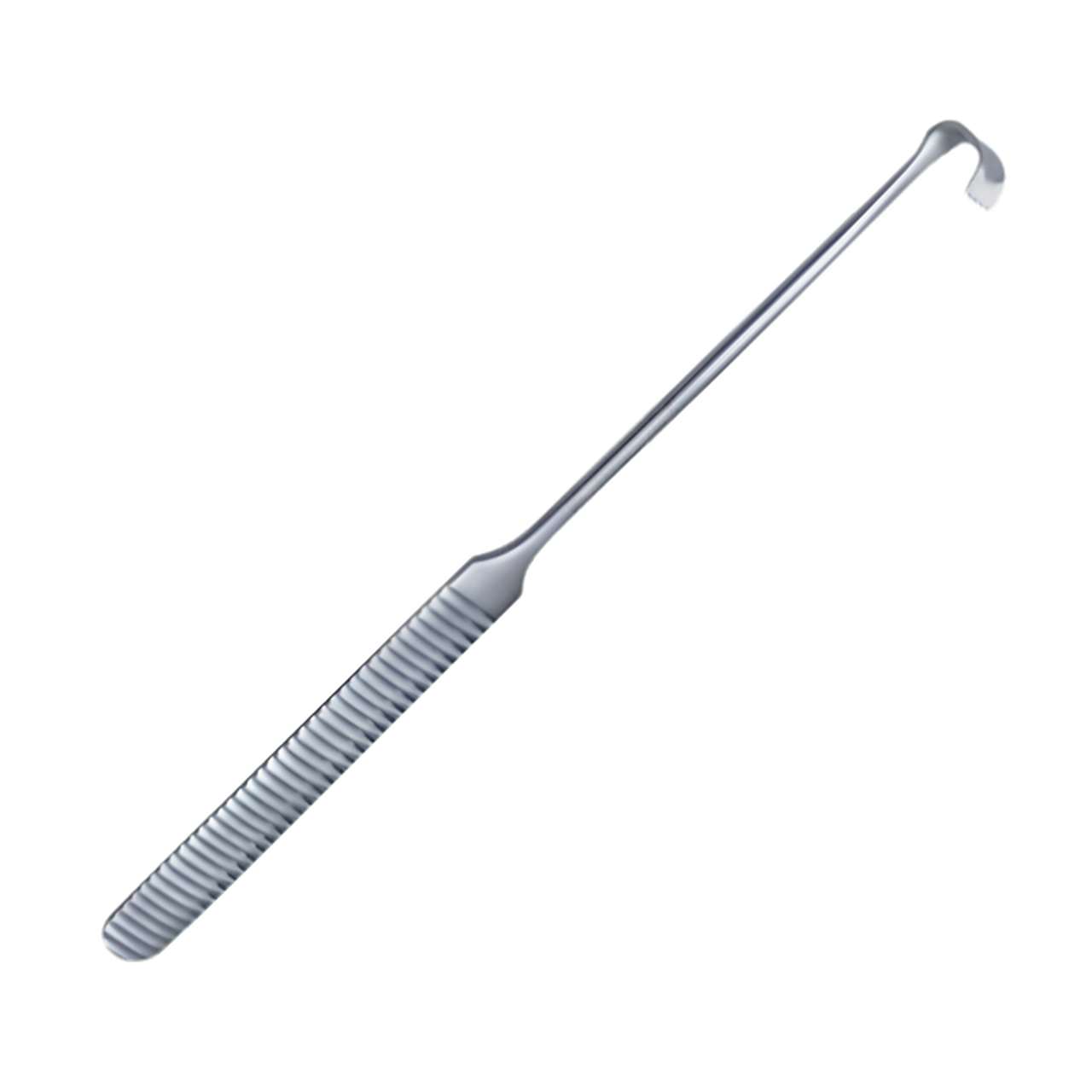 | Крючок Strandell Stille Retractor | Специально разработан для ретракции краев кожи, фасций и мягких тканей во время пластических операций, операций на кисти и малых хирургических вмешательств. |
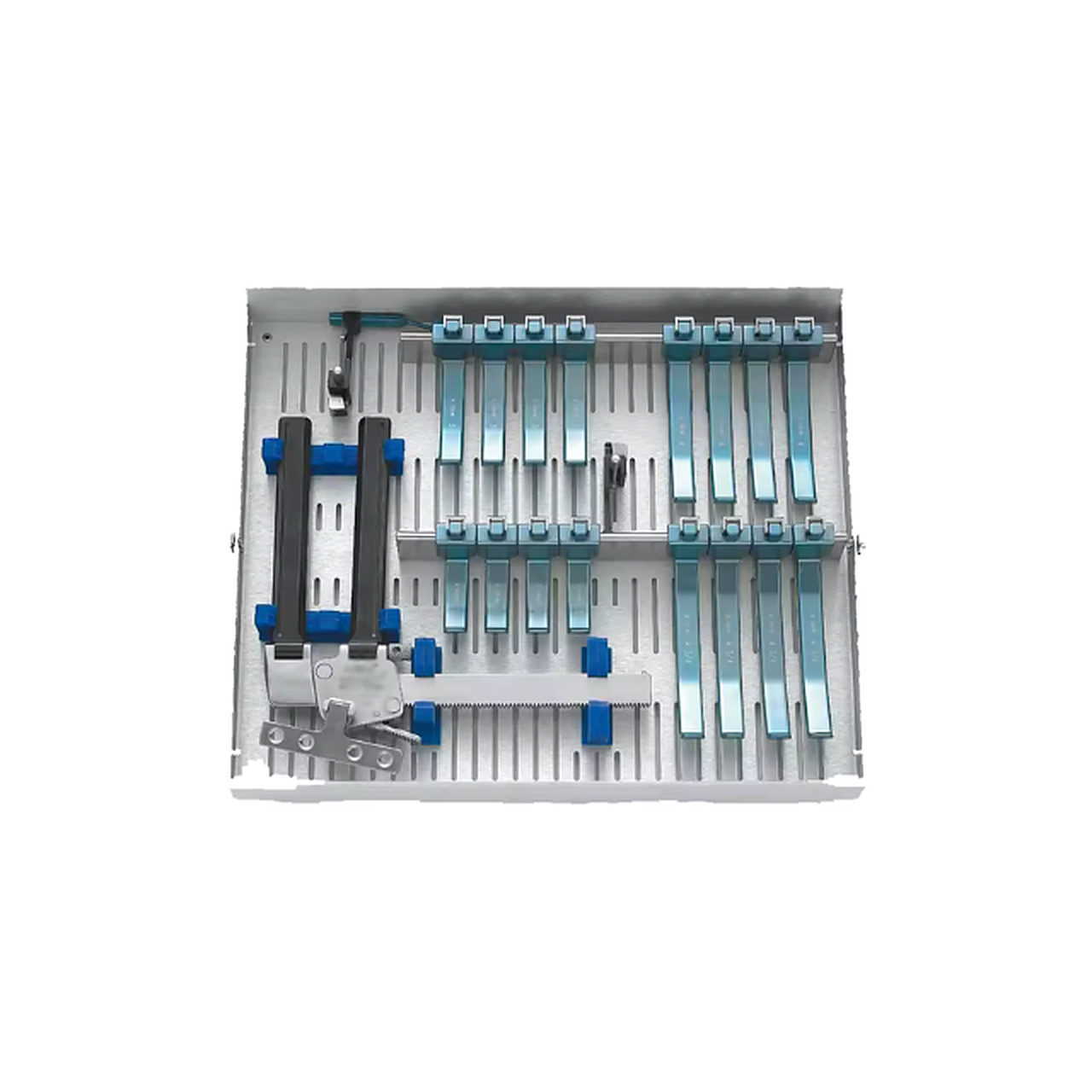 | Ранорасширитель для ламинэктомии Super-Slide Laminectomy Retractor | Специально разработан для обеспечения контролируемой ретракции тканей и хирургического доступа при ламинэктомии и сопутствующих операциях на позвоночнике. |
 | Хирургический свинцовый фиксатор кисти (пластина) | Специально разработан для иммобилизации и позиционирования кисти и пальцев во время пластических, ортопедических и реконструктивных операций на кисти. |
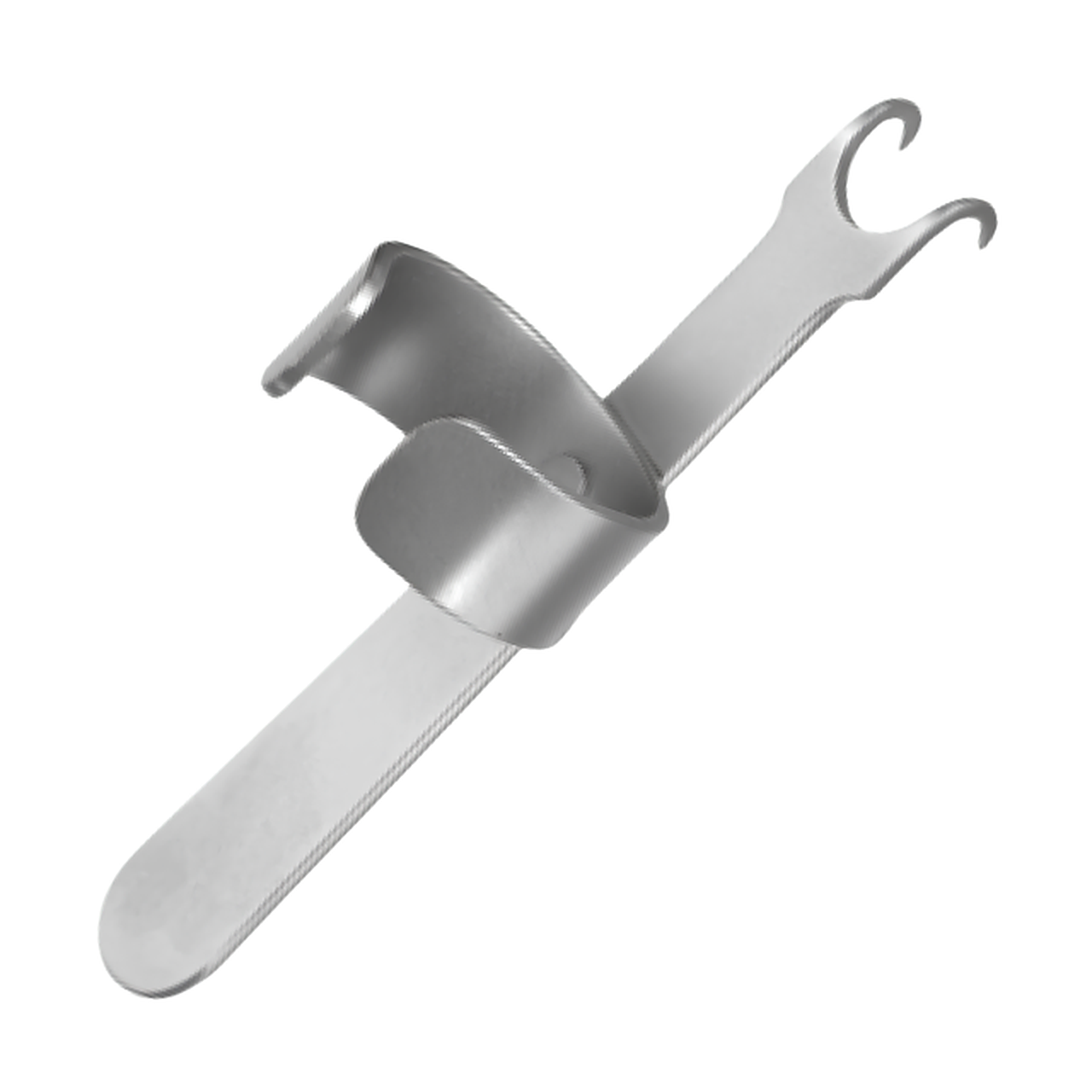 | Назальный ретрактор Swivel Ring Nasal Retractor | Специально разработан для динамического подъема кожных лоскутов носа и ретракции крыльного хряща во время ринопластики. |
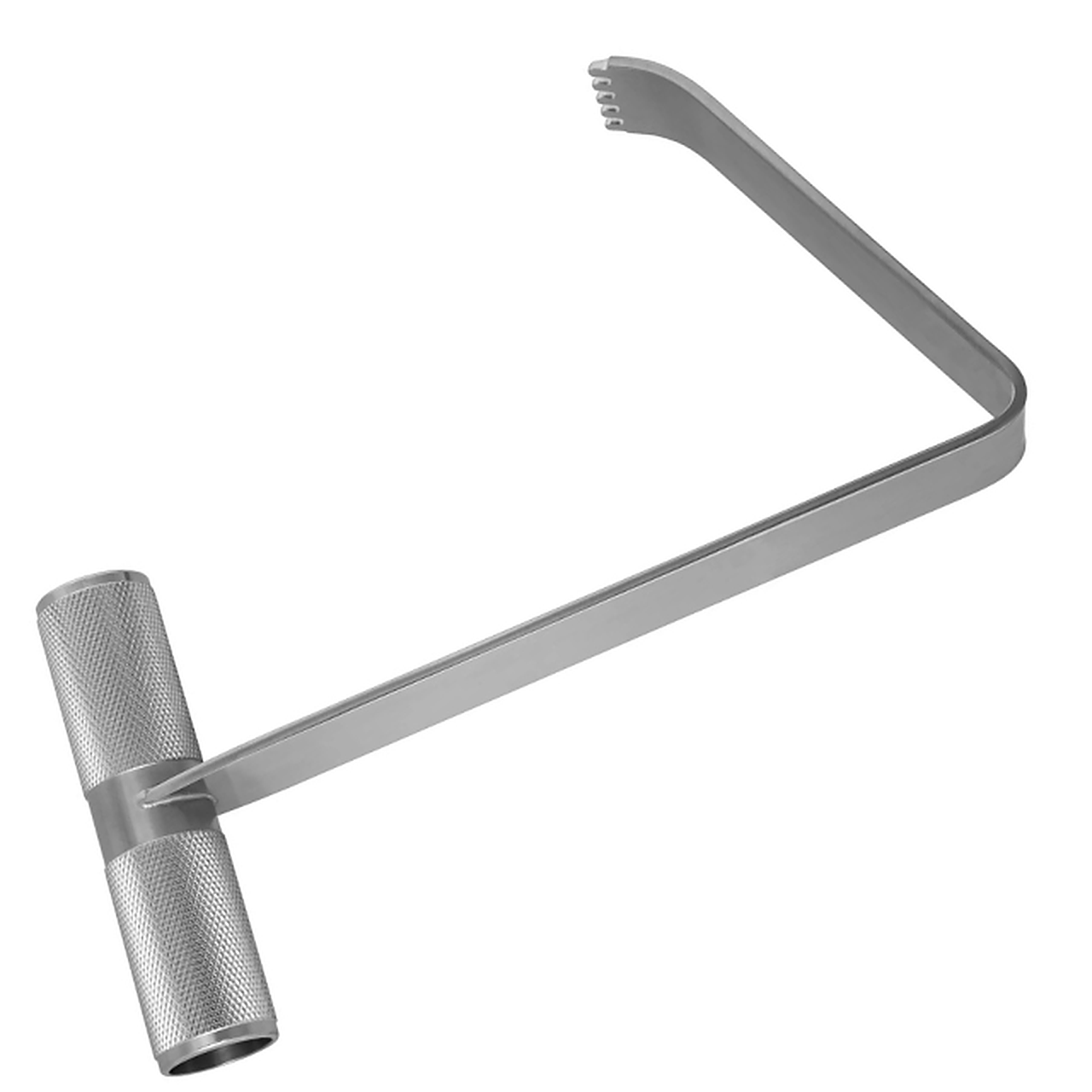 | Ранорасширитель с T-образной рукояткой и изогнутым лезвием | Специально разработан для разведения массивных мышечных слоев, фасций и мягких тканей с максимальным ручным усилием при выполнении ортопедических операций. |
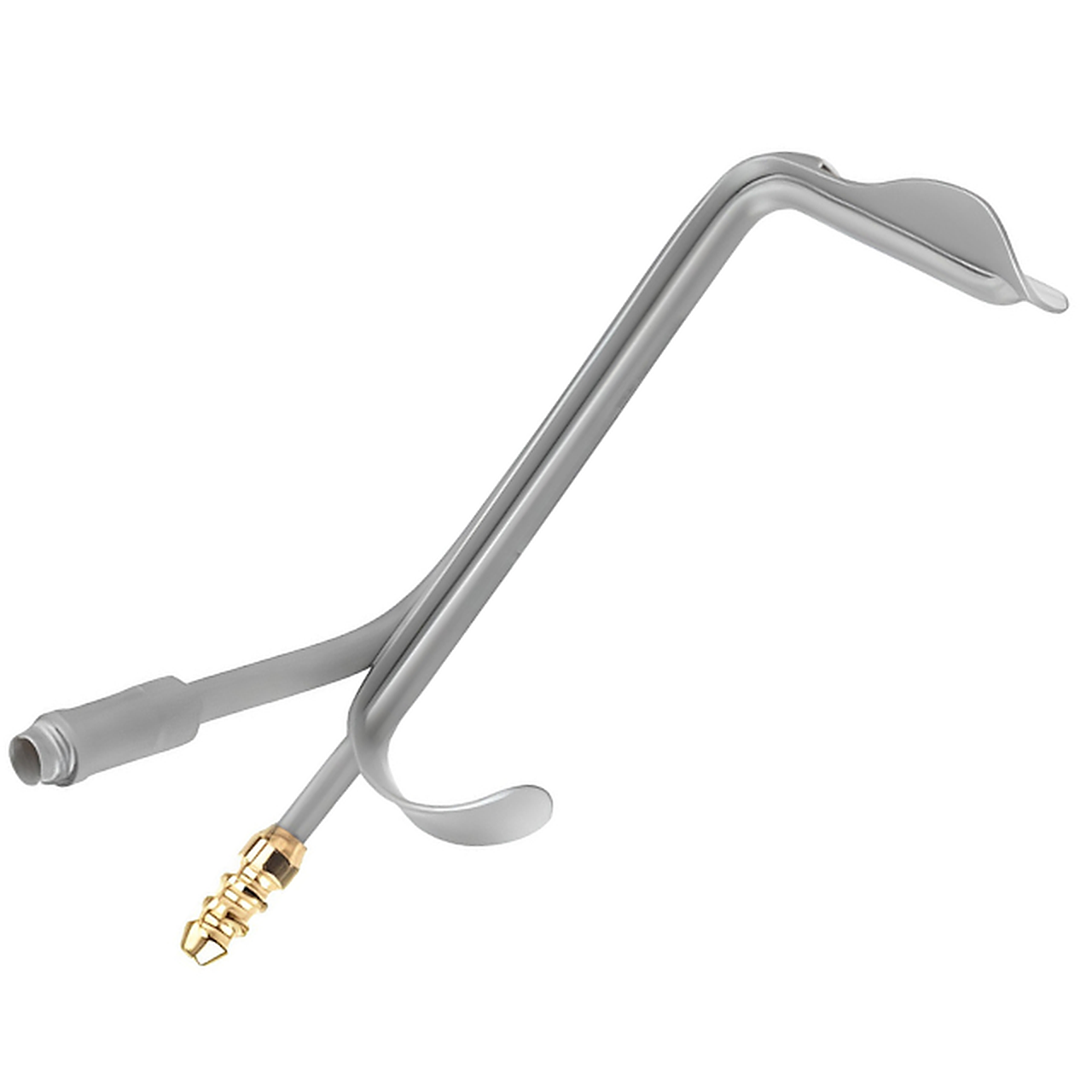 | Ретрактор для пластики шеи Talei Necklift Retractor "Benetrator 2" | Специально разработан для подъема шейных лоскутов, удаления операционной жидкости и ретракции платизмы во время глубокого лифтинга шеи и платизмопластики. |
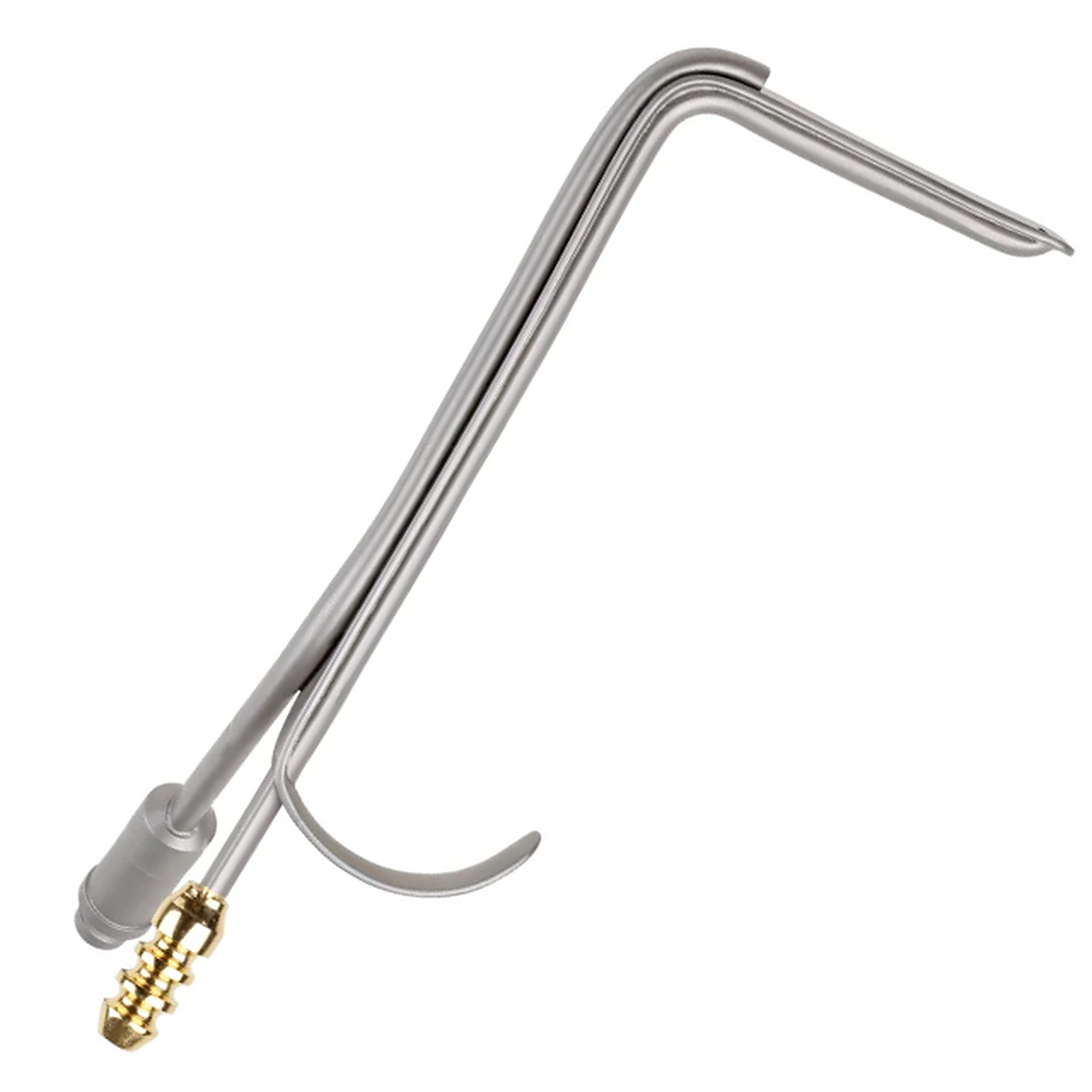 | Talei Necklift Retractor Narrow “Le Petit Benetrator” | Специально разработан для элевации шейных лоскутов и ретракции платизмы во время глубокого лифтинга шеи и платизмопластики. |
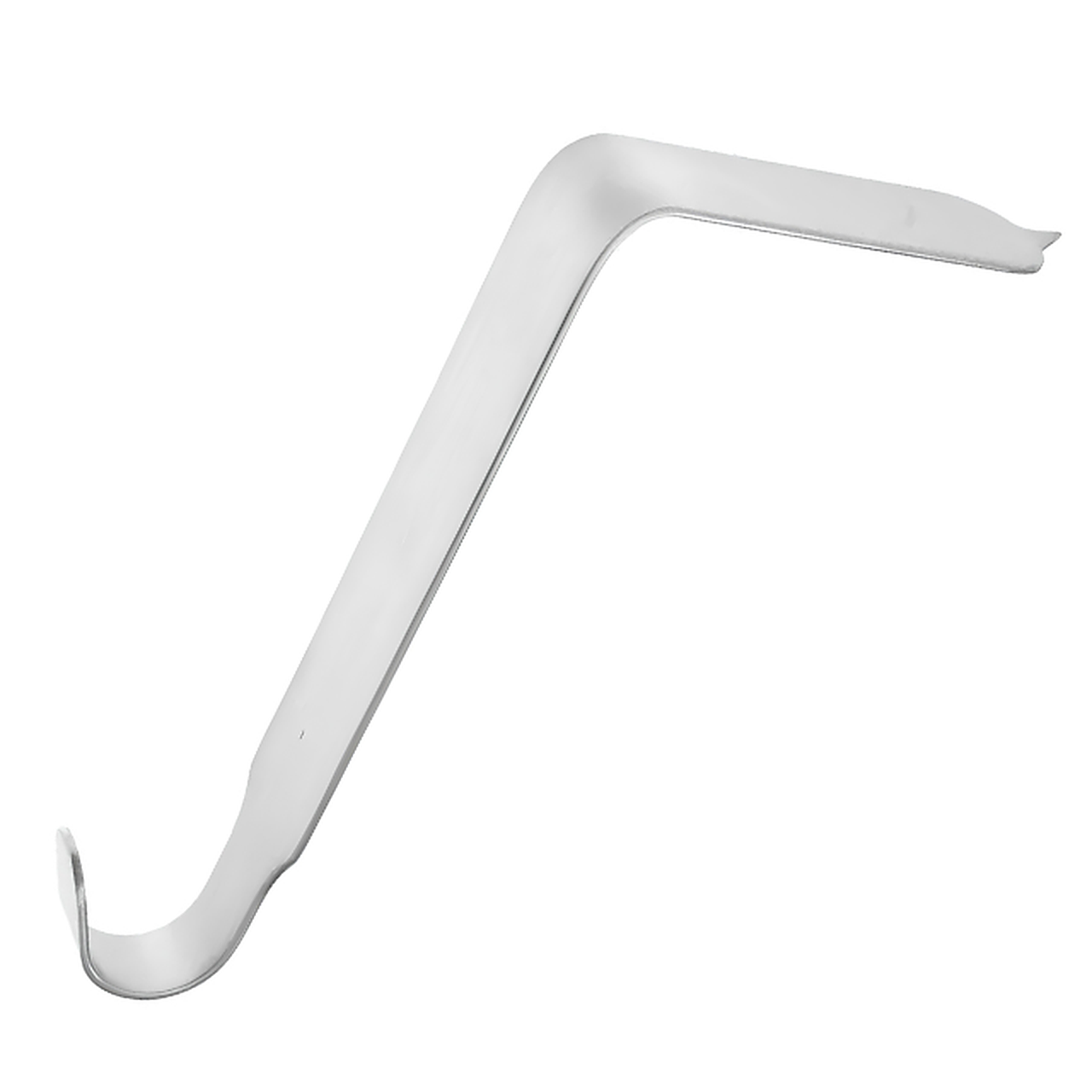 | Спинальный ретрактор Taylor | Специально разработан для разведения мощных параспинальных мышц и фиксации за остистый отросток при проведении спинальной ламинэктомии. |
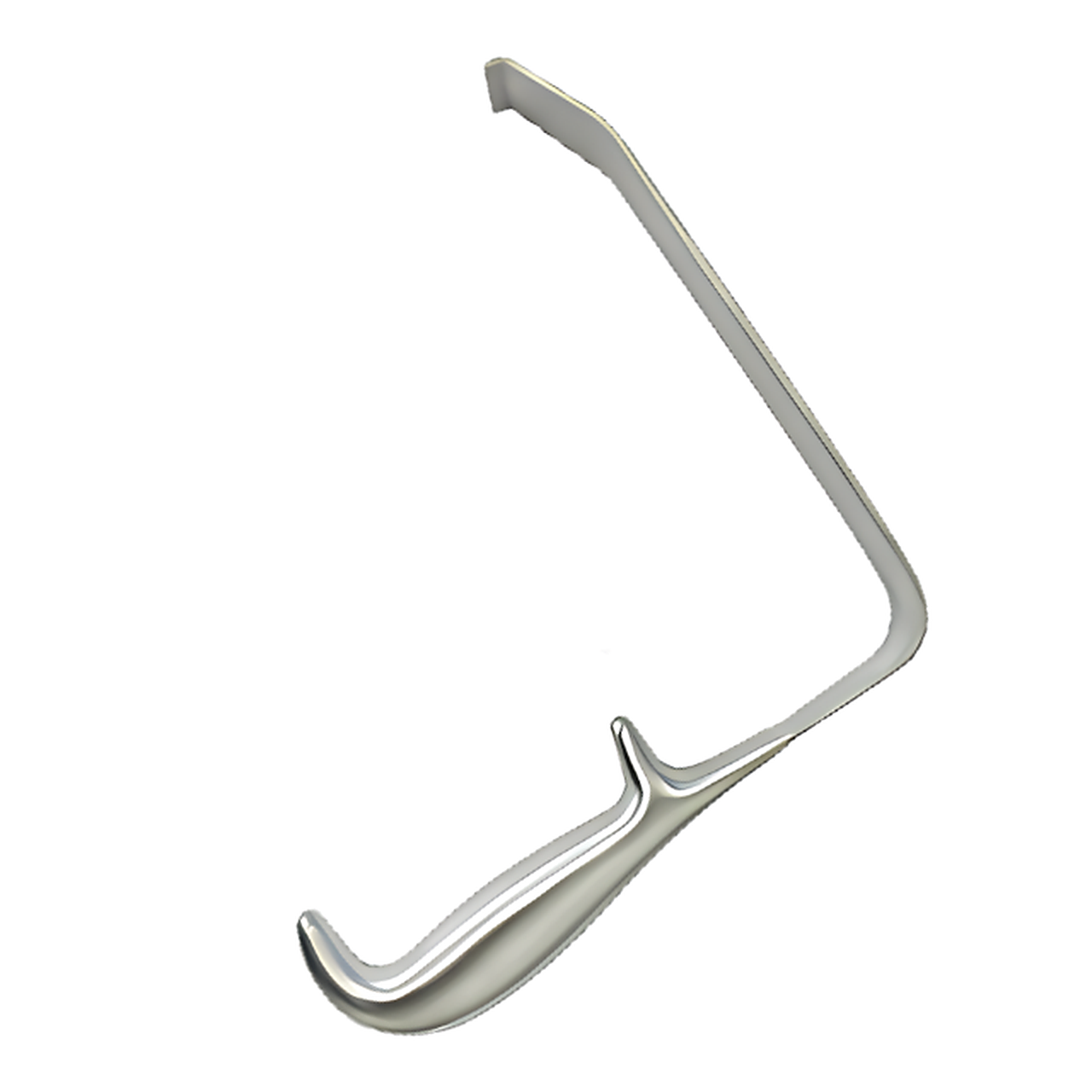 | Грудной ретрактор Tebbetts Breast Retractor | Специально разработан для элевации тканевых лоскутов и создания субмускулярных или субгландулярных карманов при операциях на молочной железе. |
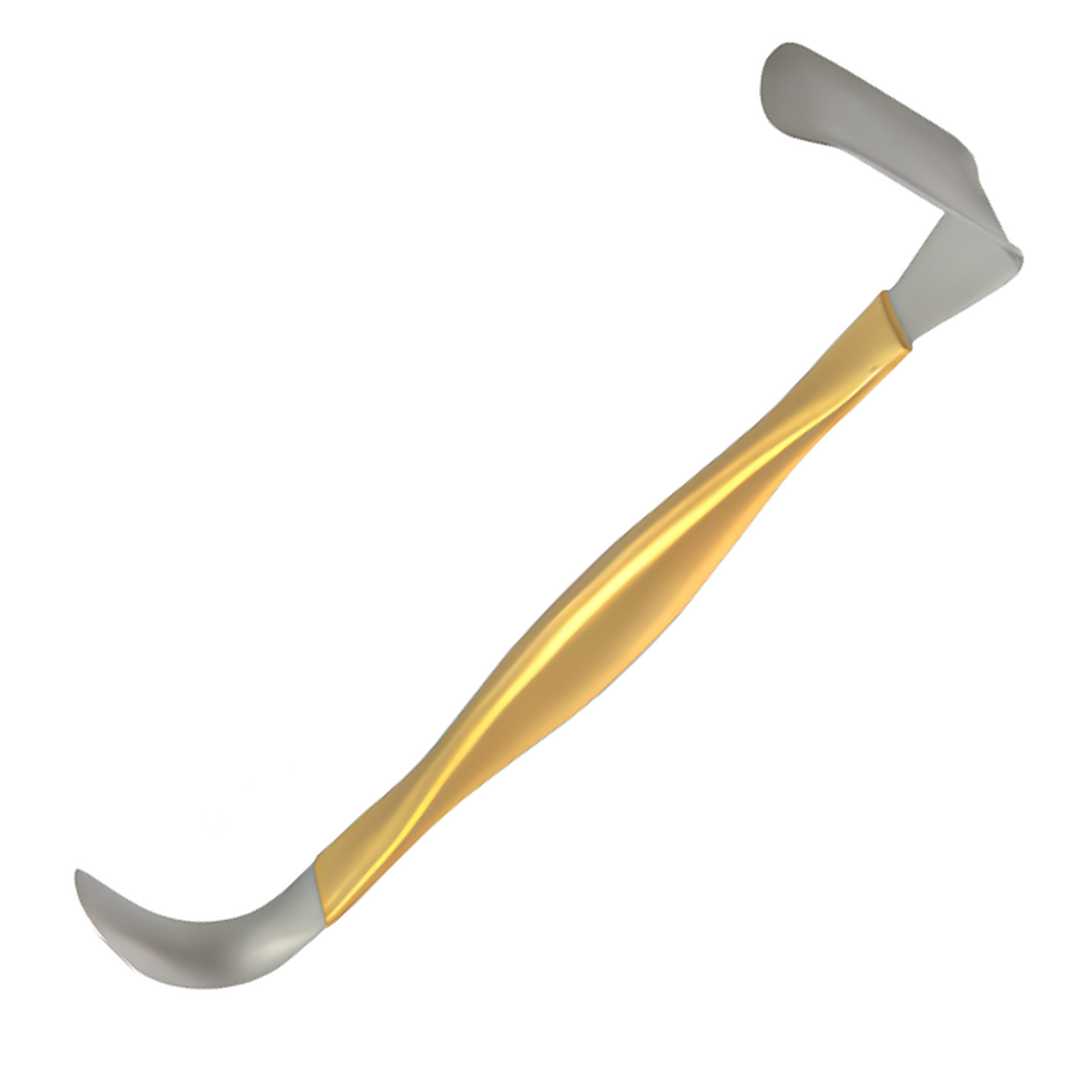 | Двусторонний ретрактор для молочной железы Tebbetts Double-Ended Breast Retractor | Специально разработан для обеспечения двусторонней ретракции тканей и обзора кармана при аугментации и реконструкции молочной железы. |
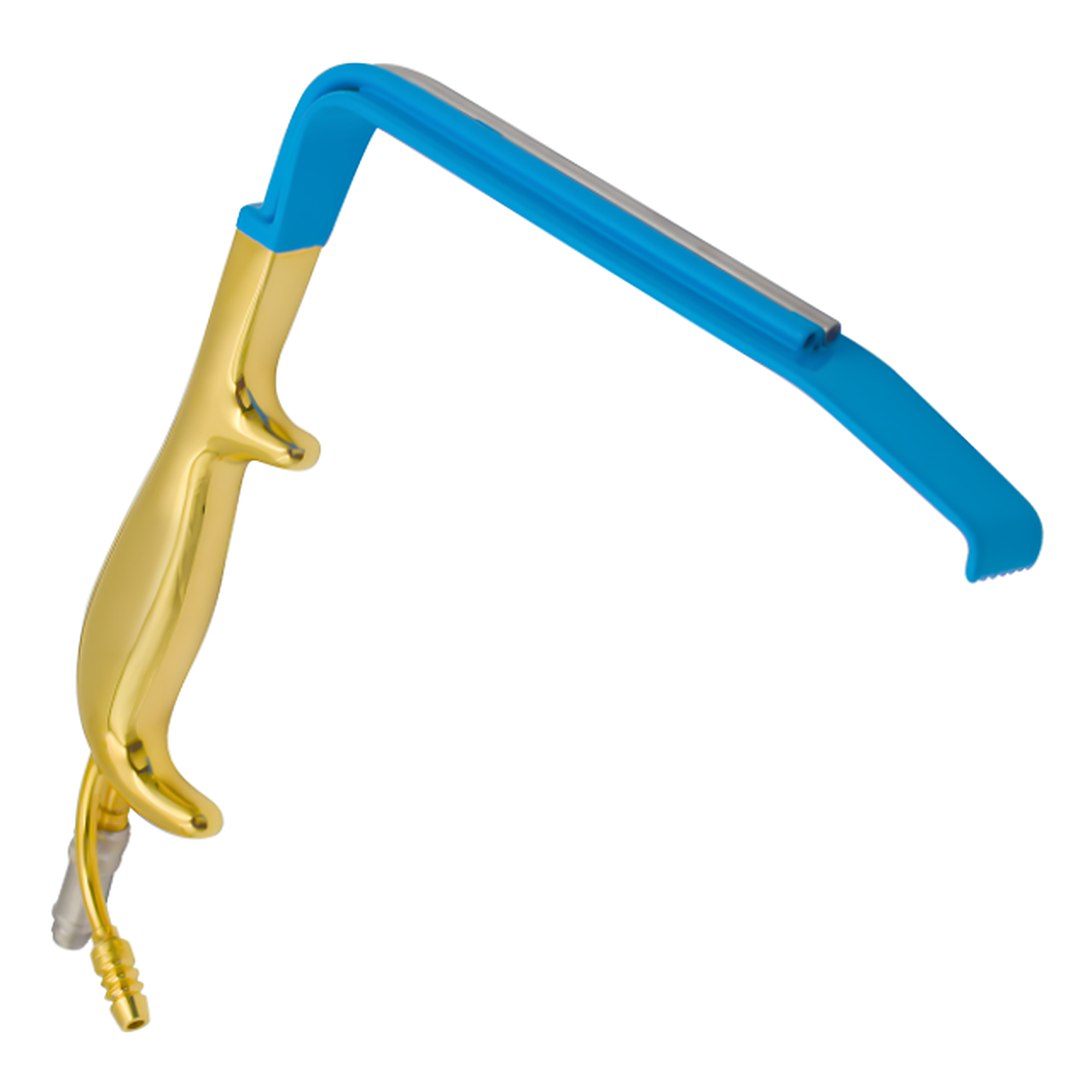 | Tebbetts Fiber Optic Breast Augmentation Retractor | Специально разработан для поднятия лоскутов тканей, освещения глубоких карманов молочной железы и контроля гемостаза во время операций на груди. |
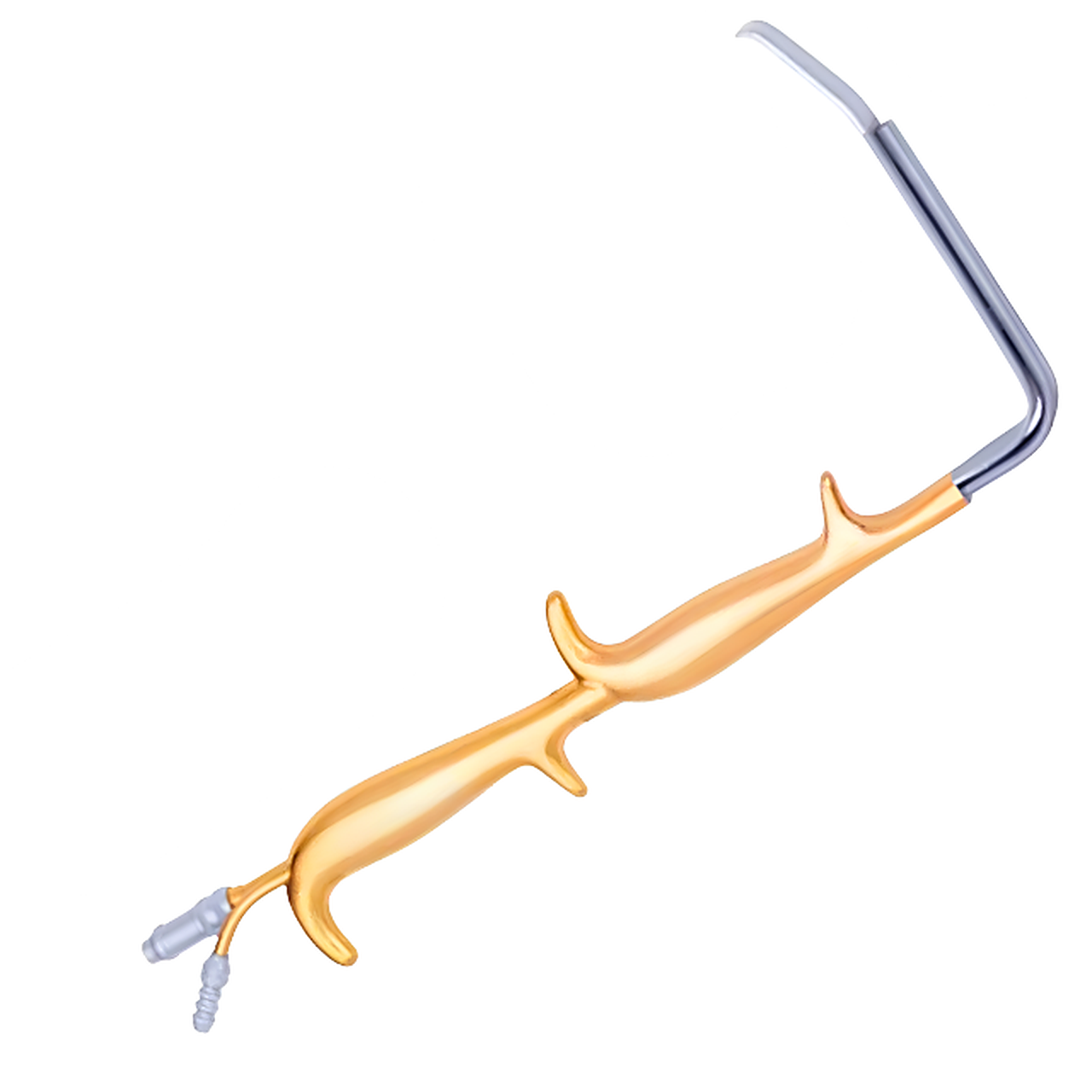 | Tebbetts Fiber Optic Breast Augmentation Retractor, Double Handle | Специально разработан для освещаемой ретракции тканей с использованием двуручного рычага при аугментации и реконструкции молочной железы. |
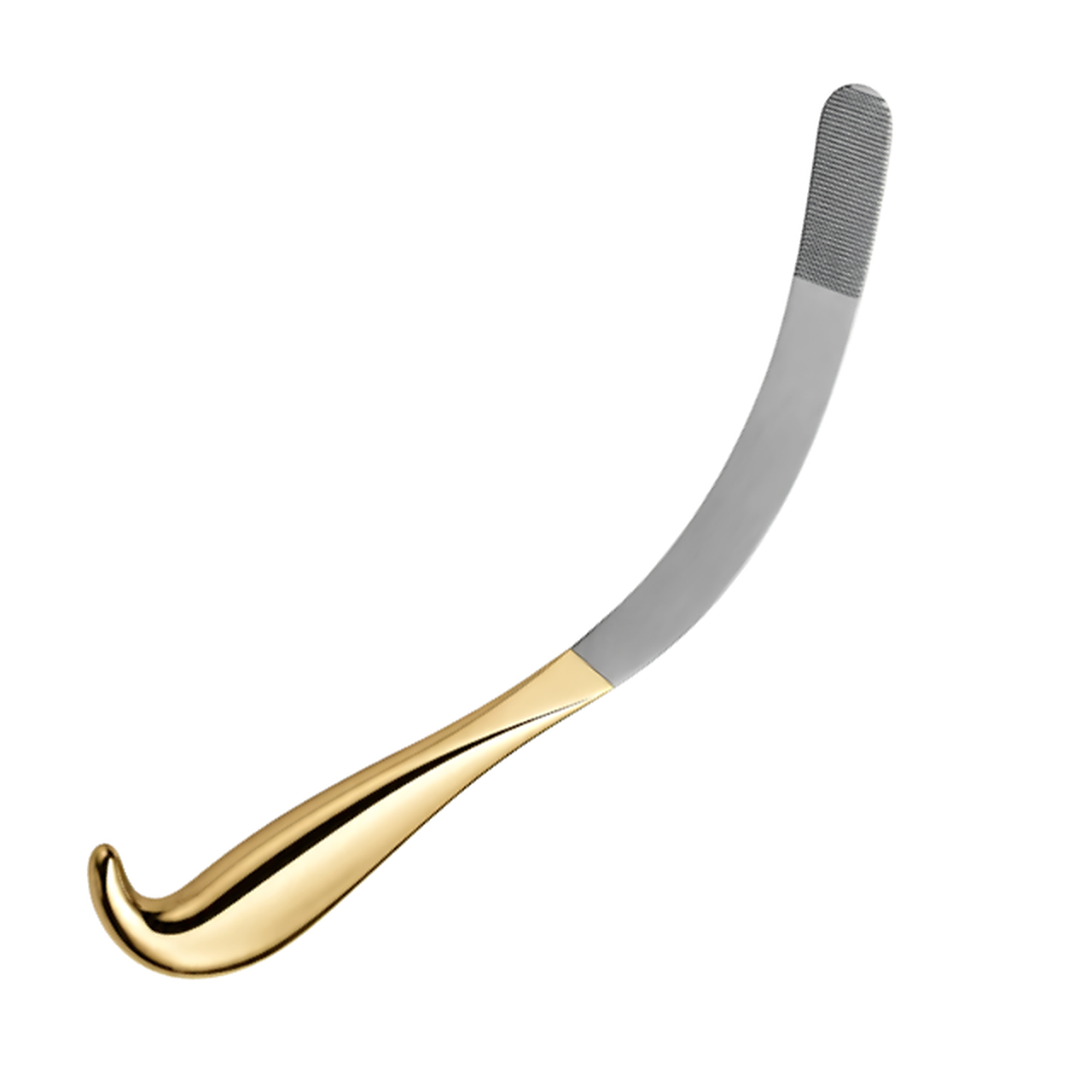 | Грудной ретрактор-шпатель Tebbetts Spatula Breast Retractor | Специально разработан для элевации лоскутов ткани и формирования субпекторальных карманов при эндопротезировании и реконструкции молочных желез. |
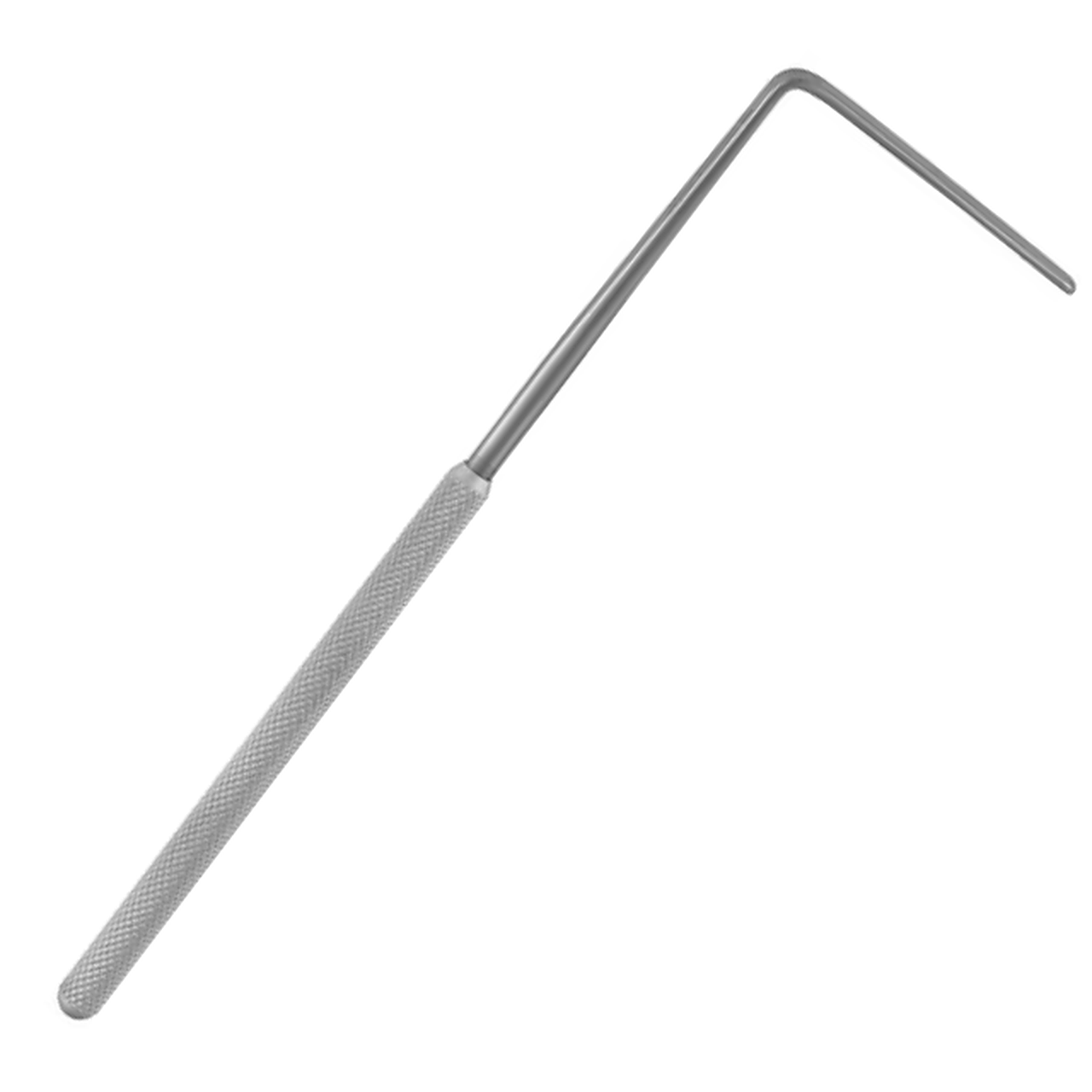 | Носовой ретрактор Terry Nasal Retractor | Специально разработан для поднятия кожных лоскутов носа и ретракции хрящей во время эстетической и реконструктивной ринопластики. |
 | Пластинчатый ретрактор Tessier (гибкий) | Специально разработан для придания индивидуальной формы с целью ретракции периокулярных мягких тканей и защиты глазного яблока во время черепно-лицевых операций. |
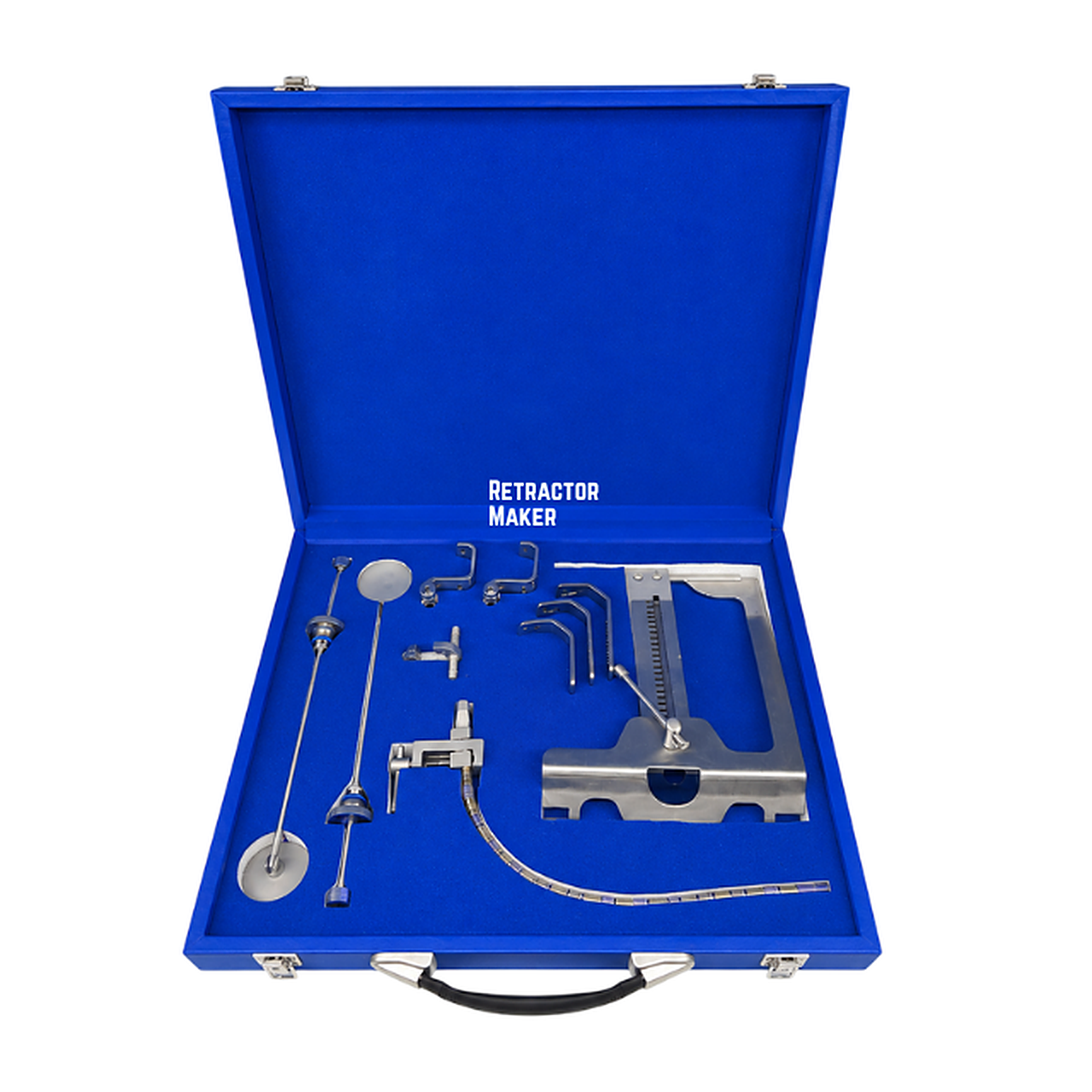 | Система ретракции ThoraGate Rib Up Retractor System | Специально разработан для обеспечения стабильного подъема межреберья и хирургического доступа при торакальных процедурах и малоинвазивных операциях на сердце, включая доступ MIDCAB через миниторакотомию. |
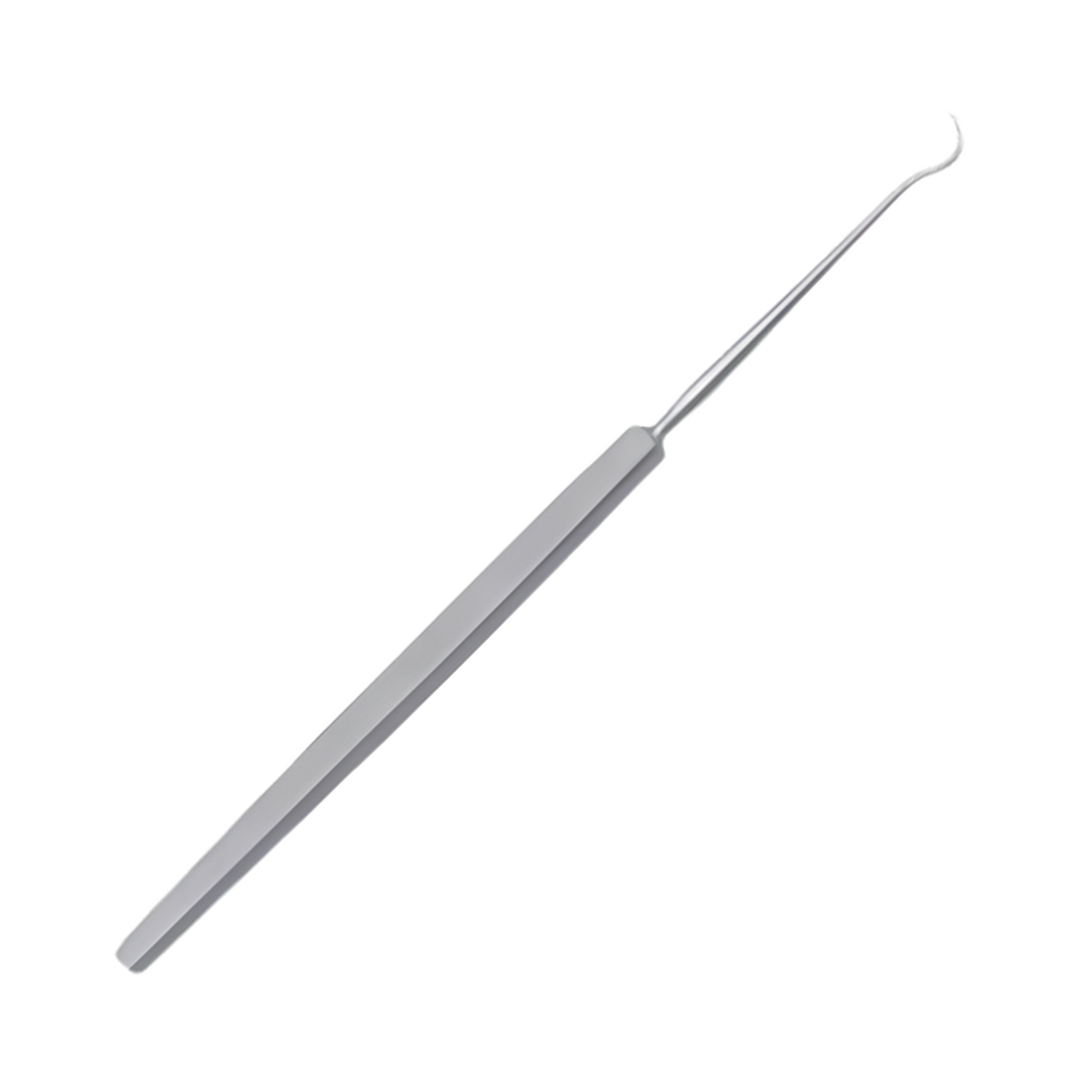 | Ретрактор корешка нерва Toennis Nerve Root Retractor | Специально разработан для мобилизации, удержания и защиты проходящих спинномозговых корешков и дурального мешка во время поясничной дискэктомии. |
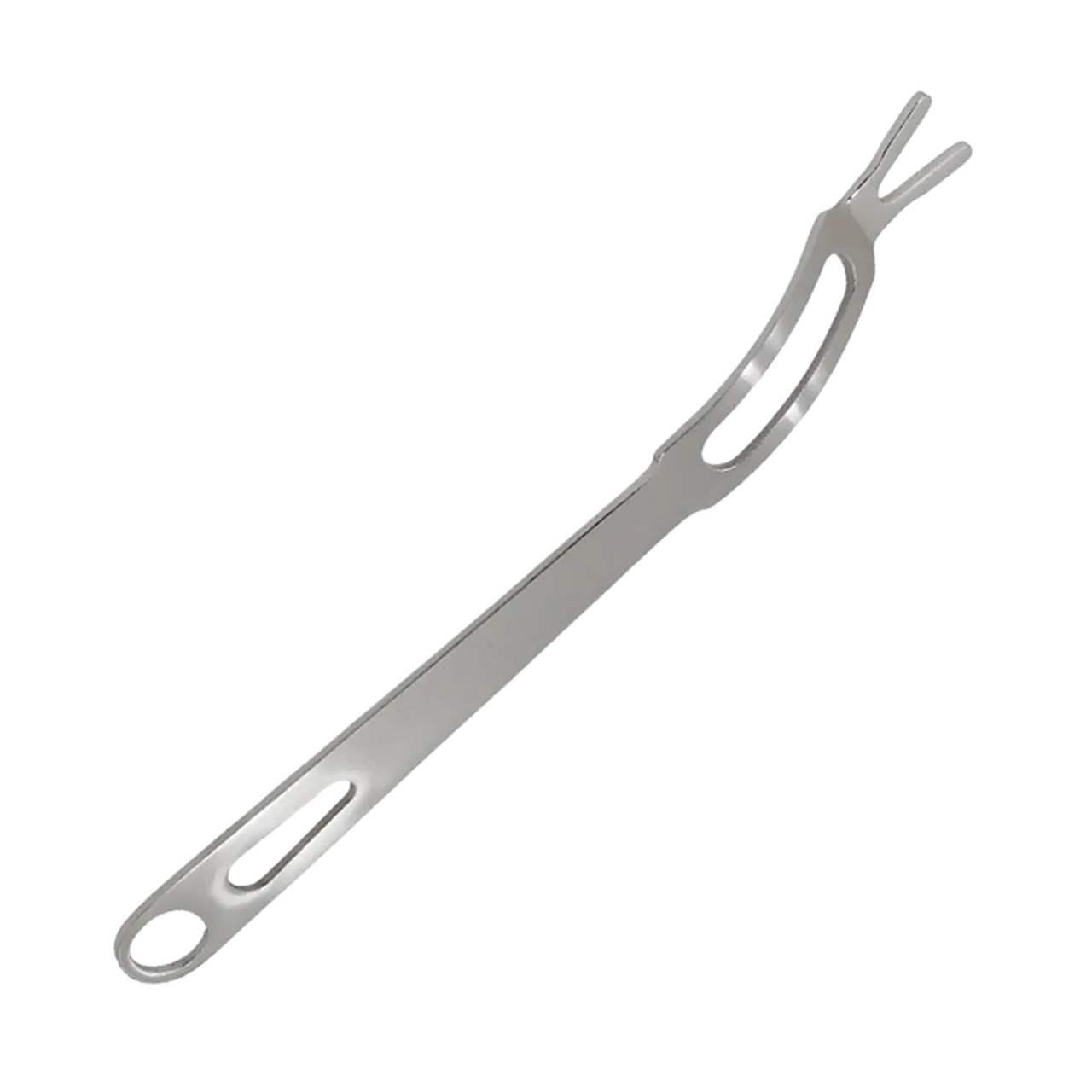 | Ретрактор для установки гленосферы при тотальном и реверсивном эндопротезировании плечевого сустава | Специально разработан для заднего смещения плечевой кости и обнажения свода гленоида во время реверсивного и тотального эндопротезирования плечевого сустава. |
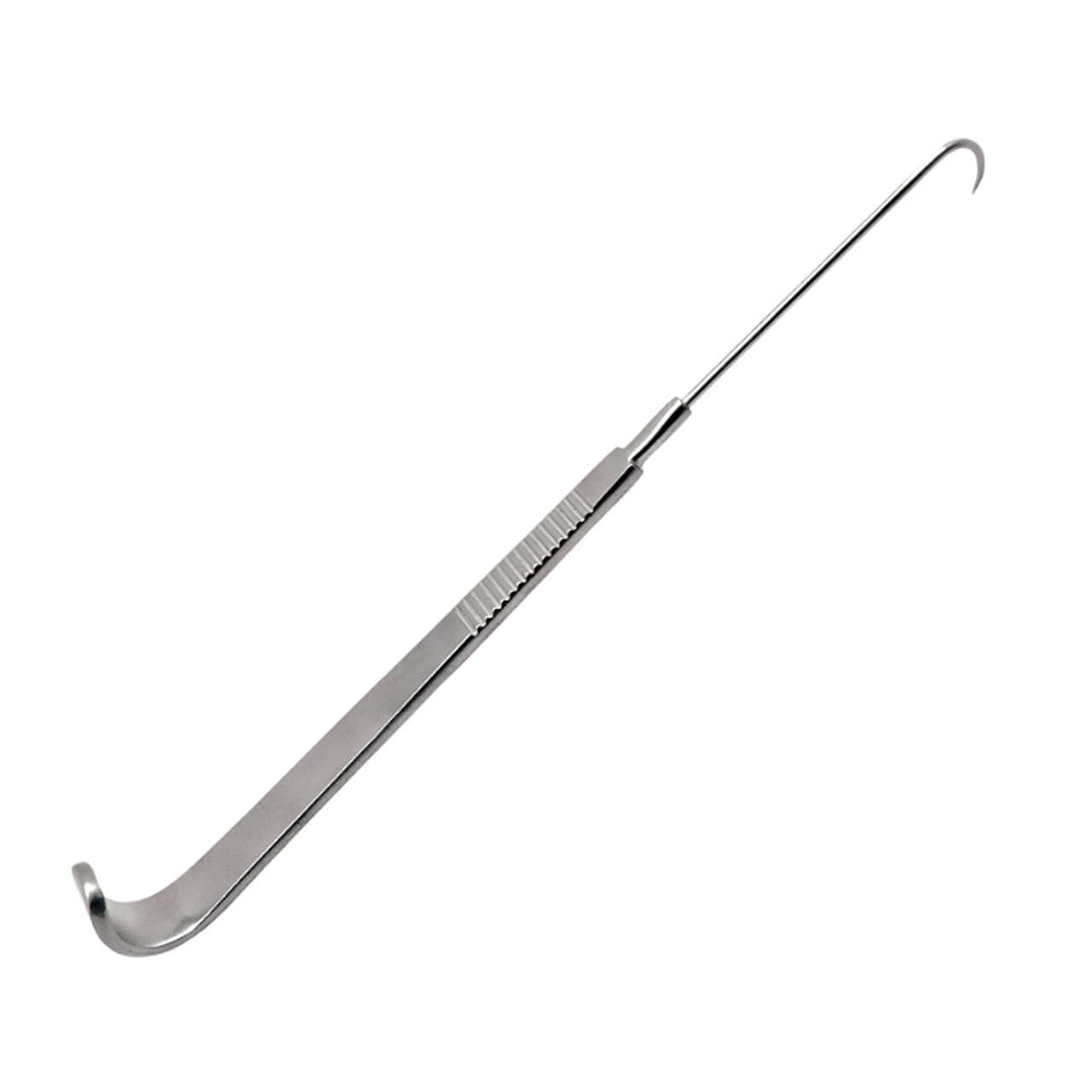 | Крючок трахеальный / ретрактор | Специально разработан для поднятия и стабилизации трахеи во время экстренных и плановых процедур трахеостомии. |
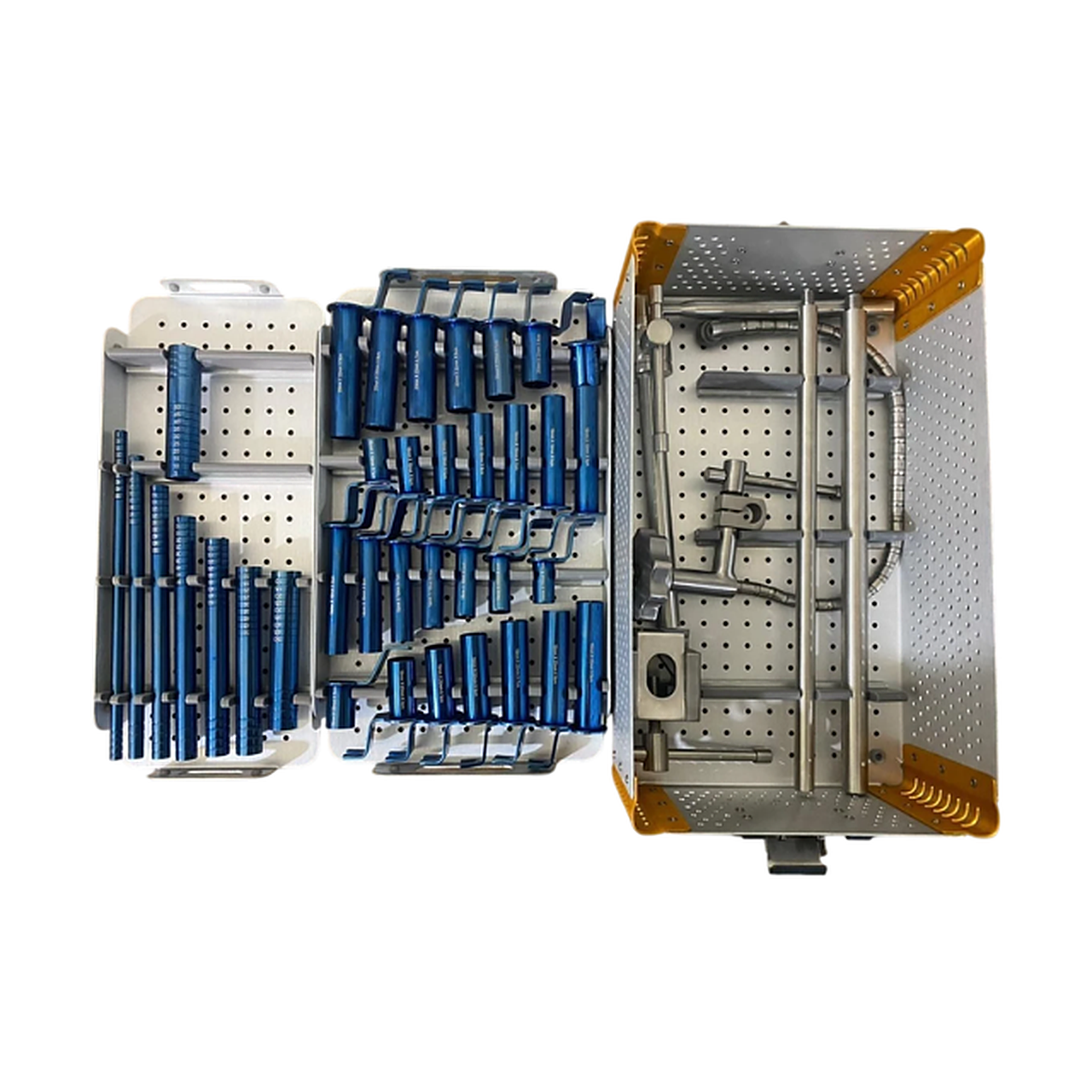 | Тубулярная ретракторная система | Обеспечение доступа при дискэктомии, ламинэктомии, лечении стеноза, MIS PLIF, MIS TLIF и шейной фораминотомии. |
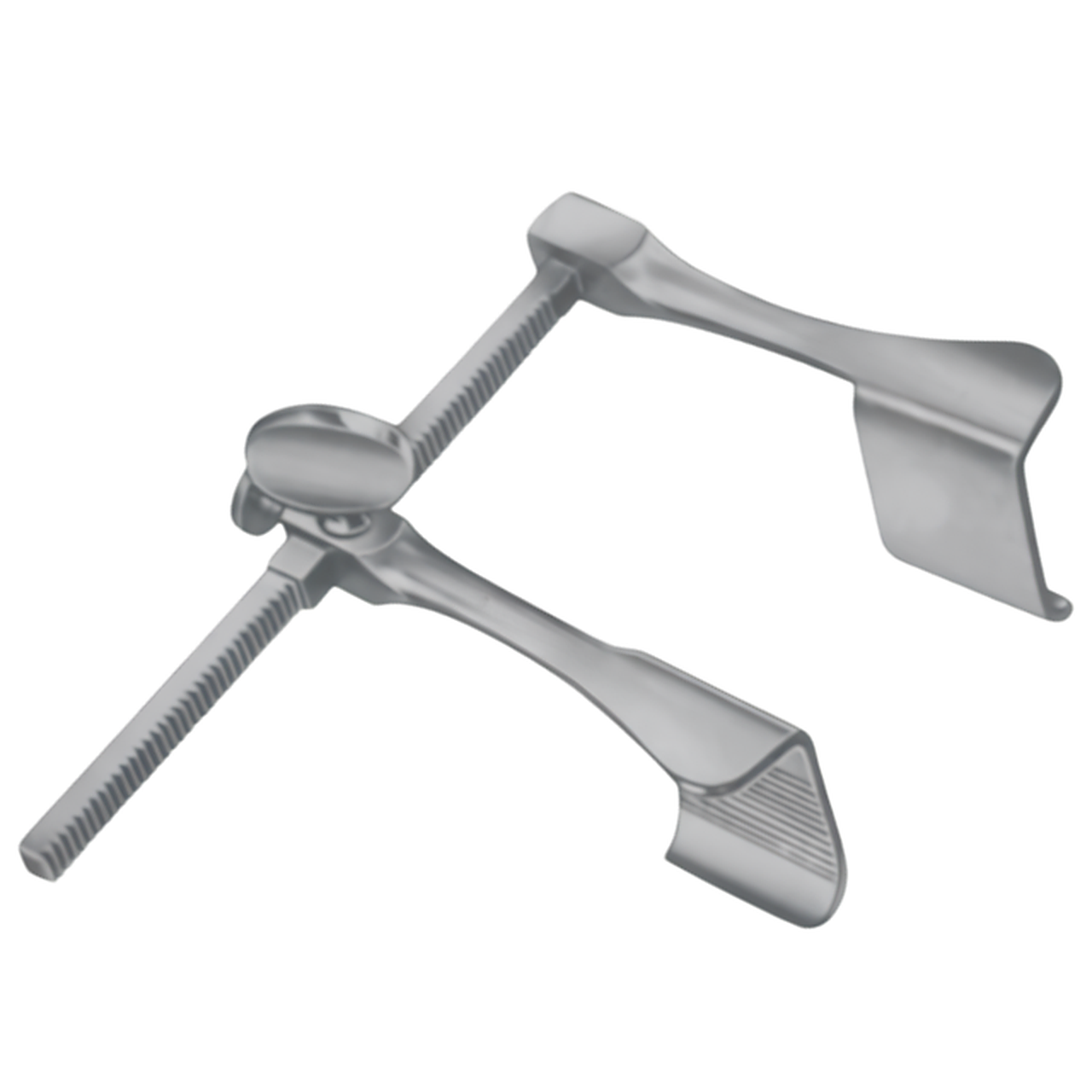 | Ранорасширитель реберный Tuffier Rib Spreader | Специально разработан для разведения ребер и фиксации доступа к грудной полости при открытой торакотомии у взрослых. |
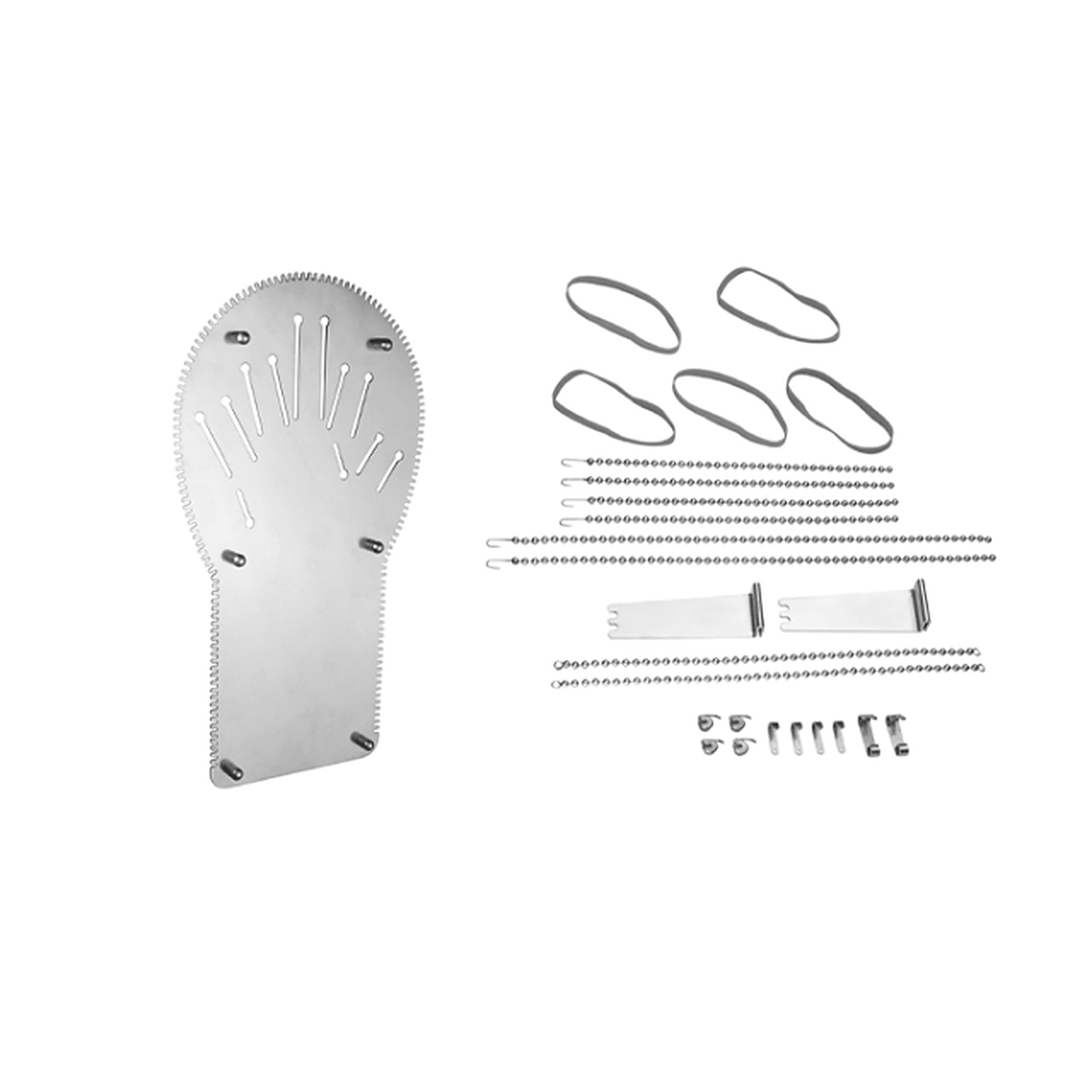 | Tupper’s Universal Hand Retractor | Специально разработан для обеспечения контролируемой ретракции тканей, стабилизации конечности и создания операционного доступа при микрохирургических операциях на кисти. |
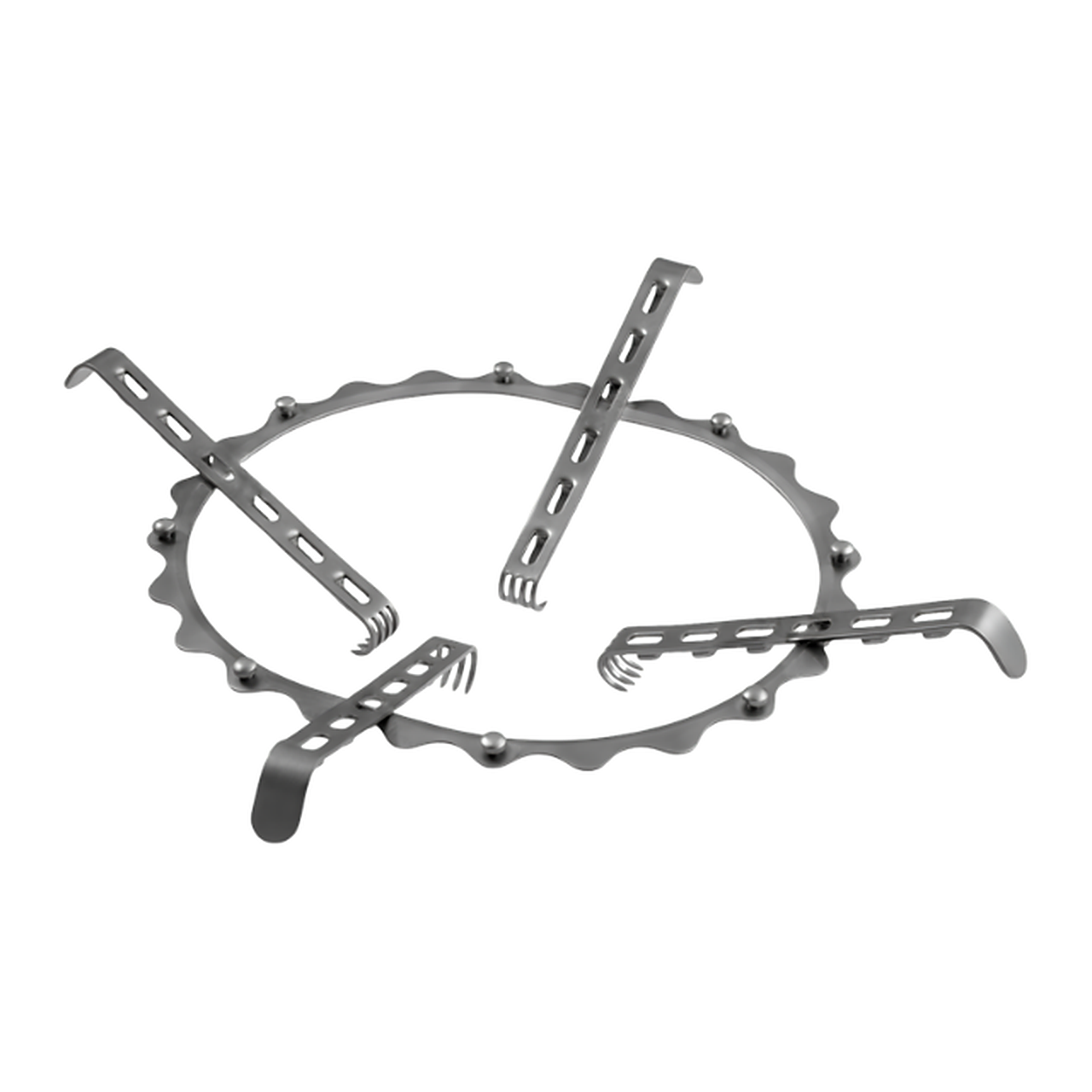 | Урологический ретрактор Turner-Warwick | Специально разработан для обеспечения 360-градусной самоудерживающейся ретракции краев раны и внутренних органов во время урологических и тазовых операций. |
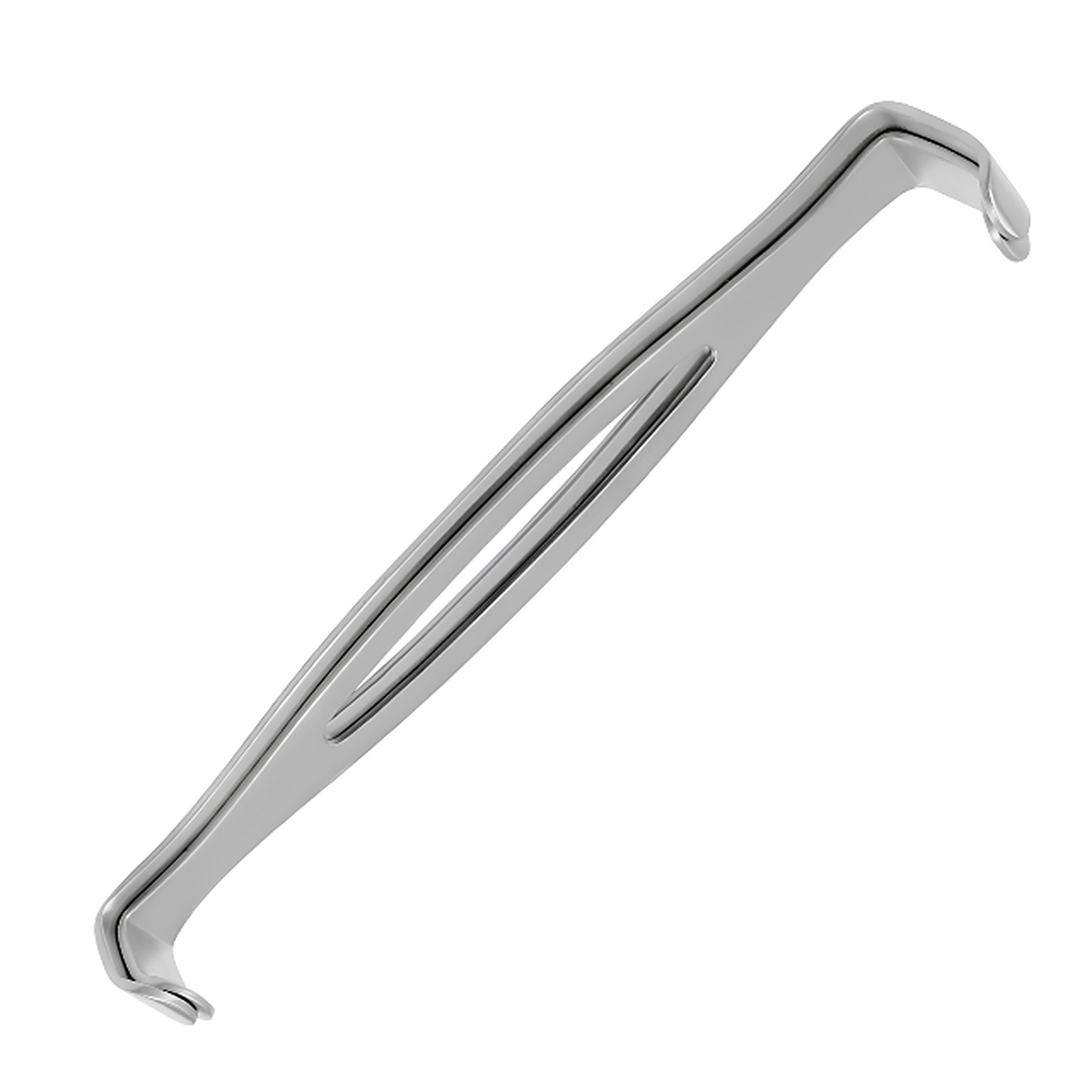 | Ранорасширитель US Army, набор из двух штук | Специально разработан для ретракции краев кожи, фасций и мышечной ткани при поверхностных и срединных хирургических разрезах. |
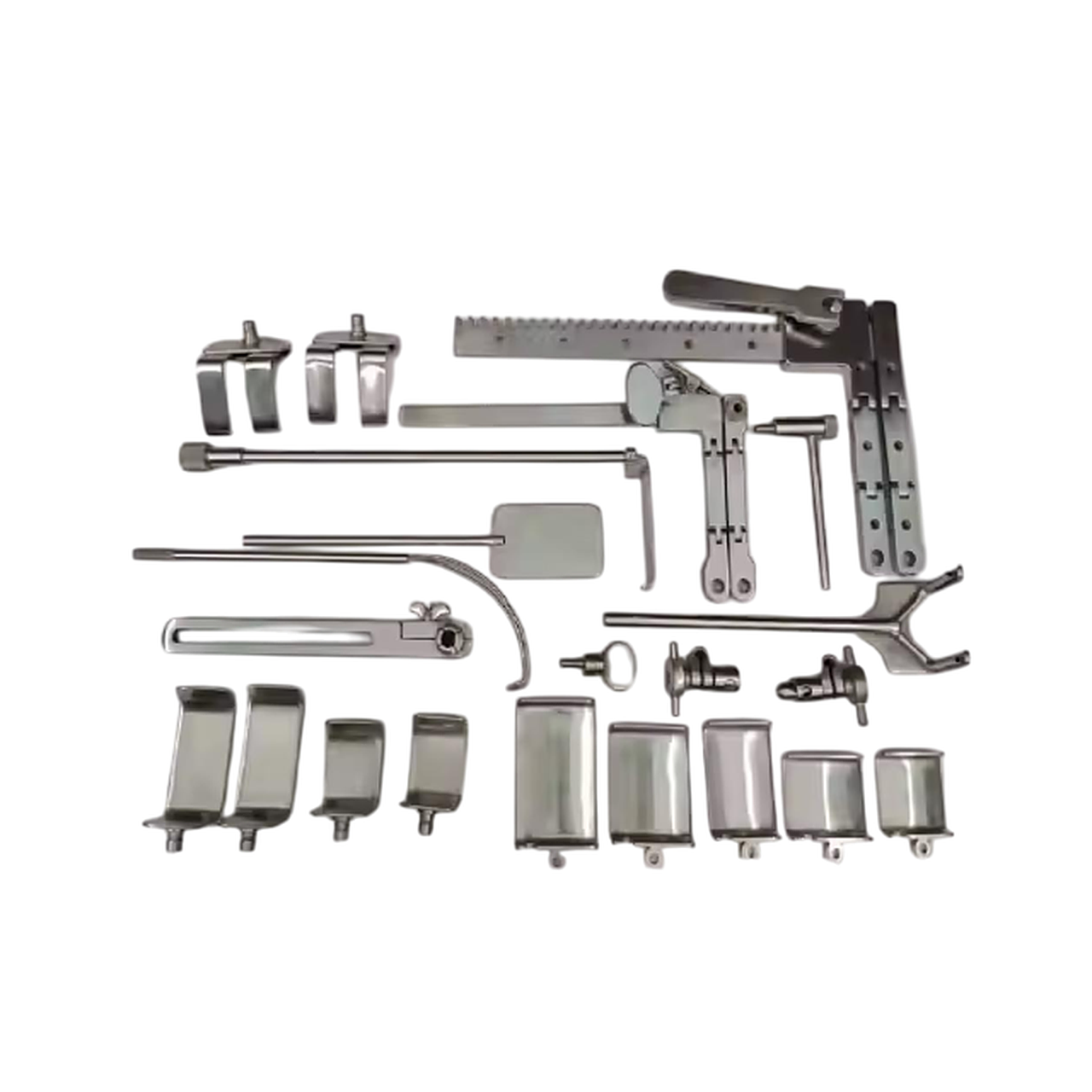 | Система ретракции Valve XS Retractor System | Специально разработана для обеспечения стабильной ретракции тканей и хирургического доступа во время кардиохирургических процедур с боковым доступом, MICS АКШ и лифтинга предсердия. |
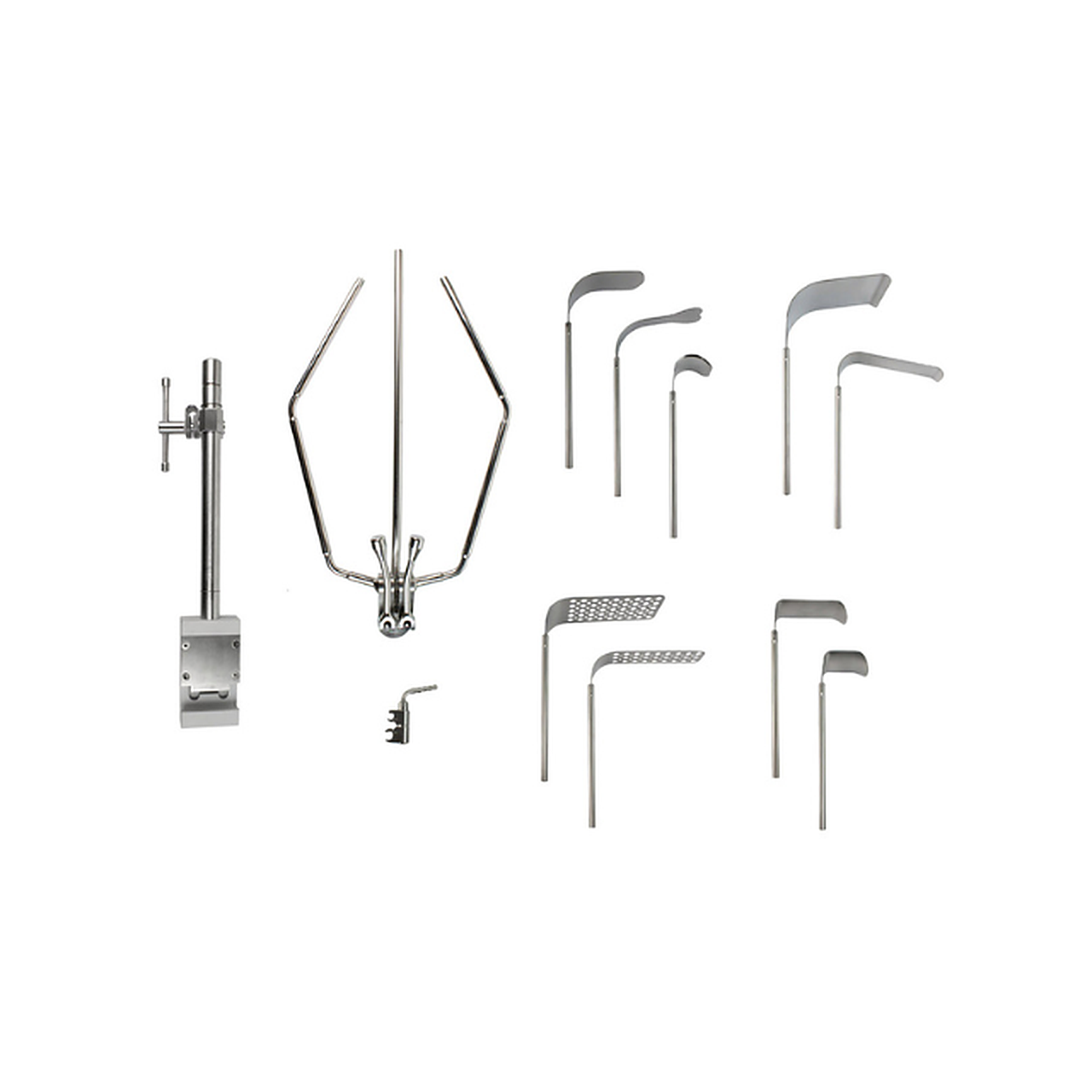 | Vascular Lobster System | Специально разработана для фиксации тканей и обеспечения обзора операционного поля при сосудистых процедурах с креплением к операционному столу. |
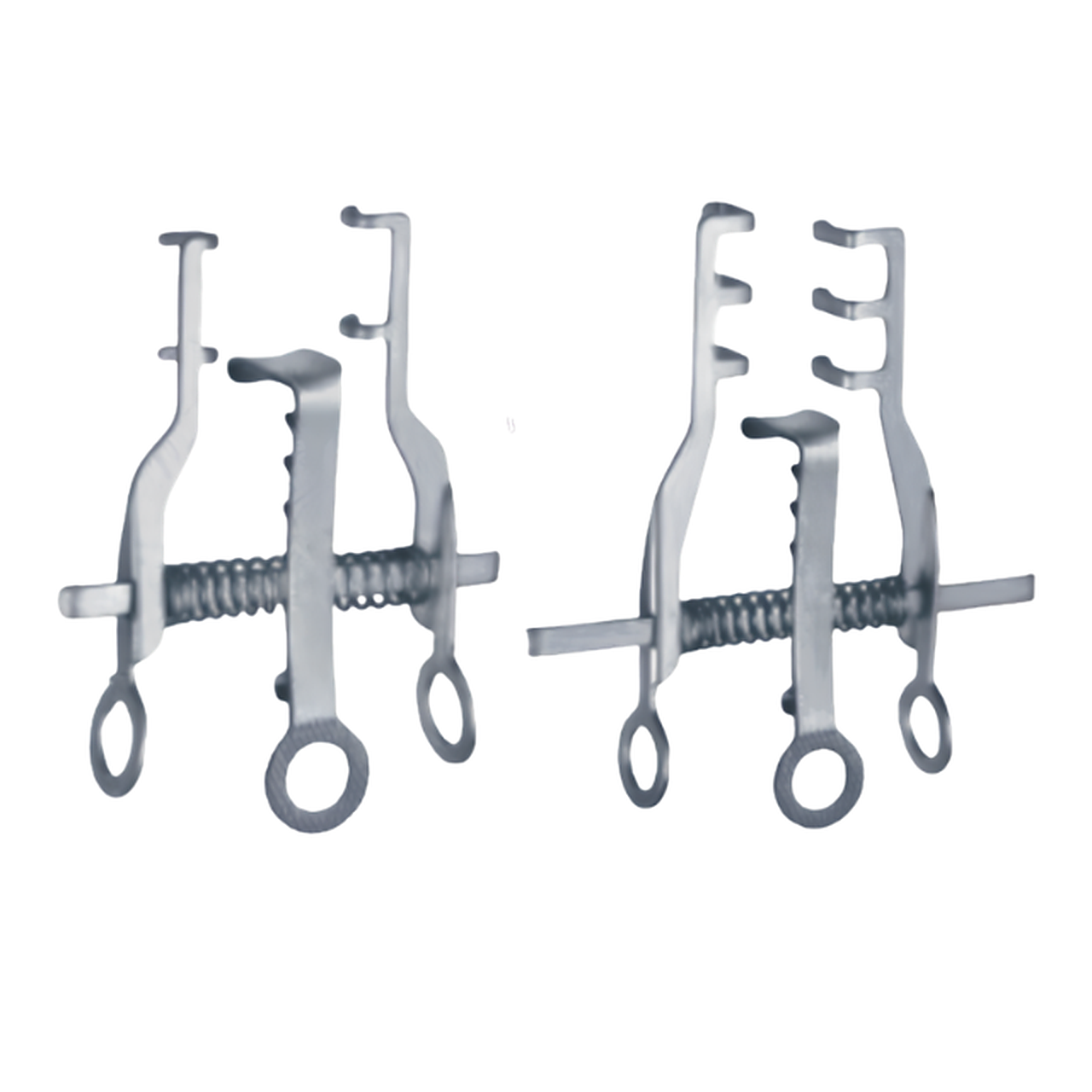 | Низкопрофильный ретрактор Vickers Low Profile Retractor | Специально разработан для обеспечения низкопрофильной самодержащейся ретракции мягких тканей при операциях на кисти, запястье и микрохирургических вмешательствах. |
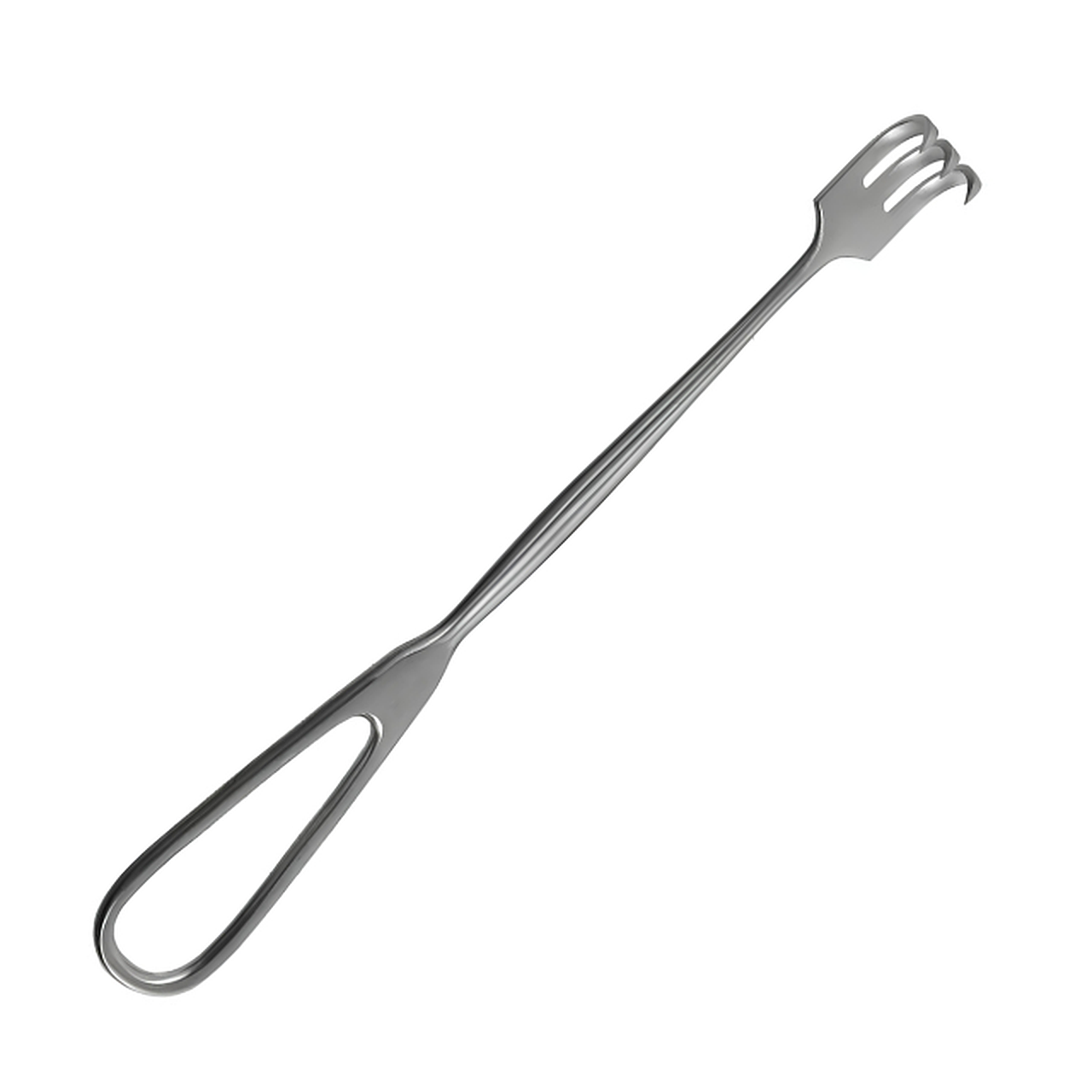 | Ранорасширитель Volkman Retractor-USA Pattern | Специально разработан для ретракции кожных лоскутов, фасций и мышечной ткани во время общих, пластических и ортопедических операций. |
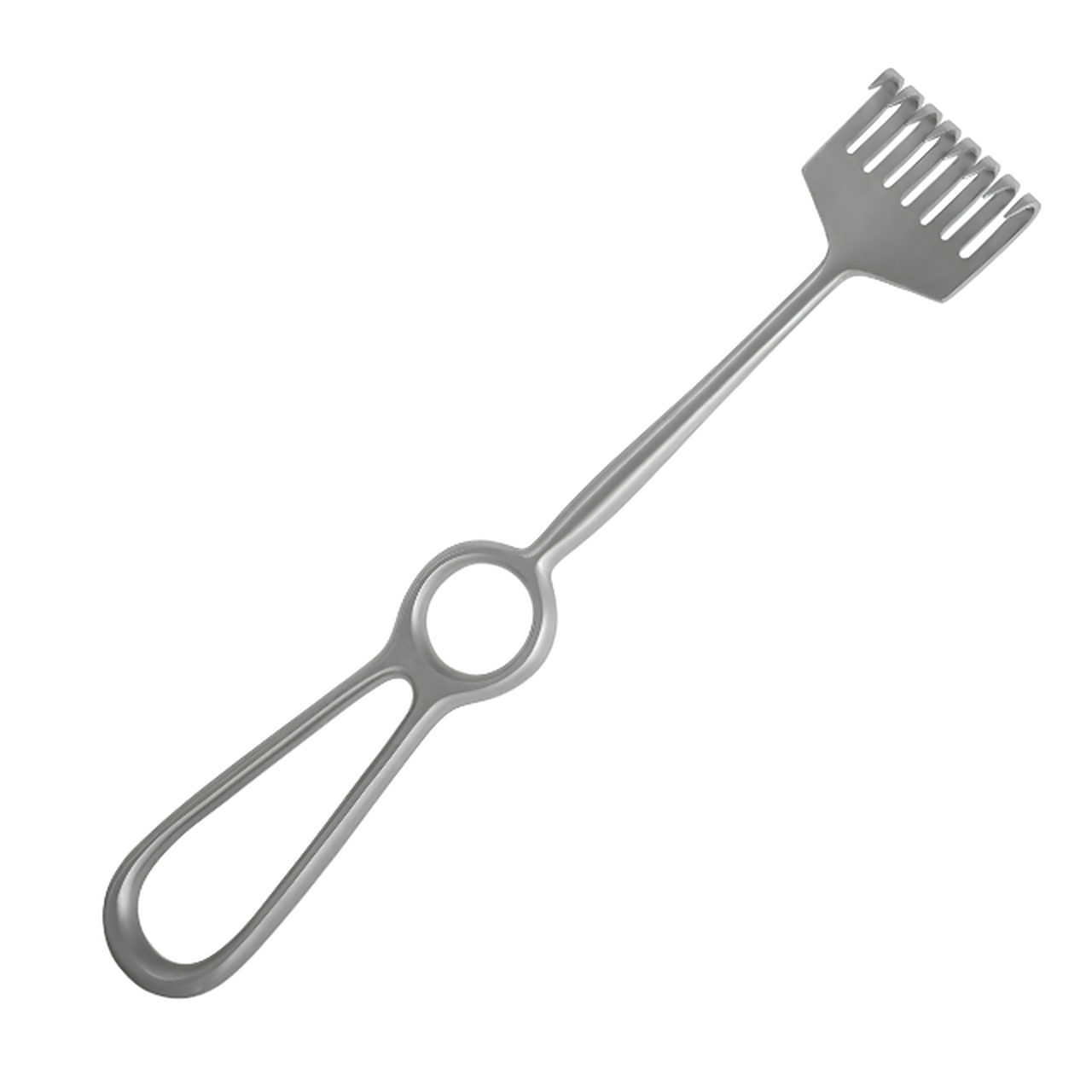 | Ранорасширитель Volkmann Retractor | Специально разработан для ретракции кожных лоскутов, фасций и краев плотных тканей во время общих, пластических и ортопедических операций. |
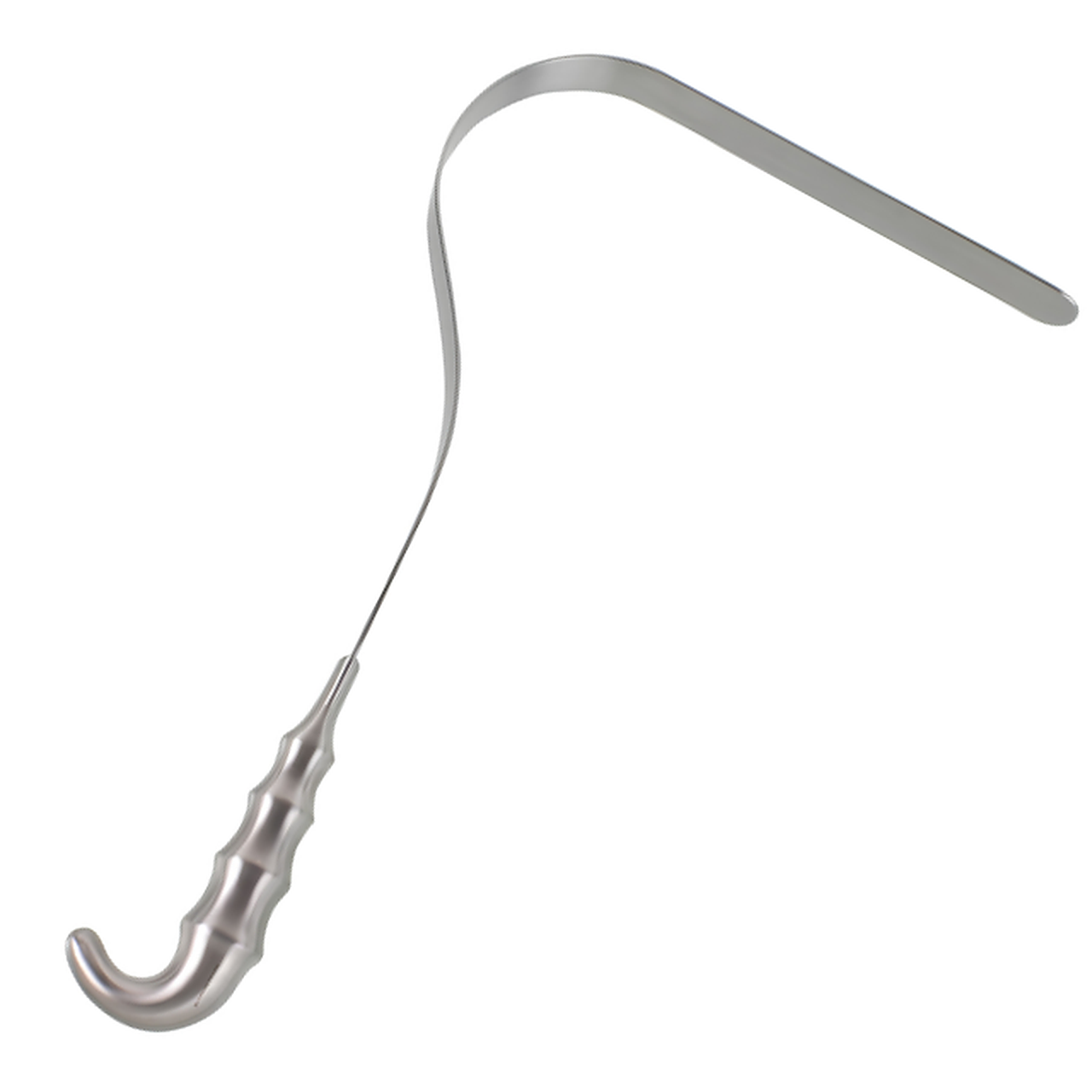 | Ранорасширитель W.M. Lemmon Deaver Retractor | Специально разработан для ретракции глубоко расположенных внутренних органов, кишечника, печени и стенок брюшной полости во время обширных торакальных и абдоминальных операций. |
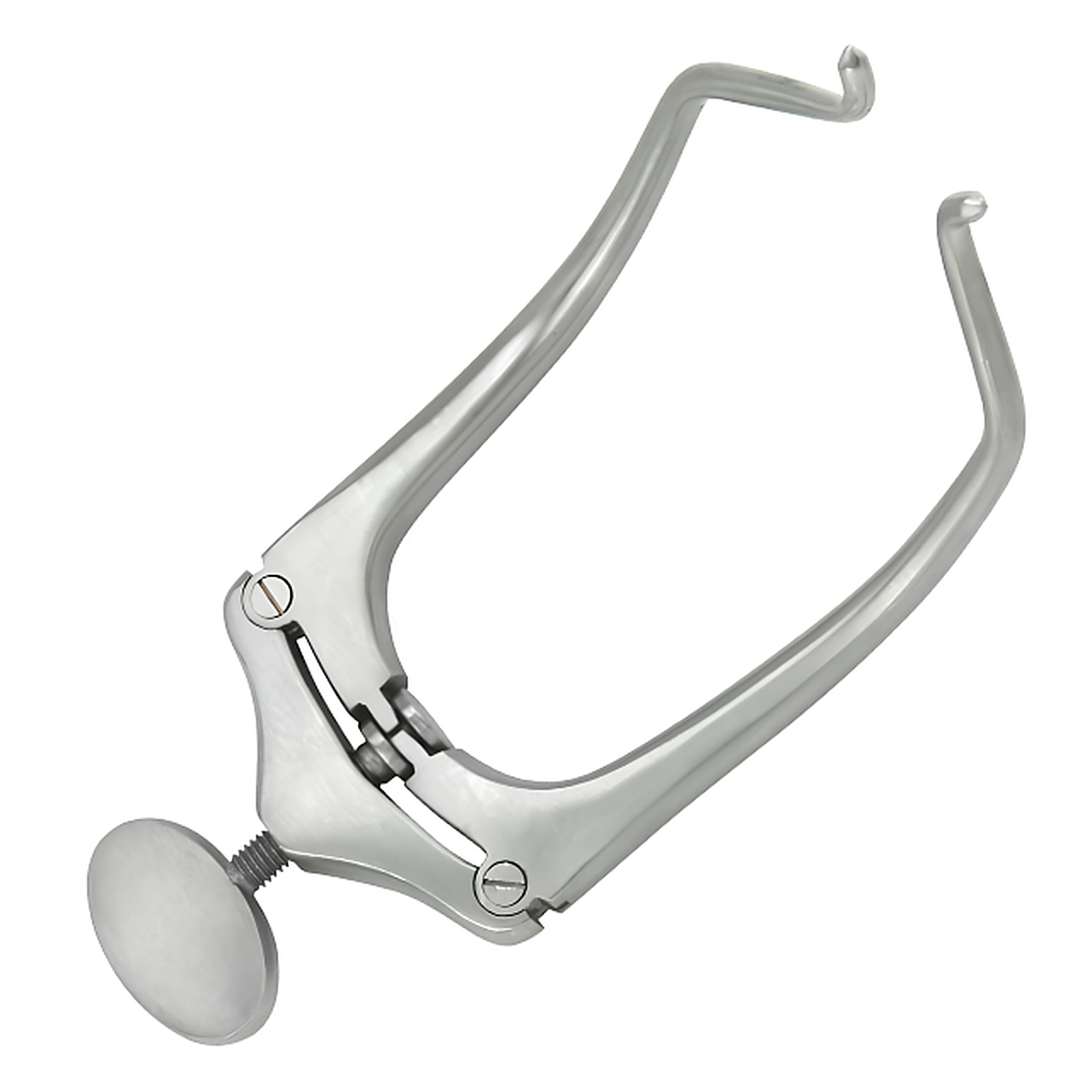 | Коленный ретрактор Wallace Knee Retractor | Специально разработан для самодержащейся ретракции капсулы и мягких тканей во время артротомии коленного сустава и реконструктивных операций. |
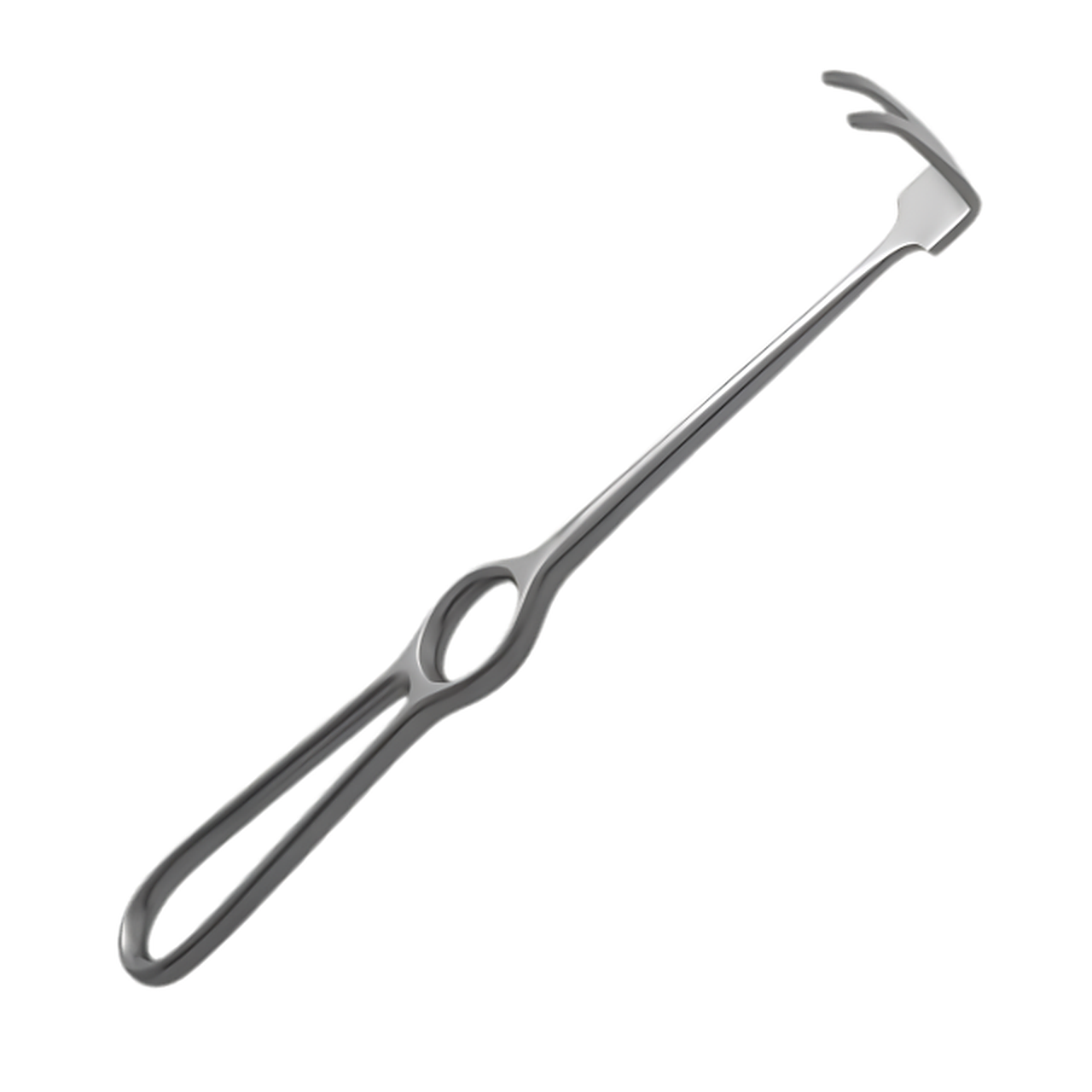 | Wassmund Soft Tissue Retractor | Специально разработан для ретракции щек, губ и слизисто-надкостничного лоскута во время челюстно-лицевых операций. |
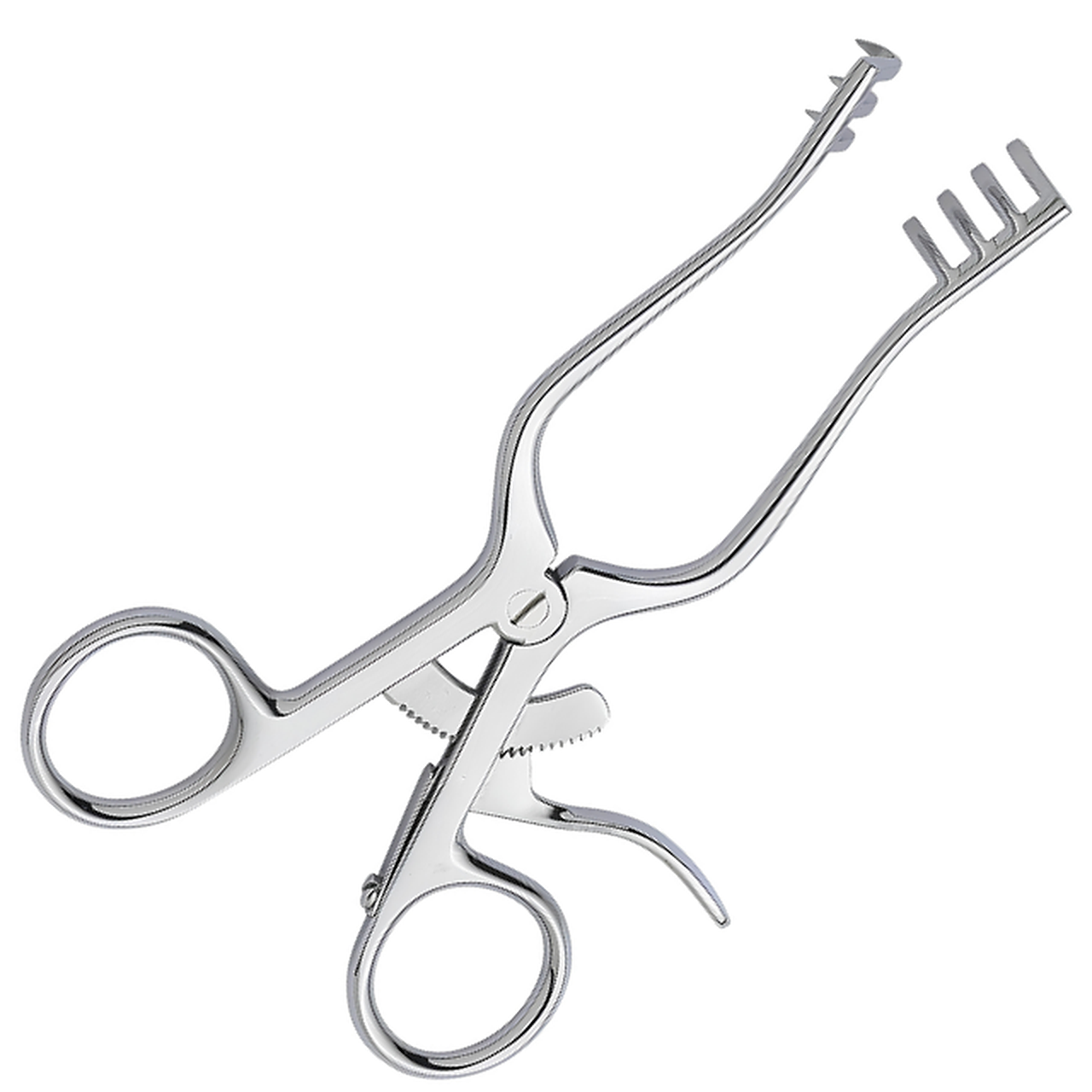 | Ранорасширитель Weitlaner Retractor | Специально разработан для самодержащейся фиксации краев раны без участия рук при малых, общих и глубоких ортопедических операциях. |
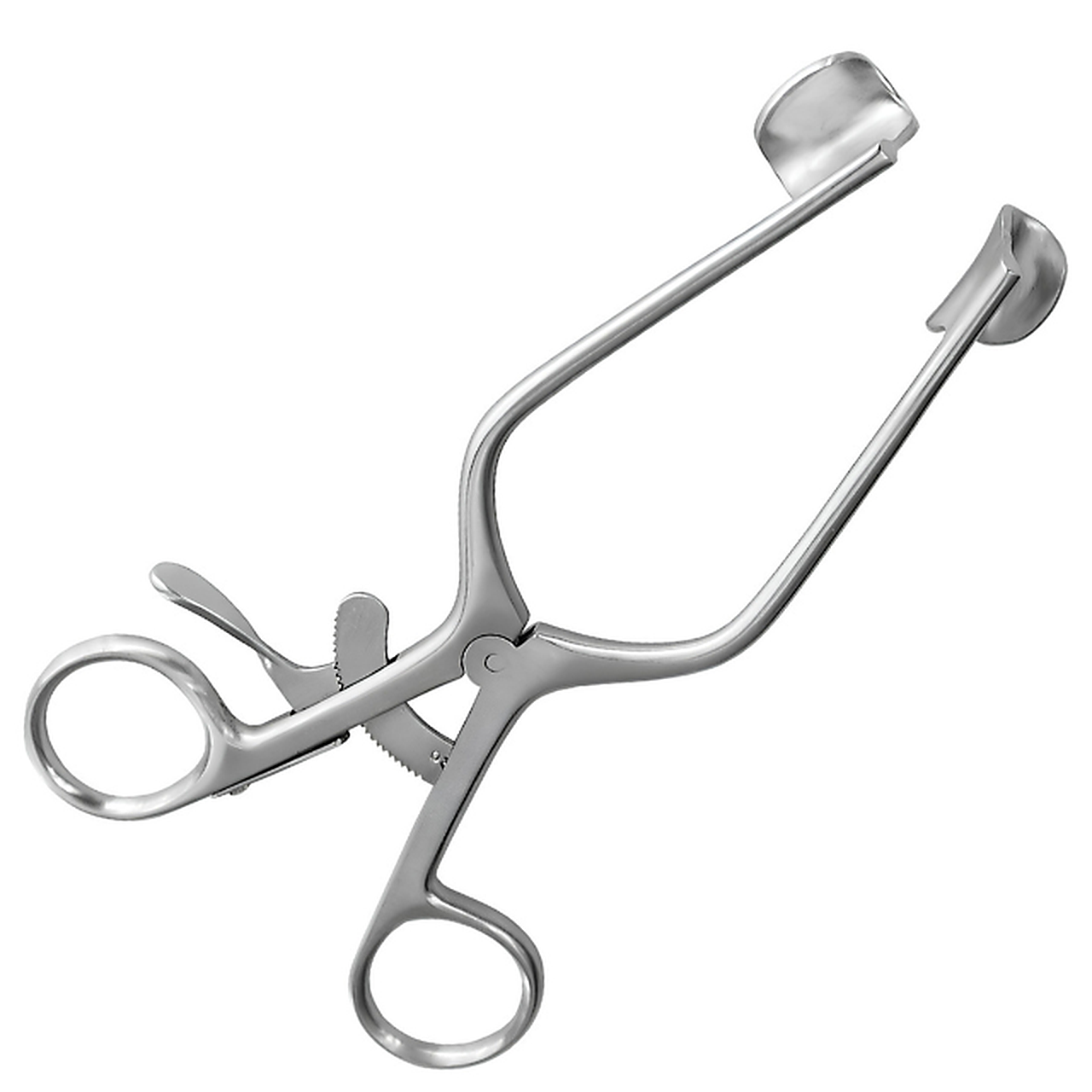 | Широкий самодержащийся ретрактор | Специально разработан для самодержащейся широкой ретракции краев раны без грыжевидного выпячивания тканей. |
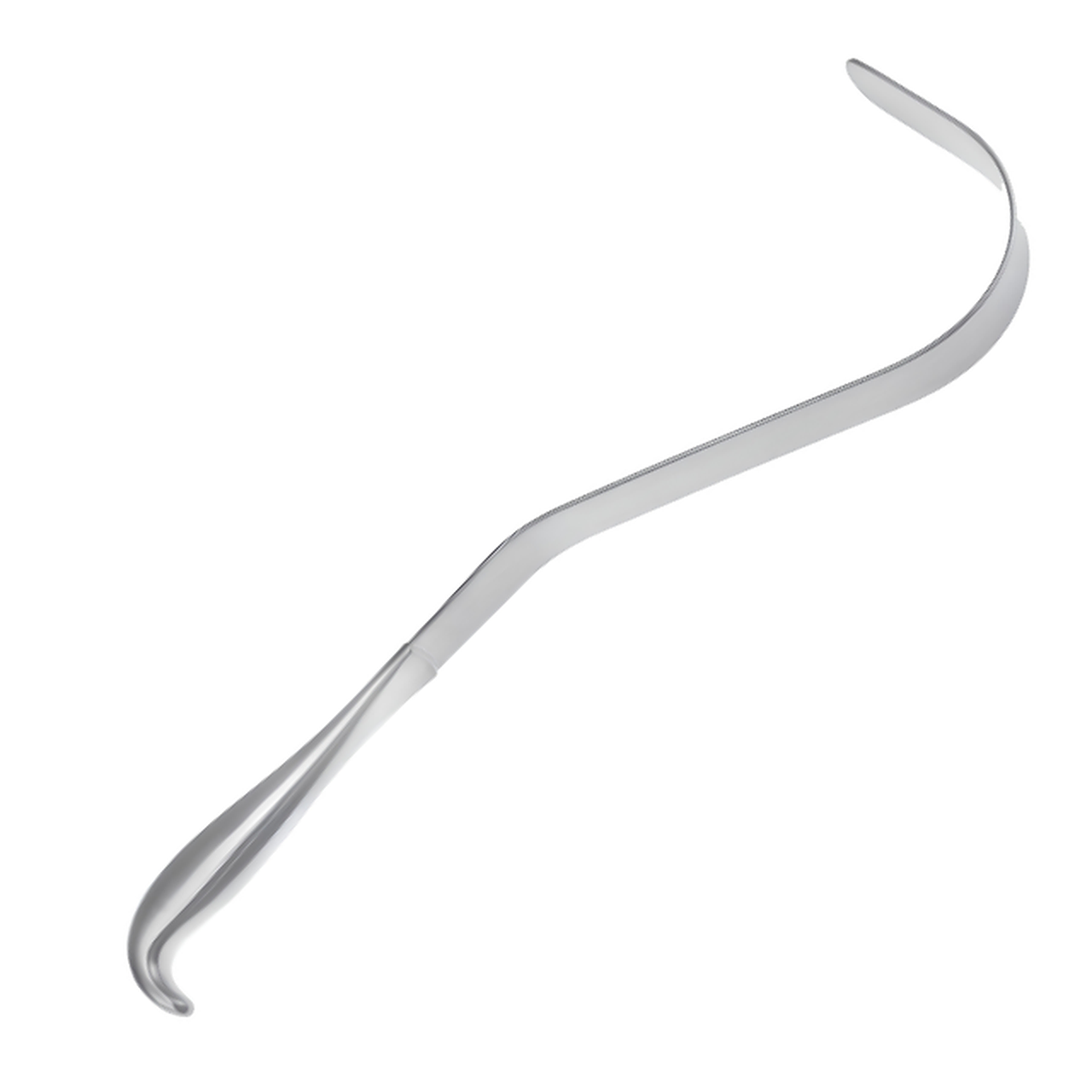 | Ранорасширитель Willauer-Deaver Retractor | Специально разработан для ретракции паренхимы легких, внутренних органов и глубоких краев раны во время торакальных и абдоминальных операций. |
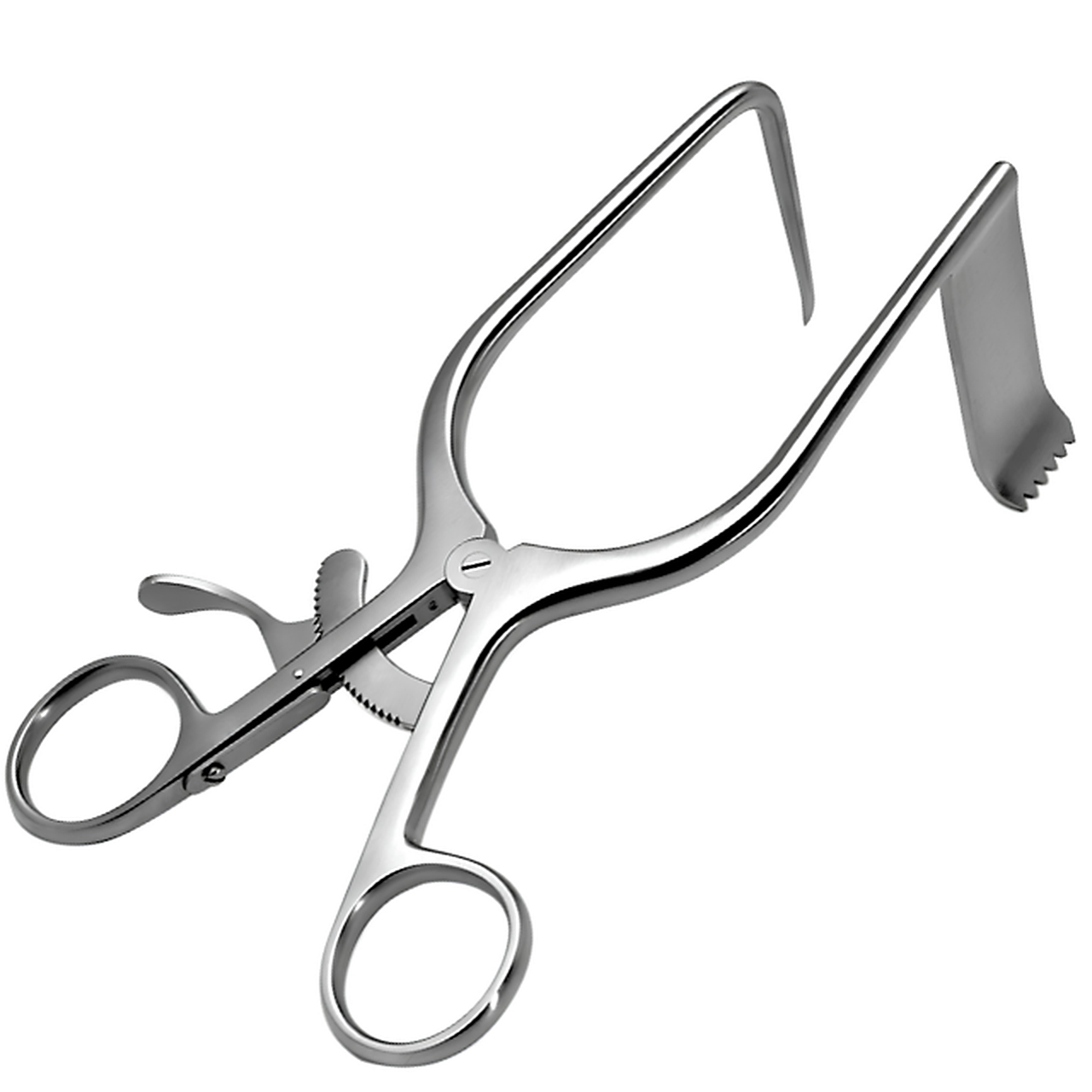 | Ранорасширитель Williams для дискэктомии | Специально разработан для ретракции параспинальных мышц и краев мягких тканей во время микрохирургической поясничной дискэктомии и ламинотомии. |
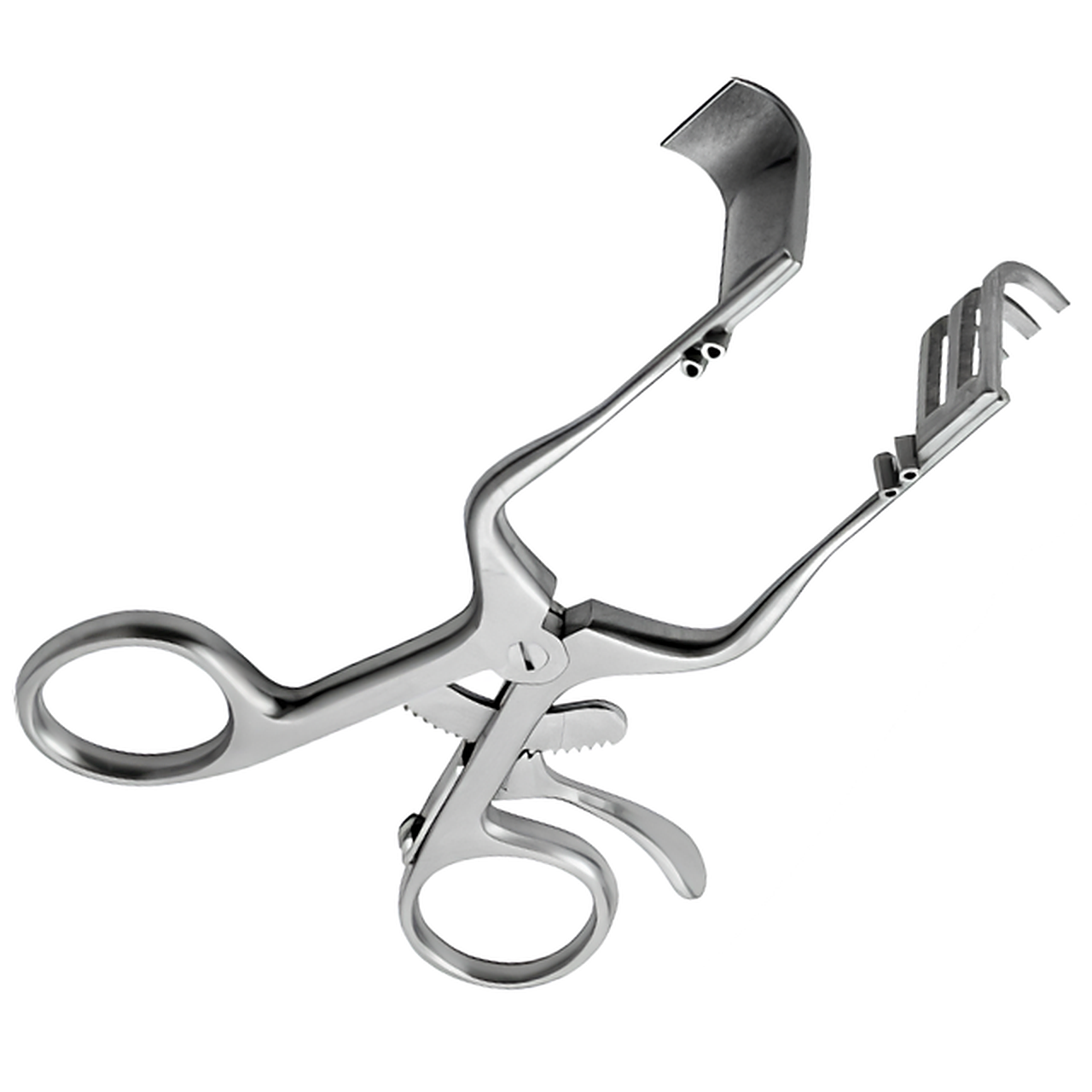 | Ретрактор Williams для переломов дистального отдела лучевой кости | Специально разработан для ретракции квадратного пронатора и сухожилий сгибателей для обнажения волярной части дистального отдела лучевой кости при остеосинтезе пластинами. |
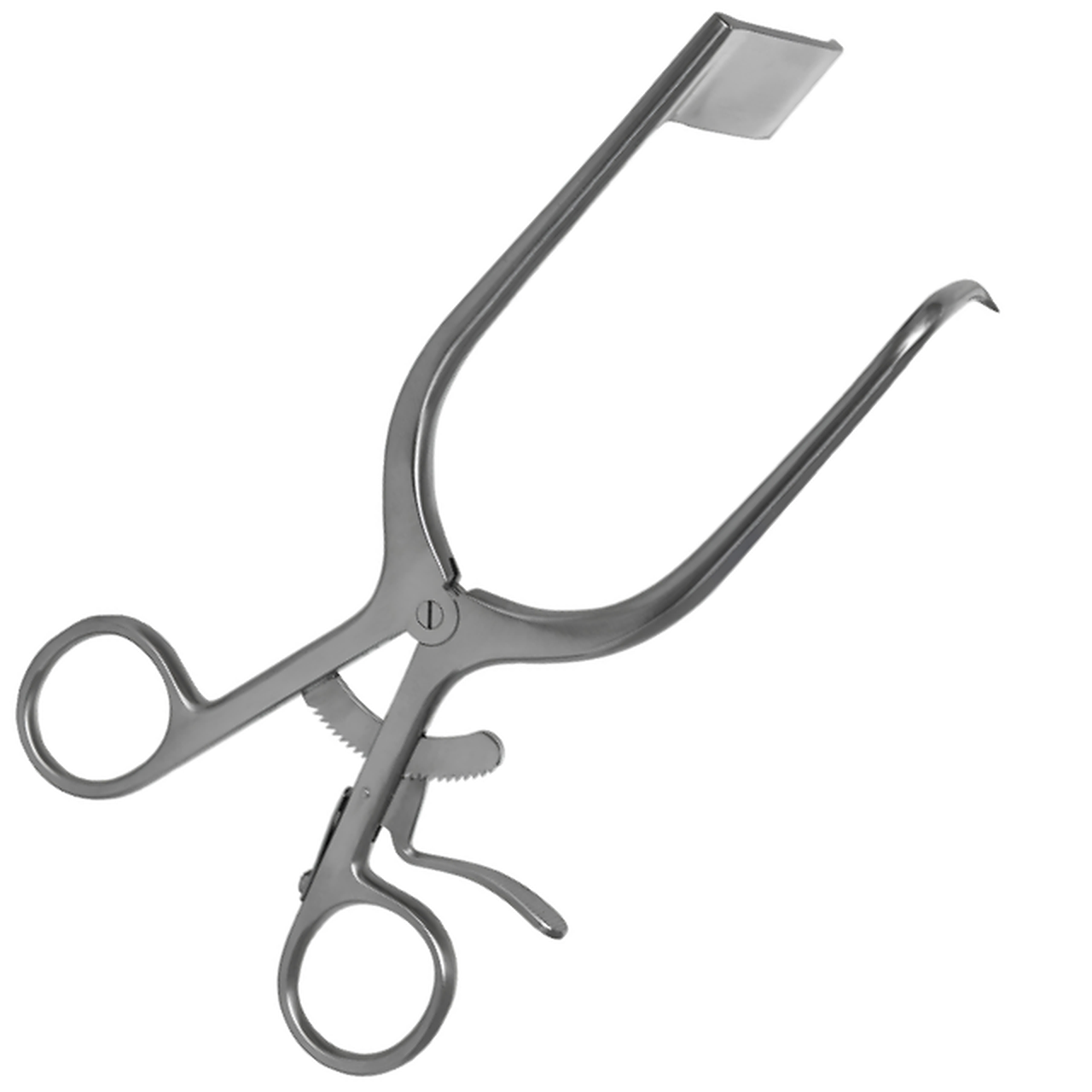 | Спинальный ретрактор Williams для дискэктомии | Специально разработан для ретракции параспинальной мускулатуры и обнажения дуги позвонка при поясничной микродискэктомии. |
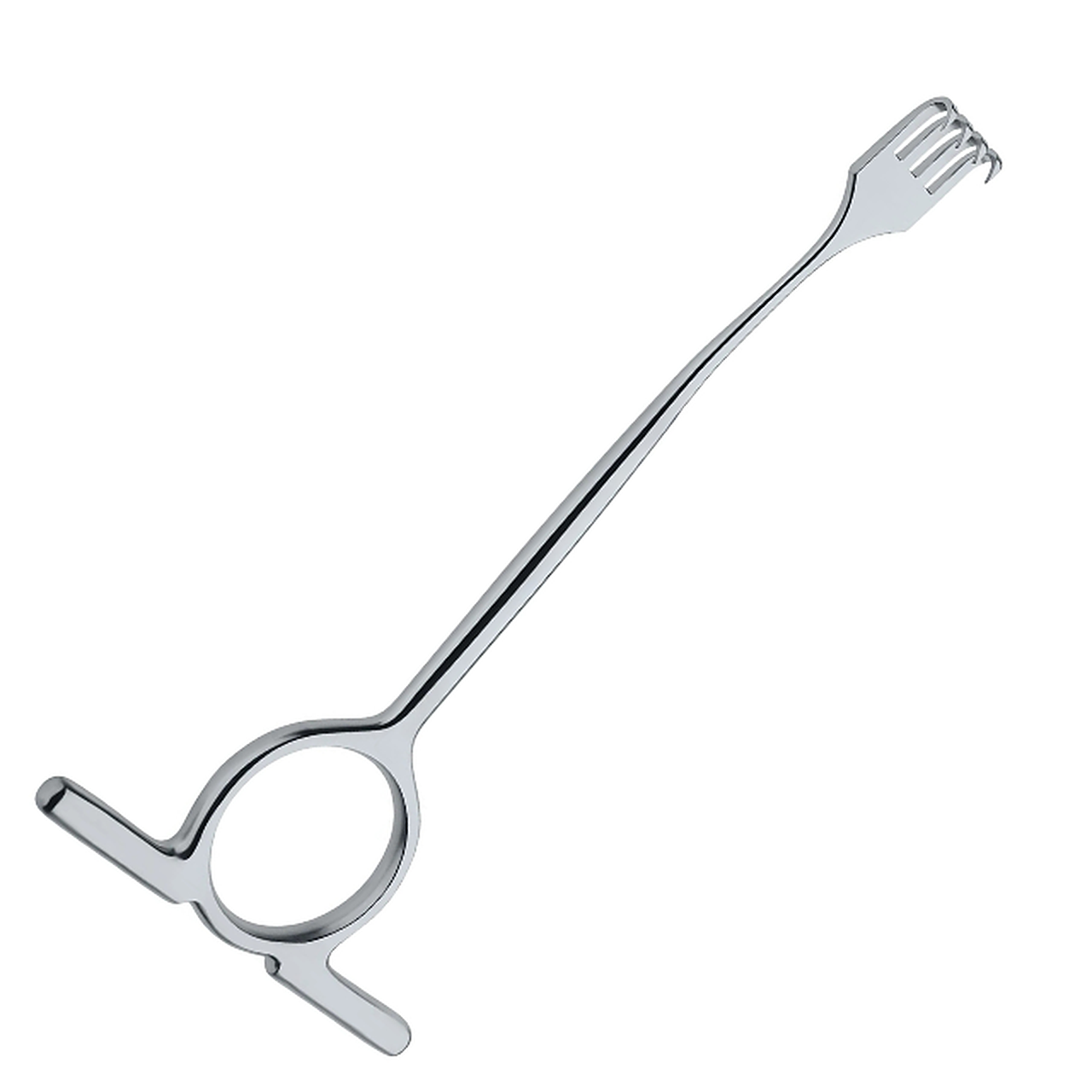 | Ретрактор Williger Retractor | Специально разработан для ретракции слизисто-надкостничных лоскутов и мягких тканей с целью обнажения кости во время стоматологических и челюстно-лицевых операций. |
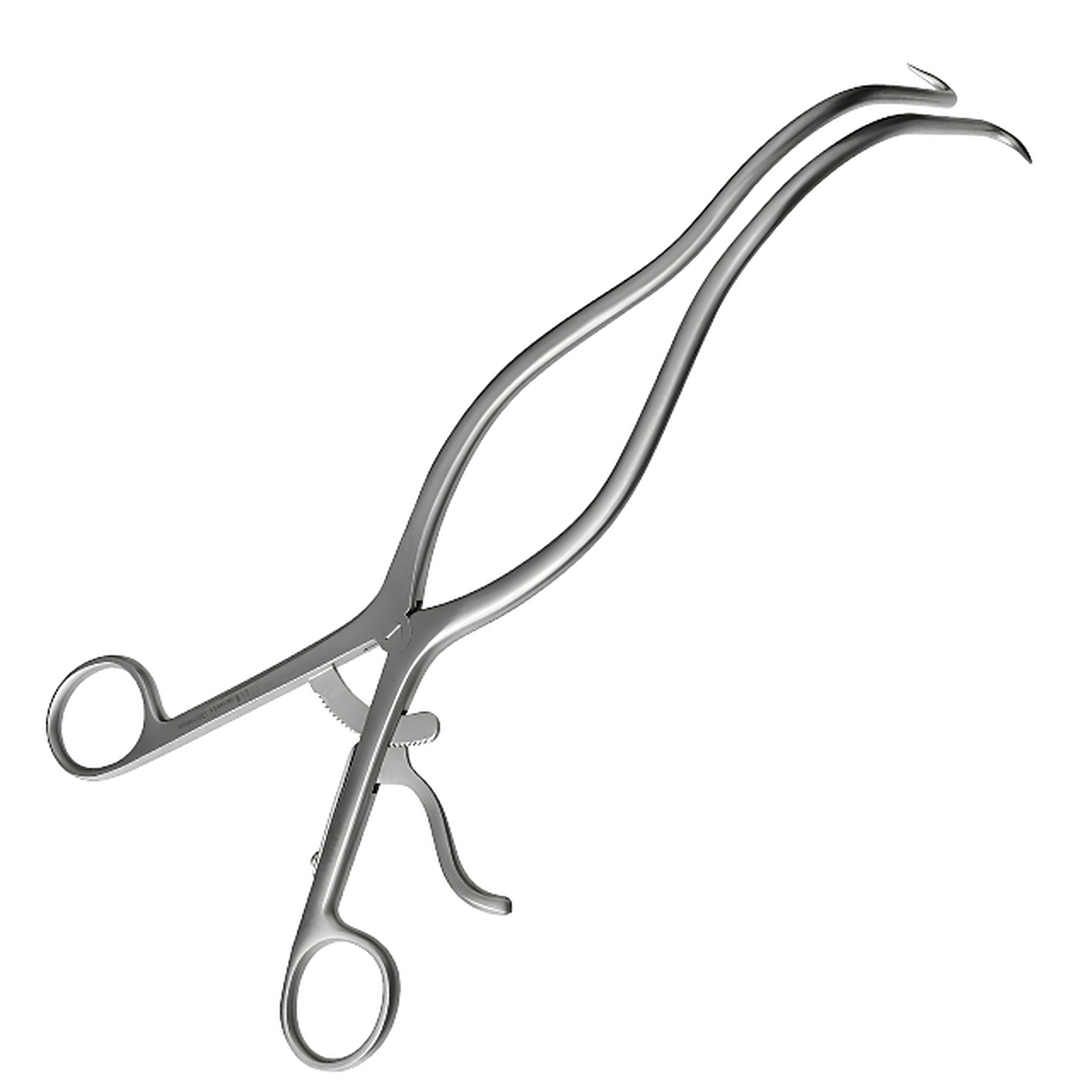 | Ранорасширитель Wiltse-Gelpi самодержащий | Специально разработан для разведения мощной параспинальной мускулатуры при заднебоковом спондилодезе и декомпрессии. |
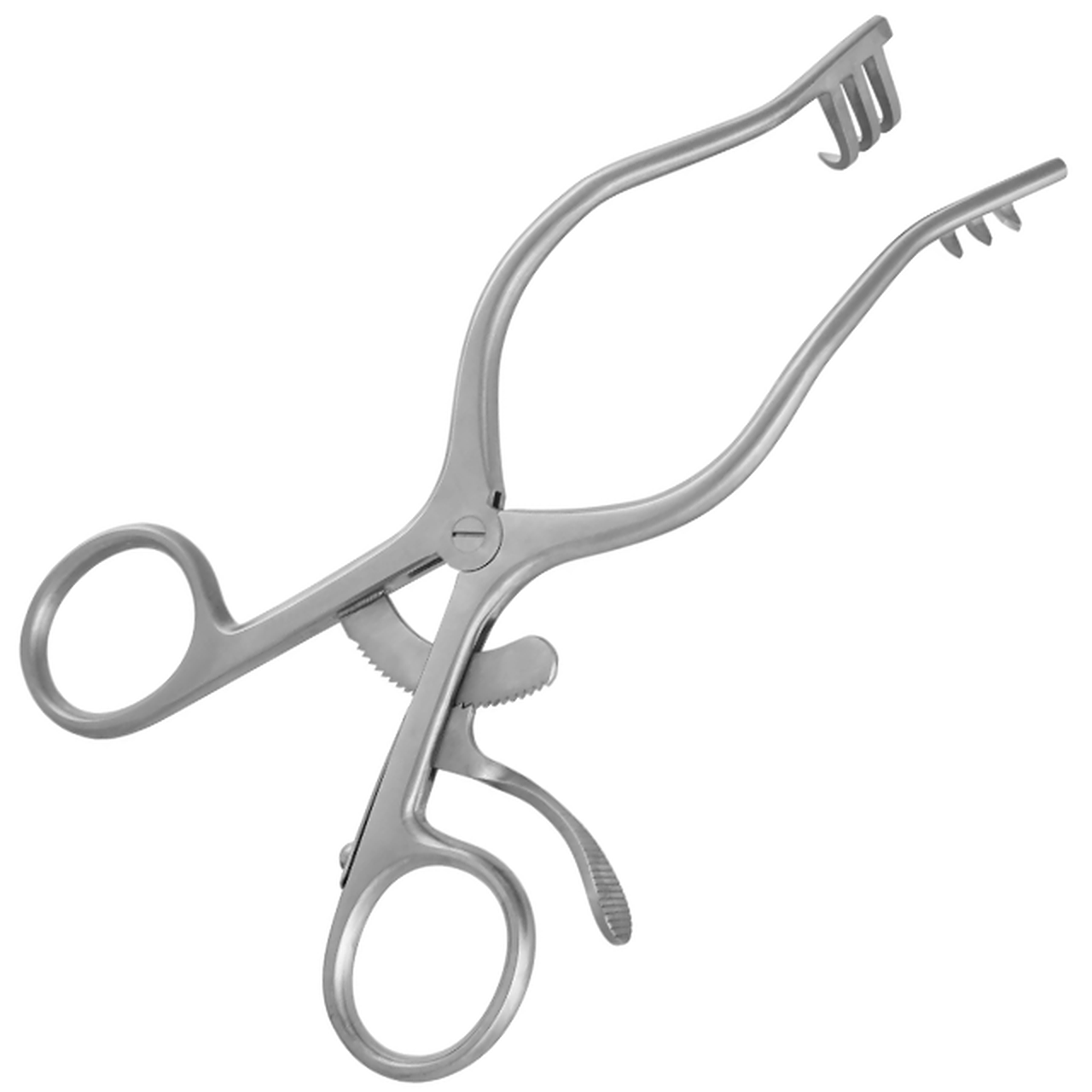 | Ранорасширитель Wullstein Weitlaner самодержащийся | Специально разработан для самодержащейся ретракции краев раны и мягких тканей при операциях на ухе, коже головы и малых хирургических вмешательствах. |
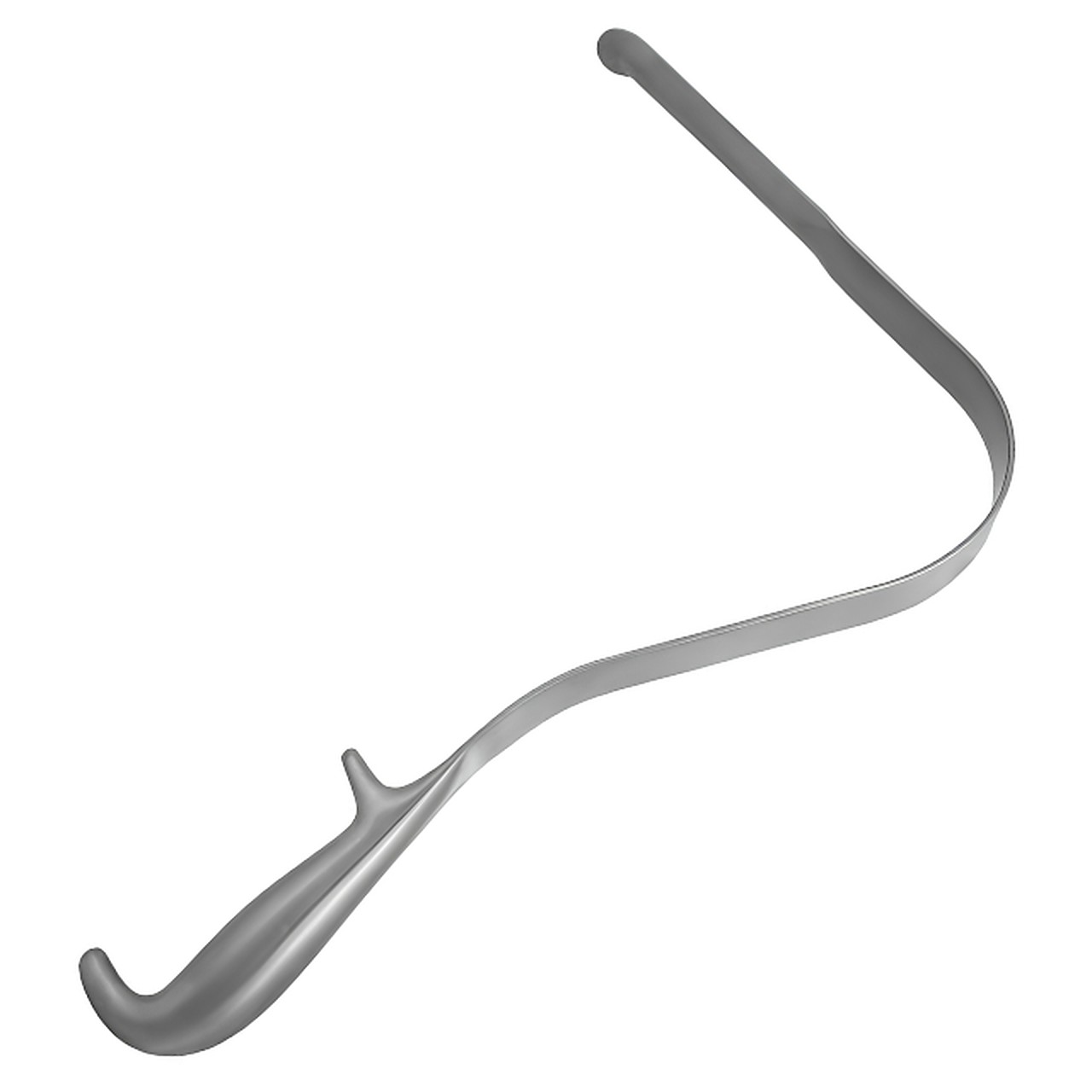 | Ретрактор Wylie для почечной вены | Специально разработан для ретракции и защиты почечной вены, полой вены и крупных забрюшинных сосудов во время сосудистых и урологических операций. |
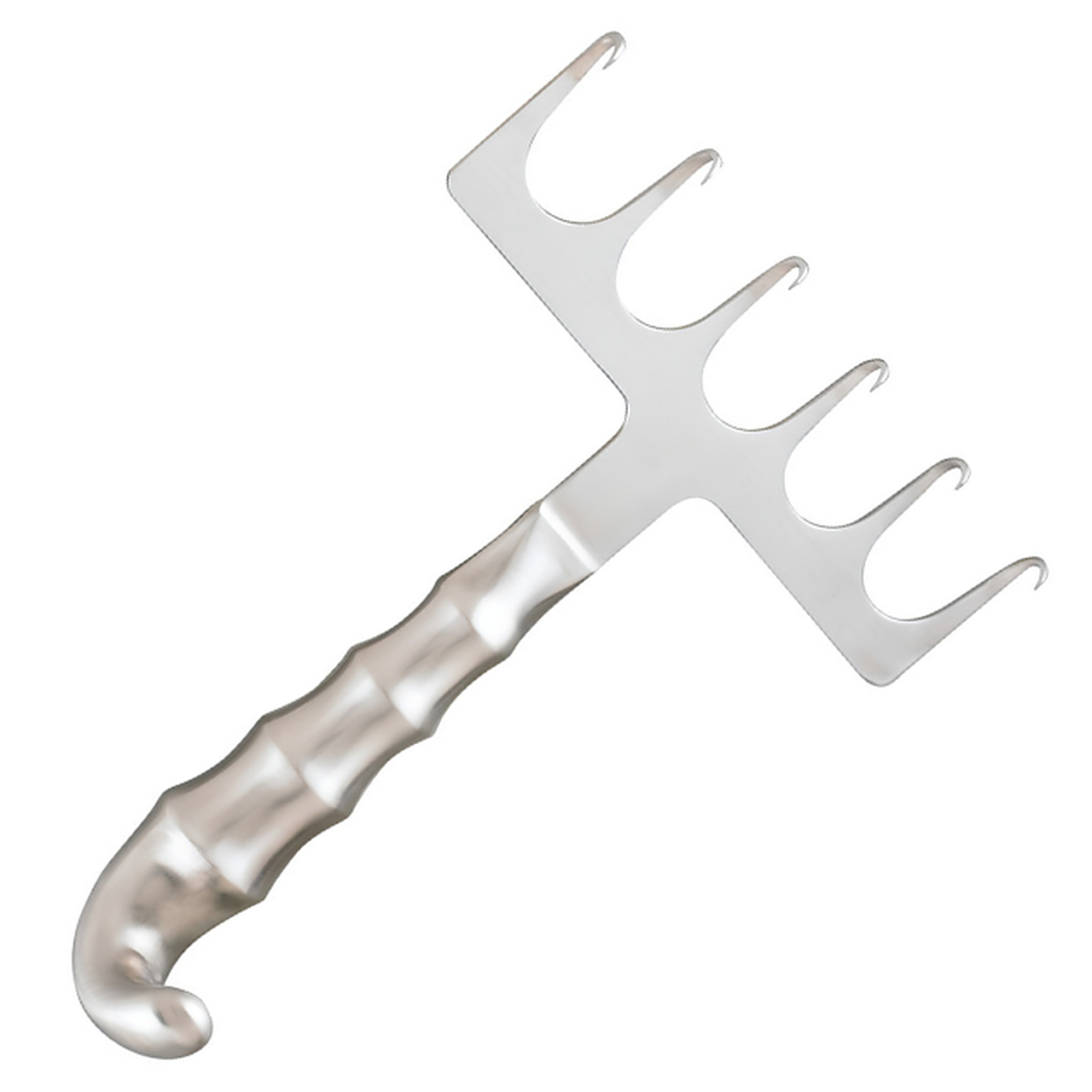 | Ретрактор Yancoskie Abdominoplasty Retractor для абдоминопластики | Специально разработан для подъема крупных кожных лоскутов живота и обнажения влагалища прямой мышцы при абдоминопластике и панникулэктомии. |
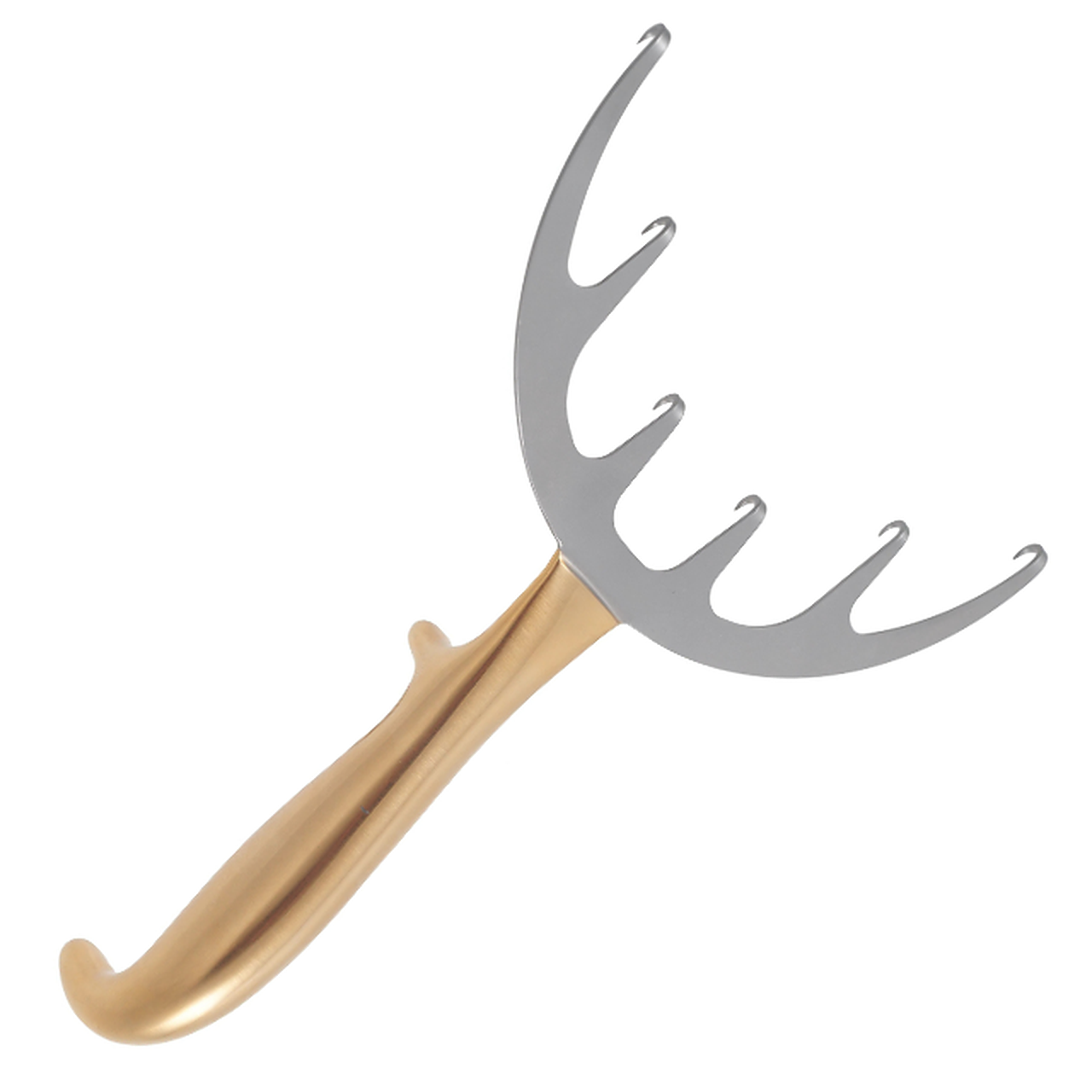 | Ретрактор Yancoskie Coronal Lift Retractor | Специально разработан для элевации и ретракции лоскутов скальпа и лба во время коронарной подтяжки бровей и черепно-лицевых операций. |
 | Пластинчатый пластичный ретрактор Zalkind | Специально разработан для придания индивидуальной формы в ходе операции с целью ретракции внутренних органов, кишечника и глубоких мягких тканей без эффекта обратной пружинистости. |
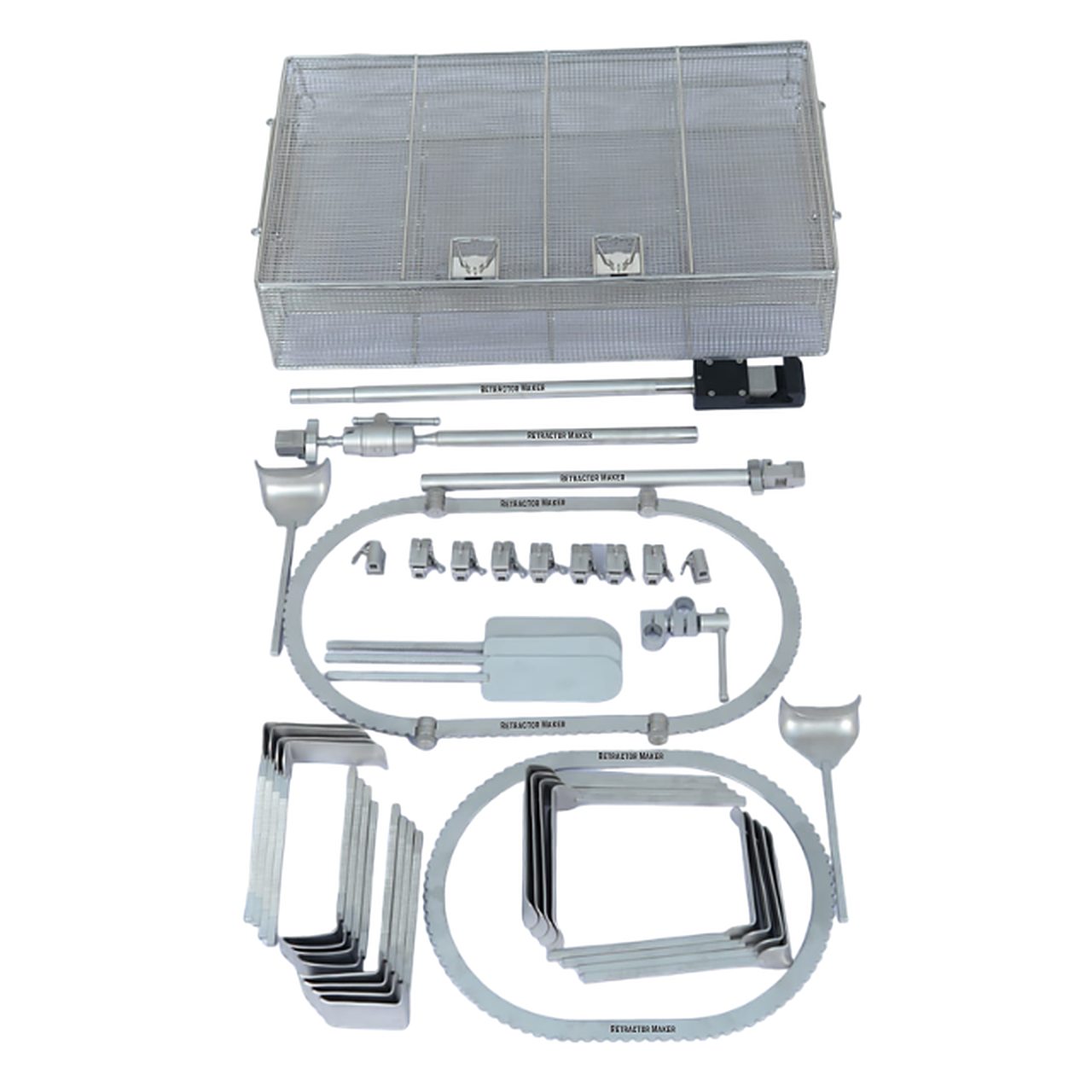 | Ранорасширитель Bookwalter Retractor (Standard) | Обеспечение стабильной экспозиции раны без участия рук при обширных открытых операциях, включая нефрэктомию, простатэктомию и диагностическую лапаротомию. |
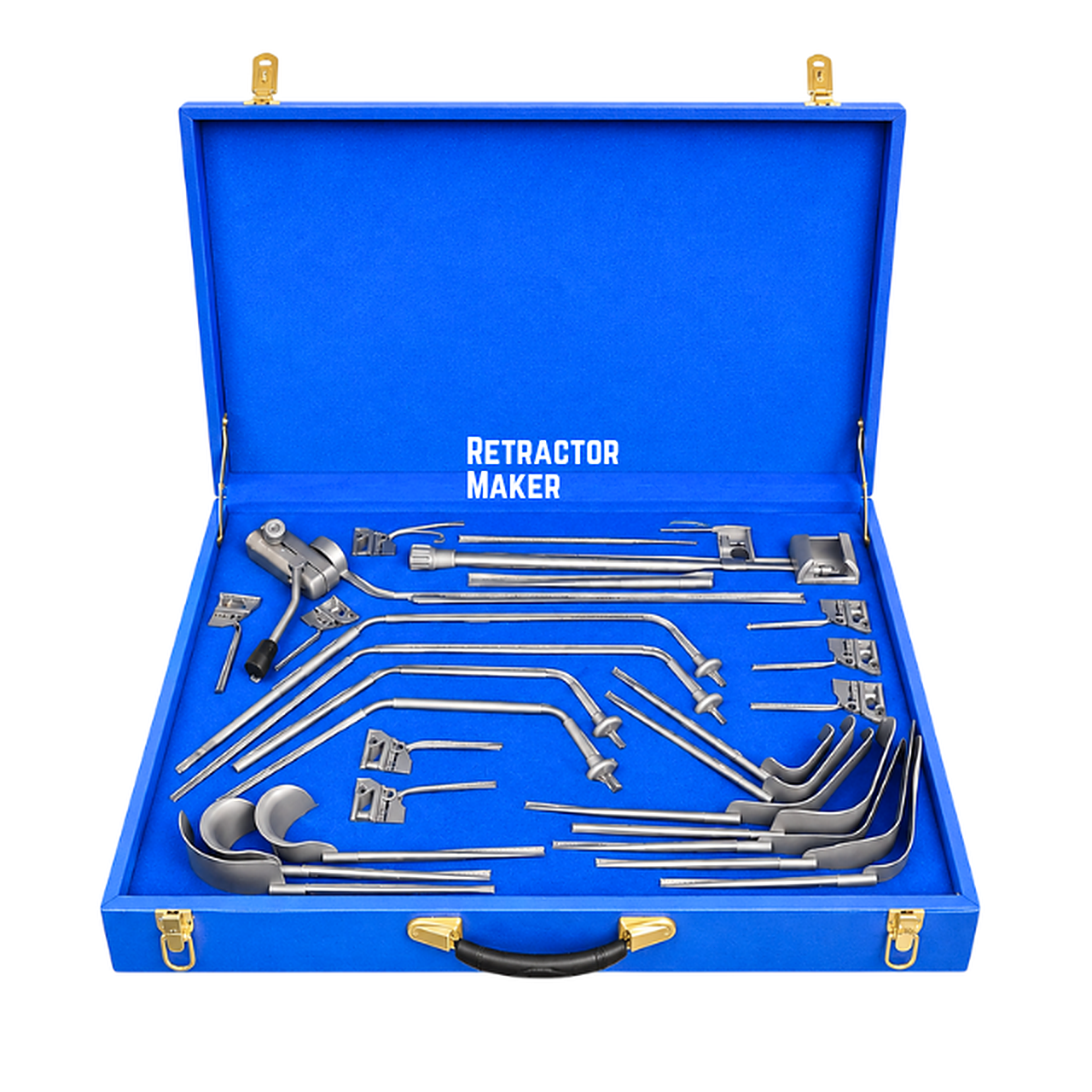 | Система ретракторов Omni Retractor System | Обеспечение адаптивной низкопрофильной фиксации тканей «без участия рук» при сложных открытых операциях. |
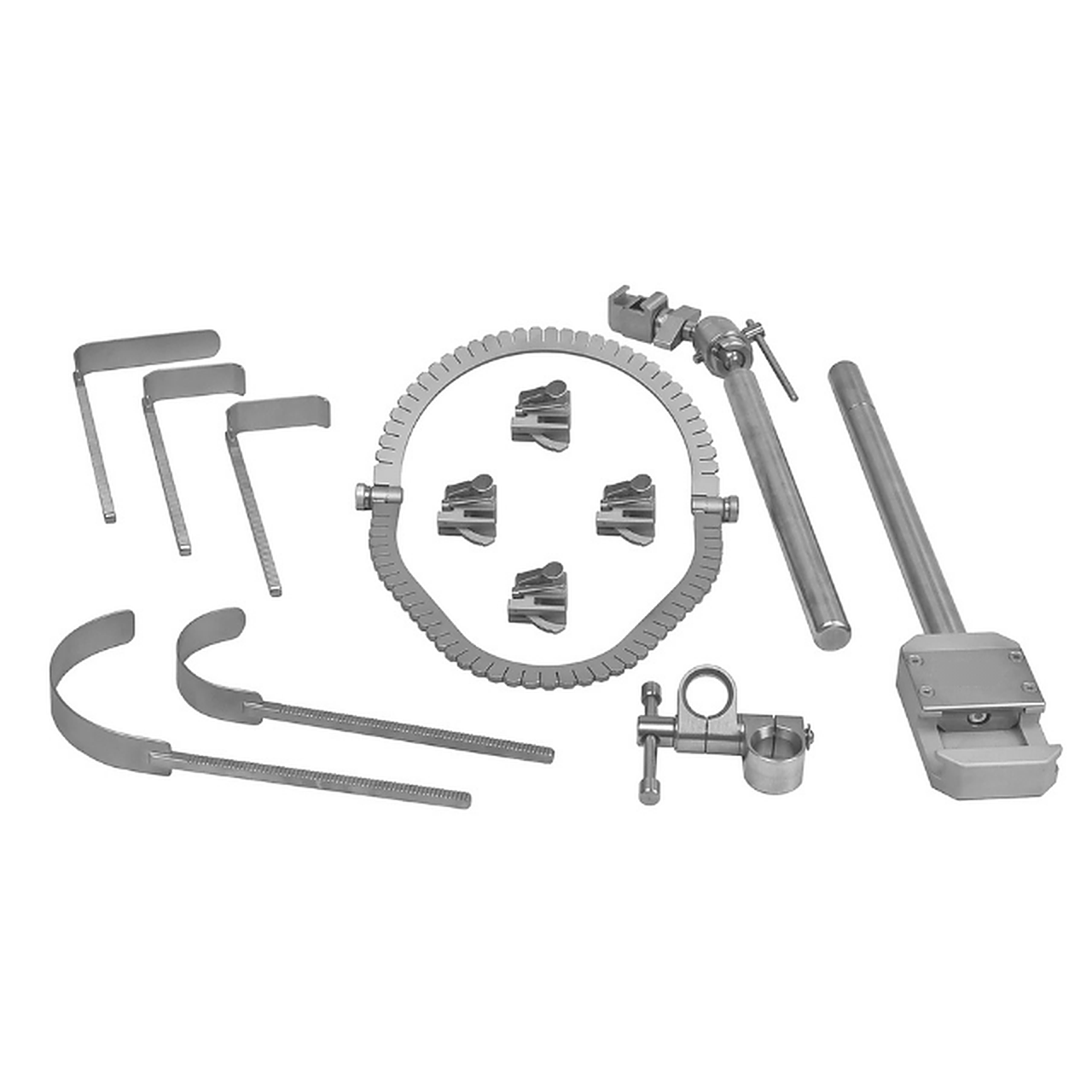 | Гинекологическая ретракторная система Bookwalter GYN Retractor System | Предназначена для обеспечения стабильного хирургического доступа без участия рук при гинекологических и вагинальных процедурах с использованием самодержащейся системы с креплением к столу. |
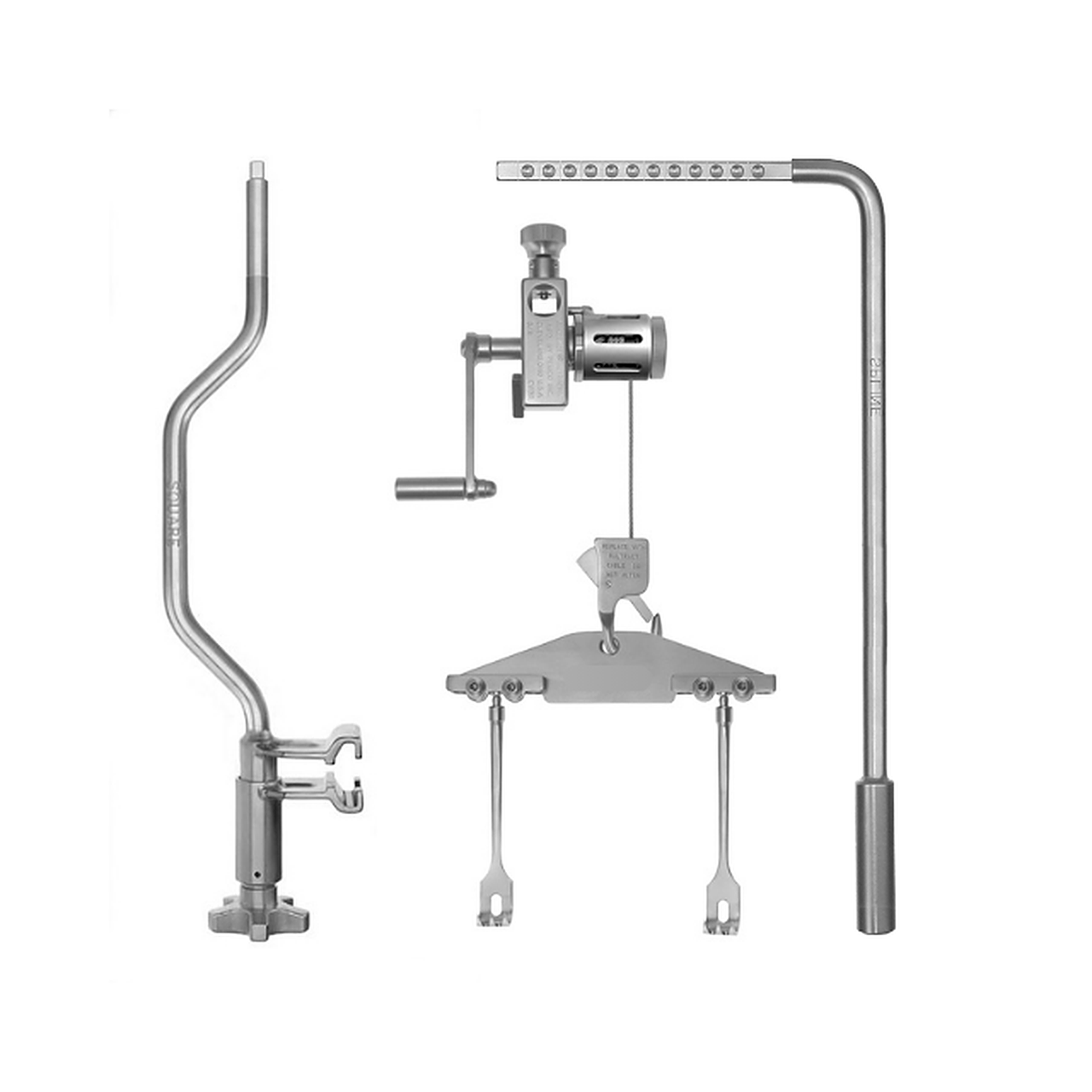 | Система ретракции Rultract Retractor System | Предназначен для стабильного бесконтактного смещения тканей и обеспечения постоянного операционного доступа, повышая эффективность хирургических вмешательств. |
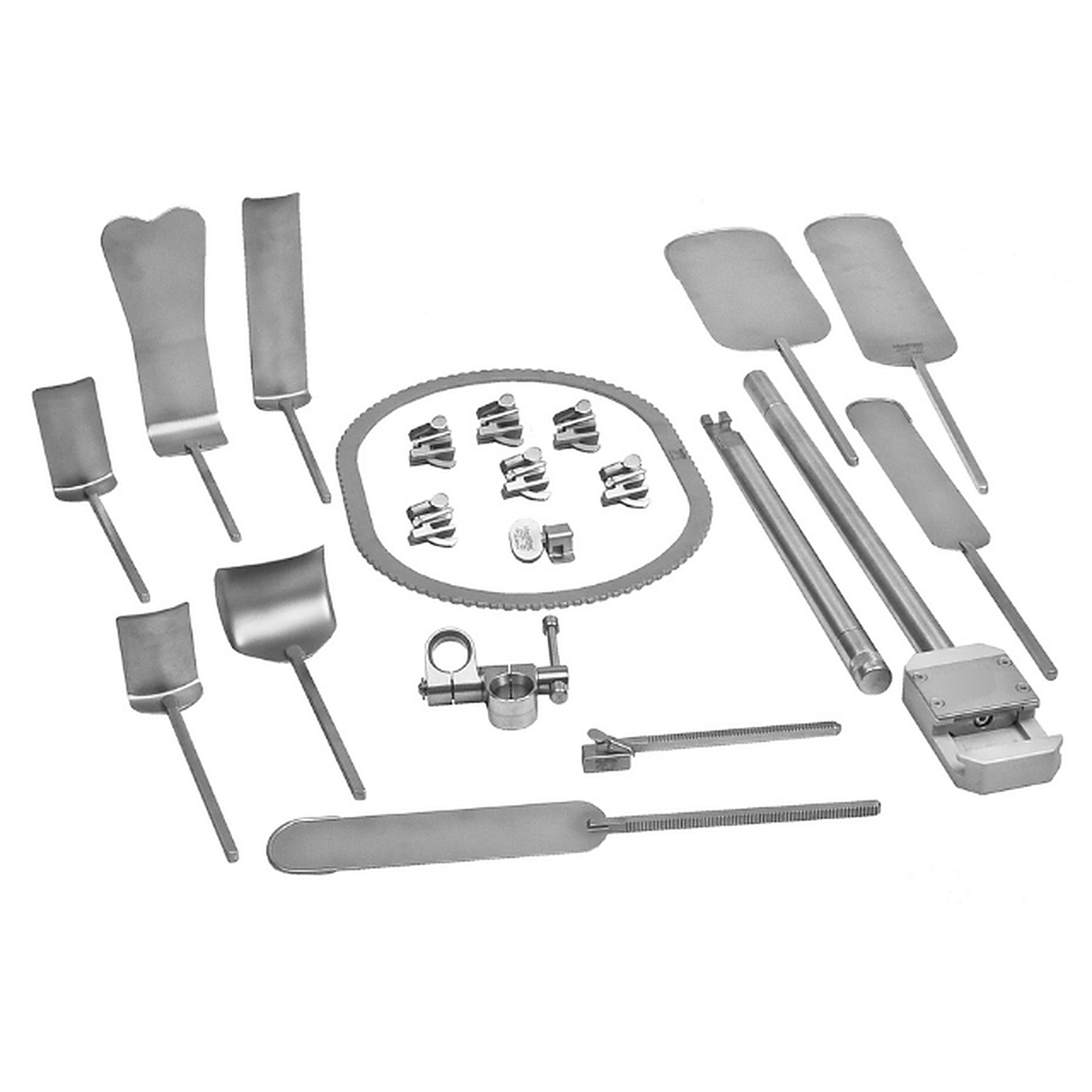 | Бариатрическая ранорасширительная система Bookwalter | Обеспечение статической хирургической экспозиции при открытых бариатрических операциях, требующих специализированной ретракции. |
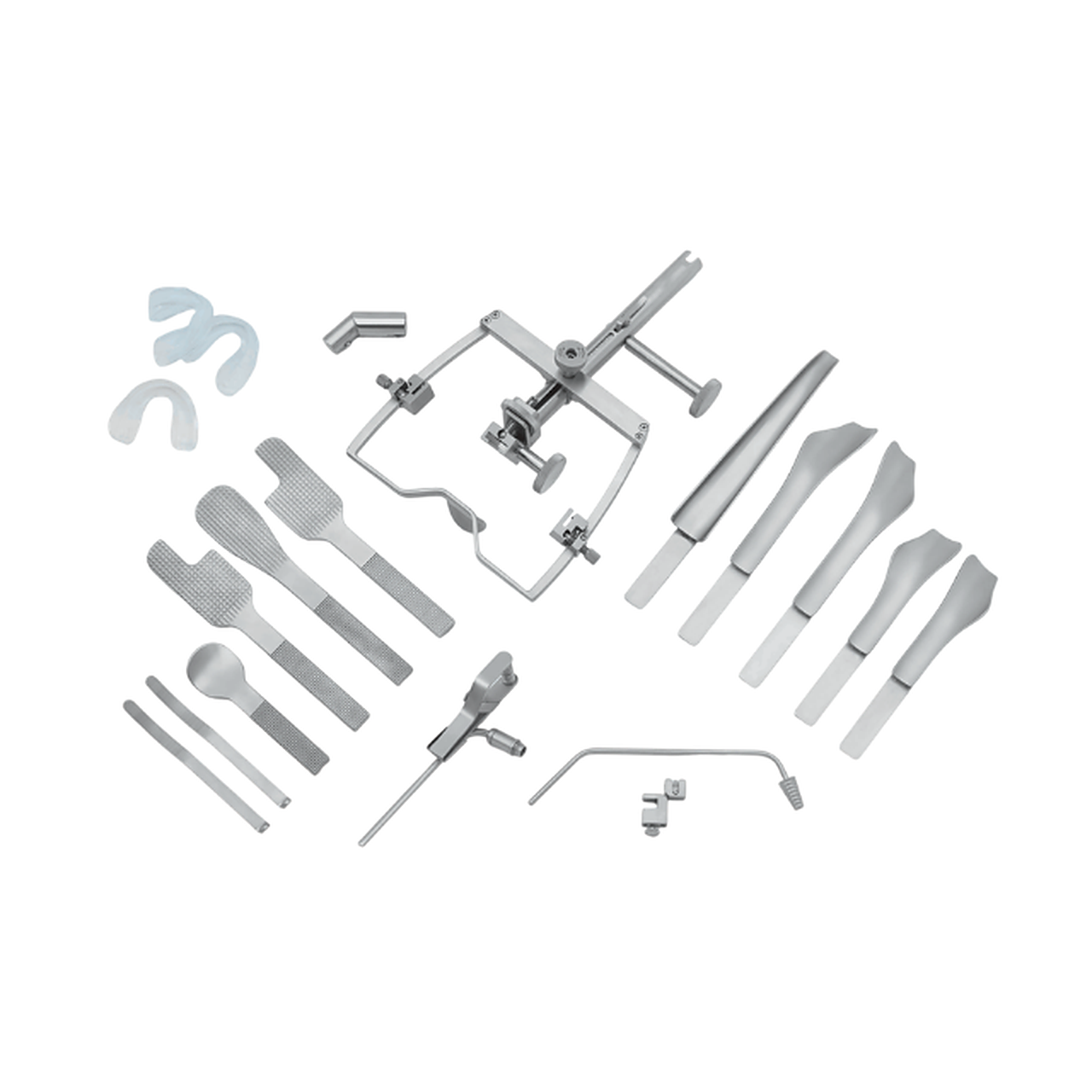 | FK Retractor (Feyh-Kastenbauer) | Специально разработан для экспозиции верхних отделов аэродигестивного тракта во время трансоральной роботизированной хирургии (TORS), микрохирургии и лазерных процедур на корне языка, гортани, надгортаннике и гортаноглотке. |
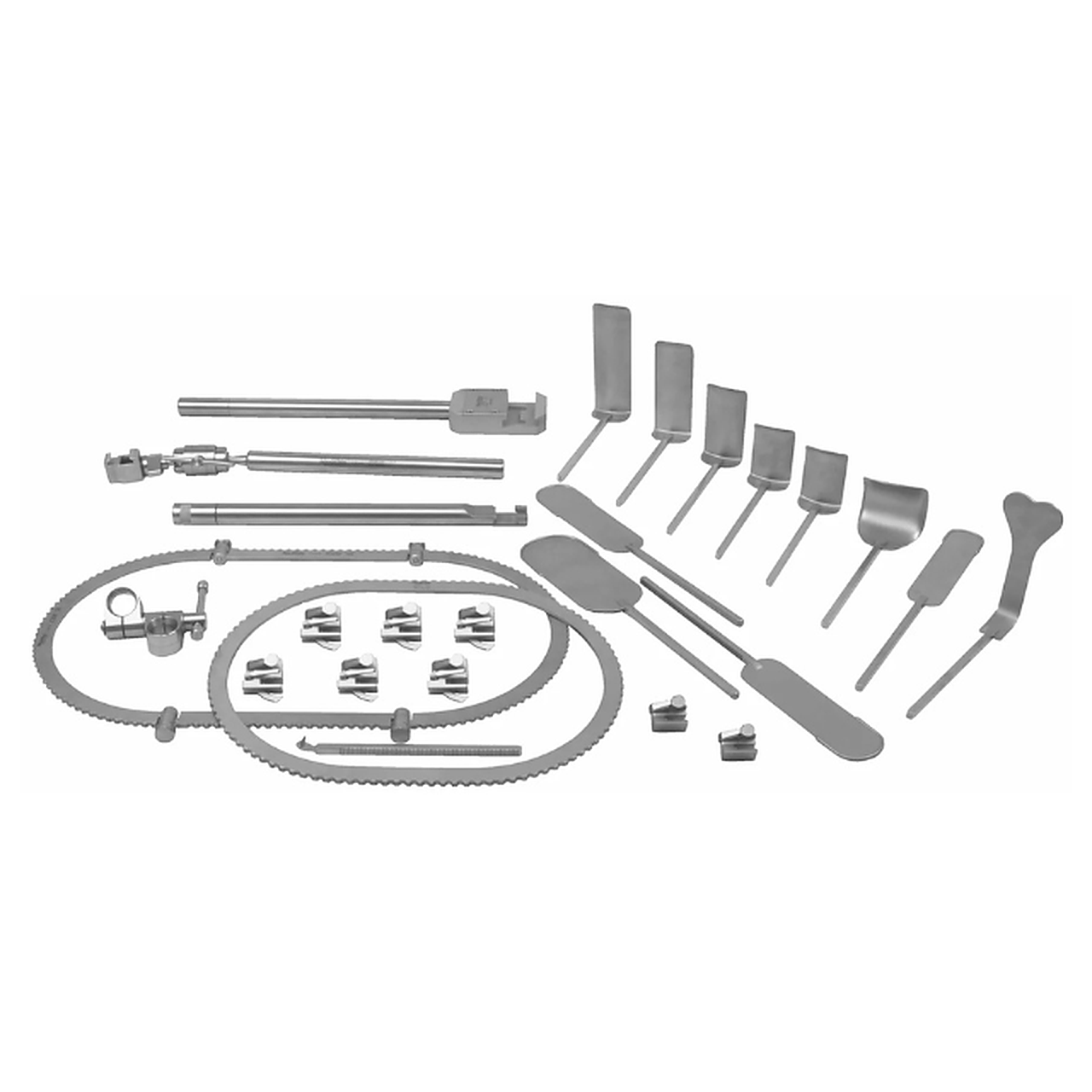 | Ранорасширитель Bookwalter для общей хирургии | Обеспечение стабильной фиксации тканей без участия рук при открытых абдоминальных и общехирургических операциях с использованием самоудерживающейся системы с креплением к столу. |
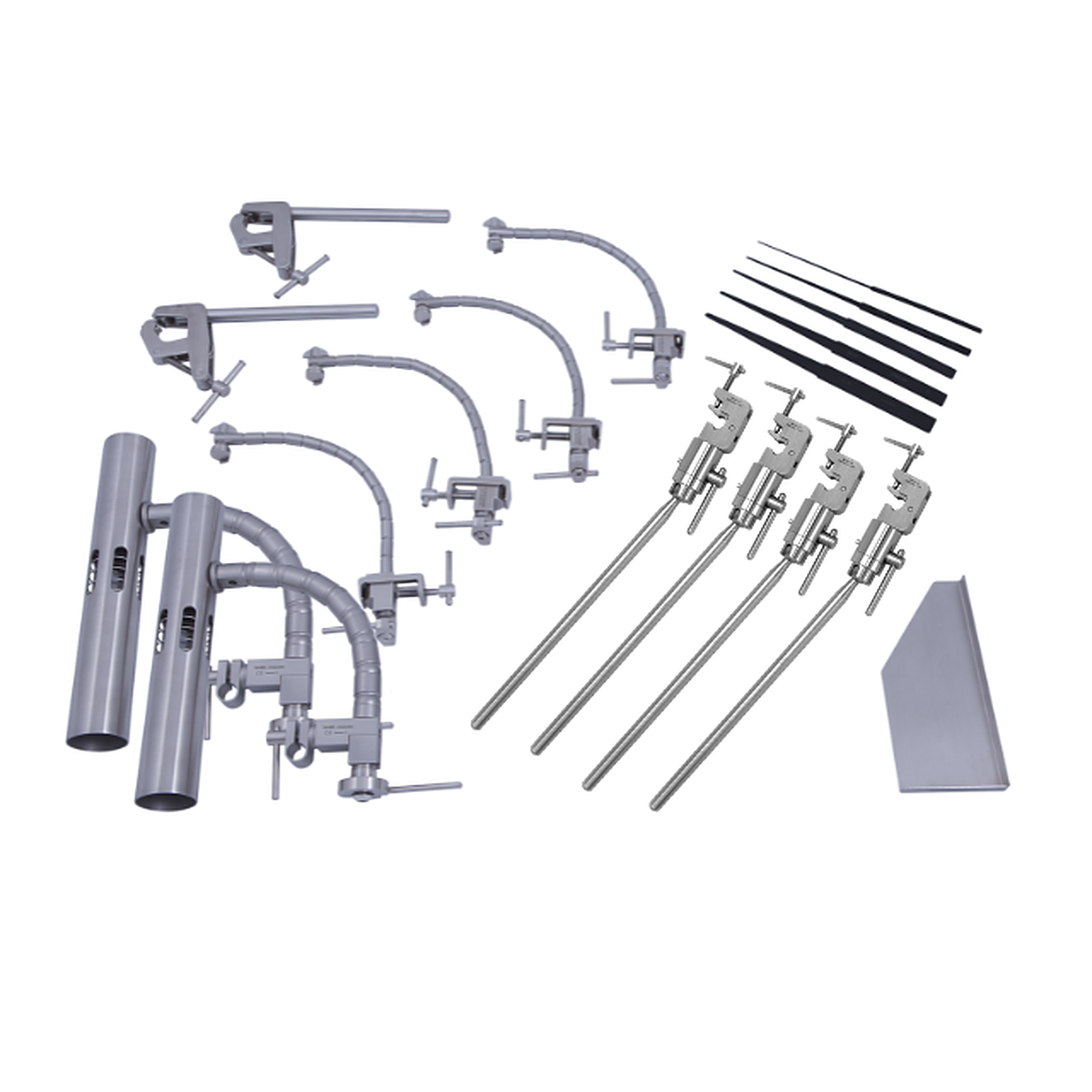 | Реактор Greenberg | Предназначен для точной, самодержащейся ретракции тканей без участия рук во время сложных краниальных операций, вмешательств на основании черепа и микронейрохирургических процедур. |
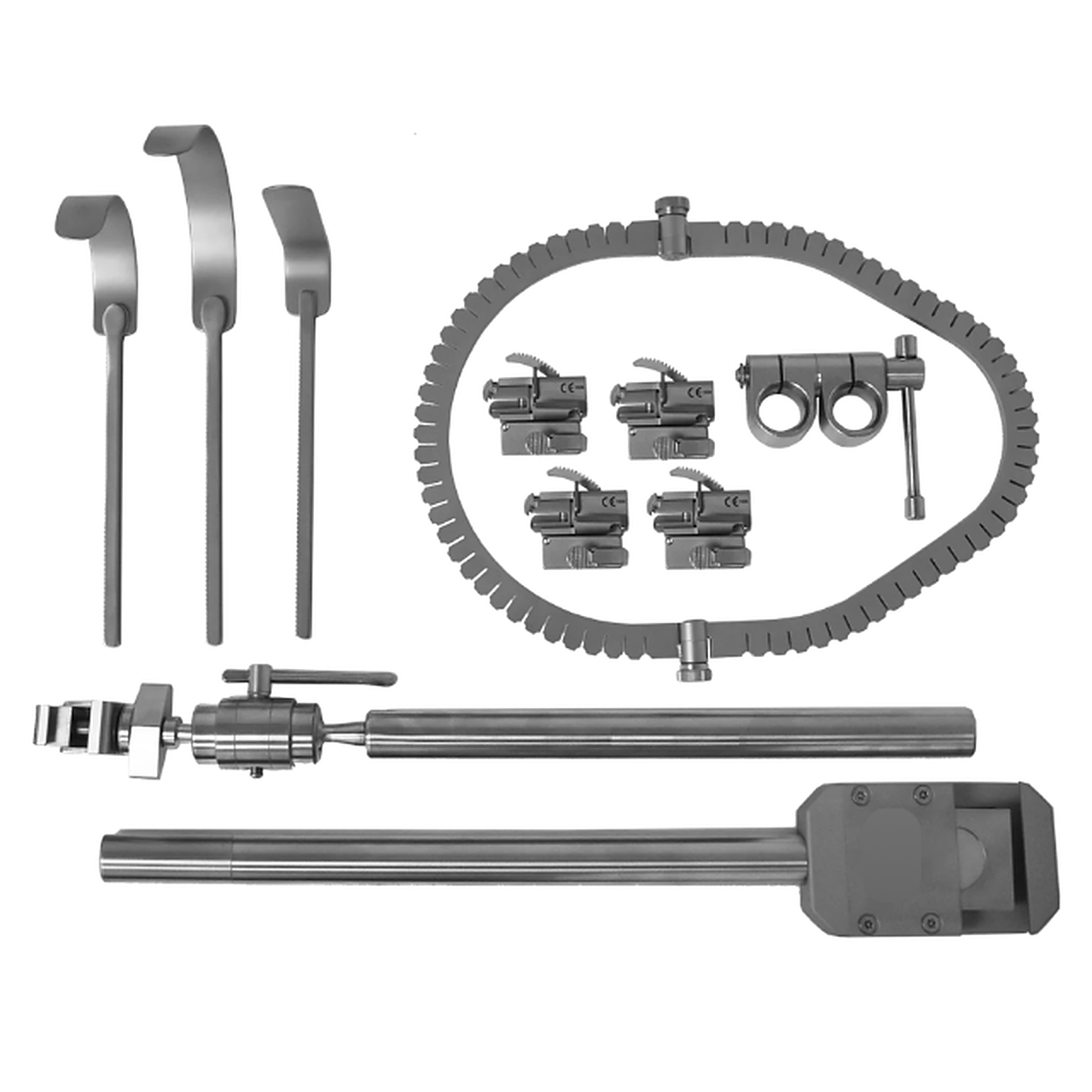 | Система ранорасширителя Bookwalter GYN Magrina для тазовой хирургии | Предназначен для обеспечения стабильной фиксации без участия рук при гинекологических, вагинальных и тазовых хирургических вмешательствах с использованием фиксируемой к столу системы самодерживающегося ранорасширителя с наклонными храповиками. |
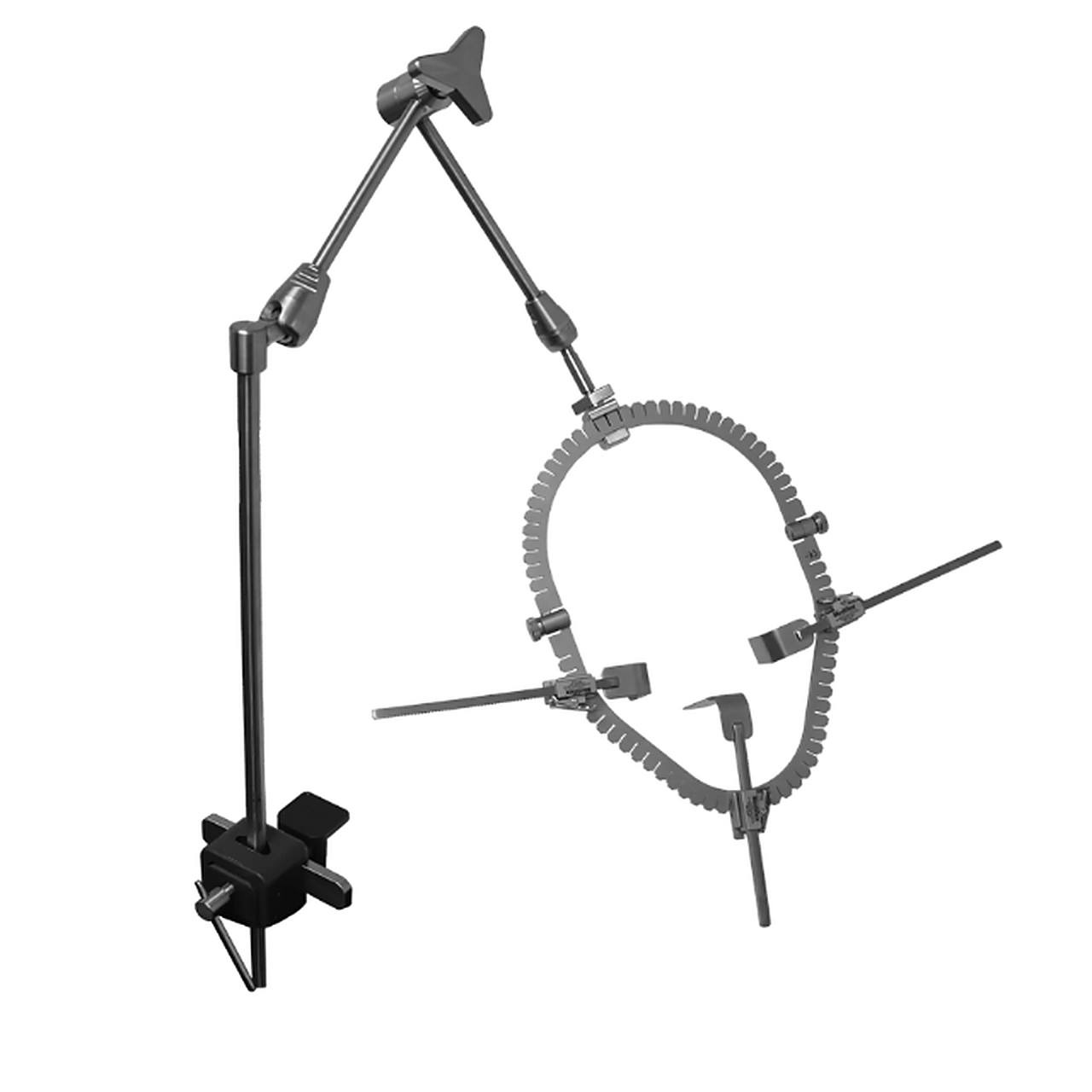 | Хирургическая гинекологическая система Bookwalter StrongArm | Предназначен для обеспечения стабильной экспозиции без участия рук во время гинекологических, вагинальных и тазовых хирургических процедур с использованием системы крепления StrongArm Plus. |
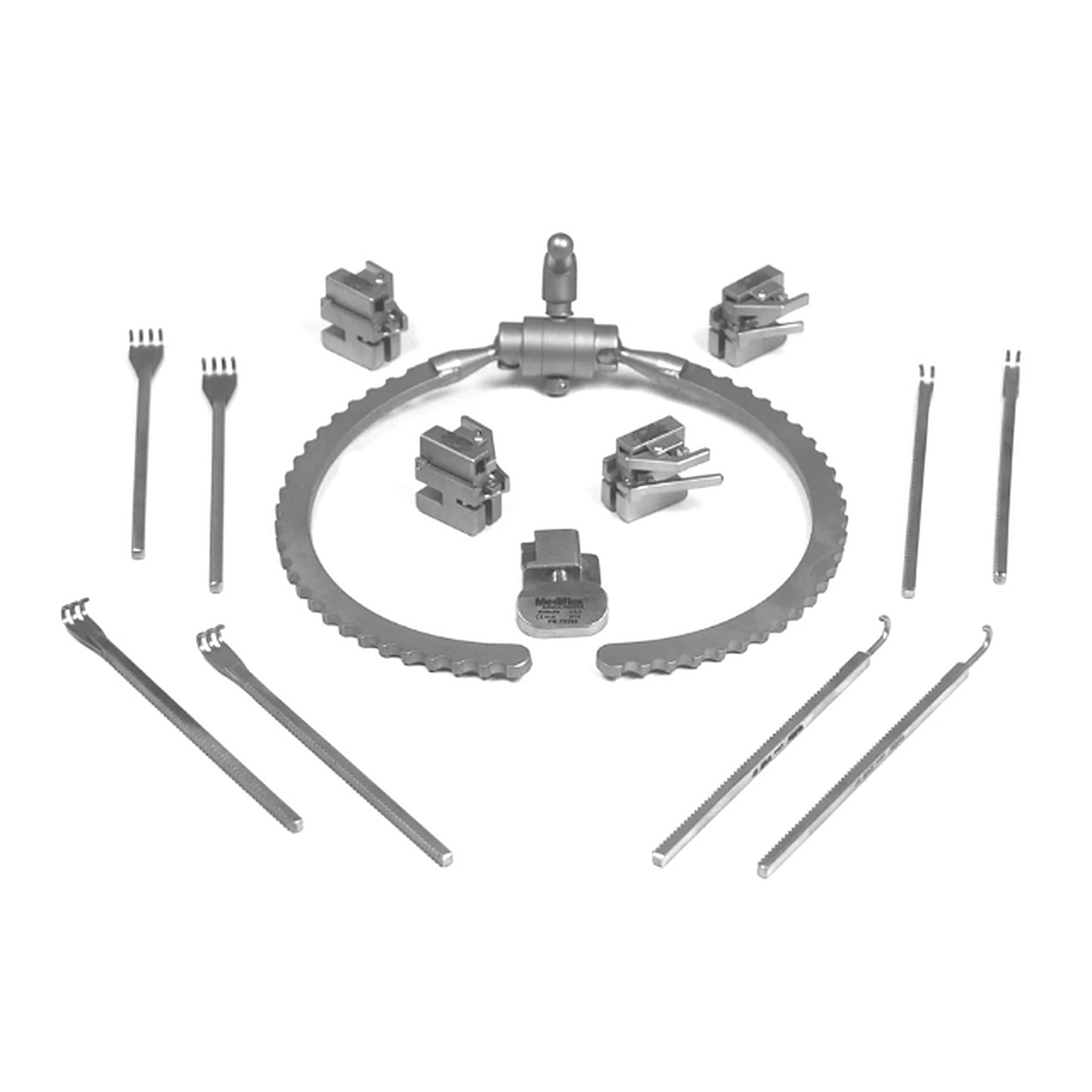 | Ранорасширитель Bookwalter для хирургии кисти | Обеспечение стабильной ретракции без участия рук при деликатных операциях на кисти, запястье и верхних конечностях с использованием компактной самоудерживающейся мини-системы. |
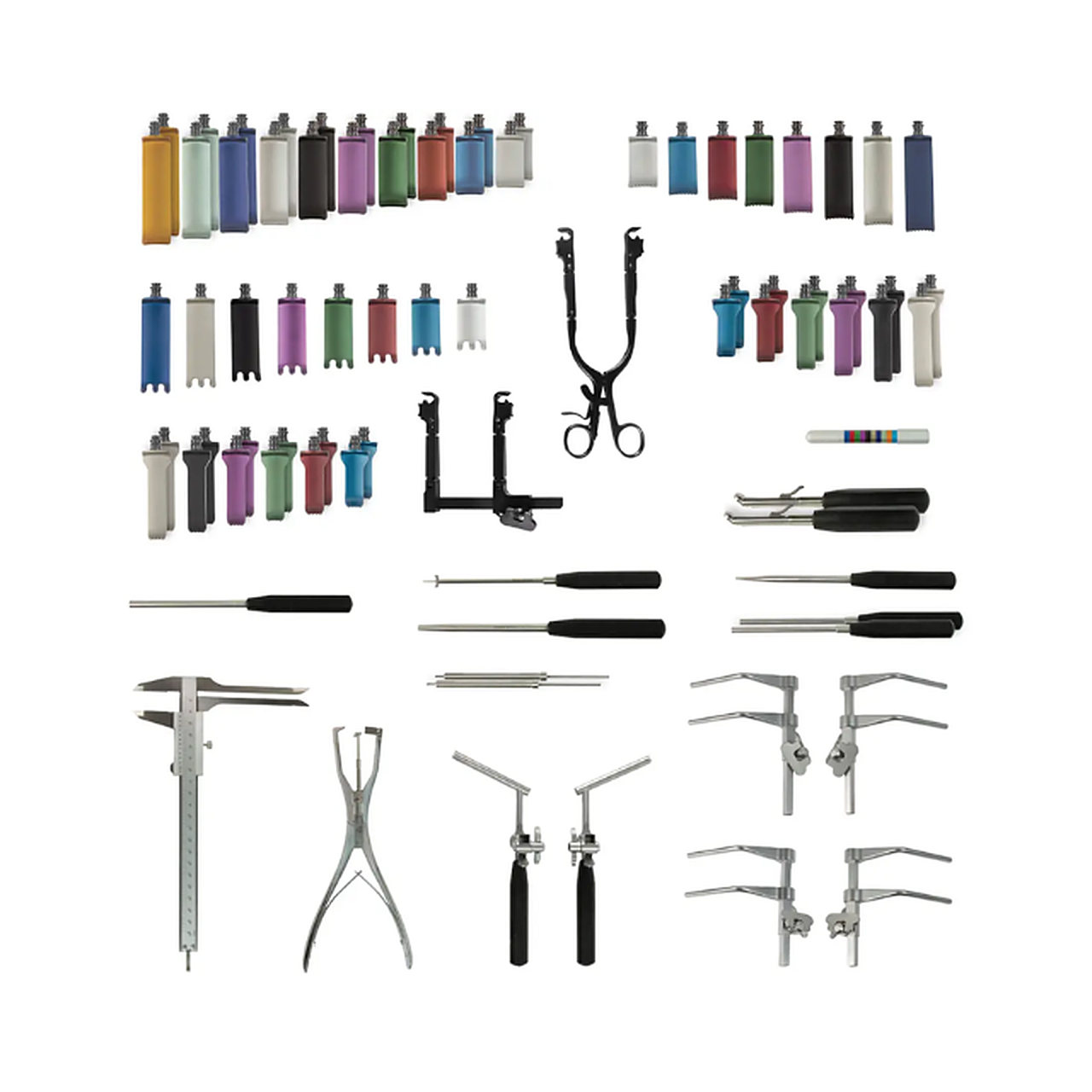 | Image-Line ACF Retractor With Distraction Quick Release Set — набор ретракторов для переднего шейного доступа с функцией дистракции и механизмом быстрой фиксации | Специально разработан для ретракции мягких тканей, дистракции тел позвонков и установки костных трансплантатов при операциях на переднем отделе шейного отдела позвоночника (ACF). |
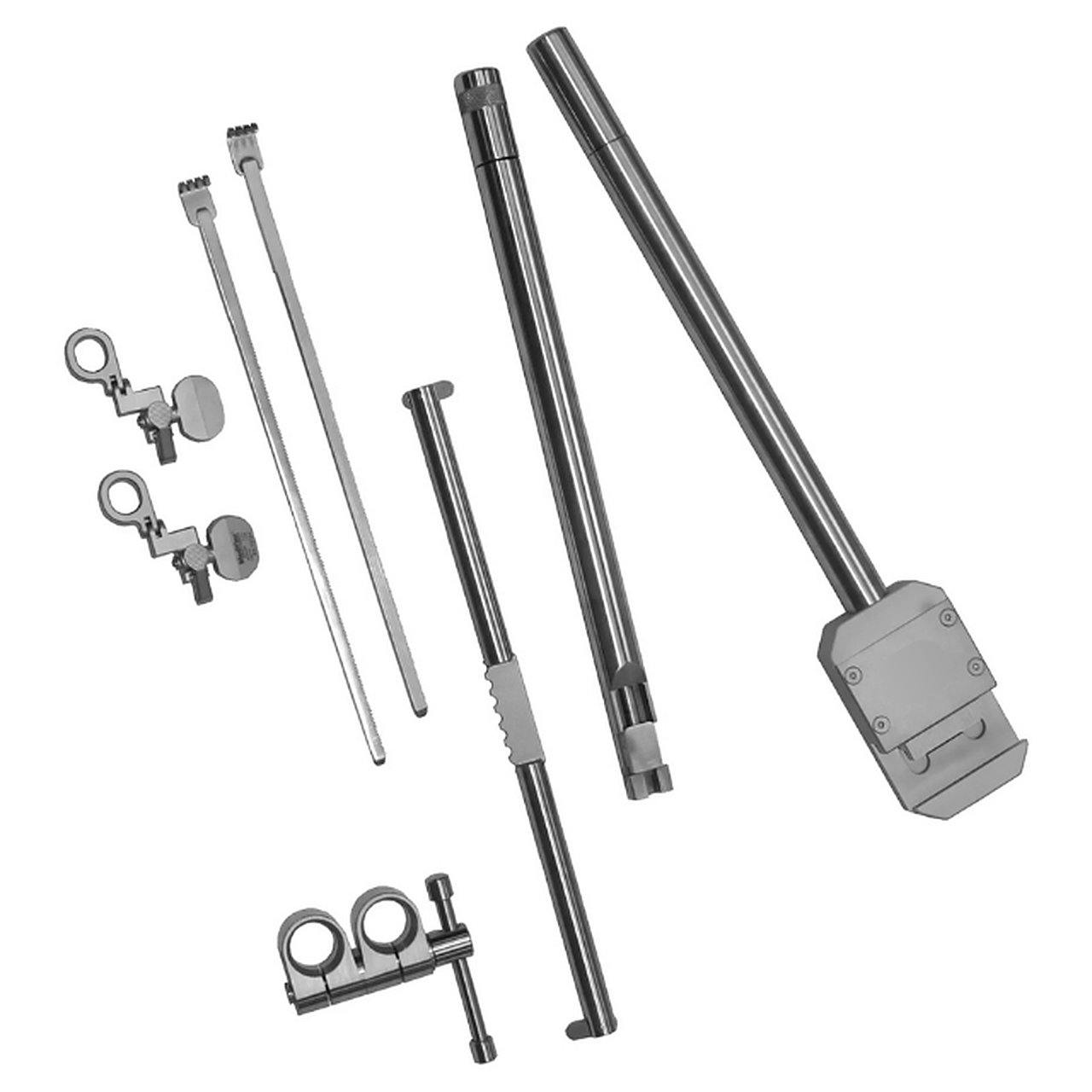 | Система ретрактора Bookwalter IMA | Предназначен для обеспечения бережной контролируемой элевации грудной стенки во время забора внутренней грудной артерии (IMA) с использованием независимо регулируемых храповых механизмов. |
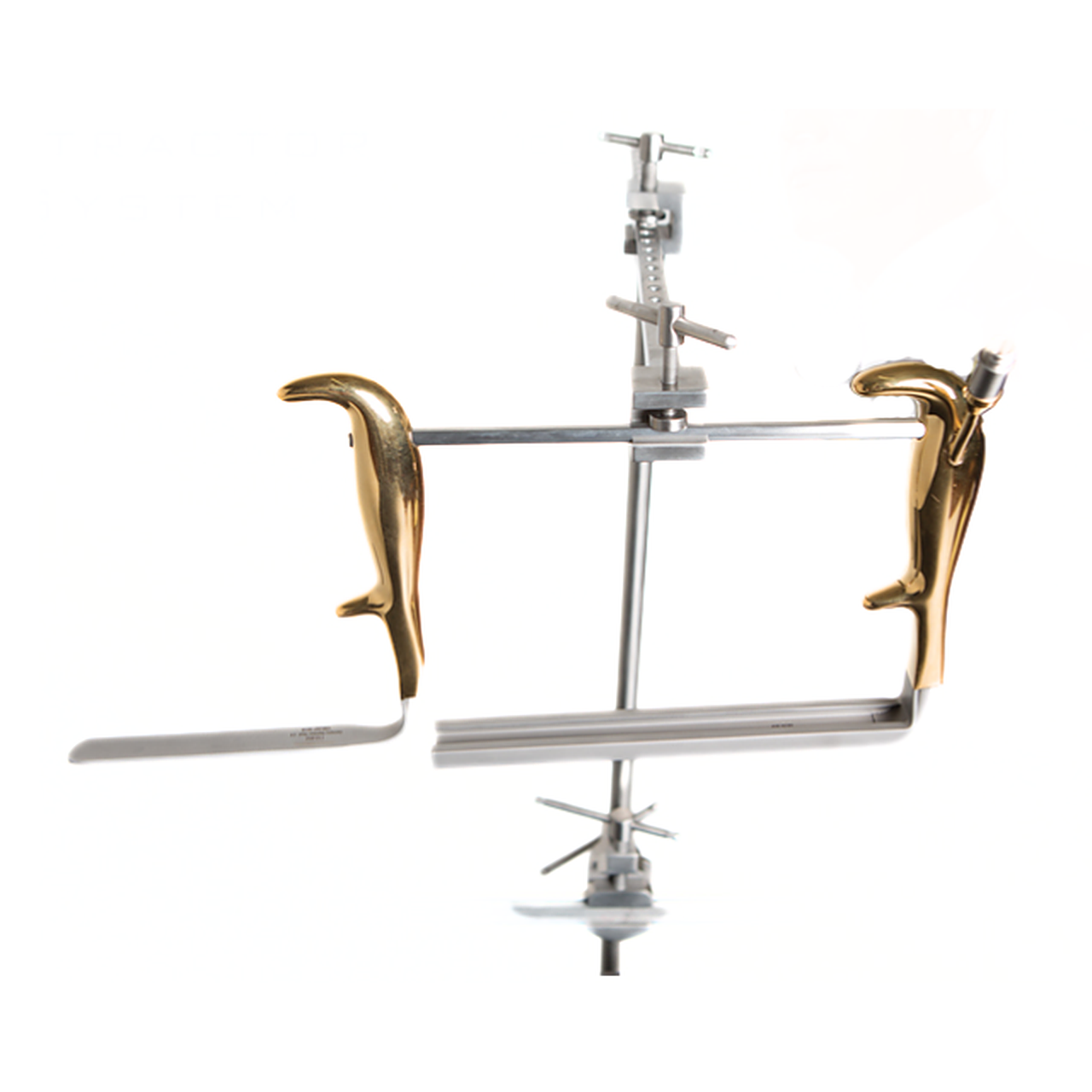 | Система ретракторов Hoyos Retractor System | Специально разработана для обеспечения контролируемого удержания тканей и стабильной хирургической экспозиции при проведении пластических операций, мини-липоабдоминопластики и продвинутого контуринга тела. |
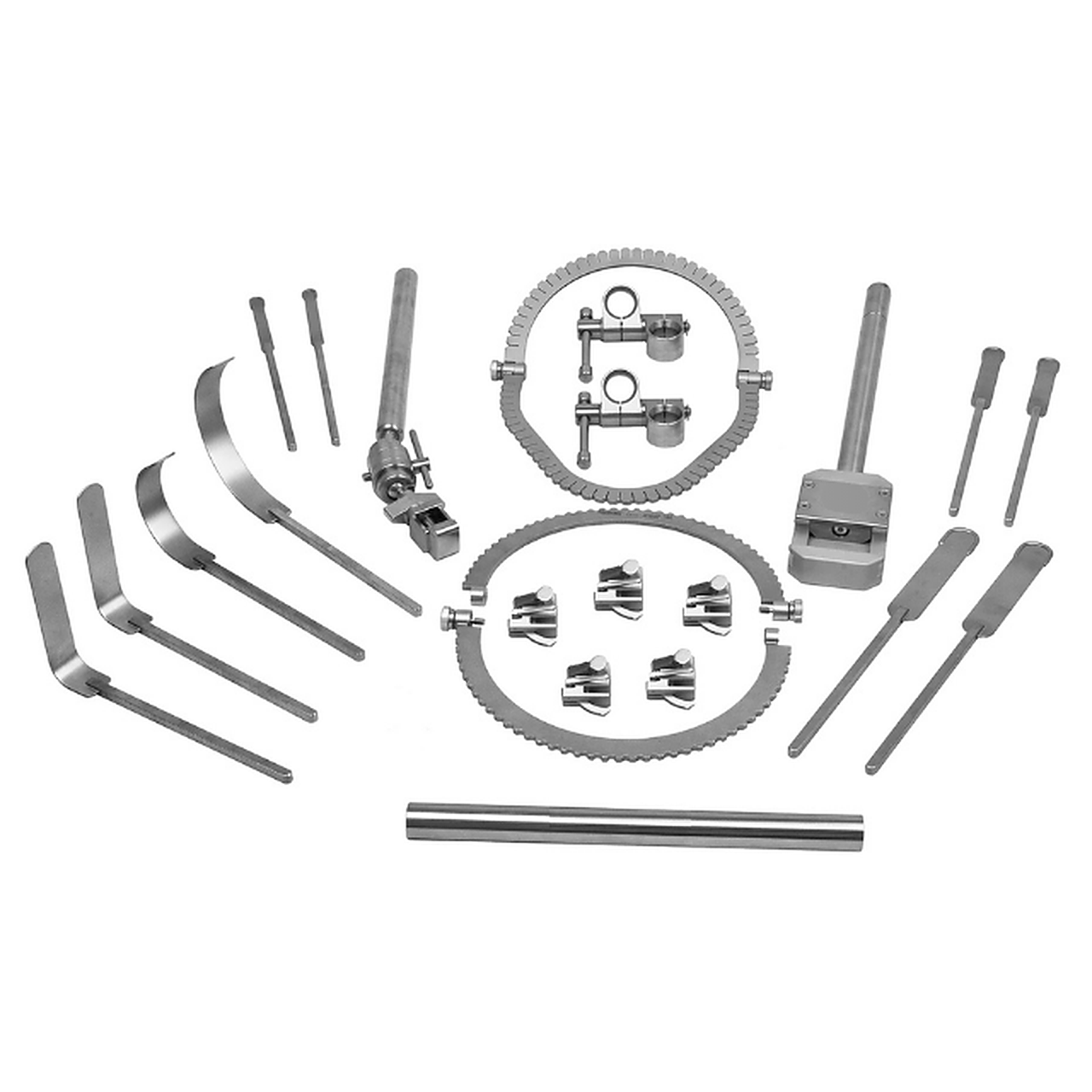 | Ретрактор для перинеальной хирургии Bookwalter | Обеспечение стабильного доступа без участия рук ассистента при промежностных, колоректальных, гинекологических и тазовых хирургических вмешательствах с возможностью многопозиционной настройки. |
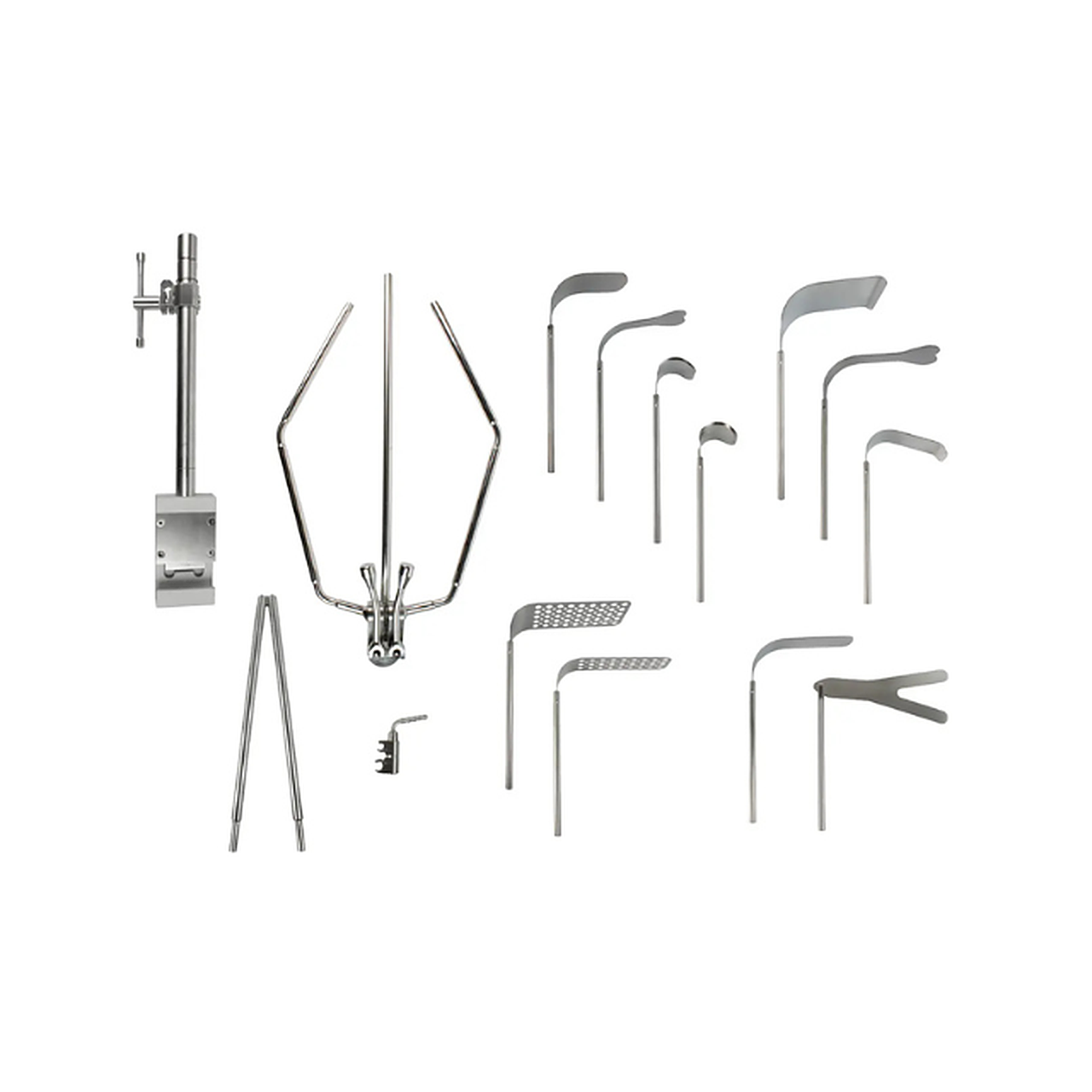 | Расширенная урологическая ретракторная система Urology Lobster Expanded Retractor | Специально разработана для самодержащейся ретракции тканей и обеспечения доступа к операционному полю при урологических операциях с креплением к операционному столу. |
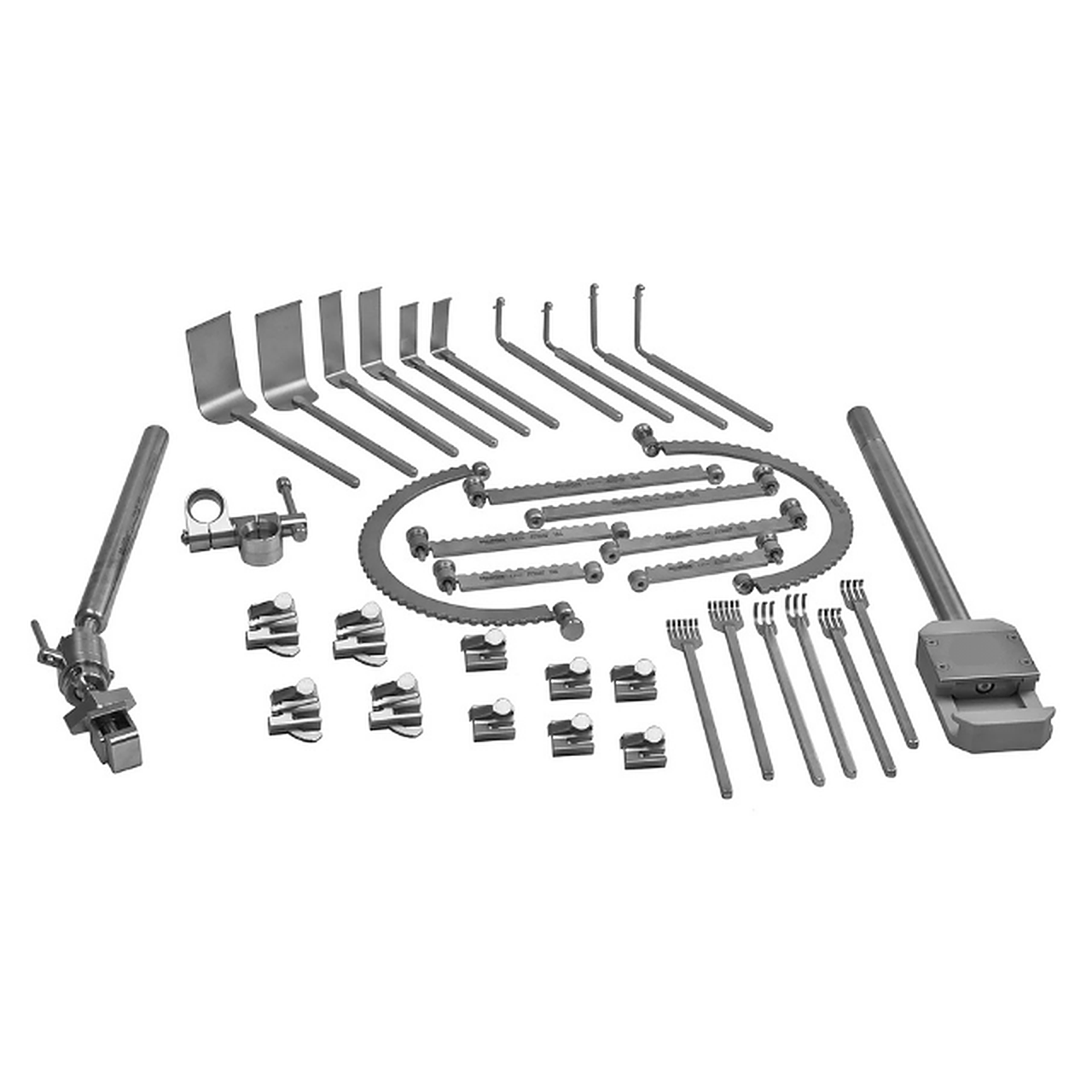 | Ранорасширитель спинальный для задних доступов Bookwalter Posterior Spinal Retractor | Предназначен для обеспечения стабильной хирургической экспозиции при задних доступах к шейному, грудному и поясничному отделам позвоночника. |
 | Система ранорасширителя Thompson Retractor System | Система Thompson Retractor System — это усовершенствованная хирургическая рама с креплением к столу, разработанная для обеспечения стабильной фиксации и освобождения рук ассистентов при проведении сложных открытых операций. |
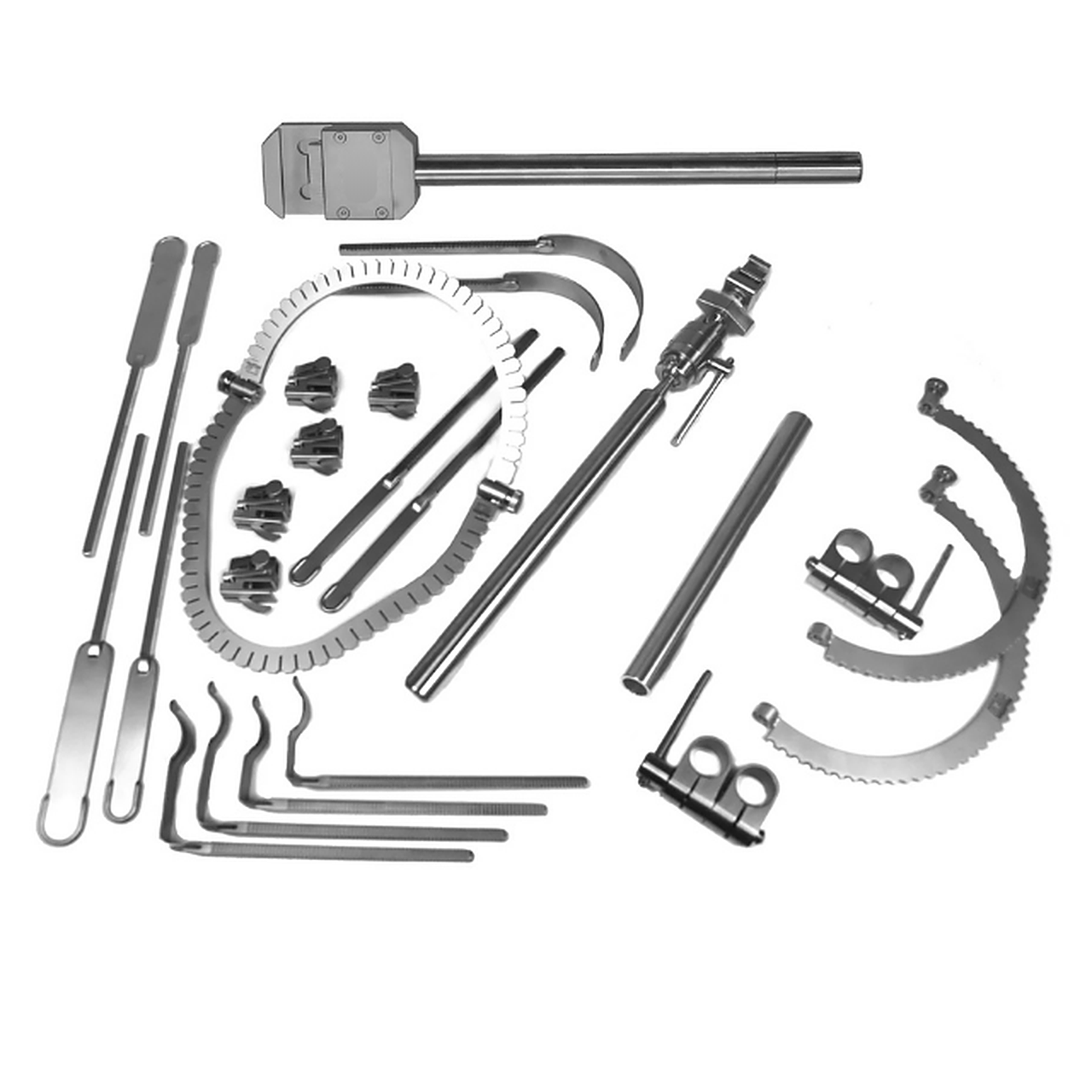 | Ректальный/трансанальный ранорасширитель Bookwalter | Предназначен для обеспечения стабильной и надежной экспозиции без участия рук при колоректальных, трансанальных, ректальных и промежностных операциях. |
 | Ранорасширитель Bookwalter Retractor | Обеспечение стабильной фиксации краев раны и визуализации операционного поля без участия рук при обширных открытых абдоминальных операциях, таких как нефрэктомия, простатэктомия и лапаротомия. |
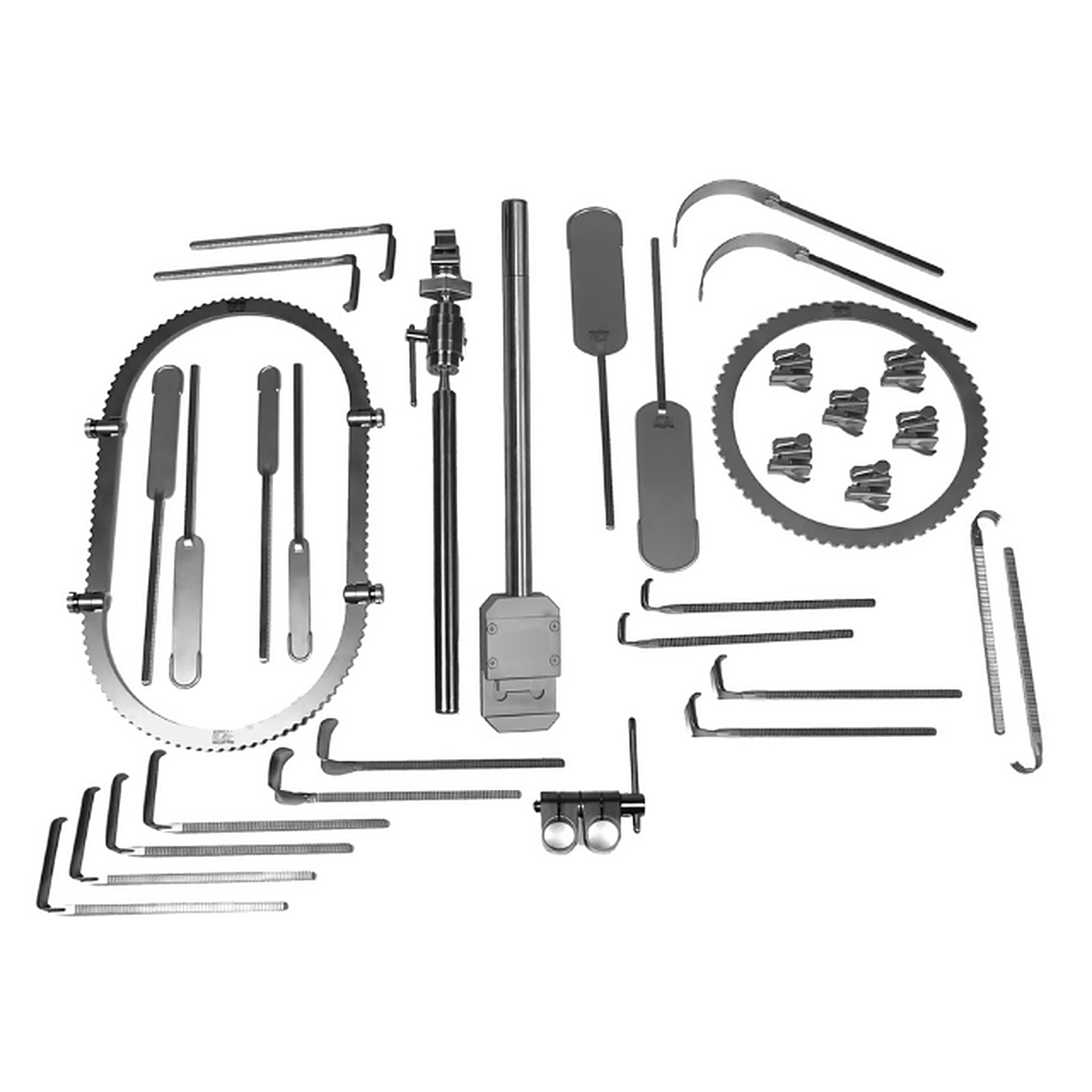 | Система ретракторов Bookwalter Small Incision Retractor System | Предназначена для обеспечения стабильной фиксации и хирургического доступа без участия рук при операциях через малые разрезы, требующих точного доступа при минимальном повреждении тканей. |
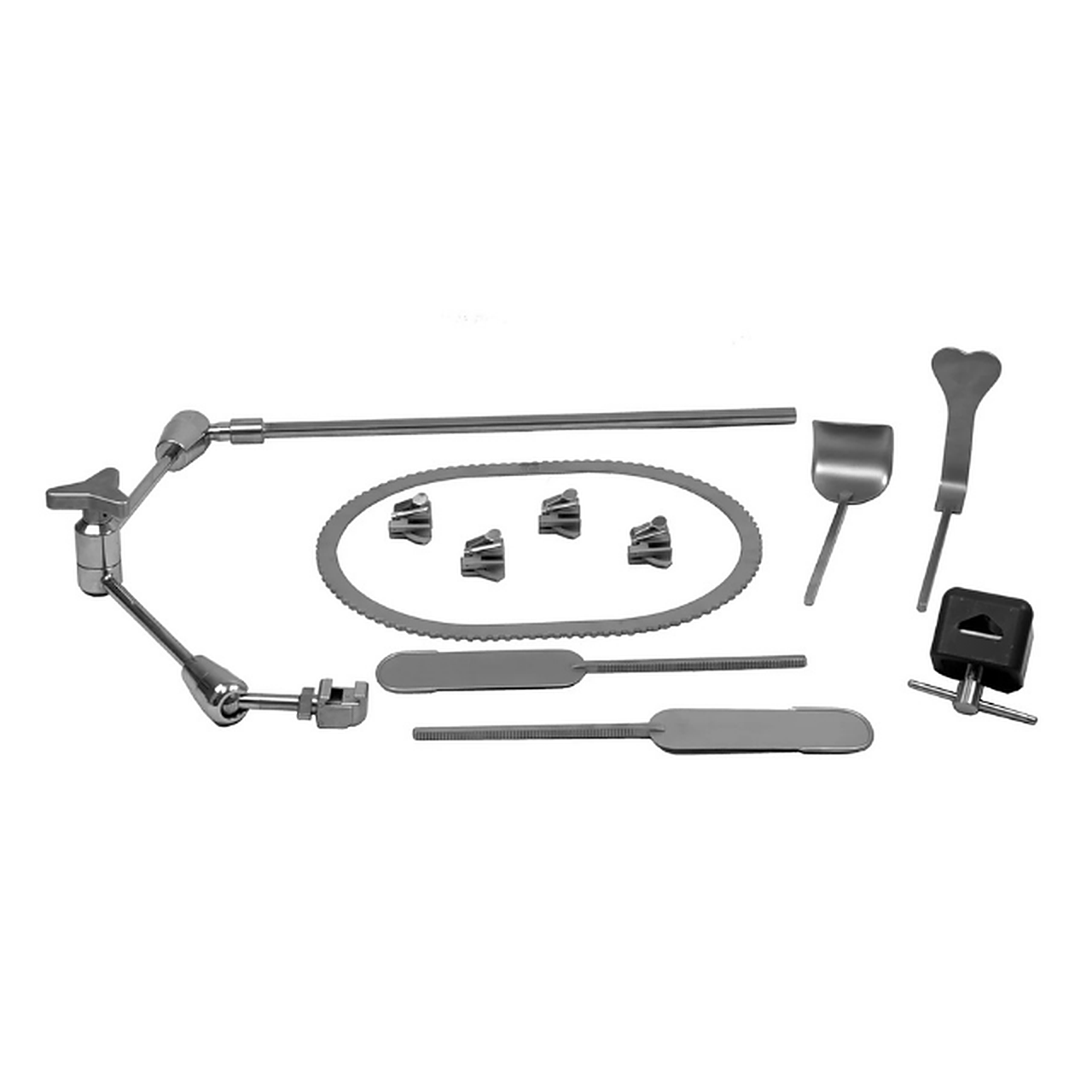 | Система ранорасширителя Bookwalter StrongArm Basic General Retractor System | Предназначен для обеспечения стабильной экспозиции хирургического поля без участия рук при открытых общехирургических процедурах с использованием держателя-позиционера StrongArm PLUS. |
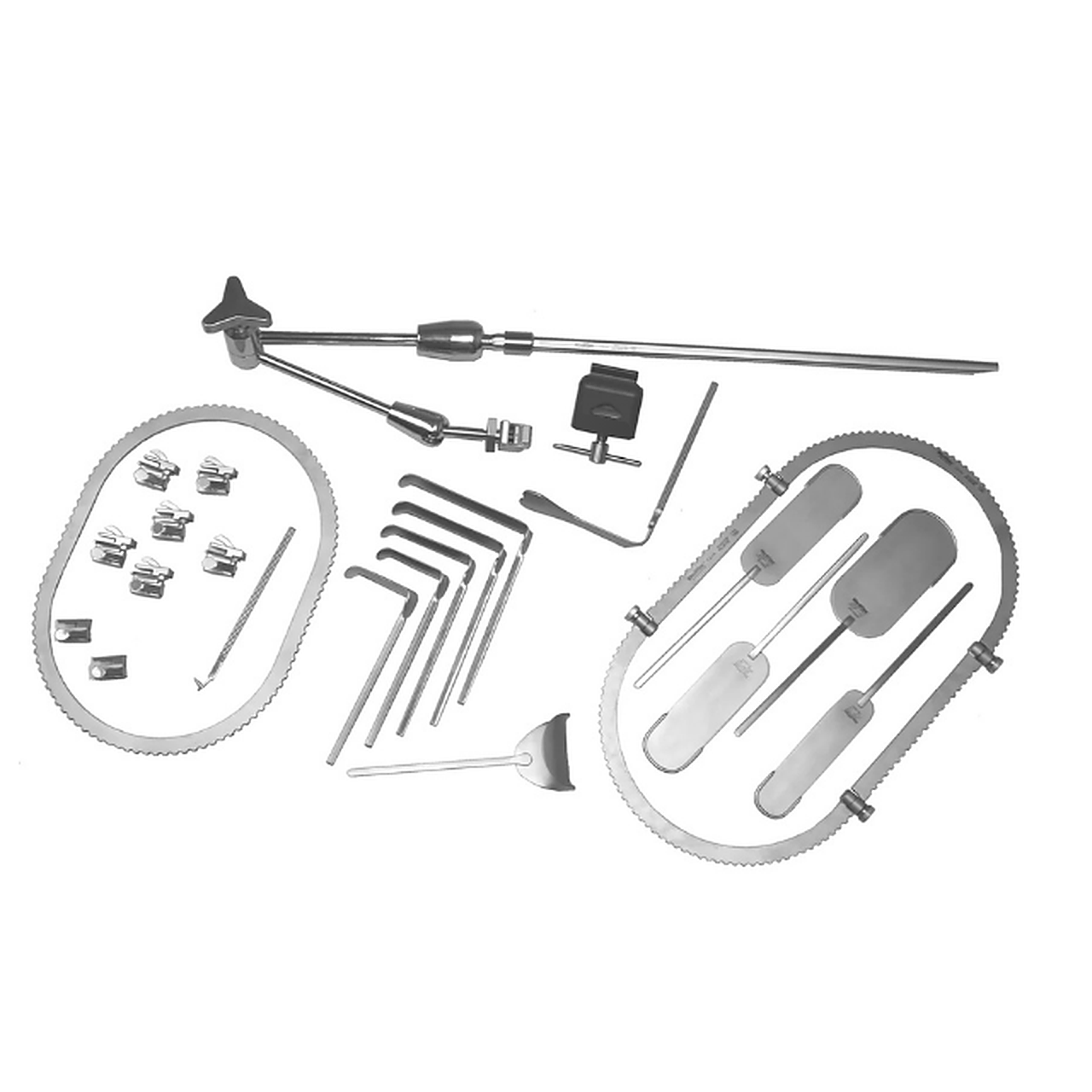 | Система ретракторов для общей хирургии Bookwalter StrongArm | Предназначена для обеспечения стабильной фиксации операционного поля без участия рук во время открытых общехирургических процедур с использованием держателя StrongArm PLUS и сегментированных колец. |
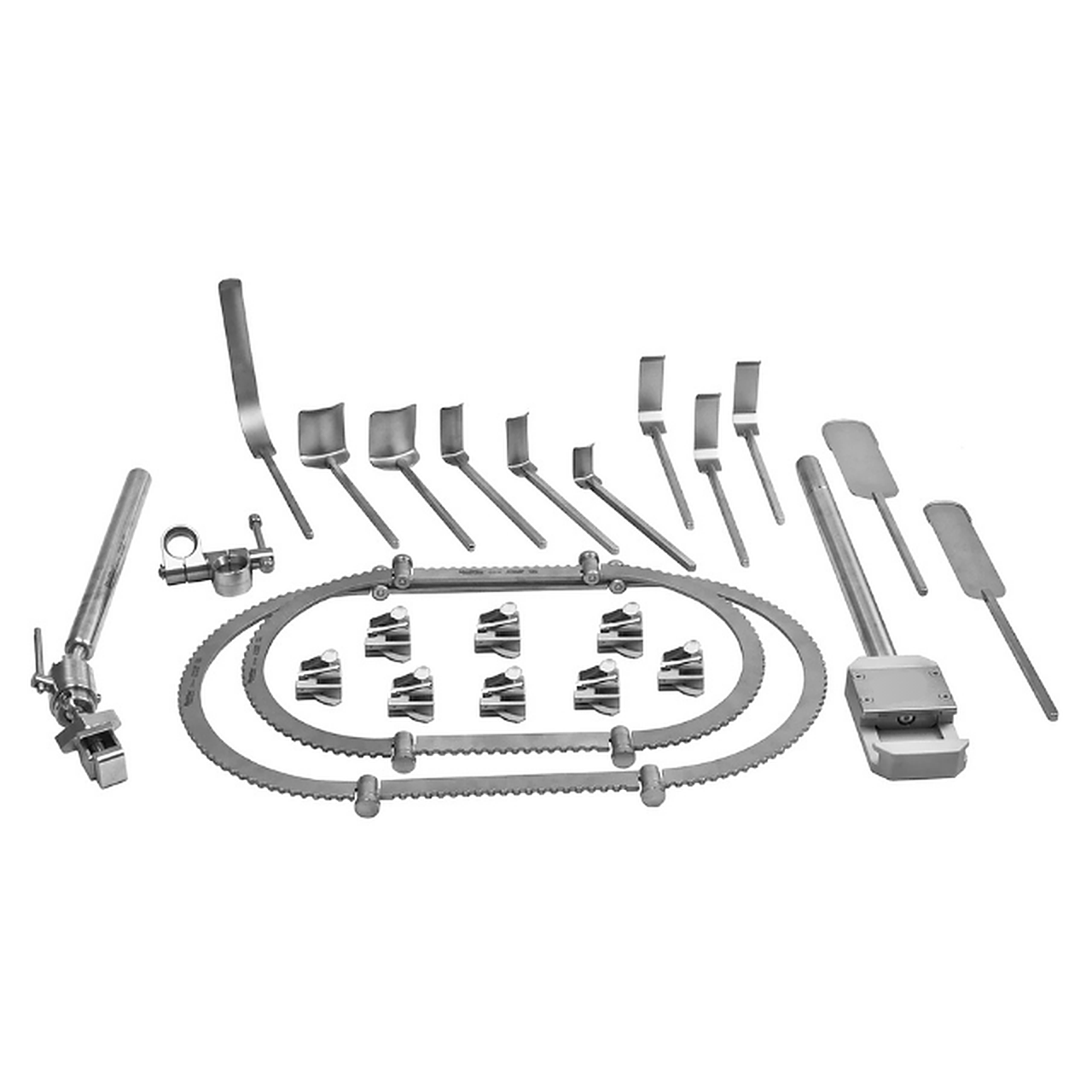 | Урологическая ранорасширительная система Bookwalter | Предназначена для обеспечения стабильной фиксации тканей без участия рук при абдоминальных и фланговых доступах к почкам, мочеточникам, мочевому пузырю и забрюшинным урологическим структурам. |
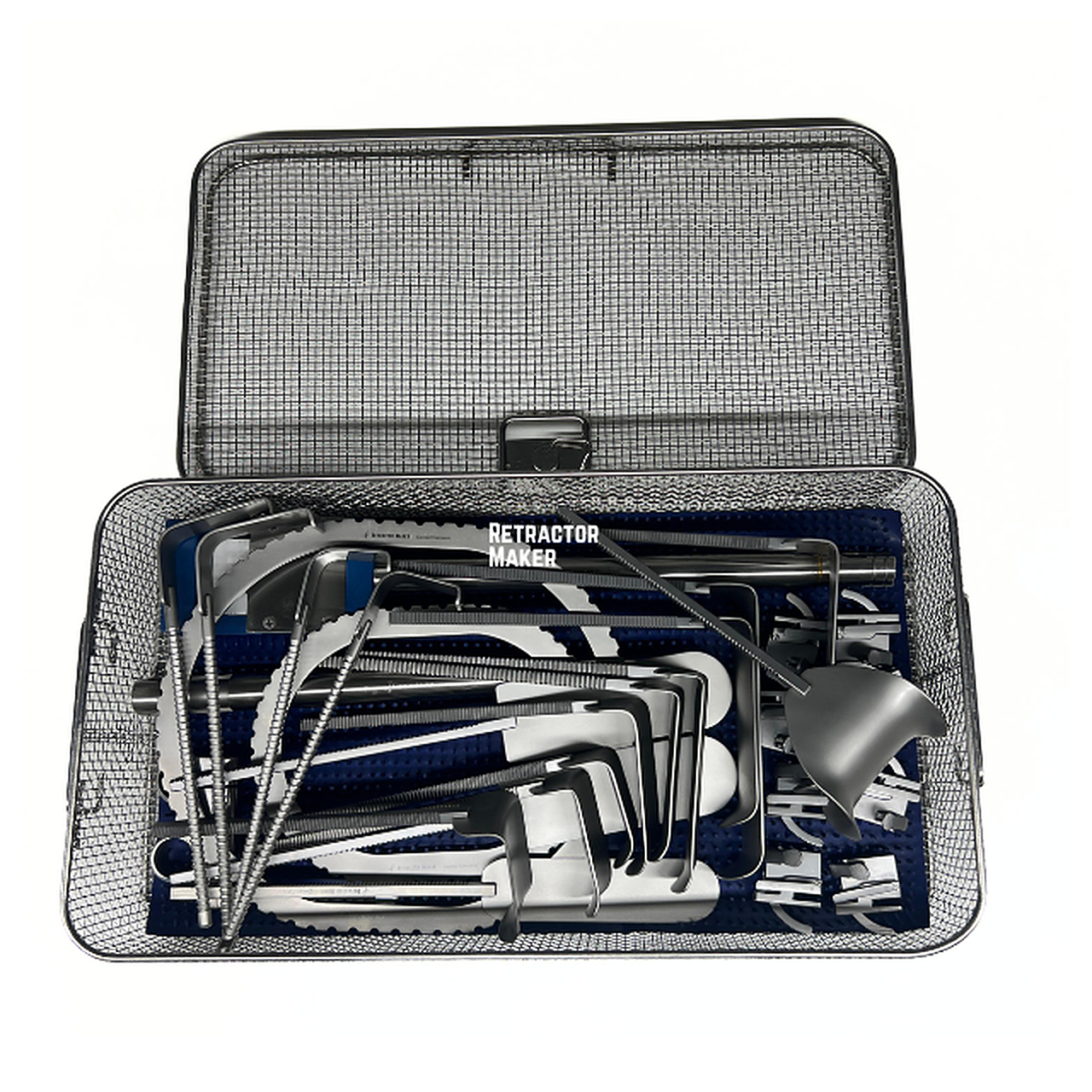 | Custom Bookwalter Retractor | Изготавливается в соответствии с хирургической специализацией заказчика, предпочтительными компонентами и процедурными требованиями. |
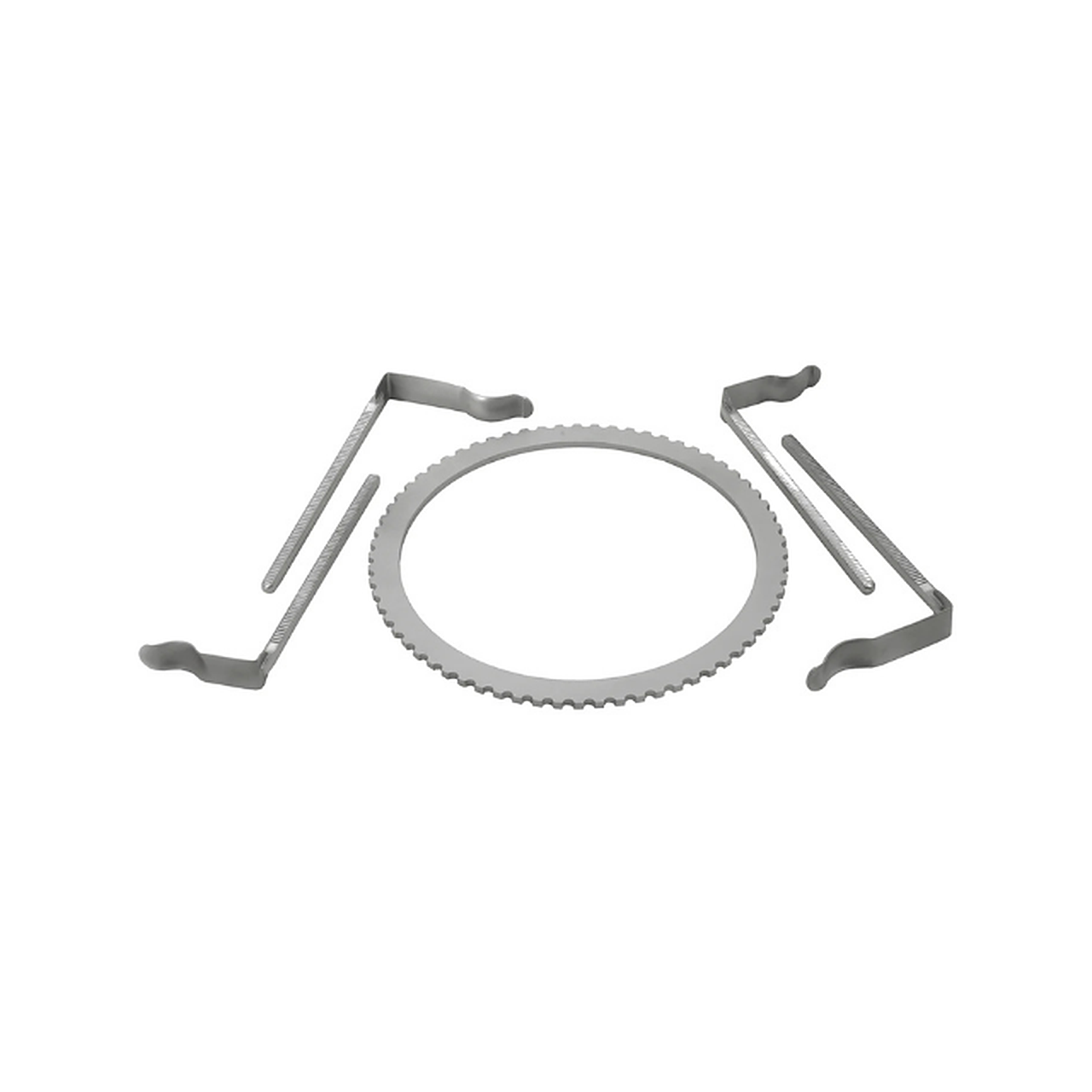 | Дополнительный набор для ректальных и трансанальных вмешательств | Предназначен для расширения возможностей существующей системы ретракторов для общей хирургии Bookwalter при проведении трансанальных и ректальных хирургических процедур за счет предоставления специализированных ректальных зеркал и малого круглого кольца. |
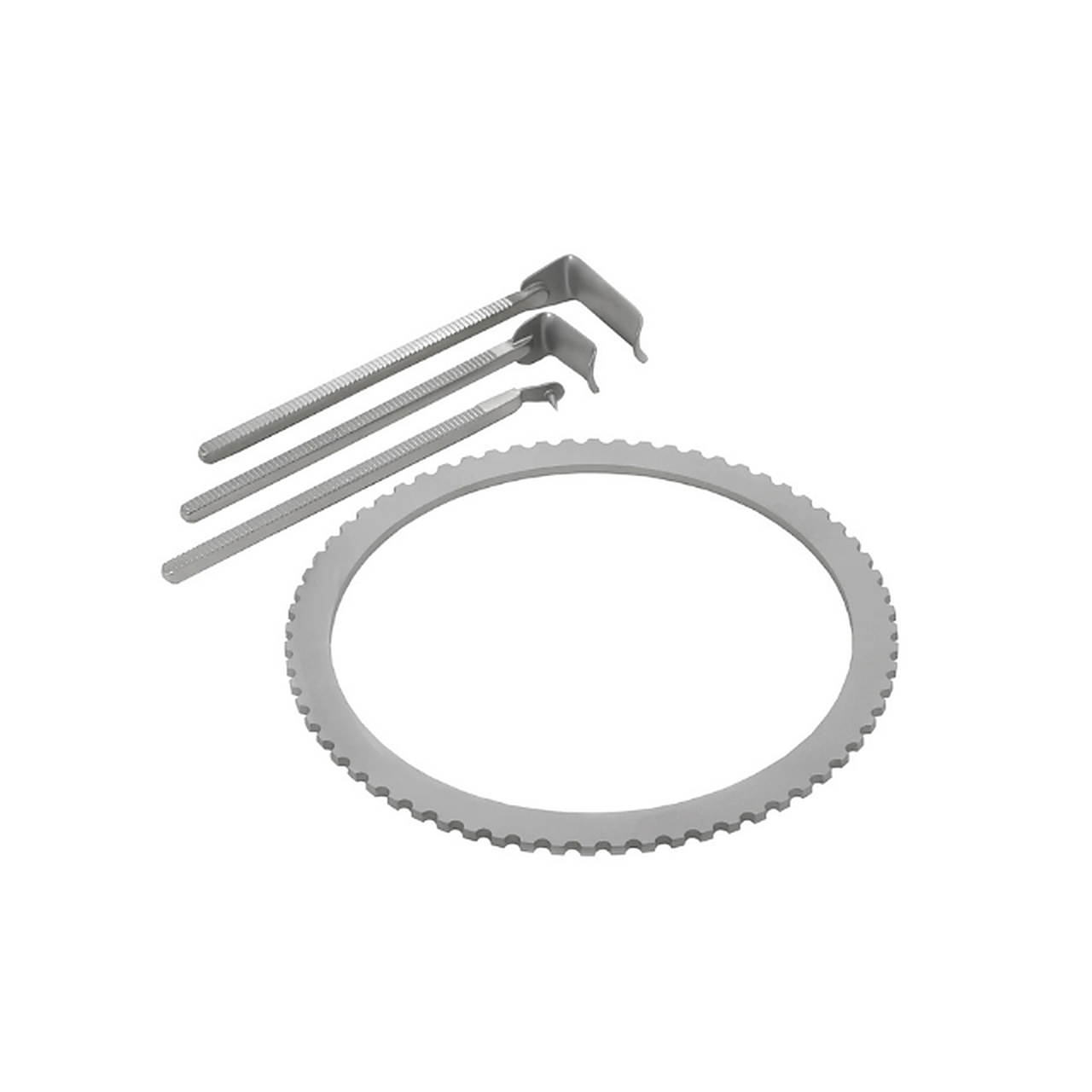 | Набор принадлежностей для малых разрезов | Предназначен для расширения возможностей существующей системы ретракторов Bookwalter General Surgery при операциях с малым доступом за счет компактного круглого кольца и специализированных неглубоких зеркал. |
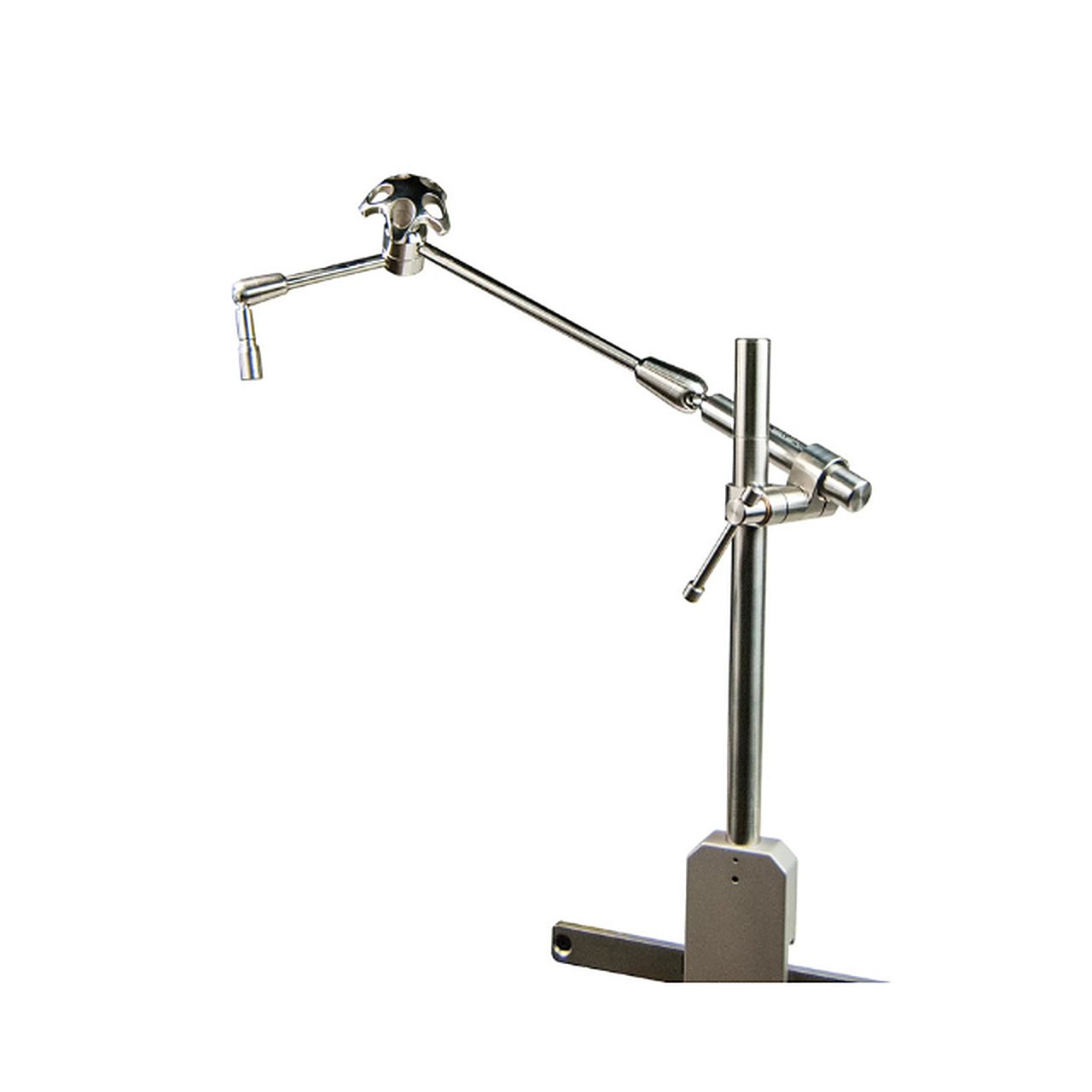 | Система Bookwalter StrongArm System | Предназначен для обеспечения стабильной, регулируемой поддержки «без рук» для систем Bookwalter и совместимых самоудерживающихся ретракторов во время широкого спектра хирургических процедур. |
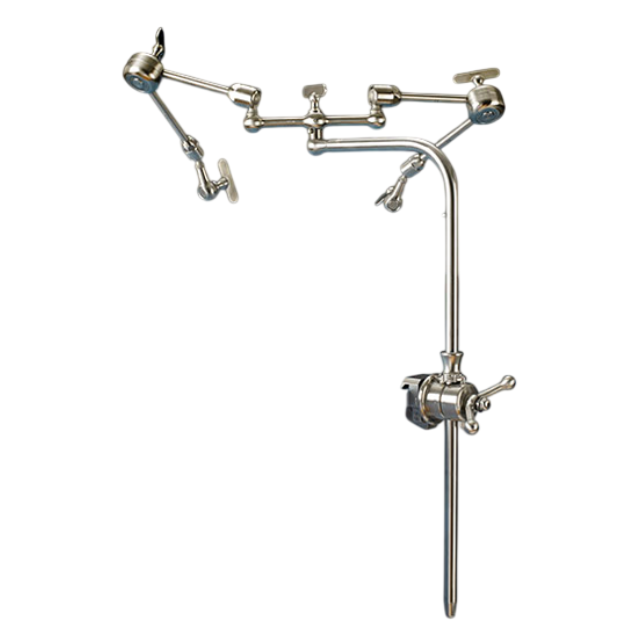 | Iron Intern Hydra Double Arm | Специально разработан для двустороннего, многоквадрантного, бессенсорного висцерального втягивания во время сложных абдоминальных и тазовых операций. |
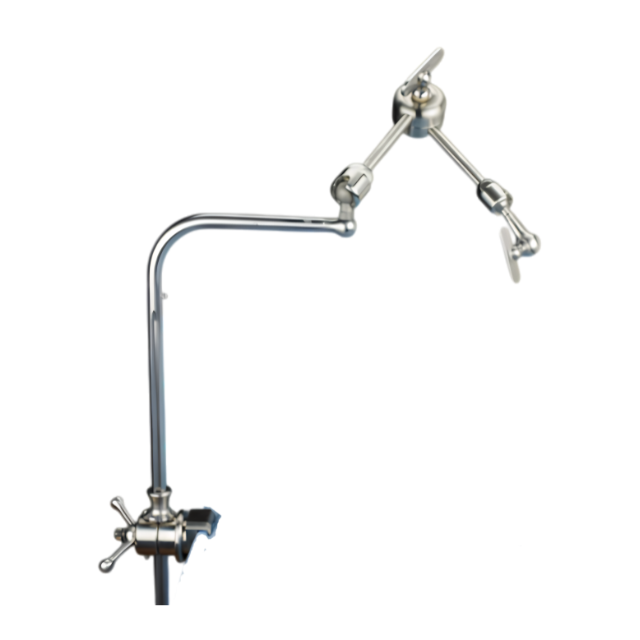 | Iron Intern Single Arm | Специально разработан для обеспечения жесткой, бескровной механической ретракции органов брюшной полости, грудных стенок и мягких тканей. |
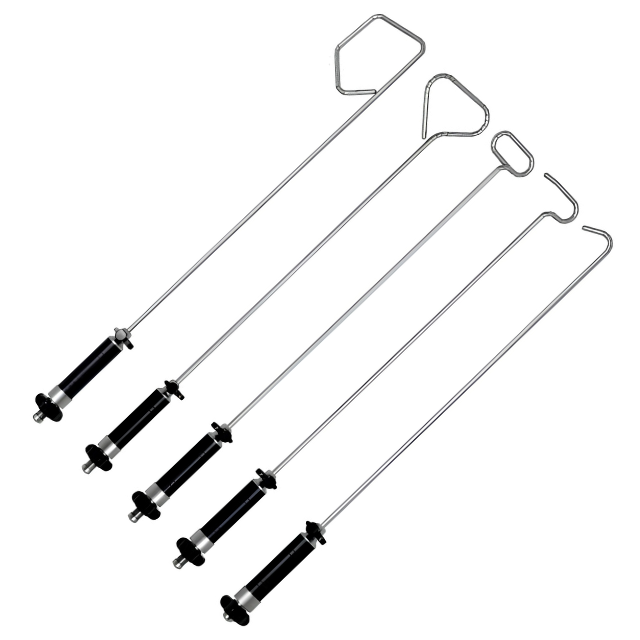 | Ретракторы для печени «Змея» | Специально разработаны для поднятия долей печени и смещения внутренних органов при лапароскопии во время операций на верхних отделах ЖКТ и бариатрических операций. |
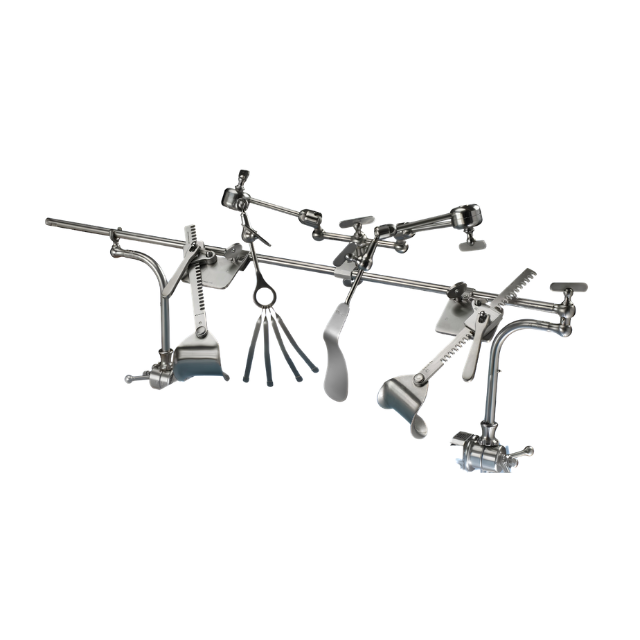 | Комплект ретрактора Stieber Rib Grip | Специально разработан для двустороннего поднятия реберного края и обнажения верхнего отдела брюшной полости во время гепатобилиарных и трансплантационных операций. |
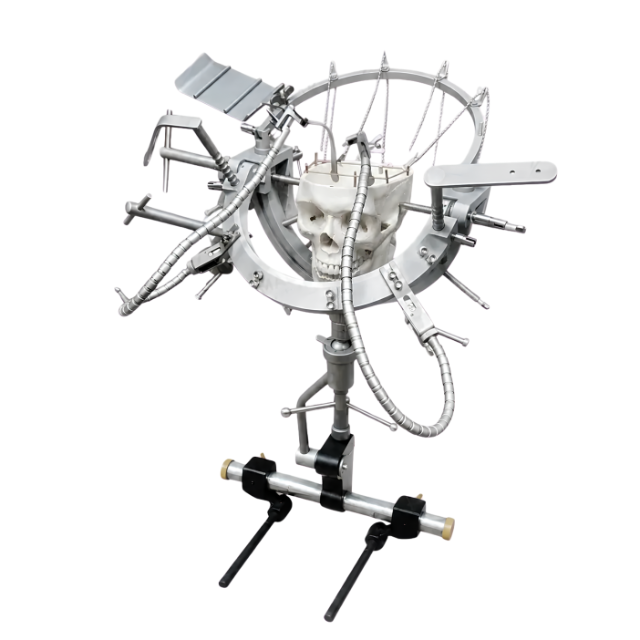 | Многофункциональная головная рама Sugita | Специально разработан для жесткой фиксации черепа и многовекторной микрохирургической ретракции мозга. |
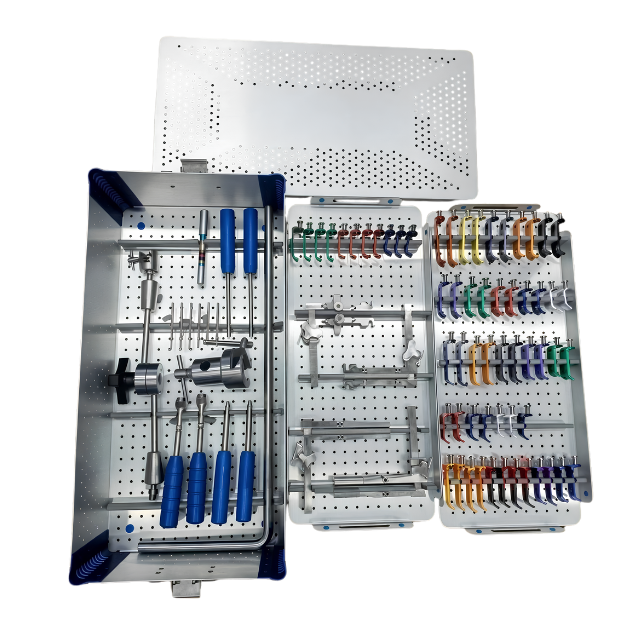 | Набор шейных ретракторов Tedan Phantom CS-1600 | Специально разработан для отведения мягких тканей и дистракции позвоночного тела во время передней операции на шейном отделе позвоночника (ACDF). |
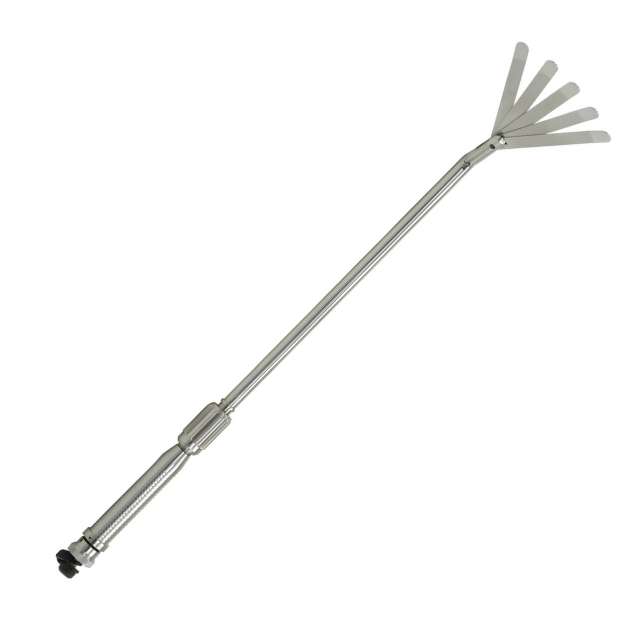 | Веерный ретрактор с 5 лепестками | Специально разработан для широкой лапароскопической ретракции внутренних органов, поднятия печени и смещения кишечника. |
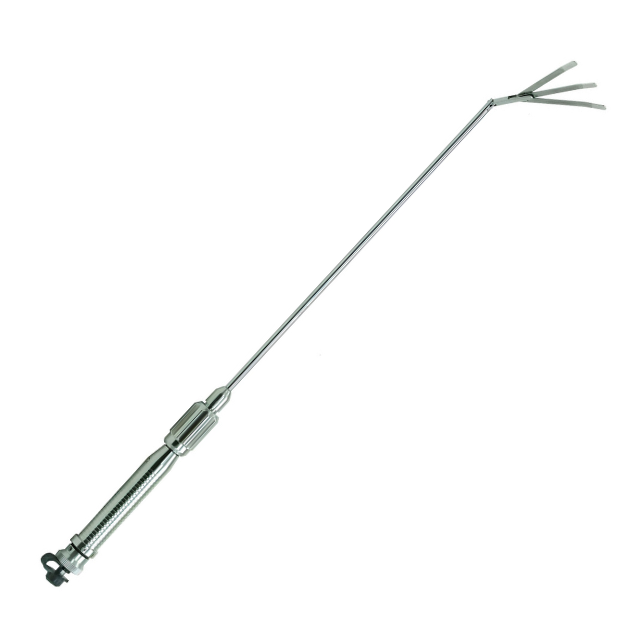 | Веерный ретрактор с 3 пальцами | Специально разработан для целенаправленного лапароскопического смещения органов, поднятия печени и удержания кишечника. |
 | Эзофагеальный артикулирующий ретрактор | Специально разработан для мобилизации пищевода, ретрогастрального туннелирования и проведения бариатрического кольца во время лапароскопической операции. |
 | Ретрактор-веер в форме «Воздушный змей» | Специально разработан для обширной, не травмирующей лапароскопической поддержки органов и ретракции печени/внутренних органов. |
How Do You Choose a Surgical Retractor?
Retractor selection is a clinical decision for the surgical team and facility. The factors below are commonly considered when building trays or specifying instruments. They are general considerations, not recommendations for a particular patient or procedure.
Which Designs Suit the Surgical Application?
The procedure and specialty narrow the choice first. An abdominal case, spinal fusion, and rhinoplasty require entirely different instrument families. Many patterns were developed for a specific type of operation.
How Does Anatomical Location Affect Selection?
The location and depth of the operative field determine blade length, handle angle, and overall size. Deep fields need longer blades and handles that keep the assistant's hand out of the line of sight. Superficial fields need short, light instruments.
Which Blade Size and Shape Are Needed?
Blade width and depth should match the tissue being held. Flat, curved, lipped, and malleable blades retract tissue differently. Toothed rakes and sharp prongs grip skin and fascia. Smooth, blunt blades are used where tissue should not be punctured.
Handheld or Self-Retaining: Which Design Fits?
A handheld retractor offers continuous, adjustable control but occupies an assistant. A self-retaining retractor provides steady exposure and frees hands, but is less easily adjusted. It must also suit the wound's depth and shape. Many procedures use both designs.
How Much Exposure Is Required?
Selection depends on the width, depth, and direction of the required view. Wide incisions may need multiple blades pulling in several directions. A narrow approach may need one deep blade or a tubular retractor.
Do You Need a Complete System or Individual Instruments?
Some procedures require complete retractor systems; others need only individual handheld retractors. Systems may include a frame or ring, table post, clamps, arms, blades, and accessories. When ordering, confirm the included components and which blades are compatible with an existing frame. Request a quote for a complete retractor system.
How Should Reusable Retractors Be Maintained and Sterilized?
Reusable retractors should be handled, cleaned, inspected, sterilized, and stored according to the applicable manufacturer's instructions for use (IFU) and the healthcare facility's approved procedures. Proper maintenance and reprocessing are important.
General maintenance considerations include:
- Clean instruments after use according to the applicable manufacturer's instructions.
- Pay particular attention to joints, hinges, ratchets, locks, and other moving components.
- Inspect retractors for visible contamination, corrosion, cracks, deformation, or mechanical damage.
- Check that moving components function properly before returning instruments to service.
- Ensure instruments are appropriately cleaned before sterilization.
- Follow the manufacturer's specified sterilization method and parameters.
- Allow processed instruments to dry appropriately before storage.
- Store clean, processed instruments in a suitable environment that protects against contamination and damage.
Do not apply a universal sterilization cycle to every surgical retractor. Requirements vary with the instrument, material, design, and manufacturer's instructions.
For Retractor Maker products, follow the applicable product documentation and the healthcare facility's validated reprocessing procedures.
Related Retractor Maker Resources
Download the full product catalogue for offline reference. Get the Retractor Maker catalogue.
For pricing and lead time, send our team the product name, quantity, and destination country. Enquiries can cover a specific surgical retractor, complete retractor system, replacement blade, or custom configuration. Contact Retractor Maker.
Клиническое примечание: это руководство предназначено для хирургических бригад и закупщиков больниц. Перед клиническим применением всегда следуйте инструкции производителя (IFU) и правилам стерилизации вашего учреждения.
Часто задаваемые вопросы
What is a surgical retractor?
A surgical retractor holds back tissue, organs, or wound edges to provide access and visibility to the surgical field. Retraction can range from lifting a skin edge to holding the abdominal wall open throughout an operation.
What are retractors used for?
Retractors maintain or improve operative exposure by moving or holding tissue away from the area being accessed. They can widen an incision by displacing tissue laterally or hold deeper structures, such as bowel, muscle, or an organ lobe, away from the treatment area.
What are the main types of surgical retractors?
Retractors include handheld designs, self-retaining designs, and larger frame-based systems. Their designs vary with the intended application and required exposure. Handheld designs require manual holding, while self-retaining designs use a mechanism to maintain blade position without continuous manual support.
What is the difference between a handheld and self-retaining retractor?
A handheld retractor is positioned and held manually, while a self-retaining retractor maintains its position through a retaining mechanism. Manual holding allows continuous changes in angle, depth, and tension. Self-retaining designs free hands but usually need manual repositioning when the required view changes.
Are retractors reusable?
Many retractors are designed for reuse, but reusability and reprocessing requirements depend on the specific product. Follow the applicable manufacturer's IFU and healthcare facility procedures for handling, cleaning, inspection, sterilization, and storage rather than assuming all products have the same requirements.
How should retractors be sterilized?
Retractors should be cleaned and sterilized according to the applicable manufacturer's instructions and the healthcare facility's approved, validated reprocessing procedures. Do not assume one sterilization cycle applies to every retractor. Requirements can vary with material, design, and product-specific instructions.
Where can I find surgical retractor names and images?
Retractor Maker's surgical retractor catalogue is a product reference containing names, images, and product information across its range of surgical retractors. The table in this article includes the complete published catalogue, covering the products in that range.
How do I choose the right surgical retractor?
Choosing a surgical retractor depends on the intended surgical application, anatomical area, required exposure, design, dimensions, and other product-specific requirements. Qualified surgical professionals should determine which surgical retractor is appropriate for the intended application, considering these selection requirements.
What is a Deaver retractor used for?
A Deaver retractor is a curved handheld retractor used for deeper abdominal and thoracic exposure. The surgeon or an assistant positions and holds the Deaver retractor manually, adjusting its angle, depth, and tension as the operation progresses.
How does a Balfour retractor differ from a Bookwalter retractor?
A Balfour retractor is a frame-style abdominal retractor, while a Bookwalter retractor is a table-mounted system. The Balfour retractor has lateral blades and a centre blade. The Bookwalter retractor carries multiple adjustable blades around a ring or rail. Both are self-retaining retractors that maintain blade position without someone holding them continuously.
What should be checked when inspecting a reusable surgical retractor?
A reusable surgical retractor should be inspected for visible contamination, corrosion, cracks, deformation, and mechanical damage. Check moving components for proper function before returning the surgical retractor to service. During cleaning, pay particular attention to joints, hinges, ratchets, locks, and other moving parts.
Об авторе
Saad Shahid · Менеджер по продажам и маркетингу
Саад Шахид — менеджер по продажам и маркетингу и основатель Retractor Maker, созданной в 2023 году в Сиалкоте (Пакистан). Он также работает вместе с отцом в Hospitech Traders — семейной компании по производству хирургических инструментов, основанной в 1989 году.
Похожие статьи и руководства
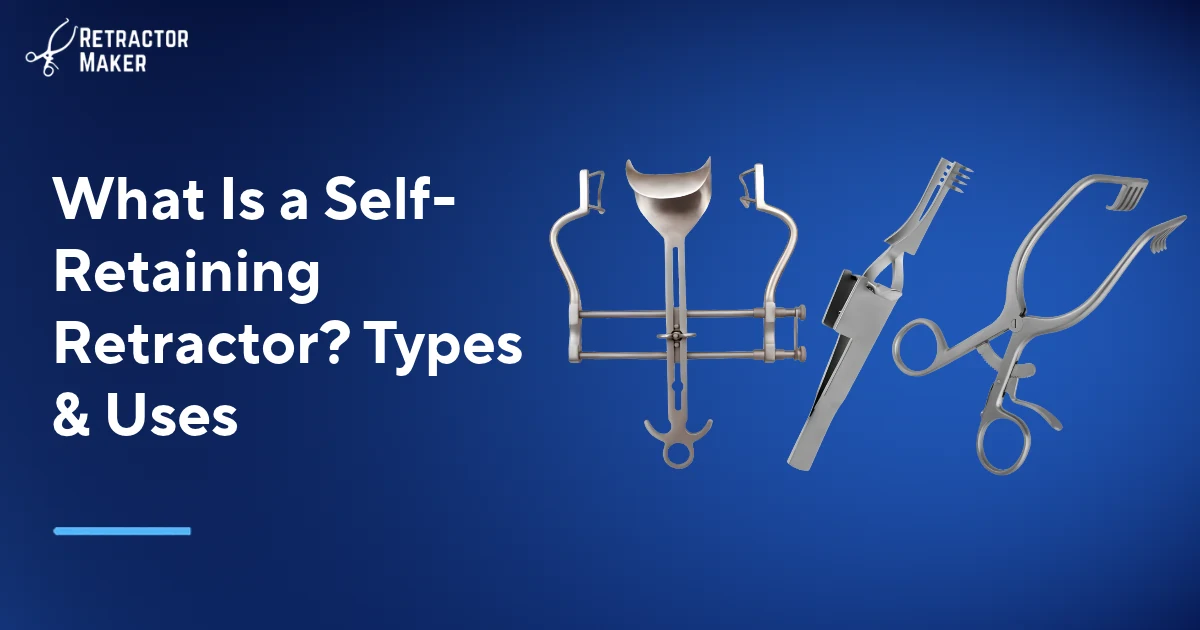

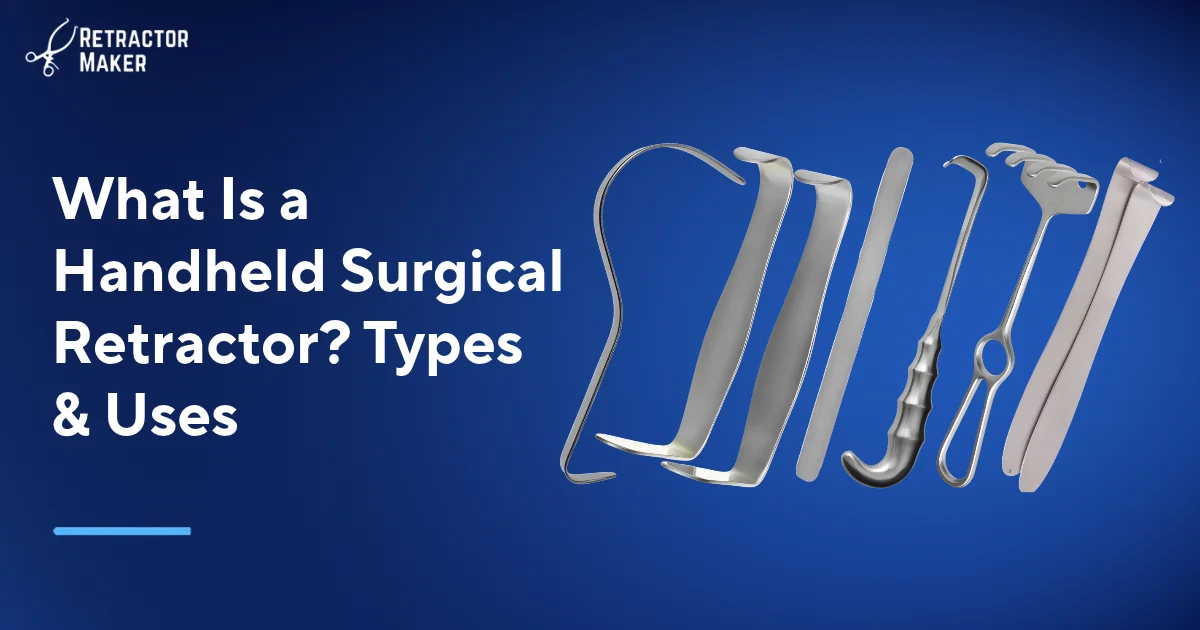
Похожие ранорасширители
Ранорасширитель Senn Forward Retractor
$49.00
Brewster Retractor
От $159
Ранорасширитель Langenbeck Retractor-Solid Handle
$49.00
Ретрактор Murphy
От $44.00
Атравматичный ретрактор Leriche Retractor-Atraumatic Wide Blade
От $94.00
Хирургическая ранорасширительная система Lobster General Retractor System
$2,699Free Shipping
Нужны хирургические ранорасширители или комплектующие?
Сообщите нам свои требования, включая продукт, конфигурацию, количество и страну назначения. Retractor Maker предоставит информацию о наличии, технические характеристики и цены.
Запросить коммерческое предложение