
Surgical Retractor Guides
What Is a Self-Retaining Retractor? Types & Uses
Autor: Saad Shahid · Actualizado · 8 min de lectura

Surgical exposure forms the foundation of operative success. In open surgical procedures, surrounding tissues and anatomical boundaries naturally collapse toward the incision, obstructing the visual field. While hand-held instruments provide dynamic manipulation, sustained physical retraction across extended procedures introduces assistant fatigue and field crowding.
A self-retaining surgical retractor holds tissues, muscle, and wound edges open without continuous manual support. Mechanical locks, frames, or ratchets maintain the opening. These instruments provide stable views and free staff for other tasks, making them important tools in modern surgery.
Contents
What Is a Self-Retaining Retractor?
A self-retaining retractor is a mechanical surgical tool that holds its blades, prongs, or frames in place. Staff do not need to hold it continuously.
Self-retaining and handheld retractors differ mainly in mechanical independence:
- Handheld retractors: Require continuous holding by an assistant. Allow fast repositioning but can cause fatigue and subtle position shifts.
- Self-retaining retractors: Anchor to tissue edges or table rails. Hold static tension throughout the procedure once set.
Self-retaining instruments vary by surgical field and planned procedure. Designs differ in frame, blade curve, and prong type. Locking methods, depth, and adjustment profiles also vary.
How Do Self-Retaining Retractors Work?
Self-retaining retractors use mechanical counter-traction, balanced by a rigid or ratcheting assembly:
- Opposing blades and prongs: Engage opposite wound margins. Opening them moves soft tissues away from the surgical area.
- Ratchets and pawls: Scissor-style retractors use a notched bar that catches as the rings are pressed together. This prevents tissue pressure from closing the blades.
- Mechanical screws and friction locks: Frame systems use threaded screws or clamps to lock sliding arms at set widths.
- Table-mounted articulated frames: Complex body cavity systems clamp to the operating table. A ring or oval frame sits suspended over the patient. Blades attach with multi-angle ratchets for radial pulling.
- Interchangeable modular blades: Advanced systems separate frames from blades. Blade depths, shapes, and materials can be swapped to match changing body layers.
What Are the Types of Self-Retaining Surgical Retractors?
Self-retaining designs range from small tools to large frame systems. Common designs include:
Gelpi Retractor
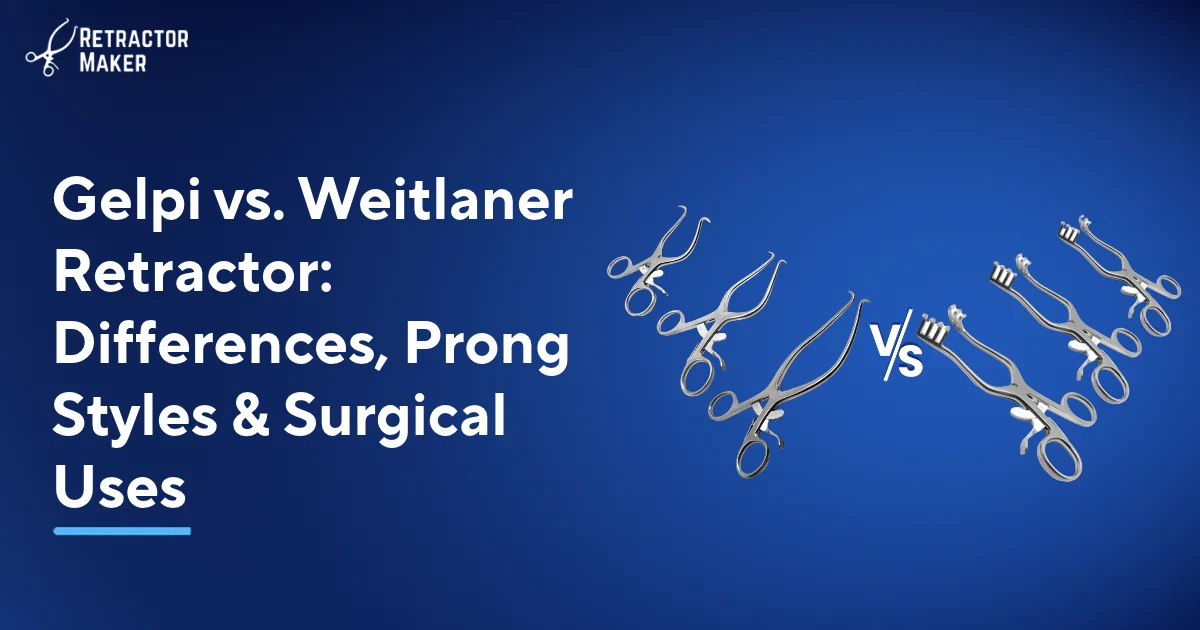
The Gelpi retractor provides exposure in small, medium-depth wounds. This scissor-action design has outward-curving blades and an incremental ratchet lock. Uses include spine surgery, joint approaches, and vascular cutdowns.
Weitlaner Retractor
The Weitlaner retractor spreads retraction force evenly over skin and fascia. It has finger rings, a ratchet lock, and opposing multi-pronged rake blades. These often have 2x3 or 3x4 prongs, either sharp or blunt. Uses include orthopedic, plastic, and neurovascular surgeries.
Balfour Retractor
The Balfour retractor provides two-way or three-way exposure in open abdominal surgery. This basic abdominal retraction frame includes a side spreader frame and side blades. It also has an adjustable central bladder/organ blade.
Bookwalter Retractor
The Bookwalter retractor provides 360-degree hands-free exposure for complex colorectal and vascular surgeries. This full table-mounted system has an upright post and a rigid crossbar. It uses a circular or notched oval ring. Many interchangeable blades attach with tilt ratchets.
Thompson Retractor
The Thompson retractor provides strong support against heavy body parts. This heavy-duty, table-mounted system has dual-rail clamping posts, multi-jointed bars, and adjustable blade arms. It is preferred for major liver, transplant, and deep pelvic surgeries.
What Are Self-Retaining Retractors Used For?
Self-retaining retractors keep the surgical view stable. Specialty uses include:
- General surgery: Hold the abdominal wall open during laparotomies, bowel resections, and hernia repairs.
- Urology: Expose retroperitoneal and pelvic areas during prostatectomies, nephrectomies, and cystectomies.
- Cardiovascular surgery: Spread the chest wall or sternum for median sternotomies and bypass cutdowns.
- Orthopedic surgery: Hold thick muscles and layers open during joint replacements, fracture repairs, and hardware removal.
- Spine surgery: Move paraspinal muscles and fascia during laminectomies, discectomies, and spinal fusions.
- Neurosurgery: Low-profile self-retaining frames stabilize soft tissues during head or brain surgeries.
- Obstetrics & gynecology: Support deep pelvic and vaginal views during C-sections, hysterectomies, and pelvic repairs.
What Are the Advantages and Clinical Considerations?
Practical Advantages
- No assistant fatigue: Eliminate the physical stress of continuous holding during long cases.
- Two-handed surgery: Free the surgeon and assistant for cutting, suction, and sutures.
- Static stability: Prevent small shifts, field collapse, or blade movement.
- Adjustable view: Modular systems allow tailored placement around complex incisions.
What Clinical Considerations Matter?
- Focal tissue pressure: Static retraction applies constant pressure to wound edges. Monitor tension to avoid tissue damage, including lack of blood flow, tearing, or nerve injury.
- Anatomical fit: Small tools can slip. Large frames can block the incision or endoscopic views.
- Setup complexity: Assemble table-mounted frames carefully, ensure secure clamping, and check mechanical parts before use.
How Do You Choose a Self-Retaining Retractor?
Choose a self-retaining retractor by evaluating the surgical site and the exposure needed:
- Surgery and body area: Choose Gelpi or Weitlaner for shallow areas. Use Balfour, Bookwalter, or Thompson for deep body cavities.
- Depth and width: Match blade reach to tissue thickness. Blades must reach the target layer without pressing on nerves or vessels.
- Blade shape: Choose sharp prongs for tough, fibrous tissue. Use blunt blades for fragile organs and vessels.
- Mechanical size: Ensure the frame does not block other tools or interfere with X-ray or microscopes.
- Set configuration: Decide whether a single scissor retractor is sufficient or a modular, table-mounted set is needed.
Self-Retaining vs Handheld: Which Should You Choose?
| Feature | Self-Retaining Retractor | Handheld Retractor |
|---|---|---|
| Position Maintenance | Uses a mechanical ratchet, lock, or frame to maintain position autonomously | Normally requires continuous manual holding by surgical personnel |
| Adjustment | Mechanically calibrated and locked along fixed tracks or ratchets | Manually repositioned dynamically as dissecting angles change |
| Design | Often incorporates articulated frames, ratchets, locking arms, or clamps | Consists of a simple ergonomic handle and a contoured blade |
| Examples | Gelpi, Weitlaner, Balfour, Bookwalter, Thompson | Deaver, Senn, Richardson, Langenbeck, Army-Navy |
| Applications | Sustained exposure throughout prolonged, deep, or broad interventions | Rapid, localized exposure, dynamic soft-tissue shifts, superficial cases |
Neither design is always best. Complex open surgeries often use both to balance a stable hold with flexible local access.
How do you clean and sterilize a reusable retractor?
A reusable self-retaining retractor holds tissue open without constant manual holding. Strict cleaning protects its function and patient safety.
- Cleaning and disassembly: Take apart modular systems after surgery. Open all ratchets and locks to allow full cleaning contact.
- Mechanical inspection: Check ratchet teeth for wear. Ensure pawls lock firmly without slipping. Confirm rods and screws are straight.
- Corrosion control: Check hinges and joints for damage or buildup. Apply water-soluble lubricant to moving parts before wrapping.
- Sterilization and storage: Package instruments in proper containers with all ratchets open. Steam sterilize following instructions. Store in a clean, dry place.
Choosing self-retaining retractors for surgical access
Self-retaining retractors replace manual pulling with stable holding. These key tools in modern surgery improve surgical views and reduce staff fatigue. Surgeons can operate with greater precision. Choosing the right frame, blade depth, and lock type ensures good access and protects surrounding tissue.
Retractor Maker manufactures surgical retractors in Sialkot, Pakistan, and supplies healthcare globally. Retractor Maker uses durable Premium Grade AISI 304/316 Stainless Steel (Non-Magnetic) and ensures accurate fit and reliable locks.
Self-retaining retractors: frequently asked questions
Aviso clínico: esta guía está dirigida a equipos quirúrgicos y compradores hospitalarios. Siga siempre las instrucciones de uso (IFU) del fabricante y las normas de esterilización de su hospital antes del uso clínico.
Preguntas frecuentes
What is a self-retaining retractor?
A self-retaining retractor holds tissue margins open without constant manual holding. A mechanical lock, ratchet, or frame maintains the opening. This mechanical support keeps the tissue margins held apart rather than requiring someone to hold them continuously.
How does a self-retaining retractor work?
A self-retaining retractor uses blades and an integrated lock to hold tissue edges open. The blades are placed under the tissue edges and then opened. The lock secures the opened blades, preventing soft tissue from collapsing inward.
What are examples of self-retaining retractors?
Self-retaining retractors include Gelpi and Weitlaner scissor-action models, Balfour retractors, and Bookwalter and Thompson platforms. These examples represent different configurations: Gelpi and Weitlaner use scissor action, Balfour retractors are abdominal frames, and Bookwalter and Thompson platforms are table-mounted systems.
What is a Gelpi retractor used for?
A Gelpi retractor maintains localized, medium-depth exposure for spinal decompressions, joint approaches, and vascular cutdowns. These uses call for exposure in a localized area. A Gelpi retractor holds that area open to maintain the medium-depth surgical view.
What is a Weitlaner retractor used for?
A Weitlaner retractor holds back skin and muscle during orthopedic, plastic, and general surgeries. Opposing multi-pronged rake blades provide the tissue holding. The blades act on opposite sides to keep skin and muscle held back during these procedures.
What is a Balfour retractor used for?
A Balfour retractor provides hands-free two-way or three-way retraction during open abdominal surgery. This tissue holding aids during laparotomies. A Balfour retractor maintains abdominal exposure without constant manual holding, using either two-way or three-way retraction.
What is the difference between a self-retaining and handheld retractor?
A self-retaining retractor holds tissue mechanically, while a handheld retractor requires continuous physical holding by an assistant. The difference is how tissue holding is maintained: mechanical support keeps tissue open in one case, and an assistant maintains the holding in the other.
How do I choose a self-retaining retractor?
Choose a self-retaining retractor according to surgical depth, incision size, tissue fragility, and needed clearance. These factors guide selection for the surgical opening. Also consider whether a single retractor or a modular system better fits those requirements.
How should reusable self-retaining retractors be cleaned and maintained?
Reusable self-retaining retractors need disassembly, thorough cleaning, mechanical inspection, lubrication, and steam sterilization following instructions. After surgery, open all ratchets and locks. Check teeth and pawls for wear or slipping. Inspect hinges and joints for damage or buildup. Apply water-soluble lubricant to moving parts before wrapping. Store instruments in a clean, dry place.
What precautions are needed when using self-retaining retractors?
Self-retaining retractors need tissue-tension monitoring, appropriate anatomical fit, and secure assembly to protect surrounding tissue and maintain access. Constant pressure can reduce blood flow or cause tearing or nerve injury. Poorly sized instruments can slip or obstruct the incision. Table-mounted frames need secure clamping and mechanical checks before use.
Sobre el autor
Saad Shahid · Gerente de Ventas y Marketing
Saad Shahid es gerente de ventas y marketing y fundador de Retractor Maker, creada en 2023 en Sialkot (Pakistán). También trabaja con su padre en Hospitech Traders, la empresa familiar de instrumental quirúrgico fundada en 1989.
Blogs y guías relacionados


Separadores relacionados
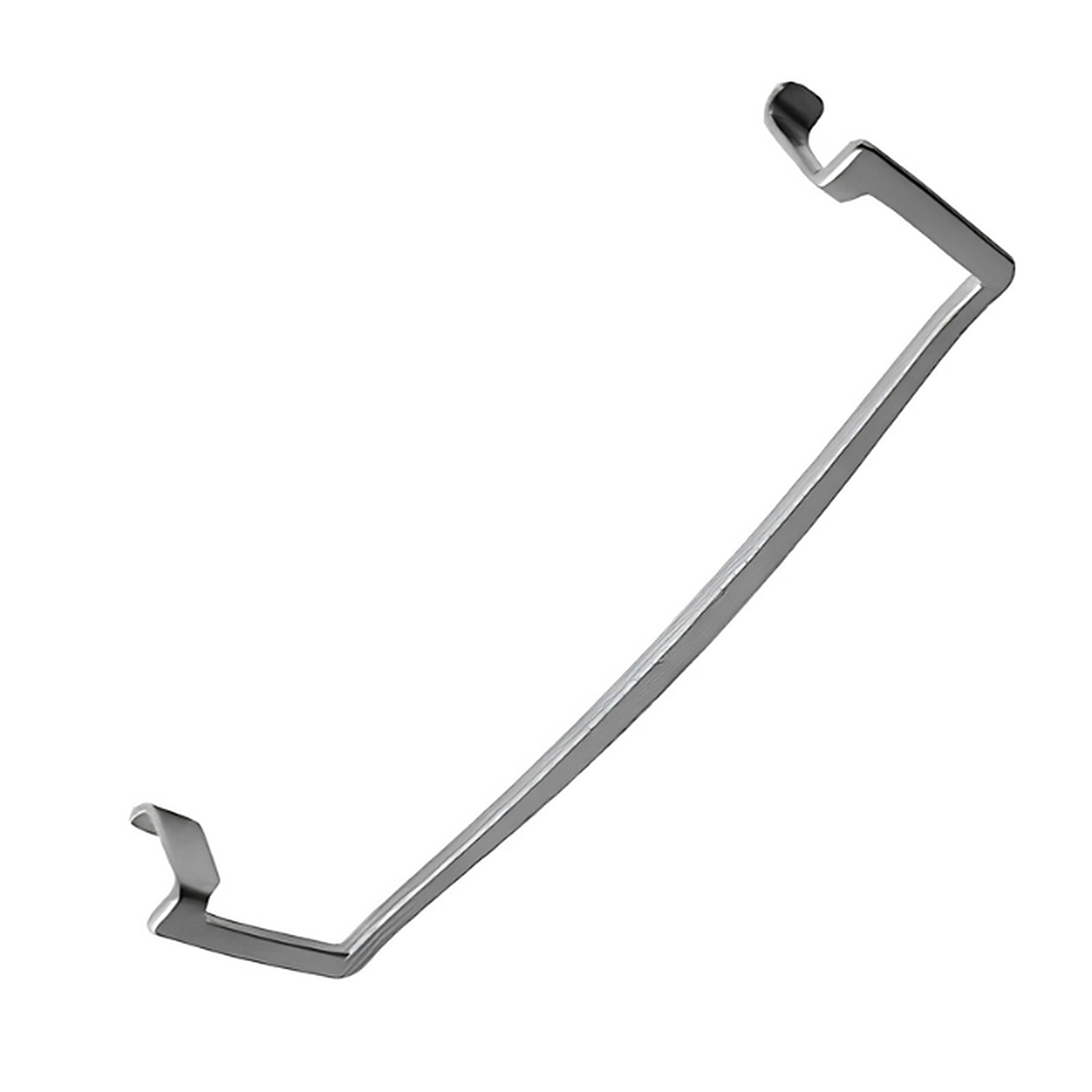
Separador Senn Forward
$49.00
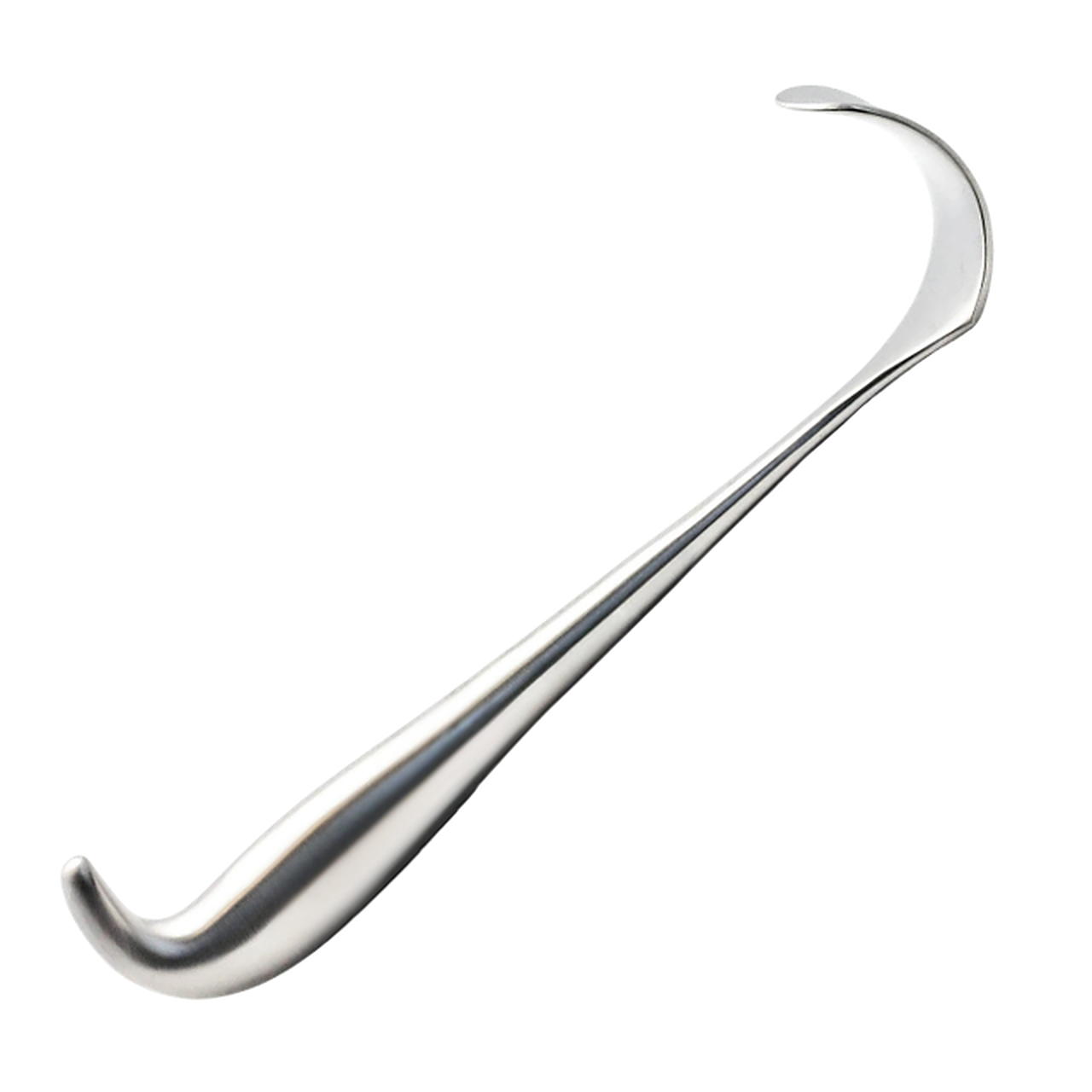
Separador Brewster
Desde $159
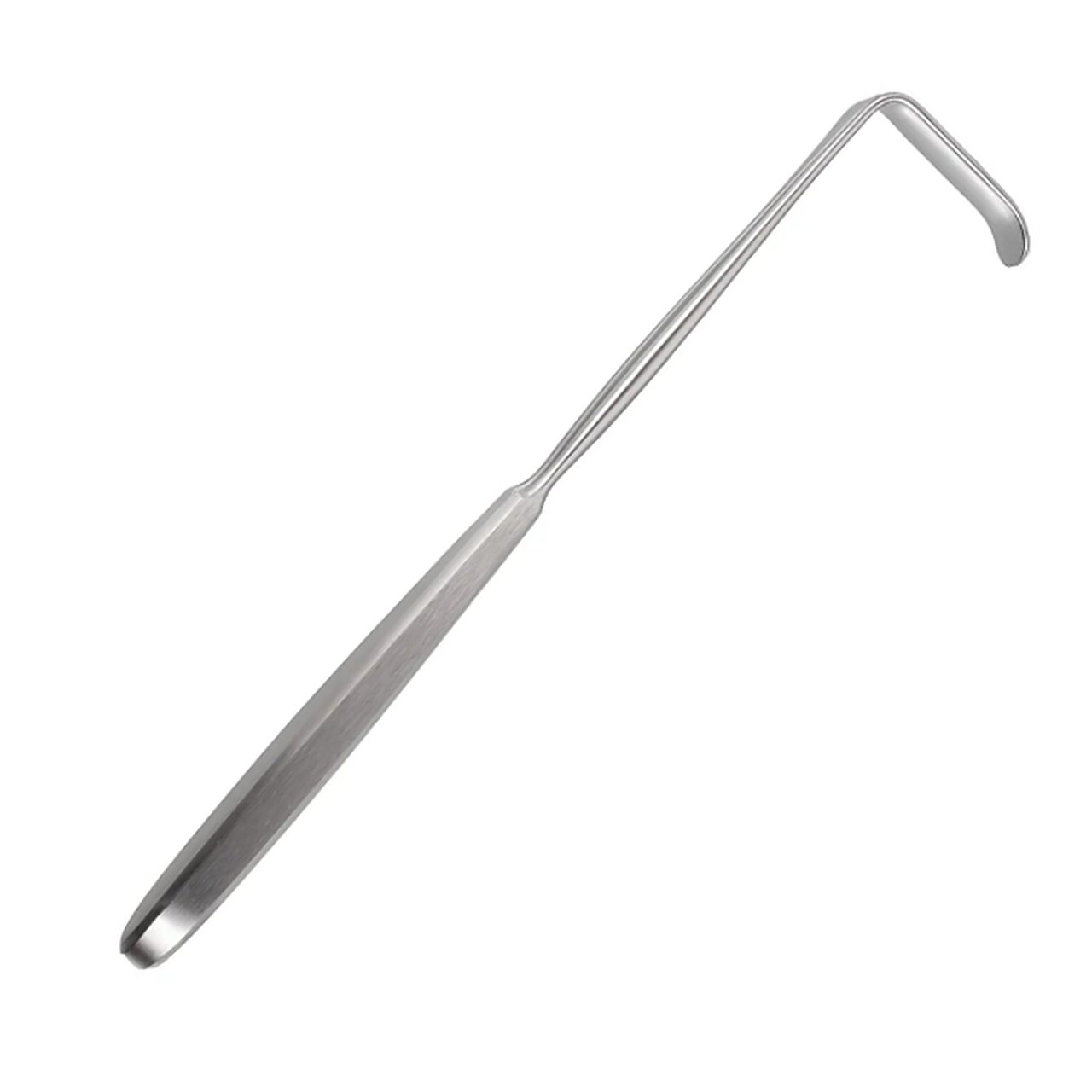
Separador Langenbeck-Mango Sólido
$49.00
Separador Murphy
Desde $44.00
Separador Leriche Retractor-Atraumatic Wide Blade
Desde $94.00
Sistema Separador General Lobster
$2,699Free Shipping
¿Necesita separadores quirúrgicos o componentes?
Díganos qué necesita, incluyendo el producto, la configuración, la cantidad y el país de destino. Retractor Maker puede proporcionar disponibilidad, especificaciones y precios.
Solicitar un presupuesto