
Surgical Retractor Guides
Surgical Retractors Names, Images & Uses
Autor: Saad Shahid · Atualizado · 7 min de leitura

Surgical retractors hold tissue away from the operative field so the surgical team can see and reach the area they are working on. This guide explains what retractors are, how they are classified, and how they are selected and cared for, and it includes a searchable reference table of surgical retractors names, images and general uses drawn directly from the Retractor Maker catalogue.
What Is a Retractor?
A retractor holds skin, fat, muscle, and organs away from the target area to provide controlled surgical exposure. Almost every open procedure depends on this access before the surgeon can dissect, repair, or close. Retractors are among the oldest surgical instrument families and remain among the most frequently handled instruments on any tray.
Retractors share a purpose but differ in size, blade shape and depth, prong number and sharpness, and handle design. Some lock in place or mount on a frame. Designs also vary by specialty. A small double-ended retractor for a skin flap differs greatly from a table-mounted abdominal system. No single design suits every procedure.
This guide covers basic categories, selection factors, and general care principles. Its central section lists names, images, and general uses for the complete published Retractor Maker range. Search the range by name or filter it by specialty.
Contents
What Is a Surgical Retractor?
A surgical retractor holds back or moves tissue away from the operative field to give the surgical team visibility and access. Retraction may involve gently lifting a skin edge or holding the abdominal wall open throughout an operation.
Retractors create exposure by moving tissue laterally to widen an incision or holding deeper structures away from the treatment area. These structures may include bowel, muscle, or an organ lobe. Blade or prong shape determines how the load spreads across contacted tissue. Available forms include flat, curved, lipped, malleable, toothed, and smooth blades.
Size and shape follow anatomy. A shallow hand incision needs a short, narrow blade. A deep pelvic or abdominal field needs a longer, wider blade. Specialty designs address each region's depth, angle, and tissue type. Nasal and ear retractors are small and fine. Spinal retractors hold back heavy paraspinal muscle. Cardiac retractors are shaped around the sternum and chest wall.
How Do Handheld Retractors Work?
Handheld retractors are positioned and held manually by a surgeon or assistant for as long as exposure is needed. They allow moment-by-moment changes in angle, depth, and tension as the operation progresses. The trade-off is continuous manual holding, which occupies a pair of hands and can cause fatigue during a long case.
Common handheld patterns include the double-ended Senn retractor for superficial tissue and the curved Deaver retractor for deeper abdominal and thoracic exposure. Others include the right-angled Langenbeck retractor, the broad Richardson retractor for the abdominal wall, and the double-ended Army-Navy retractor for shallow incisions. The small Ragnell retractor is used in plastic and hand surgery.
How Do Self-Retaining Retractors Work?
Self-retaining retractors use a ratchet, screw, spring, or frame to keep blades in position without continuous manual holding. They free the surgical team's hands and provide steady exposure. If the required view changes, manual repositioning is usually necessary.
Examples include the Gelpi and Weitlaner retractors, which spread tissue with pointed tips or toothed rakes secured by a ratchet. The Balfour retractor is a frame-style abdominal retractor with lateral blades and a centre blade. Table-mounted Bookwalter and Thompson retractors attach to the operating table and support multiple adjustable blades around a ring or rail.
Retractor Names, Images, and General Uses
The table below presents the complete Retractor Maker product catalogue. Each entry includes a product image, name, and general use. Search by product name or filter by specialty.
Exibindo 507 afastadores cirúrgicos
| Foto do Produto | Nome do Afastador Cirúrgico | Uso Geral |
|---|---|---|
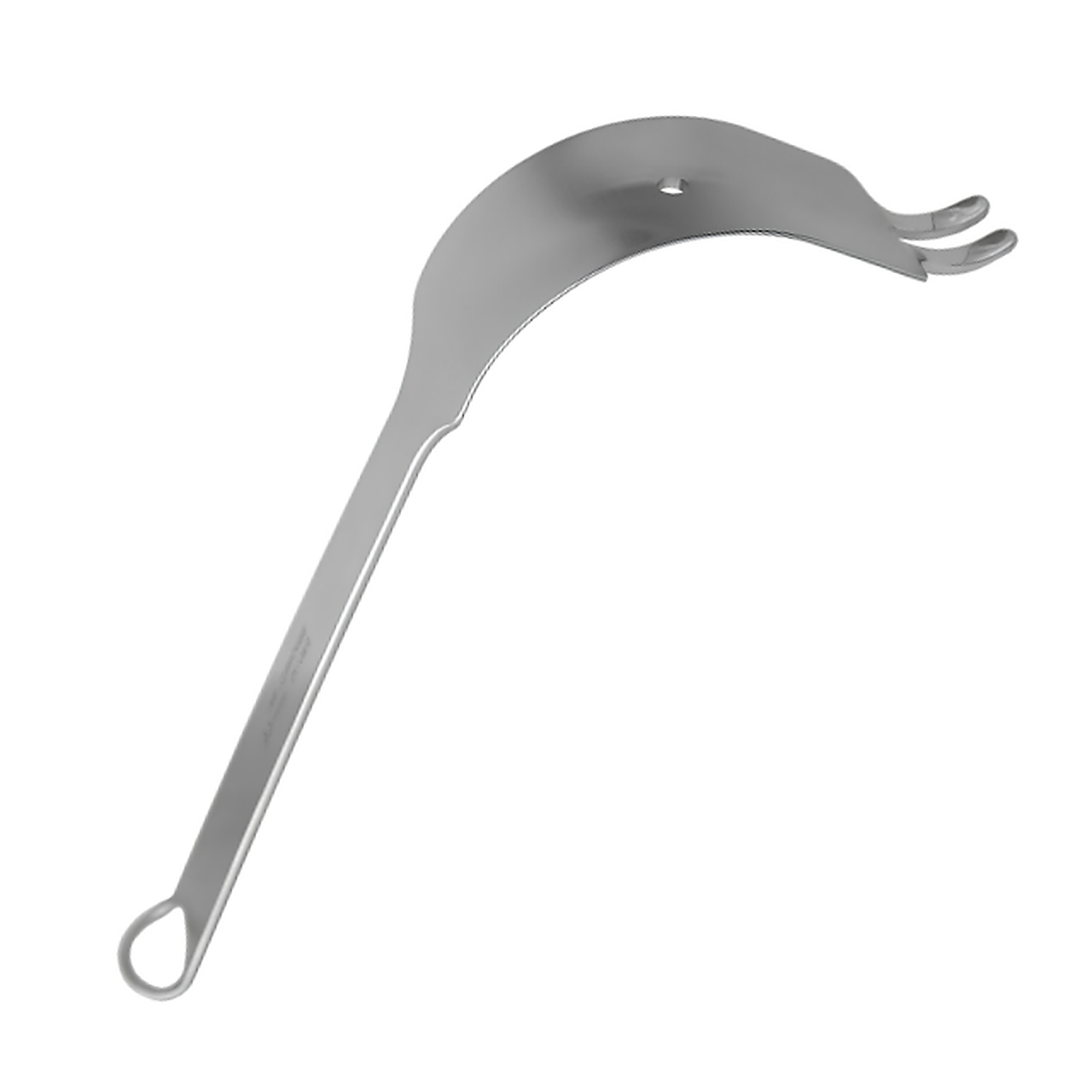 | Afastador Acetabular de Ponta Dupla Estreita | Especificamente projetado para expor o rebordo acetabular e deslocar tecidos circundantes durante procedimentos de reconstrução e artroplastia de quadril. |
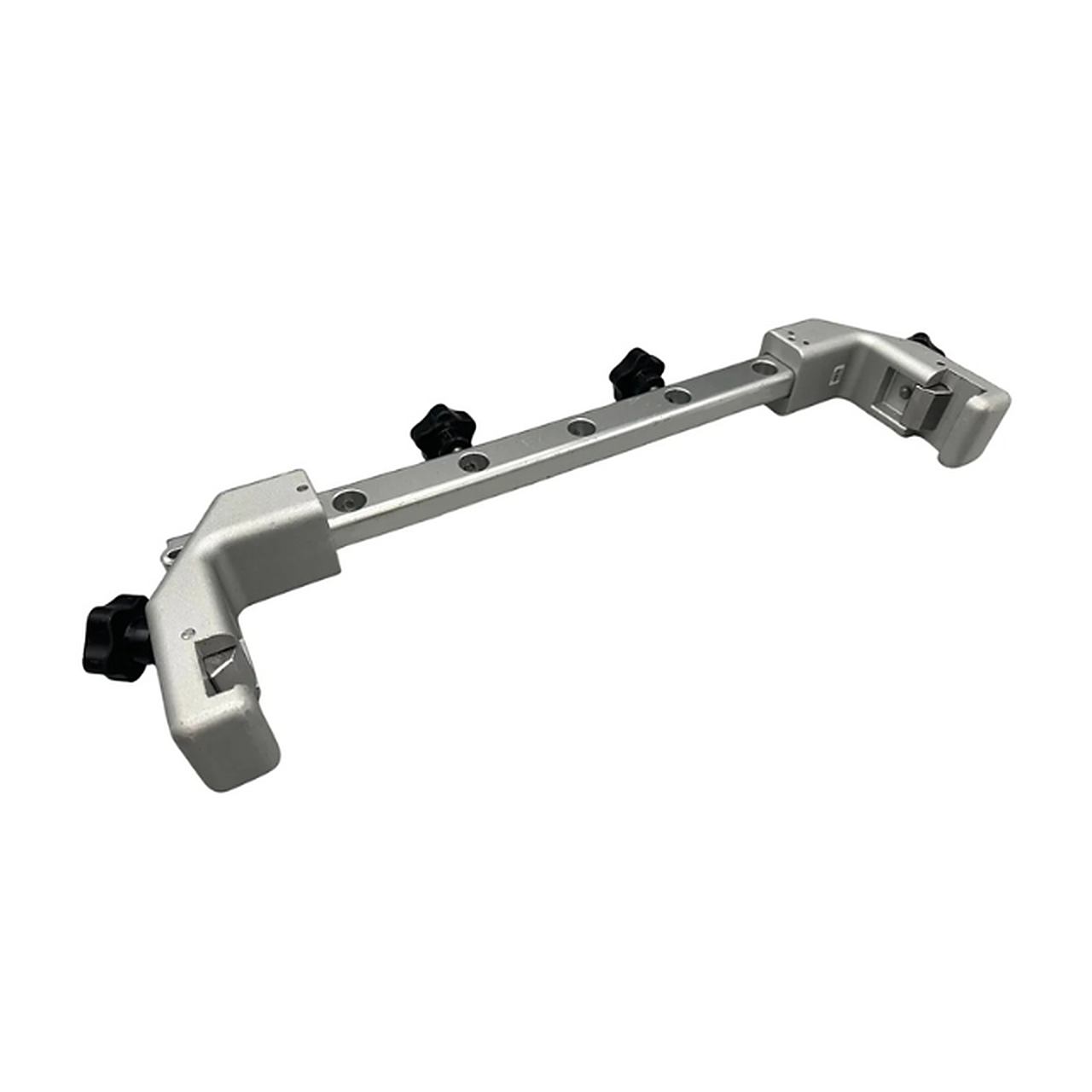 | Adaptador Mayfield Ajustável | Projetado especificamente para montar com segurança sistemas de fixação craniana padrão Mayfield em mesas cirúrgicas que carecem de orifícios de receptáculo integrados ou que exigem posicionamento com deslocamento lateral. |
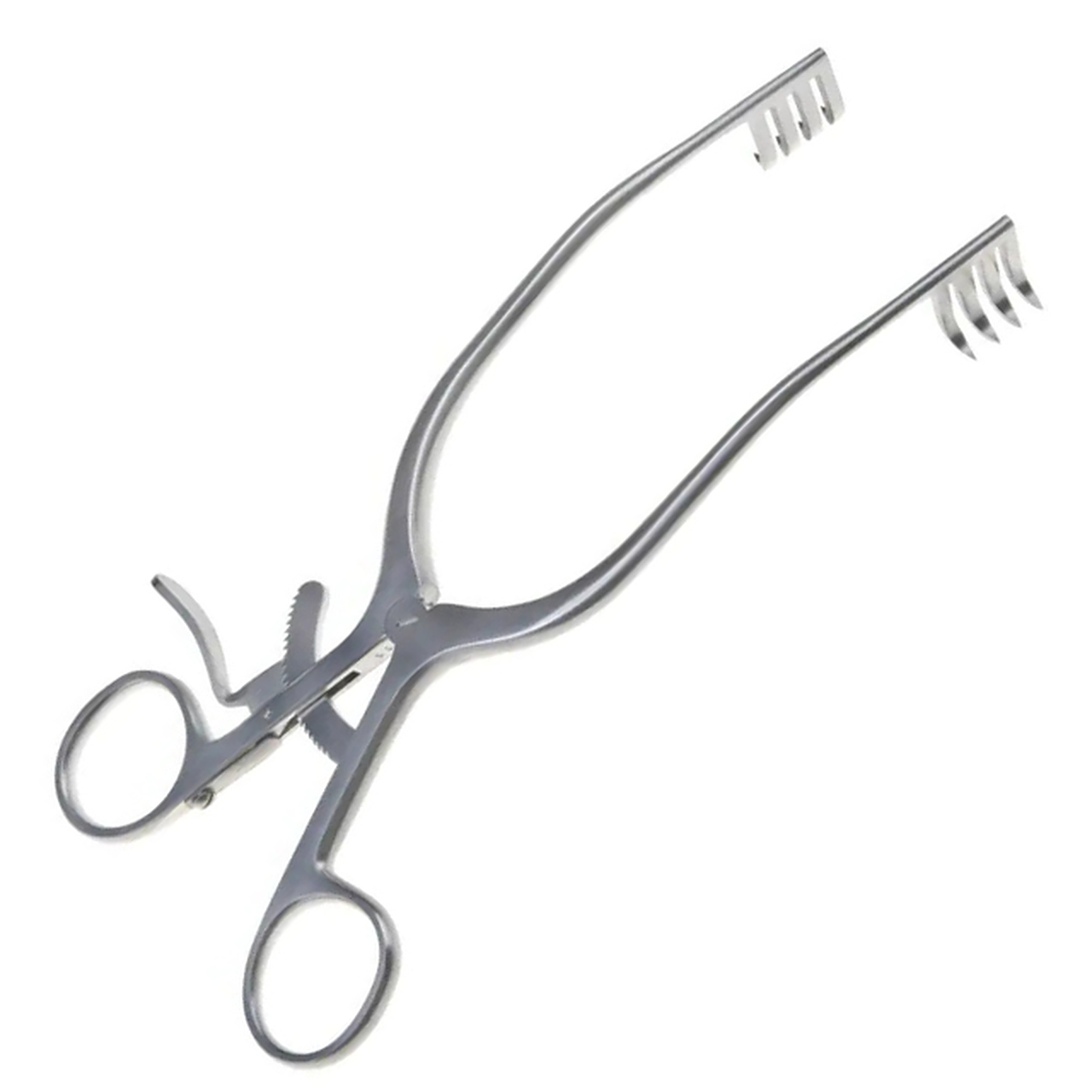 | Afastador Adson Cerebellum | Especificamente projetado para fornecer retração autoestática de músculos e tecidos moles durante procedimentos neurocirúrgicos e da fossa craniana posterior. |
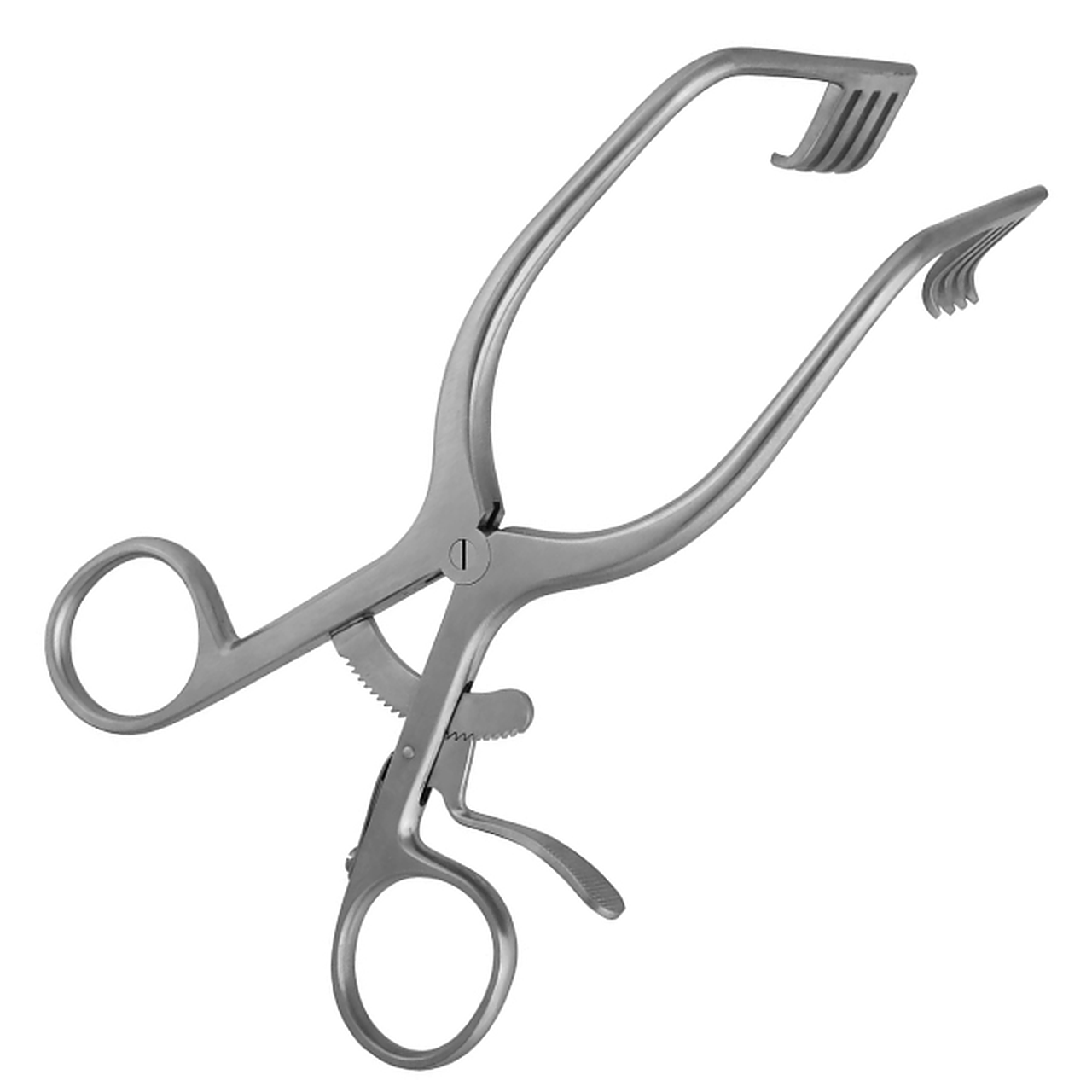 | Afastador Cerebelar de Adson Autoestático | Projetado especificamente para fornecer retração tecidual autoestática e manter a exposição cirúrgica estruturada durante procedimentos craniais e espinhais. |
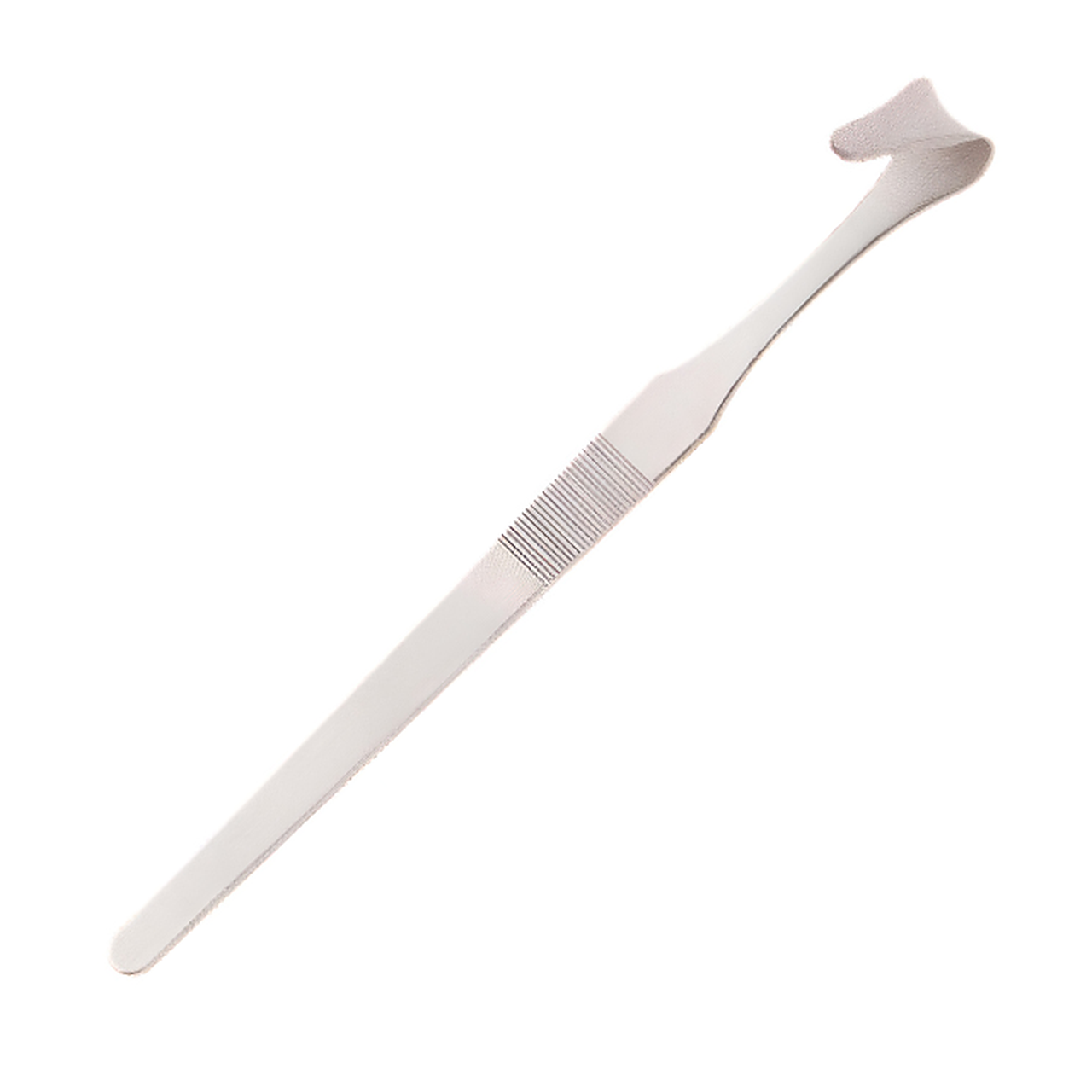 | Afastador Alar | Projetado especificamente para retração da asa nasal e exposição da cartilagem alar durante procedimentos de rinoplastia e otorrinolaringologia. |
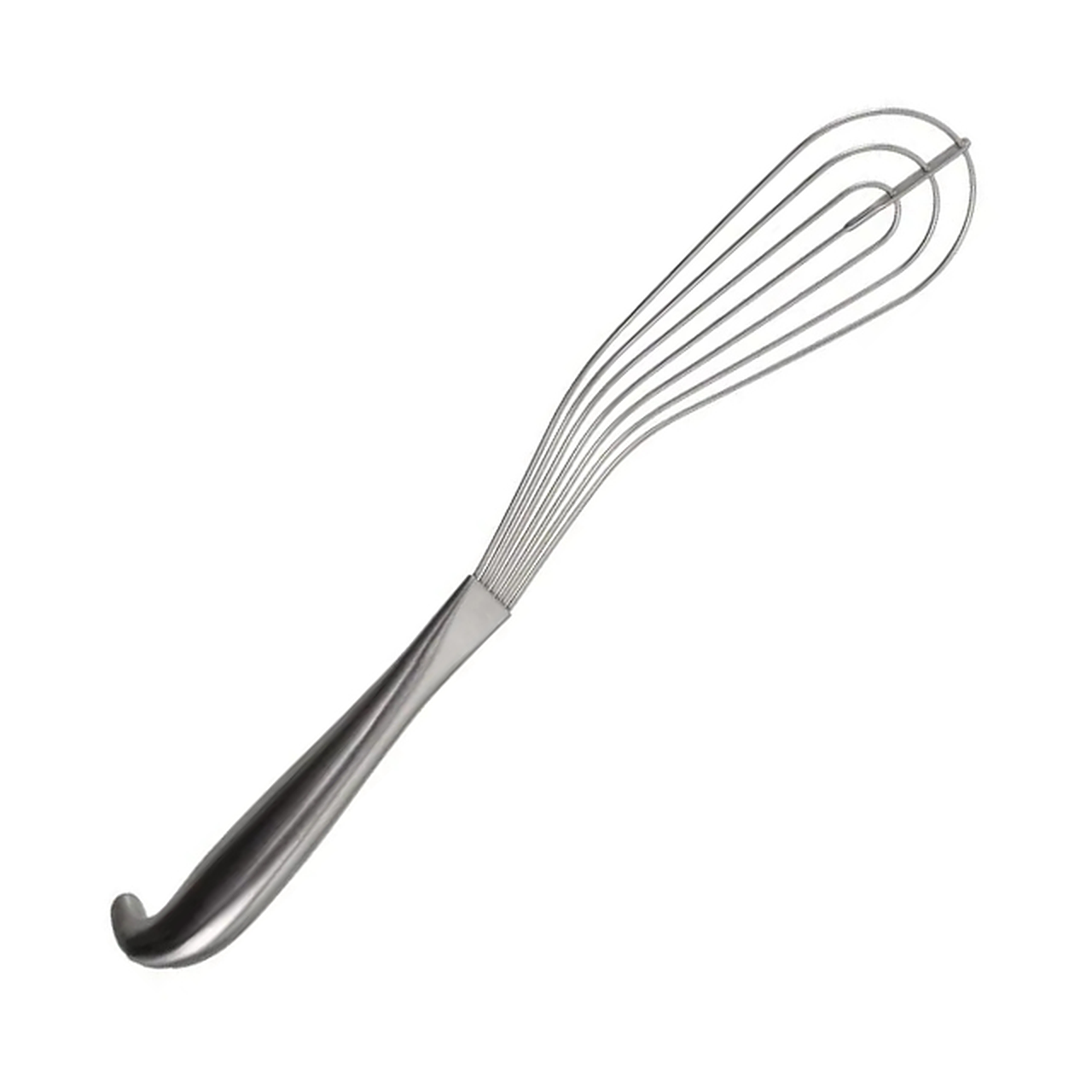 | Afastador Pulmonar Allison | Projetado para deprimir e deslocar o parênquima pulmonar de forma atraumática durante intervenções cirúrgicas torácicas e cardiovasculares. |
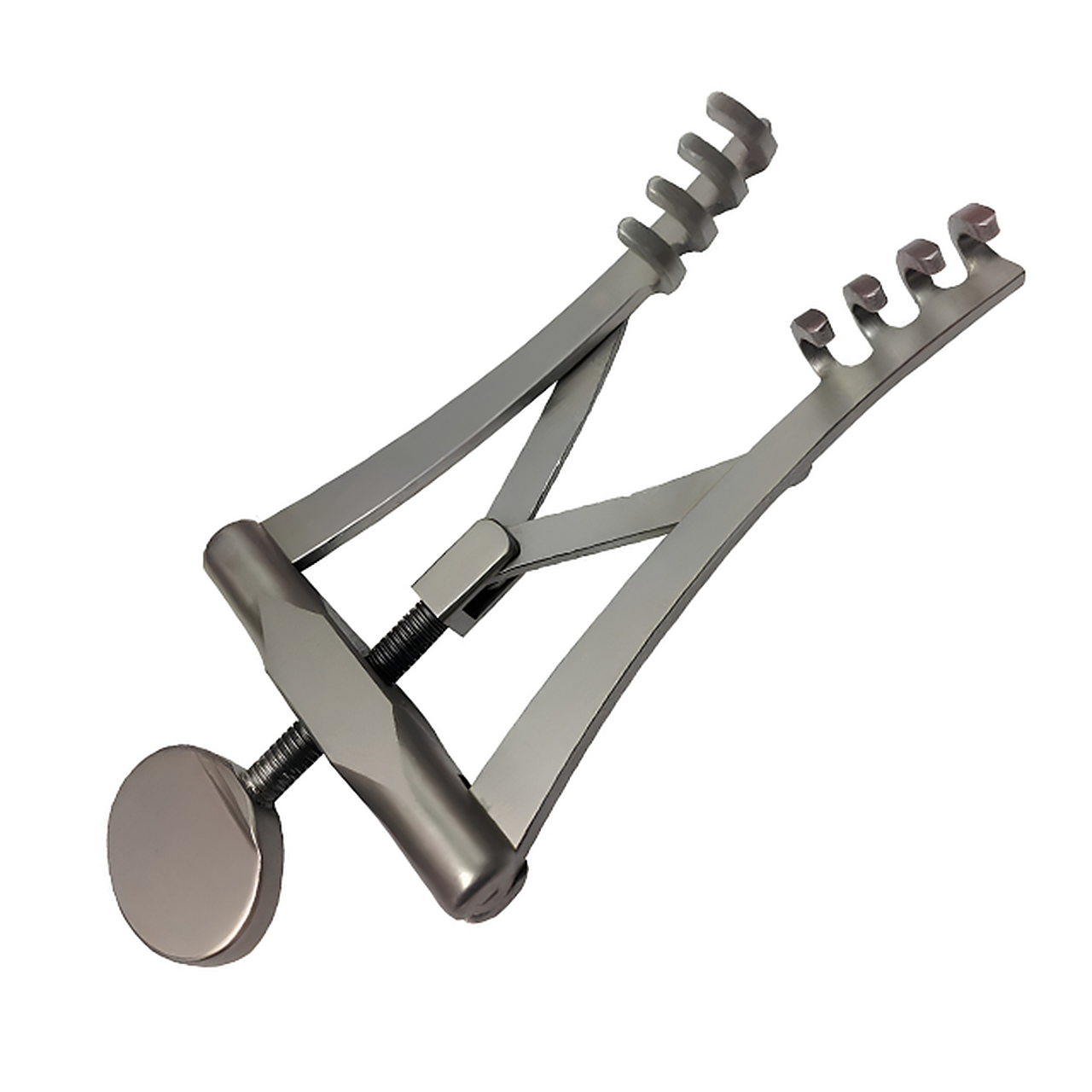 | Afastador Mastóide Allport | Especificamente projetado para fornecer retração autostática de tecidos moles sobre o processo mastoide durante procedimentos otológicos e neurocirúrgicos. |
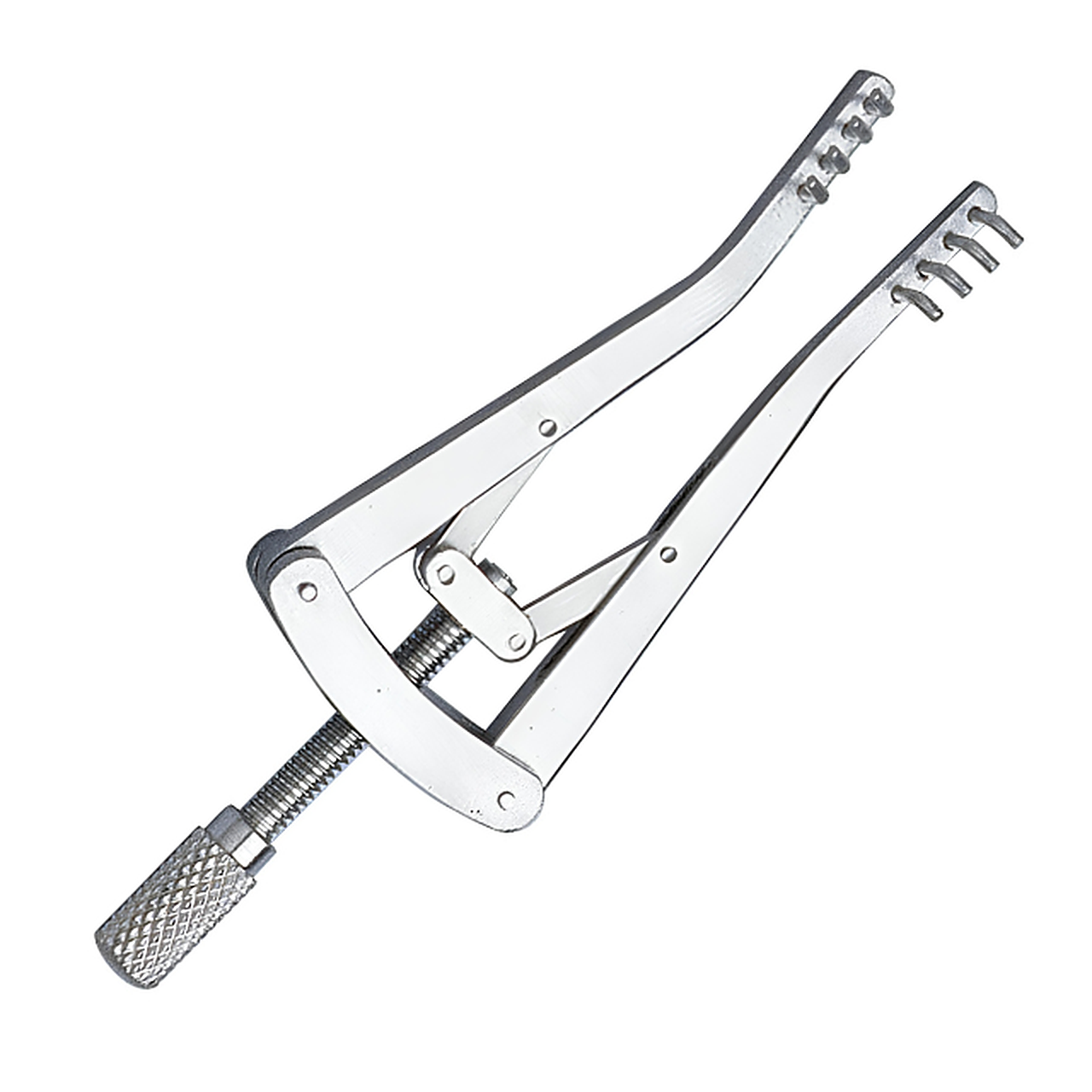 | Afastador Autoestático ALM | Projetado especificamente para fornecer retração tecidual autoestática durante procedimentos cirúrgicos menores, oftálmicos, plásticos e de mão. |
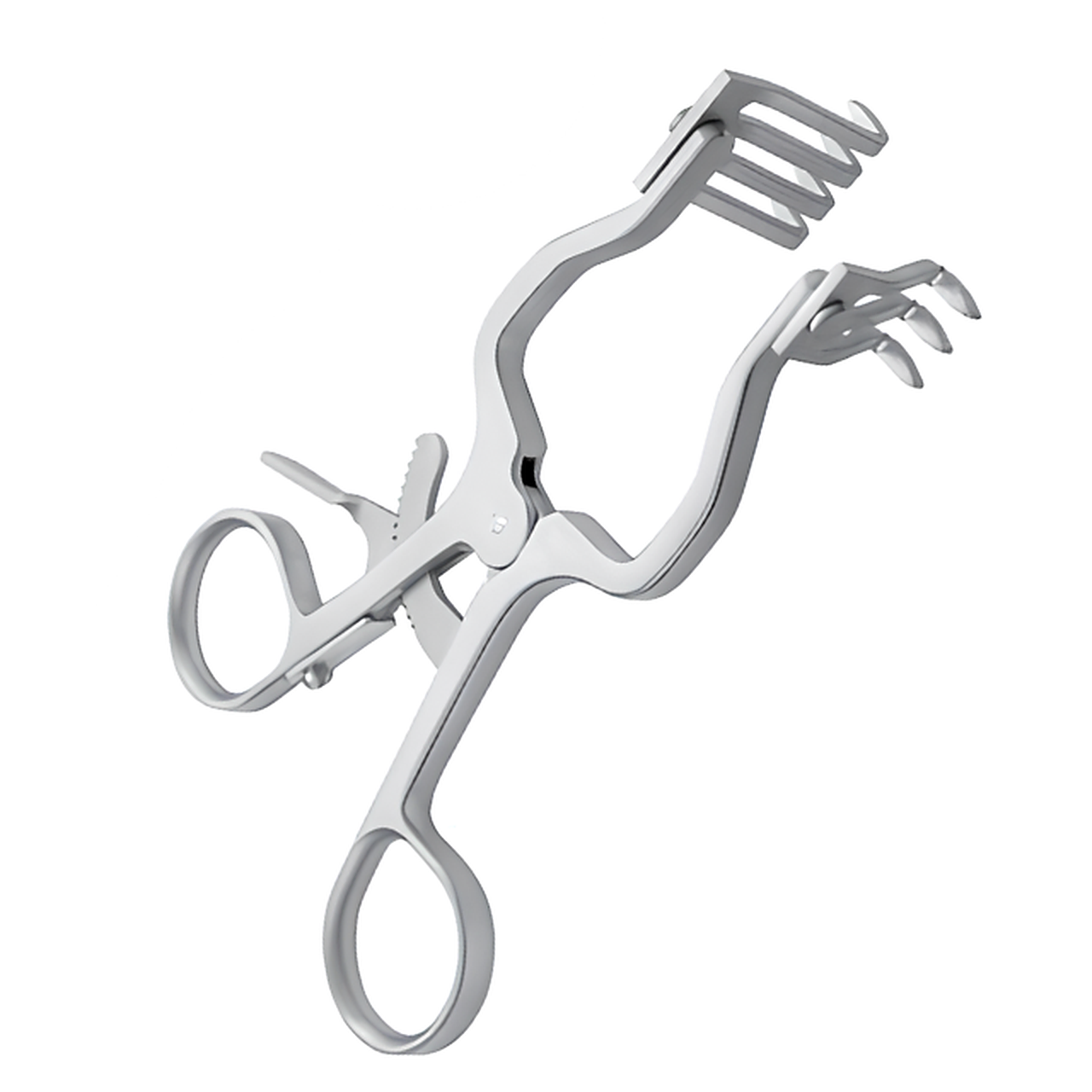 | Afastadores Autoestáticos Ambidestros | Projetado especificamente para fornecer retração de tecidos moles reversível e mãos-livres, operável de qualquer lado do campo estéril. |
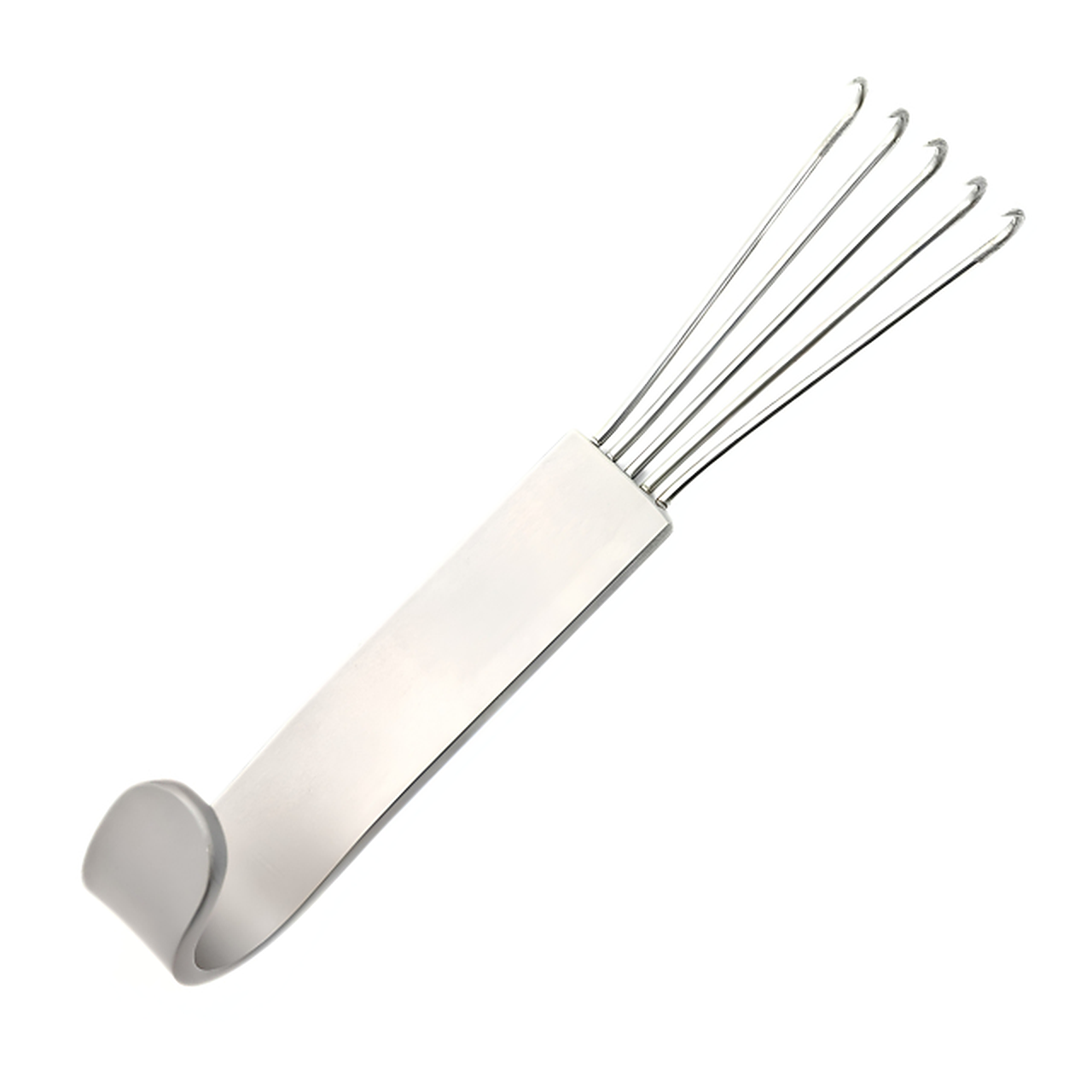 | Afastador Anderson Bear Claw | Especificamente projetado para tração cutânea firme, elevação de retalho cutâneo e retração de tecidos moles durante cirurgias plásticas e reconstrutivas. |
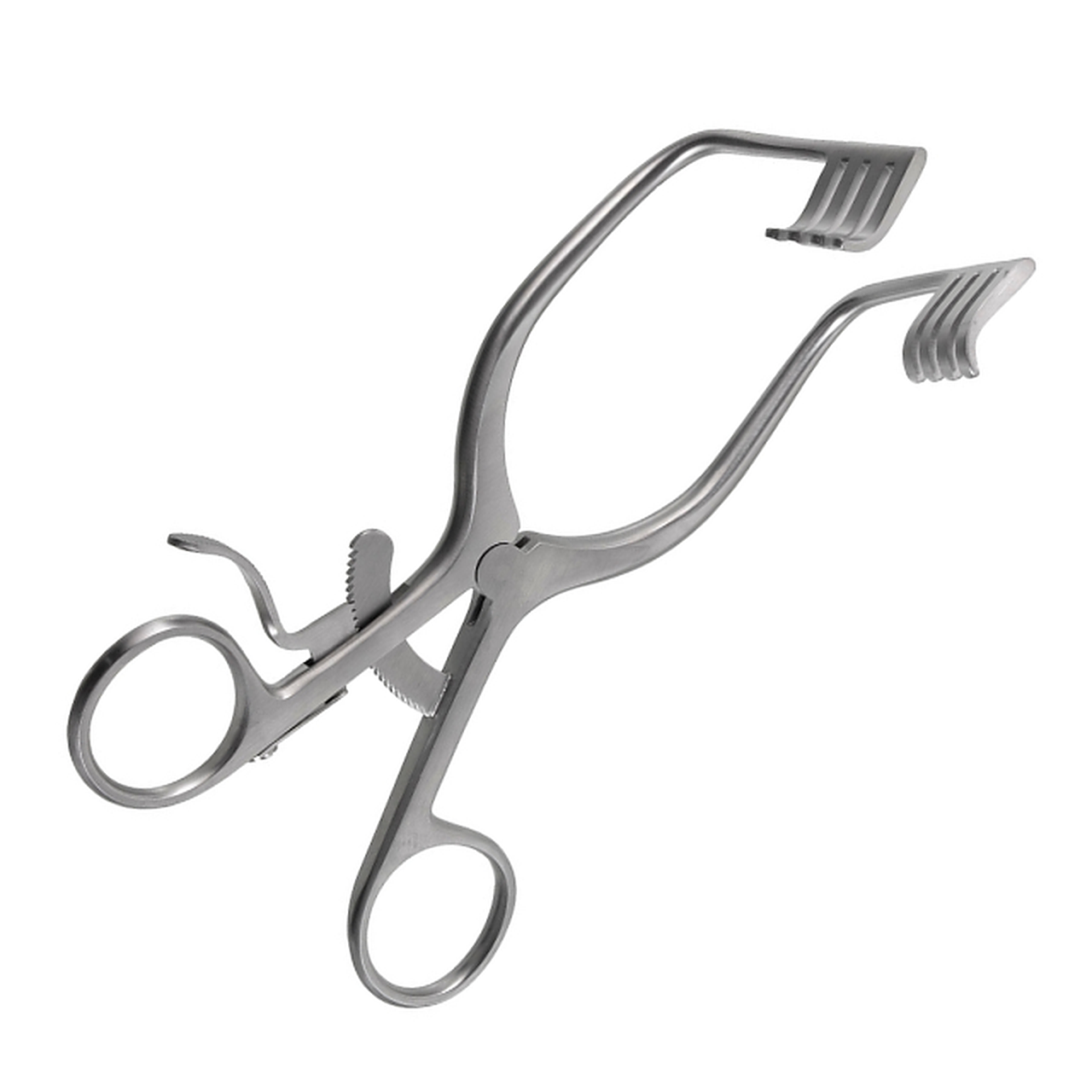 | Afastador Cerebelar Autoestático Anderson-Adson | Projetado especificamente para fornecer retração autoestática de tecidos e músculos durante procedimentos neurocirúrgicos de fossa cranial posterior e suboccipital. |
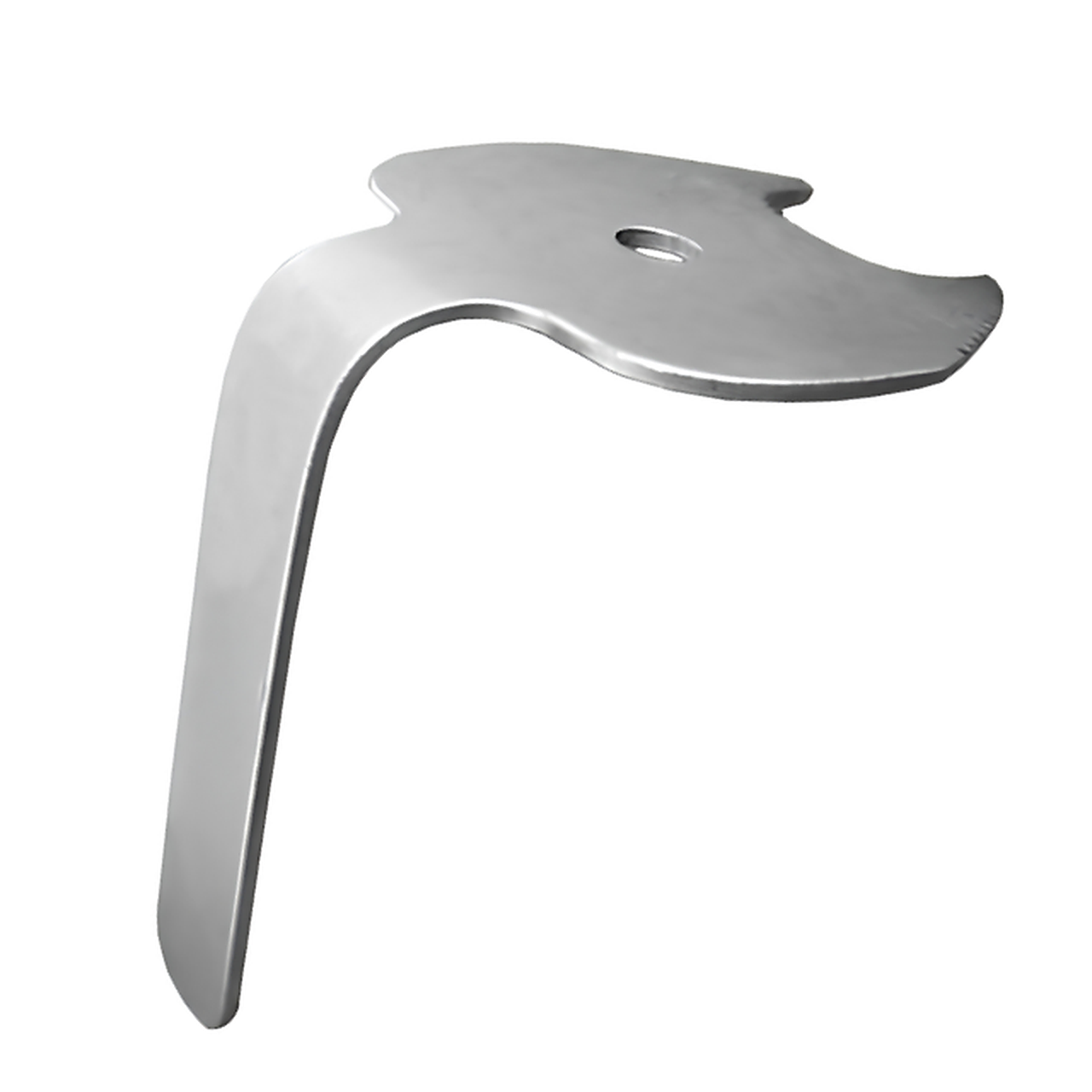 | Afastador Condilar Femoral Anterior | Projetado especificamente para expor os côndilos femorais anteriores e afastar o mecanismo extensor durante a artroplastia total de joelho. |
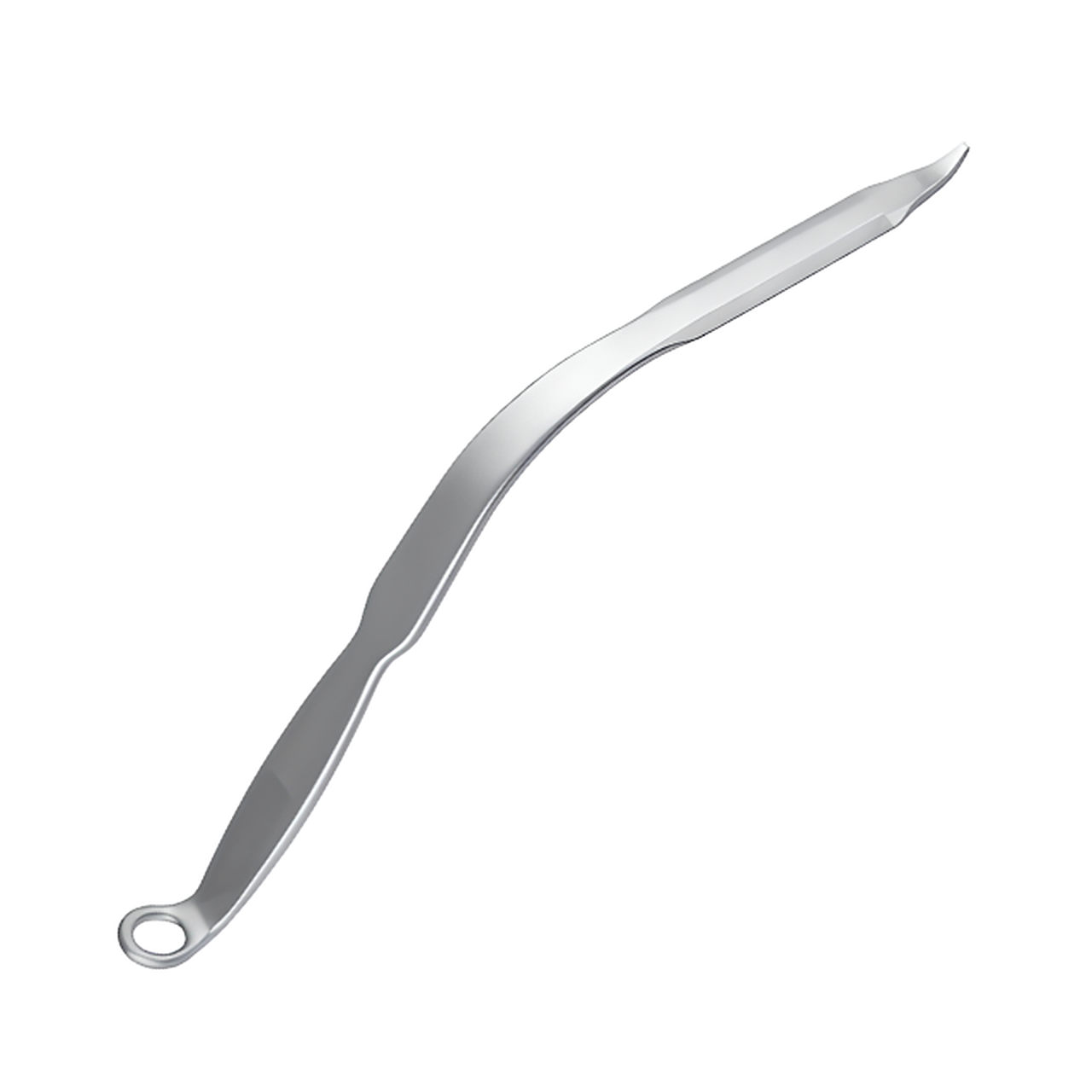 | Afastador para Colo Femoral Anterior e Borda Anteromedial | Projetado especificamente para expor o colo femoral anterior e a borda anteromedial durante artroplastia de quadril e osteotomia da cabeça femoral. |
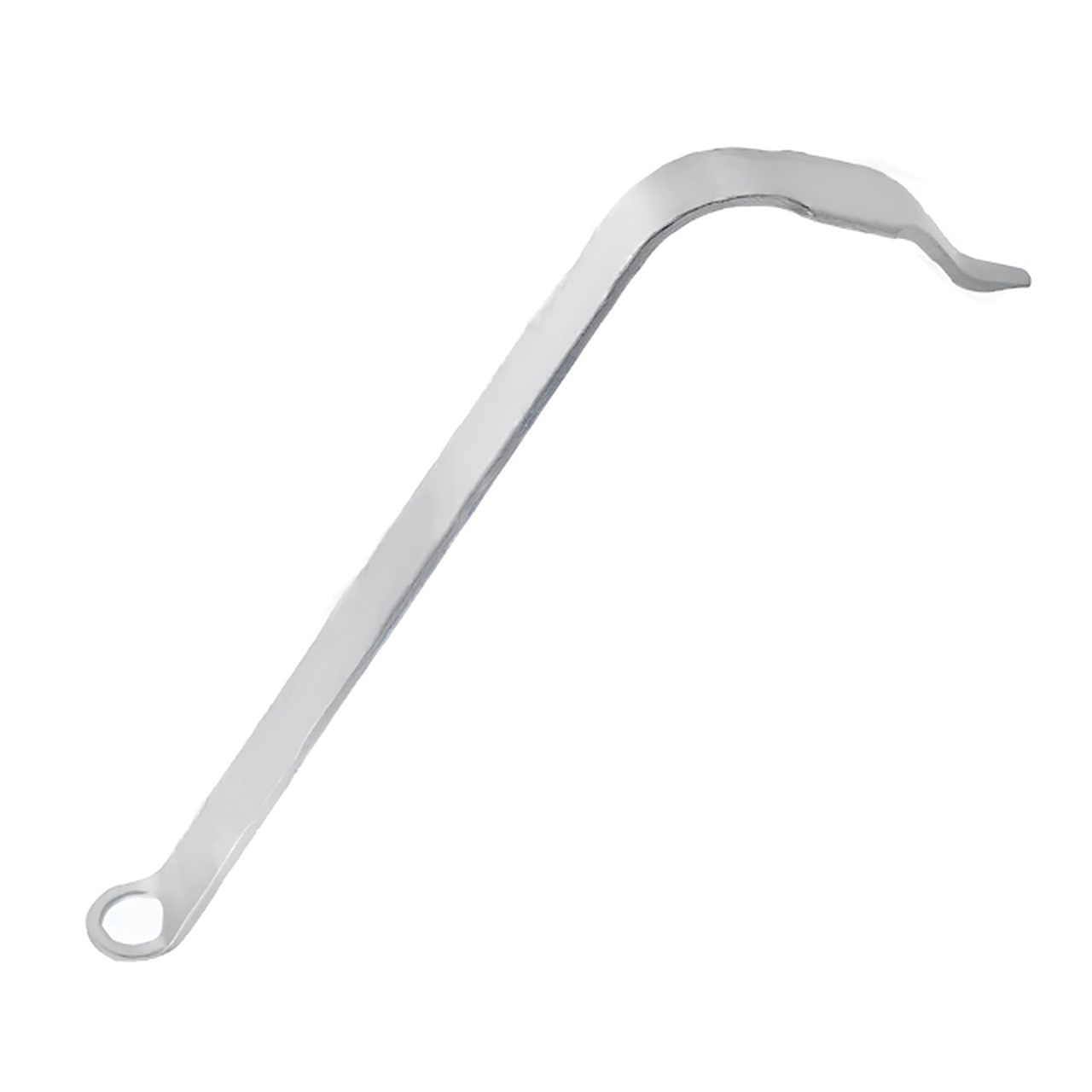 | Afastador Acetabular para Borda Anterolateral | Projetado especificamente para expor a borda acetabular anterolateral e deslocar os tecidos moles circundantes durante a artroplastia de quadril. |
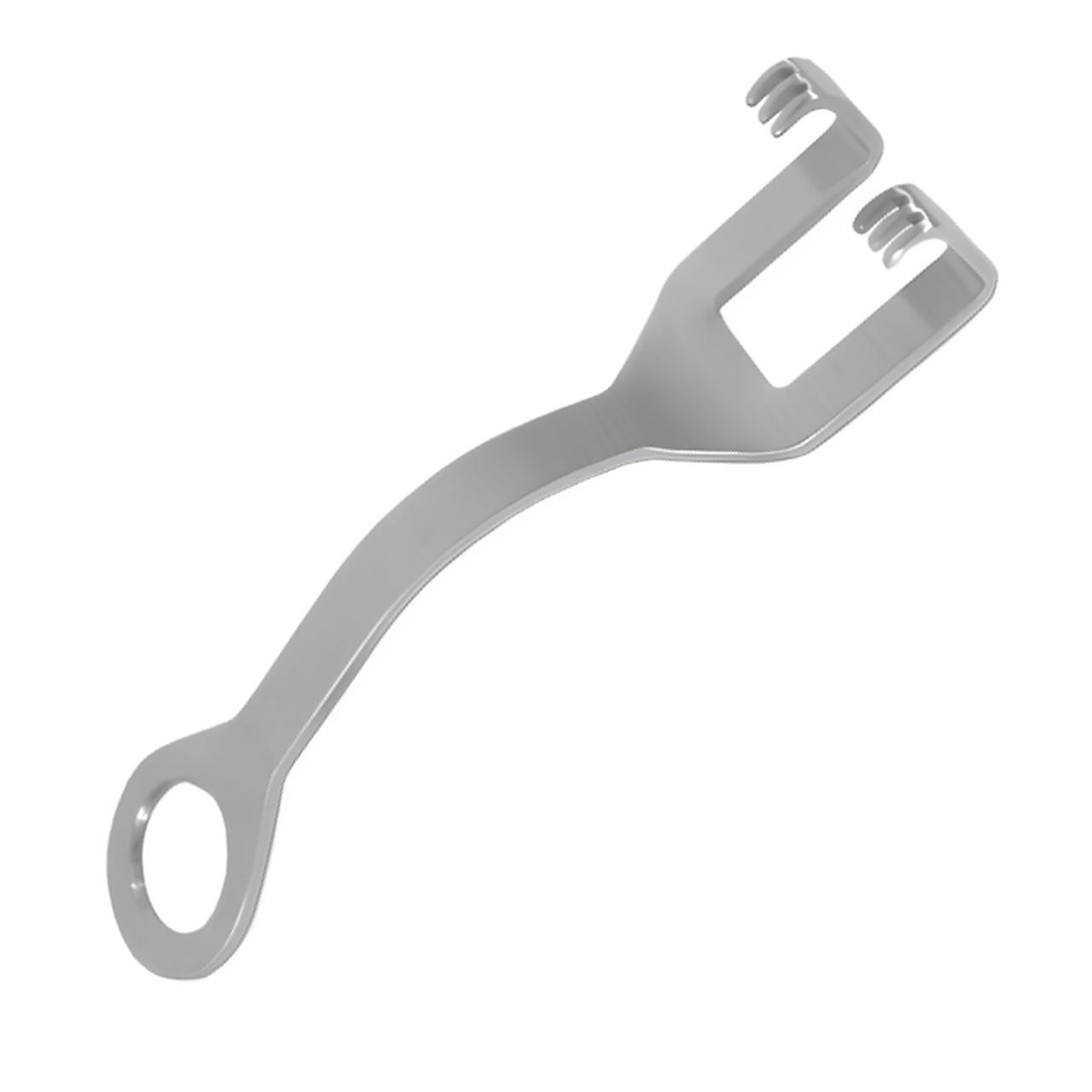 | Afastador Patelar AORI | Especificamente projetado para afastar e everter a patela durante procedimentos de artroplastia total do joelho, primária e de revisão. |
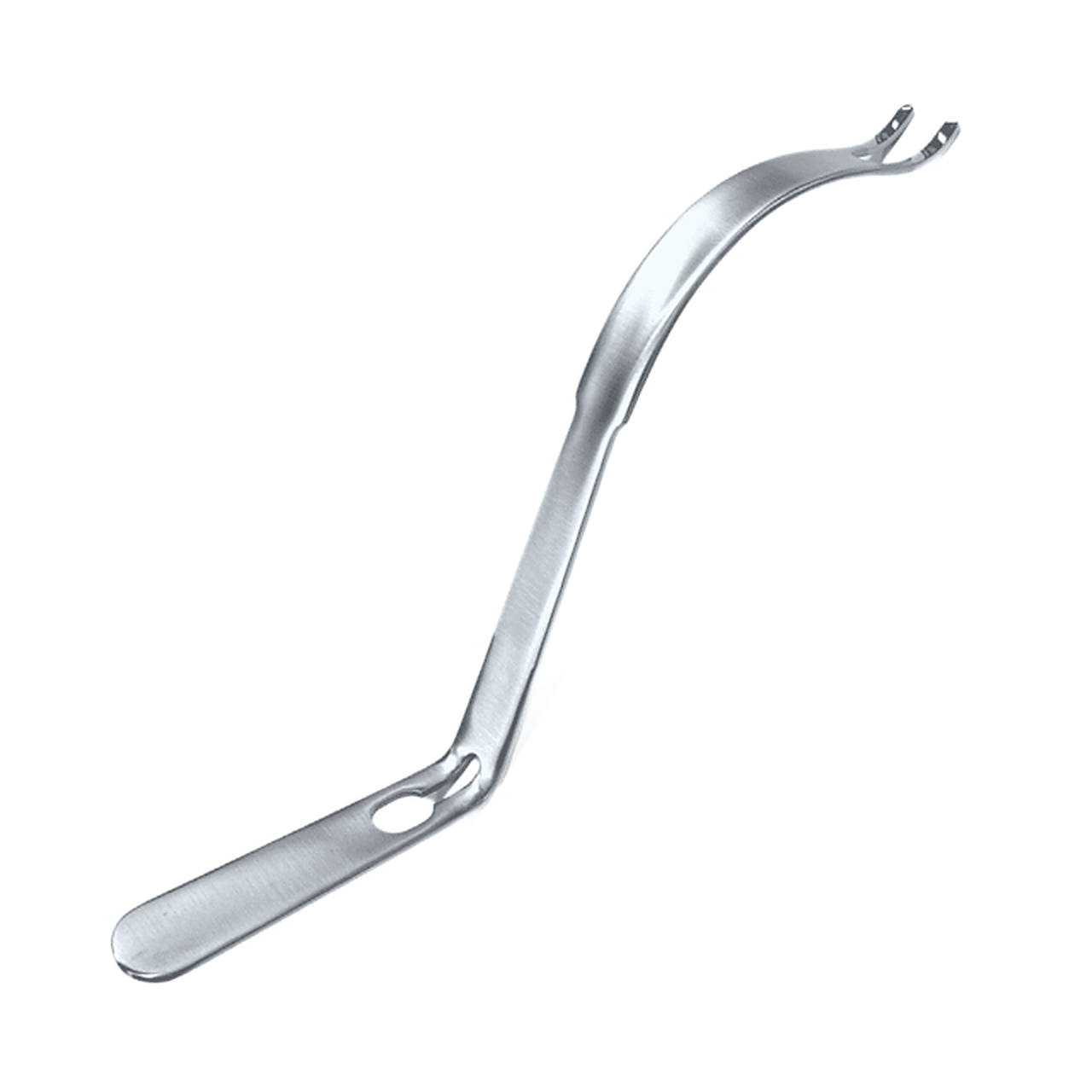 | Afastador de Quadril APC | Especificamente projetado para expor a margem acetabular e o colo femoral durante a artroplastia de quadril e cirurgia reconstrutiva. |
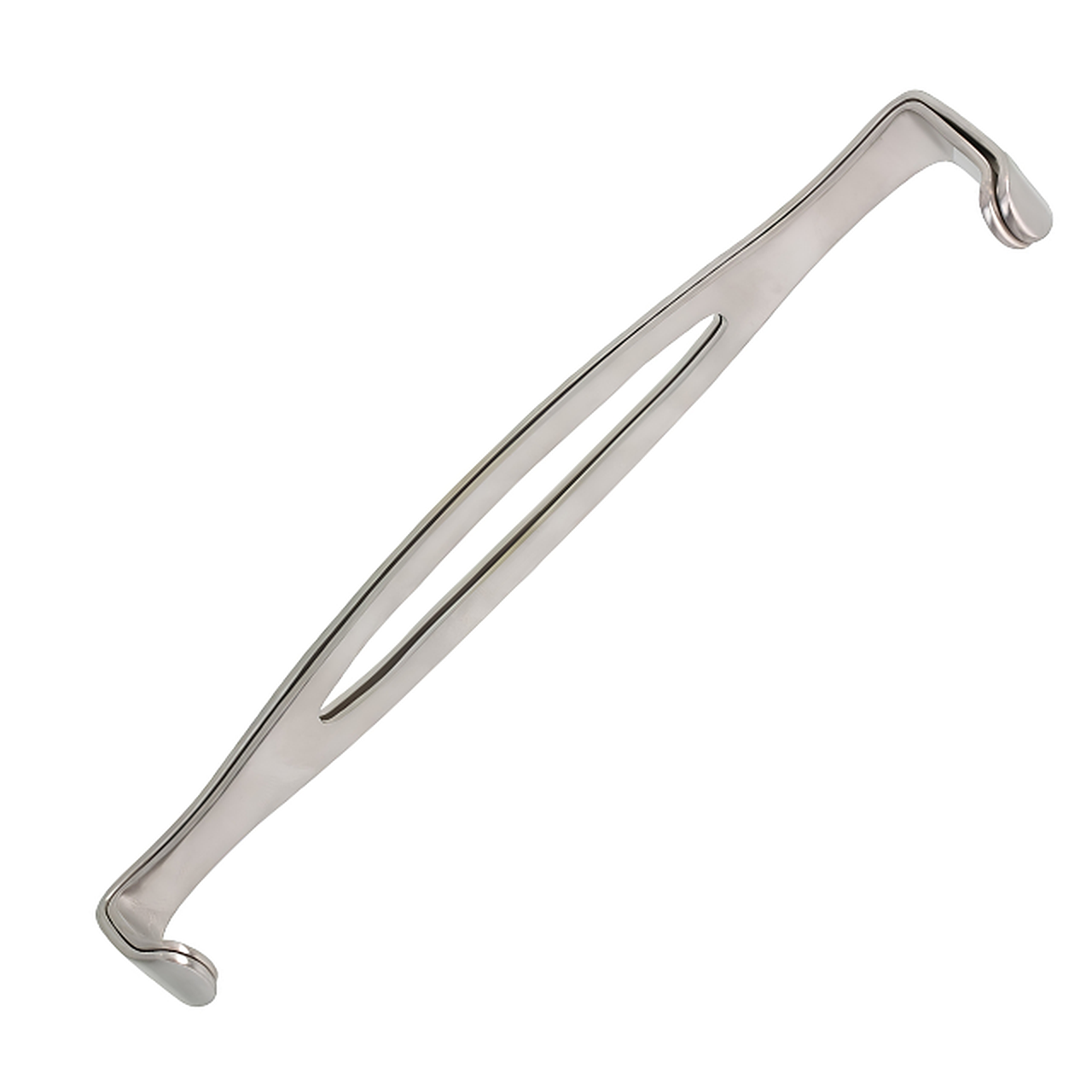 | Afastador Army-Navy - Jogo com Duas Peças | Projetado para fornecer retração manual de tecidos moles e margens de feridas em campos operatórios superficiais e intermediários. |
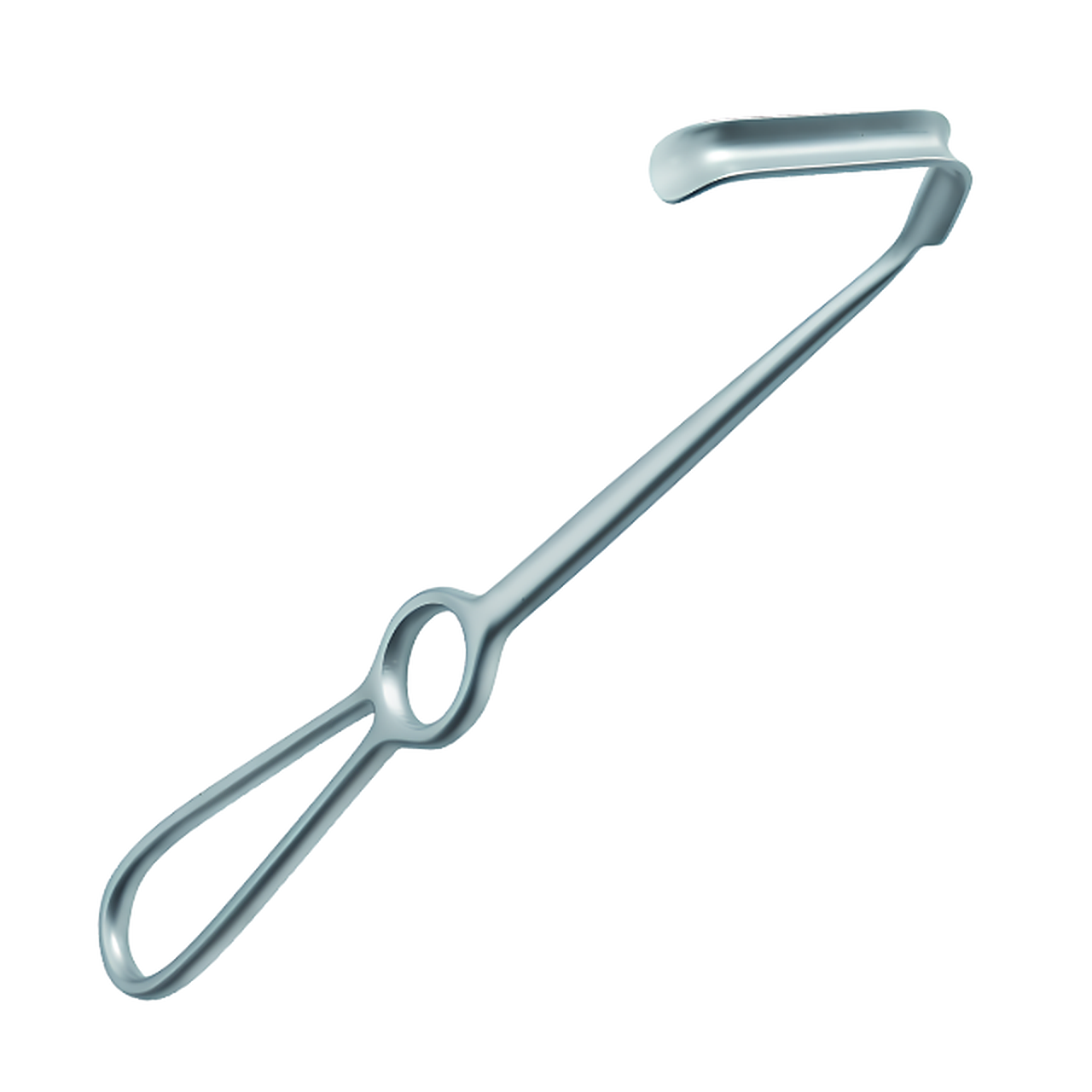 | Afastador Labial Superior Arnett Le Fort | Projetado especificamente para elevar e proteger o lábio superior e a mucosa vestibular durante osteotomias Le Fort e cirurgias ortognáticas. |
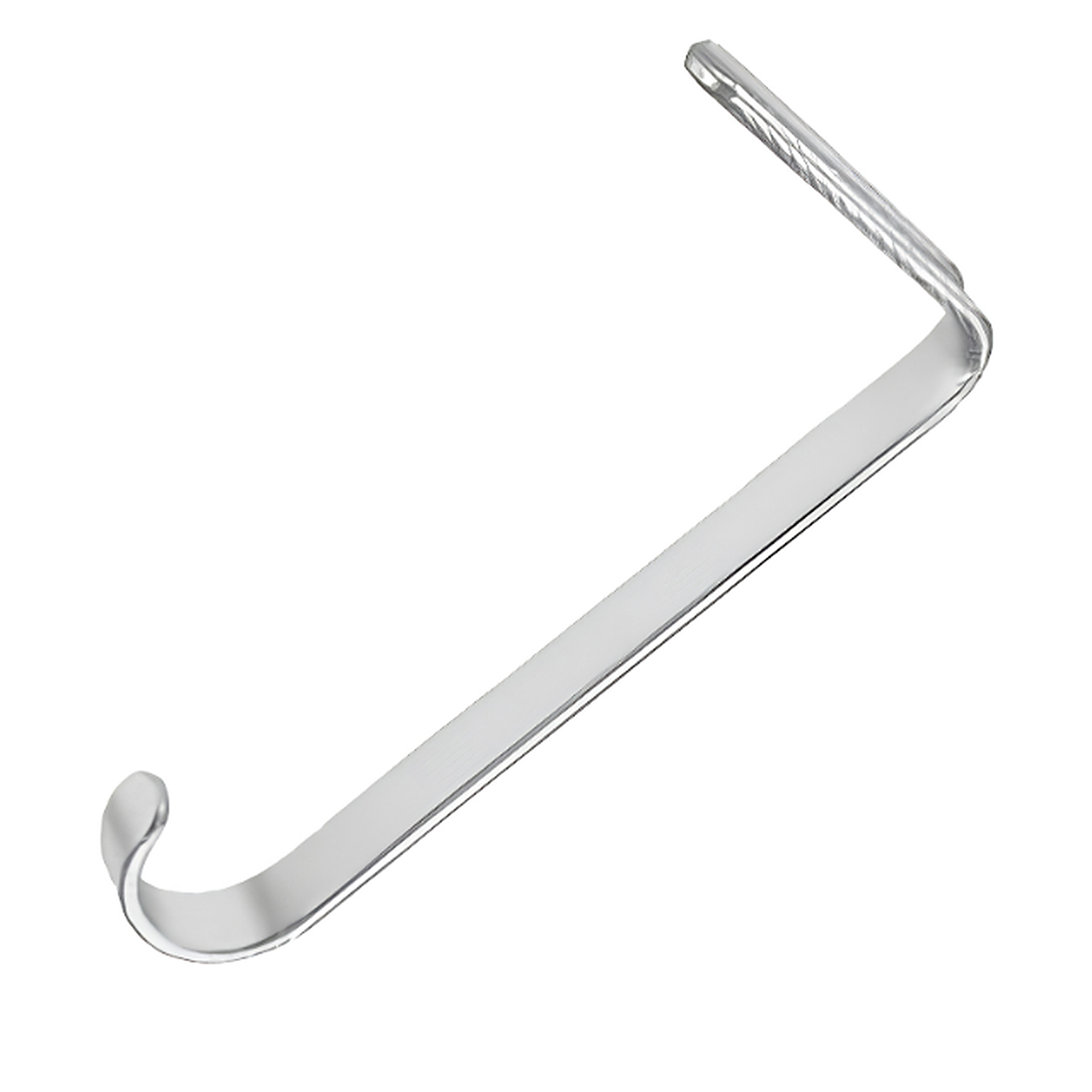 | Afastador Nasal Aufricht Daniel | Projetado especificamente para elevar o envelope de tecido mole e pele dorsal nasal durante rinoplastias estéticas e reconstrutivas. |
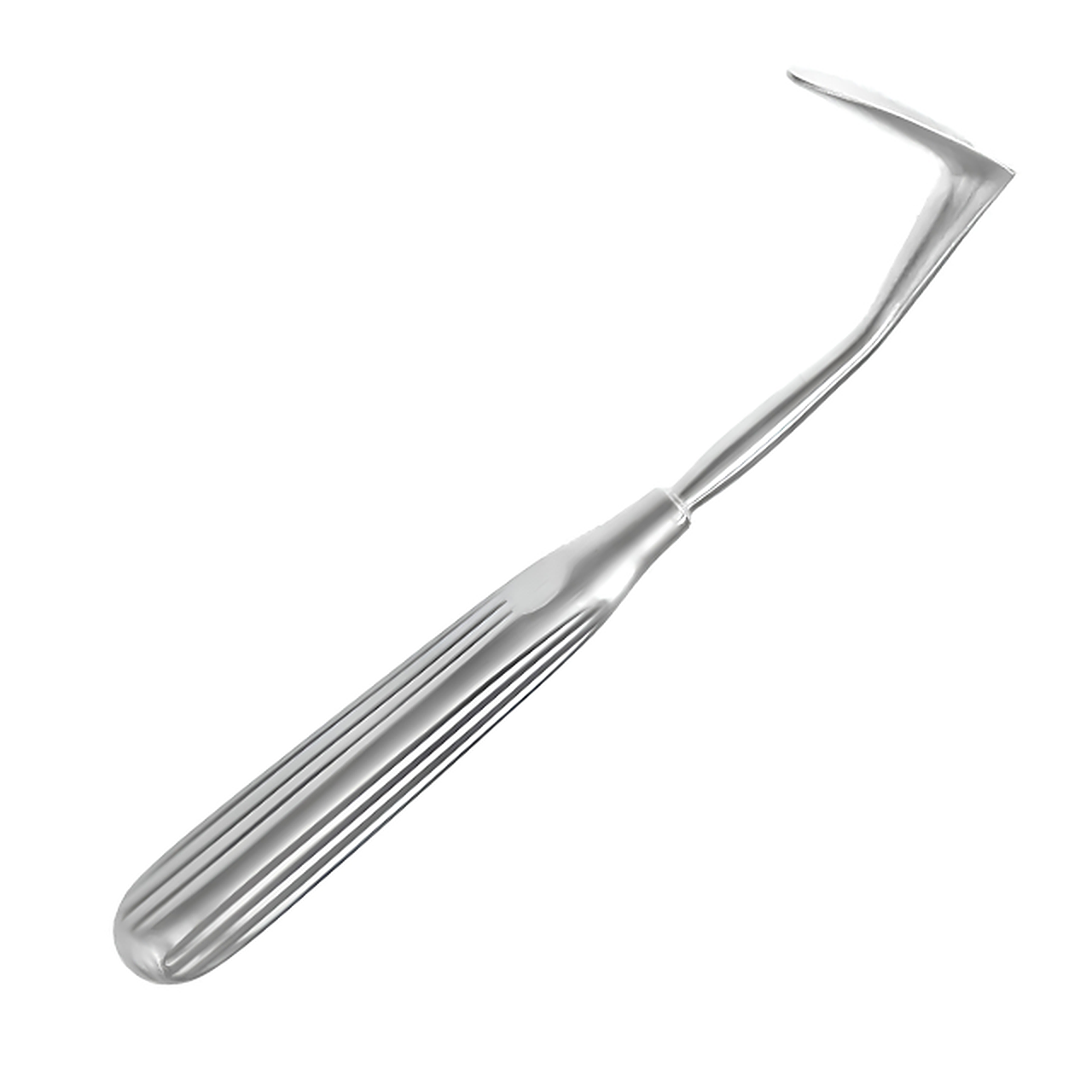 | Afastador Nasal Aufricht | Especificamente projetado para elevar retalhos cutâneos nasais e manter a visualização clara da ponte nasal durante procedimentos de rinoplastia. |
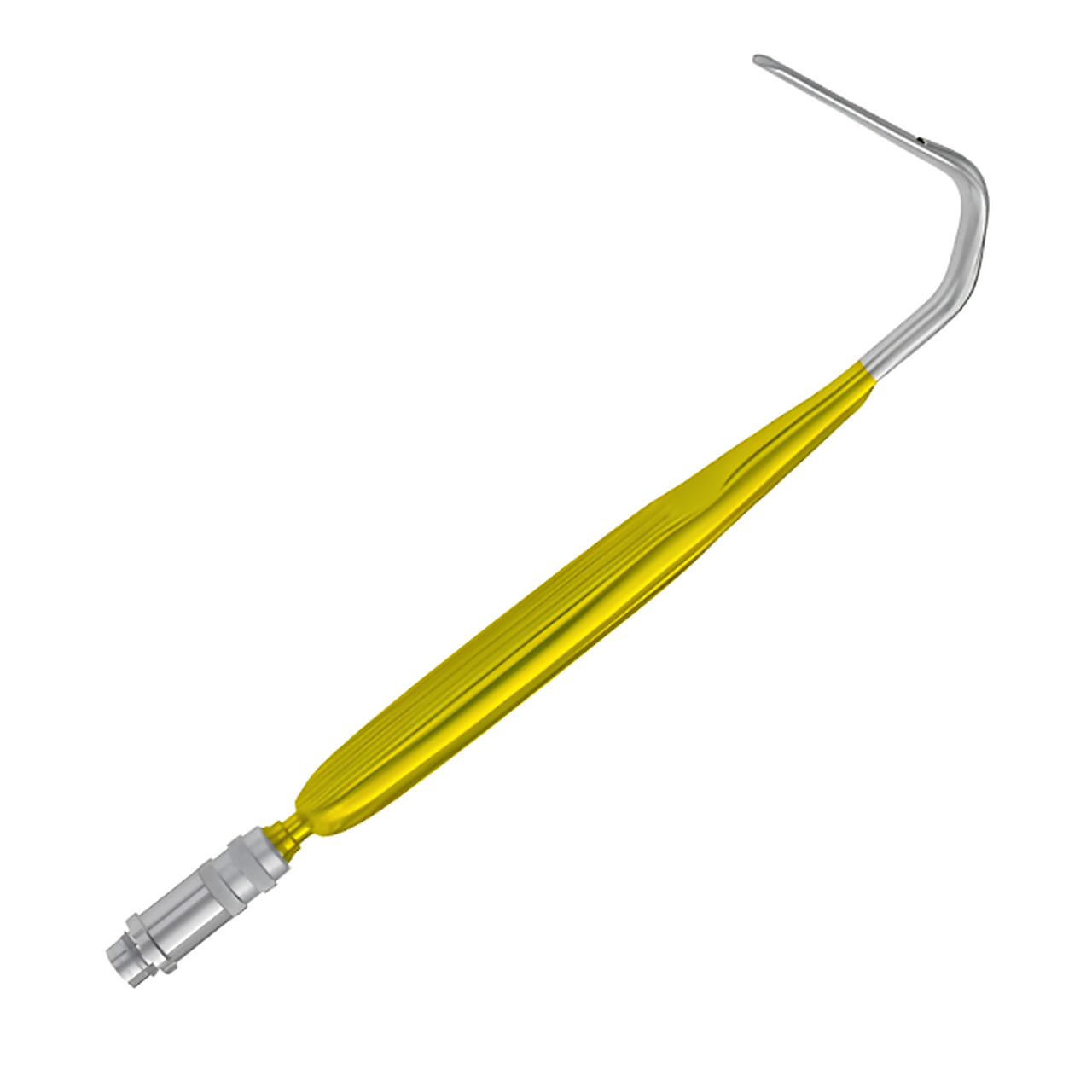 | Afastador Nasal Aufricht - Fibra Óptica | Projetado especificamente para fornecer afastamento de tecidos moles iluminado e exposição dorsal durante rinoplastia e cirurgia nasal reconstrutiva. |
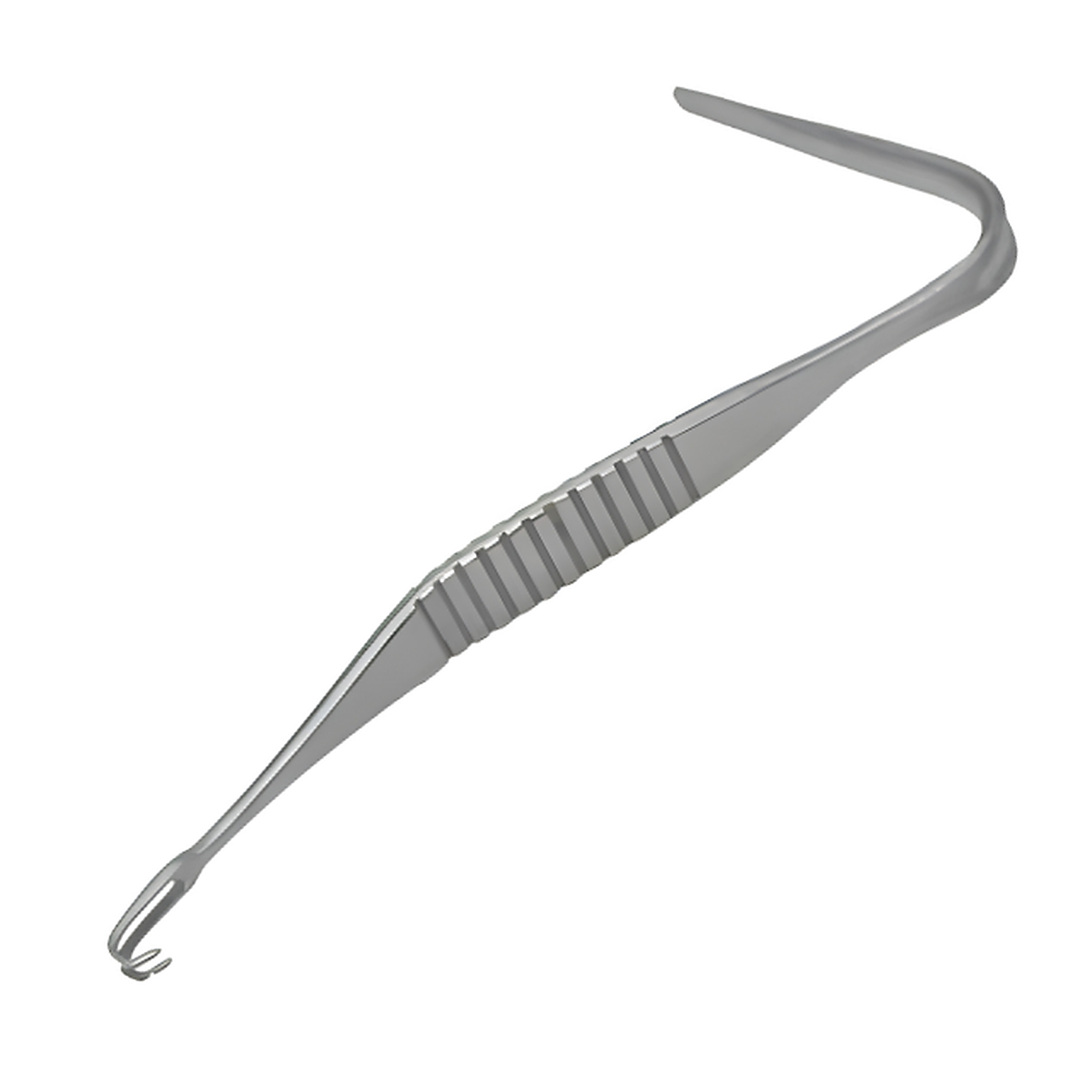 | Afastador Nasal Aufricht Walter | Projetado especificamente para fornecer afastamento de tecidos moles e elevação de retalho mucoso com extremidade dupla durante rinoplastia e reconstrução nasal. |
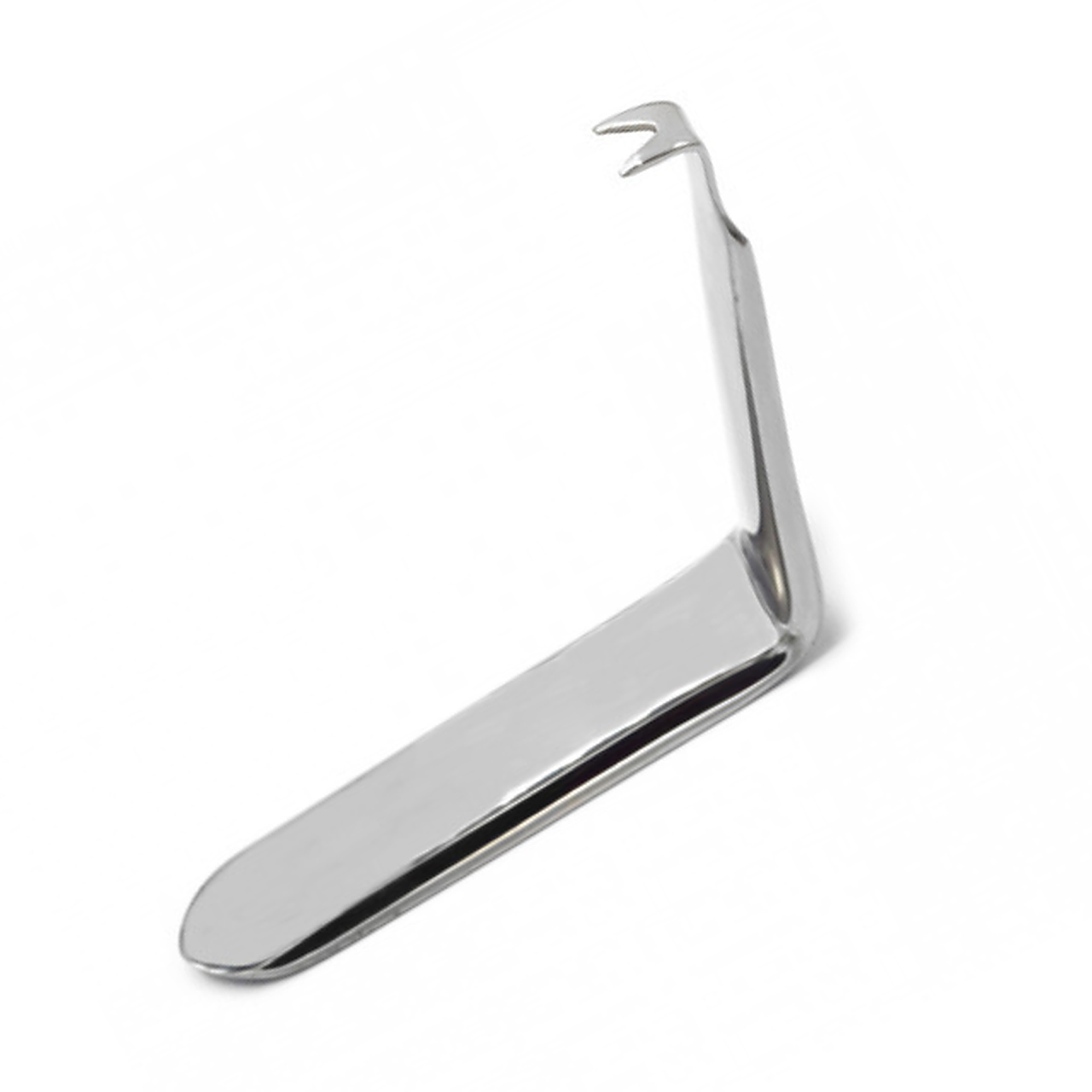 | Afastador de Tecidos e Bochecha Austin | Projetado especificamente para afastar bochechas, lábios e retalhos mucoperiosteais durante procedimentos cirúrgicos intraorais, bucomaxilofaciais e odontológicos. |
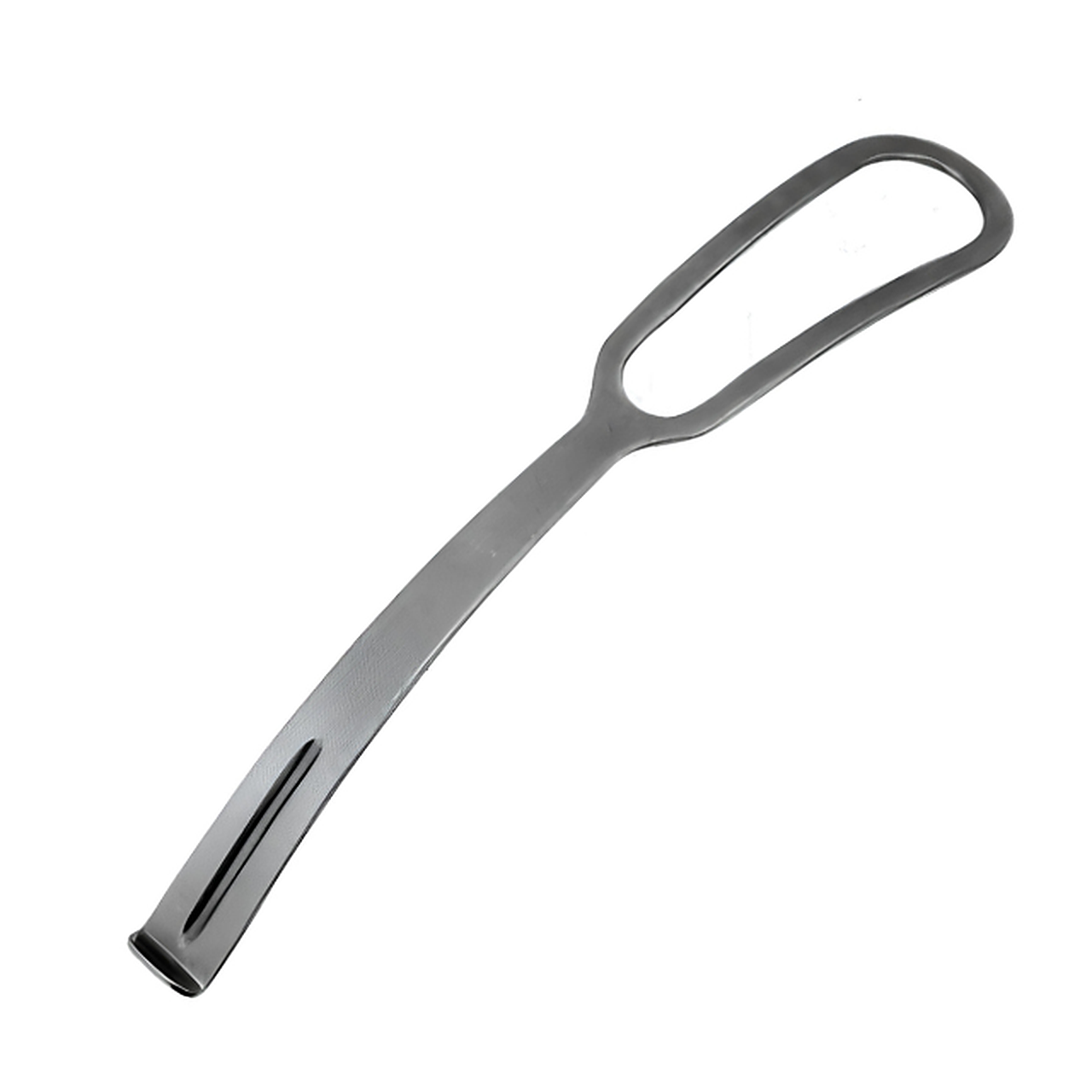 | Afastador de Pescoço Condilar Awty | Projetado especificamente para expor e proteger o colo condilar mandibular durante osteotomias ortognáticas e de trauma. |
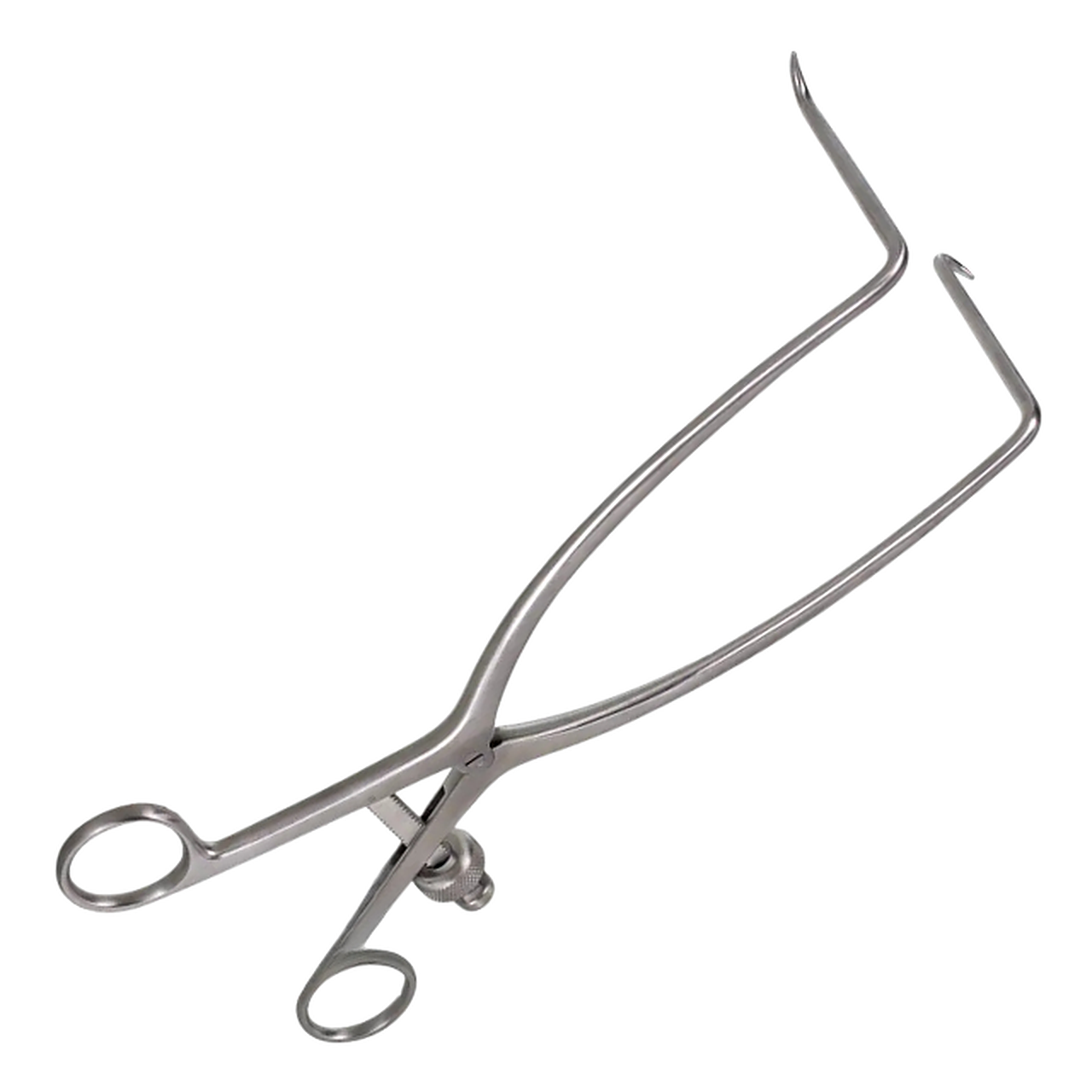 | Afastador B-Z | Projetado especificamente para fornecer afastamento autoestático de tecidos moles profundos e musculatura paraspinal durante cirurgias ortopédicas, de coluna e pélvicas. |
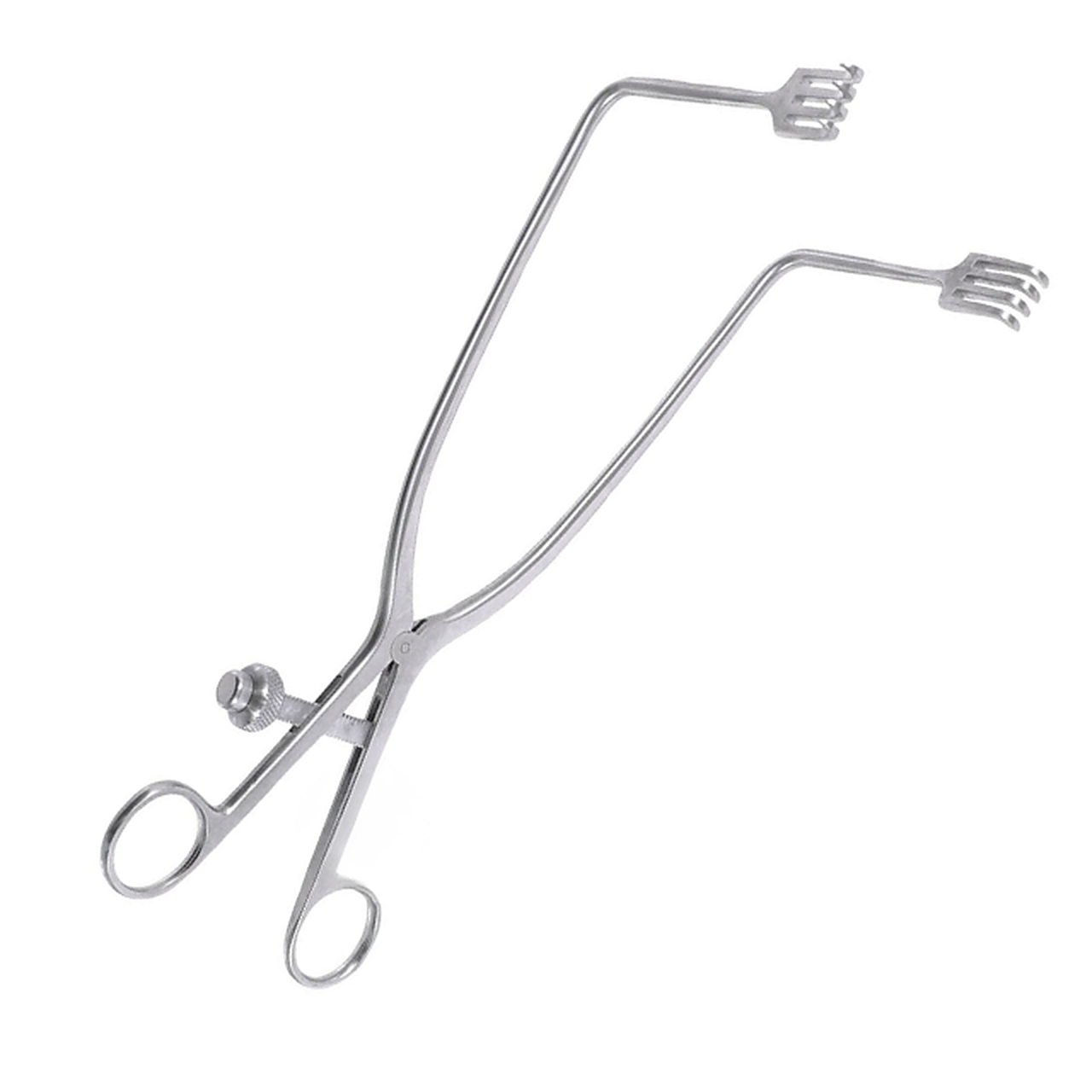 | Afastador B-Z Weitlaner | Projetado especificamente para fornecer retração autoestática de tecidos moles profundos e músculos durante cirurgias espinhais, ortopédicas e pélvicas. |
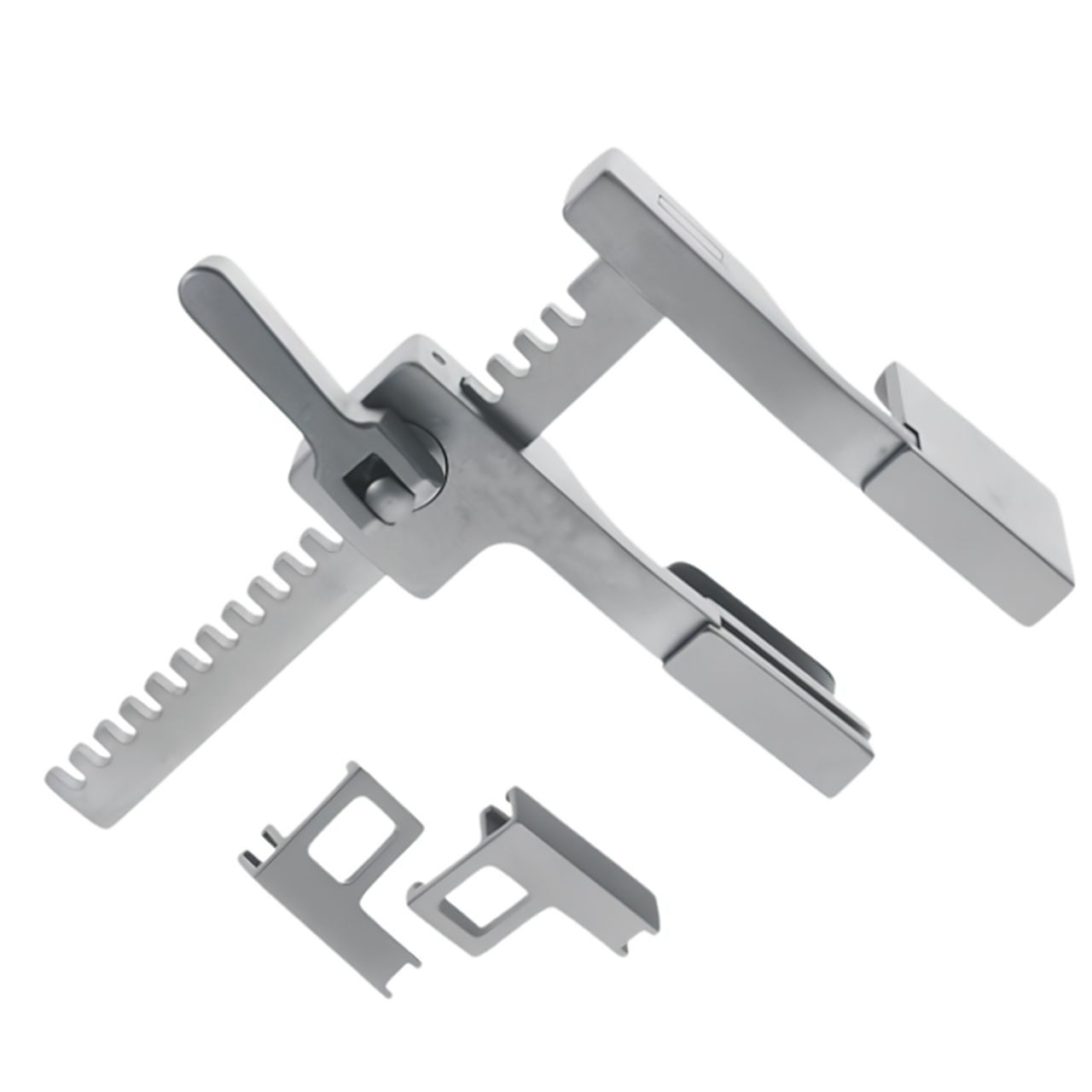 | Afastador de Costelas Baby-Haight | Projetado especificamente para separar as costelas e fornecer acesso torácico durante cirurgias cardiotorácicas neonatais e infantis. |
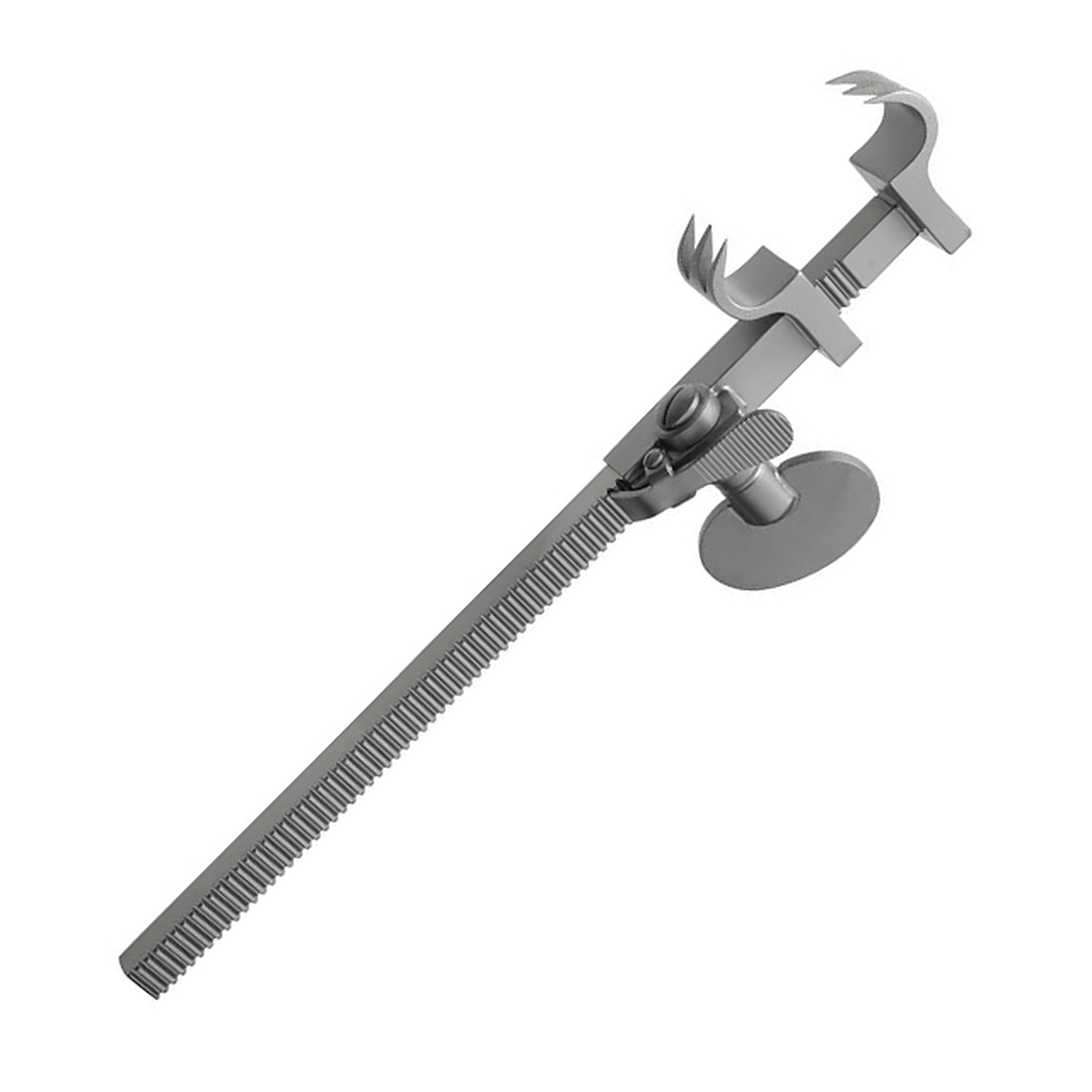 | Aproximador de Costelas Bailey | Projetado especificamente para aproximar as costelas e estabilizar a caixa torácica durante o fechamento de feridas de toracotomia. |
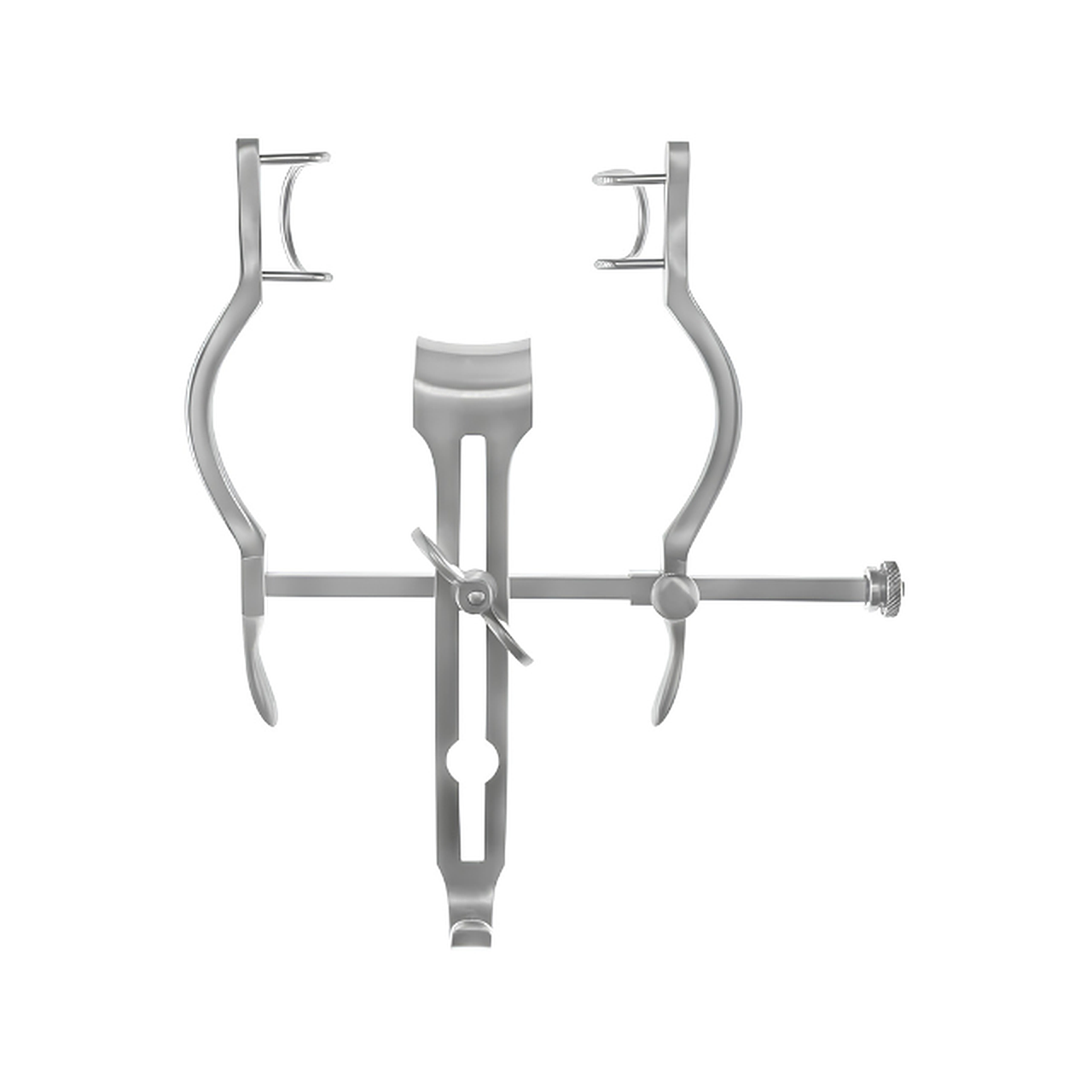 | Afastador Autoestático Balfour Baby | Projetado especificamente para fornecer afastamento tecidual autoestático e manter a exposição cirúrgica estruturada em diversos procedimentos operatórios. |
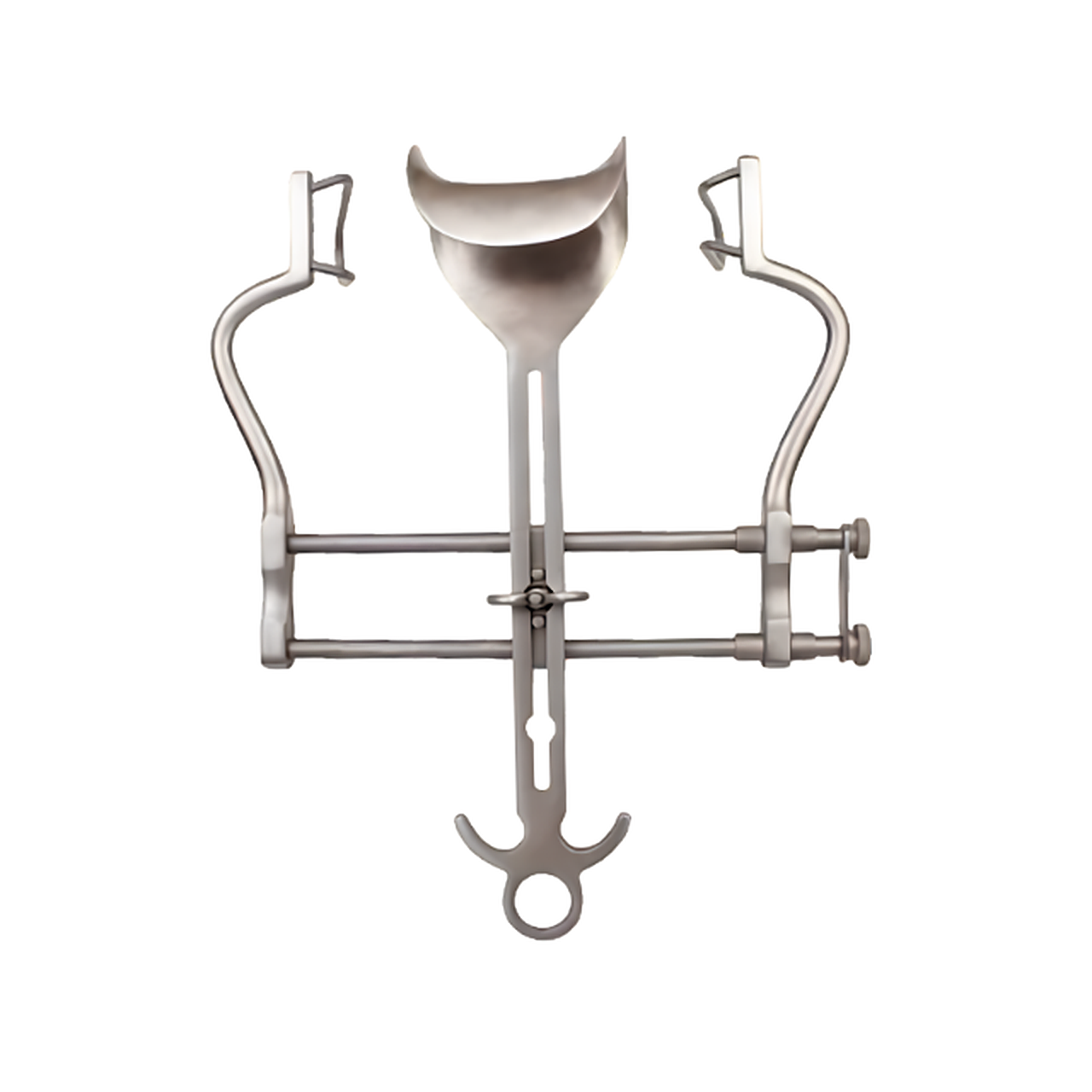 | Afastador Balfour | Projetado para fornecer afastamento autoestático de tecidos moles e manter a exposição contínua e mãos-livres do campo operatório. |
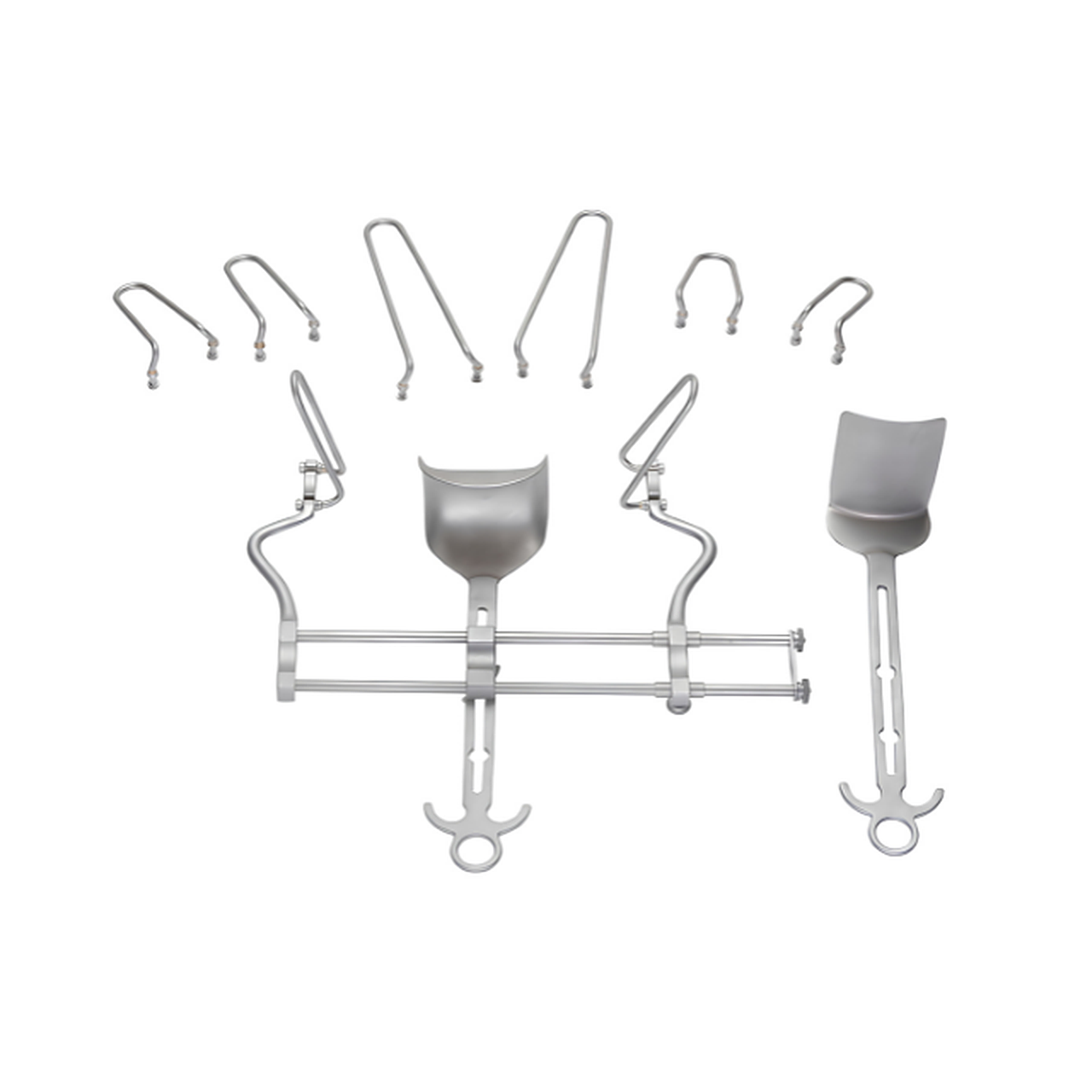 | Afastador Autoestático Balfour USA | Especificamente projetado para fornecer retração autoestática de tecidos moles e manter a exposição cirúrgica estruturada em procedimentos operatórios. |
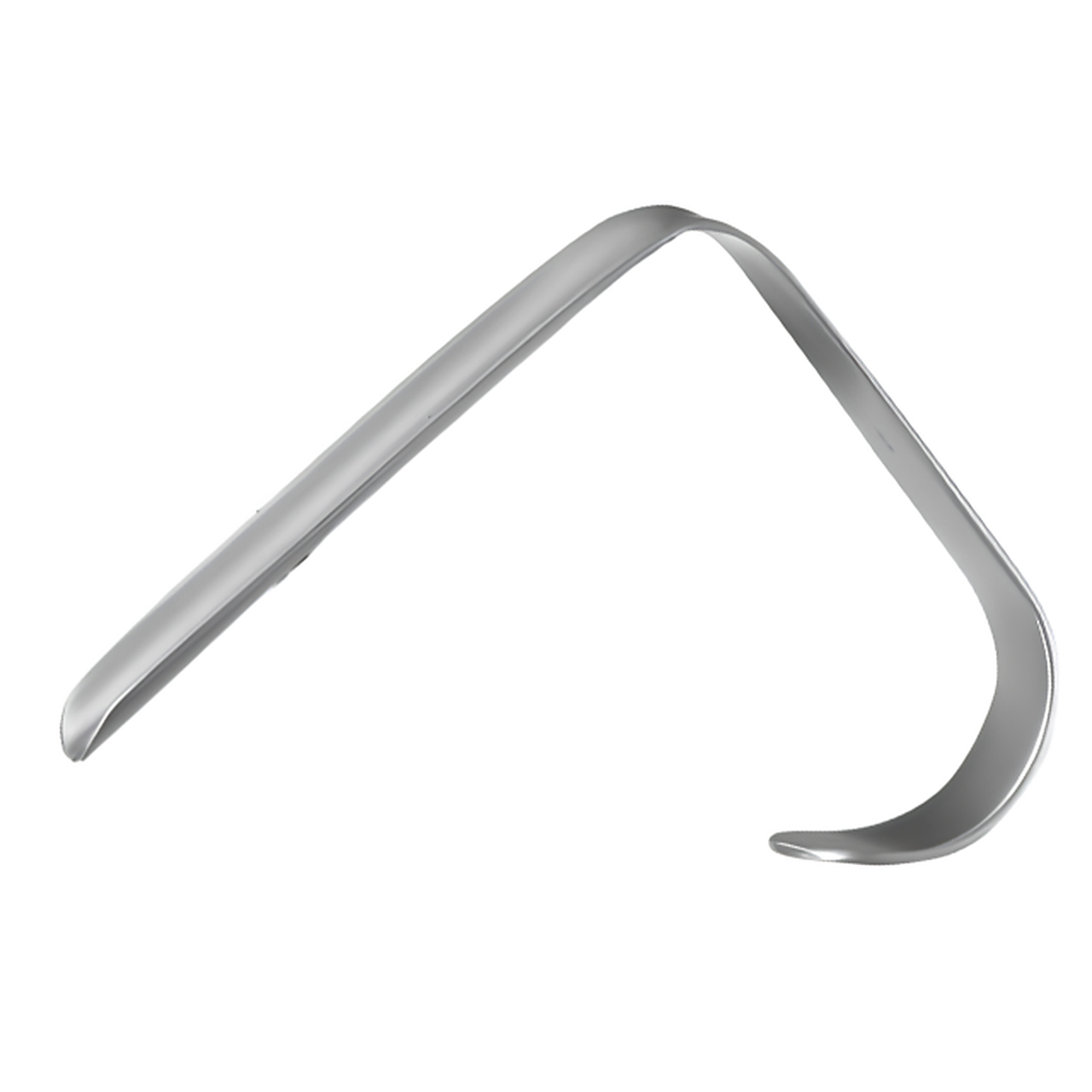 | Afastador Nasal Barsky | Projetado especificamente para o afastamento da borda alar e tecidos moles da parede nasal durante rinoplastia e reconstrução de lábio leporino/nasal. |
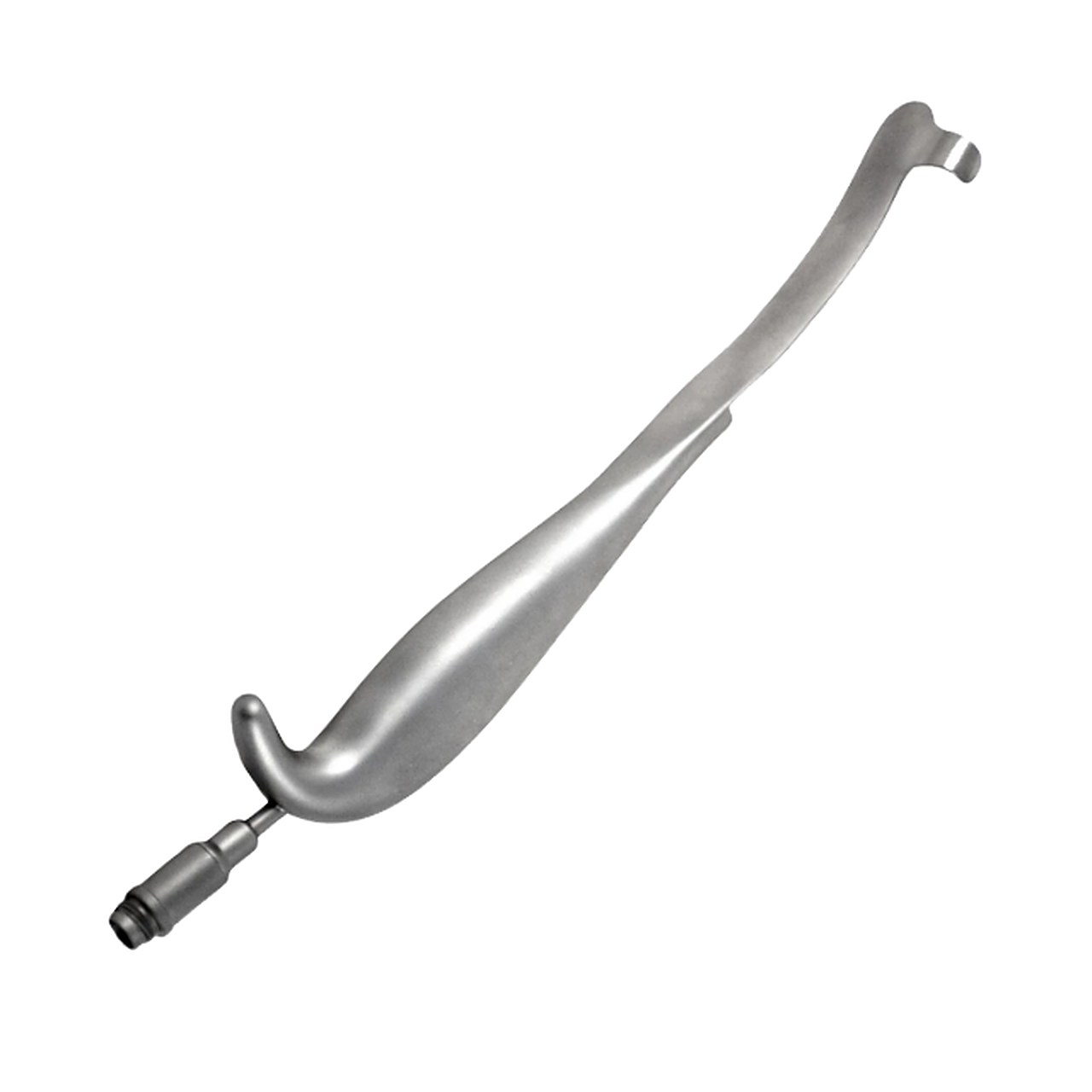 | Afastador Intraoral Bauer para Incisura Sigmoide | Projetado especificamente para acoplar-se à incisura sigmoide mandibular e afastar tecidos moles durante osteotomias do ramo e cirurgias da ATM. |
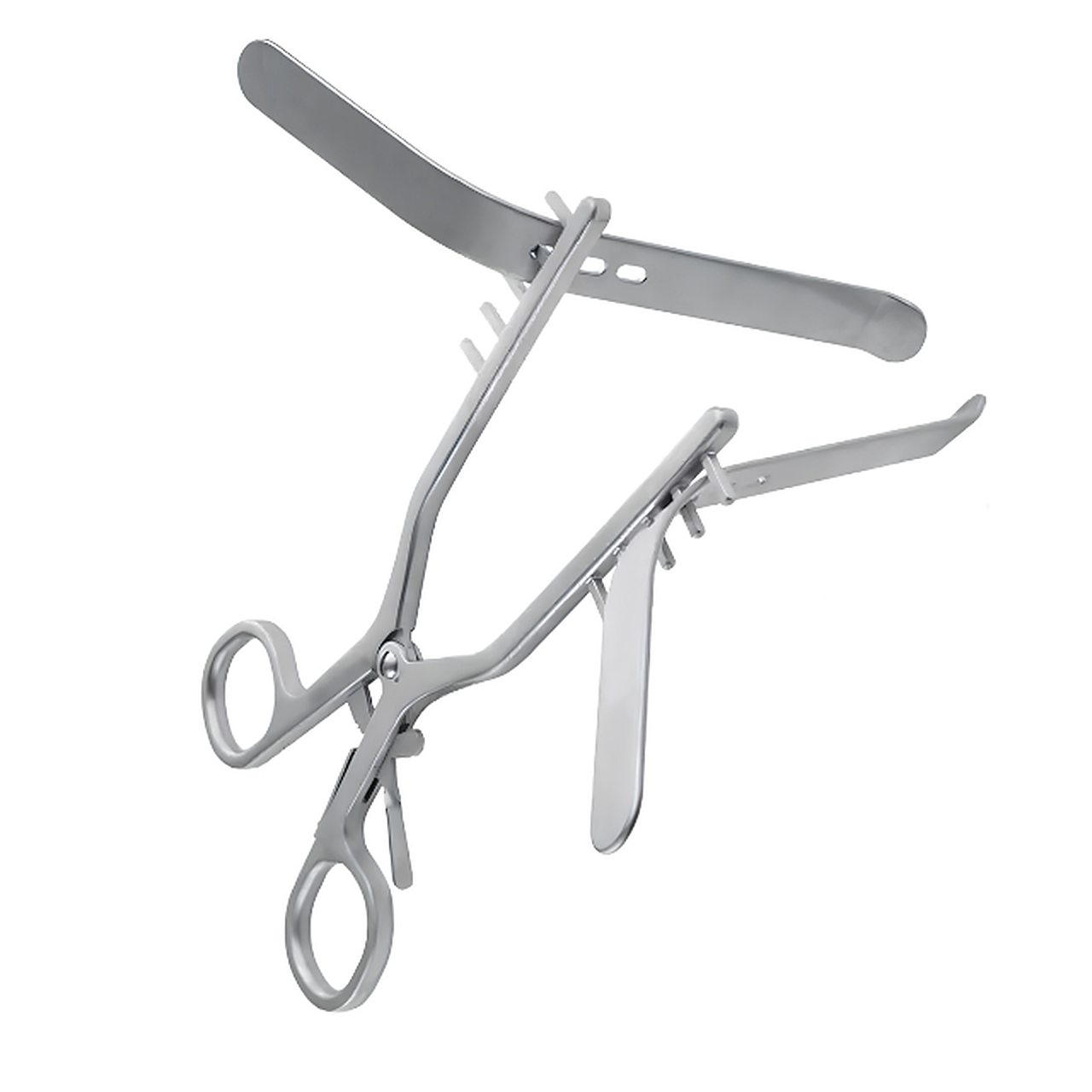 | Afastador Autostático Beard Distal Bicep | Projetado especificamente para retração mãos-livres de tecidos moles e exposição da tuberosidade radial durante reparos do tendão do bíceps distal. |
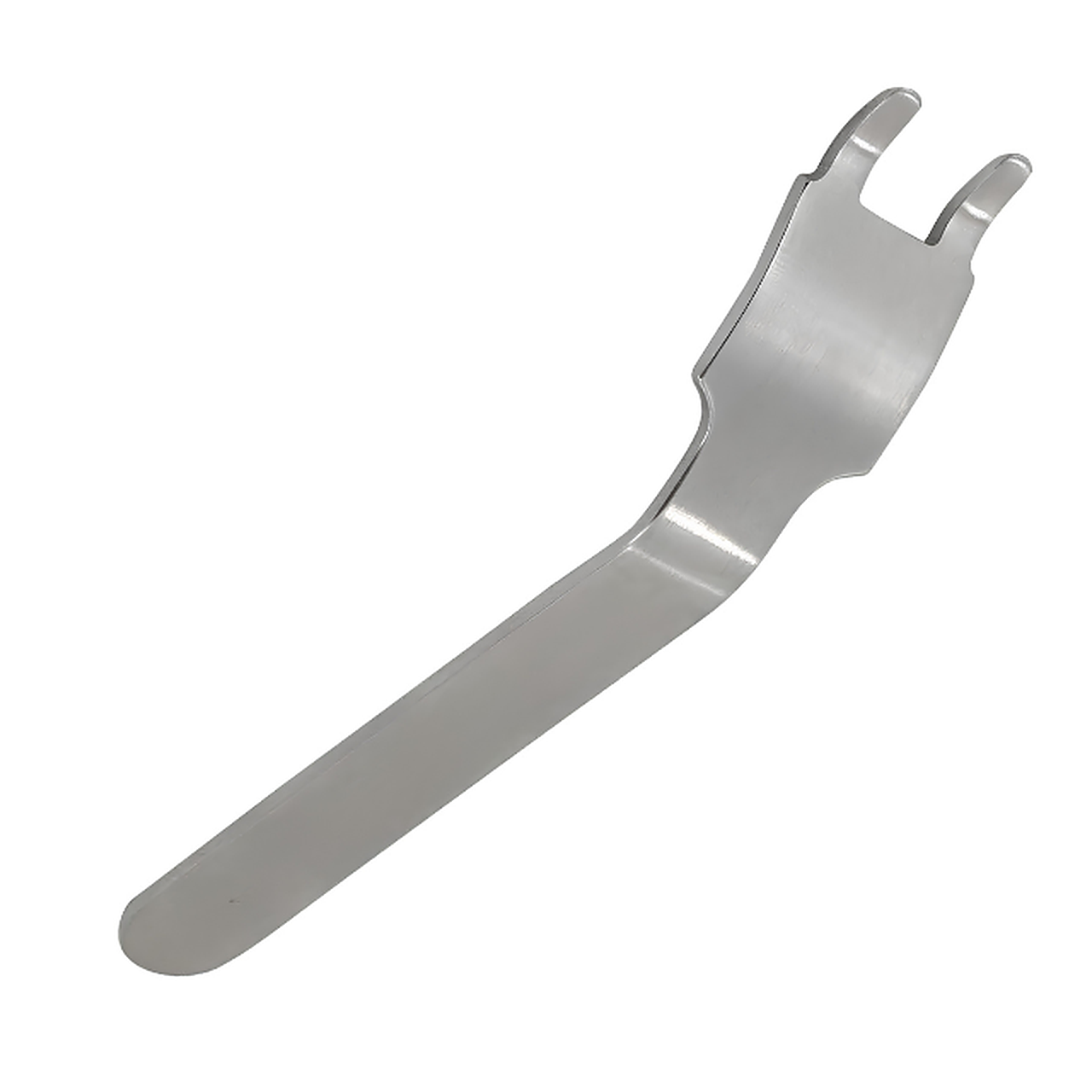 | Afastador Beard Distal Radius Wide Hohmann | Projetado especificamente para expor o rádio distal e afastar tecidos moles e o músculo pronador quadrado durante o emplateamento de fraturas de punho. |
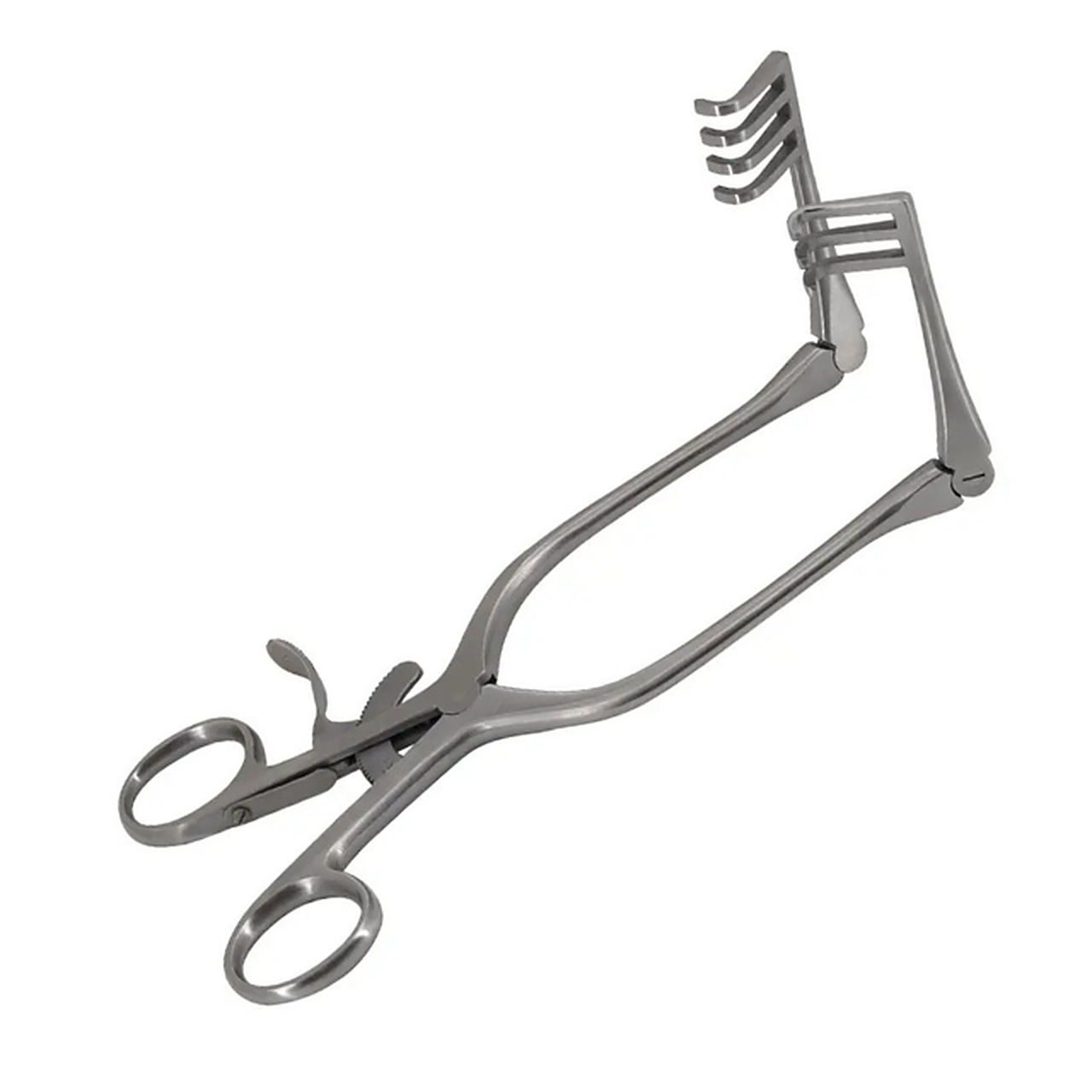 | Afastador Autoestático Beckman-Weitlaner | Projetado especificamente para fornecer retração autoestática e articulada de tecidos moles e músculos durante cirurgias ortopédicas e de coluna. |
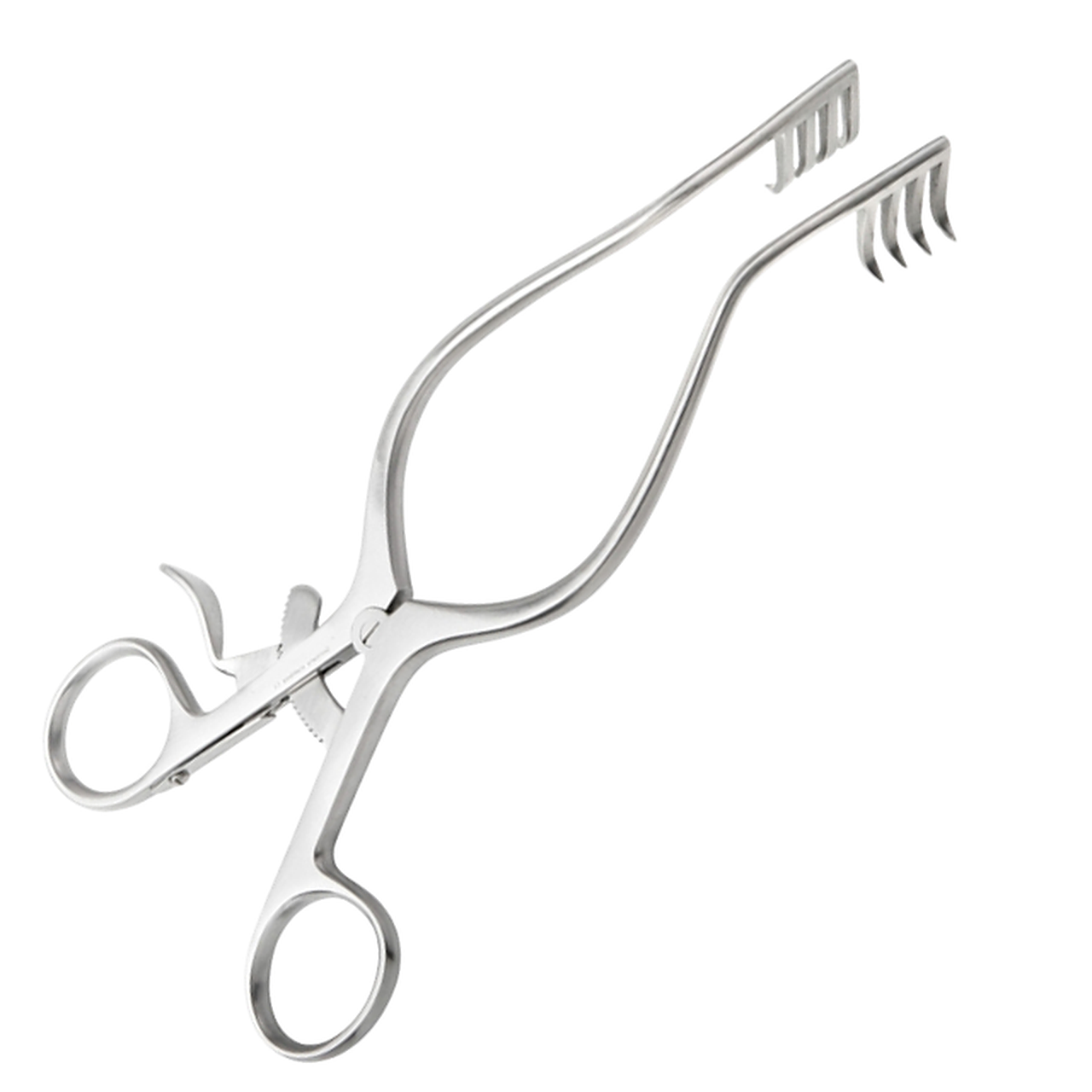 | Afastador Autoestático Beckmann Adson | Projetado especificamente para fornecer retração autoestática de músculos paravertebrais e tecidos moles durante operações espinhais e neurocirúrgicas. |
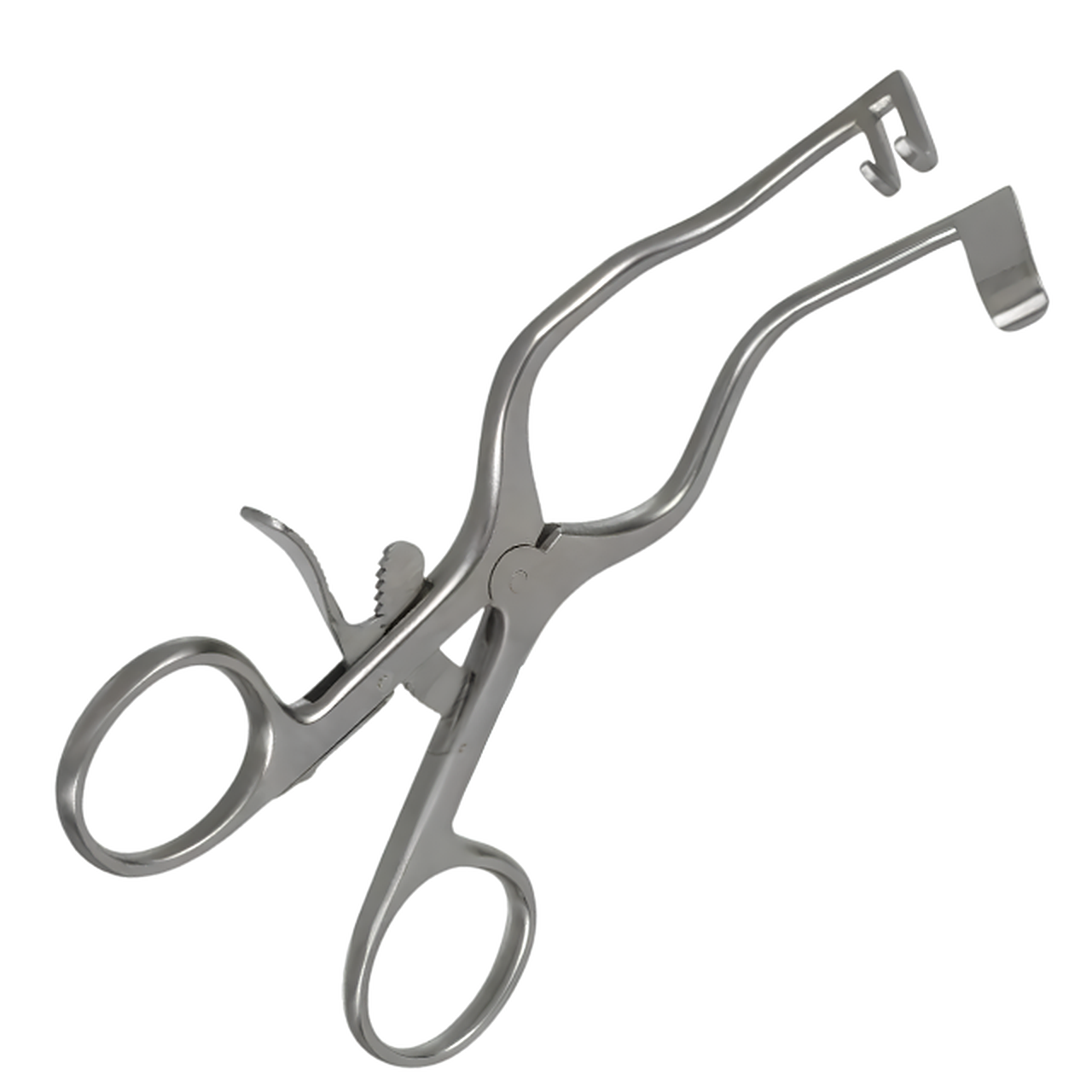 | Afastadores Bellucci Endaural | Especificamente projetado para expor o canal auditivo externo e o anel timpânico durante cirurgias de ouvido por via endaural. |
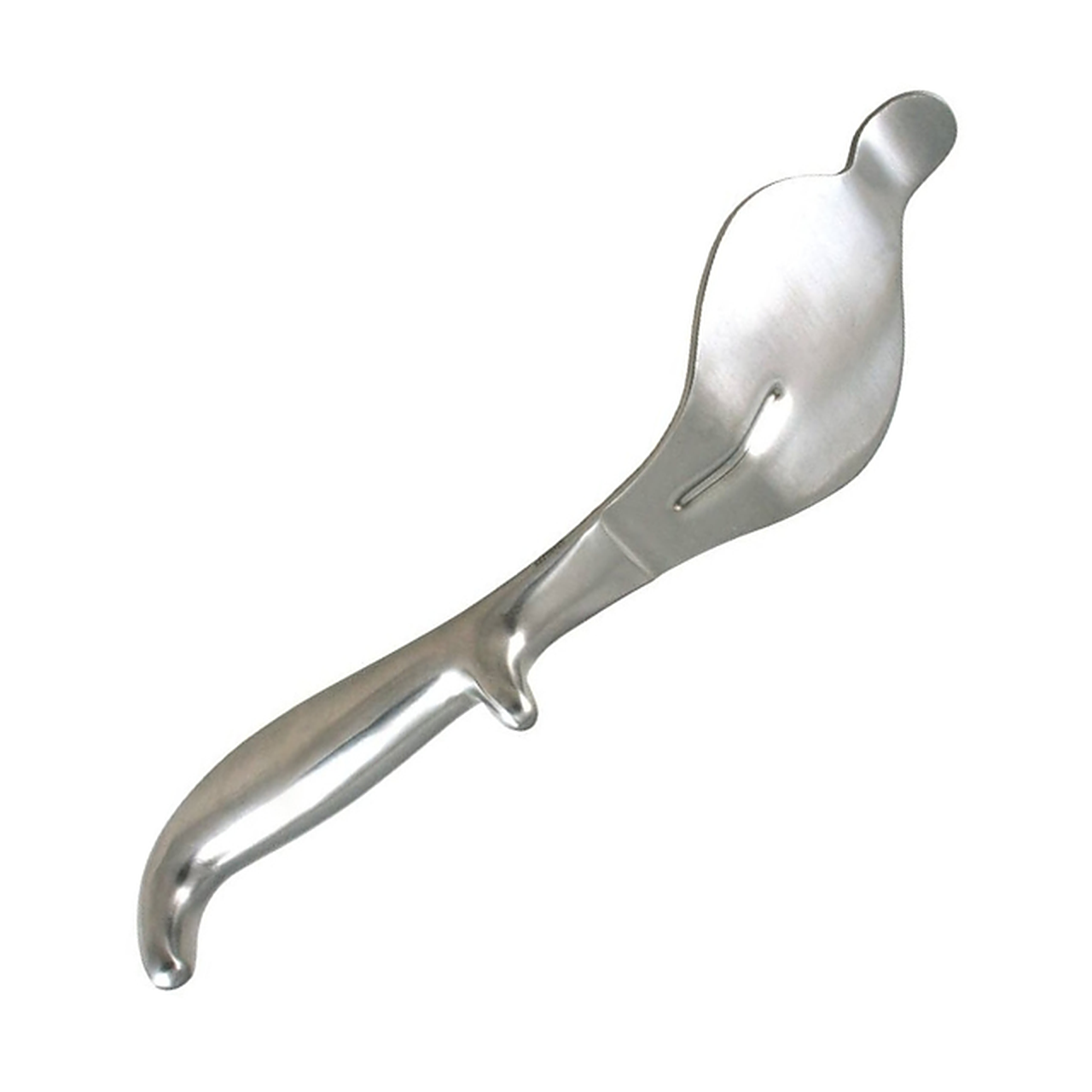 | Afastador Bennett Tibia | Projetado especificamente para afastar músculos volumosos e tecidos moles da tíbia durante artroplastia de joelho e fixação de fraturas tibiais. |
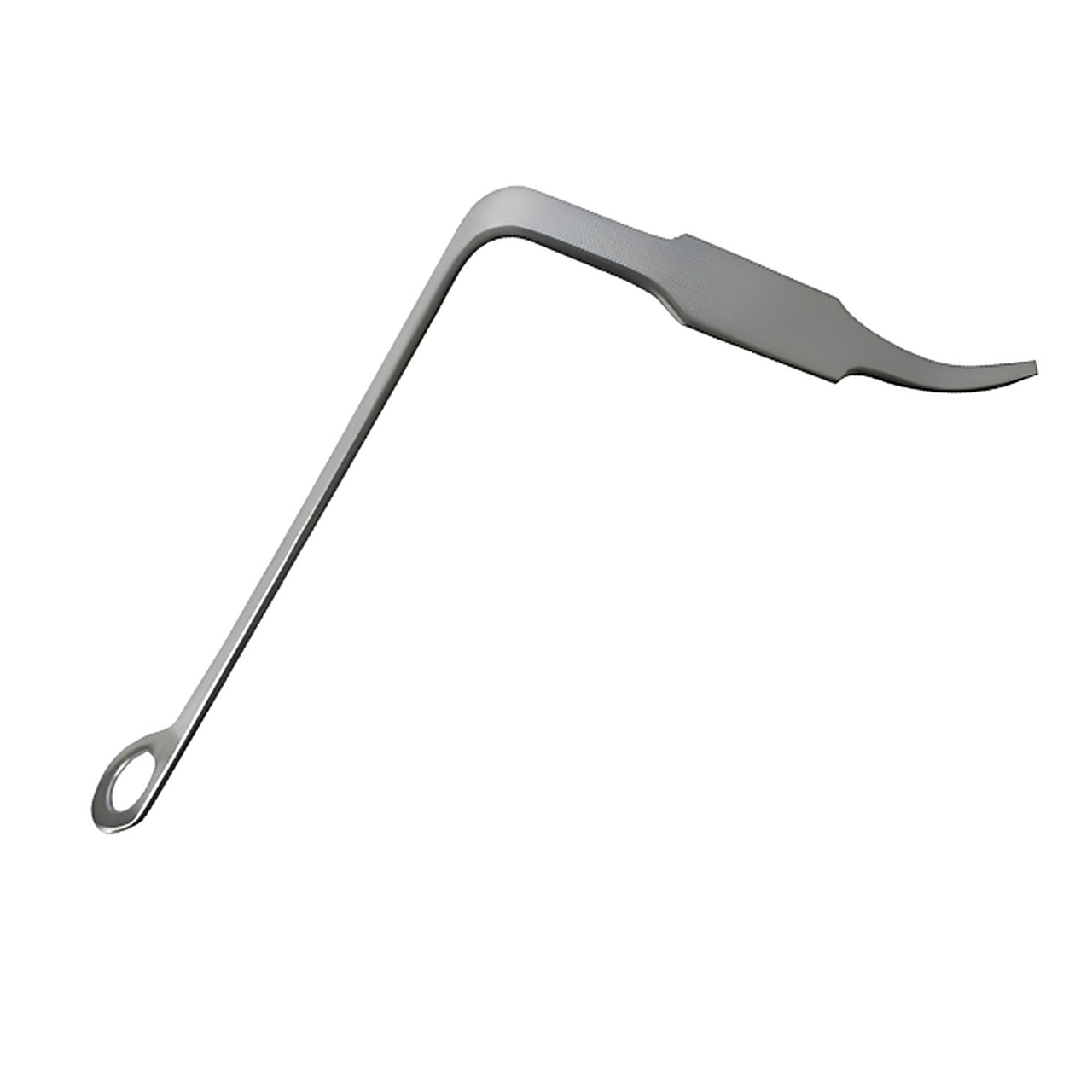 | Afastador Hohmann Curvo | Especificamente projetado para afastar tecidos moles e músculos do osso durante procedimentos ortopédicos de quadril, joelho e ossos longos. |
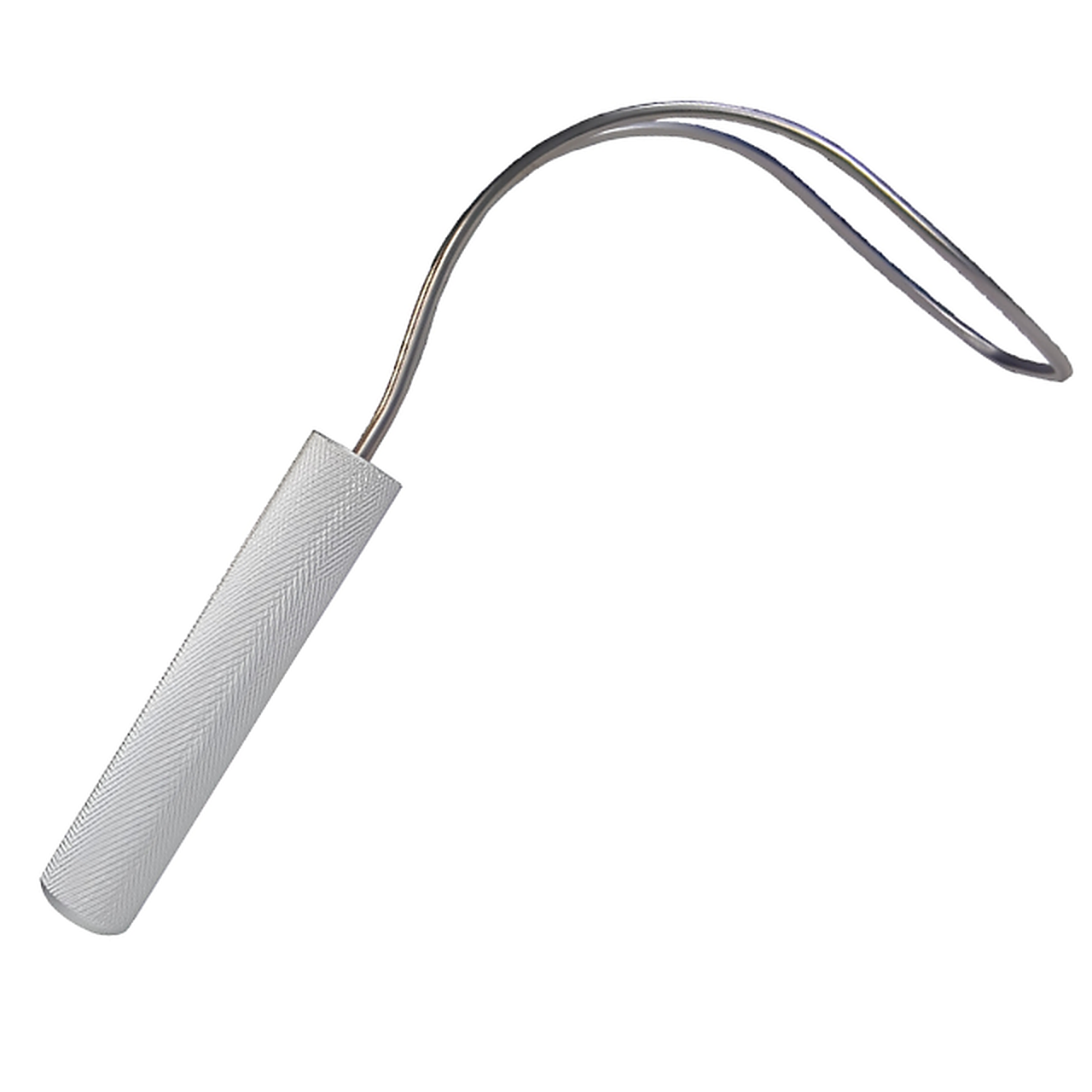 | Afastador Biggs para Ritidectomia (Face Lift) | Projetado especificamente para elevar retalhos cutâneos faciais e fornecer exposição estável durante ritidectomia e cirurgias plásticas estéticas. |
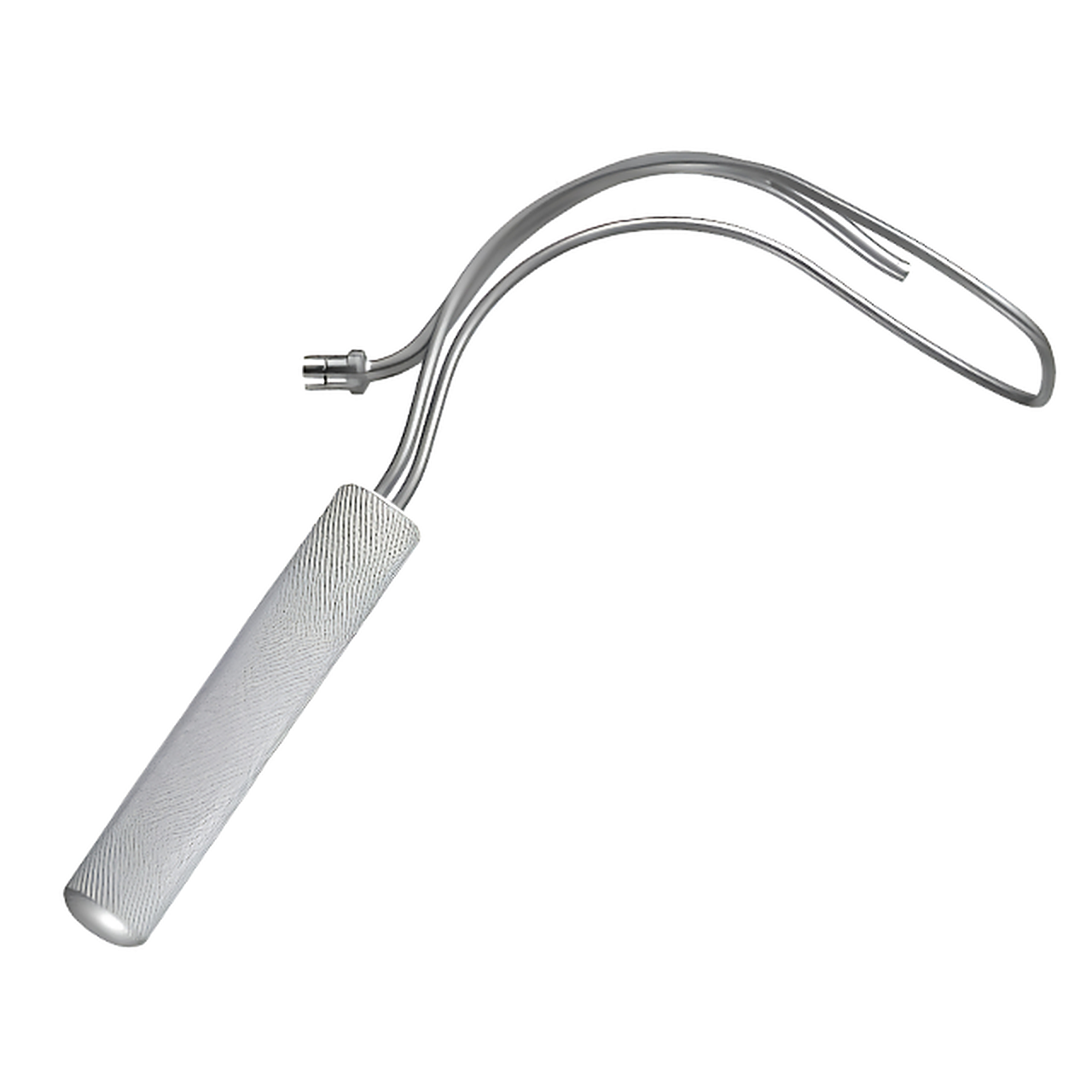 | Biggs Face Lift Retractor, With Fiber optic | Projetado especificamente para fornecer retração de tecidos moles iluminada e elevação de retalhos cutâneos durante ritidectomia e cirurgia plástica facial. |
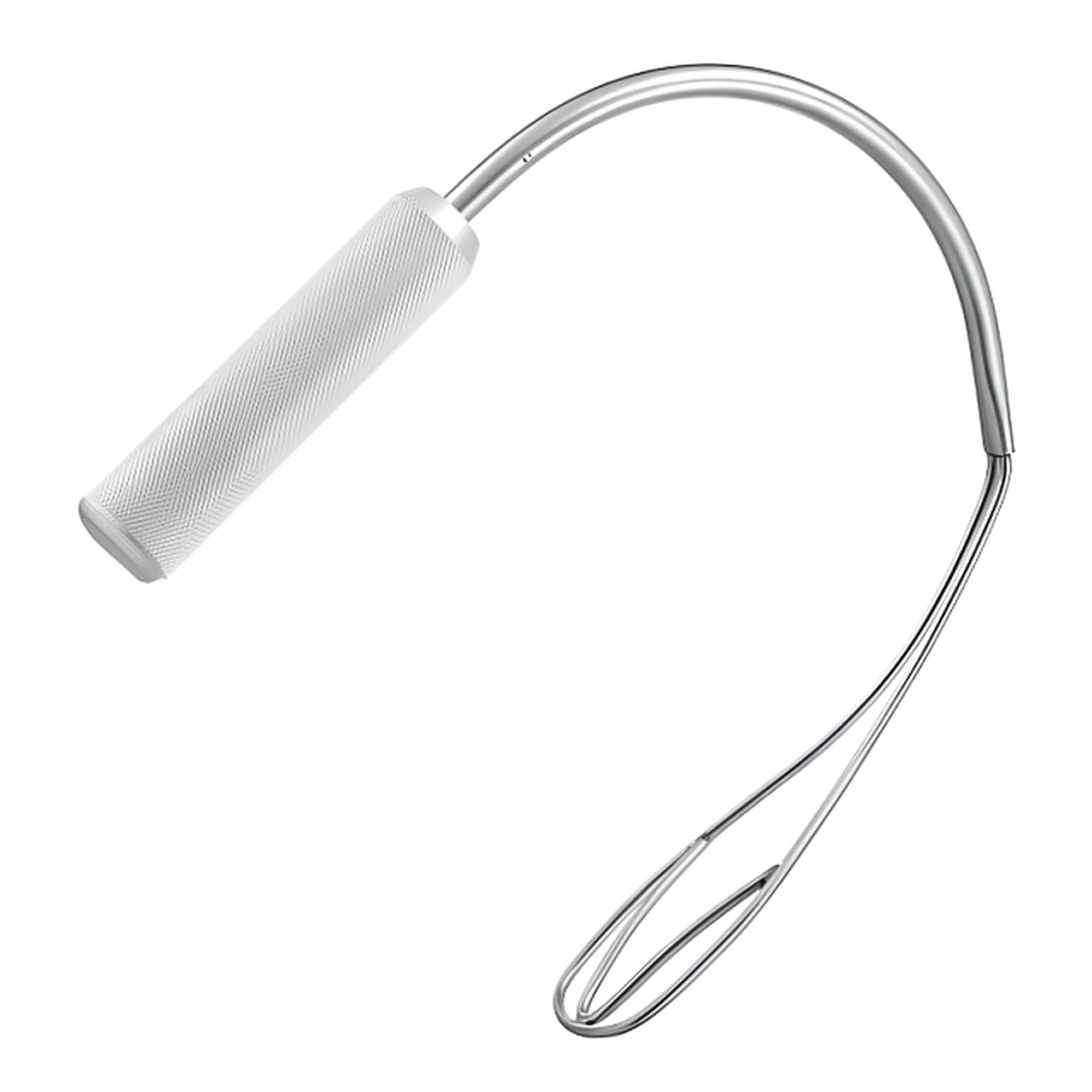 | Afastador Biggs Mammaplasty narrow | Projetado especificamente para elevar o parênquima mamário e retalhos do músculo peitoral durante mamoplastia e reconstrução mamária. |
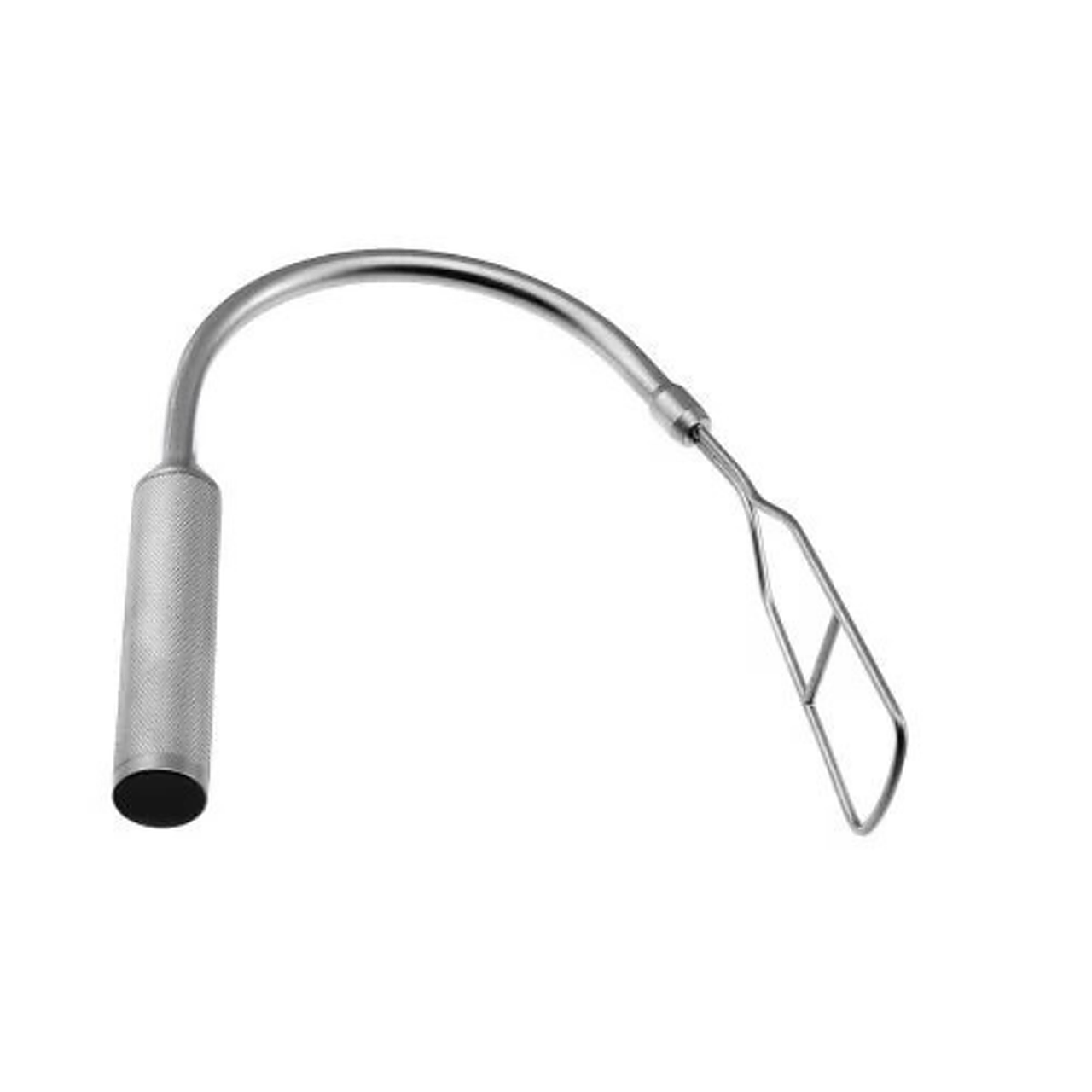 | Afastador Biggs Mammaplasty Retractor standard | Projetado especificamente para elevar o parênquima mamário e retalhos musculares peitorais durante mamoplastia e reconstrução mamária. |
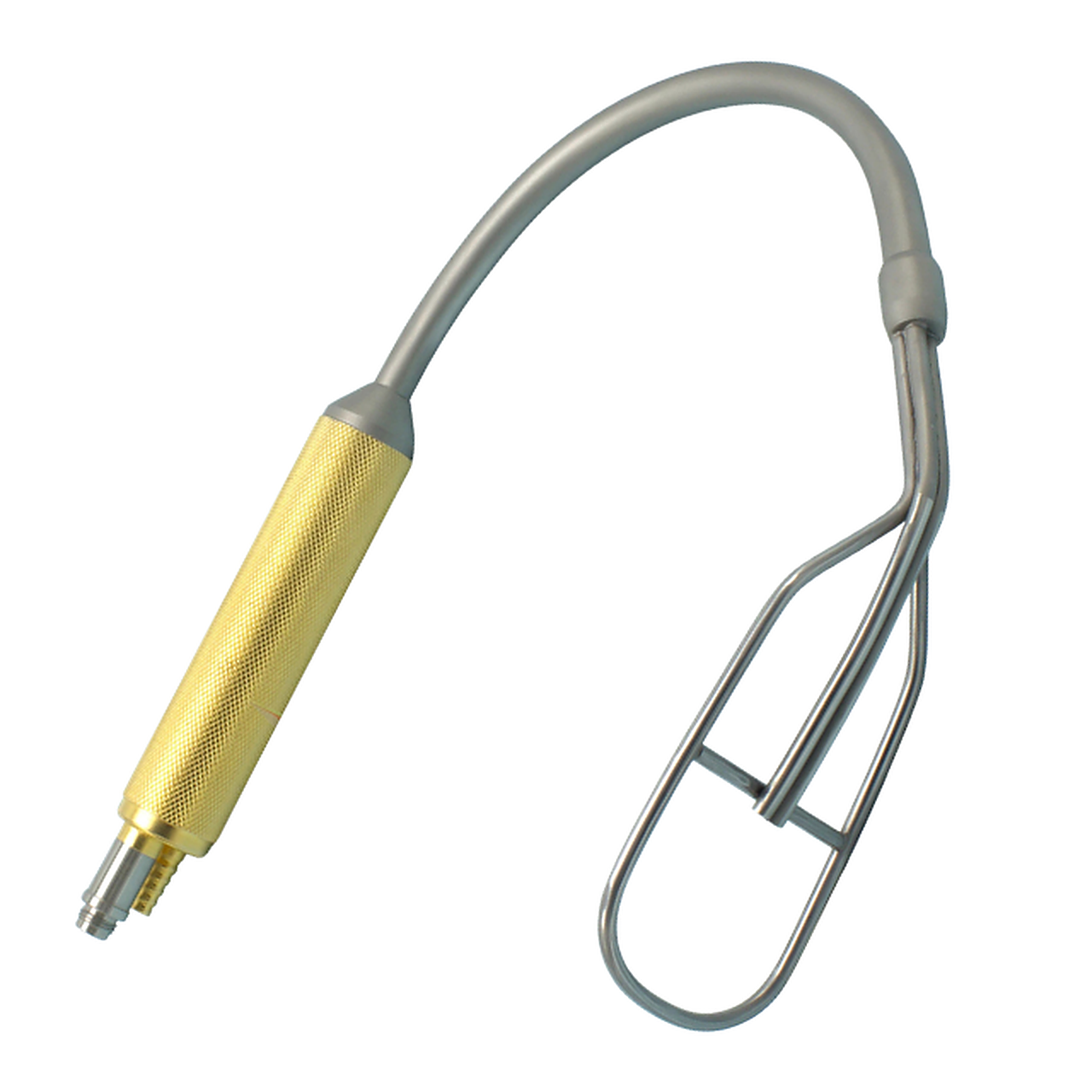 | Afastador Mammaplasty Biggs, Fibra Óptica | Projetado especificamente para fornecer afastamento de tecidos moles com iluminação, evacuação de fumaça e visualização da loja durante a mamoplastia. |
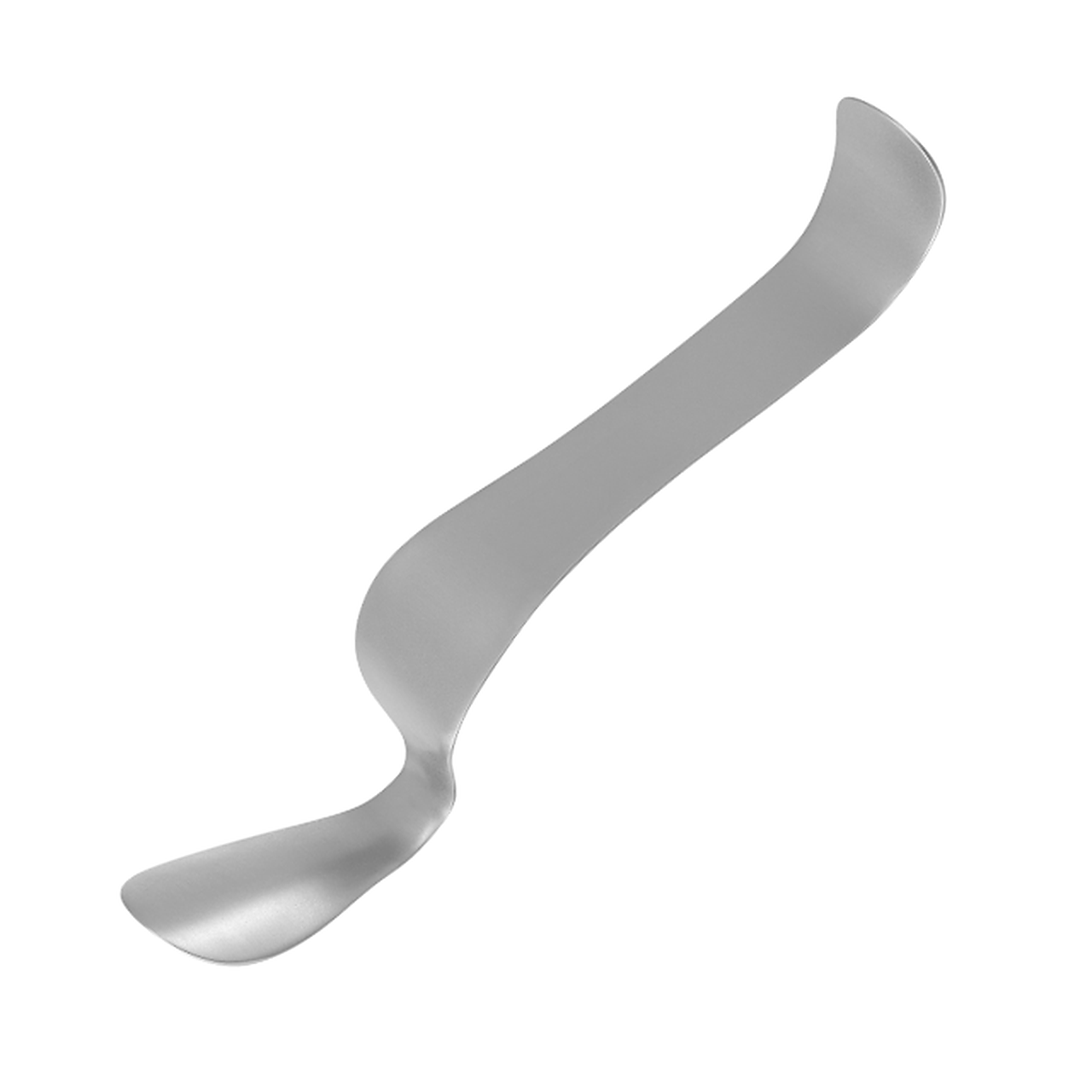 | Afastador Labial e de Bochecha Bishop | Projetado especificamente para afastar e proteger lábios, bochechas e mucosa bucal durante procedimentos cirúrgicos intraorais e odontológicos. |
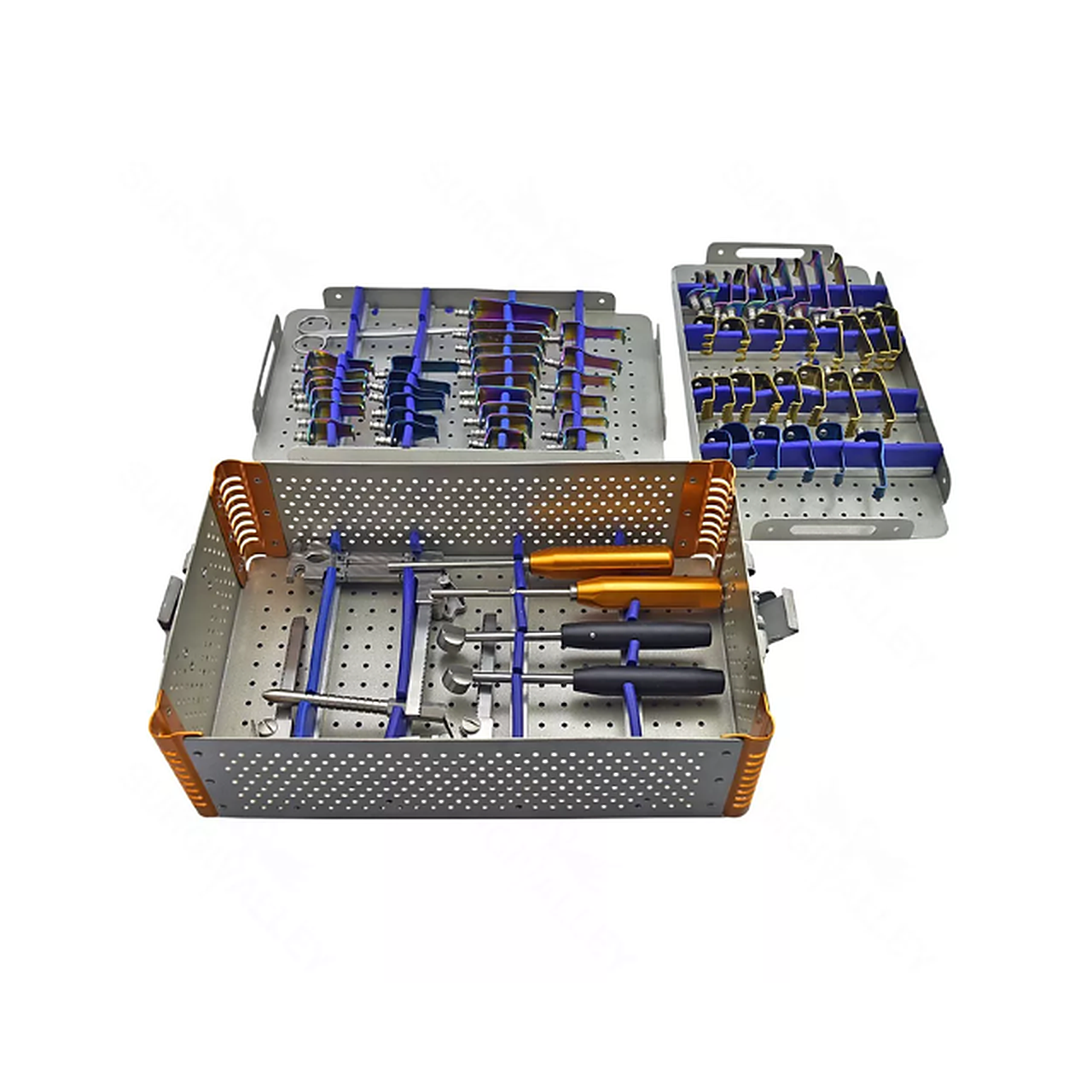 | Sistema de Afastador Cervical Black Belt | Especificamente projetado para fornecer retração tecidual controlada e exposição cirúrgica precisa durante procedimentos da coluna cervical. |
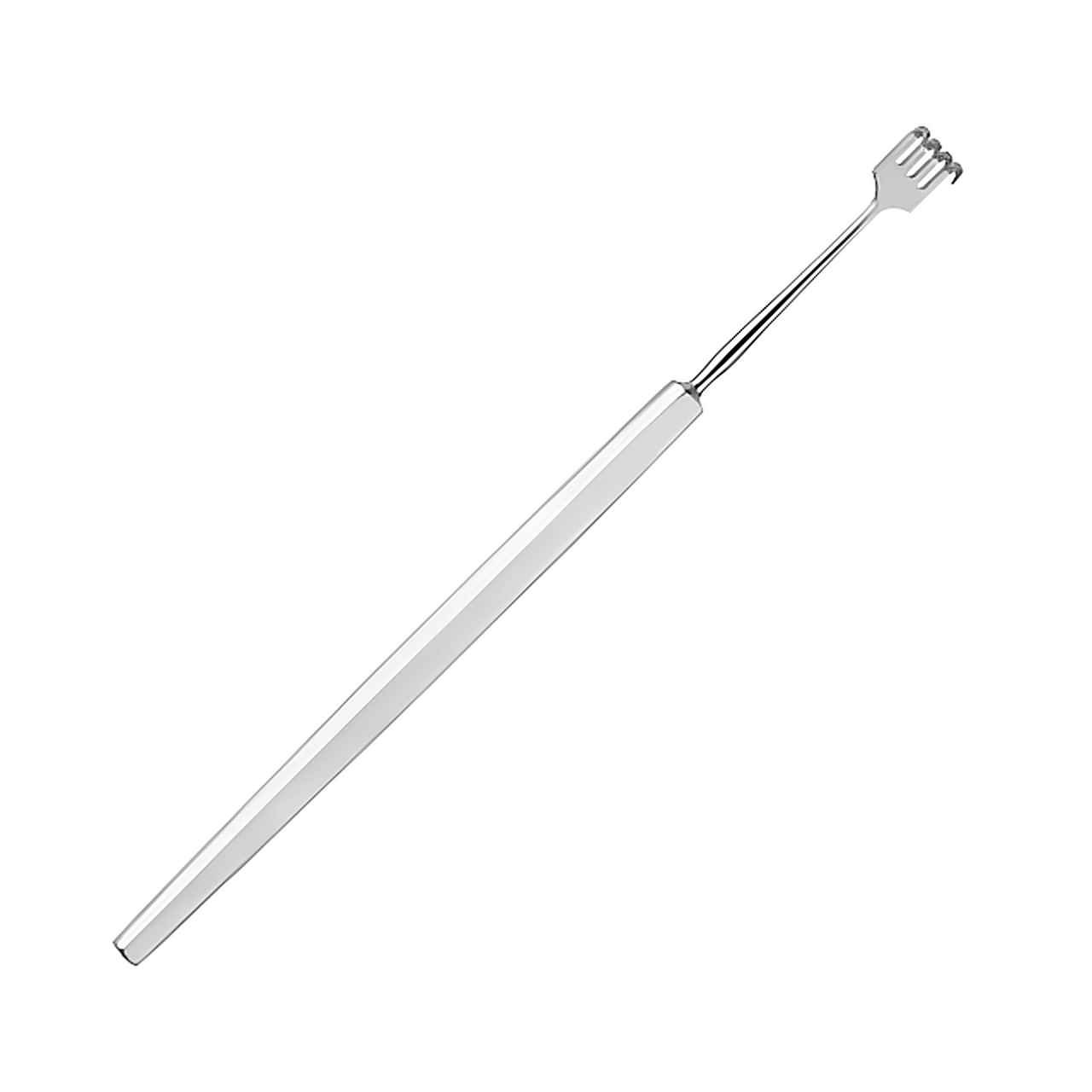 | Afastador Blair Finger | Projetado especificamente para elevação delicada de retalhos cutâneos, retração de tecidos moles e estabilização de margens de feridas em cirurgias plásticas e da mão. |
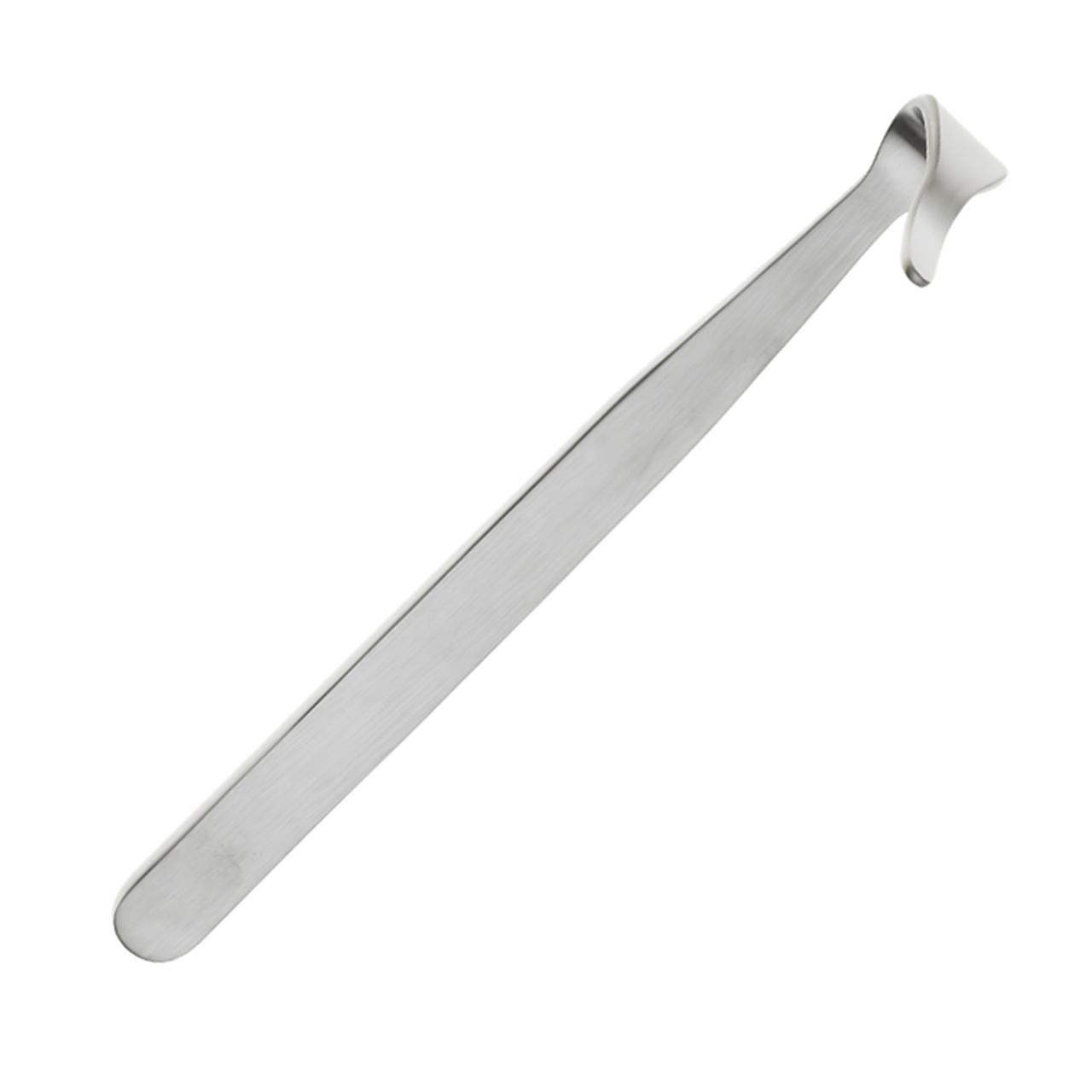 | Afastador de Joelho Blount | Projetado especificamente para afastar ligamentos colaterais e tecidos moles durante artroplastia de joelho e procedimentos reconstrutivos de joelho. |
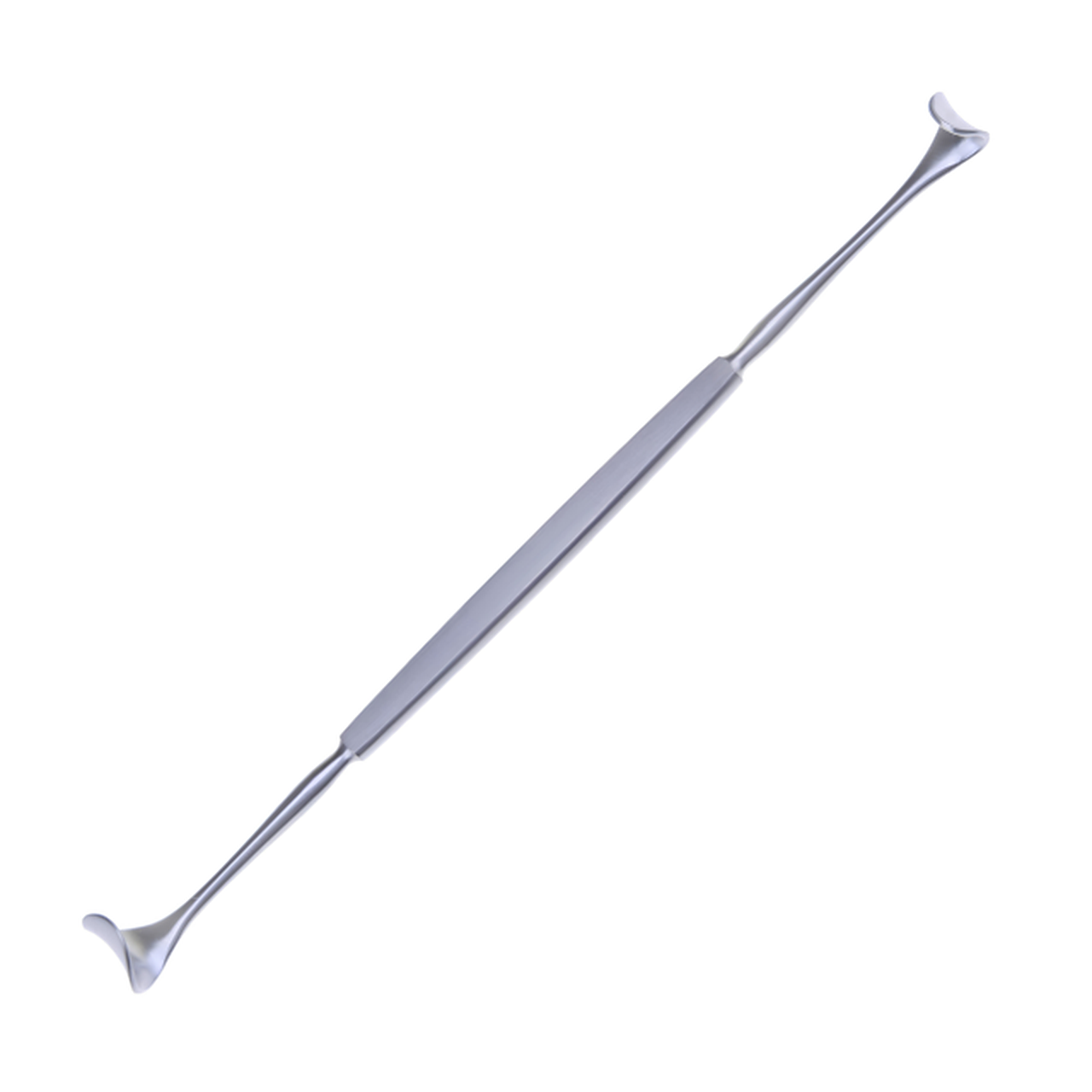 | Afastador Boley | Projetado para fornecer afastamento manual de tecidos moles e margens de feridas em procedimentos gerais, plásticos e ortopédicos. |
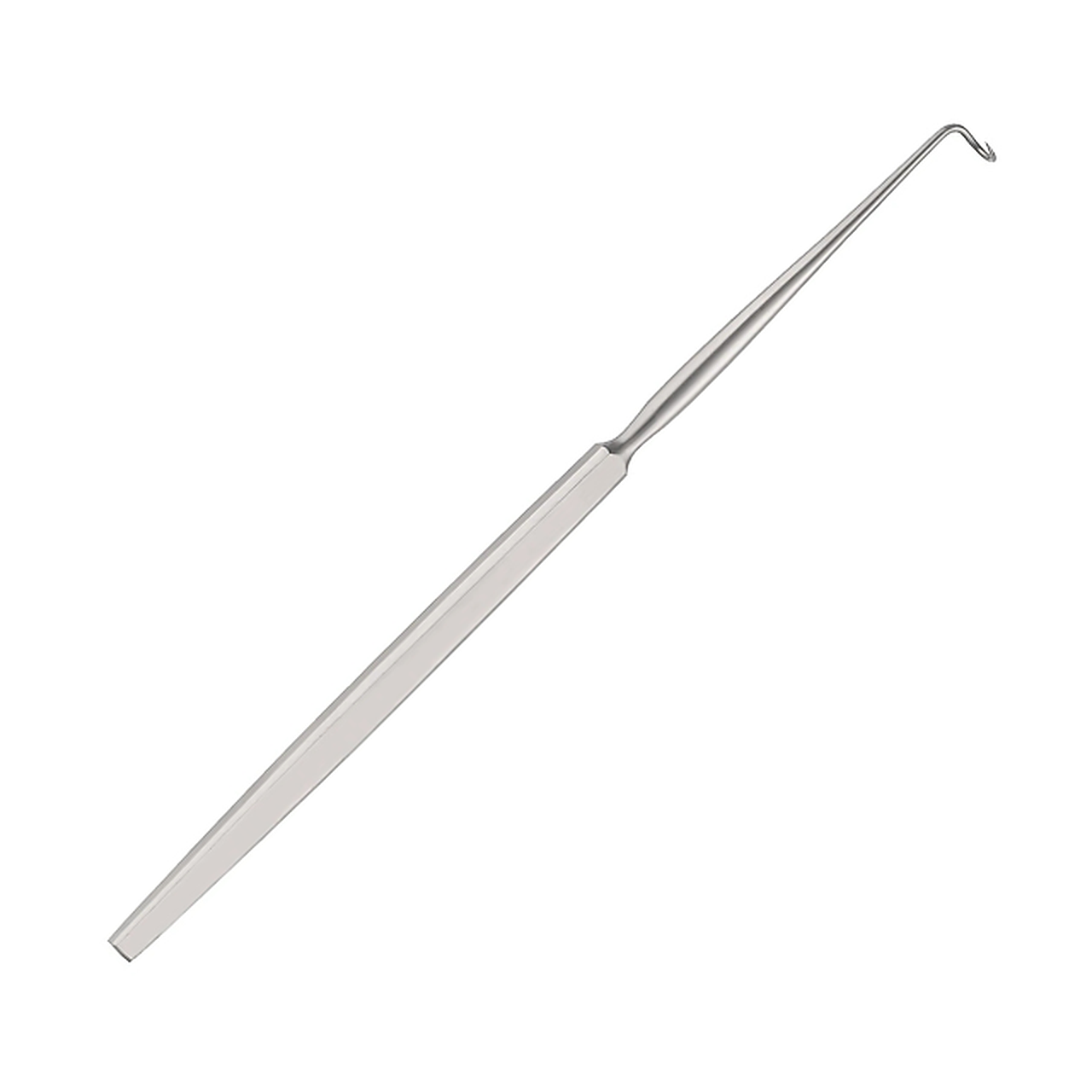 | Afastador Traqueal Bose | Especificamente projetado para afastar tecidos pré-traqueais e estabilizar as cartilagens traqueais durante procedimentos de traqueostomia. |
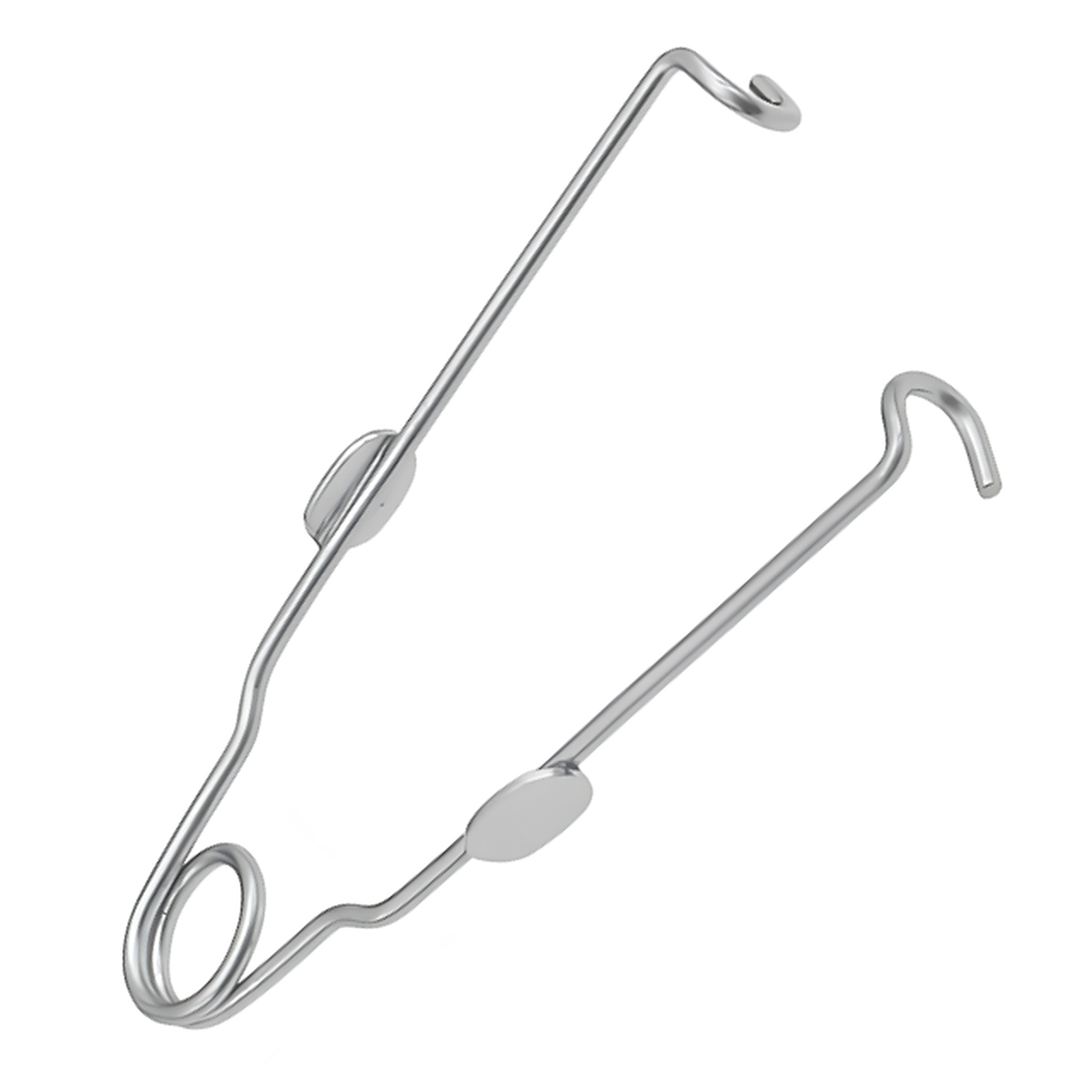 | Afastador Traqueal Bose Tipo Mola | Projetado especificamente para fornecer retração e estabilização autoestática das margens traqueais auxiliada por mola durante a traqueostomia. |
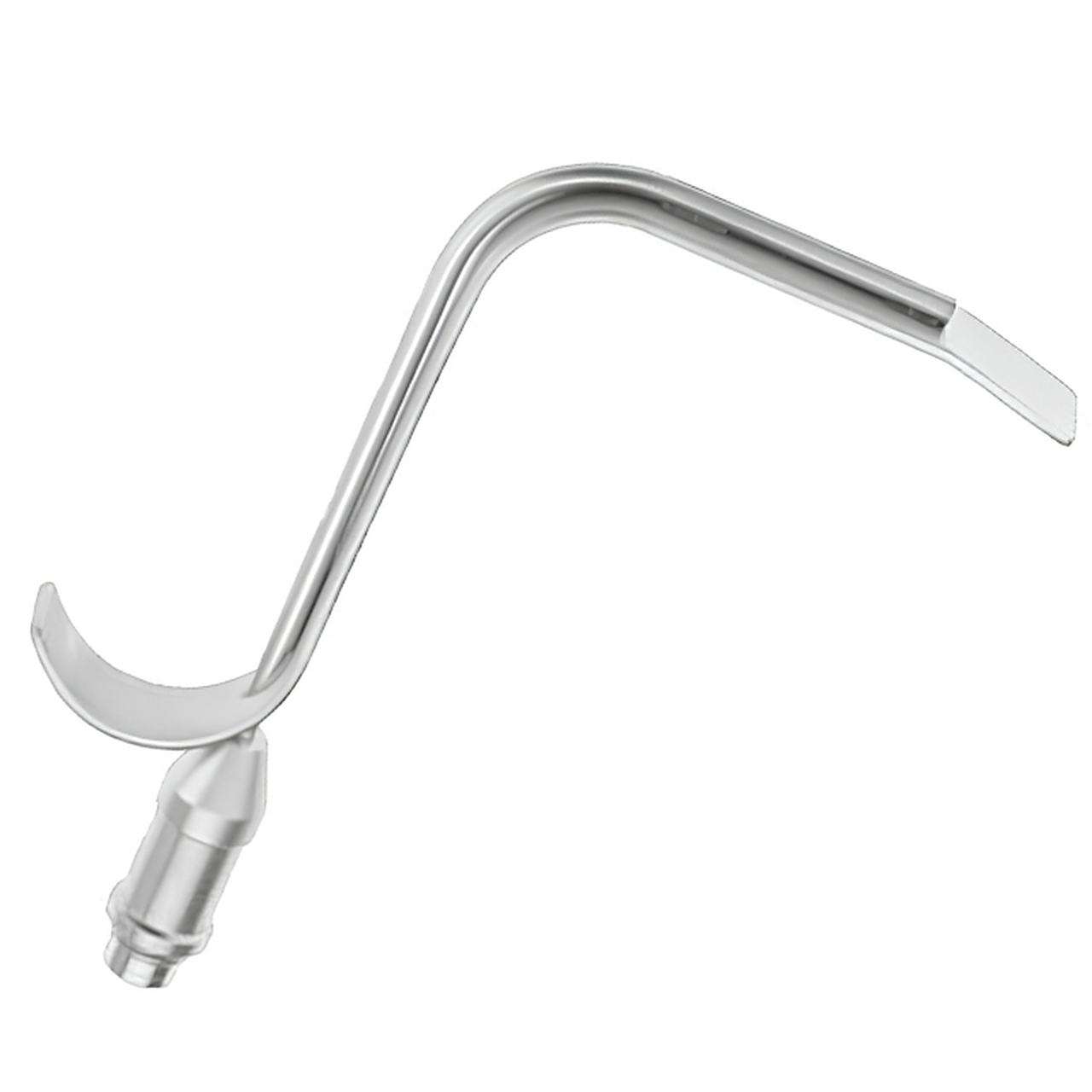 | Afastador Breast Engler Retractor | Projetado especificamente para iluminar cavidades cirúrgicas profundas e elevar retalhos de tecido durante o aumento e a reconstrução de mama. |
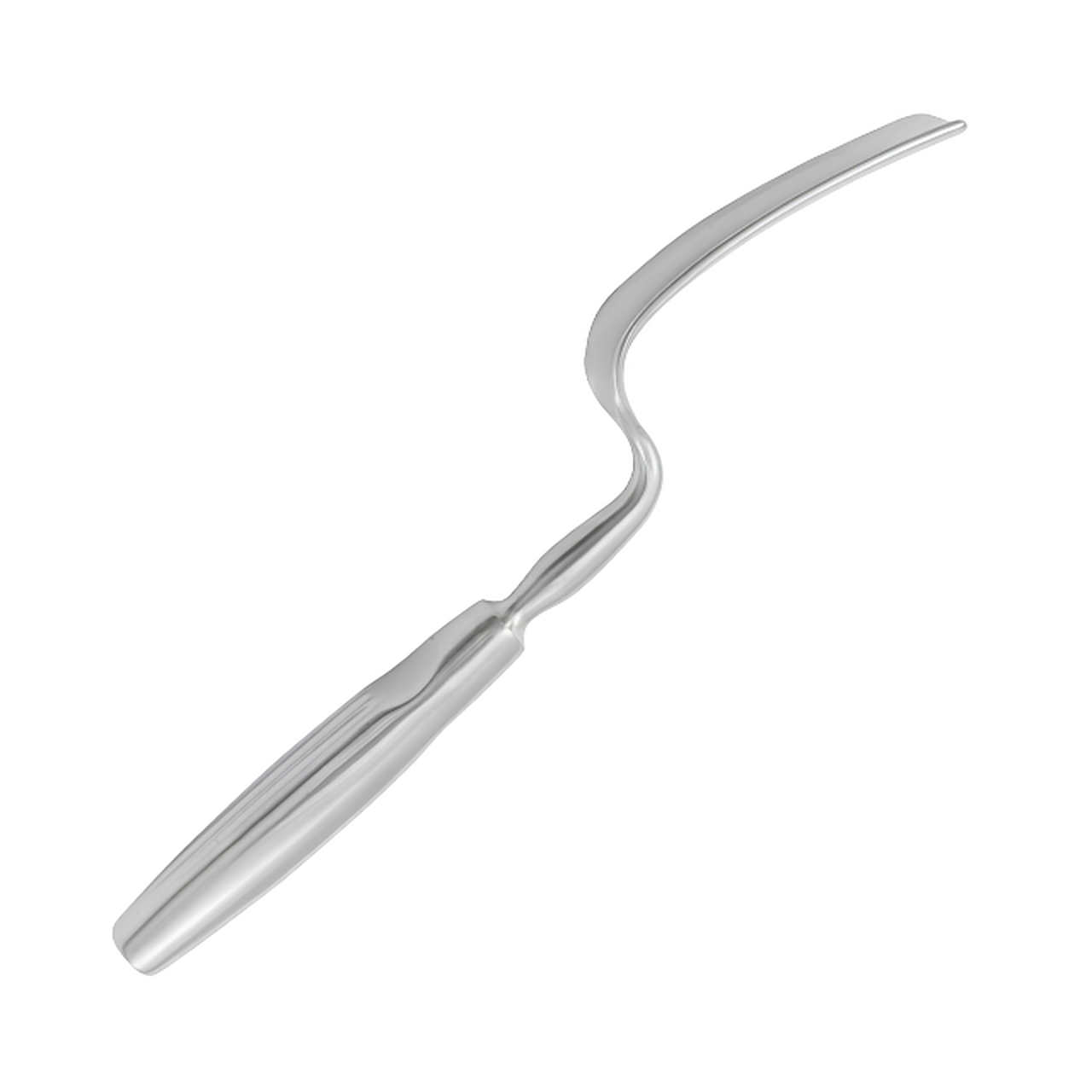 | Afastador Vaginal Breisky | Projetado especificamente para afastar as paredes vaginais e fornecer visualização pélvica profunda durante intervenções ginecológicas. |
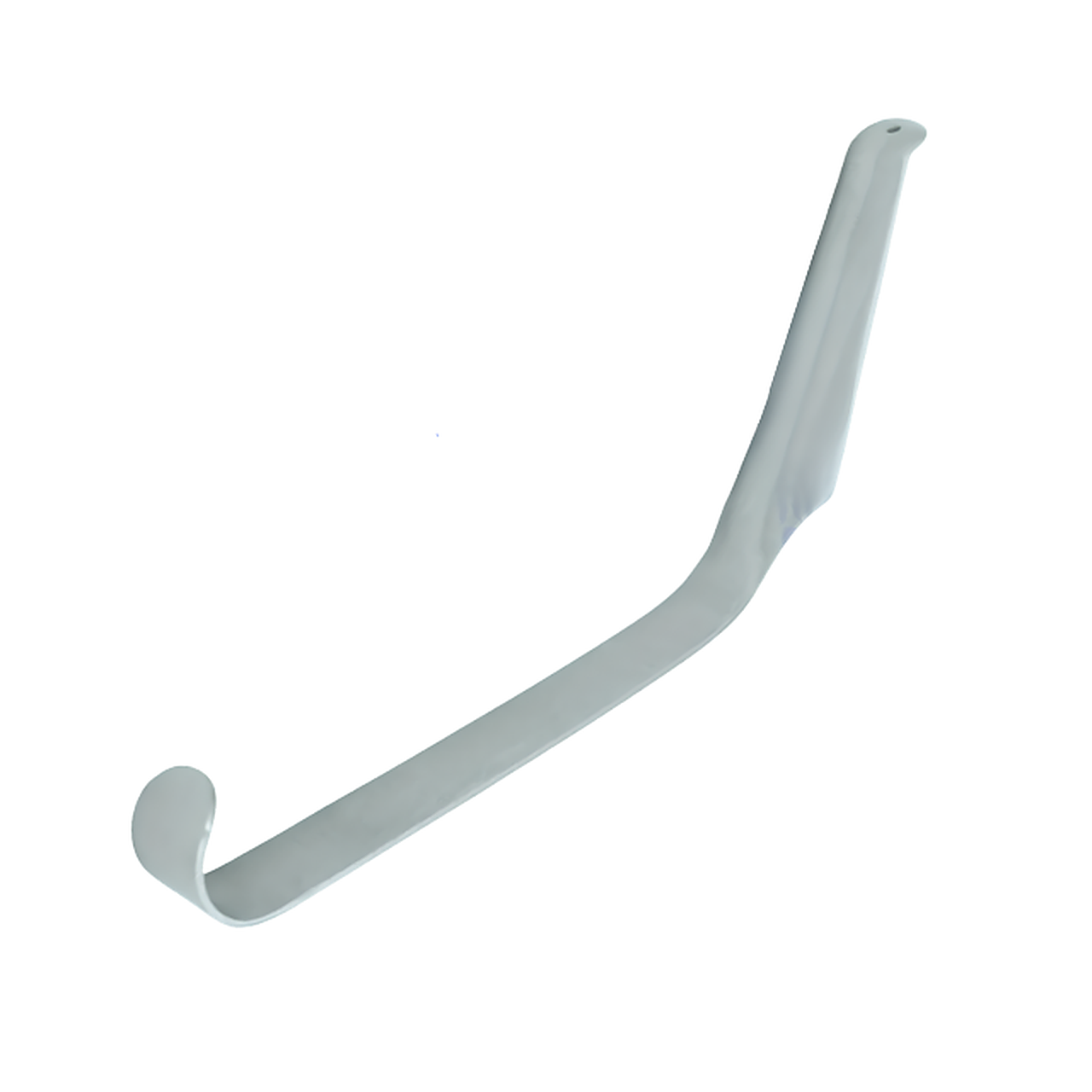 | Afastador Mandibular Tipo Calha Bremerich | Projetado especificamente para afastar o tecido mucoperiosteal e proteger estruturas neurovasculares ao longo da borda mandibular durante cirurgias do ramo. |
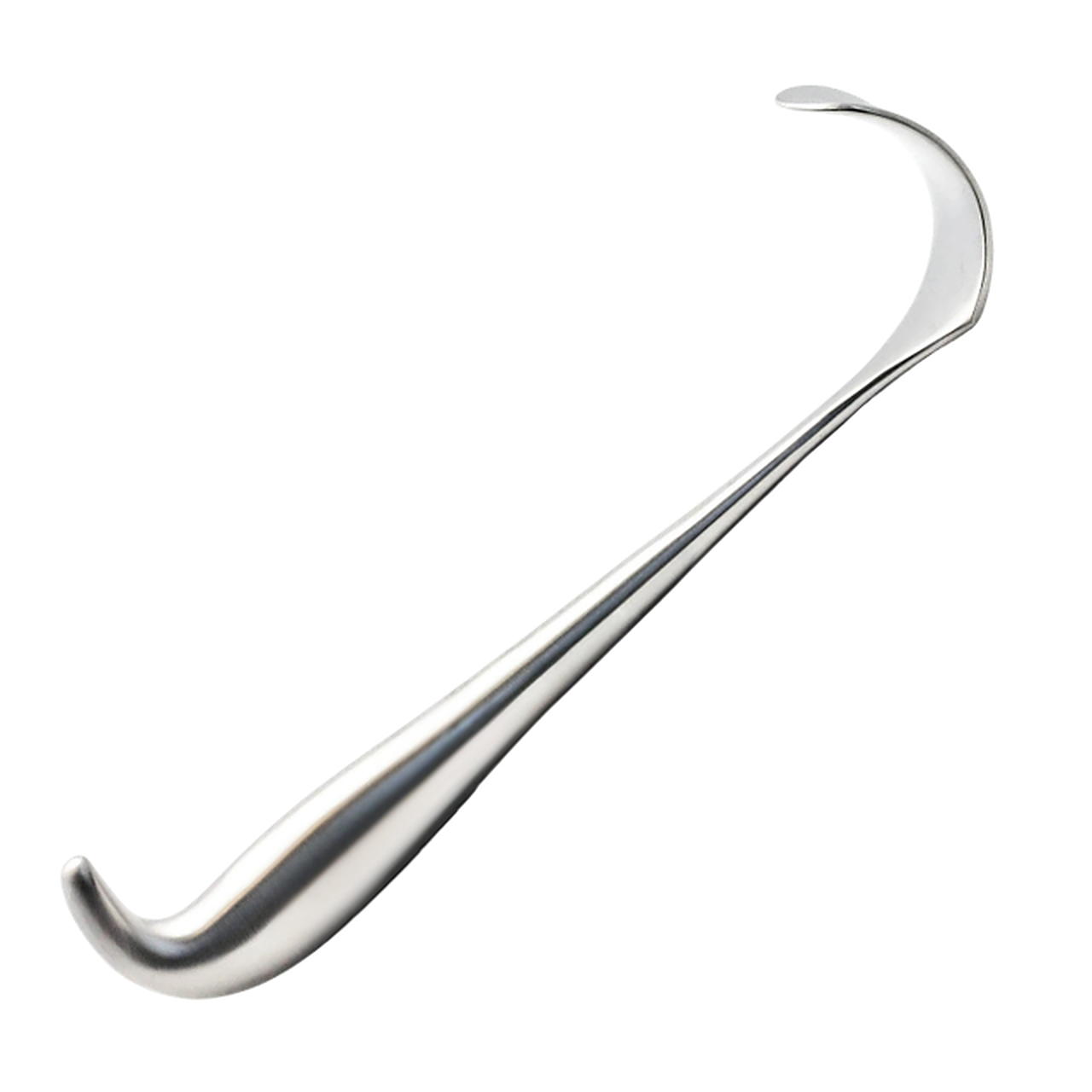 | Afastador Brewster | Projetado especificamente para afastar músculos, fáscias e tecidos moles durante cirurgias gerais, abdominais e reconstrutivas. |
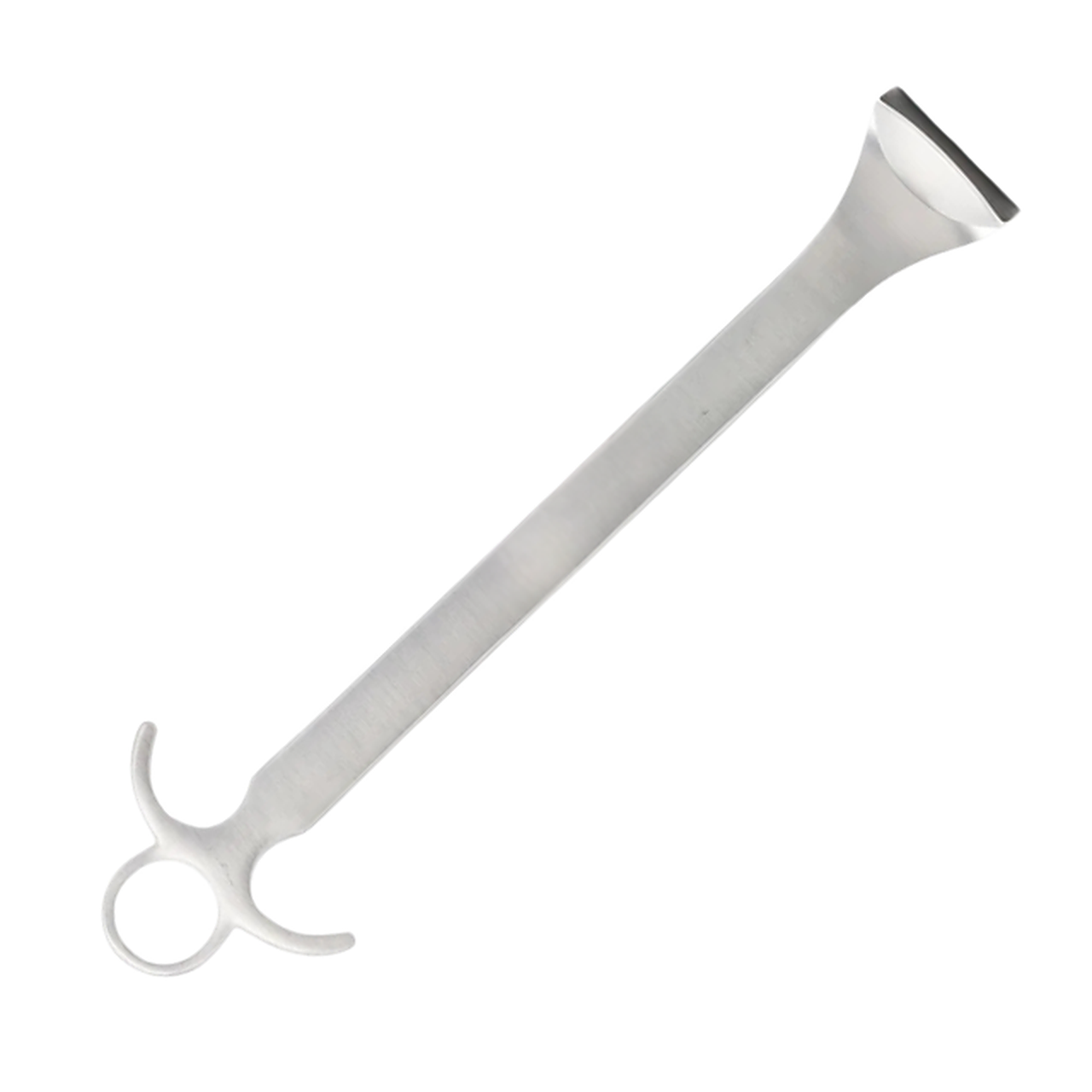 | Afastadores de Browne Deltoide | Projetado especificamente para afastar o músculo deltoide e tecidos moles durante artroplastia total de ombro e reparo de fraturas umerais. |
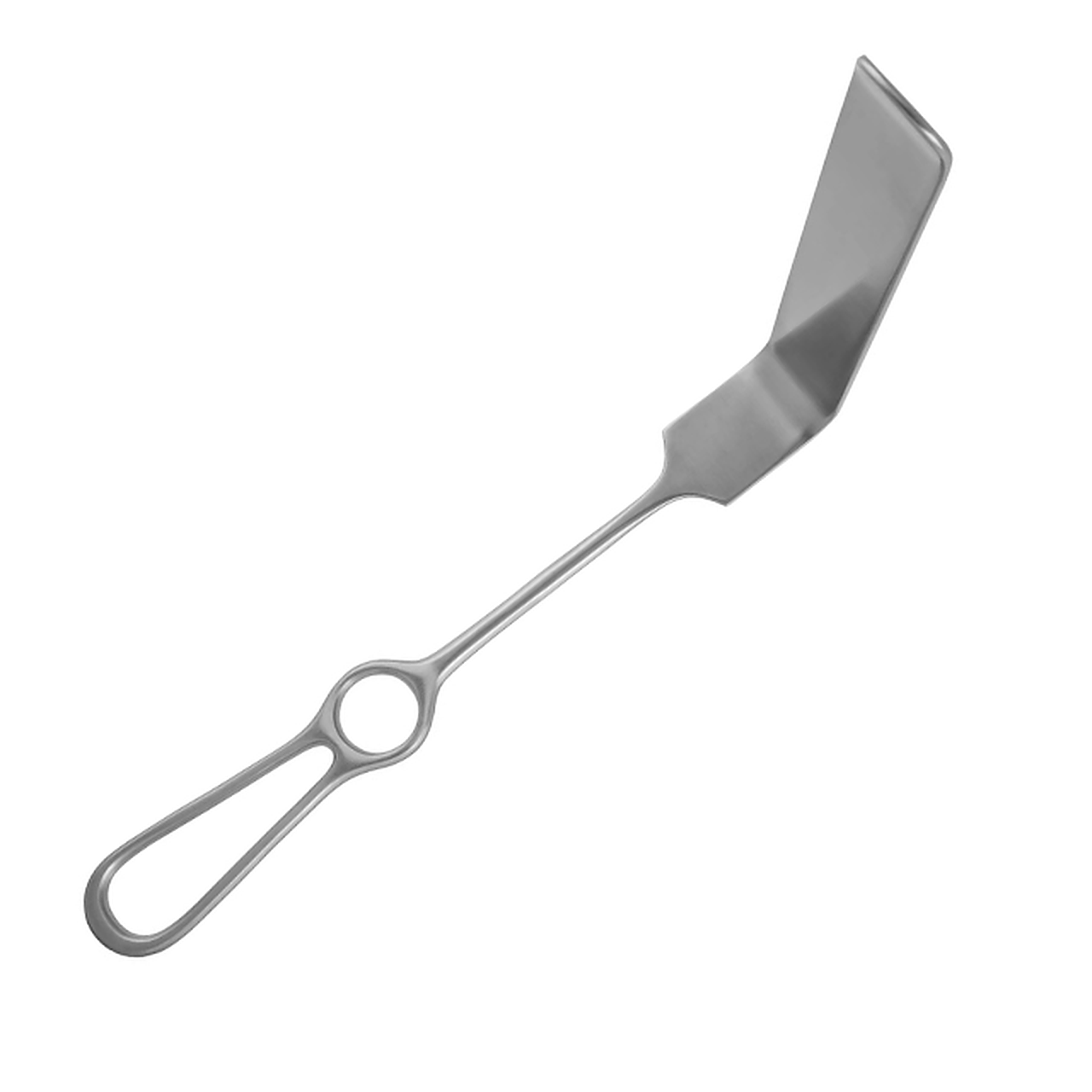 | Afastador Brunner | Projetado especificamente para retrair músculos, vísceras e tecidos moles profundos durante cirurgias abdominais, pélvicas e torácicas. |
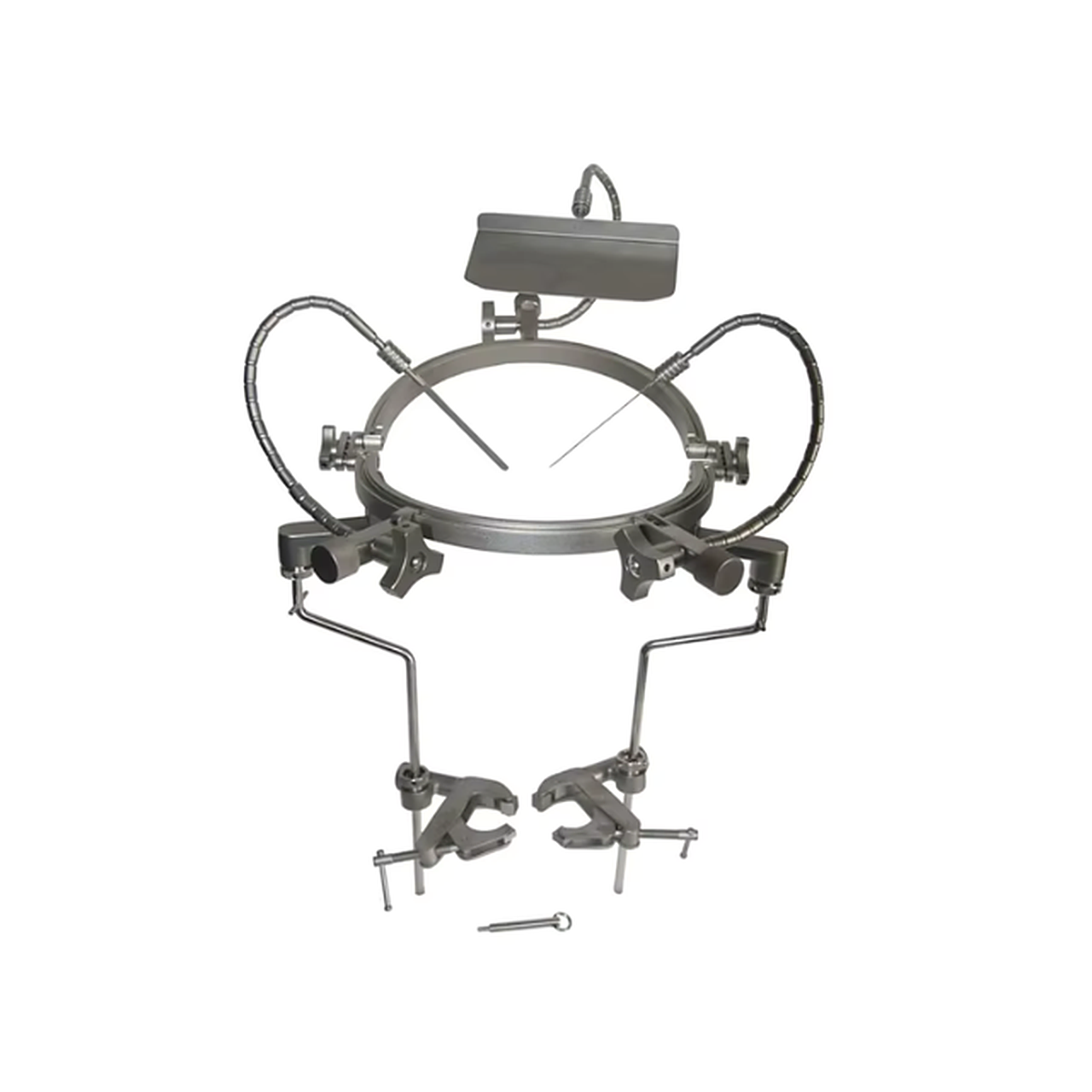 | Afastador Budde Halo | Projetado especificamente para fixação direta em Grampos de Crânio Mayfield ou trilhos laterais de mesa cirúrgica, proporcionando retração estável e mãos-livres do tecido cerebral e um apoio de mão integrado para suporte do antebraço do cirurgião durante procedimentos intracranianos delicados… |
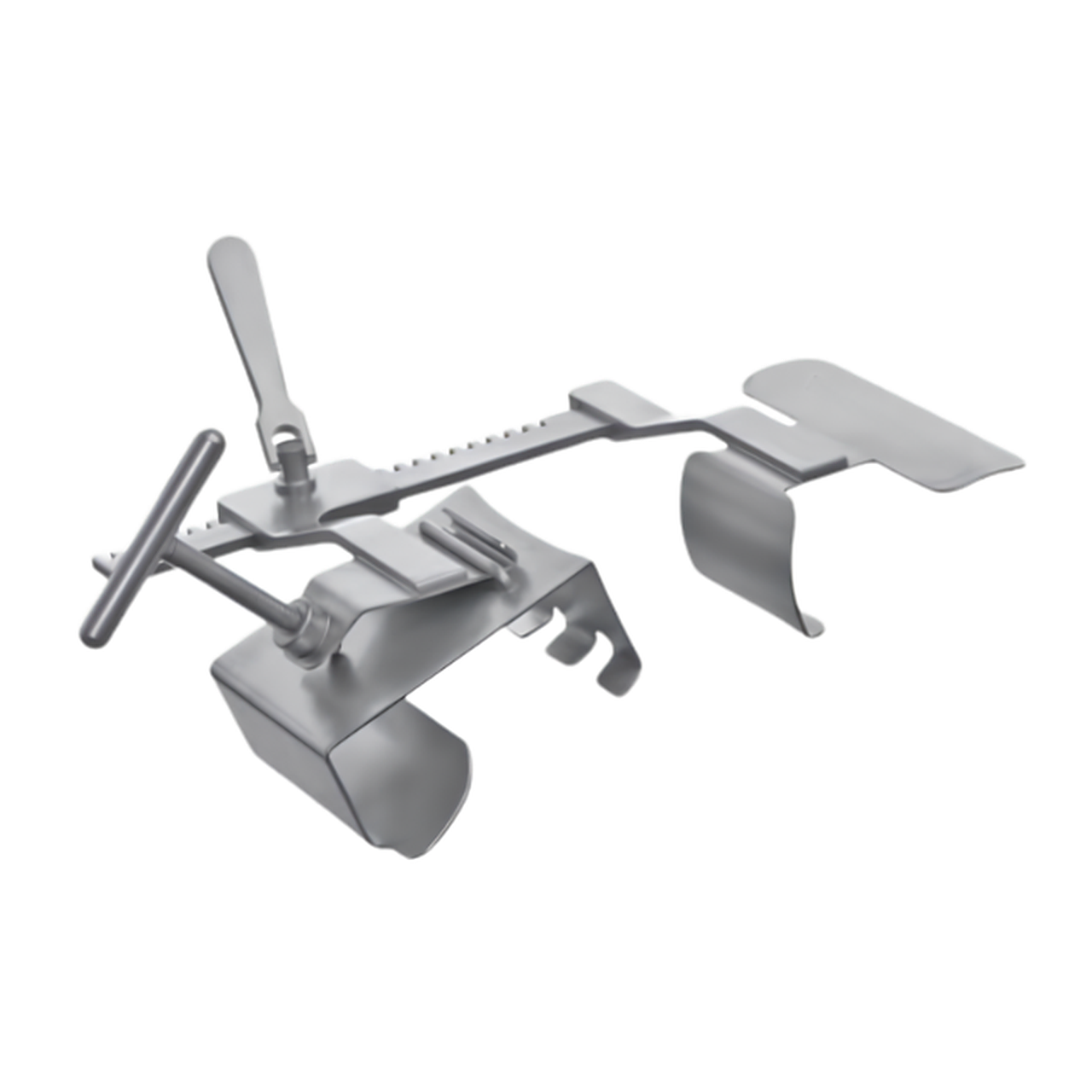 | Afastador Mamário Bugge Takedown I.M.A | Projetado especificamente para elevação unilateral do esterno e da parede torácica durante a coleta da artéria mamária interna. |
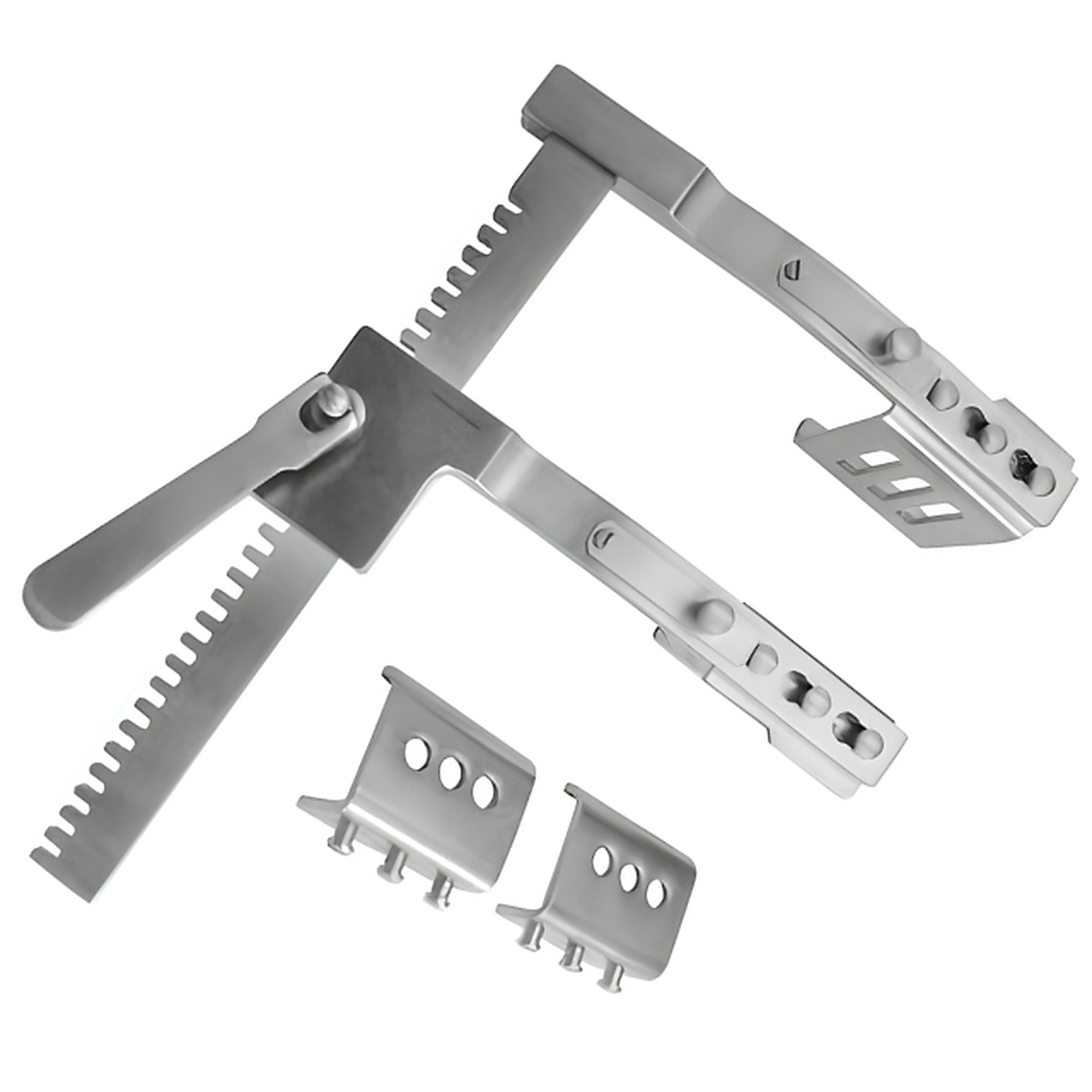 | Afastador de Costelas Burford Rib Spreader | Projetado especificamente para separar costelas adjacentes e expandir o espaço intercostal durante toracotomia aberta. |
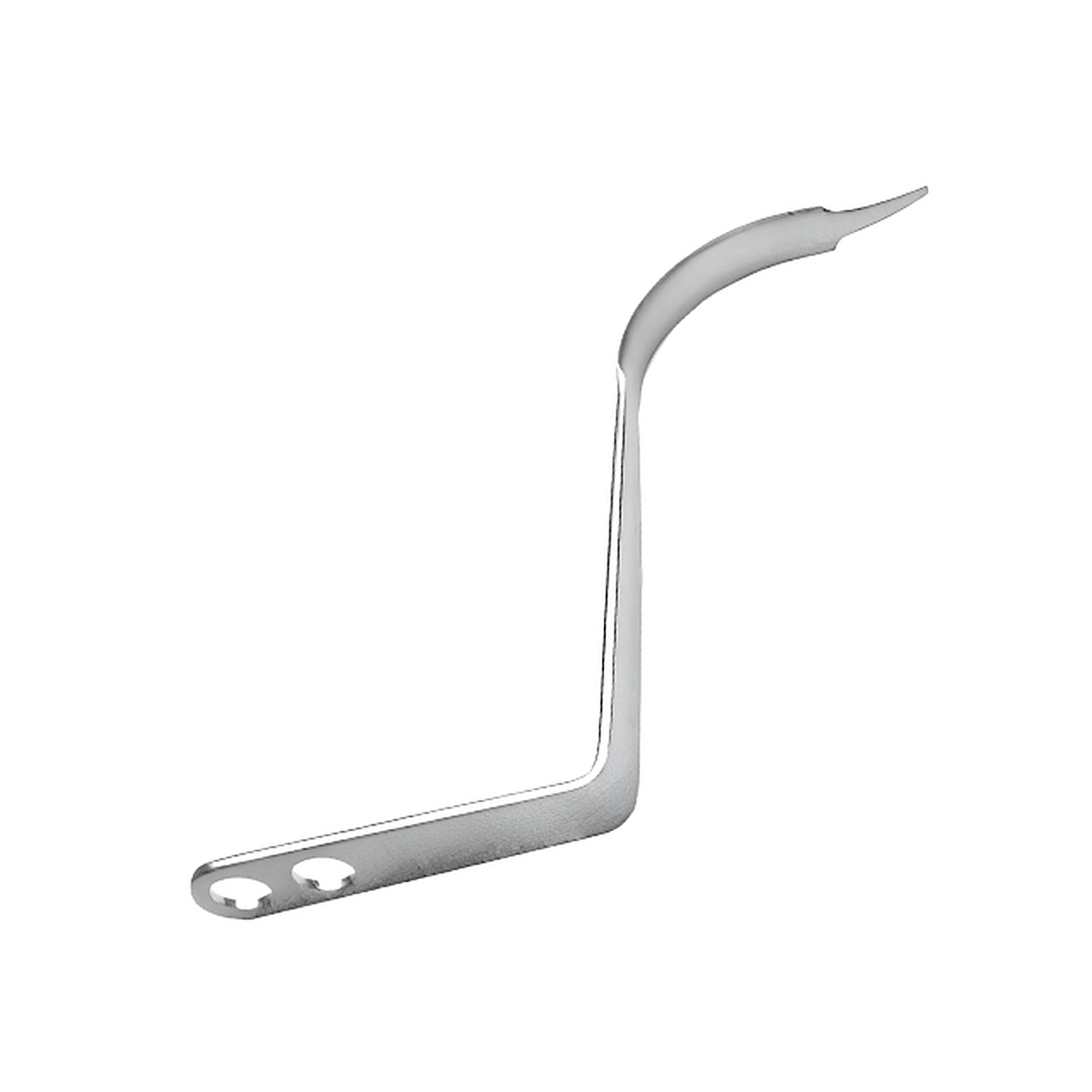 | Afastadores C Retractors | Especificamente projetado para alavancar músculos e tecidos moles para longe do osso durante artroplastia de quadril, osteotomia pélvica e reconstrução de trauma. |
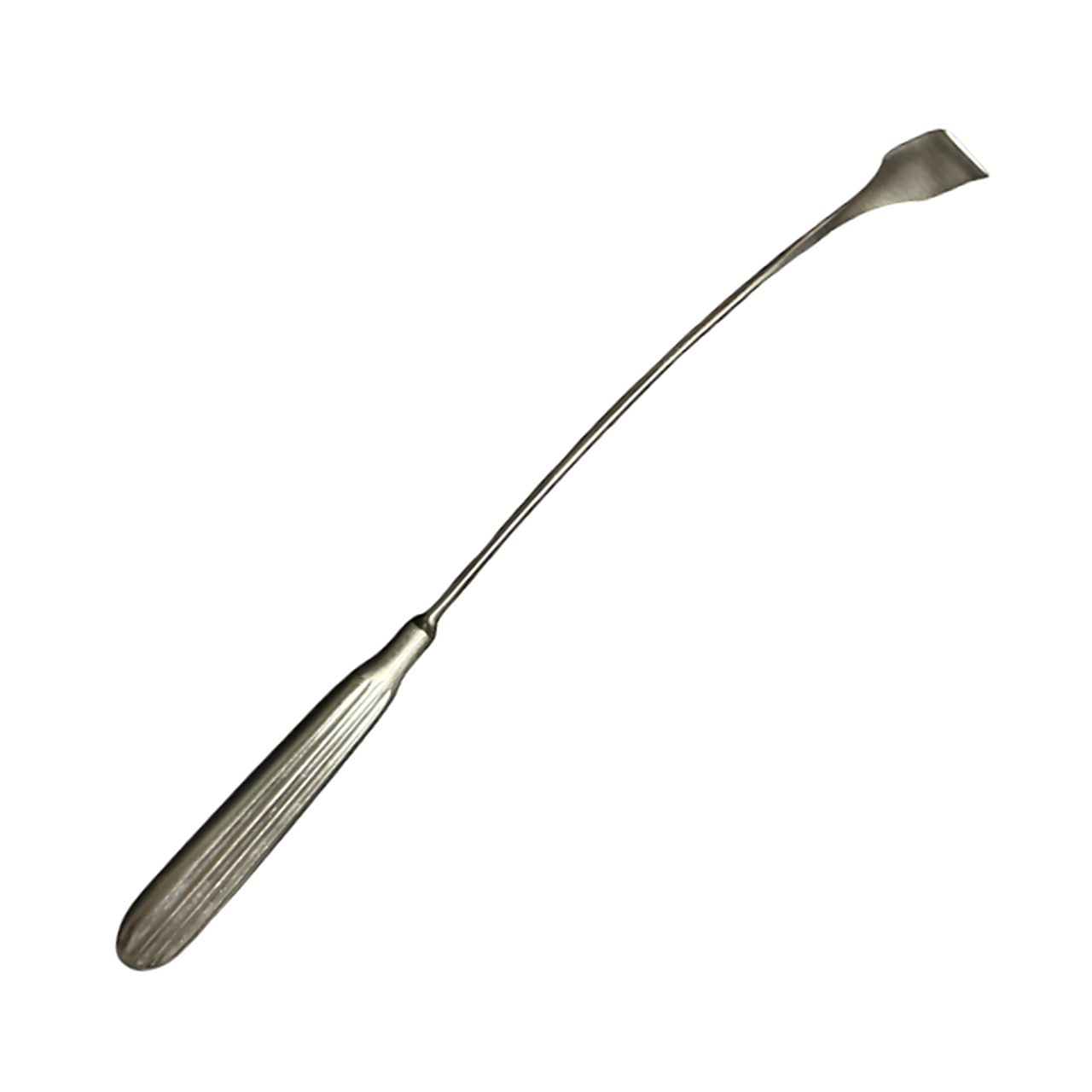 | Afastador de Raiz Nervosa Campbell | Projetado especificamente para retrair e proteger as raízes nervosas espinhais e o saco tecal durante procedimentos de discectomia e laminectomia. |
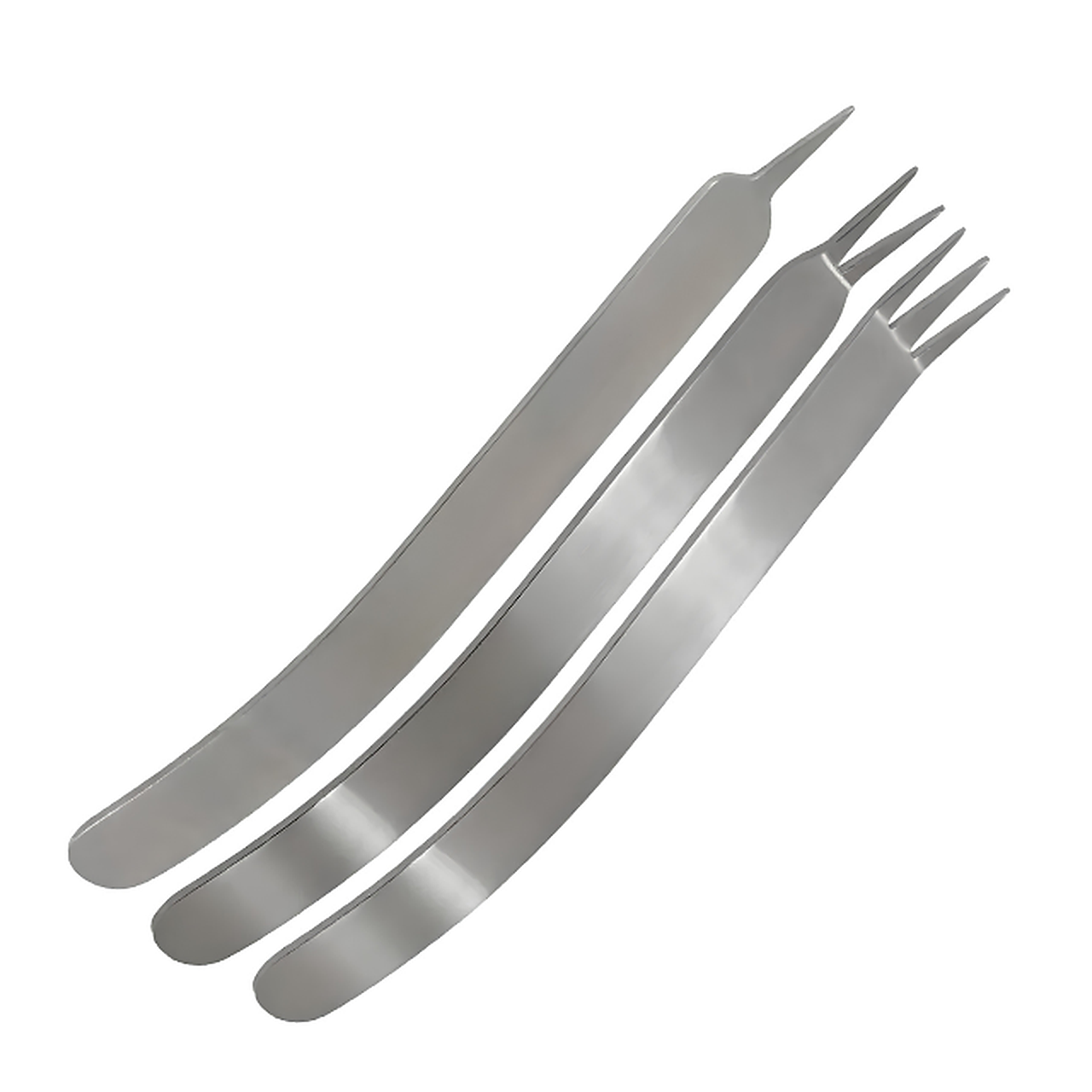 | Afastadores de Cápsula | Projetado especificamente para afastar cápsulas articulares fibrosas, ligamentos e tecidos moles durante artroplastias de quadril, joelho e ombro. |
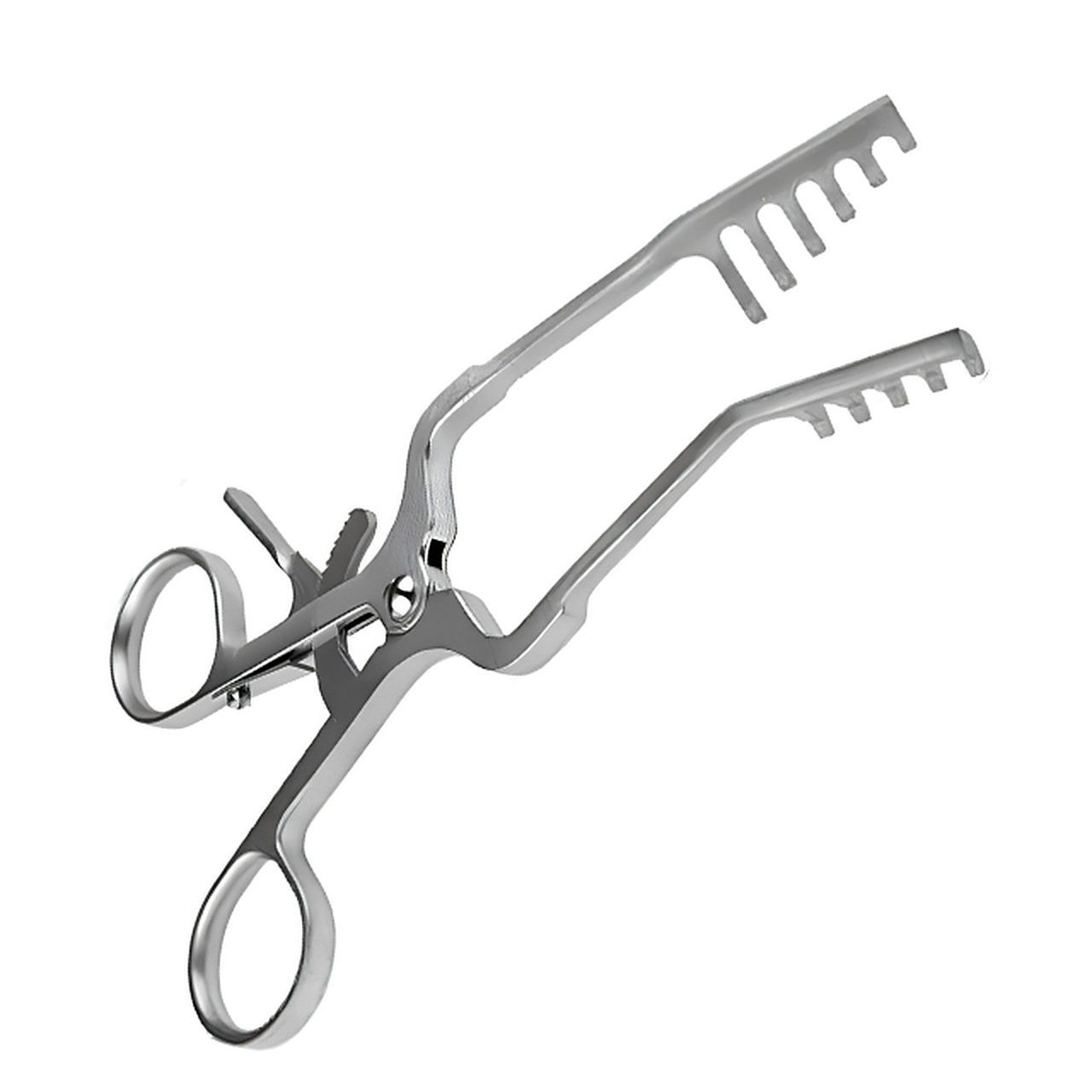 | Afastador Autoestático para Túnel do Carpo | Projetado especificamente para fornecer retração tecidual autoestática e visualização do nervo mediano durante a cirurgia de liberação aberta do túnel do carpo. |
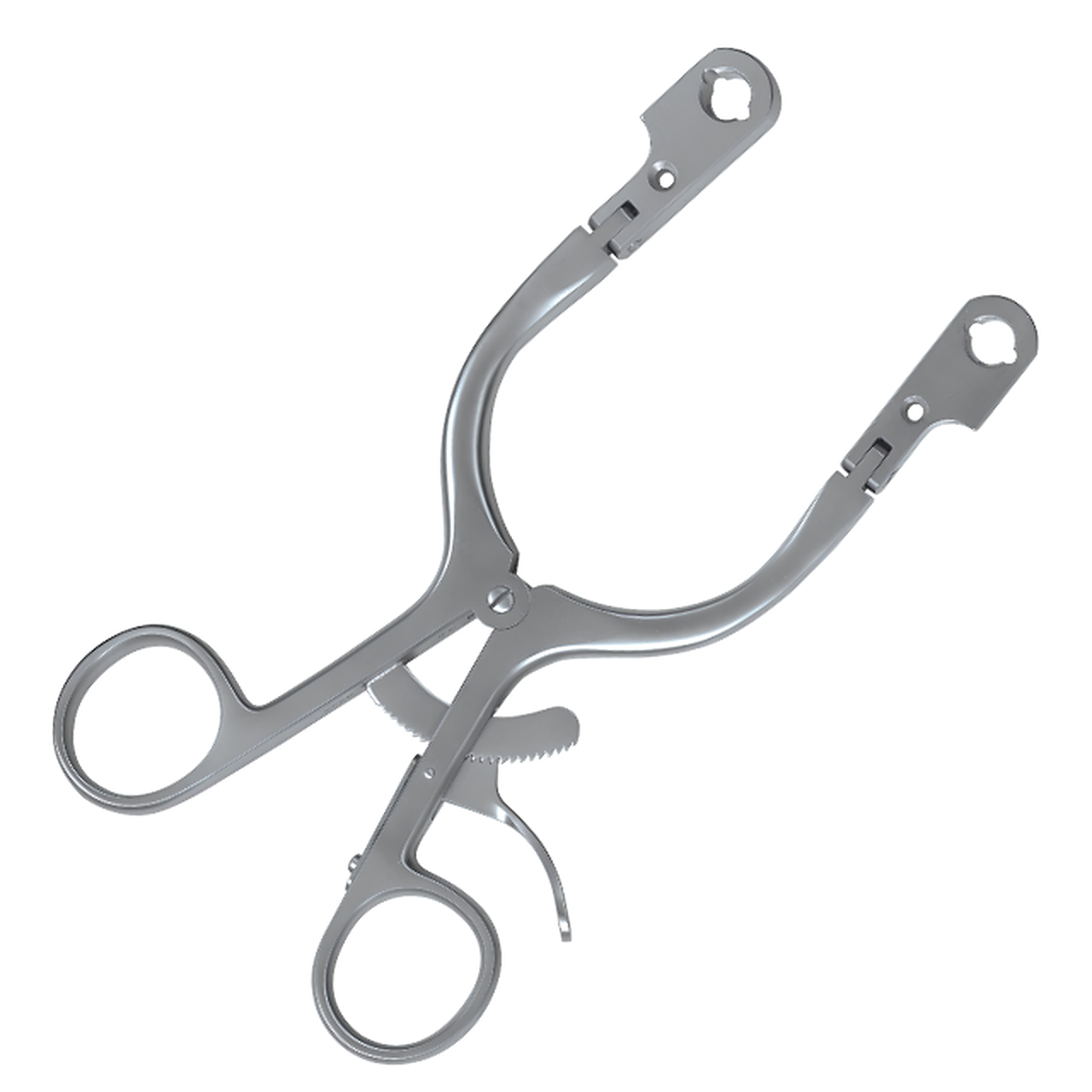 | Afastador Cervical Caspar Com Cremalheira | Projetado especificamente para fornecer afastamento de tecidos moles autoestático e exposição vertebral durante discectomia cervical anterior e fusão (ACDF). |
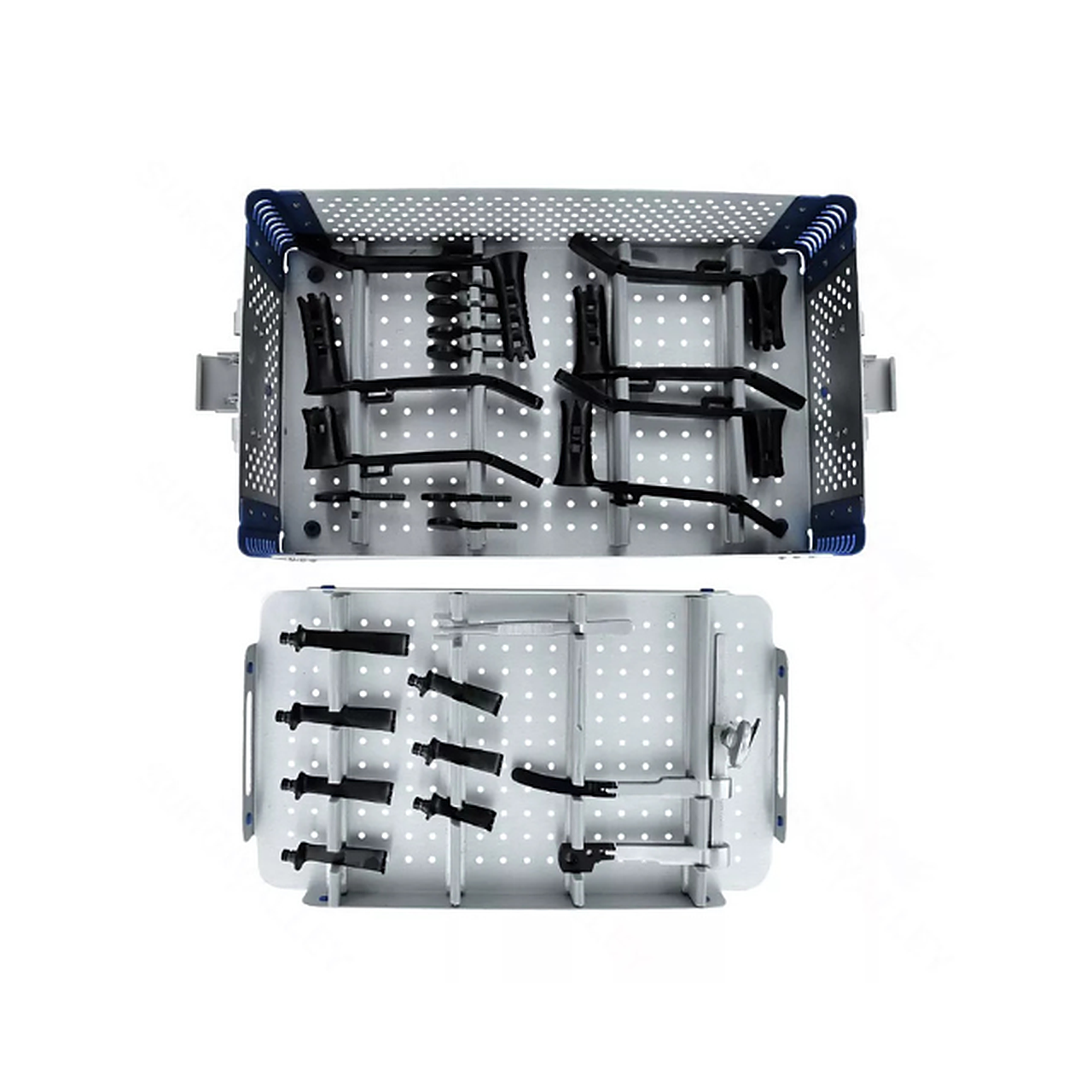 | Sistema de Afastador de Microdiscectomia Lombar Caspar | Projetado especificamente para fornecer afastamento tecidual estável e exposição cirúrgica durante procedimentos de microdiscectomia lombar. |
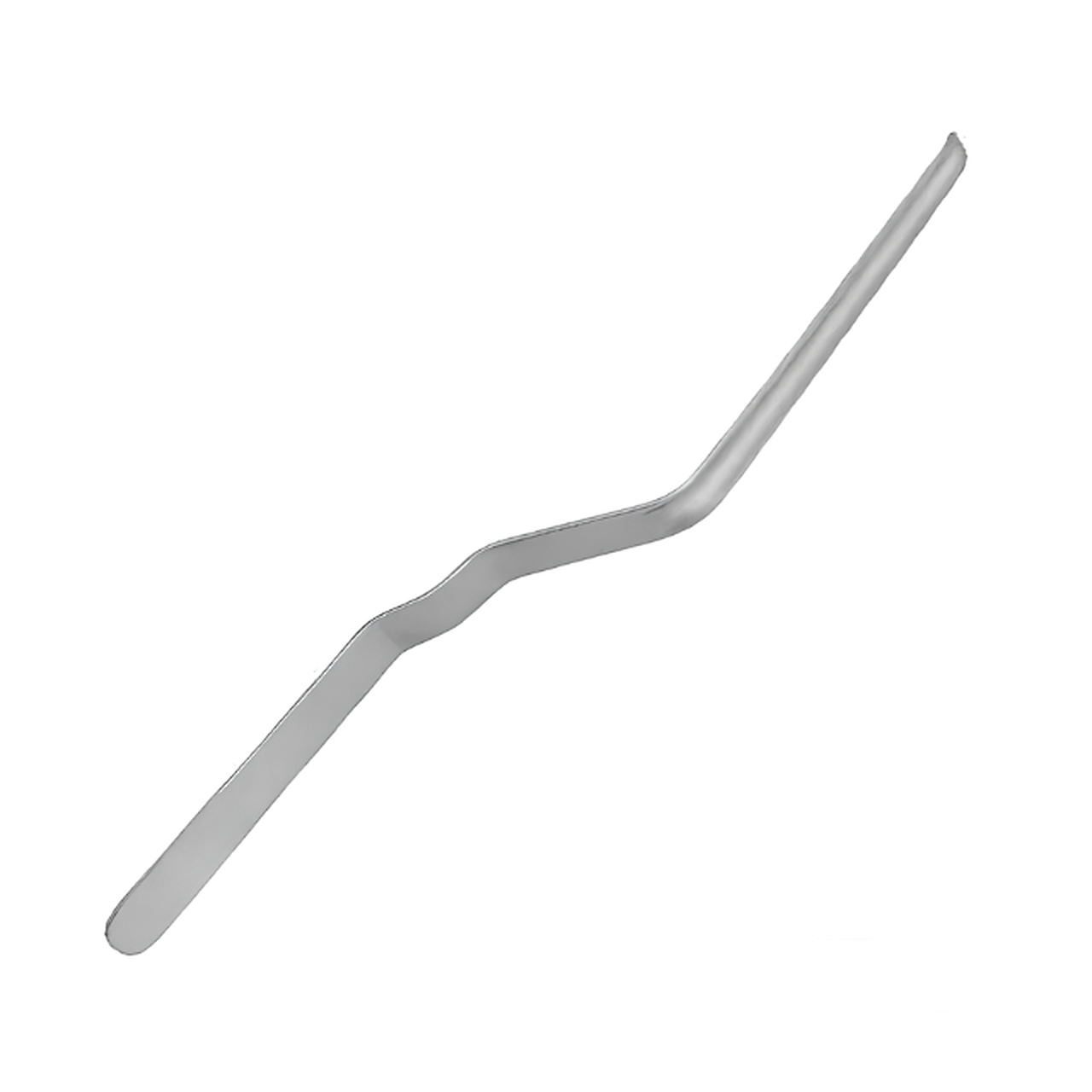 | Afastadores de Raiz Nervosa Caspar | Especificamente projetado para mobilizar, acomodar e proteger as raízes nervosas espinhais e o saco tecal durante a microdiscectomia lombar. |
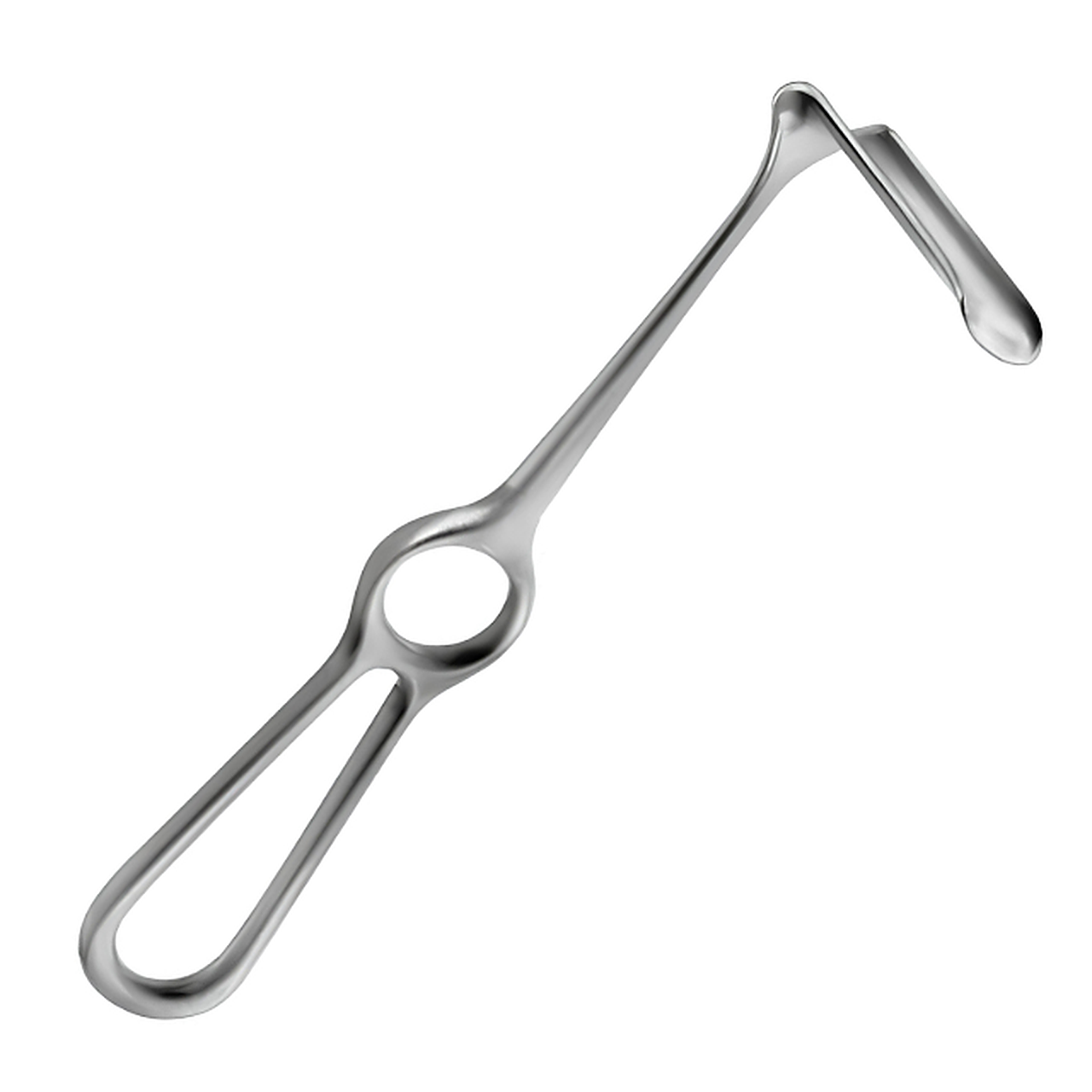 | Afastador Caspar | Projetado especificamente para afastar músculos, fáscias e tecidos moles durante cirurgias de coluna, ortopédicas e reconstrutivas. |
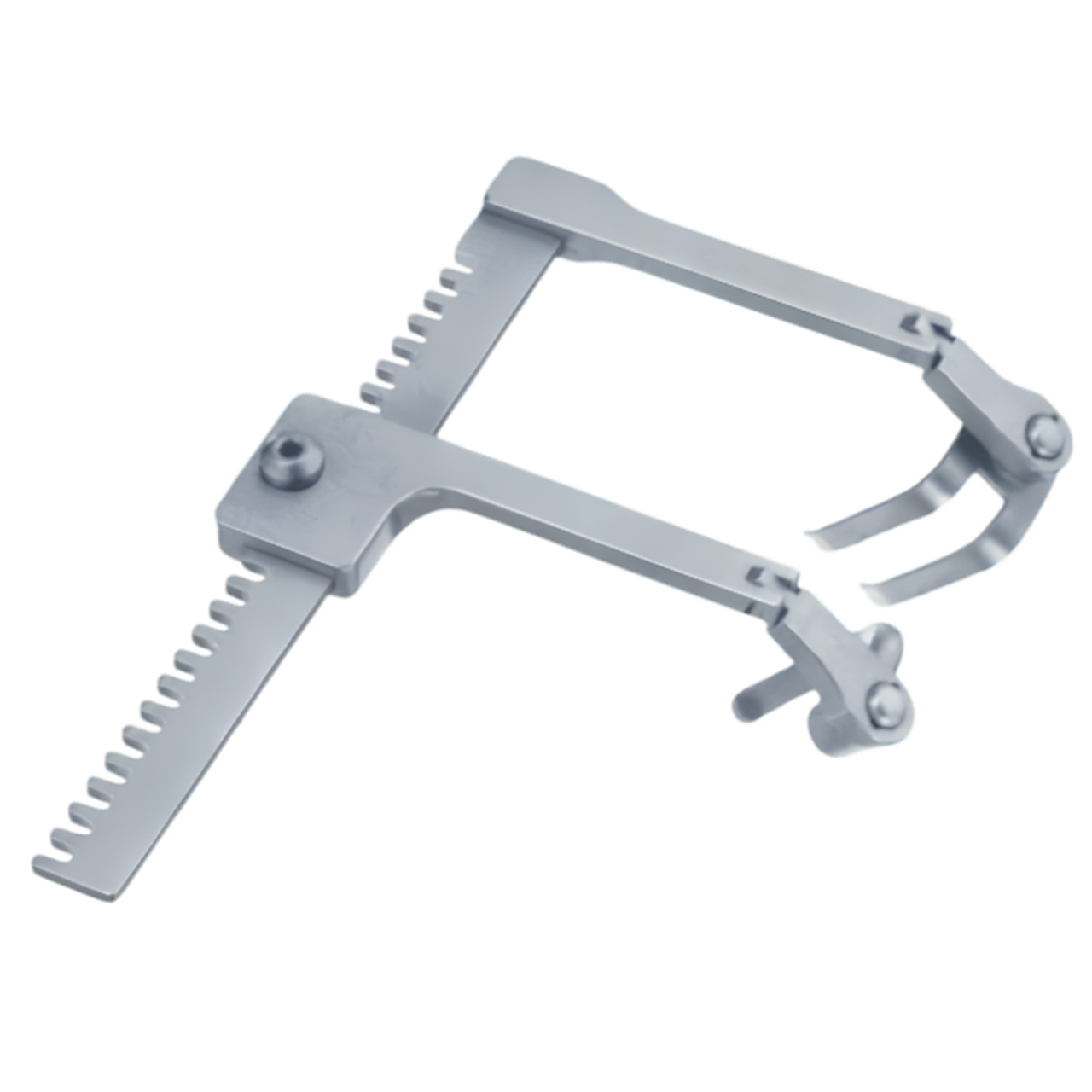 | Afastador Caspar Autoestático | Projetado especificamente para afastar a traqueia, o esôfago e os músculos longos do pescoço durante cirurgias da coluna cervical por via anterior. |
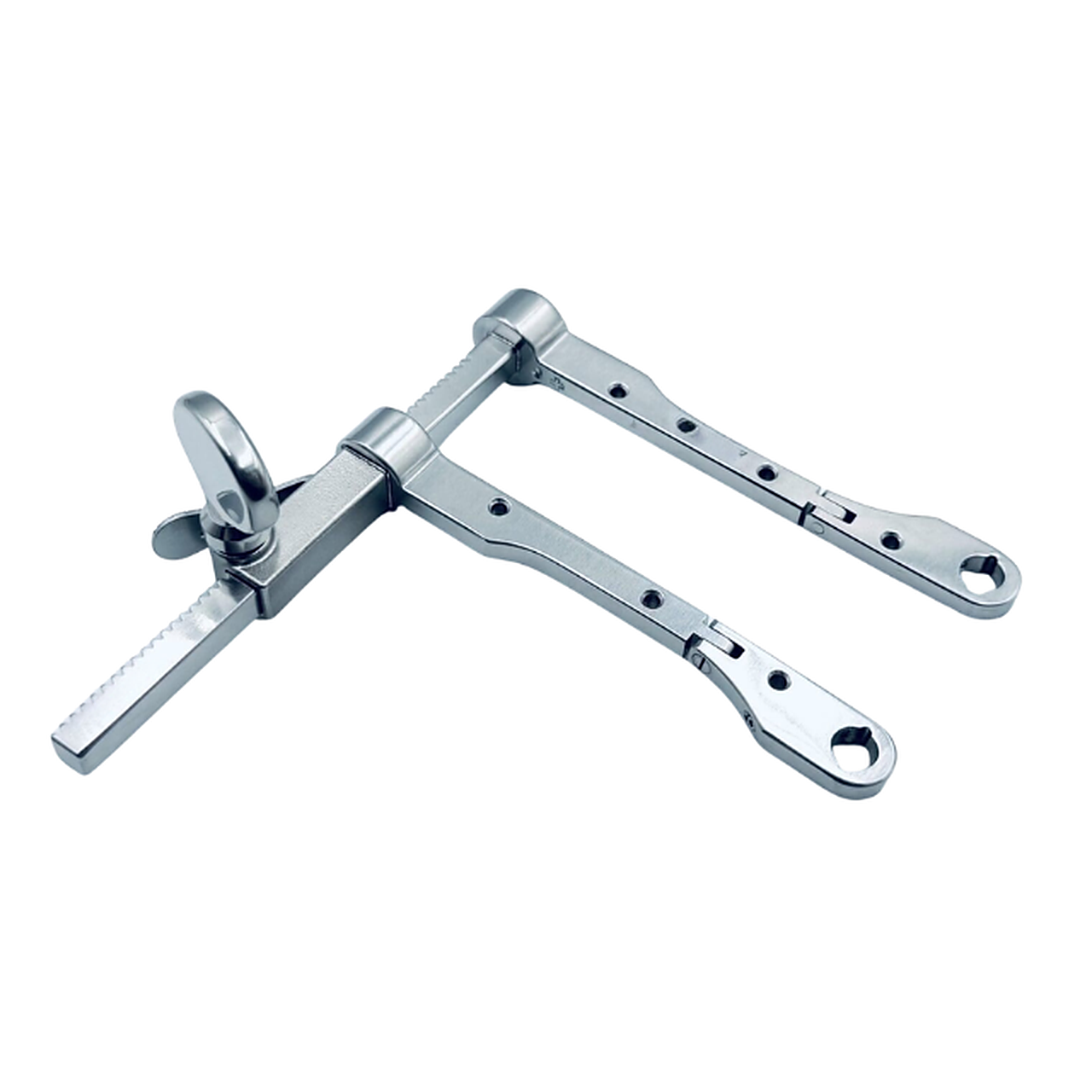 | Afastador Cervical Casper | Projetado especificamente para fornecer retração articulada e autoestática de tecidos moles e exposição vertebral durante cirurgia cervical anterior. |
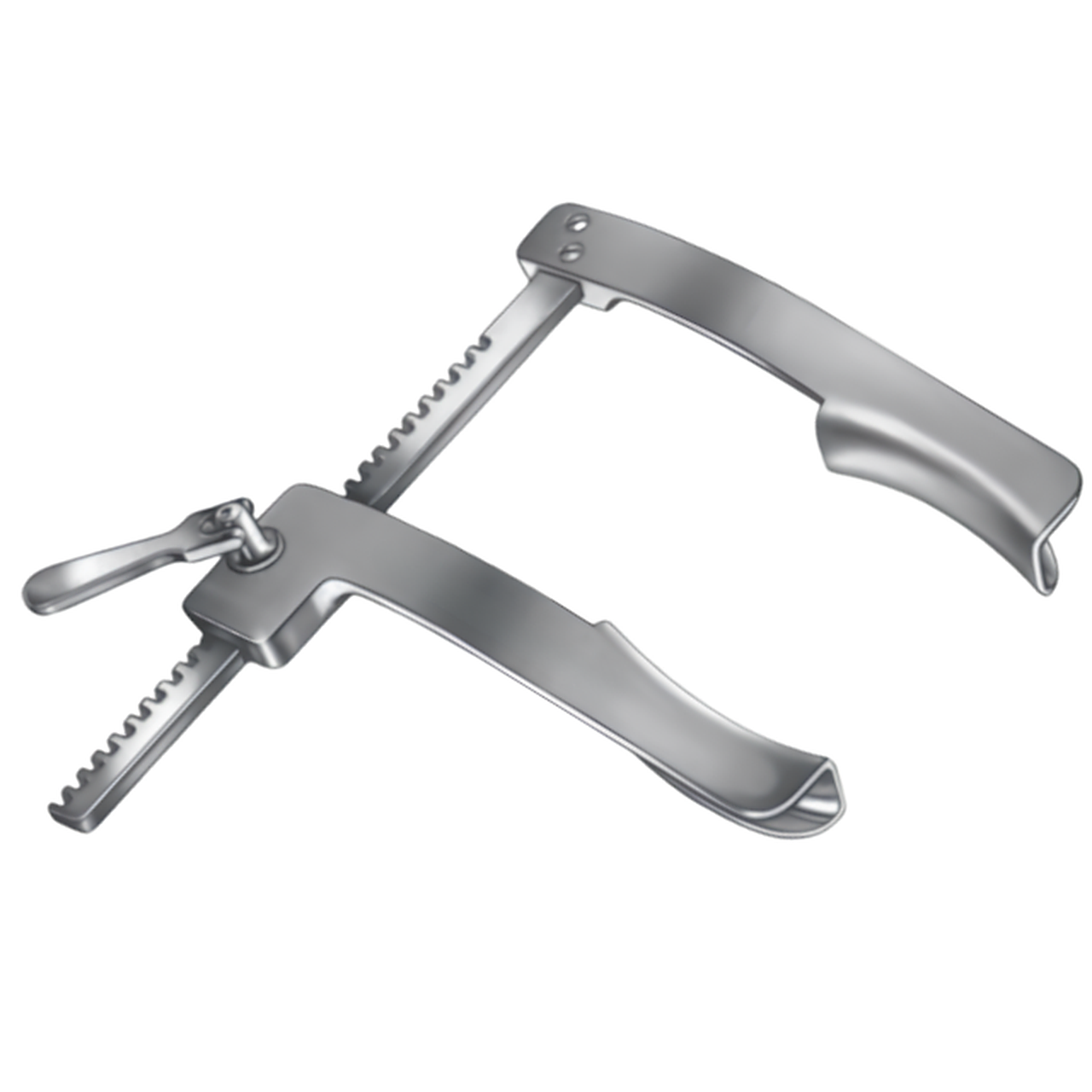 | Afastador de Costelas Castaneda | Projetado especificamente para afastar costelas e fornecer exposição da cavidade torácica durante cirurgias cardiotorácicas neonatais e pediátricas. |
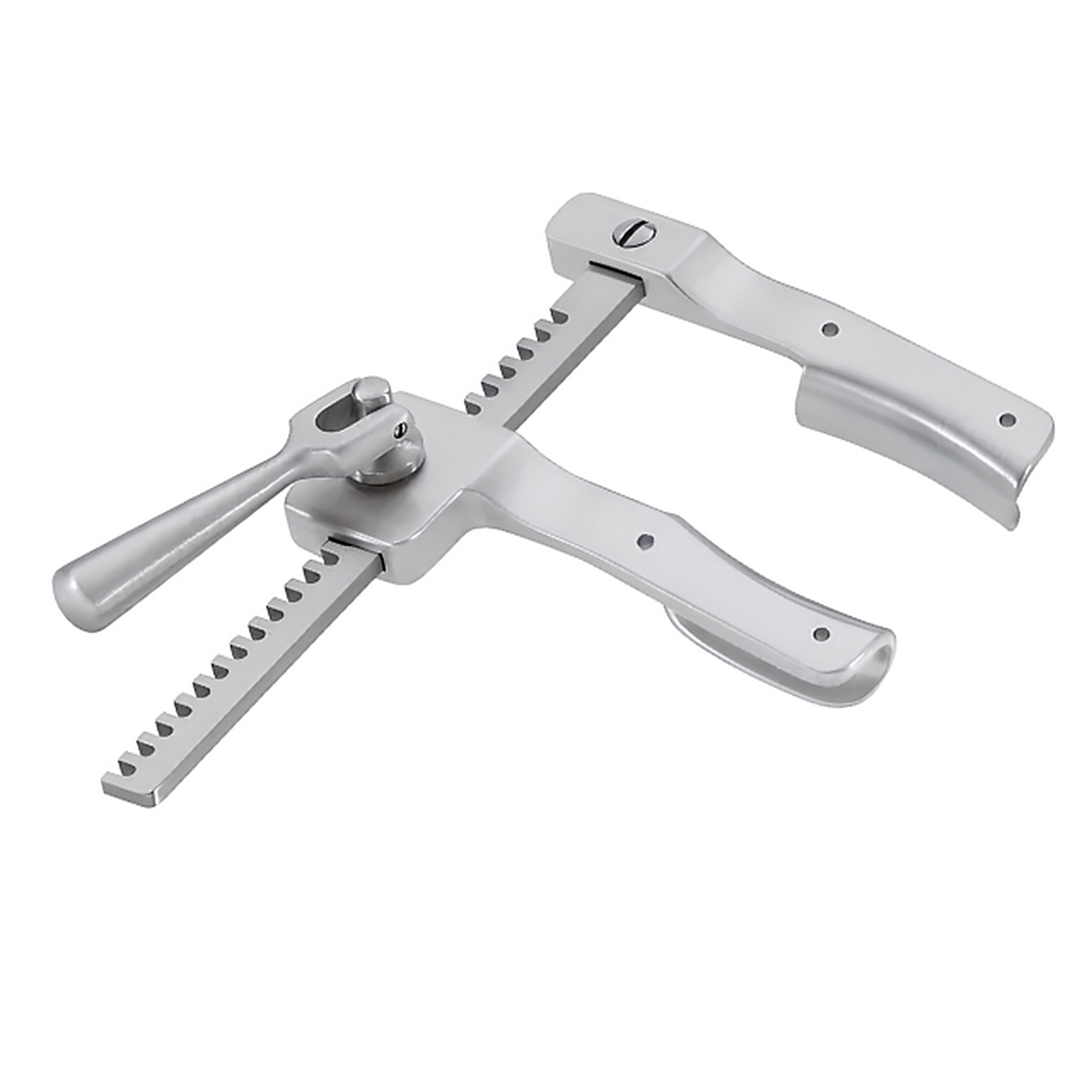 | Afastador Esternal Castaneda | Projetado especificamente para separação esternal e exposição mediastinal durante cirurgias cardíacas pediátricas, neonatais e adultas. |
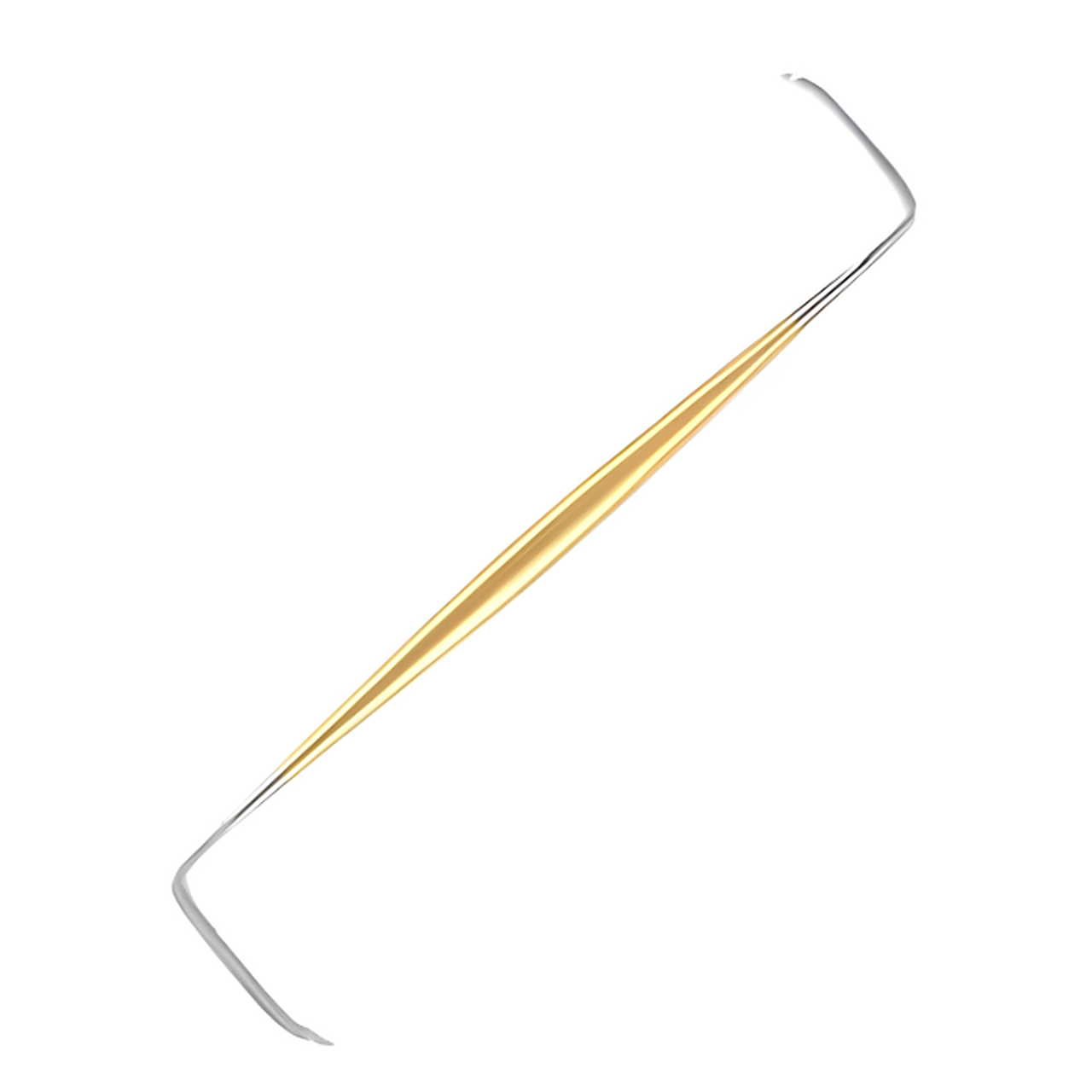 | Afastador Nasal de Extremidade Dupla Cerkes | Projetado especificamente para elevar o envelope de tecido mole nasal e afastar cartilagens durante rinoplastia aberta e fechada. |
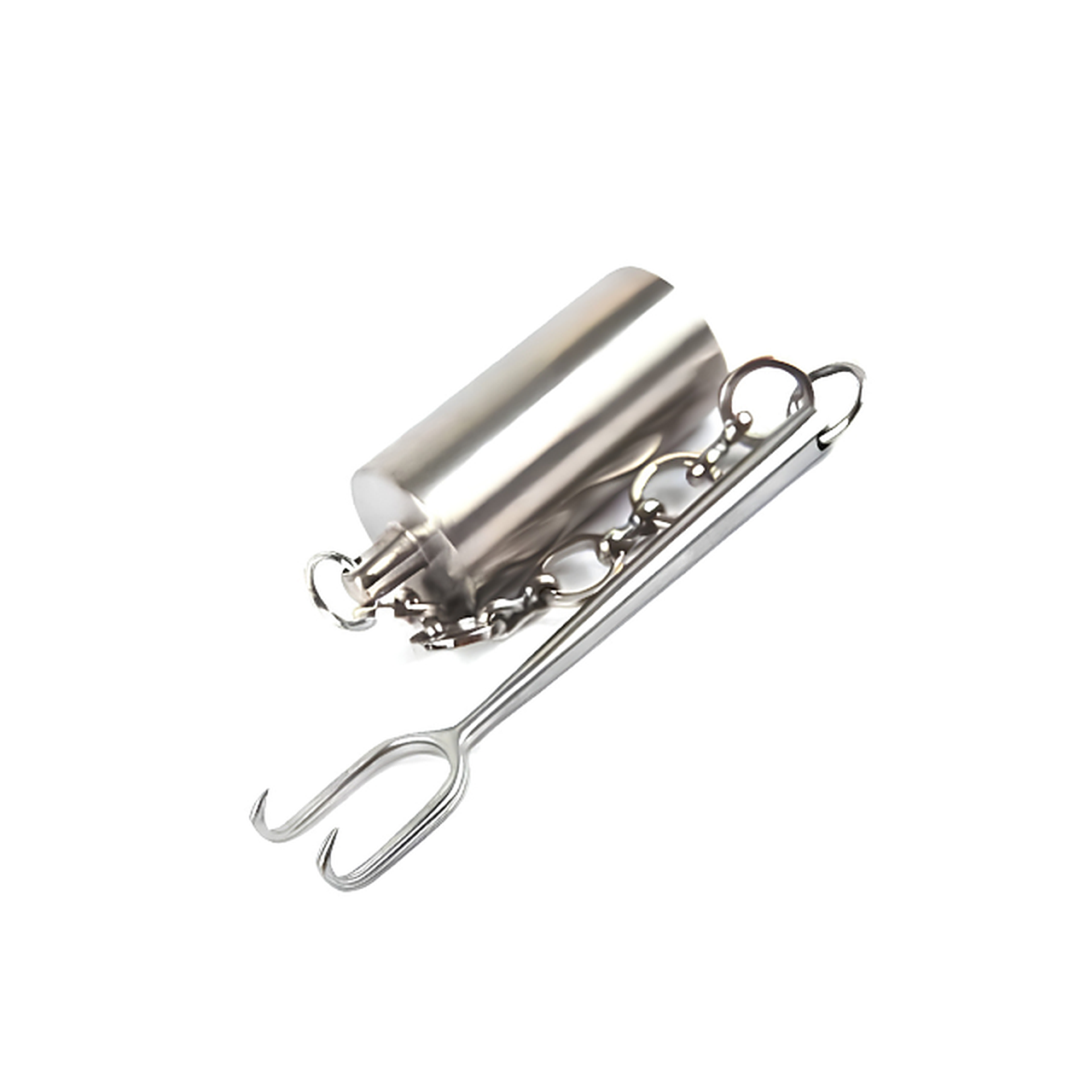 | Cerkes Nasal Retractor With Weight - Gruber Columella Retractor | Projetado especificamente para fornecer retração com contrapeso e mãos-livres da columela e do septo caudal durante a rinoplastia aberta. |
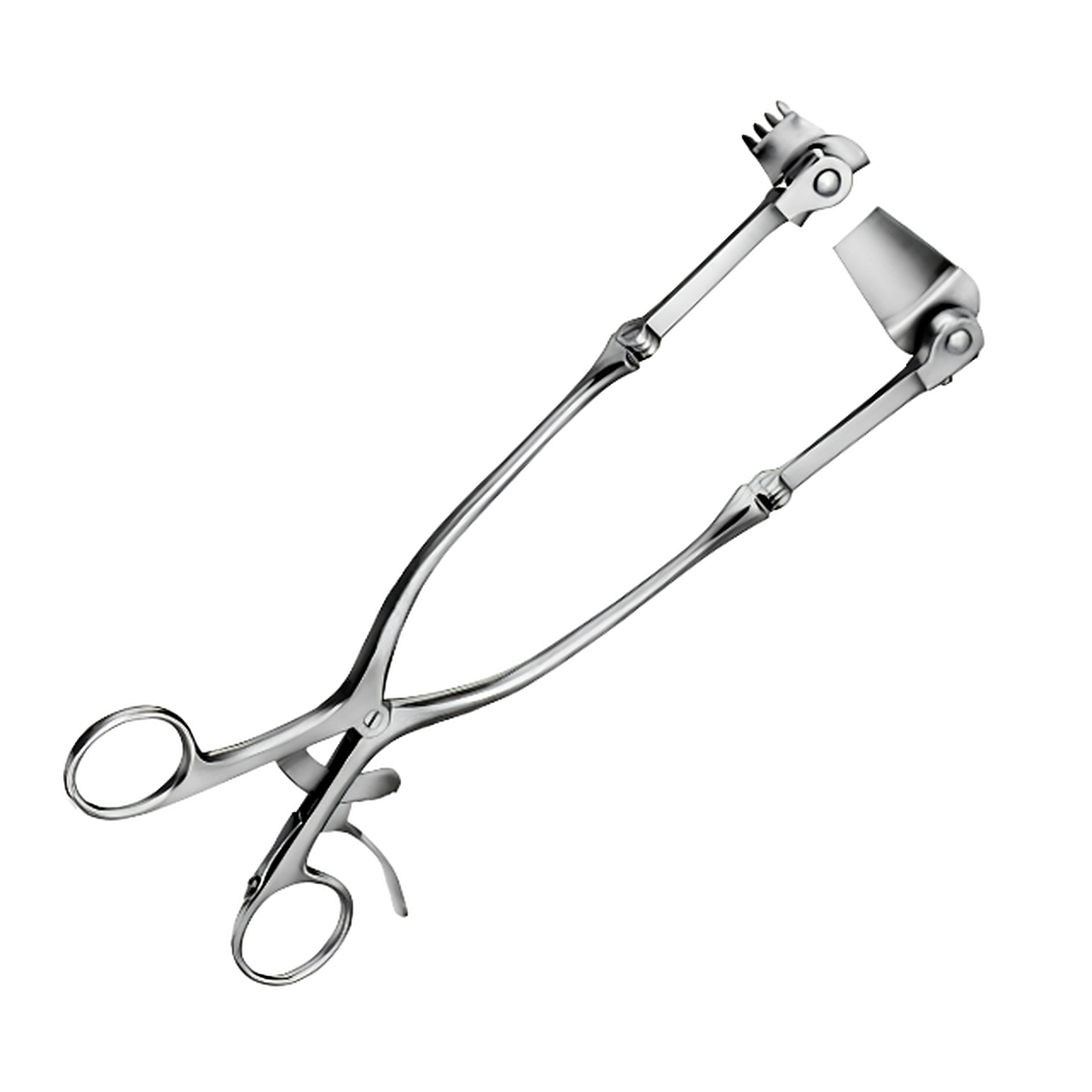 | Chassi para Afastador Cervical | Projetado especificamente para fixar lâminas de afastamento intercambiáveis e fornecer exposição longitudinal durante cirurgias da coluna cervical anterior. |
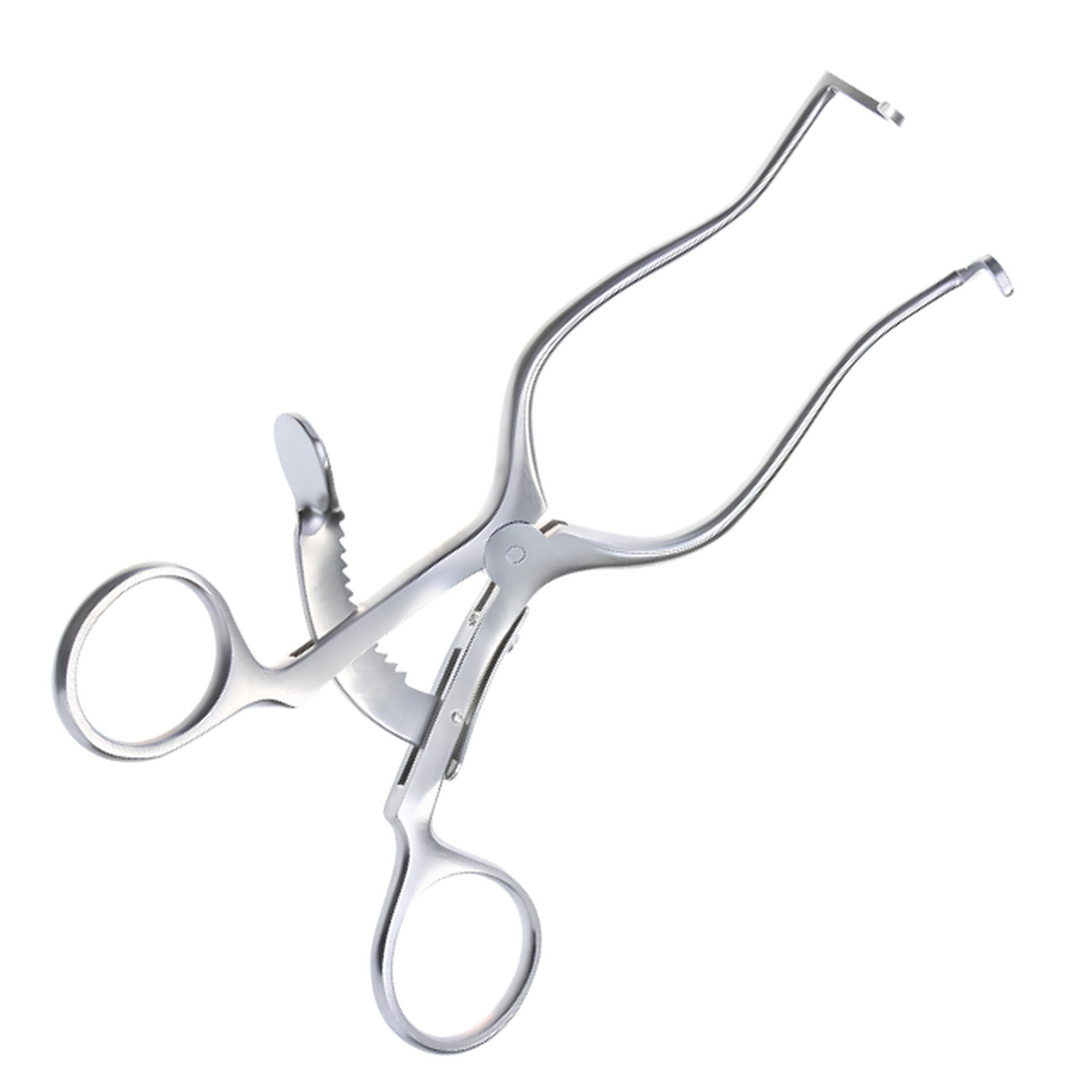 | Afastador de Tecidos Cervical | Especificamente projetado para afastar e mobilizar tecidos moles delicados e planos fasciais durante cirurgia da coluna cervical anterior. |
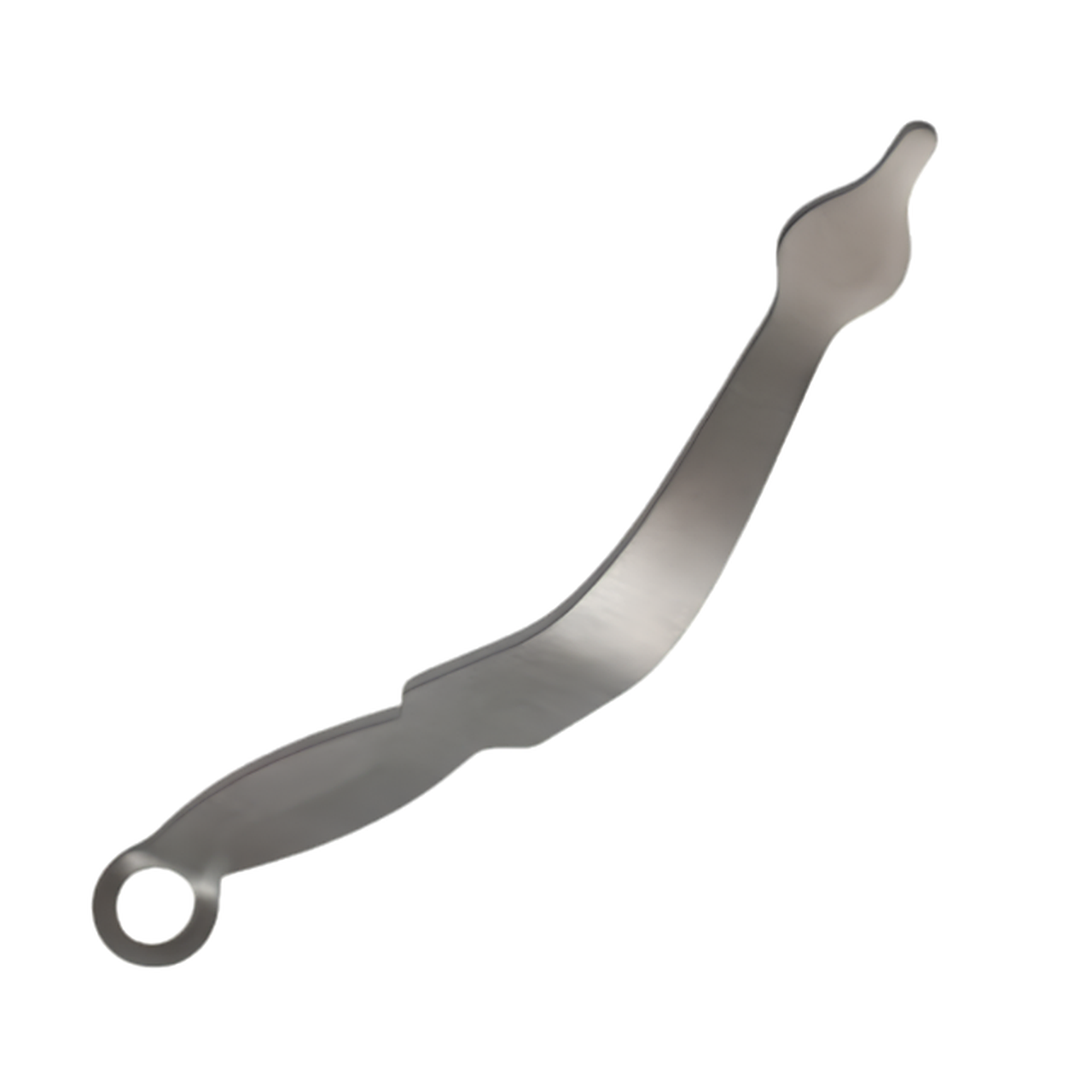 | Afastador Chandler | Projetado especificamente para alavancagem óssea e retração de musculatura pesada durante artroplastia total de quadril e procedimentos reconstrutivos femorais. |
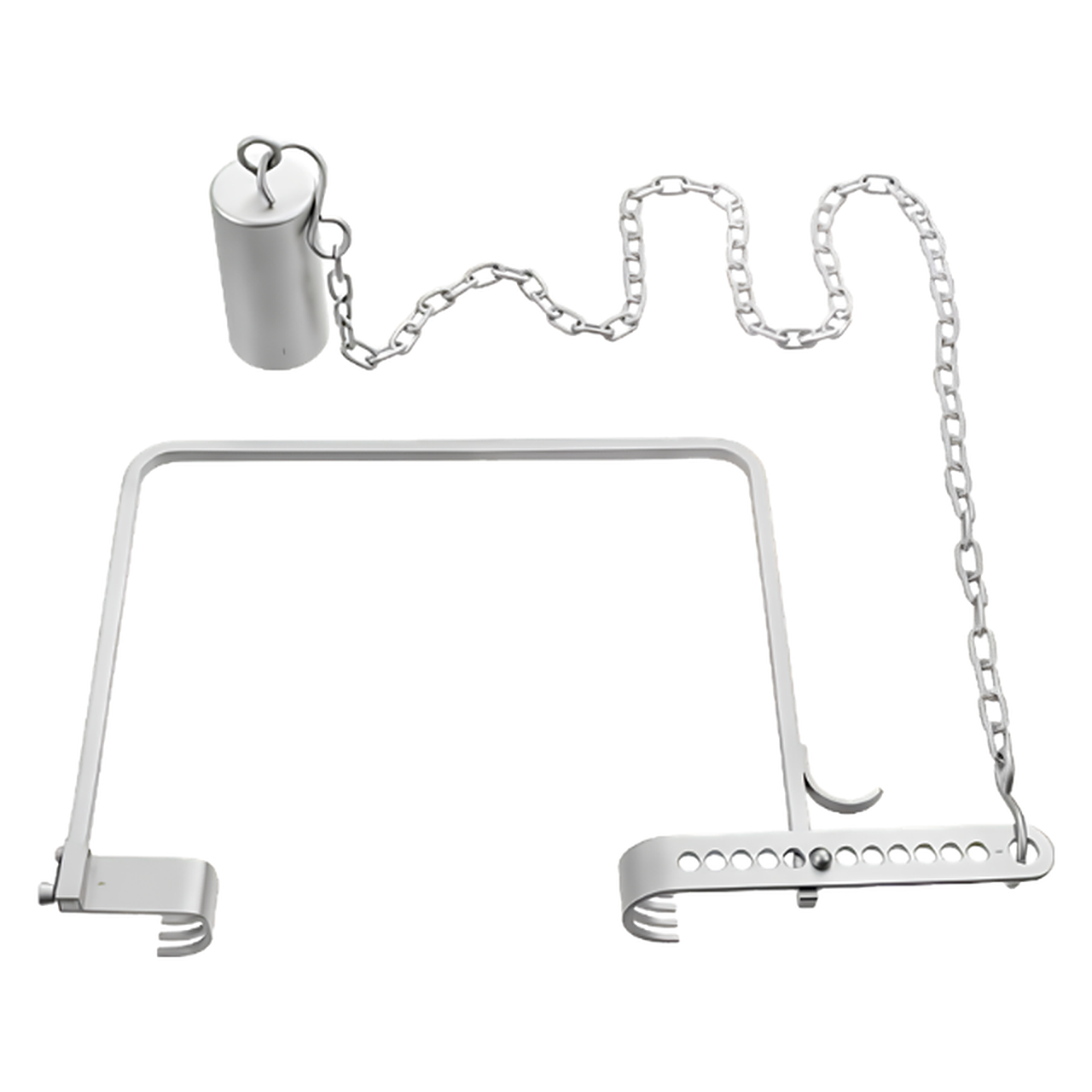 | Afastador de Charnley para Incisão Inicial | Projetado especificamente para afastar as bordas da pele e o tecido adiposo subcutâneo durante a exposição inicial em artroplastias de quadril. |
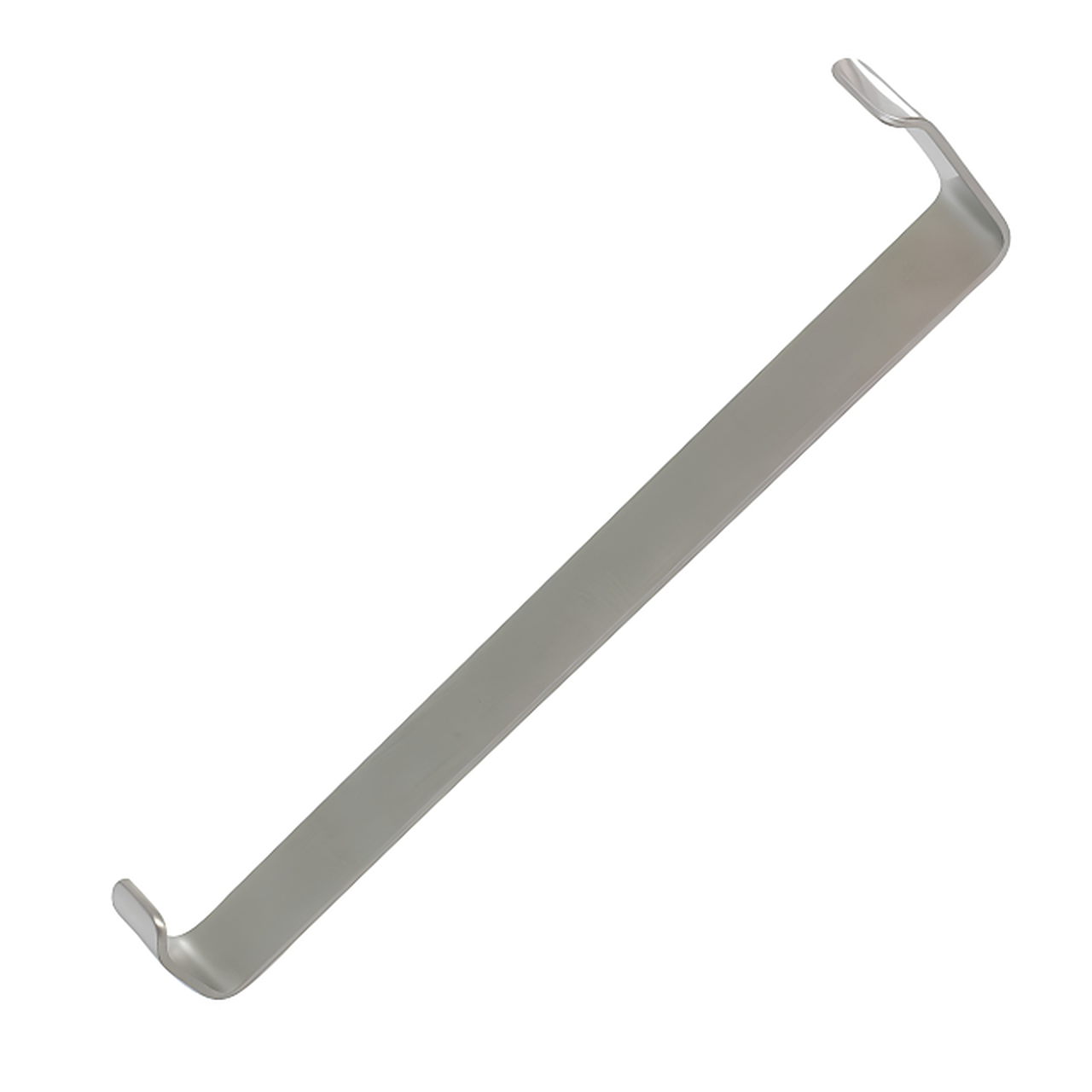 | Afastador Children's Hospital | Projetado especificamente para afastar pele delicada, músculo e tecidos moles durante procedimentos cirúrgicos pediátricos e de pequeno porte. |
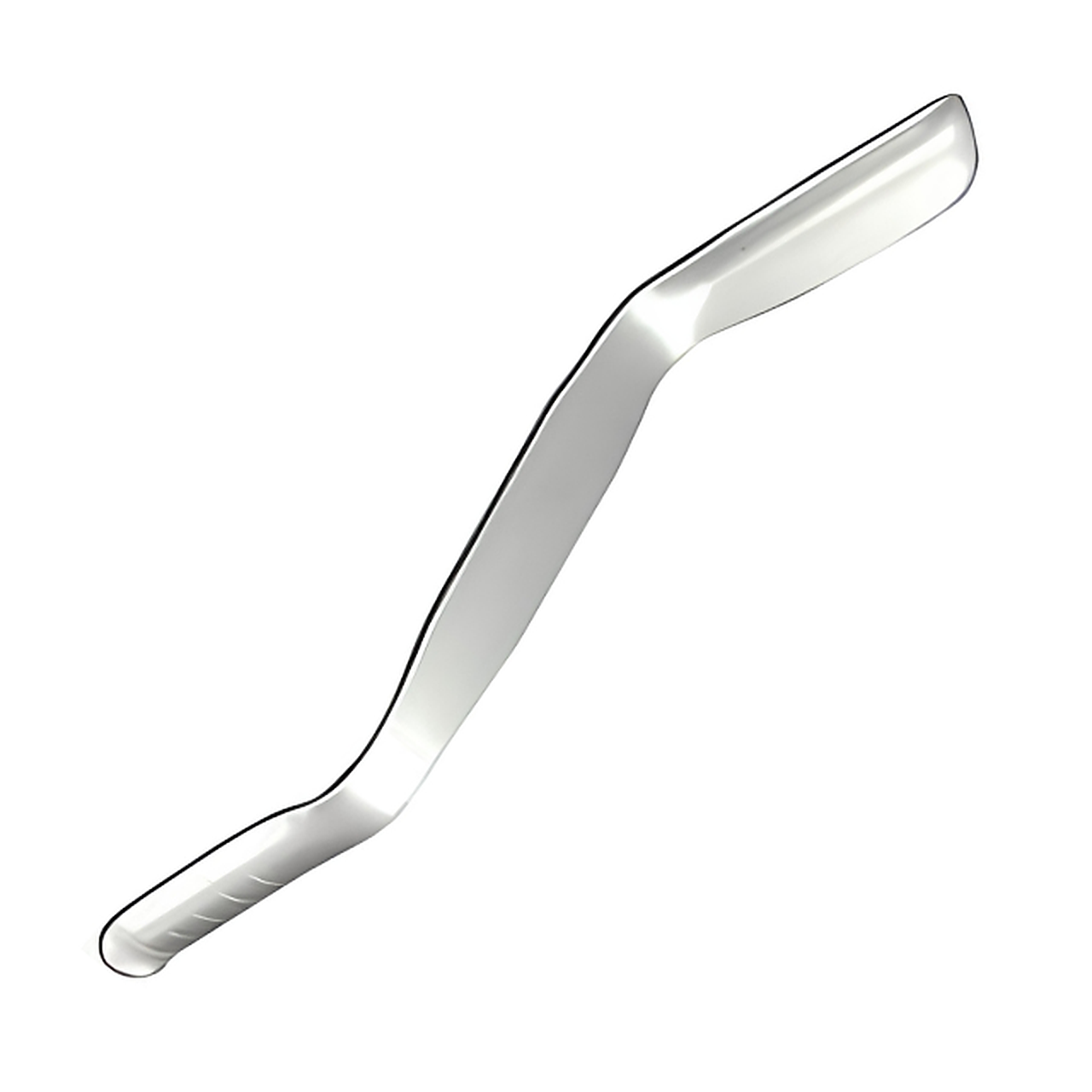 | Afastador Orbital Clodius | Projetado especificamente para retrair gordura orbital, elevar retalhos palpebrais e proteger o globo durante blefaroplastia e cirurgia periorbital. |
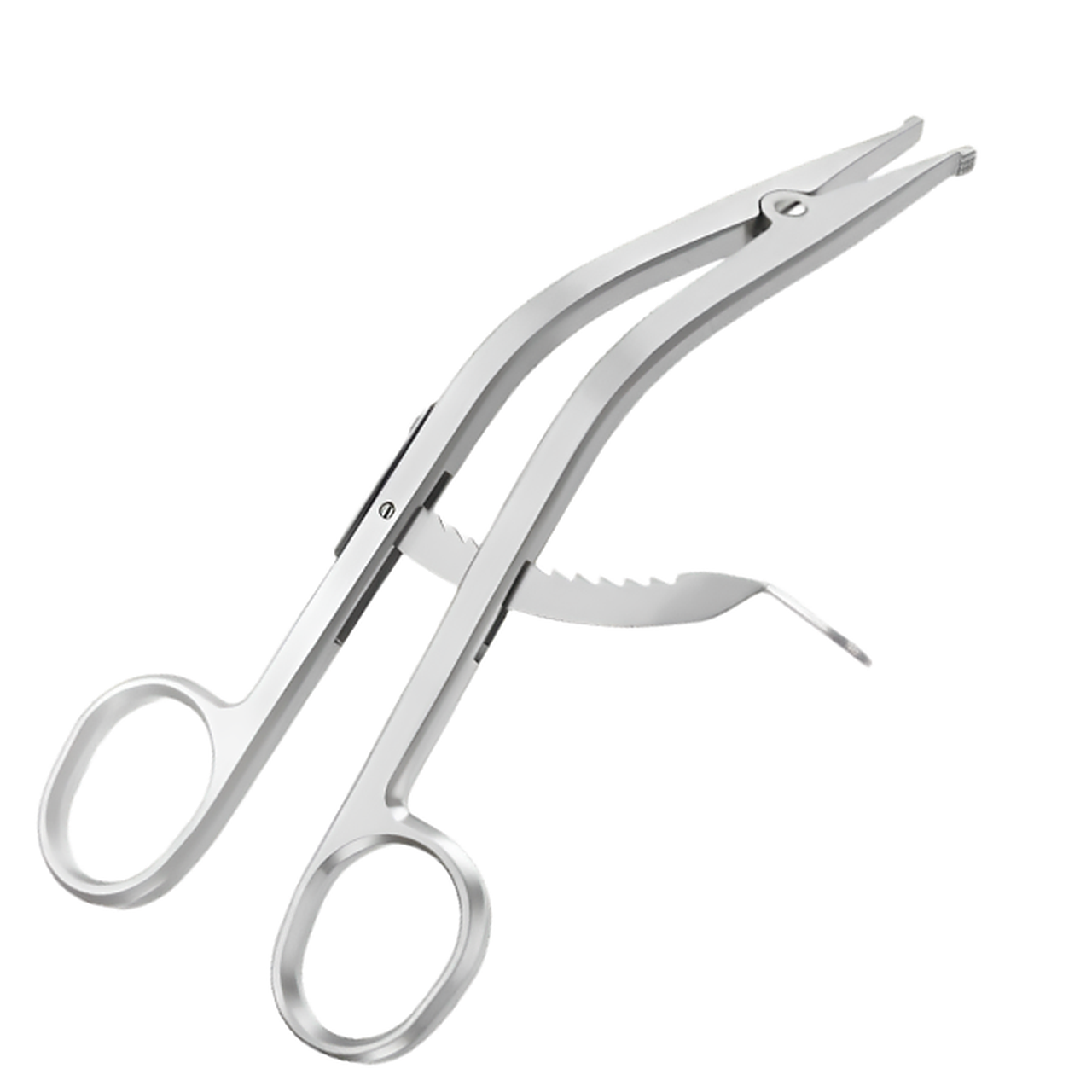 | Afastador Cervical/Lamina Cloward | Projetado especificamente para afastar os músculos paravertebrais e expor a lâmina e as articulações facetárias durante cirurgias da coluna cervical e torácica superior. |
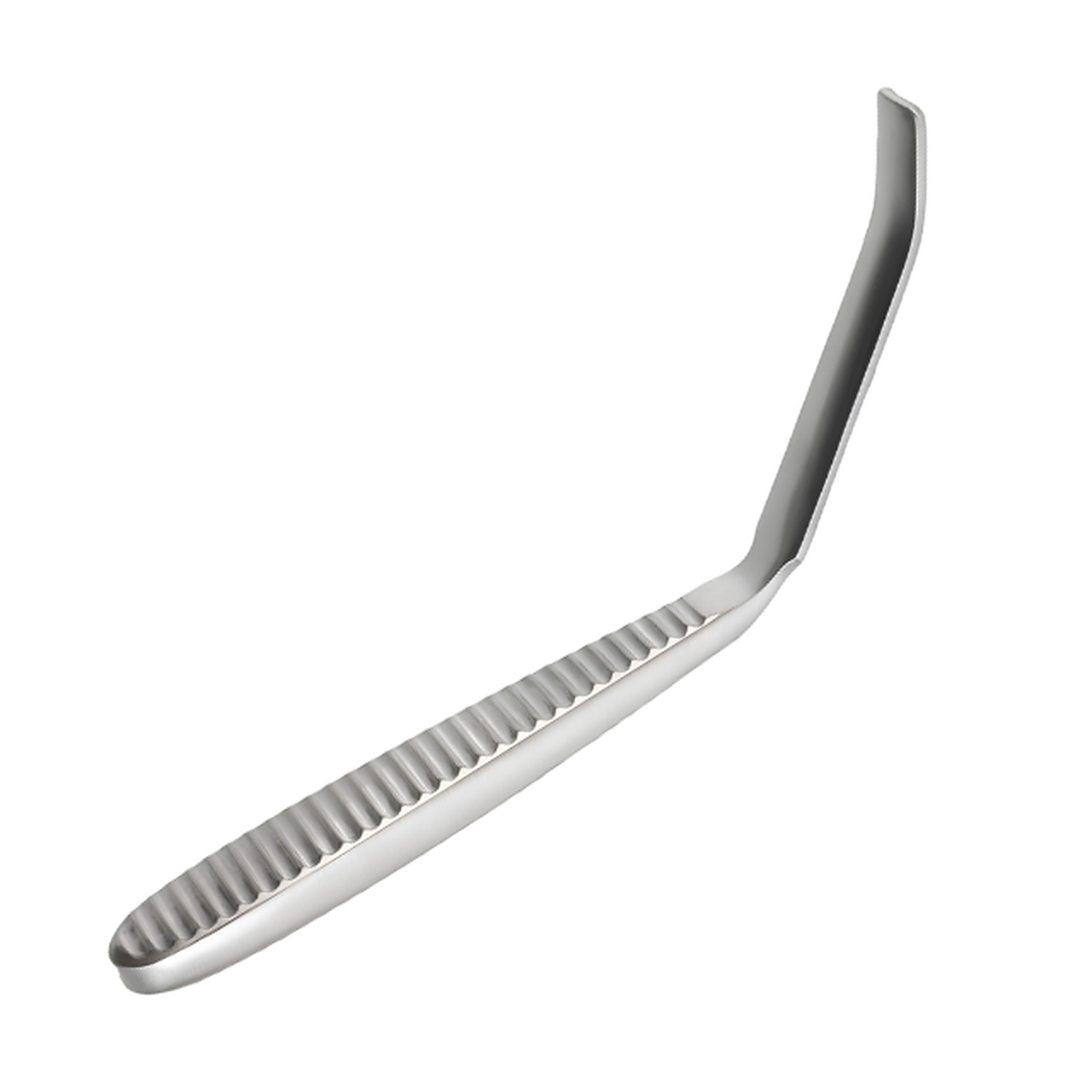 | Afastador de Lâmina Tipo Cloward | Projetado especificamente para afastar músculos, fáscias e tecidos moles viscerais durante cirurgias da coluna cervical anterior. |
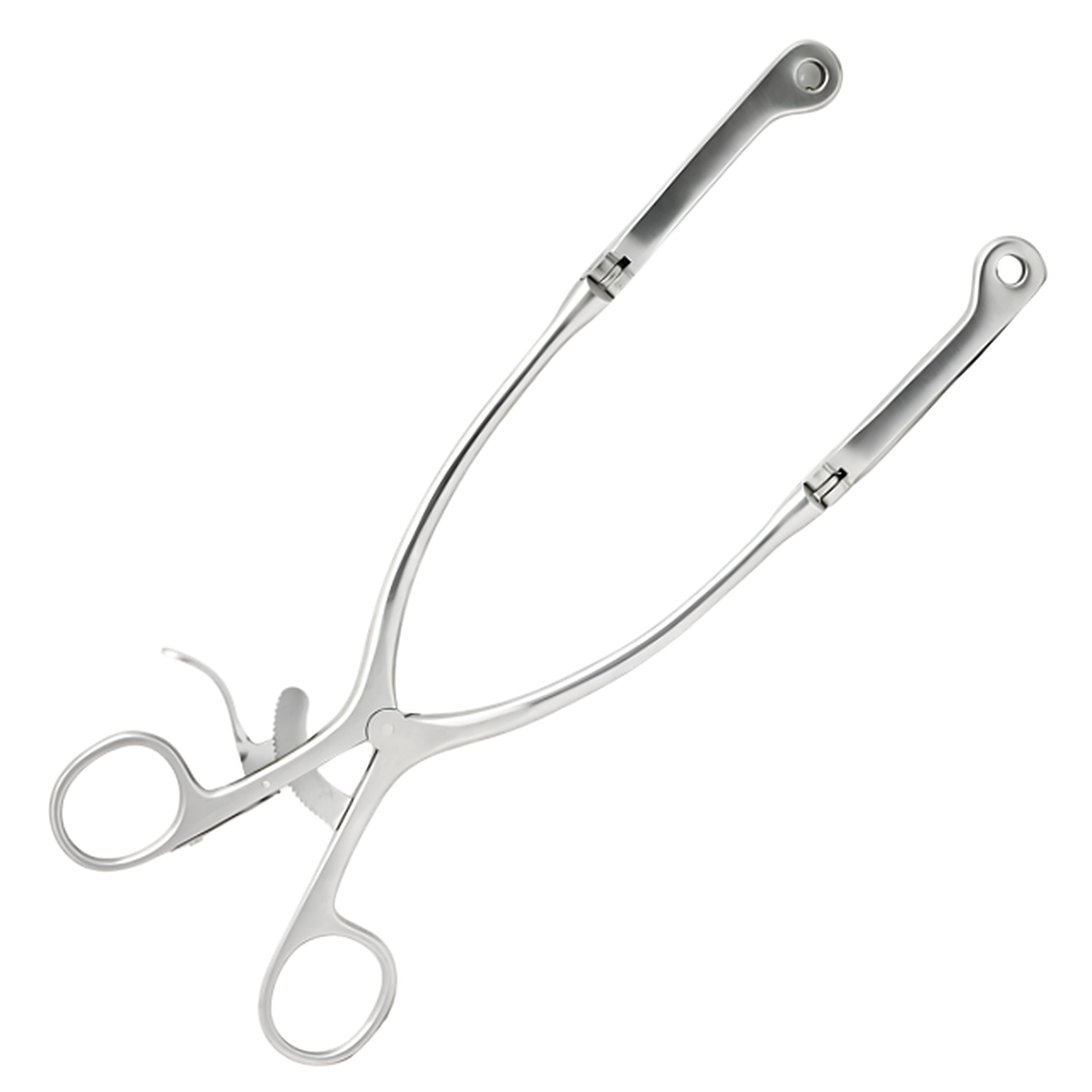 | Afastador Cervical Tipo Cloward | Projetado especificamente para fornecer afastamento autoestático de tecidos moles e exposição vertebral durante discectomia cervical anterior e fusão. |
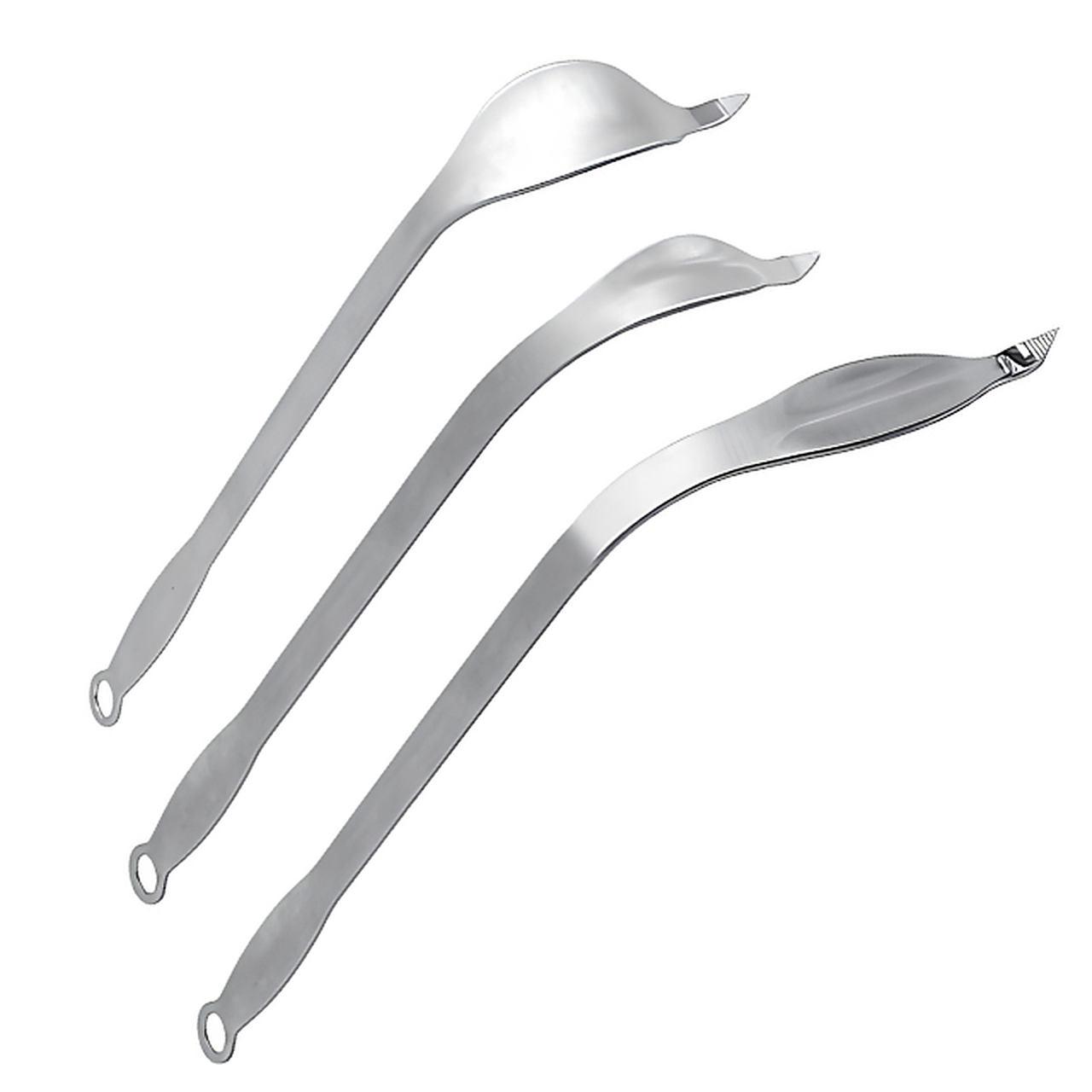 | Afastador Cobra | Projetado especificamente para alavancagem óssea e afastamento de musculatura pesada durante artroplastia total de quadril, osteotomias pélvicas e cirurgia de fêmur. |
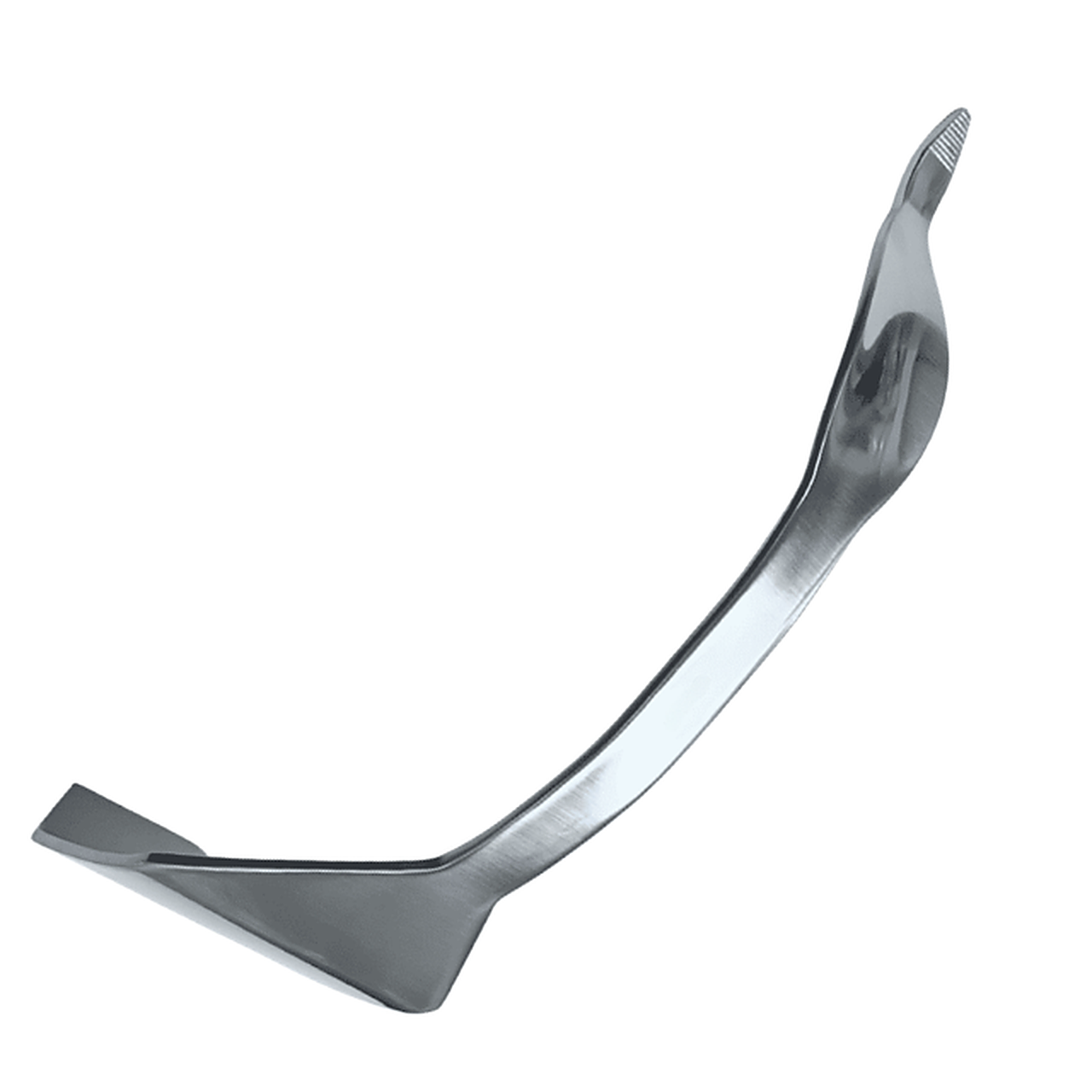 | Afastador Cobra com Apoio de Mão | Projetado especificamente para alavancagem óssea e retração de musculatura pesada, reduzindo a tensão manual do assistente durante a artroplastia de quadril. |
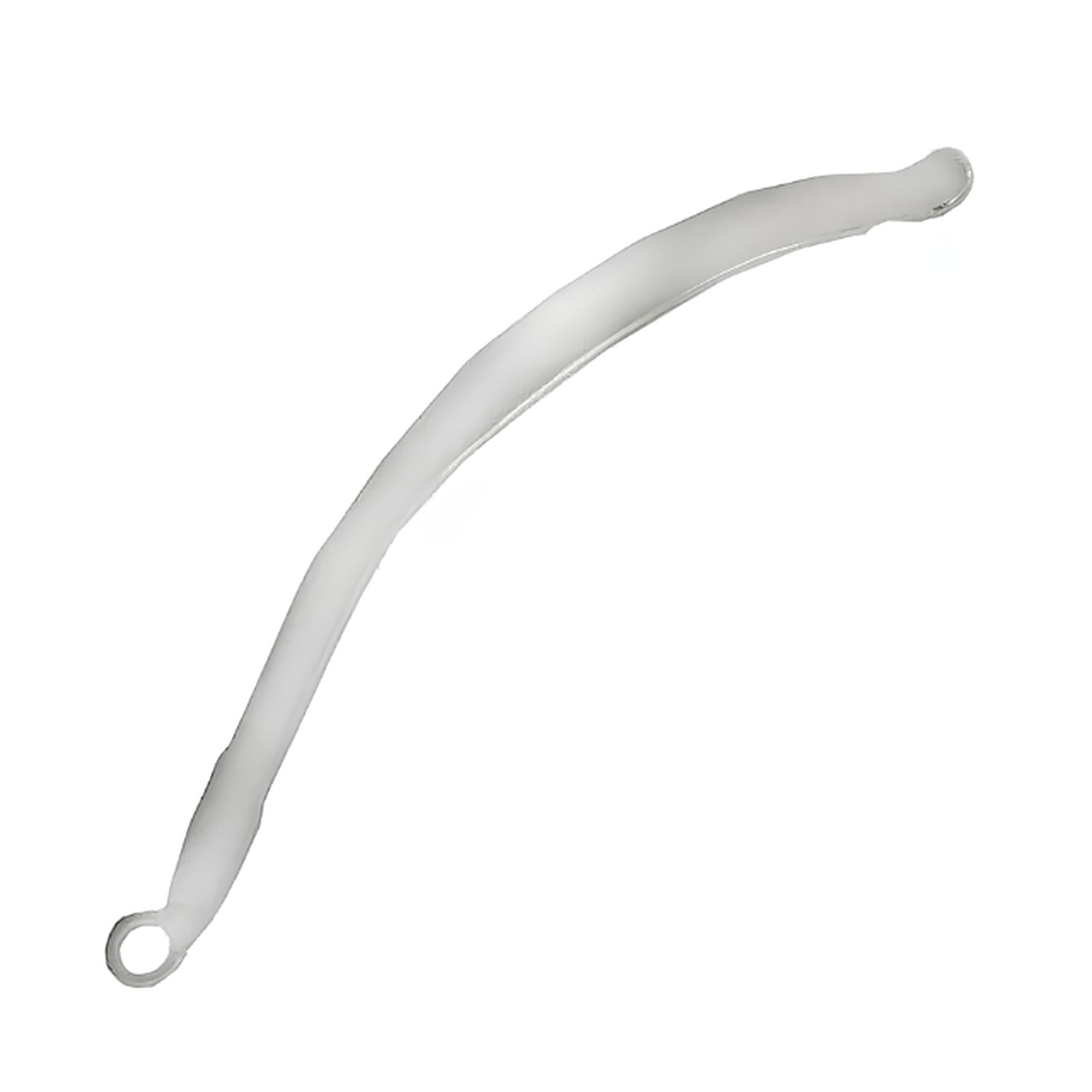 | Afastador Femoral Tipo Cobra | Projetado especificamente para afastar musculatura pesada e expor o corpo femoral durante artroplastia de quadril e reparo de fratura femoral. |
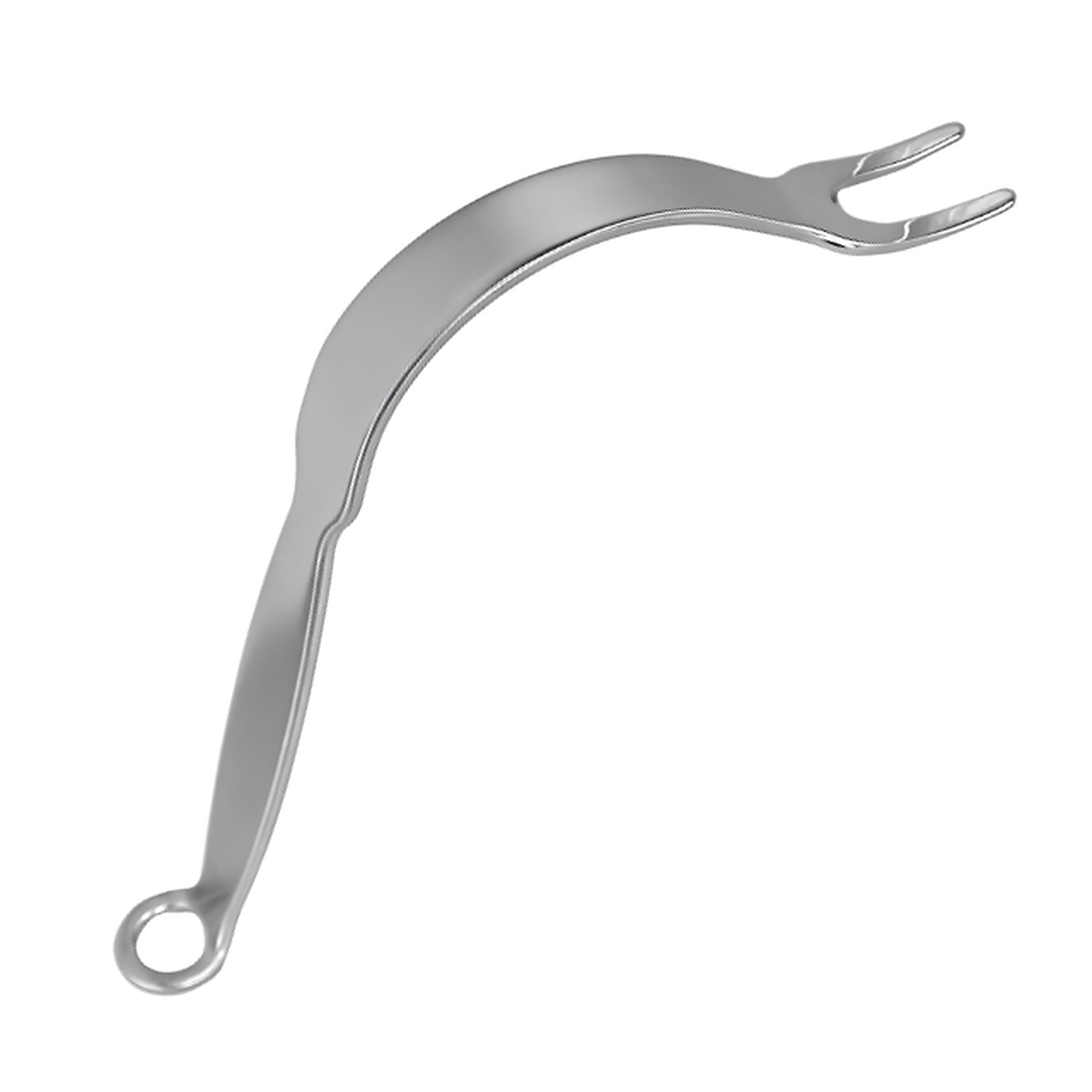 | Afastadores para Ligamento Colateral | Projetado especificamente para afastar e proteger os ligamentos colaterais e a cápsula durante a artroplastia total de joelho. |
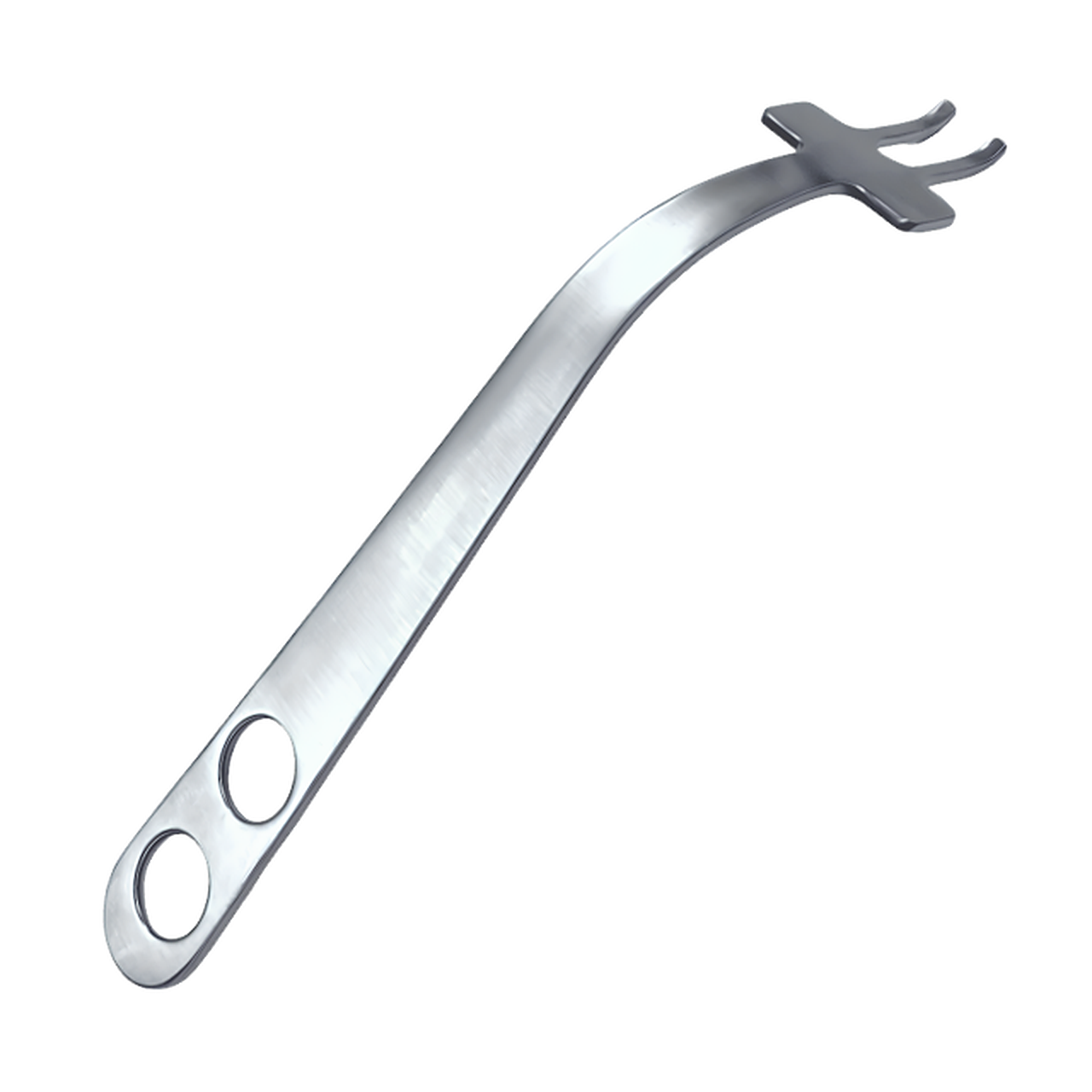 | Afastador de Partes Moles Colateral | Projetado especificamente para afastar ligamentos colaterais e tecidos moles periarticulares durante artroplastia de joelho e cirurgia reconstrutiva. |
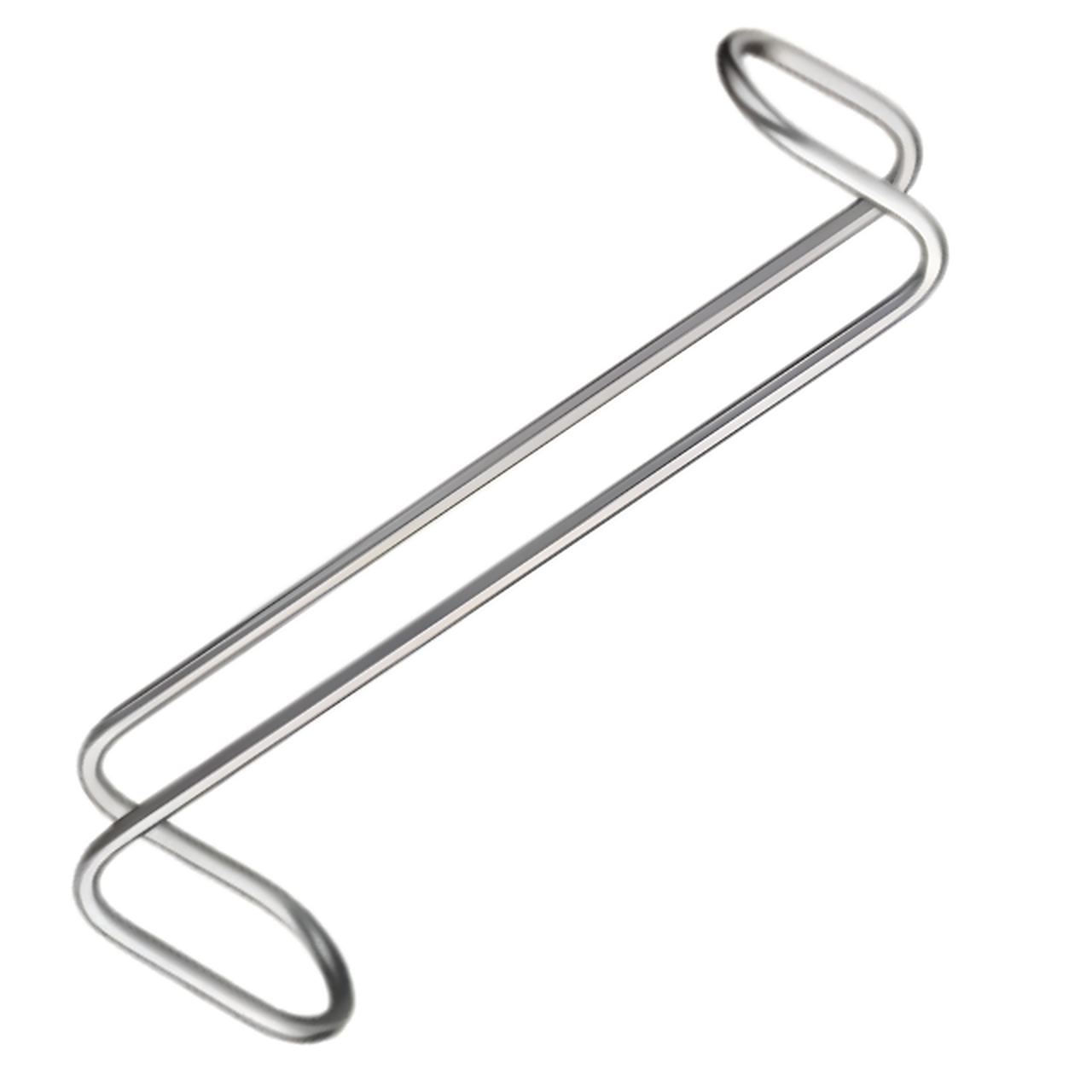 | Afastador Collin Hartmann em S | Projetado especificamente para afastar músculos, fáscias e bordas de feridas durante cirurgias gerais, ginecológicas e plásticas. |
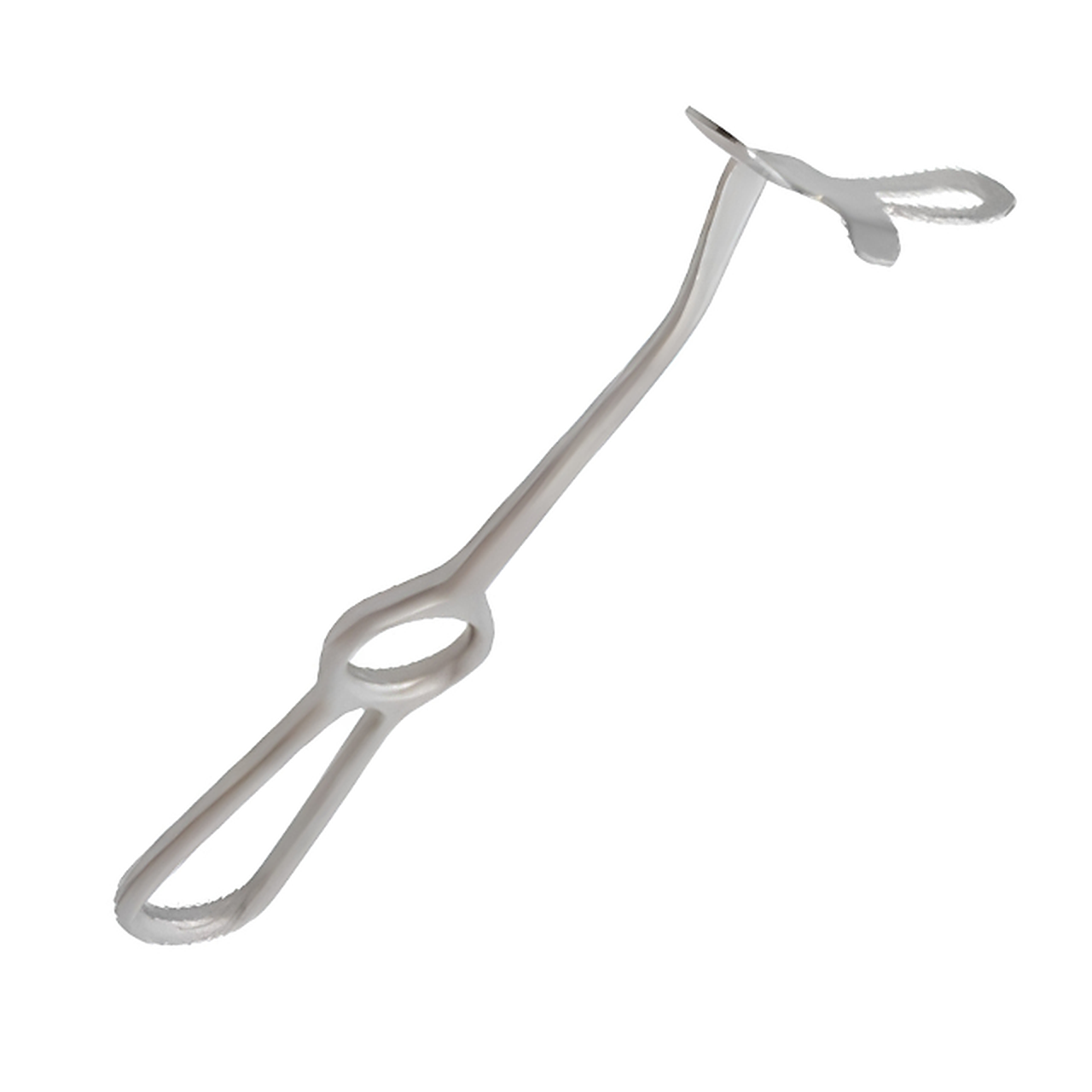 | Afastador Combinado de Feridas e Bochechas | Projetado especificamente para afastar bochechas, lábios e margens de feridas durante cirurgias orais, bucomaxilofaciais e plásticas. |
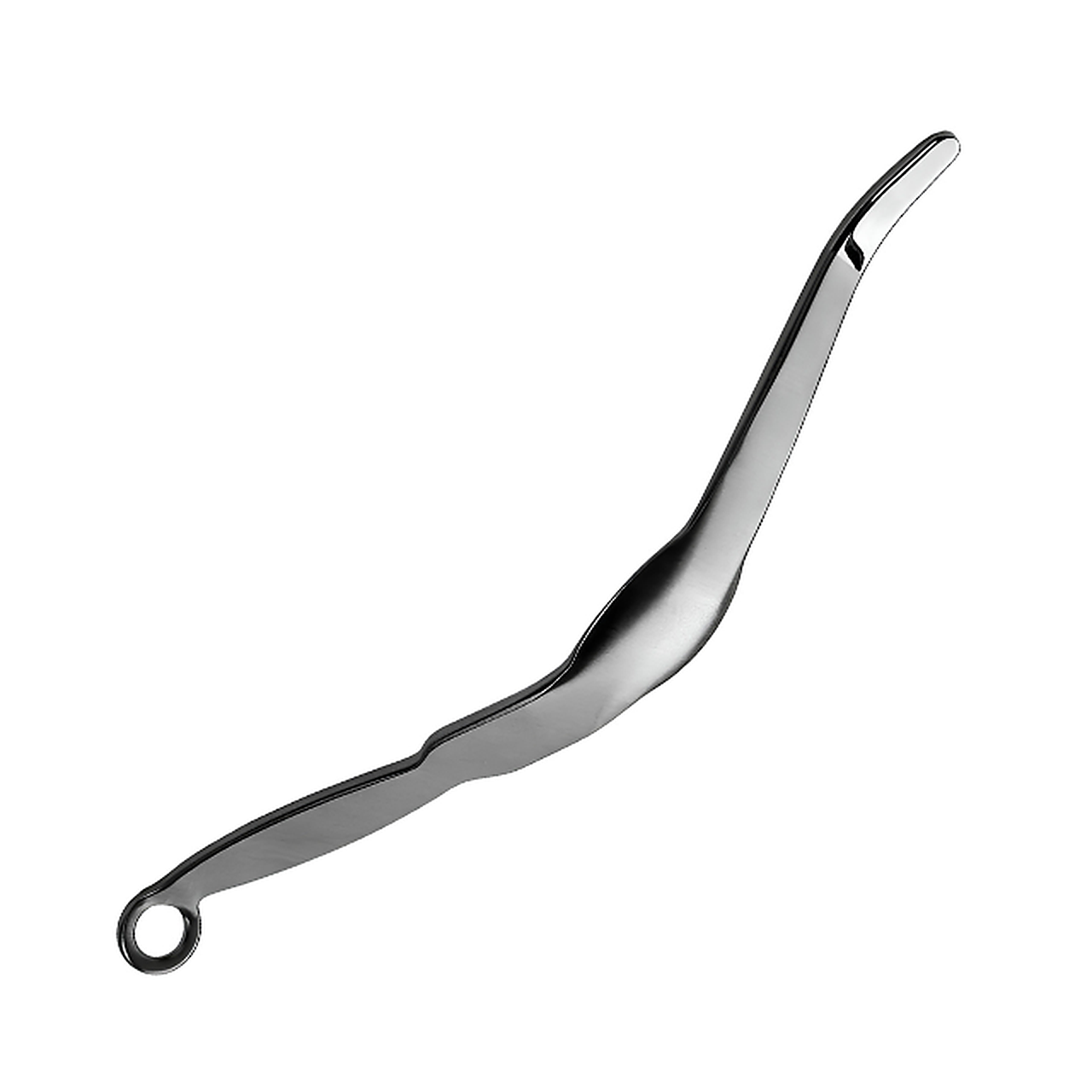 | Afastador de Joelho Côncavo | Projetado especificamente para afastar ligamentos colaterais e tecidos moles periarticulares enquanto exerce alavancagem óssea durante a artroplastia total de joelho. |
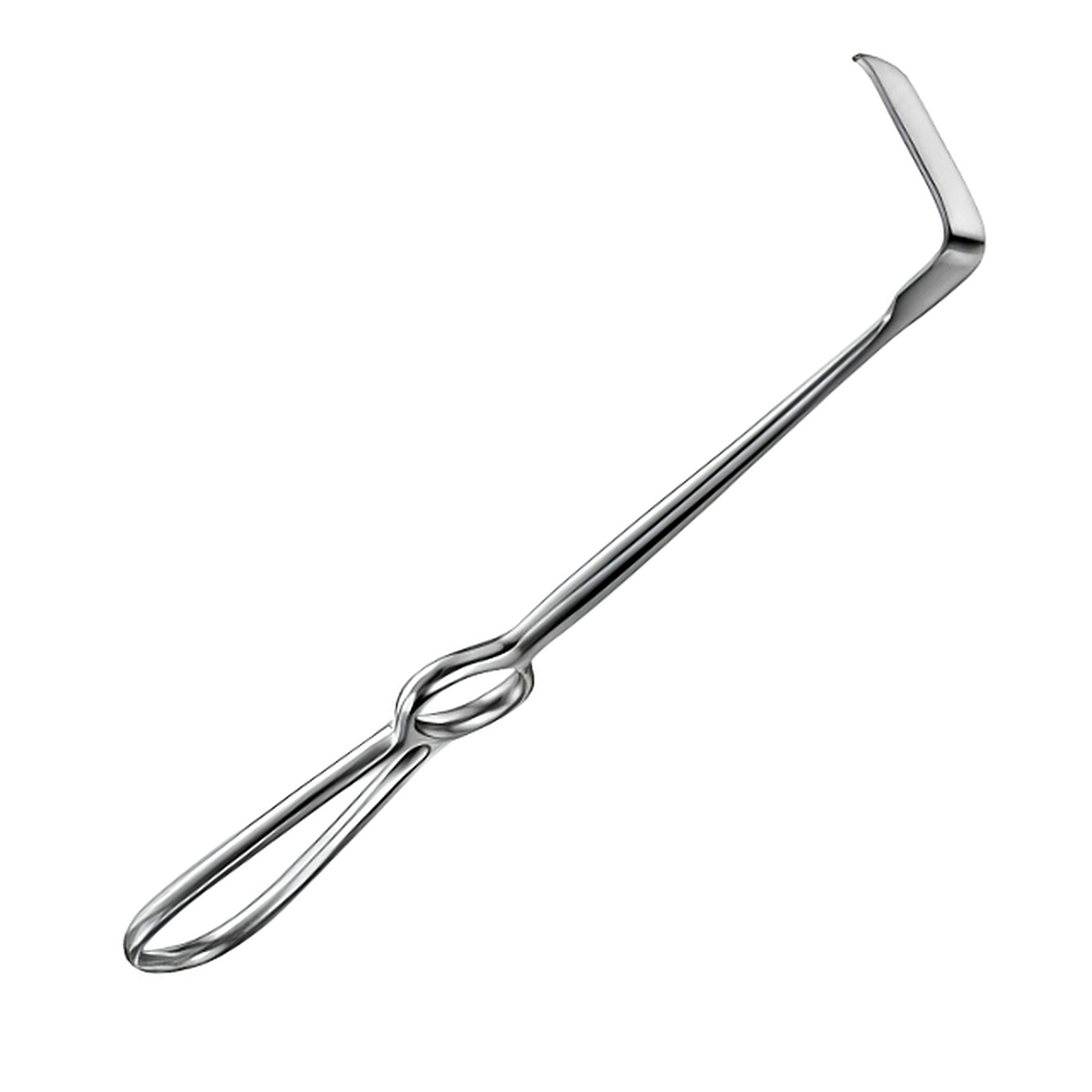 | Afastador de Côndilo | Especificamente projetado para engatar o ramo mandibular e o colo condilar durante cirurgias ortognáticas e de trauma facial. |
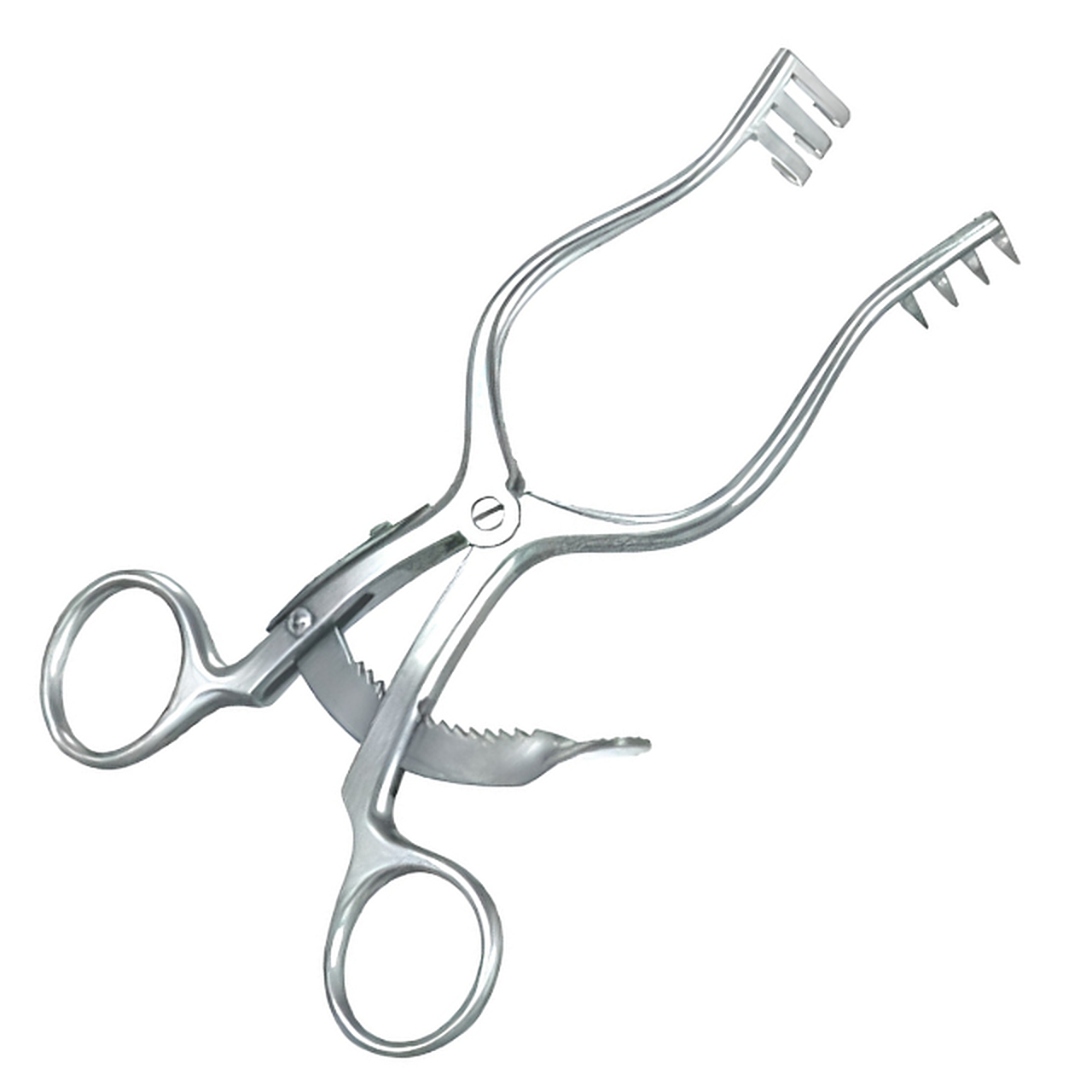 | Afastador de Couro Cabeludo Autostático Contour | Especificamente projetado para afastar retalhos de couro cabeludo, gálea e músculos durante craniotomias e cirurgias cranianas. |
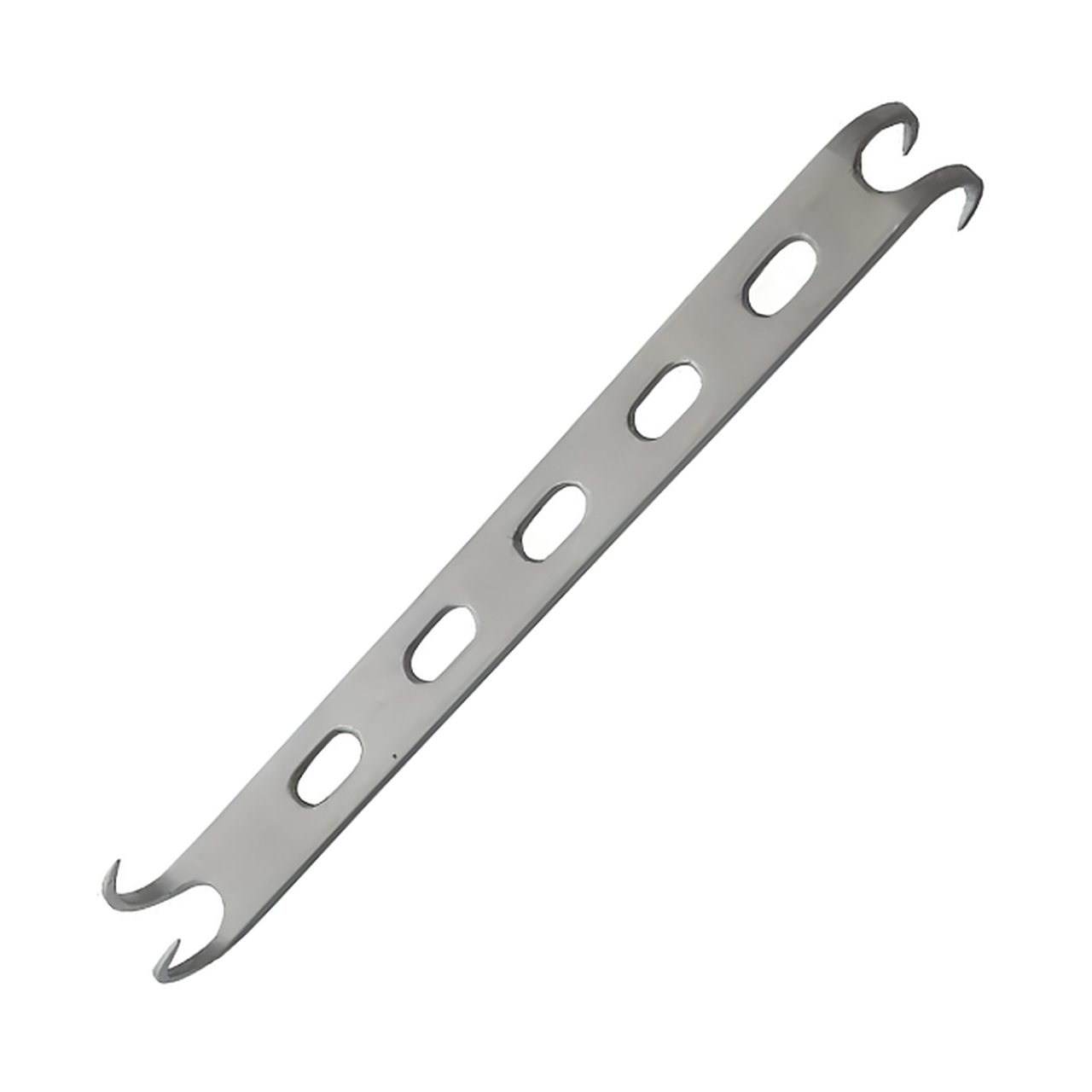 | Afastador Alar Converse de Ponta Dupla | Projetado especificamente para retrair a margem alar, a borda da narina e a cartilagem lateral inferior durante a rinoplastia. |
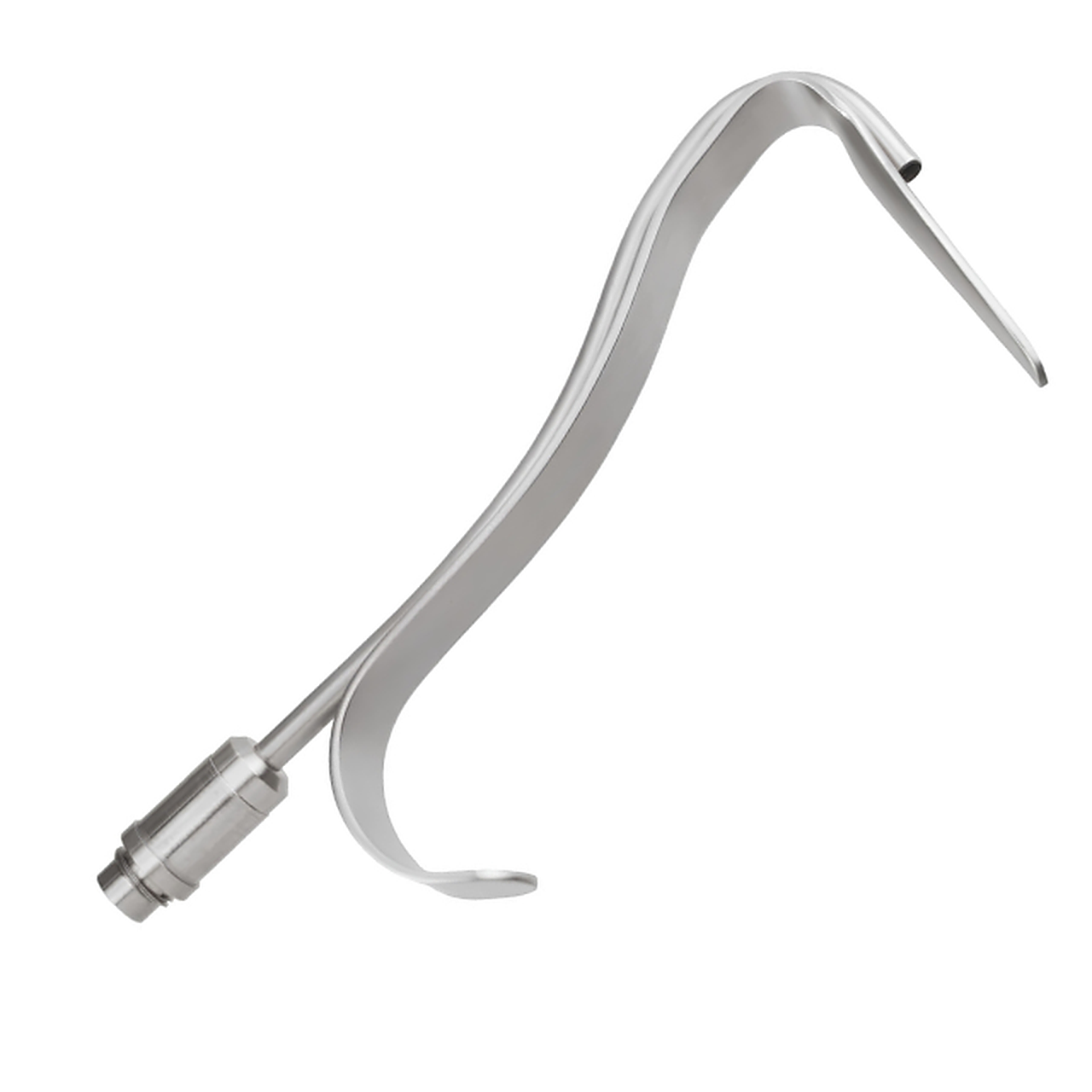 | Afastador Nasal Converse | Projetado especificamente para elevar retalhos cutâneos nasais e fornecer visualização direta do dorso nasal durante a rinoplastia. |
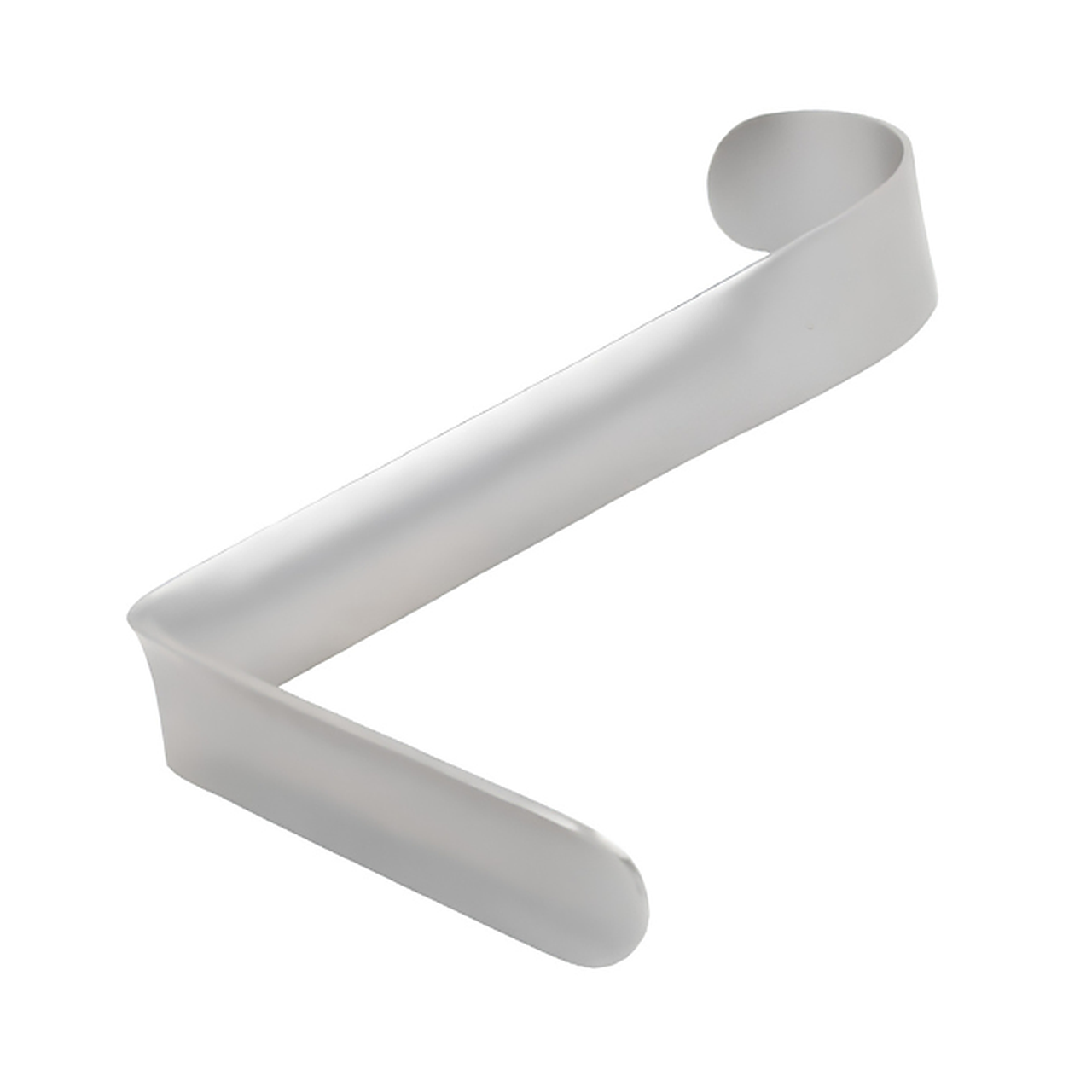 | Afastador Nasal Converse, 10 cm | Projetado especificamente para elevar retalhos de tecidos moles nasais e expor a estrutura cartilaginosa durante a rinoplastia. |
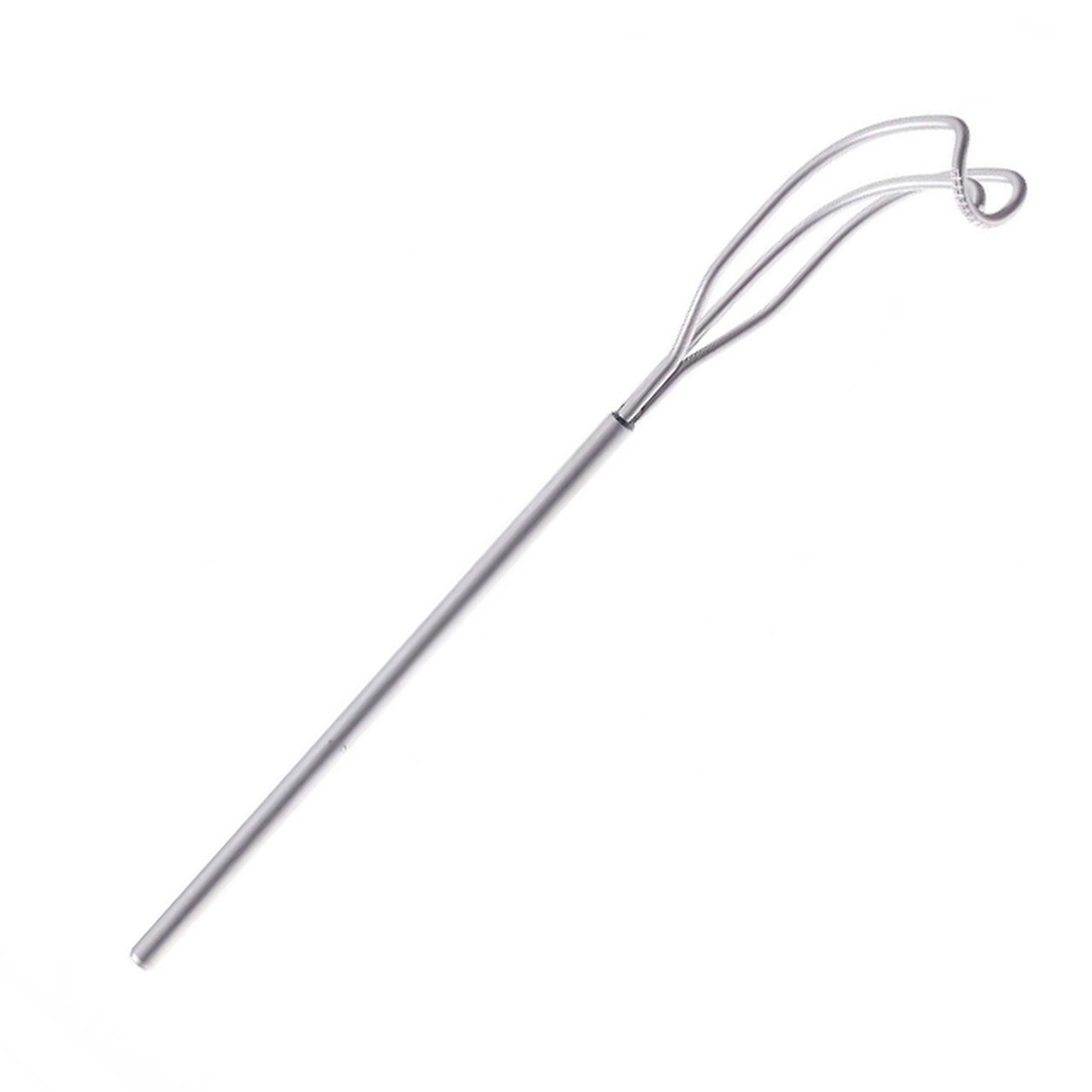 | Afastador Atrial Cooley | Projetado especificamente para afastar a parede atrial e fornecer exposição operatória estruturada durante procedimentos de válvulas cardíacas. |
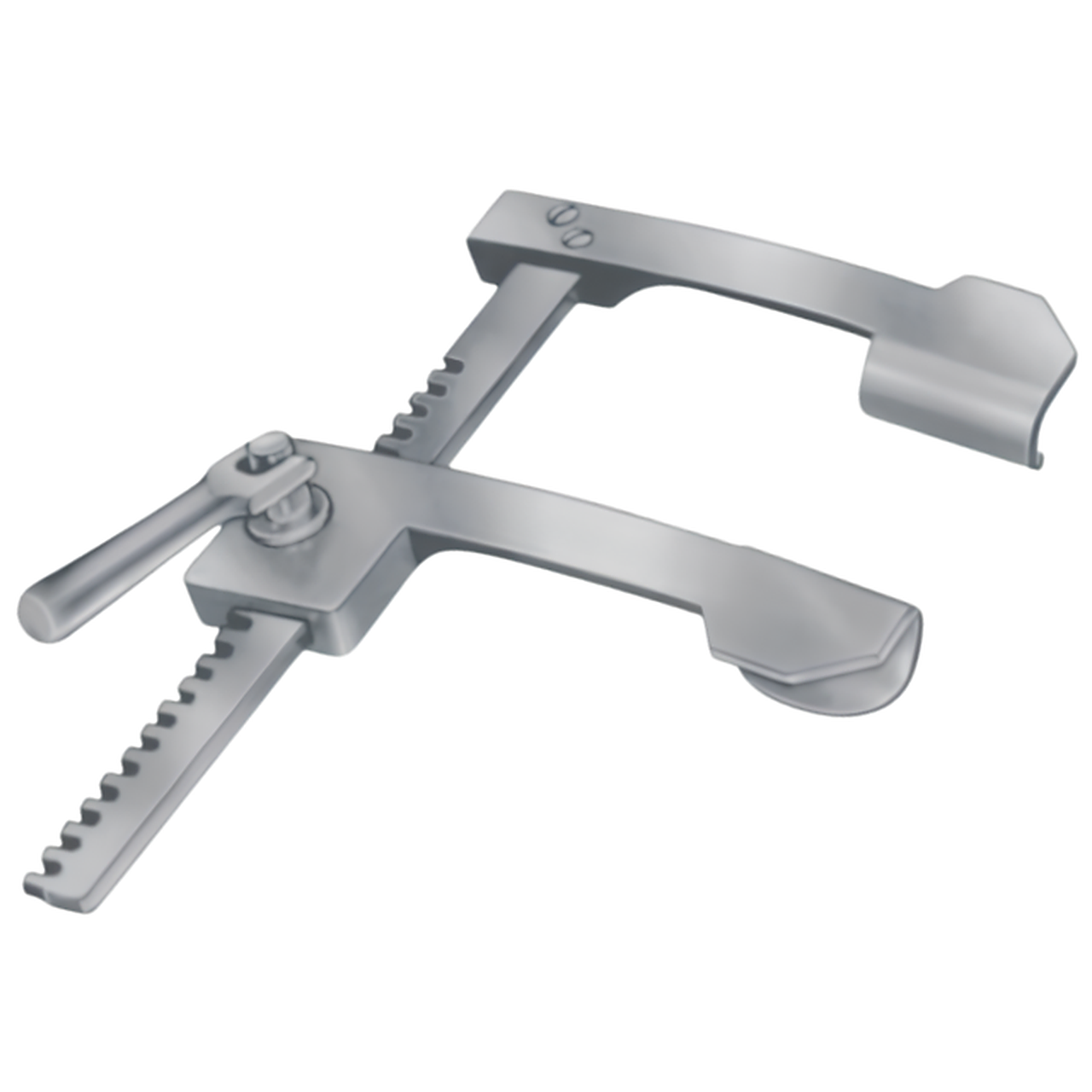 | Afastador de Costelas Cooley | Projetado especificamente para separar costelas adjacentes e manter o corredor torácico aberto durante cirurgias cardiotorácicas. |
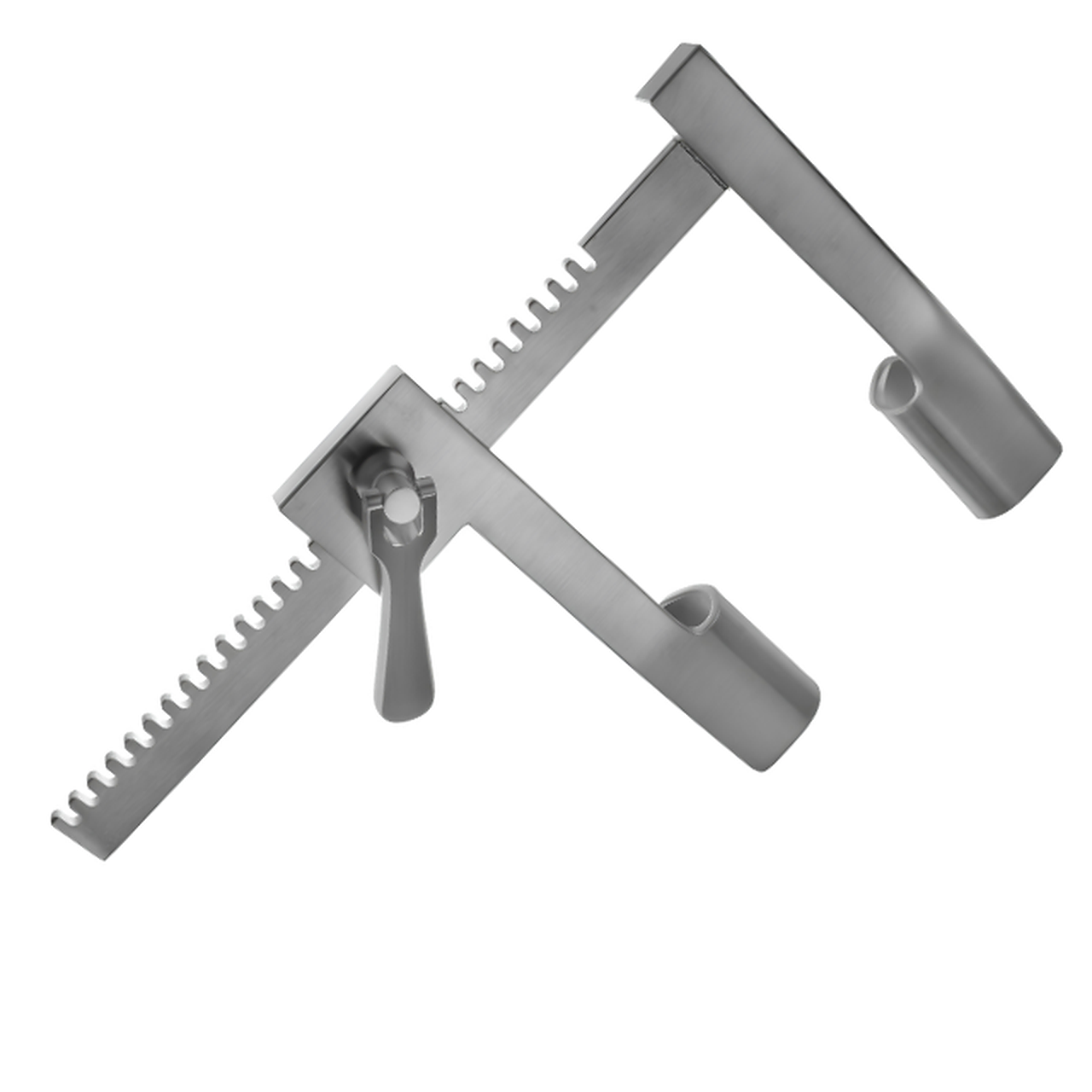 | Afastador Esternal Cooley | Projetado especificamente para separar e afastar o esterno durante procedimentos cardiotorácicos e mediastinais abertos. |
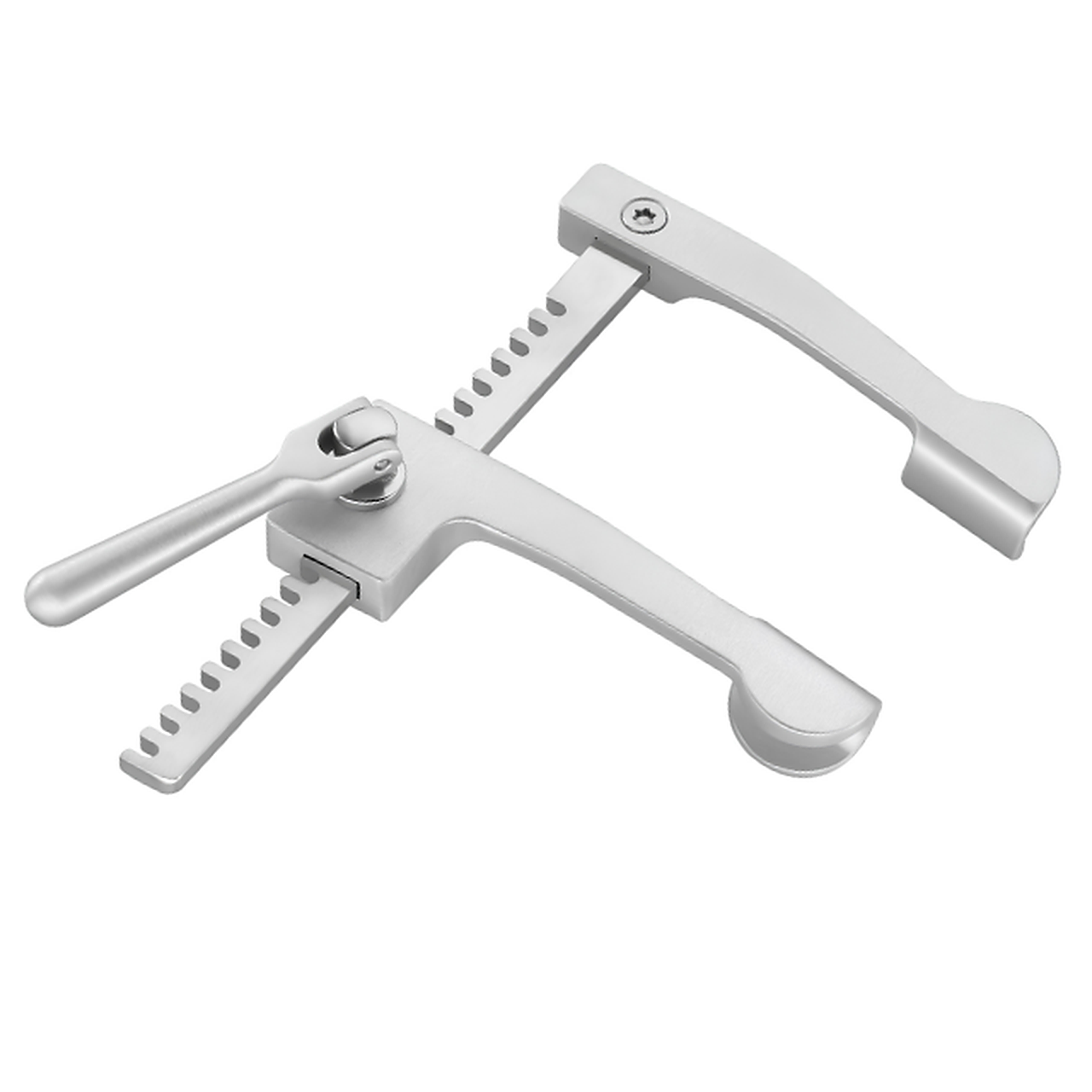 | Afastador Esternal Cooley Sternotomy Retractor | Projetado especificamente para separação e exposição esternal precisa durante cirurgias cardíacas neonatais e pediátricas. |
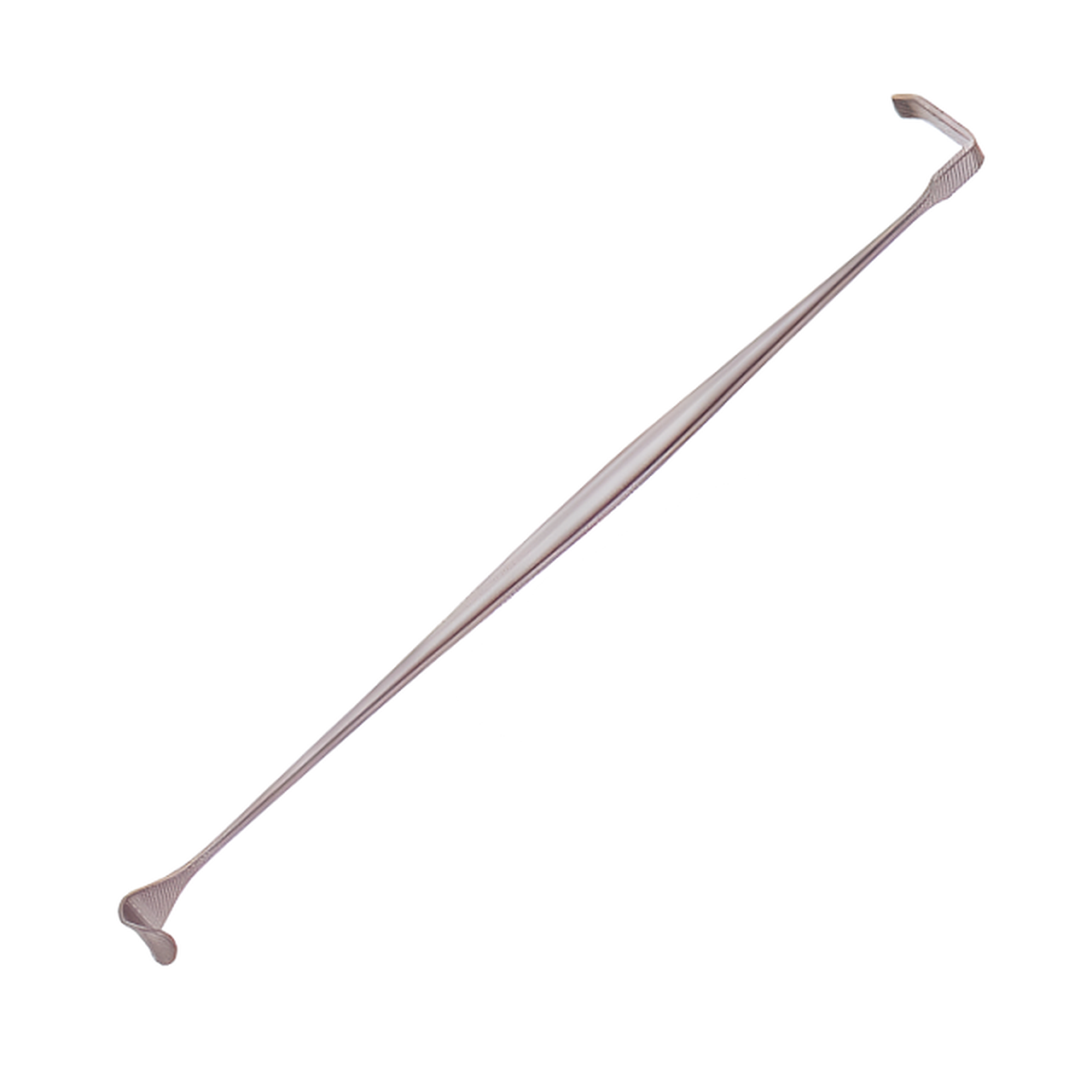 | Afastador Cope de Ponta Dupla | Projetado especificamente para afastar pele, fáscia e tecidos moles durante procedimentos cirúrgicos gerais, plásticos e de otorrinolaringologia. |
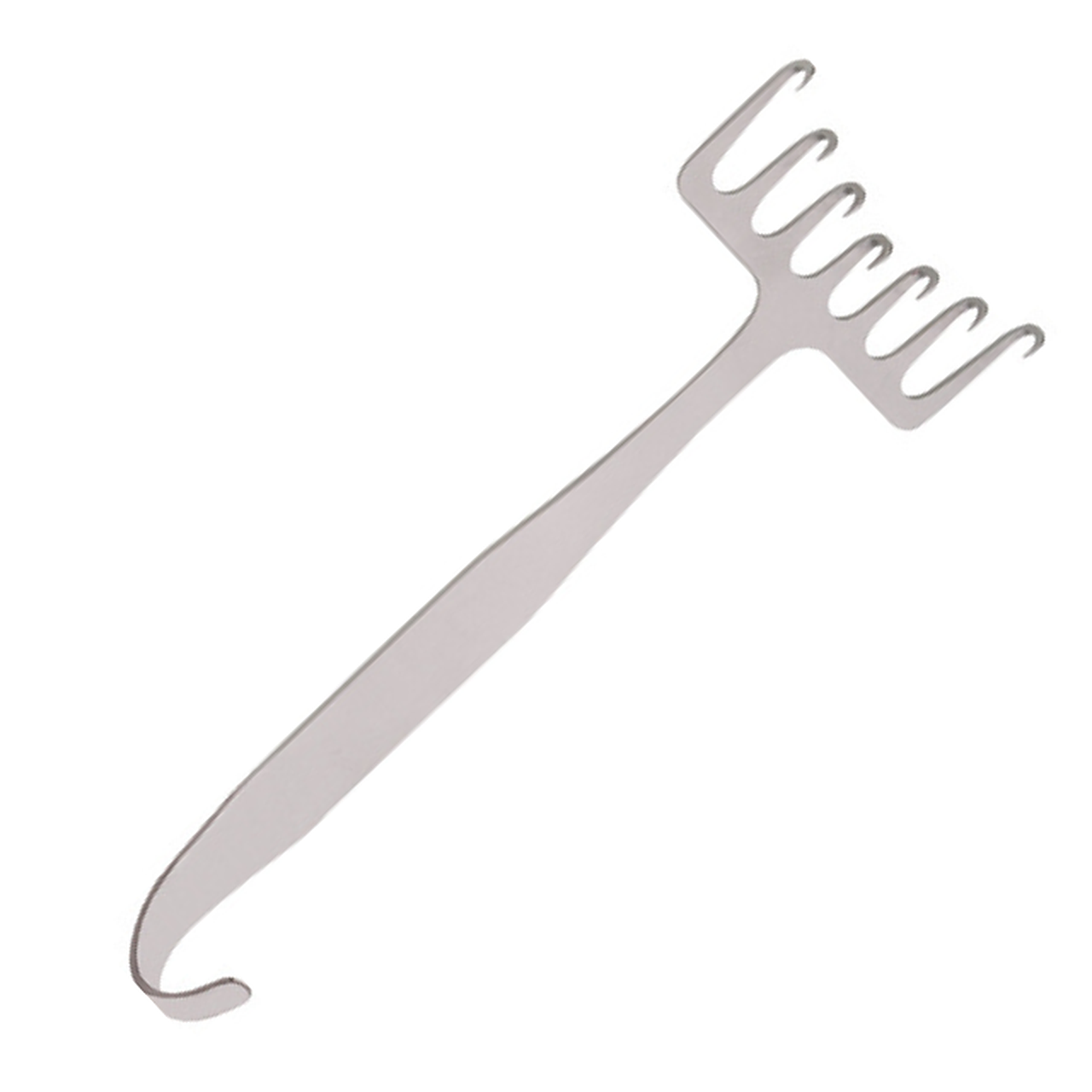 | Afastador para Lifting de Sobrancelha Coronal | Projetado especificamente para afastar retalhos densos do couro cabeludo, gálea e tecidos da testa durante procedimentos de lifting de sobrancelha coronal aberto. |
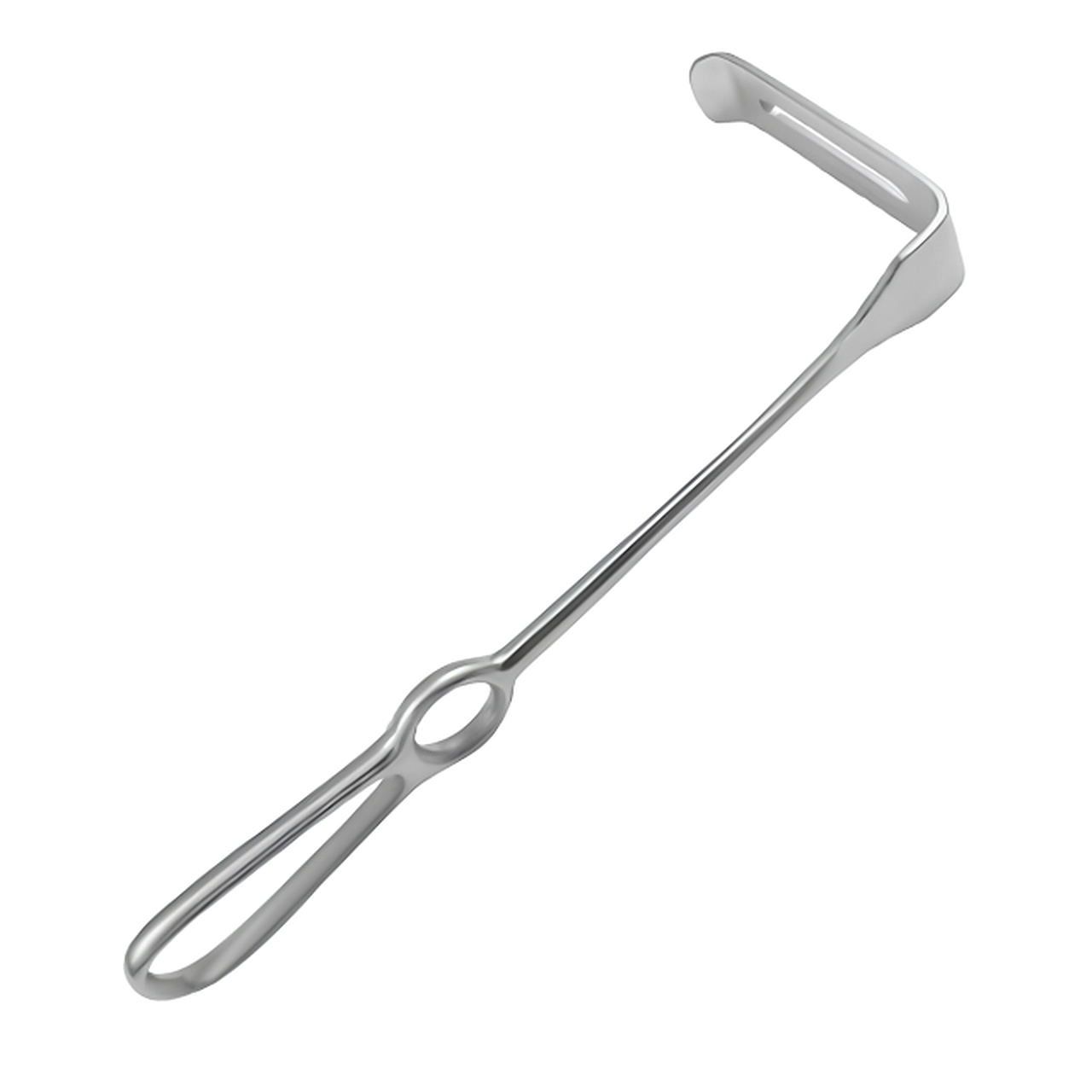 | Afastadores Coryllos | Projetado especificamente para afastar a musculatura da parede torácica, costelas e tecido pulmonar durante cirurgias torácicas abertas. |
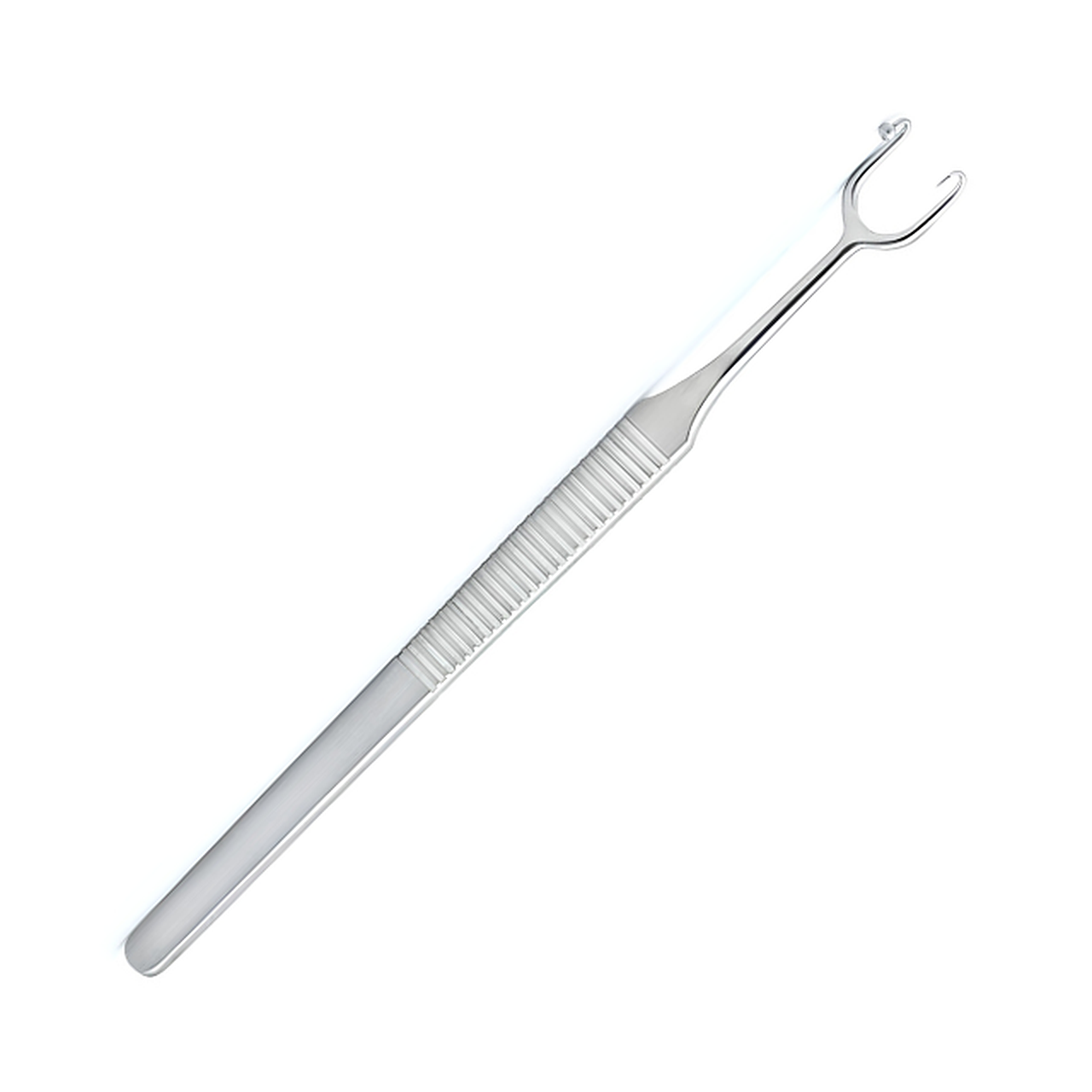 | Afastador / Gancho Nasal Alar Cottle | Projetado especificamente para retrair a borda alar e as margens da narina durante rinoplastias estéticas e reconstrutivas. |
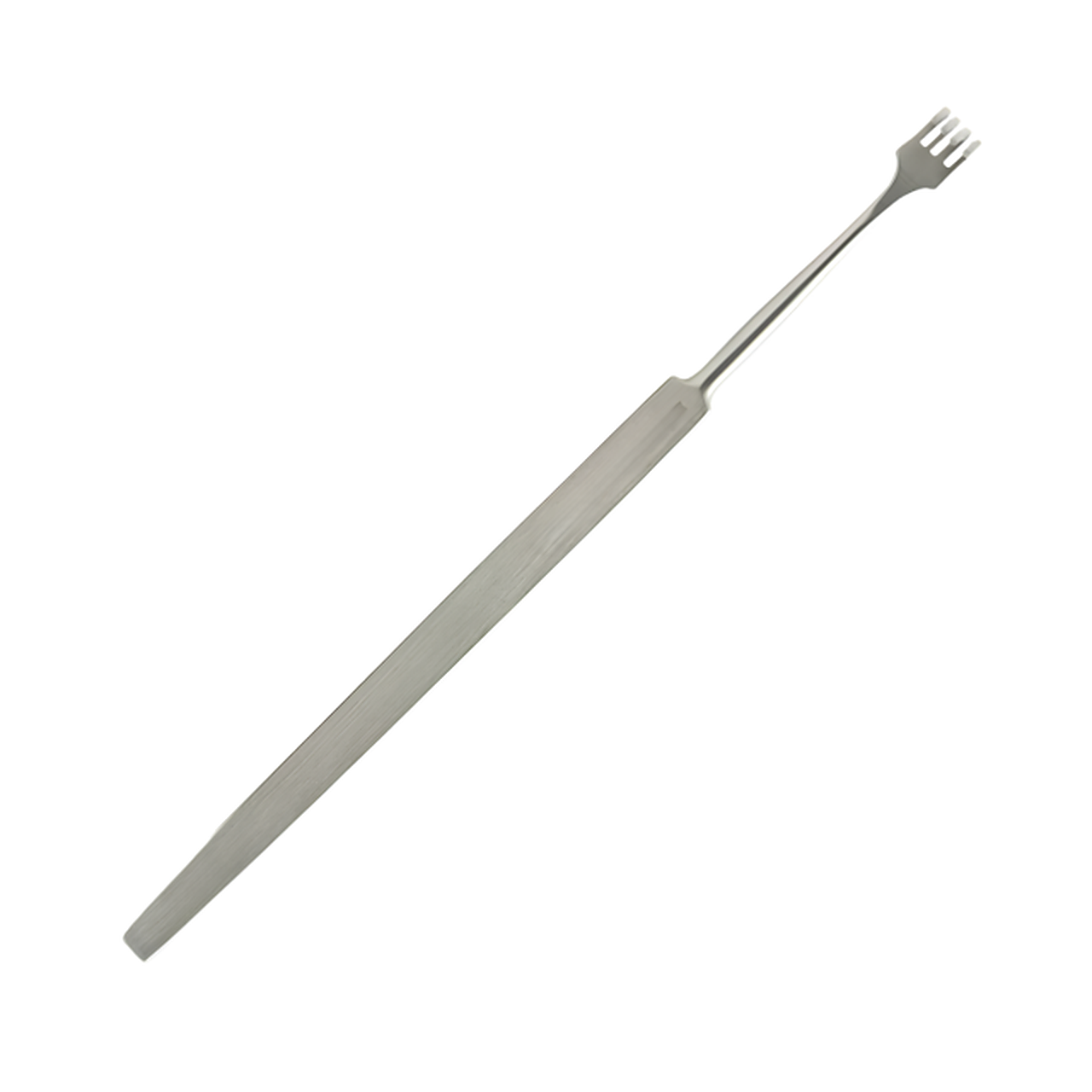 | Afastador Nasal Cottle - 4 Dentes Rombos | Projetado especificamente para afastar a asa nasal, a columela e a mucosa vestibular durante a rinoplastia e septoplastia. |
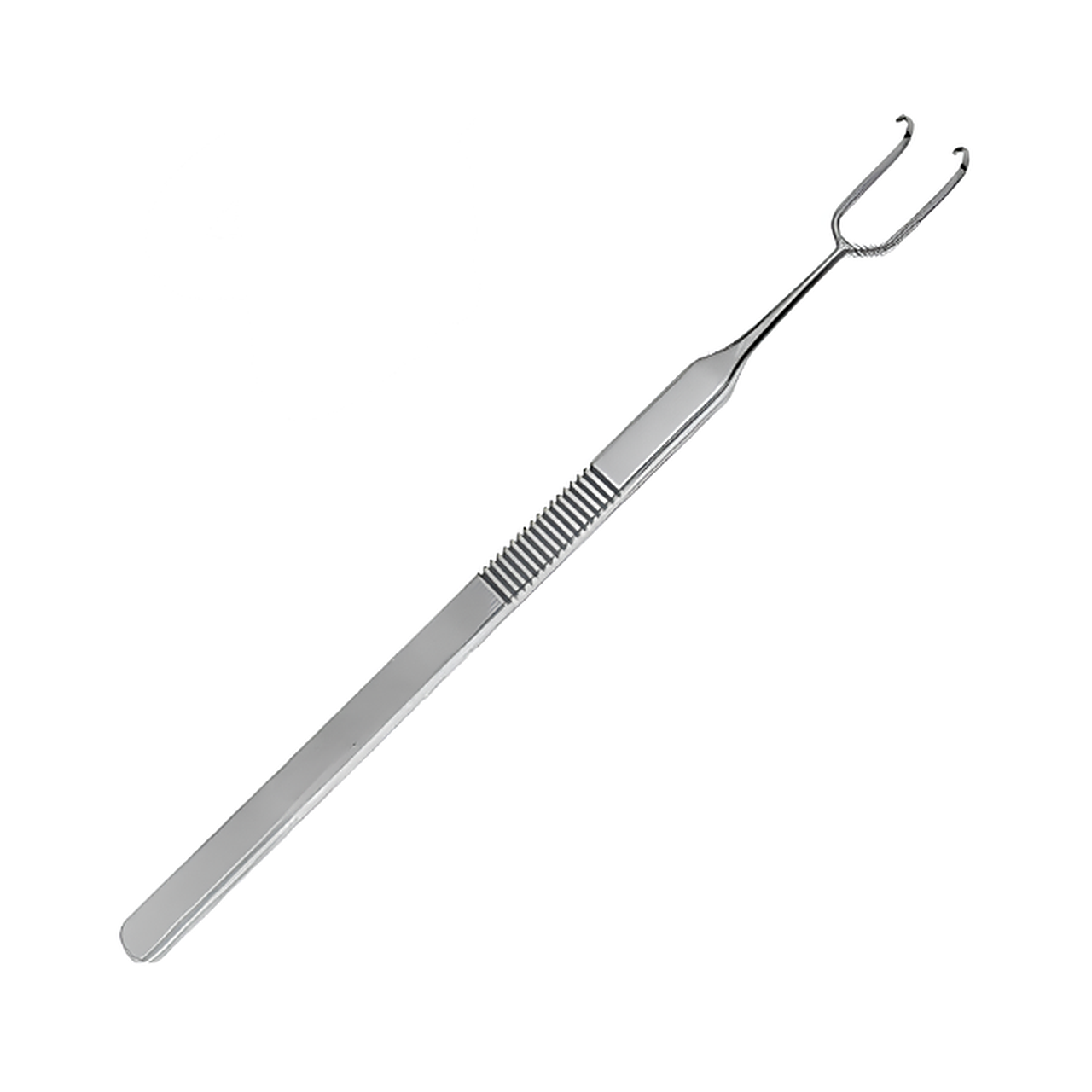 | Gancho Afastador Cottle de 2 Pontas | Projetado especificamente para retrair retalhos de pele, mucosas e cartilagens durante rinoplastia e cirurgia plástica facial. |
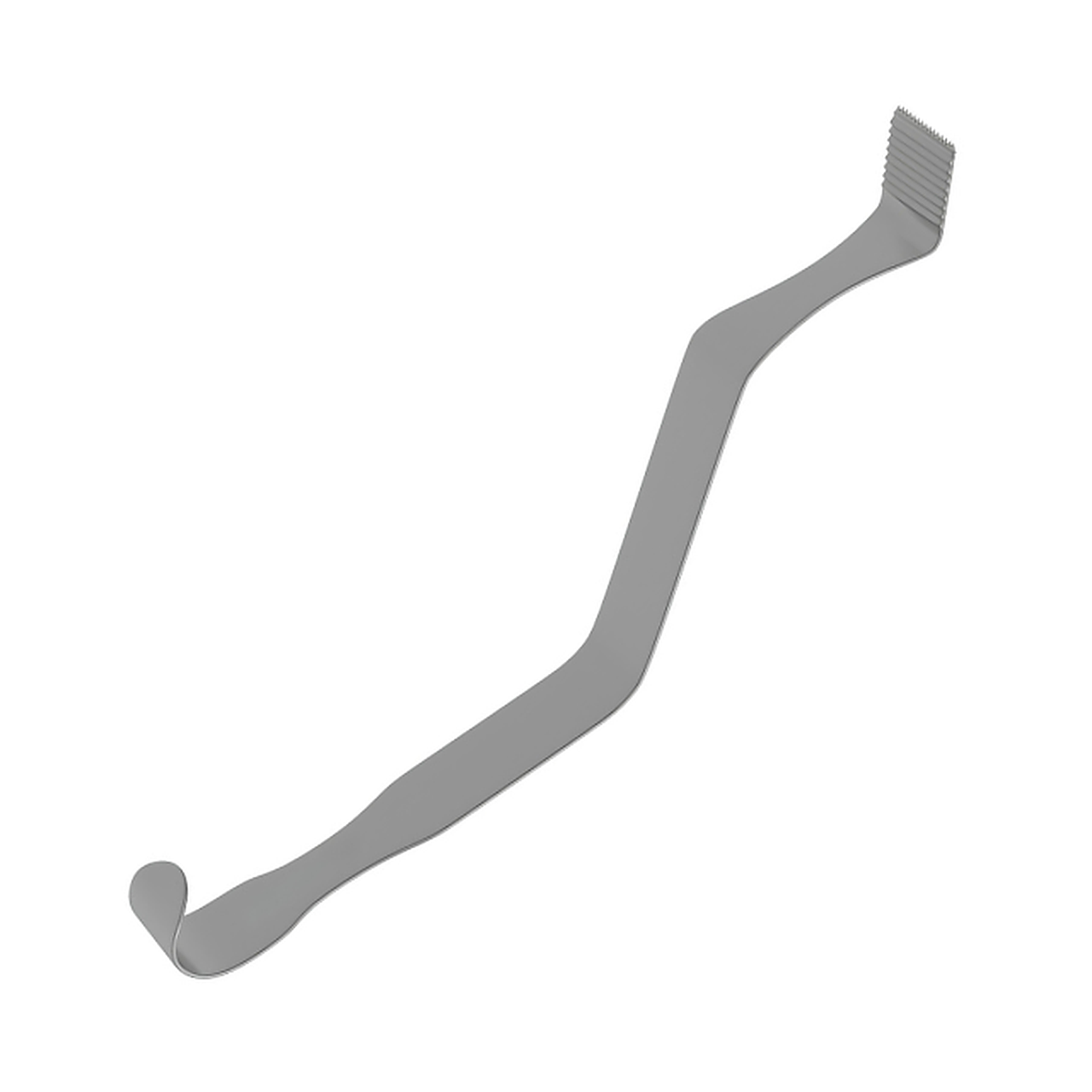 | Afastador Aórtico Crawford | Projetado especificamente para afastar a aorta, a veia cava e grandes vasos durante reconstrução vascular e cirurgia de aneurisma. |
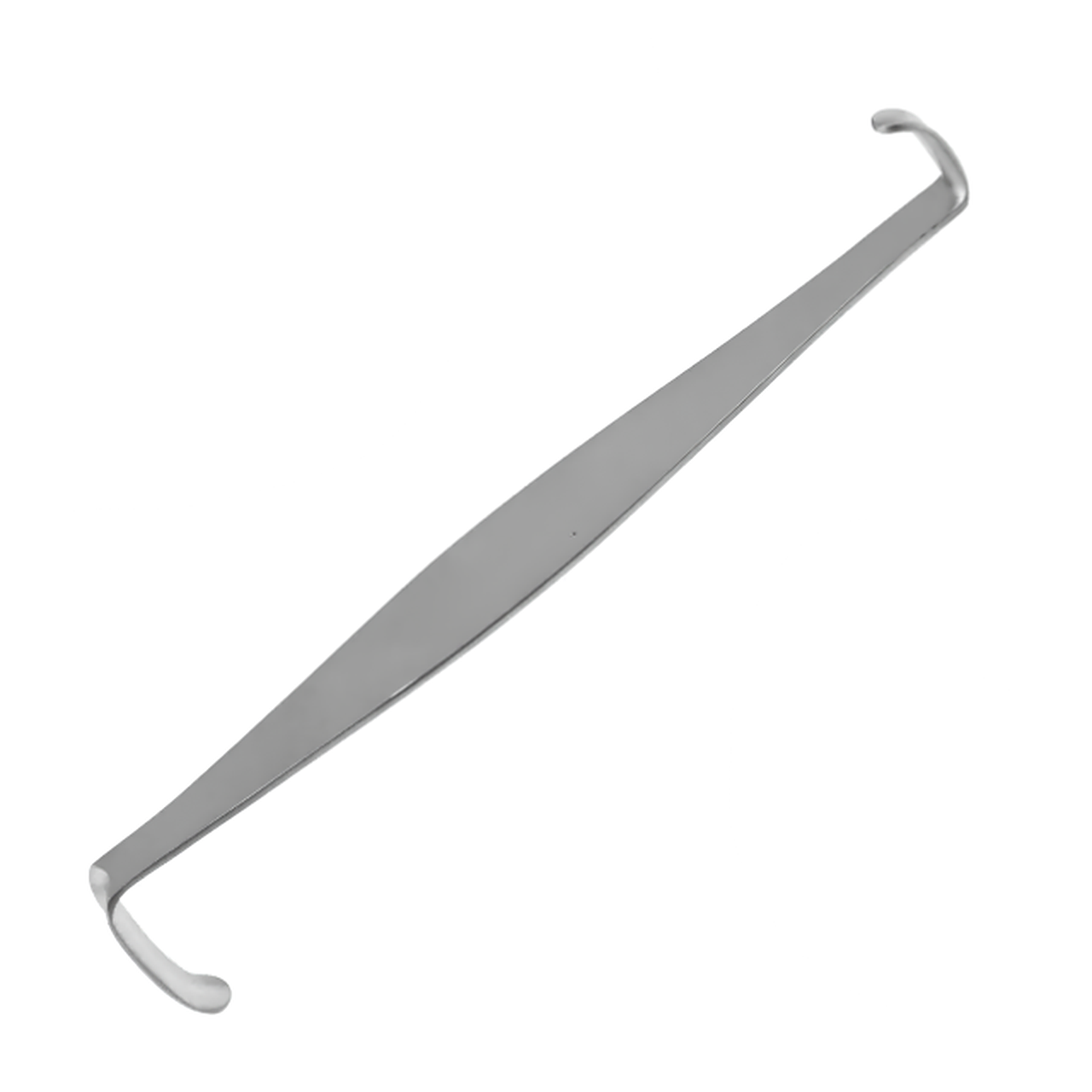 | Afastador Crile de Extremidade Dupla | Projetado especificamente para afastar margens de pele, fáscia e tecido mole subcutâneo durante procedimentos cirúrgicos menores e plásticos. |
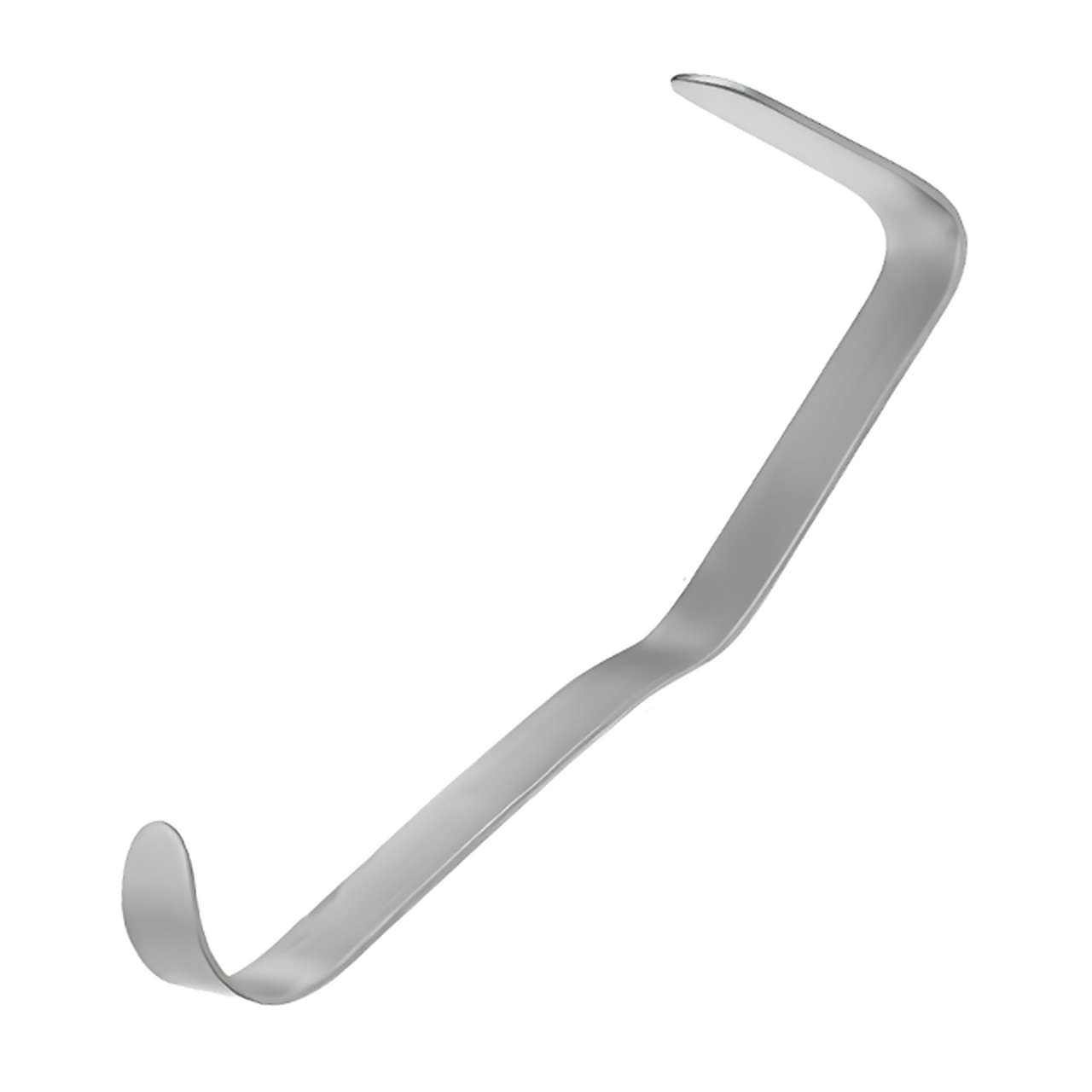 | Afastador de Bochecha Cronin | Projetado especificamente para afastar as bochechas, lábios e mucosa bucal durante cirurgias orais, bucomaxilofaciais e de fenda palatina. |
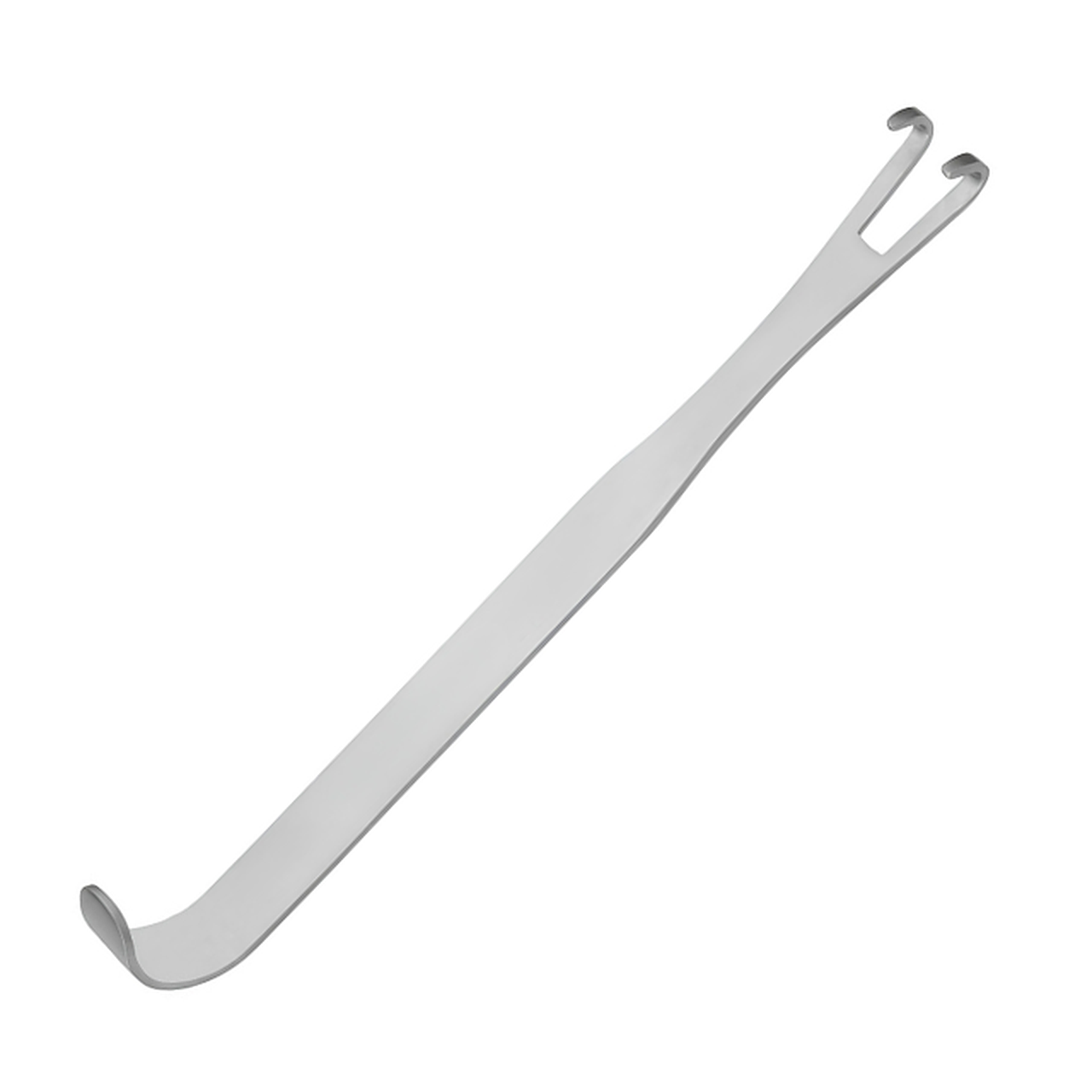 | Afastador Labial e Nasal Cronin | Projetado especificamente para afastar as narinas e elevar o lábio superior durante o reparo de lábio leporino e rinoplastia. |
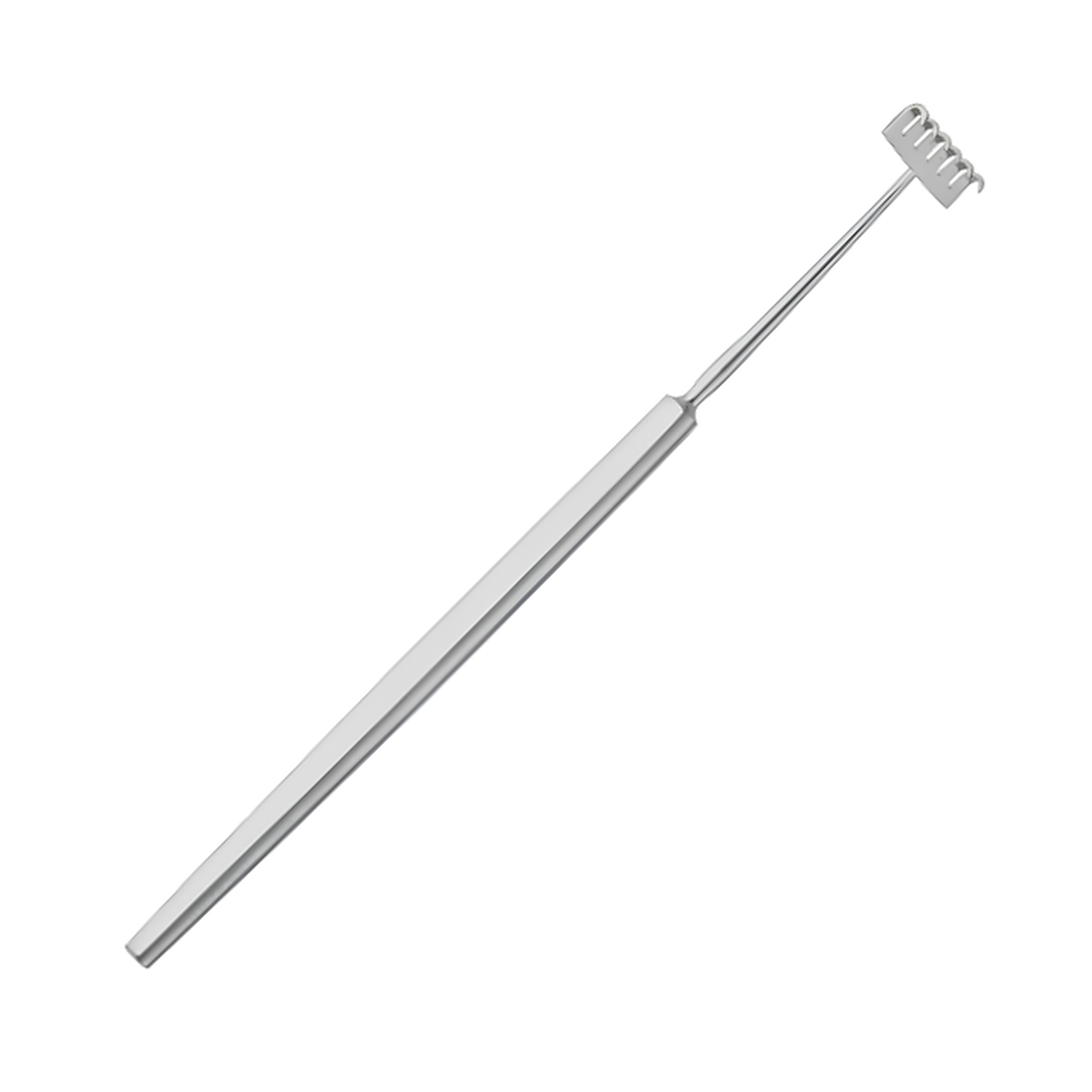 | Afastador Curtin de Pele e Tecidos | Projetado especificamente para elevação de retalhos de pele, tração cutânea e afastamento de tecidos moles subcutâneos durante cirurgias plásticas. |
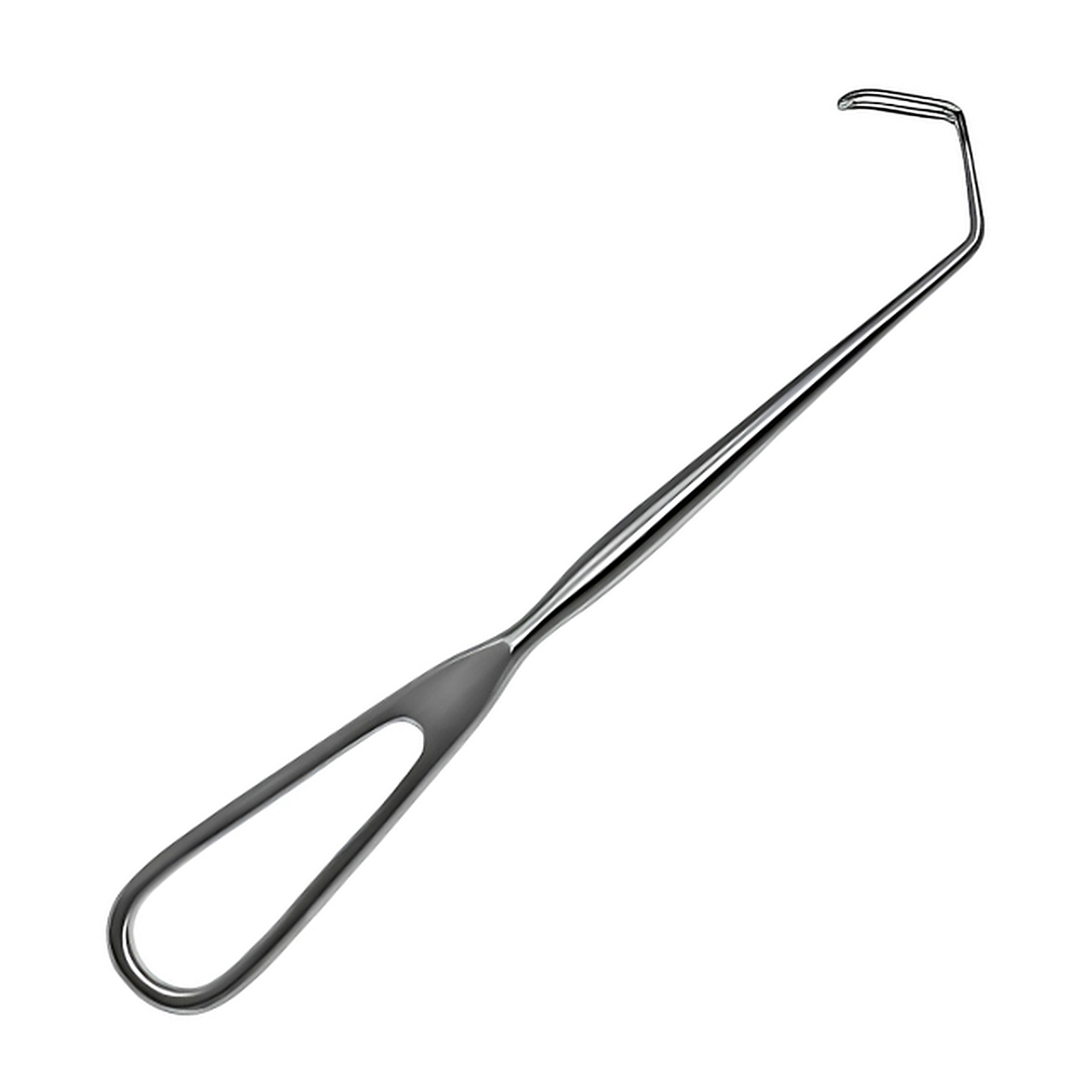 | Afastador de Descompressão Cushing | Projetado especificamente para afastar raízes nervosas, saco tecal e dura-máter, maximizando a linha de visão durante a descompressão craniana e espinhal. |
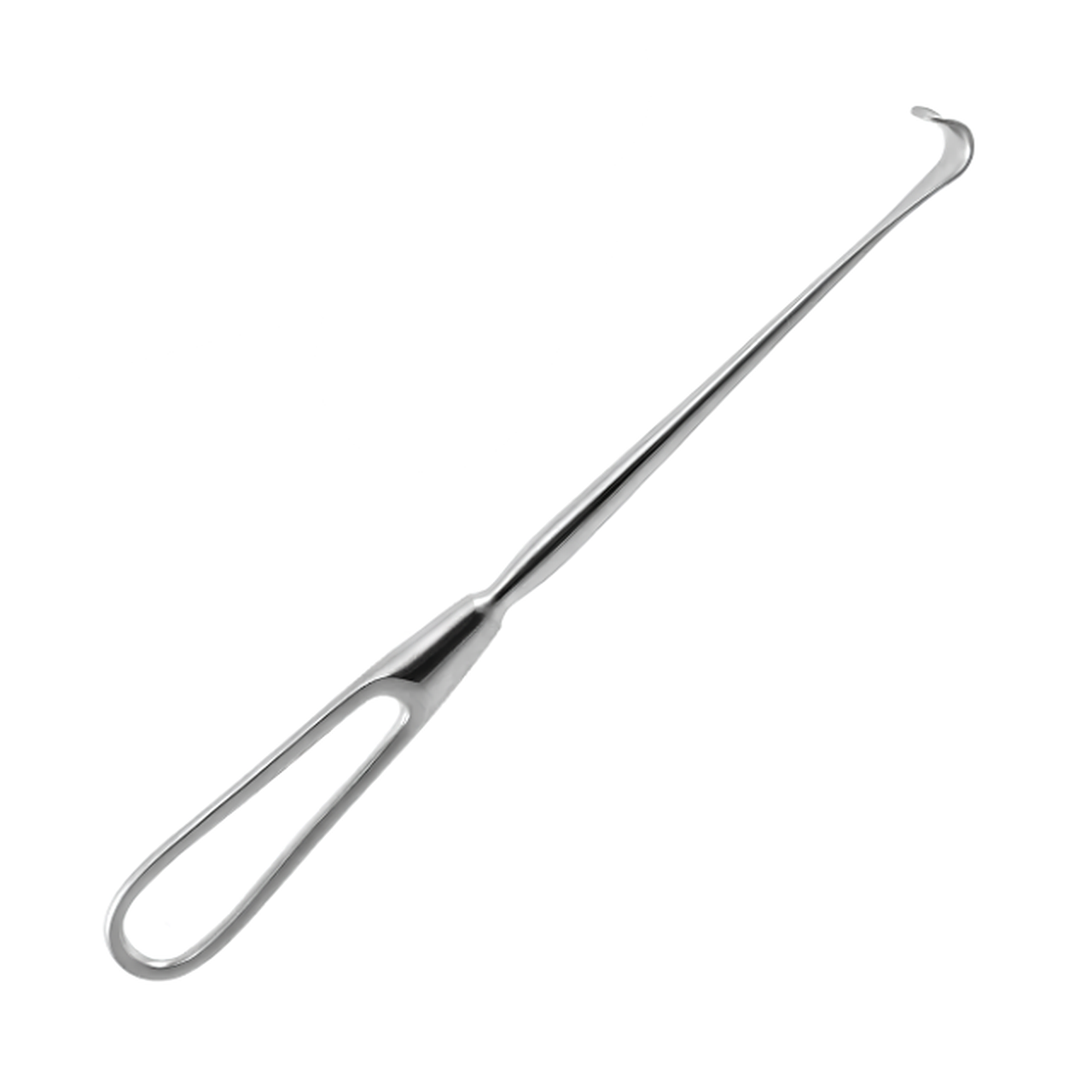 | Afastador de Veia Cushing | Projetado especificamente para mobilizar, isolar e afastar veias, artérias e troncos nervosos delicados durante cirurgias vasculares, espinhais e gerais. |
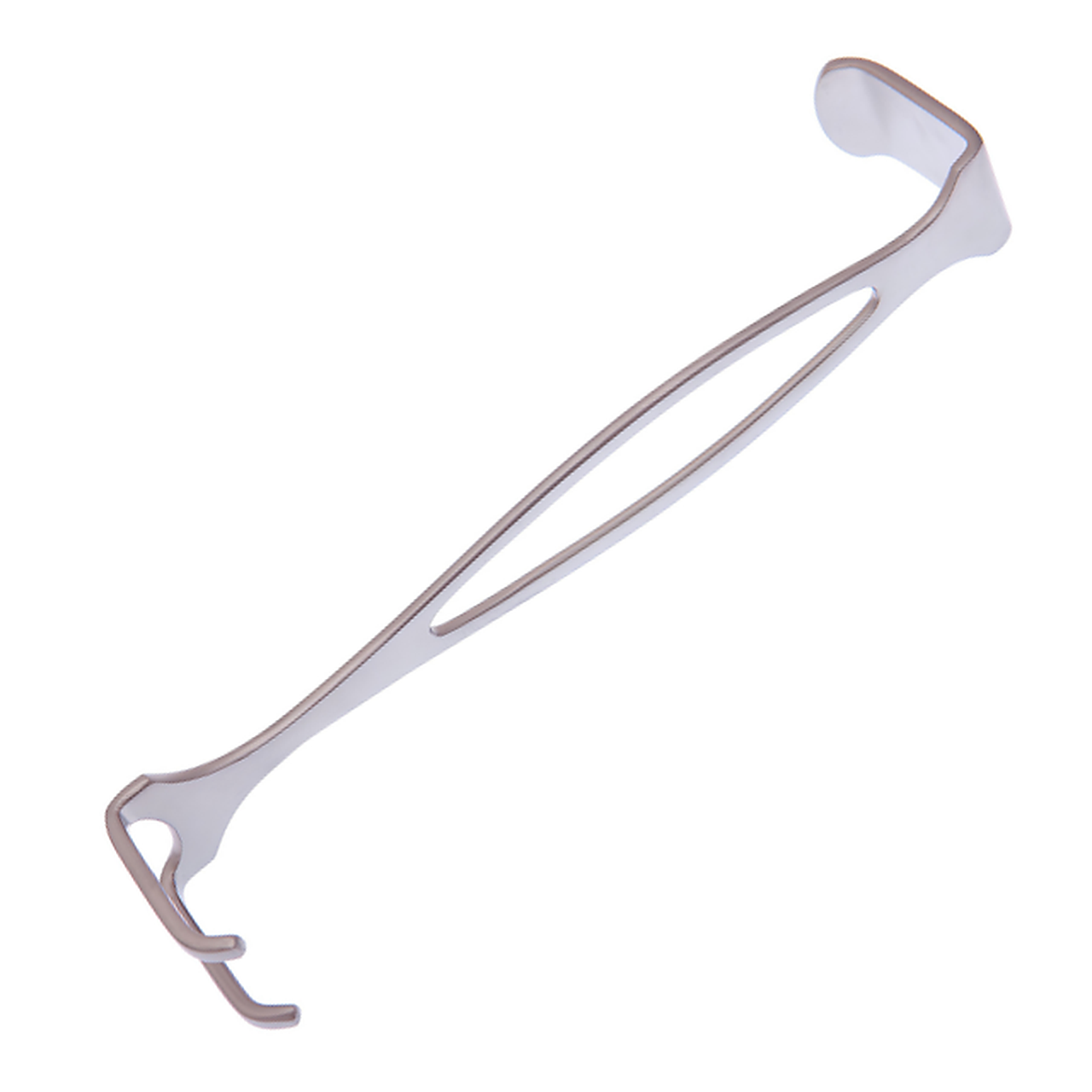 | Afastador Czerny de Extremidade Dupla | Projetado especificamente para afastar pele, fáscia e musculatura da parede abdominal durante laparotomias e procedimentos pélvicos. |
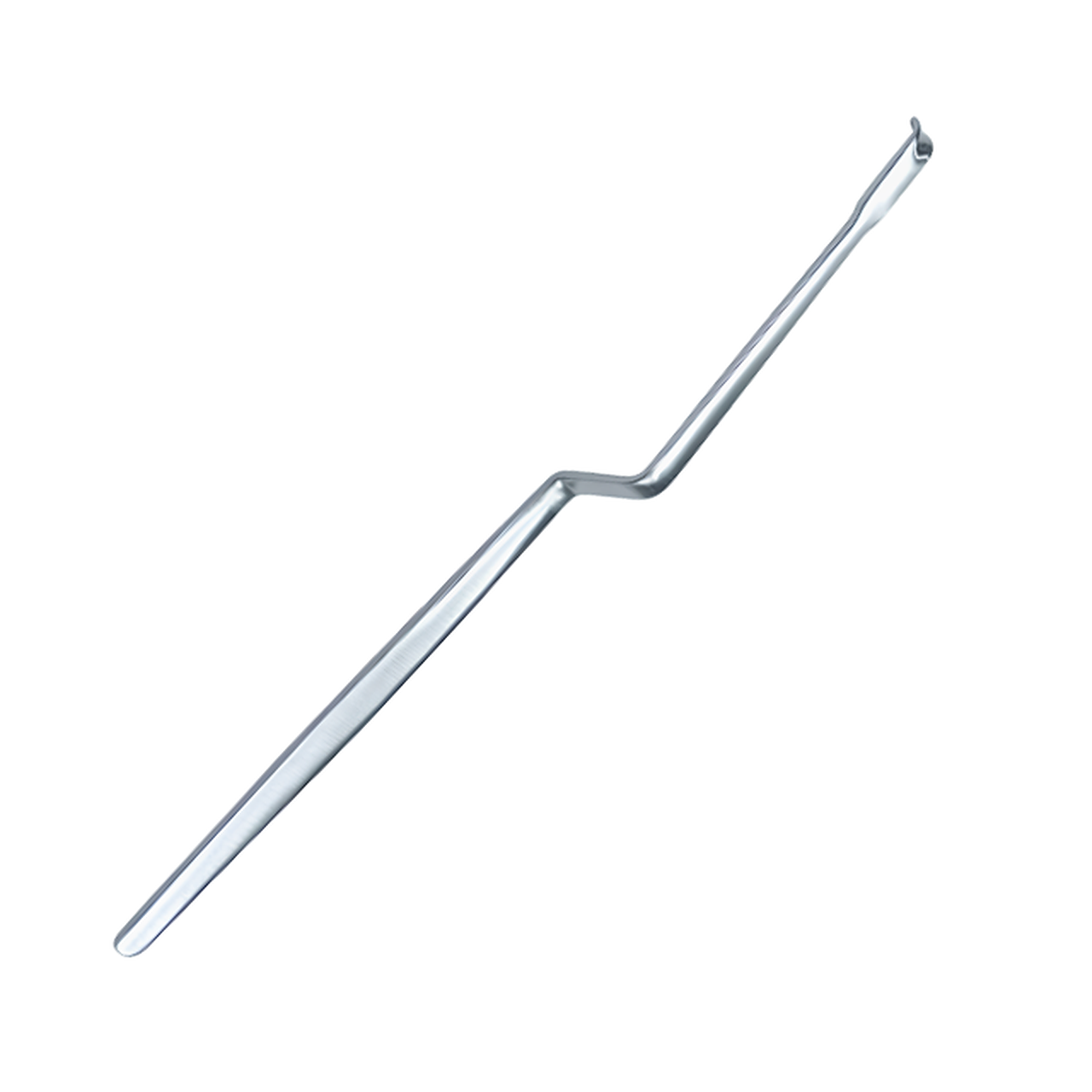 | Afastador de Raiz Nervosa D'Errico | Especificamente projetado para mobilizar, acomodar e proteger as raízes nervosas espinhais e o saco tecal durante a microdiscectomia lombar. |
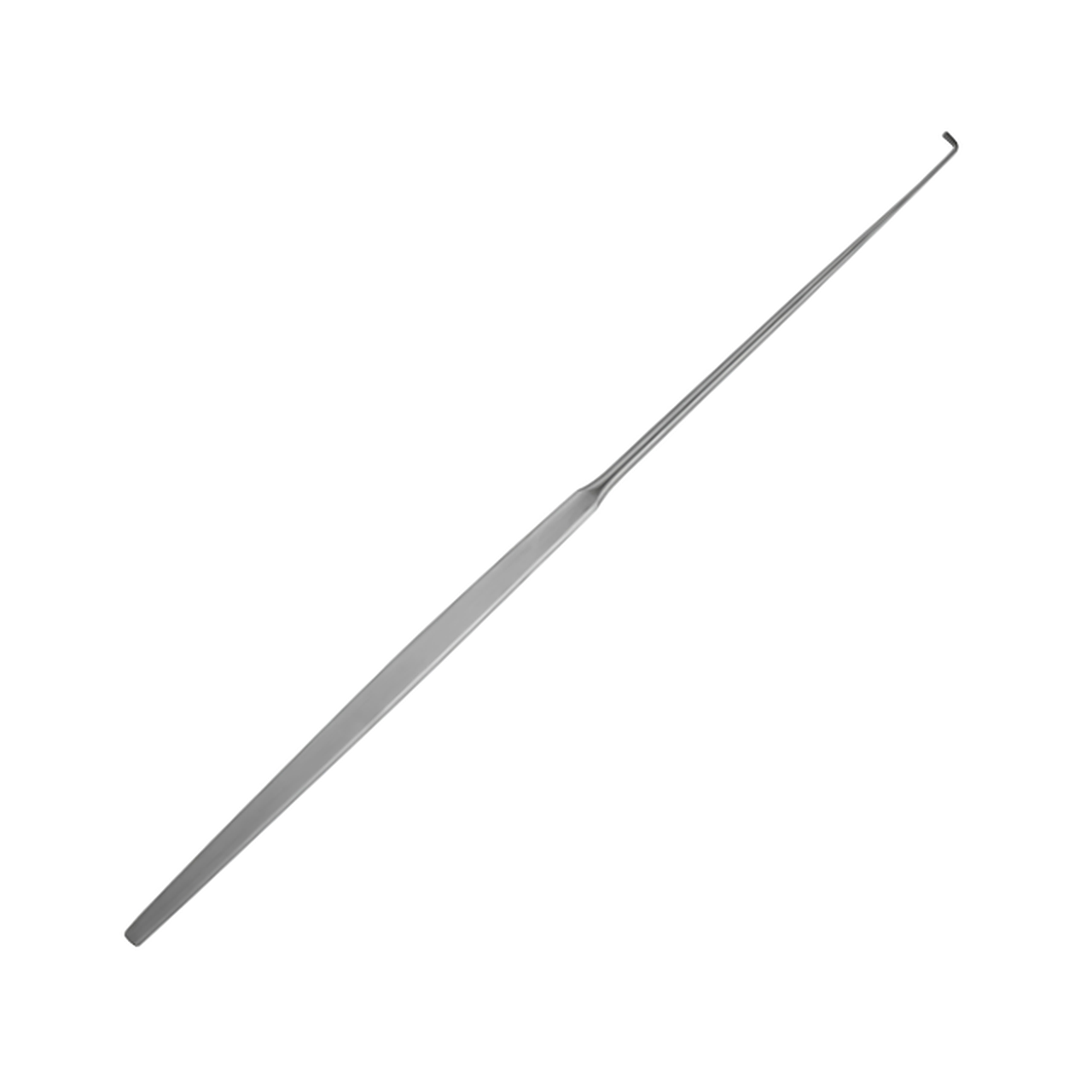 | Afastador de Nervos Dandy | Projetado especificamente para manipular, explorar e afastar nervos cranianos e feixes vasculares durante microneurocirurgias. |
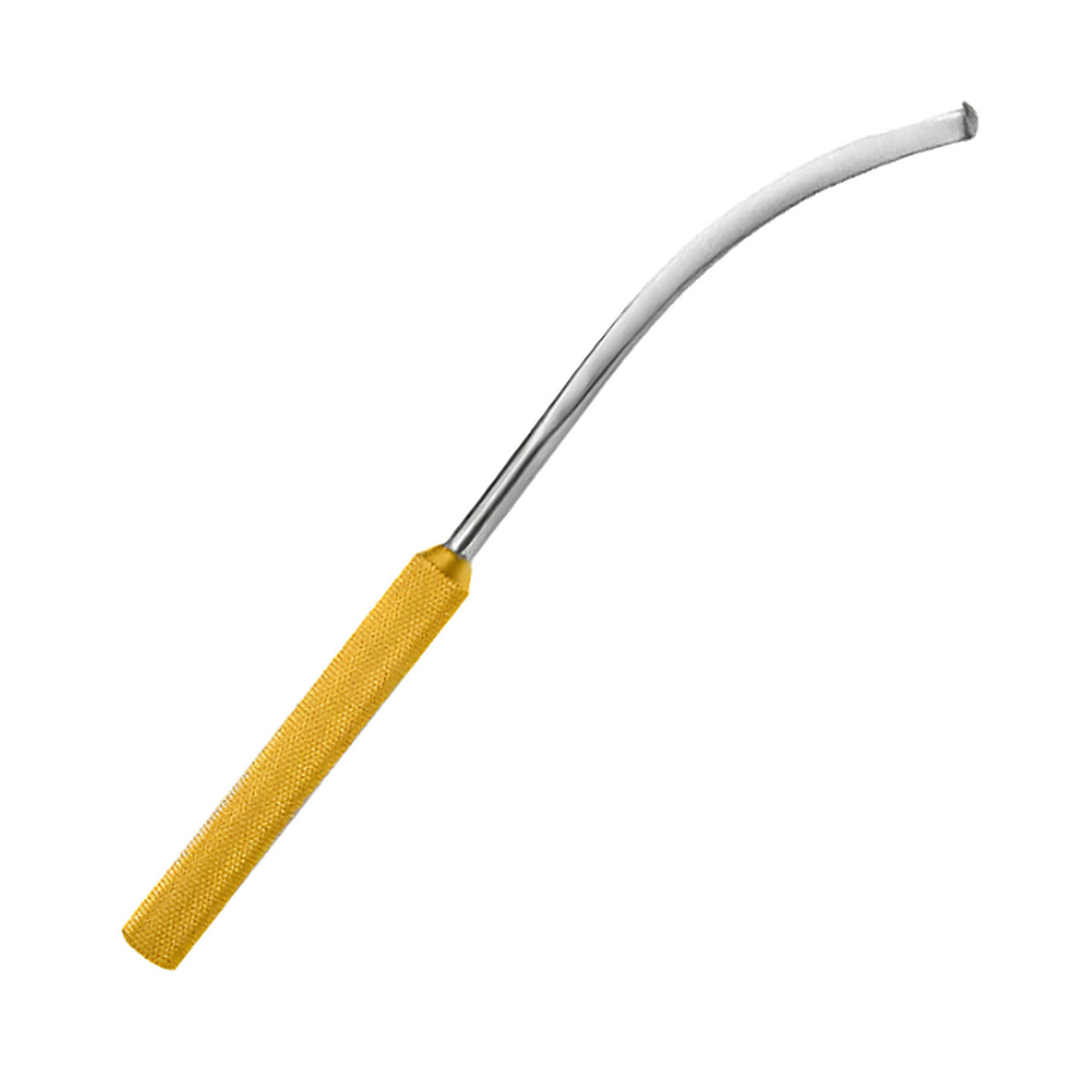 | Afastador de Nervo Daniel para Testa Endoscópica | Projetado especificamente para afastar tecidos moles e proteger feixes neurovasculares durante liftings endoscópicos de testa e supercílio. |
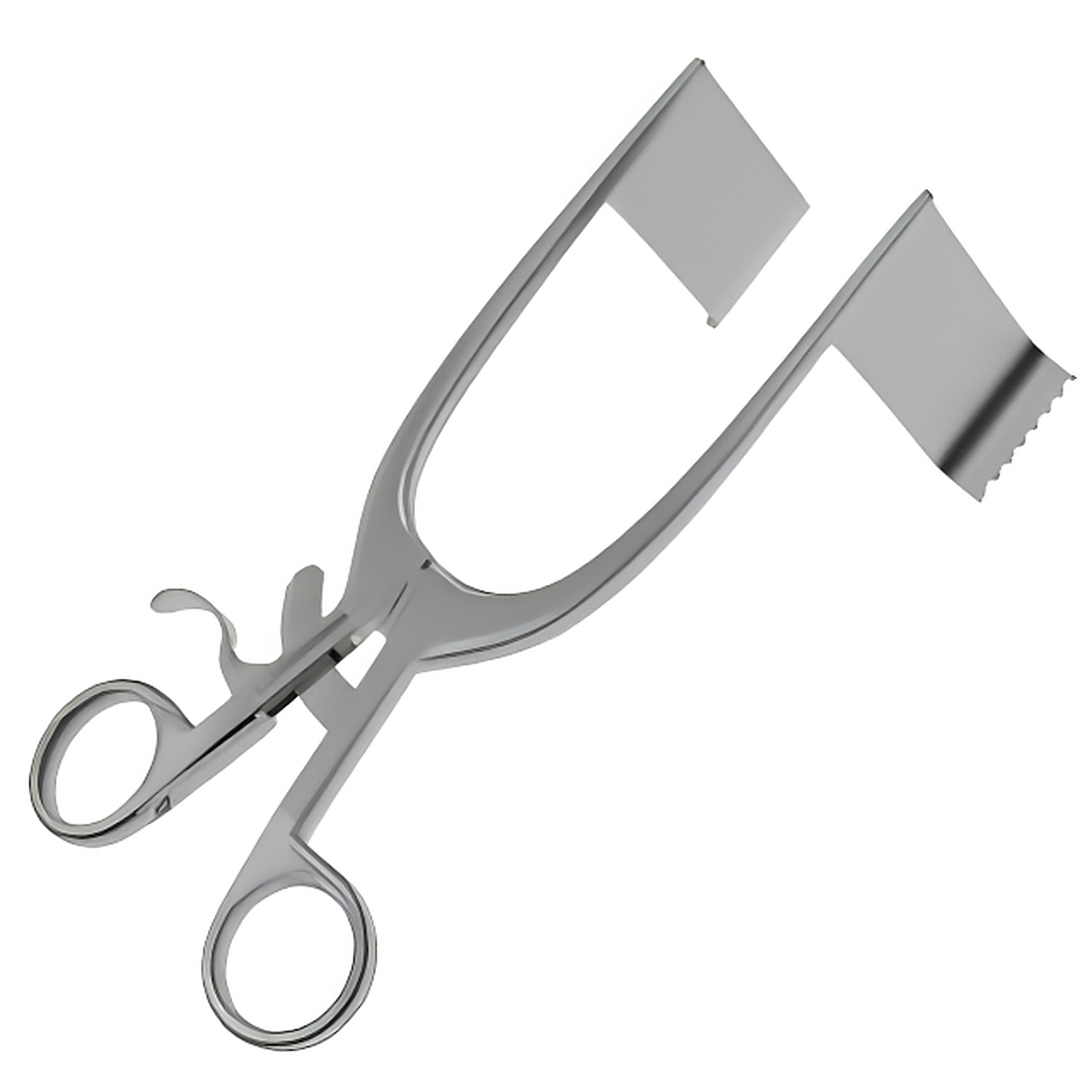 | Afastador Autoestático Darling Popliteal | Projetado especificamente para fornecer afastamento autoestático de tecidos moles e músculos no espaço poplíteo durante procedimentos vasculares. |
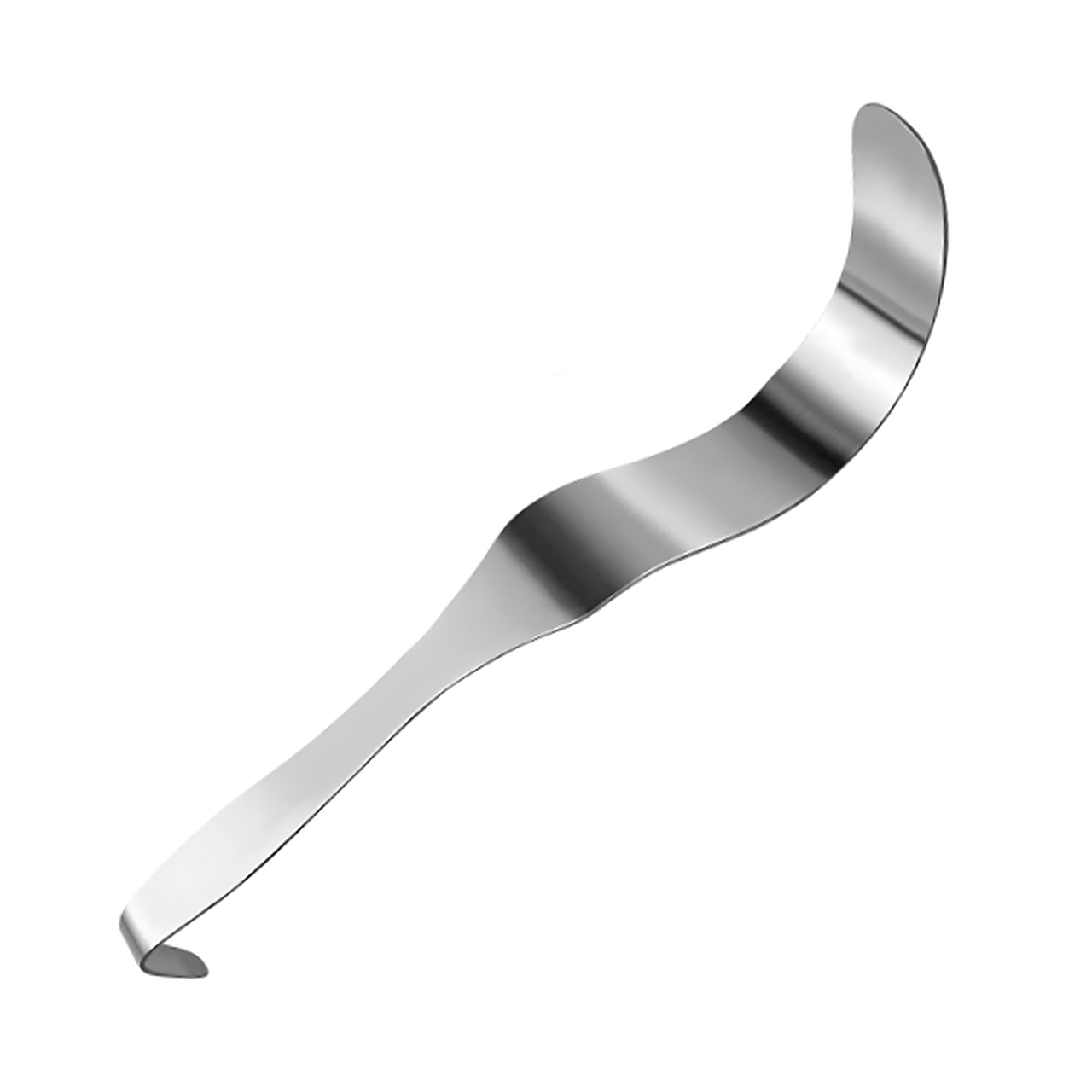 | Afastador Deaver | Projetado especificamente para afastar órgãos viscerais profundos, musculatura da parede abdominal e tecidos pélvicos durante cirurgias abertas. |
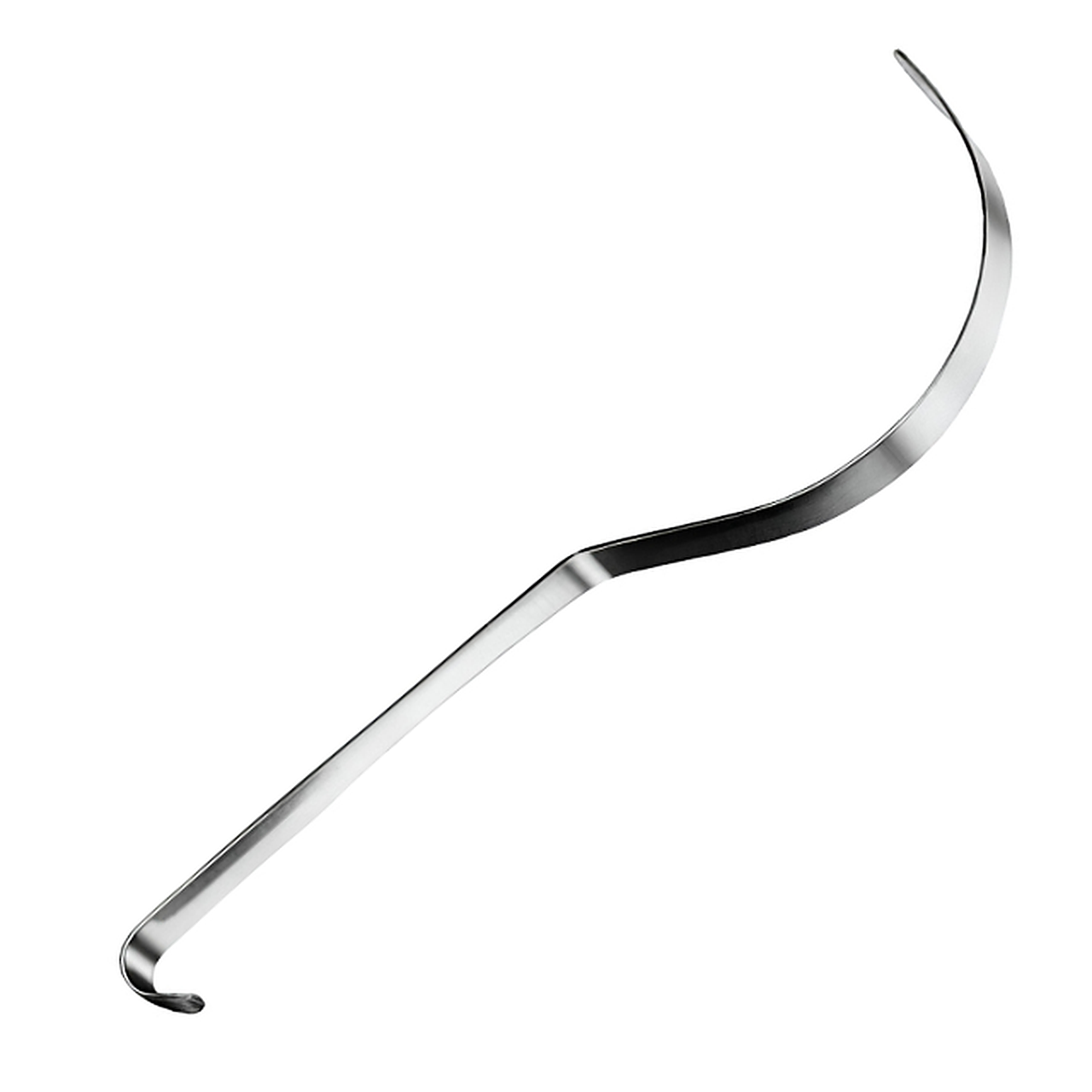 | Afastador Deaver de Cabo Delgado | Projetado especificamente para afastar tecidos moles profundos, órgãos viscerais e músculos, reduzindo a fadiga do usuário através de um cabo leve. |
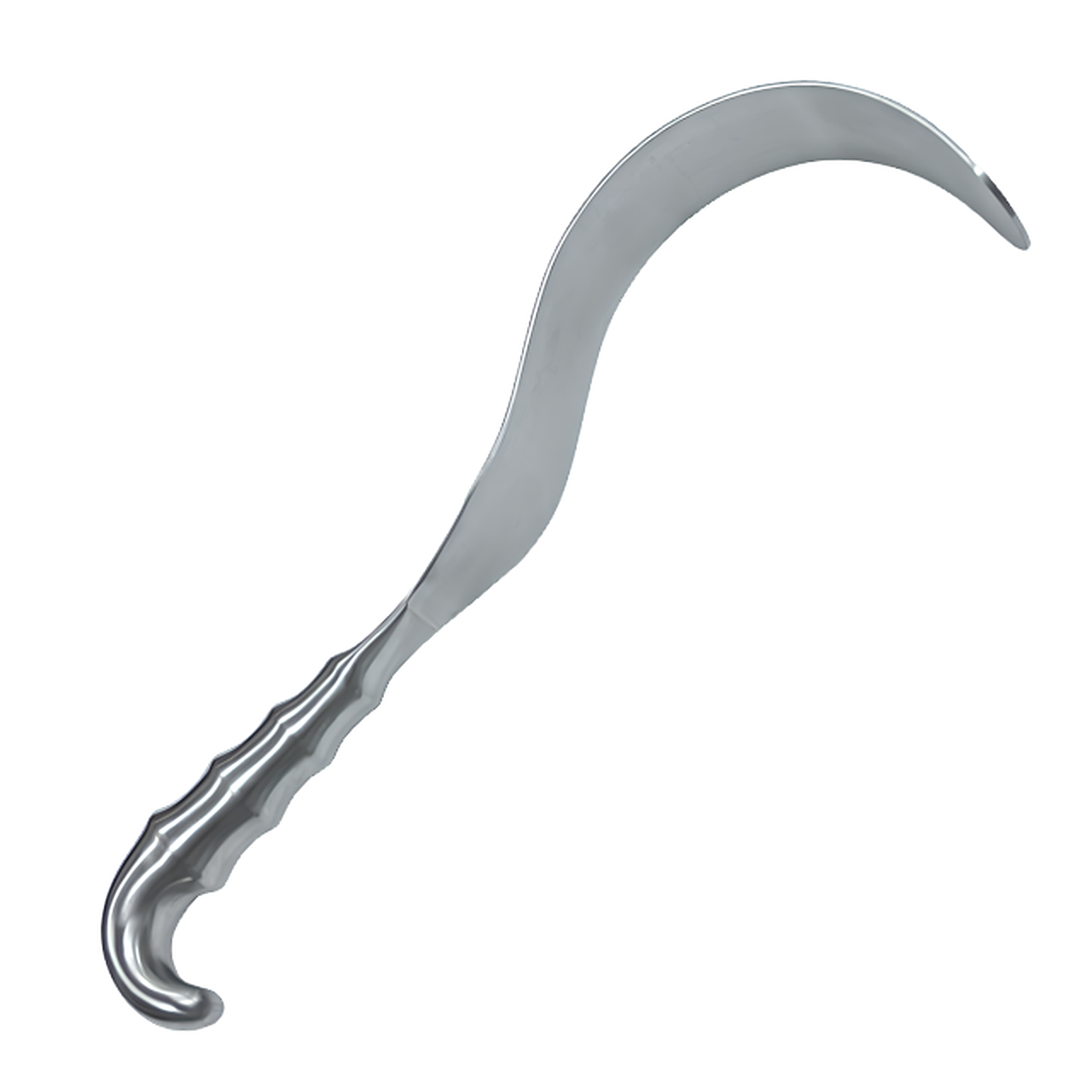 | Afastadores Deaver com Cabo Oco | Projetado especificamente para afastar órgãos viscerais e camadas musculares durante cirurgias abdominais, pélvicas e torácicas profundas, minimizando a fadiga manual. |
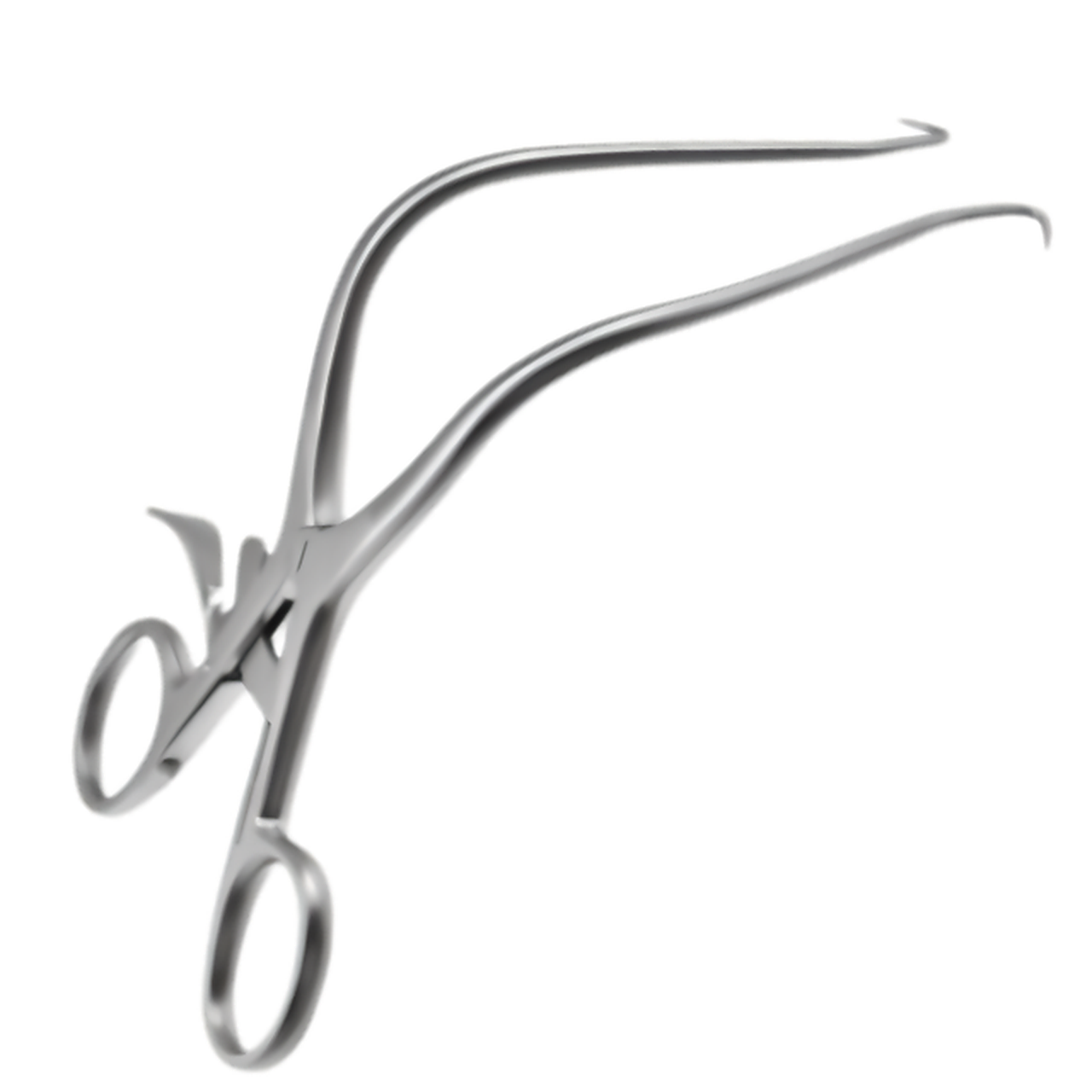 | Afastador DeBakey | Projetado especificamente para afastar margens de pele, fáscia e tecido mole vascular durante procedimentos cirúrgicos. |
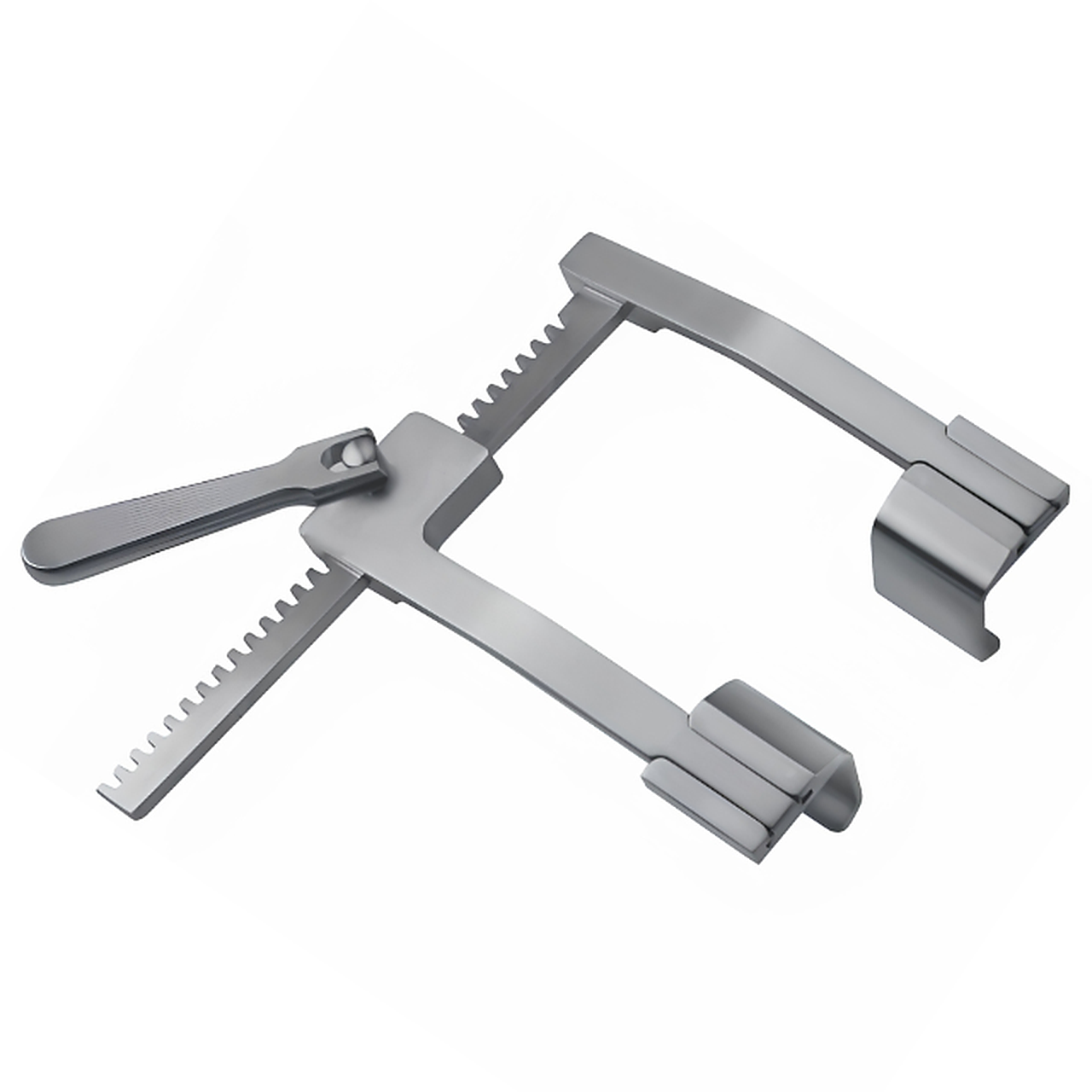 | Afastador Costal DeBakey | Projetado especificamente para separar costelas adjacentes e expandir o espaço intercostal durante cirurgias cardíacas e torácicas. |
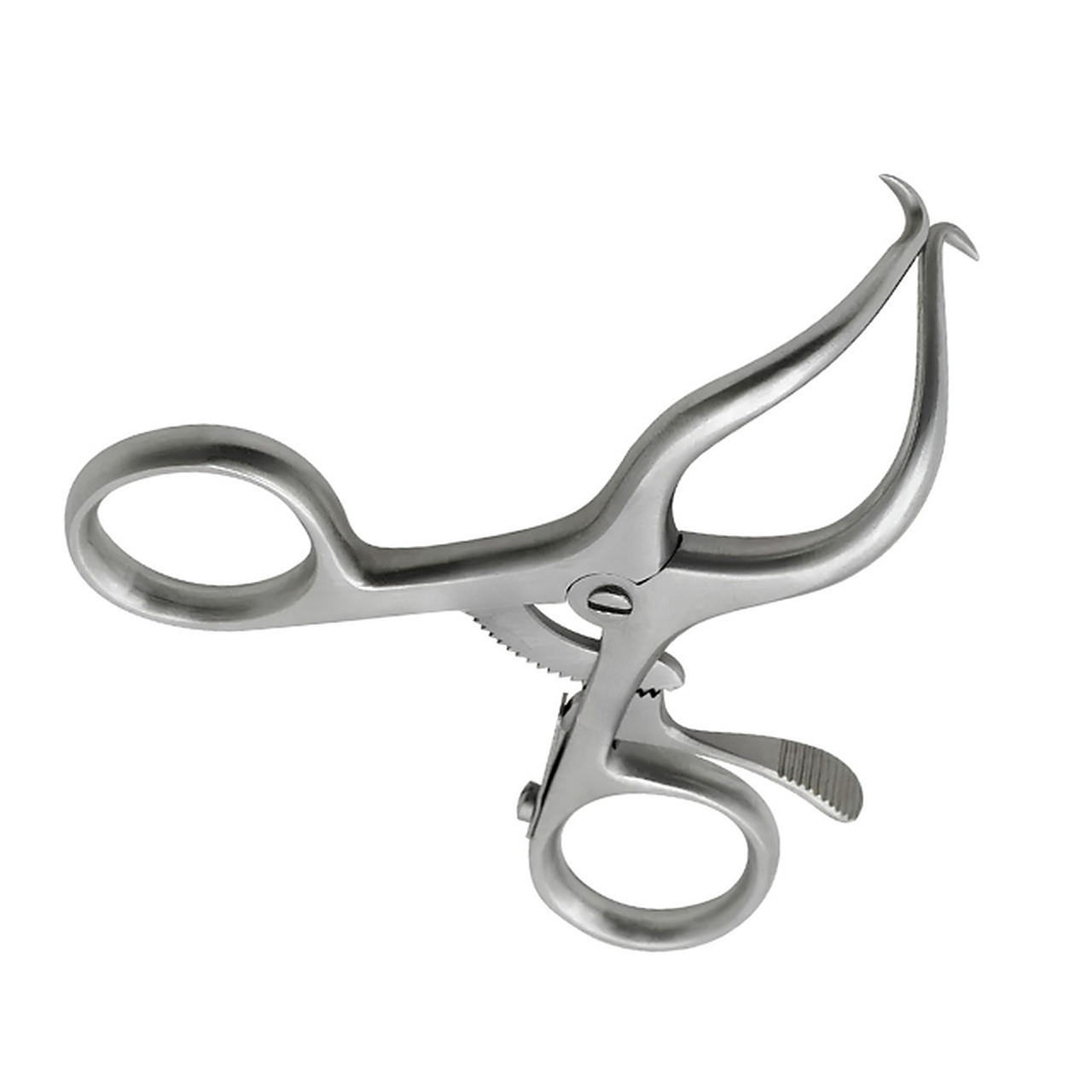 | Afastador Deep Gelpi | Projetado especificamente para fornecer retração autoestática de tecidos moles e musculares durante procedimentos espinhais, ortopédicos e neurocirúrgicos. |
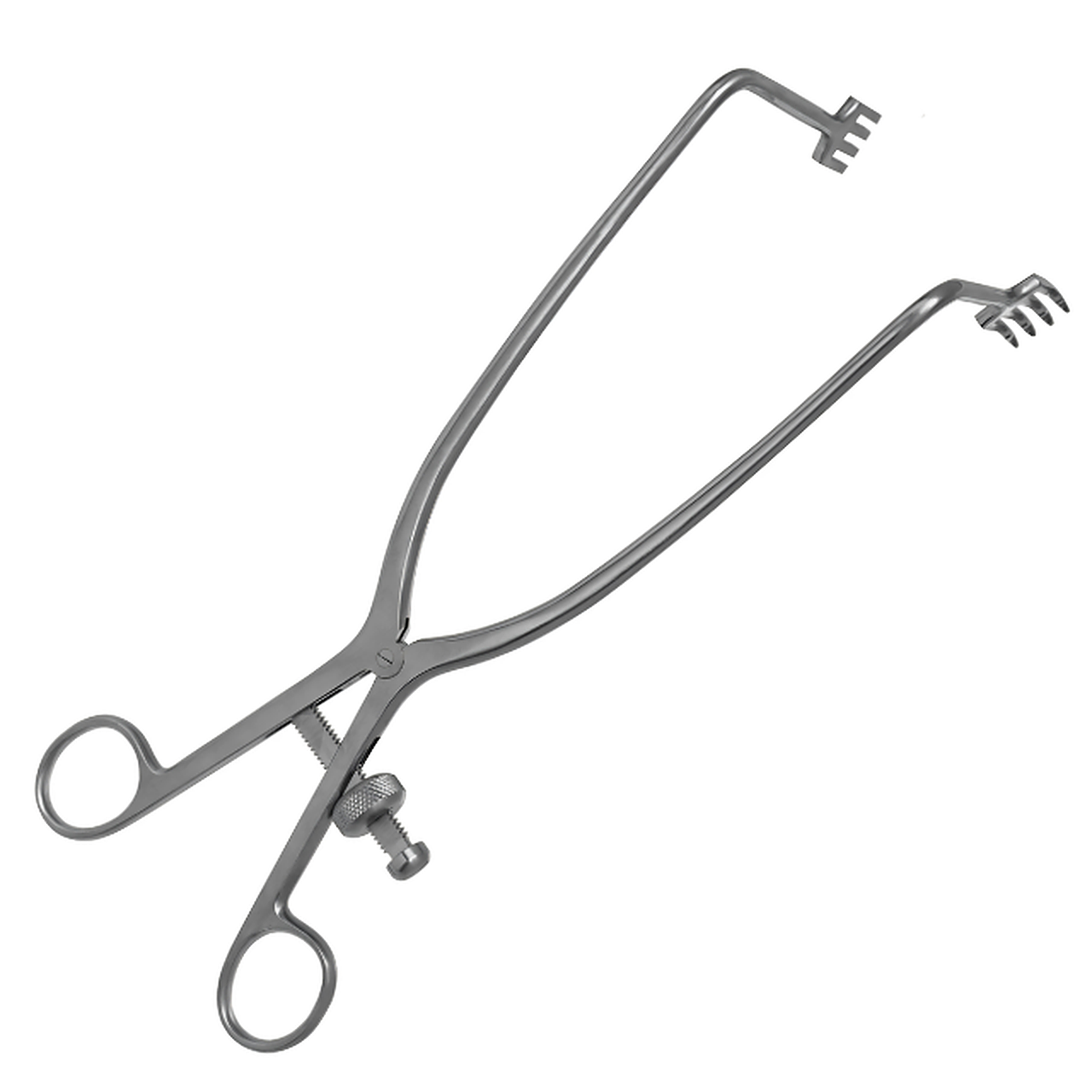 | Afastador Autoestático Deep Gelpi | Projetado especificamente para fornecer retração autoestática de músculos e tecidos em feridas cirúrgicas profundas durante procedimentos espinhais e ortopédicos. |
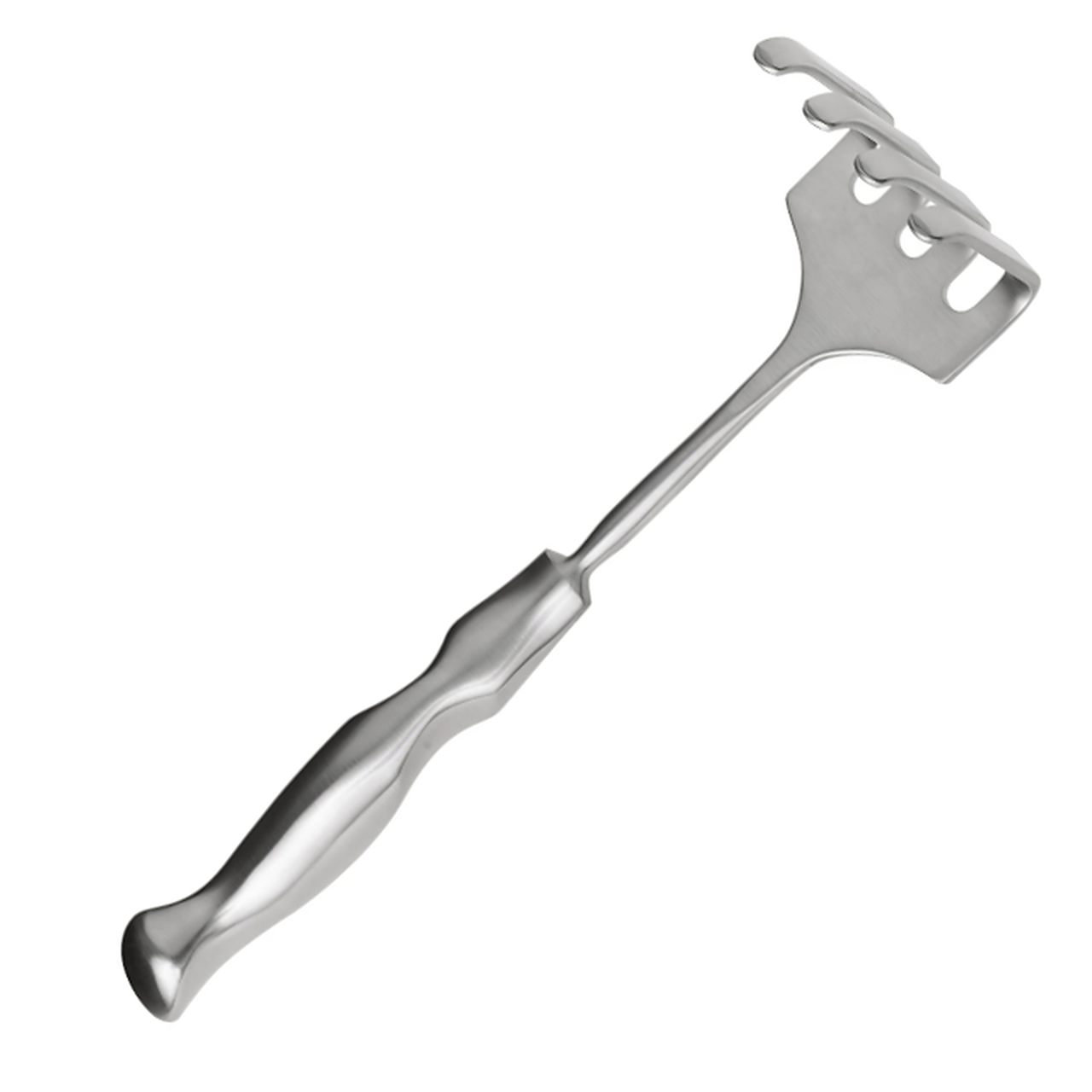 | Afastador Tipo Ancinho Profundo (Deep Rake) | Projetado especificamente para afastar músculos pesados, fáscias e tecidos moles profundos durante cirurgias abertas abdominais, pélvicas e ortopédicas. |
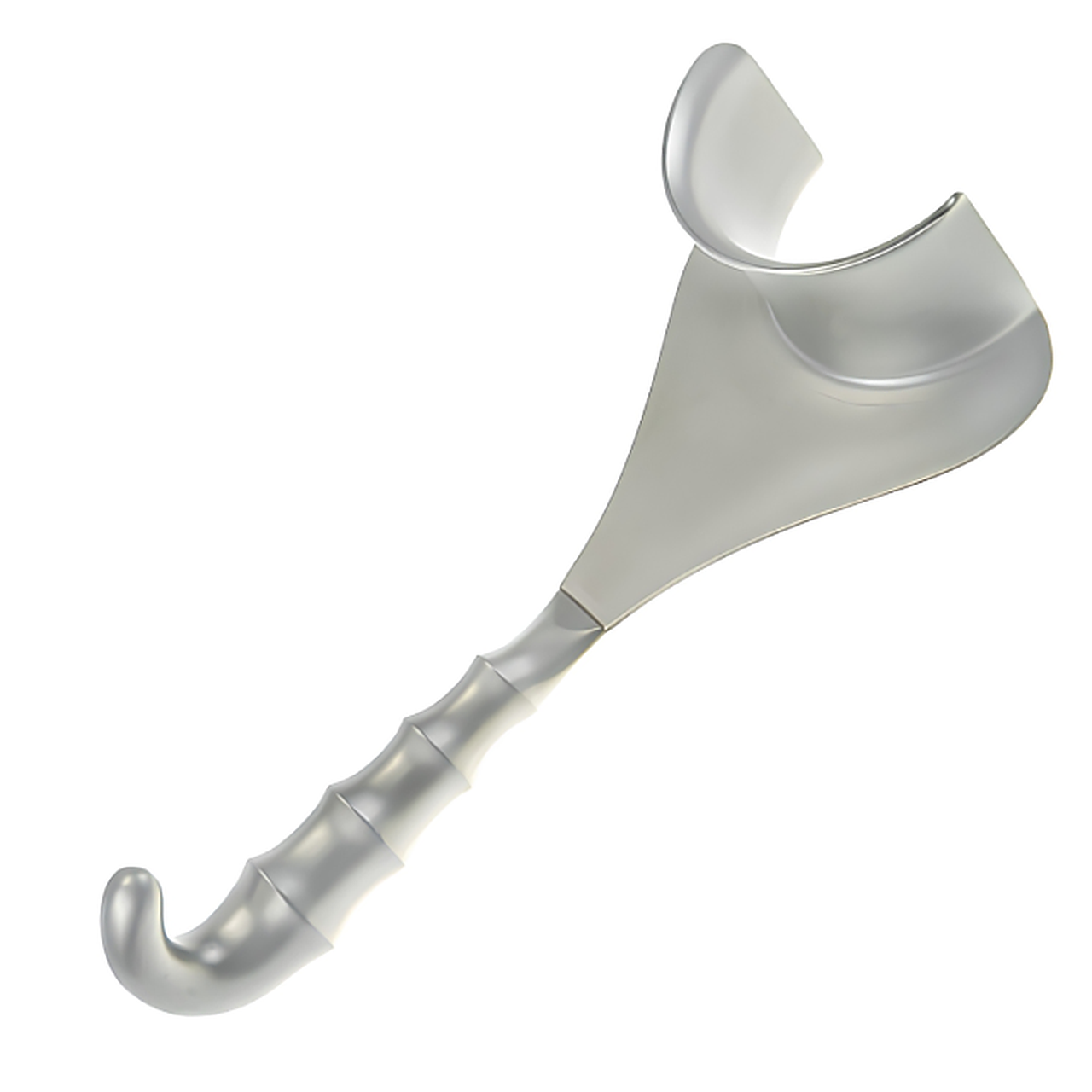 | Afastador Delee Universal | Projetado especificamente para retrair e proteger a bexiga e a parede abdominal durante cesarianas e cirurgias ginecológicas. |
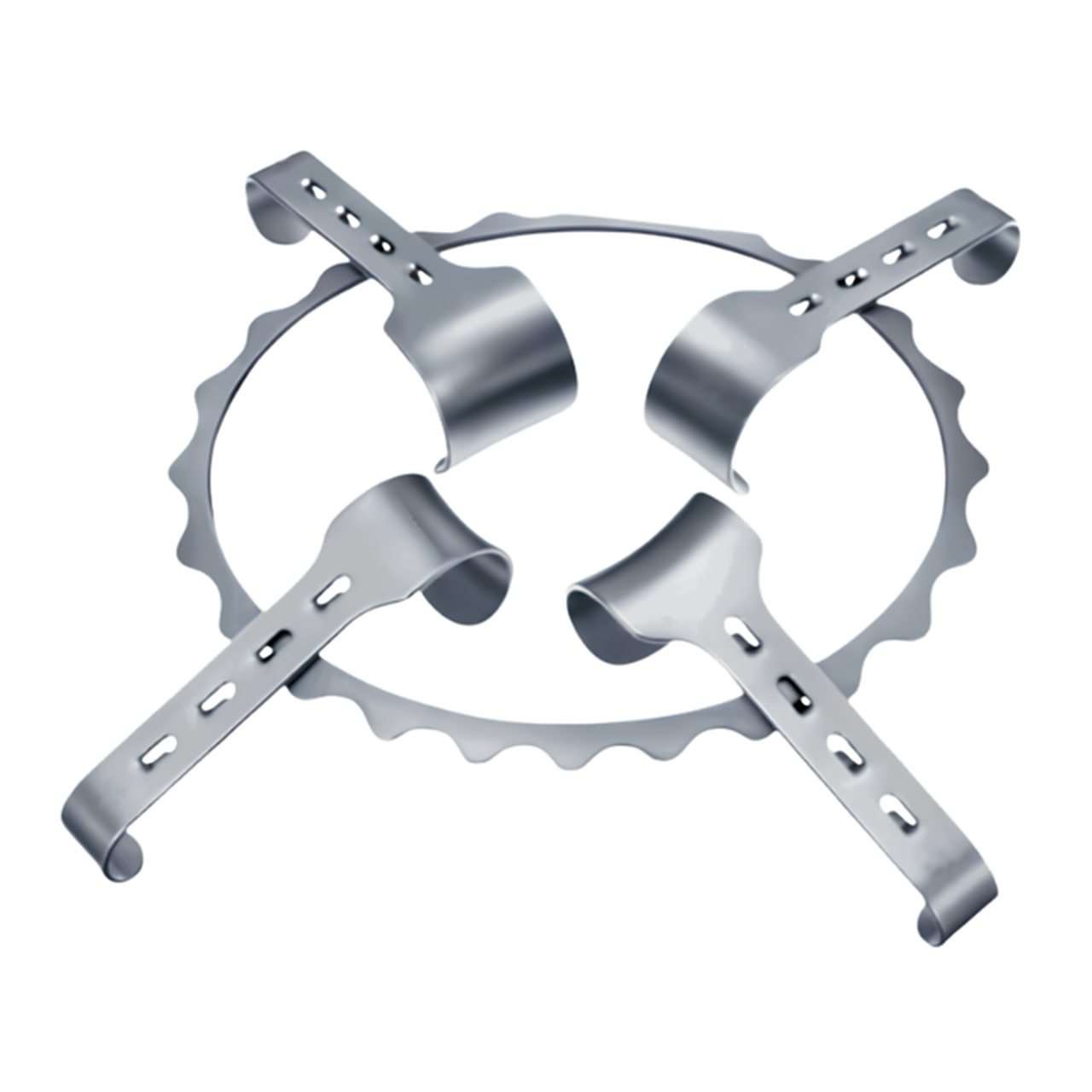 | Afastador Denis-Browne | Projetado especificamente para fornecer afastamento visceral e de margens de ferida autoestático de 360 graus durante cirurgias abdominais e pélvicas. |
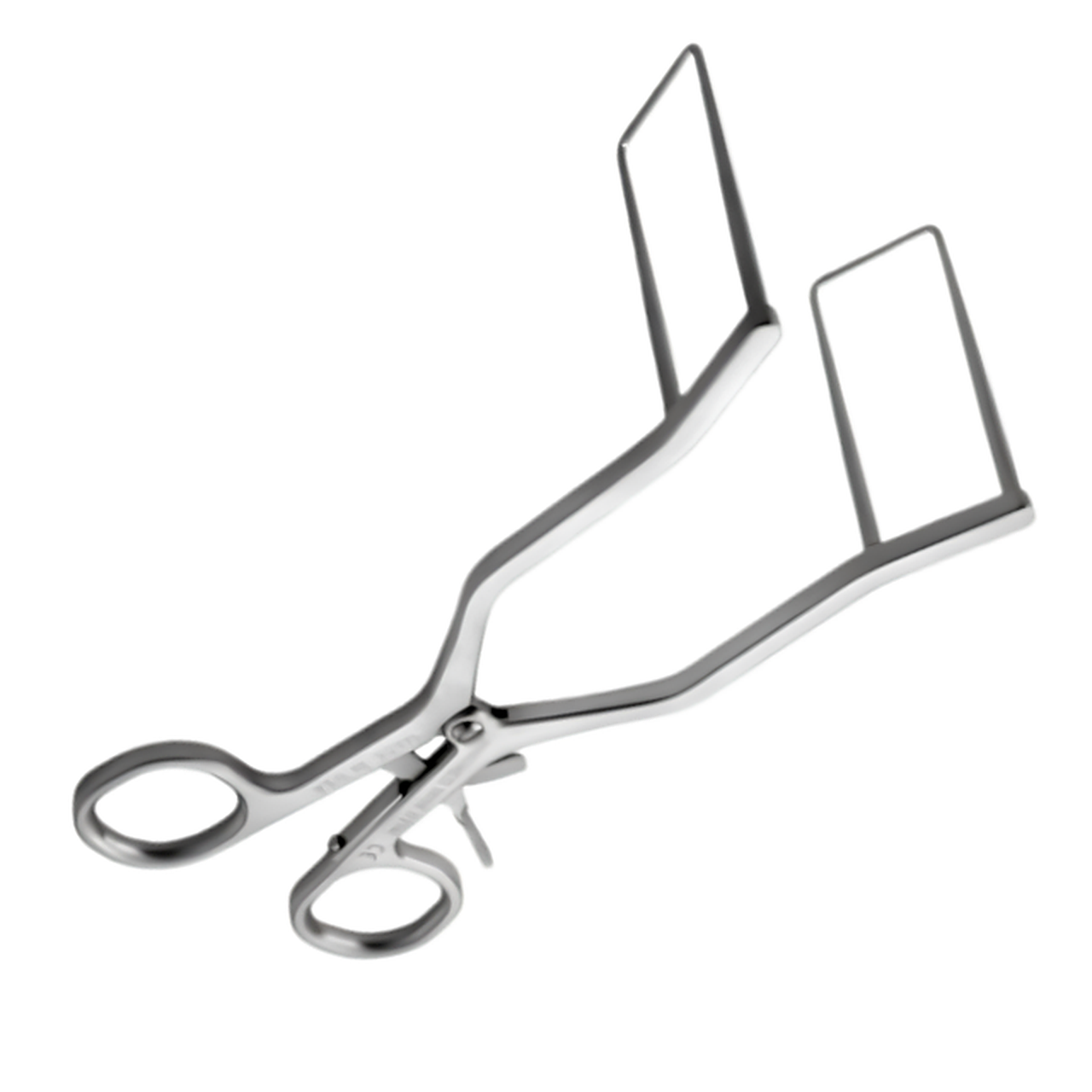 | Afastador Autoestático Desai | Projetado especificamente para fornecer afastamento autoestático das bordas da ferida com visibilidade de janela de acesso direto durante cirurgias abdominais e pélvicas. |
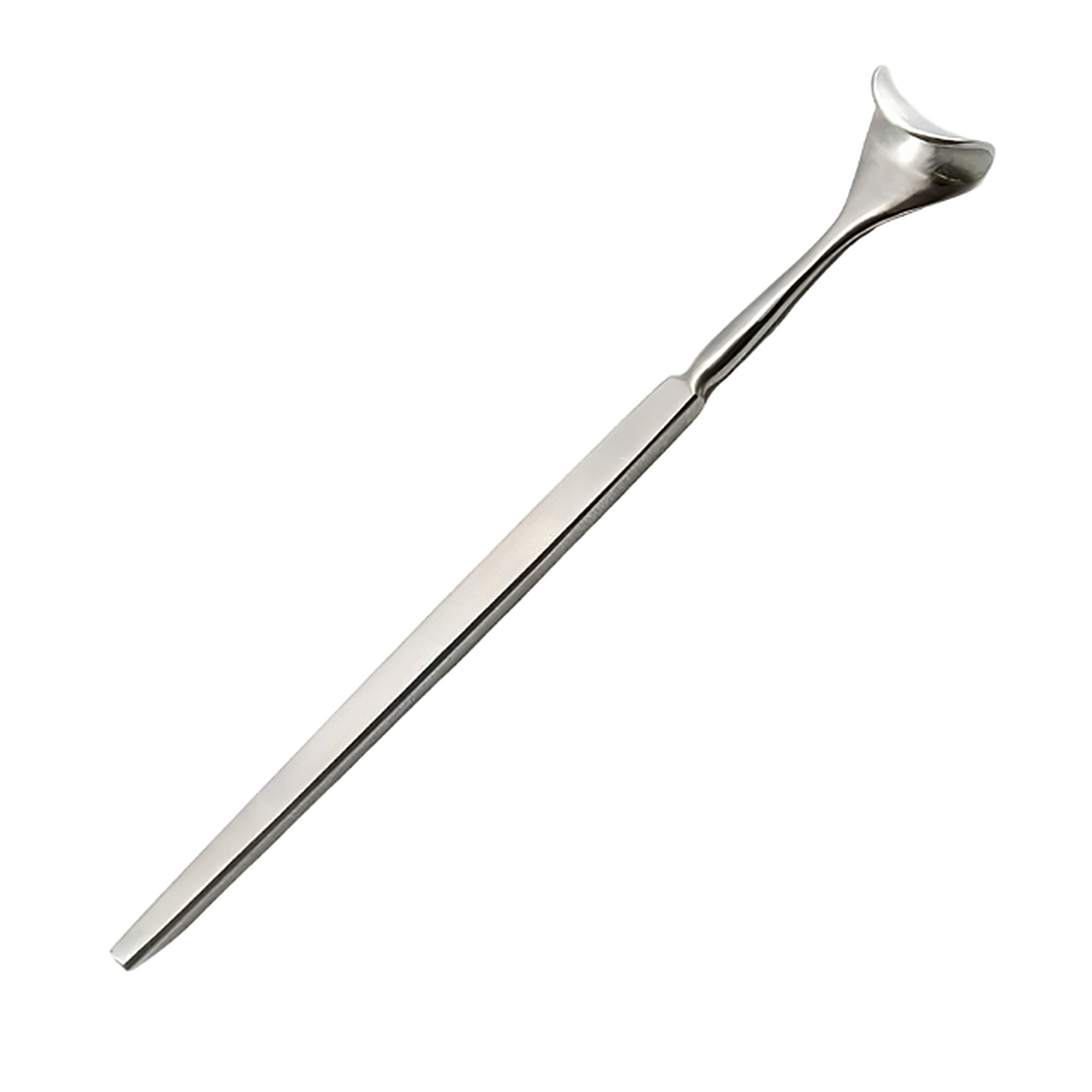 | Afastador Palpebral Desmarres | Projetado especificamente para afastar pálpebras, mobilizar placas tarsais e proteger o globo ocular durante blefaroplastia e cirurgia ocular. |
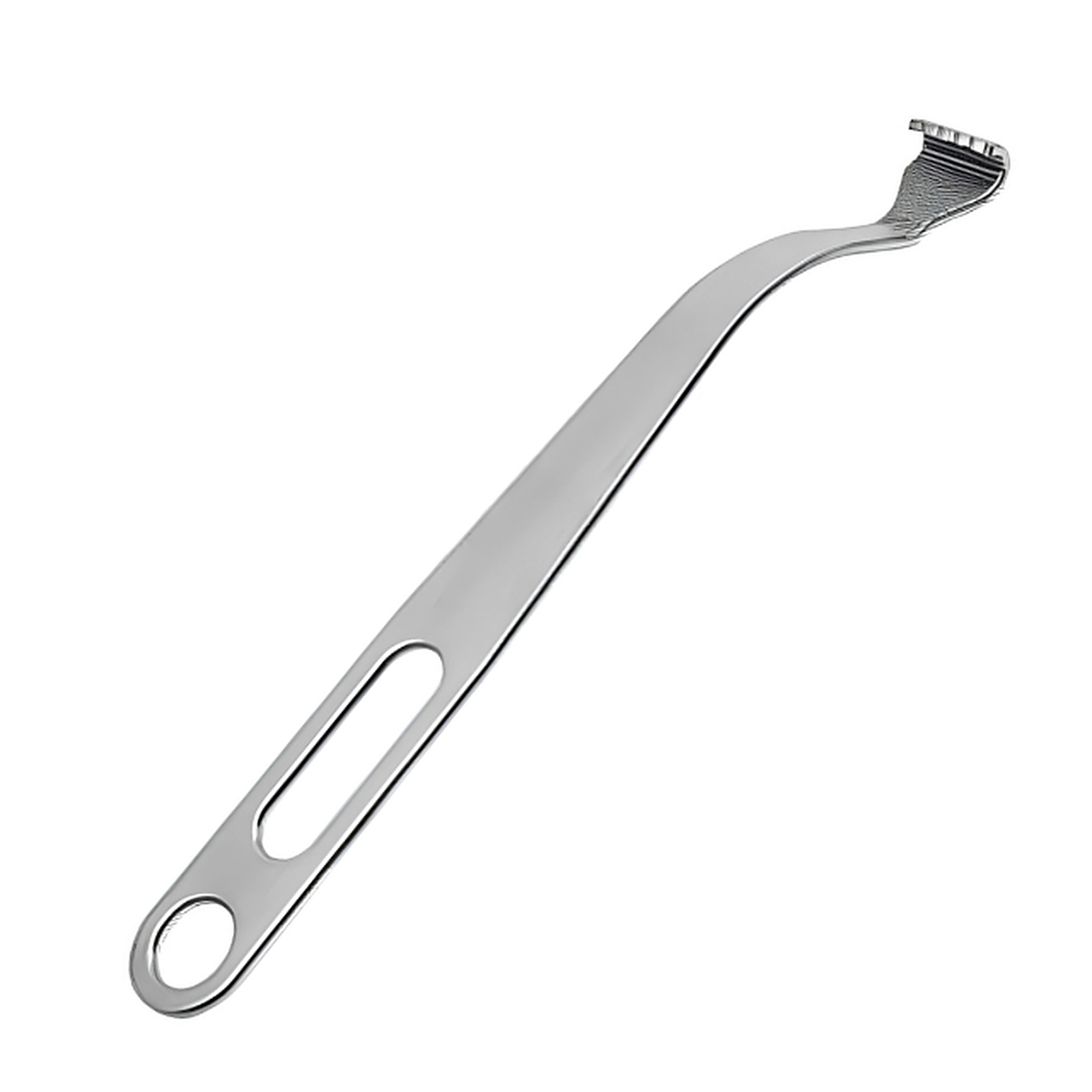 | Afastadores de Cabeça Umeral Dingo Modified | Projetado especificamente para alavancar a cabeça umeral e expor a cavidade glenoide durante artroplastias de ombro e cirurgias reconstrutivas. |
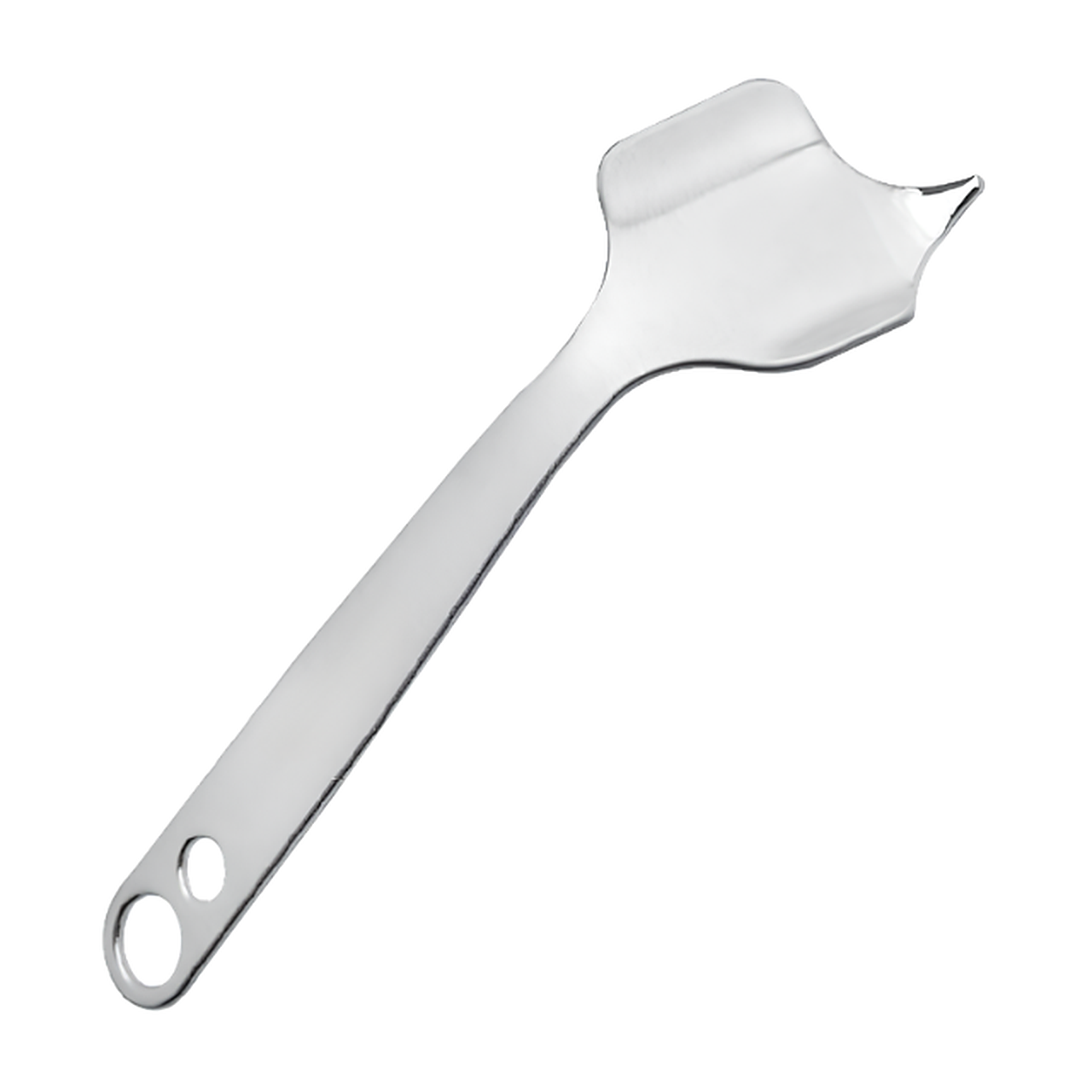 | Afastador de Alavanca Anterior Direct Access Anterior Broaching Retractor | Projetado especificamente para elevar o fêmur proximal e afastar tecidos moles durante o fresamento femoral em artroplastia de quadril por via anterior direta. |
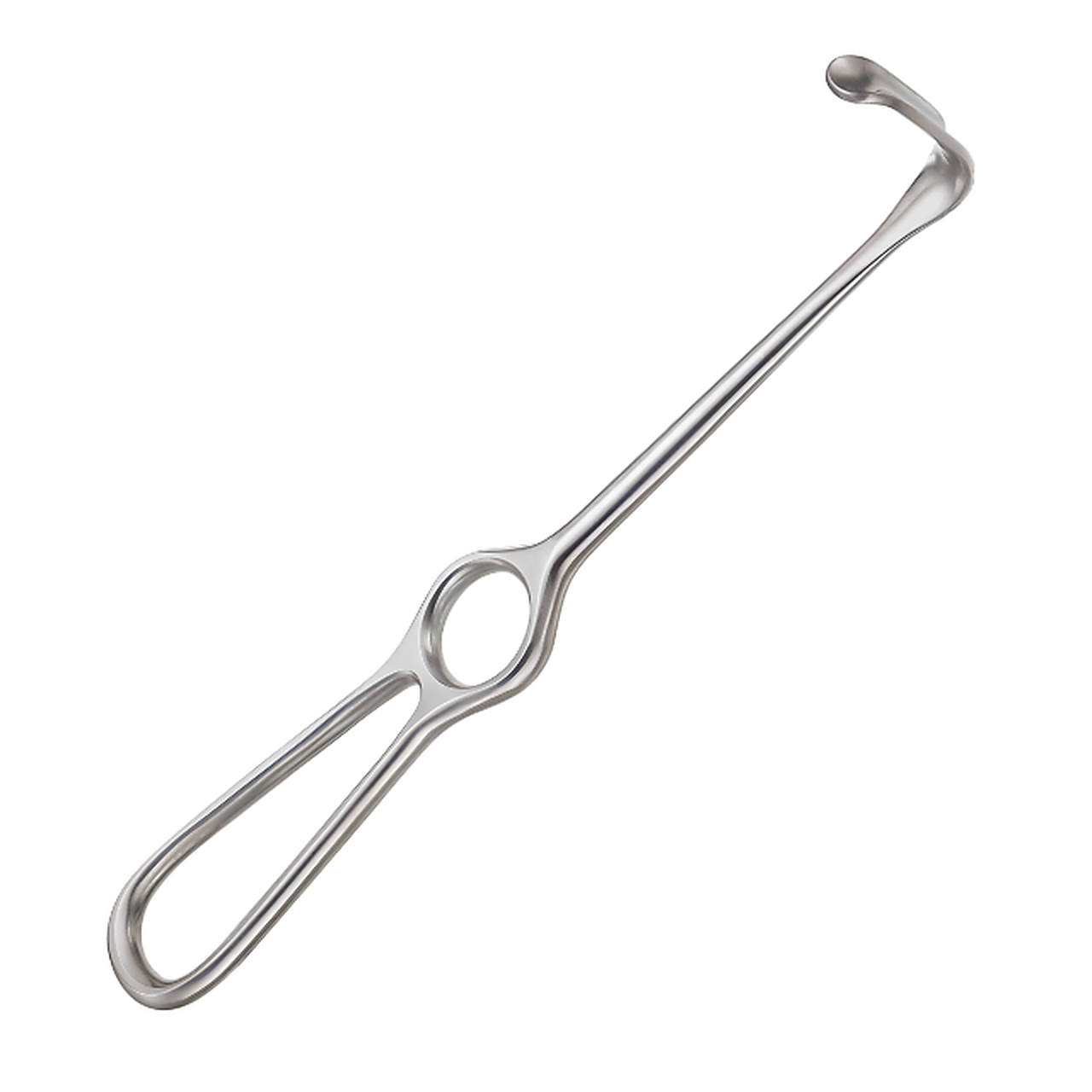 | Afastador Dockhorn | Projetado especificamente para afastar bordas de feridas, fáscias e tecidos moles durante cirurgias orais, bucomaxilofaciais e gerais. |
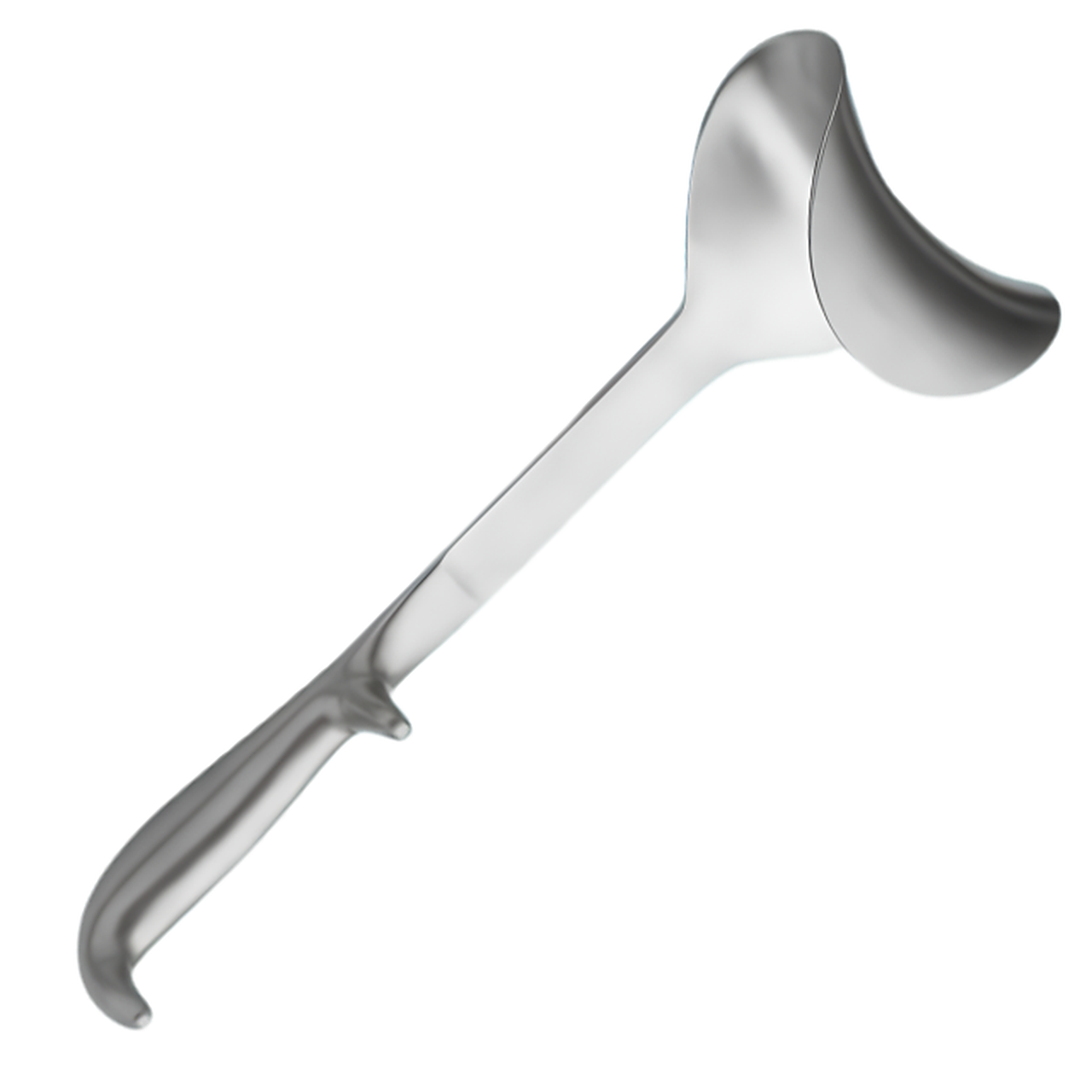 | Afastador Abdominal Doyen | Projetado especificamente para afastar a parede abdominal, órgãos viscerais e musculatura pélvica durante procedimentos de laparotomia aberta. |
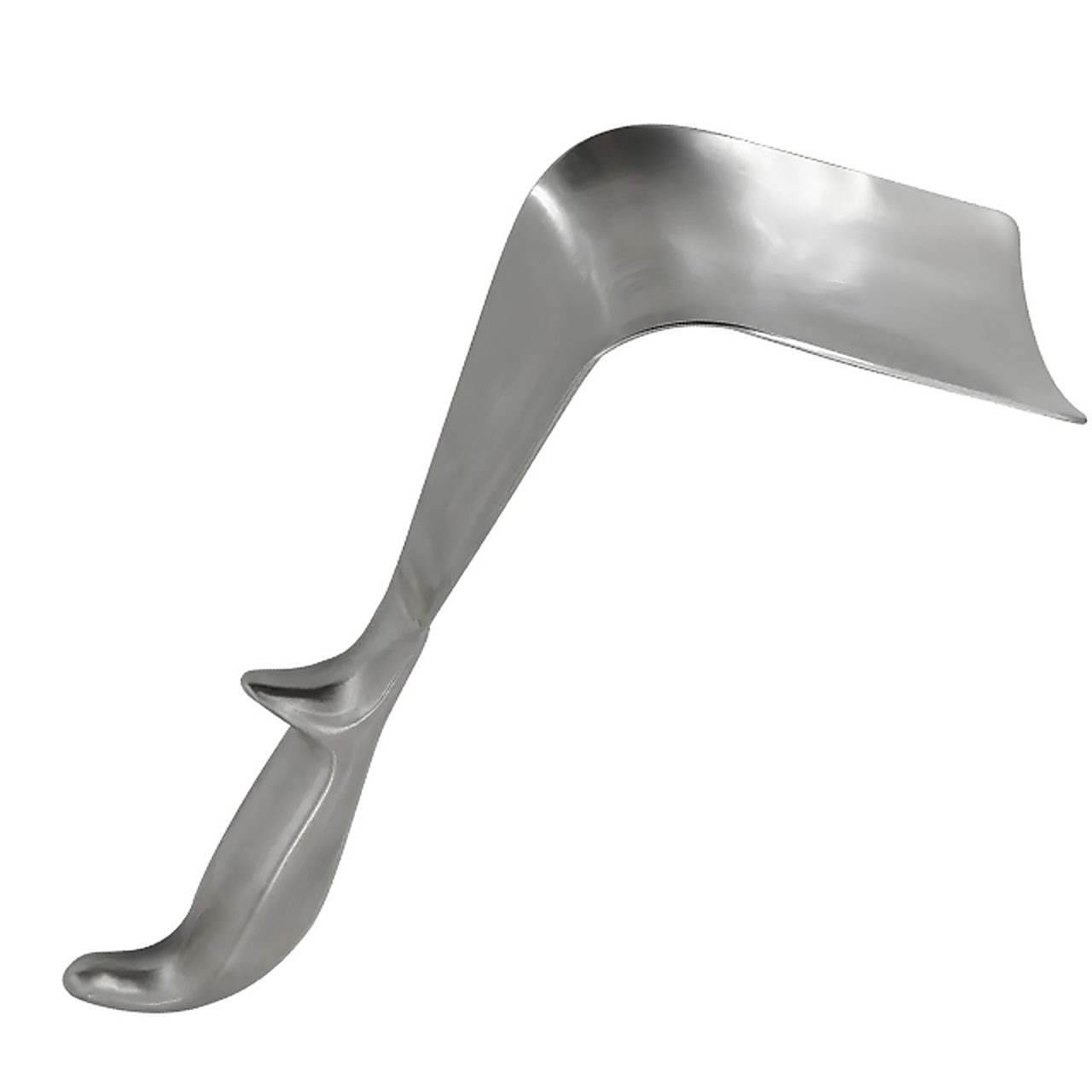 | Afastador Doyen | Projetado especificamente para afastar a parede abdominal e proteger as vísceras durante cirurgias gerais e ginecológicas abertas. |
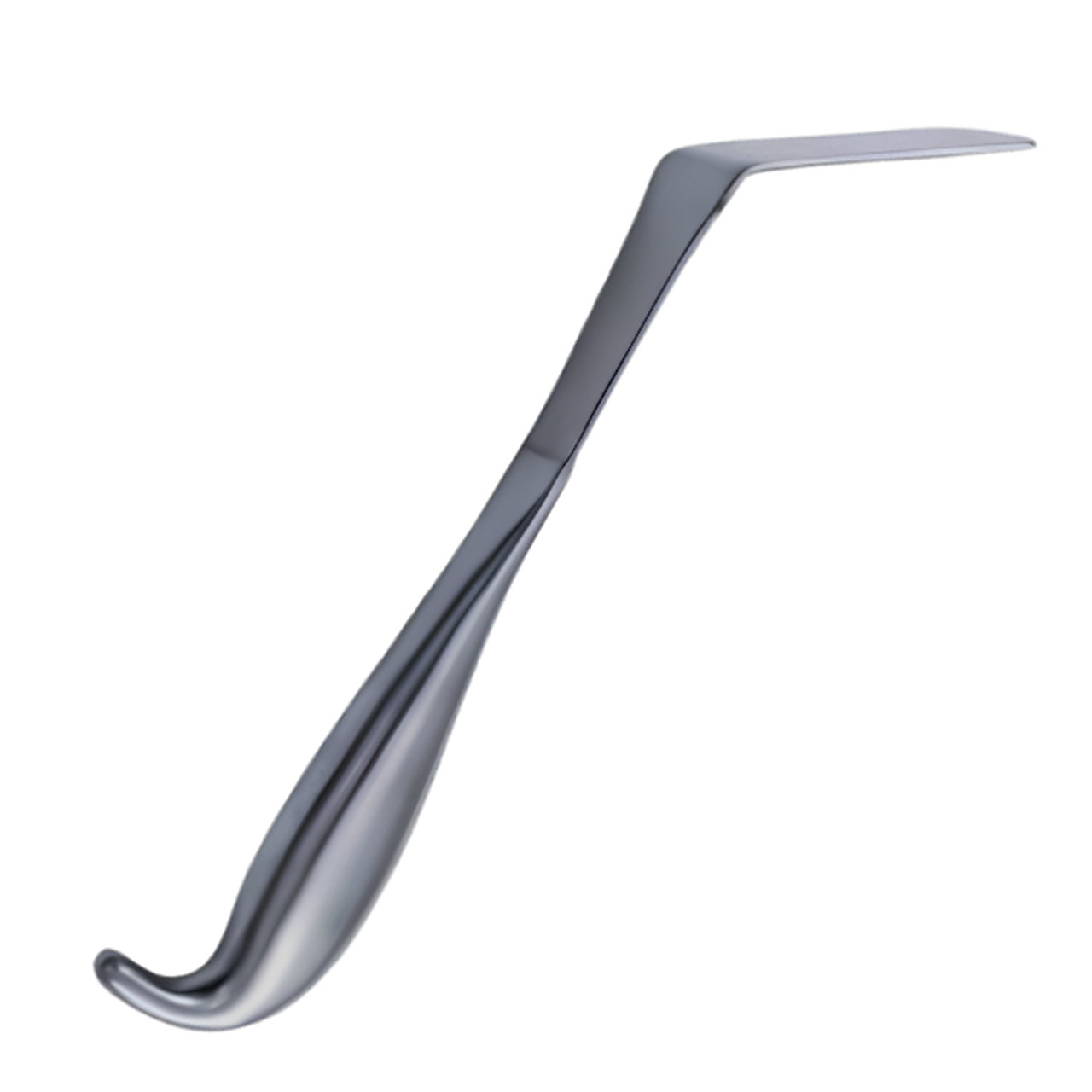 | Afastador Vaginal Doyen | Projetado especificamente para afastar a parede vaginal e expor o colo do útero e o assoalho pélvico durante procedimentos ginecológicos. |
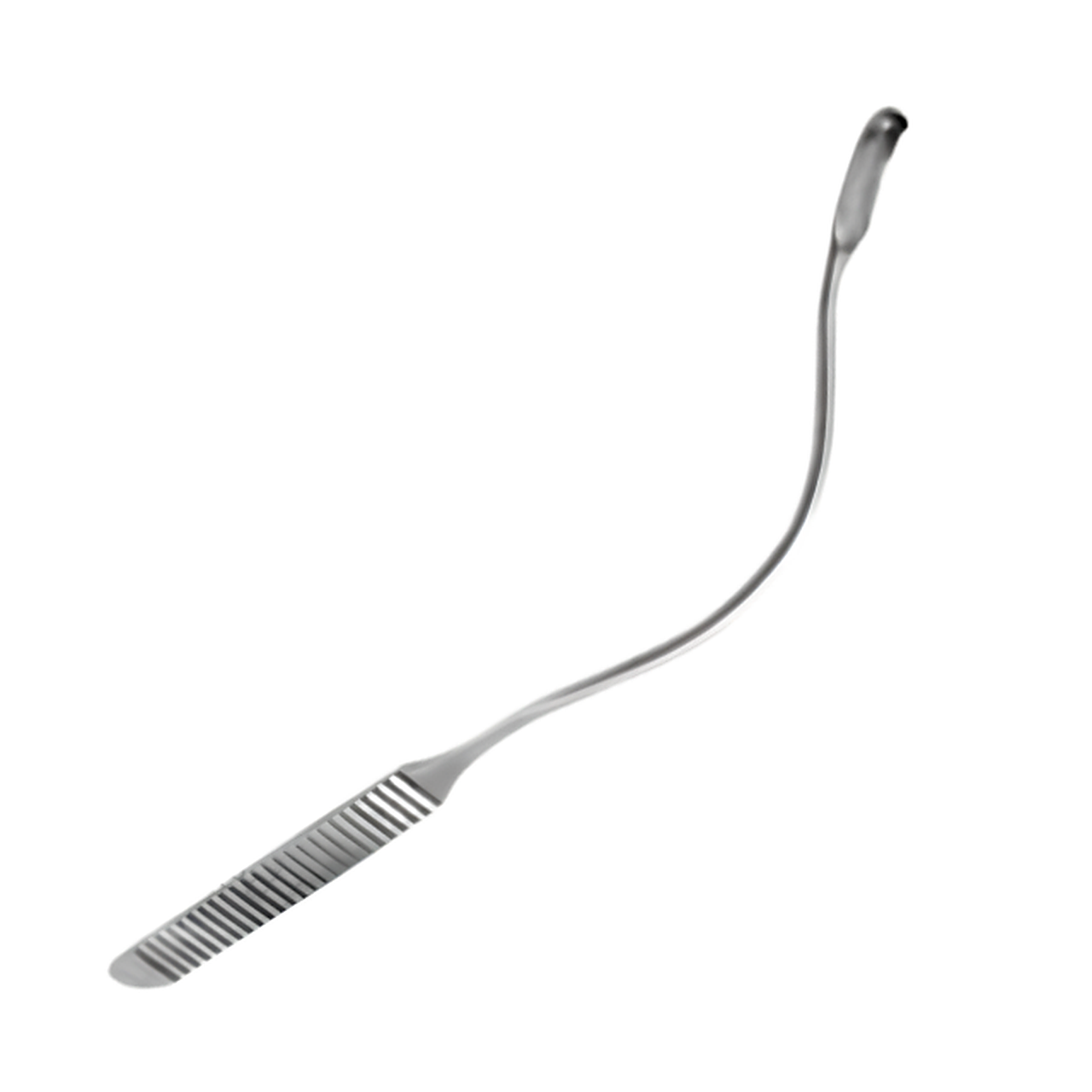 | Afastador Mandibular Dumbach tipo Canal | Projetado especificamente para afastar tecidos moles e proteger estruturas neurovasculares ao longo da borda mandibular durante osteotomias de ramo. |
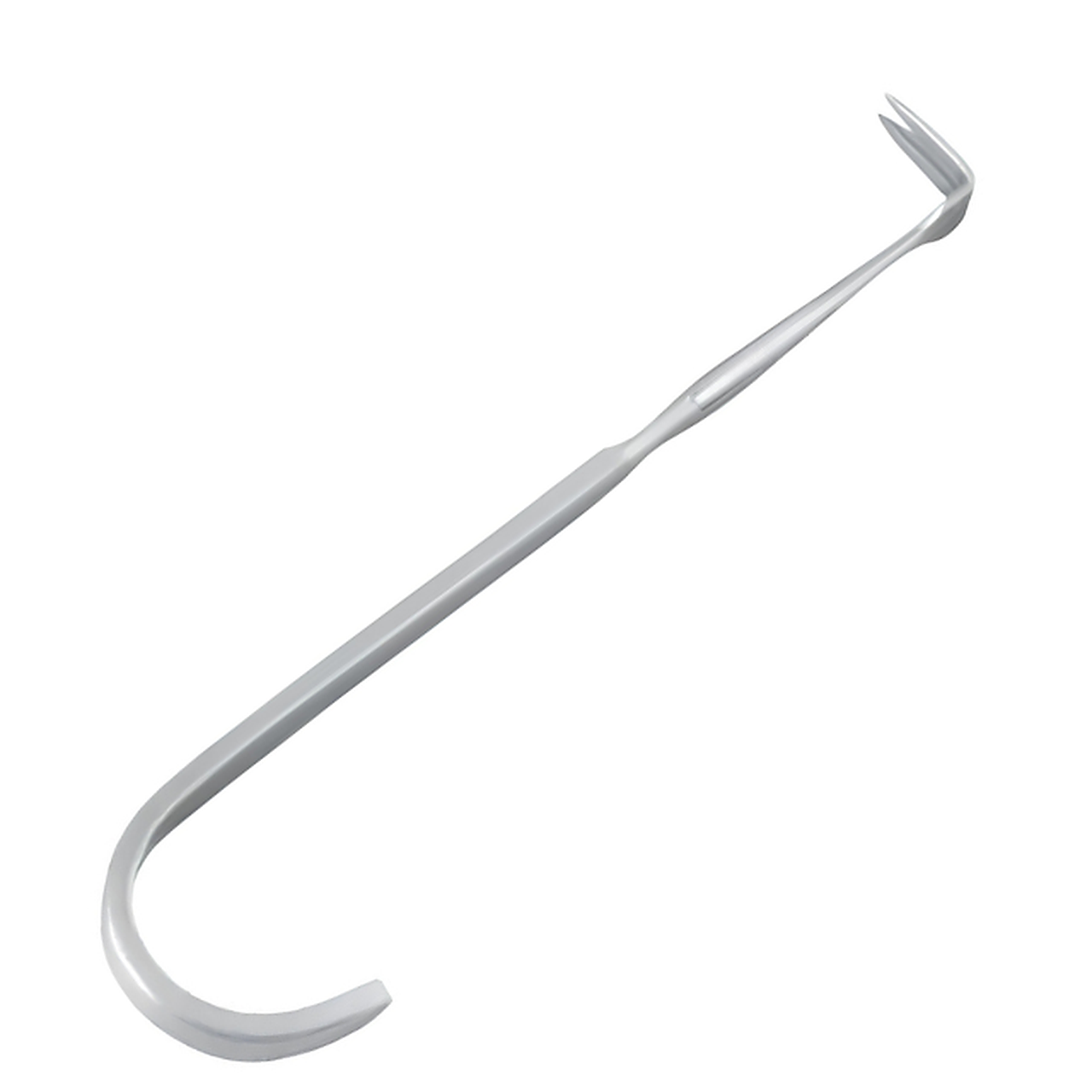 | Afastador Lateral Dunn Dautrey | Projetado especificamente para afastar tecidos moles laterais e expor o ramo mandibular durante cirurgias ortognáticas e orais. |
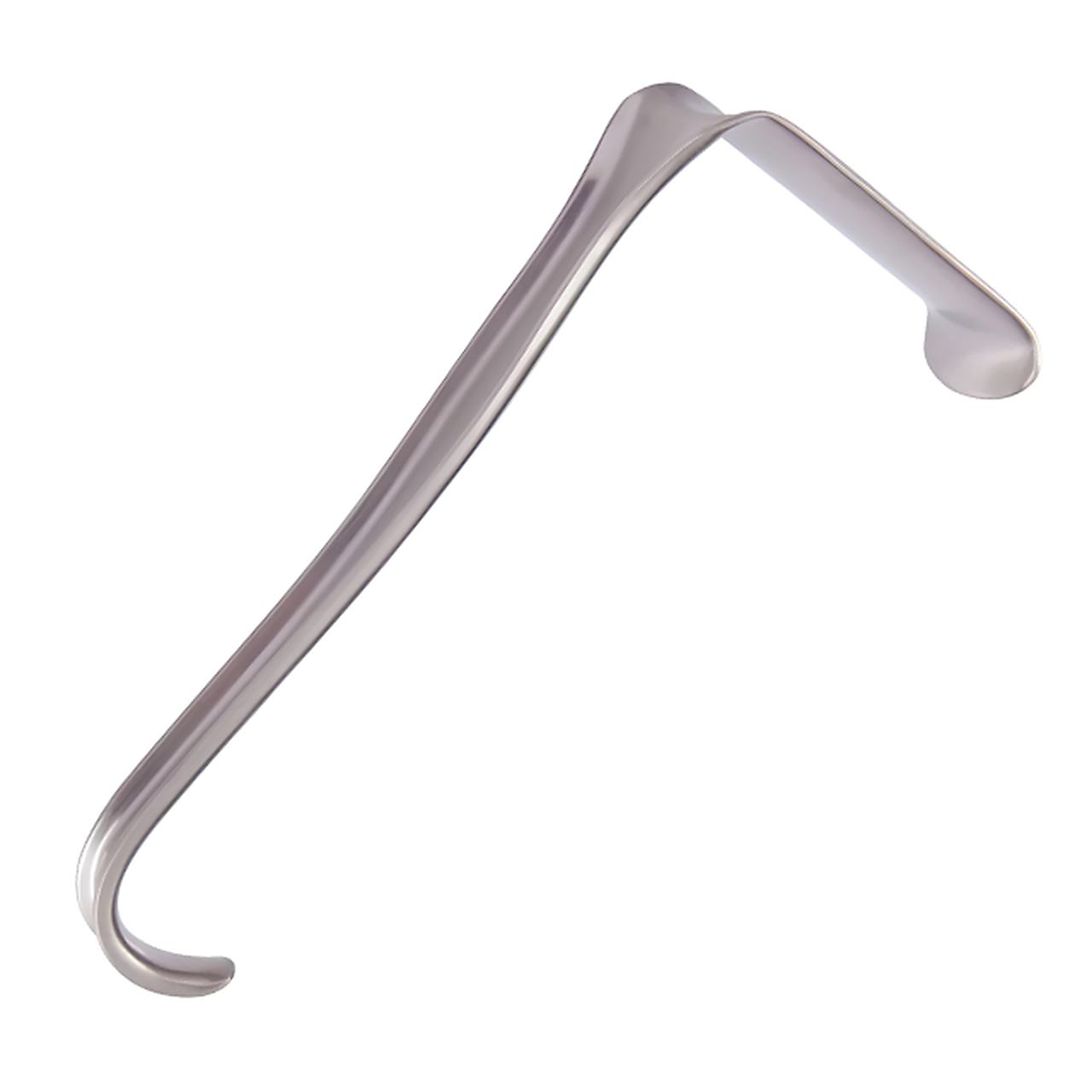 | Afastador Vaginal Eastman | Projetado especificamente para afastar as paredes vaginais e fornecer visualização profunda durante cirurgias ginecológicas e reconstrutivas pélvicas. |
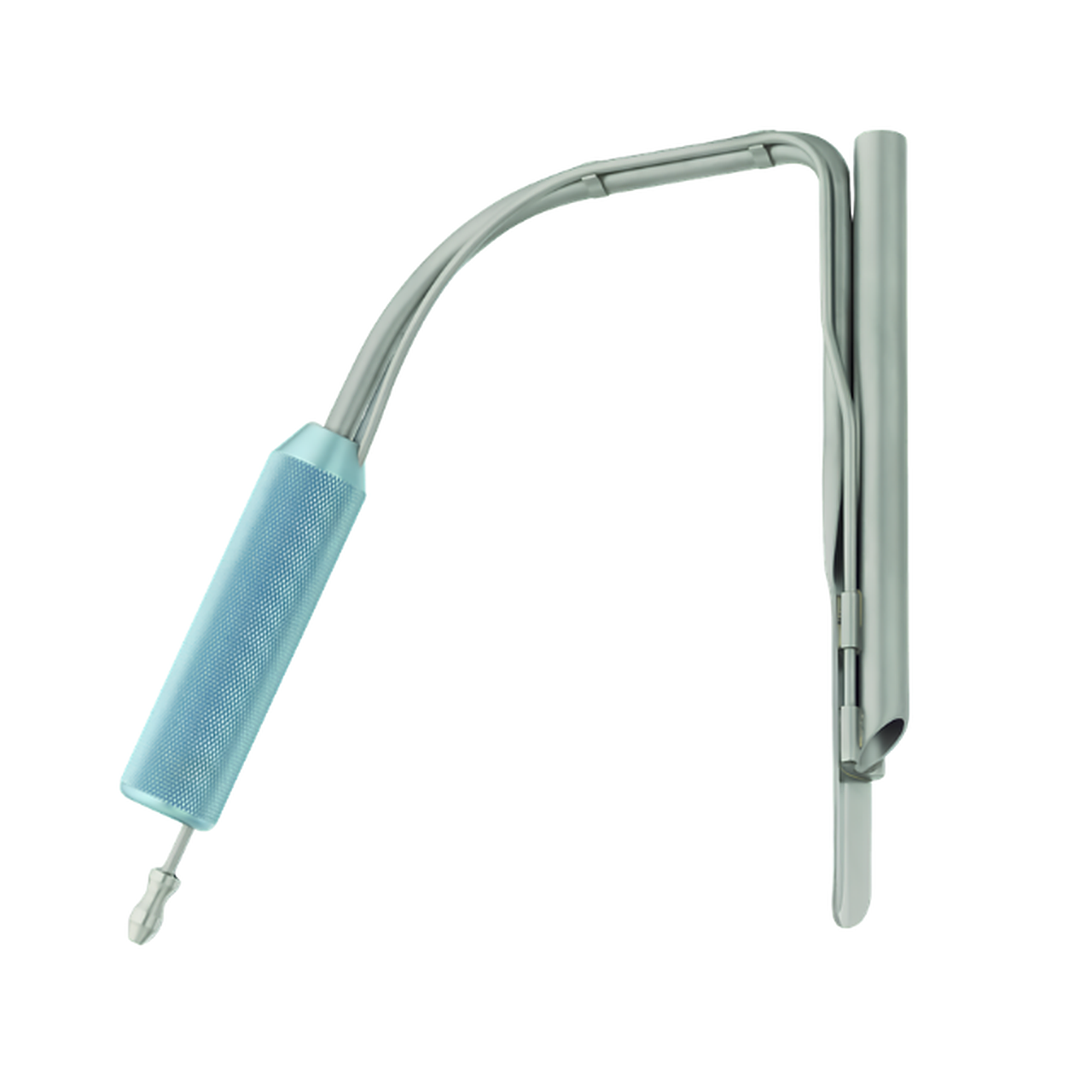 | Afastador EMORY Endo-Plastic Retractor | Projetado especificamente para elevar retalhos teciduais e guiar um endoscópio de 10 mm durante cirurgias plásticas e estéticas endoscópicas. |
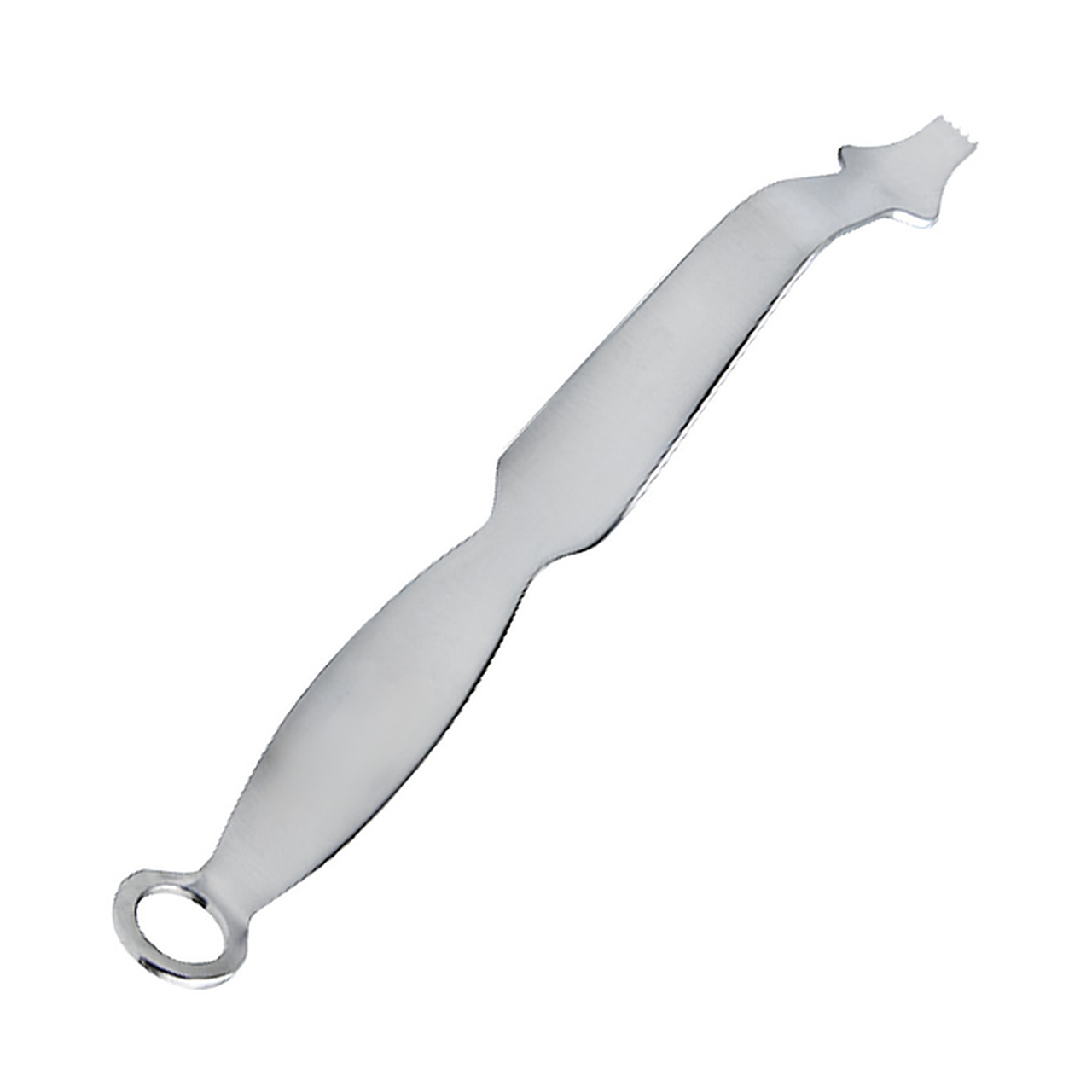 | Afastador de Entalhe Intercondilar Engh | Projetado especificamente para expor a incisura intercondilar e proteger as estruturas posteriores do joelho durante a artroplastia total de joelho. |
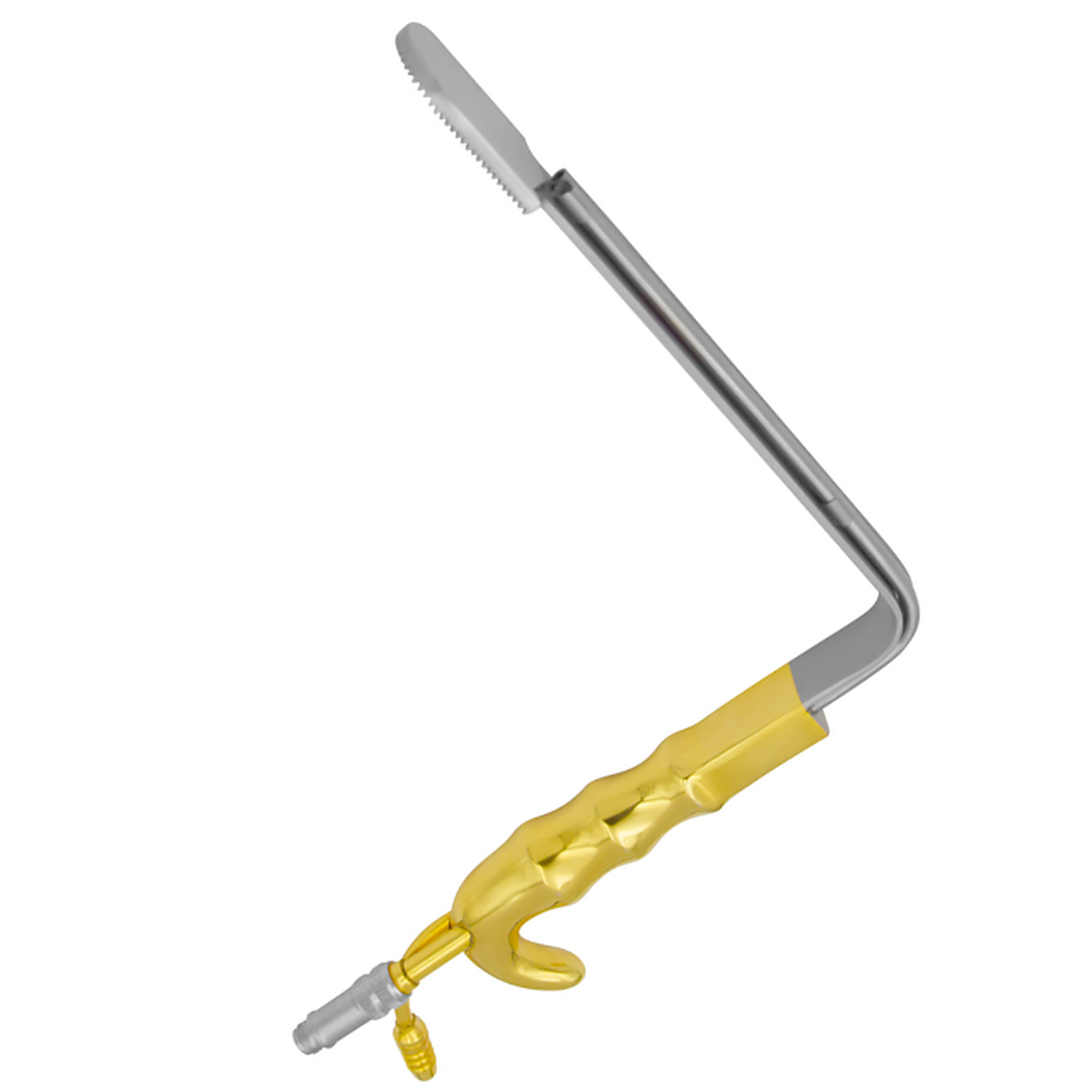 | Afastador Mamário Epstein | Projetado especificamente para elevar retalhos de tecido e criar bolsas subpeitorais ou subglandulares durante o aumento e reconstrução de mama. |
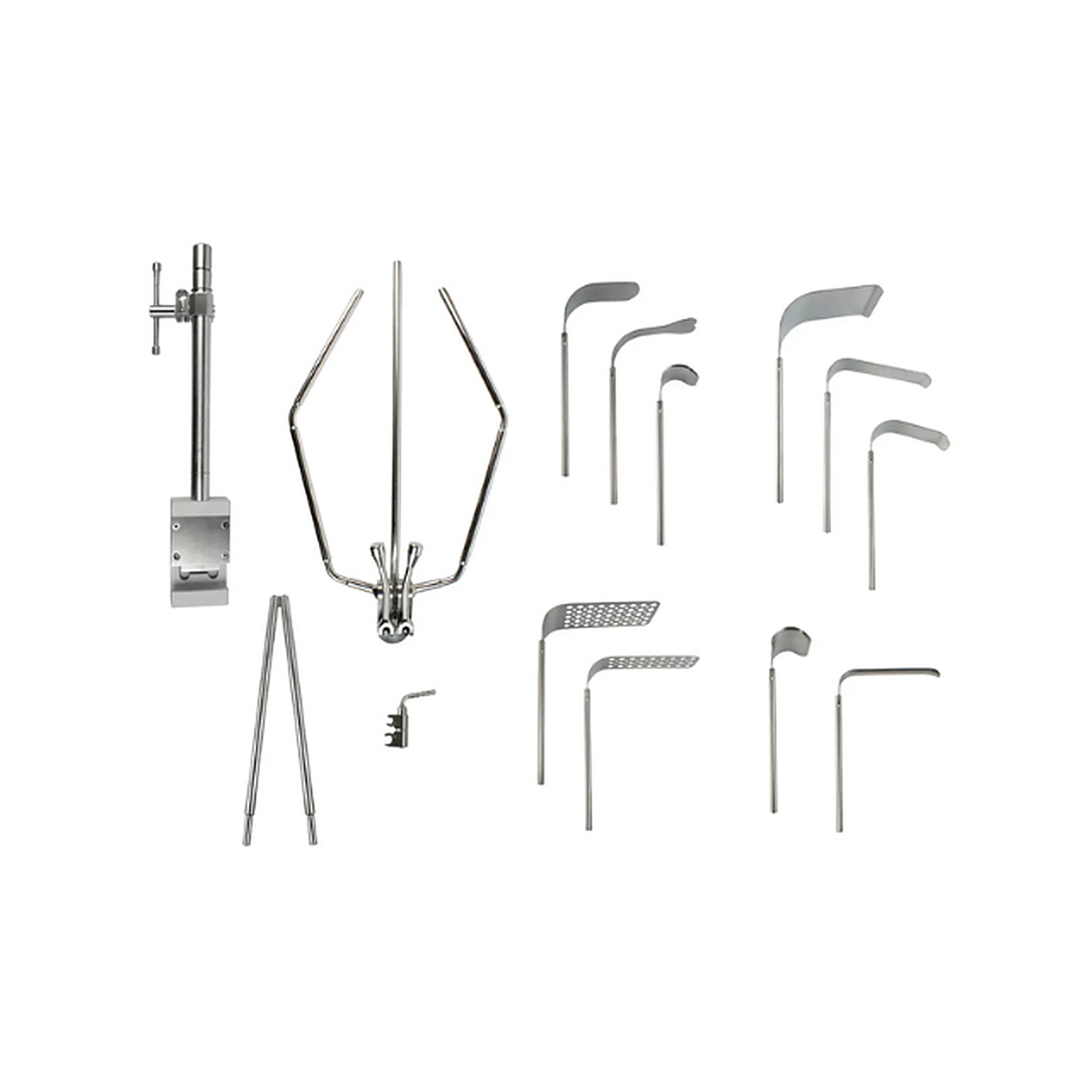 | Afastador Vascular Lobster Expandido | Projetado especificamente para fornecer afastamento de tecidos moles autoestático montado em mesa e exposição do campo cirúrgico durante procedimentos cirúrgicos vasculares. |
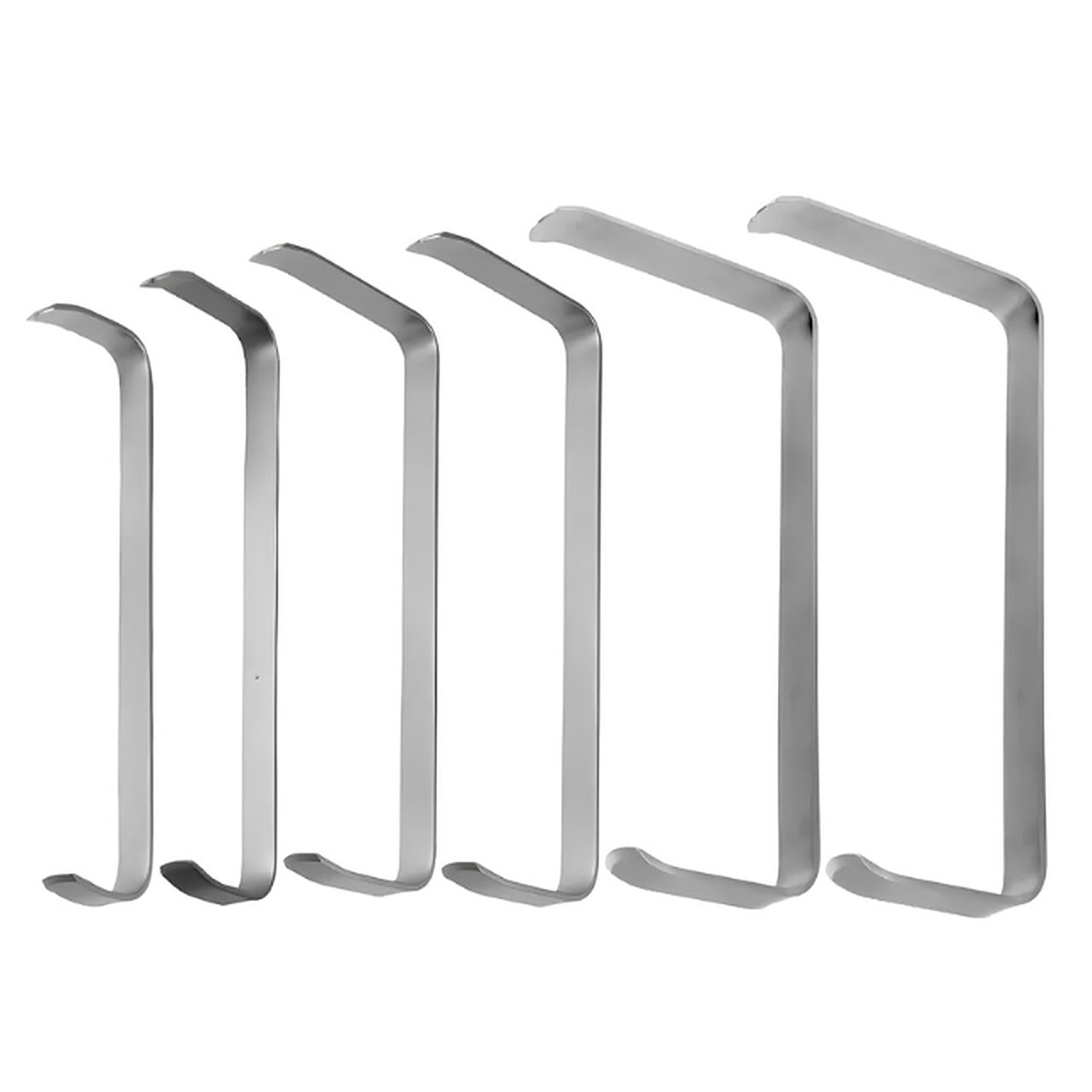 | Afastador Farabeuf | Projetado especificamente para afastar pele, fáscia e tecidos moles em incisões cirúrgicas superficiais e intermediárias. |
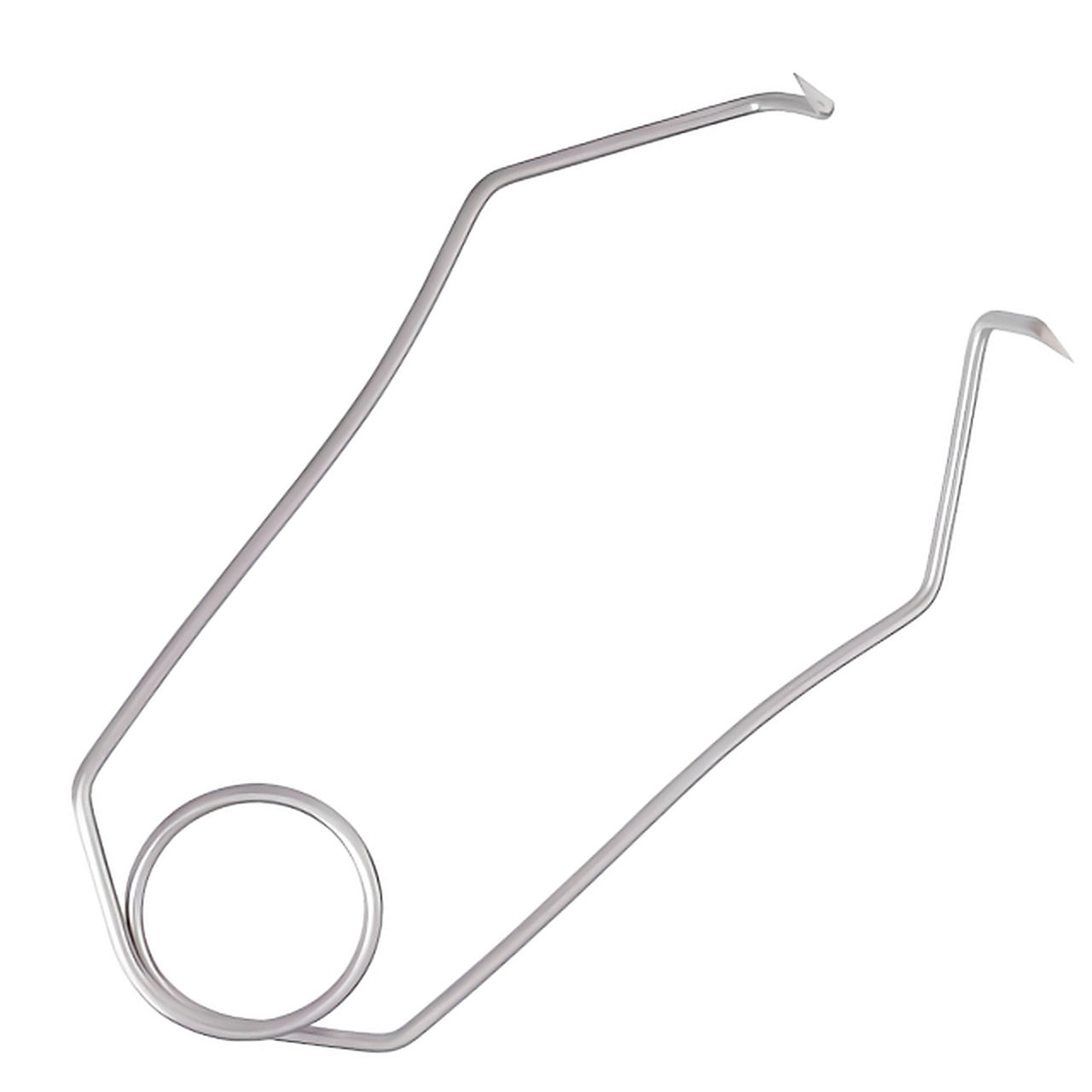 | Afastador Farr Spring | Projetado especificamente para fornecer retração tecidual autostática assistida por mola durante procedimentos cirúrgicos plásticos, pediátricos e de pequeno porte. |
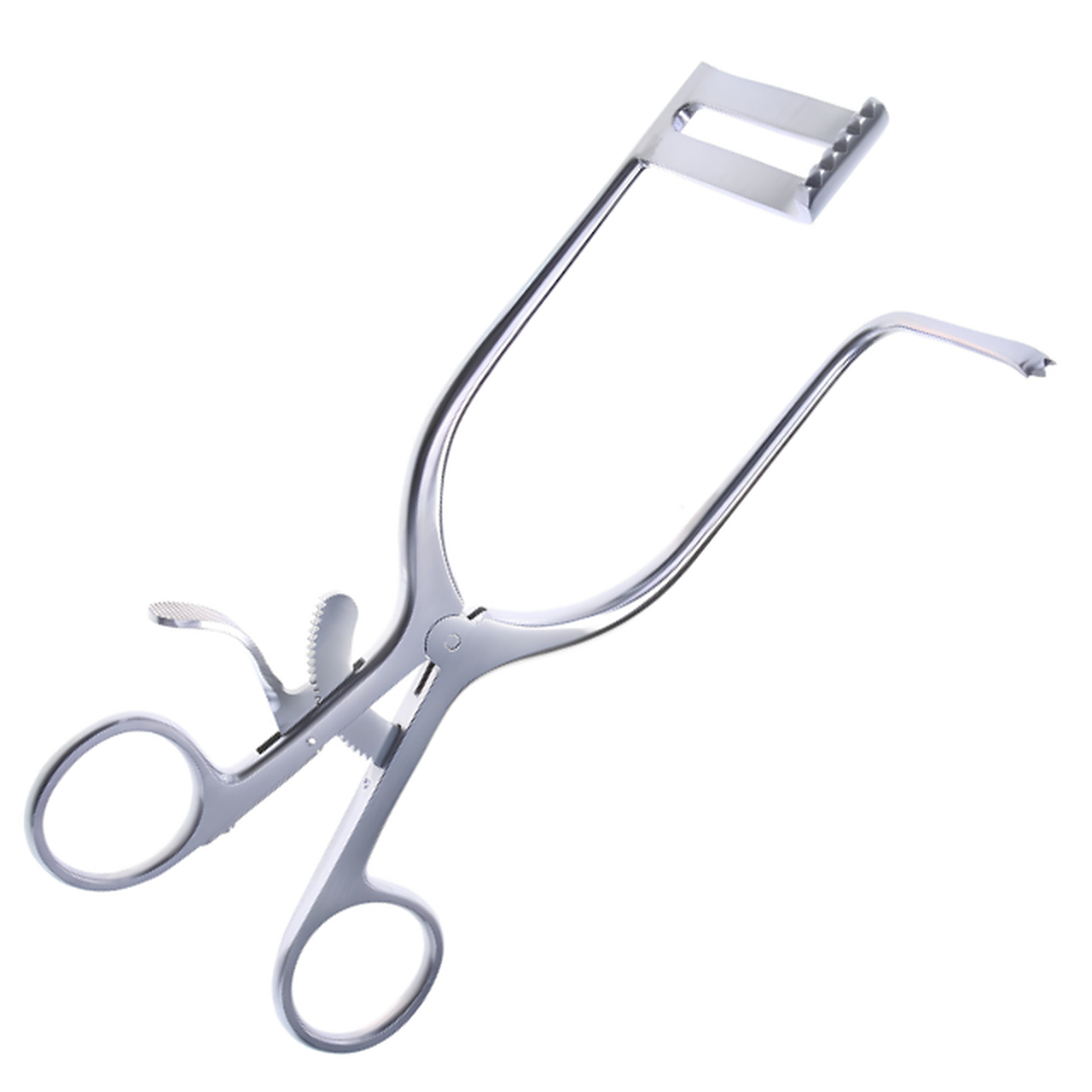 | Afastador Feler-Ducker | Projetado especificamente para fornecer retração autoestática de músculos paravertebrais e tecidos moles durante laminectomia espinhal e implante de eletrodos. |
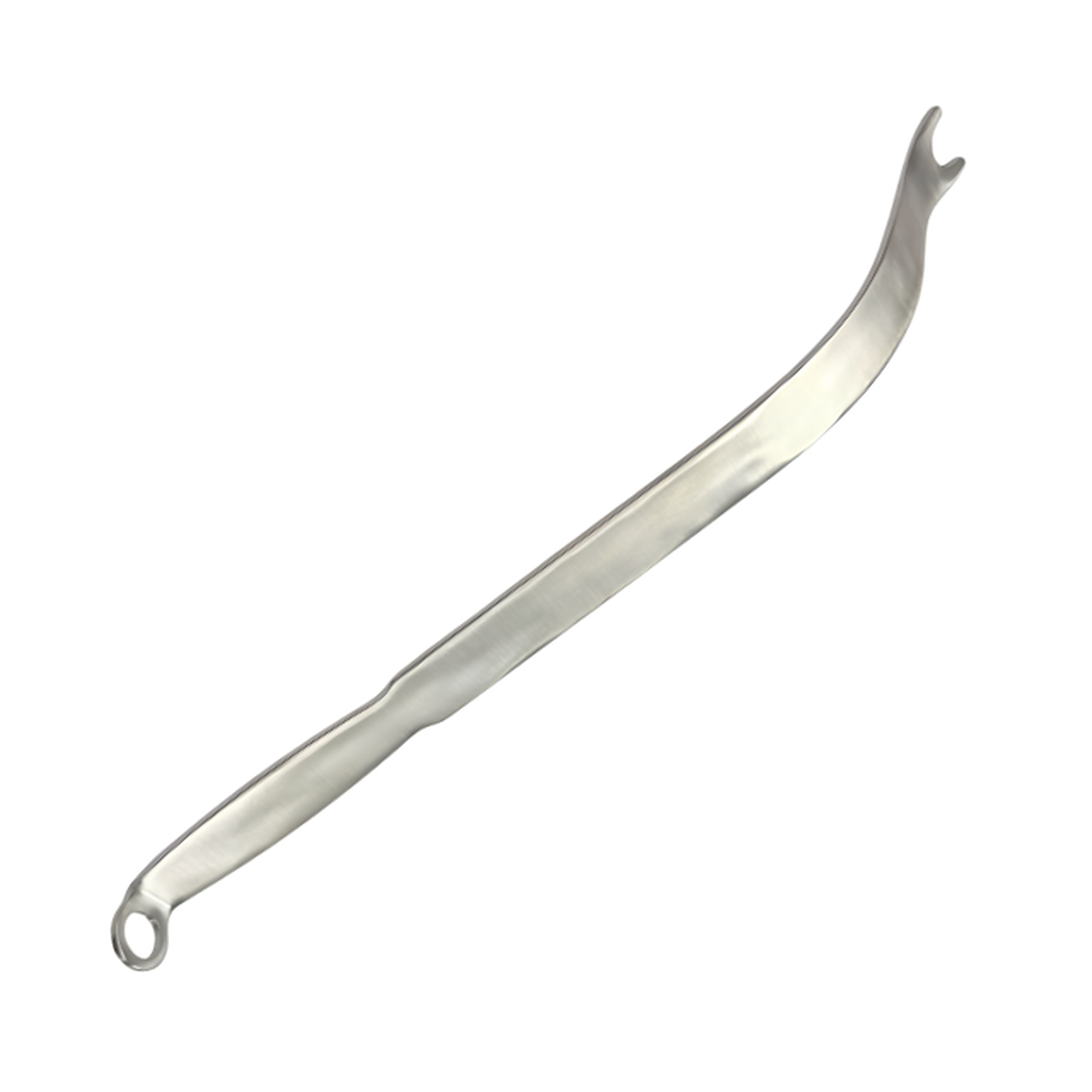 | Afastador Femoral Calcar | Projetado especificamente para expor o calcar femoral e afastar tecidos moles durante a preparação do canal femoral em artroplastia de quadril. |
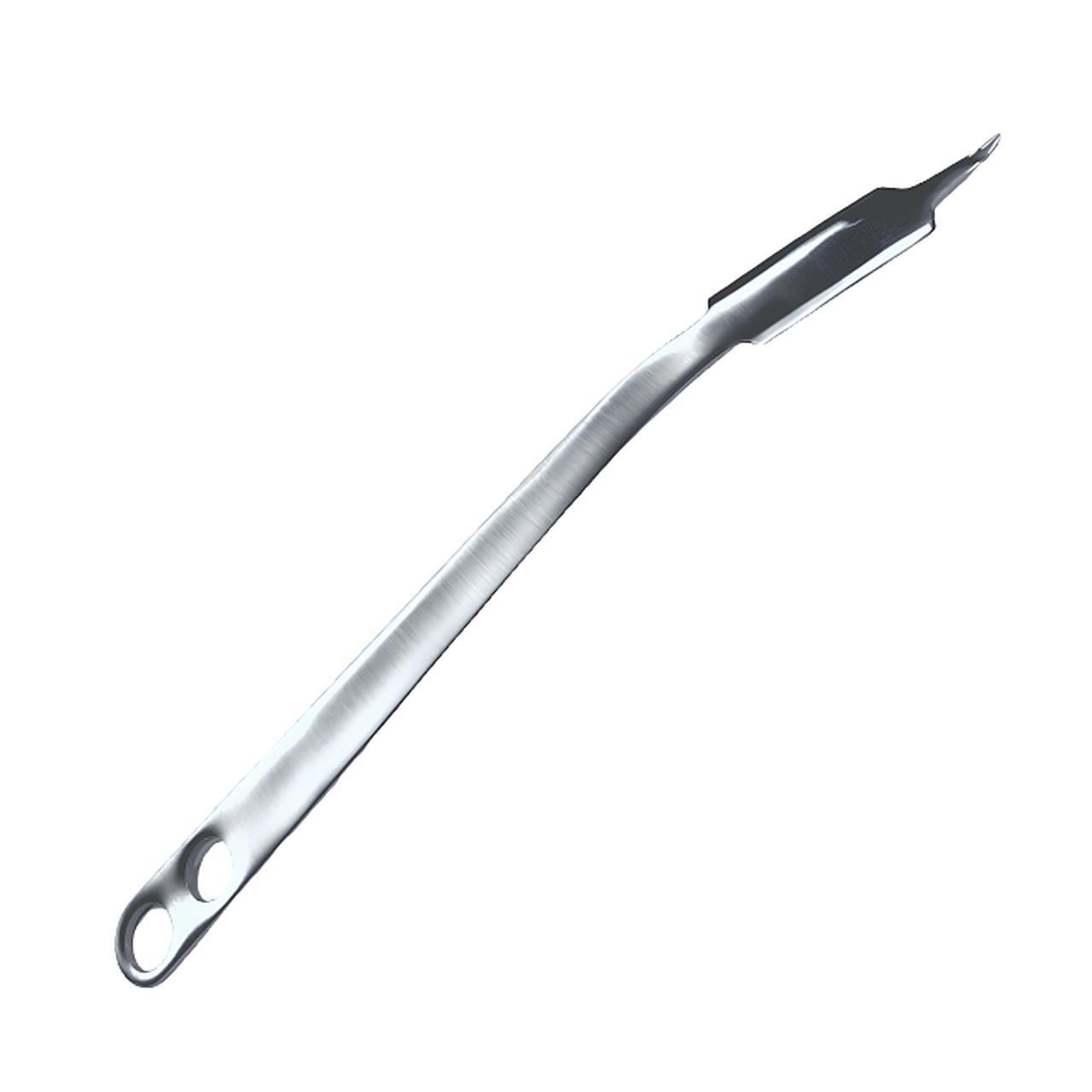 | Afastador Femoral/Glúteo Médio e Mínimo | Projetado especificamente para retrair a musculatura glútea densa e expor o acetábulo e o fêmur durante a artroplastia de quadril. |
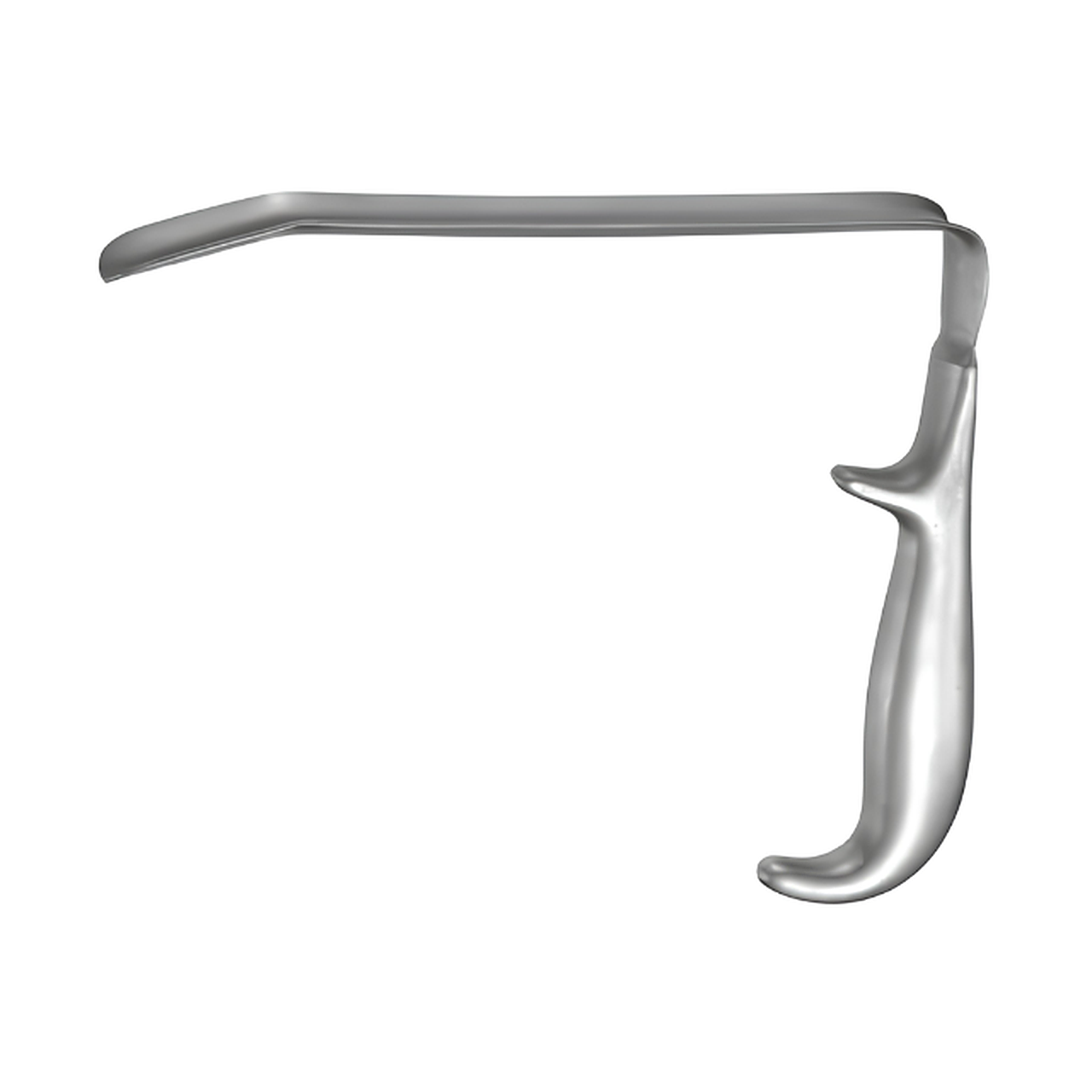 | Afastador Ferreira breast augmentation Retractor | Projetado especificamente para elevar retalhos teciduais e criar lojas submusculares ou subglandulares durante o aumento e a reconstrução mamária. |
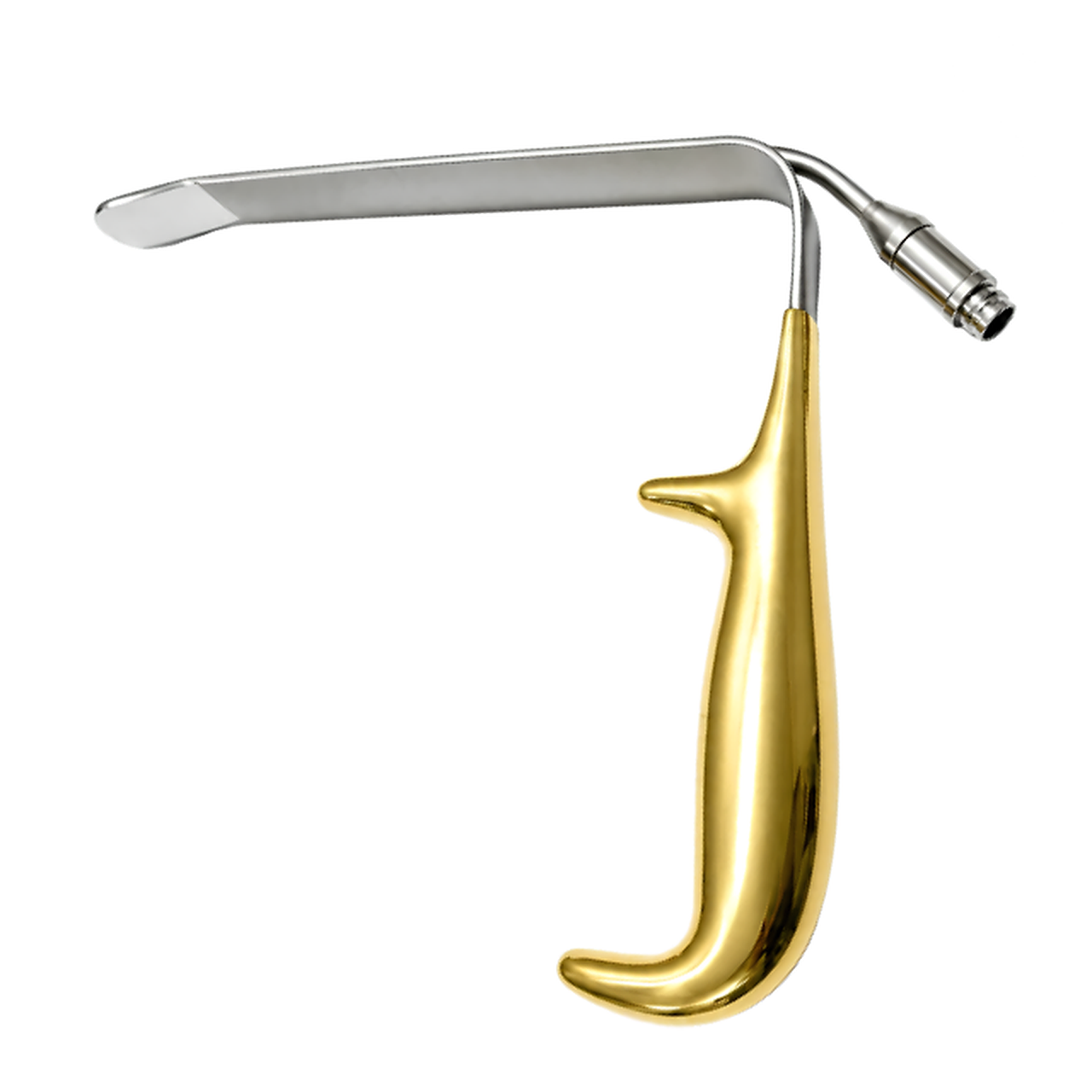 | Afastador Ferreira para Aumento de Mama - Fibra Óptica | Projetado especificamente para fornecer retração iluminada de tecidos moles e visualização de bolsas durante o aumento e a reconstrução de mama. |
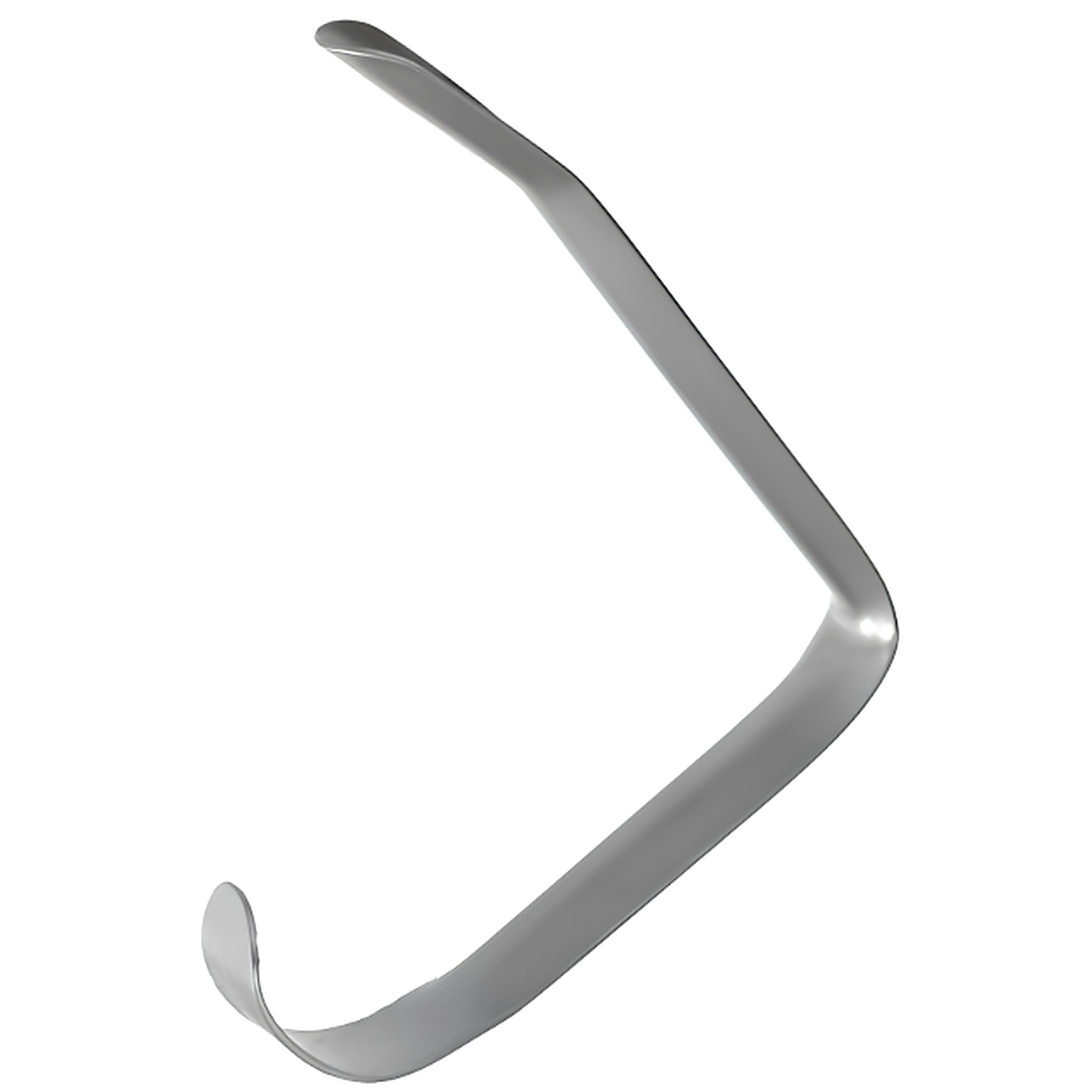 | Afastador Ferreira Face Lift | Projetado especificamente para elevar retalhos de pele facial e camadas de SMAS durante ritidectomias e cirurgias estéticas faciais. |
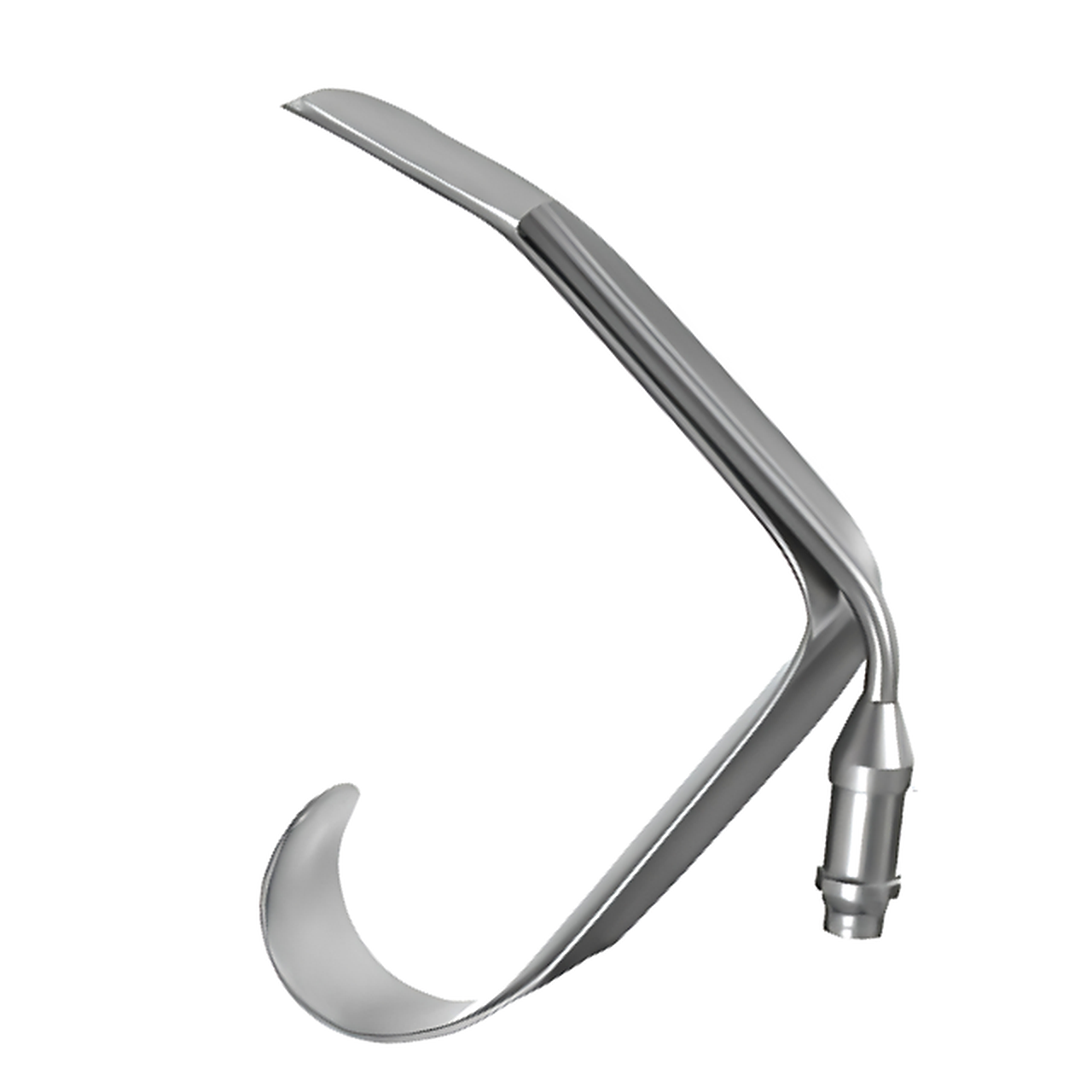 | Afastador Ferreira com Fibra Óptica para Ritidoplastia | Projetado especificamente para fornecer afastamento de tecidos moles iluminado e elevação de retalhos de pele facial durante a ritidoplastia. |
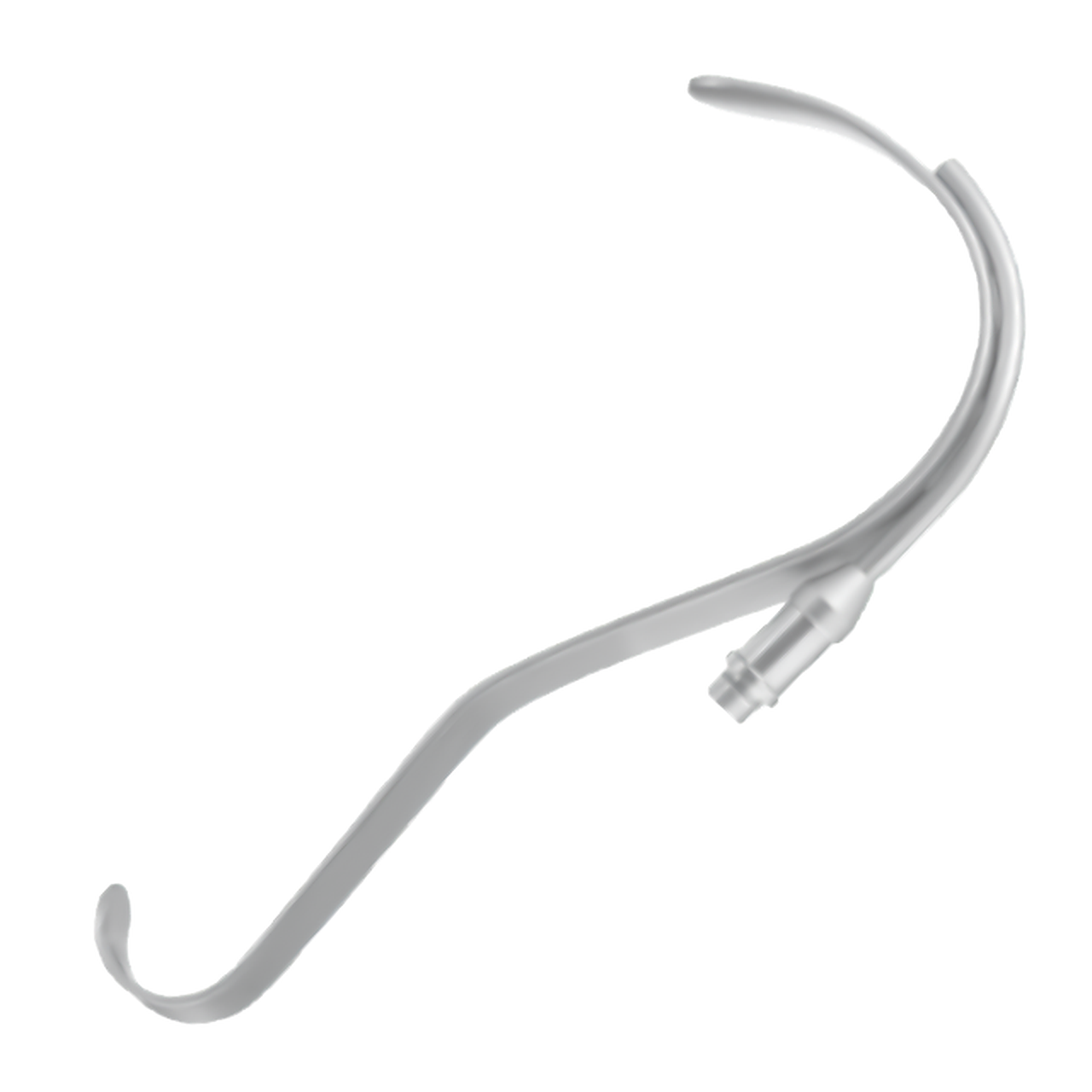 | Afastador Deaver com Fibra Óptica | Projetado especificamente para afastar órgãos viscerais e fornecer iluminação direta durante cirurgias abdominais e pélvicas profundas. |
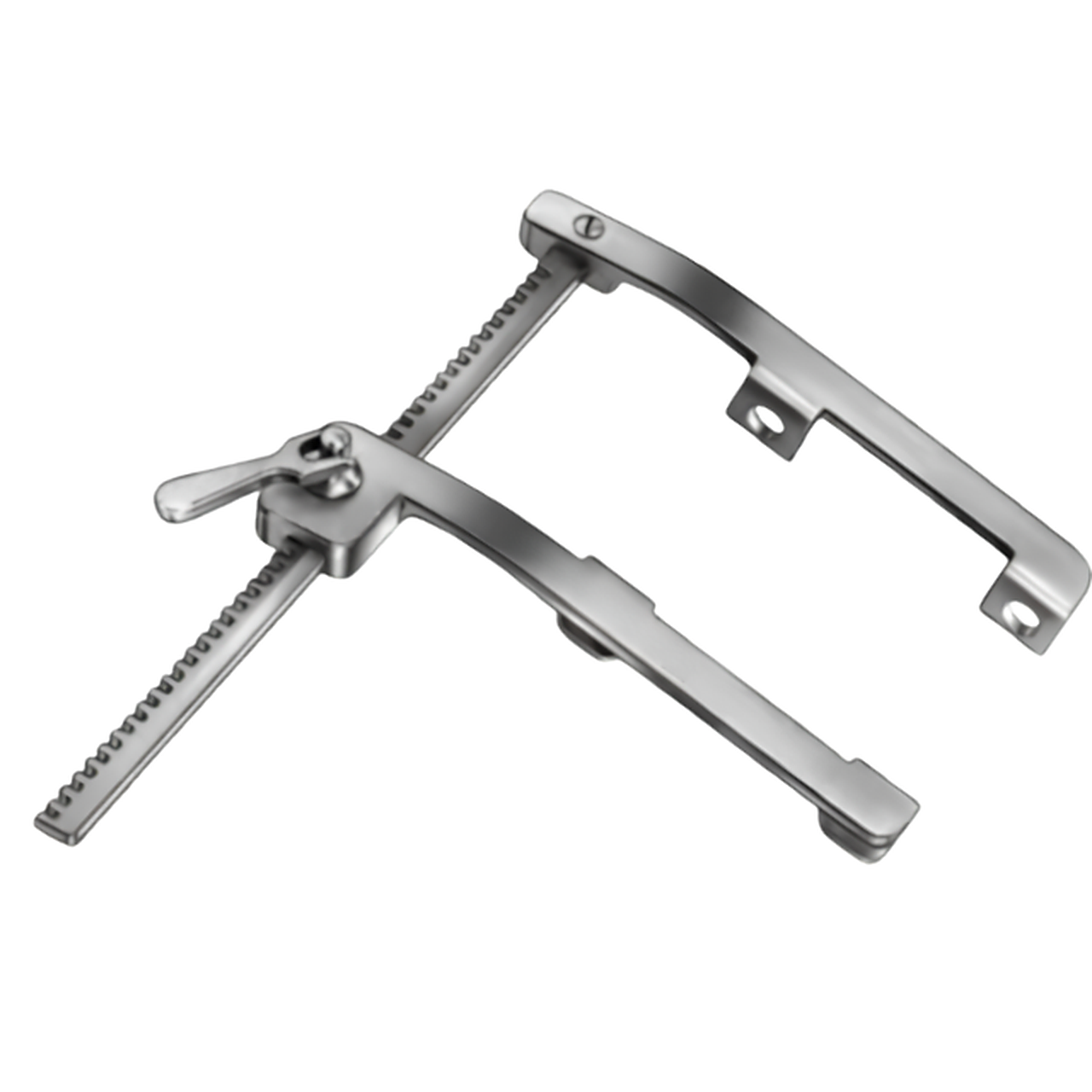 | Afastador de Costelas Finochietto (Modificado) | Projetado especificamente para separar as costelas e fornecer acesso torácico durante toracotomias anteriores e laterais. |
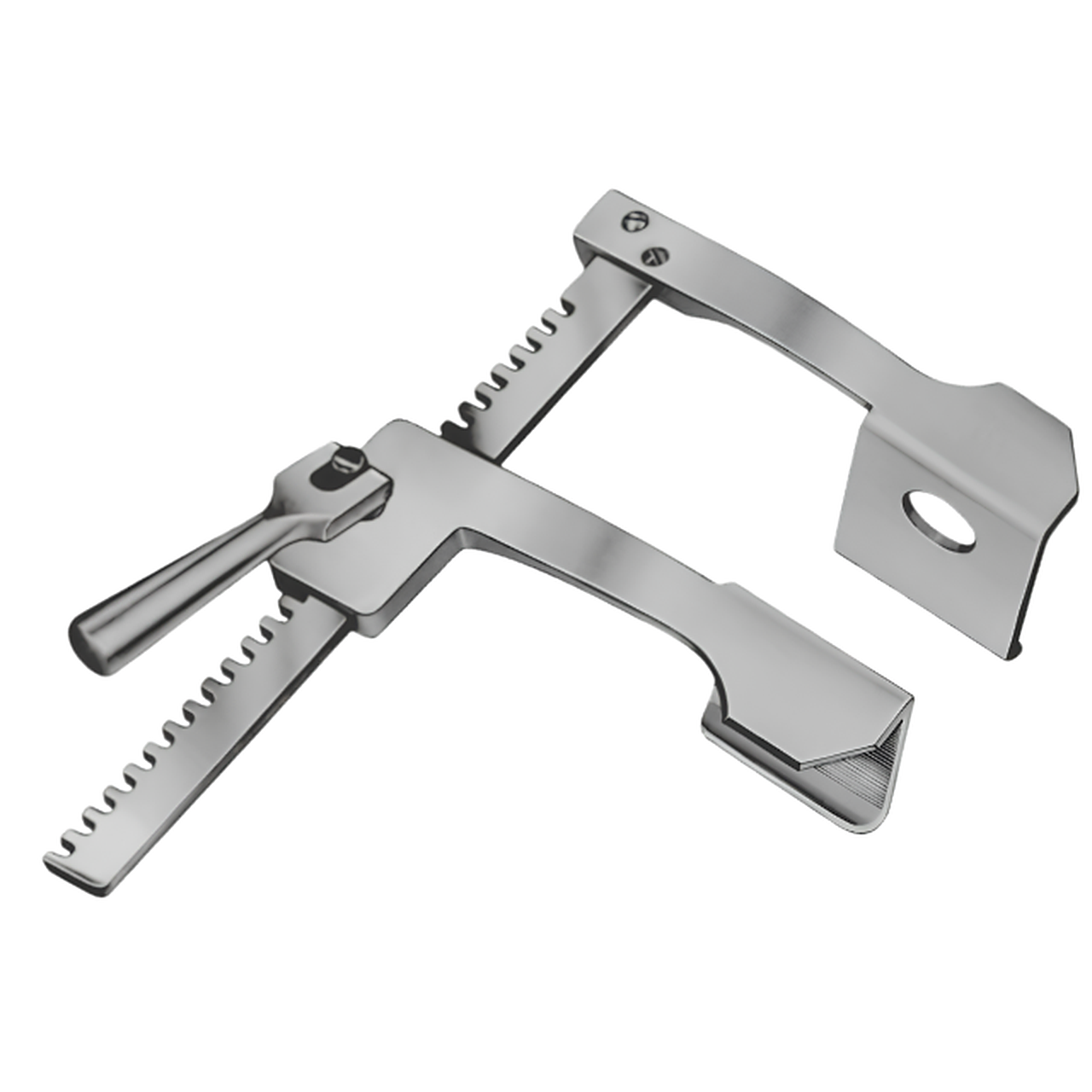 | Afastador de Costelas Finochietto | Projetado especificamente para separar as costelas e expandir a cavidade torácica durante procedimentos de toracotomia aberta. |
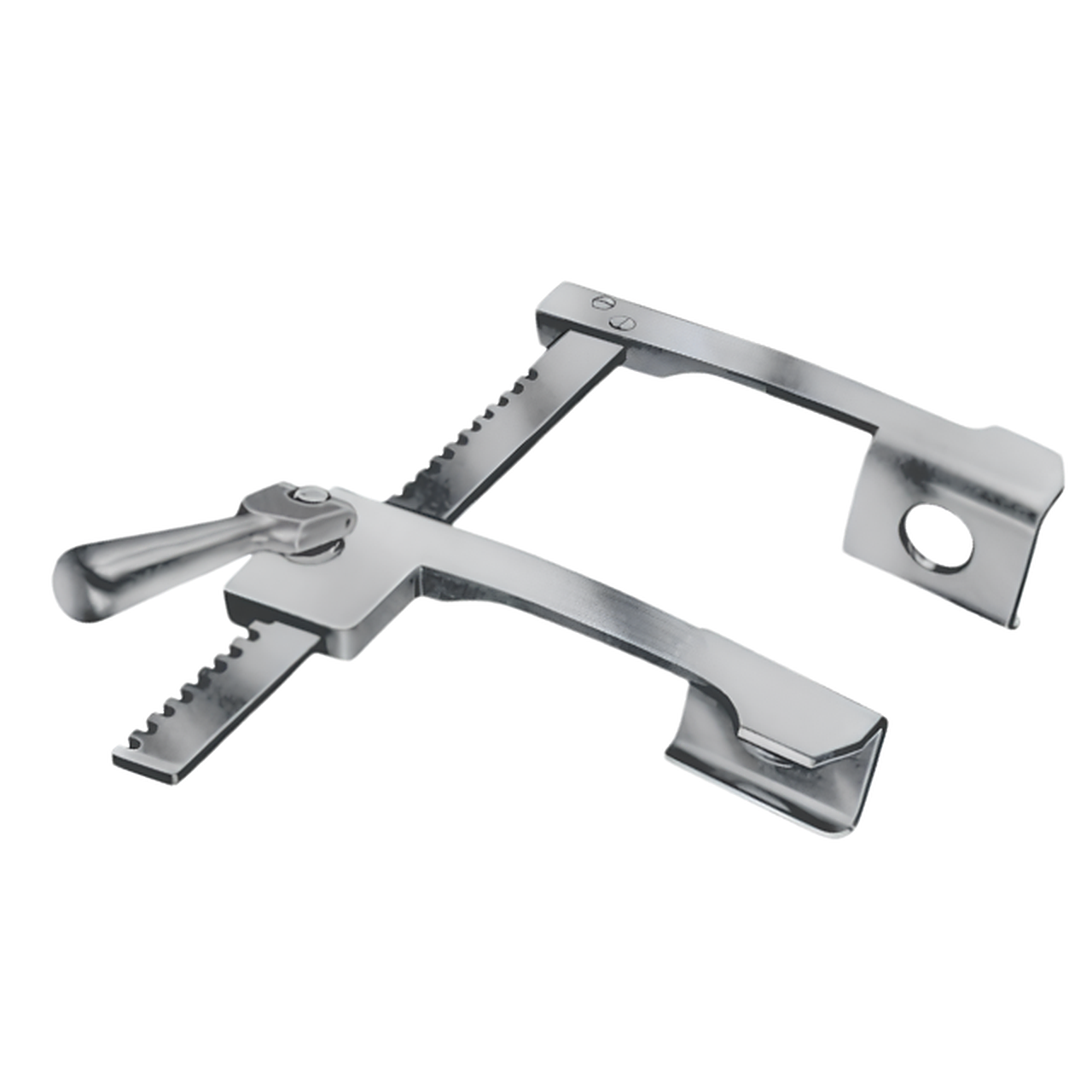 | Afastador Costal Finochietto-Baby | Projetado especificamente para afastar costelas e fornecer acesso torácico durante cirurgias cardiotorácicas neonatais e pediátricas. |
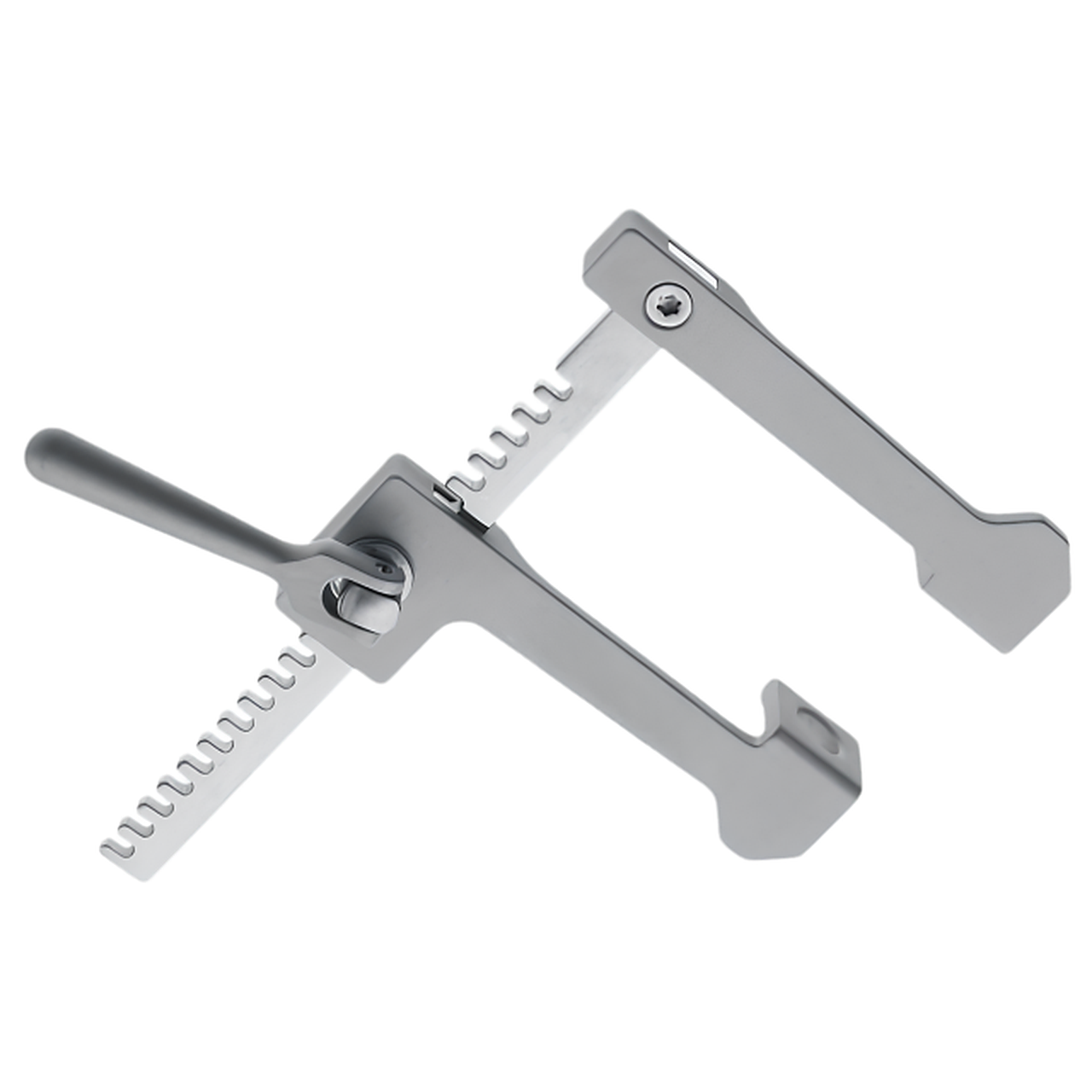 | Afastador de Costelas Finochietto-Infant | Projetado especificamente para separar costelas infantis delicadas durante cirurgia cardiotorácica neonatal e infantil. |
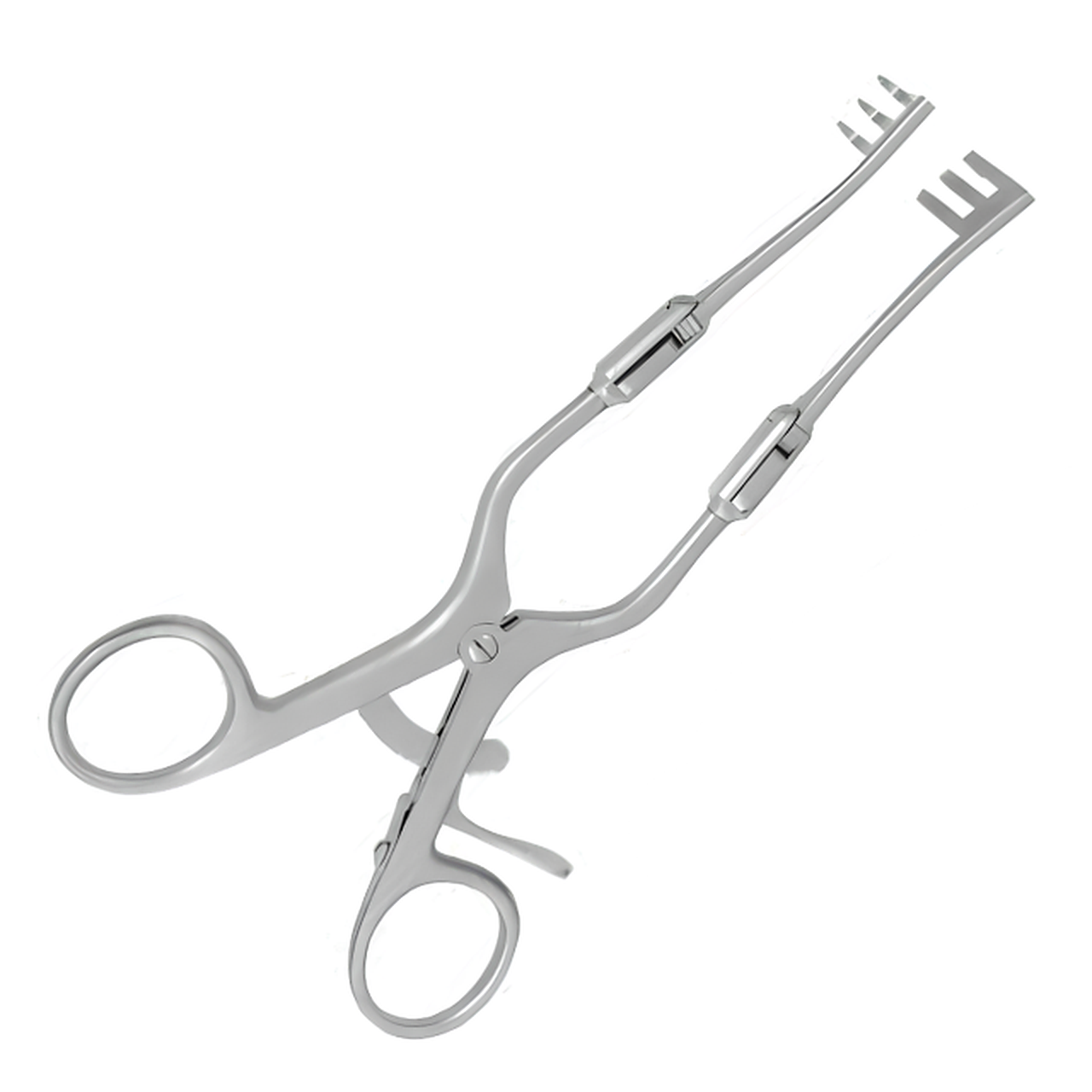 | Afastador Fisch com Articulação | Projetado especificamente para afastar o retalho de tecido mole retroauricular e o periósteo durante cirurgias de mastoide e base lateral do crânio. |
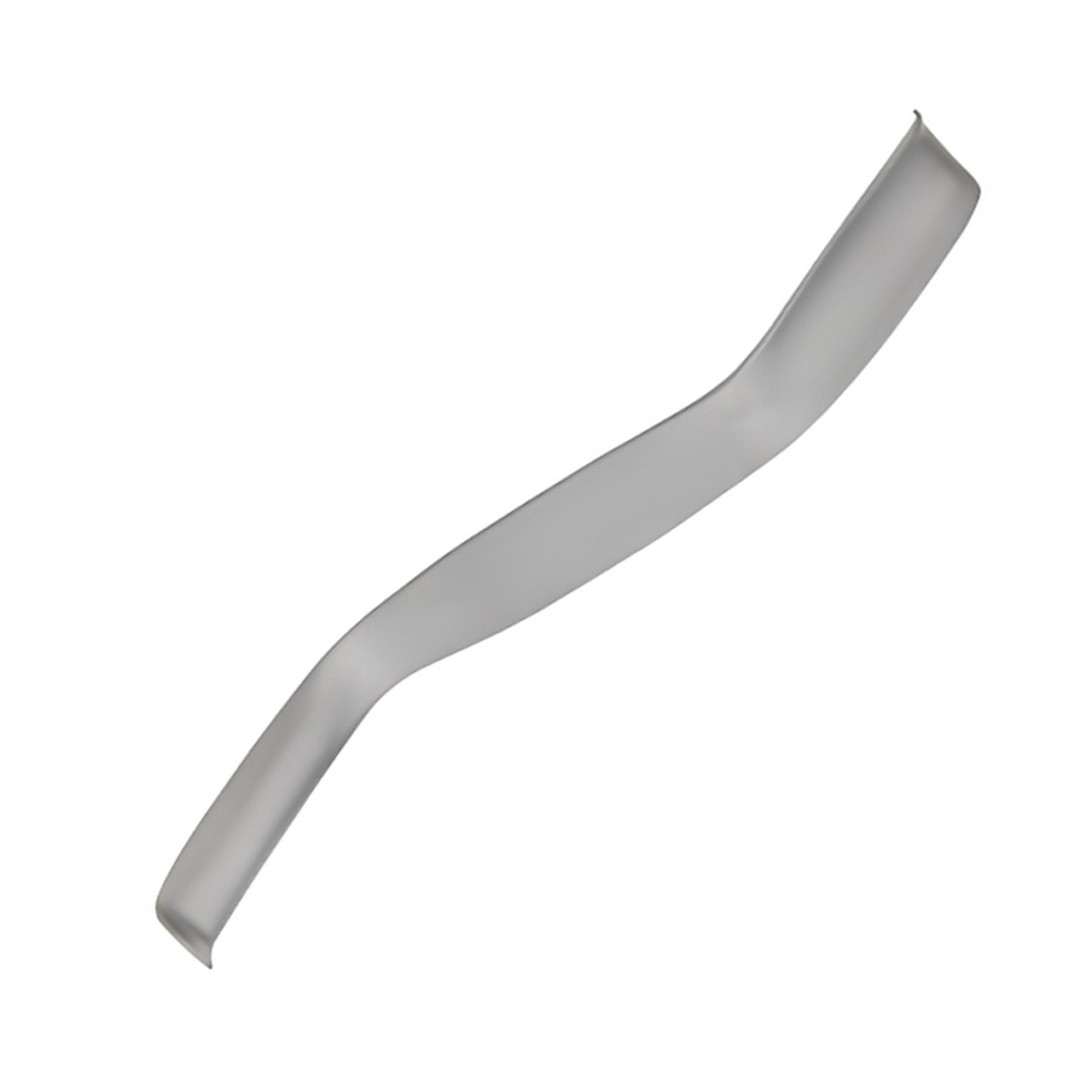 | Afastador Fischl Shoe Horn | Projetado especificamente para afastar retalhos de pele, guiar próteses e separar planos teciduais durante cirurgias plásticas e gerais. |
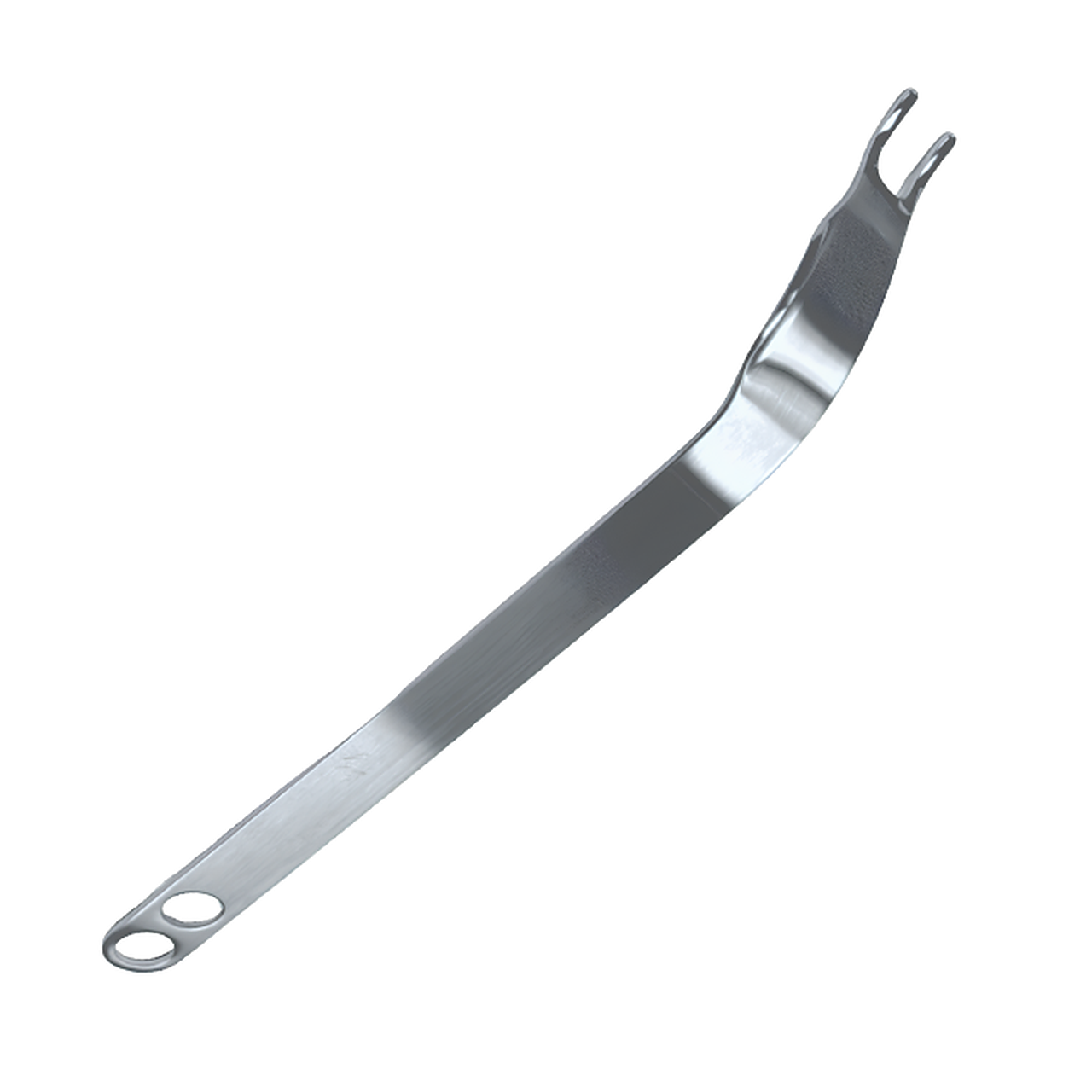 | Afastadores Cobra Alargados | Projetado especificamente para alavancar ossos e retrair musculatura pesada durante artroplastia total de quadril, osteotomia pélvica e reconstrução de fêmur. |
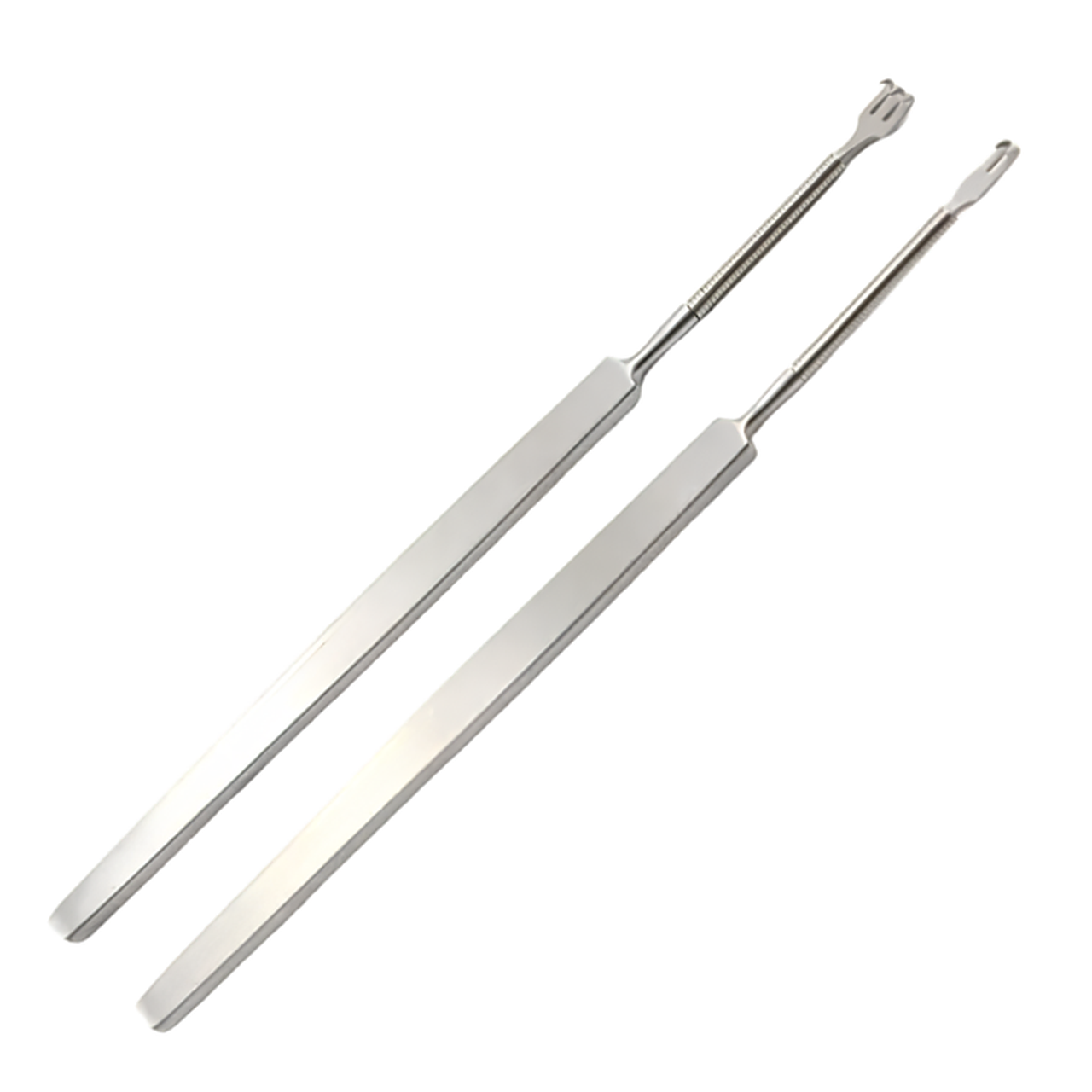 | Afastador de Pescoço Flexível | Projetado especificamente para afastar retalhos cutâneos, músculos infra-hióideos e tecido fascial durante cirurgias de tireoide, pescoço e plástica. |
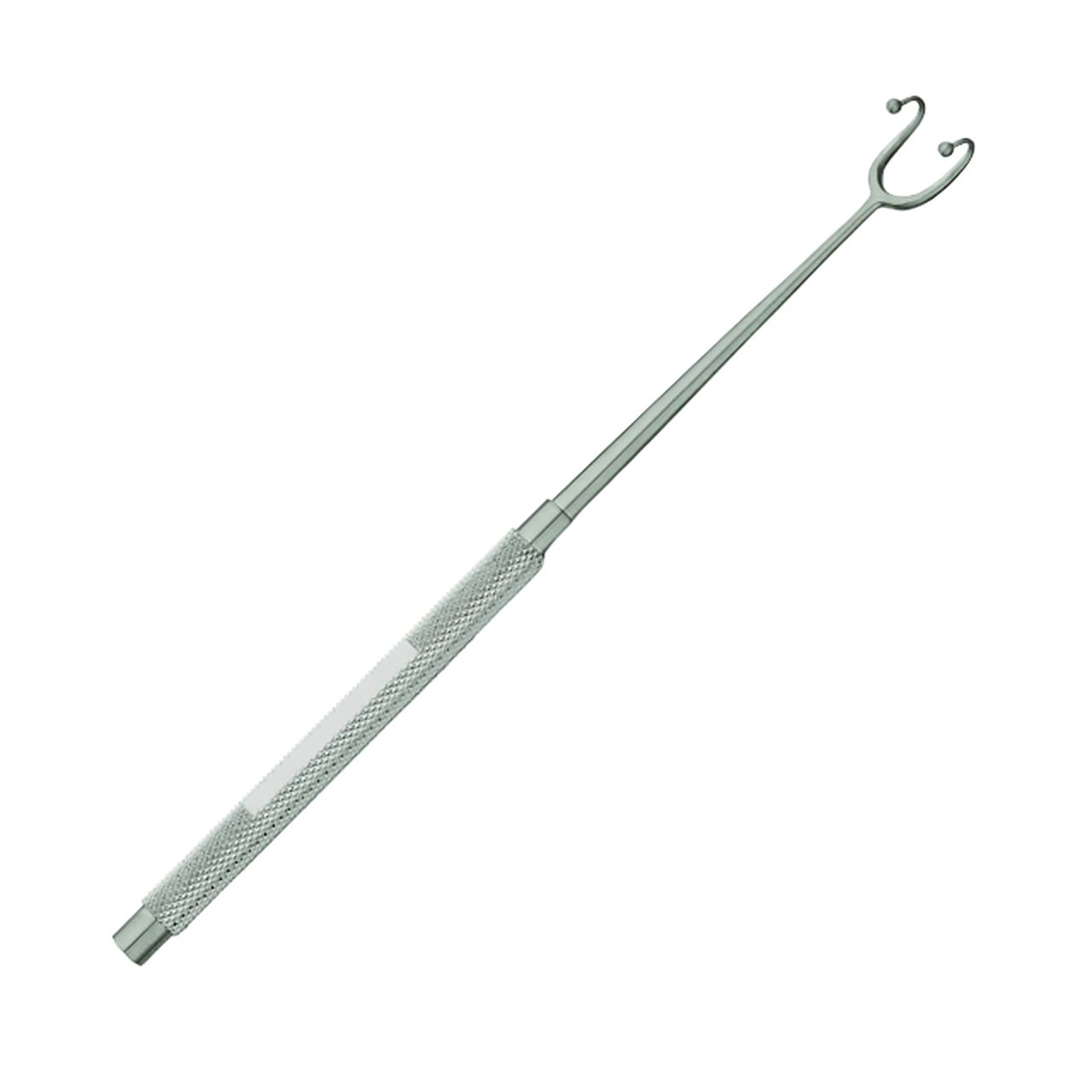 | Afastador Fomon | Projetado especificamente para retrair a borda alar, a cartilagem lateral inferior e as margens das narinas durante a rinoplastia. |
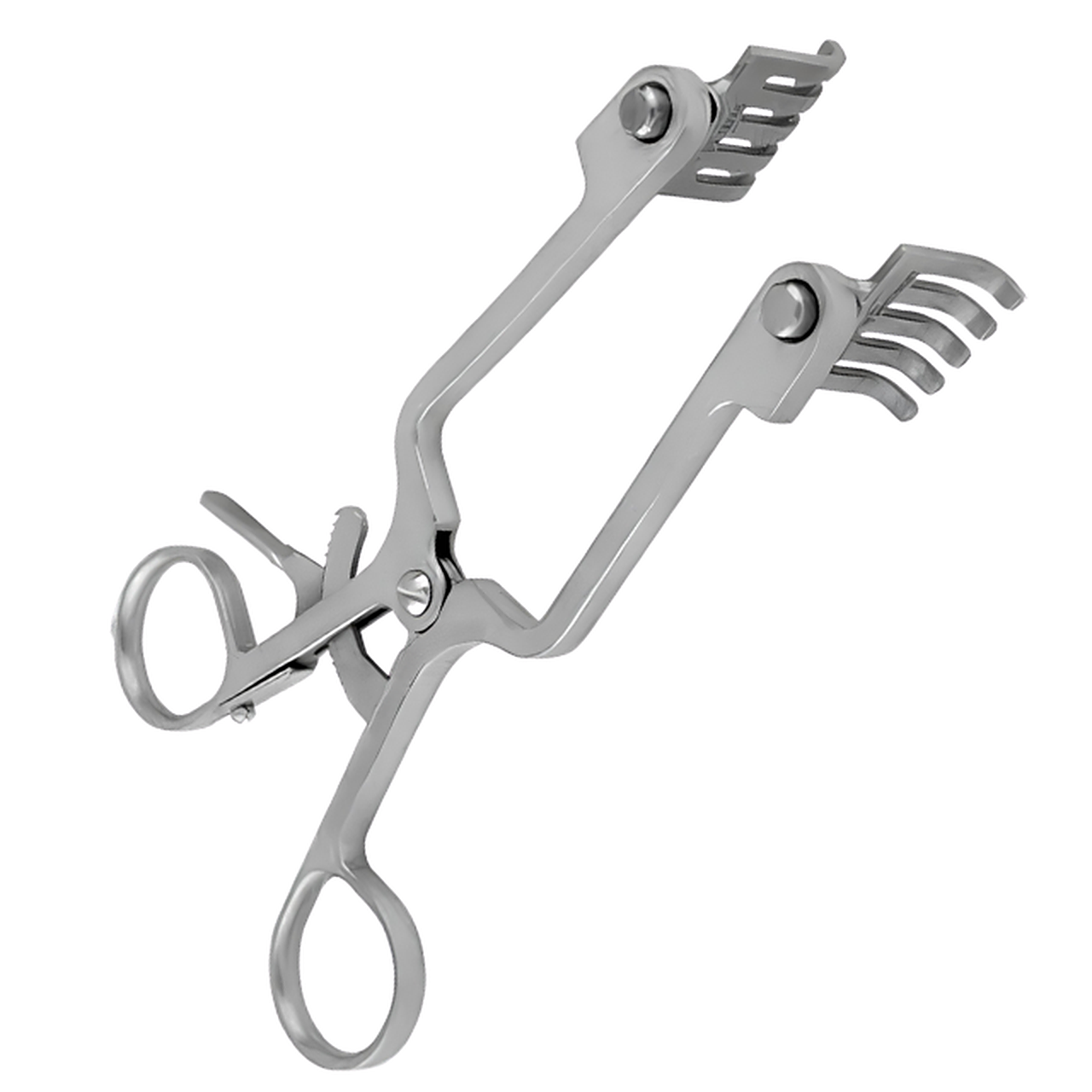 | Afastador Forearm Swivel Blade Retractor | Projetado especificamente para fornecer afastamento de tecidos moles autorretentivo e distração óssea durante cirurgias de antebraço e punho. |
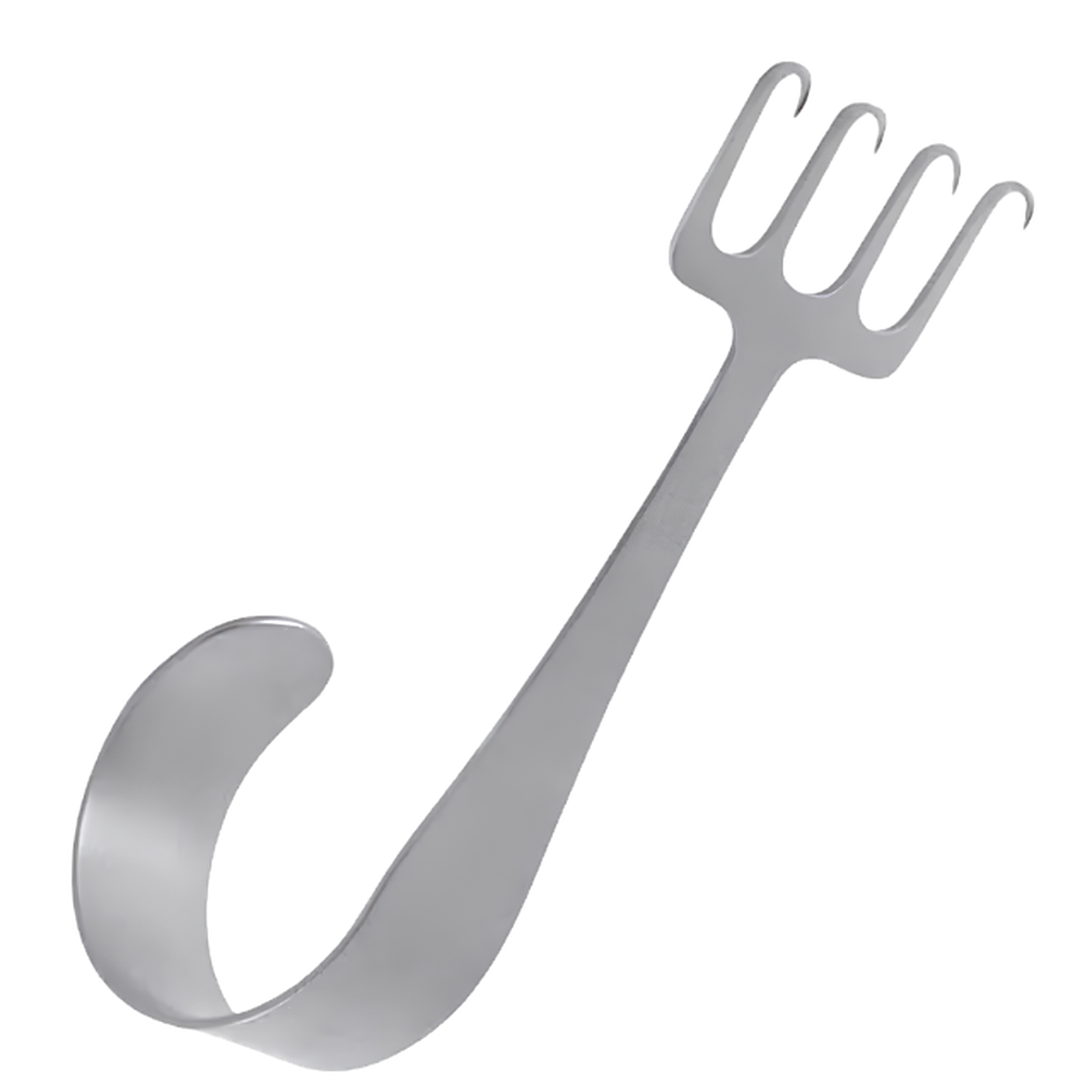 | Afastadores de Face Lift Freeman | Projetado especificamente para elevar retalhos de pele facial e a camada SMAS durante ritidectomias e cirurgias faciais estéticas. |
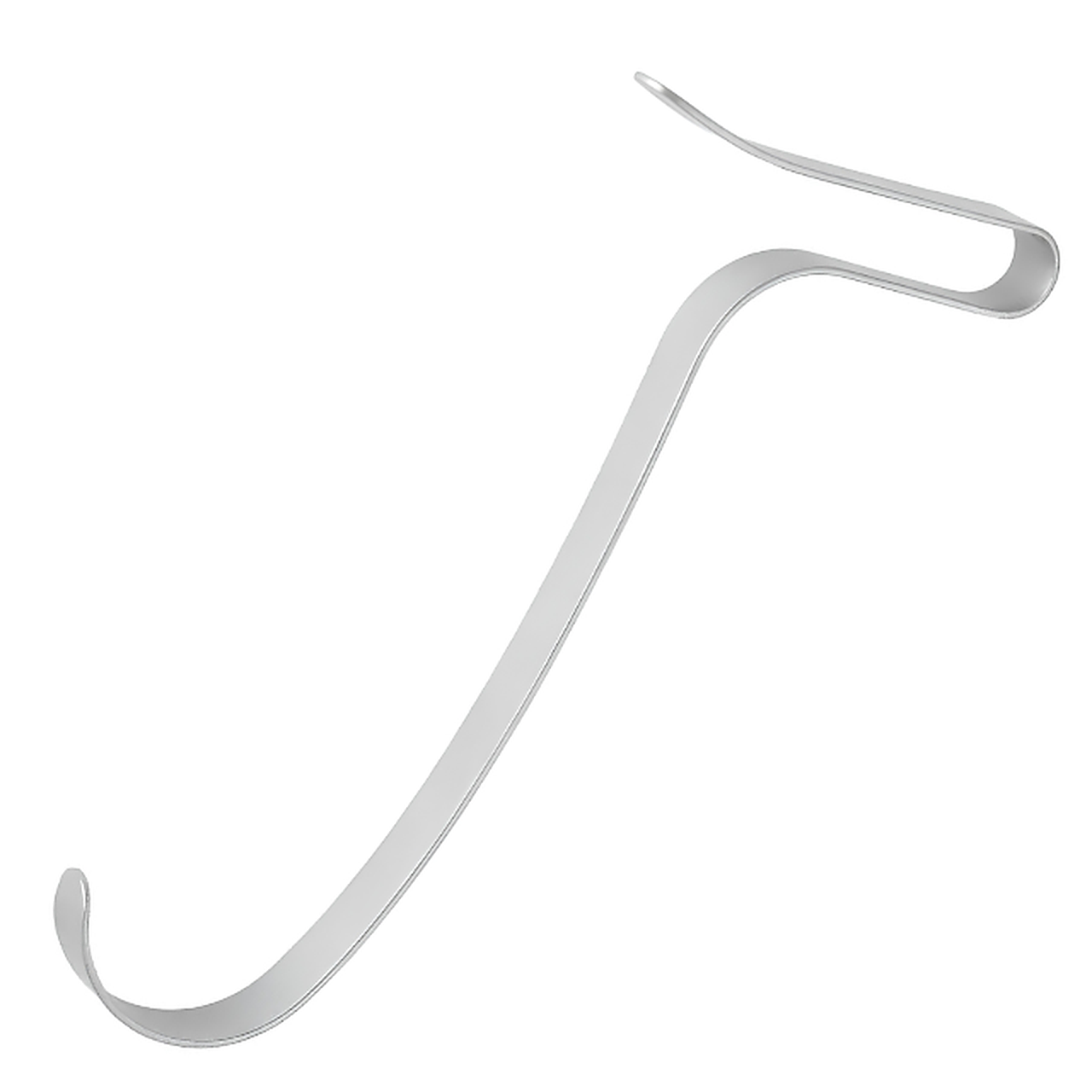 | Afastador de Retalho Freeman | Projetado especificamente para elevar e retrair retalhos de pele e tecido subcutâneo durante cirurgias plásticas, de mama e reconstrutivas. |
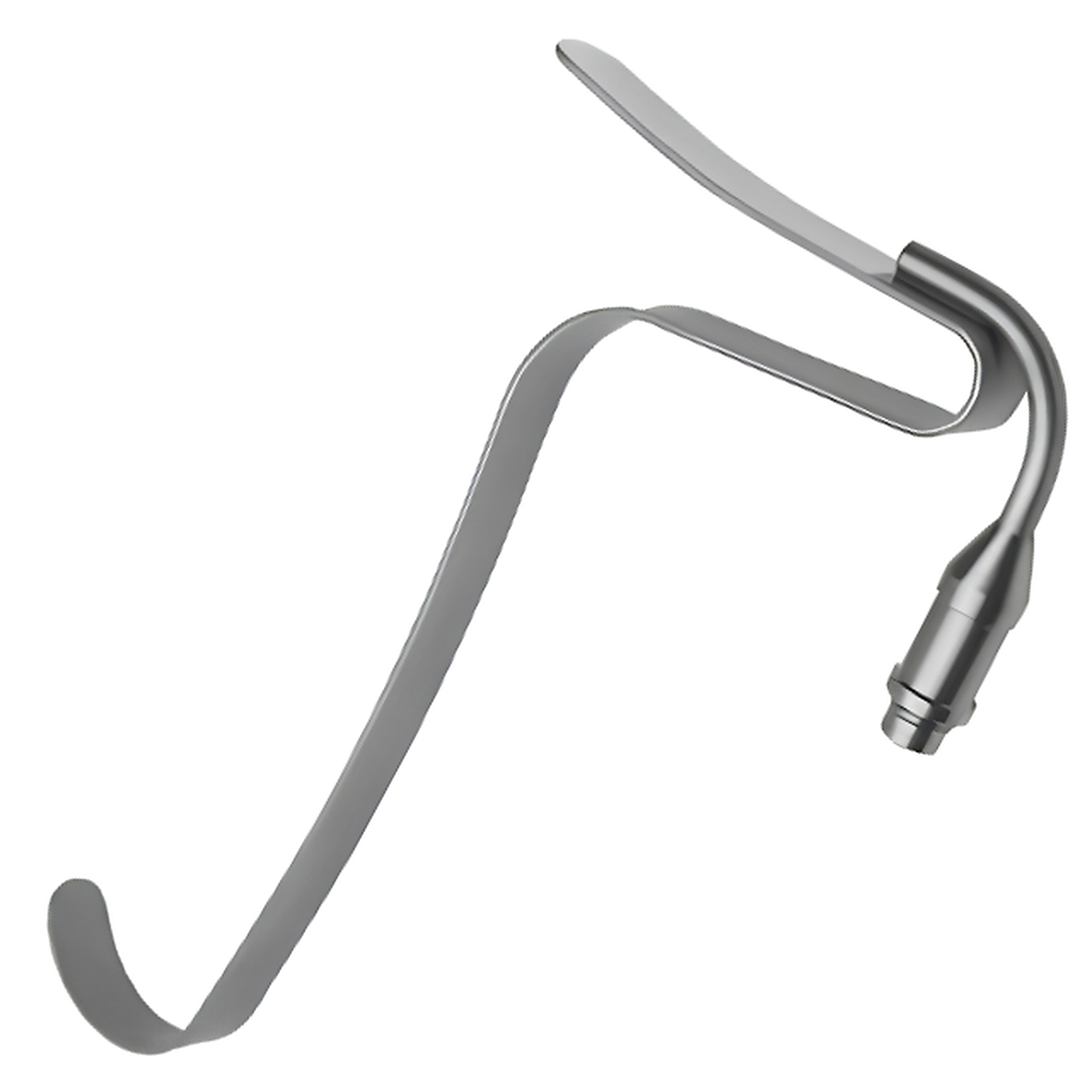 | Afastador de Retalho Freeman com Iluminação por Fibra Óptica | Projetado especificamente para fornecer afastamento de tecidos moles iluminado e elevação de retalhos durante cirurgias plásticas estéticas e reconstrutivas. |
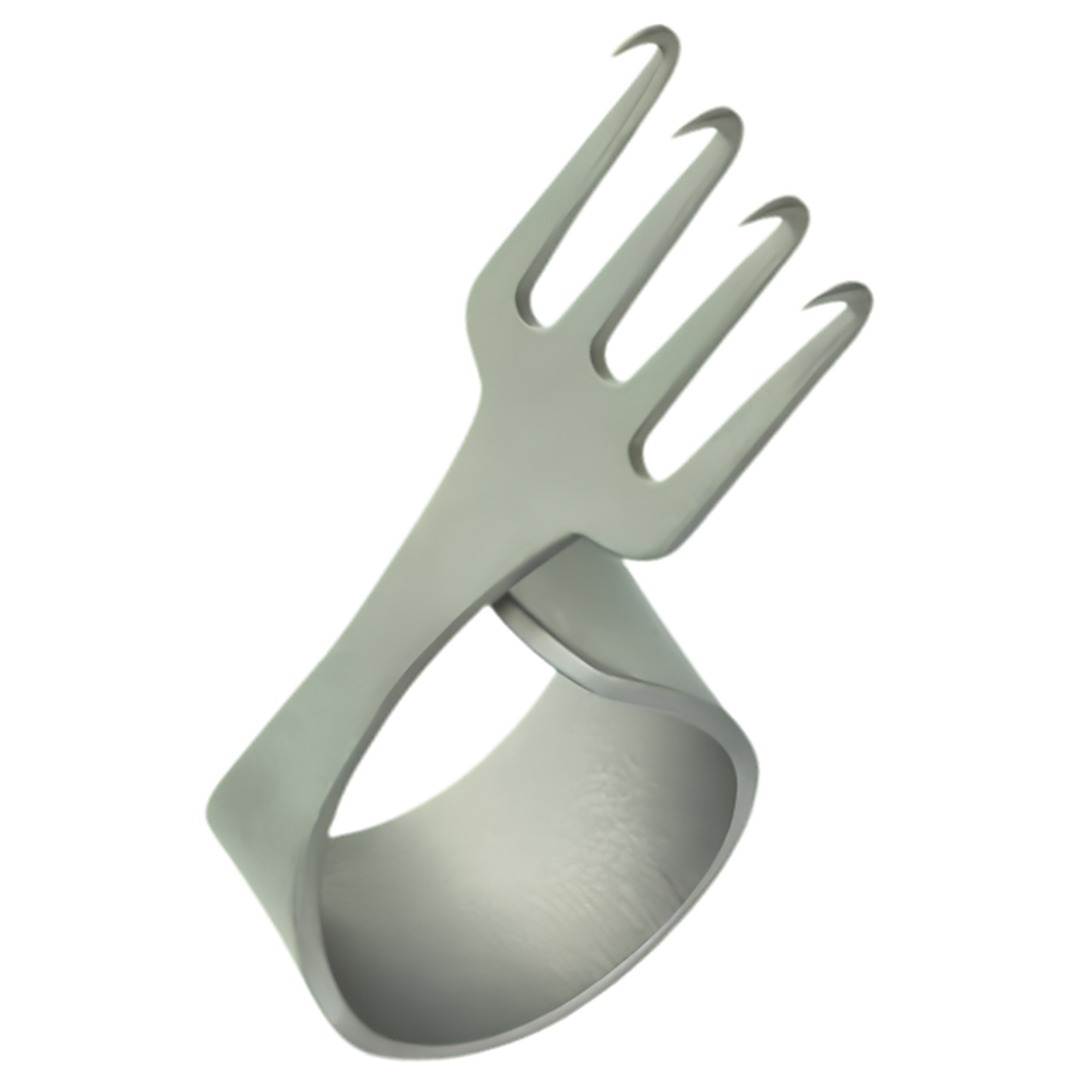 | Afastador Freeman Mini Rake | Projetado especificamente para elevação mínima de retalhos cutâneos e tração delicada de tecidos moles em bolsões anatômicos restritos. |
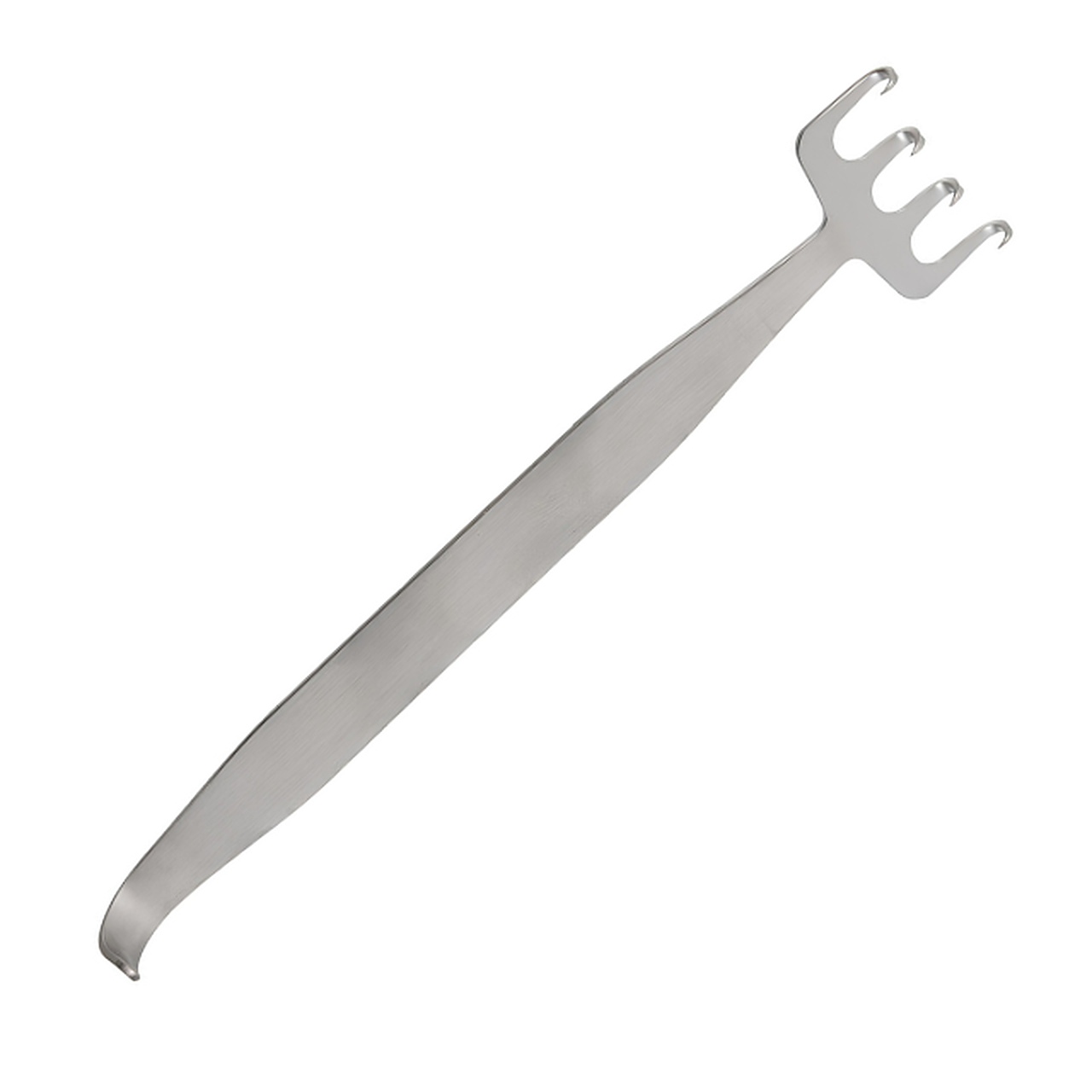 | Afastador Freeman Rake | Projetado especificamente para elevar e afastar retalhos de pele durante ritidoplastia e cirurgia plástica reconstrutiva. |
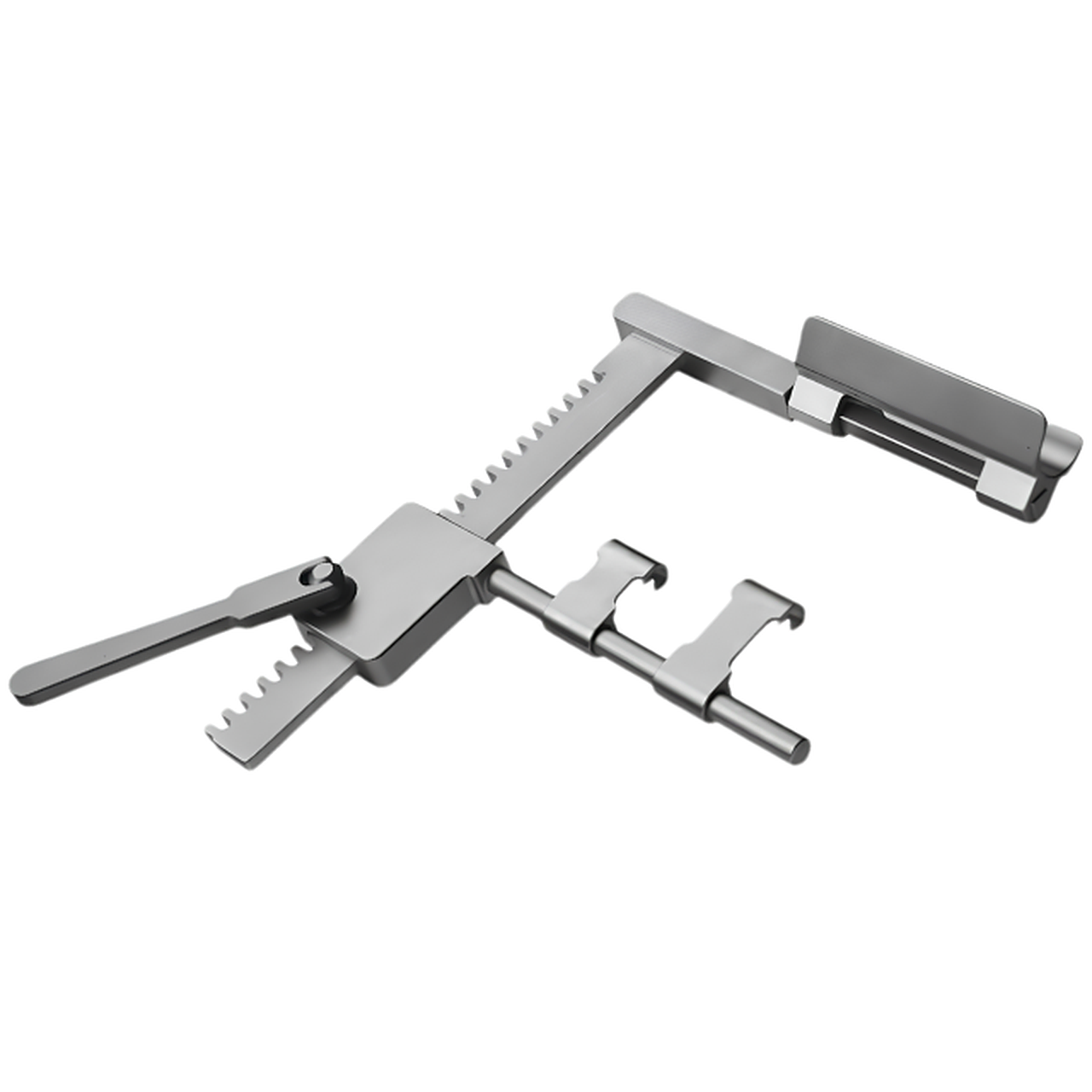 | Afastador Esternal I.M.A Modelo Francês | Projetado especificamente para elevação esternal unilateral durante a dissecção da artéria mamária interna em cirurgias de CRM. |
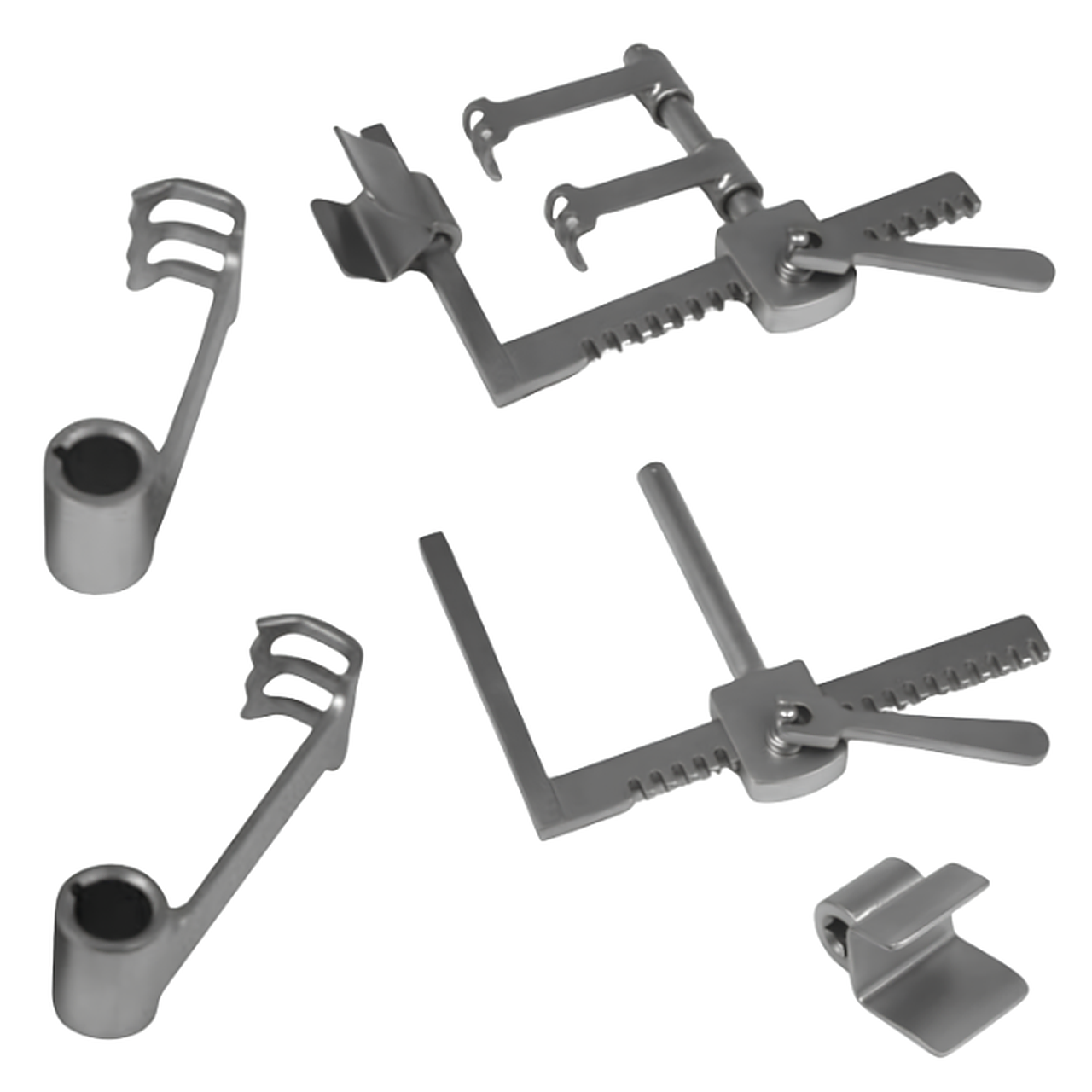 | Afastador Esternal I.M.A. French Pattern para Ministernotomia | Projetado especificamente para elevação esternal unilateral durante ministernotomia e cirurgia cardíaca minimamente invasiva. |
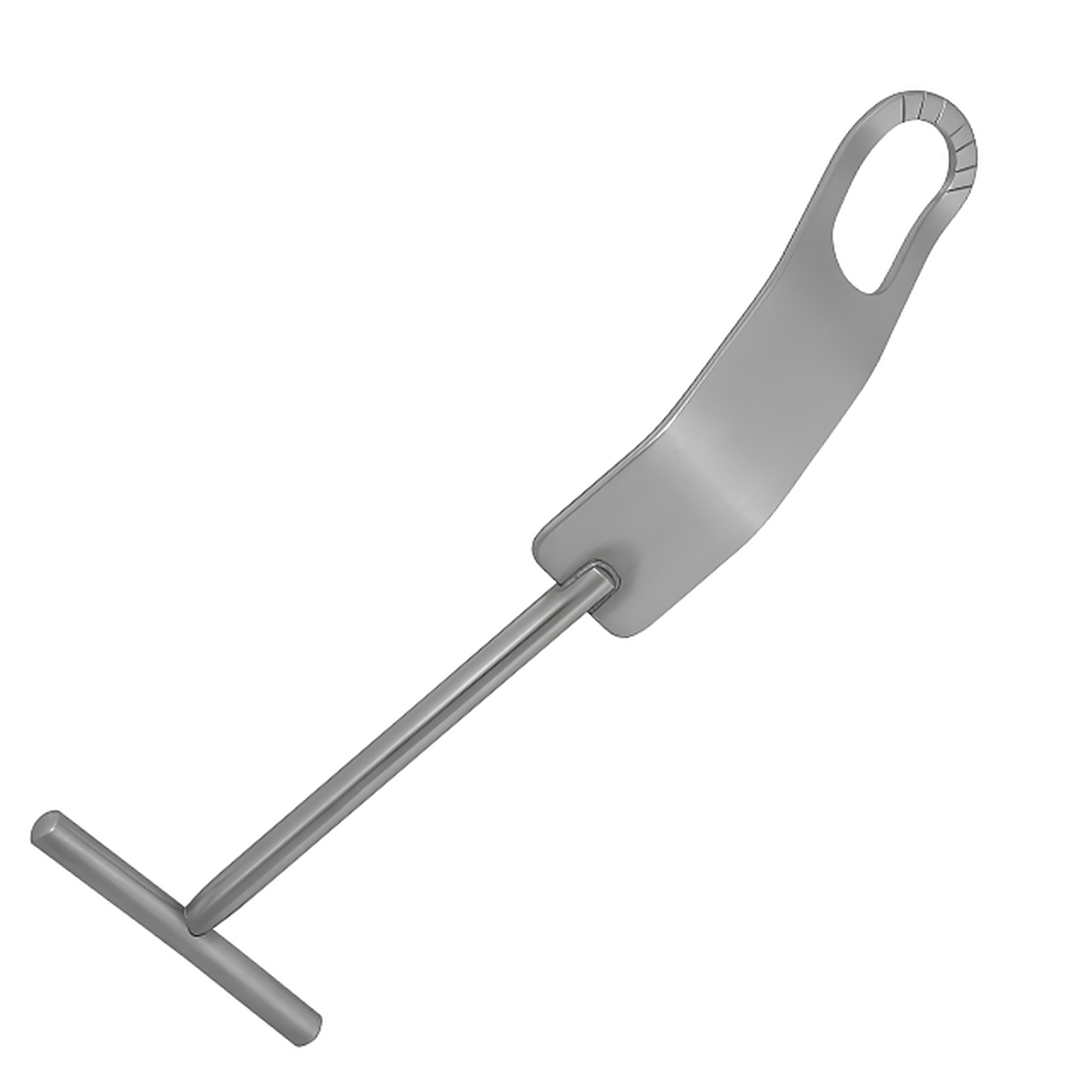 | Afastador Tipo Fukuda Kujat | Projetado especificamente para deslocar a cabeça umeral posteriormente e expor a cavidade glenoide durante a artroplastia de ombro. |
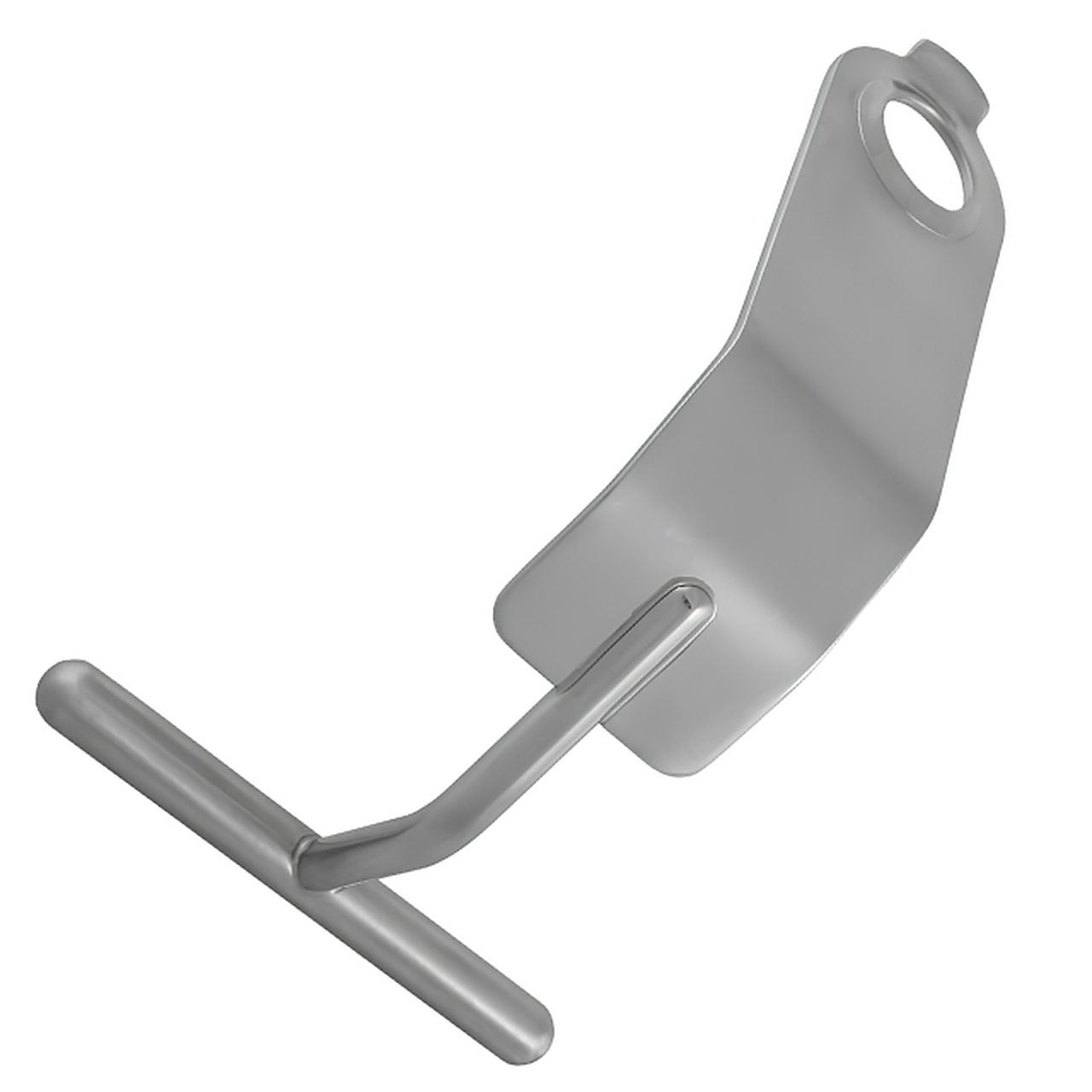 | Afastadores Tipo Fukuda | Projetado especificamente para retrair a cabeça umeral e expor a cavidade glenoide durante artroplastias de ombro e procedimentos reconstrutivos. |
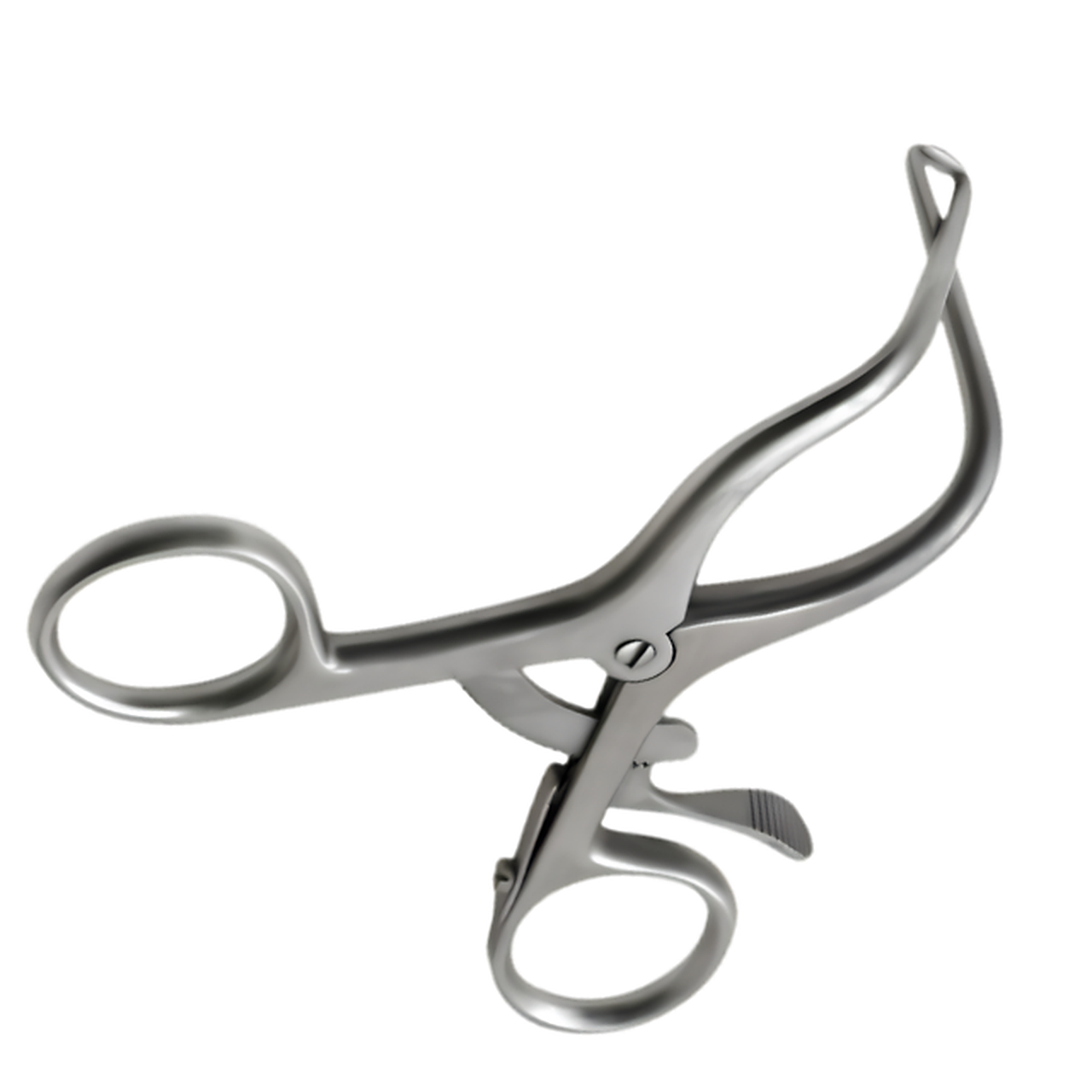 | Afastador Gelpi Crossover - Ângulos Profundos | Projetado especificamente para fornecer retração autorretentiva de tendão, músculo e tecido mole durante cirurgias de extremidades e coluna. |
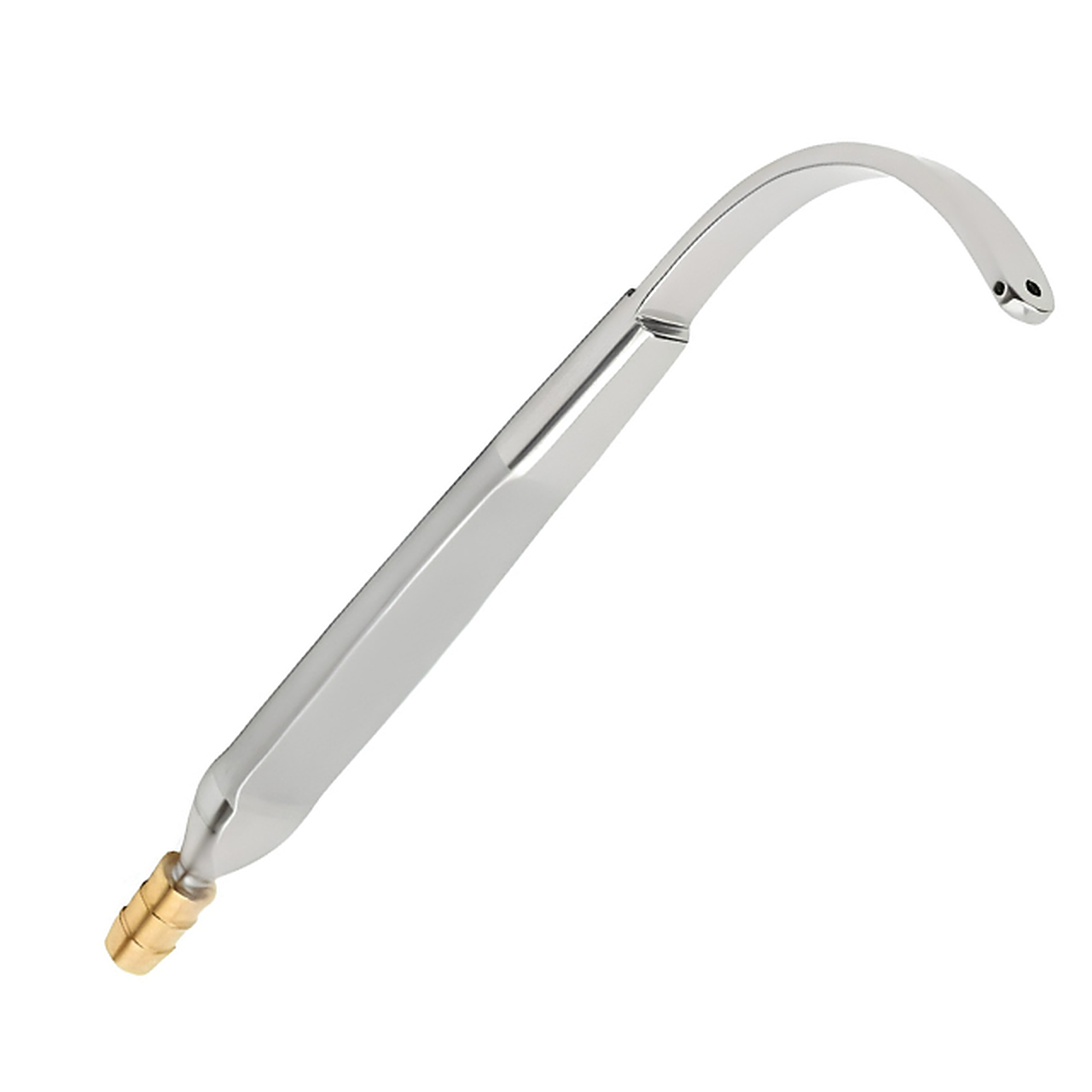 | Afastador com Aspiração Gerbault Tebbett’s | Projetado especificamente para elevar os envelopes de tecido mole nasal, proporcionando simultaneamente evacuação de fumaça/fluidos e iluminação durante a rinoplastia. |
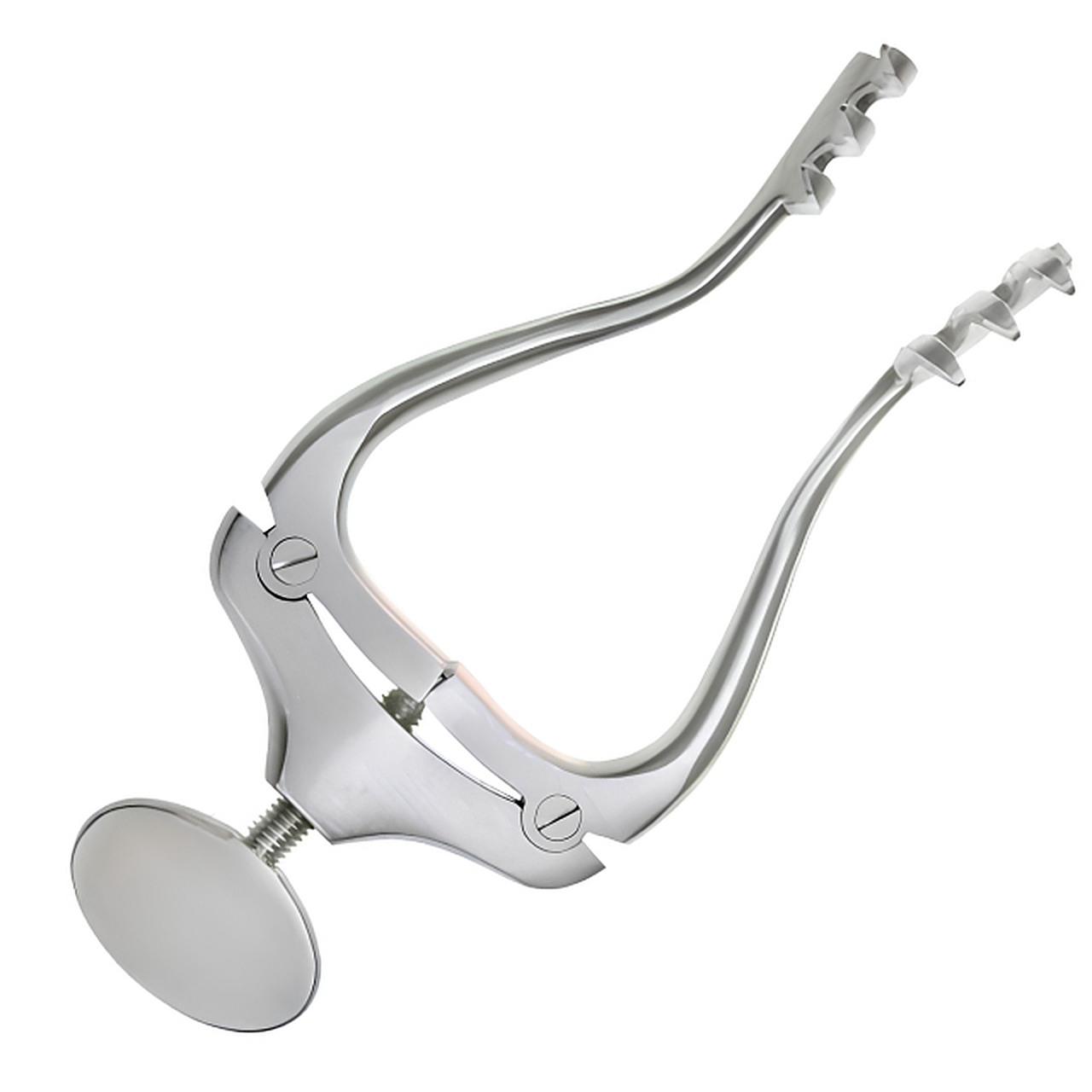 | Afastador Gifford-Jansen | Projetado especificamente para fornecer retração autoestática de margens de ferida e periósteo durante cirurgias de mastoide, orelha e couro cabeludo. |
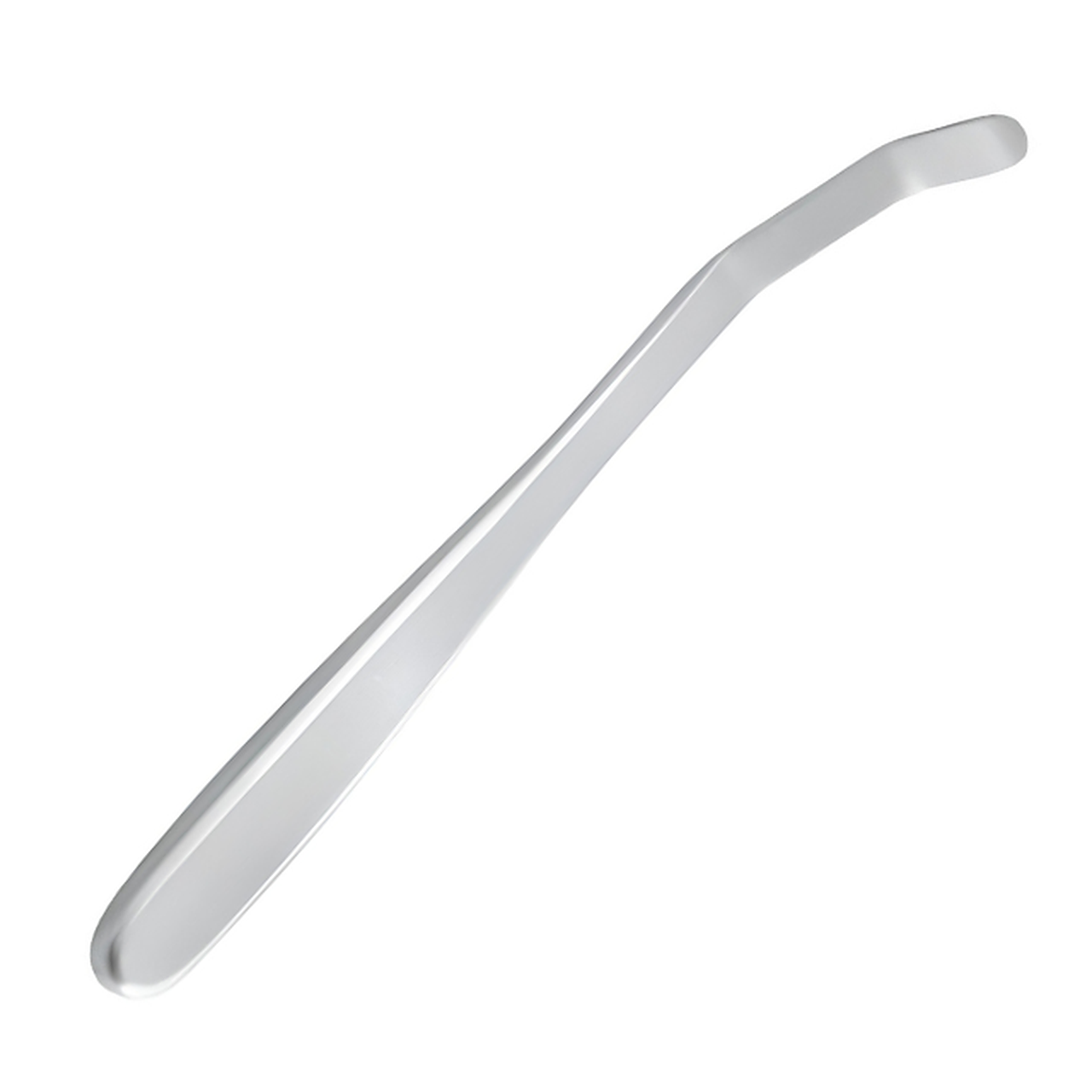 | Afastador Glenoid Condyle Retractor | Projetado especificamente para alavancar margens ósseas e afastar cápsulas articulares durante procedimentos ortopédicos, condilares e de ombro. |
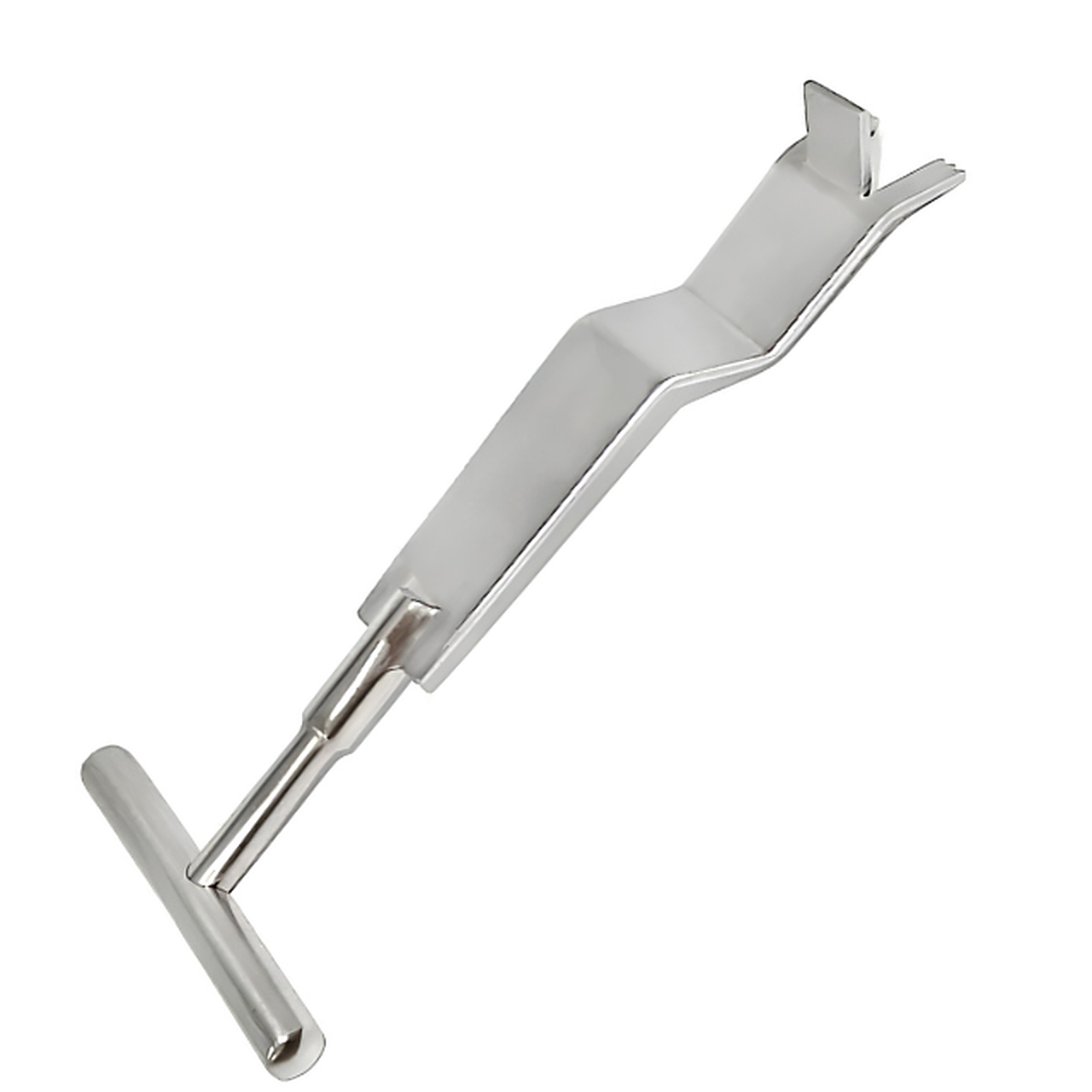 | Afastadores de Glenoide | Projetado especificamente para expor a borda glenoide e afastar o tecido mole capsular durante artroplastia total e reversa de ombro. |
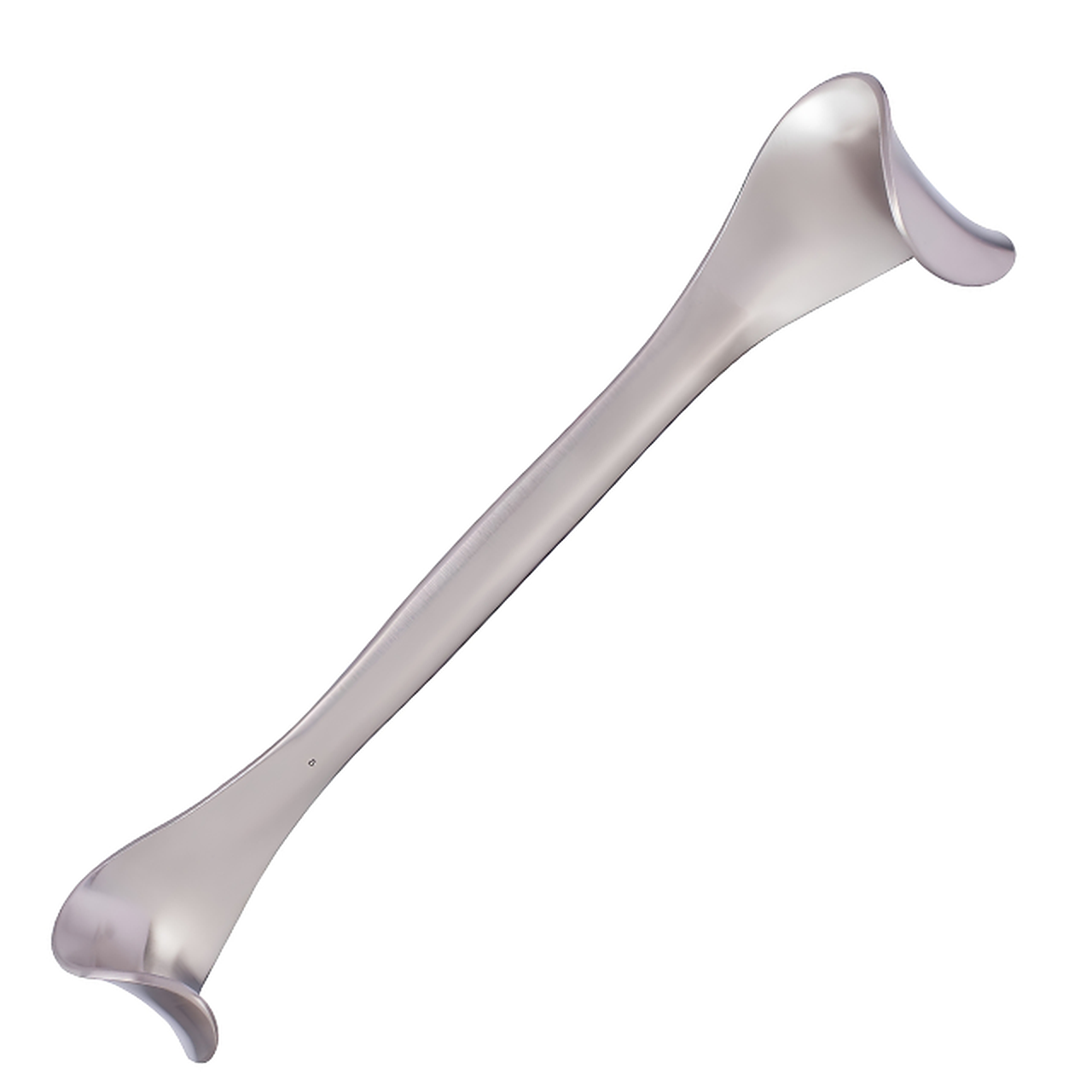 | Afastador Goelet | Projetado especificamente para afastar pele, gordura subcutânea e tecido muscular durante procedimentos cirúrgicos superficiais e intermediários. |
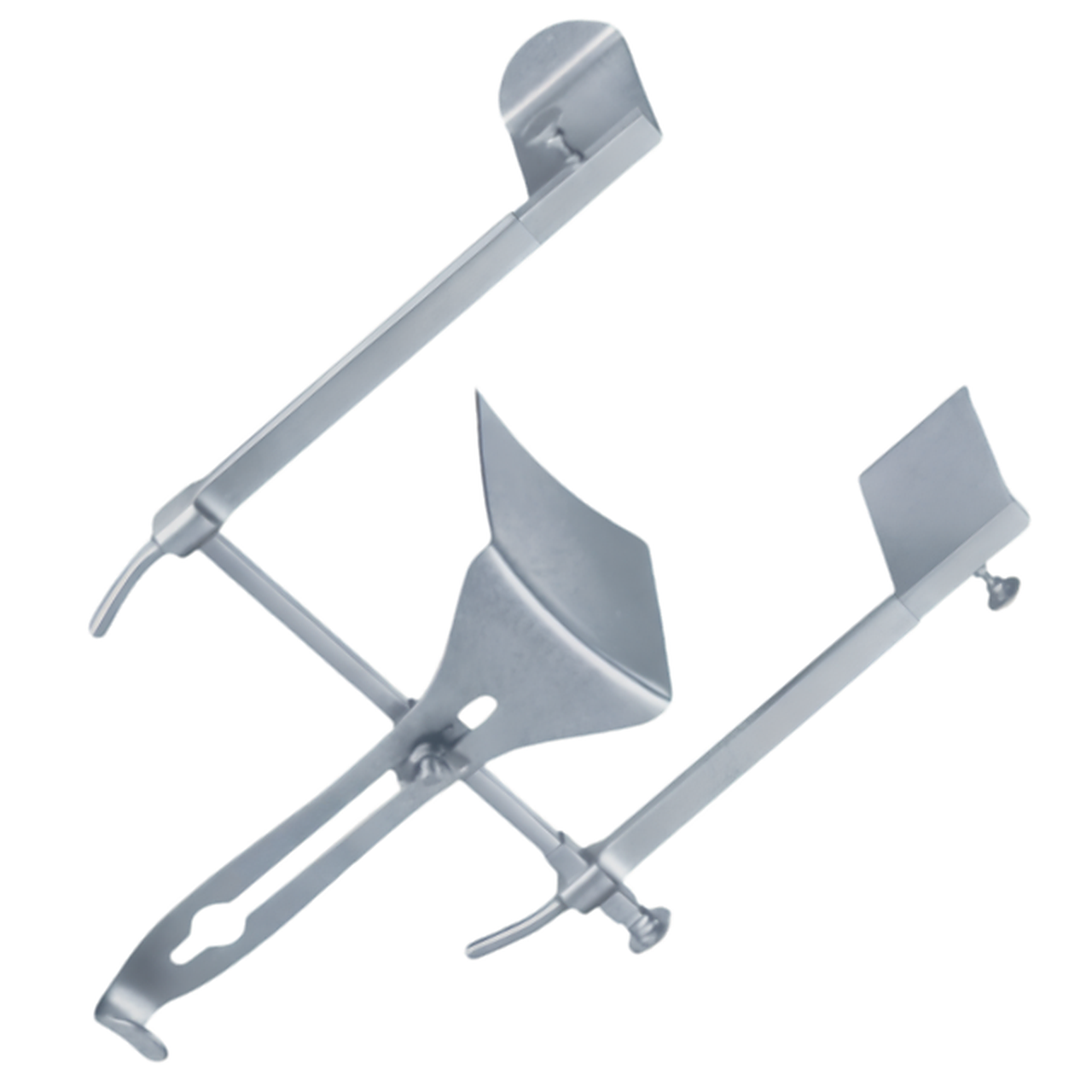 | Afastador Autoestático Golligher | Projetado especificamente para fornecer afastamento multidirecional autoestático da parede abdominal e visceral durante cirurgias colorretais. |
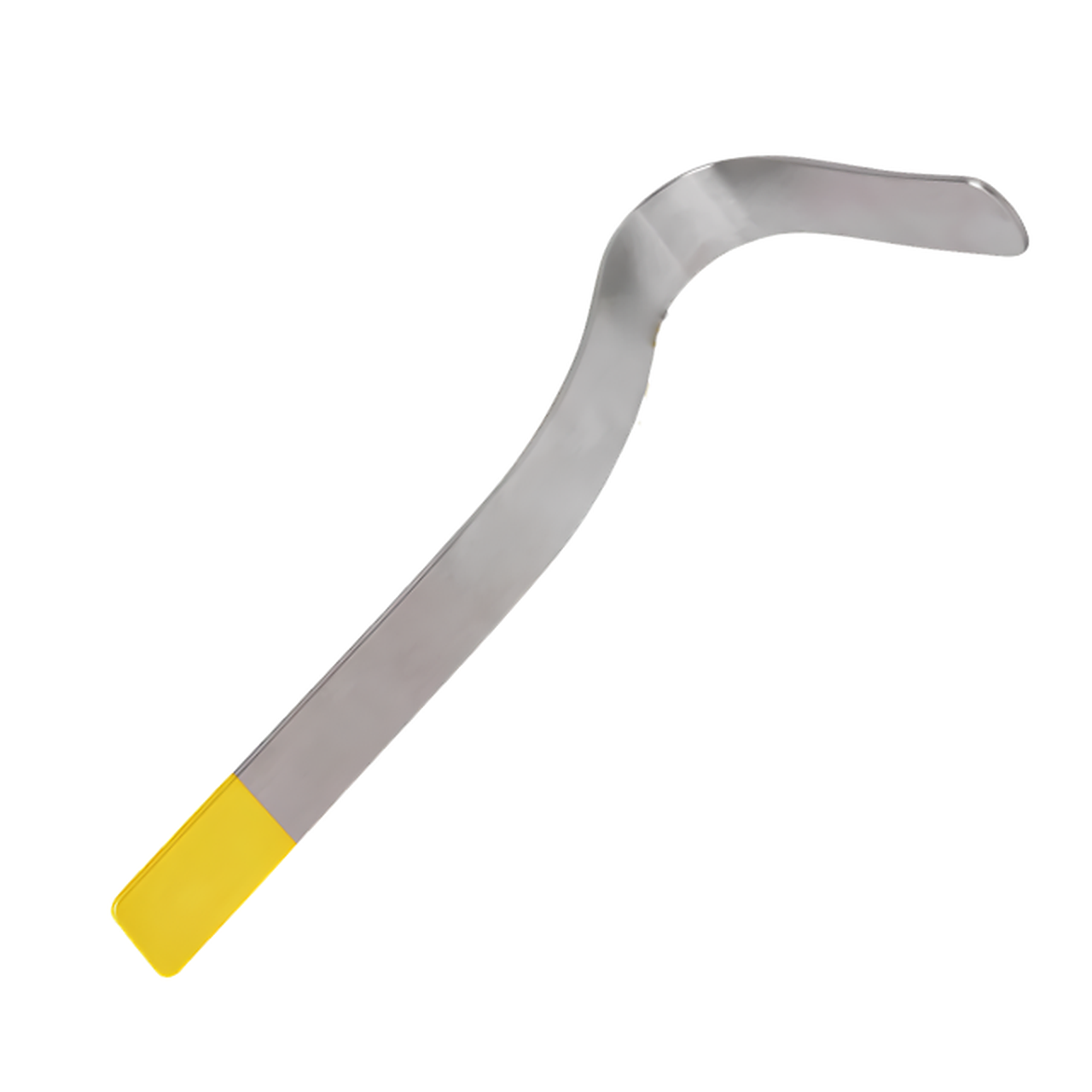 | Afastador Gonzalez em L para Glúteo | Projetado especificamente para elevar e afastar camadas musculares glúteas e tecidos moles durante o aumento e reconstrução das nádegas. |
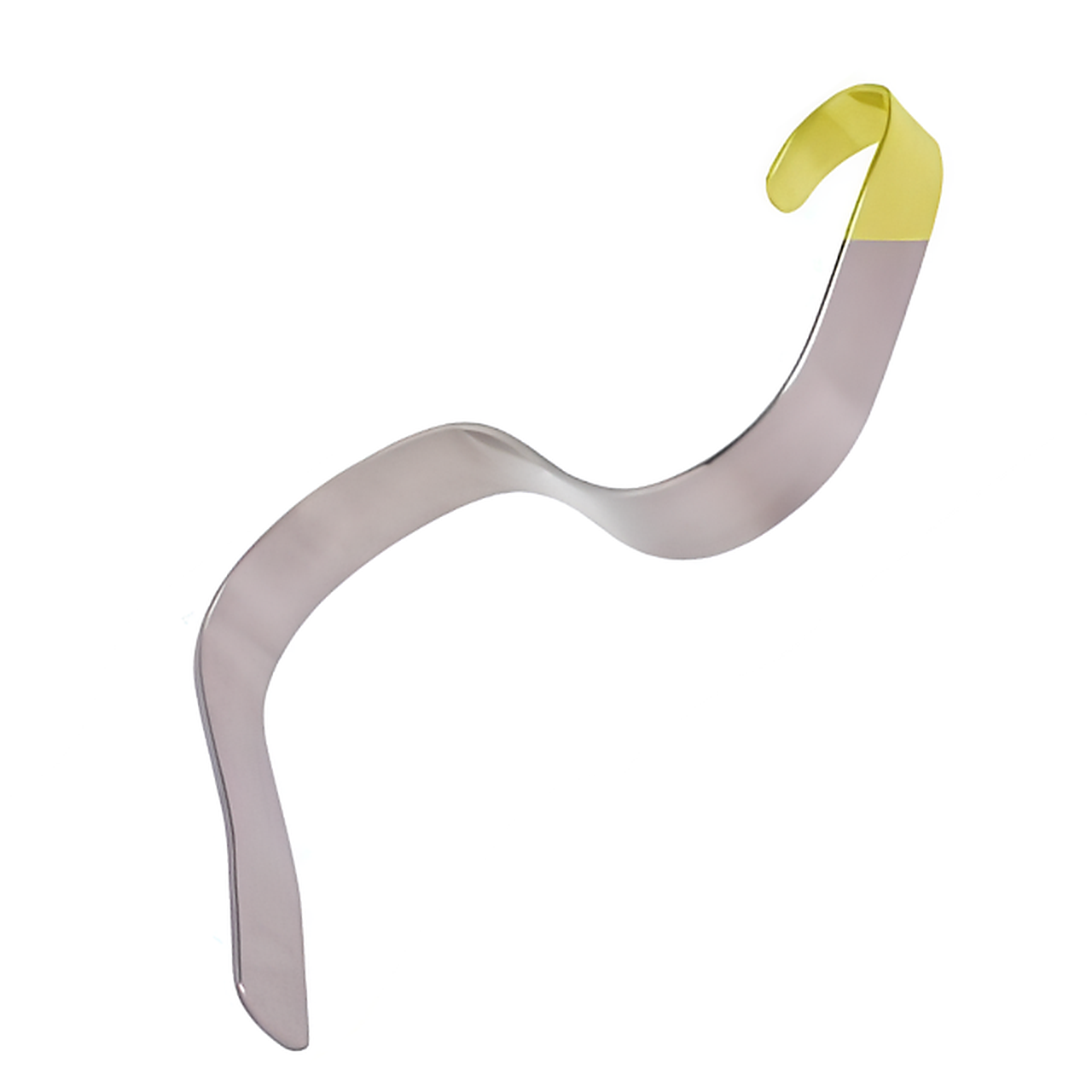 | Afastador Gonzalez Gluteal em Forma de S | Projetado especificamente para elevar e afastar o músculo glúteo máximo e tecidos moles durante a cirurgia de implante glúteo. |
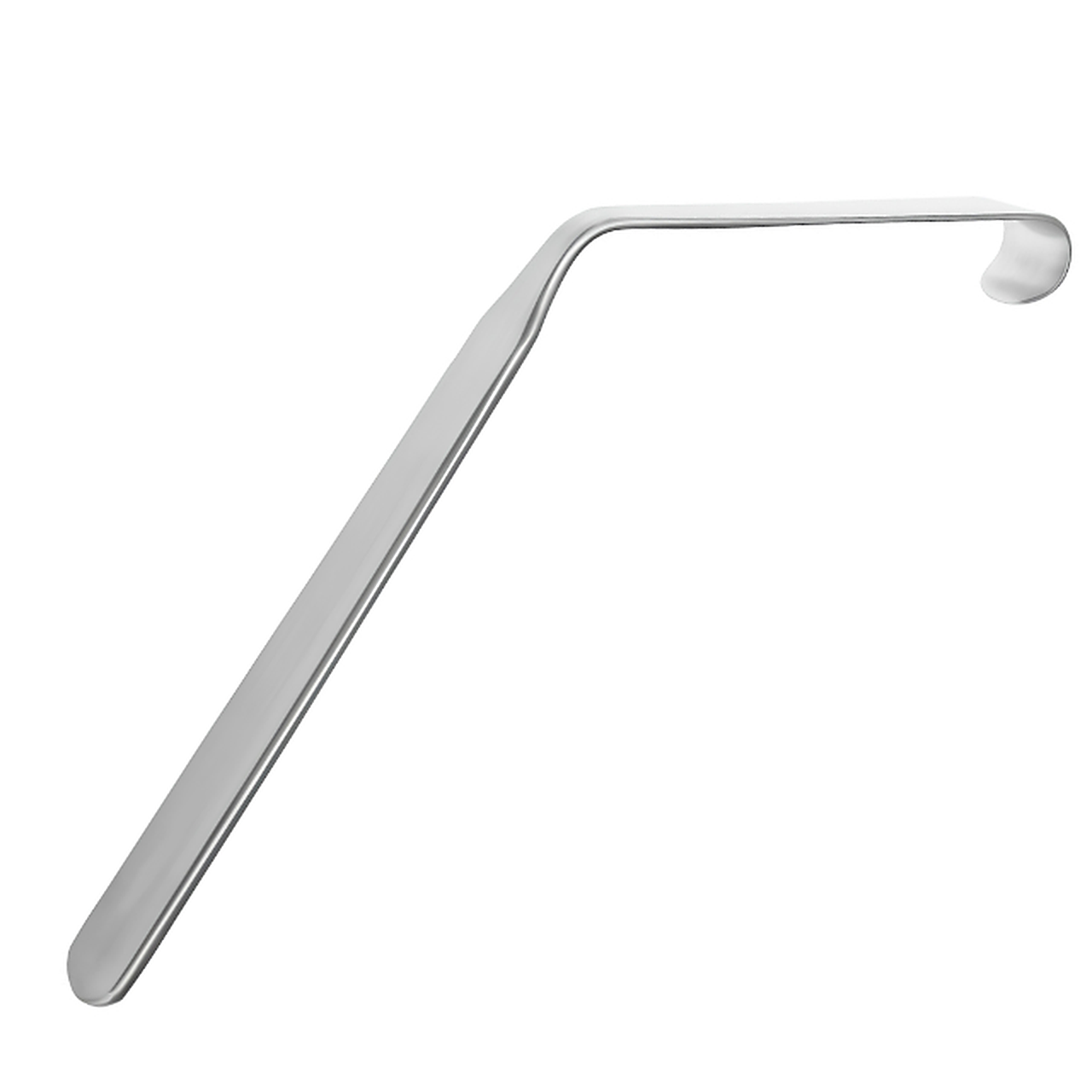 | Afastador de Úvula Goodyear | Projetado especificamente para retrair e elevar a úvula e o palato mole durante procedimentos cirúrgicos faríngeos e de adenoides. |
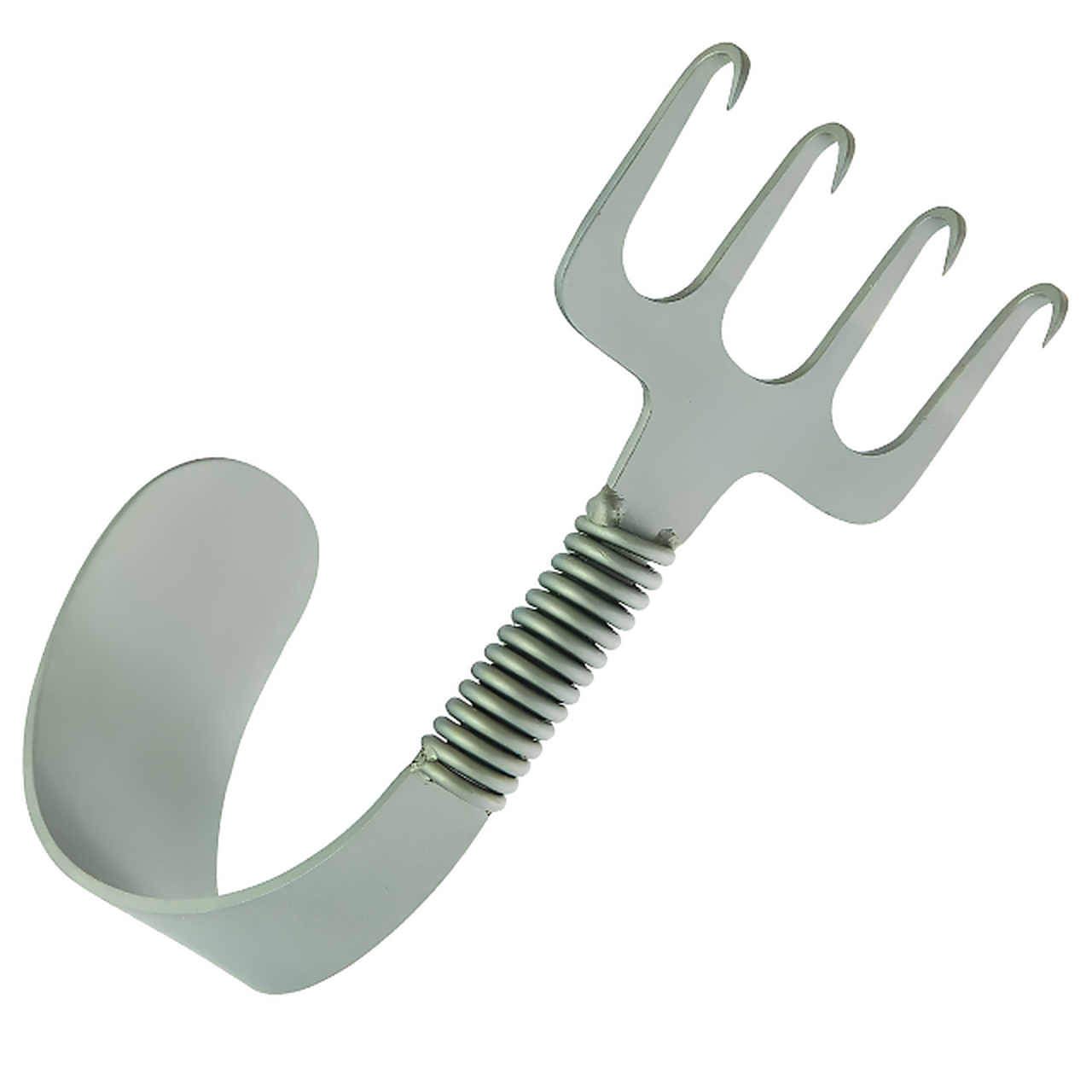 | Afastador Gorney Rake | Projetado especificamente para elevar e afastar retalhos cutâneos e tecido subcutâneo durante ritidectomia e cirurgia estética. |
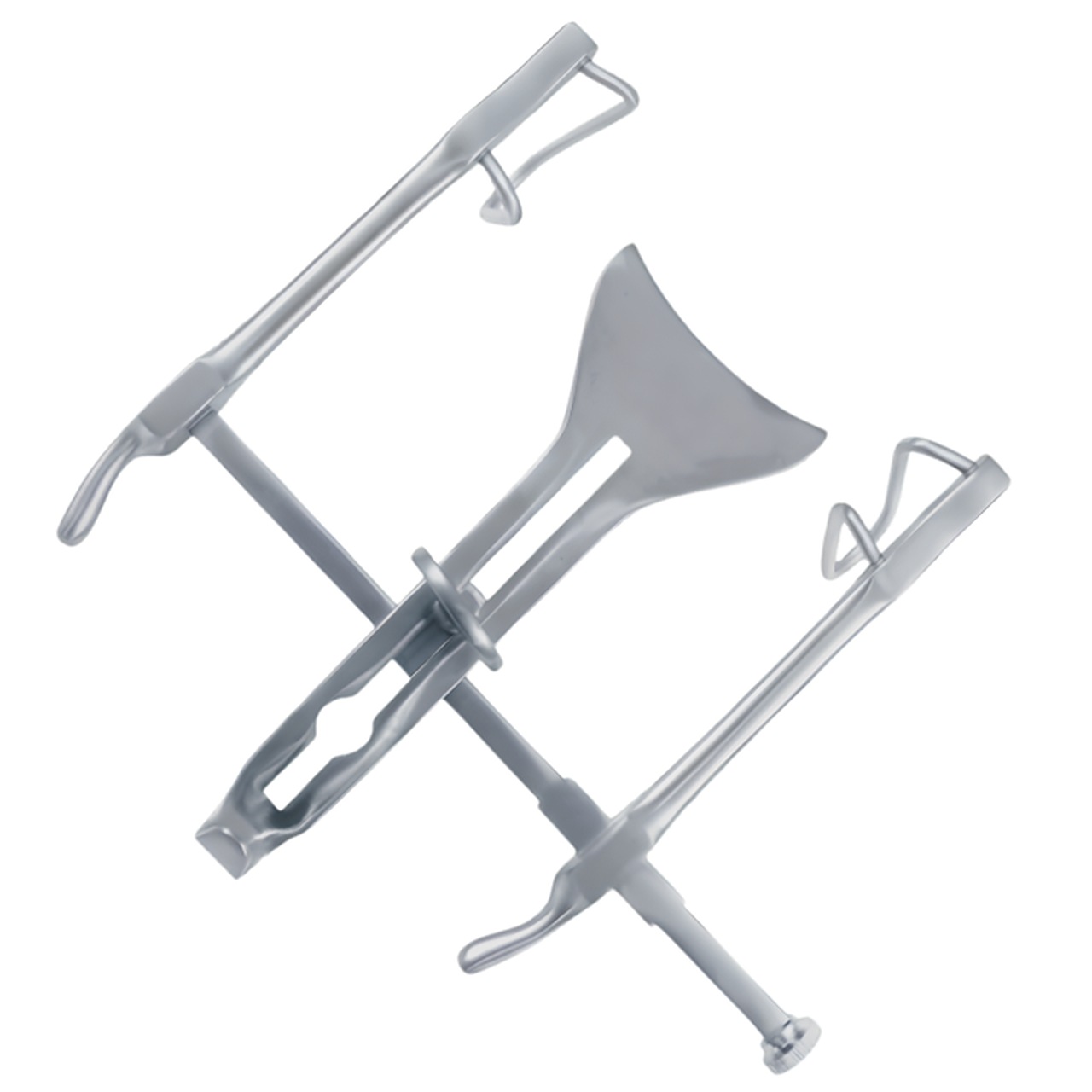 | Afastador Autoestático Gosset | Projetado especificamente para fornecer afastamento autoestático da parede abdominal durante laparotomias abertas e cirurgias pélvicas. |
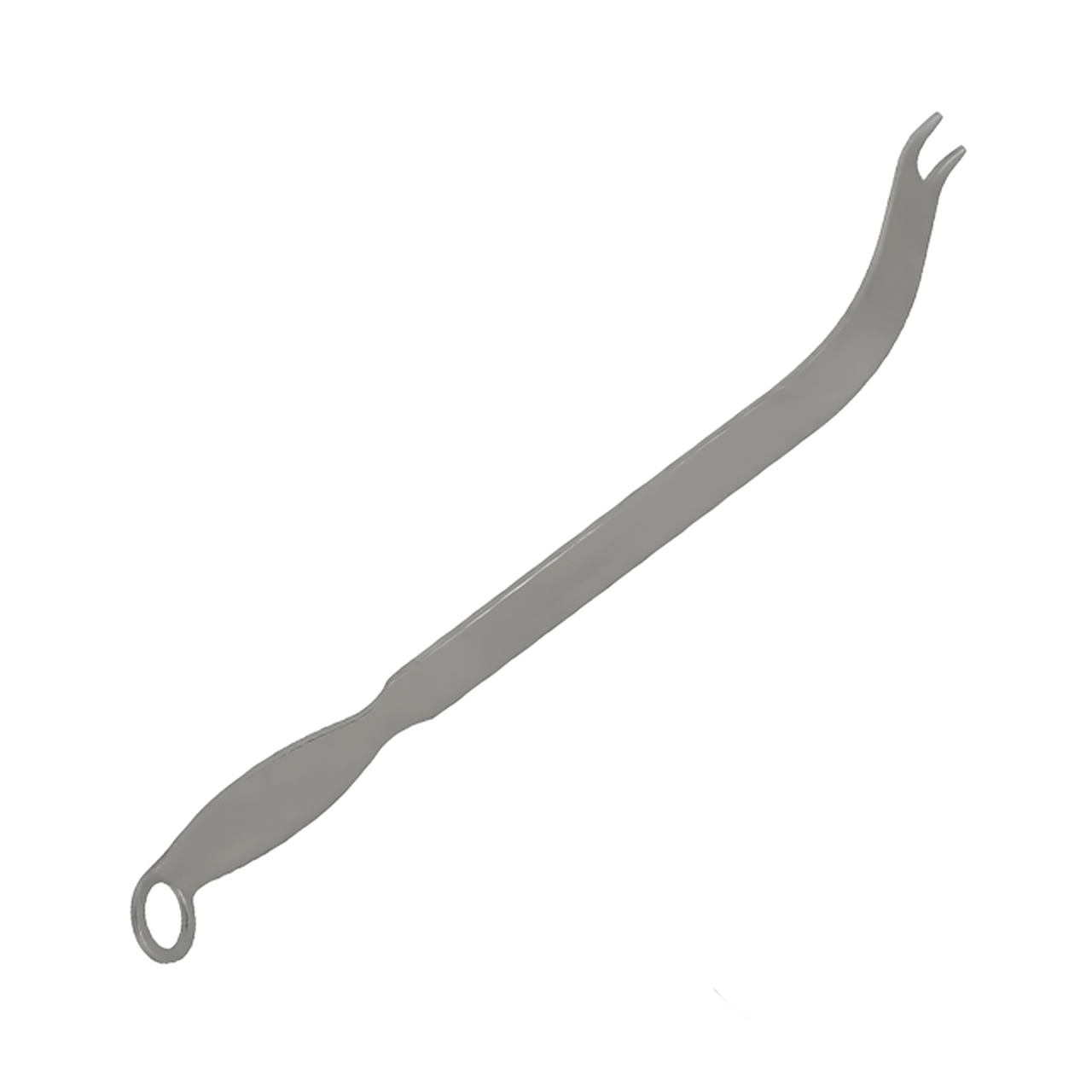 | Afastador para Grande Trocanter | Projetado especificamente para afastar a musculatura glútea e expor o grande trocanter durante artroplastias totais de quadril e osteotomias femorais. |
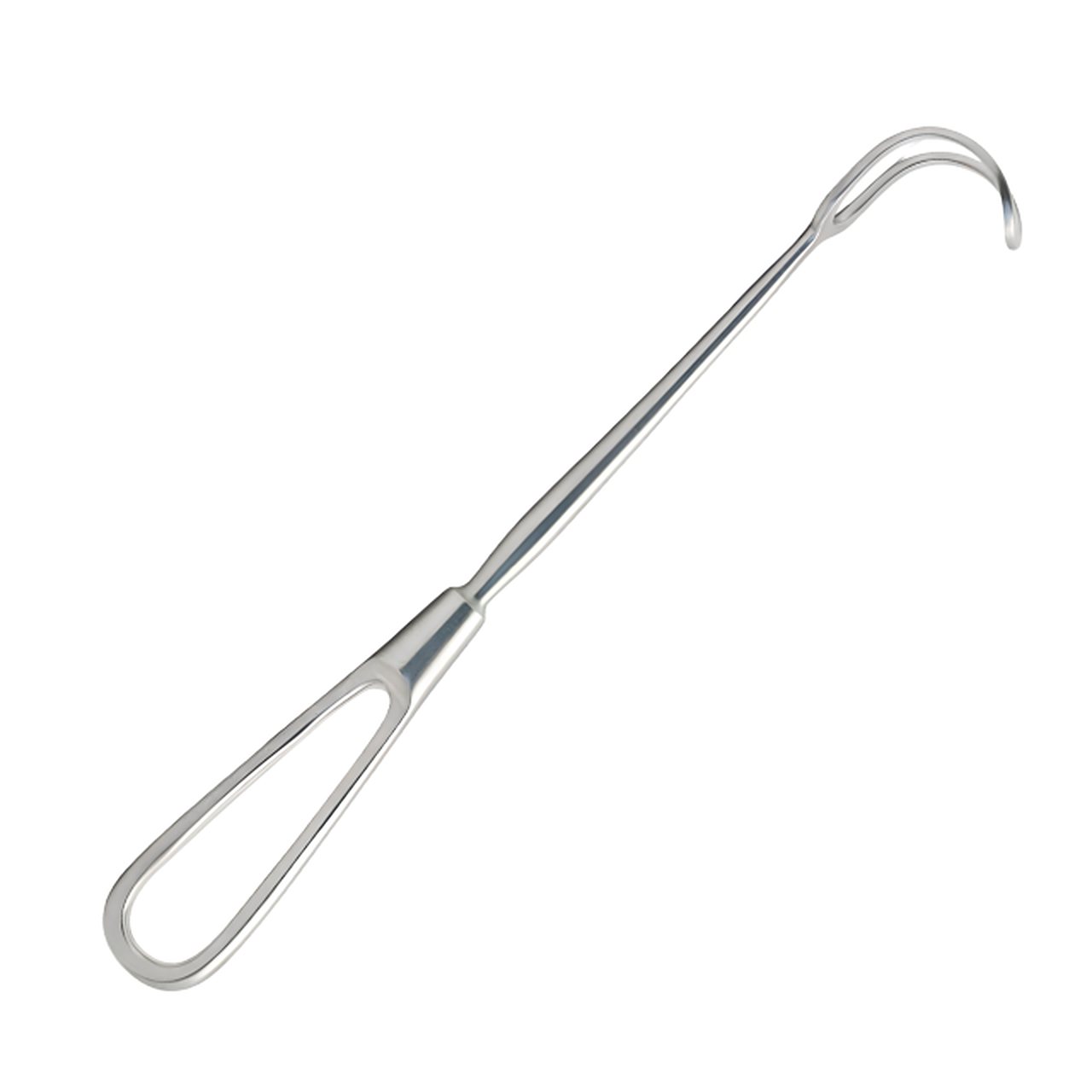 | Afastador de Tireoide Green | Projetado especificamente para afastar os músculos pré-tireoidianos, tecido da tireoide e fáscia cervical durante cirurgias endócrinas de pescoço. |
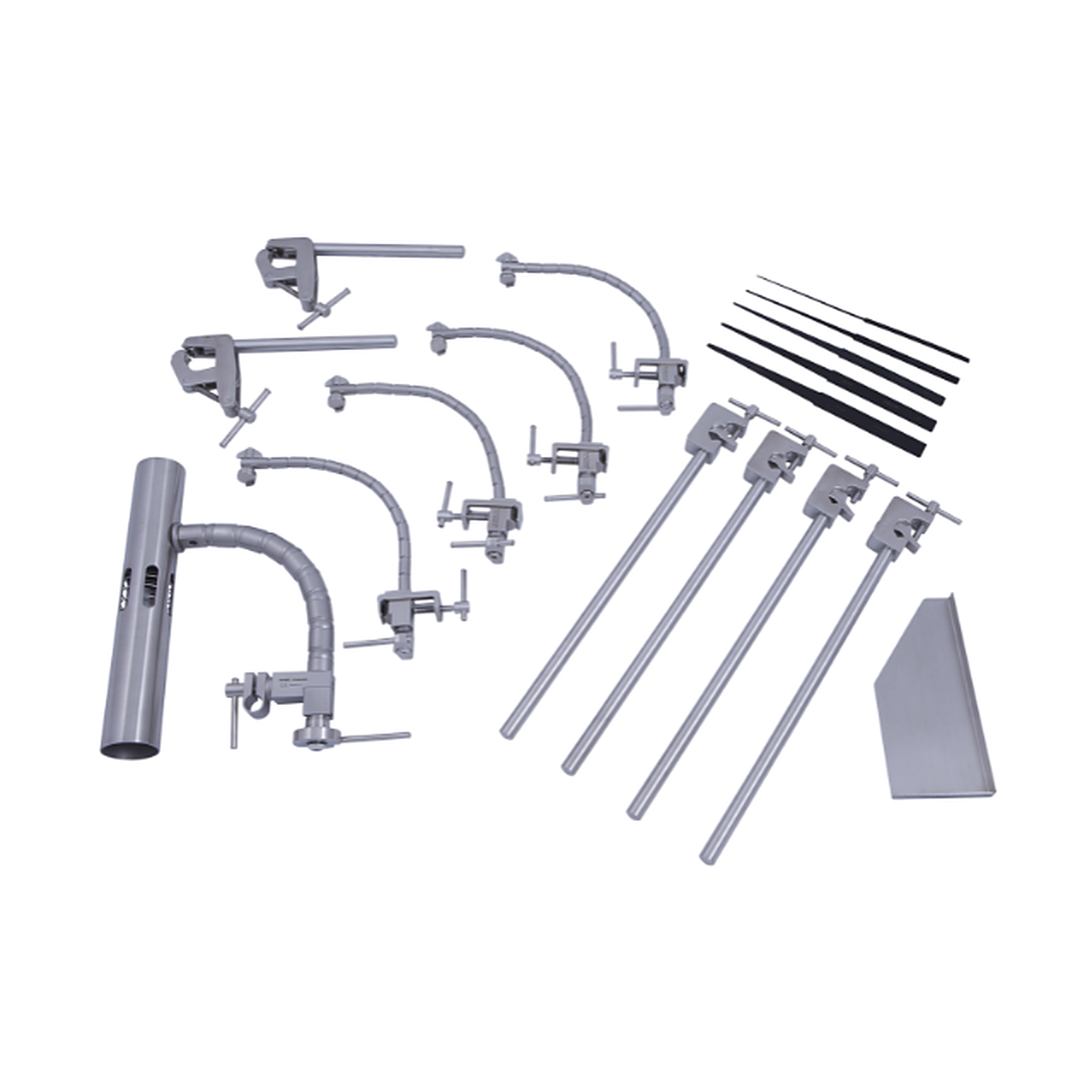 | Kit de Afastador Greenberg | Projetado para fornecer retração autostática, estável e de precisão de tecidos cerebrais delicados e estruturas cranianas durante procedimentos intracranianos, de base de crânio e microneurocirúrgicos. |
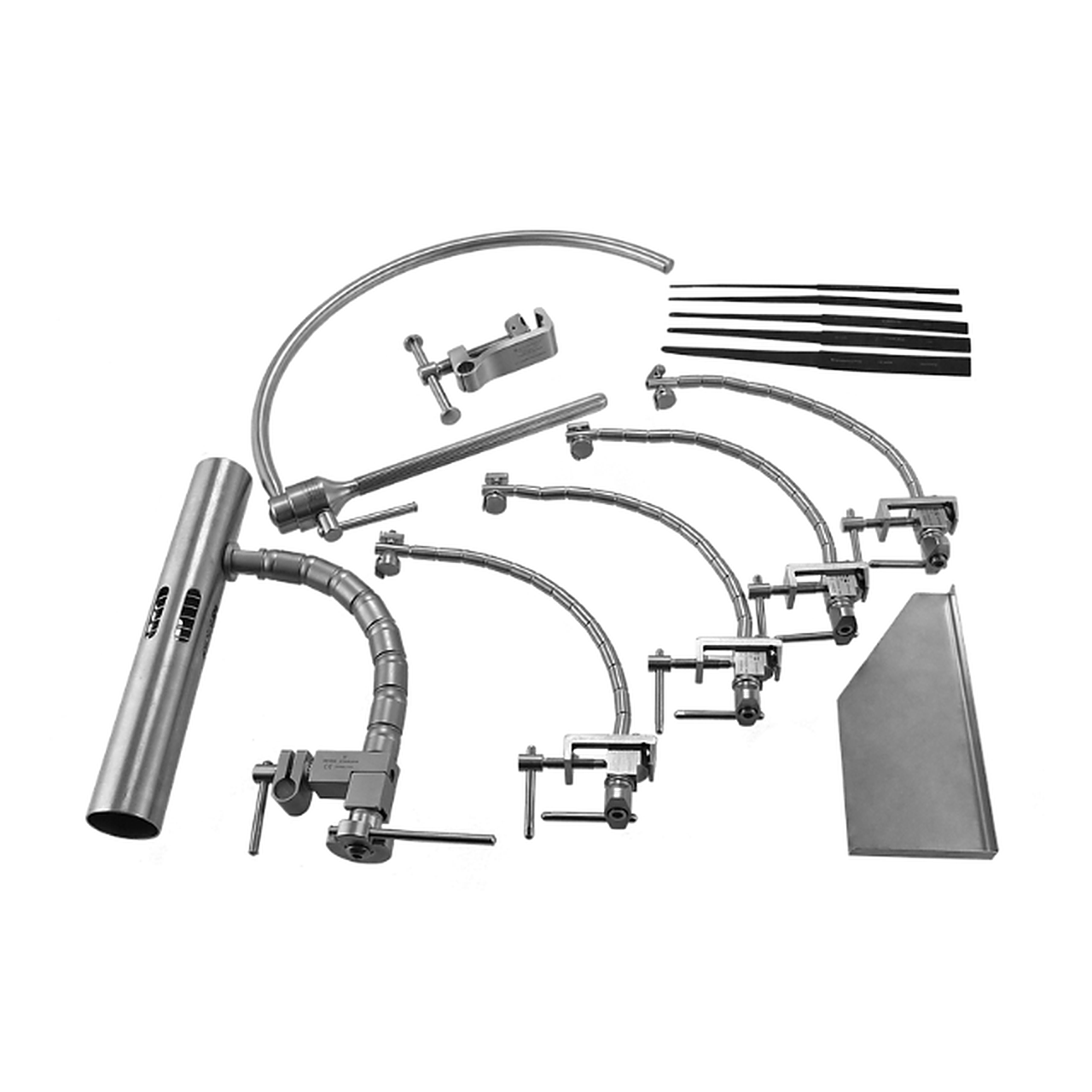 | Afastador Greenberg Simplicity | Projetado especificamente para configuração rápida, ocupação reduzida e afastamento tecidual preciso e autorretentivo durante craniotomias focadas, descompressões microvasculares (DMV) e procedimentos microcirúrgicos tipo keyhole. |
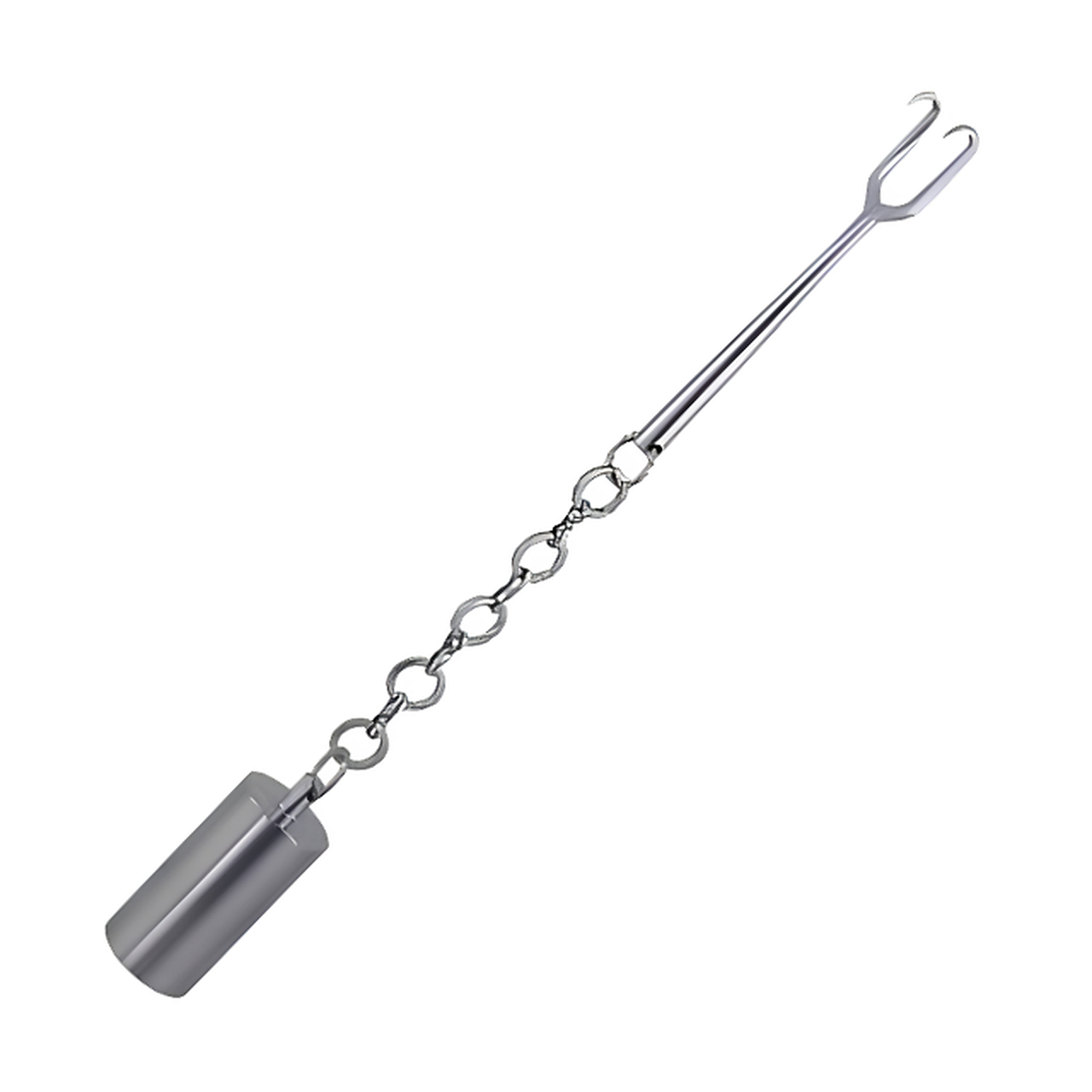 | Afastador para Rinoplastia Gruber | Projetado especificamente para fixar e retrair retalhos de pele nasal e cartilagens durante procedimentos de rinoplastia. |
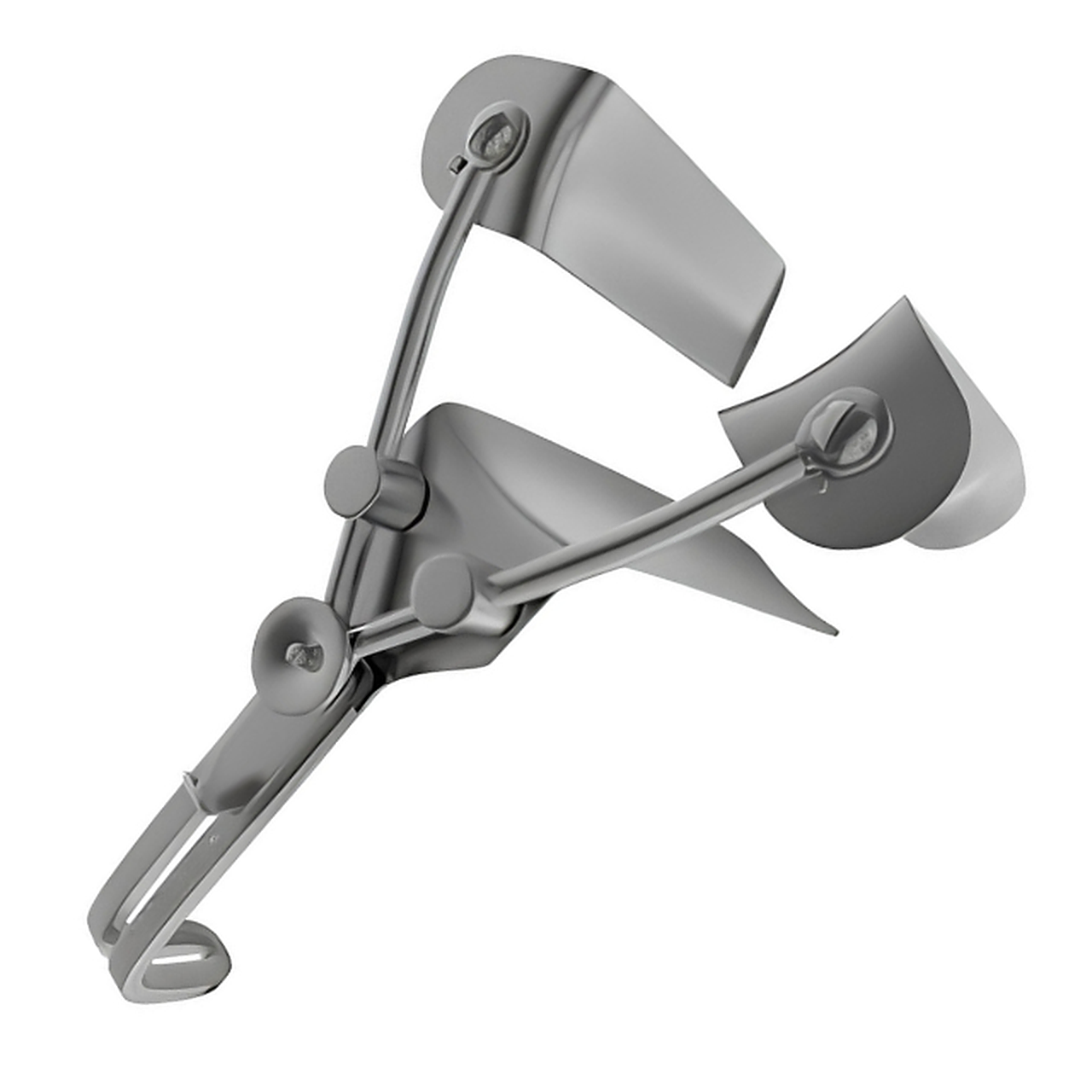 | Afastador Obstétrico Guttman | Projetado especificamente para afastar e proteger a bexiga e a parede abdominal inferior durante cesarianas e cirurgias pélvicas. |
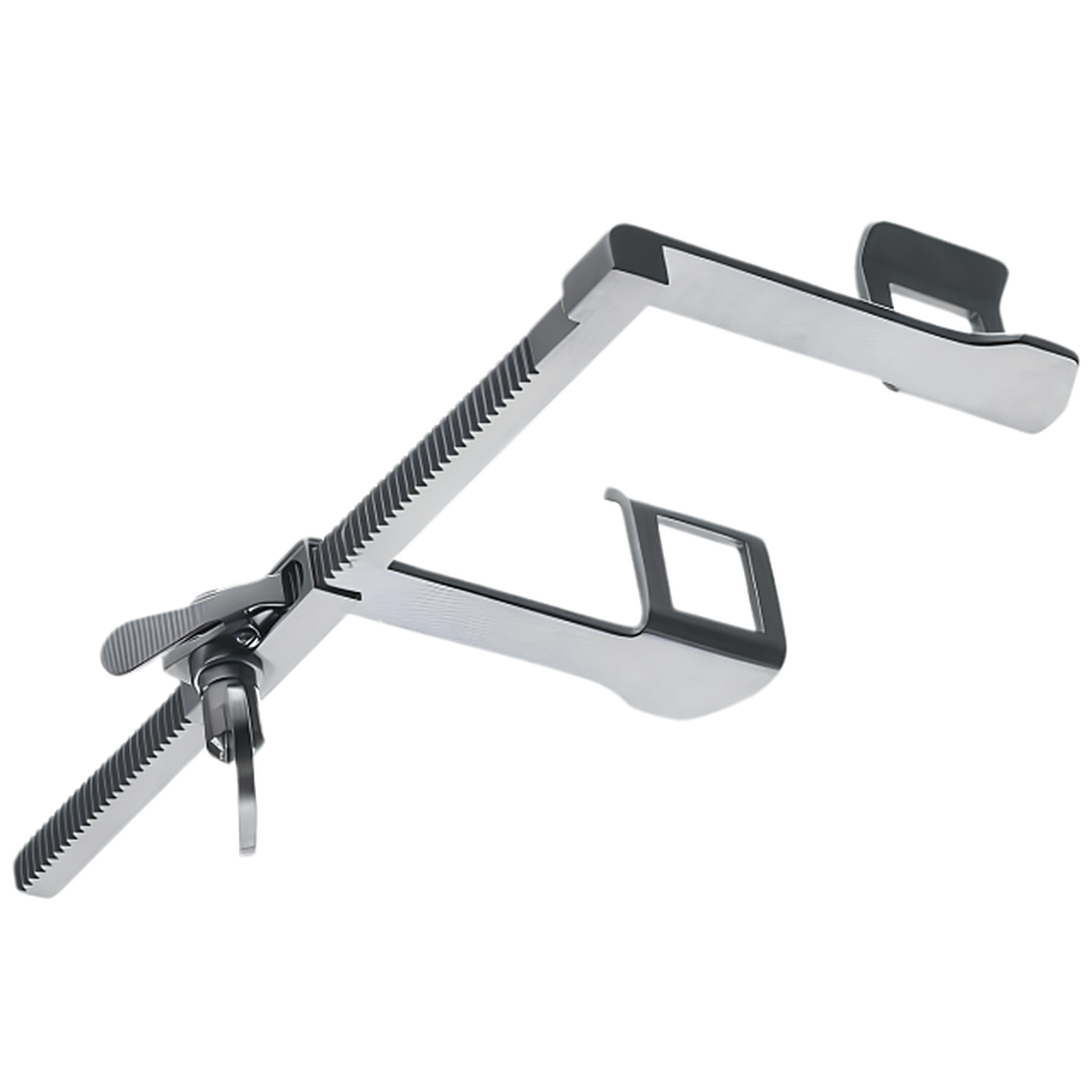 | Afastador Costal Haight | Projetado especificamente para separar as costelas de adultos e expandir a cavidade torácica durante toracotomia aberta. |
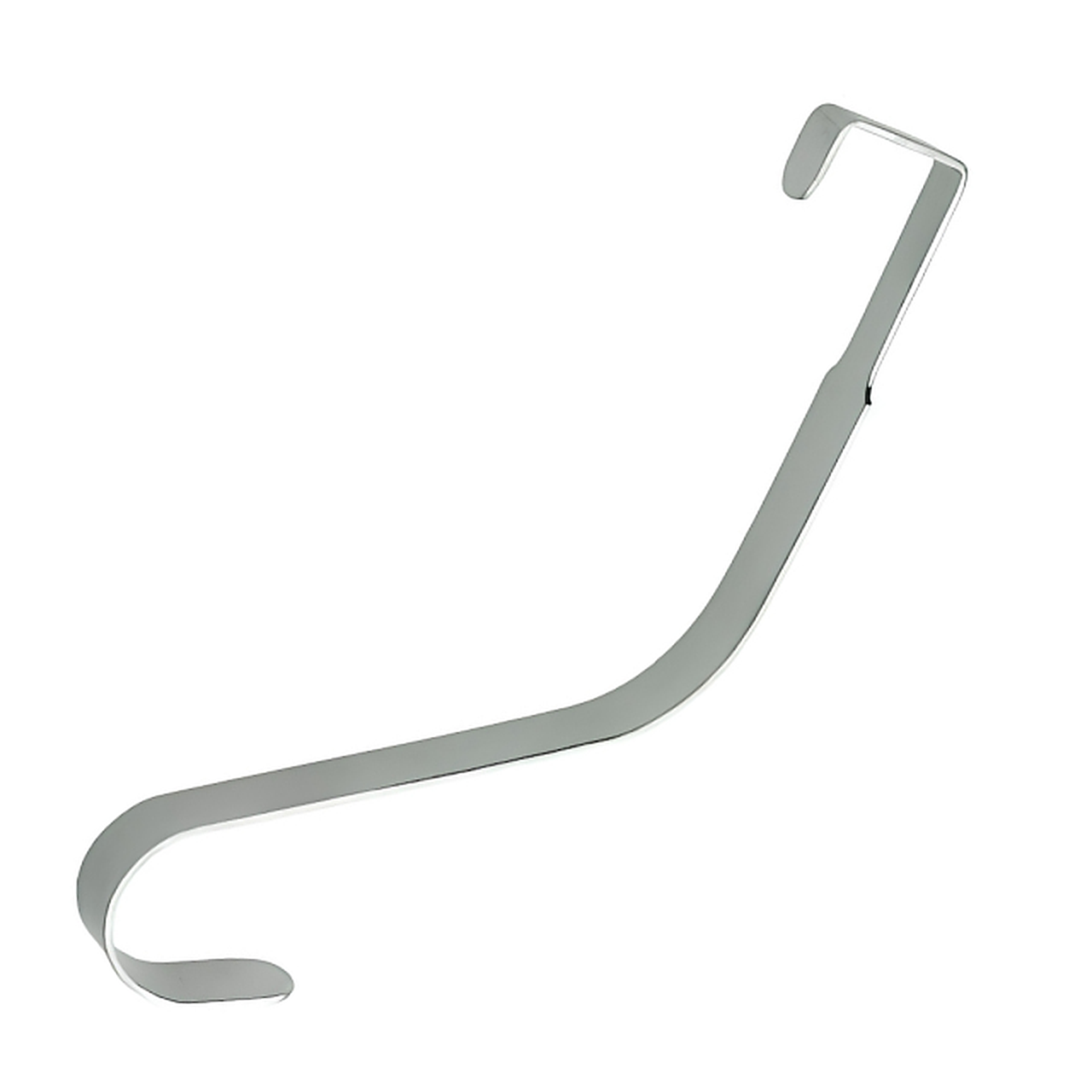 | Afastador de Bochechas Hajek | Projetado especificamente para afastar as bochechas, lábios e mucosa bucal durante procedimentos cirúrgicos orais, bucomaxilofaciais e odontológicos. |
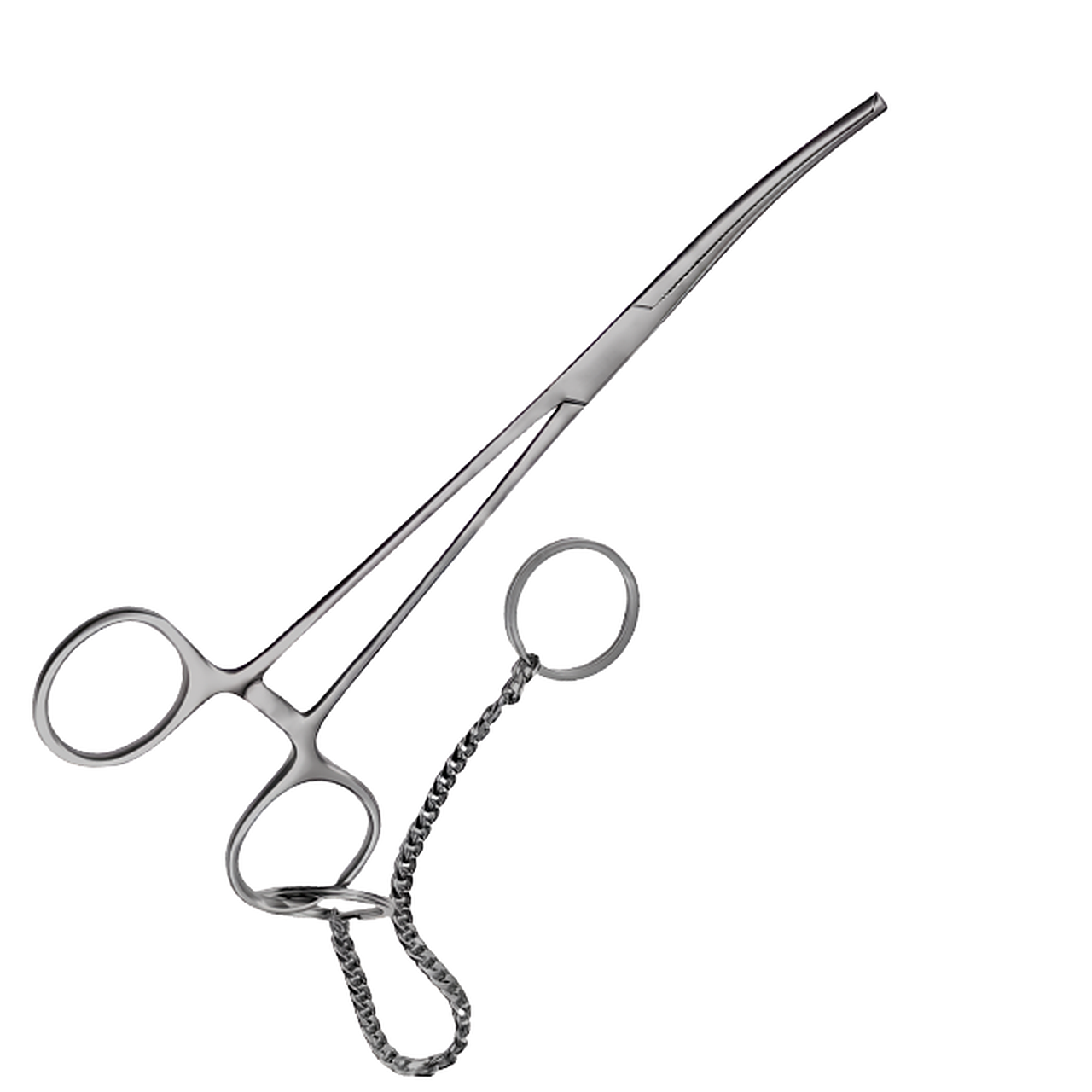 | Afastador Coronóide Hargis com Corrente | Projetado especificamente para afastar o processo coronóide e o tendão temporal durante procedimentos de cirurgia ortognática e osteotomia do ramo. |
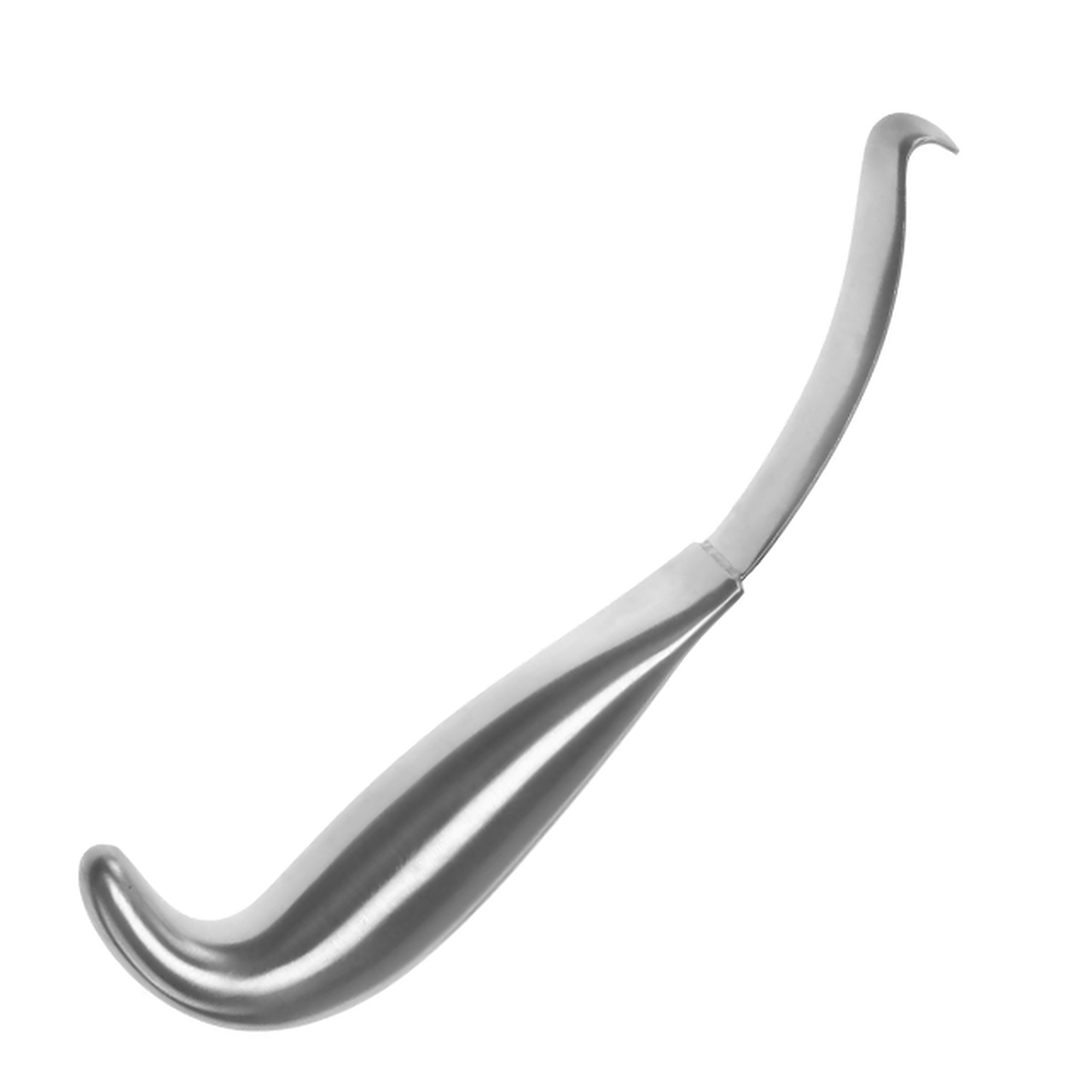 | Afastador Mandibular Hargis Mandibular Body Retractor | Projetado especificamente para afastar tecidos moles e proteger feixes neurovasculares ao longo do corpo mandibular durante procedimentos ortognáticos. |
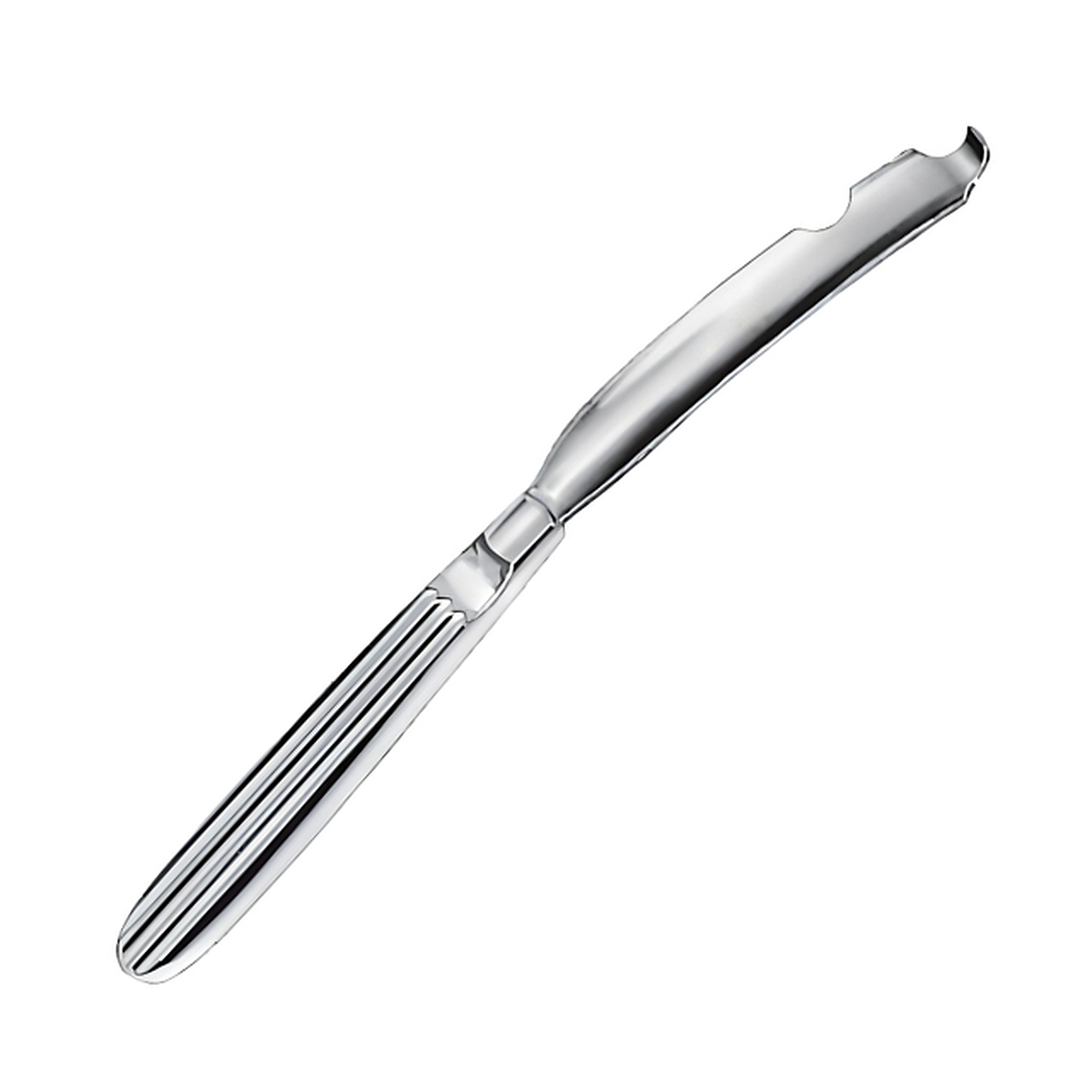 | Afastador Hargis Medial Ramus | Projetado especificamente para afastar o músculo pterigoideo medial e proteger o nervo alveolar inferior durante osteotomias sagitais do ramo mandibular. |
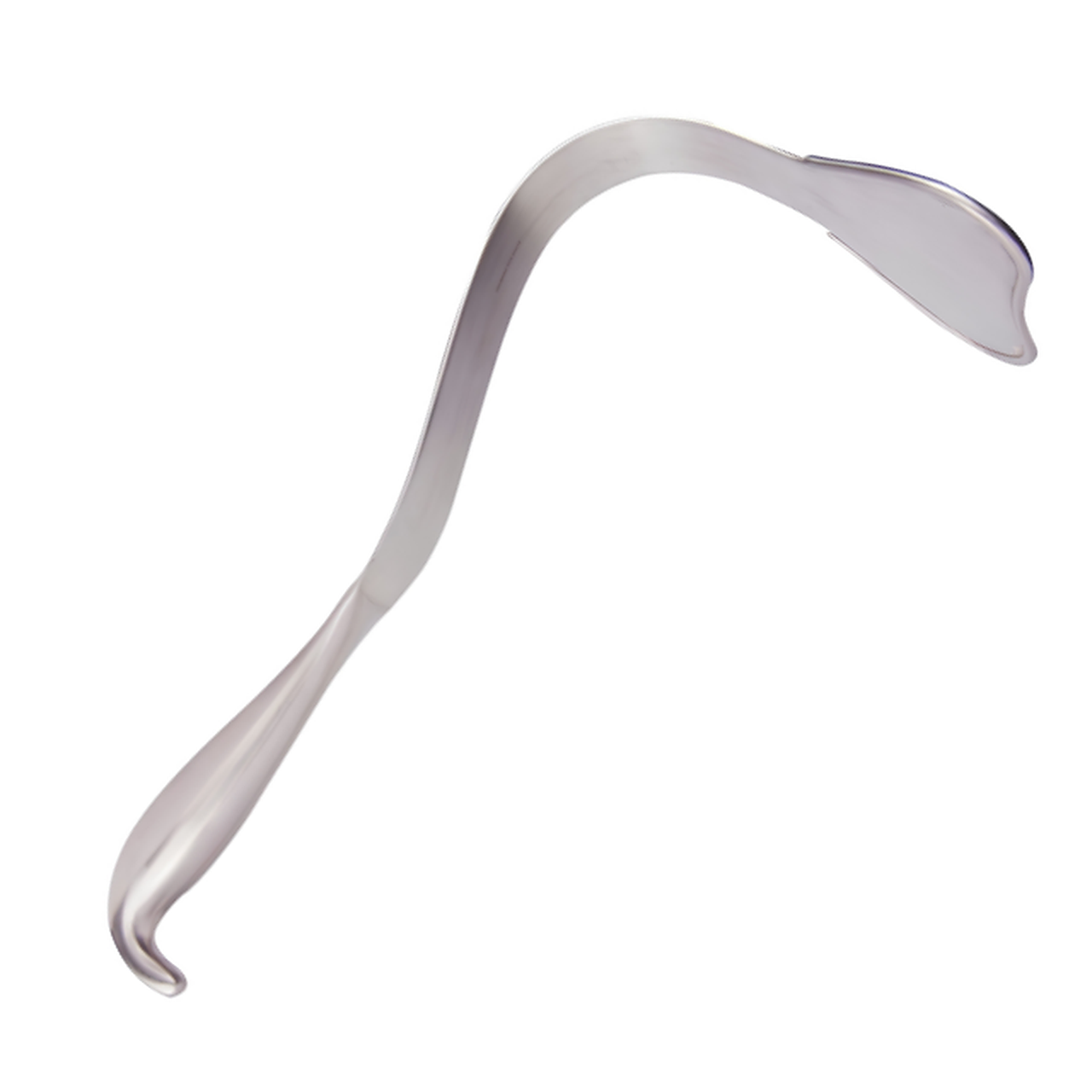 | Afastador Esplâncnico Harrington | Projetado especificamente para afastar e proteger vísceras abdominais, fígado, baço e estruturas pélvicas durante cirurgias abertas profundas. |
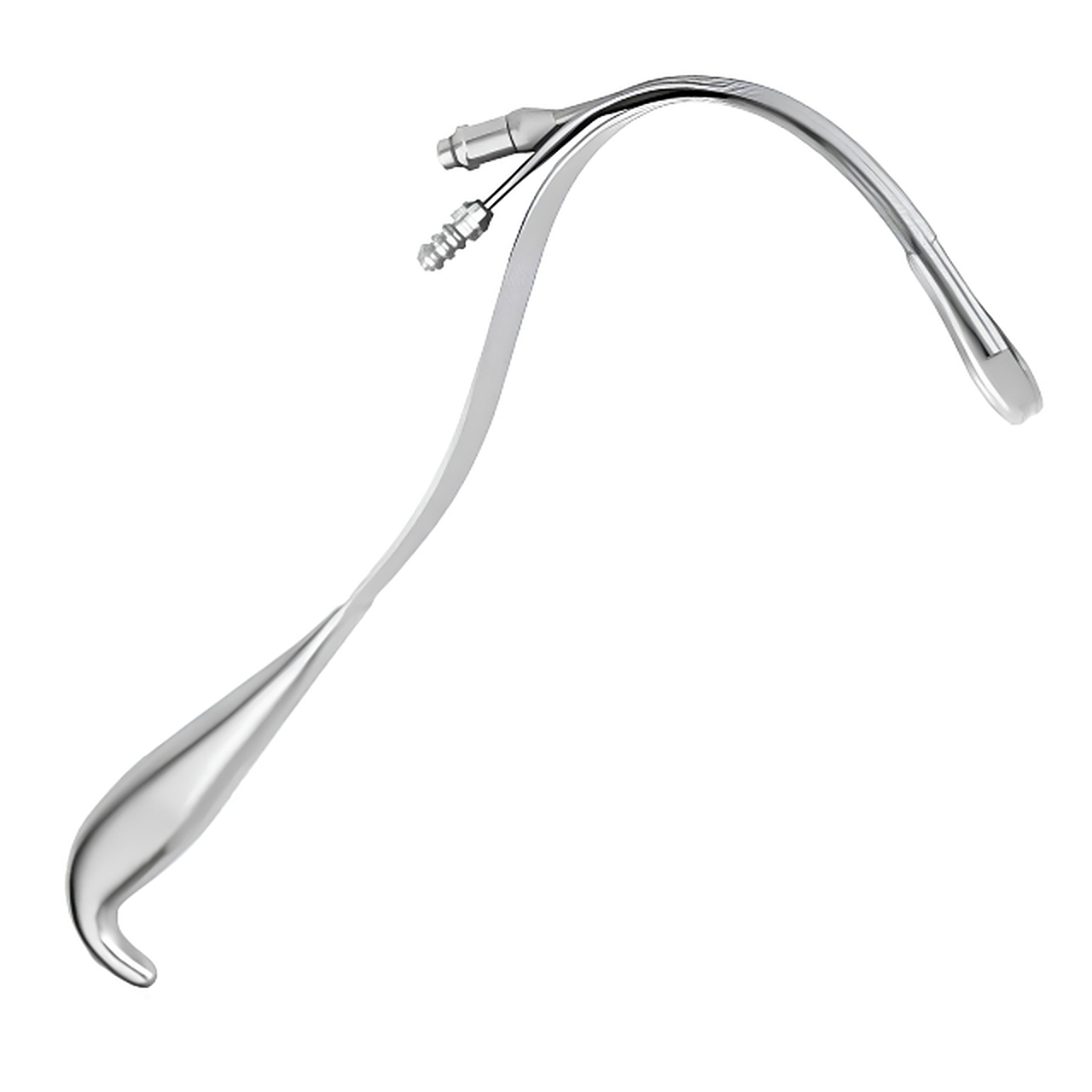 | Afastador Esplâncnico Harrington com Fibra Óptica | Projetado especificamente para fornecer retração visceral iluminada e sucção-irrigação contínua durante cirurgias abdominais e pélvicas profundas. |
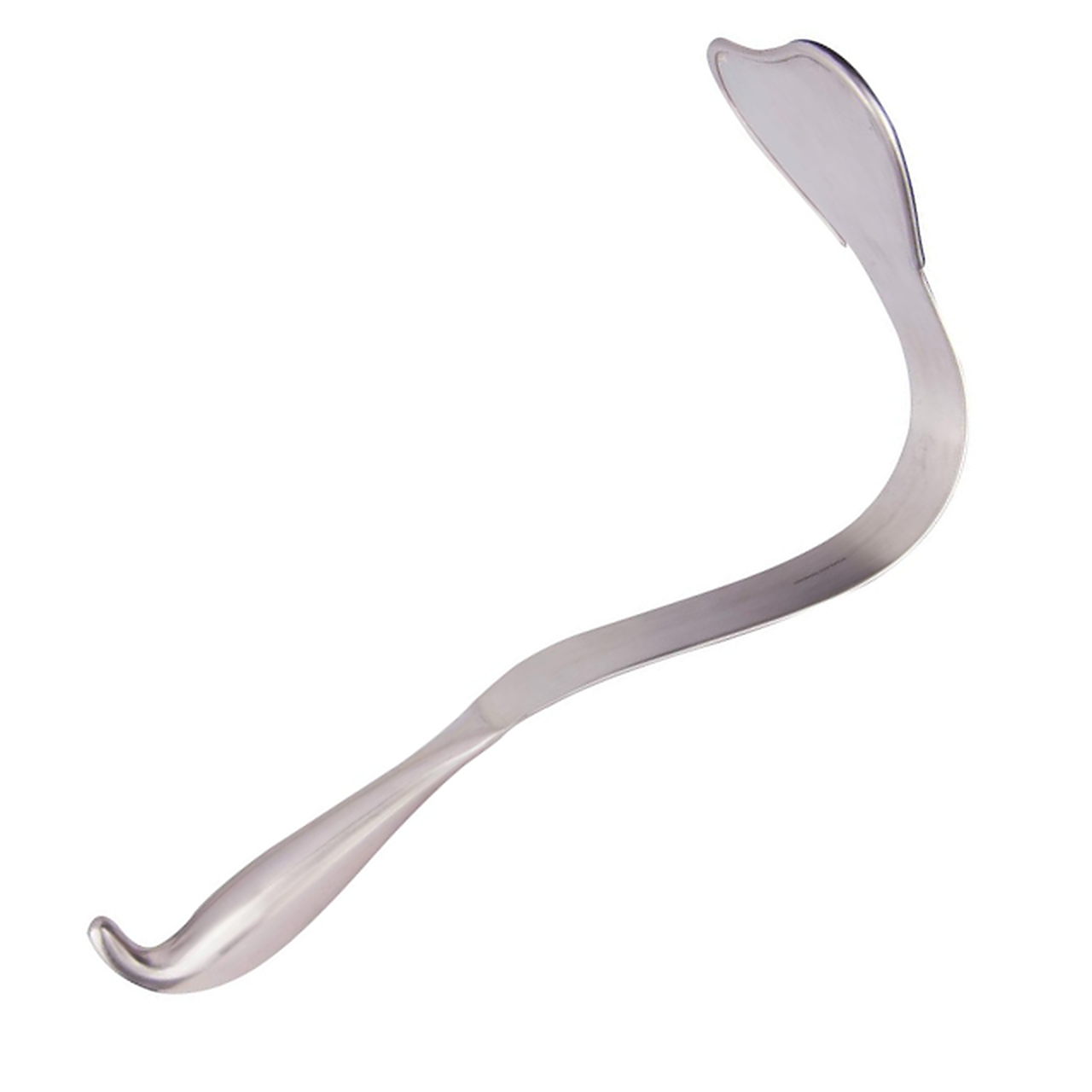 | Afastador Harrington Sweetheart Retractor | Projetado especificamente para afastar e proteger vísceras abdominais, lobos hepáticos, baço e bexiga durante cirurgias abdominais e pélvicas profundas. |
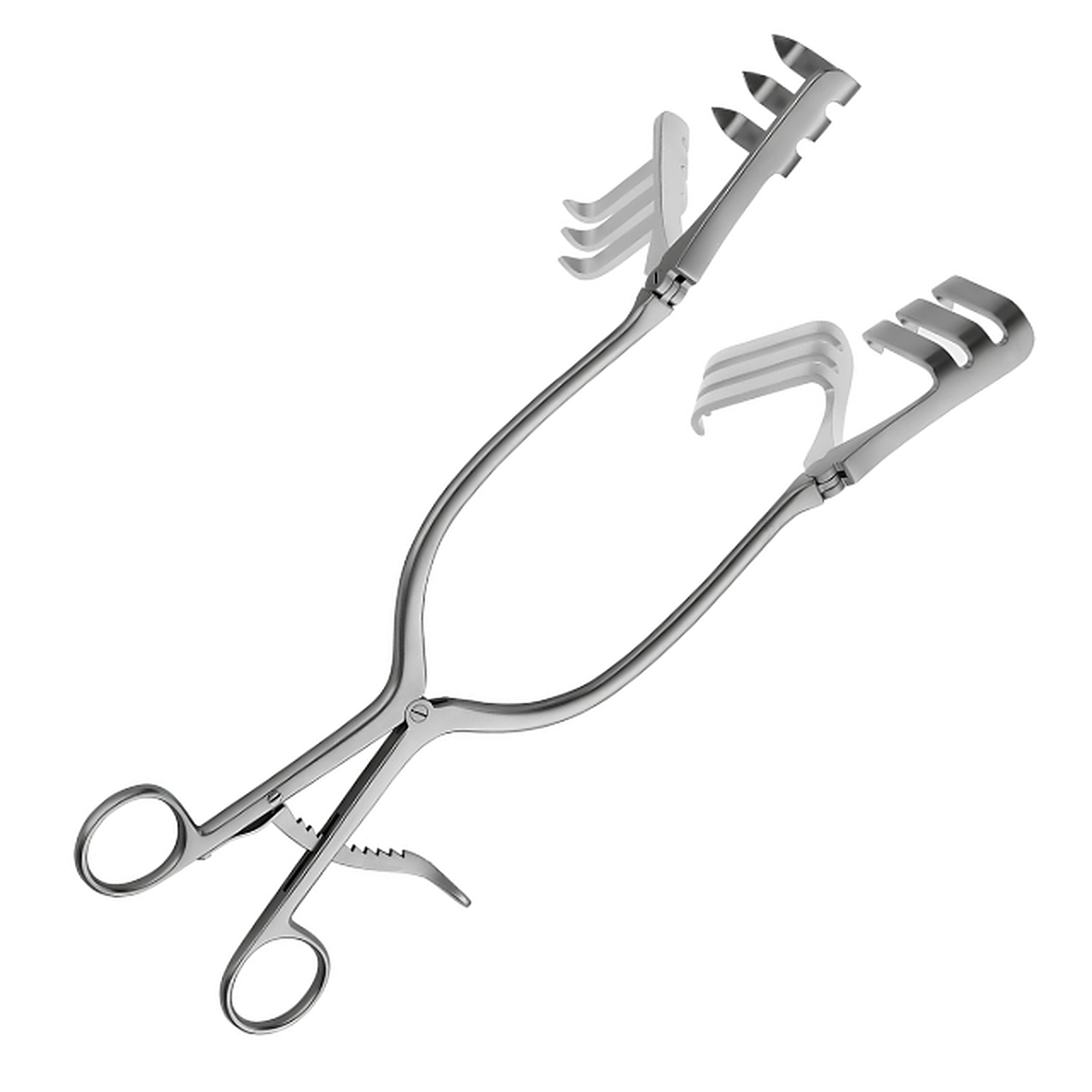 | Afastador Harvey Jackson Self Retaining Retractor | Projetado especificamente para fornecer retração autostática de músculos paraspinais e tecidos moles durante procedimentos espinhais e ortopédicos. |
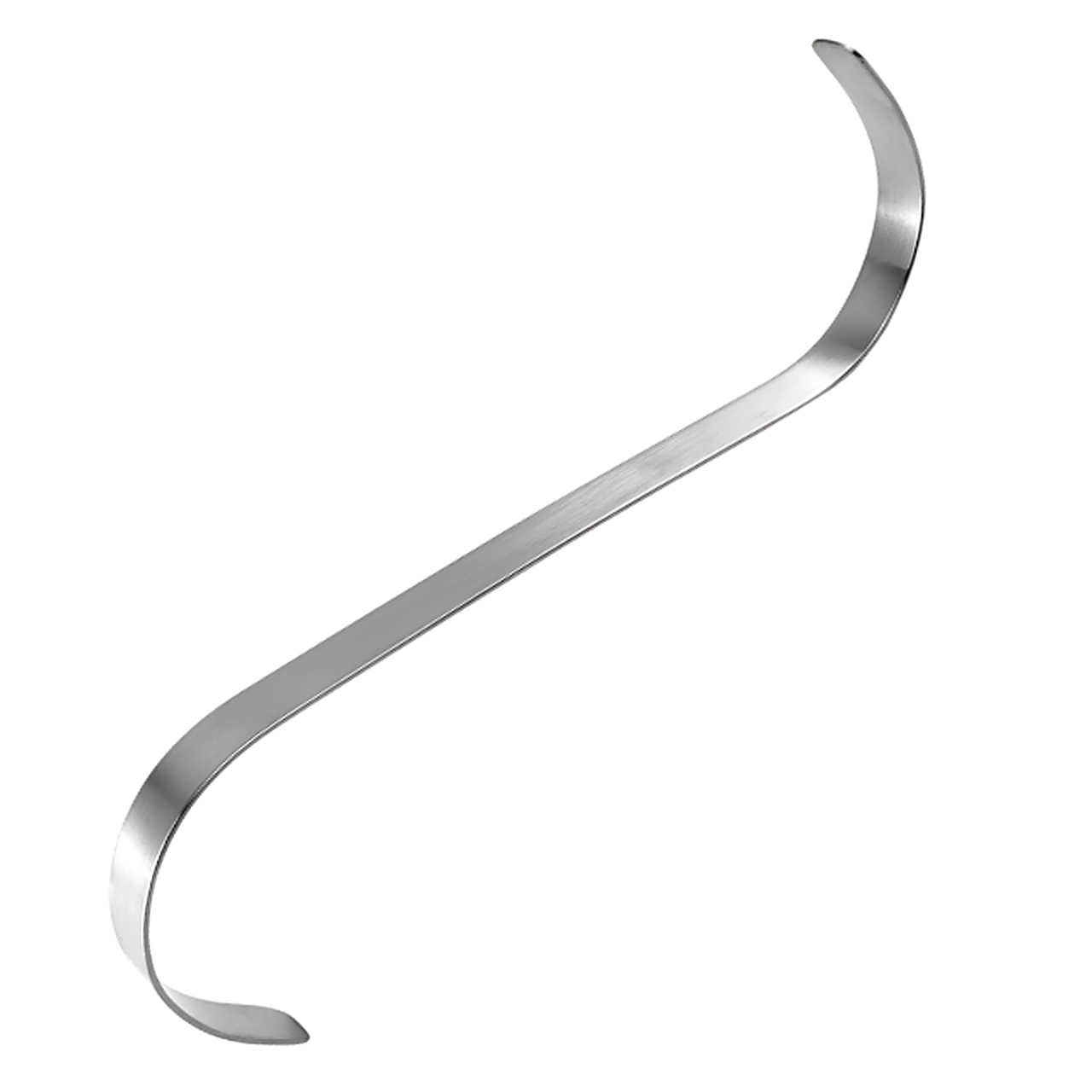 | Afastador Hasson S | Projetado especificamente para afastar as margens fasciais umbilicais e elevar a parede abdominal durante procedimentos de acesso laparoscópico aberto de Hasson. |
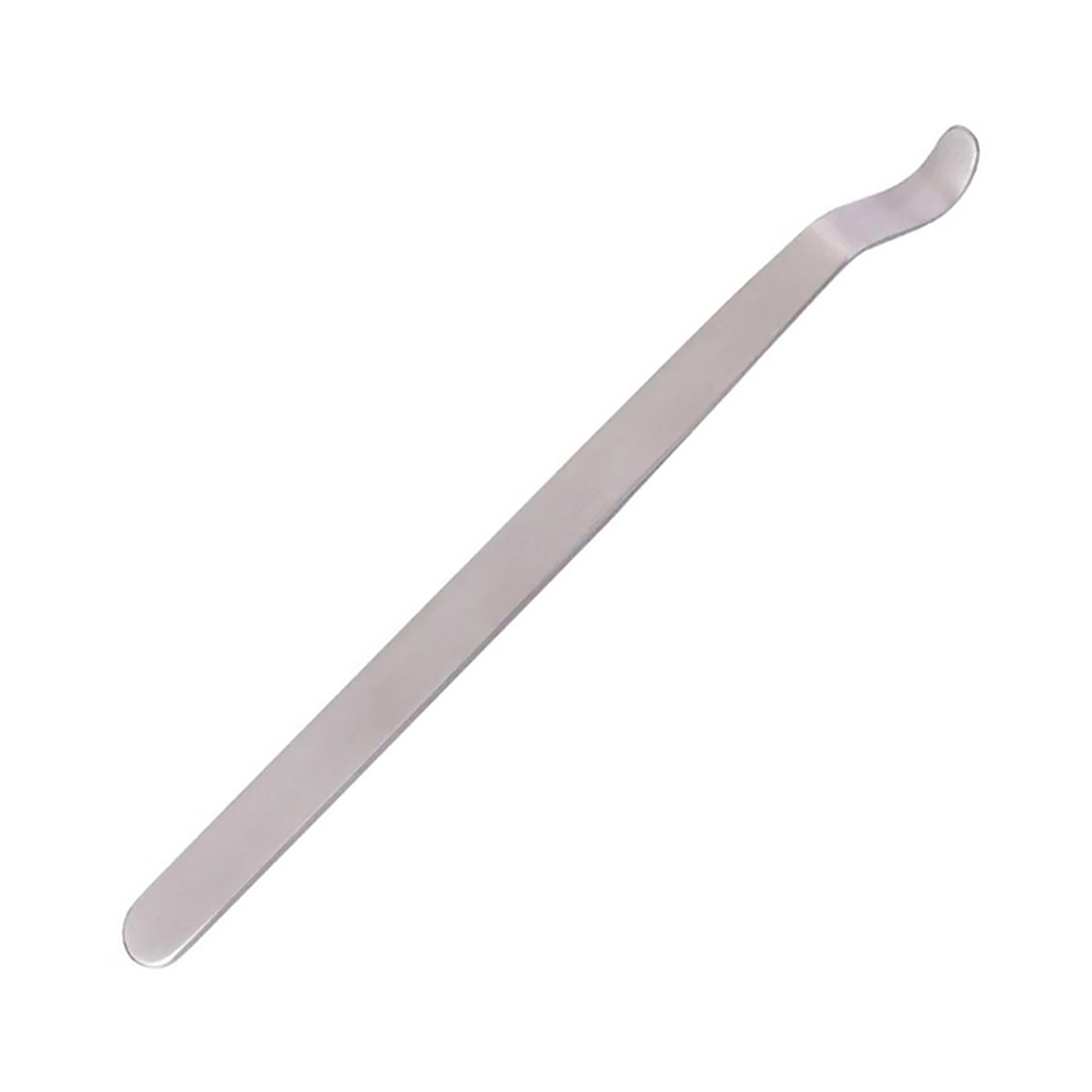 | Afastadores Manuais Hayes | Projetado especificamente para fornecer retração atraumática de tecidos moles e exposição cirúrgica durante procedimentos de mão, pulso e reconstrução plástica. |
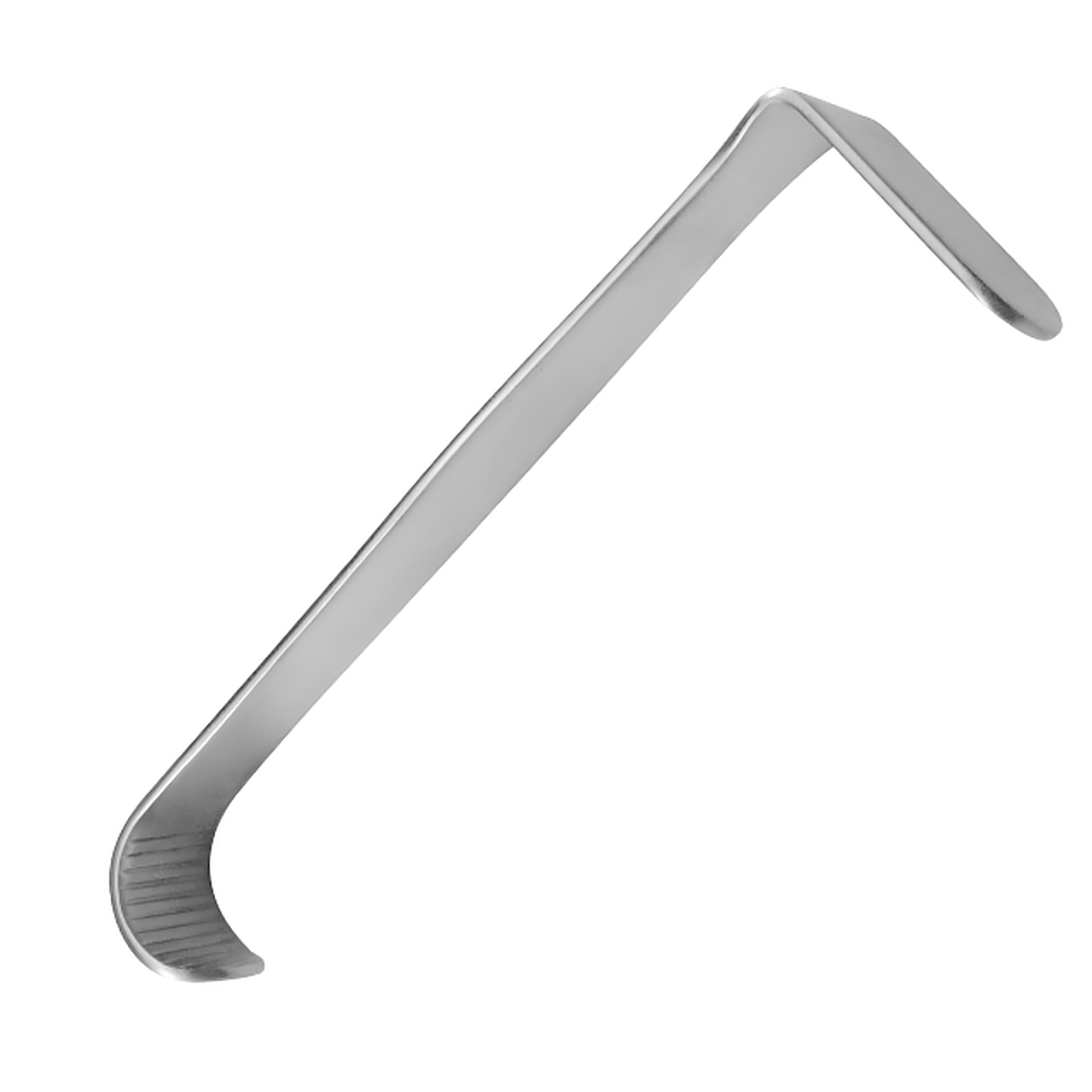 | Afastador para Histerectomia Heaney | Projetado especificamente para afastar a parede vaginal e o tecido pélvico durante a histerectomia vaginal e cirurgia reconstrutiva do assoalho pélvico. |
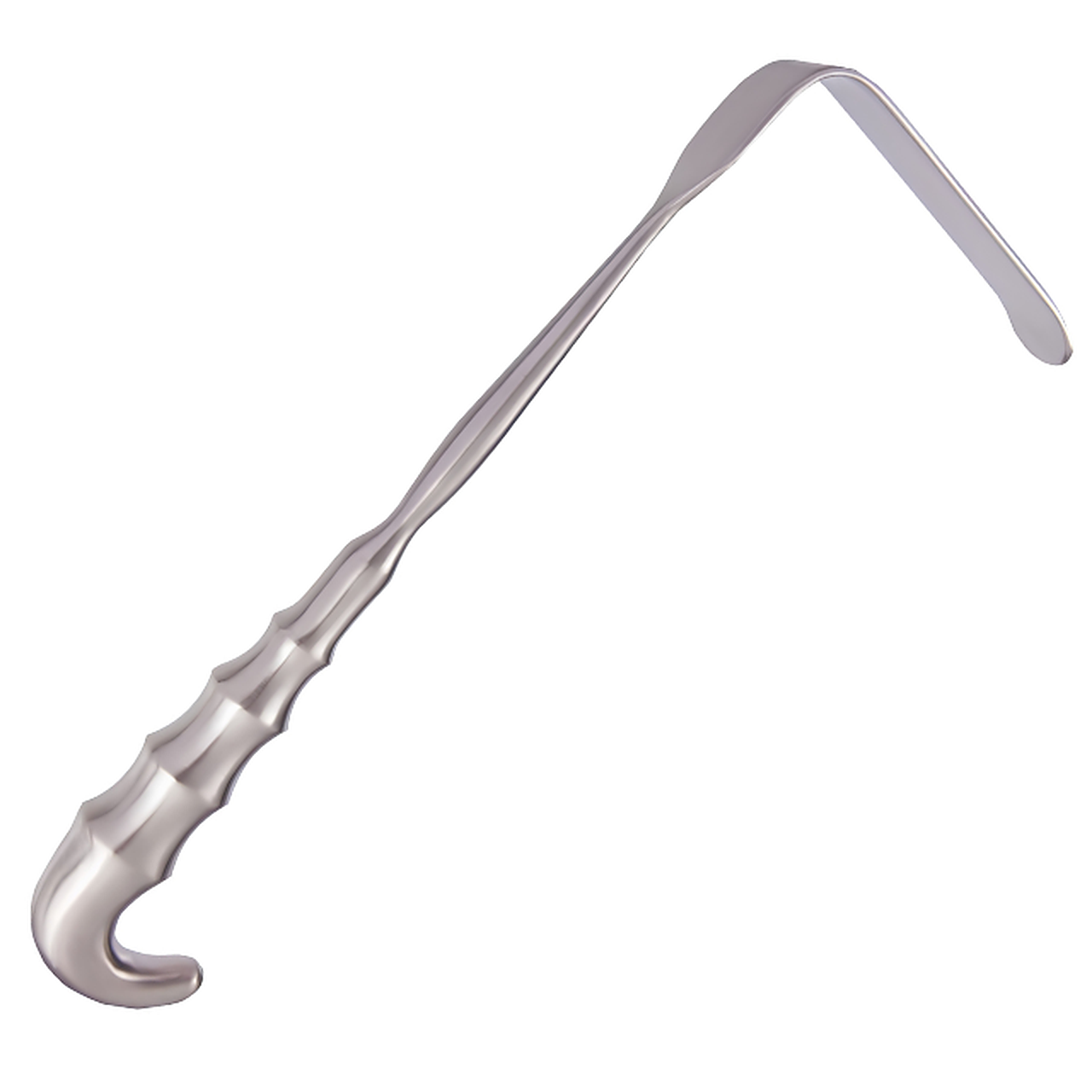 | Afastador Vaginal Heaney Simon | Projetado especificamente para afastar as paredes vaginais posterior e lateral durante histerectomia vaginal e cirurgia do assoalho pélvico. |
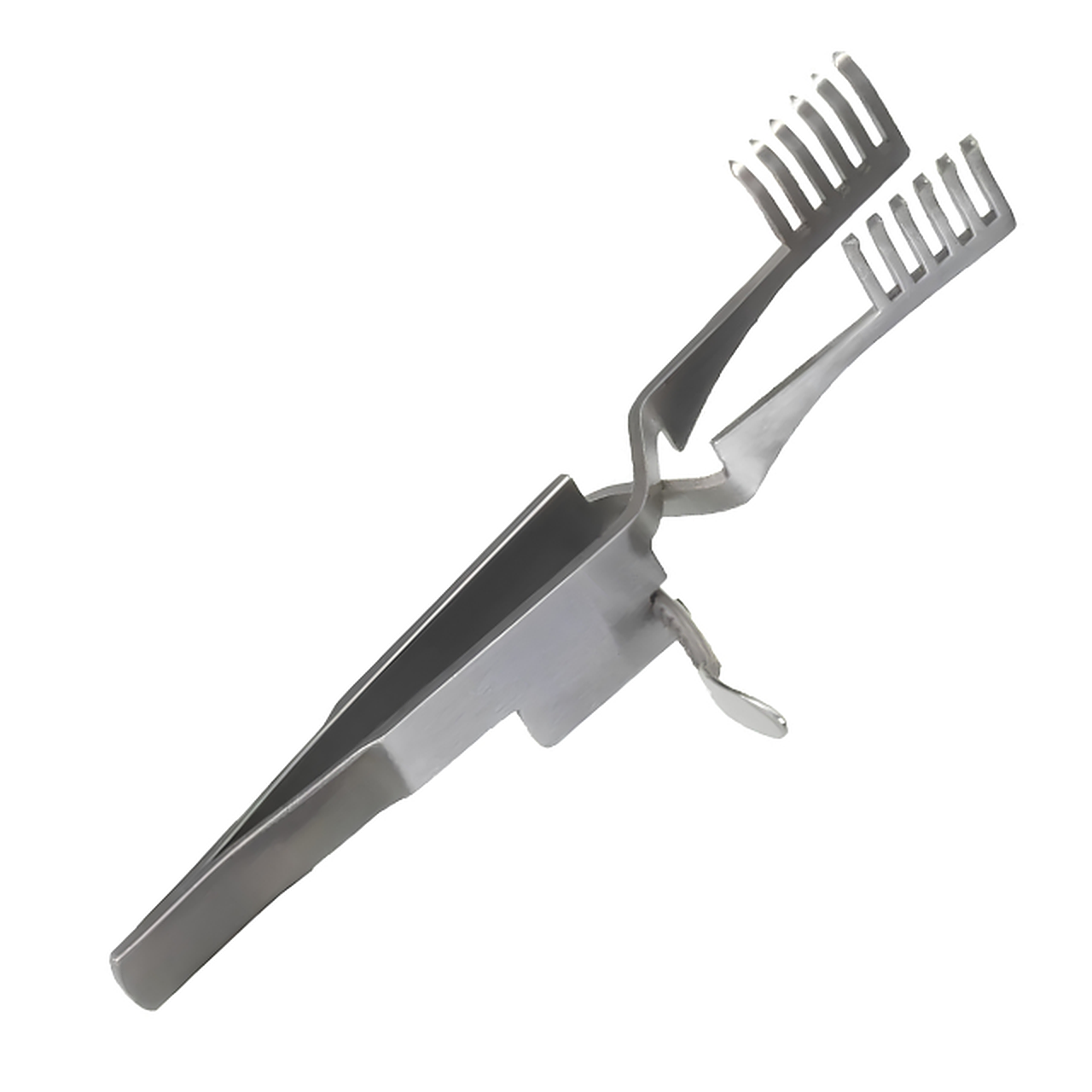 | Afastador de Feridas Heiss | Projetado especificamente para fornecer retração tecidual autorretentiva durante procedimentos cirúrgicos menores, oftálmicos, plásticos e de mão. |
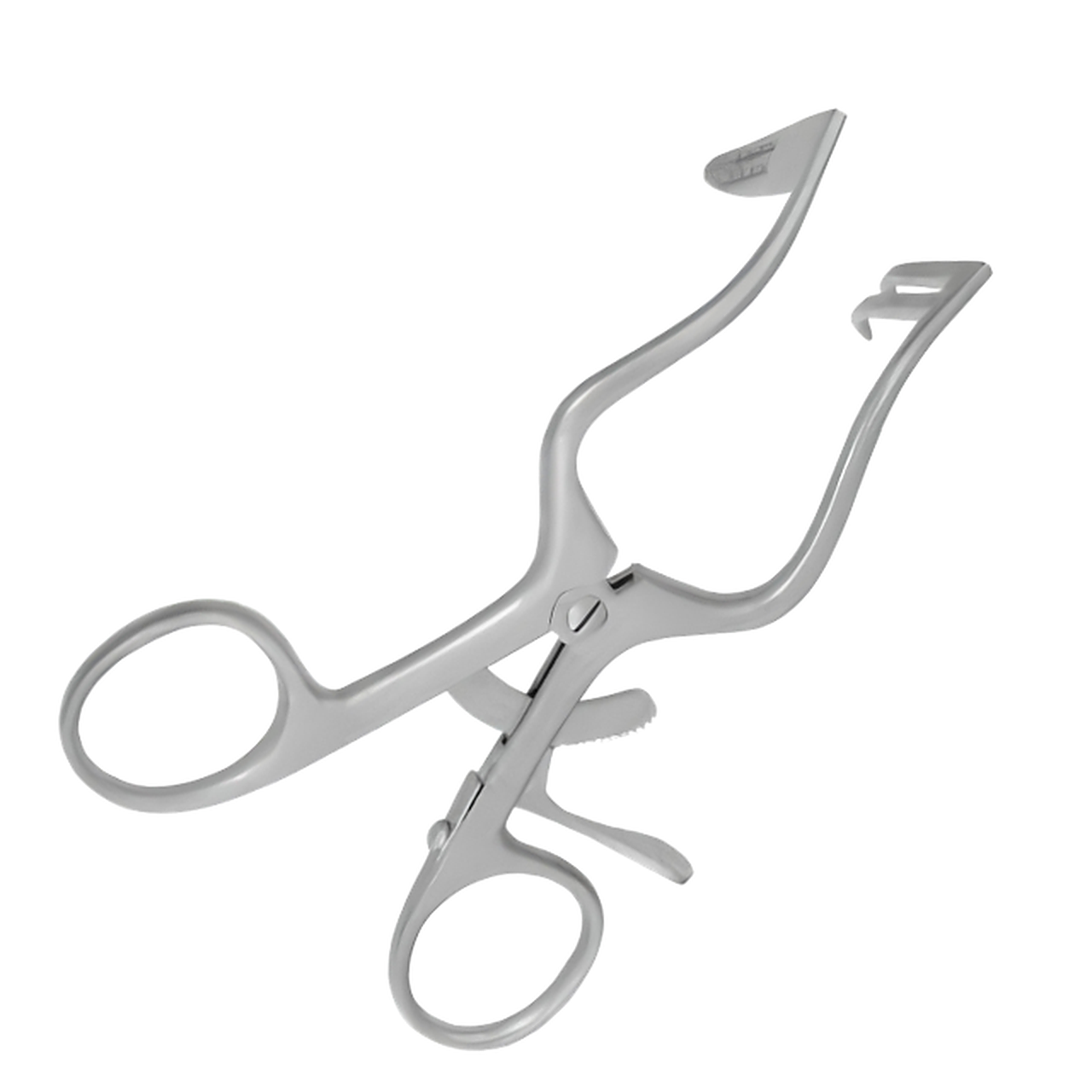 | Afastador Helms | Projetado especificamente para fornecer retração tecidual autorretentiva e atraumática em campos otológicos e microcirúrgicos estreitos. |
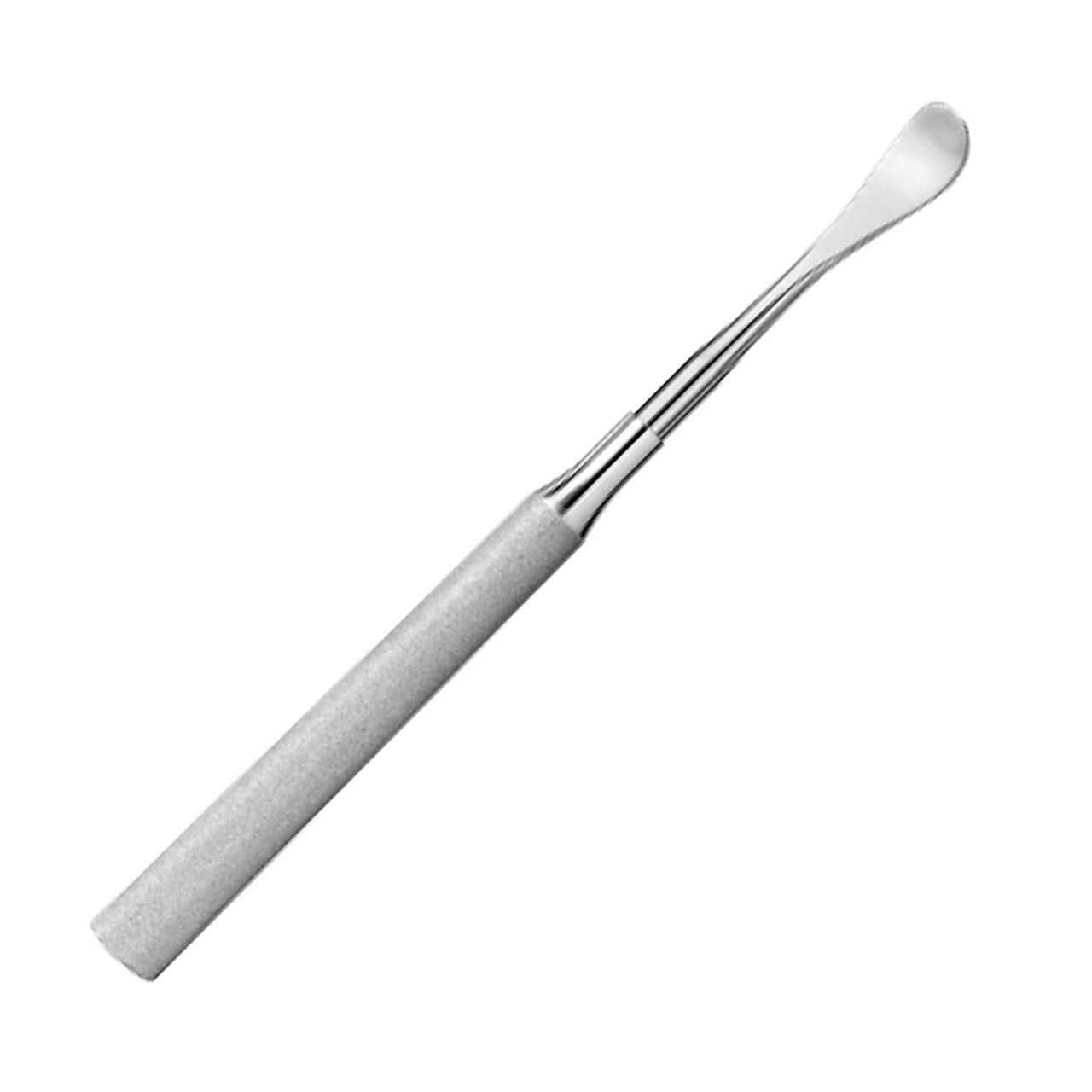 | Afastador Henahan | Projetado especificamente para afastar bochechas, lábios e tecido mucoperiosteal durante cirurgias orais, dentárias e bucomaxilofaciais. |
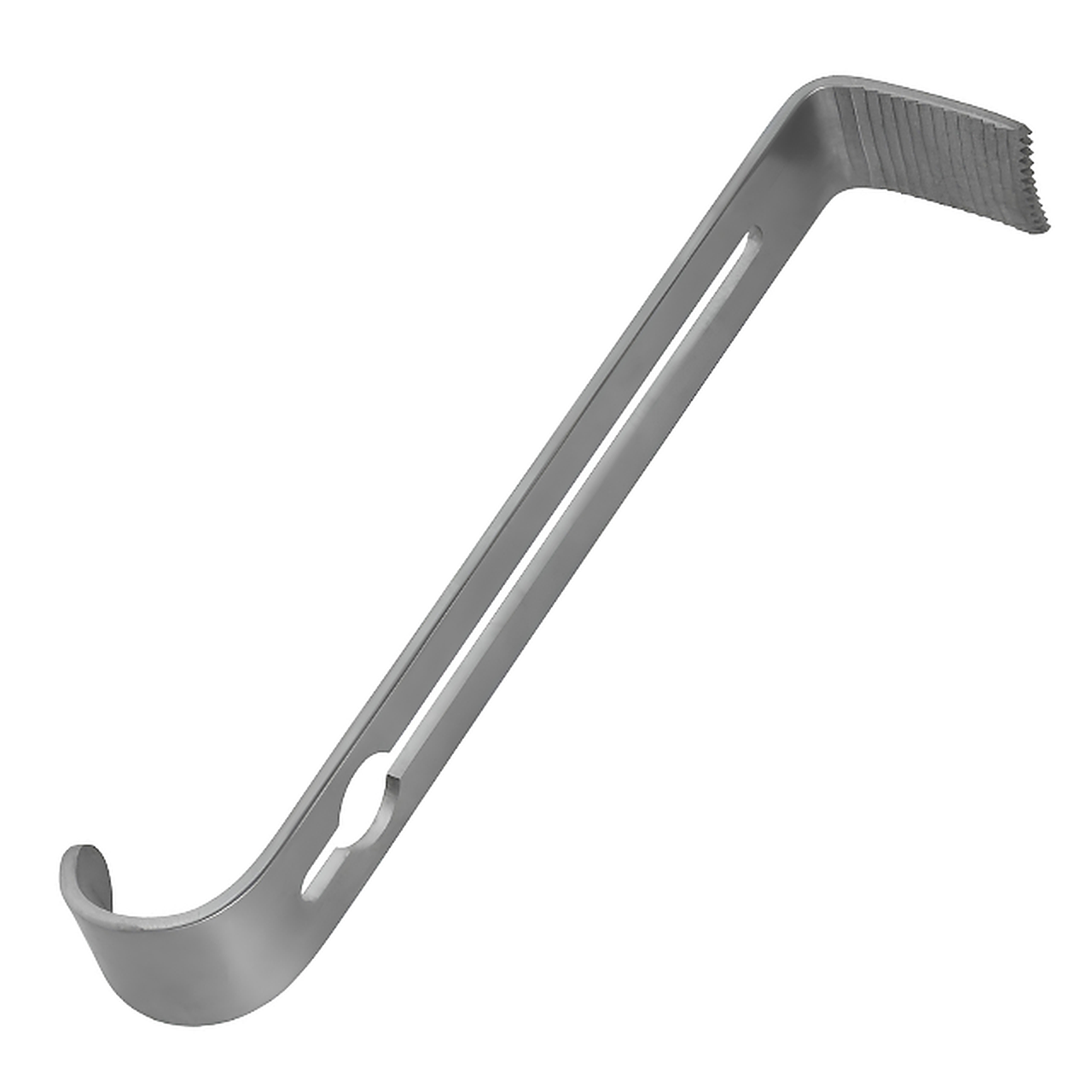 | Lâmina Central para Afastador Henly | Projetada especificamente para montagem em quadros de afastadores Henly para fornecer retração central de tecidos em cirurgias vasculares e gerais. |
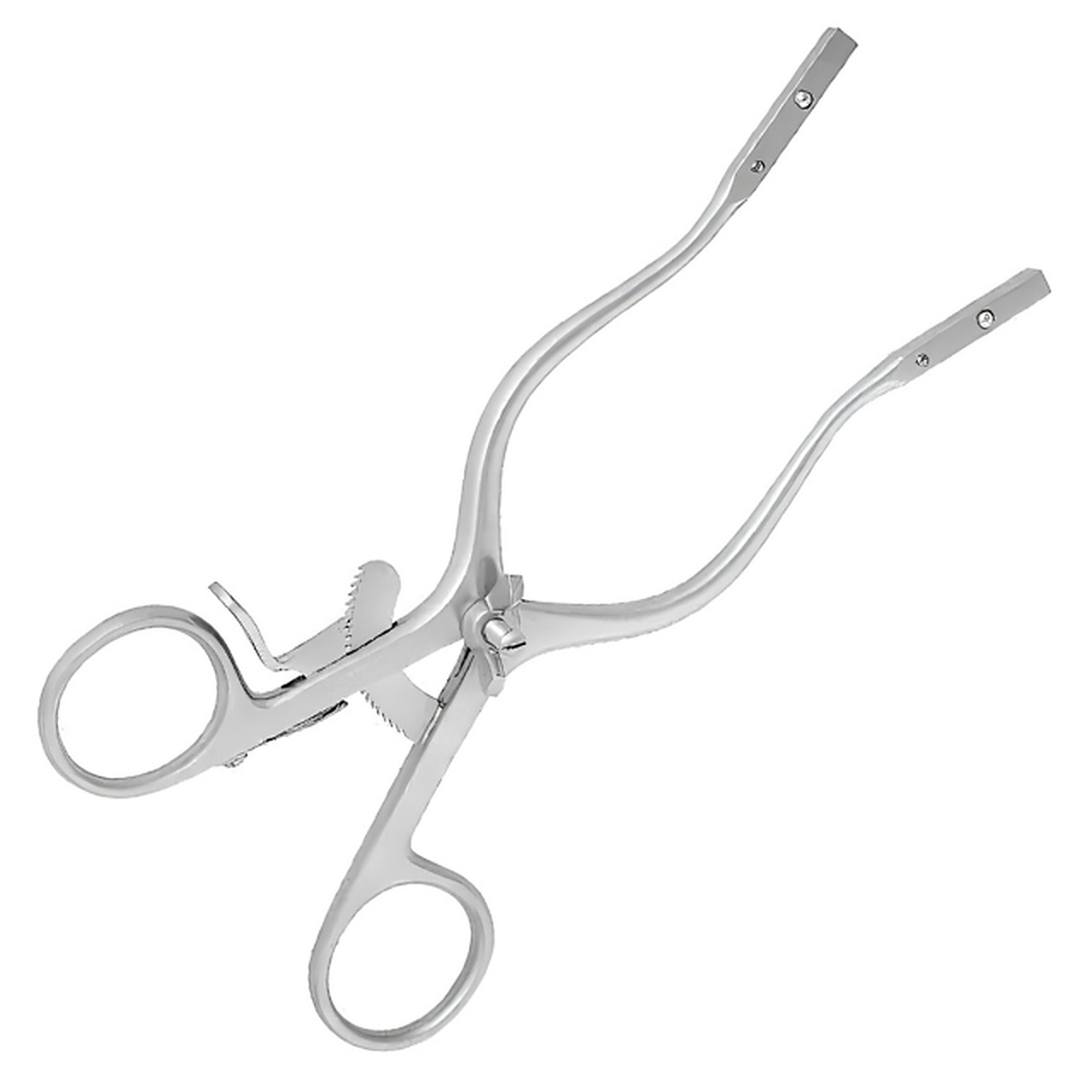 | Chassis de Afastador Henly Retractor Frame | Projetado especificamente para a montagem de lâminas laterais e centrais intercambiáveis para retração mãos-livres em cirurgia vascular e ortopédica. |
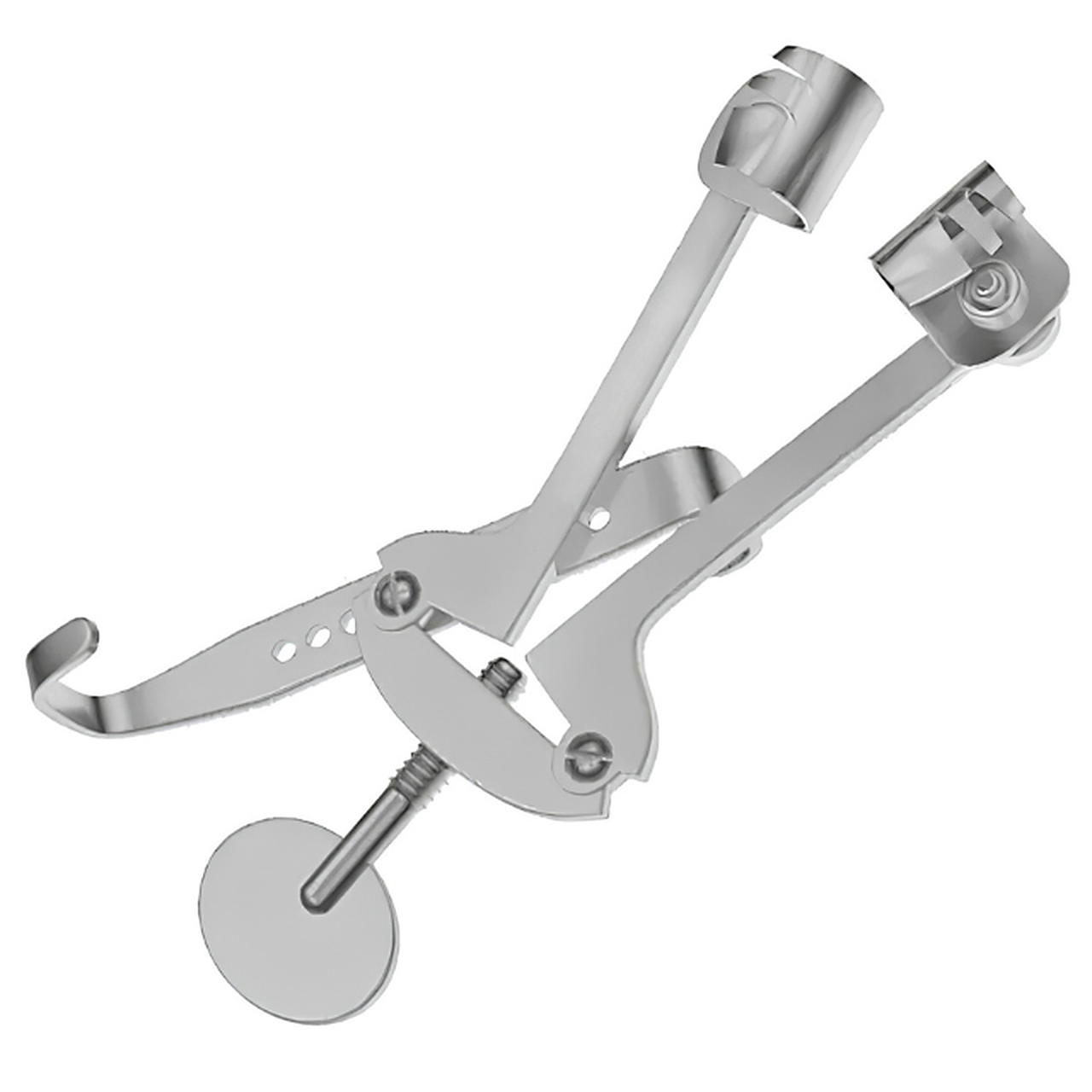 | Afastador Endaural Henner | Projetado especificamente para afastar as margens da incisão endaural e o canal auditivo externo durante cirurgias otológicas. |
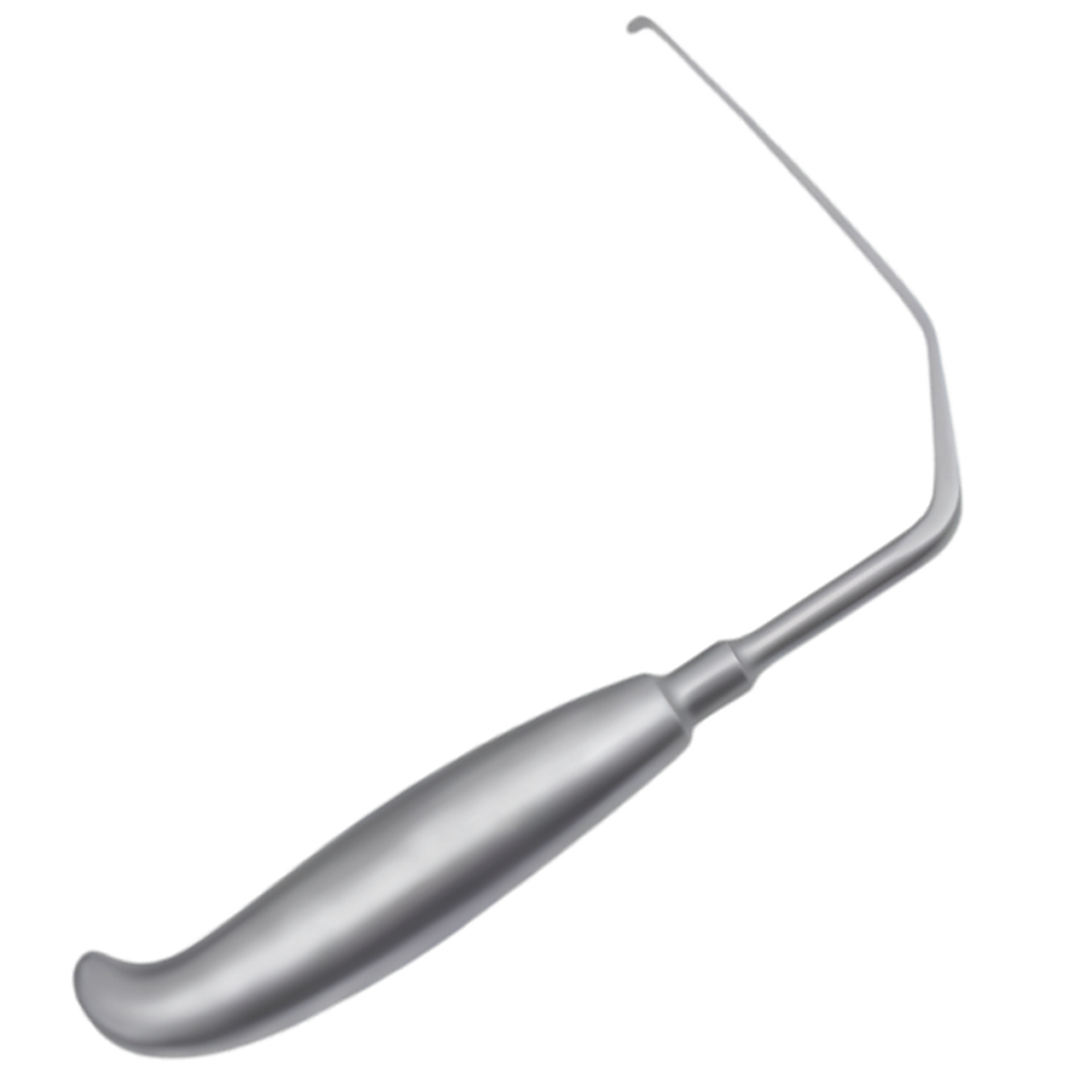 | Afastador de Raiz Nervosa Hess | Projetado especificamente para afastar e proteger as raízes nervosas espinhais transversais e o saco dural durante a microdiscectomia lombar. |
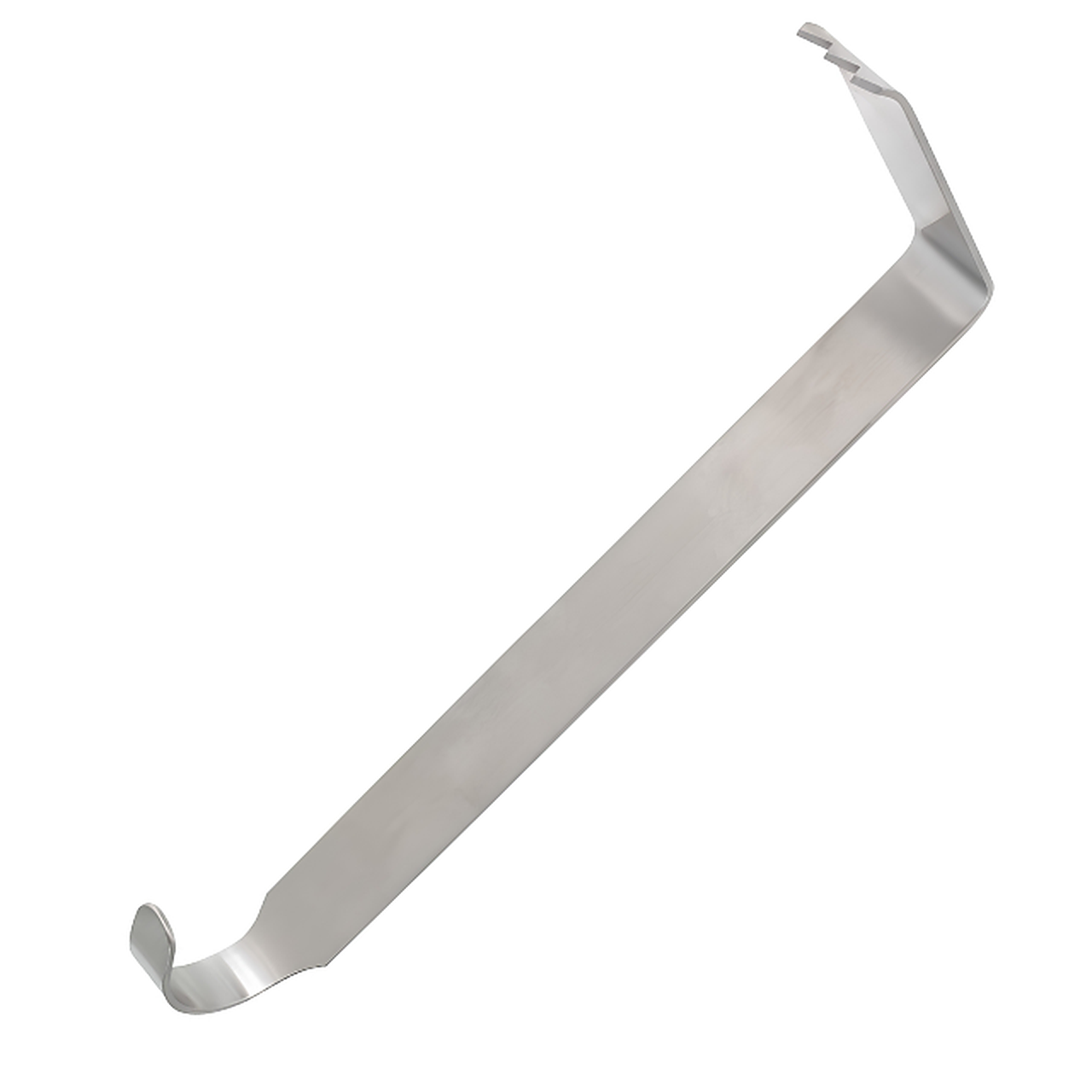 | Afastador Hibbs | Projetado especificamente para afastar musculatura paraspinal pesada e tecidos moles profundos durante cirurgias ortopédicas e de coluna. |
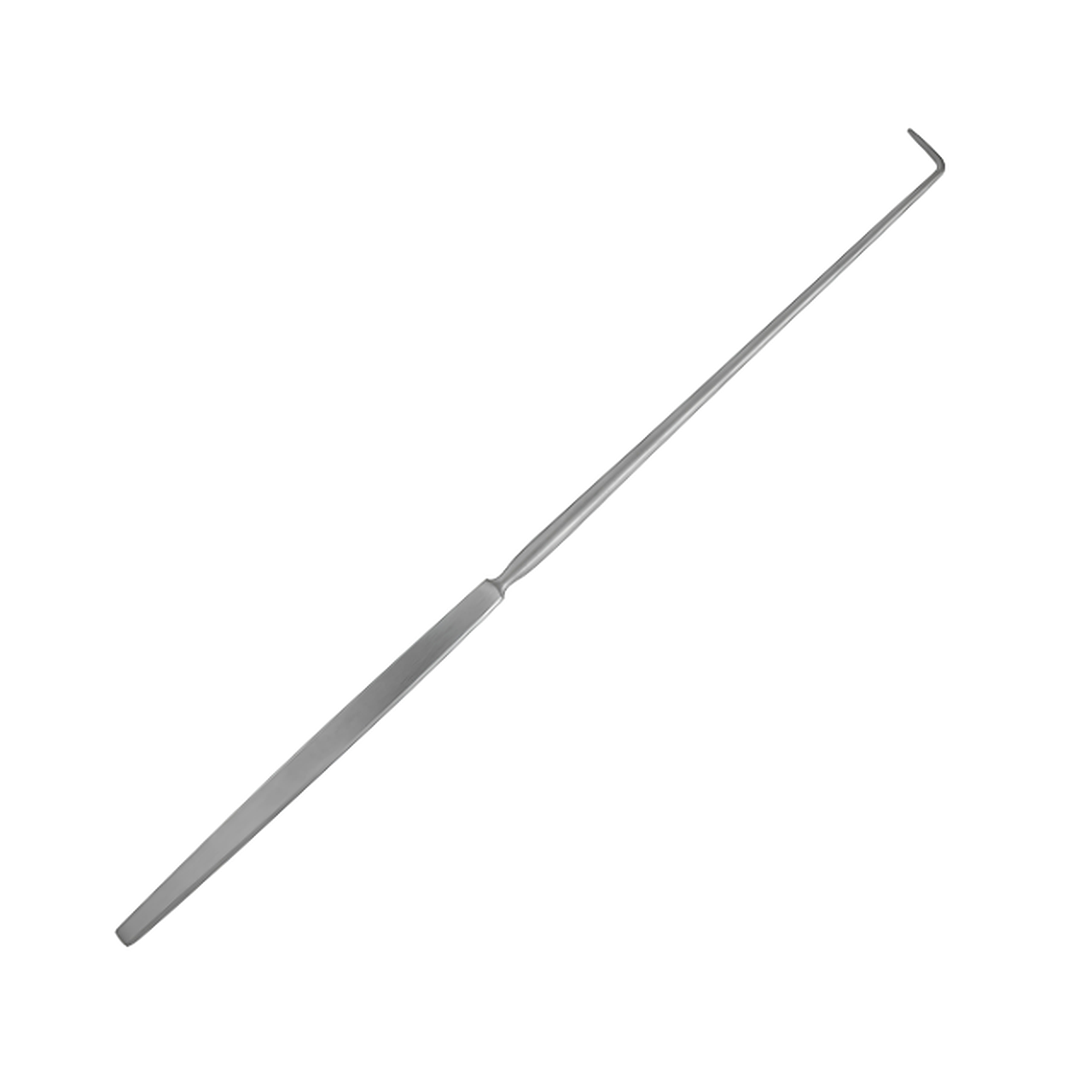 | Afastador de Nervos Hoen | Projetado especificamente para mobilizar, explorar e afastar raízes nervosas espinhais e o saco tecal durante microcirurgias. |
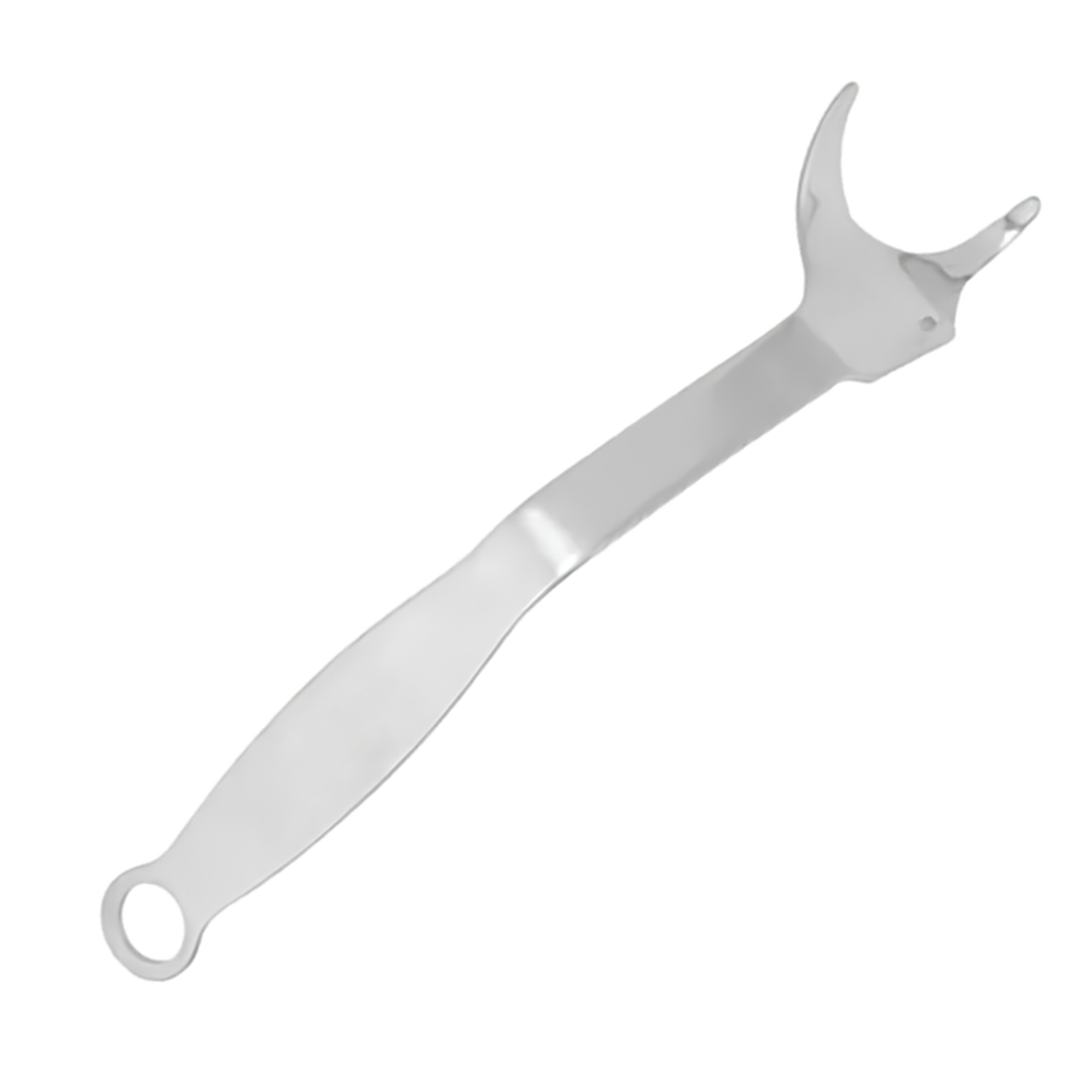 | Afastador Hohmann Posterior Inferior | Projetado especificamente para expor a borda acetabular posterior-inferior e afastar o tecido capsular durante a artroplastia total de quadril. |
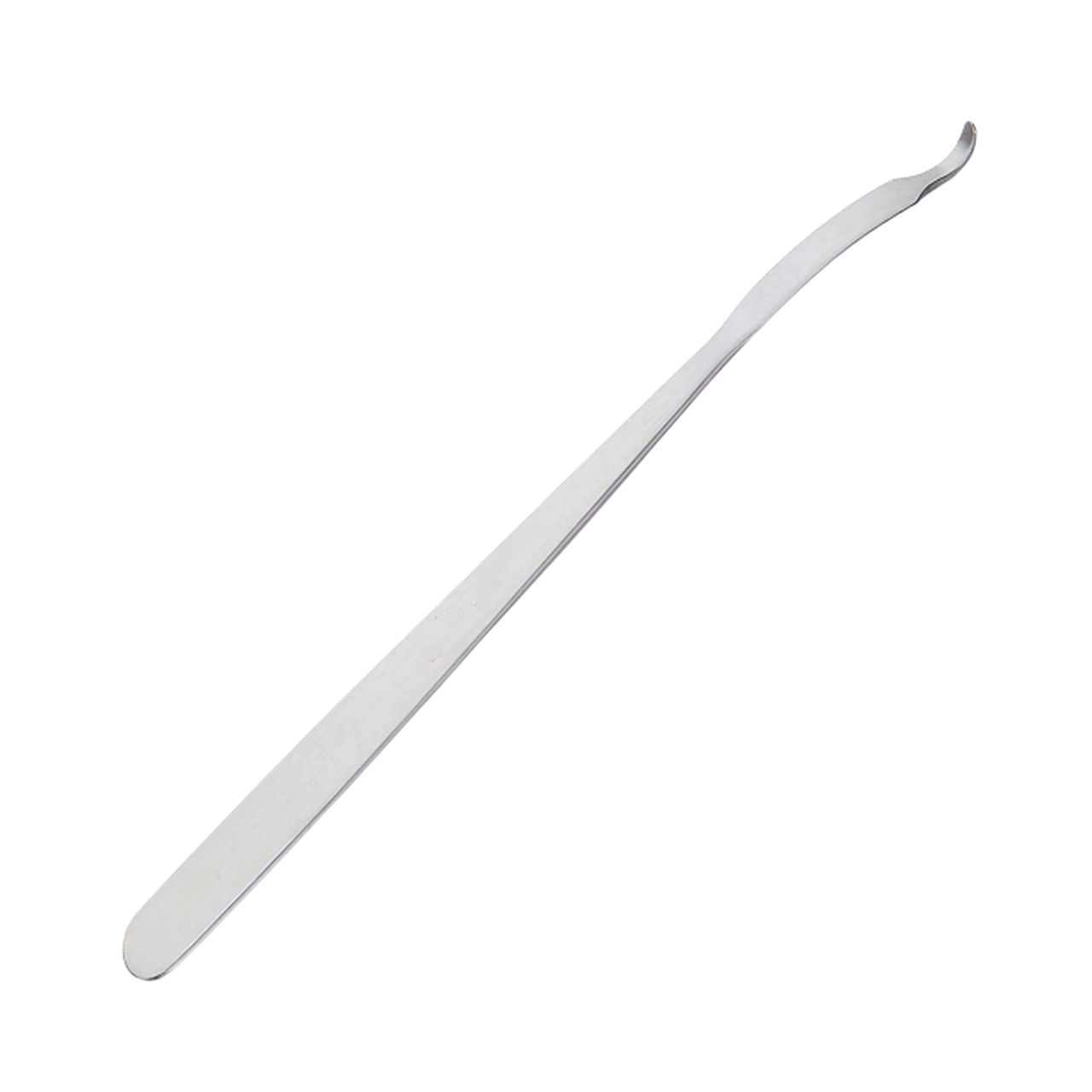 | Afastador Hohmann | Projetado especificamente para alavancagem óssea e retração de musculatura pesada durante procedimentos ortopédicos de quadril, joelho e ossos longos. |
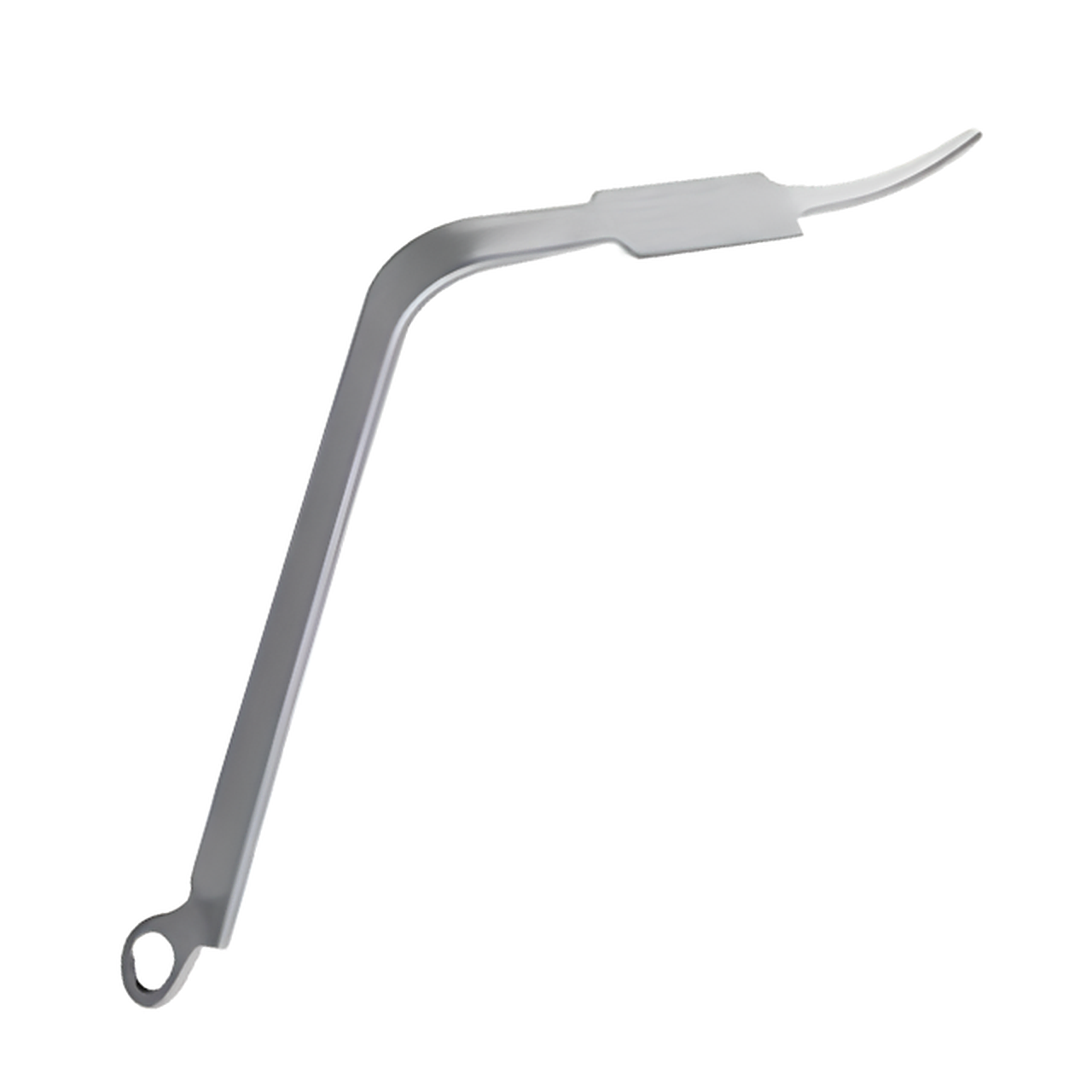 | Afastador Hohmann com Cabo Extra Longo Curvado | Projetado especificamente para alavancar ossos e afastar musculatura pesada, mantendo o cabo longe de campos cirúrgicos profundos durante cirurgias ortopédicas. |
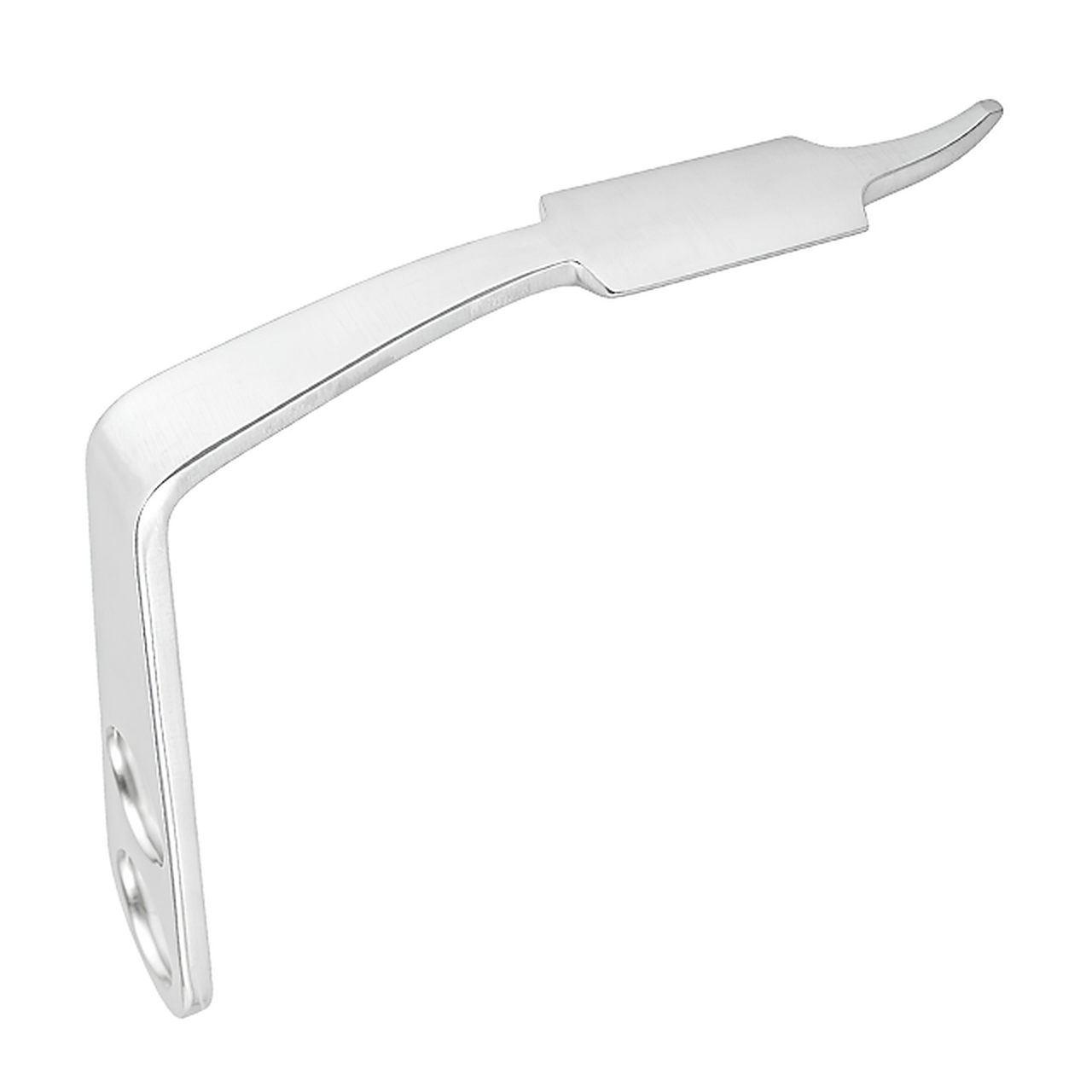 | Afastador Hohmann em Ângulo Reto | Projetado especificamente para alavancagem óssea e retração muscular em ângulos retos durante cirurgias profundas de quadril, pelve e fêmur. |
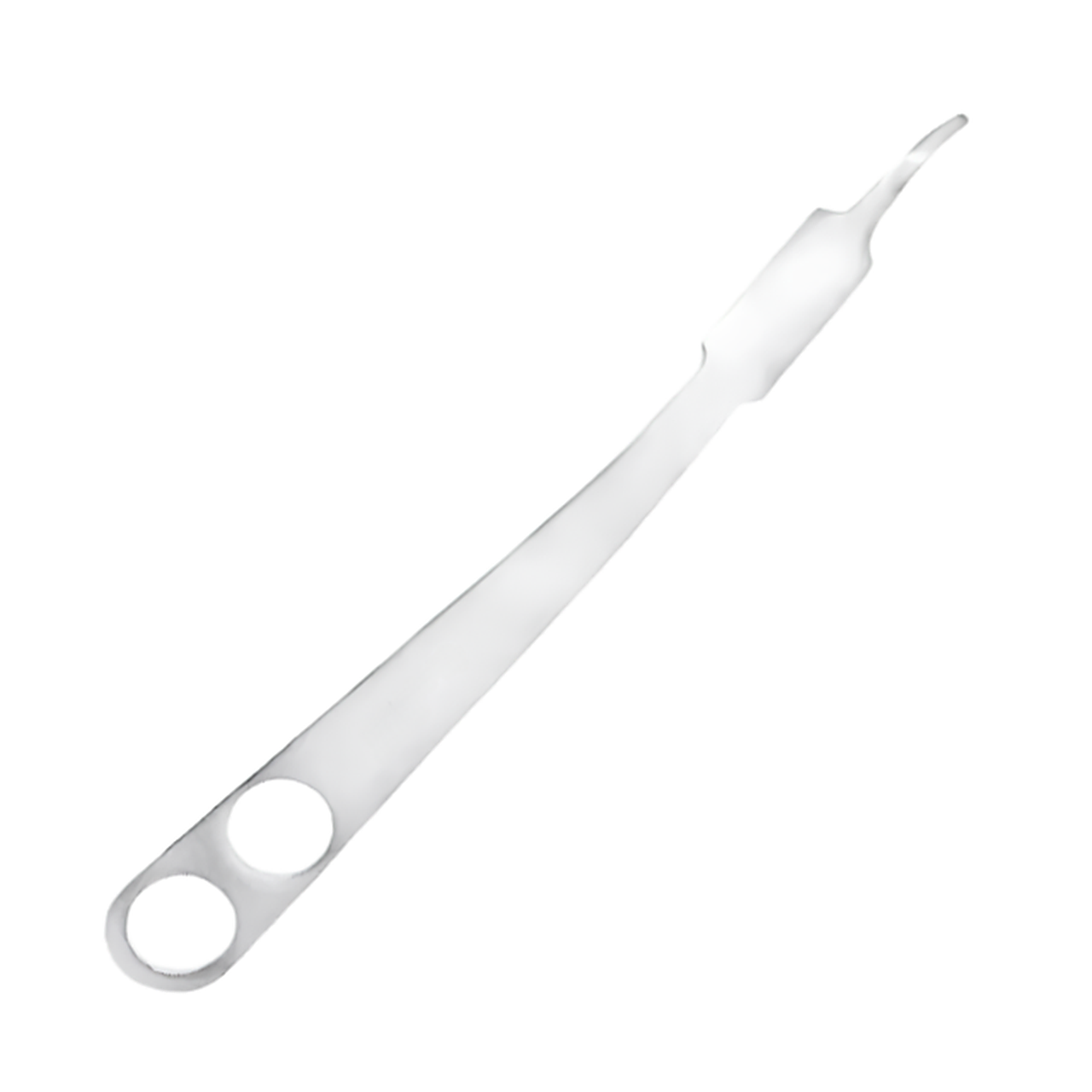 | Afastador Hohmann Ponta Romba | Projetado especificamente para alavancar ossos e afastar tecidos moles de forma atraumática durante cirurgias ortopédicas de quadril, joelho e ossos longos. |
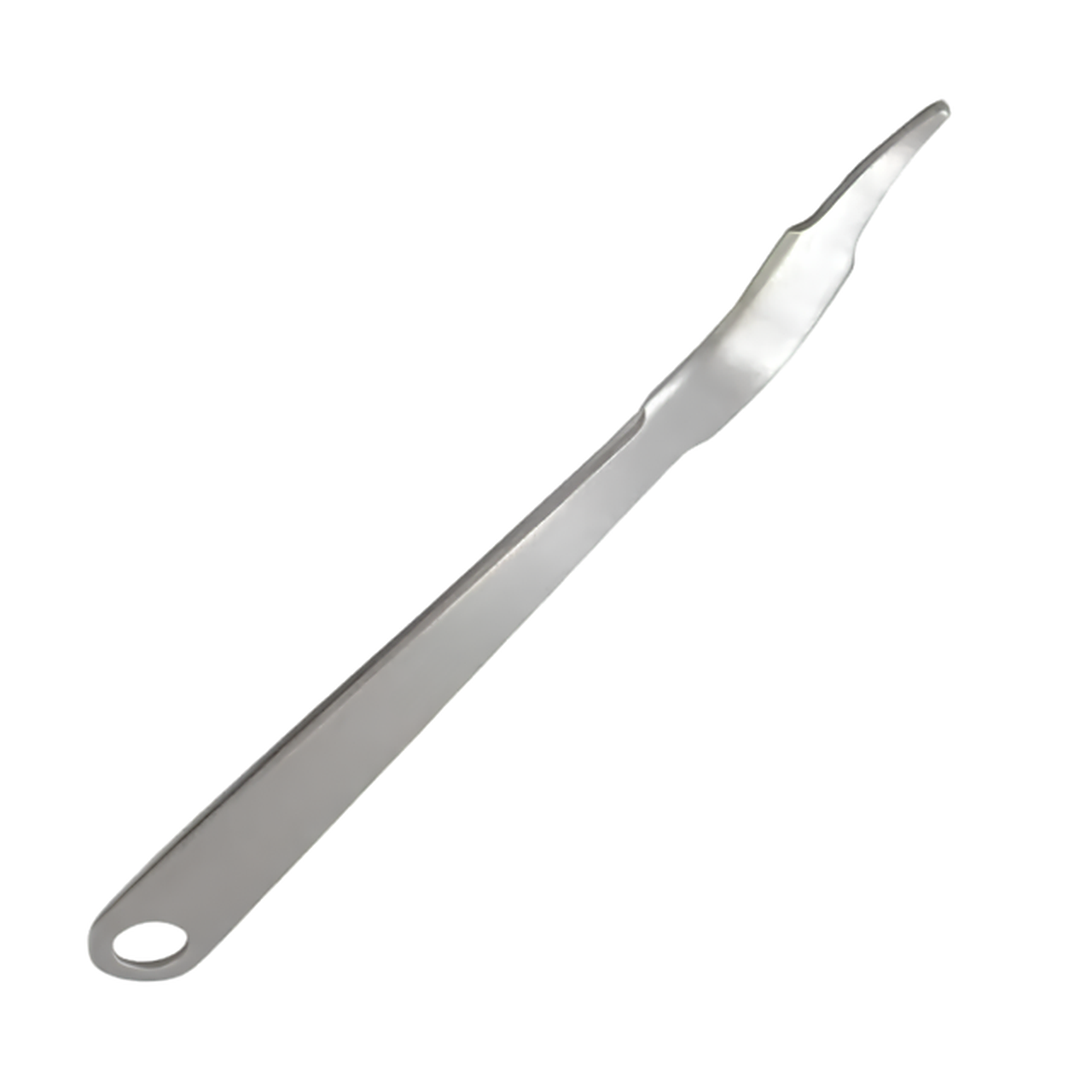 | Afastador Hohmann Ponta Quadrada | Projetado especificamente para alavancar corticais ósseas planas e afastar tecidos moles durante cirurgias ortopédicas de joelho, quadril e trauma. |
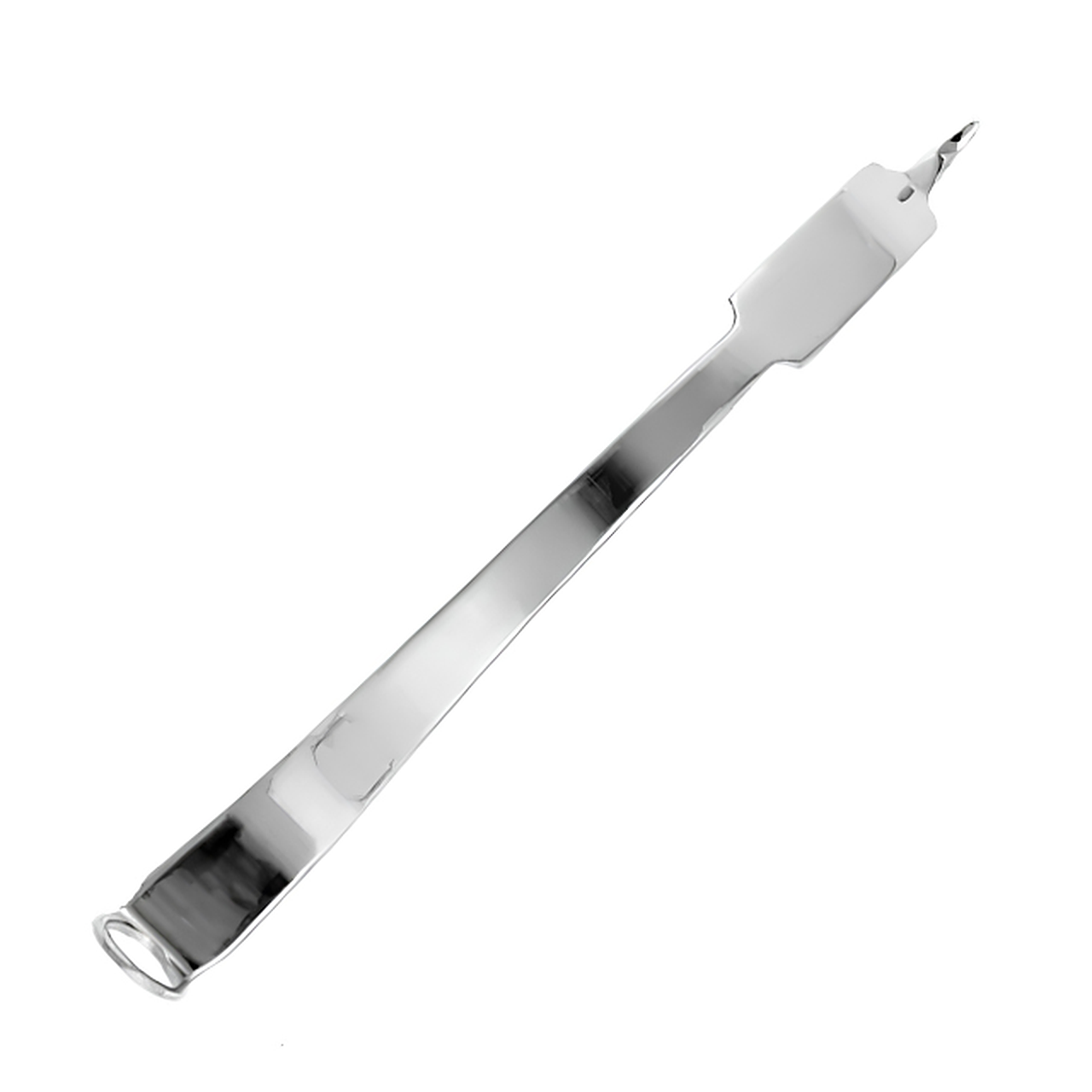 | Afastadores Hohmann Angulados | Projetado especificamente para alavancar ossos e afastar músculos de articulações profundas e ossos longos durante cirurgias ortopédicas. |
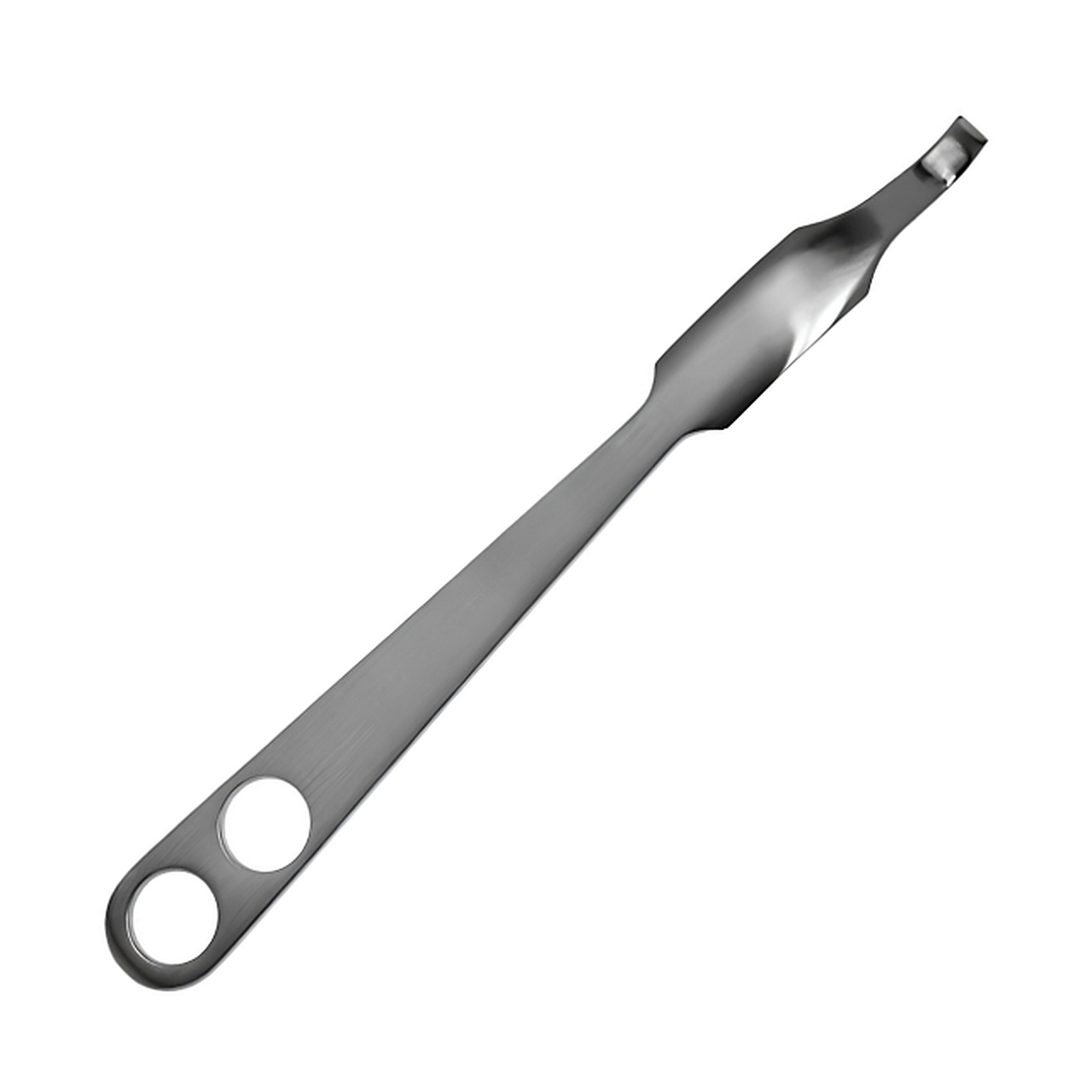 | Afastadores Hohmann de Lâmina Quadrada | Projetado especificamente para alavancar corticais ósseas e afastar camadas musculares densas durante procedimentos ortopédicos de quadril, joelho e ossos longos. |
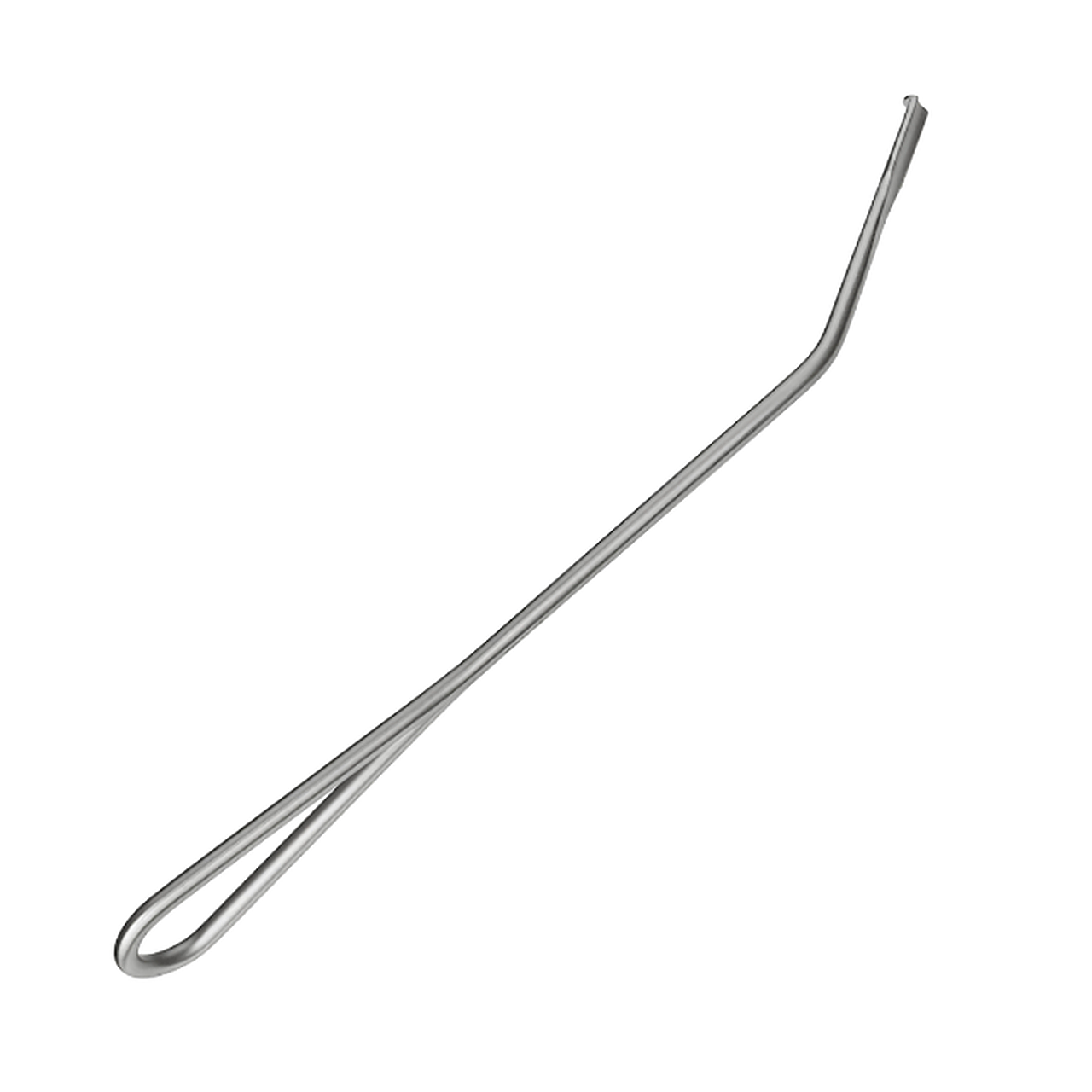 | Afastadores Holscher | Especificamente projetado para afastar e proteger as raízes nervosas espinhais e o saco tecal durante procedimentos de discectomia e laminectomia. |
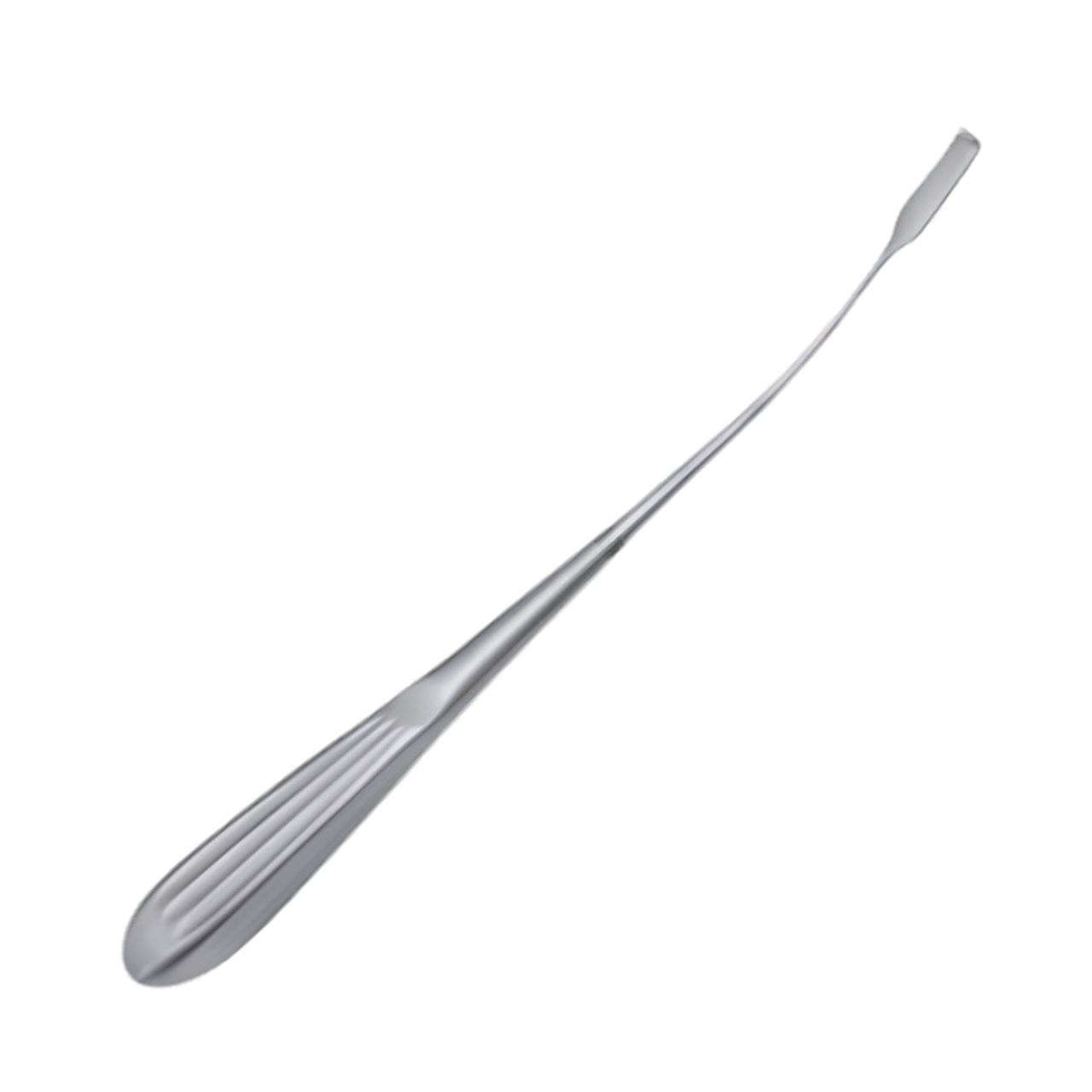 | Afastador de Raiz Nervosa Holsher | Projetado especificamente para afastar e proteger as raízes nervosas espinhais e o saco tecal durante a microdiscectomia lombar. |
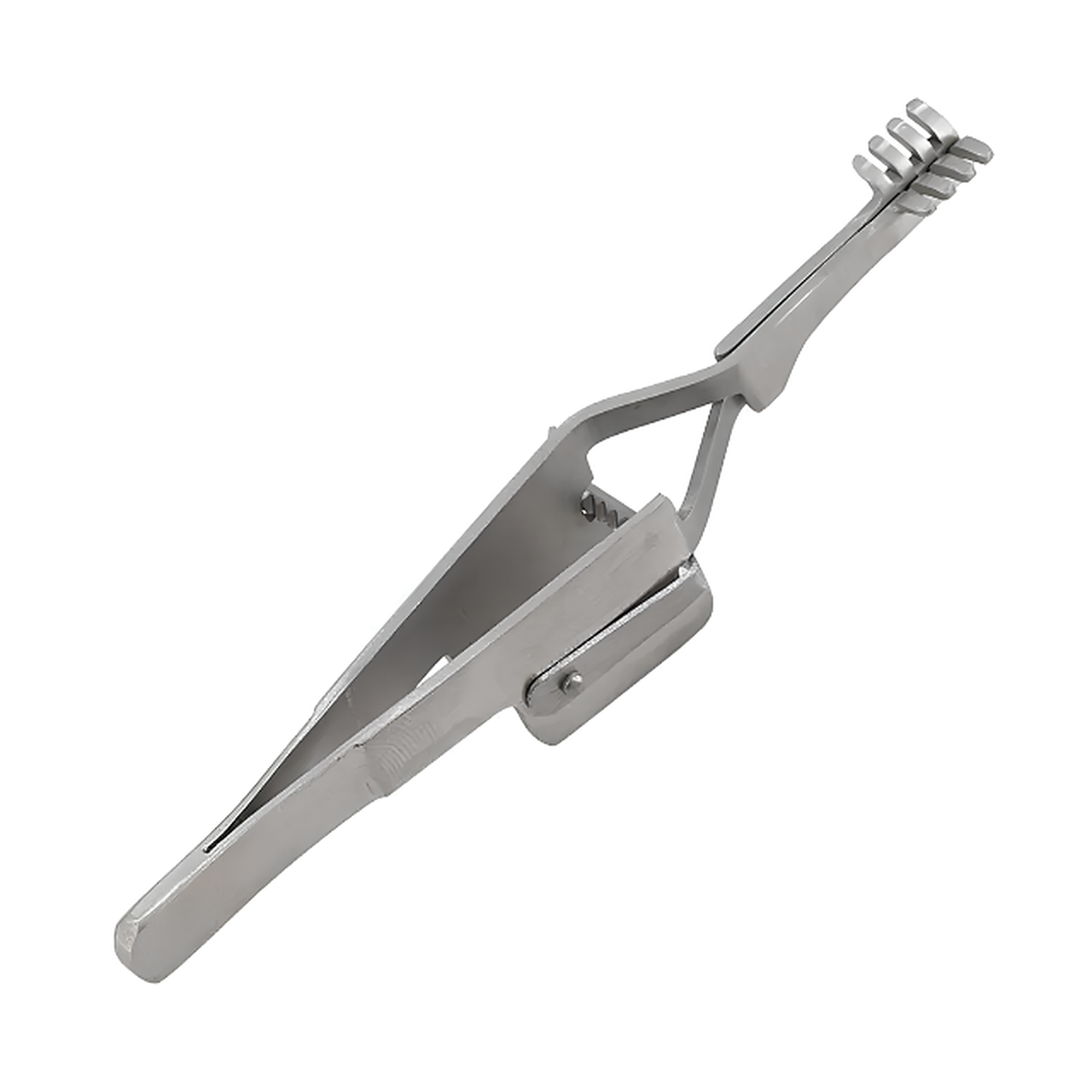 | Afastador Autoestático Holzhimer | Projetado especificamente para fornecer afastamento tecidual autoestático durante procedimentos cirúrgicos menores, oftalmológicos, plásticos e de mão. |
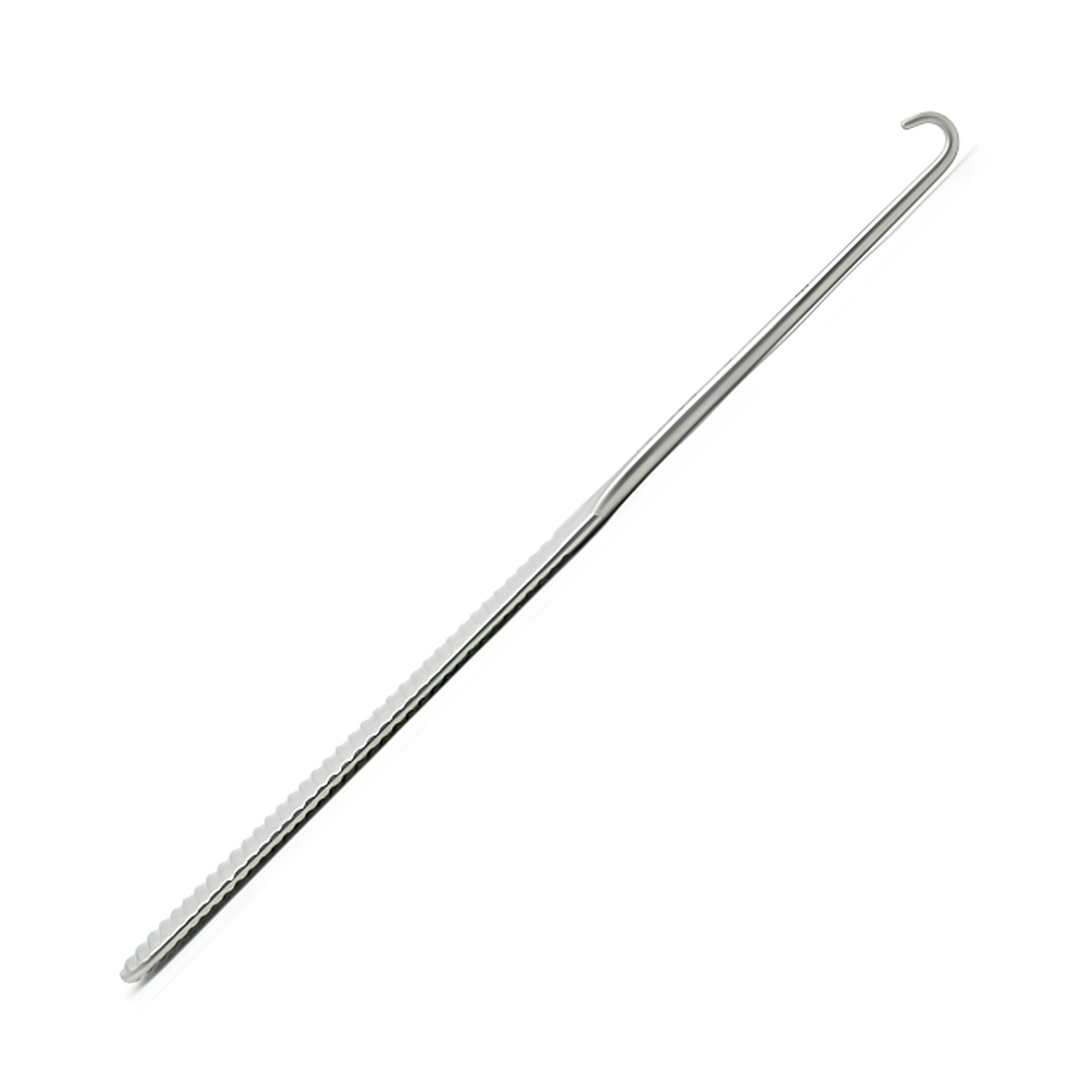 | Afastador Tipo Gancho | Projetado especificamente para afastar retalhos de pele, margens cutâneas e tecidos moles superficiais durante procedimentos cirúrgicos. |
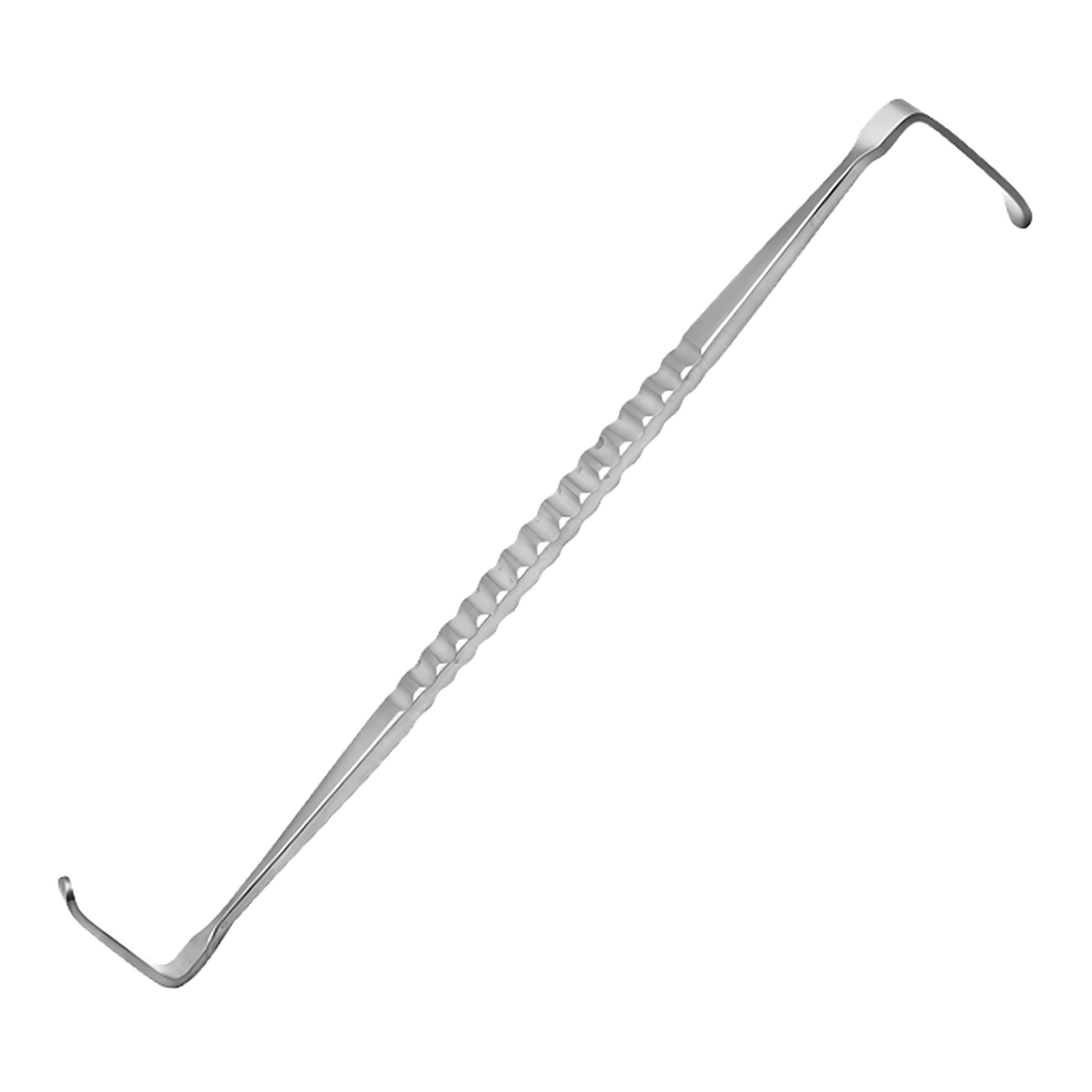 | Afastador House | Projetado especificamente para afastar margens da pele, tecido meatal e fáscia durante cirurgias otológicas, otorrinolaringológicas e plásticas. |
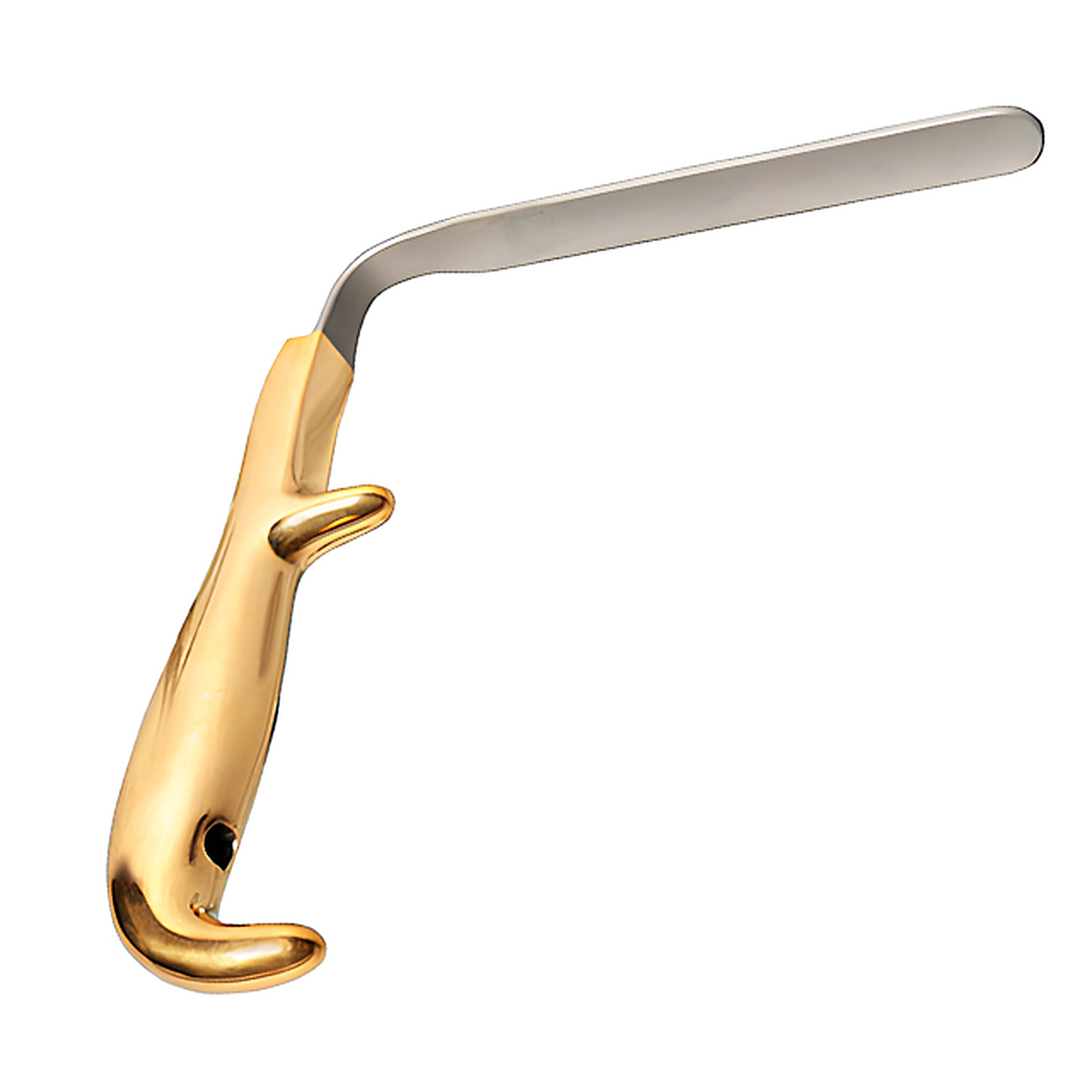 | Afastador Hoyos Distal | Projetado especificamente para elevar retalhos cutâneos abdominais e fornecer exposição da bolsa distal durante a abdominoplastia de alta definição. |
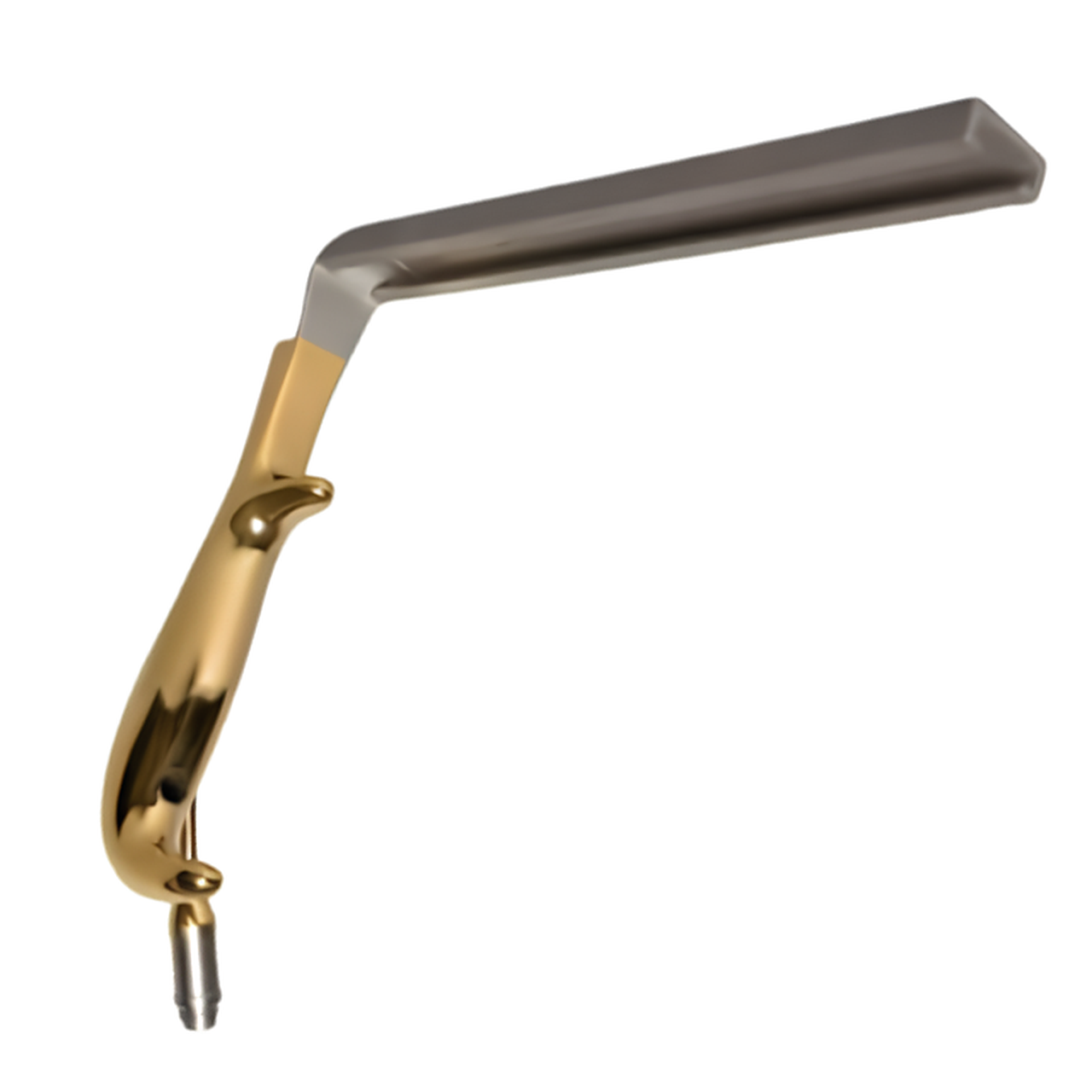 | Afastador Proximal Hoyos | Projetado especificamente para elevar retalhos abdominais proximais e expor o epigástrio durante abdominoplastias de alta definição. |
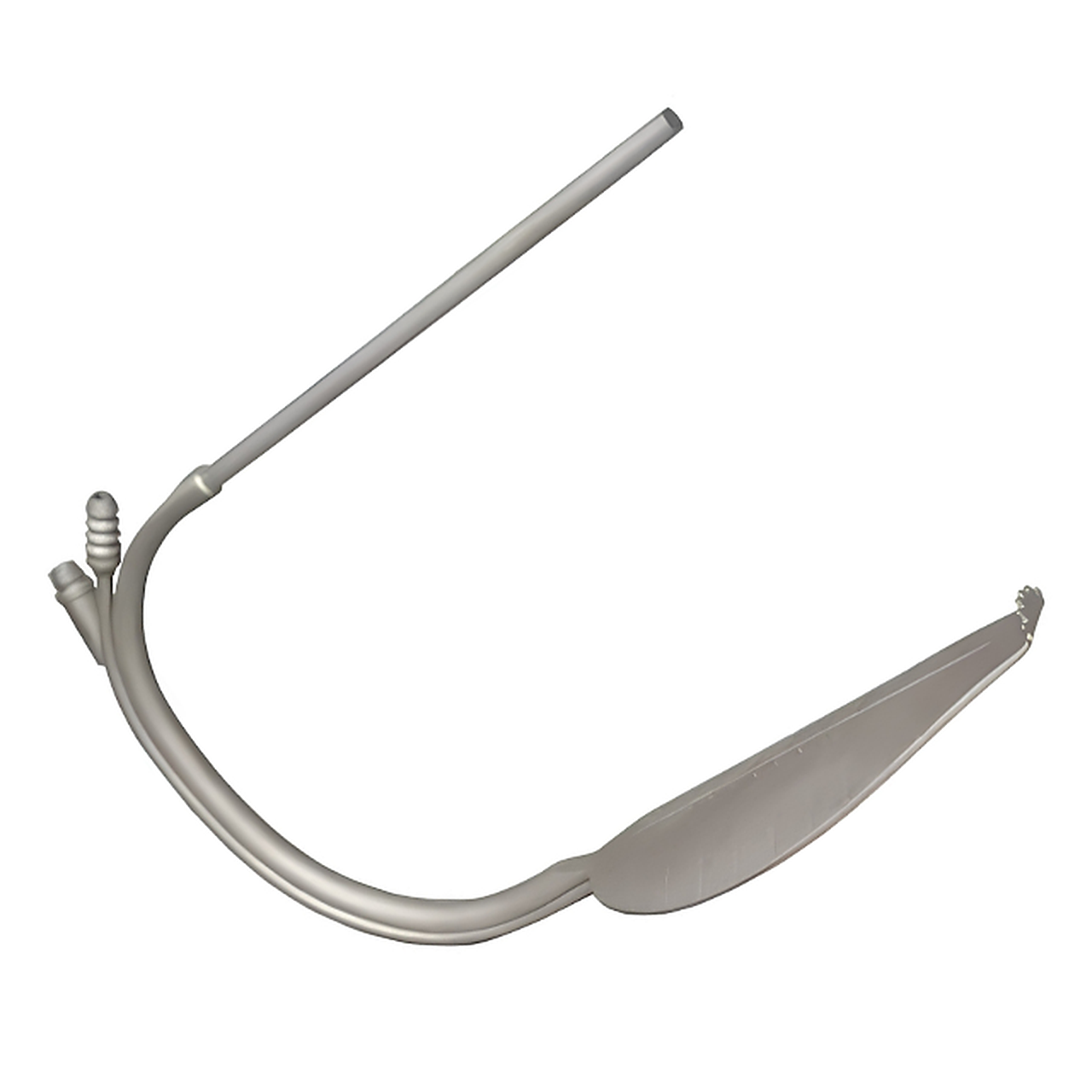 | Afastador Hoyos Remora Retractor | Projetado especificamente para fornecer afastamento de tecidos moles iluminado, evacuação de fumaça e estabilização durante a escultura corporal de alta definição. |
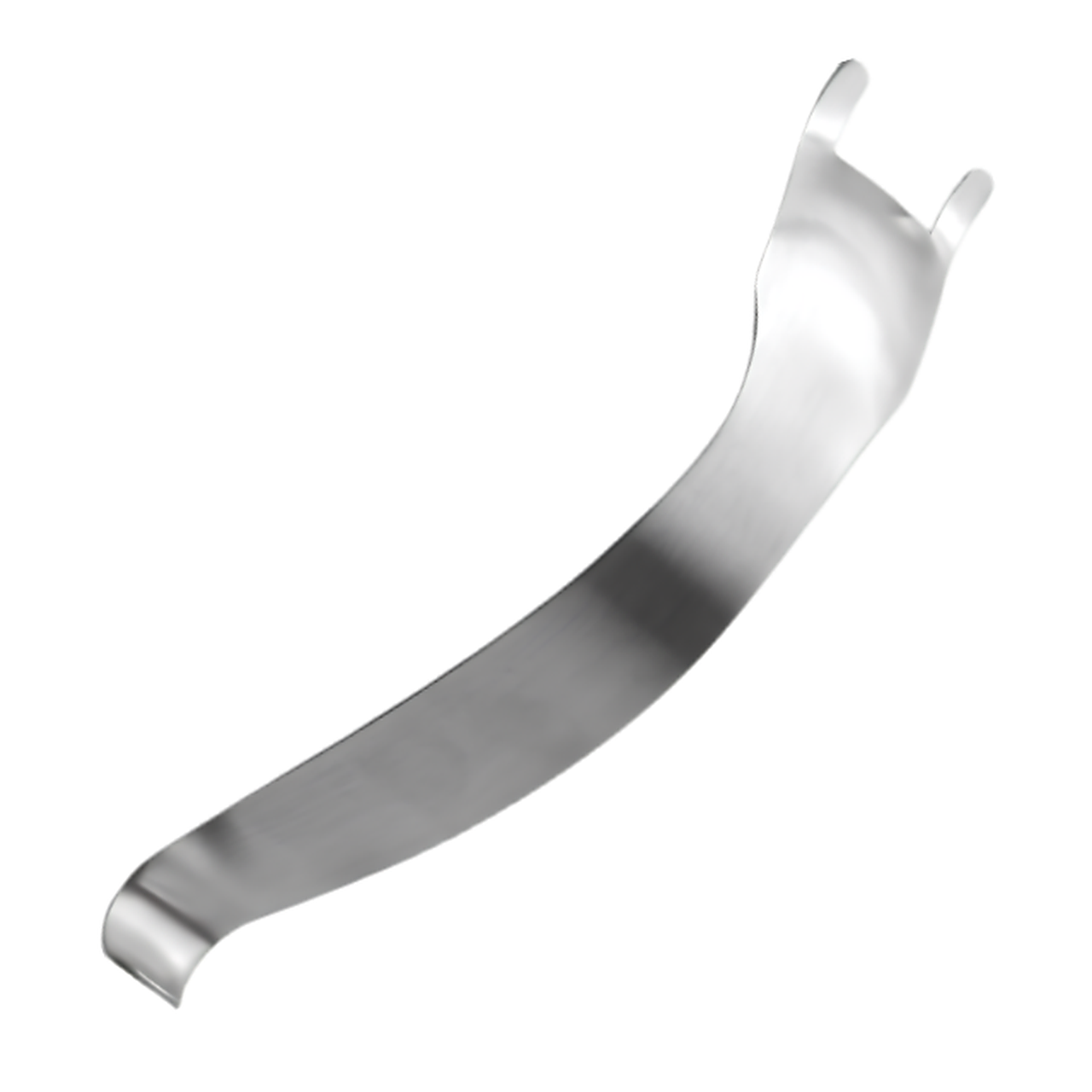 | Afastador Humeral Head Retractor | Projetado especificamente para deslocar a cabeça do úmero posteriormente e expor a cavidade glenoide durante a artroplastia de ombro. |
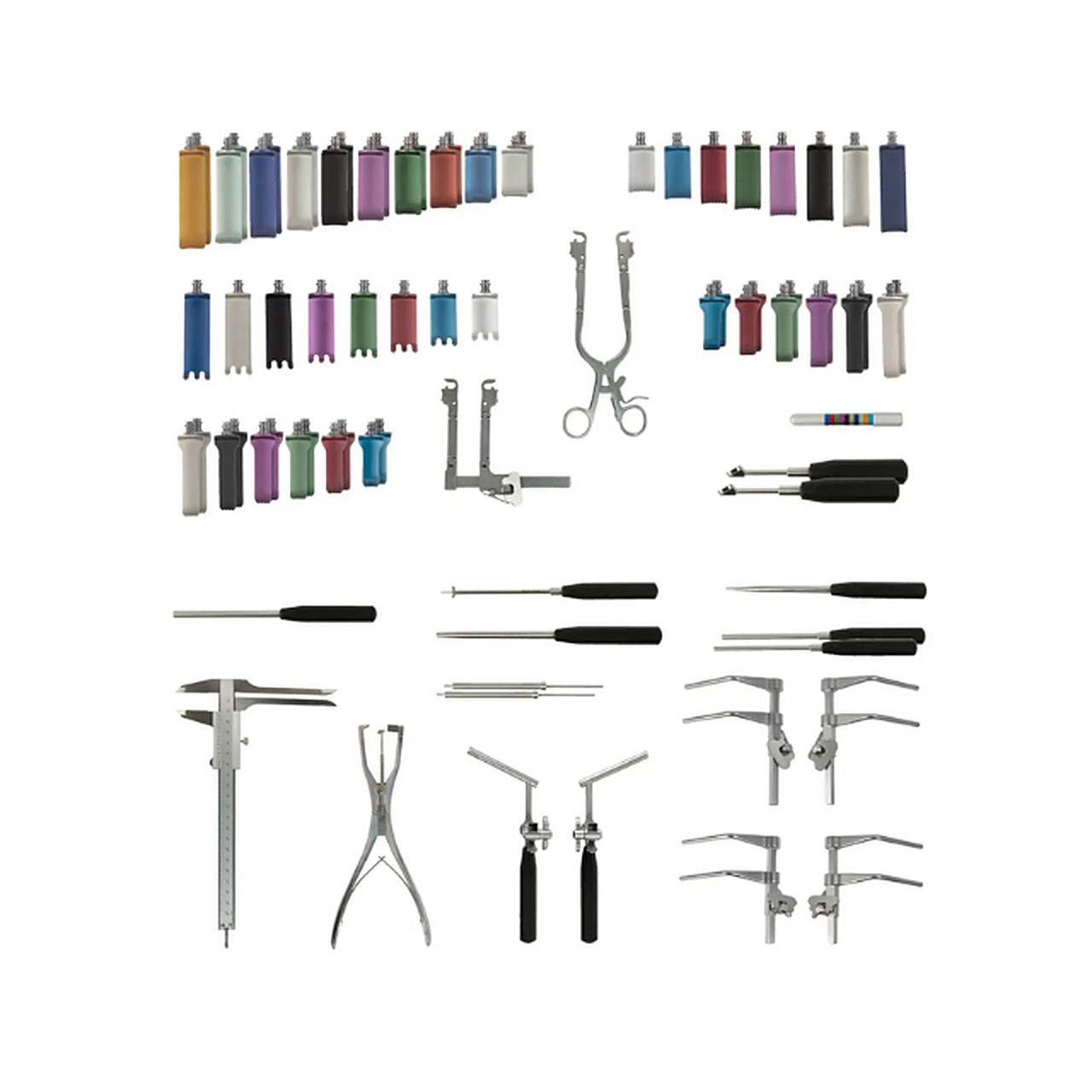 | Image-Line ACF Retractor With Distraction Classic Set | Projetado especificamente para afastamento de tecidos moles, distração de corpos intervertebrais e colocação de enxerto ósseo durante procedimentos espinhais de fusão cervical anterior (ACF). |
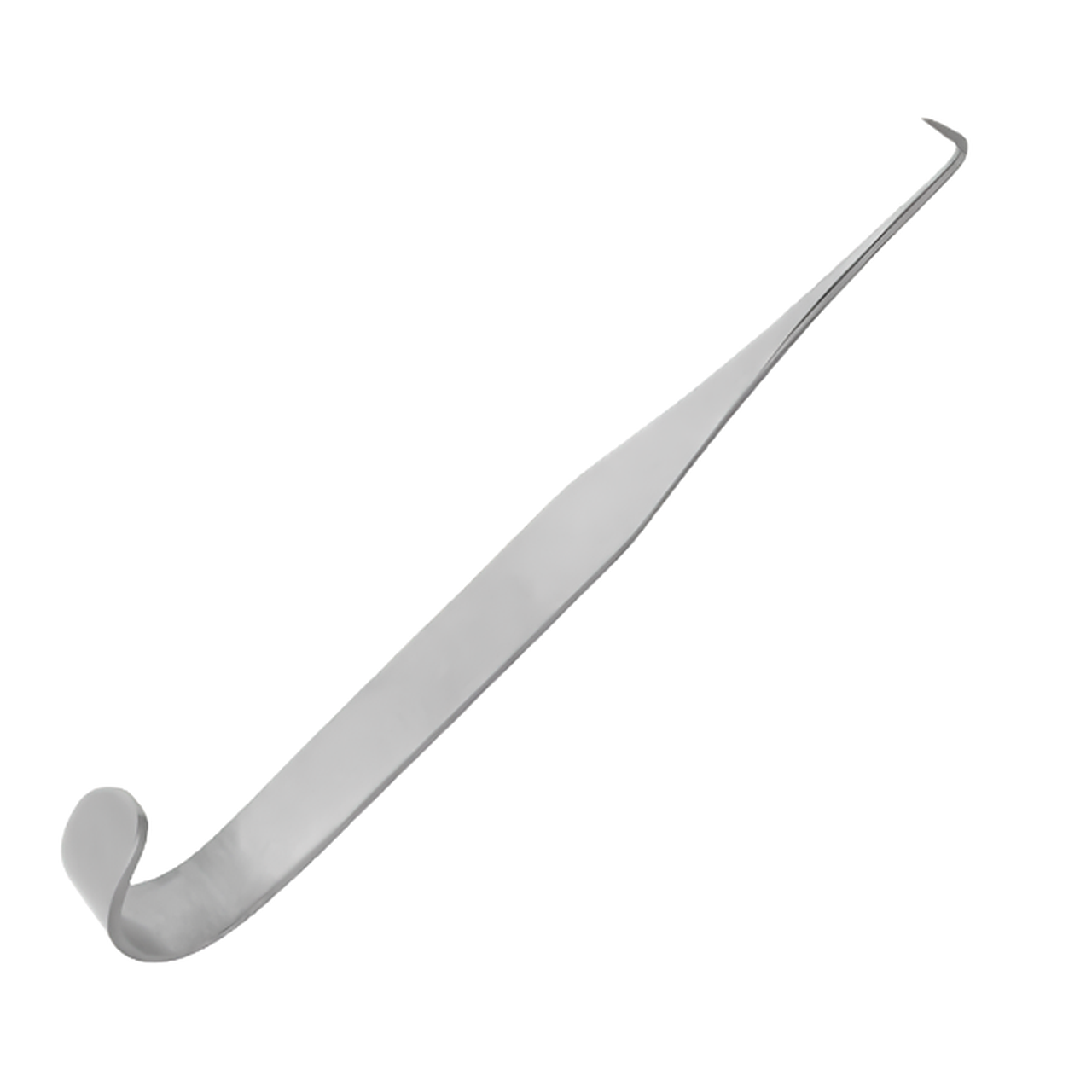 | Afastador Traqueal Jackson | Projetado especificamente para elevar e estabilizar a traqueia e afastar tecidos pré-traqueais durante a traqueostomia. |
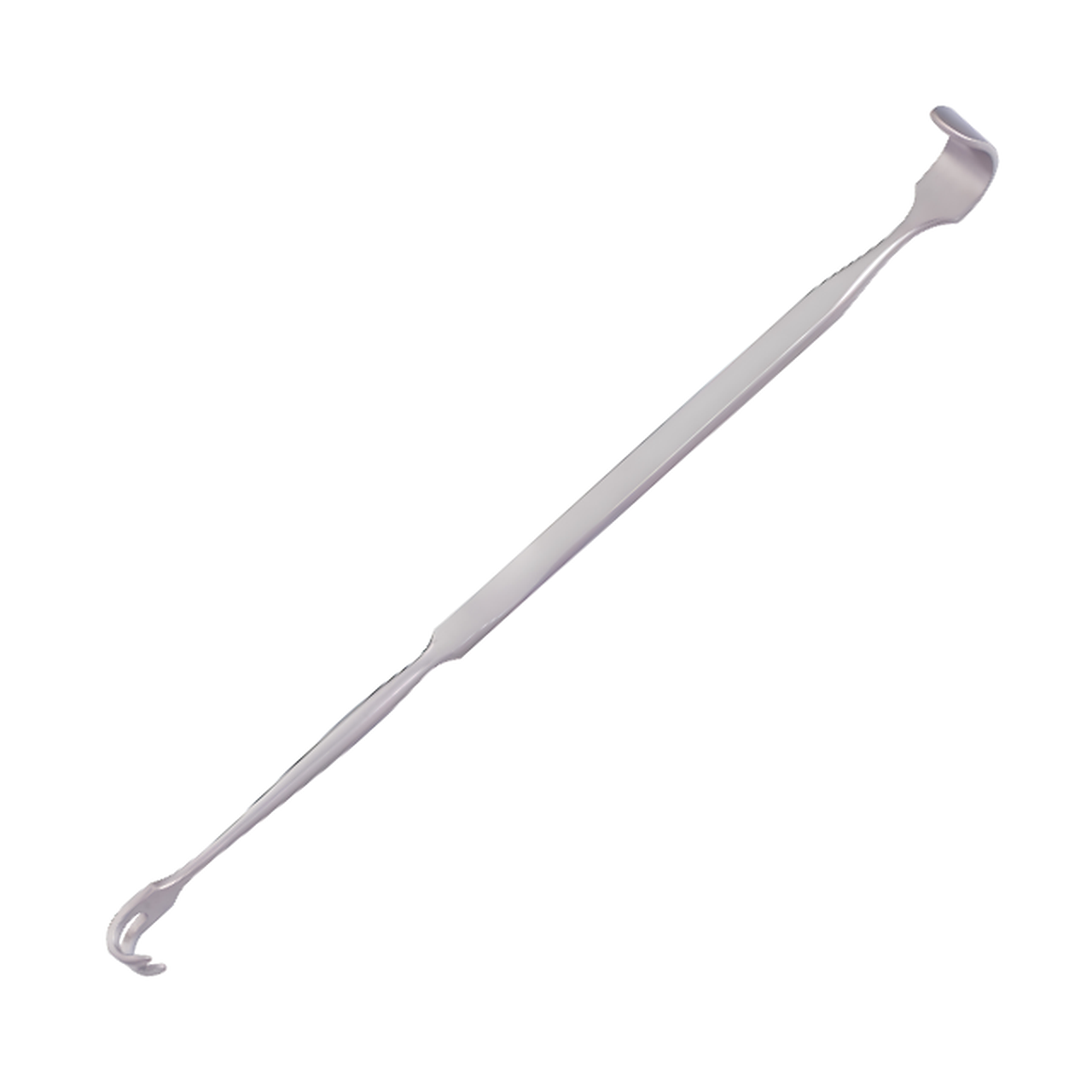 | Afastador Traqueal Jackson-Ponta Dupla | Projetado especificamente para afastar o tecido pré-traqueal e elevar as cartilagens traqueais durante traqueostomias e cirurgias de vias aéreas. |
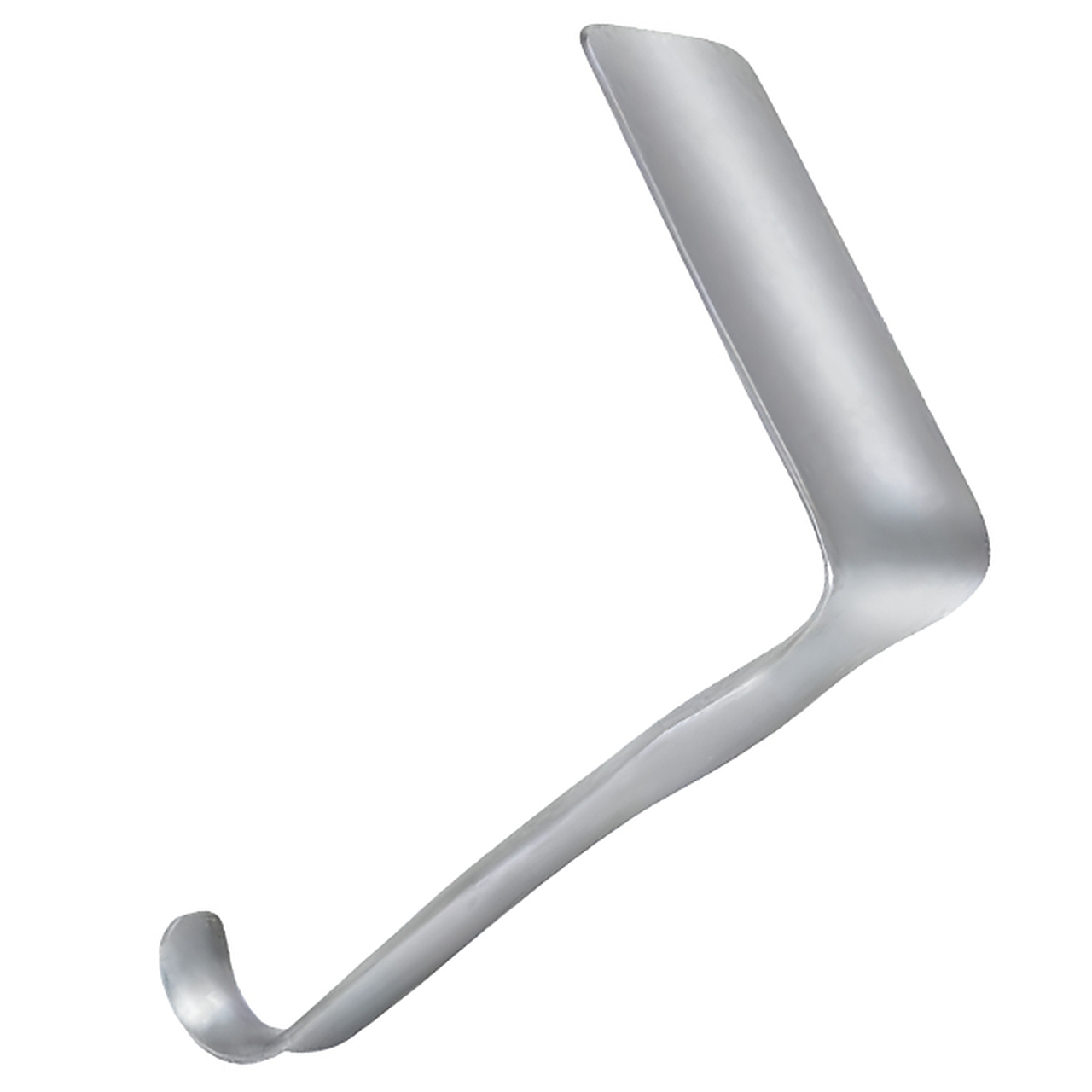 | Afastador Vaginal Jackson | Projetado especificamente para afastar as paredes vaginais e fornecer visualização da cúpula pélvica durante procedimentos ginecológicos. |
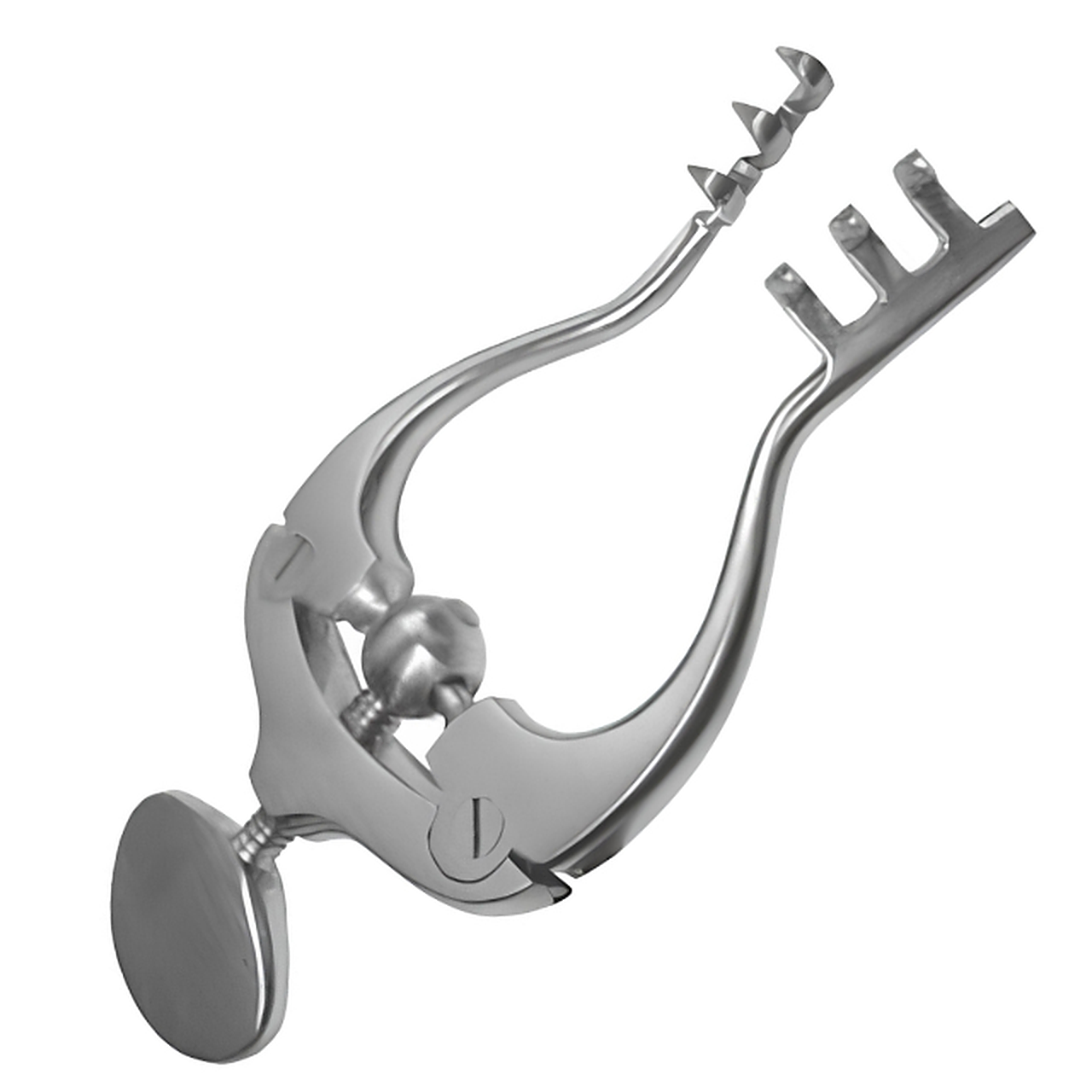 | Afastador Mastóide Jansen | Projetado especificamente para fornecer retração autoestática do periósteo e das margens da ferida durante cirurgias de mastóide e couro cabeludo. |
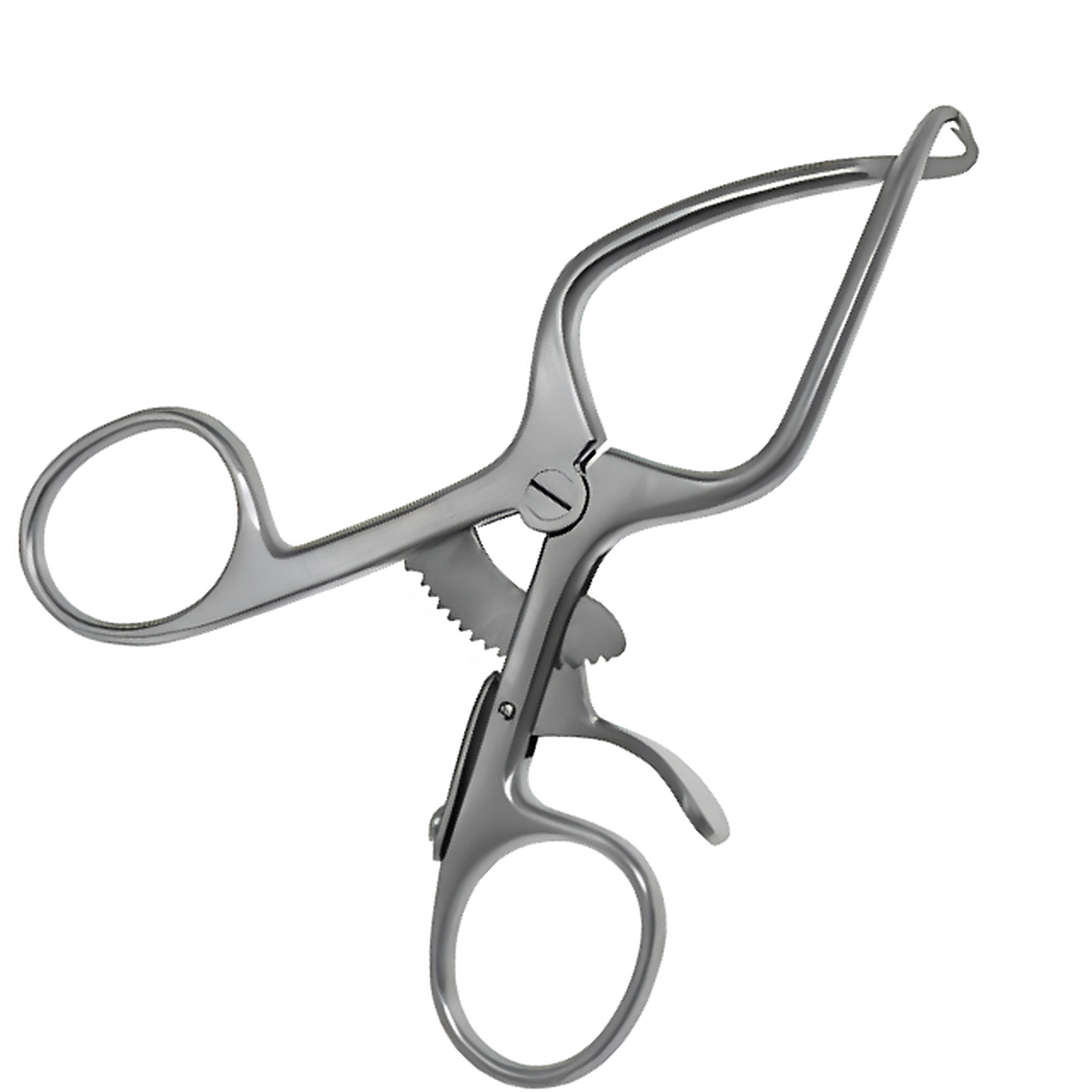 | Afastador para Neuroma de Johnson | Projetado especificamente para afastar tecidos intermetatarsais e cabeças de metatarsos durante a excisão do neuroma de Morton e cirurgias do pé. |
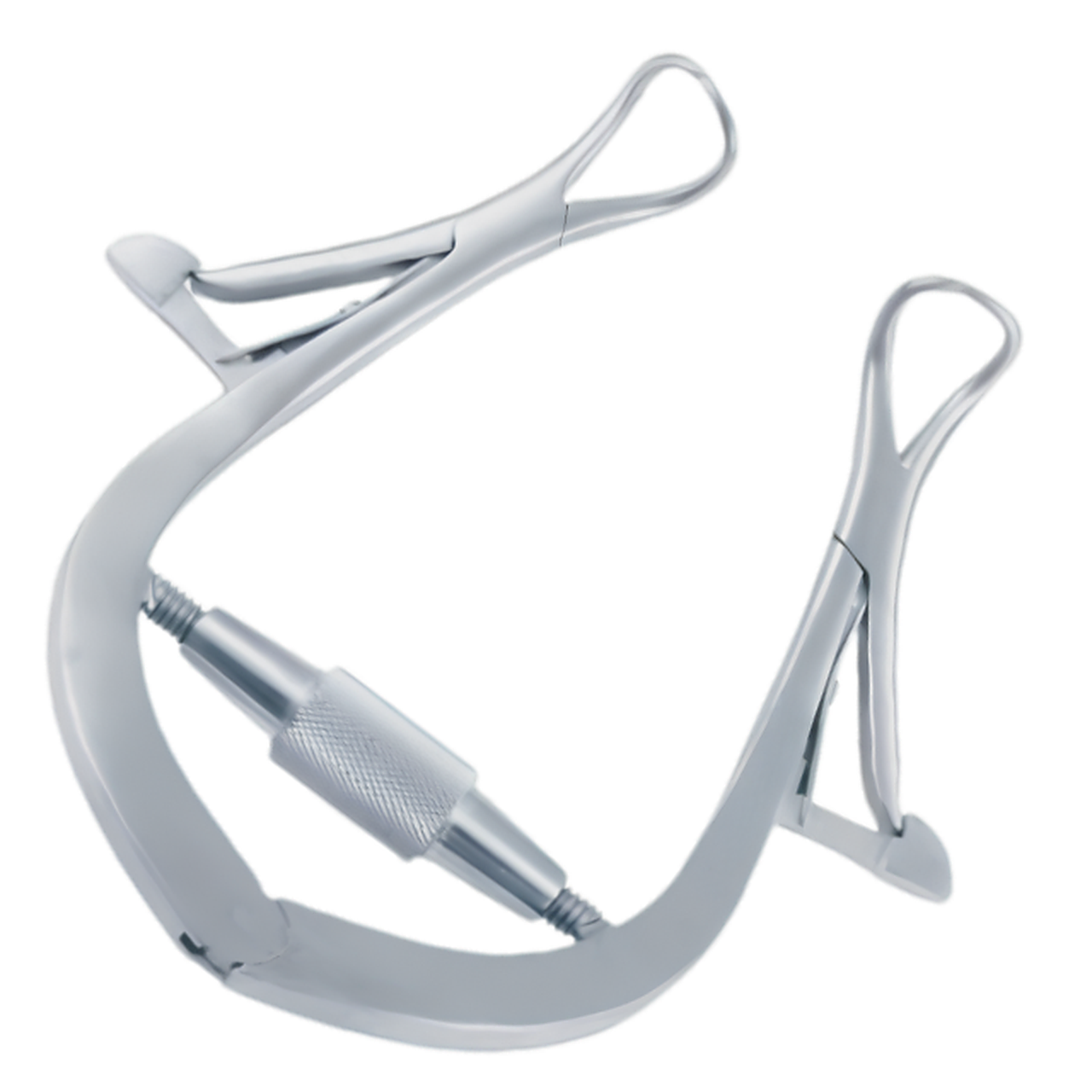 | Afastador Autoestático Jolls Friedman | Projetado especificamente para fornecer afastamento autoestático de tecidos moles e músculos infra-hióideos durante tireoidectomias e cirurgias cervicais. |
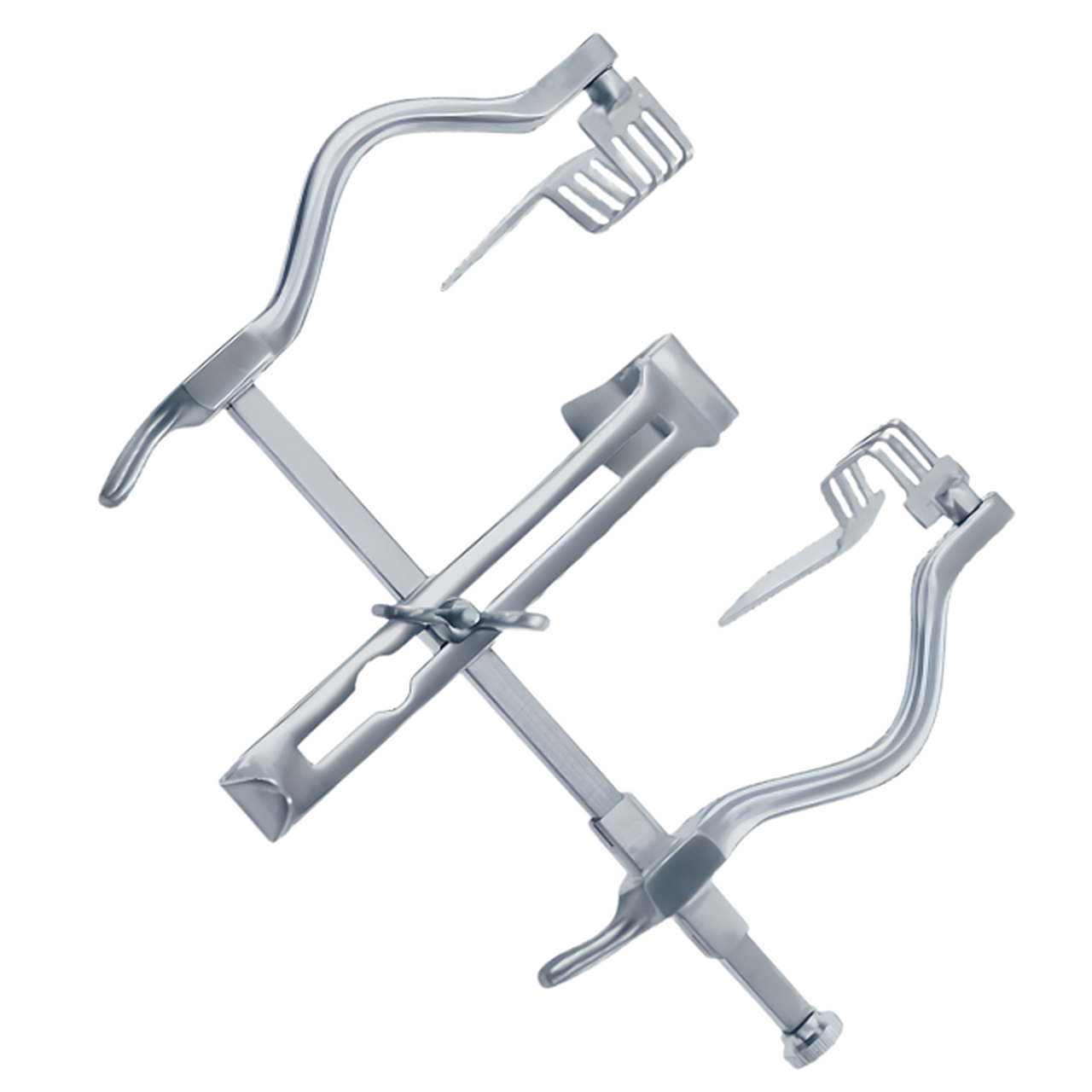 | Afastador Autoestático Judd-Masson | Projetado especificamente para fornecer afastamento autoestático durante cirurgias suprapúbicas de bexiga, próstata e pélvicas. |
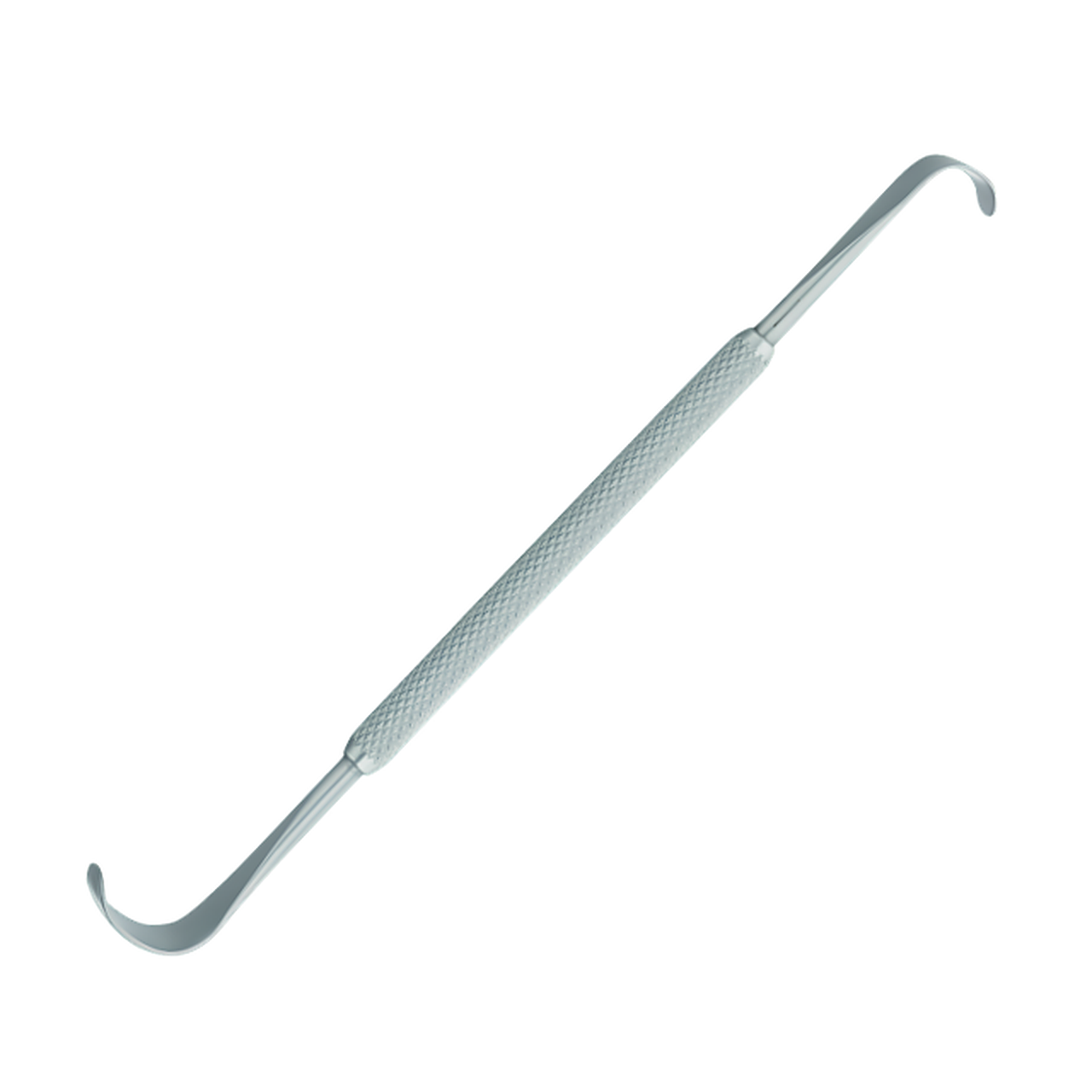 | Kasden Double Ended delicate retractor | Projetado especificamente para afastar margens de pele, retalhos cutâneos delicados e tecidos moles durante cirurgias plásticas, faciais e procedimentos menores. |
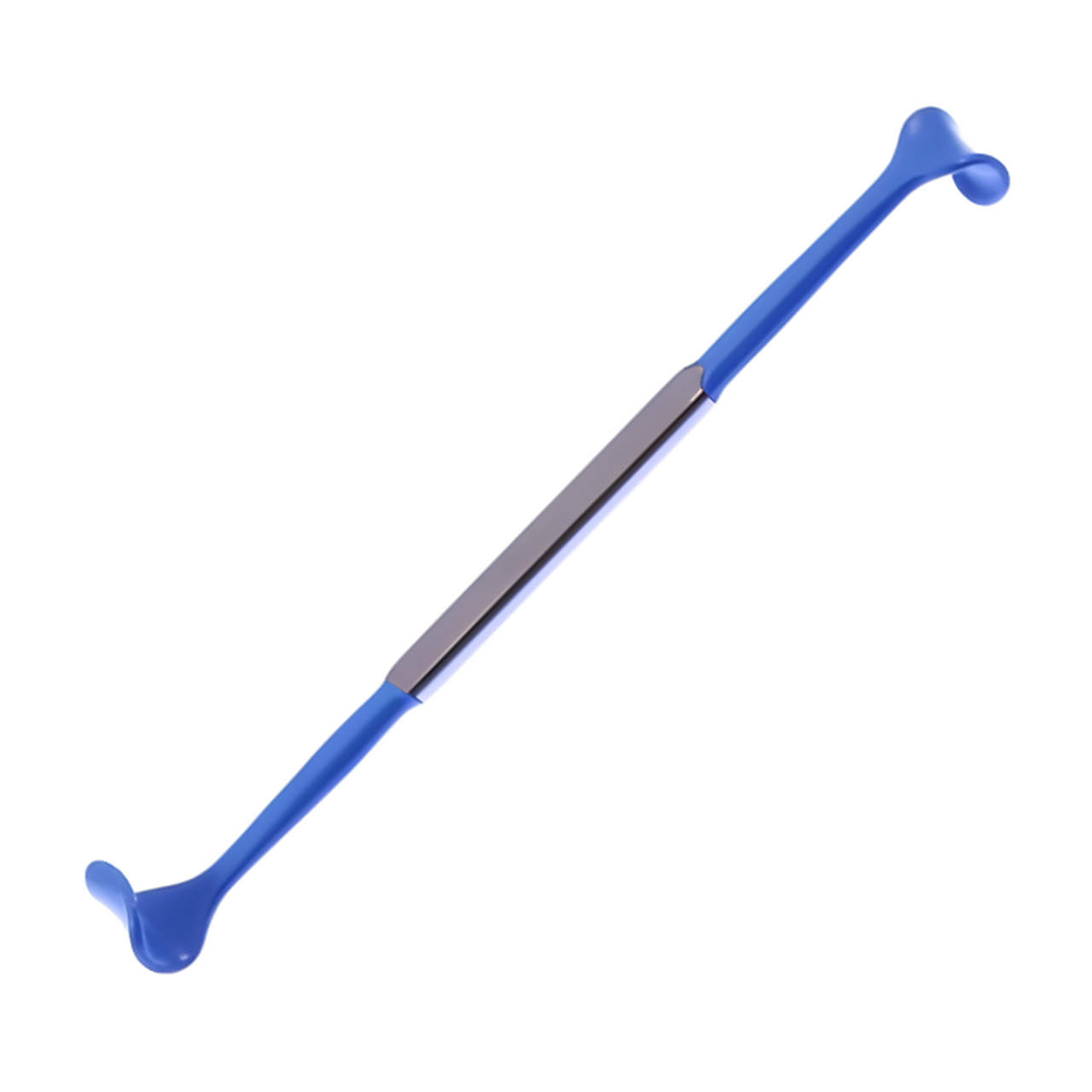 | Afastador Kawamoto Isolado de Extremidade Dupla | Projetado especificamente para afastar retalhos de pele e mucosa, isolando contra lesões térmicas eletrocirúrgicas durante cirurgias plásticas. |
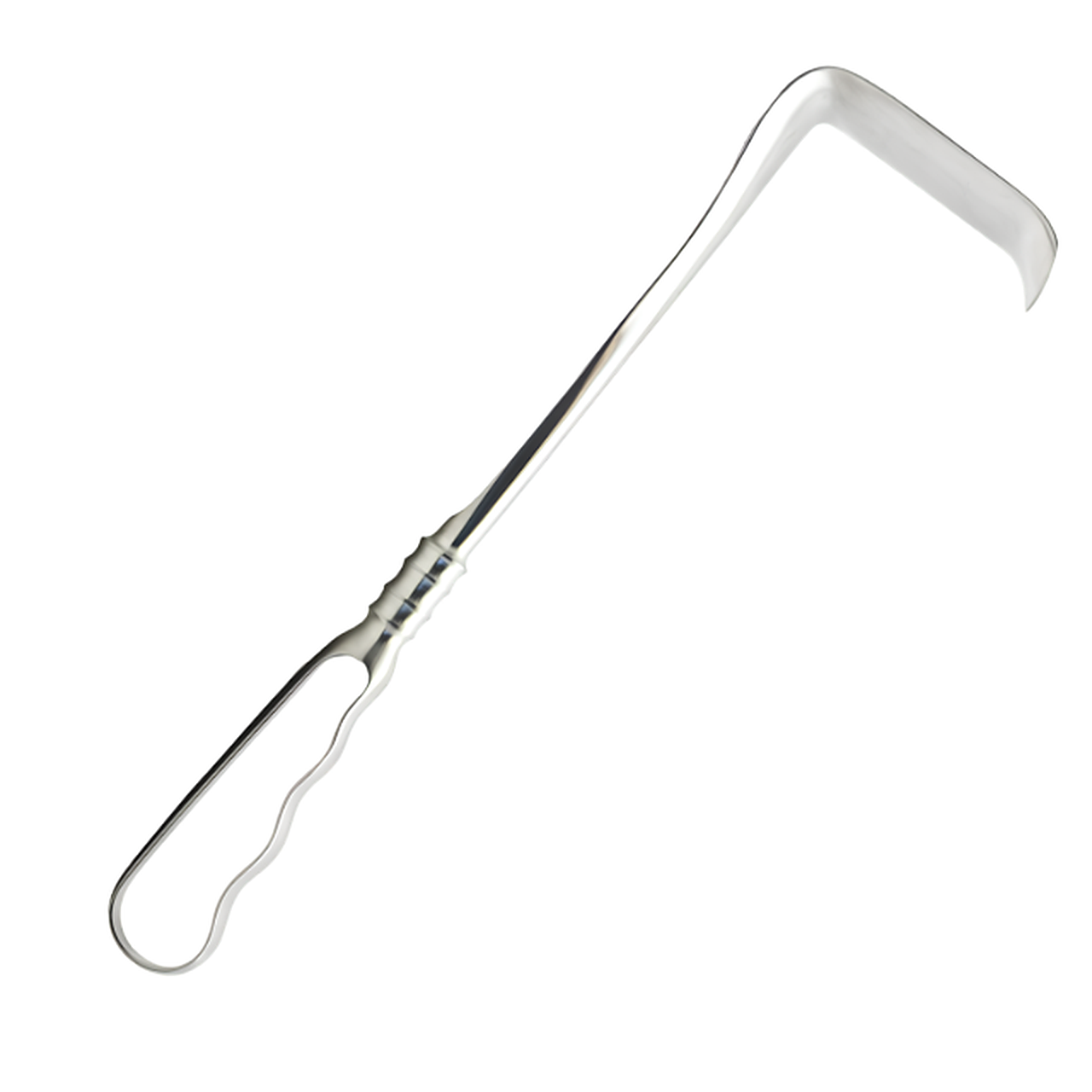 | Afastador Kelly | Projetado especificamente para retrair a parede abdominal, vísceras e musculatura espessa durante cirurgias gerais e ginecológicas abertas. |
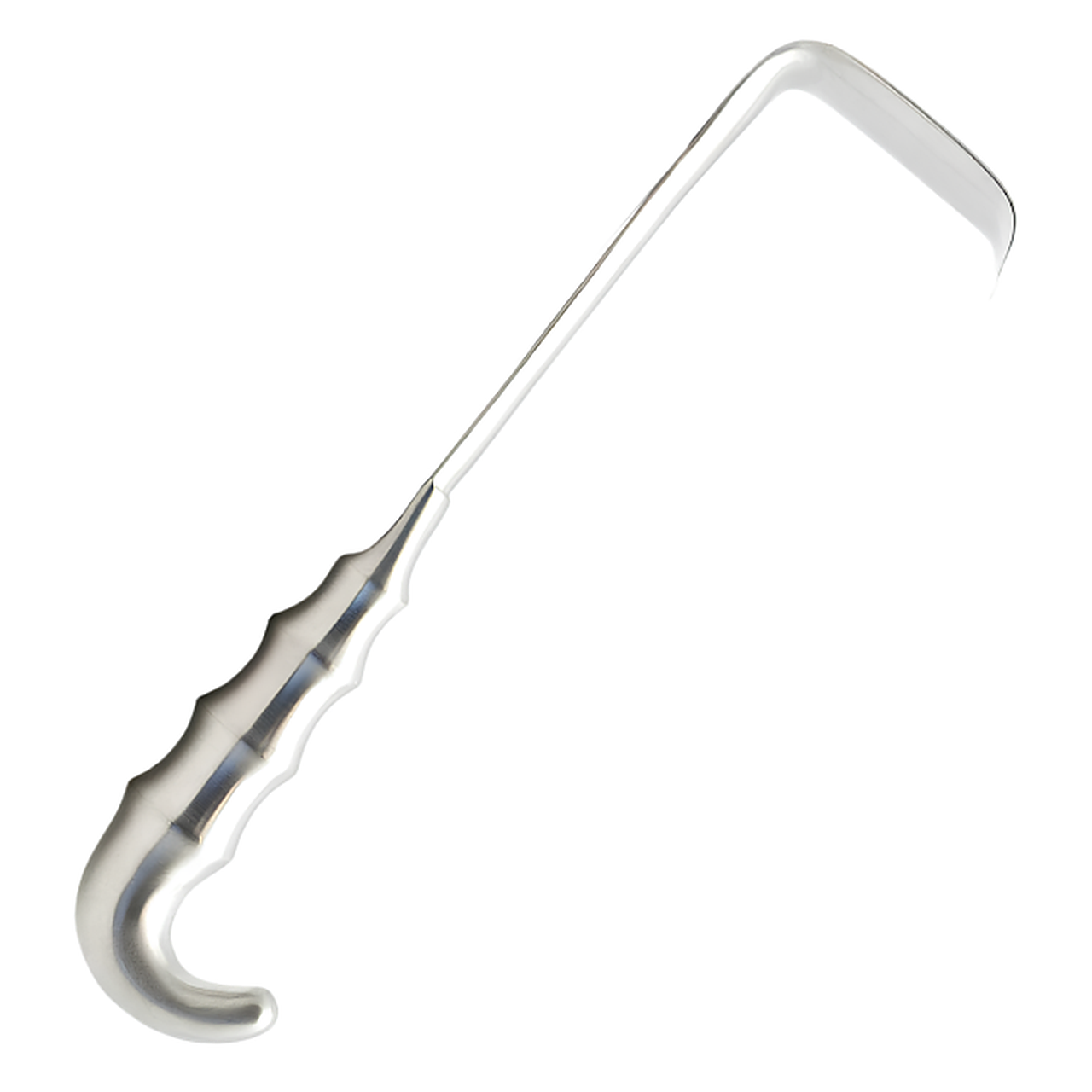 | Afastador Kelly com Cabo Anatômico | Projetado especificamente para afastar a parede abdominal, vísceras e musculatura espessa com redução da fadiga do assistente durante cirurgias profundas. |
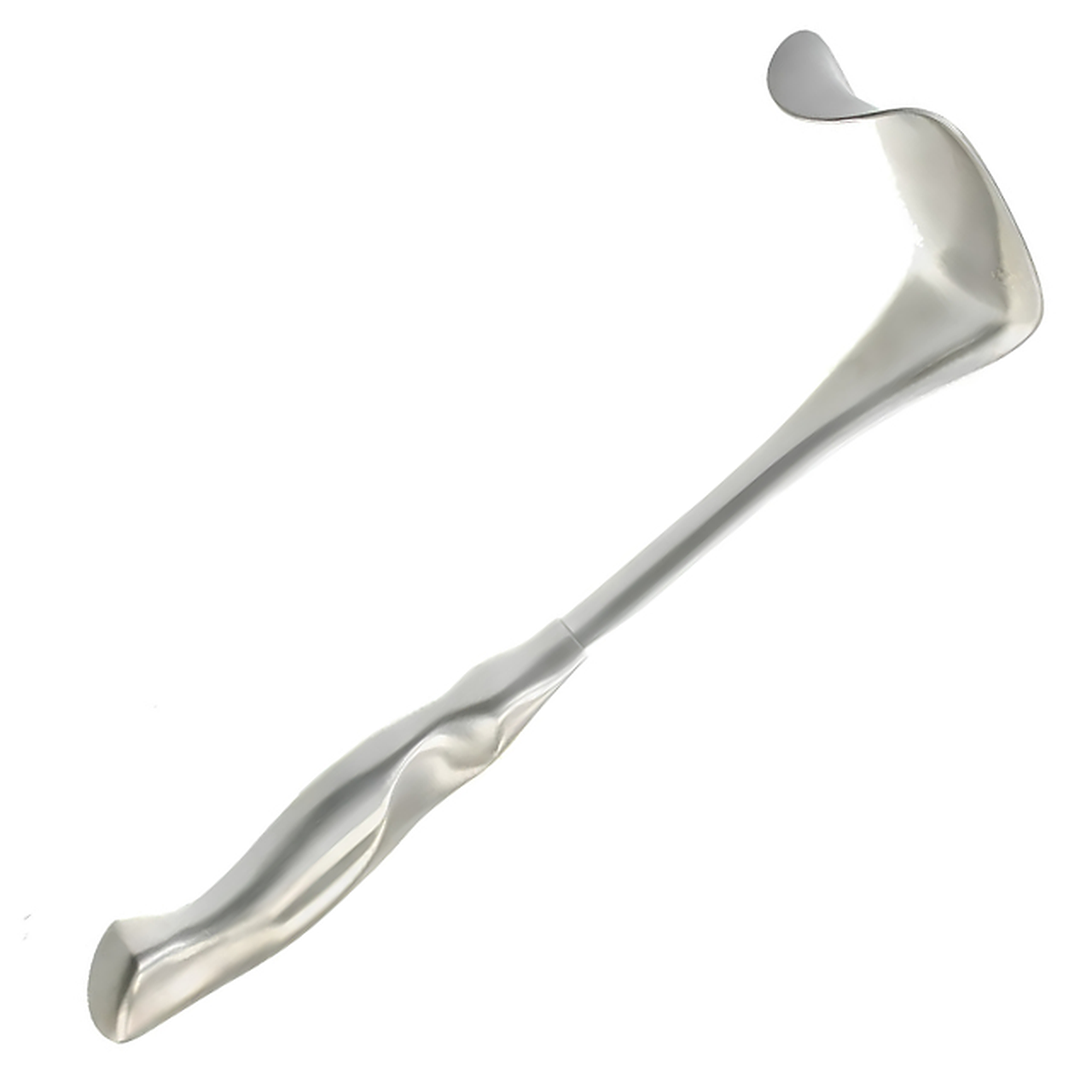 | Afastador Kelly-Cabo Lamb | Projetado especificamente para afastar a parede abdominal, vísceras e musculatura espessa com alta alavancagem de tração durante cirurgia aberta. |
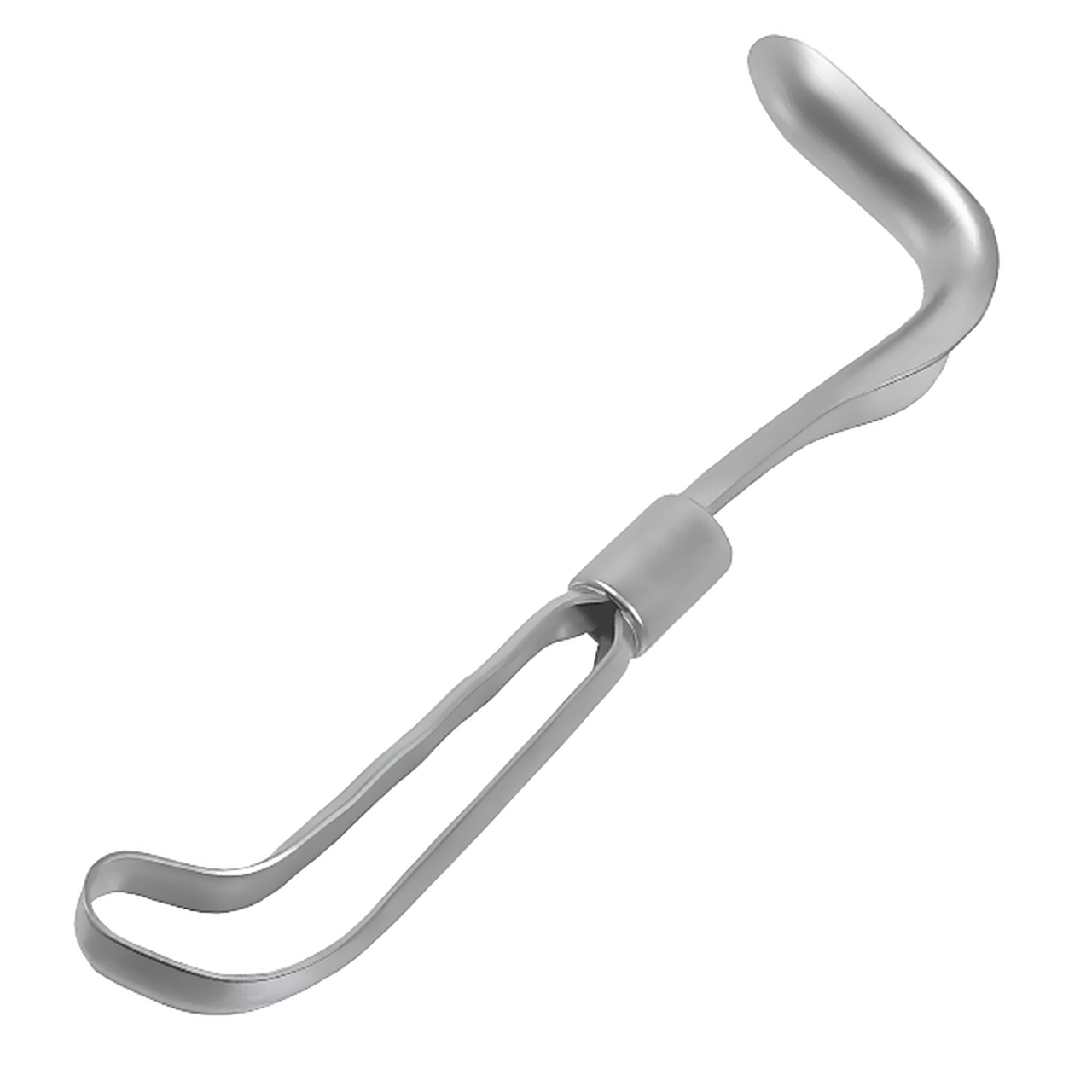 | Afastador Vaginal Kelly Sims | Projetado especificamente para afastar as paredes vaginais posterior e lateral durante histerectomia vaginal e cirurgia reconstrutiva pélvica. |
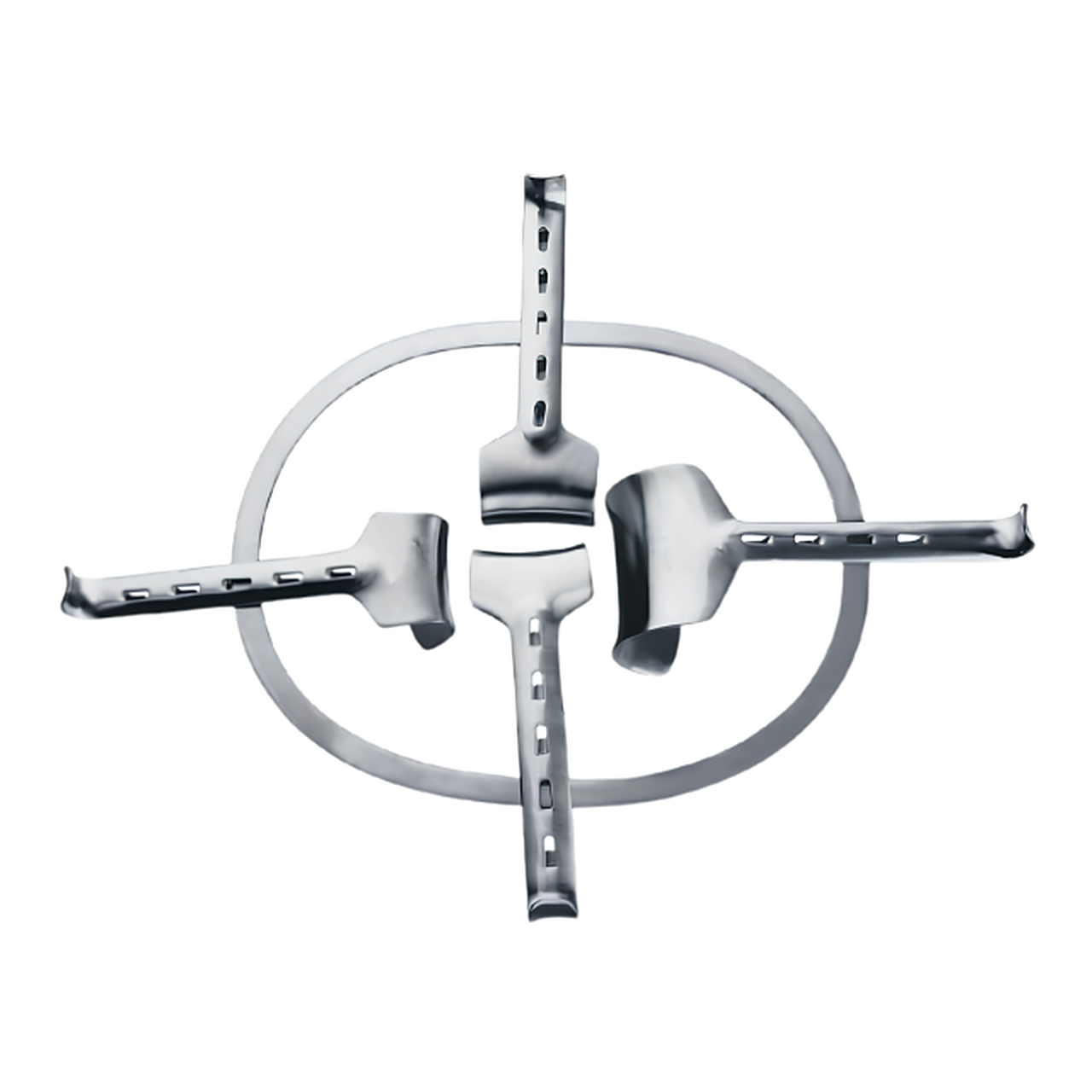 | Afastador Kirschner | Projetado especificamente para fornecer retração autostática e multidirecional das margens da ferida e das vísceras durante cirurgias abdominais de grande porte. |
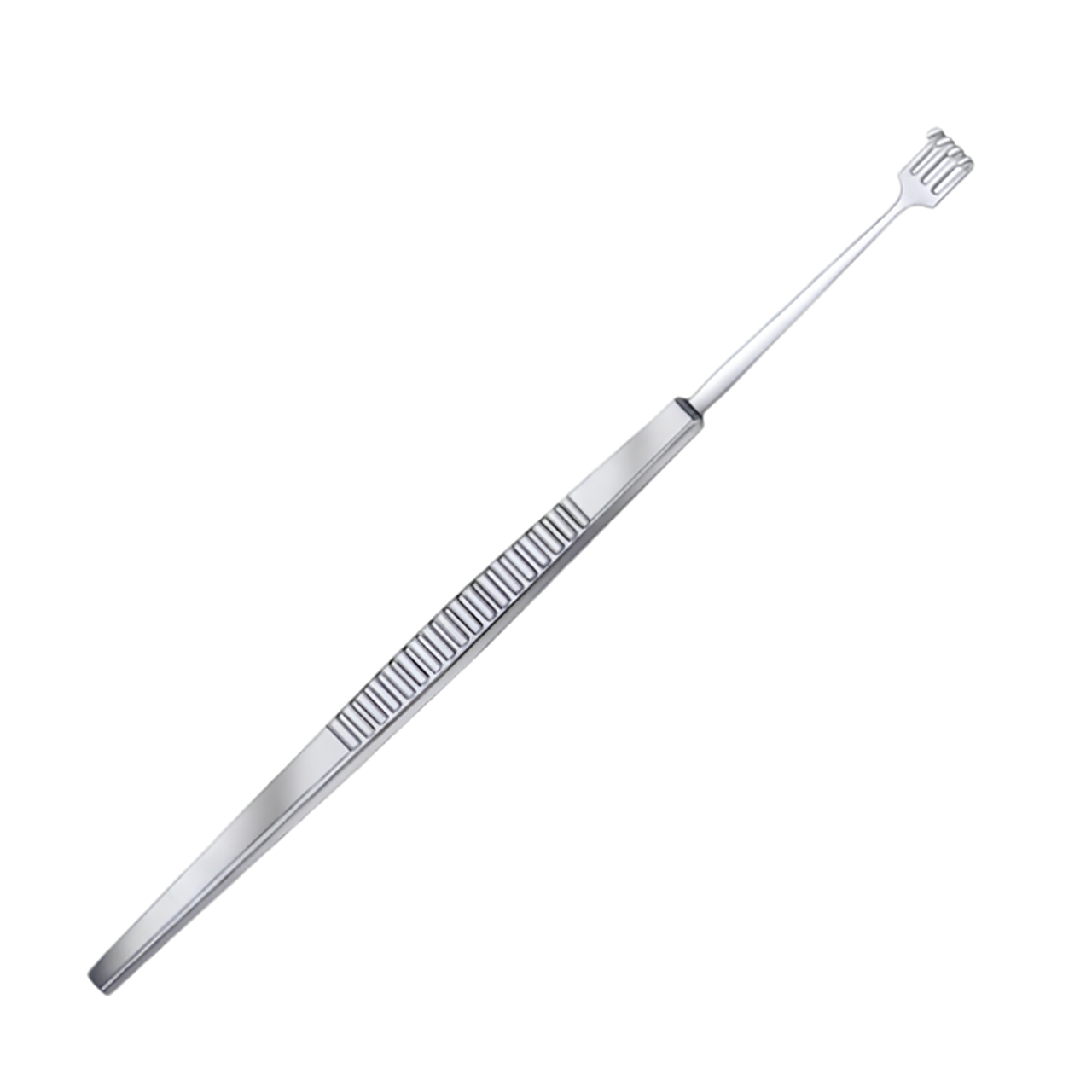 | Afastador de Saco Lacrimal Knapp | Projetado especificamente para retrair retalhos cutâneos, estruturas do canto medial e o saco lacrimal durante cirurgias oftálmicas. |
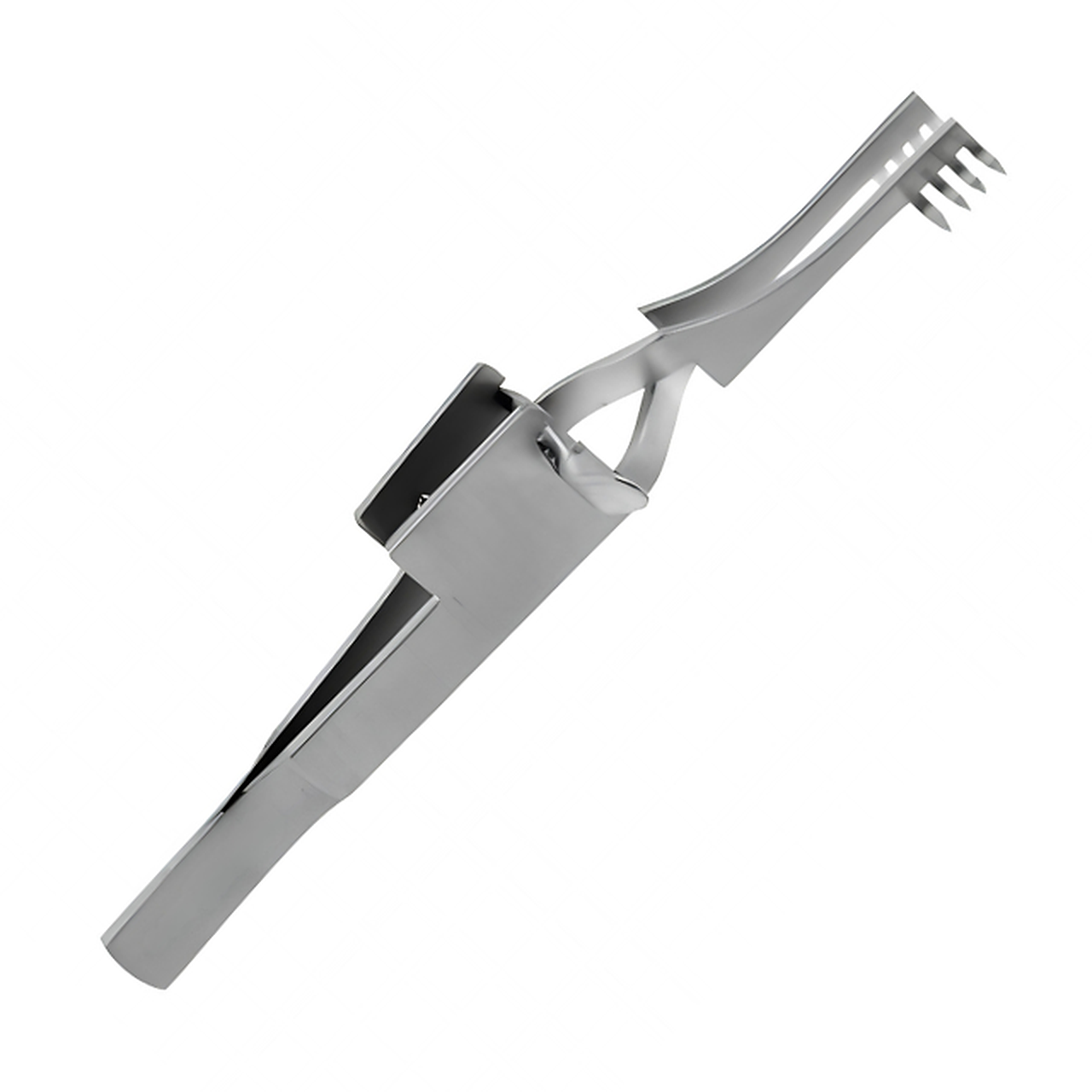 | Afastador Autoestático Knapp | Projetado especificamente para fornecer separação autoestática das margens da ferida durante procedimentos lacrimais, oftálmicos e pequenas cirurgias plásticas. |
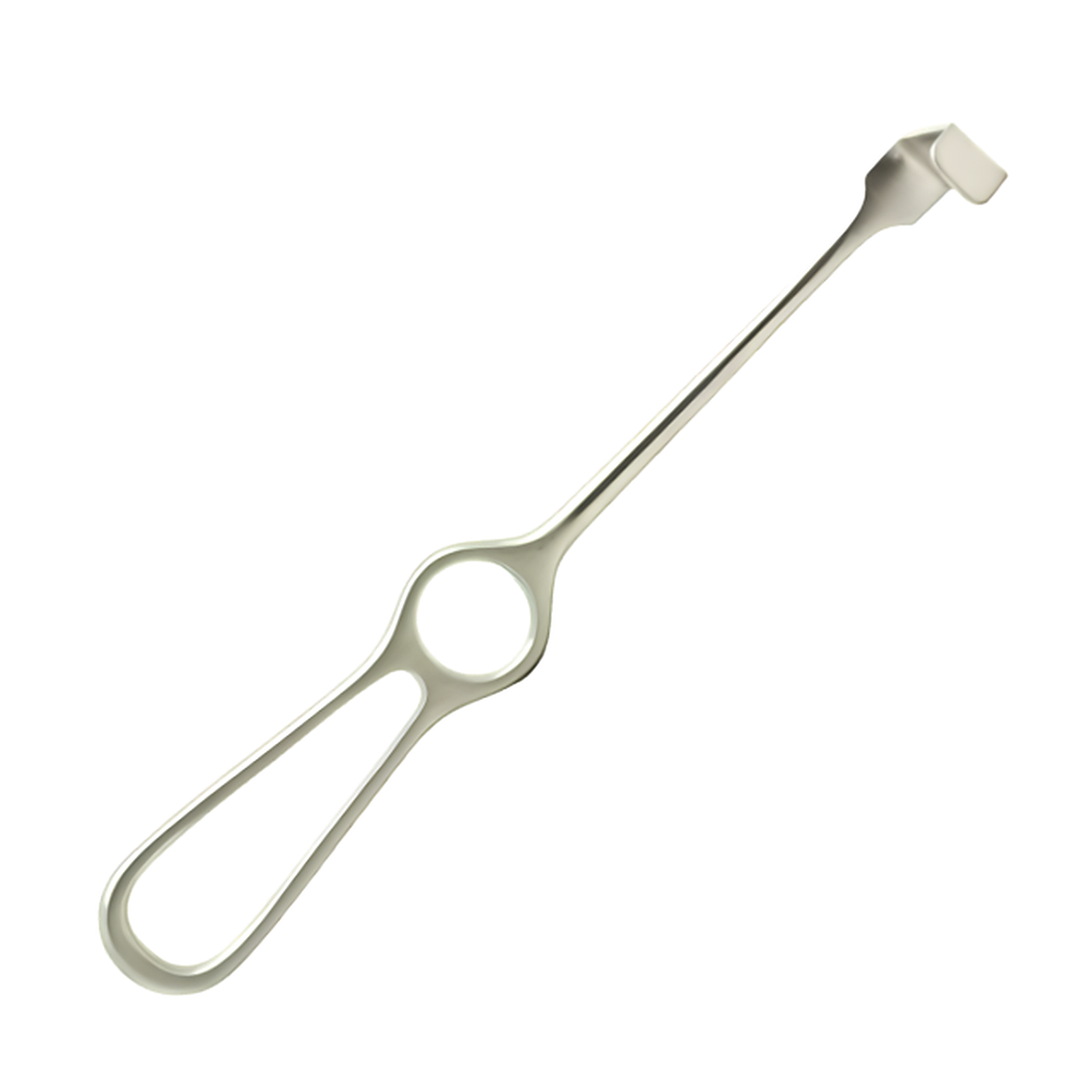 | Afastador Kocher Langenbeck | Projetado especificamente para afastar tecidos moles, camadas musculares e bordas de feridas em cirurgias gerais, ortopédicas e plásticas. |
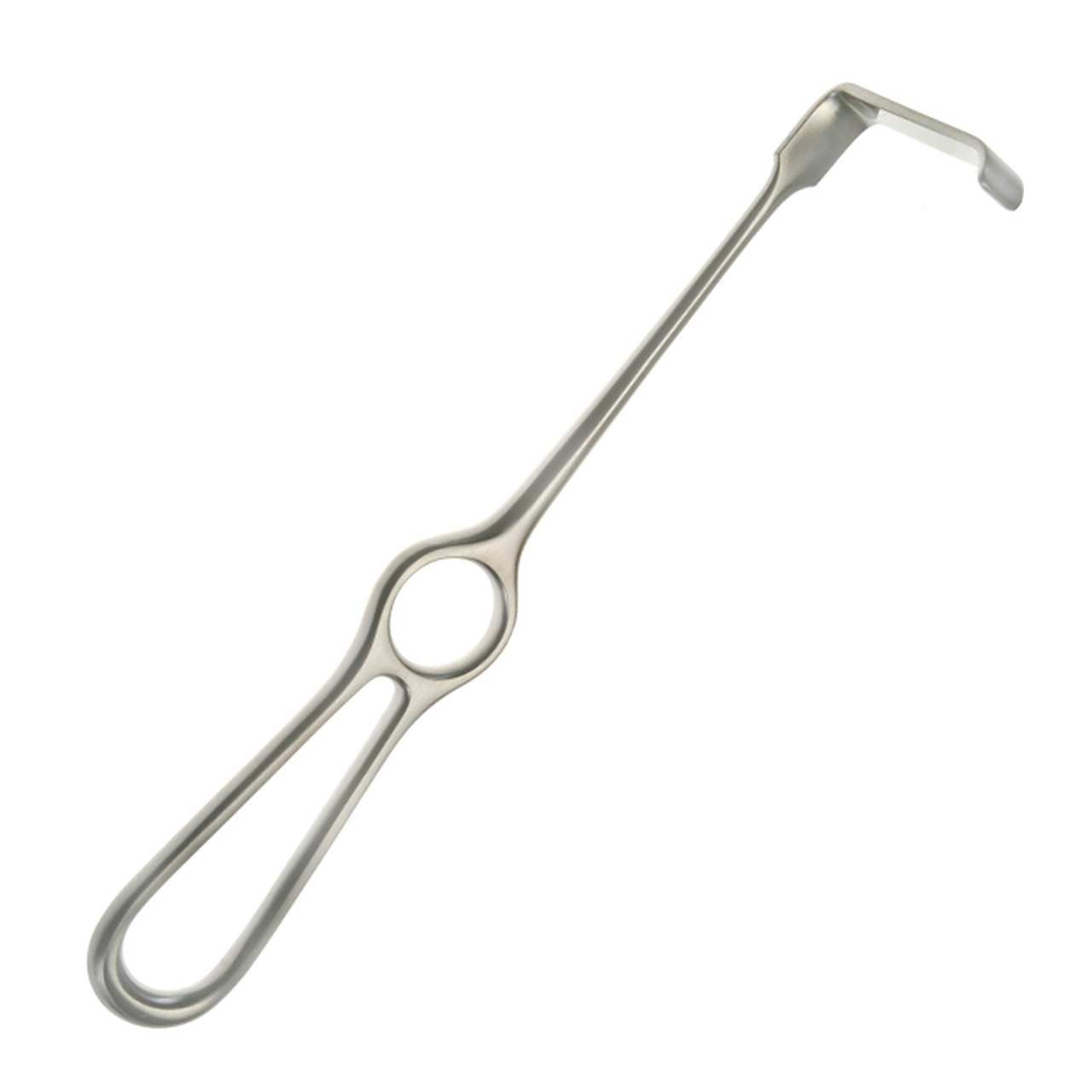 | Afastador Kocher | Projetado especificamente para retrair músculos, fáscias e bordas de feridas durante cirurgias de tireoide, gerais e ortopédicas. |
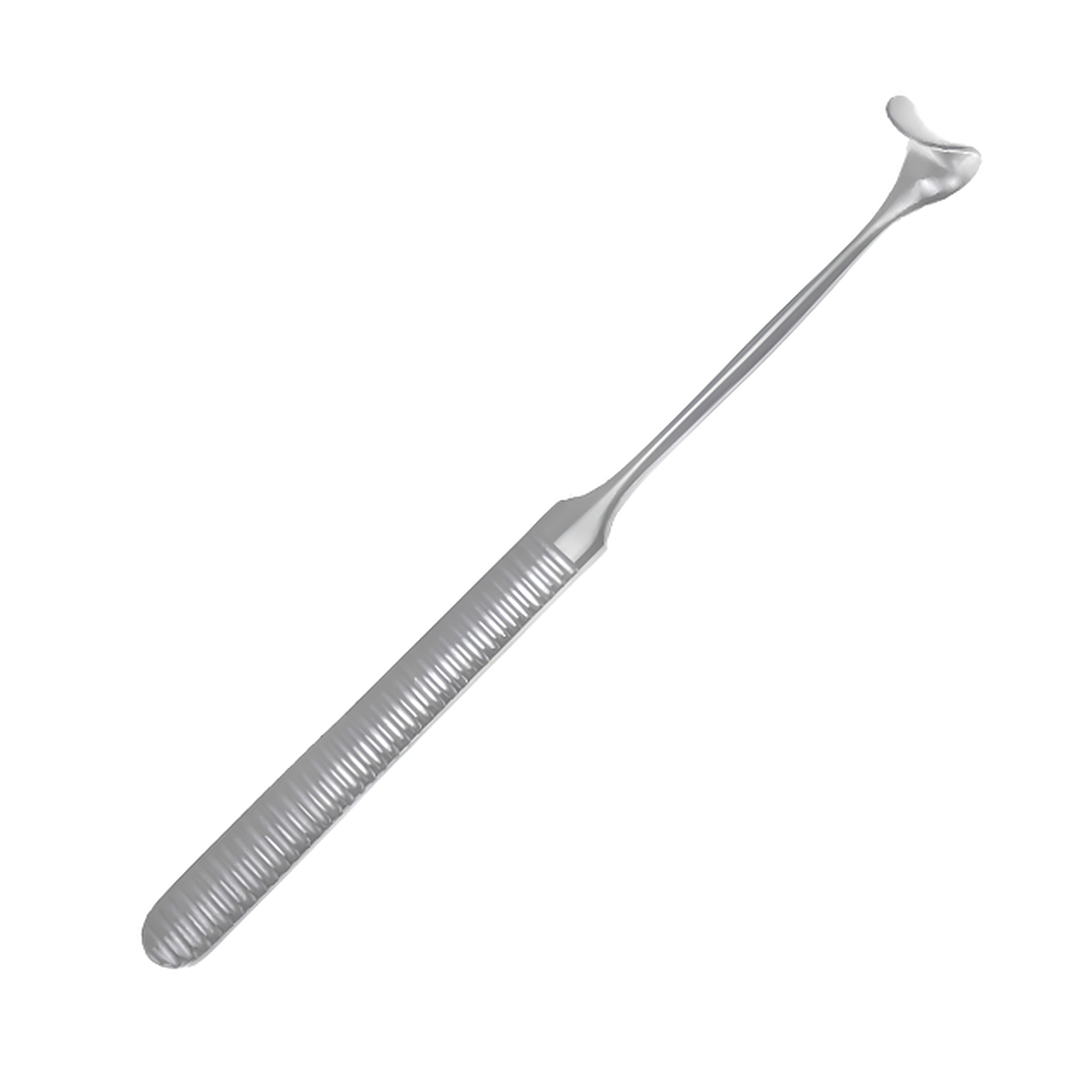 | Afastador Koenig | Projetado especificamente para afastar margens de pele, fáscia e camadas musculares superficiais durante cirurgias gerais, ortopédicas e plásticas. |
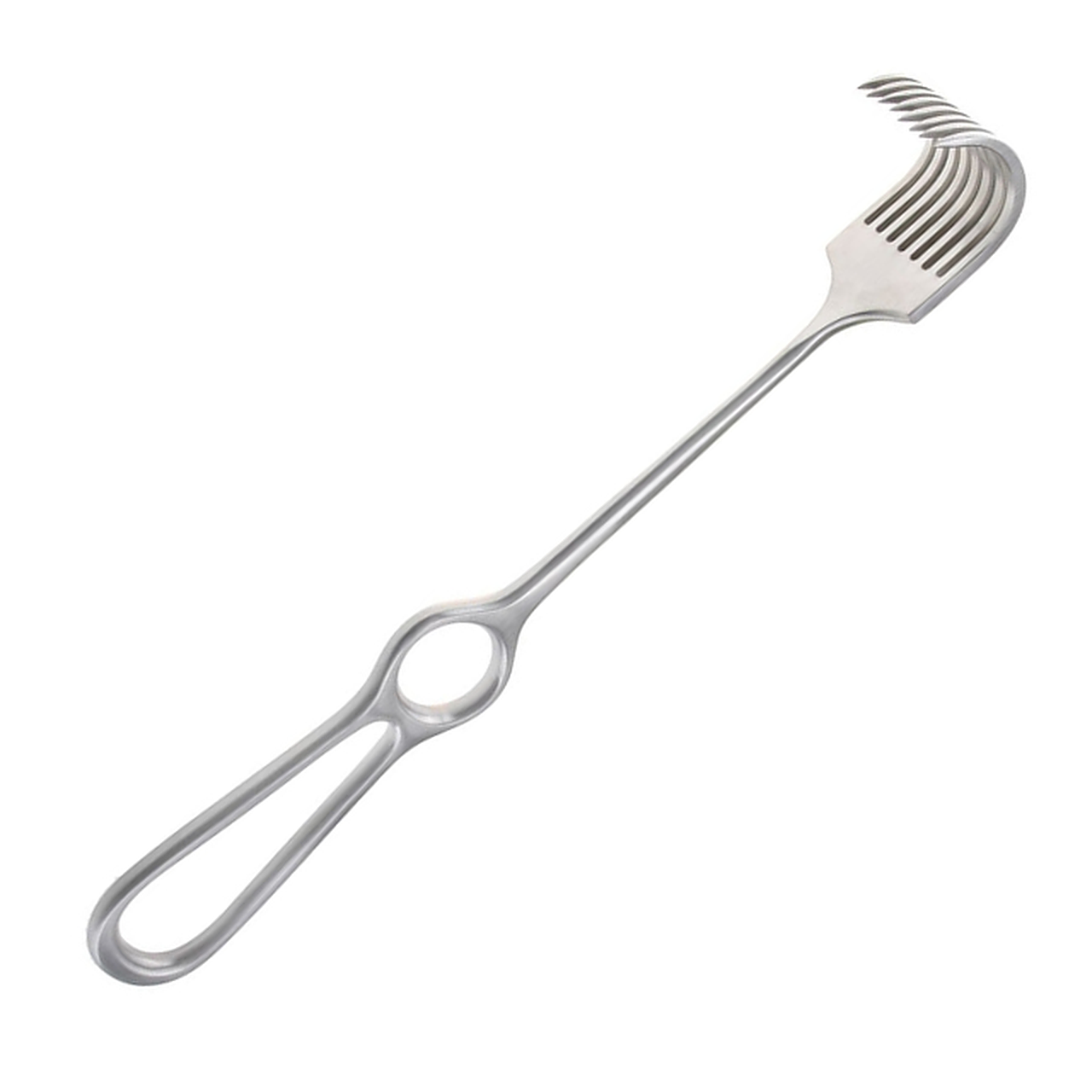 | Afastador Koerte | Projetado especificamente para afastar camadas musculares densas, fáscias e margens de tecidos espessos durante cirurgias abdominais e ortopédicas. |
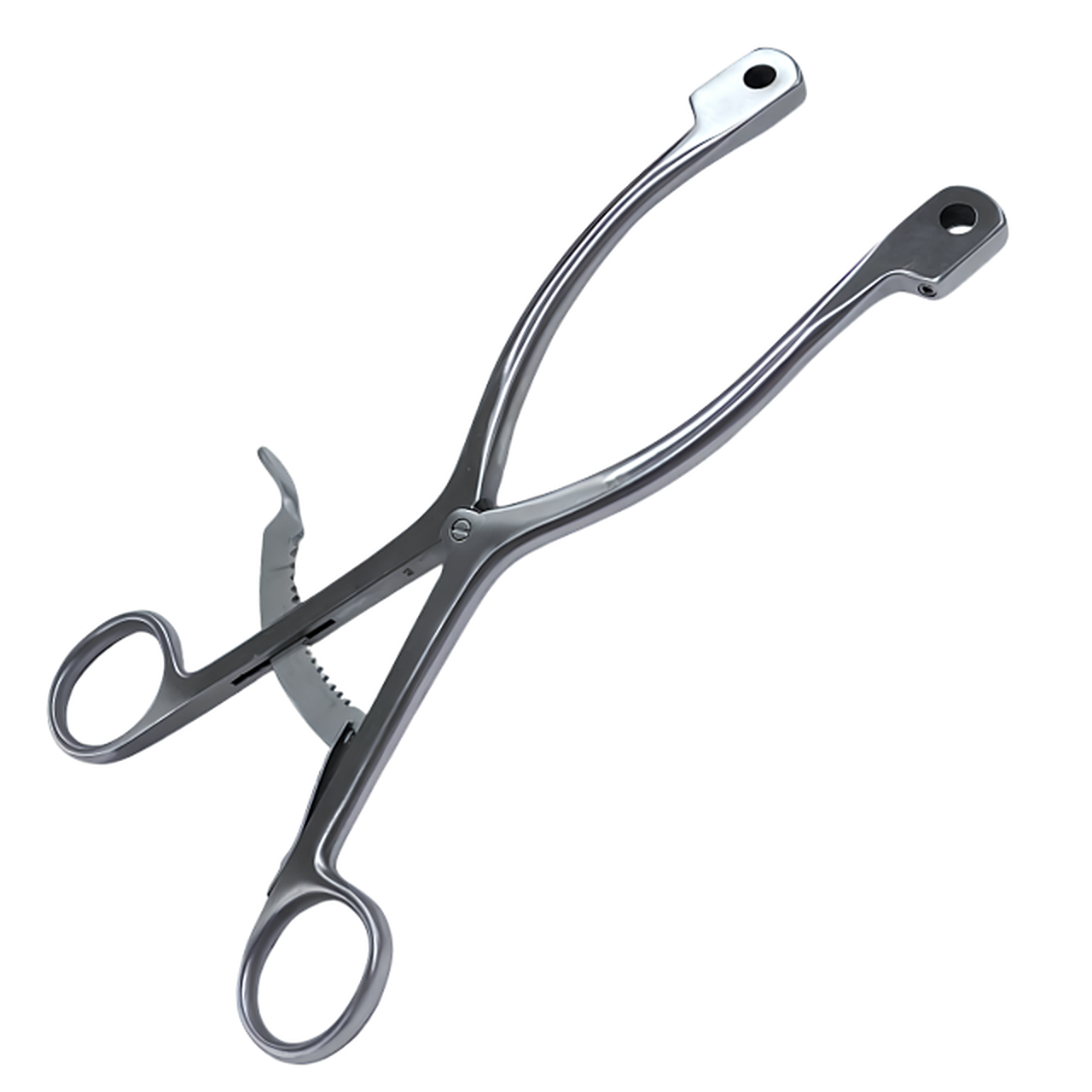 | Afastador de Ombro Kolbel (Chassis) | Projetado especificamente para montagem de lâminas modulares e retração autoestática de tecidos moles durante artroplastia de ombro. |
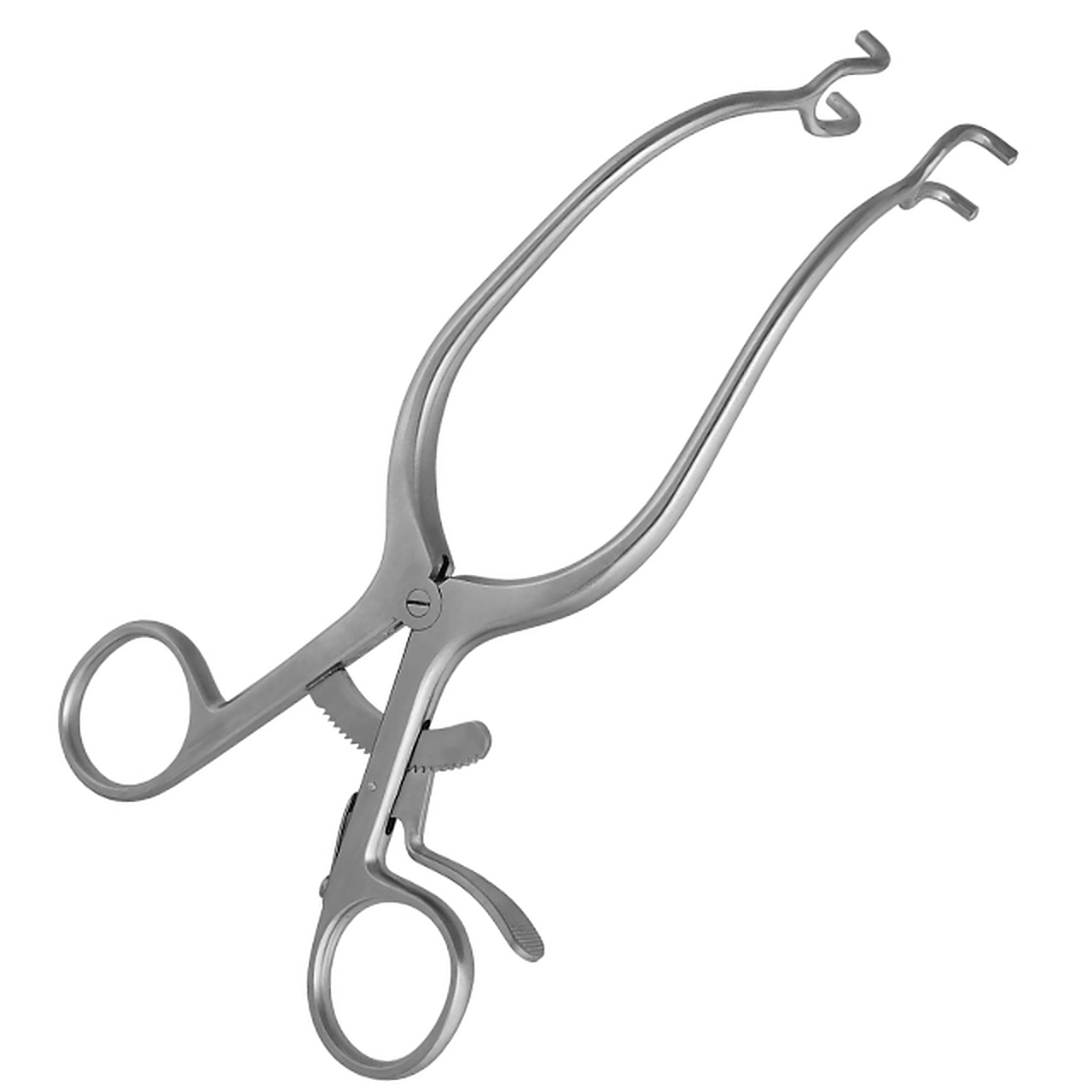 | Afastador de Tecidos Moles Kolbel | Projetado especificamente para afastar músculos, cápsulas e tecidos moles durante artroplastia de ombro e cirurgia reconstrutiva. |
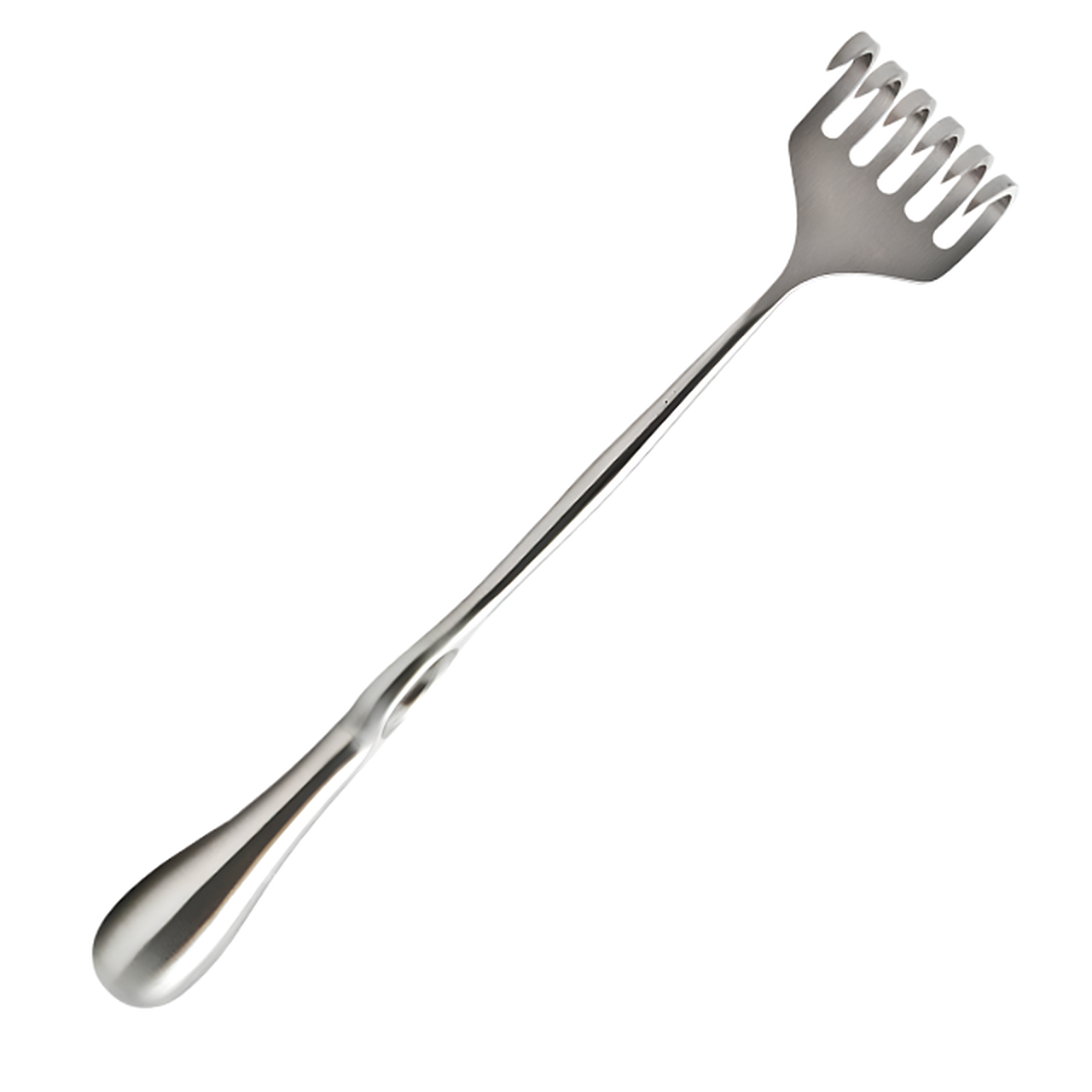 | Afastador Krasky | Projetado especificamente para afastar camadas musculares densas e fáscia profunda durante cirurgias gerais abertas e ortopédicas. |
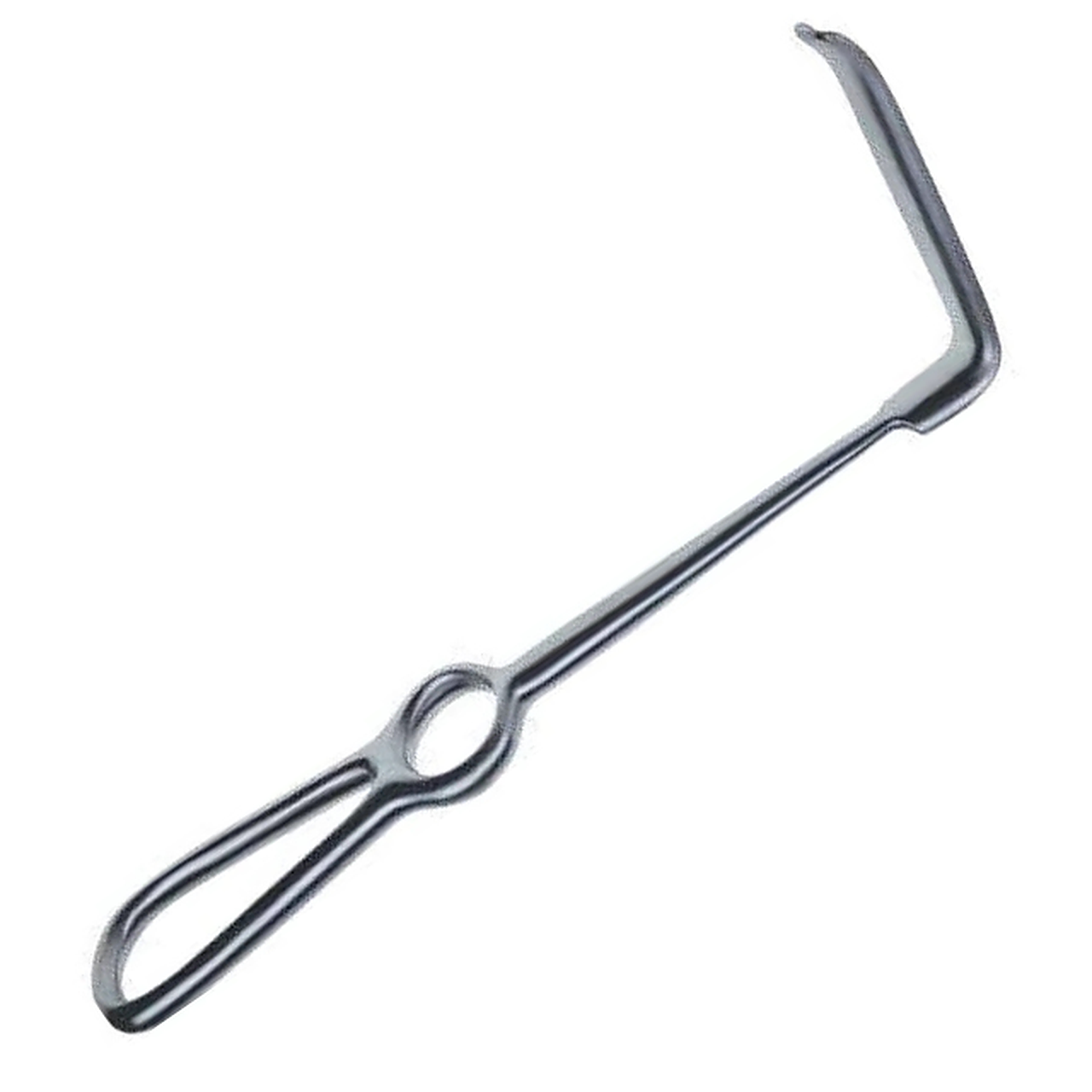 | Afastador de Tecidos Moles Kreidler | Projetado especificamente para afastar retalhos mucoperiosteais e tecidos moles durante cirurgias orais, maxilofaciais e ortognáticas. |
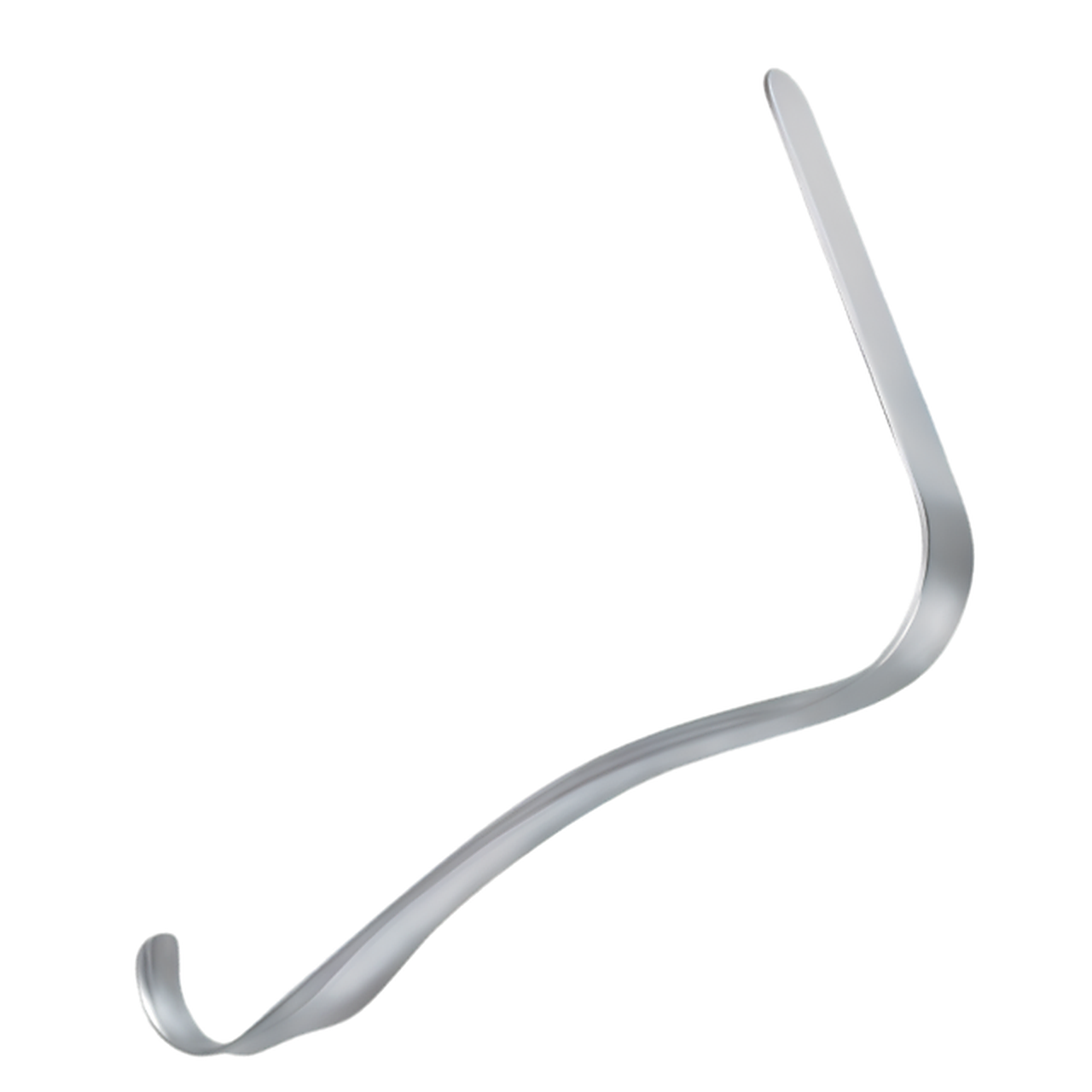 | Afastador Vaginal Kristeller | Projetado especificamente para retrair as paredes vaginais e proporcionar visualização da abóbada pélvica durante procedimentos ginecológicos. |
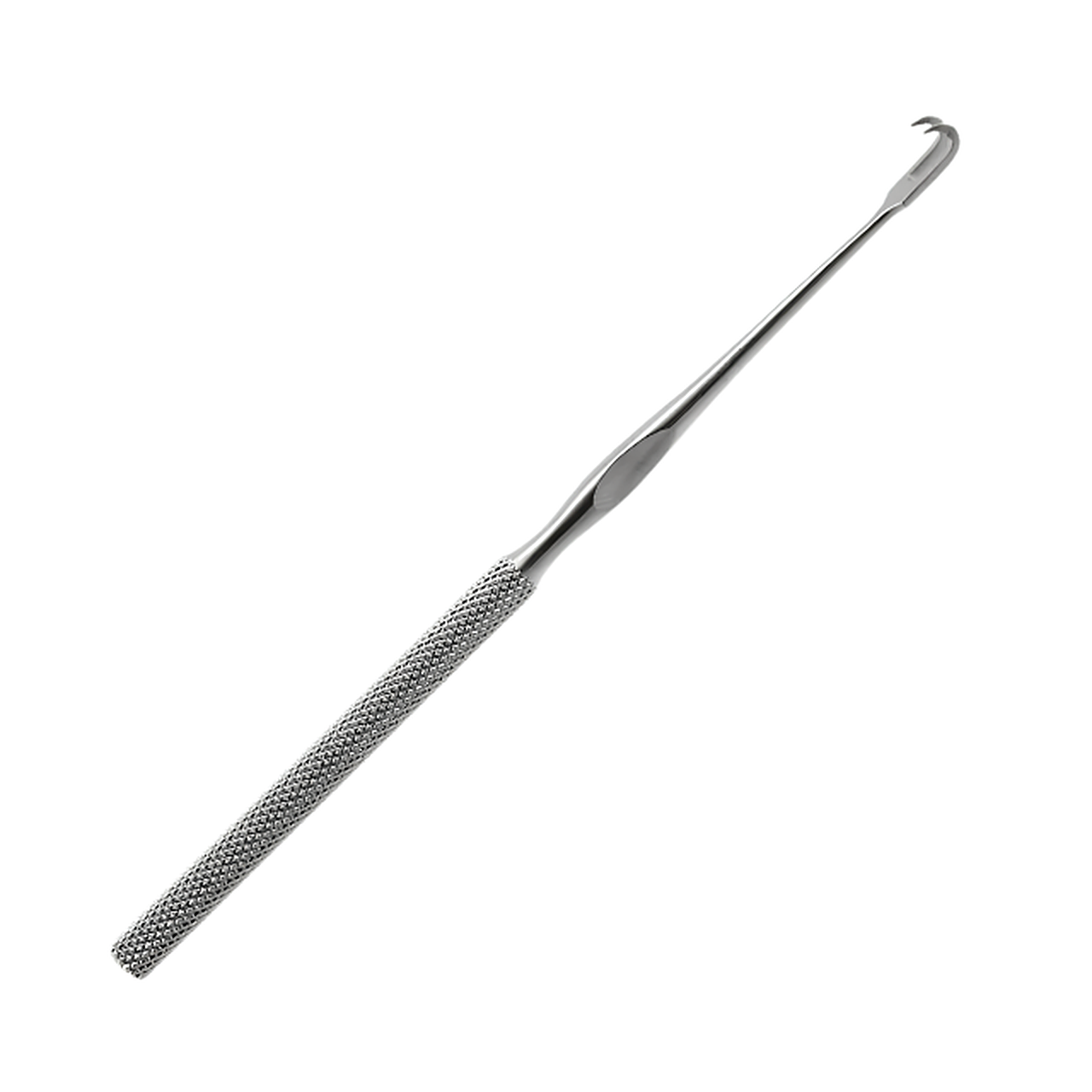 | Afastador Lahey Finger | Projetado especificamente para retrair retalhos de pele, margens cutâneas e fáscia superficial durante cirurgias plásticas e de mão. |
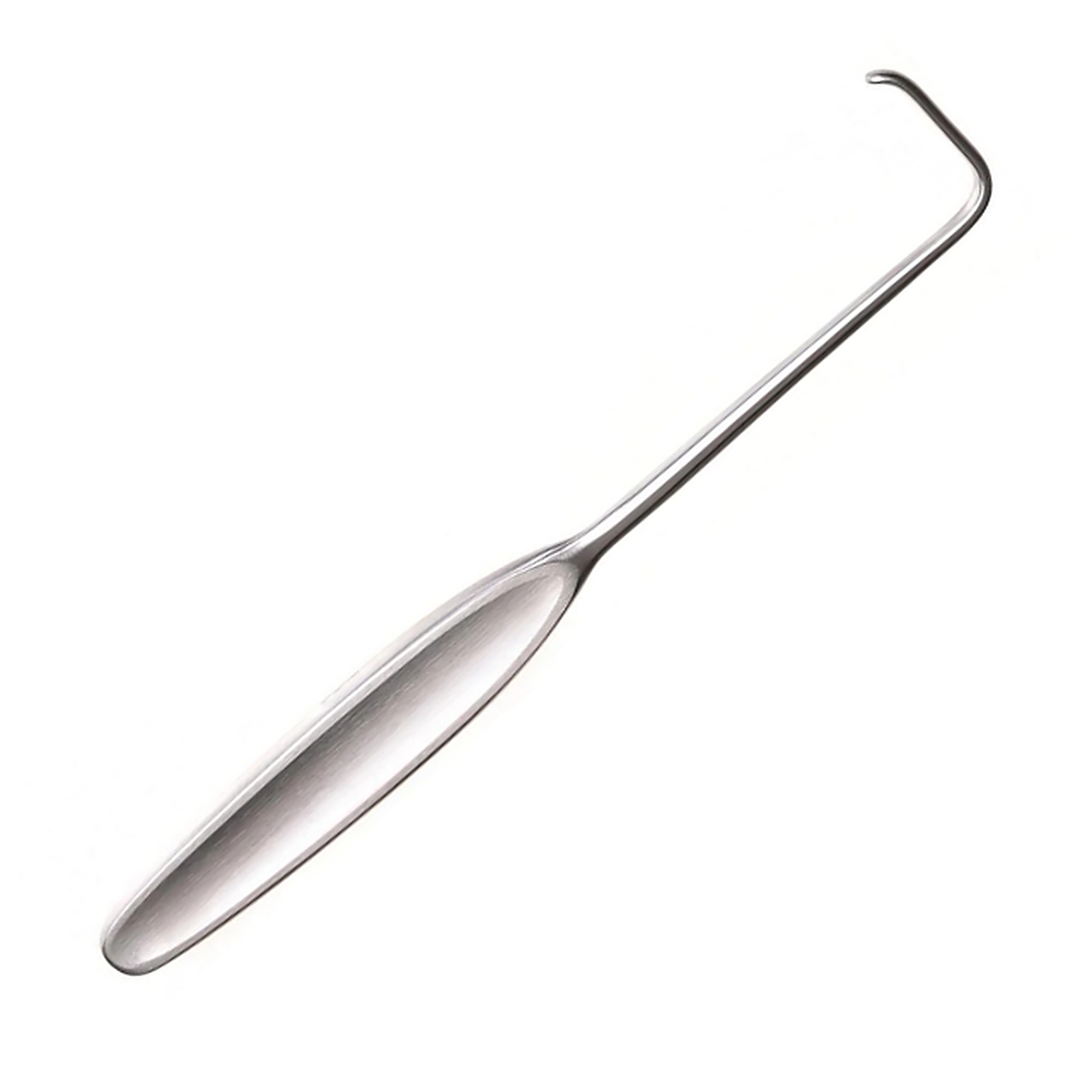 | Afastador Lahey | Projetado especificamente para fornecer retração atraumática de tecidos moles e exposição estruturada durante procedimentos cirúrgicos de tireoide, pescoço e cirurgia geral. |
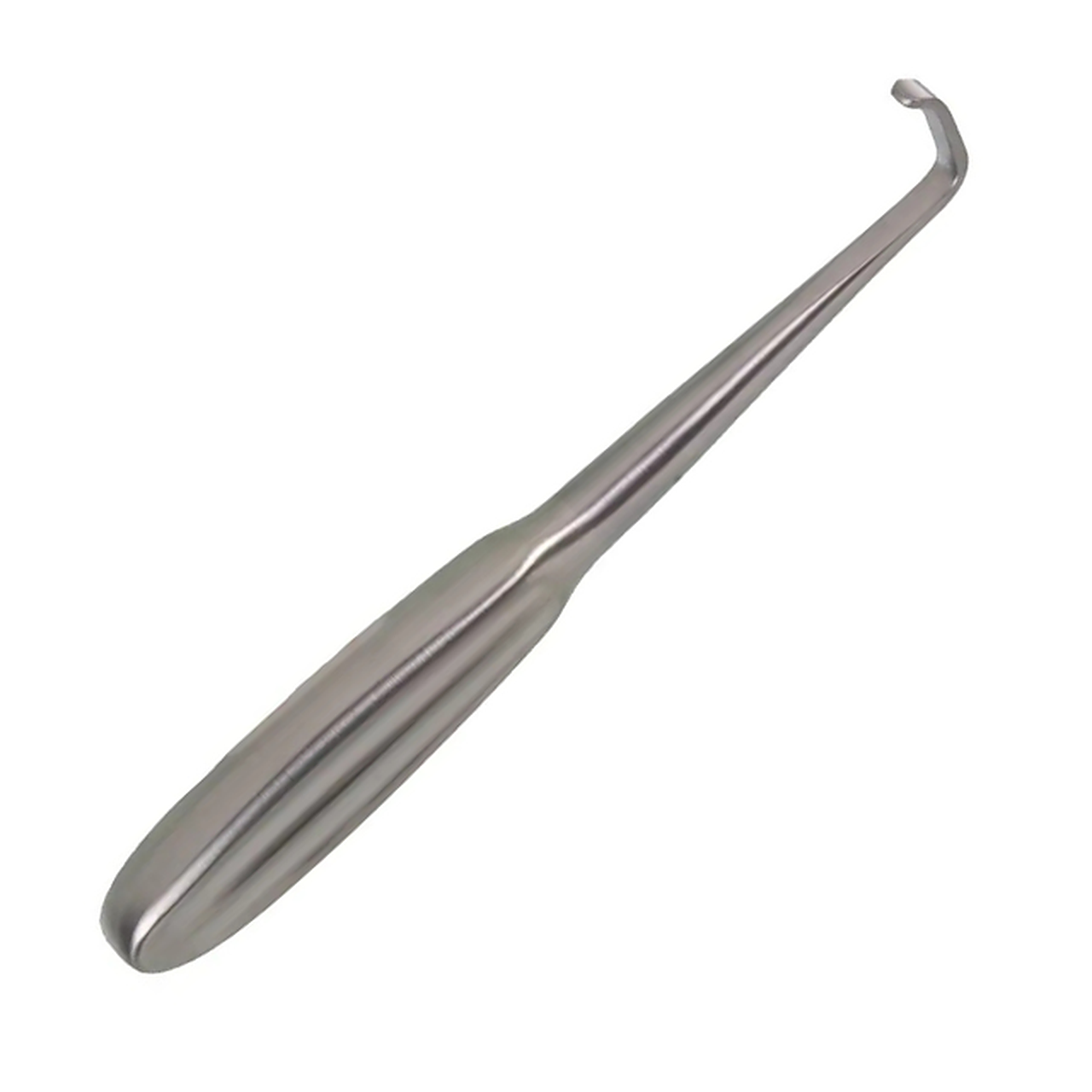 | Afastador de Tireoide Lahey | Projetado especificamente para afastar músculos infra-hióideos, fáscia cervical e tecidos moles durante procedimentos de tireoidectomia e paratireoidectomia. |
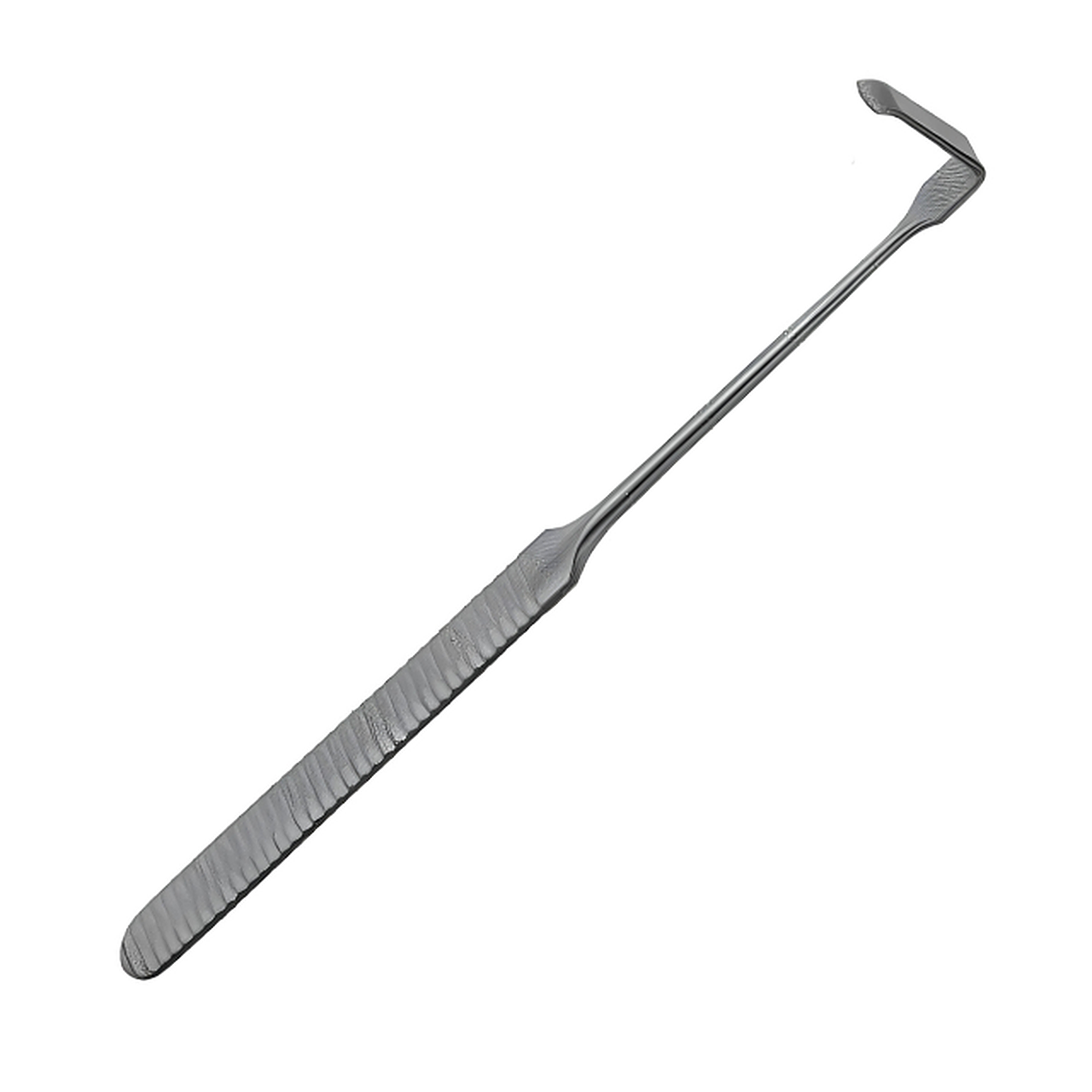 | Afastador Langenbeck Green | Projetado especificamente para afastar músculos infra-hióideos, fáscia cervical e bordas de feridas durante cirurgias de tireoide, pescoço e cirurgia geral. |
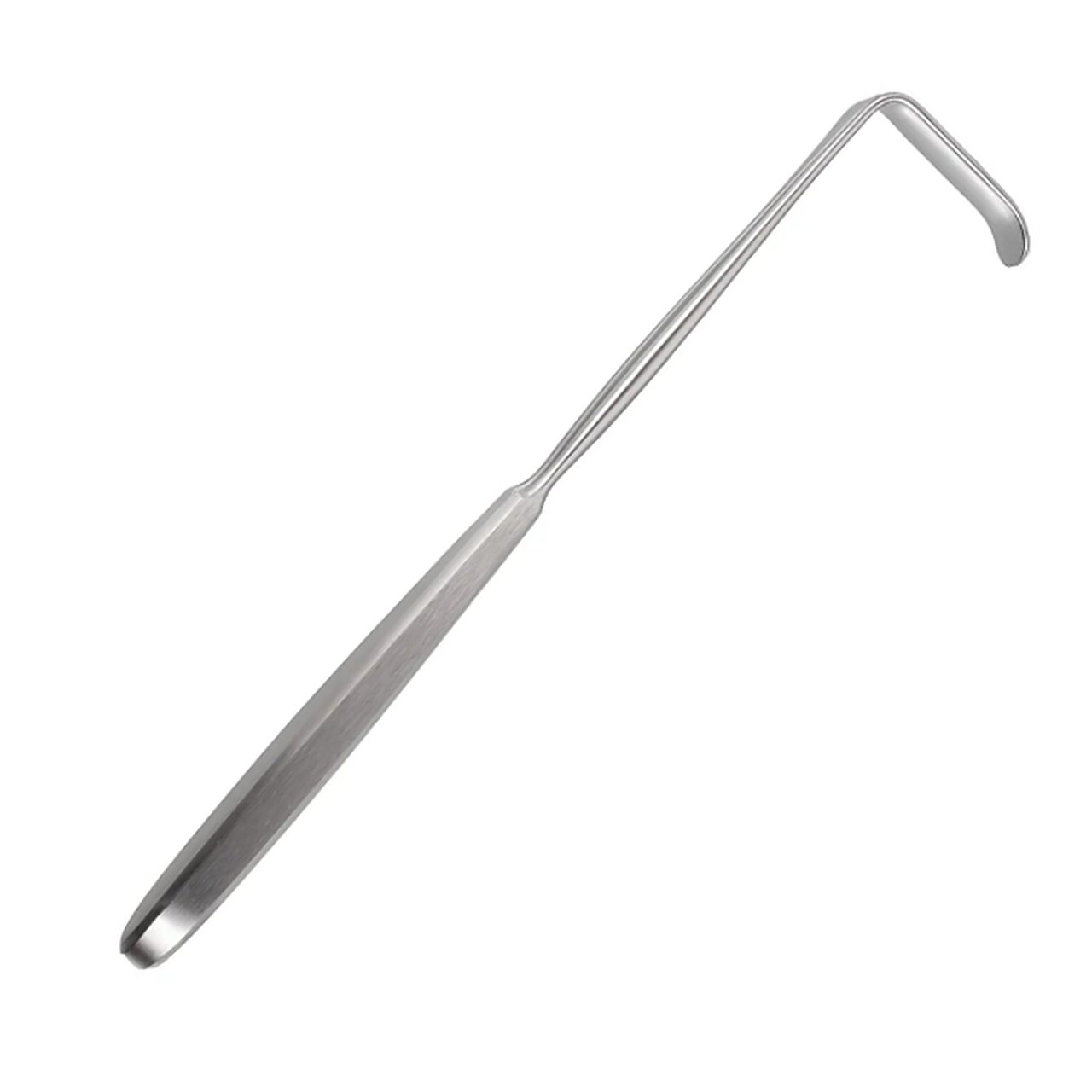 | Afastador Langenbeck Retractor-Solid Handle | Projetado especificamente para retrair camadas musculares, fáscias e margens de feridas durante cirurgias gerais, ortopédicas e plásticas. |
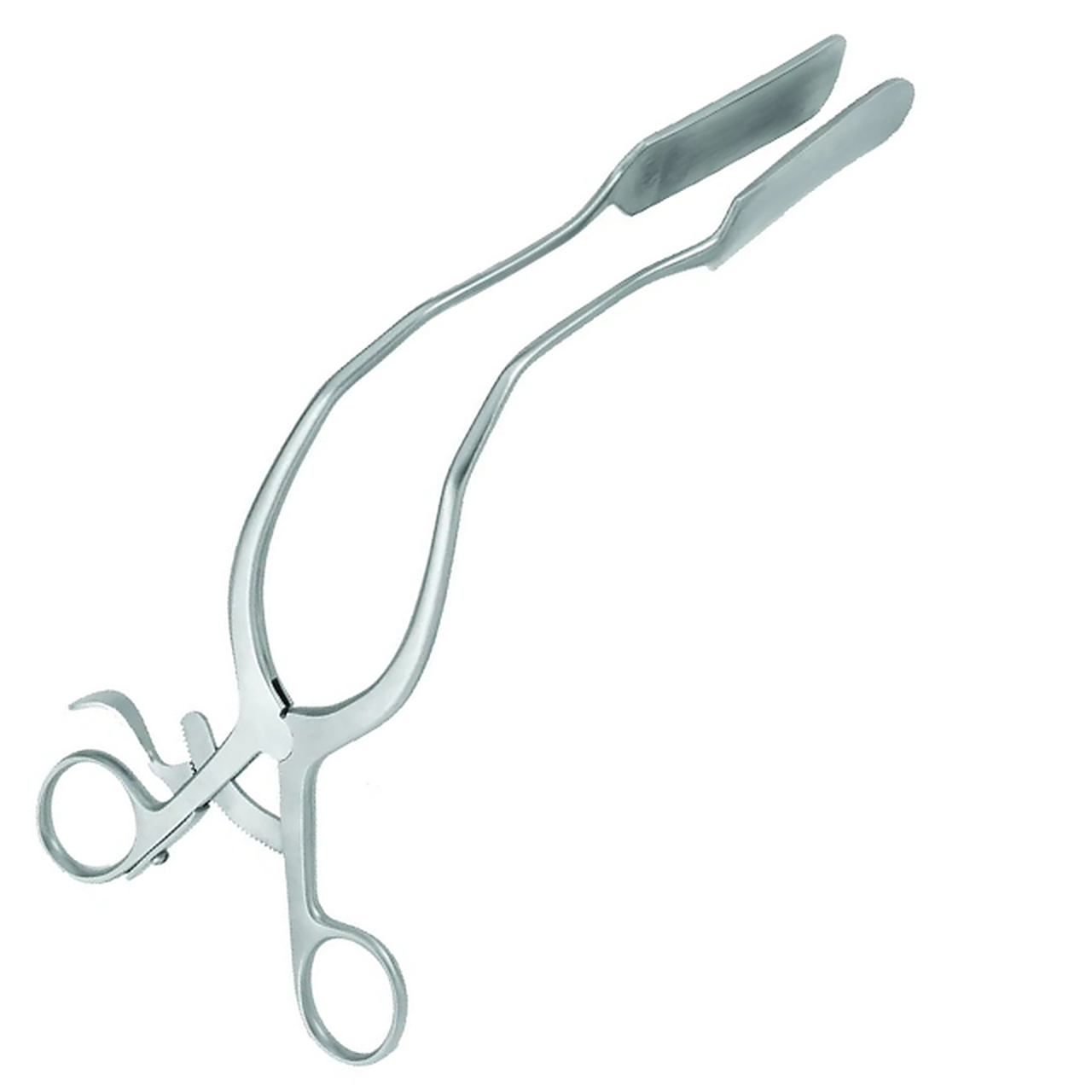 | Afastador Vaginal Lateral Ebonizado | Projetado especificamente para retrair as paredes vaginais laterais durante procedimentos ginecológicos a laser e eletrocirúrgicos. |
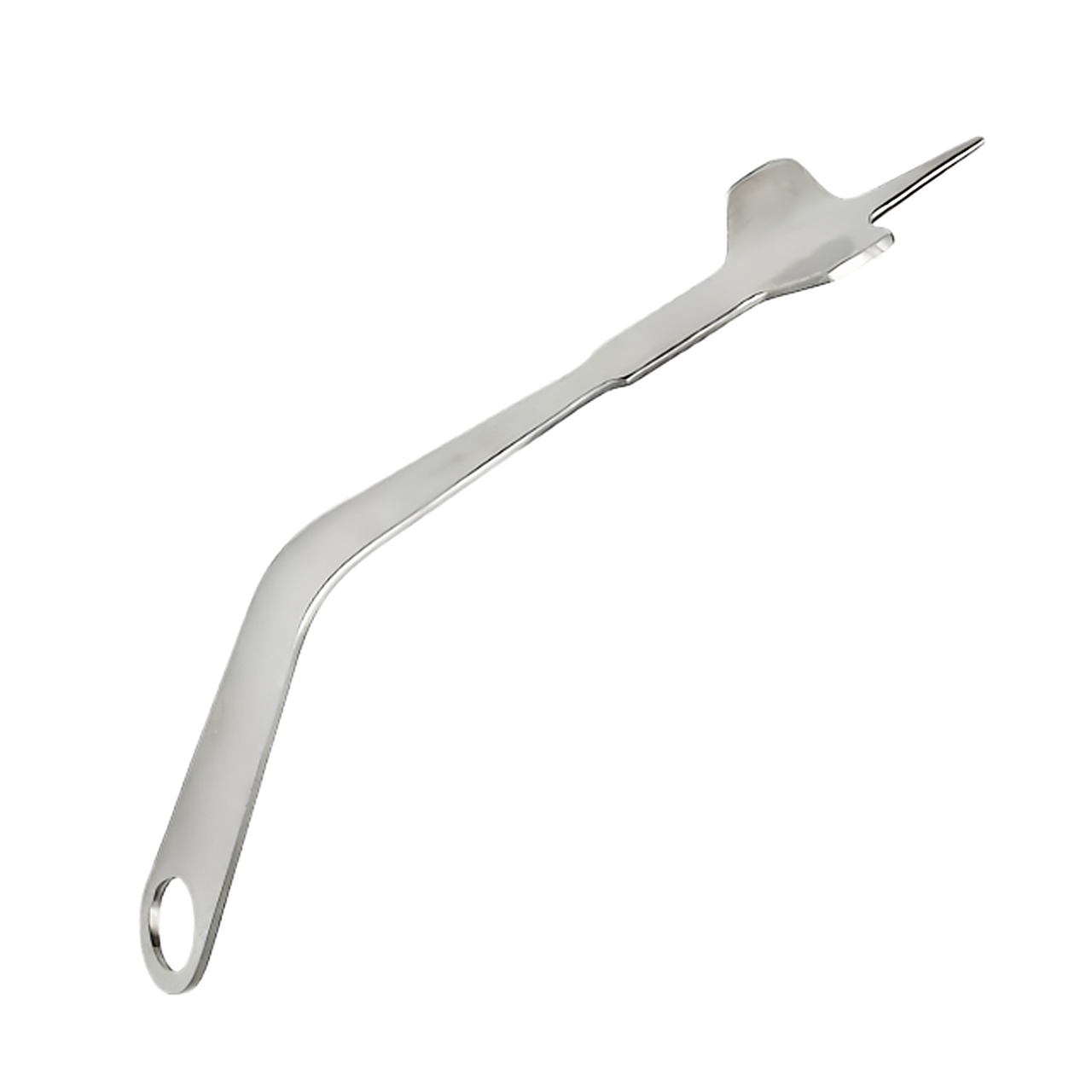 | Afastador Lateral de Coxim Adiposo | Projetado especificamente para afastar o coxim adiposo infrapatelar e tecidos moles durante a artroplastia total de joelho e reconstrução de joelho. |
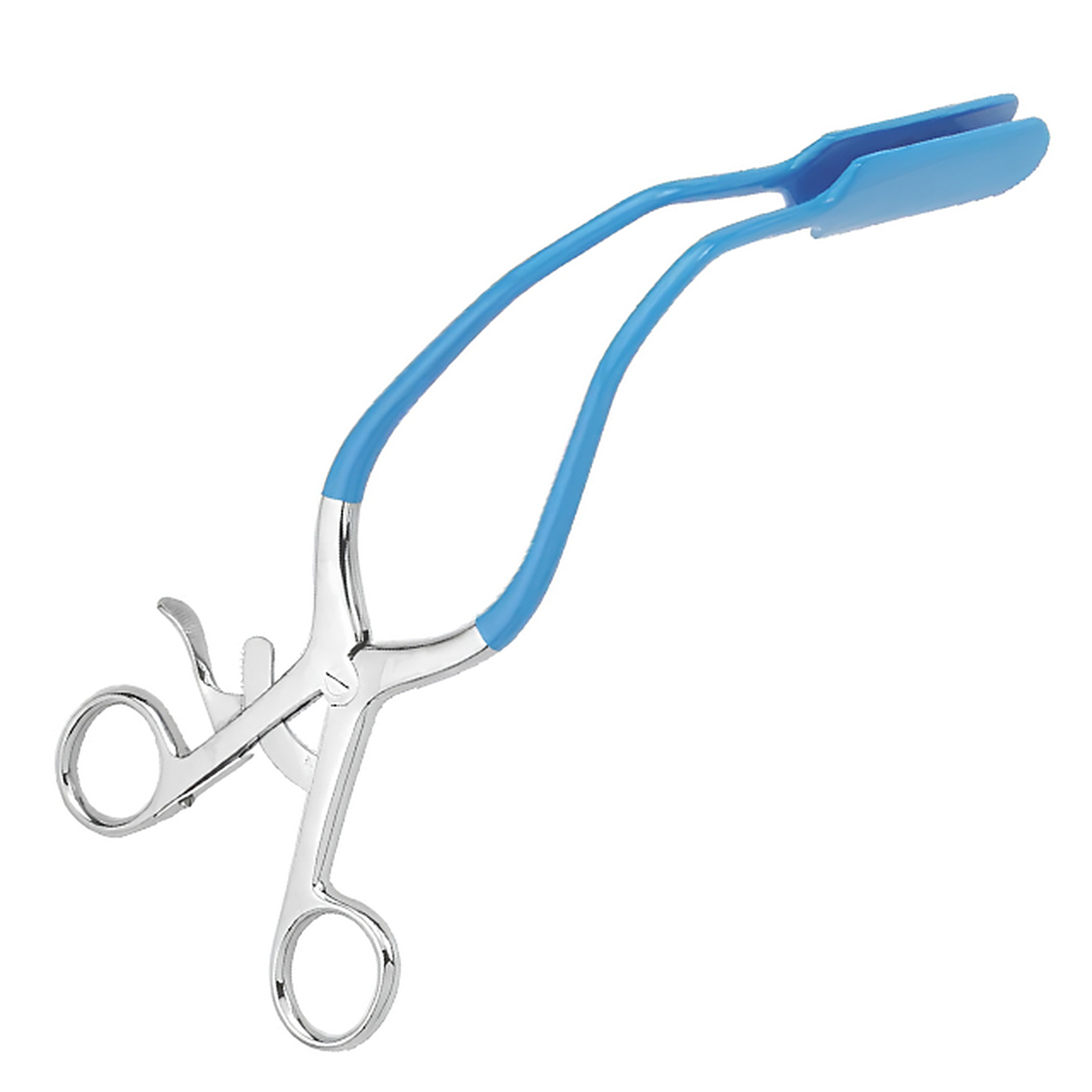 | Afastador Vaginal Lateral Não Condutor | Projetado especificamente para afastar as paredes vaginais laterais durante eletrocirurgia e procedimentos ginecológicos a laser. |
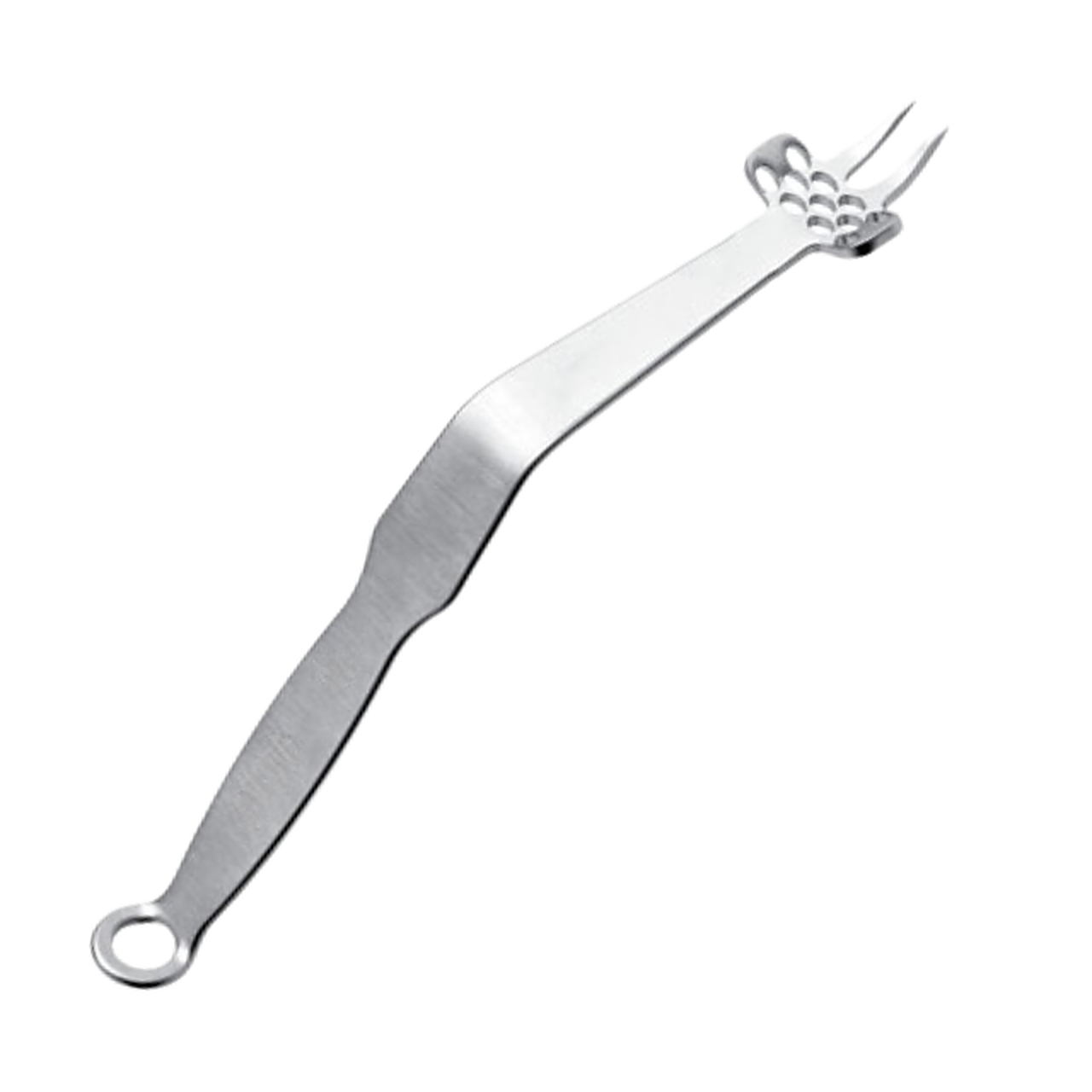 | Afastadores de Partes Moles Laterais | Projetado especificamente para afastar tecidos moles laterais, cápsula e ligamentos colaterais durante a artroplastia total de joelho. |
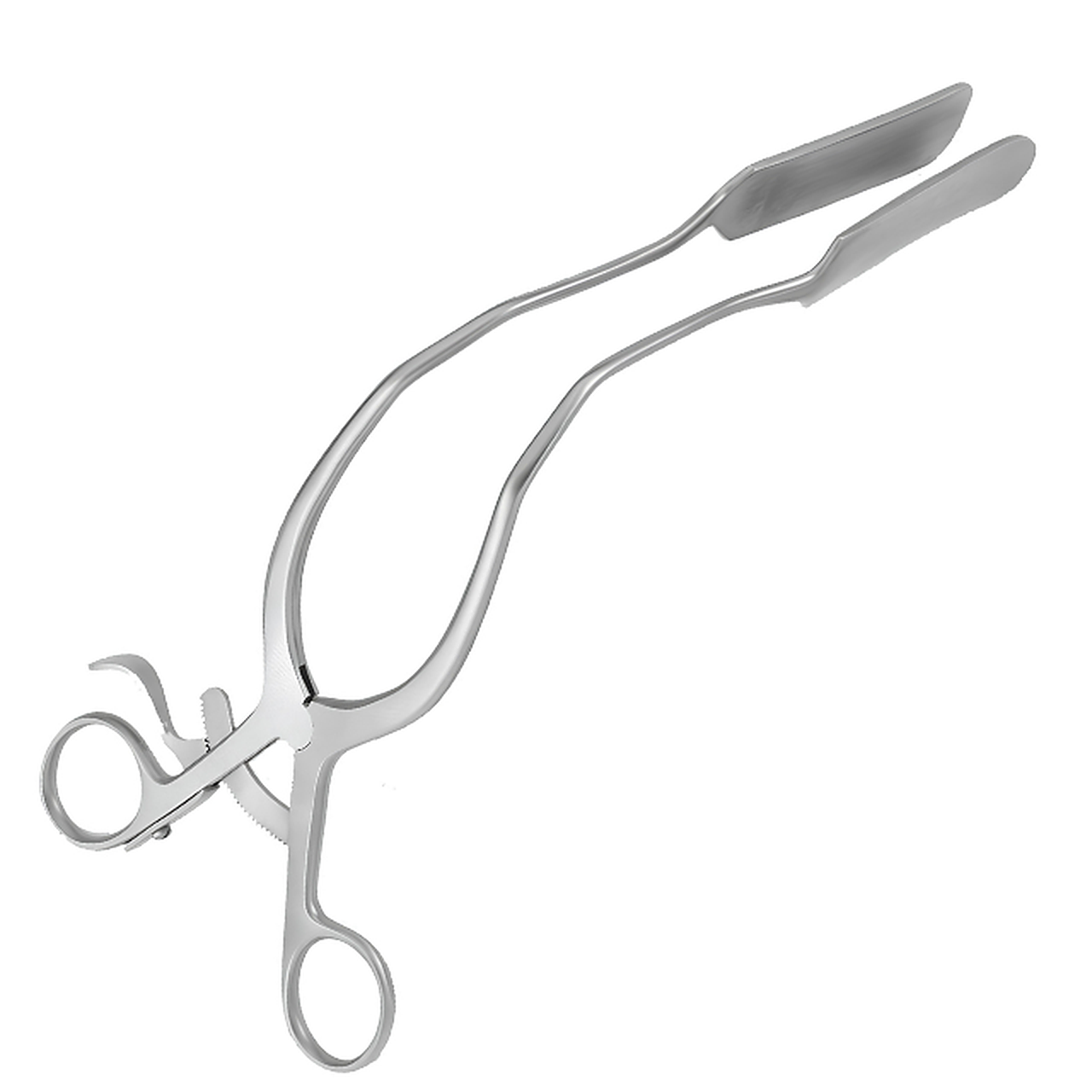 | Afastador Vaginal de Parede Lateral | Projetado especificamente para retrair as paredes vaginais laterais e prevenir o colapso tecidual durante cirurgias vaginais e procedimentos eletrocirúrgicos. |
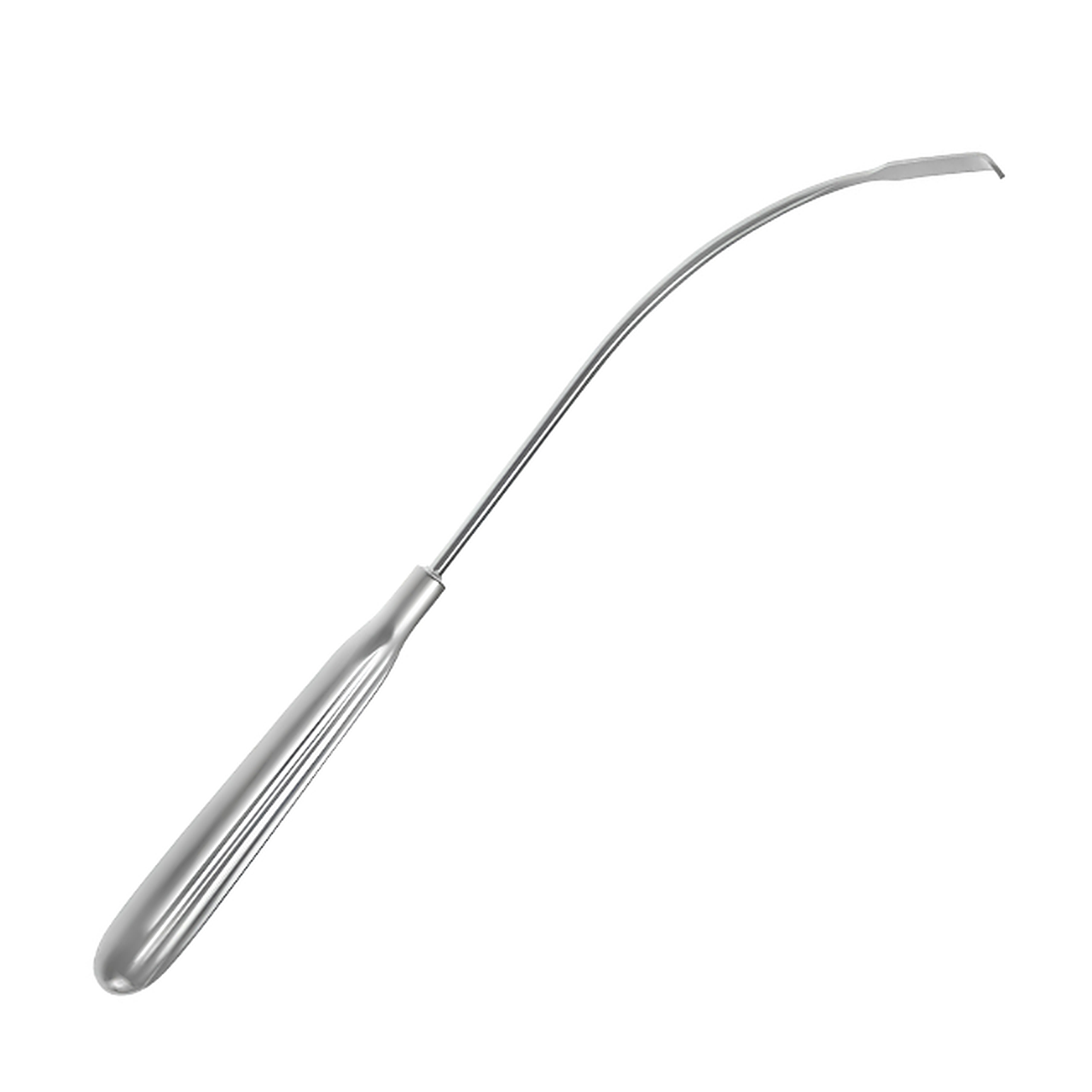 | Afastador de Folheto Valvar | Projetado especificamente para afastar e elevar folhetos de válvulas cardíacas durante reparos e substituições de válvulas em cirurgias cardíacas abertas. |
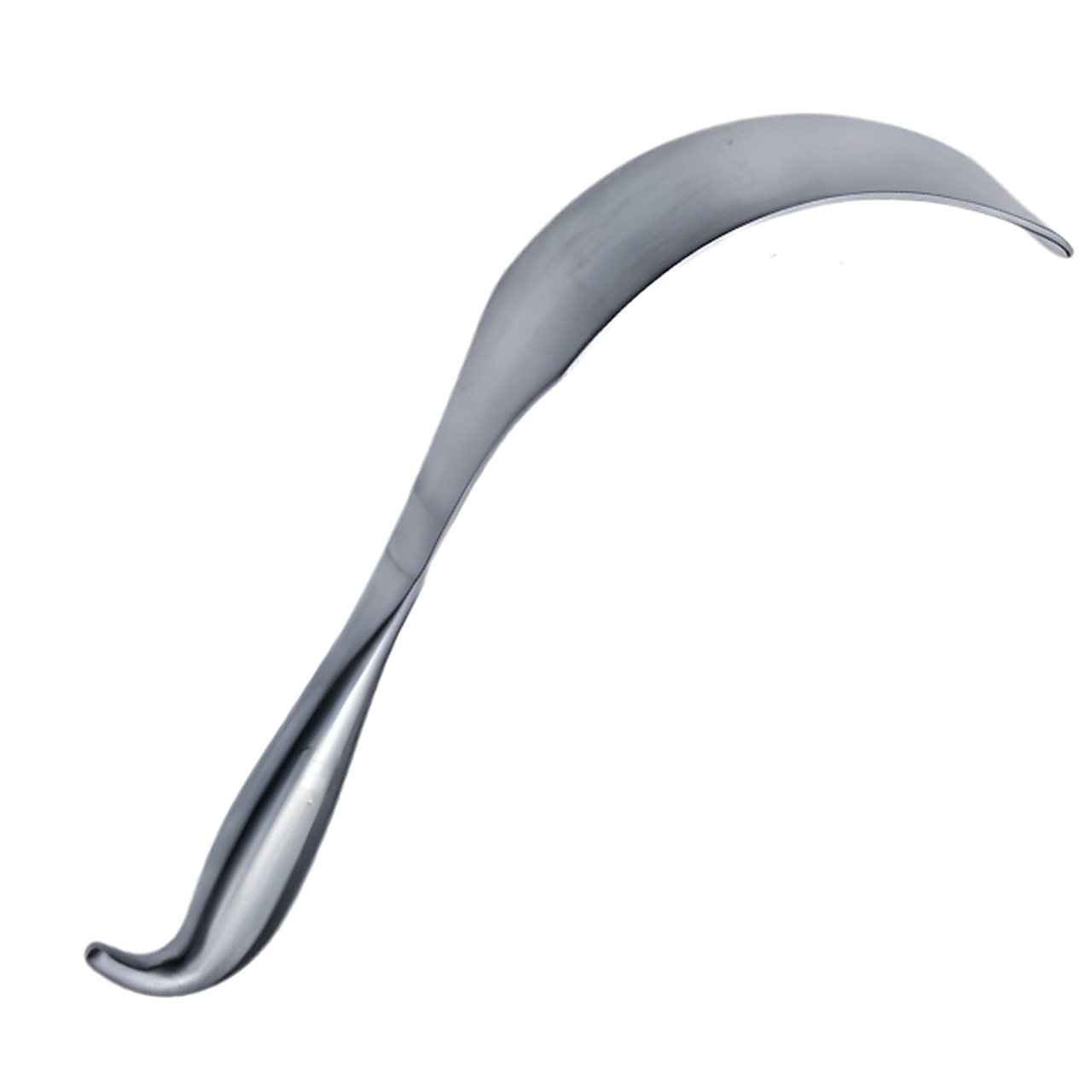 | Afastador Leriche Atraumático com Lâmina Larga | Projetado especificamente para afastar a parede abdominal, vísceras pélvicas e musculatura espessa durante cirurgias abertas. |
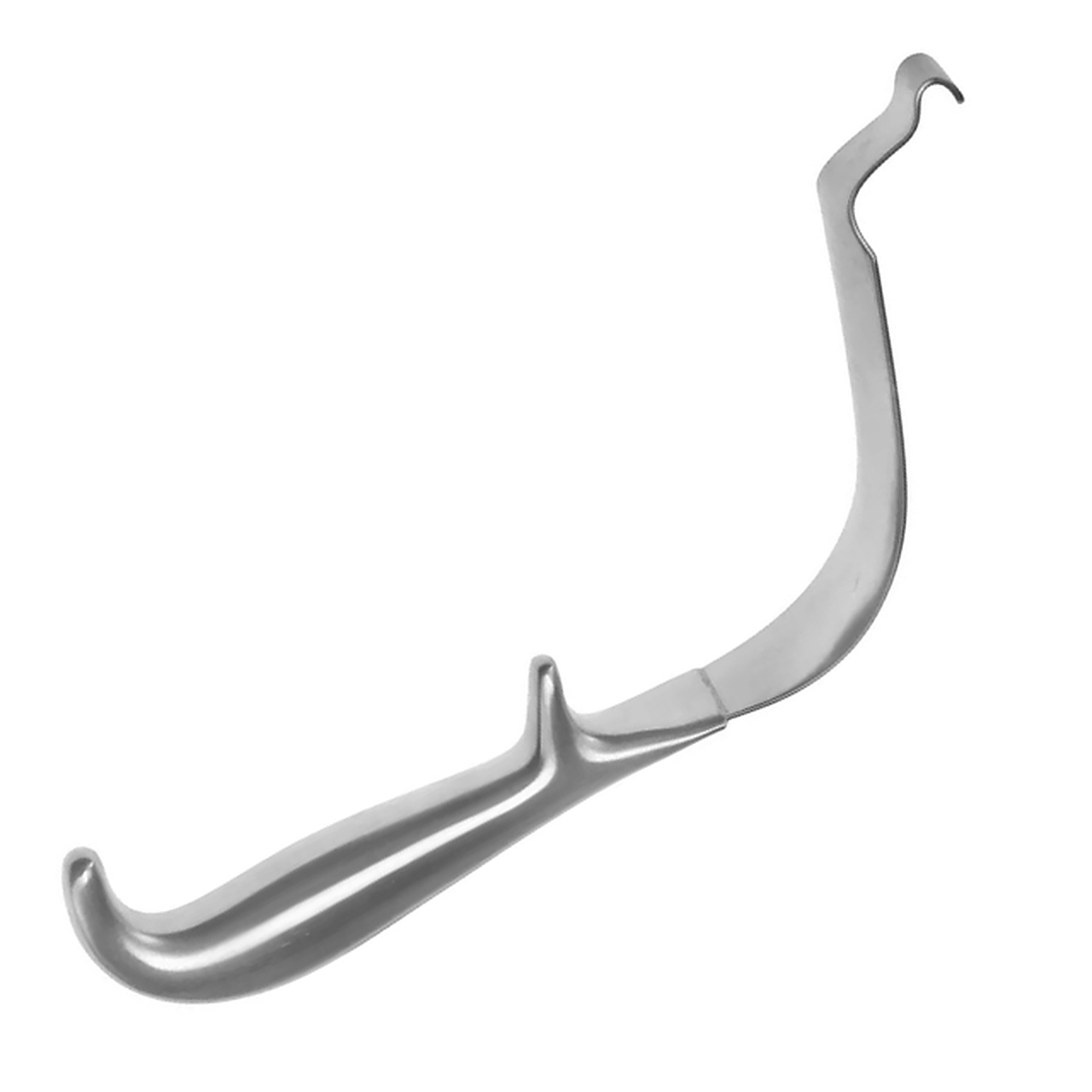 | Afastador Levasseur Merril | Projetado especificamente para afastar tecidos moles e proteger estruturas neurovasculares durante osteotomias verticais do ramo. |
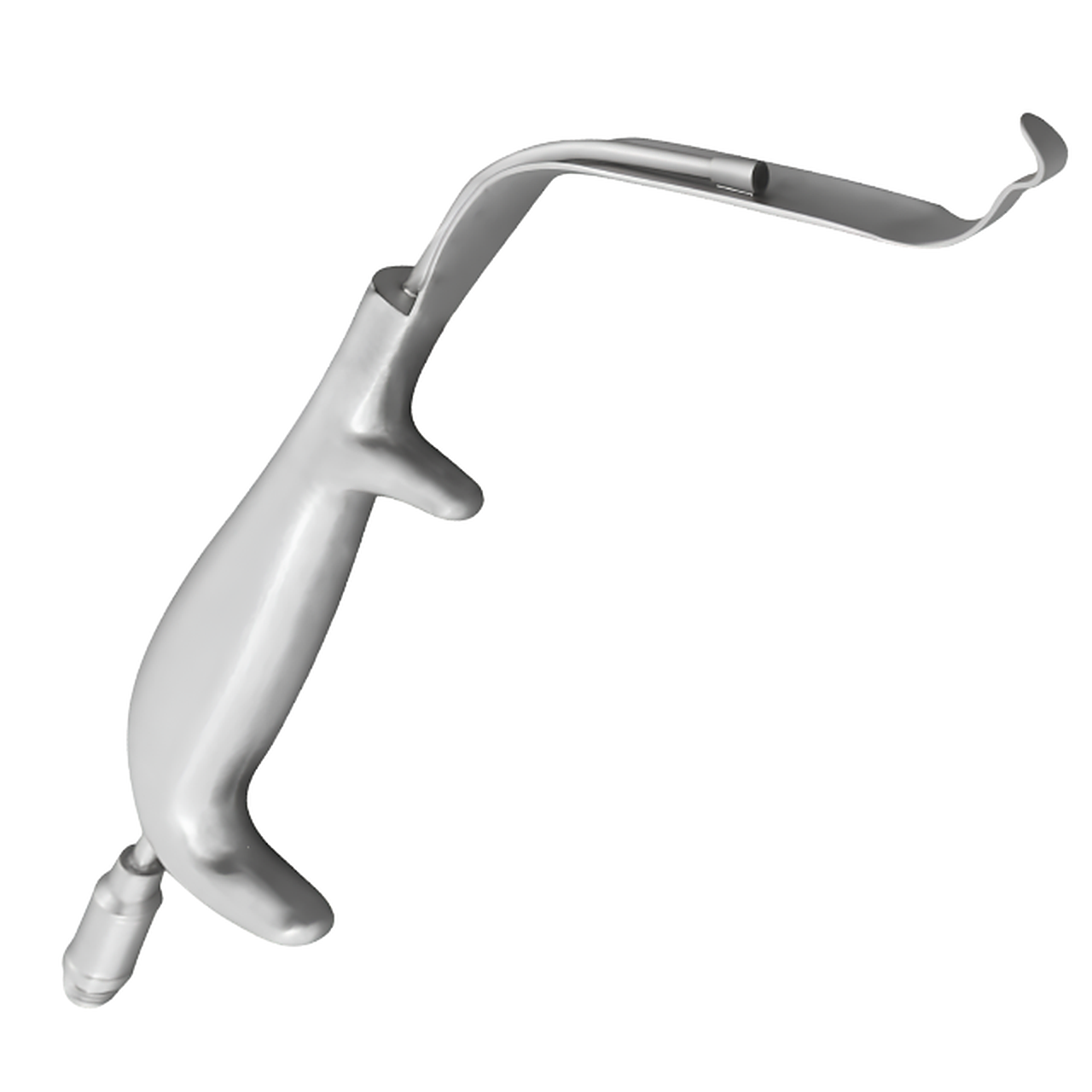 | Afastador Levasseur Merril de Fibra Óptica | Projetado especificamente para fornecer afastamento de tecidos moles iluminado e exposição óssea durante osteotomias verticais do ramo. |
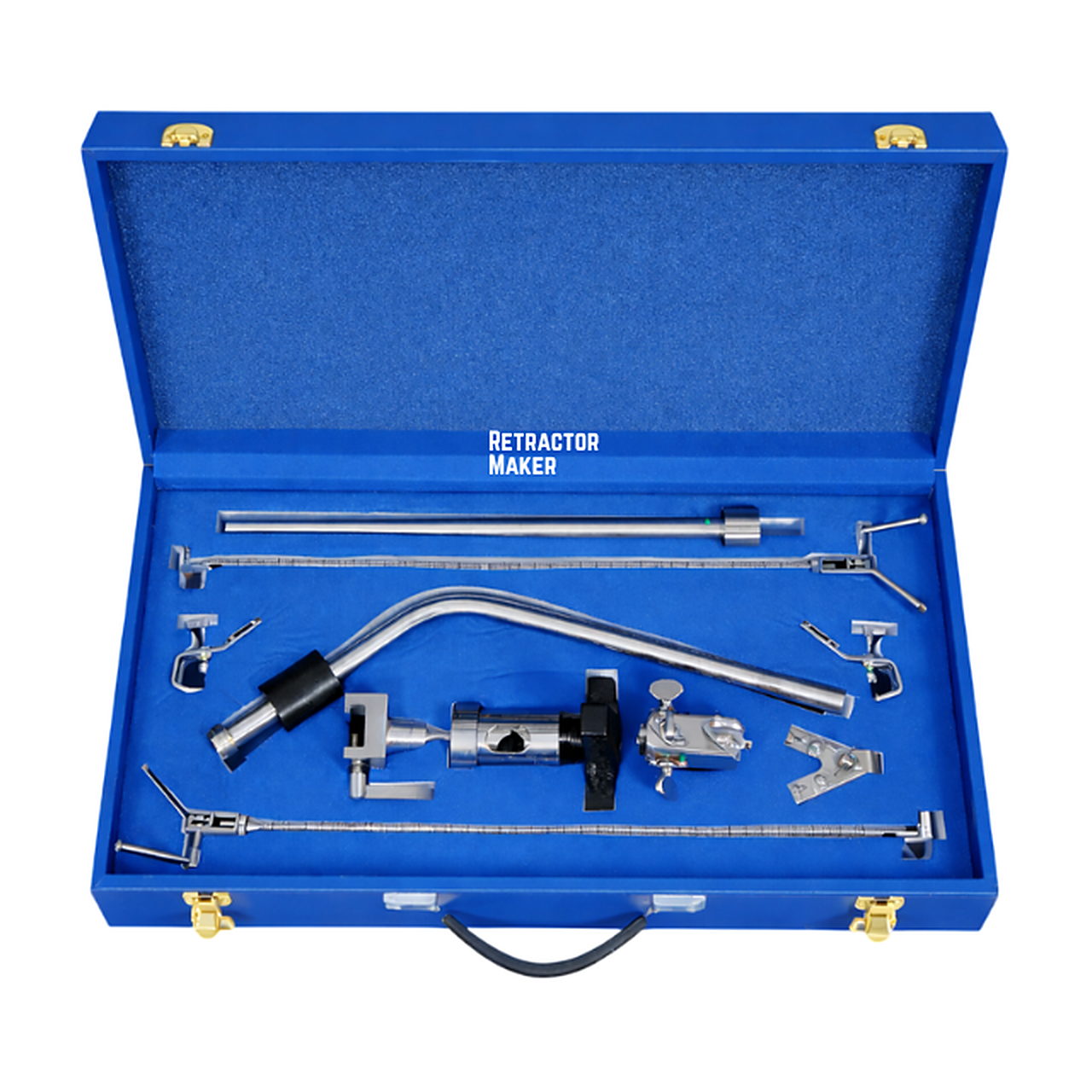 | Afastador Leyla | Projetado especificamente para fornecer afastamento preciso, mãos-livres e de baixa pressão do tecido cerebral durante procedimentos cranianos, de base de crânio e microneurocirúrgicos delicados. |
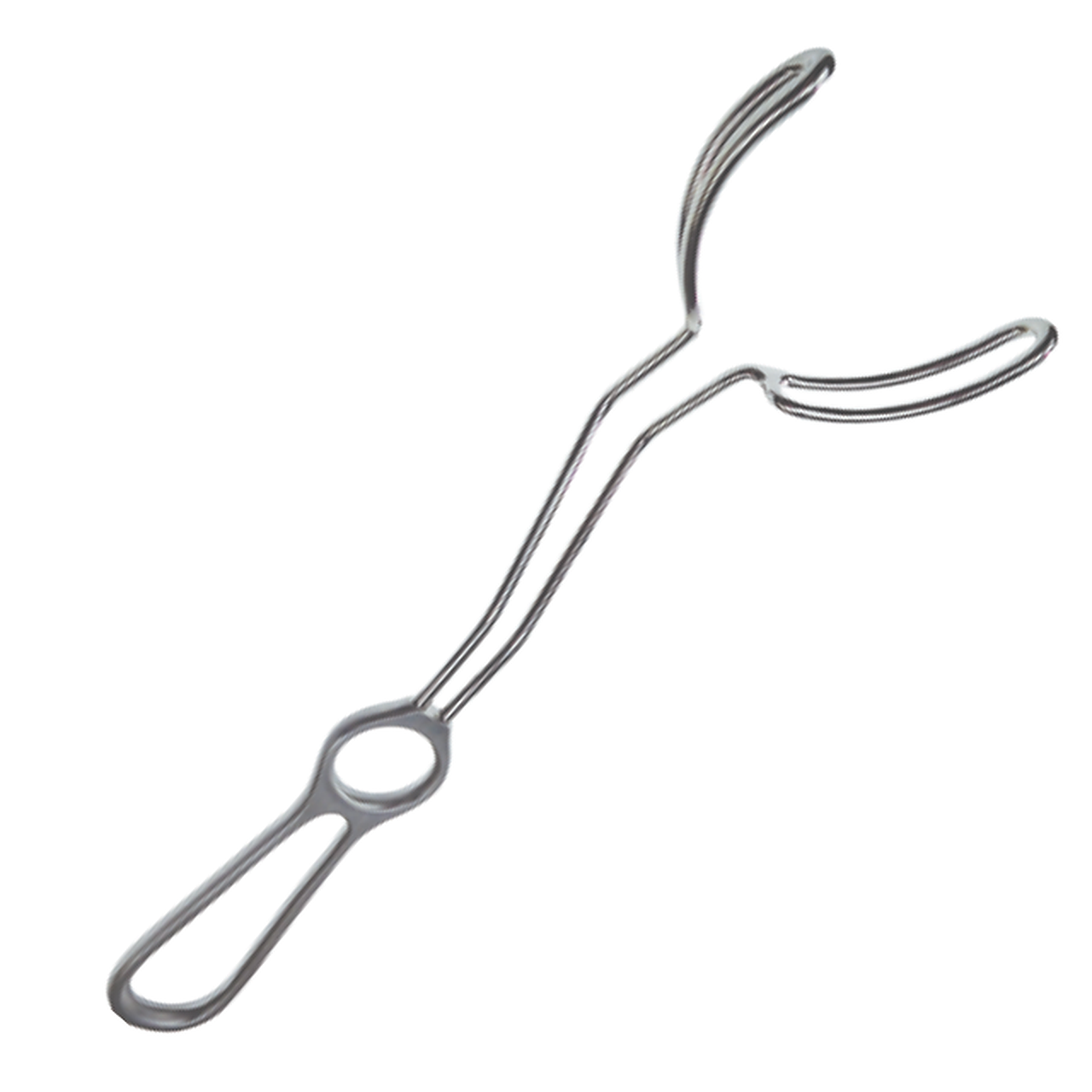 | Afastador de Lábios e Bochechas | Projetado especificamente para afastar os lábios e bochechas para fornecer exposição clara da mandíbula durante cirurgias orais e bucomaxilofaciais. |
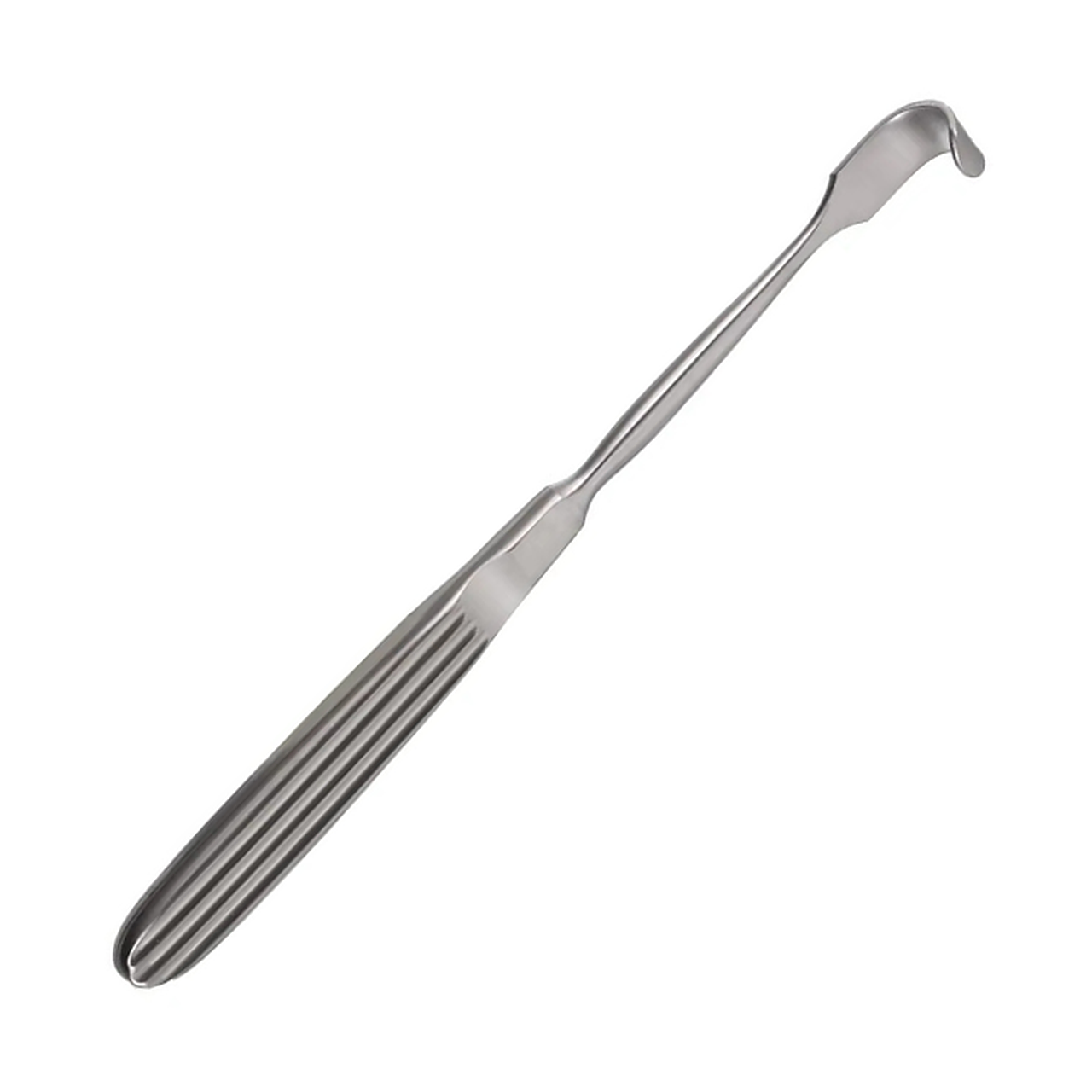 | Afastador Little | Projetado especificamente para afastar margens de pele, fáscia delicada e tecidos moles durante procedimentos cirúrgicos menores e plásticos. |
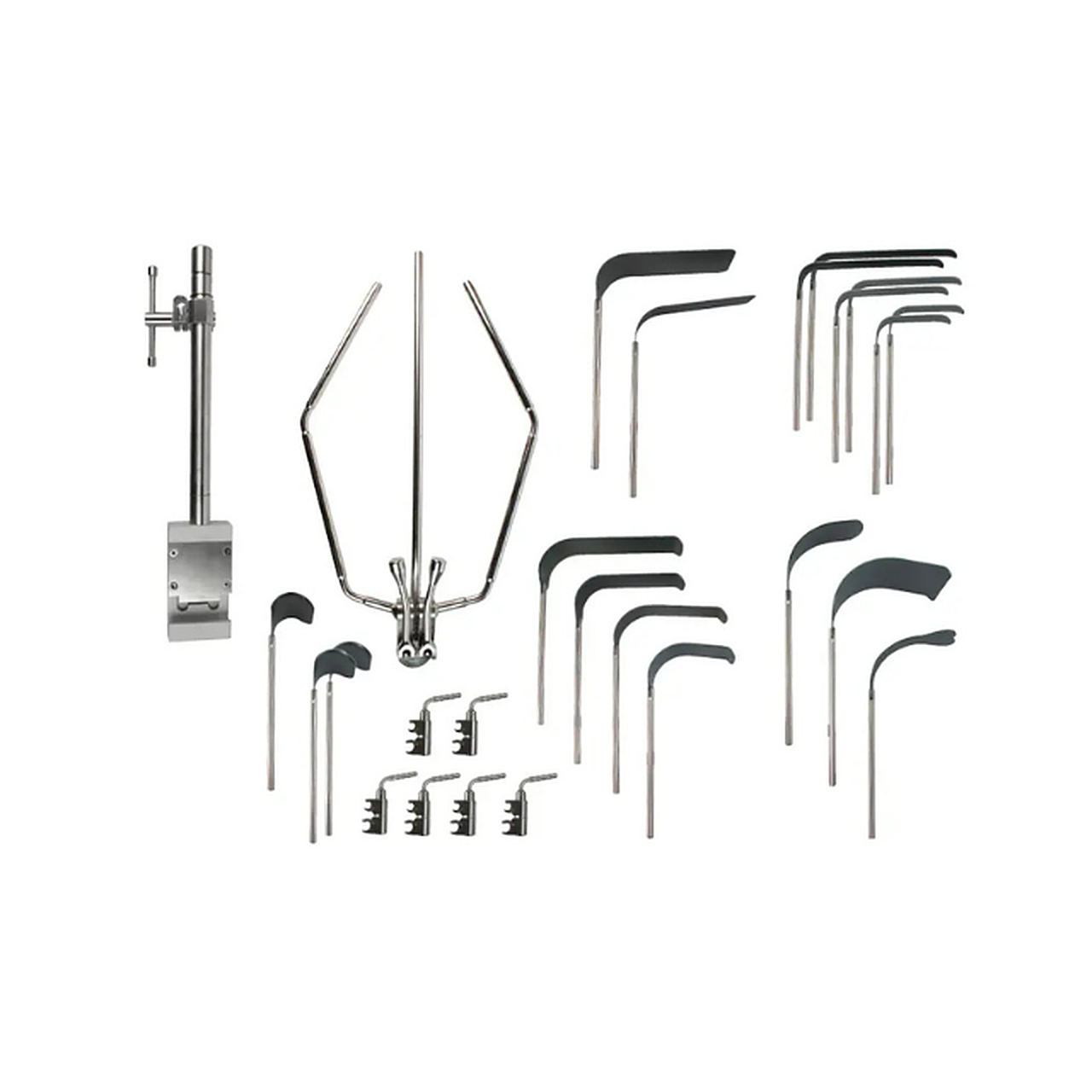 | Afastador Lombar Anterior Lobster | Projetado especificamente para afastamento autoestático de tecidos moles e exposição cirúrgica montado em mesa durante procedimentos de coluna lombar anterior. |
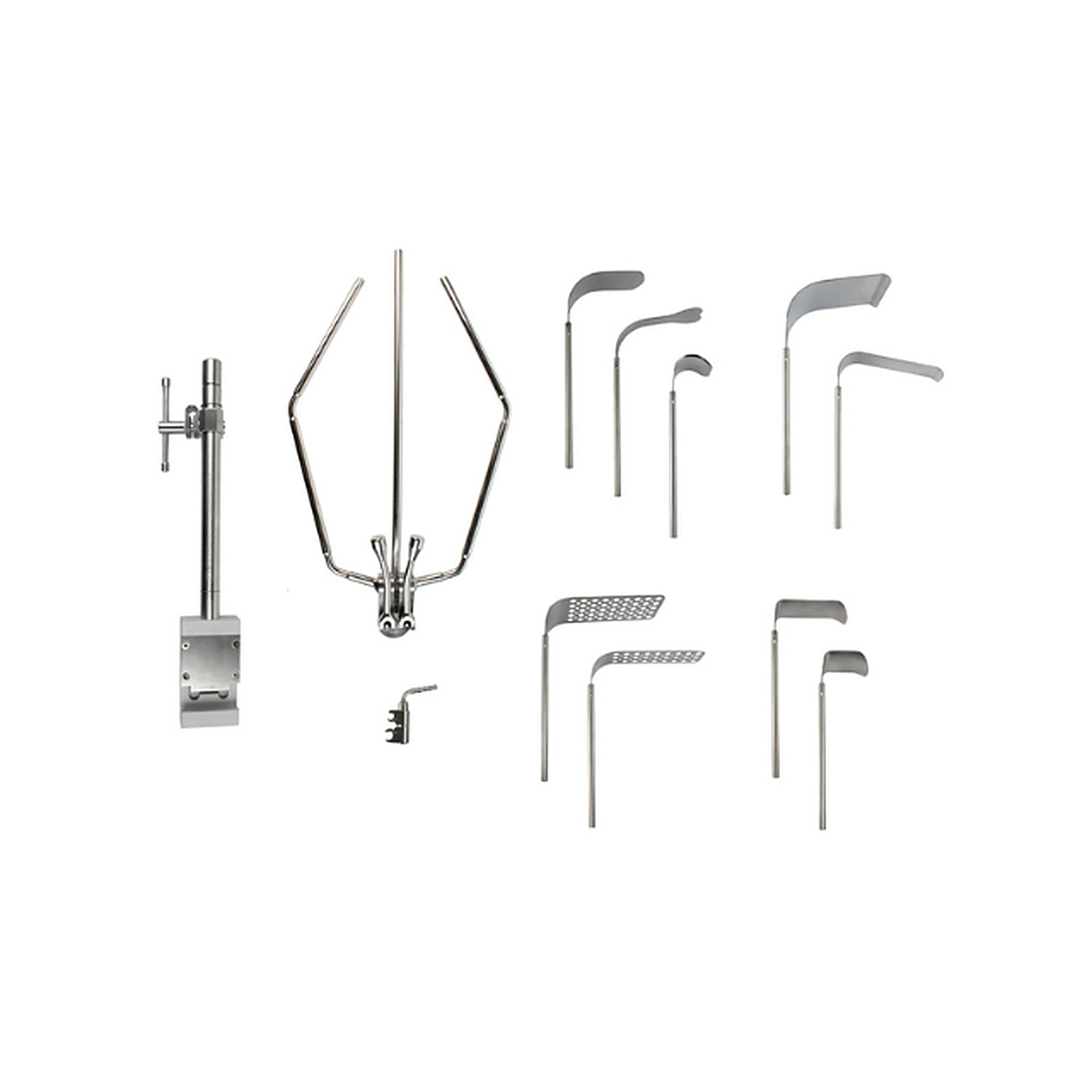 | Sistema de Afastador Geral Lobster | Projetado especificamente para fornecer afastamento de tecidos moles e exposição do campo cirúrgico autoestática e montada em mesa durante procedimentos cirúrgicos gerais. |
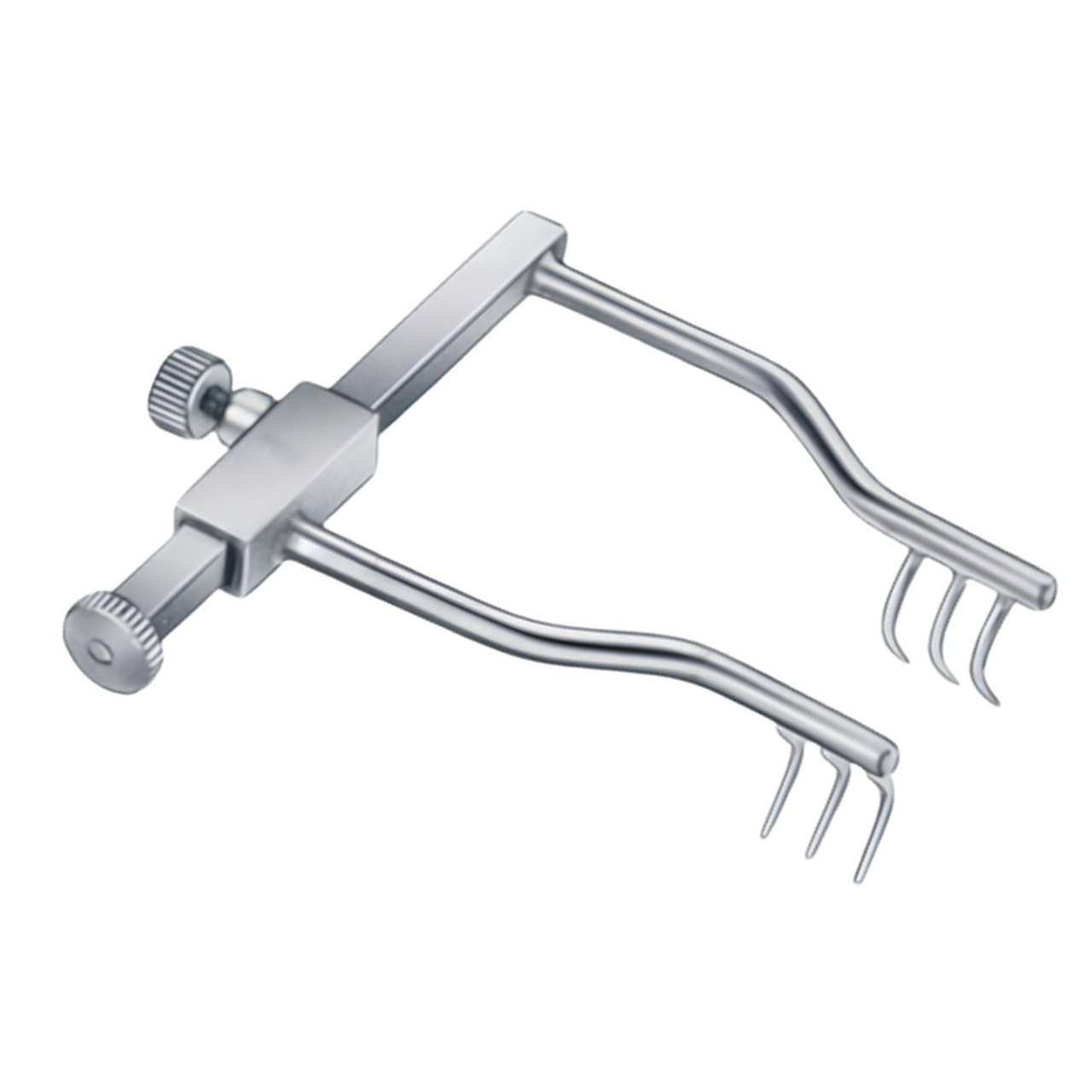 | Afastador Autostático Logan | Projetado especificamente para fornecer retração autostática de bordas de pele, aponeurose e músculos durante microincisões. |
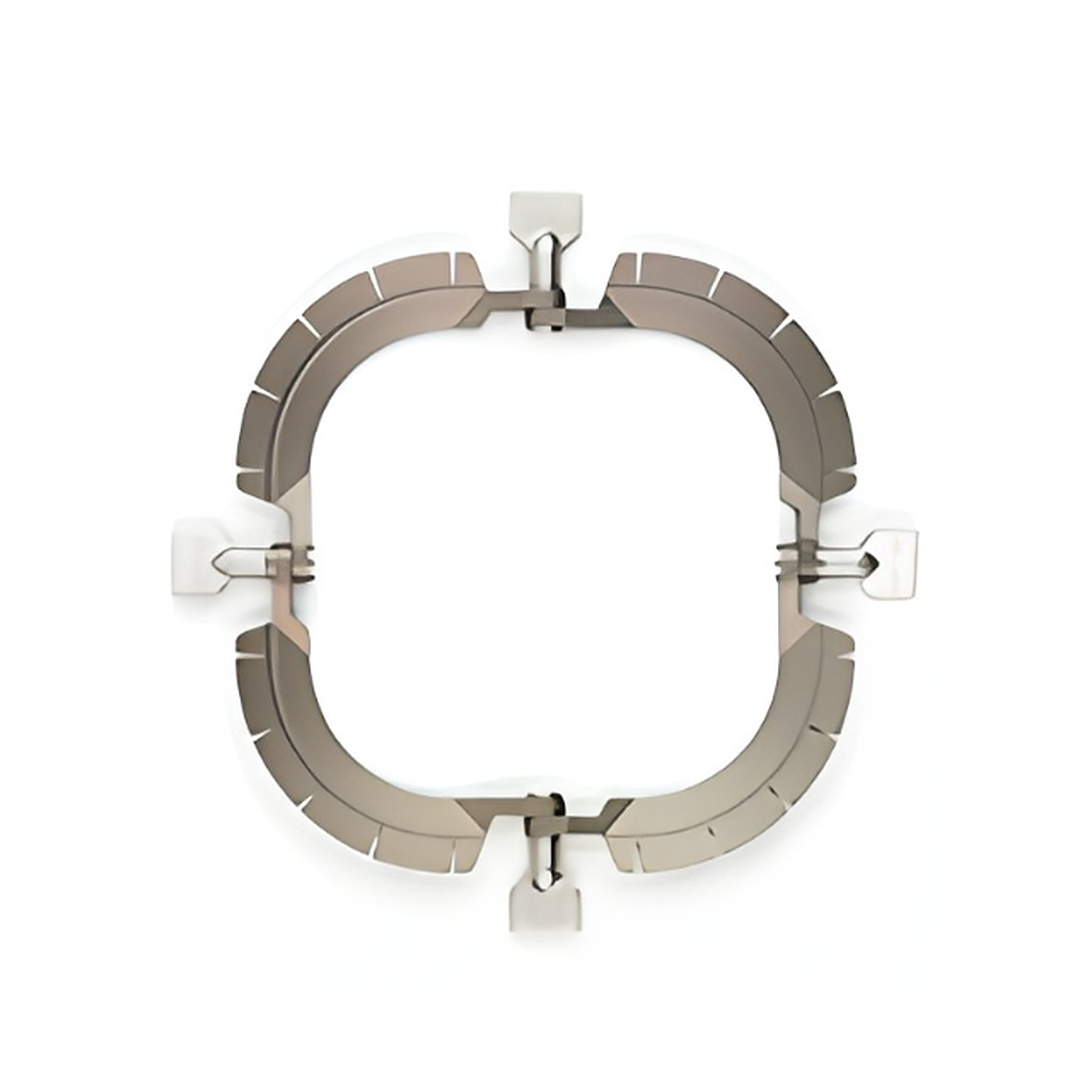 | Lone Star Retractor (Cirurgias Colorretais e de Cabeça e Pescoço) | Projetado especificamente para fornecer retração de tecidos moles e exposição do campo cirúrgico de forma autostática e mãos-livres em cirurgias de cólon, reto, cabeça e pescoço. |
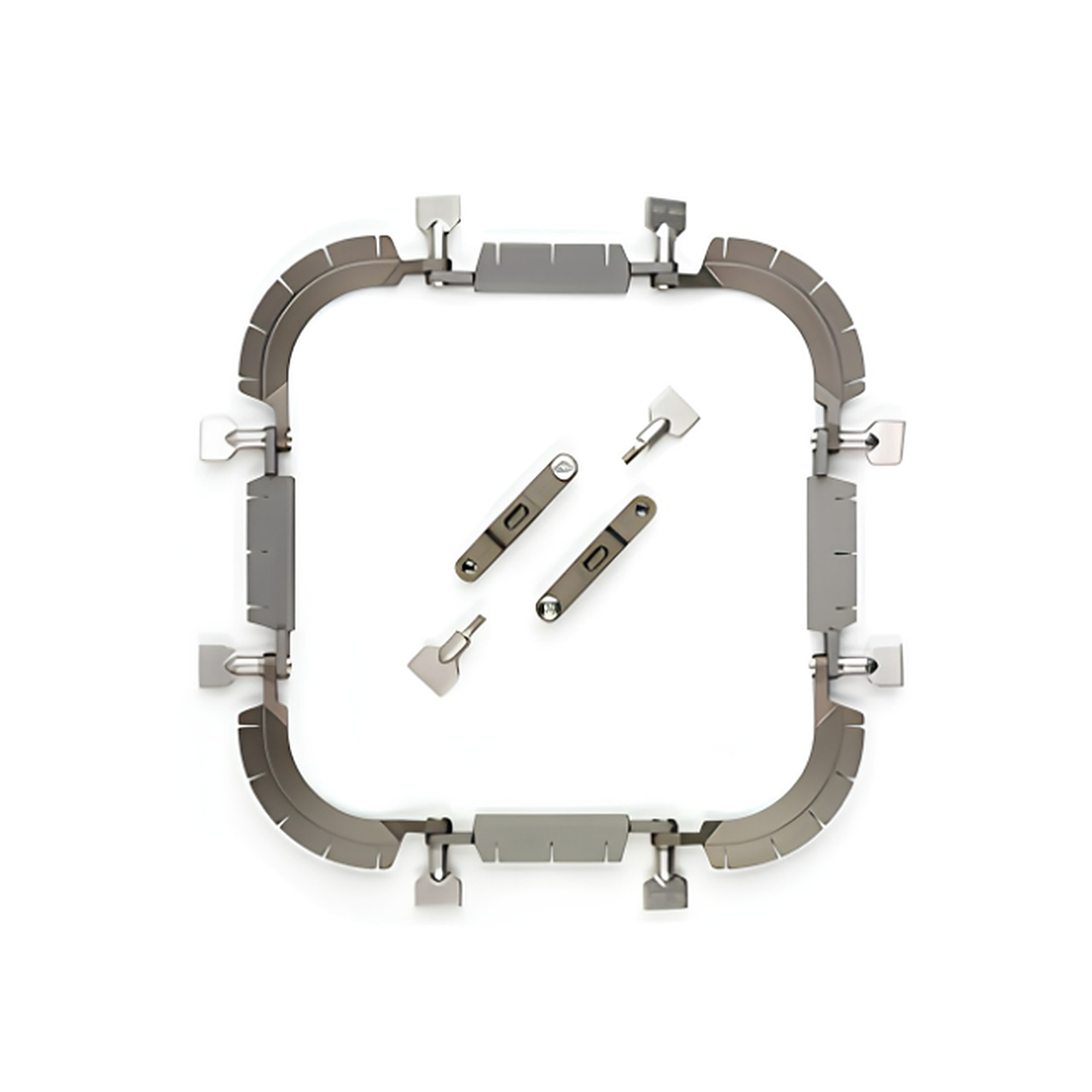 | Afastador Lone Star (Cirurgias Gerais, Cabeça e Pescoço) | Projetado para fornecer retração de tecidos moles autoestática, livre das mãos, e exposição do campo cirúrgico em procedimentos de cirurgia geral e de cabeça e pescoço. |
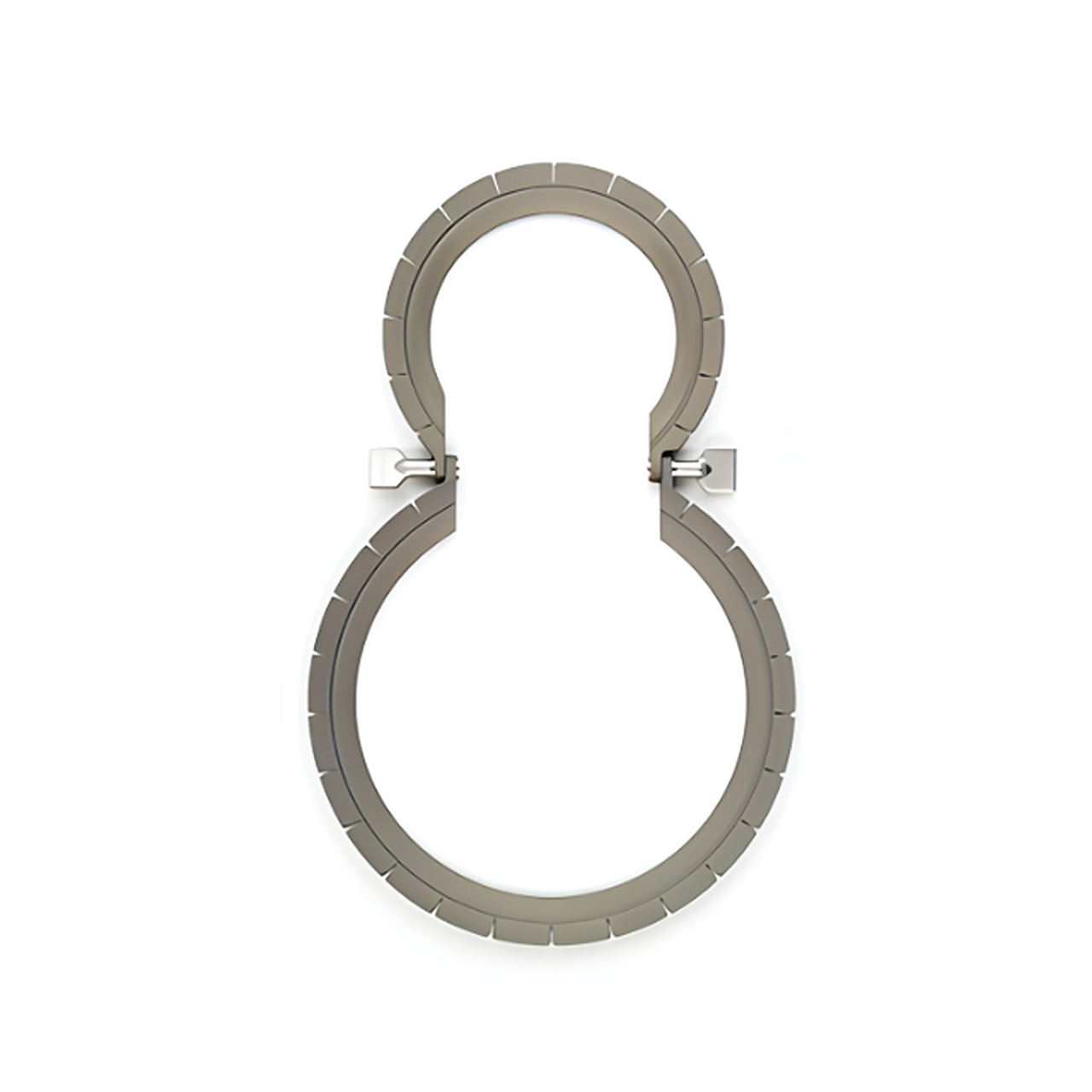 | Afastador Lone Star Retractor (Ginecologia e Urologia Masculina) | Projetado especificamente para fornecer retração de tecidos moles autoestática (mãos livres) e exposição do campo cirúrgico em procedimentos de ginecologia e urologia masculina. |
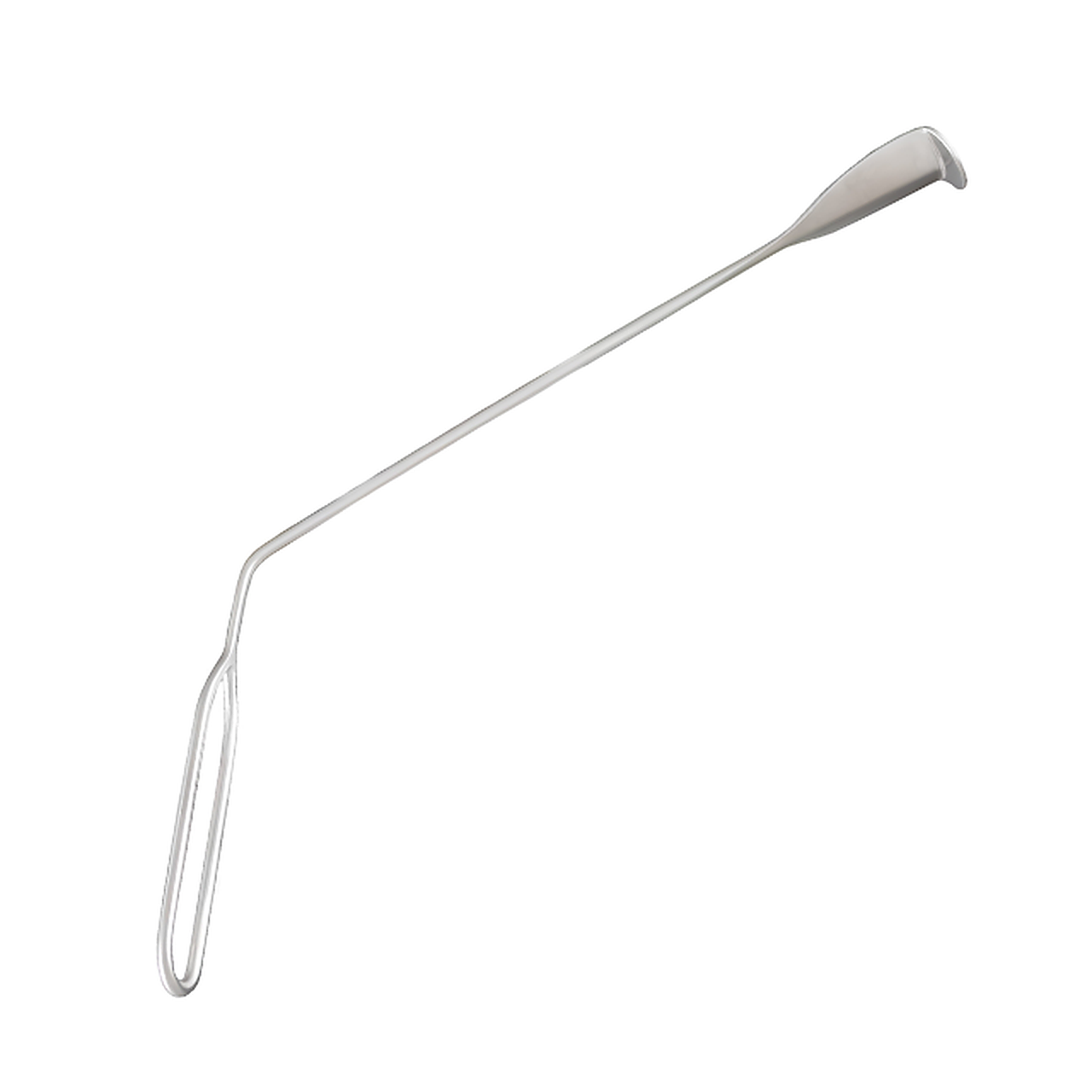 | Afastador de Úvula Lothrop | Projetado especificamente para afastar e elevar a úvula e o palato mole durante adenoidectomia e cirurgia faríngea. |
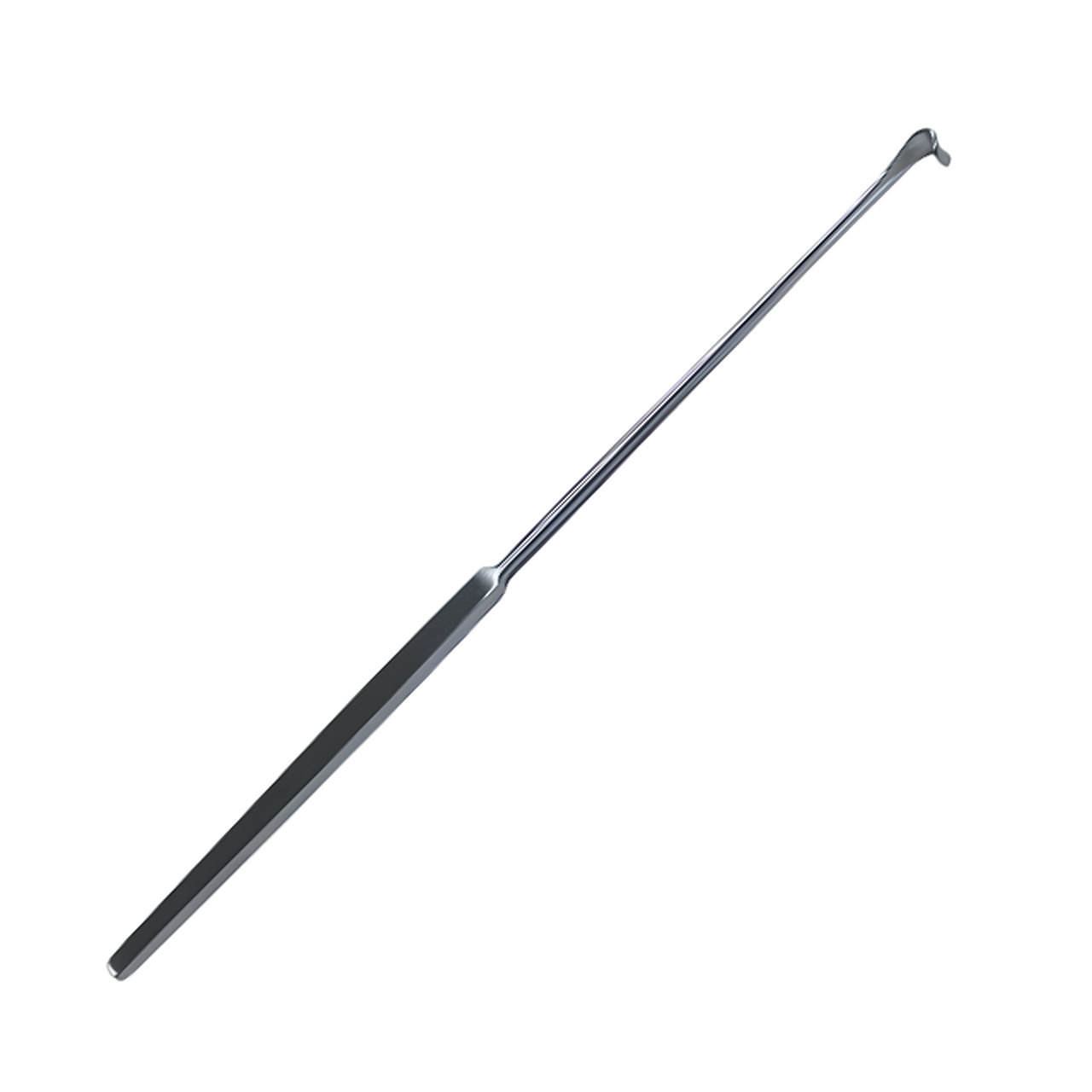 | Afastador de Raiz Nervosa Love | Projetado especificamente para afastar e proteger as raízes nervosas espinhais e o saco dural durante a discectomia lombar e descompressão. |
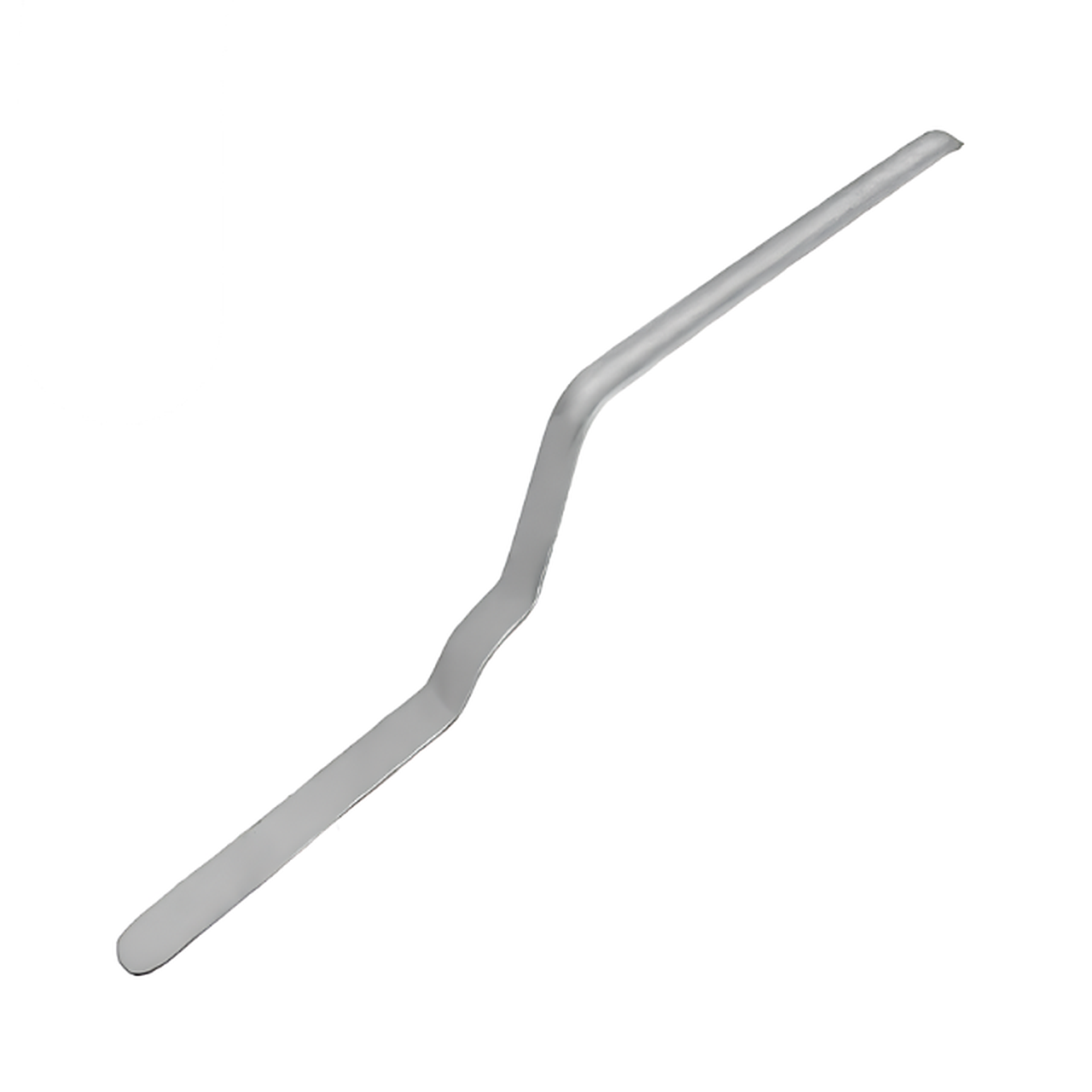 | Afastador de Raiz Nervosa Love, Baioneta | Projetado especificamente para afastar raízes nervosas e o saco tecal, preservando a linha de visão sob microscópios cirúrgicos operatórios. |
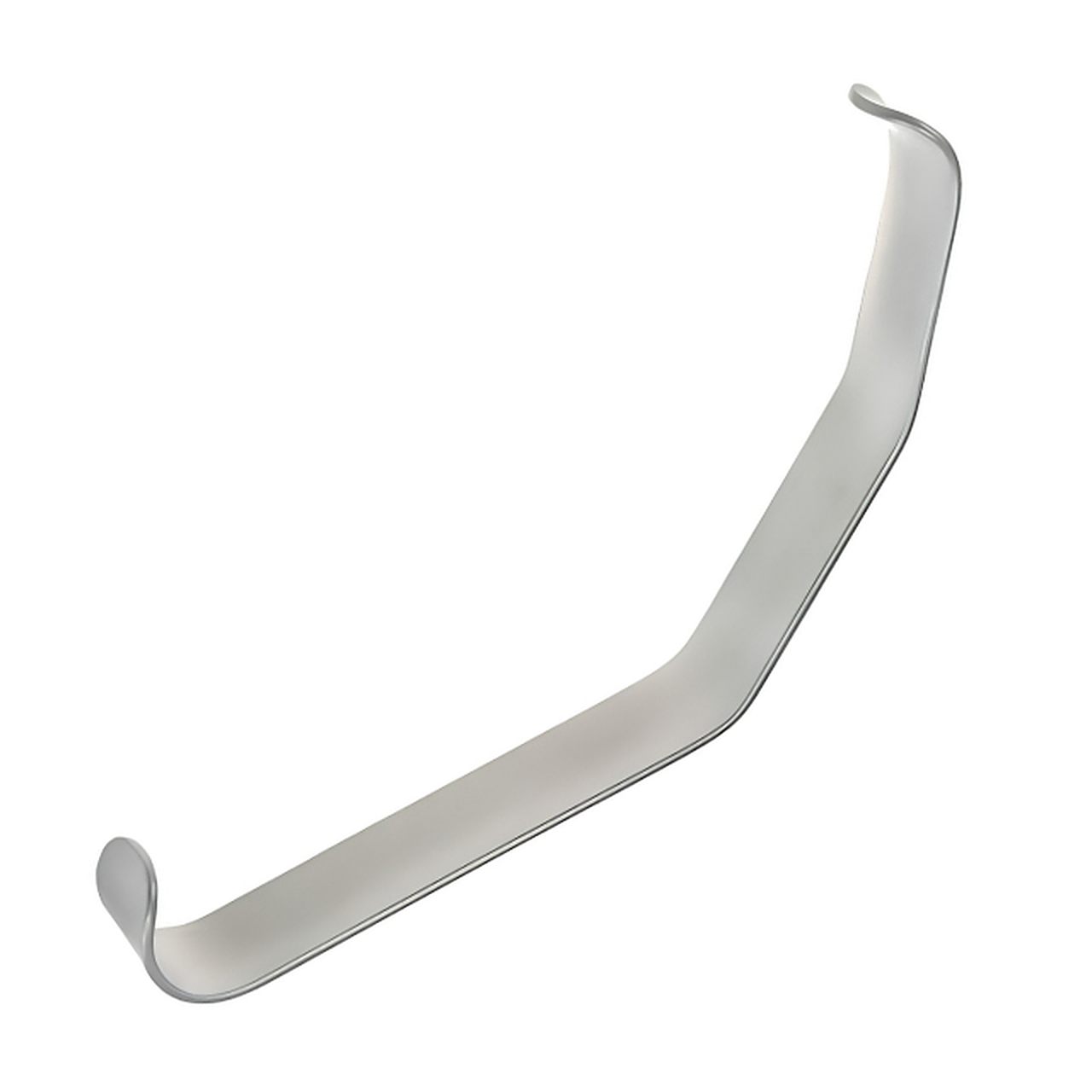 | Afastador de Úvula Love | Projetado especificamente para afastar e elevar a úvula e o palato mole durante adenoidectomia e cirurgia faríngea. |
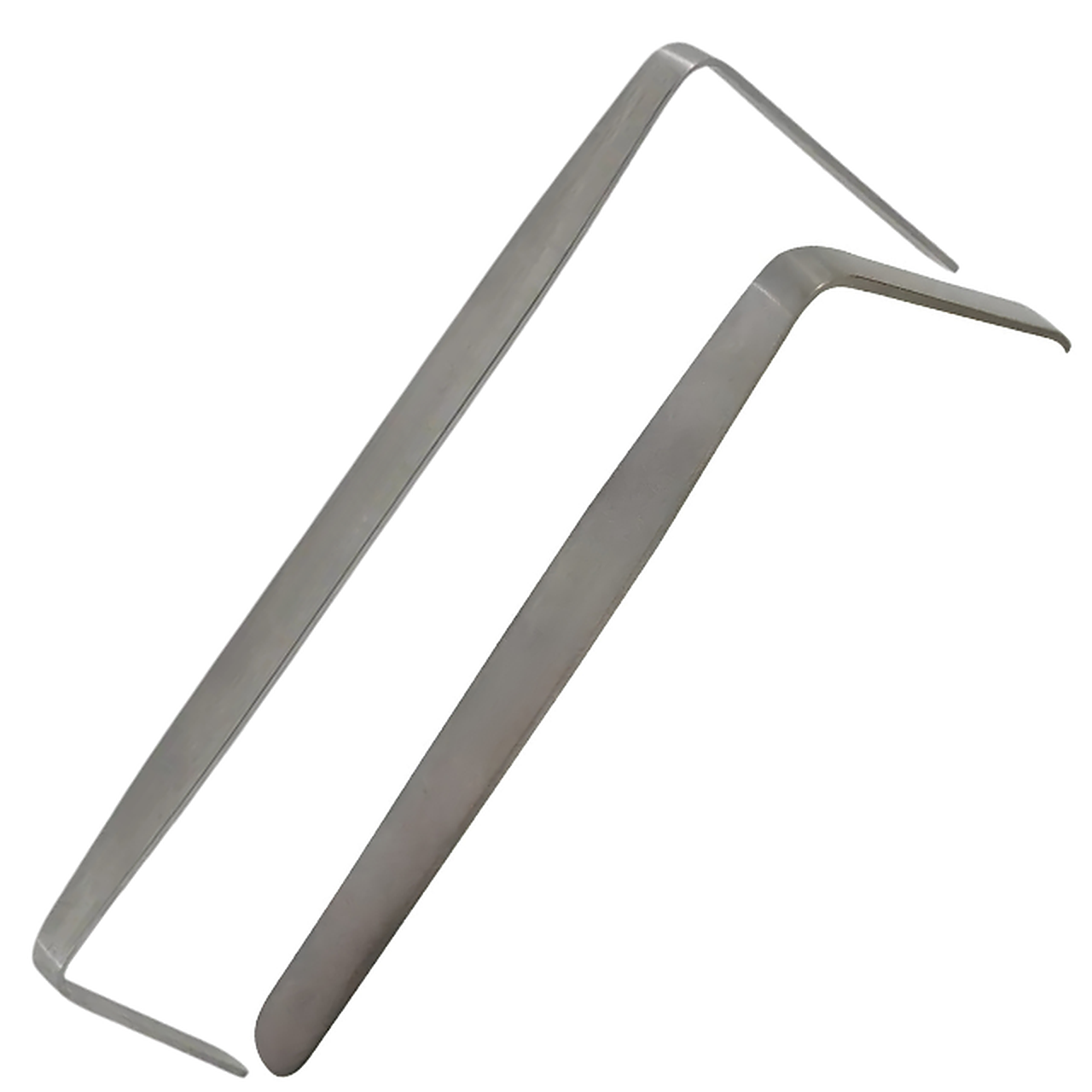 | Afastador Low Profile para Pé e Tornozelo | Projetado especificamente para alavancar pequenos ossos e afastar tecidos moles durante cirurgias reconstrutivas de pé, tornozelo e podologia. |
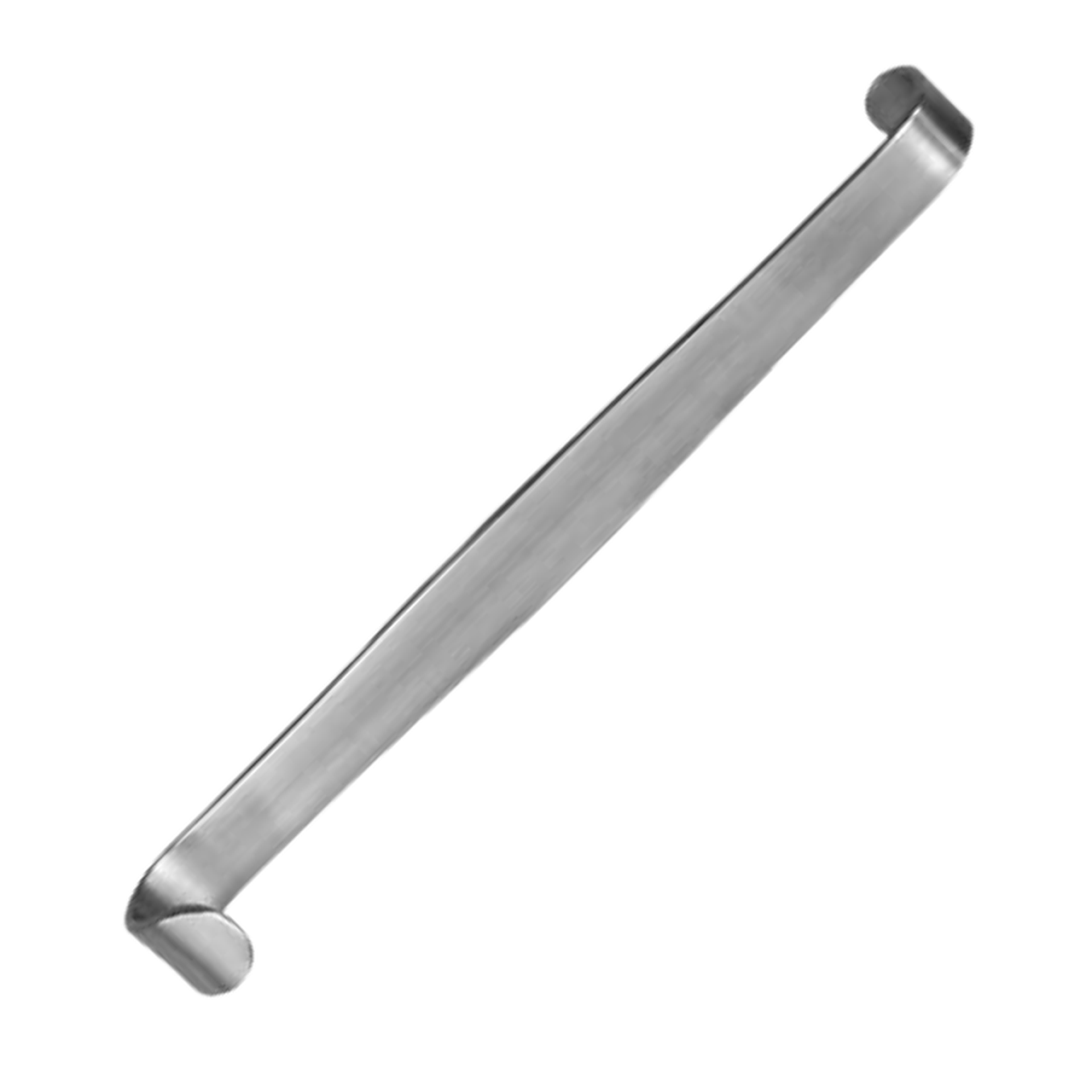 | Afastador Traqueal Luer S | Projetado especificamente para retrair tecidos pré-traqueais e elevar anéis traqueais durante traqueostomia e cirurgia de pescoço. |
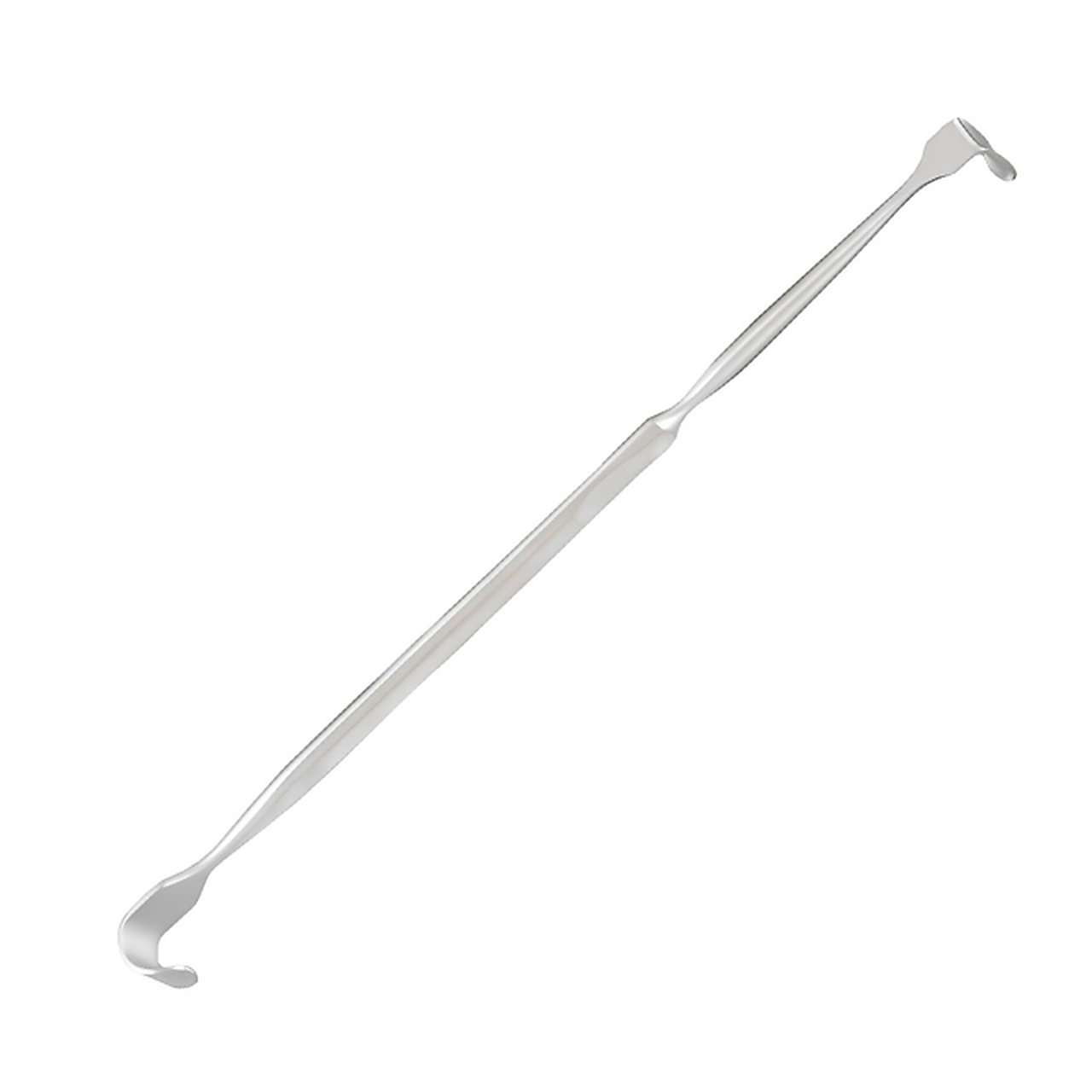 | Afastador Traqueal Lukens | Projetado especificamente para afastar tecidos pré-traqueais e elevar a traqueia durante traqueostomias e procedimentos de vias aéreas. |
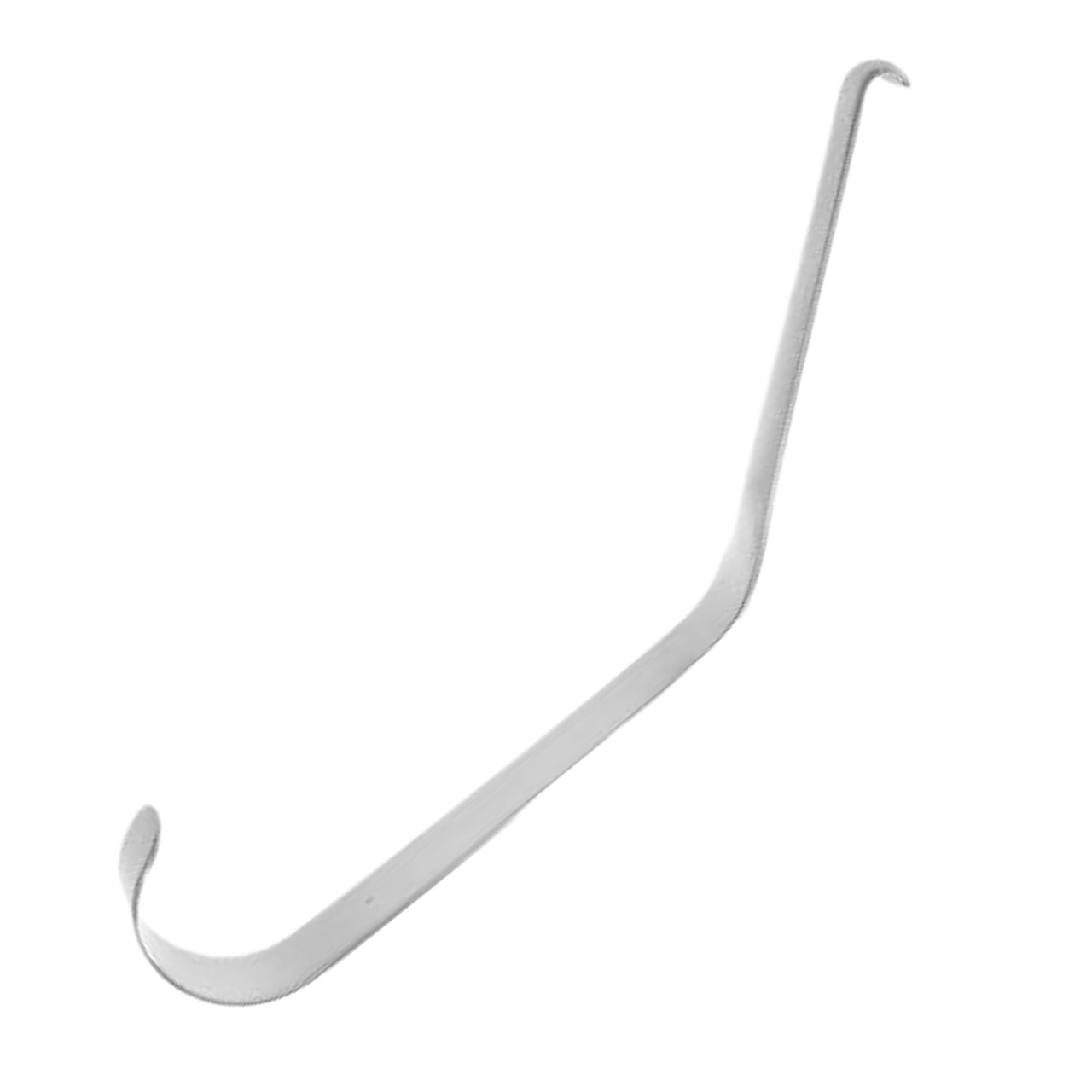 | Afastador Mandibular Channel | Projetado especificamente para enganchar na borda inferior da mandíbula e proteger estruturas neurovasculares durante osteotomias. |
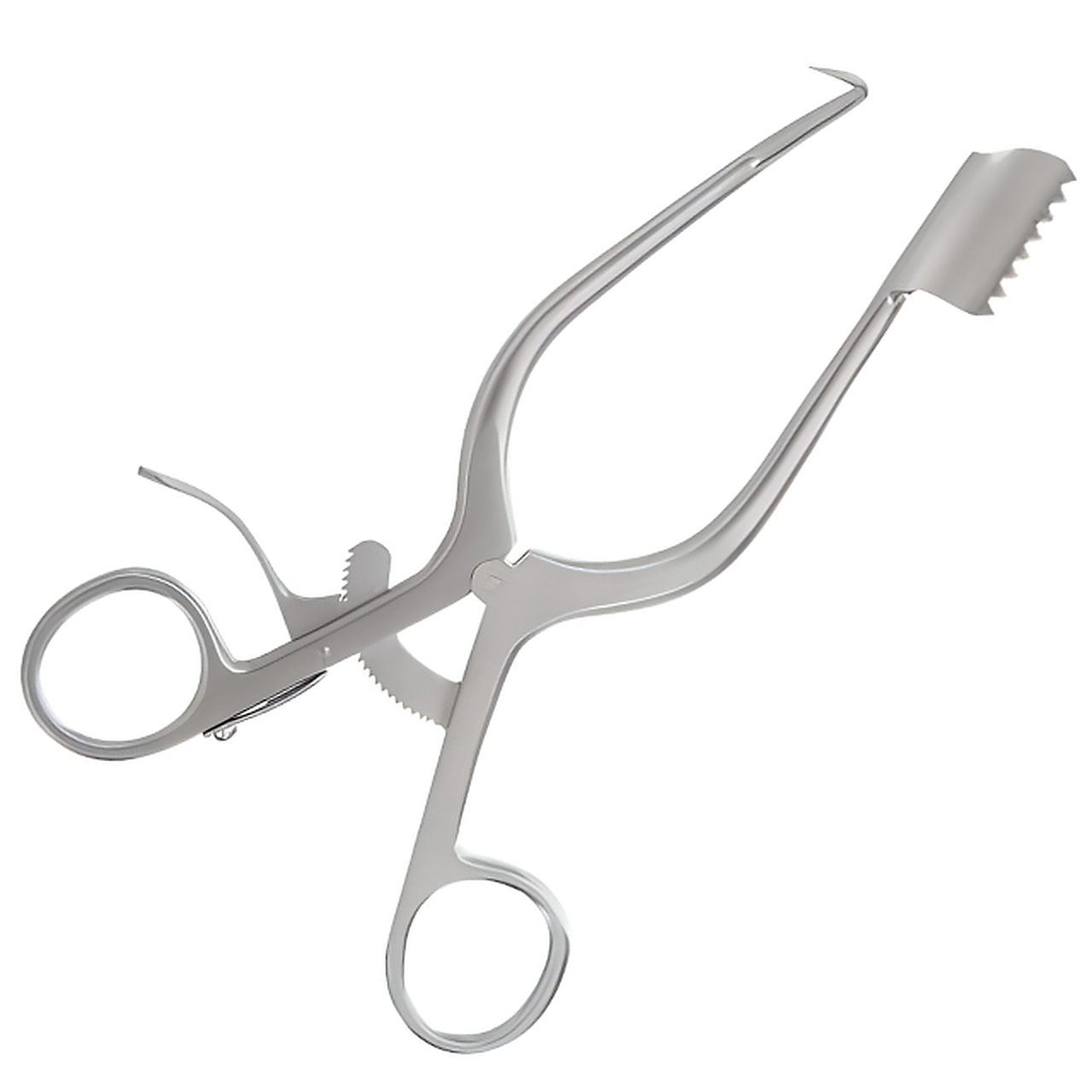 | Afastador Markham-Meyerding para Hemilaminectomia | Projetado especificamente para fornecer retração muscular paraespinhal autoestática e ancoragem no processo espinhoso durante a hemilaminectomia. |
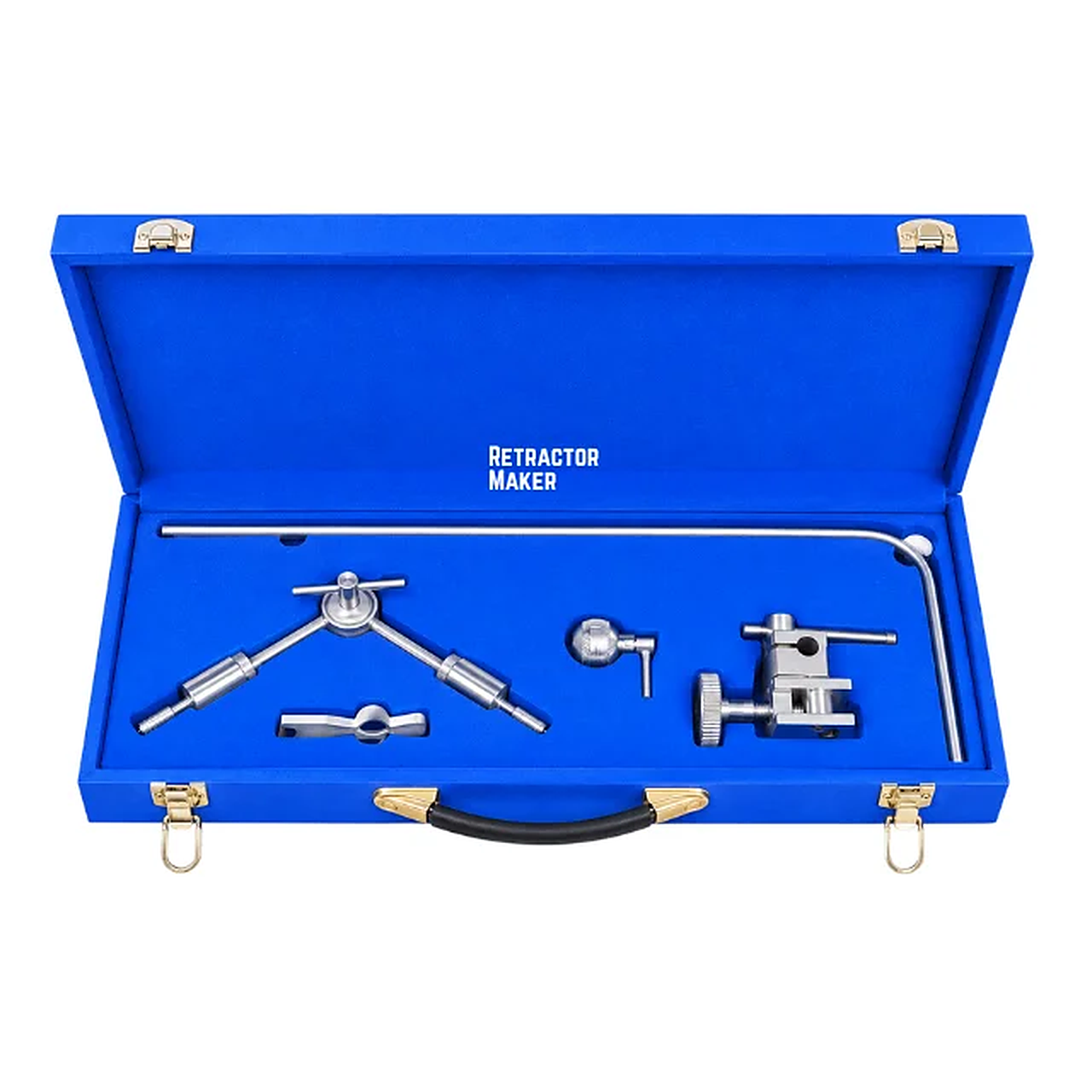 | Afastador Braço de Martin (Martin Arm) | Monta-se diretamente nos trilhos laterais da mesa cirúrgica para fornecer suporte e posicionamento rígido, sem o uso das mãos, para afastadores e óticas cirúrgicas. |
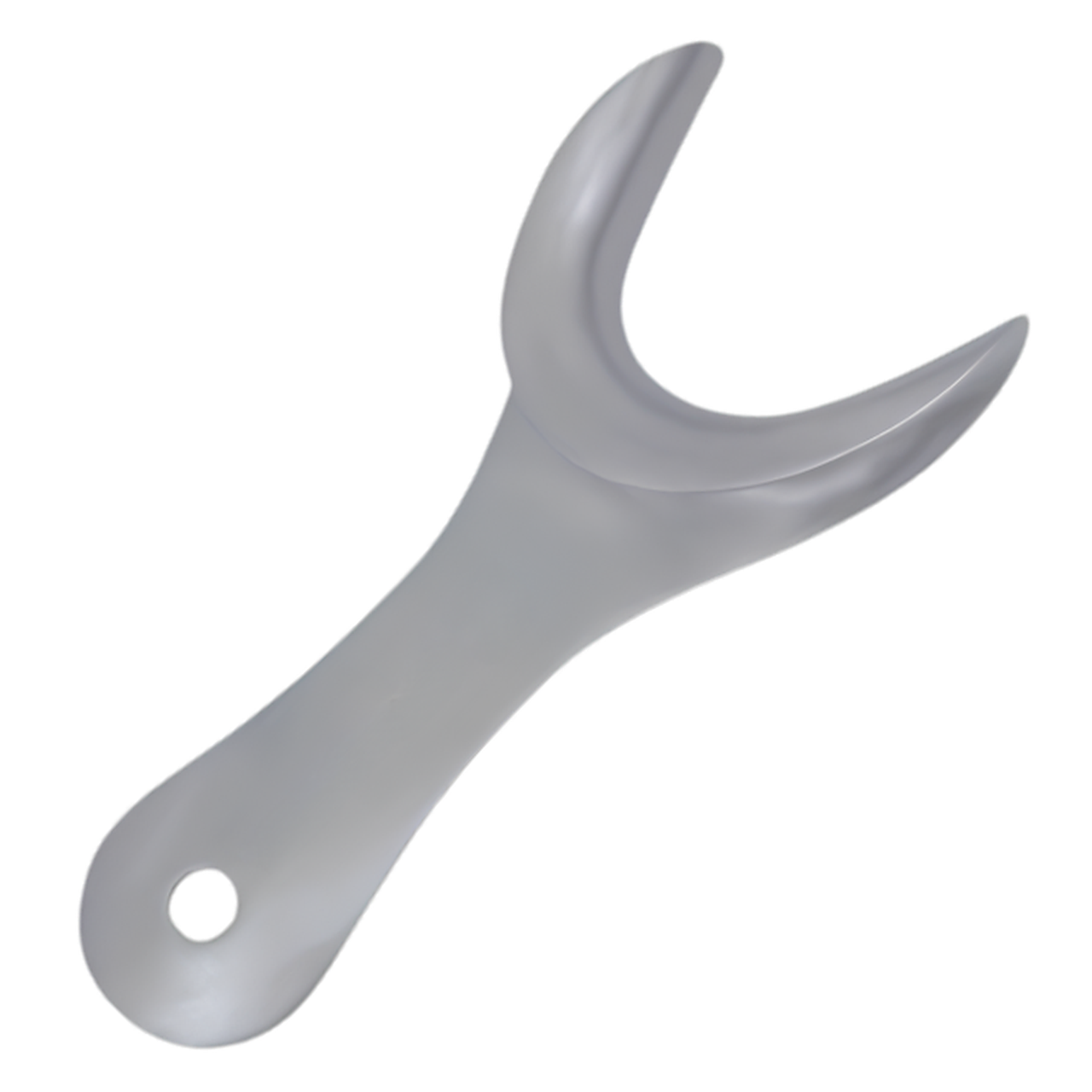 | Afastador Labial e de Bochecha Martin-Simplex | Projetado especificamente para afastar as bochechas e os lábios durante procedimentos cirúrgicos odontológicos, alveolares e orais. |
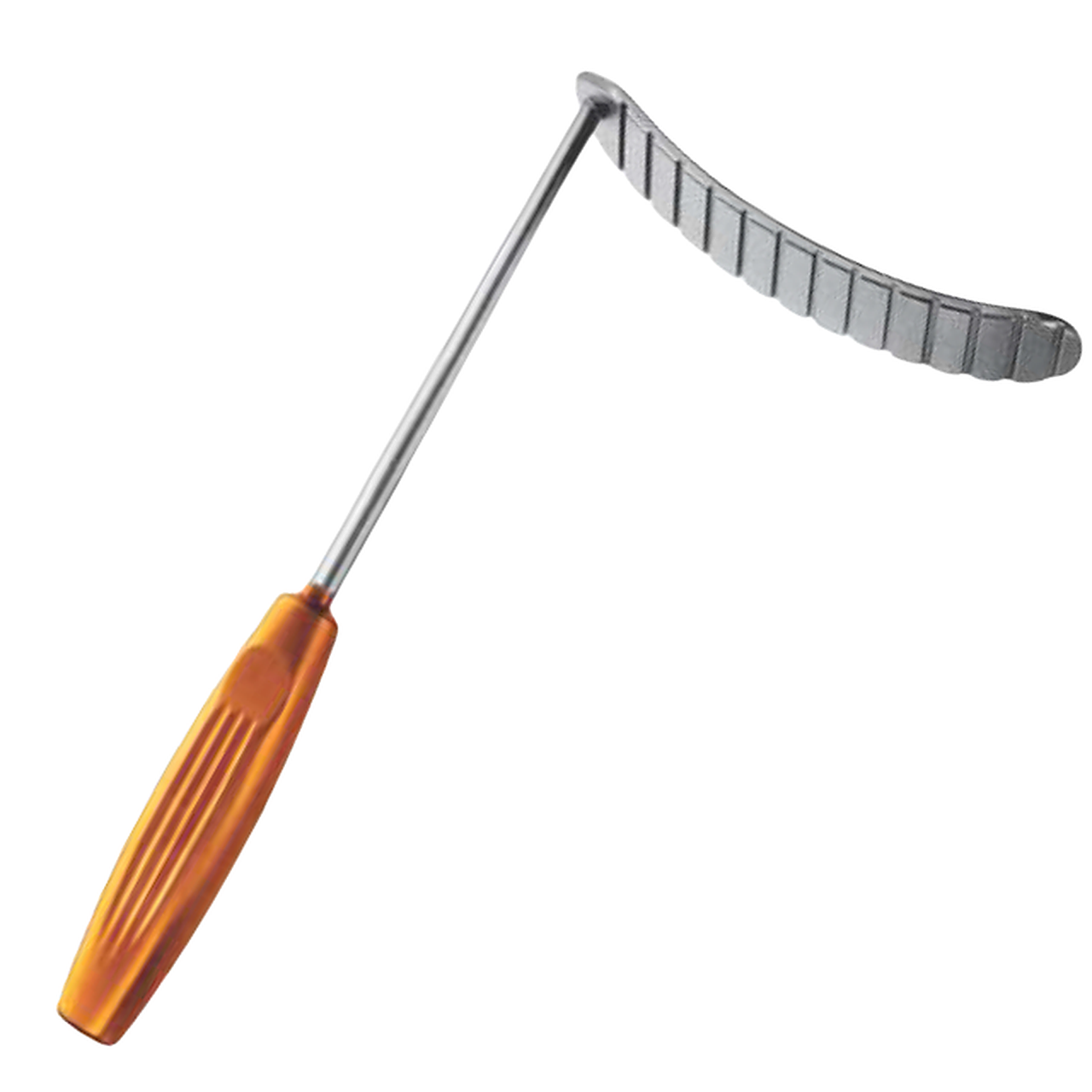 | Afastador Mamário Marx | Projetado especificamente para elevar retalhos de tecido e criar lojas submusculares ou subglandulares durante a cirurgia de mama. |
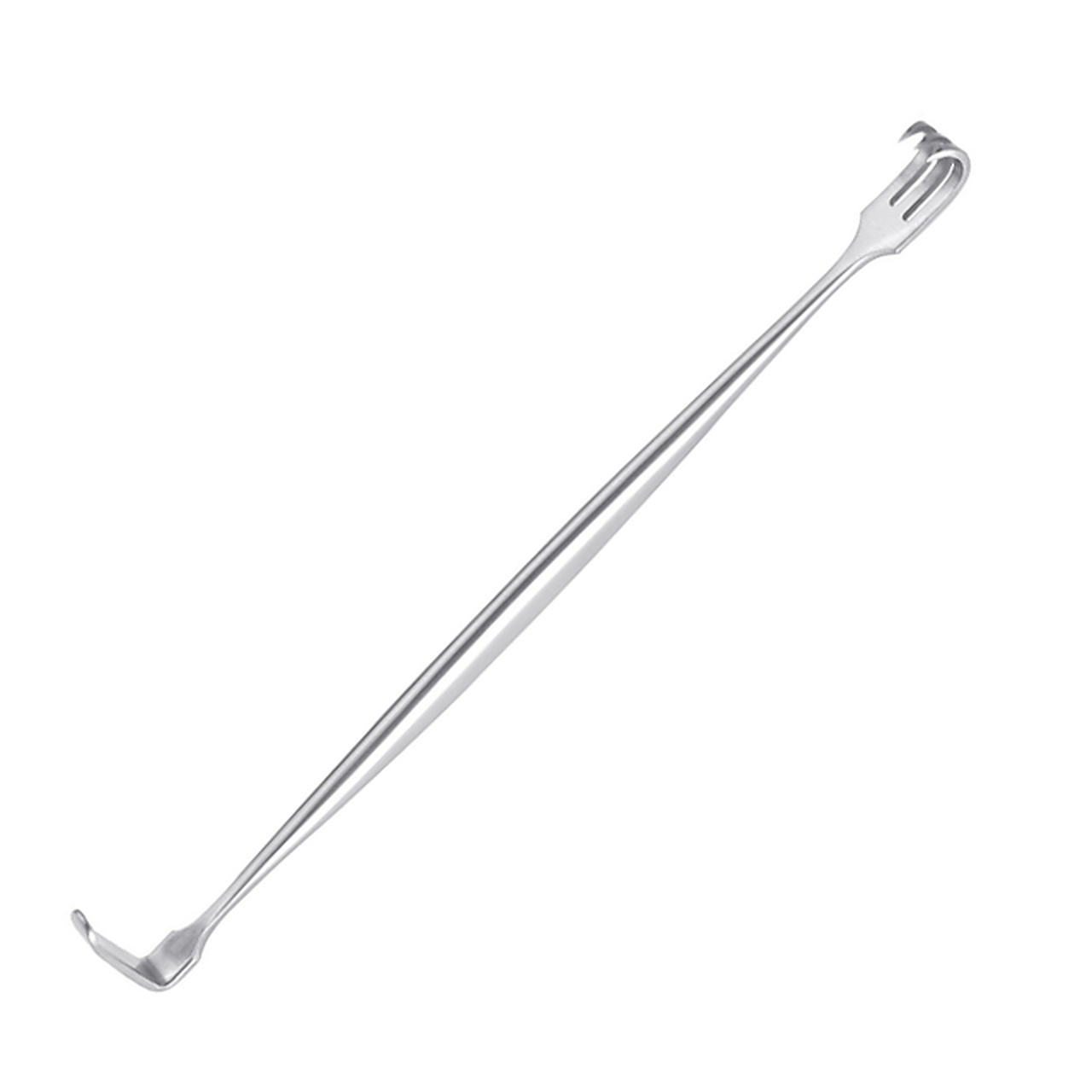 | Afastador de Dedos Mathieu | Projetado especificamente para retrair retalhos cutâneos, margens cutâneas e tendões durante cirurgias de mão, dedos e cirurgia plástica. |
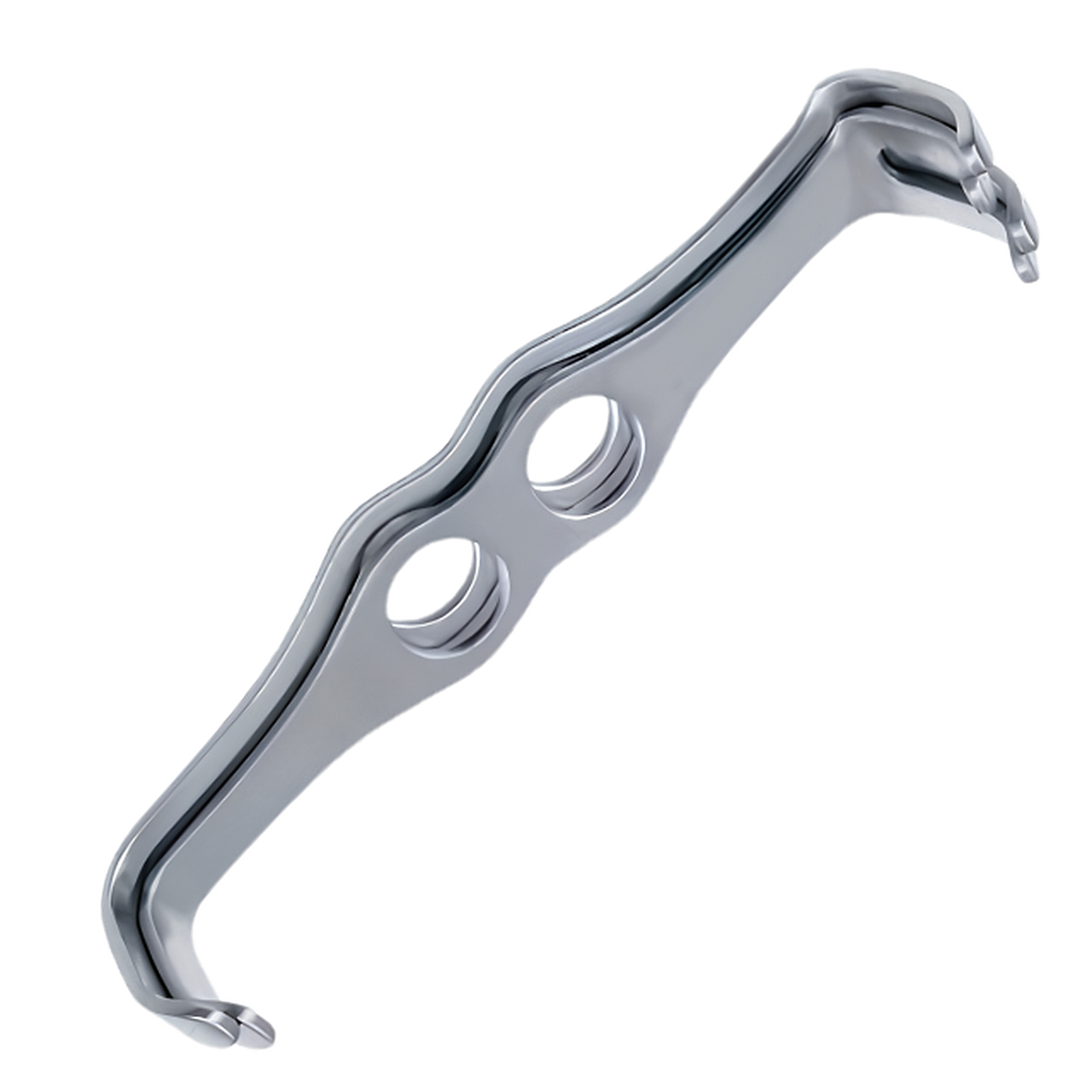 | Afastador Mathieu | Projetado especificamente para afastar margens da pele, fáscia e tecidos moles em incisões cirúrgicas superficiais e intermediárias. |
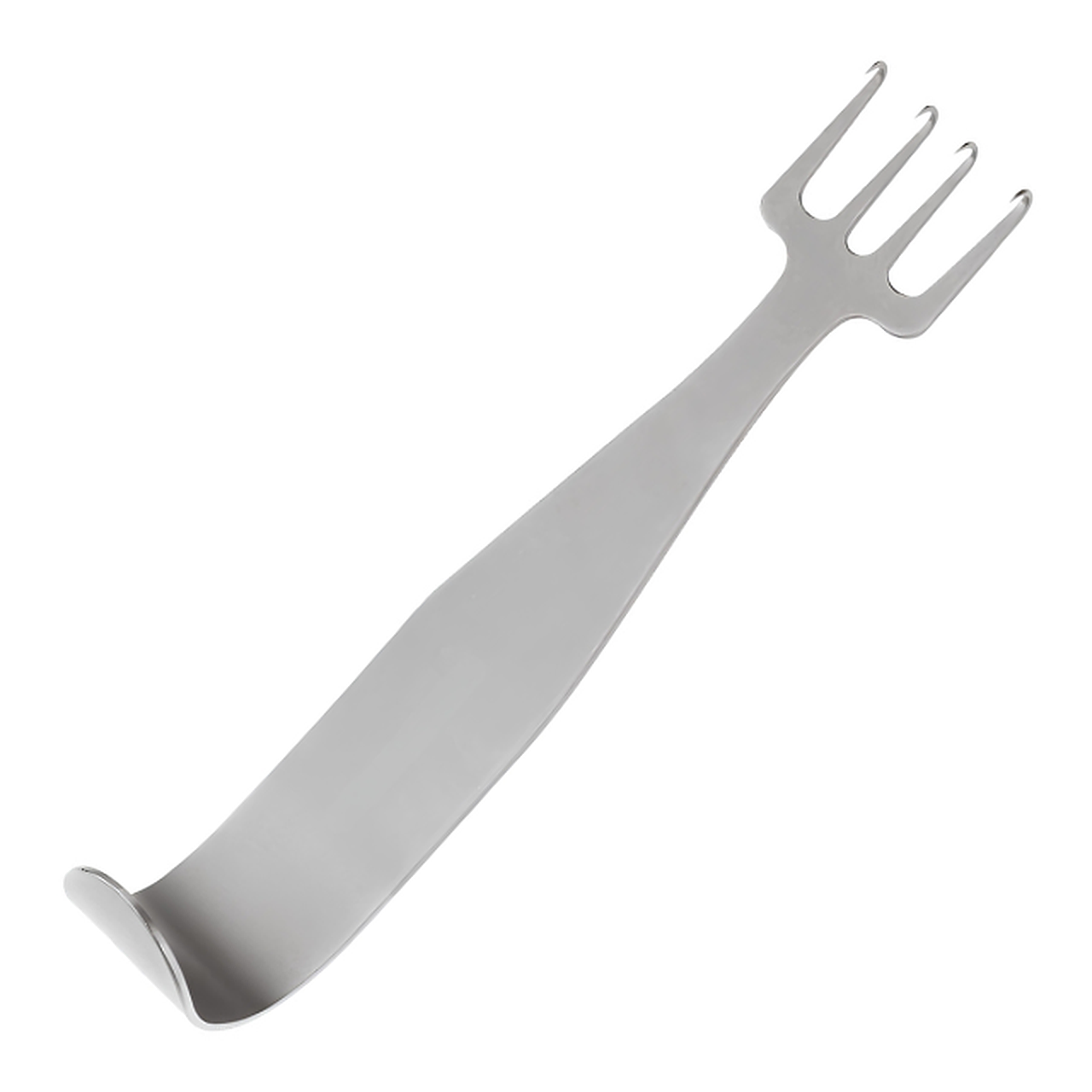 | Afastador de Retalhos Maxwell | Projetado especificamente para elevar e afastar retalhos de pele e tecido subcutâneo durante cirurgias plásticas, faciais e reconstrutivas. |
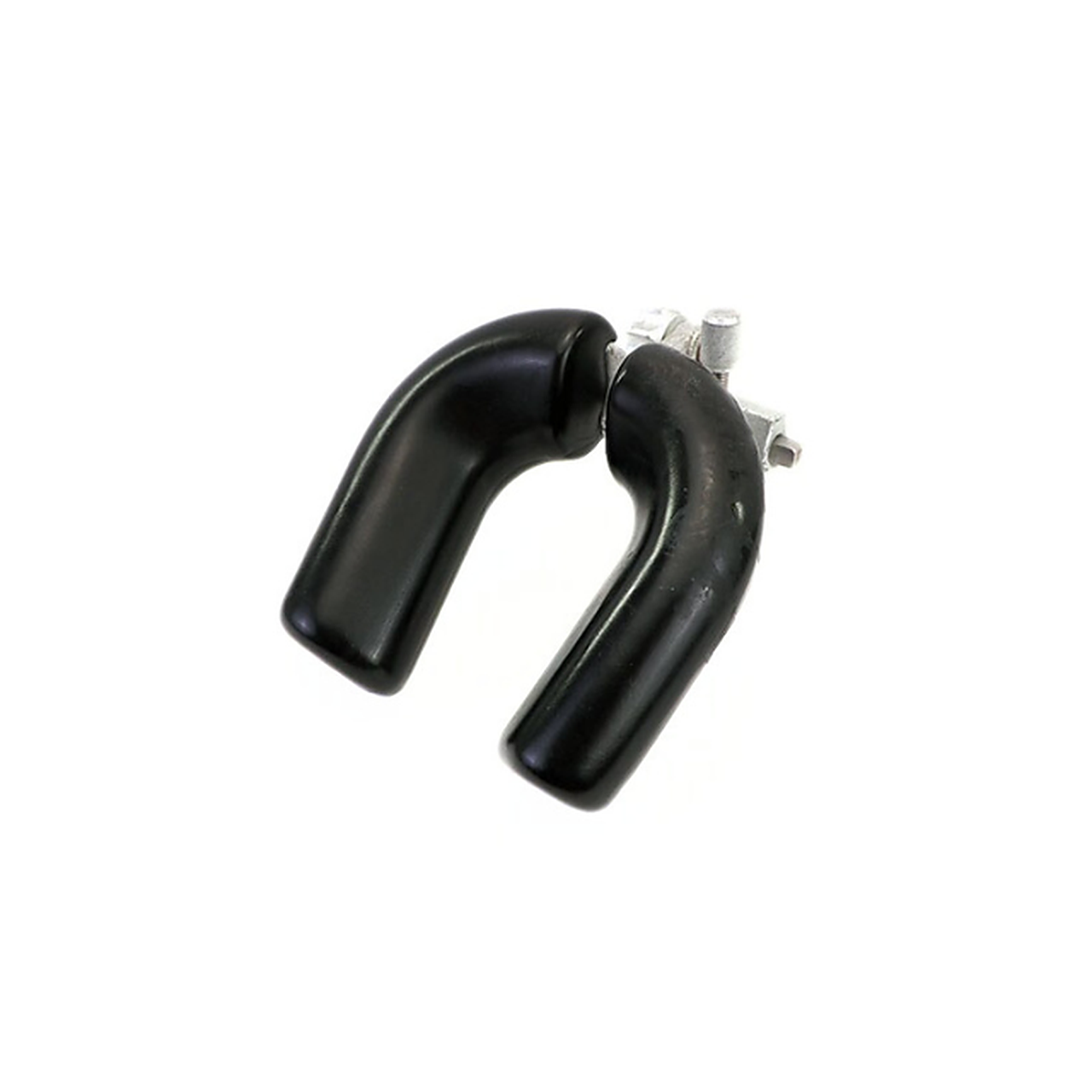 | Suporte de Cabeça Mayfield | Especificamente projetado para fornecer suporte estável e não invasivo à cabeça e distribuição uniforme de pressão durante procedimentos de neurocirurgia, coluna, ORL e oftalmológicos quando a fixação rígida por pinos não é necessária. |
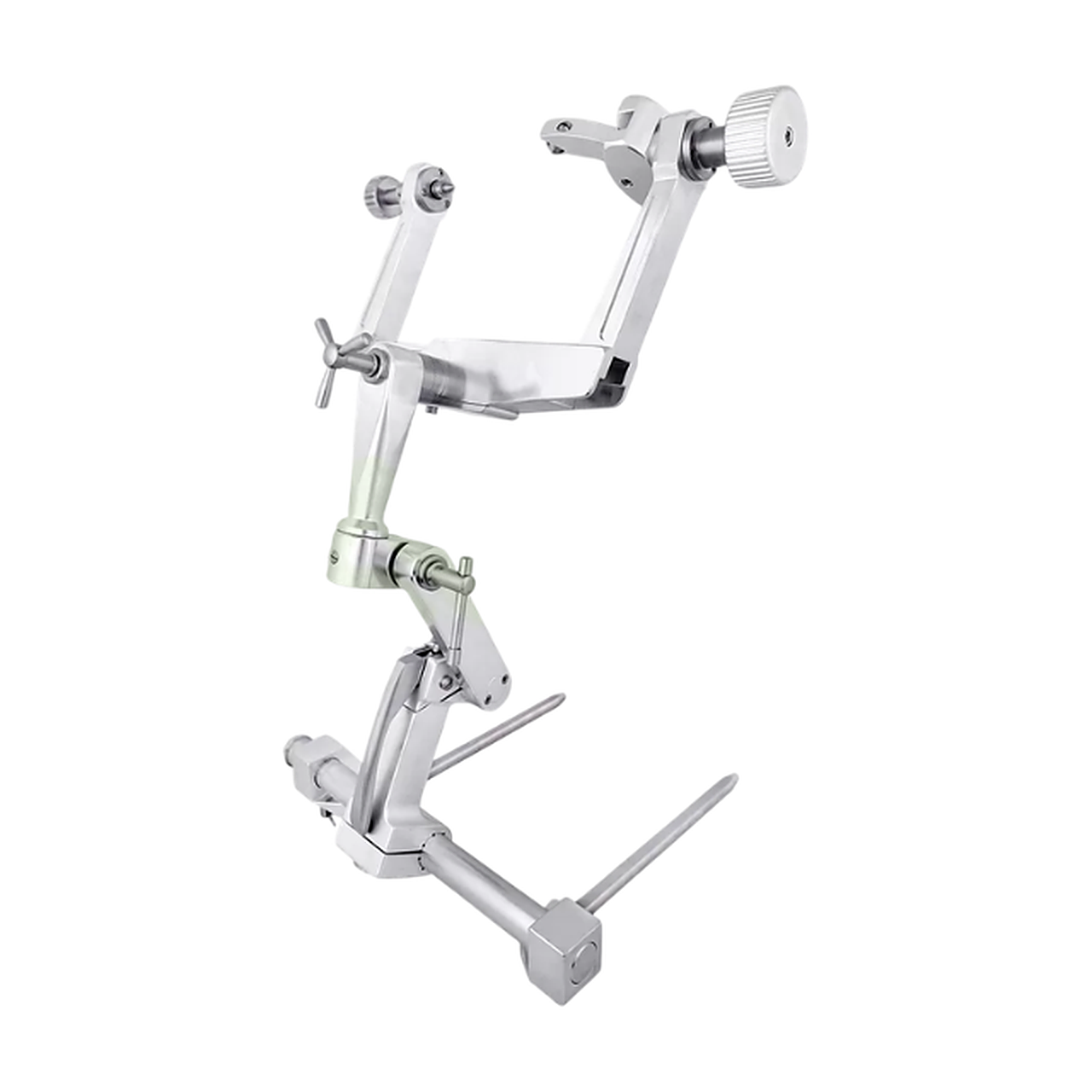 | Mayfield Skull Clamp | Projetado para fornecer fixação craniana rígida de 3 pinos e imobilização da cabeça durante neurocirurgia, cirurgia da coluna, otorrinolaringologia e procedimentos oftalmológicos. |
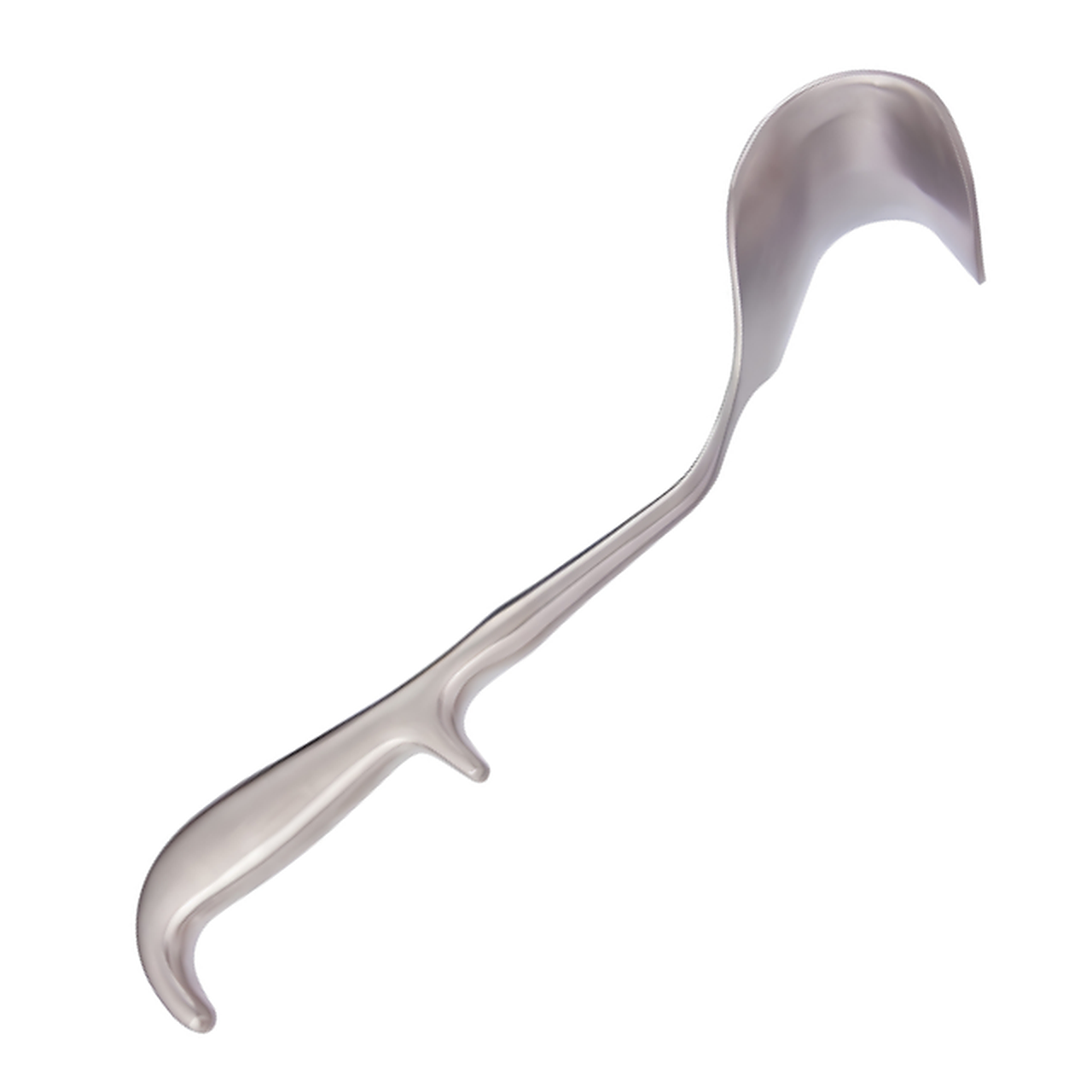 | Afastador Abdominal Mayo | Projetado especificamente para afastar a parede abdominal, vísceras e musculatura espessa durante laparotomia aberta e cirurgia pélvica. |
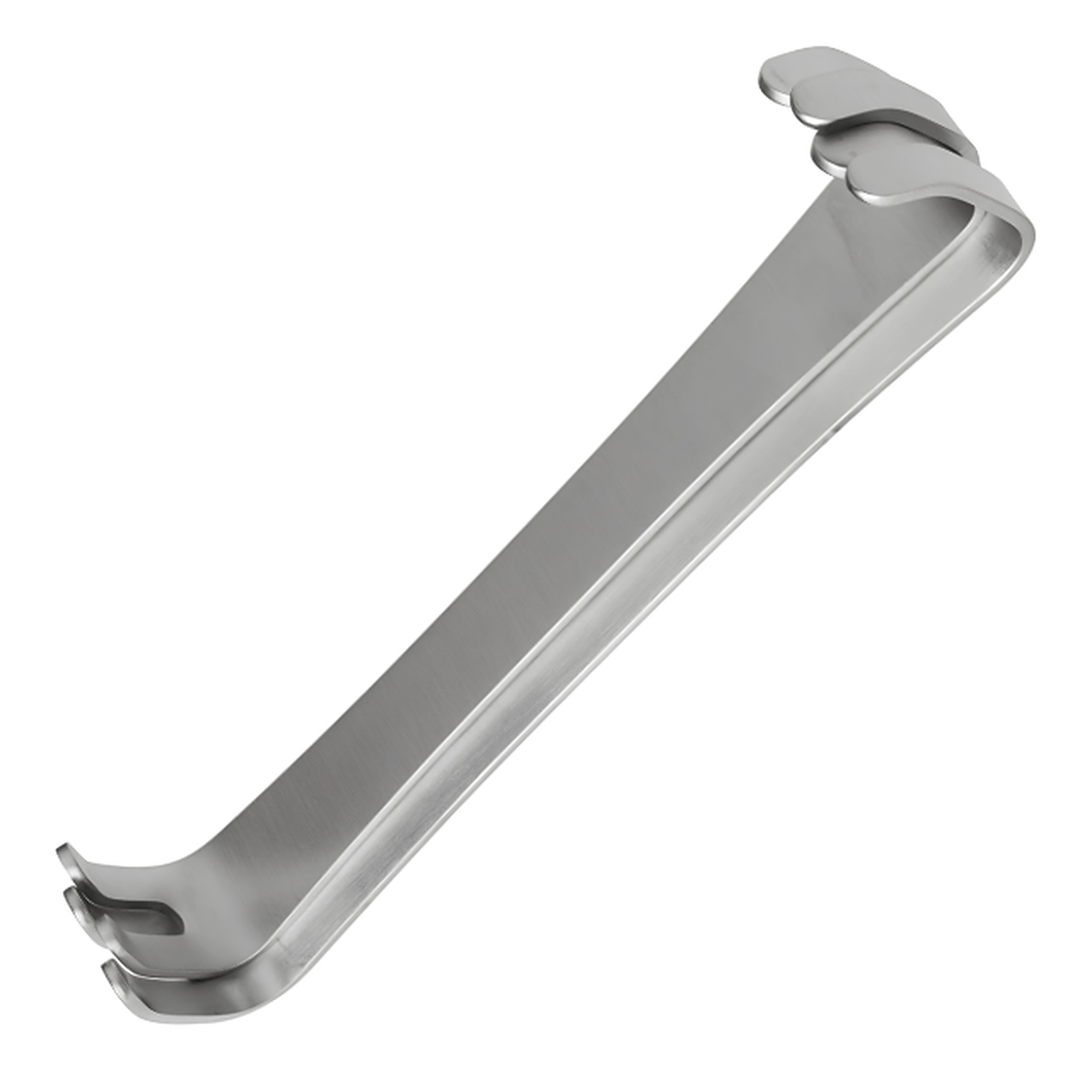 | Afastador Mayo-Collins - Jogo com Duas Unidades | Projetado especificamente para afastar pele, fáscia e tecidos moles em incisões cirúrgicas superficiais e intermediárias. |
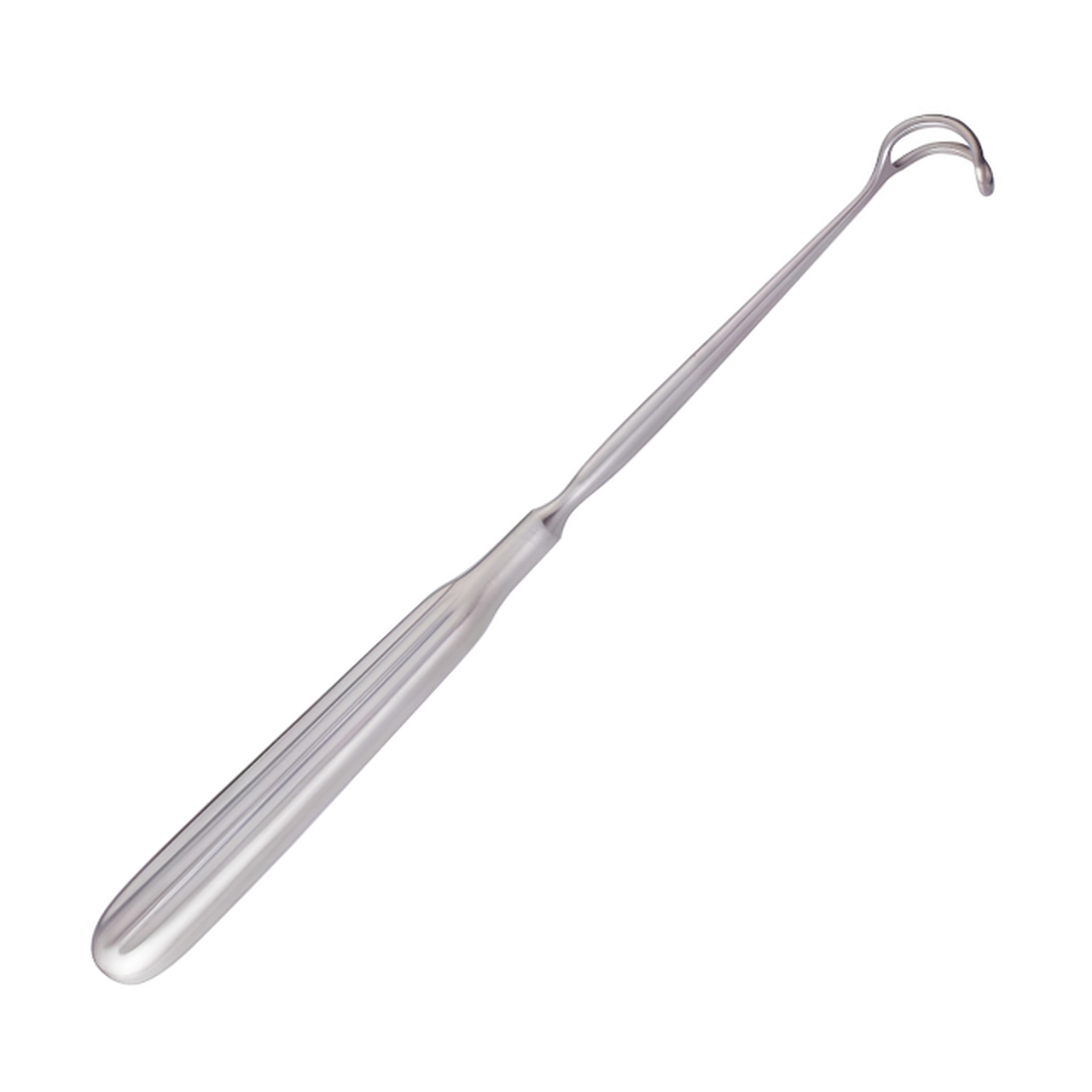 | Afastador de Tireoide McBurney | Projetado especificamente para afastar músculos infra-hióideos, fáscia cervical e margens da ferida durante tireoidectomia e cirurgia de paratireoide. |
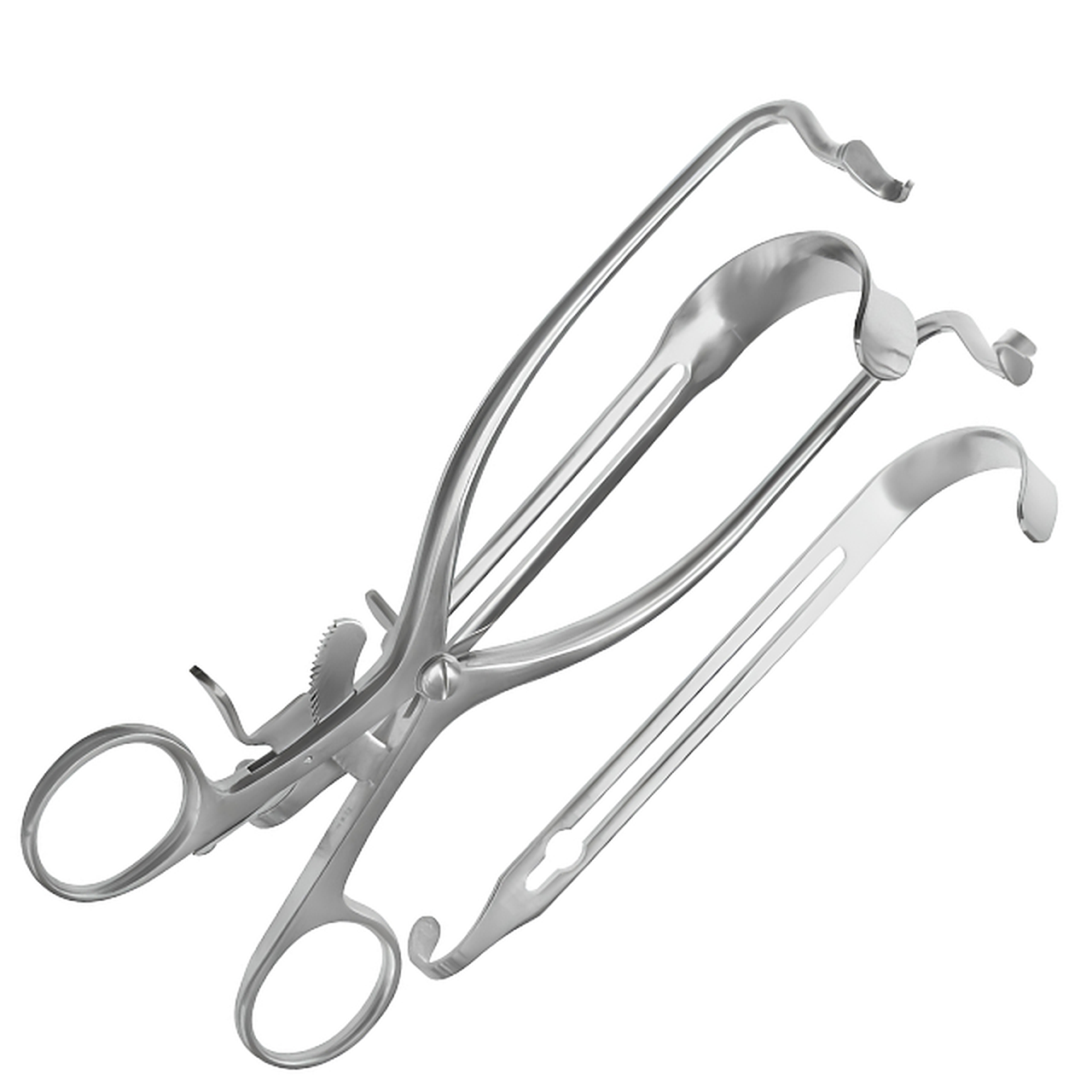 | Afastador McCabe Antral | Projetado especificamente para afastar a bochecha e o lábio superior durante cirurgias do seio maxilar e procedimentos de Caldwell-Luc. |
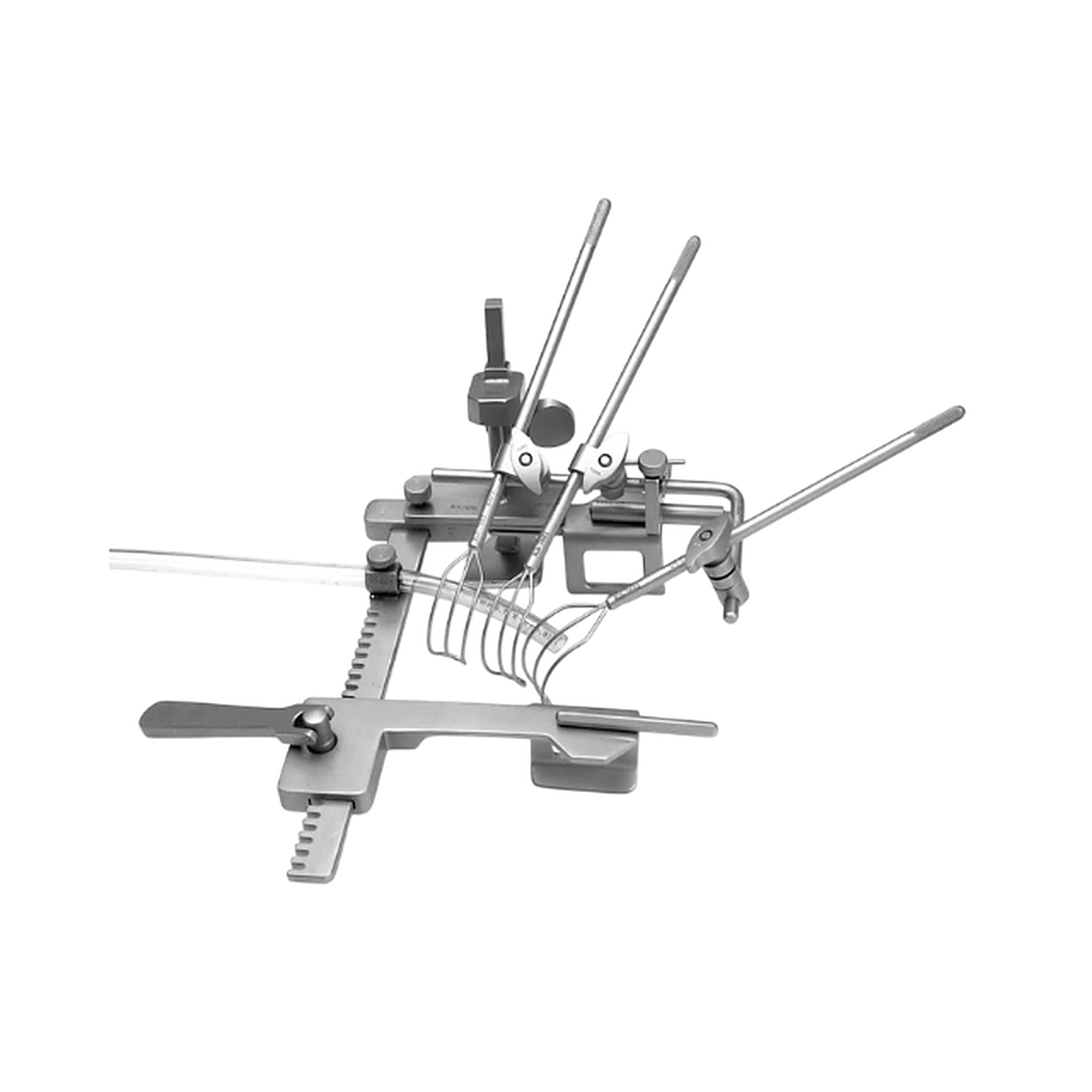 | Afastador McCarthy Mini-Sternotomy com Universal Lift | Projetado especificamente para fornecer afastamento esternal estável e elevação esternal esquerda durante operações valvares, procedimentos de Maze, mini-esternotomias e procedimentos intracardíacos. |
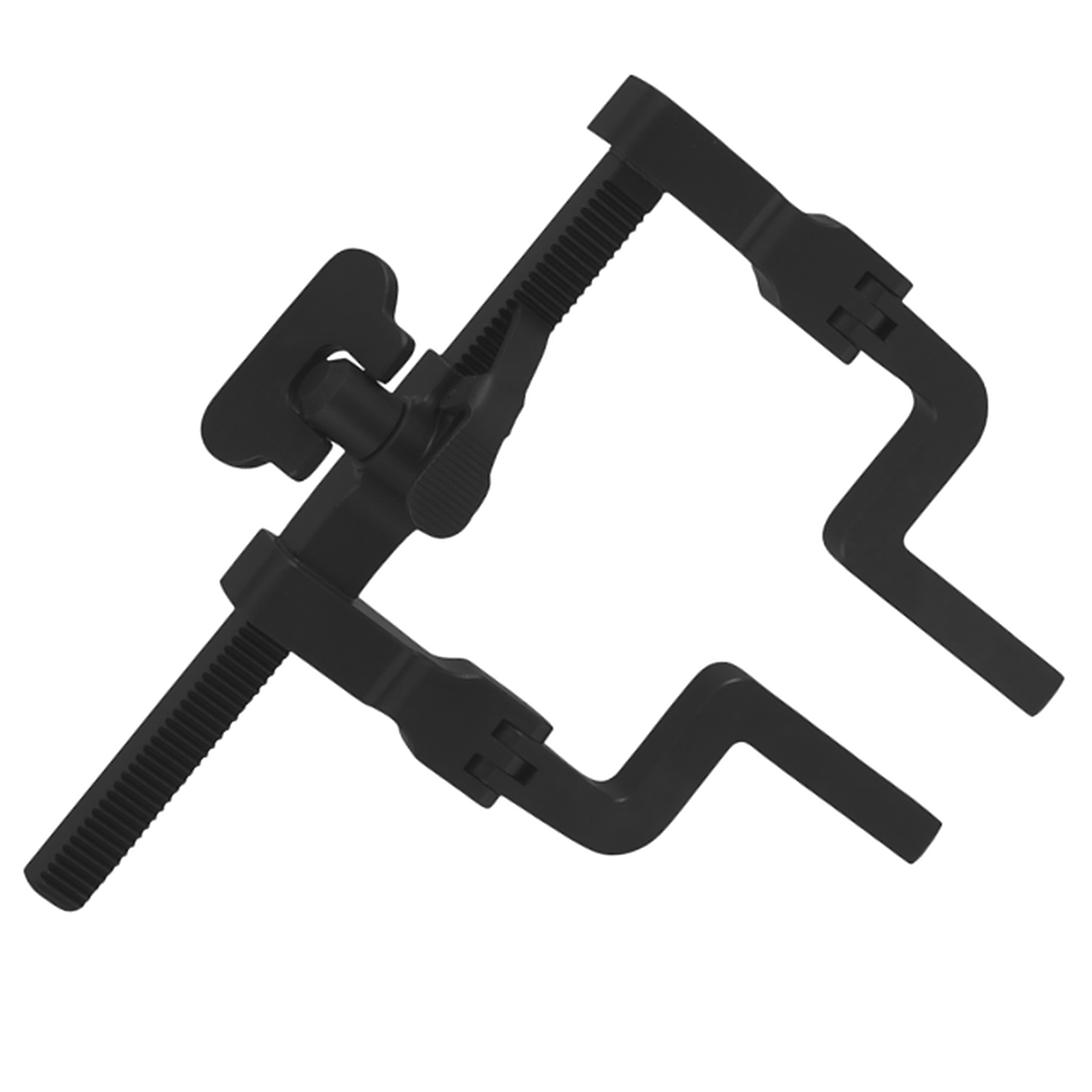 | Afastador Rígido para Microdiscectomia Tipo McCulloch | Projetado especificamente para servir como chassi base autoestático para a montagem de lâminas e ganchos modulares durante microdiscectomia lombar. |
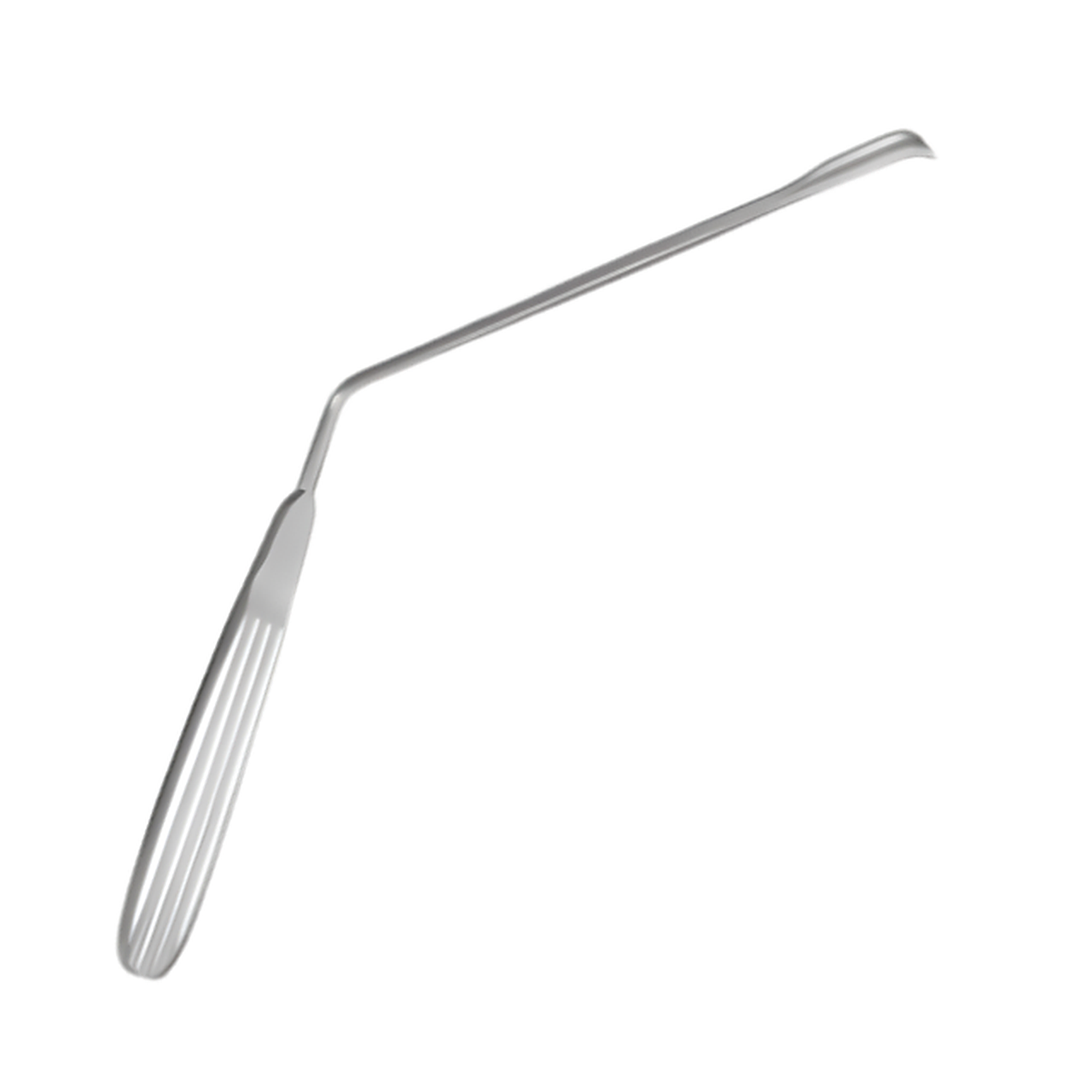 | Afastador de Raiz Nervosa Tipo McCulloch | Projetado especificamente para mobilizar, acomodar e proteger as raízes nervosas espinhais e o saco tecal durante microdiscectomia lombar. |
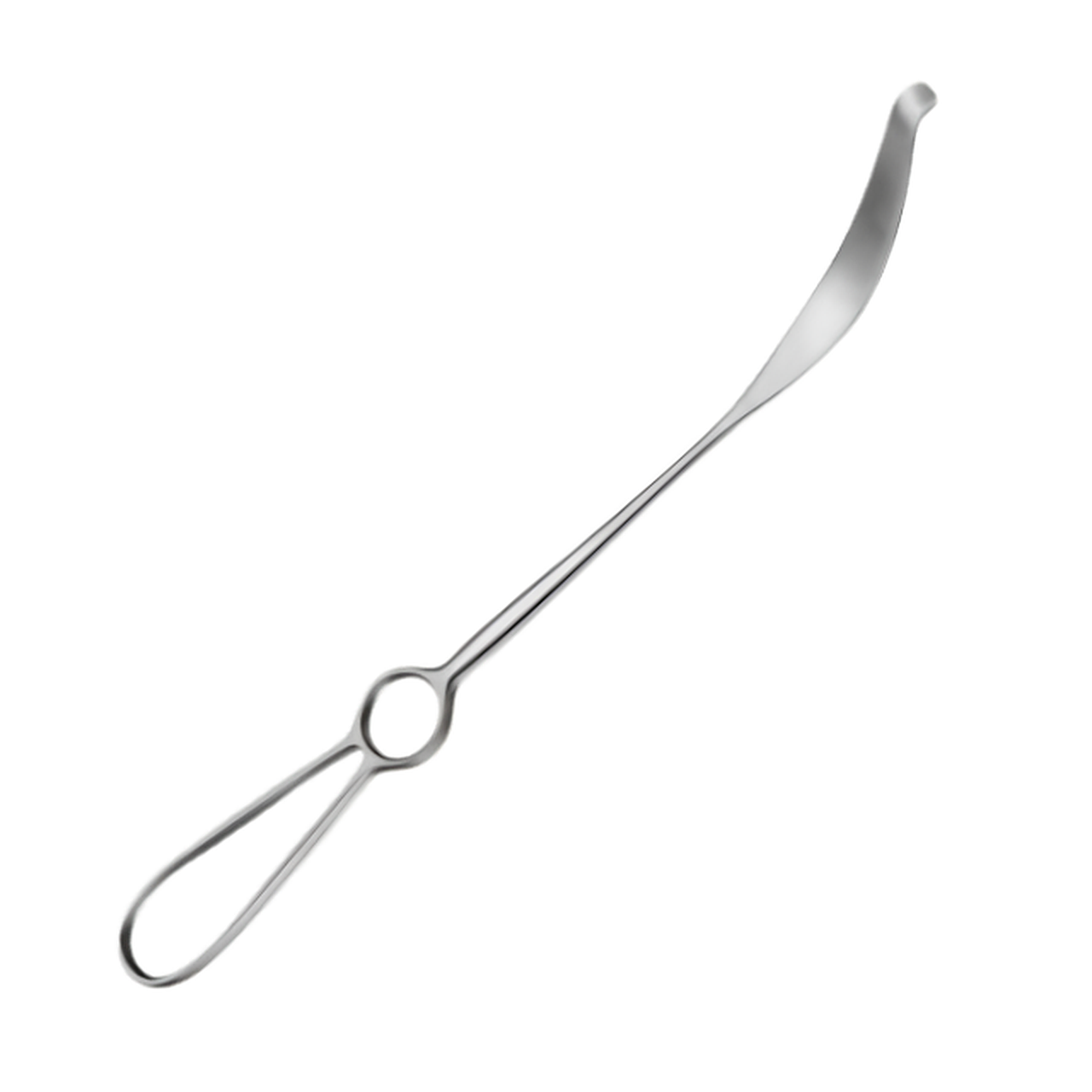 | Afastador Medial Ramus & Orbital Rim | Projetado especificamente para afastar tecidos moles e expor o osso ao longo do ramo medial e da borda orbital durante procedimentos craniofaciais. |
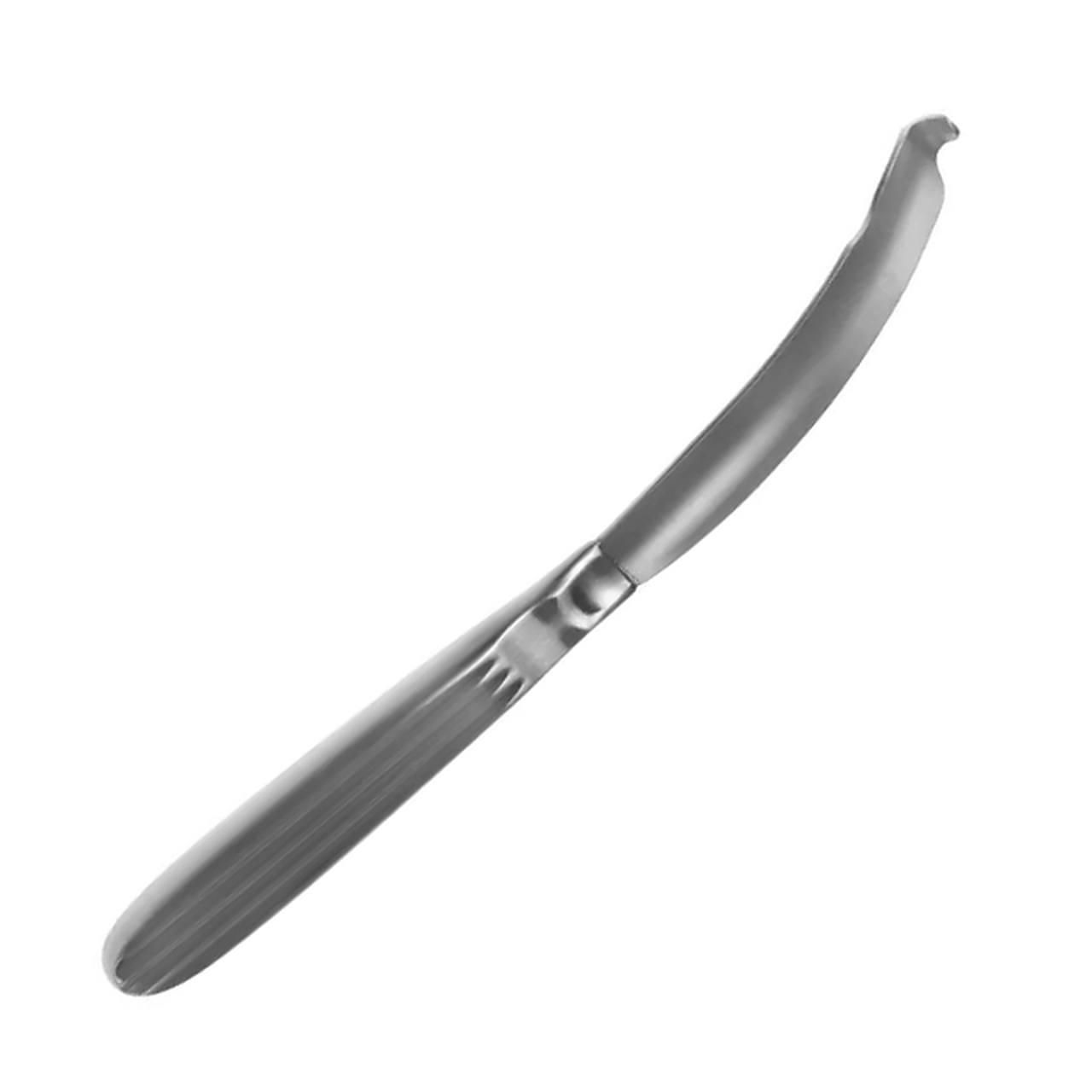 | Afastador do Ramo Medial | Projetado especificamente para afastar o músculo pterigoideo medial e proteger o nervo alveolar inferior durante osteotomias sagitais do ramo mandibular. |
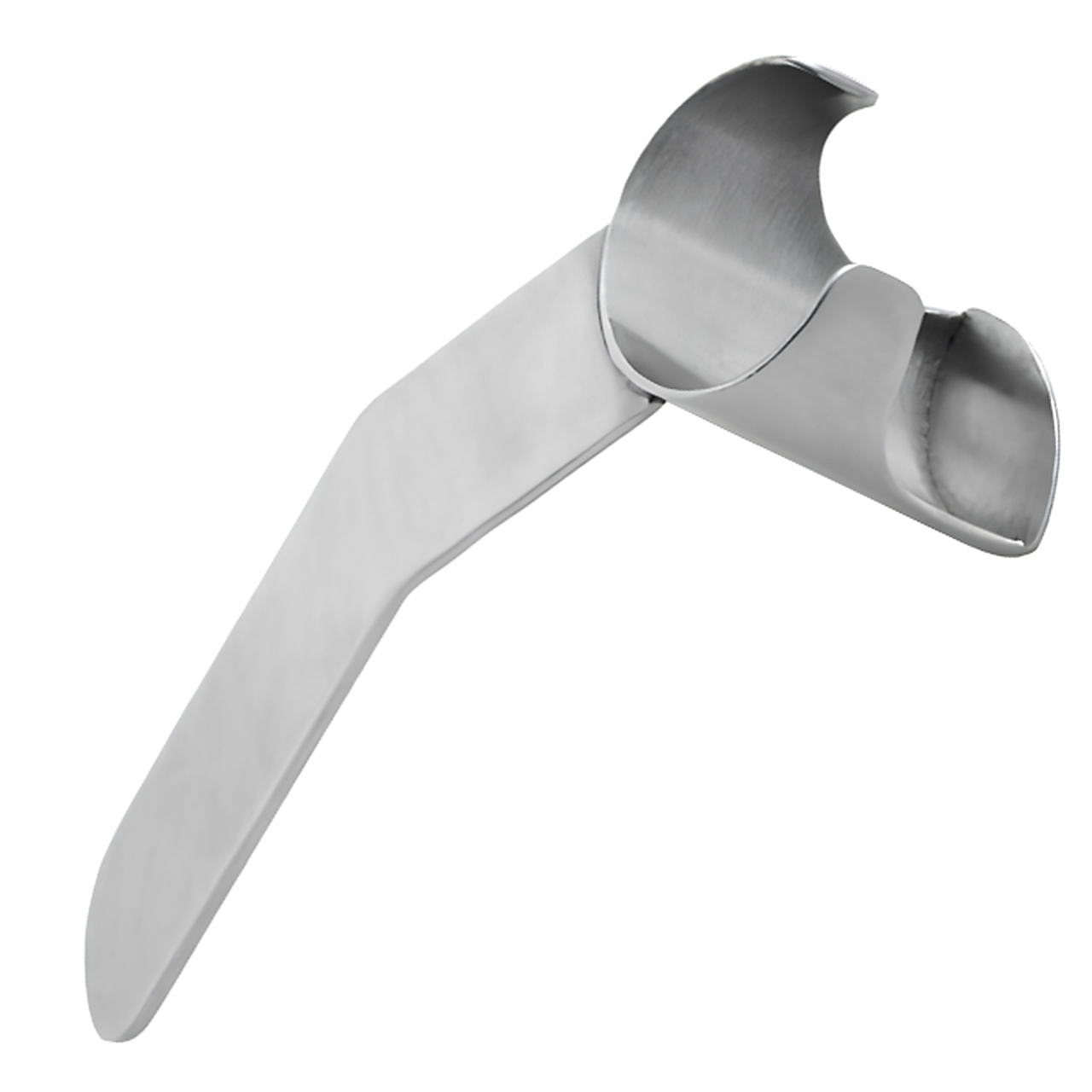 | Afastador para Reparo Meniscal | Projetado especificamente para proteger estruturas neurovasculares posteriores e defletir agulhas de sutura durante o reparo meniscal artroscópico. |
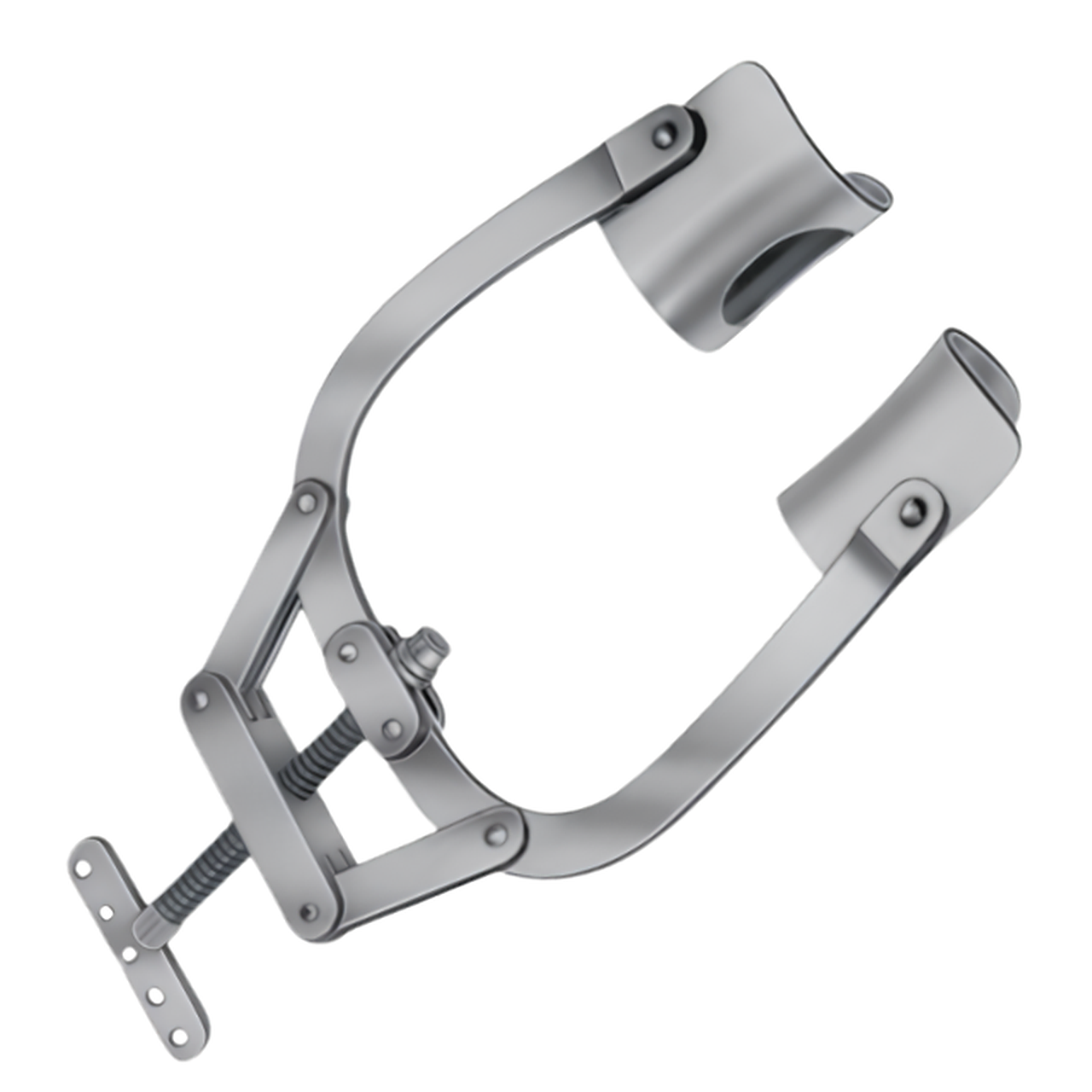 | Afastador Torácico Mercedes | Projetado especificamente para fornecer torque mecânico composto para expansão das costelas e separação da parede torácica durante cirurgias torácicas. |
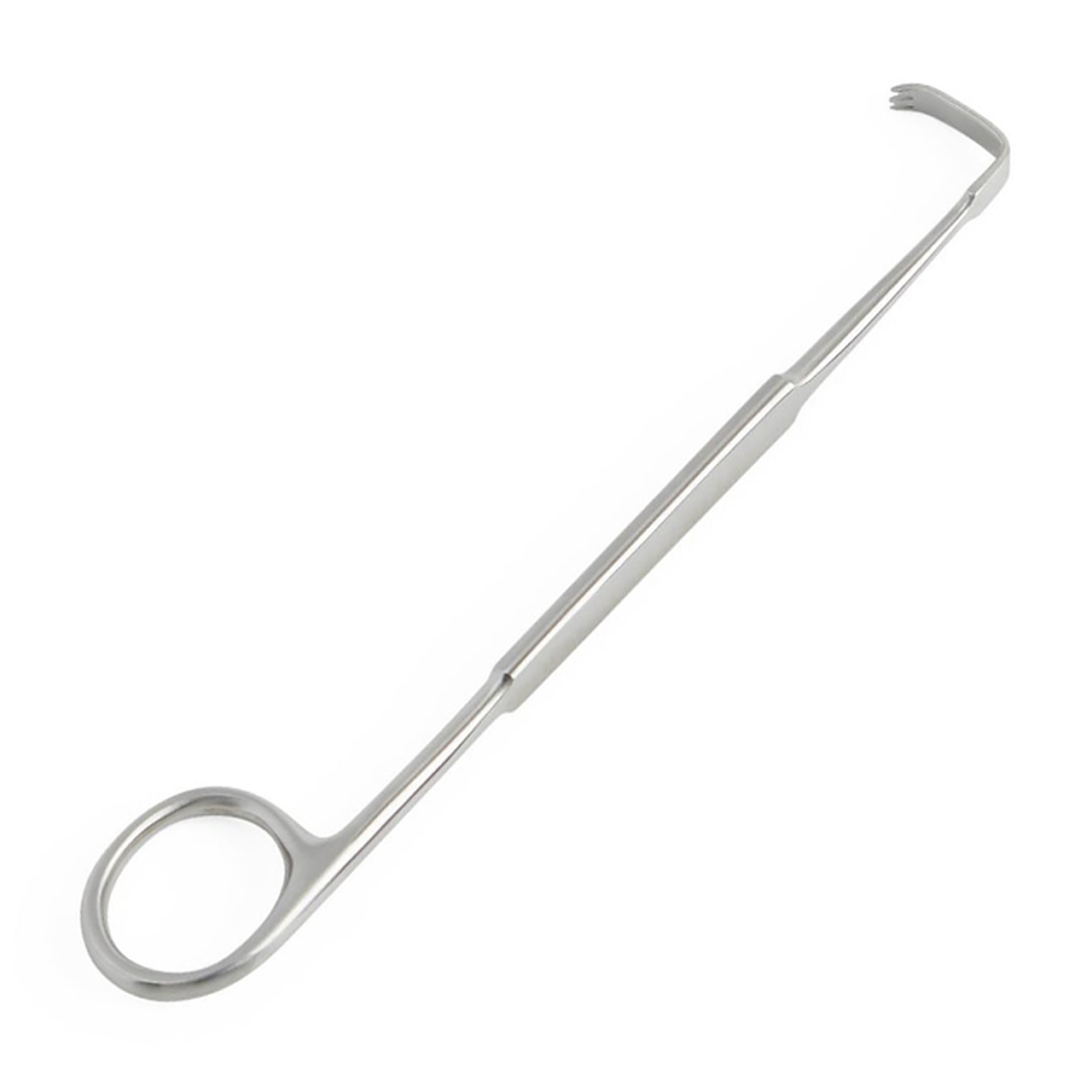 | Afastador Digital Meyerding | Projetado especificamente para retrair retalhos de pele, tendões digitais e tecidos moles delicados durante cirurgias de mão, plásticas e menores. |
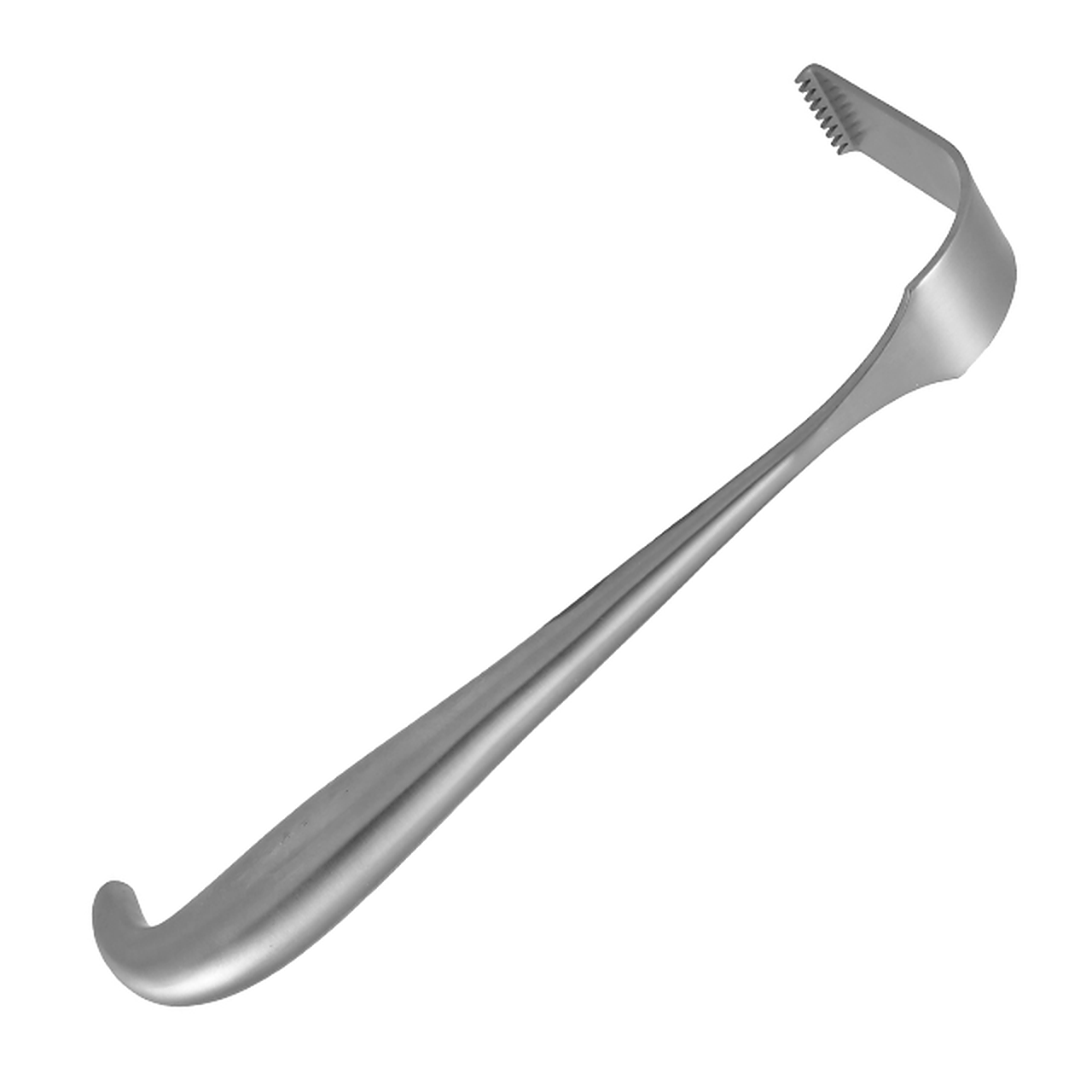 | Afastador Meyerding | Projetado especificamente para retrair a musculatura paraspinal pesada e tecidos moles profundos durante laminectomia espinhal e cirurgia ortopédica. |
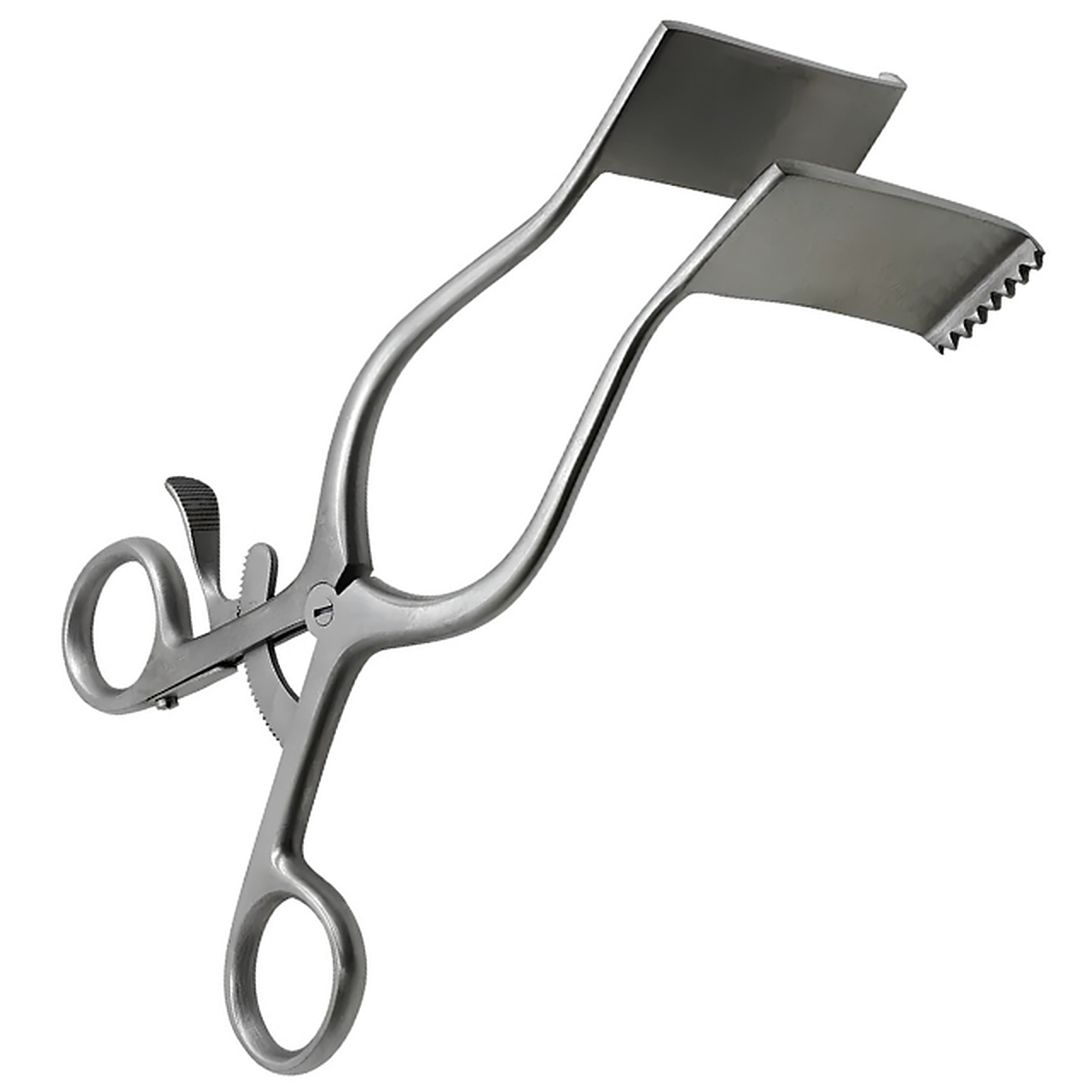 | Afastador Meyerding com Cremalheira | Projetado especificamente para fornecer retração muscular paravertebral autoestática e ancoragem óssea durante laminectomia espinhal. |
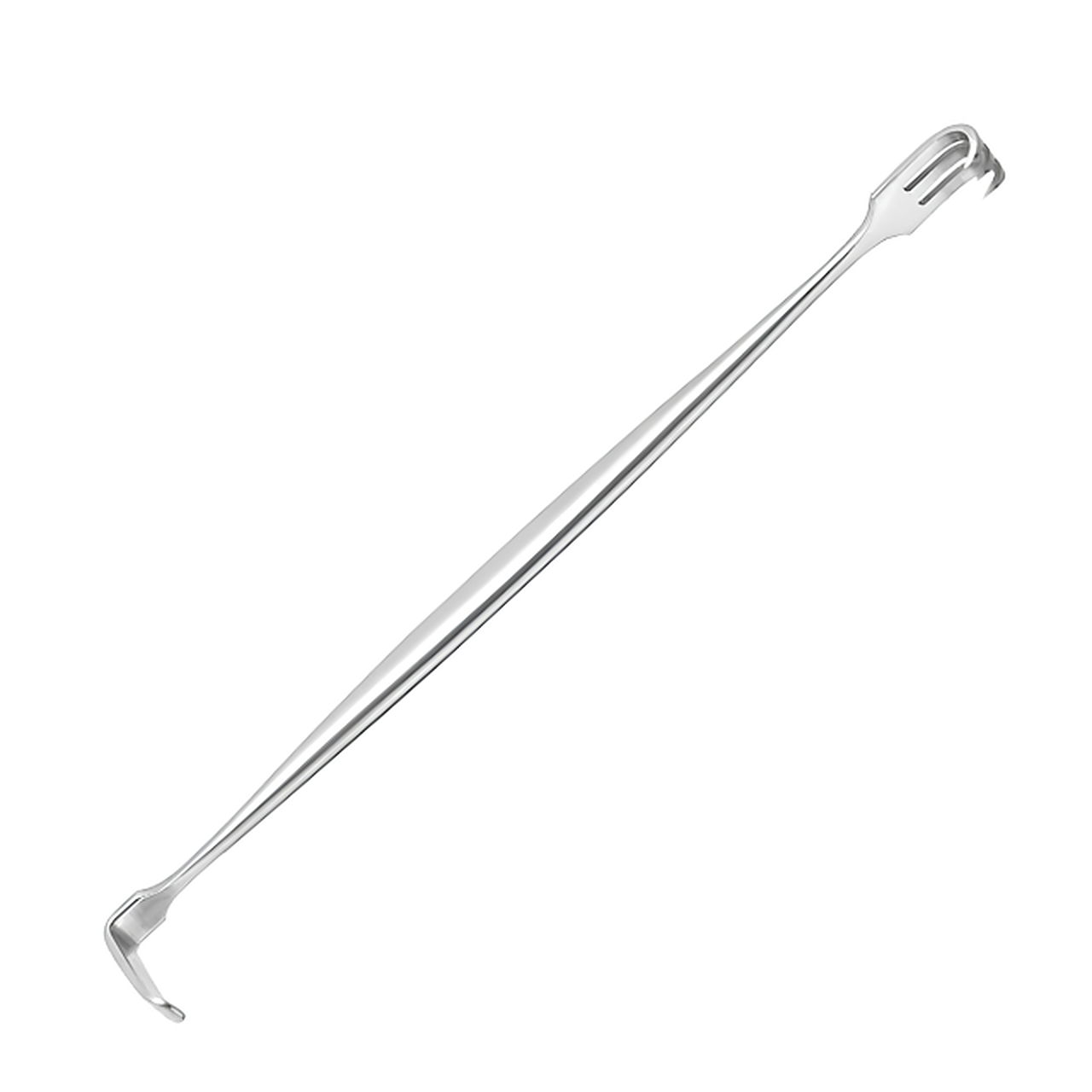 | Gancho de Pele/Afastador Meyerding | Projetado especificamente para elevar bordas delicadas da pele e afastar tecidos moles durante cirurgias plásticas, reconstrutivas e procedimentos menores. |
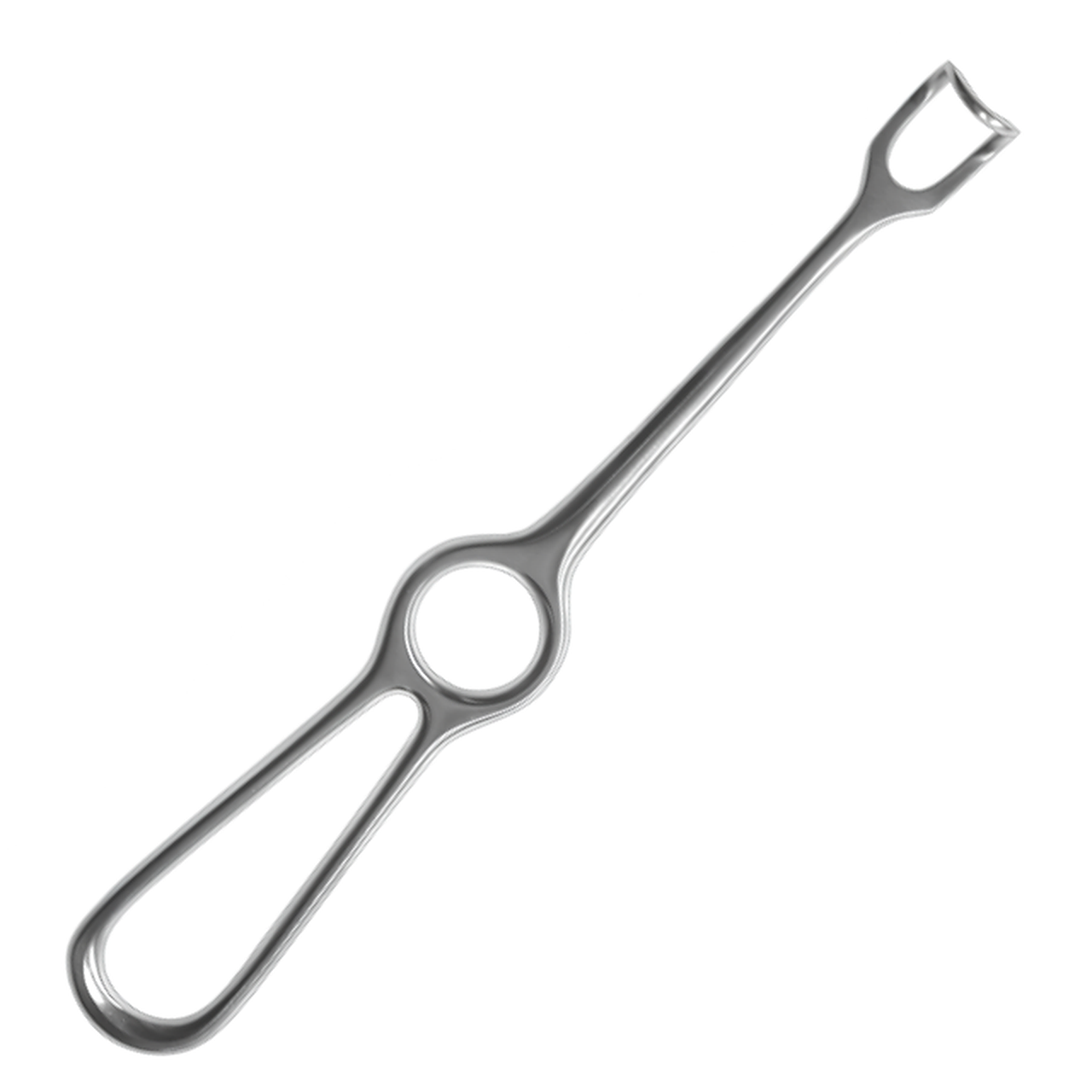 | Afastador Middledorpf | Projetado especificamente para retrair camadas musculares, fáscias e tecidos moles, preservando as linhas de visão visual durante cirurgias profundas. |
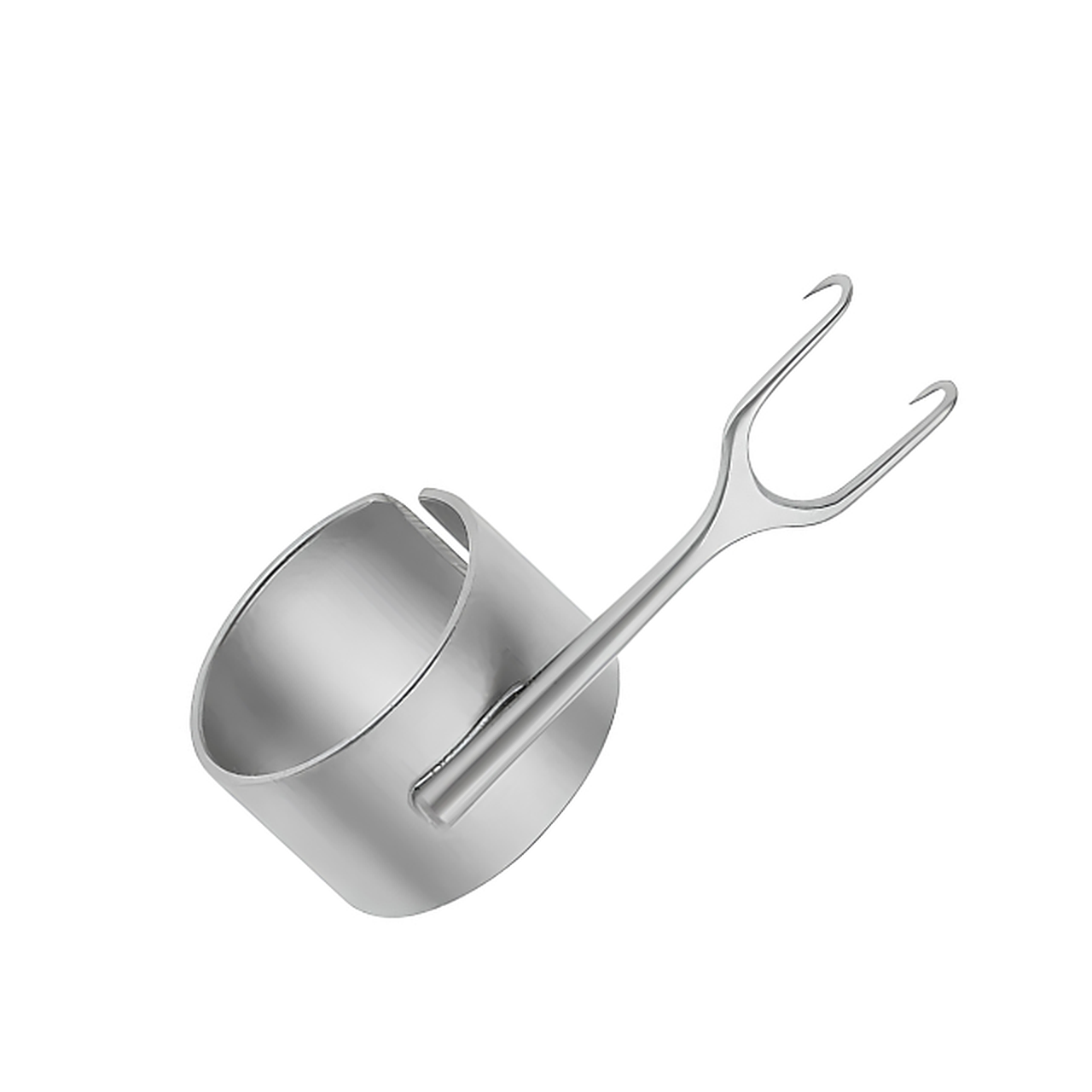 | Afastador Millard Cottle com Anel de Dedo | Projetado especificamente para retrair a borda alar e a cartilagem lateral inferior durante rinoplastias e reparos nasais de fenda labial. |
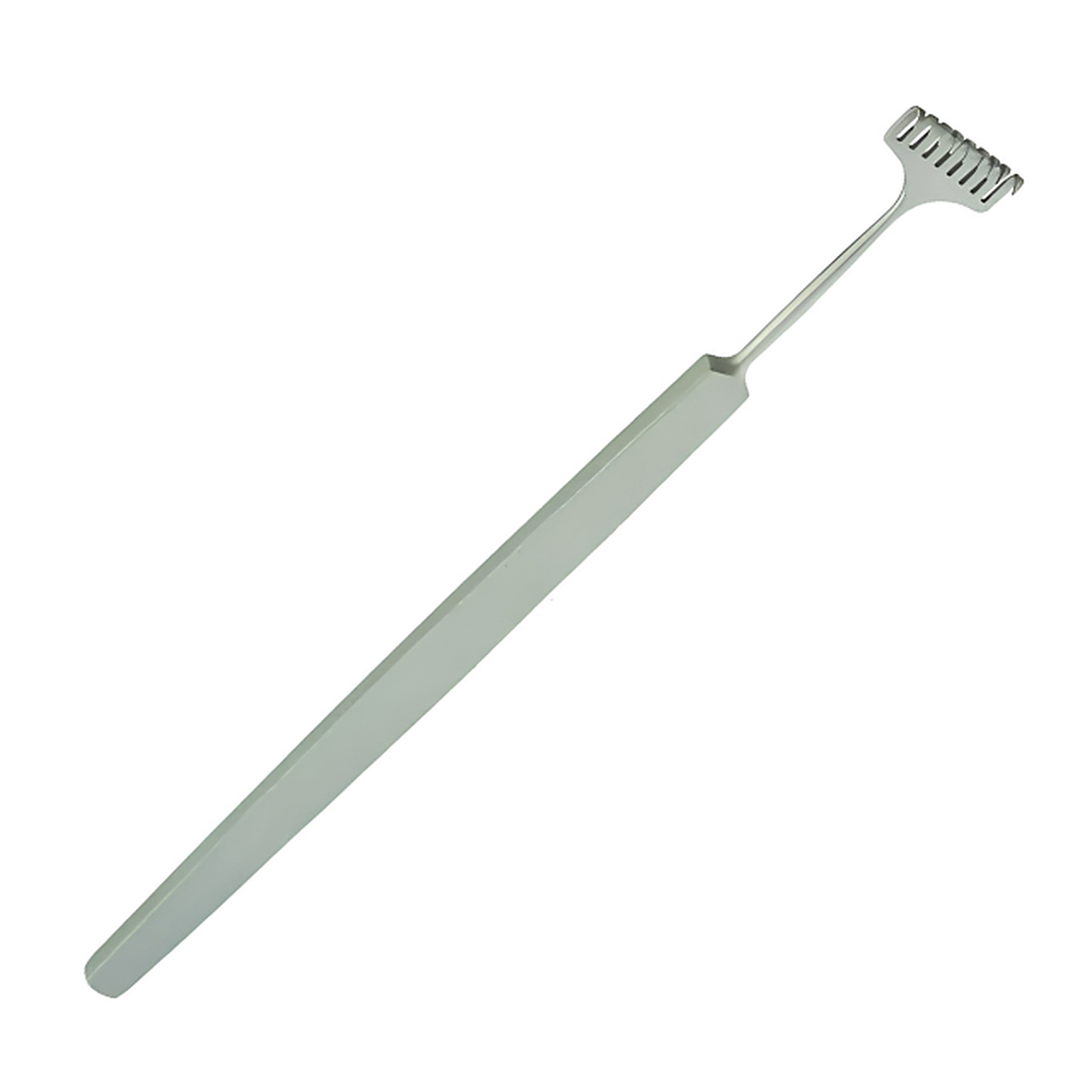 | Afastador Miller Rake Retractor | Projetado especificamente para elevar retalhos de pele e afastar tecido subcutâneo durante cirurgias plásticas, dermatológicas e reconstrutivas. |
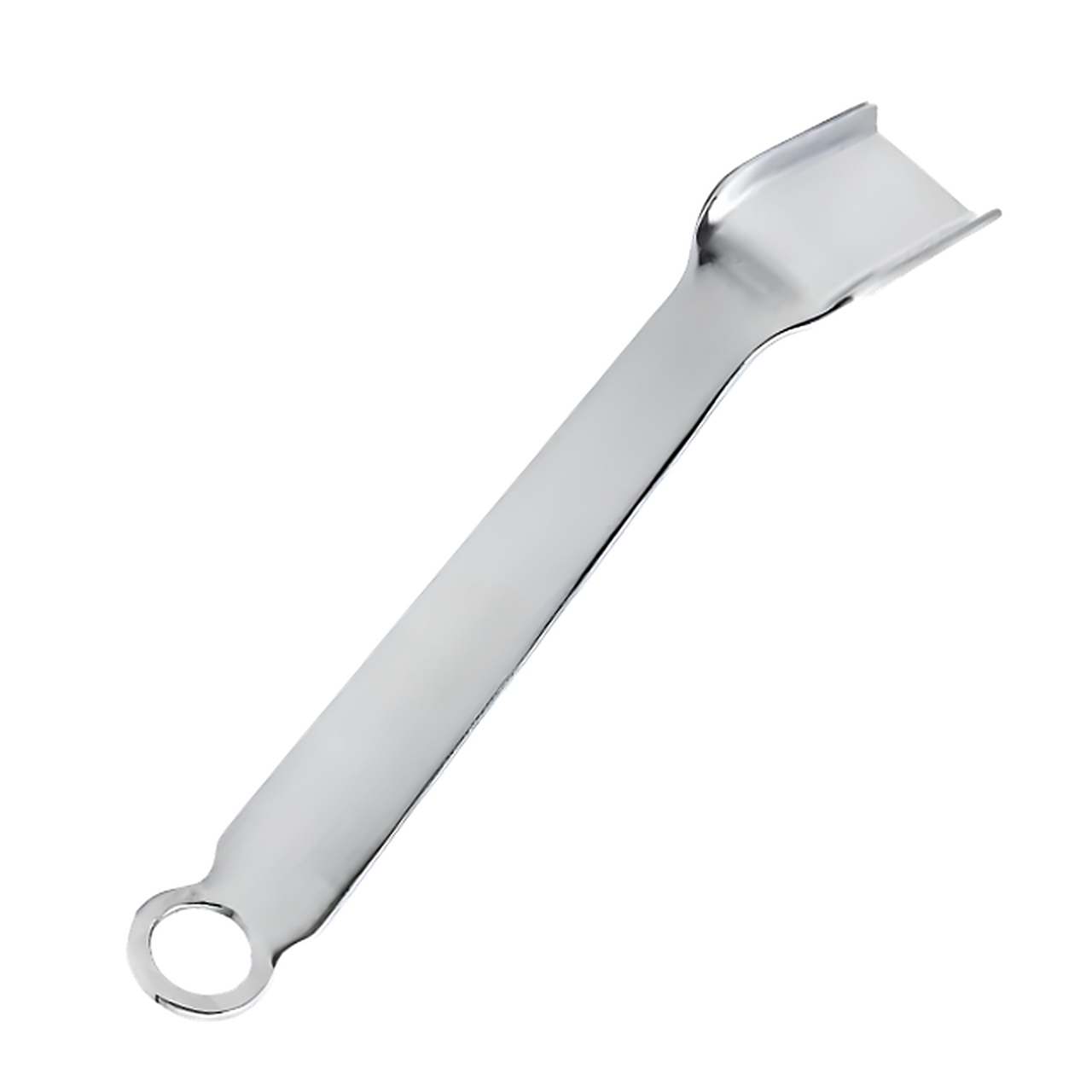 | Afastadores Minimamente Invasivos para Joelho | Projetado especificamente para alavancagem óssea e retração de tecidos moles através de pequenas incisões durante artroplastia de joelho minimamente invasiva. |
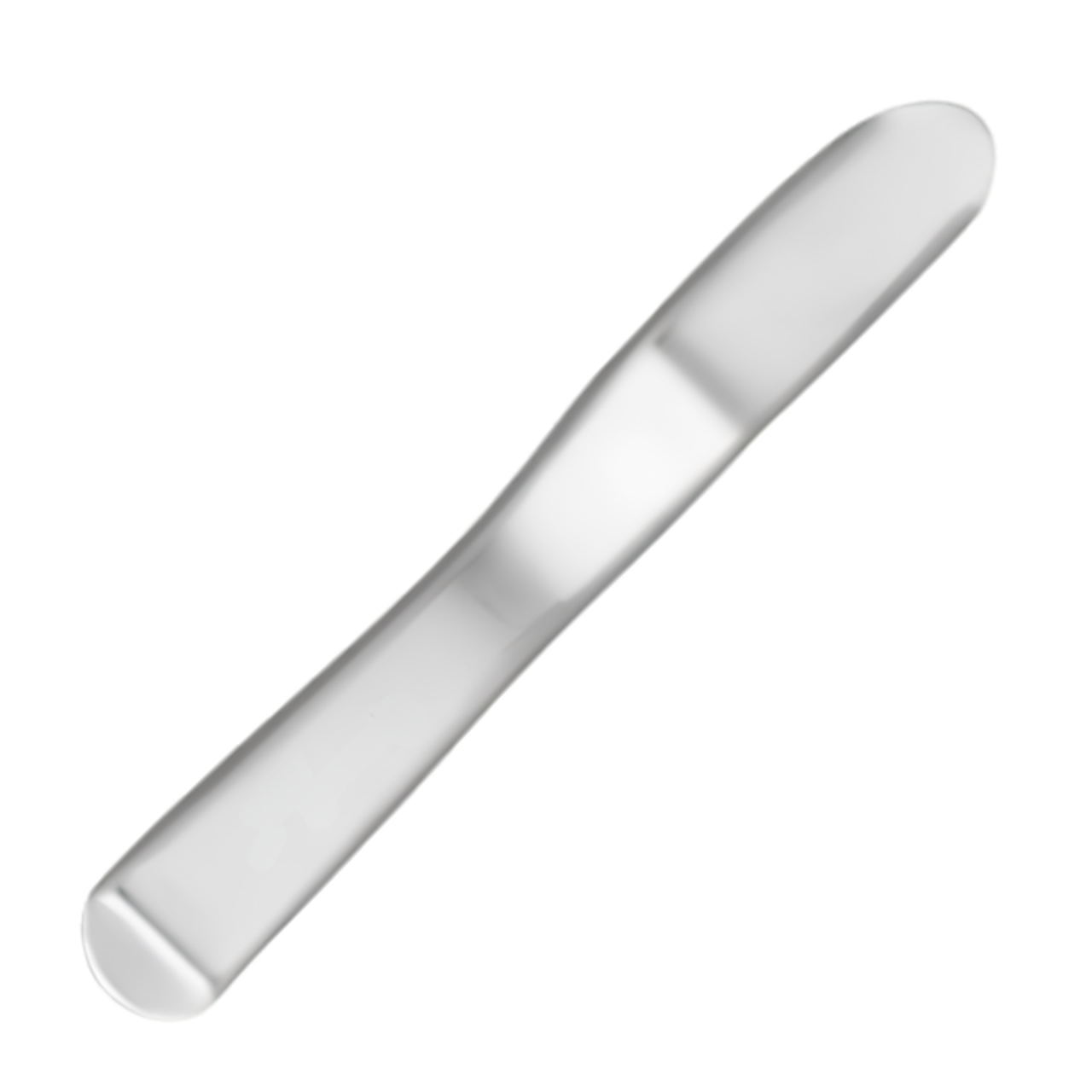 | Afastador Minnesota | Projetado especificamente para afastar bochechas, lábios e língua para expor o rebordo alveolar e a dentição durante a cirurgia oral. |
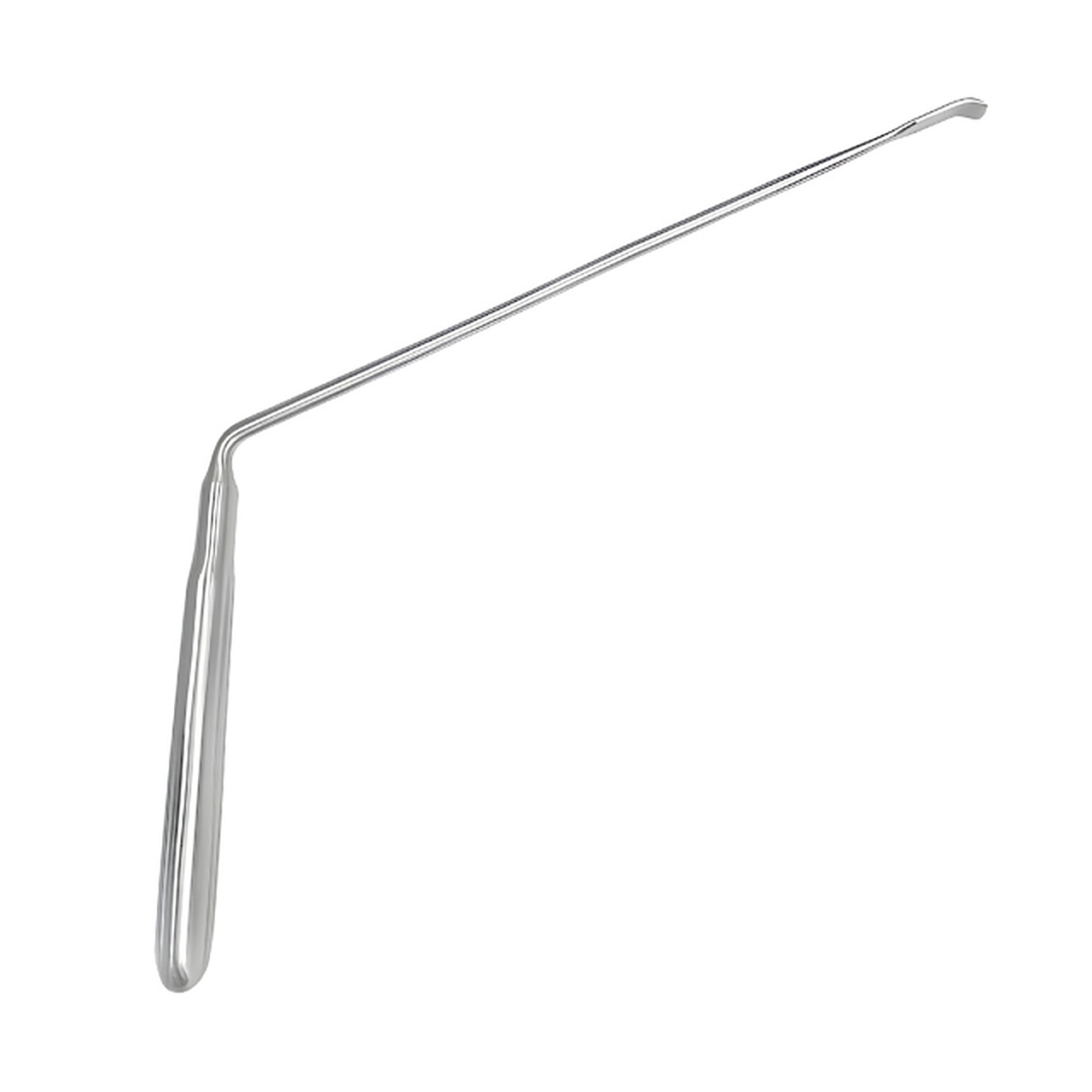 | Afastador de Raiz Nervosa MIS | Projetado especificamente para afastar e proteger as raízes nervosas transversas e o saco tecal durante discectomias espinhais minimamente invasivas. |
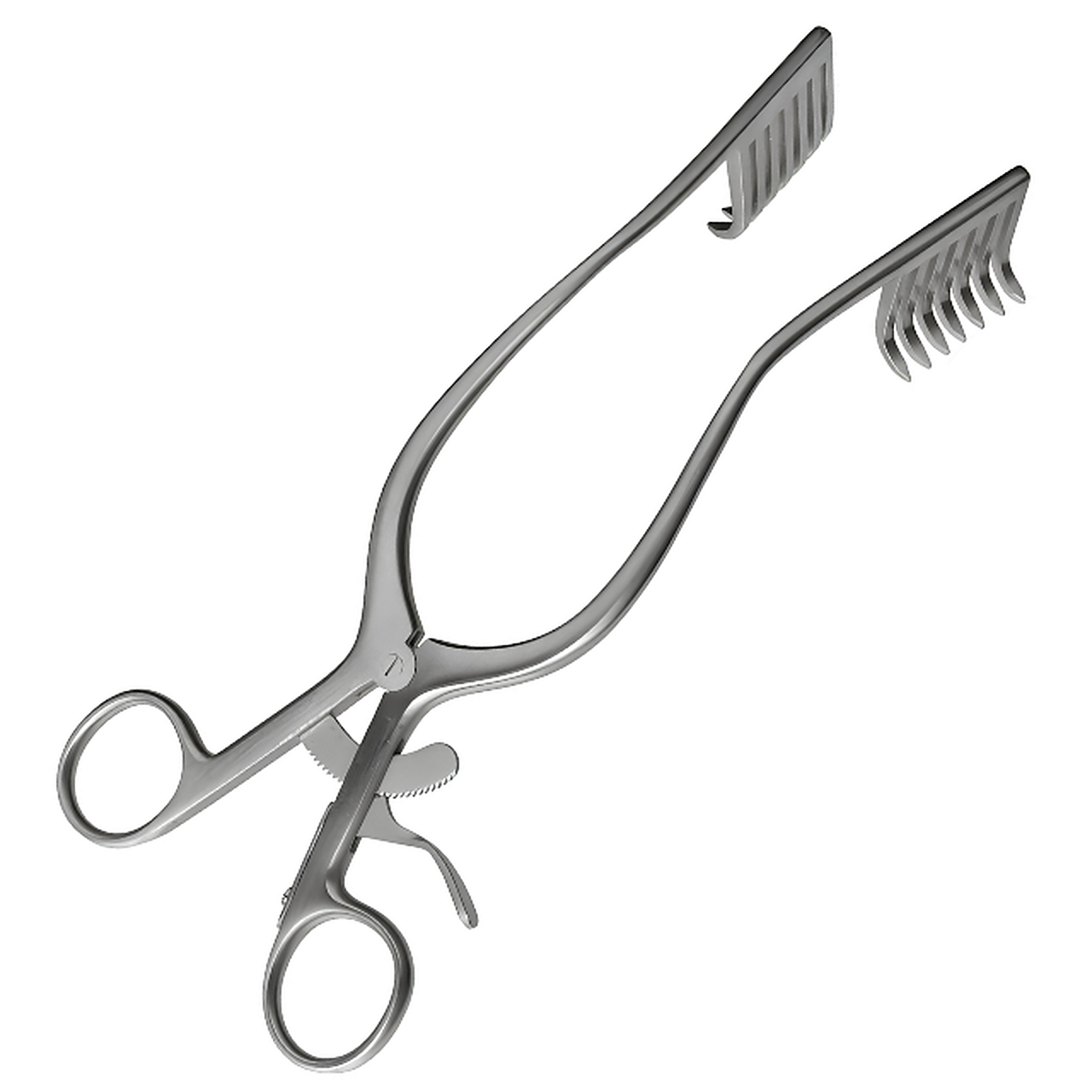 | Afastador Cerebelar Miskimon | Projetado especificamente para fornecer afastamento autorretentivo do couro cabeludo e do músculo nucal durante craniotomias suboccipitais e cerebelares. |
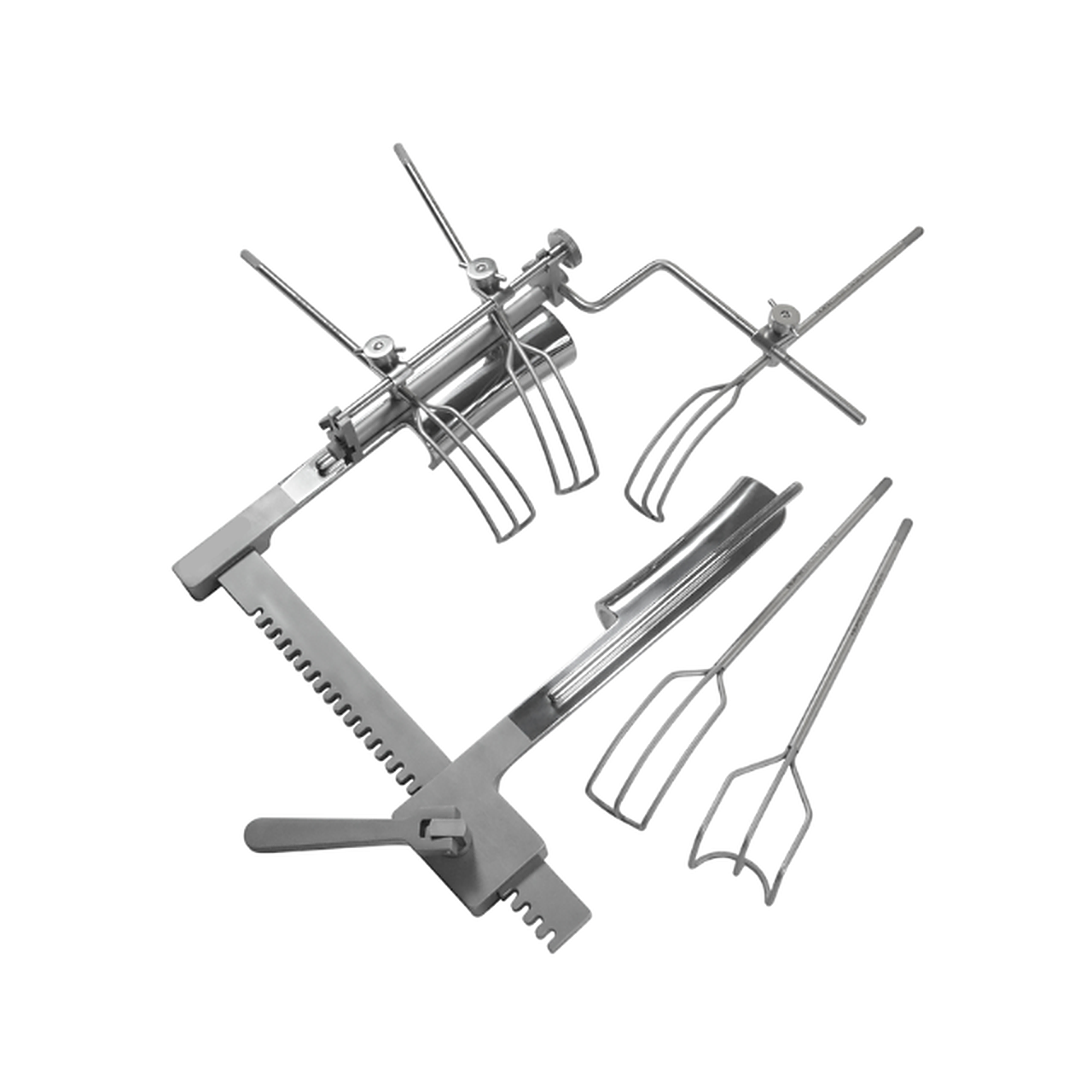 | Afastador de Válvula Mitral | Projetado especificamente para fornecer exposição cirúrgica estruturada e afastamento de tecidos moles durante procedimentos de válvulas cardíacas. |
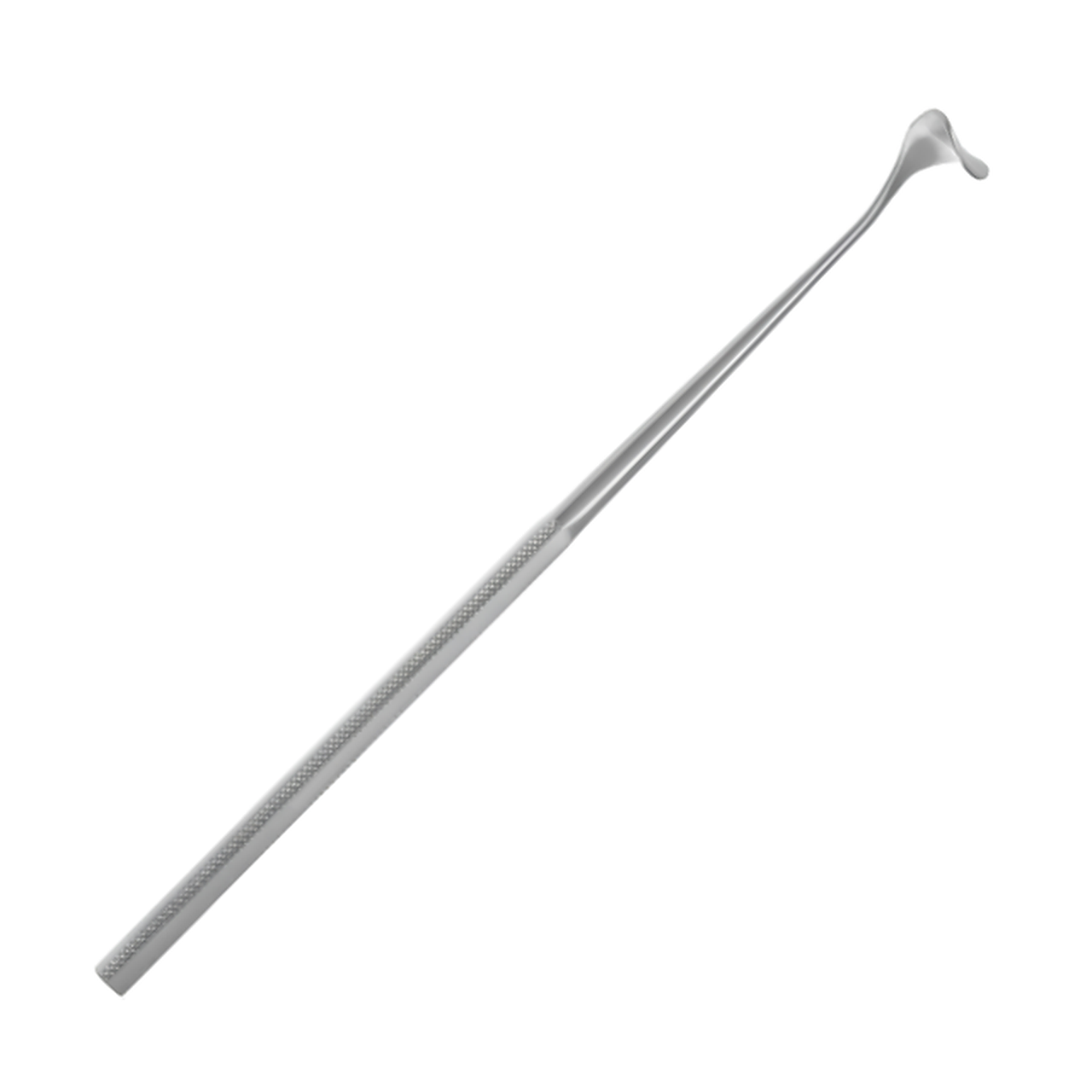 | Afastador de Pele Moberg | Projetado especificamente para afastar margens de pele, retalhos cutâneos e tecidos moles delicados durante cirurgias da mão e plásticas. |
 | Afastadores Tipo Modified Fukuda | Projetado especificamente para retrair a cabeça umeral posteriormente e expor a cavidade glenoide durante a artroplastia de ombro. |
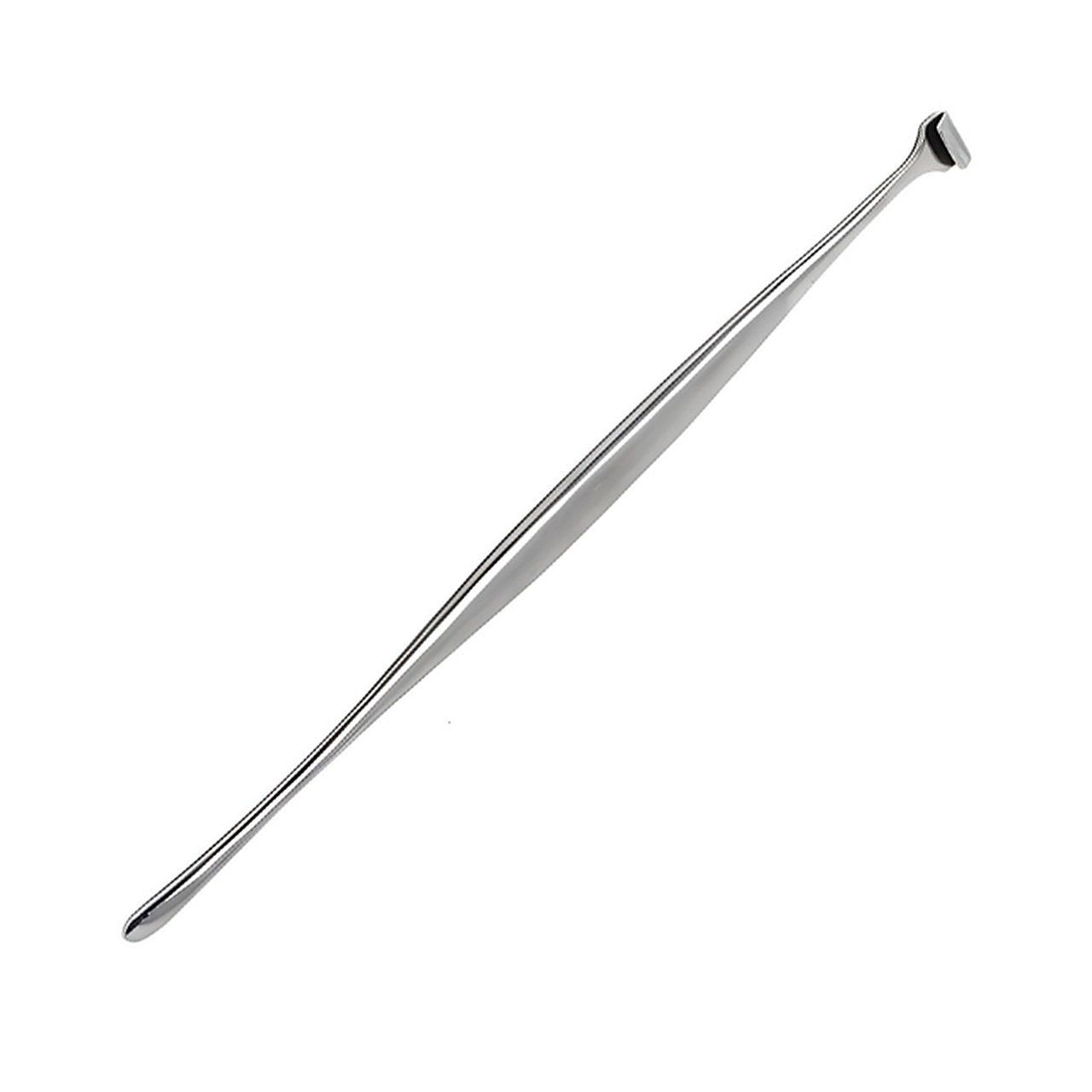 | Afastador de Pilar Anterior Mollison | Projetado especificamente para afastar o pilar amigdaliano anterior e o arco palatoglosso durante tonsilectomia e cirurgia faríngea. |
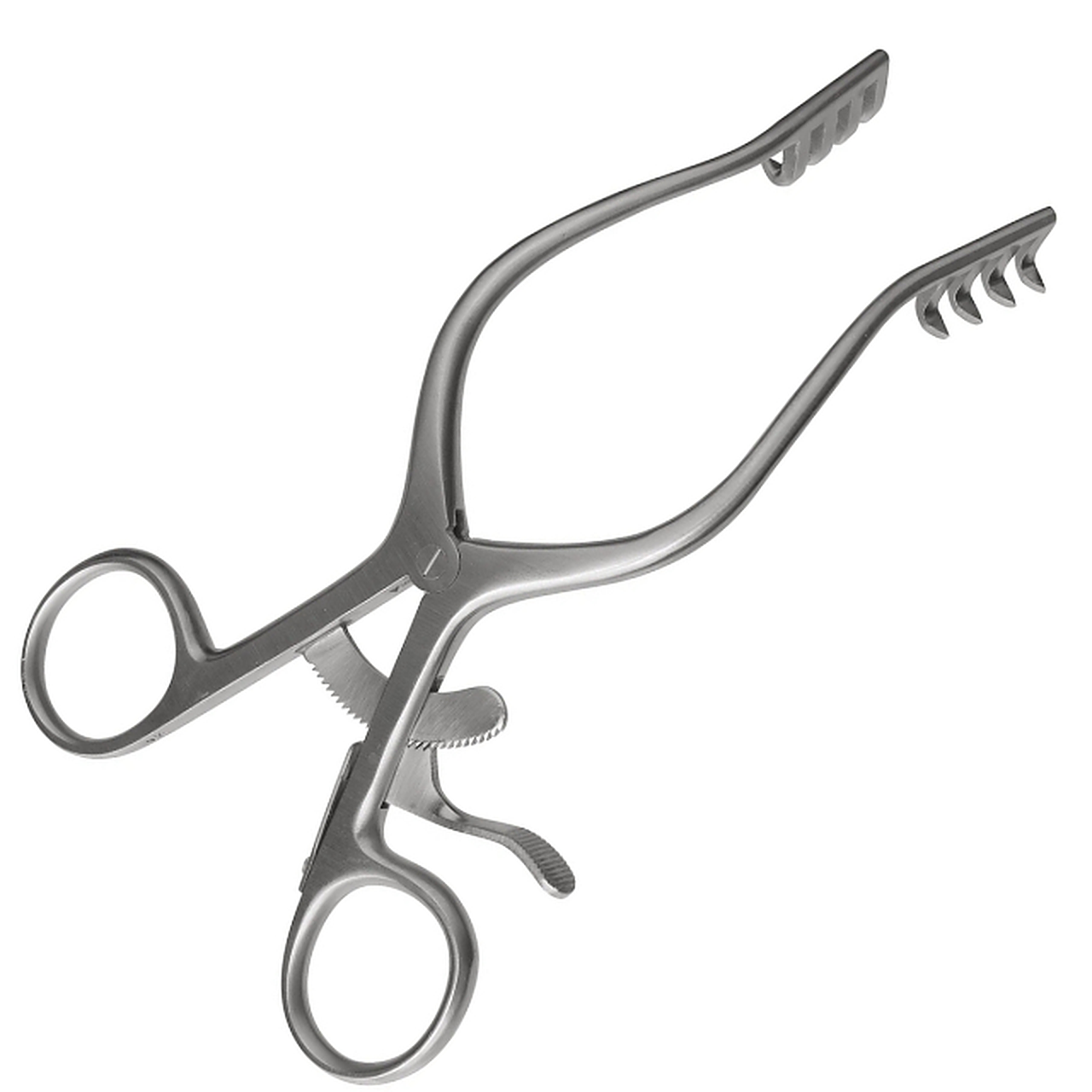 | Afastador Mollison | Projetado especificamente para fornecer retração autorretentiva de margens de feridas e periósteo durante cirurgias de mastoide, orelha e couro cabeludo. |
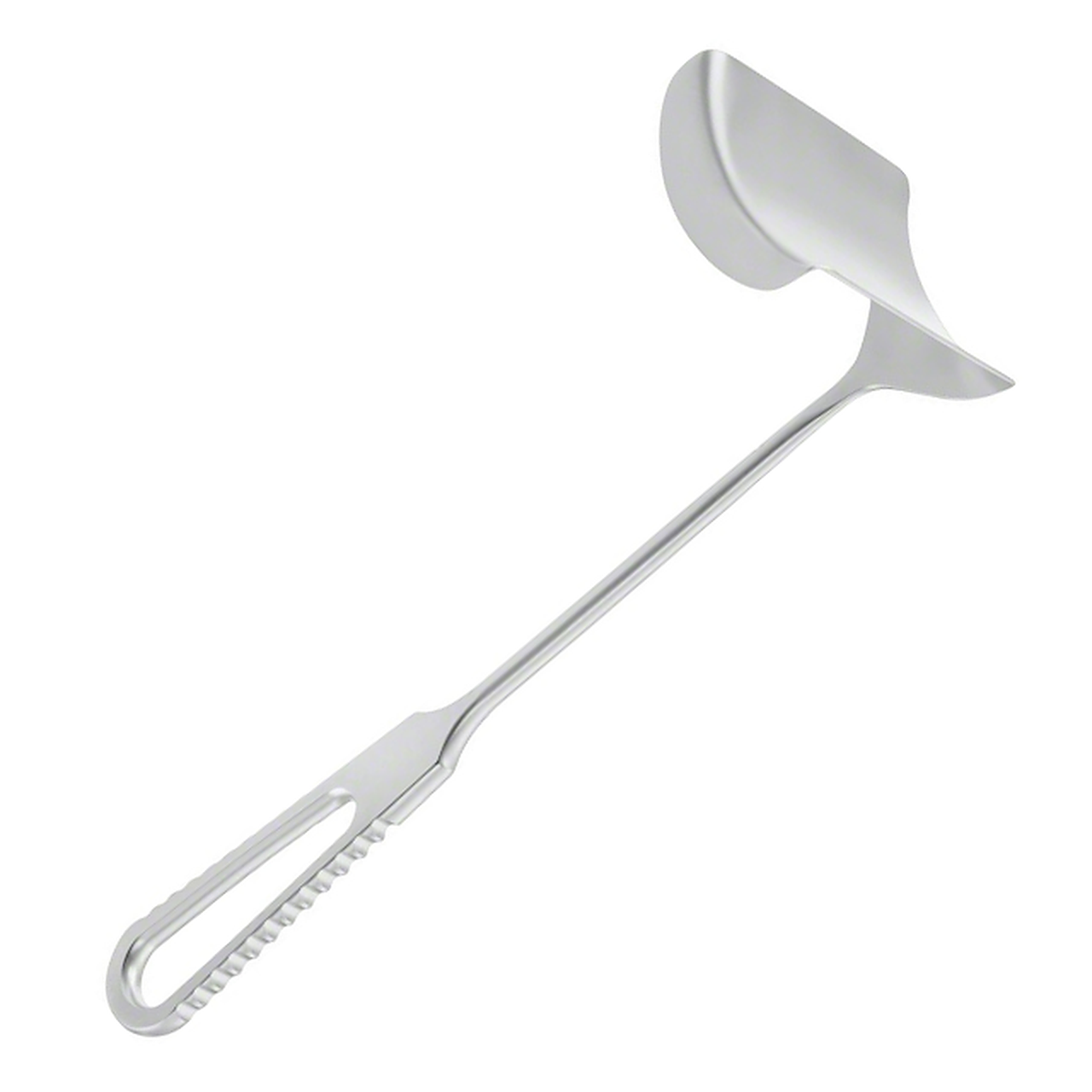 | Afastador Morris Single-Ended | Projetado especificamente para afastar a parede abdominal, vísceras e musculatura espessa durante cirurgias abdominais e pélvicas abertas. |
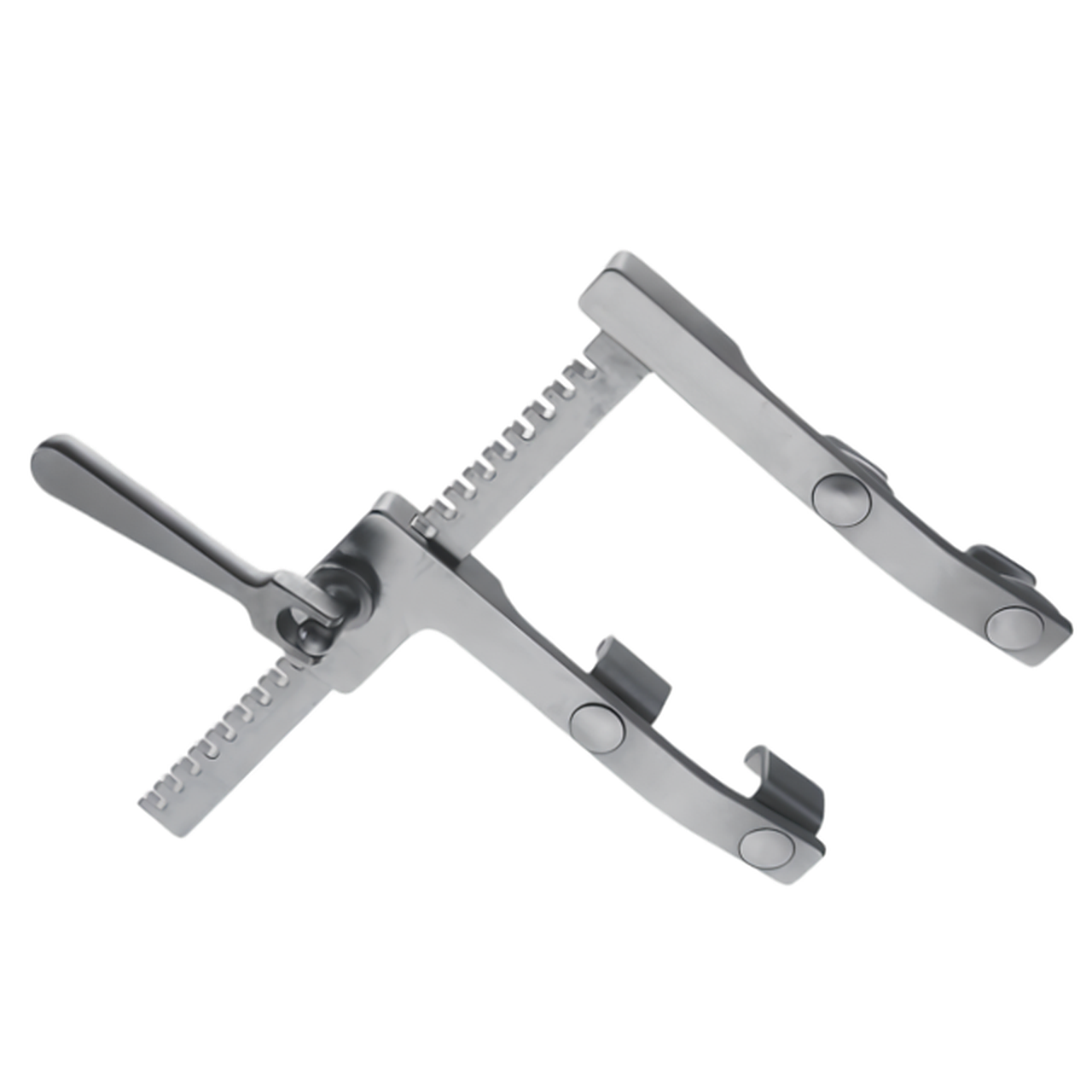 | Afastador Costal Morse | Projetado especificamente para separar as costelas e expandir a cavidade torácica com ajuste anatômico de lâminas multiposicionais. |
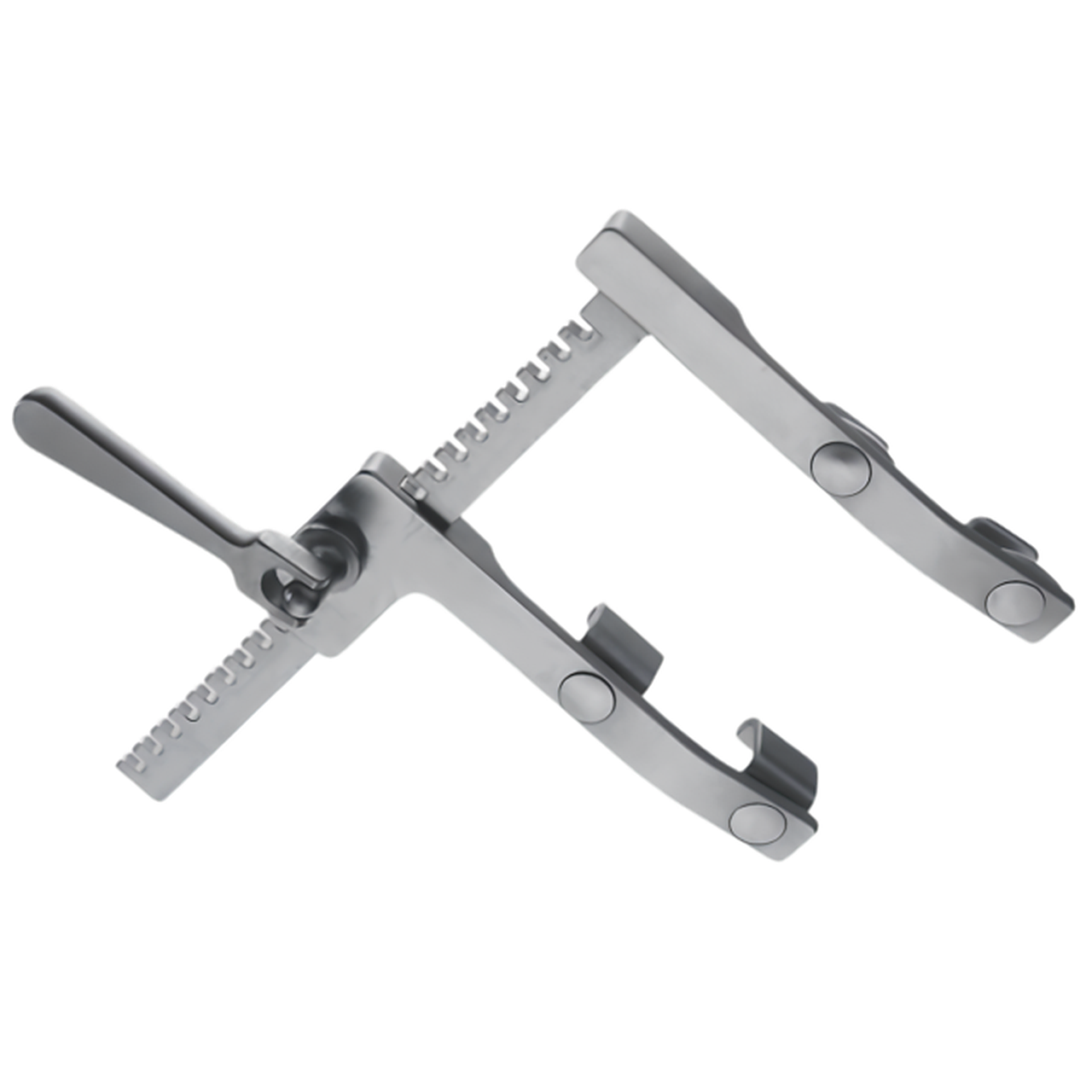 | Afastador Costal Morse-Favaloro | Projetado especificamente para separar as costelas com lâminas pivotantes móveis durante cirurgia de revascularização do miocárdio e cirurgia torácica. |
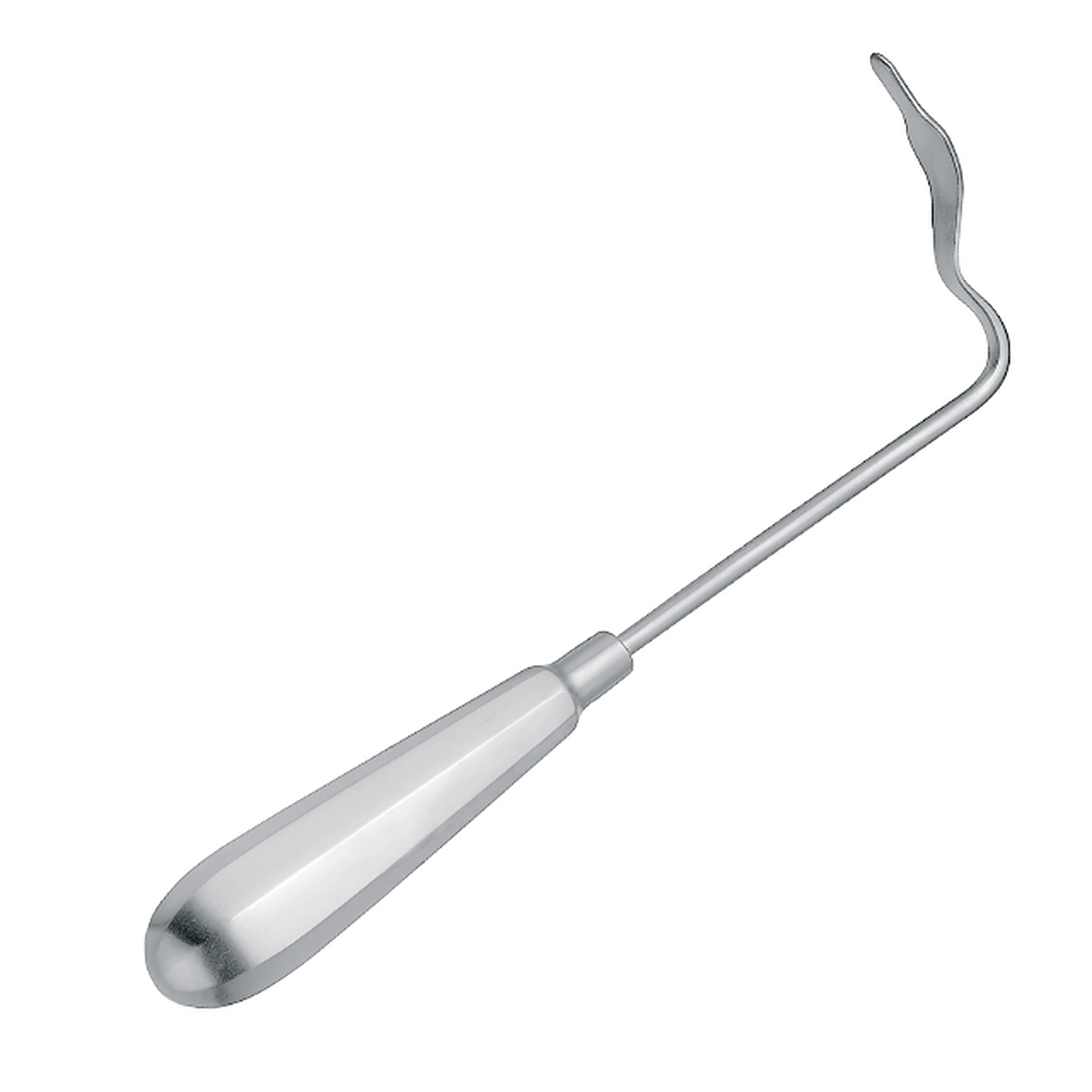 | Afastador Mucoperiósteo | Projetado especificamente para afastar retalhos mucoperiósteos e expor o osso cortical durante cirurgias orais, odontológicas e bucomaxilofaciais. |
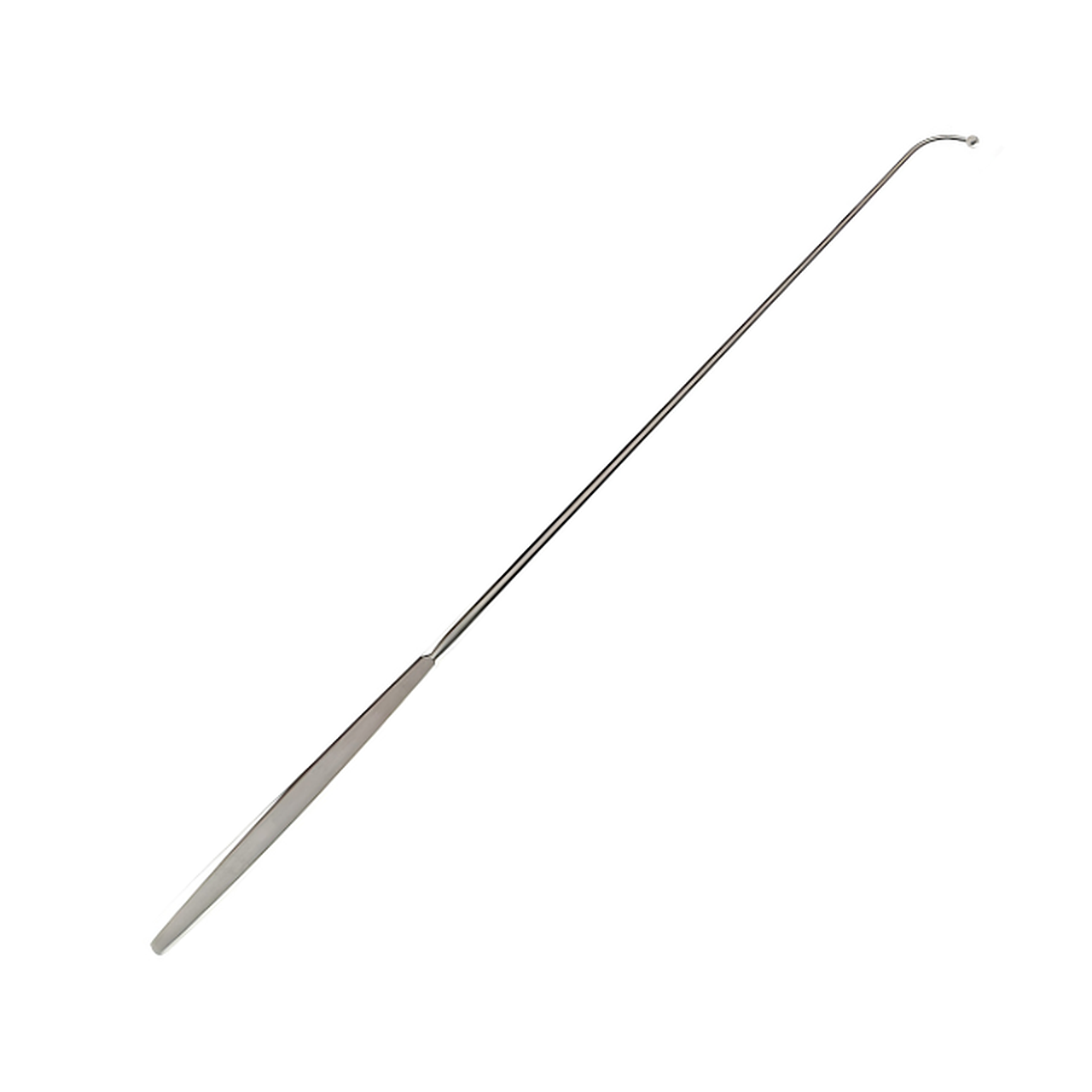 | Afastador Murphy Ball | Projetado especificamente para explorar, mobilizar e afastar nervos, vasos e ductos delicados durante procedimentos cirúrgicos profundos. |
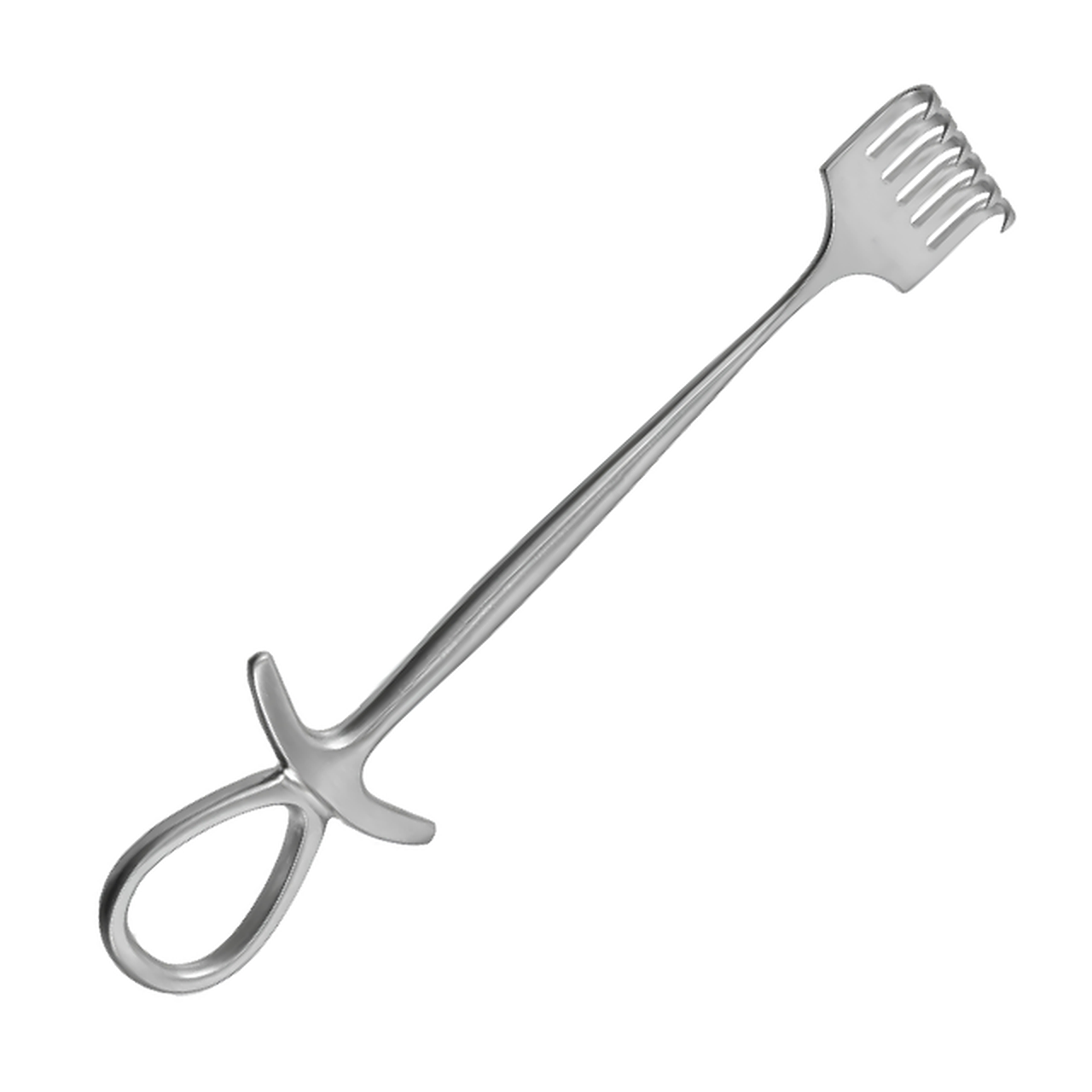 | Afastador Murphy | Projetado especificamente para afastar margens de pele, fáscia e tecido muscular em cirurgias gerais, ortopédicas e plásticas. |
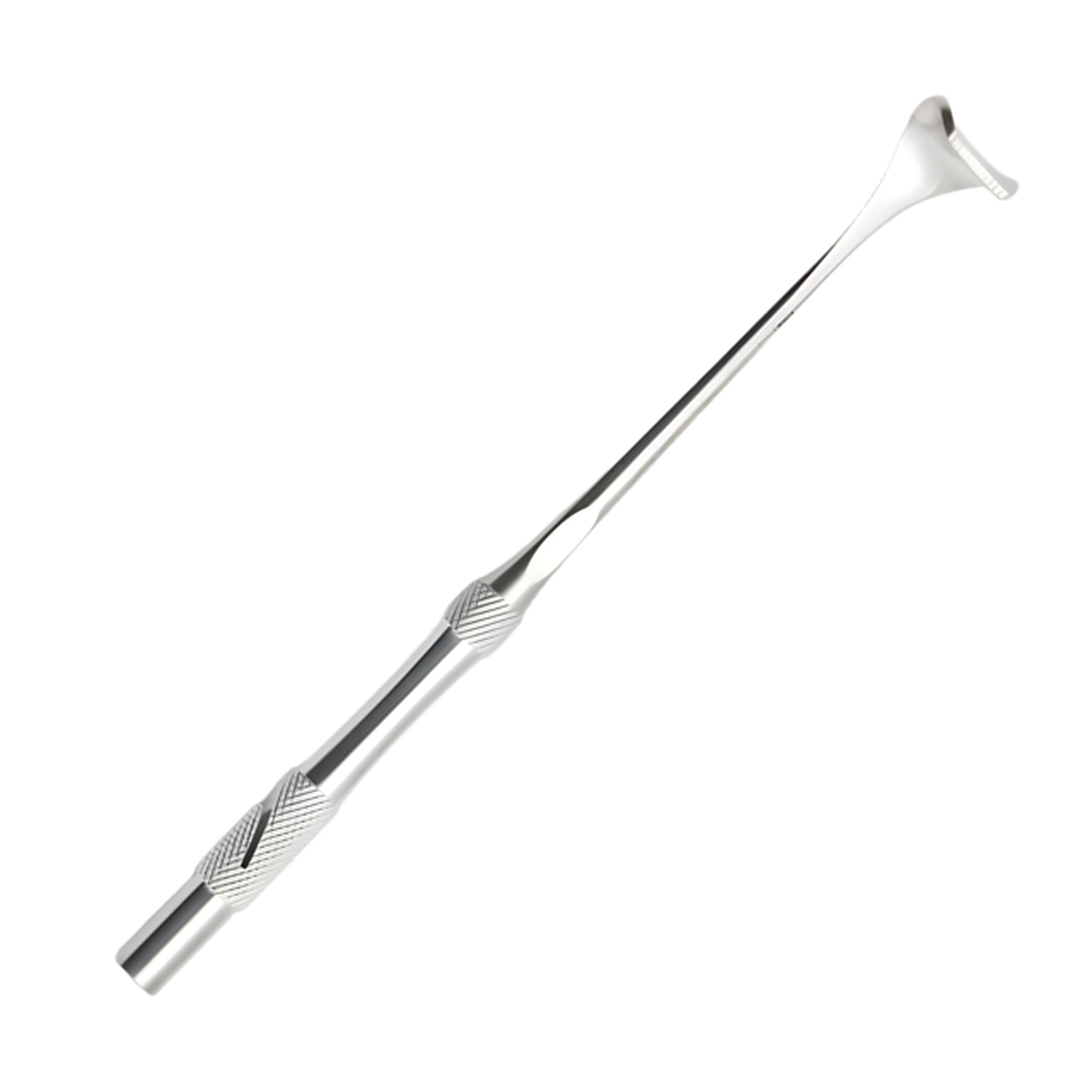 | Afastador Nasal Skin Retractor | Especificamente projetado para elevar retalhos cutâneos nasais e retrair cartilagens durante rinoplastia e cirurgia reconstrutiva facial. |
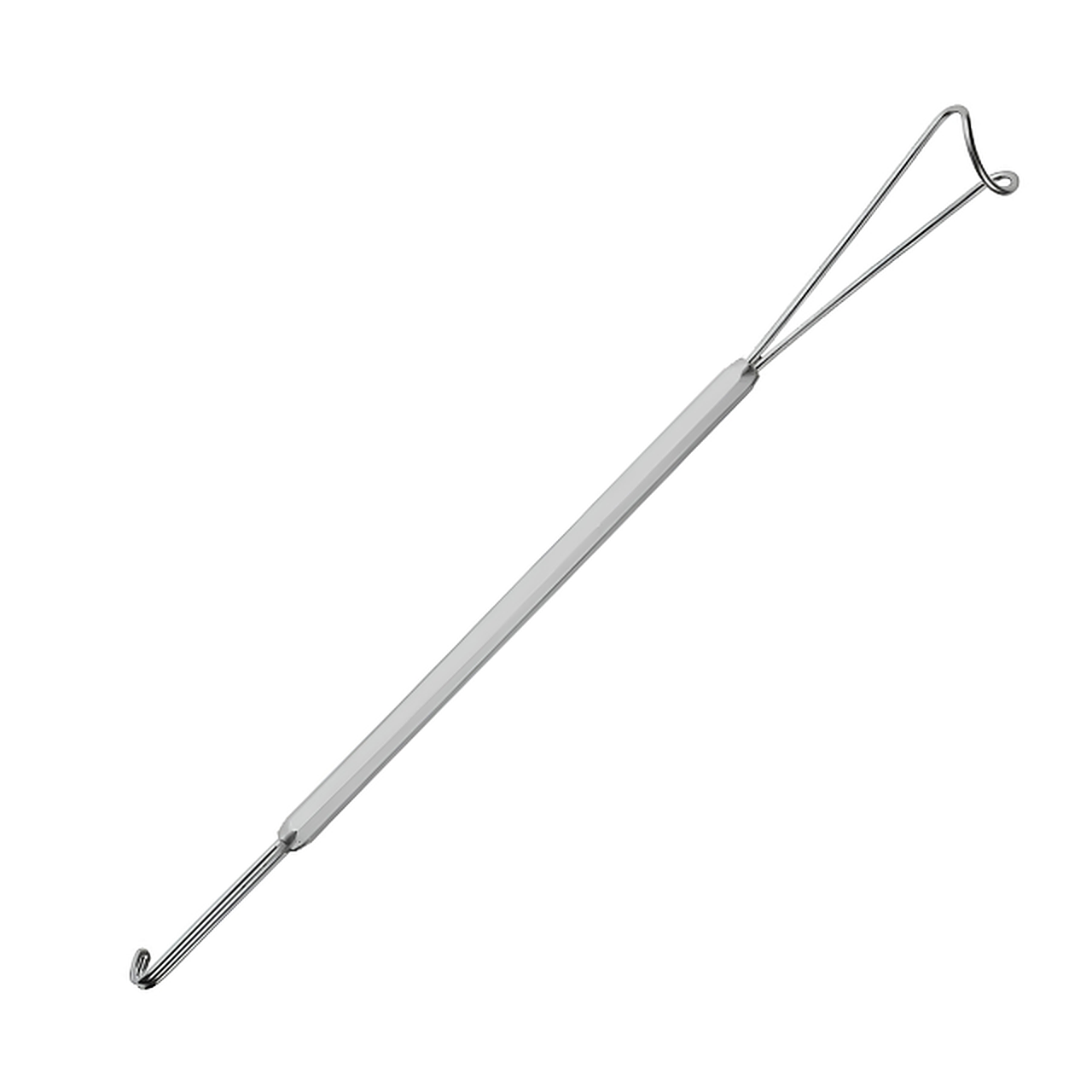 | Afastador e Guia de Faca Neivert | Projetado especificamente para afastar retalhos de pele e guiar facas de cartilagem durante procedimentos de rinoplastia e reconstrução nasal. |
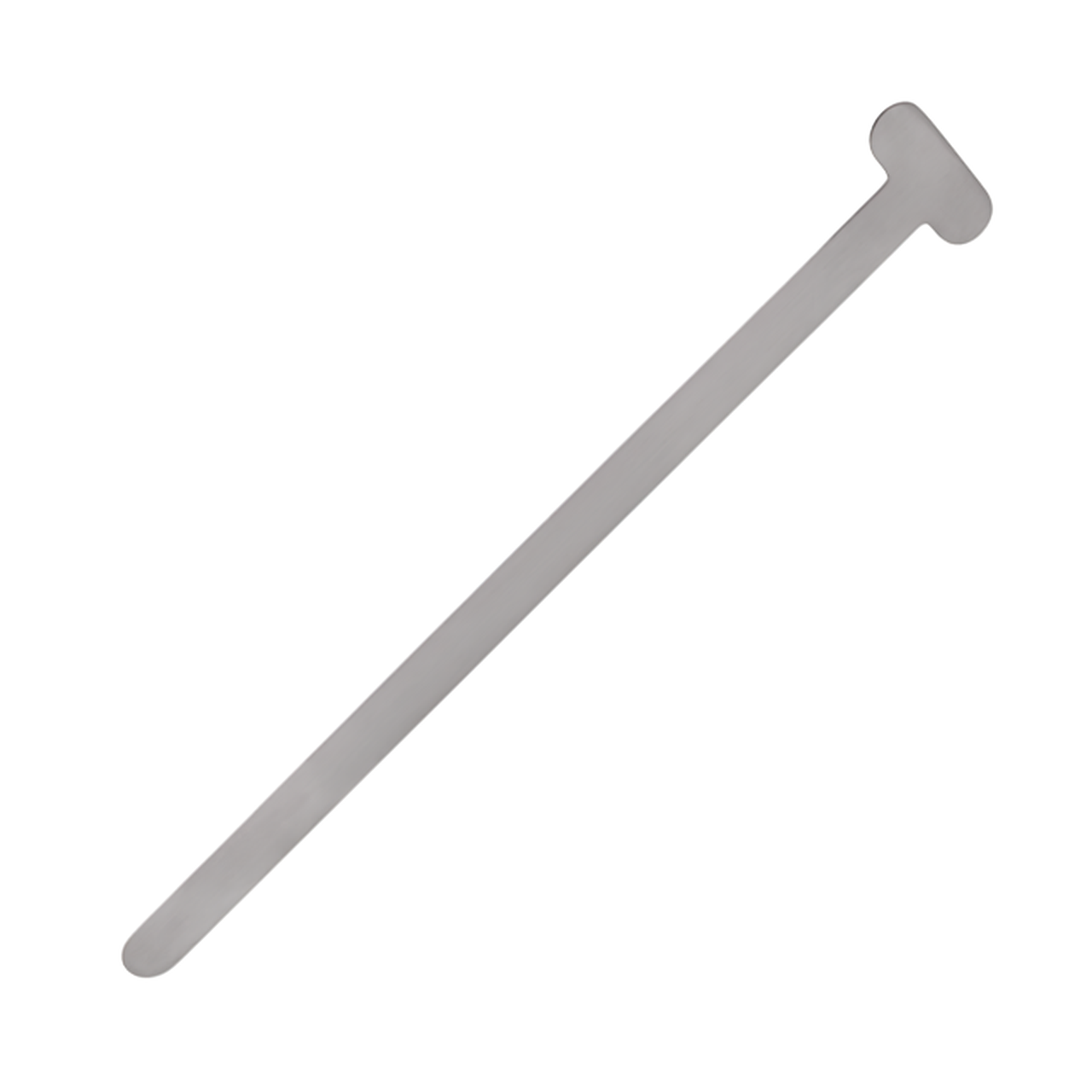 | Afastador Maleável Neonatal em T Ribbon Retractor | Projetado especificamente para afastar vísceras delicadas, alças intestinais e tecidos moles durante procedimentos cirúrgicos neonatais e pediátricos. |
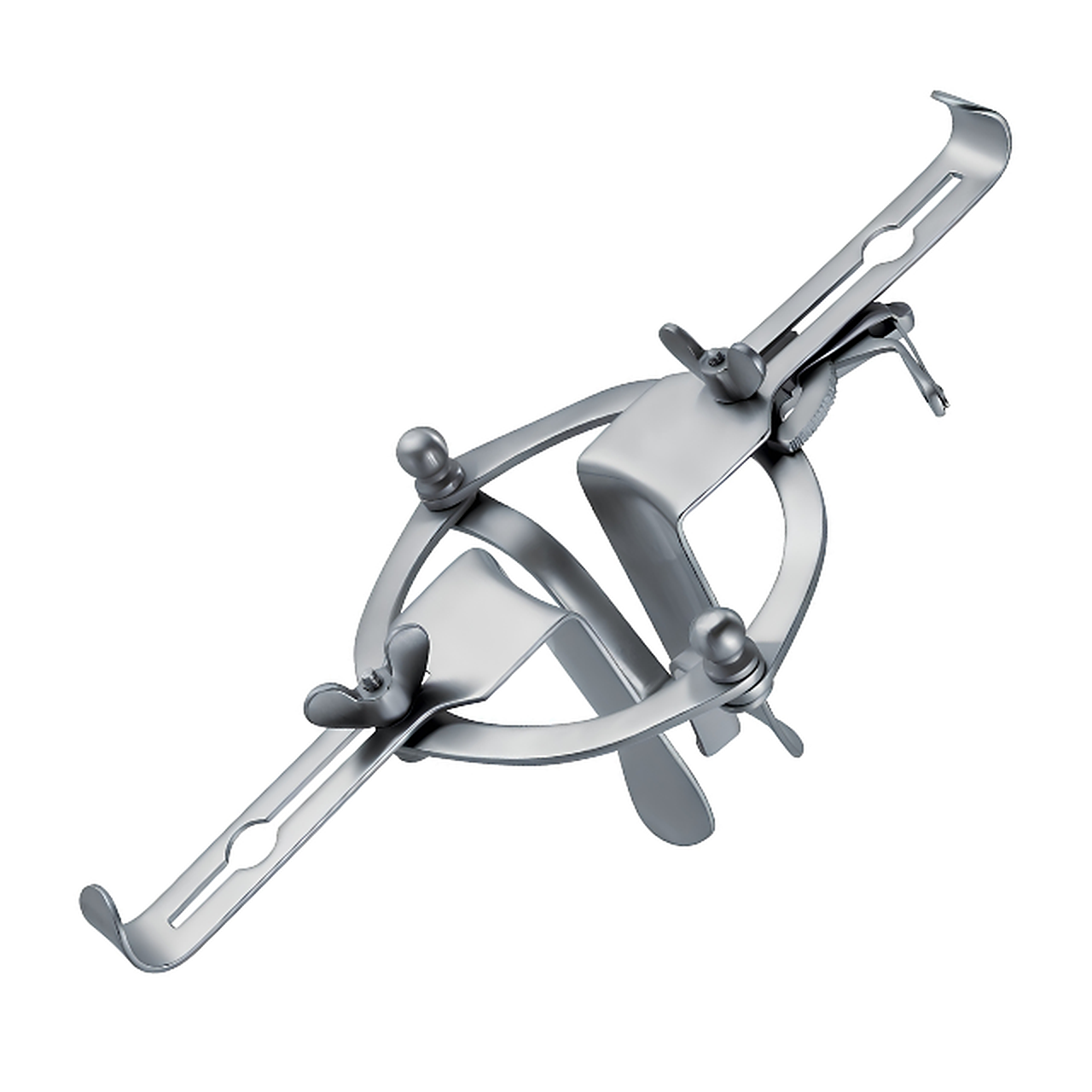 | Afastador Vaginal O'Sullivan-O'Conner | Projetado especificamente para fornecer retração visceral e da parede pélvica autoestática durante cirurgias ginecológicas e pélvicas de grande porte. |
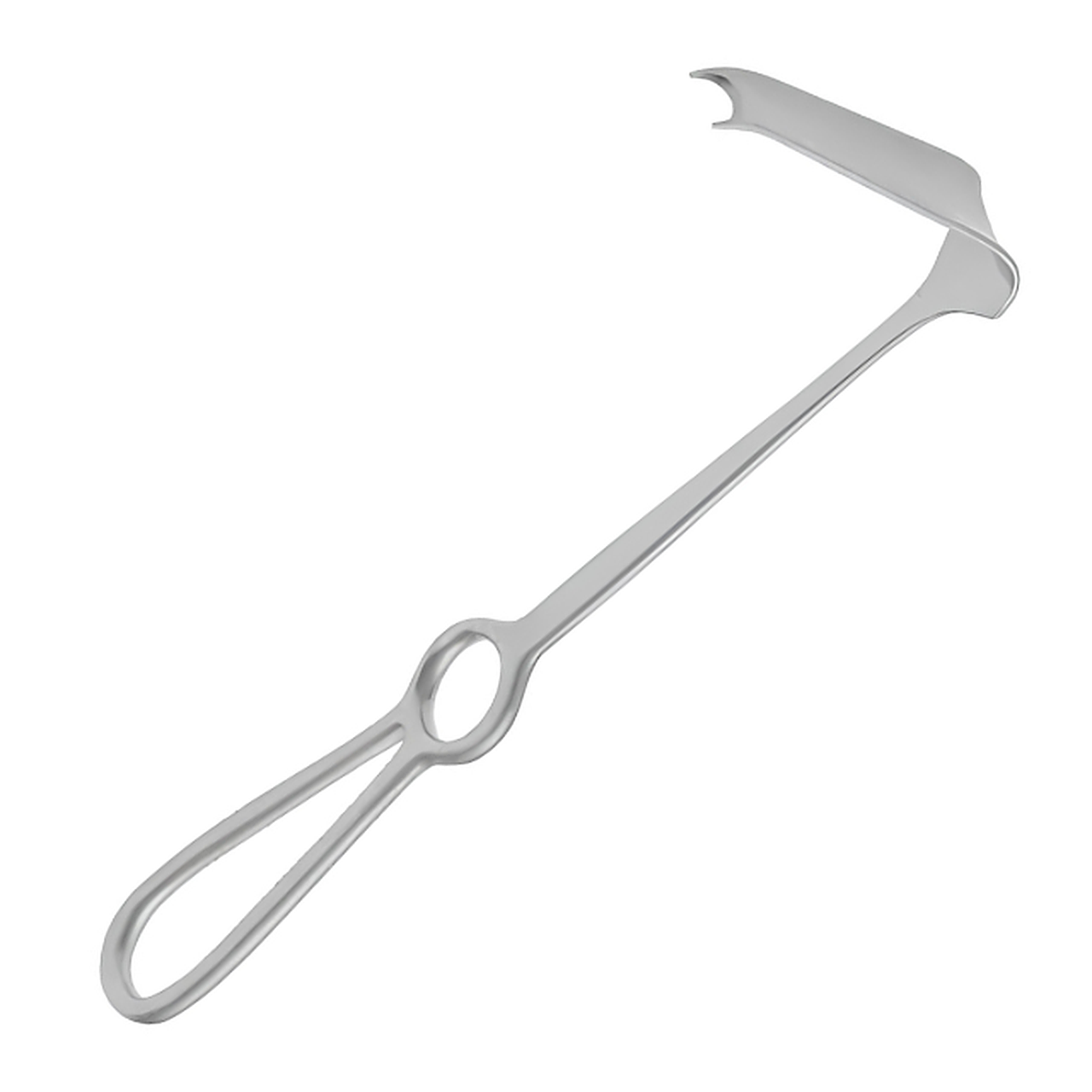 | Afastador Alveolar Obwegeser | Projetado especificamente para afastar os lábios, bochechas e mucoperiósteo para expor a crista alveolar durante a cirurgia ortognática. |
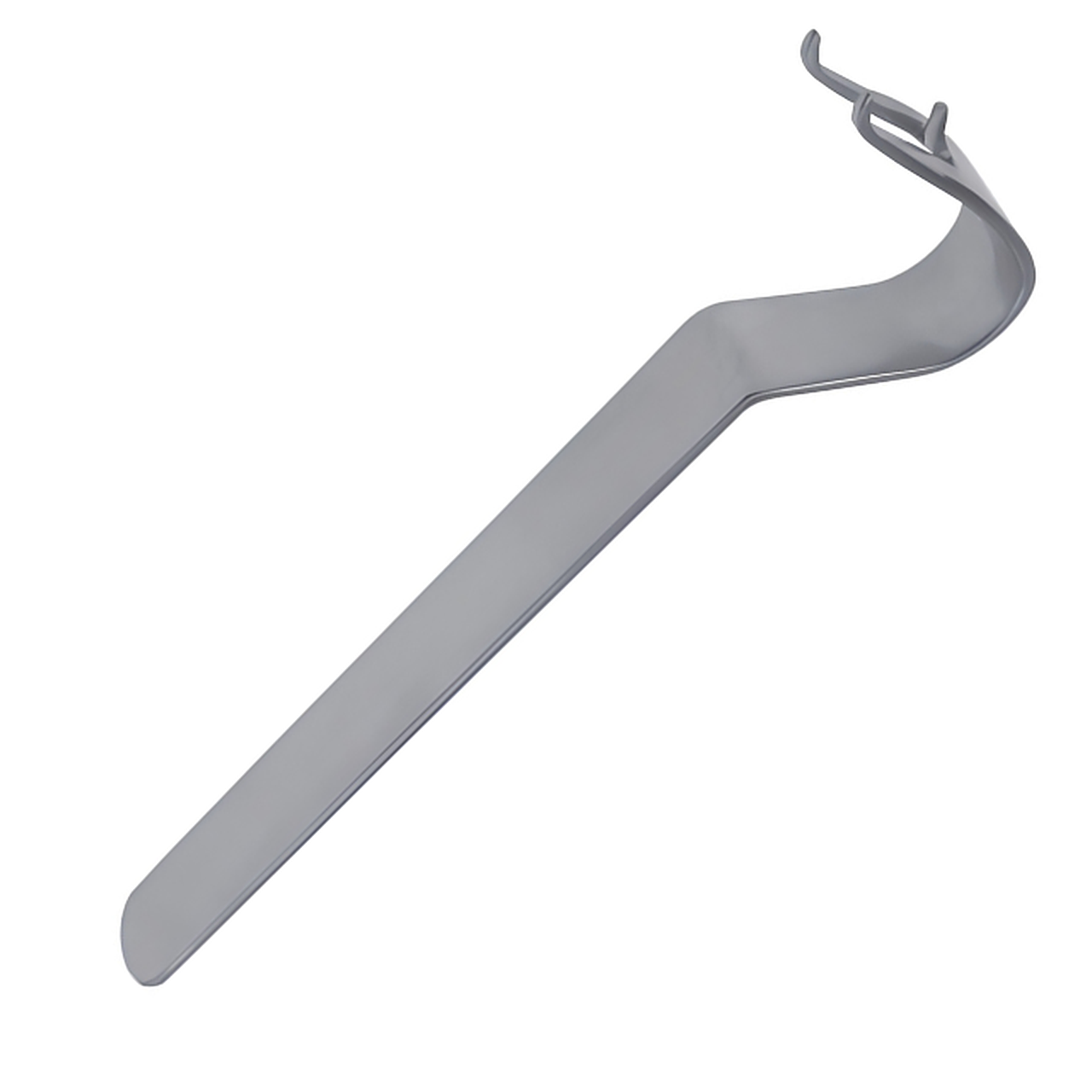 | Afastador de Queixo Obwegeser | Projetado especificamente para afastar o músculo mentoniano e tecidos moles para expor a sínfise mandibular durante a mentoplastia. |
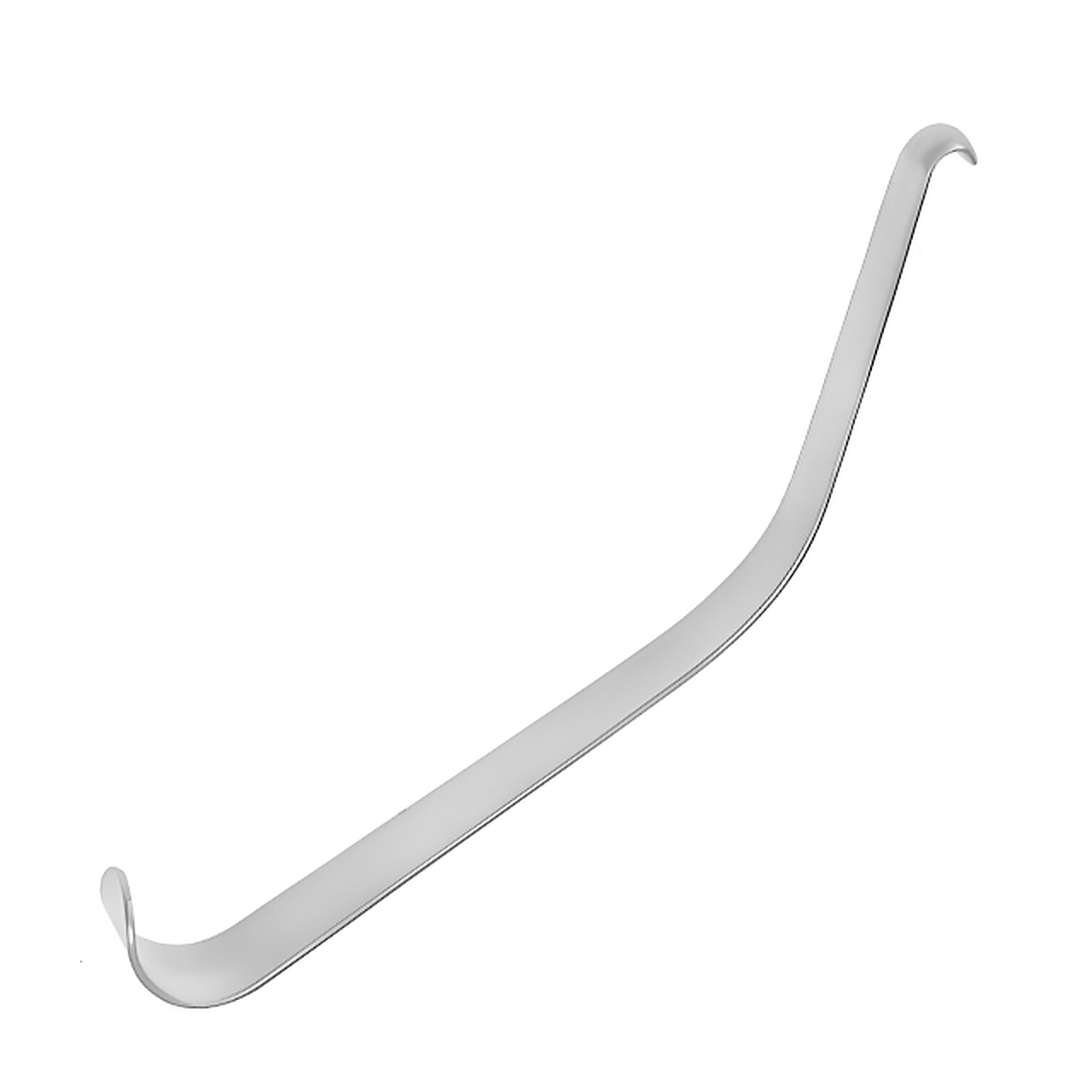 | Afastador Canalicular Mandibular Obwegeser | Projetado especificamente para enganchar na borda inferior da mandíbula e proteger feixes neurovasculares durante osteotomias ortognáticas. |
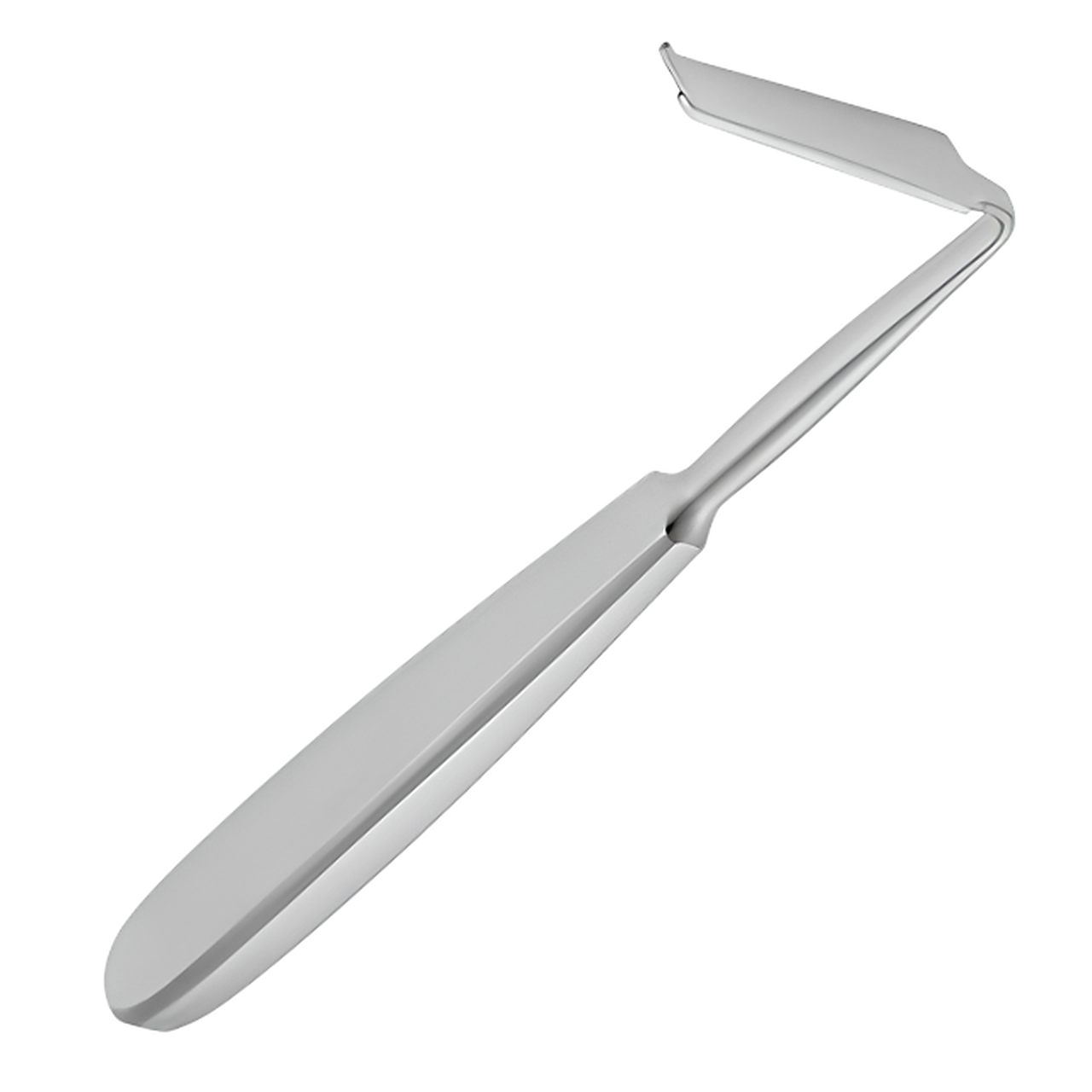 | Afastador de Borda Mandibular Obwegeser | Projetado especificamente para afastar tecidos moles e proteger estruturas neurovasculares ao longo da borda mandibular durante cirurgia ortognática. |
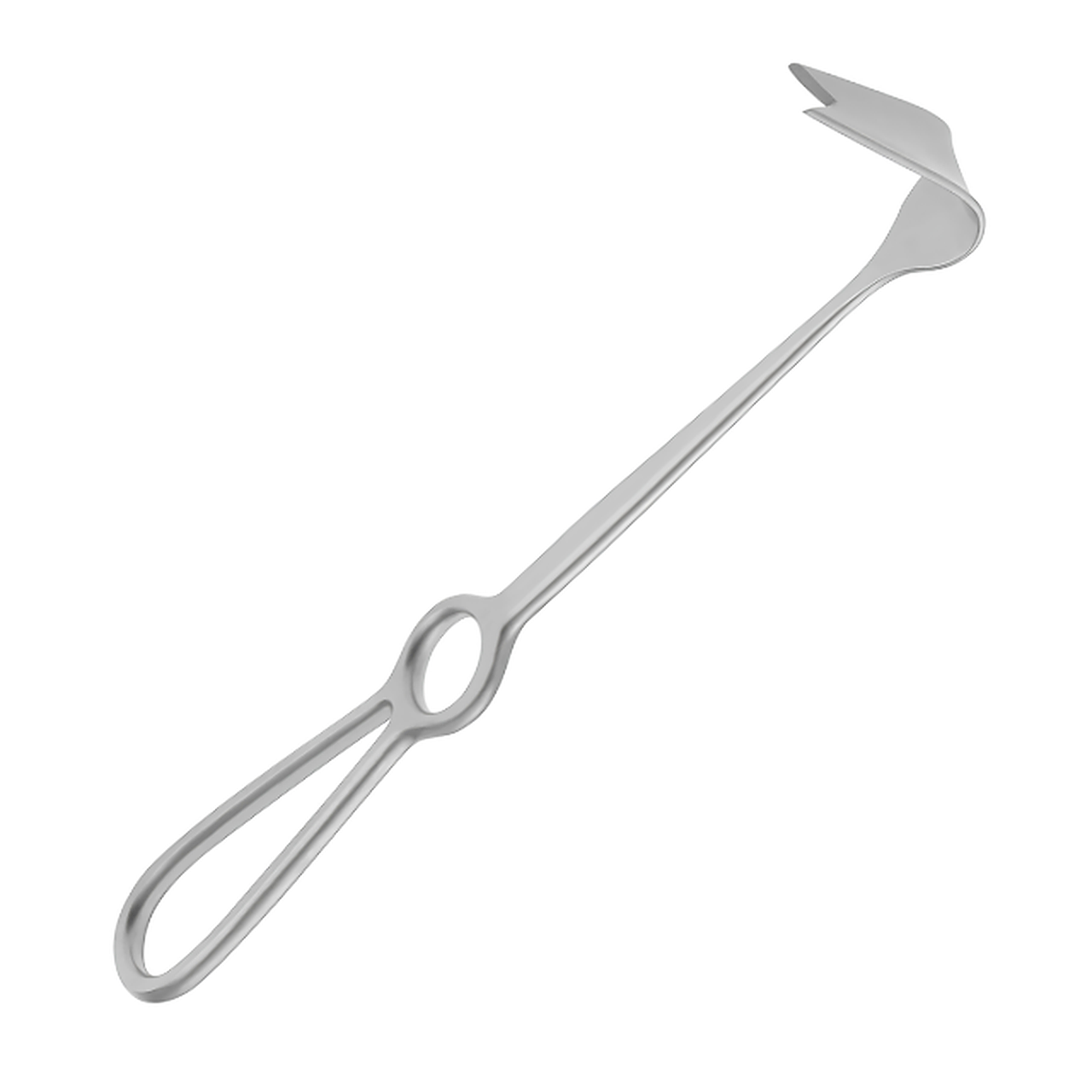 | Afastador de Espinha Nasal Obwegeser | Projetado especificamente para enganchar na espinha nasal anterior e elevar o lábio superior durante osteotomias Le Fort e cirurgias bucomaxilofaciais. |
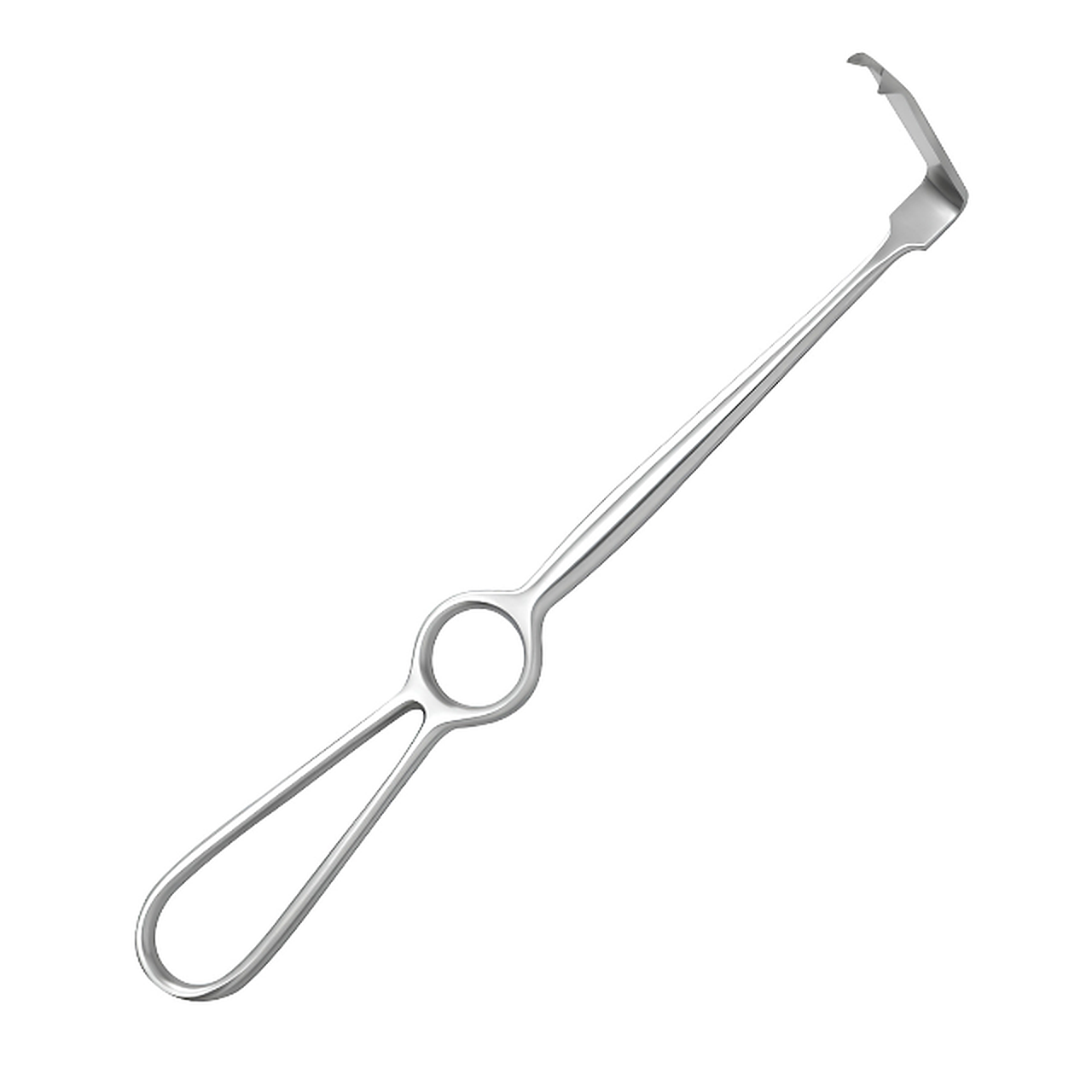 | Afastador de Ramo Obwegeser | Projetado especificamente para se enganchar ao redor do ramo mandibular ascendente e proteger os tecidos moles durante osteotomias ortognáticas. |
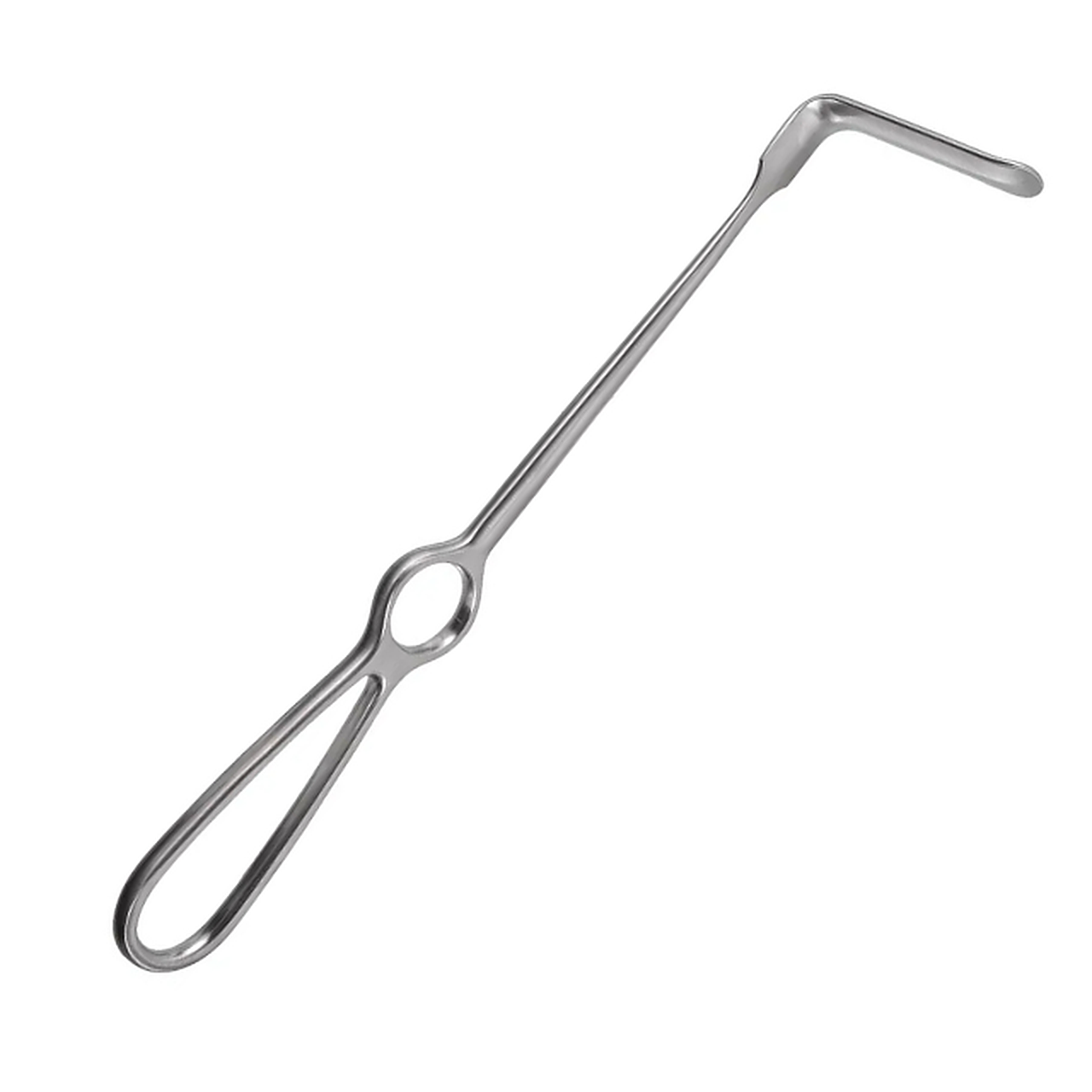 | Afastador de Tecidos Moles Obwegeser | Especificamente projetado para afastar e proteger retalhos mucoperiosteais, bochechas e tecidos moles durante cirurgias ortognáticas e bucomaxilofaciais. |
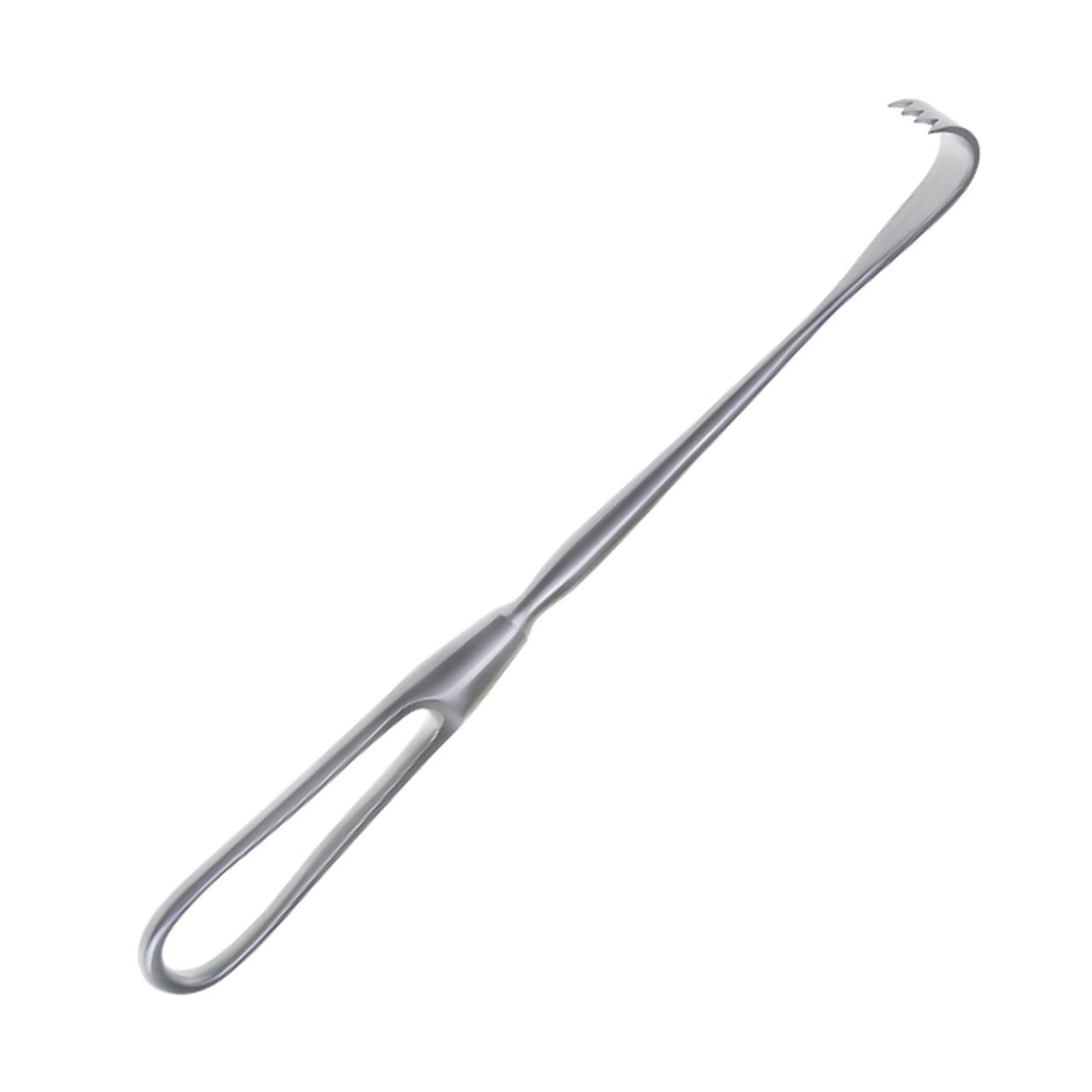 | Afastador Oldberg | Projetado especificamente para afastar retalhos cutâneos, músculos e fáscias durante cirurgias cranianas, espinhais e ortopédicas. |
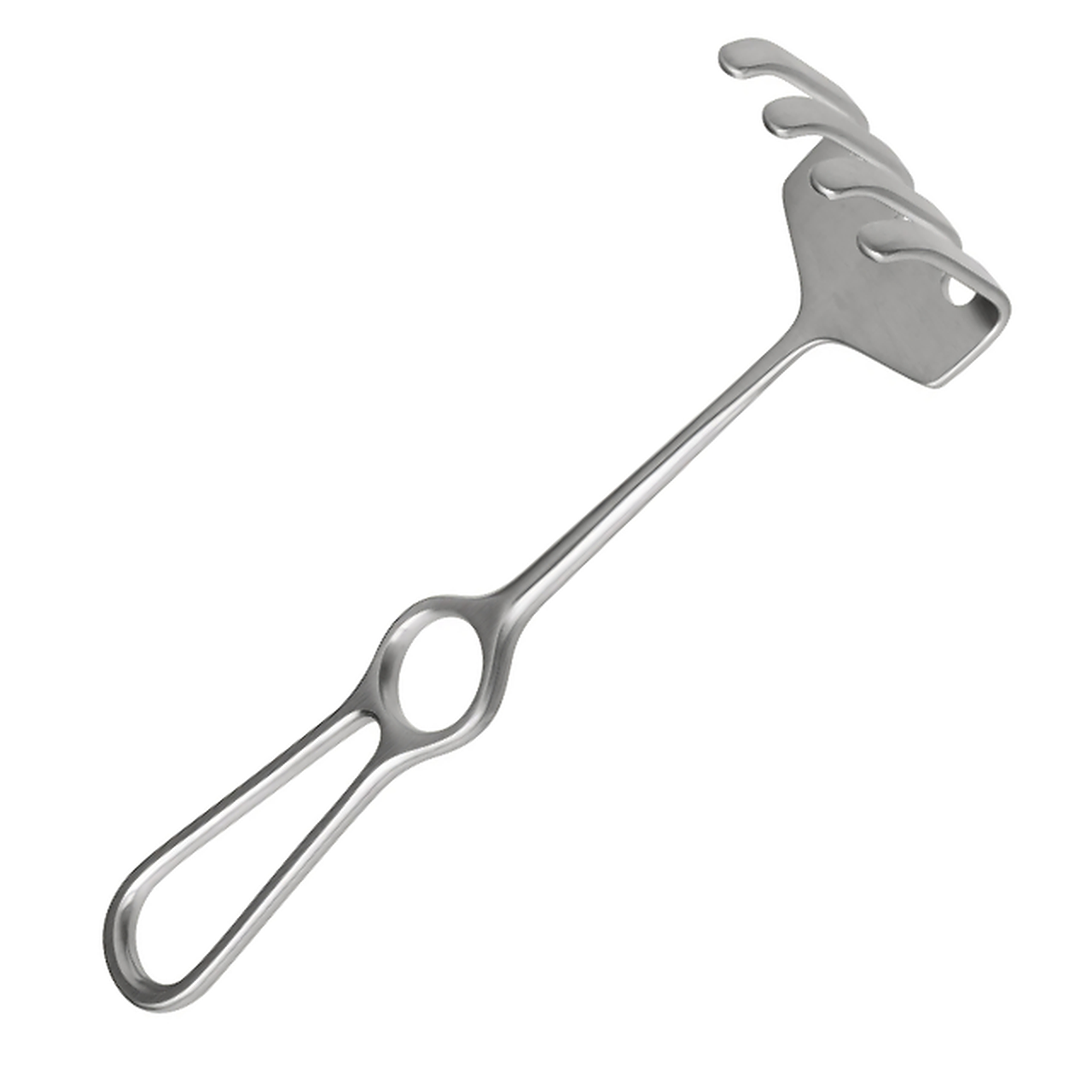 | Afastadores Ollier | Projetado especificamente para afastar camadas musculares pesadas, fáscias e margens de tecidos espessos durante cirurgias abdominais e ortopédicas. |
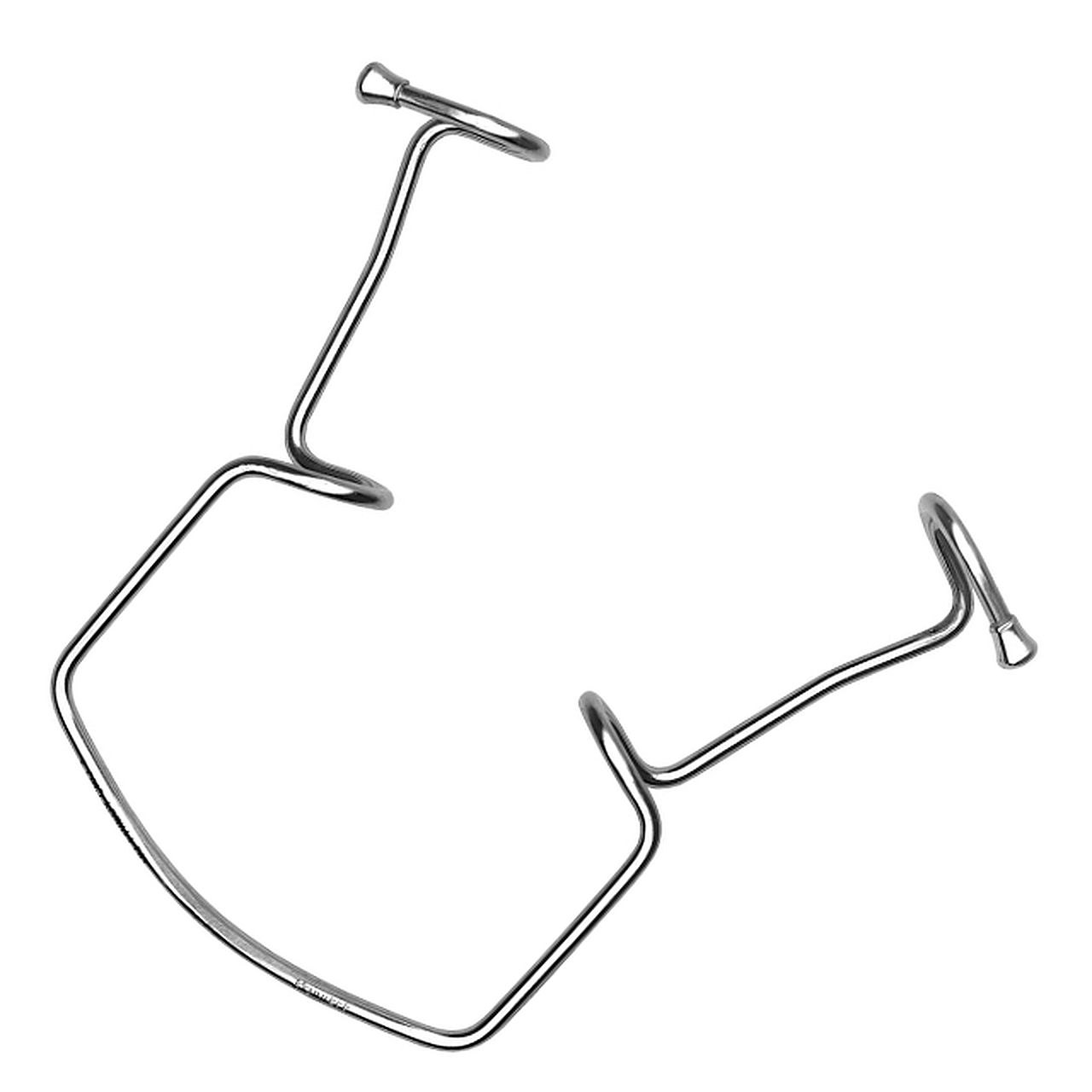 | Afastador de Bochecha Orringer | Projetado especificamente para fornecer afastamento bilateral autorretentor das bochechas e lábios durante cirurgias orais e odontológicas. |
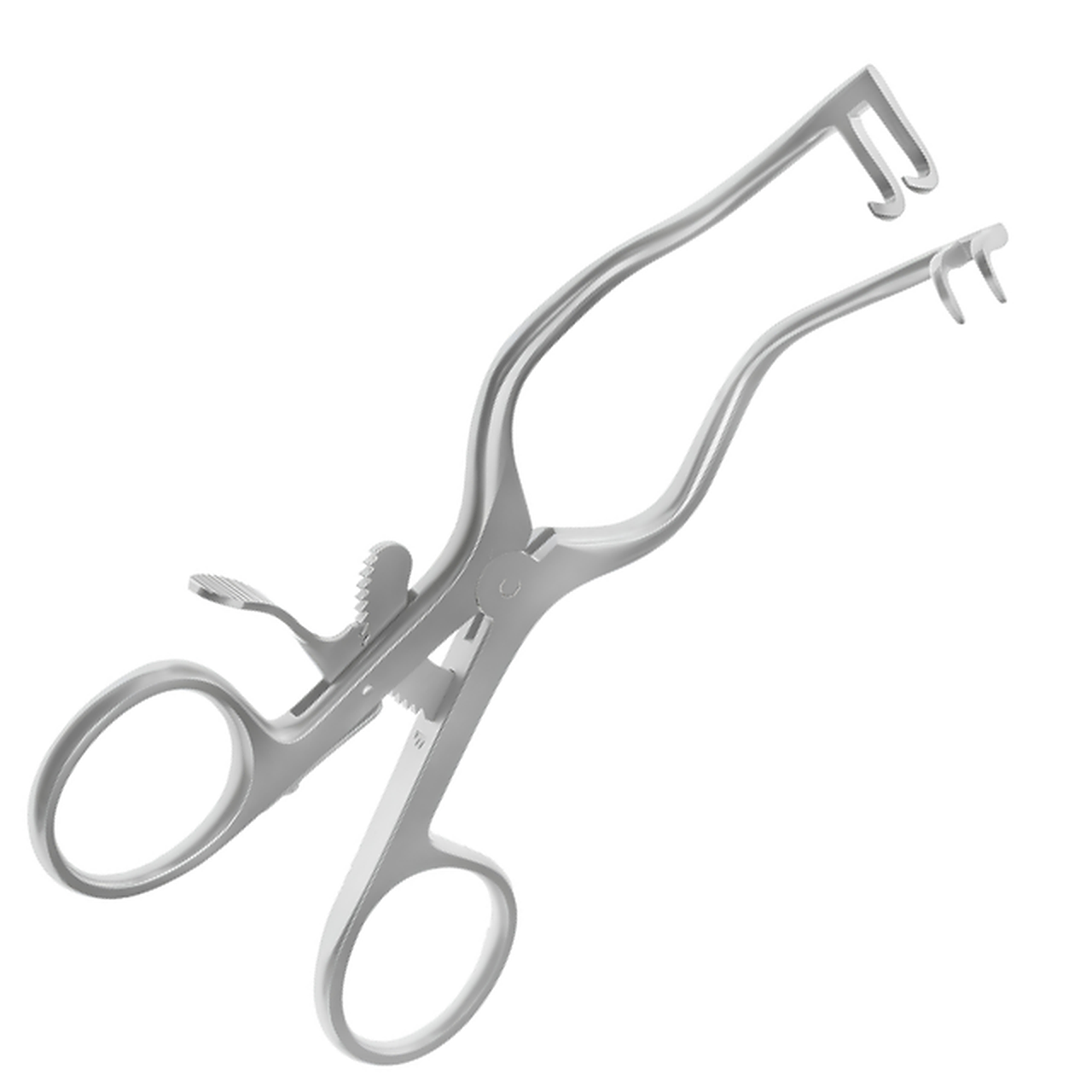 | Afastador Autoestático Paparella-Weitlaner | Projetado especificamente para fornecer retração autoestática do periósteo e das margens da ferida durante cirurgias de mastoide, orelha e couro cabeludo. |
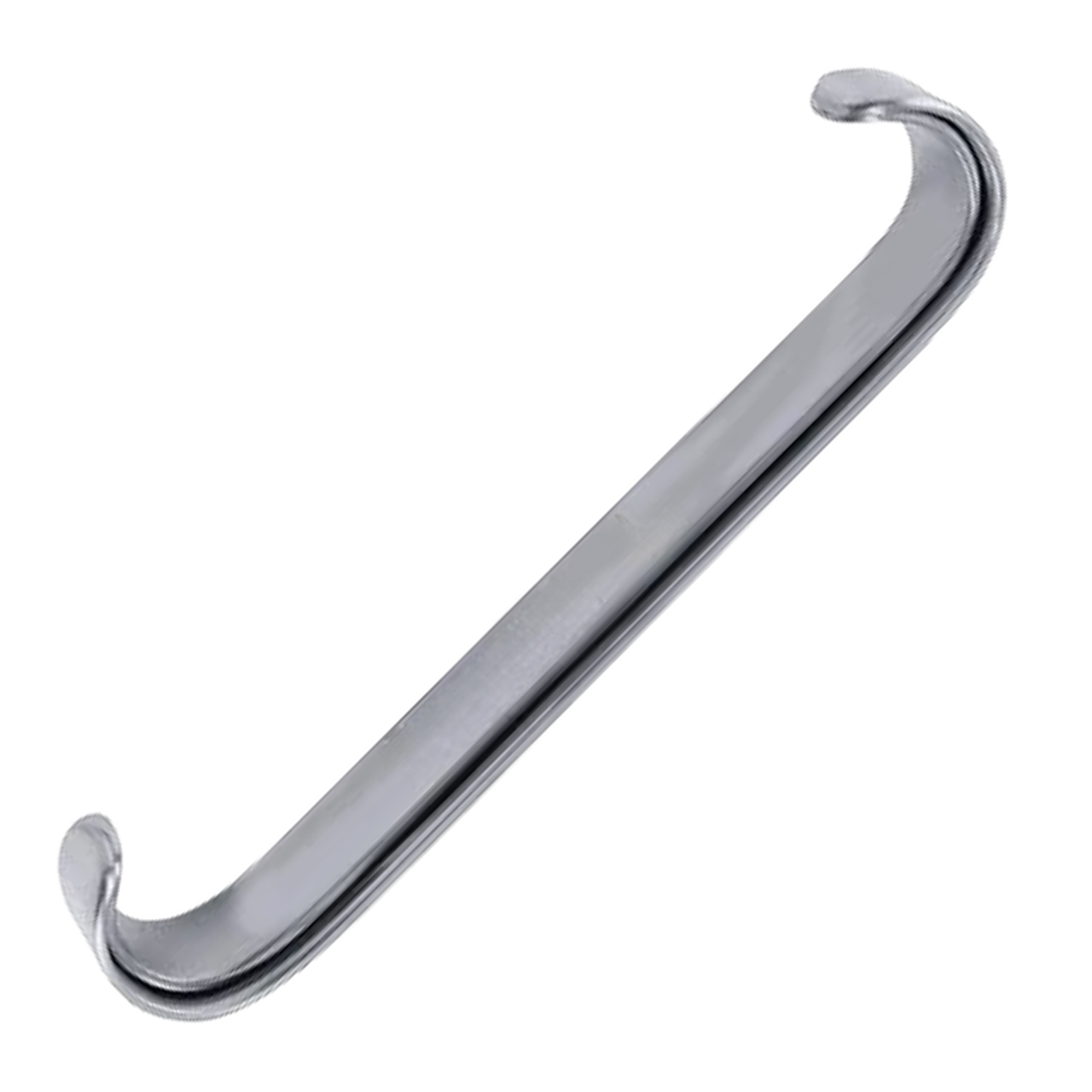 | Afastador Parker - Jogo com Dois | Projetado especificamente para afastar margens de pele, fáscia e camadas musculares superficiais durante cirurgias menores e gerais. |
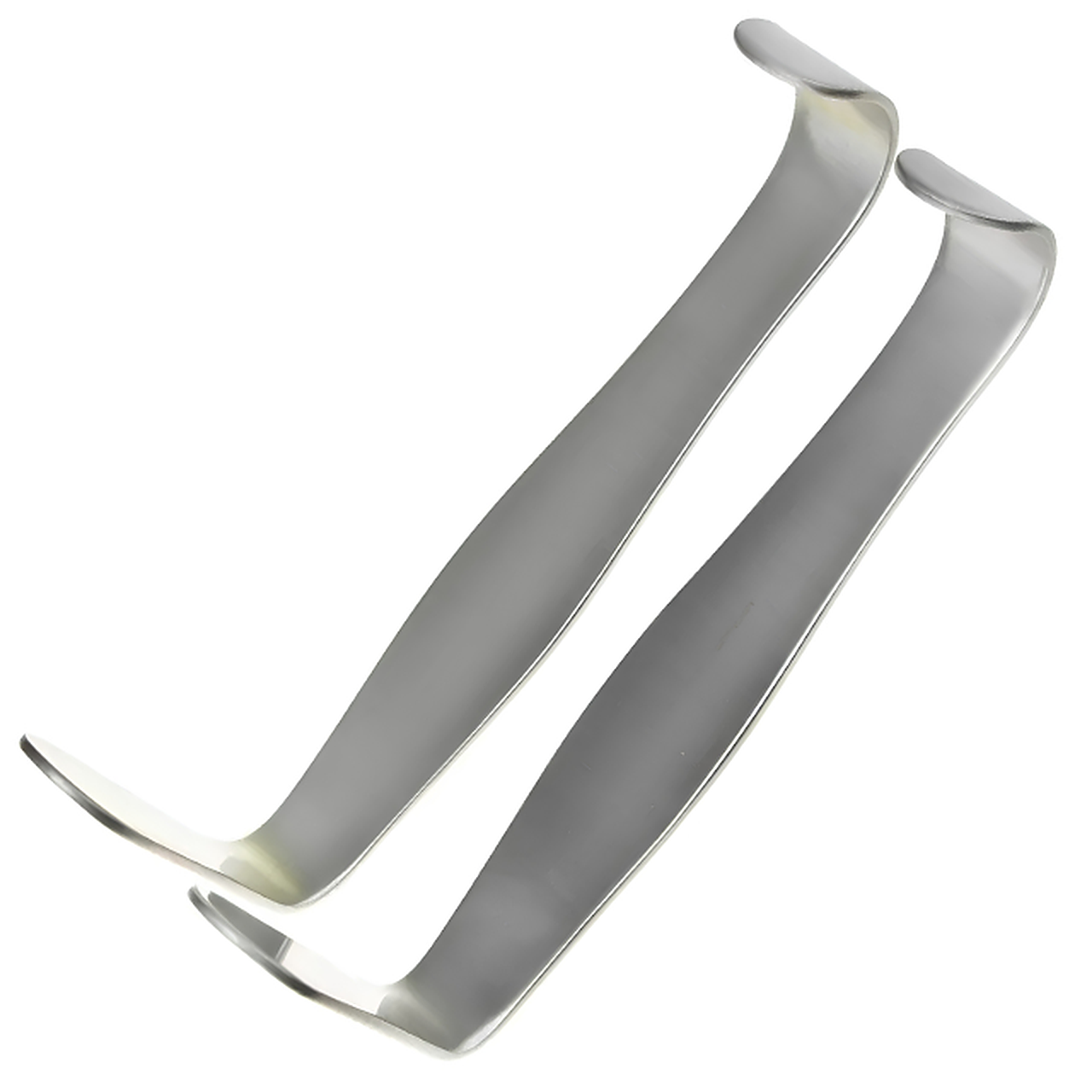 | Afastador Parker-Mott - Conjunto de Dois | Projetado especificamente para afastar pele, fáscia e tecidos moles em incisões cirúrgicas superficiais e intermediárias. |
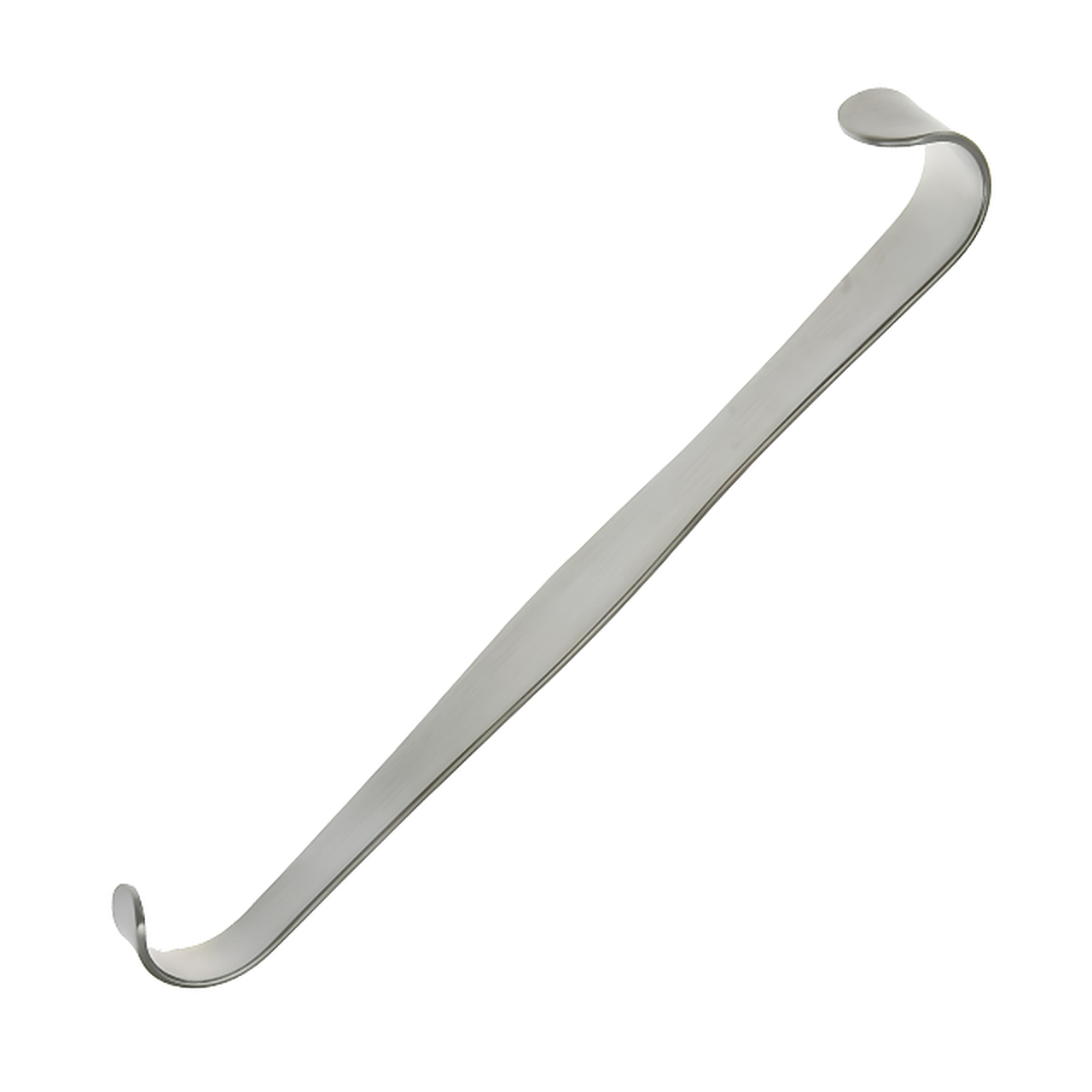 | Afastador Parker-Tommy | Projetado especificamente para afastar margens de pele, fáscia e tecidos moles em incisões cirúrgicas superficiais e intermediárias. |
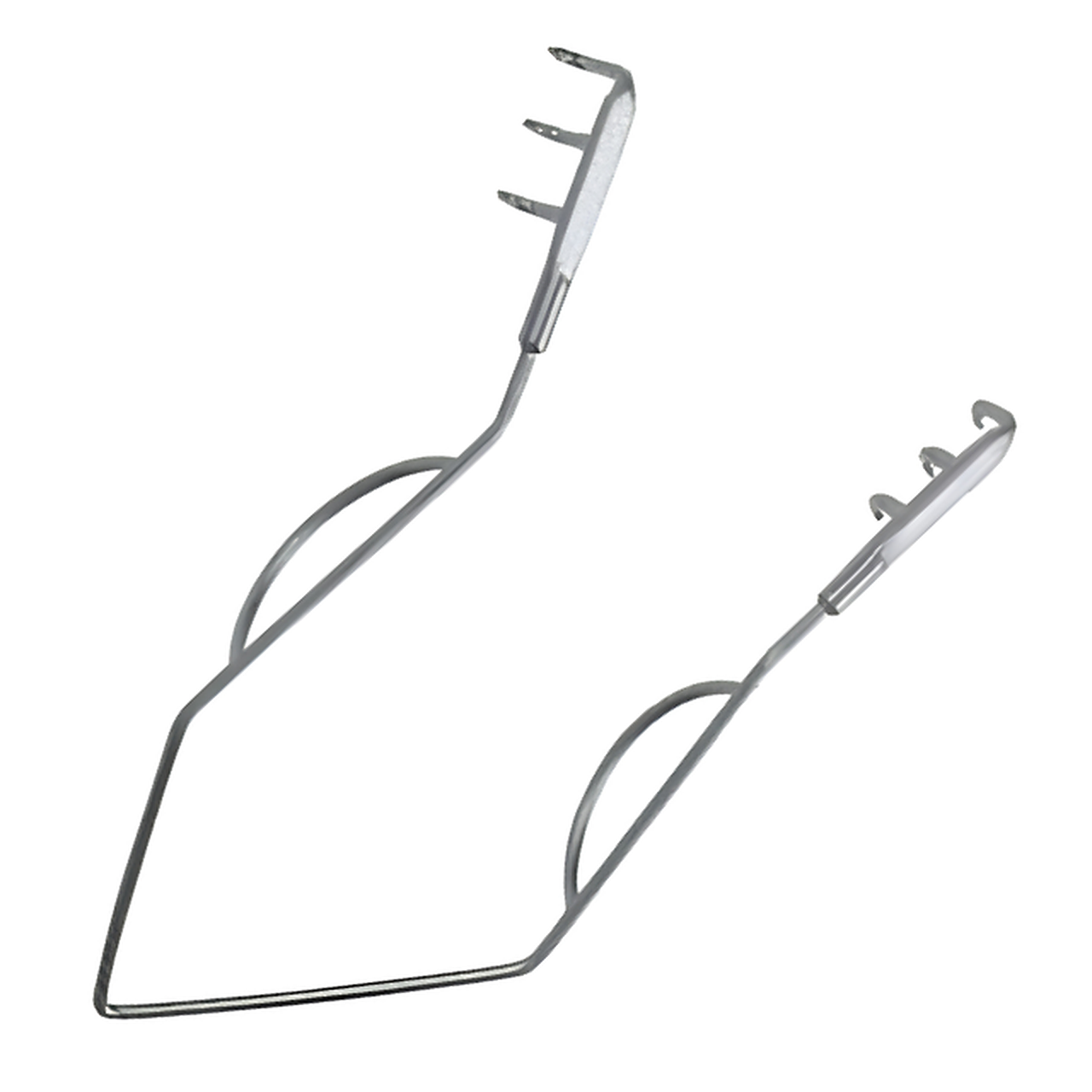 | Afastador Epicárdico Parsonnet | Projetado especificamente para afastar a gordura epicárdica e o miocárdio para isolar as artérias coronárias durante a revascularização do miocárdio. |
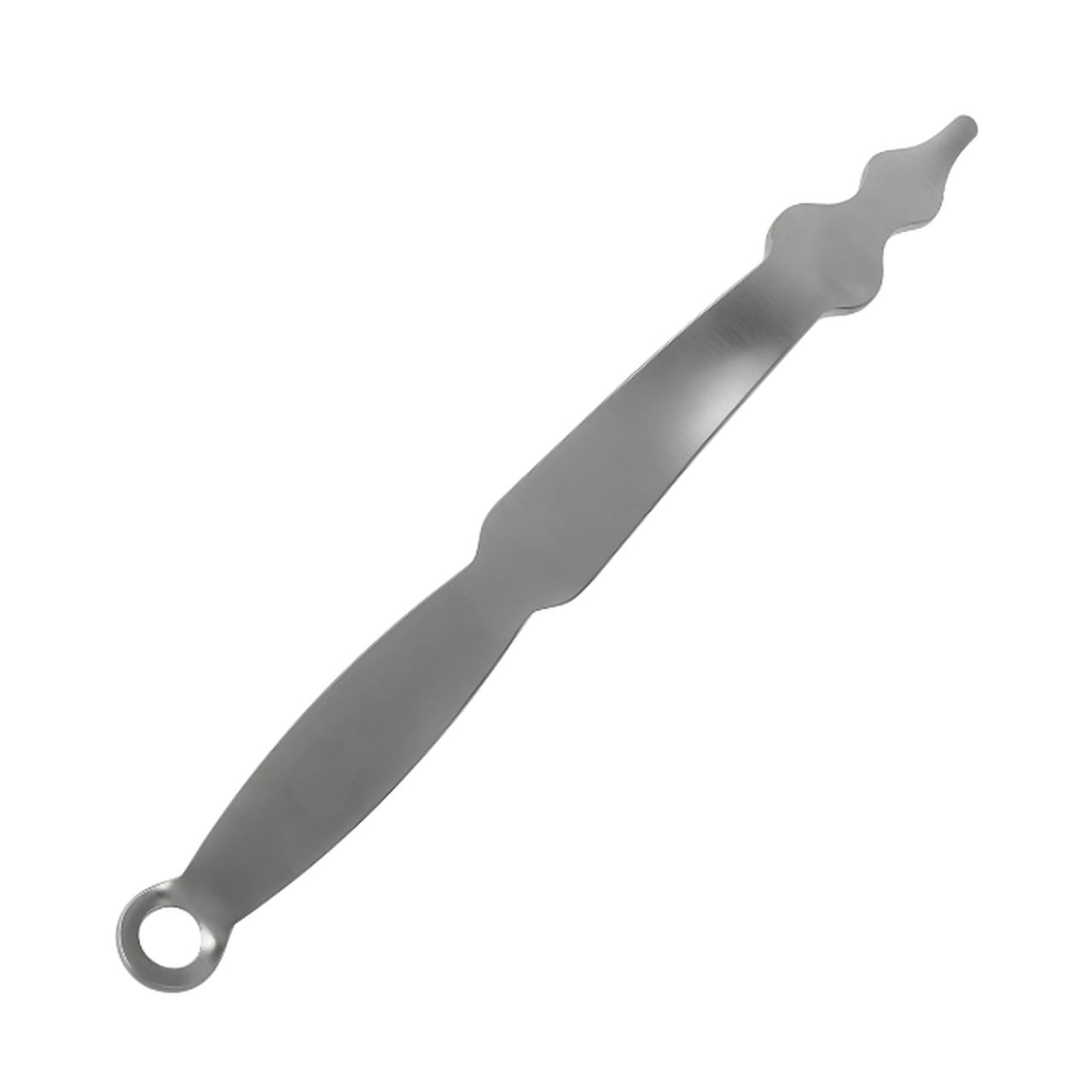 | Afastador de Patela | Projetado especificamente para elevar, everter e retrair a patela e o tendão patelar durante a artroplastia de joelho. |
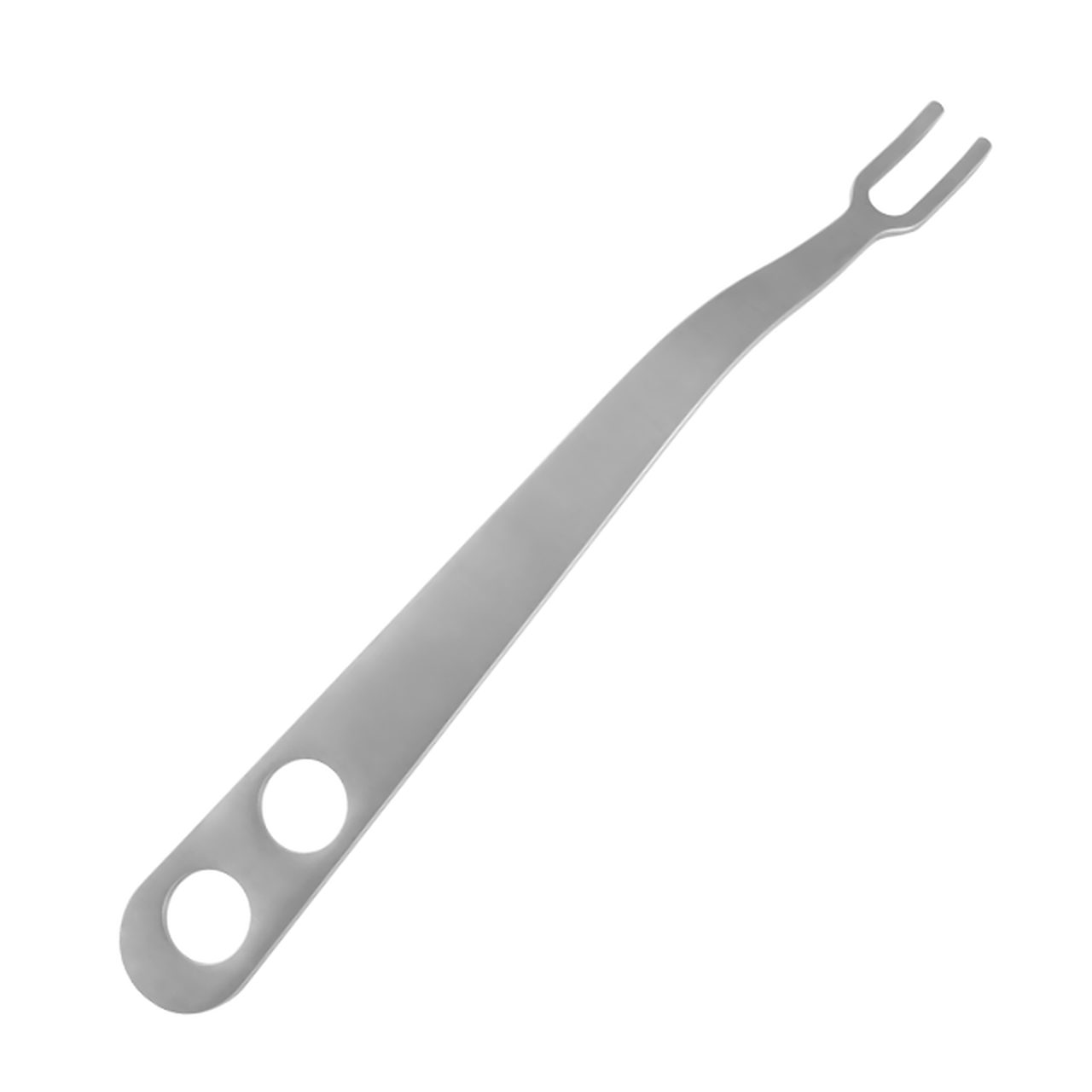 | Afastador PCL | Projetado especificamente para afastar o PCL, deslocar a tíbia anteriormente e proteger os vasos posteriores durante a artroplastia de joelho. |
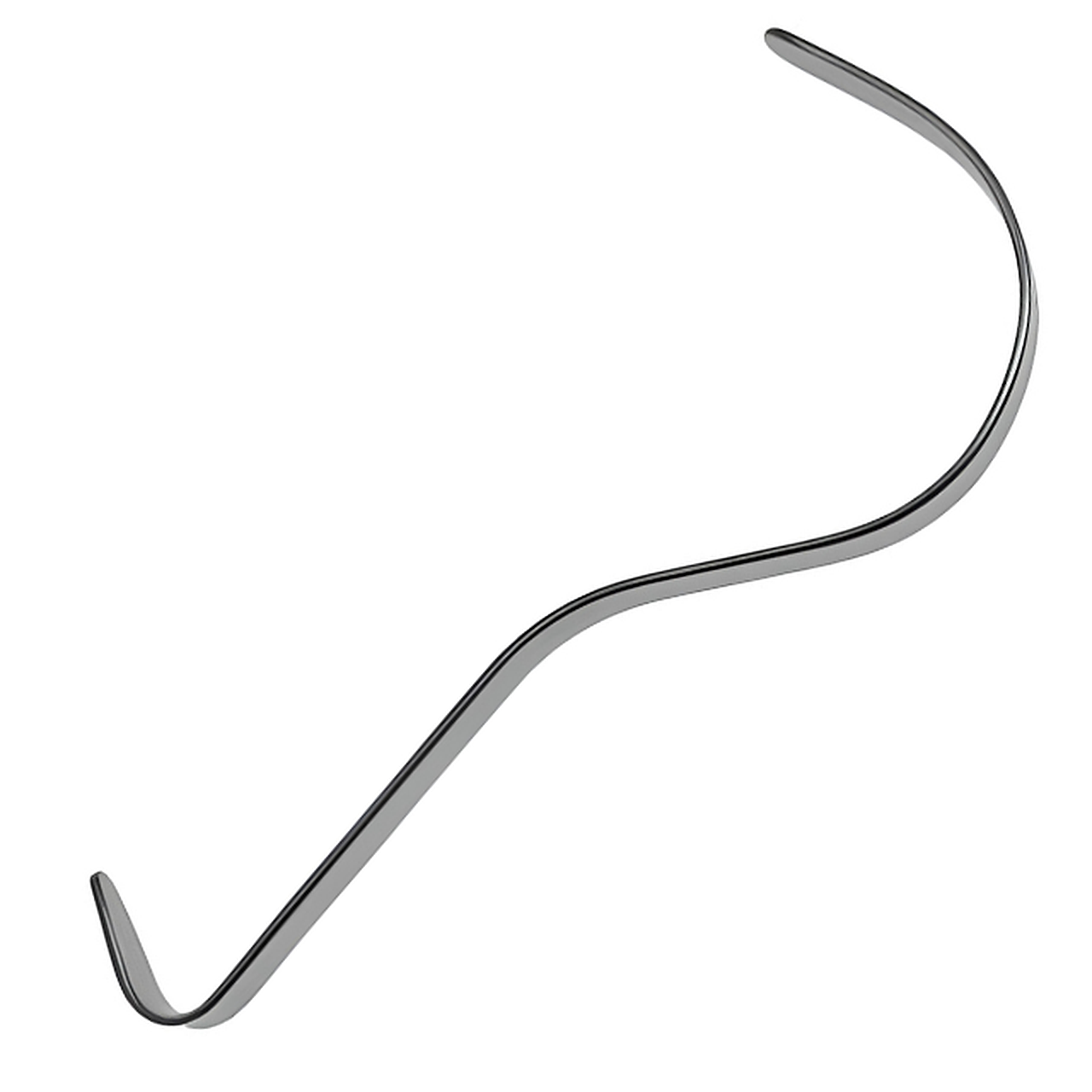 | Afastadores Deaver Pediátricos | Projetado especificamente para afastar órgãos viscerais e a parede abdominal durante cirurgias pediátricas e neonatais. |
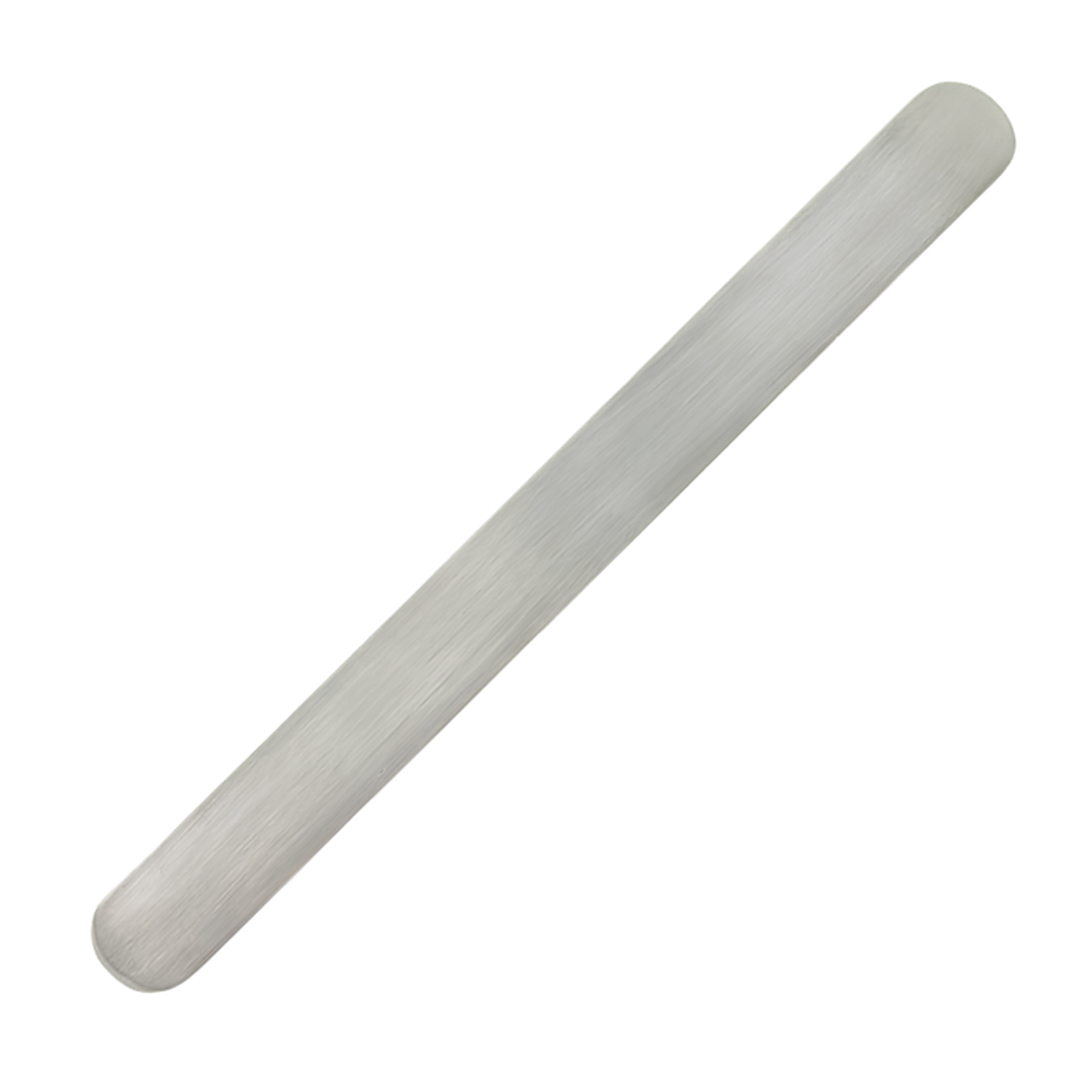 | Afastador Maleável (Ribbon) Pediátrico | Projetado especificamente para ser moldado em formatos personalizados para afastar vísceras, alças intestinais e tecidos durante cirurgias pediátricas. |
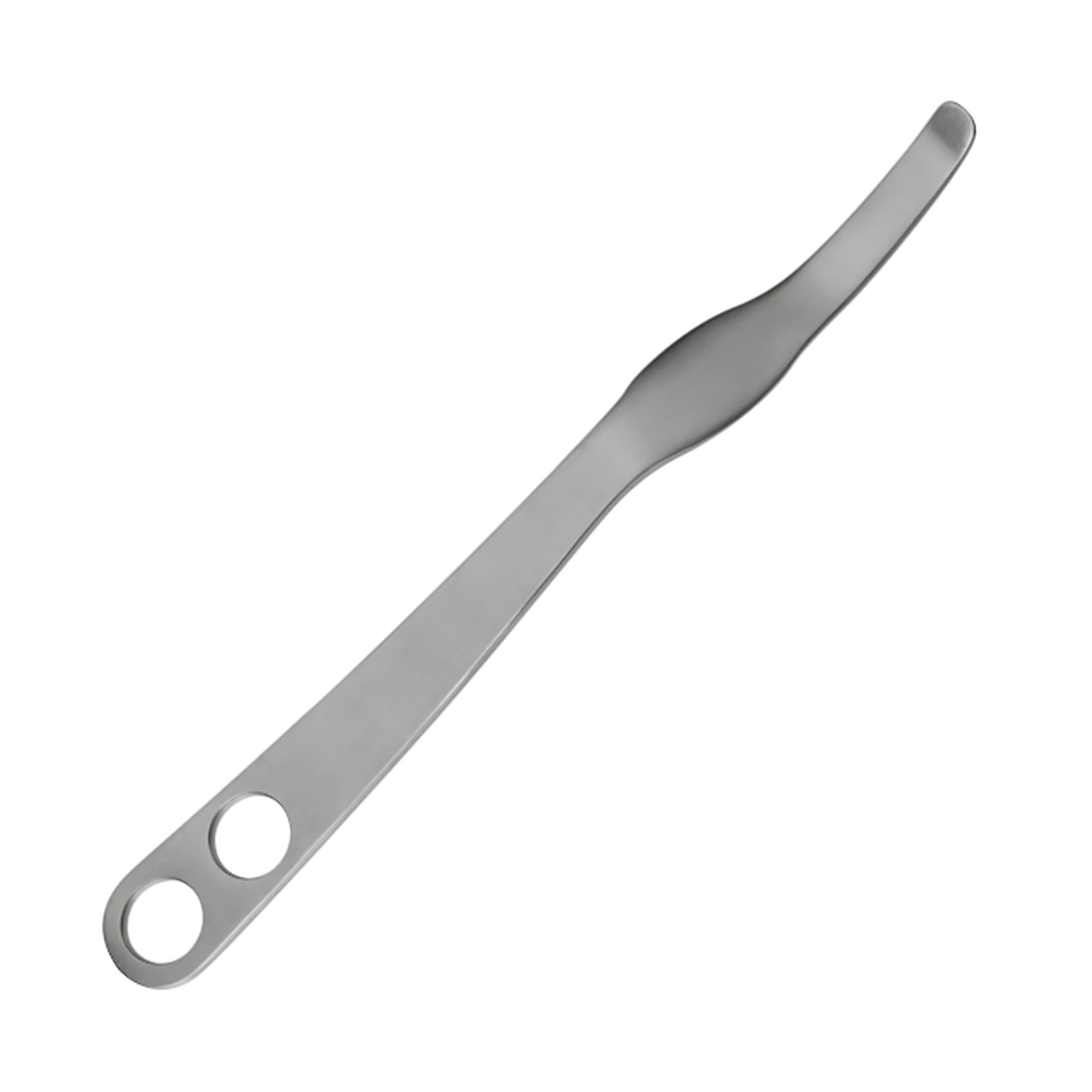 | Afastador Pélvico Rombo | Projetado especificamente para afastar vísceras pélvicas, bexiga e tecidos moles durante cirurgias pélvicas e abdominais profundas. |
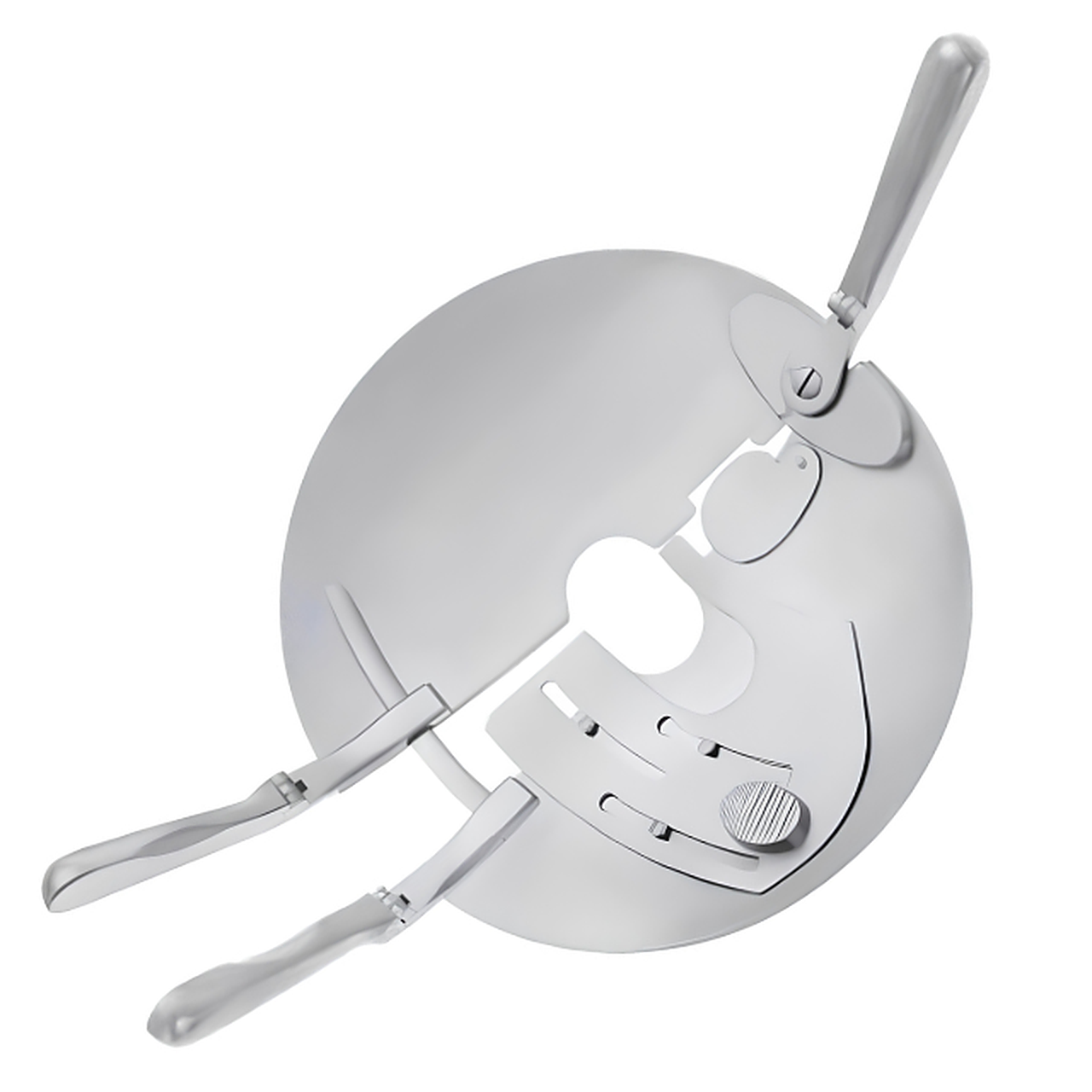 | AFASTADOR DE AMPUTAÇÃO PERCY | Projetado especificamente para afastar massas musculares e proteger tecidos moles durante a divisão óssea em cirurgias de amputação de membros. |
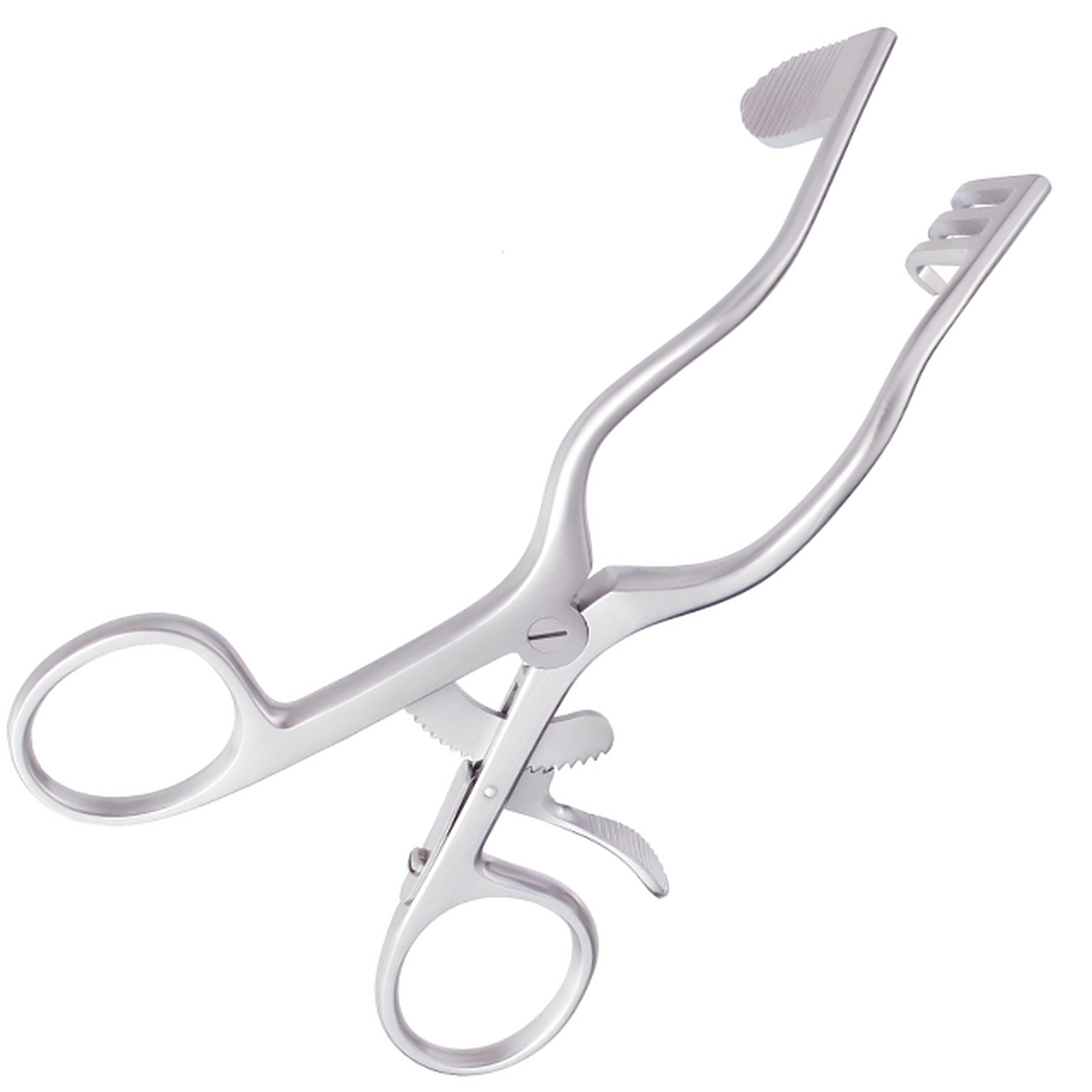 | Afastador Autoestático Perkins | Projetado especificamente para fornecer retração tecidual autoestática em cirurgias vasculares, neurológicas e ortopédicas. |
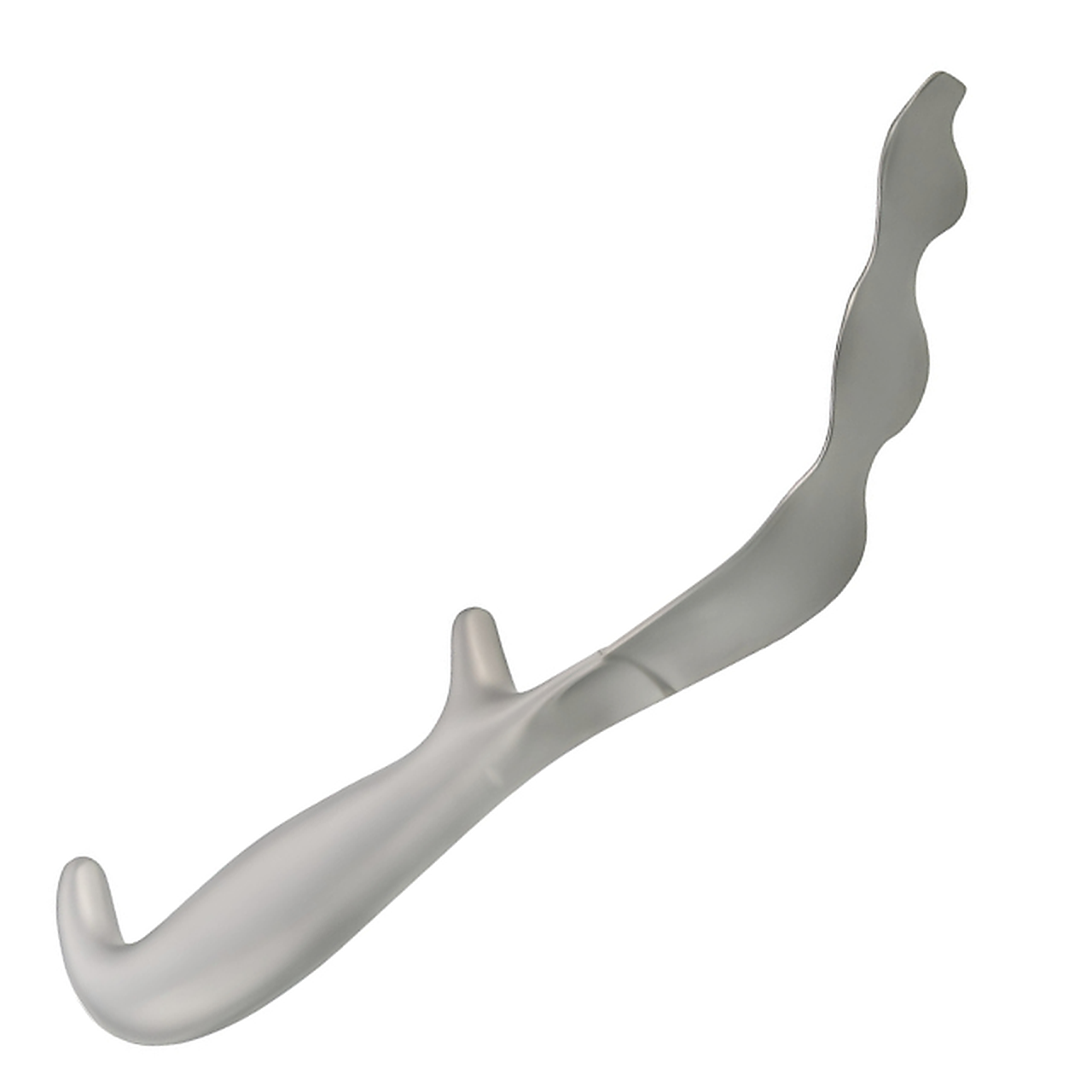 | Afastador Intraoral Pterigóideo Petri | Projetado especificamente para proteger estruturas neurovasculares e afastar tecidos moles durante a disjunção pterigomaxilar em osteotomias Le Fort. |
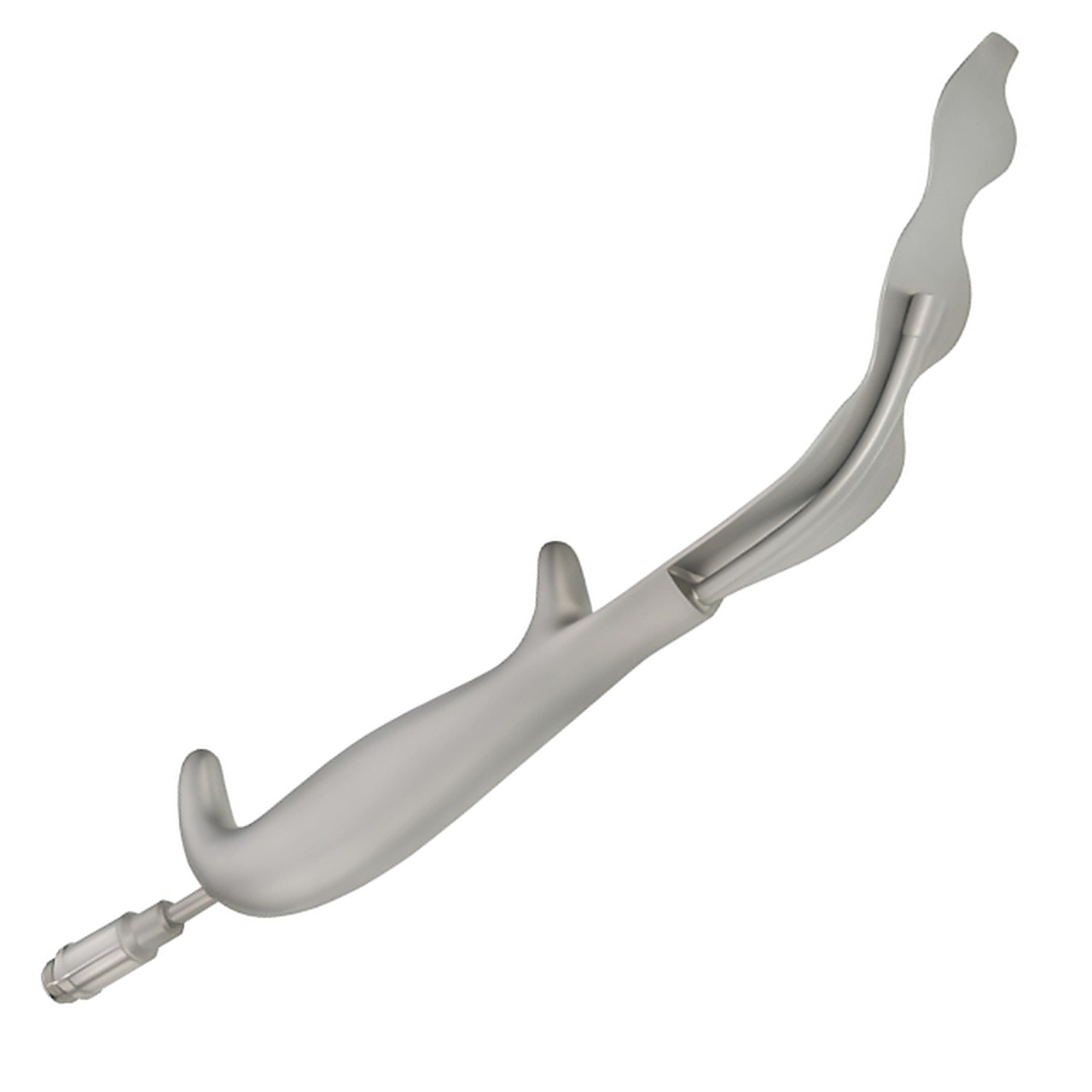 | Afastador Intraoral Pterigoide Petri Com Fibra Óptica | Projetado especificamente para fornecer afastamento de tecidos moles iluminado e proteção neurovascular durante osteotomias Le Fort. |
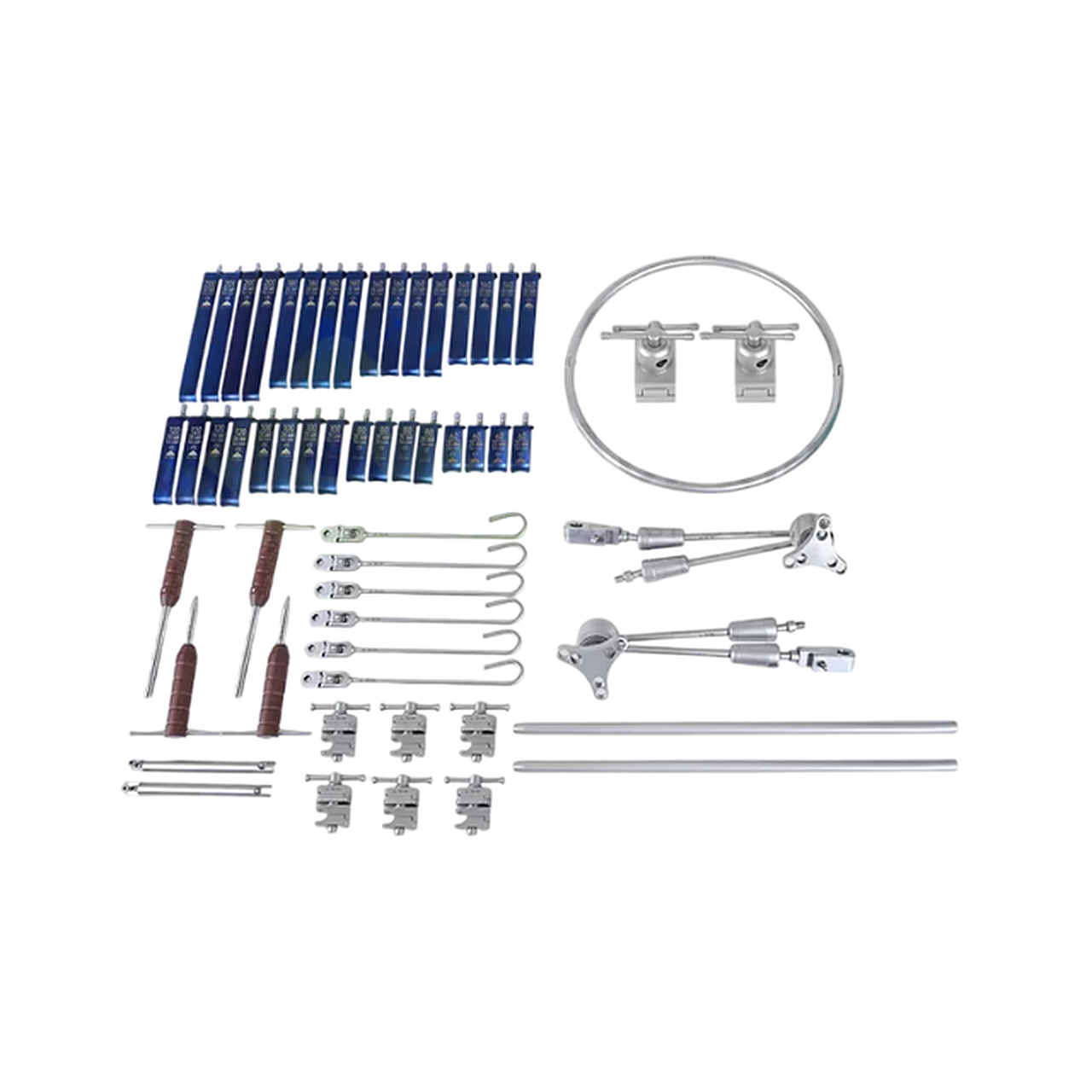 | Sistema de Acesso Cirúrgico Lombar Anterior Phantom AL | Projetado especificamente para fornecer acesso cirúrgico estável e com as mãos livres, além de retração controlada de tecidos moles durante procedimentos de coluna lombar por via anterior. |
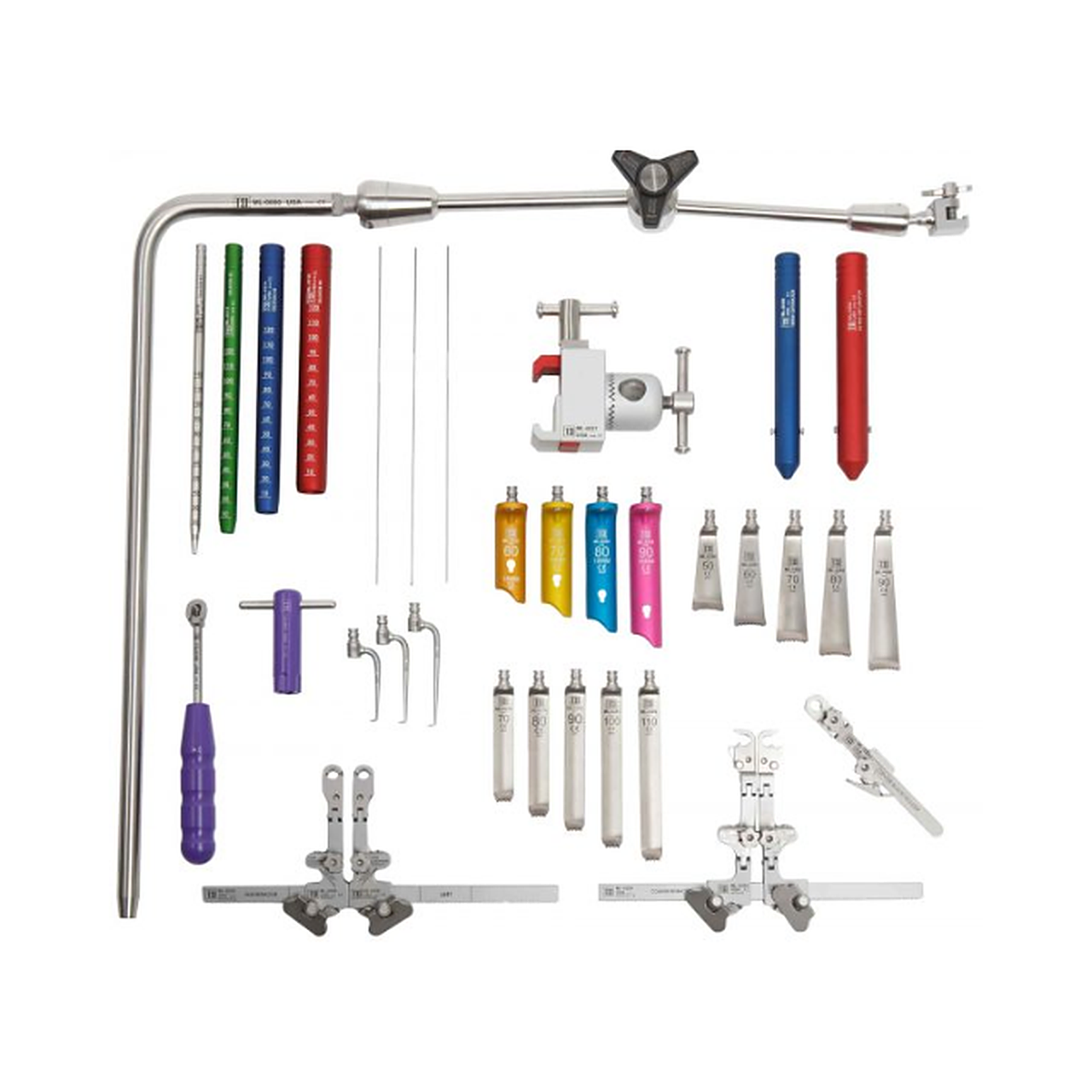 | Sistema de Acesso Cirúrgico Lombar Phantom ML MIS | Especificamente projetado para acesso cirúrgico lombar minimamente invasivo, afastamento tecidual controlado e iluminação direta do canal durante procedimentos de coluna posterior. |
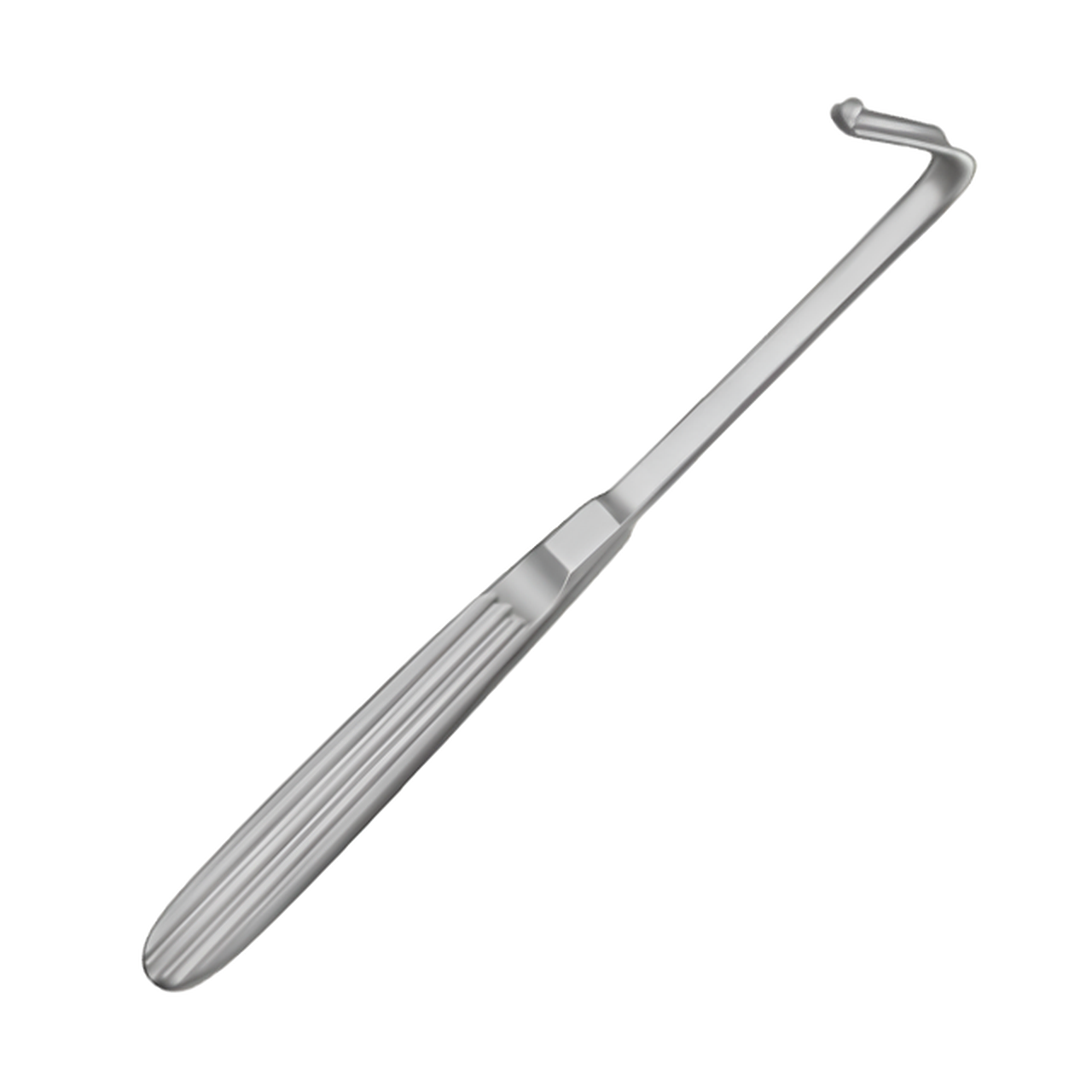 | Afastador Piriforme | O Afastador Piriforme é um instrumento bucomaxilofacial especializado de 17 cm, projetado para encaixe seguro na abertura piriforme durante osteotomias Le Fort e rinoplastia. |
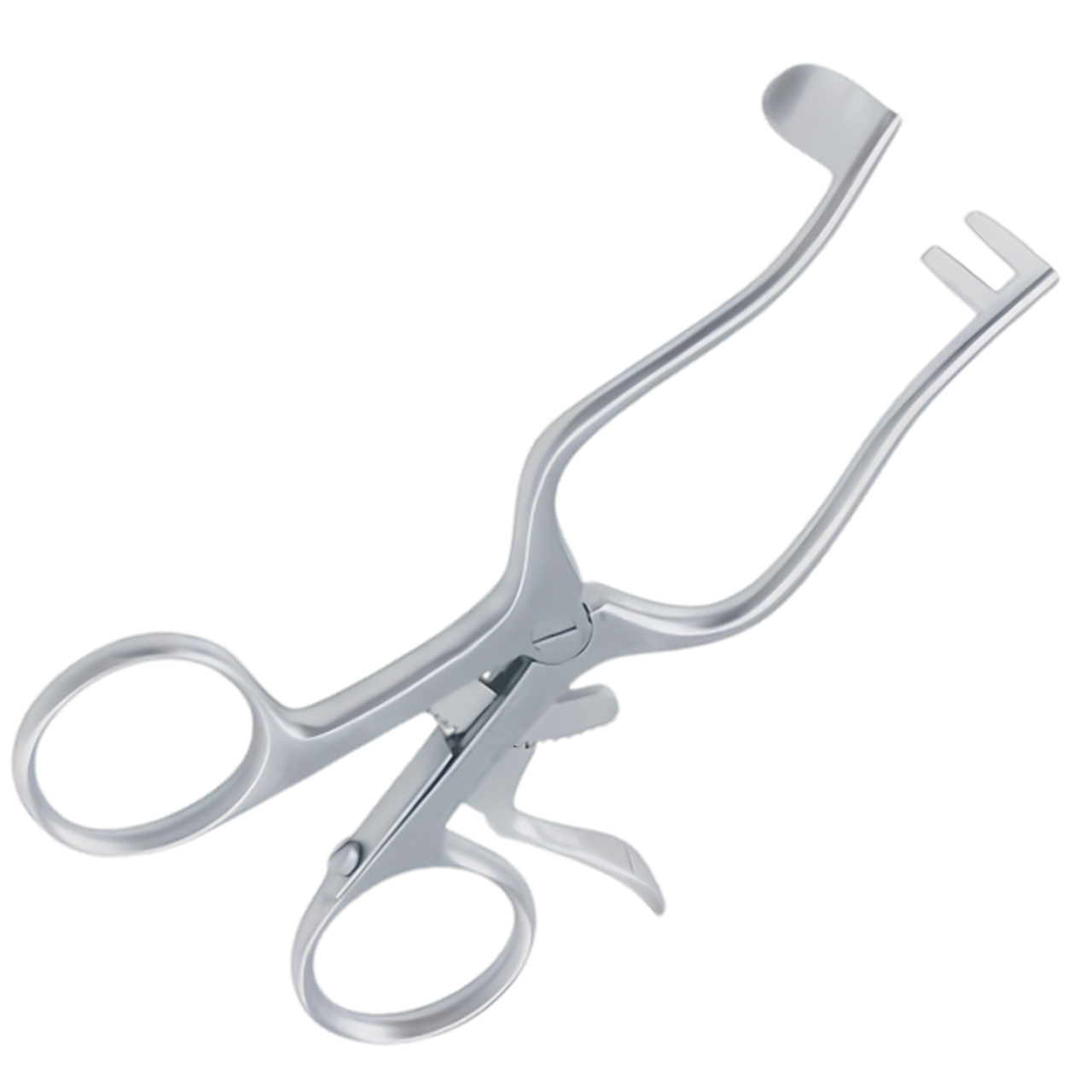 | Afastador Autoestático Plester | O Afastador Autoestático Plester é um espaçador otológico e neurocirúrgico projetado para exposição mãos-livres das margens da ferida pós-auricular e mastóidea. |
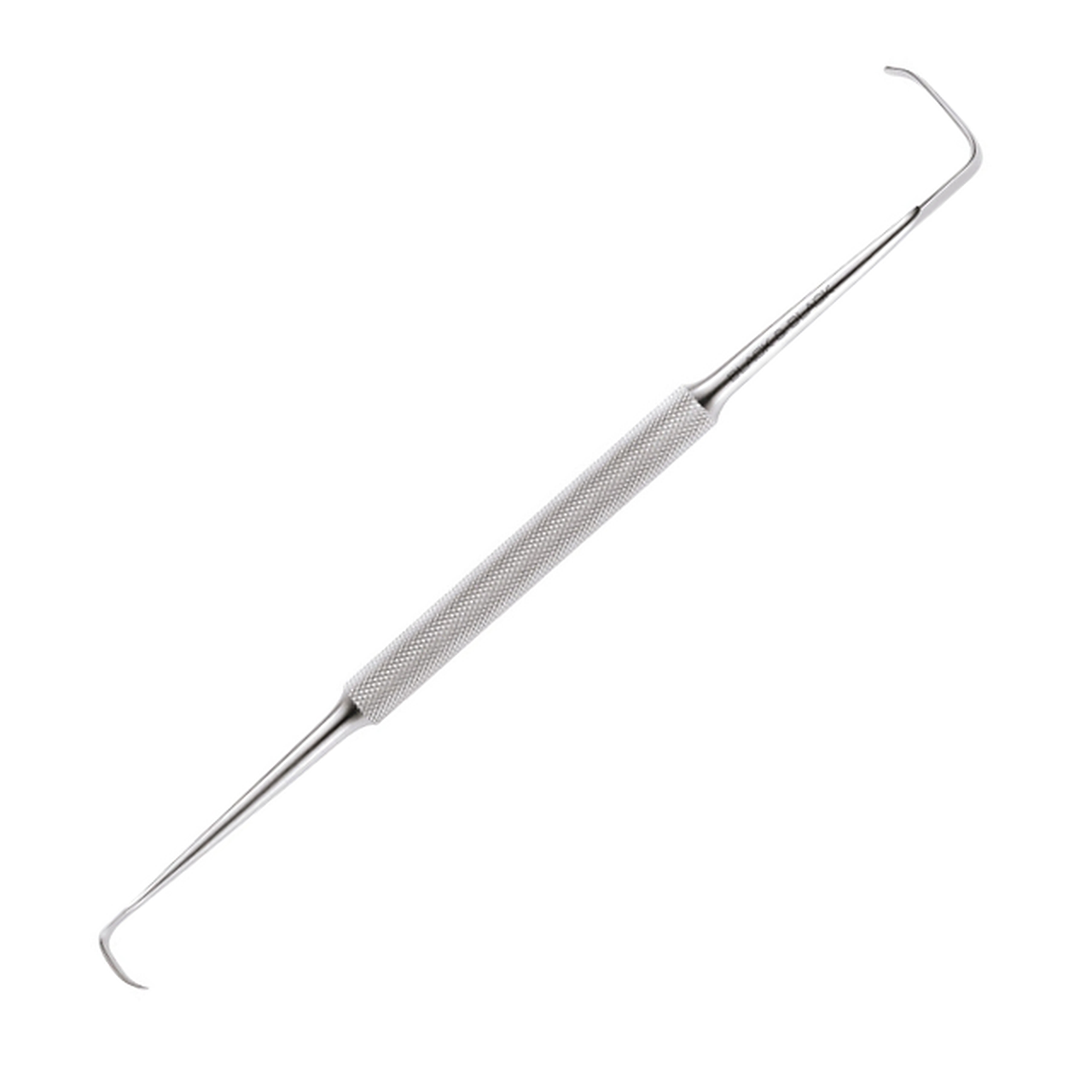 | Afastador Ragnell-Davis de Extremidade Dupla | O Afastador Ragnell-Davis de Extremidade Dupla é um instrumento cirúrgico projetado para a retração delicada de tecidos cutâneos e moles em cirurgias plásticas, de mão e faciais. |
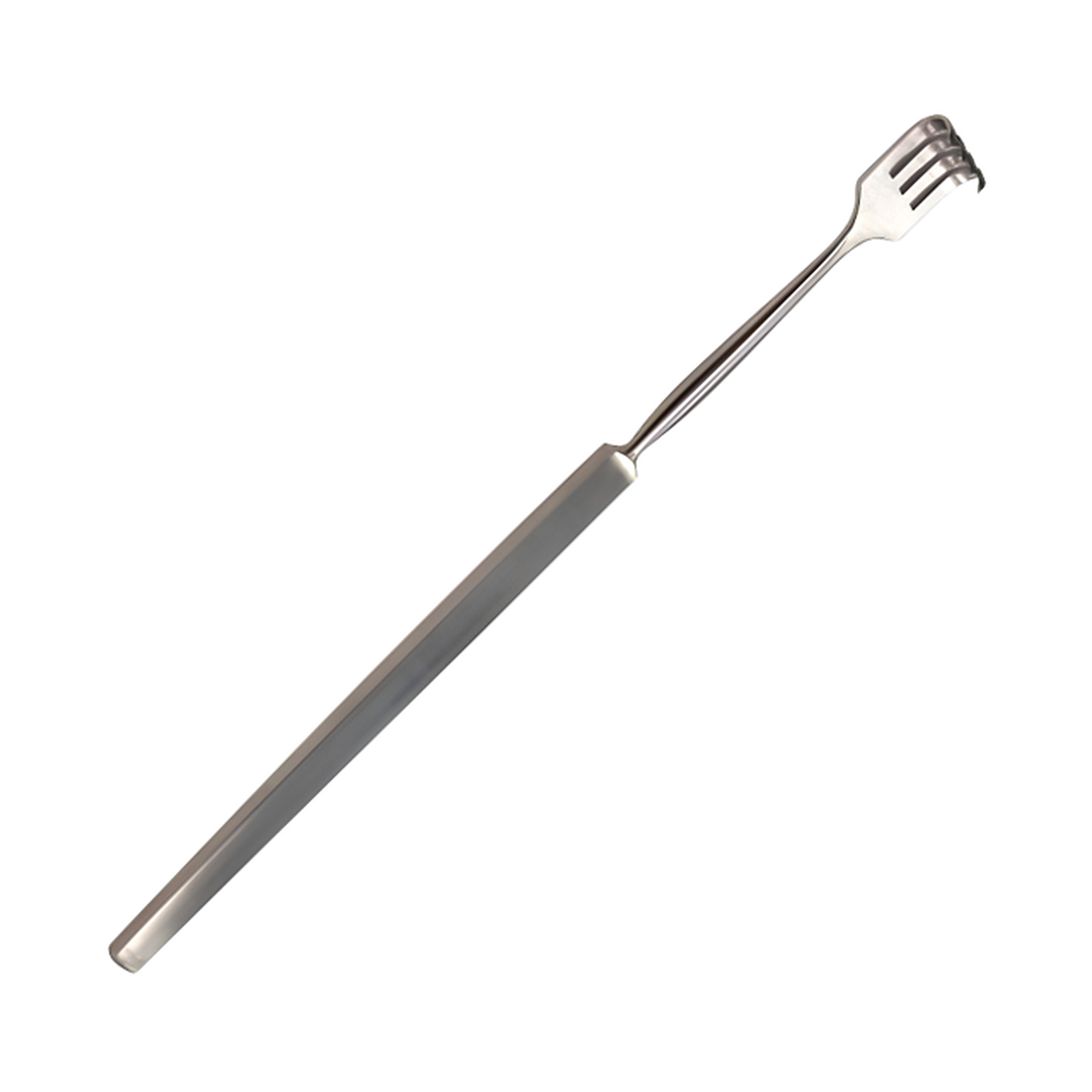 | Rake Finger Retractor | O Rake Finger Retractor é um instrumento cirúrgico de 15.3 cm projetado para a elevação delicada de retalhos cutâneos e exposição de tendões durante cirurgias plásticas e da mão. |
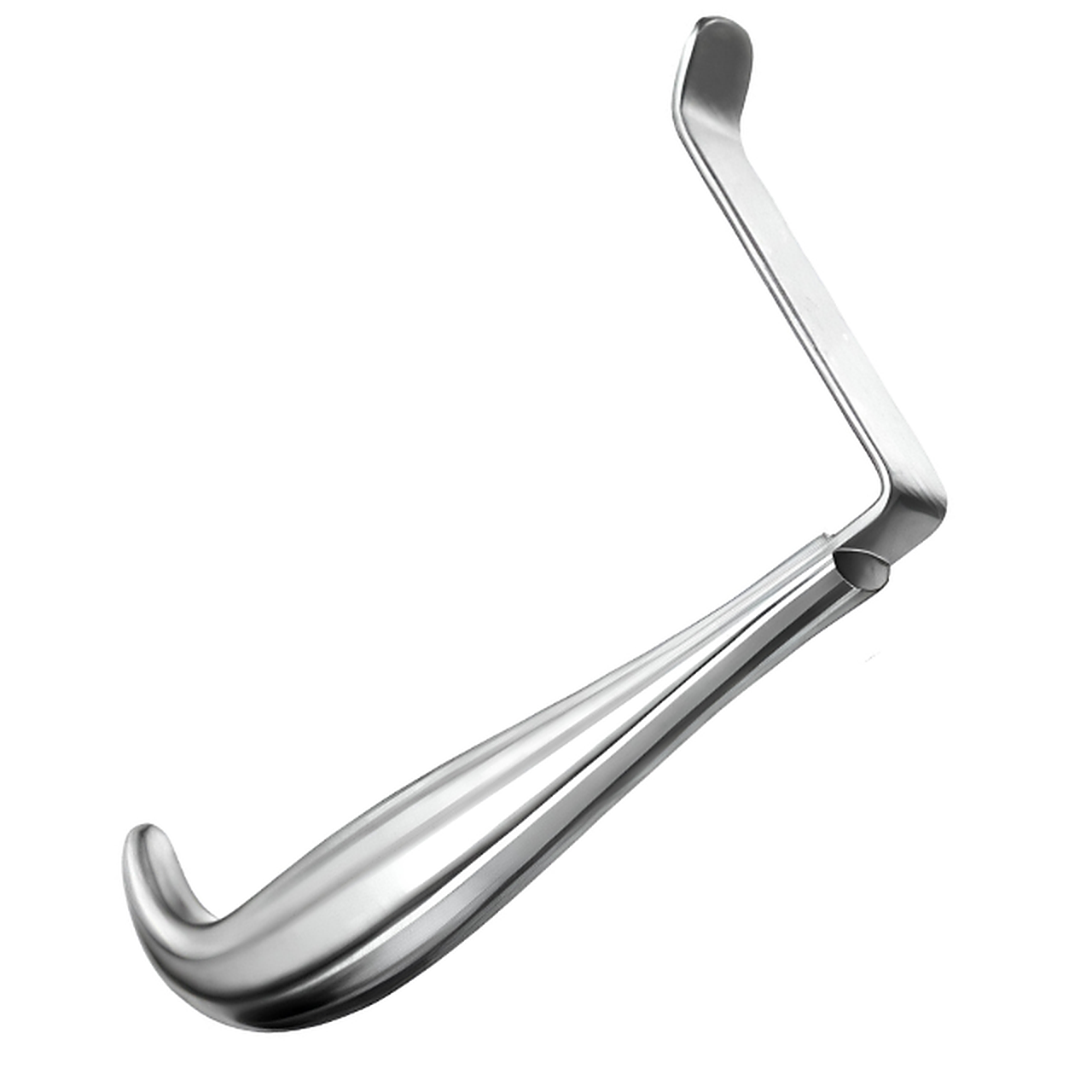 | Afastador para Ramo Mandibular | Projetado especificamente para afastar a alça pterigomassetérica e expor o ramo ascendente da mandíbula durante cirurgia ortognática. |
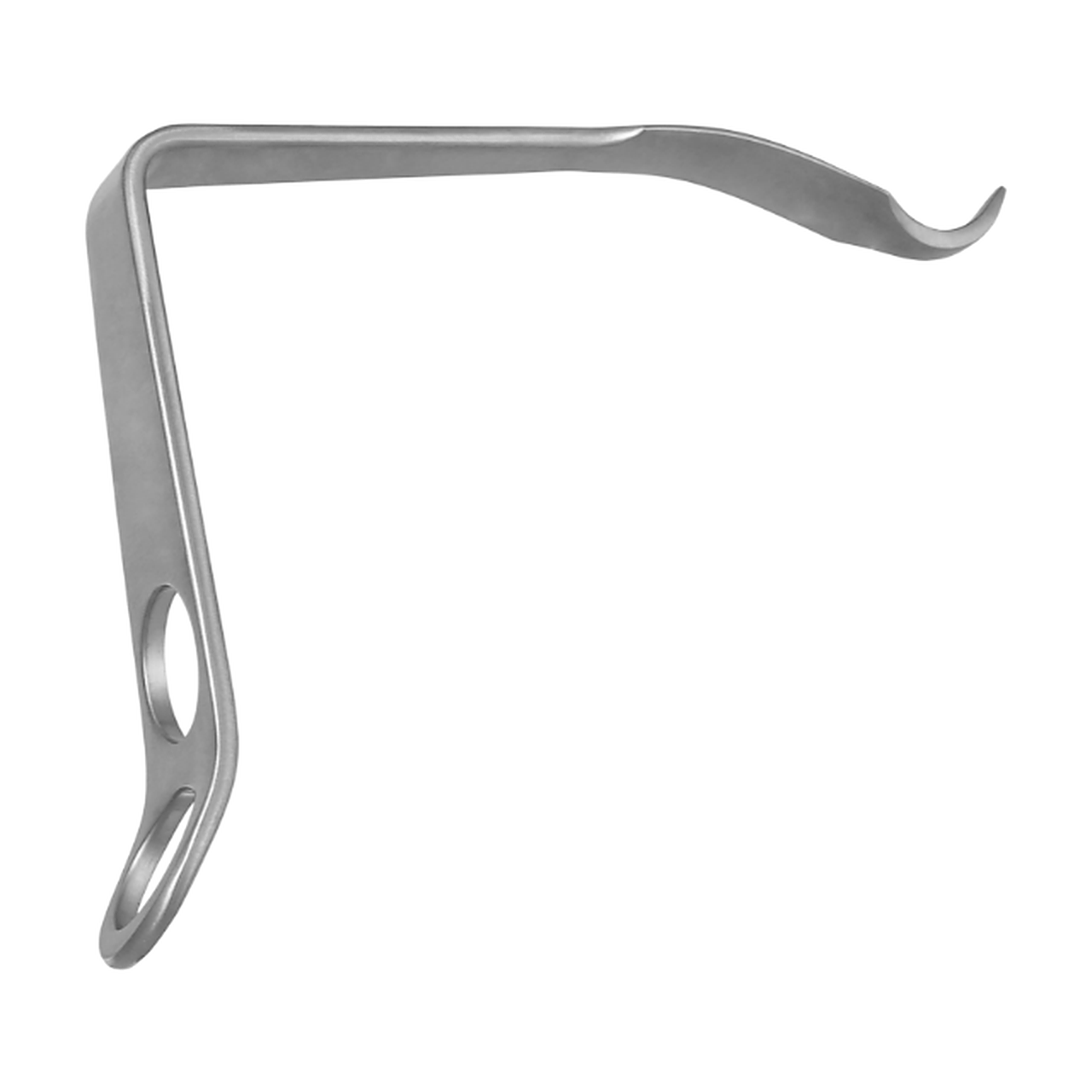 | Afastador de Joelho Ranawat | O Afastador de Joelho Ranawat é um instrumento ortopédico de 9 ½″ (24.13 cm) projetado para afastamento do ligamento colateral e cápsula articular durante a artroplastia total de joelho. |
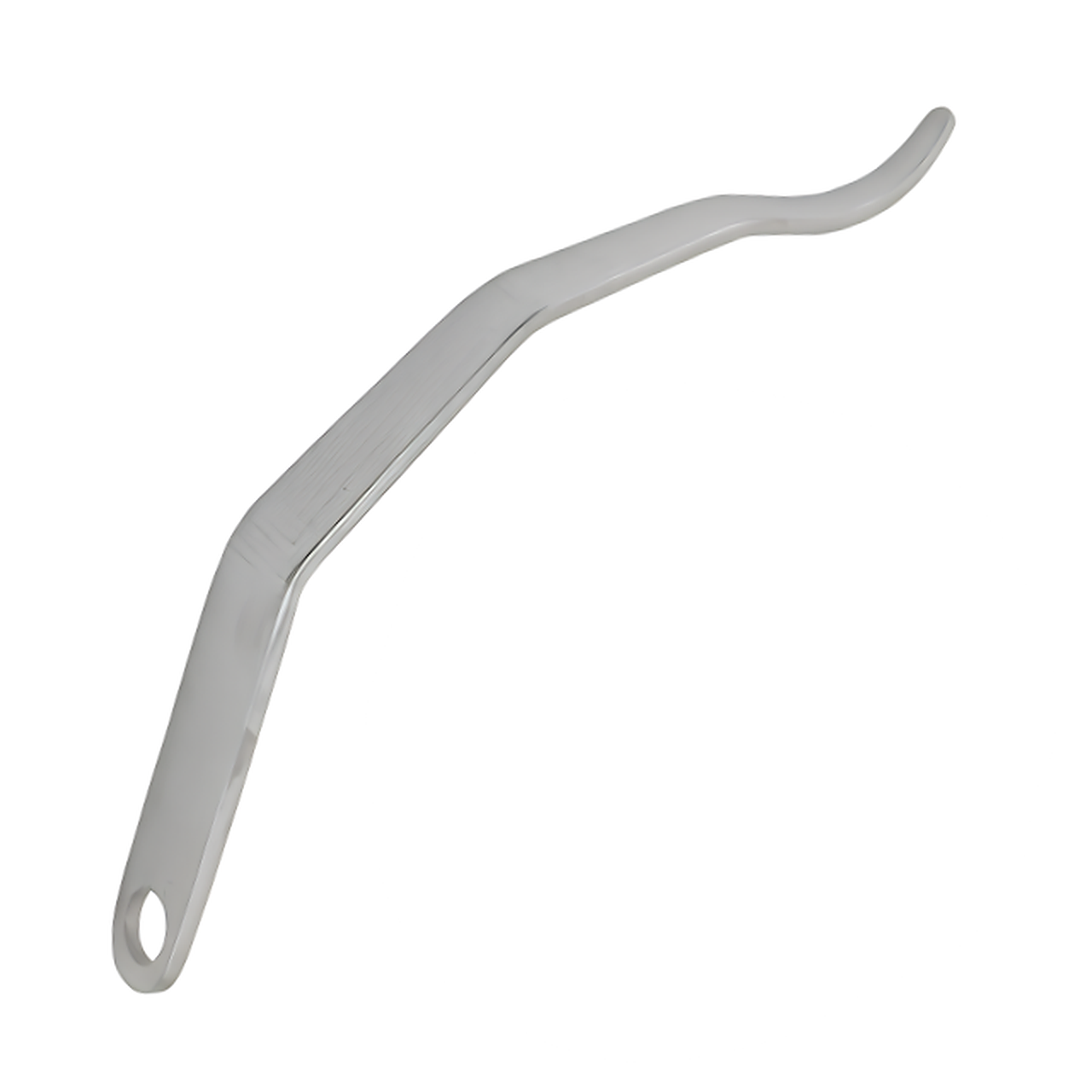 | Afastador Redler | O Afastador Redler é um instrumento cirúrgico de 5″ (12.7 cm) projetado para a retração delicada de tecidos moles e bordas de feridas. |
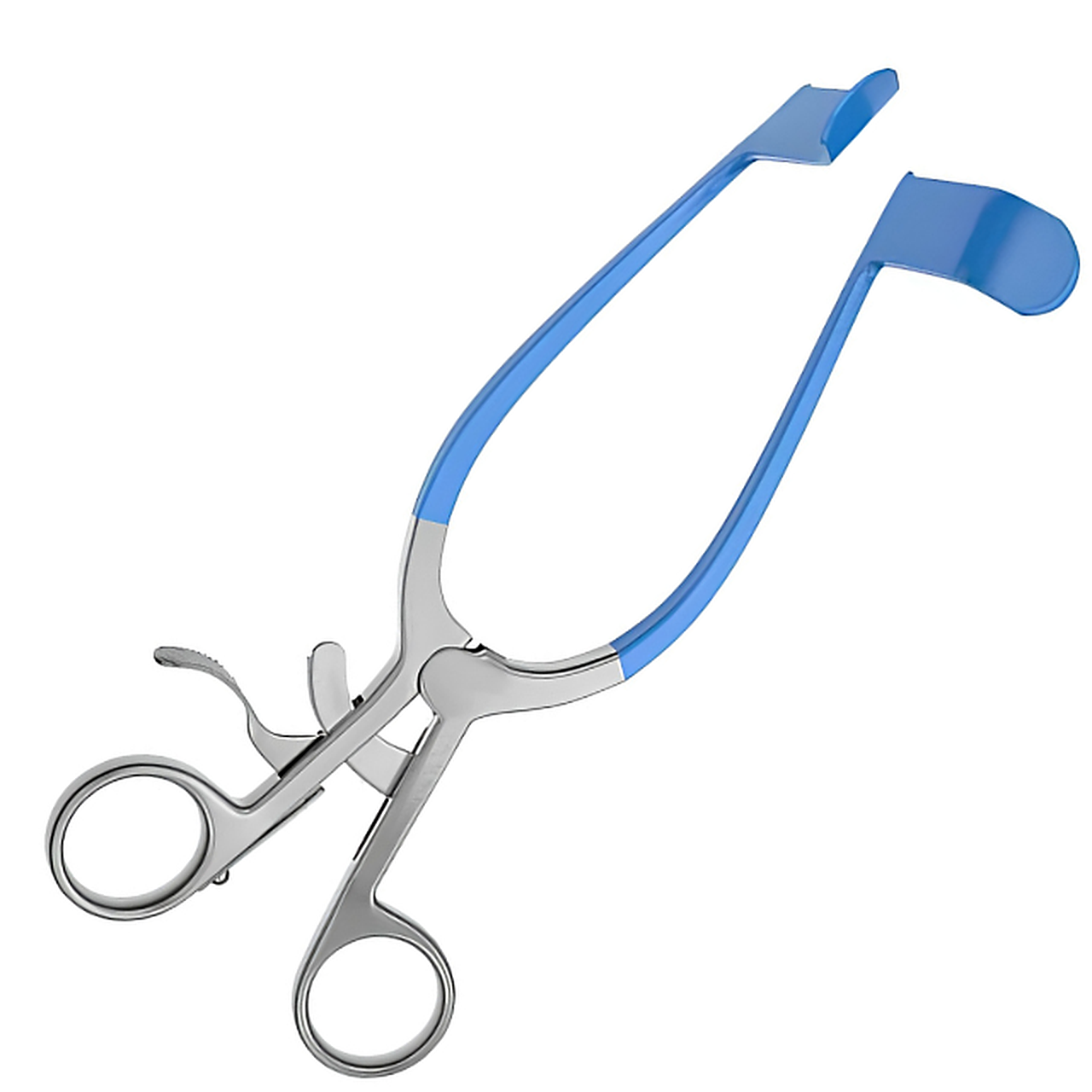 | Afastador Vaginal Lateral Isolado Redundant | O Afastador Vaginal Lateral Isolado Redundant é um instrumento ginecológico de 7″ (17.8 cm) projetado para deslocar paredes vaginais laterais redundantes durante procedimentos de eletrocirurgia e laser. |
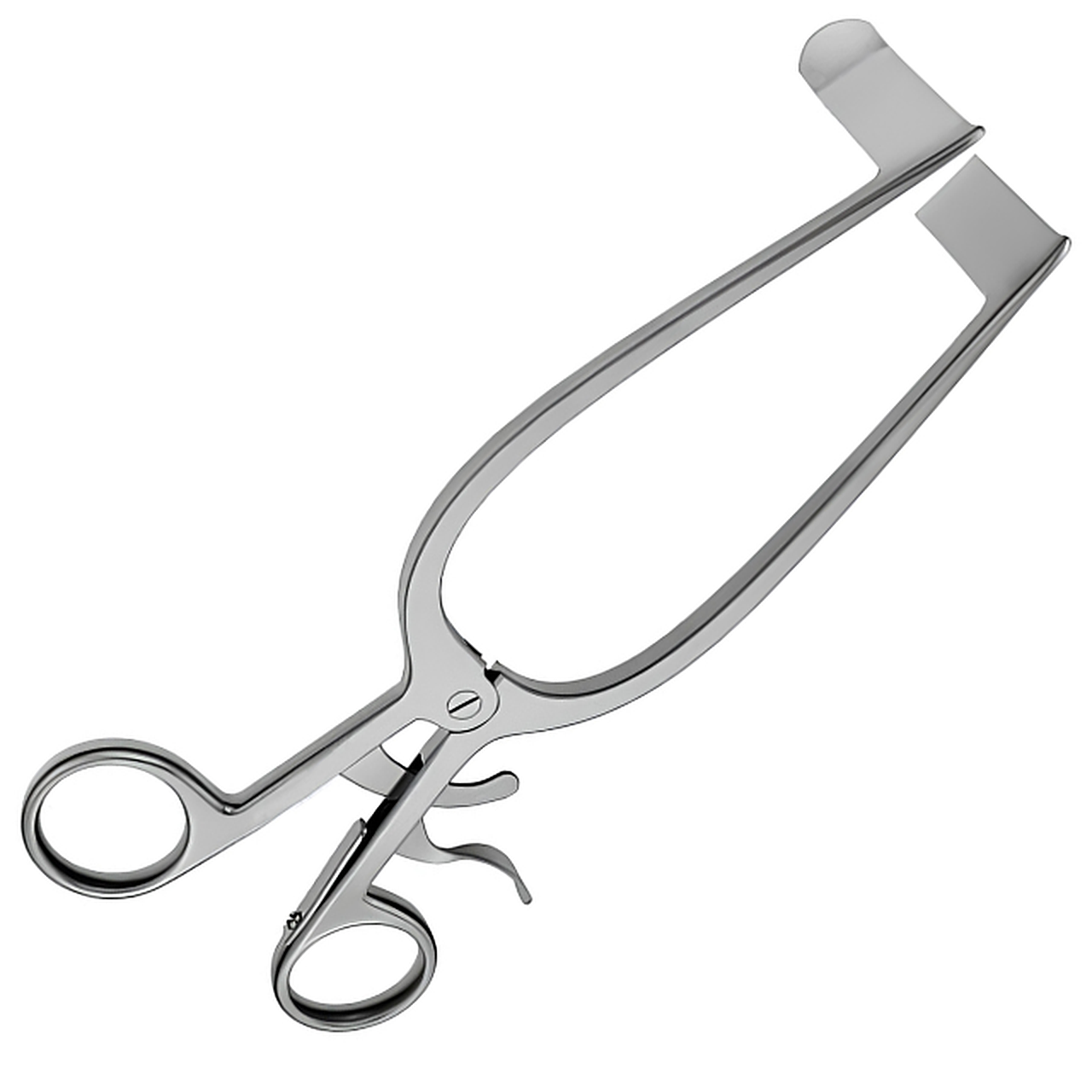 | Afastador Vaginal Redundant Wall | O Afastador Vaginal Redundant Wall é um instrumento ginecológico de 18 cm projetado para deslocar paredes vaginais laterais redundantes durante exames pélvicos e cirurgias. |
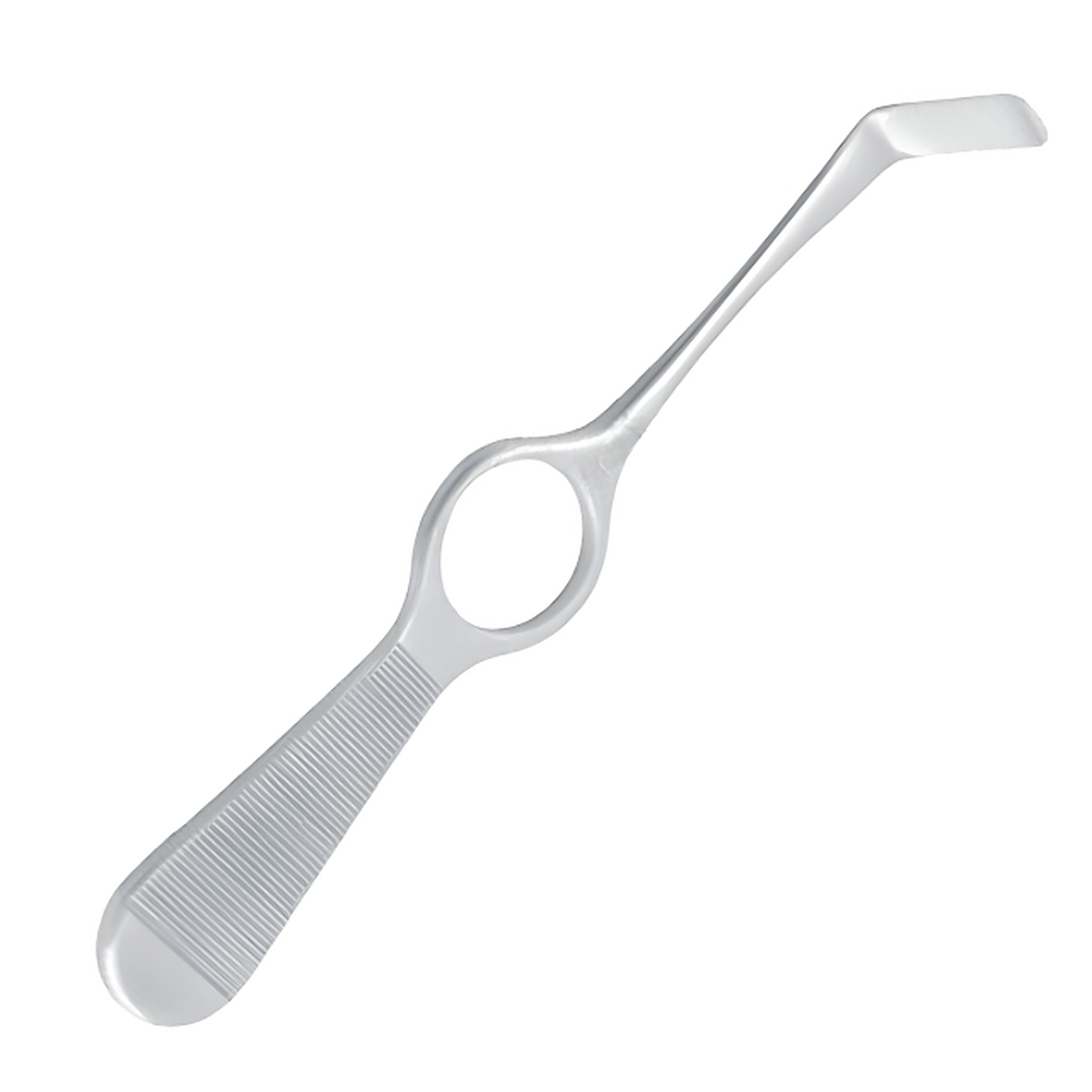 | Afastador de Reich para Côndilo | O Afastador de Reich para Côndilo é um instrumento bucomaxilofacial projetado para contornar o colo condilar mandibular durante cirurgias da articulação temporomandibular (ATM). |
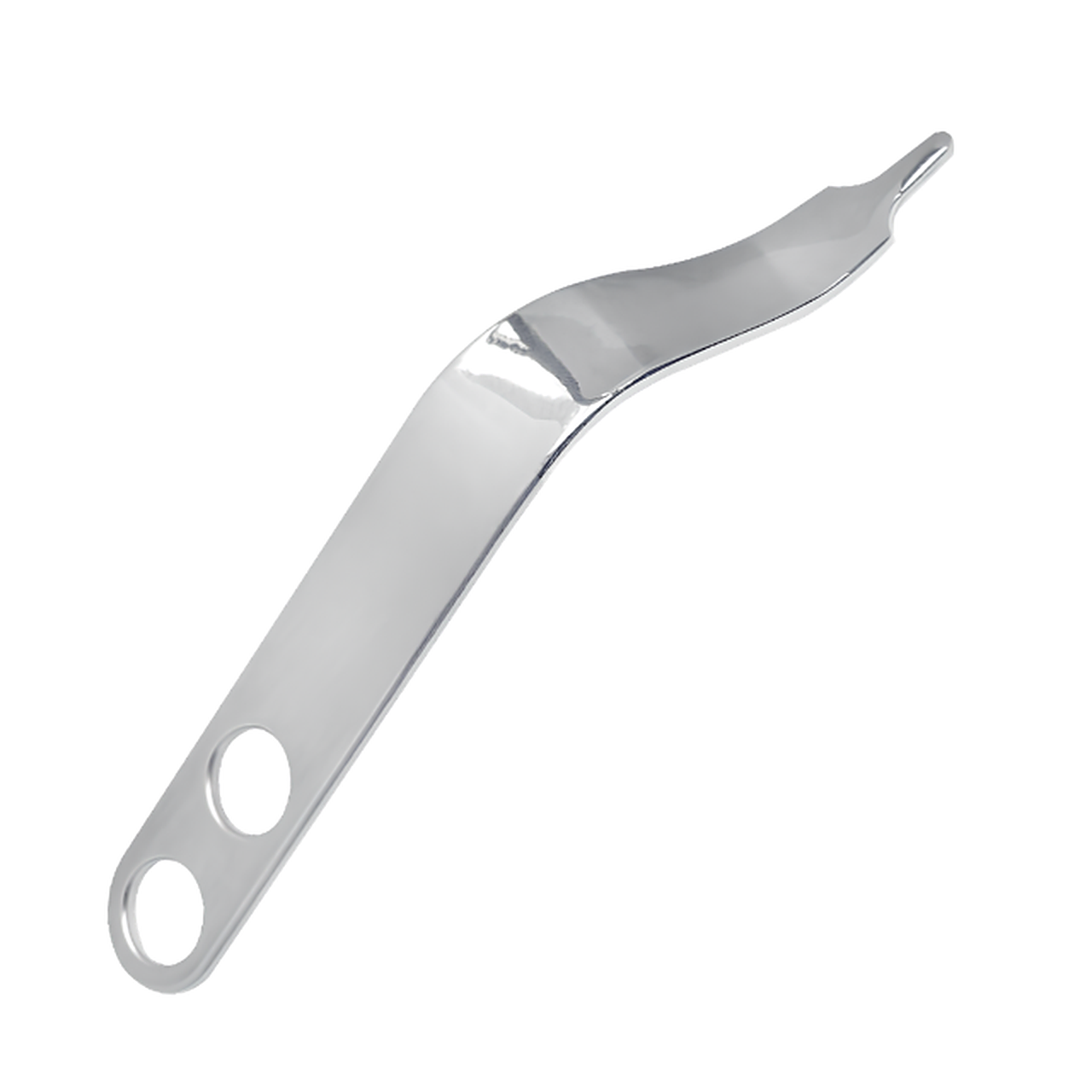 | Afastador Hohmann Inverso | Projetado especificamente para alavancar corticais ósseas e afastar tecidos moles durante cirurgias ortopédicas de quadril, joelho e trauma. |
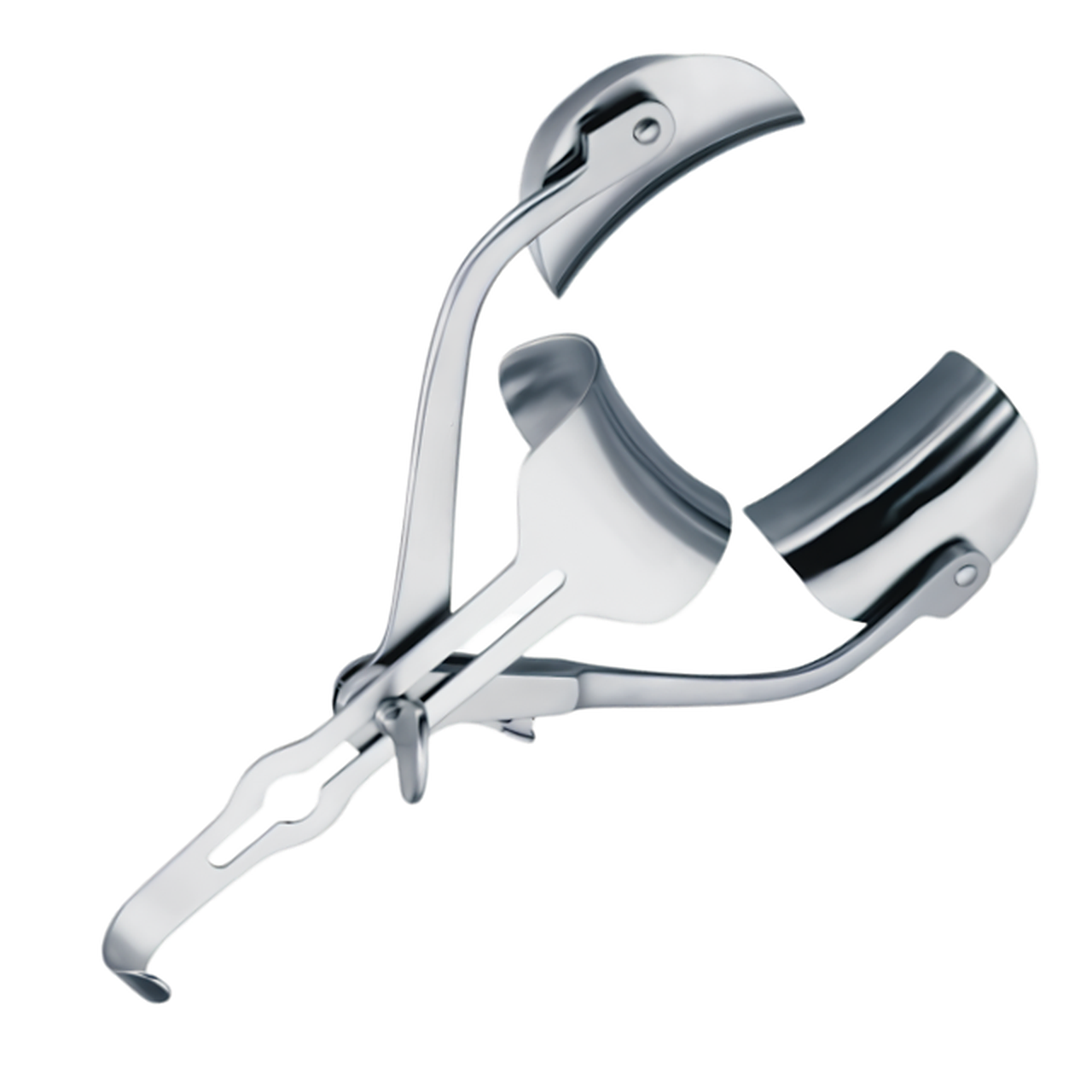 | Afastador Abdominal Ricard | Projetado especificamente para fornecer afastamento autoestático de três valvas das paredes abdominais e vísceras durante a laparotomia. |
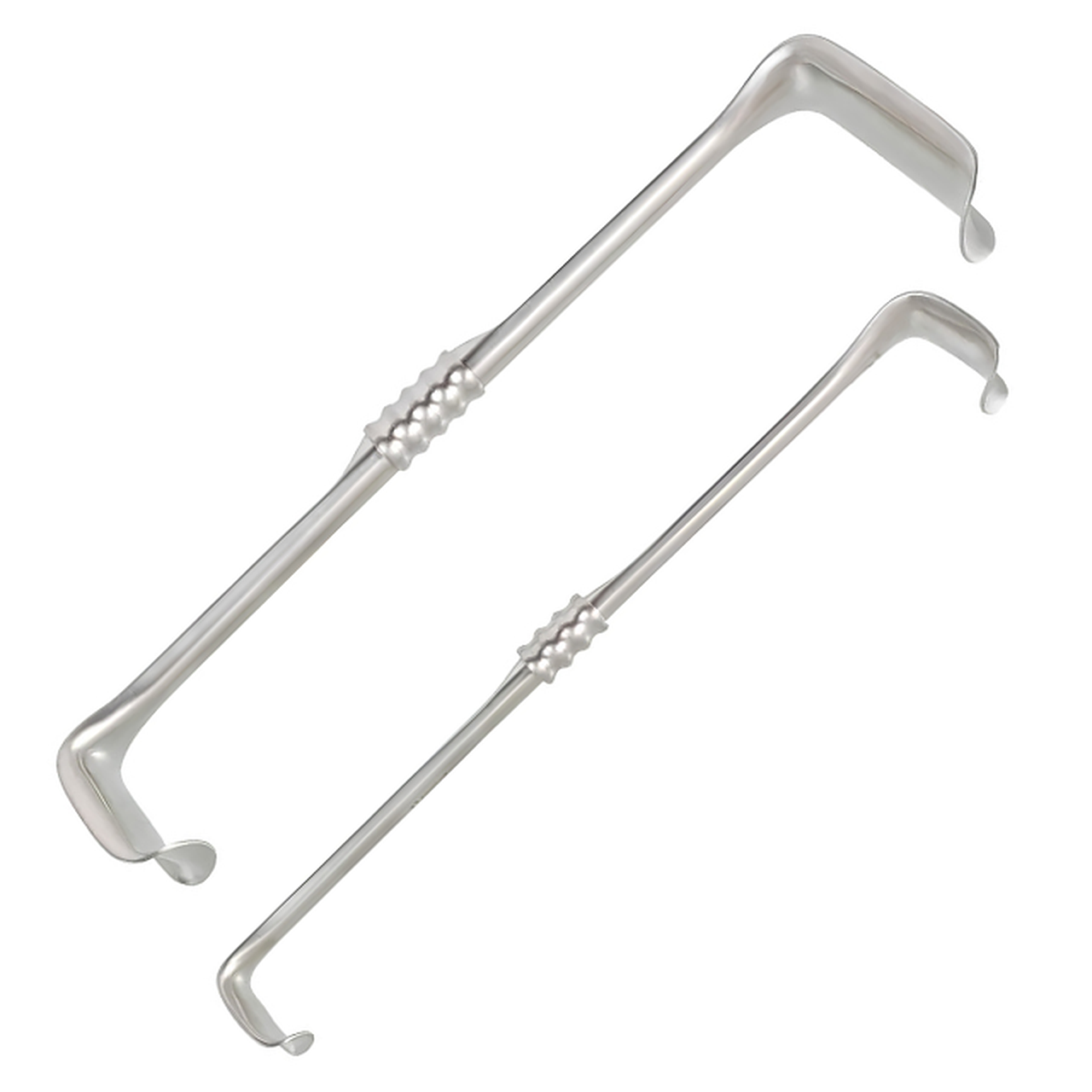 | Afastador Richardson Eastman | Projetado especificamente para afastar a parede abdominal, fáscia e vísceras em várias profundidades de incisão durante cirurgias abertas. |
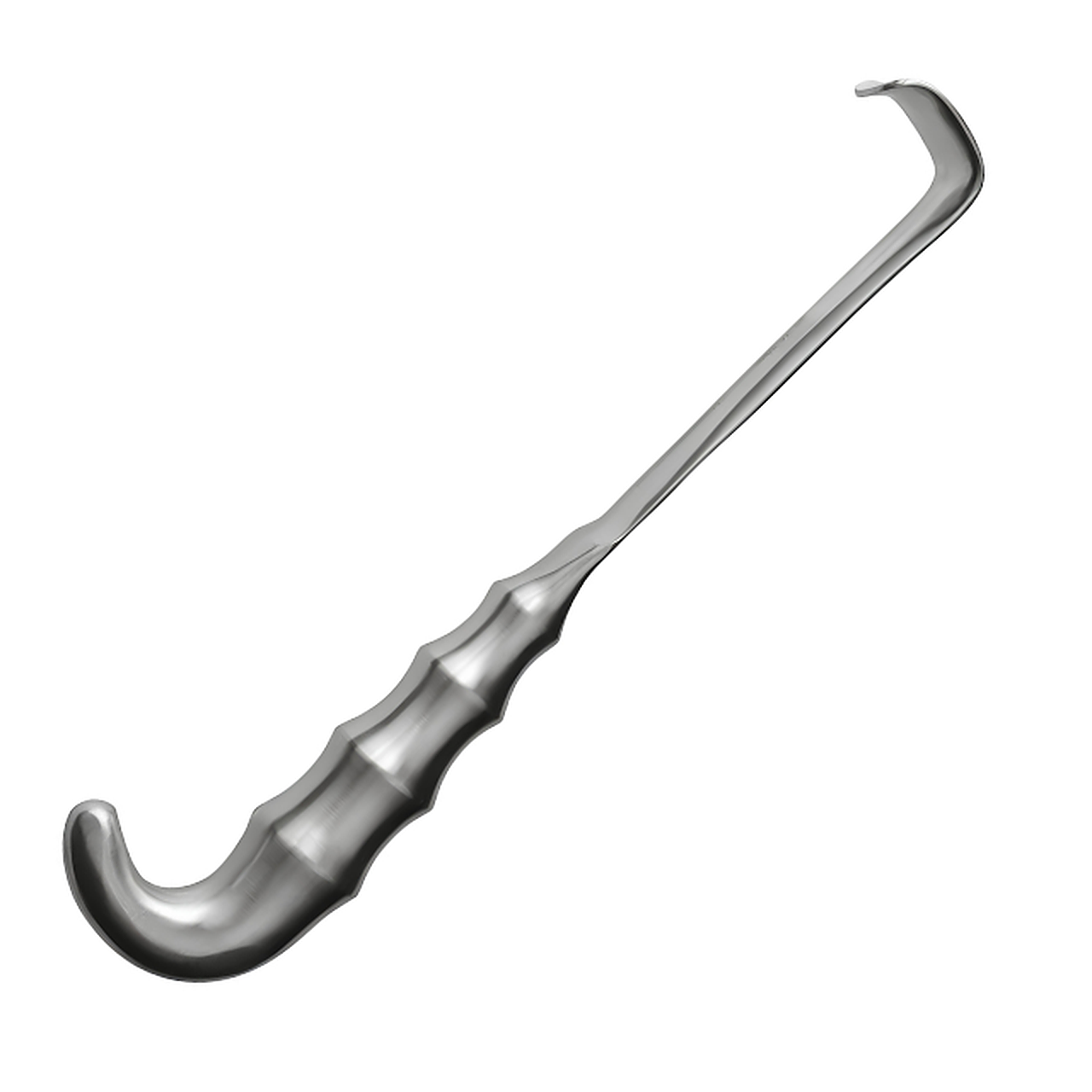 | Afastador Richardson com Cabo Ergonômico | Projetado especificamente para afastar a parede abdominal, fáscias e camadas musculares espessas com redução da fadiga do assistente durante cirurgias abertas. |
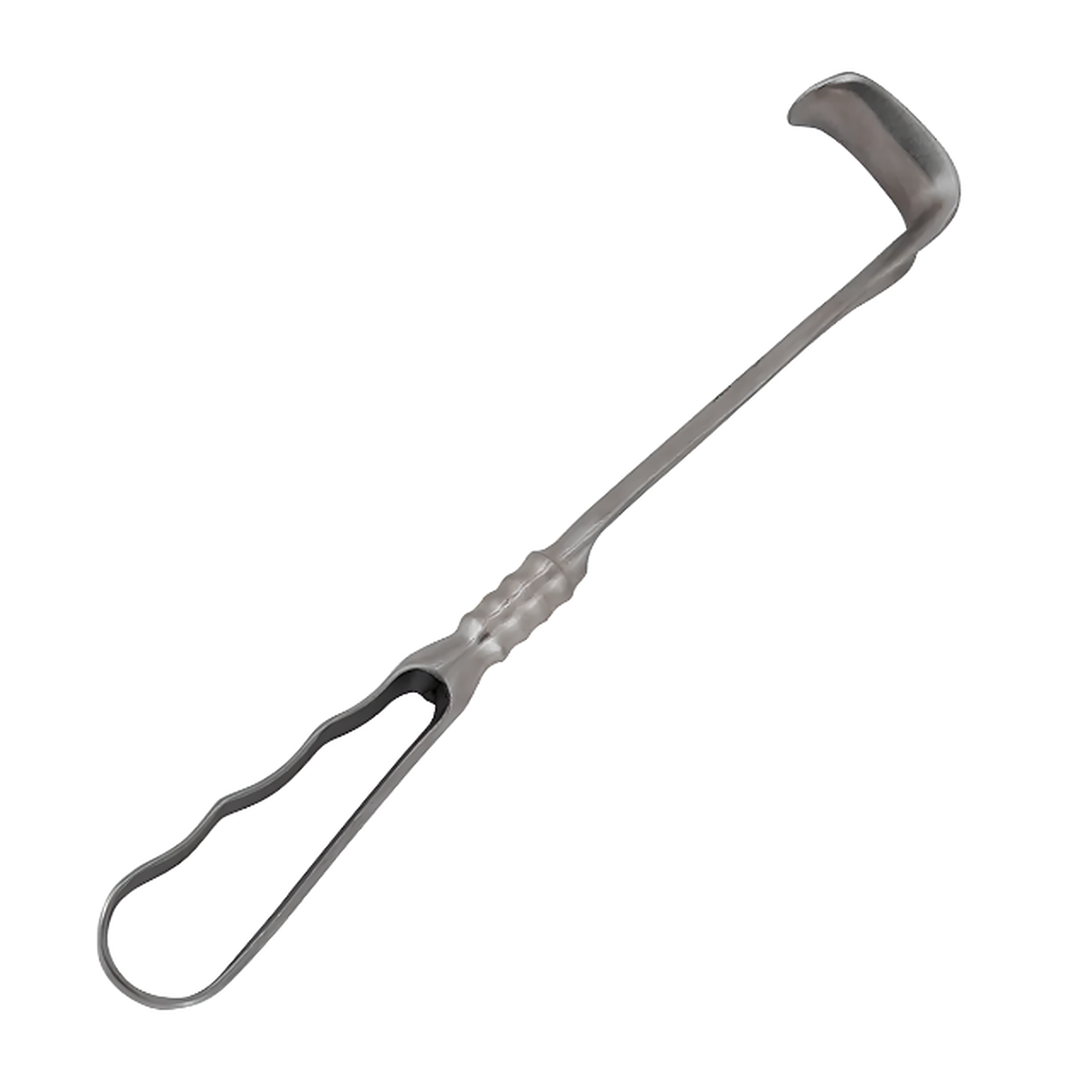 | Afastador Richardson com Cabo em Alça | Projetado especificamente para afastar a parede abdominal, camadas musculares e vísceras durante laparotomias abertas e cirurgias pélvicas. |
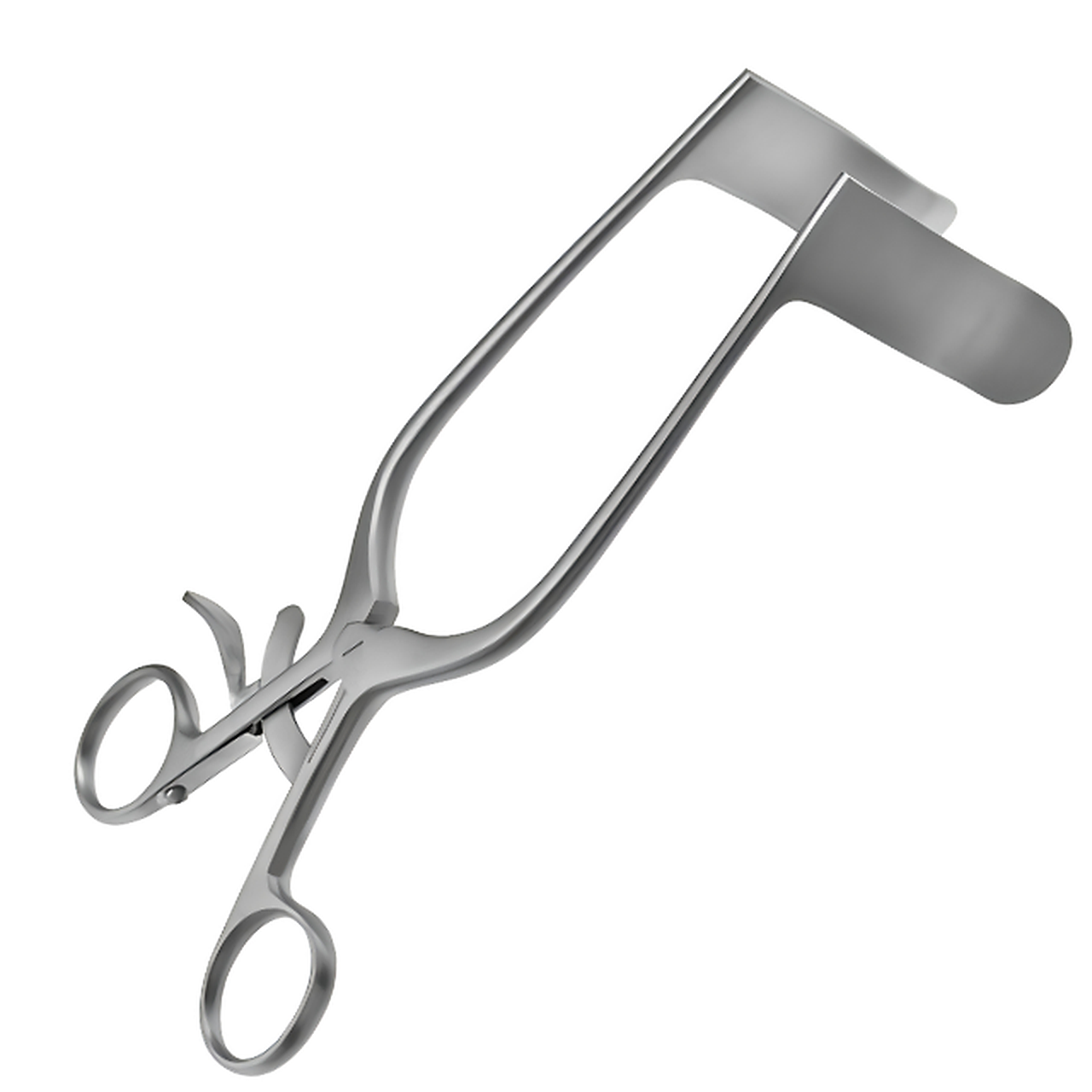 | Afastador Vaginal Autoestático Rigby | Projetado especificamente para fornecer afastamento autoestático das paredes vaginais lateral e posterior durante cirurgias pélvicas. |
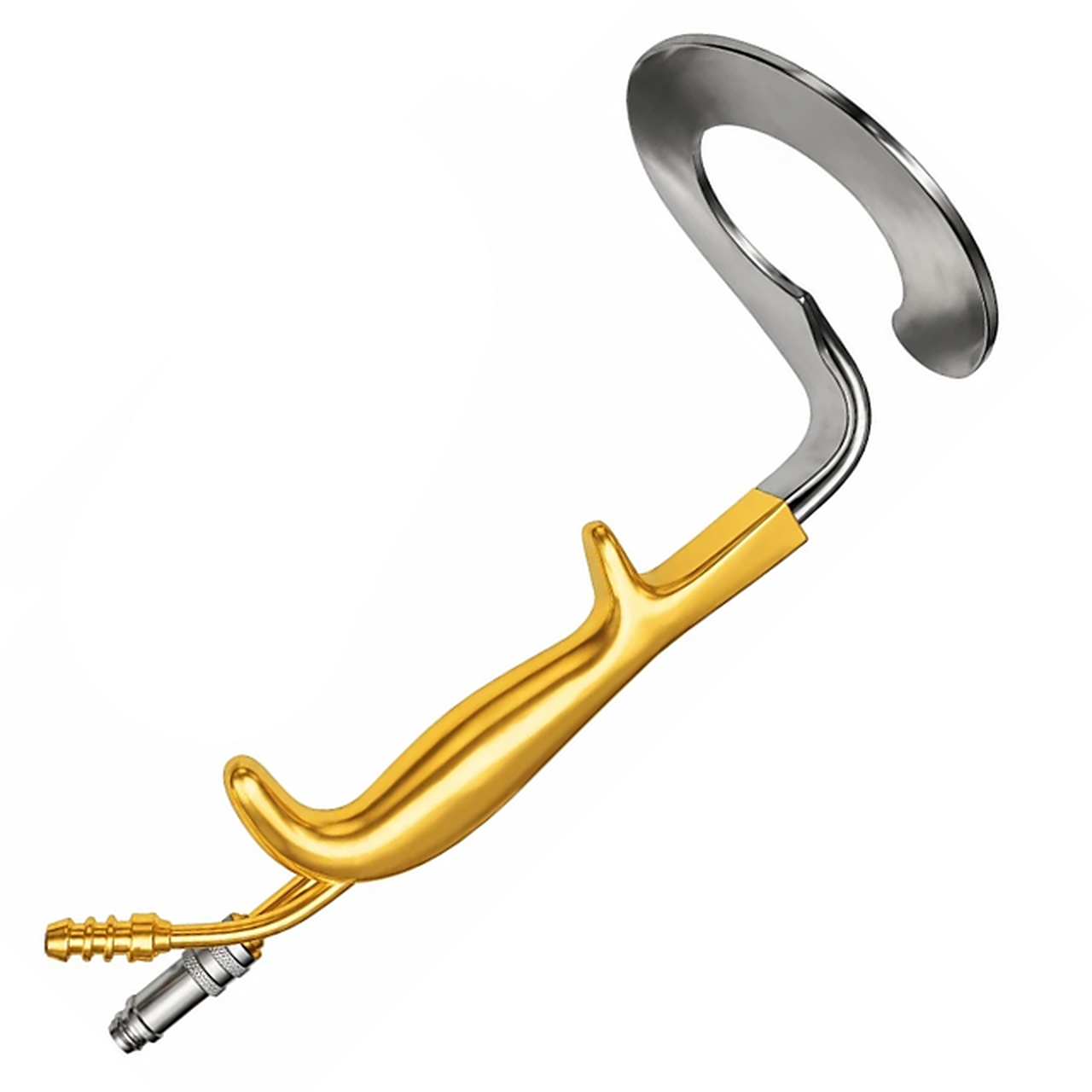 | Afastador Mamário Ring com Iluminação por Fibra Óptica | Projetado especificamente para elevar retalhos teciduais, iluminar lojas profundas e verificar a hemostasia durante a cirurgia mamária. |
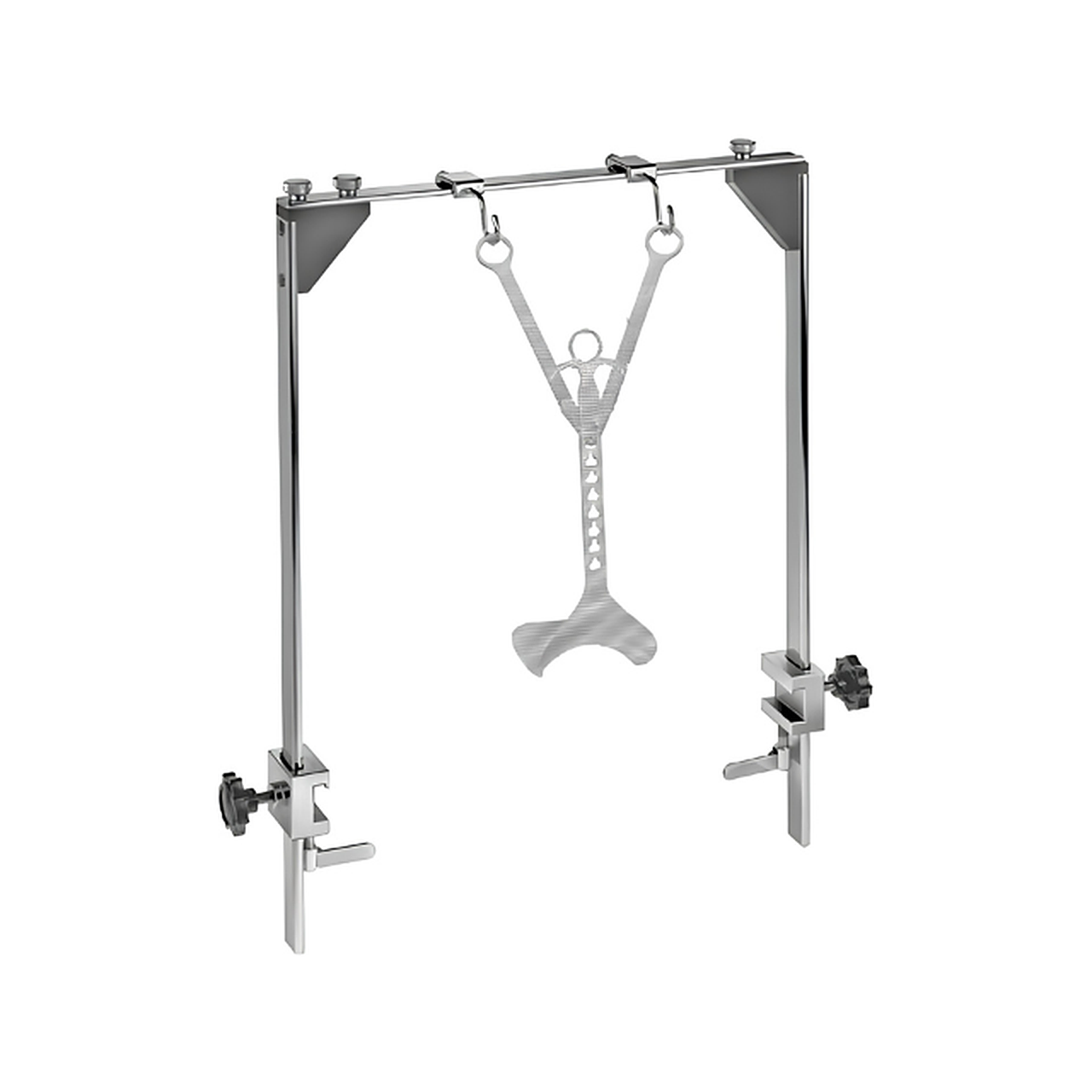 | Afastador Rochard | Projetado para fornecer retração abdominal rígida de tecidos moles montada em mesa e exposição operatória estável durante intervenções cirúrgicas. |
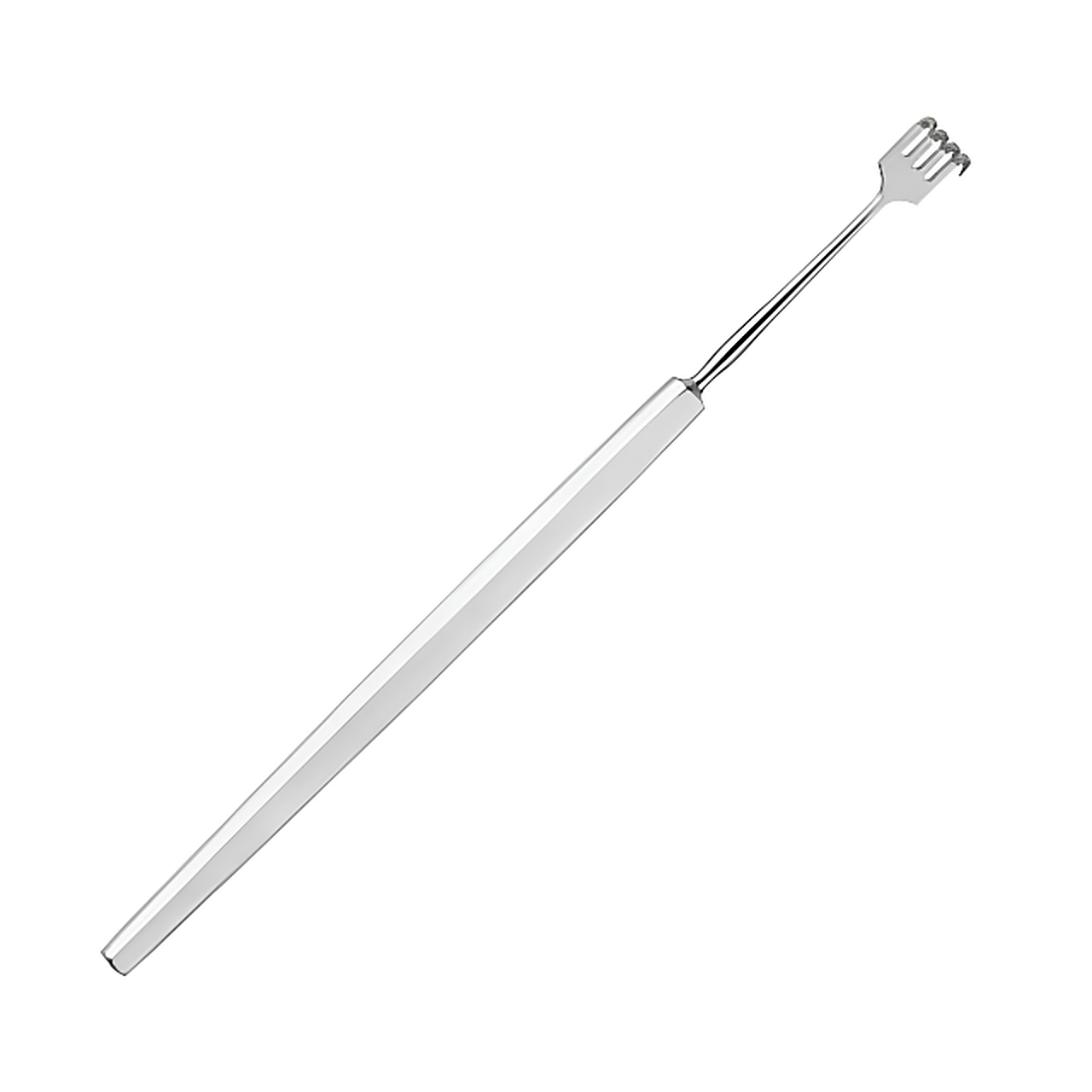 | Afastador Rollet | Projetado especificamente para retrair retalhos de pele, tecido do canto medial e fáscia durante cirurgias oftálmicas e plásticas. |
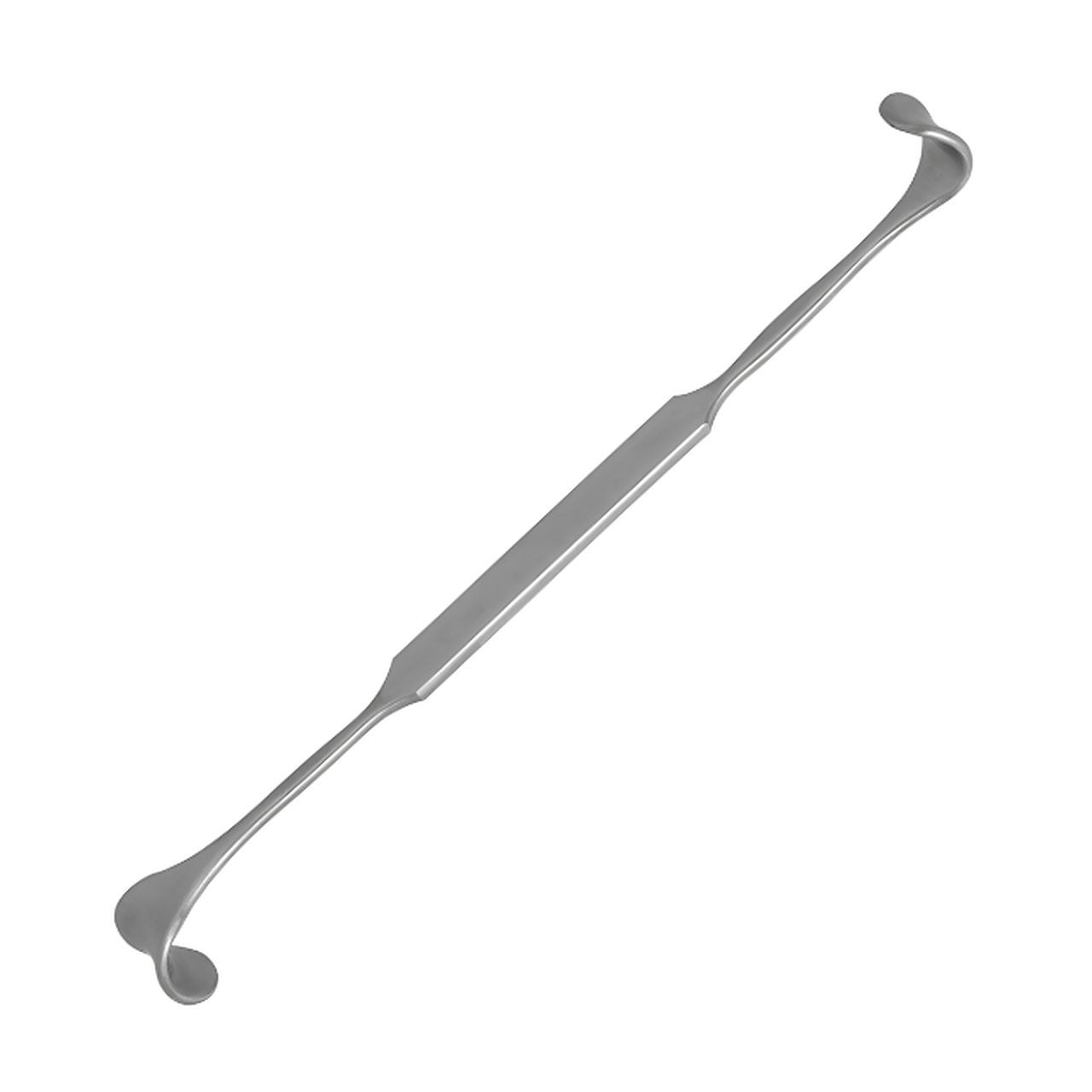 | Afastador Rose de Ponta Dupla | Projetado especificamente para afastar margens cutâneas, fáscias e tecidos moles em incisões cirúrgicas superficiais e intermediárias. |
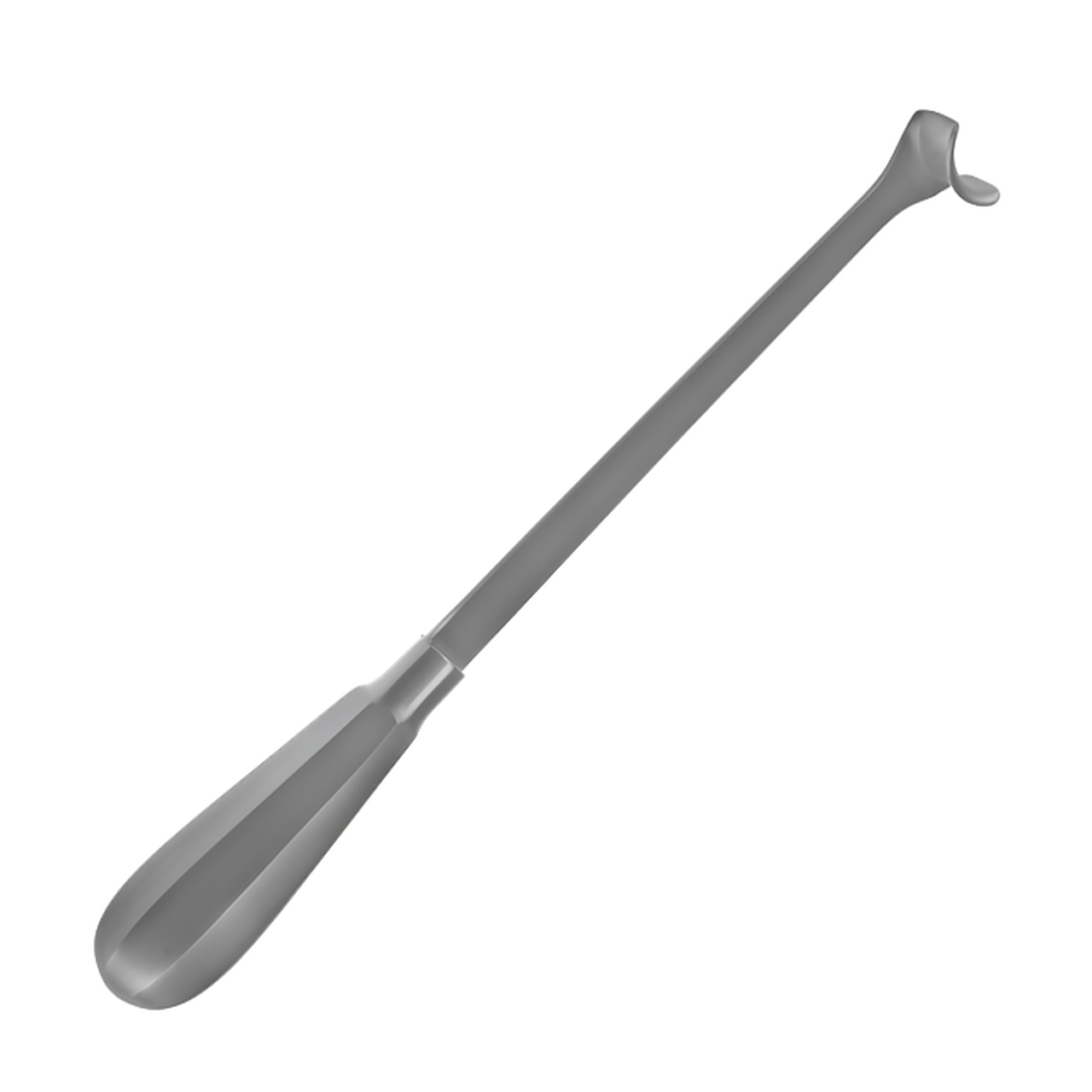 | Afastador de Válvula Aórtica Ross | Projetado especificamente para retrair os folhetos da válvula aórtica e a parede aórtica durante a substituição e reconstrução da válvula aórtica. |
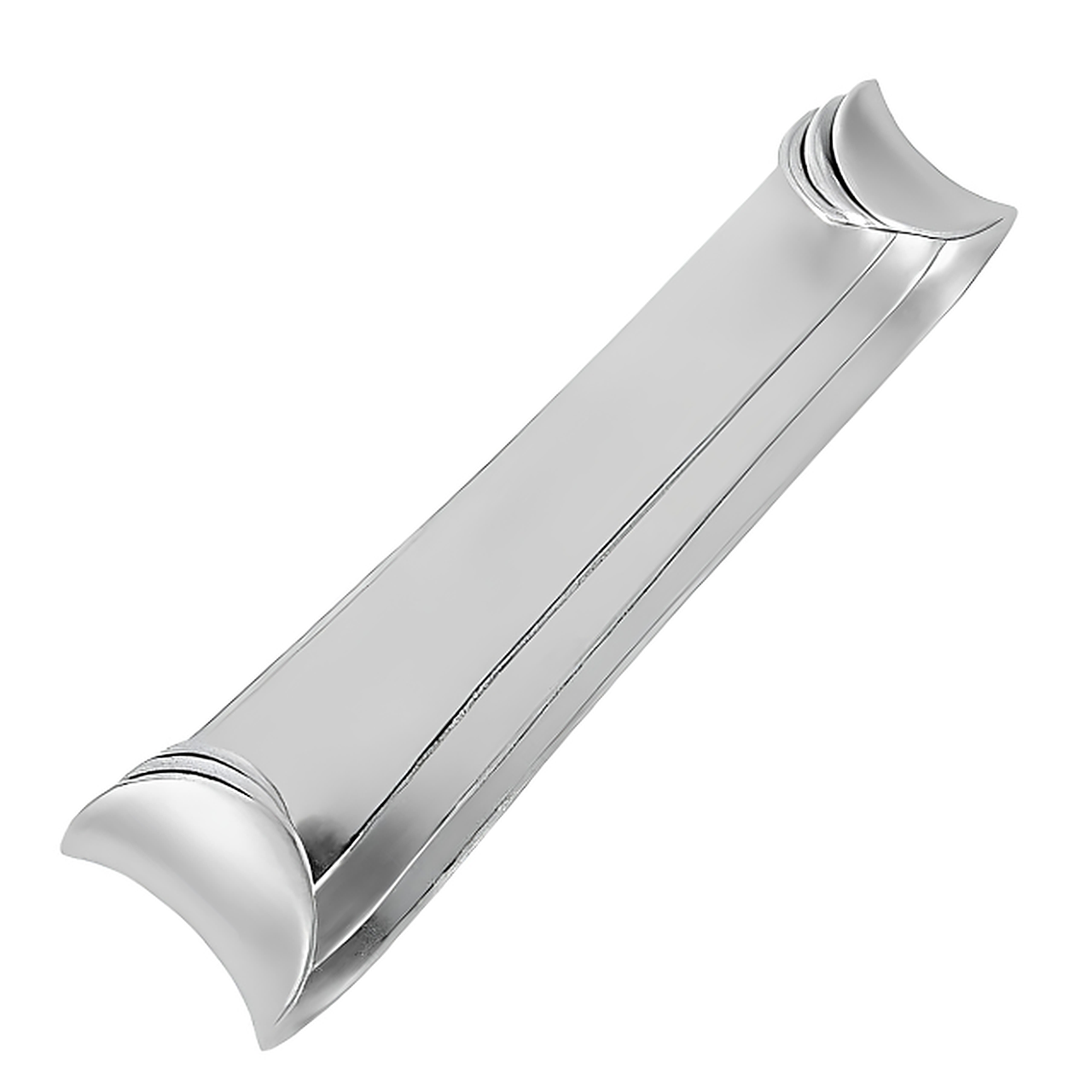 | Afastador Roux - Ponta Dupla | Projetado especificamente para afastar bordas cutâneas, fáscias e camadas musculares superficiais durante cirurgias gerais e plásticas. |
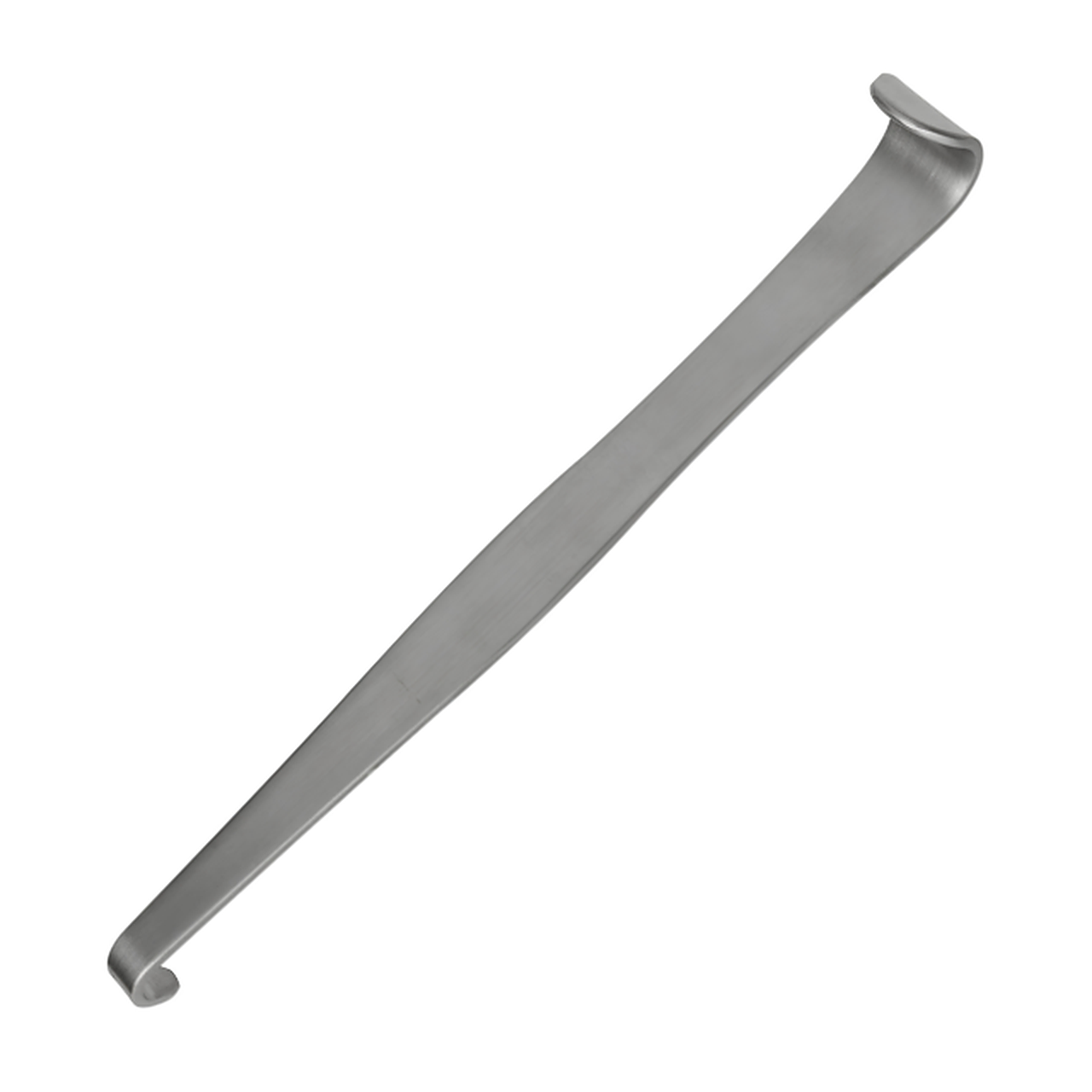 | Afastador S Shape de Extremidade Dupla | Projetado especificamente para afastar margens de pele, fáscias delicadas e tecidos moles durante procedimentos cirúrgicos menores, plásticos e otorrinolaringológicos. |
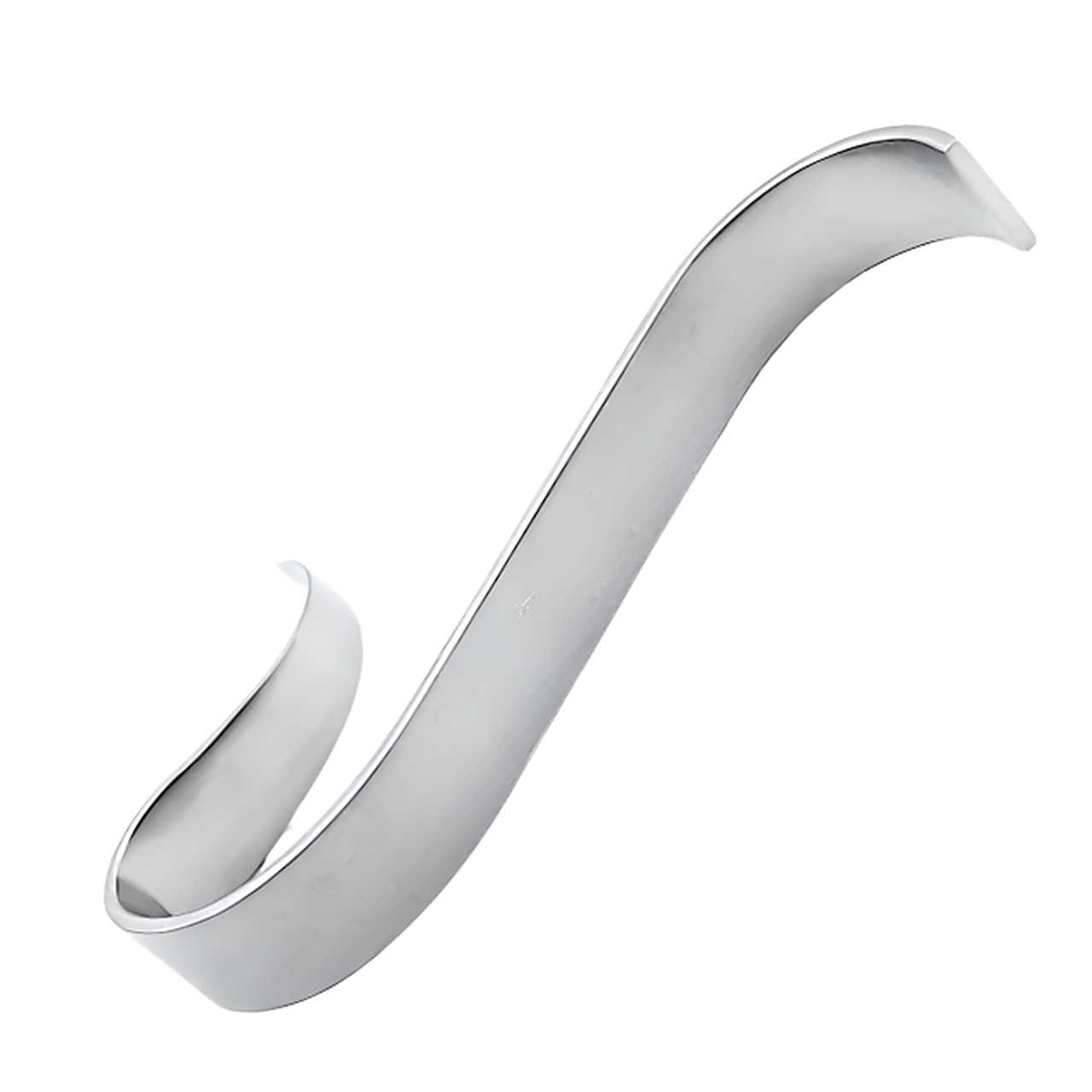 | Afastador S Total Knee Retractor | Projetado especificamente para afastar ligamentos colaterais, cápsula articular e tecidos moles durante a artroplastia total de joelho. |
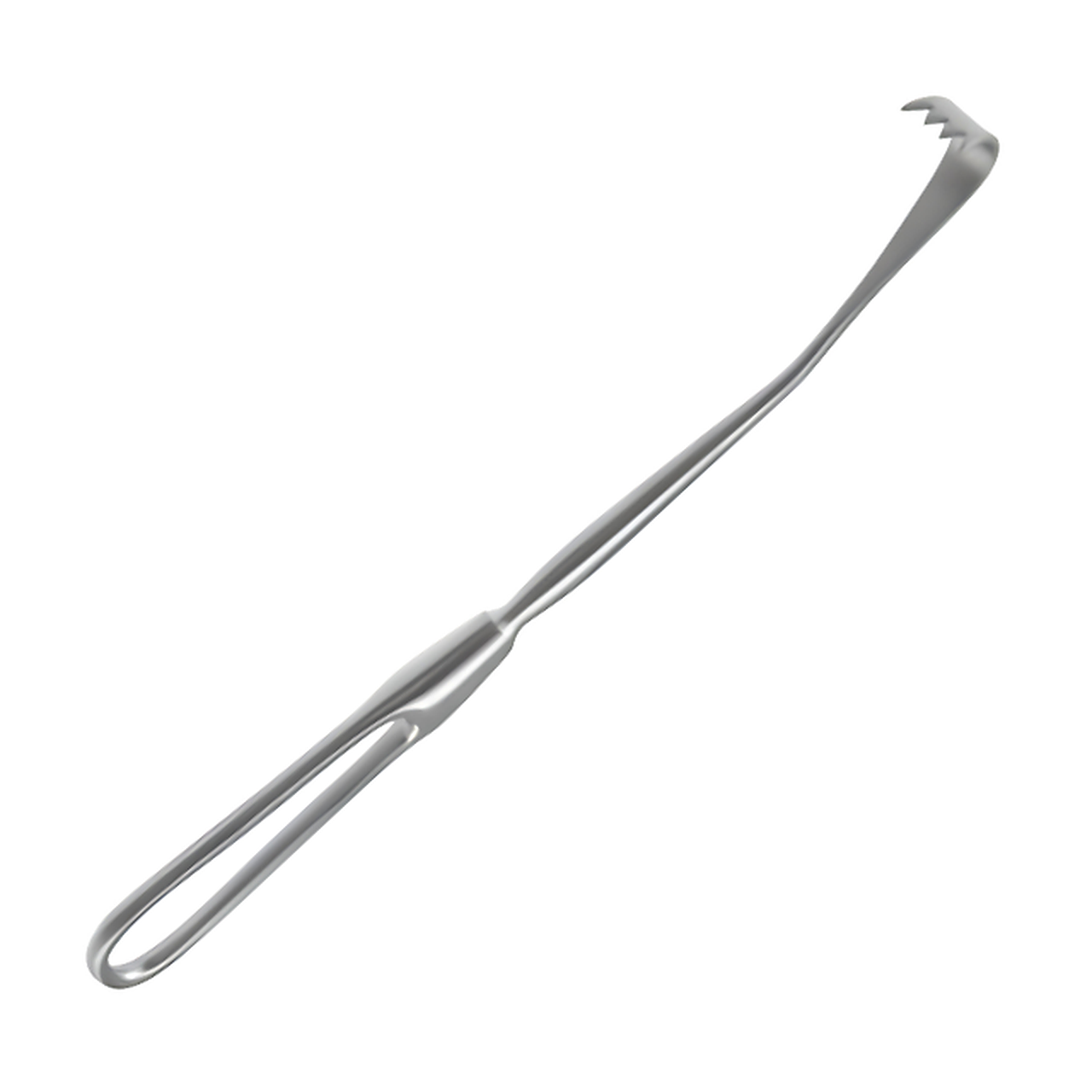 | Afastador de Veias Sachs | Projetado especificamente para afastar e mobilizar veias delicadas, raízes nervosas e feixes vasculares durante cirurgias vasculares e neurocirurgias. |
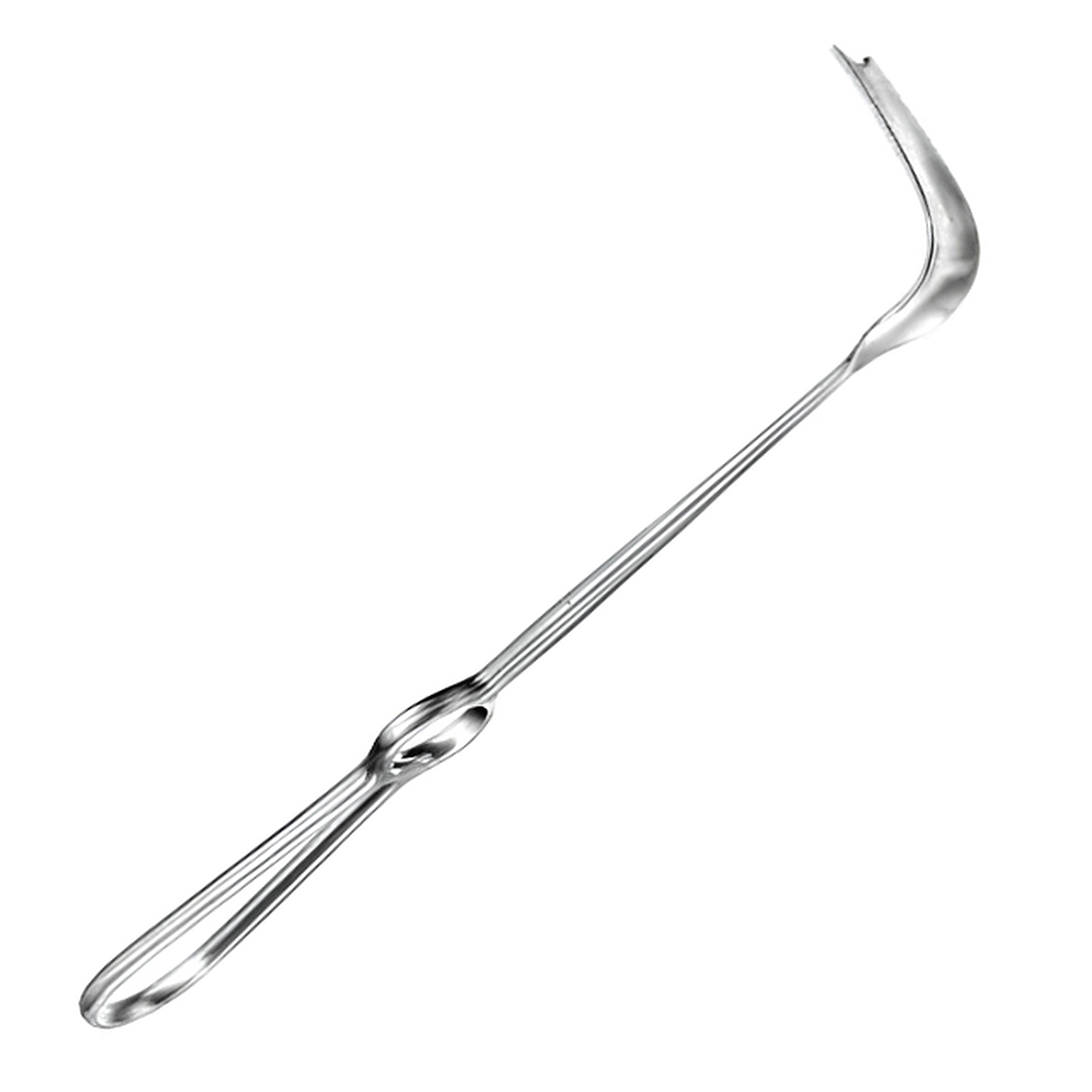 | Afastador para Ponte Nasal Sailer | Projetado especificamente para elevar e afastar o envelope de tecido mole ao longo da ponte nasal durante rinoplastias e osteotomias de terço médio da face. |
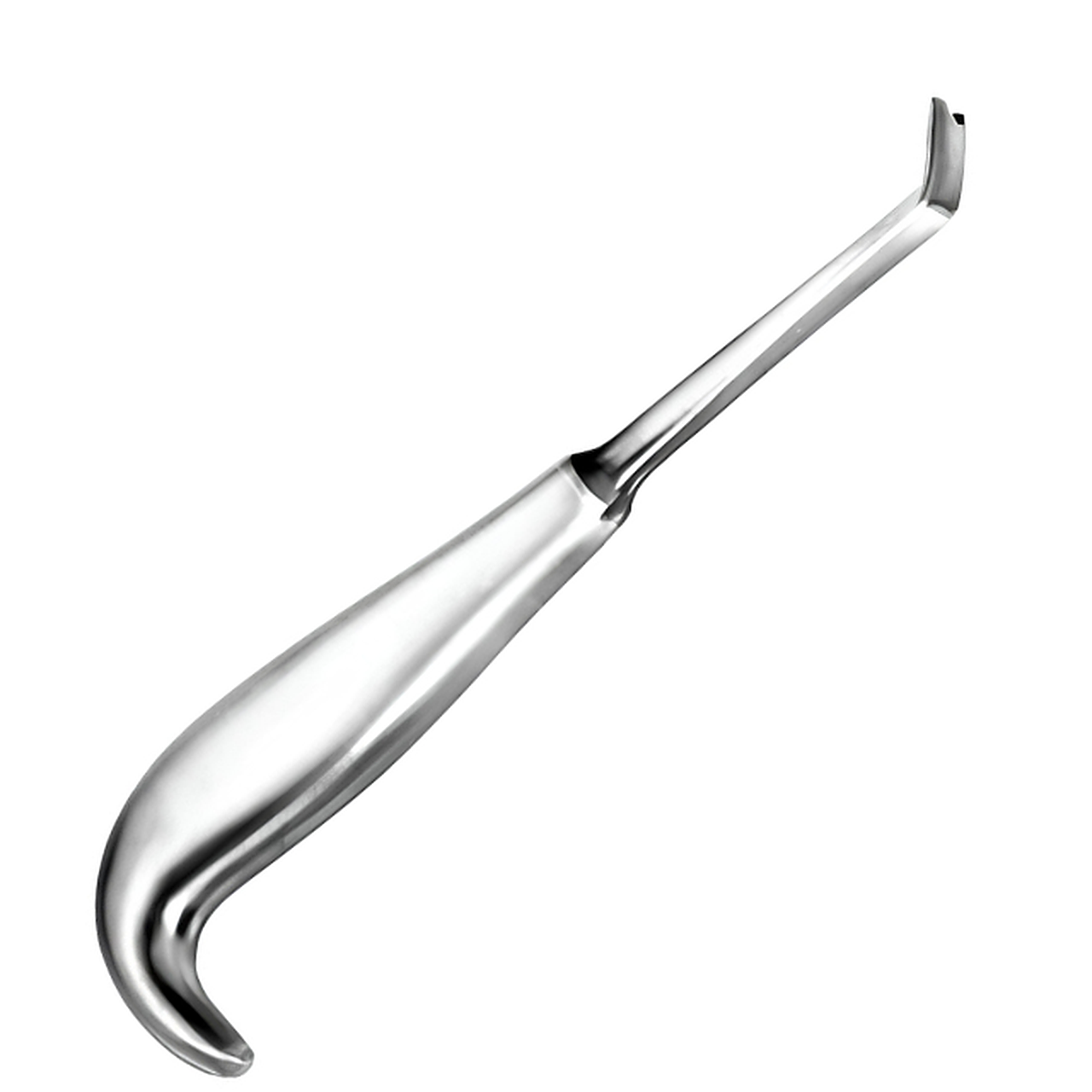 | Afastador Sailer Nasal Spine Retractor | Projetado especificamente para se fixar sobre a espinha nasal anterior e afastar o lábio superior durante osteotomias Le Fort I. |
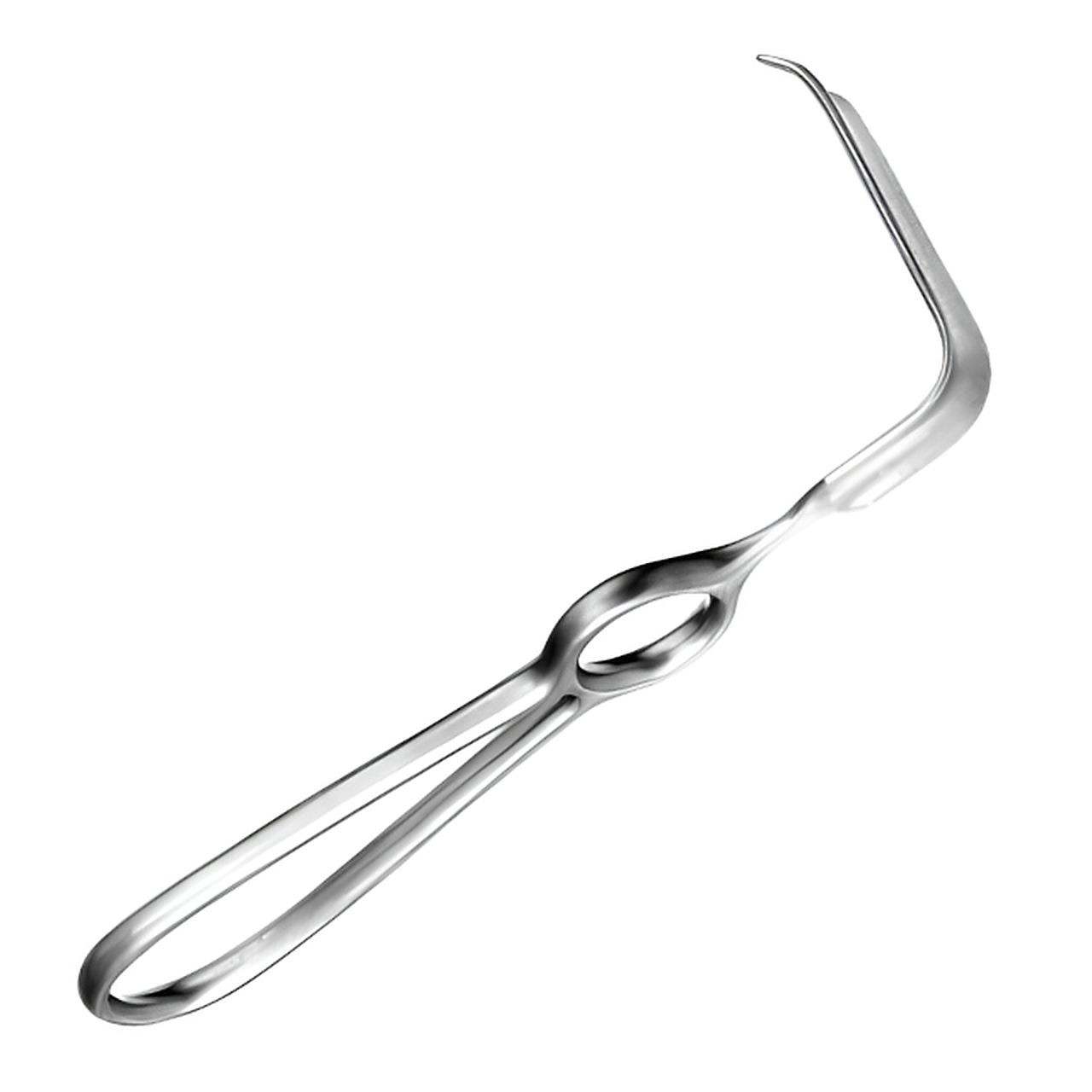 | Afastador de Tecidos Moles Sailer | Projetado especificamente para afastar retalhos mucoperiosteais e tecidos moles em espaços intraorais e faciais estreitos. |
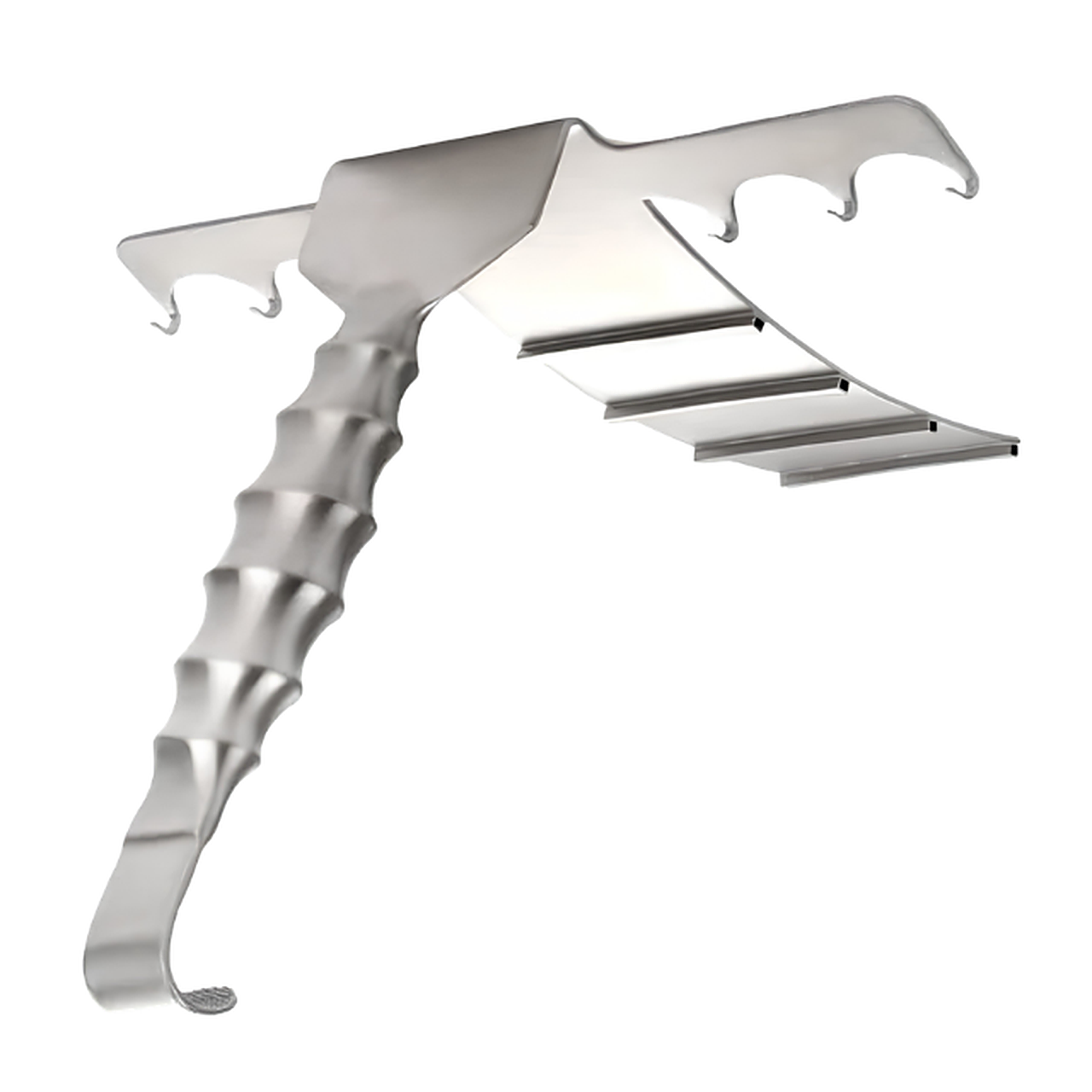 | Afastador Abdominal Saldanha-Solz | Projetado especificamente para elevar retalhos cutâneos abdominais e proteger tecidos durante lipoabdominoplastia e plicatura de reto. |
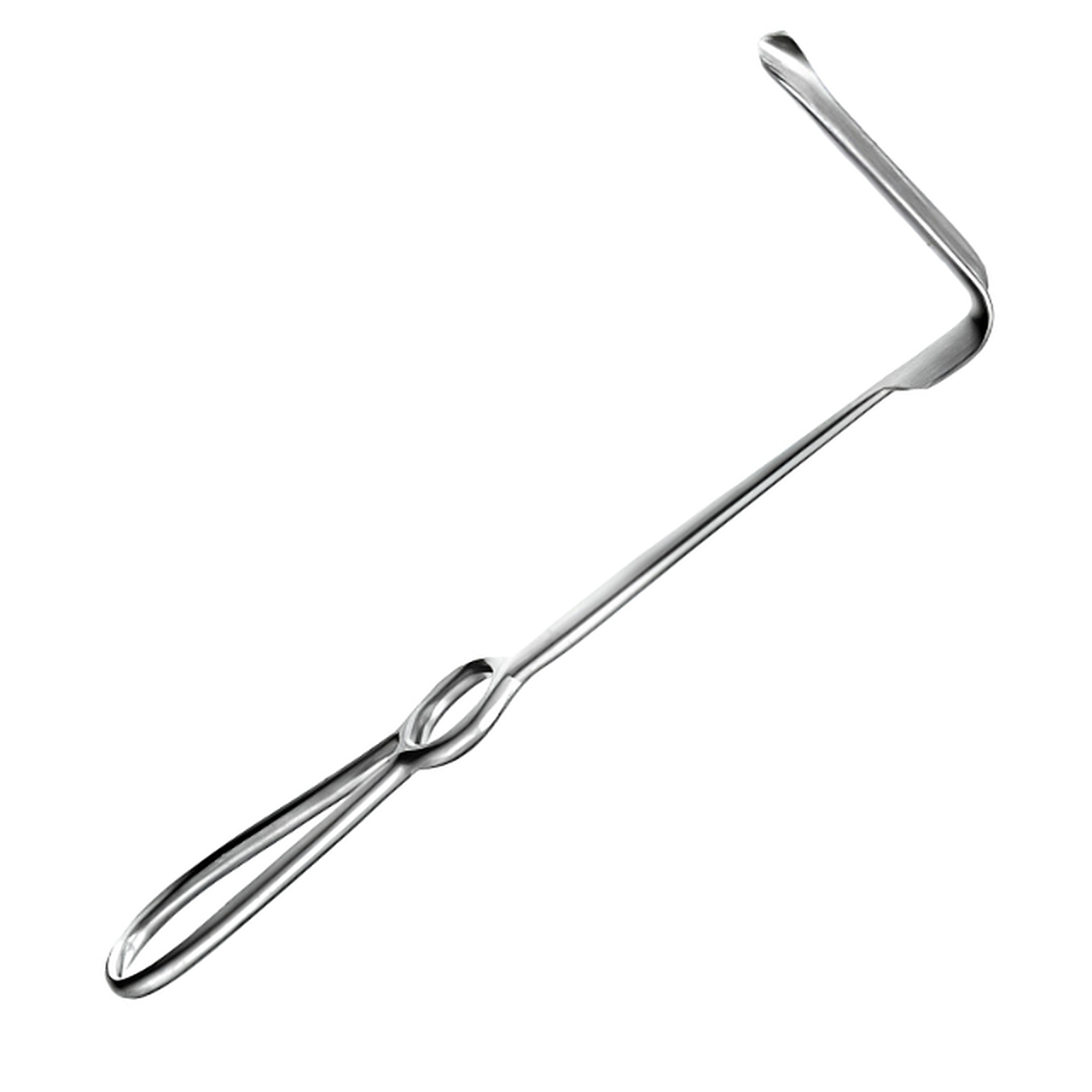 | Afastador para Colo do Côndilo Salzburg | Projetado especificamente para enganchar ao redor do colo condilar e proteger os tecidos moles durante cirurgias de ATM e fixação de fraturas condilares. |
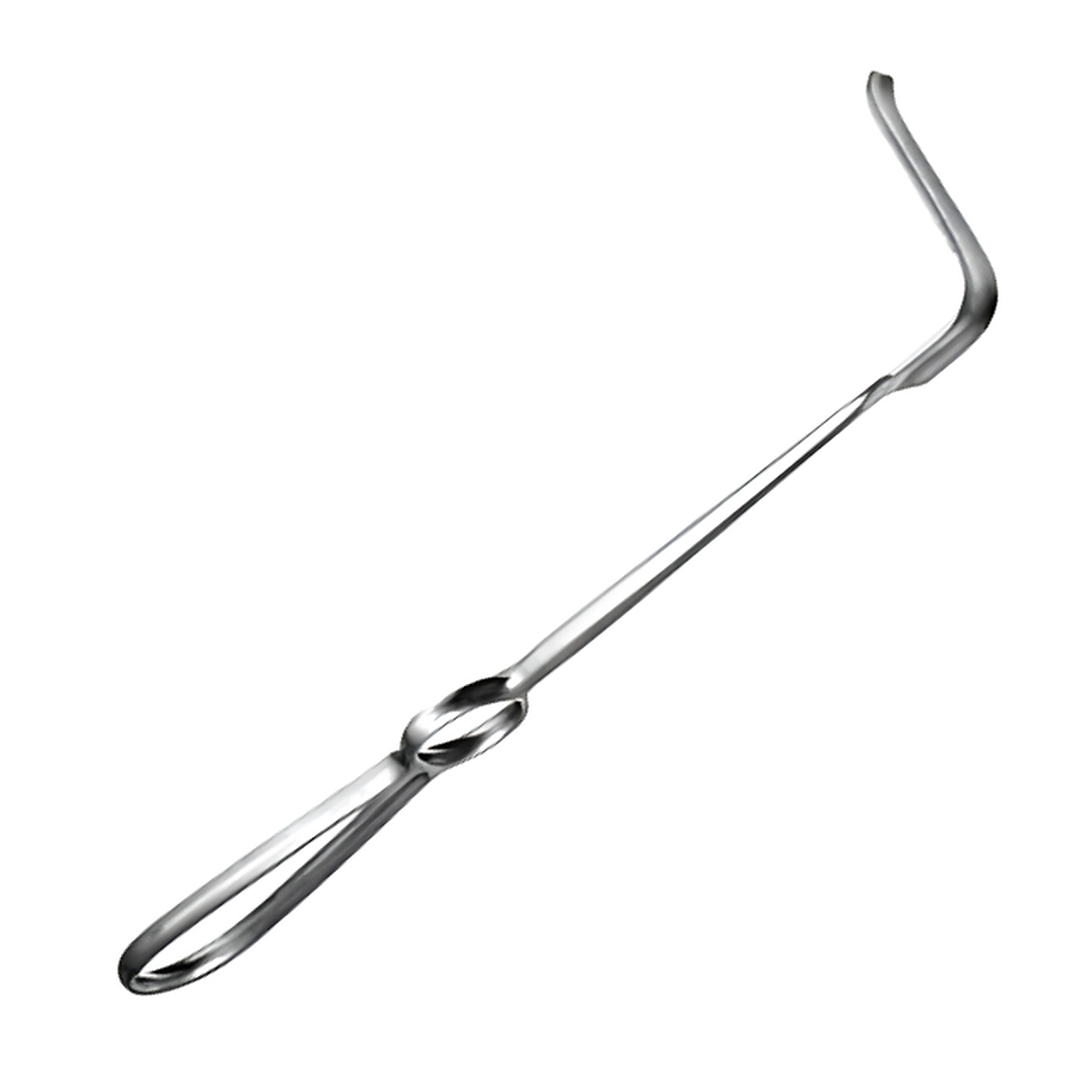 | Afastador Mandibular de Salzburg | Projetado especificamente para fixar-se sobre o rebordo mandibular e proteger tecidos moles e vasos durante osteotomias ortognáticas. |
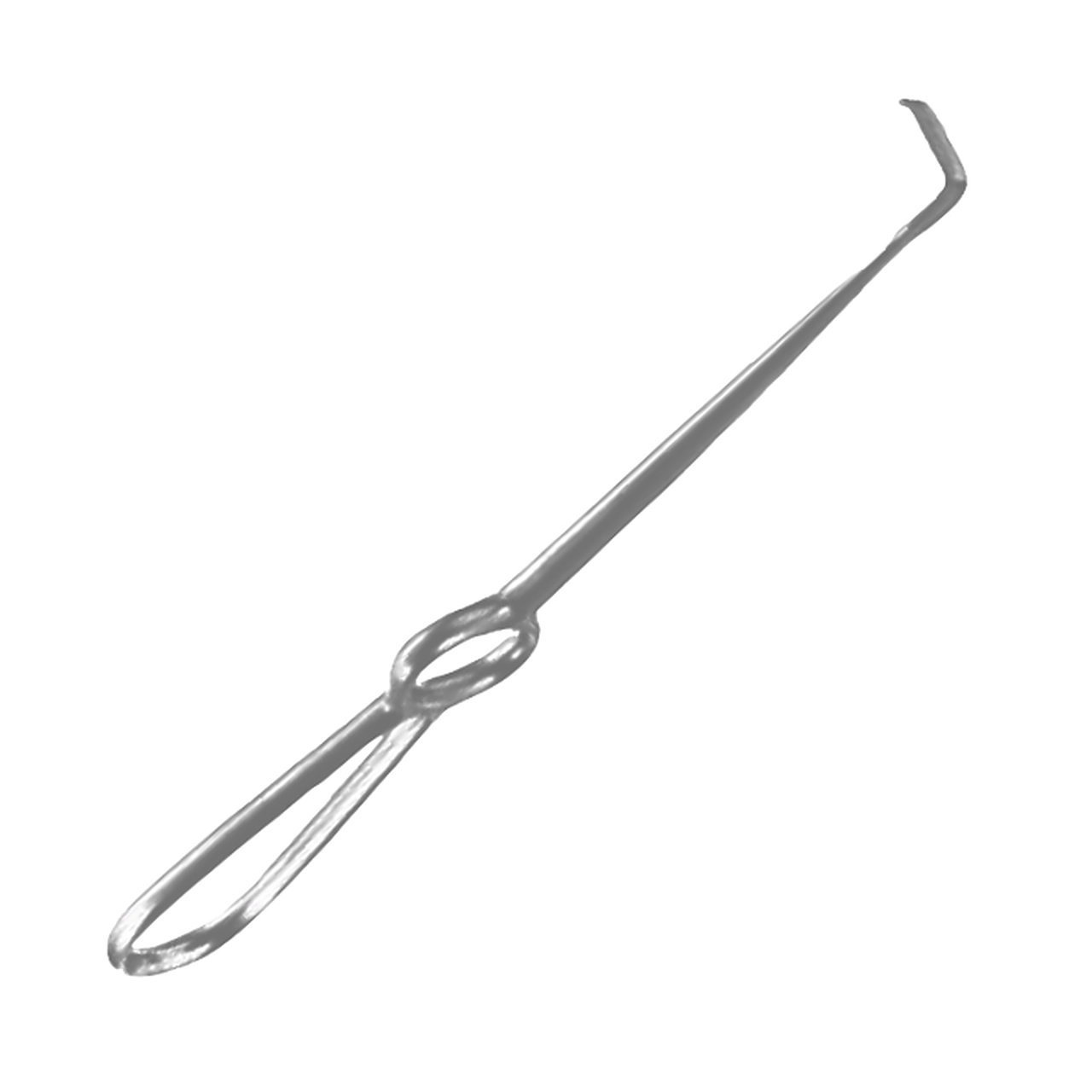 | Afastador de Tecidos Moles Salzburg | Projetado especificamente para afastar retalhos mucoperiosteais e tecidos moles em corredores orais e bucomaxilofaciais confinados. |
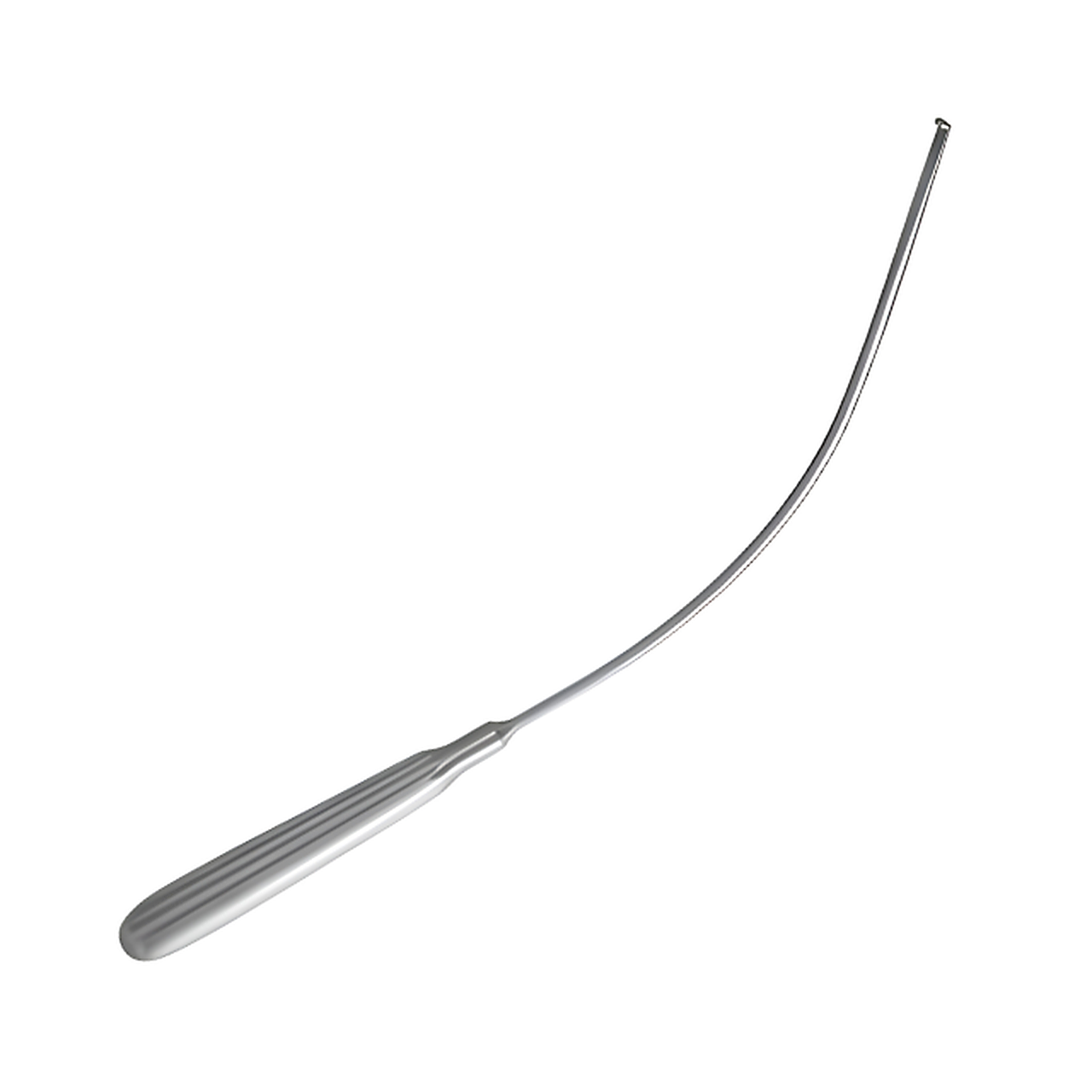 | Afastador de Raiz Nervosa Sandhu | Projetado especificamente para mobilizar, acomodar e proteger raízes nervosas espinhais transversais e o saco tecal durante a discectomia lombar. |
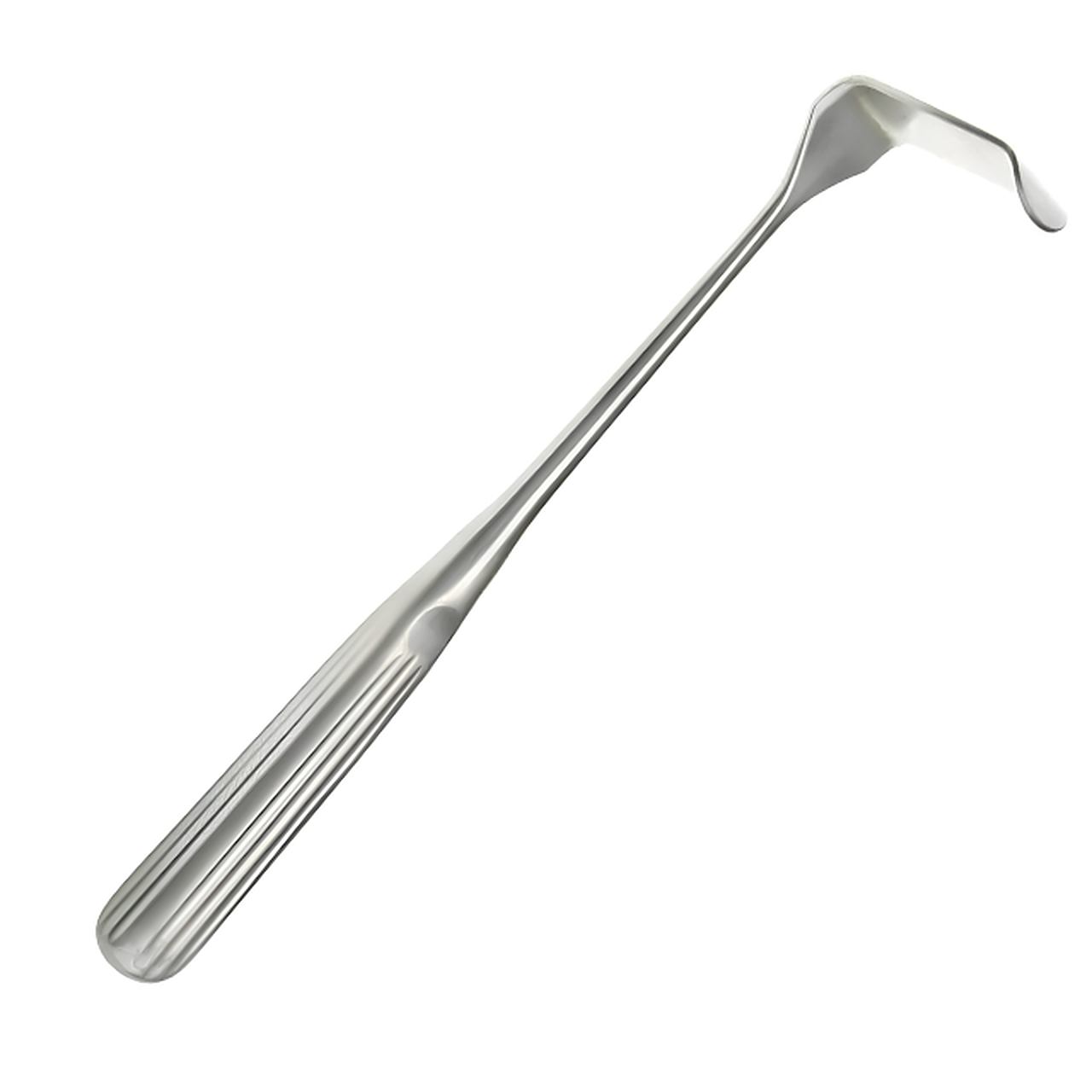 | Afastador Sauerbruch | Projetado especificamente para afastar camadas musculares, fáscias e bordas de feridas durante cirurgias torácicas, abdominais e ortopédicas. |
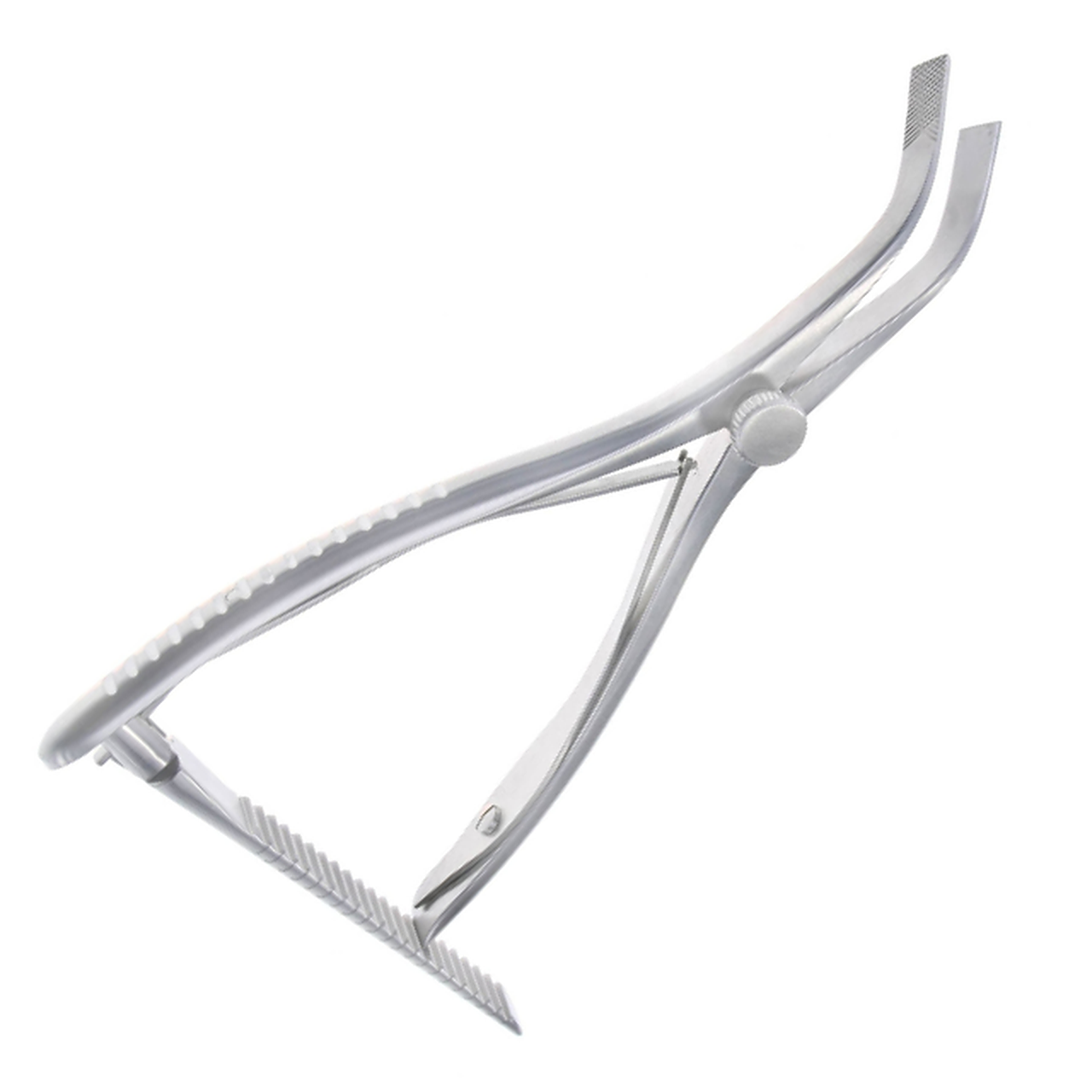 | Afastador para Enxerto Ósseo Saxena | Projetado especificamente para afastar tecidos moles e estabilizar corticais ósseas durante a colheita de enxerto ósseo autólogo. |
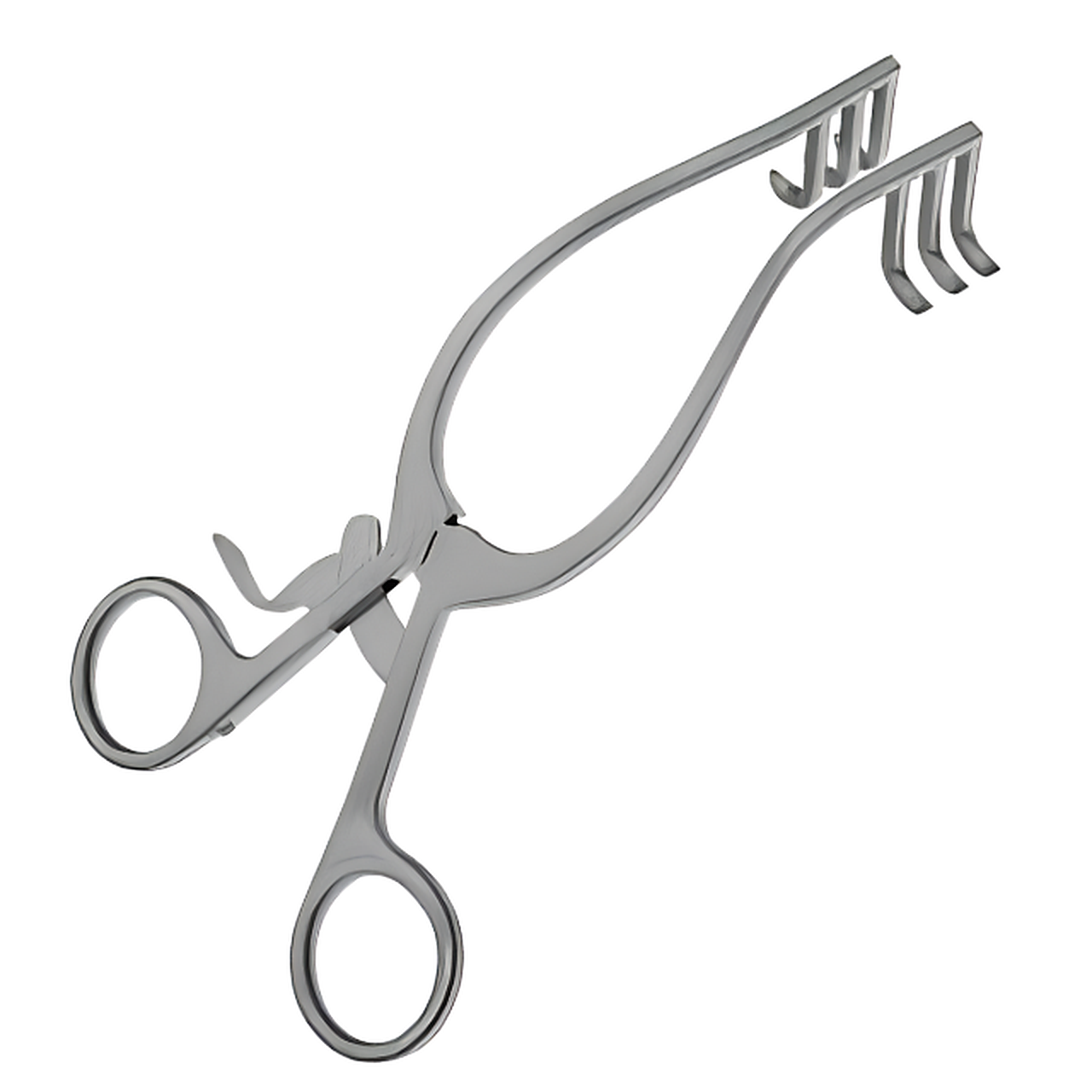 | Afastador Schuknecht Fisch | Projetado especificamente para fornecer retração autoestática periosteal e de tecidos moles durante cirurgias mastóideas e otológicas. |
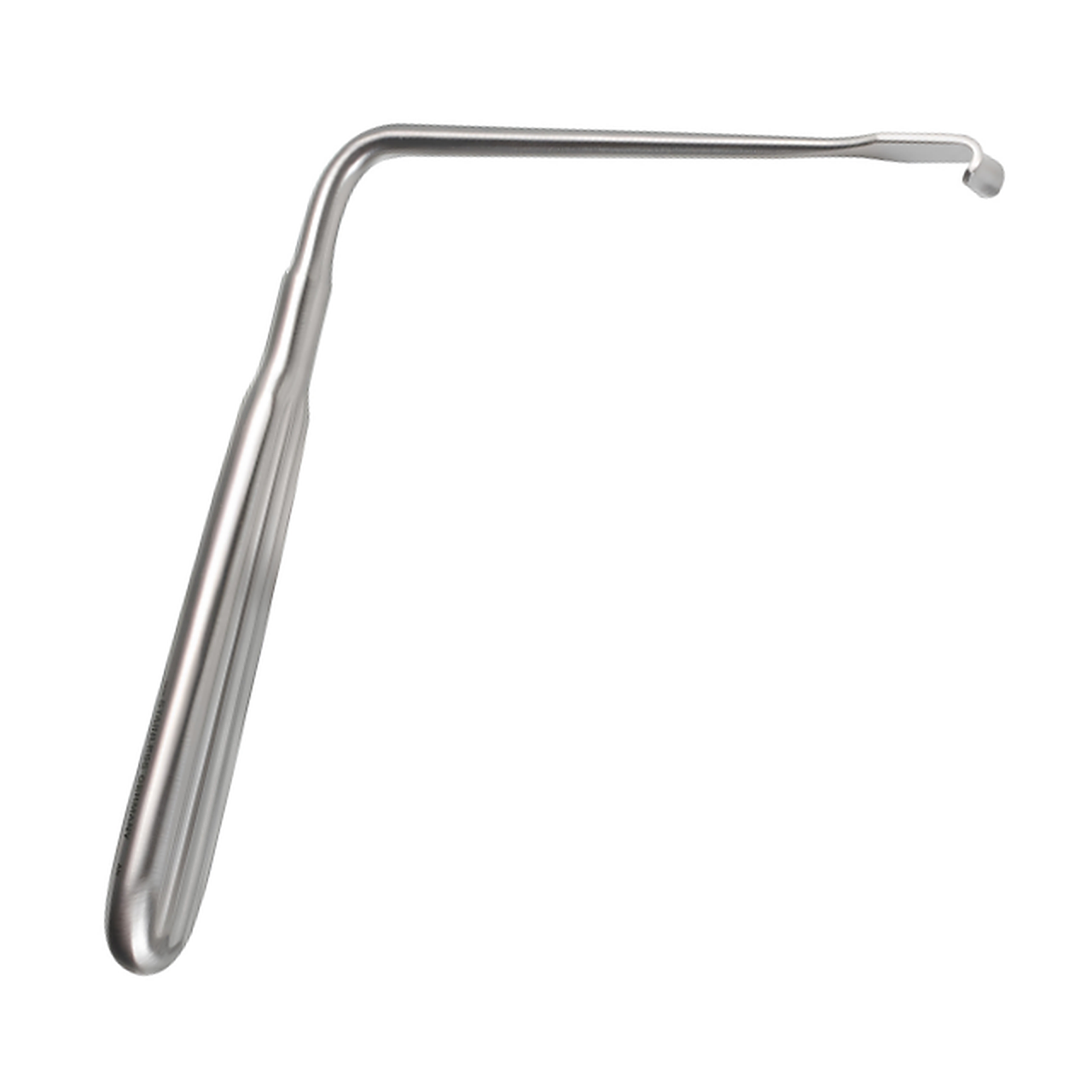 | Afastador de Nervos Scoville | Projetado especificamente para mobilizar e proteger raízes nervosas delicadas e nervos periféricos em corredores cirúrgicos compactos. |
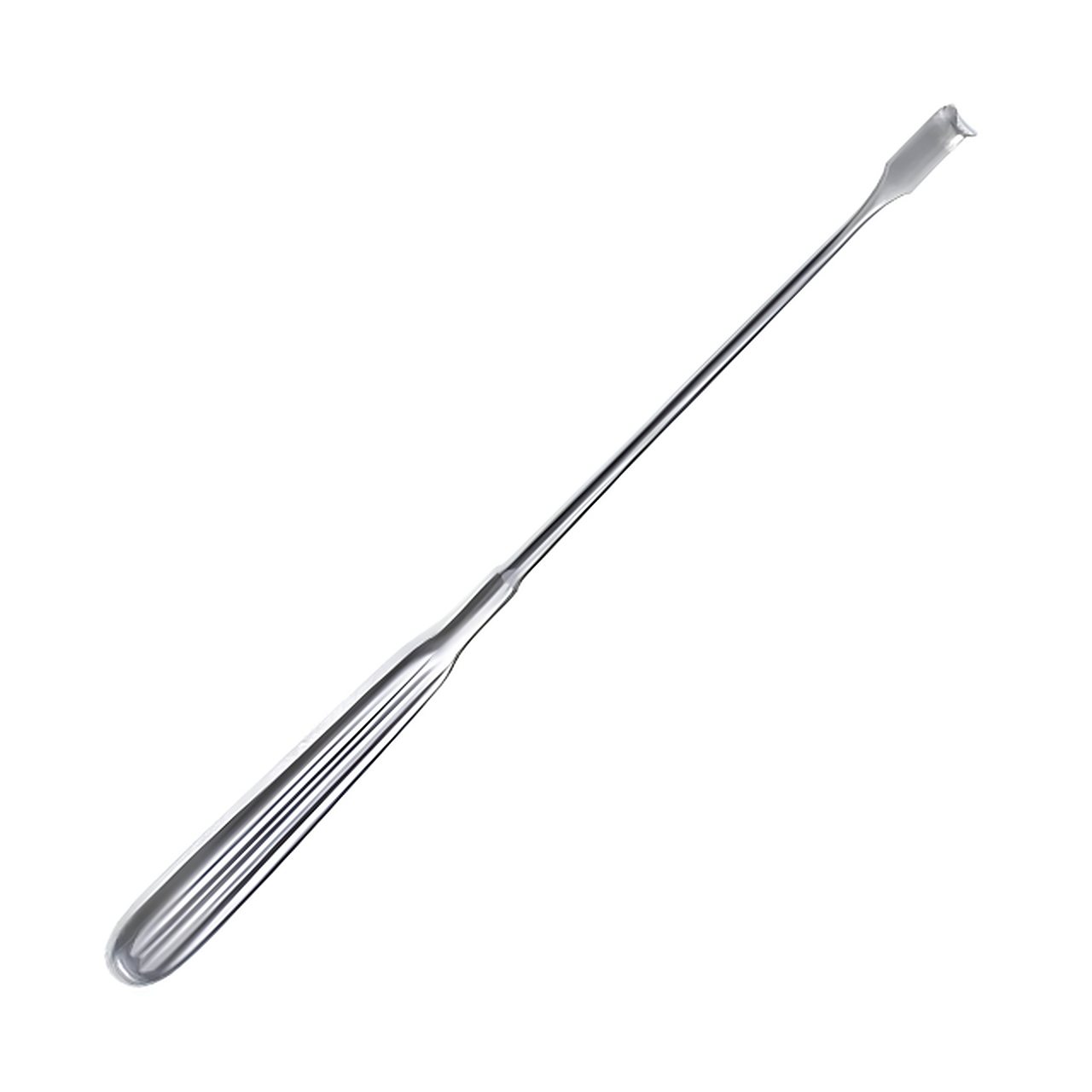 | Afastador de Raiz Nervosa Scoville | Especificamente projetado para mobilizar, acomodar e proteger as raízes nervosas espinhais e o saco dural durante a discectomia lombar. |
 | Afastador Autoestático Scoville | Projetado especificamente para afastar a musculatura paraespinhal pesada e expor a lâmina vertebral durante cirurgias da coluna lombar. |
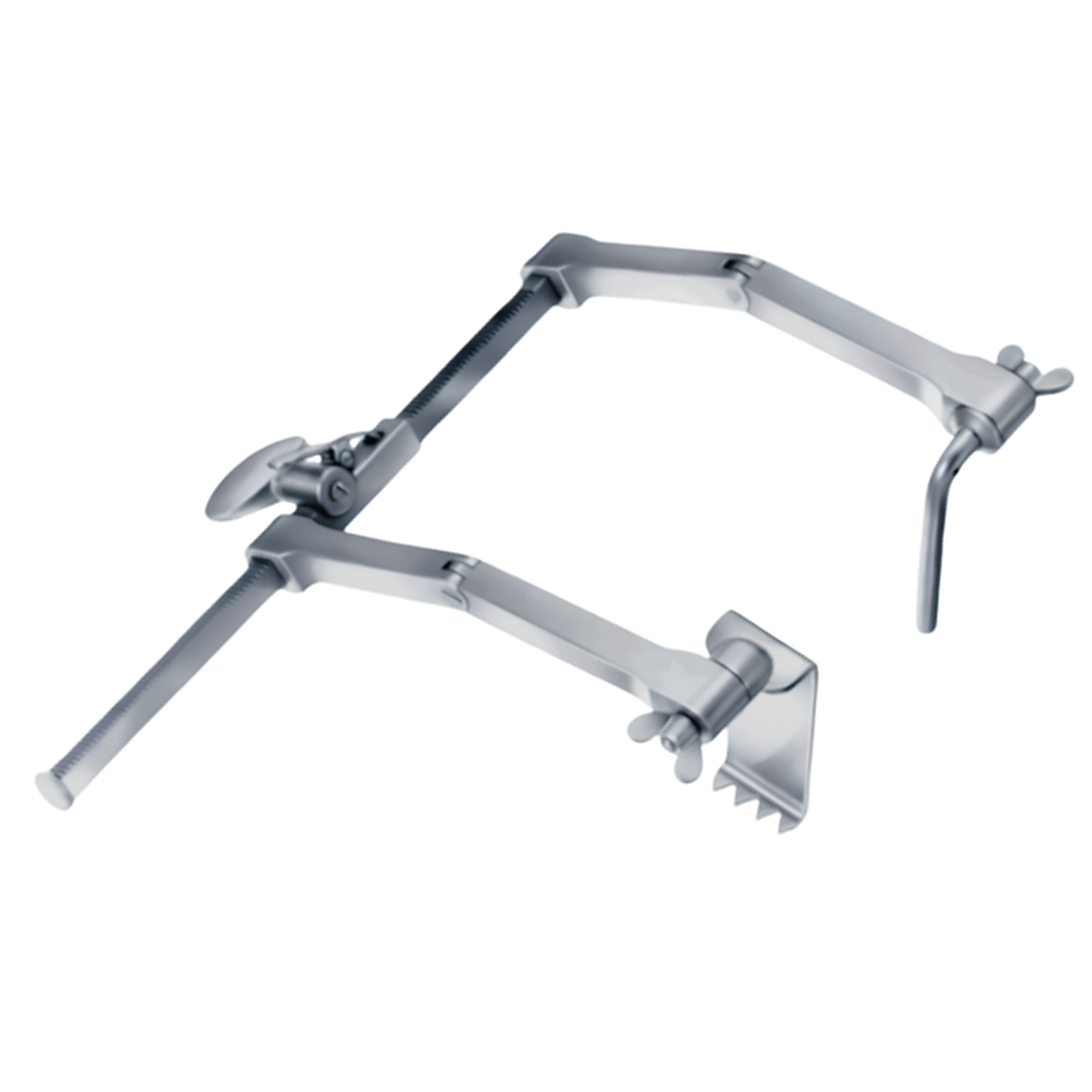 | Afastador Autoestático Scoville-Haverfield | Projetado especificamente para afastar a musculatura paravertebral pesada com desobstrução da linha de visão por hastes articuladas durante cirurgias de coluna. |
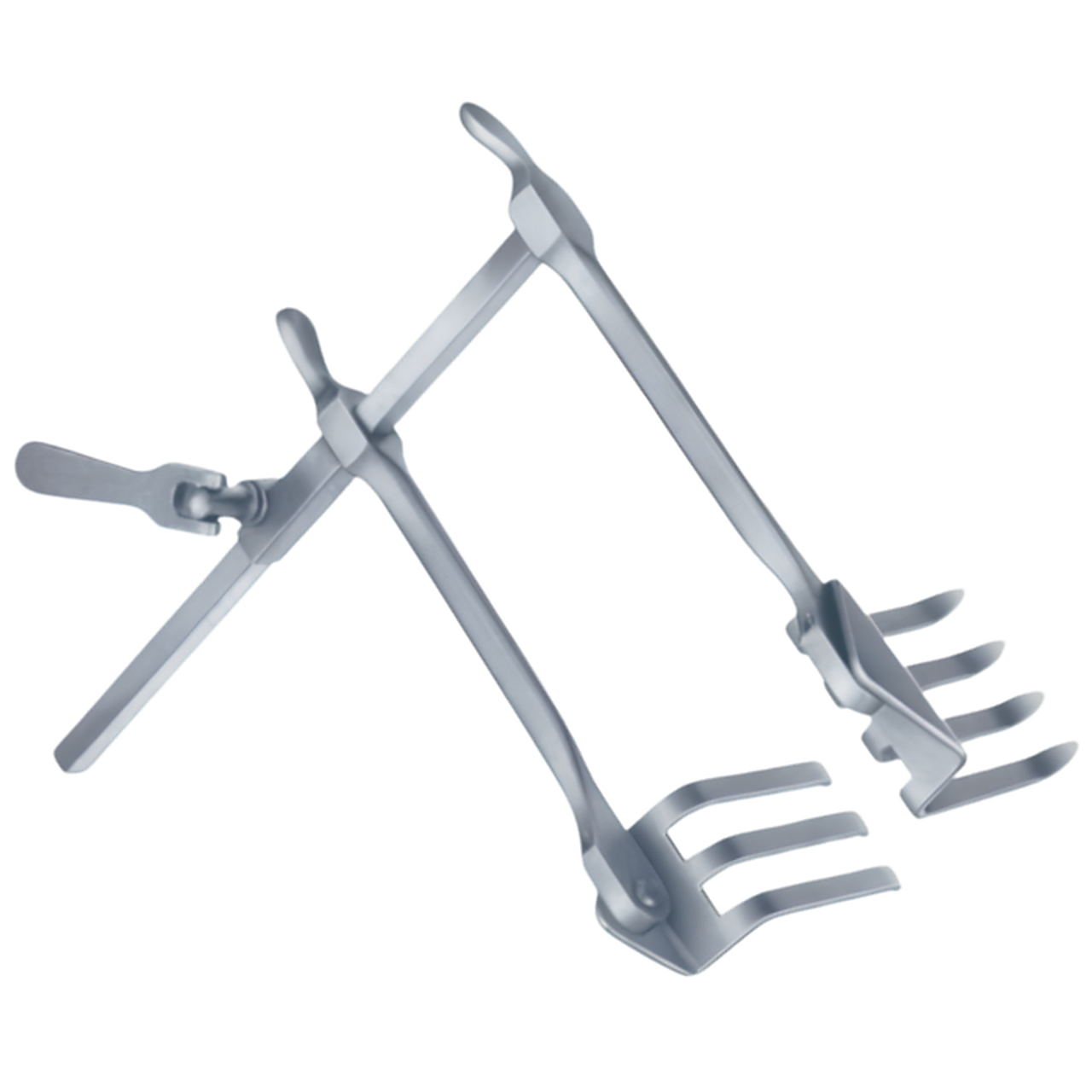 | Afastador Autoestático Scoville-Richter | Projetado especificamente para afastar a musculatura paravertebral pesada e manter a exposição ampla durante a cirurgia da coluna lombar. |
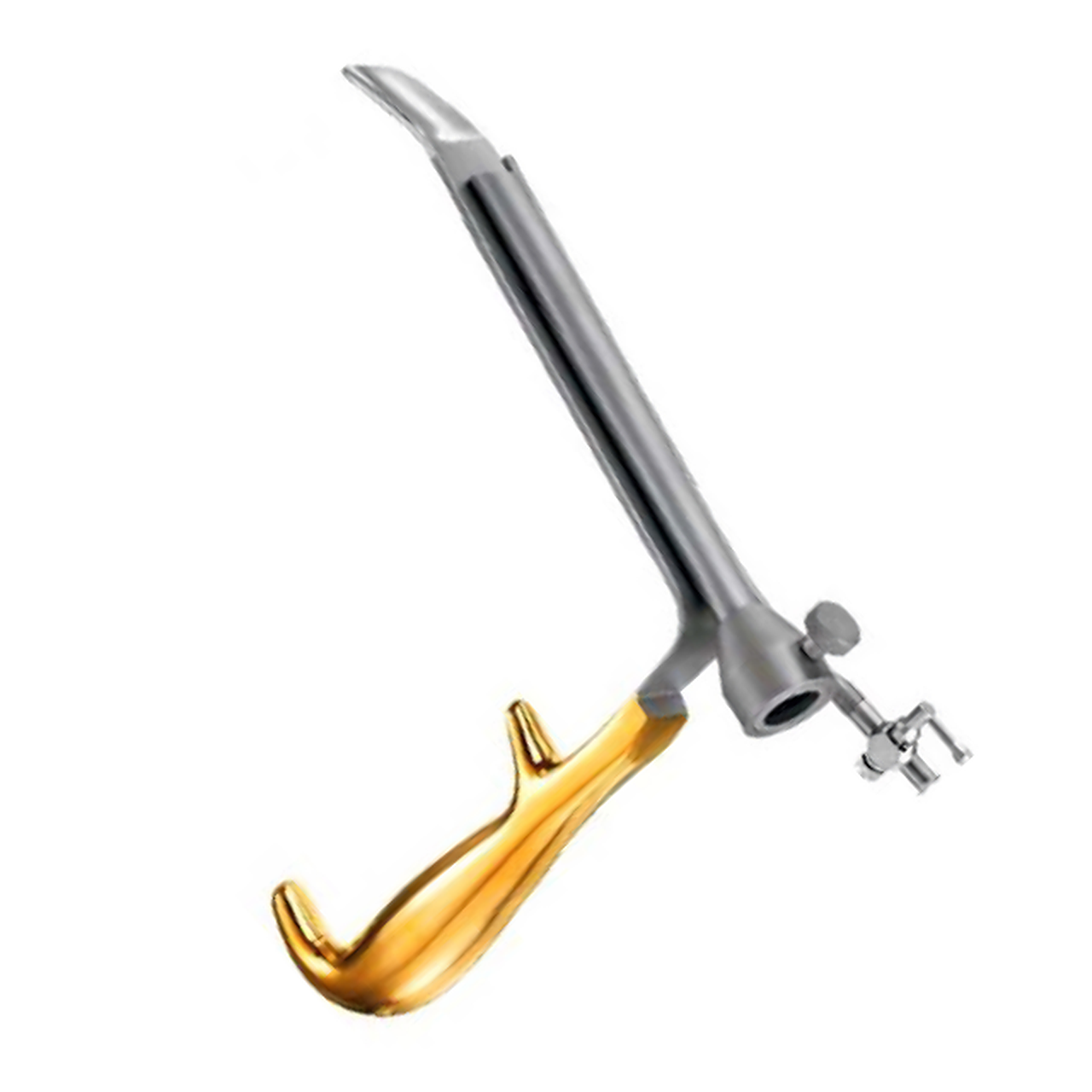 | Afastador Endoscópico Sculpo | Projetado especificamente para elevar retalhos de tecido e estabilizar um endoscópio durante cirurgias plásticas minimamente invasivas. |
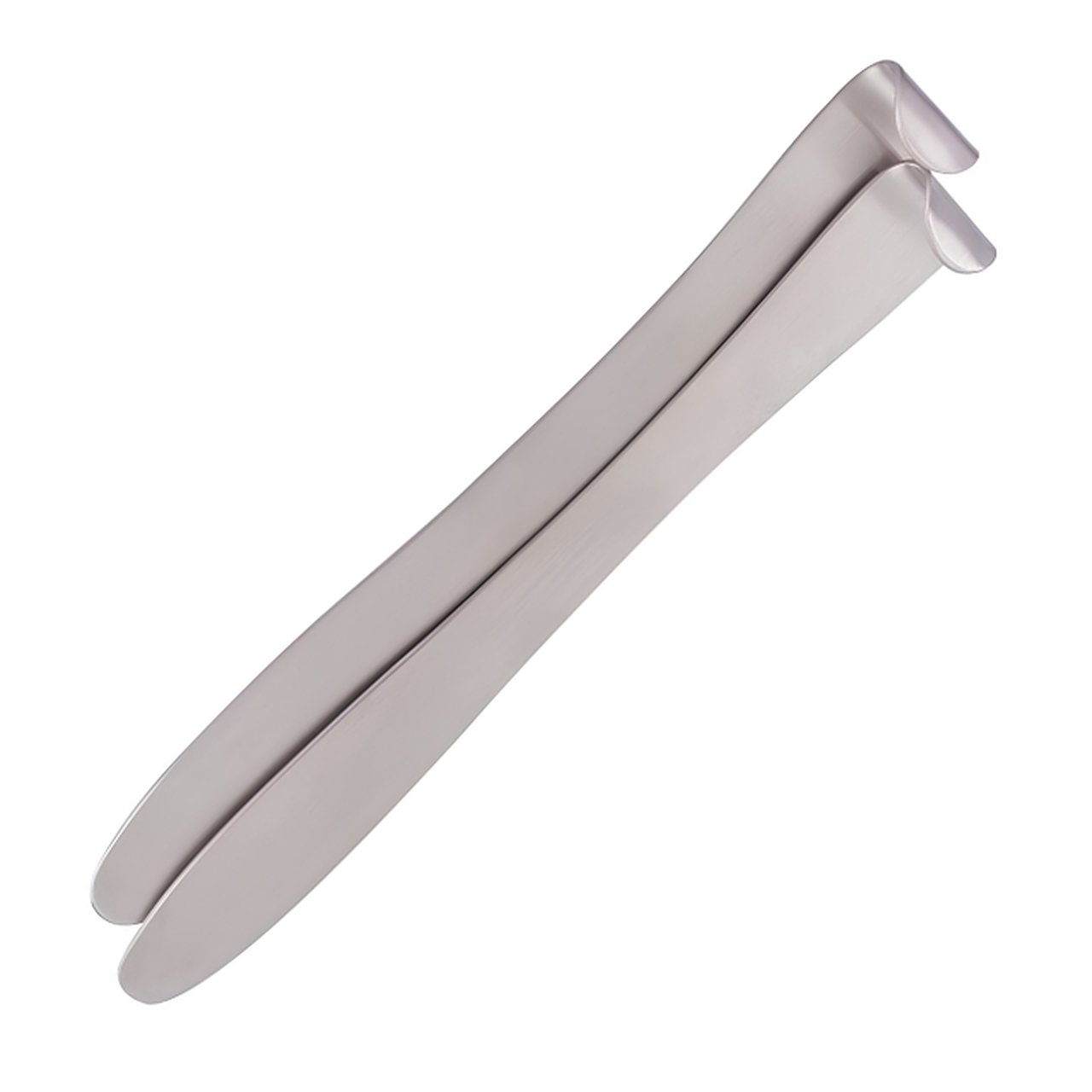 | Seeburger Retractor-Set of Two | Projetado especificamente para afastar margens de pele, fáscia e tecidos moles superficiais em cirurgias de pequeno porte e gerais. |
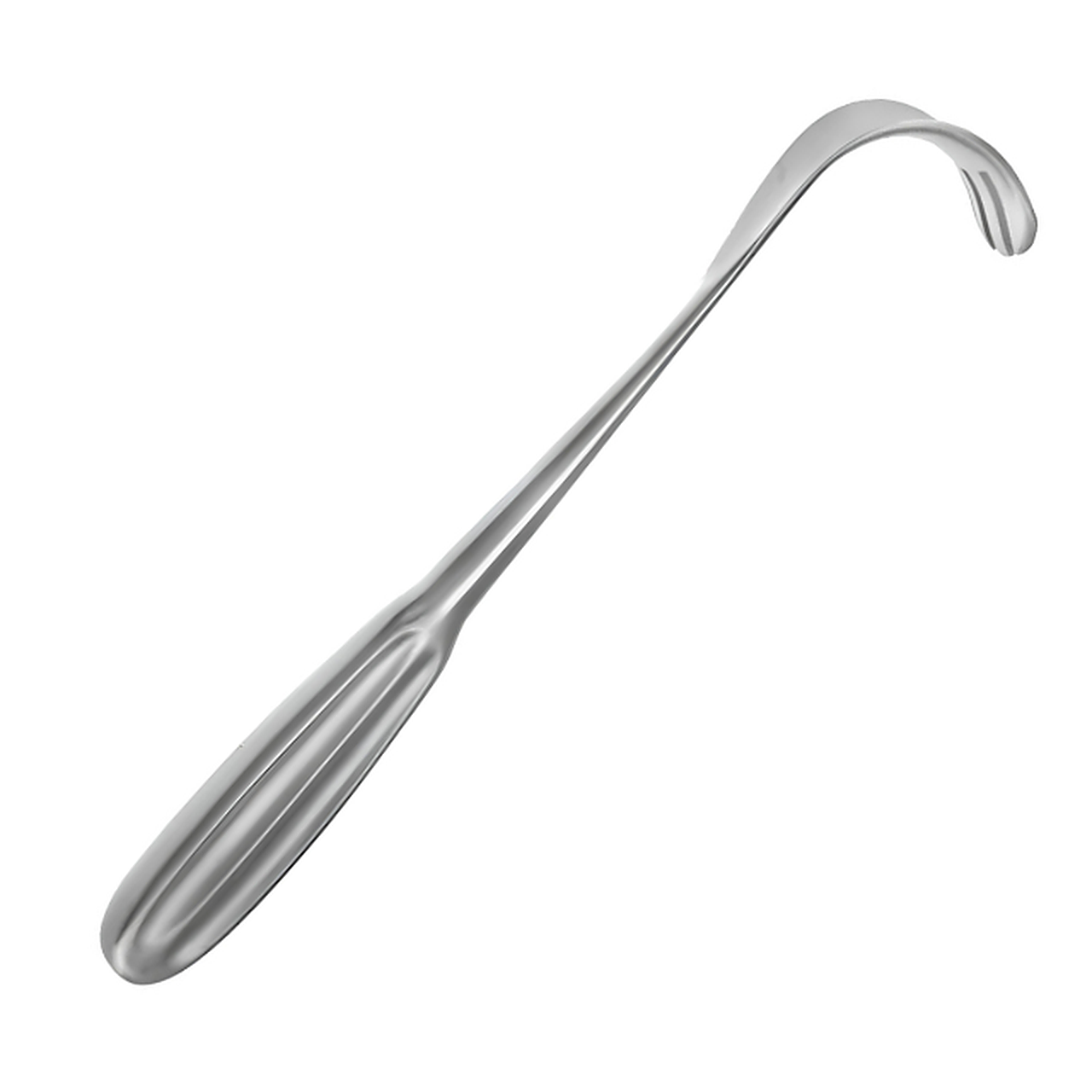 | Afastador de Pulmão/Músculo Semb | Projetado especificamente para afastar o parênquima pulmonar, músculos da parede torácica e vísceras torácicas profundas durante toracotomia e cirurgia pulmonar. |
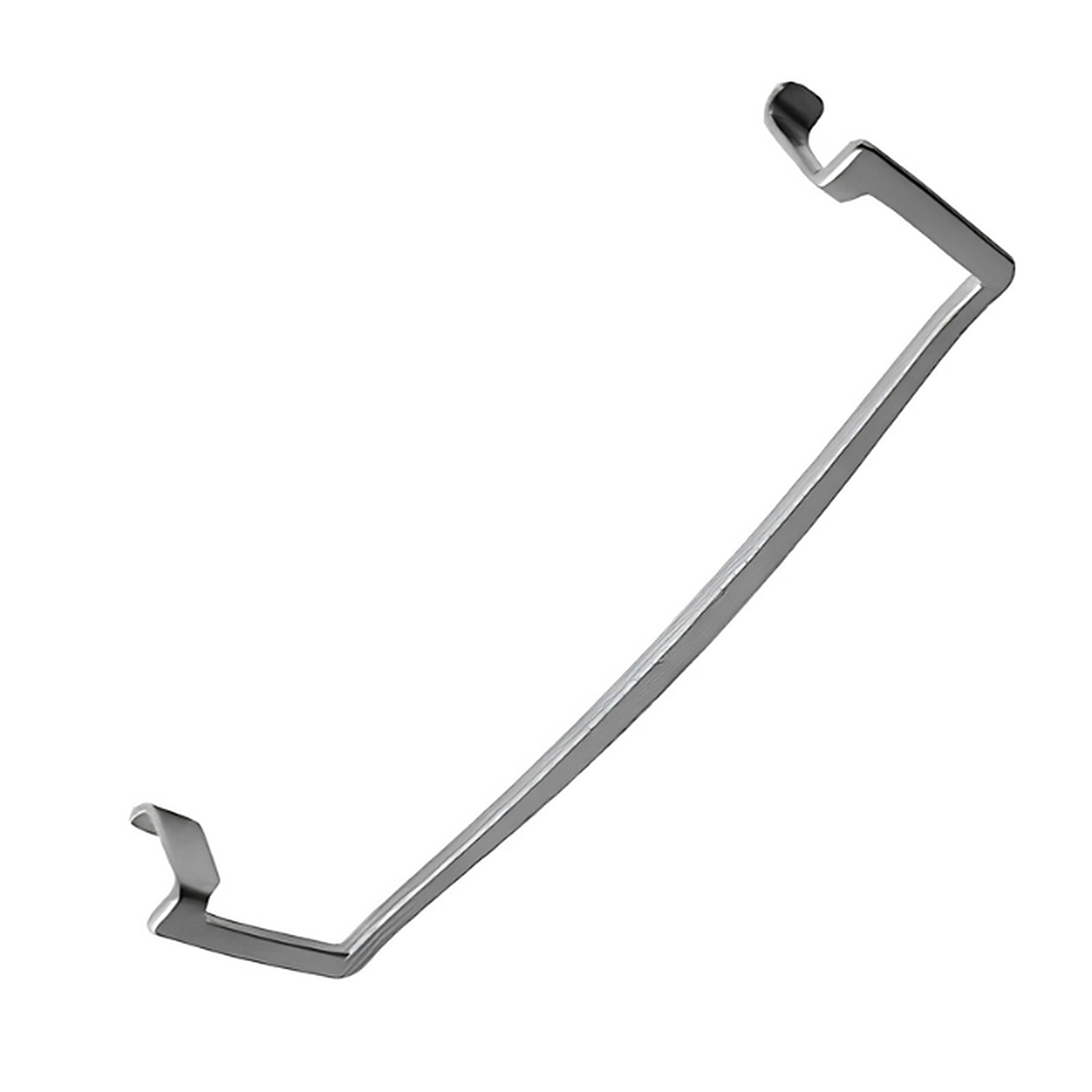 | Afastador Senn Forward | Projetado especificamente para retrair margens da pele, retalhos cutâneos e fáscia durante cirurgias menores, plásticas e de mão. |
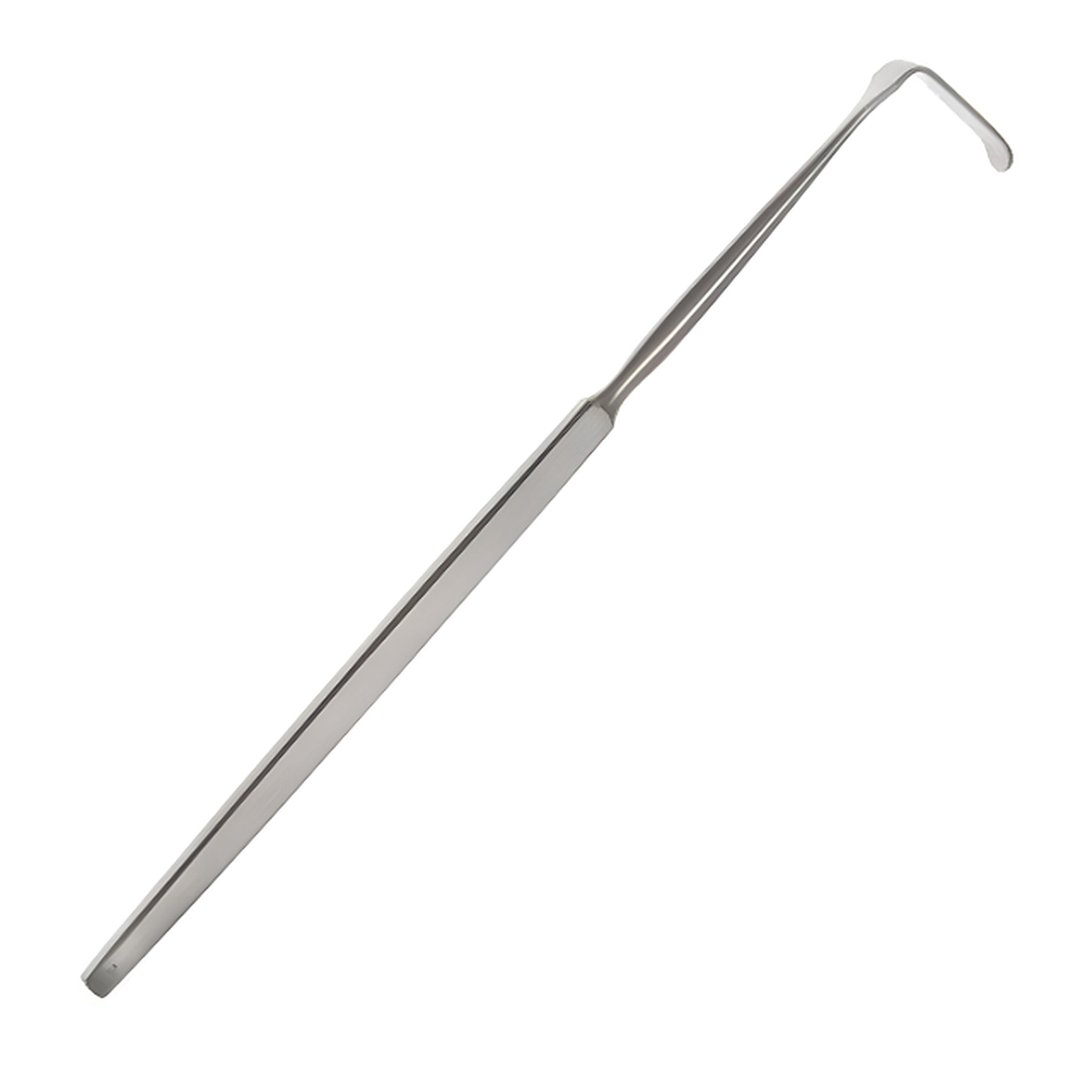 | Afastador Senn Green | Projetado especificamente para afastar músculos infra-hióideos, fáscia cervical e margens de feridas durante cirurgias de tireoide e procedimentos menores. |
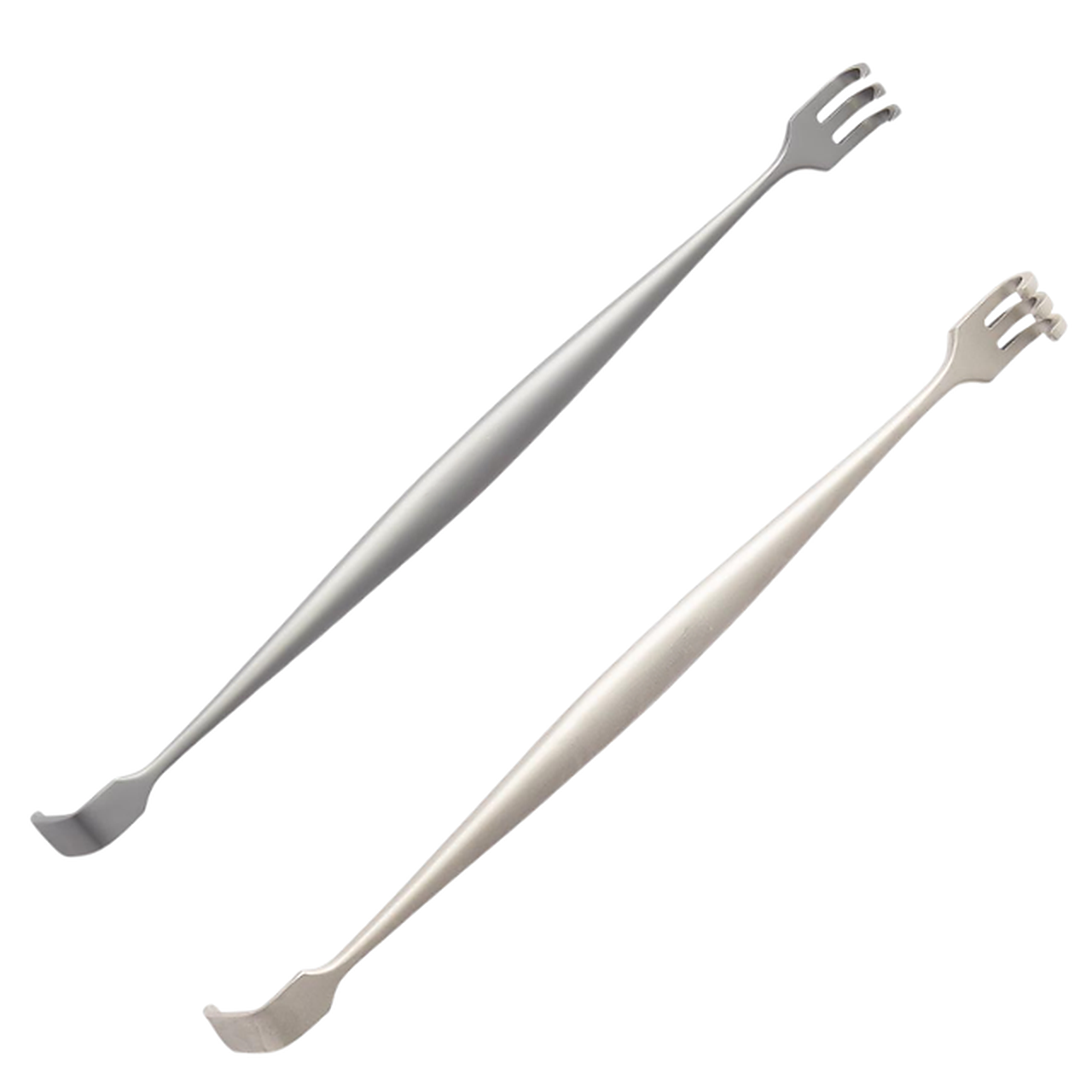 | Afastador Senn Miller | Projetado especificamente para retrair margens de pele, fáscias e tecidos subcutâneos em incisões cirúrgicas superficiais e intermediárias. |
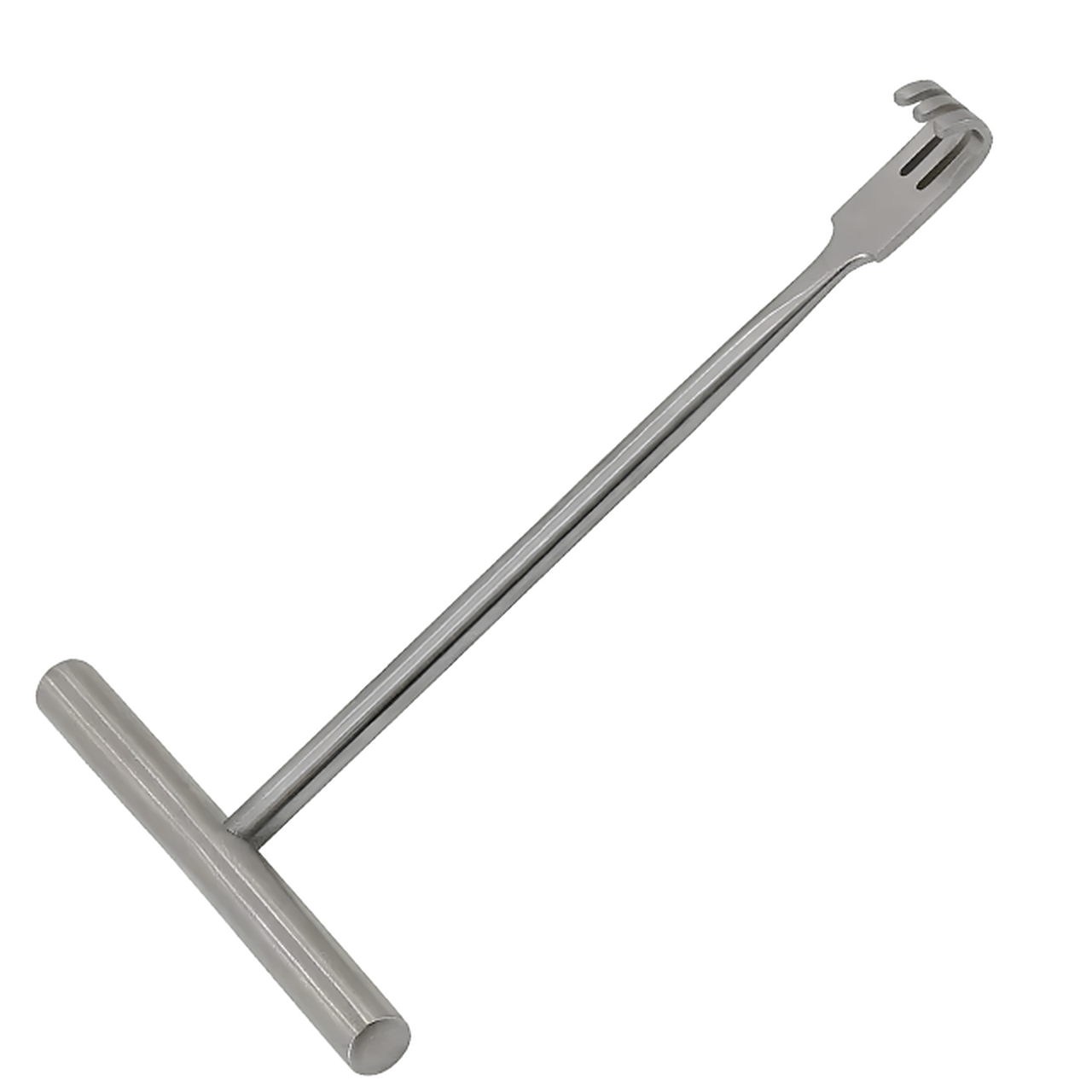 | Afastador Senn com Cabo em T | Projetado especificamente para retrair retalhos de pele, fáscia e margens de tecido denso com alta alavancagem de tração manual. |
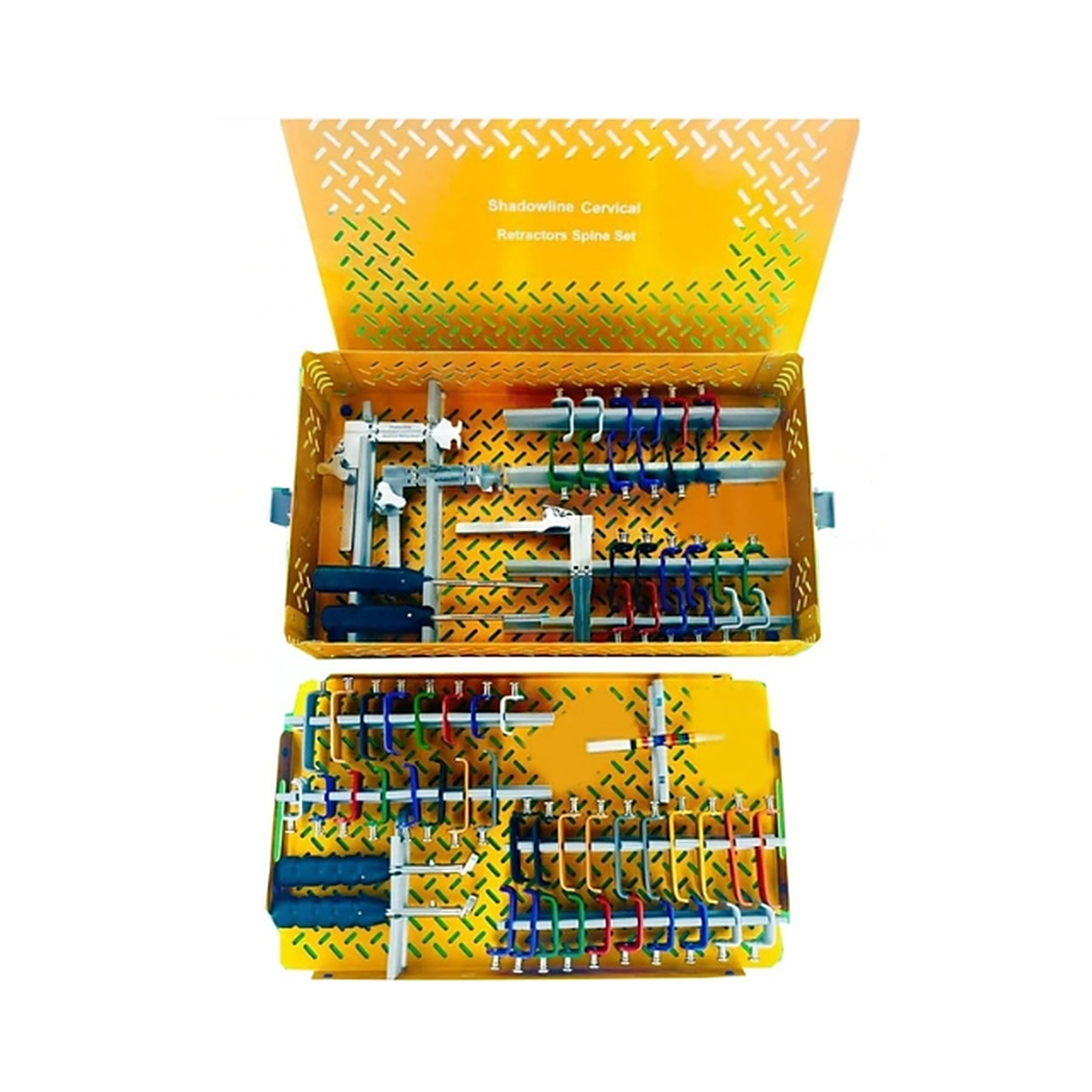 | Conjunto de Afastador de Coluna Cervical SHADOWLINE Trimline | Especificamente projetado para fornecer afastamento tecidual estável e visualização clara durante procedimentos cirúrgicos de coluna cervical anterior. |
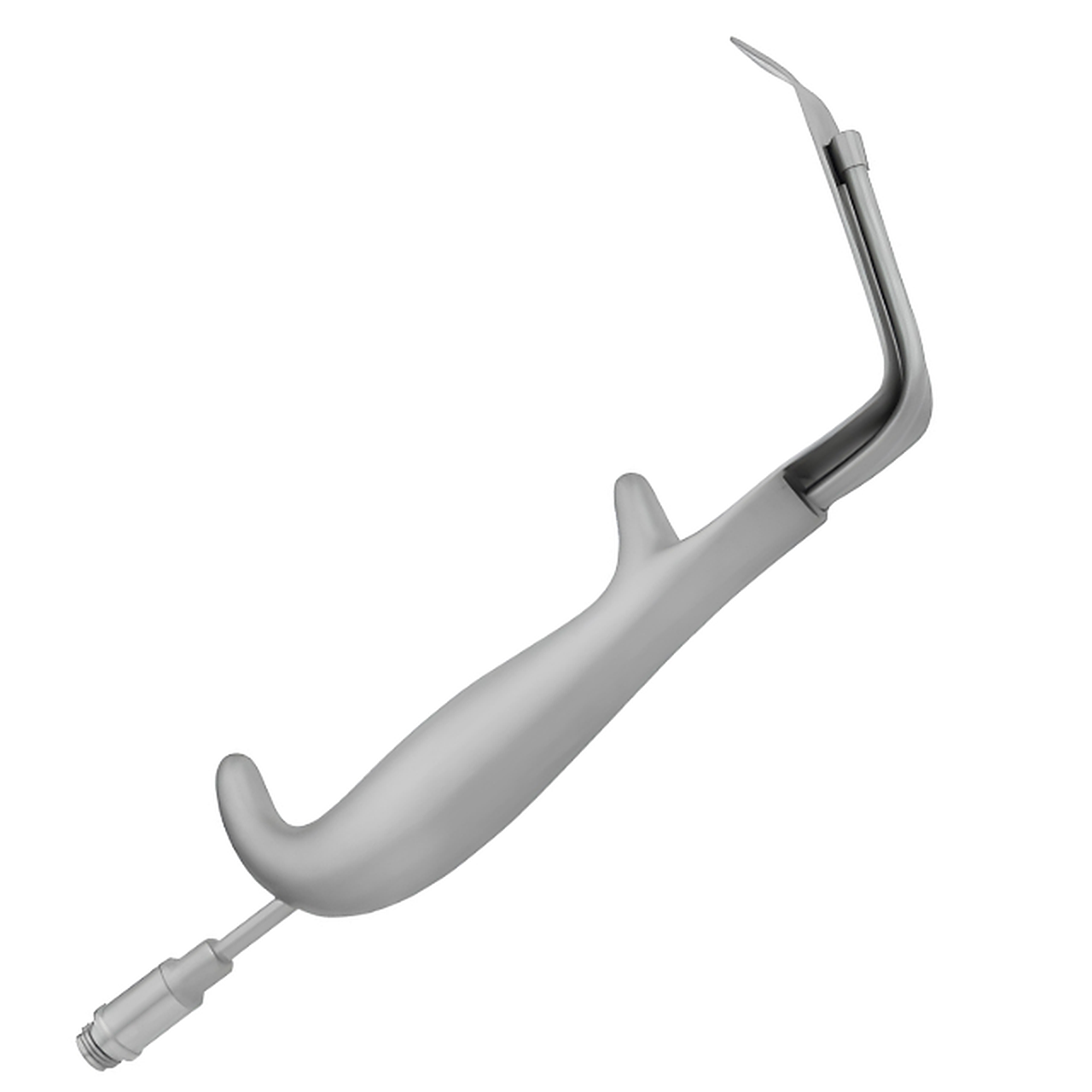 | Shea Retractor With Fiber Optic Guide | Projetado especificamente para afastar retalhos de tecido e iluminar cavidades operatórias profundas durante cirurgias otorrinolaringológicas e plásticas faciais. |
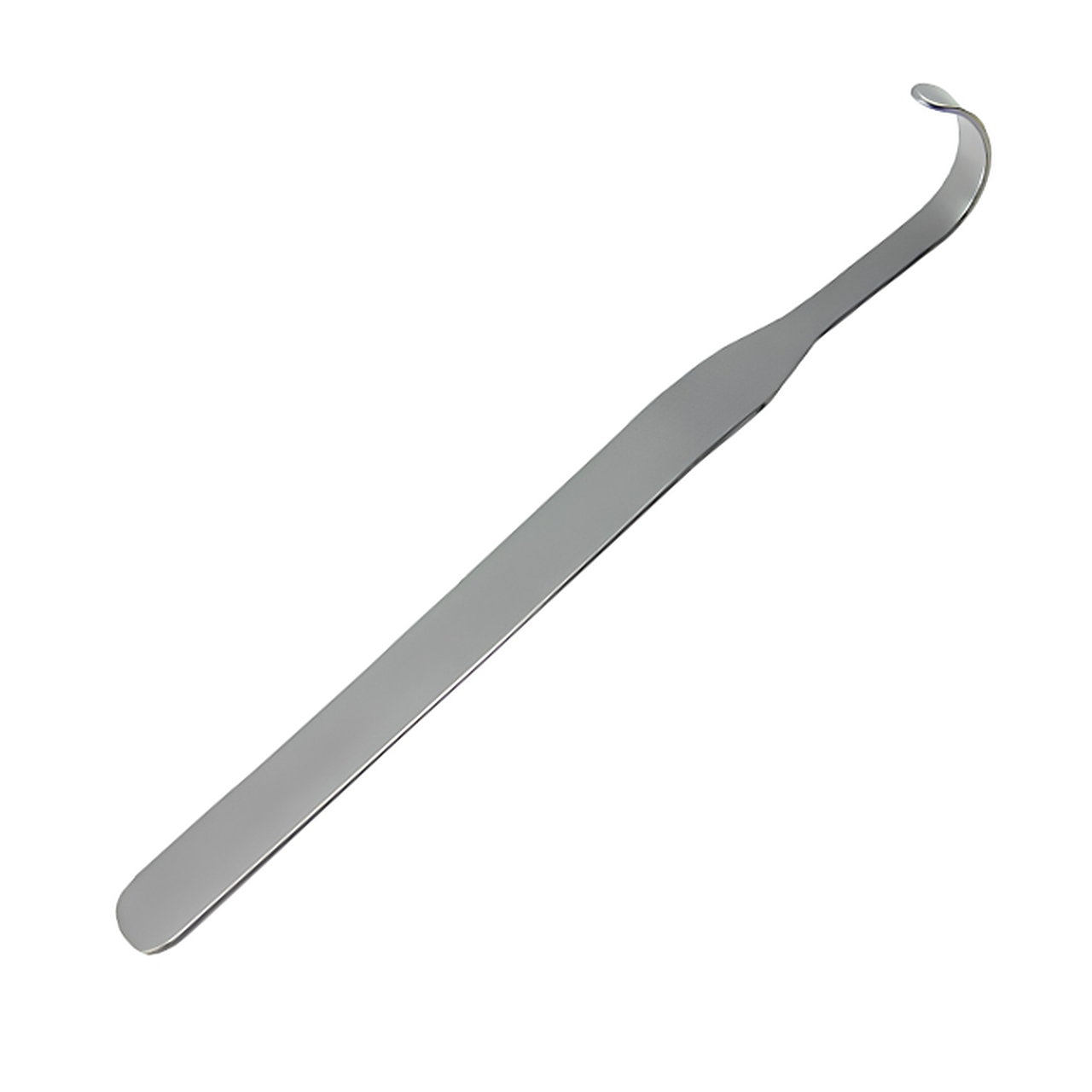 | Afastador Nasal Sheen Nasal Retractor Angled | Projetado especificamente para elevar retalhos de pele nasal e retrair cartilagens durante rinoplastias estéticas e reconstrutivas. |
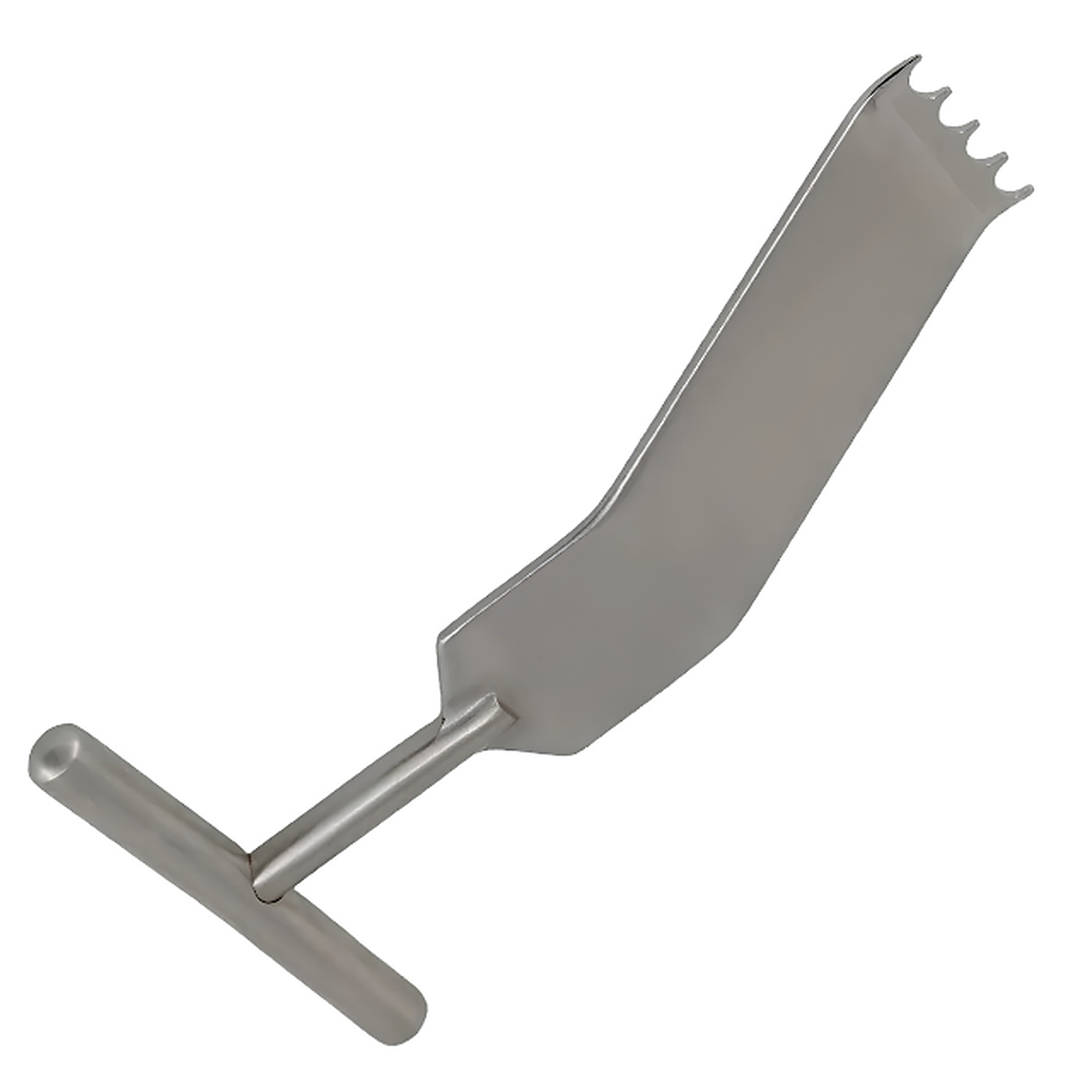 | Shoulder Arthroplasty Retractor Glenoid Exposure | Projetado especificamente para deslocar o úmero posteriormente e expor a cavidade glenoide durante a artroplastia de ombro. |
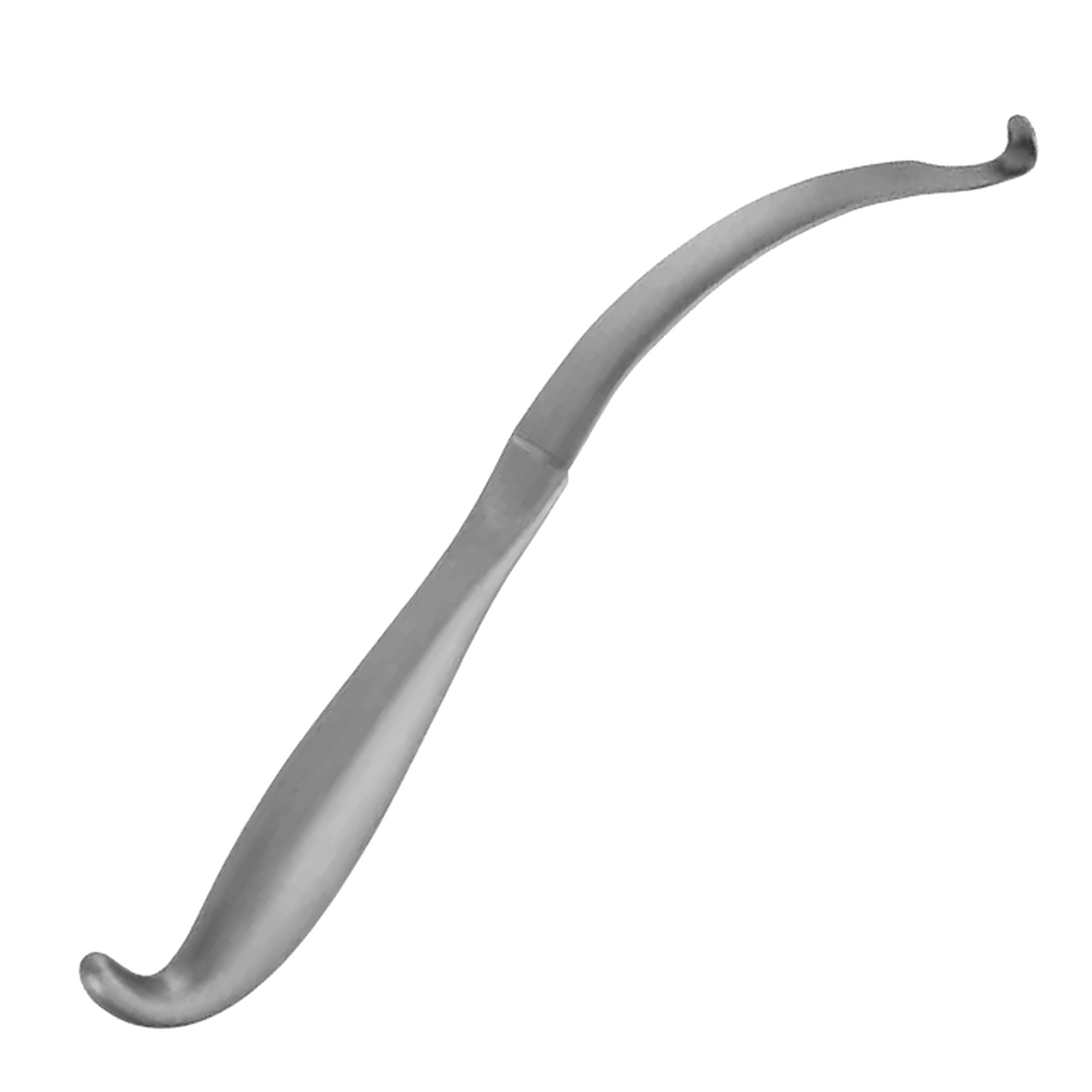 | Afastador Sigmoid Notch | Projetado especificamente para se fixar na incisura sigmoide mandibular e proteger feixes neurovasculares durante cirurgia ortognática de ramo. |
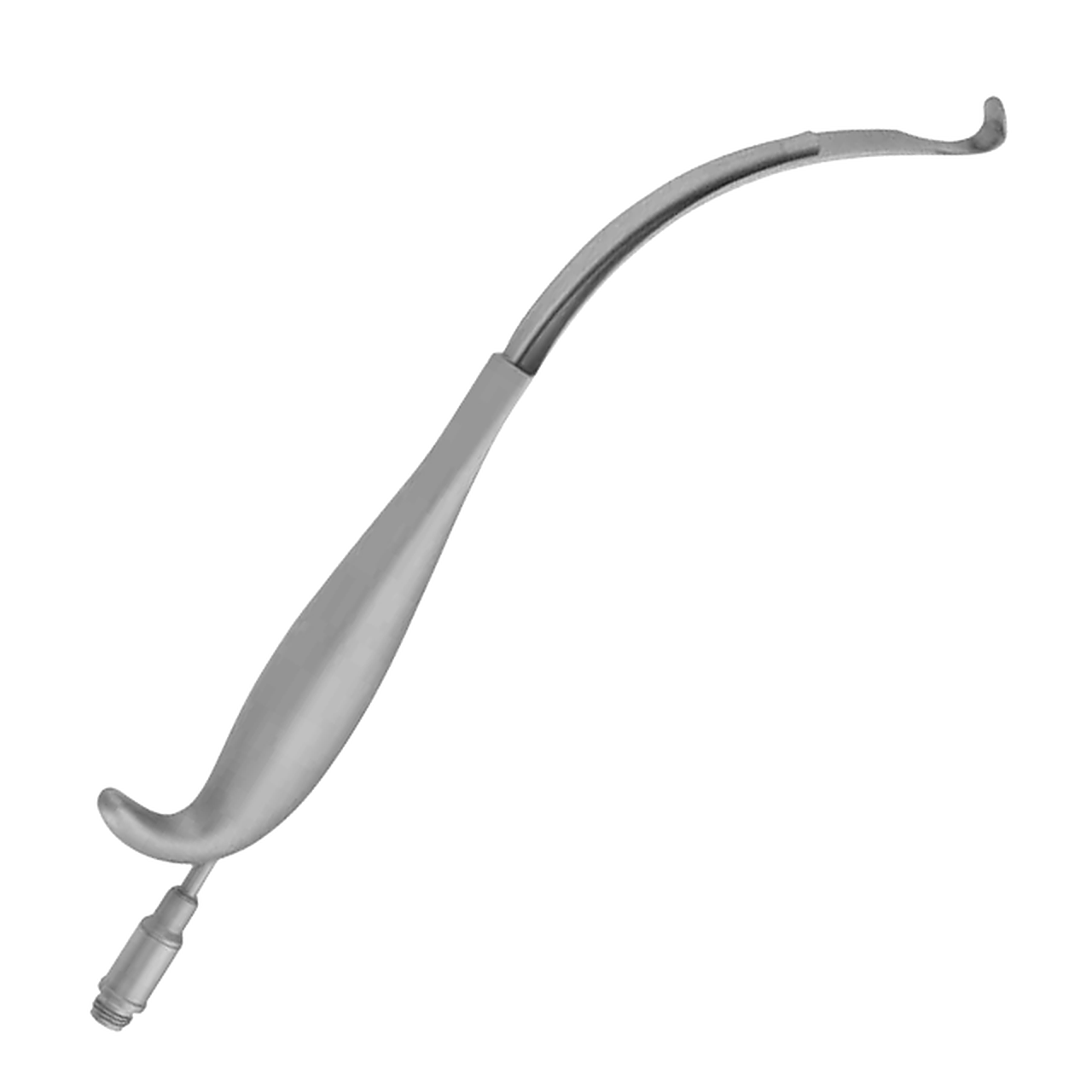 | Afastador Sigmoid Notch Retractor With Fiber Optic Guide | Projetado especificamente para fornecer afastamento de tecidos moles iluminado e estabilização óssea na incisura sigmoide durante a cirurgia do ramo. |
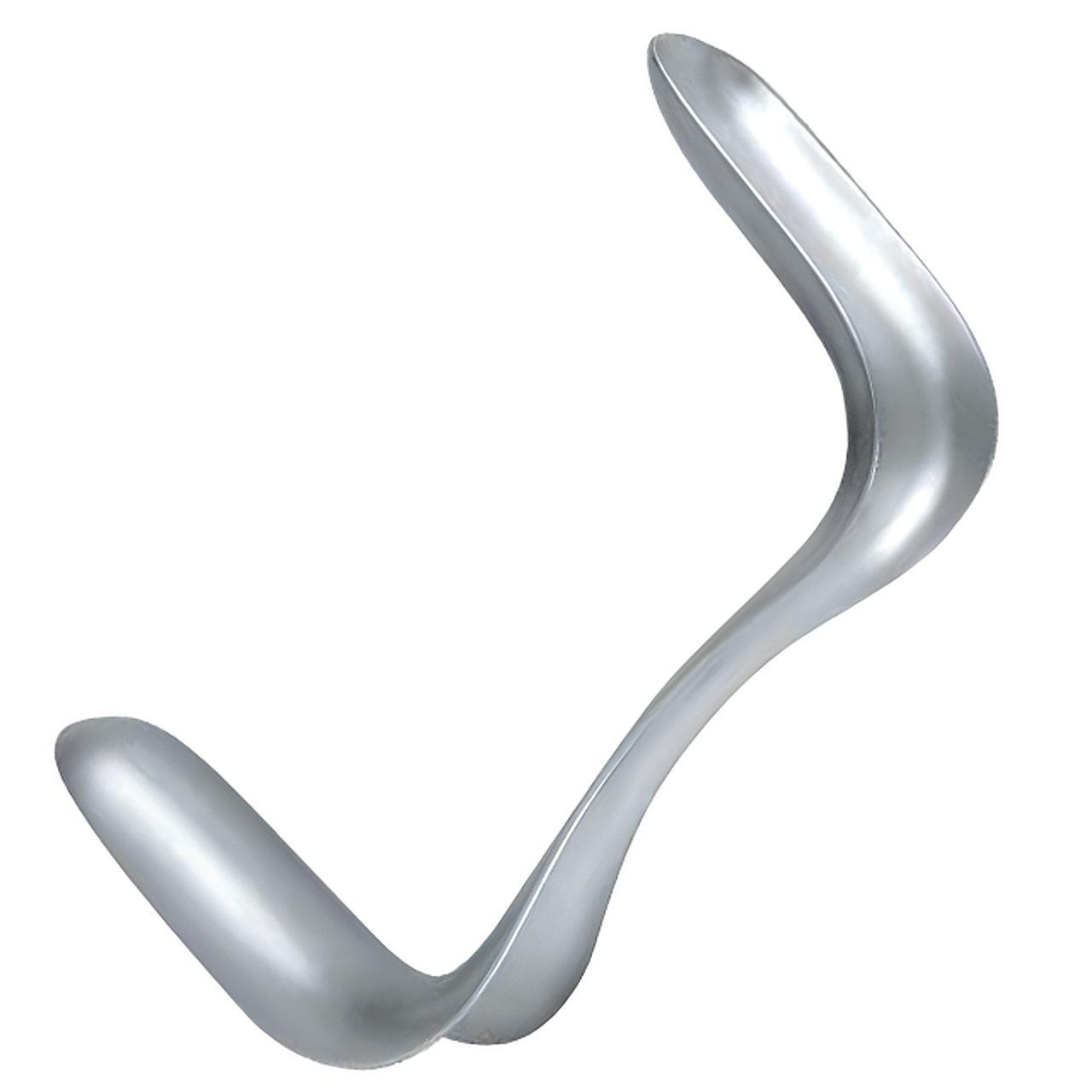 | Afastador Vaginal Sims | Projetado especificamente para afastar a parede vaginal posterior ou anterior e fornecer visualização da abóbada pélvica. |
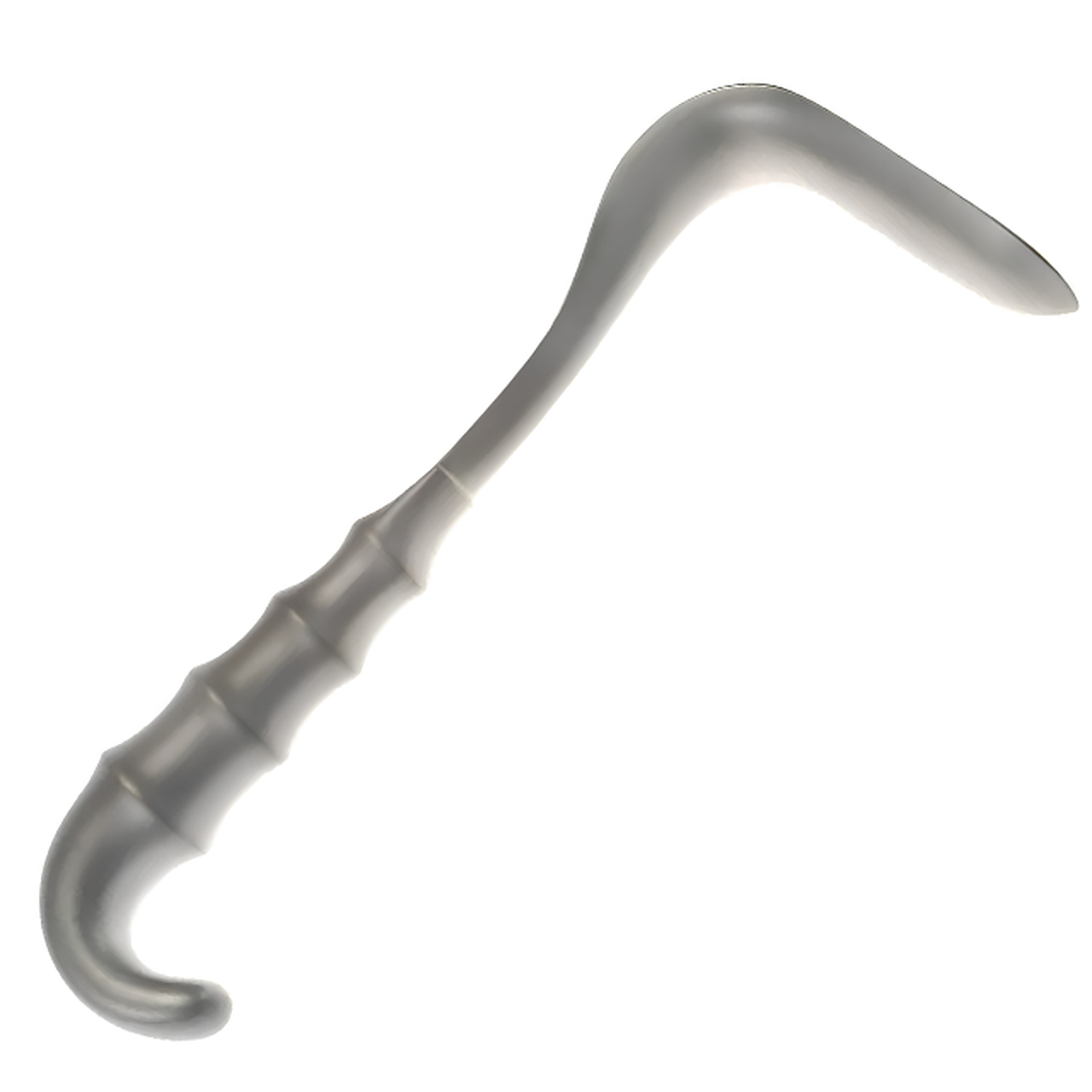 | Afastador Vaginal Sims — Cabo Oco Ergonômico | Projetado especificamente para afastar as paredes vaginais com esforço reduzido da mão do assistente durante cirurgias pélvicas e ginecológicas. |
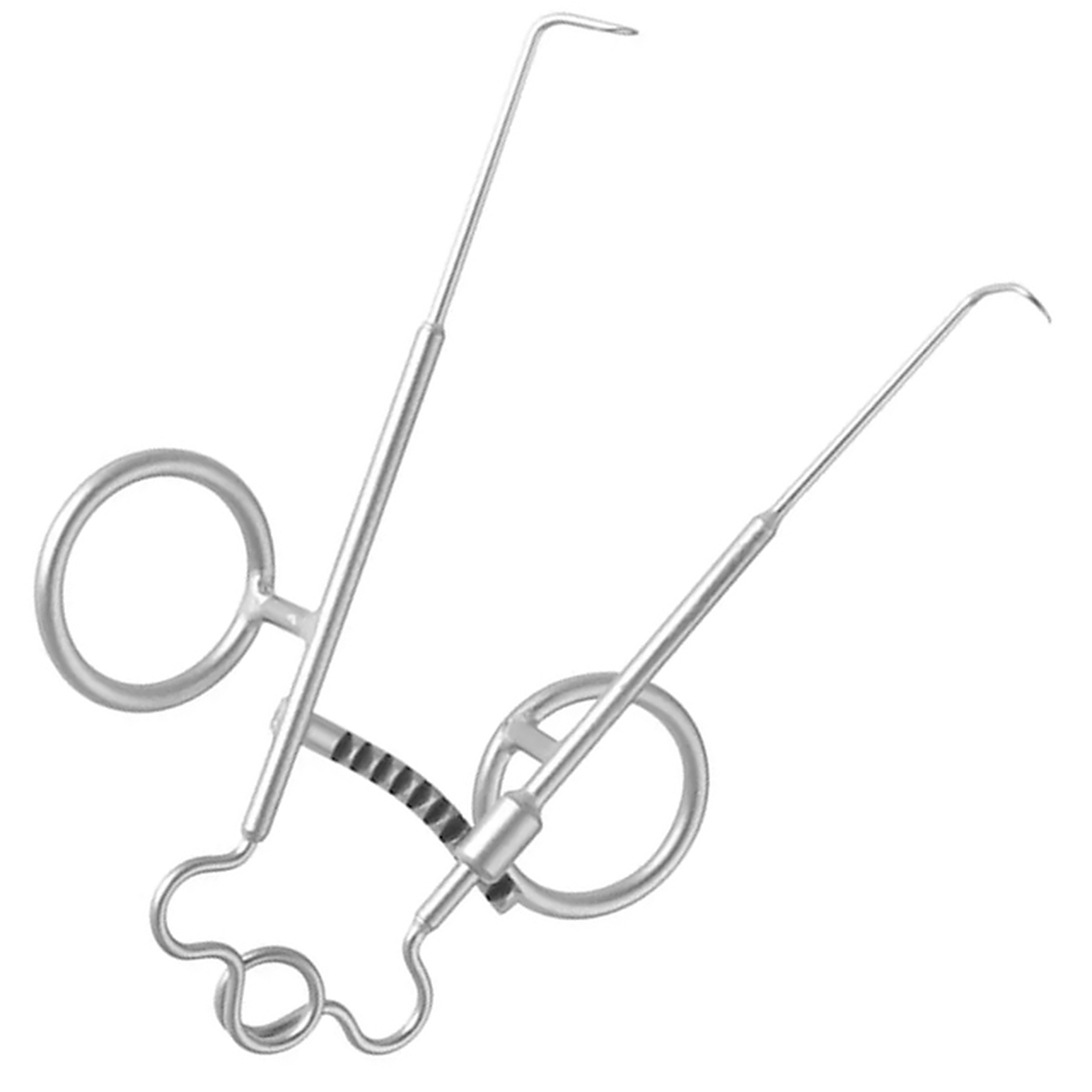 | Afastador de Pele Sisson | Projetado especificamente para retrair margens de pele, retalhos cutâneos e tecidos moles delicados em microcirurgias de curta distância. |
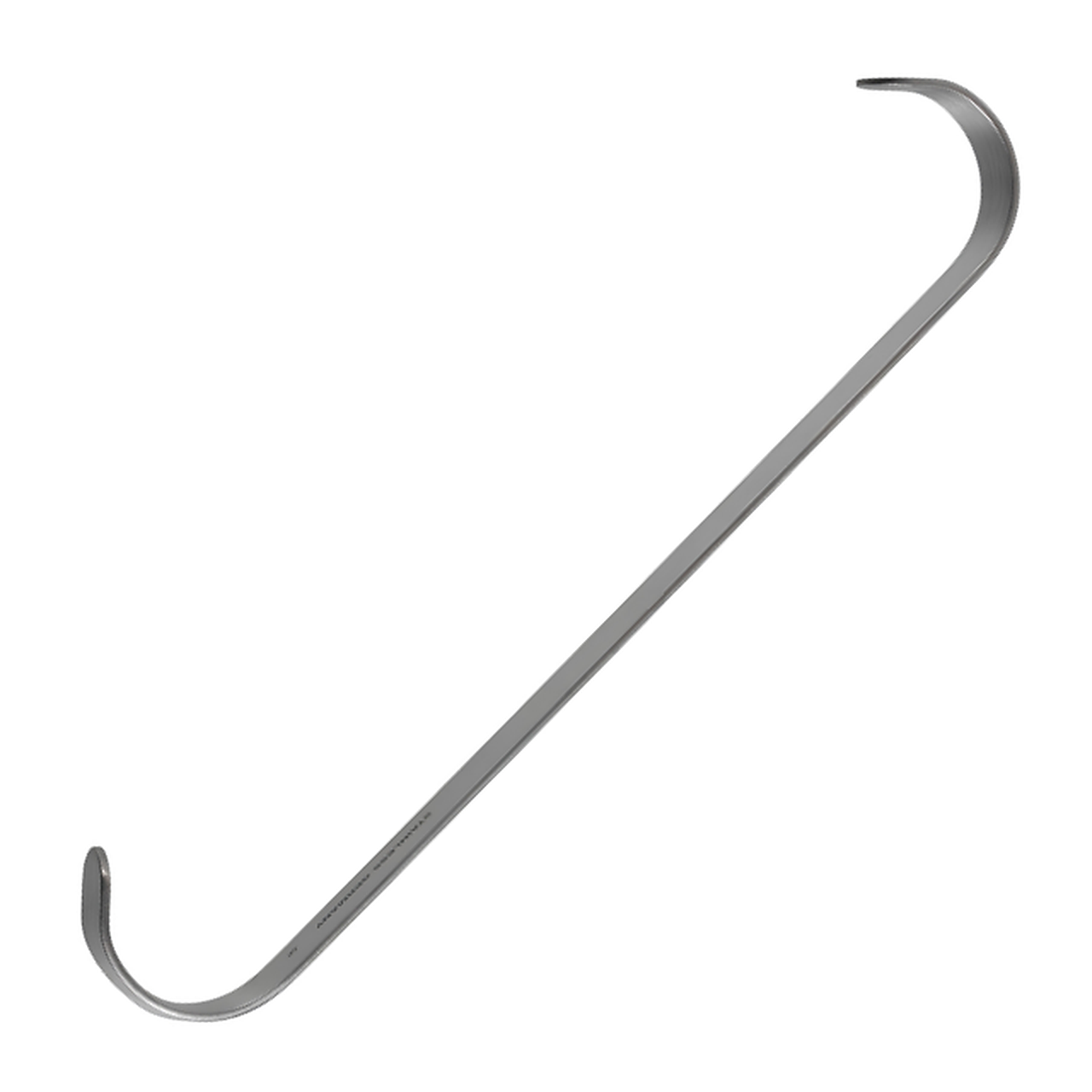 | Afastador Sistrunk | Projetado especificamente para afastar músculos infra-hióideos, fáscia cervical e pele durante a excisão de cisto tireoglosso e cirurgia de pescoço. |
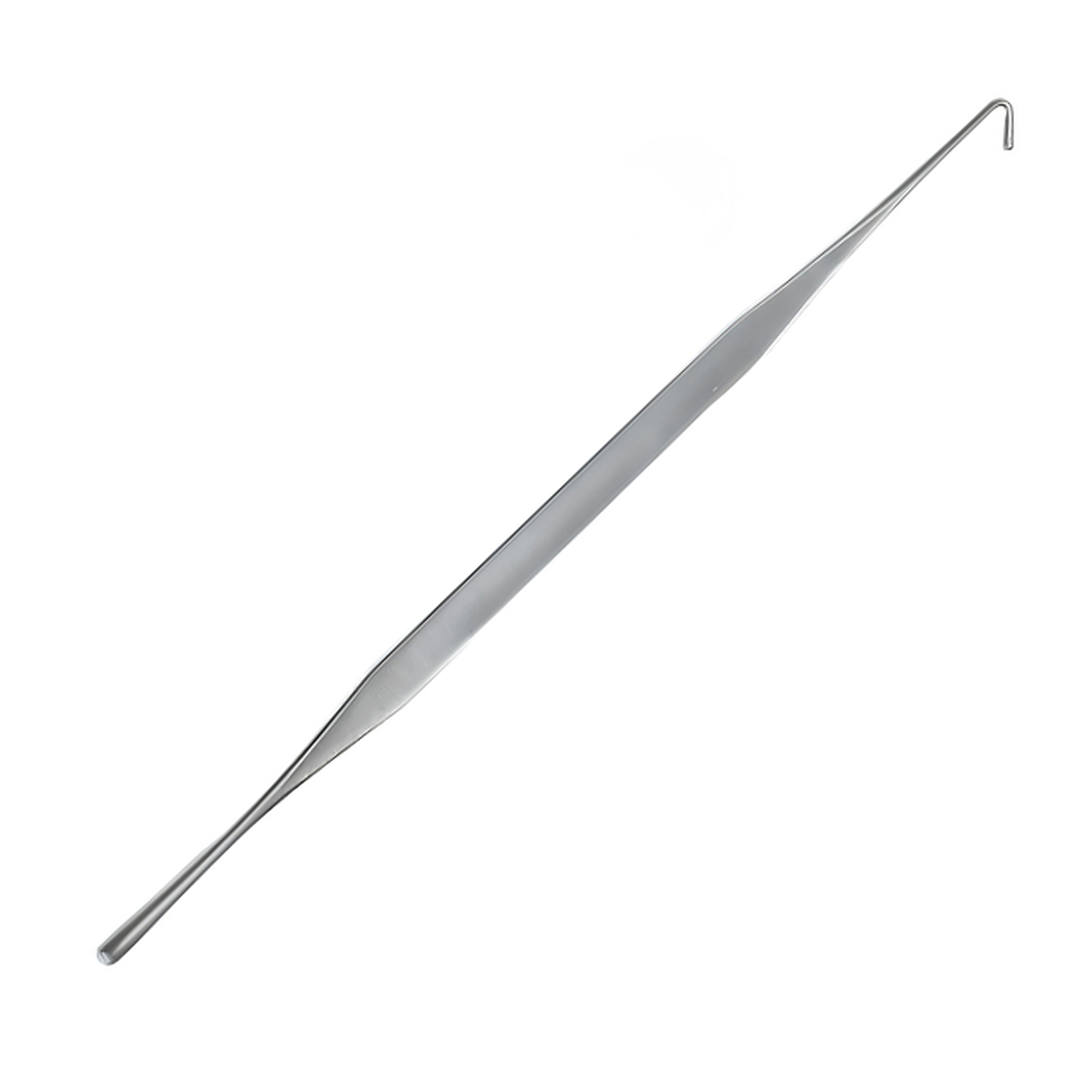 | Afastador de Nervos Smithwick | Projetado especificamente para explorar, mobilizar e afastar raízes nervosas e cadeias simpáticas durante cirurgias vasculares e espinhais profundas. |
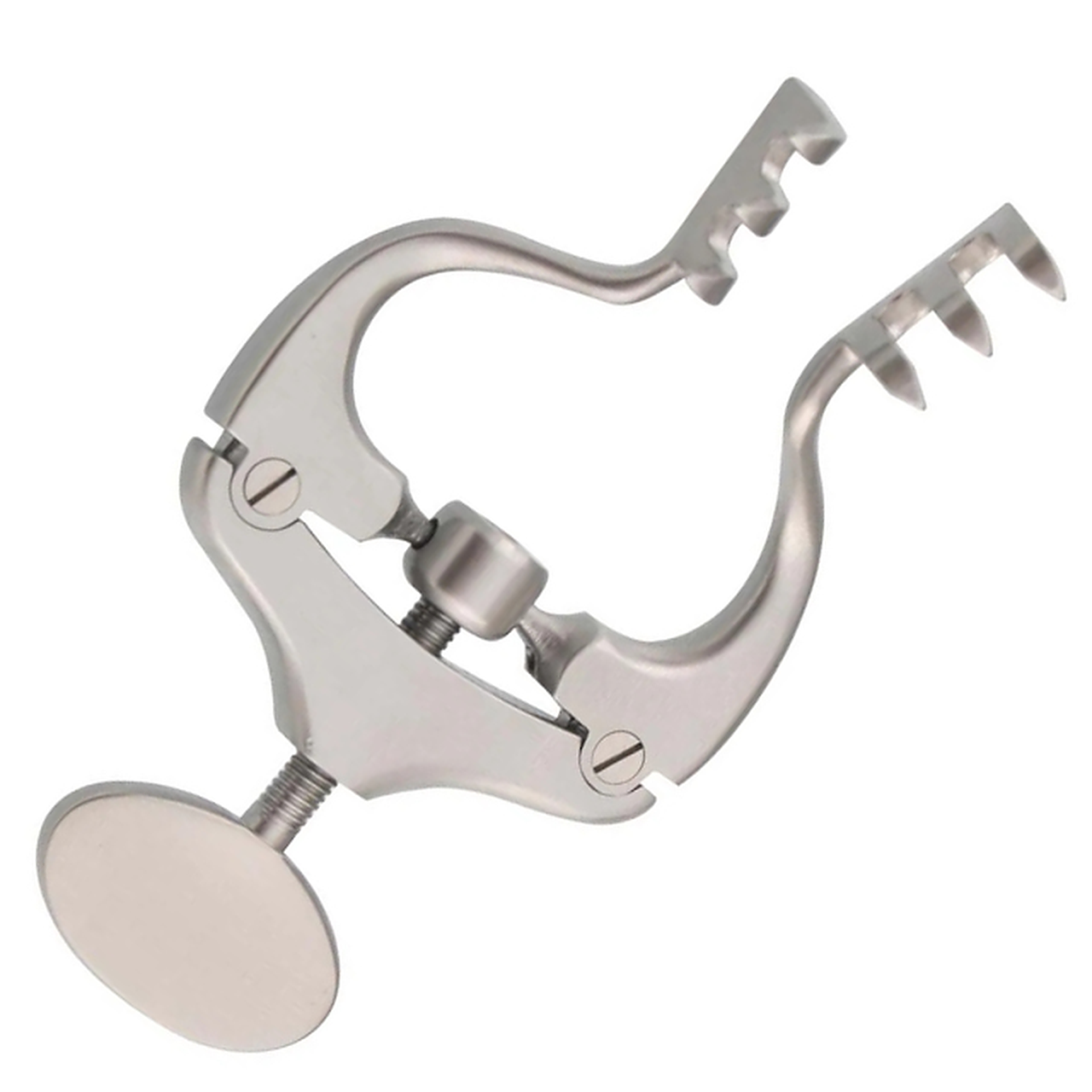 | Afastador Endaural Autoestático Snitman | Projetado especificamente para fornecer retração tecidual autoestática durante microcirurgia endaural, otológica e meatal. |
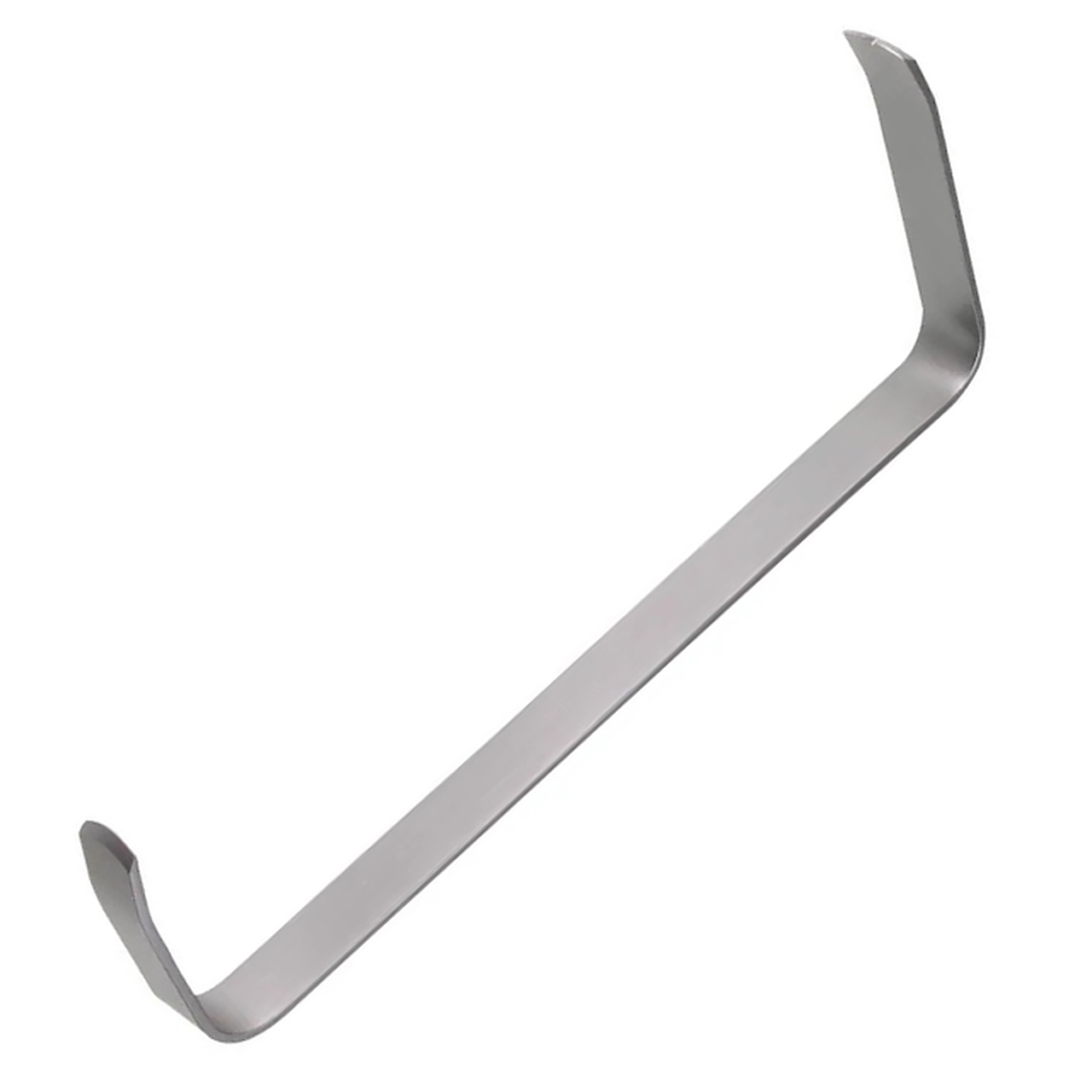 | Afastador Sofield | Projetado especificamente para afastar músculos e periósteo para expor diáfises de ossos longos durante osteotomias e fixação de fraturas. |
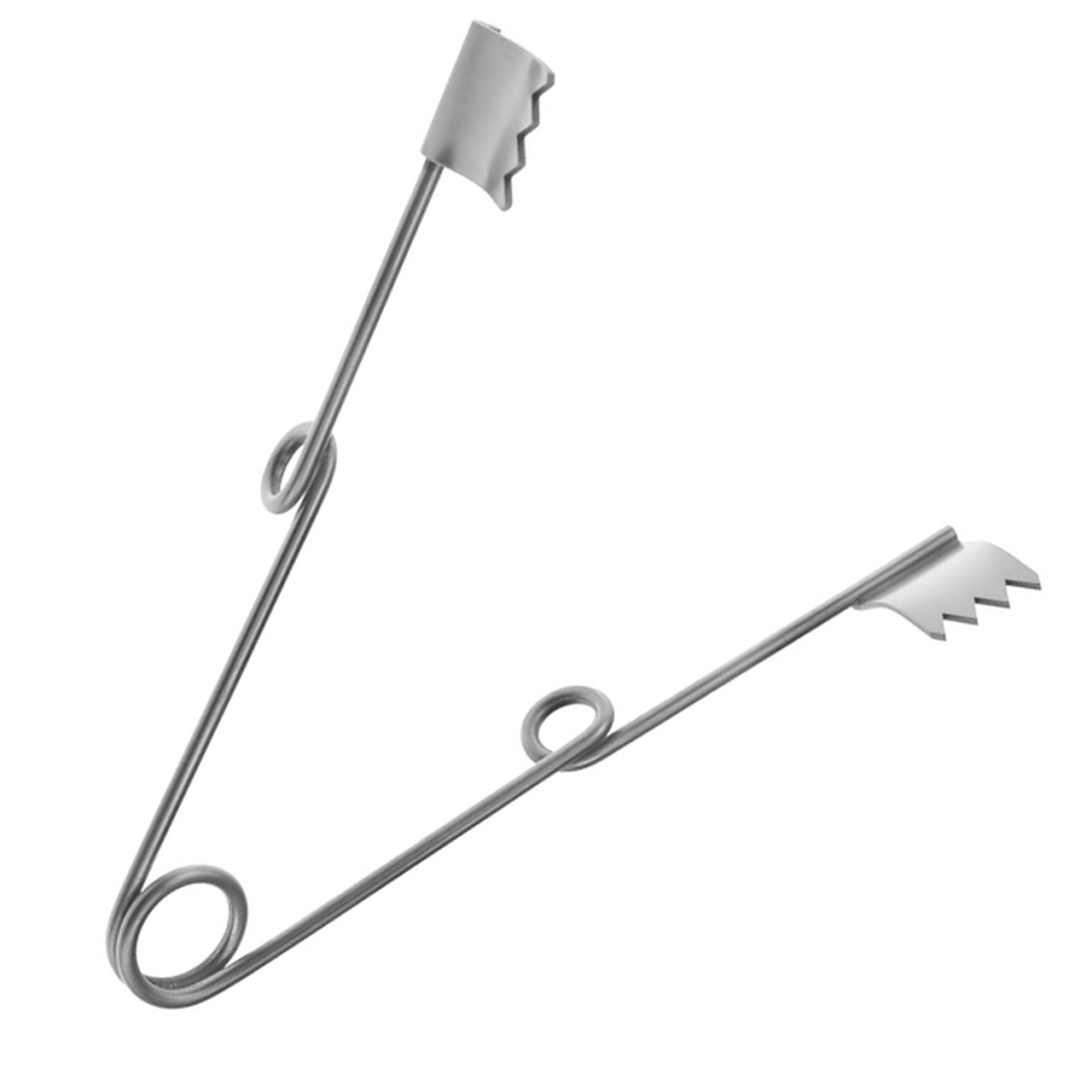 | Afastador Autostático de Mola (Spring Wire Retractor) | Projetado especificamente para fornecer afastamento autostático das margens da ferida durante procedimentos microcirúrgicos e plásticos. |
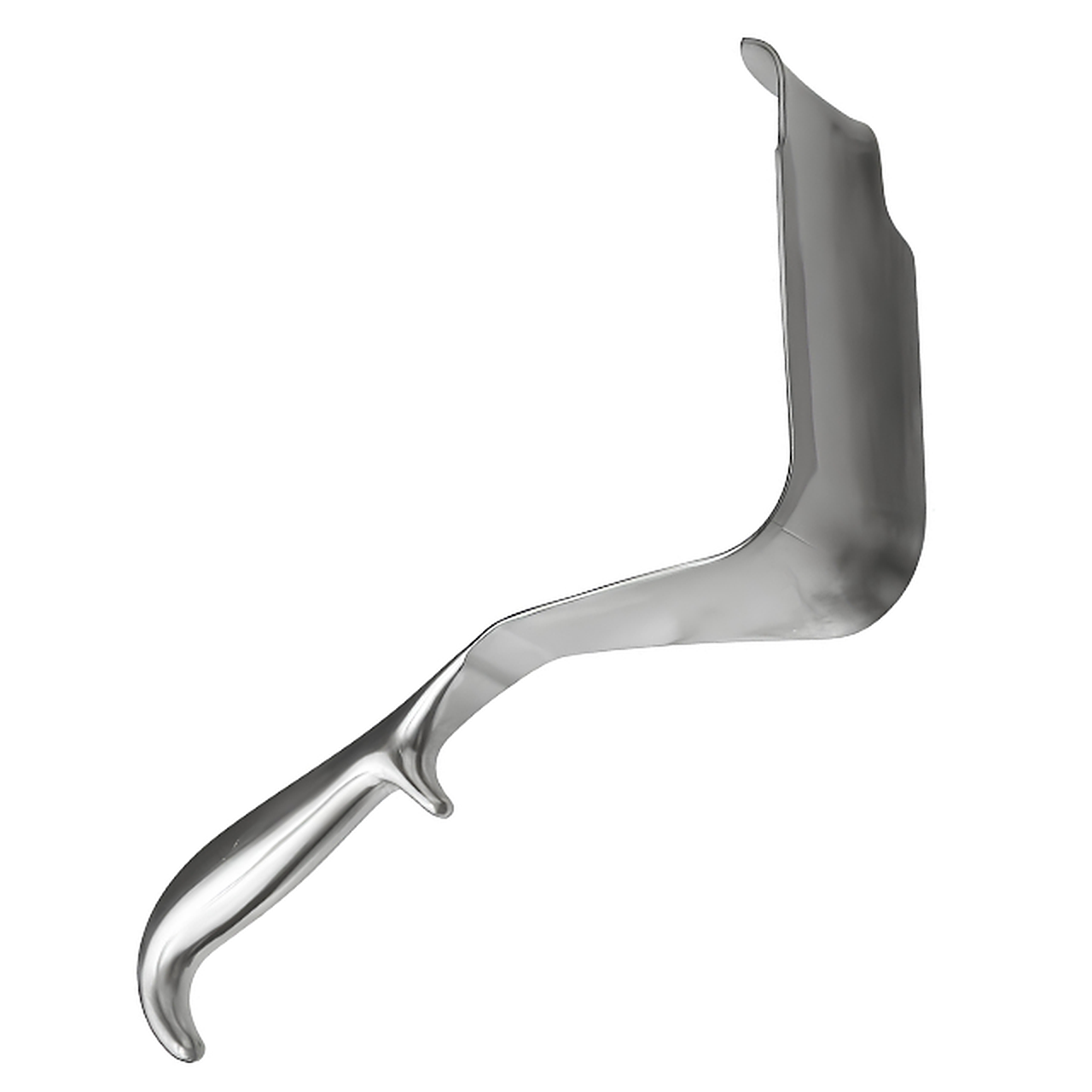 | Afastador Pélvico St. Marks | Projetado especificamente para afastar as vísceras pélvicas, bexiga e peritônio durante cirurgias colorretais e pélvicas profundas. |
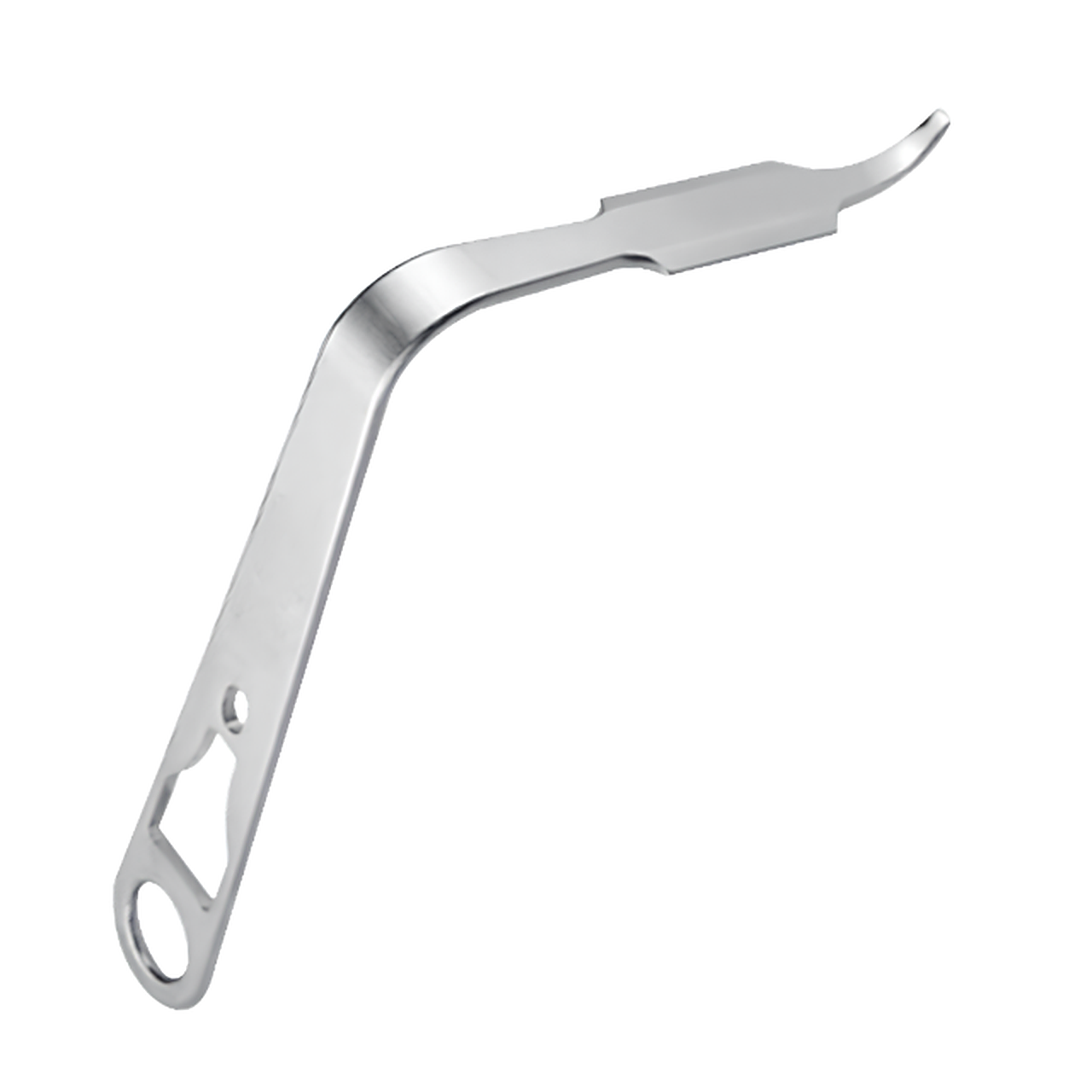 | Afastadores Hohmann Empilháveis | Projetado especificamente para alavancagem de corticais ósseas e retração de camadas musculares densas com capacidade de cabos intertravados durante cirurgias articulares. |
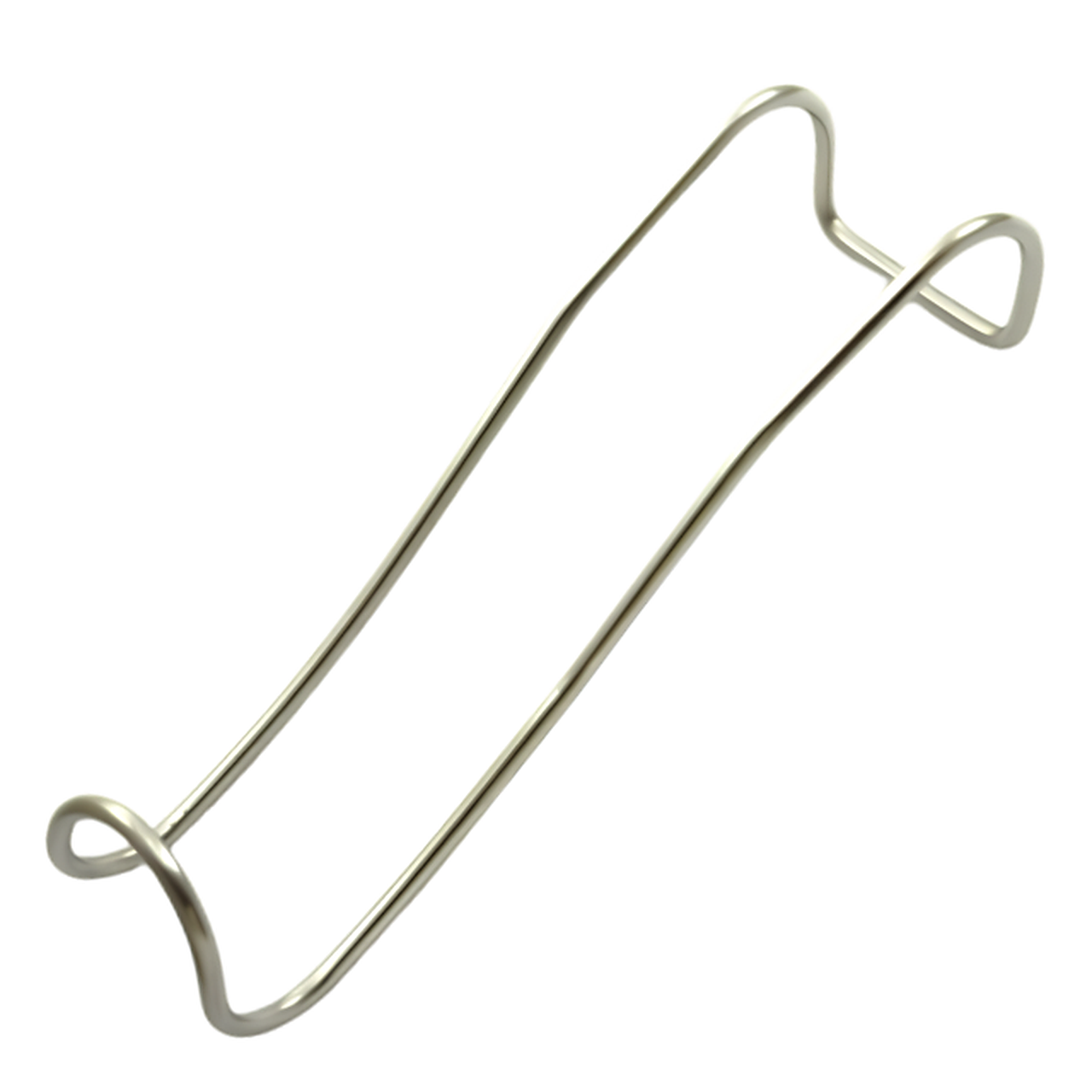 | Afastador Sternberg de Extremidade Dupla | Projetado especificamente para afastar lábios, bochechas e mucosa oral durante cirurgias odontológicas, orais e faríngeas. |
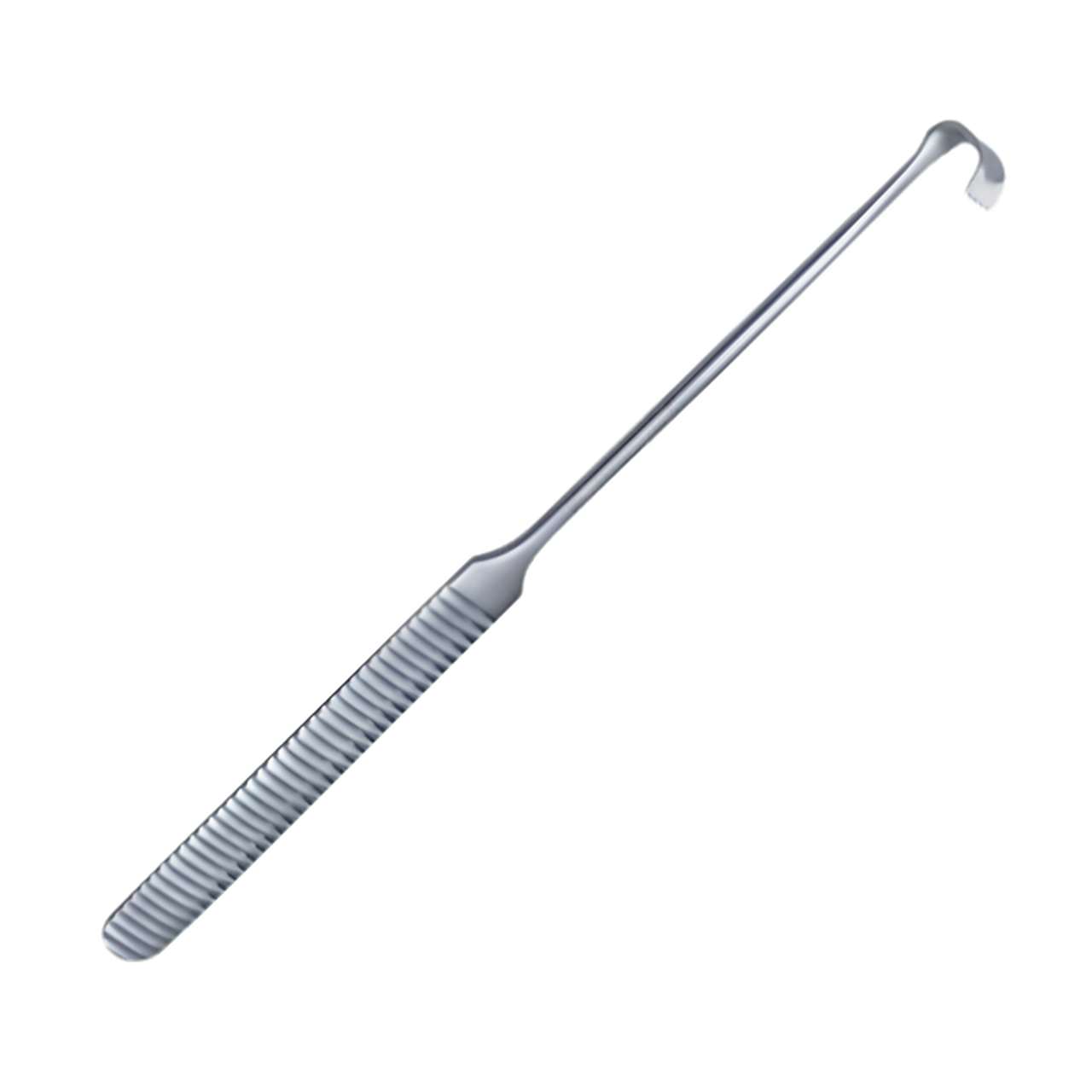 | Afastador Strandell Stille | Projetado especificamente para afastar margens de pele, fáscia e tecidos moles durante cirurgias plásticas, de mão e pequenas cirurgias. |
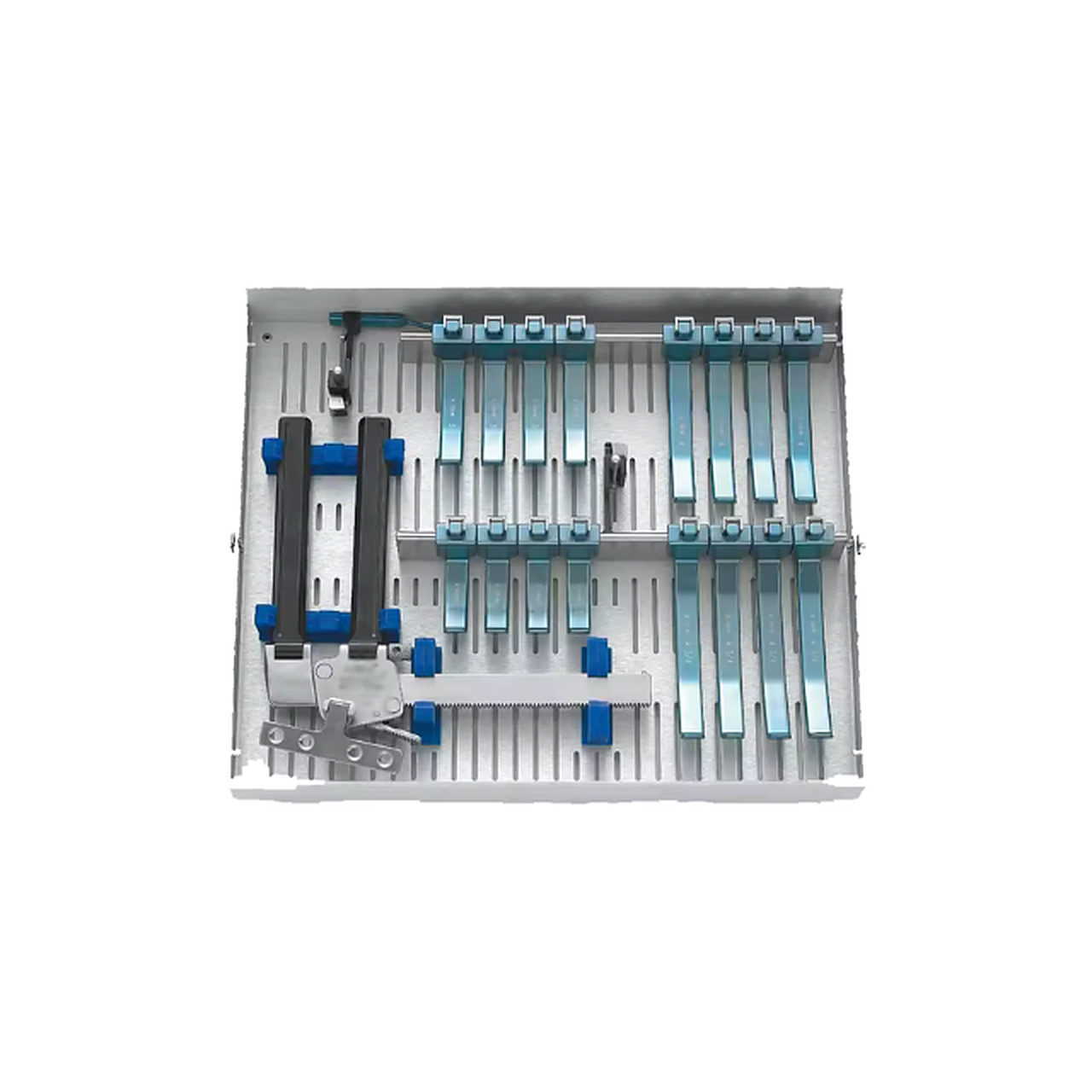 | Afastador para Laminectomia Super-Slide | Projetado especificamente para fornecer retração tecidual controlada e exposição cirúrgica durante laminectomia e procedimentos espinais relacionados. |
 | Placa de Retração de Mão em Chumbo Cirúrgico | Projetado especificamente para imobilizar e posicionar a mão e os dedos durante cirurgias plásticas, ortopédicas e reconstrutivas da mão. |
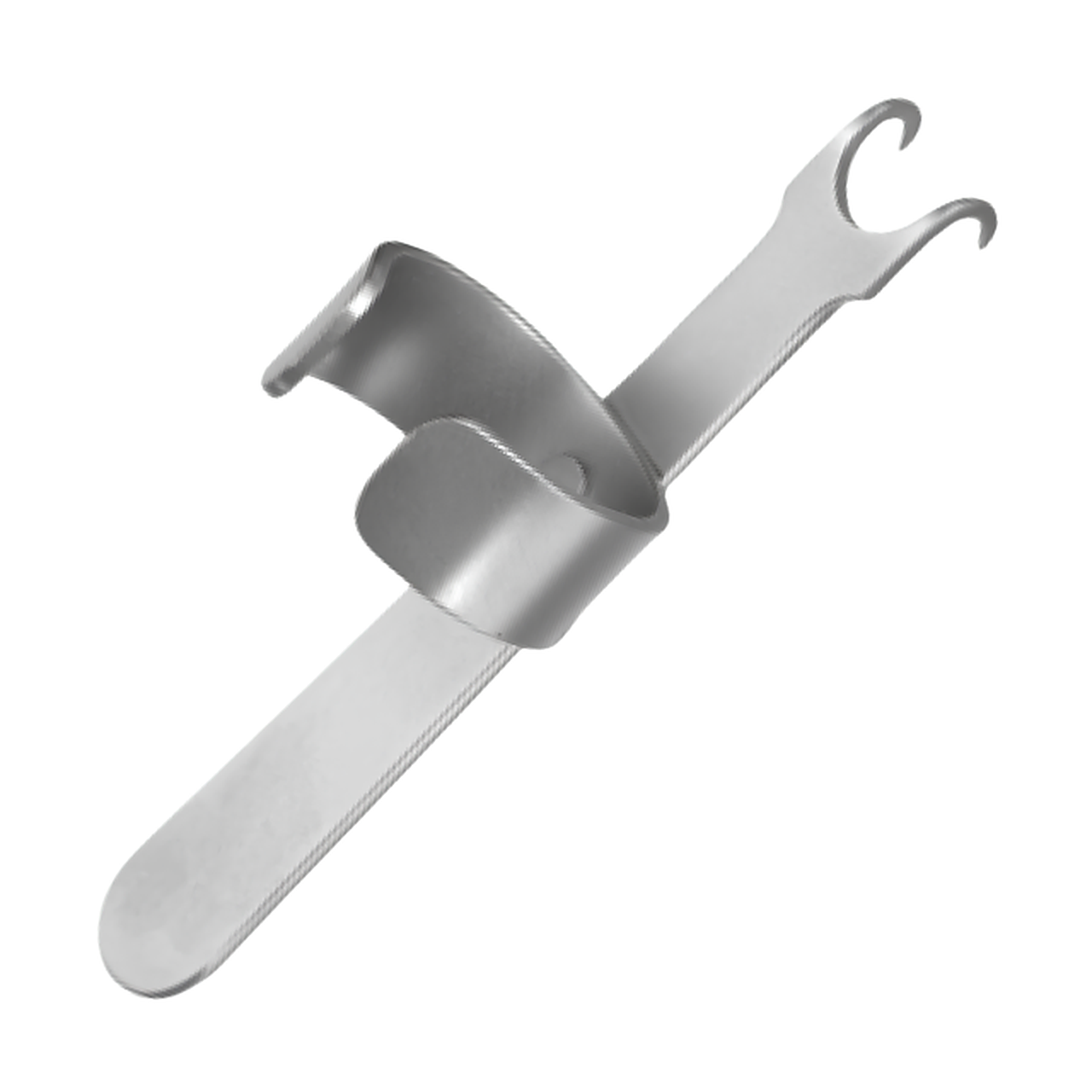 | Afastador Nasal Swivel Ring | Projetado especificamente para elevar retalhos de pele nasal e retrair dinamicamente a cartilagem alar durante a rinoplastia. |
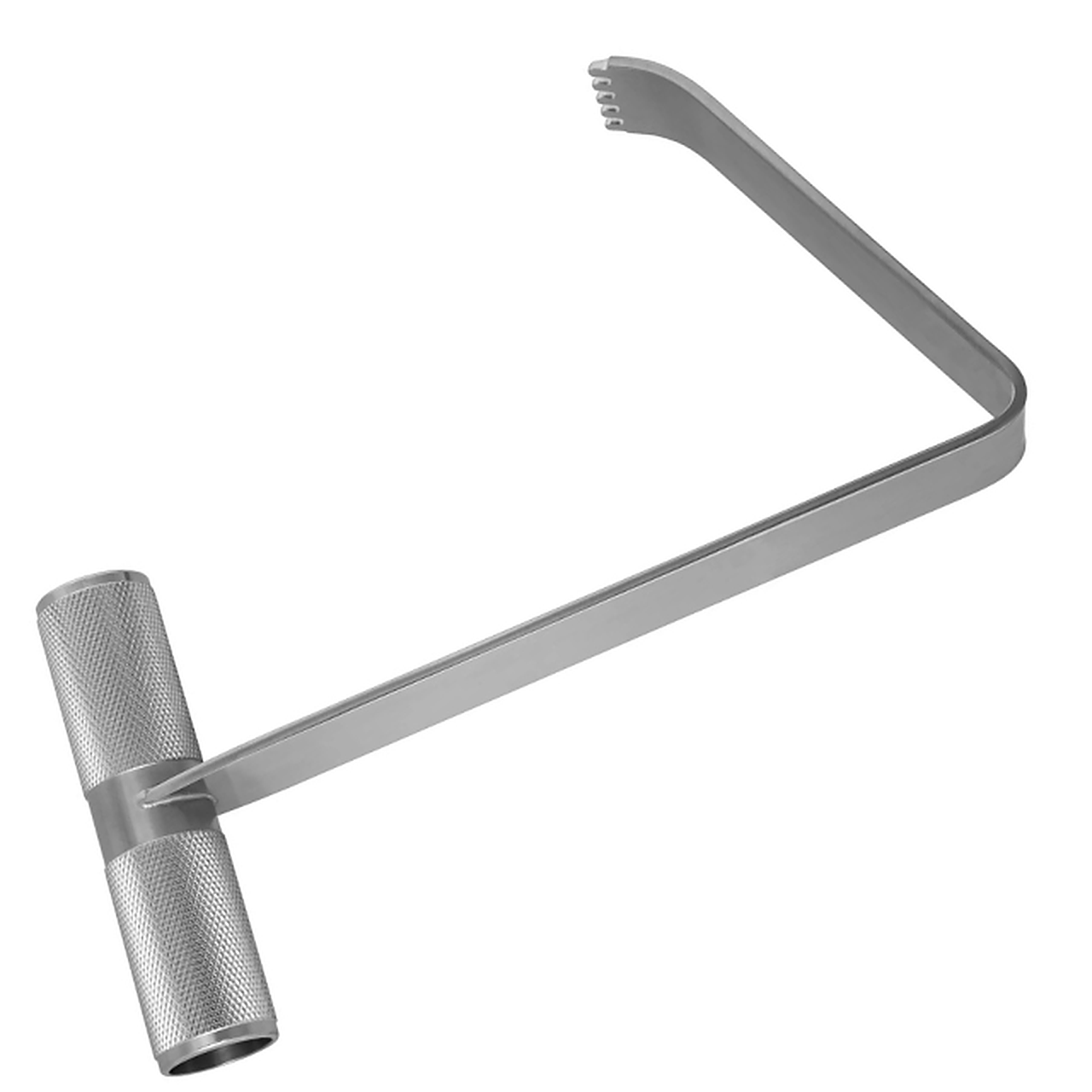 | Afastador T Handle Retractor Angled Blade | Projetado especificamente para afastar camadas musculares pesadas, fáscias e tecidos moles com máxima alavancagem de tração manual durante cirurgias ortopédicas. |
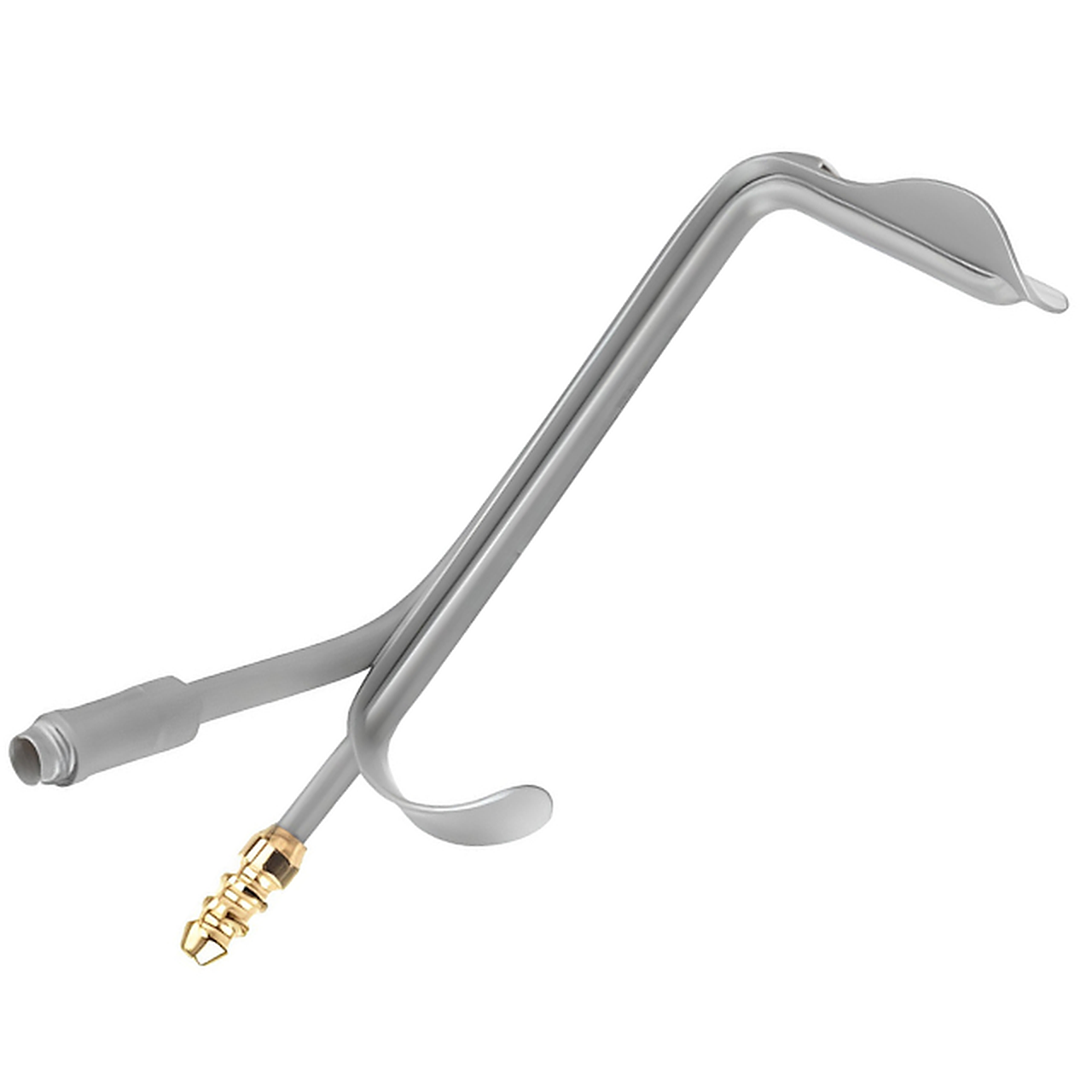 | Afastador Talei Necklift "Benetrator 2" | Projetado especificamente para elevar retalhos cervicais, remover fluidos cirúrgicos e afastar o platisma durante necklift de plano profundo e platismoplastia. |
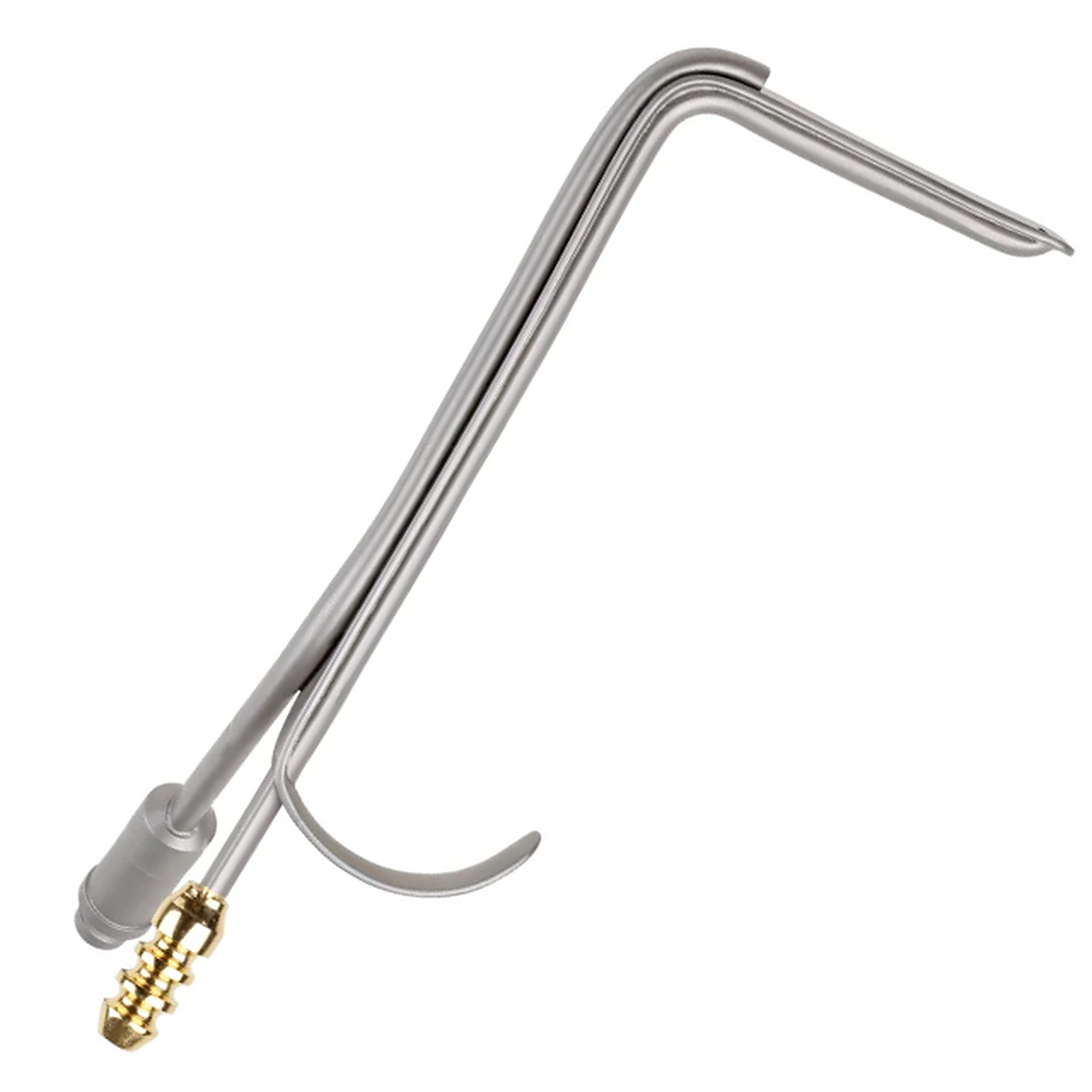 | Afastador Talei Necklift Estreito “Le Petit Benetrator” | Projetado especificamente para elevar retalhos cervicais e afastar o músculo platisma durante necklift deep plane e platismoplastia. |
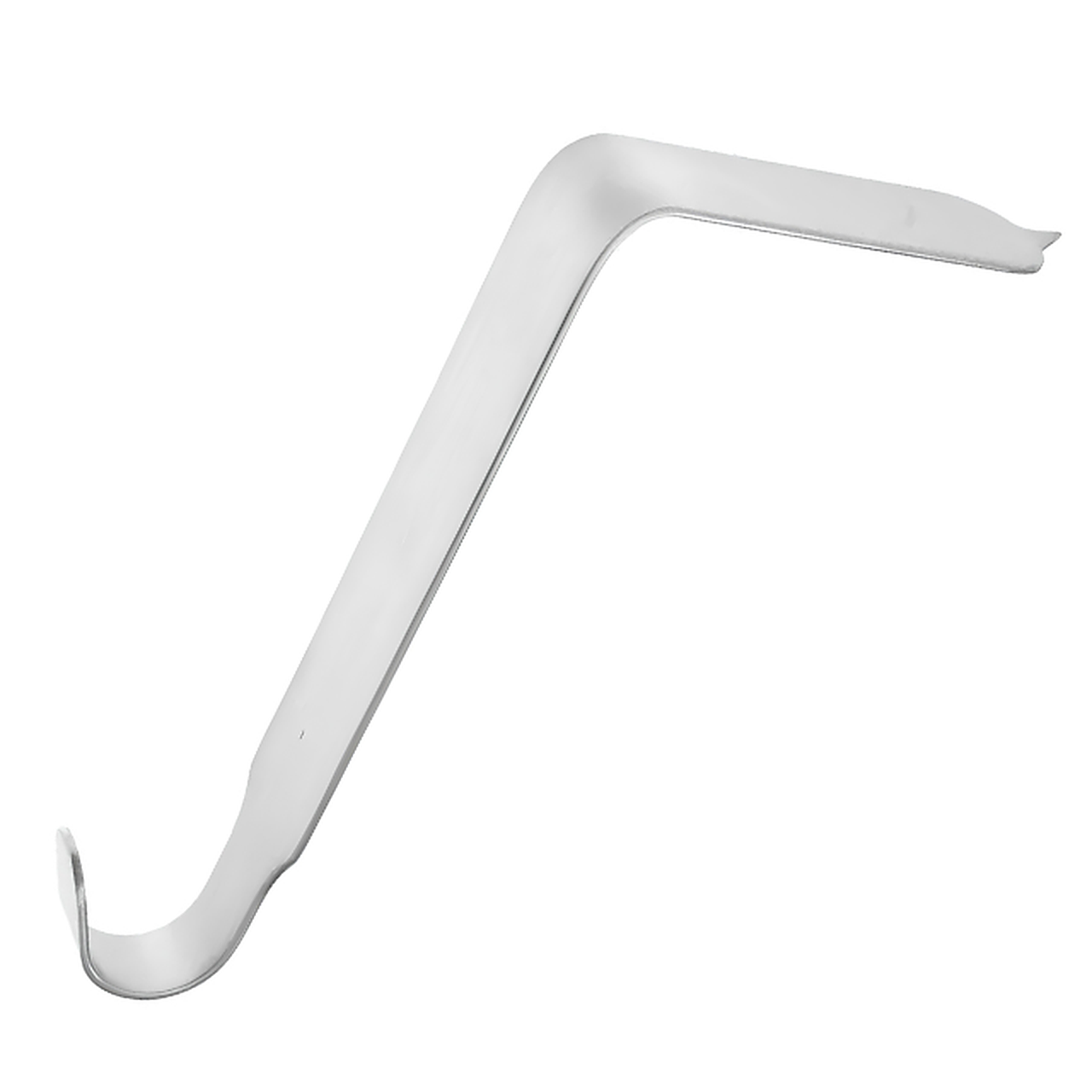 | Afastador Espinal Taylor | Projetado especificamente para afastar a musculatura paraspinal pesada e ancorar-se contra o processo espinhoso durante a laminectomia espinal. |
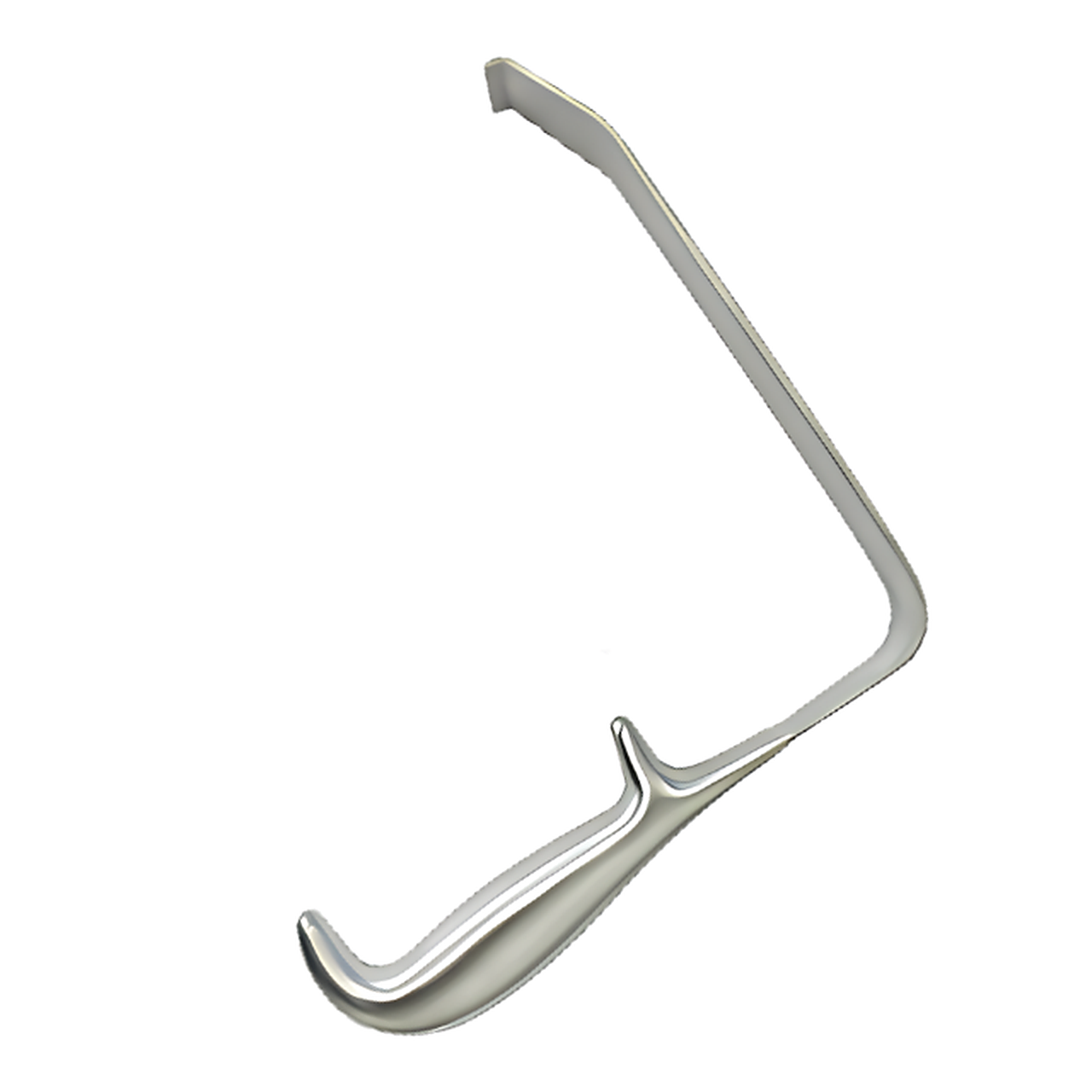 | Afastador Mamário Tebbetts | Projetado especificamente para elevar retalhos de tecido e criar lojas submusculares ou subglandulares durante a cirurgia de mama. |
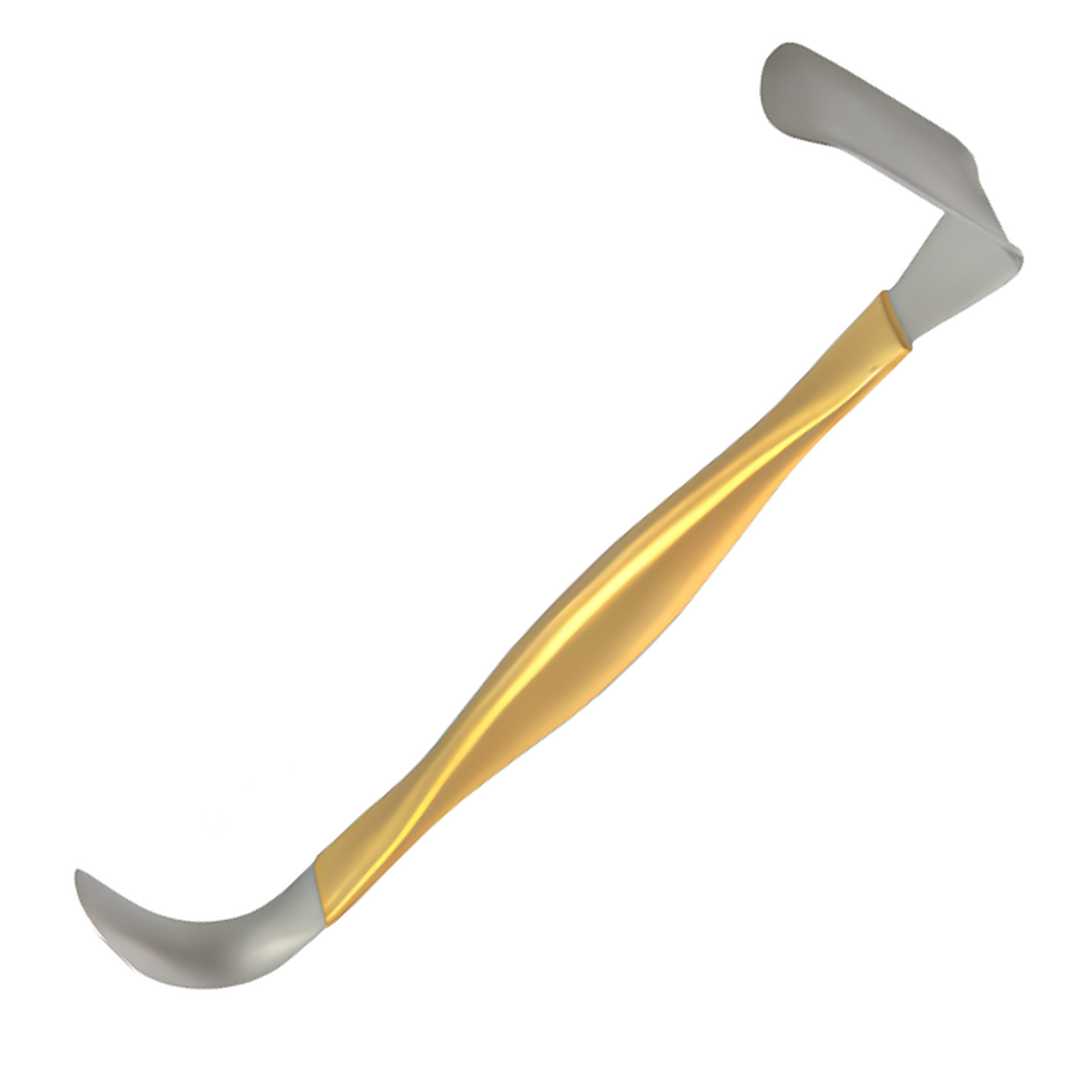 | Afastador Mamário Tebbetts de Extremidade Dupla | Projetado especificamente para fornecer retração tecidual de extremidade dupla e exposição de lojas durante a mamoplastia de aumento e reconstrução. |
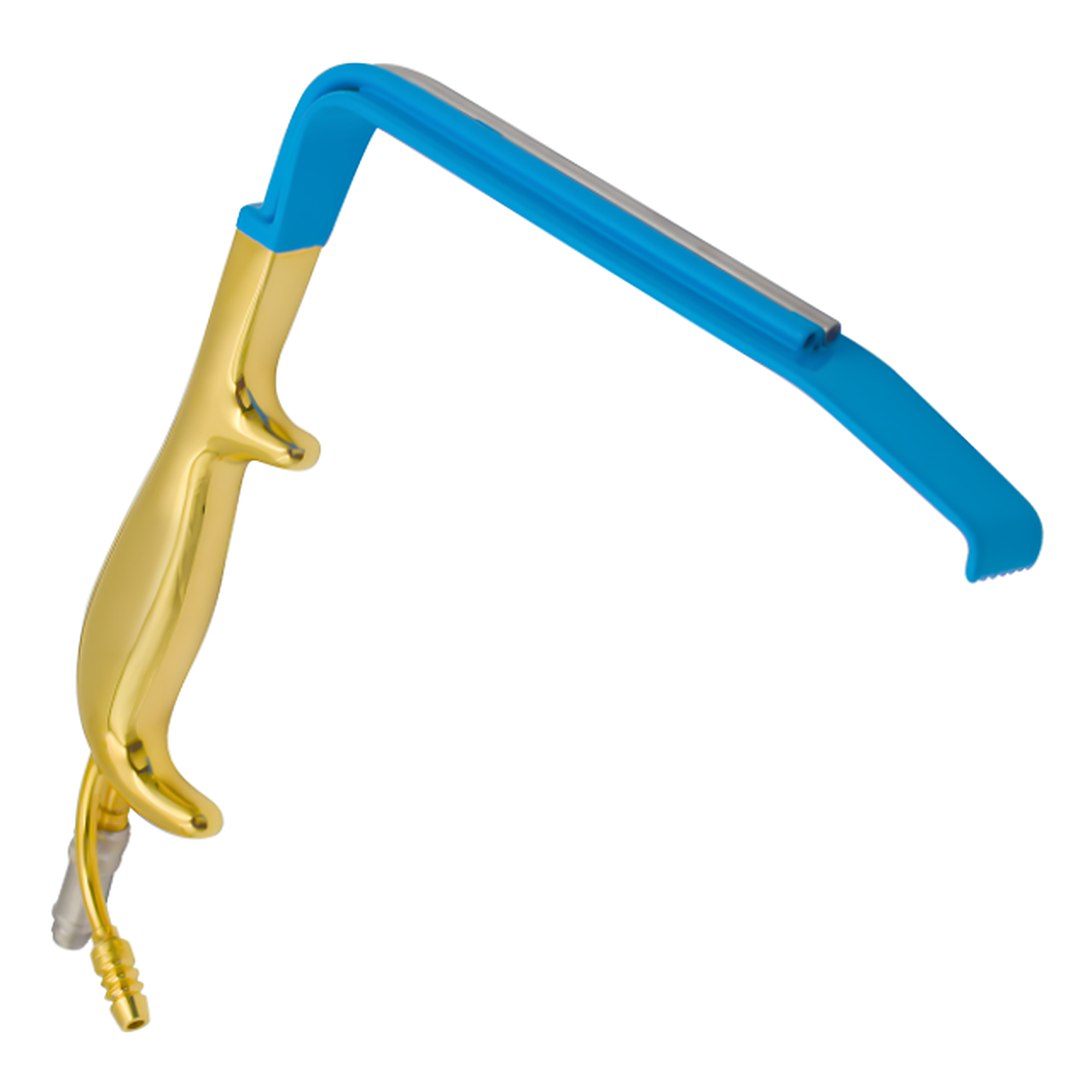 | Afastador Mamário de Fibra Óptica Tebbetts | Projetado especificamente para elevar retalhos de tecido, iluminar cavidades mamárias profundas e verificar a hemostasia durante cirurgias de mama. |
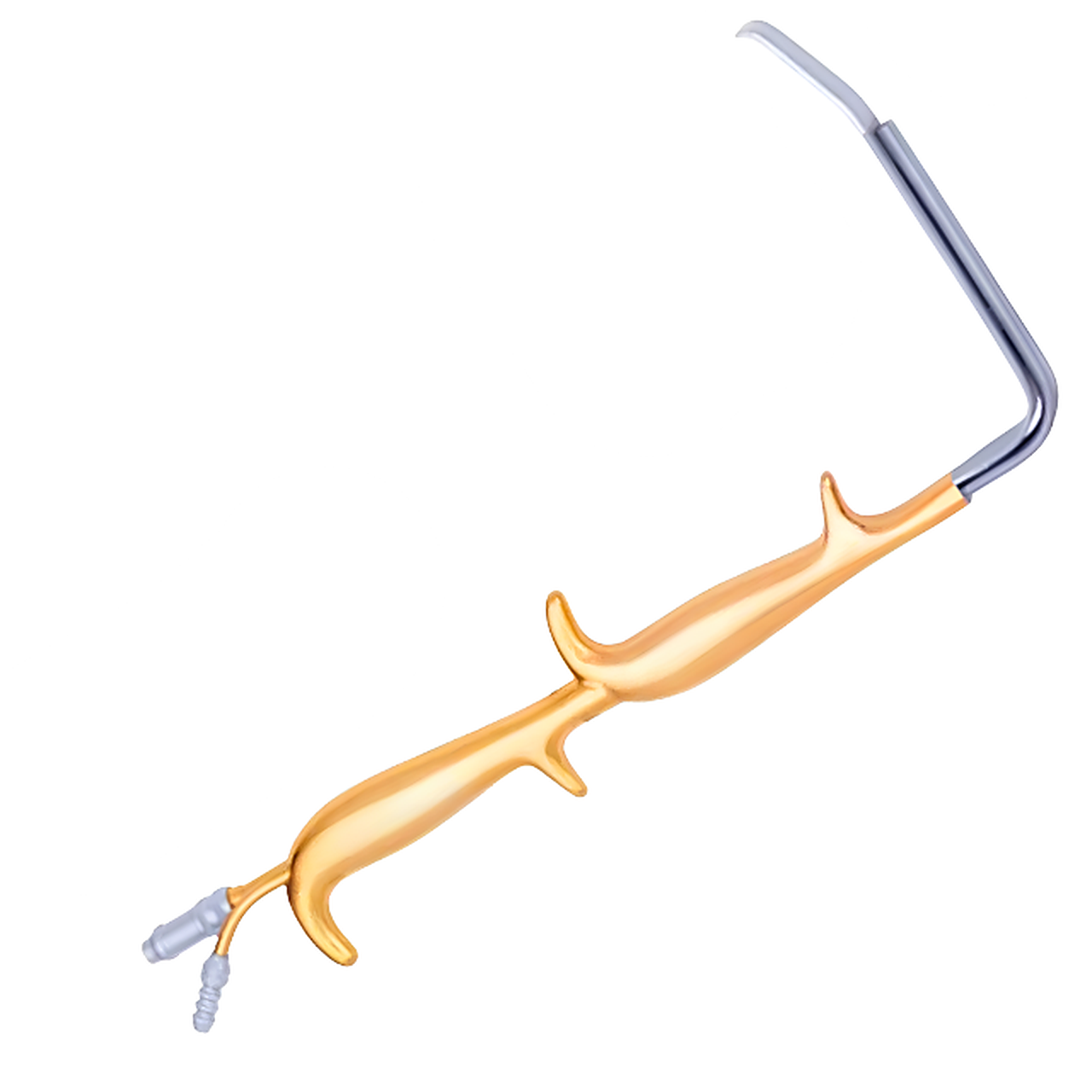 | Afastador Tebbetts Fiber Optic Breast Augmentation, Cabo Duplo | Projetado especificamente para fornecer afastamento tecidual iluminado com alavancagem bimanual durante a mamoplastia de aumento e reconstrução mamária. |
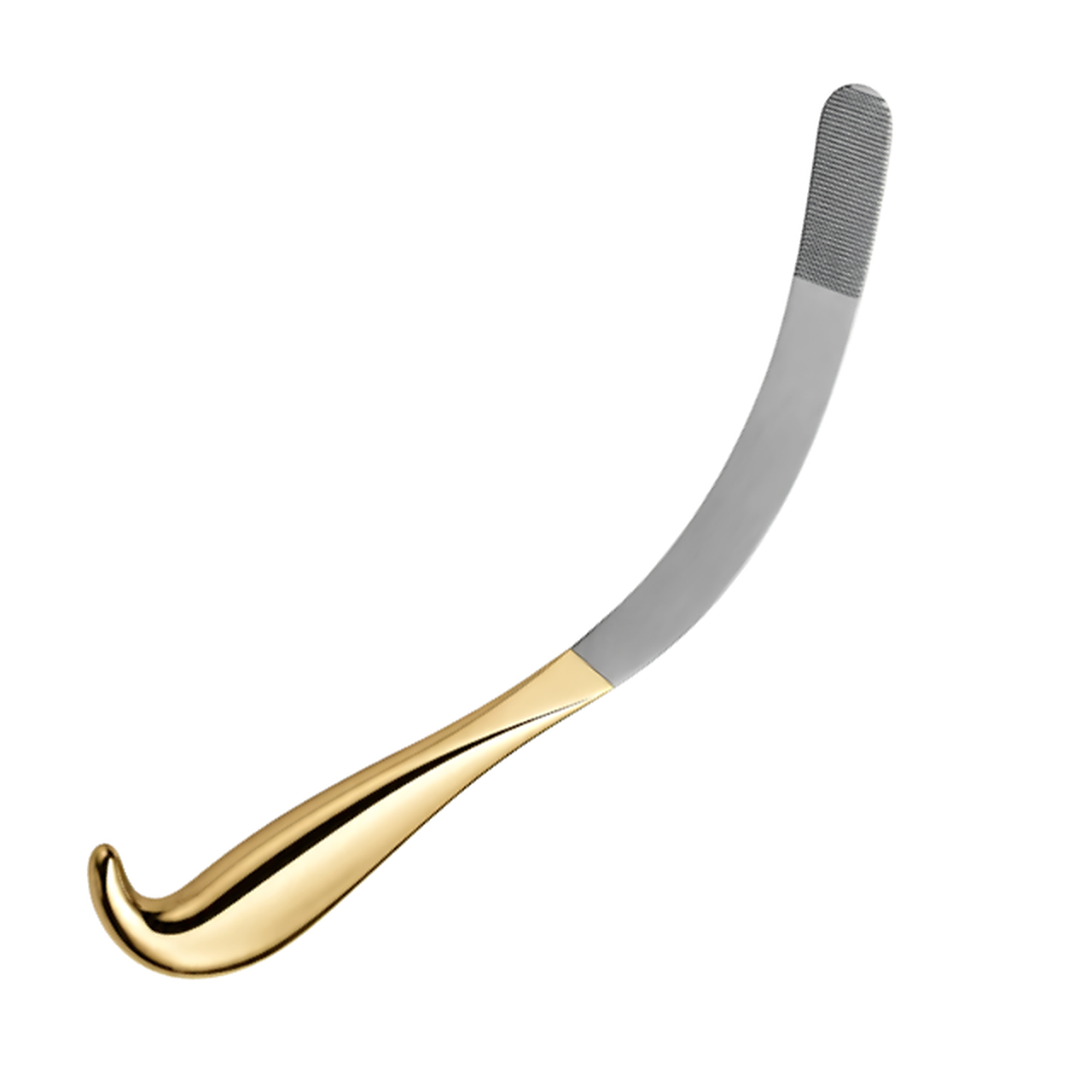 | Afastador Mamário Espátula Tebbetts | Projetado especificamente para elevar retalhos de tecido e criar lojas subpeitorais durante o aumento e a reconstrução de mama. |
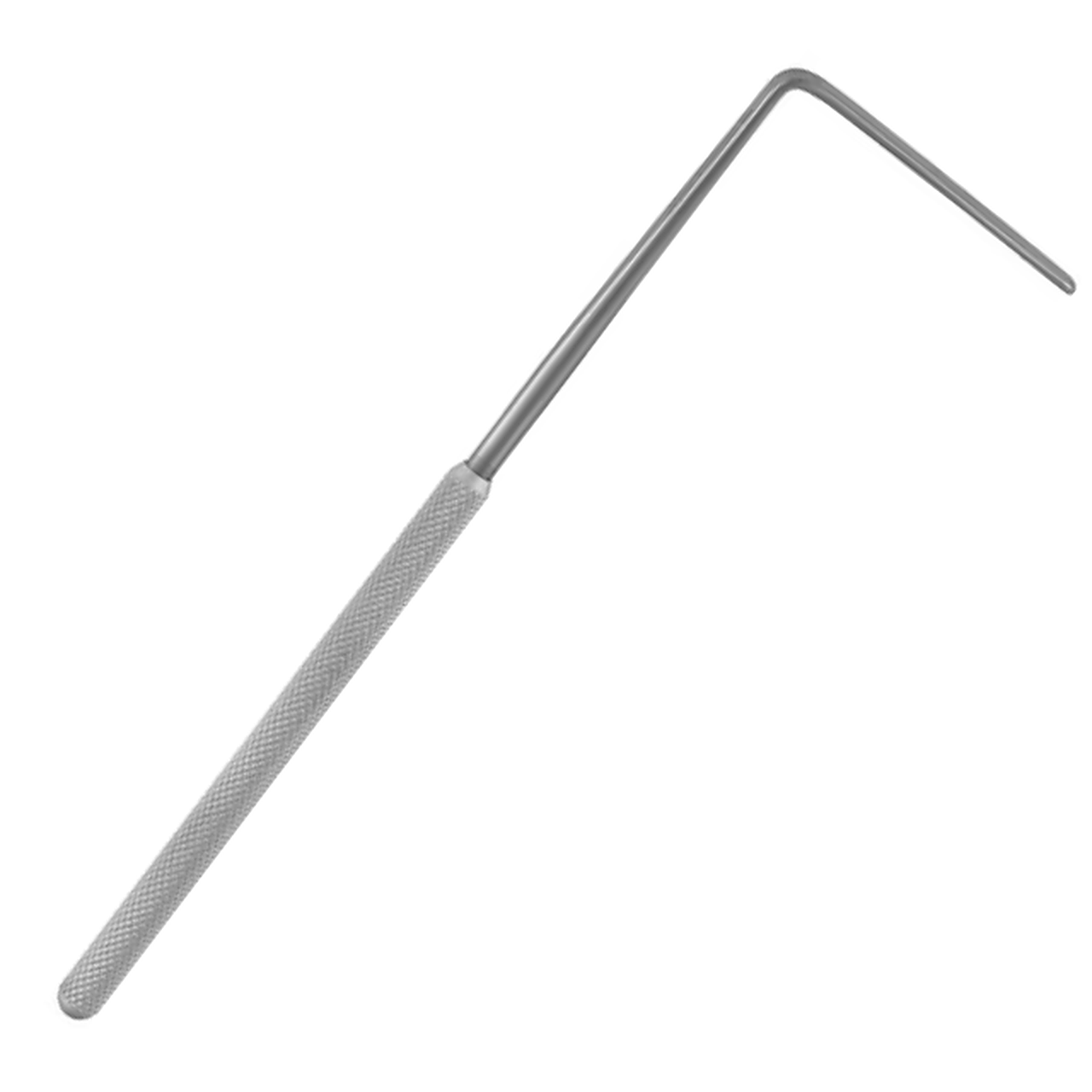 | Afastador Nasal Terry | Projetado especificamente para elevar retalhos de pele nasal e retrair cartilagem durante rinoplastias estéticas e reconstrutivas. |
 | Afastador Maleável Tessier (Ribbon) | Projetado especificamente para ser moldado em formatos personalizados para retrair tecidos moles perioculares e proteger o globo ocular durante cirurgias craniofaciais. |
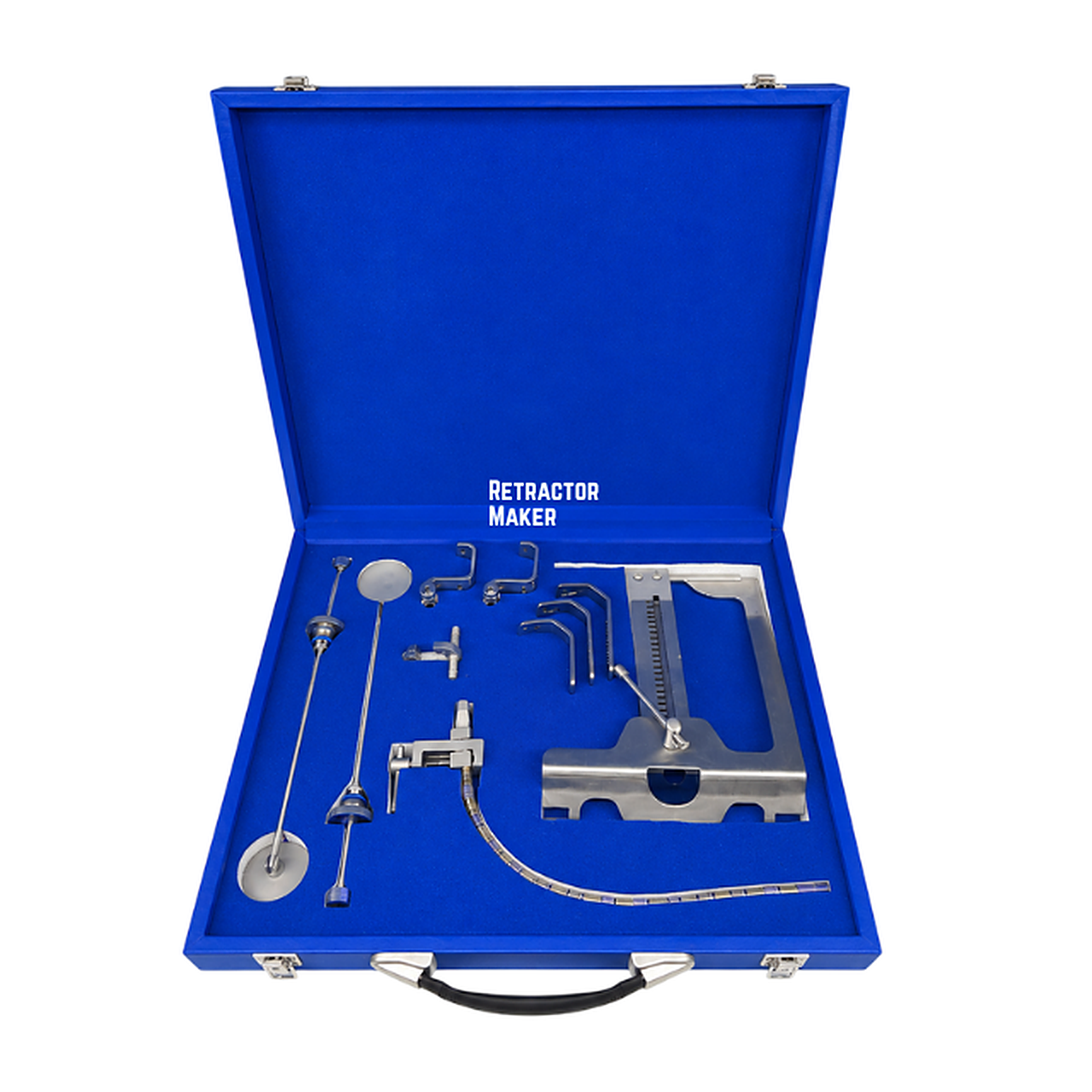 | Sistema Afastador ThoraGate Rib Up | Projetado especificamente para fornecer elevação intercostal estável e exposição cirúrgica durante procedimentos torácicos e cirurgias cardíacas minimamente invasivas, incluindo acessos MIDCAB via minitoracotomia. |
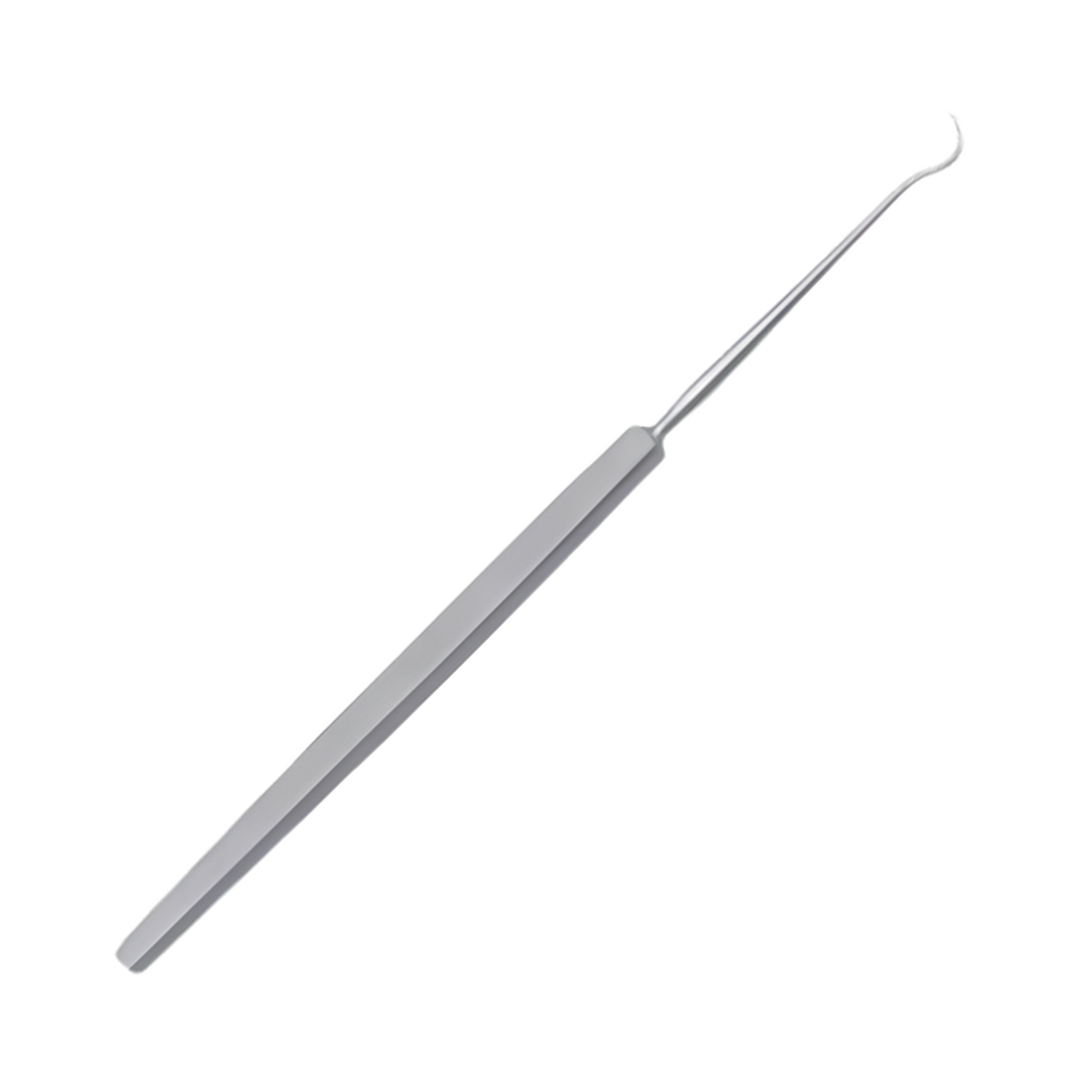 | Afastador de Raiz Nervosa Toennis | Projetado especificamente para mobilizar, acomodar e proteger as raízes nervosas espinhais transversais e o saco tecal durante a discectomia lombar. |
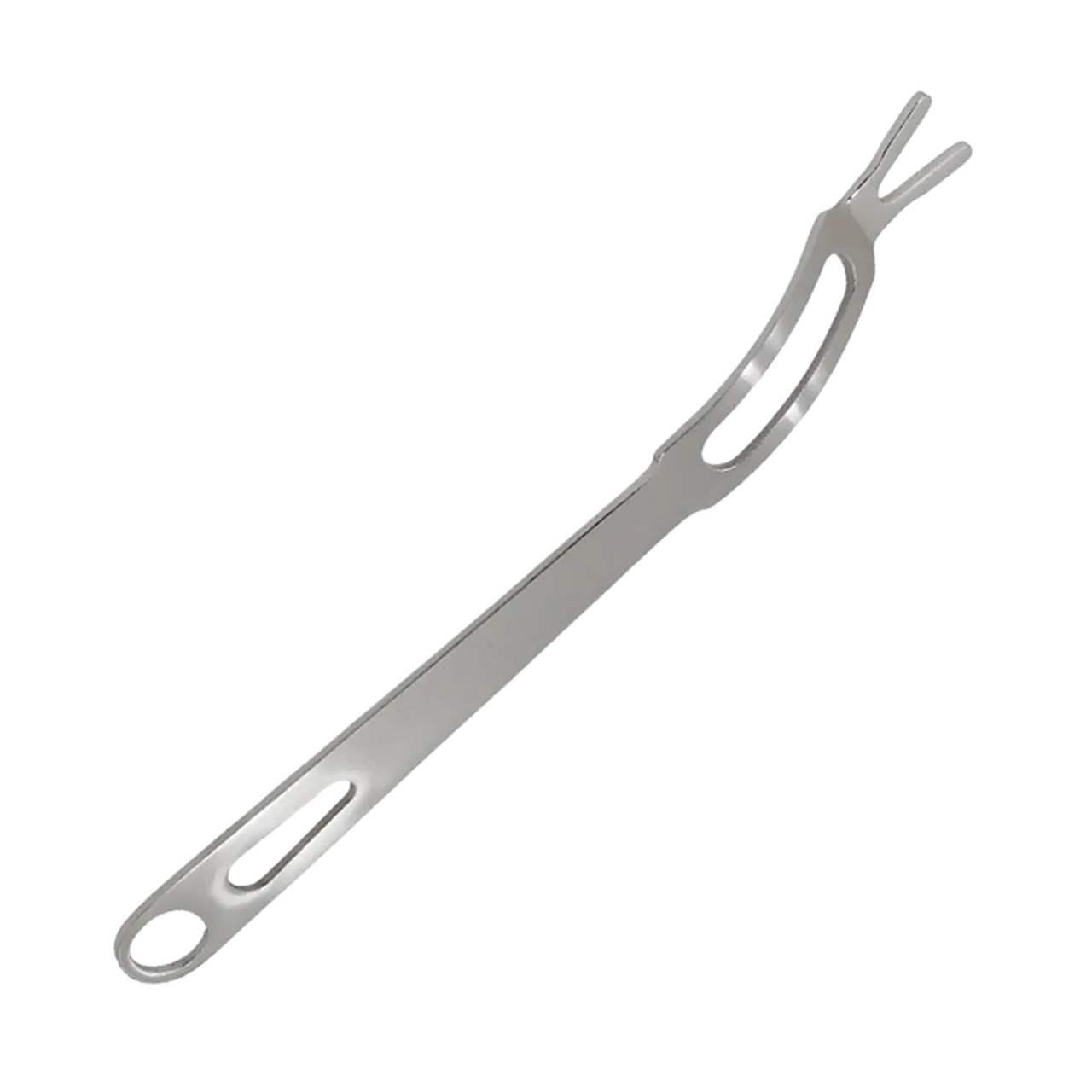 | Afastador de Componente Glenosfera para Artroplastia Total e Reversa de Ombro | Especificamente projetado para deslocar o úmero posteriormente e expor a abóbada glenoide durante artroplastias totais e reversas de ombro. |
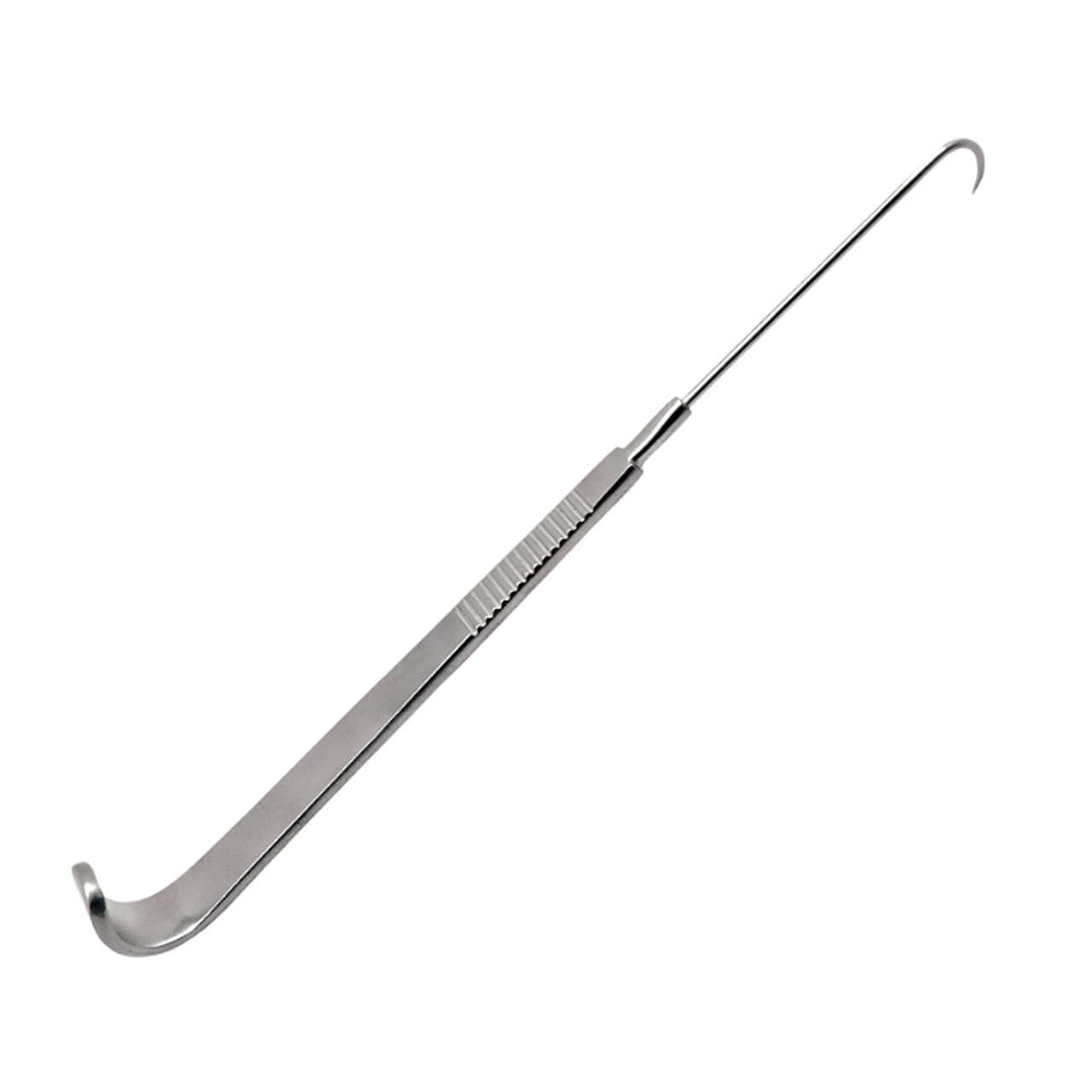 | Gancho Traqueal/Retrator | Projetado especificamente para elevar e estabilizar a traqueia durante procedimentos de traqueostomia de emergência e eletivos. |
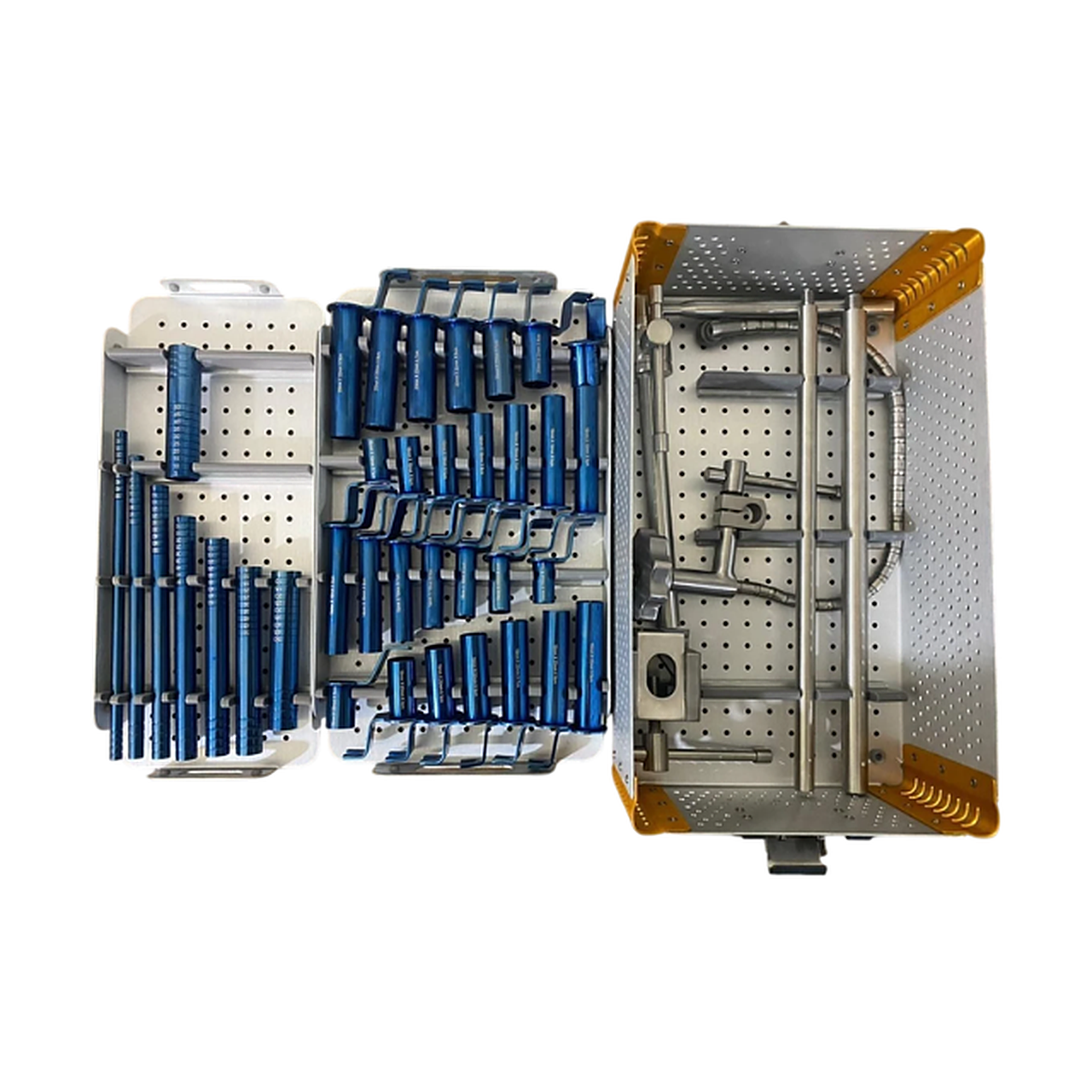 | Sistema de Afastador Tubular | Facilita o acesso durante discectomia, laminectomia, tratamento de estenose, MIS PLIF, MIS TLIF e foraminotomia cervical. |
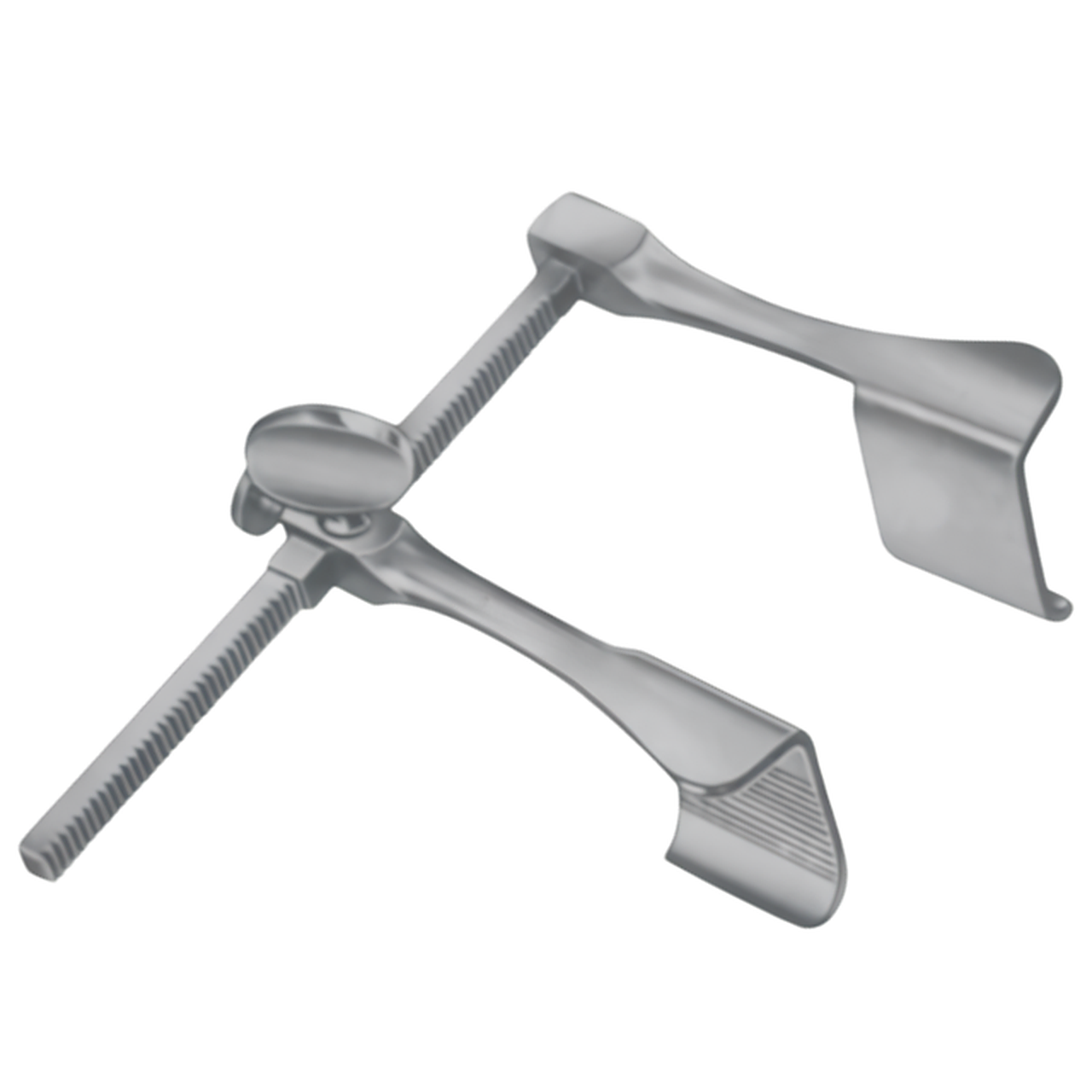 | Afastador de Costelas Tuffier | Projetado especificamente para separar costelas de adultos e manter a exposição da cavidade torácica durante toracotomia aberta. |
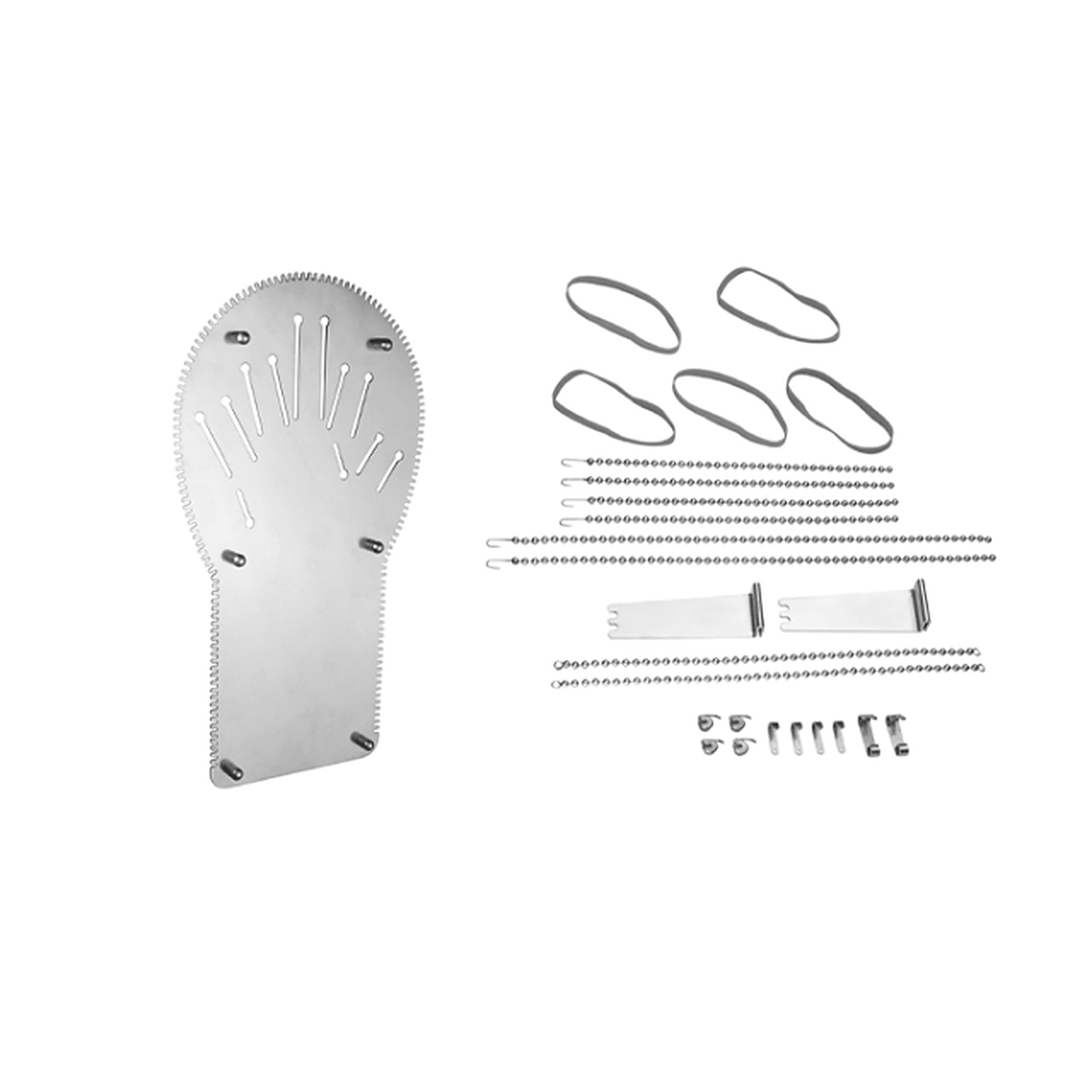 | Afastador de Mão Universal Tupper’s | Projetado especificamente para fornecer afastamento tecidual controlado, estabilização de membros e exposição cirúrgica mãos-livres durante procedimentos microcirúrgicos e de mão. |
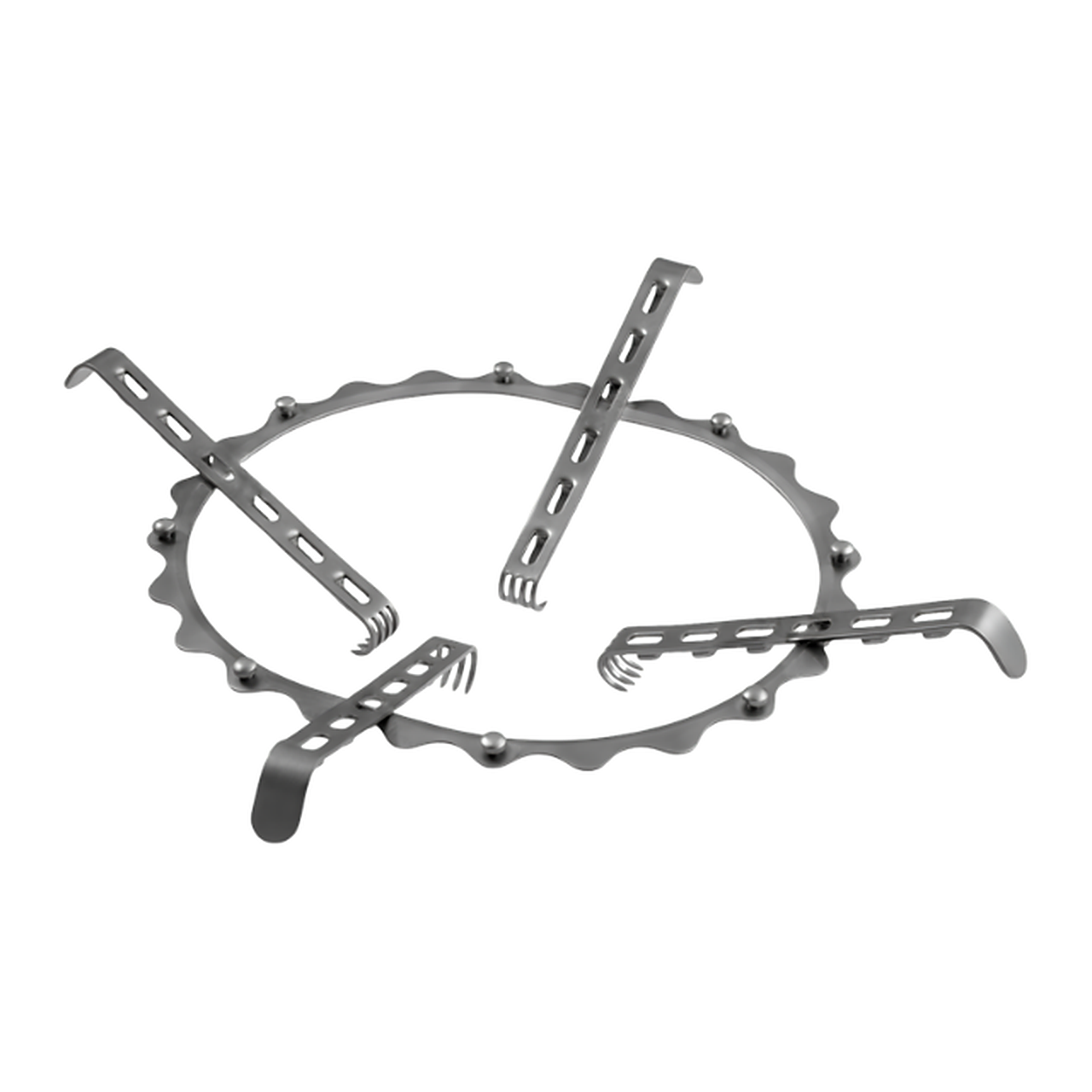 | Afastador Urológico Turner-Warwick | Projetado especificamente para fornecer retração visceral e de margem de ferida autoestática de 360 graus durante cirurgias urológicas e pélvicas. |
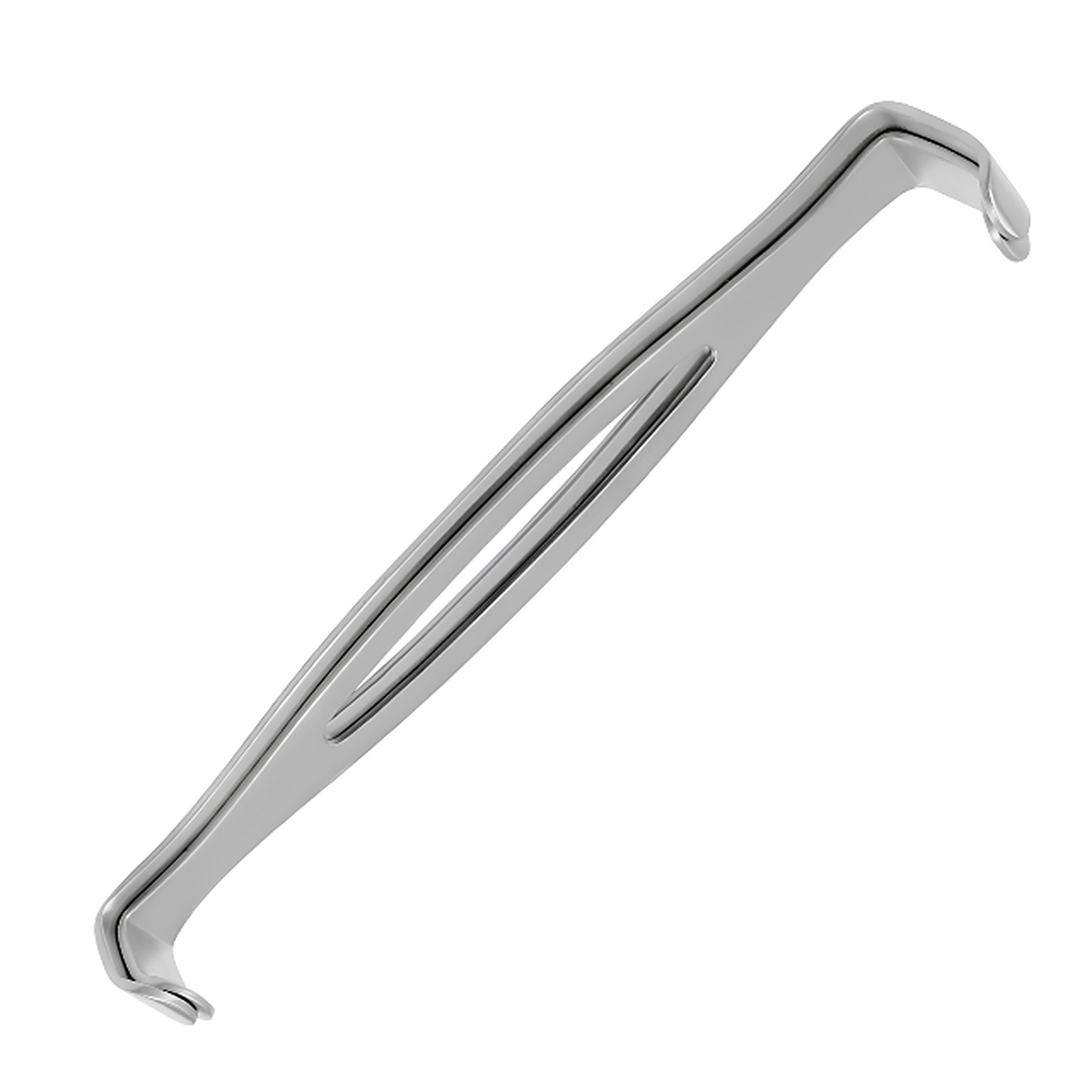 | Afastador US Army, Jogo com Duas Peças | Projetado especificamente para afastar margens de pele, fáscia e tecido muscular em incisões cirúrgicas superficiais e intermediárias. |
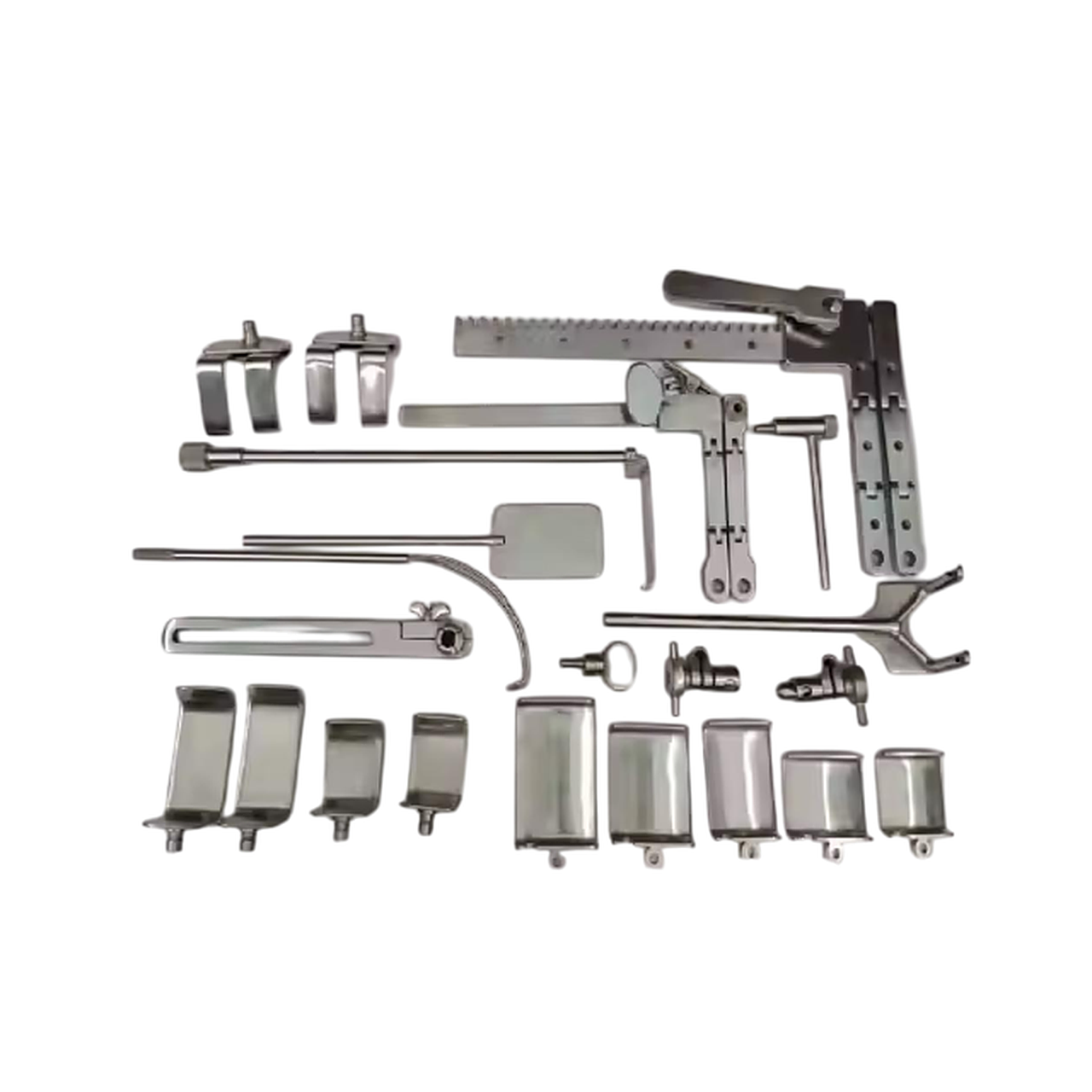 | Sistema de Afastador Valve XS | Projetado especificamente para fornecer afastamento tecidual estável e exposição cirúrgica durante procedimentos cardíacos de abordagem lateral, MICS CABG e configurações de elevador atrial. |
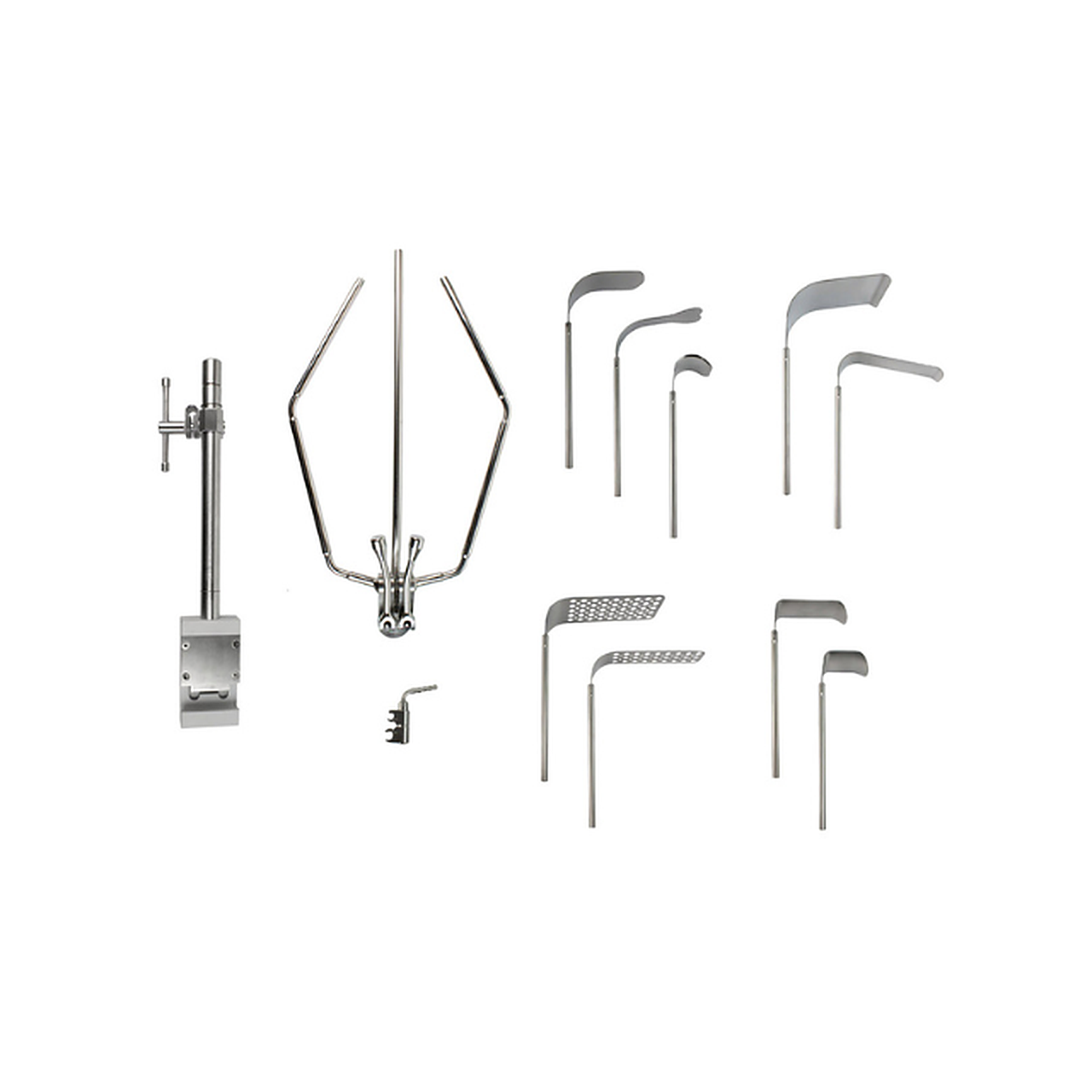 | Vascular Lobster System | Projetado especificamente para retração de tecido autoestática montada em mesa e exposição do campo cirúrgico durante procedimentos vasculares. |
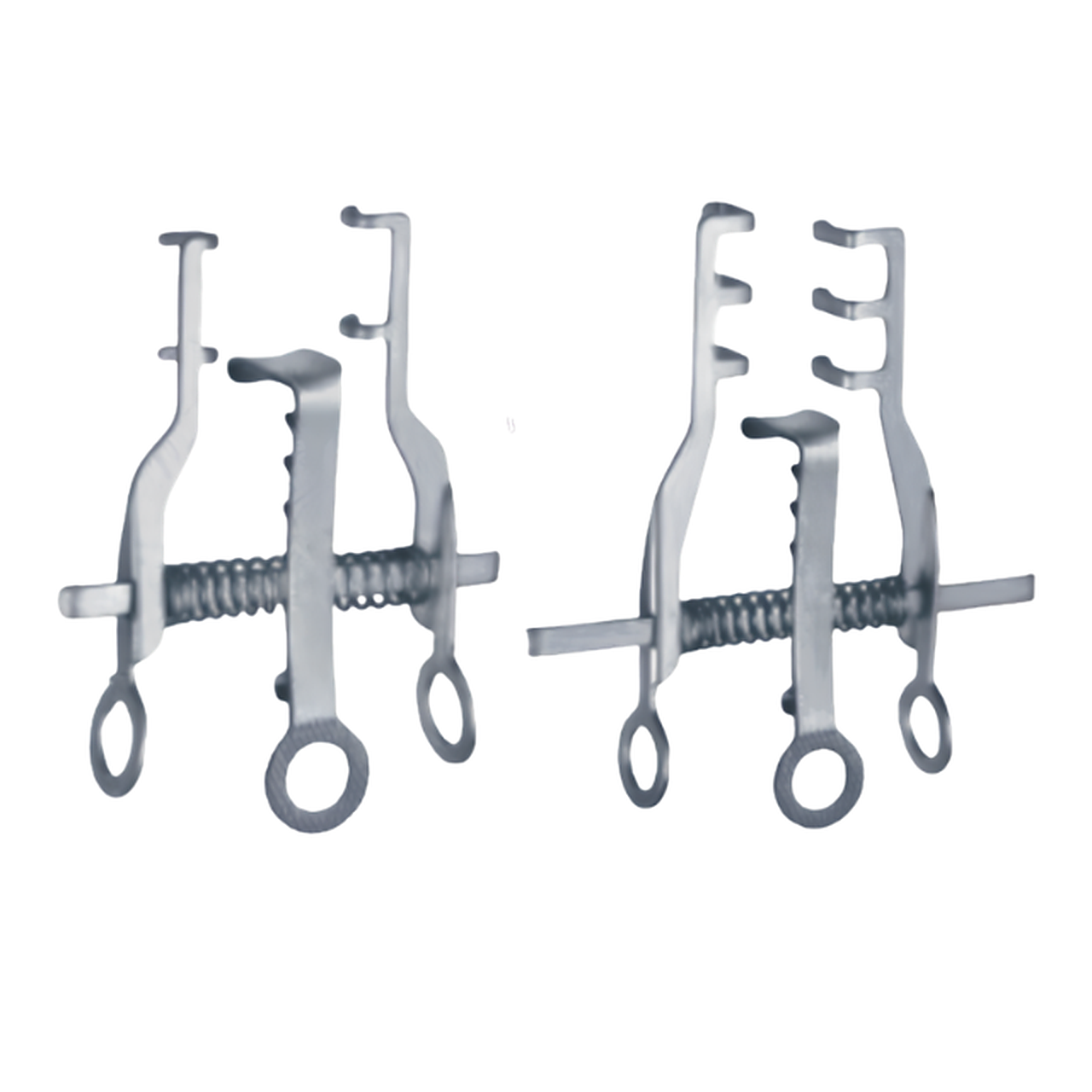 | Afastador Vickers Low Profile | Projetado especificamente para fornecer afastamento de tecidos moles autoretentivo e de baixo perfil durante cirurgias de mão, punho e microcirurgia. |
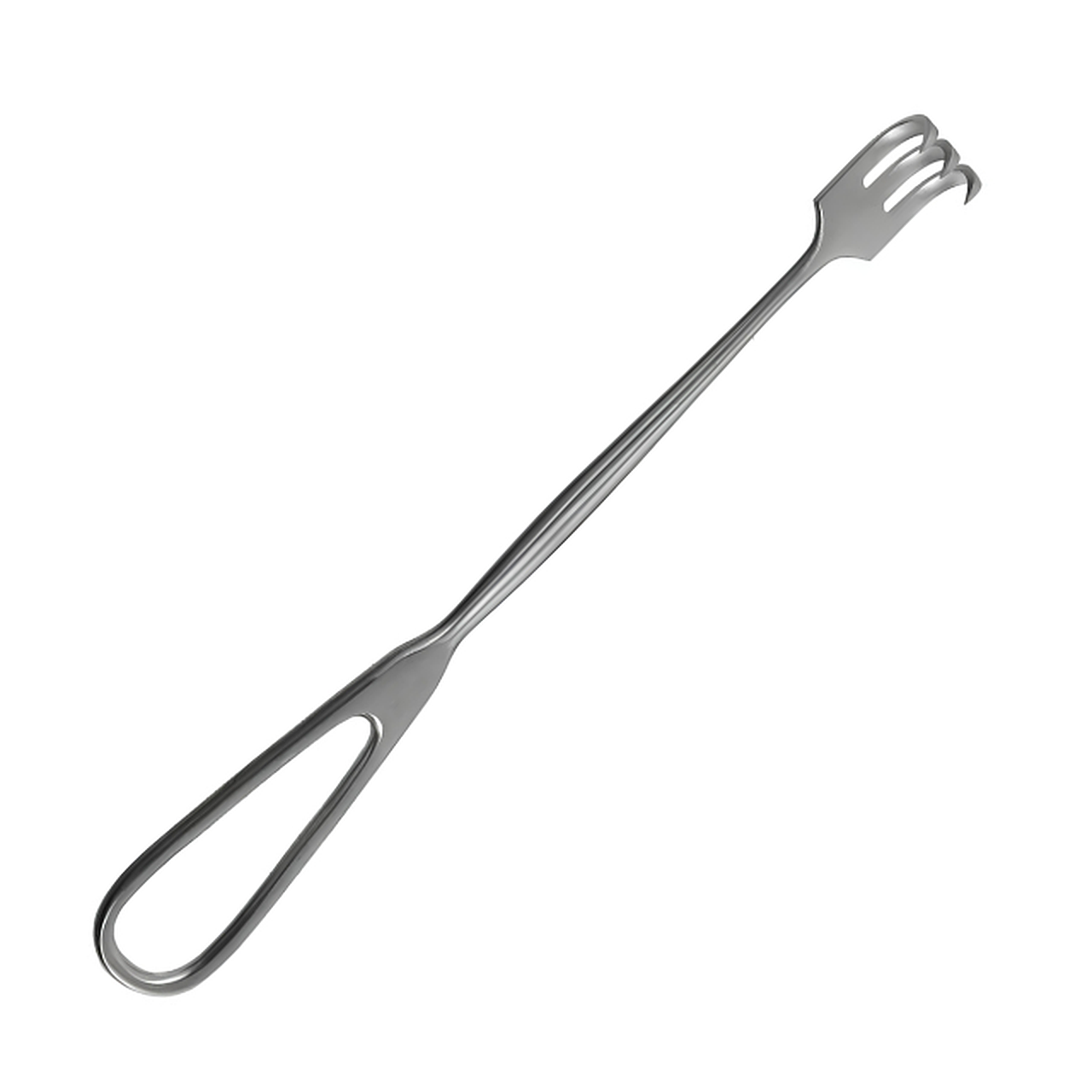 | Afastador Volkman-USA Pattern | Projetado especificamente para retrair retalhos de pele, fáscia e tecido muscular durante cirurgias gerais, plásticas e ortopédicas. |
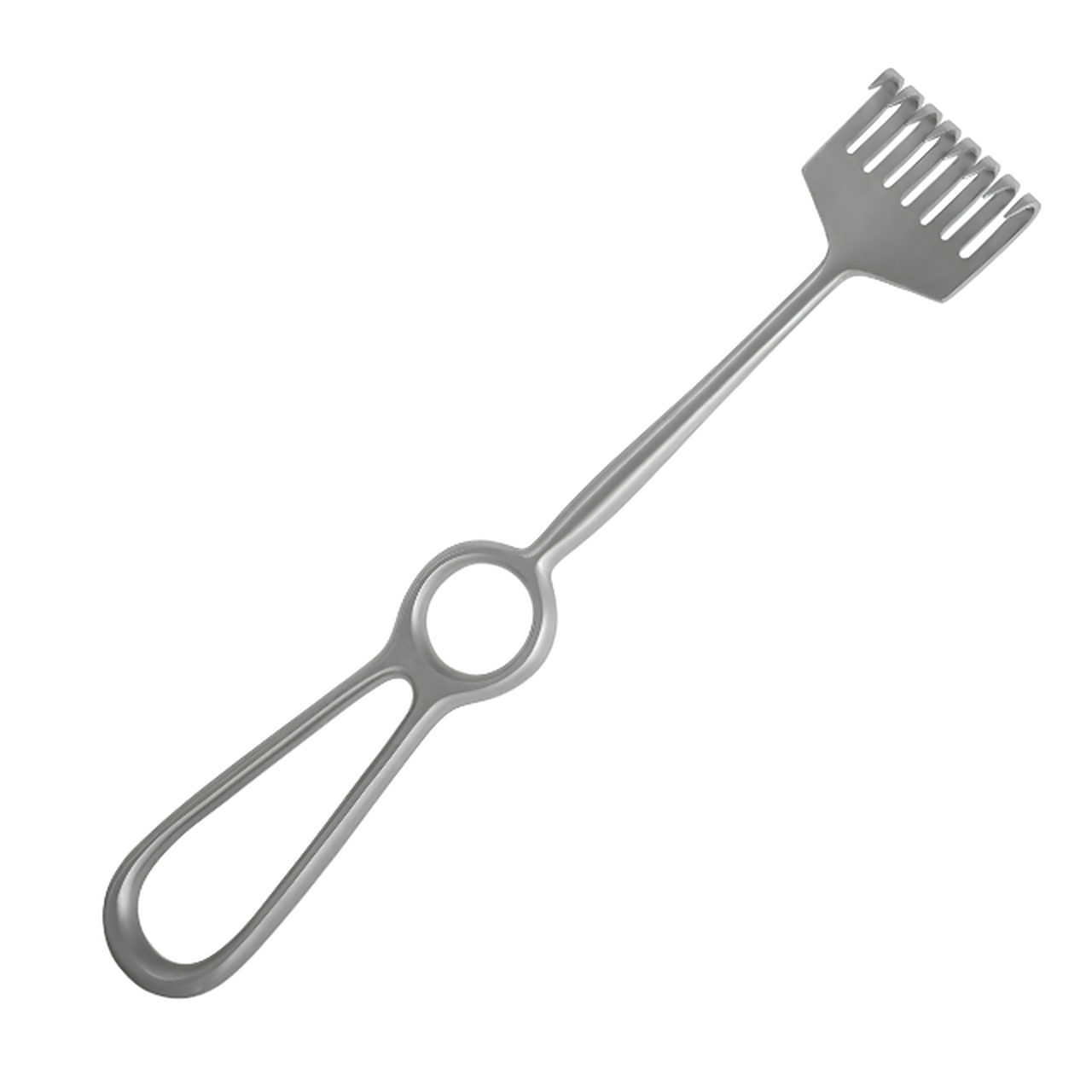 | Afastador Volkmann | Projetado especificamente para afastar retalhos de pele, fáscias e margens de tecidos densos durante cirurgias gerais, plásticas e ortopédicas. |
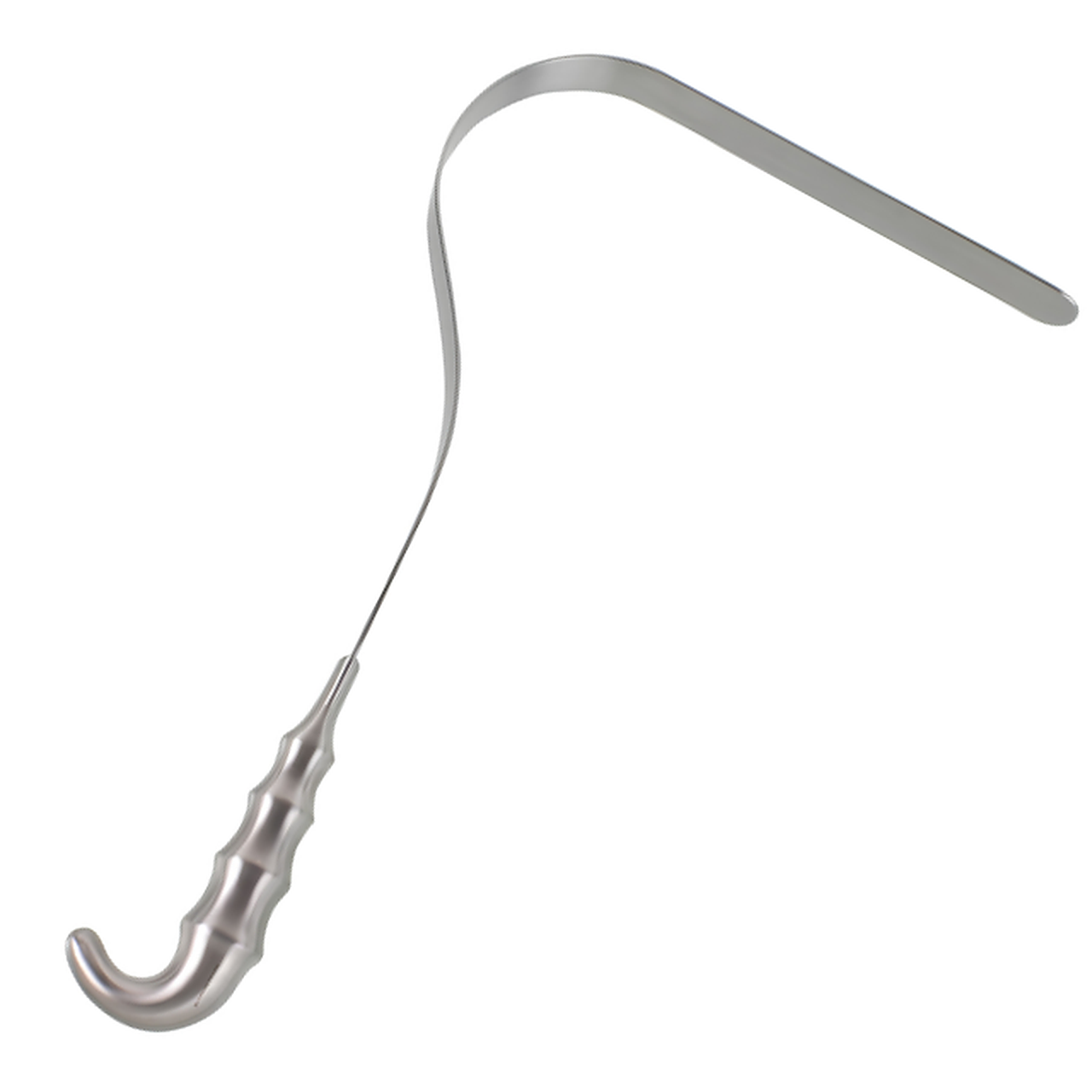 | Afastador Deaver W.M. Lemmon | Projetado especificamente para afastar vísceras profundas, intestino, fígado e paredes abdominais durante grandes cirurgias torácicas e abdominais. |
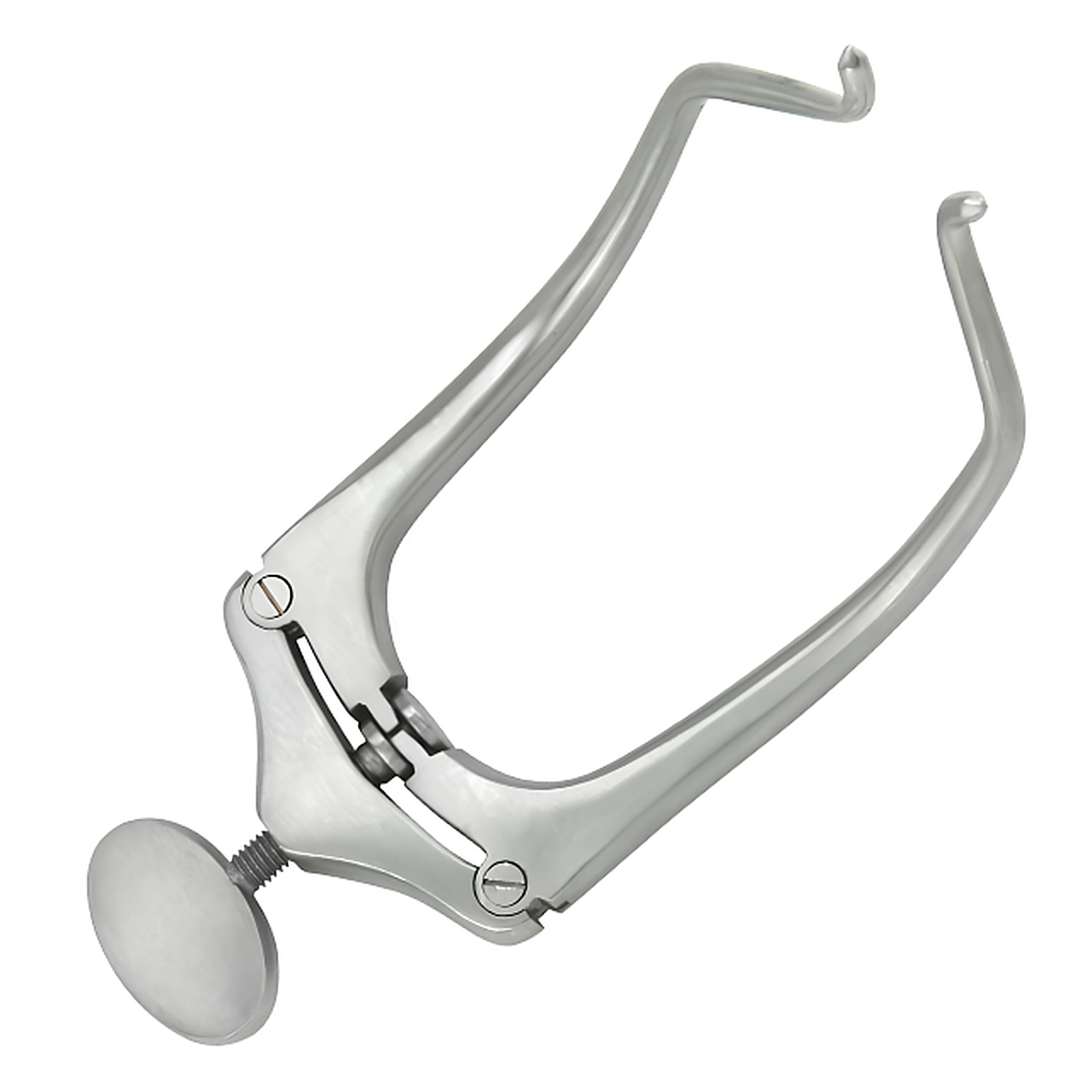 | Afastador de Joelho Wallace Knee Retractor | Projetado especificamente para fornecer afastamento autorretentivo de cápsula e tecidos moles durante artrotomia de joelho e cirurgia reconstrutiva. |
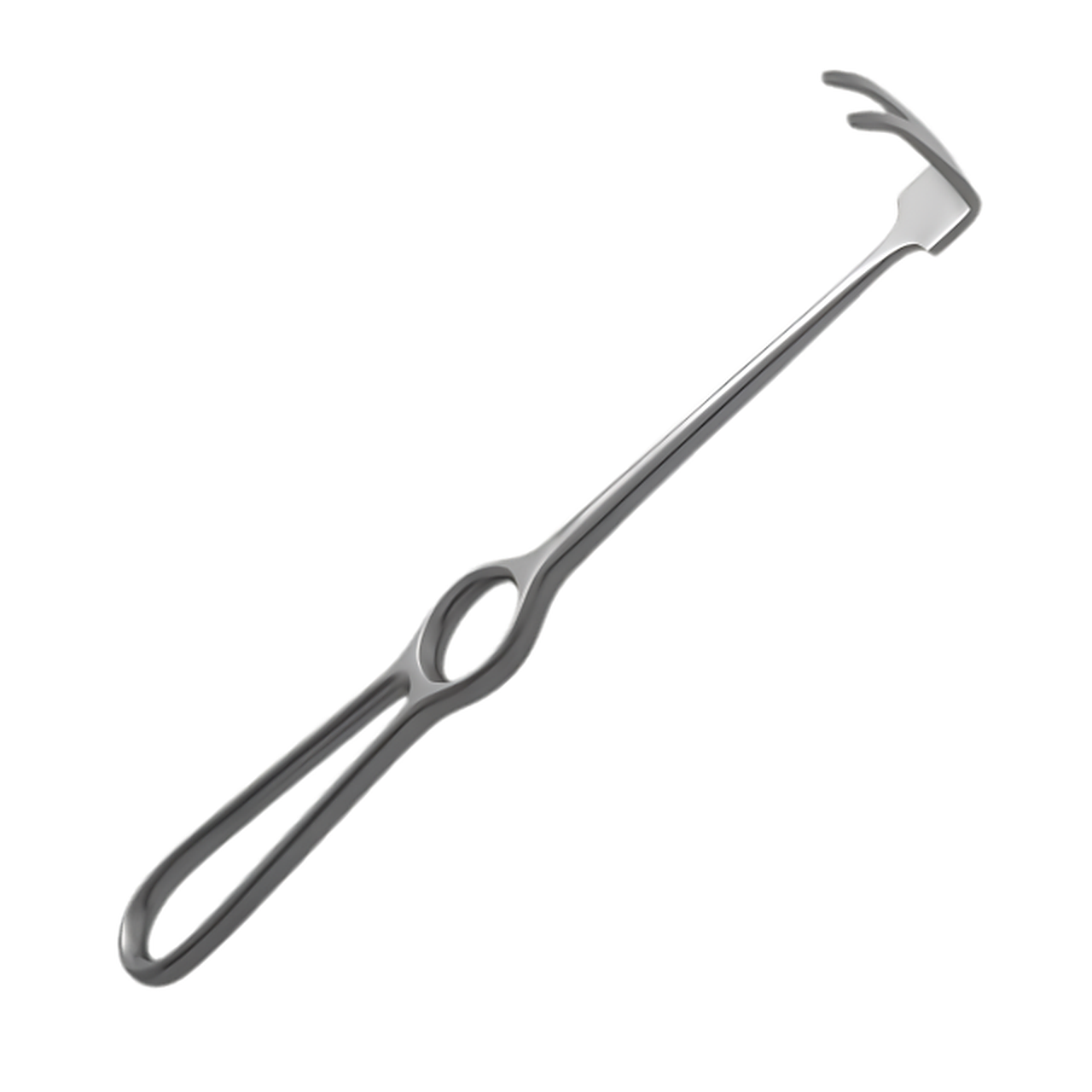 | Afastador de Tecidos Moles Wassmund | Projetado especificamente para afastar bochechas, lábios e o mucoperiósteo durante cirurgias orais e bucomaxilofaciais. |
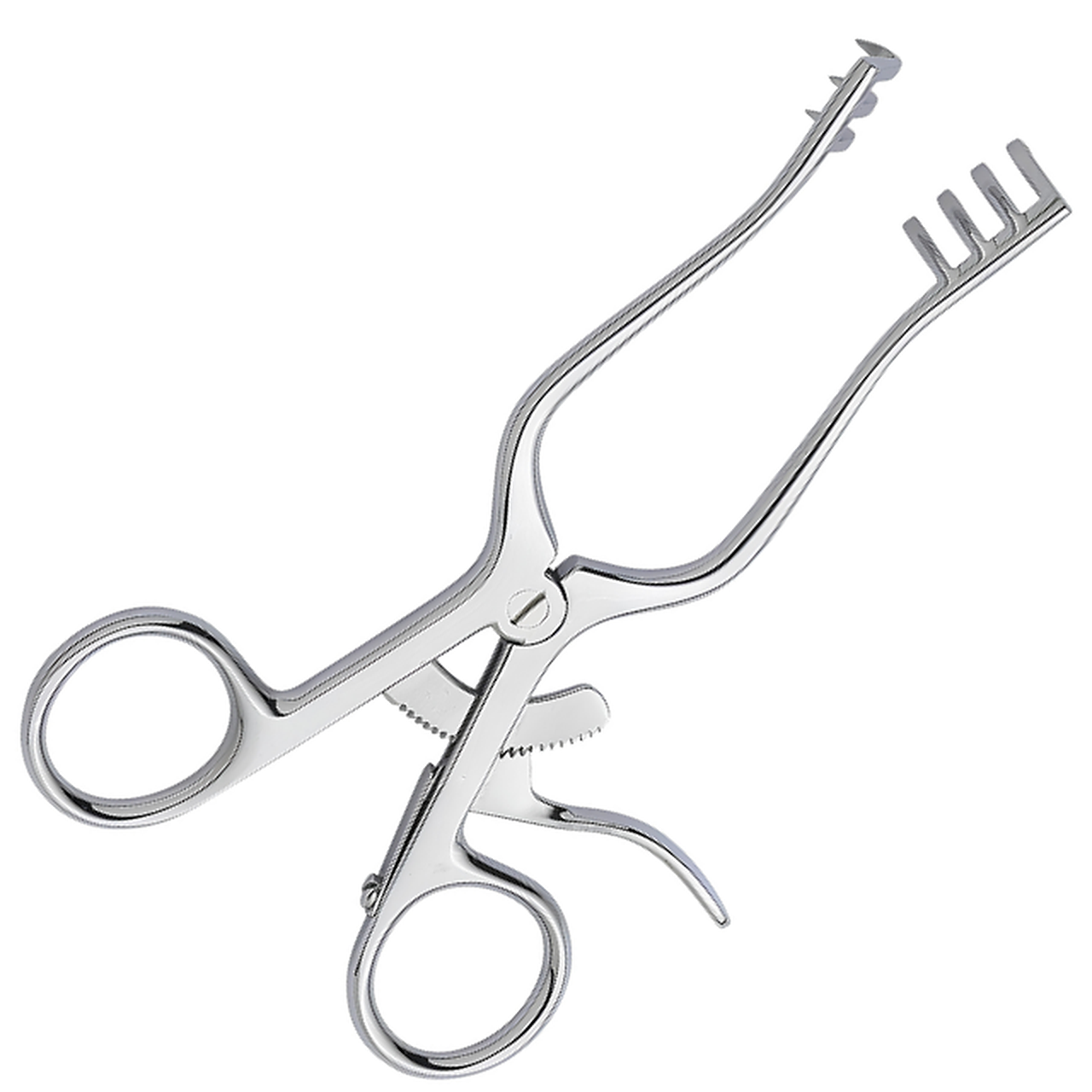 | Afastador Weitlaner | Projetado especificamente para fornecer retração de margem de ferida autorretentiva e mãos-livres em cirurgias menores, gerais e ortopédicas profundas. |
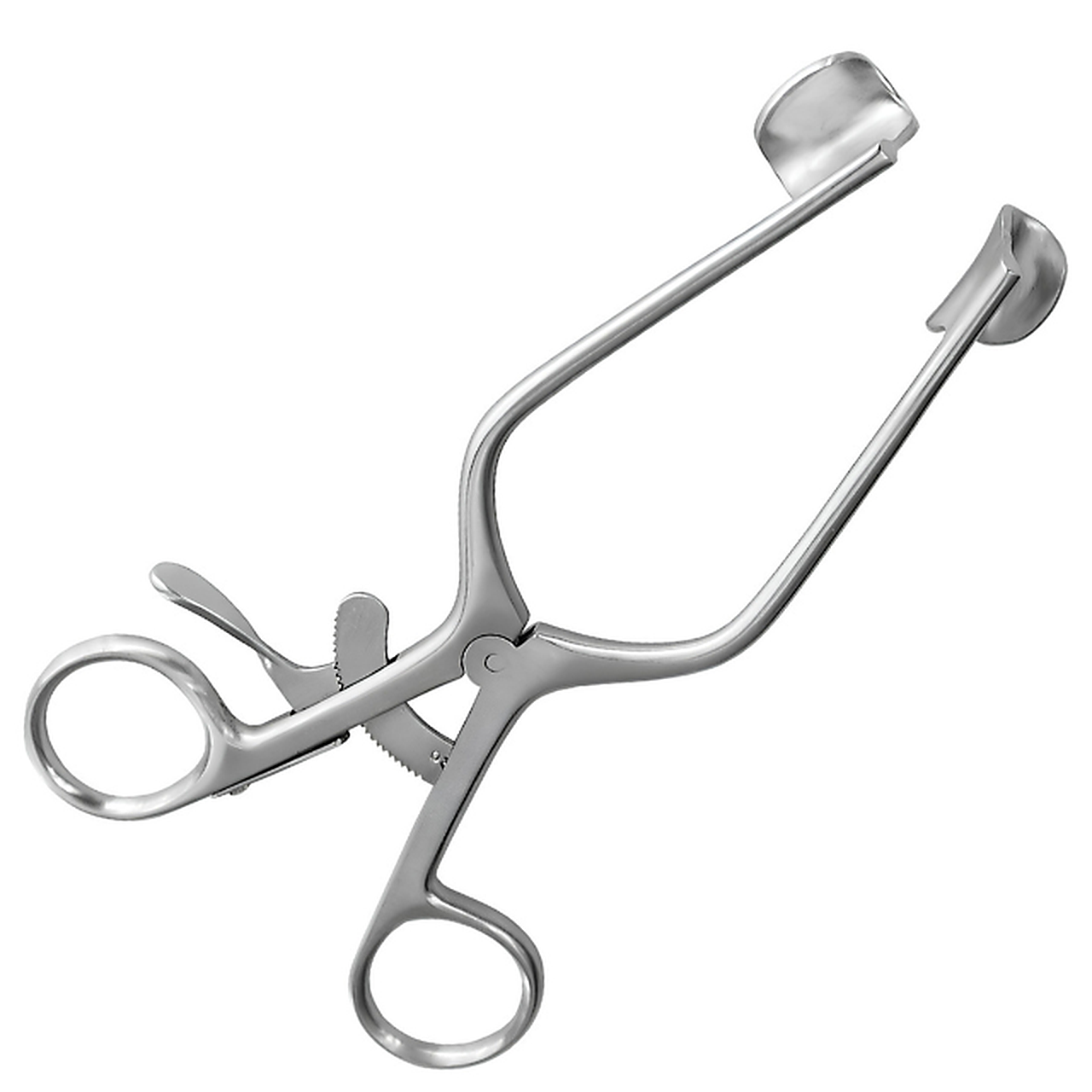 | Afastador Autoestático Largo | Projetado especificamente para fornecer retração autoestática de margem de ferida de superfície ampla sem herniação de tecido. |
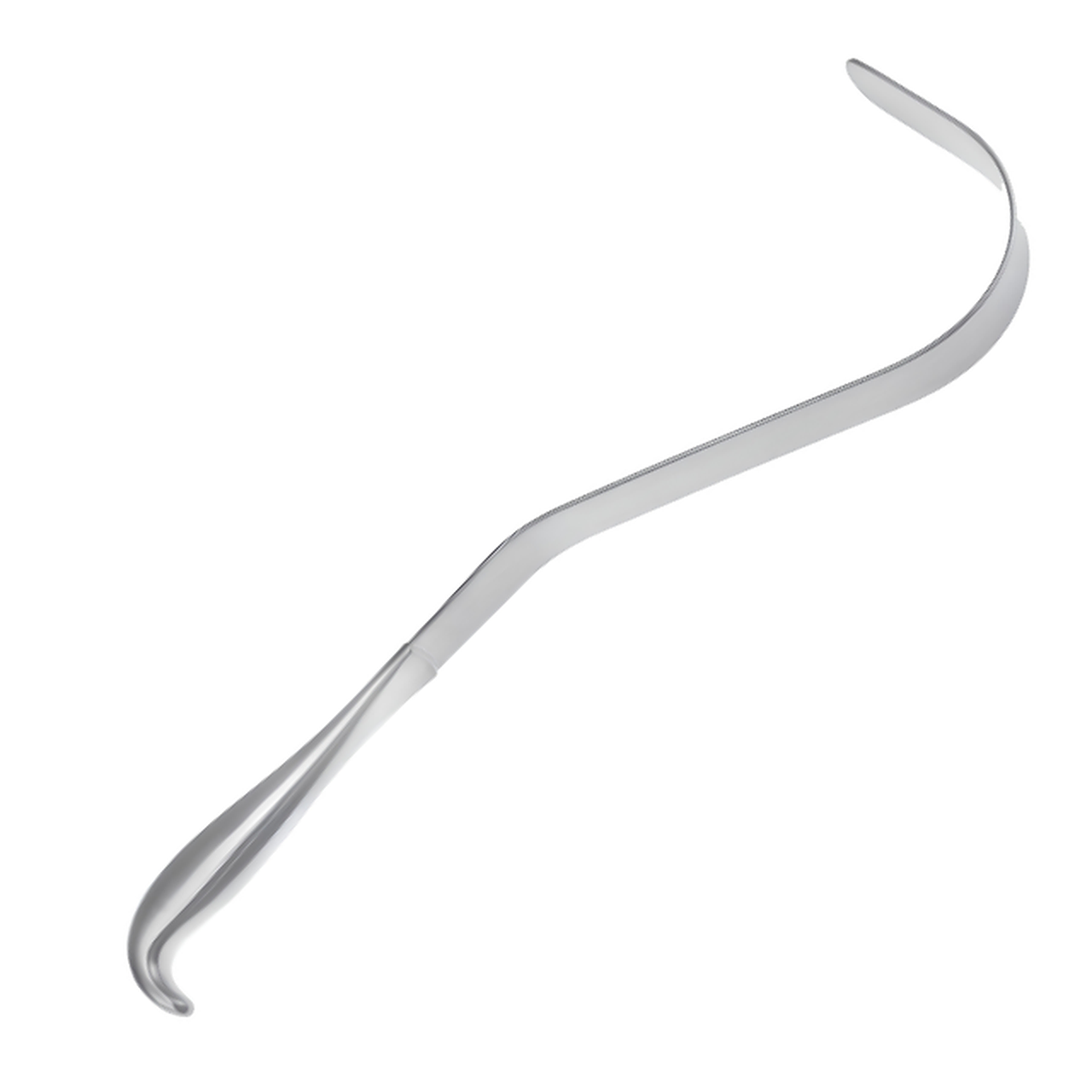 | Afastador Willauer-Deaver | Projetado especificamente para afastar o parênquima pulmonar, vísceras e margens de tecidos profundos durante cirurgias torácicas e abdominais. |
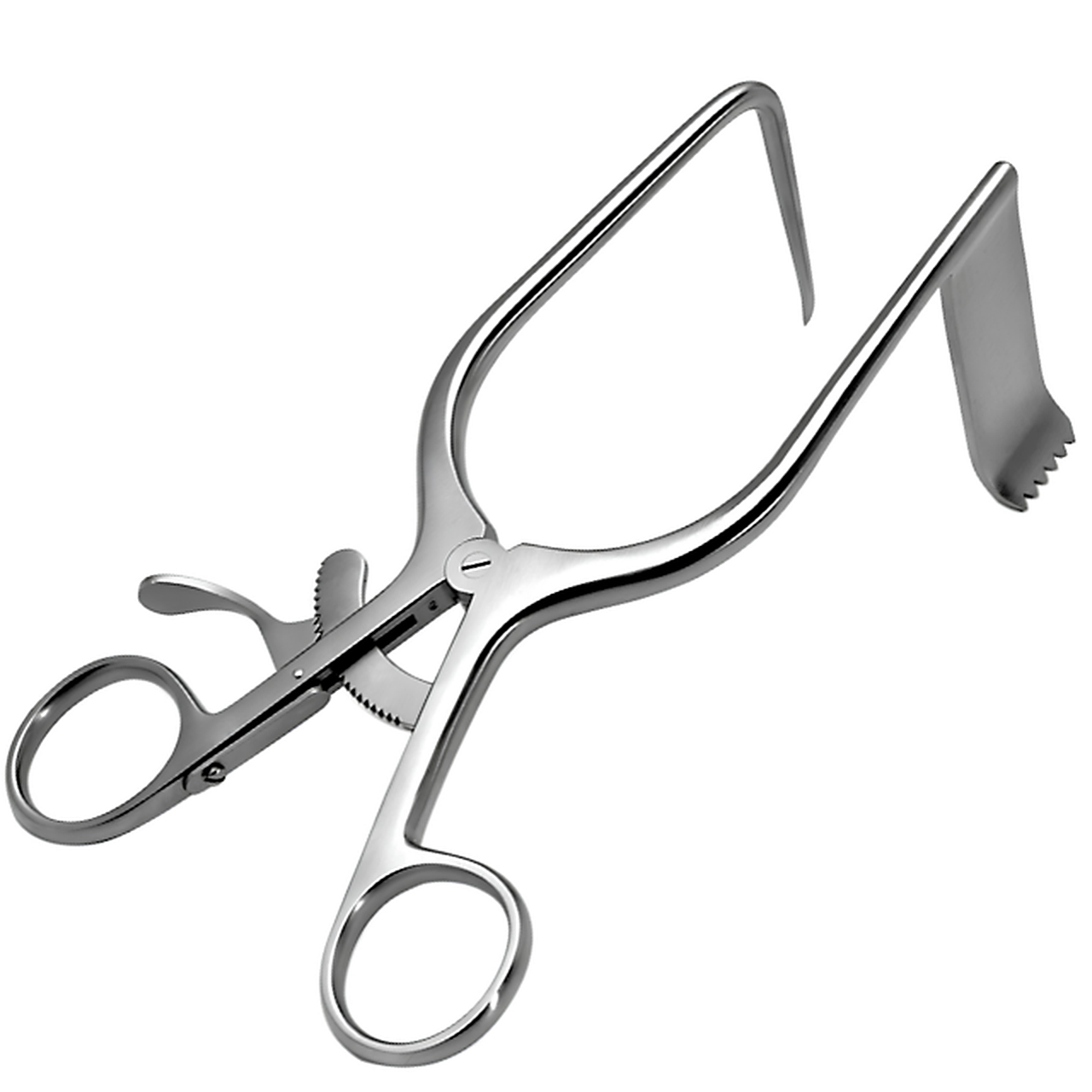 | Afastador Williams para Discectomia | Projetado especificamente para afastar a musculatura paravertebral e margens teciduais durante microdiscectomia lombar e laminotomia. |
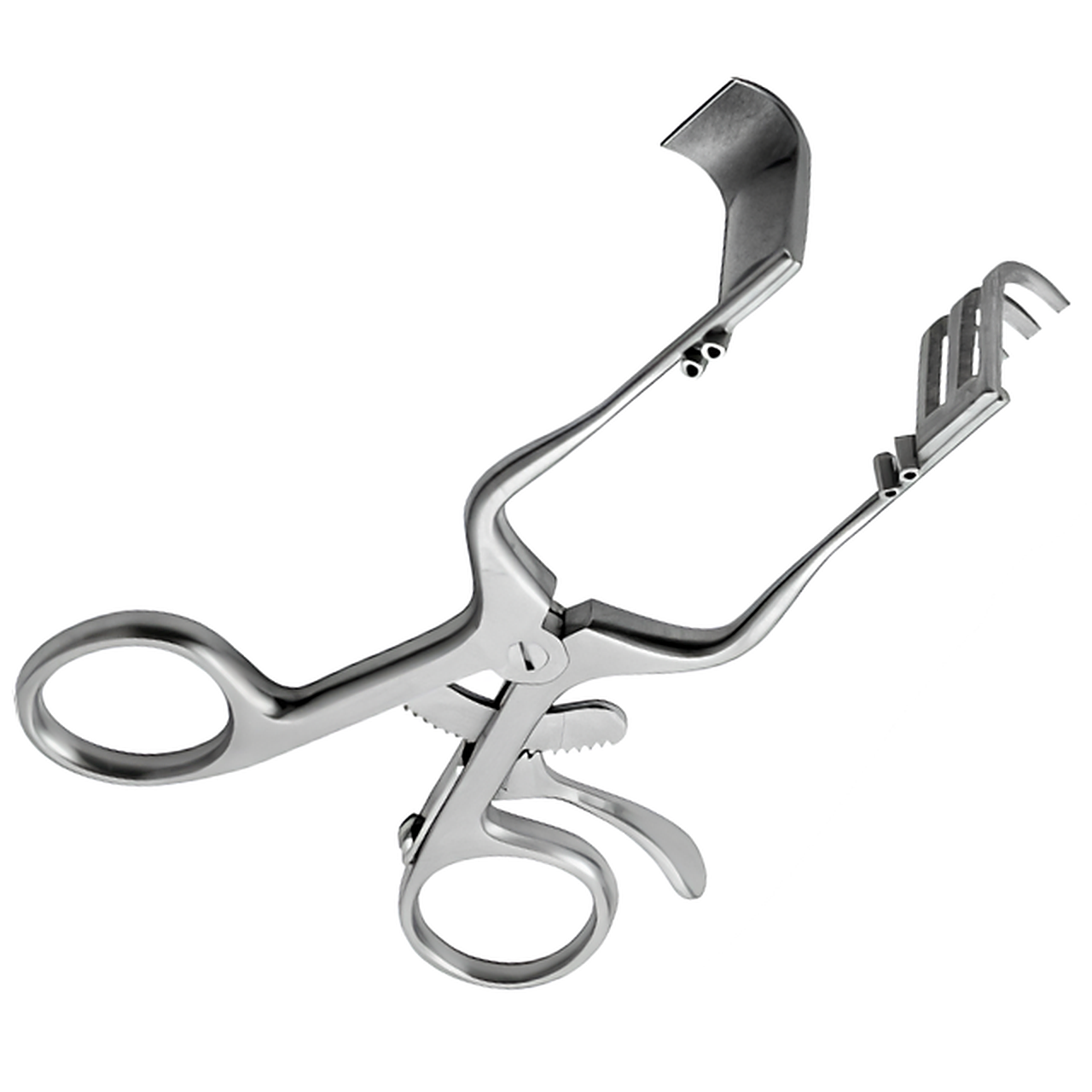 | Afastador Williams para Fratura do Rádio Distal | Projetado especificamente para afastar o pronador quadrado e os tendões flexores para expor o rádio distal volar durante a fixação da placa de fratura. |
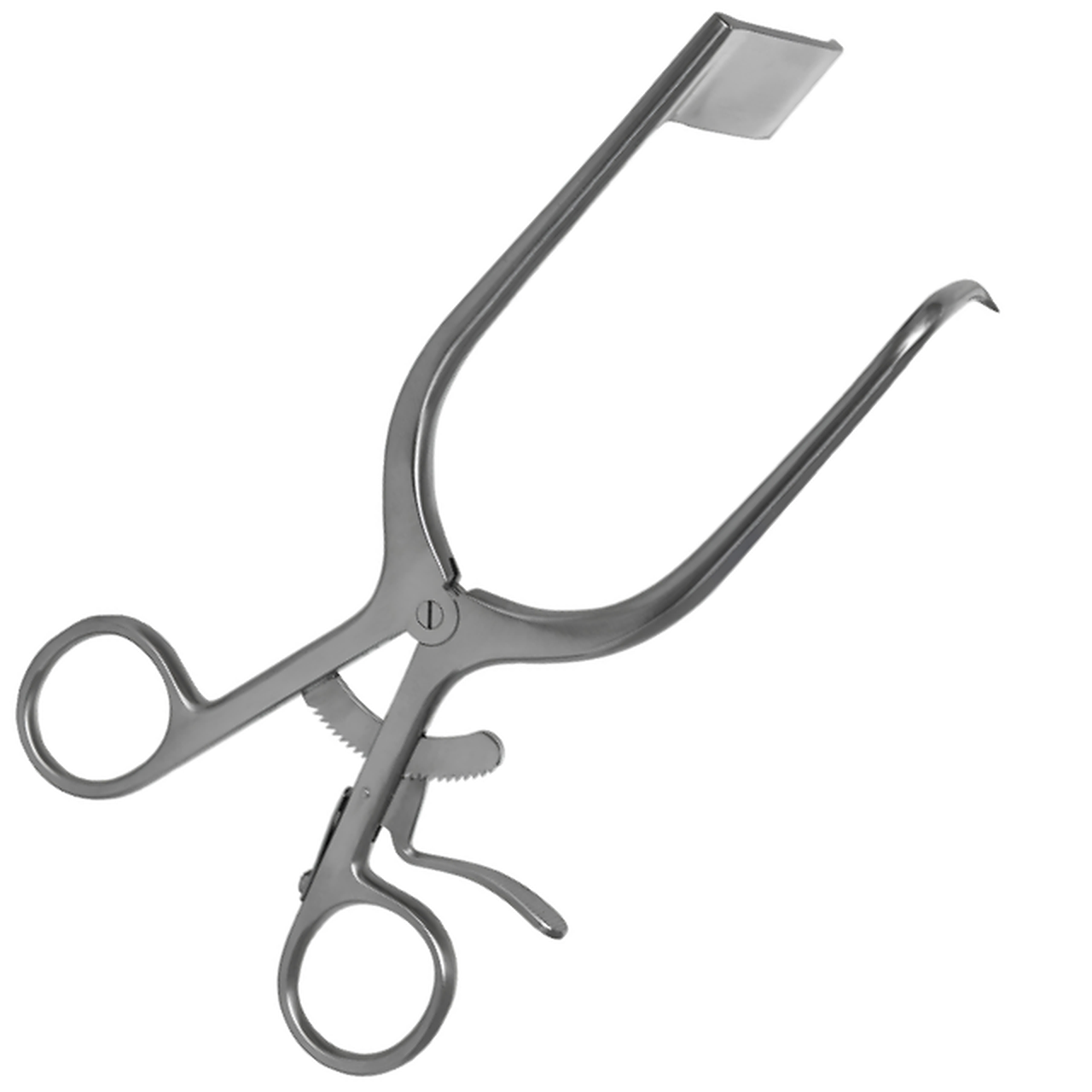 | Afastador Williams para Discectomia Espinhal | Projetado especificamente para afastar a musculatura paravertebral e expor a lâmina durante a microdiscectomia lombar. |
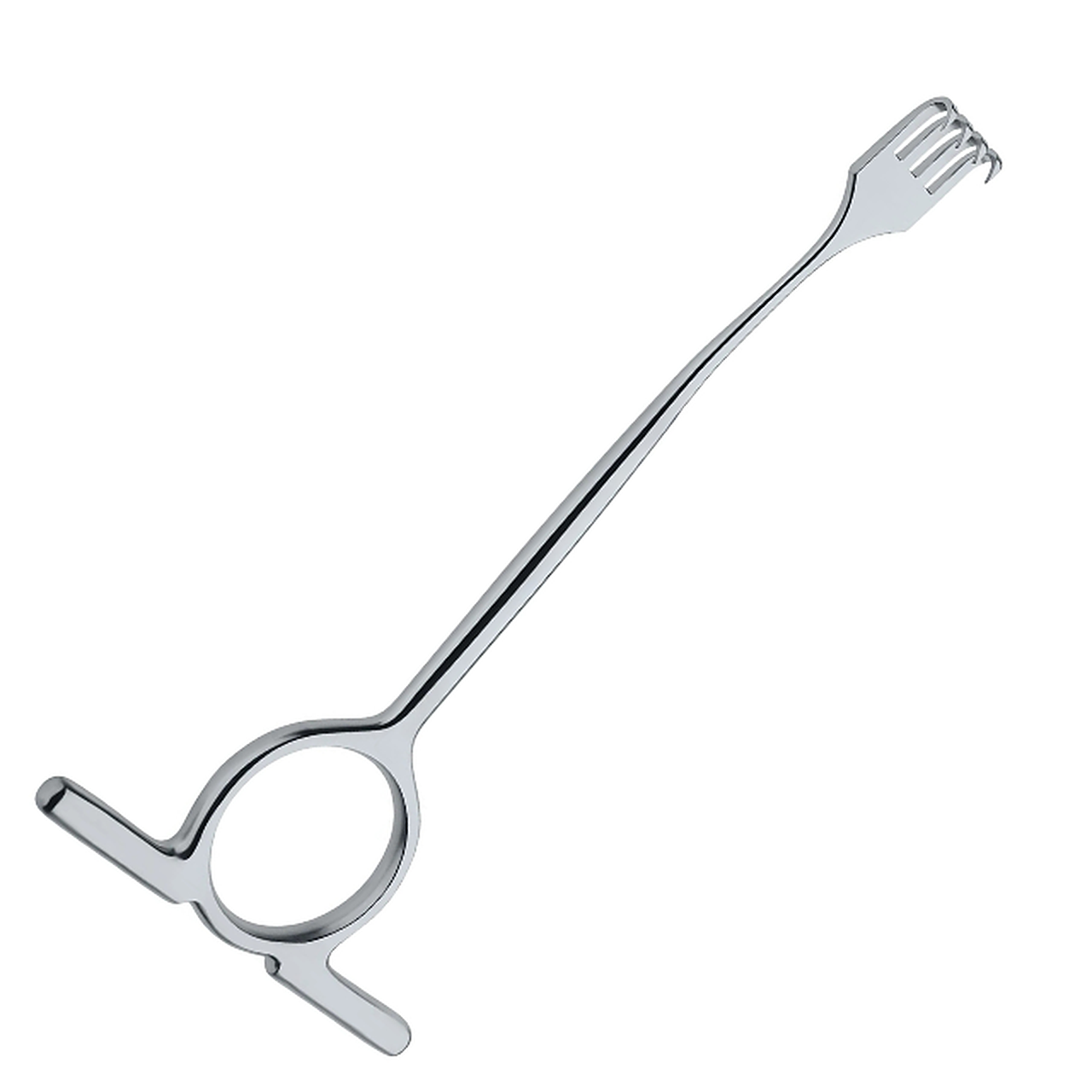 | Afastador Williger | Projetado especificamente para afastar retalhos mucoperiostais e tecidos moles para exposição óssea durante cirurgias orais, dentais e bucomaxilofaciais. |
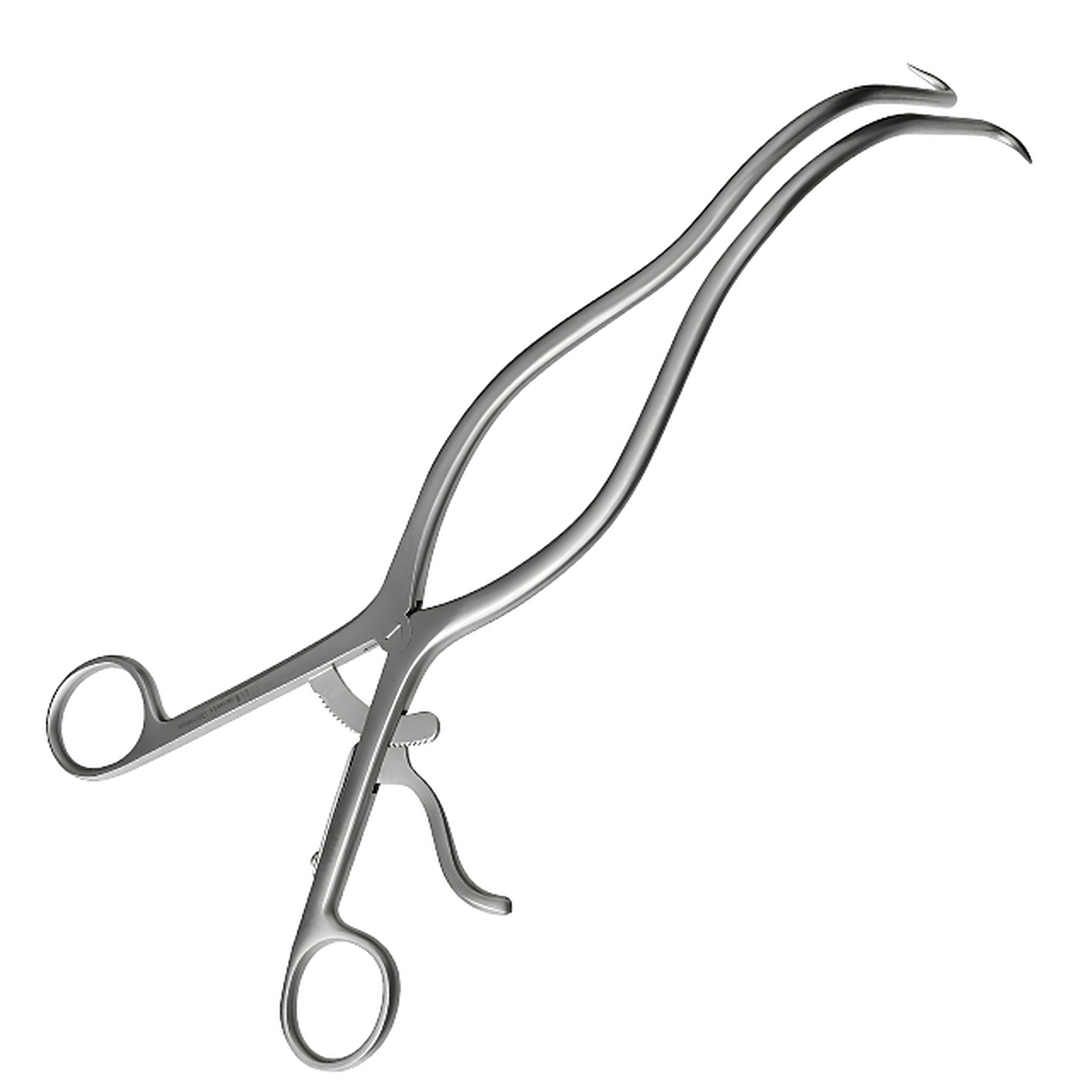 | Afastador Autoestático Wiltse-Gelpi | Projetado especificamente para afastar a musculatura paraspinal densa durante a fusão e descompressão espinhal posterolateral. |
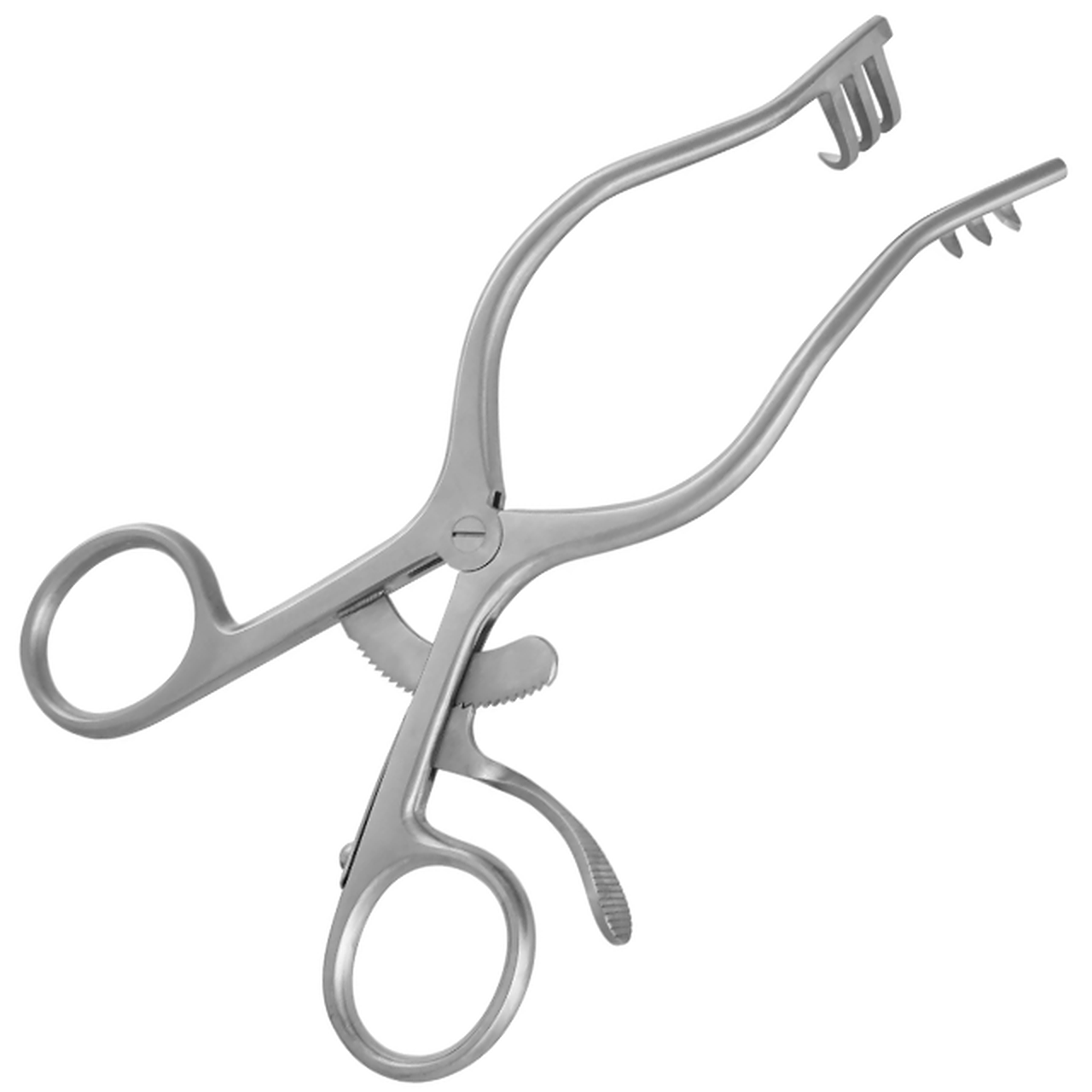 | Afastador Autoestático Wullstein Weitlaner | Projetado especificamente para fornecer retração autoestática de margens de feridas e tecidos moles durante cirurgias de ouvido, couro cabeludo e pequenos procedimentos. |
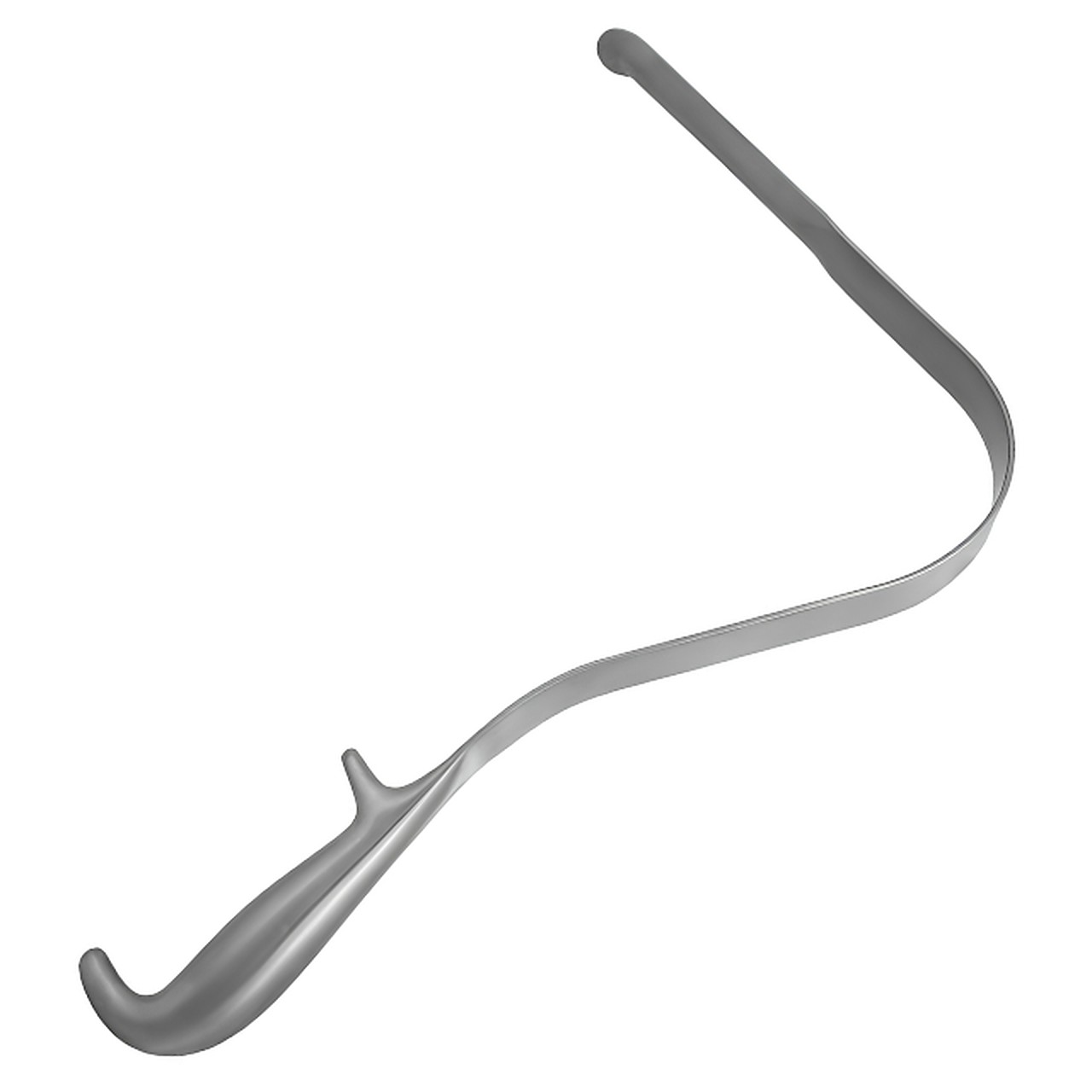 | Afastador de Veia Renal Wylie | Projetado especificamente para afastar e proteger a veia renal, a veia cava e os principais vasos retroperitoneais durante cirurgias vasculares e urológicas. |
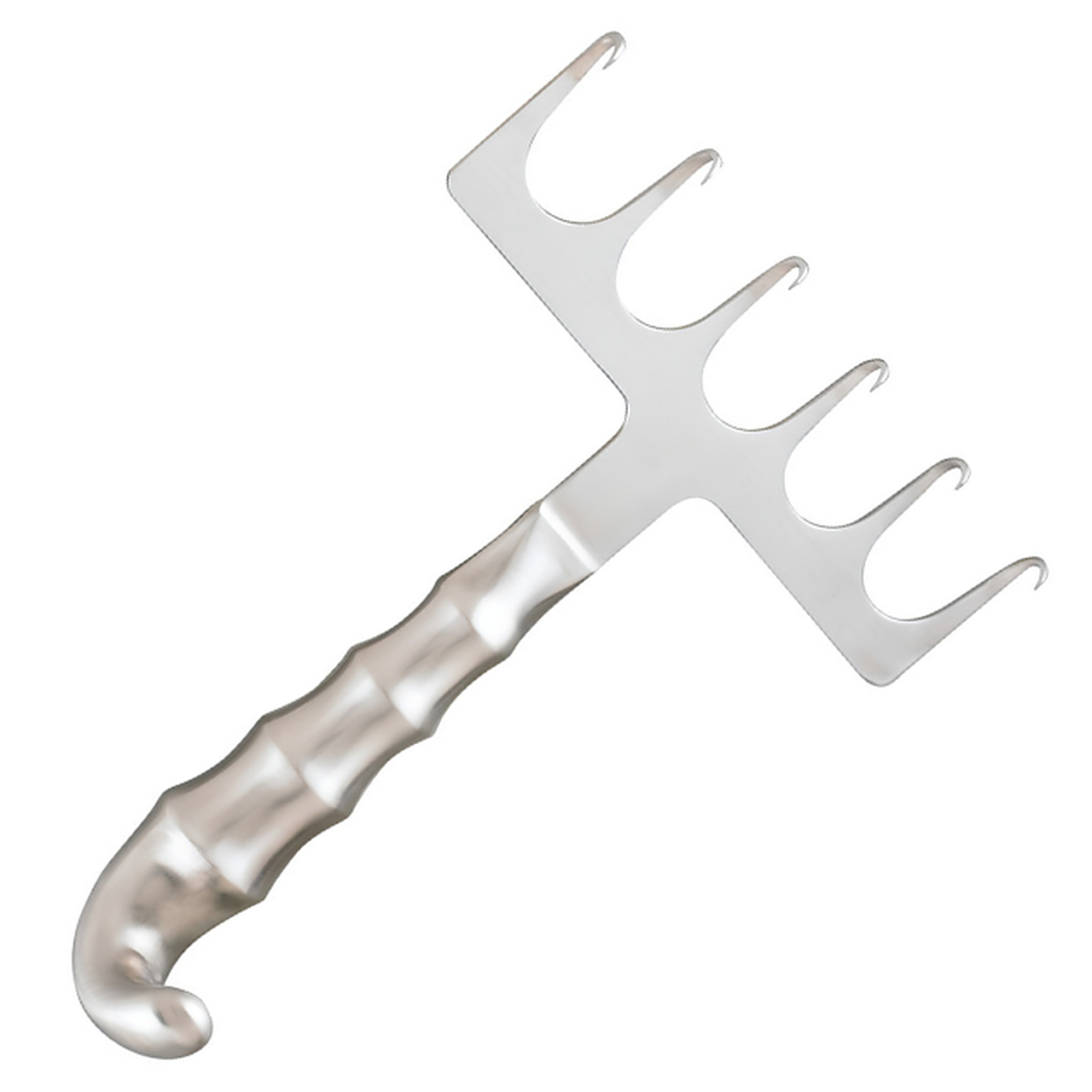 | Afastador para Abdominoplastia Yancoskie | Projetado especificamente para elevar grandes retalhos de pele abdominal e expor a bainha do reto durante abdominoplastia e paniculectomia. |
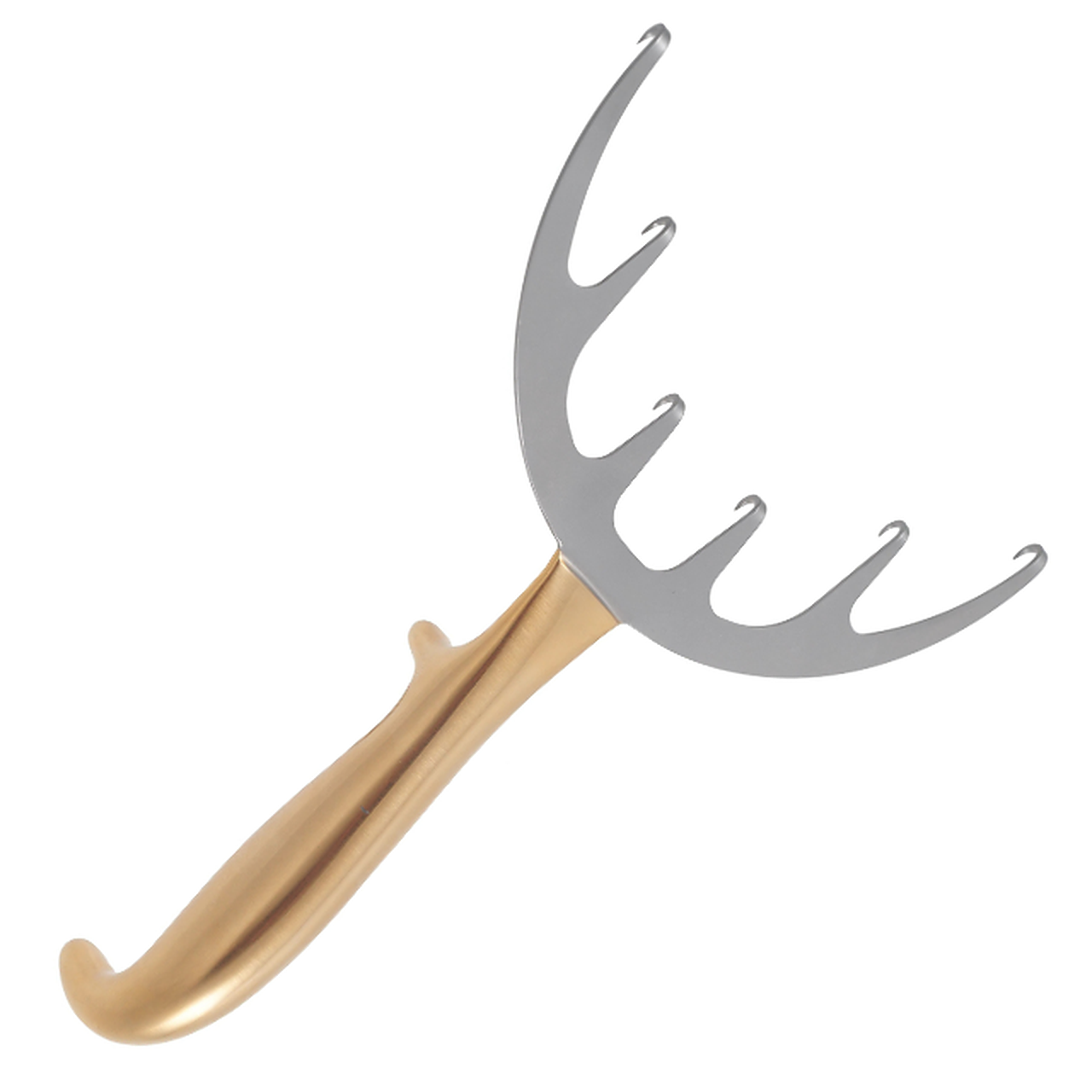 | Afastador Yancoskie Coronal Lift | Projetado especificamente para elevar e afastar o couro cabeludo e o retalho frontal durante o lifting coronal de sobrancelhas e cirurgia craniofacial. |
 | Afastador Maleável Zalkind (Espátula) | Projetado especificamente para ser moldado em formas intraoperatórias personalizadas para afastar vísceras, alças intestinais e tecidos moles profundos sem efeito mola. |
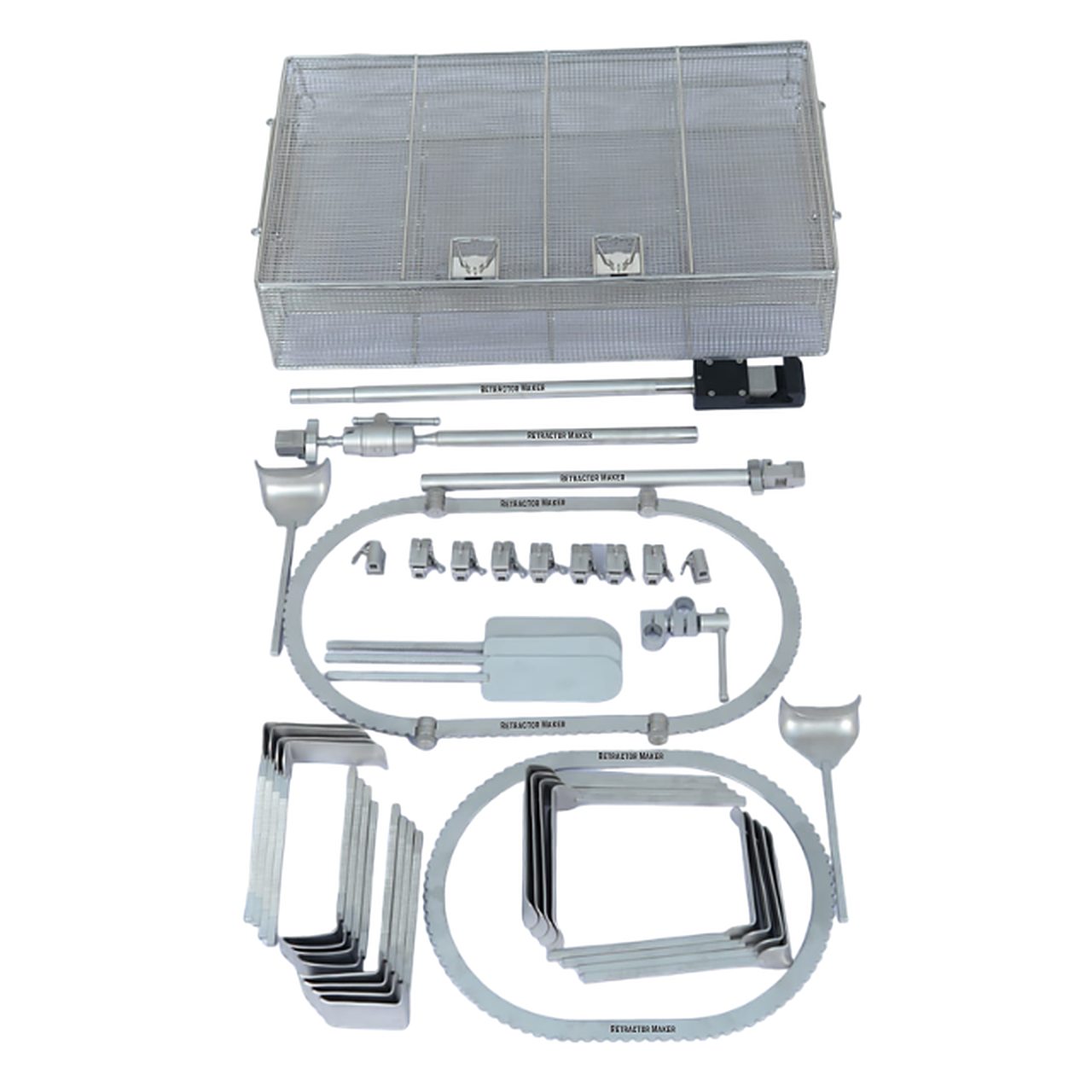 | Afastador Bookwalter Retractor (Standard) | Fornece exposição estável e mãos-livres da ferida durante cirurgias abertas de grande porte, incluindo procedimentos como nefrectomia, prostatectomia e laparotomia exploratória. |
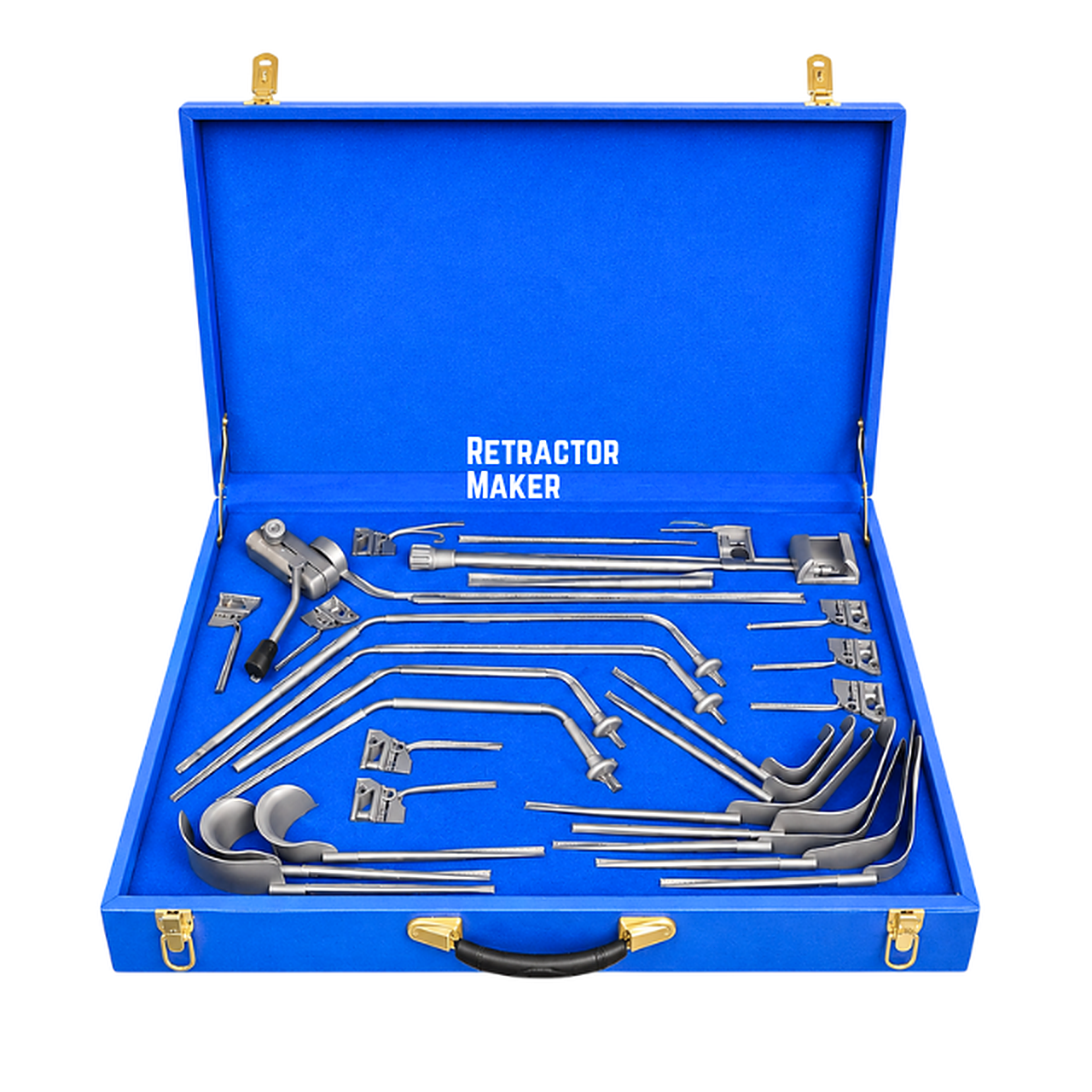 | Sistema de Afastador Omni | Fornece exposição altamente adaptável, de baixo perfil e sem as mãos durante cirurgias abertas complexas. |
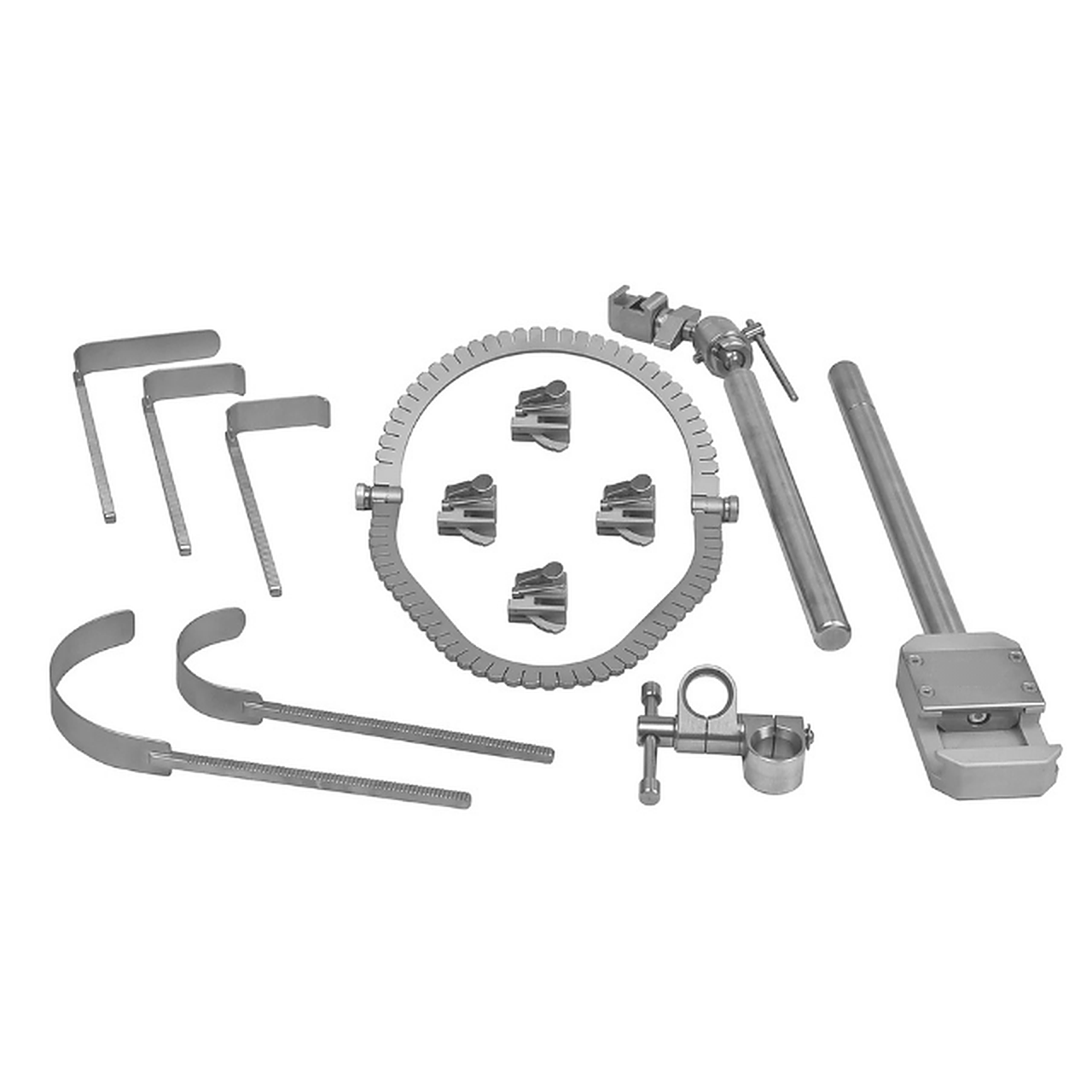 | Sistema de Afastador Bookwalter GYN | Projetado para fornecer exposição cirúrgica estável e mãos-livres durante procedimentos ginecológicos e vaginais utilizando um sistema de afastador autoestático montado na mesa. |
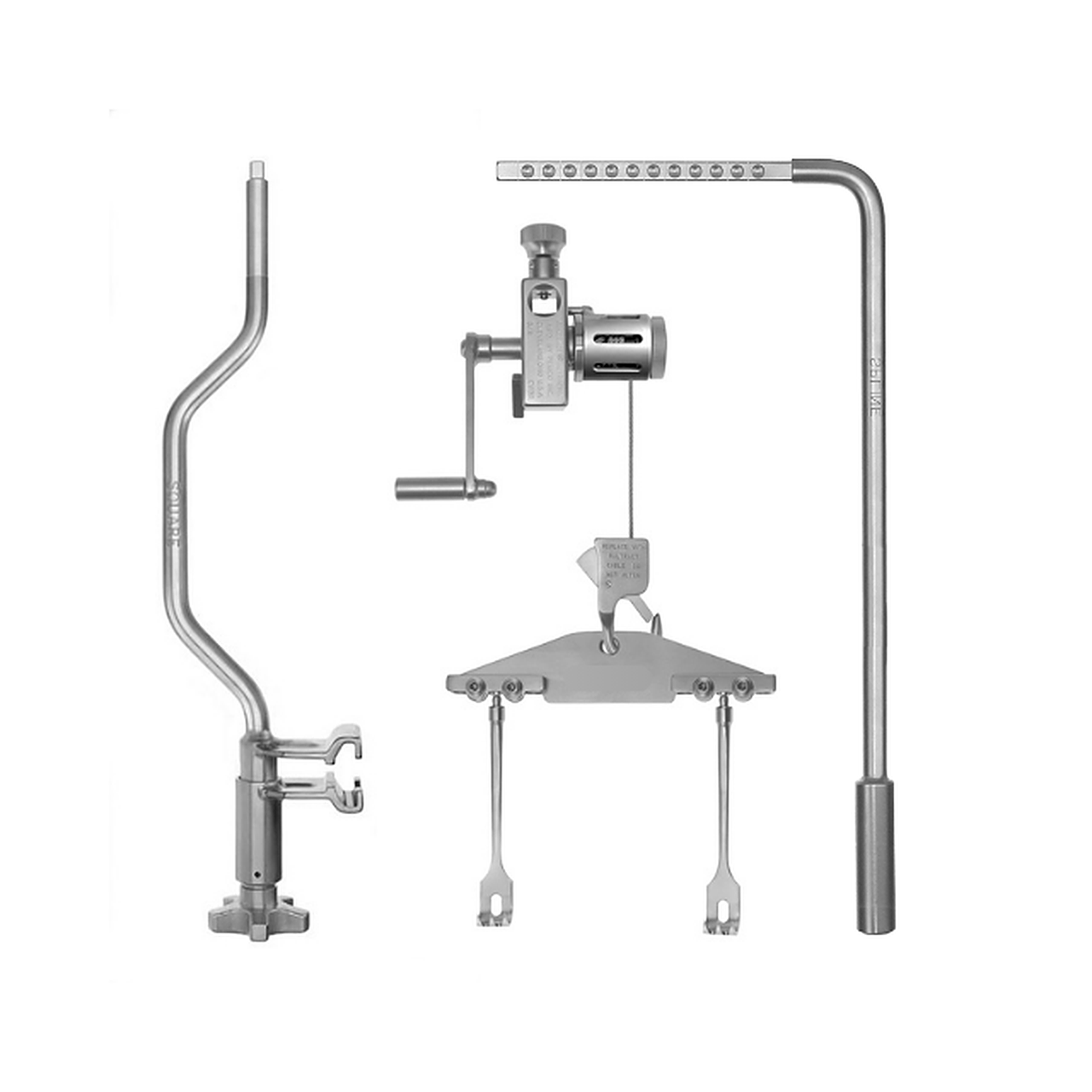 | Sistema Afastador Rultract | Projetado para fornecer deslocamento tecidual estável e mãos-livres e exposição cirúrgica consistente, apoiando a eficiência cirúrgica durante procedimentos operatórios. |
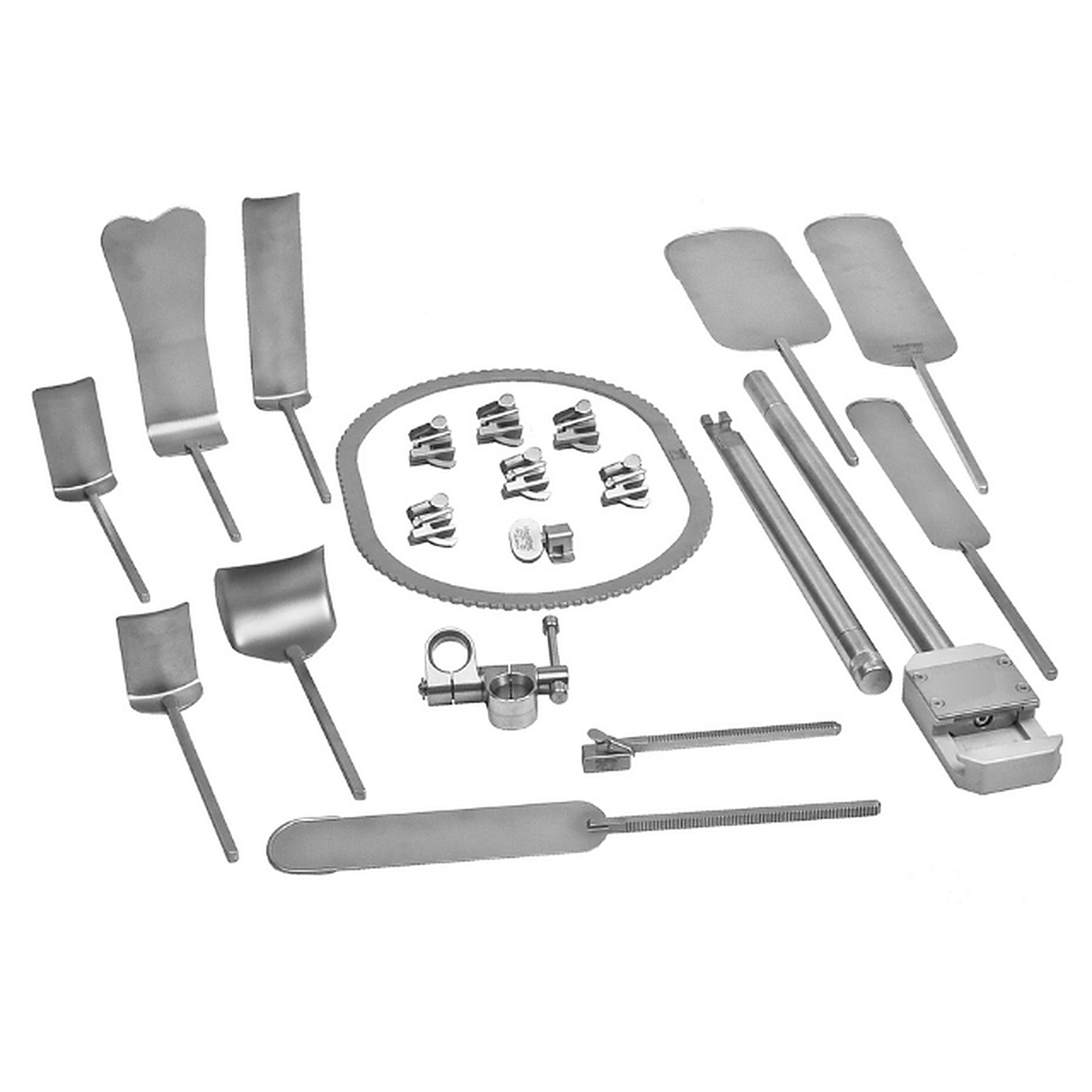 | Sistema de Afastador Bariátrico Bookwalter | Projetado para fornecer exposição cirúrgica mãos-livres durante procedimentos bariátricos abertos que exigem afastamento especializado. |
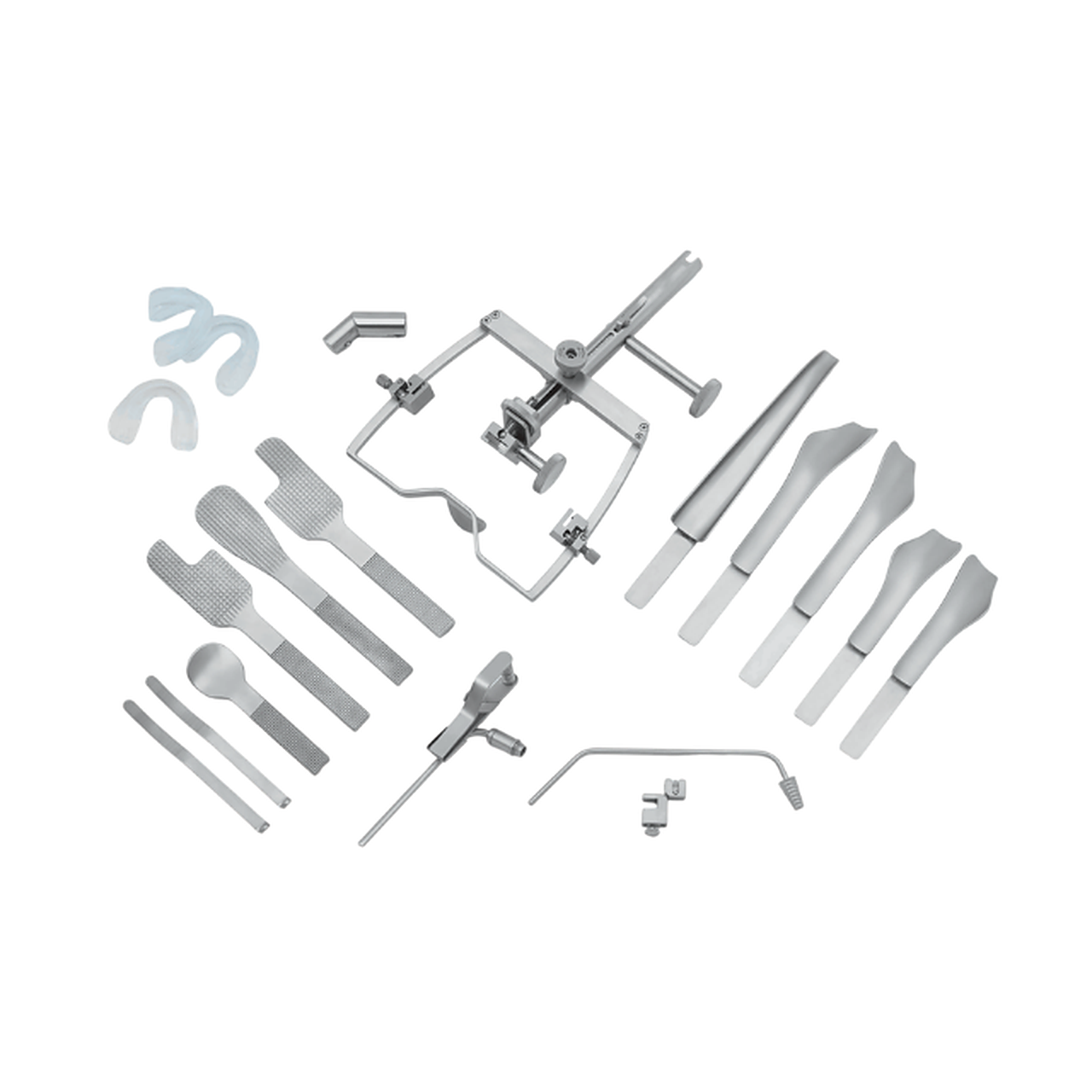 | Afastador FK (Feyh-Kastenbauer) | Projetado especificamente para exposição do trato aerodigestivo superior durante Cirurgia Robótica Transoral (TORS), microcirurgia e procedimentos a laser envolvendo a base da língua, laringe, supraglote e hipofaringe. |
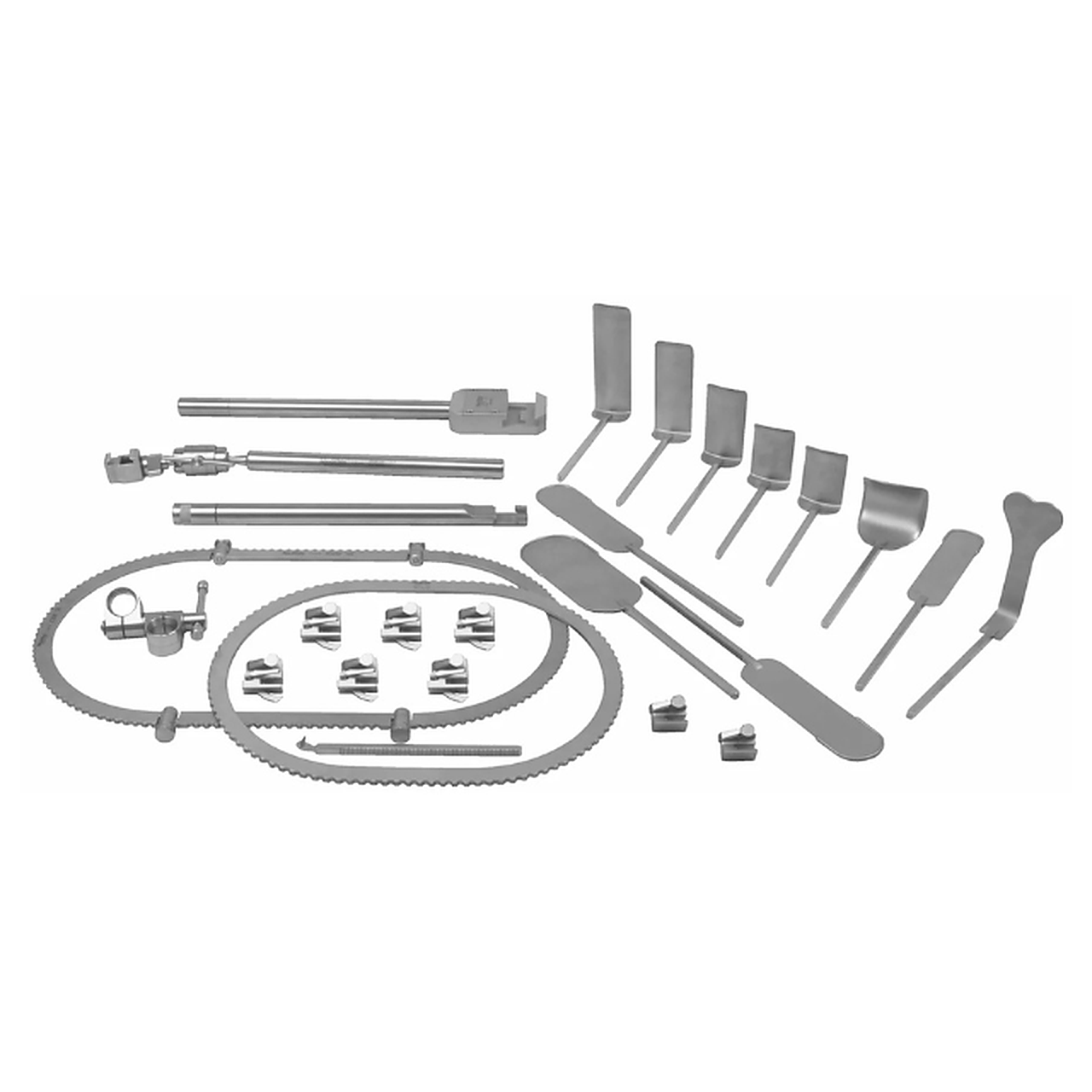 | Afastador Bookwalter para Cirurgia Geral | Fornece exposição cirúrgica estável e mãos-livres durante procedimentos abdominais abertos e cirurgia geral por meio de um sistema de retração autoestático fixado à mesa. |
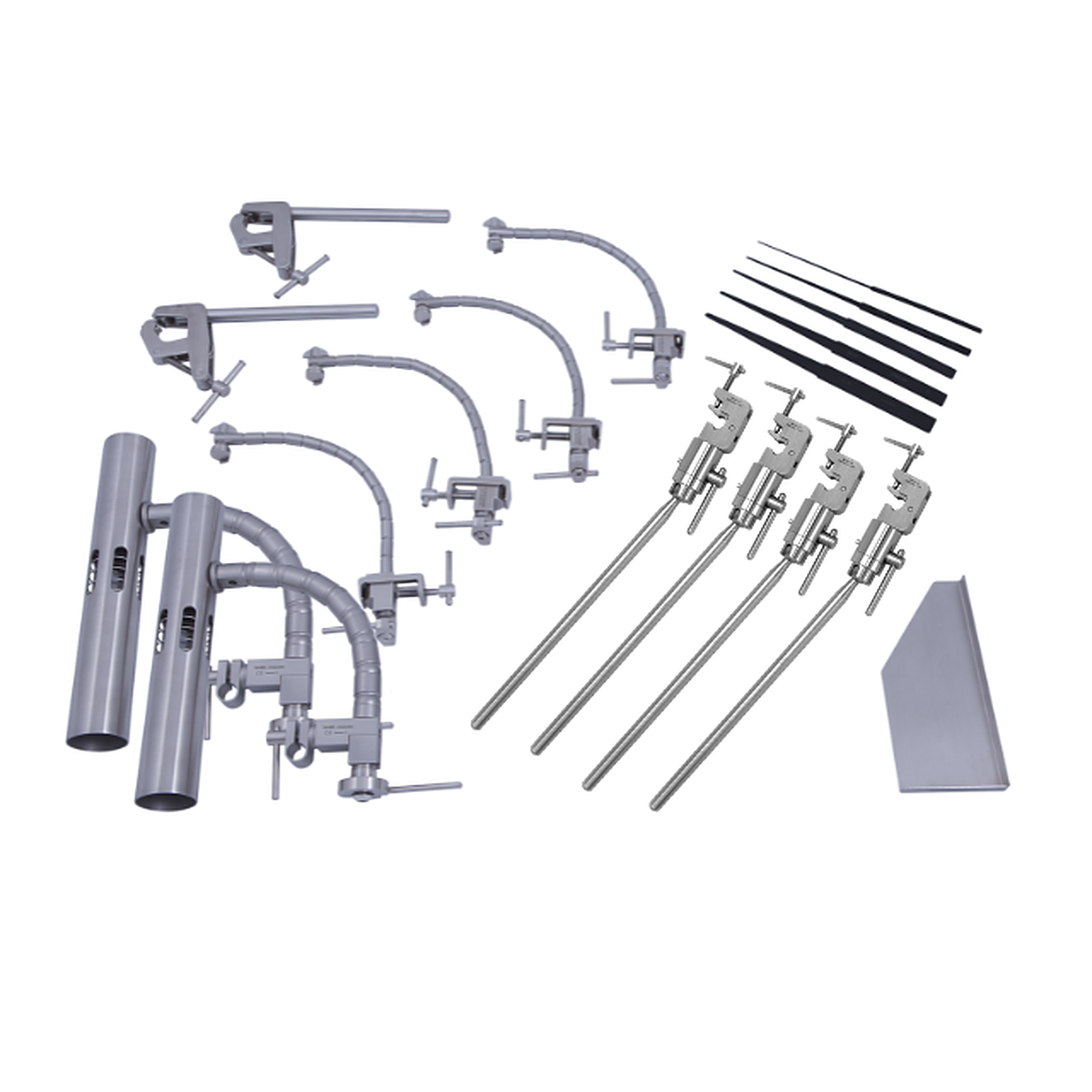 | Afastador Greenberg | Projetado para fornecer retração tecidual precisa, autoretentora e mãos-livres durante procedimentos cranianos complexos, de base de crânio e microneurocirúrgicos. |
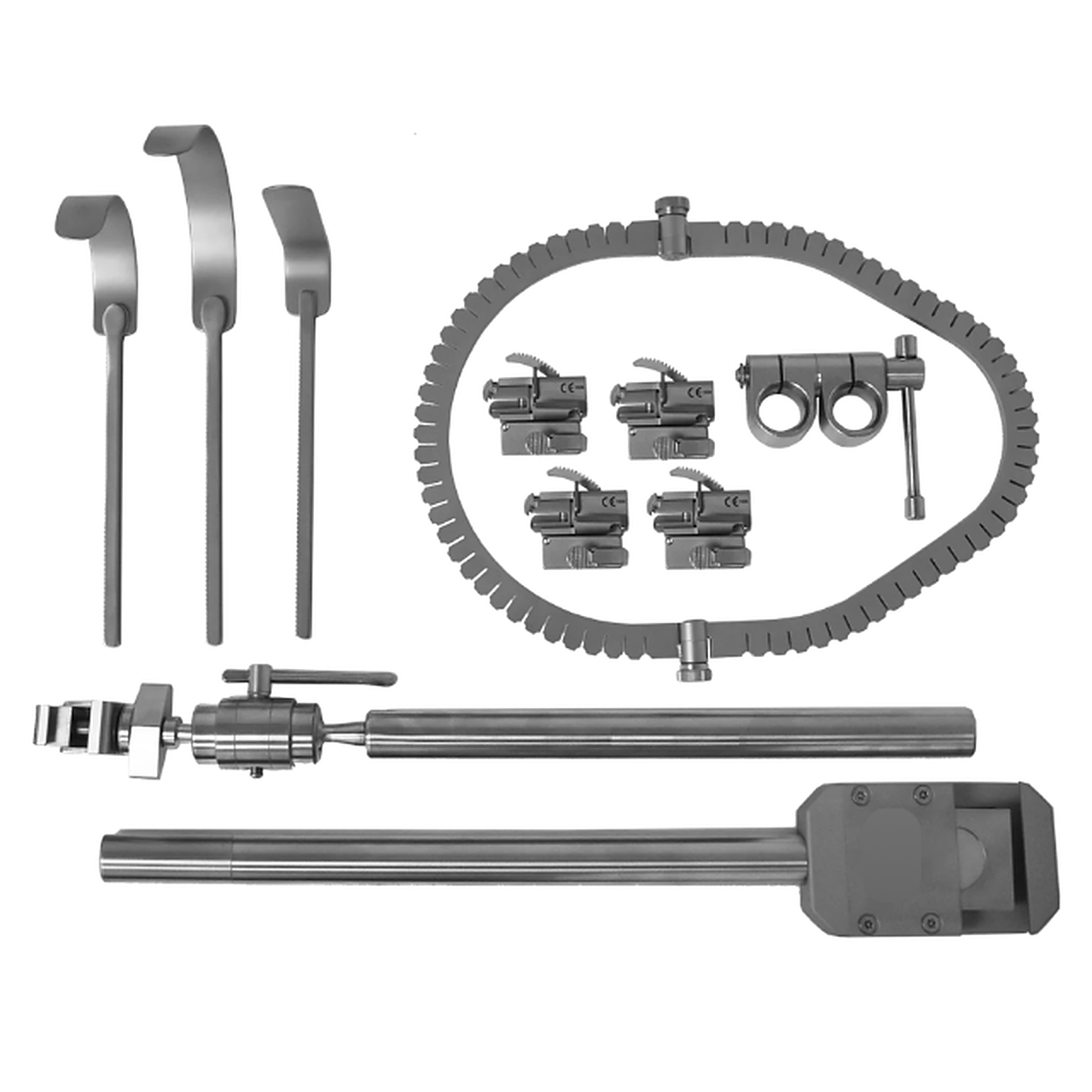 | Sistema de Afastador Bookwalter GYN Magrina para Cirurgia Pélvica | Projetado para fornecer exposição estável e mãos-livres durante procedimentos cirúrgicos ginecológicos, vaginais e pélvicos, utilizando um sistema de afastador autoestático montado na mesa com catracas de inclinação rotativas. |
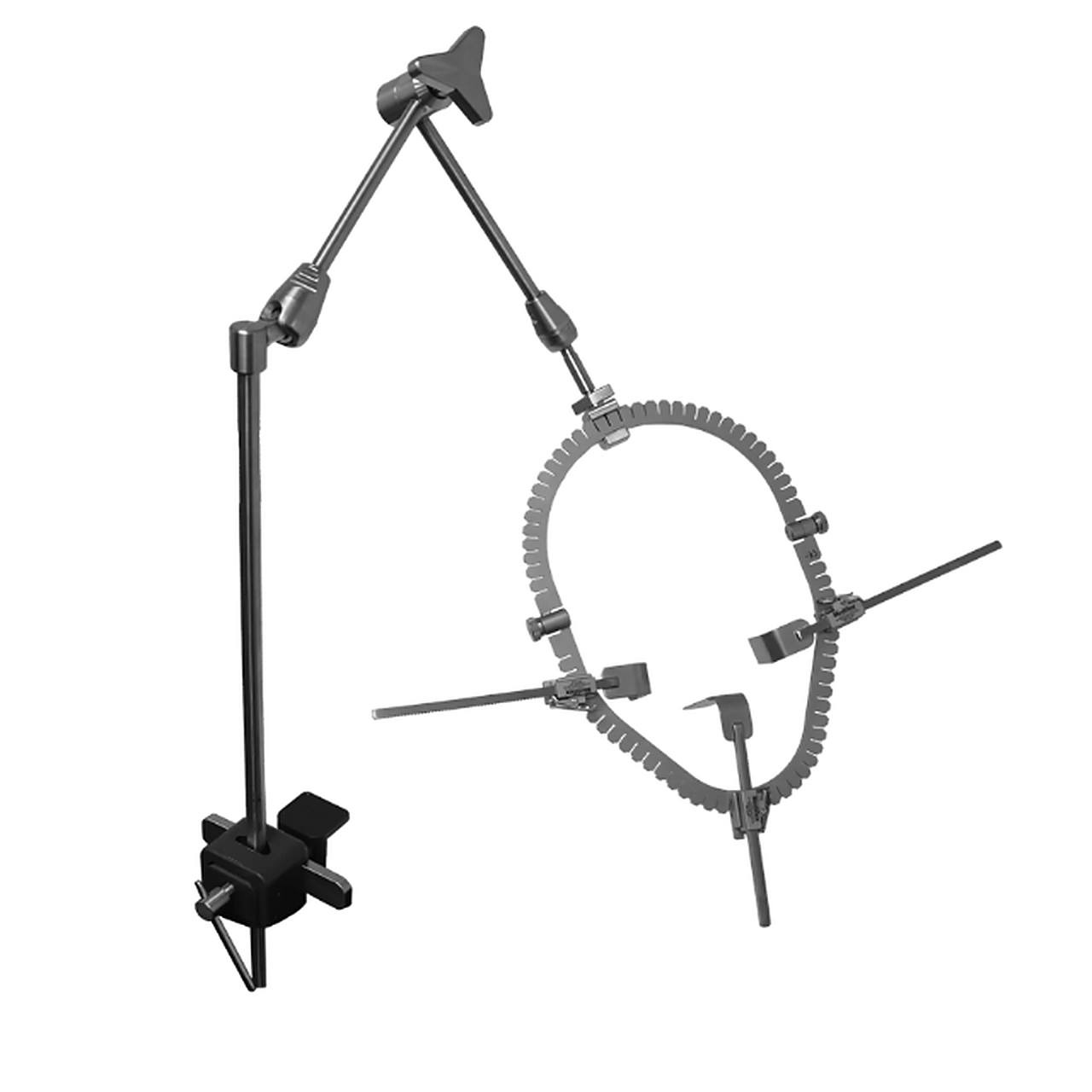 | Sistema Cirúrgico GYN Bookwalter StrongArm | Projetado para fornecer exposição estável e mãos livres durante procedimentos cirúrgicos ginecológicos, vaginais e pélvicos usando o sistema de montagem StrongArm Plus. |
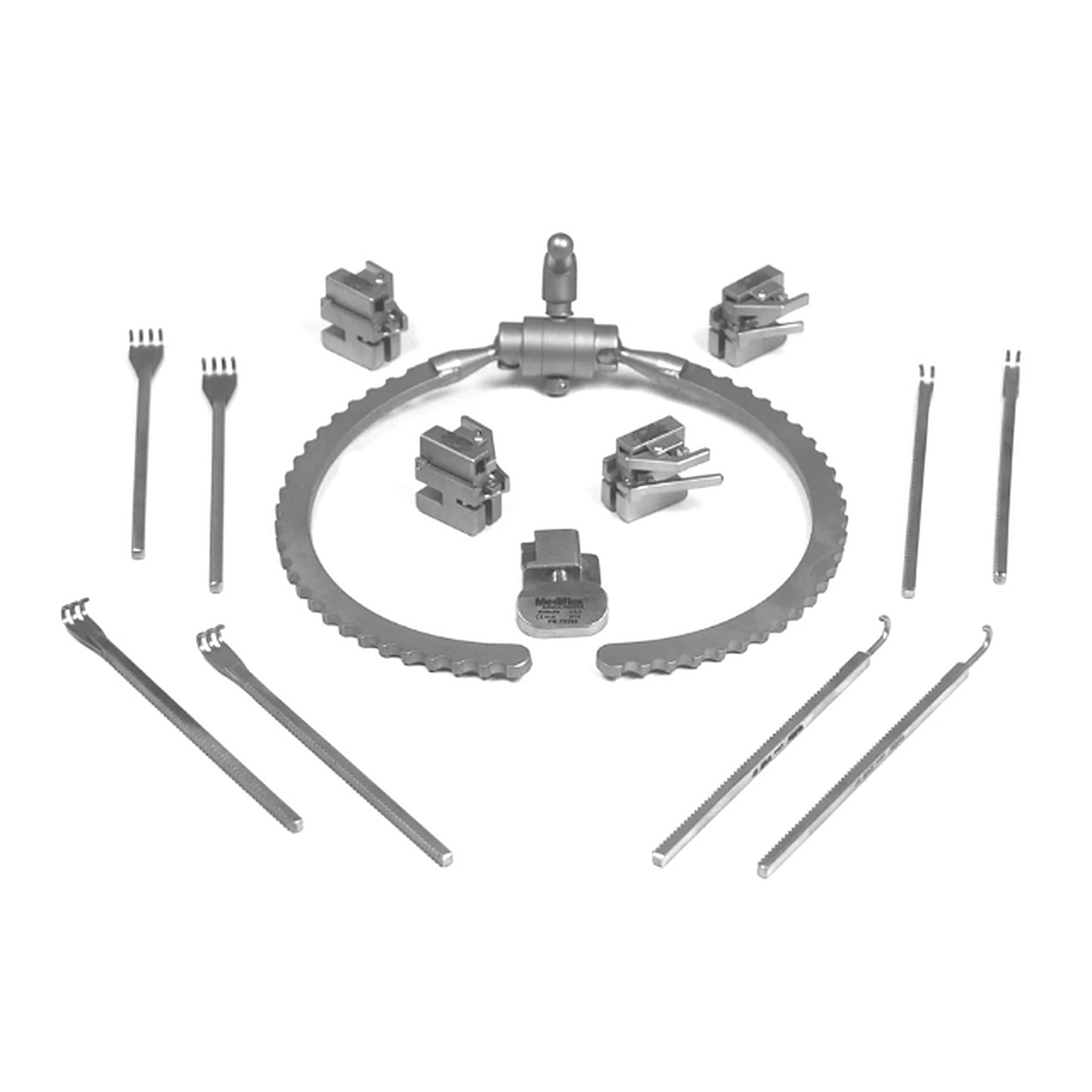 | Sistema de Afastador Cirúrgico de Mão Bookwalter | Fornece retração estável e mãos livres para procedimentos cirúrgicos delicados de mão, punho e extremidades superiores usando um sistema de mini afastador autostático compacto. |
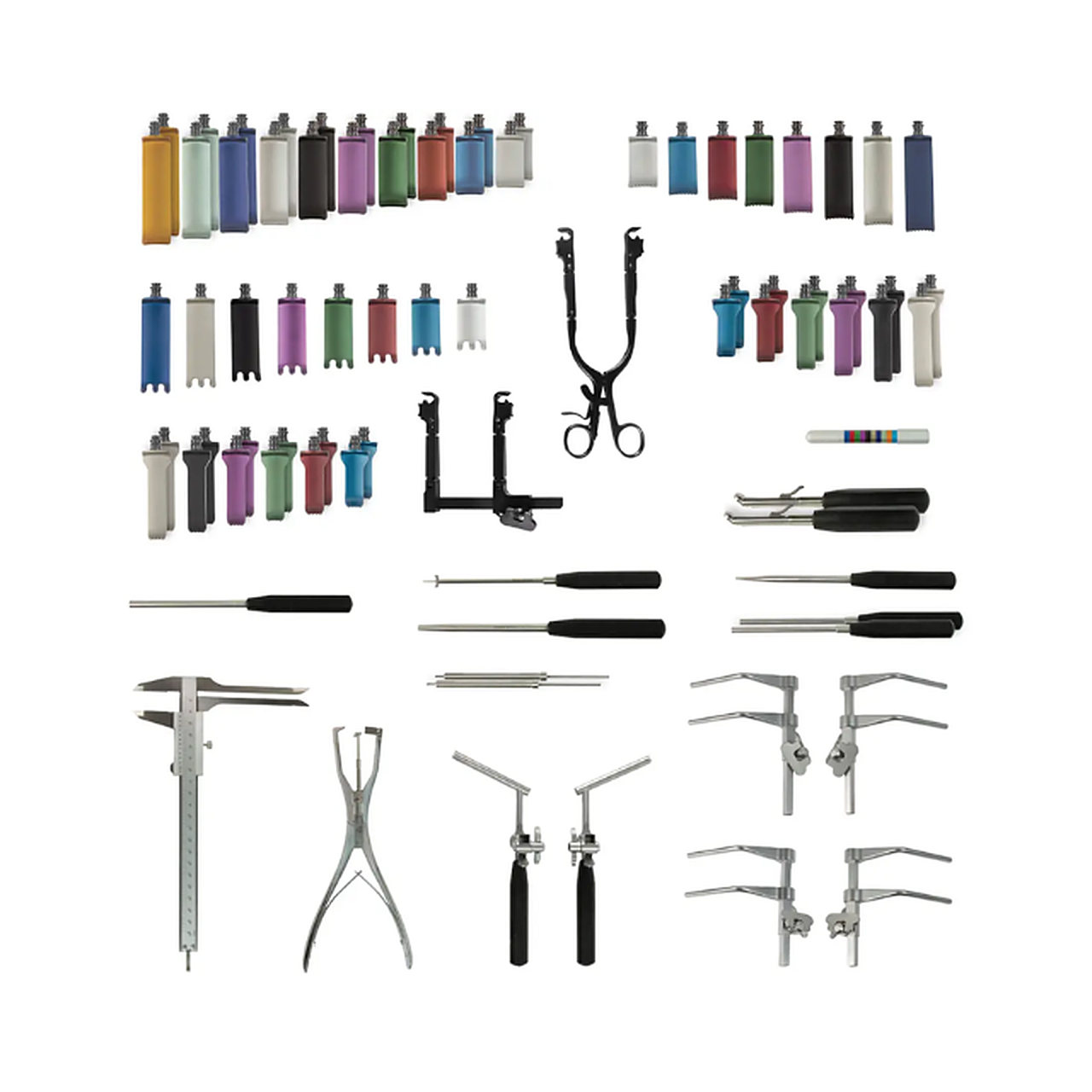 | Sistema de Afastador Image-Line ACF com Distração e Engate Rápido | Projetado especificamente para afastamento de tecidos moles, distração de corpos intervertebrais e colocação de enxerto ósseo durante procedimentos espinhais de fusão cervical anterior (ACF). |
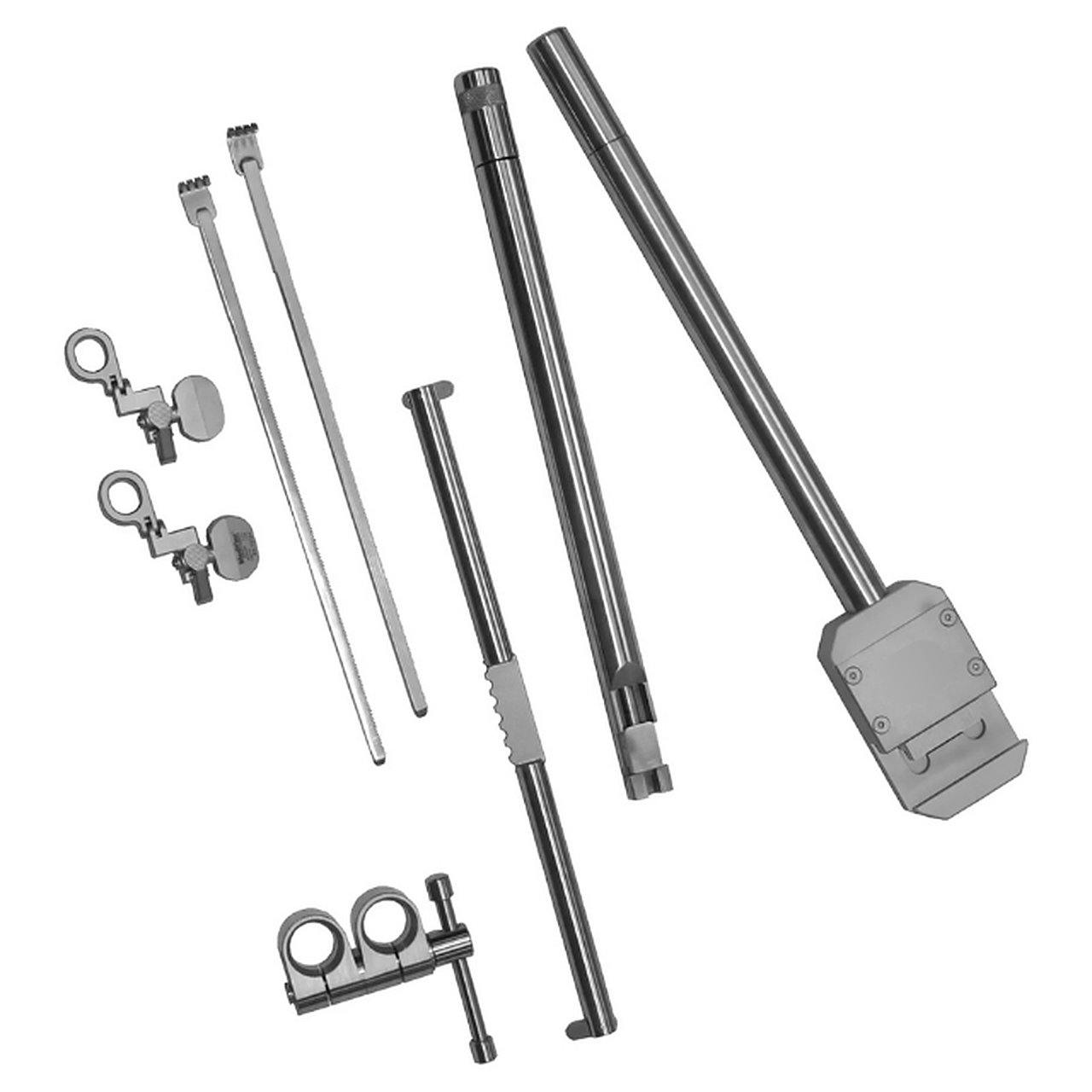 | Sistema Afastador Bookwalter IMA | Projetado para fornecer elevação suave e controlada da parede torácica durante procedimentos de colheita da Artéria Mamária Interna (IMA) utilizando mecanismos de cremalheira ajustáveis de forma independente. |
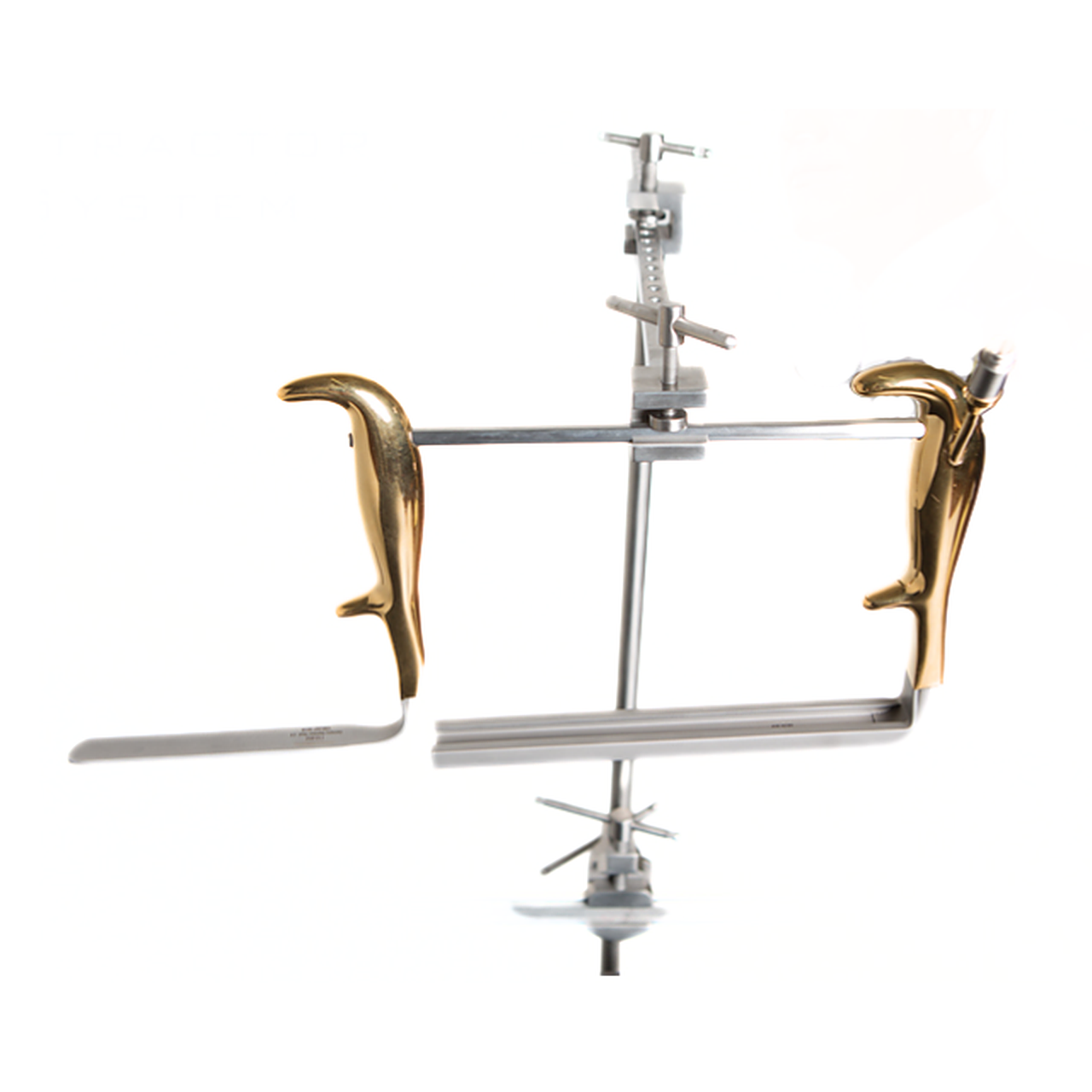 | Sistema de Afastador Hoyos | Especificamente projetado para fornecer deslocamento tecidual controlado e mãos-livres e exposição cirúrgica estável durante cirurgia plástica, mini-lipoabdominoplastia e procedimentos avançados de contorno corporal. |
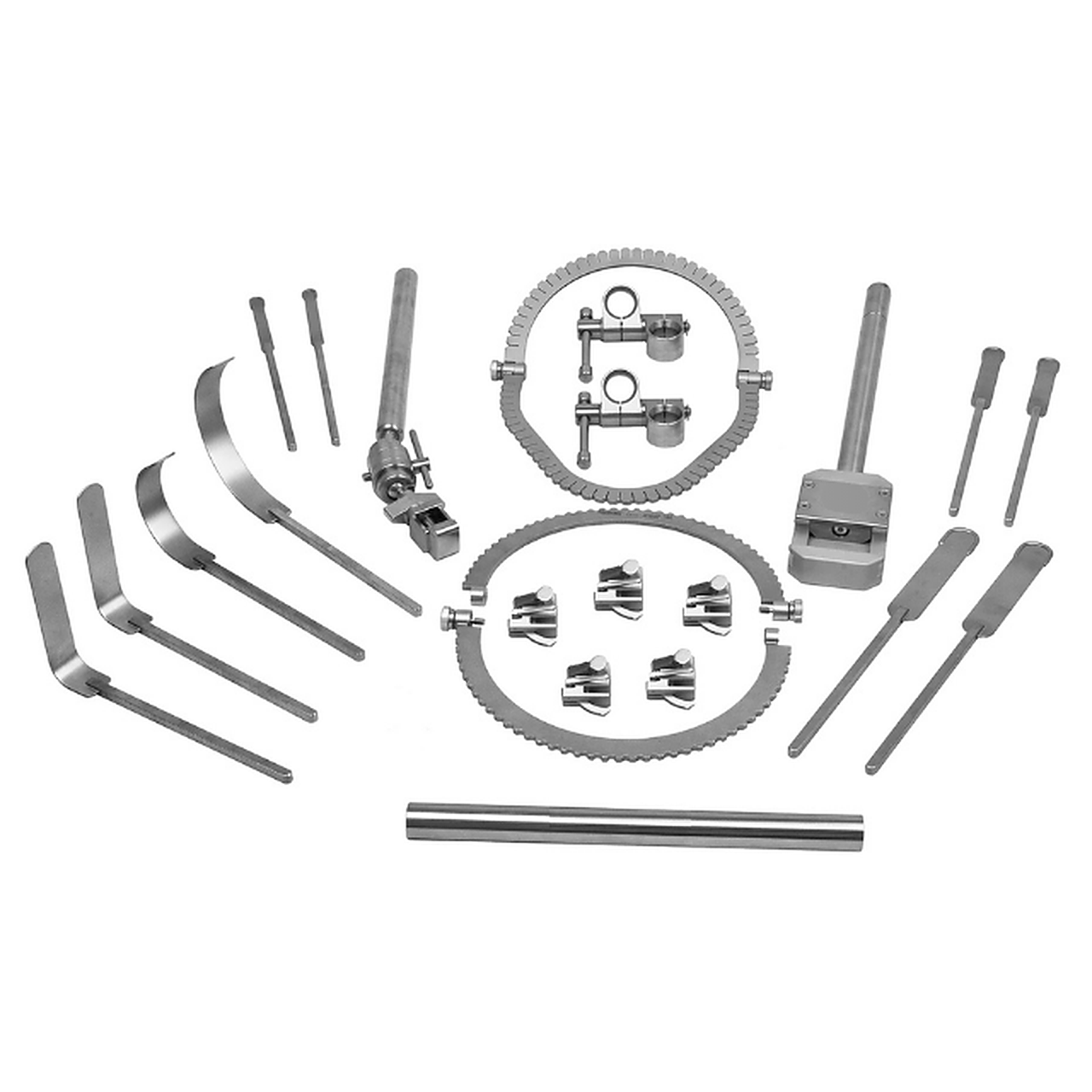 | Afastador Cirúrgico Perineal Bookwalter | Fornece exposição estável e mãos-livres durante procedimentos cirúrgicos perineais, colorretais, ginecológicos e pélvicos com múltiplas opções de montagem e posicionamento. |
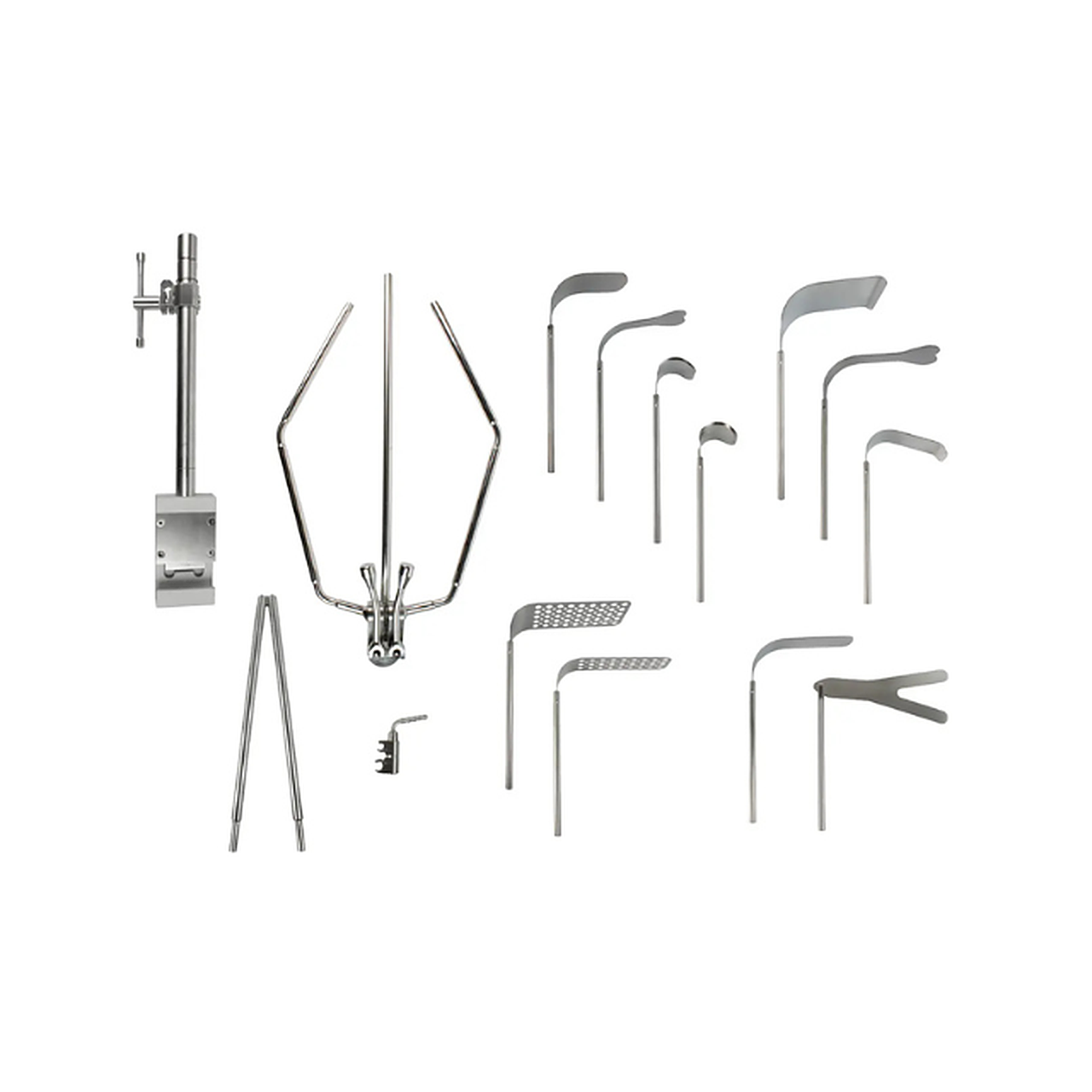 | Afastador Urology Lobster Expanded | Projetado especificamente para retração tecidual autoestática montada em mesa e exposição do campo cirúrgico durante procedimentos urológicos. |
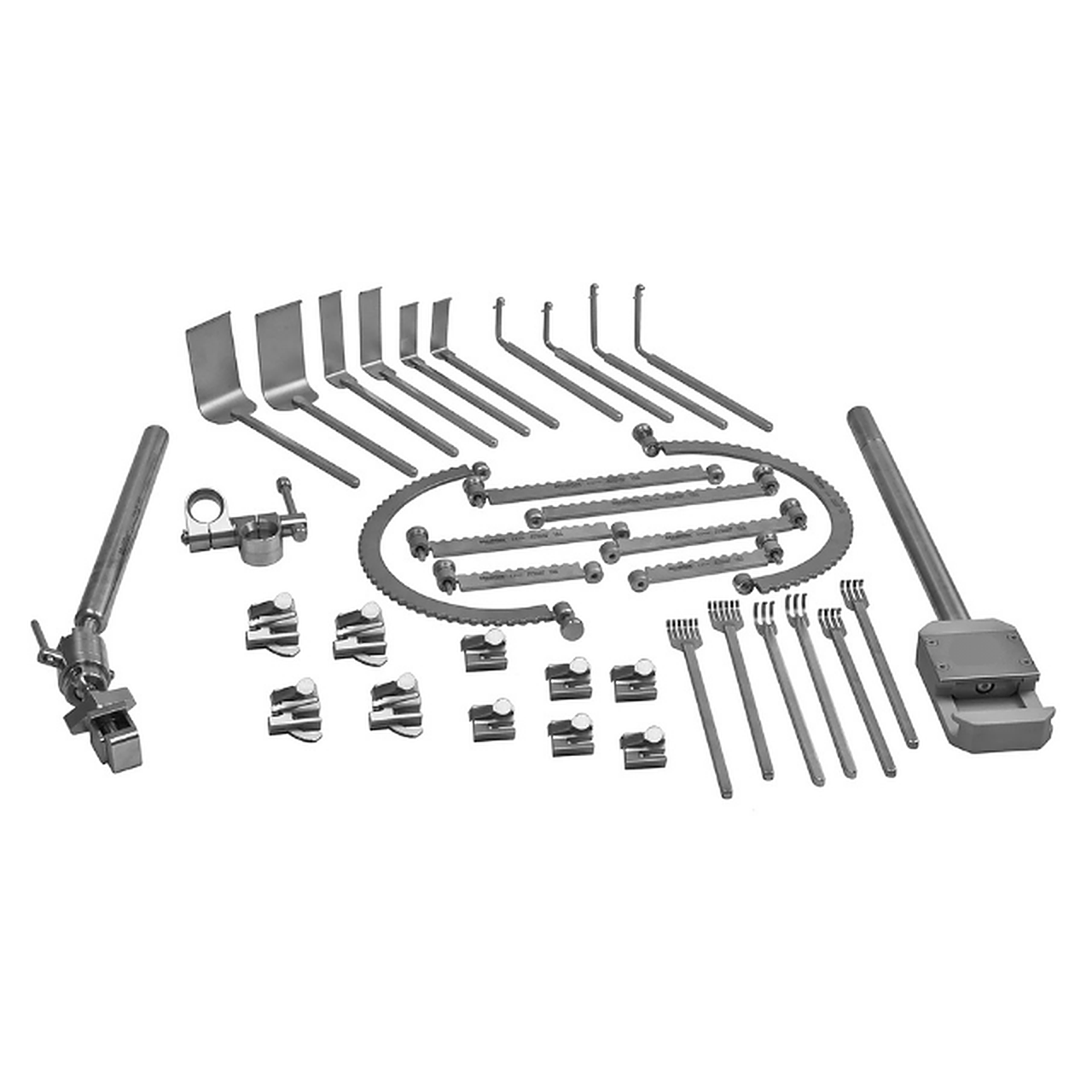 | Afastador Espinhal Posterior Bookwalter | Projetado para fornecer exposição cirúrgica estável e mãos-livres durante acessos posteriores à coluna cervical, torácica e lombar. |
 | Sistema de Afastador Thompson | O Sistema de Afastador Thompson é uma estrutura cirúrgica avançada montada na mesa, projetada para fornecer exposição estável e mãos-livres durante procedimentos abertos de alta complexidade. |
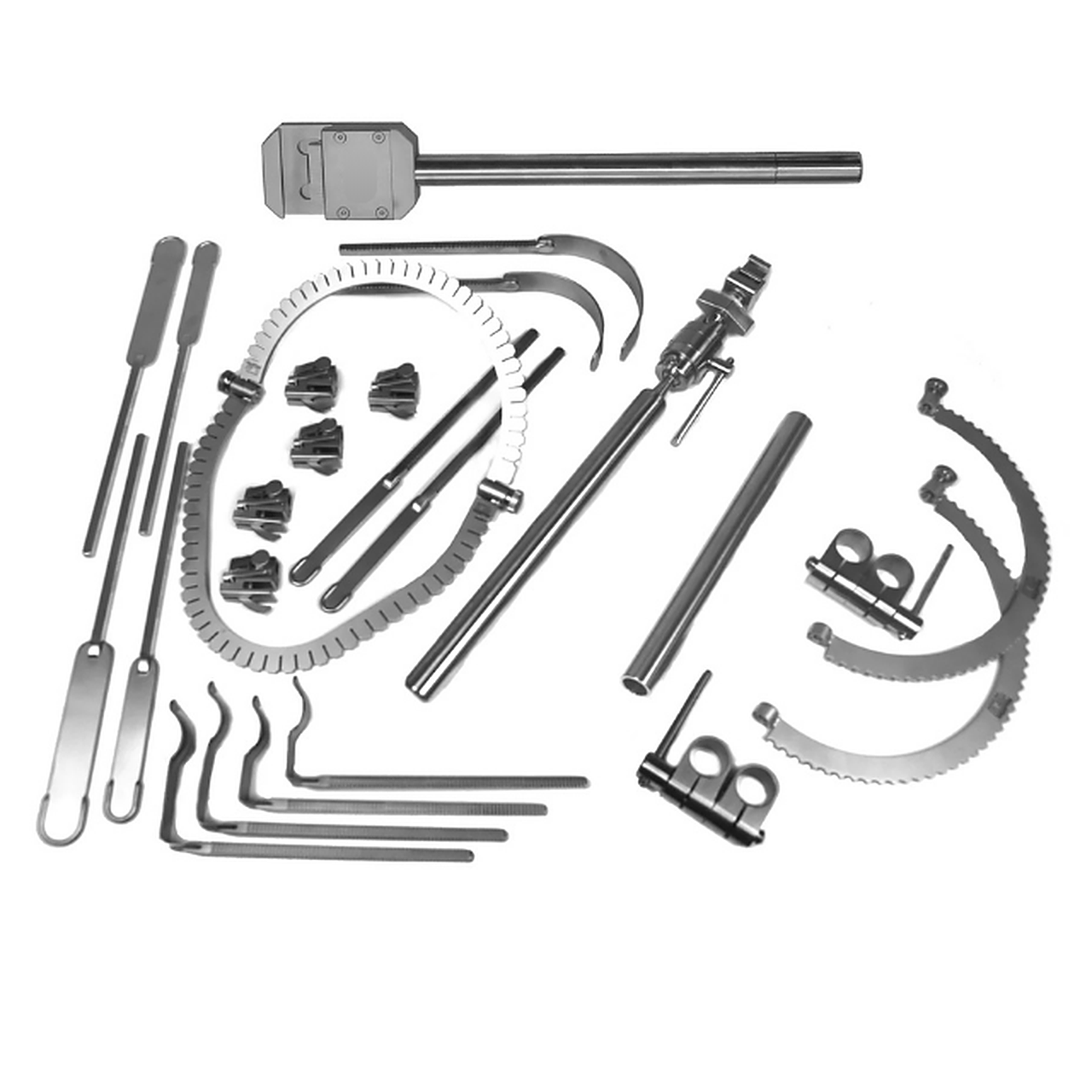 | Afastador Cirúrgico Retal/Transanal Bookwalter | Projetado para fornecer exposição cirúrgica estável e mãos-livres durante procedimentos colorretais, transanais, retais e perineais com configurações de montagem flexíveis. |
 | Afastador Bookwalter Retractor | Proporciona exposição estável e visibilidade do campo cirúrgico sem uso das mãos durante procedimentos abdominais abertos de grande porte, como nefrectomia, prostatectomia e laparotomia. |
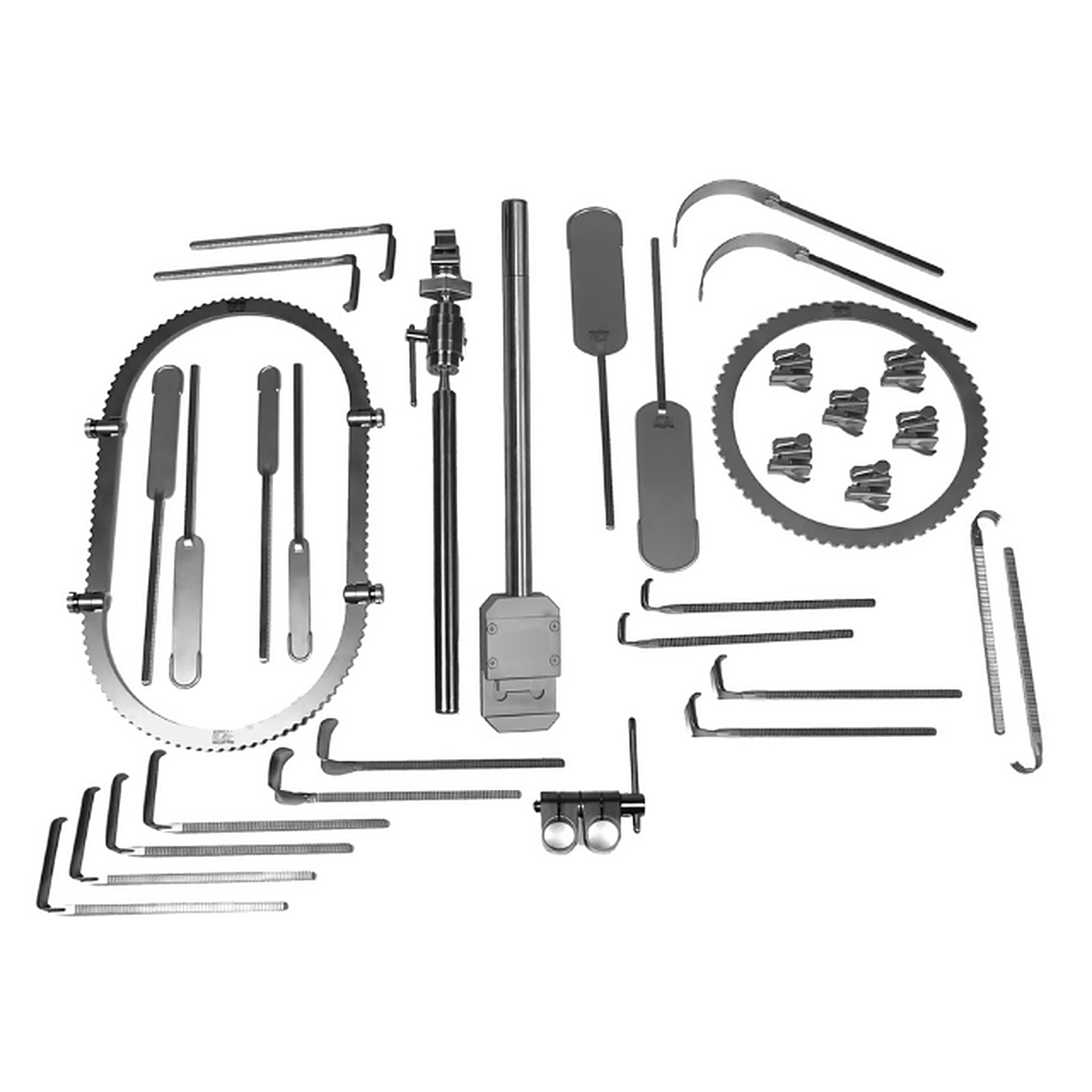 | Sistema de Afastador Bookwalter Small Incision | Projetado para fornecer exposição cirúrgica estável e mãos livres durante procedimentos realizados através de incisões limitadas, onde o acesso preciso é necessário, minimizando a disrupção tecidual. |
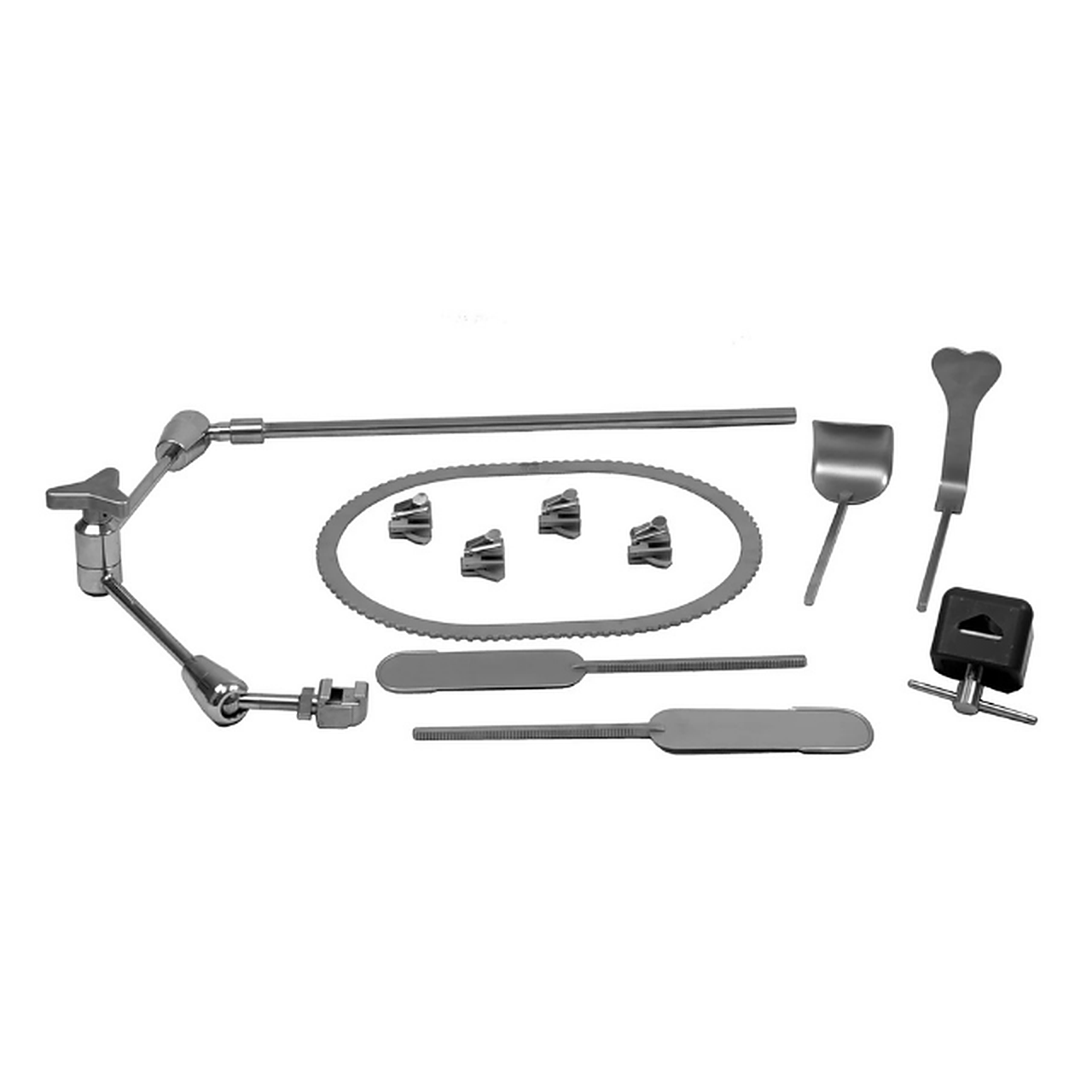 | Sistema de Afastador Geral Básico Bookwalter StrongArm | Projetado para fornecer exposição cirúrgica estável e livre das mãos durante procedimentos de cirurgia geral aberta utilizando o Suporte e Posicionador StrongArm PLUS. |
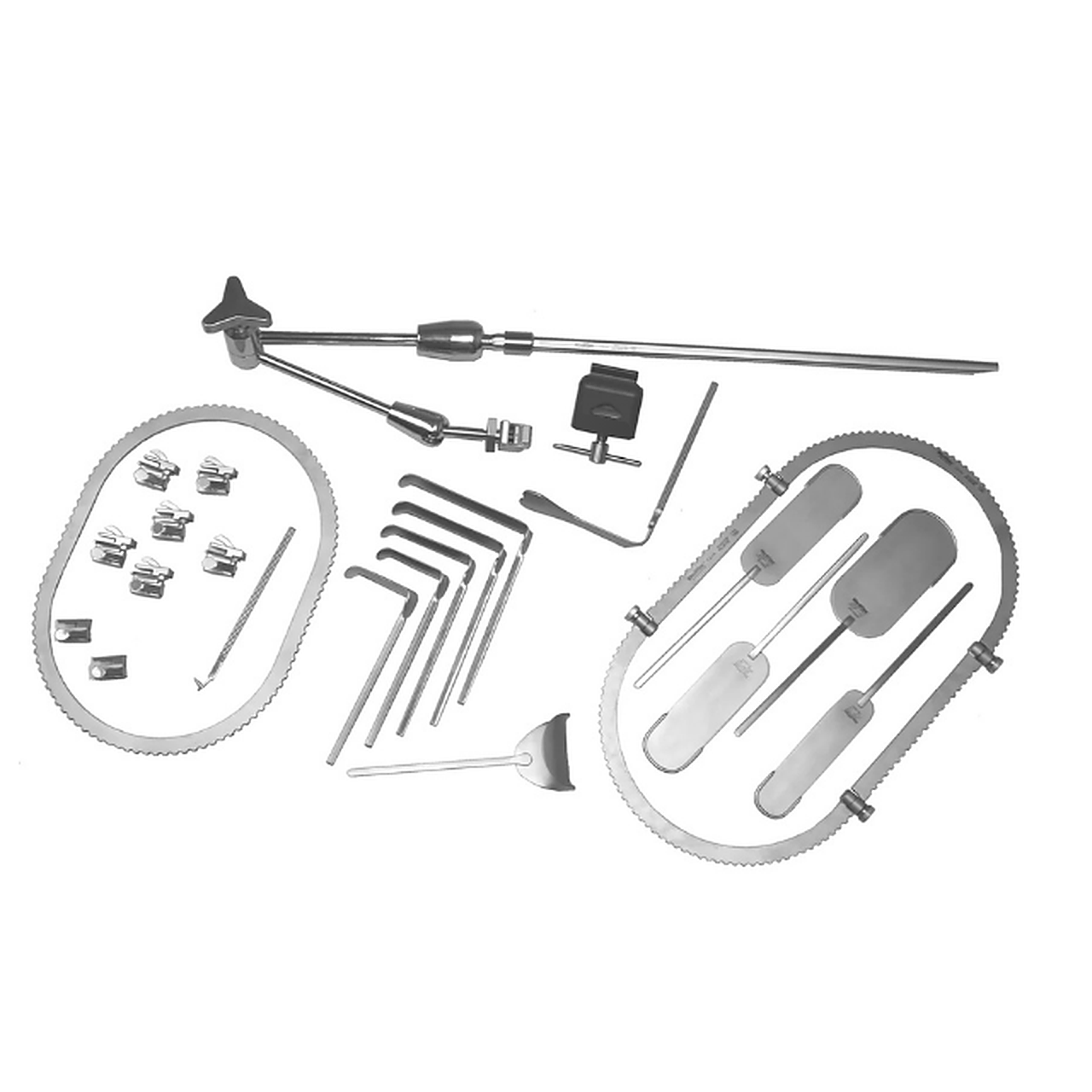 | Sistema de Afastador de Cirurgia Geral Bookwalter StrongArm | Projetado para fornecer exposição cirúrgica estável e livre das mãos durante procedimentos de cirurgia geral aberta usando o Suporte StrongArm PLUS e a configuração de anel segmentado. |
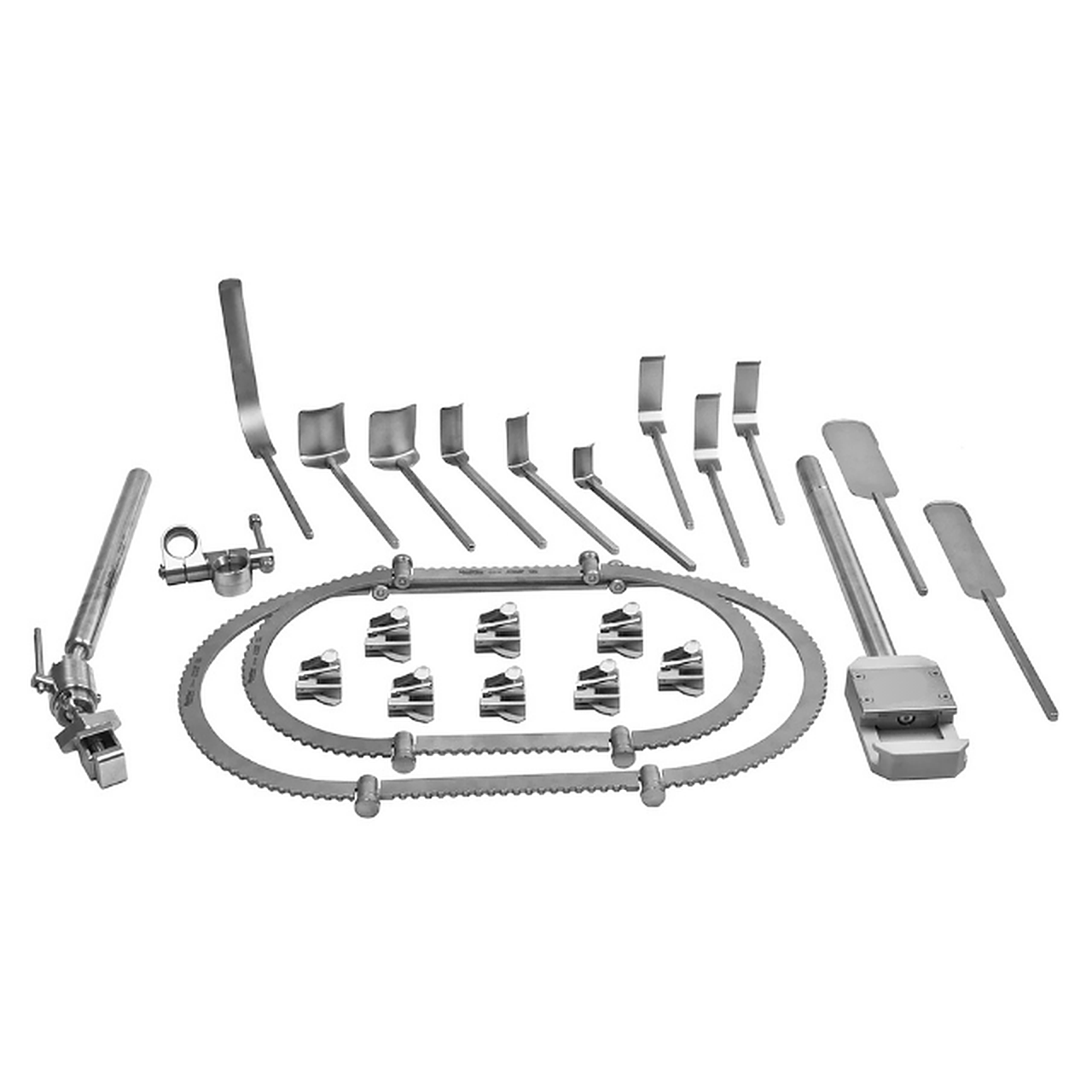 | Sistema de Afastador de Urologia Bookwalter | Projetado para fornecer exposição cirúrgica estável e livre das mãos durante acessos abdominais e de flanco aos rins, ureteres, bexiga e estruturas urológicas retroperitoneais. |
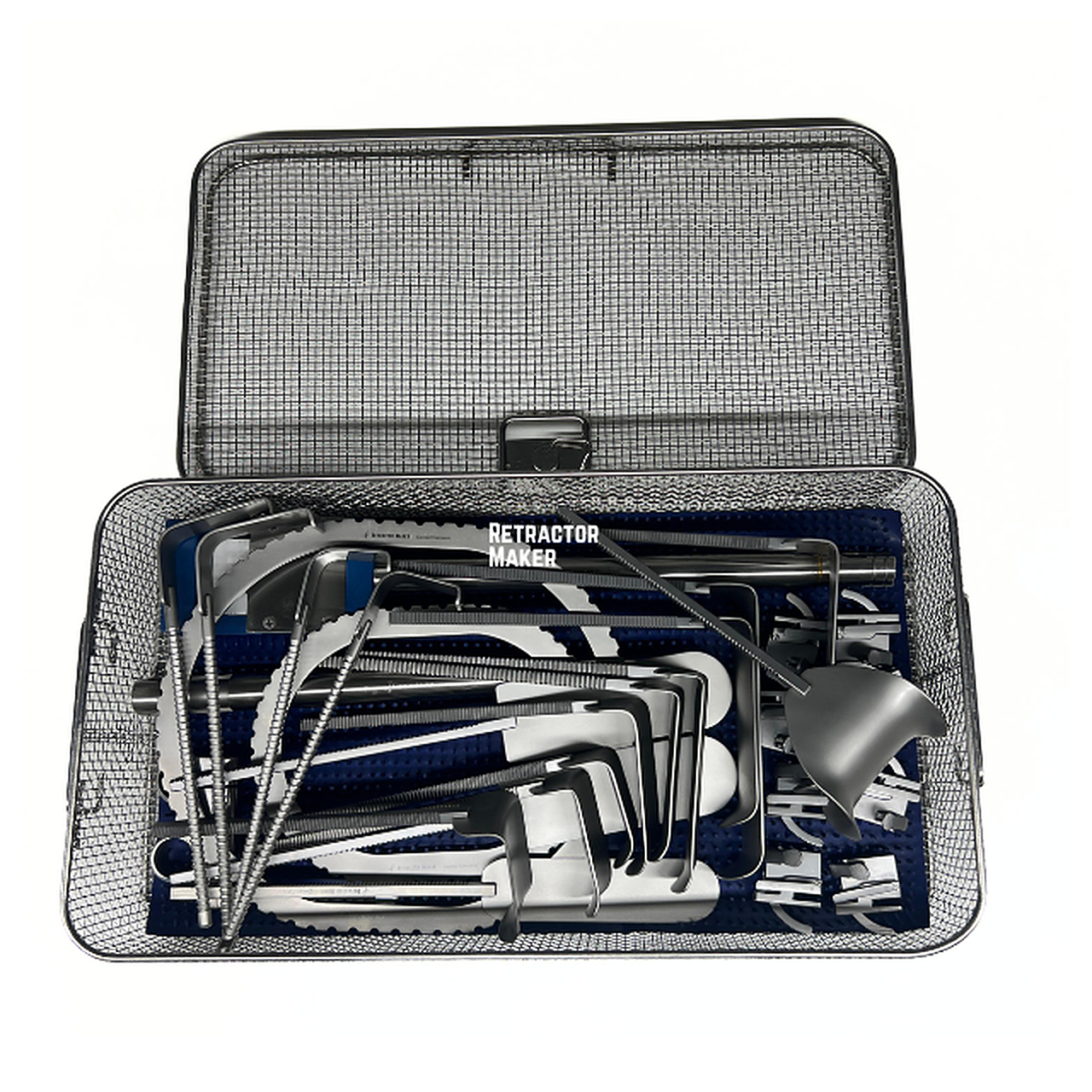 | Afastador Bookwalter Customizado | Fabricado de acordo com a especialidade cirúrgica do cliente, componentes preferenciais e requisitos procedimentais. |
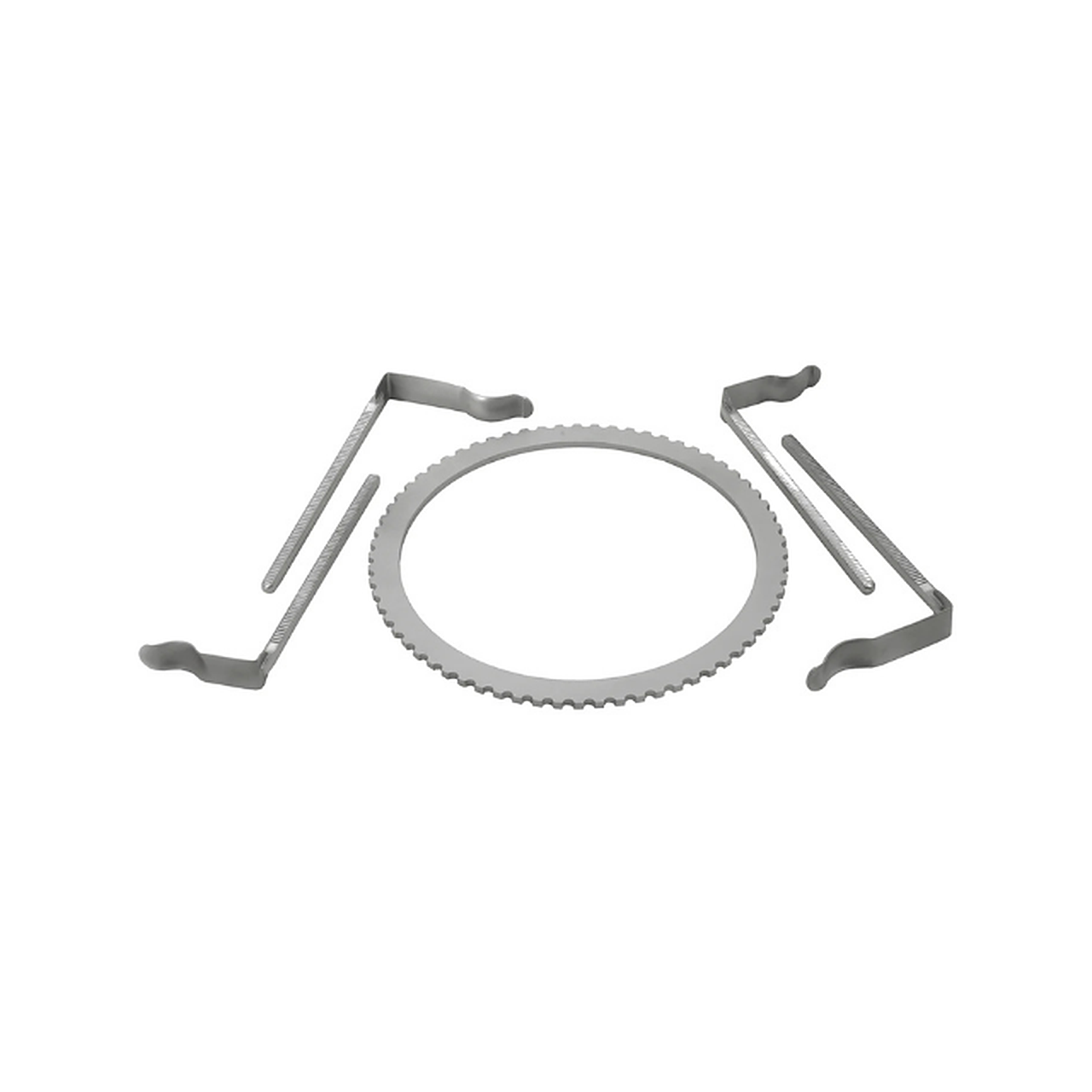 | Conjunto de Acessórios Retal/Transanal | Projetado para expandir um Sistema de Afastador Cirúrgico Geral Bookwalter existente para procedimentos cirúrgicos transanais e retais, fornecendo lâminas retais especializadas e um anel redondo pequeno. |
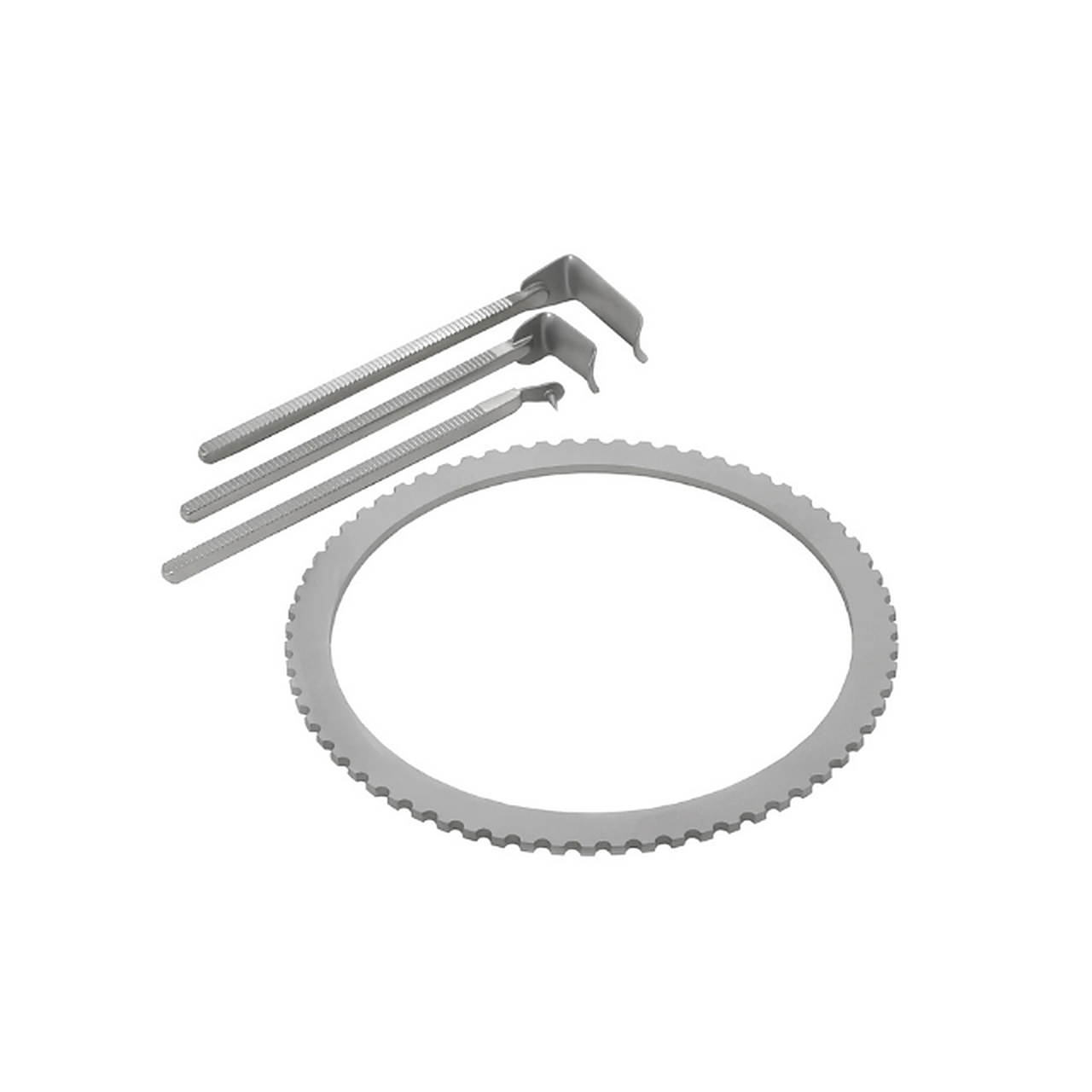 | Conjunto de Acessórios para Pequenas Incisões | Projetado para expandir um Bookwalter General Surgery Retractor System existente para operações de pequena incisão e exposição limitada, fornecendo um anel redondo sólido compacto e lâminas superficiais especializadas. |
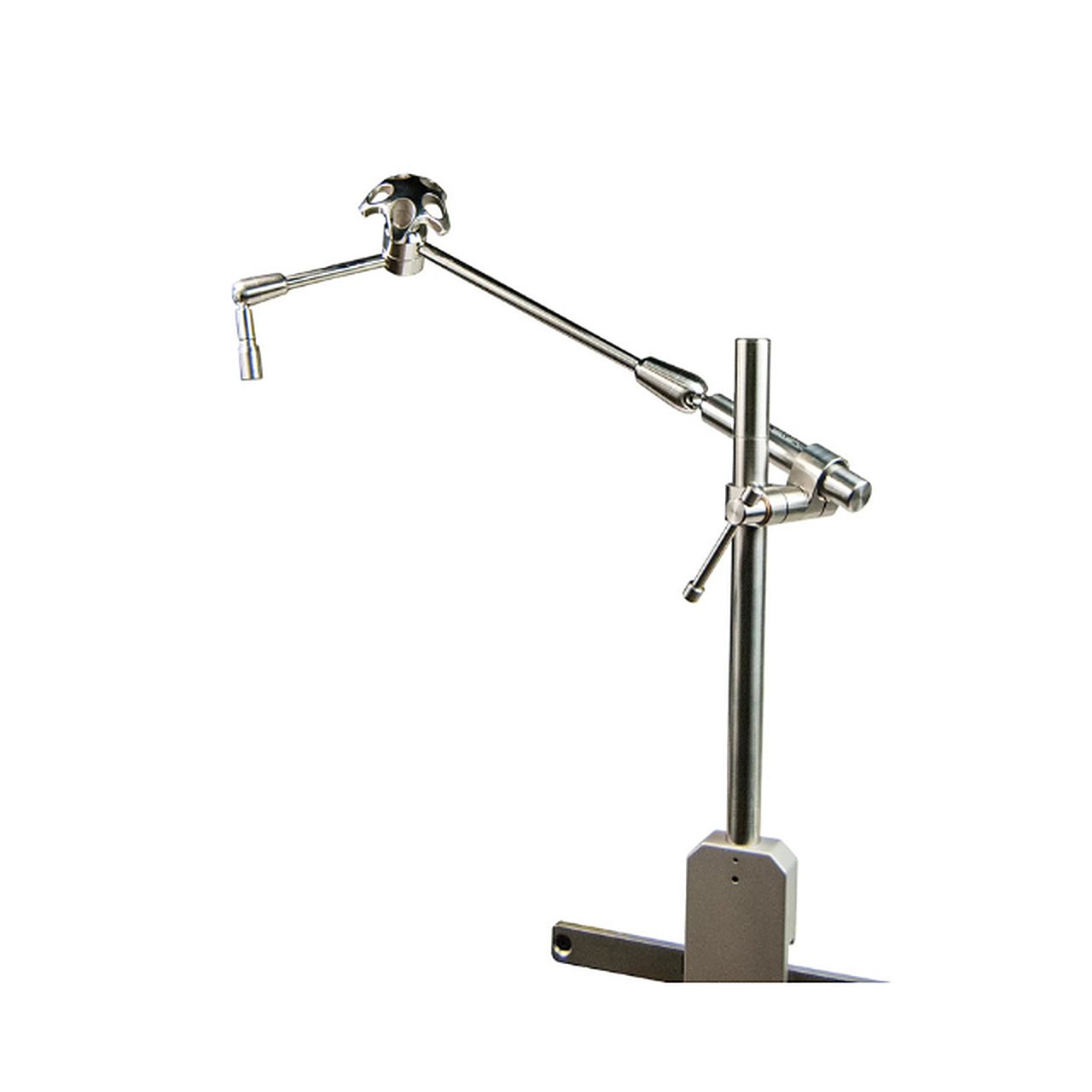 | Sistema de Afastadores Bookwalter StrongArm | Projetado para fornecer suporte estável, ajustável e mãos-livres para o Bookwalter e sistemas de afastadores autoestáticos compatíveis durante uma ampla gama de procedimentos cirúrgicos. |
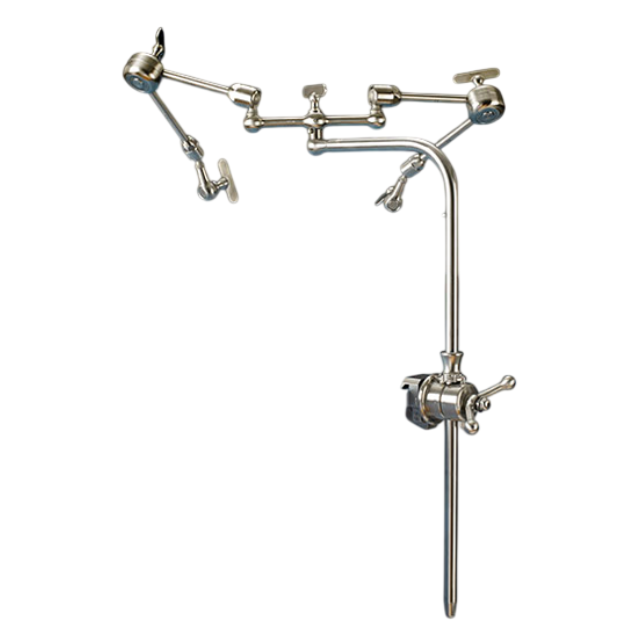 | Iron Intern Hydra Braço Duplo | Projetado especificamente para retração visceral bilateral, multi-quadrante e sem uso das mãos durante cirurgias abdominais e pélvicas complexas. |
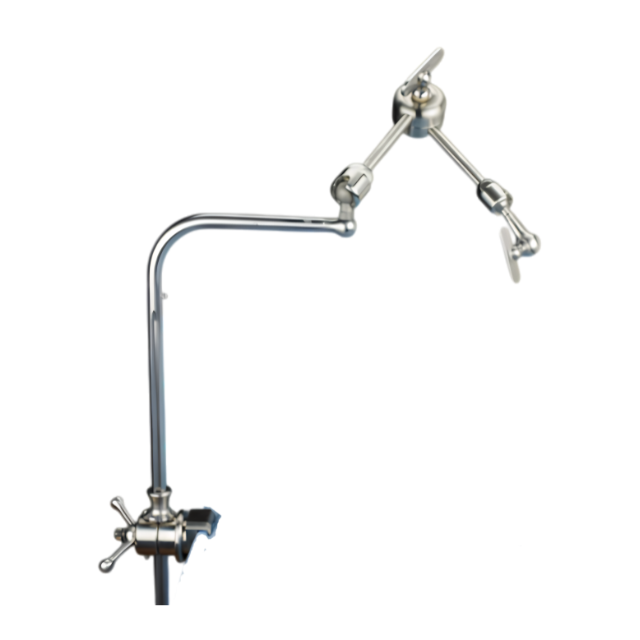 | Retrator Interno de Braço Único | Especificamente projetado para fornecer retração mecânica rígida, sem o uso das mãos, de vísceras abdominais, paredes torácicas e tecidos moles. |
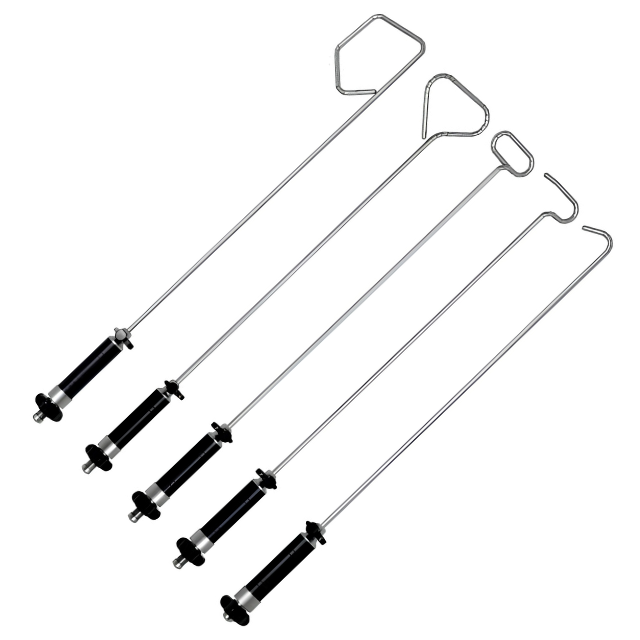 | Retratores Hepáticos Snake | Projetado especificamente para elevação do lobo hepático e deslocamento visceral laparoscópico durante cirurgias gastrointestinais superiores e bariátricas. |
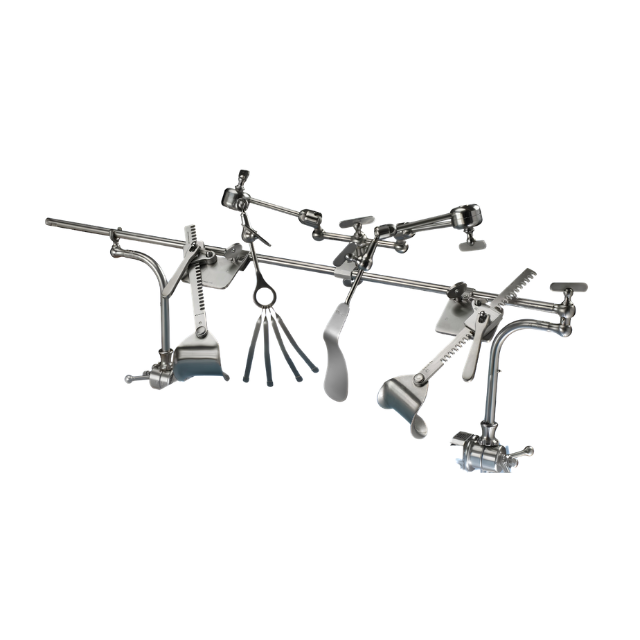 | Kit Retrator Costal Stieber Rib Grip | Projetado especificamente para elevação bilateral da margem costal e exposição abdominal superior durante cirurgia hepatobiliar e de transplante. |
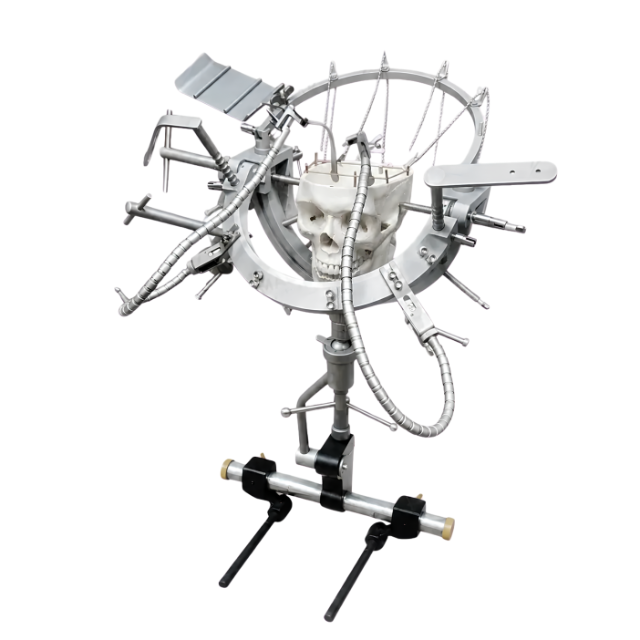 | Sugita Multipurpose Headframe | Projetado especificamente para fixação rígida do crânio e retração cerebral microcirúrgica multi-vetorial. |
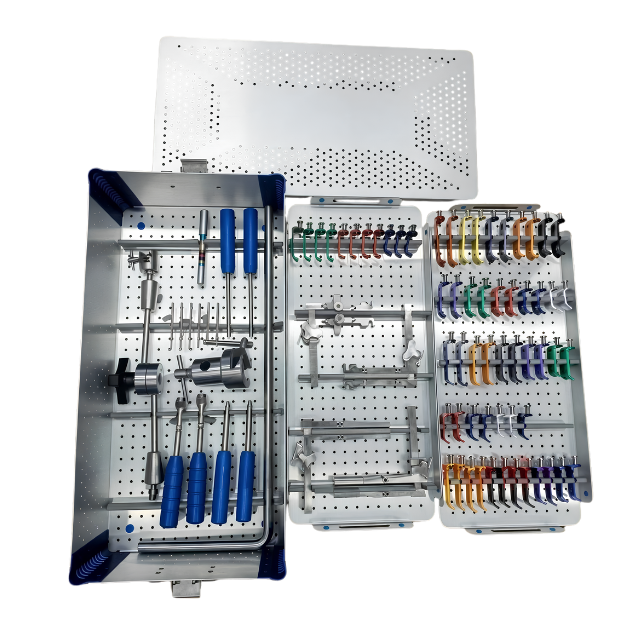 | Conjunto de Retrator Cervical Tedan Phantom CS-1600 | Projetado especificamente para retração de tecidos moles e distração do corpo vertebral durante cirurgia de coluna cervical anterior (ACDF). |
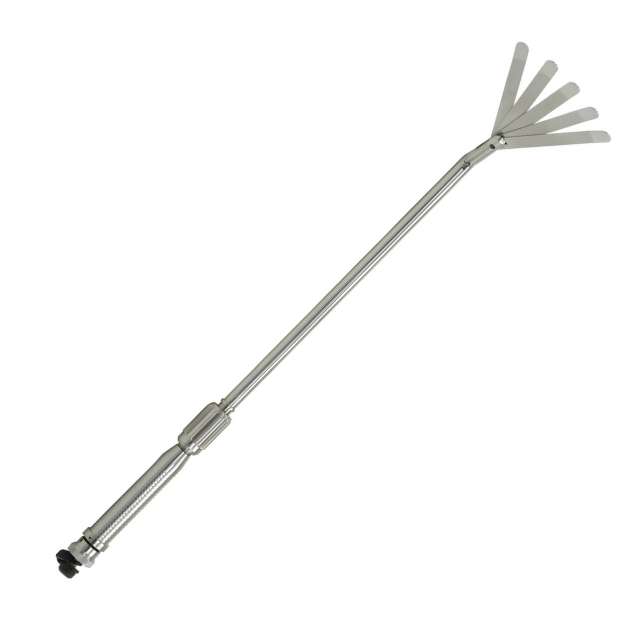 | Retrator em Leque com 5 Dedos | Projetado especificamente para retração visceral laparoscópica ampla, elevação do fígado e deslocamento intestinal. |
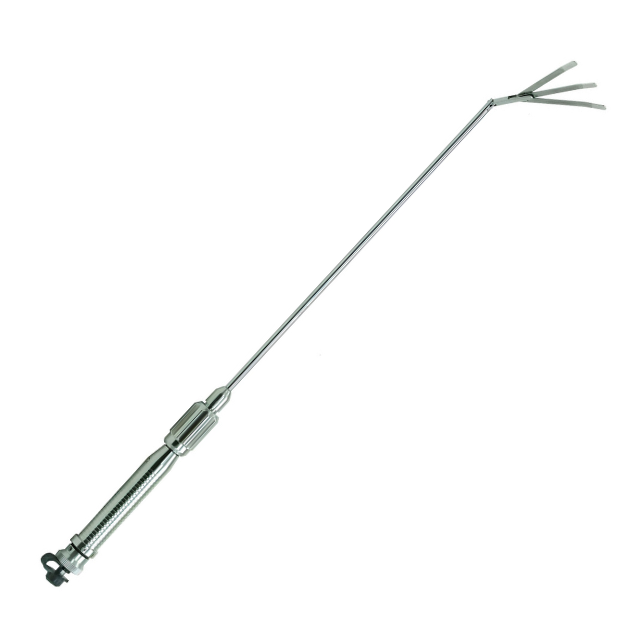 | Retrator em Leque com 3 Dedos | Especificamente projetado para deslocamento focado de órgãos laparoscópicos, elevação do fígado e contenção intestinal. |
 | Afastador Esofágico Articulado | Projetado especificamente para mobilização esofágica, tunelização retrogástrica e guia de banda bariátrica durante cirurgia laparoscópica. |
 | Retrator de Leque Estilo Pipa | Projetado especificamente para suporte orgânico laparoscópico expansivo e não traumático, e retração hepática/visceral. |
How Do You Choose a Surgical Retractor?
Retractor selection is a clinical decision for the surgical team and facility. The factors below are commonly considered when building trays or specifying instruments. They are general considerations, not recommendations for a particular patient or procedure.
Which Designs Suit the Surgical Application?
The procedure and specialty narrow the choice first. An abdominal case, spinal fusion, and rhinoplasty require entirely different instrument families. Many patterns were developed for a specific type of operation.
How Does Anatomical Location Affect Selection?
The location and depth of the operative field determine blade length, handle angle, and overall size. Deep fields need longer blades and handles that keep the assistant's hand out of the line of sight. Superficial fields need short, light instruments.
Which Blade Size and Shape Are Needed?
Blade width and depth should match the tissue being held. Flat, curved, lipped, and malleable blades retract tissue differently. Toothed rakes and sharp prongs grip skin and fascia. Smooth, blunt blades are used where tissue should not be punctured.
Handheld or Self-Retaining: Which Design Fits?
A handheld retractor offers continuous, adjustable control but occupies an assistant. A self-retaining retractor provides steady exposure and frees hands, but is less easily adjusted. It must also suit the wound's depth and shape. Many procedures use both designs.
How Much Exposure Is Required?
Selection depends on the width, depth, and direction of the required view. Wide incisions may need multiple blades pulling in several directions. A narrow approach may need one deep blade or a tubular retractor.
Do You Need a Complete System or Individual Instruments?
Some procedures require complete retractor systems; others need only individual handheld retractors. Systems may include a frame or ring, table post, clamps, arms, blades, and accessories. When ordering, confirm the included components and which blades are compatible with an existing frame. Request a quote for a complete retractor system.
How Should Reusable Retractors Be Maintained and Sterilized?
Reusable retractors should be handled, cleaned, inspected, sterilized, and stored according to the applicable manufacturer's instructions for use (IFU) and the healthcare facility's approved procedures. Proper maintenance and reprocessing are important.
General maintenance considerations include:
- Clean instruments after use according to the applicable manufacturer's instructions.
- Pay particular attention to joints, hinges, ratchets, locks, and other moving components.
- Inspect retractors for visible contamination, corrosion, cracks, deformation, or mechanical damage.
- Check that moving components function properly before returning instruments to service.
- Ensure instruments are appropriately cleaned before sterilization.
- Follow the manufacturer's specified sterilization method and parameters.
- Allow processed instruments to dry appropriately before storage.
- Store clean, processed instruments in a suitable environment that protects against contamination and damage.
Do not apply a universal sterilization cycle to every surgical retractor. Requirements vary with the instrument, material, design, and manufacturer's instructions.
For Retractor Maker products, follow the applicable product documentation and the healthcare facility's validated reprocessing procedures.
Related Retractor Maker Resources
Download the full product catalogue for offline reference. Get the Retractor Maker catalogue.
For pricing and lead time, send our team the product name, quantity, and destination country. Enquiries can cover a specific surgical retractor, complete retractor system, replacement blade, or custom configuration. Contact Retractor Maker.
Aviso clínico: este guia destina-se a equipes cirúrgicas e compradores hospitalares. Siga sempre as instruções de uso (IFU) do fabricante e as regras de esterilização do seu hospital antes do uso clínico.
Perguntas Frequentes
What is a surgical retractor?
A surgical retractor holds back tissue, organs, or wound edges to provide access and visibility to the surgical field. Retraction can range from lifting a skin edge to holding the abdominal wall open throughout an operation.
What are retractors used for?
Retractors maintain or improve operative exposure by moving or holding tissue away from the area being accessed. They can widen an incision by displacing tissue laterally or hold deeper structures, such as bowel, muscle, or an organ lobe, away from the treatment area.
What are the main types of surgical retractors?
Retractors include handheld designs, self-retaining designs, and larger frame-based systems. Their designs vary with the intended application and required exposure. Handheld designs require manual holding, while self-retaining designs use a mechanism to maintain blade position without continuous manual support.
What is the difference between a handheld and self-retaining retractor?
A handheld retractor is positioned and held manually, while a self-retaining retractor maintains its position through a retaining mechanism. Manual holding allows continuous changes in angle, depth, and tension. Self-retaining designs free hands but usually need manual repositioning when the required view changes.
Are retractors reusable?
Many retractors are designed for reuse, but reusability and reprocessing requirements depend on the specific product. Follow the applicable manufacturer's IFU and healthcare facility procedures for handling, cleaning, inspection, sterilization, and storage rather than assuming all products have the same requirements.
How should retractors be sterilized?
Retractors should be cleaned and sterilized according to the applicable manufacturer's instructions and the healthcare facility's approved, validated reprocessing procedures. Do not assume one sterilization cycle applies to every retractor. Requirements can vary with material, design, and product-specific instructions.
Where can I find surgical retractor names and images?
Retractor Maker's surgical retractor catalogue is a product reference containing names, images, and product information across its range of surgical retractors. The table in this article includes the complete published catalogue, covering the products in that range.
How do I choose the right surgical retractor?
Choosing a surgical retractor depends on the intended surgical application, anatomical area, required exposure, design, dimensions, and other product-specific requirements. Qualified surgical professionals should determine which surgical retractor is appropriate for the intended application, considering these selection requirements.
What is a Deaver retractor used for?
A Deaver retractor is a curved handheld retractor used for deeper abdominal and thoracic exposure. The surgeon or an assistant positions and holds the Deaver retractor manually, adjusting its angle, depth, and tension as the operation progresses.
How does a Balfour retractor differ from a Bookwalter retractor?
A Balfour retractor is a frame-style abdominal retractor, while a Bookwalter retractor is a table-mounted system. The Balfour retractor has lateral blades and a centre blade. The Bookwalter retractor carries multiple adjustable blades around a ring or rail. Both are self-retaining retractors that maintain blade position without someone holding them continuously.
What should be checked when inspecting a reusable surgical retractor?
A reusable surgical retractor should be inspected for visible contamination, corrosion, cracks, deformation, and mechanical damage. Check moving components for proper function before returning the surgical retractor to service. During cleaning, pay particular attention to joints, hinges, ratchets, locks, and other moving parts.
Sobre o autor
Saad Shahid · Gerente de Vendas e Marketing
Saad Shahid é gerente de vendas e marketing e fundador da Retractor Maker, criada em 2023 em Sialkot, Paquistão. Ele também trabalha com o pai na Hospitech Traders, a empresa familiar de instrumentos cirúrgicos fundada em 1989.
Blogs e guias relacionados
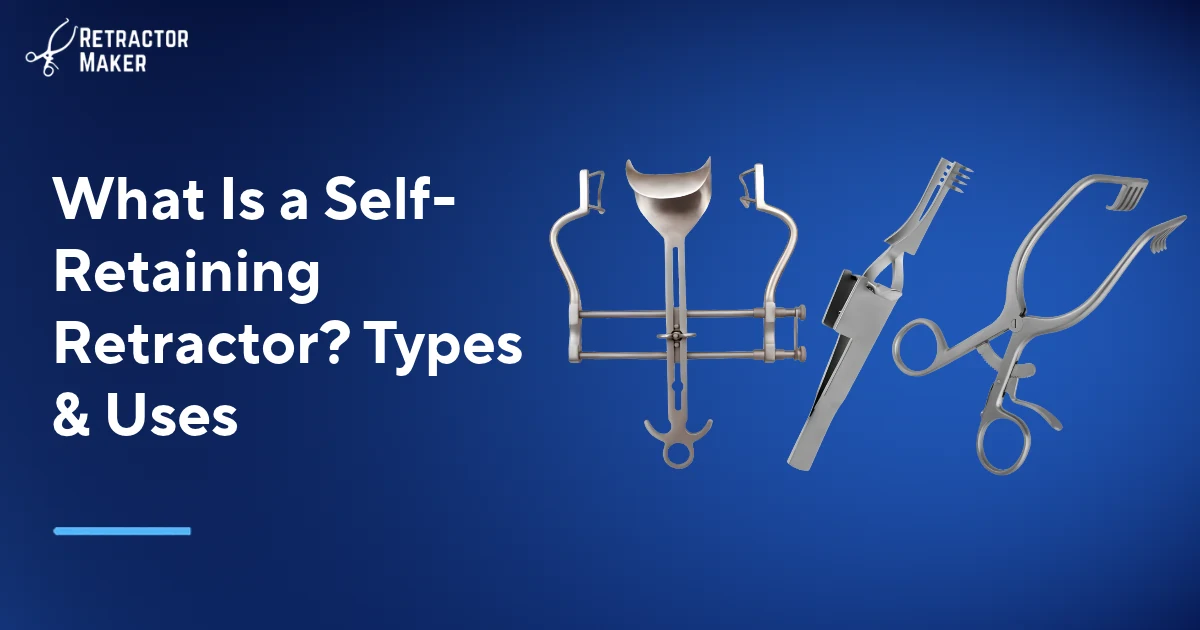

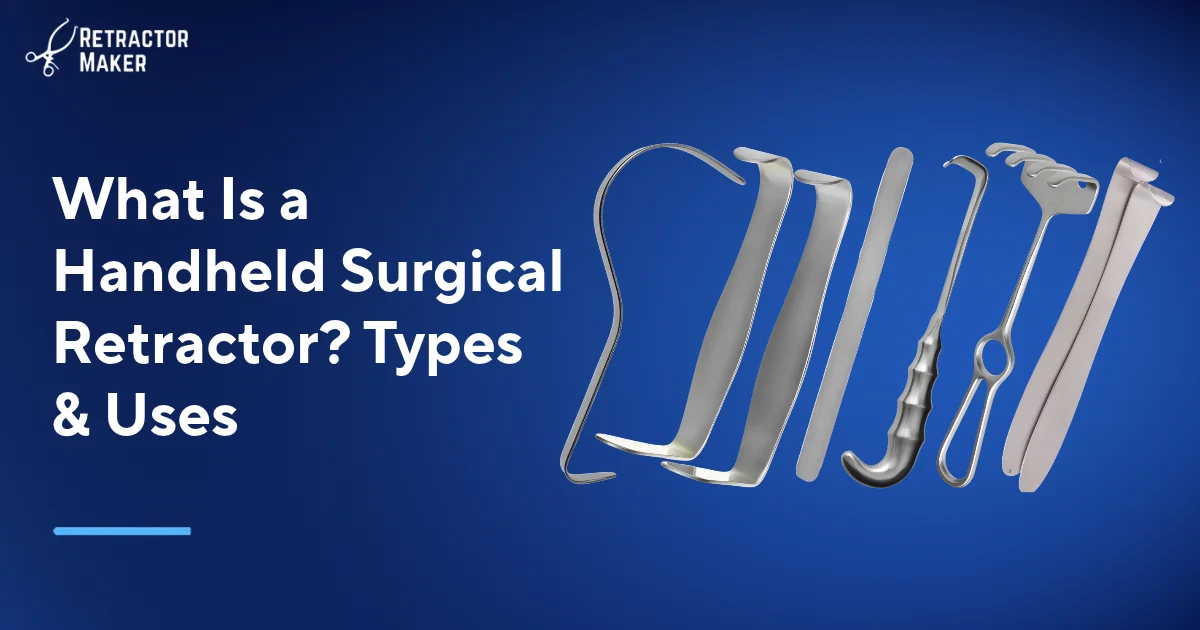
Afastadores relacionados
Afastador Senn Forward
$49.00
Afastador Brewster
A partir de $159
Afastador Langenbeck Retractor-Solid Handle
$49.00
Afastador Murphy
A partir de $44.00
Afastador Leriche Atraumático com Lâmina Larga
A partir de $94.00
Sistema de Afastador Geral Lobster
$2,699Free Shipping
Precisa de afastadores cirúrgicos ou componentes?
Diga-nos o que você precisa, incluindo o produto, configuração, quantidade e país de destino. A Retractor Maker pode fornecer disponibilidade, especificações e preços.
Solicitar um Orçamento