
Spine Retractor Guides
Cervical Spine Retractors: Caspar-Style Systems & Anterior Exposure
Yazar: Saad Shahid · Güncellendi · 7 dk okuma
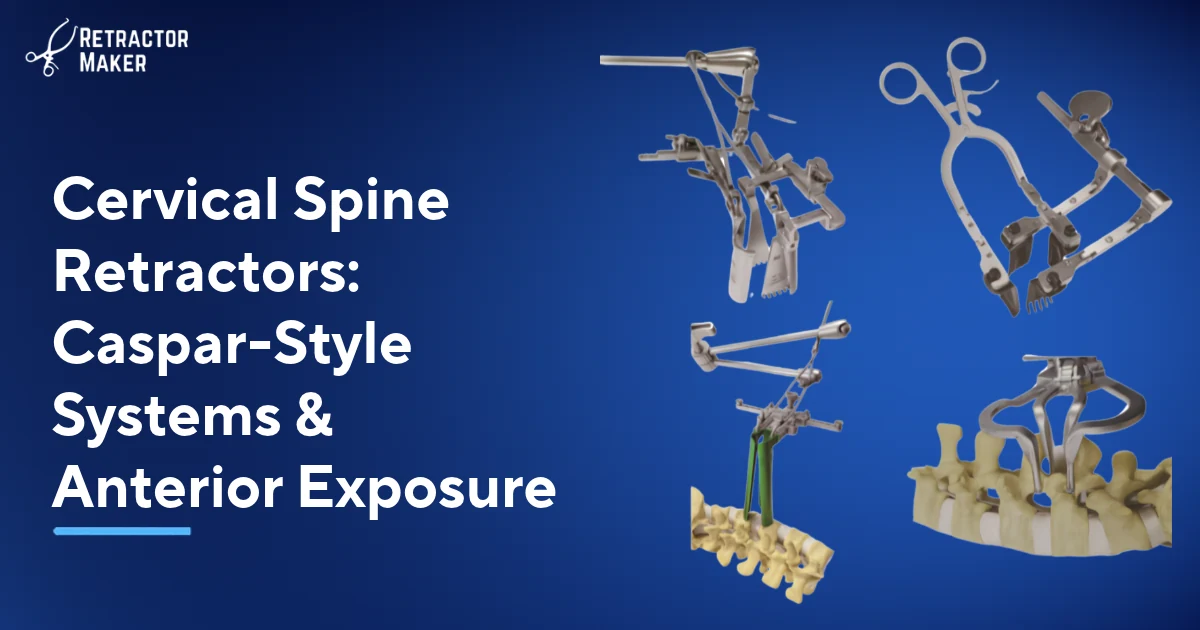
Surgical approaches to the anterior cervical spine present some of the most exacting anatomical challenges in modern surgery. Interventions such as Anterior Cervical Discectomy and Fusion (ACDF) and cervical disc arthroplasty require working through a narrow anatomical corridor bounded by vital structures: the carotid sheath laterally and the trachea and esophagus medially.
Bu rehberde ele alınan ekartörler: Caspar Ekartör, Caspar Cervical Retractor With Ratchet, Caspar Lumbar Microdiscectomy Retractor System, Caspar Sinir Kökü Ekartörleri. Tüm cerrahi ekartörleri görün.
A cervical retractor system is a self-retaining system that provides stable, low-profile exposure for anterior cervical procedures. Cervical spine retractor systems often use the classic "Caspar-style" modular architecture. Specialized transverse and longitudinal spreader frames combine with interchangeable blades to maintain a clear working corridor while protecting surrounding viscera and vessels.
Contents
What Are Cervical Spine Retractors?
Cervical spine retractors are specialized self-retaining instruments that maintain visual and physical access to the anterior cervical vertebral bodies and intervertebral discs.
Cervical retractor systems differ from general-purpose abdominal or orthopedic frames in the following ways:
- Low-profile frames: Compact spreader bodies lie flat against the patient's neck to minimize interference with the surgical microscope, fluoroscopic C-arms and micro-instruments.
- Micro-adjustable expansion: Finely threaded mechanical drives allow incremental, millimeter-scale tissue separation.
- Atraumatic blade contours: Smoothly radiused medial blades are designed to safely mobilize the esophagus and trachea. Lateral blades are configured to protect the carotid artery.
What Is a Caspar-Style Cervical Retractor System?
The "Caspar-style" retractor is the standard modular architecture for anterior cervical exposure. It was originally conceptualized by the pioneering German neurosurgeon Professor Wolfhard Caspar.
A complete system typically includes the following components:
- Transverse Retractor Body: A compact spreader frame with articulated arms opens laterally to displace medial visceral and lateral vascular structures.
- Longitudinal Retractor Body: An optional secondary frame expands longitudinally (cranio-caudal) to retract prevertebral muscles across adjacent disc levels.
- Interchangeable blades: Modular blades in graded depths, such as 35 mm to 70 mm, snap or slide securely onto the retractor arms.
- Blade geometries:
- Blunt medial blades: Convex, smooth profiles gently displace and shield the esophagus and trachea.
- Toothed / serrated lateral blades: Micro-teeth engage the medial border of the longus colli muscle to prevent blade slippage.
- Material variations: Premium Grade AISI 304/316 Stainless Steel (Non-Magnetic) or radiolucent titanium/aluminum alloys that minimize visual artifacts during intraoperative fluoroscopy.
How Is Anterior Cervical Exposure Established?
Anterior cervical exposure uses an interfascial plane between lateral and medial structures. Surgical teams work between the sternocleidomastoid muscle and carotid sheath laterally, and the strap muscles, trachea and esophagus medially:
- Medial visceral shielding: The smooth, blunt medial blade holds the trachea, esophagus and recurrent laryngeal nerve medially without focal pressure.
- Lateral vascular protection: The lateral blade retains the carotid sheath, which contains the common carotid artery, internal jugular vein and vagus nerve.
- Longus colli anchorage: Toothed blades sit securely beneath the elevated edges of the longus colli muscles to stabilize the working channel over the target disc space.
How Do You Select a Cervical Retractor Configuration?
| System Feature | Technical Variation | Clinical Consideration |
|---|---|---|
| Spreader Movement | Transverse only vs. Dual (Transverse + Longitudinal) | Multi-level disc procedures benefit from 4-way exposure |
| Blade Metallurgy | Stainless steel vs. Titanium alloy | Titanium provides radiolucency during intraoperative X-ray |
| Blade Attachment | Ball-snap coupling vs. Slide-lock clamp | Rapid blade exchange vs. rigid mechanical fixation |
| Blade Profile | Solid vs. Fenestrated vs. Longitudinal ribs | Reduces tissue traction resistance and improves stability |
Selection depends on the procedure, patient neck circumference and intraoperative fluoroscopy requirements. Consider whether the intervention involves a single disc space or multi-level corpectomy.
How Are Components Cleaned and Reprocessed?
- Disassembly: Decouple all blades, spreader bodies and locking screws immediately post-op. Biological debris can collect in blade-attachment channels and micro-threaded drives.
- Ultrasonic cleaning: Clean disassembled components in an ultrasonic cleaner with enzymatic detergent to remove bioburden from fine screw threads and ball-snap mechanisms.
- Inspection: Check that the micro-adjusting gear opens smoothly without binding. Inspect toothed blades for bent or broken teeth.
- Sterilization: Autoclave in dedicated, perforated containment trays with silicone positioning brackets, following manufacturer IFU and hospital protocols.
Anterior Cervical Exposure: System Summary
Cervical spine retractor systems provide a stable, low-profile operative corridor for anterior spinal procedures. Micro-adjustable spreader frames and anatomically contoured interchangeable blades maintain visualization of the vertebral column while protecting adjacent neurovascular structures.
Retractor Maker manufactures precision cervical spine retractor systems in Sialkot, Pakistan. These instruments use certified stainless steel and titanium alloys, fine-threaded adjustment drives and complete modular blade sets. Retractor Maker supports spine surgeons and medical distributors worldwide.
Caspar Retractor Blade Measurements and Sizes
Use the listed measurements to check tray requirements and purchasing specifications. Working depth, blade width and overall length are different dimensions, not interchangeable measurements. Lumbar and handheld models are included for identification, not as substitutes for cervical retractors. Request any missing dimensions before ordering.
| Model | Overall Length | Blade Size | Notes |
|---|---|---|---|
| Caspar Self Retaining Retractor | On request | 38 mm standard working depth | Detachable 2-, 3- or 4-prong blades and smooth flat visceral hook blades |
| Caspar Lumbar Microdiscectomy Retractor System | On request | Working depths: 40, 45, 50, 55, 60, 65 and 75 mm | 17-piece set plus container; 7 lateral blades and 7 specula |
| Caspar Nerve Root Retractors | 9½ inches (24.13 cm) | Widths: 4, 6, 8 and 10 mm | Handheld; downward-curved tip |
| Caspar Retractor | 21 cm (approx. 8.25 inches) | 17.0 mm wide × 67.0 mm long | Right-angled blade; finger ring handle |
| Caspar Cervical Retractor With Ratchet | 16.5 cm or 22.3 cm | On request | Accepts standard interchangeable Caspar cervical retractor blades |
How Should Surgical Assistants Handle the System?
- Hold the handle with a secure, controlled grip and a neutral wrist. Do not lean on the frame or use it as a hand rest.
- Maintain the surgeon's requested traction angle. Avoid twisting, levering or changing direction while a blade is engaged.
- Apply only the traction requested for exposure. Ask the surgeon to reassess resistance rather than applying greater force.
- Agree on pressure-release intervals with the surgeon based on tissue condition and procedural needs. Coordinate each release; do not abruptly unlock the retractor.
- Watch visible tissue at blade margins for blanching, pinching or displacement. Report changes promptly and request reassessment before increasing retraction.
- Announce slipping, unexpected resistance or locking difficulty. Confirm instructions before adjusting the ratchet, exchanging blades or repositioning the frame.
- Pass the retractor handle-first. Keep blade tips controlled and directed away from hands. Confirm the receiver has a secure grip before releasing it.
What Determines the Autoclave Cycle?
Steam sterilization must follow thorough cleaning; it does not replace soil removal. Prepare and package the cleaned retractor according to its validated IFU. Exposure time is the time at the specified sterilization temperature, not the total cycle duration. Drying requirements depend on the validated load and packaging configuration.
| Cycle | Temperature | Exposure | Drying |
|---|---|---|---|
| Pre-vacuum | 132°C/270°F | 4 min | 20–30 min |
| Pre-vacuum | 134°C/273°F | 3 min; some regional prion protocols specify 18 min | Per validated IFU |
| Gravity displacement | 121°C/250°F | 30 min | 15–30 min |
These are typical published reference values, not validated cycle instructions for these retractors. The validated instructions for use (IFU), sterilizer manufacturer instructions and hospital policy always take precedence. Regional prion protocols need separate consideration. Products are supplied non-sterile; sterilize before first use.
Klinik uyarı: Bu rehber cerrahi ekipler ve hastane satın alma birimleri içindir. Klinik kullanımdan önce daima üreticinin kullanım talimatlarına (IFU) ve hastanenizin sterilizasyon kurallarına uyun.
Sıkça Sorulan Sorular
What is a cervical spine retractor?
A cervical spine retractor is a specialized self-retaining instrument system that maintains exposure of the anterior cervical vertebrae during spinal surgery. Cervical spine retractors provide visual and physical access to the vertebral bodies and intervertebral discs through a stable, low-profile working corridor.
What is a Caspar-style retractor system?
A Caspar-style retractor system is a modular cervical retraction platform originated by Dr. Wolfhard Caspar. It combines a low-profile spreader frame with interchangeable blunt and toothed blades. Its modular architecture supports anterior cervical exposure using transverse and optional longitudinal frames.
Why do cervical retractors have blunt and toothed blades?
Cervical retractors use blunt blades to displace delicate medial structures and toothed blades to prevent lateral slippage. Blunt blades gently move and shield the esophagus and trachea. Toothed blades anchor securely beneath the longus colli muscle laterally to stabilize the working channel.
What surgeries use cervical spine retractors?
They are used in Anterior Cervical Discectomy and Fusion (ACDF), cervical artificial disc replacement, and anterior cervical corpectomy.
Why are some cervical blades made of titanium?
Titanium blades are radiolucent under X-ray and fluoroscopy, reducing visual artifacts when verifying spinal implant placement.
Can cervical retractor systems be sterilized in an autoclave?
Yes. Both stainless-steel and titanium systems are fully autoclavable when reprocessed according to validated facility protocols and manufacturer IFU.
How do transverse and longitudinal cervical retractor frames differ?
Transverse cervical retractor frames open laterally, while longitudinal frames expand cranio-caudally to retract prevertebral muscles across adjacent disc levels. The longitudinal frame is an optional secondary component. Multi-level disc procedures benefit from the four-way exposure provided by combined transverse and longitudinal movement.
How should cervical spine retractors be cleaned and inspected?
Cervical spine retractors should be disassembled immediately after surgery and ultrasonically cleaned with enzymatic detergent. Separate blades, spreader bodies, and locking screws to remove debris from attachment channels and fine threads. Check that micro-adjusting gears move smoothly. Inspect toothed blades for bent or broken teeth.
Which measurements matter when ordering Caspar retractor blades?
Caspar retractor blades require separate checks of working depth, blade width, and overall length before ordering. These are distinct measurements. Request any missing dimensions before purchasing. For cervical retractor selection, note that the guide lists lumbar and handheld models for identification only, not as substitutes for cervical retractors.
Yazar hakkında
Saad Shahid · Satış ve Pazarlama Müdürü
Saad Shahid, 2023'te Pakistan'ın Sialkot kentinde kurulan Retractor Maker'ın kurucusu ve Satış ve Pazarlama Müdürüdür. Ayrıca babasıyla birlikte, 1989'da kurulan aile şirketi Hospitech Traders'ta cerrahi aletler alanında çalışmaktadır.
İlgili Bloglar ve Rehberler
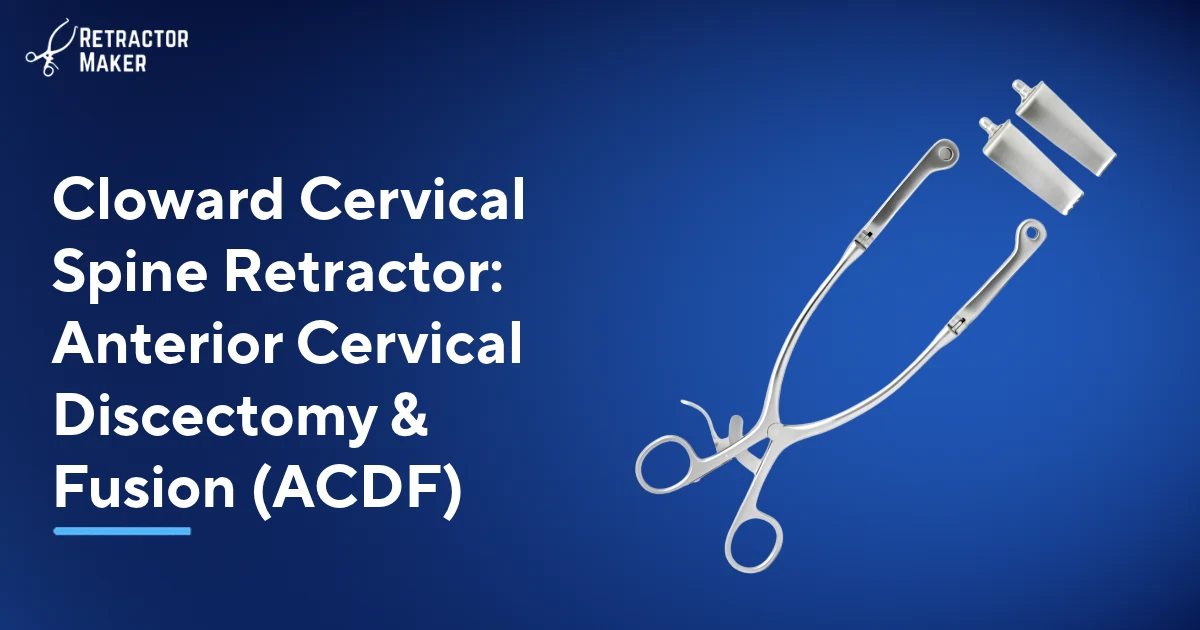
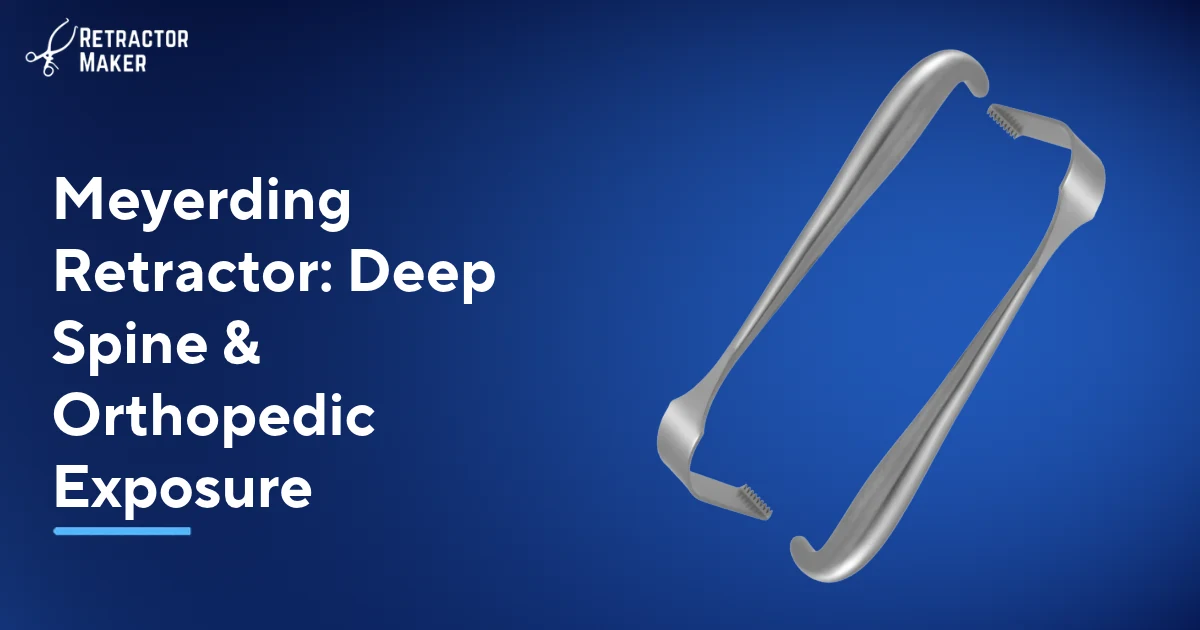
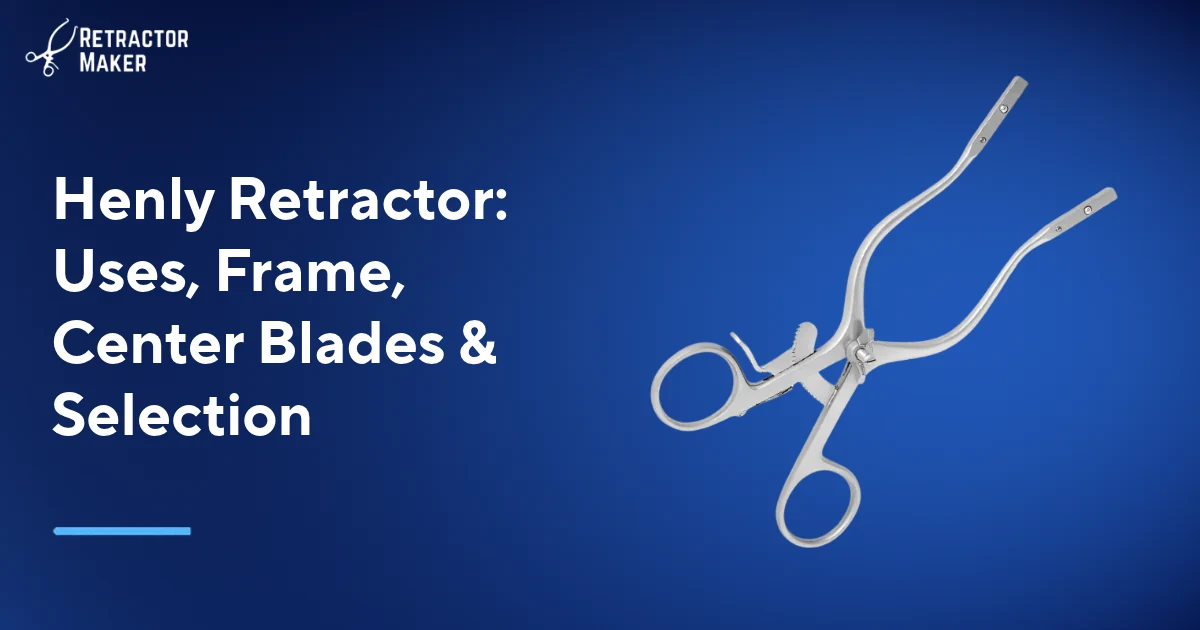
İlgili Ekartörler
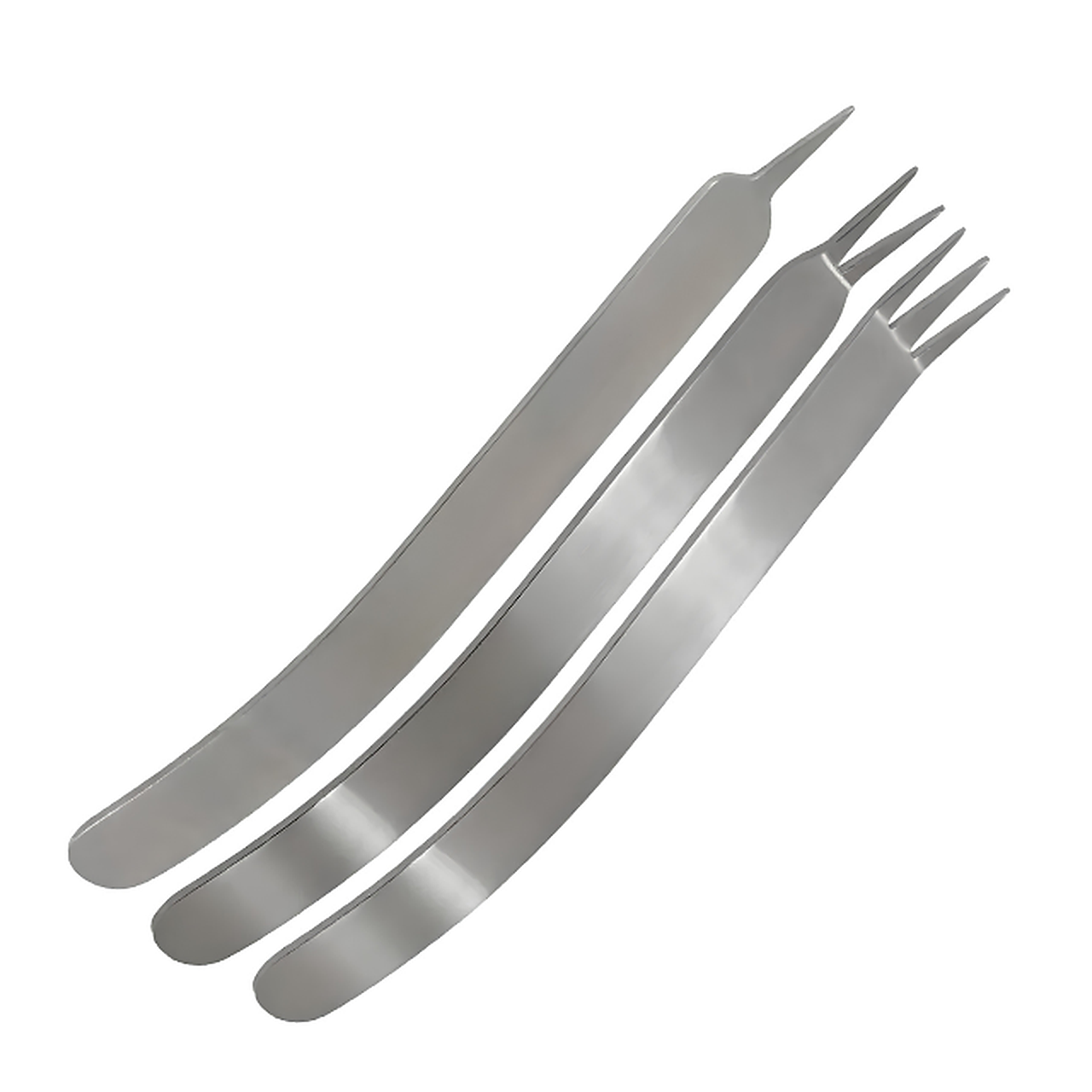
Kapsül Ekartörleri
Başlangıç $64.00
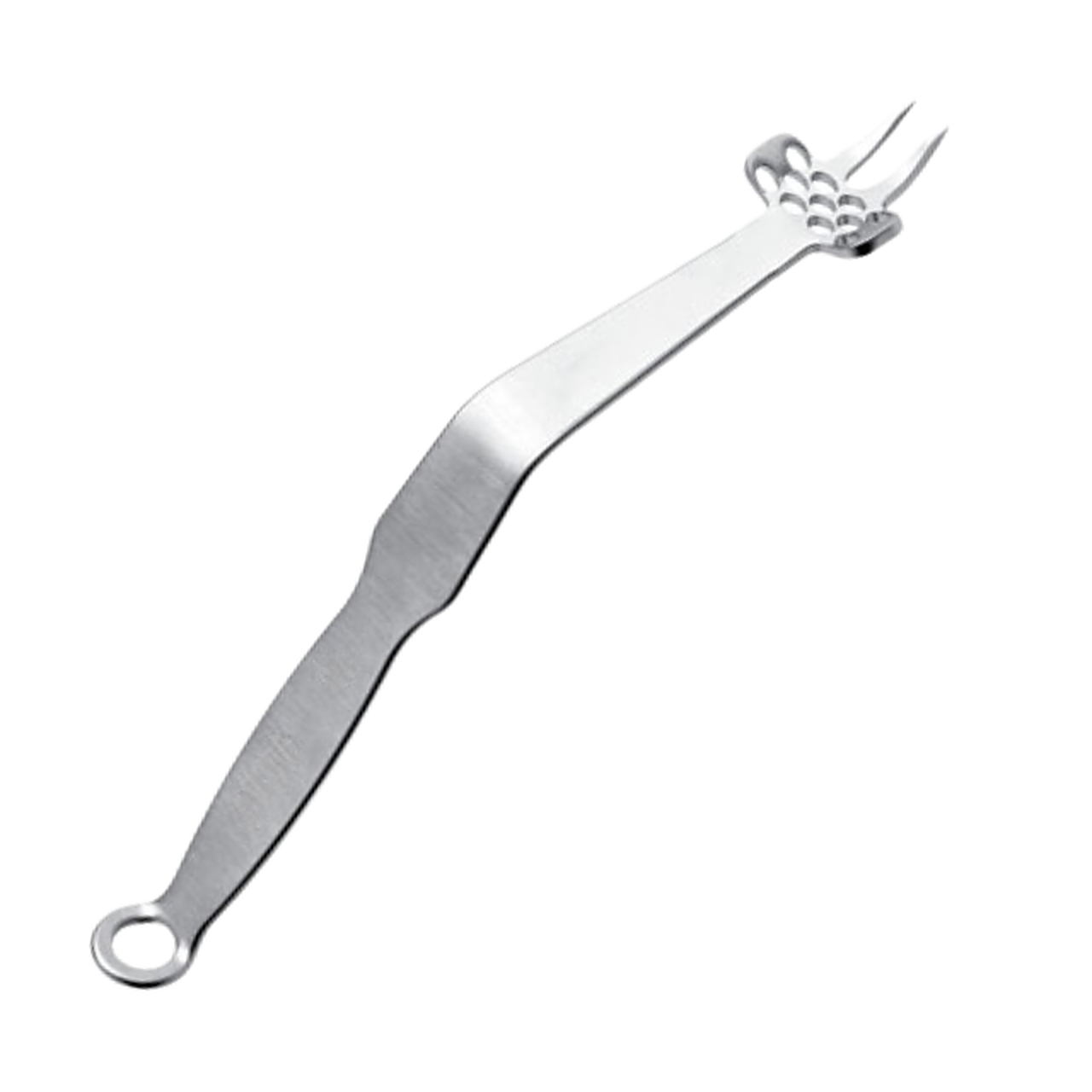
Lateral Yumuşak Doku Ekartörleri
Başlangıç $84.00
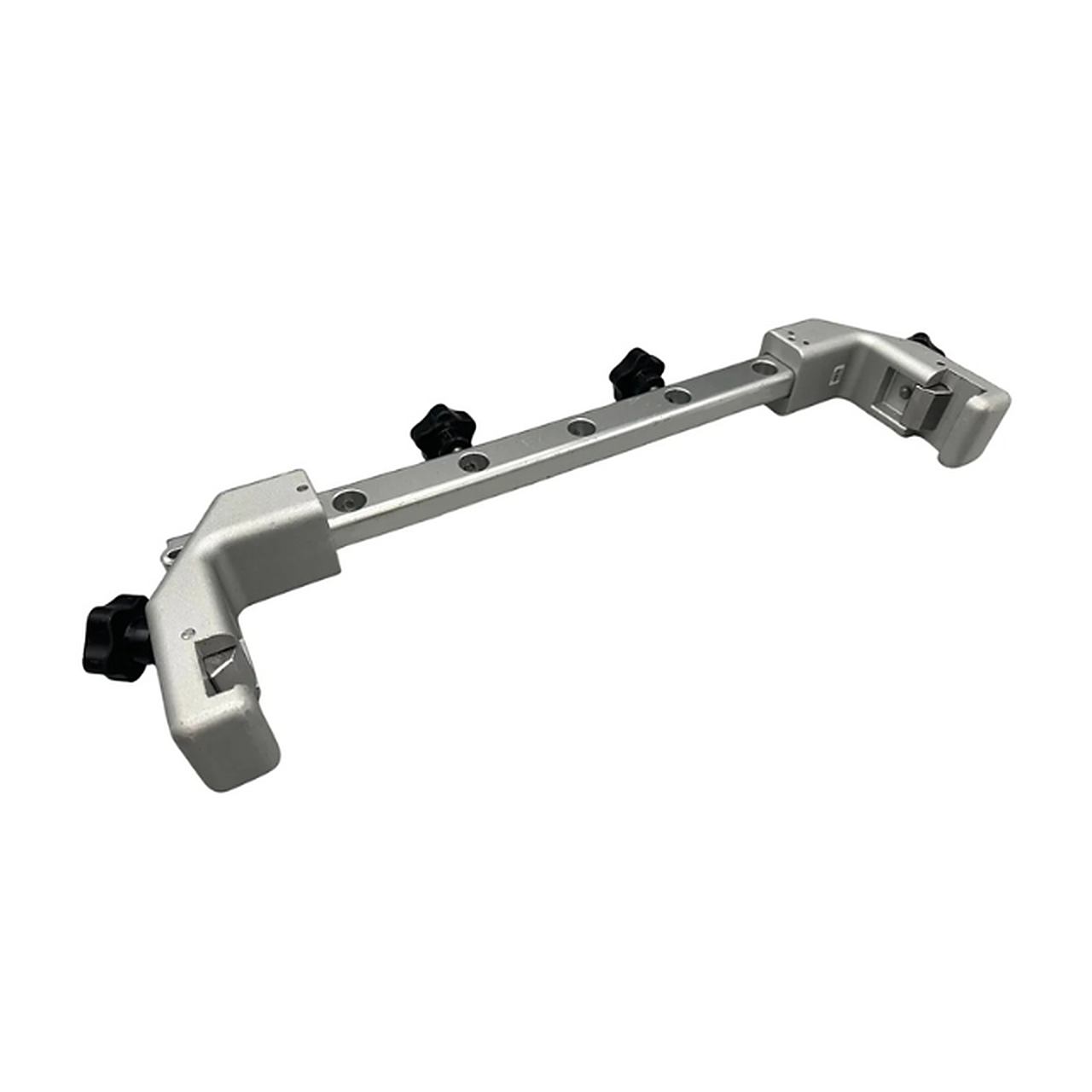
Ayarlanabilir Mayfield Adaptörü
$1,199Free Shipping
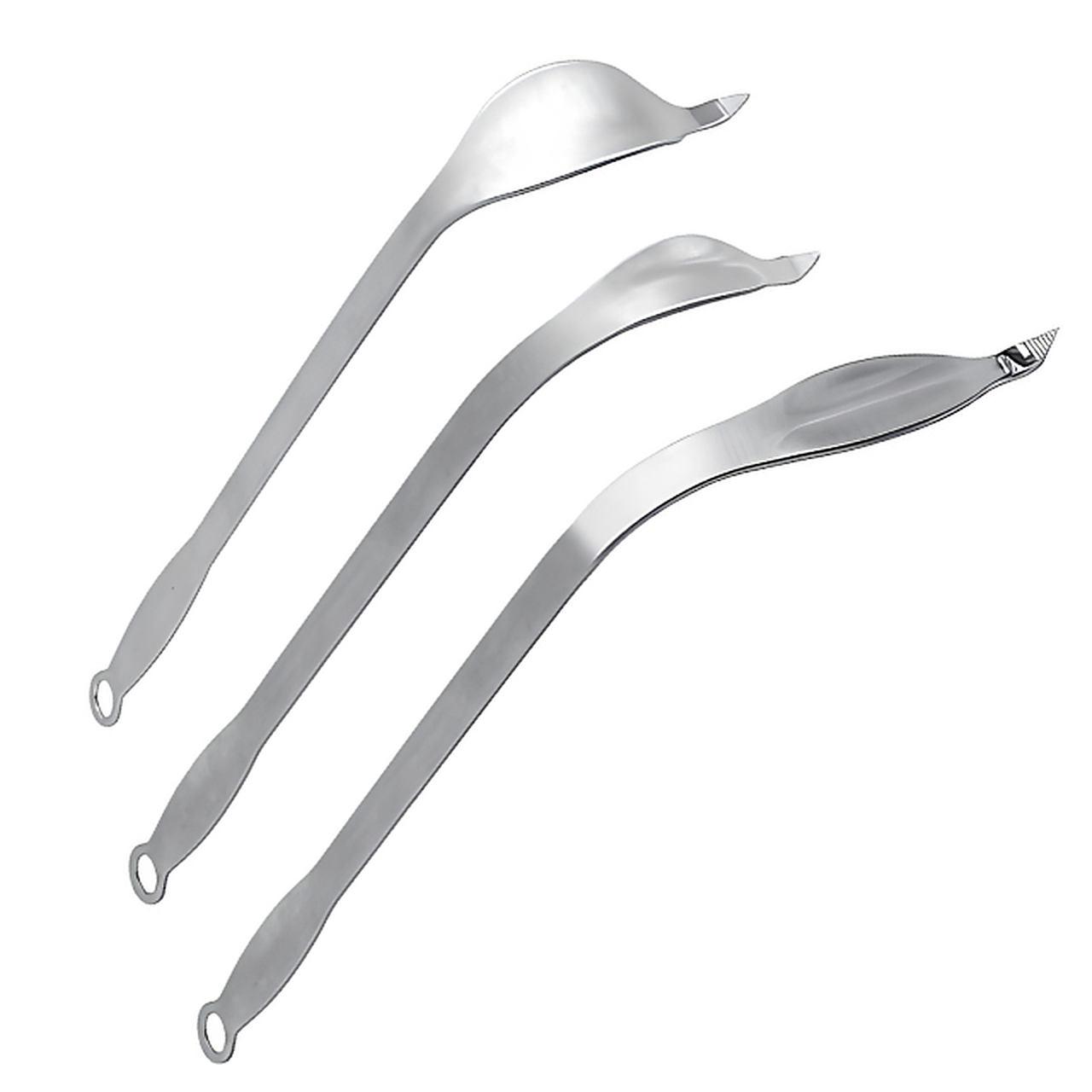
Cobra Ekartör
Başlangıç $79.00
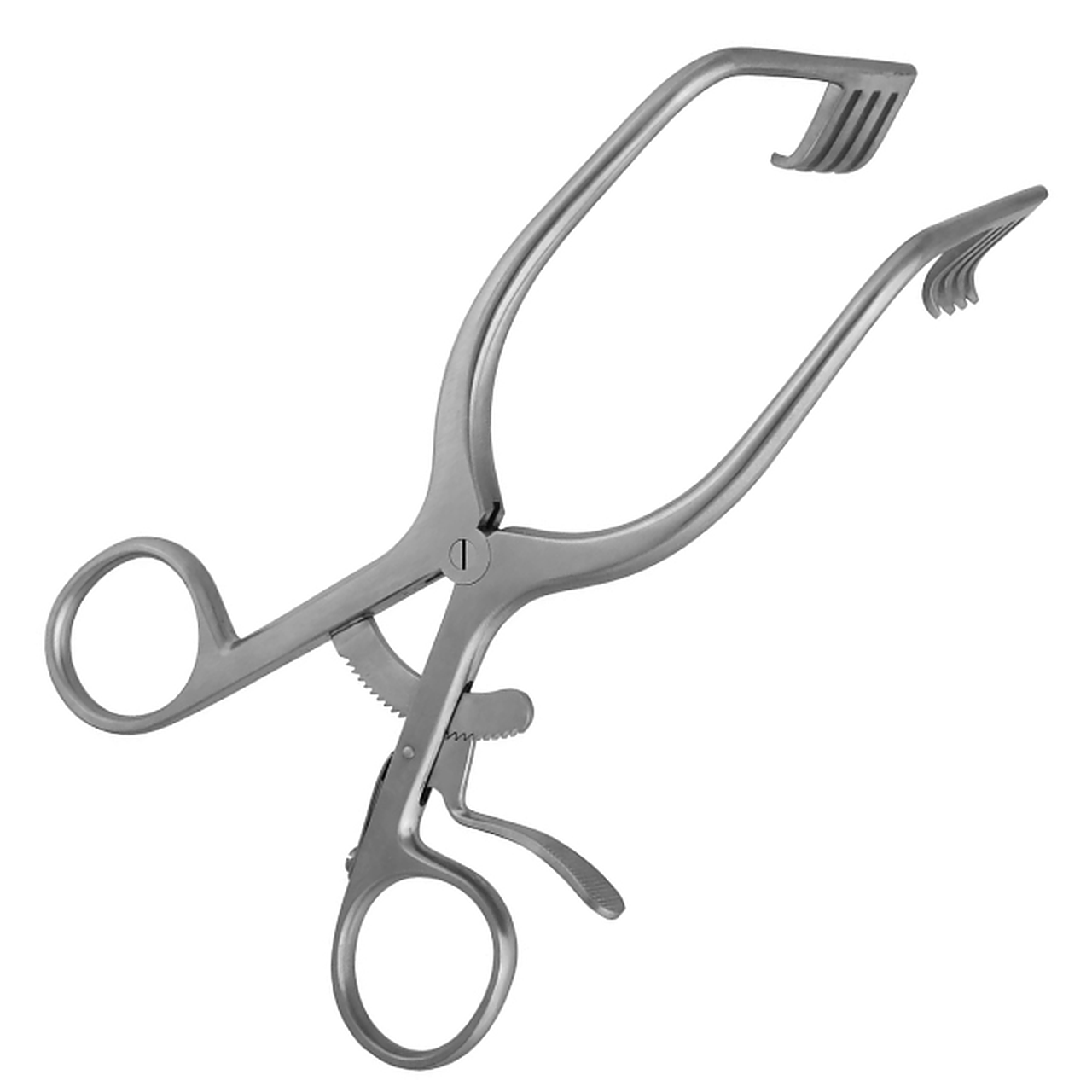
Adson Otostatik Serebellar Ekartör
Başlangıç $189
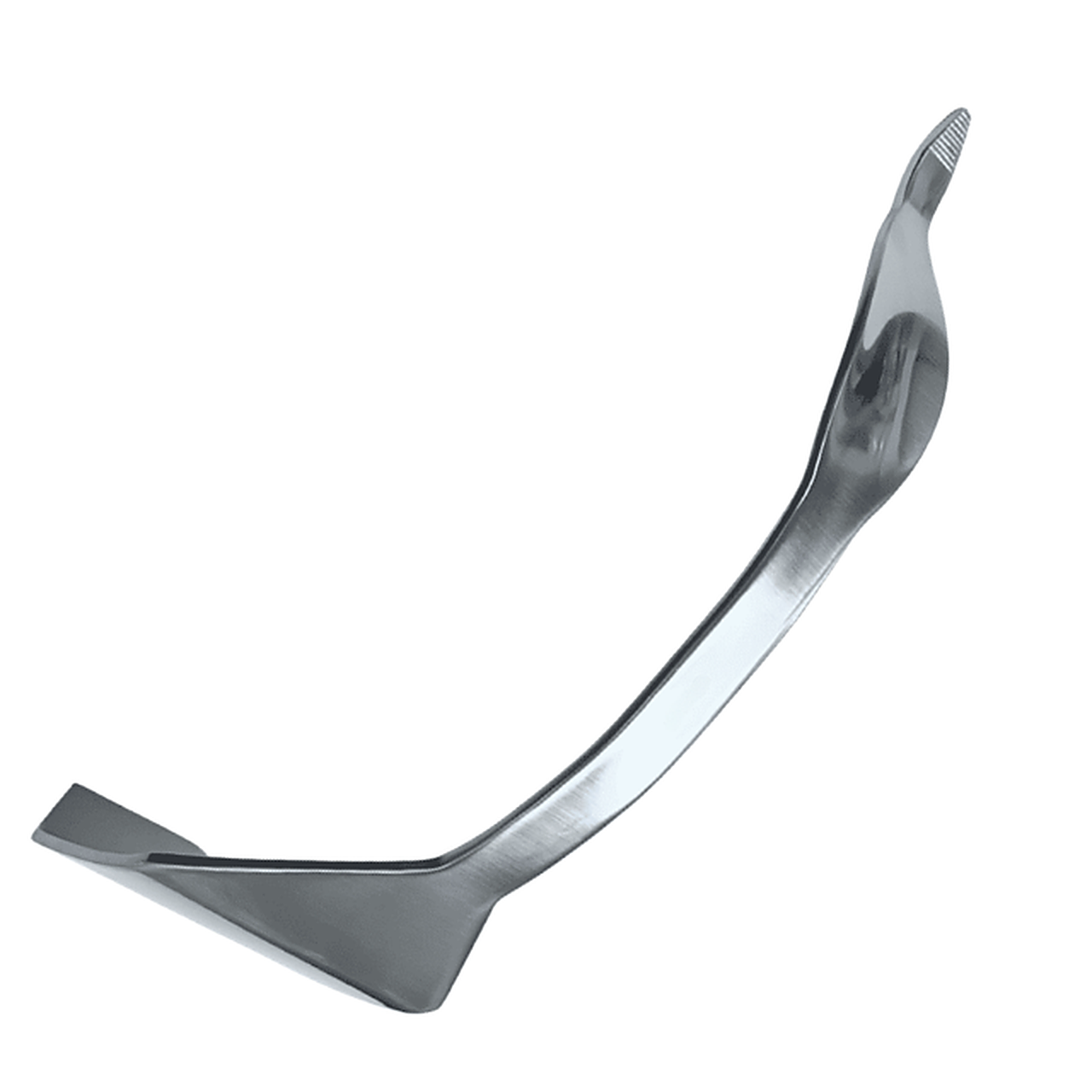
El Destekli Cobra Ekartör
$169
Cerrahi ekartör veya bileşen mi gerekiyor?
Ürün, konfigürasyon, miktar ve varış ülkesi dahil olmak üzere neye ihtiyacınız olduğunu bize bildirin. Retractor Maker stok durumu, teknik özellikler ve fiyatlandırma sağlayabilir.
Teklif İste