
Surgical Retractor Guides
Surgical Retractors Names, Images & Uses
Yazar: Saad Shahid · Güncellendi · 7 dk okuma

Surgical retractors hold tissue away from the operative field so the surgical team can see and reach the area they are working on. This guide explains what retractors are, how they are classified, and how they are selected and cared for, and it includes a searchable reference table of surgical retractors names, images and general uses drawn directly from the Retractor Maker catalogue.
What Is a Retractor?
A retractor holds skin, fat, muscle, and organs away from the target area to provide controlled surgical exposure. Almost every open procedure depends on this access before the surgeon can dissect, repair, or close. Retractors are among the oldest surgical instrument families and remain among the most frequently handled instruments on any tray.
Retractors share a purpose but differ in size, blade shape and depth, prong number and sharpness, and handle design. Some lock in place or mount on a frame. Designs also vary by specialty. A small double-ended retractor for a skin flap differs greatly from a table-mounted abdominal system. No single design suits every procedure.
This guide covers basic categories, selection factors, and general care principles. Its central section lists names, images, and general uses for the complete published Retractor Maker range. Search the range by name or filter it by specialty.
Contents
What Is a Surgical Retractor?
A surgical retractor holds back or moves tissue away from the operative field to give the surgical team visibility and access. Retraction may involve gently lifting a skin edge or holding the abdominal wall open throughout an operation.
Retractors create exposure by moving tissue laterally to widen an incision or holding deeper structures away from the treatment area. These structures may include bowel, muscle, or an organ lobe. Blade or prong shape determines how the load spreads across contacted tissue. Available forms include flat, curved, lipped, malleable, toothed, and smooth blades.
Size and shape follow anatomy. A shallow hand incision needs a short, narrow blade. A deep pelvic or abdominal field needs a longer, wider blade. Specialty designs address each region's depth, angle, and tissue type. Nasal and ear retractors are small and fine. Spinal retractors hold back heavy paraspinal muscle. Cardiac retractors are shaped around the sternum and chest wall.
How Do Handheld Retractors Work?
Handheld retractors are positioned and held manually by a surgeon or assistant for as long as exposure is needed. They allow moment-by-moment changes in angle, depth, and tension as the operation progresses. The trade-off is continuous manual holding, which occupies a pair of hands and can cause fatigue during a long case.
Common handheld patterns include the double-ended Senn retractor for superficial tissue and the curved Deaver retractor for deeper abdominal and thoracic exposure. Others include the right-angled Langenbeck retractor, the broad Richardson retractor for the abdominal wall, and the double-ended Army-Navy retractor for shallow incisions. The small Ragnell retractor is used in plastic and hand surgery.
How Do Self-Retaining Retractors Work?
Self-retaining retractors use a ratchet, screw, spring, or frame to keep blades in position without continuous manual holding. They free the surgical team's hands and provide steady exposure. If the required view changes, manual repositioning is usually necessary.
Examples include the Gelpi and Weitlaner retractors, which spread tissue with pointed tips or toothed rakes secured by a ratchet. The Balfour retractor is a frame-style abdominal retractor with lateral blades and a centre blade. Table-mounted Bookwalter and Thompson retractors attach to the operating table and support multiple adjustable blades around a ring or rail.
Retractor Names, Images, and General Uses
The table below presents the complete Retractor Maker product catalogue. Each entry includes a product image, name, and general use. Search by product name or filter by specialty.
Gösteriliyor 507 cerrahi ekartör
| Ürün Fotoğrafı | Cerrahi Ekartör Adı | Genel Kullanım |
|---|---|---|
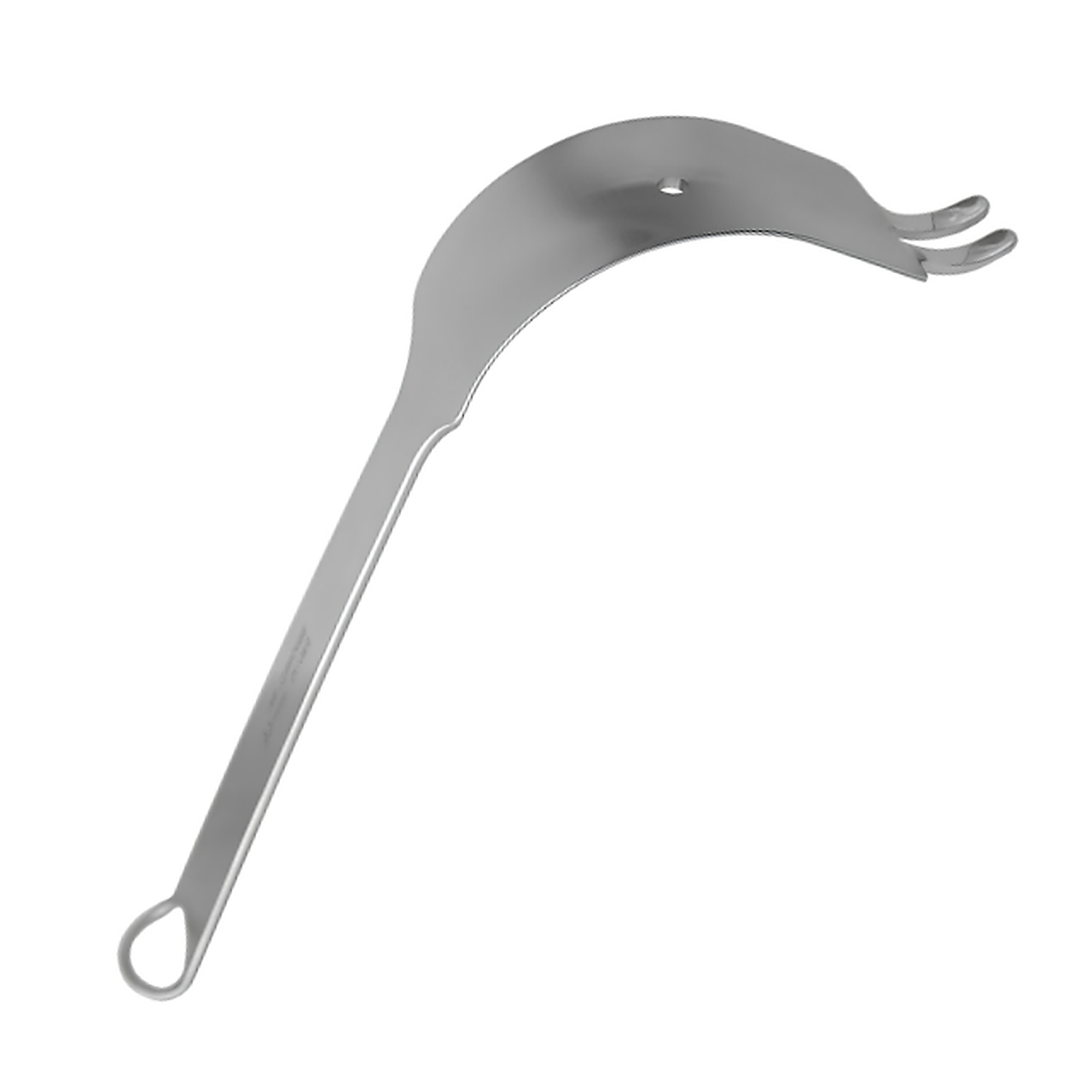 | Acetabular Eklem Ekartörü Dar Çift Uçlu | Kalça rekonstrüksiyonu ve artroplasti prosedürleri sırasında asetabular kenarı ortaya çıkarmak ve çevre dokuları uzaklaştırmak için özel olarak tasarlanmıştır. |
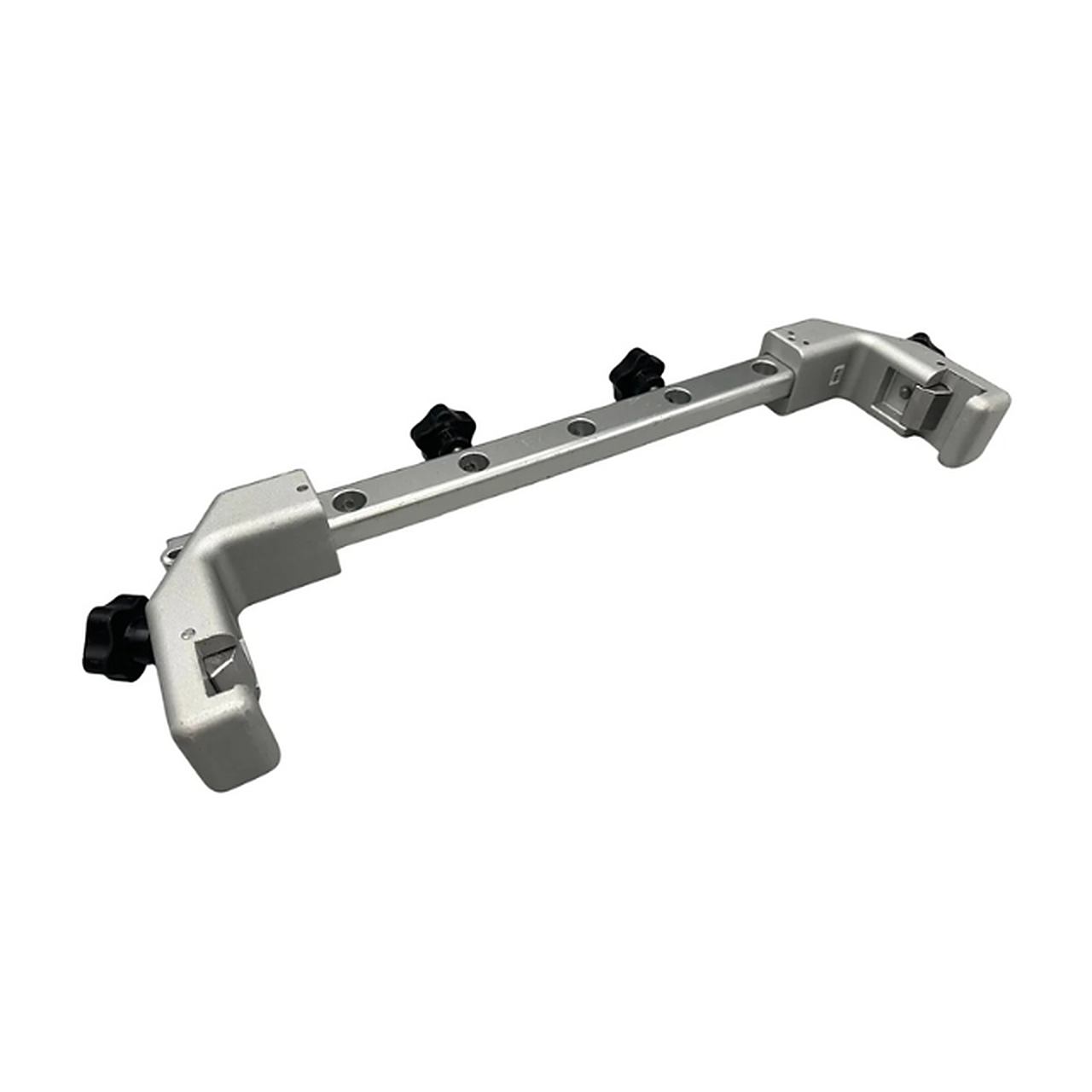 | Ayarlanabilir Mayfield Adaptörü | Dahili yuva delikleri bulunmayan veya lateral ofset konumlandırma gerektiren ameliyat masalarına Mayfield tipi kraniyal fiksasyon sistemlerini güvenli bir şekilde monte etmek için özel olarak tasarlanmıştır. |
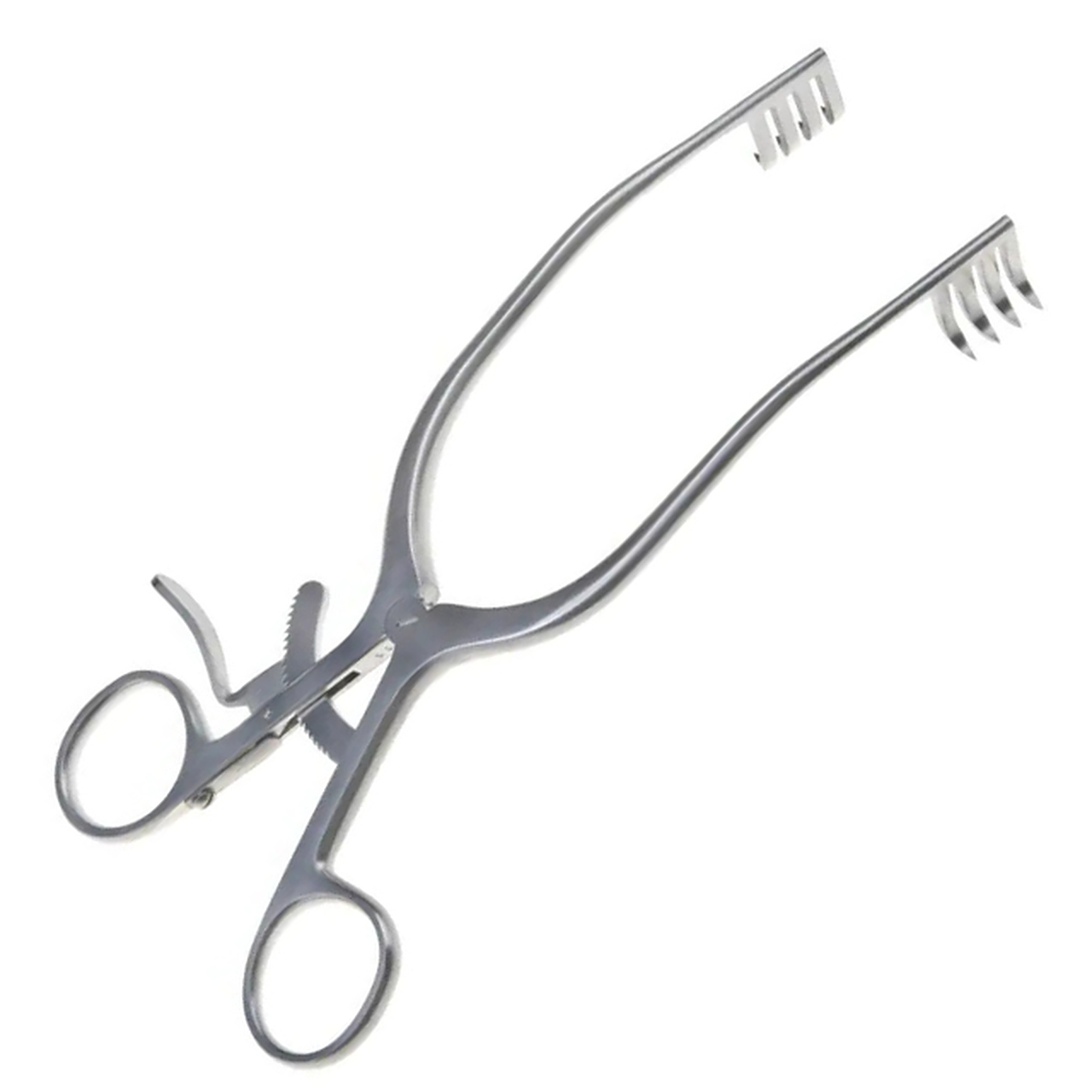 | Adson Cerebellum Ekartör | Özellikle posterior kraniyal fossa ve nöroşirürji prosedürleri sırasında kendinden sabitlemeli kas ve yumuşak doku retraksiyonu sağlamak için tasarlanmıştır. |
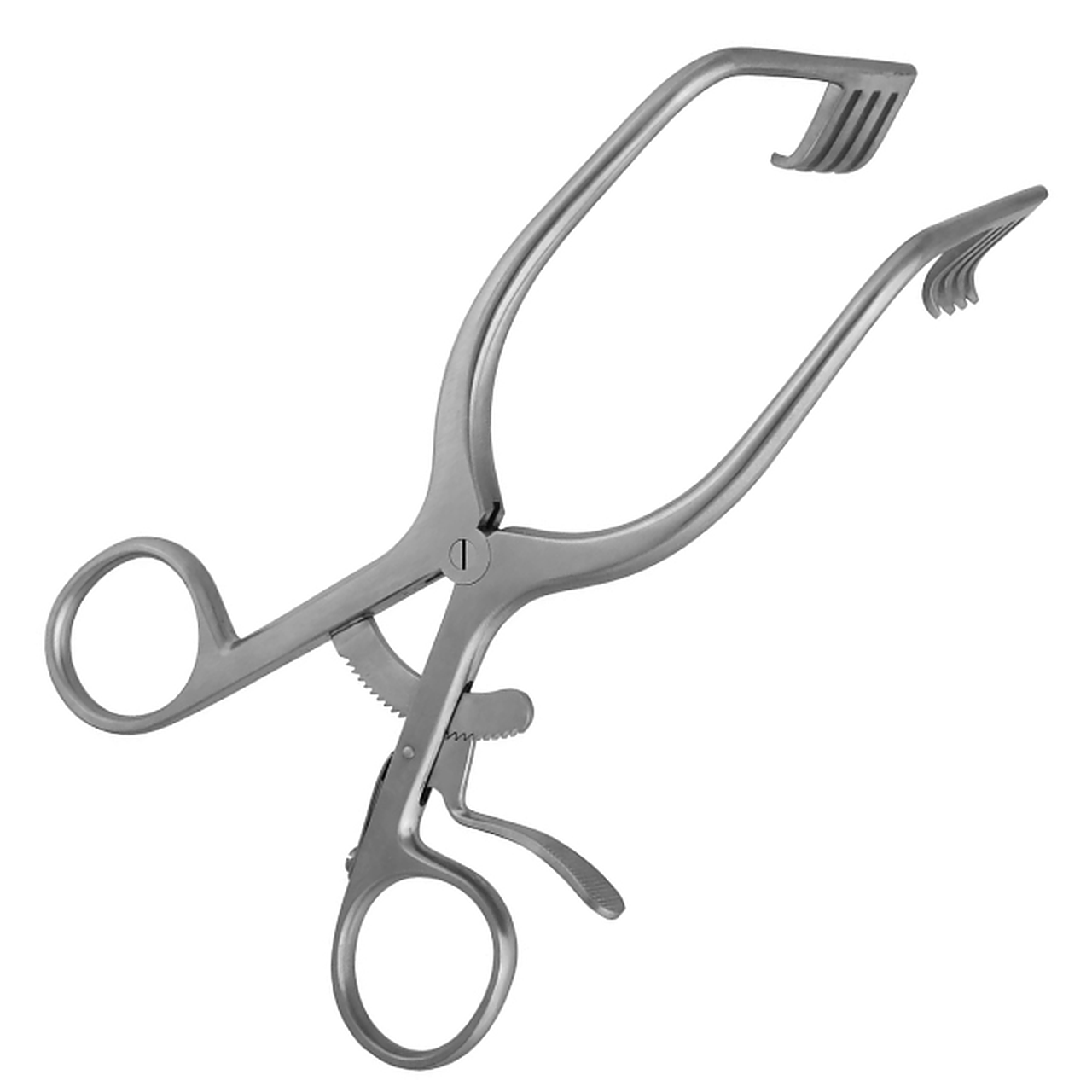 | Adson Otostatik Serebellar Ekartör | Kranial ve spinal prosedürler sırasında otostatik doku ekartasyonu sağlamak ve yapılandırılmış cerrahi maruziyeti sürdürmek için özel olarak tasarlanmıştır. |
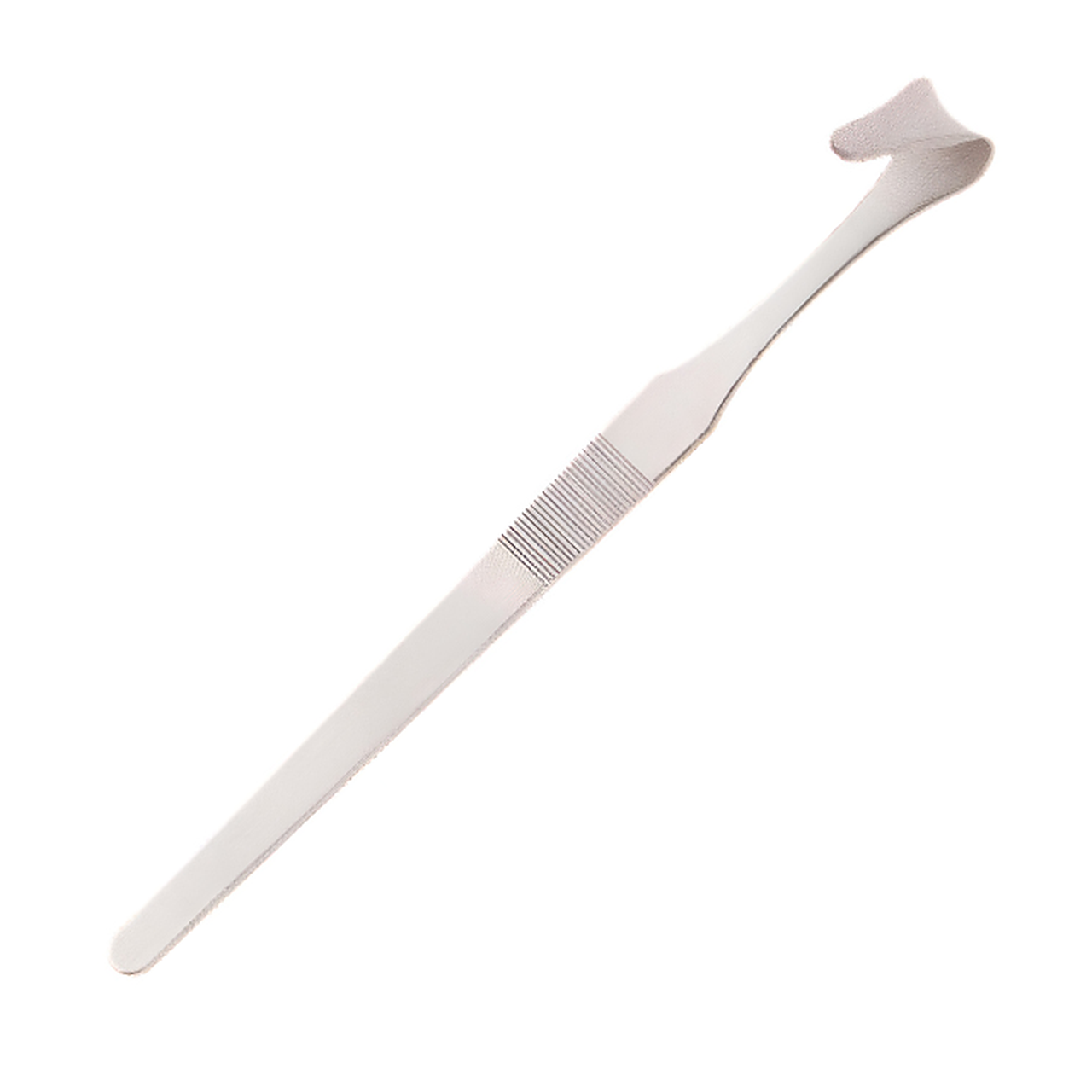 | Alar Ekartör | Rinoplasti ve KBB prosedürleri sırasında burun kanadı retraksiyonu ve alar kıkırdak ekspozisyonu için özel olarak tasarlanmıştır. |
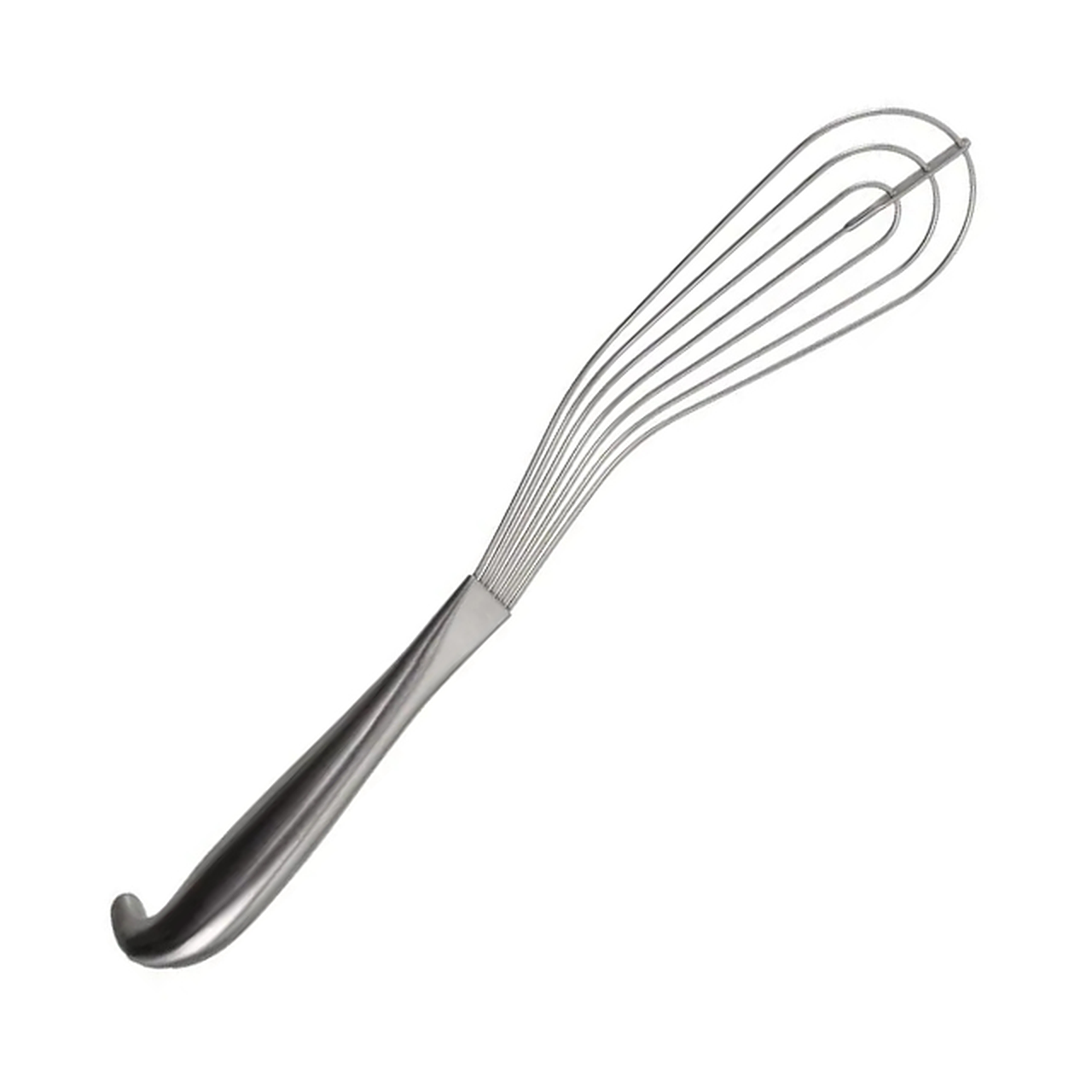 | Allison Akciğer Ekartörü | Torasik ve kardiyovasküler cerrahi müdahaleler sırasında pulmoner parankimi atravmatik olarak bastırmak ve yerinden uzaklaştırmak için tasarlanmıştır. |
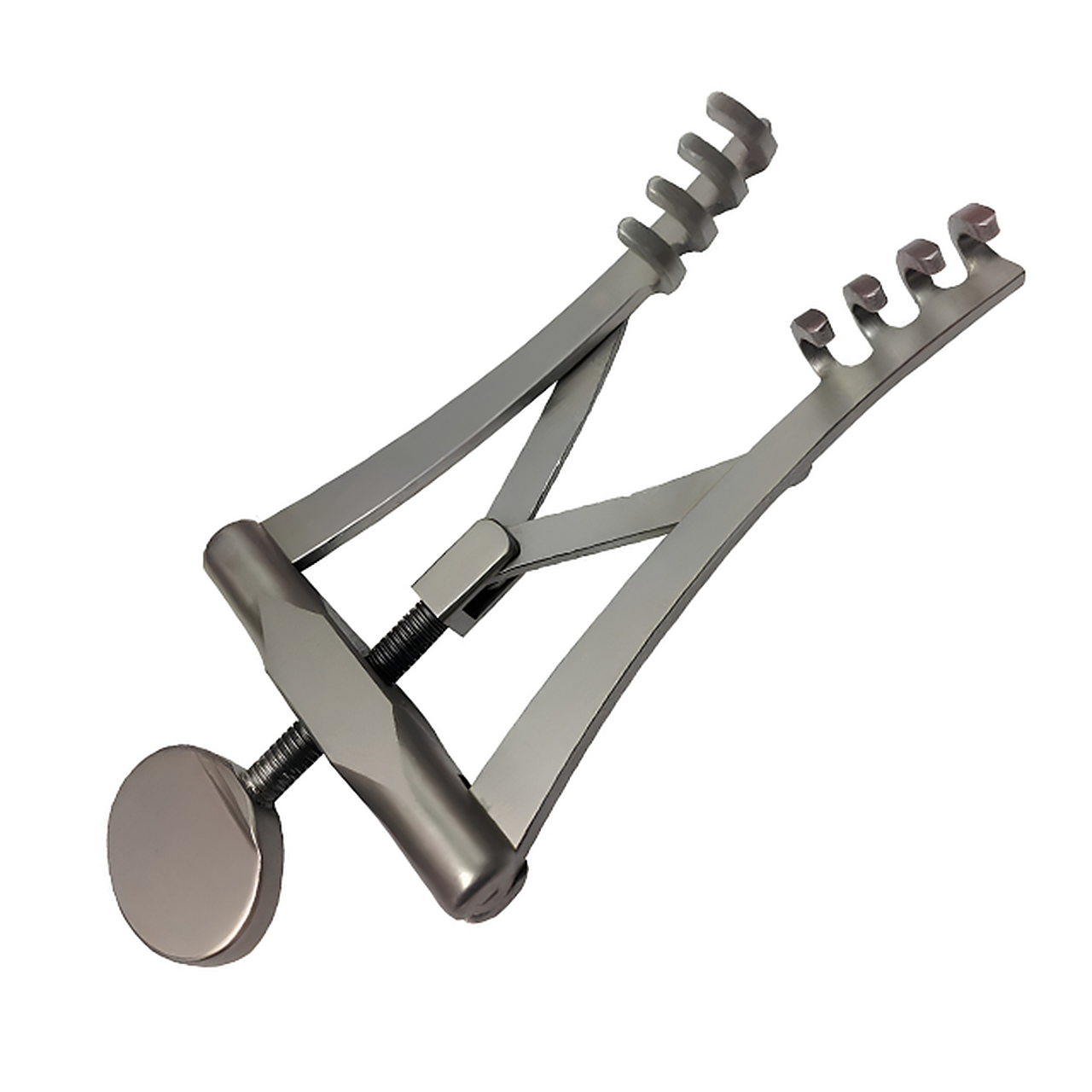 | Allport Mastoid Ekartör | Otolojik ve nöroşirürji prosedürleri sırasında mastoid çıkıntı üzerinde kendinden tutmalı yumuşak doku ekartasyonu sağlamak için özel olarak tasarlanmıştır. |
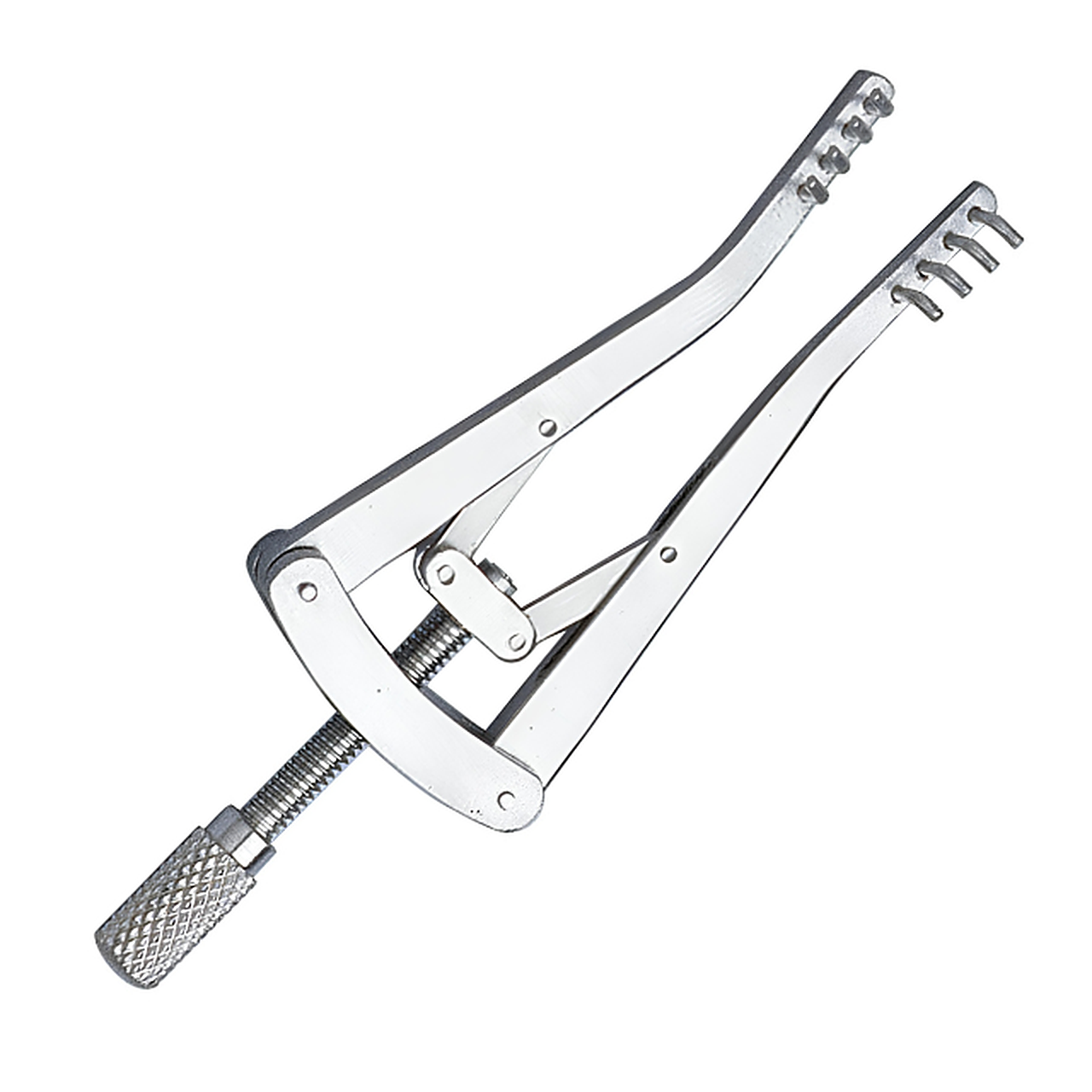 | ALM Otostatik Ekartör | Küçük cerrahi, oftalmolojik, plastik ve el cerrahisi prosedürleri sırasında otostatik doku retraksiyonu sağlamak üzere özel olarak tasarlanmıştır. |
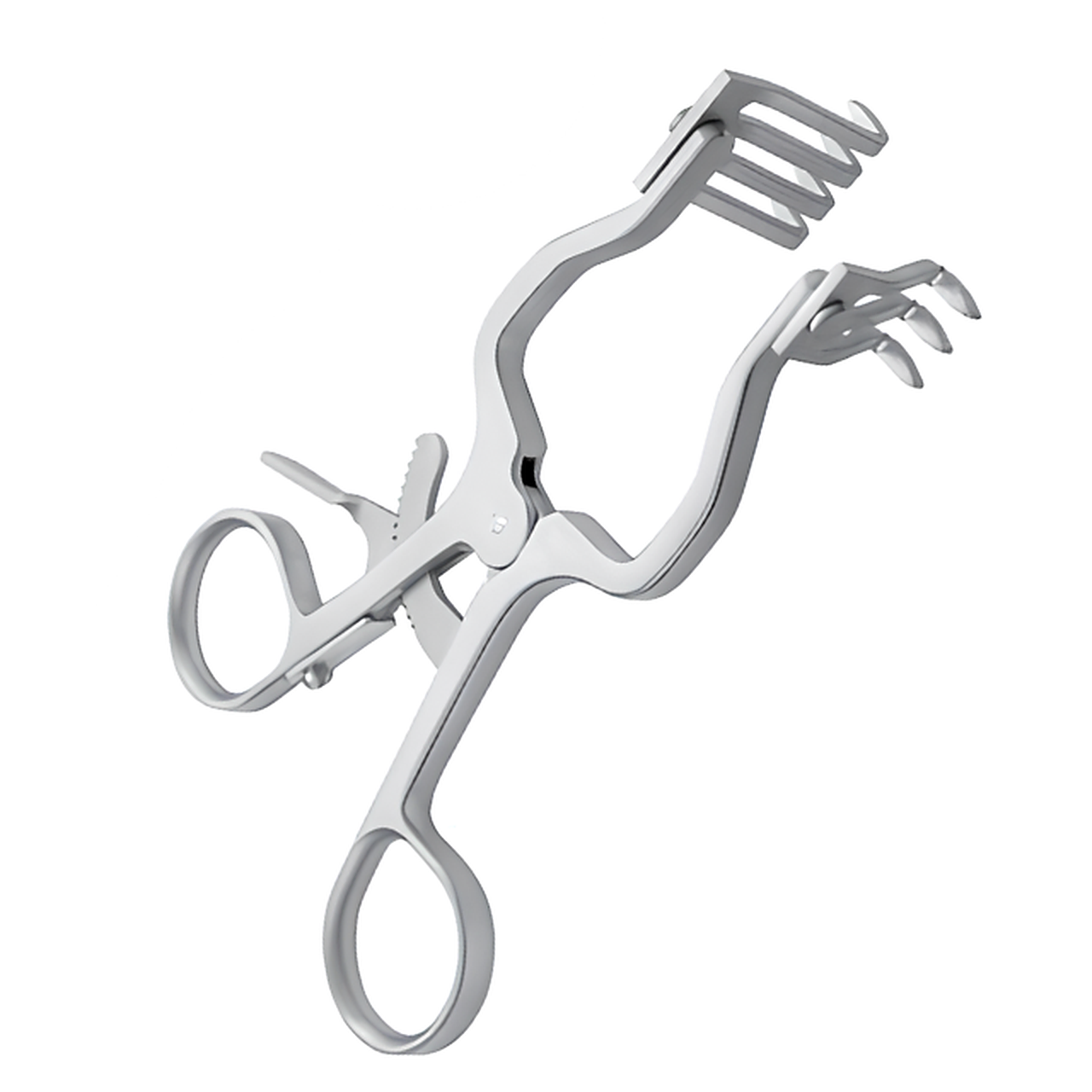 | Ambidextrous Otostatik Ekartörler | Steril alanın her iki tarafından da çalıştırılabilen, tersine çevrilebilir ve asistan gerektirmeyen yumuşak doku retraksiyonu sağlamak için özel olarak tasarlanmıştır. |
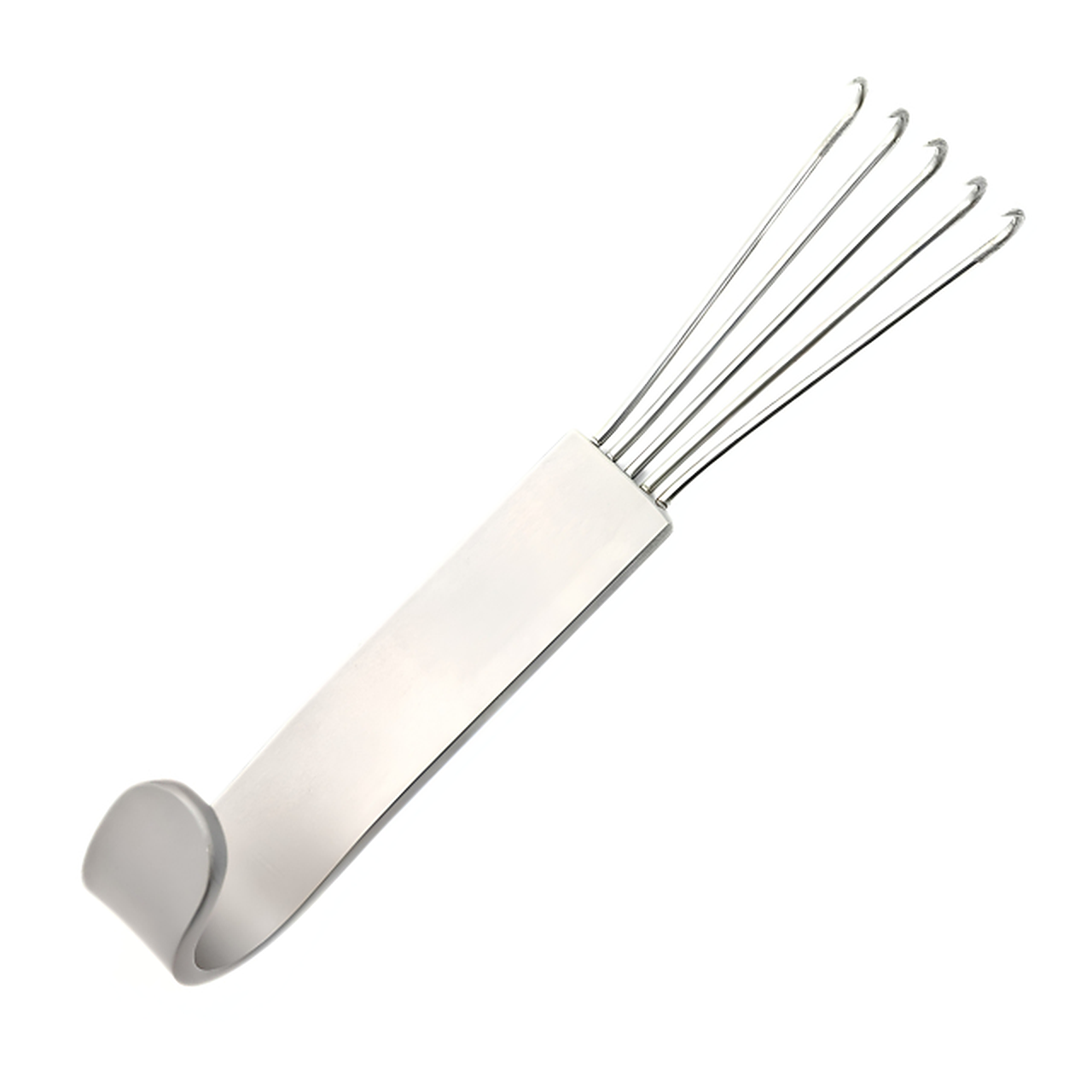 | Anderson Bear Claw Retraktör | Plastik ve rekonstrüktif cerrahi sırasında sert kutanöz traksiyon, cilt flebi elevasyonu ve yumuşak doku retraksiyonu için özel olarak tasarlanmıştır. |
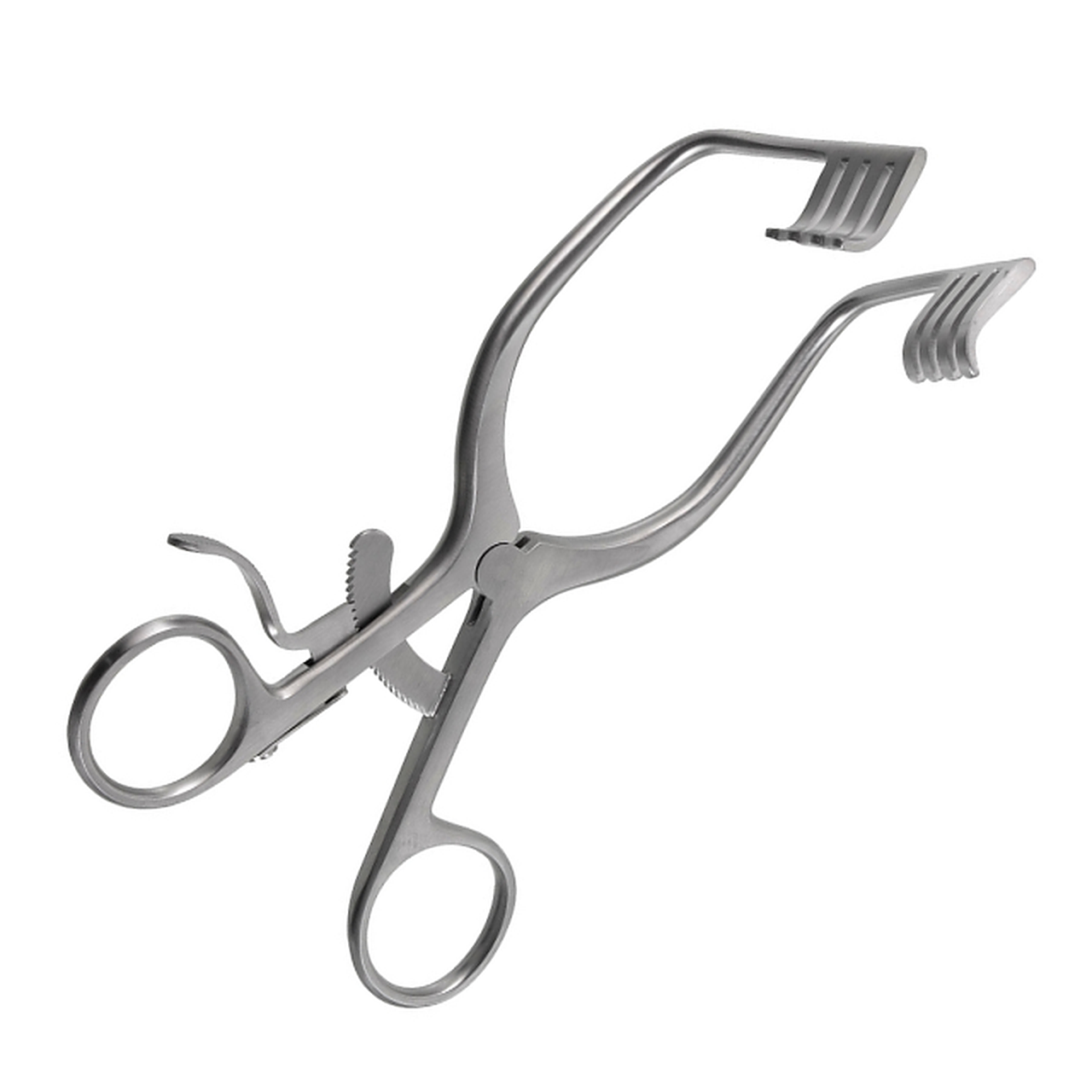 | Anderson-Adson Otomatik Serebellar Ekartör | Posterior kraniyal fossa ve suboksipital nöroşirürji prosedürleri sırasında otomatik kas ve doku retraksiyonu sağlamak için özel olarak tasarlanmıştır. |
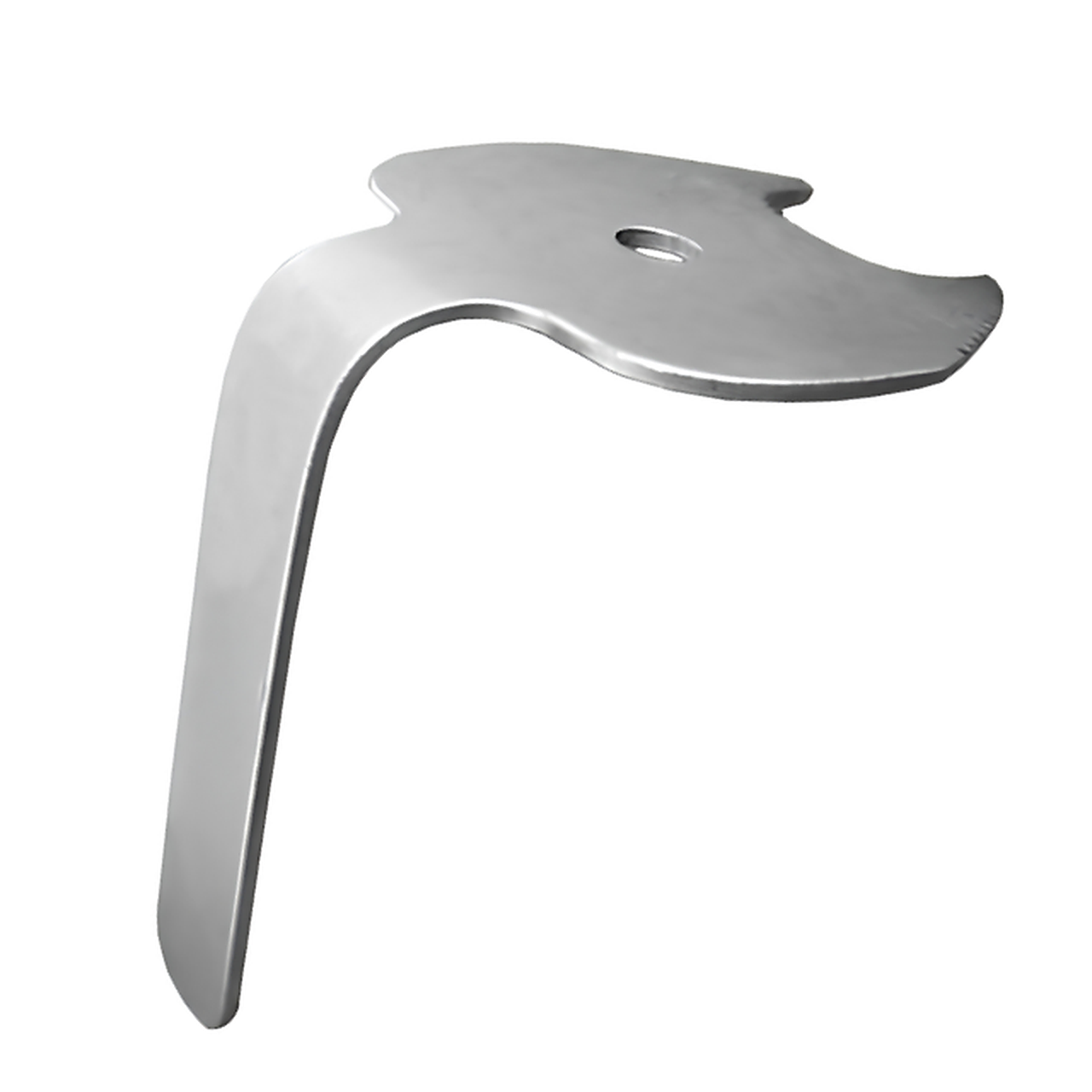 | Anterior Femoral Condylar Ekartör | Total diz artroplastisi sırasında anterior femoral kondilleri açığa çıkarmak ve ekstansör mekanizmayı ekarte etmek için özel olarak tasarlanmıştır. |
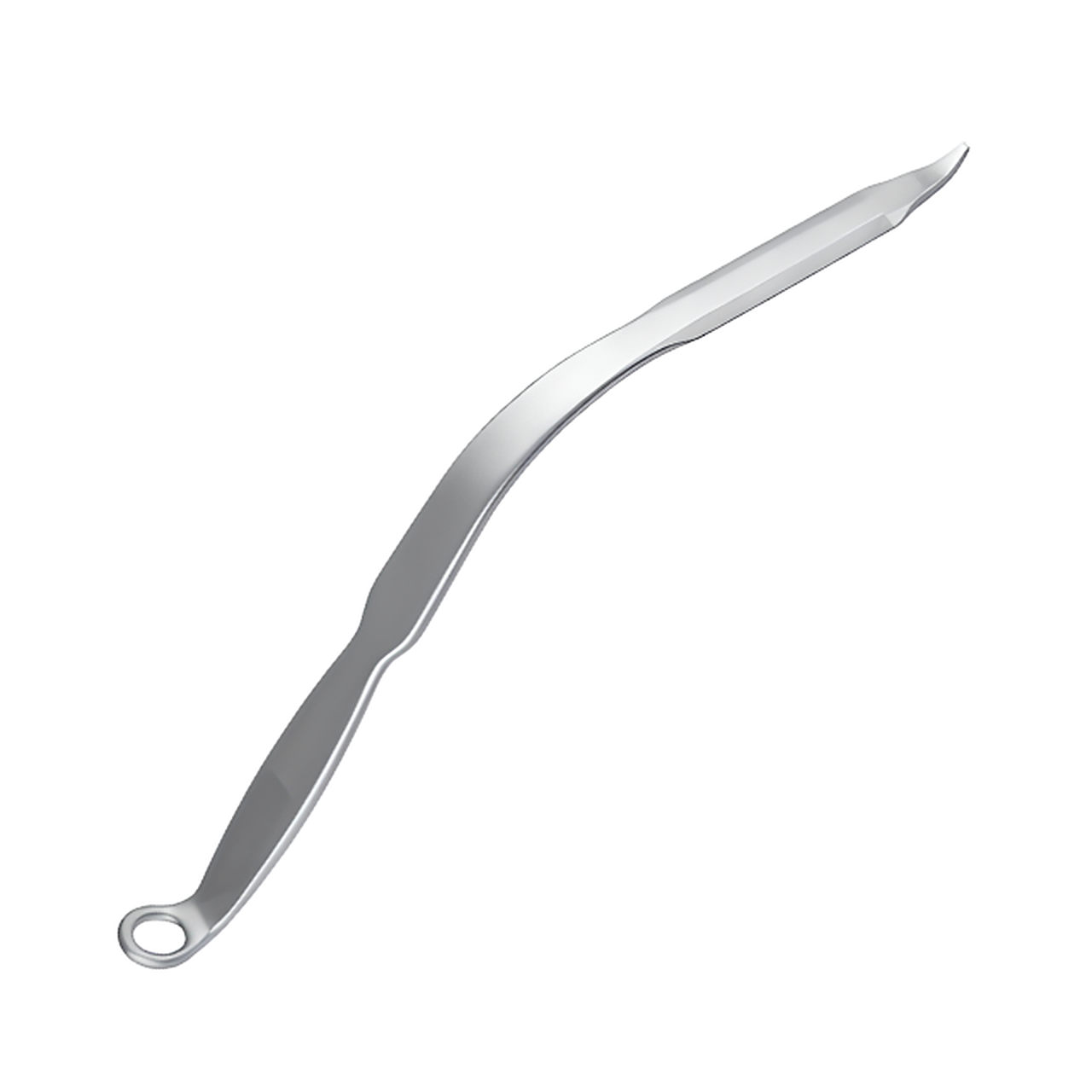 | Anterior Femoral Boyun Anteromedial Rim Ekartörü | Kalça artroplastisi ve femoral baş osteotomisi sırasında anterior femoral boynu ve anteromedial kenarı açığa çıkarmak için özel olarak tasarlanmıştır. |
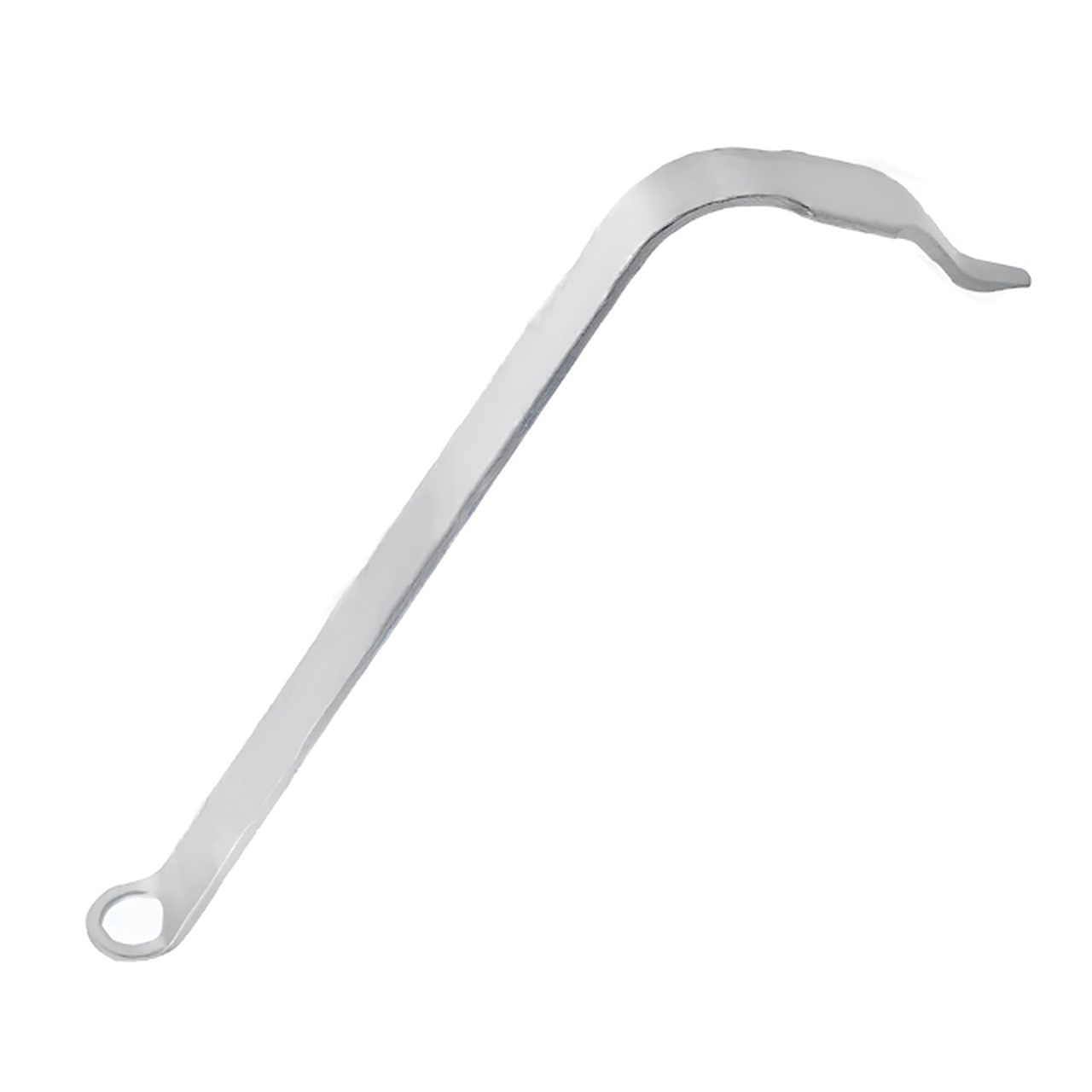 | Anterolateral Asetabular Rim Ekartör | Kalça artroplastisi sırasında anterolateral asetabular rimi açığa çıkarmak ve çevredeki yumuşak dokuları ekarte etmek için özel olarak tasarlanmıştır. |
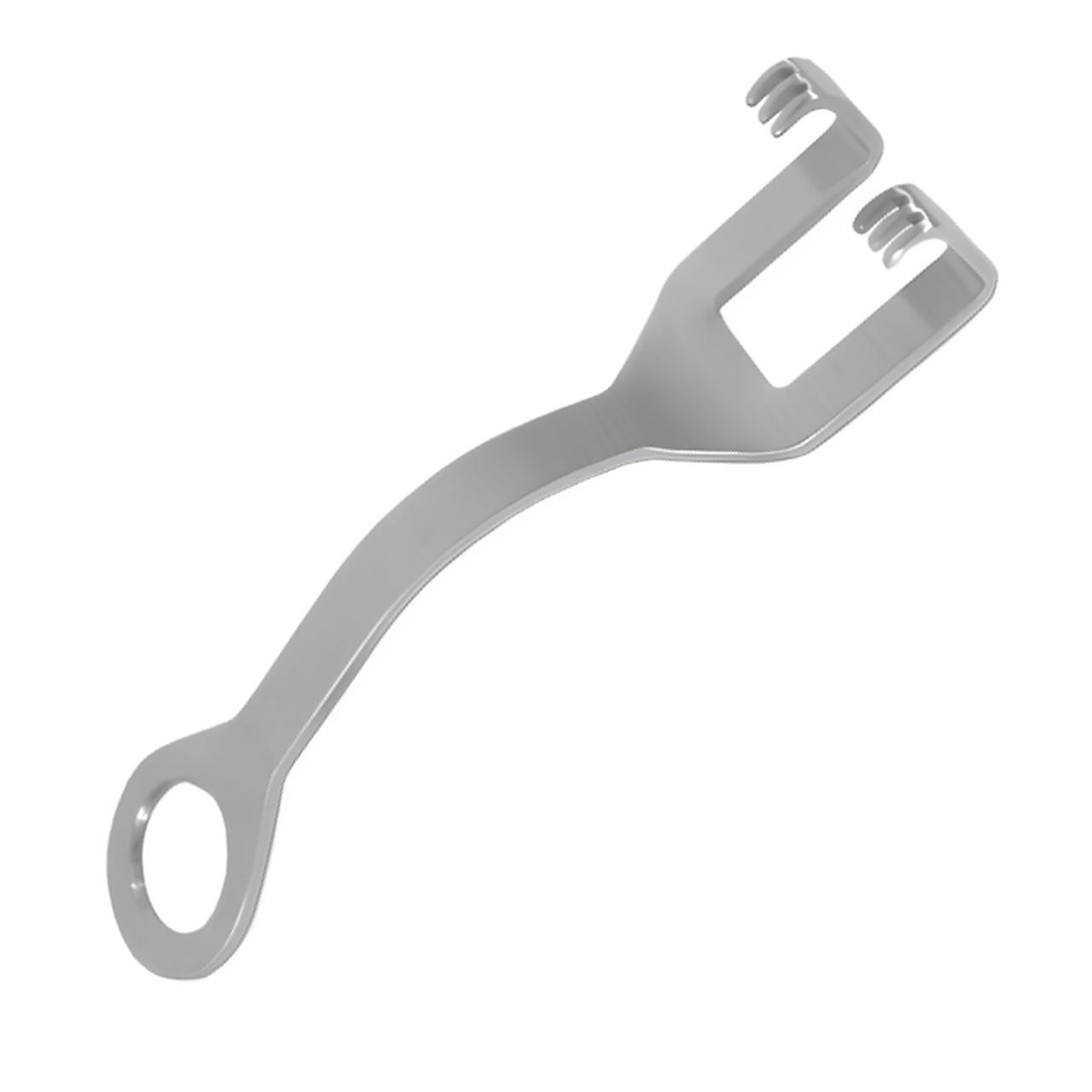 | AORI Patellar Retraktör | Primer ve revizyon total diz artroplastisi prosedürleri sırasında patellayı retrakte etmek ve evert etmek için özel olarak tasarlanmıştır. |
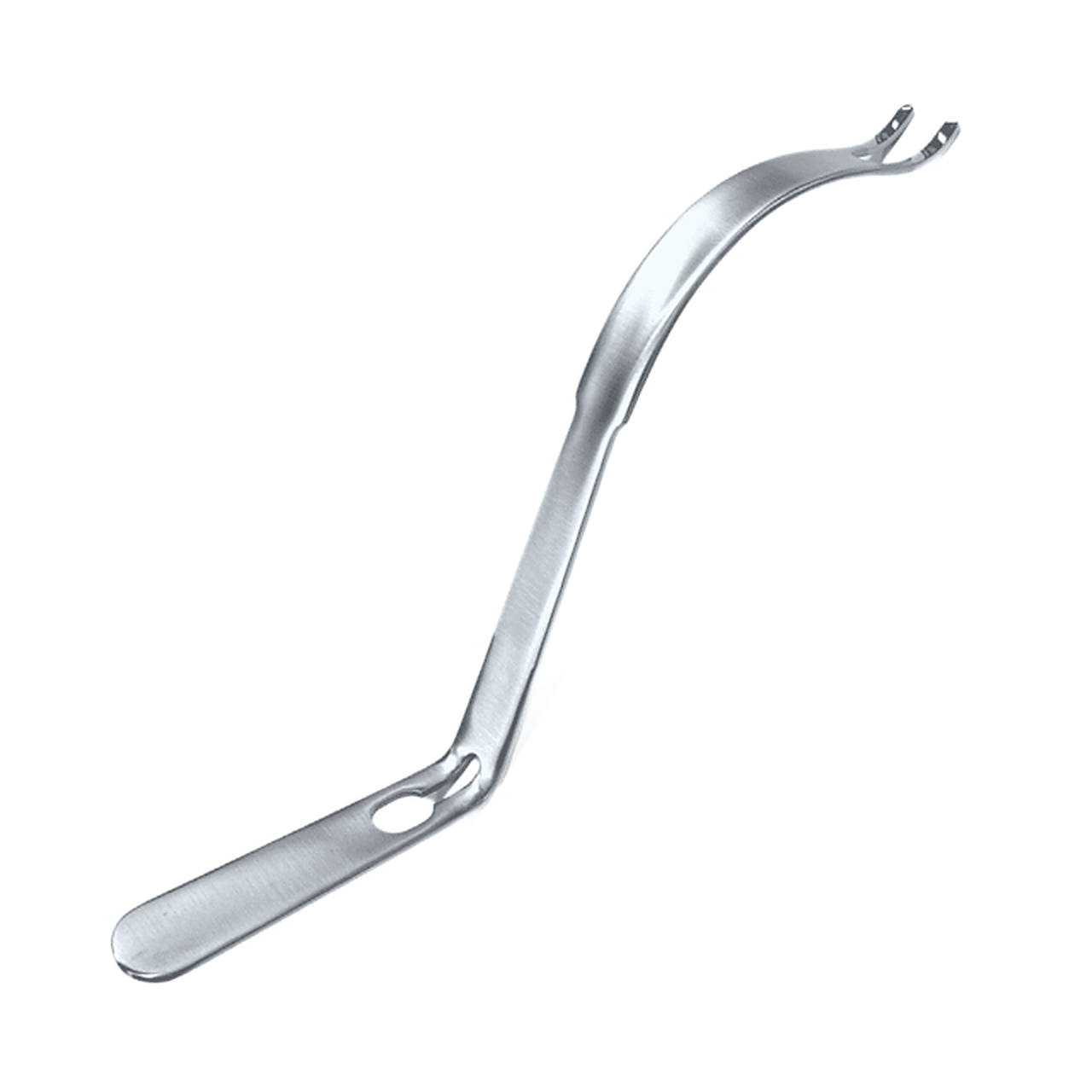 | APC Kalça Ekartörü | Kalça artroplastisi ve rekonstrüktif cerrahi sırasında asetabular marjı ve femoral boynu ekspoze etmek için özel olarak tasarlanmıştır. |
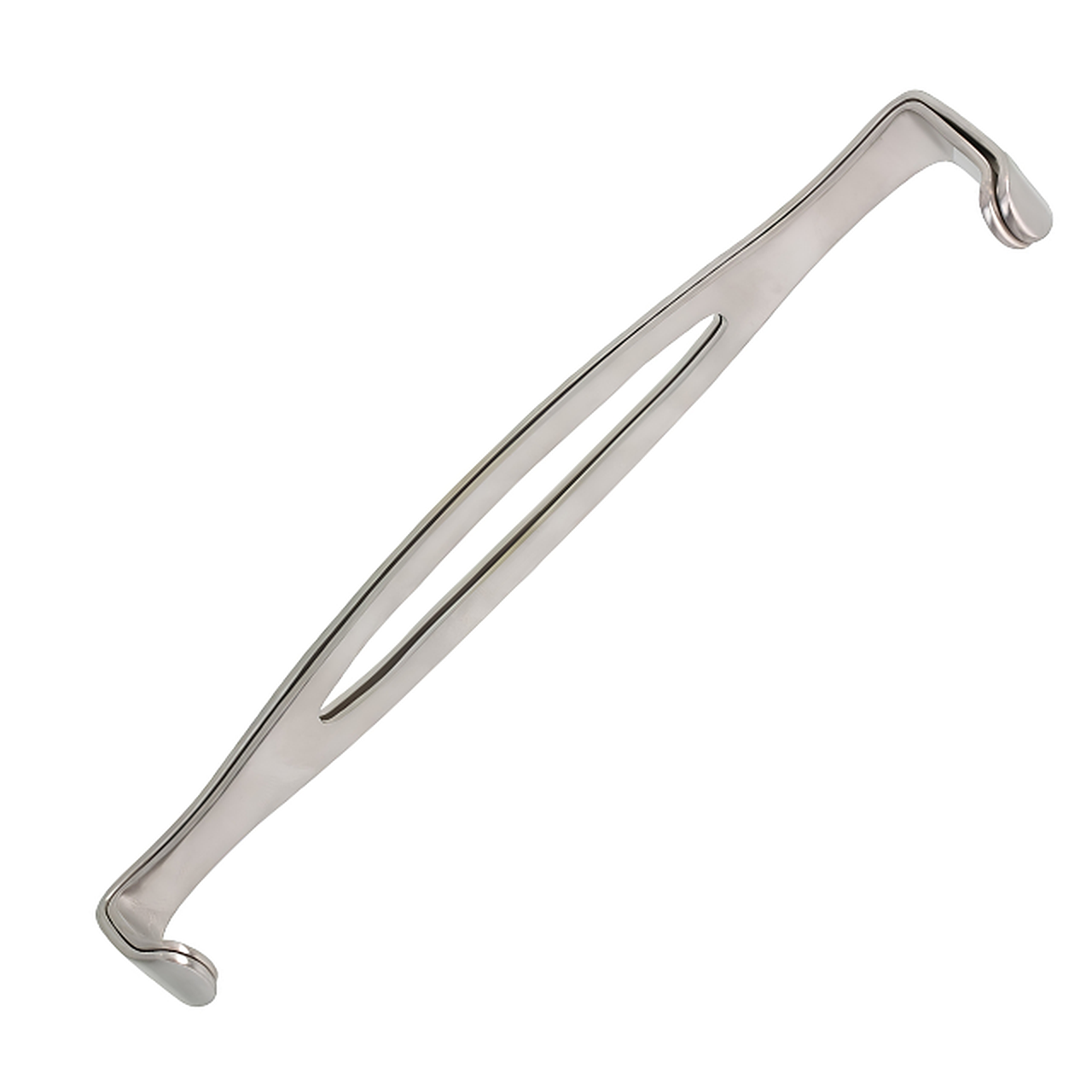 | Army-Navy Ekartör - İkili Set | Yüzeysel ve orta düzey operatif alanlarda manuel yumuşak doku ve yara kenarı ekartasyonu sağlamak üzere tasarlanmıştır. |
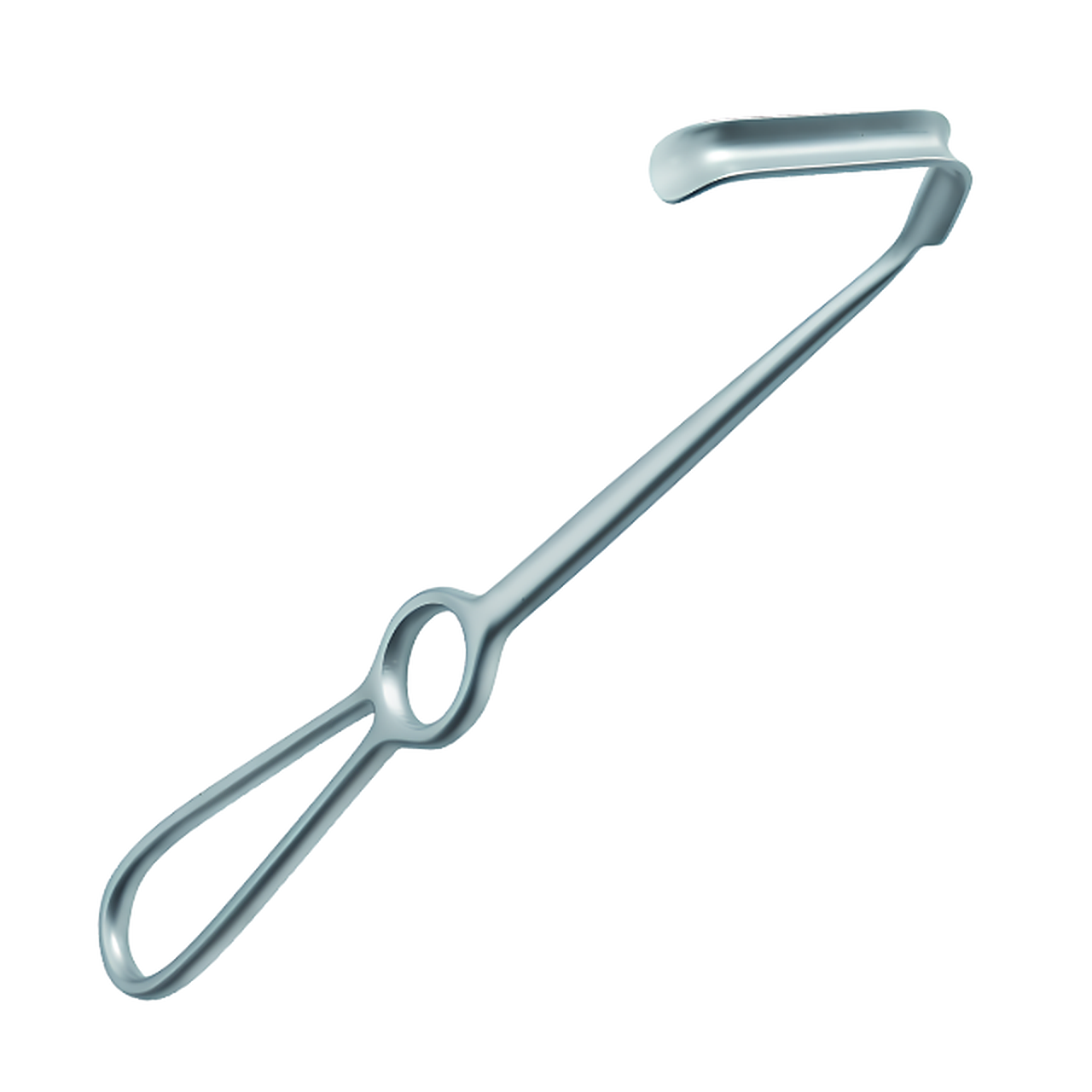 | Arnett Le Fort Üst Dudak Ekartörü | Le Fort osteotomileri ve ortognatik cerrahi sırasında üst dudağı ve vestibüler mukozayı kaldırmak ve korumak için özel olarak tasarlanmıştır. |
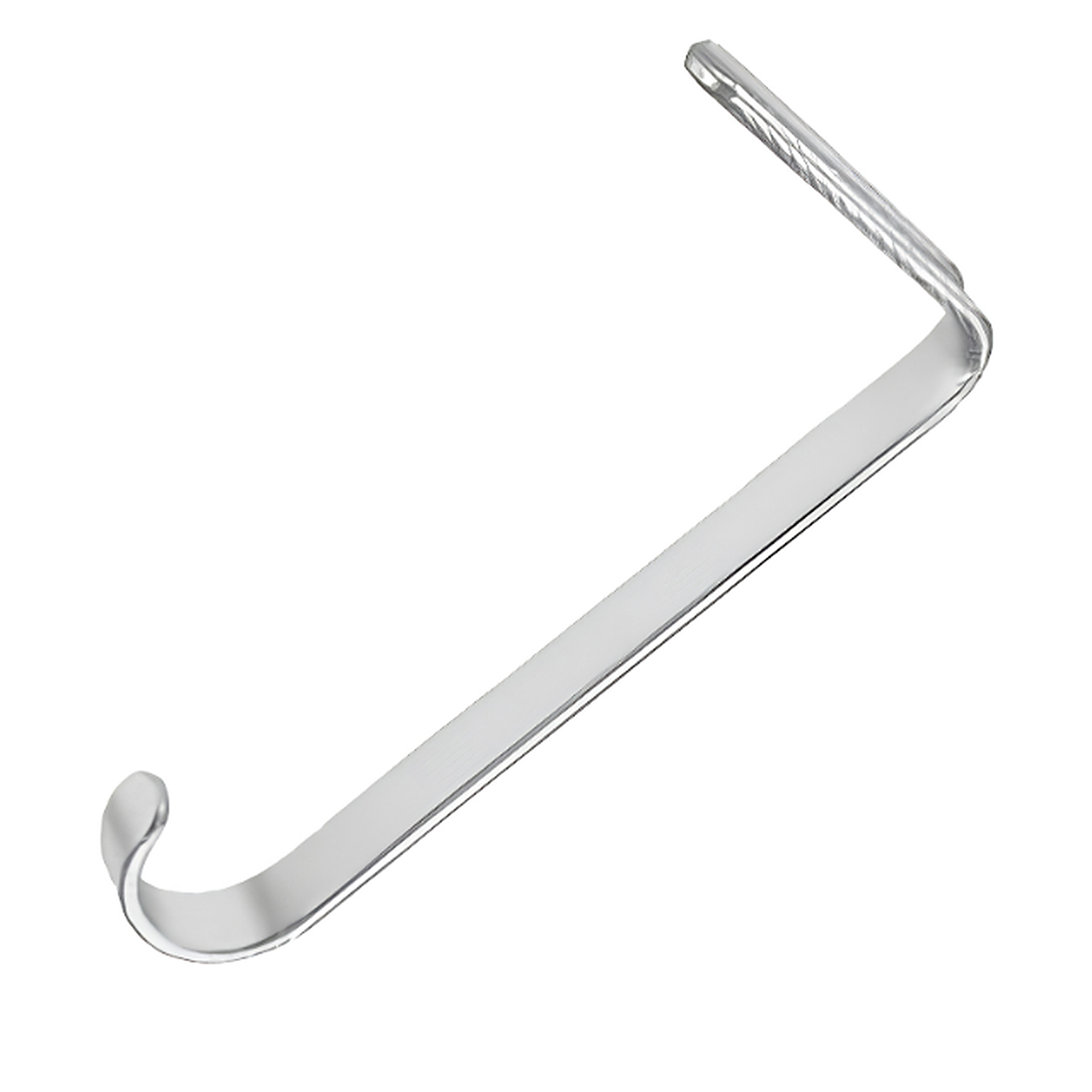 | Aufricht Daniel Nazal Ekartör | Estetik ve rekonstrüktif rinoplasti sırasında nazal dorsal deri-yumuşak doku zarfını kaldırmak için özel olarak tasarlanmıştır. |
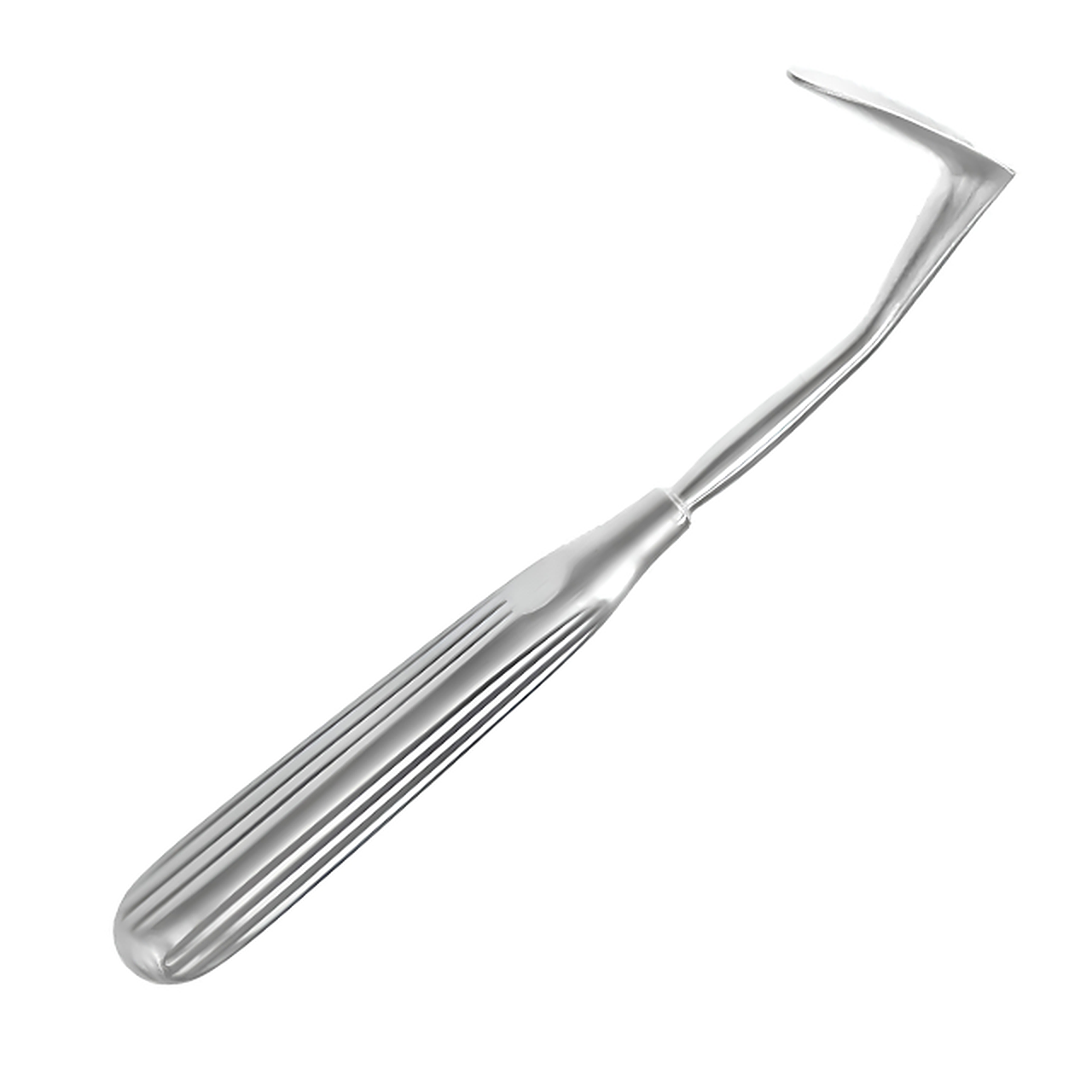 | Aufricht Nazal Ekartör | Rinoplasti prosedürleri sırasında nazal kutanöz flepleri kaldırmak ve nazal köprünün net bir şekilde görüntülenmesini sağlamak için özel olarak tasarlanmıştır. |
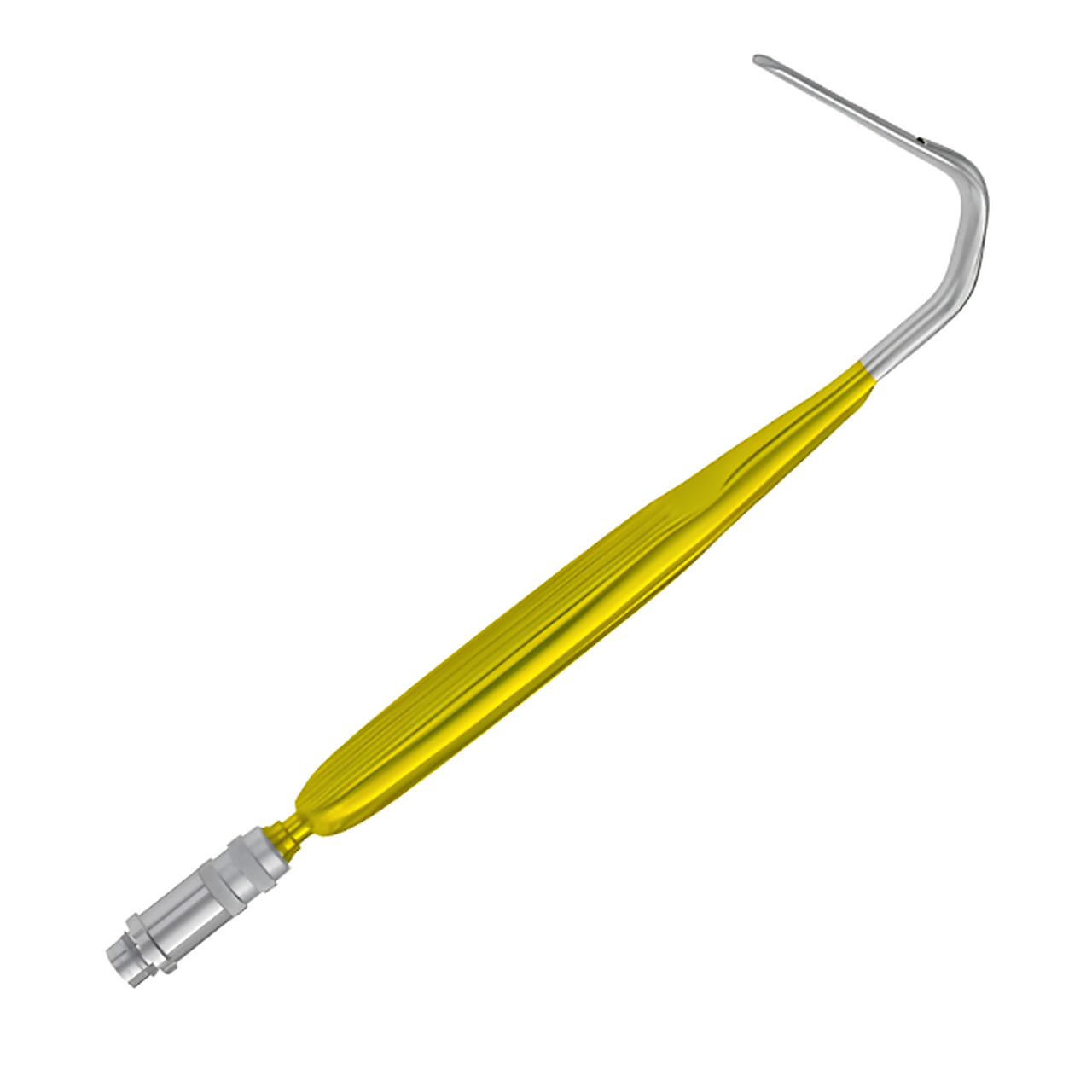 | Aufricht Nasal Retractor - Fiber Optic | Rinoplasti ve rekonstrüktif burun cerrahisi sırasında aydınlatmalı yumuşak doku retraksiyonu ve dorsal ekspozisyon sağlamak için özel olarak tasarlanmıştır. |
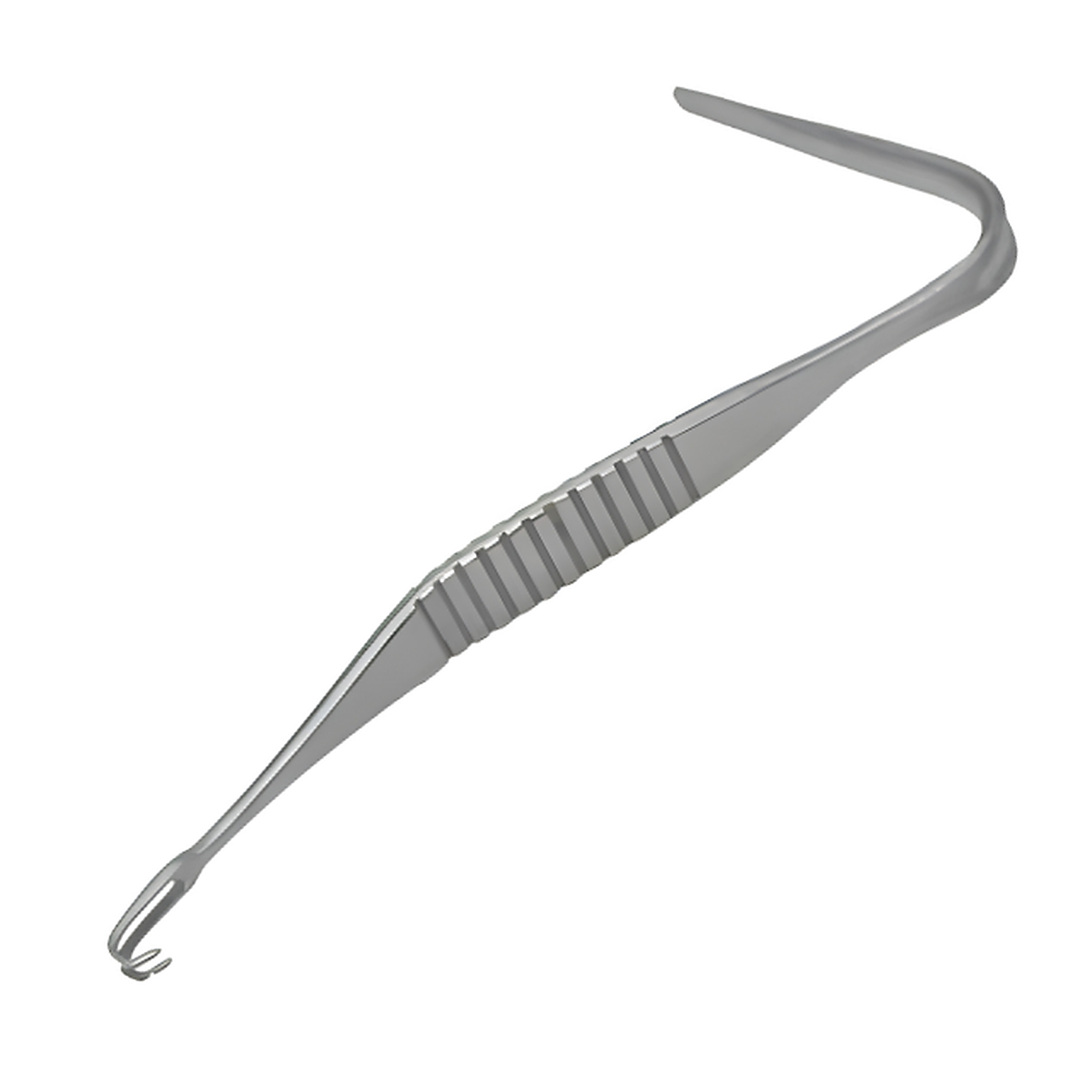 | Aufricht Walter Nasal Retraktörü | Rinoplasti ve burun rekonstrüksiyonu sırasında çift uçlu yumuşak doku retraksiyonu ve mukozal flep elevasyonu sağlamak için özel olarak tasarlanmıştır. |
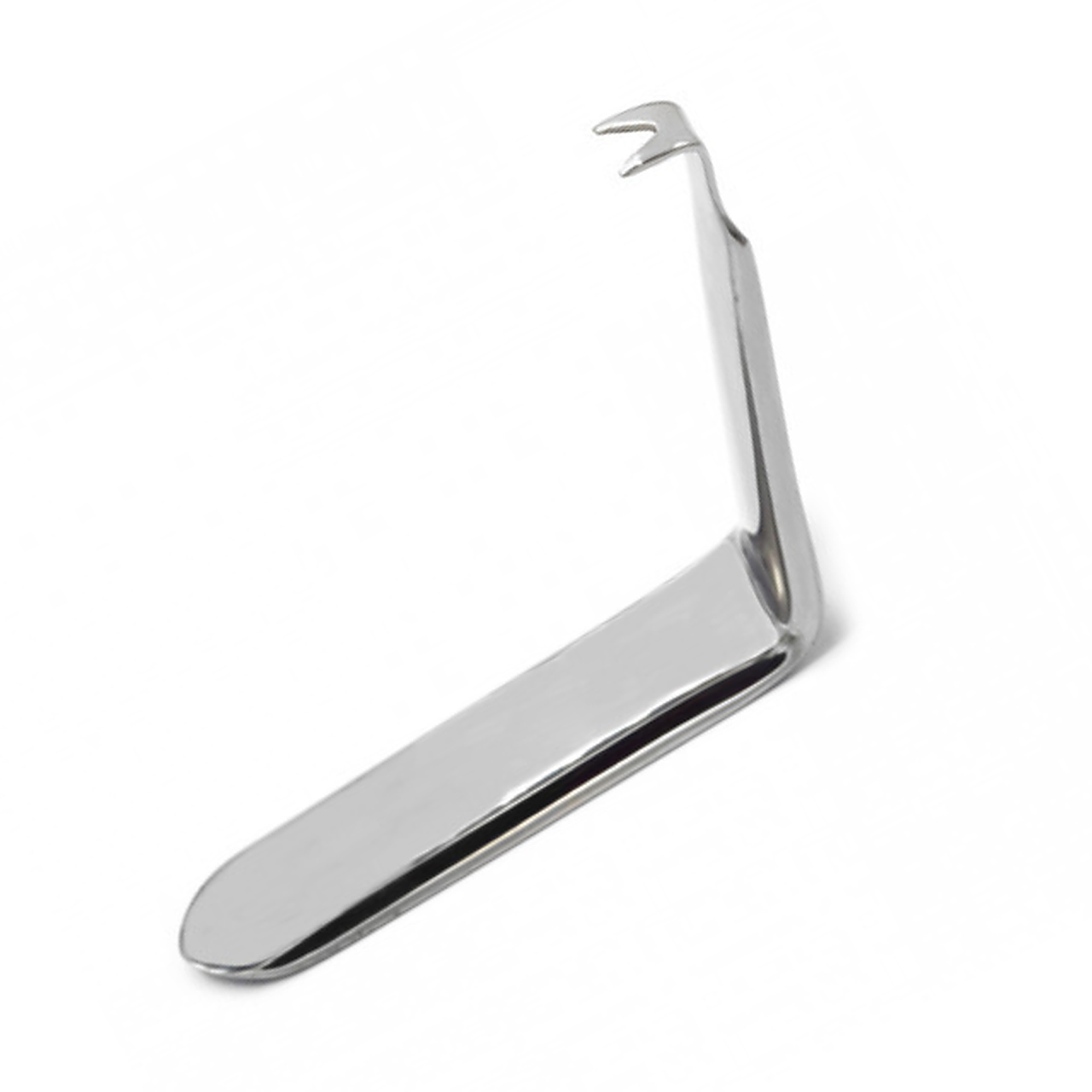 | Austin Doku ve Yanak Ekartörü | Ağız içi, maksillofasiyal ve diş cerrahisi prosedürleri sırasında yanakları, dudakları ve mukoperiostal flepleri ekarte etmek için özel olarak tasarlanmıştır. |
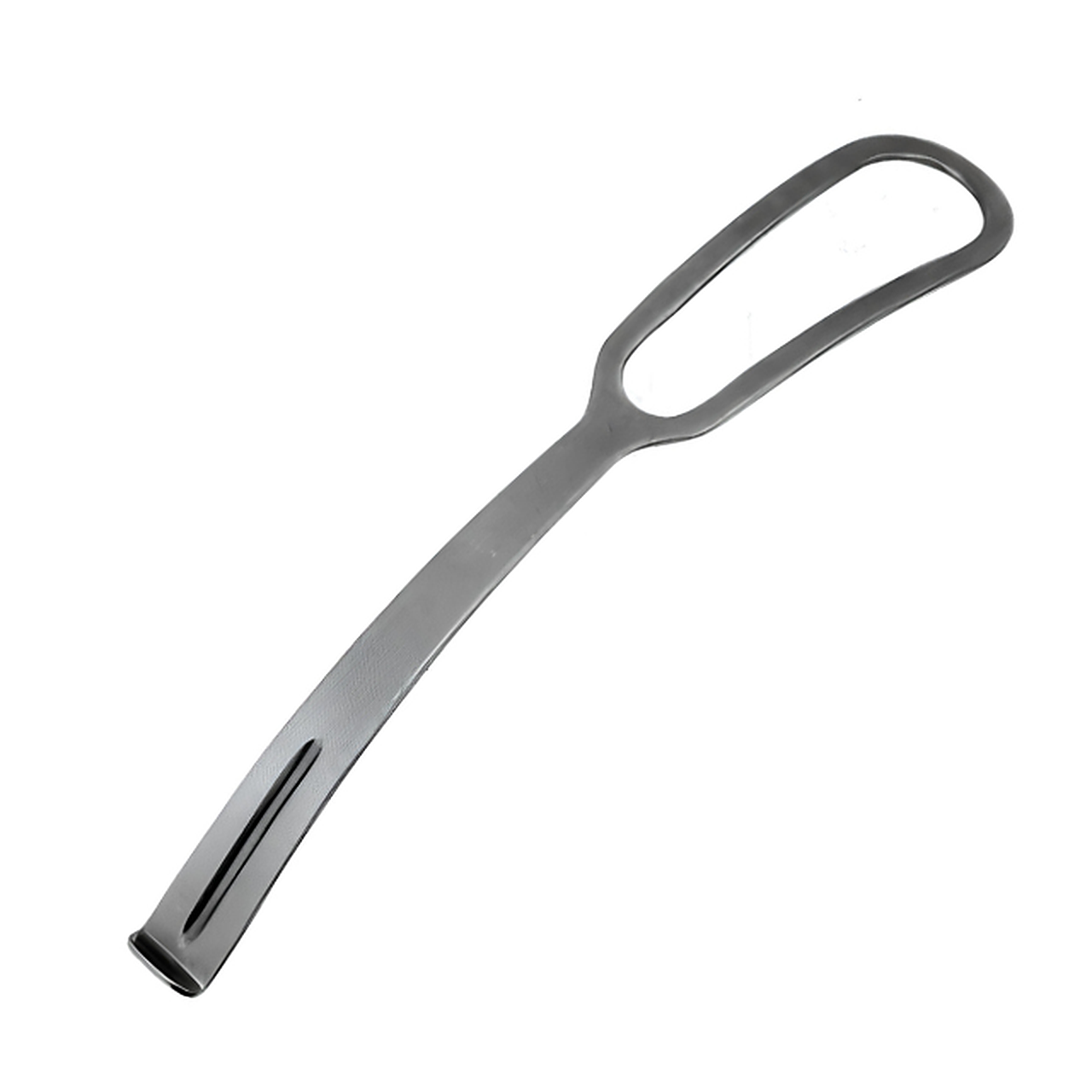 | Awty Kondiler Boyun Ekartörü | Ortognatik ve travma osteotomileri sırasında mandibuler kondiler boynu eksize etmek ve korumak için özel olarak tasarlanmıştır. |
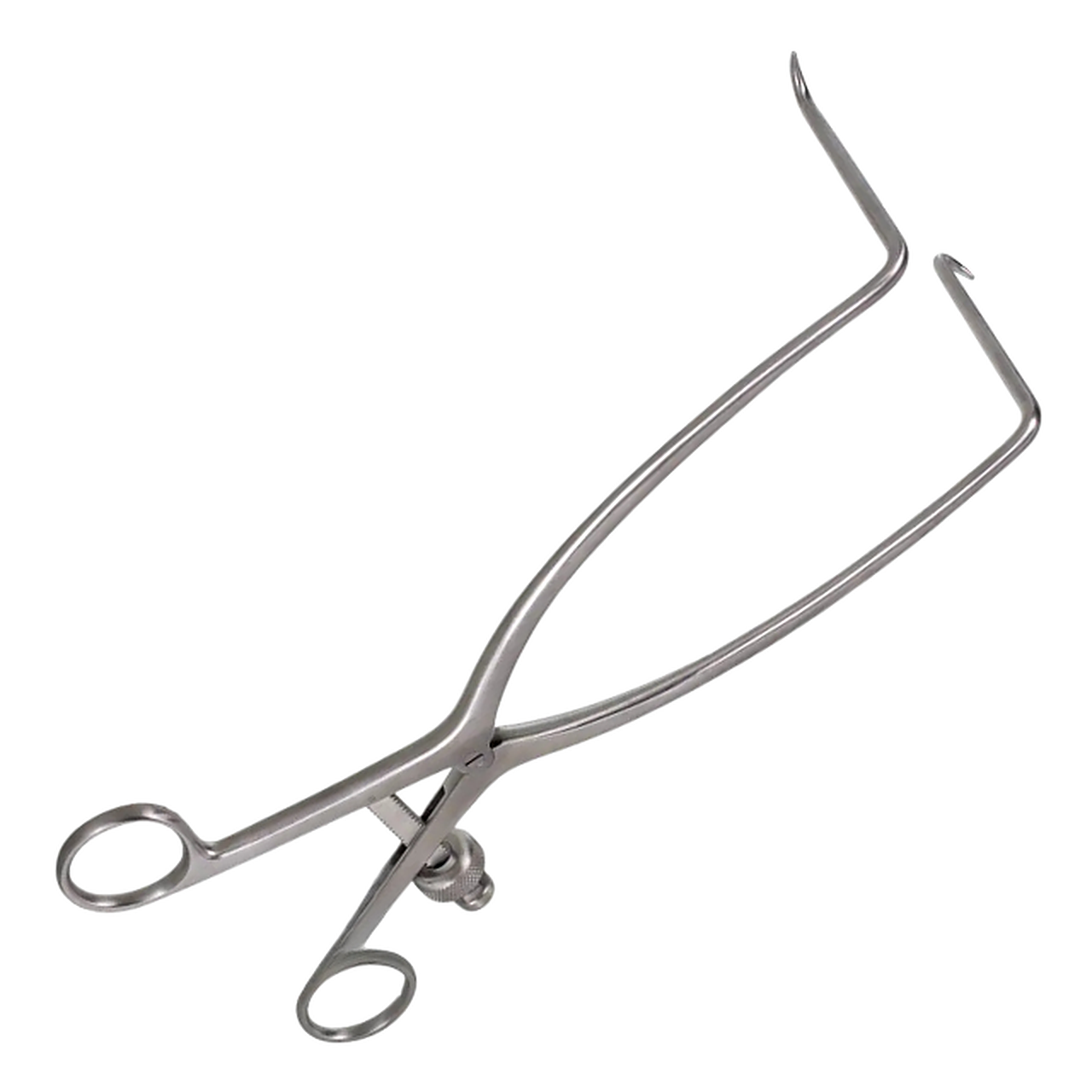 | B-Z Ekartör | Ortopedik, spinal ve pelvik cerrahi sırasında otomatik derin yumuşak doku ve paraspinal kas retraksiyonu sağlamak için özel olarak tasarlanmıştır. |
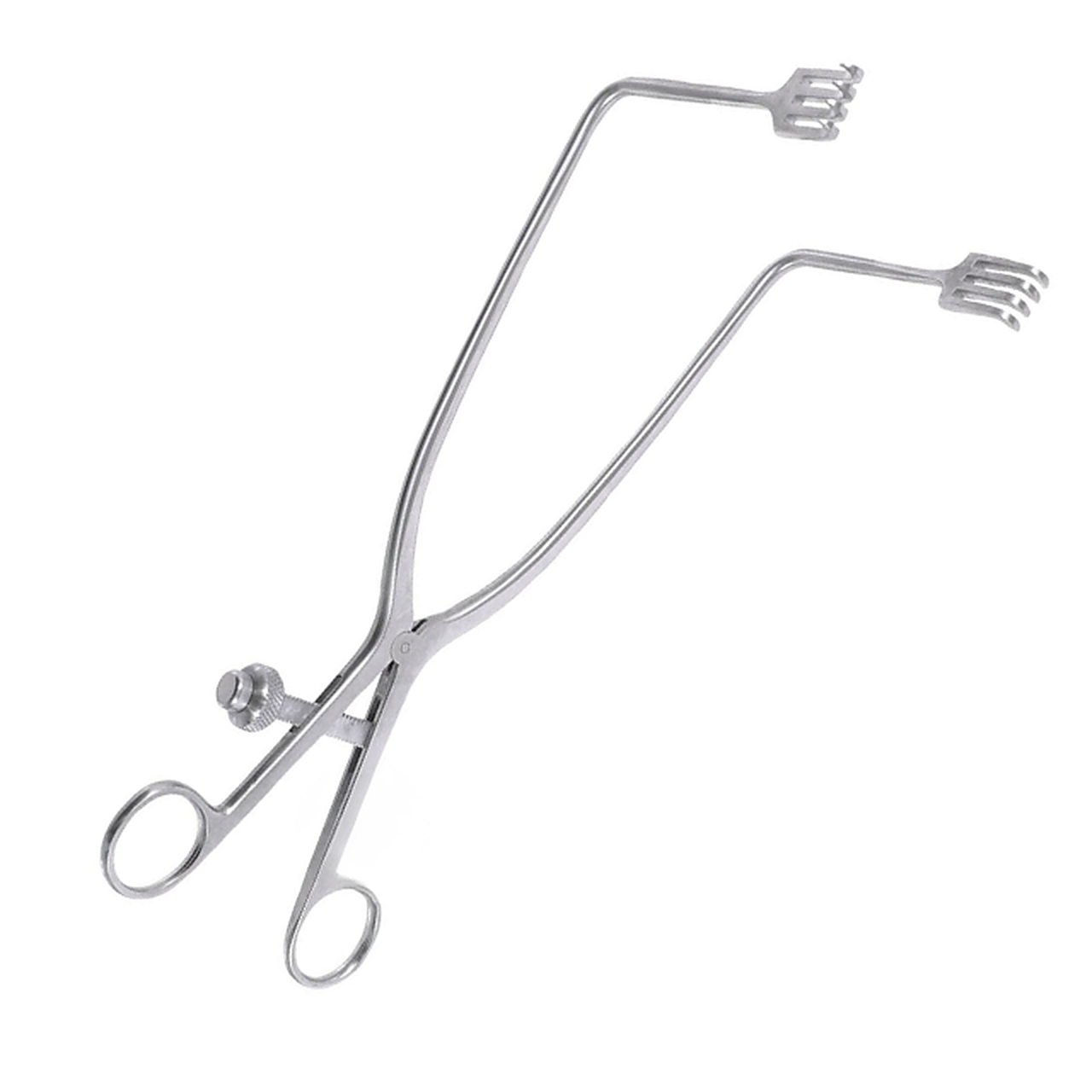 | B-Z Weitlaner Ekartör | Spinal, ortopedik ve pelvik cerrahi sırasında derin yumuşak doku ve kas retraksiyonu sağlamak üzere özel olarak tasarlanmıştır. |
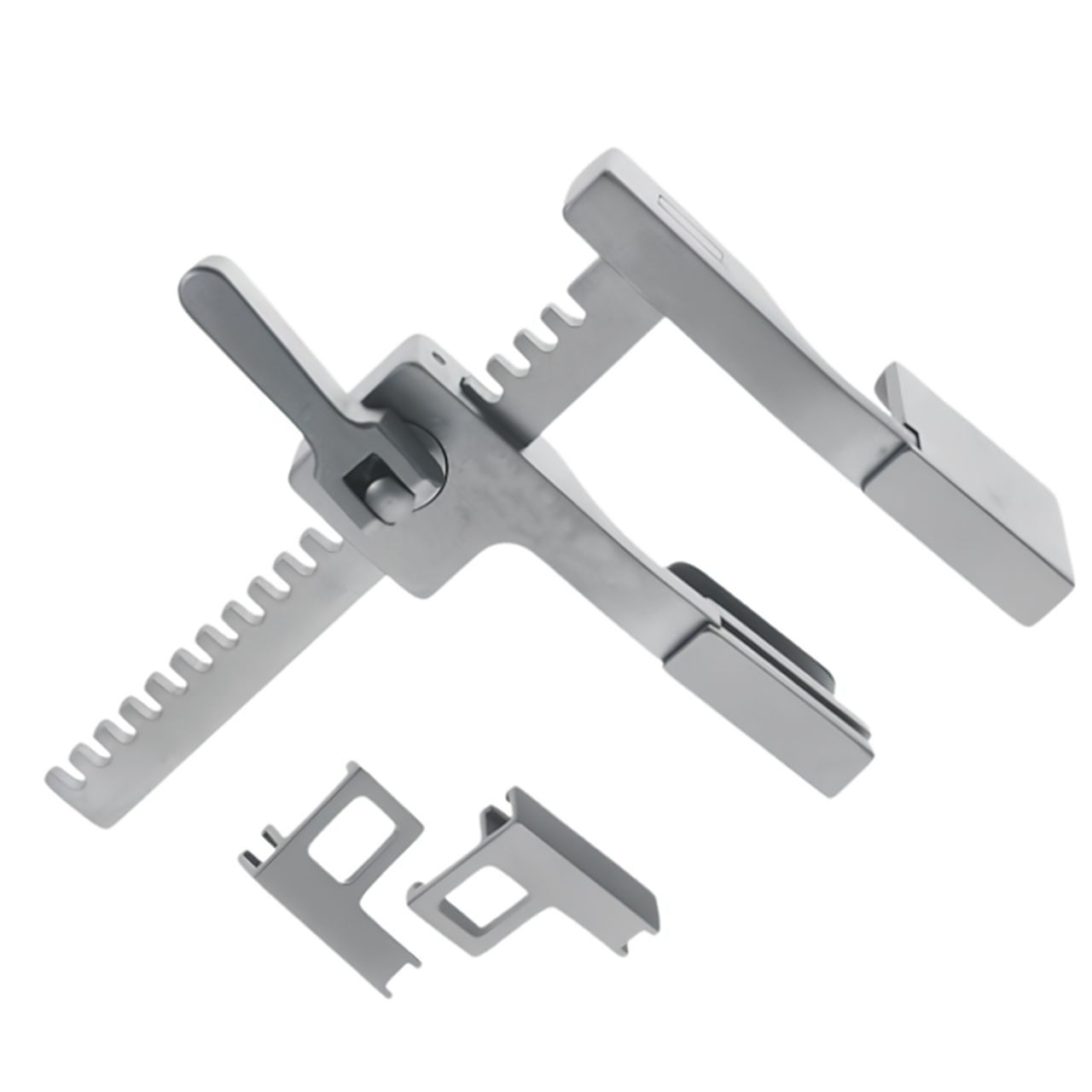 | Baby-Haight Ekartör (Rib Spreader) | Neonatal ve infant kardiyotorasik cerrahisinde kaburgaları ayırmak ve torasik erişim sağlamak için özel olarak tasarlanmıştır. |
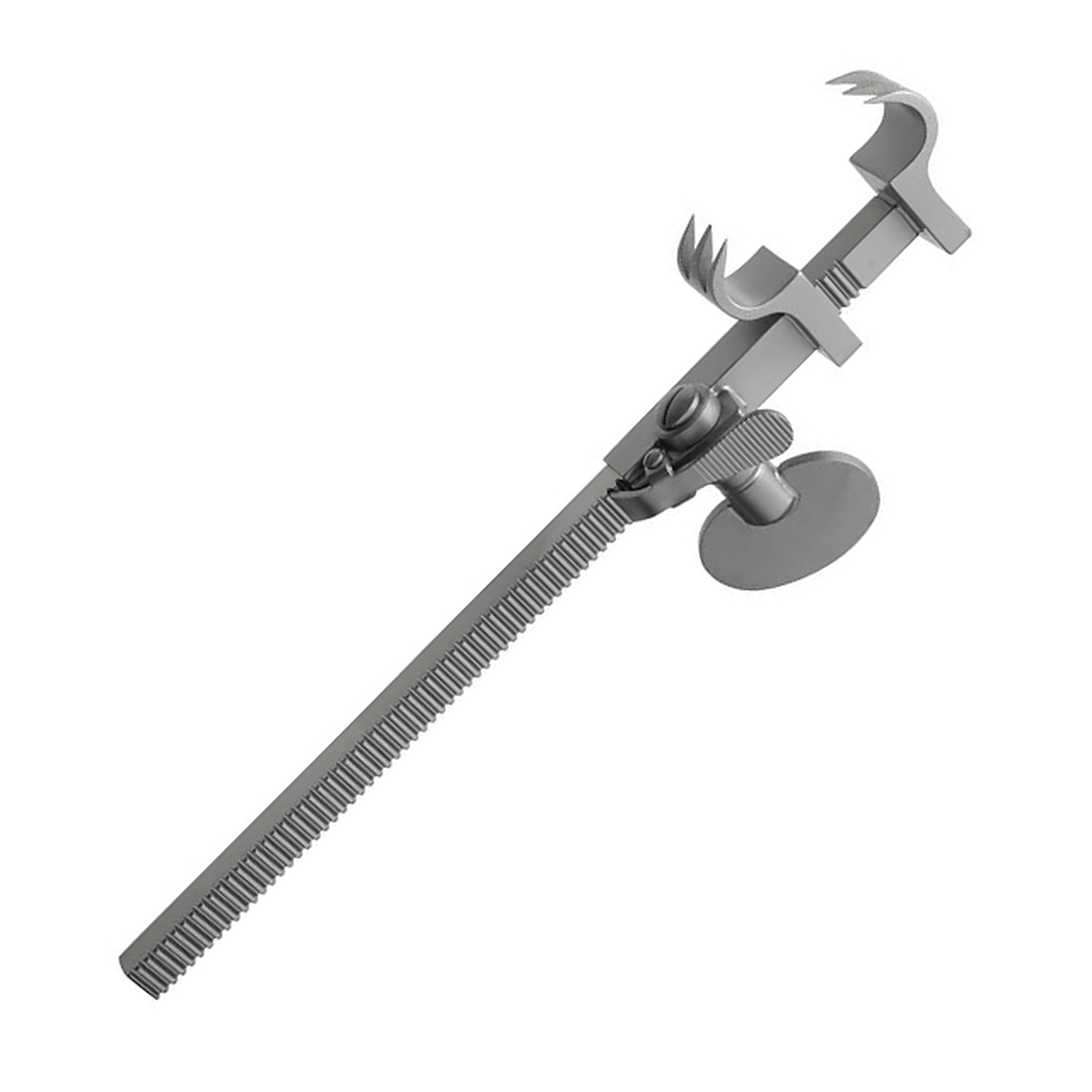 | Bailey Rib Contractor (Kaburga Yaklaştırıcı) | Torakotomi yarasının kapatılması sırasında kaburgaları birbirine yaklaştırmak ve göğüs kafesini stabilize etmek için özel olarak tasarlanmıştır. |
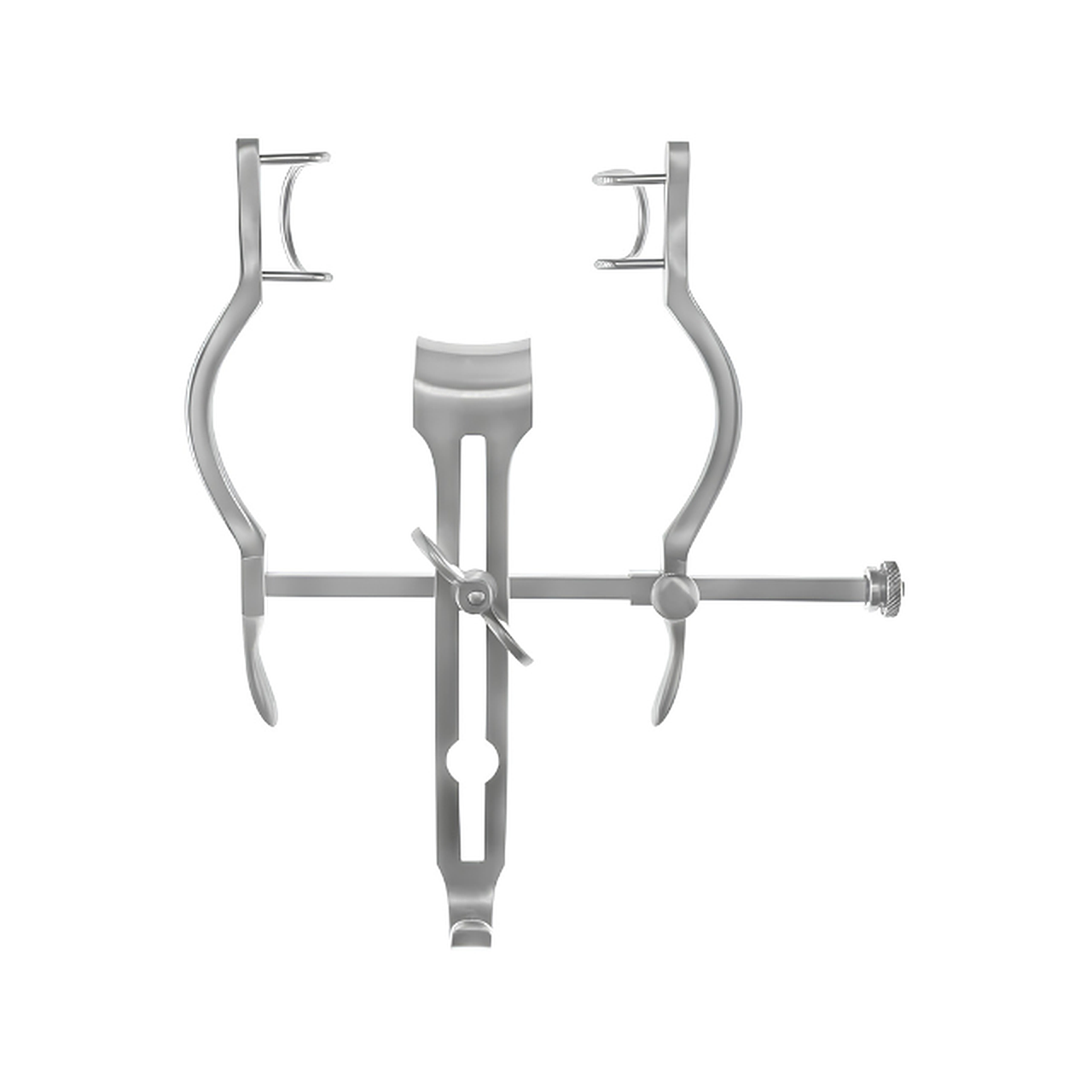 | Balfour Baby Otostatik Ekartör | Cerrahi prosedürler boyunca otostatik doku ekartasyonu sağlamak ve yapılandırılmış cerrahi görüşü korumak için özel olarak tasarlanmıştır. |
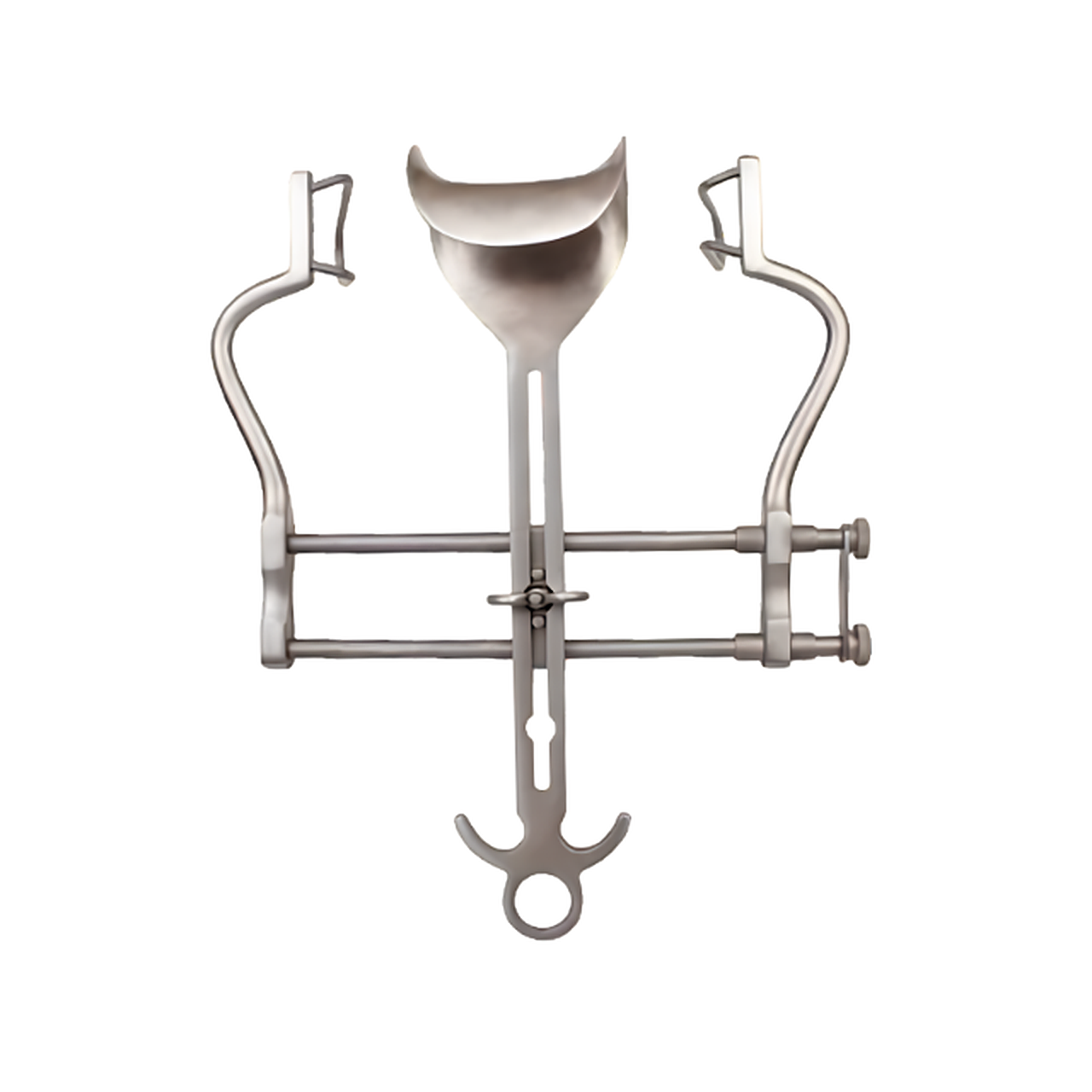 | Balfour Ekartör | Otomatik yumuşak doku retraksiyonu sağlamak ve operasyon alanının sürekli, eller serbest maruziyetini sürdürmek için tasarlanmıştır. |
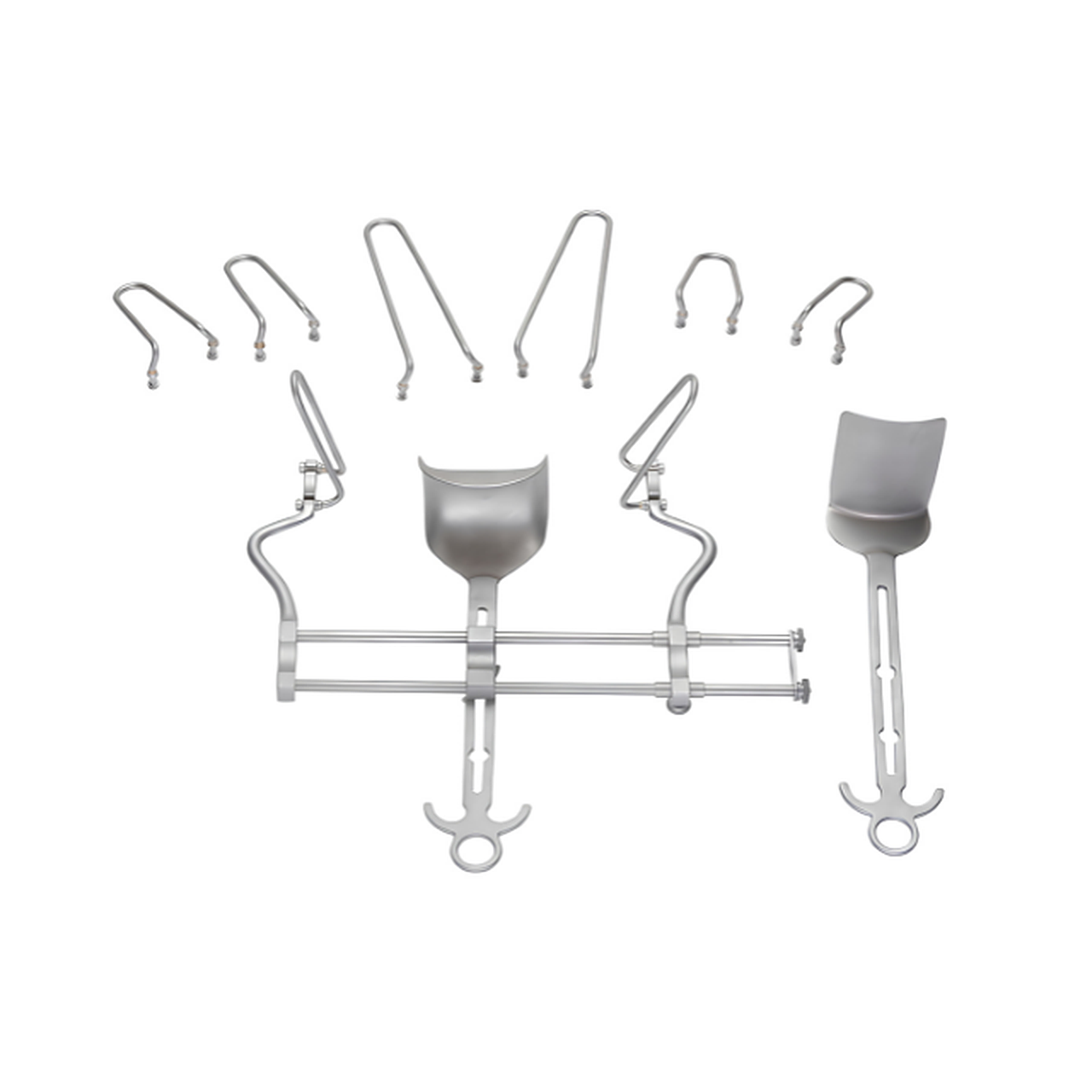 | Balfour USA Otostatik Ekartör | Operatif prosedürler sırasında otostatik yumuşak doku ekarte etme sağlamak ve yapılandırılmış cerrahi görüşü korumak için özel olarak tasarlanmıştır. |
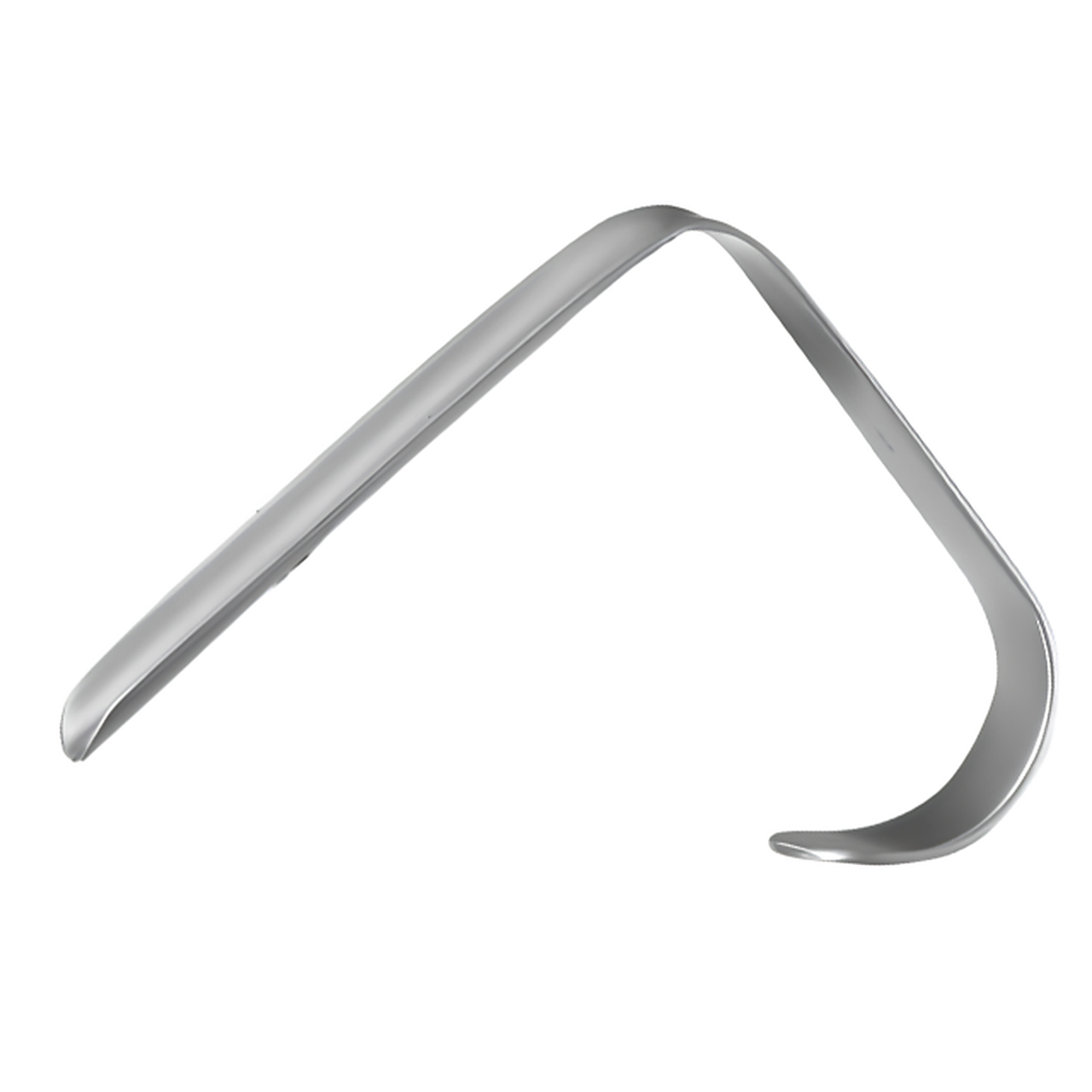 | Barsky Nazal Ekartör | Rinoplasti ve dudak yarığı/burun rekonstrüksiyonu sırasında alar rim ve burun duvarı yumuşak doku ekartasyonu için özel olarak tasarlanmıştır. |
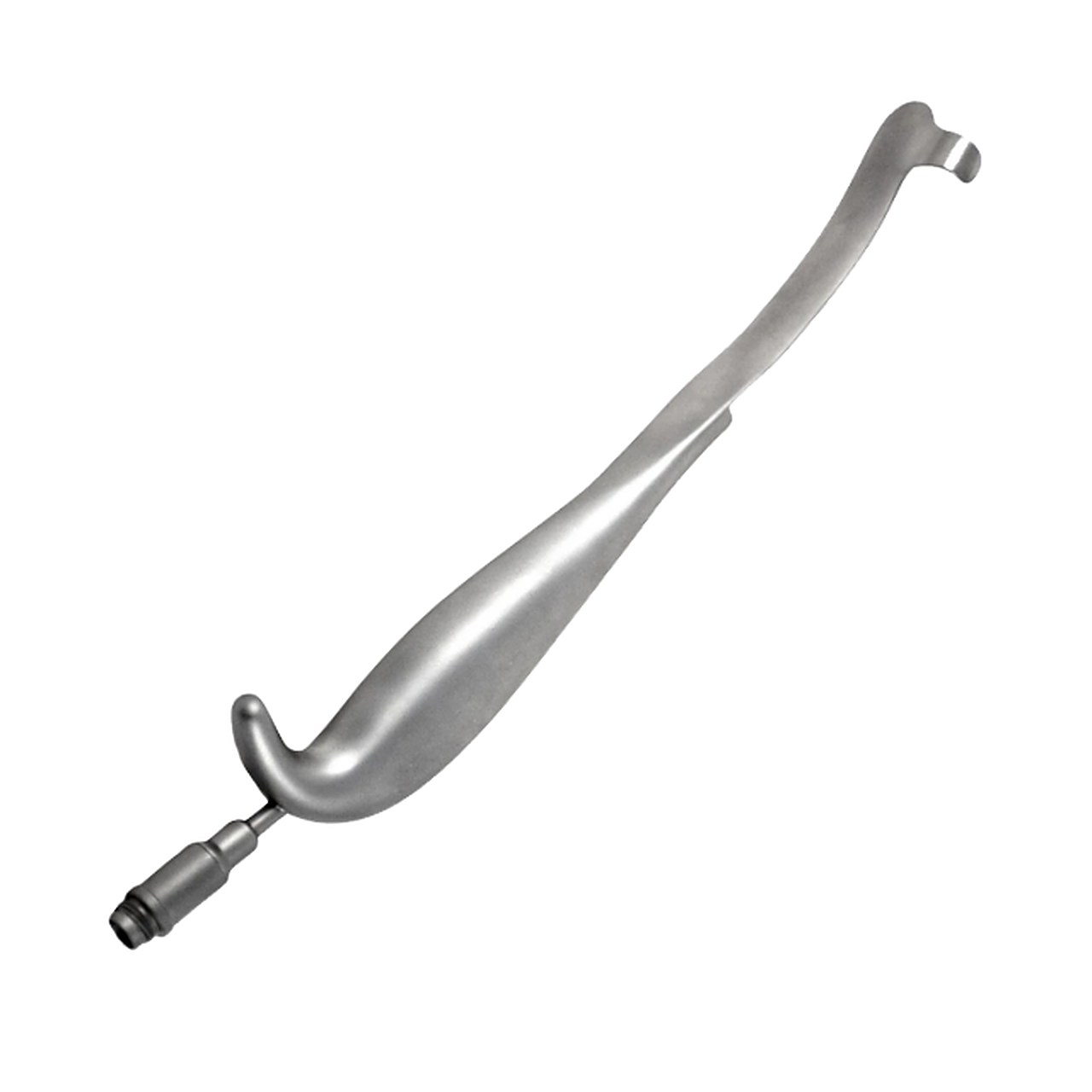 | Bauer Sigmoid Notch Intra Oral Ekartör | Ramus osteotomileri ve TME cerrahisi sırasında mandibular sigmoid çentiği kavramak ve yumuşak dokuyu ekarte etmek için özel olarak tasarlanmıştır. |
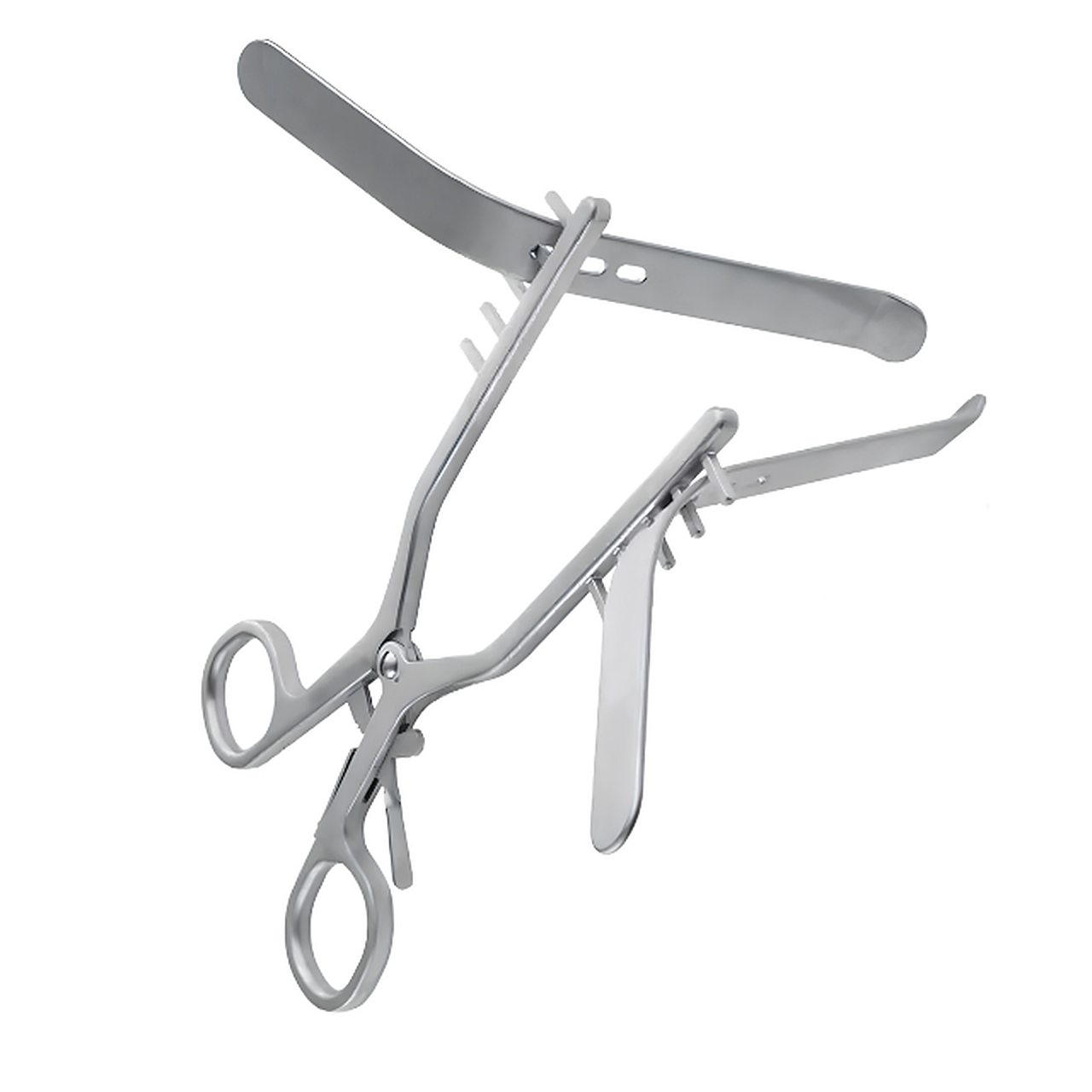 | Beard Distal Bicep Otostatik Ekartör | Distal biseps tendon onarımları sırasında eller serbest yumuşak doku retraksiyonu ve radial tüberozite maruziyeti için özel olarak tasarlanmıştır. |
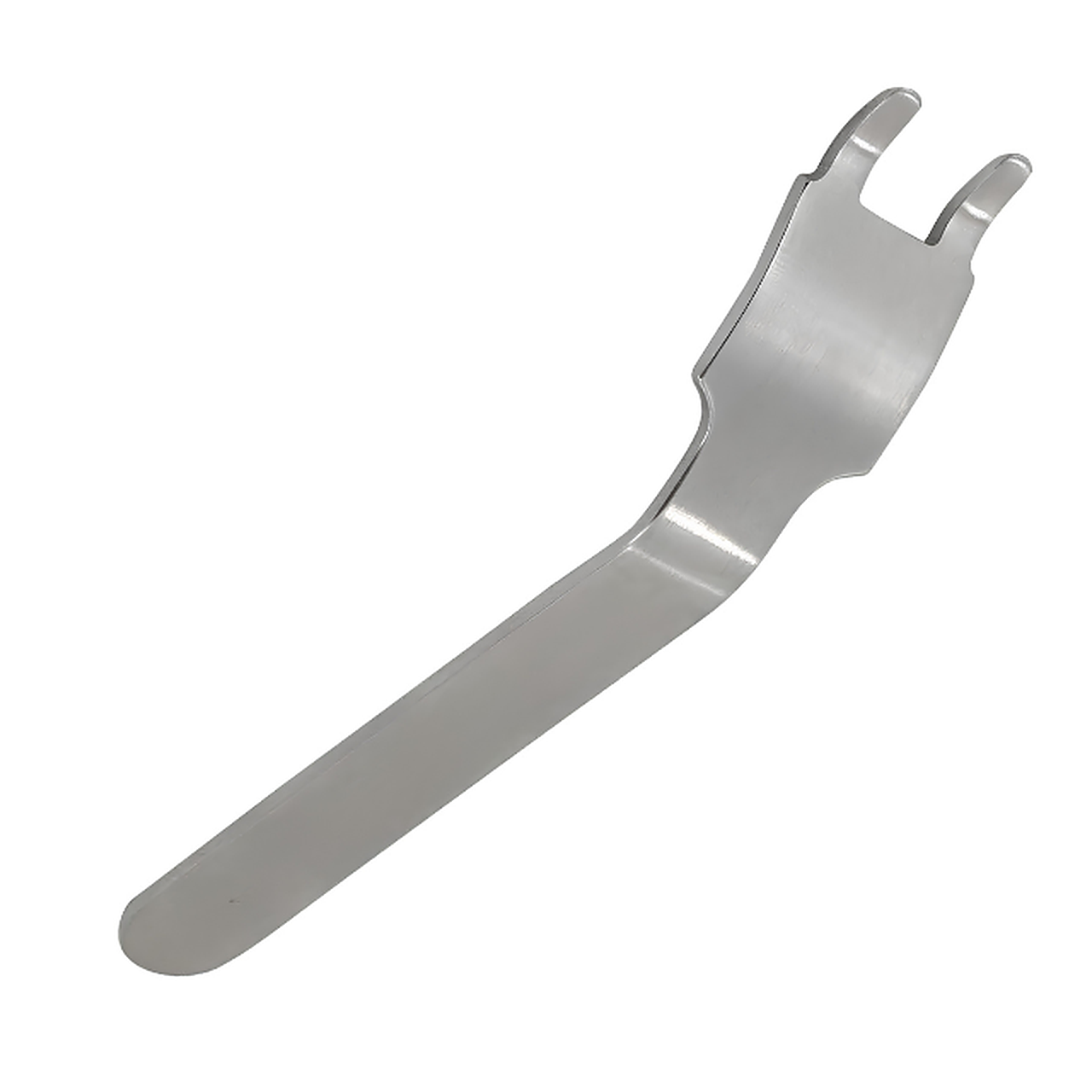 | Beard Distal Radius Geniş Hohmann Ekartörü | El bileği kırığı plaklaması sırasında distal radiusu açığa çıkarmak ve yumuşak doku ile pronator quadratusu ekarte etmek için özel olarak tasarlanmıştır. |
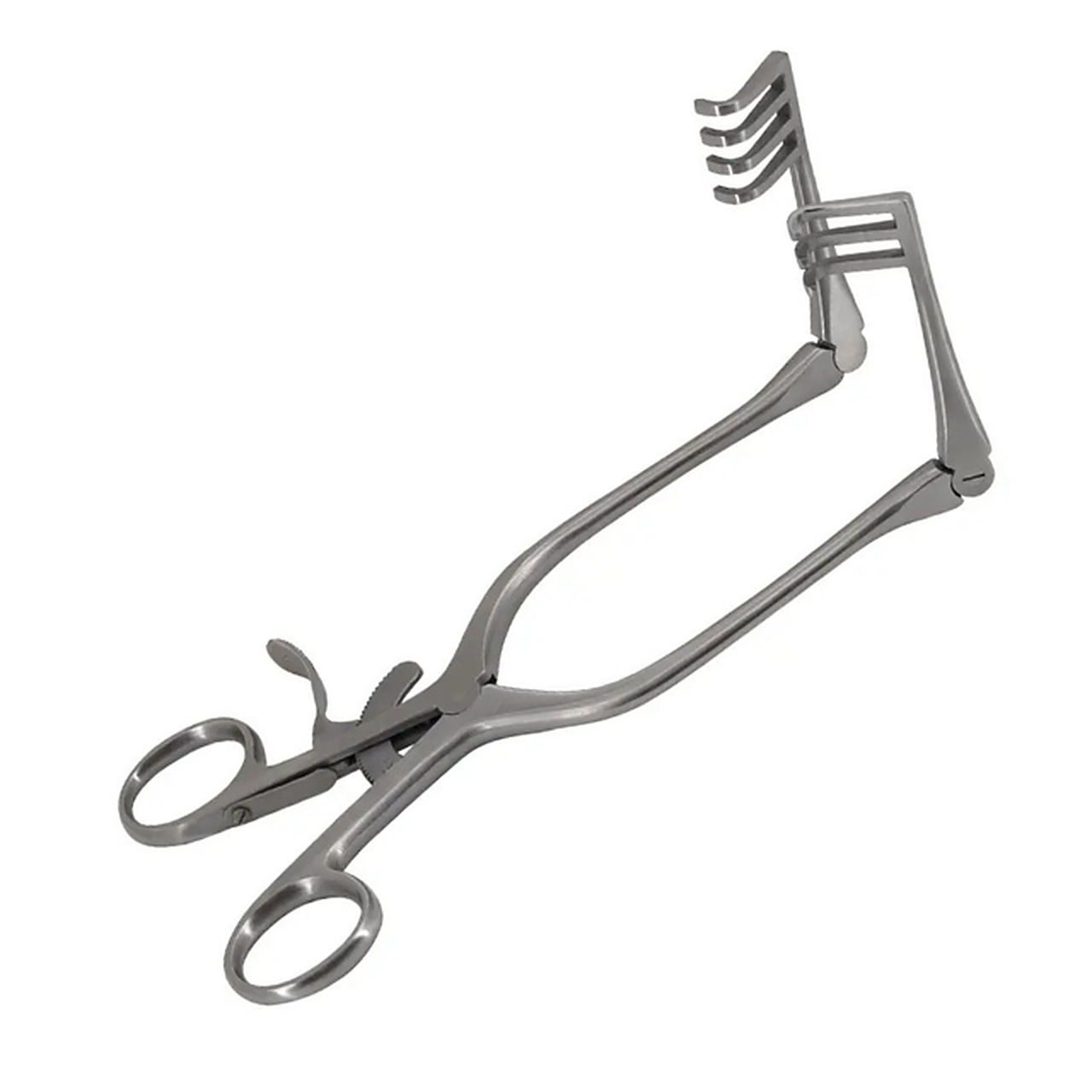 | Beckman-Weitlaner Otostatik Ekartör | Spinal ve ortopedik cerrahi sırasında otostatik, eklemli yumuşak doku ve kas retraksiyonu sağlamak için özel olarak tasarlanmıştır. |
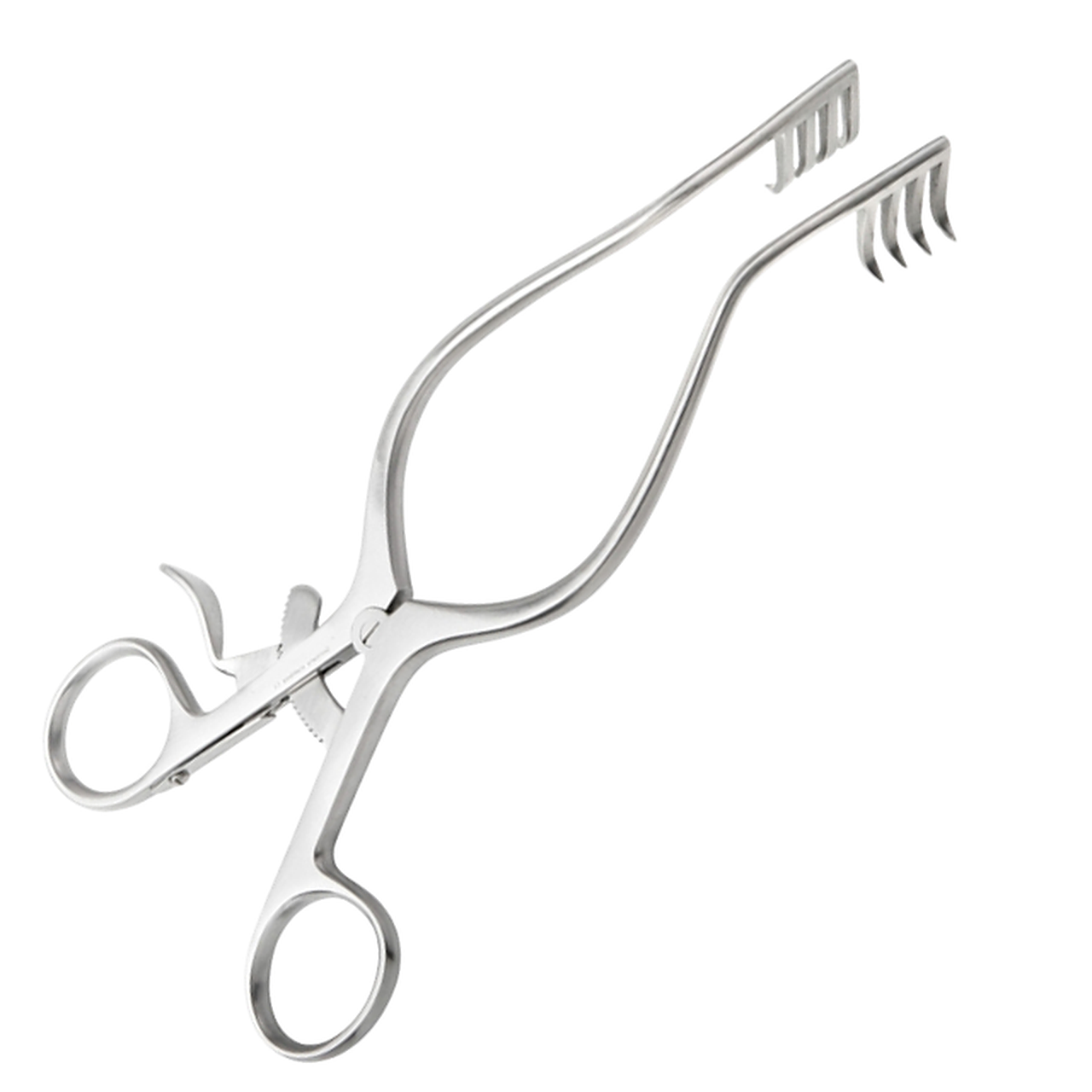 | Beckmann Adson Otostatik Ekartör | Spinal ve nöroşirürji operasyonları sırasında paraspinal kasların ve yumuşak dokuların otostatik (kendi kendine tutunan) ekartasyonunu sağlamak için özel olarak tasarlanmıştır. |
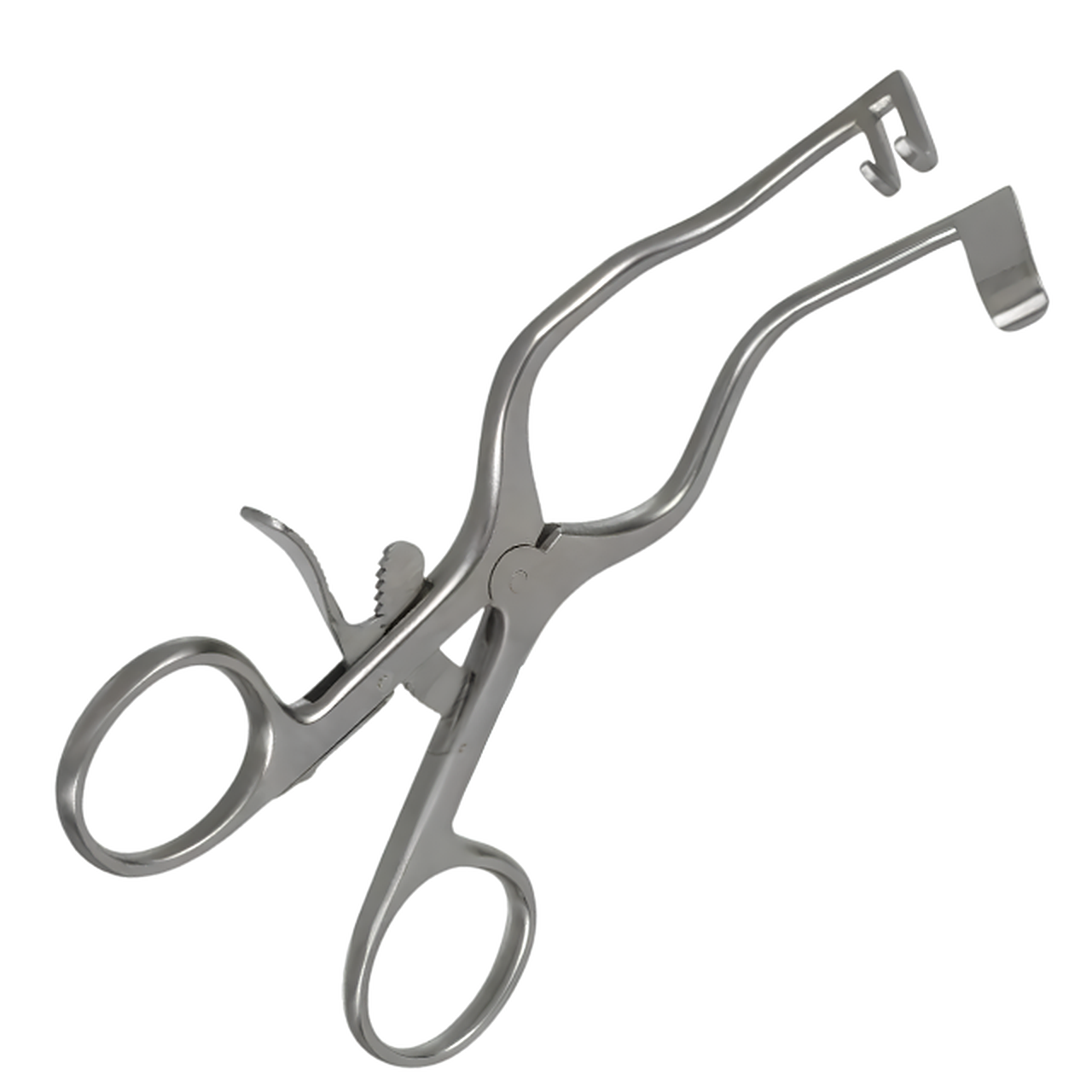 | Bellucci Endaural Ekartörler | Endaural kulak cerrahisi sırasında dış kulak yolu ve timpanik halkayı açığa çıkarmak için özel olarak tasarlanmıştır. |
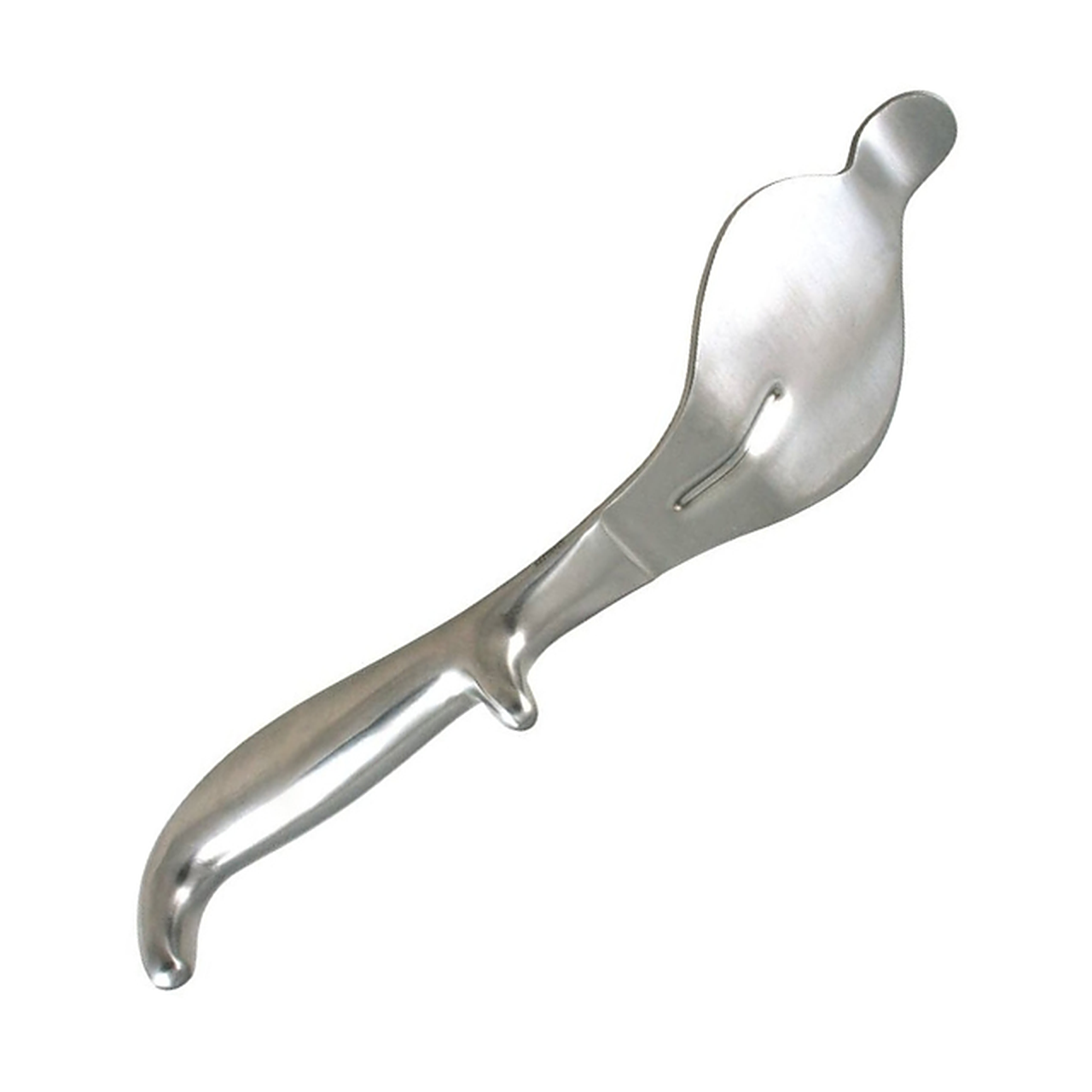 | Bennett Tibia Ekartörü | Diz artroplastisi ve tibial kırık fiksasyonu sırasında hacimli kas ve yumuşak dokuyu tibiadan uzaklaştırmak için özel olarak tasarlanmıştır. |
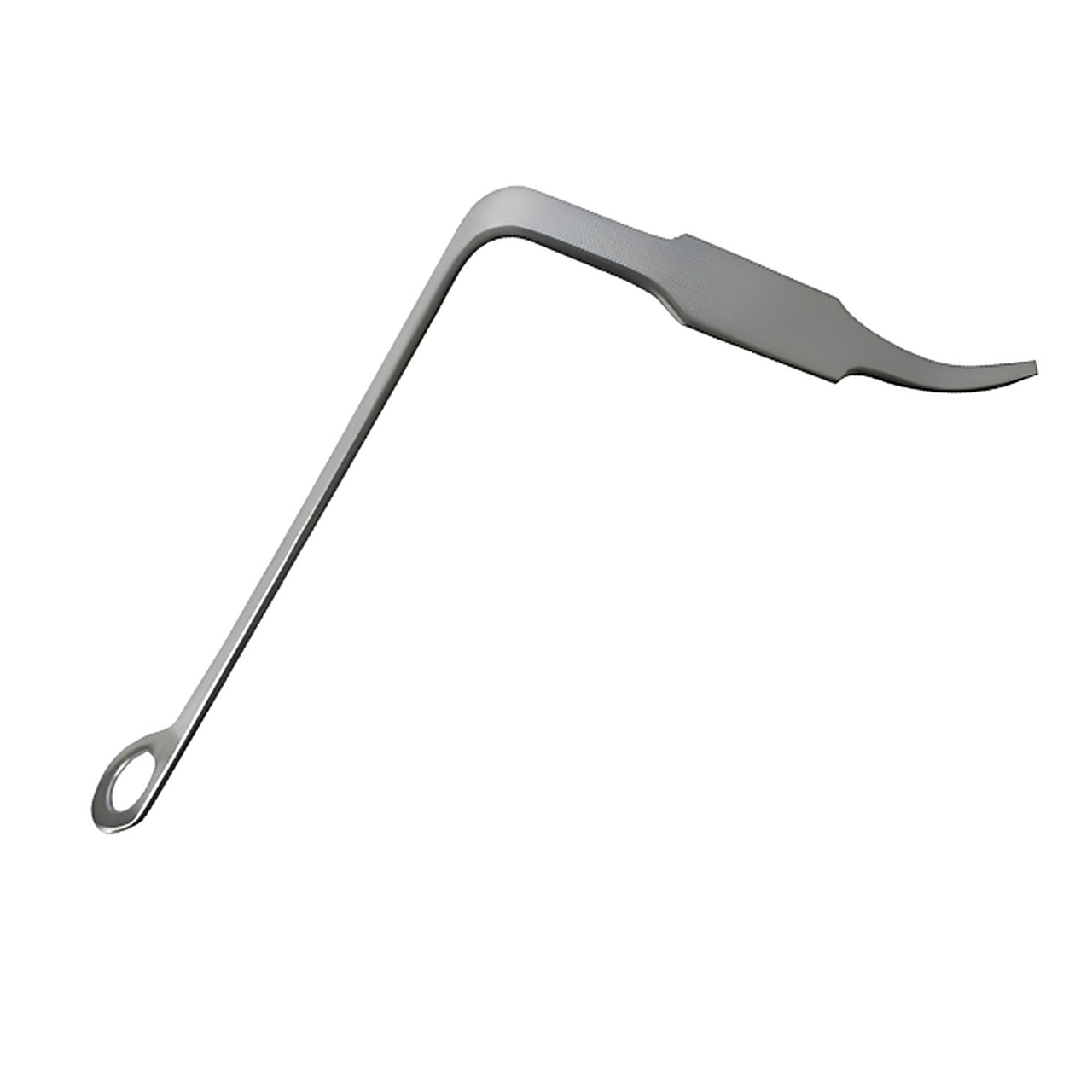 | Eğri Hohmann Ekartör | Kalça, diz ve uzun kemik ortopedik prosedürleri sırasında yumuşak doku ve kası kemikten uzaklaştırmak için özel olarak tasarlanmıştır. |
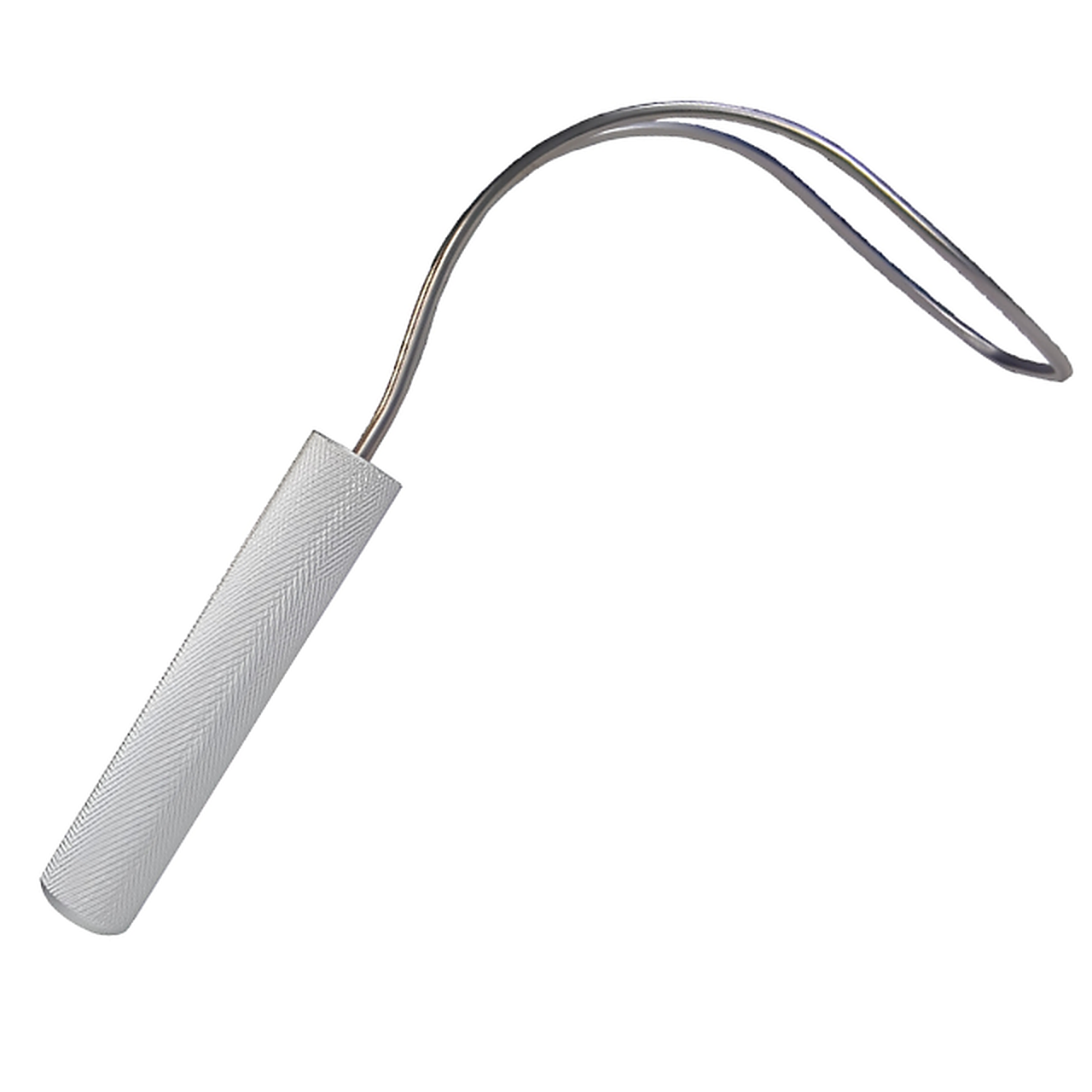 | Biggs Face Lift (Rhytidectomy) Ekartörü | Yüz kütanöz flaplerini kaldırmak ve ritidektomi ile estetik plastik cerrahi sırasında stabil bir görüş alanı sağlamak için özel olarak tasarlanmıştır. |
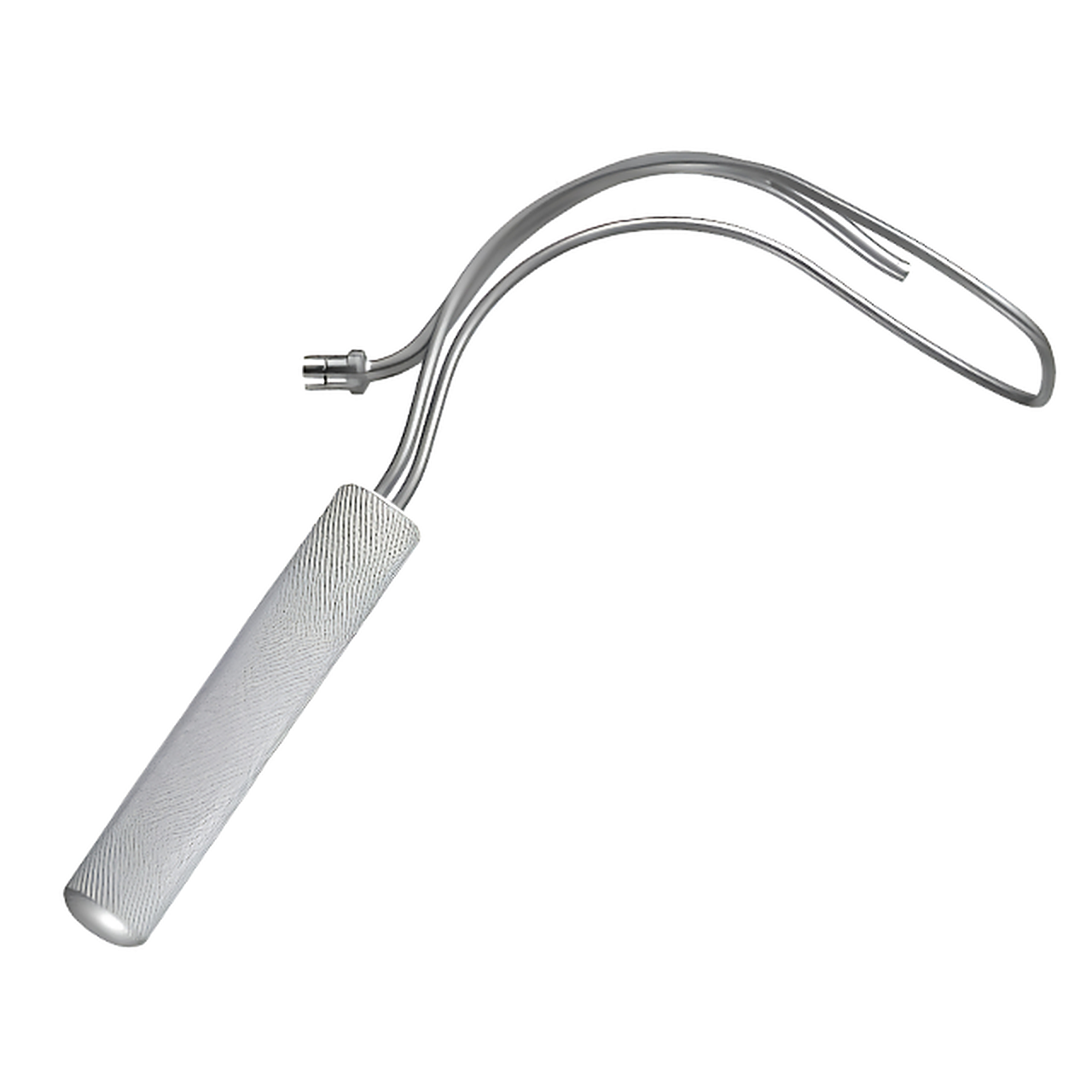 | Biggs Face Lift Retractor, With Fiber optic | Ritidektomi ve fasiyal plastik cerrahi sırasında ışıklı yumuşak doku retraksiyonu ve cilt flebi elevasyonu sağlamak için özel olarak tasarlanmıştır. |
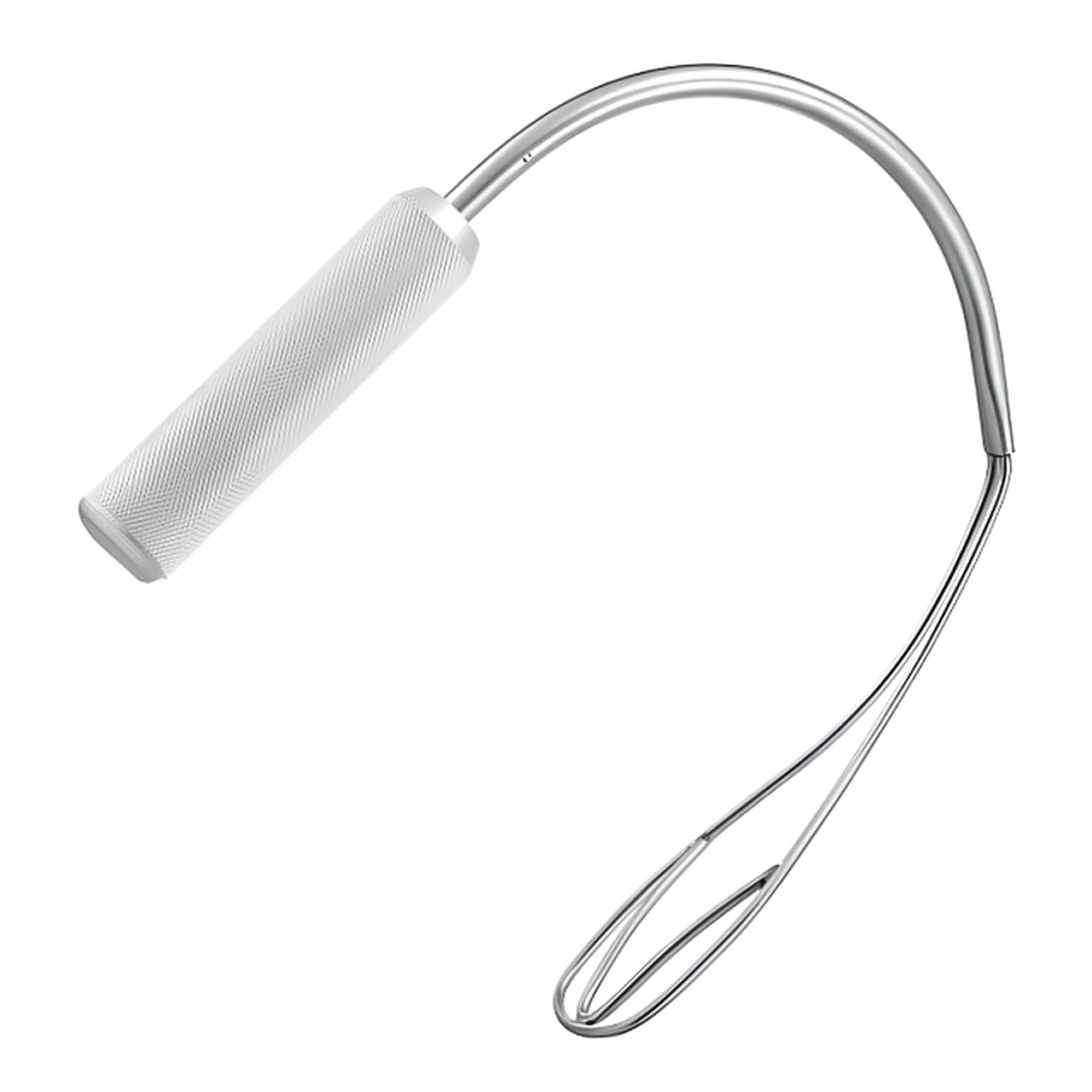 | Biggs Mammaplasty Ekartör, dar | Mamoplasti ve meme rekonstrüksiyonu sırasında meme parankimini ve pektoral kas fleplerini kaldırmak için özel olarak tasarlanmıştır. |
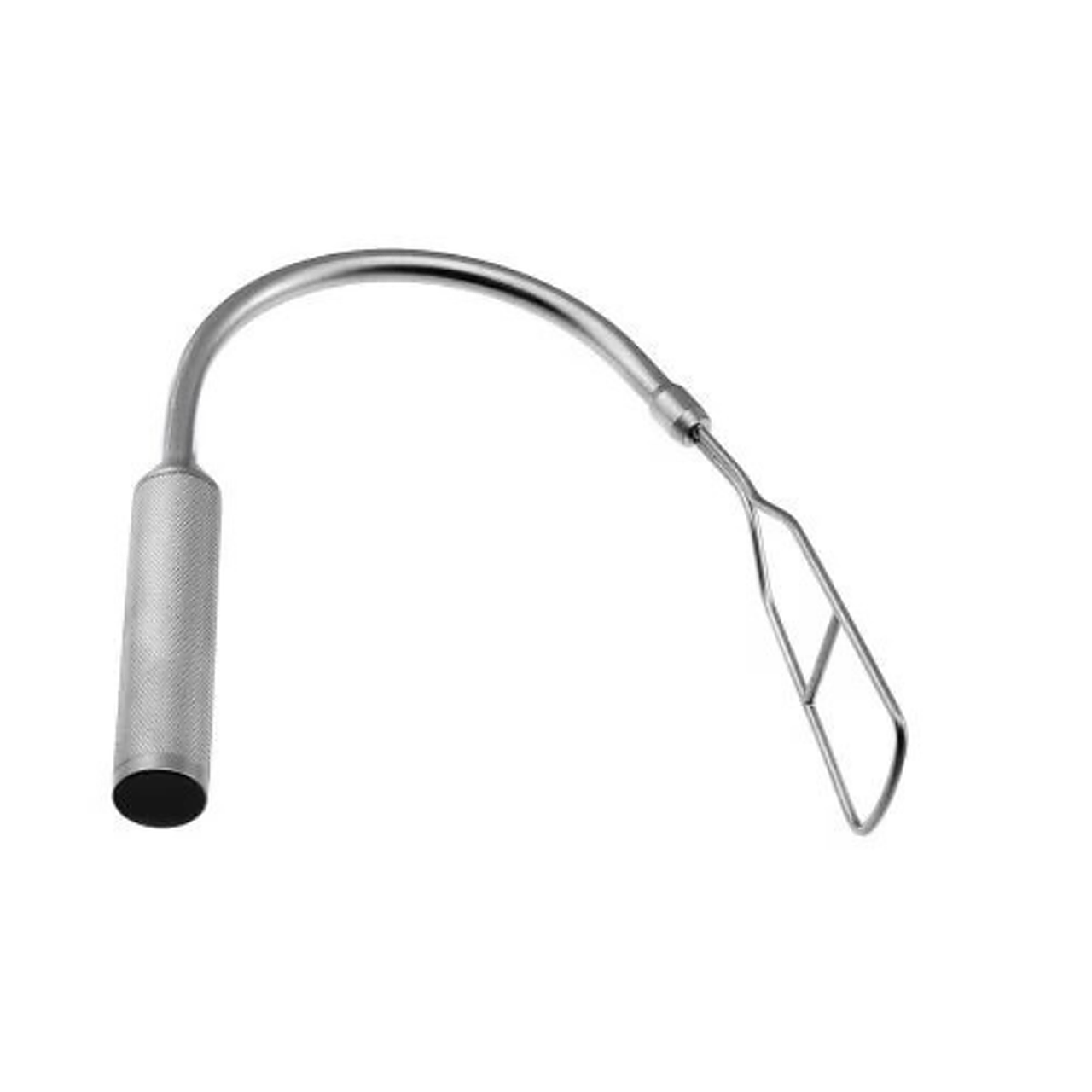 | Biggs Mammaplasty Retractor standard | Mammaplasti ve meme rekonstrüksiyonu sırasında meme parankimini ve pektoral kas fleplerini kaldırmak için özel olarak tasarlanmıştır. |
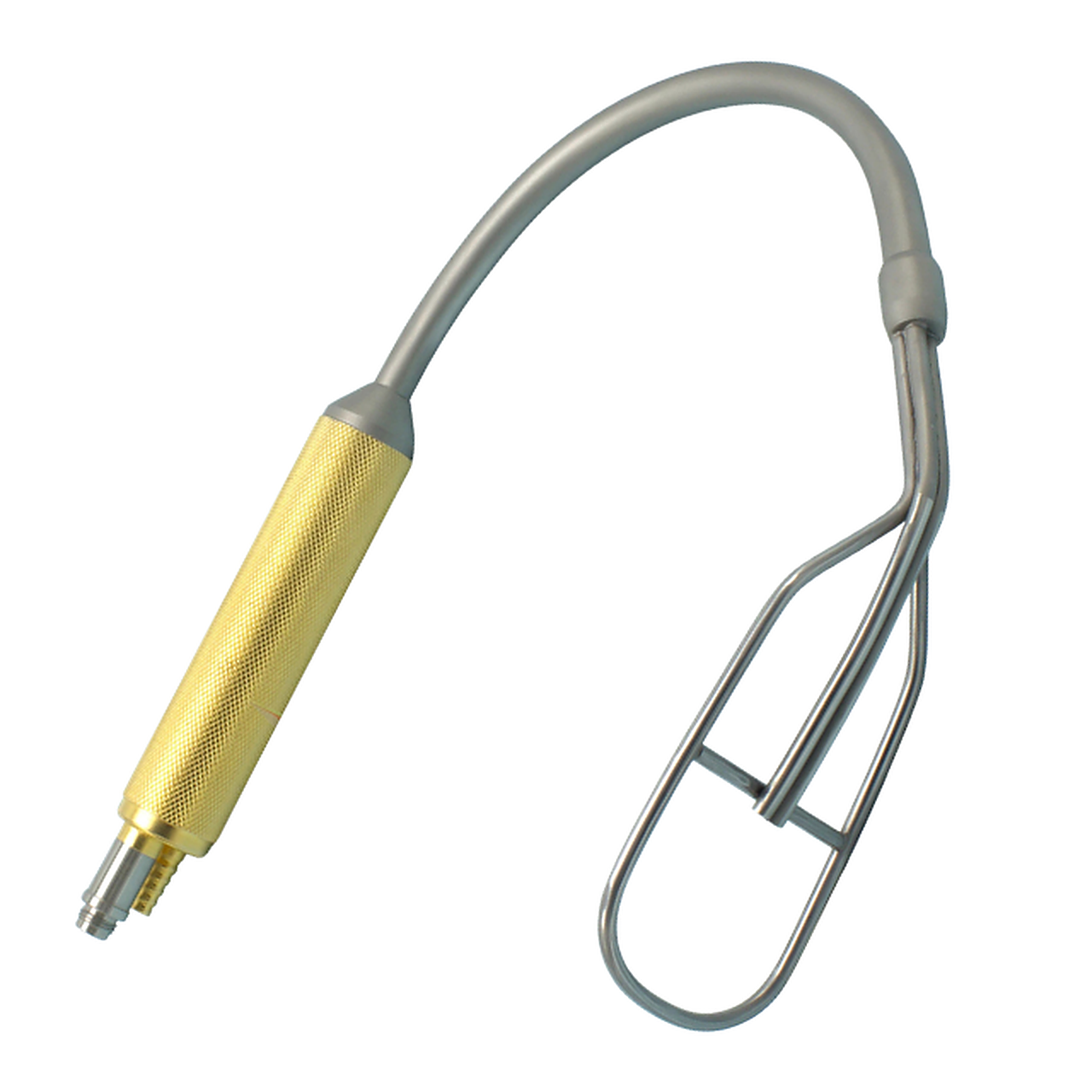 | Biggs Mammaplasty Retractor, Fiber Optics | Mamoplasti sırasında aydınlatmalı yumuşak doku retraksiyonu, duman tahliyesi ve cep görselleştirmesi sağlamak için özel olarak tasarlanmıştır. |
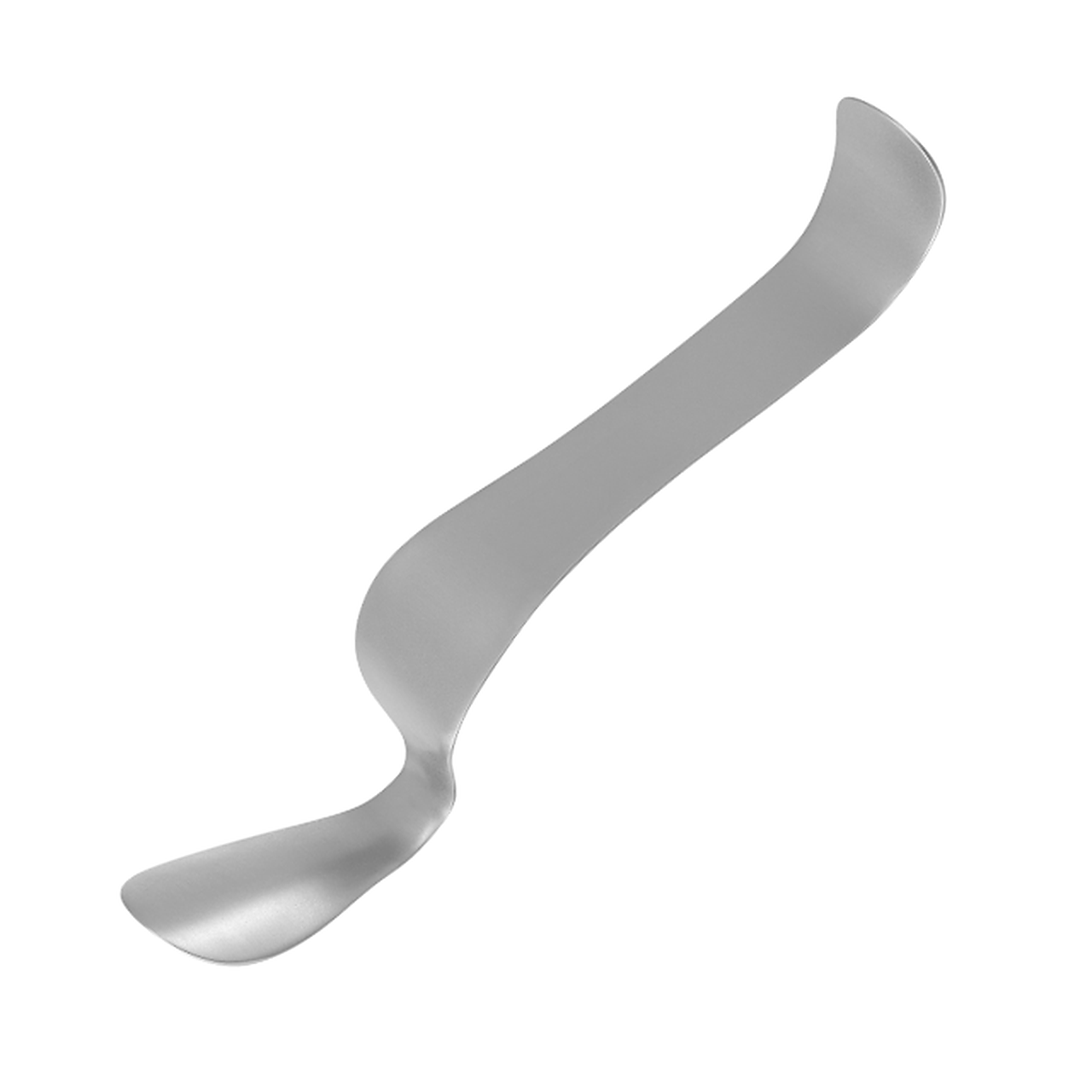 | Bishop Dudak ve Yanak Ekartörü | Ağız içi ve diş cerrahisi prosedürleri sırasında dudakları, yanakları ve bukkal mukozayı ekarte etmek ve korumak için özel olarak tasarlanmıştır. |
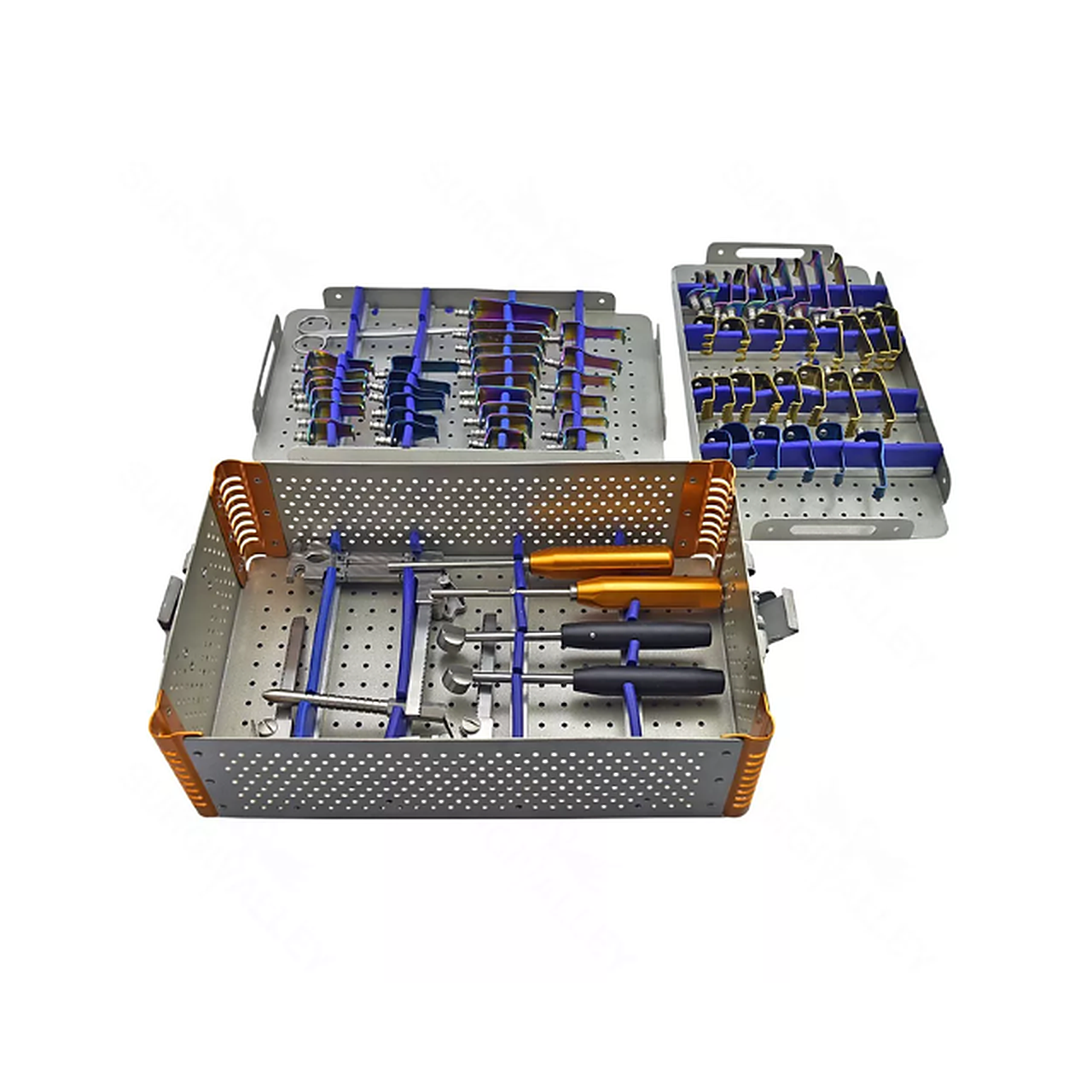 | Black Belt Servikal Ekartör Sistemi | Servikal omurga prosedürleri sırasında kontrollü doku ekartasyonu ve hassas cerrahi görüş sağlamak için özel olarak tasarlanmıştır. |
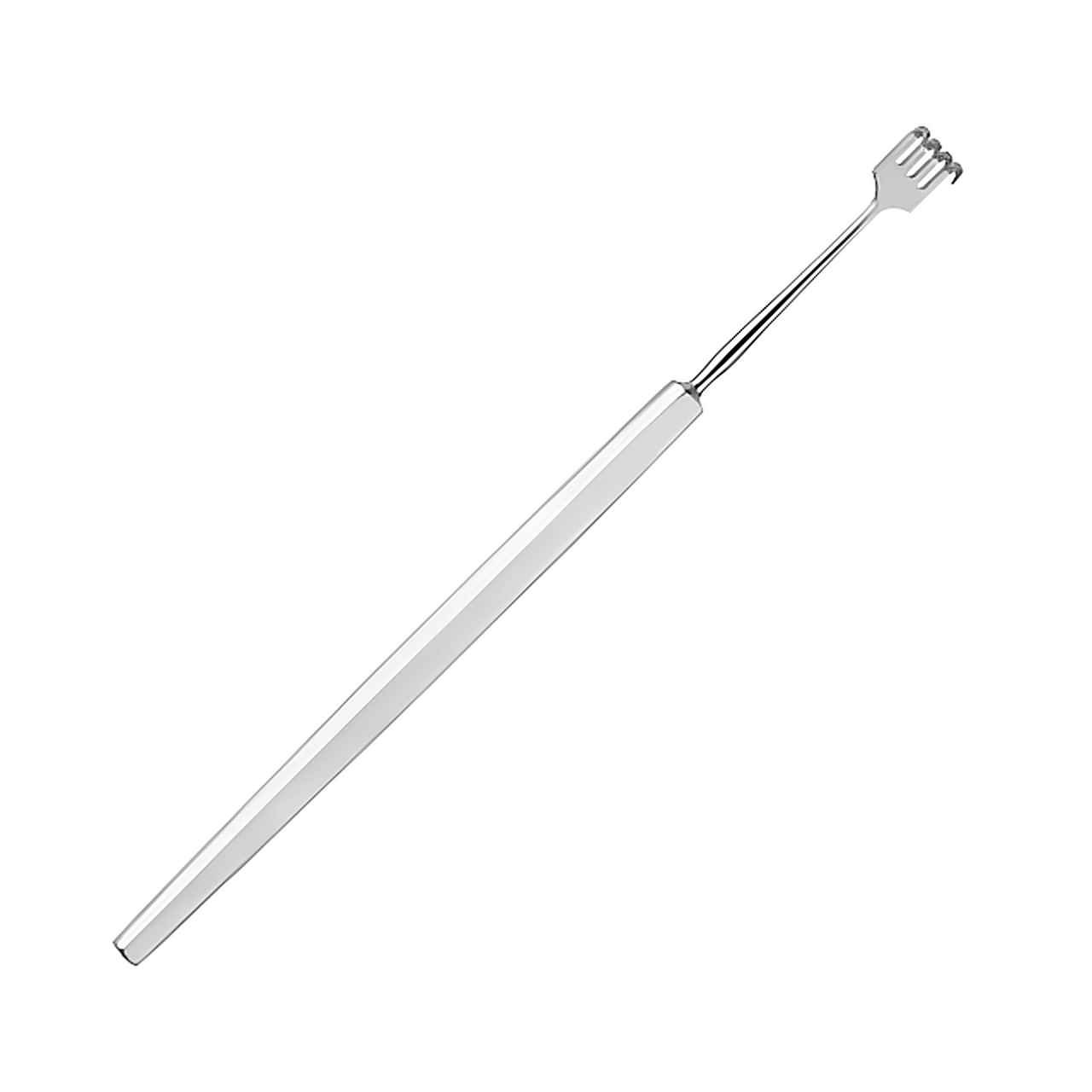 | Blair Parmak Ekartörü | Plastik ve el cerrahisinde hassas deri flebi elevasyonu, yumuşak doku retraksiyonu ve yara kenarı stabilizasyonu için özel olarak tasarlanmıştır. |
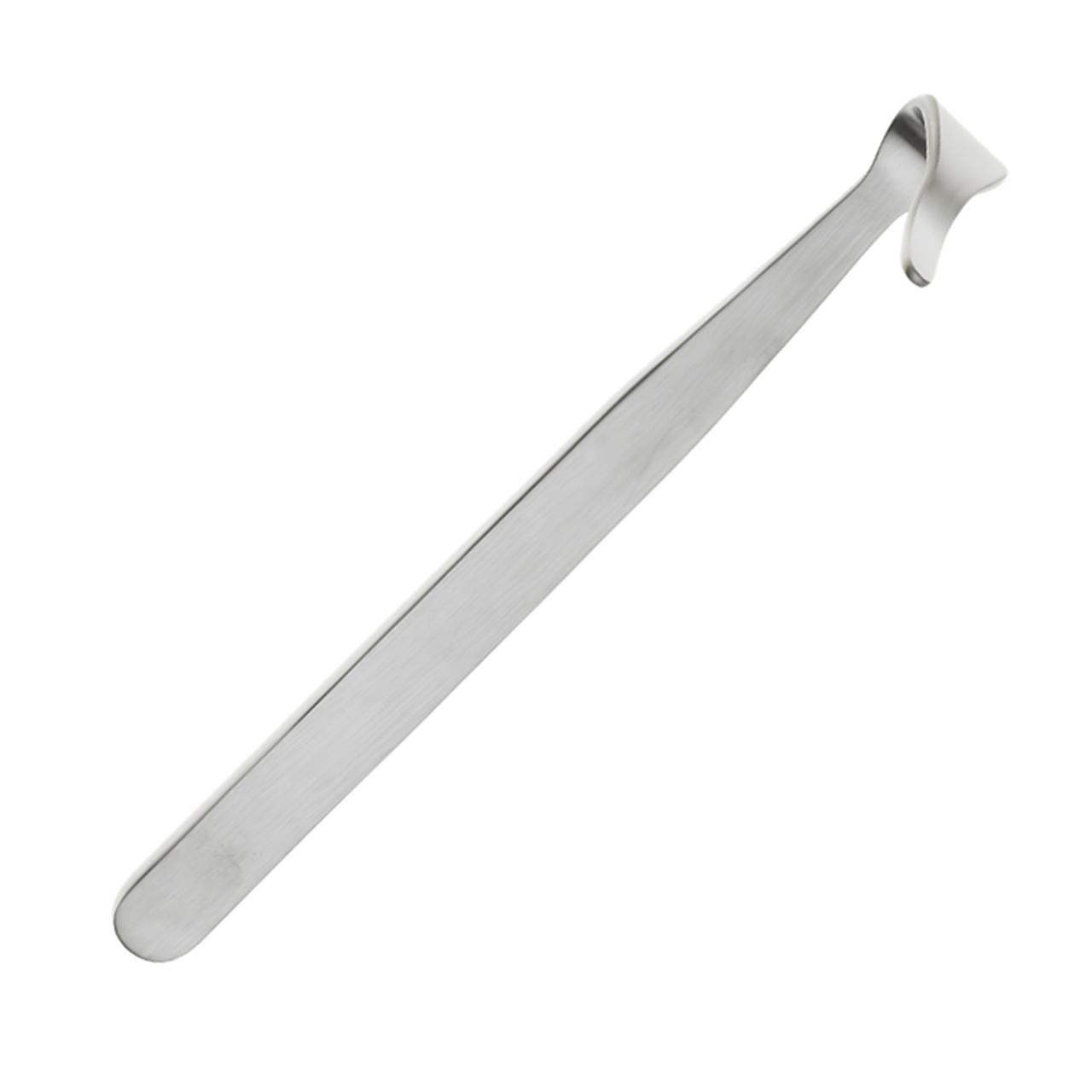 | Blount Diz Ekartörü | Diz artroplastisi ve rekonstrüktif diz prosedürleri sırasında kollateral ligamentleri ve yumuşak dokuyu ekarte etmek için özel olarak tasarlanmıştır. |
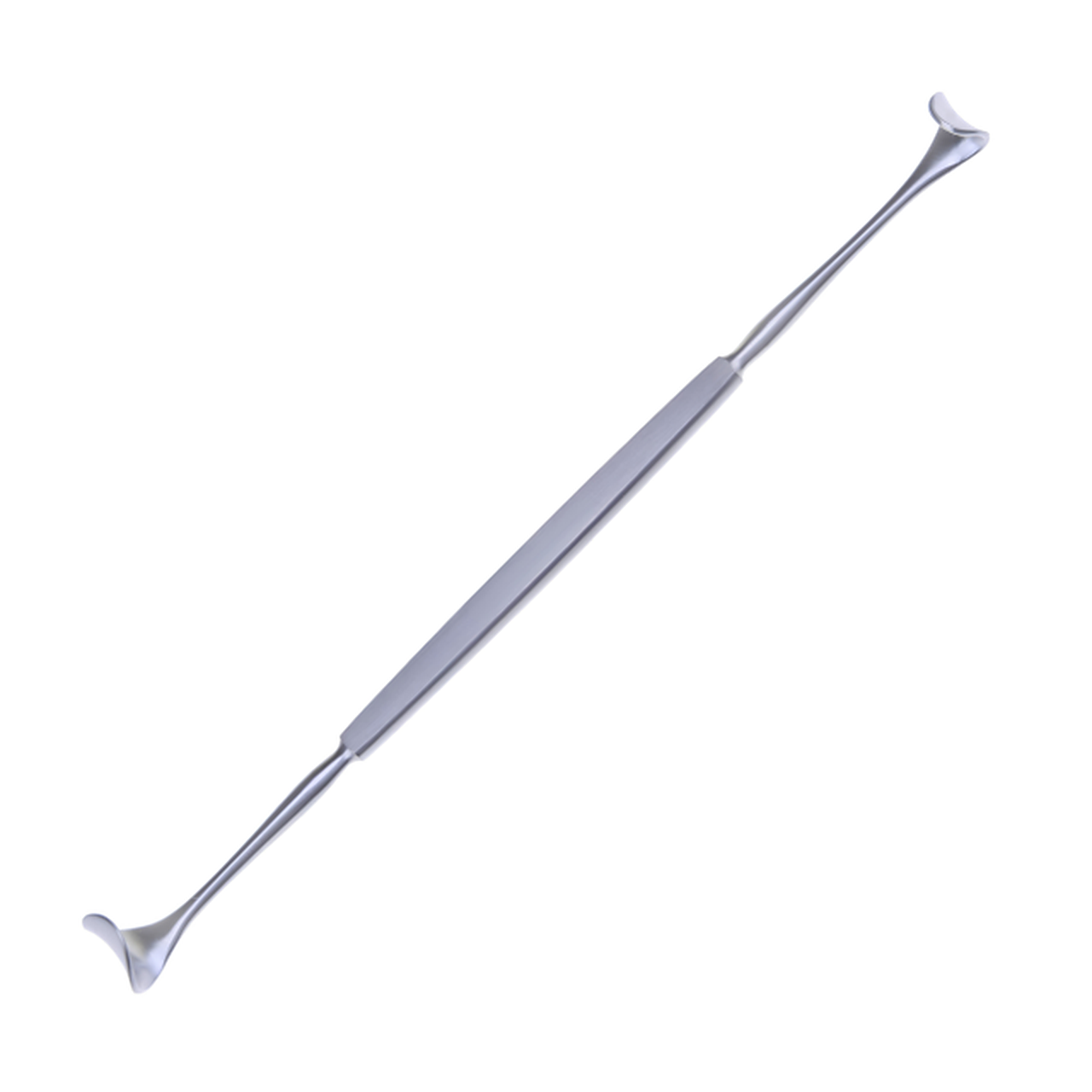 | Boley Ekartör | Genel cerrahi, plastik cerrahi ve ortopedik prosedürlerde manuel yumuşak doku ve yara kenarı ekartasyonu sağlamak üzere tasarlanmıştır. |
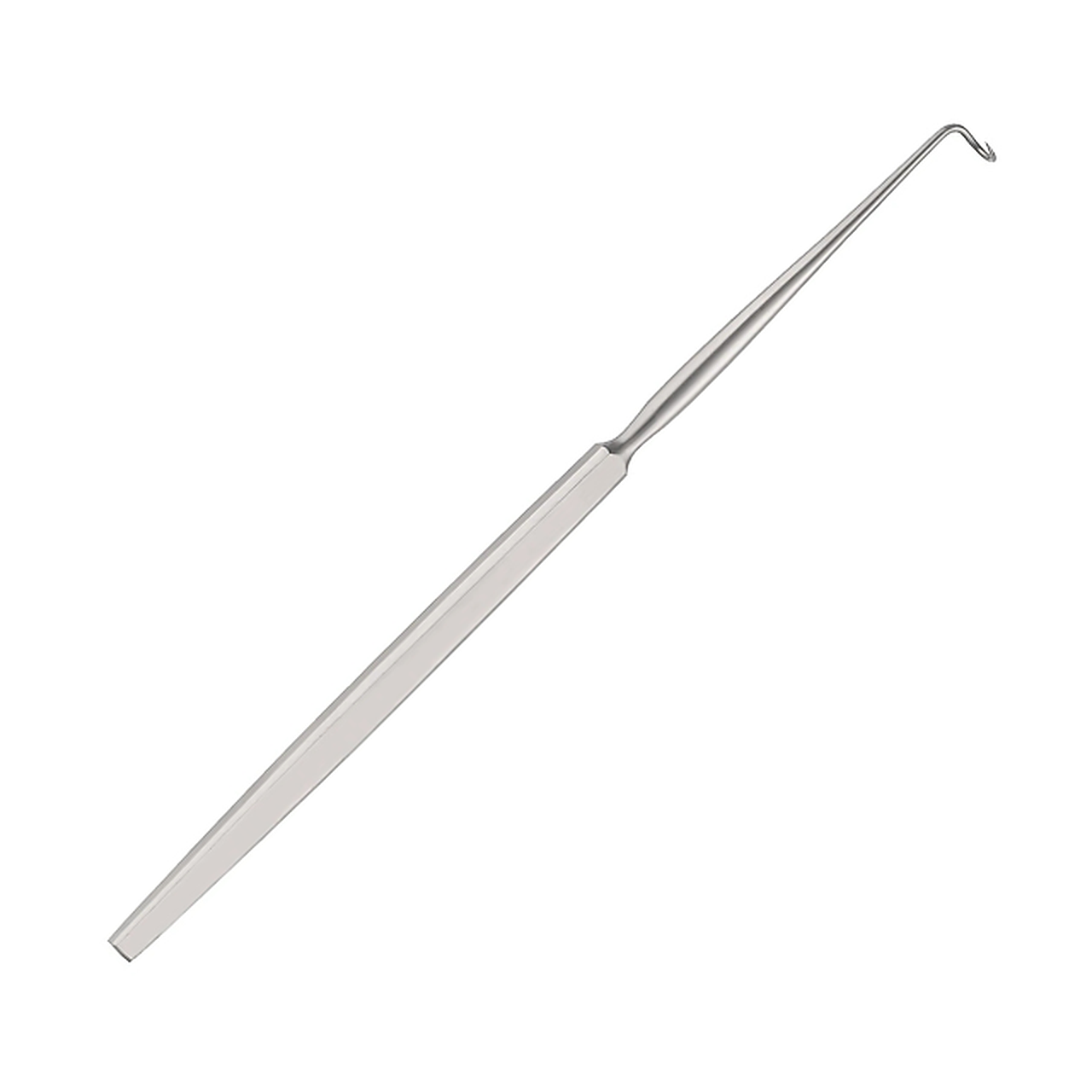 | Bose Tracheal Ekartör | Trakeostomi prosedürleri sırasında pretrakeal dokuları ekarte etmek ve trakeal kıkırdakları stabilize etmek için özel olarak tasarlanmıştır. |
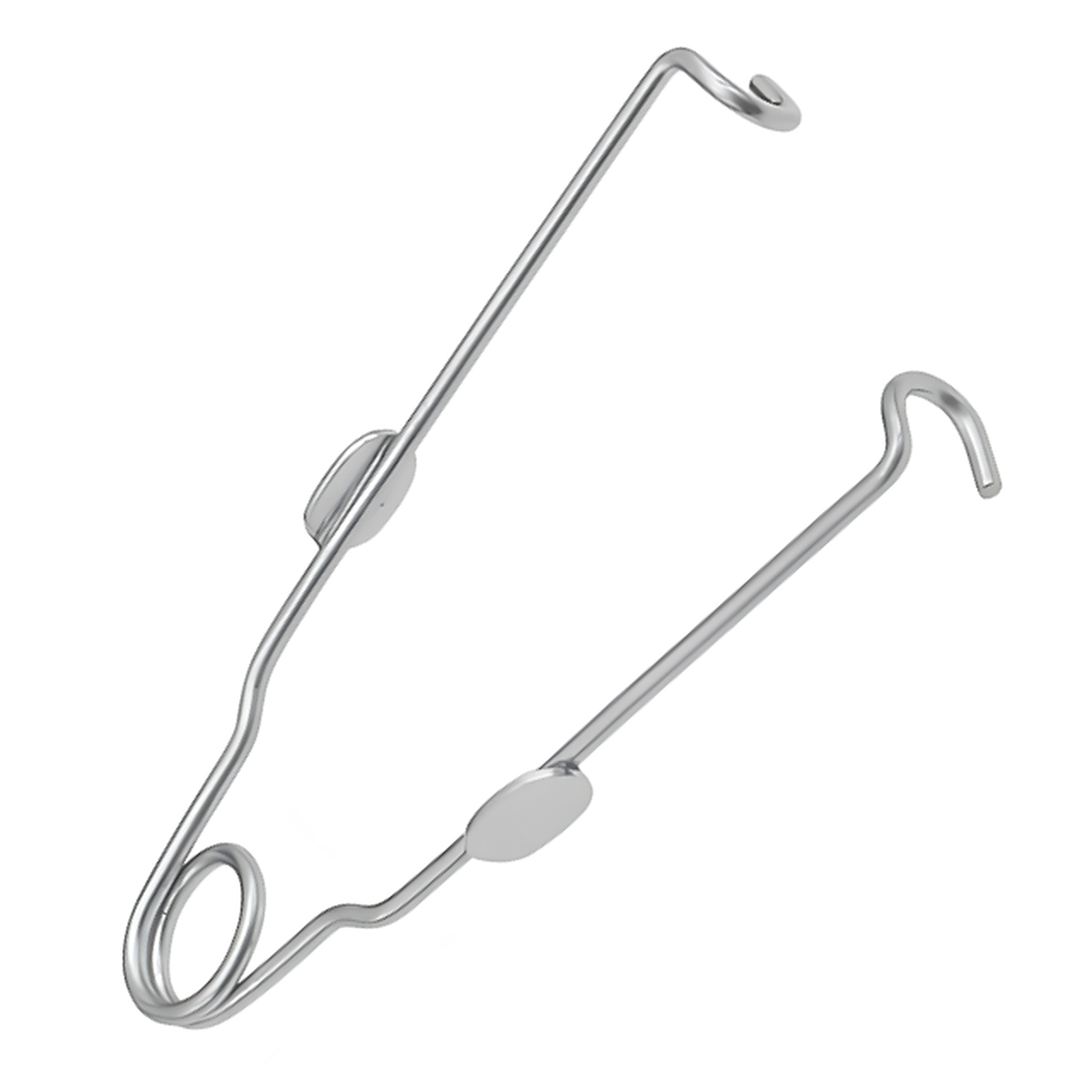 | Bose Tracheal Retractor Spring Type | Trakeostomi sırasında trakeal kenarların yay destekli, kendi kendini tutan retraksiyonu ve stabilizasyonu sağlamak için özel olarak tasarlanmıştır. |
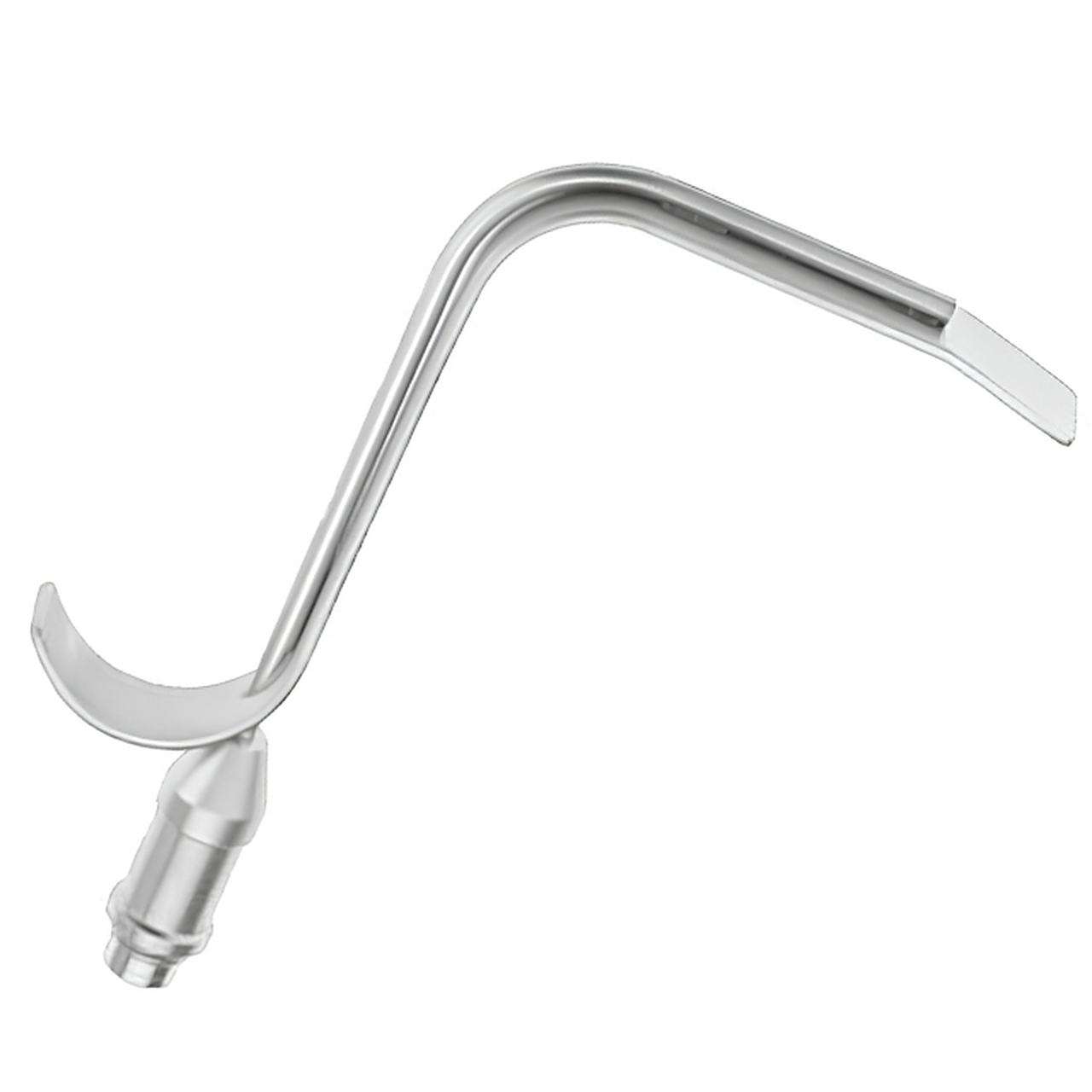 | Breast Engler Ekartör | Meme büyütme ve rekonstrüksiyonu sırasında derin cerrahi kaviteleri aydınlatmak ve doku fleplerini kaldırmak için özel olarak tasarlanmıştır. |
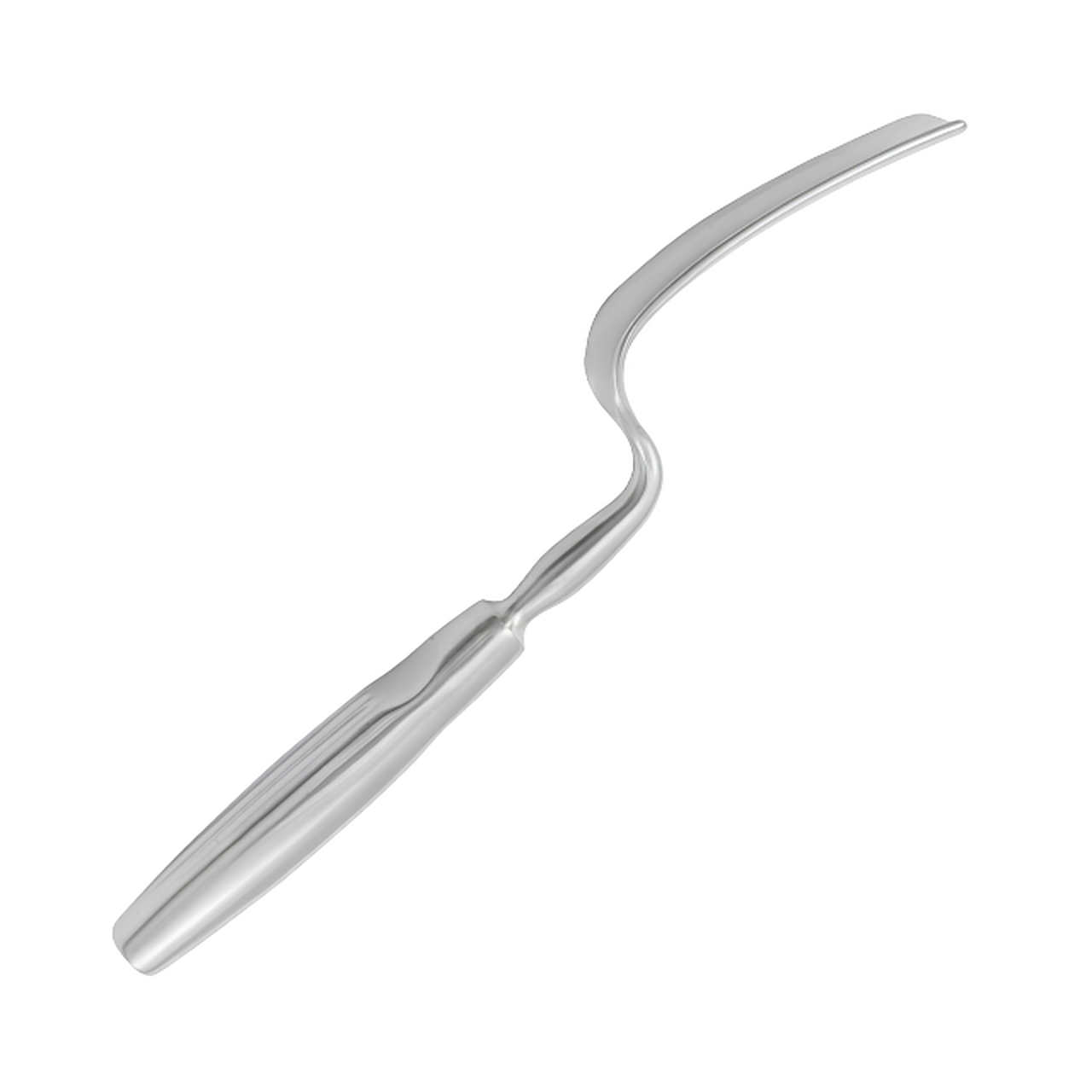 | Breisky Vajinal Ekartör | Jinekolojik müdahaleler sırasında vajinal duvarları ekarte etmek ve derin pelvik görüntüleme sağlamak için özel olarak tasarlanmıştır. |
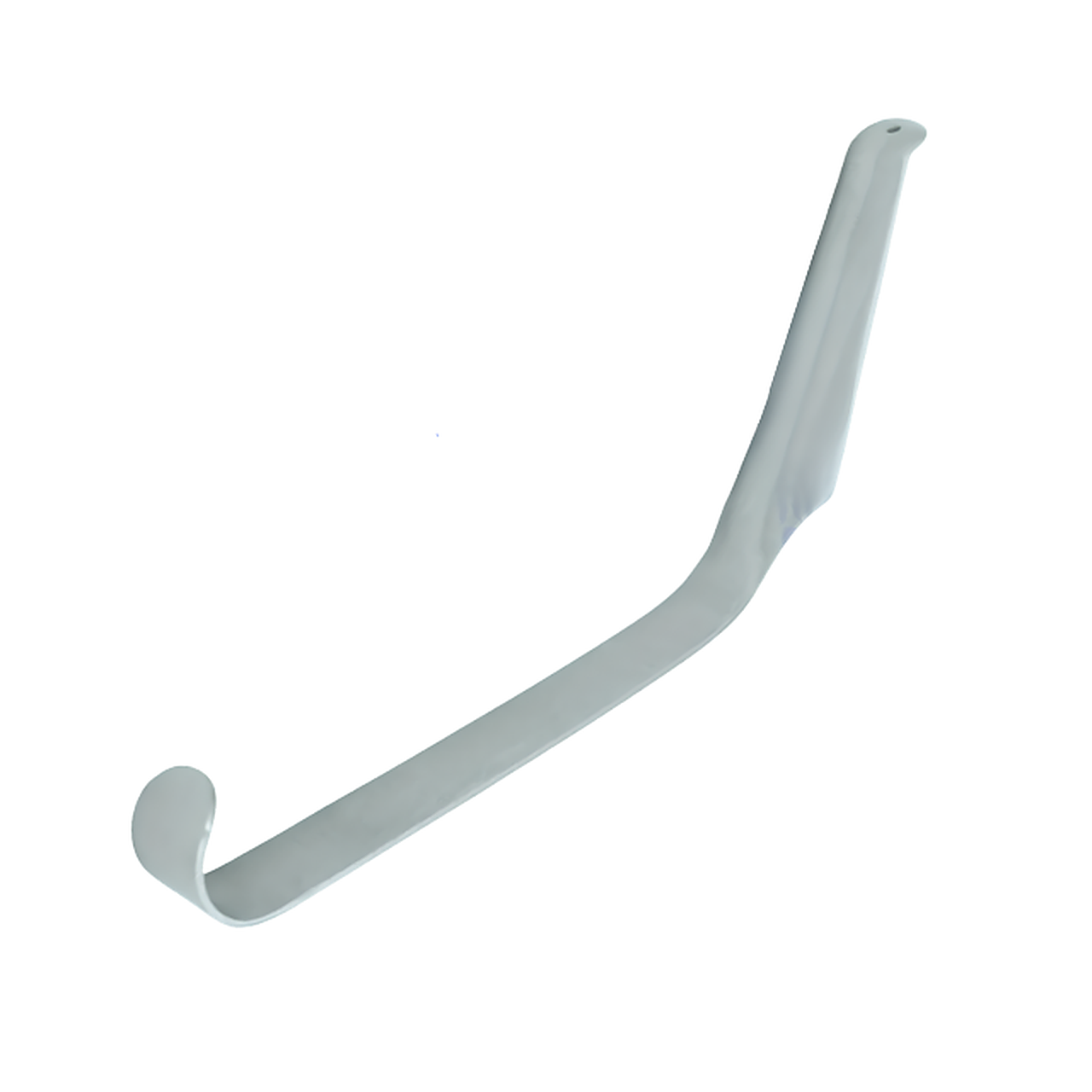 | Bremerich Mandibular Kanal Ekartörü | Ramus cerrahisi sırasında mandibular kenar boyunca mukoperiosteal dokuyu ekarte etmek ve nörovasküler yapıları korumak için özel olarak tasarlanmıştır. |
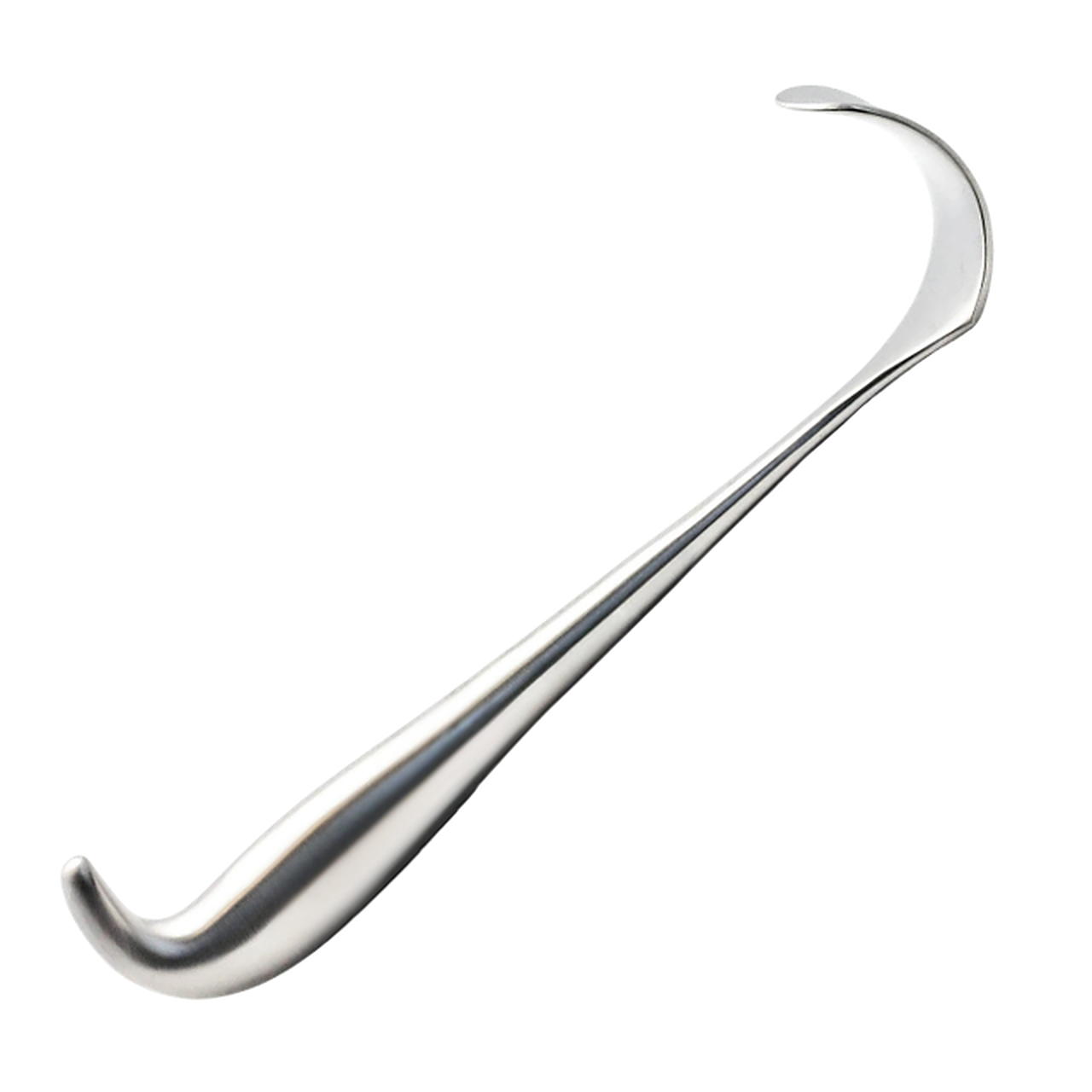 | Brewster Retractor | Genel, abdominal ve rekonstrüktif cerrahi sırasında kas, fasya ve yumuşak dokuyu ekarte etmek için özel olarak tasarlanmıştır. |
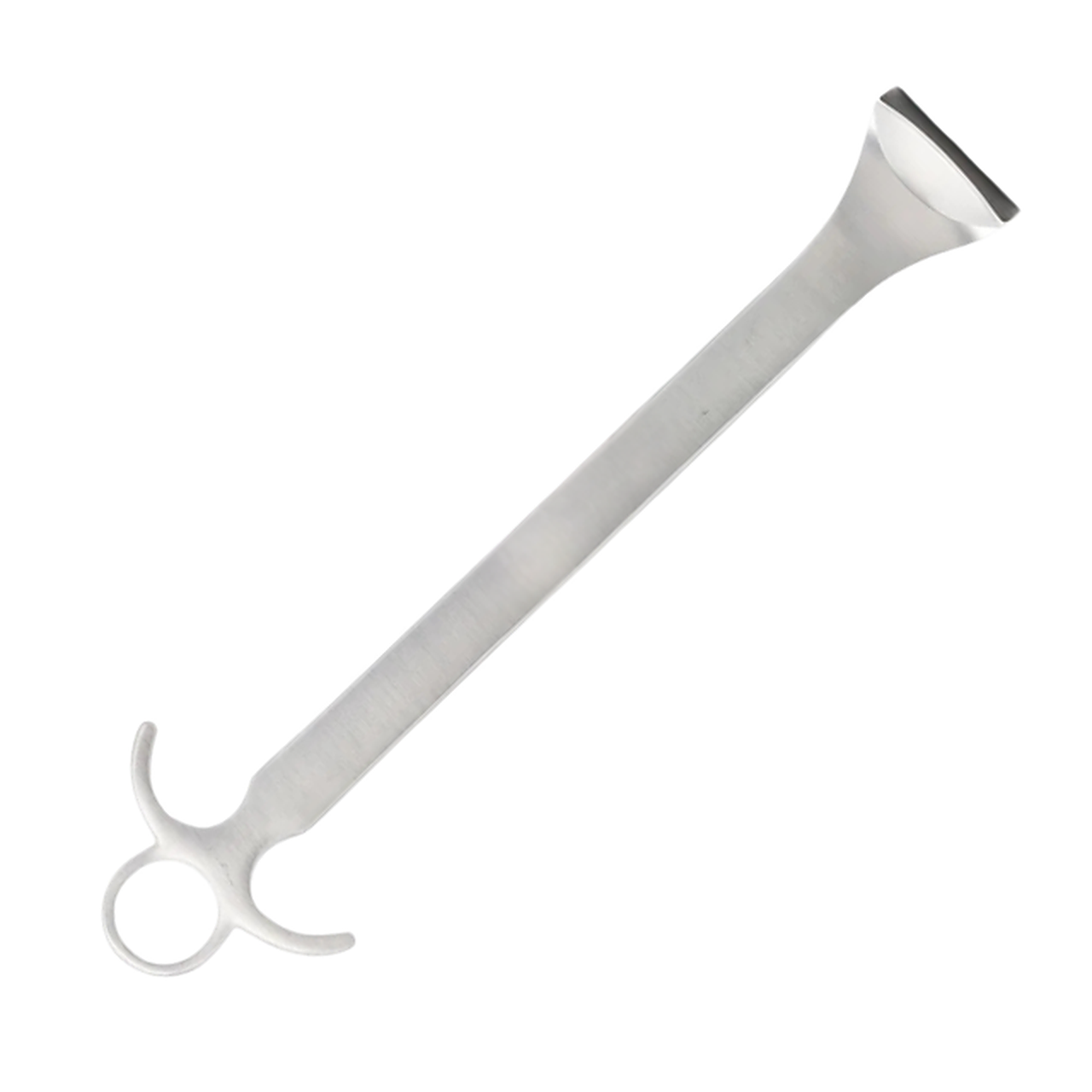 | Browne Deltoid Ekartörler | Total omuz artroplastisi ve humeral kırık onarımı sırasında deltoid kasını ve yumuşak dokuyu ekarte etmek için özel olarak tasarlanmıştır. |
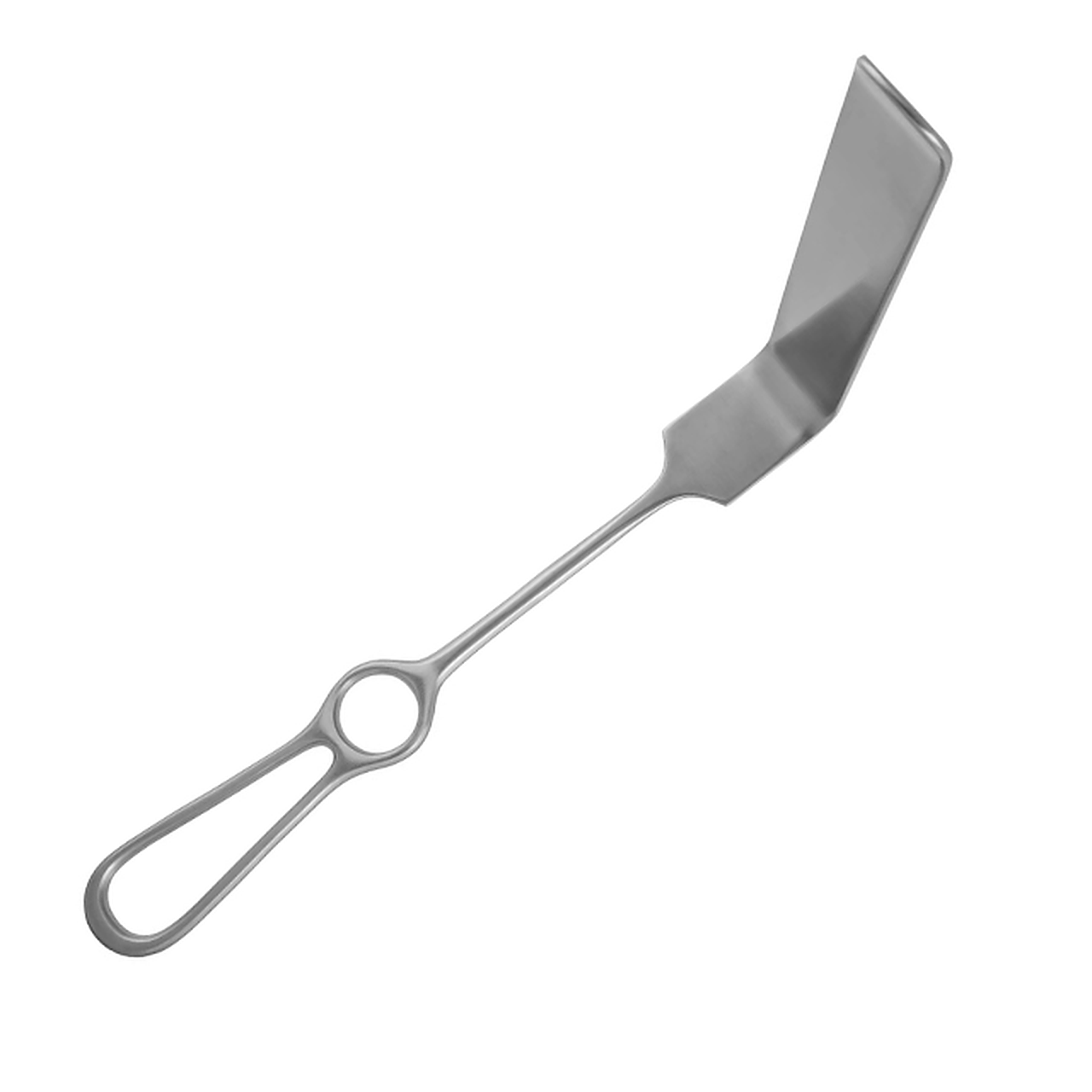 | Brunner Ekartör | Abdominal, pelvik ve torasik cerrahide kas, iç organ ve derin yumuşak dokuları ekarte etmek için özel olarak tasarlanmıştır. |
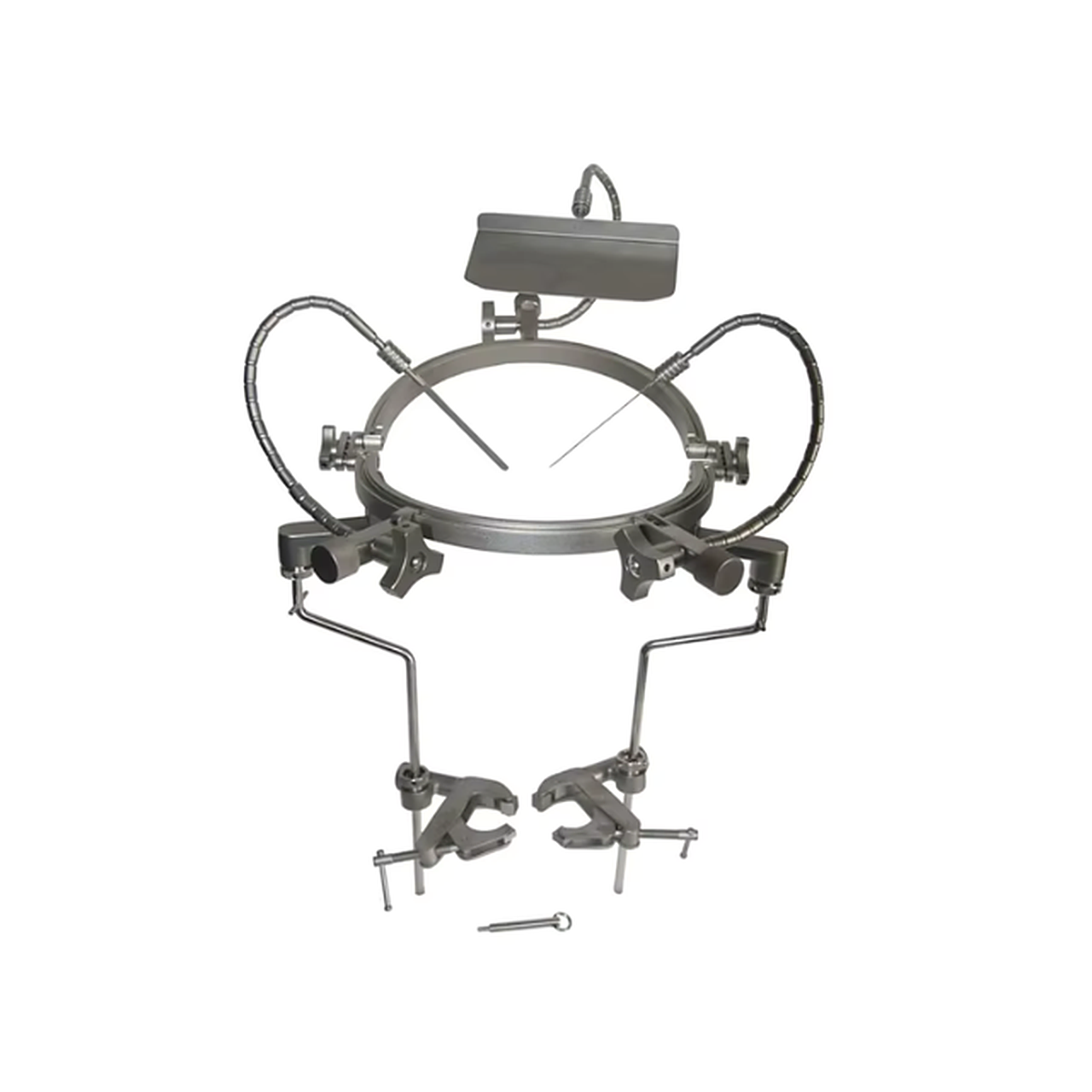 | Budde Halo Retractor | Hassas intrakraniyal ve posterior fossa prosedürleri sırasında stabil, eller serbest beyin dokusu retraksiyonu ve cerrah ön kol desteği için entegre bir el desteği sağlamak amacıyla, doğrudan Mayfield Kafatası Klemplerine veya ameliyat masası yan raylarına takılmak üzere özel olarak tasarlanmıştır. |
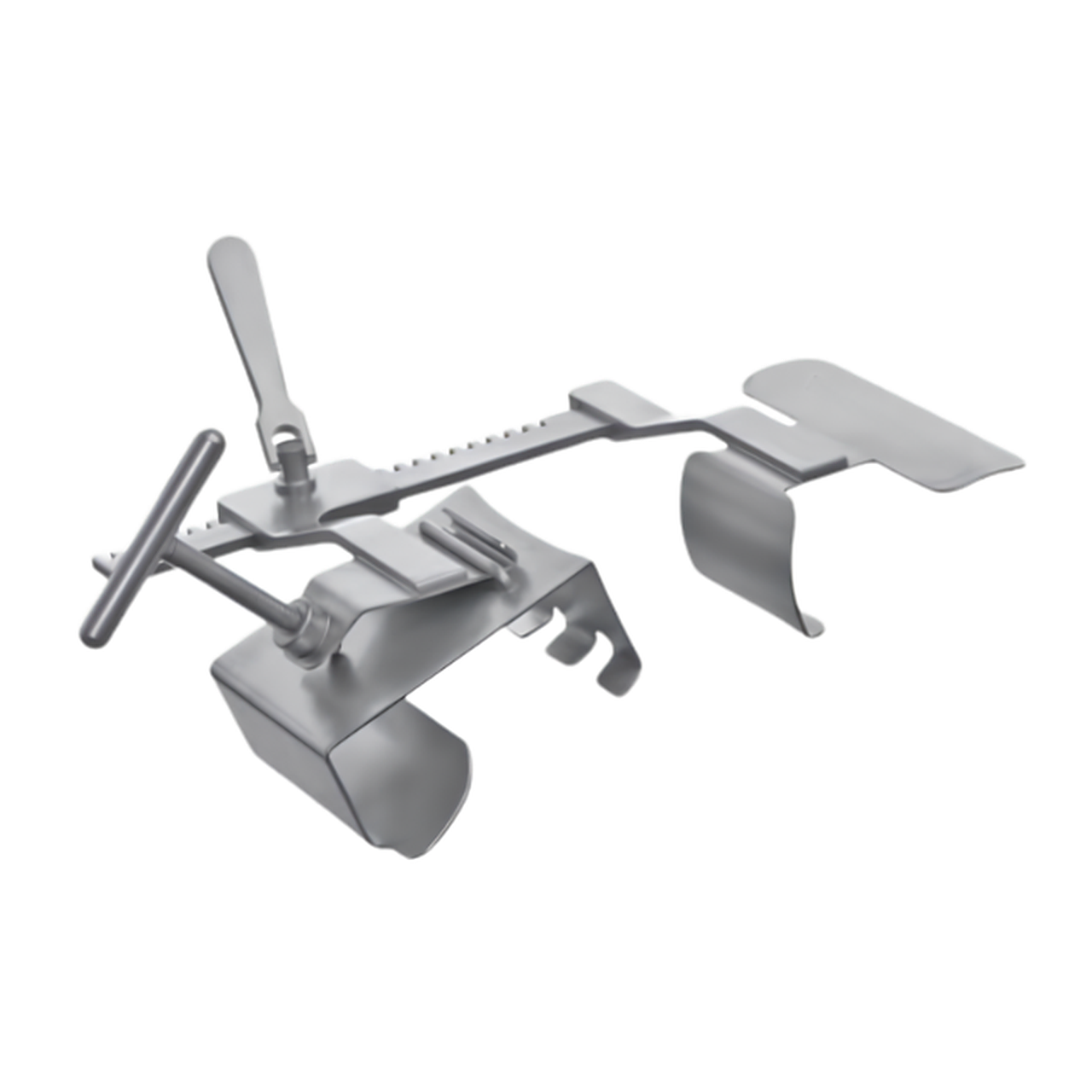 | Bugge Takedown I.M.A Mammaria Ekartör | Internal mamarian arter greftlemesi sırasında tek taraflı sternal ve göğüs duvarı elevasyonu için özel olarak tasarlanmıştır. |
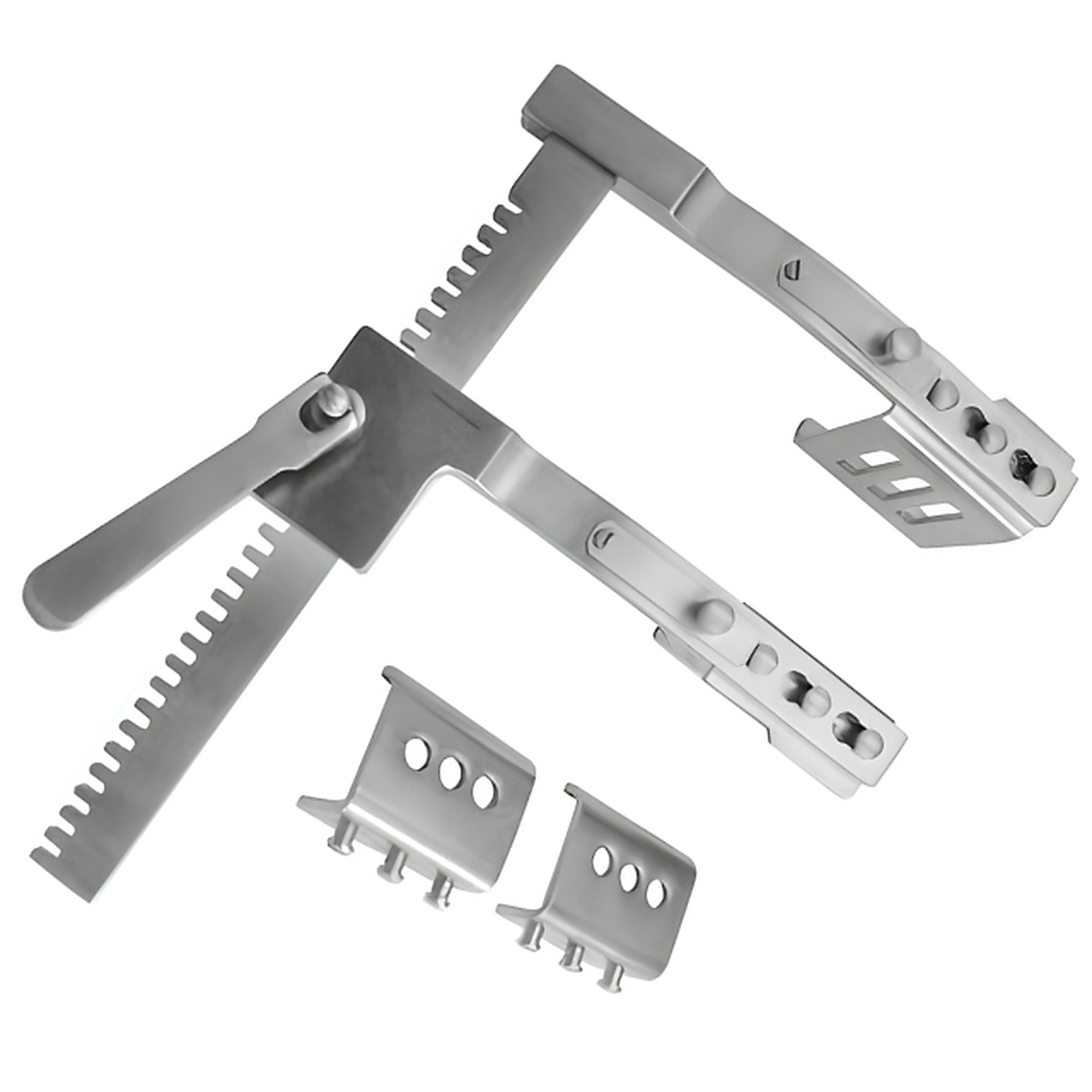 | Burford Rib Spreader | Açık torakotomi sırasında bitişik kaburgaları ayırmak ve interkostal aralığı genişletmek için özel olarak tasarlanmıştır. |
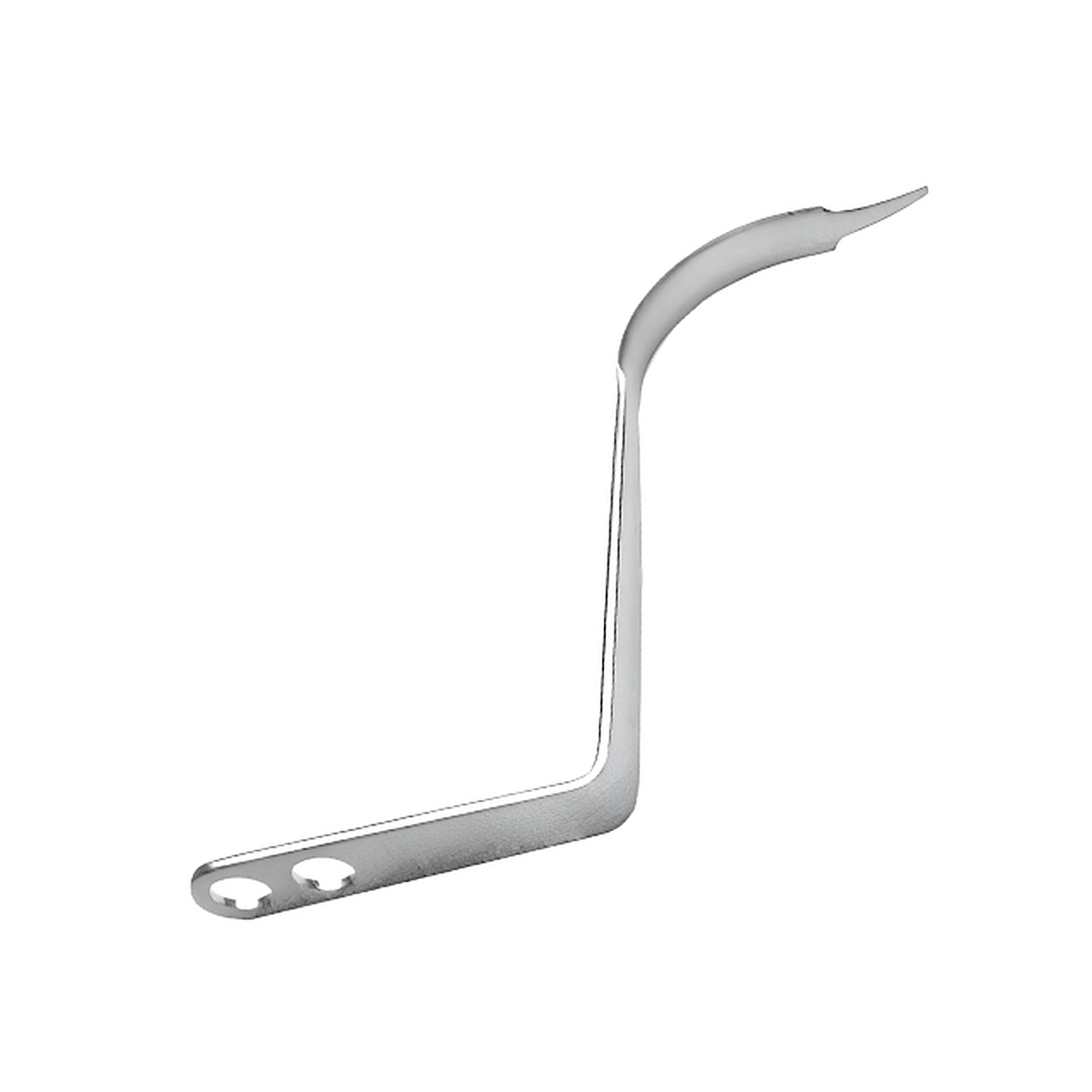 | C Ekartörler | Kalça artroplastisi, pelvik osteotomi ve travma rekonstrüksiyonu sırasında kas ve yumuşak dokuyu kemikten uzaklaştırmak için özel olarak tasarlanmıştır. |
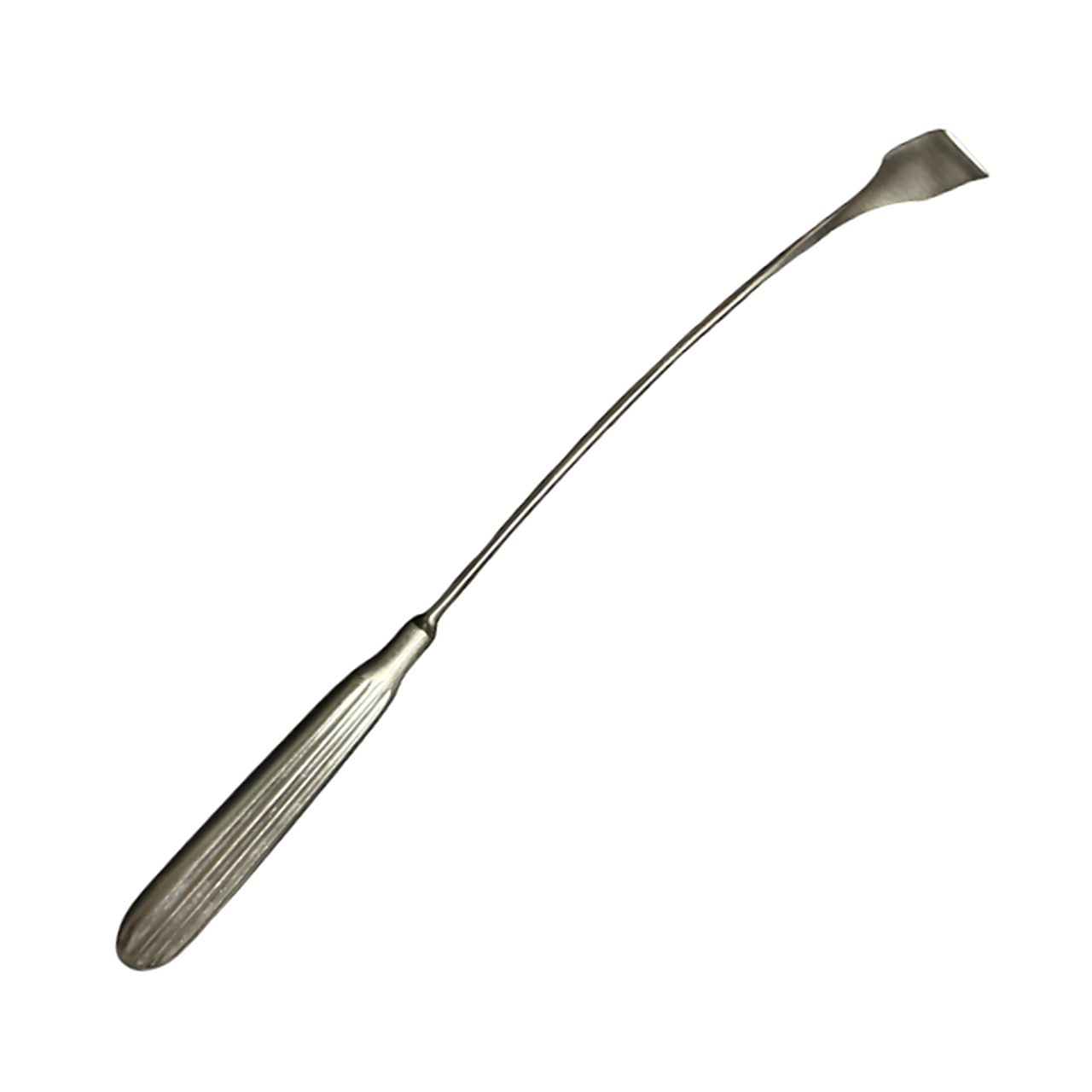 | Campbell Sinir Kökü Ekartörü | Diskektomi ve laminektomi prosedürleri sırasında spinal sinir köklerini ve tekkal sakı ekarte etmek ve korumak için özel olarak tasarlanmıştır. |
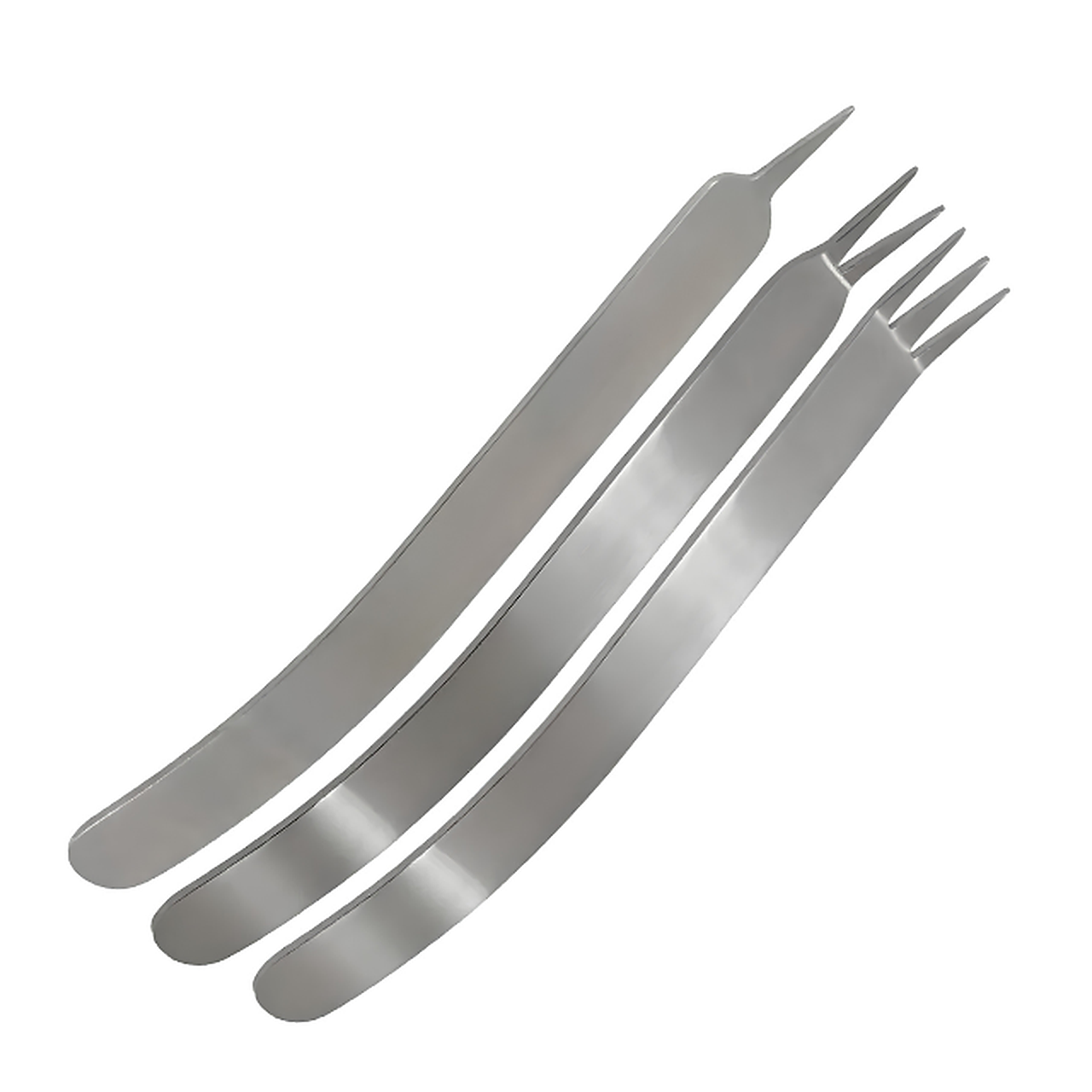 | Kapsül Ekartörleri | Kalça, diz ve omuz artroplastisi sırasında fibröz eklem kapsüllerini, ligamentleri ve yumuşak dokuyu ekart etmek için özel olarak tasarlanmıştır. |
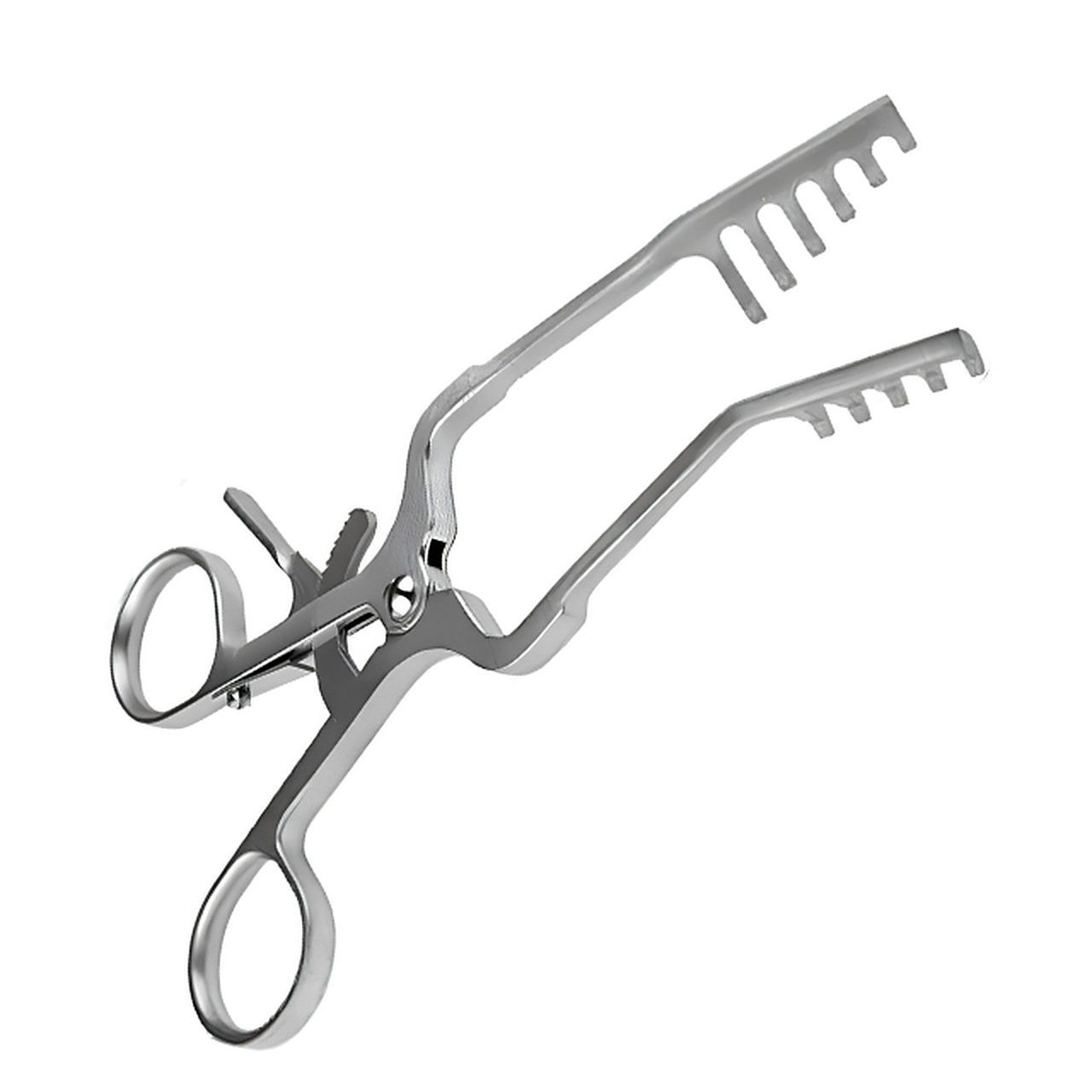 | Carpal Tunnel Self-Retaining Retractor (Otomatik Ekartör) | Açık karpal tünel gevşetme cerrahisi sırasında dokuların otomatik ekarte edilmesini ve median sinir görüntülemesini sağlamak için özel olarak tasarlanmıştır. |
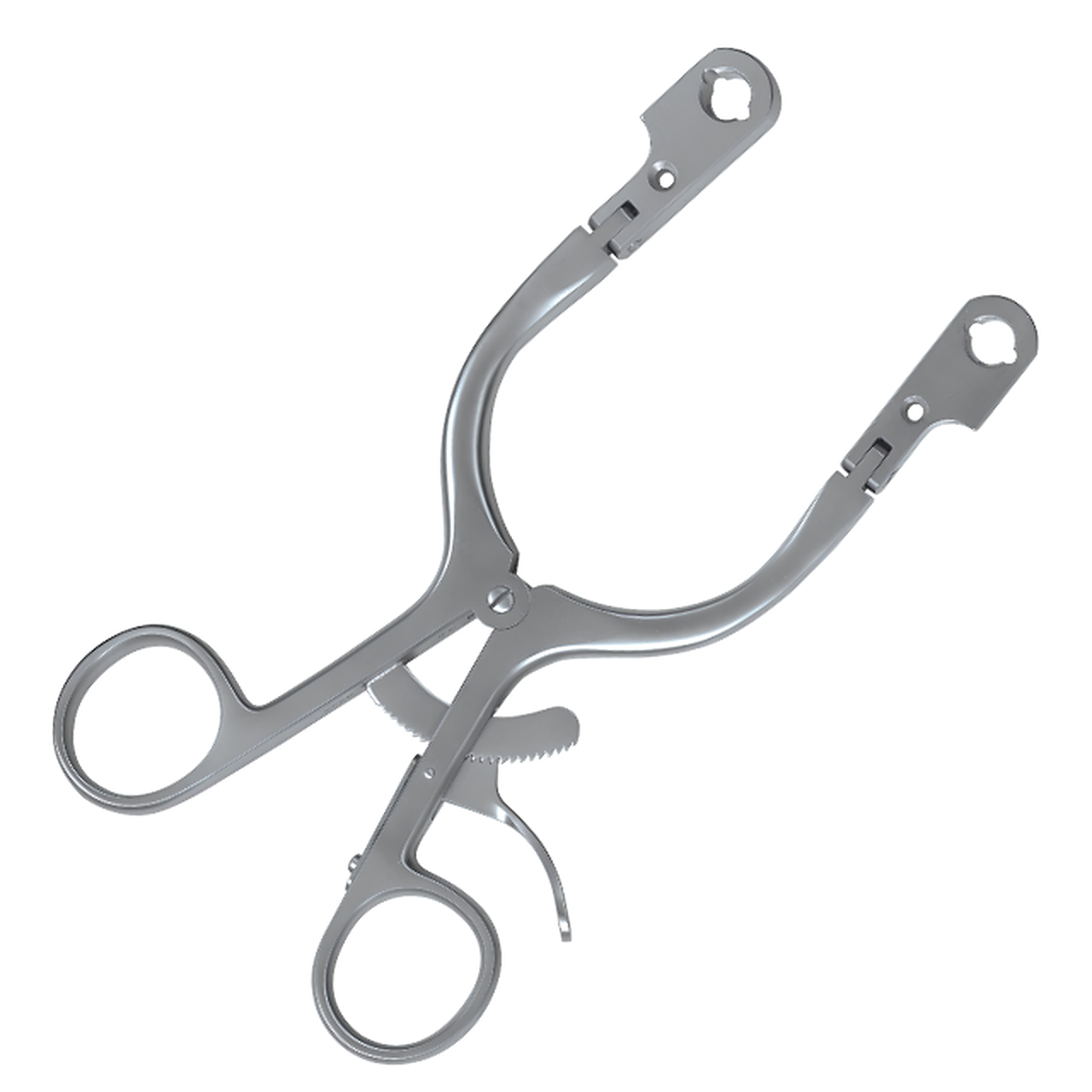 | Caspar Cervical Retractor With Ratchet | Anterior servikal diskektomi ve füzyon (ACDF) sırasında kendinden tutmalı yumuşak doku ekartasyonu ve vertebral maruziyet sağlamak için özel olarak tasarlanmıştır. |
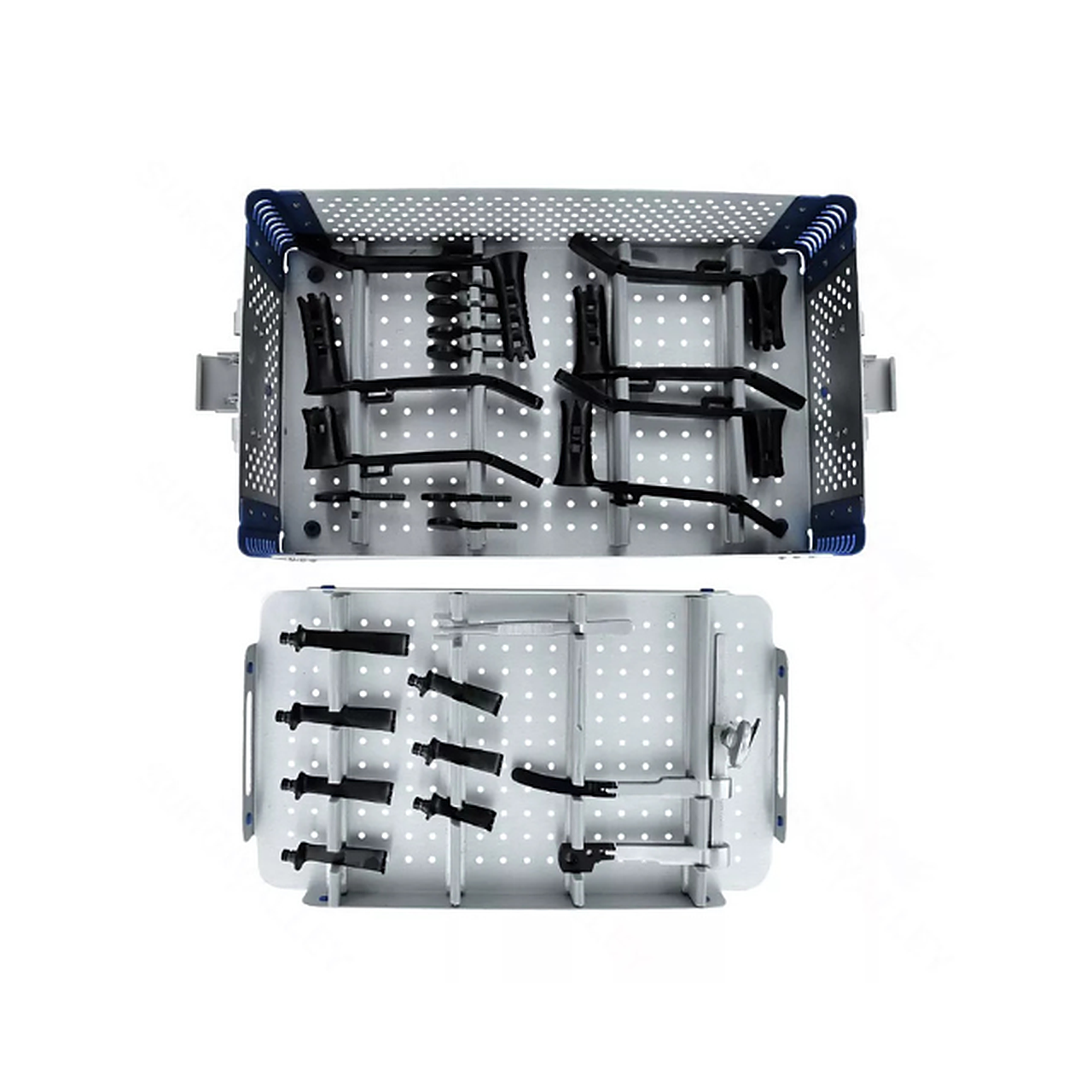 | Caspar Lumbar Microdiscectomy Retractor System | Mikrocerrahi lomber diskektomi prosedürleri sırasında stabil doku retraksiyonu ve cerrahi ekspojur sağlamak için özel olarak tasarlanmıştır. |
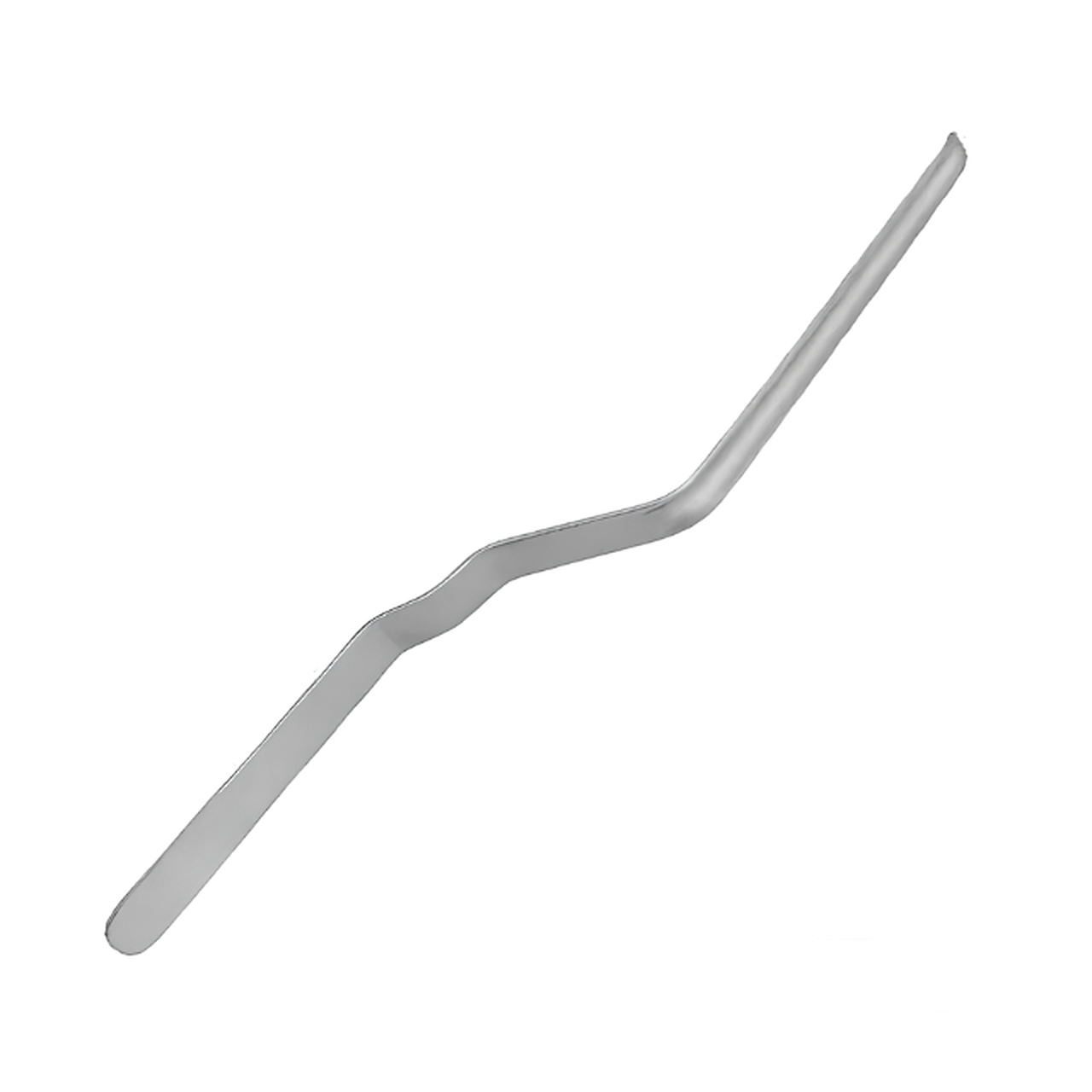 | Caspar Sinir Kökü Ekartörleri | Mikrocerrahi lomber diskektomi sırasında spinal sinir köklerini ve tekal keseyi mobilize etmek, kavramak ve korumak için özel olarak tasarlanmıştır. |
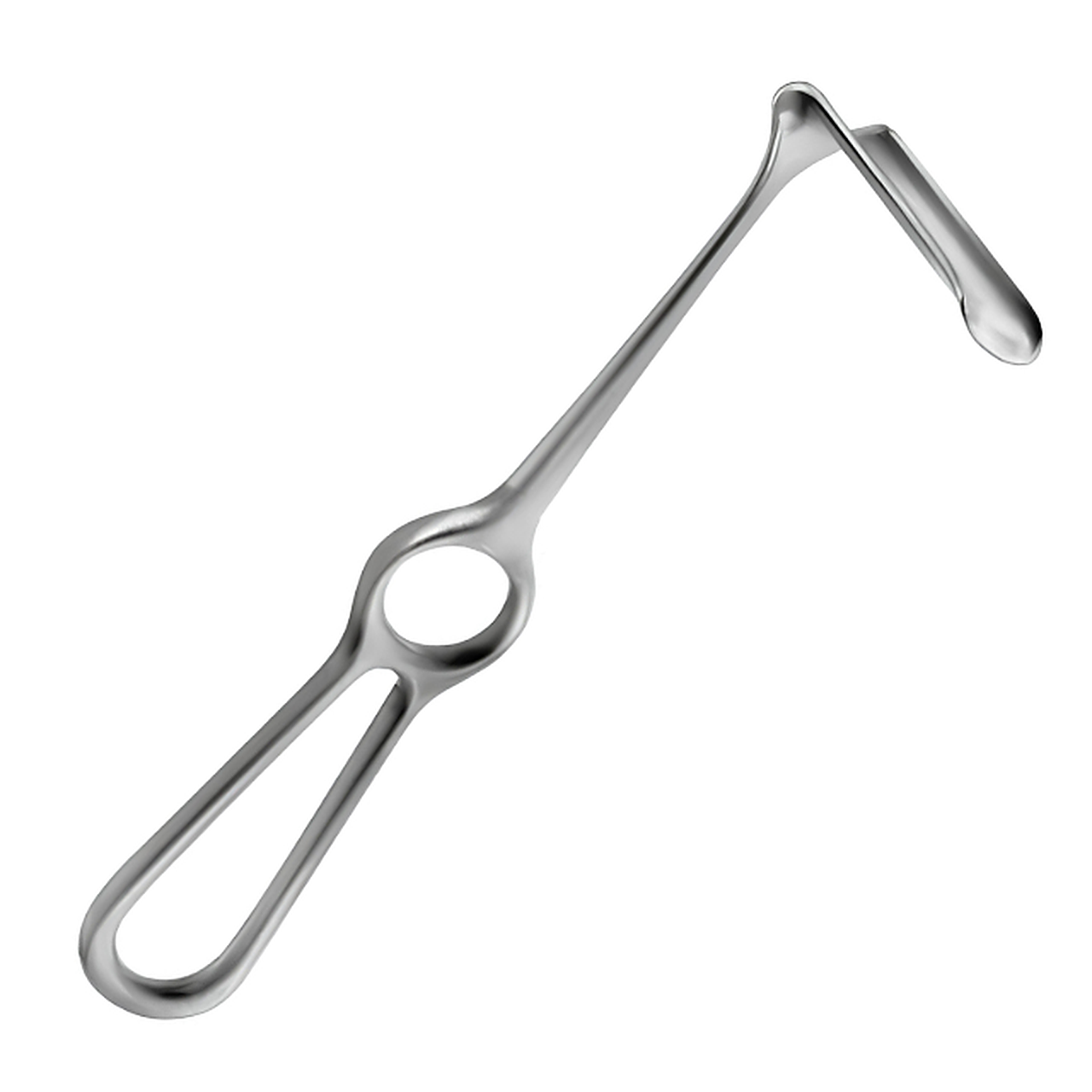 | Caspar Ekartör | Spinal, ortopedik ve rekonstrüktif cerrahi sırasında kas, fasya ve yumuşak dokuyu ekarté etmek için özel olarak tasarlanmıştır. |
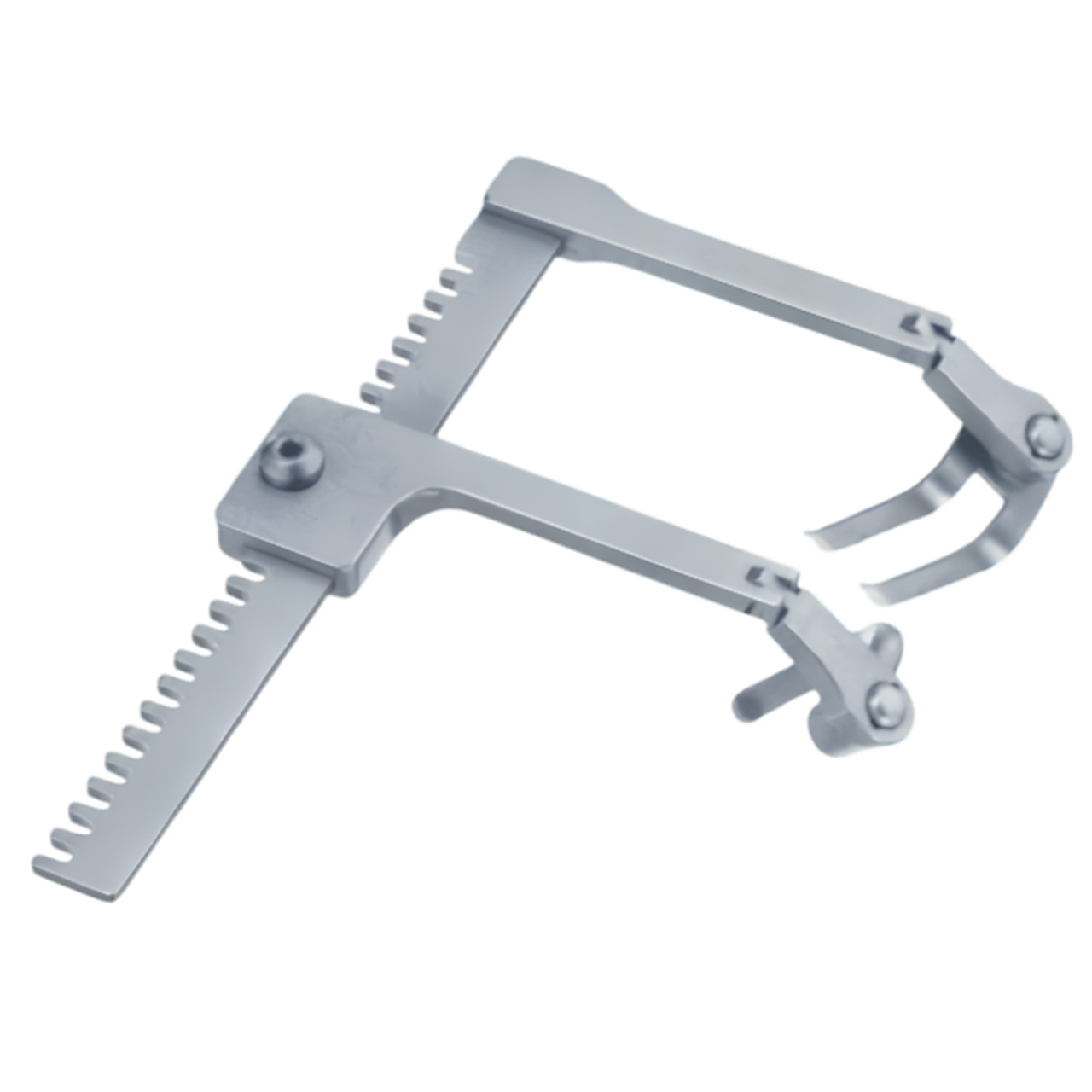 | Caspar Self Retaining Retractor | Anterior servikal omurga cerrahisi sırasında trakea, özofagus ve longus colli kaslarını ekarte etmek için özel olarak tasarlanmıştır. |
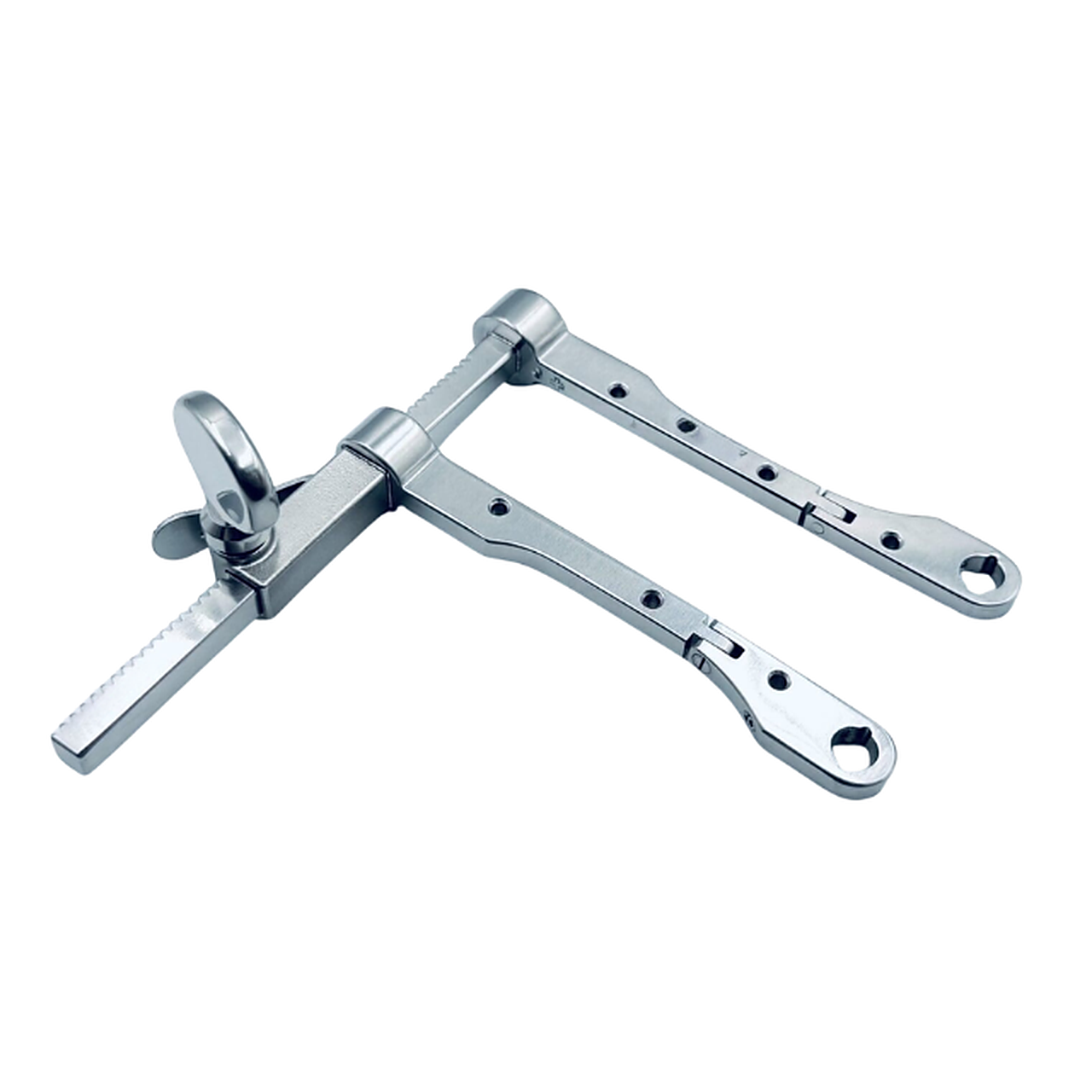 | Casper Cervical Retractor | Anterior servikal cerrahi sırasında kendinden tutmalı, eklemli yumuşak doku ekartasyonu ve vertebral ekspojur sağlamak için özel olarak tasarlanmıştır. |
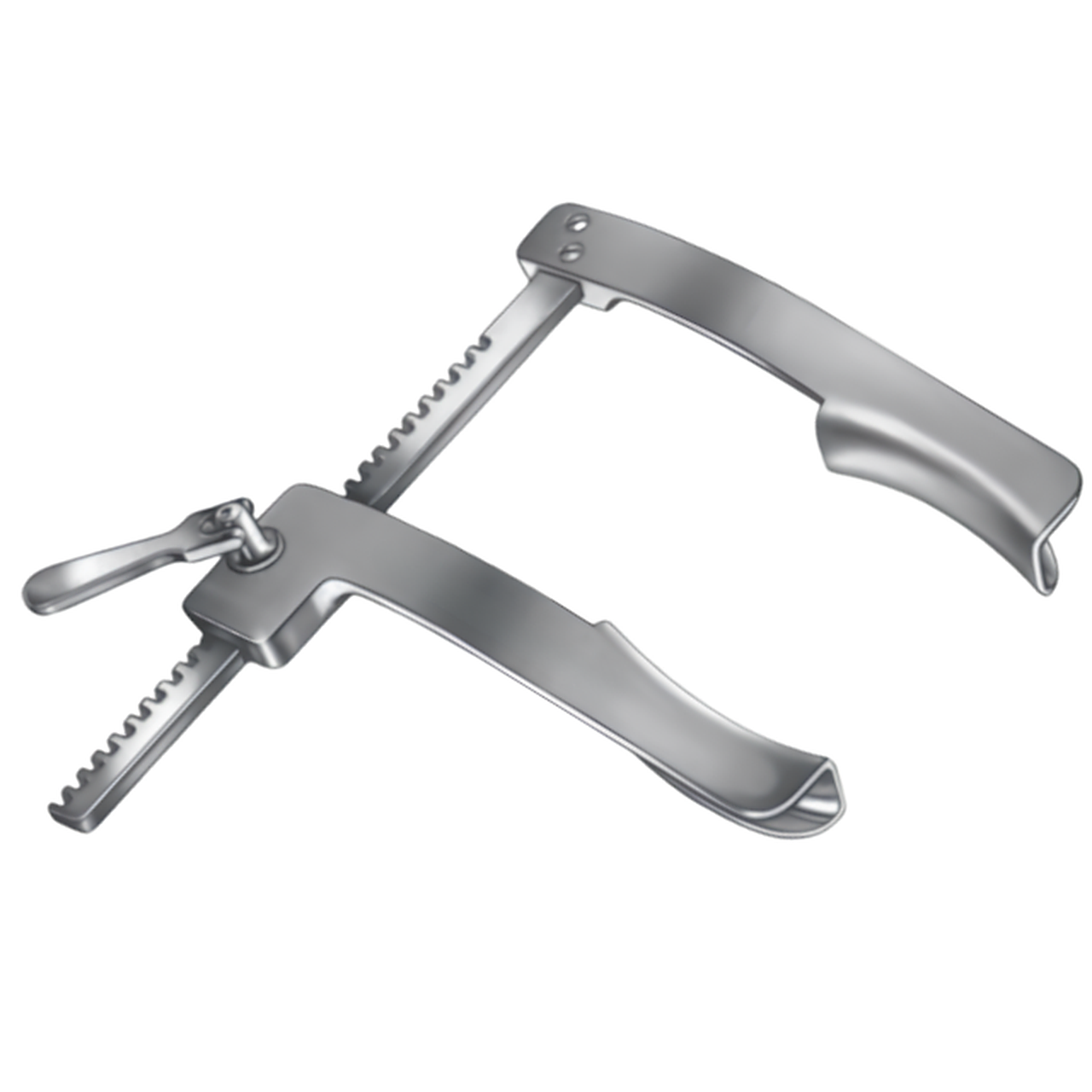 | Castaneda Rib Spreader (Ekartör) | Neonatal ve pediatrik kardiyotorasik cerrahi sırasında kaburgaları ayırmak ve torasik boşluk maruziyeti sağlamak için özel olarak tasarlanmıştır. |
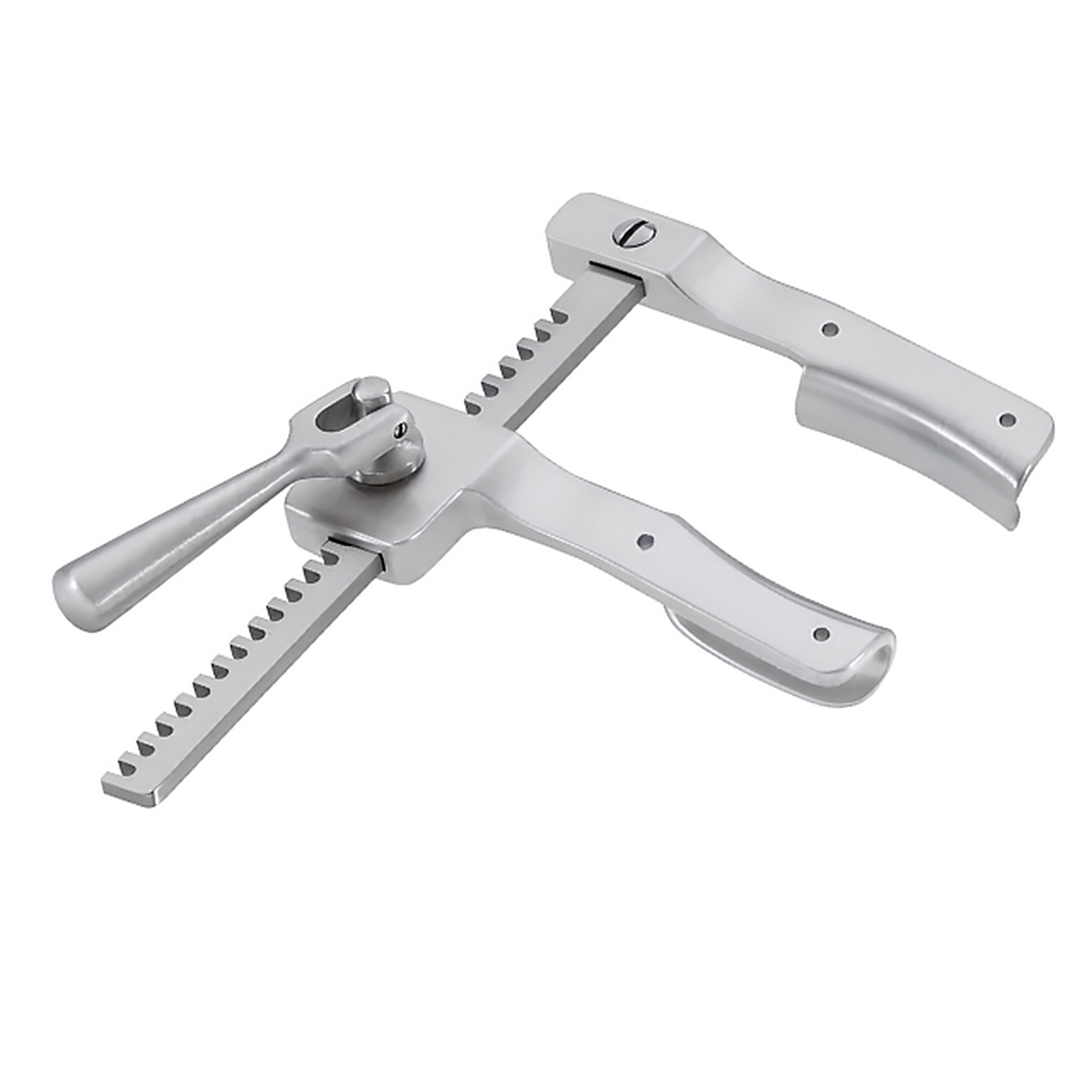 | Castaneda Sternal Ekartör | Pediatrik, neonatal ve yetişkin kalp cerrahisi sırasında sternal ayrılma ve mediastinal görüş sağlamak için özel olarak tasarlanmıştır. |
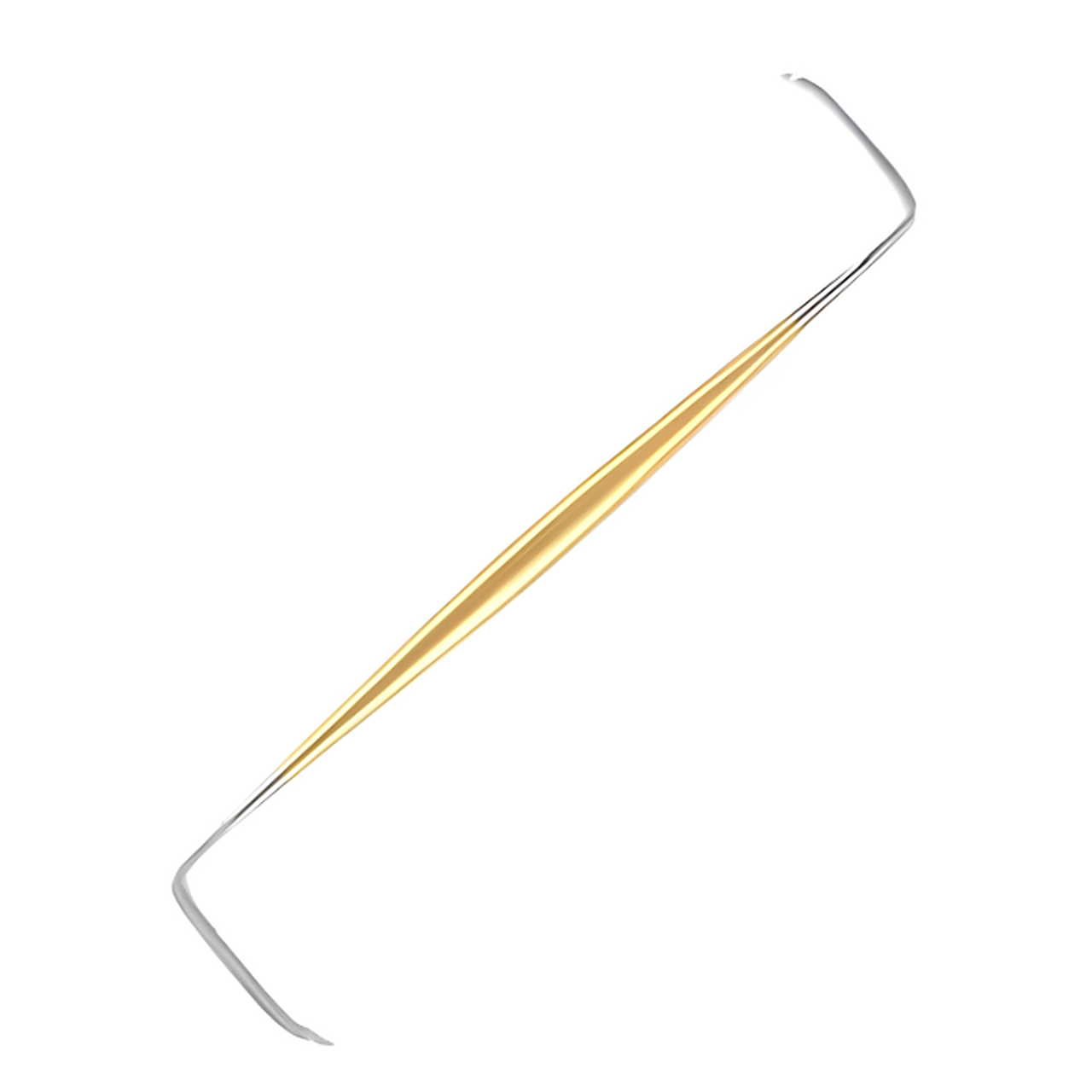 | Cerkes Çift Taraflı Nazal Ekartör | Açık ve kapalı rinoplasti sırasında nazal yumuşak doku zarflarını kaldırmak ve kıkırdakları ekarte etmek için özel olarak tasarlanmıştır. |
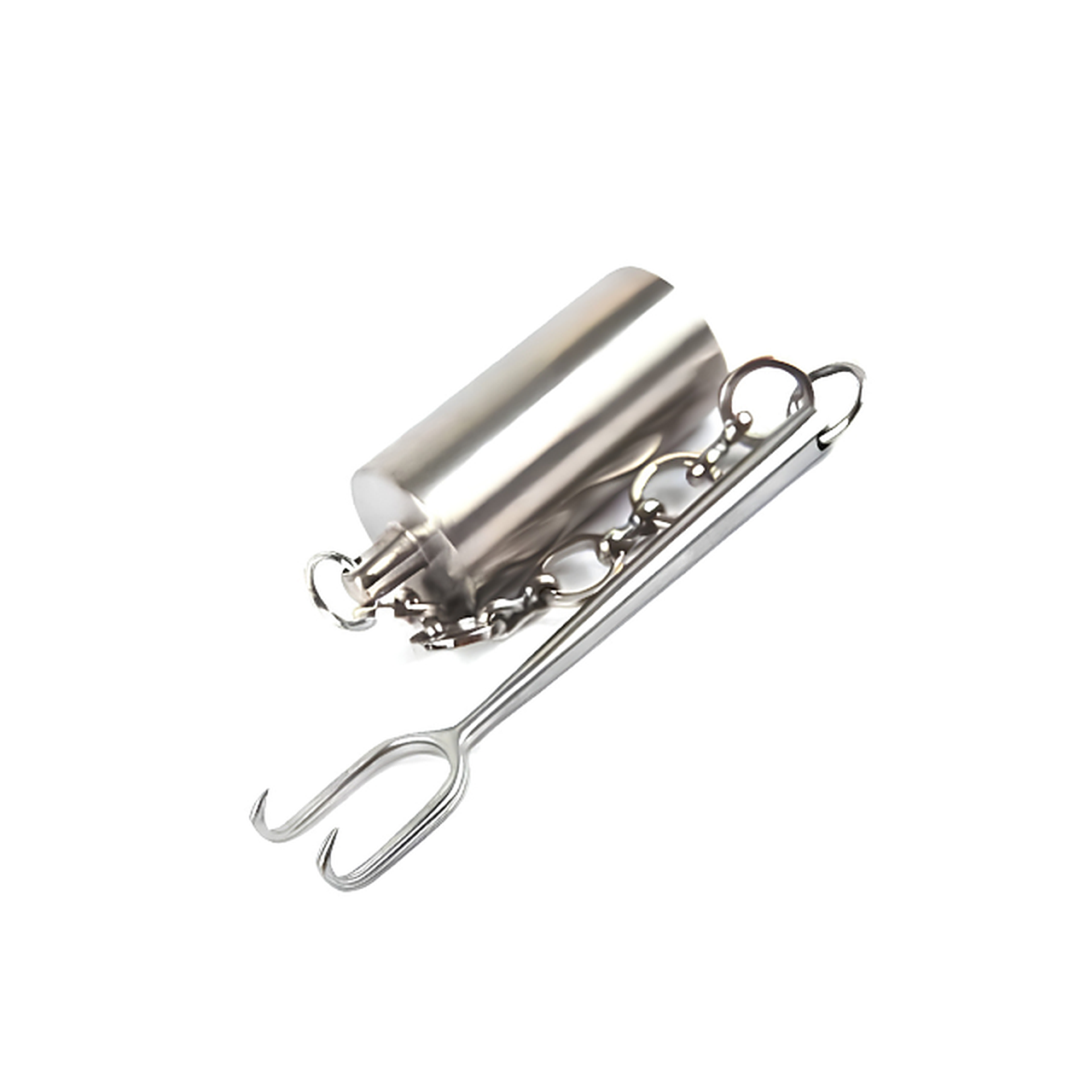 | Cerkes Nasal Retractor With Weight - Gruber Kolumella Ekartörü | Açık rinoplasti sırasında kolumella ve kaudal septumun ağırlık yardımıyla, eller serbest (hands-free) ekartasyonunu sağlamak için özel olarak tasarlanmıştır. |
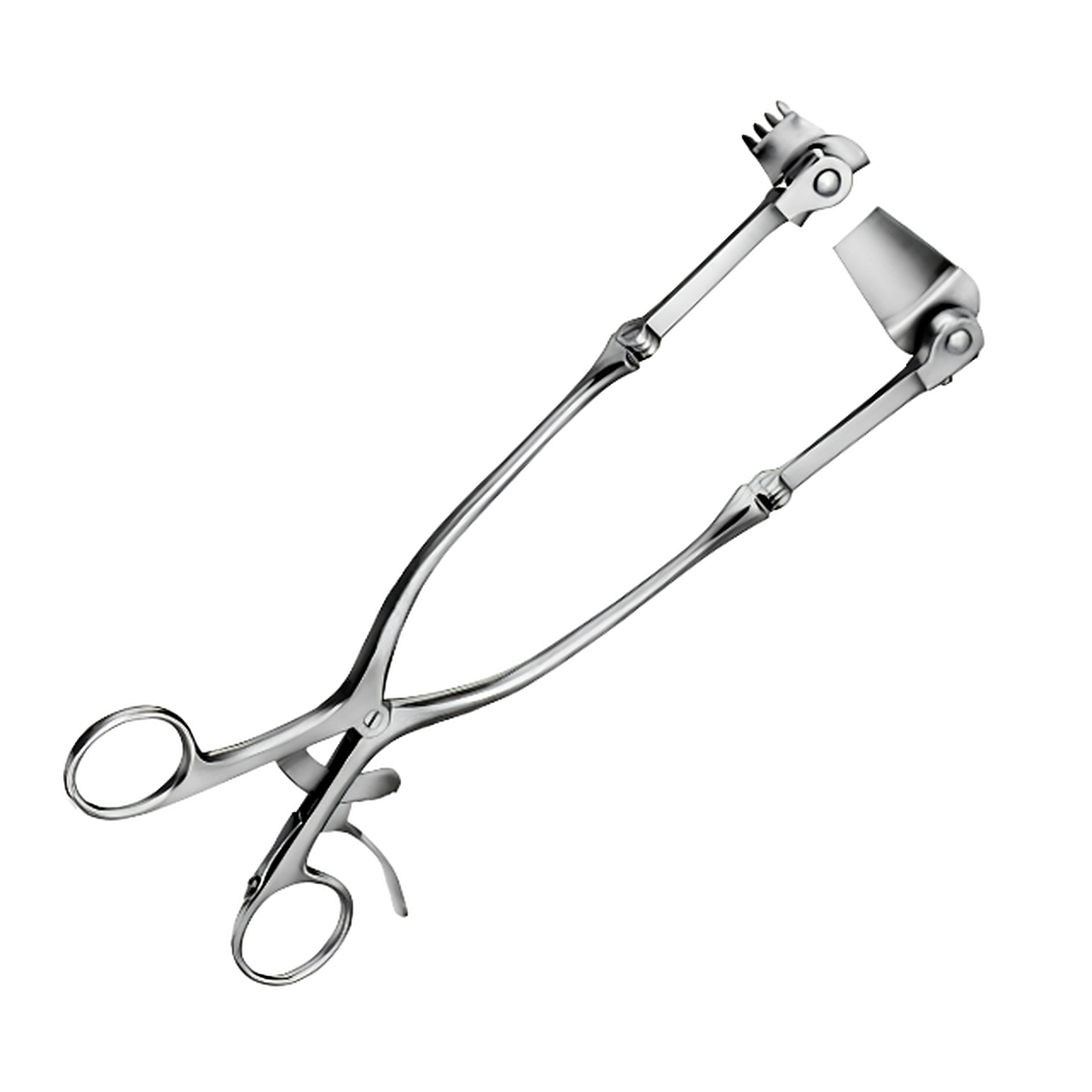 | Servikal Ekartör Çerçevesi | Değiştirilebilir ekartör pallerini tutmak ve anterior servikal omurga cerrahisi sırasında boylamsal (longitudinal) görüş alanı sağlamak için özel olarak tasarlanmıştır. |
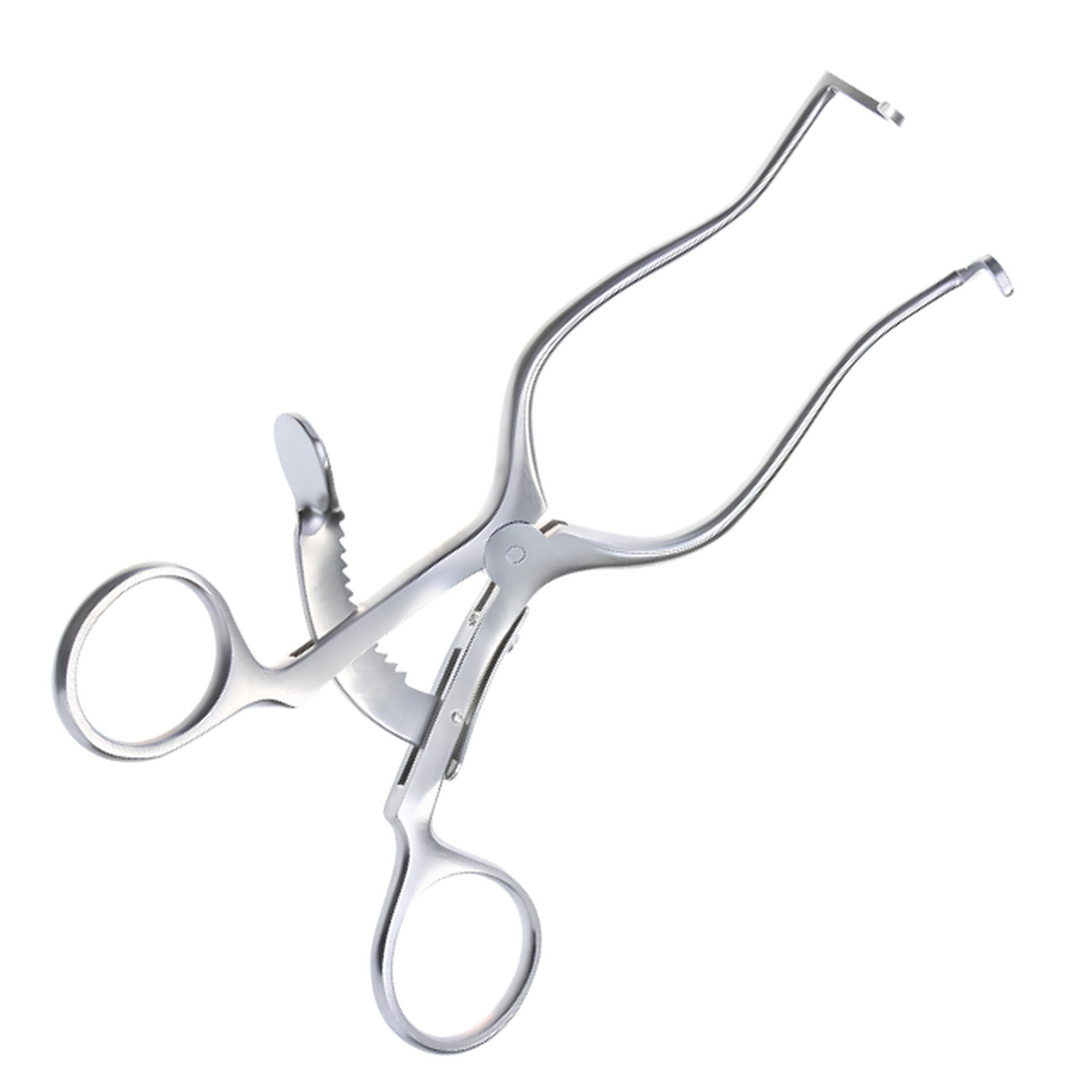 | Servikal Doku Ekartörü | Anterior servikal omurga cerrahisi sırasında hassas yumuşak dokuları ve fasyal planları ekarte etmek ve mobilize etmek için özel olarak tasarlanmıştır. |
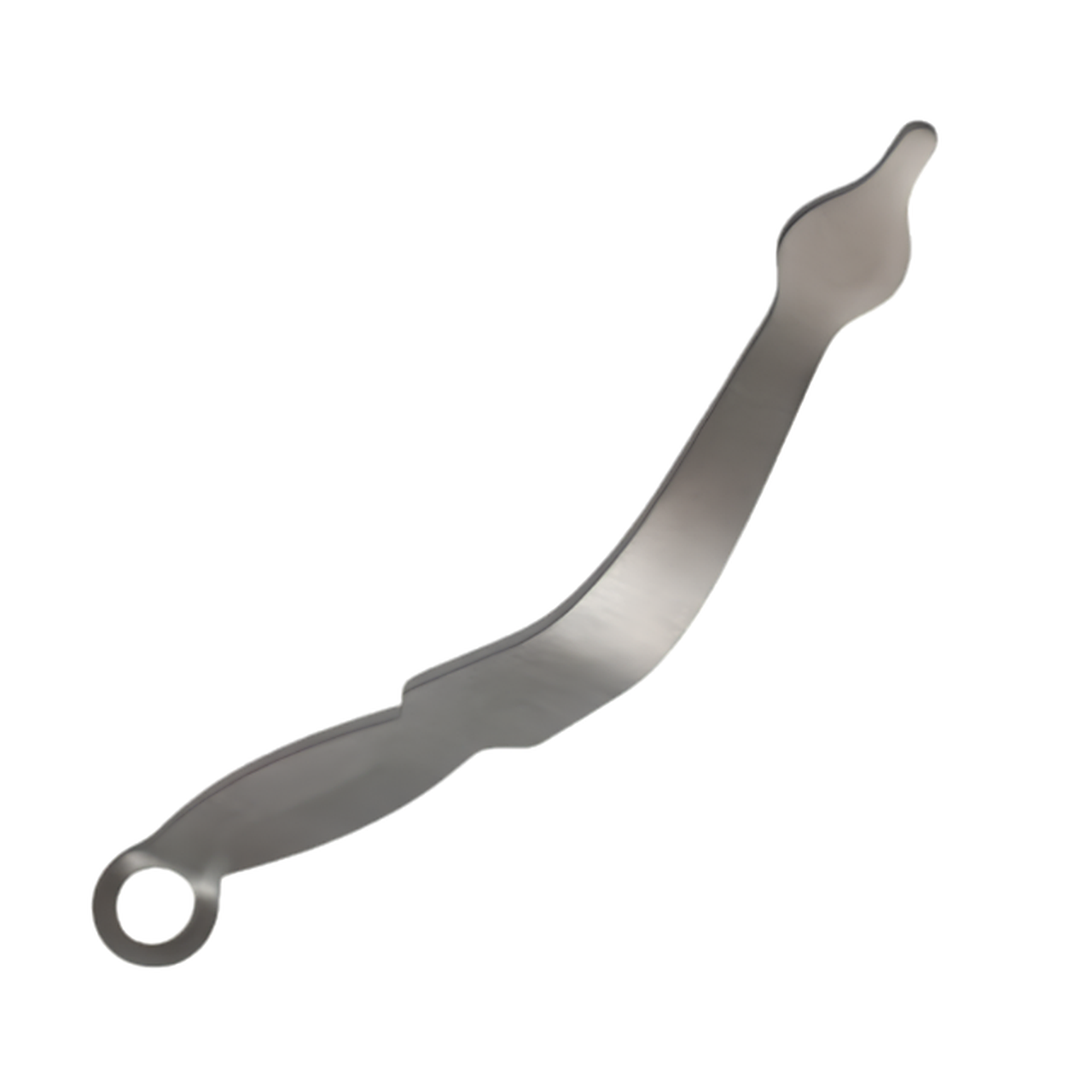 | Chandler Ekartör | Total kalça artroplastisi ve femoral rekonstrüktif prosedürler sırasında kemik kaldıracı sağlamak ve ağır kas dokusunu ekarte etmek için özel olarak tasarlanmıştır. |
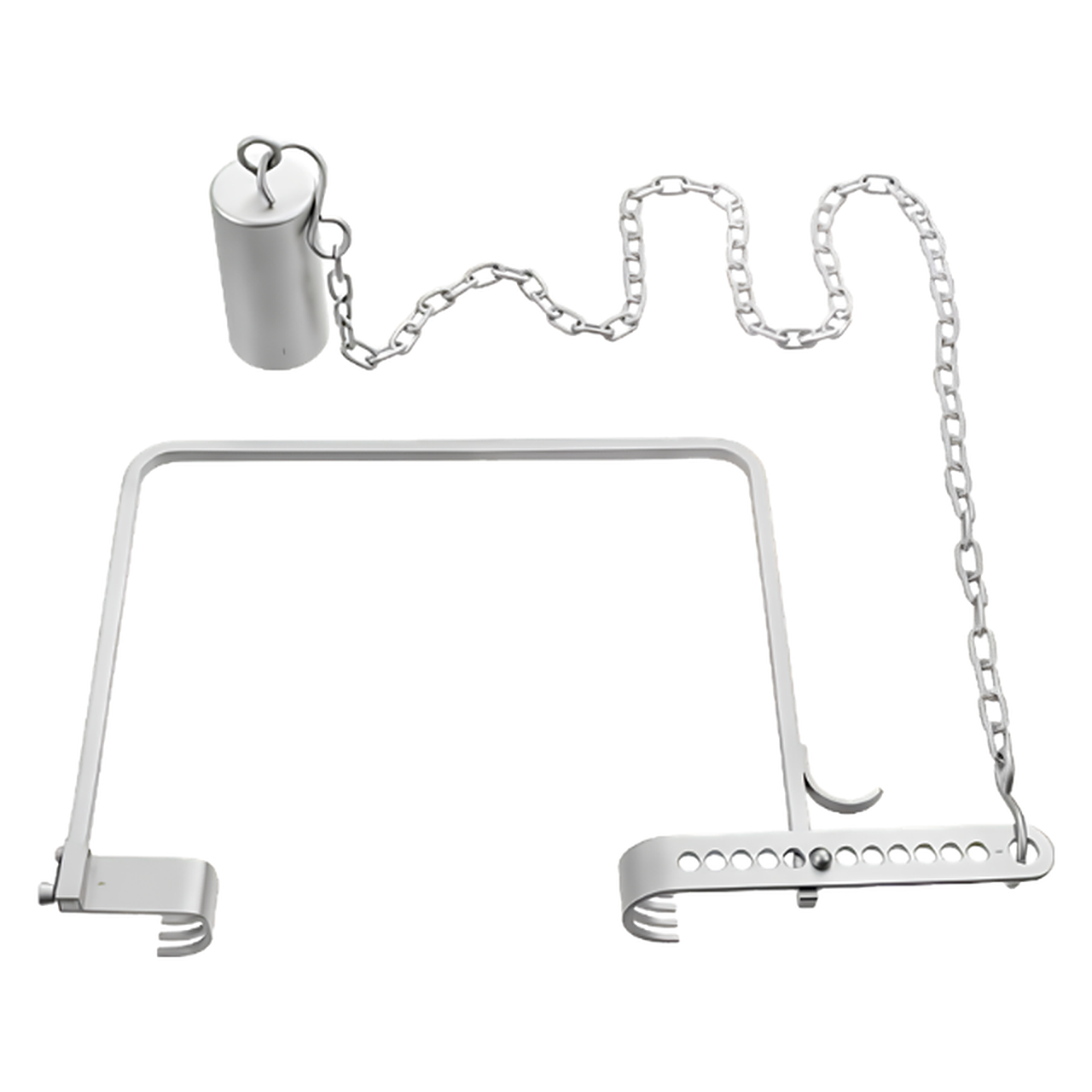 | Charnley İlk İnsizyon Ekartörü | Kalça artroplastisinde ilk ekspozisyon sırasında cilt kenarlarını ve deri altı yağ dokusunu ekarte etmek için özel olarak tasarlanmıştır. |
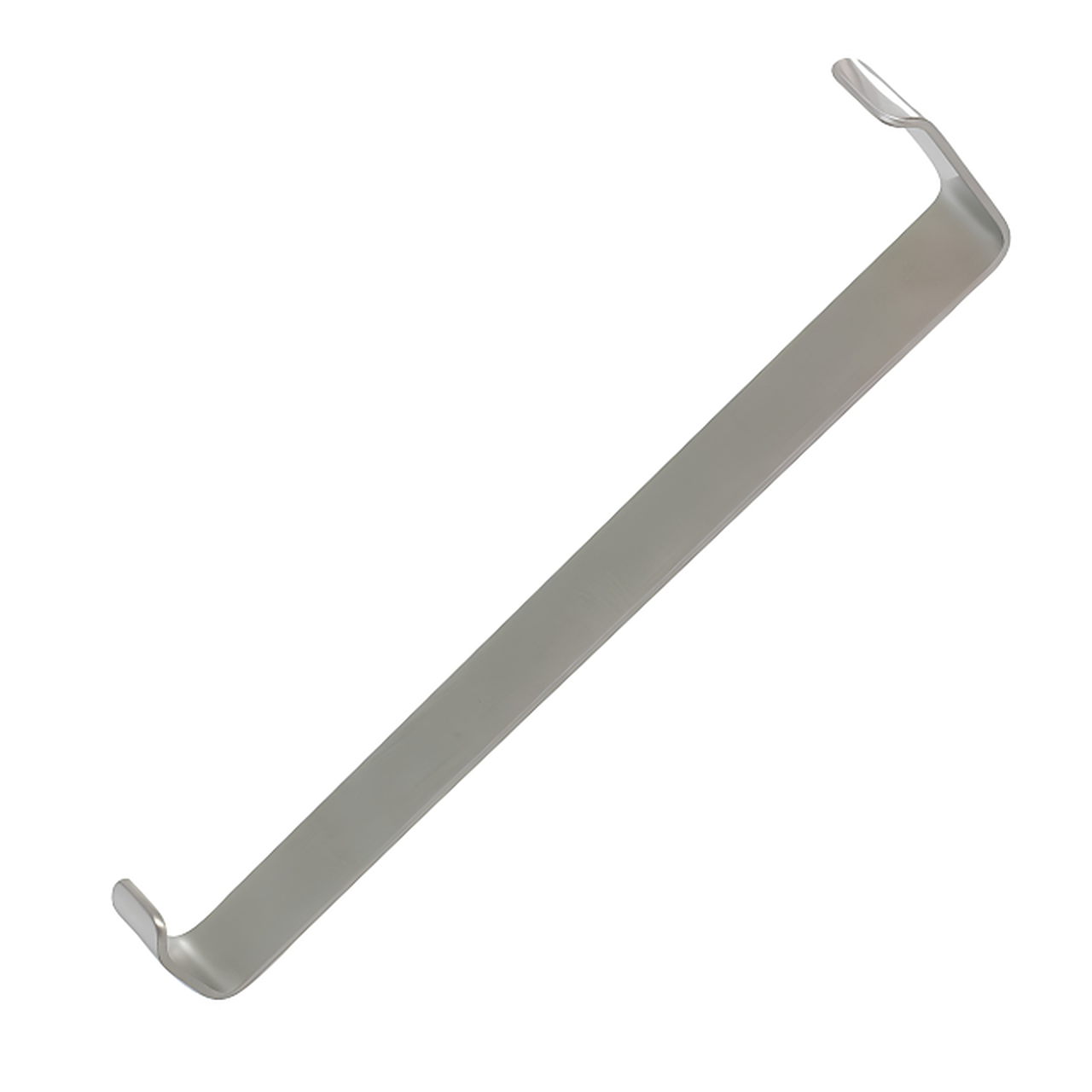 | Children's Hospital Ekartör | Pediyatrik ve küçük cerrahi prosedürler sırasında hassas cilt, kas ve yumuşak dokuyu ekarte etmek için özel olarak tasarlanmıştır. |
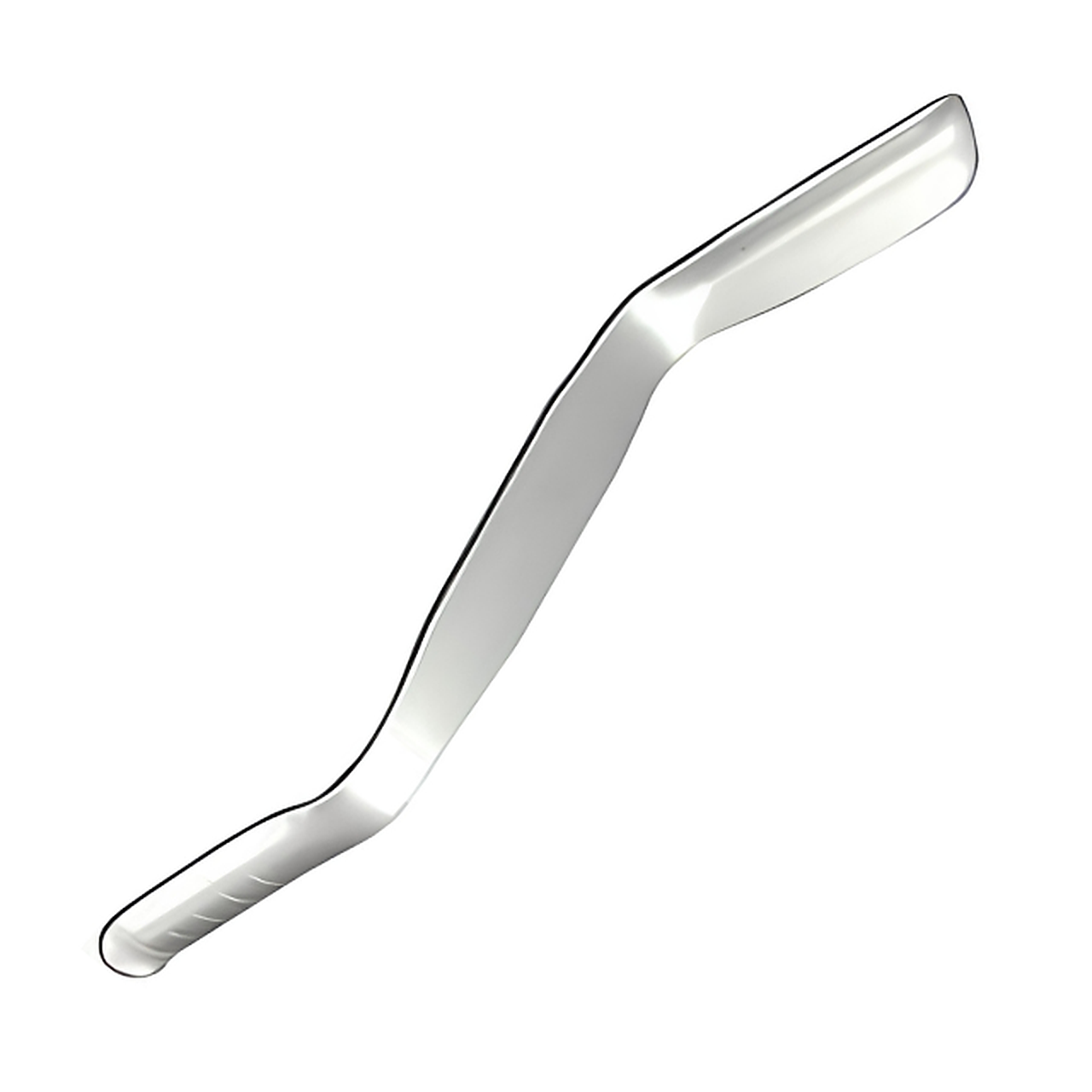 | Clodius Orbital Ekartör | Blefaroplasti ve periorbital cerrahi sırasında orbital yağı ekarte etmek, göz kapağı fleplerini kaldırmak ve göz küresini korumak için özel olarak tasarlanmıştır. |
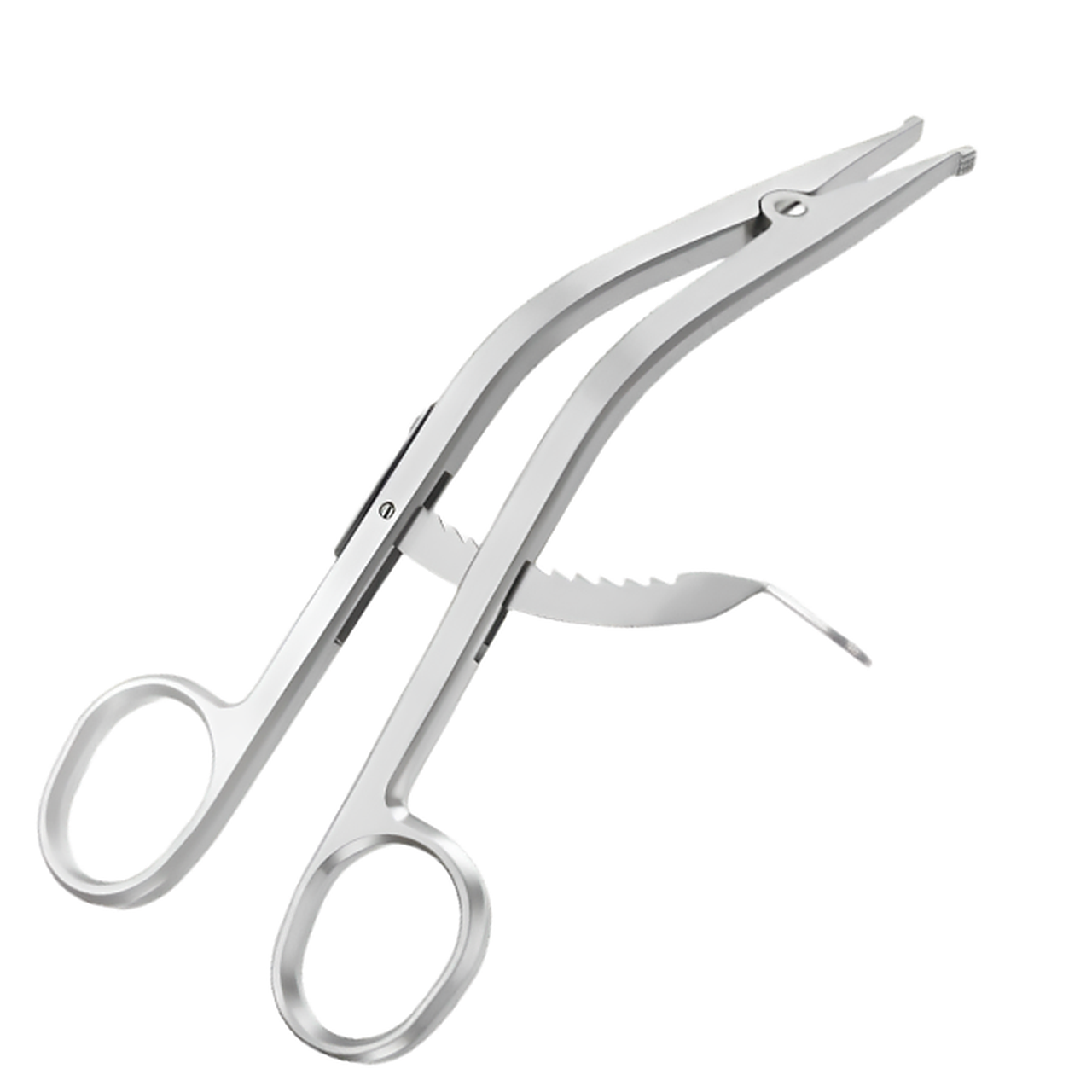 | Cloward Cervical/Lamina Retractor | Servikal ve üst torasik omurga cerrahisi sırasında paraspinal kasları ekarte etmek ve lamina ile faset eklemlerini açığa çıkarmak için özel olarak tasarlanmıştır. |
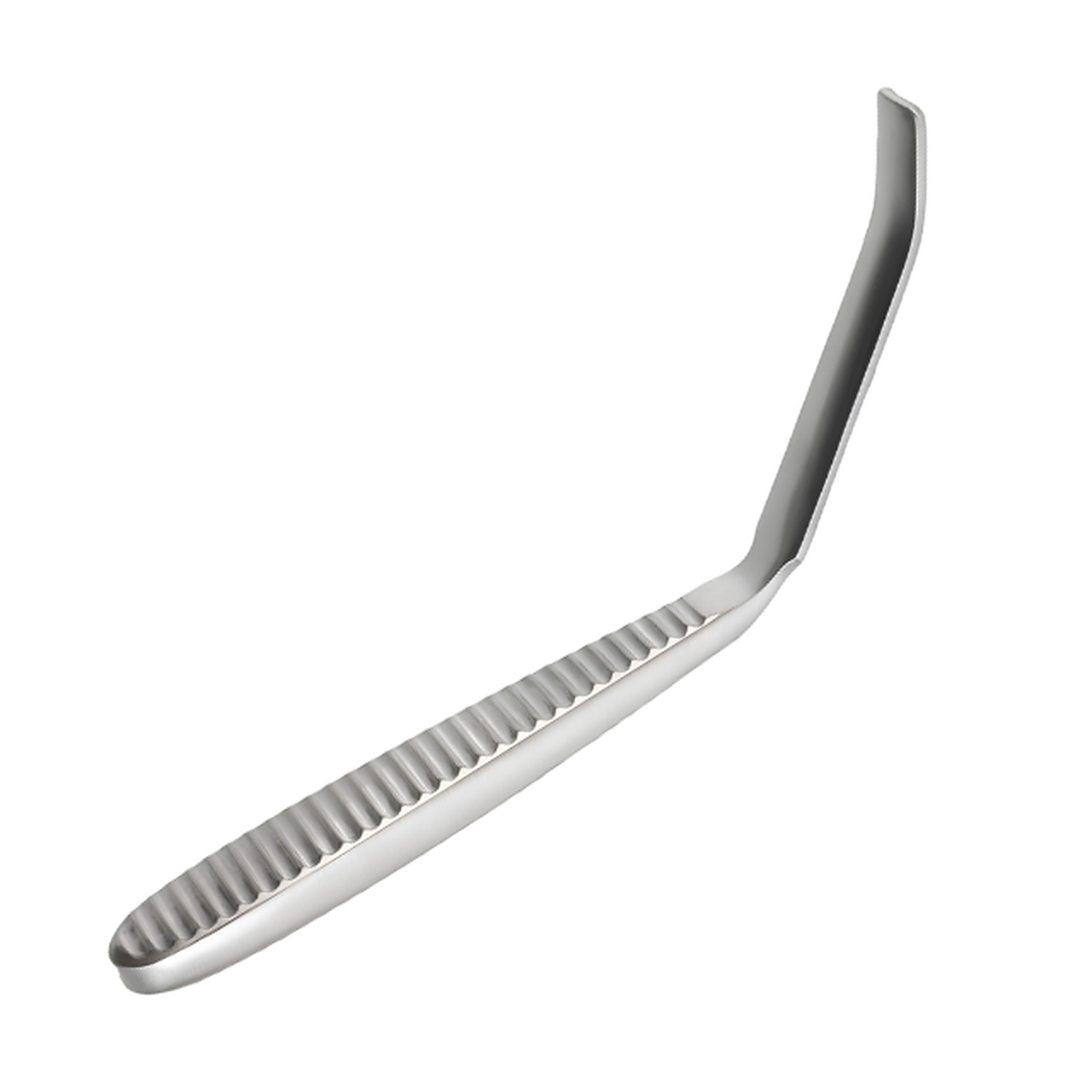 | Cloward-Style Blade Retractor | Anterior servikal omurga cerrahisi sırasında kas, fasya ve visseral yumuşak dokuyu ekarte etmek için özel olarak tasarlanmıştır. |
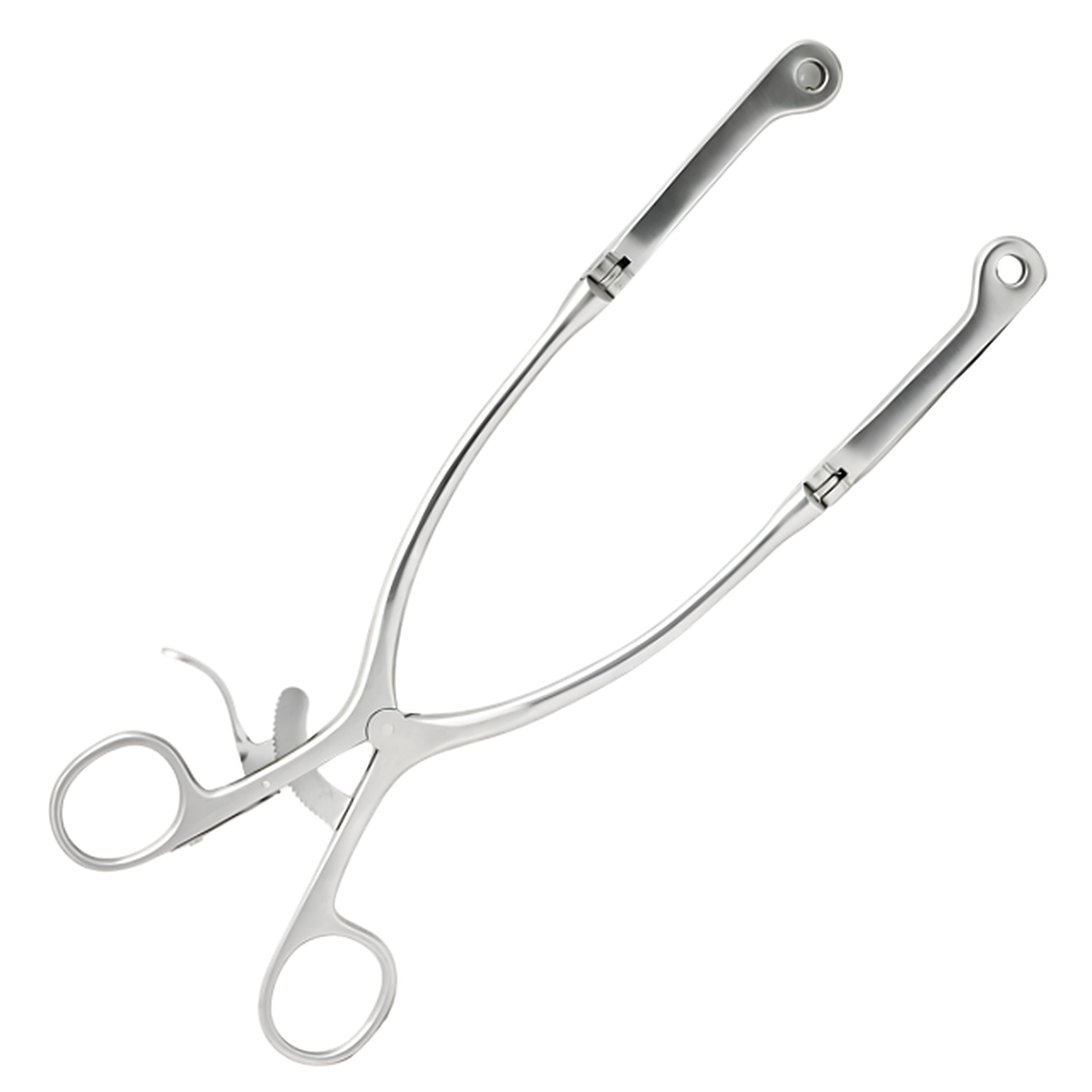 | Cloward-Style Servikal Ekartör | Anterior servikal diskektomi ve füzyon sırasında kendinden tutmalı yumuşak doku retraksiyonu ve vertebral ekarte sağlamak için özel olarak tasarlanmıştır. |
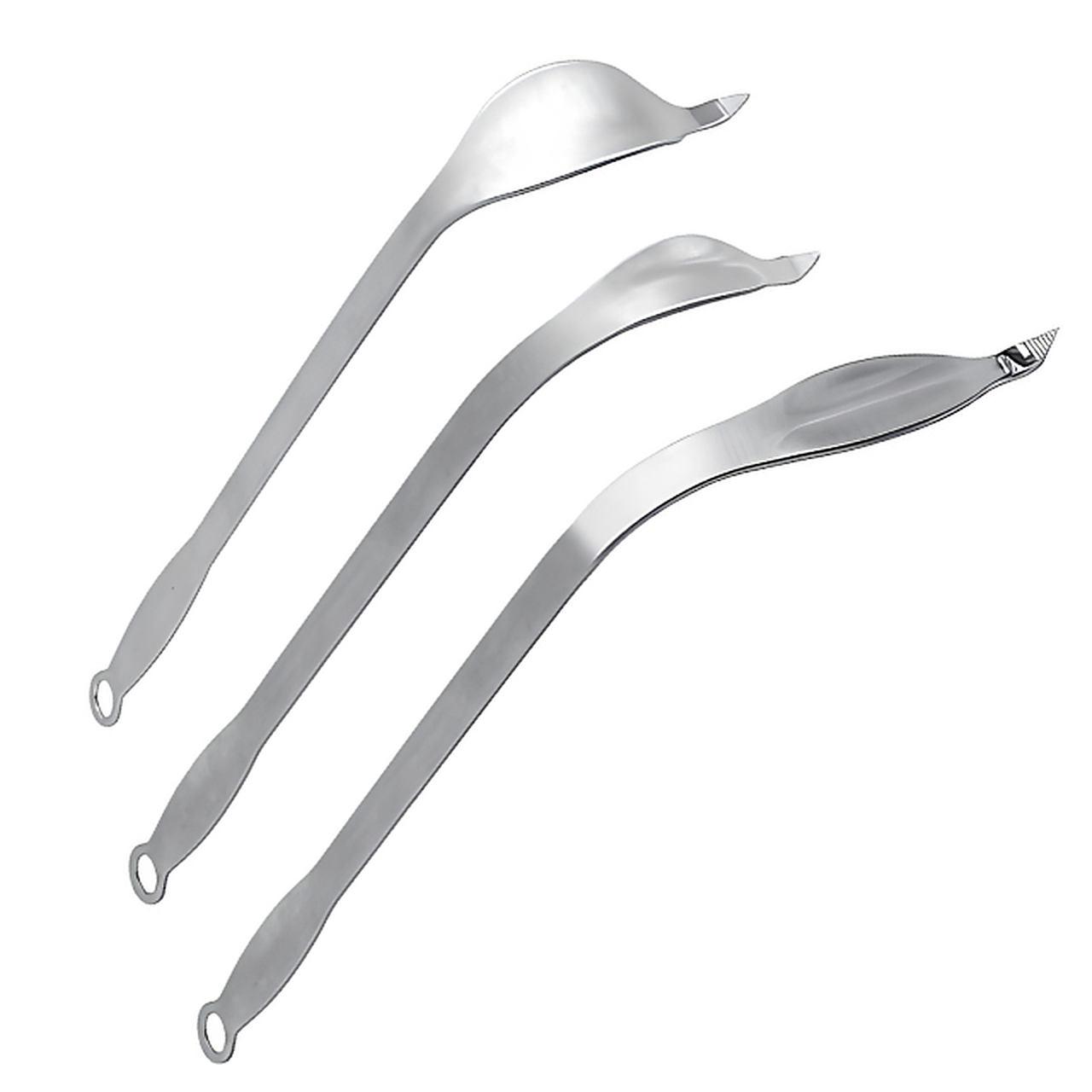 | Cobra Ekartör | Total kalça artroplastisi, pelvik osteotomiler ve femur cerrahisi sırasında kemiği manivela olarak kullanmak ve ağır kas yapısını ekarte etmek için özel olarak tasarlanmıştır. |
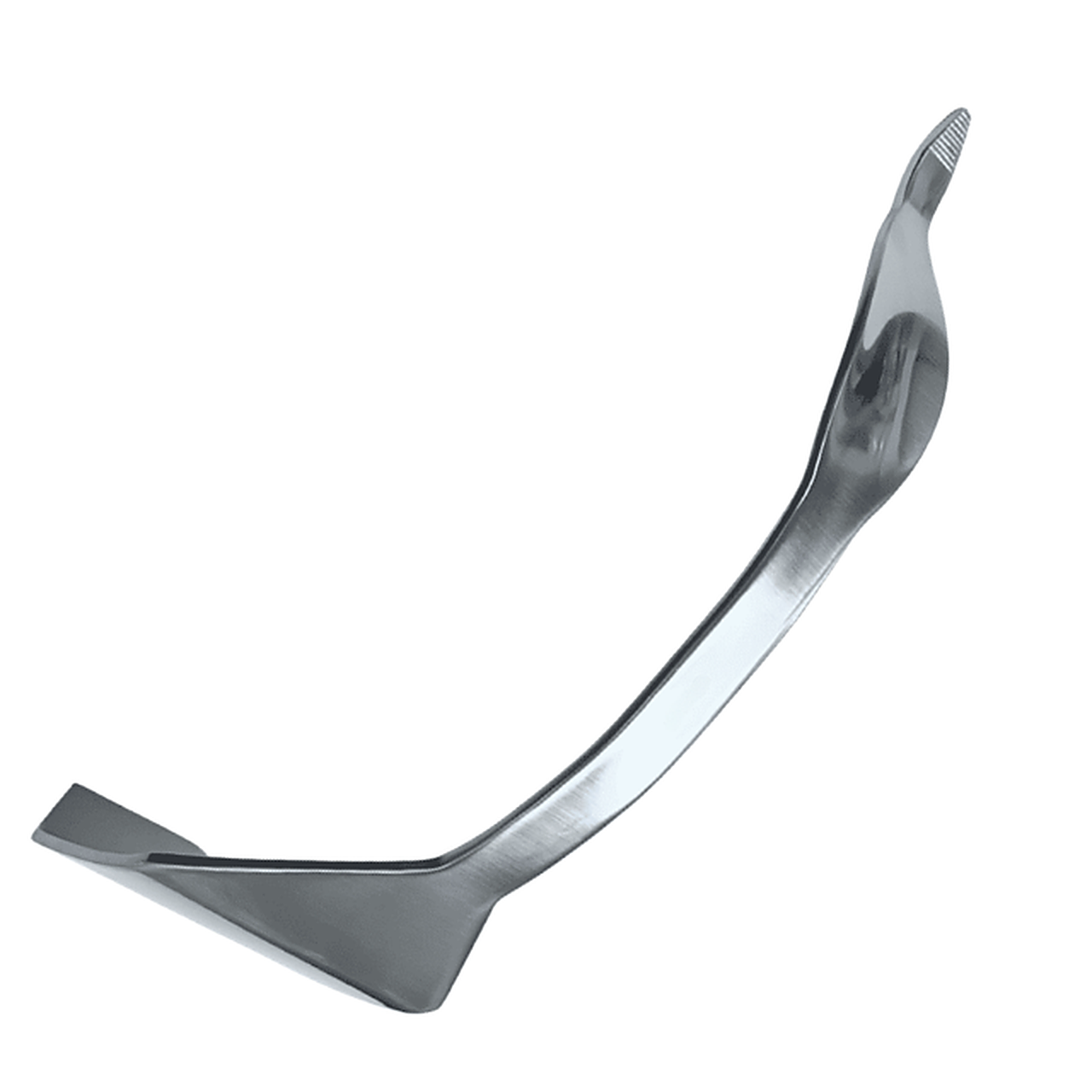 | El Destekli Cobra Ekartör | Kalça artroplastisi sırasında kemiği manivela etmek ve ağır kas dokusunu ekarte ederken asistan el yorgunluğunu azaltmak için özel olarak tasarlanmıştır. |
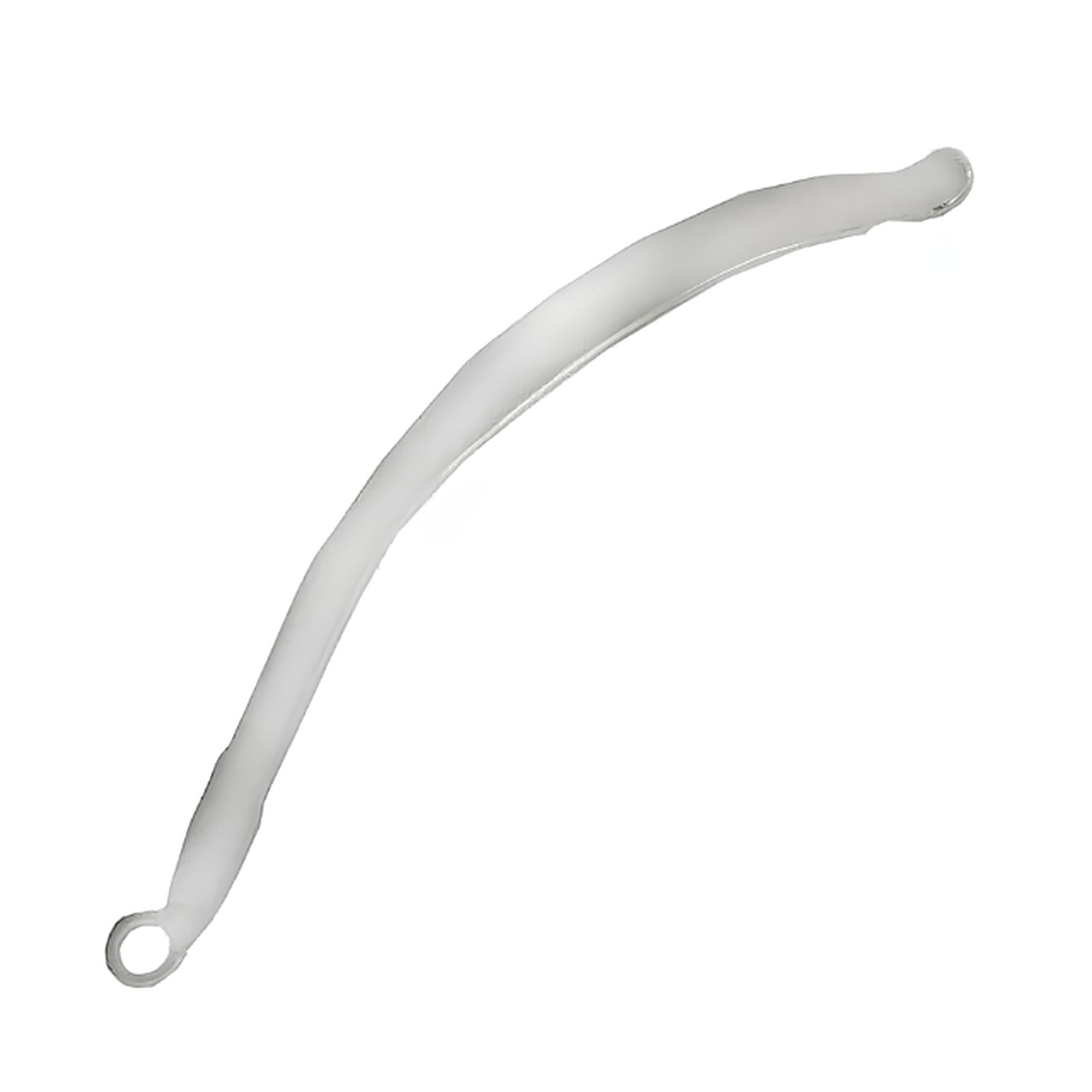 | Cobra Style Femur Retractor | Kalça artroplastisi ve femoral kırık onarımı sırasında ağır kas yapısını geri çekmek ve femoral şaftı açığa çıkarmak için özel olarak tasarlanmıştır. |
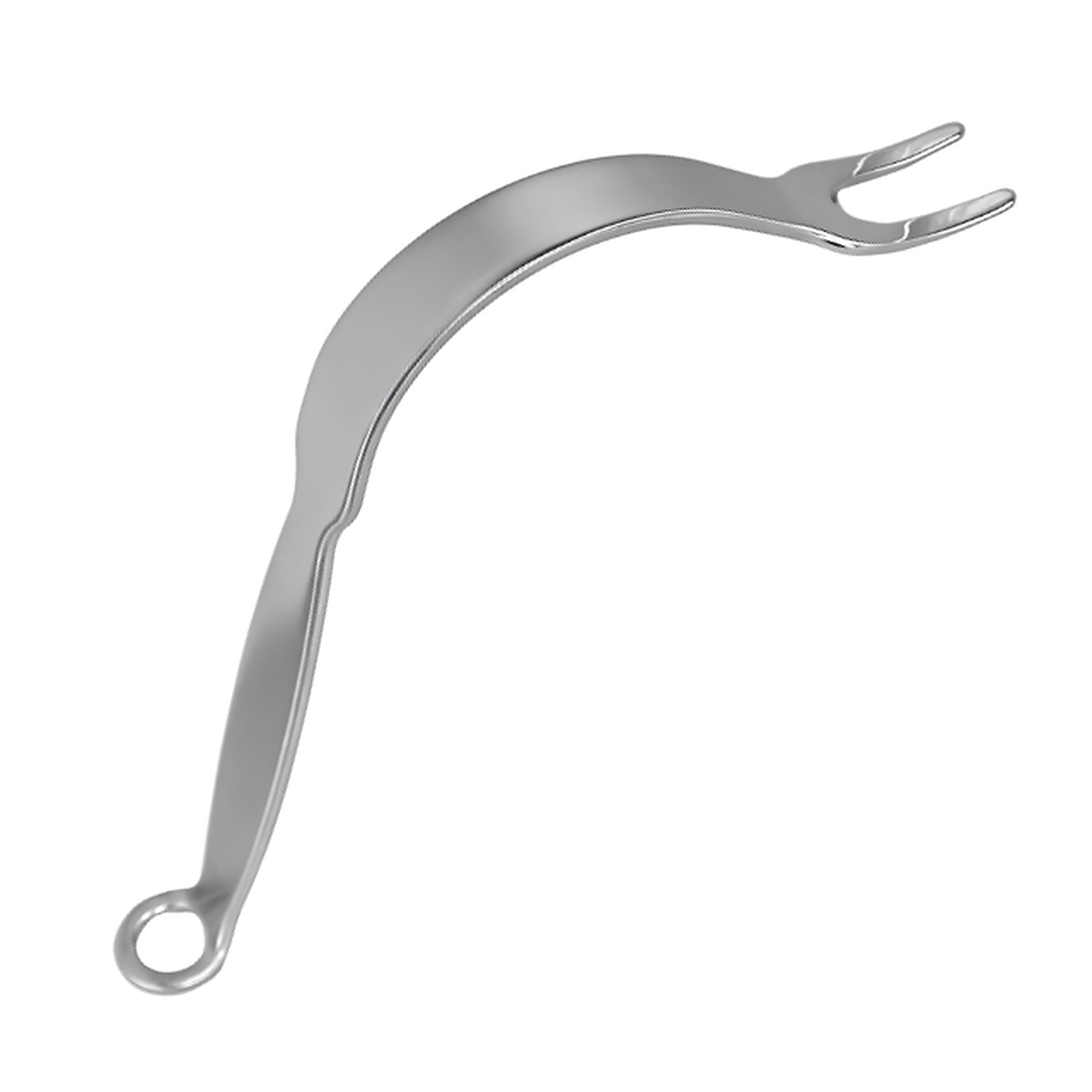 | Kollateral Ligaman Ekartörleri | Total diz artroplastisi sırasında kollateral ligamanları ve kapsülü ekarte etmek ve korumak için özel olarak tasarlanmıştır. |
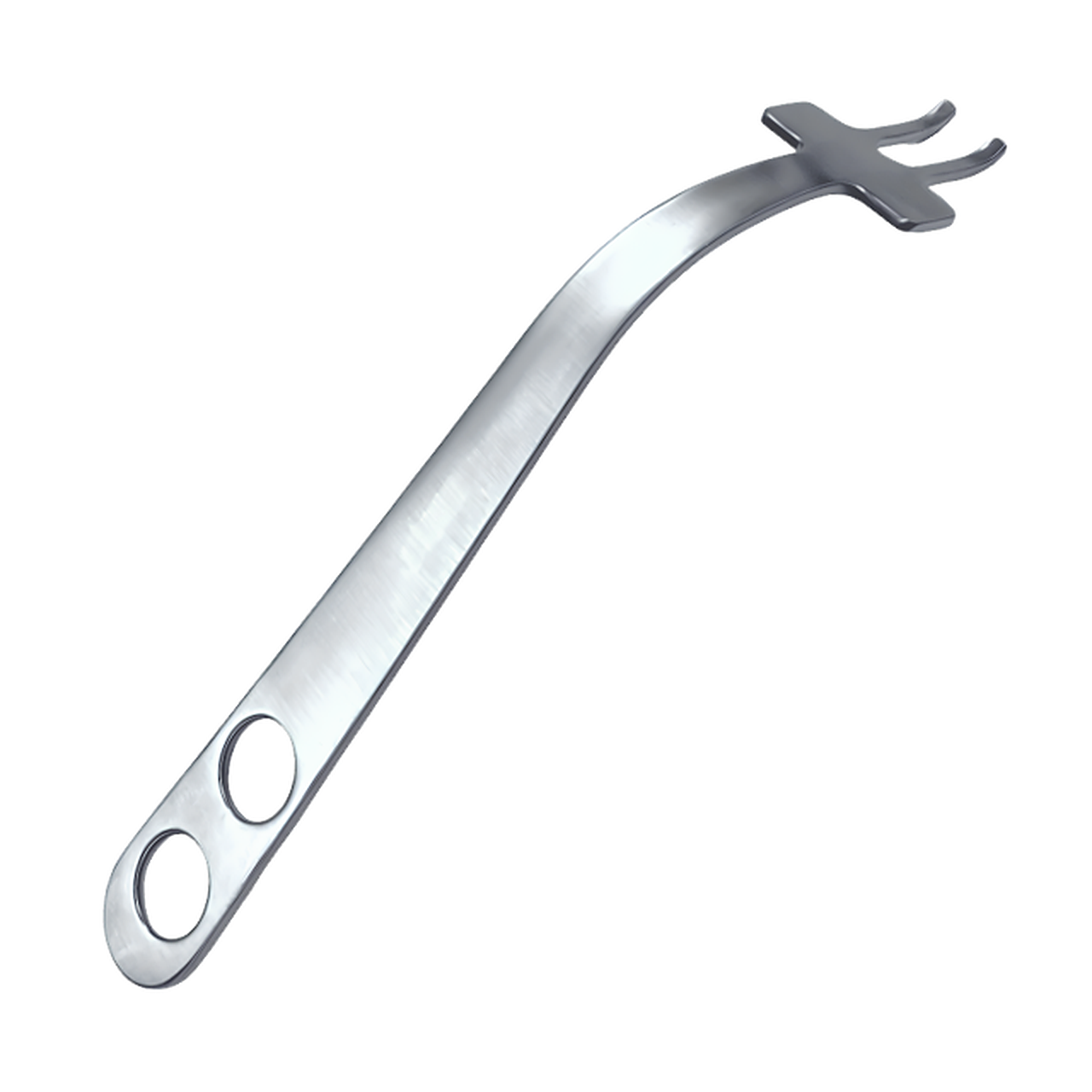 | Kollateral Yumuşak Doku Ekartörü | Diz artroplastisi ve rekonstrüktif cerrahi sırasında kollateral ligamentleri ve periartiküler yumuşak dokuları ekarte etmek için özel olarak tasarlanmıştır. |
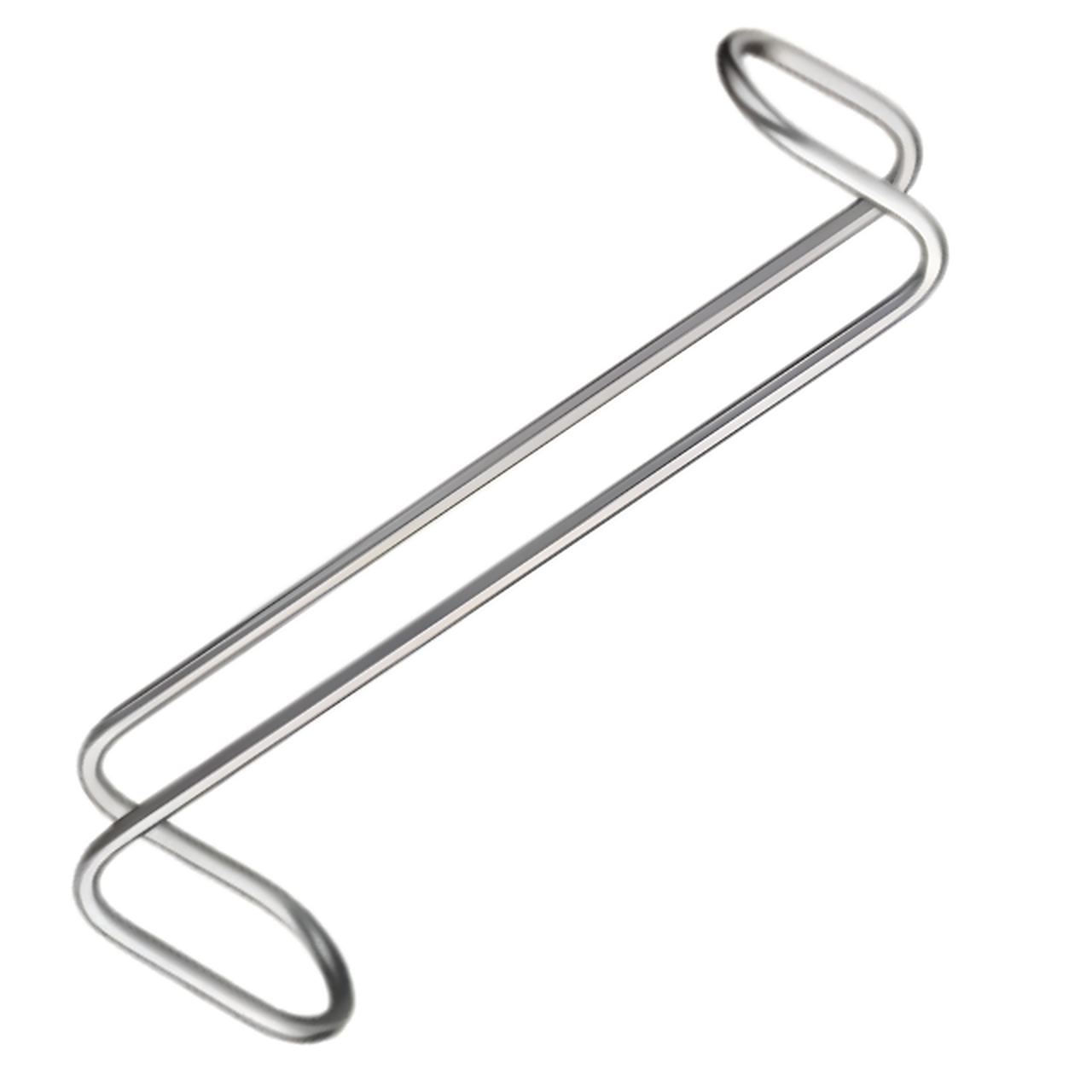 | Collin Hartmann S-Şekilli Ekartör | Genel cerrahi, jinekoloji ve plastik cerrahi sırasında kas, fasya ve yara kenarlarını ekarte etmek için özel olarak tasarlanmıştır. |
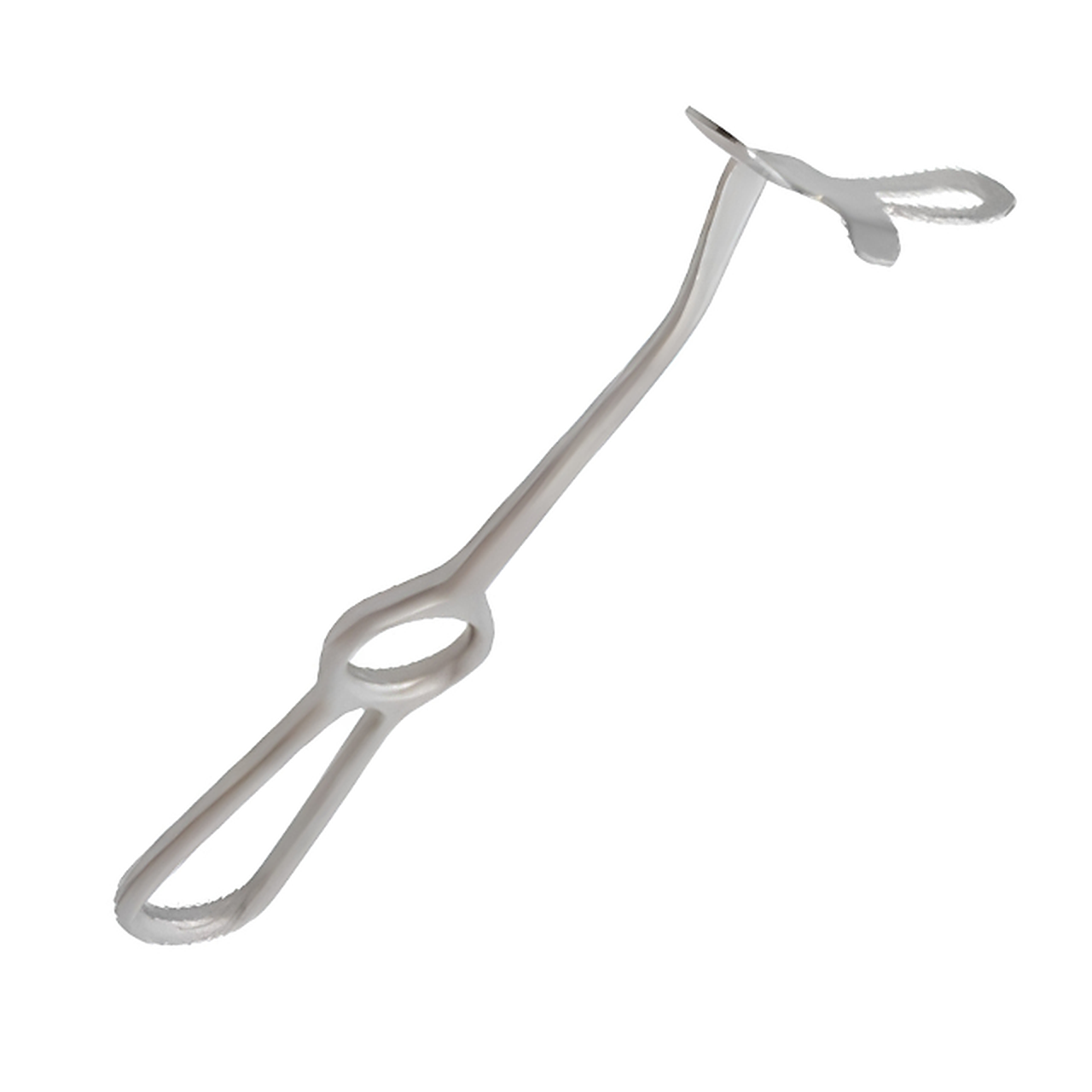 | Kombine Yara ve Yanak Ekartörü | Oral, maksillofasiyal ve plastik cerrahi sırasında yanakları, dudakları ve yara kenarlarını ekarte etmek için özel olarak tasarlanmıştır. |
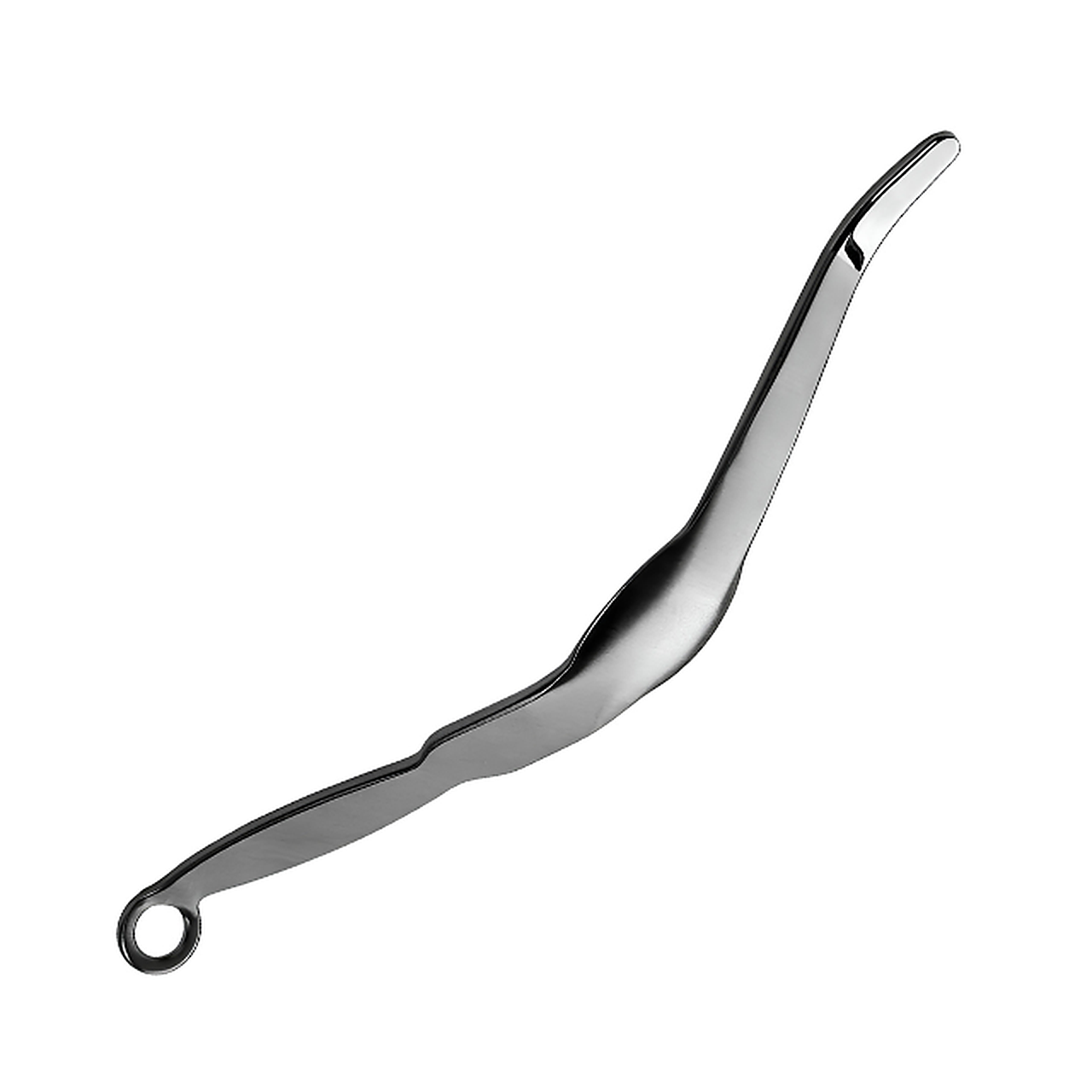 | Konkav Diz Ekartörü | Total diz artroplastisi sırasında kemik kaldıracı sağlarken kollateral ligamentleri ve periartiküler yumuşak dokuları ekarte etmek için özel olarak tasarlanmıştır. |
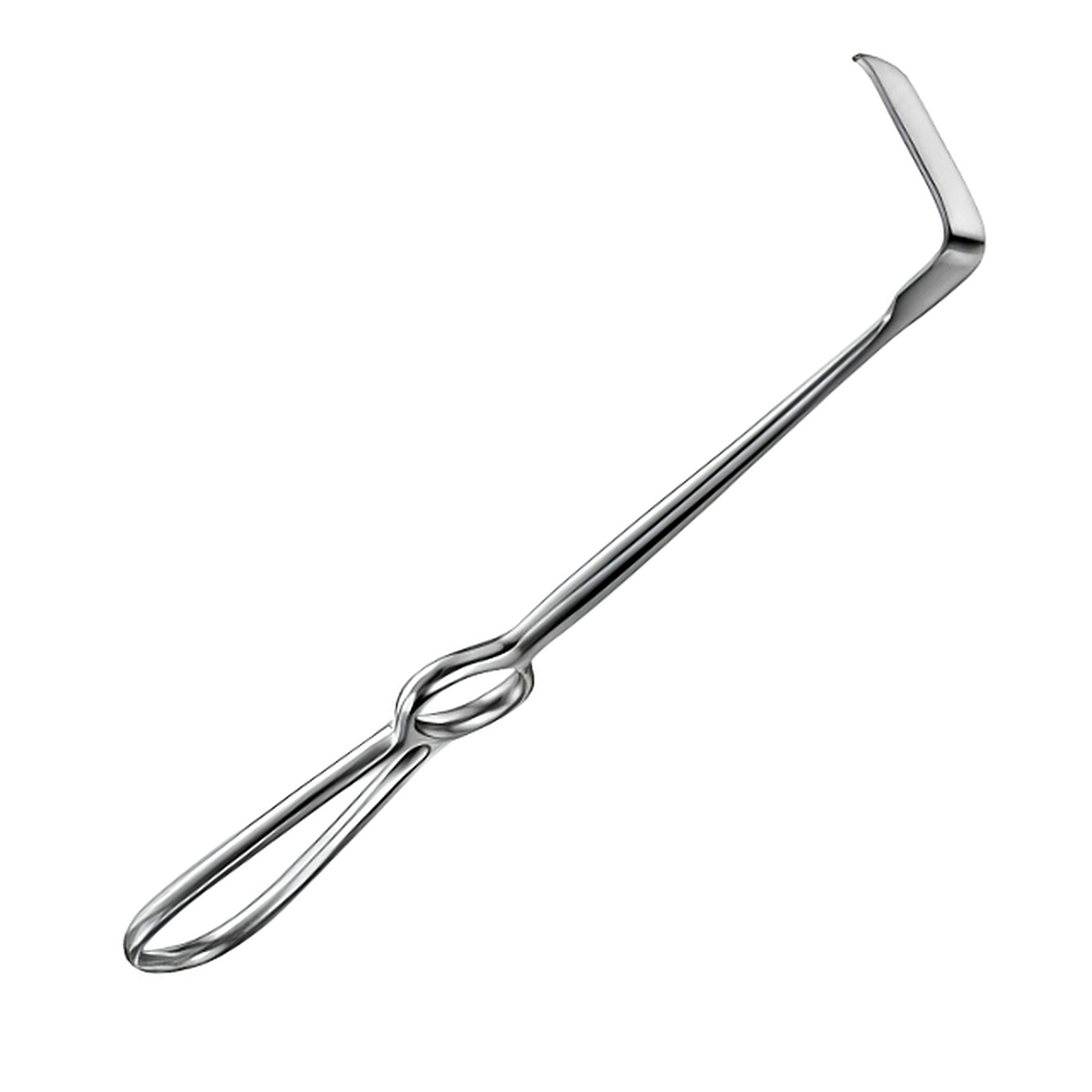 | Kondil Ekartörü | Ortognatik ve fasiyal travma cerrahisi sırasında mandibular ramus ve kondiler boynu tutmak için özel olarak tasarlanmıştır. |
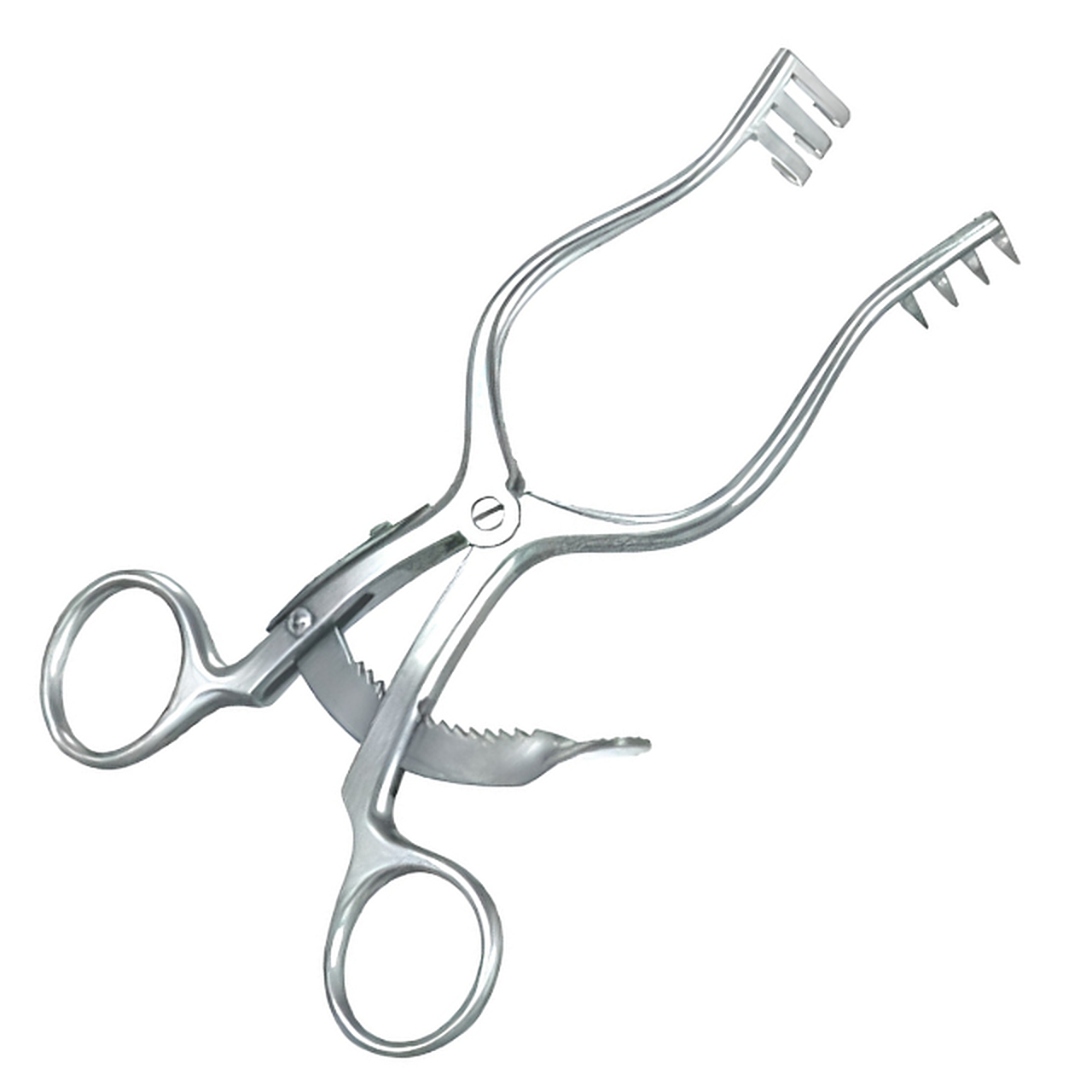 | Contour Otostatik Skalp Ekartörü | Kraniyotomiler ve kraniyal cerrahi sırasında skalp fleplerini, galeayı ve kası ekarte etmek için özel olarak tasarlanmıştır. |
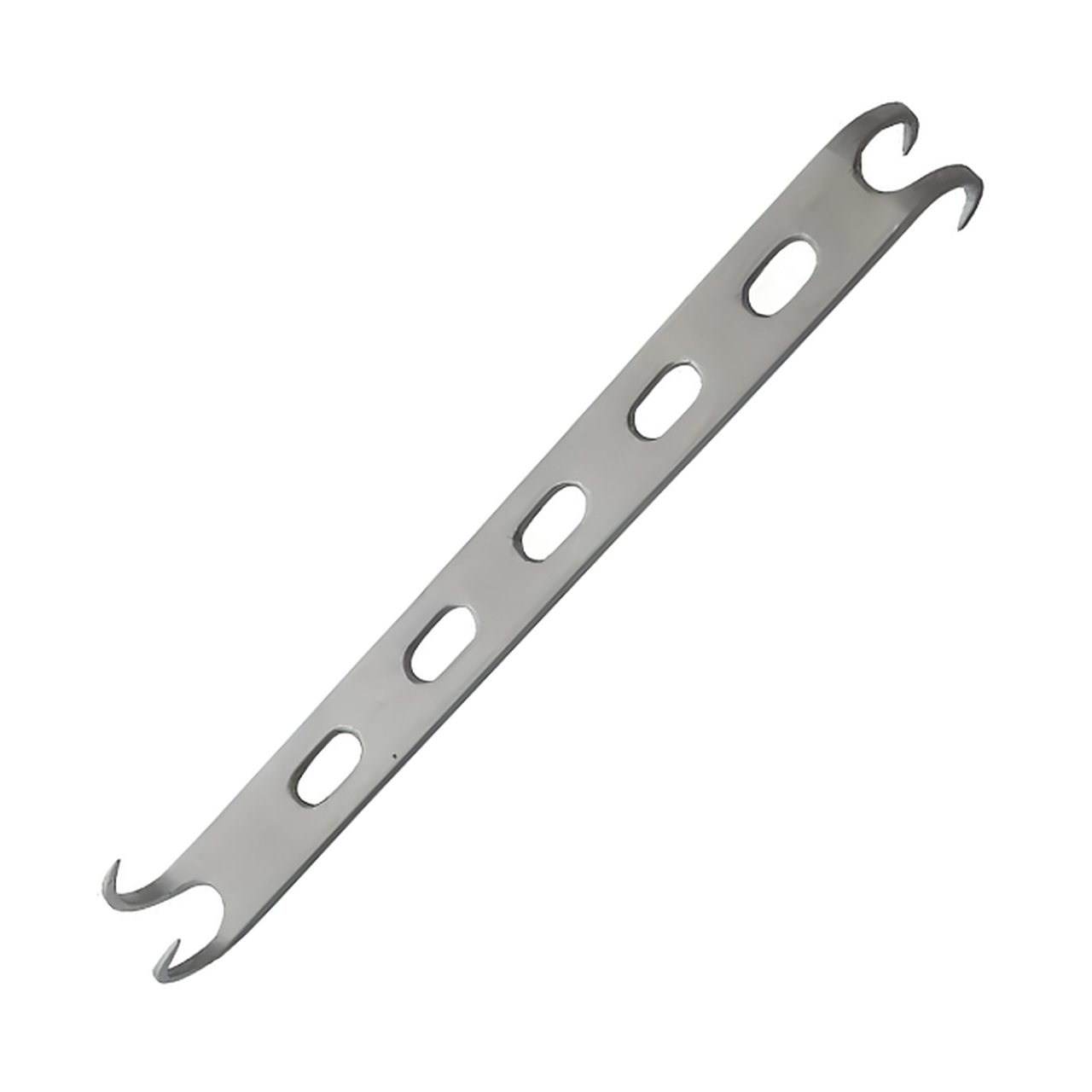 | Converse Alar Ekartör Çift Taraflı | Rinoplasti sırasında alar marjı, burun deliği kenarını ve alt lateral kıkırdağı ekarte etmek için özel olarak tasarlanmıştır. |
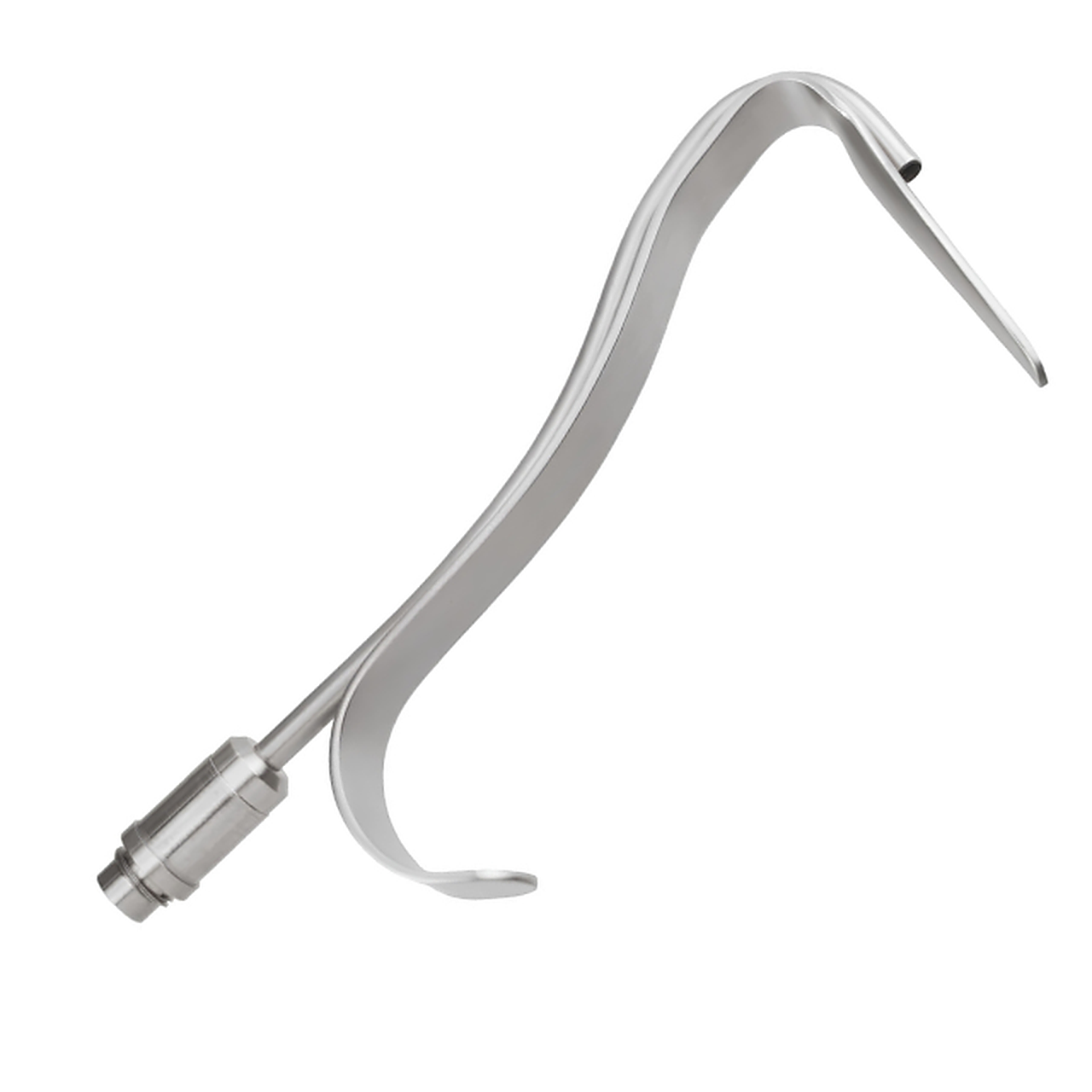 | Converse Nazal Ekartör | Rinoplasti sırasında nazal kütanöz flepleri kaldırmak ve nazal dorsumun doğrudan görselleştirilmesini sağlamak için özel olarak tasarlanmıştır. |
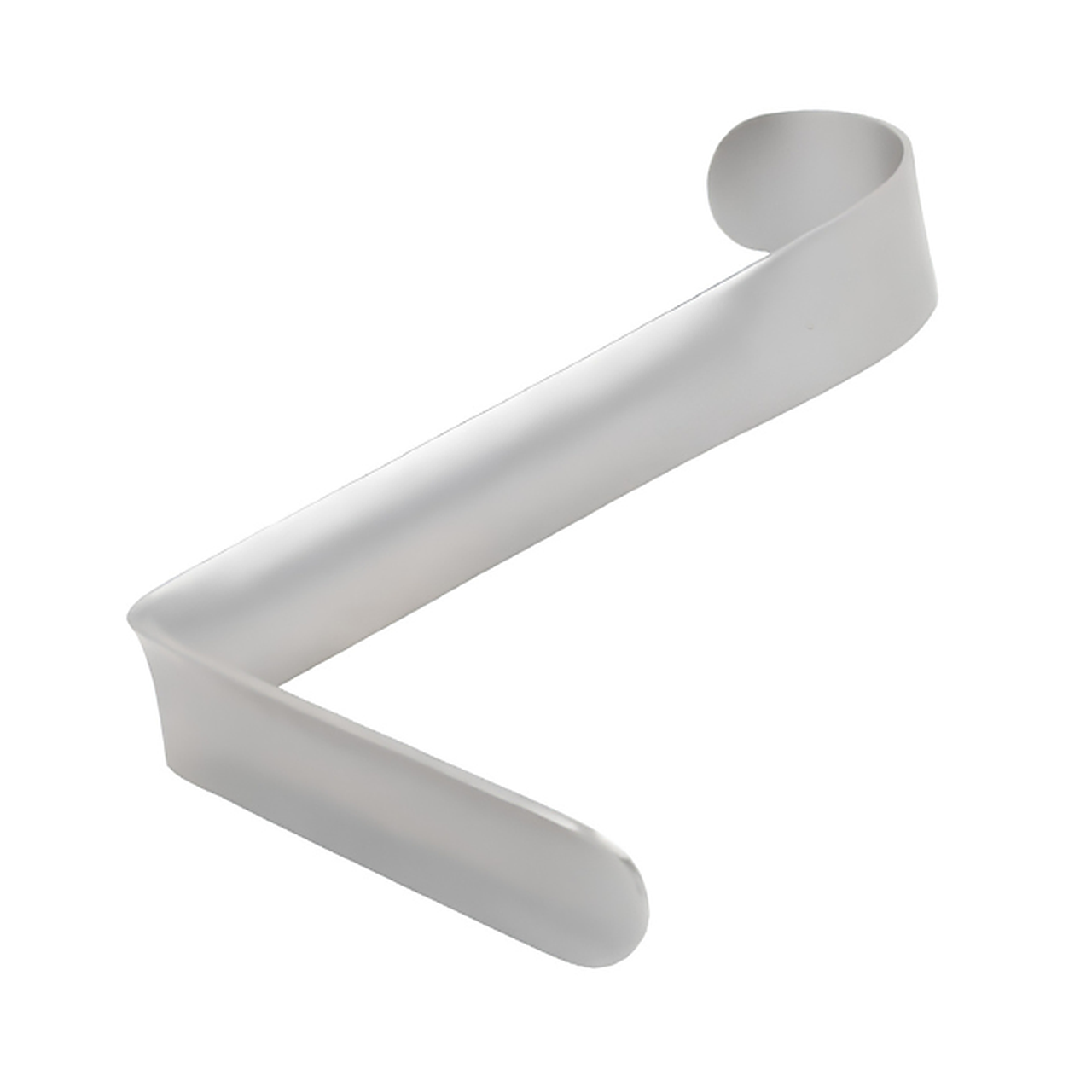 | Converse Nasal retractor, 10 cm | Rinoplasti sırasında nazal yumuşak doku fleplerini kaldırmak ve kıkırdak çatısını açığa çıkarmak için özel olarak tasarlanmıştır. |
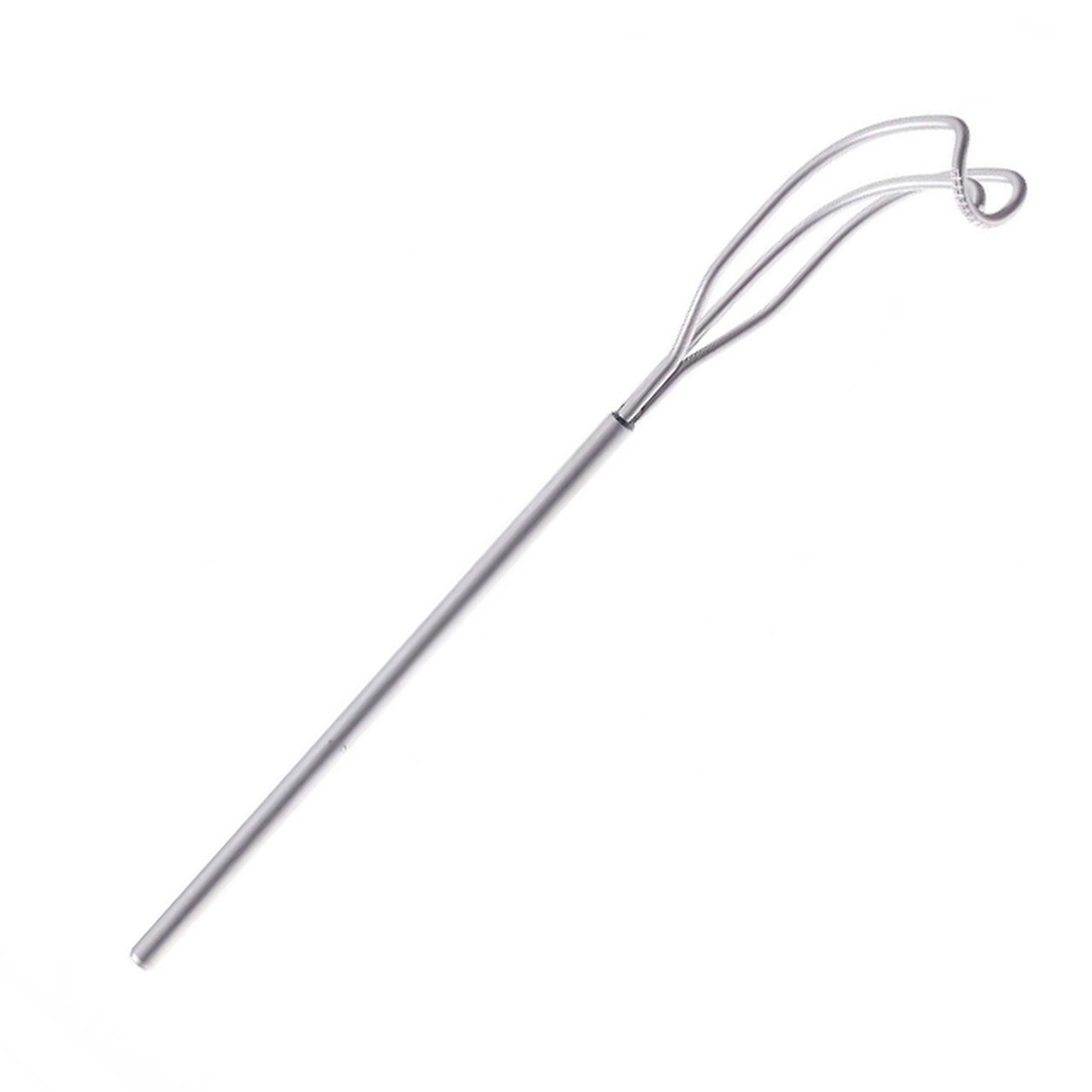 | Cooley Atriyal Ekartör | Kapak prosedürleri sırasında atriyal duvarı ekarte etmek ve yapılandırılmış operatif görüş sağlamak için özel olarak tasarlanmıştır. |
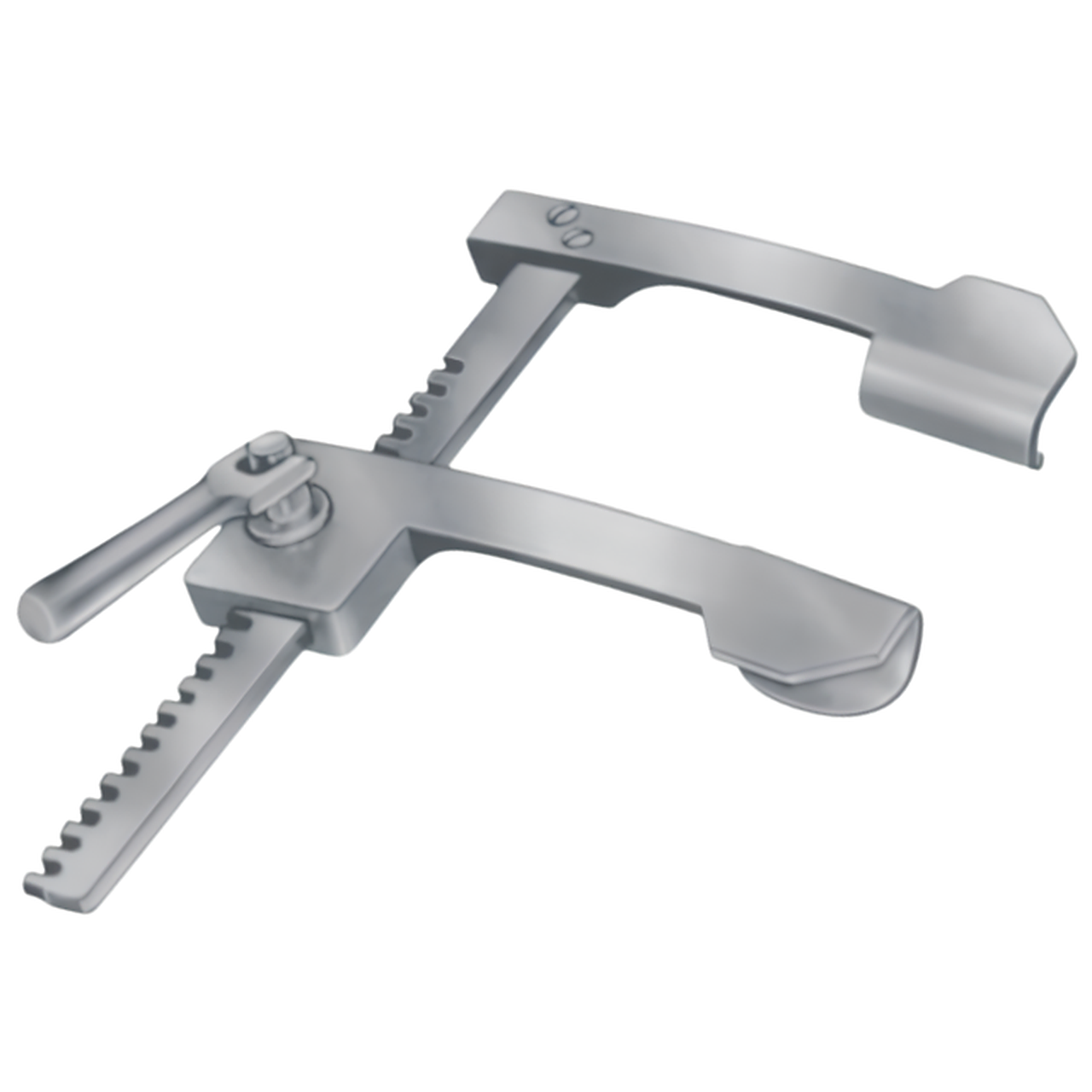 | Cooley Kot Ayırıcı (Rib Spreader) | Kardiyotorasik cerrahi sırasında bitişik kaburgaları ayırmak ve açık bir göğüs koridoru sağlamak için özel olarak tasarlanmıştır. |
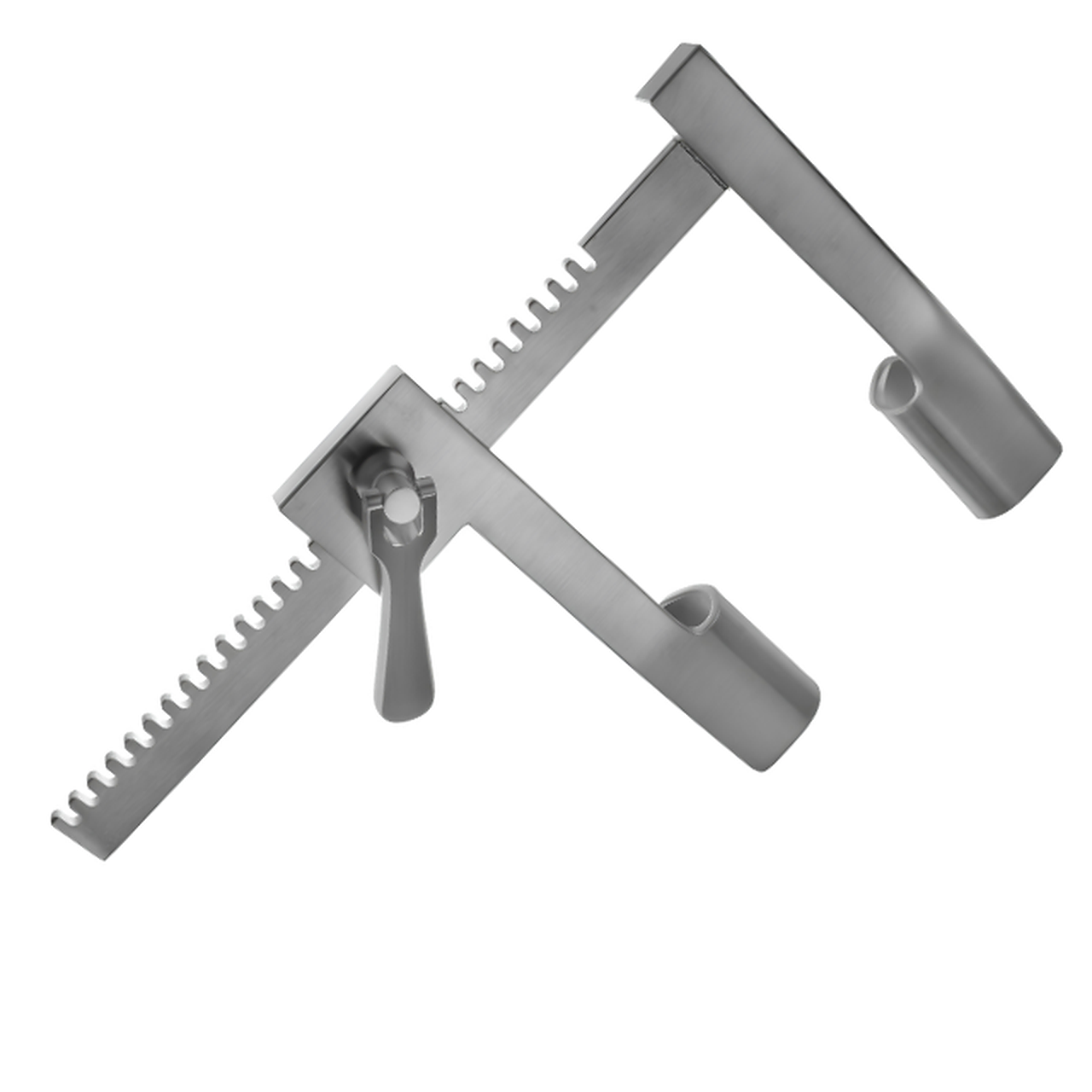 | Cooley Sternal Retraktör | Açık kardiyotorasik ve mediastinal prosedürler sırasında sternumu ayırmak ve ekarte etmek için özel olarak tasarlanmıştır. |
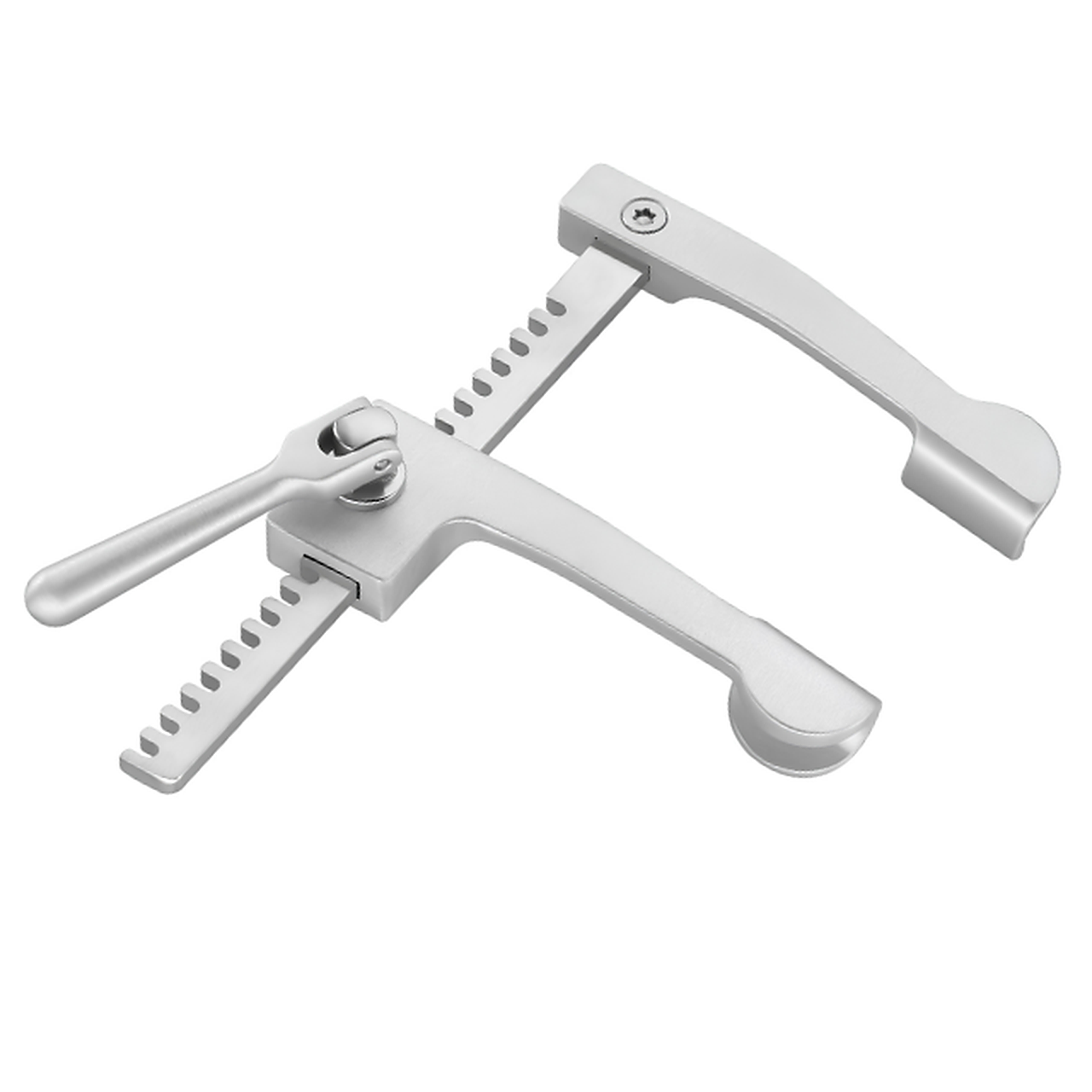 | Cooley Sternotomi Ekartörü | Neonatal ve pediatrik kalp cerrahisi sırasında hassas sternal ayırma ve maruziyet sağlamak için özel olarak tasarlanmıştır. |
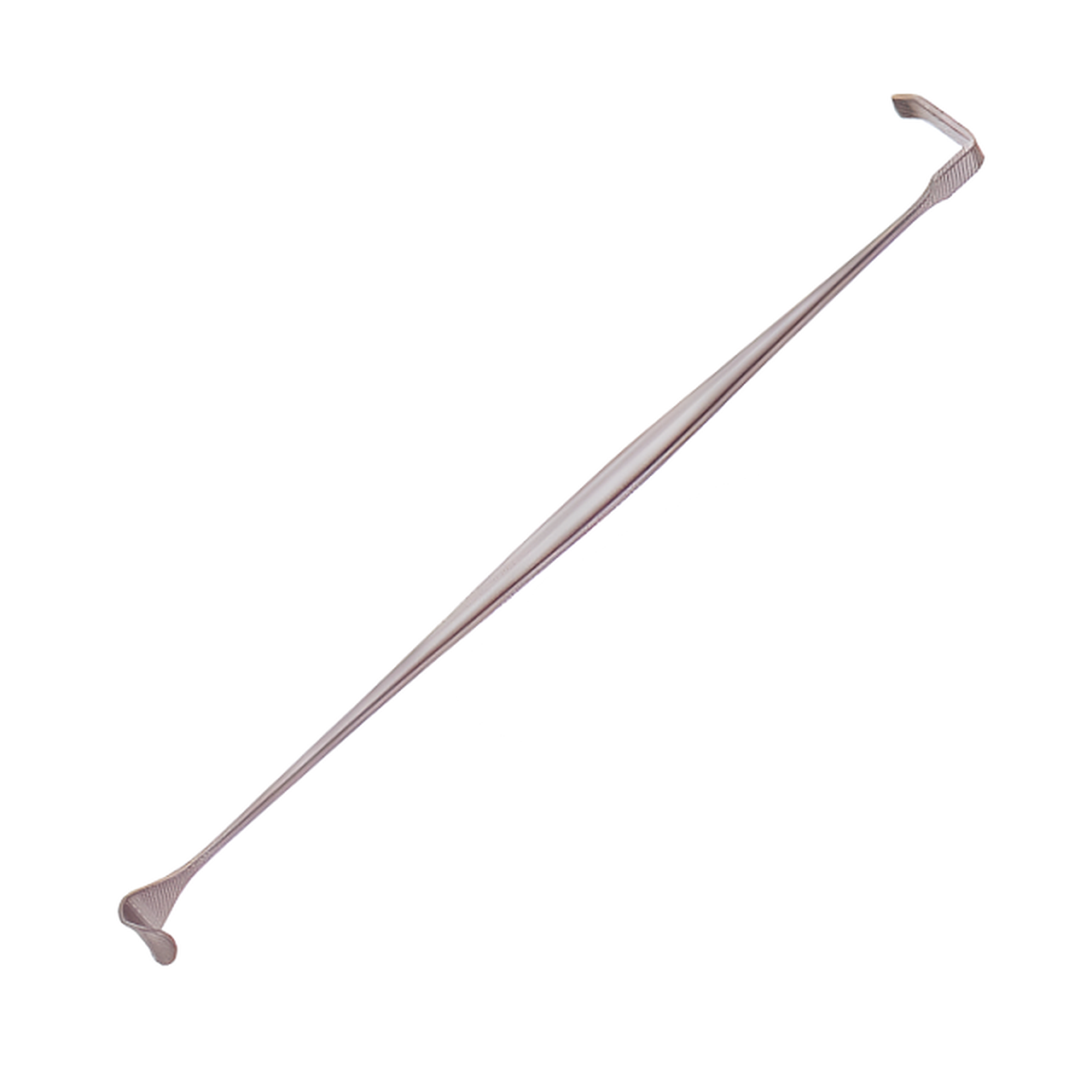 | Cope Retractor Çift Taraflı | Genel cerrahi, plastik cerrahi ve KBB cerrahi prosedürleri sırasında deri, fasya ve yumuşak dokuyu ekart etmek için özel olarak tasarlanmıştır. |
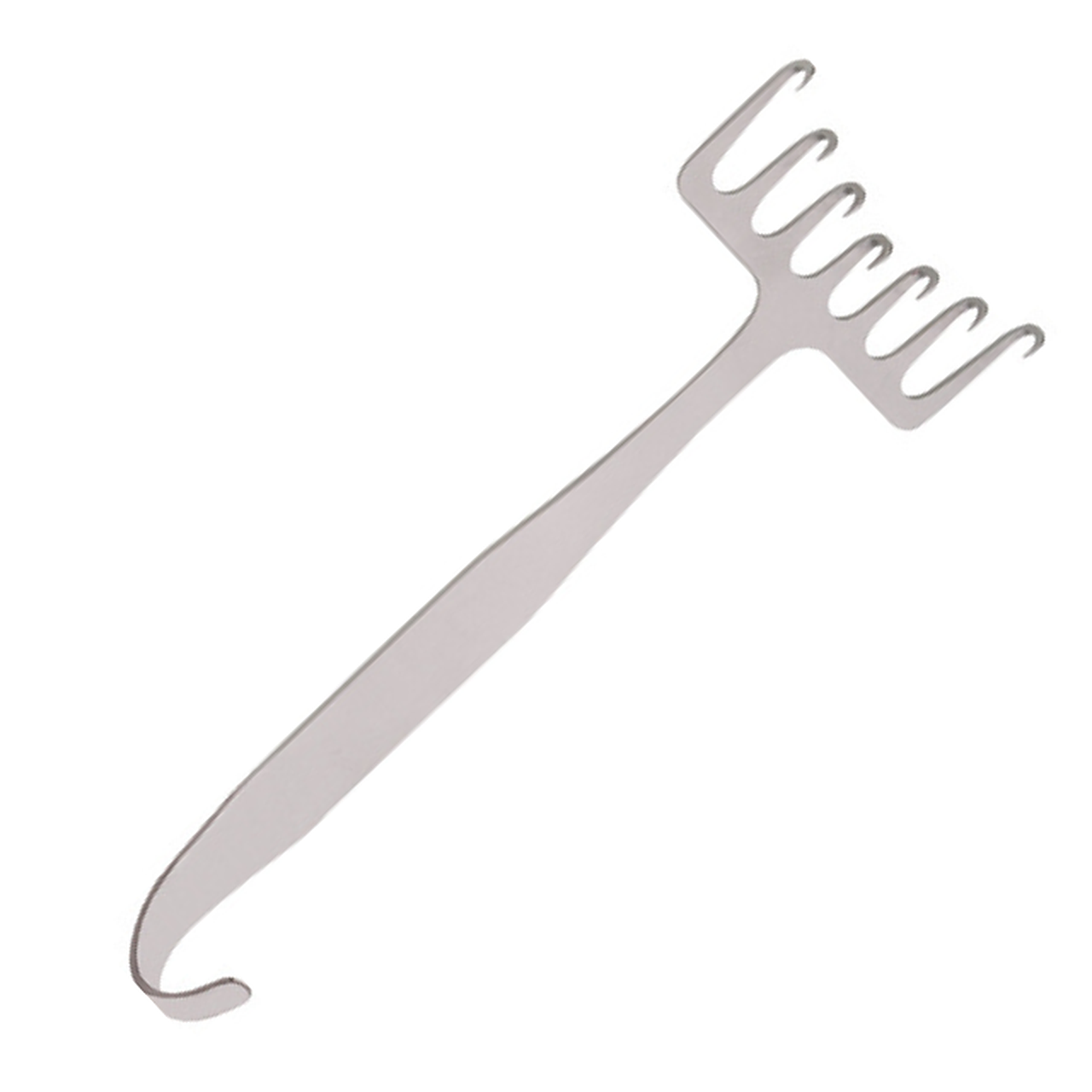 | Koronal Kaş Kaldırma Ekartörü (Coronal Brow Lift Retractor) | Açık koronal kaş kaldırma prosedürleri sırasında yoğun kafa derisi fleplerini, galeayı ve alın dokularını ekarte etmek için özel olarak tasarlanmıştır. |
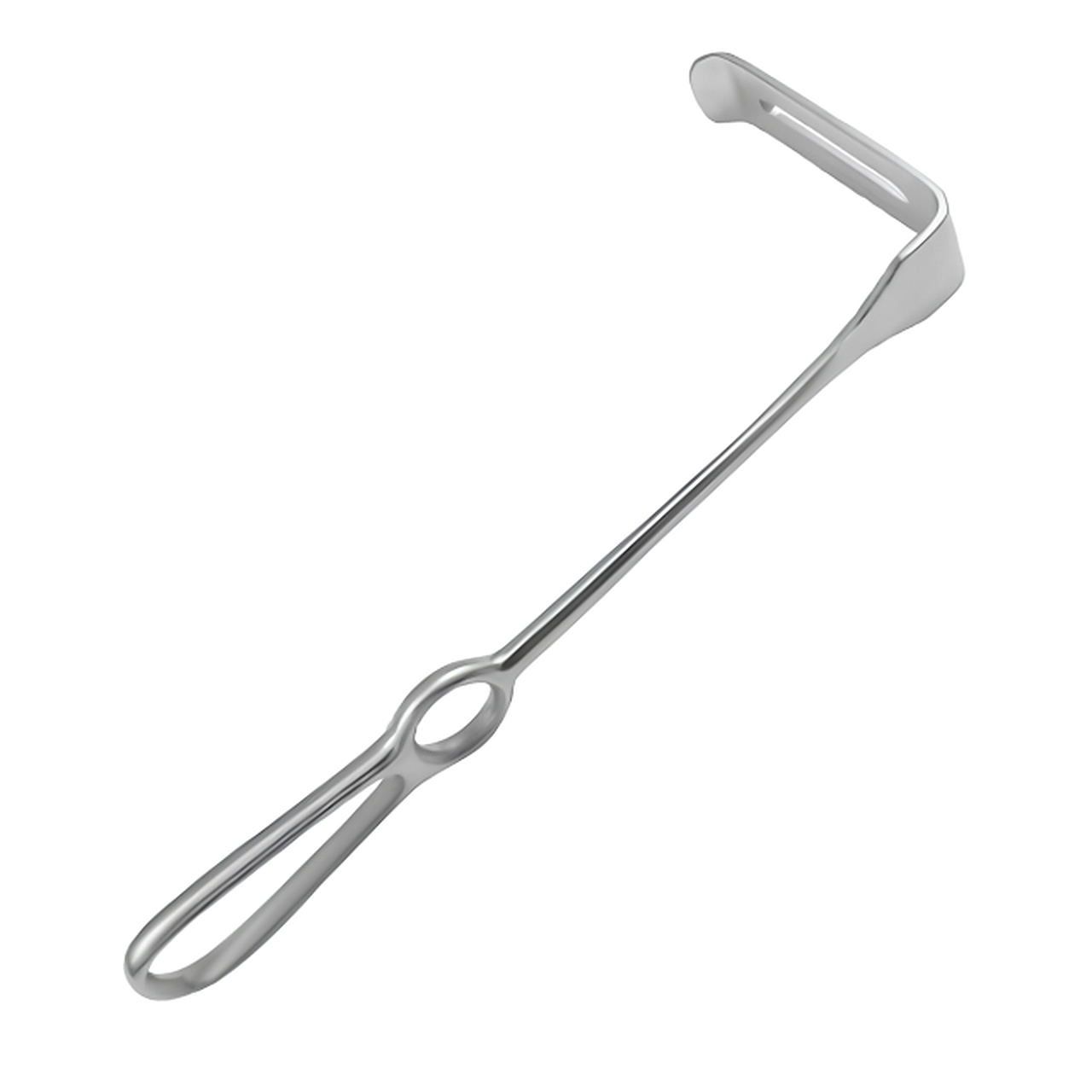 | Coryllos Ekartörler | Açık torasik cerrahi sırasında göğüs duvarı kaslarını, kaburgaları ve akciğer dokusunu ekarte etmek için özel olarak tasarlanmıştır. |
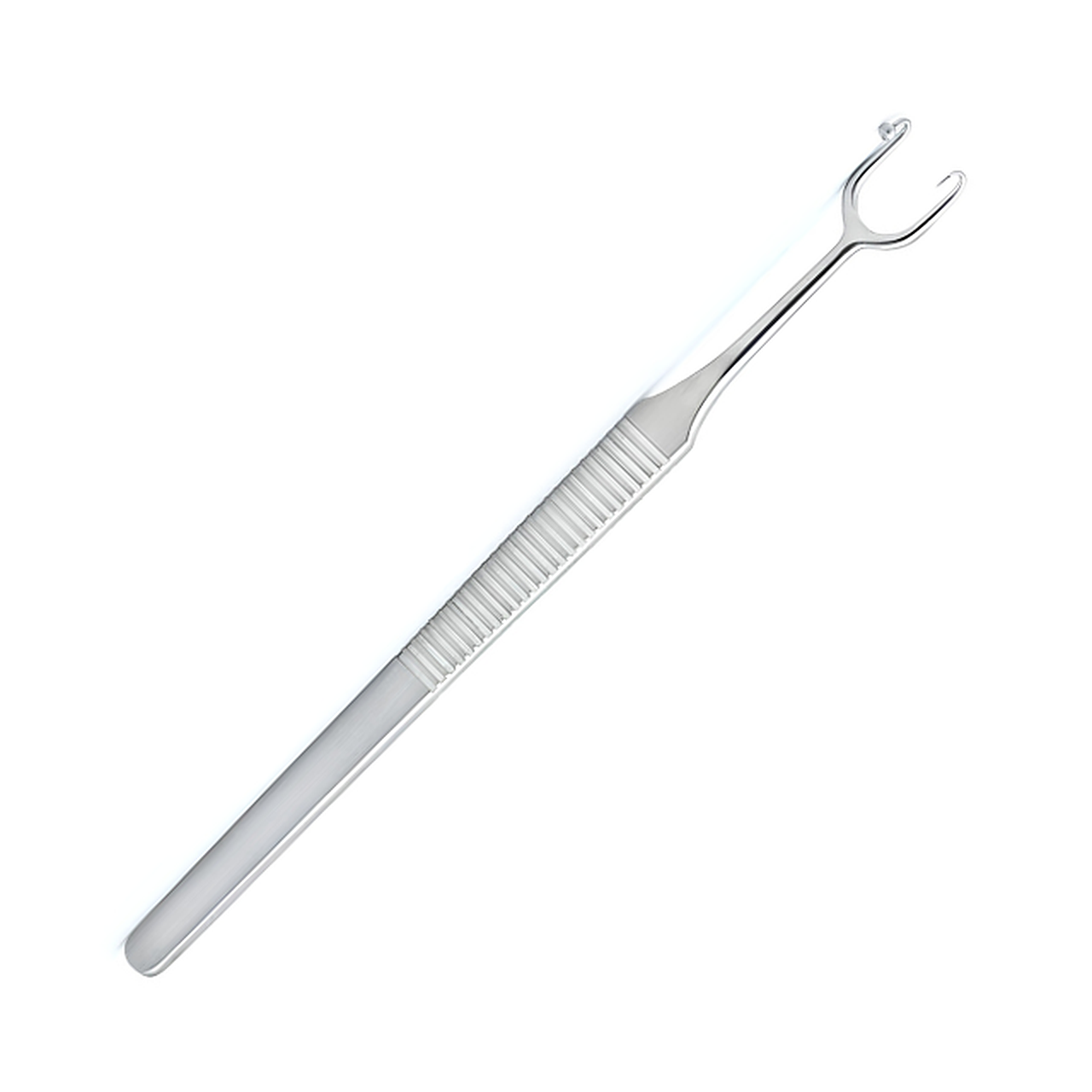 | Cottle Alar Burun Ekartörü / Kanca | Estetik ve rekonstrüktif rinoplasti sırasında alar kenarı ve burun deliği sınırlarını ekartre etmek için özel olarak tasarlanmıştır. |
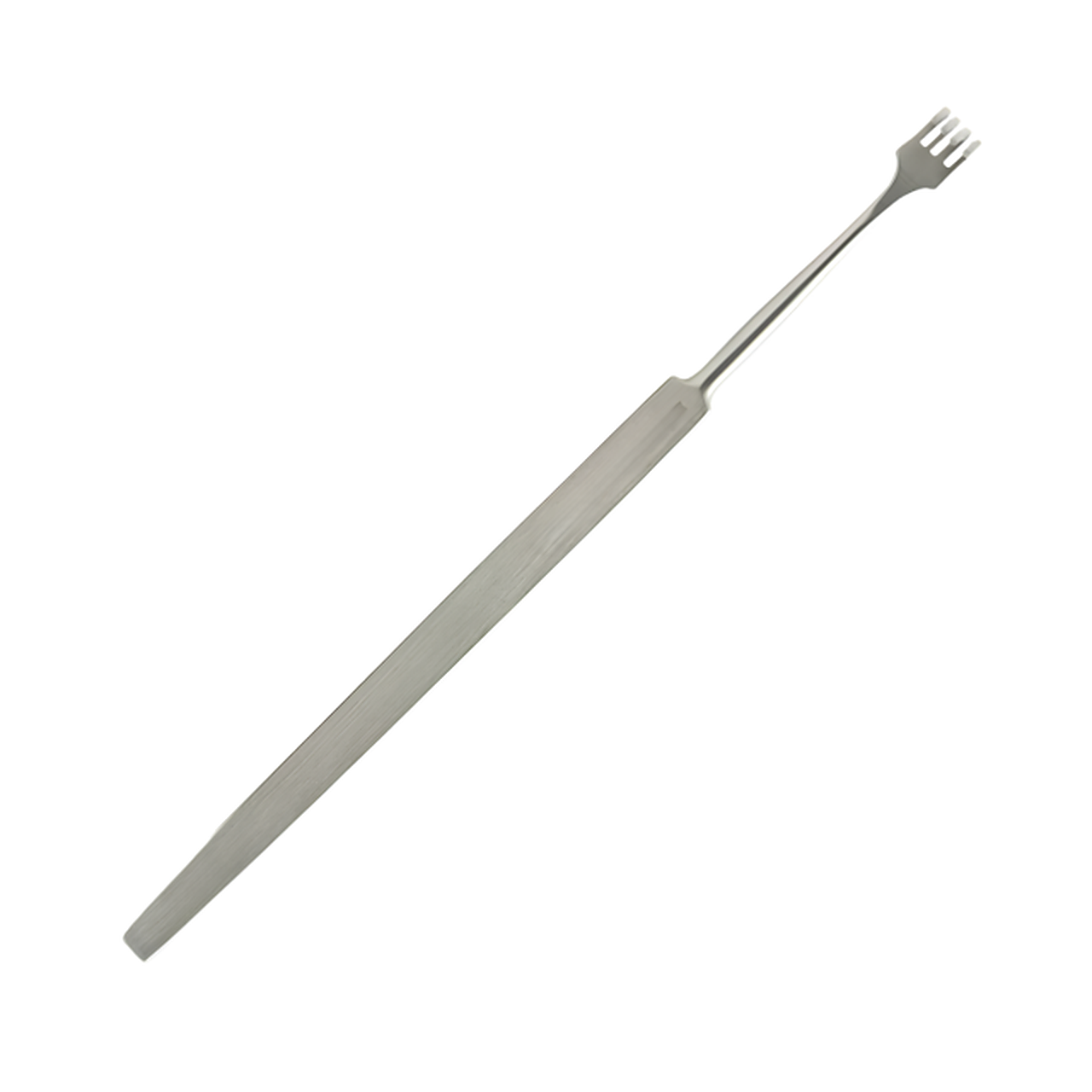 | Cottle Nasal Retractor - 4 Blunt Prongs | Rinoplasti ve septoplasti sırasında alar kenar, kolumella ve vestibüler mukozayı ekarte etmek için özel olarak tasarlanmıştır. |
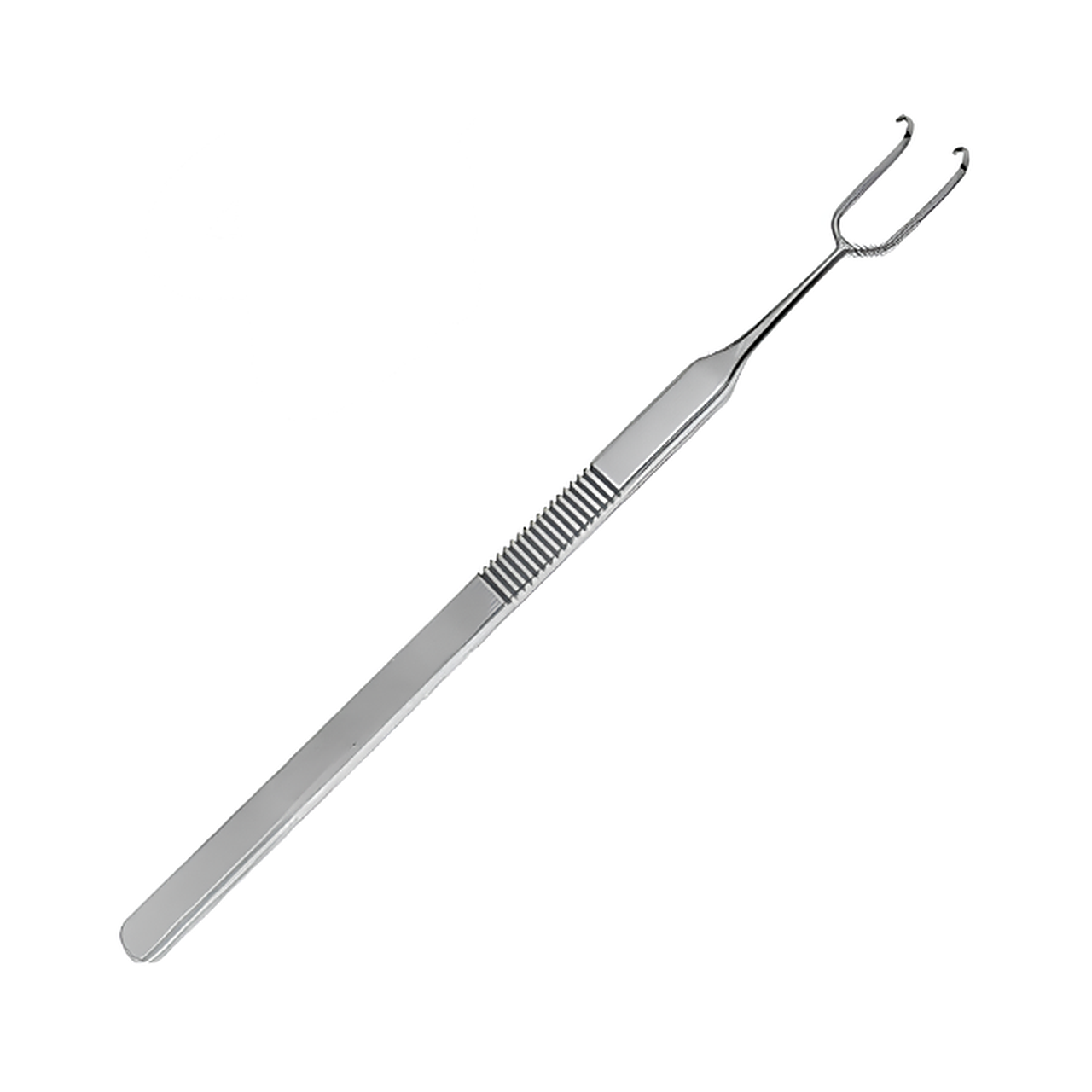 | Cottle Ekartör Kancası 2 Uçlu | Rinoplasti ve yüz plastik cerrahisi sırasında deri fleplerini, mukozayı ve kıkırdakları ekarte etmek için özel olarak tasarlanmıştır. |
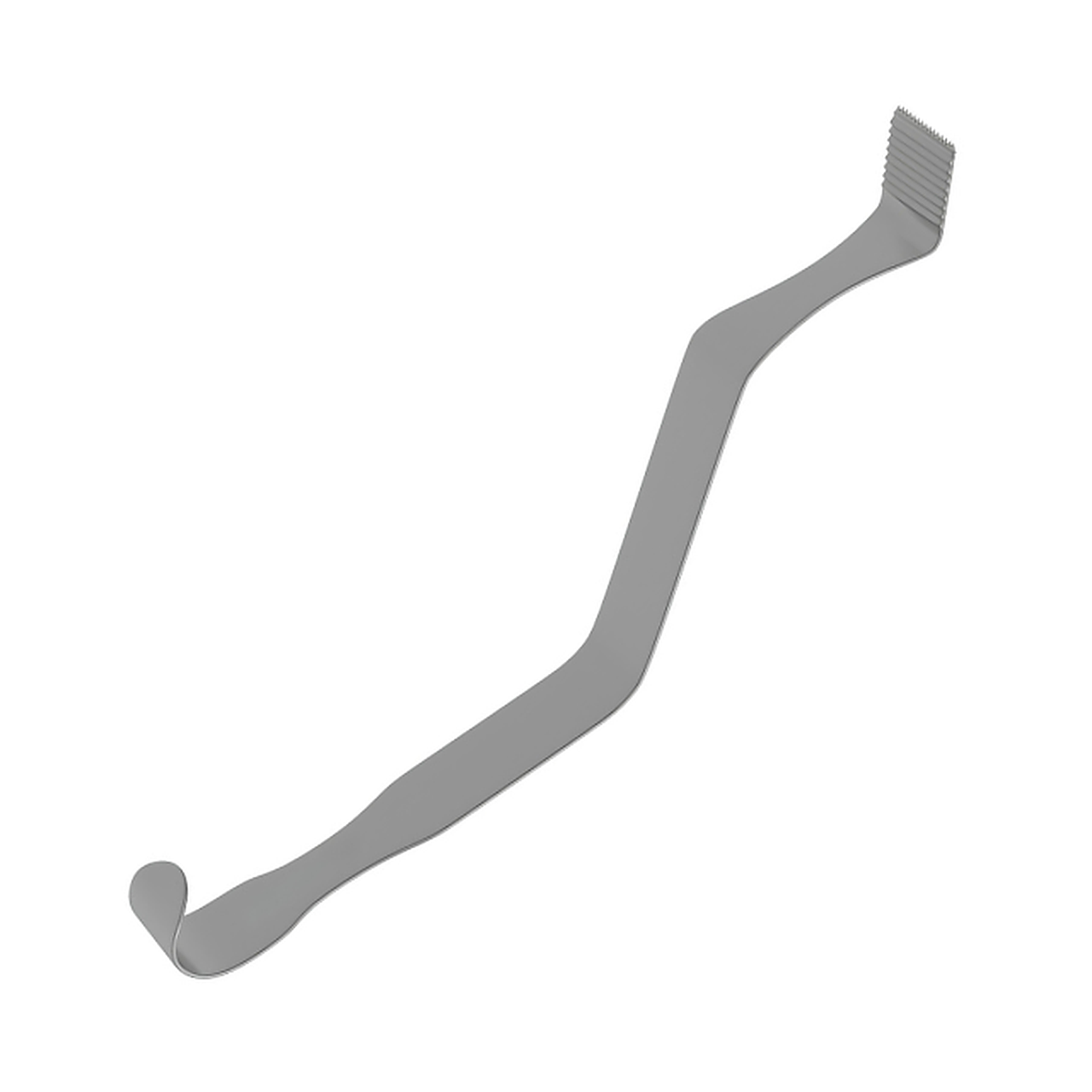 | Crawford Aort Ekartörü | Vasküler rekonstrüksiyon ve anevrizma cerrahisi sırasında aort, vena kava ve büyük damarların ekarte edilmesi için özel olarak tasarlanmıştır. |
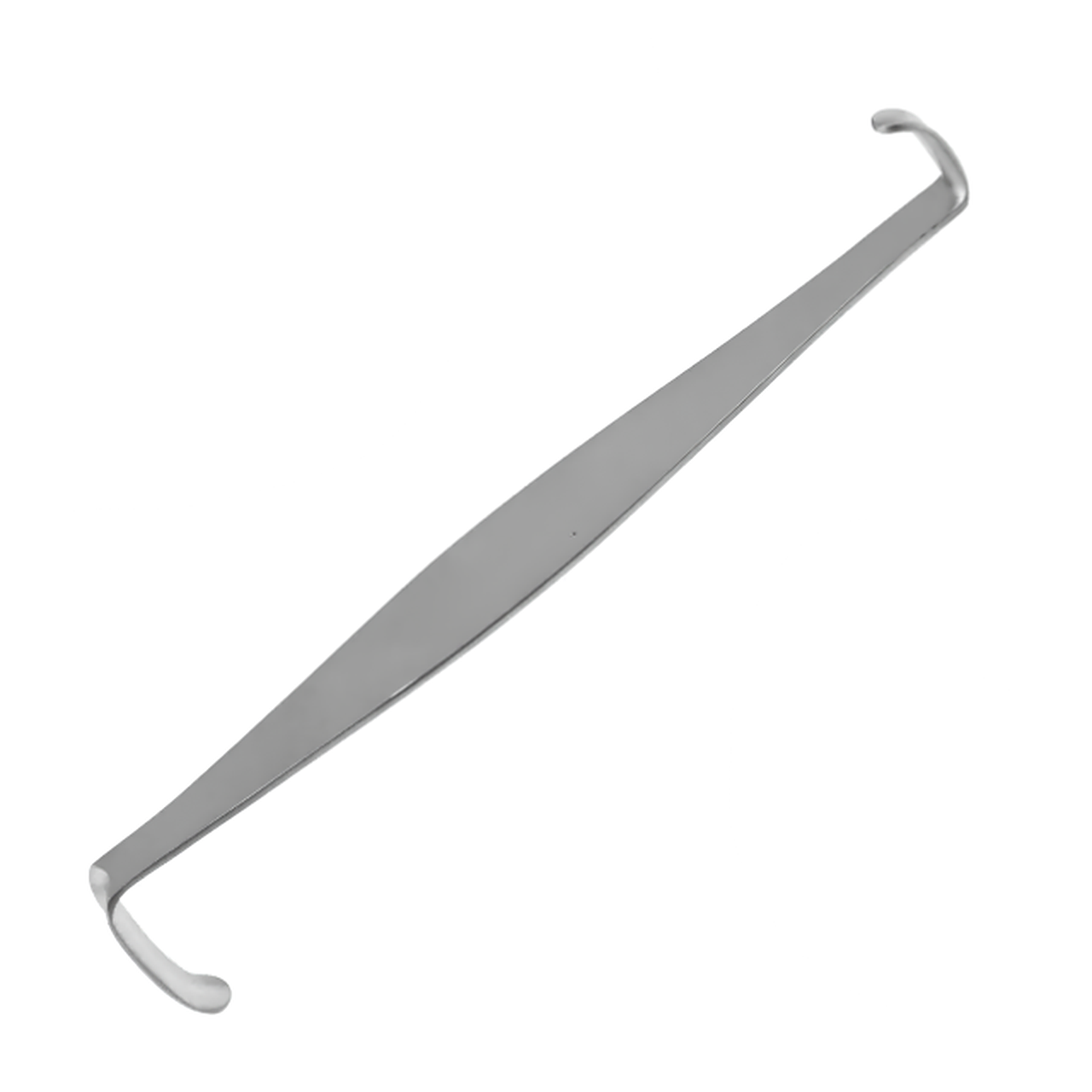 | Crile Ekartör Çift Taraflı | Küçük cerrahi ve plastik prosedürler sırasında deri kenarlarını, fasyayı ve deri altı yumuşak dokuyu ekarte etmek için özel olarak tasarlanmıştır. |
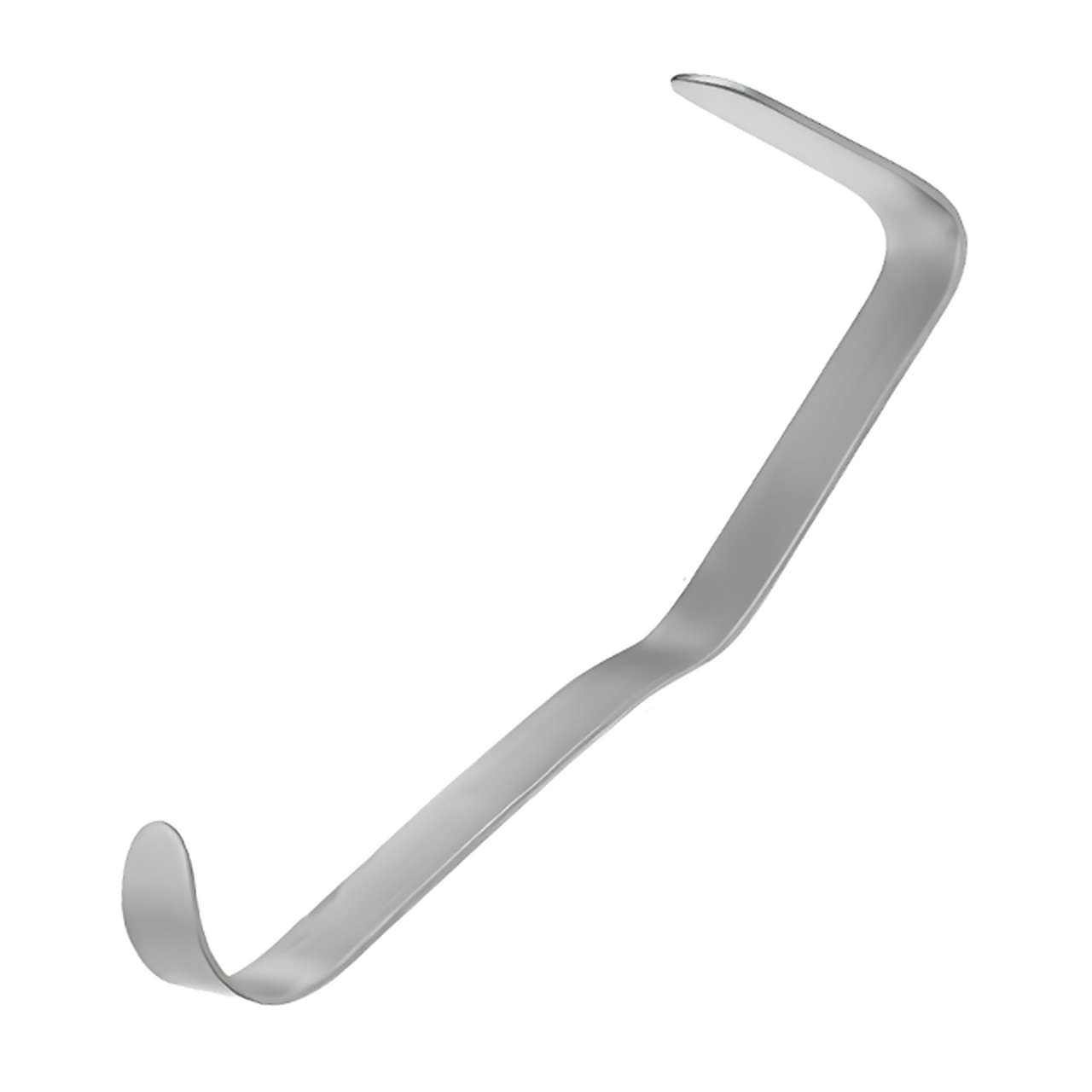 | Cronin Yanak Ekartörü | Ağız, maksillofasiyal ve yarık damak cerrahisi sırasında yanakları, dudakları ve bukkal mukozayı ekarte etmek için özel olarak tasarlanmıştır. |
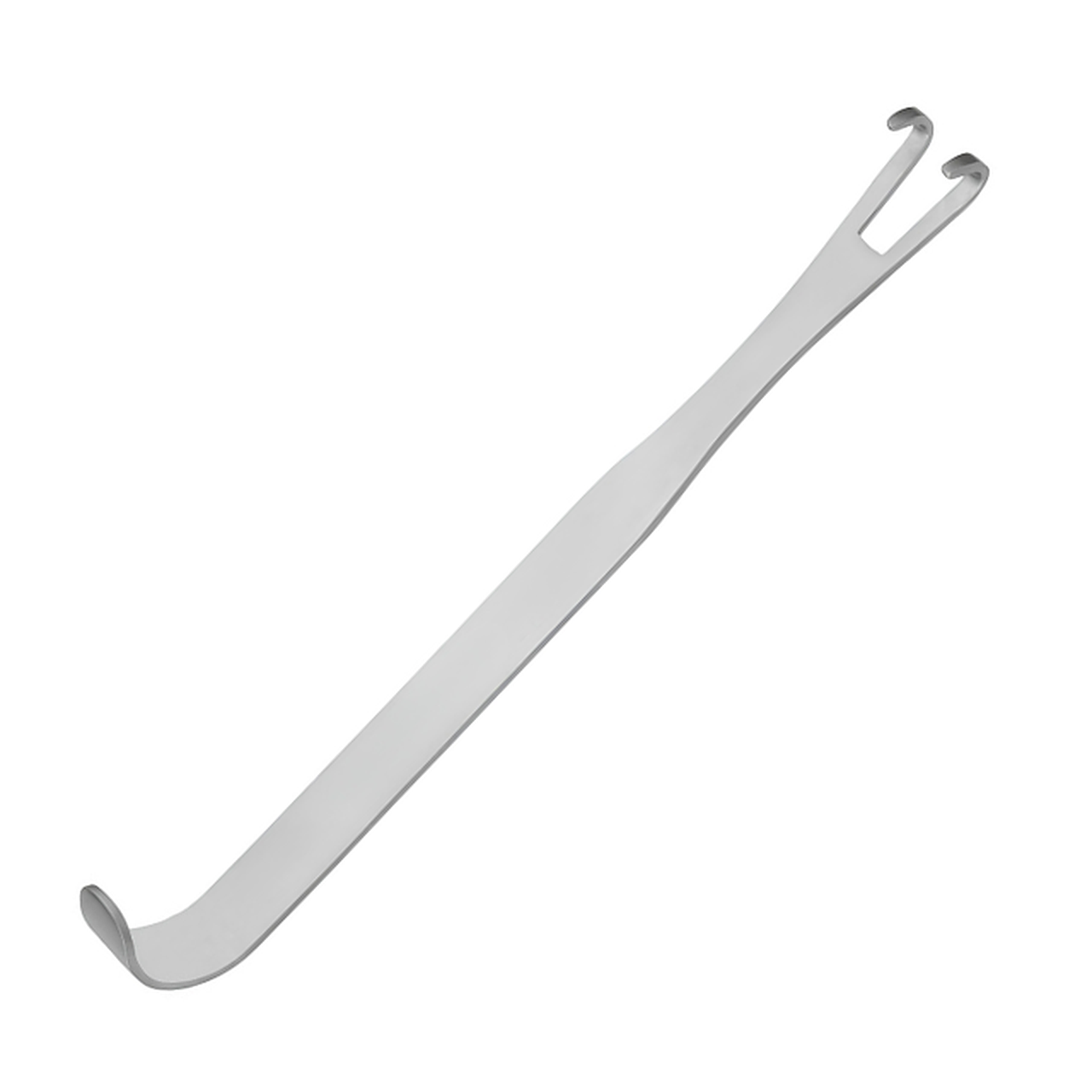 | Cronin Dudak ve Burun Deliği Ekartörü | Dudak yarığı onarımı ve rinoplasti sırasında burun deliklerini ekarte etmek ve üst dudağı kaldırmak için özel olarak tasarlanmıştır. |
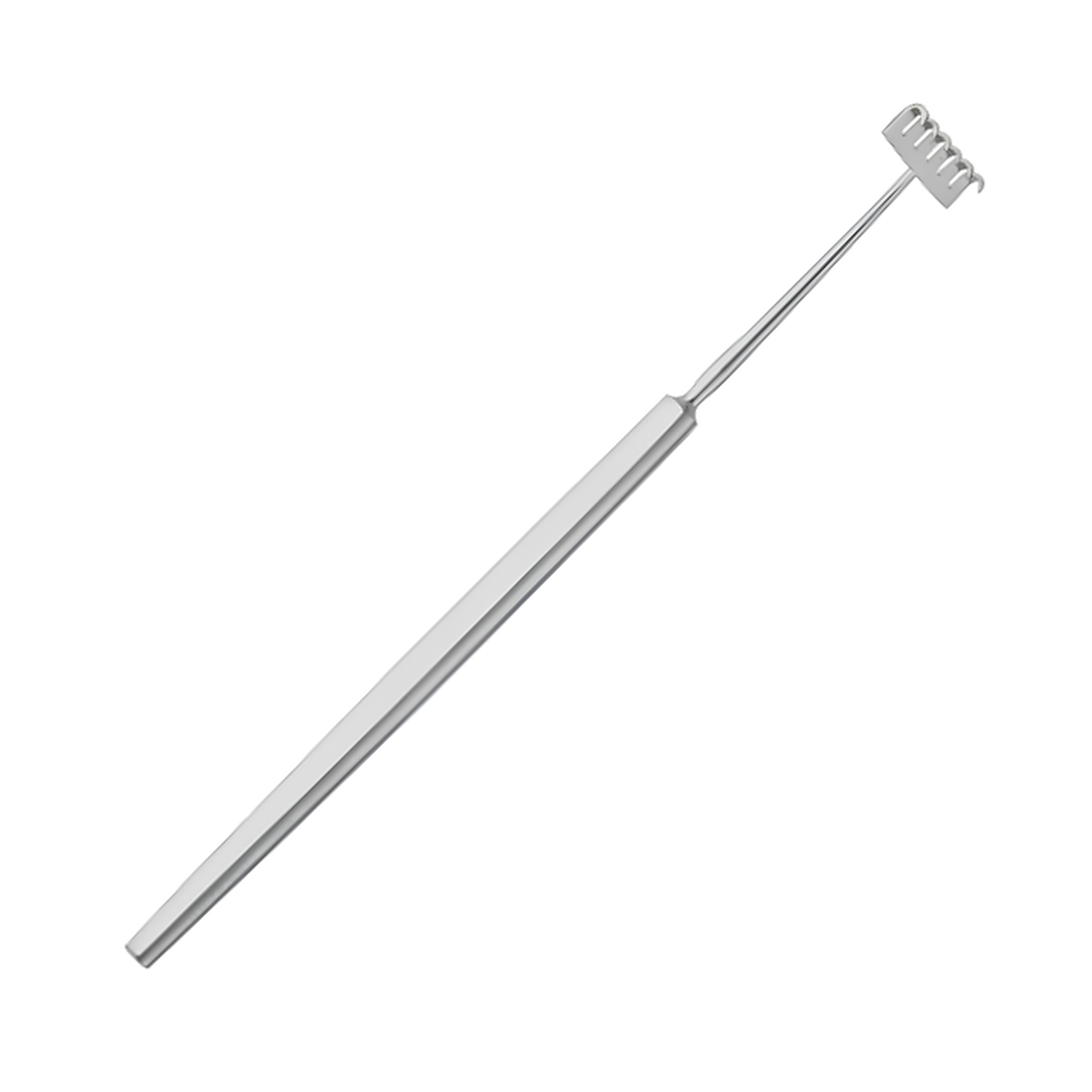 | Curtin Cilt ve Doku Ekartörü | Plastik cerrahi sırasında cilt flebi elevasyonu, kutanöz traksiyon ve subkutan yumuşak doku retraksiyonu için özel olarak tasarlanmıştır. |
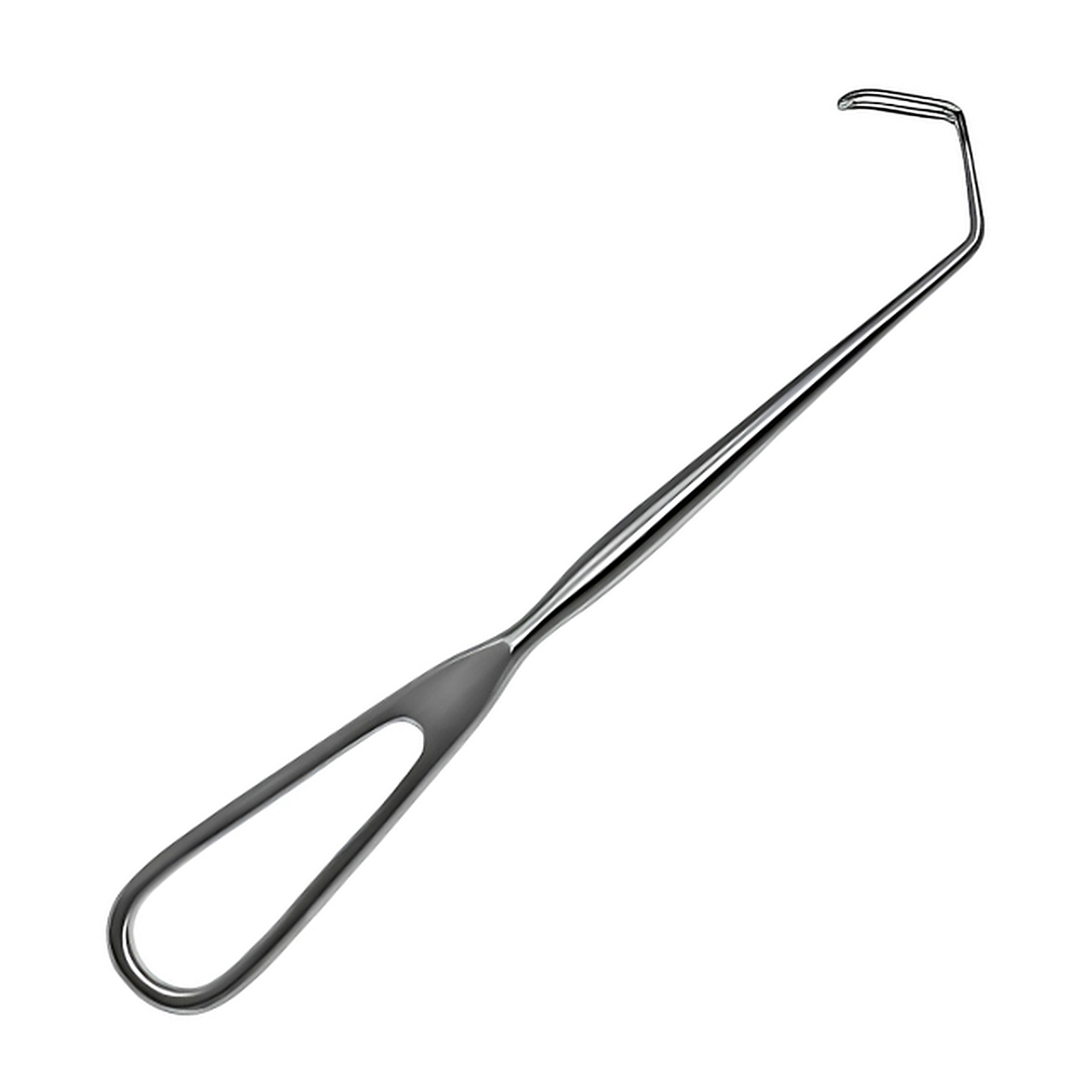 | Cushing Dekompresyon Ekartörü | Kraniyal ve spinal dekompresyon sırasında görüş hattını maksimize ederken sinir köklerini, tekal sakı ve durayı ekarte etmek için özel olarak tasarlanmıştır. |
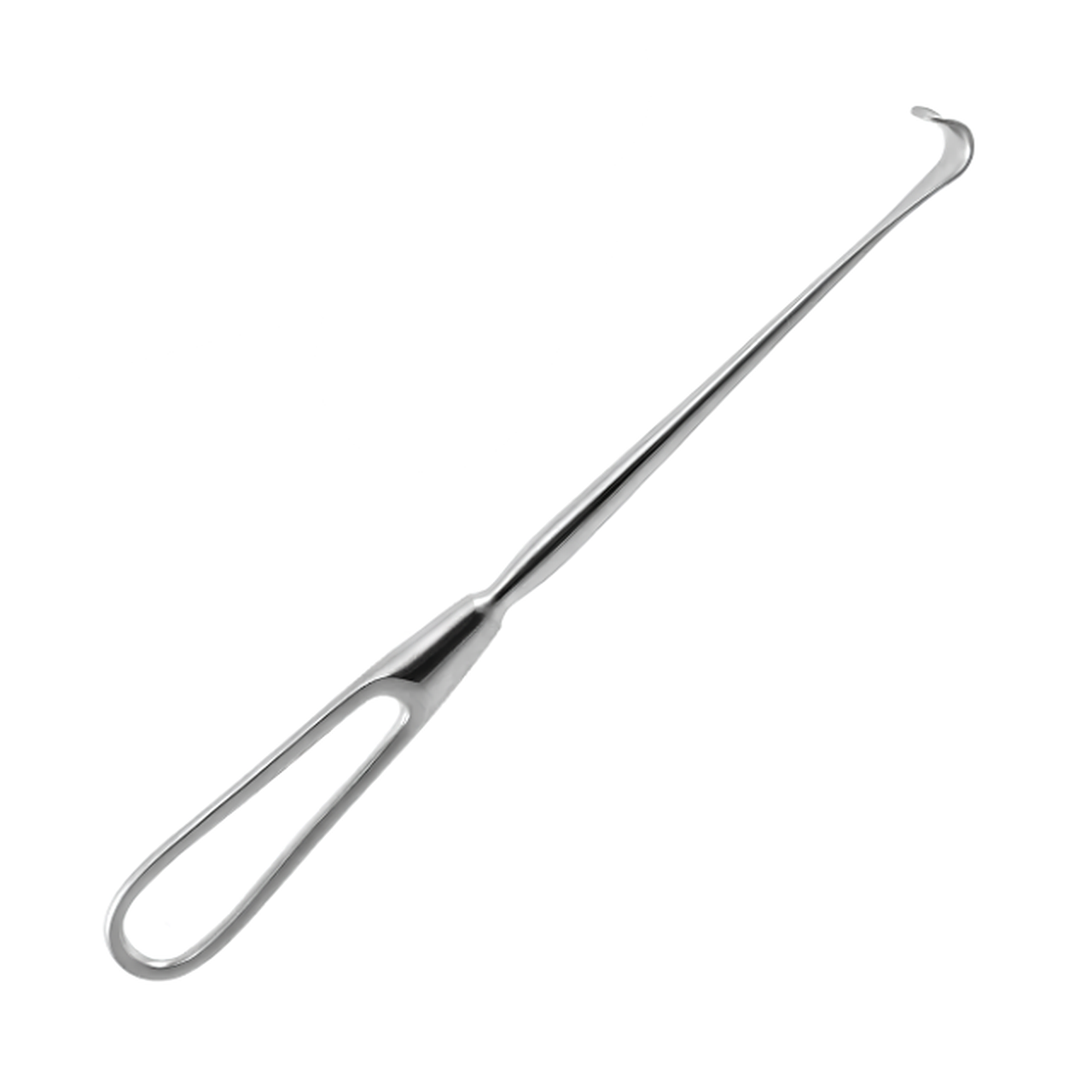 | Cushing Ven Ekartörü | Vasküler, spinal ve genel cerrahi sırasında hassas venleri, arterleri ve sinir gövdelerini mobilize etmek, izole etmek ve ekarte etmek için özel olarak tasarlanmıştır. |
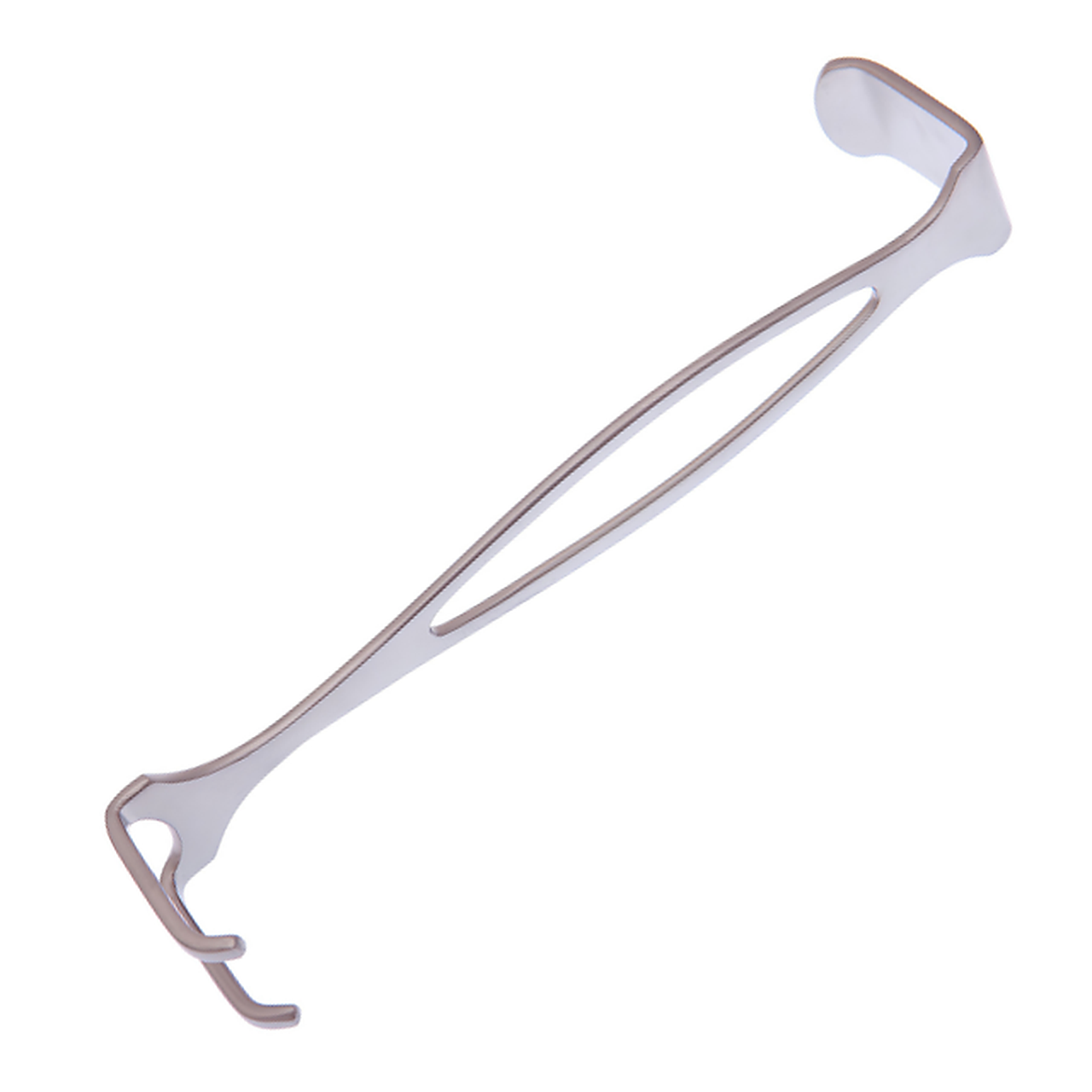 | Czerny Retractor Double-Ended | Laparotomi ve pelvik prosedürler sırasında cildi, fasyayı ve karın duvarı kaslarını ekarte etmek için özel olarak tasarlanmıştır. |
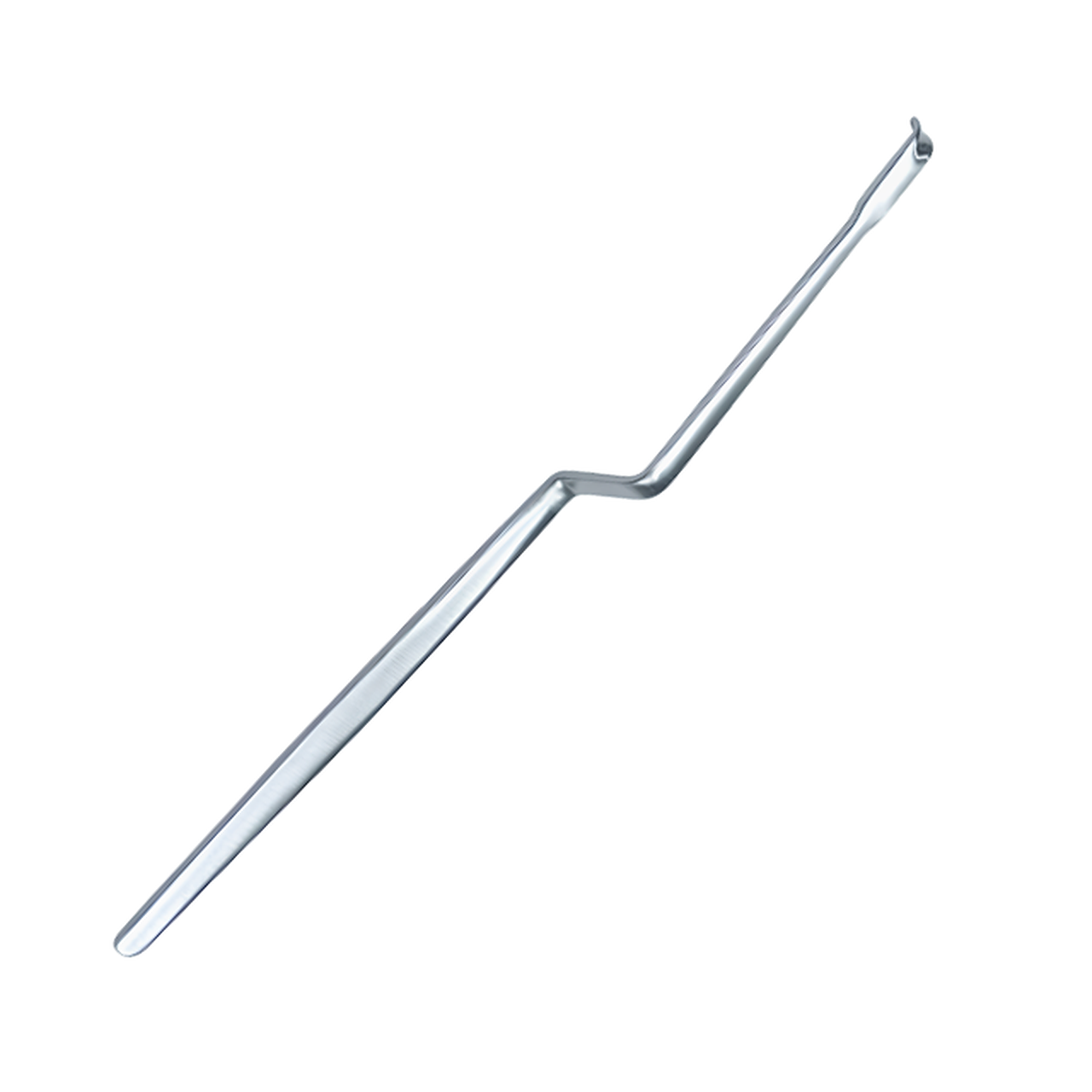 | D'Errico Sinir Kökü Ekartörü | Mikrocerrahi lomber diskektomi sırasında spinal sinir köklerini ve teka sakı mobilize etmek, kavramak ve korumak için özel olarak tasarlanmıştır. |
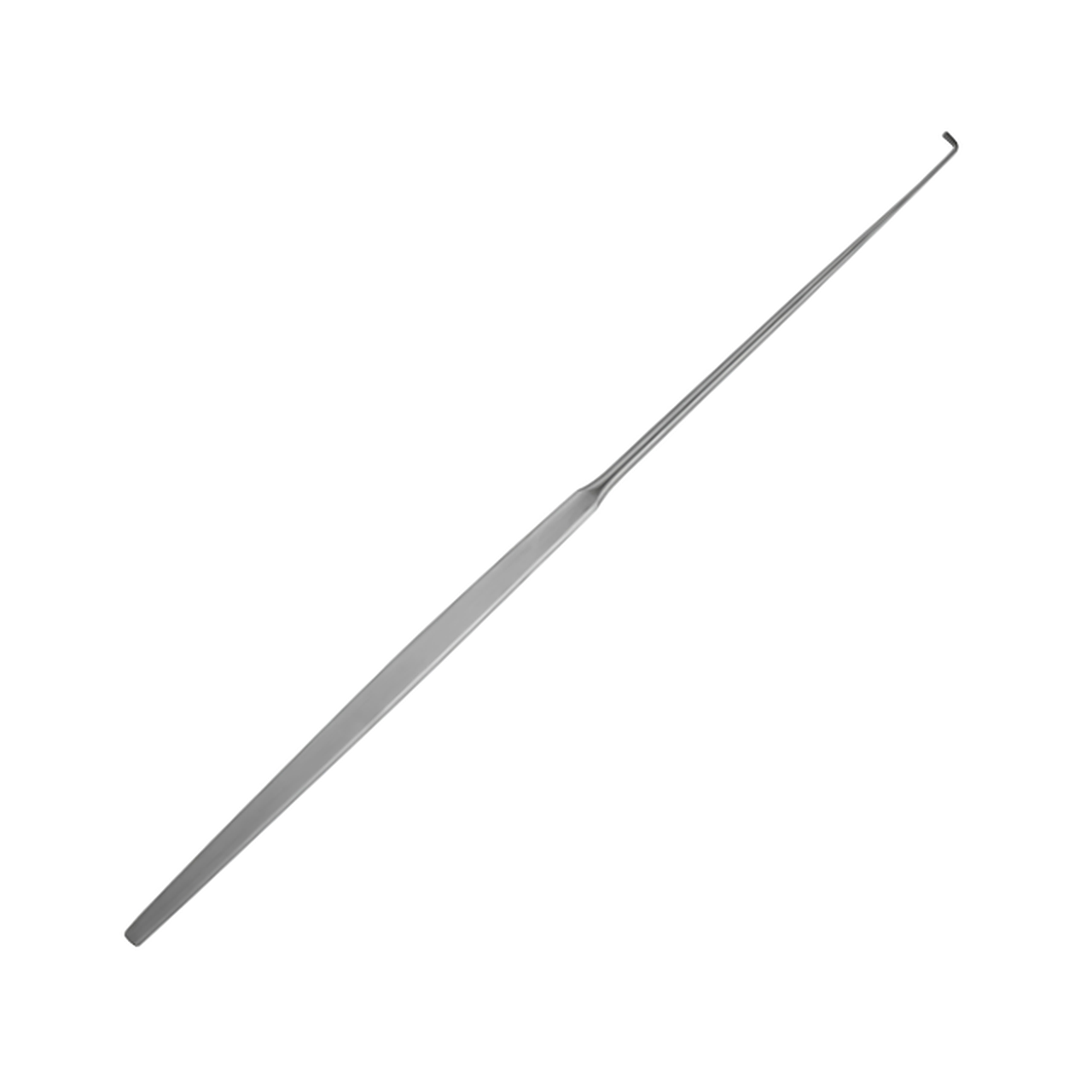 | Dandy Sinir Ekartörü | Mikronöroşirürji sırasında kraniyal sinirleri ve vasküler demetleri manipüle etmek, keşfetmek ve ekarte etmek için özel olarak tasarlanmıştır. |
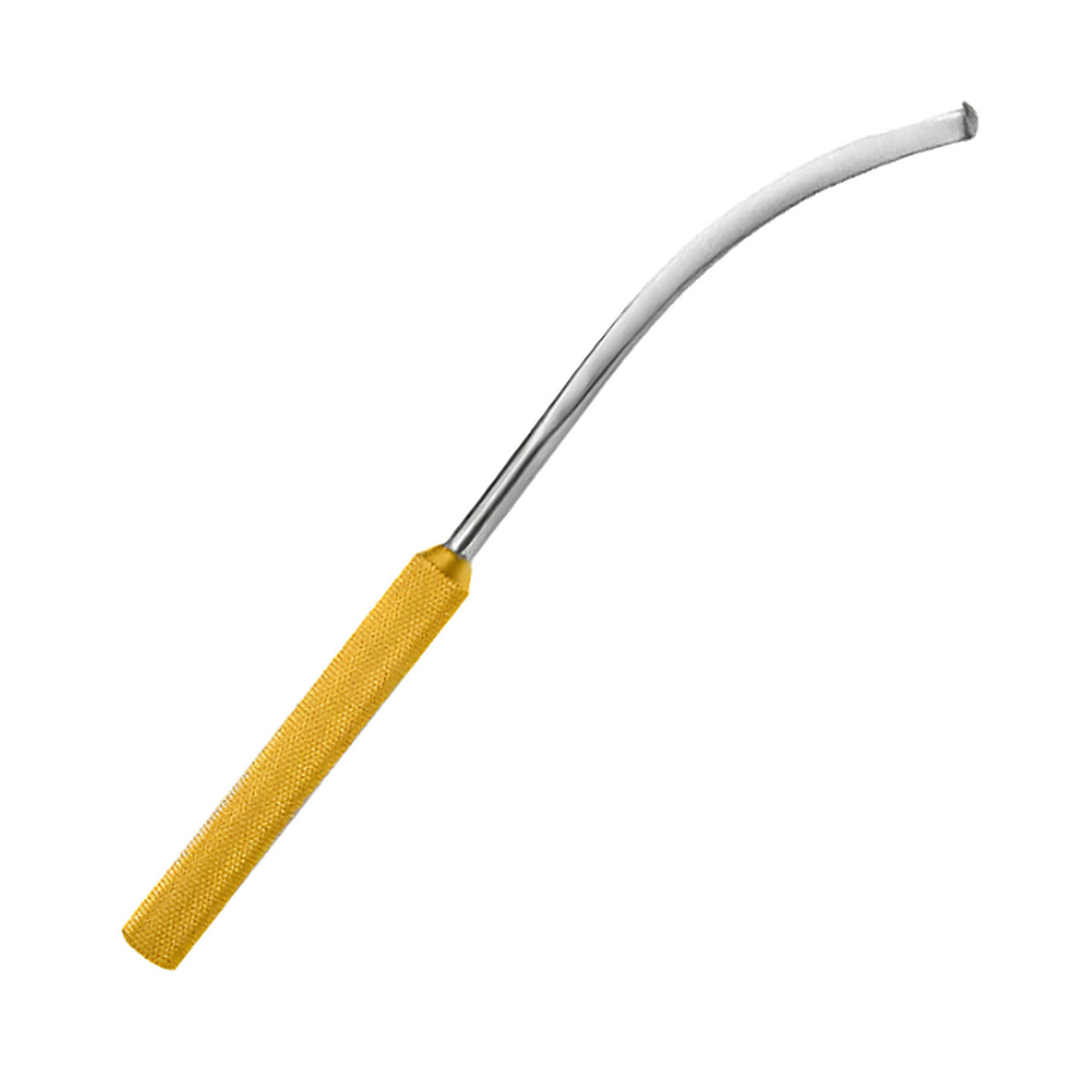 | Daniel Endoskopik Alın Sinir Ekartörü | Endoskopik alın ve kaş kaldırma ameliyatları sırasında yumuşak dokuları ekarte etmek ve nörovasküler demetleri korumak için özel olarak tasarlanmıştır. |
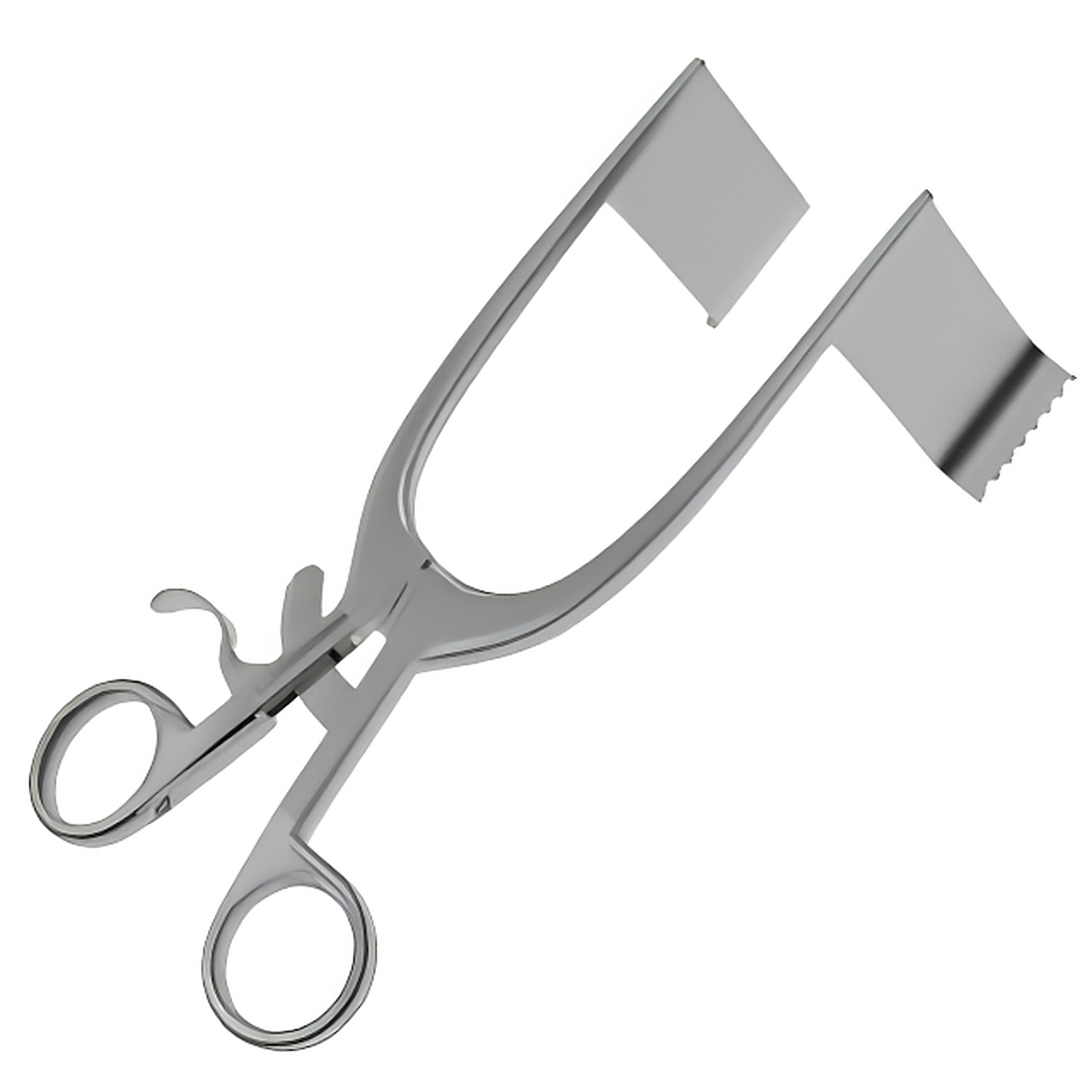 | Darling Popliteal Otomatik Ekartör | Vasküler prosedürler sırasında popliteal boşlukta otomatik yumuşak doku ve kas ekartasyonu sağlamak için özel olarak tasarlanmıştır. |
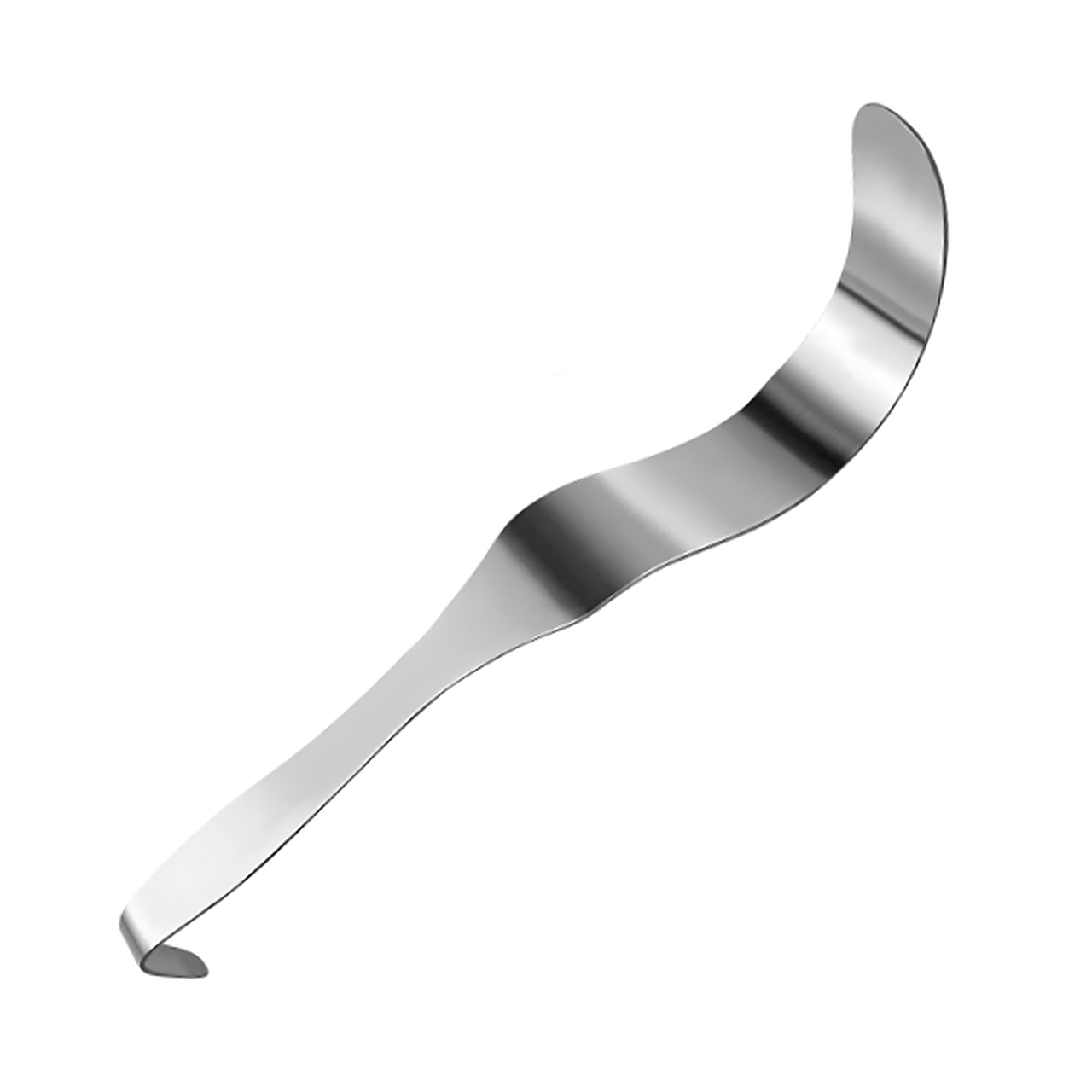 | Deaver Ekartör | Açık cerrahi sırasında derin visseral organları, karın duvarı kaslarını ve pelvik dokuları ekarte etmek için özel olarak tasarlanmıştır. |
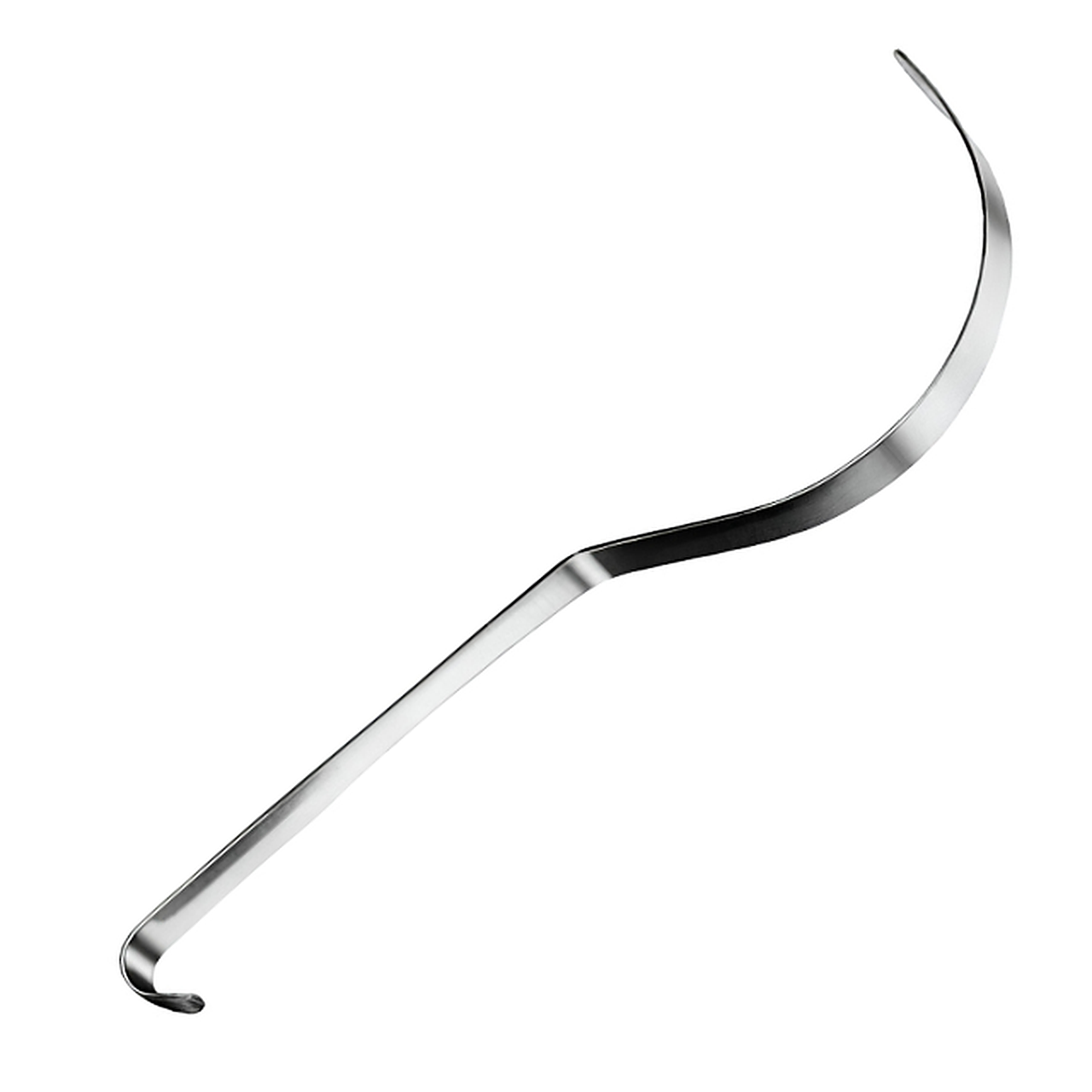 | Deaver Retraktör İnce Saplı | Hafif sapı sayesinde kullanıcı yorgunluğunu azaltırken, derin yumuşak doku, visseral organlar ve kasları ekarte etmek için özel olarak tasarlanmıştır. |
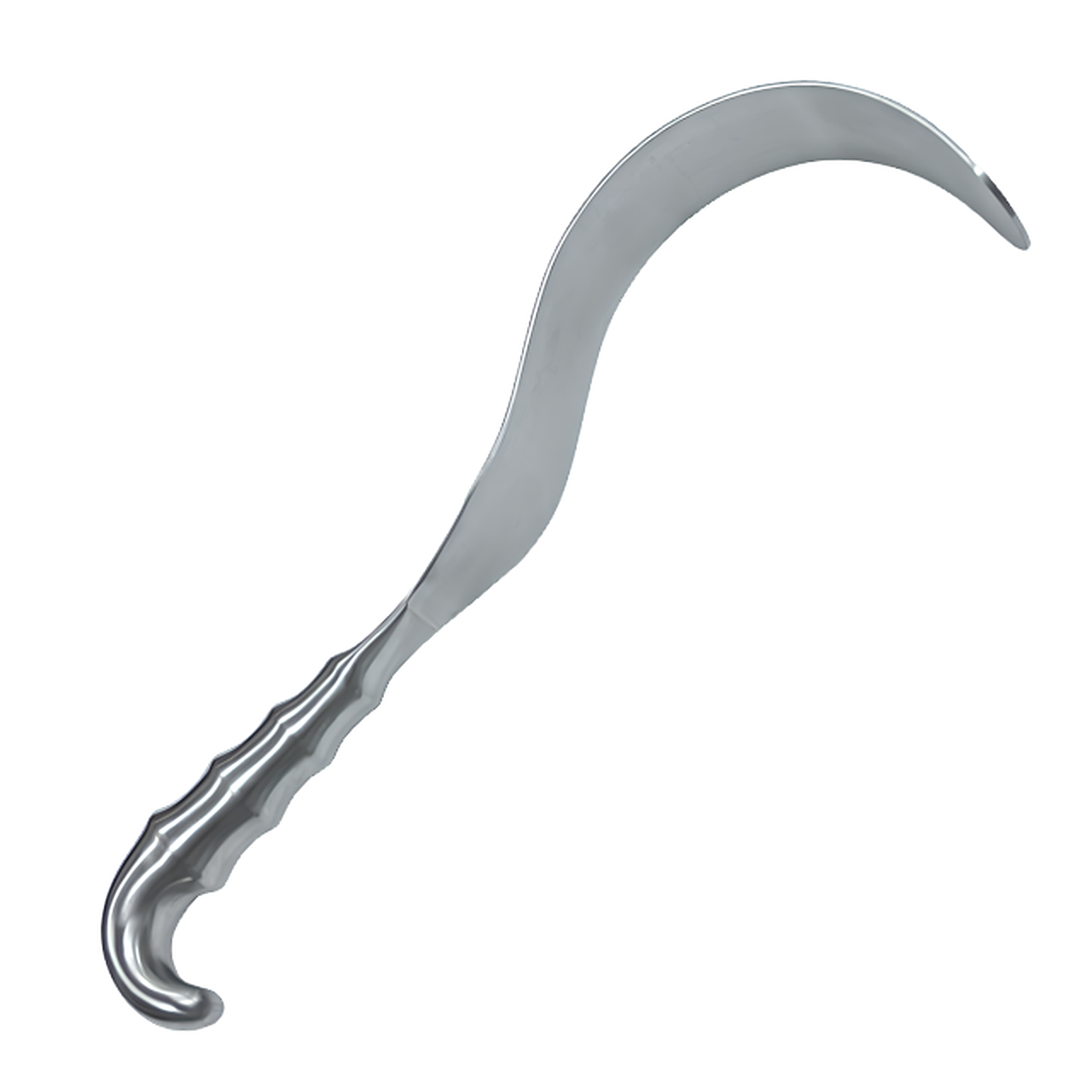 | Deaver Retractors Hollow Grip Handle | Derin abdominal, pelvik ve torasik cerrahi sırasında el yorgunluğunu en aza indirirken viseral organları ve kas tabakalarını ekarte etmek için özel olarak tasarlanmıştır. |
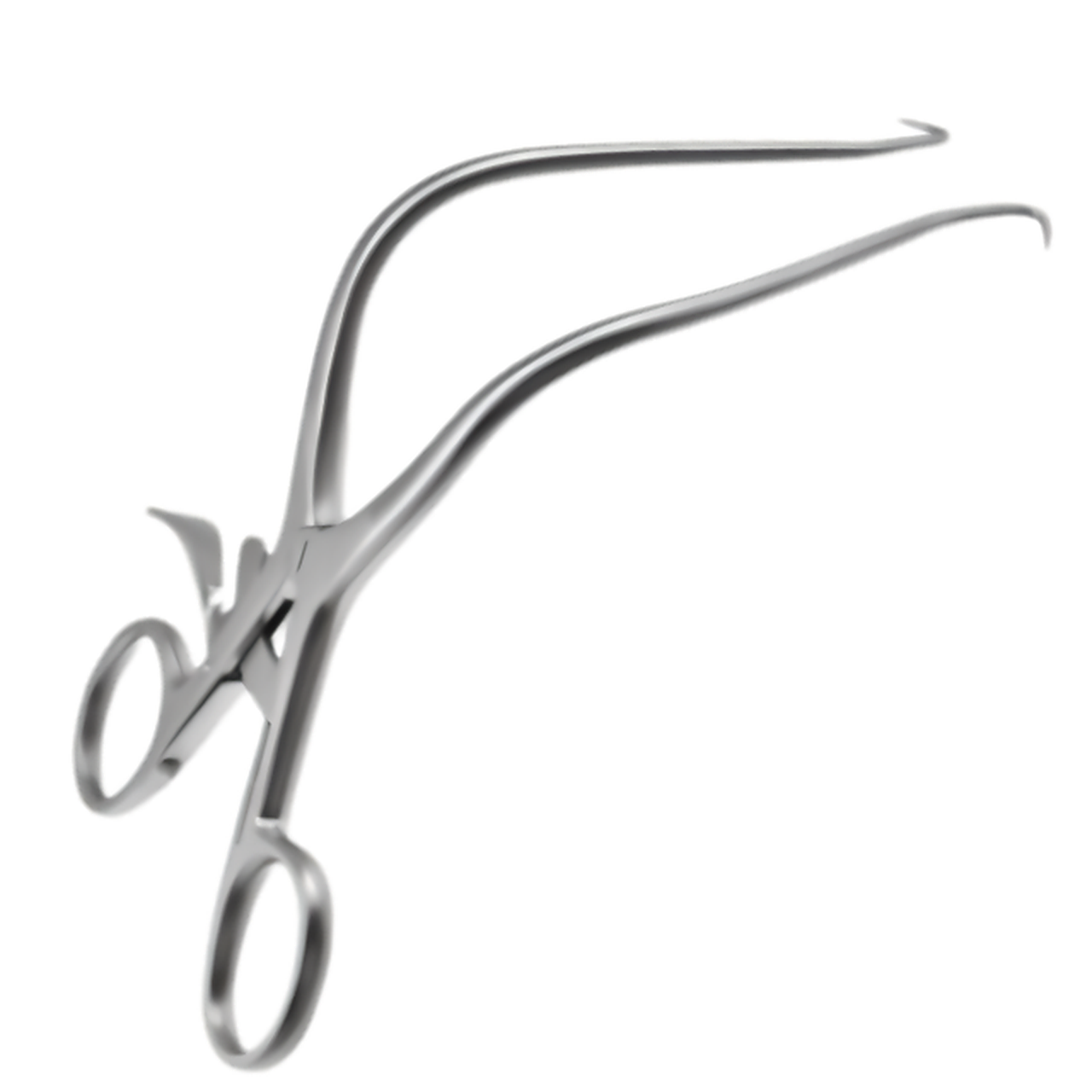 | DeBakey Ekartör | Cerrahi prosedürler sırasında cilt kenarlarını, fasyayı ve vasküler yumuşak dokuyu ekarte etmek için özel olarak tasarlanmıştır. |
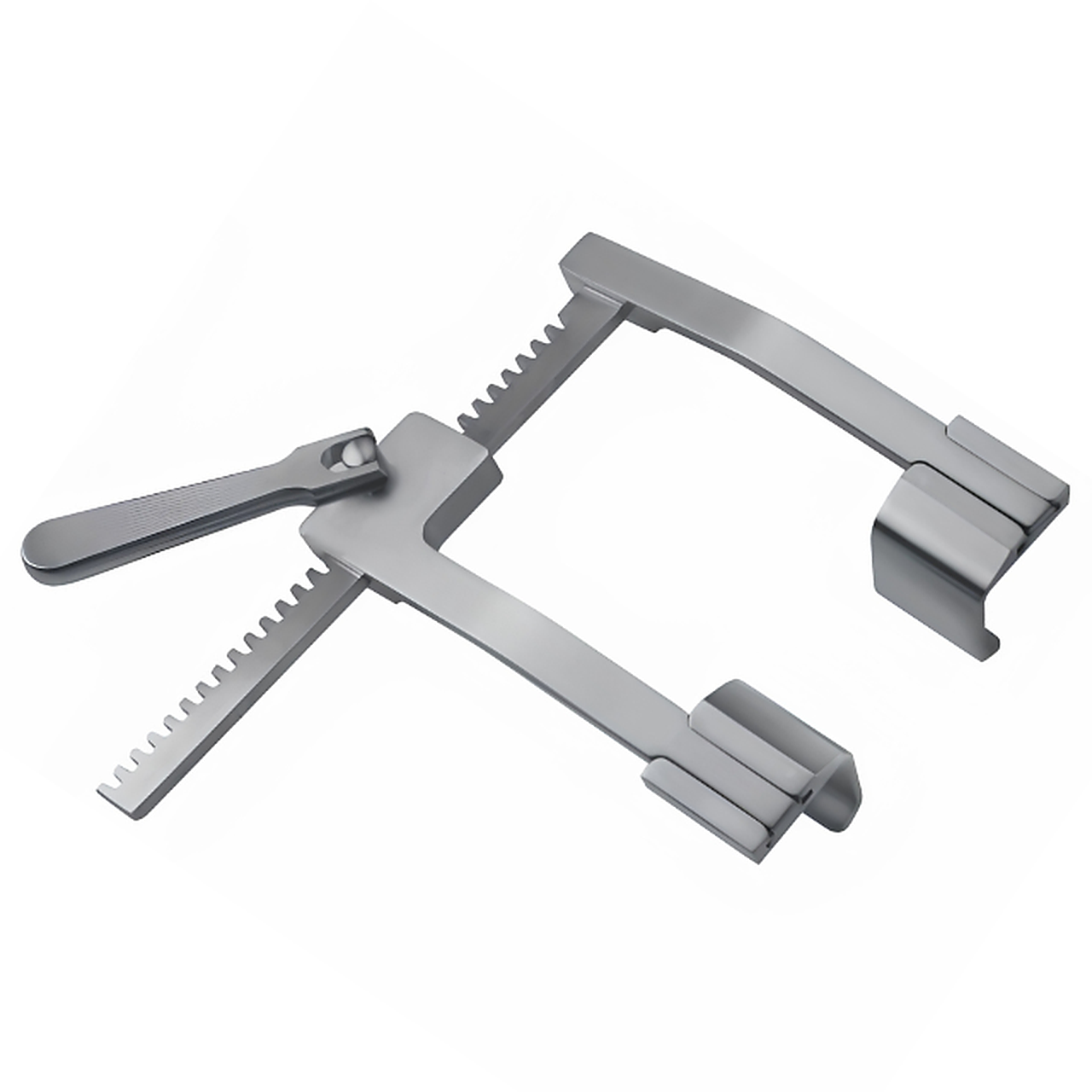 | DeBakey Rib Spreader | Kardiyak ve torasik cerrahi sırasında komşu kaburgaları ayırmak ve interkostal boşluğu genişletmek için özel olarak tasarlanmıştır. |
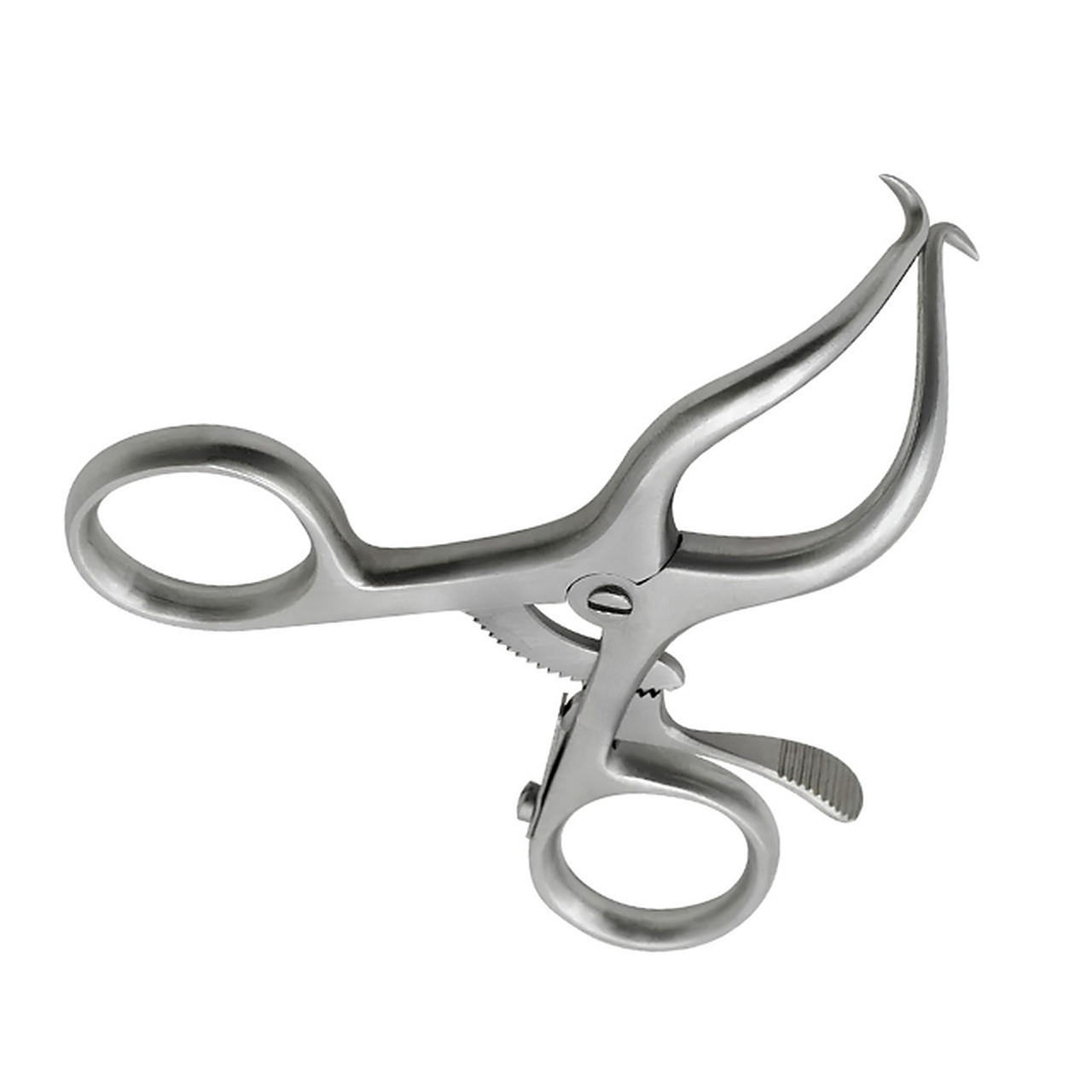 | Deep Gelpi Ekartör | Spinal, ortopedik ve nöroşirürji prosedürleri sırasında yumuşak doku ve kas retraksiyonu sağlamak için özel olarak tasarlanmıştır. |
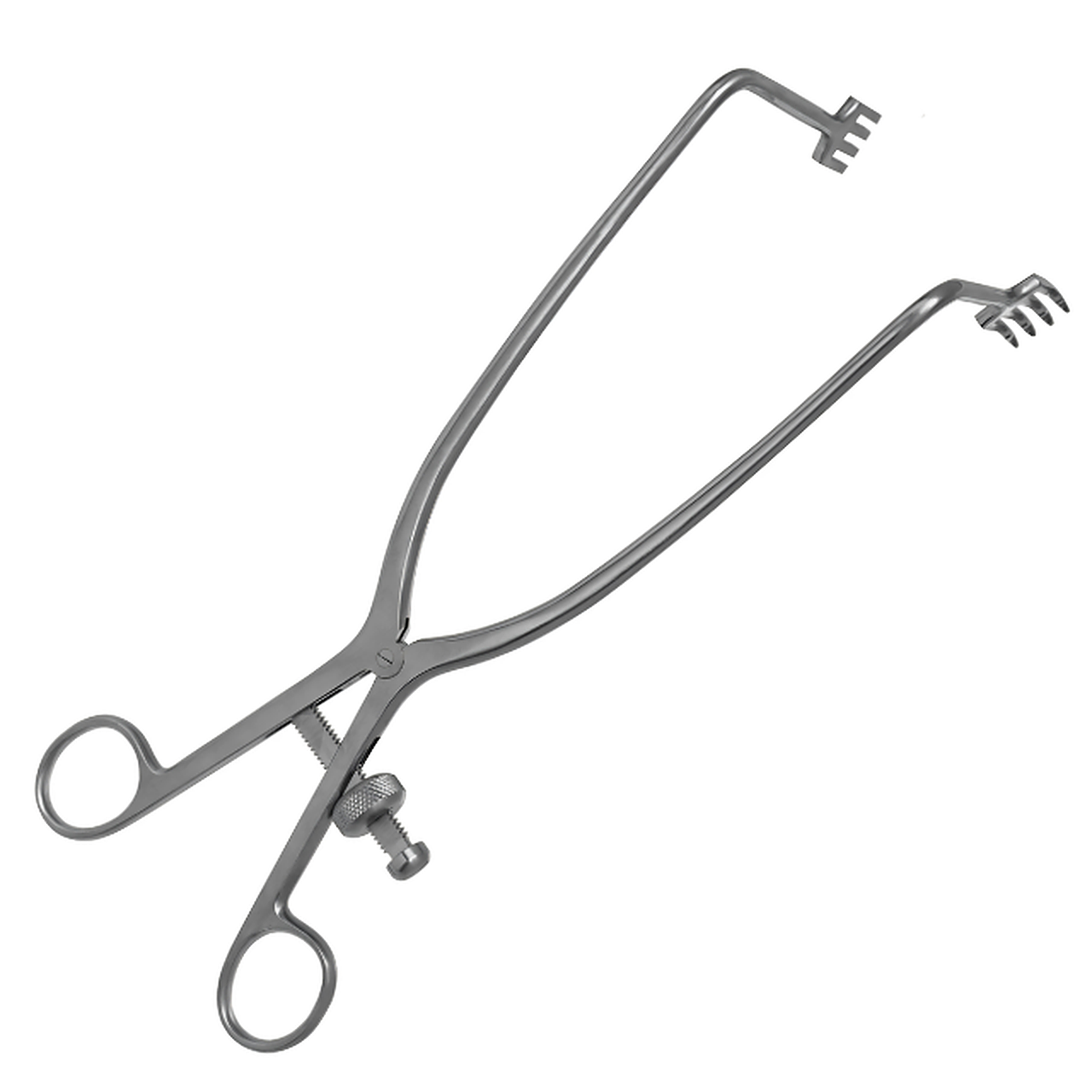 | Deep Gelpi Self Retaining Retractor | Spinal ve ortopedik prosedürler sırasında derin cerrahi yaralarda kendinden kilitlemeli kas ve doku retraksiyonu sağlamak için özel olarak tasarlanmıştır. |
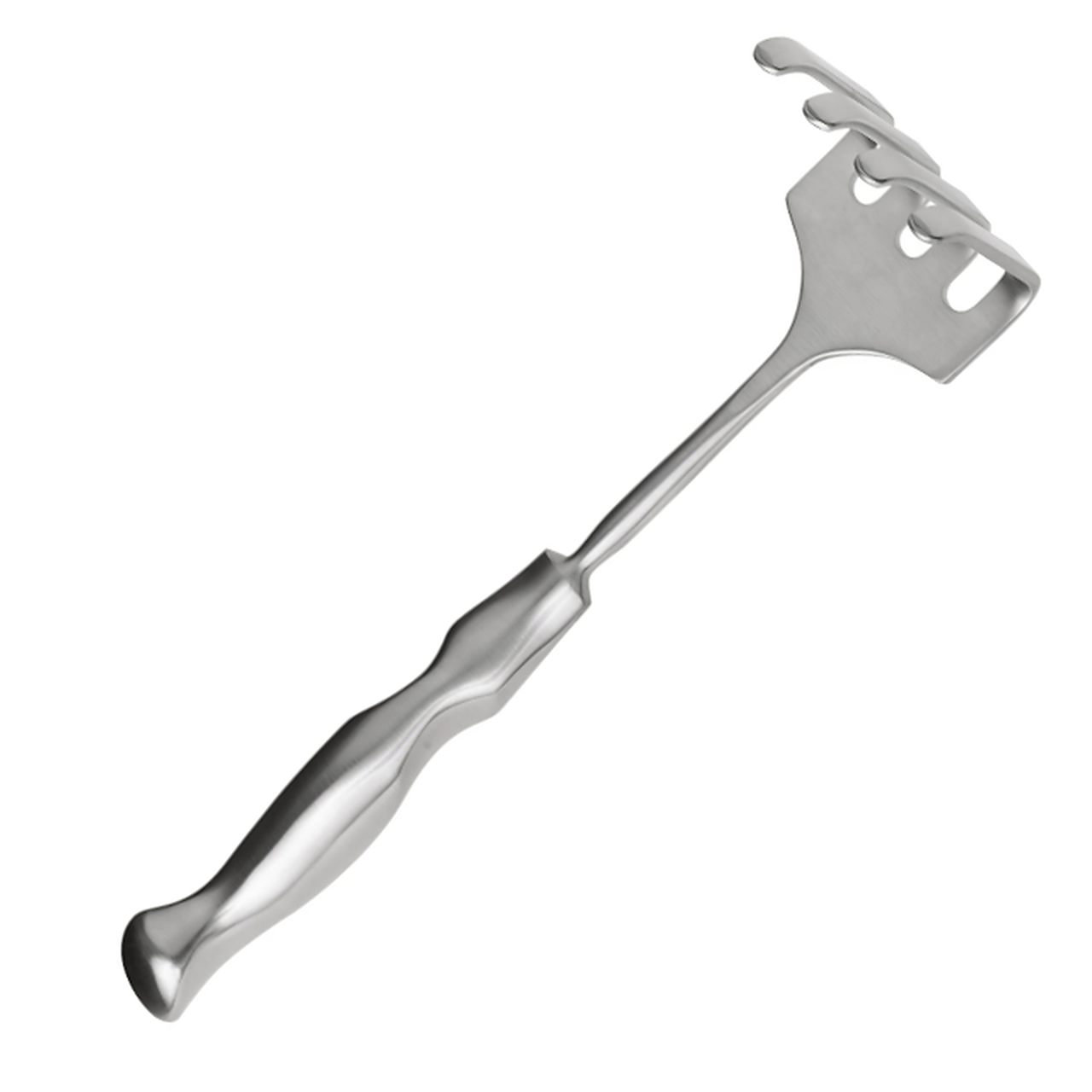 | Derin Rake Ekartör | Açık abdominal, pelvik ve ortopedik cerrahi sırasında ağır kas, fasya ve derin yumuşak dokuyu ekarte etmek için özel olarak tasarlanmıştır. |
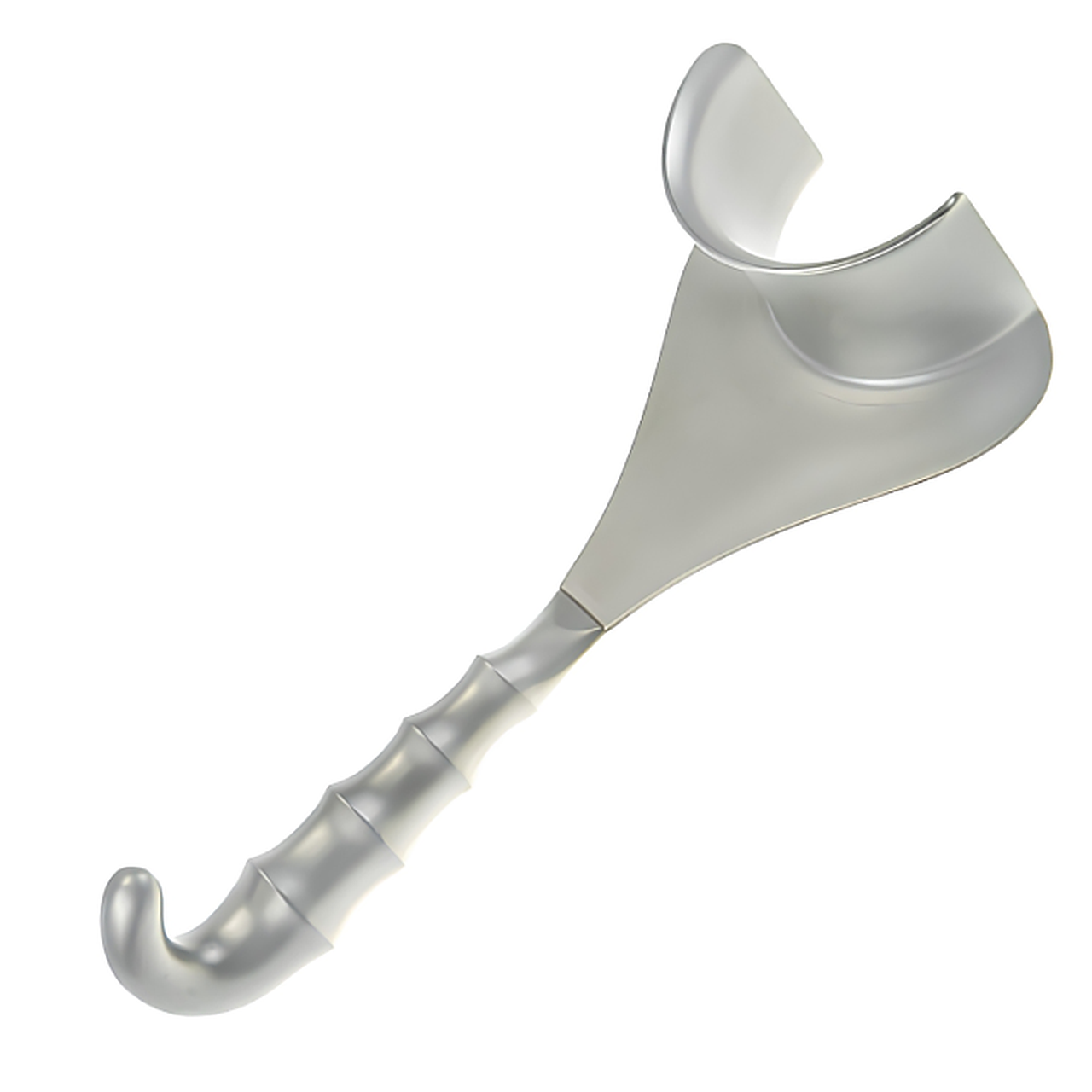 | Delee Universal Retractor | Sezaryen ve jinekolojik cerrahi sırasında mesaneyi ve karın duvarını ekarte etmek ve korumak için özel olarak tasarlanmıştır. |
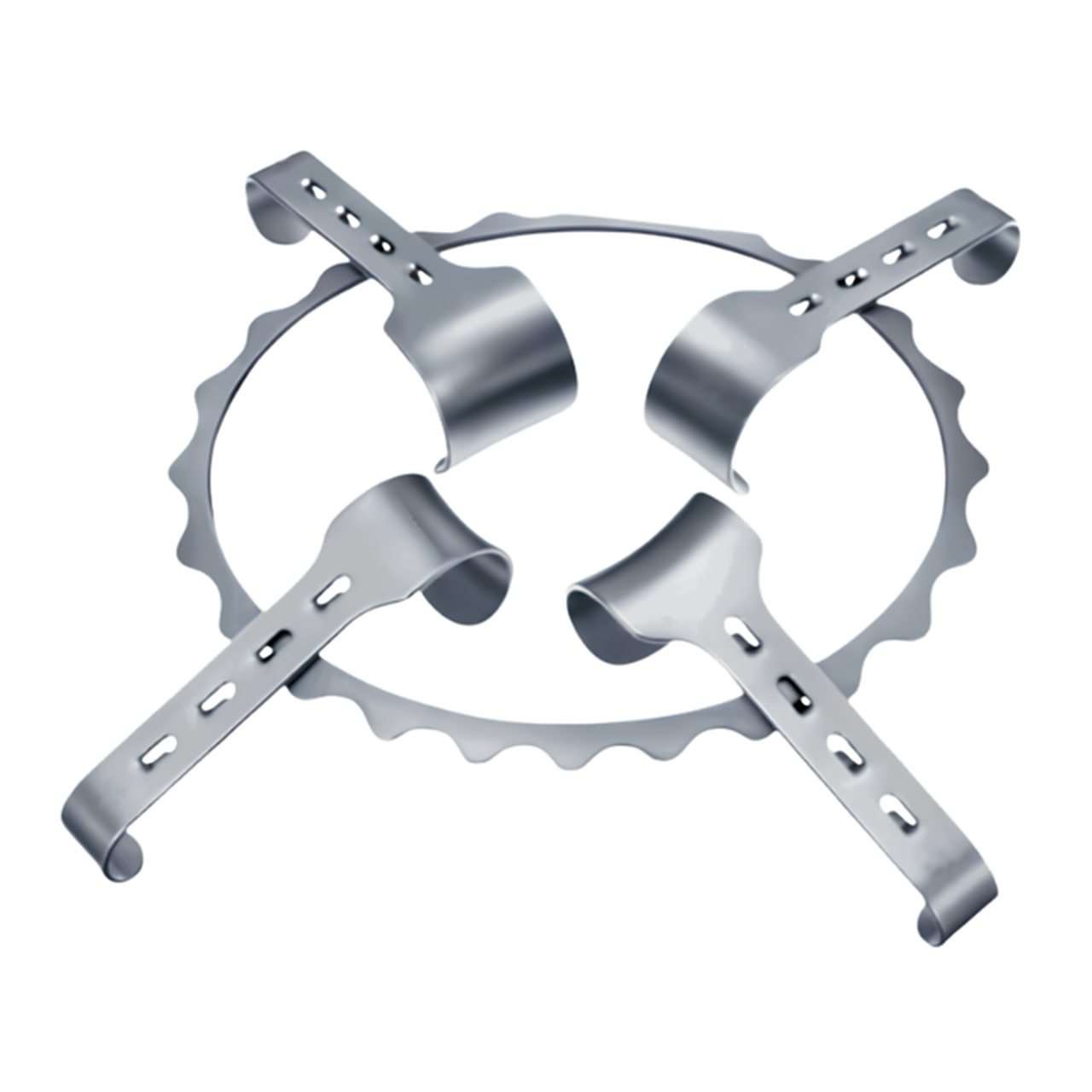 | Denis-Browne Retractor | Abdominal ve pelvik cerrahi sırasında 360 derece kendinden sabitlemeli yara kenarı ve visseral ekartasyon sağlamak için özel olarak tasarlanmıştır. |
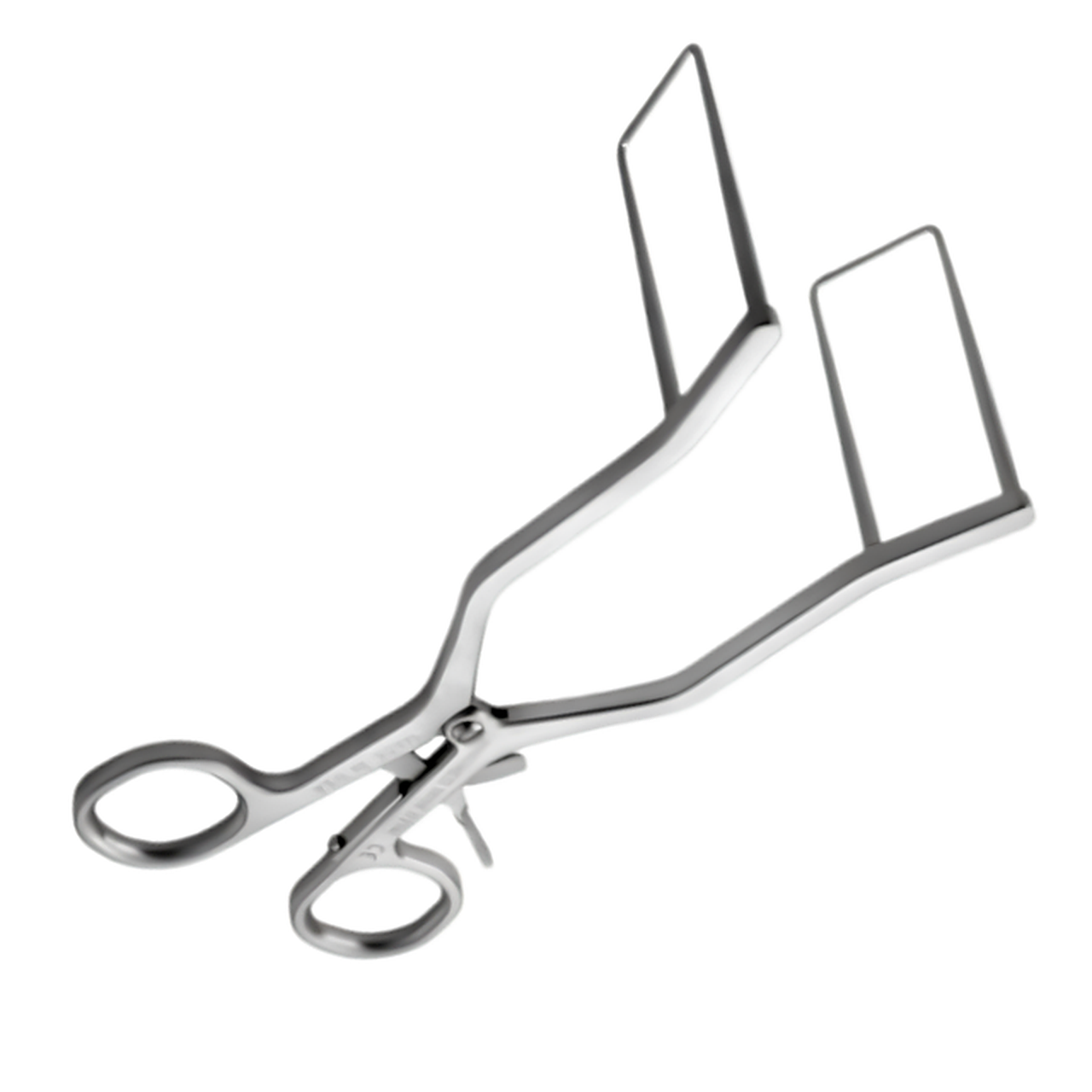 | Desai Kendinden Kilitli Ekartör | Karın ve pelvik cerrahi sırasında doğrudan erişim penceresi görünürlüğü ile kendinden kilitli yara kenarı ekarte edilmesi sağlamak için özel olarak tasarlanmıştır. |
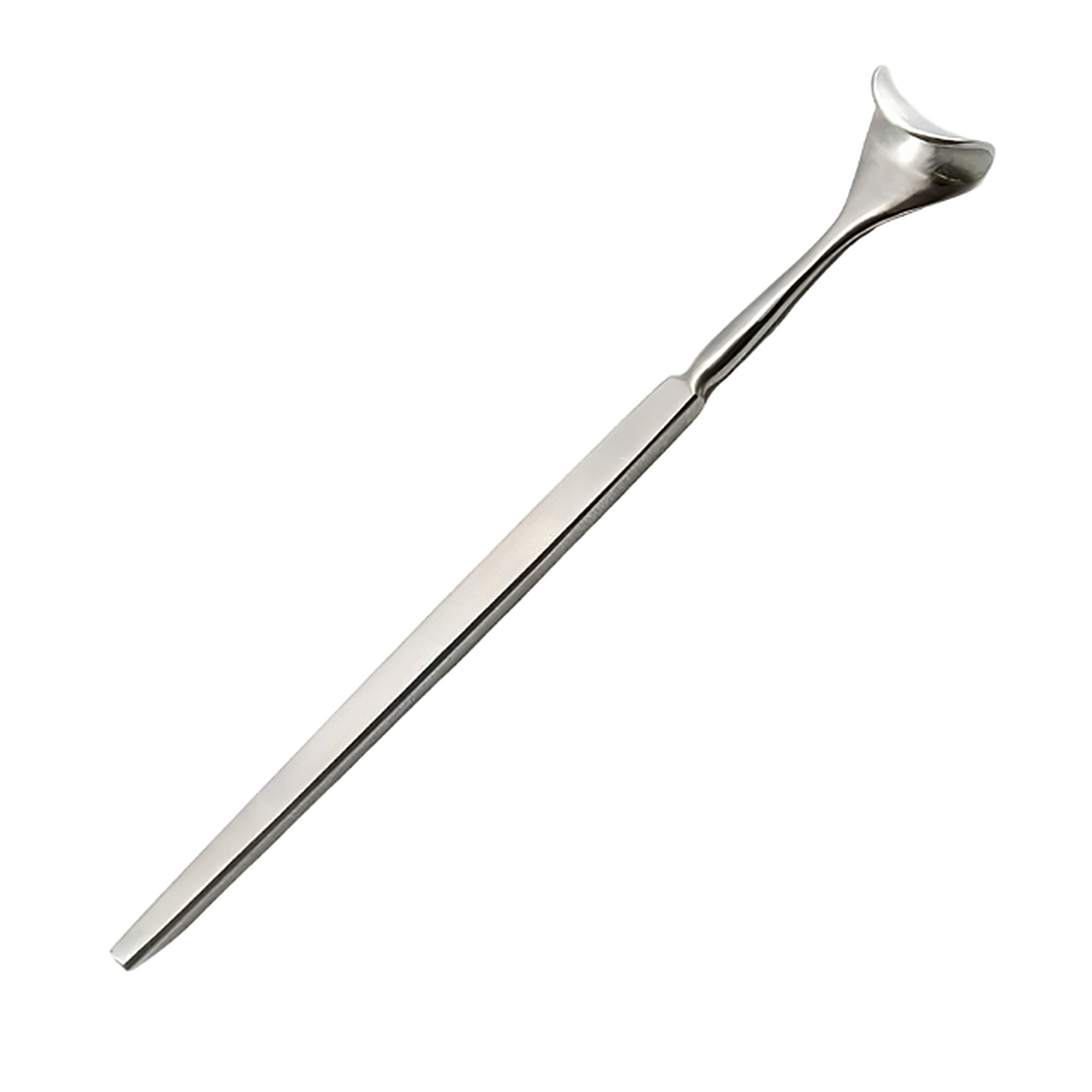 | Desmarres EyeLid Retractor | Özellikle blefaroplasti ve oküler cerrahi sırasında göz kapaklarını ekart etmek, tarsal plakları mobilize etmek ve göz küresini korumak için tasarlanmıştır. |
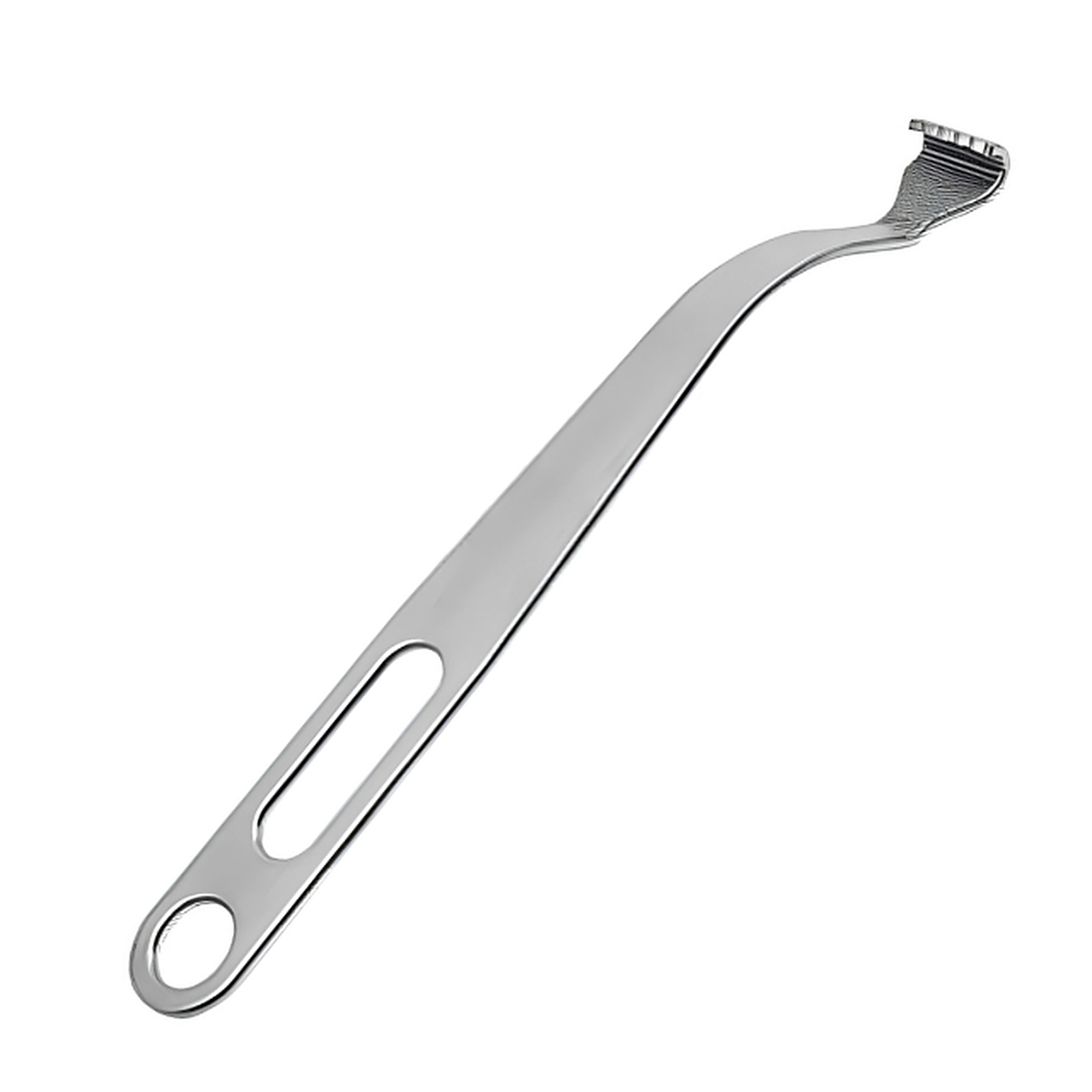 | Dingo Modified Humeral Head Retraktörleri | Omuz artroplastisi ve rekonstrüktif cerrahi sırasında humeral başı manivela ile ayırmak ve glenoid kaviteyi açığa çıkarmak için özel olarak tasarlanmıştır. |
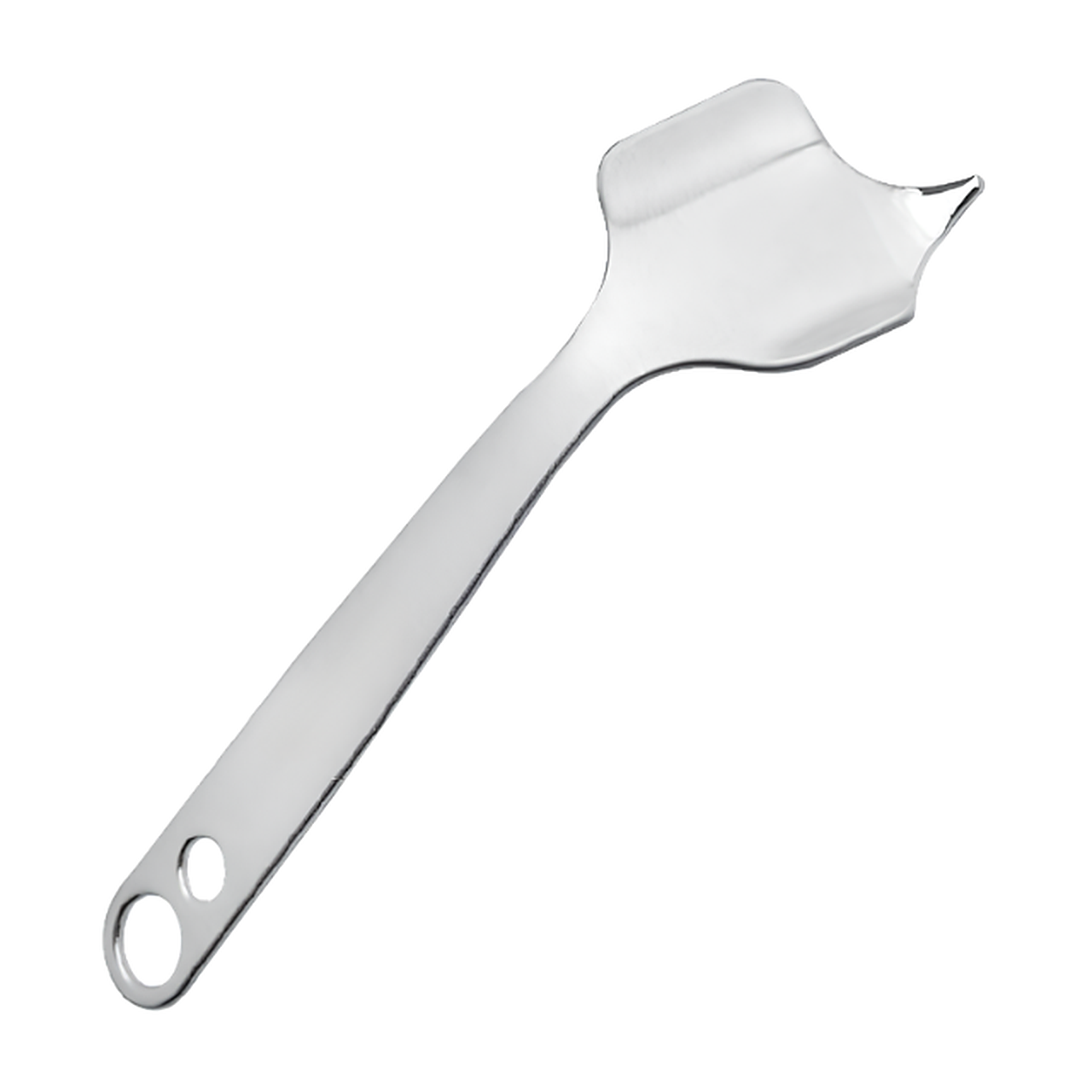 | Direct Access Anterior Broaching Ekartörü | Doğrudan anterior kalça artroplastisinde femoral broşlama sırasında proksimal femuru yükseltmek ve yumuşak dokuyu ekarte etmek için özel olarak tasarlanmıştır. |
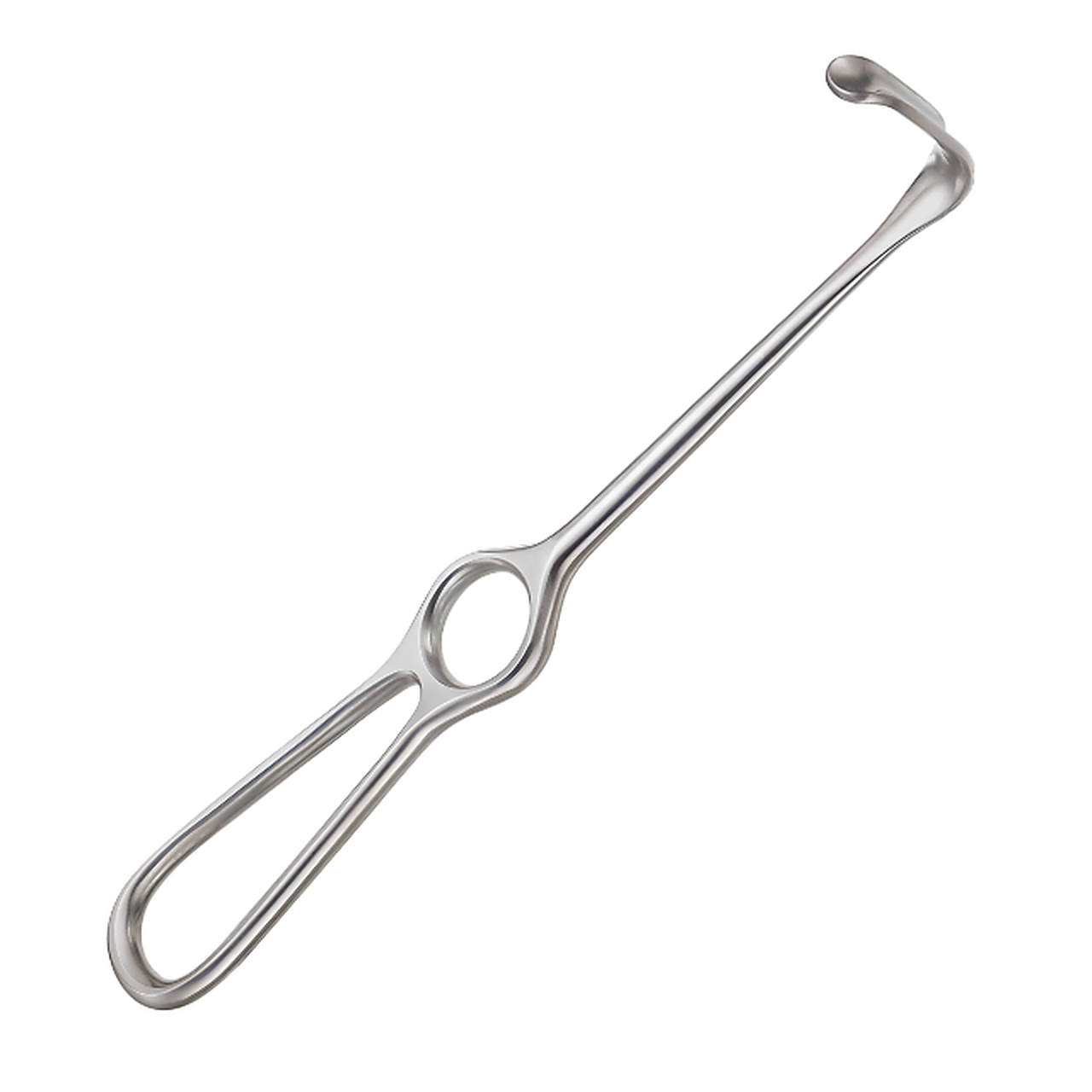 | Dockhorn Ekartör | Ağız, çene-yüz ve genel cerrahi sırasında yara kenarlarını, fasyayı ve yumuşak dokuları ekarte etmek için özel olarak tasarlanmıştır. |
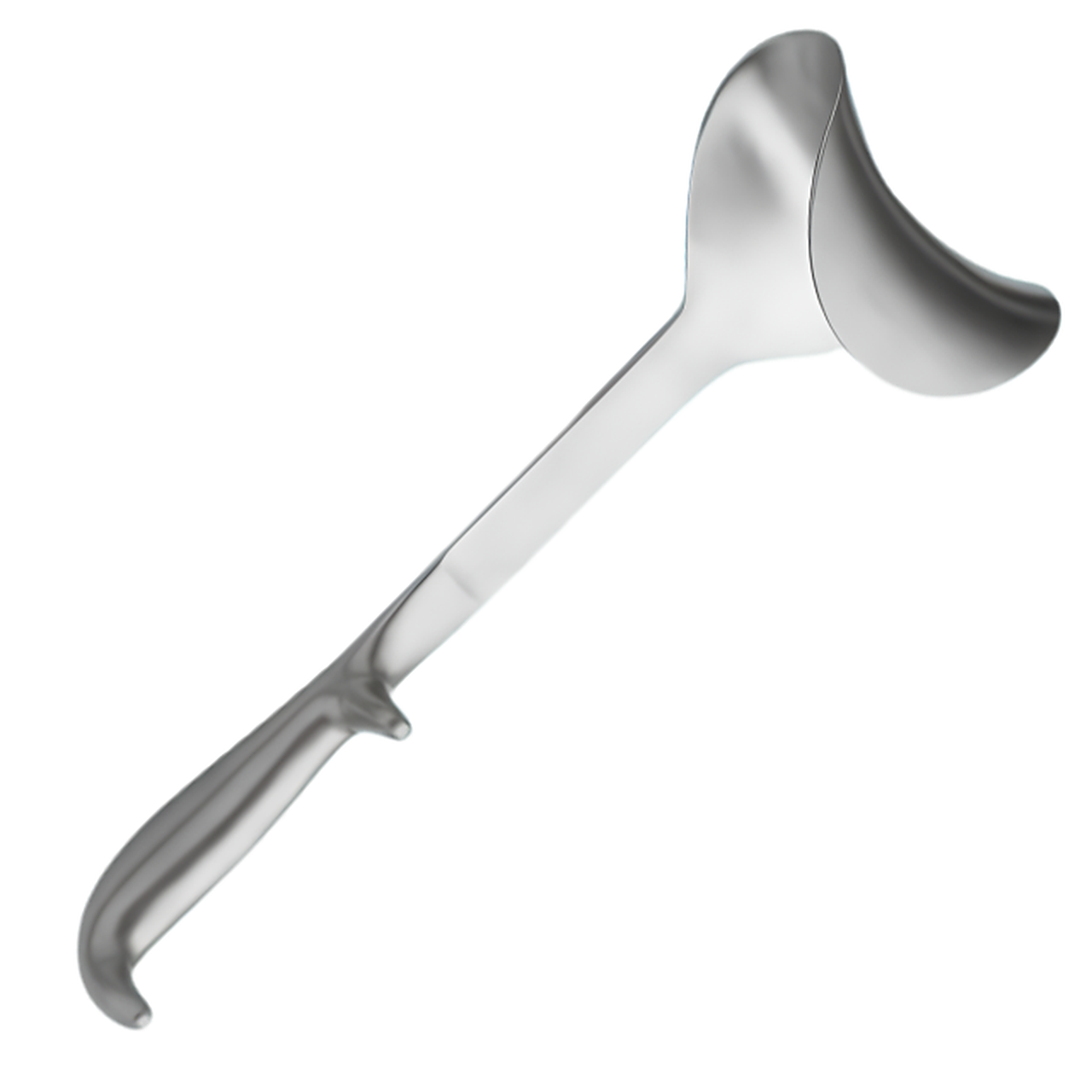 | Doyen Karın Ekartörü | Açık laparotomi prosedürleri sırasında karın duvarını, visseral organları ve pelvik müskülatürü ekarte etmek için özel olarak tasarlanmıştır. |
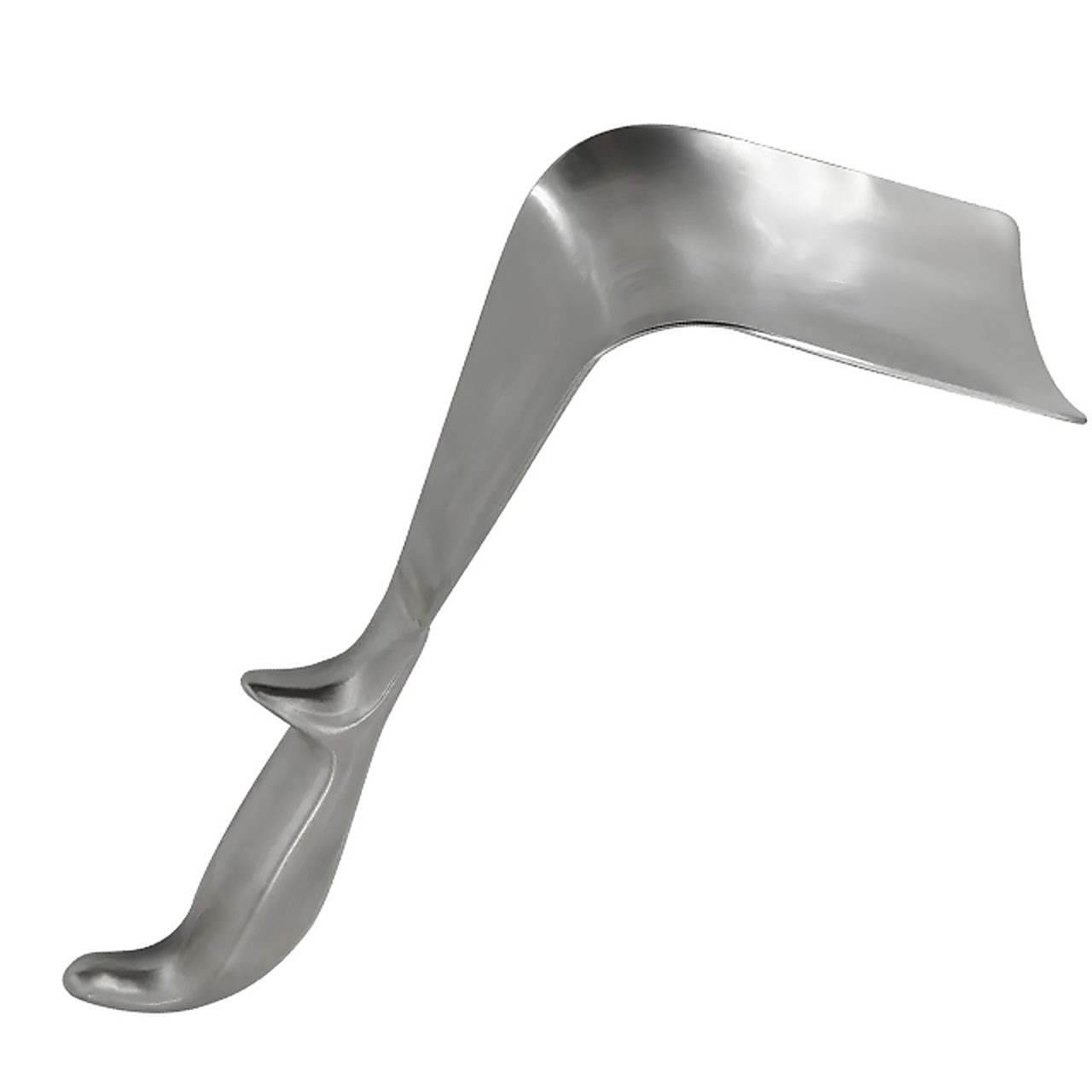 | Doyen Ekartör | Açık genel ve jinekolojik cerrahi sırasında karın duvarını ekarte etmek ve iç organları korumak için özel olarak tasarlanmıştır. |
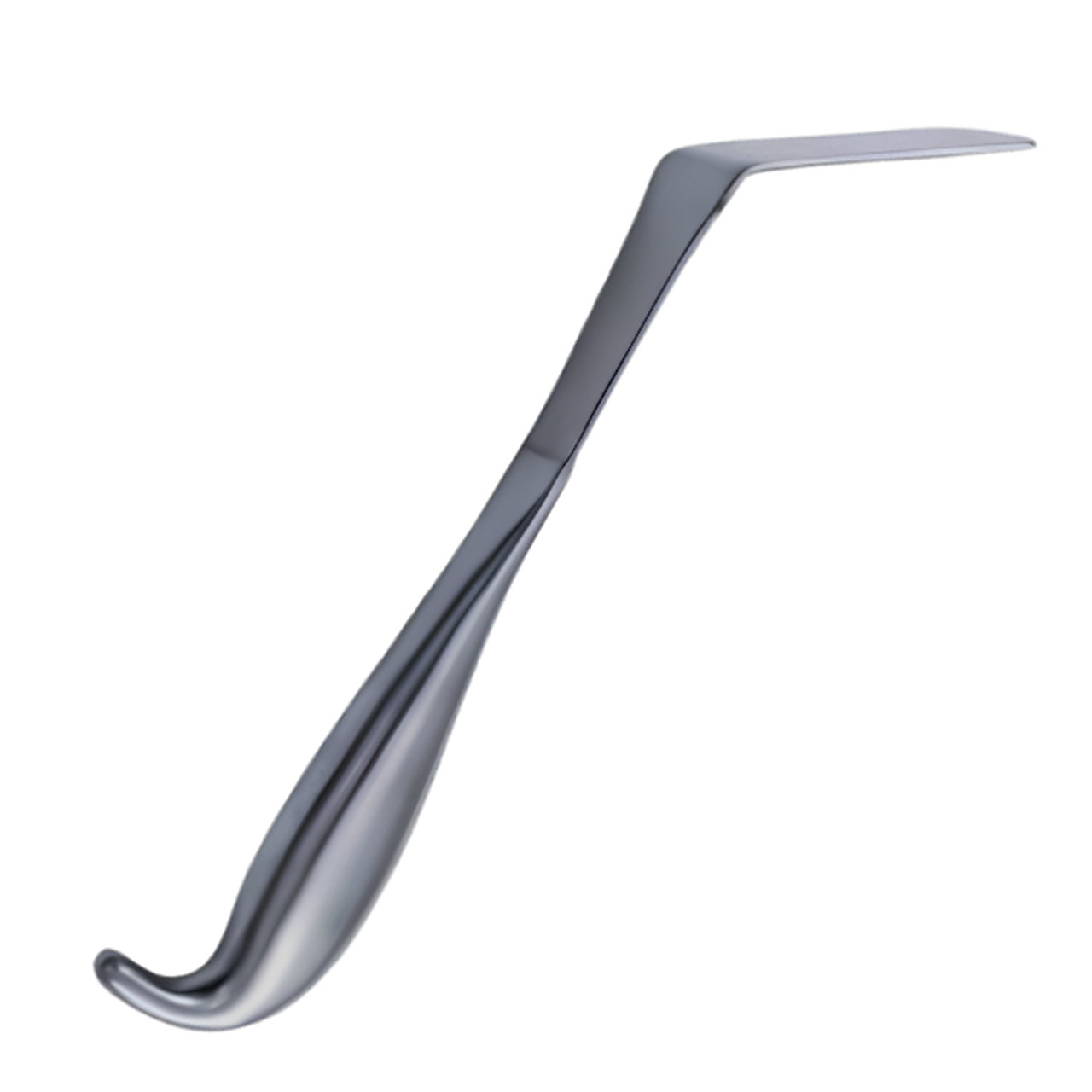 | Doyen Vajinal Ekartör | Jinekolojik prosedürler sırasında vajinal duvarı ekarte etmek ve serviks ile pelvik tabanı açığa çıkarmak için özel olarak tasarlanmıştır. |
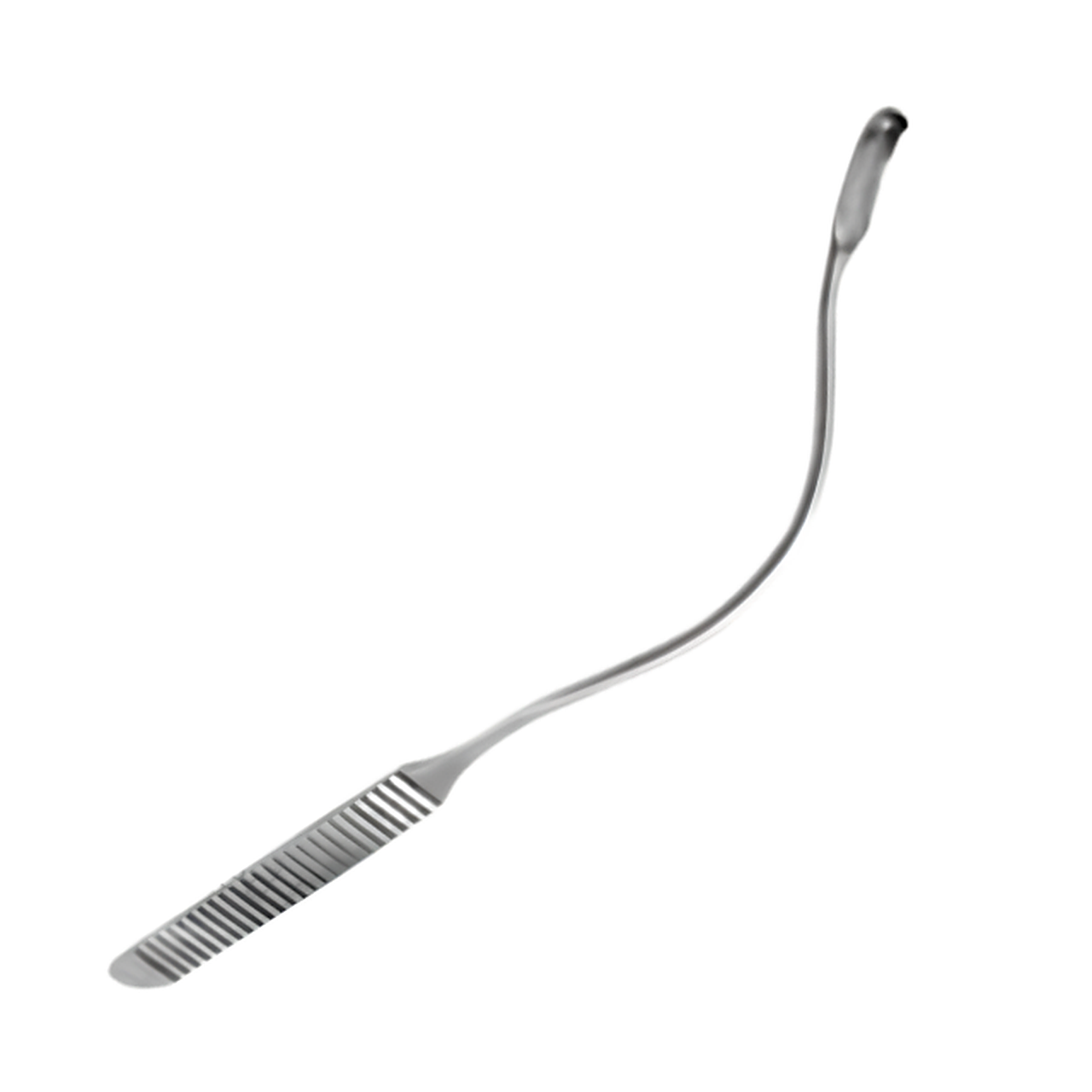 | Dumbach Mandibuler Kanal Ekartörü | Ramus osteotomileri sırasında yumuşak dokuyu ekarte etmek ve mandibula kenarı boyunca nörovasküler yapıları korumak için özel olarak tasarlanmıştır. |
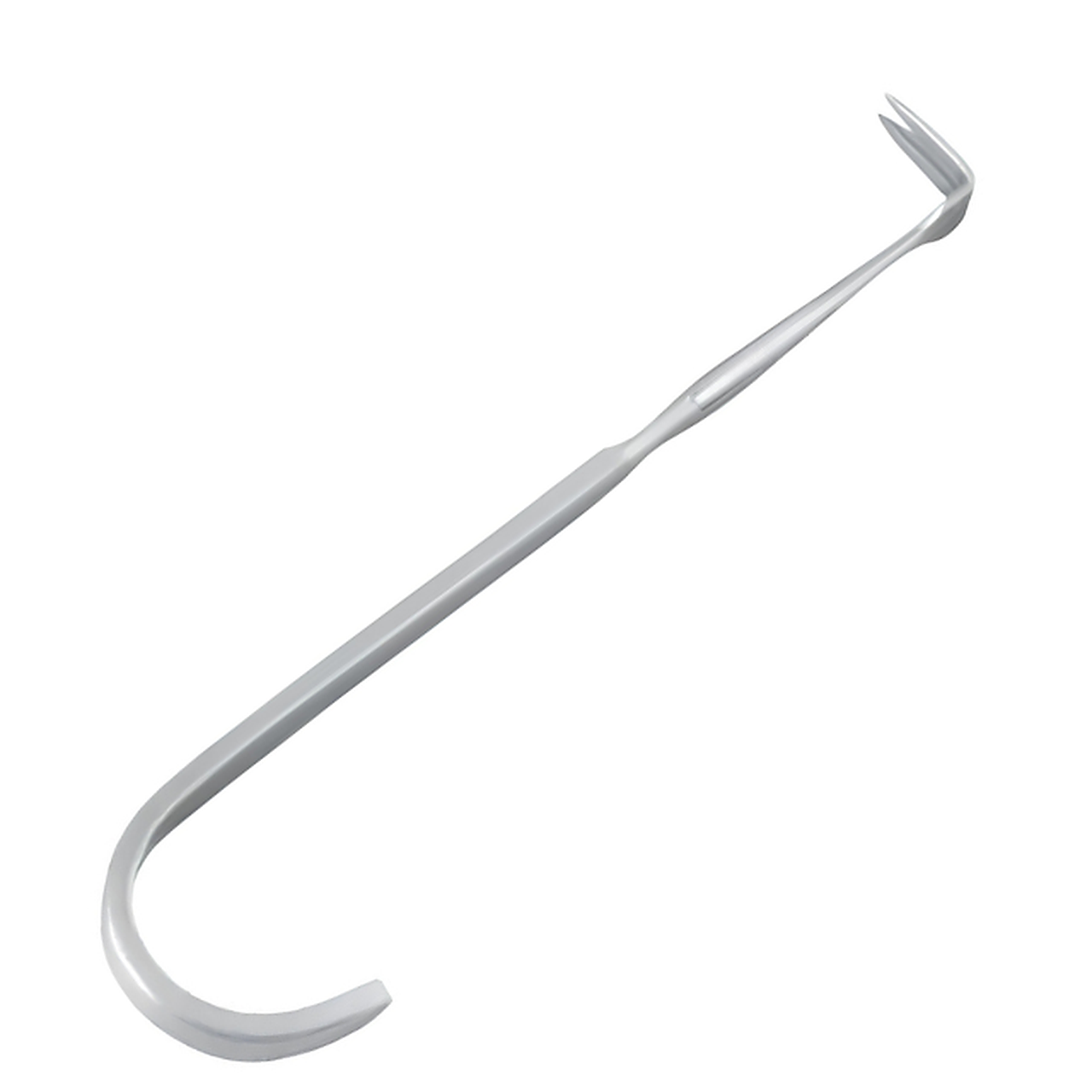 | Dunn Dautrey Lateral Ekartör | Ortognatik ve oral cerrahi sırasında lateral yumuşak dokuyu ekarte etmek ve mandibula ramusunu açığa çıkarmak için özel olarak tasarlanmıştır. |
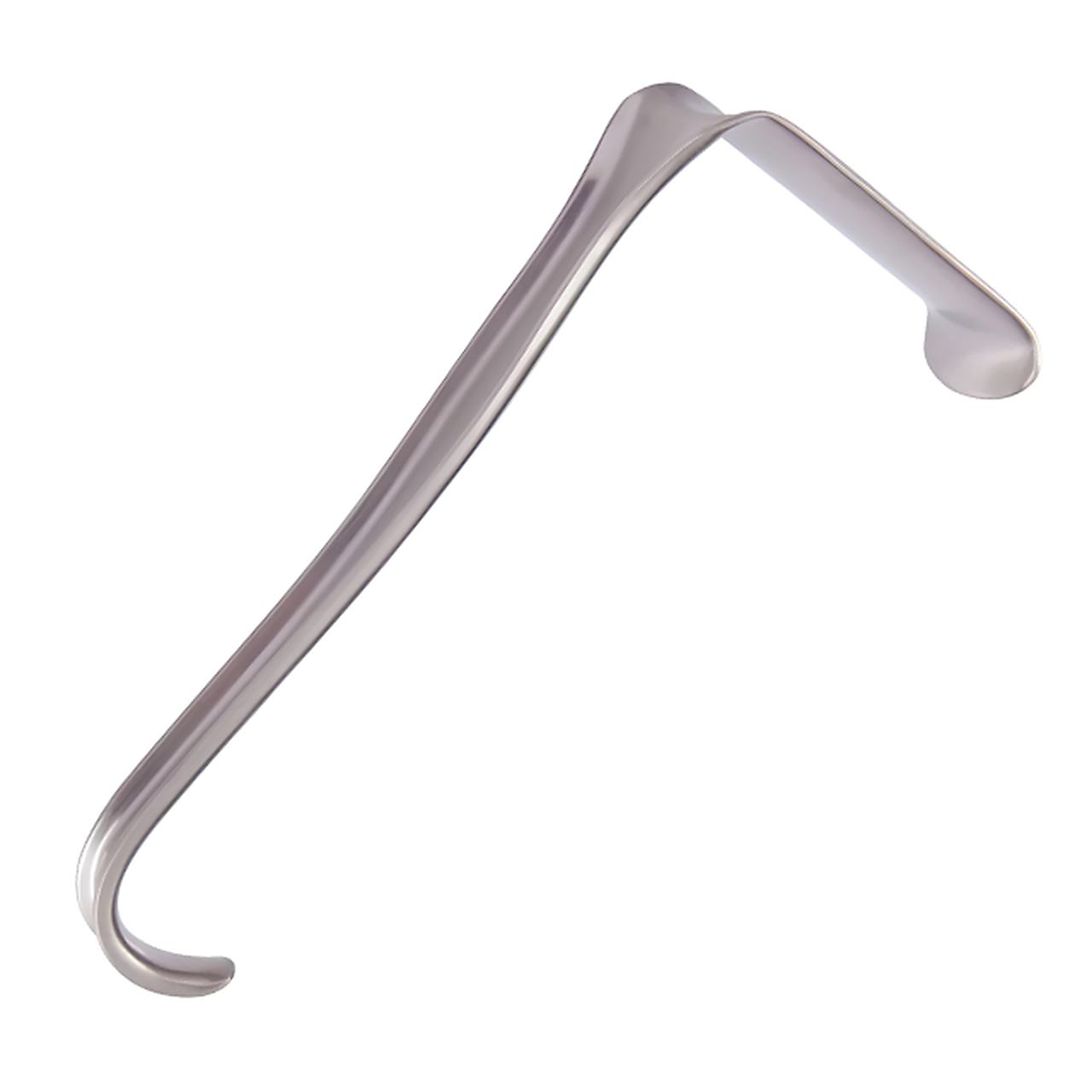 | Eastman Vajinal Ekartör | Jinekolojik ve pelvik rekonstrüktif cerrahi sırasında vajinal duvarları ekarte etmek ve derin görüş sağlamak için özel olarak tasarlanmıştır. |
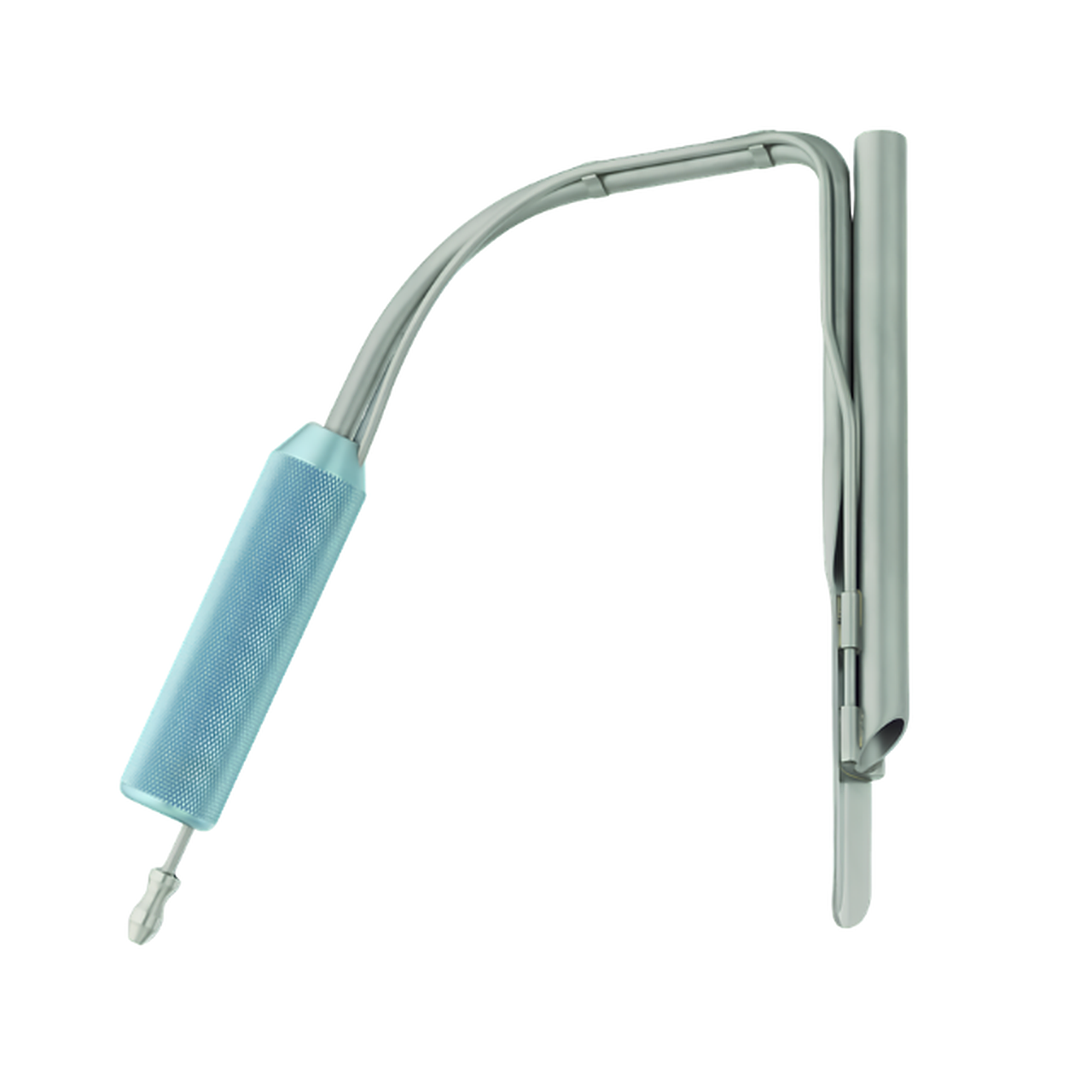 | EMORY Endo-Plastic Ekartör | Endoskopik estetik ve plastik cerrahi sırasında doku fleplerini kaldırmak ve 10 mm'lik bir endoskopa kılavuzluk etmek için özel olarak tasarlanmıştır. |
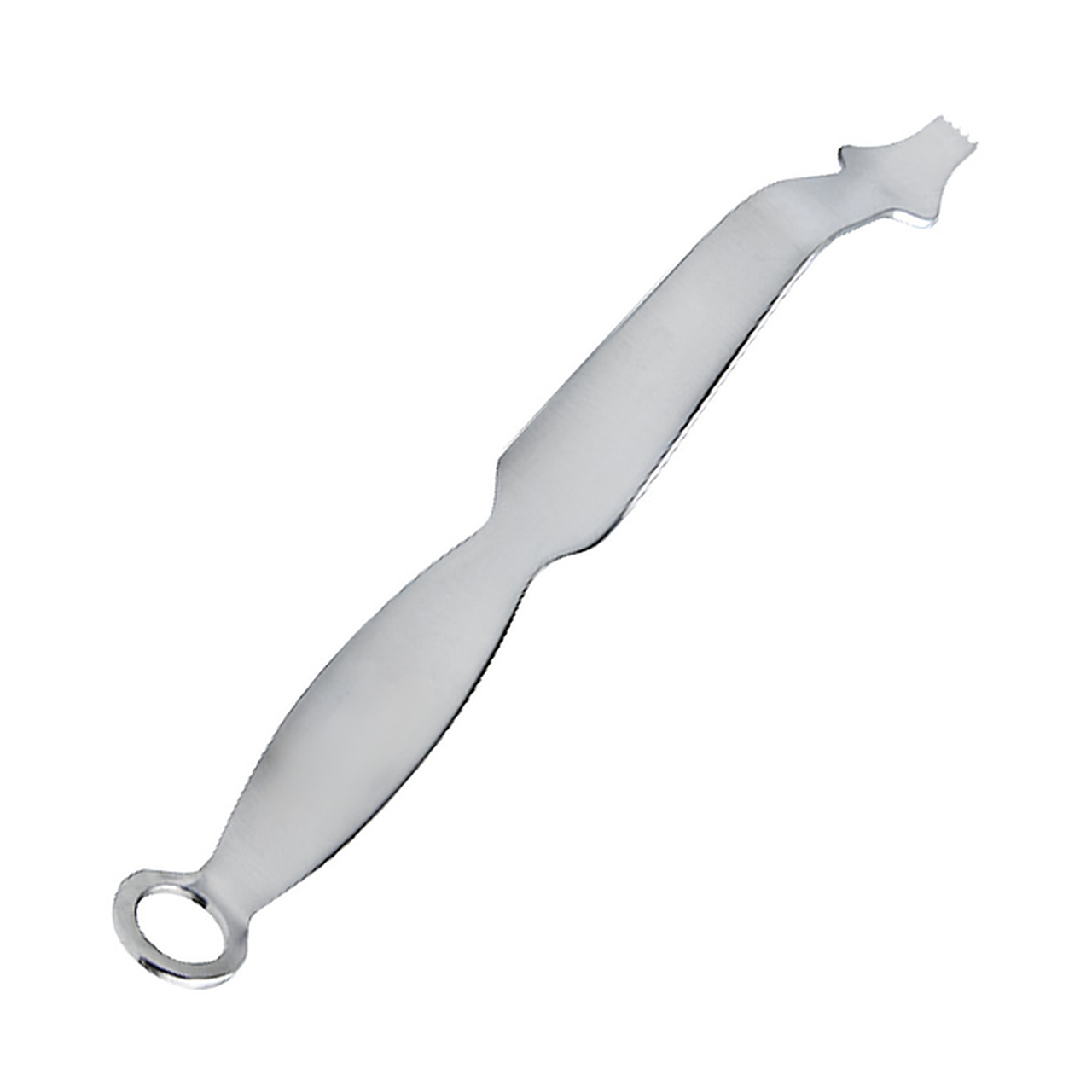 | Engh İnterkondiler Çentik Ekartörü | Total diz artroplastisi sırasında interkondiler çentiği açığa çıkarmak ve posterior diz yapılarını korumak için özel olarak tasarlanmıştır. |
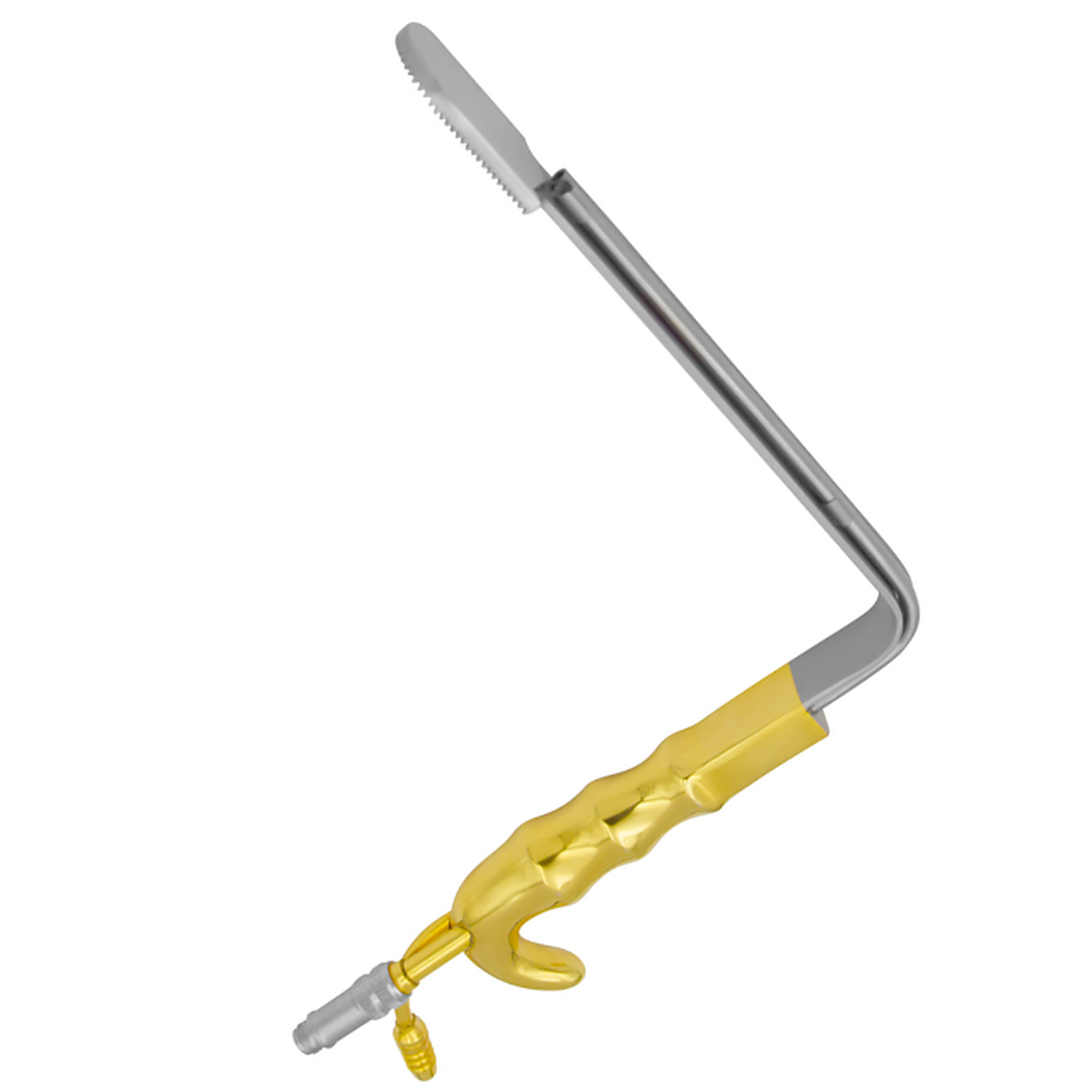 | Epstein Meme Ekartörü | Meme büyütme ve rekonstrüksiyonu sırasında doku fleplerini kaldırmak ve subpektoral veya subglandüler cepler oluşturmak için özel olarak tasarlanmıştır. |
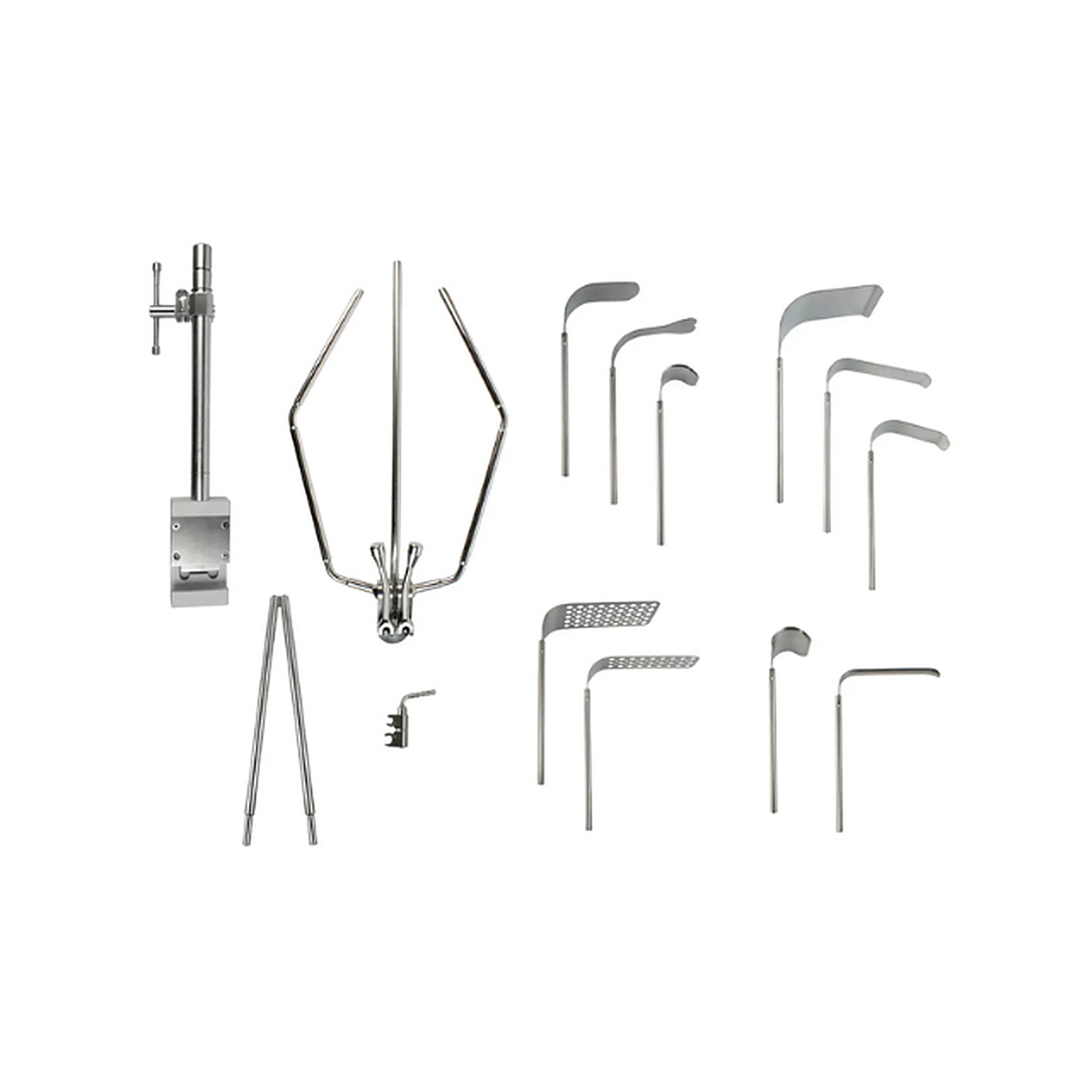 | Genişletilmiş Vasküler Lobster Ekartör | Vasküler cerrahi prosedürler sırasında masaya monte edilen, kendinden sabitlemeli yumuşak doku retraksiyonu ve cerrahi alan maruziyeti sağlamak için özel olarak tasarlanmıştır. |
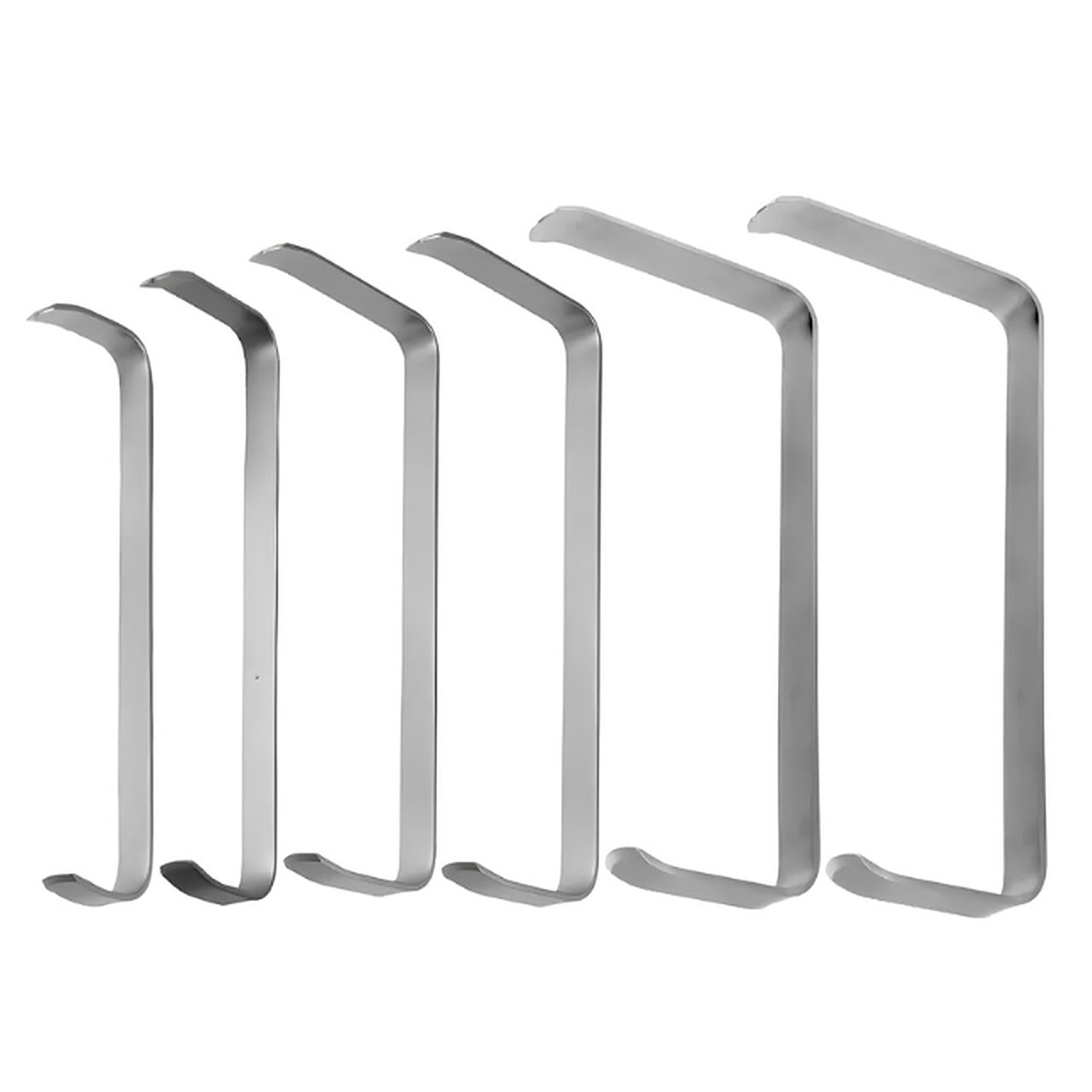 | Farabeuf Ekartör | Yüzeysel ve orta düzey cerrahi insizyonlarda deri, fasya ve yumuşak dokuları ekarte etmek için özel olarak tasarlanmıştır. |
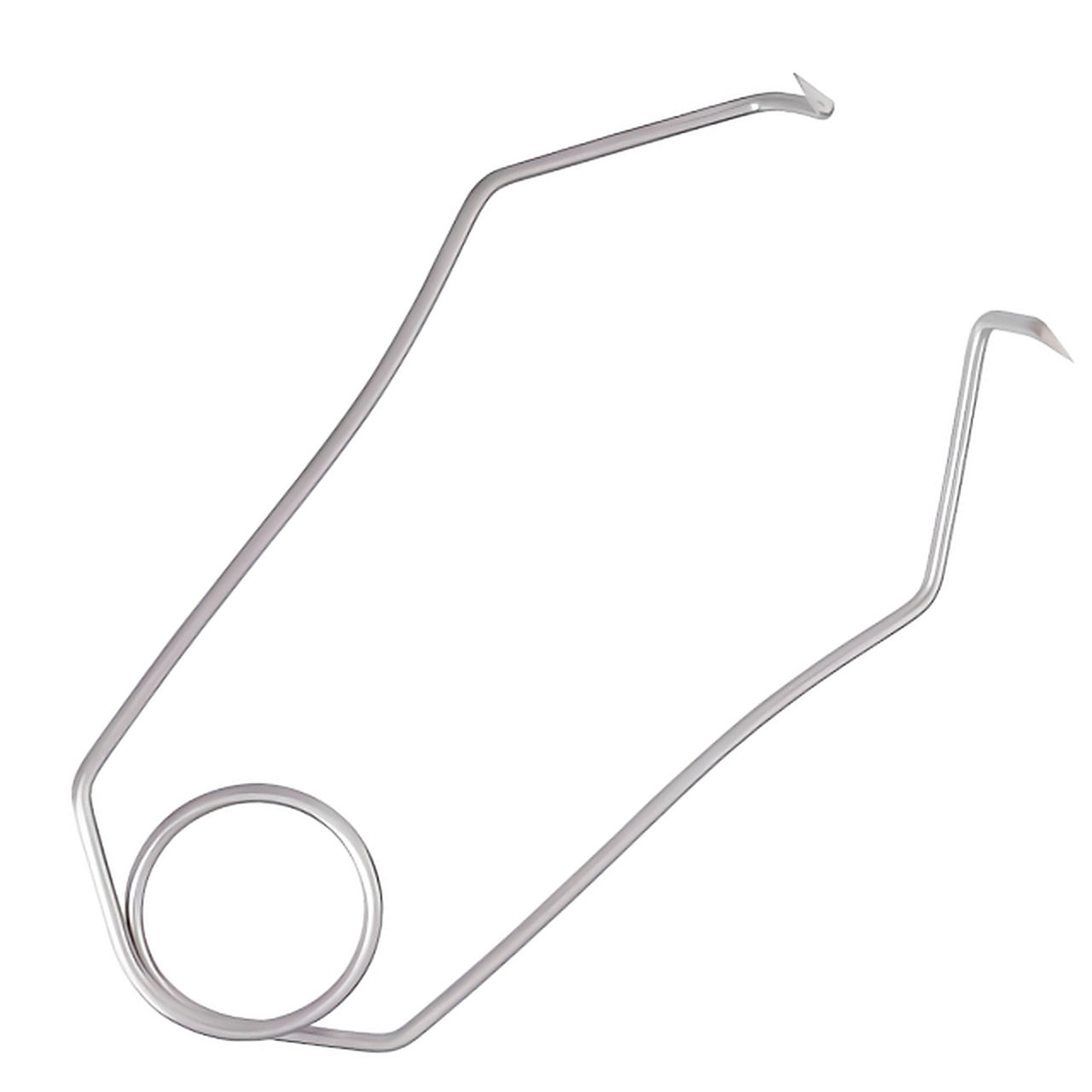 | Farr Yaylı Ekartör | Plastik, pediyatrik ve küçük cerrahi prosedürler sırasında yay destekli, kendinden tutmalı doku ekartasyonu sağlamak için özel olarak tasarlanmıştır. |
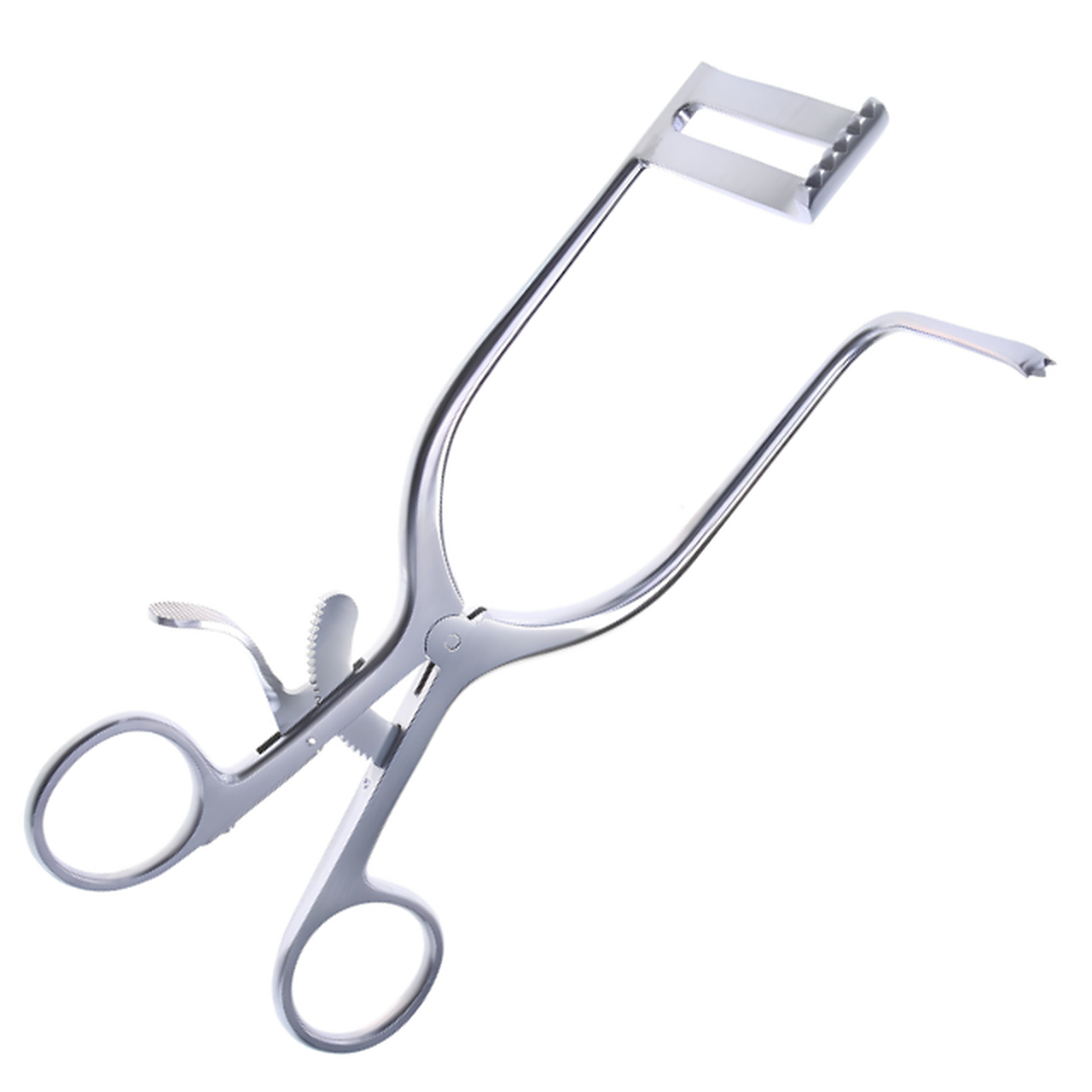 | Feler-Ducker Ekartör | Spinal laminektomi ve elektrot implantasyonu sırasında paraspinal kas ve yumuşak doku retraksiyonu sağlamak için özel olarak tasarlanmıştır. |
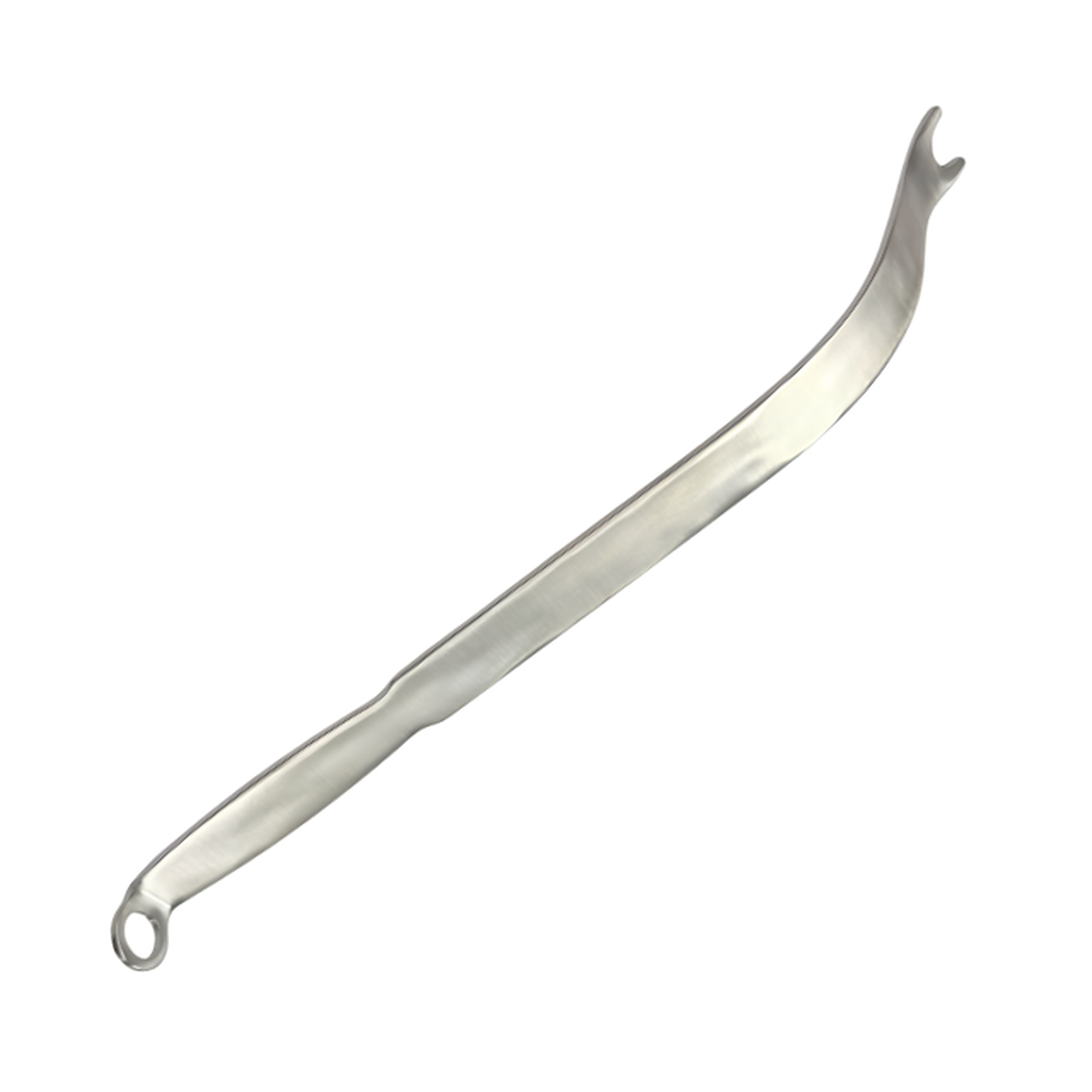 | Femoral Calcar Ekartörü | Kalça artroplastisinde femoral kanal hazırlığı sırasında calcar femorale'yi açığa çıkarmak ve yumuşak dokuyu ekarté etmek için özel olarak tasarlanmıştır. |
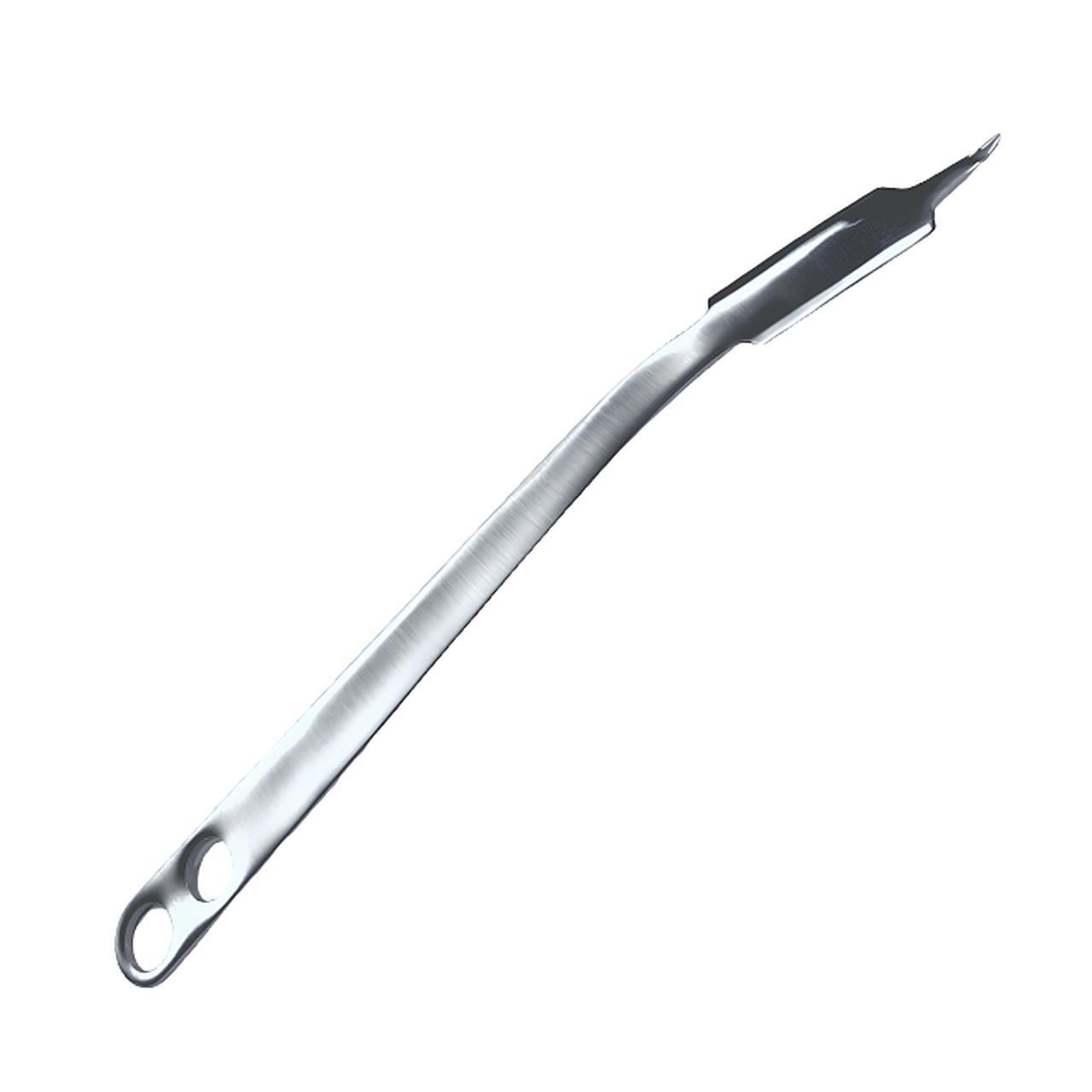 | Femoral/Gluteus Medius Minimus Ekartör | Kalça artroplastisi sırasında ağır gluteal kasları ekarte etmek ve asetabulum ile femuru açığa çıkarmak için özel olarak tasarlanmıştır. |
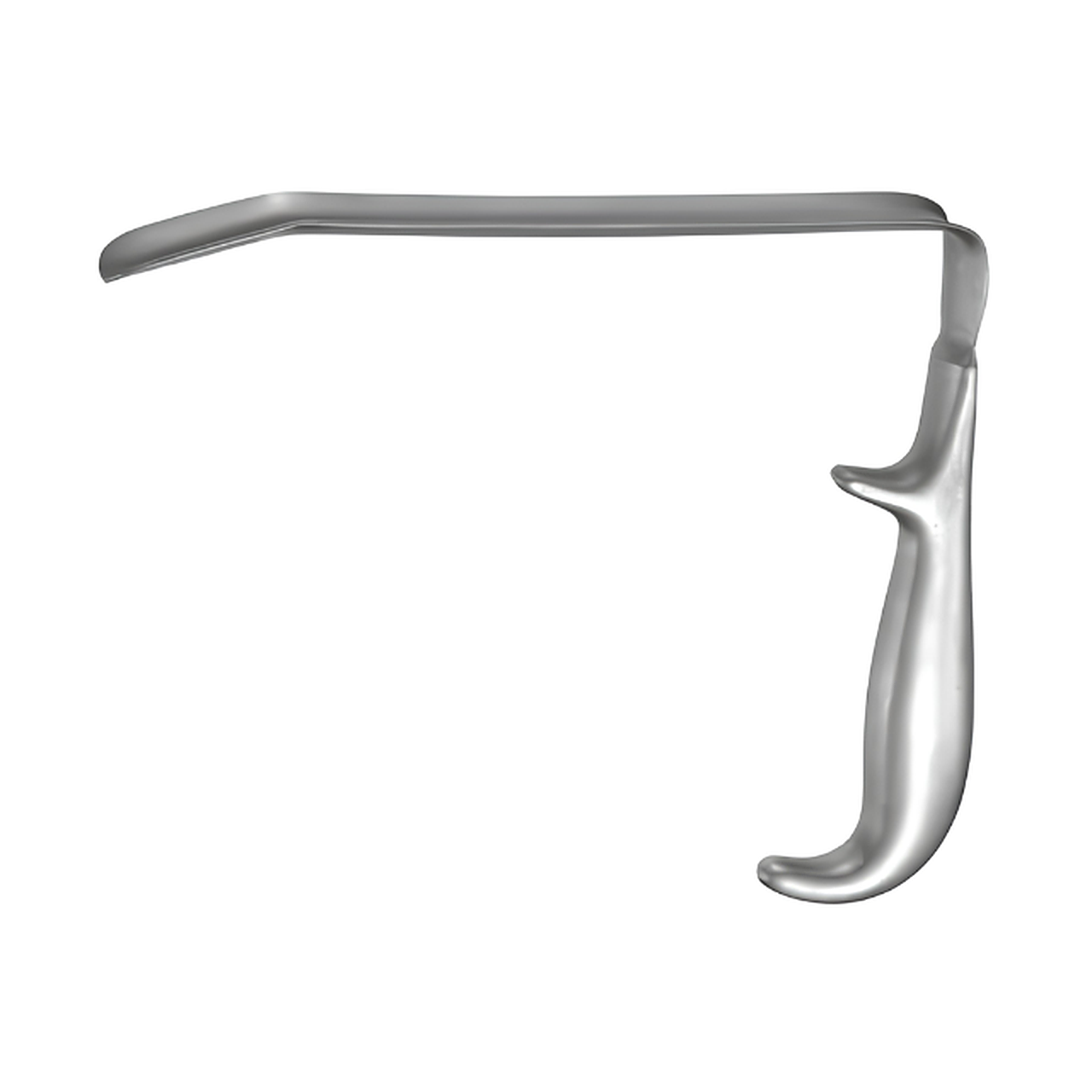 | Ferreira breast augmentation Retractor | Meme büyütme ve rekonstrüksiyonu sırasında doku flaplerini kaldırmak ve submüsküler veya subglandüler cepler oluşturmak için özel olarak tasarlanmıştır. |
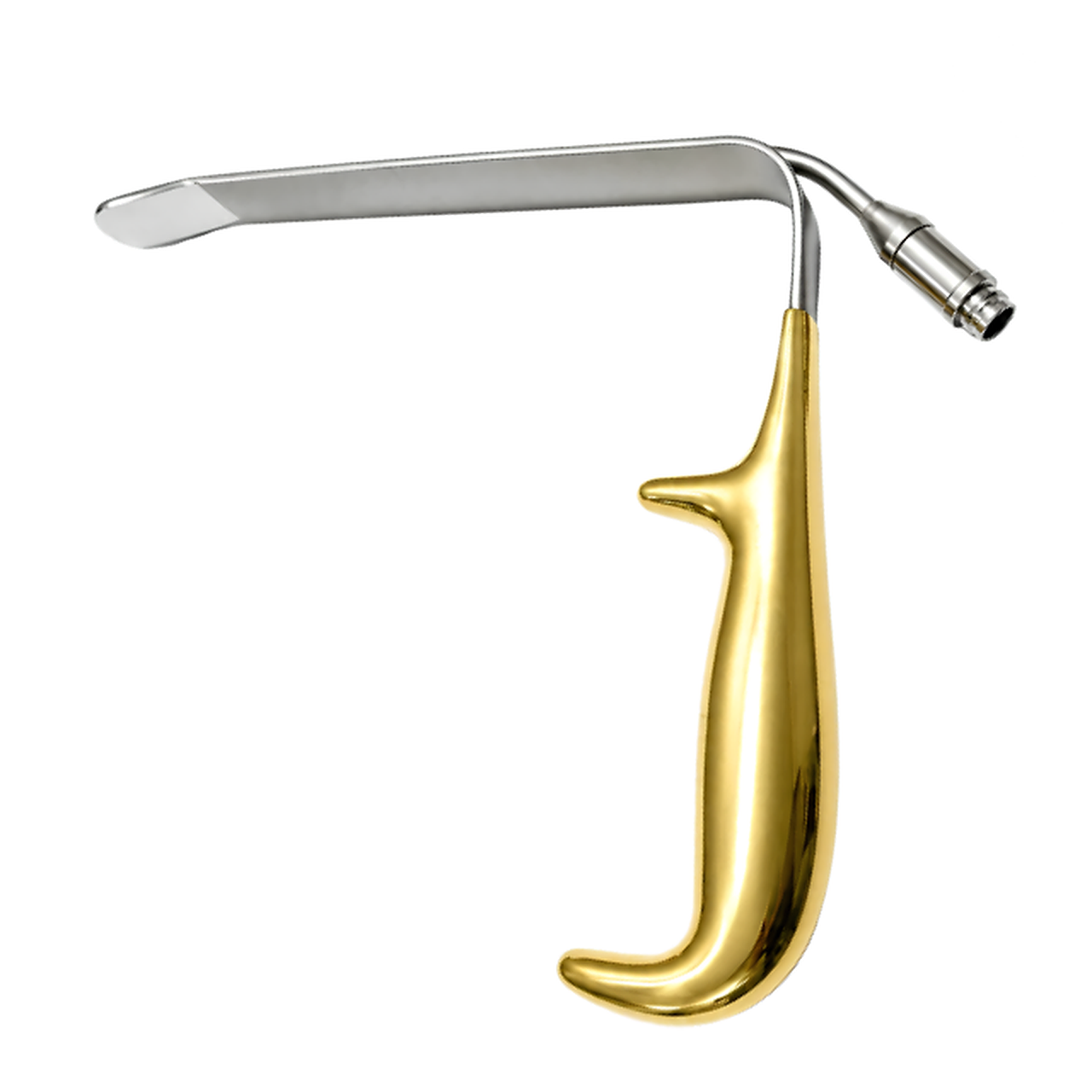 | Ferreira Göğüs Büyütme Ekartörü - Fiber Optik | Meme büyütme ve rekonstrüksiyonu sırasında ışıklı yumuşak doku retraksiyonu ve cep vizüalizasyonu sağlamak için özel olarak tasarlanmıştır. |
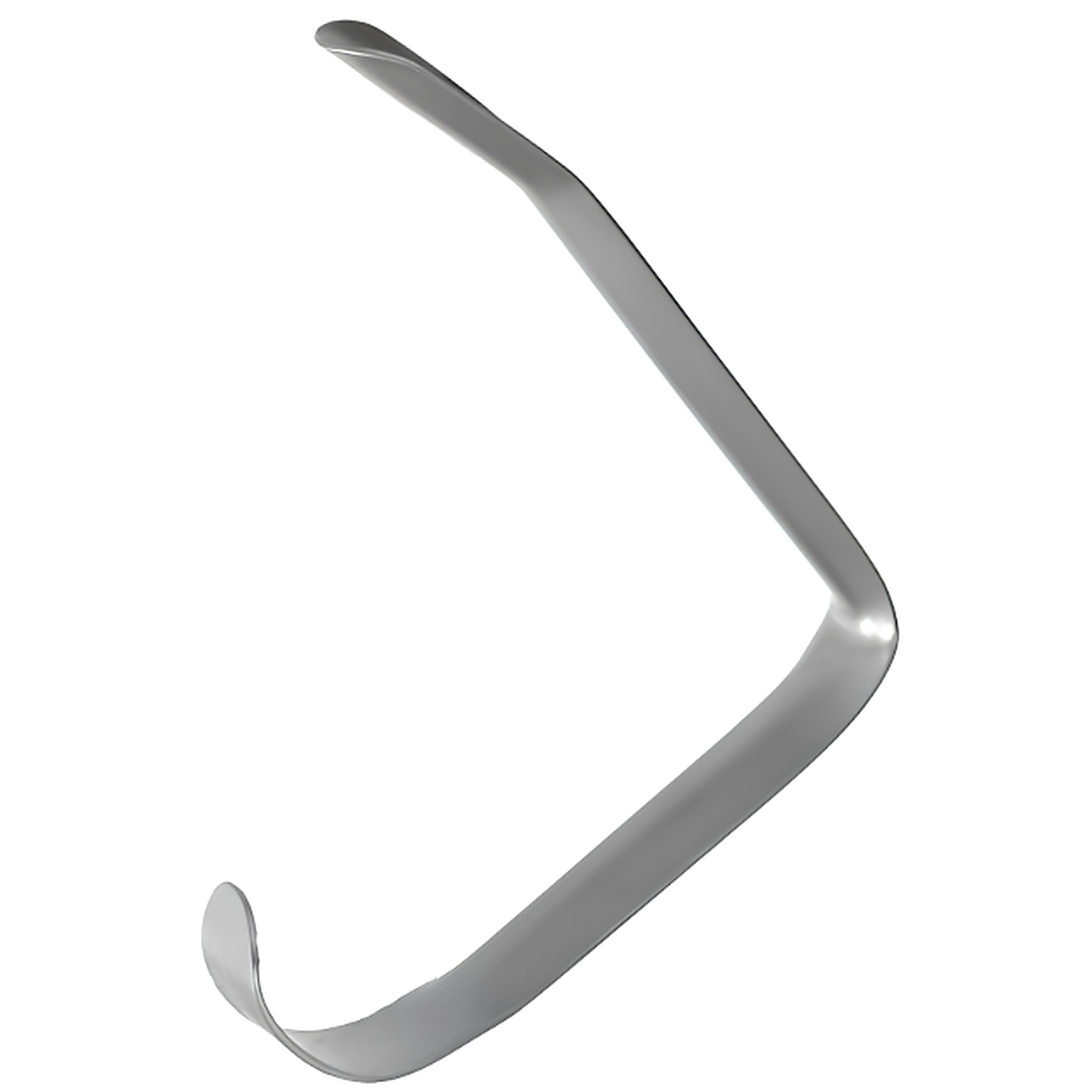 | Ferreira Face Lift Ekartörü | Ritidektomi ve estetik yüz cerrahisi sırasında yüz deri fleplerini ve SMAS tabakalarını kaldırmak için özel olarak tasarlanmıştır. |
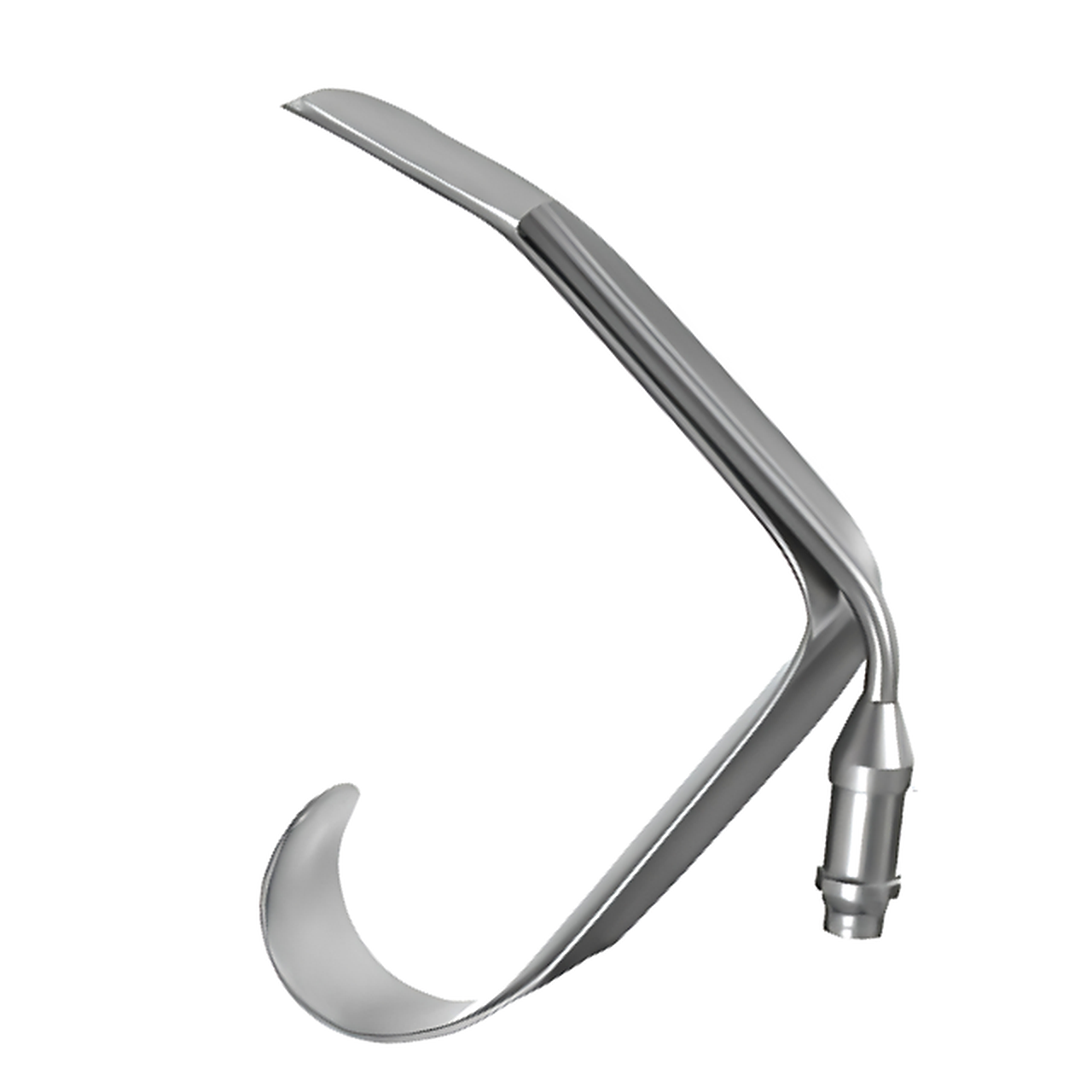 | Ferreira Fiber Optik Yüz Germe Ekartörü | Ritidektomi sırasında ışıklı yumuşak doku retraksiyonu ve fasiyal cilt flebi elevasyonu sağlamak için özel olarak tasarlanmıştır. |
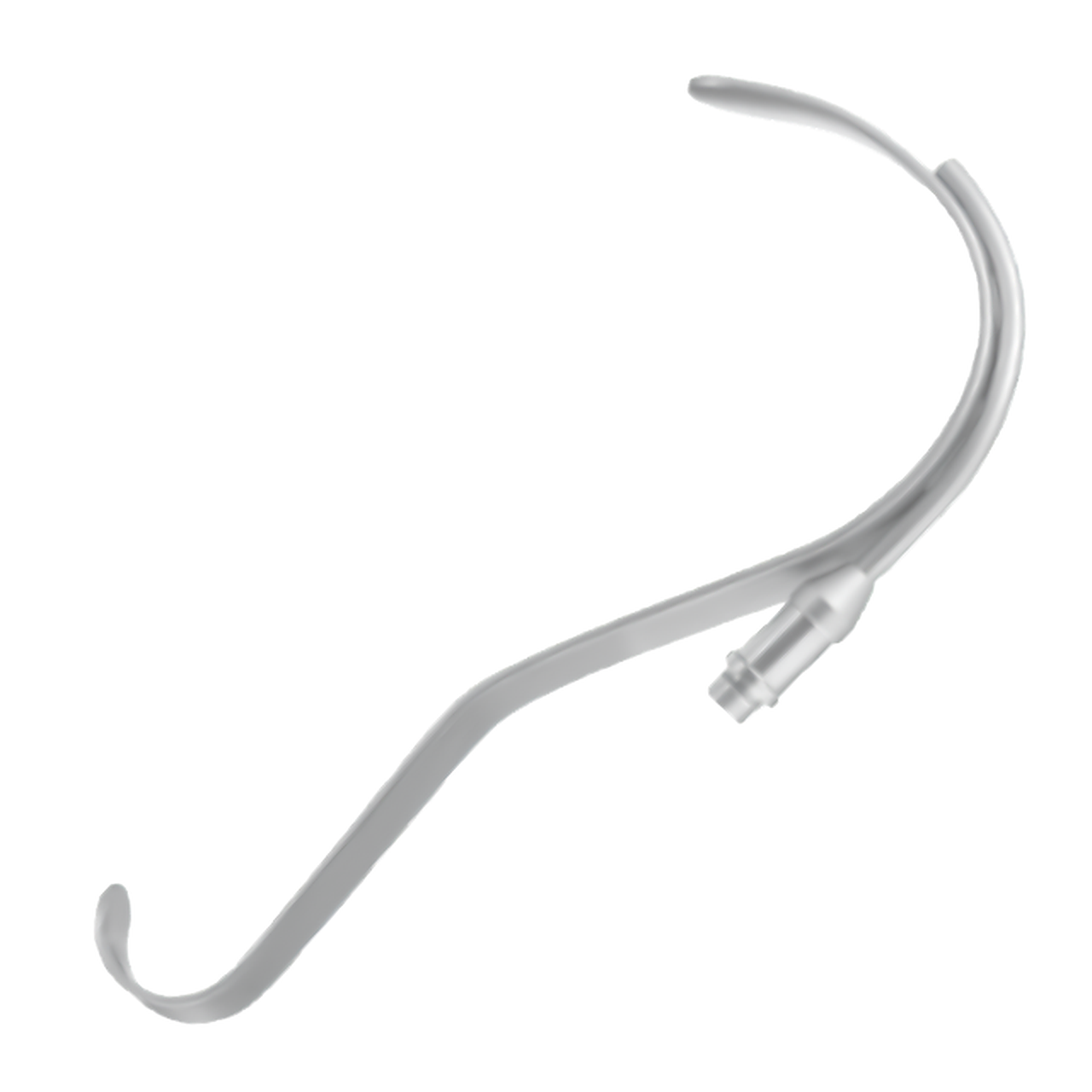 | Fiber optic Deaver Retractor | Derin abdominal ve pelvik cerrahi sırasında visseral organları ekarte etmek ve doğrudan aydınlatma sağlamak için özel olarak tasarlanmıştır. |
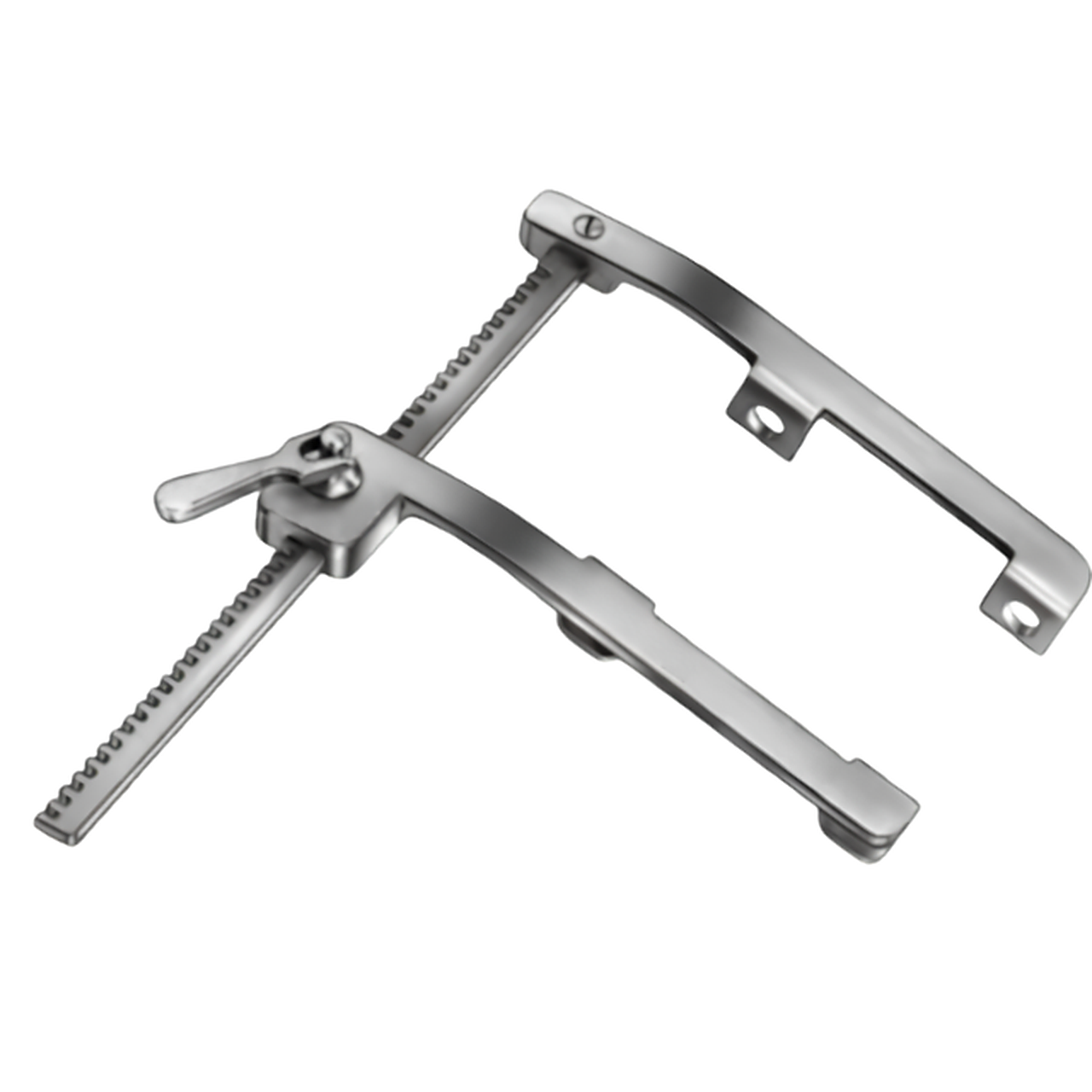 | Finochietto (Modif) Kaburga Ekartörü | Anterior ve lateral torakotomi sırasında kaburgaları ayırmak ve torasik erişim sağlamak için özel olarak tasarlanmıştır. |
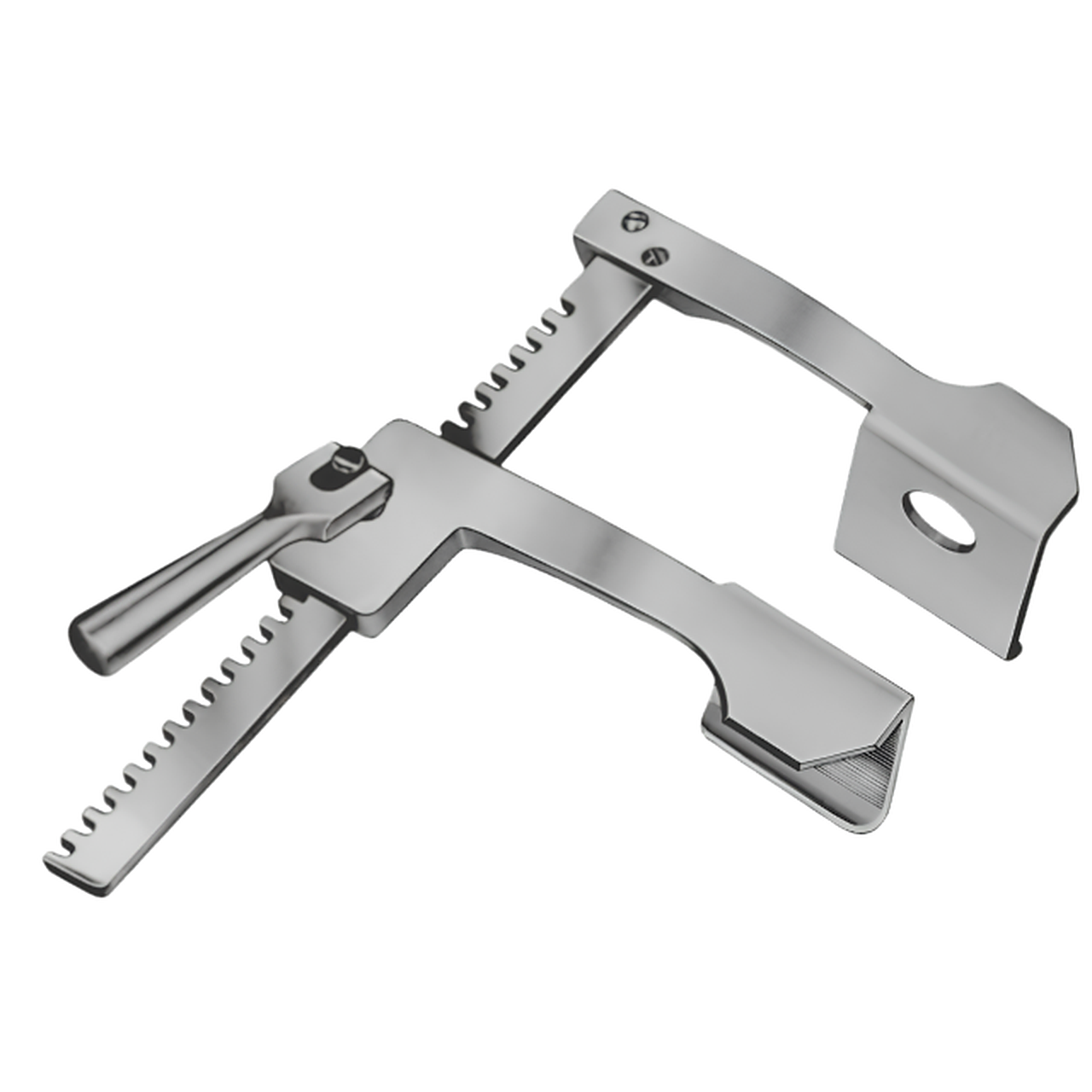 | Finochietto Kaburga Ekartörü | Açık torakotomi prosedürleri sırasında kaburgaları ayırmak ve torasik boşluğu genişletmek için özel olarak tasarlanmıştır. |
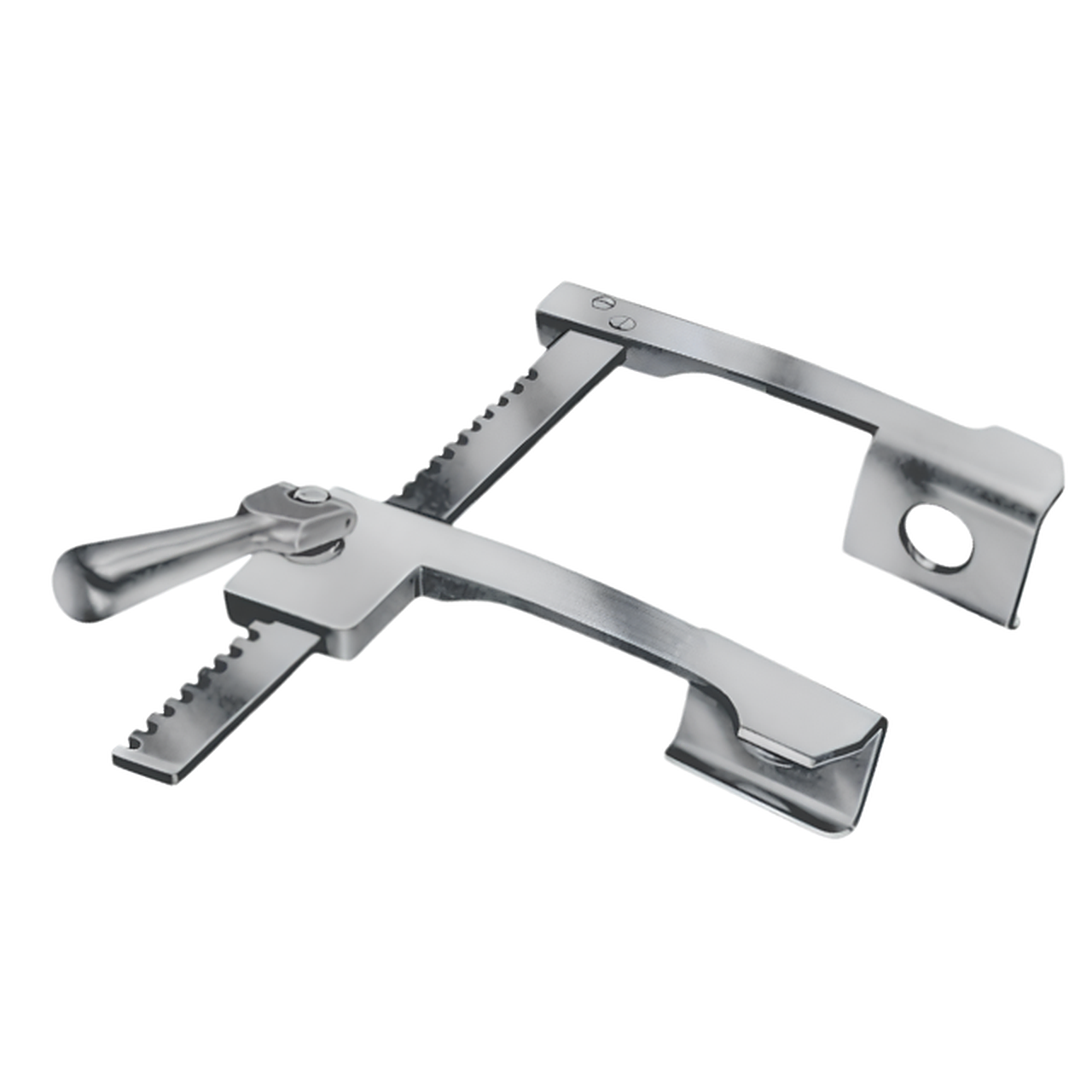 | Finochietto-Baby Rib Spreader | Neonatal ve pediyatrik kardiyotorasik cerrahi sırasında kaburgaları ayırmak ve torasik erişim sağlamak için özel olarak tasarlanmıştır. |
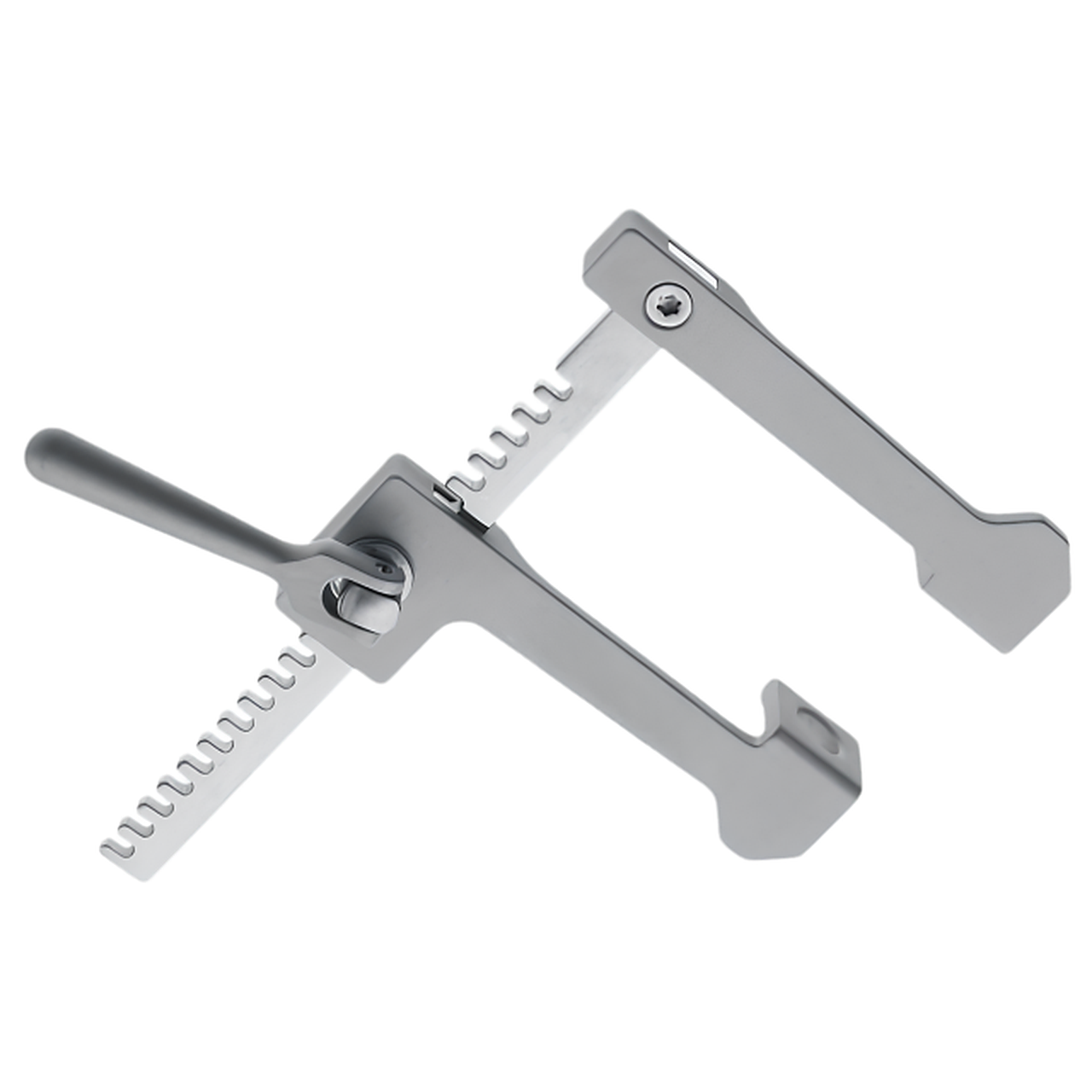 | Finochietto-Infant Rib Ekartörü | Neonatal ve infantil kardiyotorasik cerrahi sırasında hassas bebek kaburgalarını ayırmak için özel olarak tasarlanmıştır. |
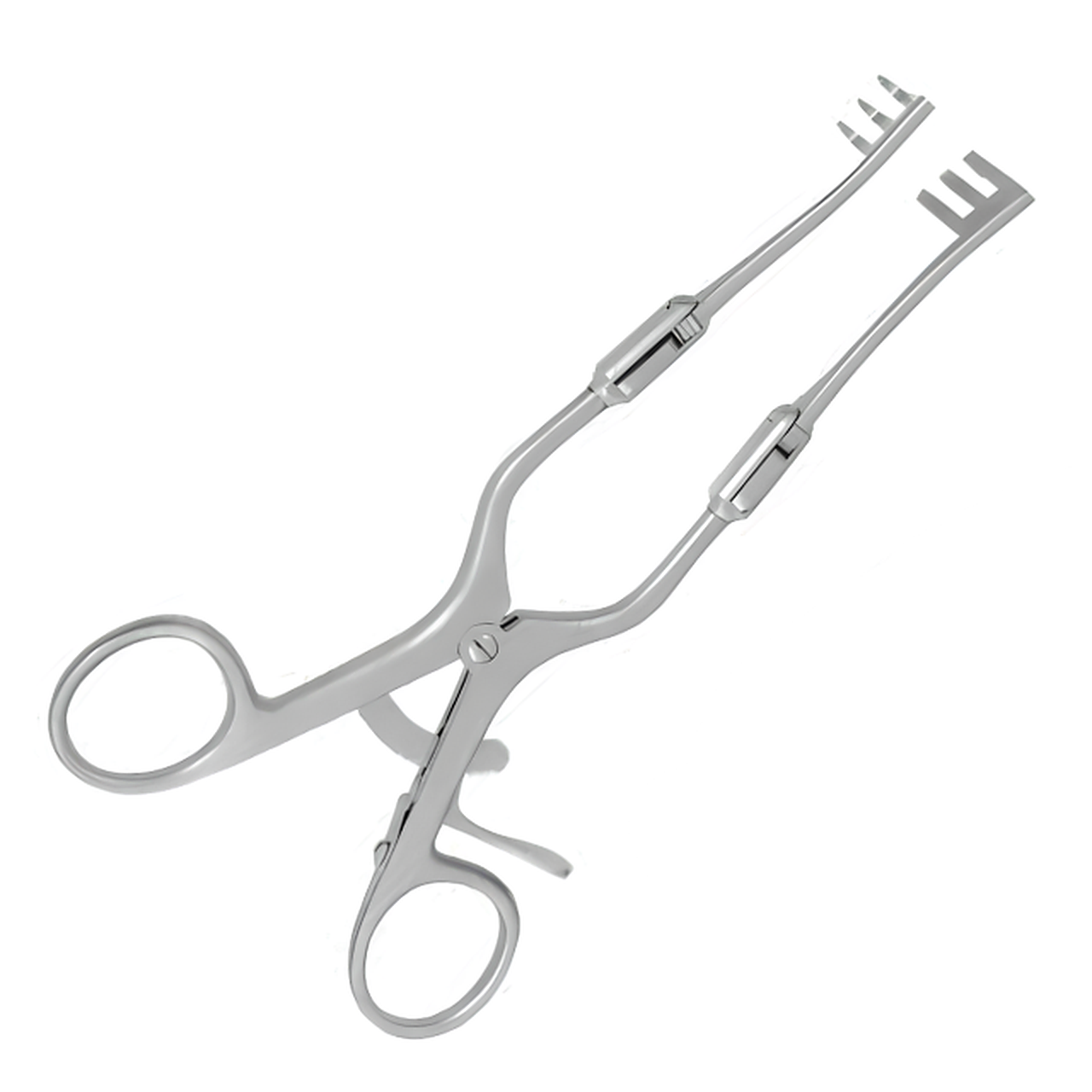 | Fisch Eklemli Ekartör | Mastoid ve lateral kafa tabanı cerrahisi sırasında retroauriküler yumuşak doku flebini ve periostu ekarte etmek için özel olarak tasarlanmıştır. |
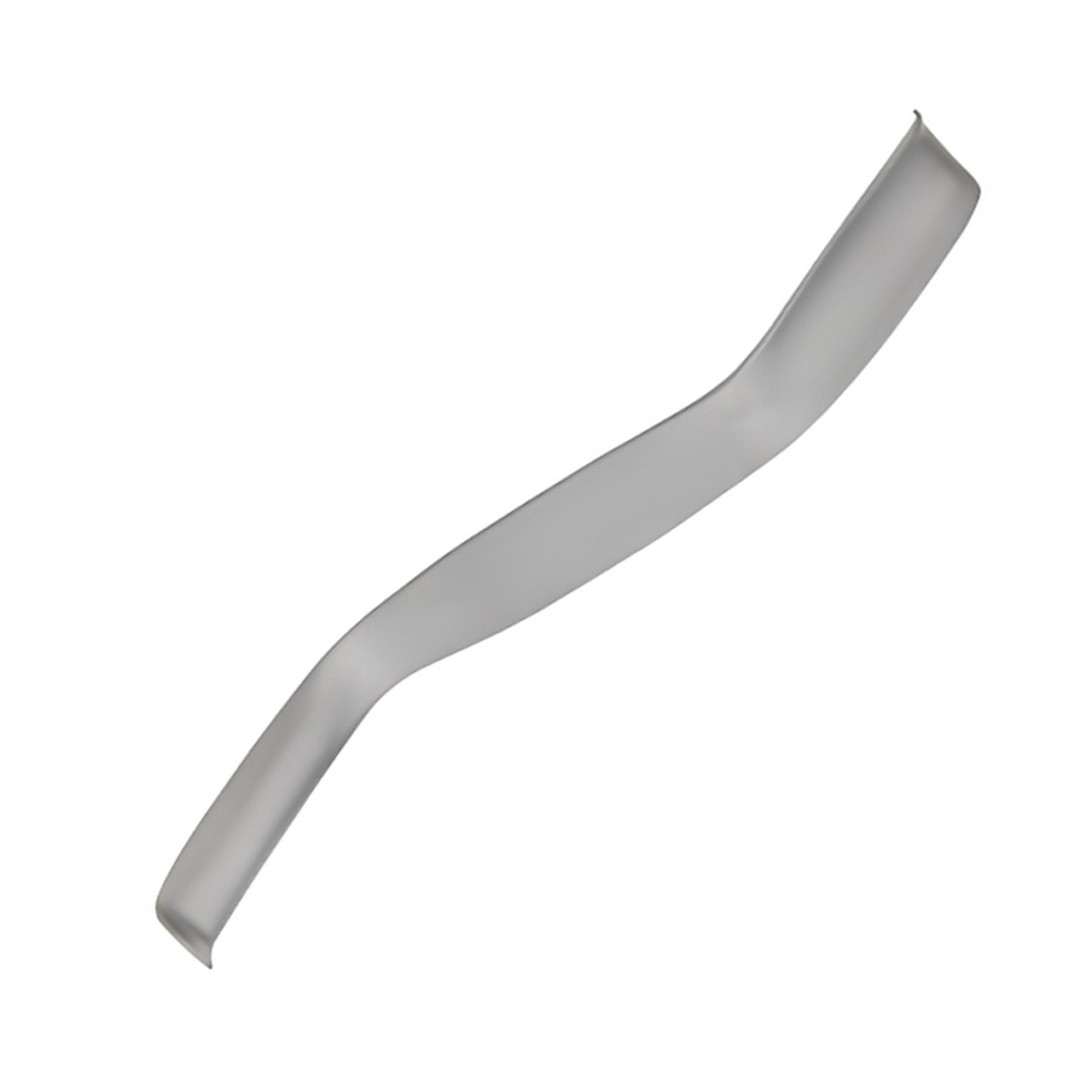 | Fischl Ayakkabı Çekeceği Formlu Ekartör | Plastik ve genel cerrahi sırasında deri fleplerini ekarte etmek, protezleri yönlendirmek ve doku düzlemlerini ayırmak için özel olarak tasarlanmıştır. |
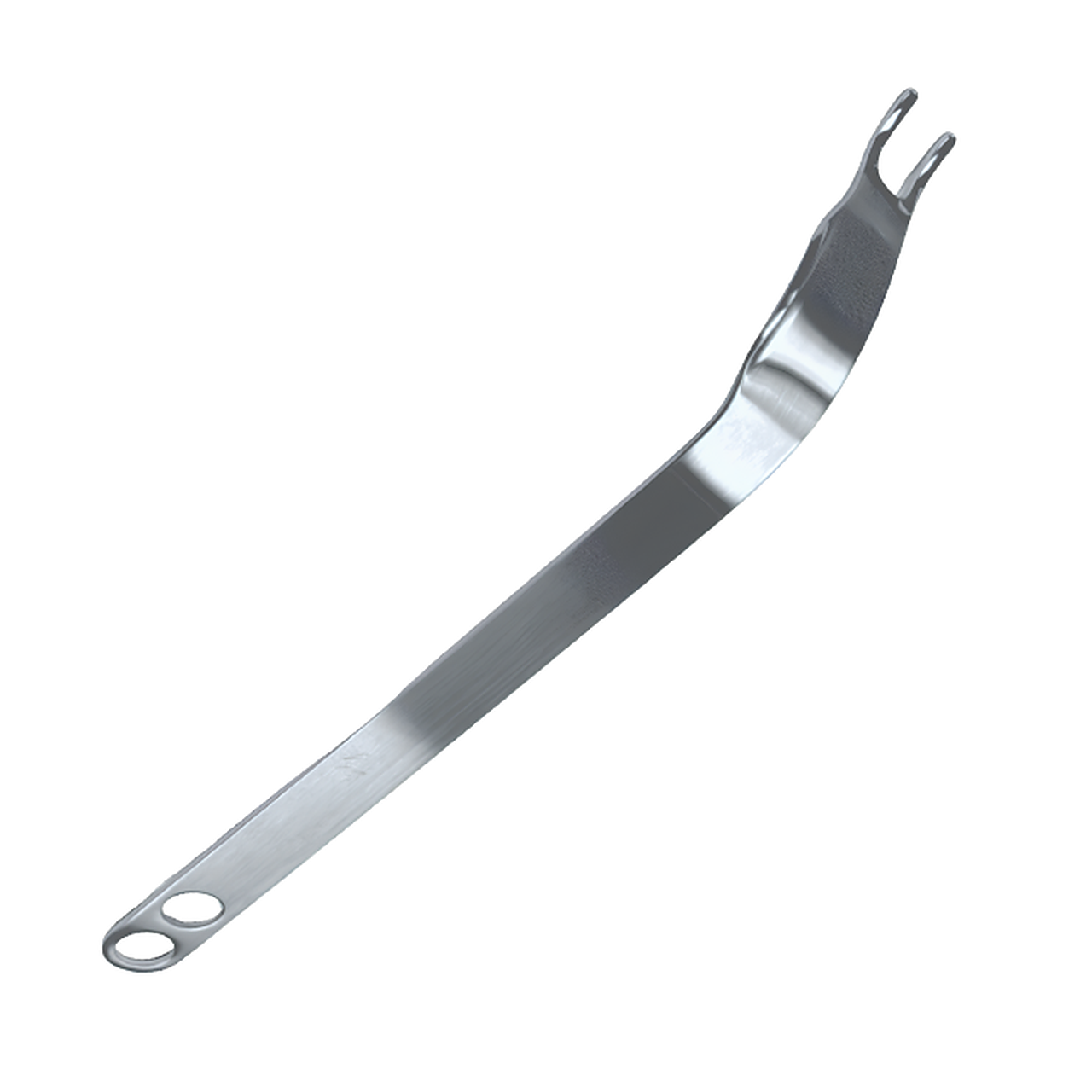 | Flared Cobra Ekartörleri | Total kalça artroplastisi, pelvik osteotomi ve femur rekonstrüksiyonu sırasında kemiği kaldıraçla hareket ettirmek ve ağır kas dokusunu ekarte etmek için özel olarak tasarlanmıştır. |
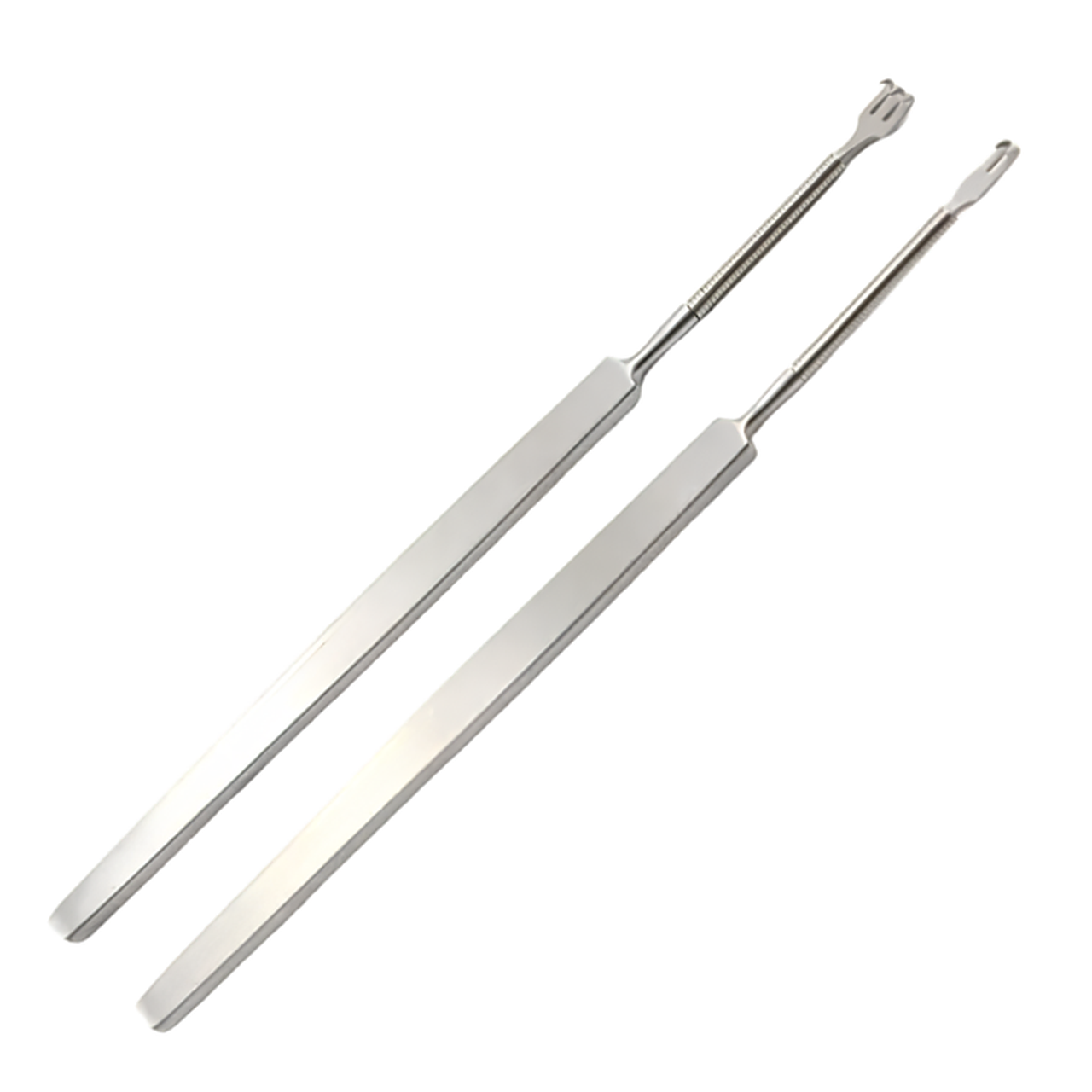 | Esnek Boyunlu Ekartör | Tiroid, boyun ve plastik cerrahi sırasında deri fleplerini, strap kaslarını ve fasiyal dokuyu ekarte etmek için özel olarak tasarlanmıştır. |
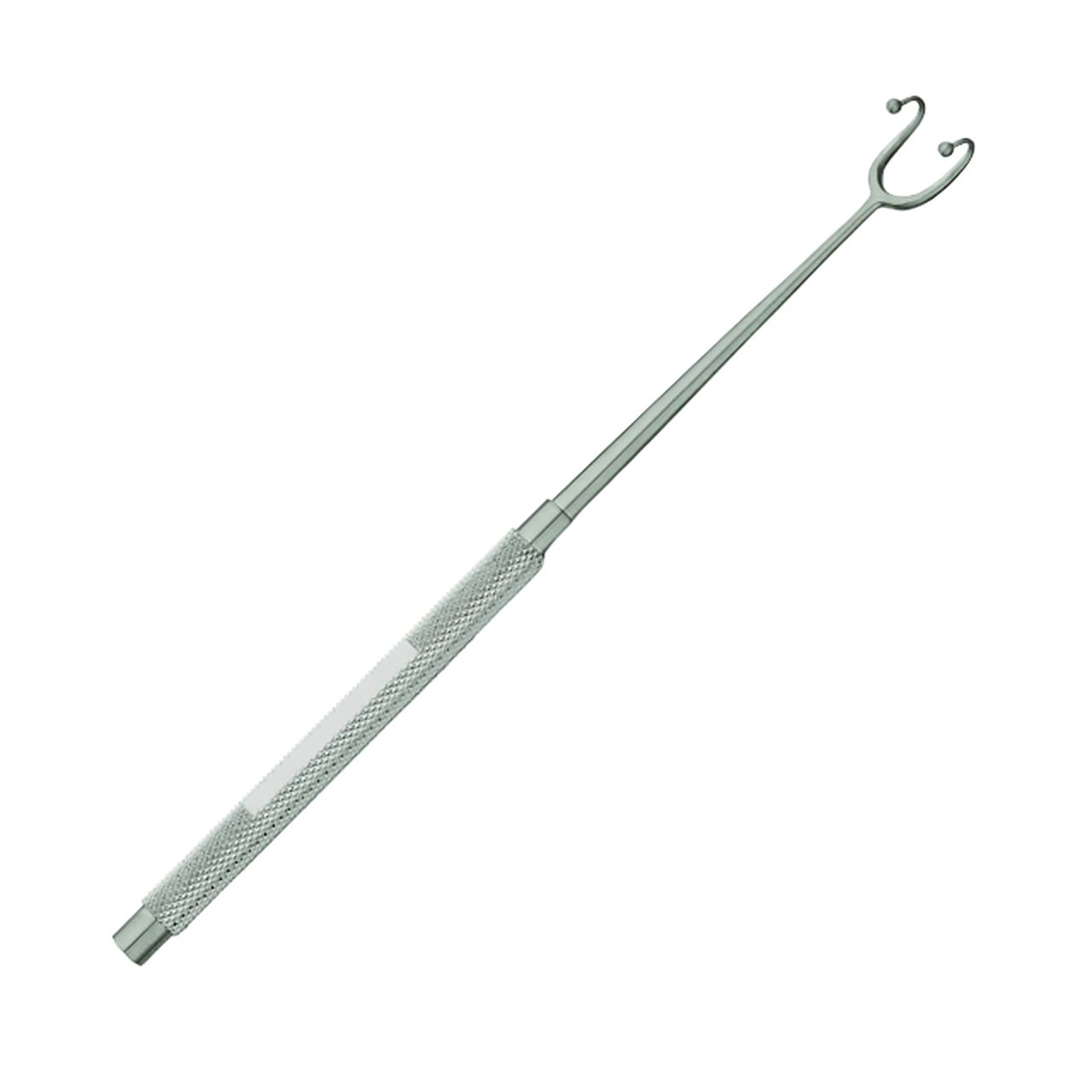 | Fomon Ekartör | Rinoplasti sırasında alar rim, alt lateral kıkırdak ve burun deliği kenarlarını ekarte etmek için özel olarak tasarlanmıştır. |
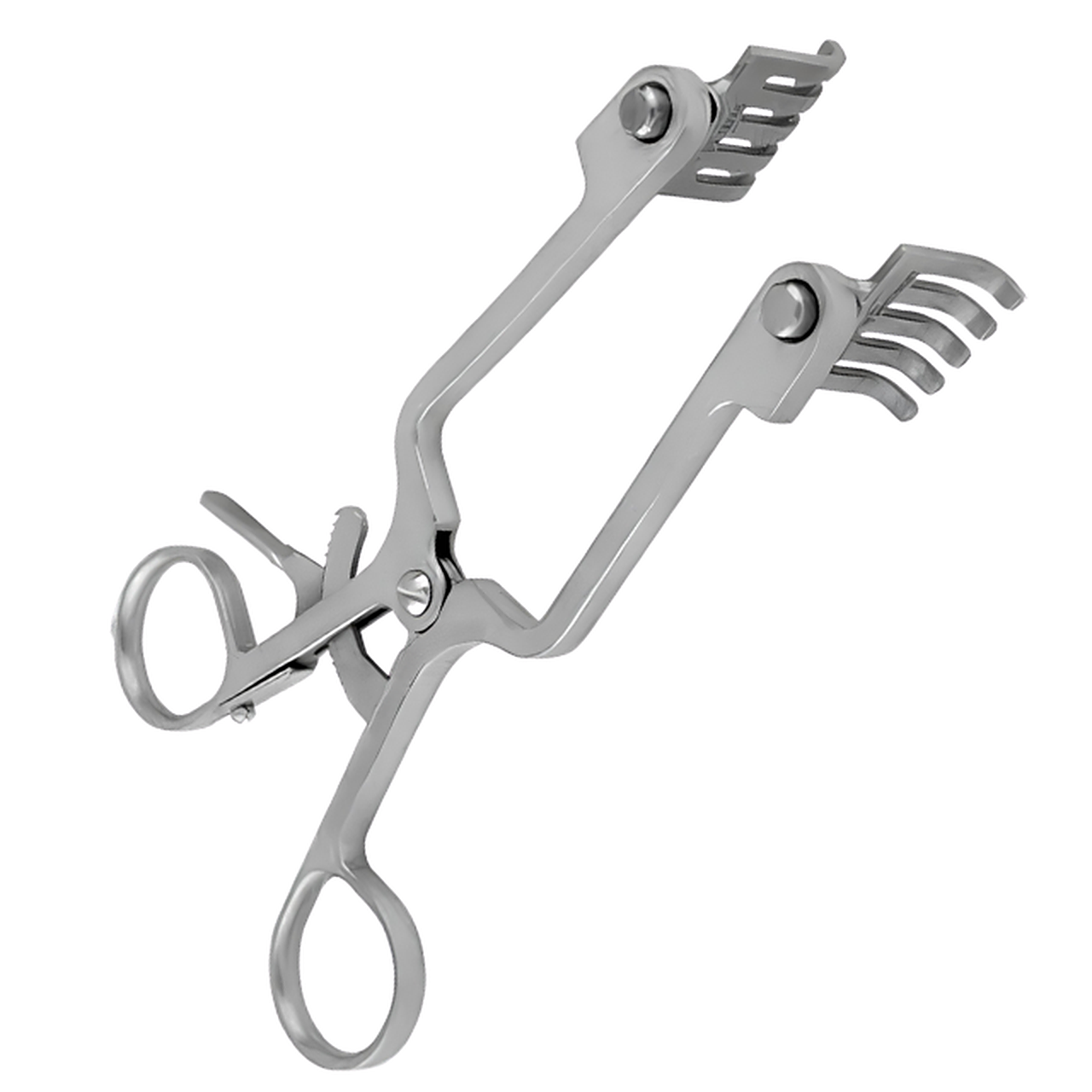 | Ön Kol Döner Bıçaklı Ekartör | Ön kol ve el bileği cerrahisi sırasında kendinden sabitlemeli yumuşak doku ekartasyonu ve kemik distraksiyonu sağlamak için özel olarak tasarlanmıştır. |
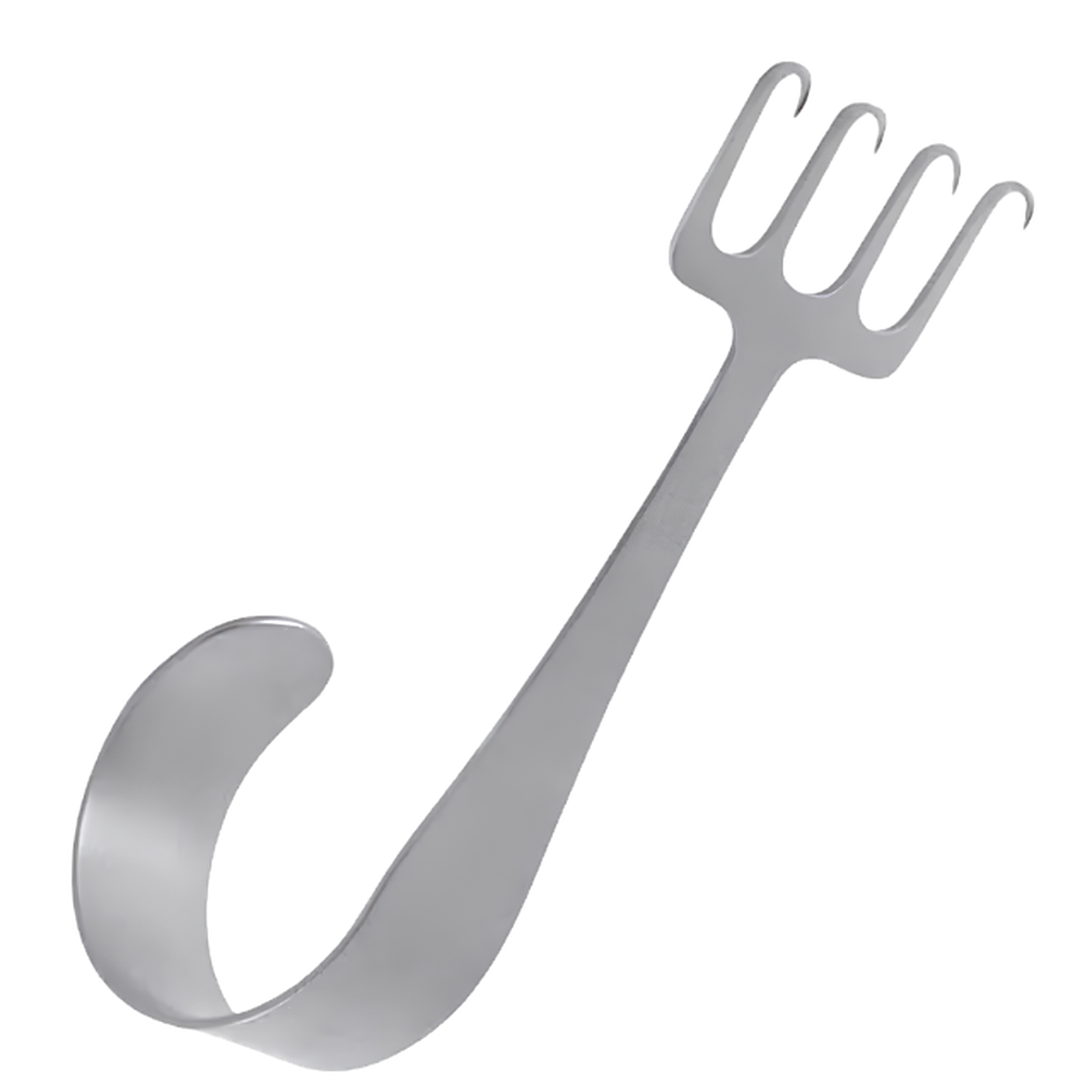 | Freeman Face Lift Ekartörleri | Ritidektomi ve estetik yüz cerrahisi sırasında yüz deri fleplerini ve SMAS tabakasını kaldırmak için özel olarak tasarlanmıştır. |
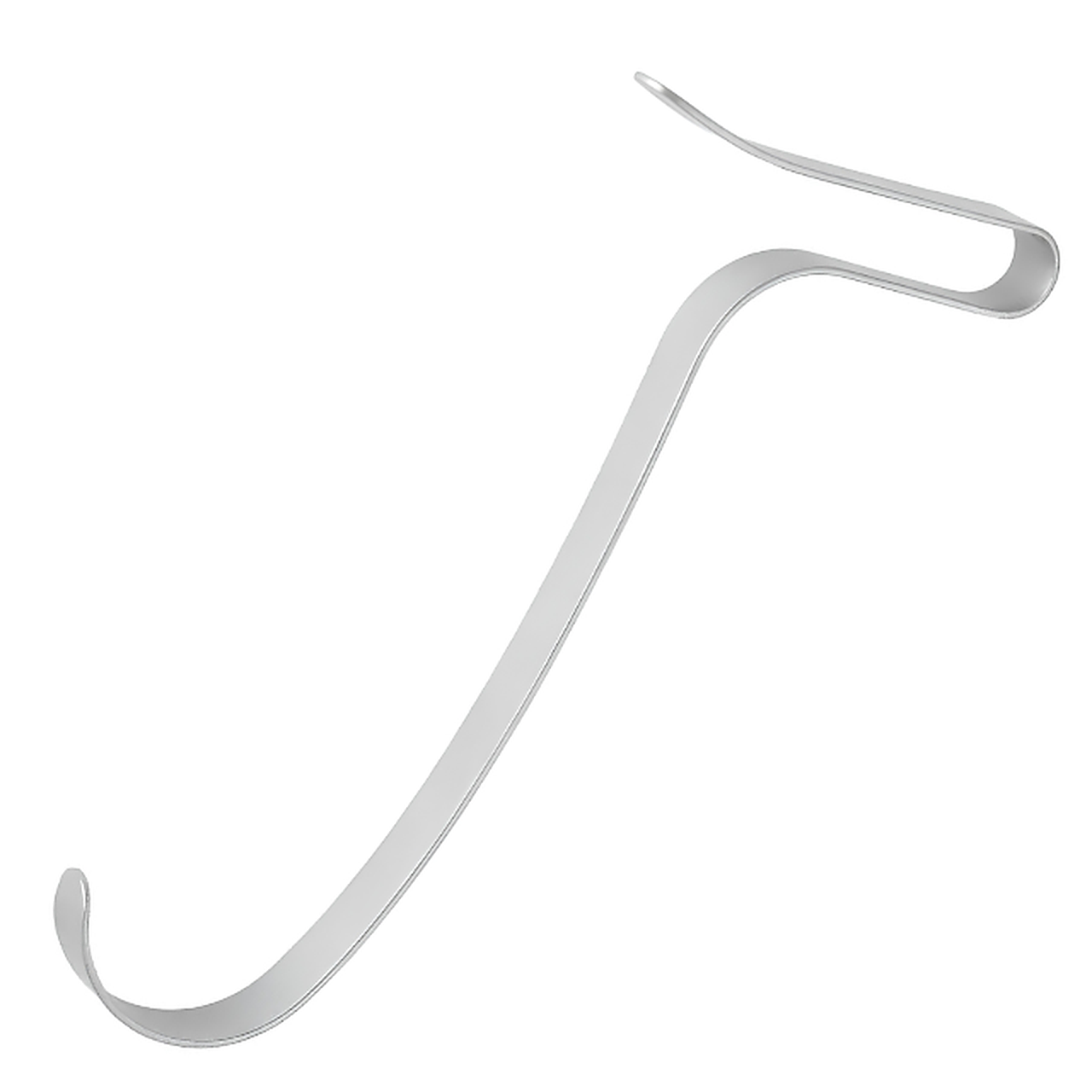 | Freeman Flep Ekartörü | Plastik, meme ve rekonstrüktif cerrahi sırasında deri fleplerini ve deri altı dokuyu kaldırmak ve ekarte etmek için özel olarak tasarlanmıştır. |
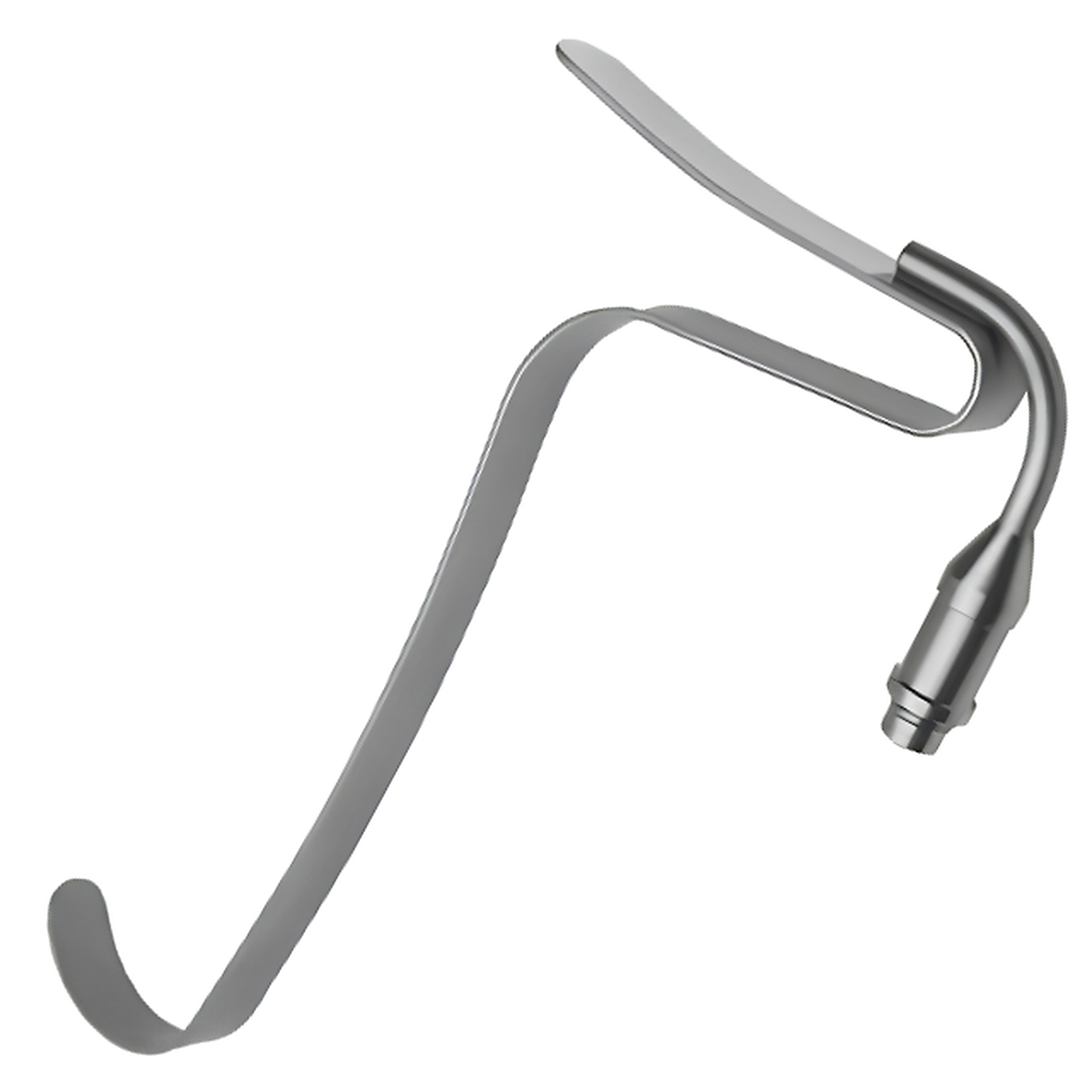 | Freeman Flap Retractor With Fiber Optic Illumination | Estetik ve rekonstrüktif plastik cerrahi sırasında aydınlatmalı yumuşak doku retraksiyonu ve flep elevasyonu sağlamak için özel olarak tasarlanmıştır. |
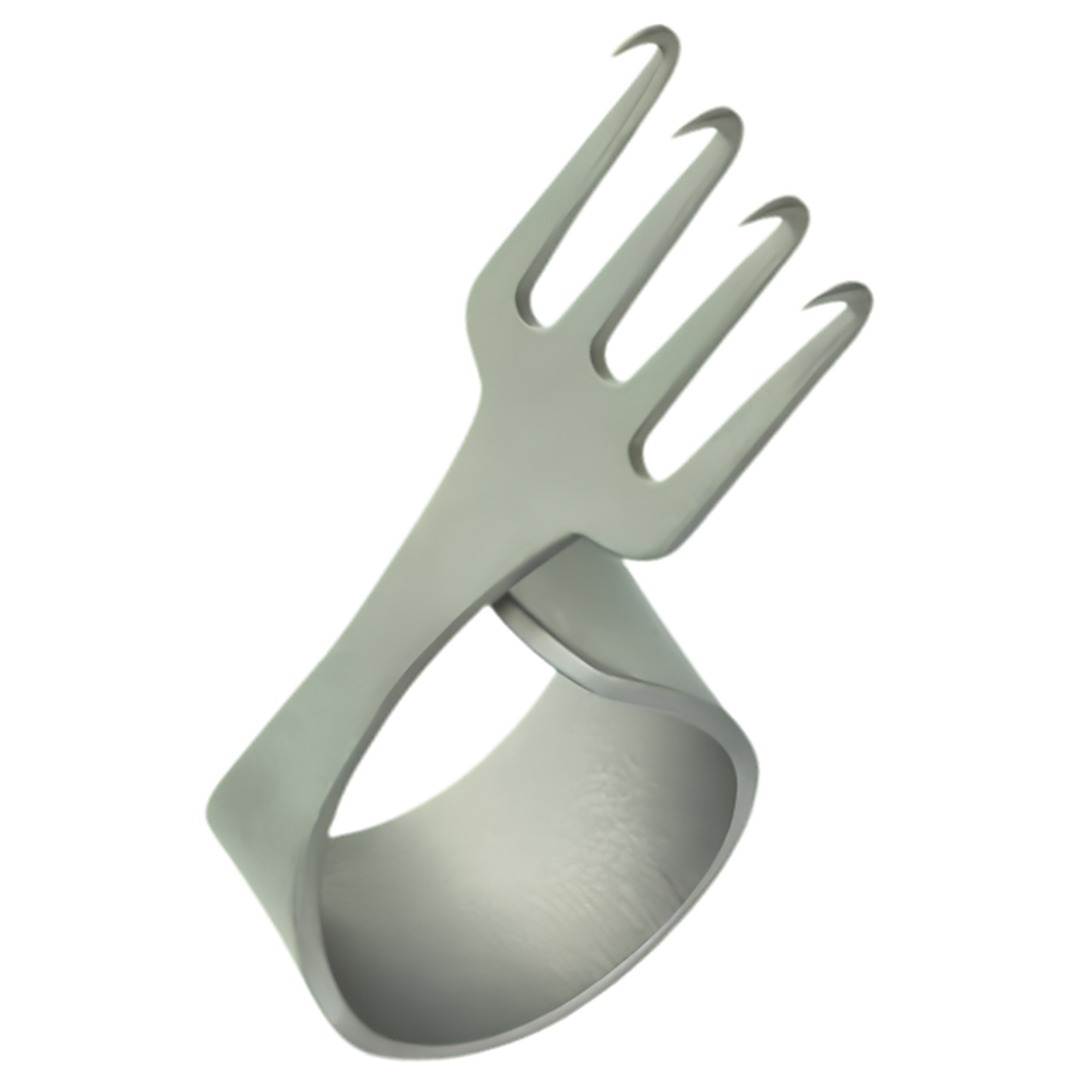 | Freeman Mini Rake Ekartör | Dar anatomik ceplerde küçük cilt flebi elevasyonu ve hassas yumuşak doku traksiyonu için özel olarak tasarlanmıştır. |
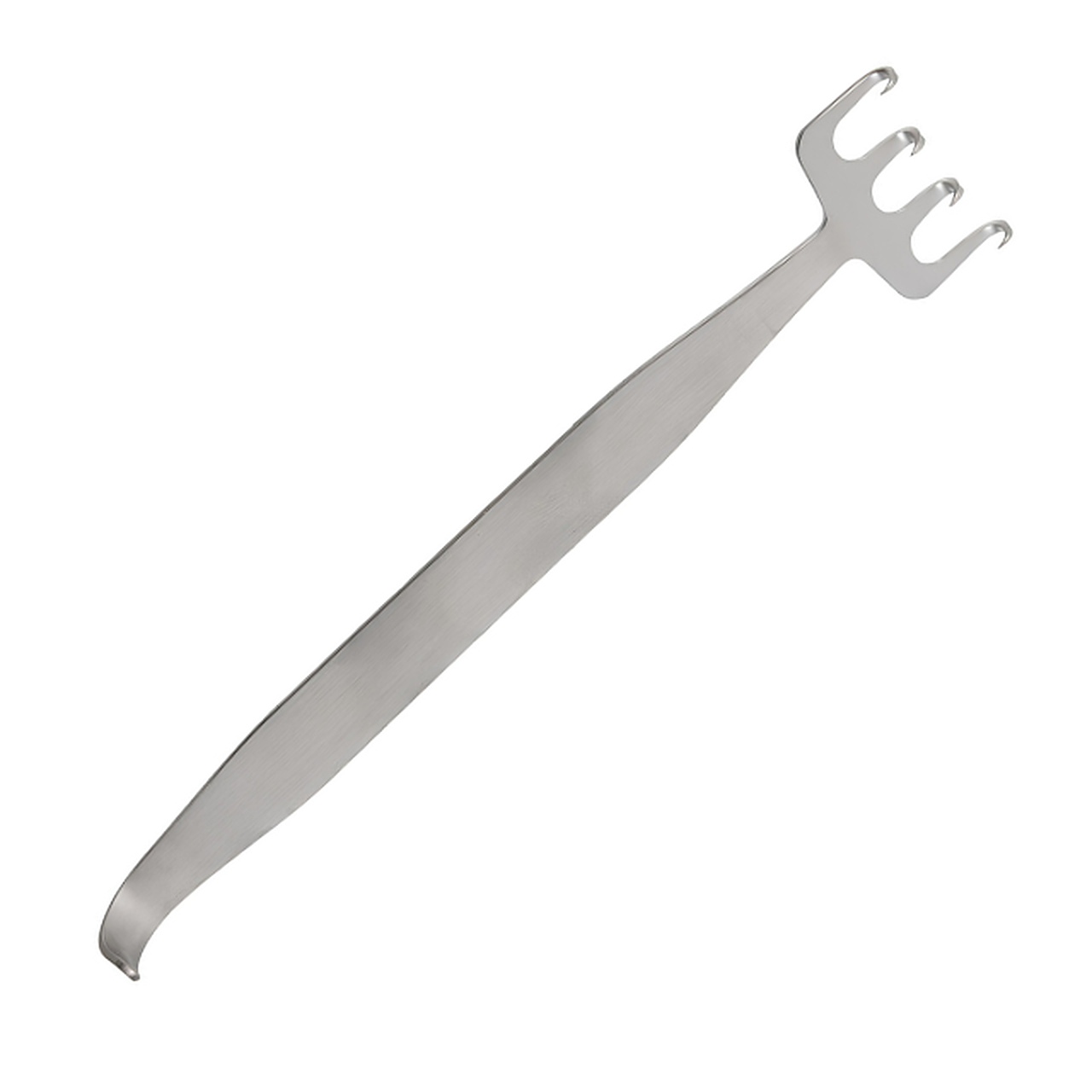 | Freeman Rake Retractor | Ritidektomi ve rekonstrüktif plastik cerrahi sırasında cilt fleplerini kaldırmak ve ekarte etmek için özel olarak tasarlanmıştır. |
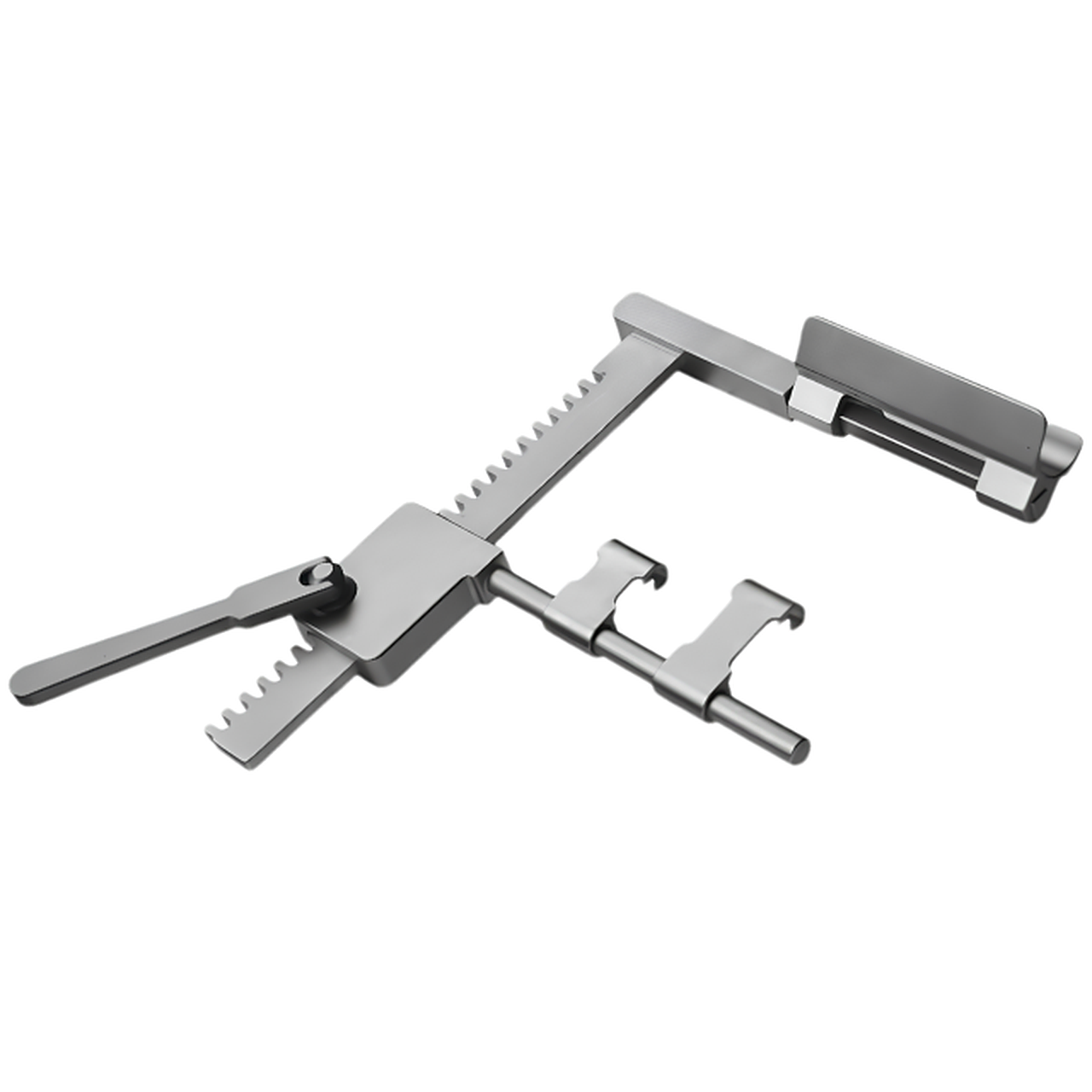 | French Pattern I.M.A Sternal Ekartör | CABG cerrahisinde internal mammary arter harvesting sırasında unilateral sternal elevasyon için özel olarak tasarlanmıştır. |
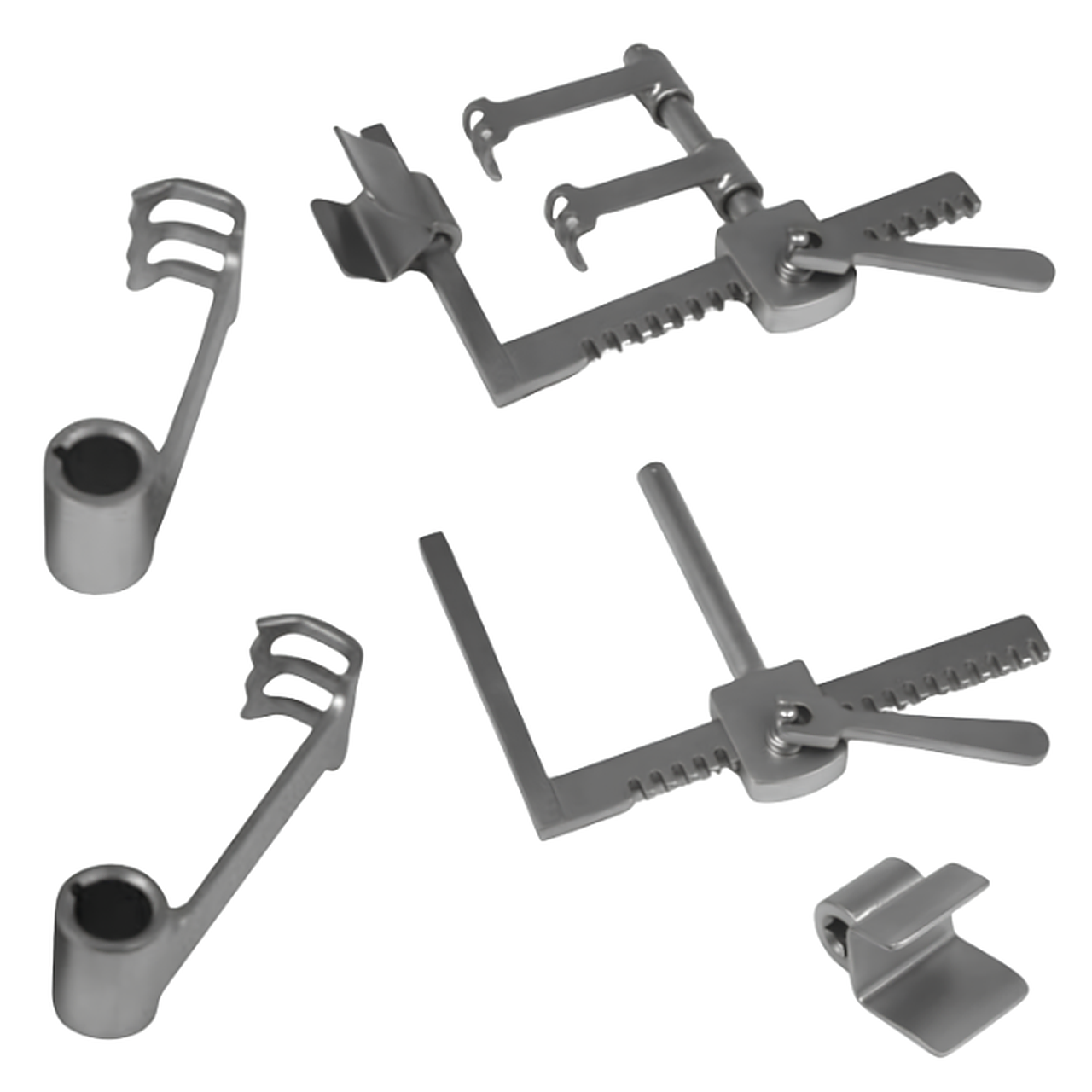 | Ministernotomi İçin French Pattern I.M.A. Sternal Ekartör | Ministernotomi ve minimal invaziv kalp cerrahisi sırasında tek taraflı sternal elevasyon için özel olarak tasarlanmıştır. |
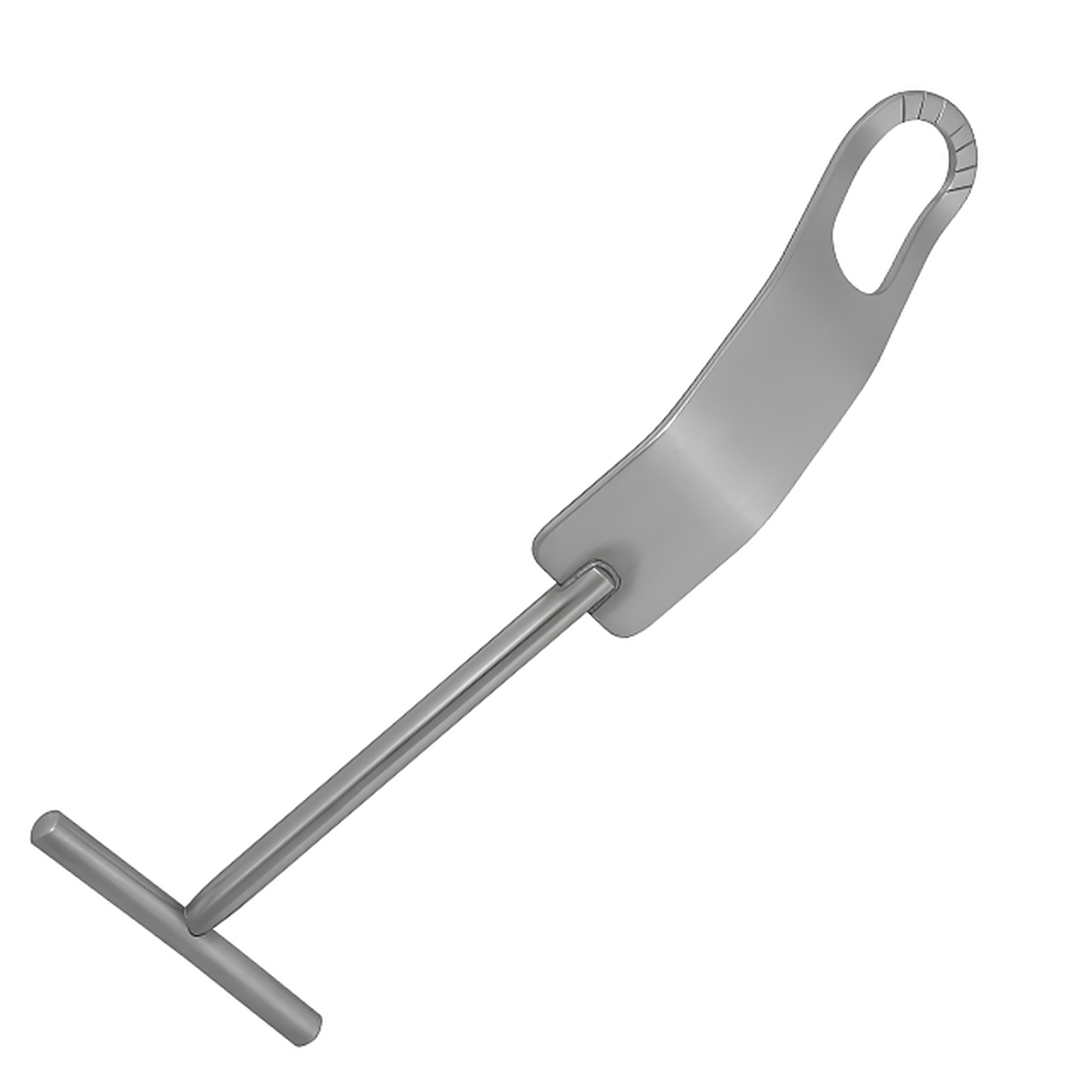 | Fukuda Kujat Tipi Ekartör | Omuz artroplastisi sırasında humeral başı posteriora doğru deplase etmek ve glenoid boşluğu açığa çıkarmak için özel olarak tasarlanmıştır. |
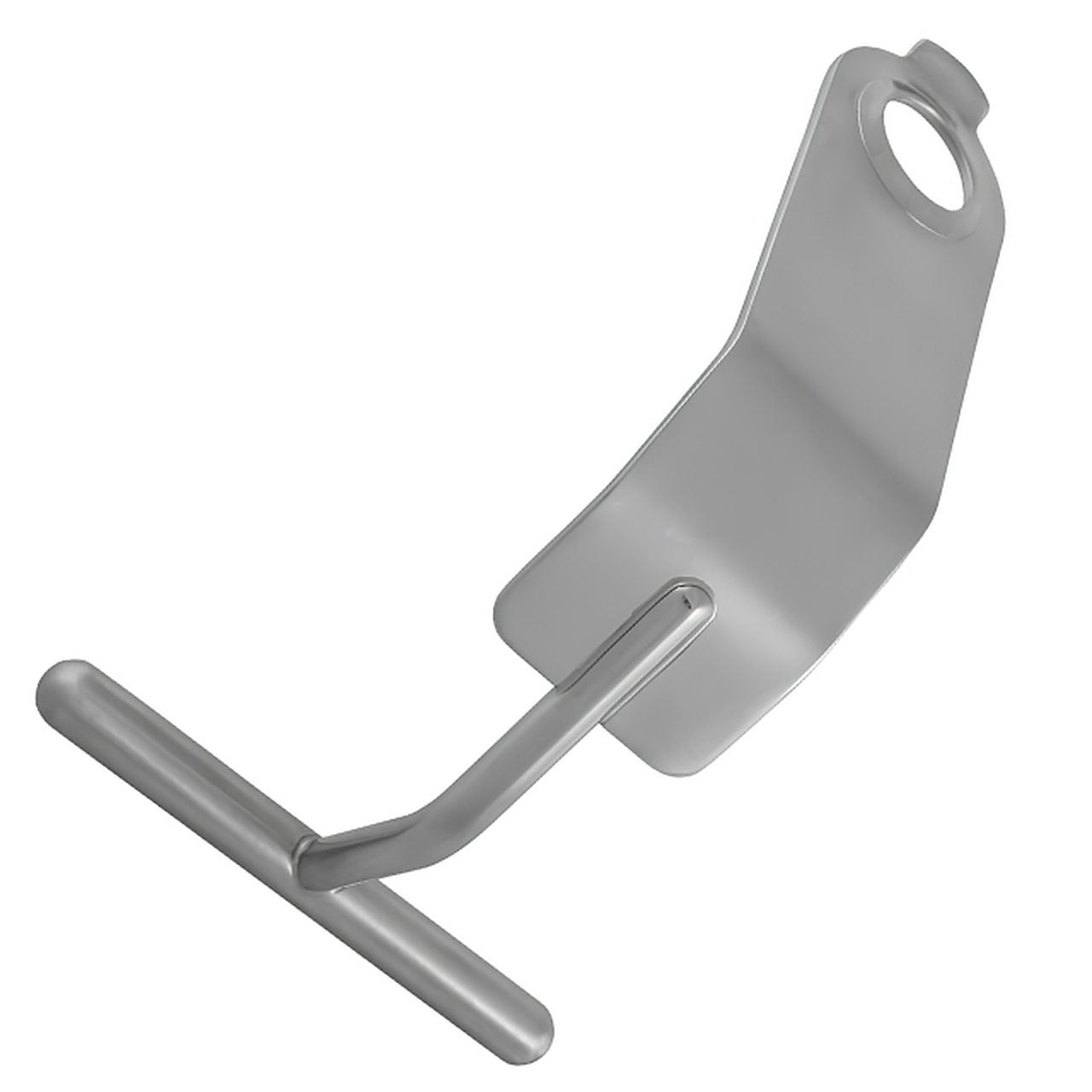 | Fukuda Style Ekartörler | Omuz artroplastisi ve rekonstrüktif prosedürler sırasında humerus başını ekarte etmek ve glenoid boşluğunu açığa çıkarmak için özel olarak tasarlanmıştır. |
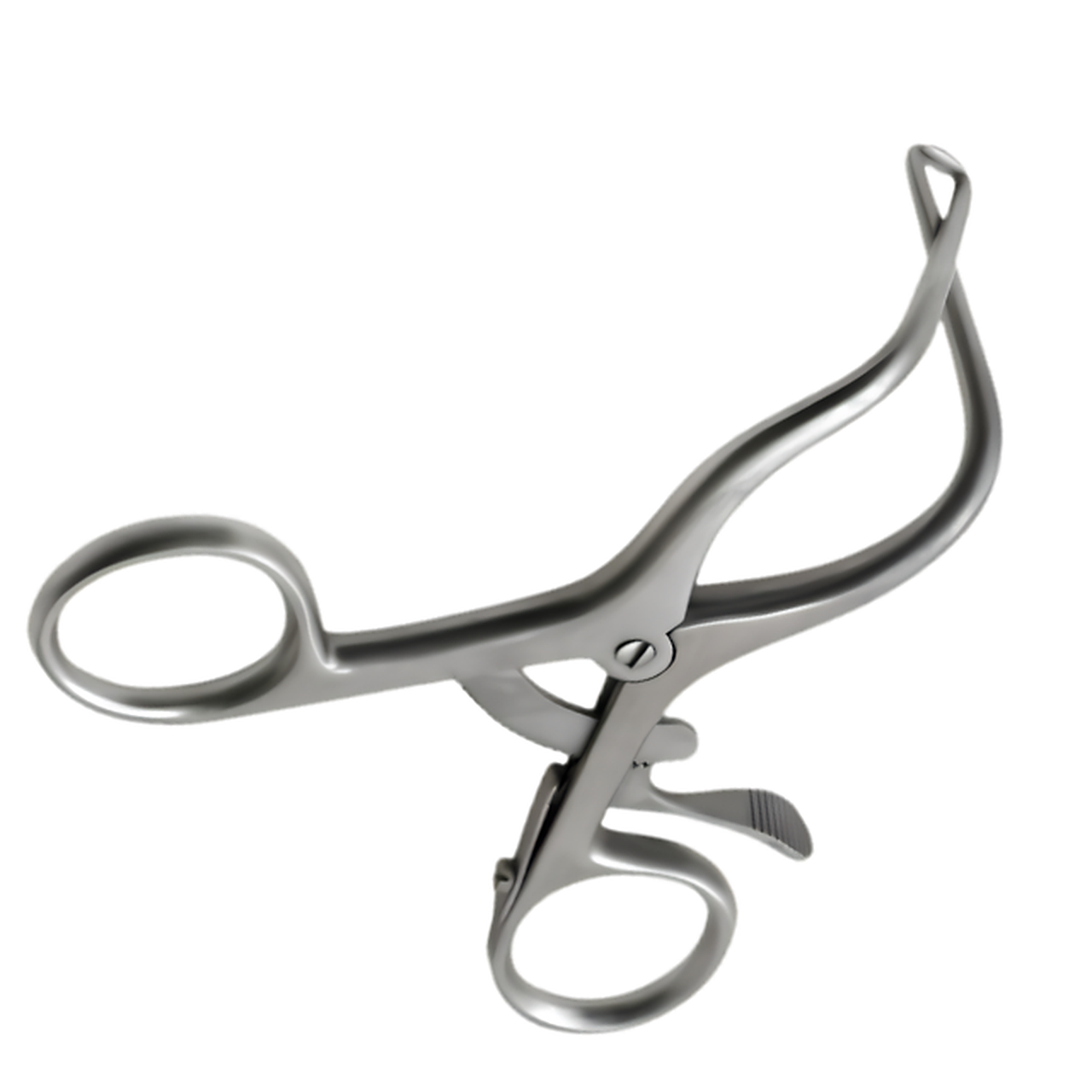 | Gelpi Crossover Retractor - Deep Angles | Ekstremite ve spinal cerrahi sırasında tendon, kas ve yumuşak dokunun kendinden kilitli retraksiyonunu sağlamak için özel olarak tasarlanmıştır. |
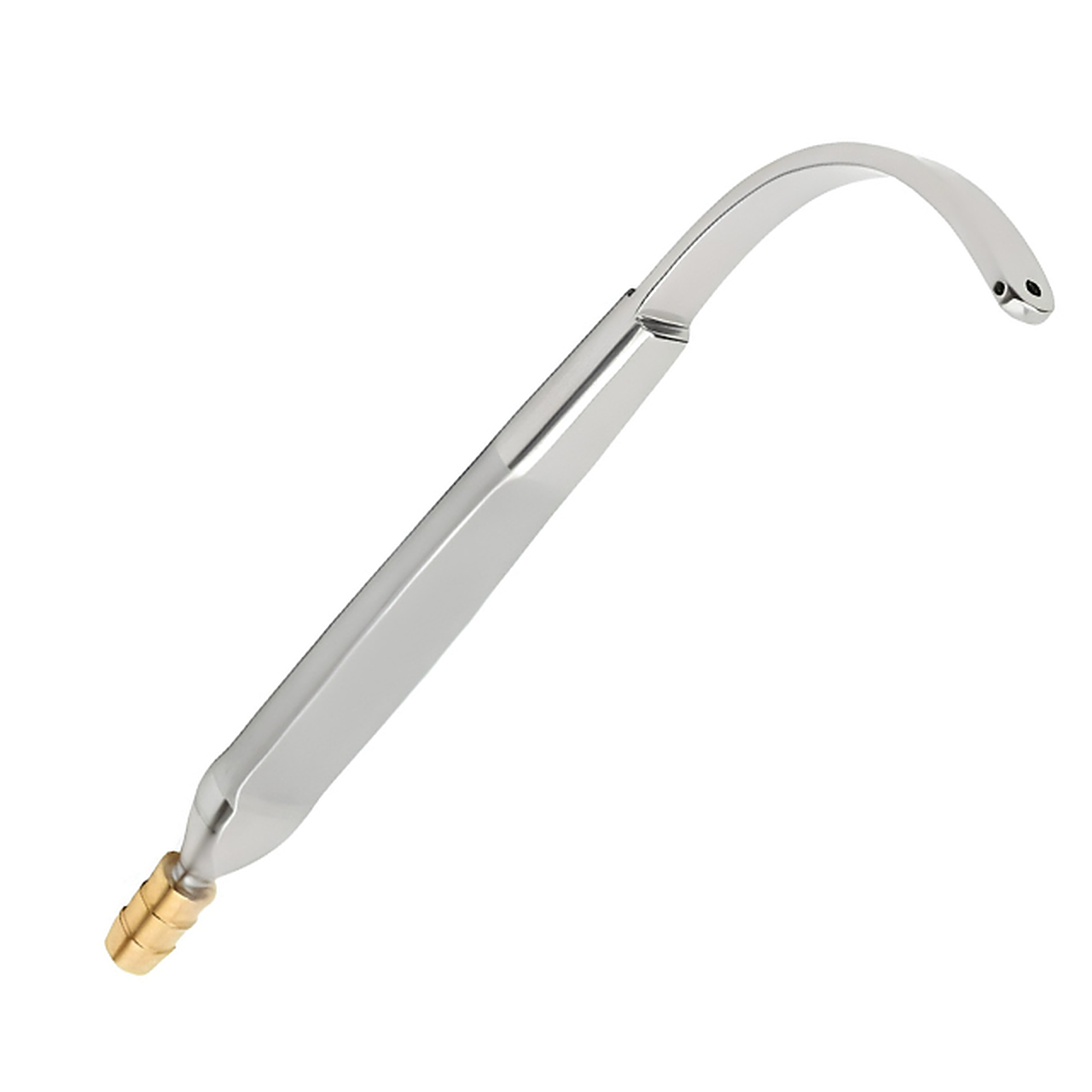 | Gerbault Tebbett’s Aspiratörlü Ekartör | Rinoplasti sırasında eş zamanlı duman/sıvı tahliyesi ve aydınlatma sağlarken nazal yumuşak doku zarflarını yükseltmek için özel olarak tasarlanmıştır. |
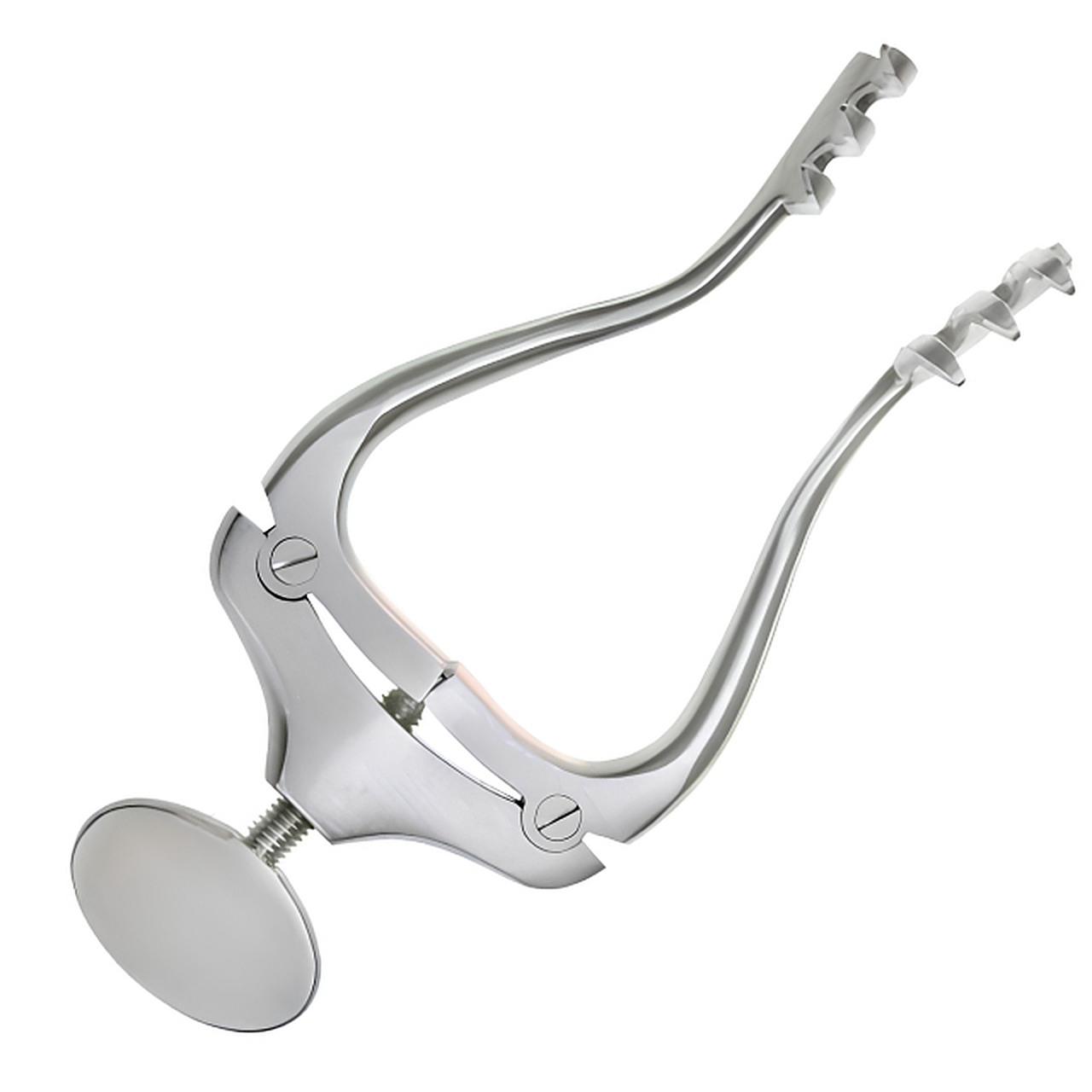 | Gifford-Jansen Ekartör | Mastoid, kulak ve kafa derisi cerrahisi sırasında otomatik kilitli yara kenarı ve periost retraksiyonu sağlamak için özel olarak tasarlanmıştır. |
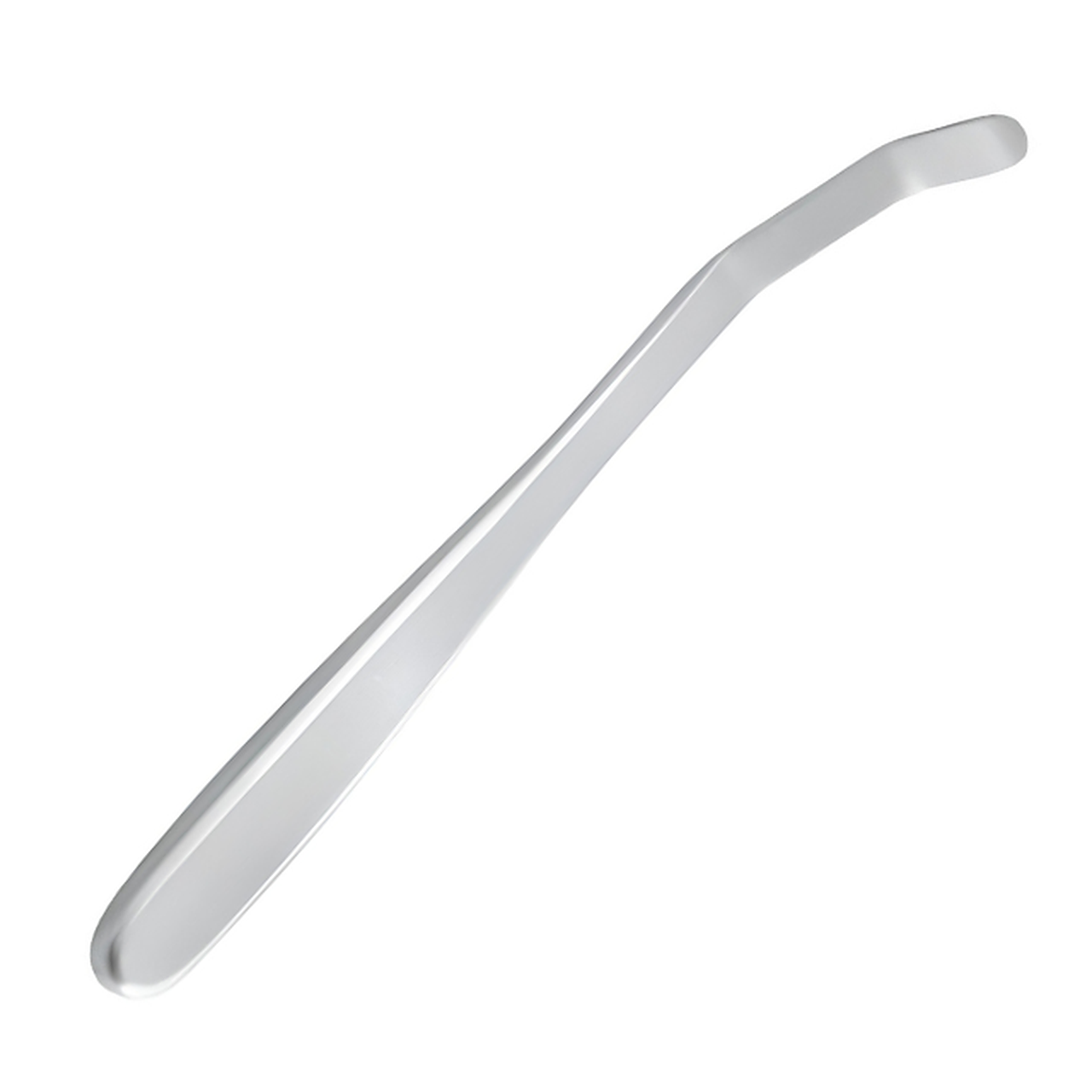 | Glenoid Kondil Ekartörü | Omuz, kondiller ve ortopedik prosedürler sırasında kemik kenarlarını manivela ile açmak ve eklem kapsüllerini ekarte etmek için özel olarak tasarlanmıştır. |
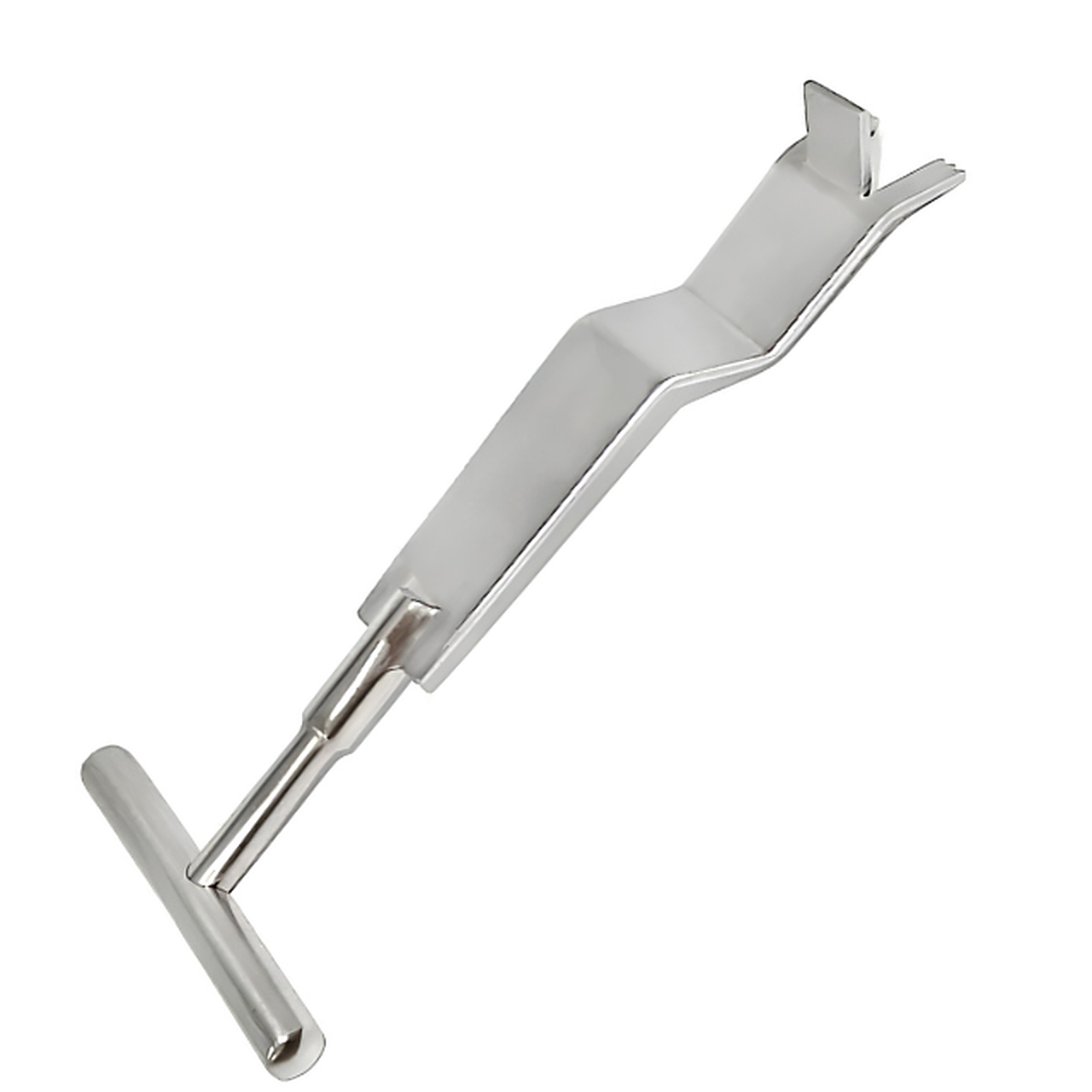 | Glenoid Ekartörler | Total ve ters omuz artroplastisi sırasında glenoid kenarını açığa çıkarmak ve kapsüler yumuşak dokuyu ekarte etmek için özel olarak tasarlanmıştır. |
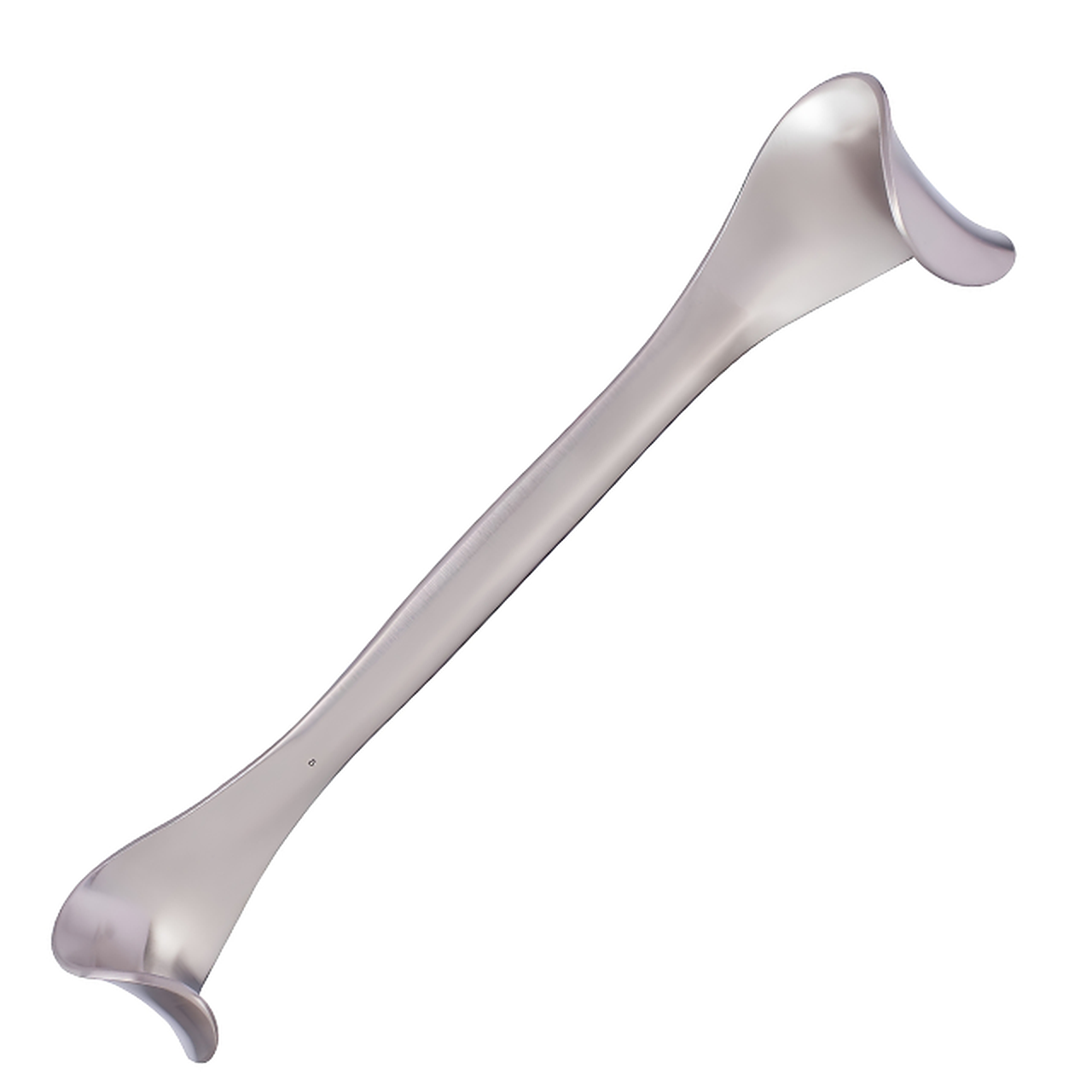 | Goelet Ekartör | Yüzeysel ve orta düzey cerrahi prosedürler sırasında cildi, deri altı yağ dokusunu ve kas dokusunu ekarte etmek için özel olarak tasarlanmıştır. |
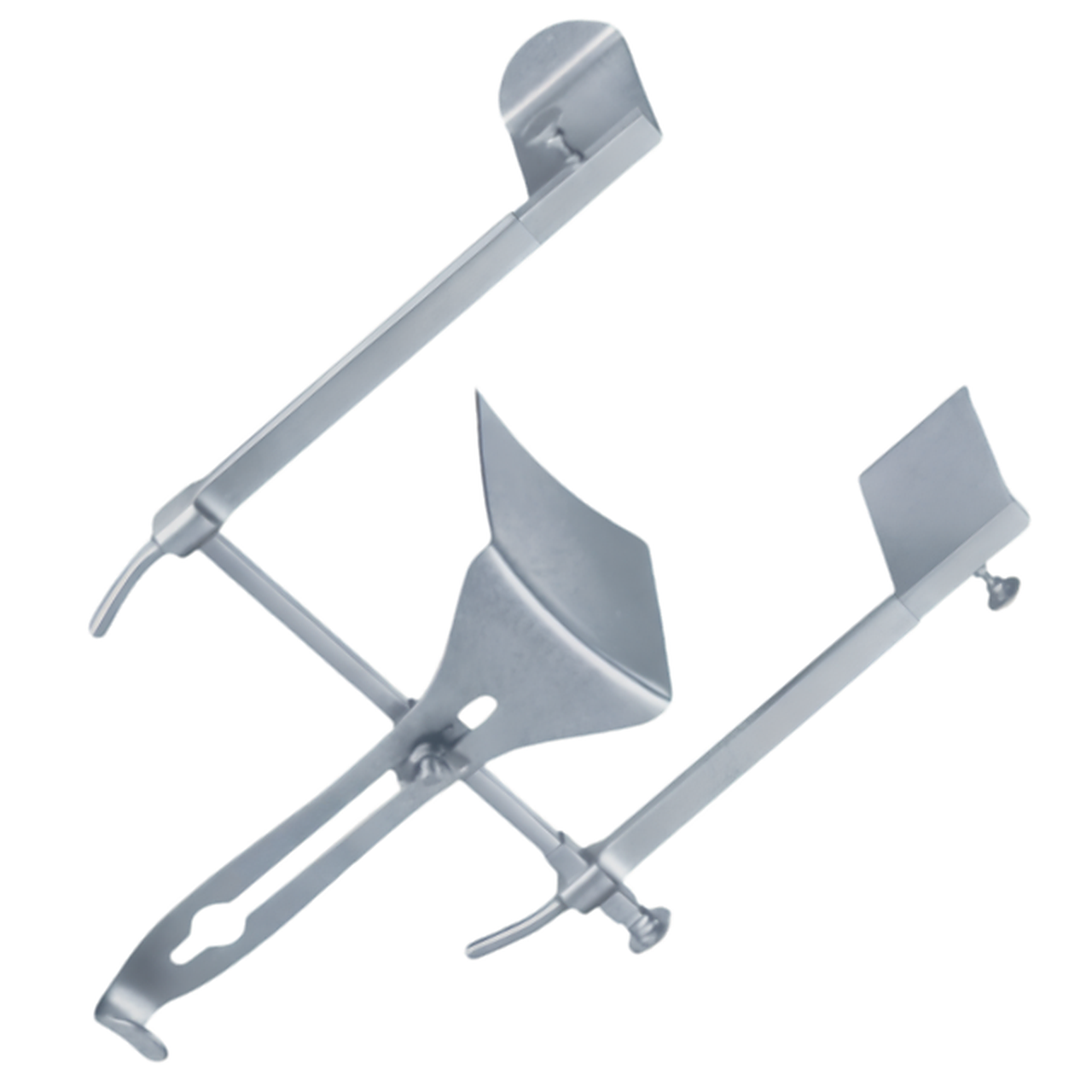 | Golligher Kendinden Sabitlemeli Ekartör | Kolorektal cerrahi sırasında kendinden sabitlemeli, çok yönlü abdominal duvar ve viseral ekarte sağlamak için özel olarak tasarlanmıştır. |
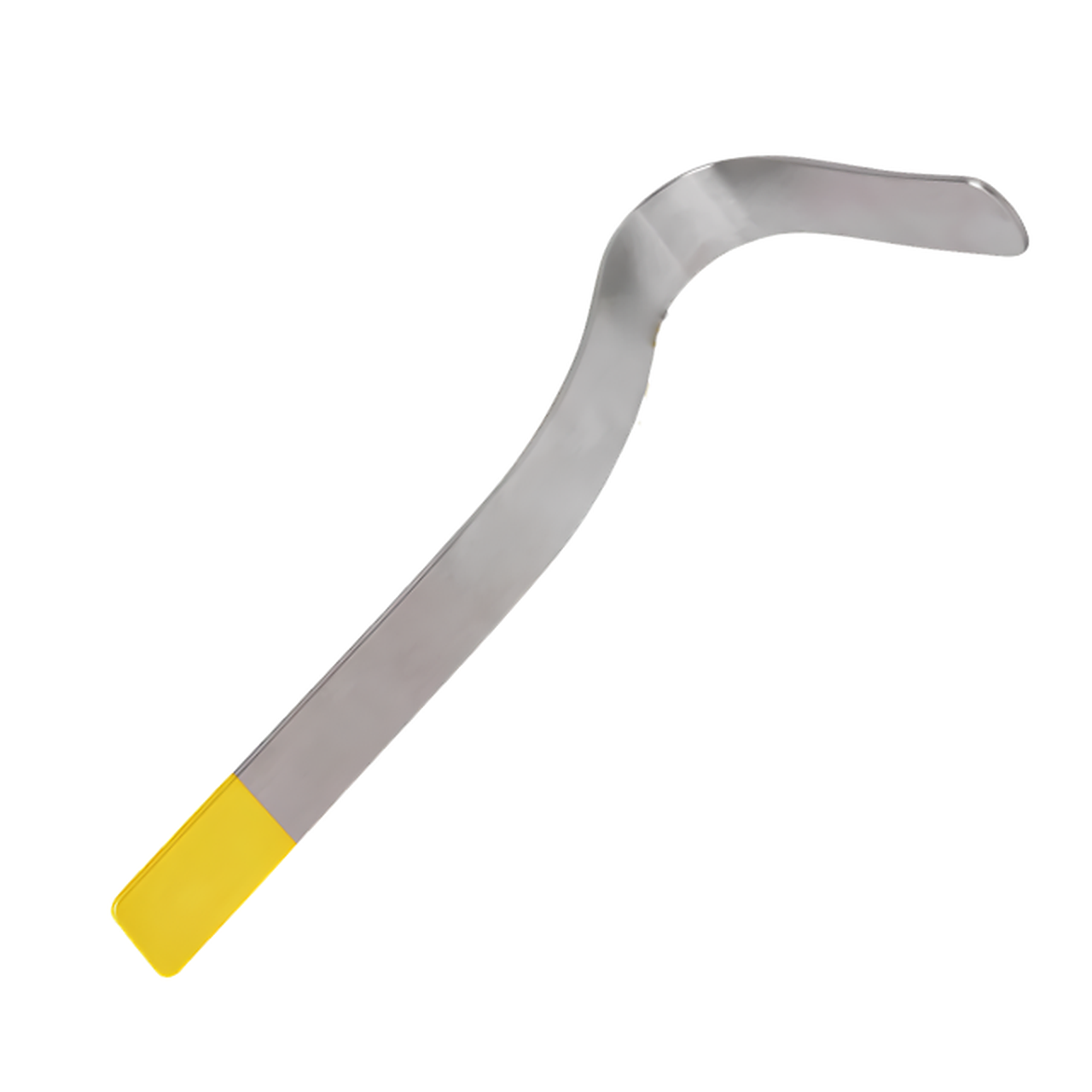 | Gonzalez Gluteal L-Tipi Ekartör | Özellikle kalça büyütme ve rekonstrüksiyonu sırasında gluteal kas katmanlarını ve yumuşak dokuları kaldırmak ve geri çekmek için tasarlanmıştır. |
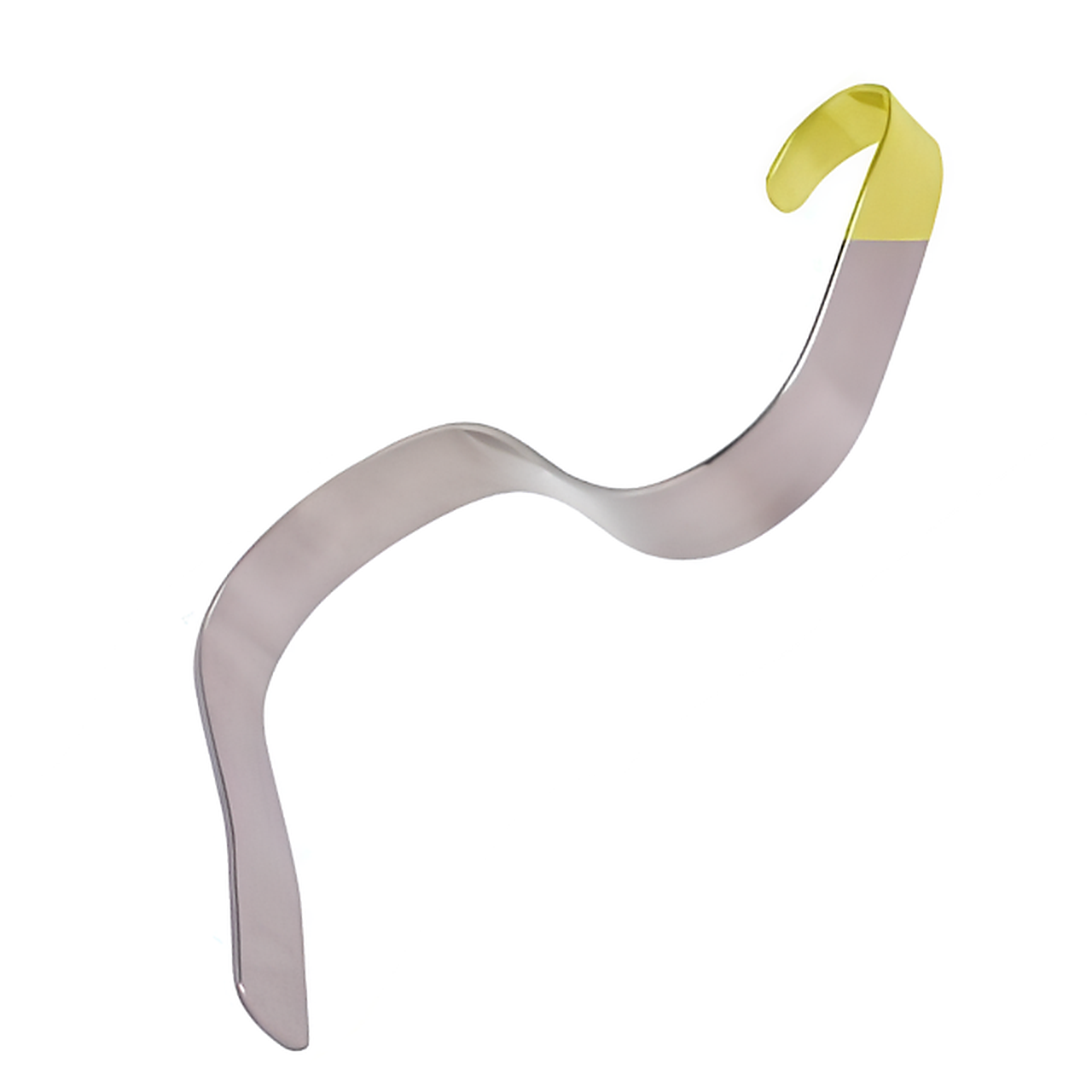 | Gonzalez Gluteal S-Shaped Retractor | Gluteal implant cerrahisi sırasında gluteus maximus kasını ve yumuşak dokuları kaldırmak ve ekarte etmek için özel olarak tasarlanmıştır. |
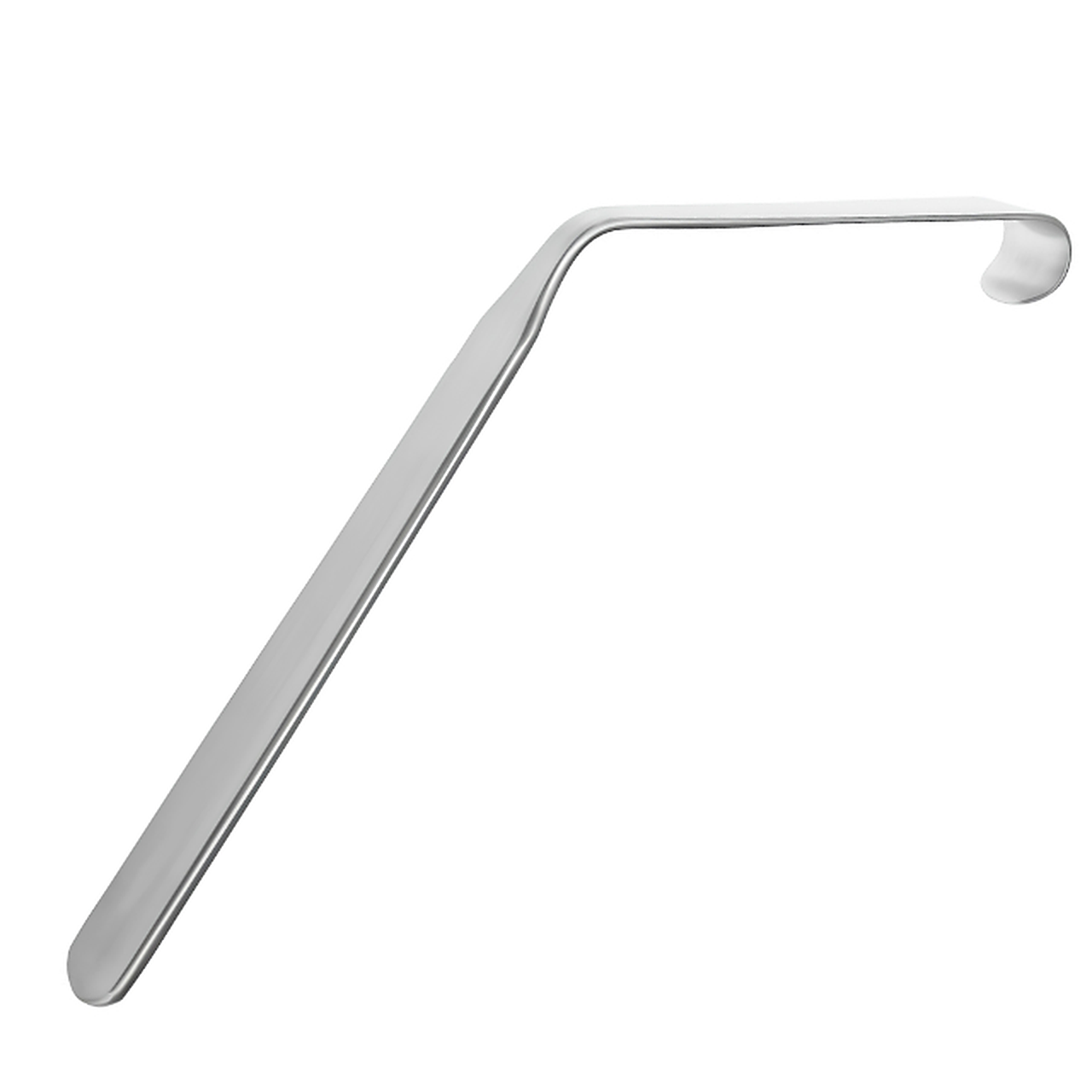 | Goodyear Uvula Ekartörü | Farengeal ve adenoid cerrahi prosedürleri sırasında uvula ve yumuşak damağı ekarte etmek ve kaldırmak için özel olarak tasarlanmıştır. |
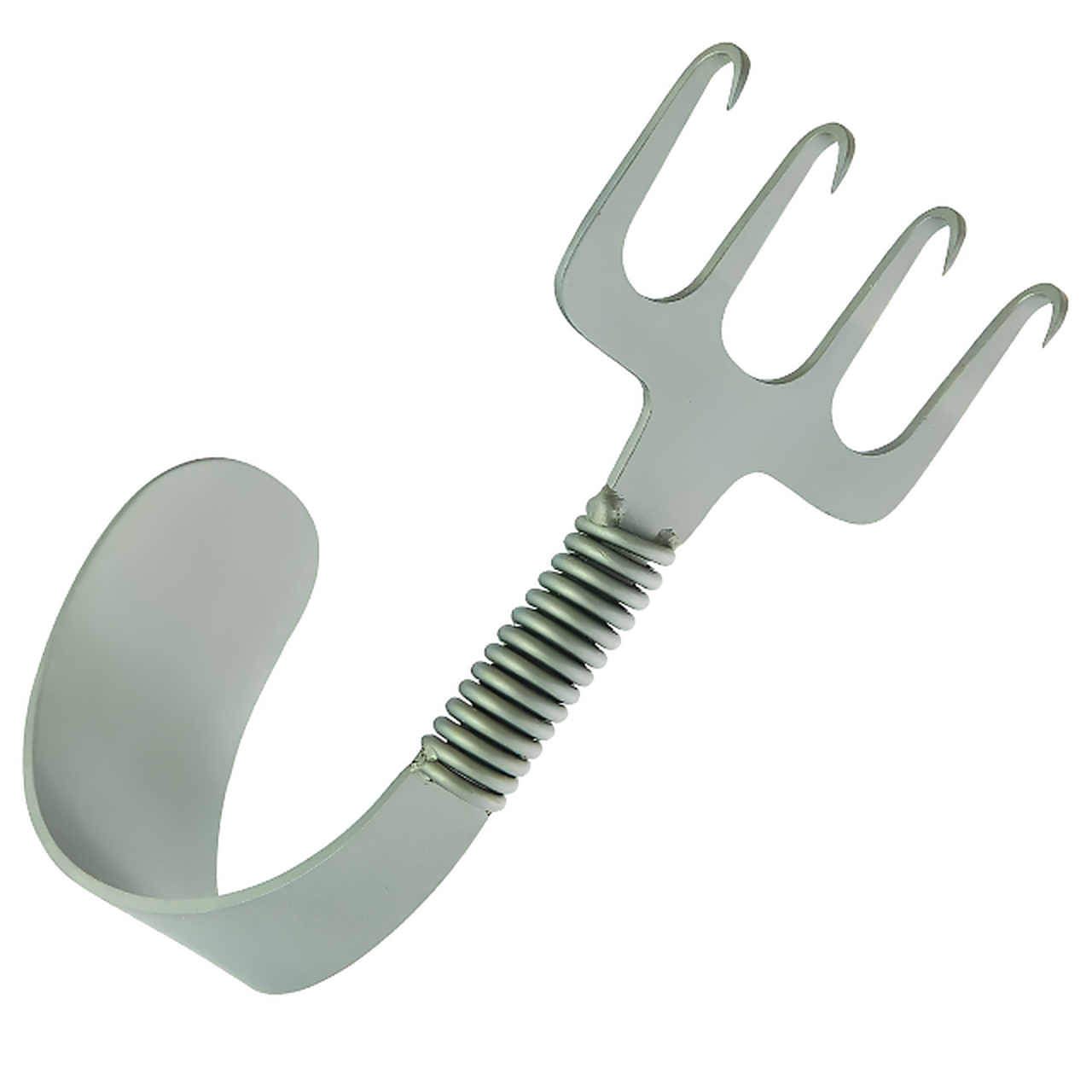 | Gorney Rake Ekartör | Ritidektomi ve estetik cerrahi sırasında cilt fleplerini ve deri altı dokuyu kaldırmak ve ekarte etmek için özel olarak tasarlanmıştır. |
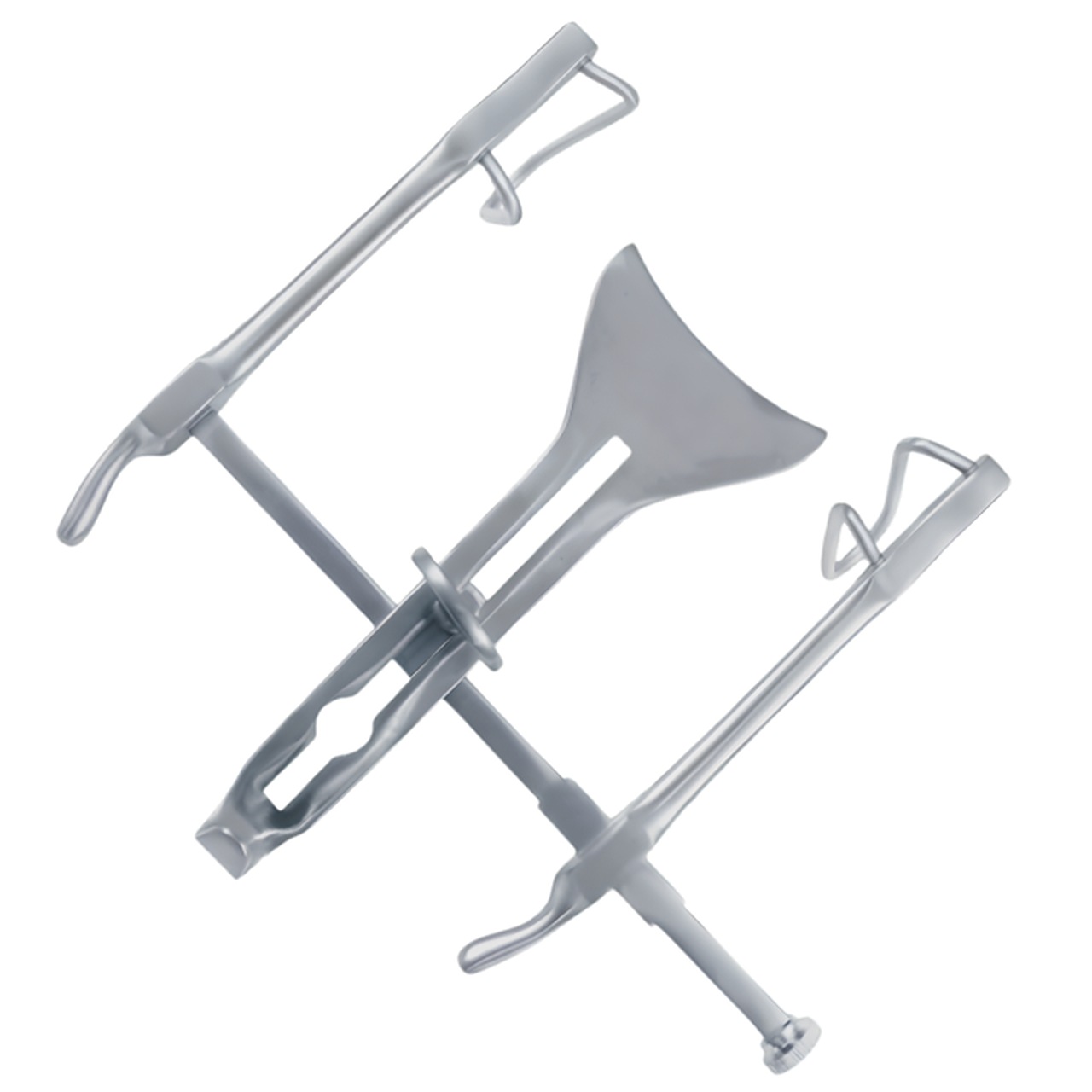 | Gosset Otostatik Ekartör | Açık laparotomi ve pelvik cerrahi sırasında otostatik karın duvarı ekartasyonu sağlamak için özel olarak tasarlanmıştır. |
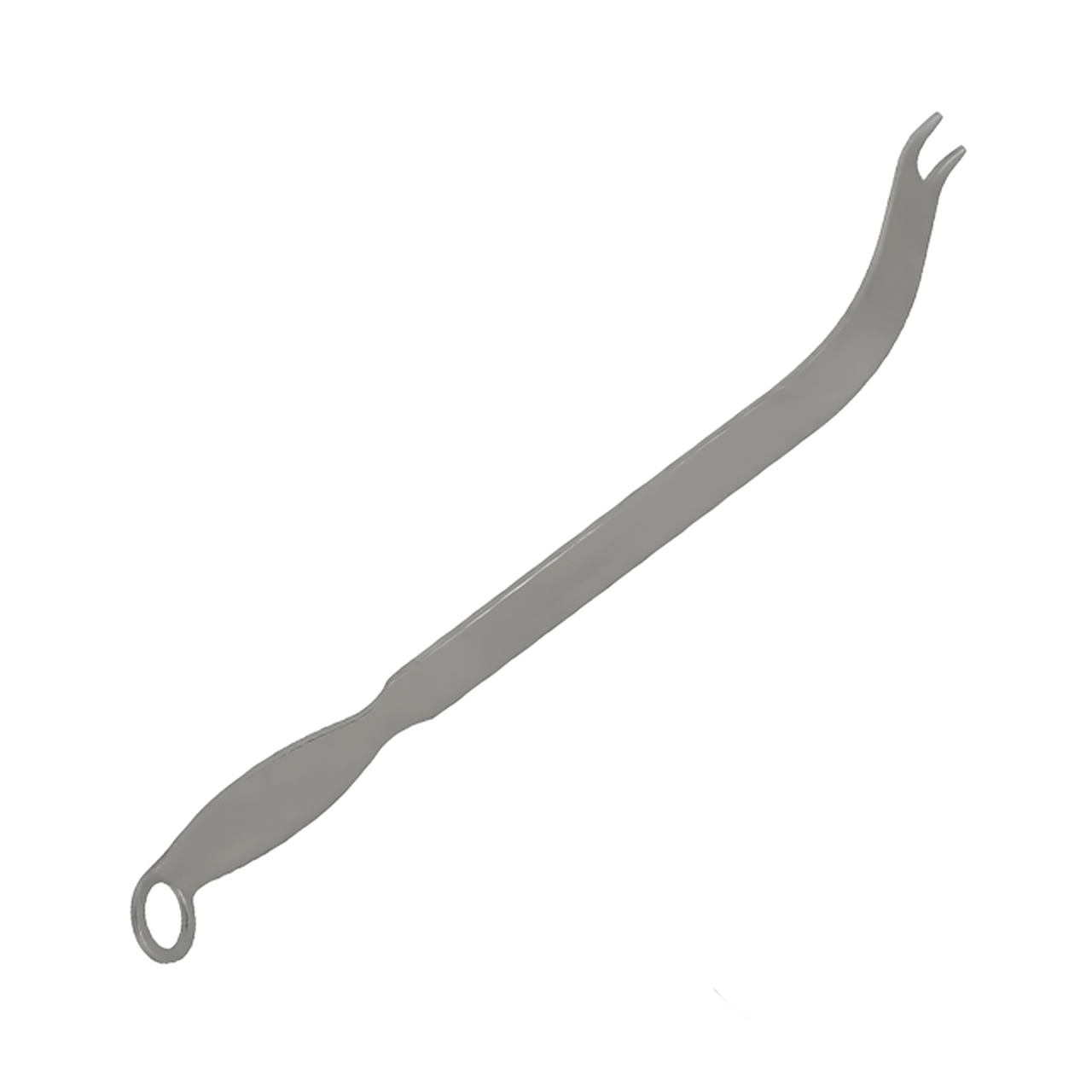 | Greater Trochanteric Ekartör | Total kalça artroplastisi ve femoral osteotomiler sırasında gluteal kasları ekarte etmek ve trokanter majörü açığa çıkarmak için özel olarak tasarlanmıştır. |
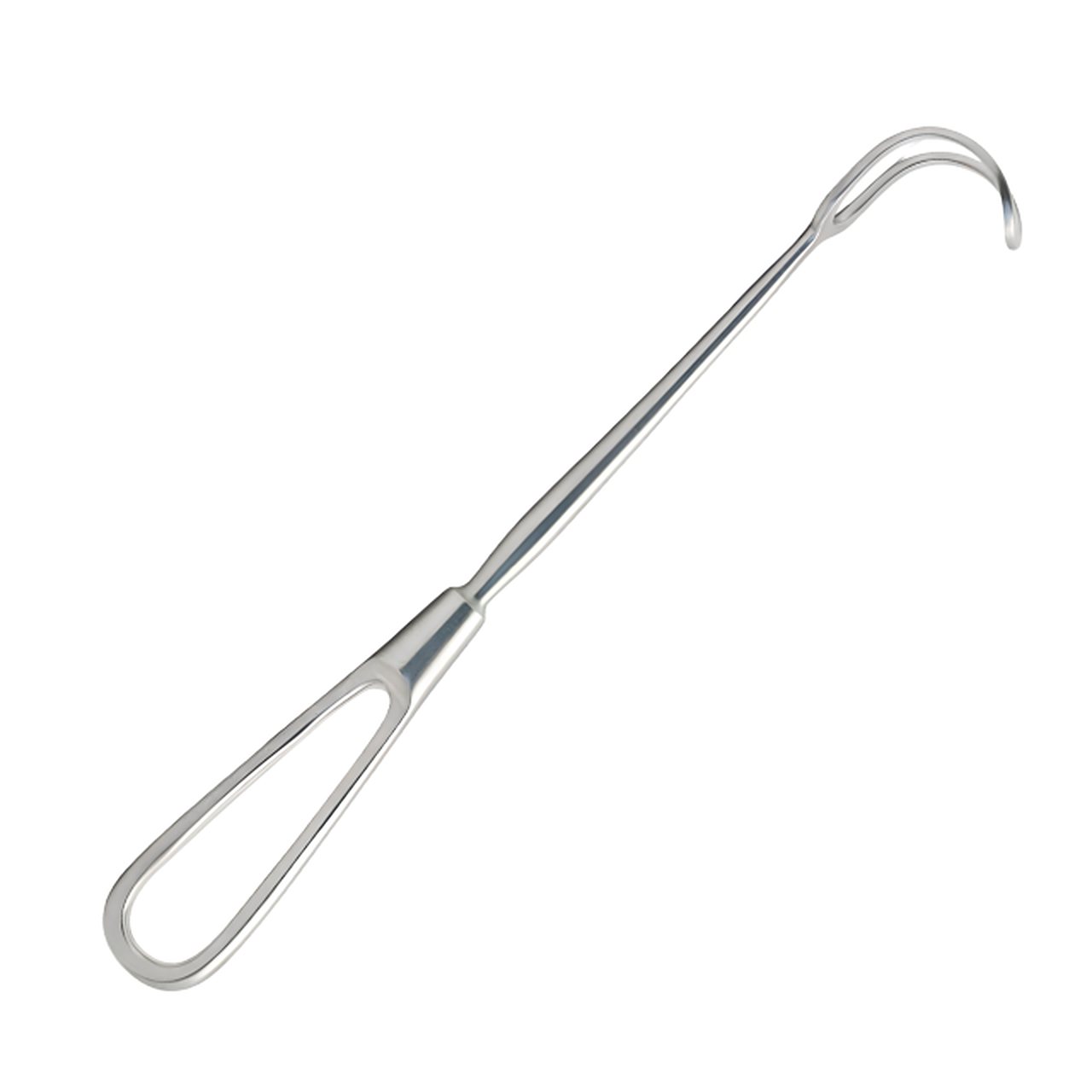 | Green Thyroid Retractor | Endokrin boyun cerrahisi sırasında strap kaslarını, tiroid dokusunu ve servikal fasyayı ekarte etmek için özel olarak tasarlanmıştır. |
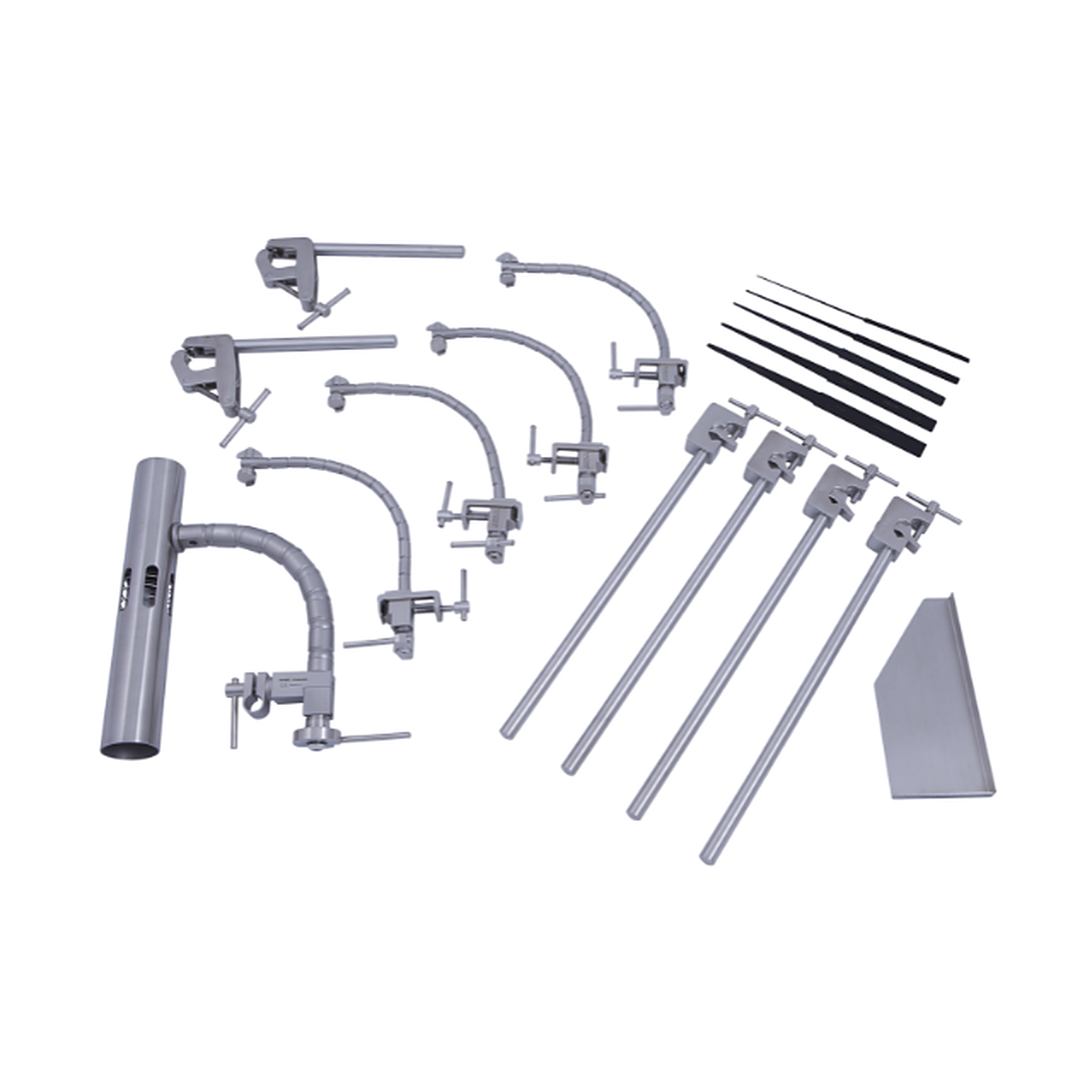 | Greenberg Retractor Kit | İntrakraniyal, kafa tabanı ve mikronöroşirürji prosedürleri sırasında hassas beyin dokusu ve kraniyal yapıların hassas, stabil ve kendinden sabitlenen ekartasyonunu sağlamak için tasarlanmıştır. |
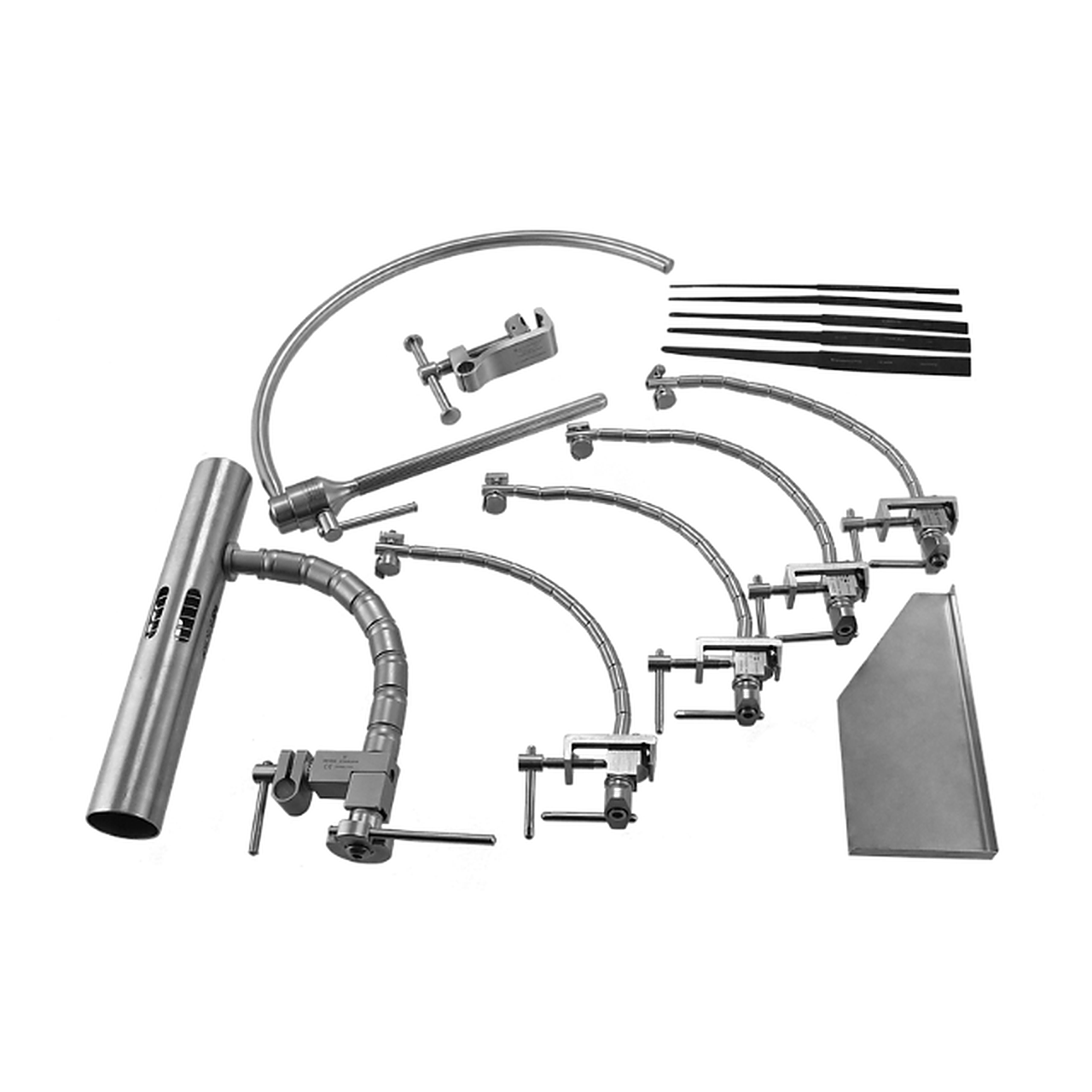 | Greenberg Simplicity Retractor | Odaklanmış kraniotomiler, mikrovasküler dekompresyonlar (MVD) ve keyhole mikrocerrahi prosedürleri sırasında hızlı kurulum, kompakt kaplama alanı ve hassas, kendinden tutmalı doku ekartasyonu için özel olarak tasarlanmıştır. |
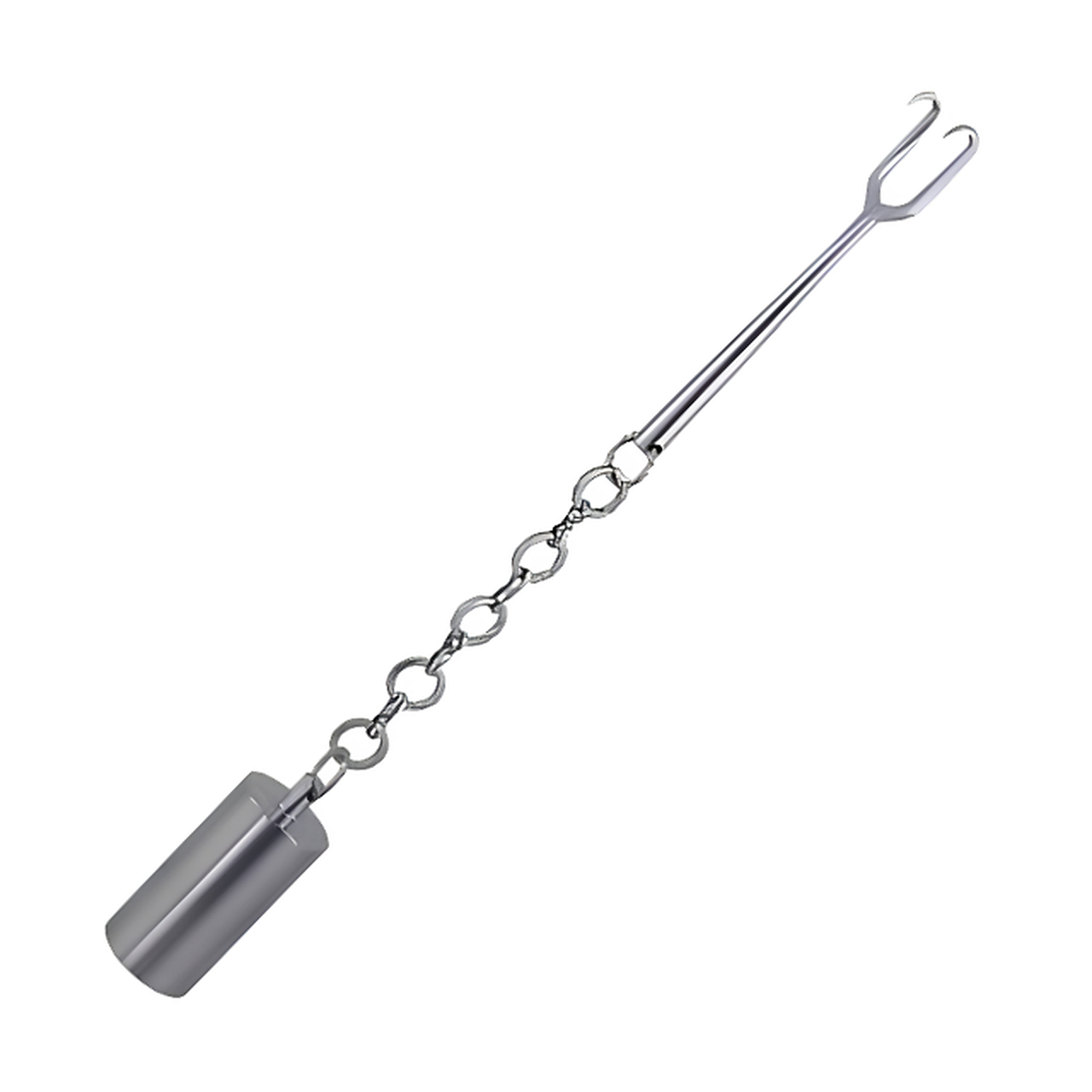 | Gruber Rinoplasti Ekartörü | Rinoplasti prosedürleri sırasında nazal deri fleplerini ve kıkırdakları kavramak ve geri çekmek için özel olarak tasarlanmıştır. |
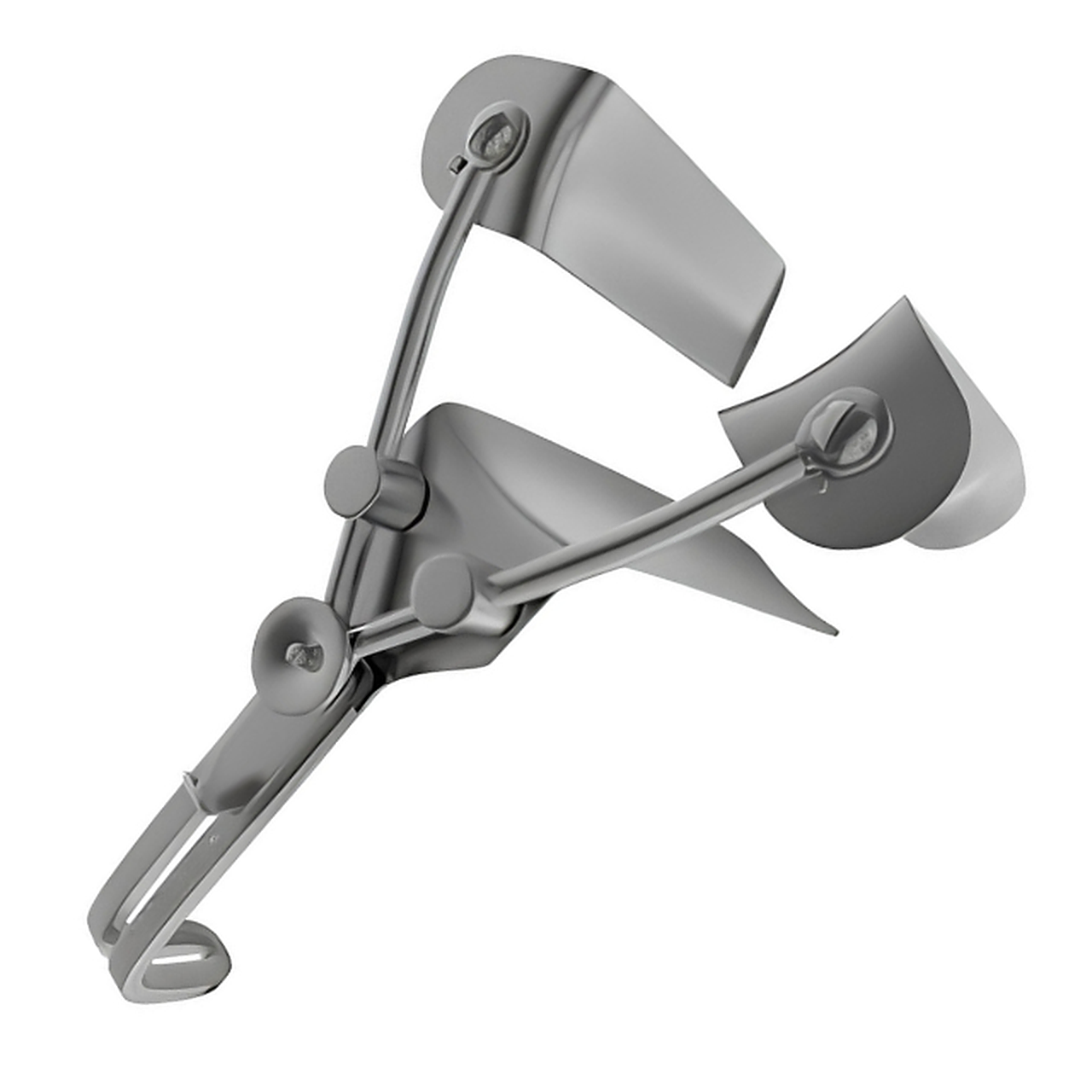 | Guttman Obstetrical Retractor | Sezaryen ve pelvik cerrahi sırasında mesaneyi ve alt karın duvarını ekarte etmek ve korumak için özel olarak tasarlanmıştır. |
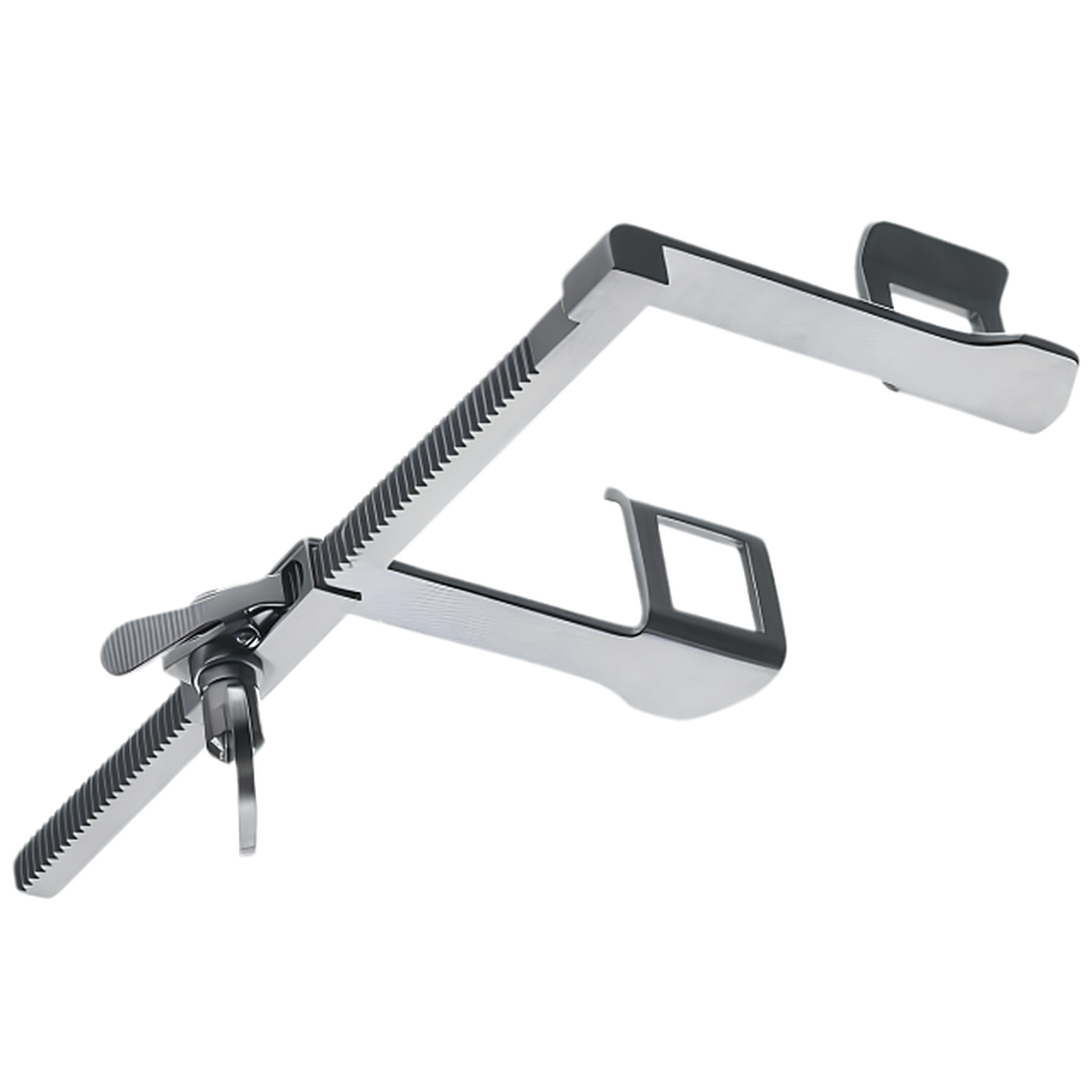 | Haight Rib Ekartörü | Açık torakotomi sırasında yetişkin kaburgalarını ayırmak ve göğüs boşluğunu genişletmek için özel olarak tasarlanmıştır. |
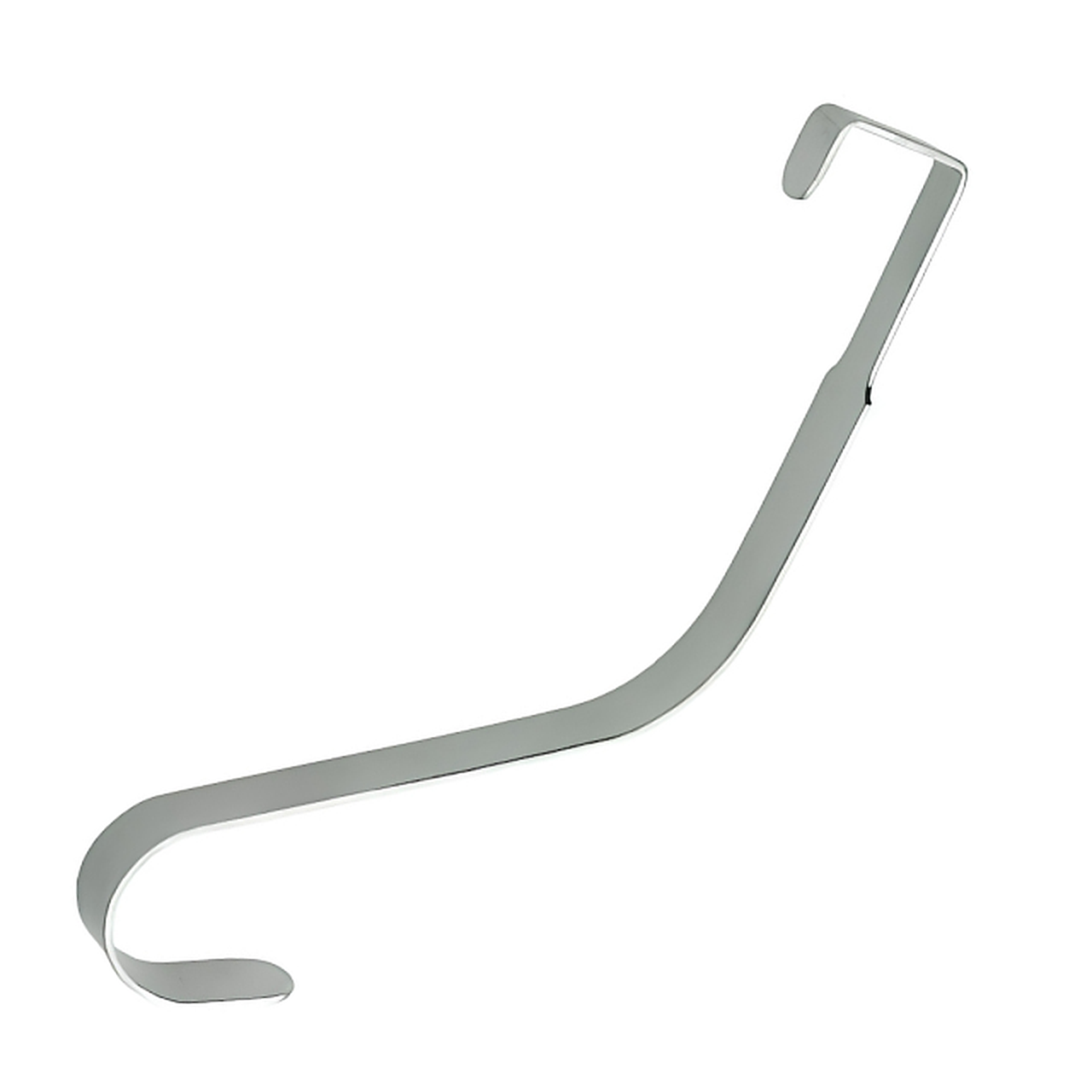 | Hajek Yanak Ekartörü | Ağız, çene ve diş cerrahisi prosedürleri sırasında yanakları, dudakları ve bukkal mukozayı ekarte etmek için özel olarak tasarlanmıştır. |
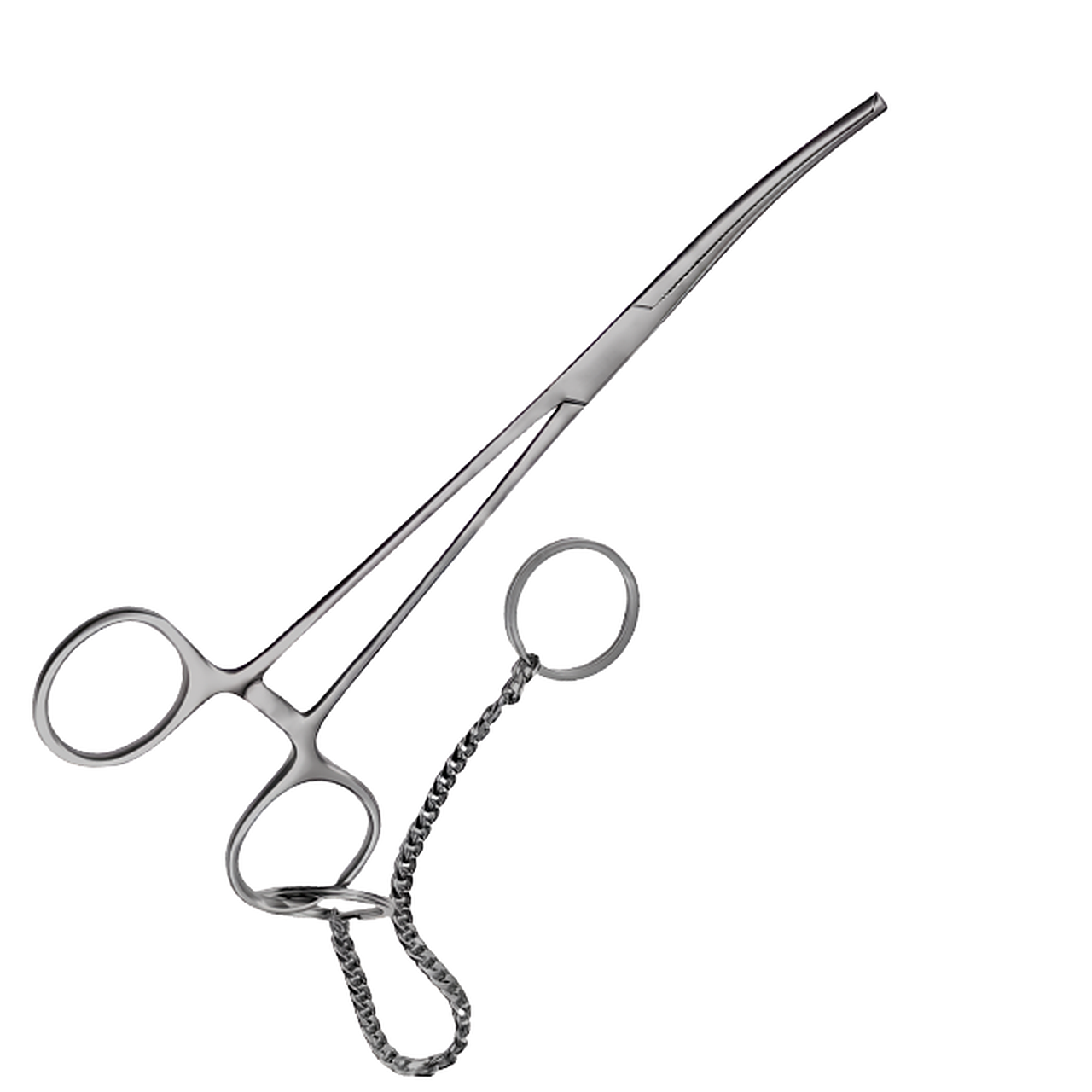 | Hargis Coronoid Retractor With Chain | Ortognatik ve ramus osteotomisi prosedürleri sırasında koronoid çıkıntıyı ve temporalis tendonunu ekarte etmek için özel olarak tasarlanmıştır. |
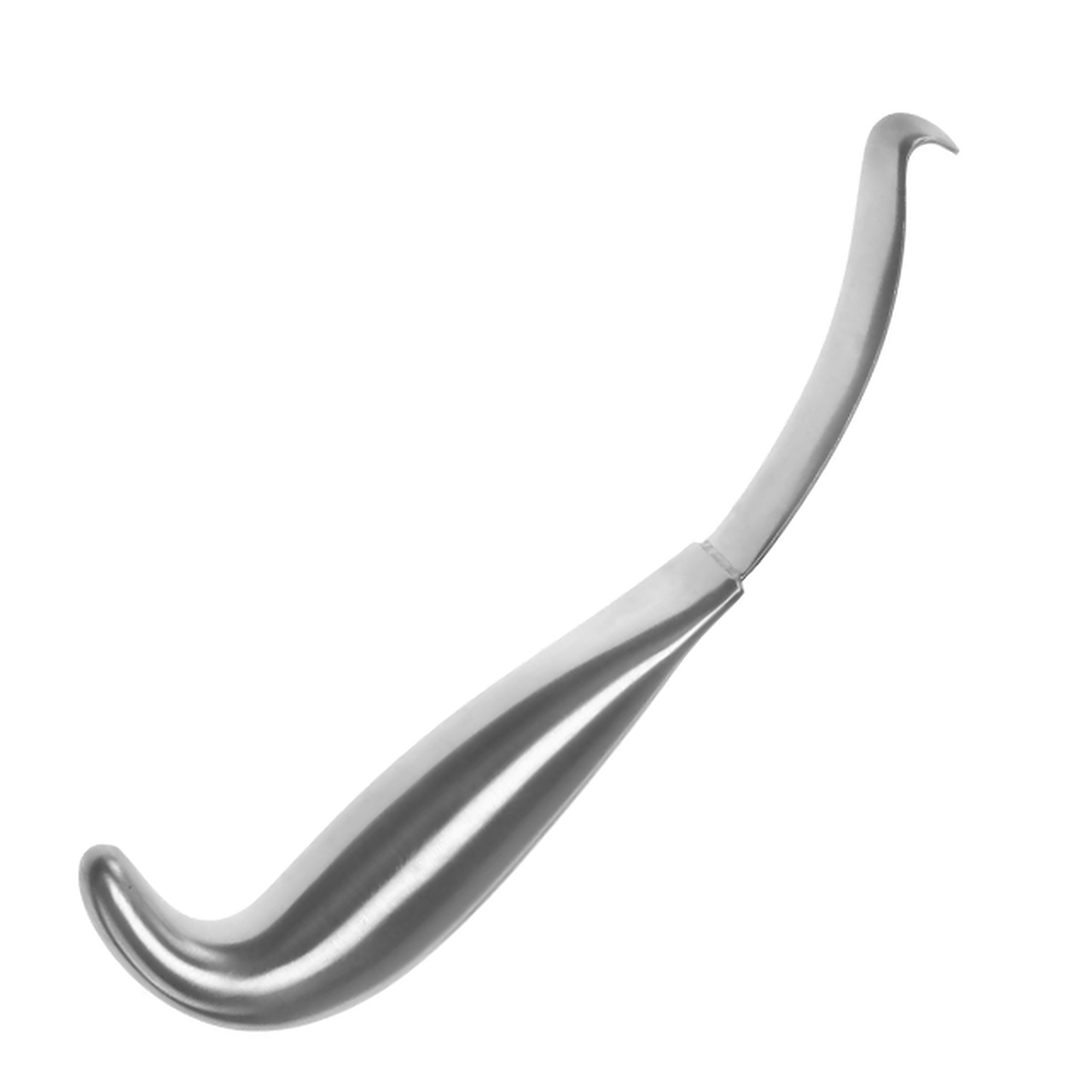 | Hargis Mandibular Body Retractor | Ortognatik prosedürler sırasında mandibular gövde boyunca yumuşak dokuyu ekarte etmek ve nörovasküler demetleri korumak için özel olarak tasarlanmıştır. |
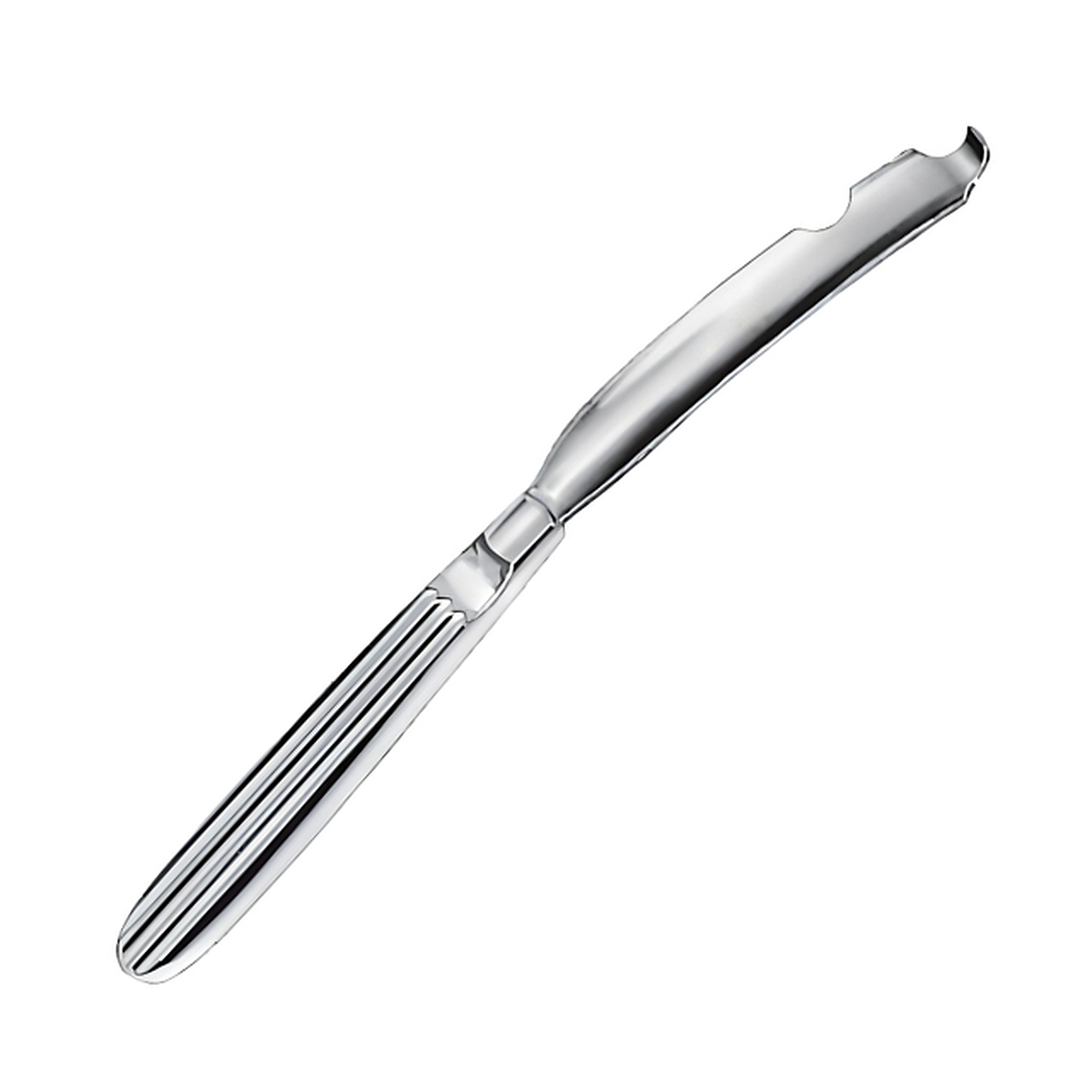 | Hargis Medial Ramus Ekartör | Sagittal split ramus osteotomileri sırasında medial pterygoid kası ekarte etmek ve inferior alveolar siniri korumak için özel olarak tasarlanmıştır. |
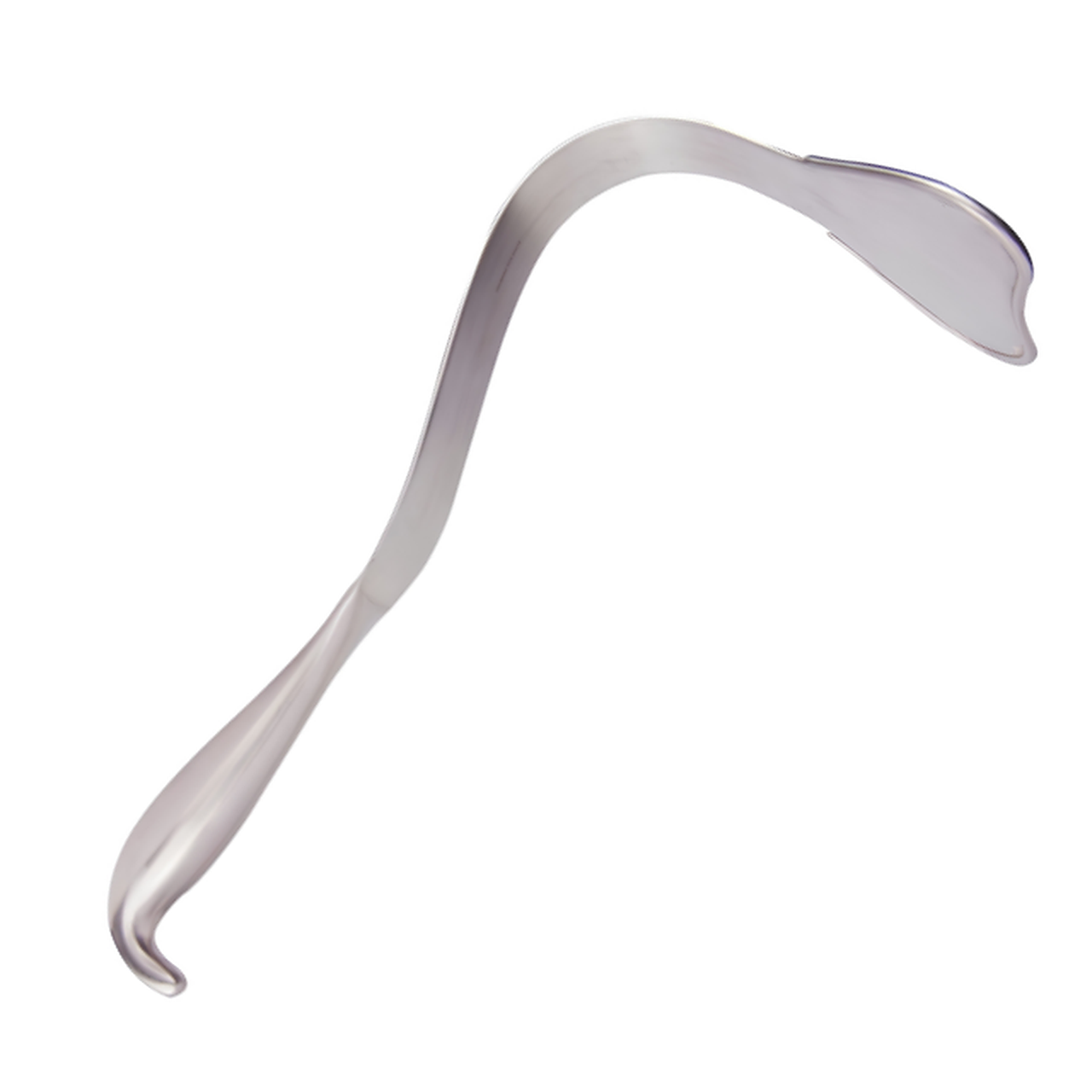 | Harrington Splanchnic Ekartör | Derin açık cerrahi sırasında abdominal visseral organları, karaciğeri, dalağı ve pelvik yapıları ekarte etmek ve korumak için özel olarak tasarlanmıştır. |
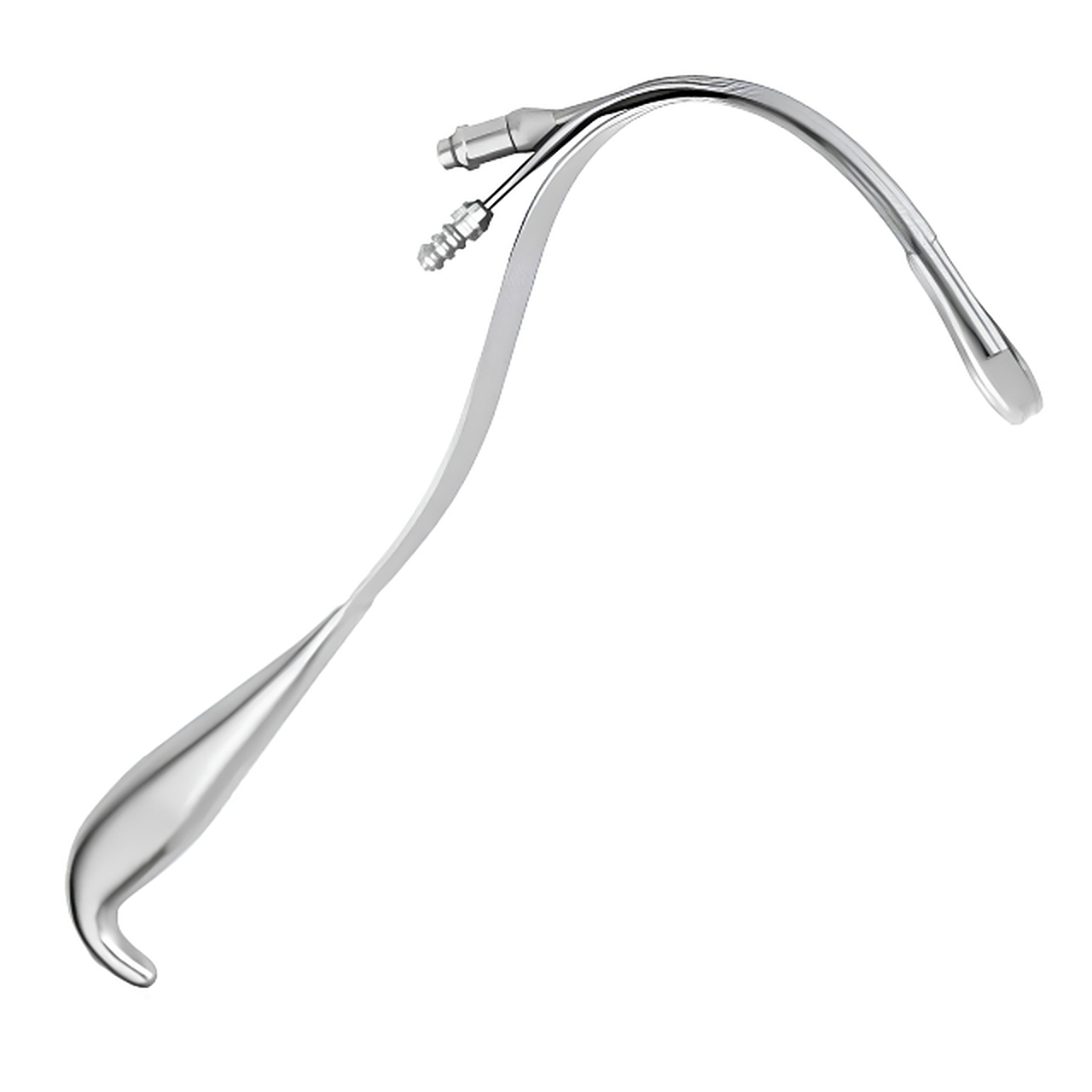 | Harrington Splanchnic Retractor With Fiber Optic | Derin abdominal ve pelvik cerrahi sırasında ışıklı viseral ekartman ve sürekli aspirasyon-irigasyon sağlamak için özel olarak tasarlanmıştır. |
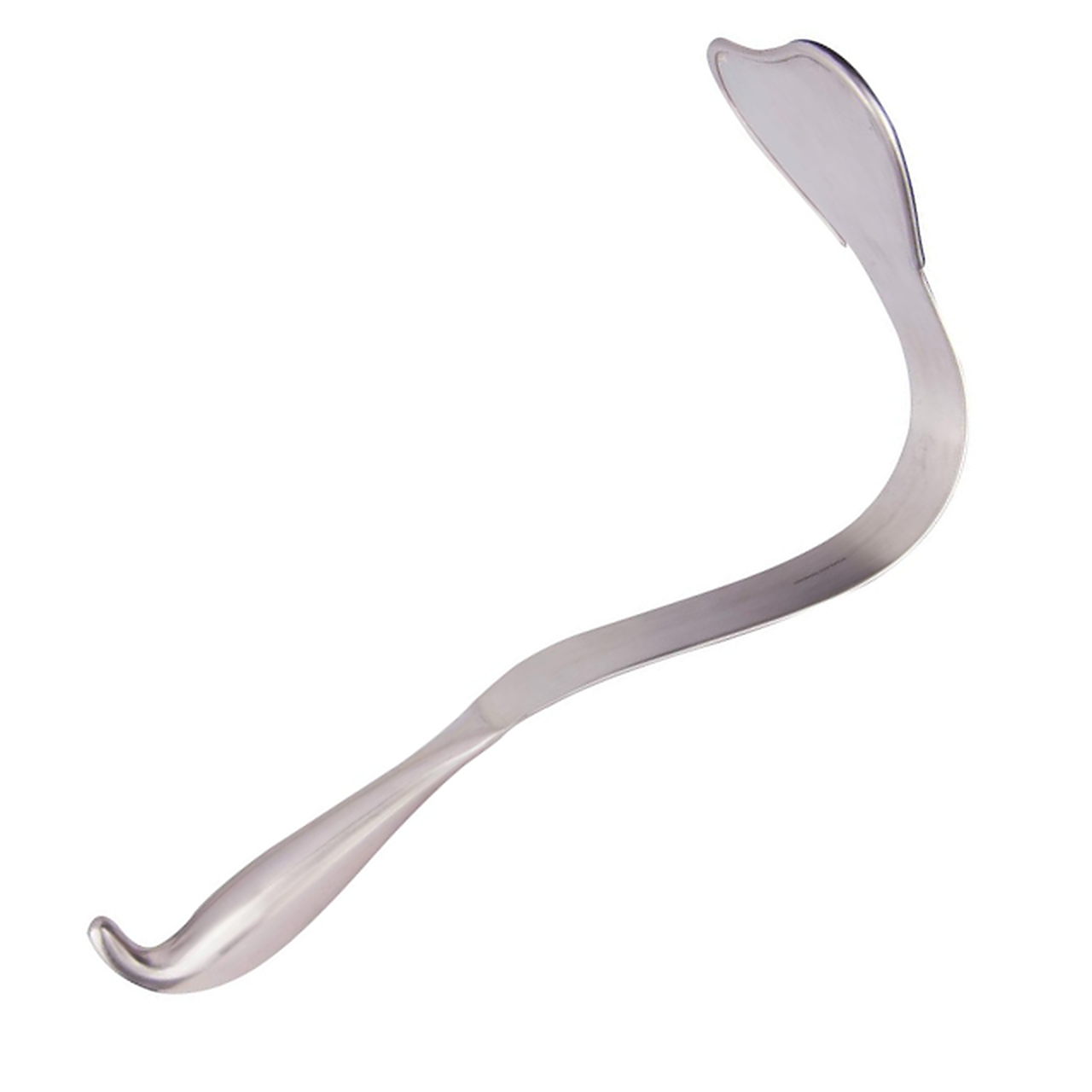 | Harrington Sweetheart Retraktör | Derin abdominal ve pelvik cerrahi sırasında abdominal vissera, karaciğer lobları, dalak ve mesaneyi ekarte etmek ve korumak için özel olarak tasarlanmıştır. |
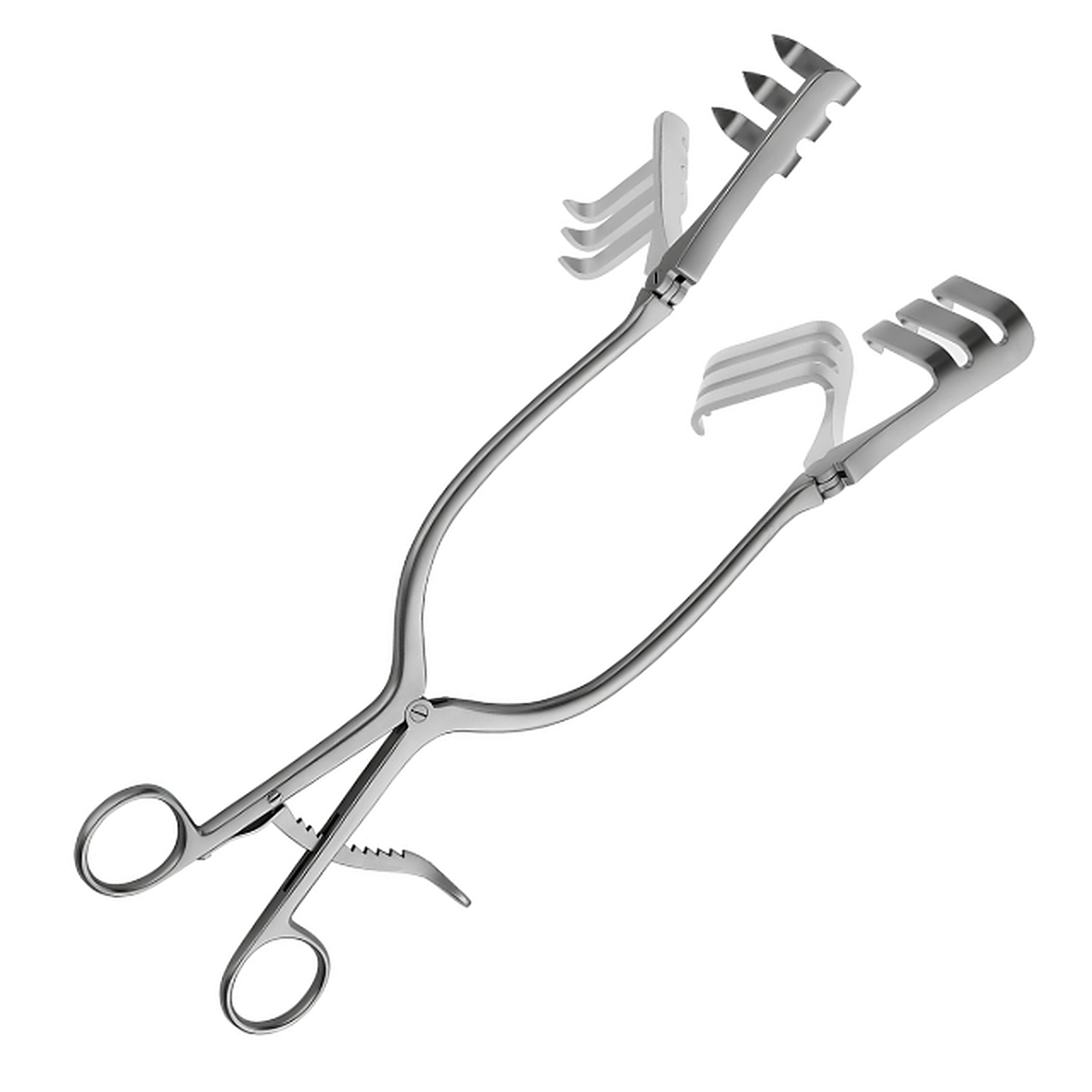 | Harvey Jackson Otostatik Ekartör | Spinal ve ortopedik prosedürler sırasında otostatik paraspinal kas ve yumuşak doku retraksiyonu sağlamak için özel olarak tasarlanmıştır. |
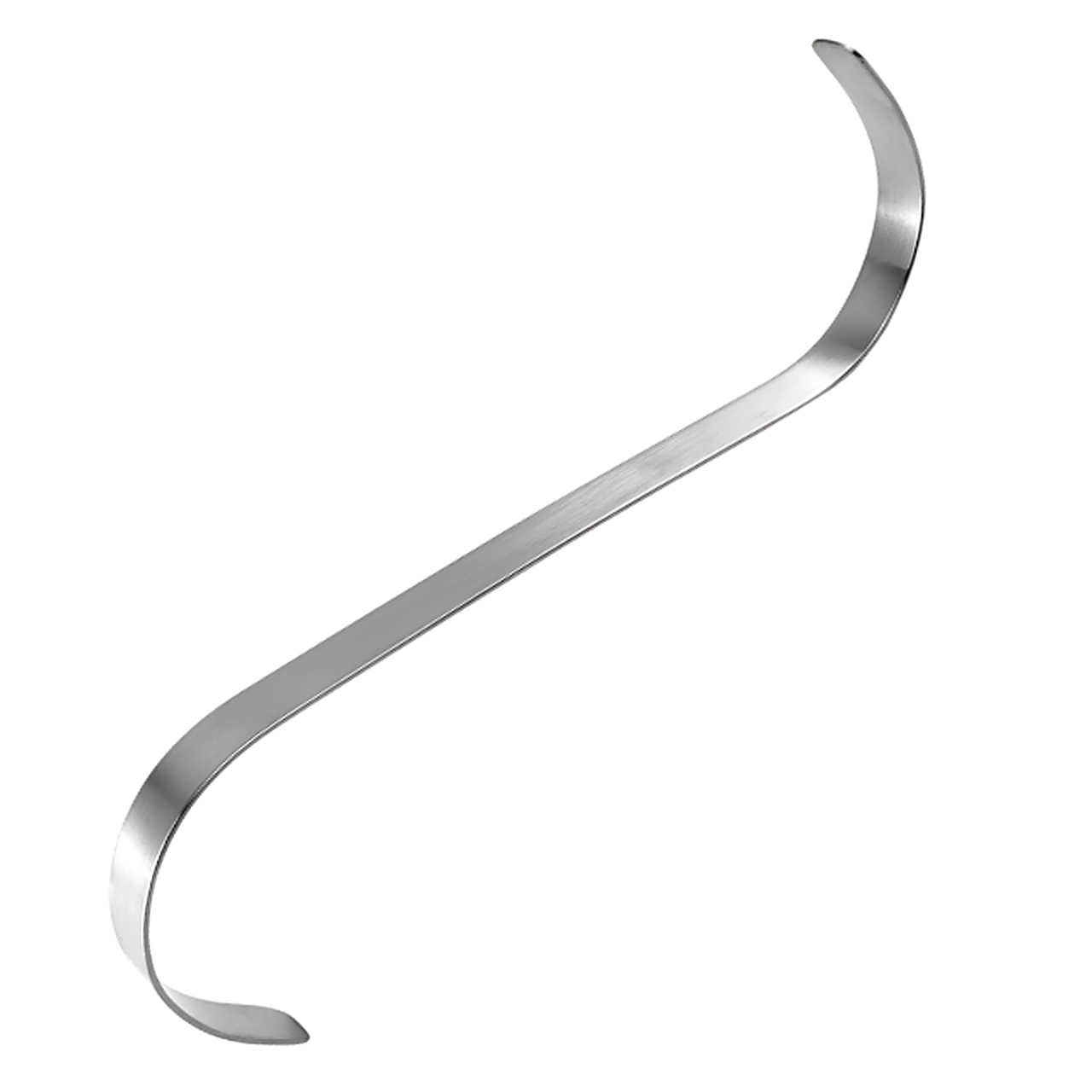 | Hasson S Ekartör | Açık Hasson laparoskopik kesi prosedürleri sırasında göbek fasyası kenarlarını ekarte etmek ve karın duvarını kaldırmak için özel olarak tasarlanmıştır. |
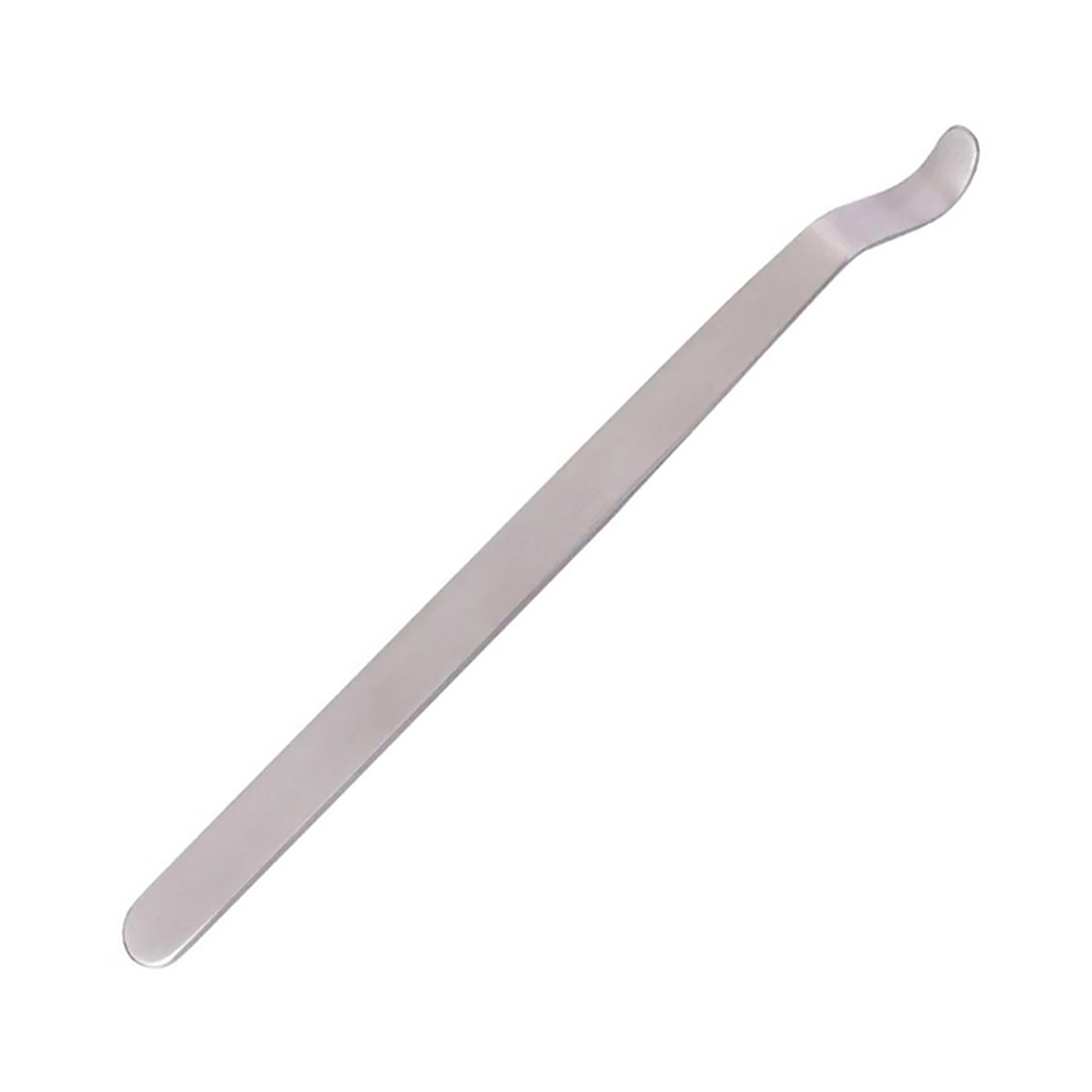 | Hayes Hand Retraktörleri | El, bilek ve plastik rekonstrüktif prosedürler sırasında atravmatik yumuşak doku ekartasyonu ve cerrahi görüş alanı sağlamak için özel olarak tasarlanmıştır. |
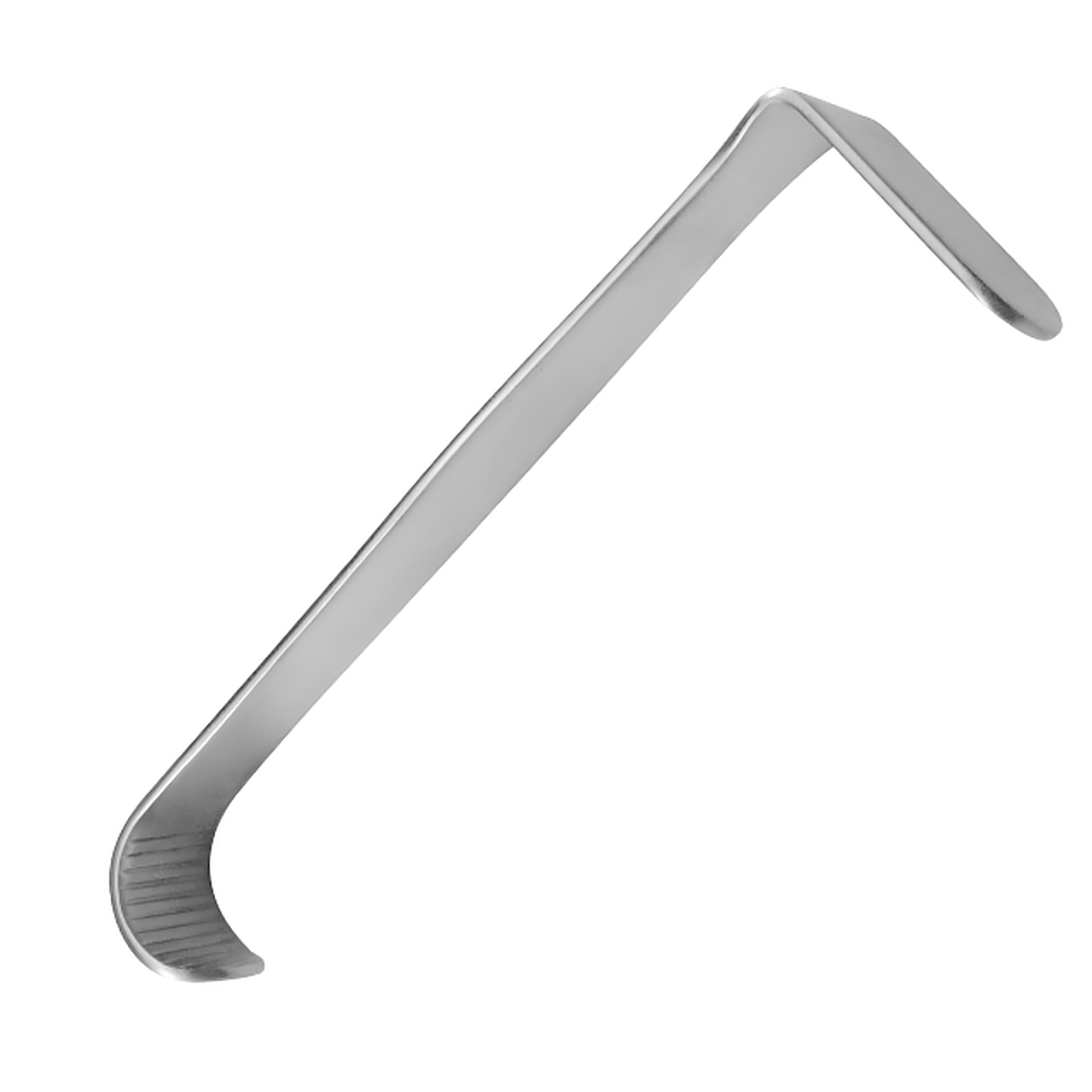 | Heaney Histerektomi Ekartörü | Vajinal histerektomi ve pelvik taban rekonstrüktif cerrahisi sırasında vajinal duvarı ve pelvik dokuyu ekarte etmek için özel olarak tasarlanmıştır. |
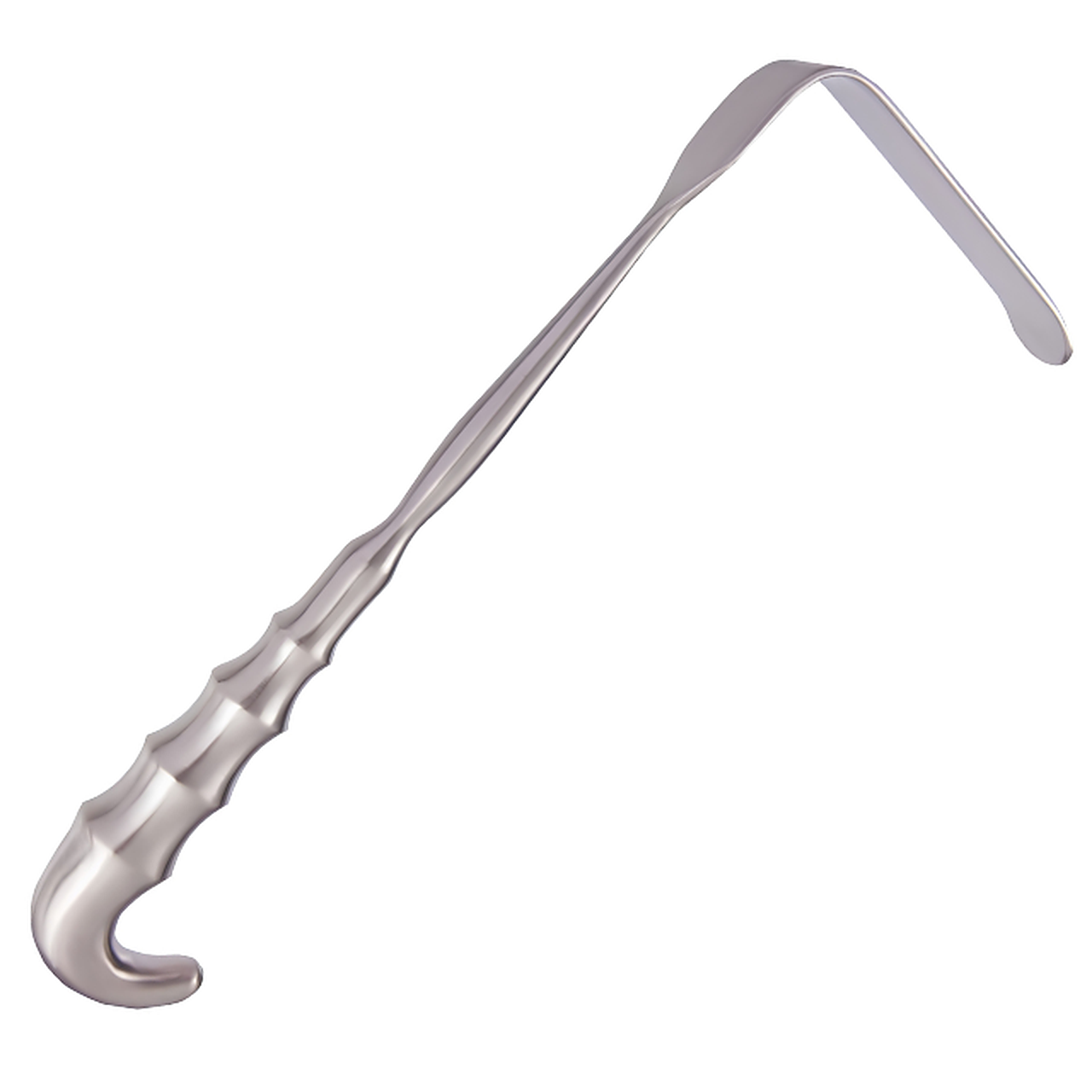 | Heaney Simon Vajinal Ekartör | Vajinal histerektomi ve pelvik taban cerrahisi sırasında posterior ve lateral vajinal duvarları ekarte etmek için özel olarak tasarlanmıştır. |
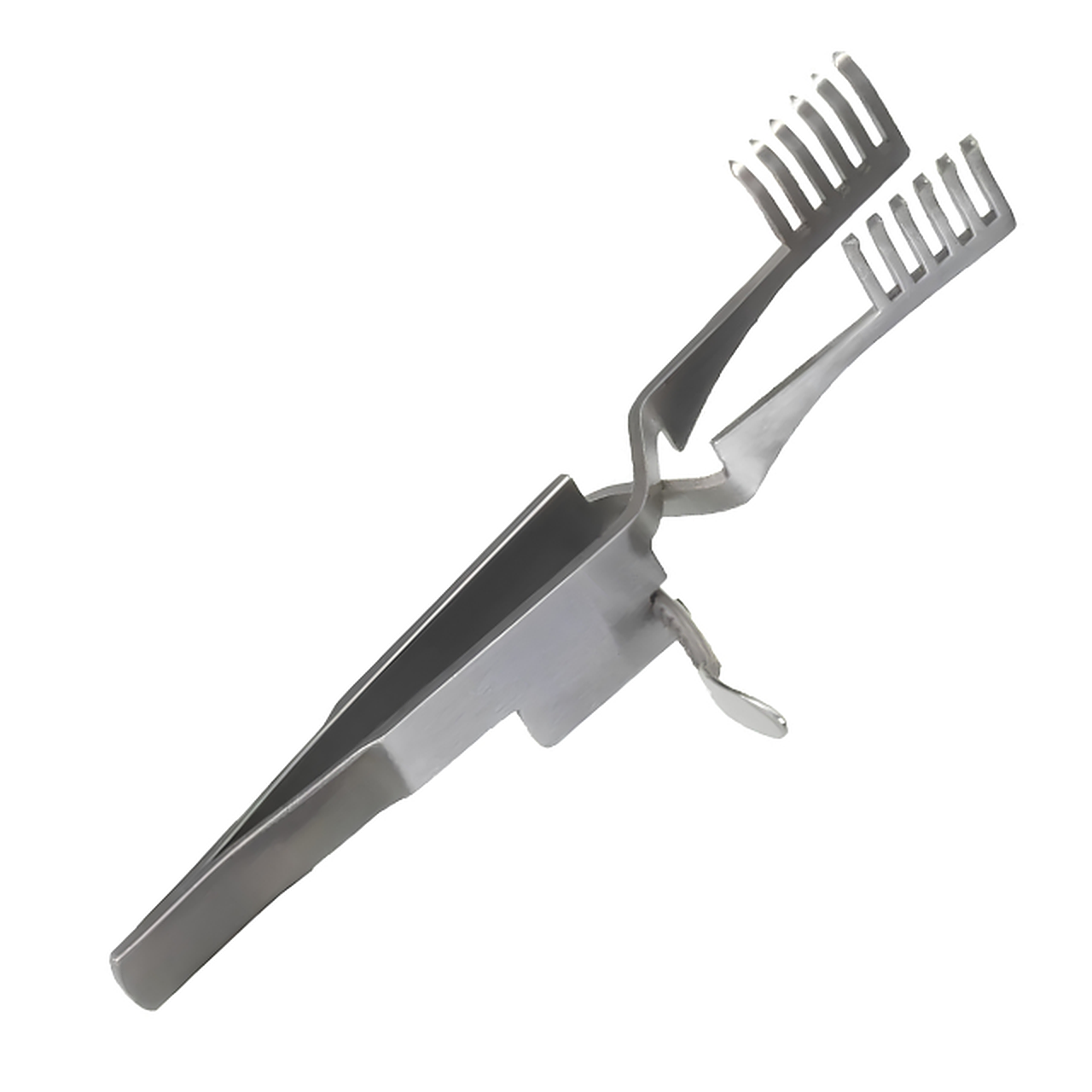 | Heiss Yara Ekartörü | Minör cerrahi, oftalmik, plastik ve el cerrahisi prosedürleri sırasında kendinden sabitlemeli doku retraksiyonu sağlamak için özel olarak tasarlanmıştır. |
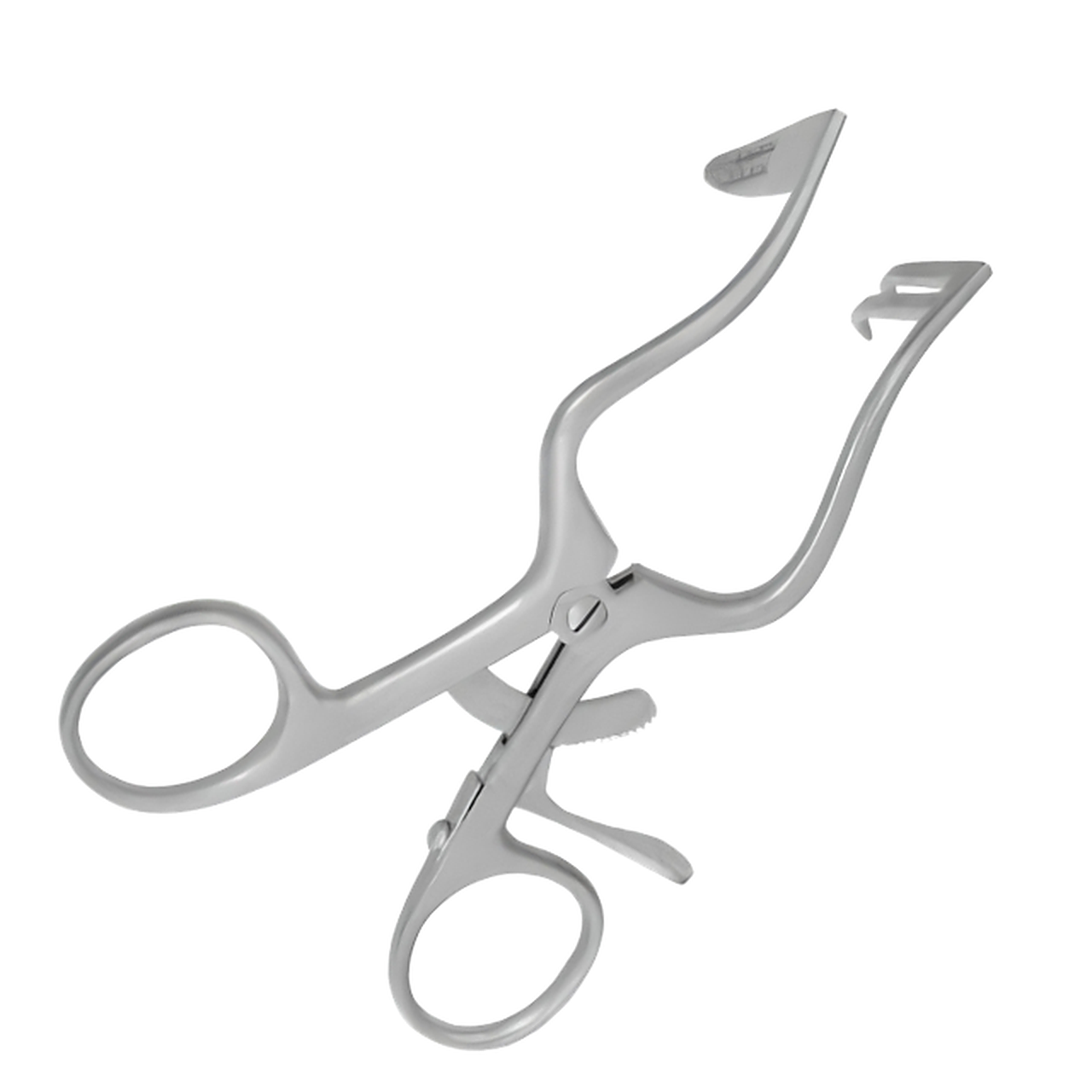 | Helms Ekartörü | Dar otolojik ve mikrocerrahi alanlarda kendinden tutmalı, atravmatik doku retraksiyonu sağlamak için özel olarak tasarlanmıştır. |
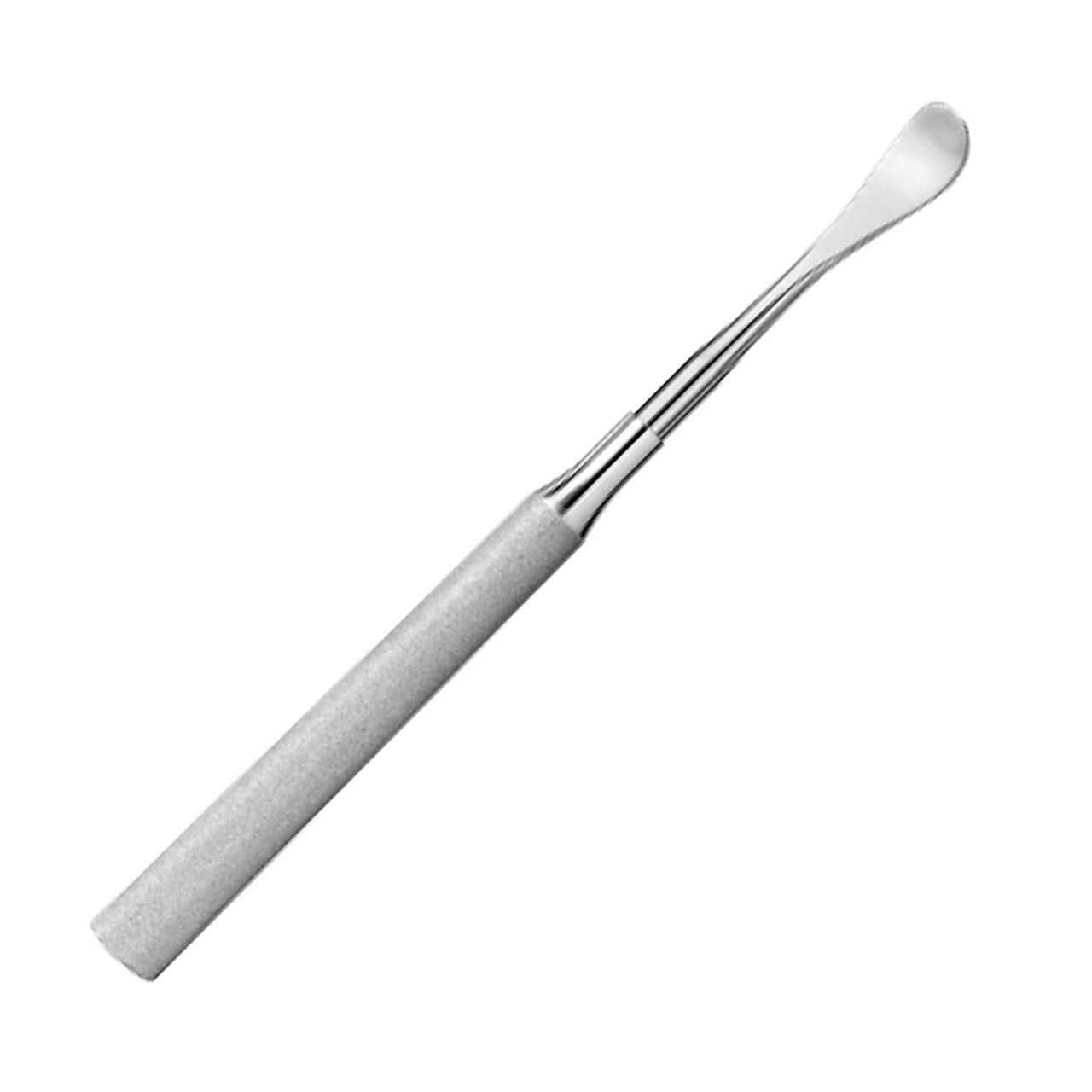 | Henahan Ekartör | Oral, dental ve maksillofasiyal cerrahi sırasında yanakları, dudakları ve mukoperiostal dokuyu ekarte etmek için özel olarak tasarlanmıştır. |
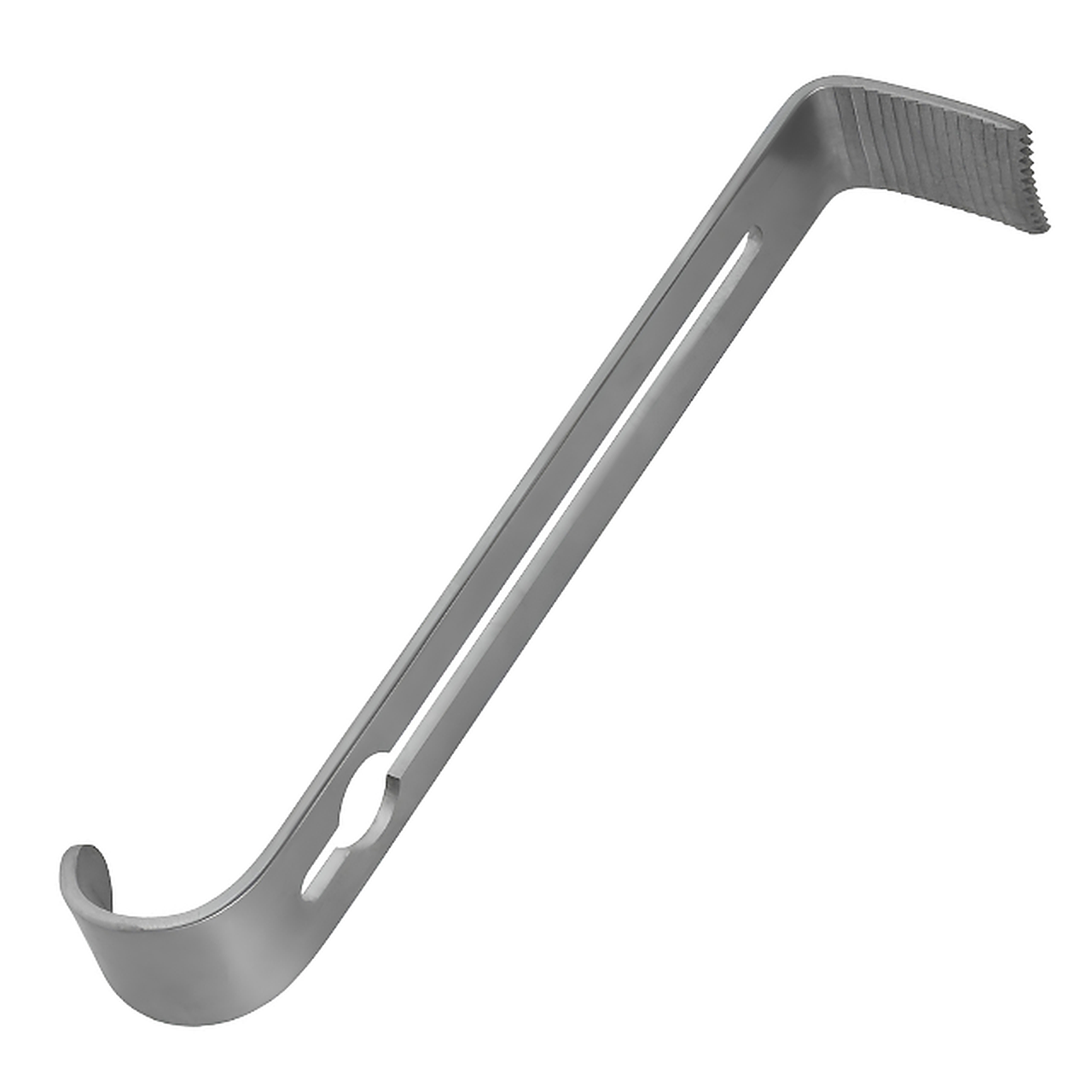 | Henly Ekartör Orta Bıçağı | Vasküler ve genel cerrahide orta duvar doku ekartasyonu sağlamak amacıyla bir Henly ekartör gövdesine monte edilmek üzere özel olarak tasarlanmıştır. |
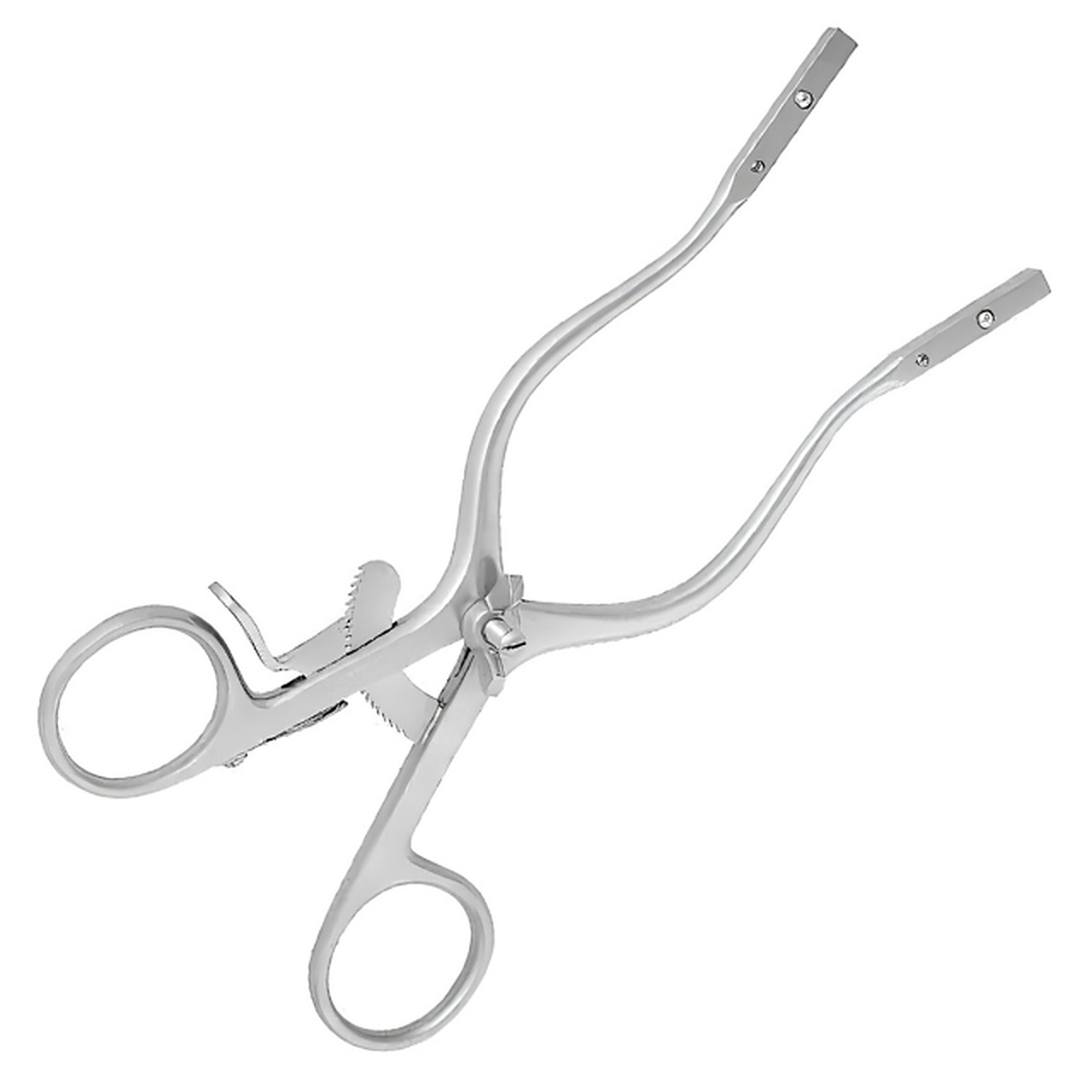 | Henly Retractor Frame | Vasküler ve ortopedik cerrahide eller serbest ekarte için değiştirilebilir yan ve merkez uçları monte etmek üzere özel olarak tasarlanmıştır. |
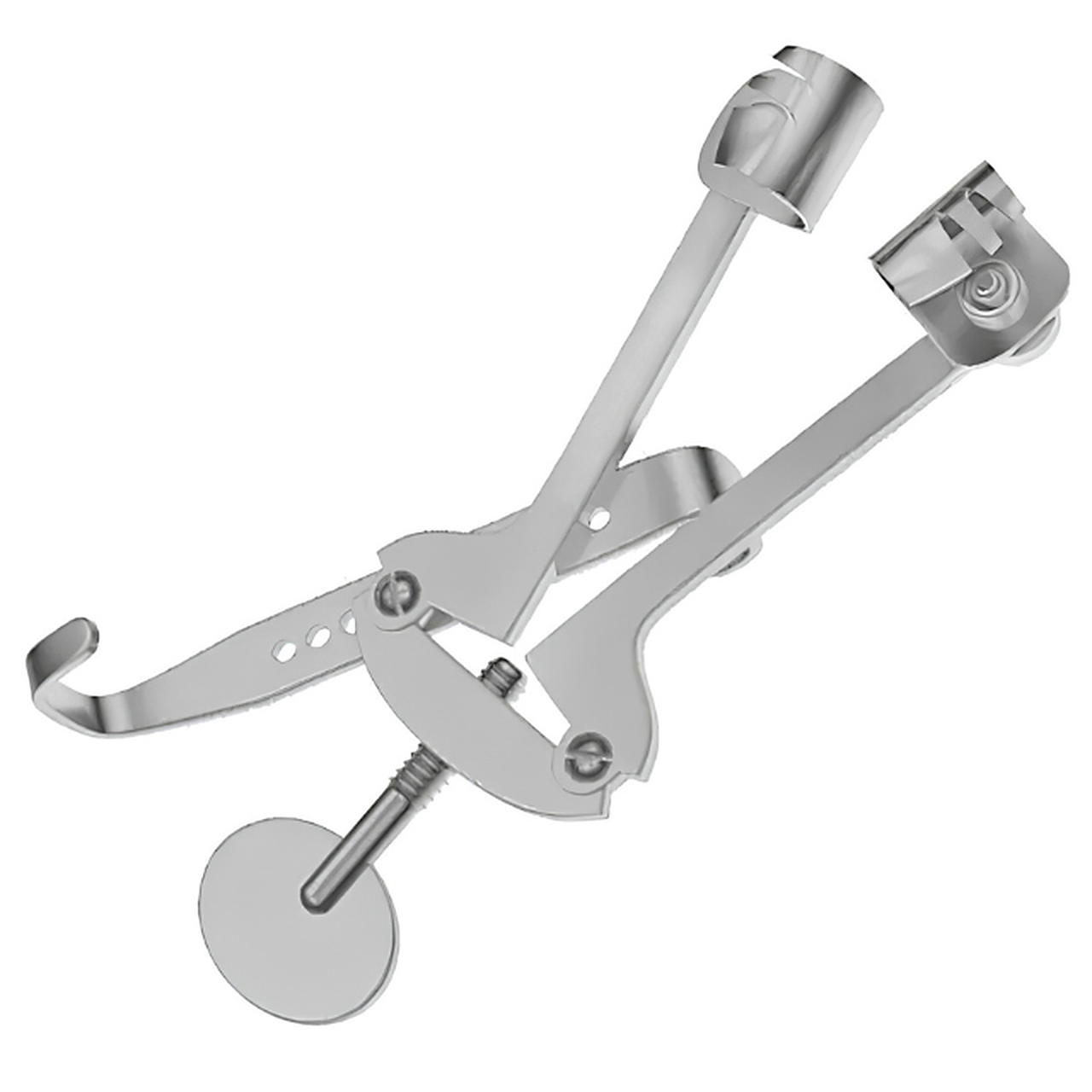 | Henner Endaural Ekartör | Otolojik kulak cerrahisi sırasında endaural insizyon kenarlarını ve dış işitme kanalını ekarte etmek için özel olarak tasarlanmıştır. |
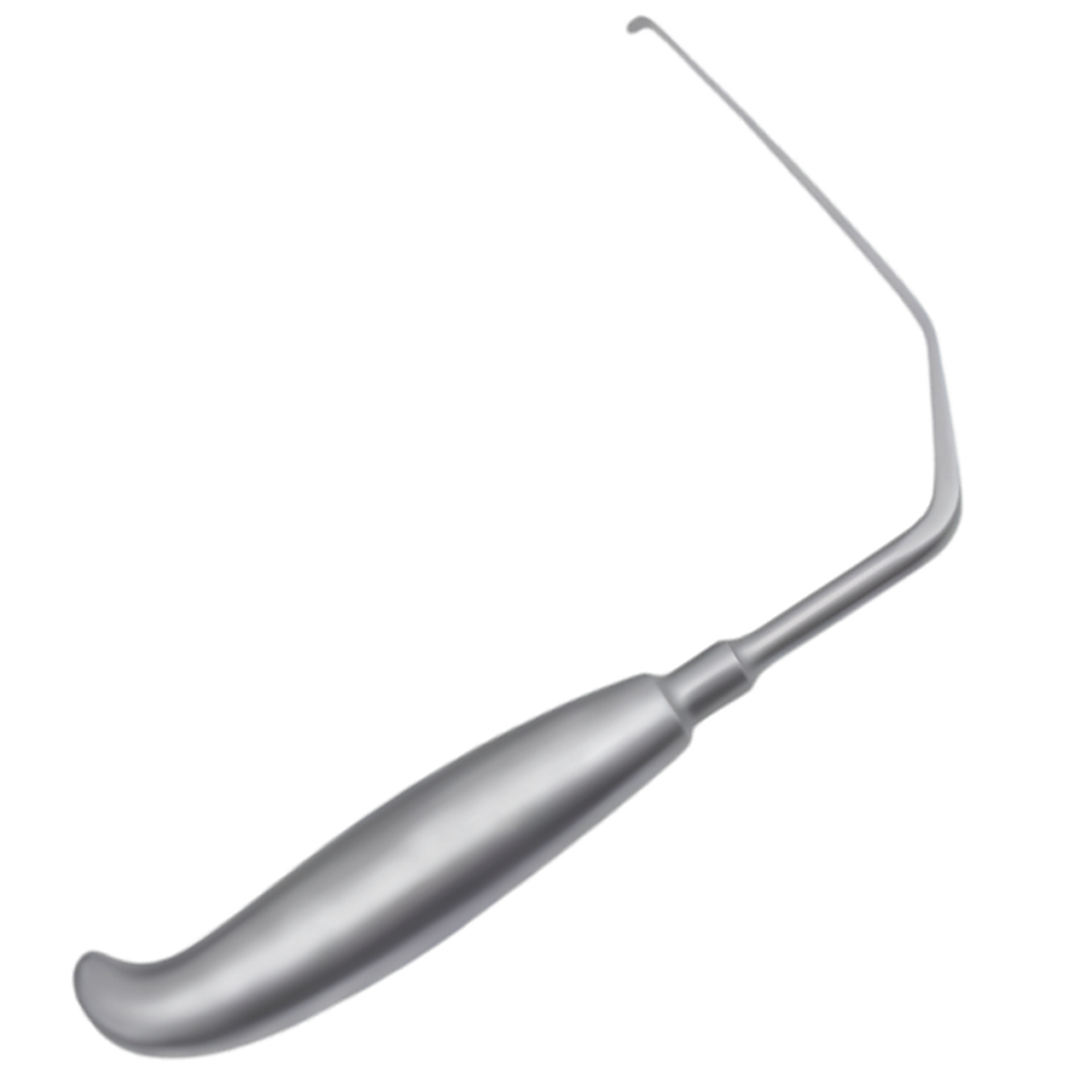 | Hess Nerve Root Retractor | Mikrocerrahi lomber diskektomi sırasında transvers spinal sinir köklerini ve dural keseyi ekarte etmek ve korumak için özel olarak tasarlanmıştır. |
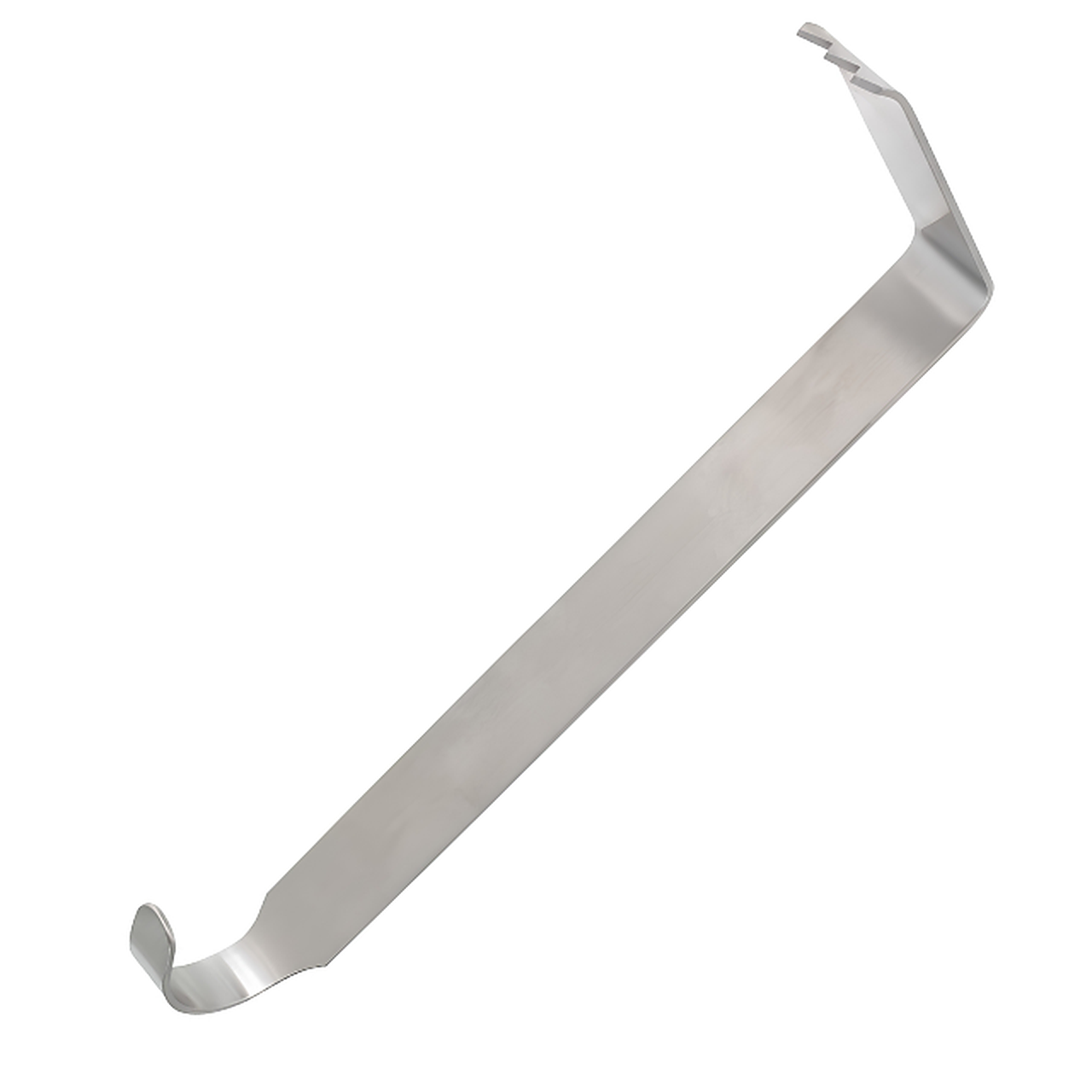 | Hibbs Retraktör | Spinal ve ortopedik cerrahi sırasında ağır paraspinal kas sistemini ve derin yumuşak dokuyu ekarte etmek için özel olarak tasarlanmıştır. |
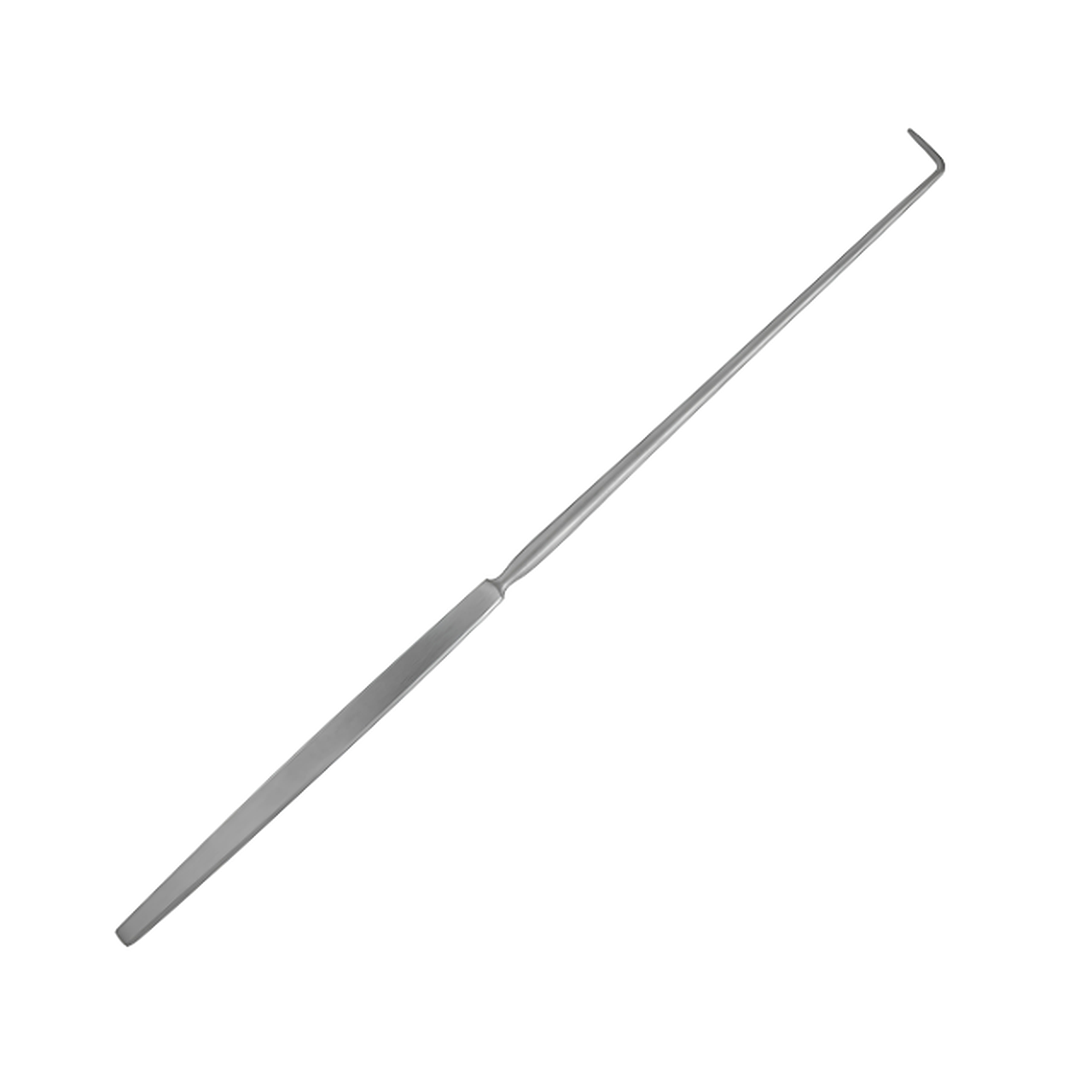 | Hoen Sinir Retraktörü | Mikrocerrahi sırasında spinal sinir köklerini ve tekal sakı mobilize etmek, keşfetmek ve ekartasyon sağlamak için özel olarak tasarlanmıştır. |
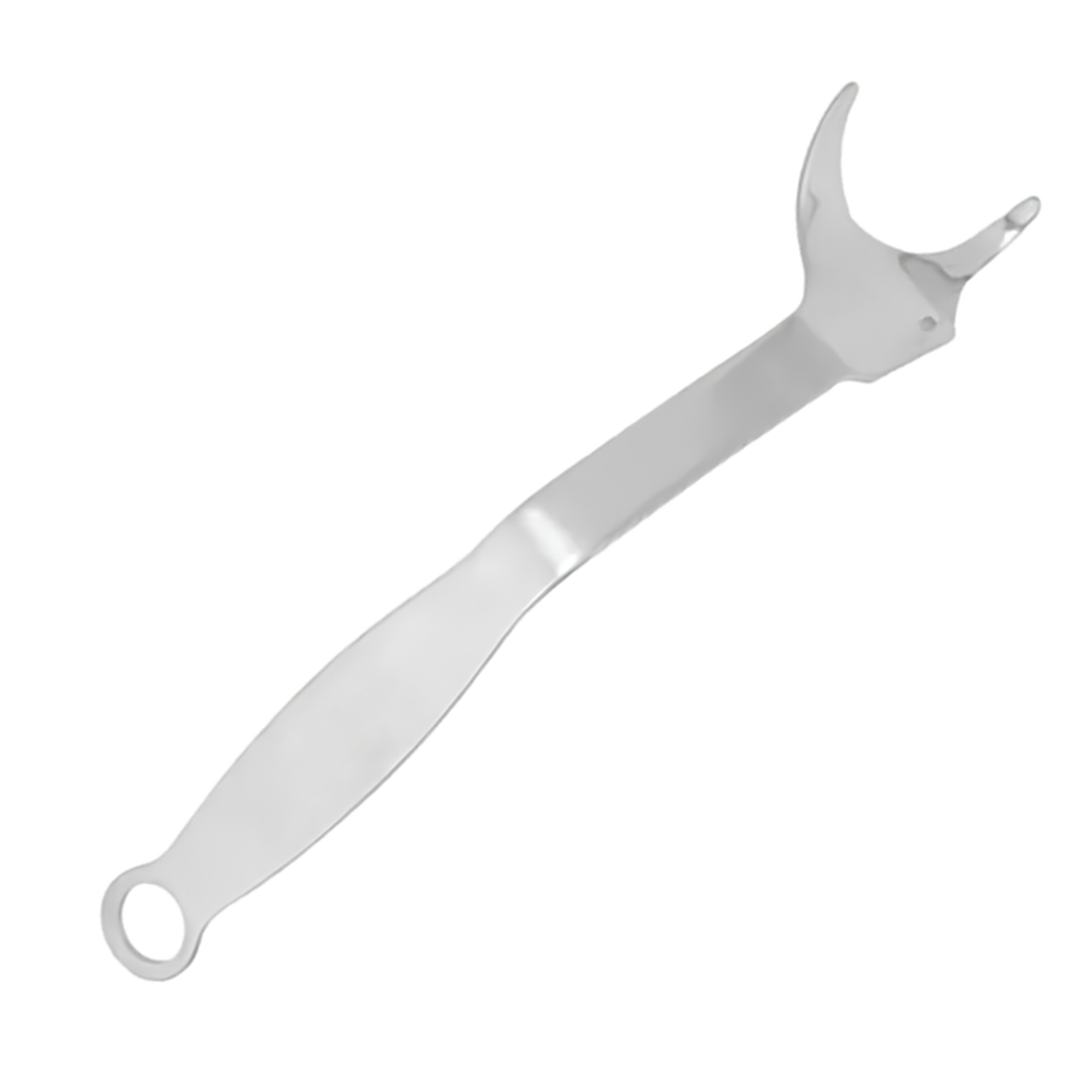 | Hohmann Posterior İnferior Ekartör | Total kalça artroplastisi sırasında posterior-inferior asetabular kenarı açığa çıkarmak ve kapsüler dokuyu ekarte etmek için özel olarak tasarlanmıştır. |
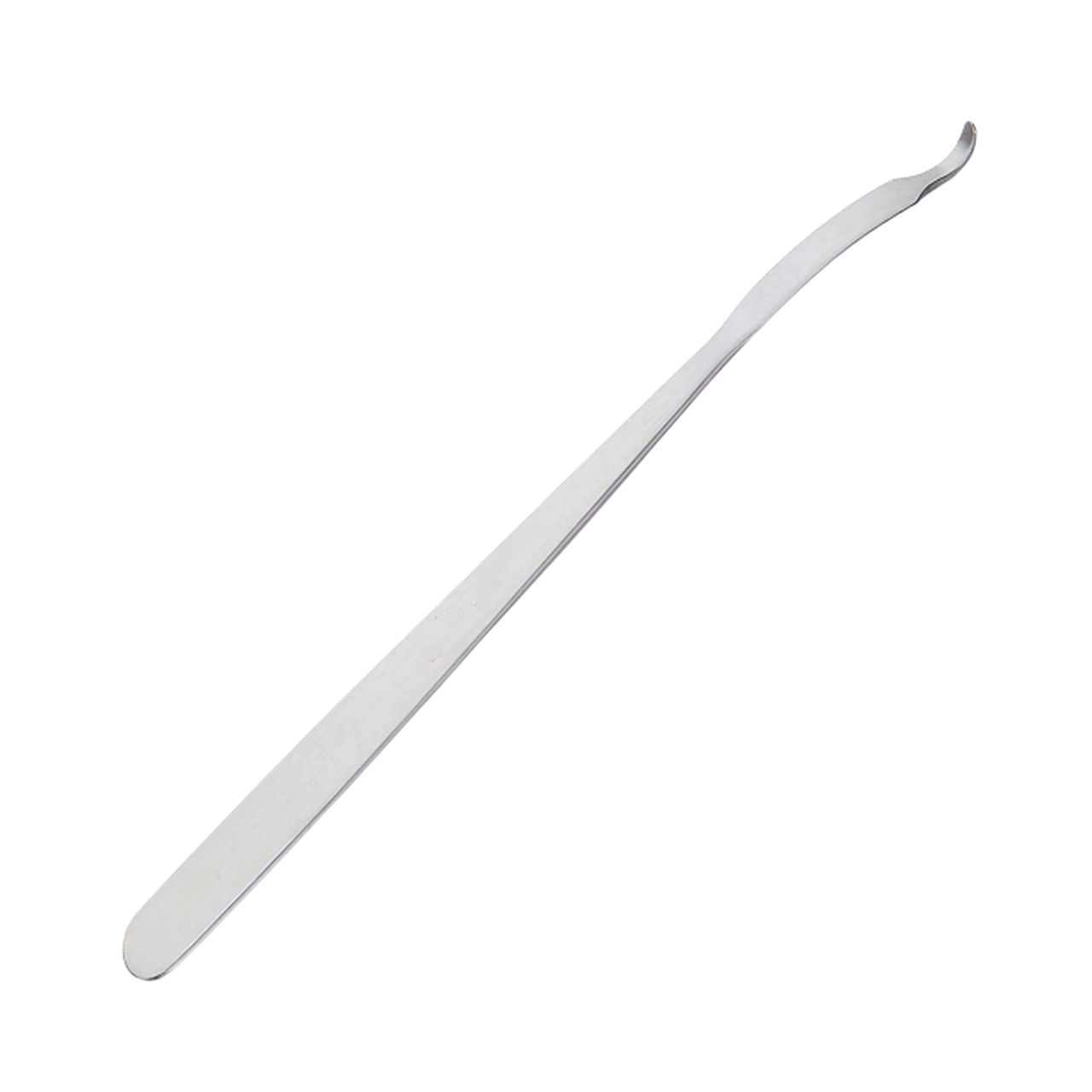 | Hohmann Ekartör | Kalça, diz ve uzun kemik ortopedik prosedürleri sırasında kemiği manivela olarak kullanmak ve ağır kas dokusunu ekarte etmek için özel olarak tasarlanmıştır. |
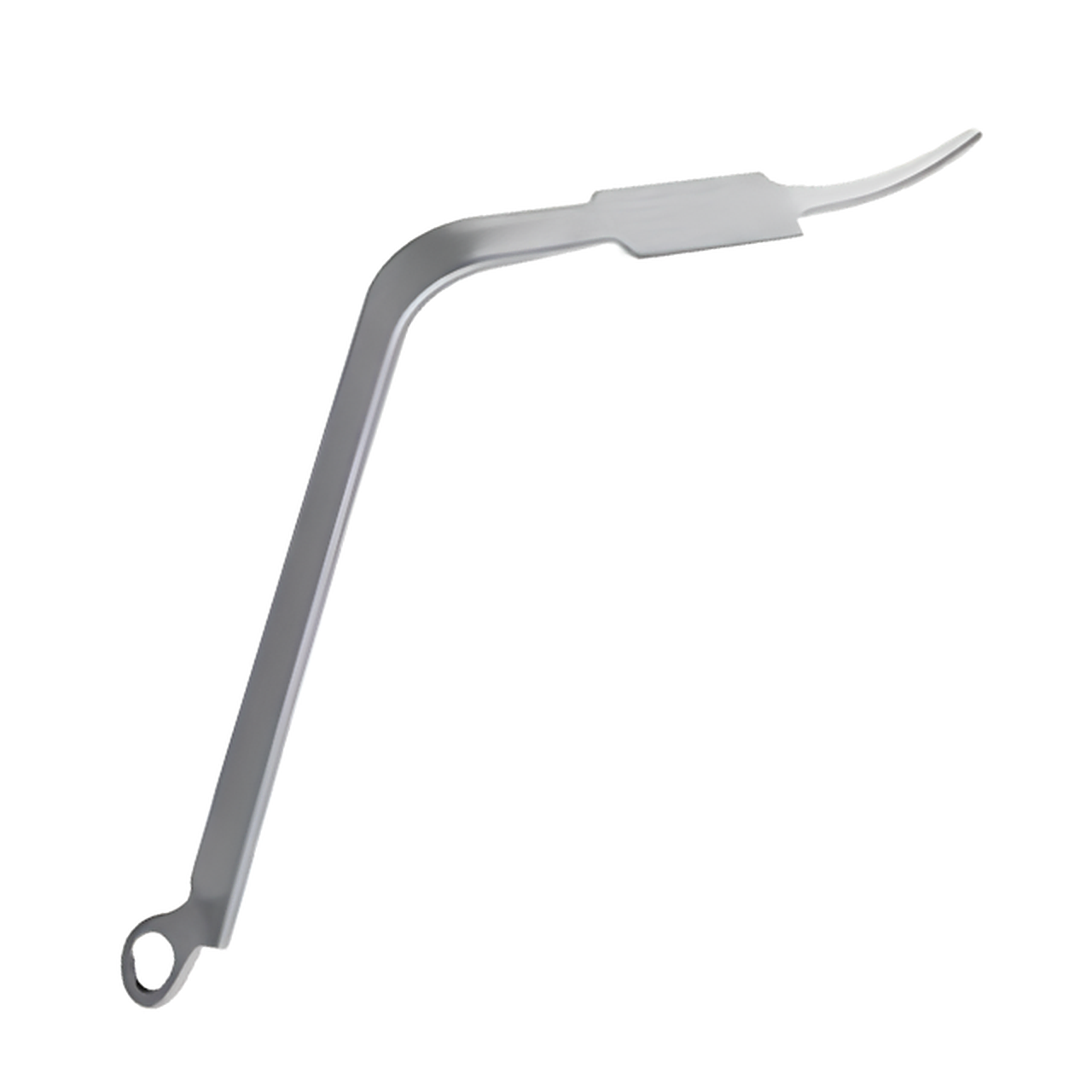 | Hohmann Ekartör Eğik Ekstra Uzun Saplı | Ortopedik cerrahi sırasında sapı derin cerrahi alanlardan uzaklaştırırken kemiği manivela ile kaldırmak ve ağır kas dokusunu ekarte etmek için özel olarak tasarlanmıştır. |
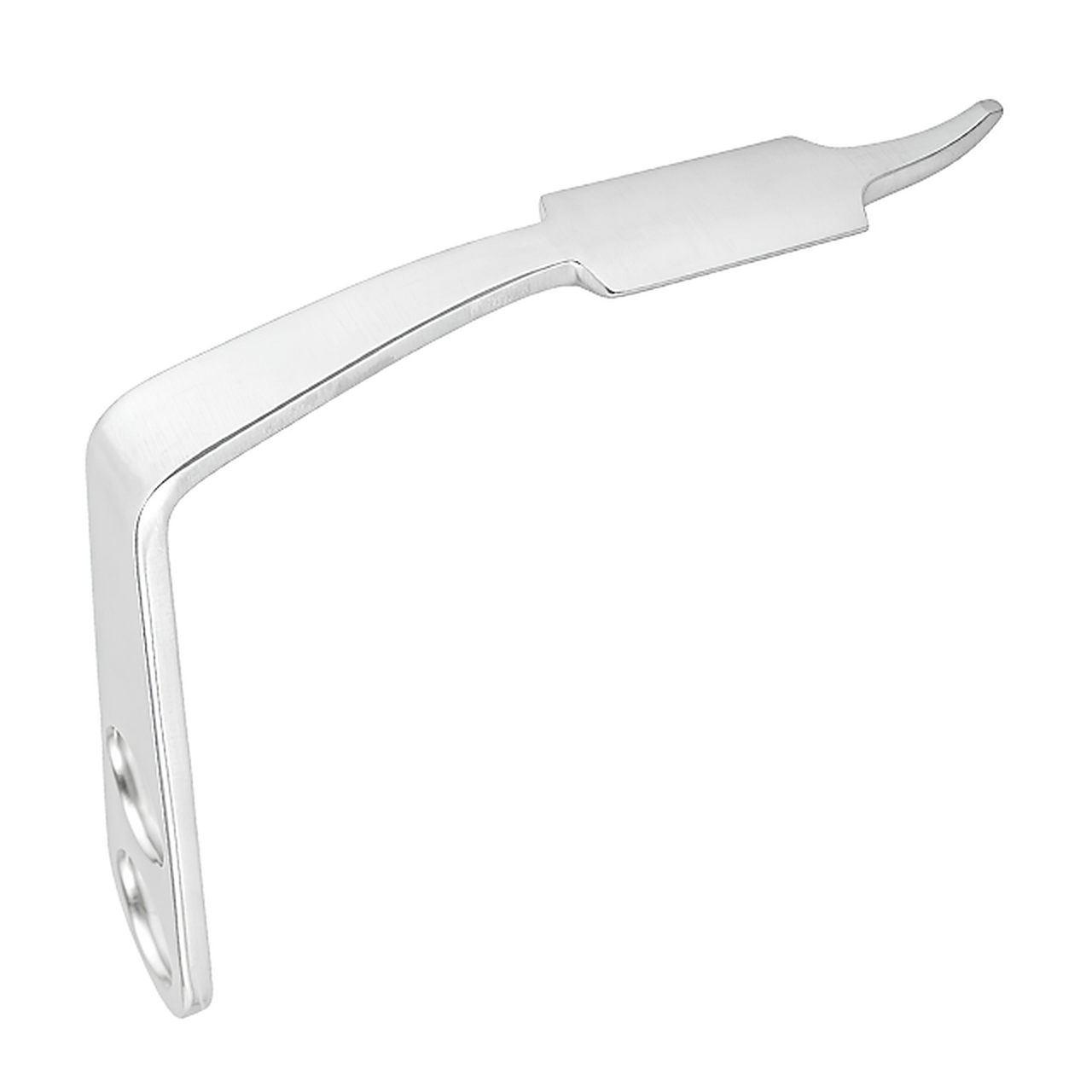 | Hohmann Retractor Right Angled (Dik Açılı) | Derin kalça, pelvik ve femoral cerrahi sırasında kemiği manivela olarak kullanmak ve kasları dik açıyla ekarte etmek için özel olarak tasarlanmıştır. |
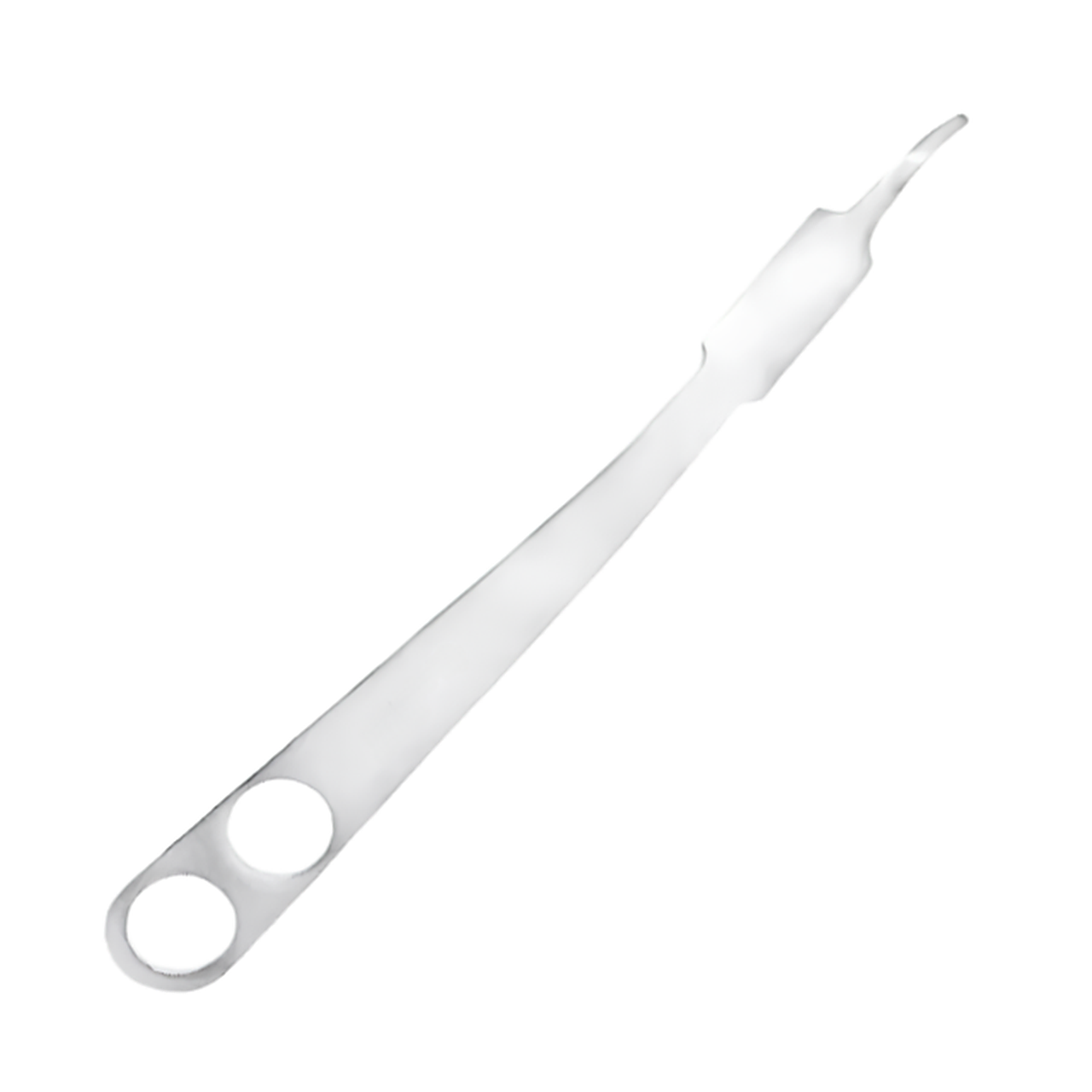 | Hohmann Retractor Yuvarlak Uçlu | Kalça, diz ve uzun kemik ortopedik cerrahisi sırasında kemiği manivela etmek ve yumuşak dokuyu atravmatik olarak ekarte etmek için özel olarak tasarlanmıştır. |
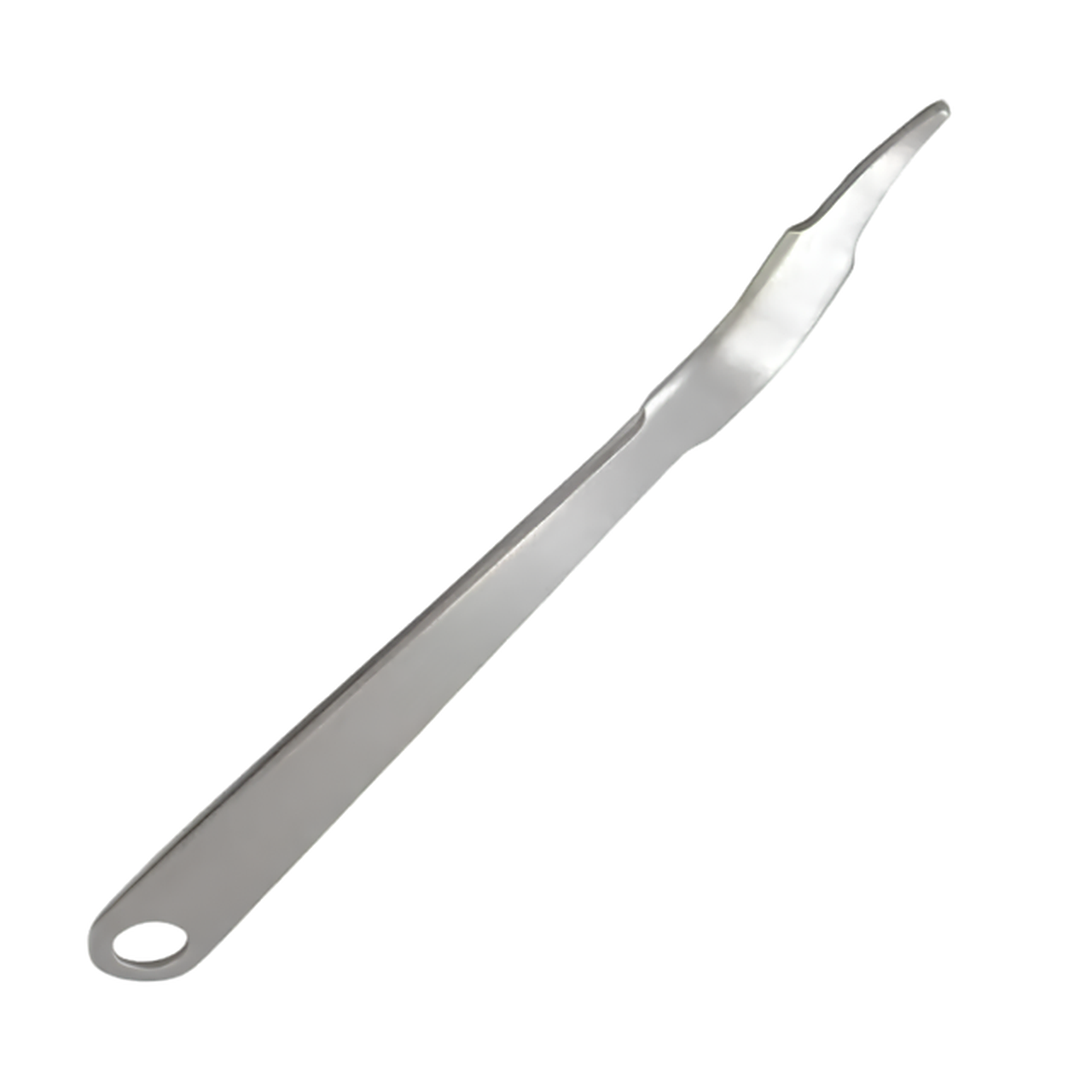 | Hohmann Retractor Kare Uçlu | Diz, kalça ve travma ortopedik cerrahisi sırasında düz kemik kortekslerini manivela ile kaldırmak ve yumuşak dokuyu ekarte etmek için özel olarak tasarlanmıştır. |
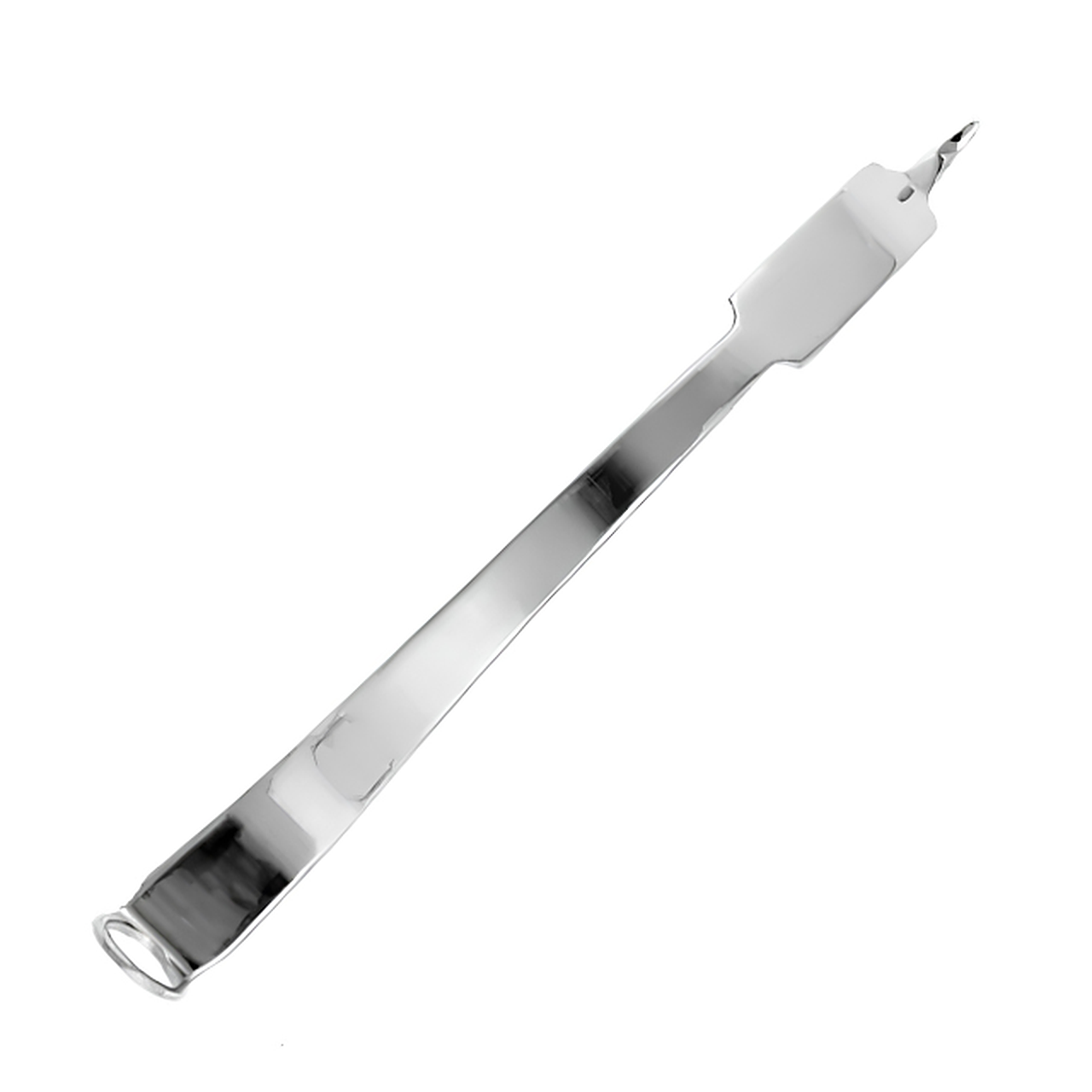 | Hohmann Ekartörler, Açılı | Ortopedik cerrahi sırasında kemiği manivela olarak kullanmak ve kası derin eklemlerden ve uzun kemiklerden uzaklaştırmak için özel olarak tasarlanmıştır. |
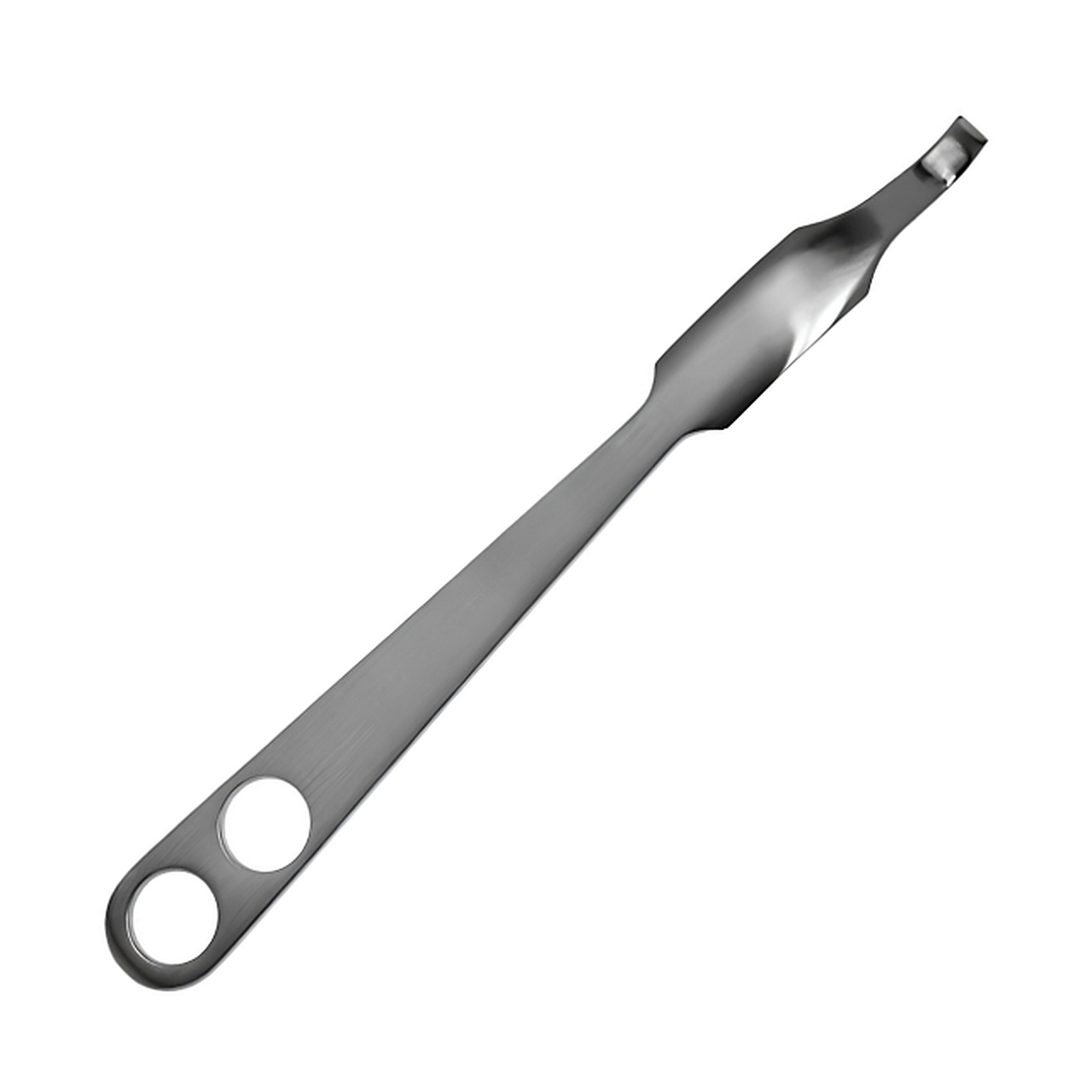 | Hohmann Retraktörleri Kare Uçlu | Kalça, diz ve uzun kemik ortopedik prosedürleri sırasında kemik kortekslerinden güç almak ve yoğun kas tabakalarını ekarte etmek için özel olarak tasarlanmıştır. |
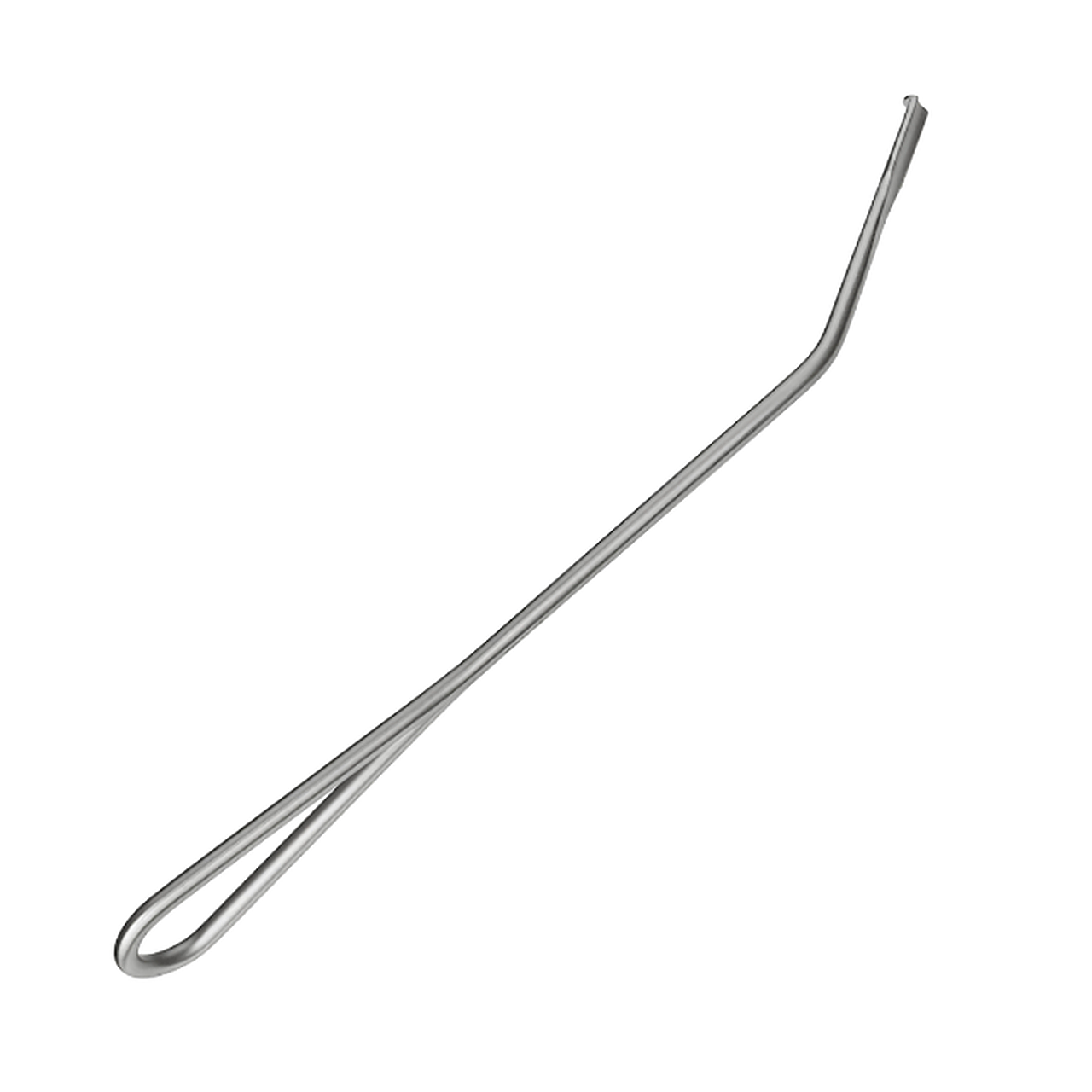 | Holscher Retraktörler | Diskektomi ve laminektomi prosedürleri sırasında spinal sinir köklerini ve tekal keseyi ekart etmek ve korumak için özel olarak tasarlanmıştır. |
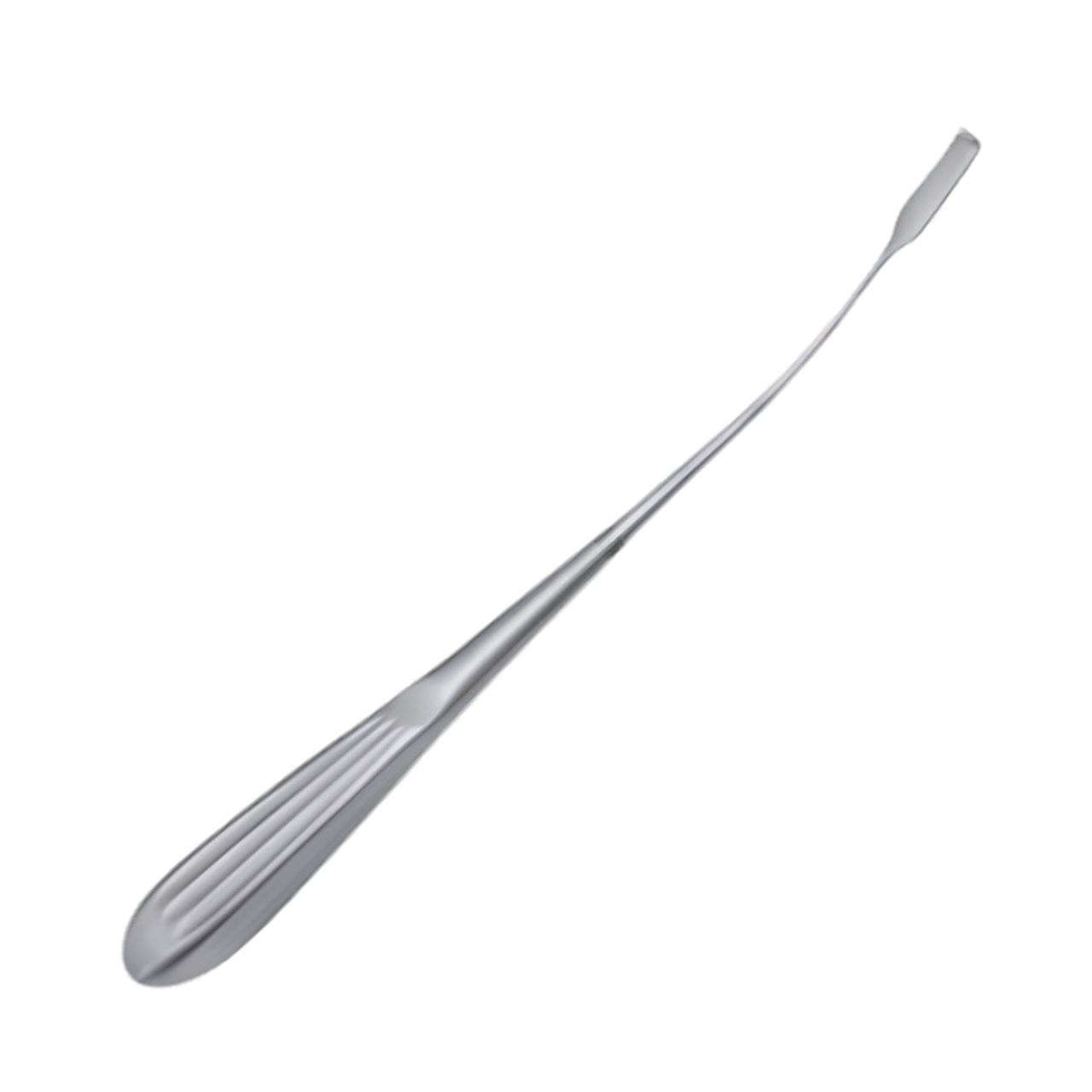 | Holsher Nerve Root Retractor | Mikrocerrahi lomber diskektomi sırasında spinal sinir köklerini ve tekkal sakı ekarte etmek ve korumak için özel olarak tasarlanmıştır. |
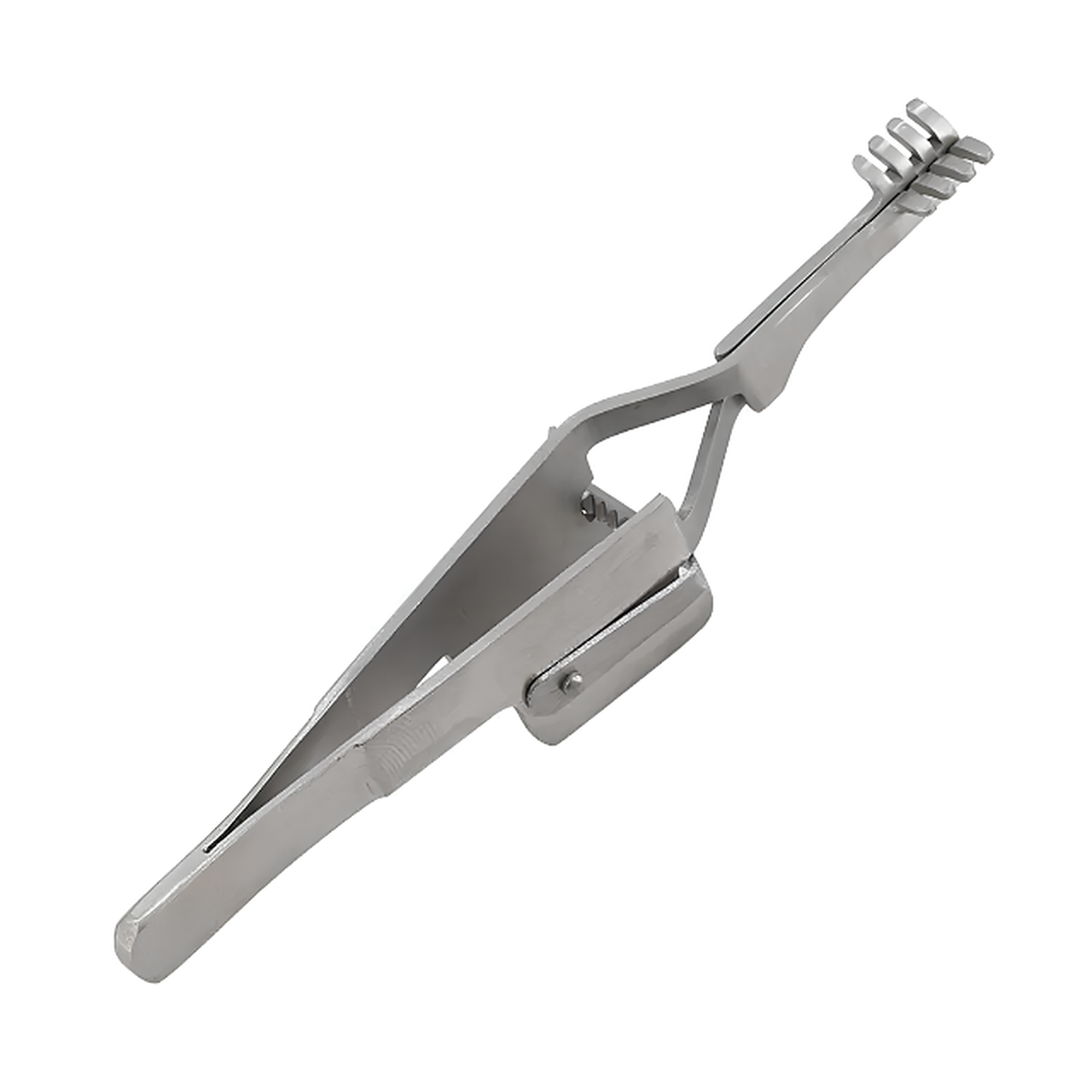 | Holzhimer Otostatik Ekartör | Küçük cerrahi, oftalmik, plastik ve el prosedürleri sırasında otostatik doku retraksiyonu sağlamak için özel olarak tasarlanmıştır. |
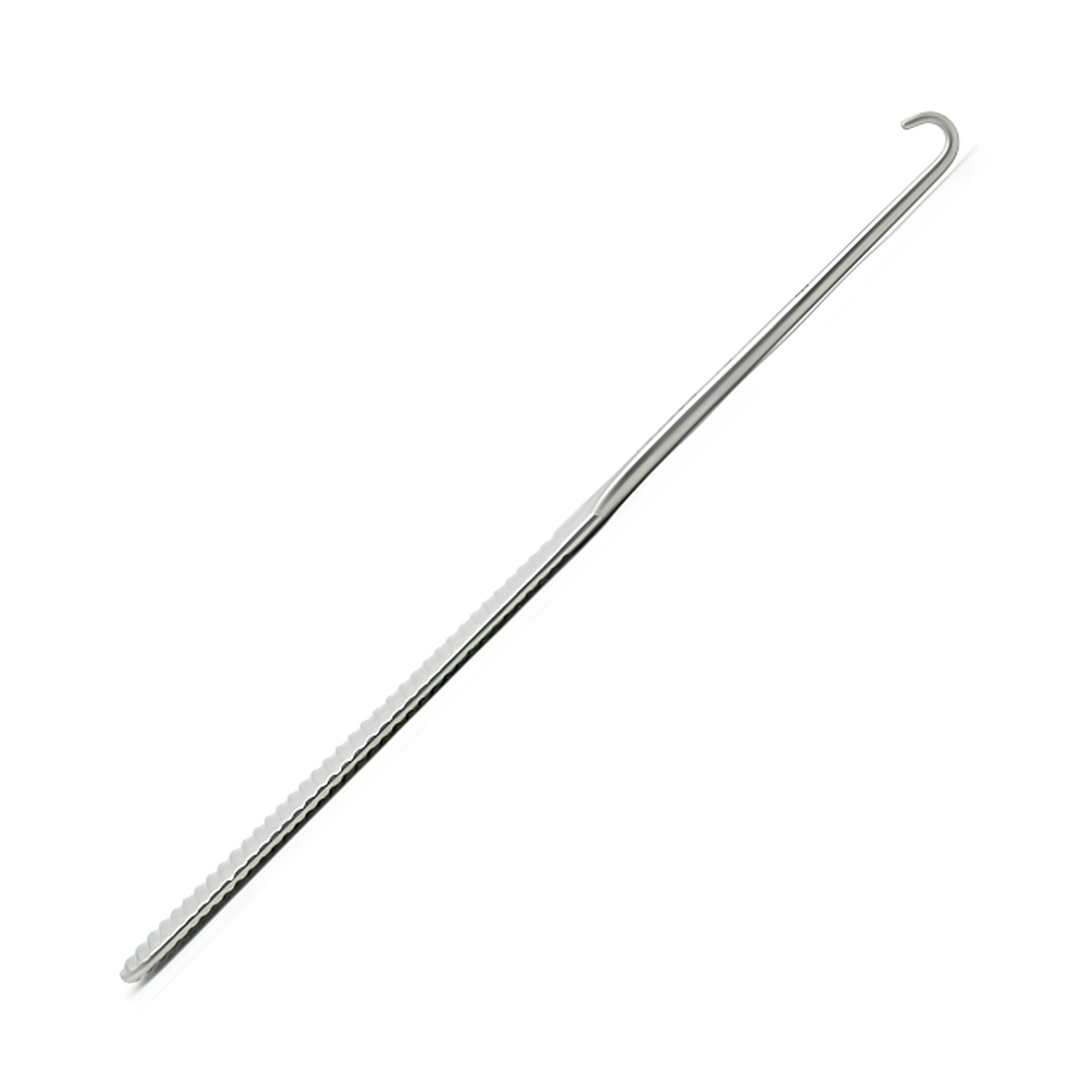 | Kanca Ekartör | Cerrahi prosedürler sırasında deri fleplerini, kutanöz kenarları ve yüzeysel yumuşak dokuları ekart etmek için özel olarak tasarlanmıştır. |
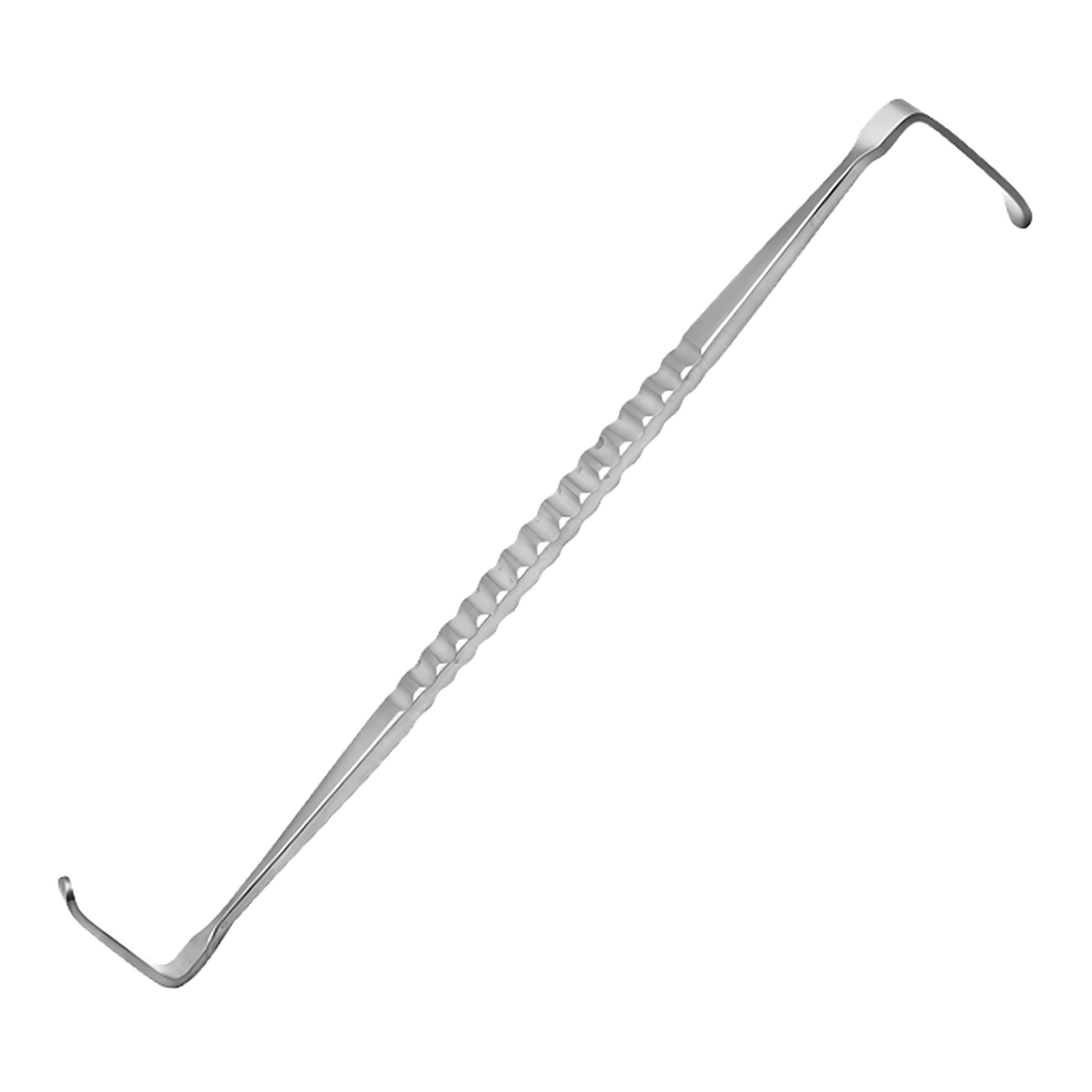 | House El Ekartörü | Otolojik, KBB ve plastik cerrahi sırasında cilt kenarlarını, meatal dokuyu ve fasyayı ekarte etmek için özel olarak tasarlanmıştır. |
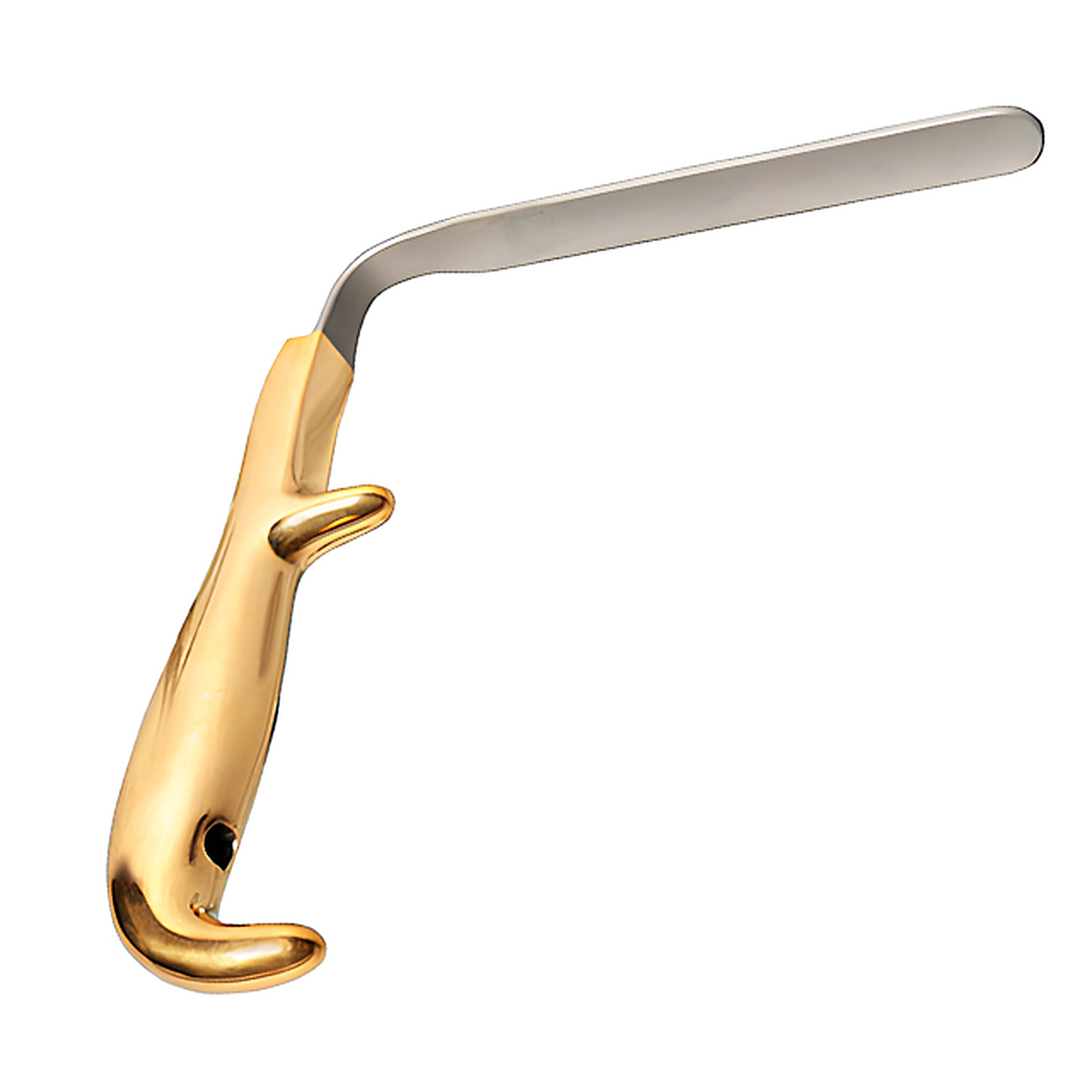 | Hoyos Distal Ekartör | Yüksek çözünürlüklü abdominoplasti sırasında abdominal kutanöz flepleri kaldırmak ve distal cep ekspojuru sağlamak için özel olarak tasarlanmıştır. |
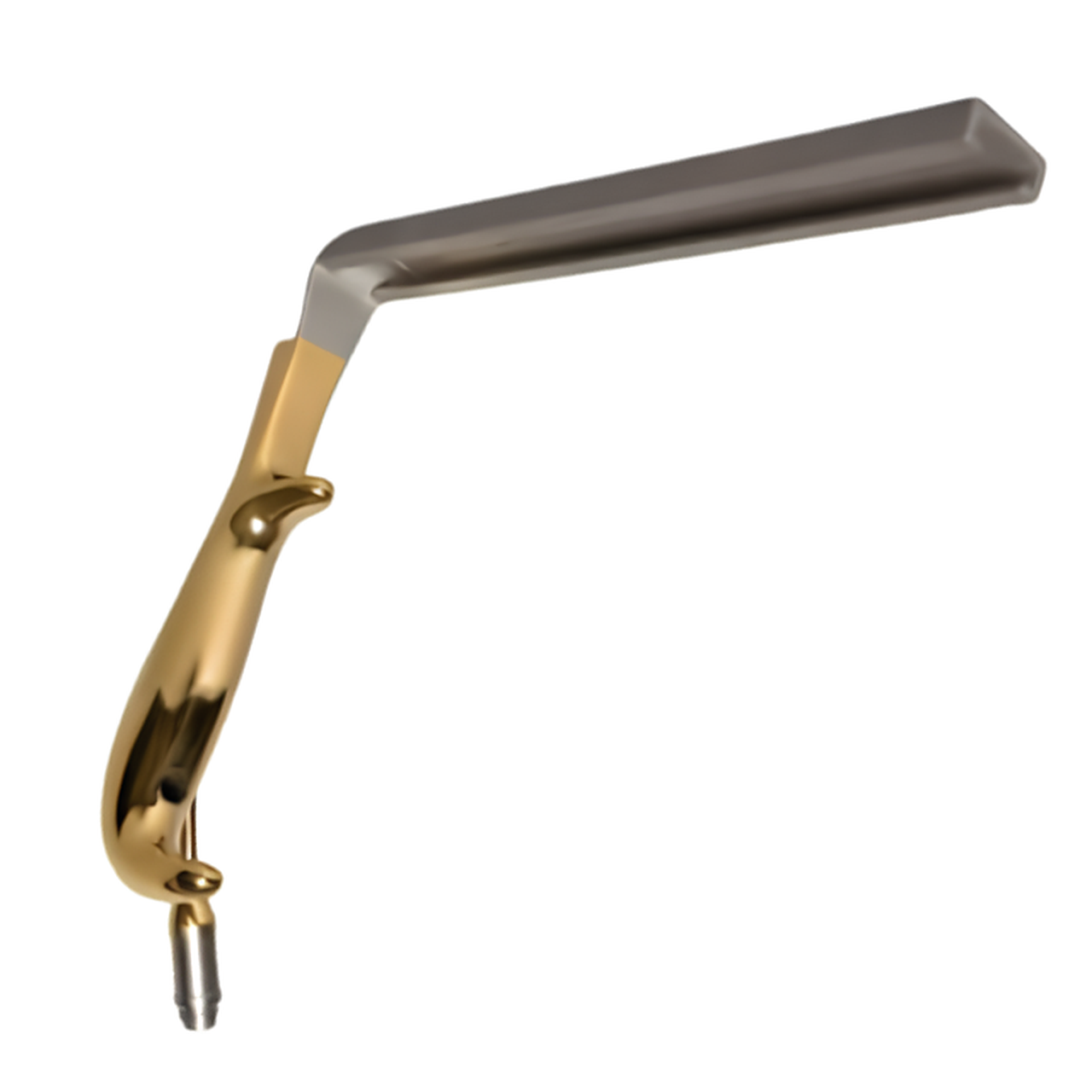 | Hoyos Proksimal Ekartör | Yüksek tanımlı abdominoplasti sırasında proksimal abdominal flepleri kaldırmak ve epigastriyumu açığa çıkarmak için özel olarak tasarlanmıştır. |
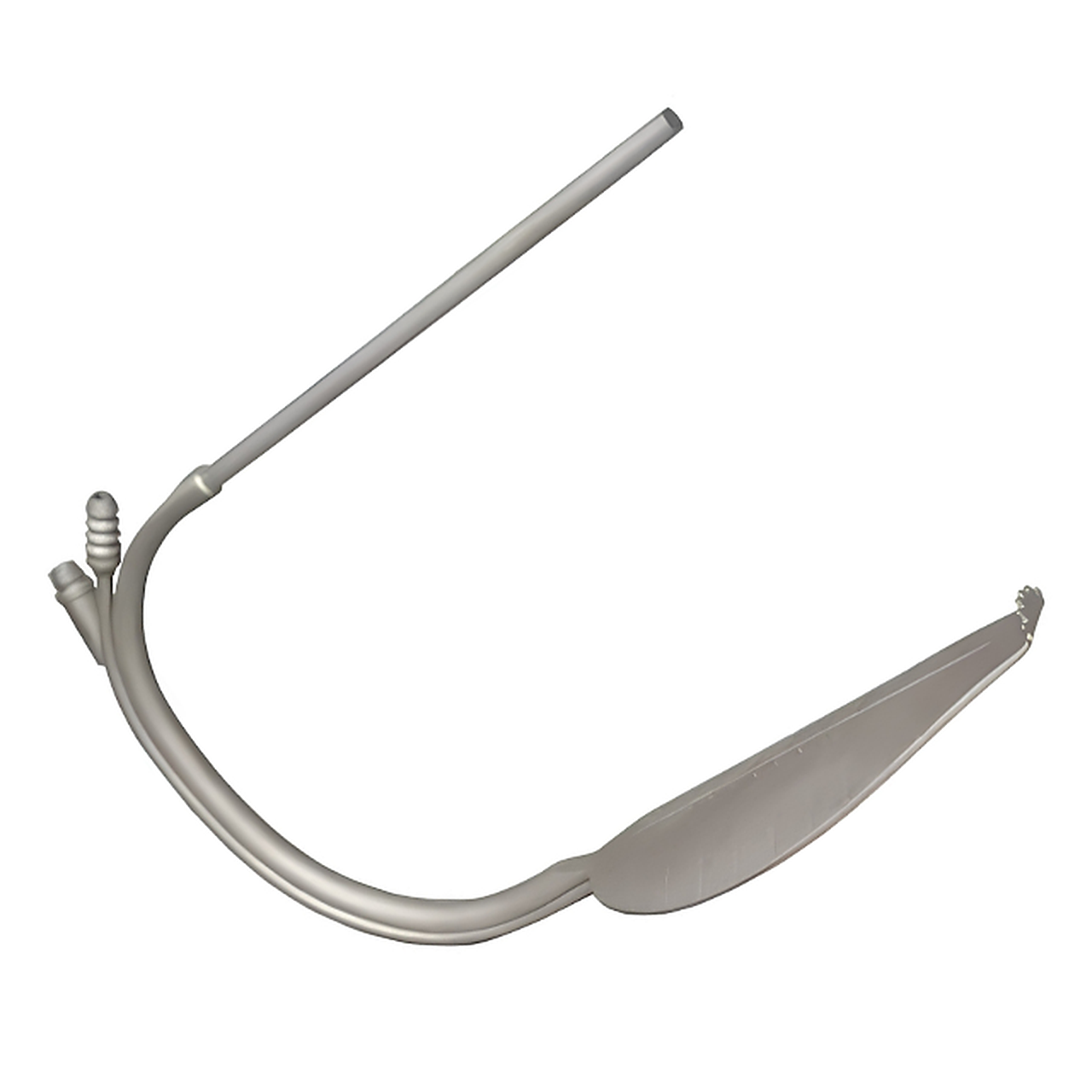 | Hoyos Remora Retratör | Yüksek çözünürlüklü vücut şekillendirme sırasında aydınlatmalı yumuşak doku retraksiyonu, duman tahliyesi ve stabilizasyon sağlamak için özel olarak tasarlanmıştır. |
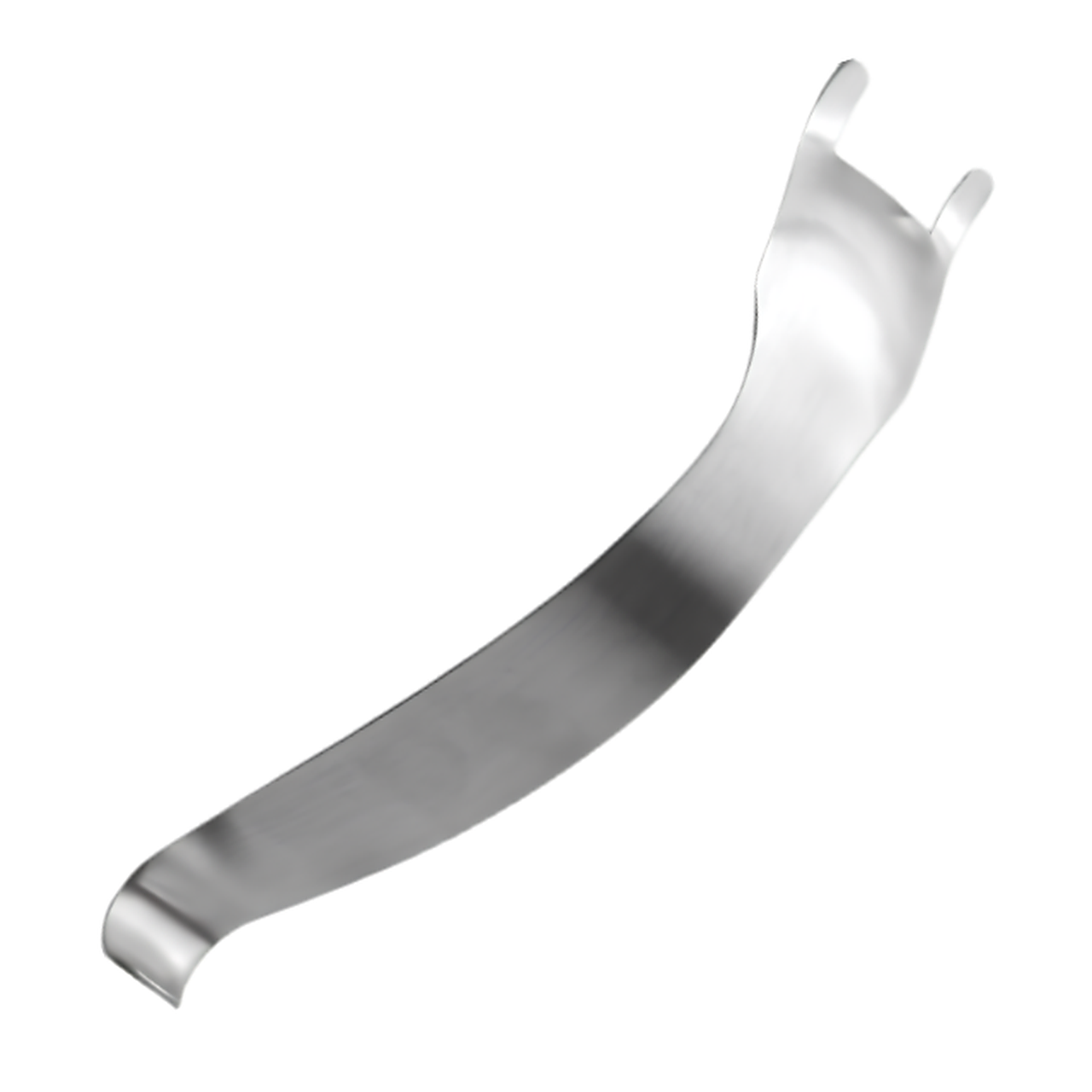 | Humeral Head Retractor | Omuz artroplastisi sırasında humeral başı posteriora itmek ve glenoid kavitesini açığa çıkarmak için özel olarak tasarlanmıştır. |
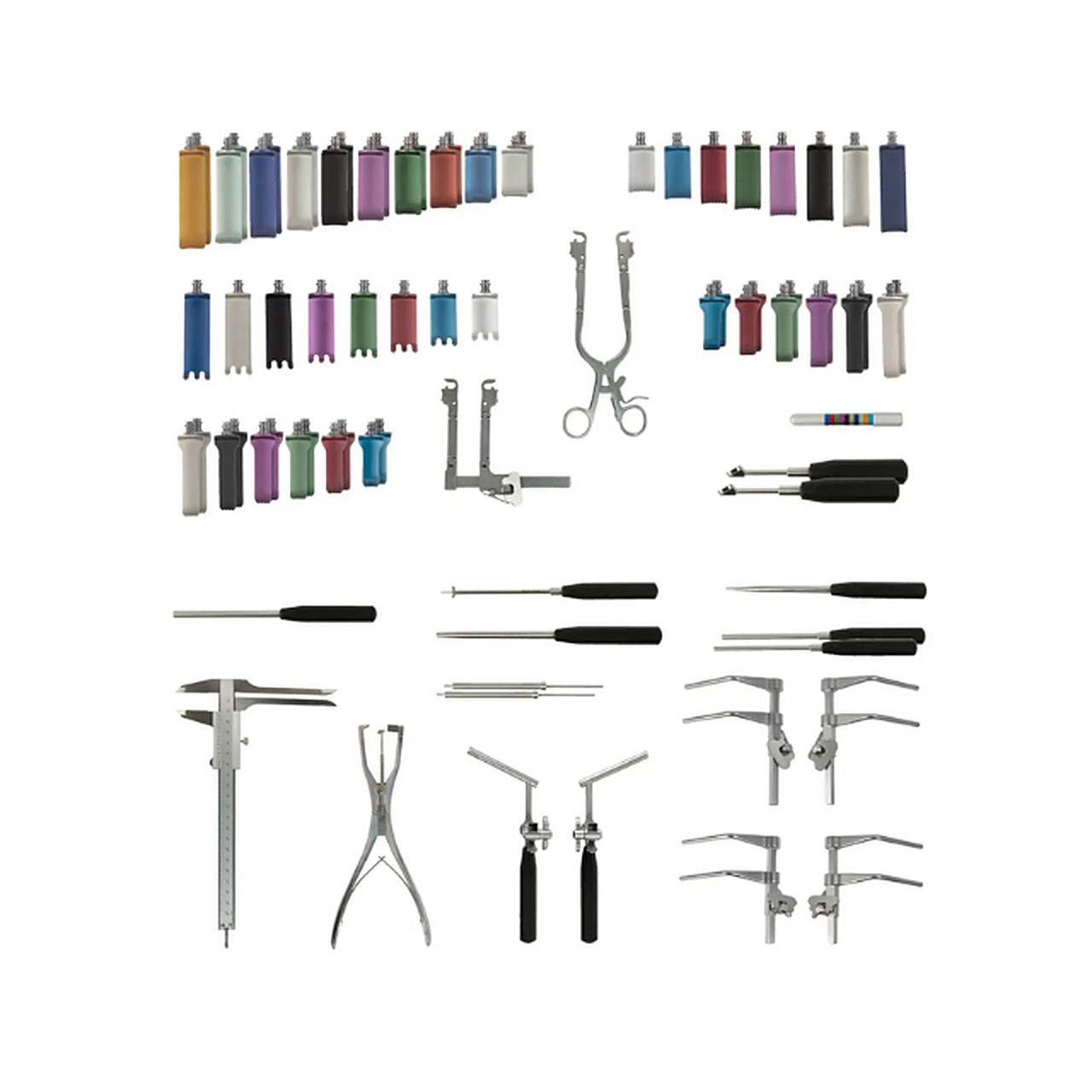 | Image-Line ACF Retractor With Distraction Classic Set | Anterior servikal füzyon (ACF) omurga prosedürleri sırasında yumuşak doku ekartasyonu, intervertebral gövde distraksiyonu ve kemik grefti yerleştirmesi için özel olarak tasarlanmıştır. |
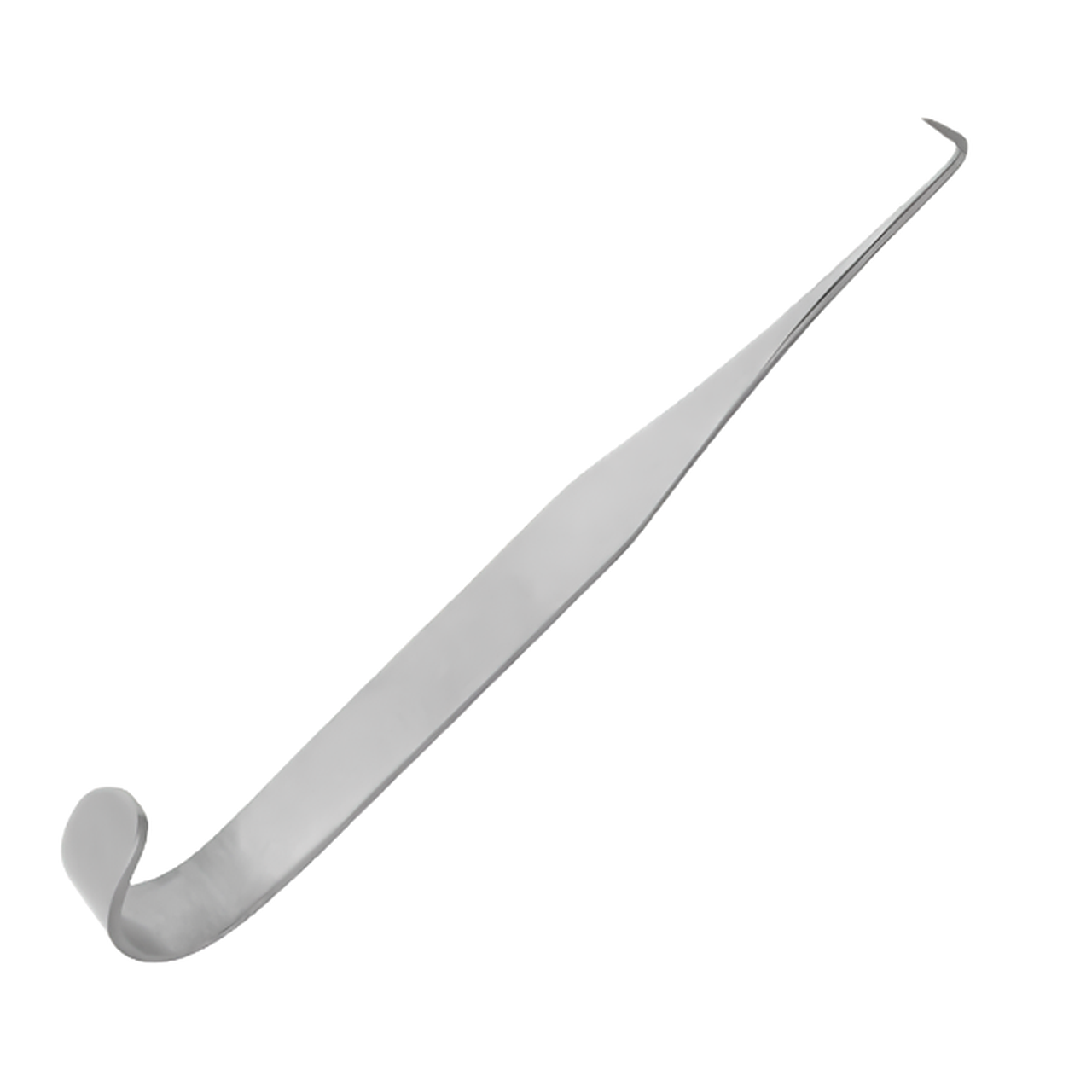 | Jackson Trakeal Retraktör | Trakeostomi sırasında trakeayı kaldırmak, stabilize etmek ve pretrakeal dokuları ekarte etmek için özel olarak tasarlanmıştır. |
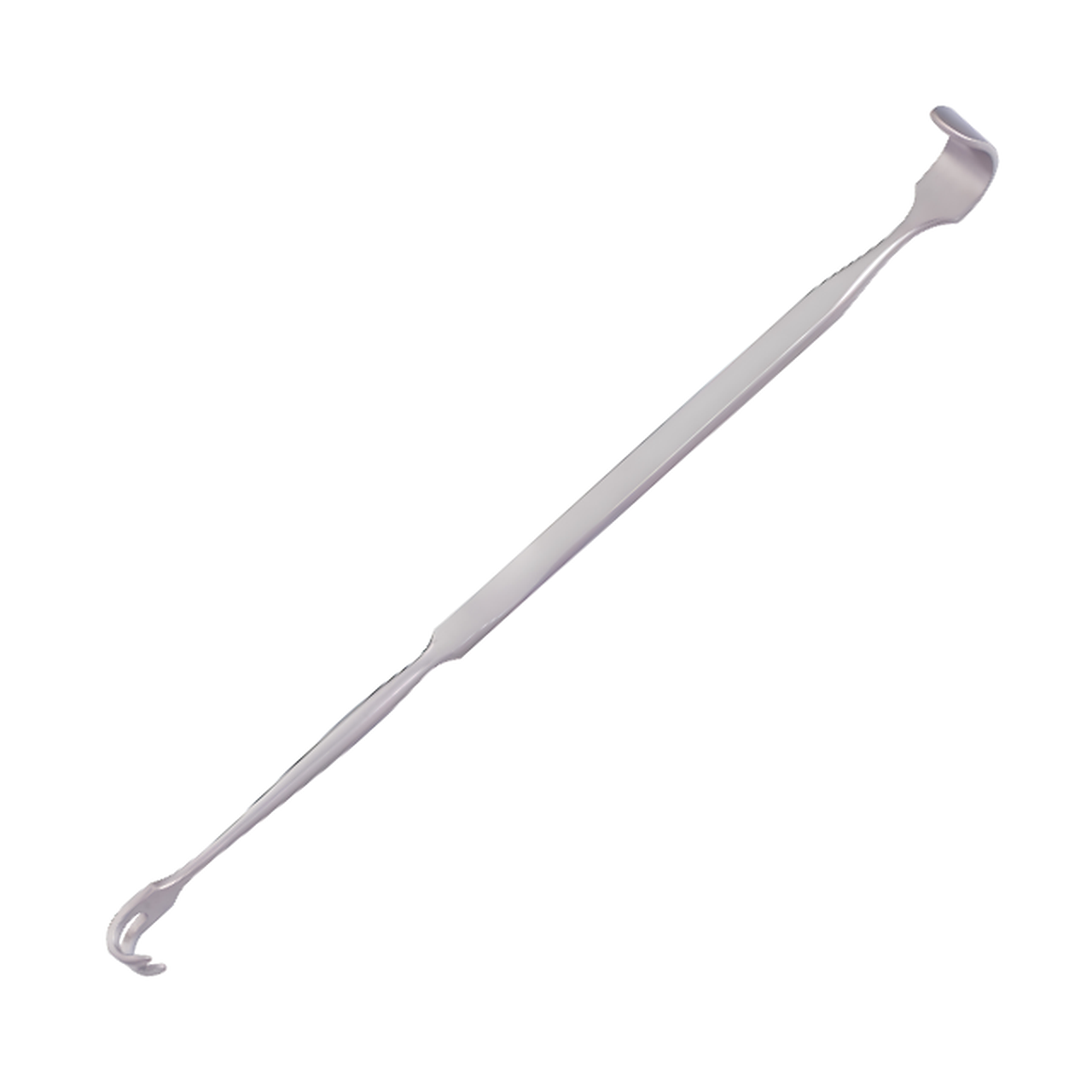 | Jackson Tracheal Retractor-Double Ended | Trakeostomi ve havayolu cerrahisi sırasında pretrakeal dokuyu ekarte etmek ve trakeal kıkırdakları kaldırmak için özel olarak tasarlanmıştır. |
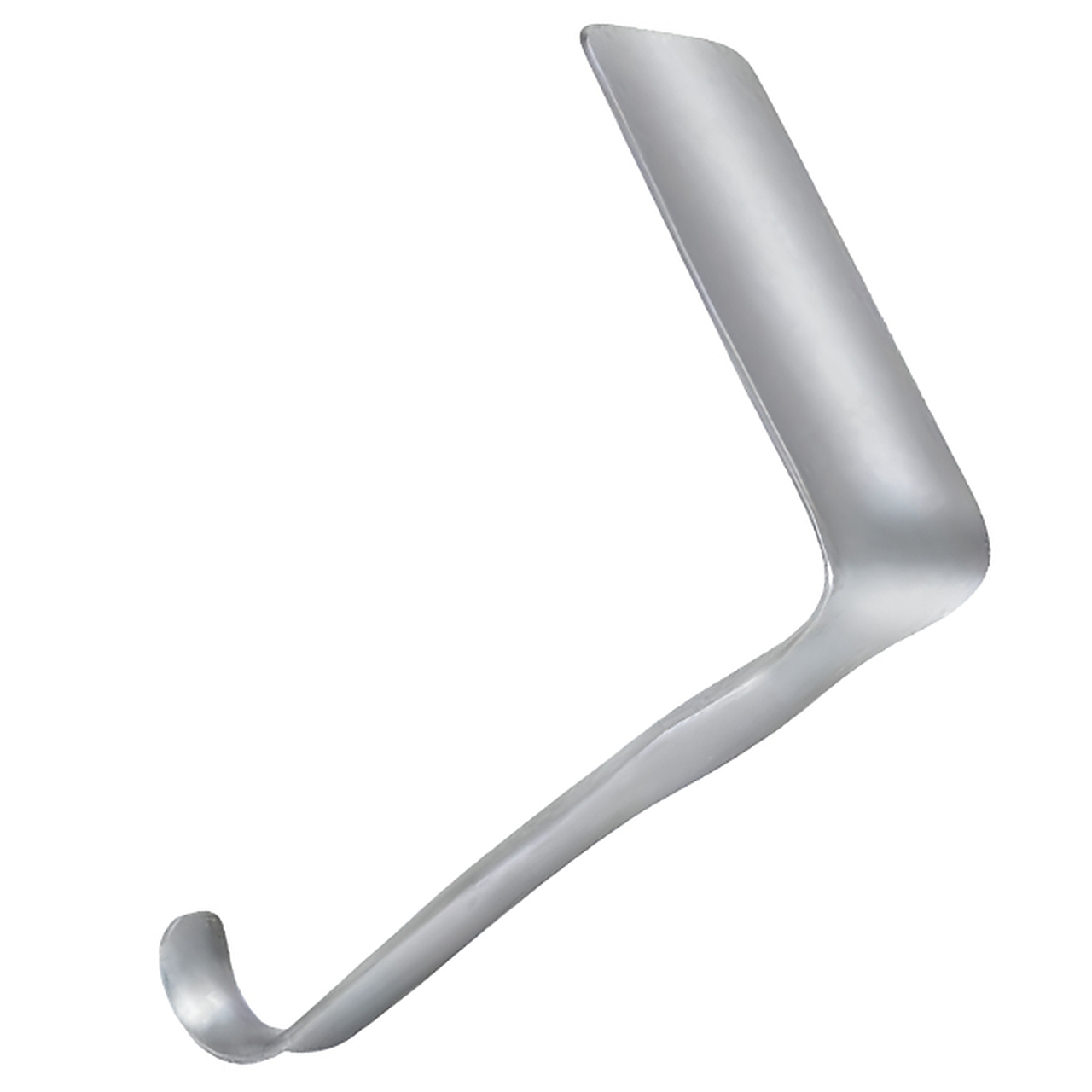 | Jackson Vajinal Ekartör | Jinekolojik prosedürler sırasında vajinal duvarları ekarte etmek ve pelvik kasa görselleştirmesi sağlamak için özel olarak tasarlanmıştır. |
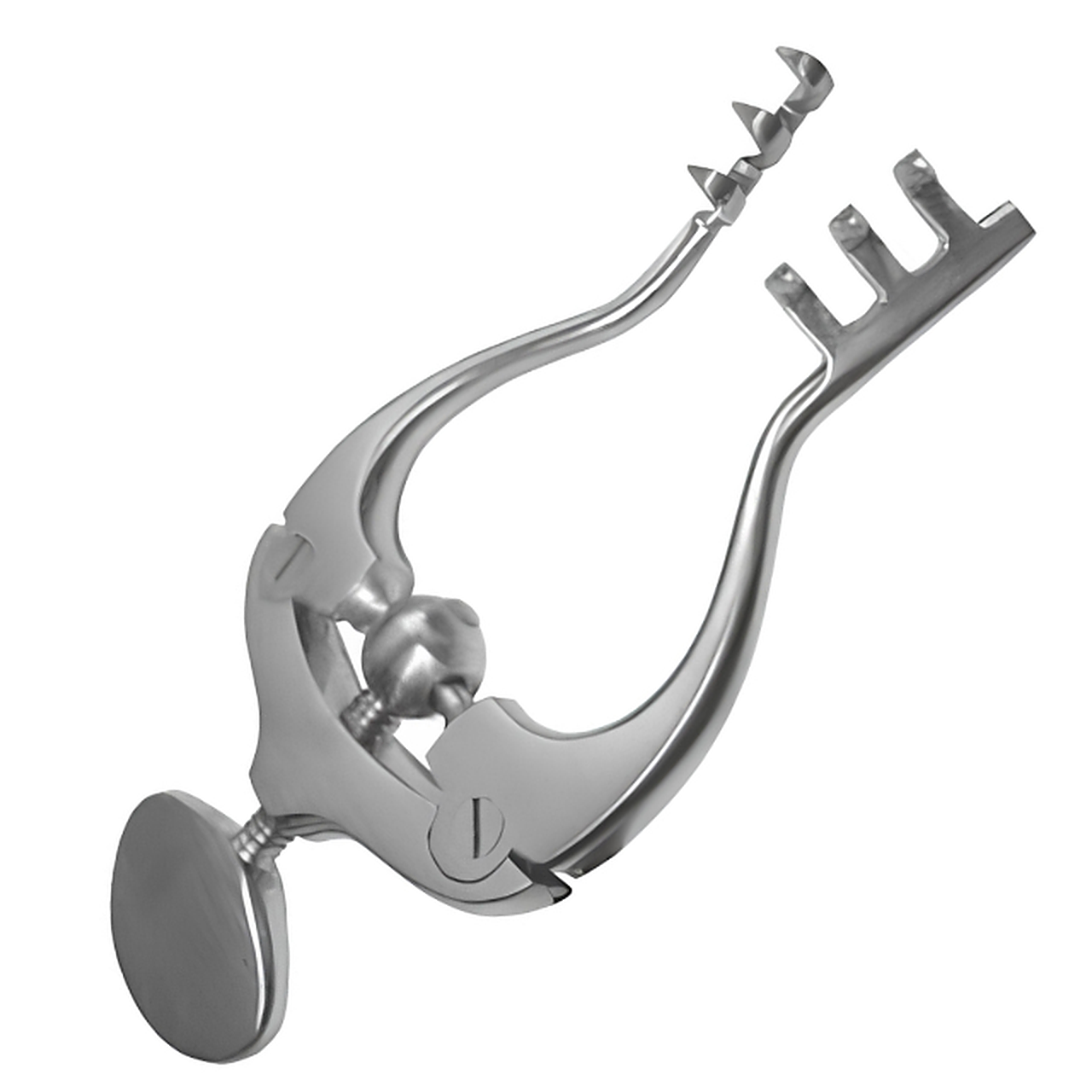 | Jansen Mastoid Ekartörü | Mastoid ve kafa derisi cerrahisi sırasında kendinden sabitlemeli periosteal ve yara kenarı retraksiyonu sağlamak için özel olarak tasarlanmıştır. |
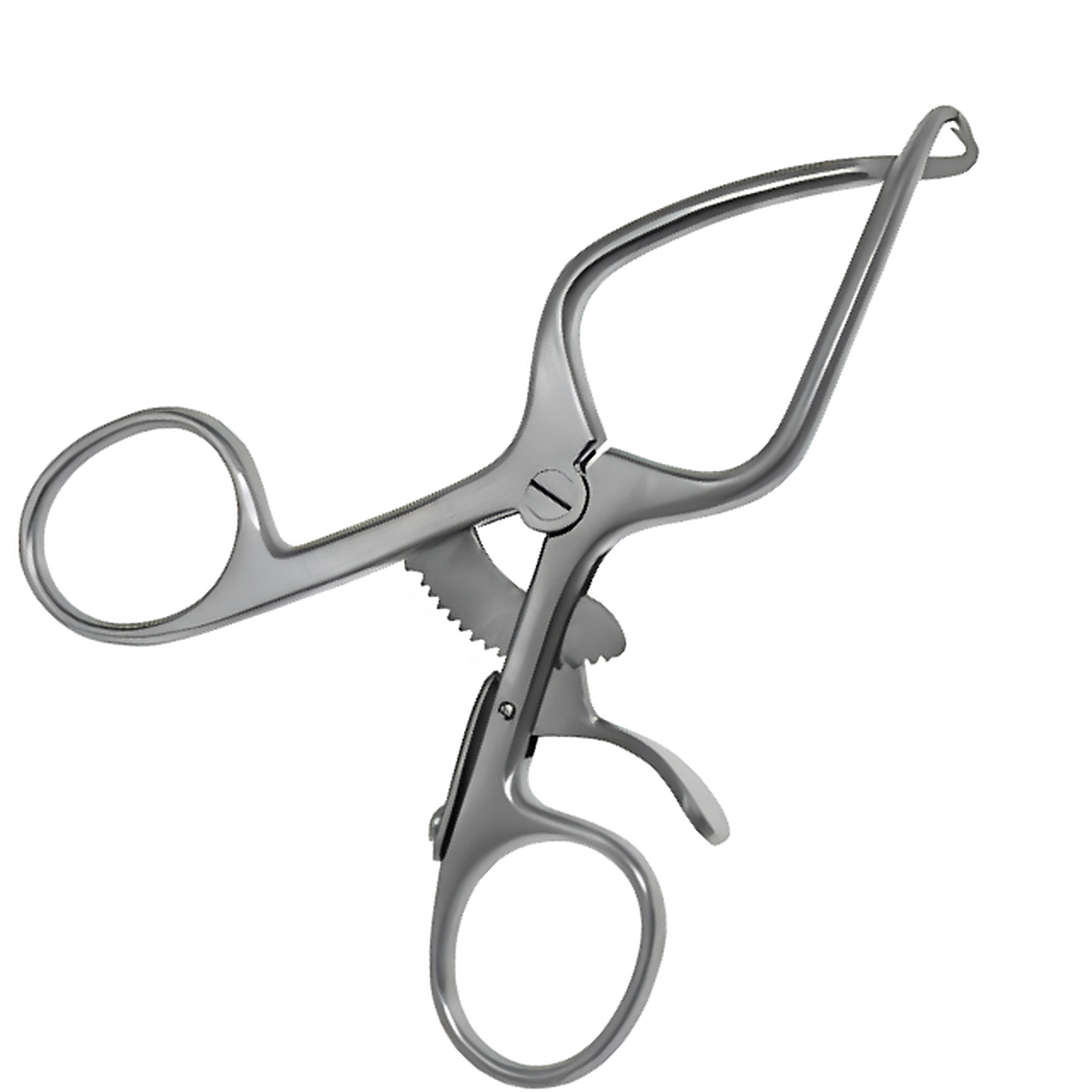 | Johnson Neuroma Ekartörü | Morton nöromu eksizyonu ve ayak cerrahisi sırasında intermetatarsal dokuları ve metatars başlarını ekart etmek için özel olarak tasarlanmıştır. |
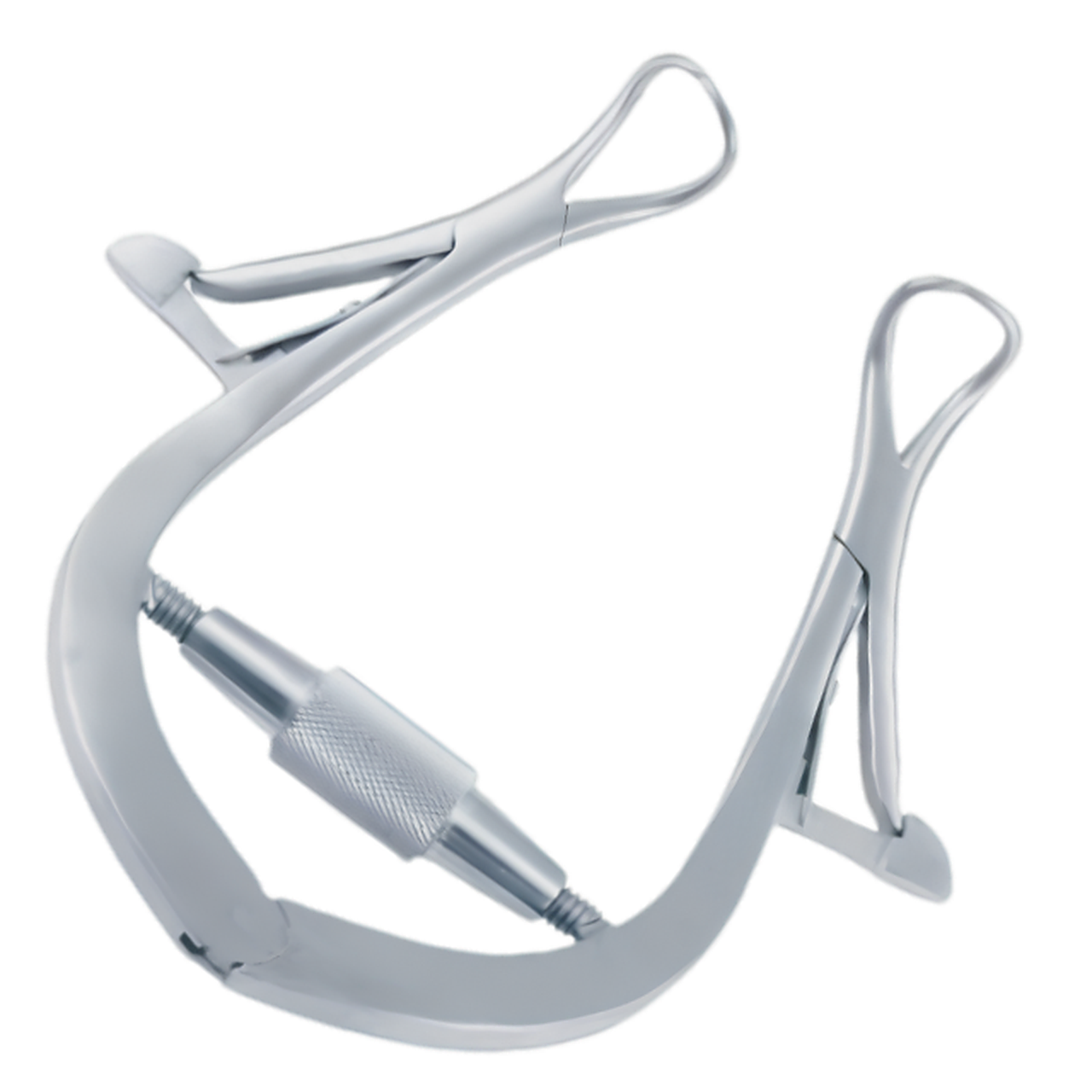 | Jolls Friedman Otostatik Ekartör | Tiroidektomi ve servikal cerrahi sırasında strap kası ve yumuşak doku ekartasyonunu otostatik olarak sağlamak için özel olarak tasarlanmıştır. |
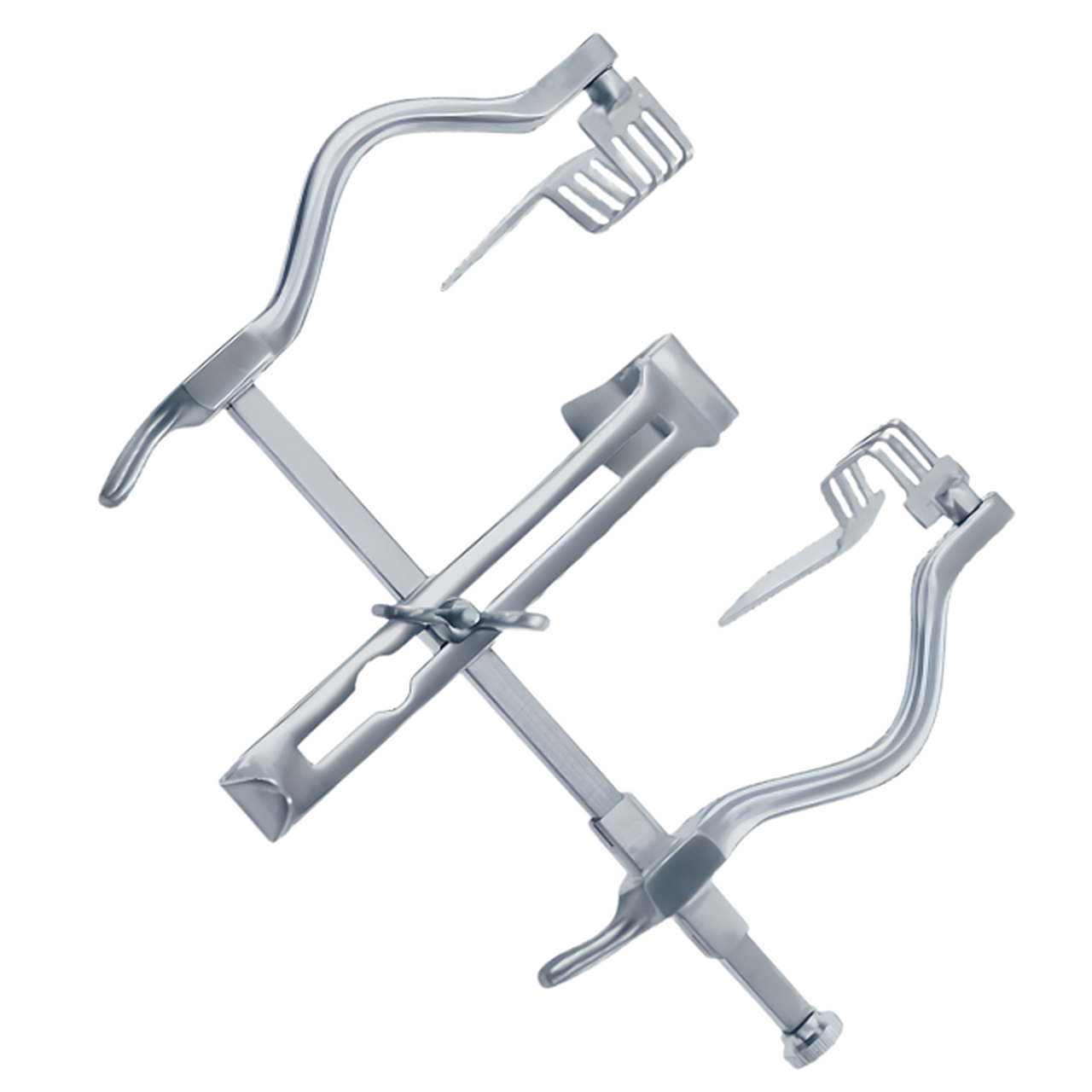 | Judd-Masson Otostatik Ekartör | Suprapubik mesane, prostat ve pelvik cerrahi sırasında otostatik ekarte sağlamak için özel olarak tasarlanmıştır. |
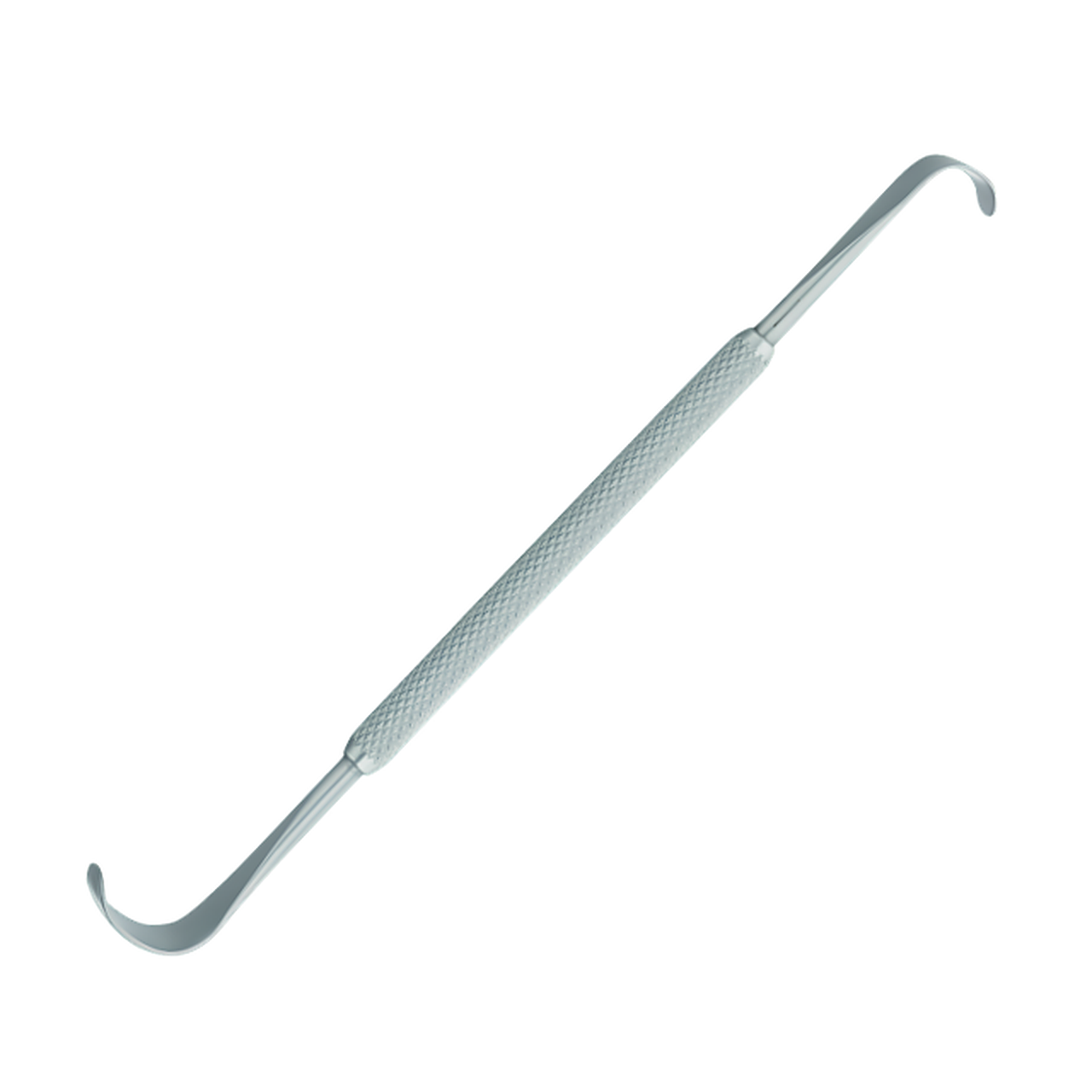 | Kasden Çift Uçlu Hassas Ekartör | Plastik cerrahi, yüz cerrahisi ve küçük cerrahi müdahaleler sırasında cilt kenarlarını, hassas kutanöz flepleri ve yumuşak dokuları ekartre etmek için özel olarak tasarlanmıştır. |
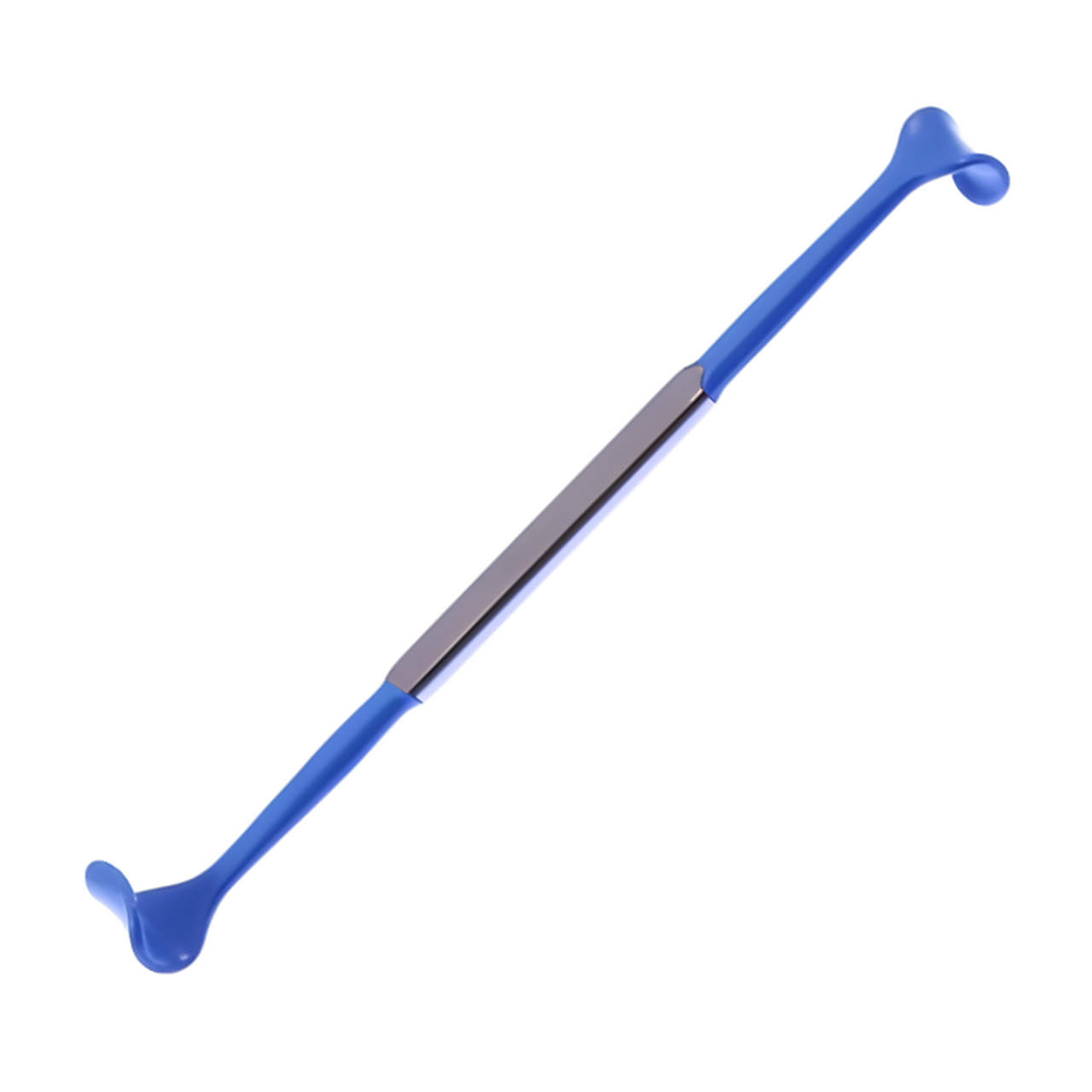 | Kawamoto Çift Uçlu İzoleli Ekartör | Plastik cerrahi sırasında deri fleplerini ve mukozayı ekarte ederken elektrocerrahi termal yaralanmalarına karşı yalıtım sağlamak için özel olarak tasarlanmıştır. |
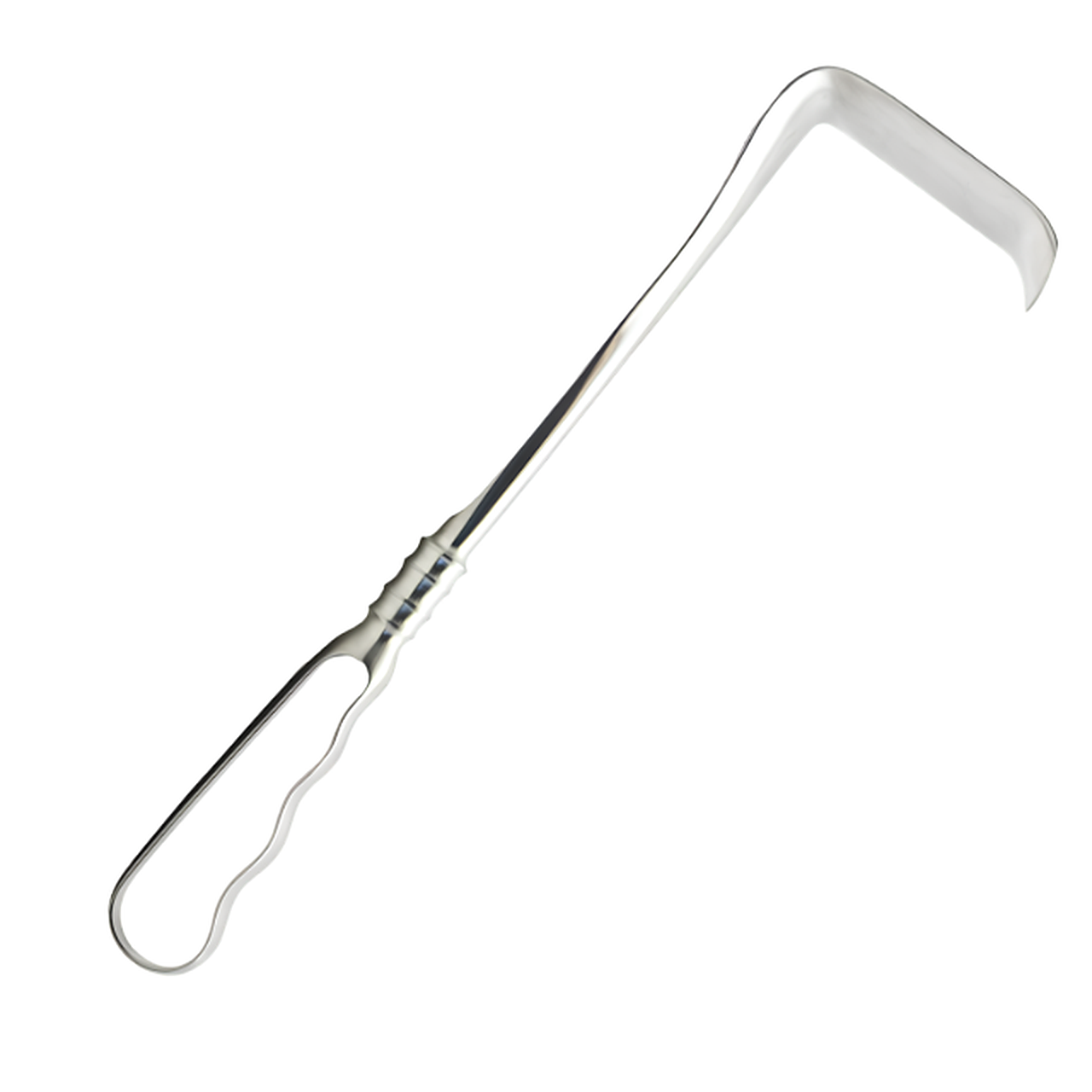 | Kelly Ekartör | Açık genel cerrahi ve jinekolojik cerrahi sırasında karın duvarını, iç organları ve kalın kas dokusunu ekarte etmek için özel olarak tasarlanmıştır. |
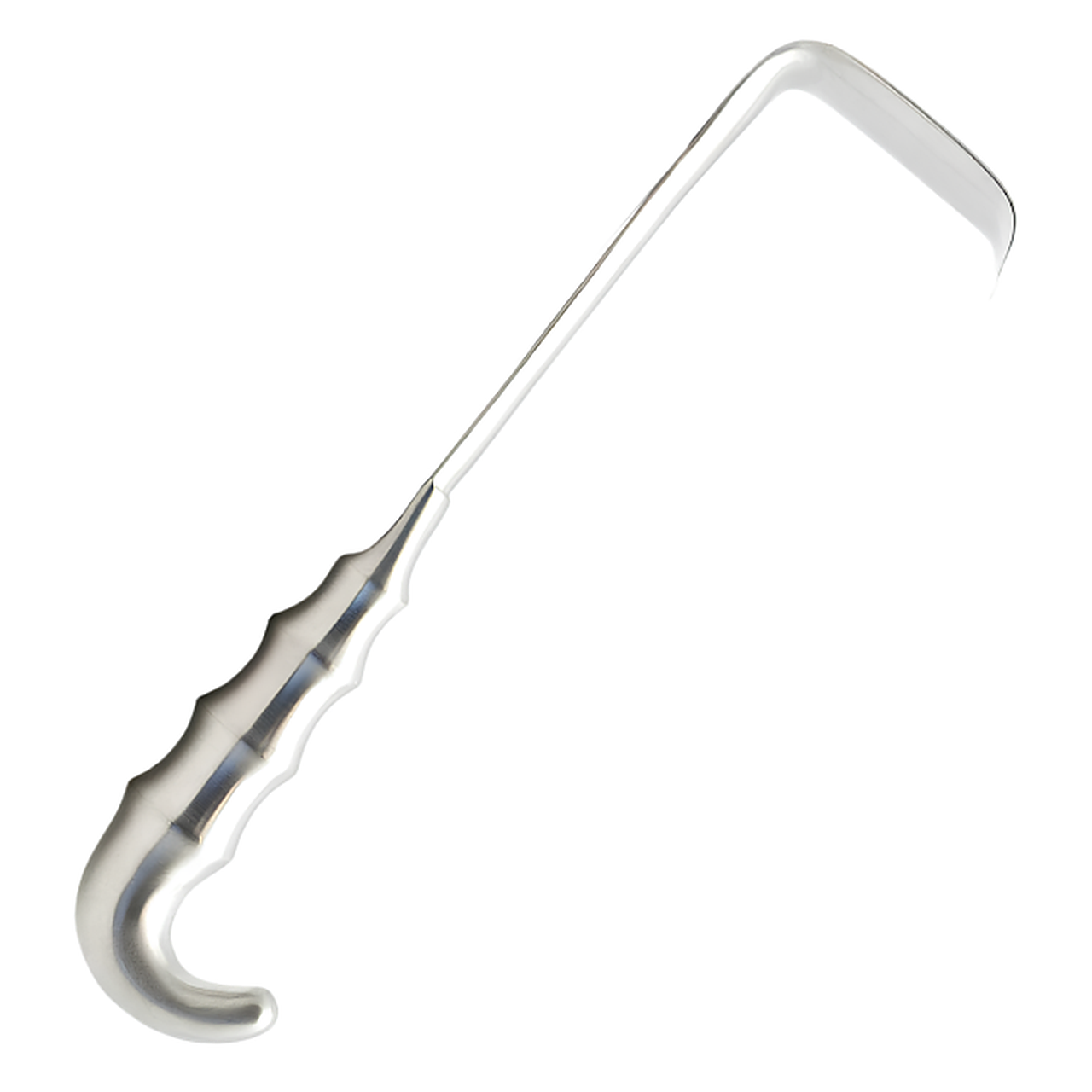 | Kelly Retractor-Grip Handle | Derin cerrahi sırasında asistan yorgunluğunu azaltarak karın duvarını, iç organları ve kalın kas dokusunu ekarte etmek için özel olarak tasarlanmıştır. |
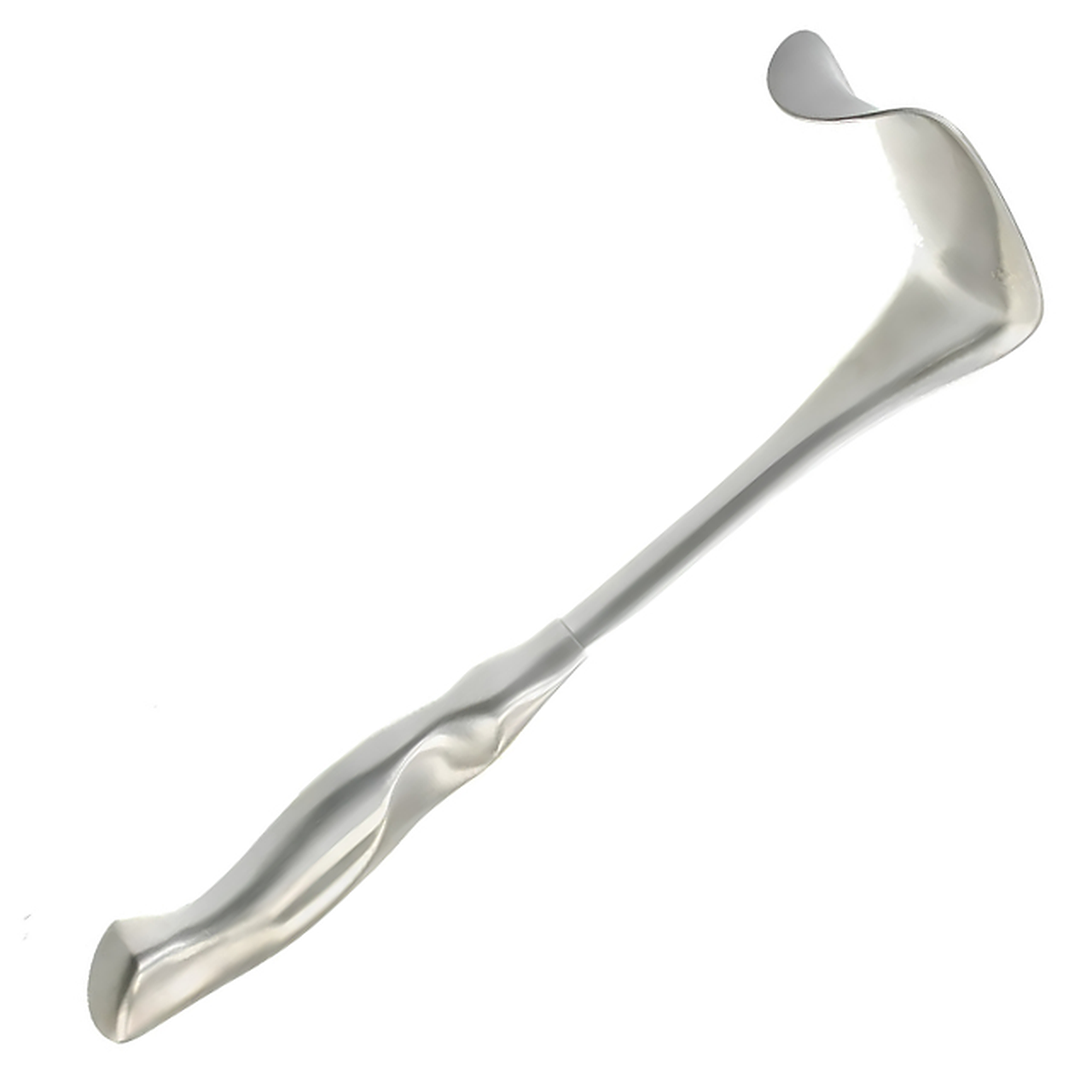 | Kelly Retractor-Lamb Handle | Açık cerrahi sırasında karın duvarını, viseraları ve kalın kas dokusunu yüksek çekme gücüyle ekarte etmek için özel olarak tasarlanmıştır. |
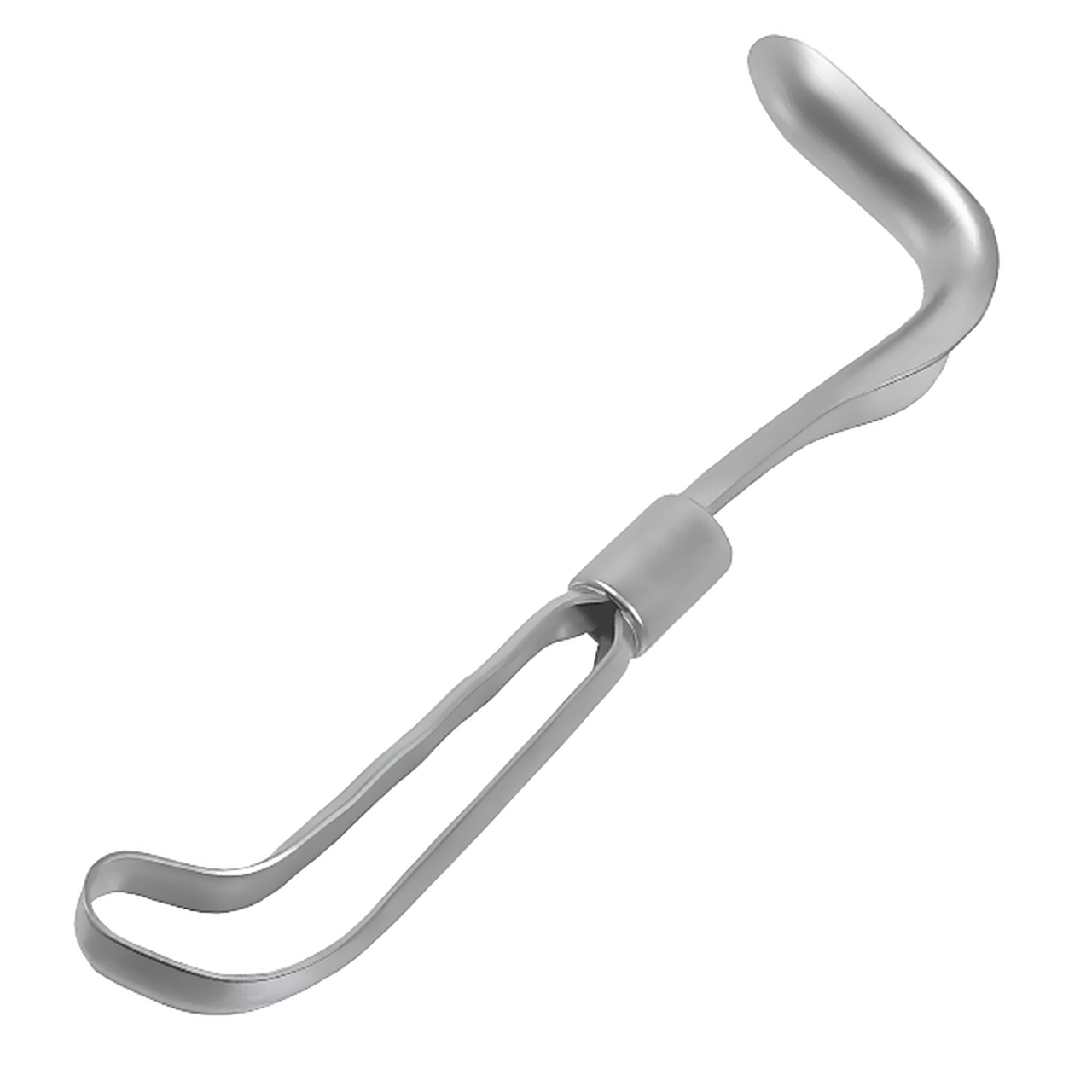 | Kelly Sims Vajinal Ekartör | Vajinal histerektomi ve pelvik rekonstrüktif cerrahi sırasında posterior ve lateral vajinal duvarları ekarte etmek için özel olarak tasarlanmıştır. |
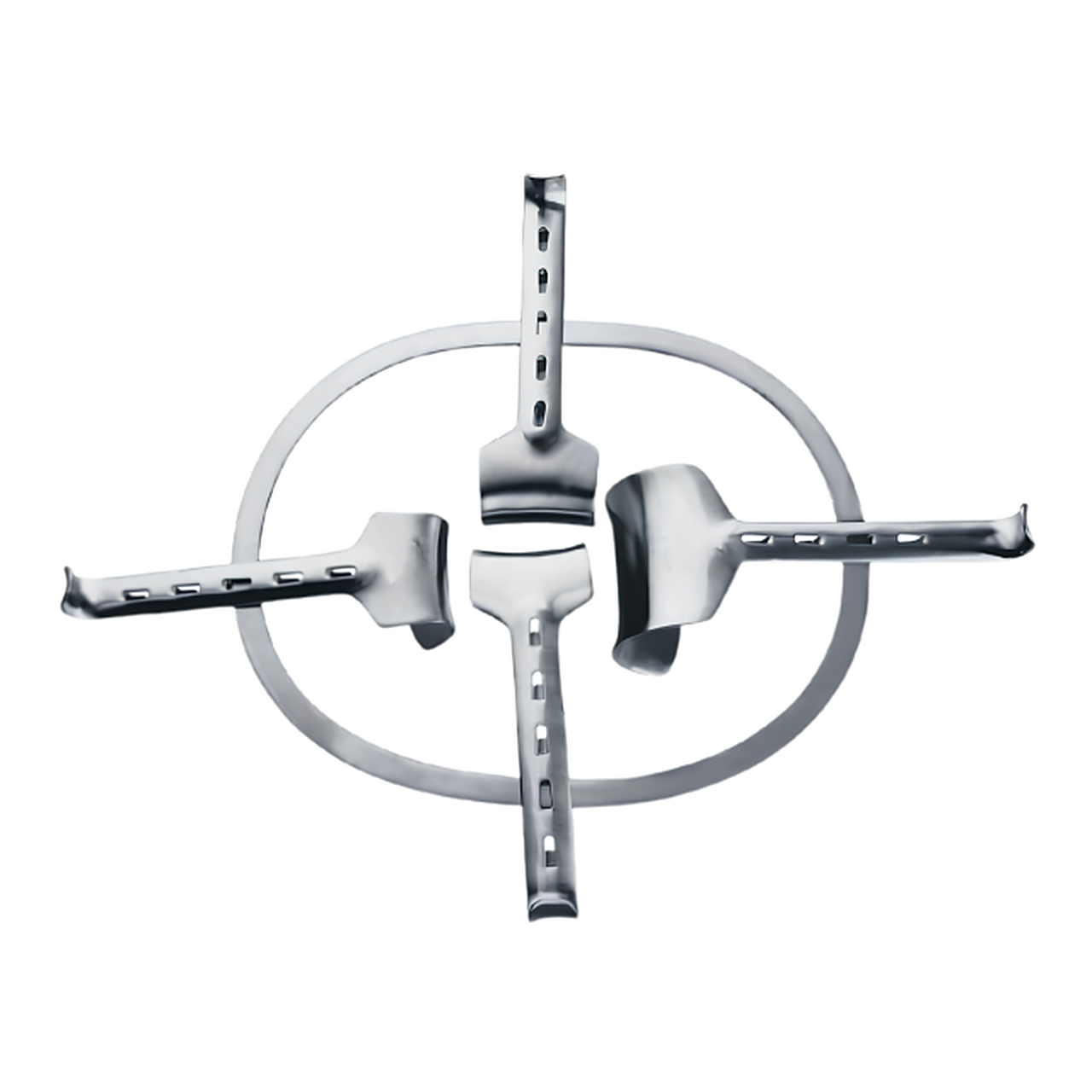 | Kirschner Ekartör | Majör abdominal cerrahi sırasında kendinden tutmalı, çok yönlü yara kenarı ve visseral ekartasyon sağlamak için özel olarak tasarlanmıştır. |
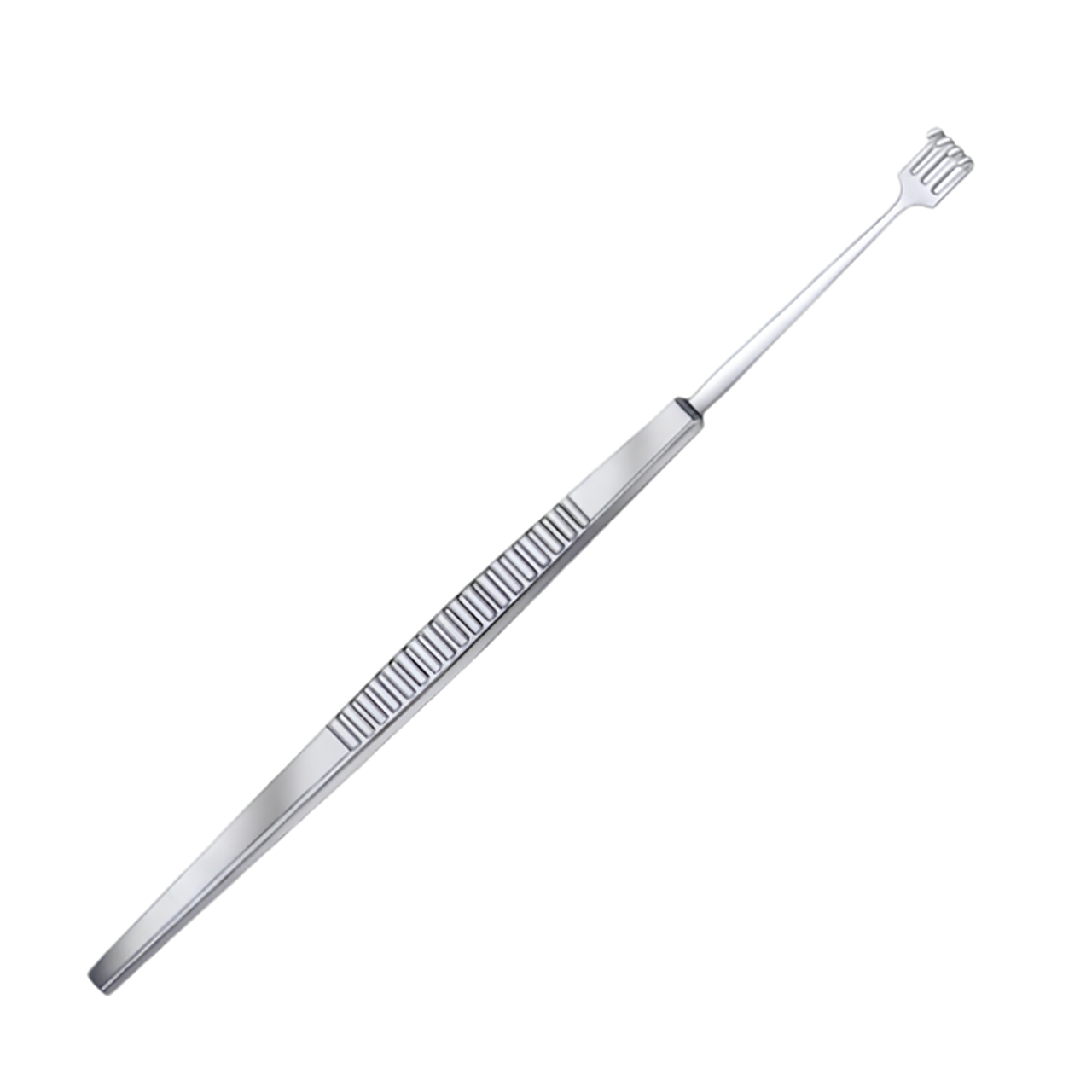 | Knapp Lakrimal Kese Ekartörü | Oftalmik cerrahi sırasında deri fleplerini, medial kantal yapıları ve lakrimal keseyi ekarte etmek için özel olarak tasarlanmıştır. |
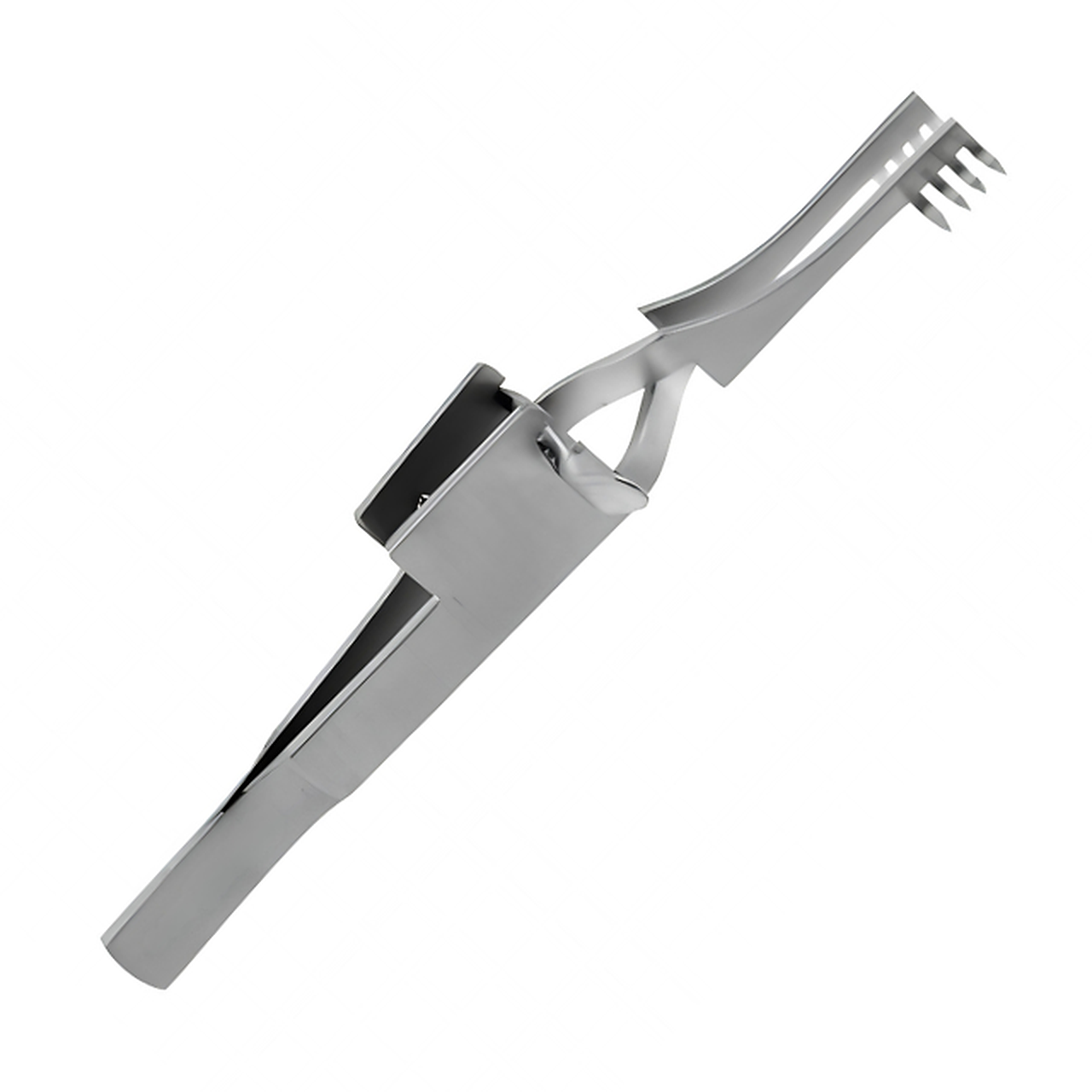 | Knapp Otostatik Ekartör | Lakrimal, oftalmik ve minör plastik prosedürler sırasında otostatik yara kenarı ayrımı sağlamak için özel olarak tasarlanmıştır. |
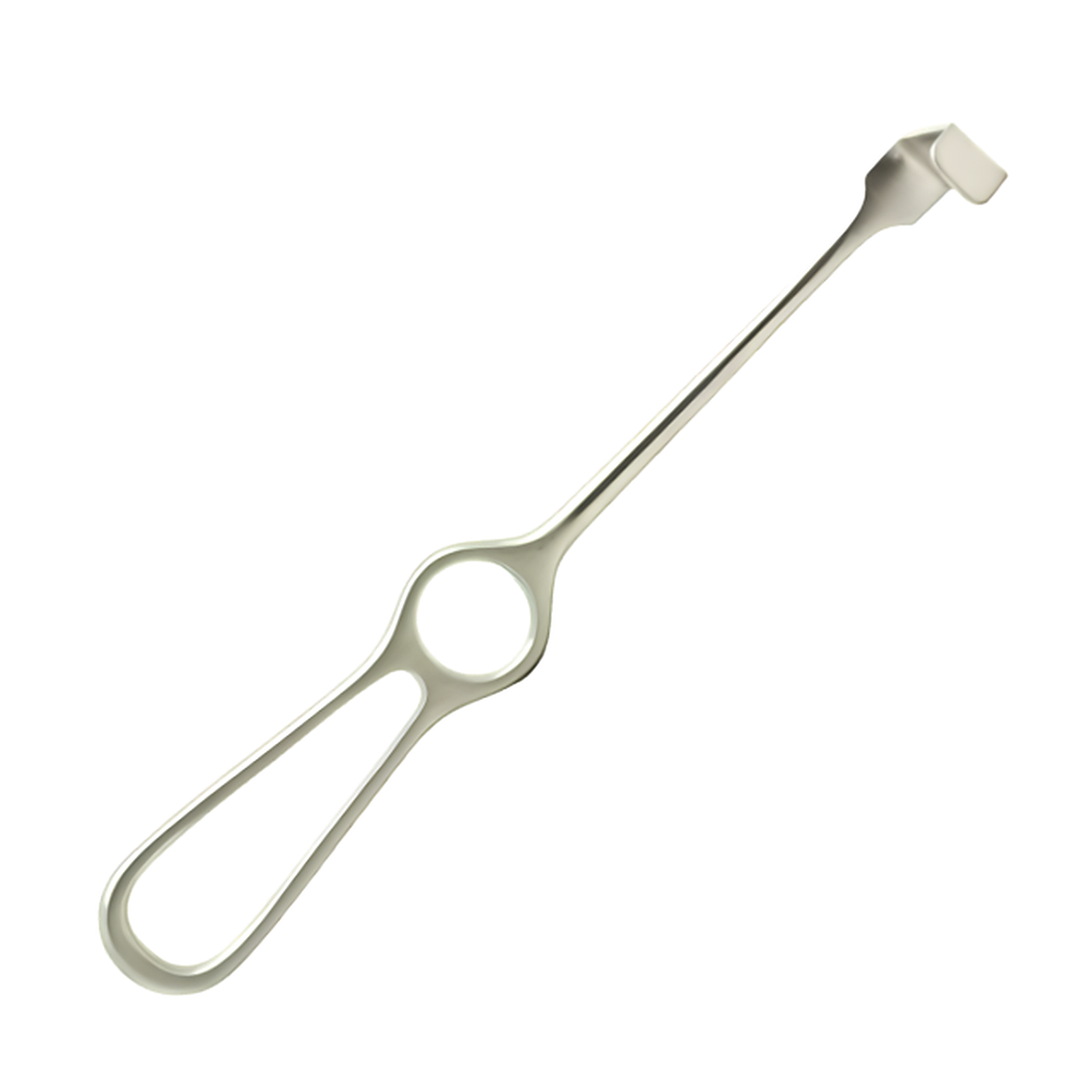 | Kocher Langenbeck Retraktör | Genel cerrahi, ortopedi ve plastik cerrahide yumuşak doku, kas tabakaları ve yara kenarlarını ekarte etmek için özel olarak tasarlanmıştır. |
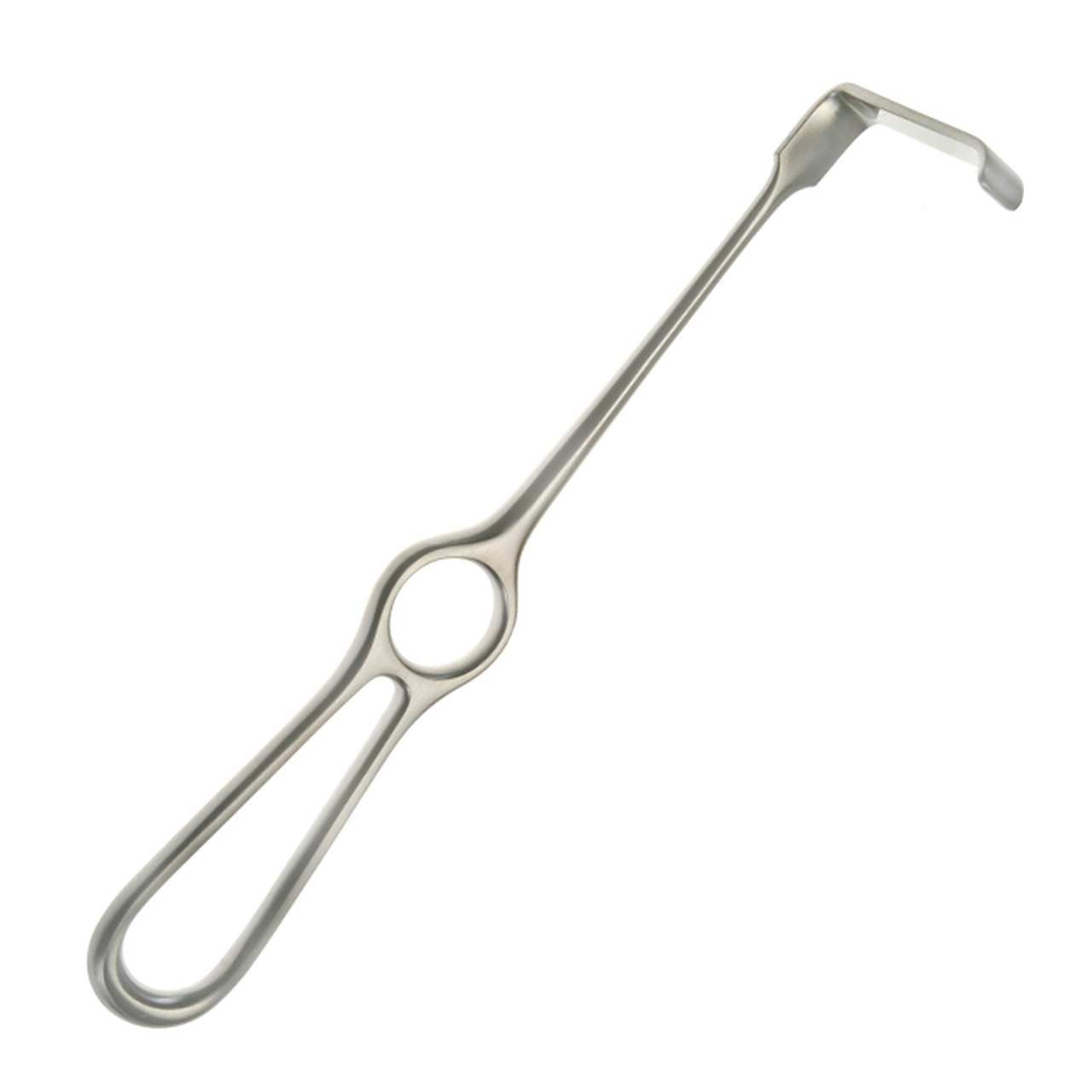 | Kocher Ekartör | Tiroid, genel ve ortopedik cerrahi sırasında kas, fasya ve yara kenarlarını ekarte etmek için özel olarak tasarlanmıştır. |
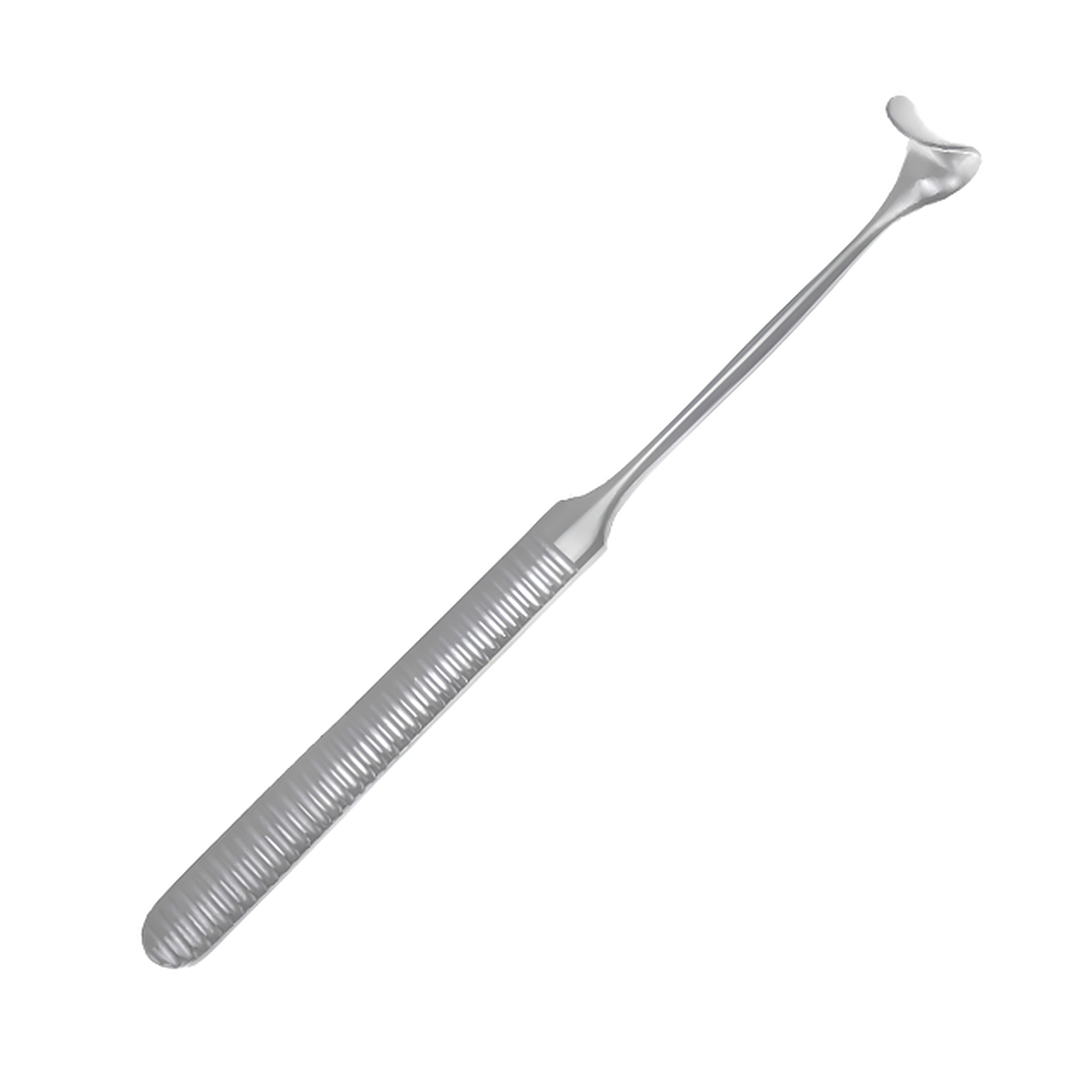 | Koenig Ekartör | Genel, ortopedik ve plastik cerrahi sırasında deri kenarlarını, fasyayı ve yüzeysel kas tabakalarını ekarte etmek için özel olarak tasarlanmıştır. |
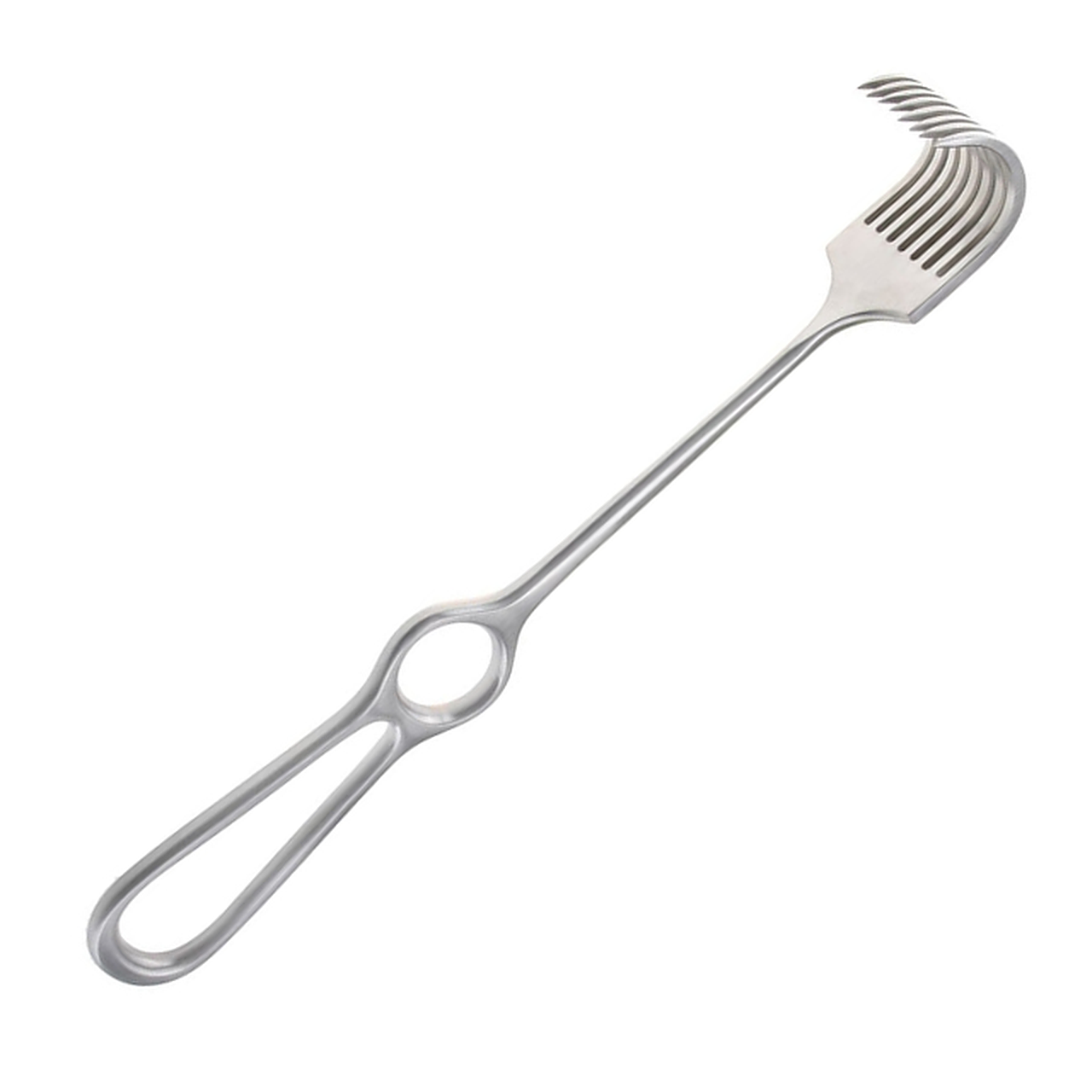 | Koerte Ekartör | Abdominal ve ortopedik cerrahi sırasında yoğun kas tabakalarını, fasyayı ve kalın doku sınırlarını ekarte etmek için özel olarak tasarlanmıştır. |
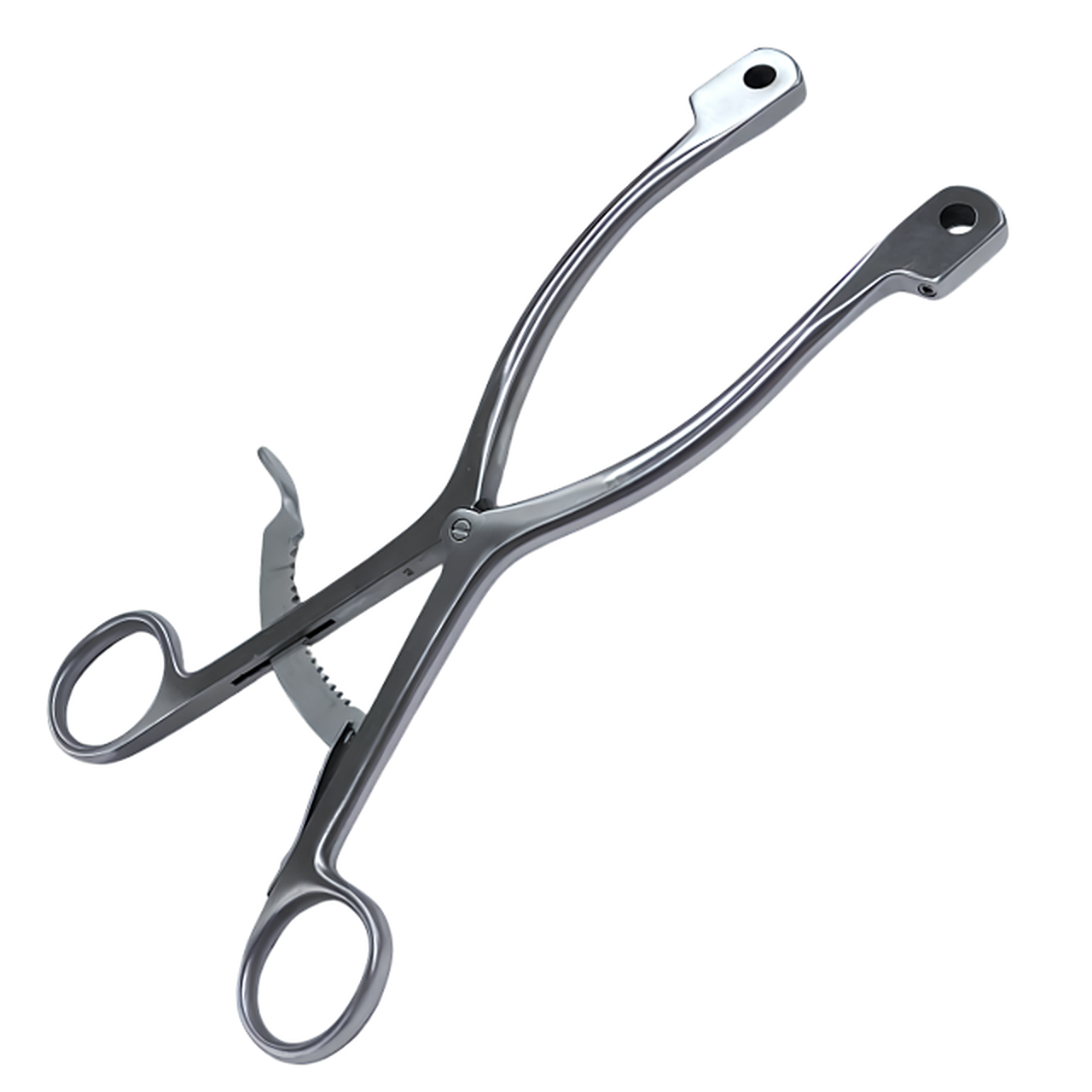 | Kolbel Omuz Ekartör Gövdesi | Modüler uçları monte etmek ve omuz artroplastisi sırasında kendinden tutmalı yumuşak doku ekartasyonu sağlamak için özel olarak tasarlanmıştır. |
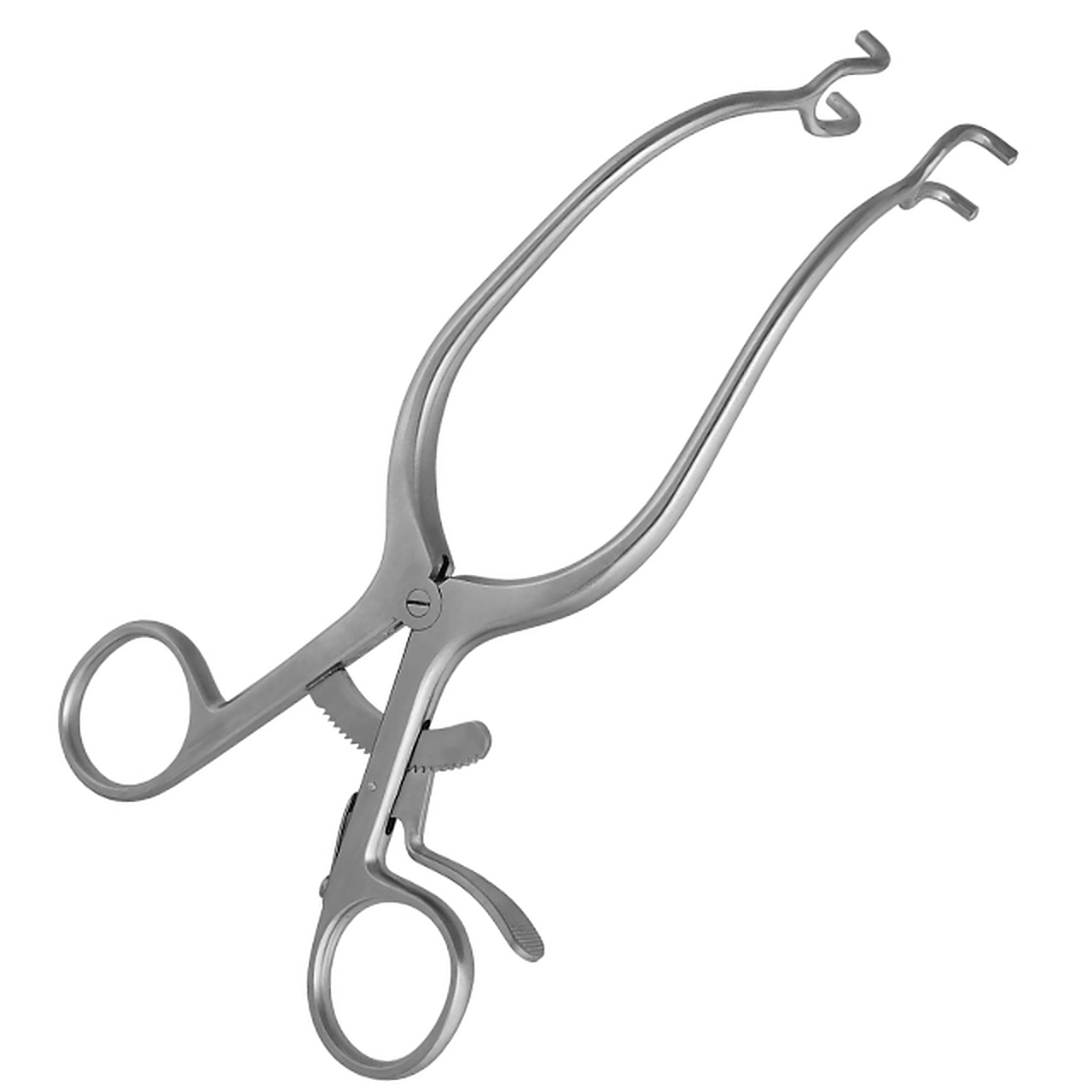 | Kolbel Yumuşak Doku Ekartörü | Omuz artroplastisi ve rekonstrüktif cerrahi sırasında kasları, kapsülü ve yumuşak dokuları ekarte etmek için özel olarak tasarlanmıştır. |
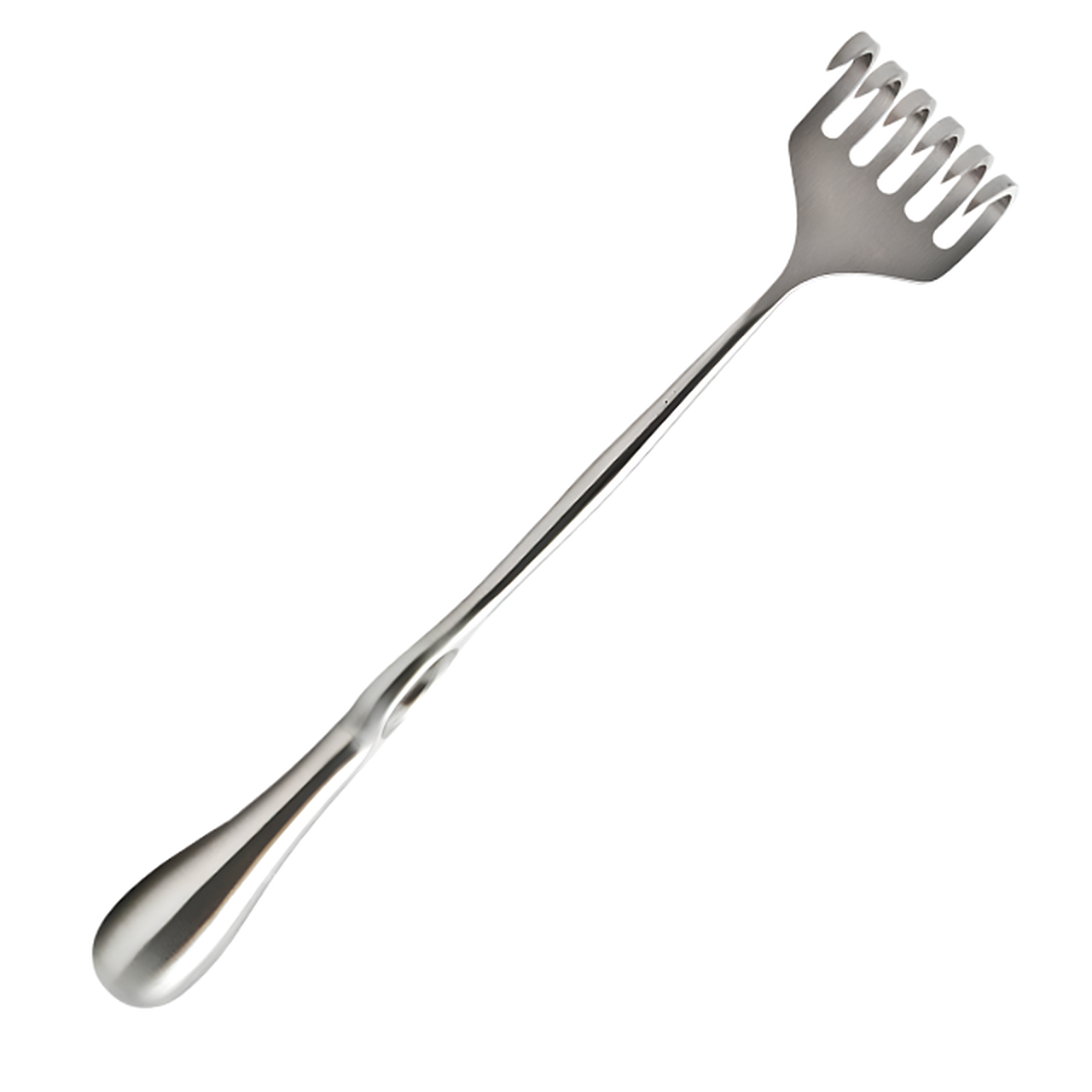 | Krasky Ekartör | Açık genel ve ortopedik cerrahi sırasında yoğun kas katmanlarını ve derin fasyayı ekarte etmek için özel olarak tasarlanmıştır. |
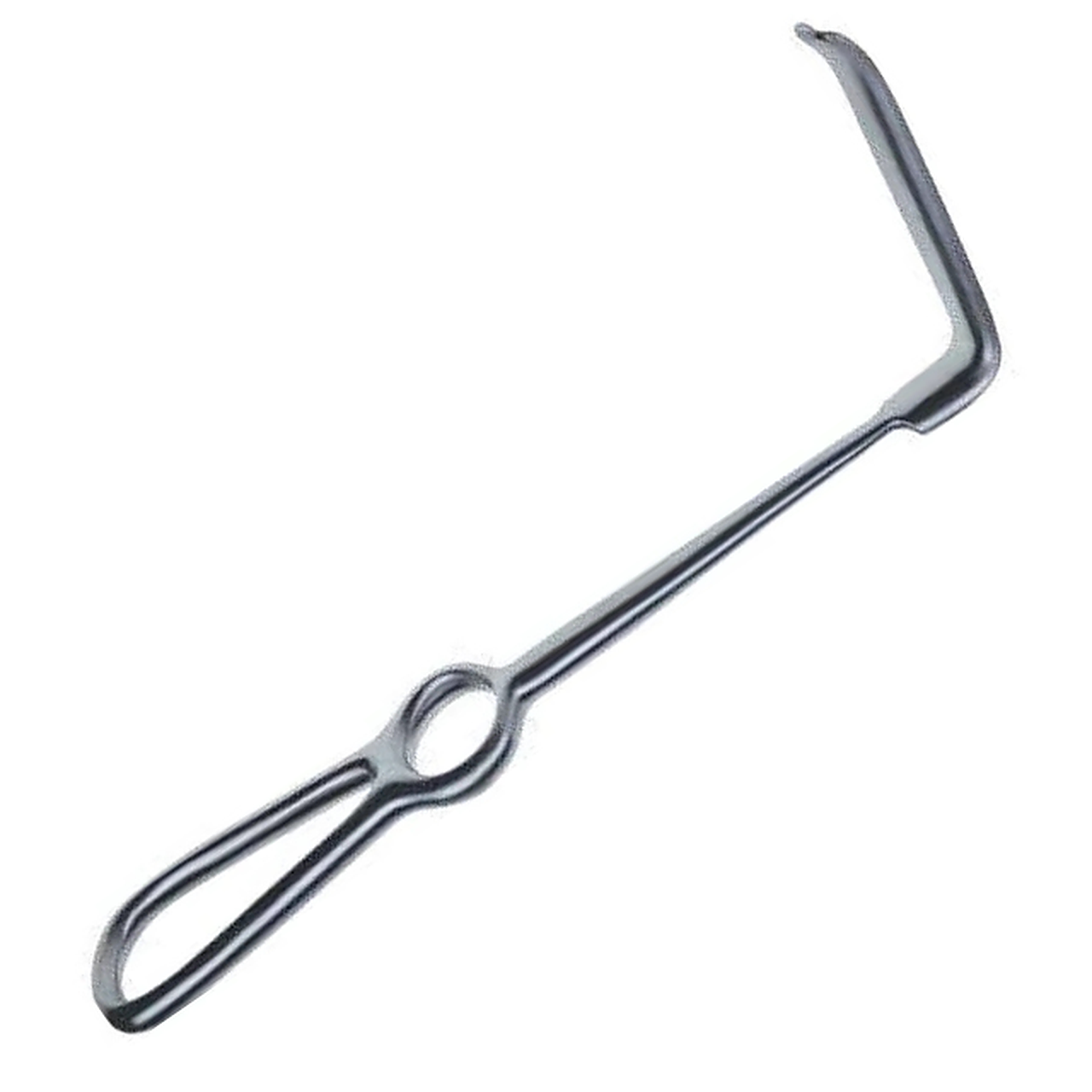 | Kreidler Yumuşak Doku Ekartörü | Oral, maksillofasiyal ve ortognatik cerrahi sırasında mukoperiostal flepleri ve yumuşak dokuları ekarte etmek için özel olarak tasarlanmıştır. |
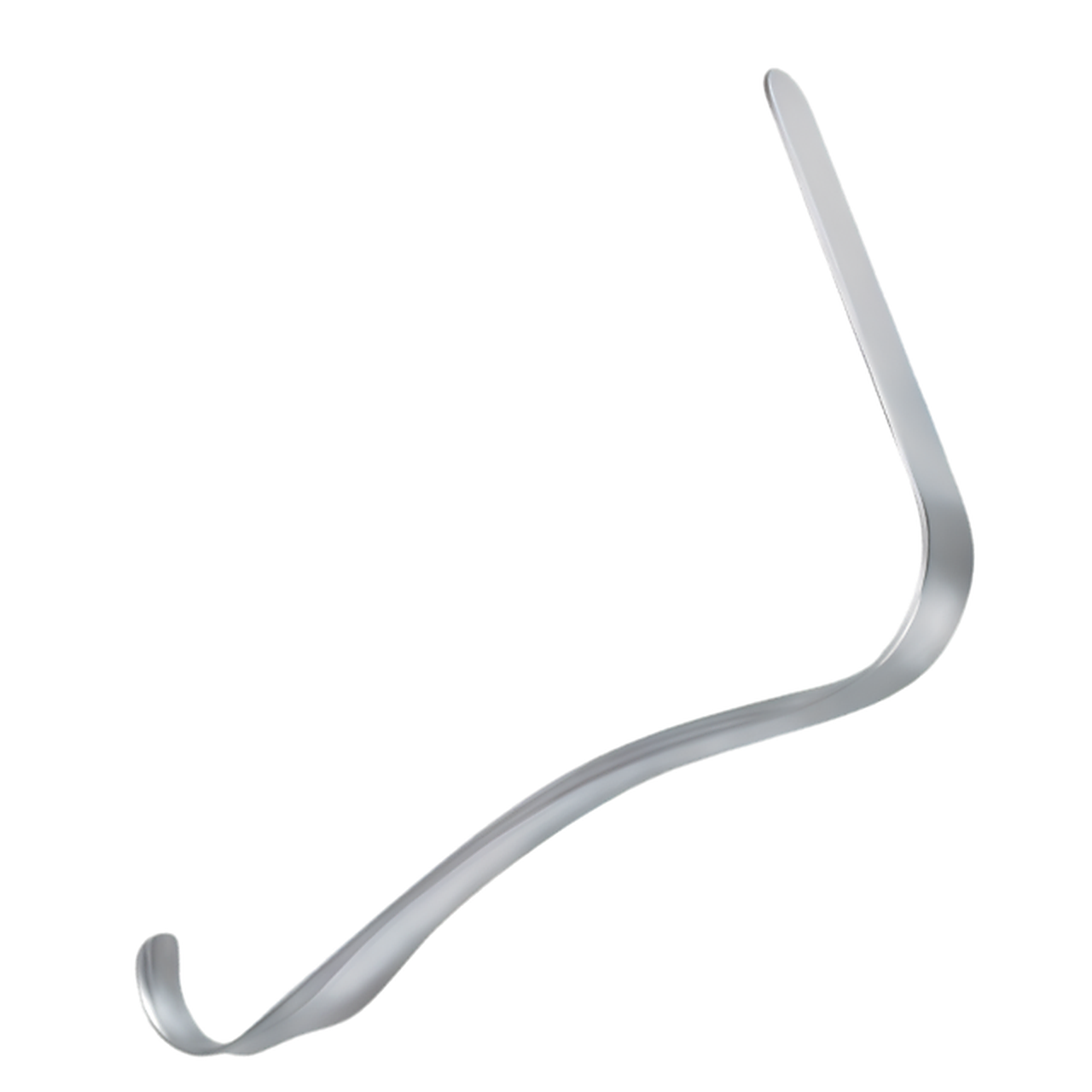 | Kristeller Vajinal Ekartör | Jinekolojik prosedürler sırasında vajinal duvarları ekarte etmek ve pelvik boşluk vizüalizasyonu sağlamak için özel olarak tasarlanmıştır. |
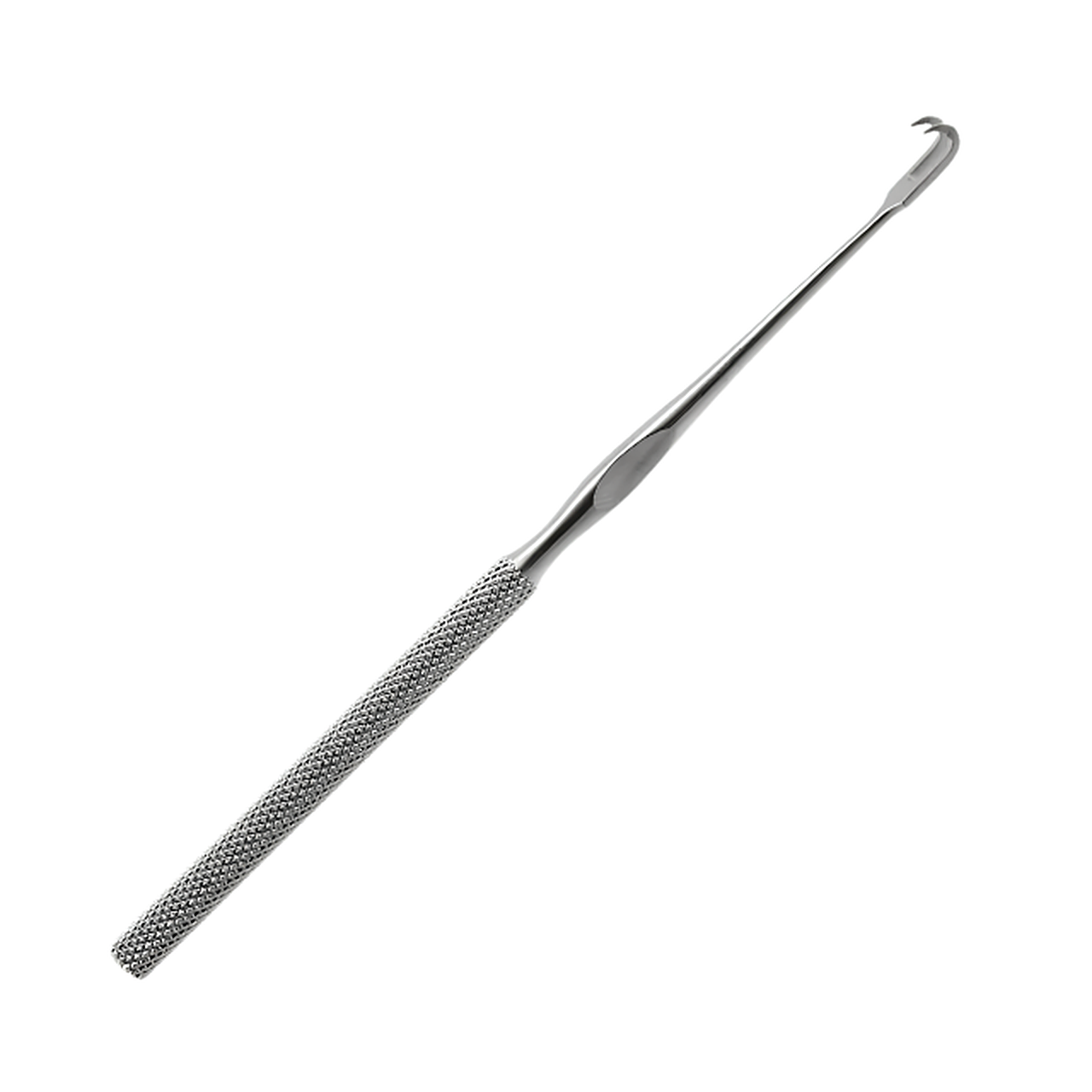 | Lahey Parmak Ekartörü | Plastik ve el cerrahisi sırasında deri fleplerini, kutanöz marjinleri ve yüzeysel fasyayı ekarte etmek için özel olarak tasarlanmıştır. |
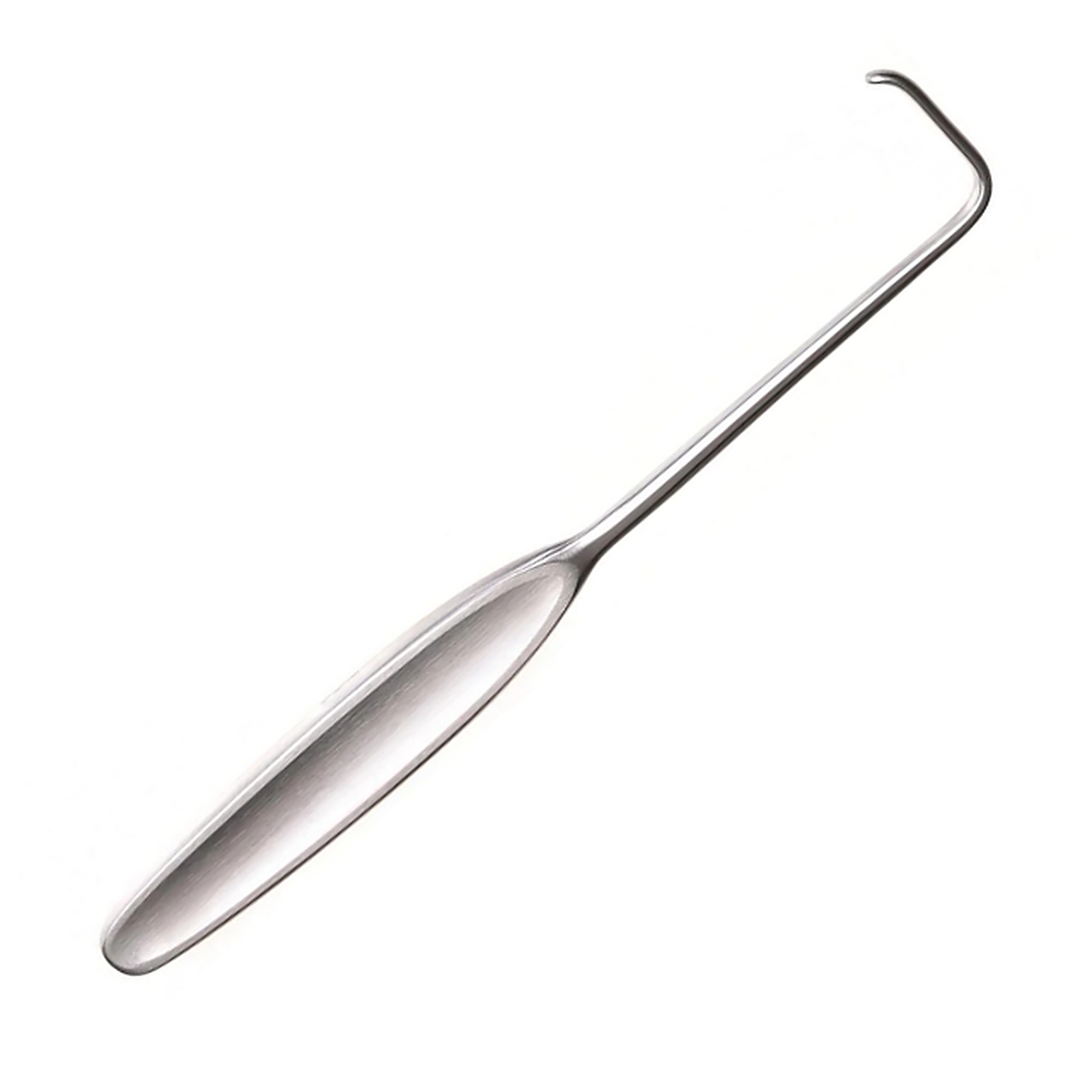 | Lahey Ekartör | Tiroid, boyun ve genel cerrahi prosedürleri sırasında atravmatik yumuşak doku ekartasyonu ve yapılandırılmış pozlama sağlamak için özel olarak tasarlanmıştır. |
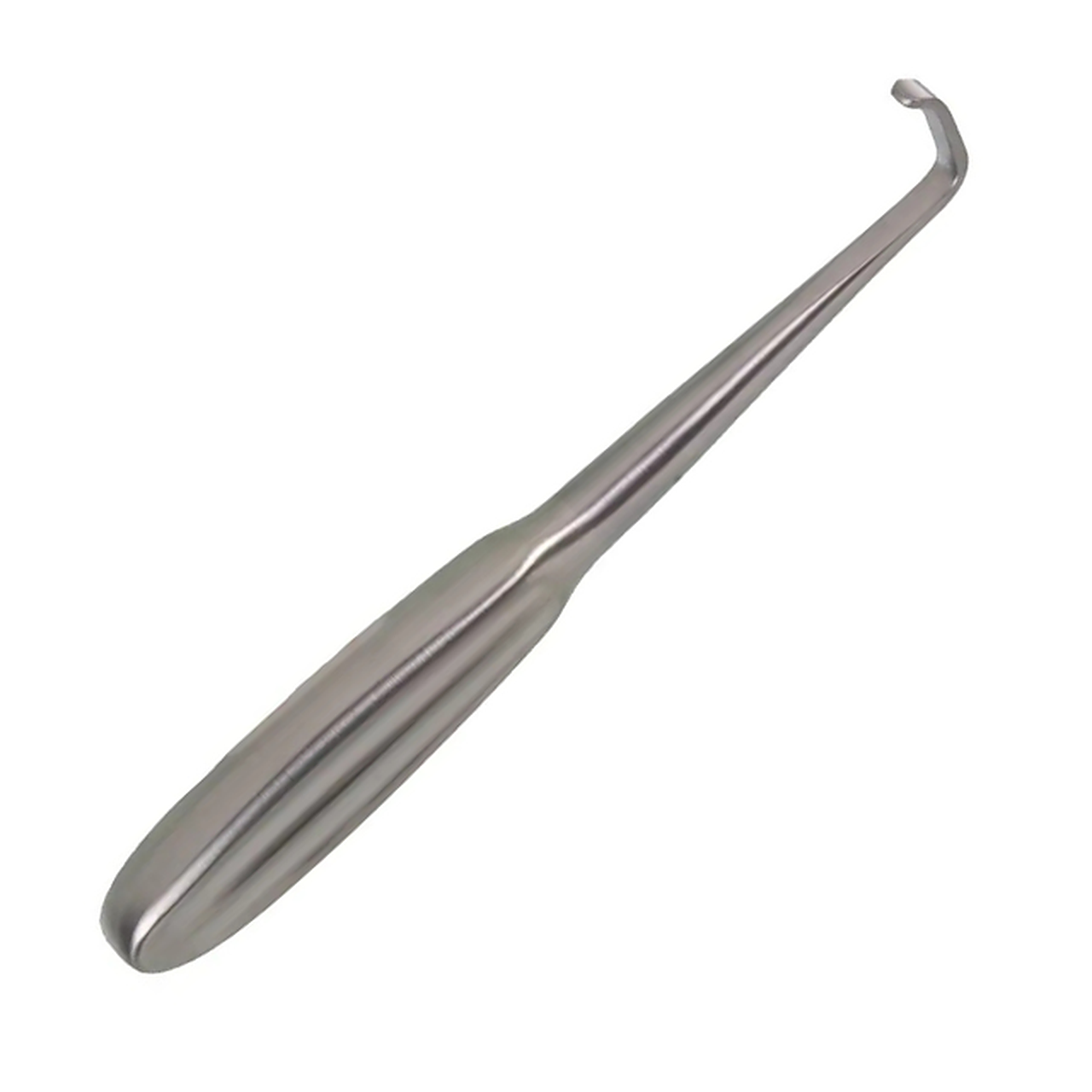 | Lahey Thyroid Retractor | Tiroidektomi ve paratiroid prosedürleri sırasında strap kaslarını, servikal fasyayı ve yumuşak dokuları ekarte etmek için özel olarak tasarlanmıştır. |
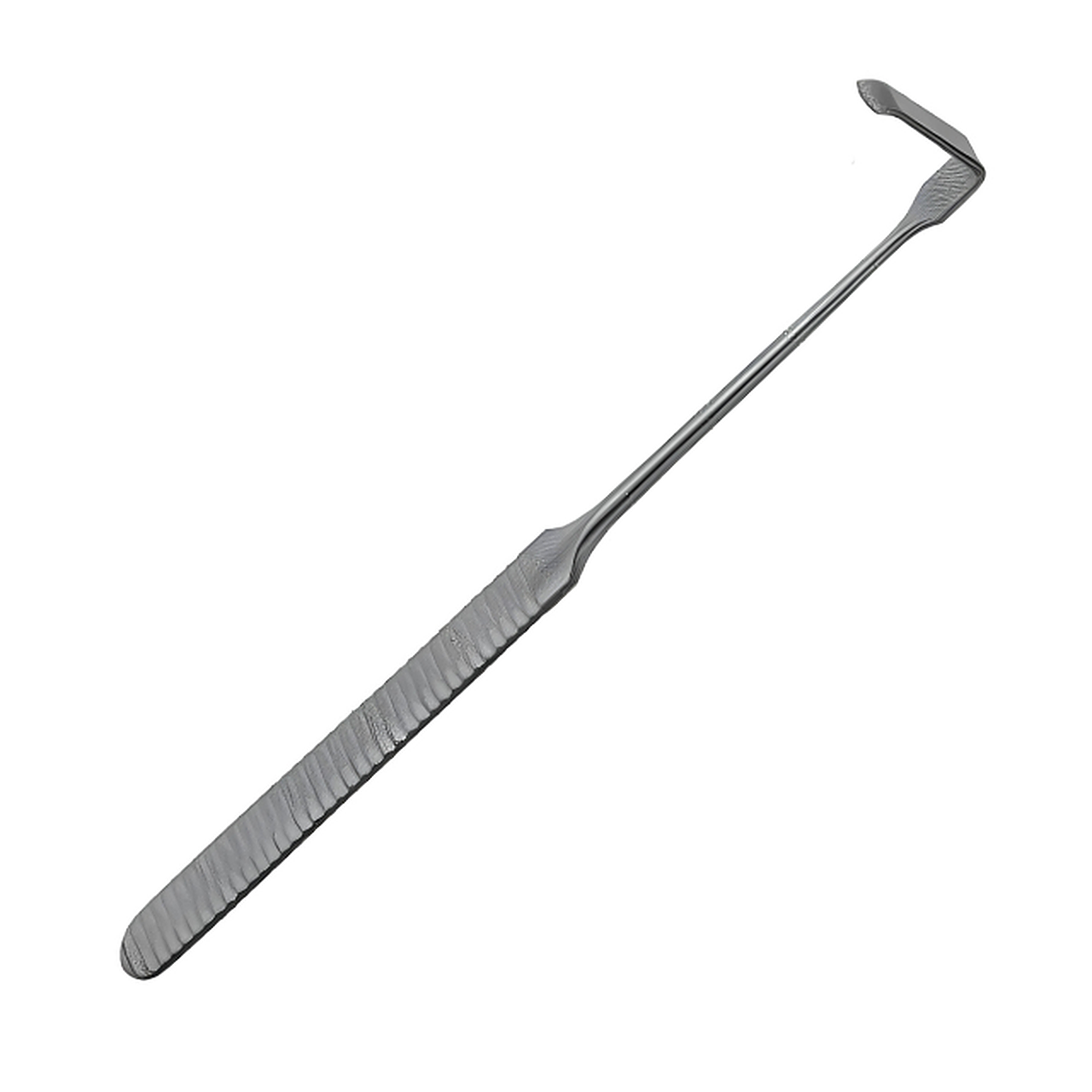 | Langenbeck Green Ekartör | Tiroid, boyun ve genel cerrahi sırasında strap kaslarını, servikal fasyayı ve yara kenarlarını ekarte etmek için özel olarak tasarlanmıştır. |
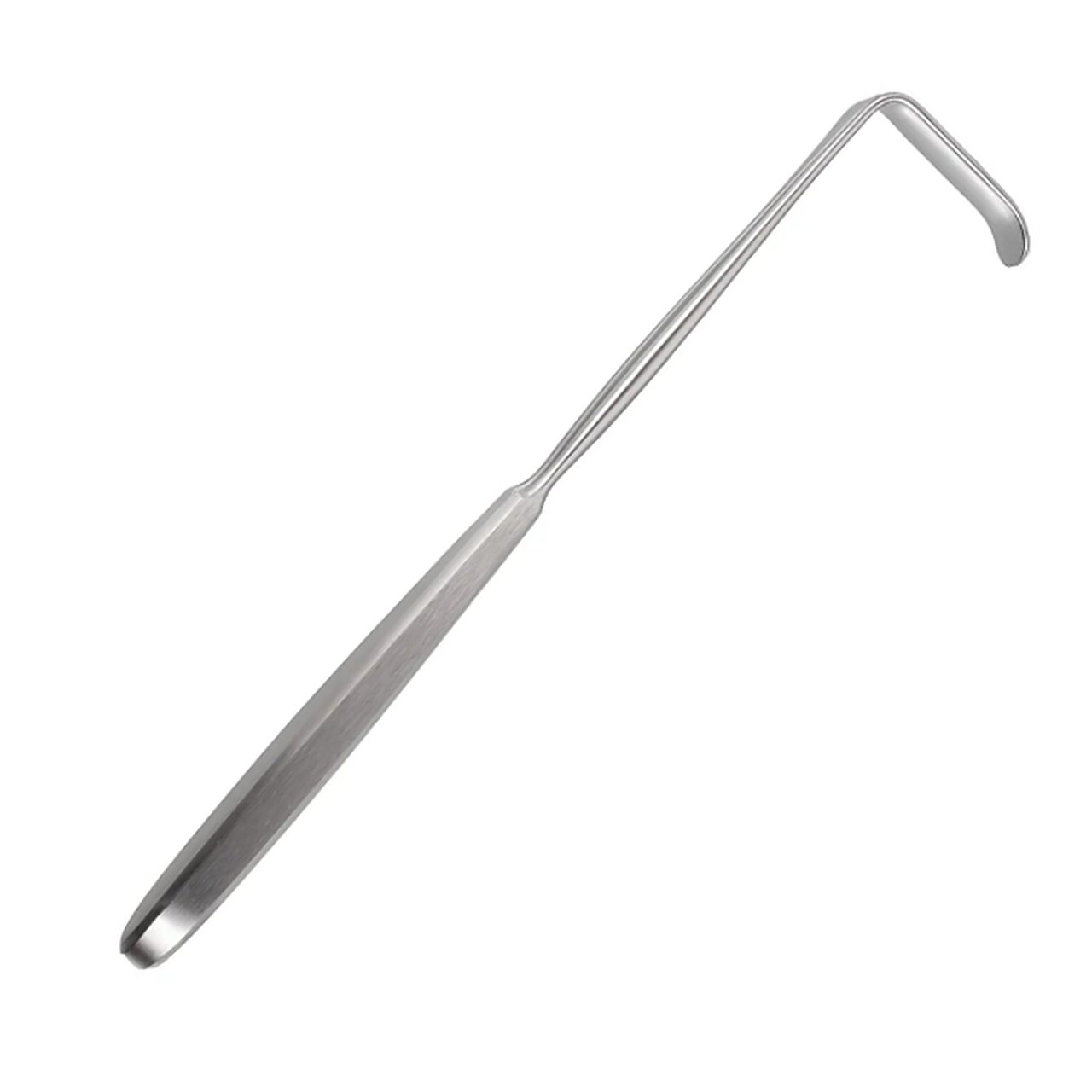 | Langenbeck Retraktör-Dolu Sap | Genel cerrahi, ortopedi ve plastik cerrahi sırasında kas tabakalarını, fasyayı ve yara kenarlarını ekarte etmek için özel olarak tasarlanmıştır. |
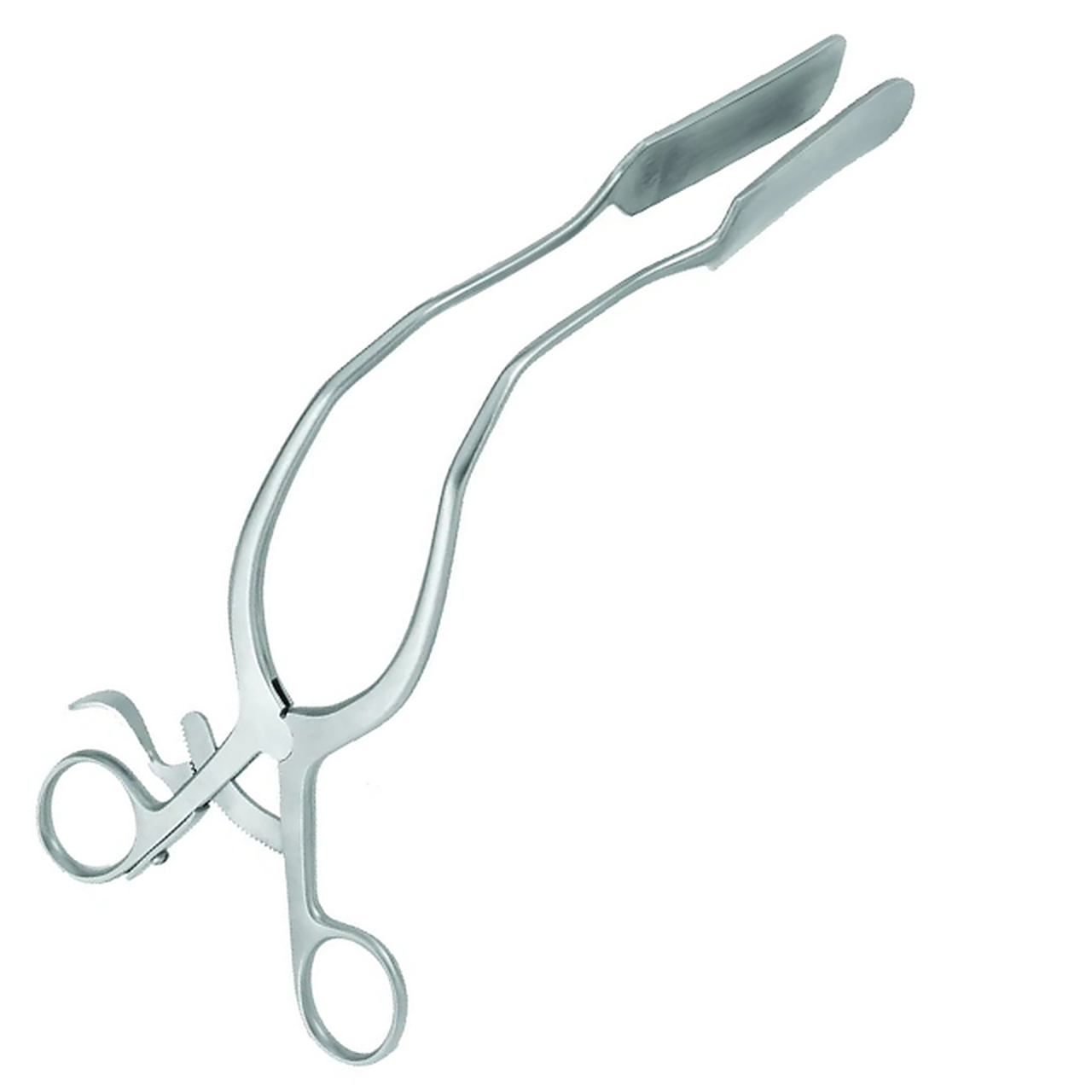 | Lateral Ebonized Vaginal Retractor | Lazer ve elektrocerrahi jinekolojik prosedürler sırasında lateral vajinal duvarları ekarte etmek için özel olarak tasarlanmıştır. |
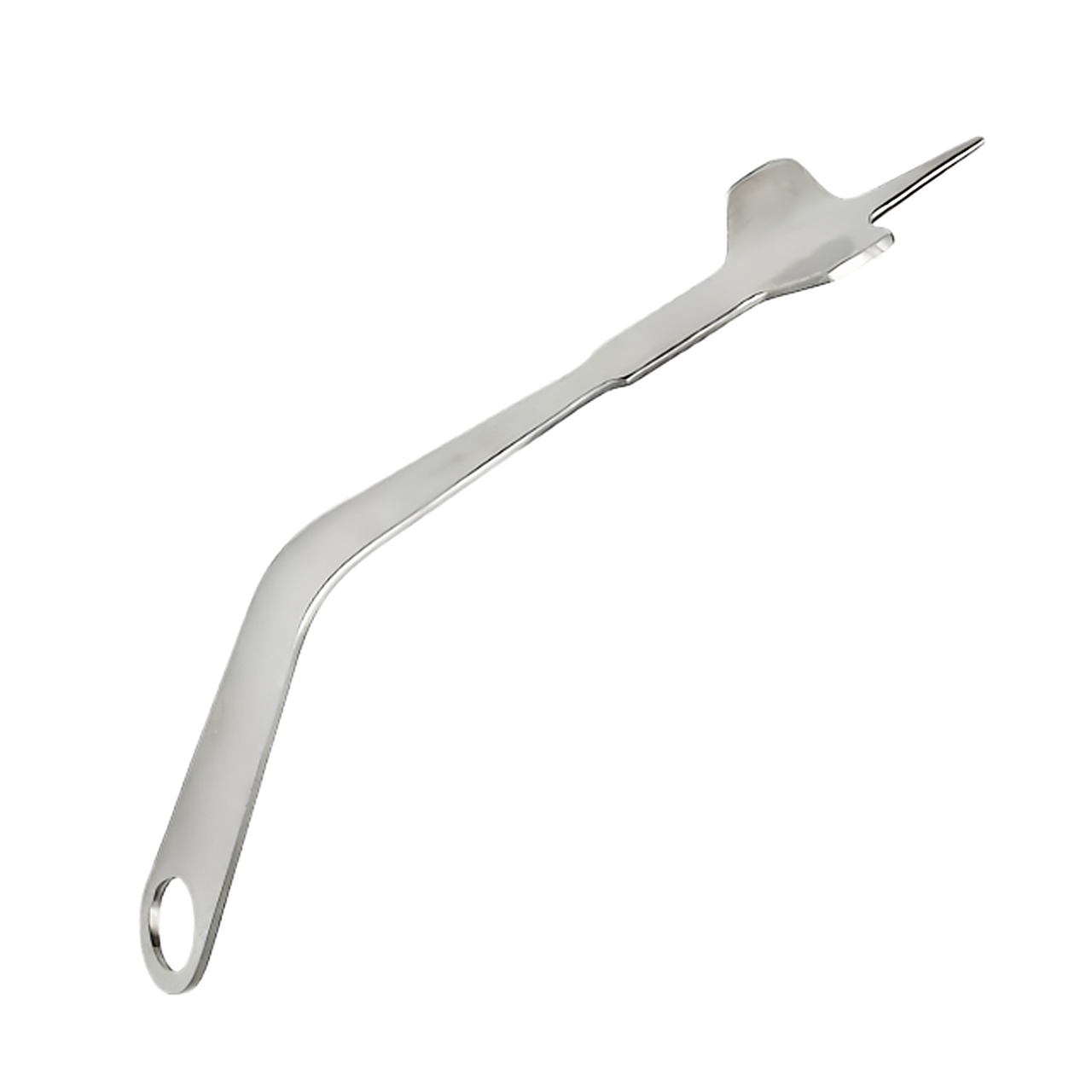 | Lateral Fat Pad Ekartör | Total diz artroplastisi ve diz rekonstrüksiyonu sırasında infrapatellar yağ yastığını ve yumuşak dokuları ekarte etmek için özel olarak tasarlanmıştır. |
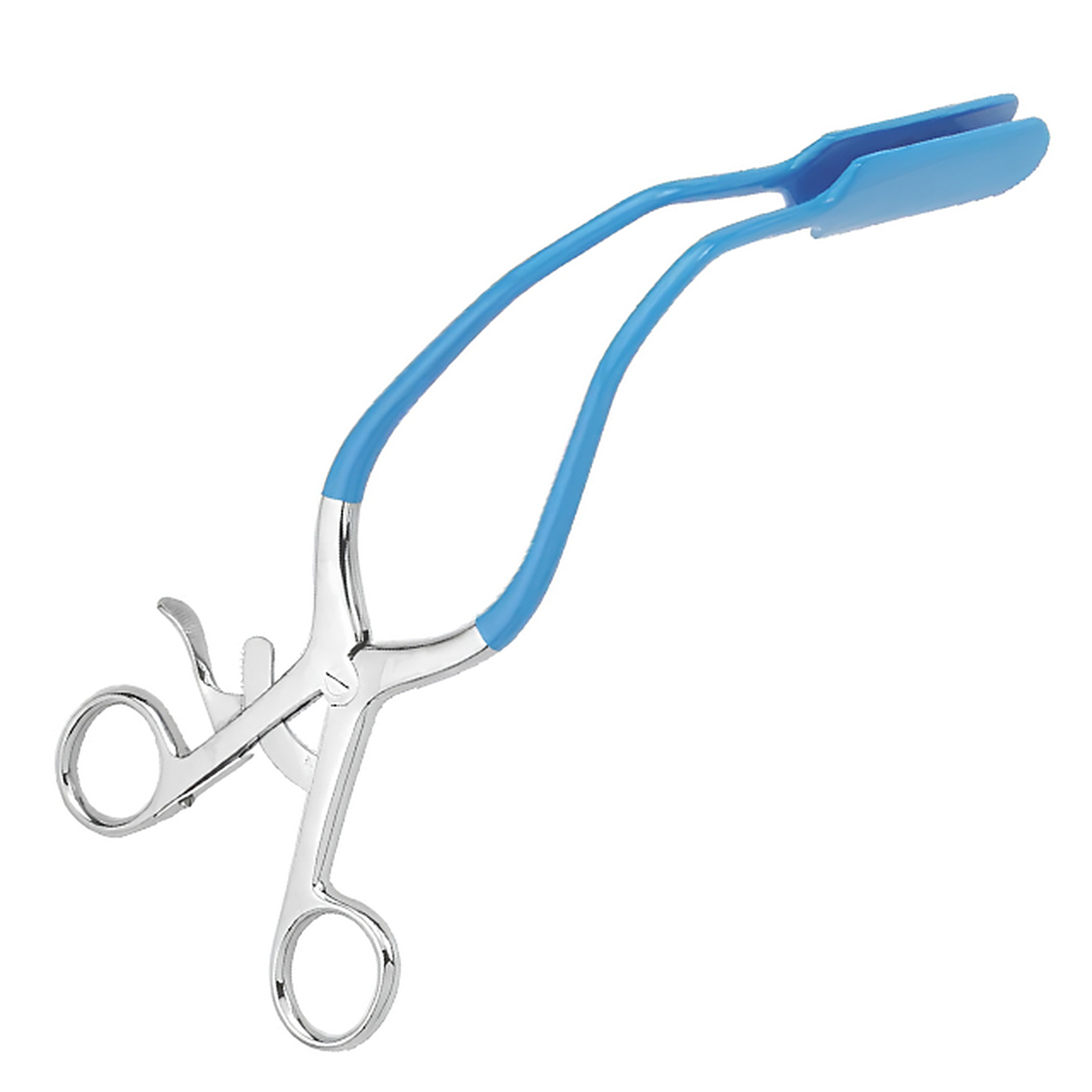 | Lateral İletken Olmayan Vajinal Ekartör | Elektrocerrahi ve lazer jinekolojik prosedürler sırasında lateral vajinal duvarları ekarte etmek için özel olarak tasarlanmıştır. |
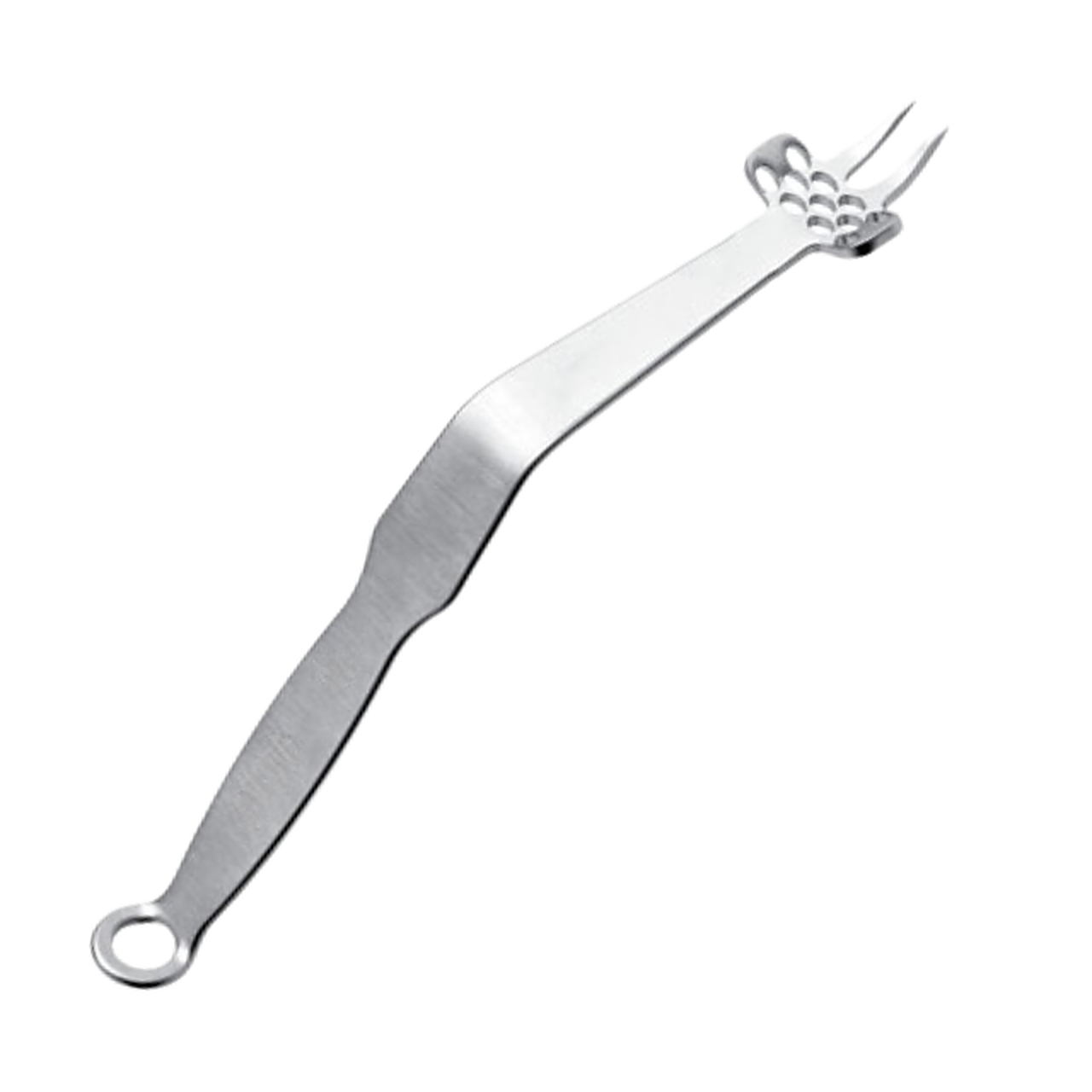 | Lateral Yumuşak Doku Ekartörleri | Total diz artroplastisi sırasında lateral yumuşak doku, kapsül ve kollateral ligamentleri ekarte etmek için özel olarak tasarlanmıştır. |
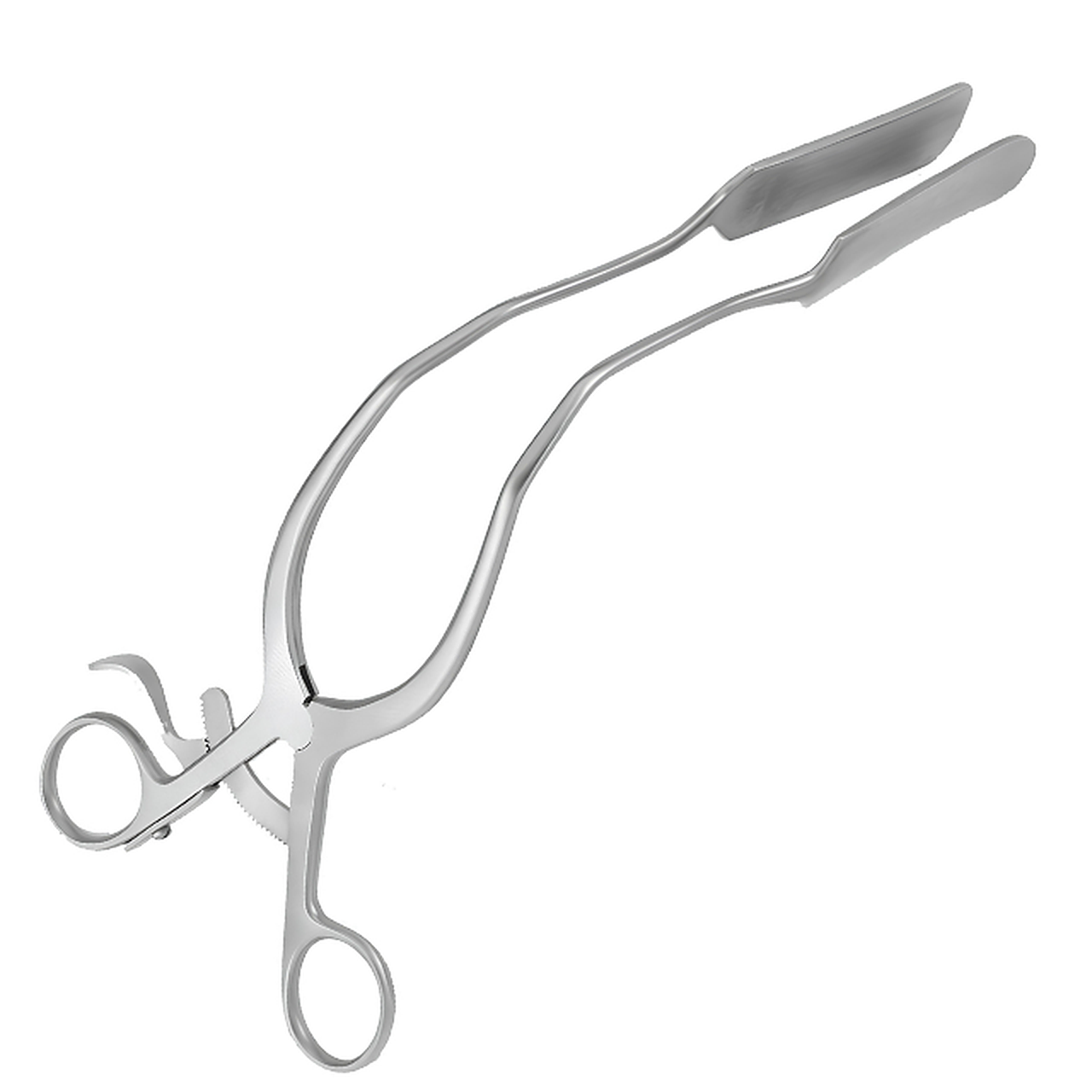 | Lateral Wall Vajinal Ekartör | Vajinal cerrahi ve elektrocerrahi prosedürleri sırasında lateral vajinal duvarları ekarte etmek ve doku çökmesini önlemek için özel olarak tasarlanmıştır. |
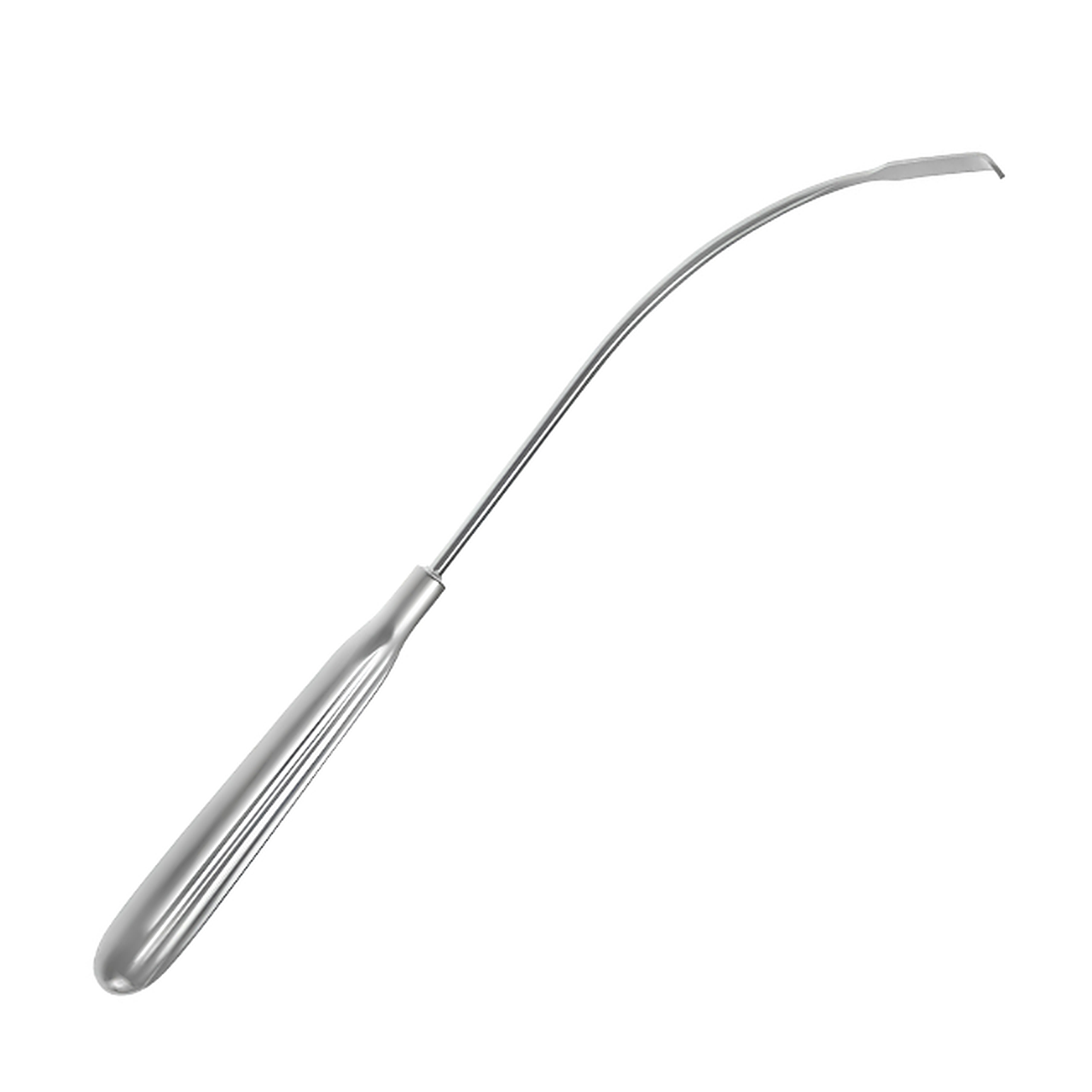 | Leaflet Retraktör | Açık kalp kapağı onarımları ve replasmanları sırasında kalp kapakçıklarını ekarte etmek ve yükseltmek için özel olarak tasarlanmıştır. |
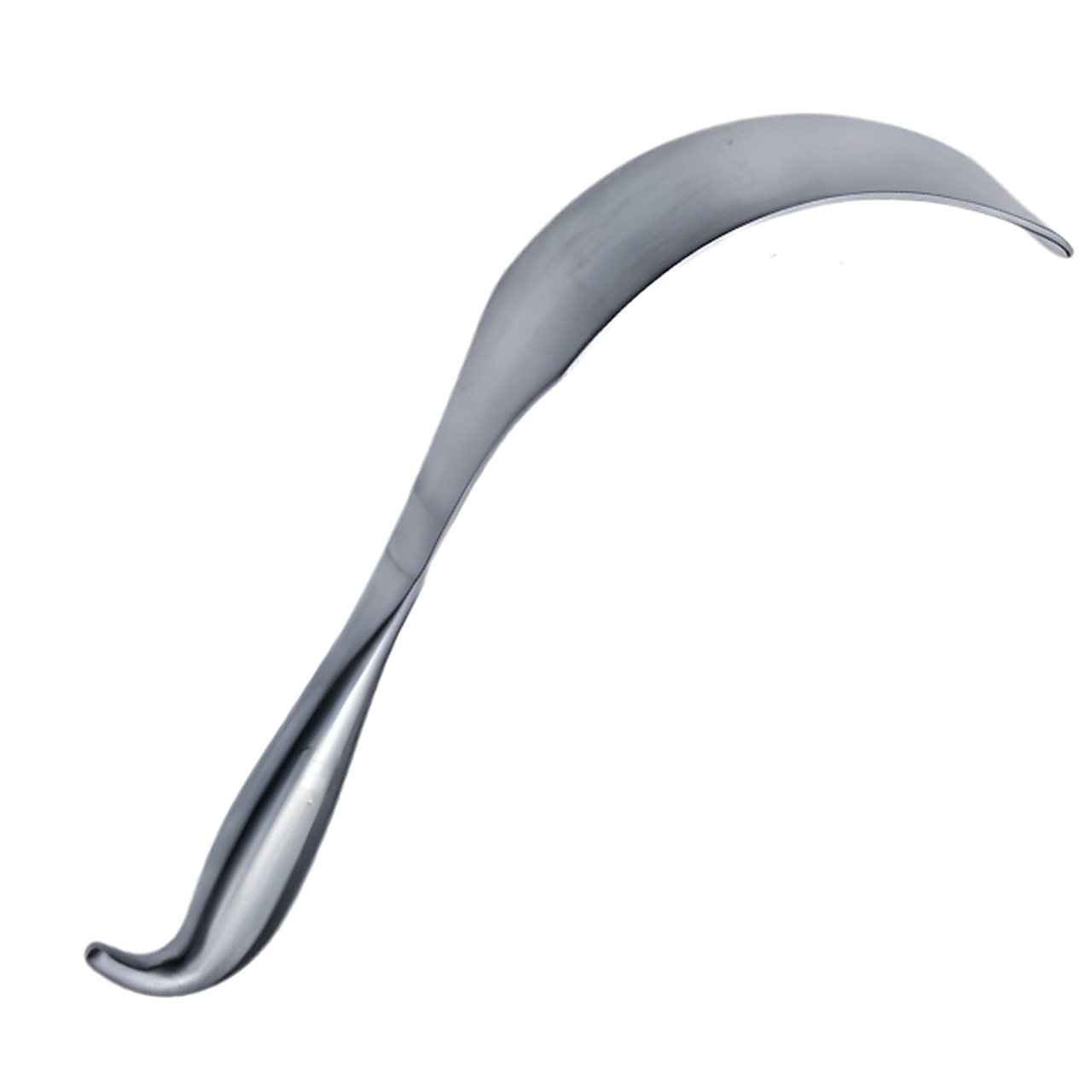 | Leriche Ekartör-Atravmatik Geniş Uç | Açık cerrahi sırasında karın duvarını, pelvik organları ve kalın kas dokusunu ekarte etmek için özel olarak tasarlanmıştır. |
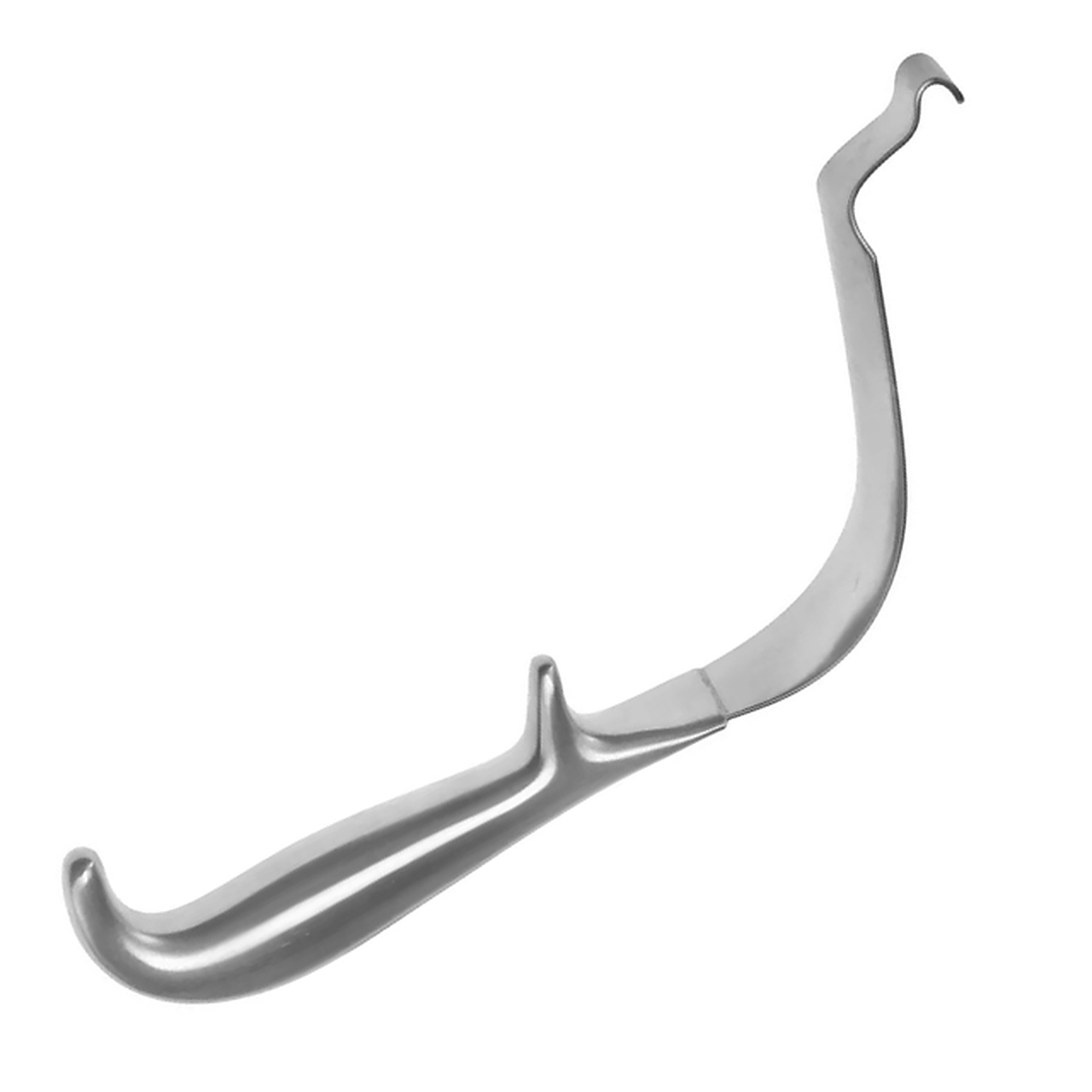 | Levasseur Merril Ekartör | Vertikal ramus osteotomileri sırasında yumuşak dokuyu ekarte etmek ve nörovasküler yapıları korumak için özel olarak tasarlanmıştır. |
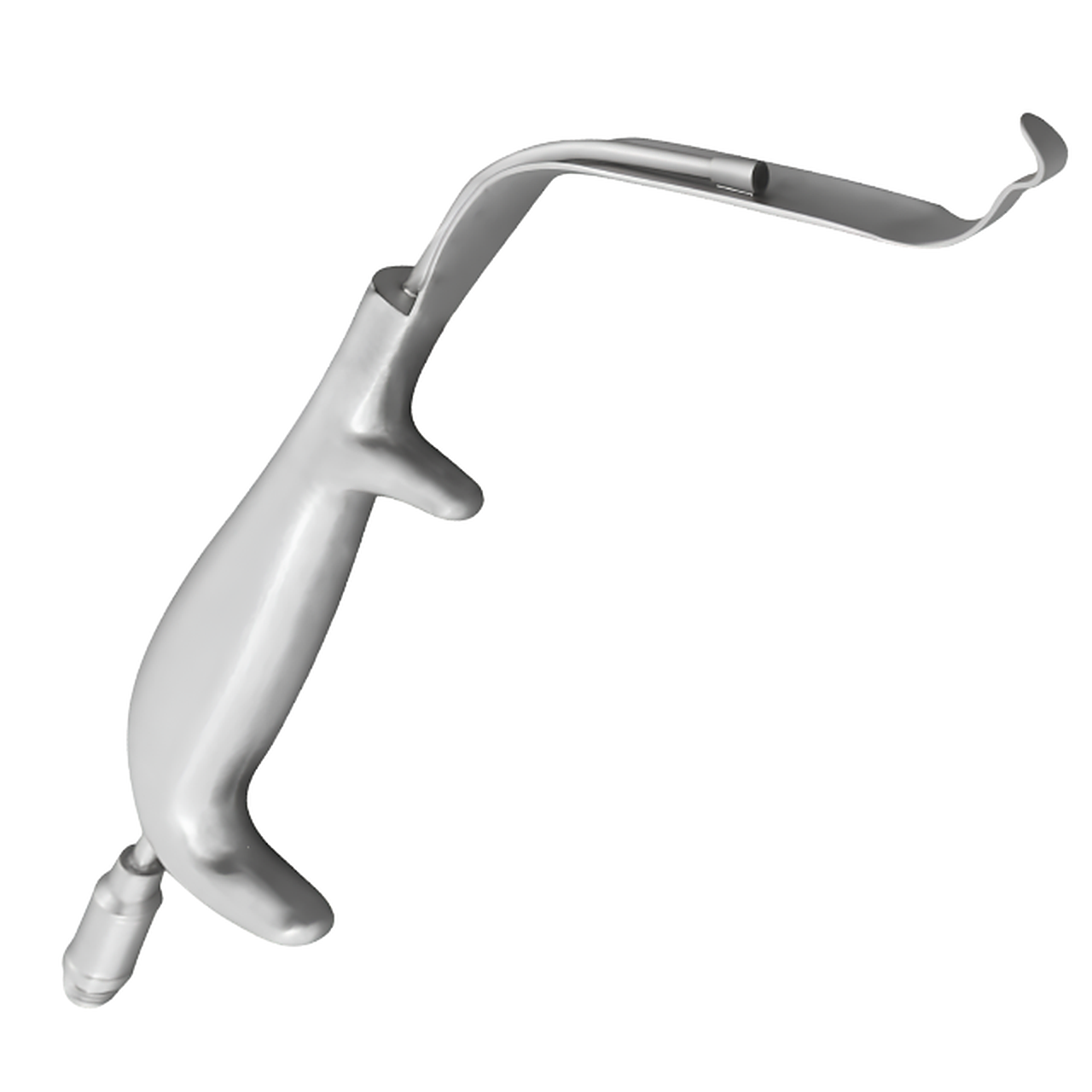 | Levasseur Merril Retractor Fiber Optic | Vertikal ramus osteotomileri sırasında ışıklı yumuşak doku retraksiyonu ve kemik ekspojuru sağlamak için özel olarak tasarlanmıştır. |
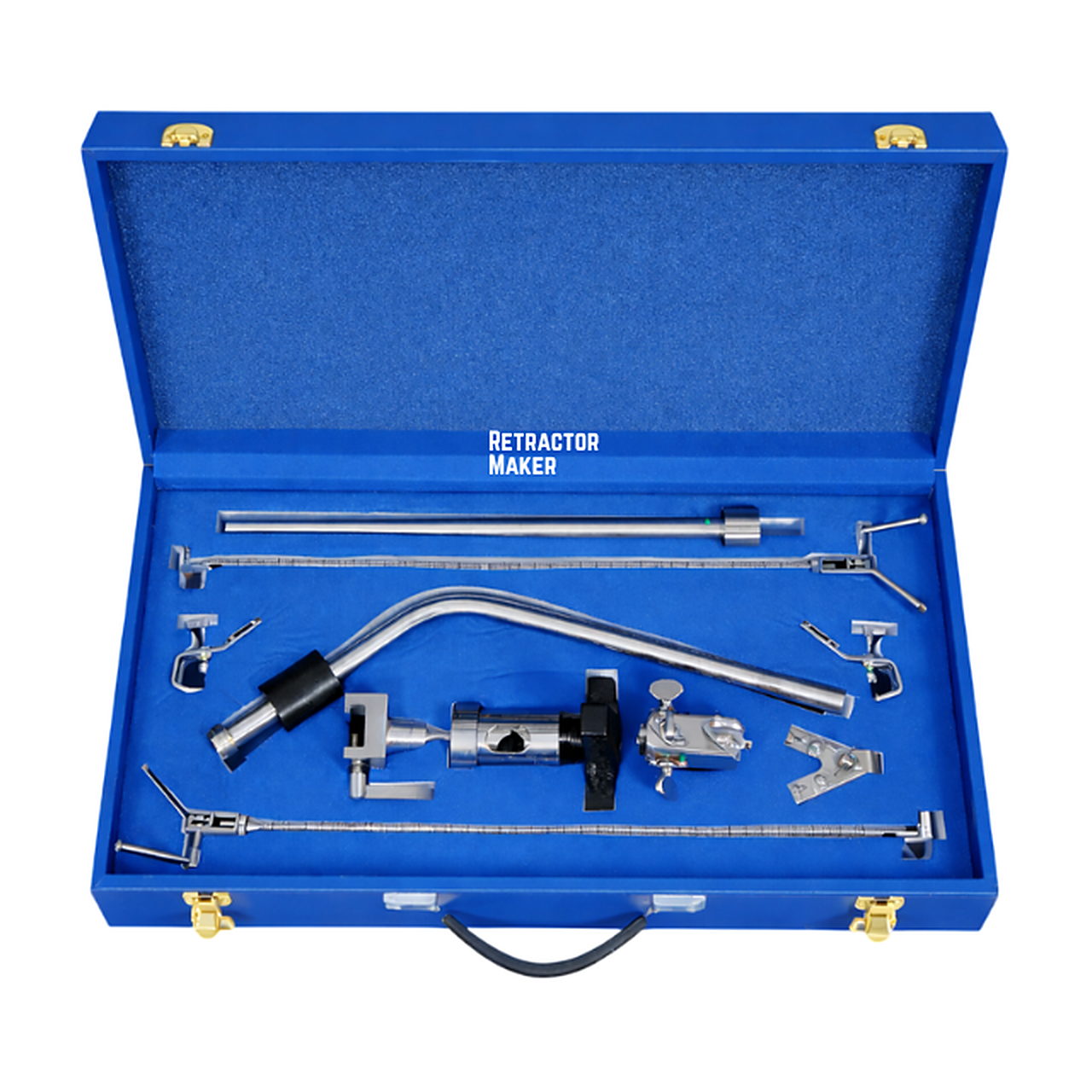 | Leyla Ekartör | Hassas kraniyal, kafa tabanı ve mikronöroşirürji prosedürleri sırasında hassas, eller serbest ve düşük basınçlı beyin dokusu retraksiyonu sağlamak için özel olarak tasarlanmıştır. |
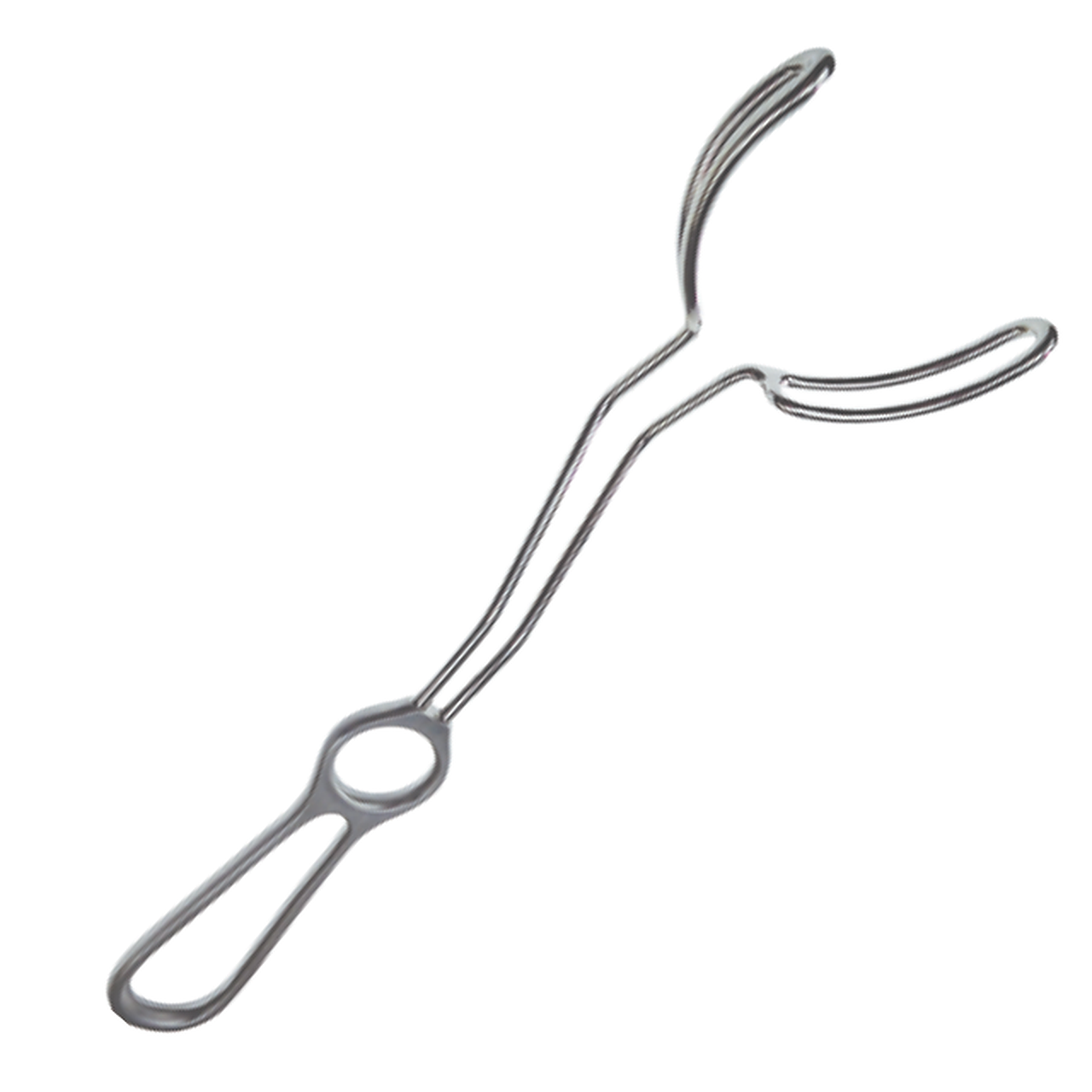 | Dudak ve Yanak Ekartörü | Oral ve maksillofasiyal cerrahi sırasında alt çenenin net bir şekilde görüntülenmesini sağlamak amacıyla dudakları ve yanakları ekarte etmek için özel olarak tasarlanmıştır. |
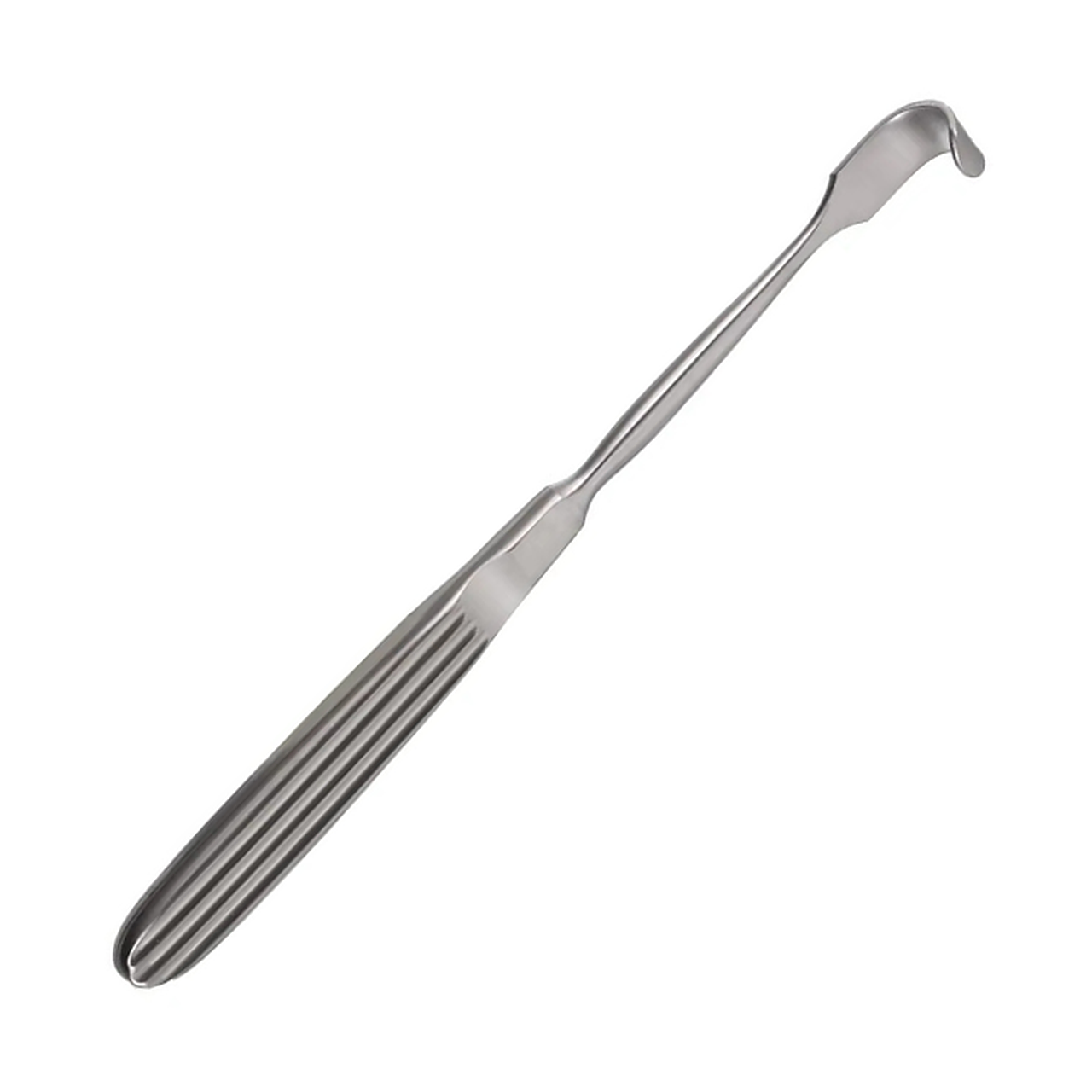 | Little Ekartör | Küçük cerrahi ve plastik prosedürler sırasında cilt kenarlarını, hassas fasyayı ve yumuşak dokuyu ekarte etmek için özel olarak tasarlanmıştır. |
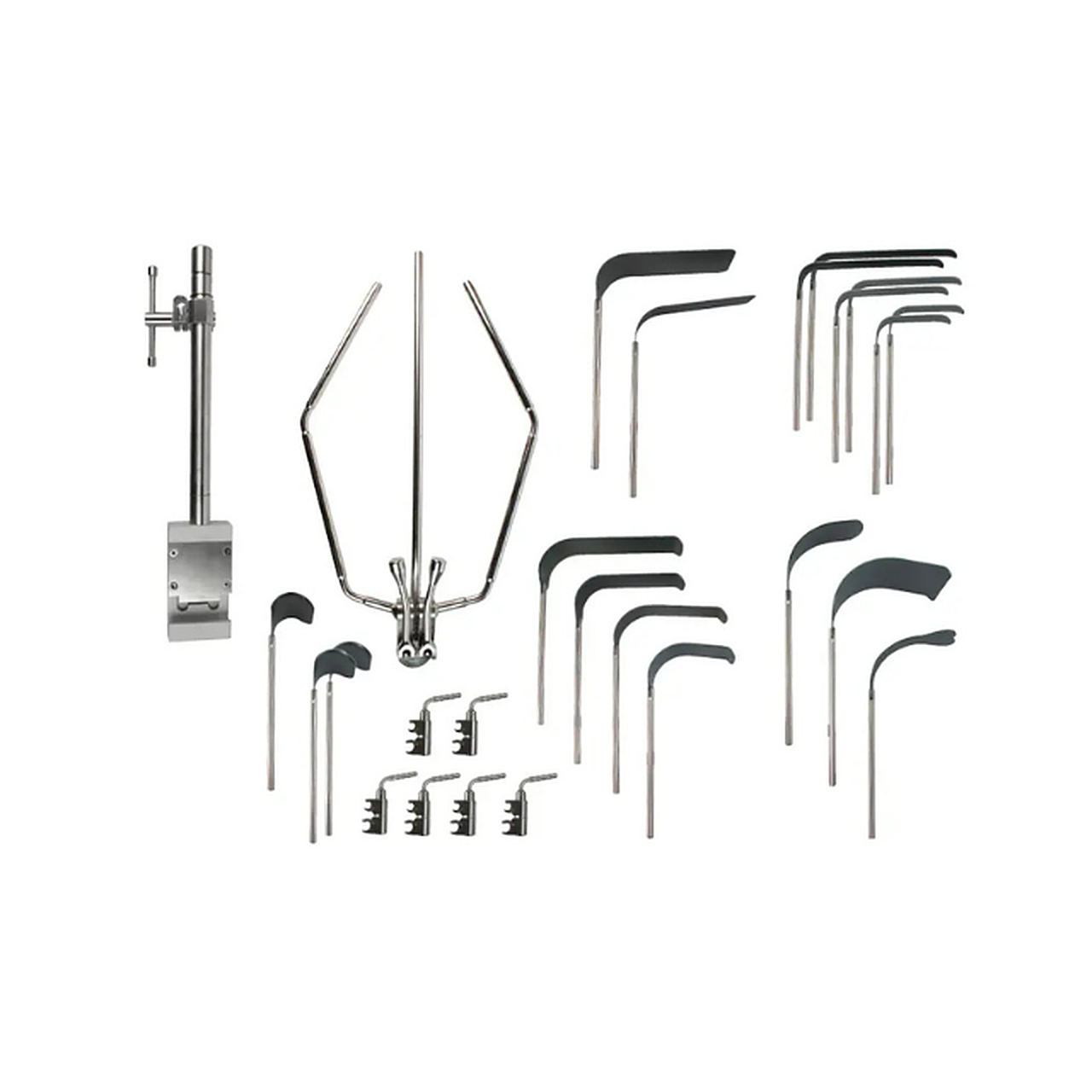 | Lobster Anterior Lomber Ekartör | Anterior lomber omurga prosedürleri sırasında masaya monte, kendinden tutmalı yumuşak doku ekarte etme ve cerrahi maruziyet için özel olarak tasarlanmıştır. |
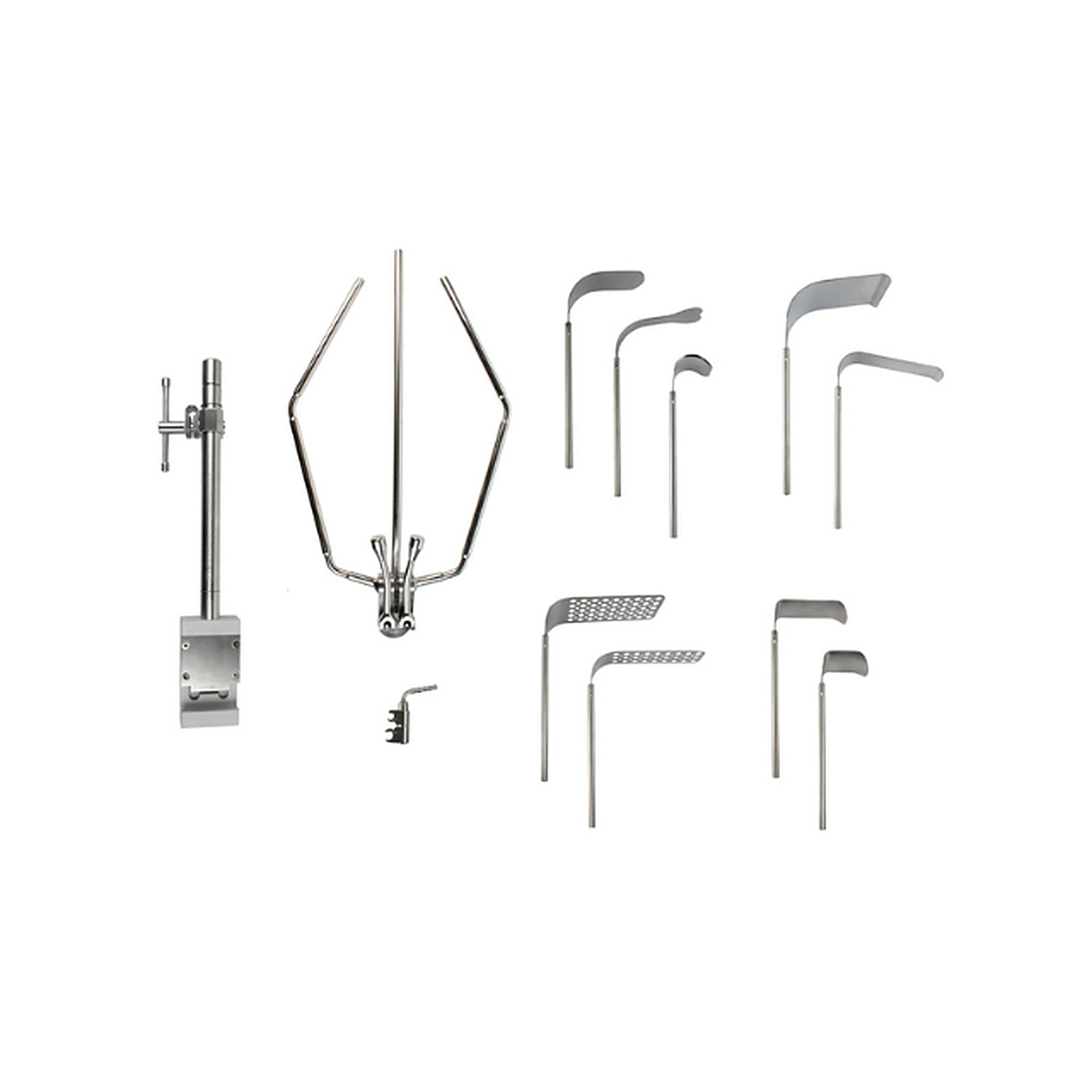 | Lobster Genel Ekartör Sistemi | Genel cerrahi prosedürleri sırasında masaya monte, kendinden tutmalı yumuşak doku retraksiyonu ve cerrahi alan ekspozisyonu sağlamak için özel olarak tasarlanmıştır. |
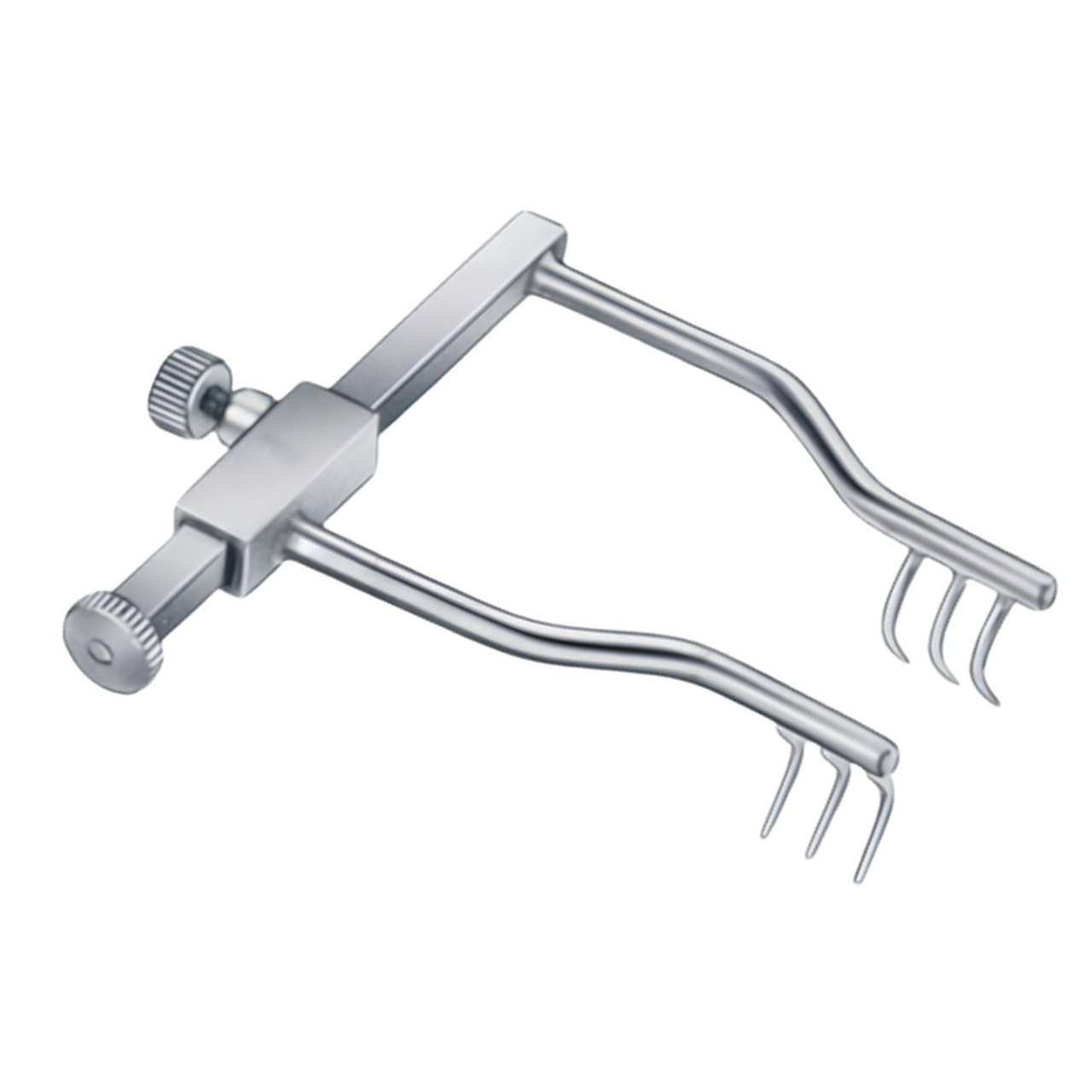 | Logan Yara Ayırıcı (Ekartör) | Mikro insizyonlar sırasında cilt kenarlarının, aponevrozun ve kasların kendinden tutmalı retraksiyonunu sağlamak için özel olarak tasarlanmıştır. |
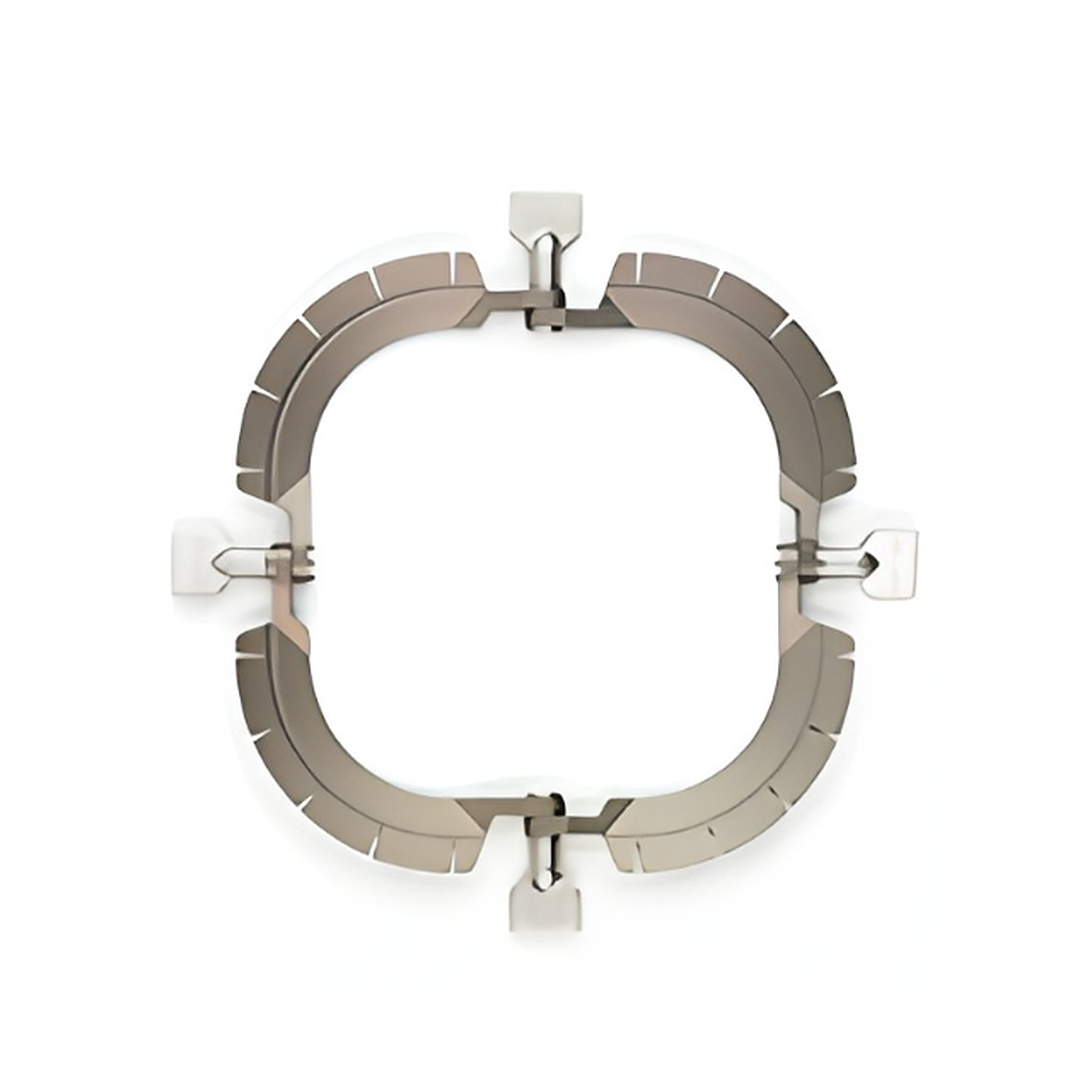 | Lone Star Retractor (Kolon, Rektal, Baş ve Boyun Cerrahisi) | Kolon, rektal, baş ve boyun cerrahilerinde kendinden tutuculu, eller serbest yumuşak doku retraksiyonu ve cerrahi alan ekspojuru sağlamak için özel olarak tasarlanmıştır. |
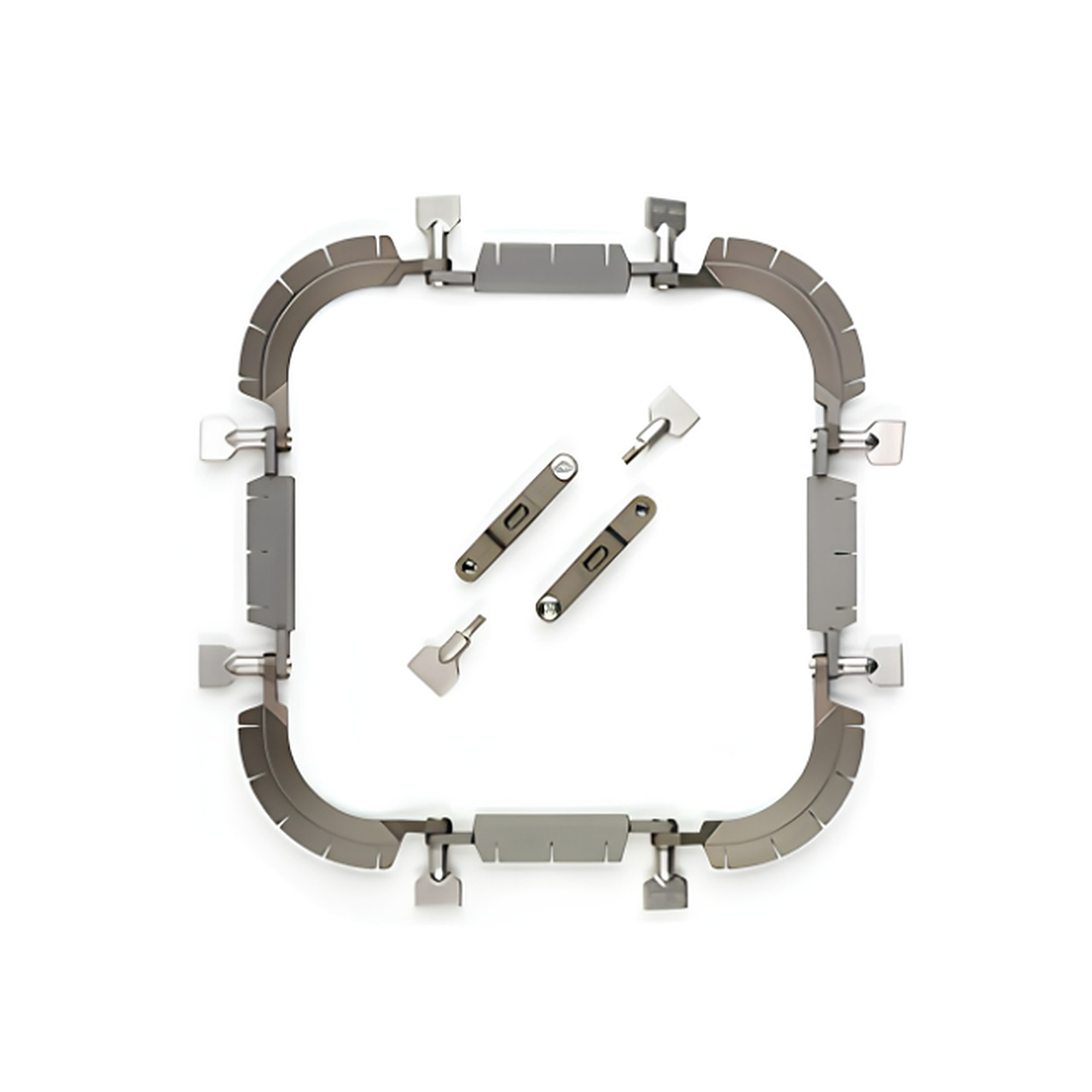 | Lone Star Retractor (Genel, Baş ve Boyun Cerrahisi) | Genel cerrahi ile baş ve boyun cerrahisi prosedürlerinde kendinden tutmalı, eller serbest yumuşak doku retraksiyonu ve cerrahi alan maruziyeti sağlamak üzere tasarlanmıştır. |
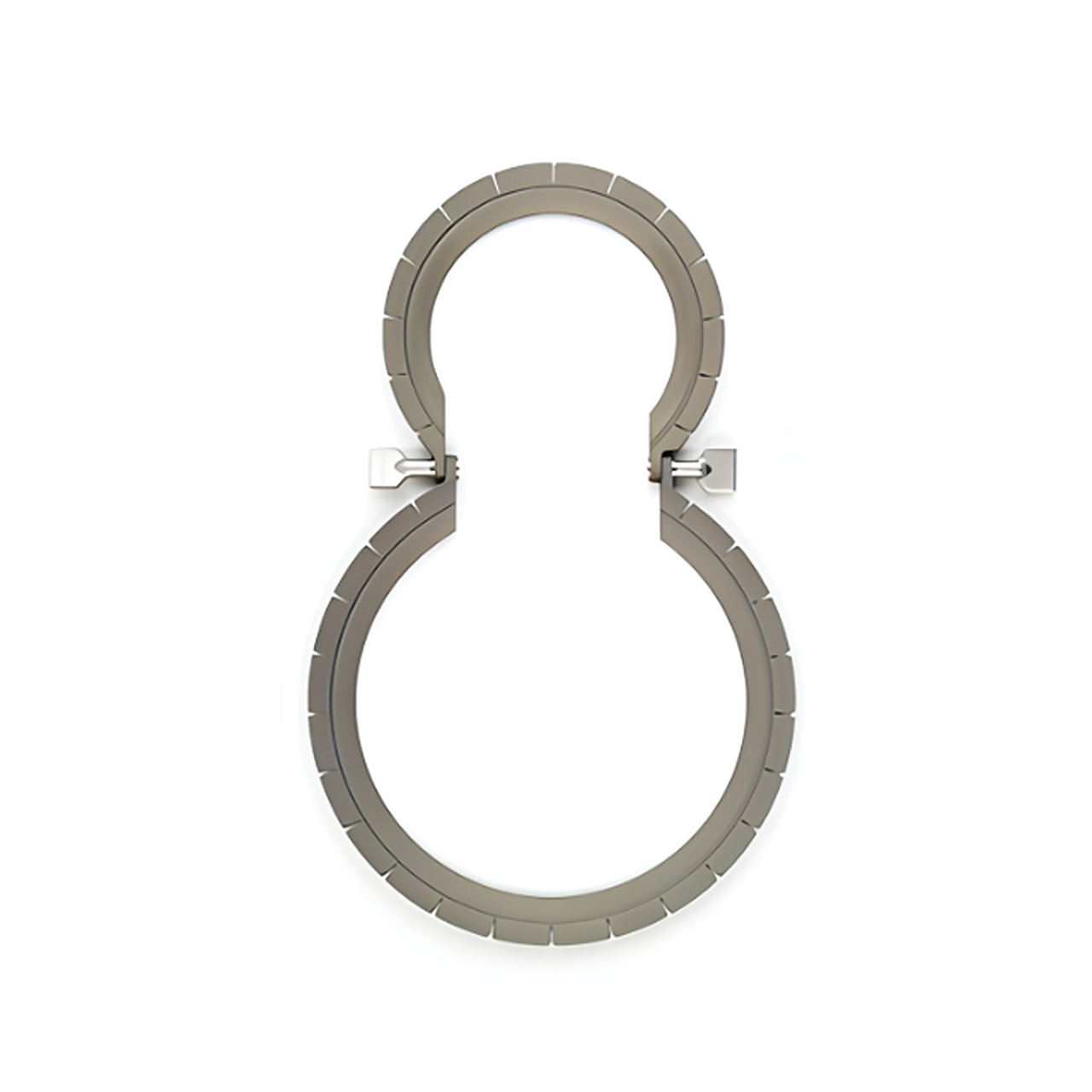 | Lone Star Retractor (Jinekoloji ve Erkek Ürolojisi) | Jinekoloji ve erkek ürolojisi prosedürlerinde kendinden tutmalı, asistan yardımı gerektirmeyen yumuşak doku ekarasyonu ve cerrahi alan maruziyeti sağlamak için özel olarak tasarlanmıştır. |
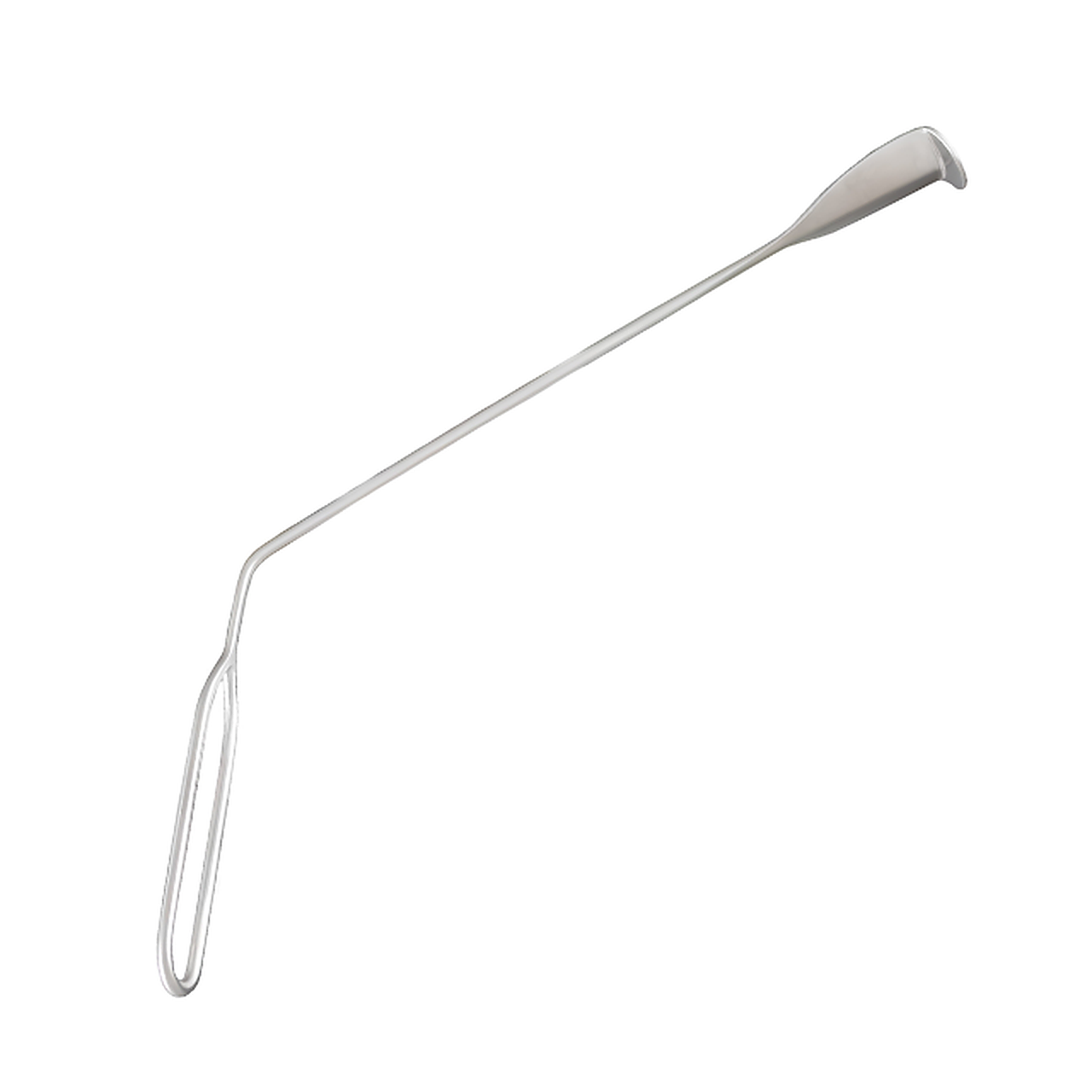 | Lothrop Uvula Ekartörü | Adenoidektomi ve farenks cerrahisi sırasında uvula ve yumuşak damağı ekarte etmek ve kaldırmak için özel olarak tasarlanmıştır. |
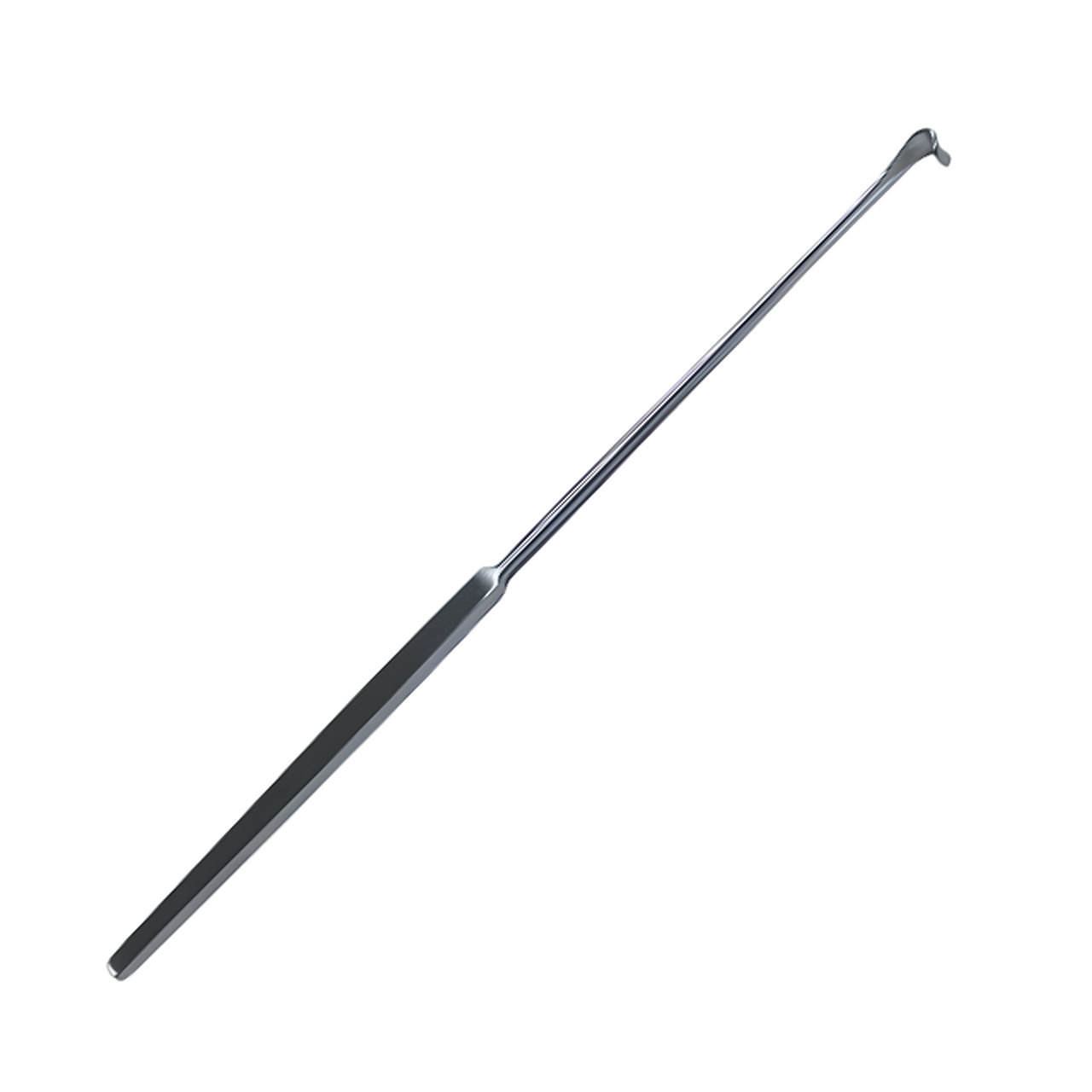 | Love Nerve Root Retraktör | Lomber diskektomi ve dekompresyon sırasında spinal sinir köklerini ve dural sakı ekarte etmek ve korumak için özel olarak tasarlanmıştır. |
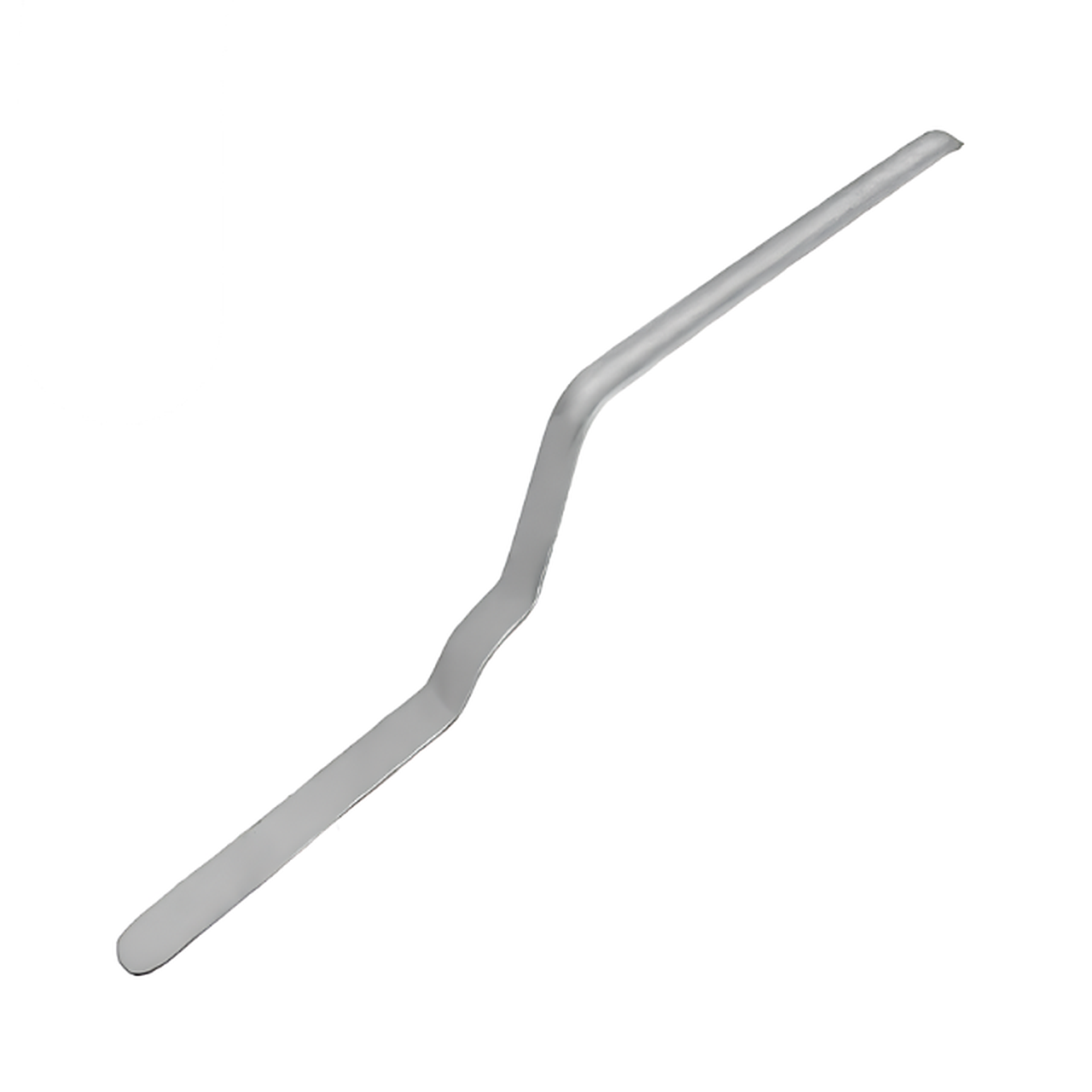 | Love Sinir Kökü Ekartörü | Cerrahi operasyon mikroskopları altında görüş hattını korurken sinir köklerini ve tekal keseyi ekarte etmek için özel olarak tasarlanmıştır. |
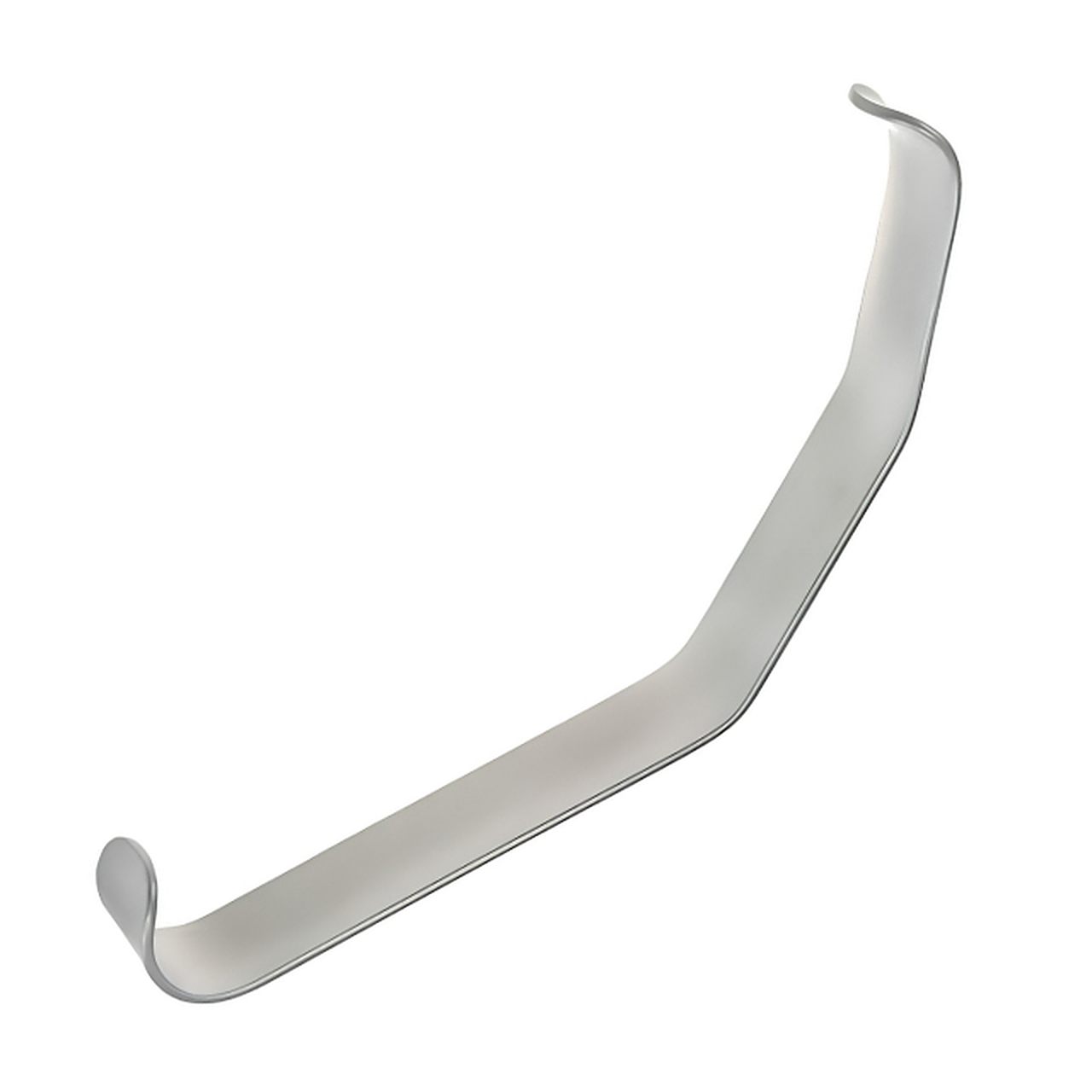 | Love Uvula Ekartör | Adenoidektomi ve farenks cerrahisi sırasında uvula ve yumuşak damağı ekarte etmek ve kaldırmak için özel olarak tasarlanmıştır. |
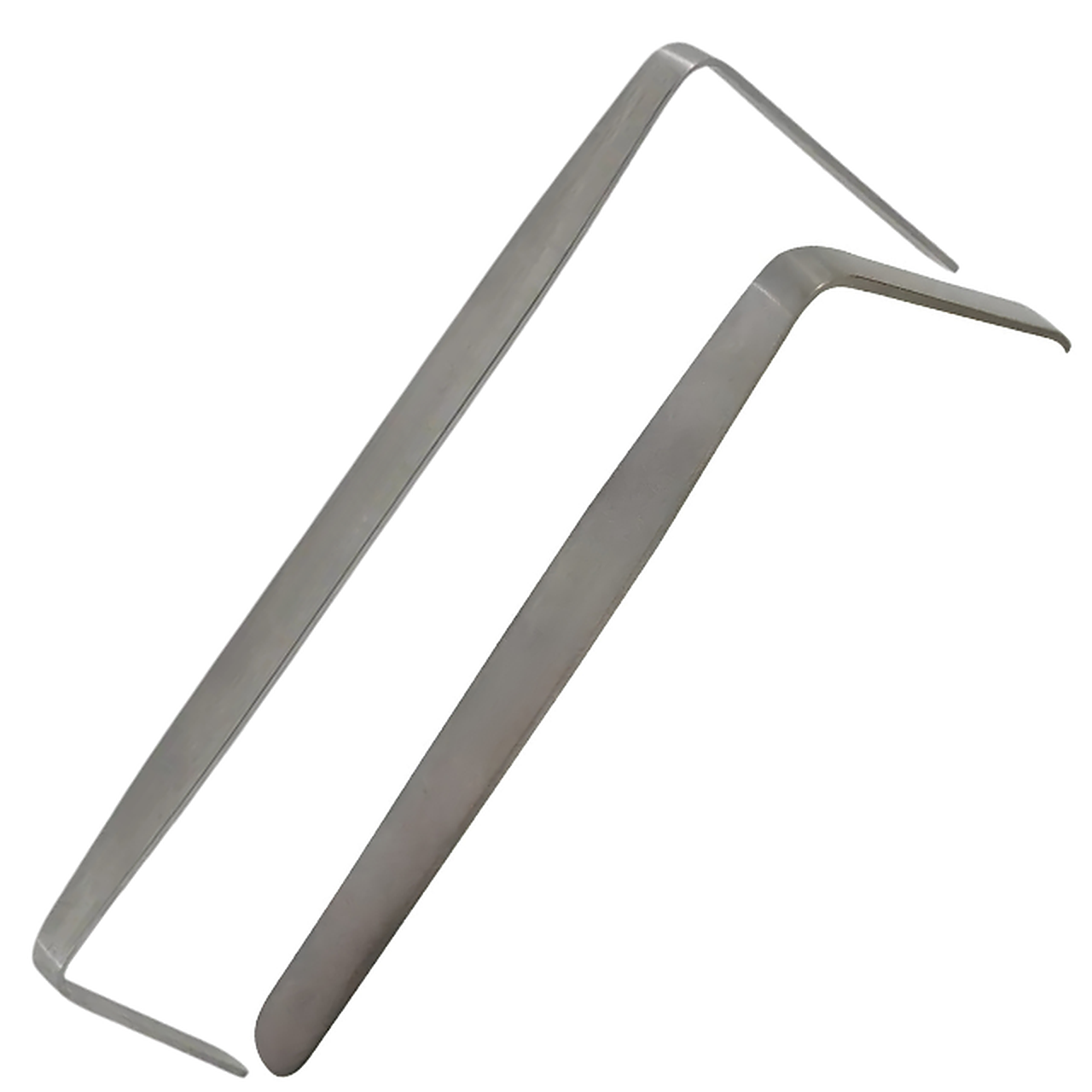 | Low Profile Ayak ve Ayak Bileği Ekartörü | Ayak, ayak bileği ve podiatrik rekonstrüktif cerrahi sırasında küçük kemikleri manivela ile kaldırmak ve yumuşak dokuları ekarte etmek için özel olarak tasarlanmıştır. |
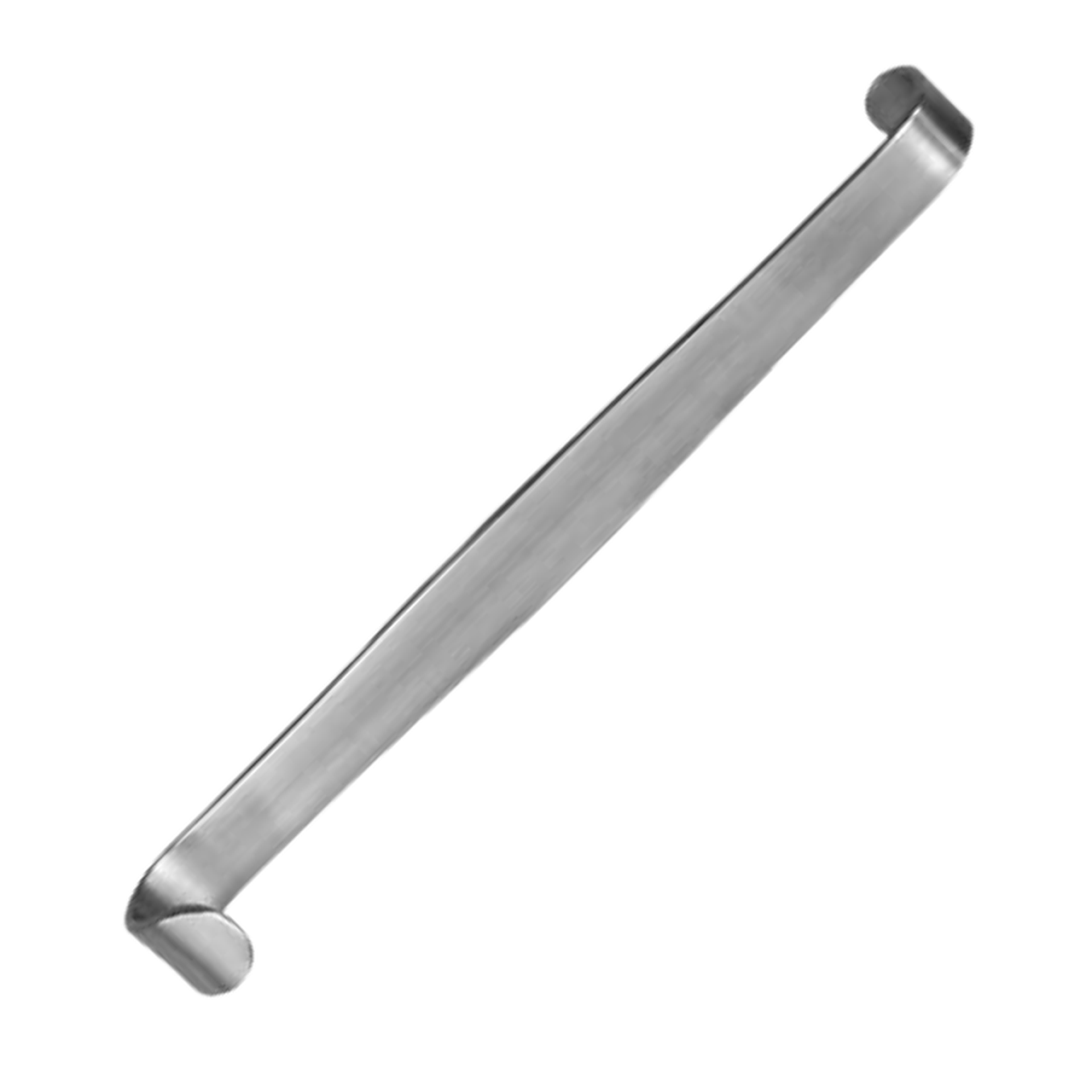 | Luer S Trakea Ekartörü | Trakeostomi ve boyun cerrahisi sırasında pretrakeal dokuları ekarte etmek ve trakeal halkaları yükseltmek için özel olarak tasarlanmıştır. |
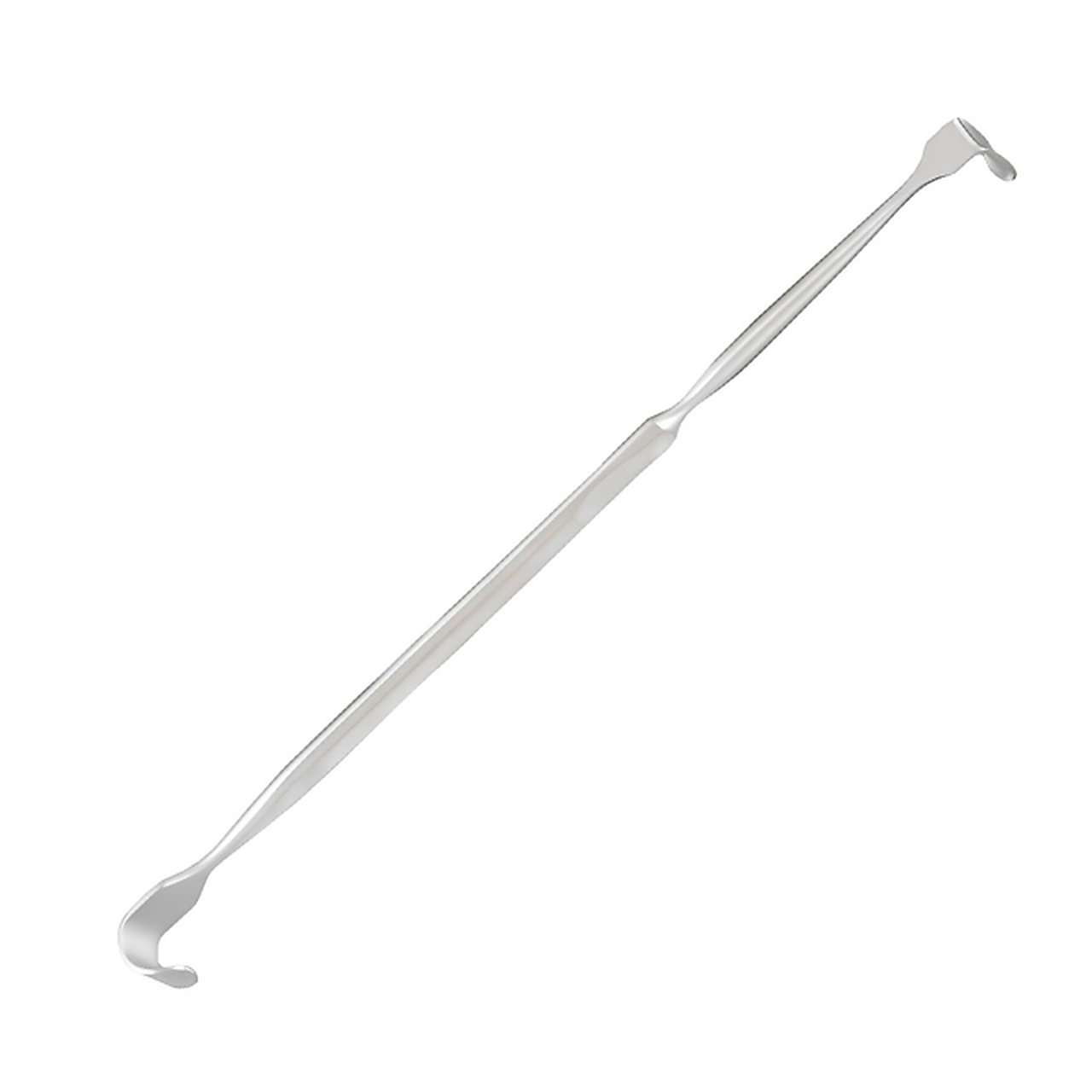 | Lukens Trakeal Ekartör | Trakeostomi ve hava yolu prosedürleri sırasında pretrakeal dokuları ekarte etmek ve trakeayı yukarı kaldırmak için özel olarak tasarlanmıştır. |
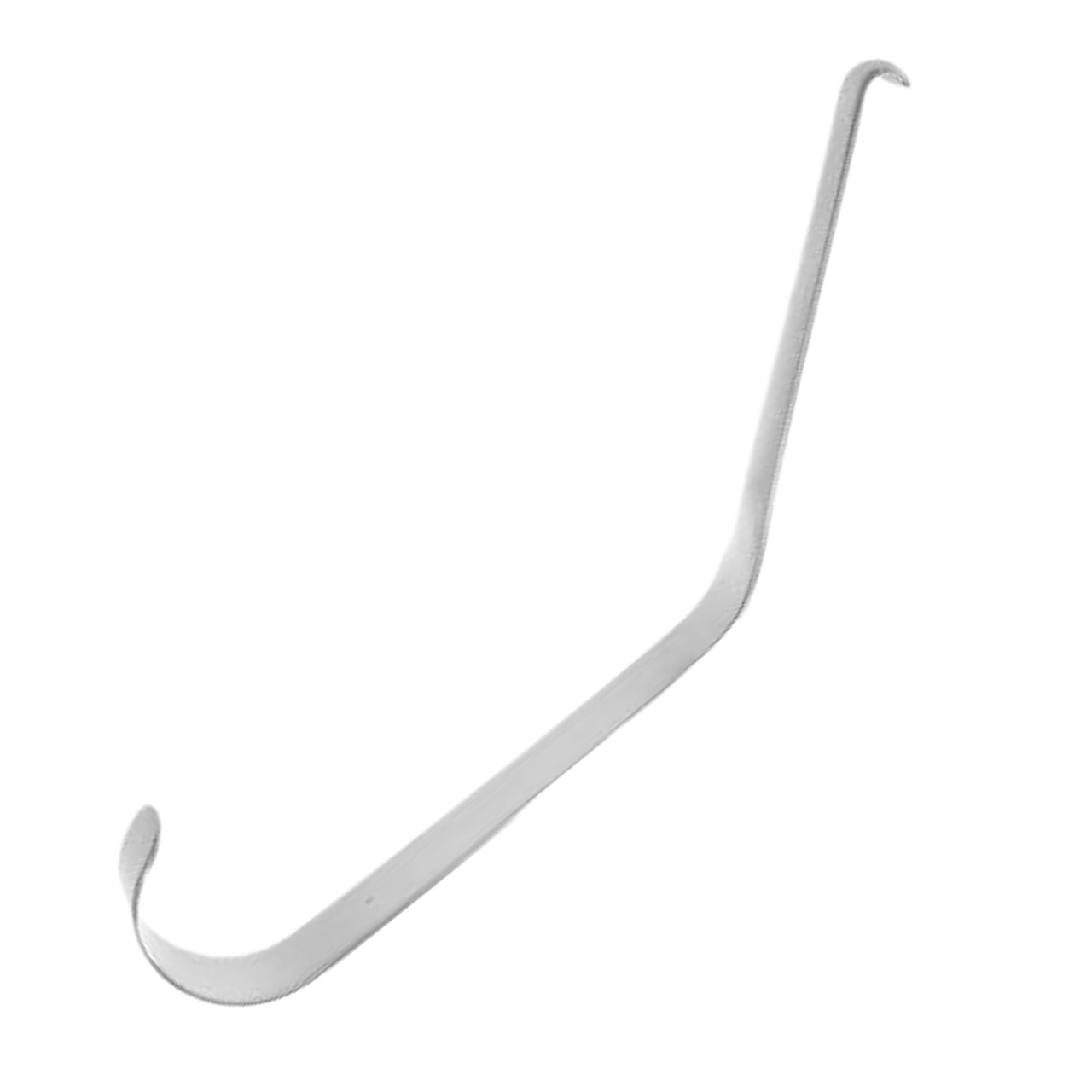 | Mandibuler Kanal Ekartörü | Mandibulanın alt kenarına takılmak ve osteotomiler sırasında nörovasküler yapıları korumak için özel olarak tasarlanmıştır. |
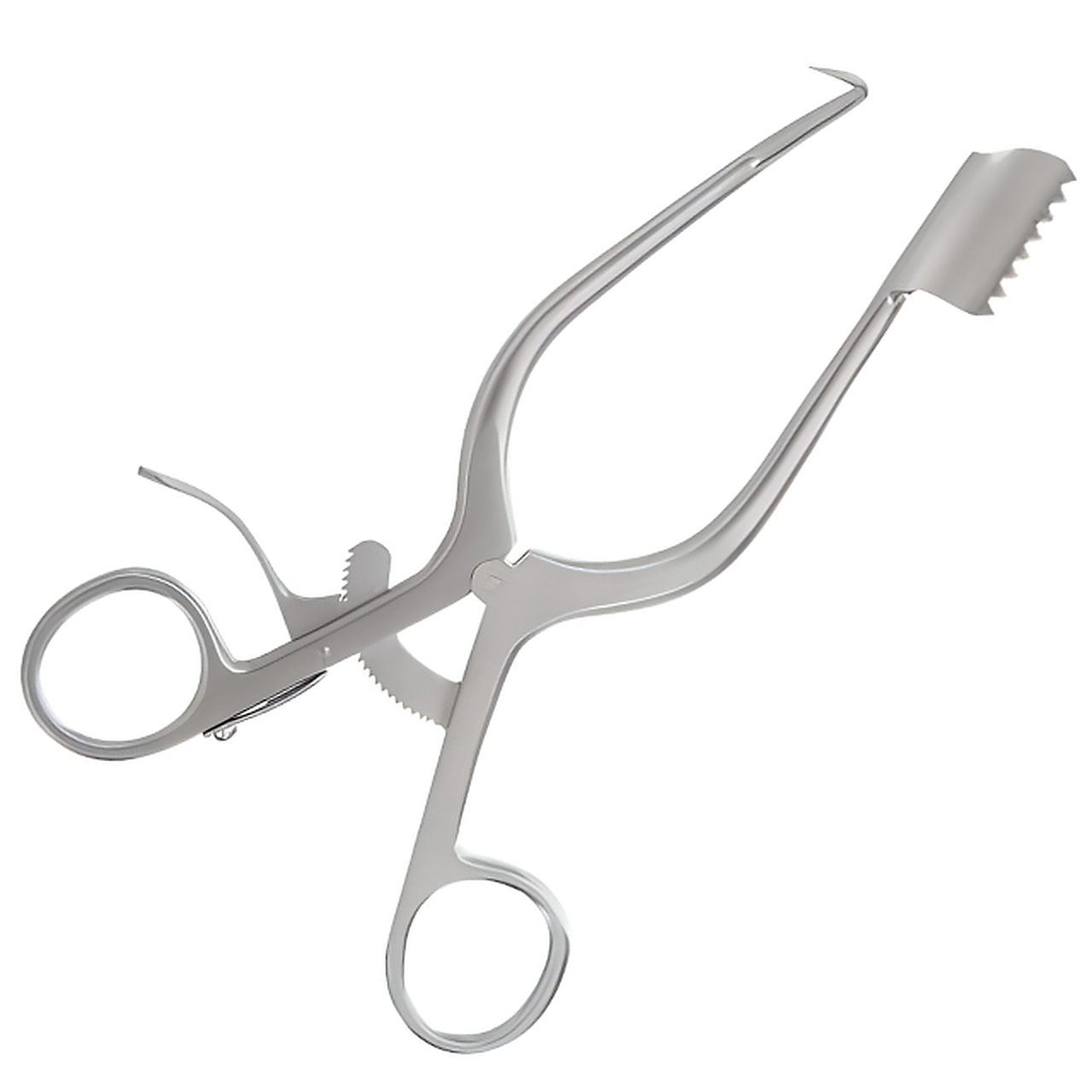 | Markham-Meyerding Hemilaminektomi Ekartörü | Hemilaminektomi sırasında kendinden sabitlemeli paraspinal kas ekartasyonu ve spinöz proses ankrajı sağlamak için özel olarak tasarlanmıştır. |
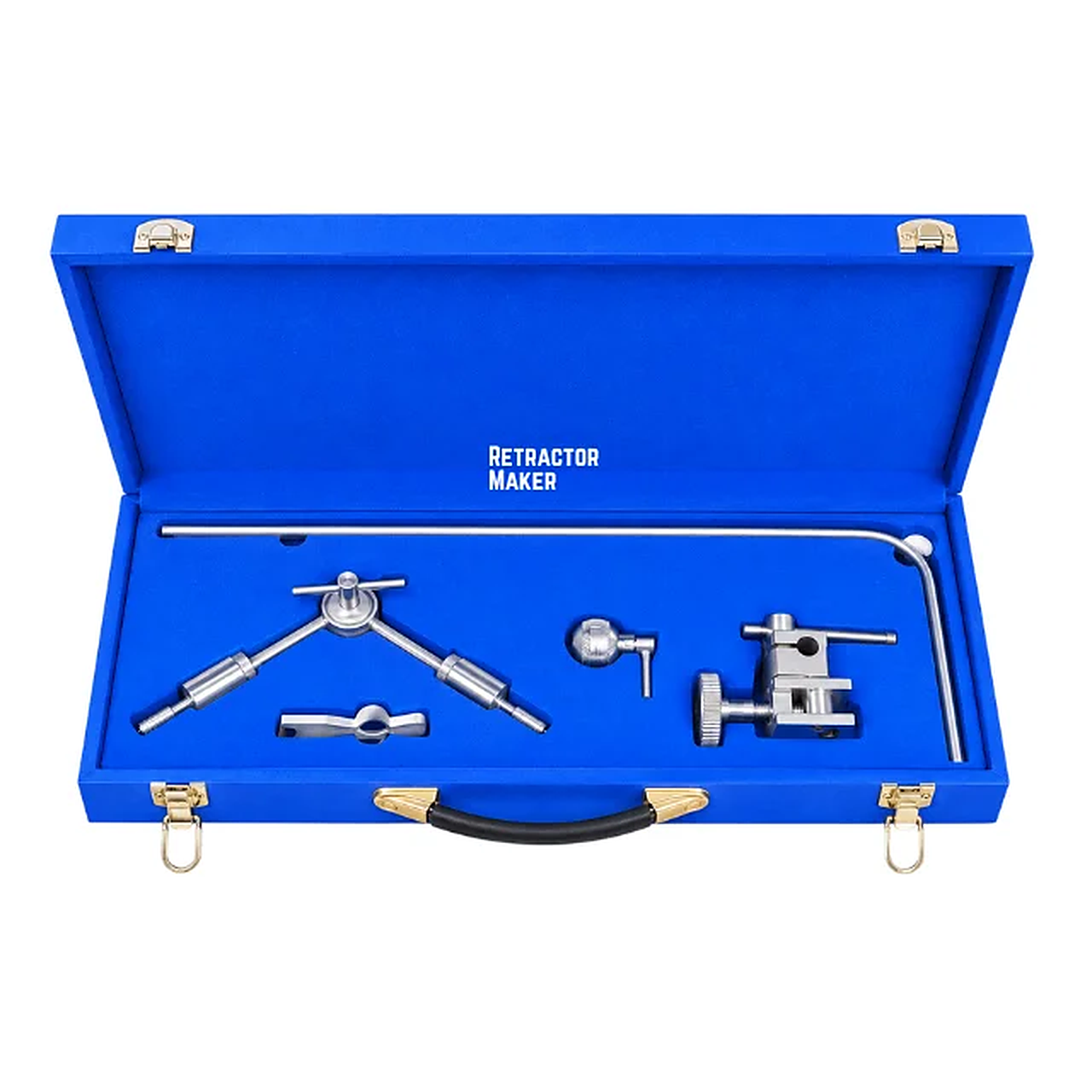 | Martin Arm Retraktör | Cerrahi retraktörler ve optikler için rijit, eller serbest tutma ve konumlandırma sağlamak üzere doğrudan ameliyat masası yan raylarına monte edilir. |
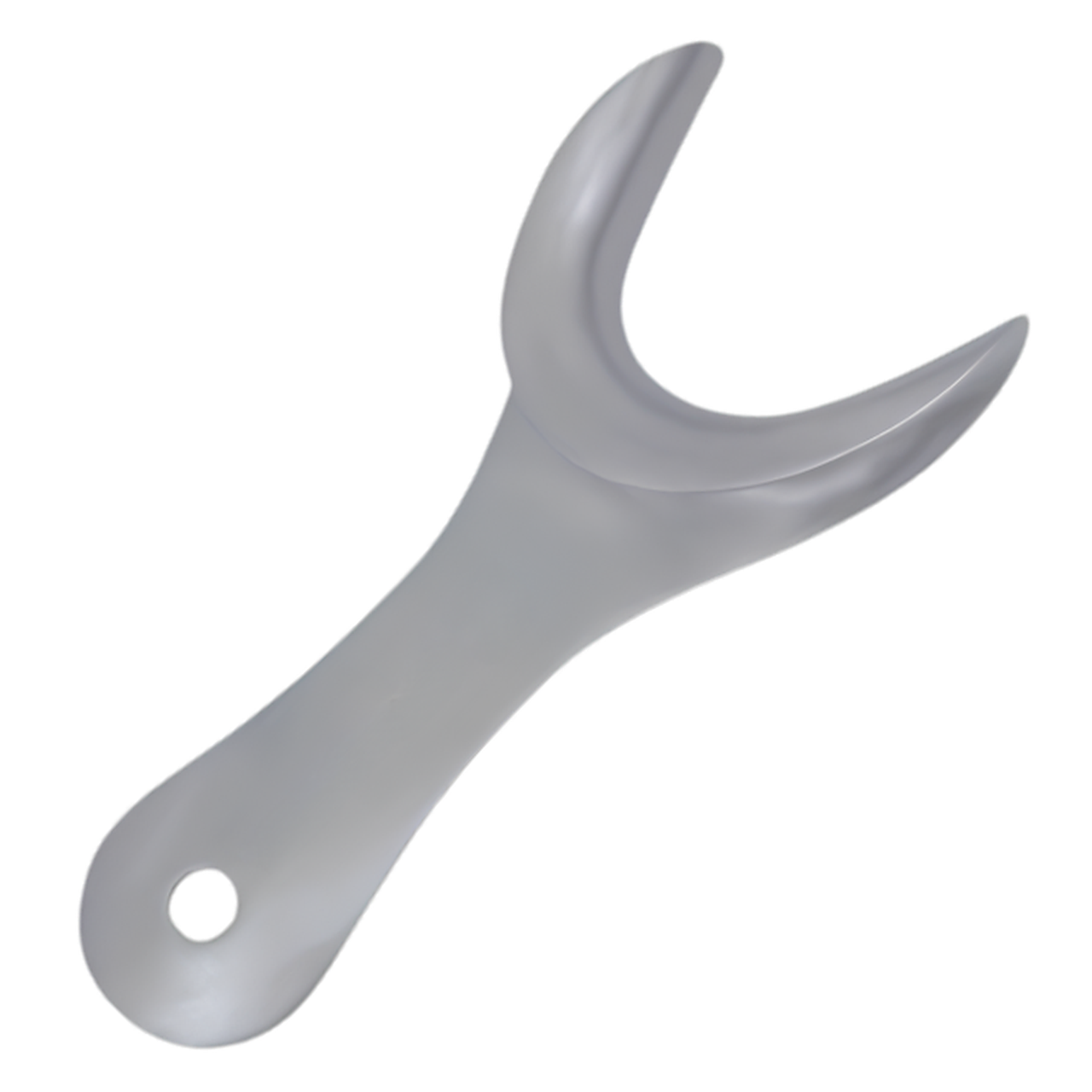 | Martin-Simplex Yanak ve Dudak Ekartörü | Diş, alveolar ve ağız cerrahisi prosedürleri sırasında yanakları ve dudakları ekarte etmek için özel olarak tasarlanmıştır. |
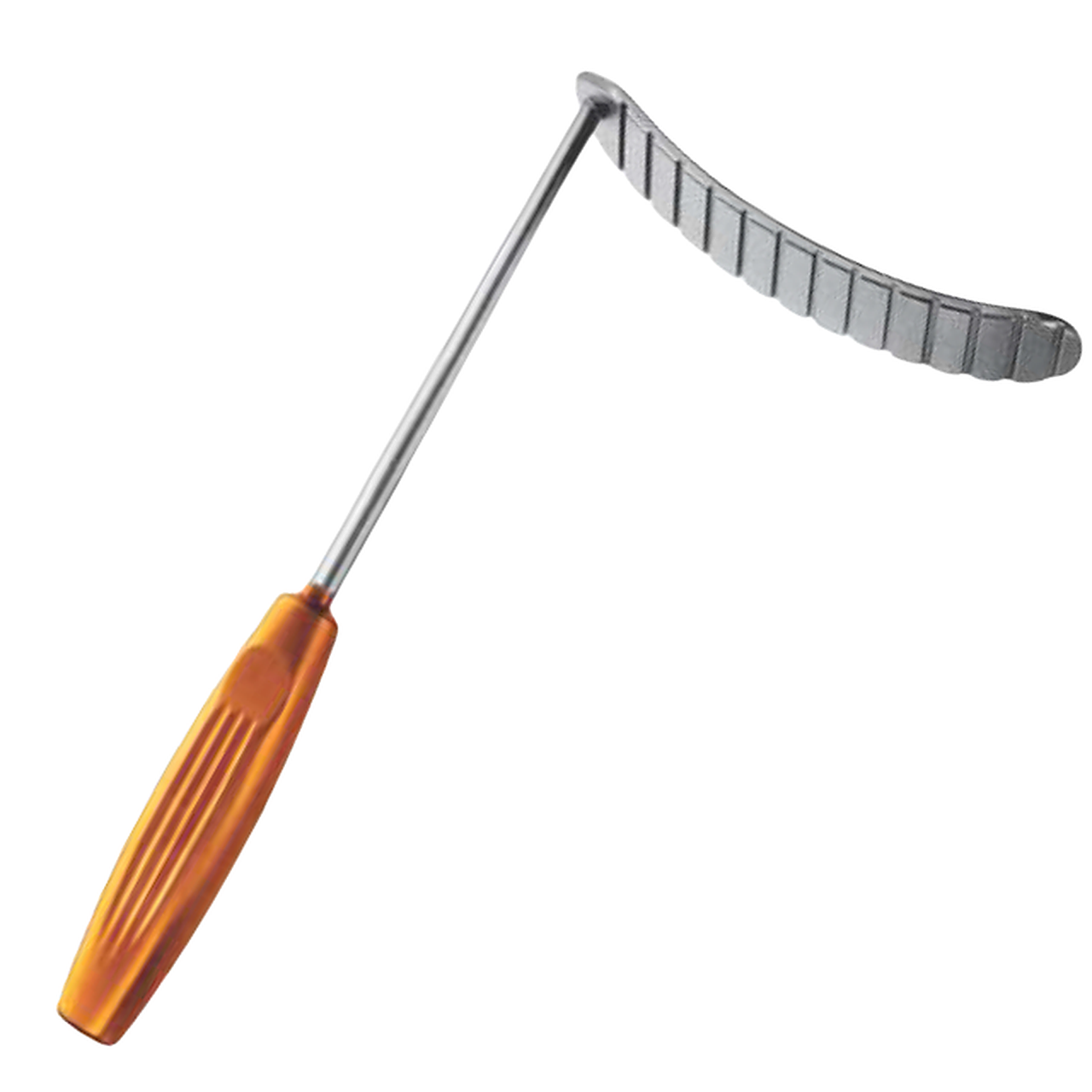 | Marx Meme Ekartörü | Meme cerrahisi sırasında doku flaplarını kaldırmak ve submüsküler veya subglandüler cepler oluşturmak için özel olarak tasarlanmıştır. |
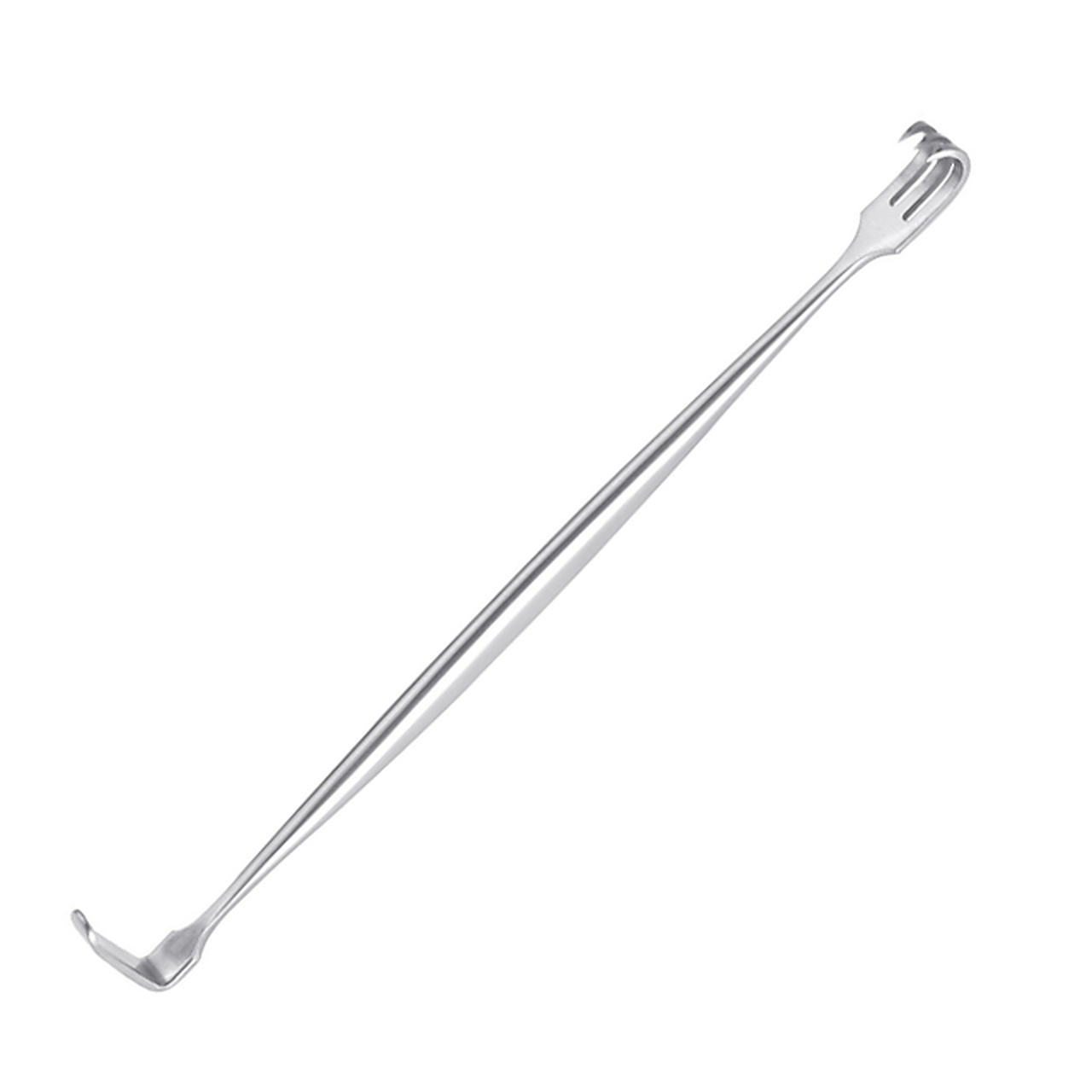 | Mathieu Finger Retraktör | El, parmak ve plastik cerrahi sırasında deri fleplerini, kutanöz kenarları ve tendonları ekarte etmek için özel olarak tasarlanmıştır. |
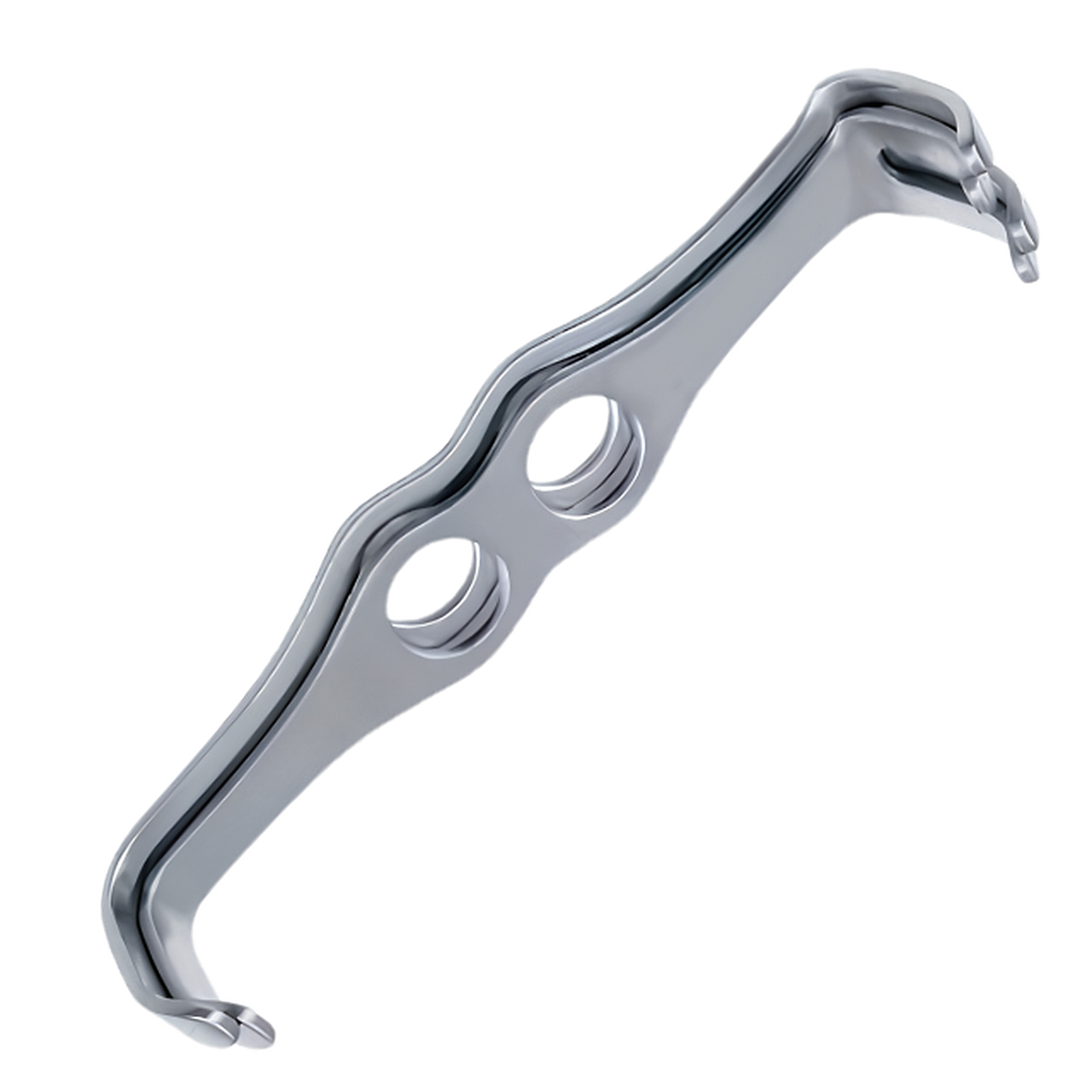 | Mathieu Ekartör | Yüzeysel ve orta derinlikteki cerrahi kesilerde deri kenarlarını, fasyayı ve yumuşak dokuları ekarte etmek için özel olarak tasarlanmıştır. |
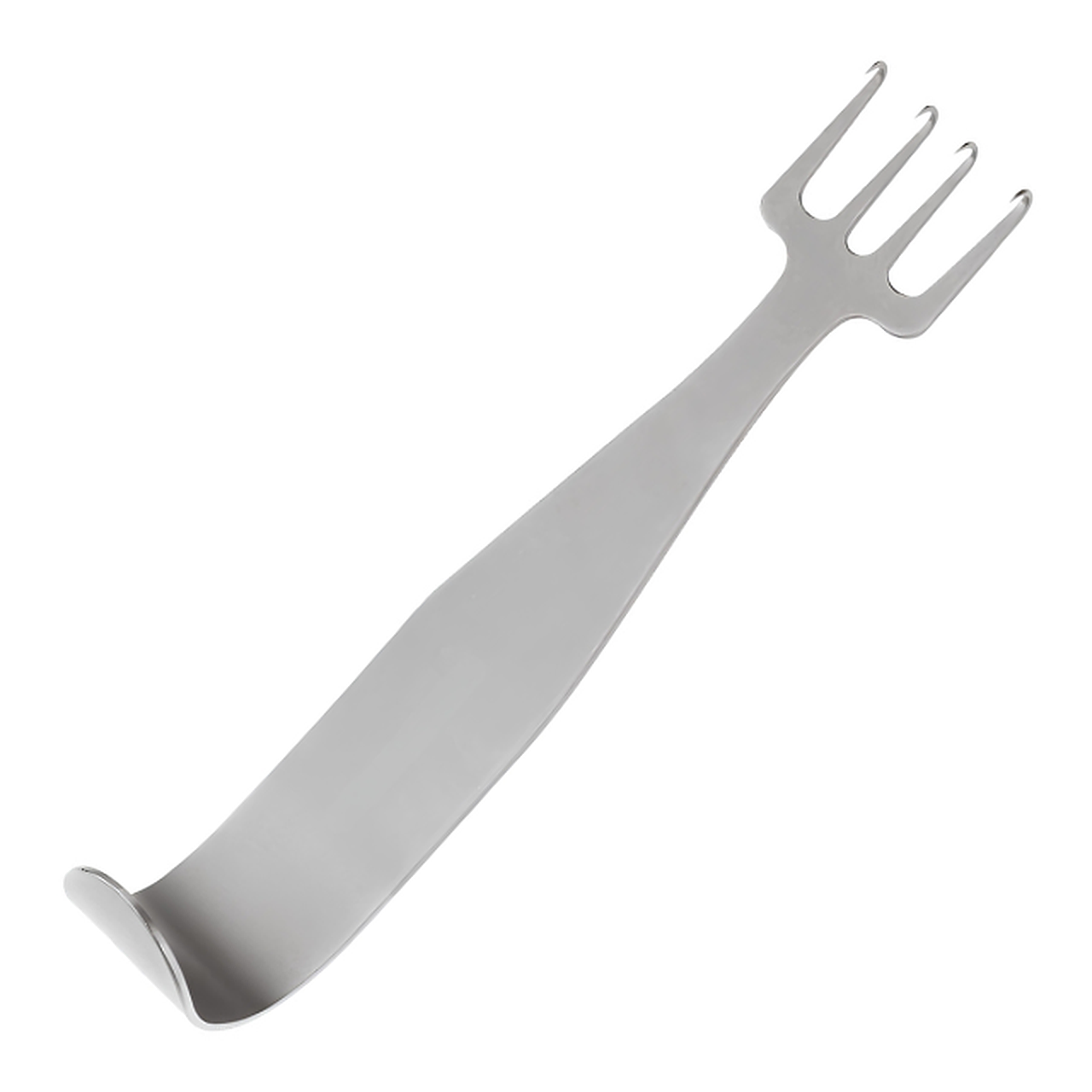 | Maxwell Flap Ekartör | Plastik, yüz ve rekonstrüktif cerrahi sırasında deri fleplerini ve deri altı dokuyu kaldırmak ve ekartasyon sağlamak için özel olarak tasarlanmıştır. |
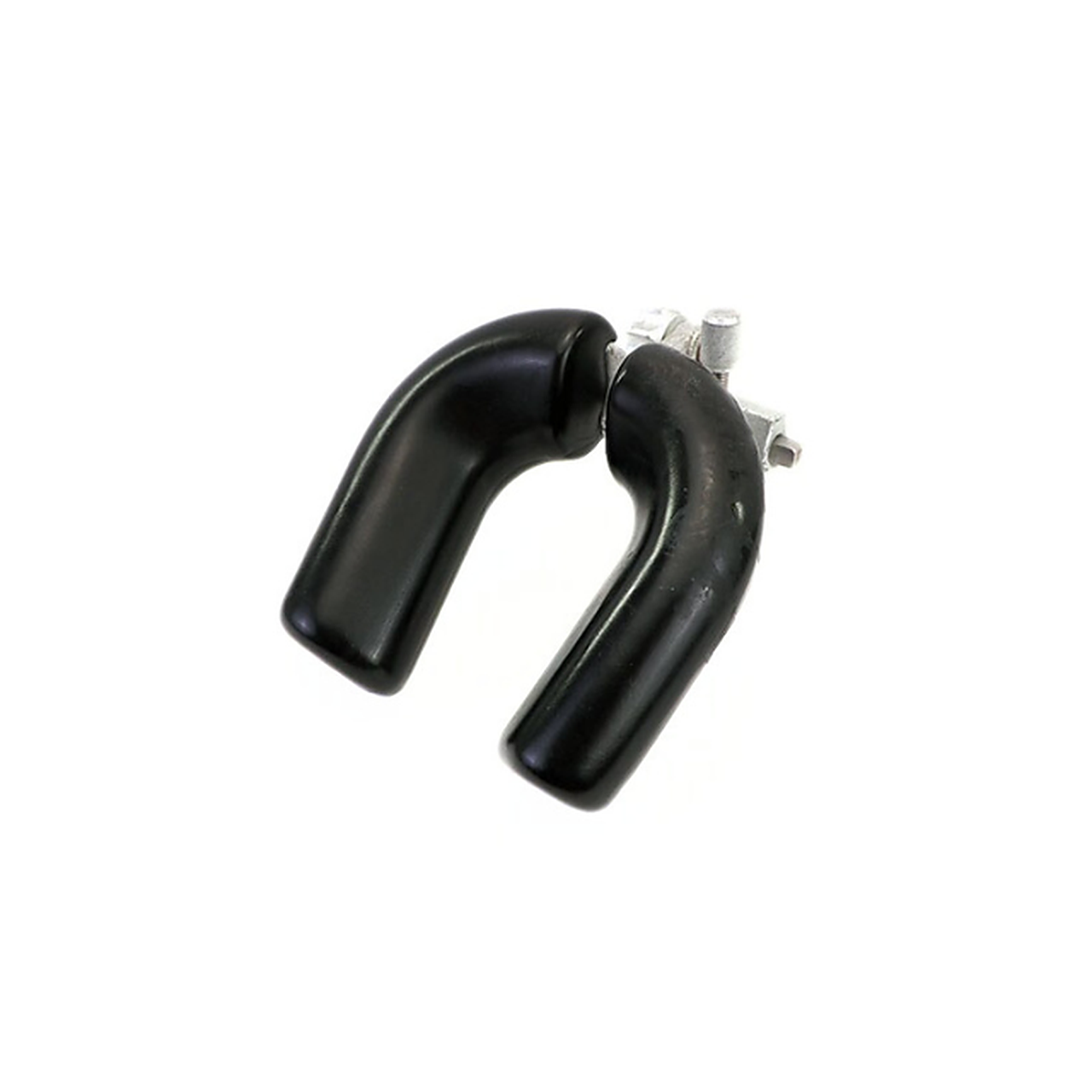 | Mayfield Headrest | Rijit pin fiksasyonu gerekmediğinde beyin cerrahisi, omurga, KBB ve oftalmik prosedürler sırasında stabil, non-invaziv kafa desteği ve eşit basınç dağılımı sağlamak için özel olarak tasarlanmıştır. |
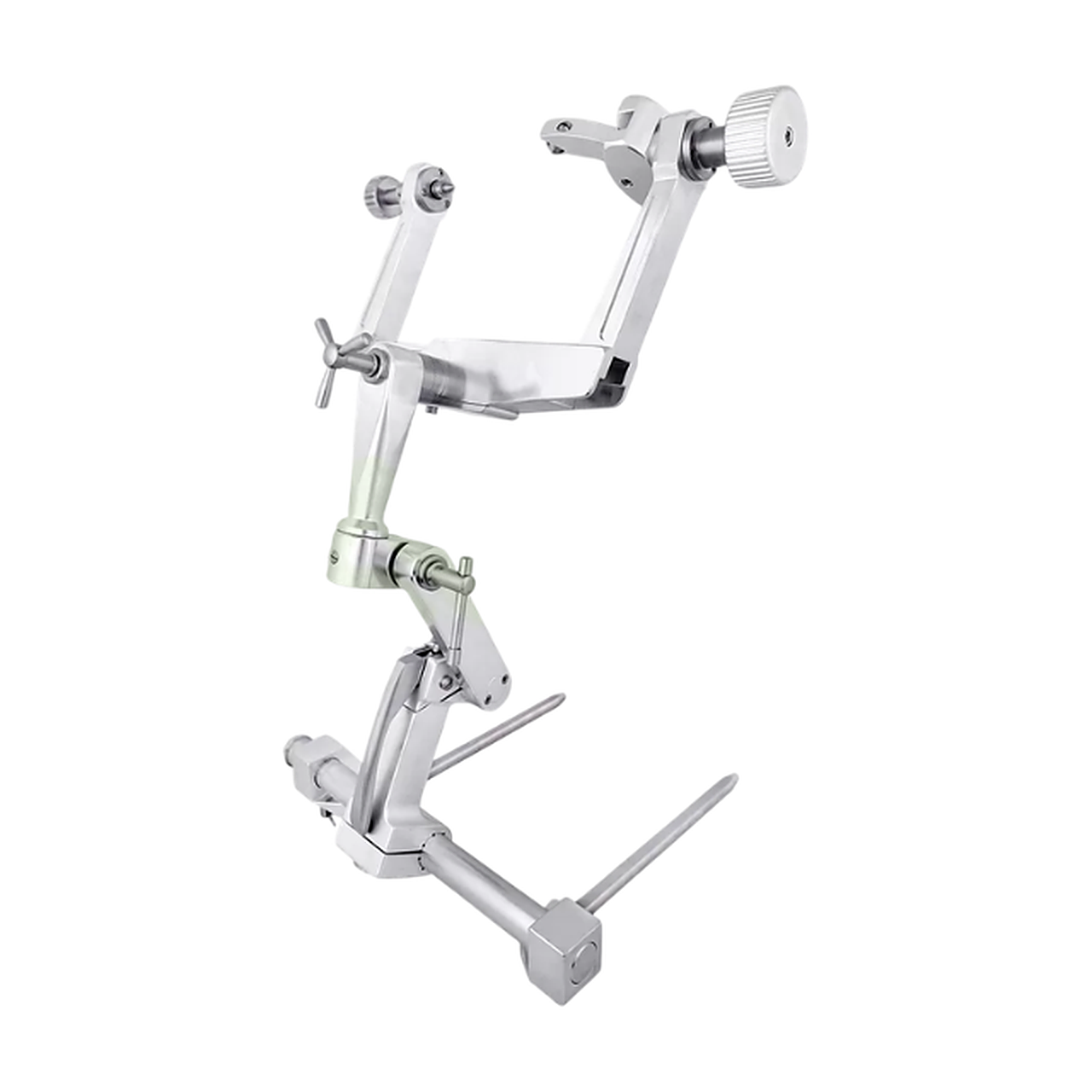 | Mayfield Skull Clamp | Beyin cerrahisi, omurga cerrahisi, KBB ve oftalmik prosedürler sırasında rijit 3 pinli kraniyal fiksasyon ve baş immobilizasyonu sağlamak üzere tasarlanmıştır. |
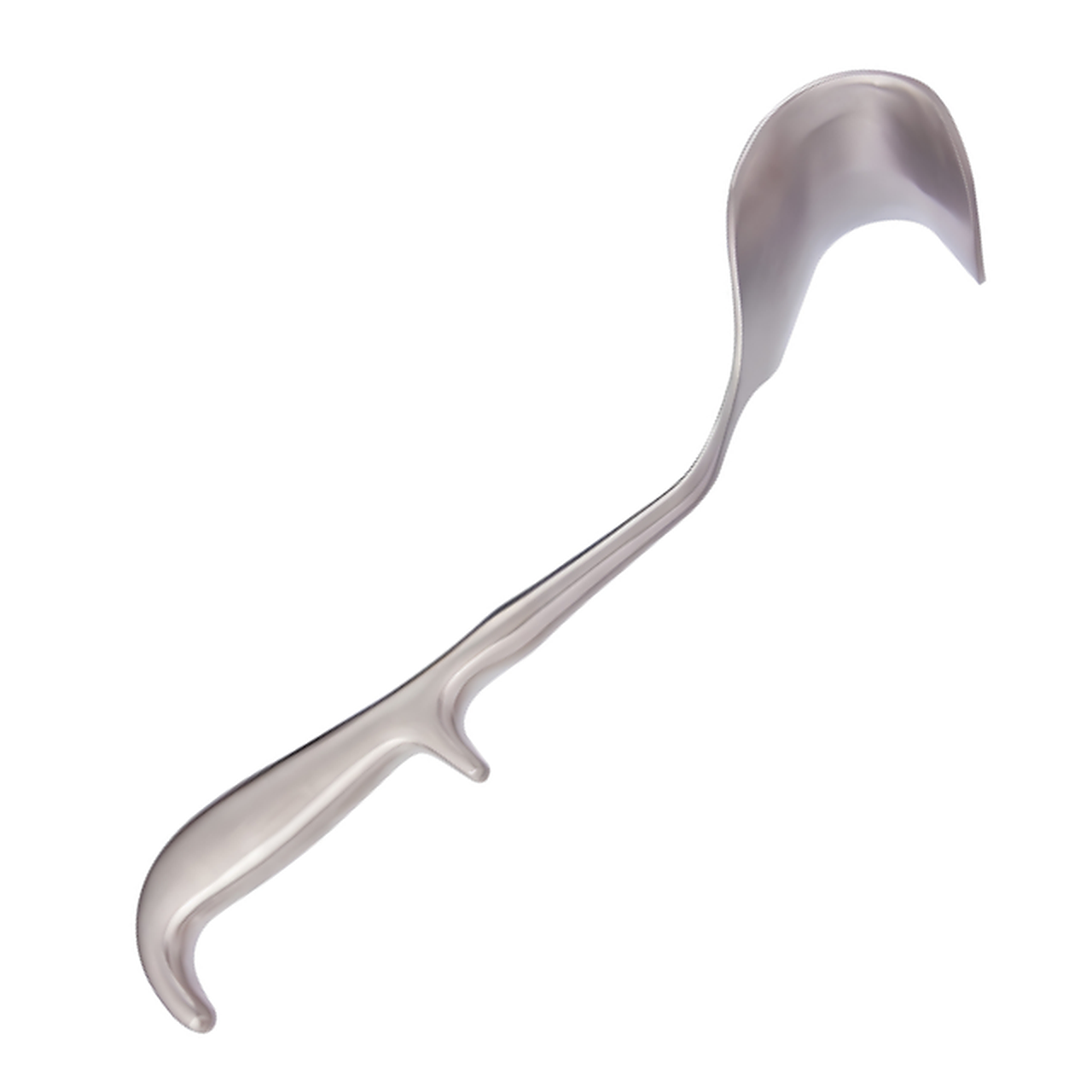 | Mayo Abdominal Retratör | Açık laparotomi ve pelvik cerrahi sırasında karın duvarını, iç organları ve kalın kas dokusunu ekarte etmek için özel olarak tasarlanmıştır. |
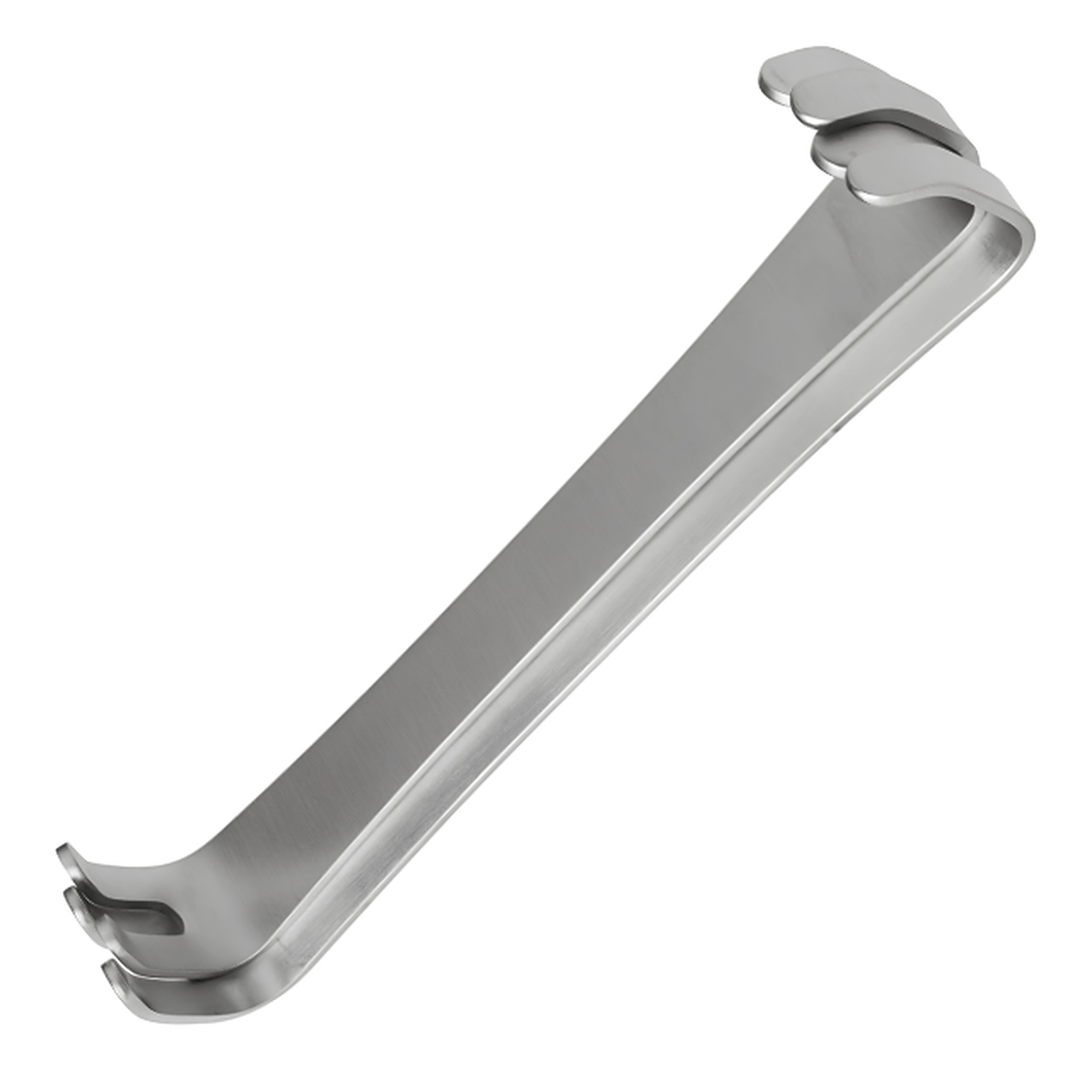 | Mayo-Collins Ekartör - İkili Set | Yüzeysel ve orta düzey cerrahi insizyonlarda deri, fasya ve yumuşak dokuları ekarte etmek için özel olarak tasarlanmıştır. |
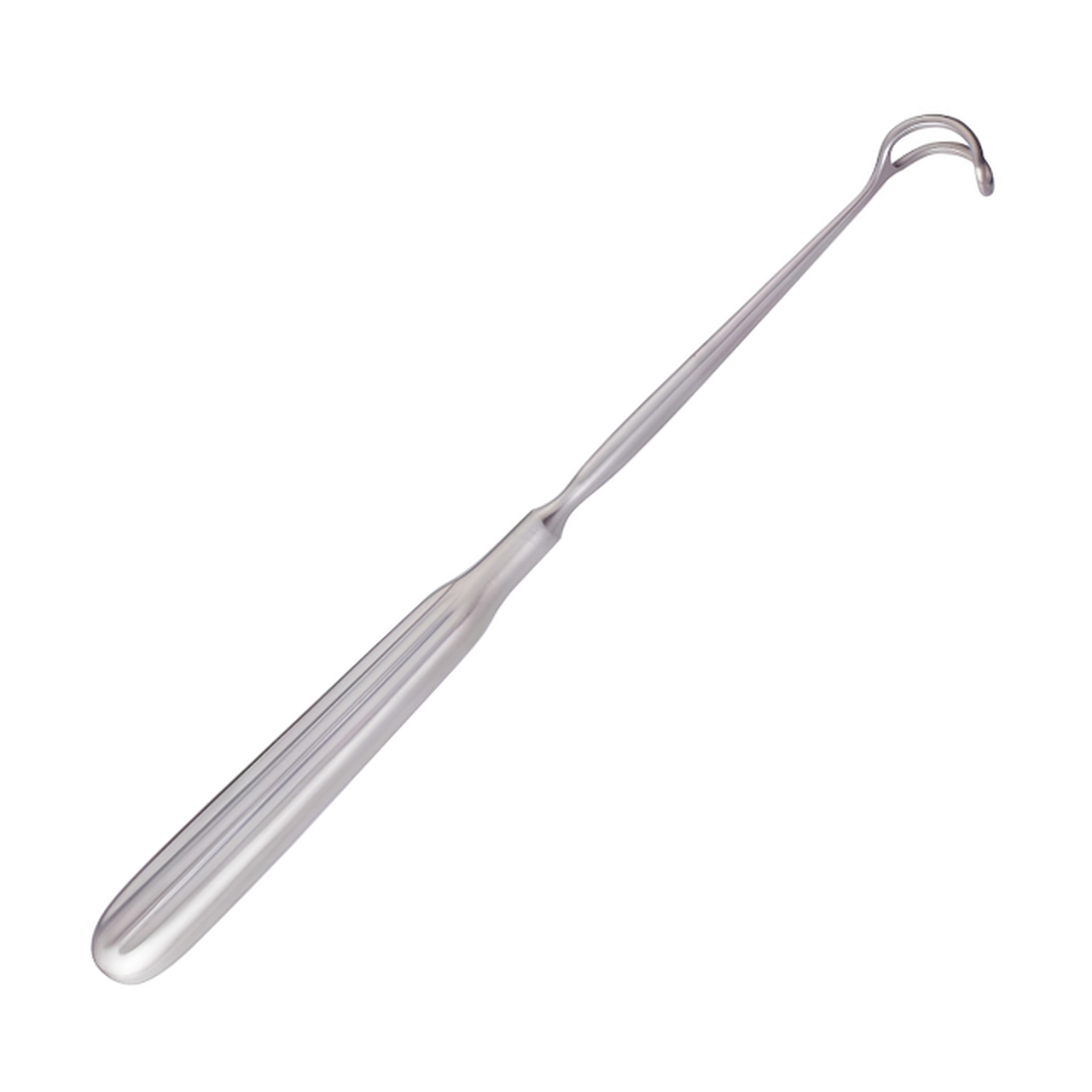 | McBurney Tiroid Ekartörü | Tiroidektomi ve paratiroid cerrahisi sırasında strap kaslarını, servikal fasyayı ve yara kenarlarını ekarte etmek için özel olarak tasarlanmıştır. |
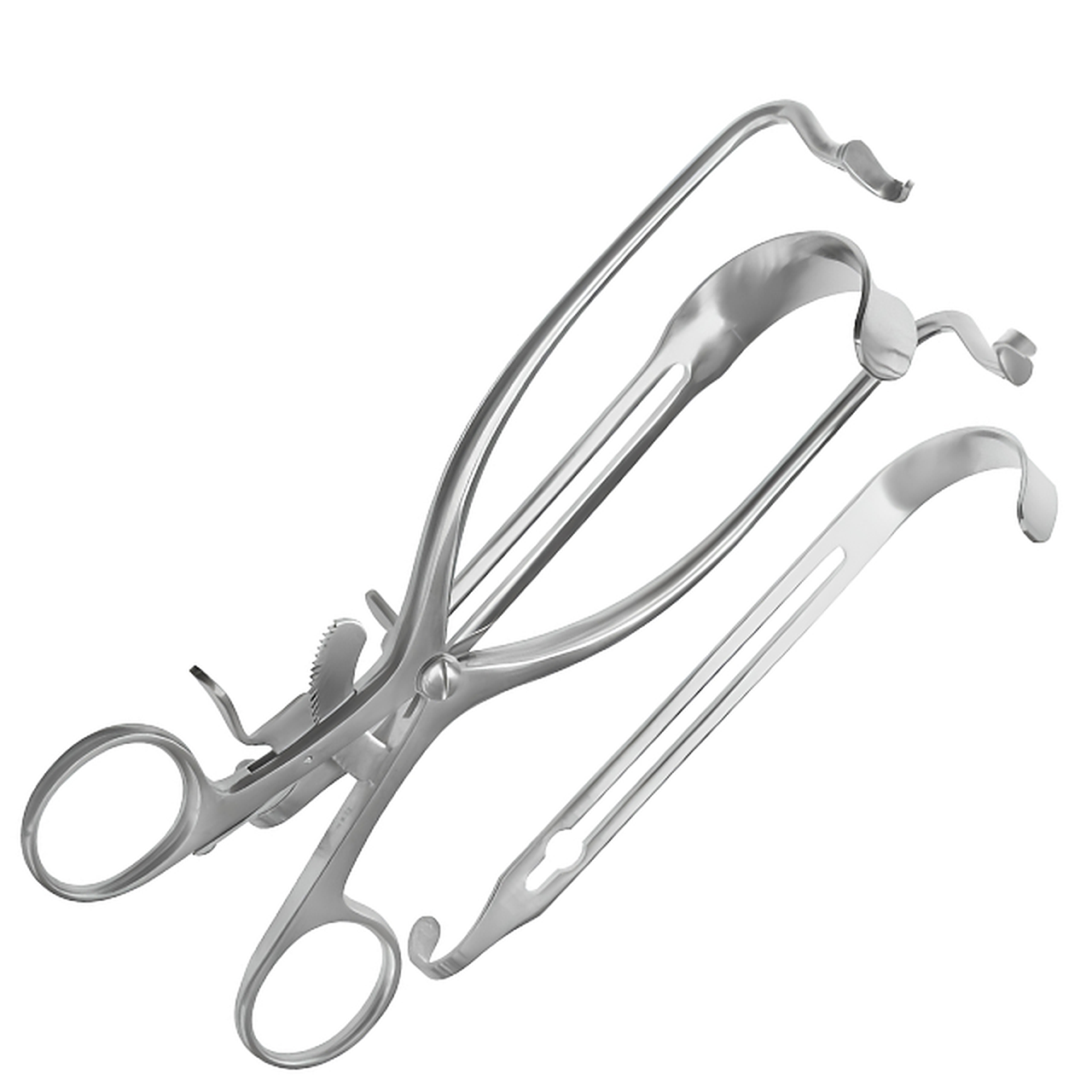 | McCabe Antral Ekartör | Maksiller sinüs cerrahisi ve Caldwell-Luc prosedürleri sırasında yanak ve üst dudağı ekarte etmek için özel olarak tasarlanmıştır. |
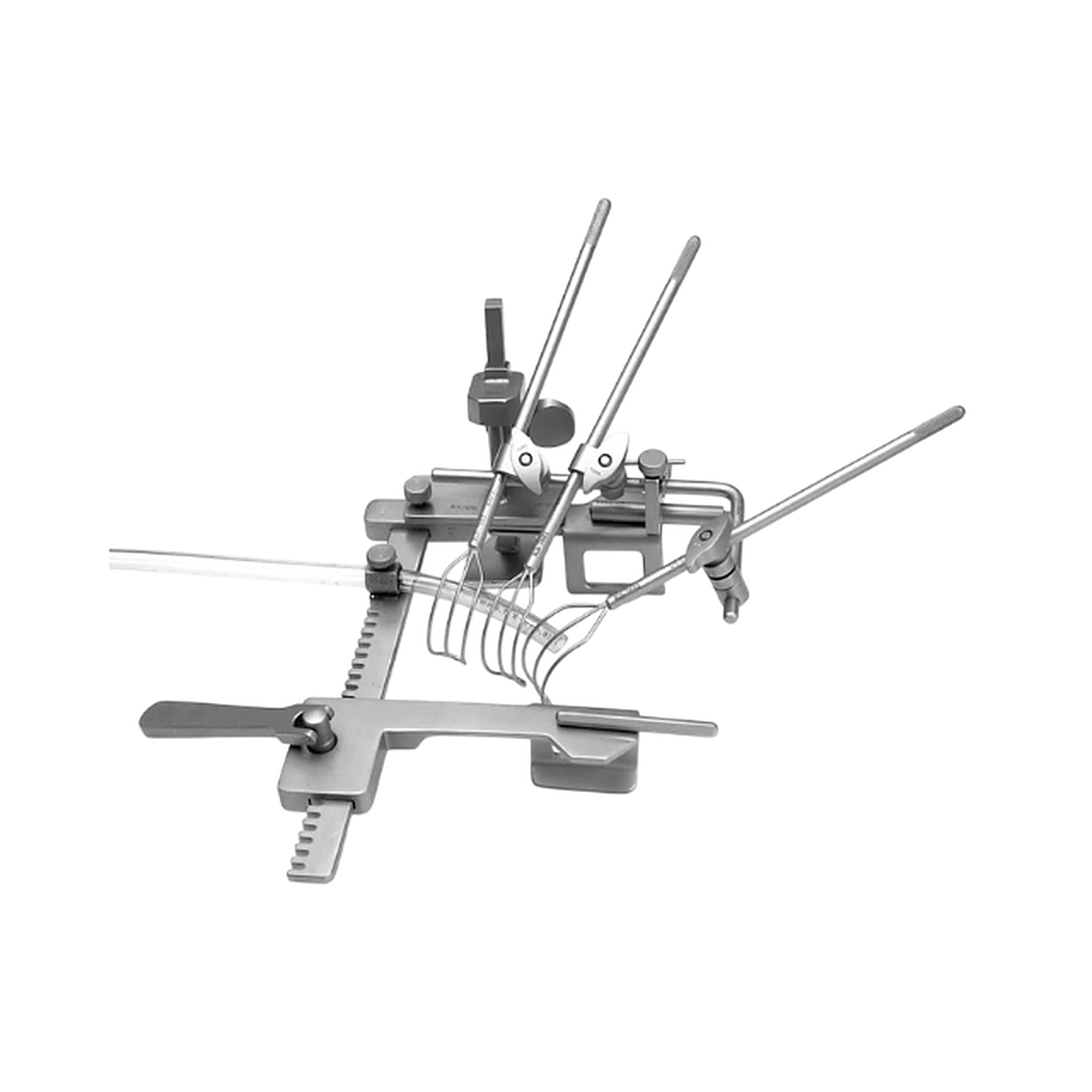 | McCarthy Mini-Sternotomy Retractor with Universal Lift | Kapak operasyonları, Maze prosedürleri, mini sternotomiler ve intrakardiyak prosedürler sırasında stabil sternal ayırma ve sol sternal elevasyon sağlamak için özel olarak tasarlanmıştır. |
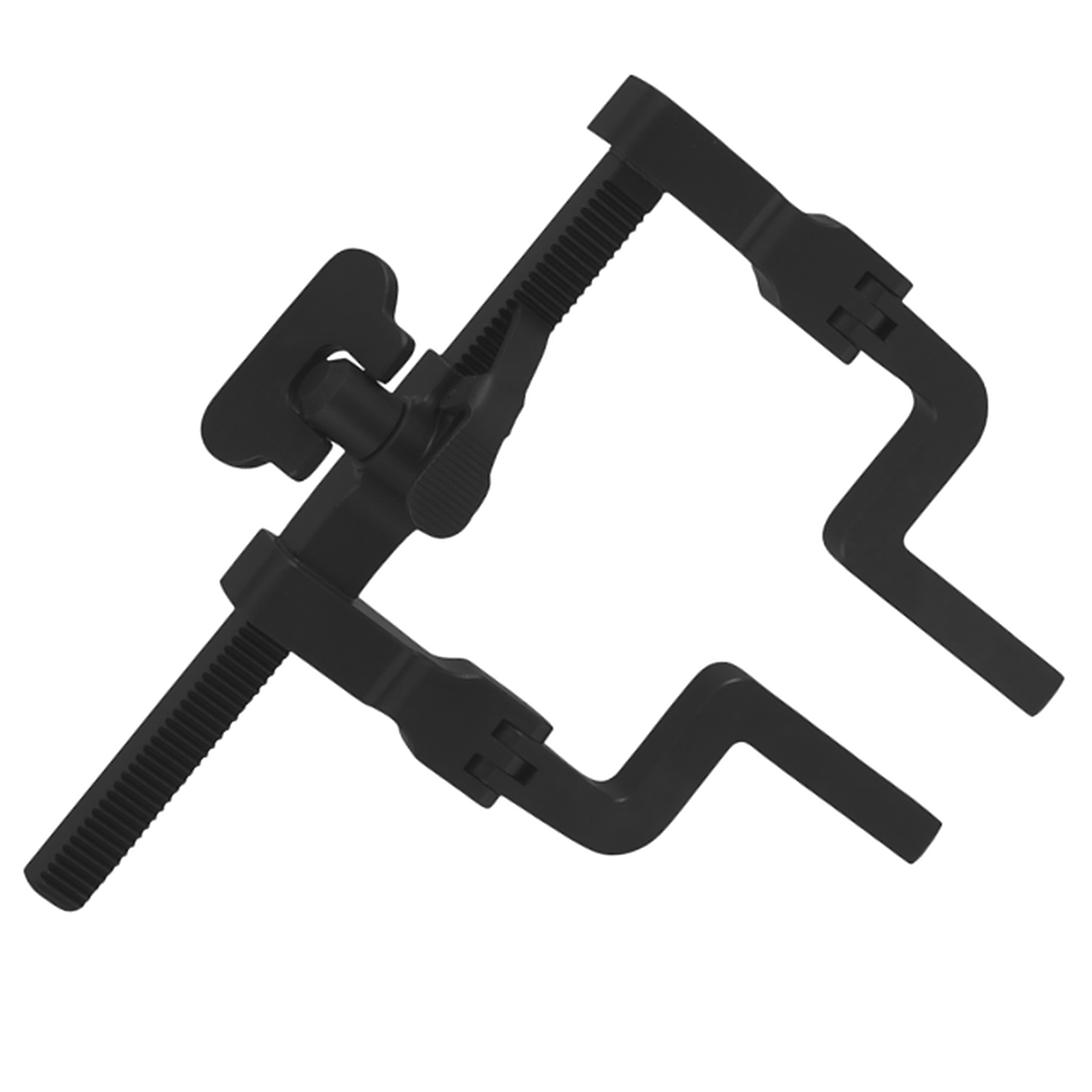 | McCulloch Tipi Mikrodiskektomi Rijit Ekartör Çerçevesi | Lomber mikrodiskektomi sırasında modüler bıçakları ve kancaları monte etmek için kendinden tutmalı bir taban çerçevesi olarak hizmet etmek üzere özel olarak tasarlanmıştır. |
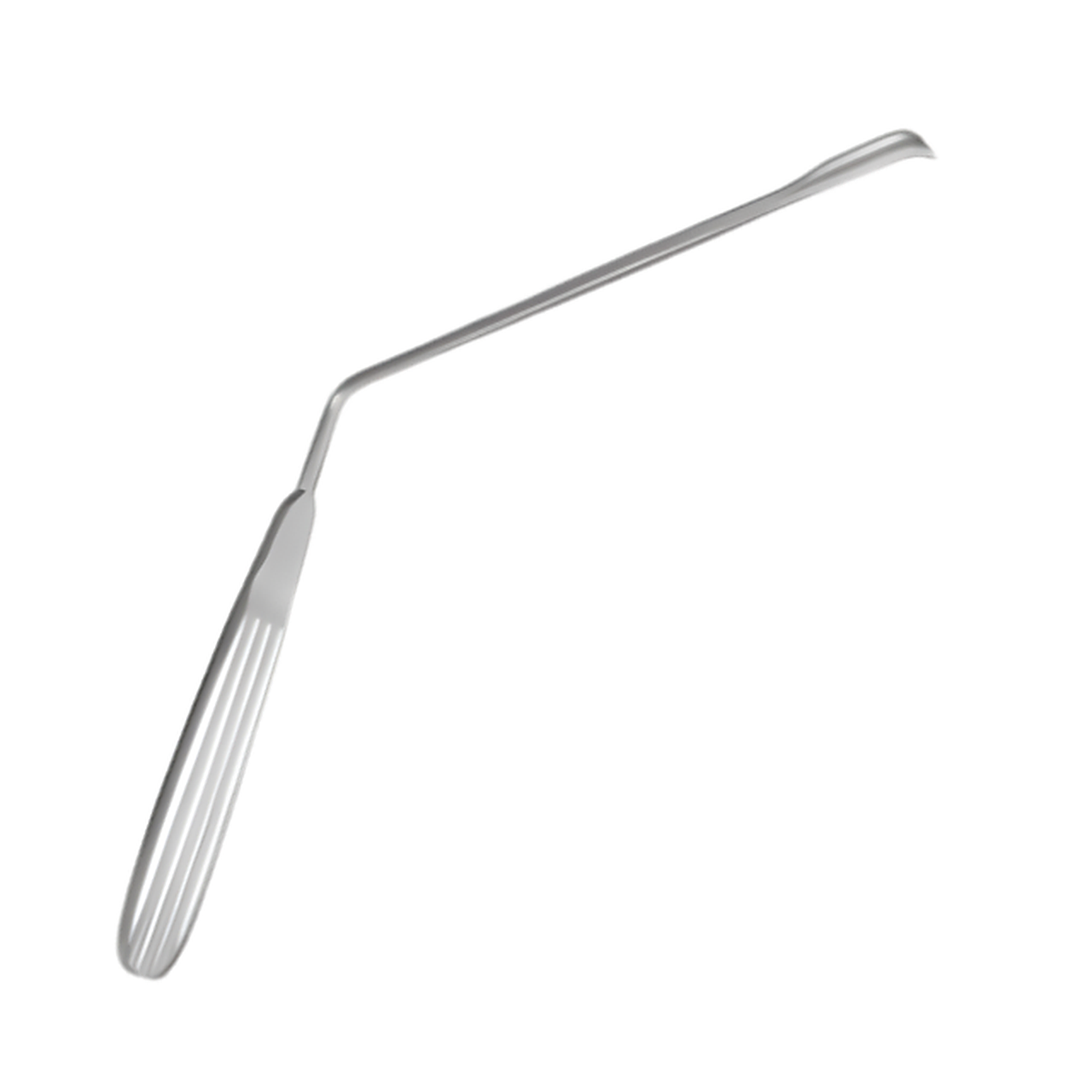 | McCulloch-Tipi Sinir Kökü Ekartörü | Mikrocerrahi lomber diskektomi sırasında spinal sinir köklerini ve tekal sakı mobilize etmek, kavramak ve korumak için özel olarak tasarlanmıştır. |
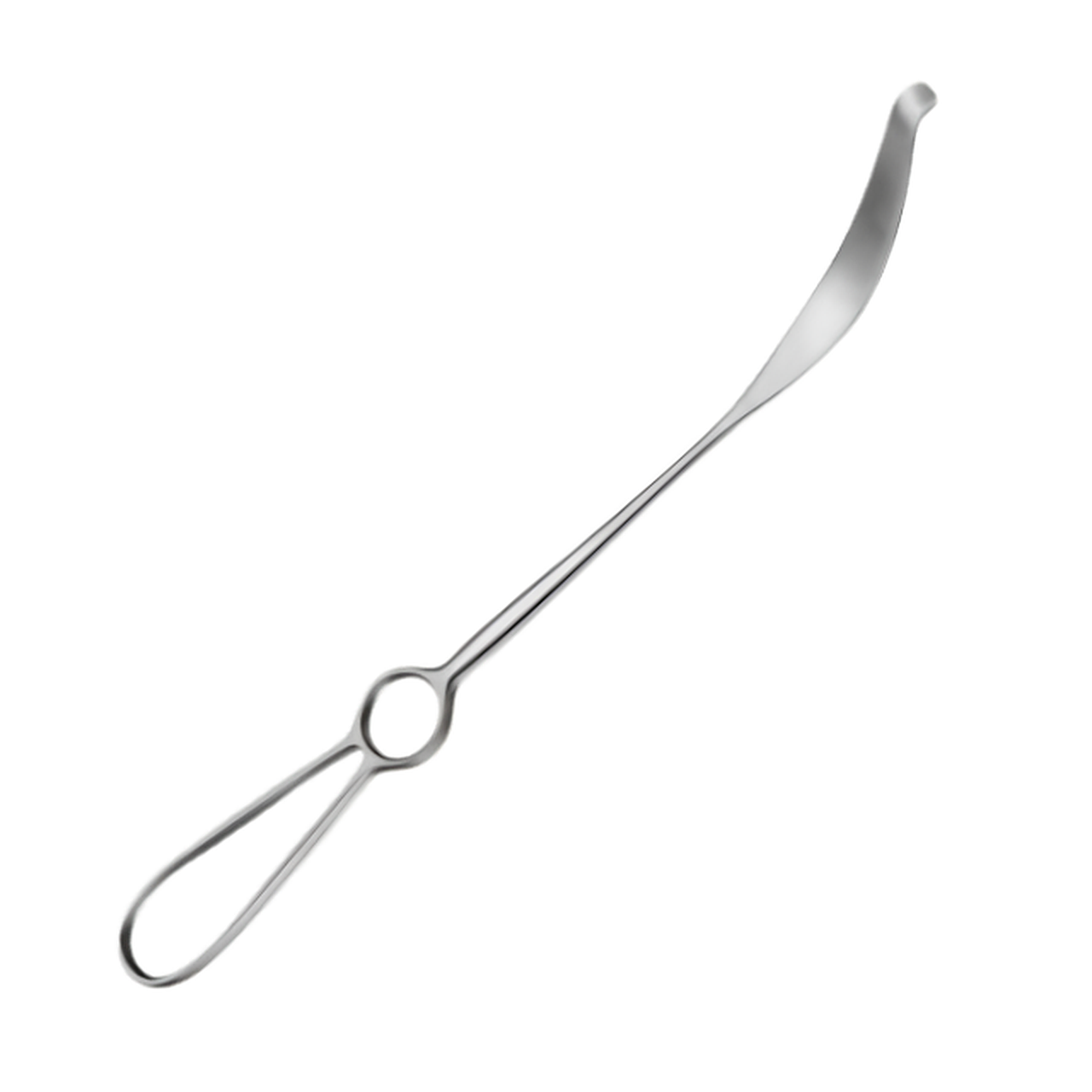 | Medial Ramus & Orbital Rim Retraktör | Kraniofasiyal prosedürler sırasında yumuşak dokuları ekarte etmek ve medial ramus ile orbital rim boyunca kemiği açığa çıkarmak için özel olarak tasarlanmıştır. |
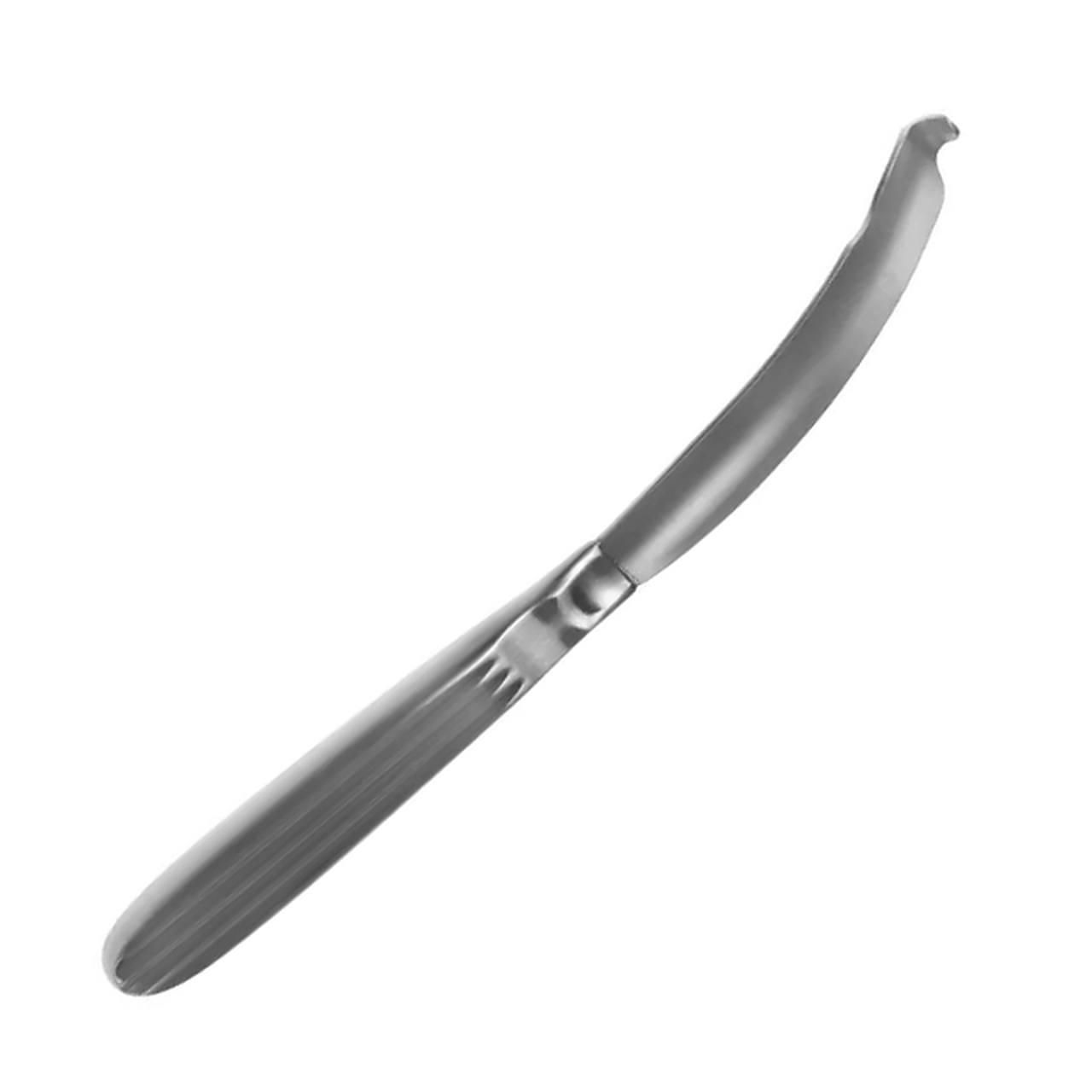 | Medial Ramus Ekartör | Sagital split ramus osteotomileri sırasında medial pterygoid kası ekarte etmek ve inferior alveolar siniri korumak için özel olarak tasarlanmıştır. |
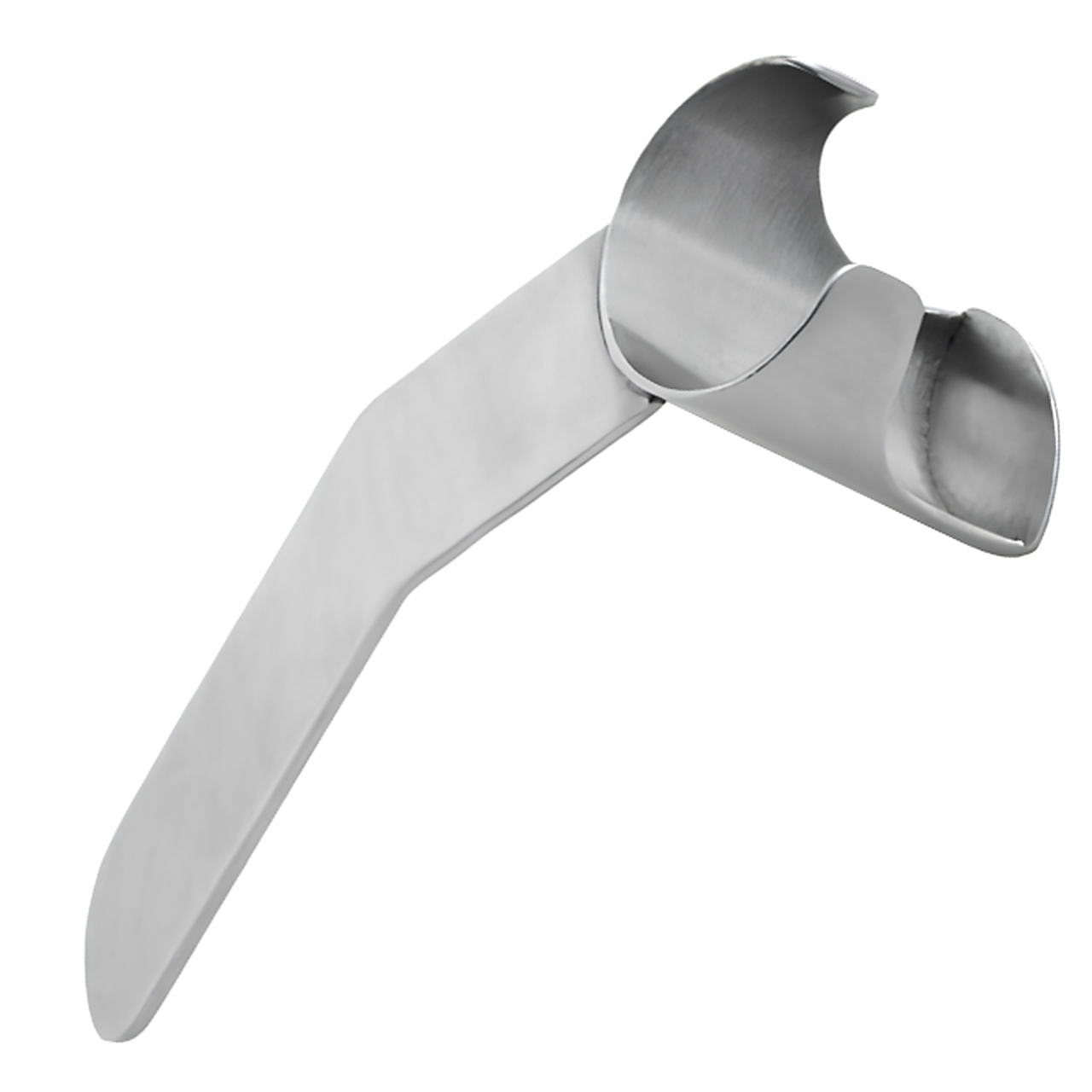 | Meniskal Tamir Ekartörü | Artroskopik menisküs tamiri sırasında posterior nörovasküler yapıları korumak ve sütür iğnelerini saptırmak için özel olarak tasarlanmıştır. |
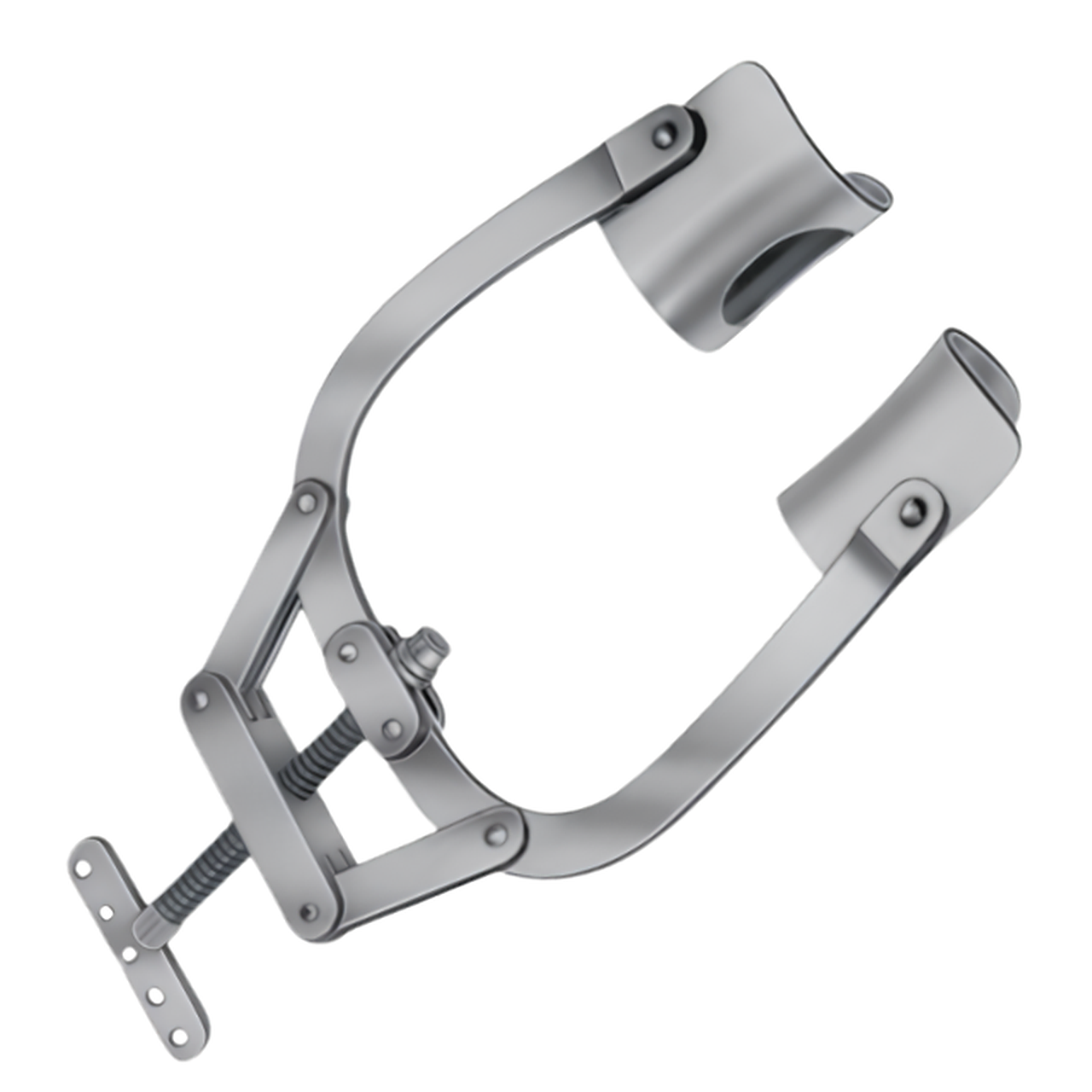 | Mercedes Torasik Ekartör | Torasik cerrahi sırasında geniş kaburga ve göğüs duvarı ayrımı için bileşik mekanik tork sağlamak üzere özel olarak tasarlanmıştır. |
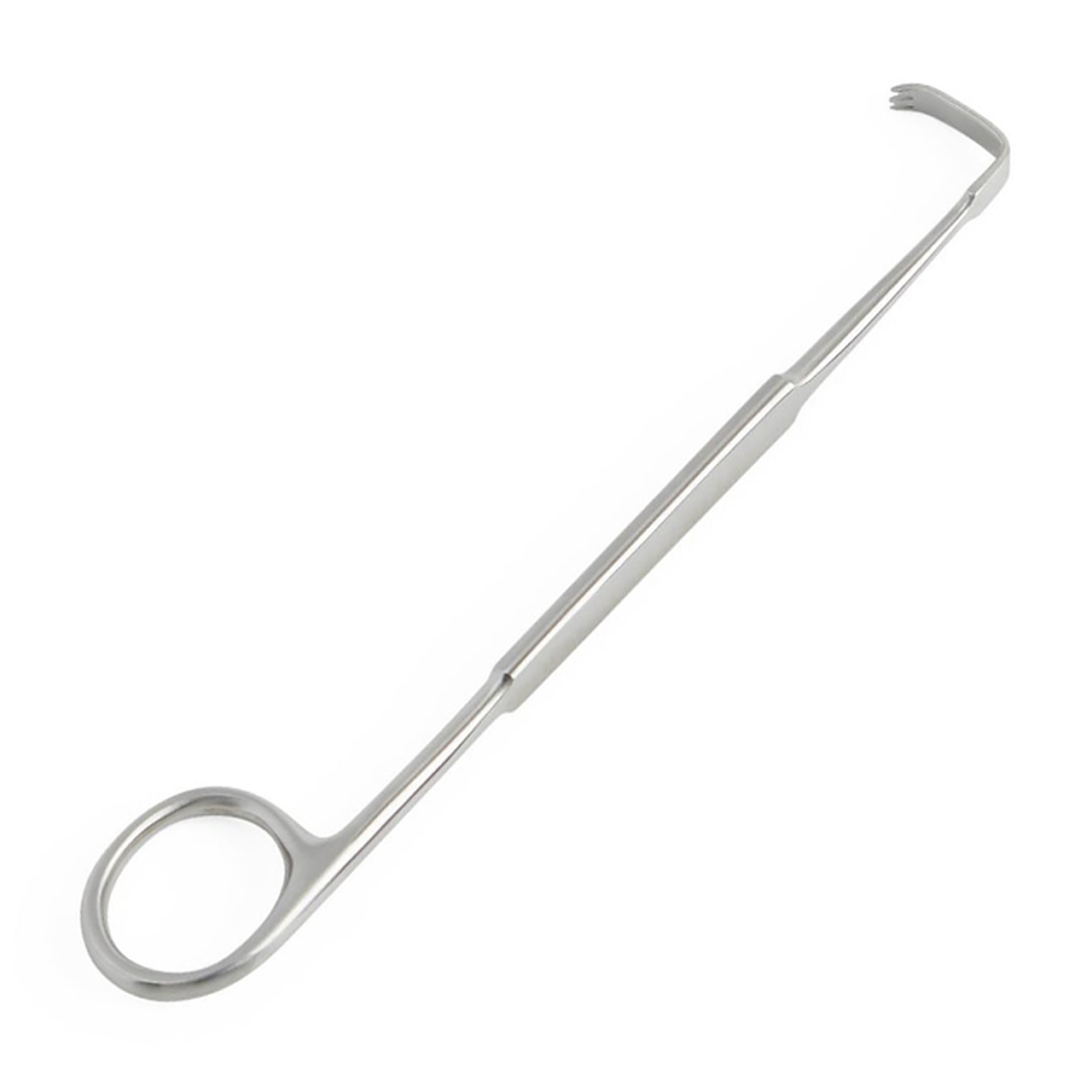 | Meyerding Parmak Ekartörü | El, plastik ve küçük cerrahiler sırasında deri fleplerini, dijital tendonları ve hassas yumuşak dokuları ekarte etmek için özel olarak tasarlanmıştır. |
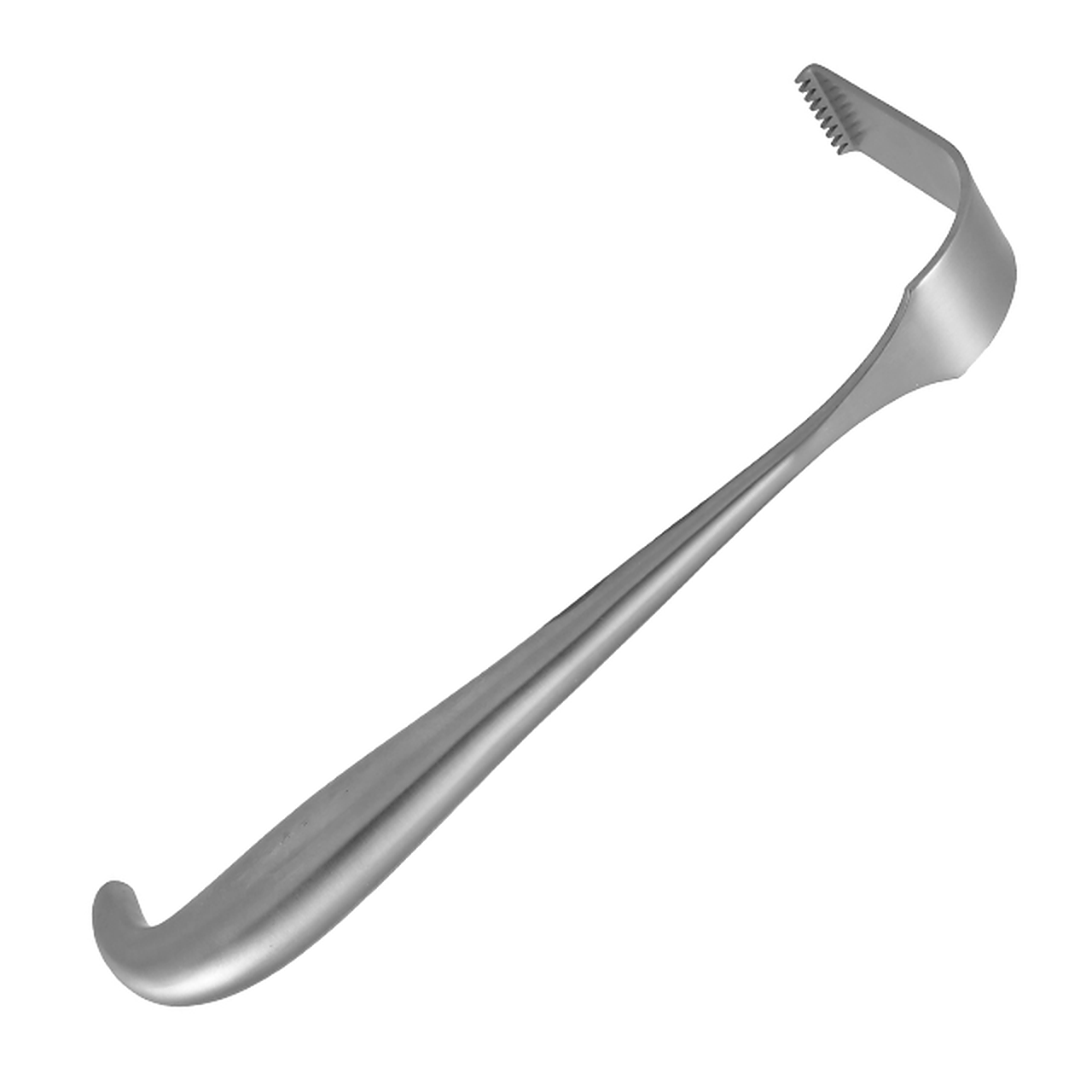 | Meyerding Ekartör | Spinal laminektomi ve ortopedik cerrahi sırasında ağır paraspinal kasları ve derin yumuşak dokuları ekarte etmek için özel olarak tasarlanmıştır. |
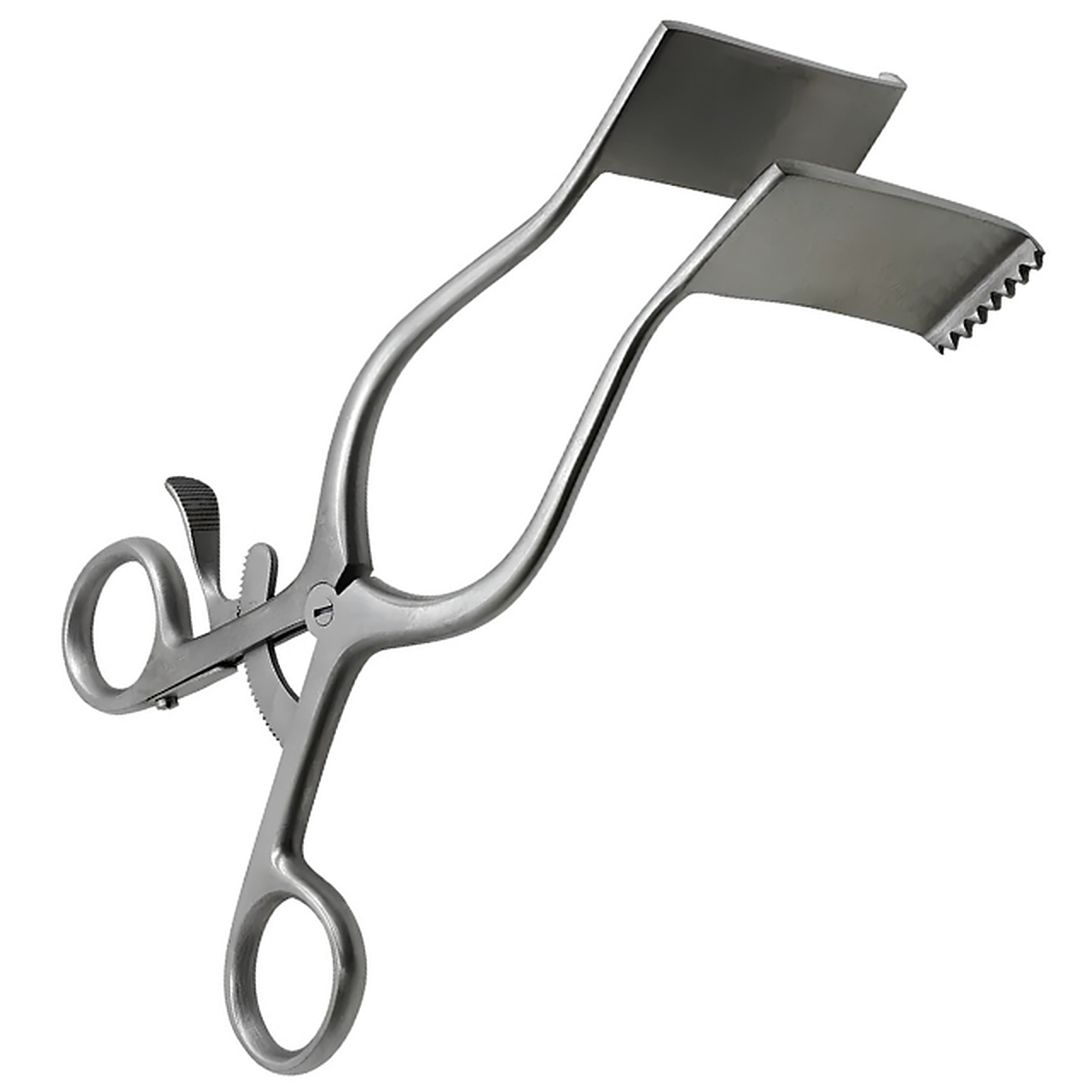 | Meyerding Retractor with Ratchet | Spinal laminektomi sırasında kendinden tutmalı paraspinal kas retraksiyonu ve kemik ankrajı sağlamak için özel olarak tasarlanmıştır. |
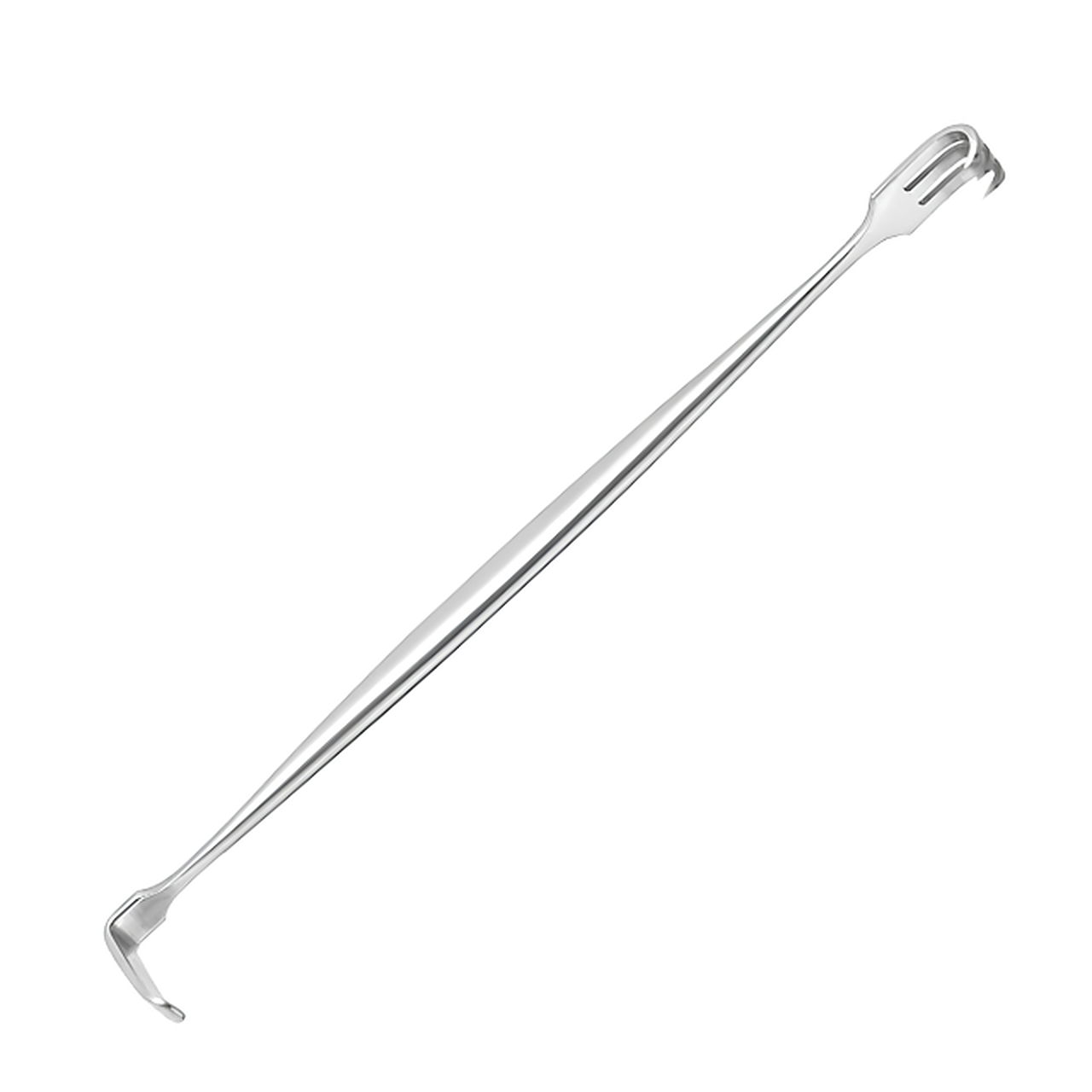 | Meyerding Cilt Kancası/Ekartörü | Plastik, rekonstrüktif ve minör cerrahi sırasında hassas cilt kenarlarını kaldırmak ve yumuşak dokuyu ekarte etmek için özel olarak tasarlanmıştır. |
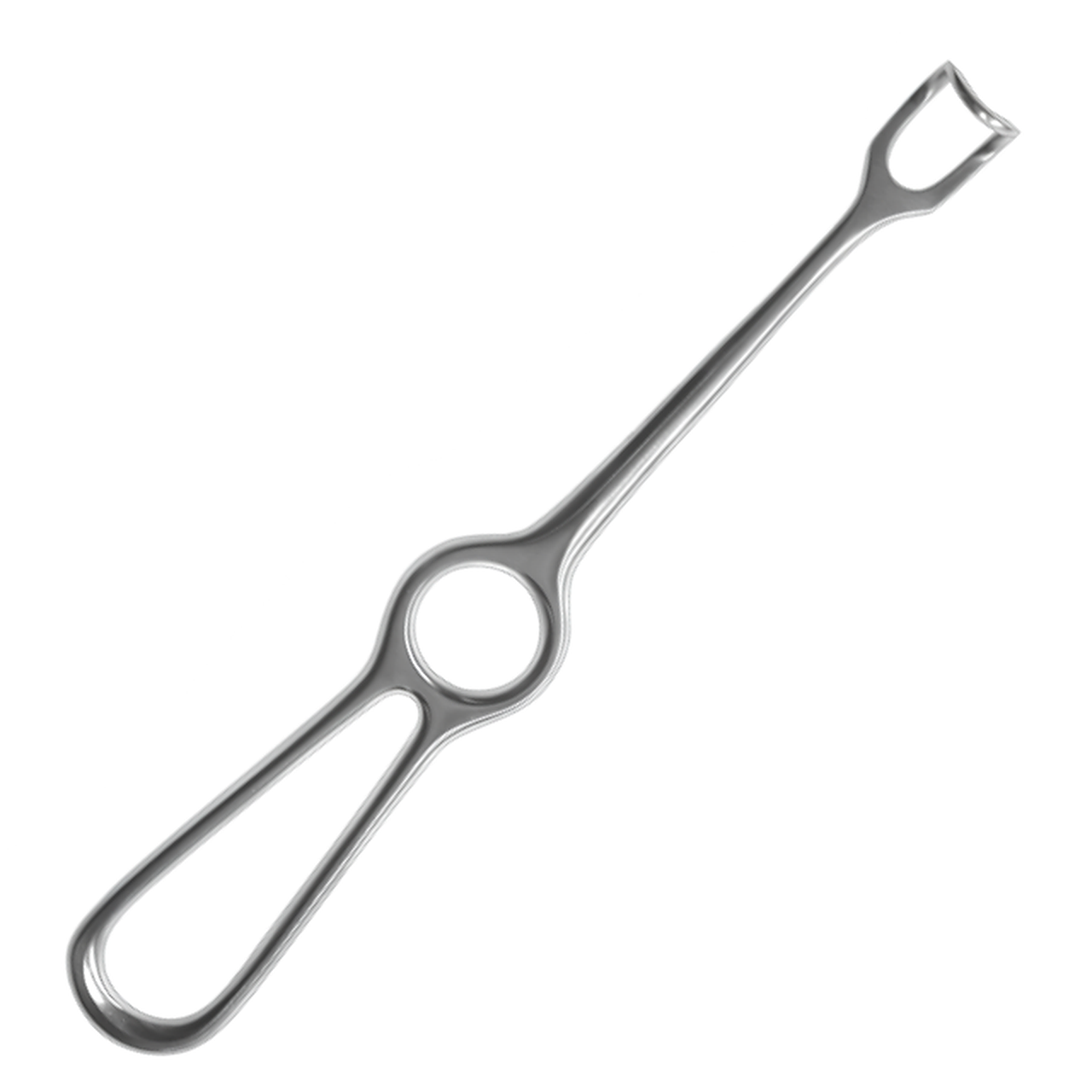 | Middledorpf Ekartör | Derin cerrahi sırasında görsel görüş hattını korurken kas katmanlarını, fasyayı ve yumuşak dokuyu ekarte etmek için özel olarak tasarlanmıştır. |
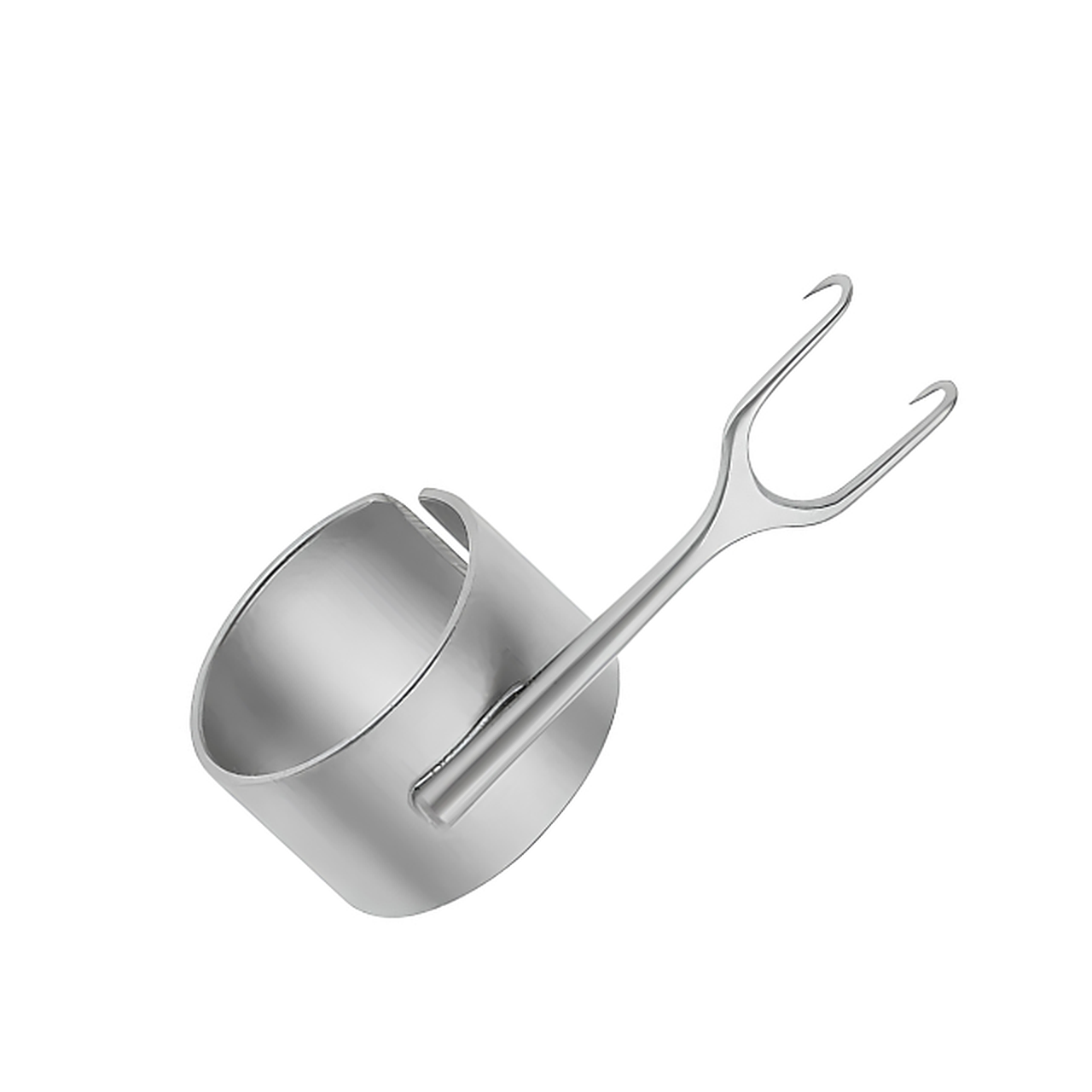 | Millard Cottle Parmak Halkalı Ekartör | Rinoplasti ve dudak yarığı burun onarımları sırasında alar kenarı ve alt lateral kıkırdağı ekarte etmek için özel olarak tasarlanmıştır. |
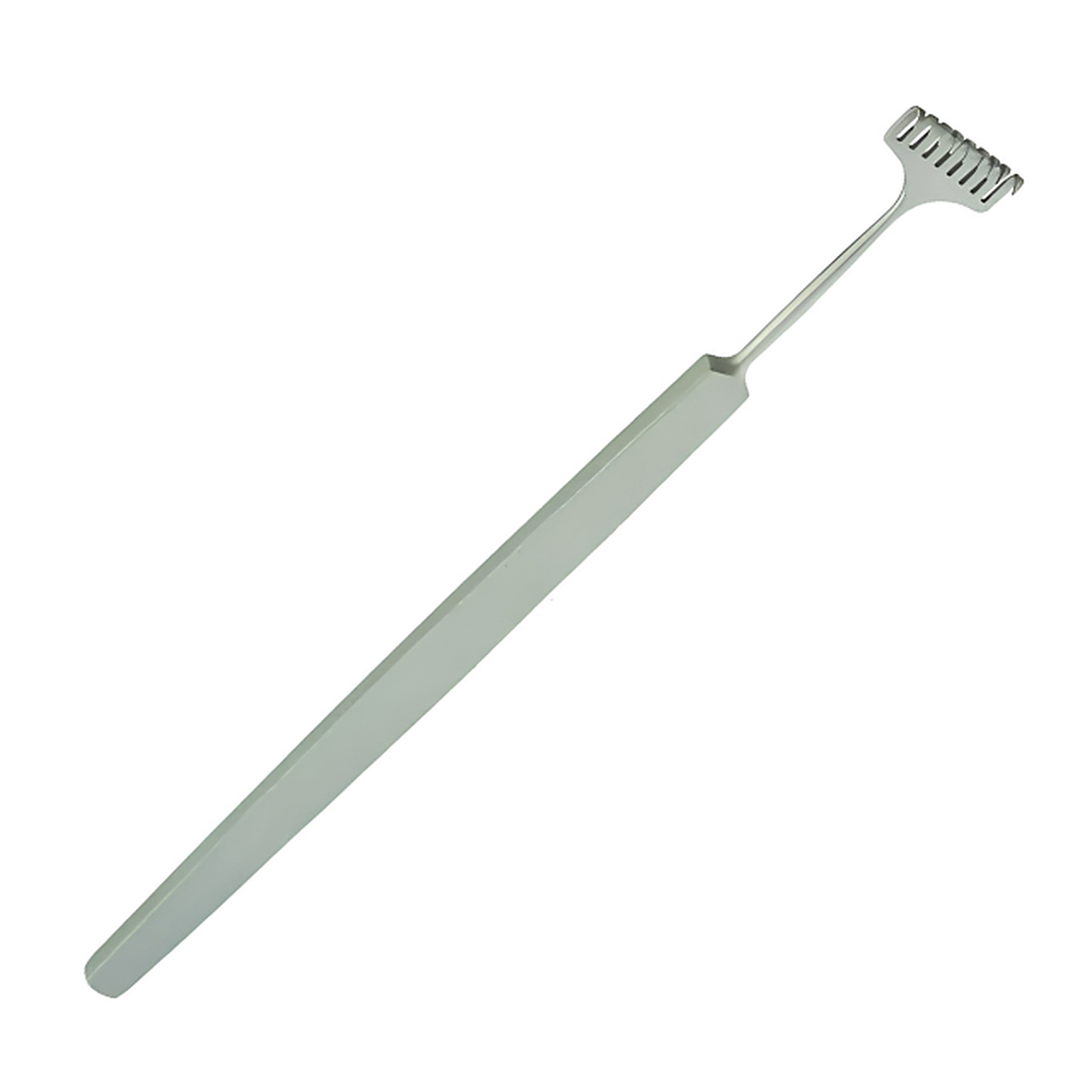 | Miller Rake Retraktör | Plastik, dermatolojik ve rekonstrüktif cerrahi sırasında cilt fleplerini kaldırmak ve deri altı dokusunu ekarte etmek için özel olarak tasarlanmıştır. |
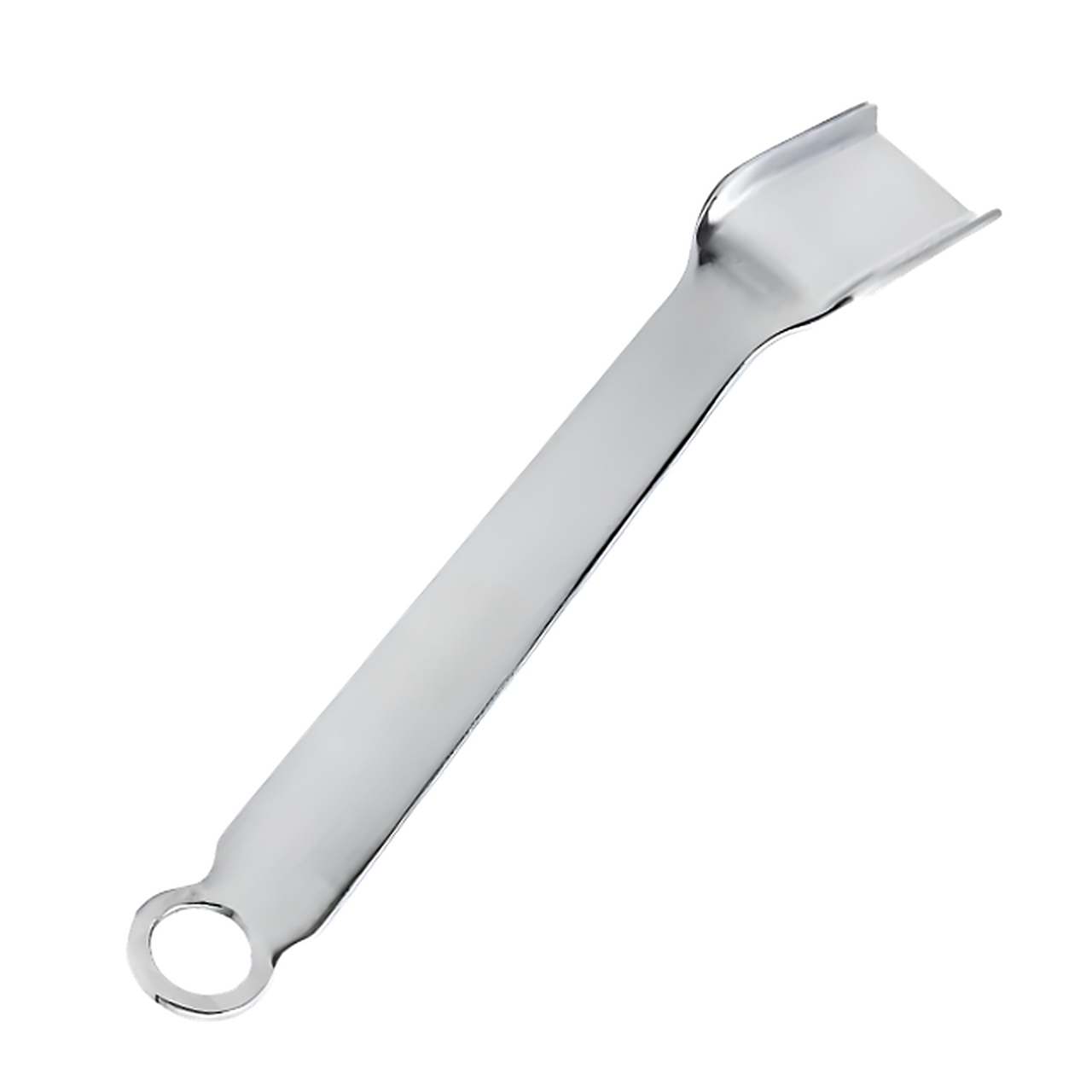 | Minimal İnvaziv Diz Ekartörleri | Minimal invaziv diz artroplastisi sırasında küçük insizyonlar aracılığıyla kemiği manivela yapmak ve yumuşak dokuları ekarte etmek için özel olarak tasarlanmıştır. |
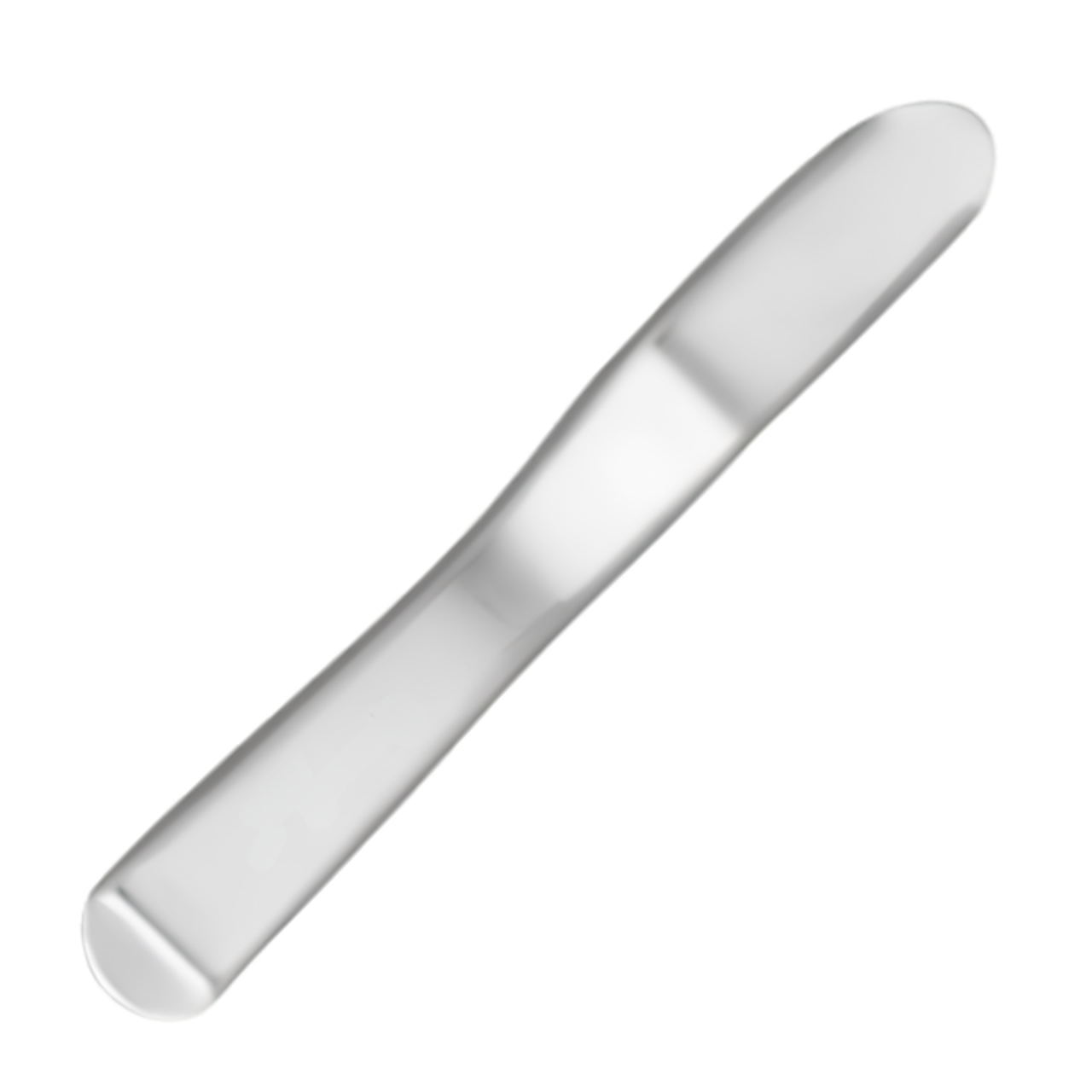 | Minnesota Ekartör | Oral cerrahi sırasında alveolar sırtı ve dentisyonu açığa çıkarmak için yanakları, dudakları ve dili ekarte etmek üzere özel olarak tasarlanmıştır. |
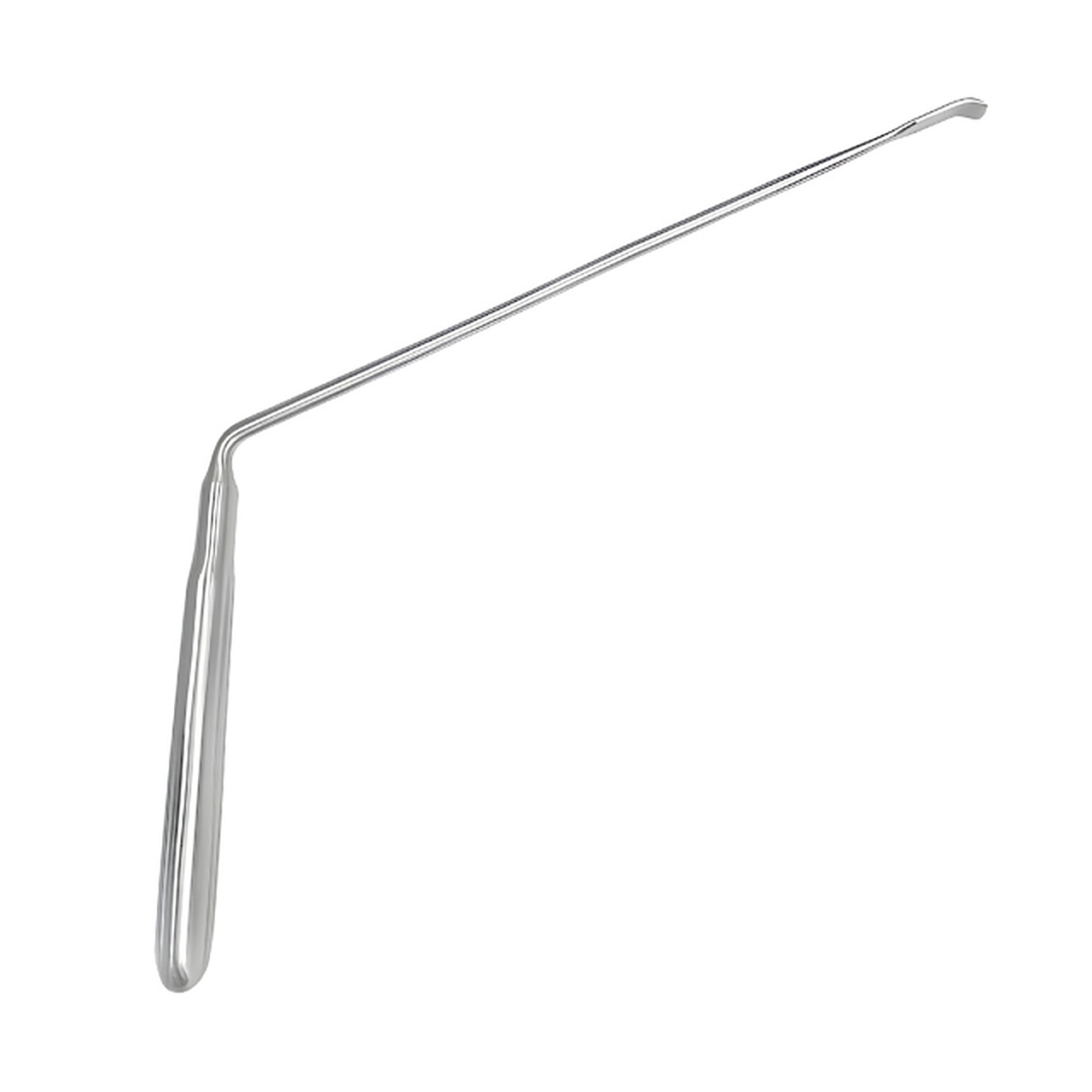 | MIS Sinir Kökü Ekartörü | Minimal invaziv spinal diskektomi sırasında transvers sinir köklerini ve tekal keseyi ekarte etmek ve korumak için özel olarak tasarlanmıştır. |
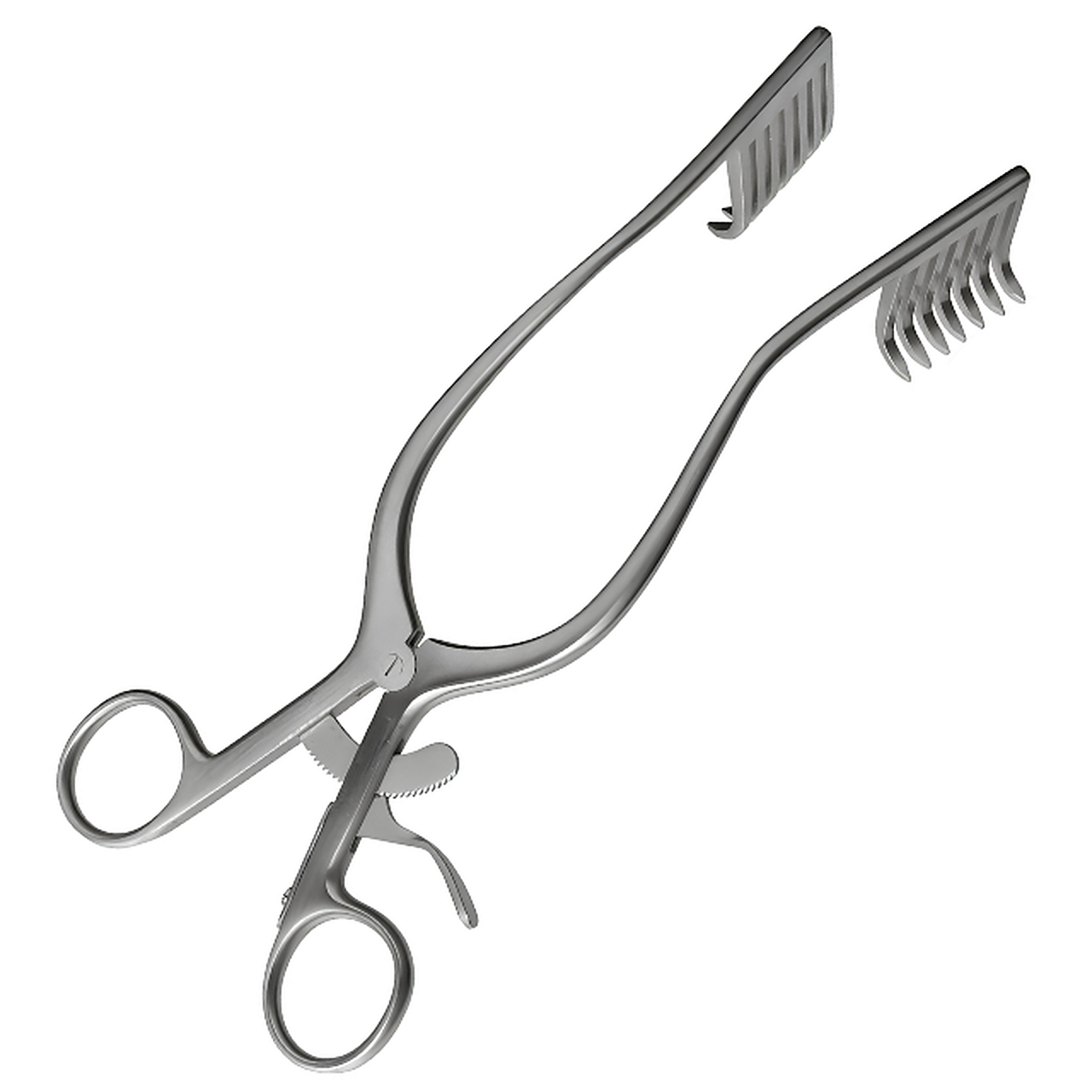 | Miskimon Cerebellar Ekartör | Suboksipital ve serebellar kraniyotomiler sırasında kendinden kilitli kafa derisi ve ense kası retraksiyonu sağlamak için özel olarak tasarlanmıştır. |
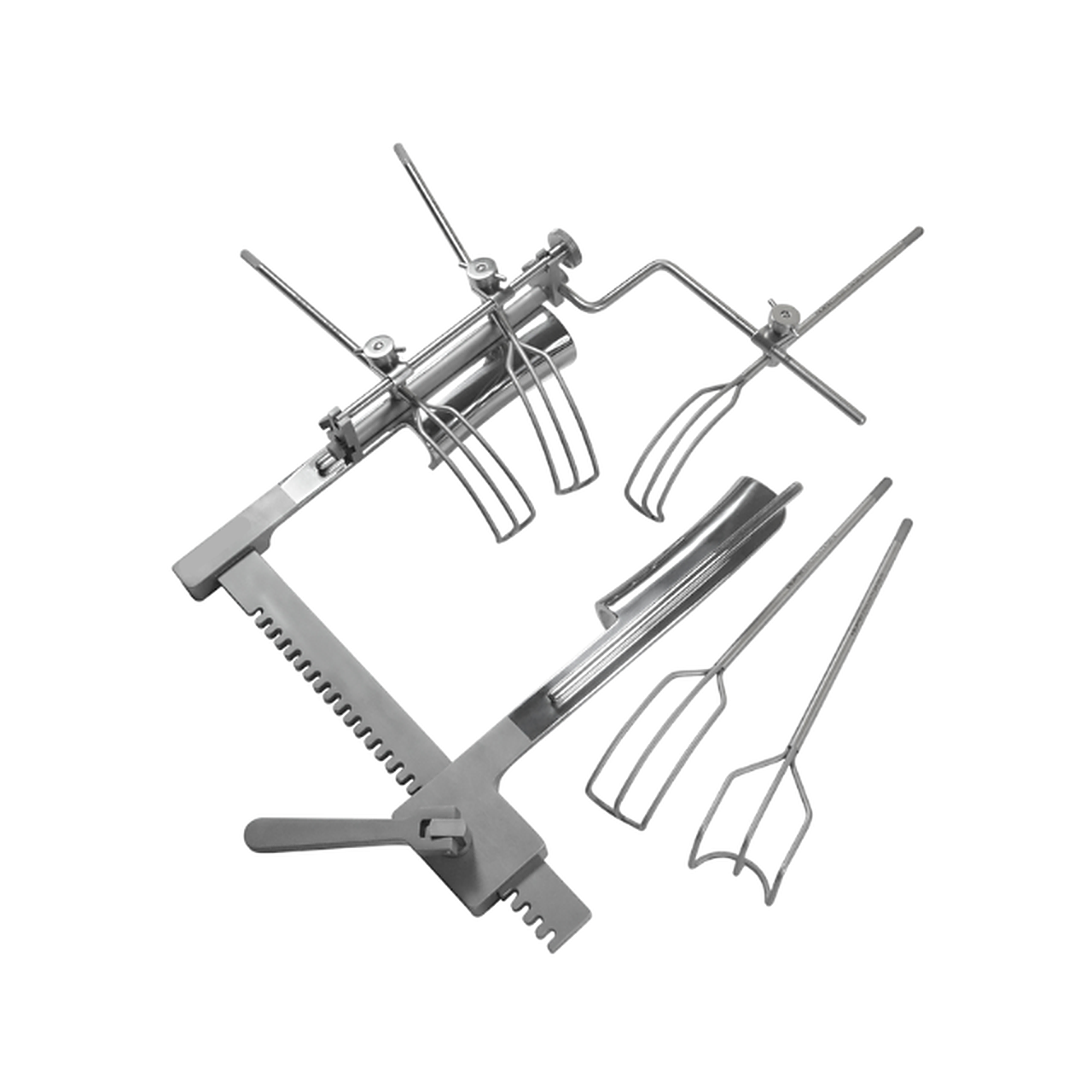 | Mitral Kapak Ekartörü | Kardiyak kapak prosedürleri sırasında yapılandırılmış cerrahi görüş ve yumuşak doku ekartasyonu sağlamak için özel olarak tasarlanmıştır. |
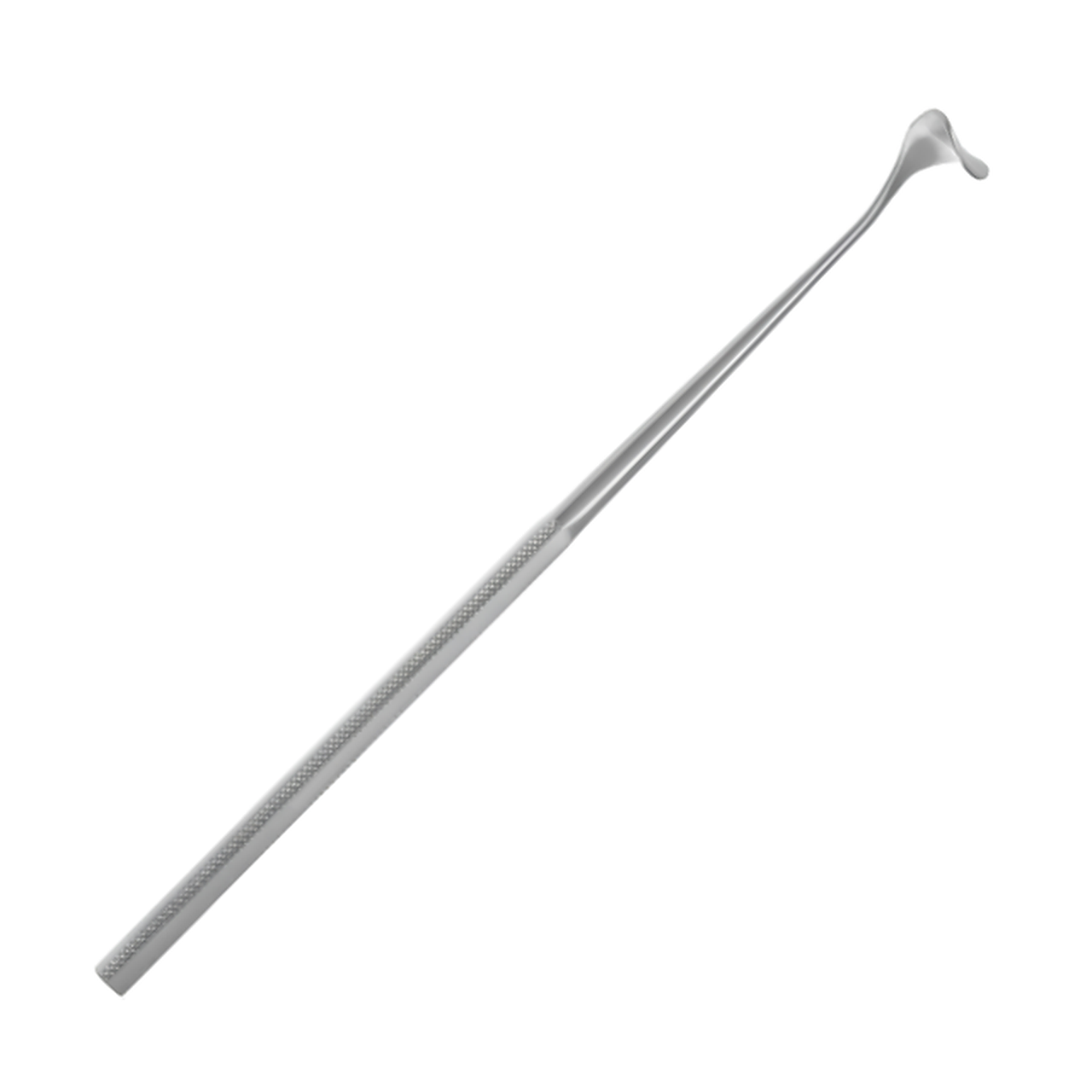 | Moberg Deri Ekartörü | El ve plastik cerrahi sırasında deri kenarlarını, kutanöz flepleri ve hassas yumuşak dokuları ekart etmek için özel olarak tasarlanmıştır. |
 | Modifiye Fukuda Tipi Ekartörler | Omuz artroplastisi sırasında humerus başını posteriora ekarte etmek ve glenoid kaviteyi açığa çıkarmak için özel olarak tasarlanmıştır. |
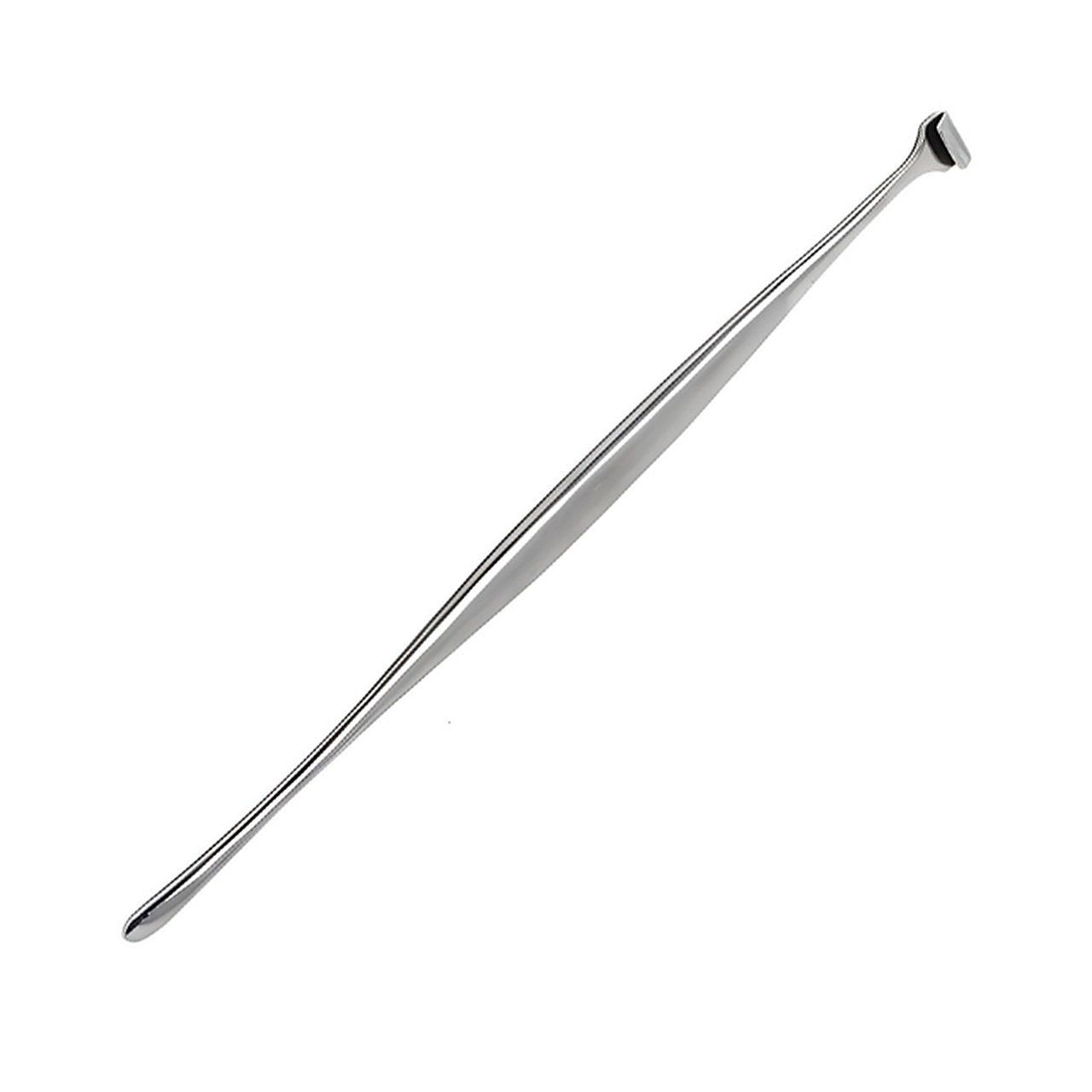 | Mollison Anterior Pillar Ekartörü | Tonsillektomi ve farenks cerrahisi sırasında anterior tonsiller sütunu ve palatoglossal arkı ekarte etmek için özel olarak tasarlanmıştır. |
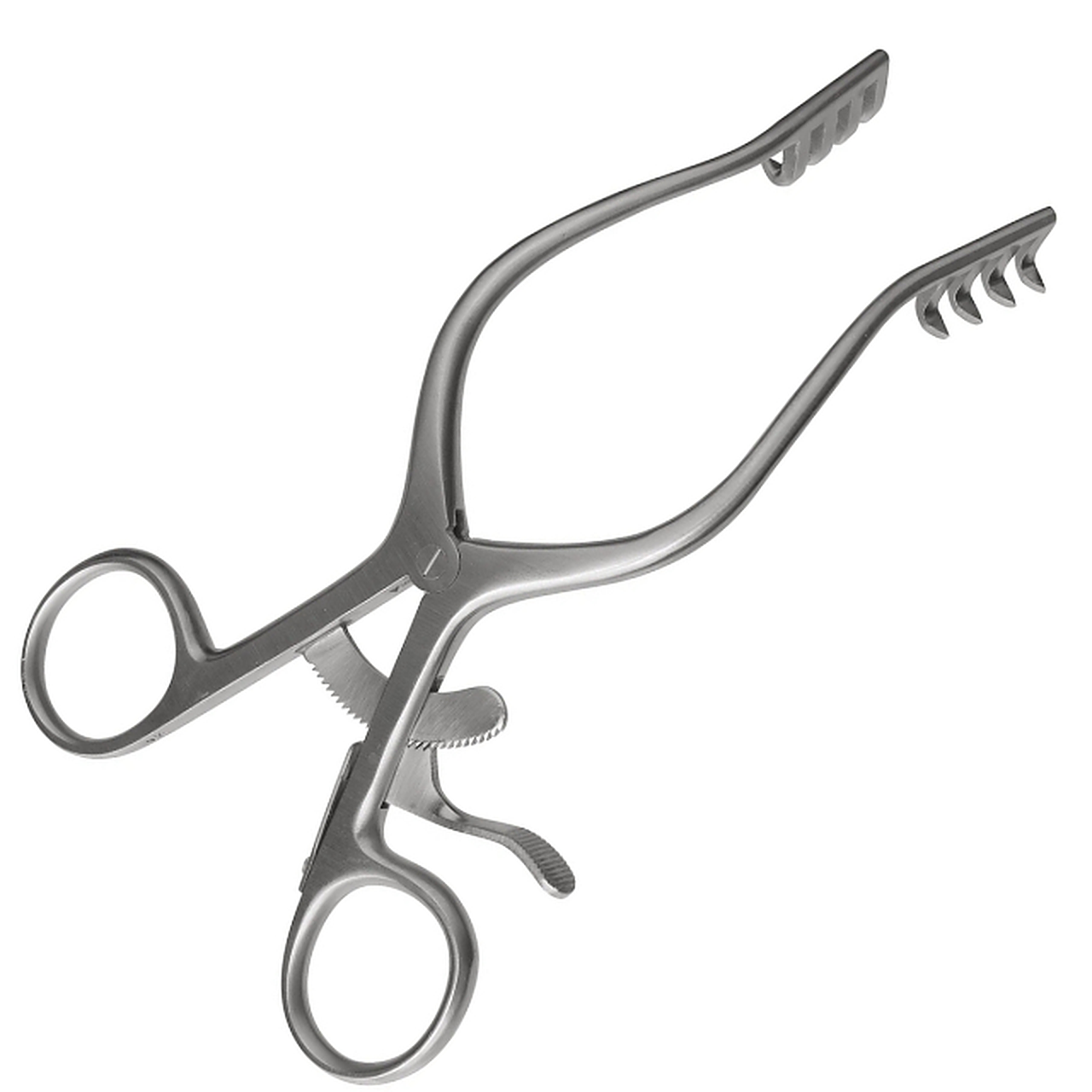 | Mollison Retractor | Mastoid, kulak ve kafa derisi cerrahisi sırasında kendinden sabitlemeli yara kenarı ve periosteal ekartasyon sağlamak üzere özel olarak tasarlanmıştır. |
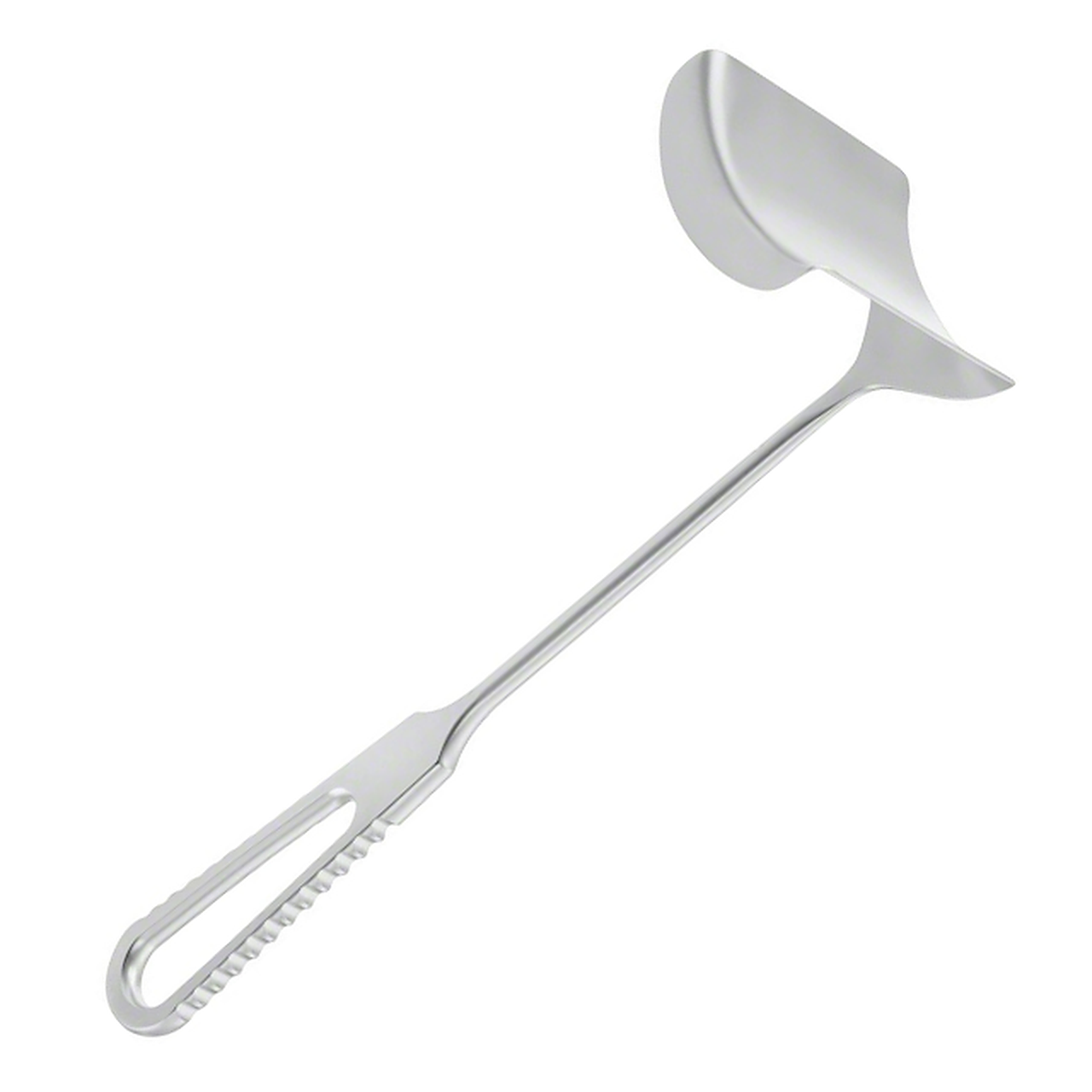 | Morris Retractor Single-Ended | Açık abdominal ve pelvik cerrahi sırasında karın duvarını, iç organları ve kalın kas dokusunu ekarte etmek için özel olarak tasarlanmıştır. |
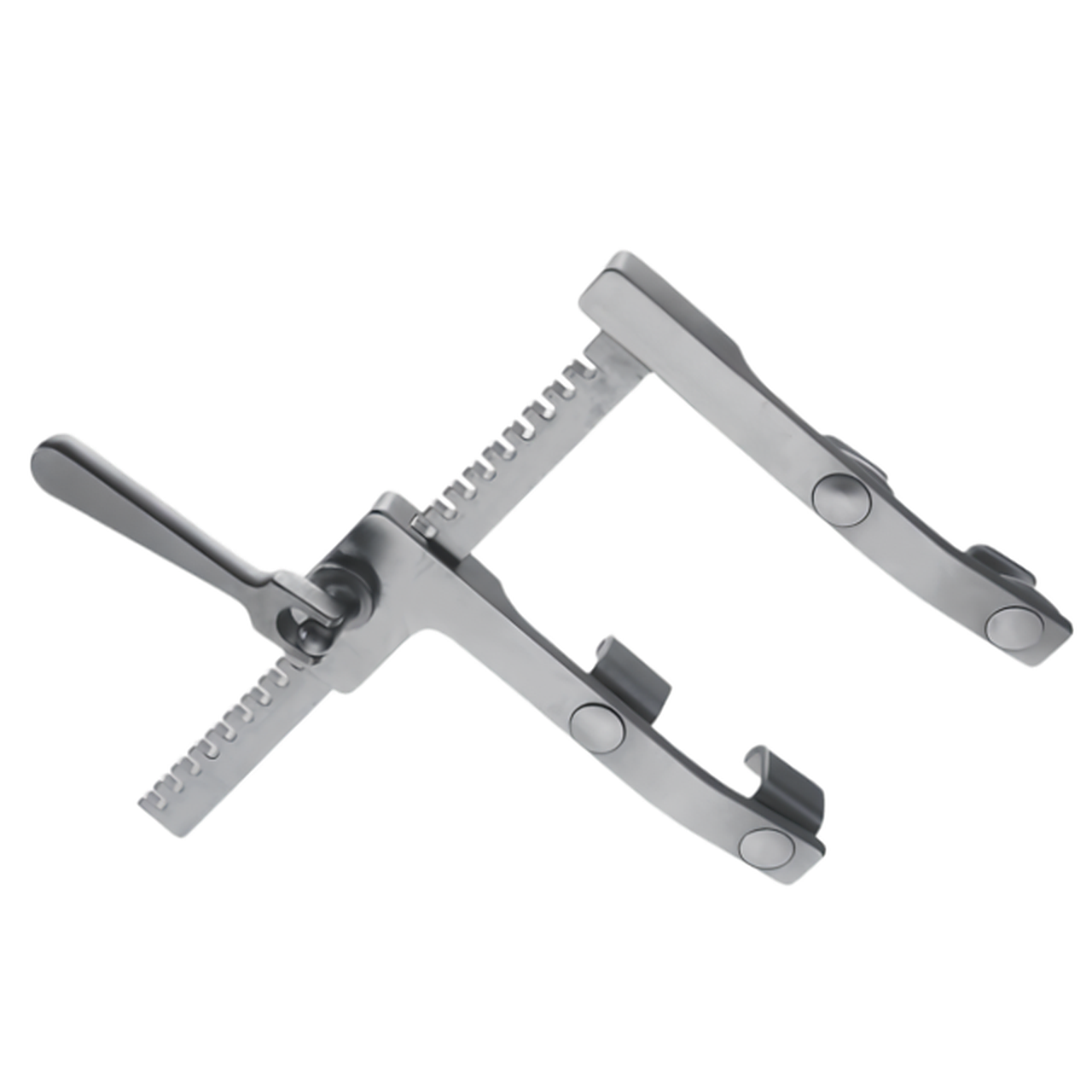 | Morse Rib Spreader | Çok pozisyonlu anatomik bıçak ayarı ile kaburgaları ayırmak ve torasik boşluğu genişletmek için özel olarak tasarlanmıştır. |
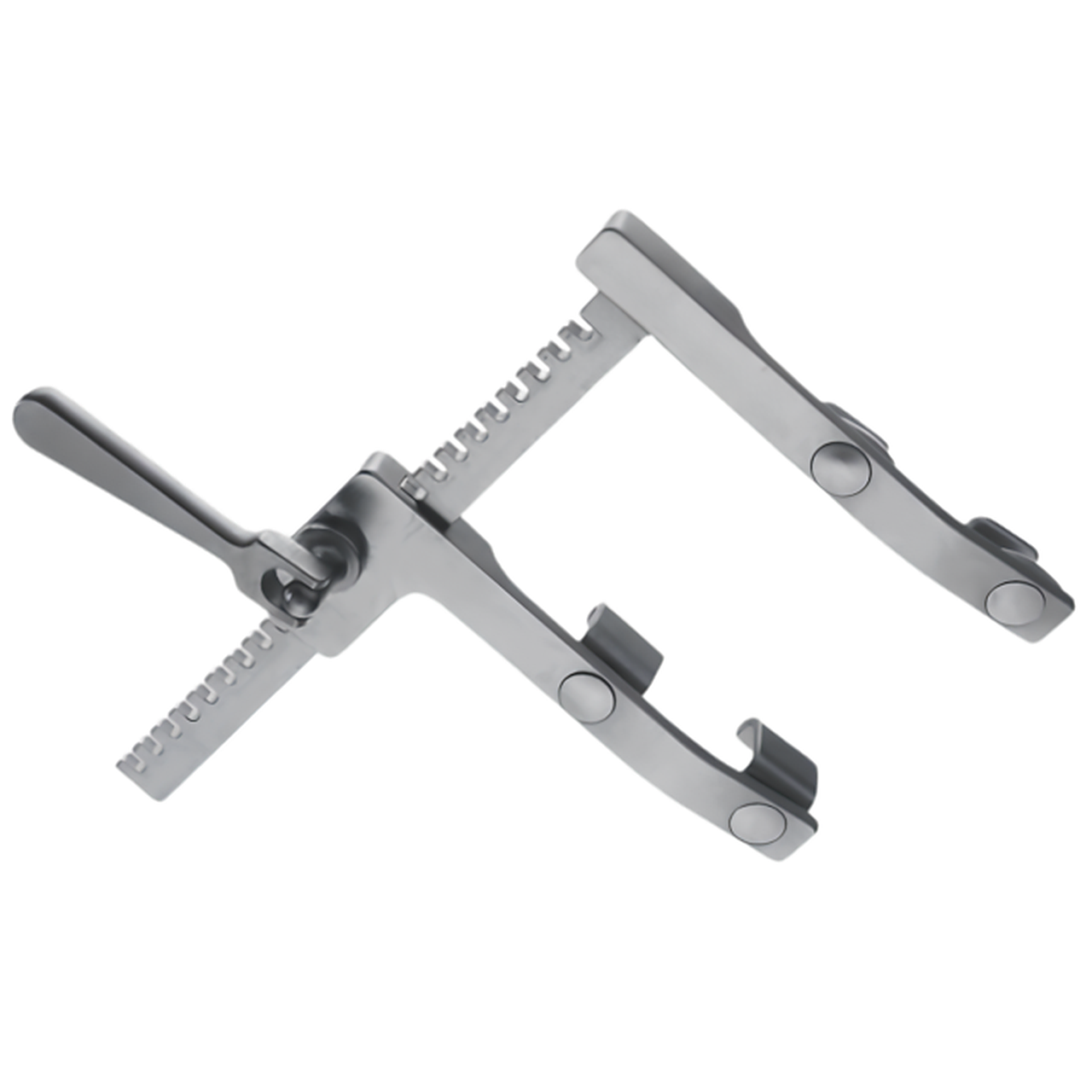 | Morse-Favaloro Kot Ayırıcı (Rib Spreader) | Koroner arter baypas ve torasik cerrahi sırasında hareketli döner bıçaklarla kaburgaları ayırmak için özel olarak tasarlanmıştır. |
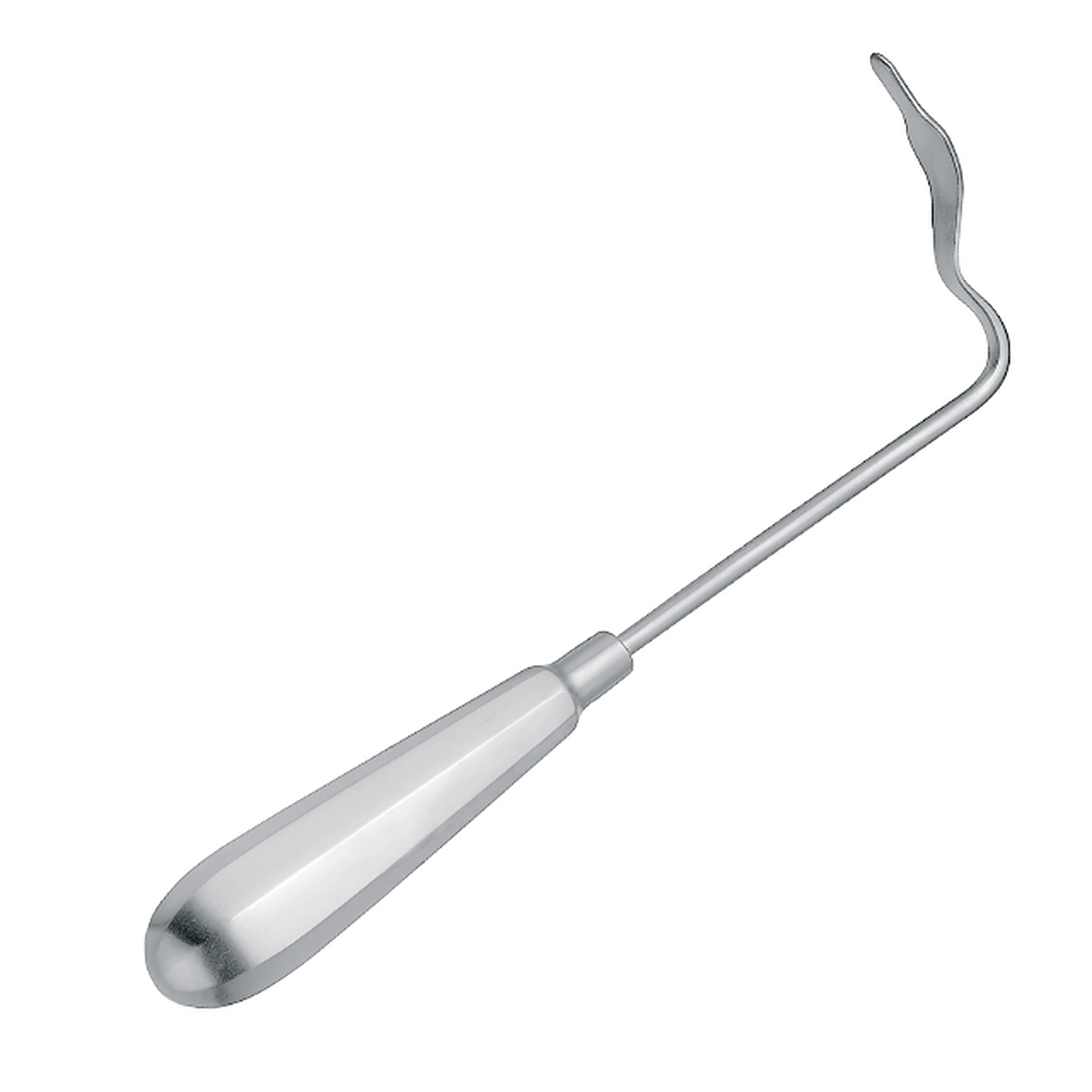 | Muko-Periostal Ekartör | Oral, dental ve maksillofasiyal cerrahi sırasında mukoperiostal flepleri ekarte etmek ve kortikal kemiği açığa çıkarmak için özel olarak tasarlanmıştır. |
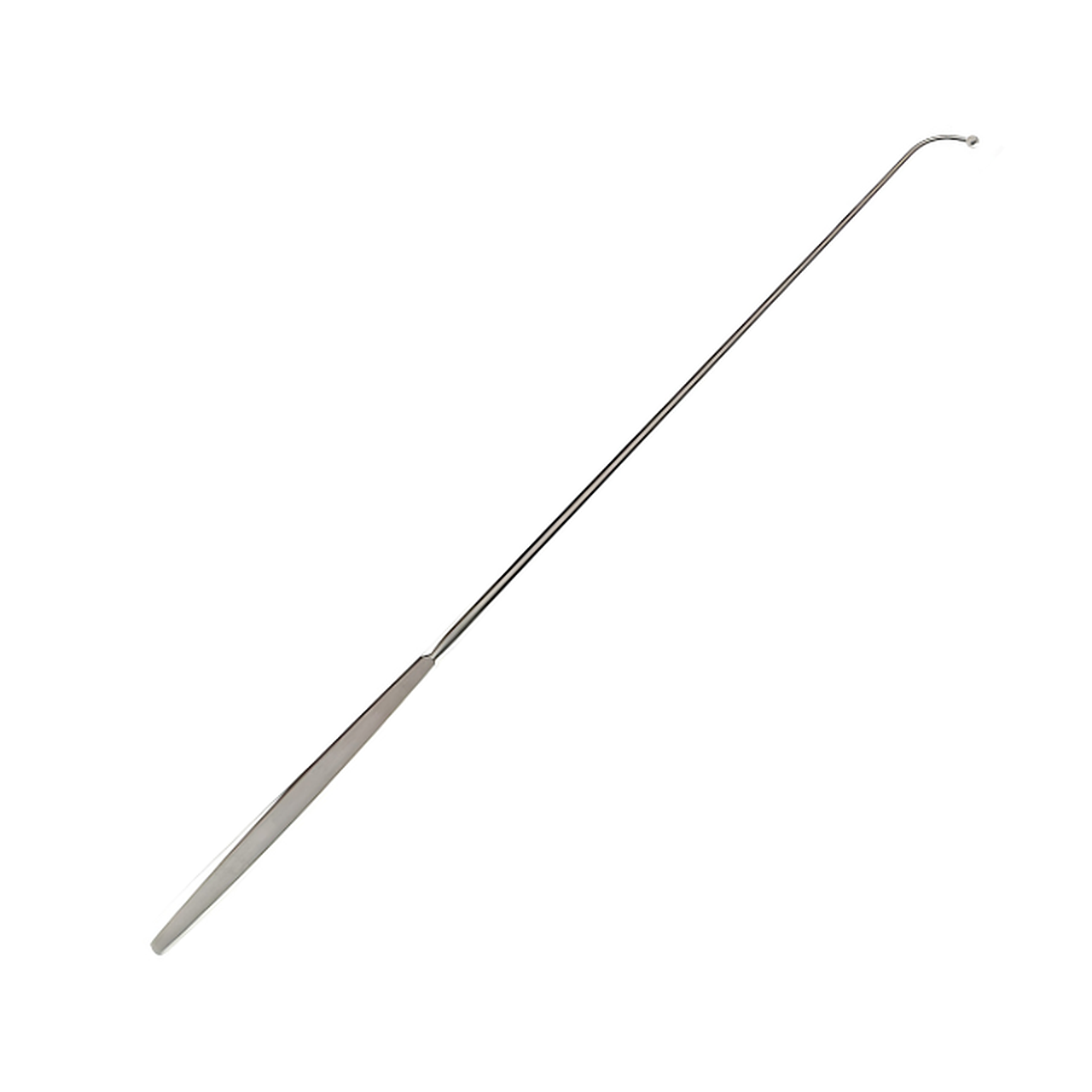 | Murphy Ball Ekartör | Derin cerrahi prosedürler sırasında hassas sinirleri, damarları ve kanalları eksplore etmek, mobilize etmek ve ekarte etmek için özel olarak tasarlanmıştır. |
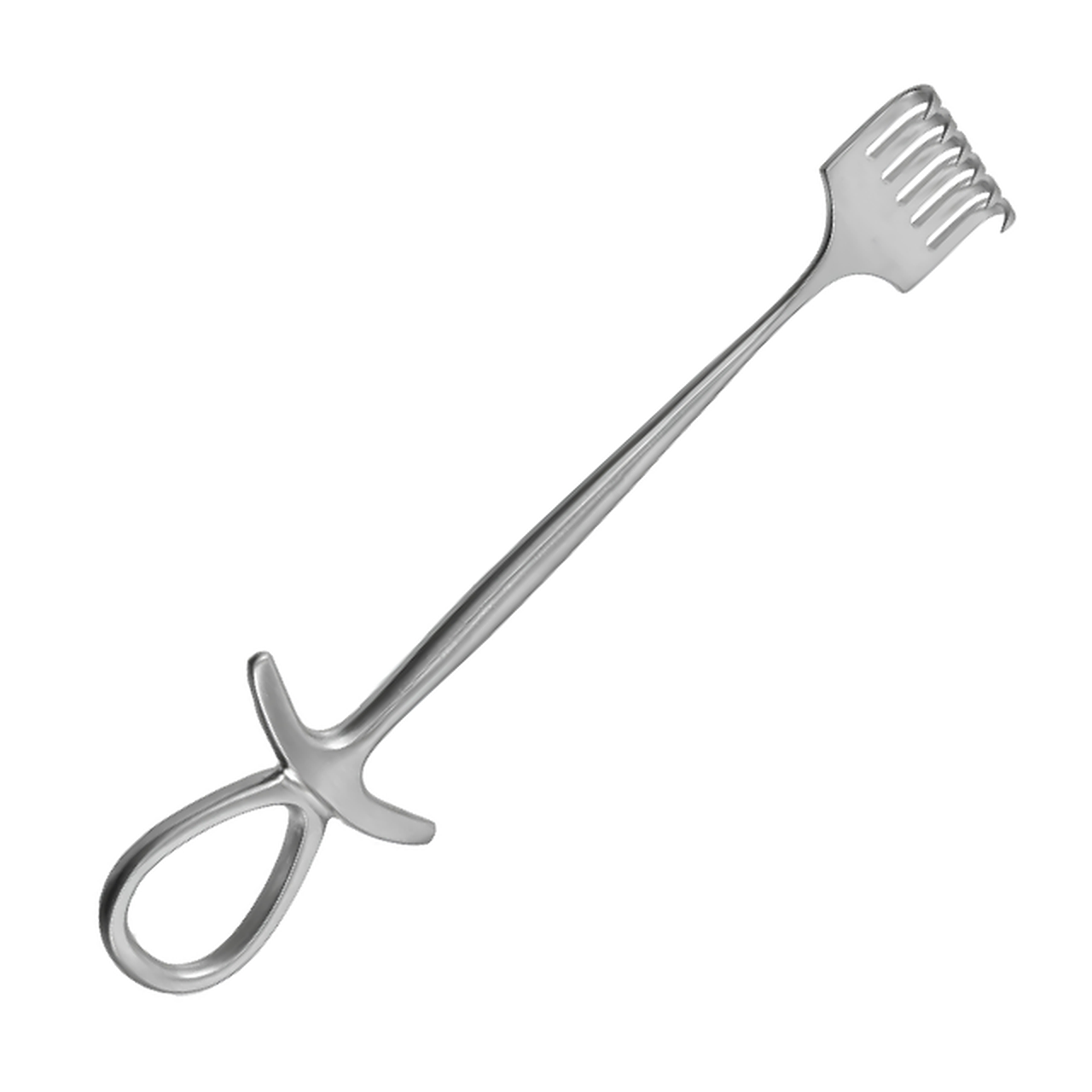 | Murphy Ekartör | Genel cerrahi, ortopedi ve plastik cerrahide cilt kenarlarını, fasyayı ve kas dokusunu ekarte etmek için özel olarak tasarlanmıştır. |
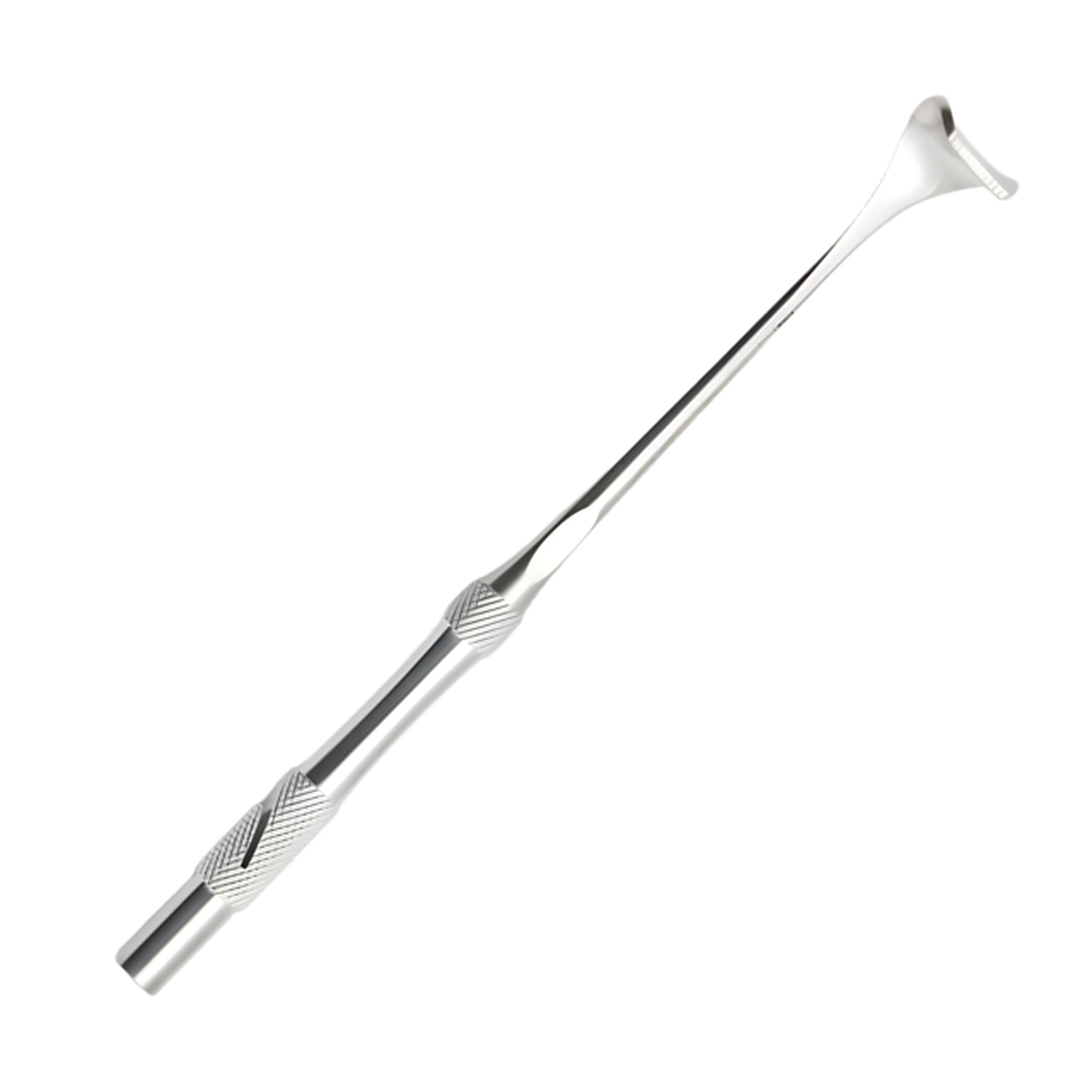 | Nazal Cilt Ekartörü | Rinoplasti ve yüz rekonstrüktif cerrahisi sırasında nazal cilt fleplerini kaldırmak ve kıkırdağı ekarte etmek için özel olarak tasarlanmıştır. |
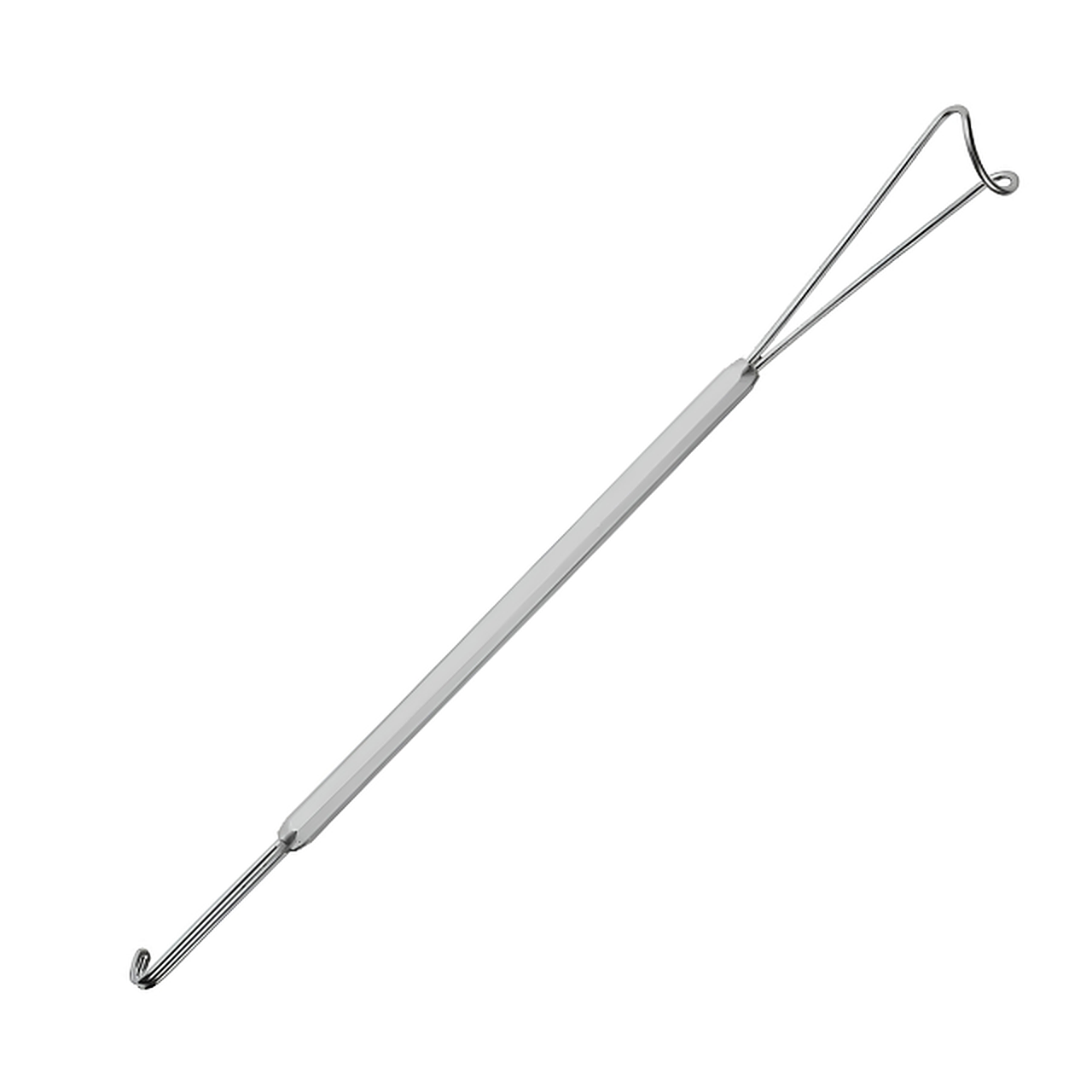 | Neivert Bıçak ve Kılavuz Ekartör | Rinoplasti ve nazal rekonstrüktif prosedürler sırasında deri fleplerini ekarte etmek ve kıkırdak bıçaklarını yönlendirmek için özel olarak tasarlanmıştır. |
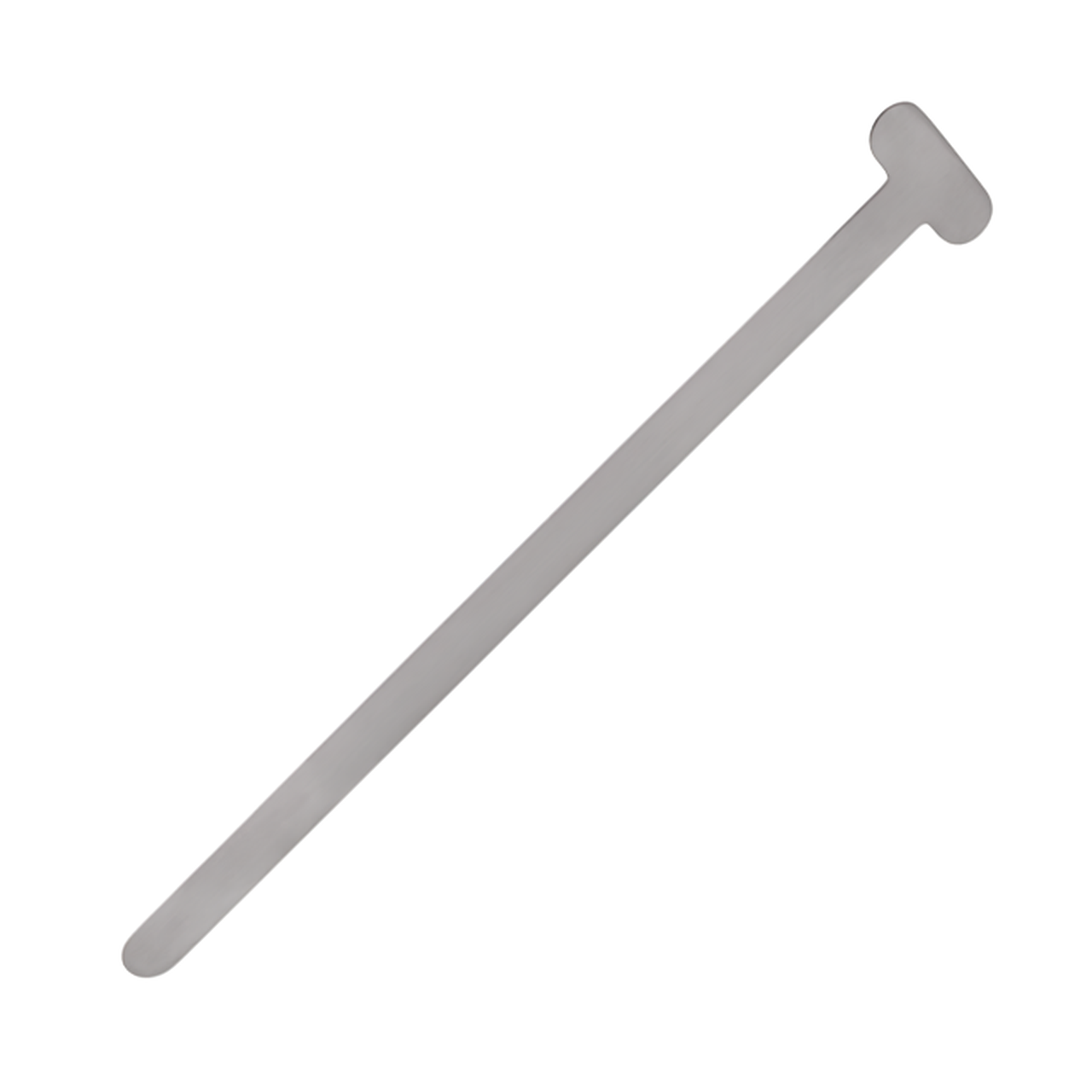 | Neonatal T Ribbon Ekartör | Neonatal ve pediatrik cerrahi prosedürler sırasında hassas iç organları, bağırsakları ve yumuşak dokuları ekarte etmek için özel olarak tasarlanmıştır. |
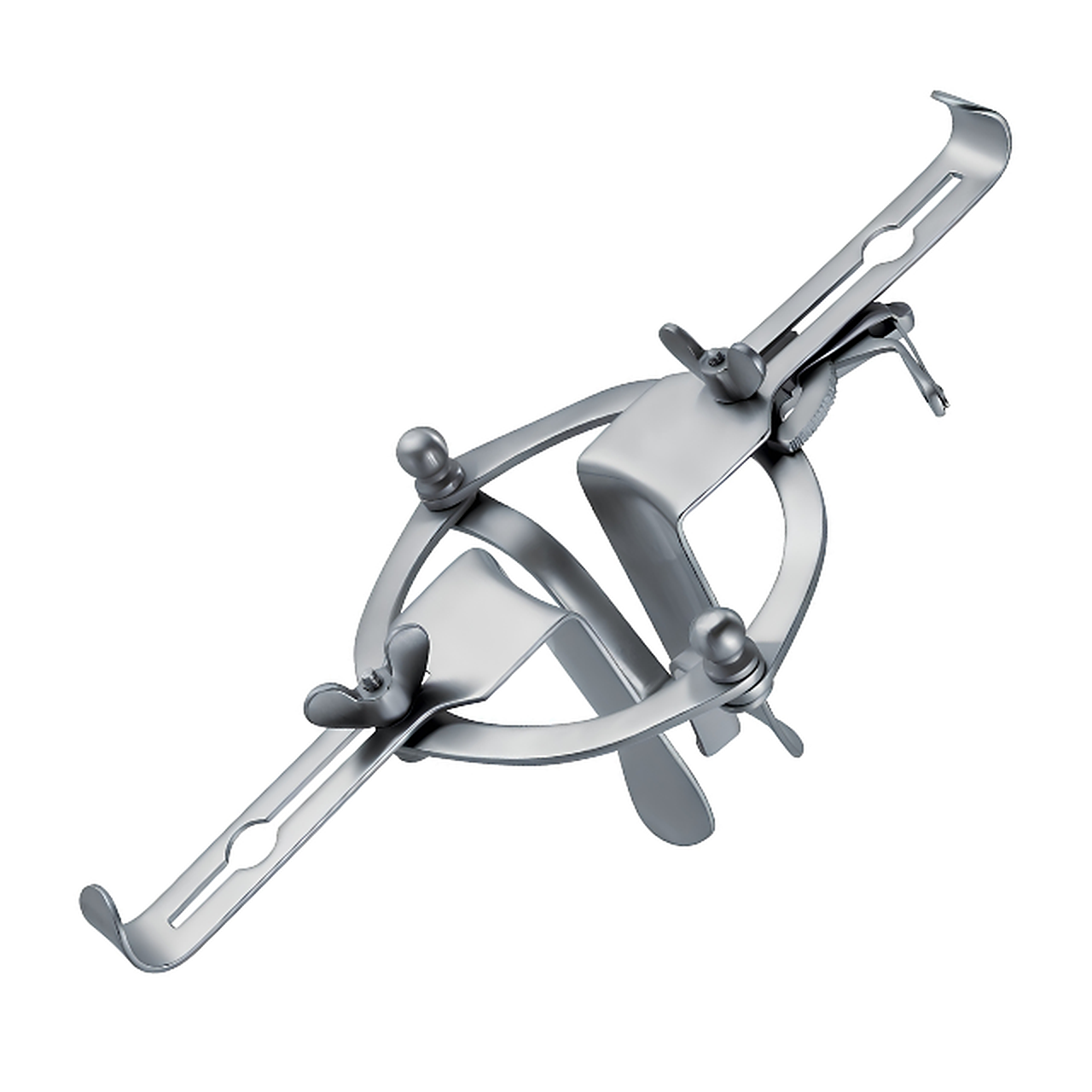 | O'Sullivan-O'Conner Vajinal Ekartör | Büyük jinekolojik ve pelvik cerrahi sırasında kendinden sabitlenen pelvik duvar ve visseral ekartasyon sağlamak için özel olarak tasarlanmıştır. |
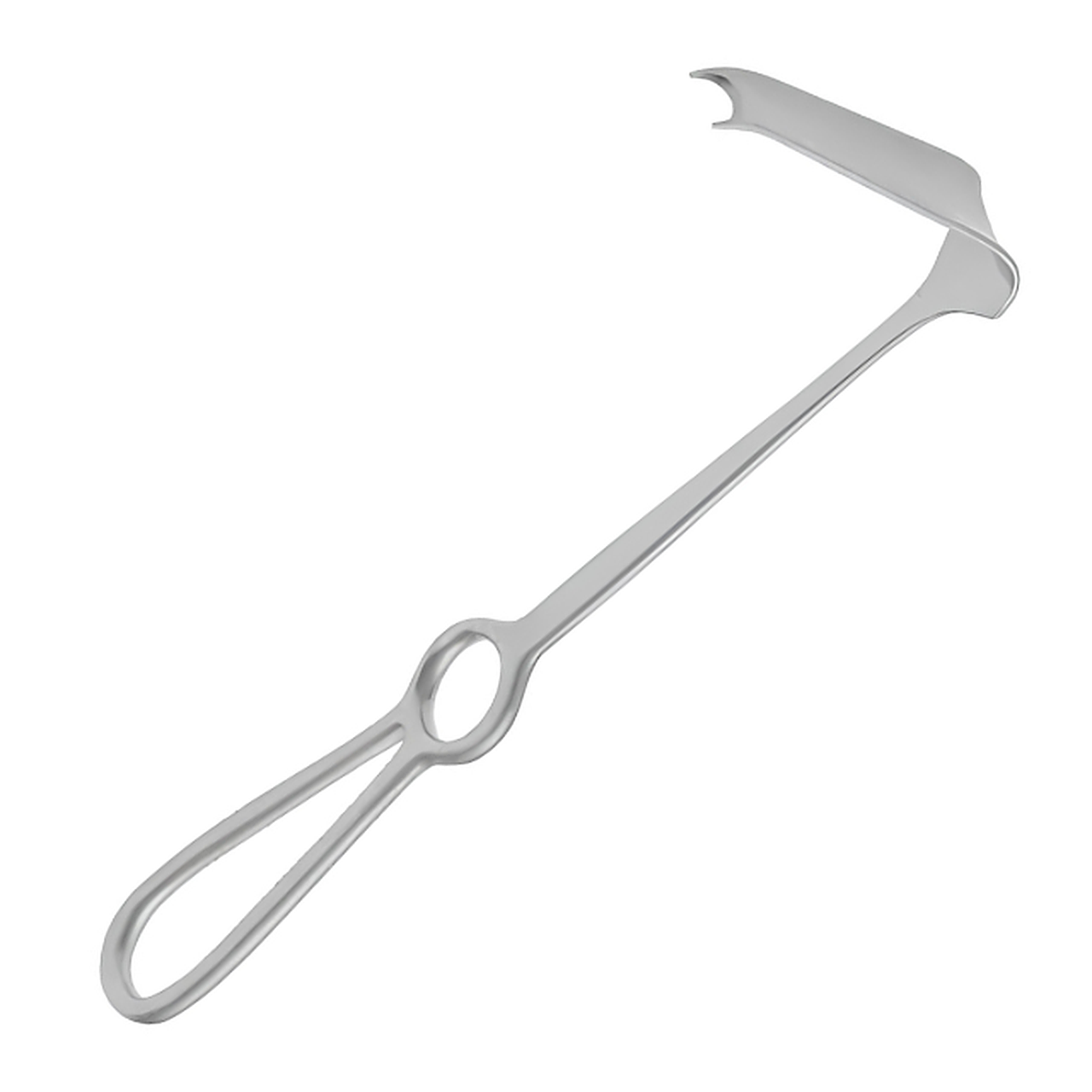 | Obwegeser Alveolar Ekartör | Ortognatik cerrahi sırasında alveolar sırtı açığa çıkarmak için dudak, yanak ve mukoperiosteumu ekarte etmek amacıyla özel olarak tasarlanmıştır. |
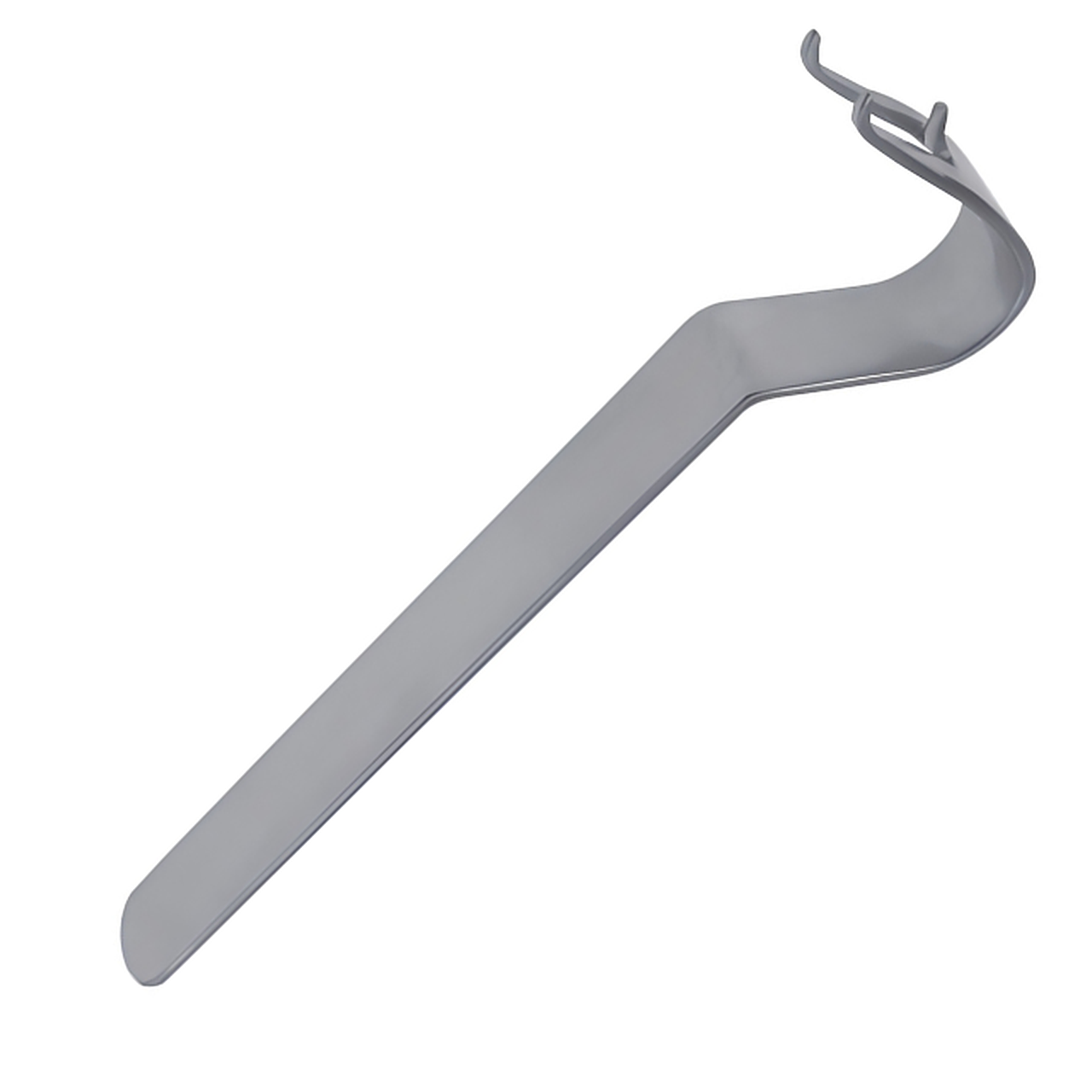 | Obwegeser Chin Retractor | Genioplasti sırasında mandibular simfizi açığa çıkarmak için mentalis kasını ve yumuşak dokuları ekarte etmek üzere özel olarak tasarlanmıştır. |
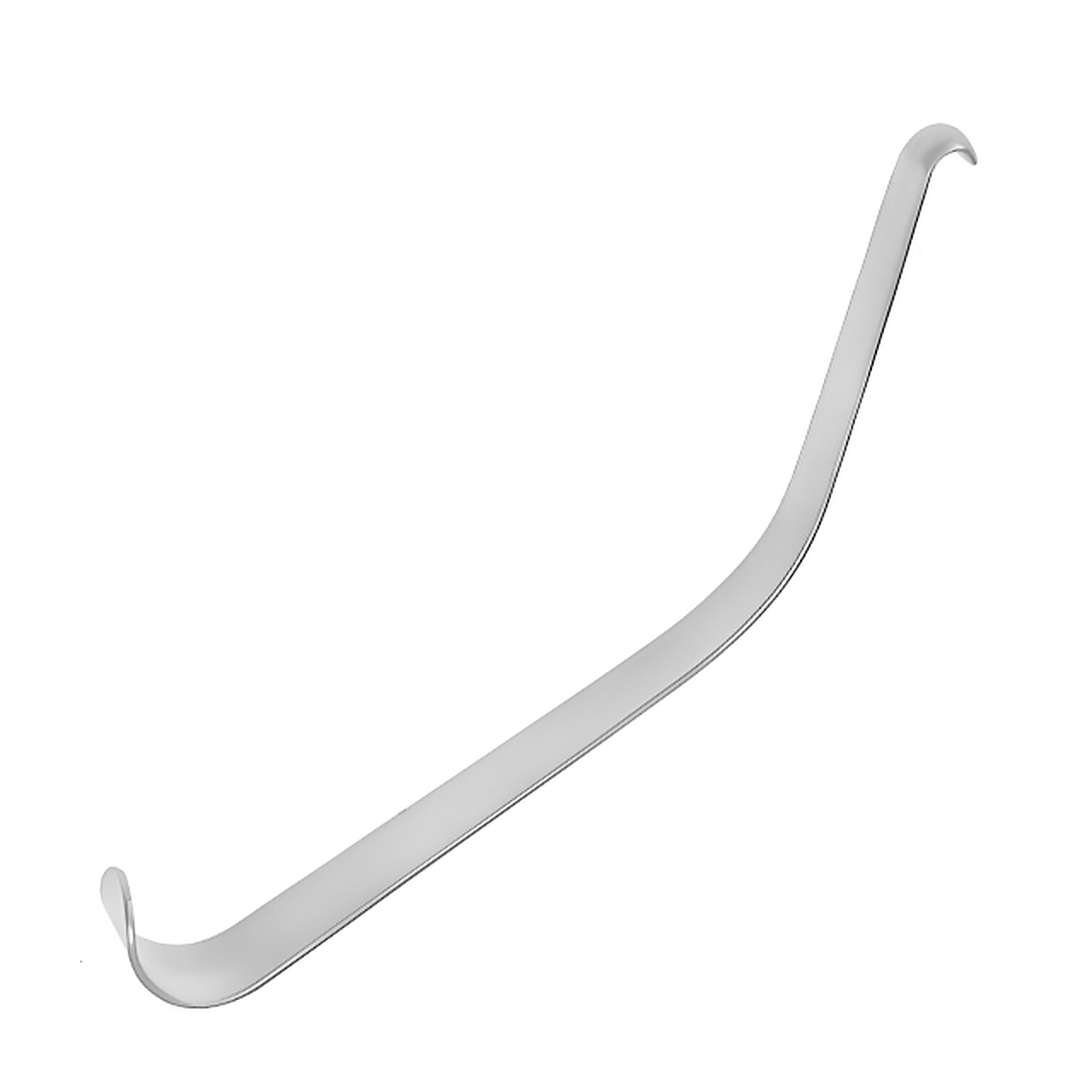 | Obwegeser Mandibular Channel Retractor | Ortognatik osteotomiler sırasında mandibulanın alt kenarına kancalanmak ve nörovasküler demetleri korumak için özel olarak tasarlanmıştır. |
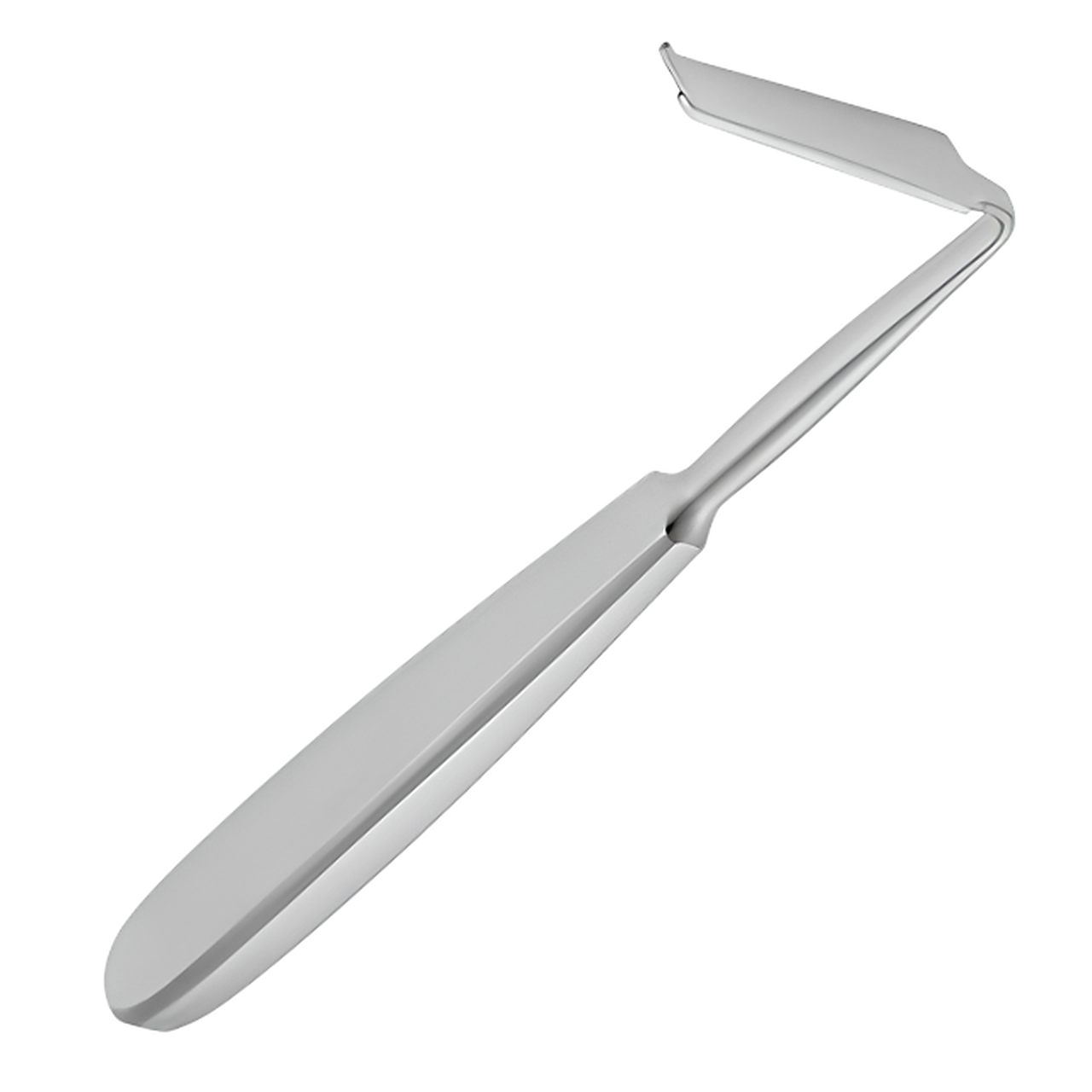 | Obwegeser Mandibula Alt Kenar Ekartörü | Ortognatik cerrahi sırasında yumuşak dokuları ekarte etmek ve mandibula kenarı boyunca nörovasküler yapıları korumak için özel olarak tasarlanmıştır. |
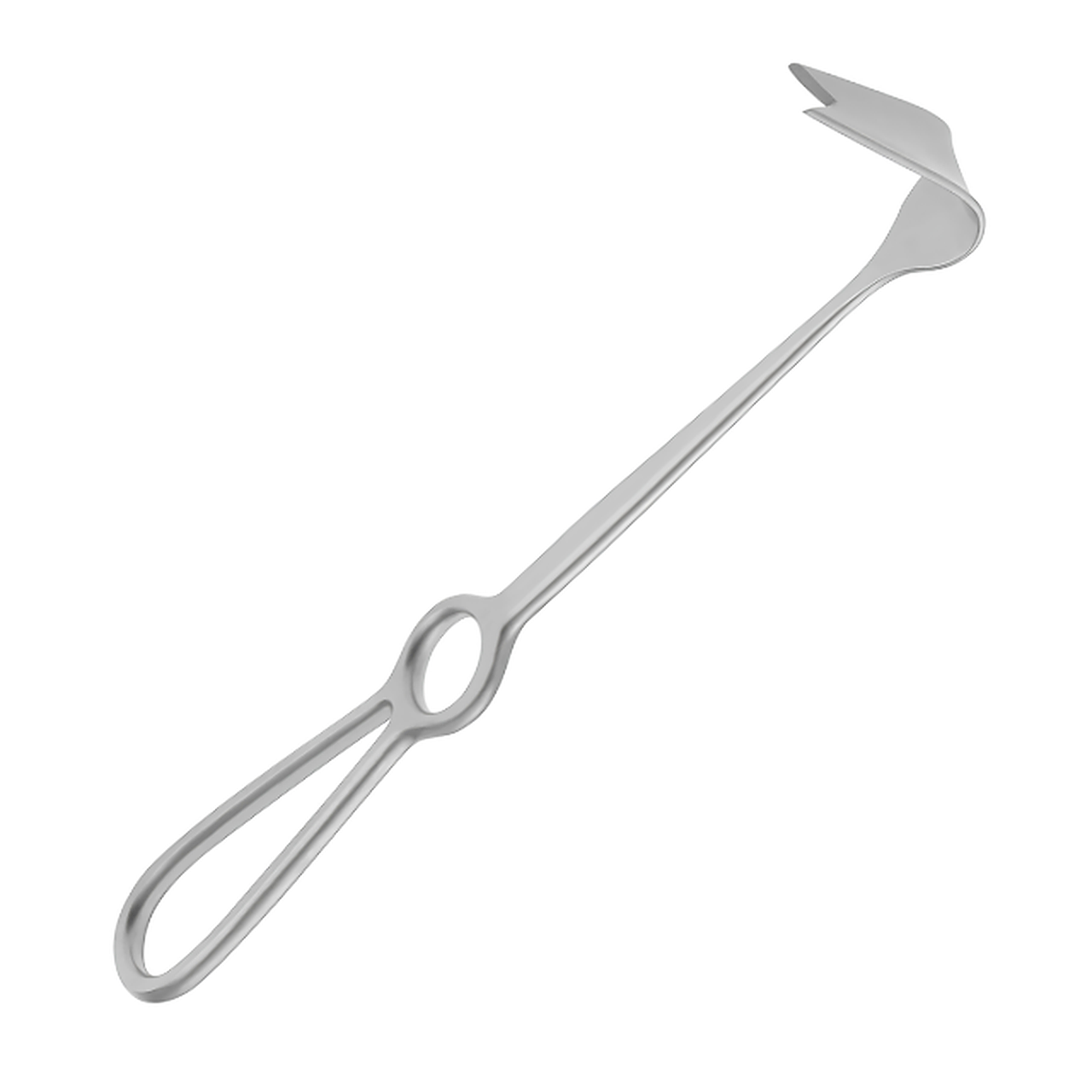 | Obwegeser Nazal Spina Ekartörü | Le Fort osteotomileri ve maksillofasiyal cerrahi sırasında anterior nazal spinaya kancalanmak ve üst dudağı kaldırmak için özel olarak tasarlanmıştır. |
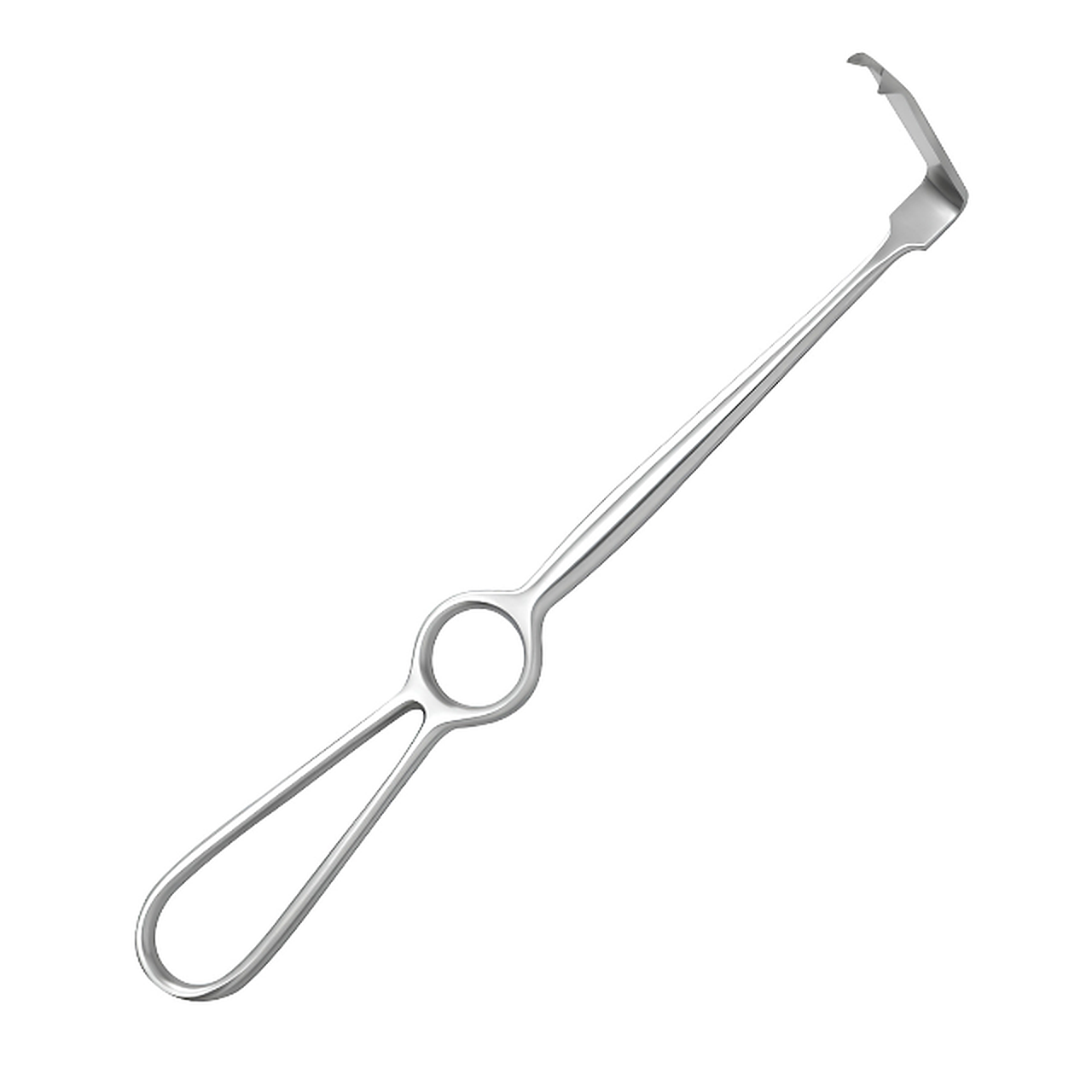 | Obwegeser Ramus Ekartörü | Ortognatik osteotomiler sırasında mandibula ramusun arka kenarına kancalanmak ve yumuşak dokuları korumak için özel olarak tasarlanmıştır. |
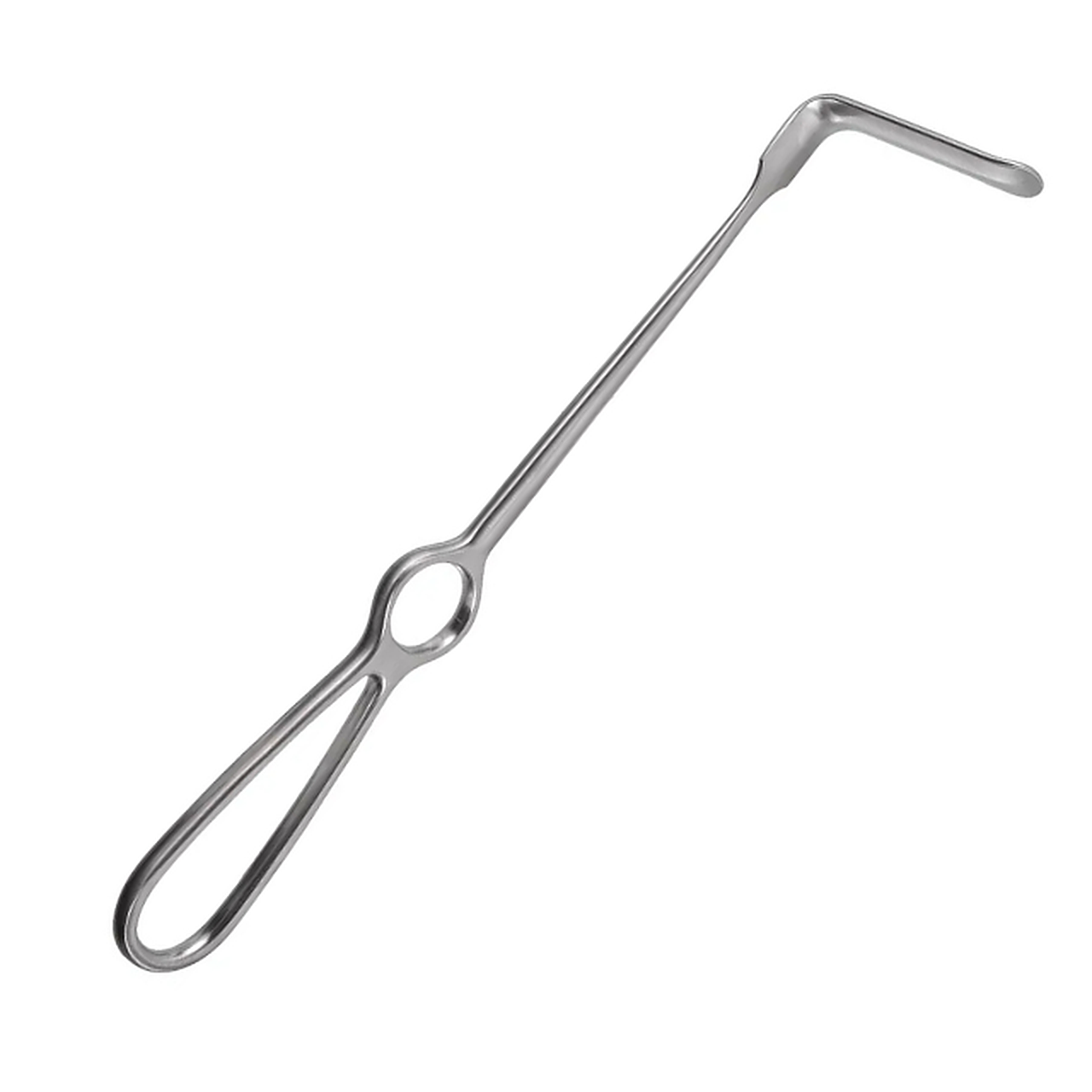 | Obwegeser Yumuşak Doku Ekartörü | Ortognatik ve oral maksillofasiyal cerrahi sırasında mukoperiostal flepleri, yanakları ve yumuşak dokuları ekarte etmek ve korumak için özel olarak tasarlanmıştır. |
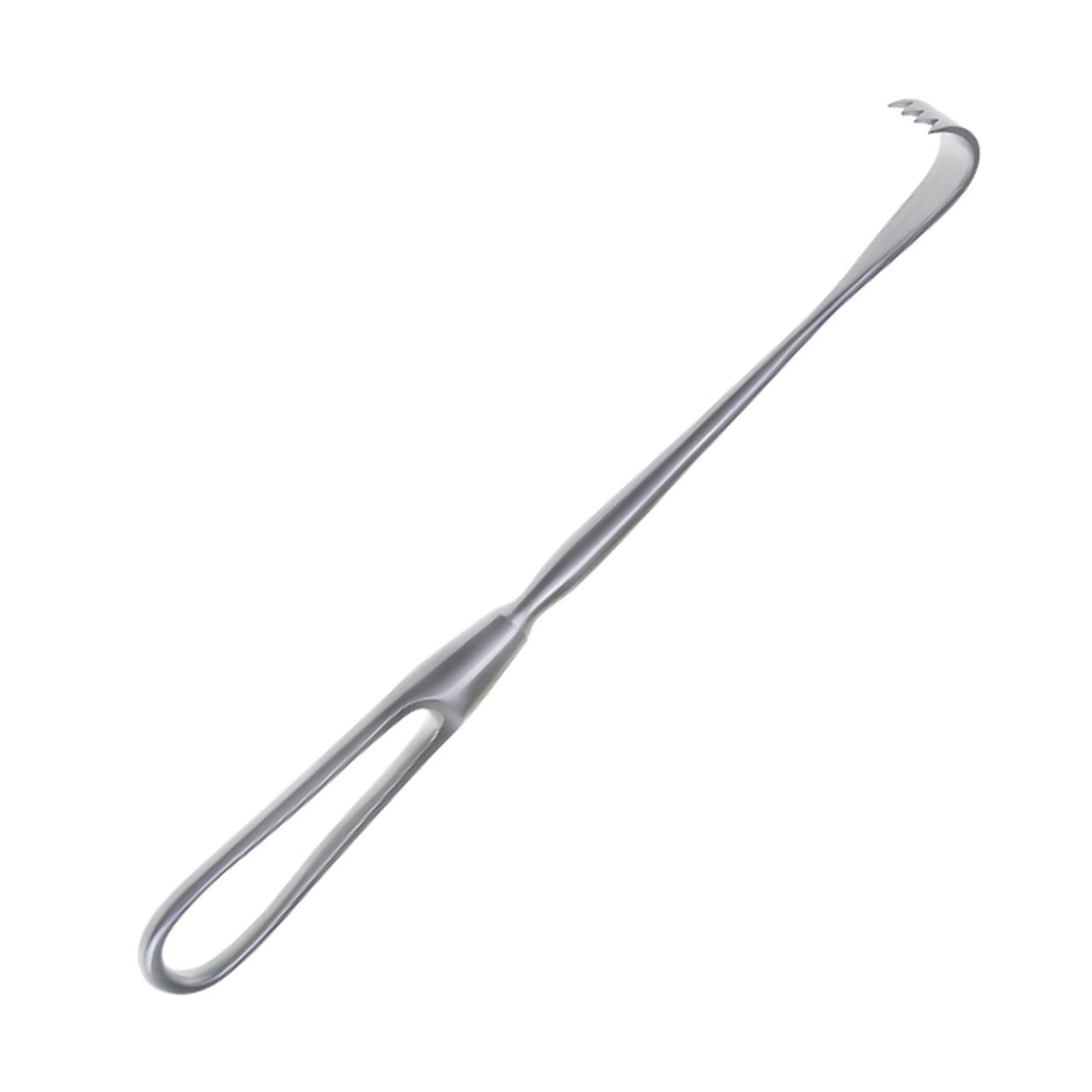 | Oldberg Ekartör | Kraniyal, spinal ve ortopedik cerrahide deri fleplerini, kasları ve fasyayı ekarte etmek için özel olarak tasarlanmıştır. |
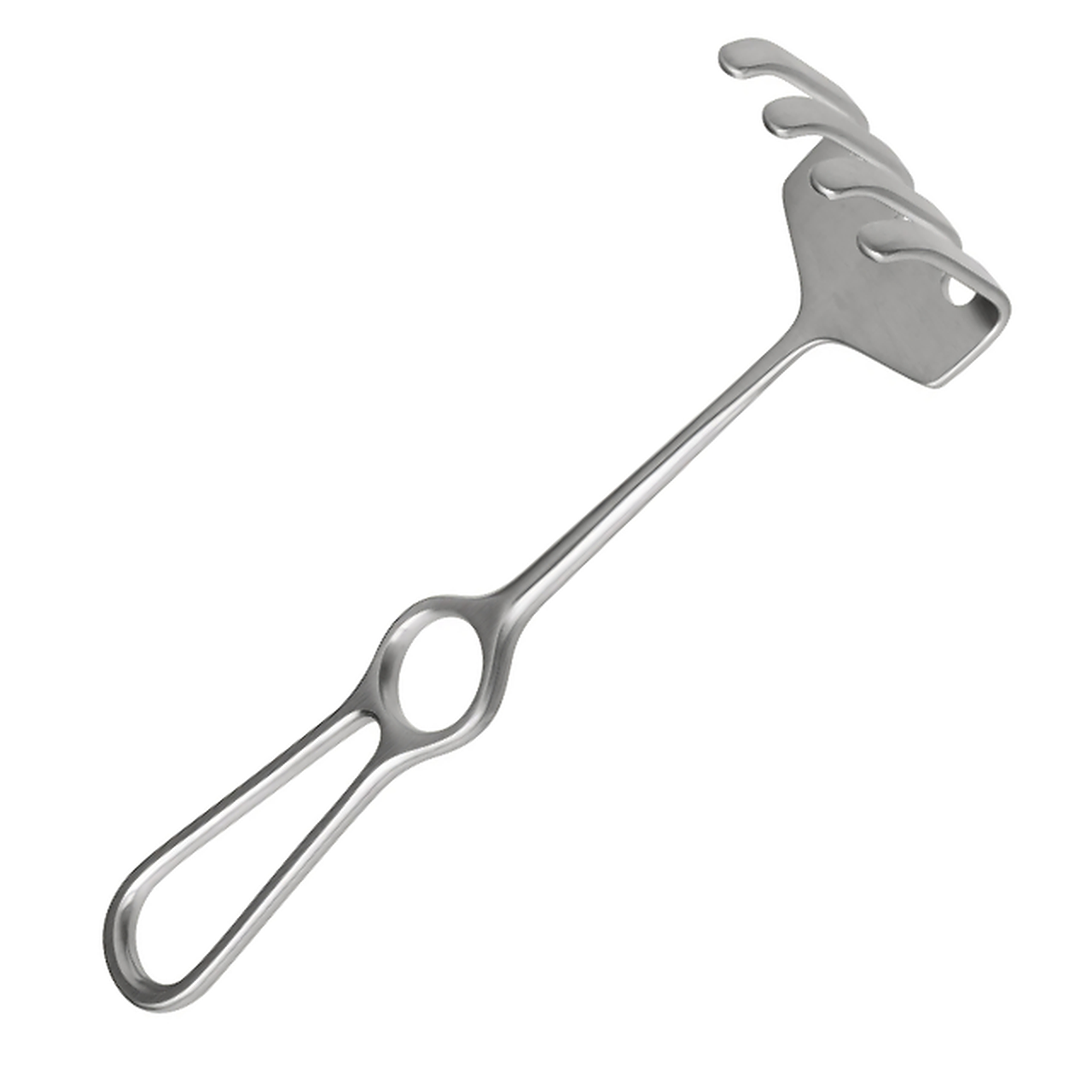 | Ollier Ekartörler | Abdominal ve ortopedik cerrahi sırasında ağır kas tabakalarını, fasyayı ve kalın doku sınırlarını ekarte etmek için özel olarak tasarlanmıştır. |
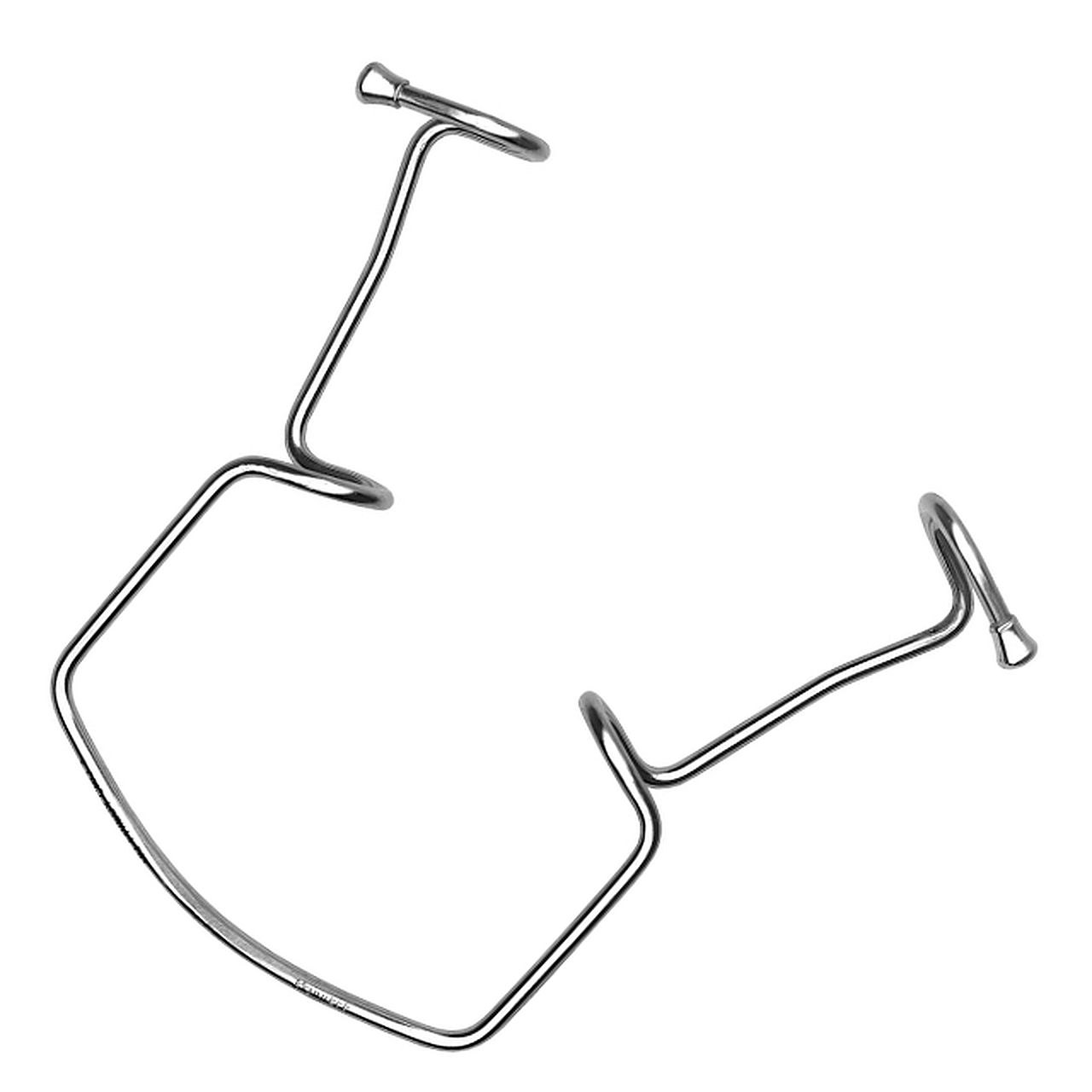 | Orringer Yanak Ekartörü | Ağız ve diş cerrahisi sırasında yanakların ve dudakların kendinden sabitlenen bilateral ekartasyonunu sağlamak için özel olarak tasarlanmıştır. |
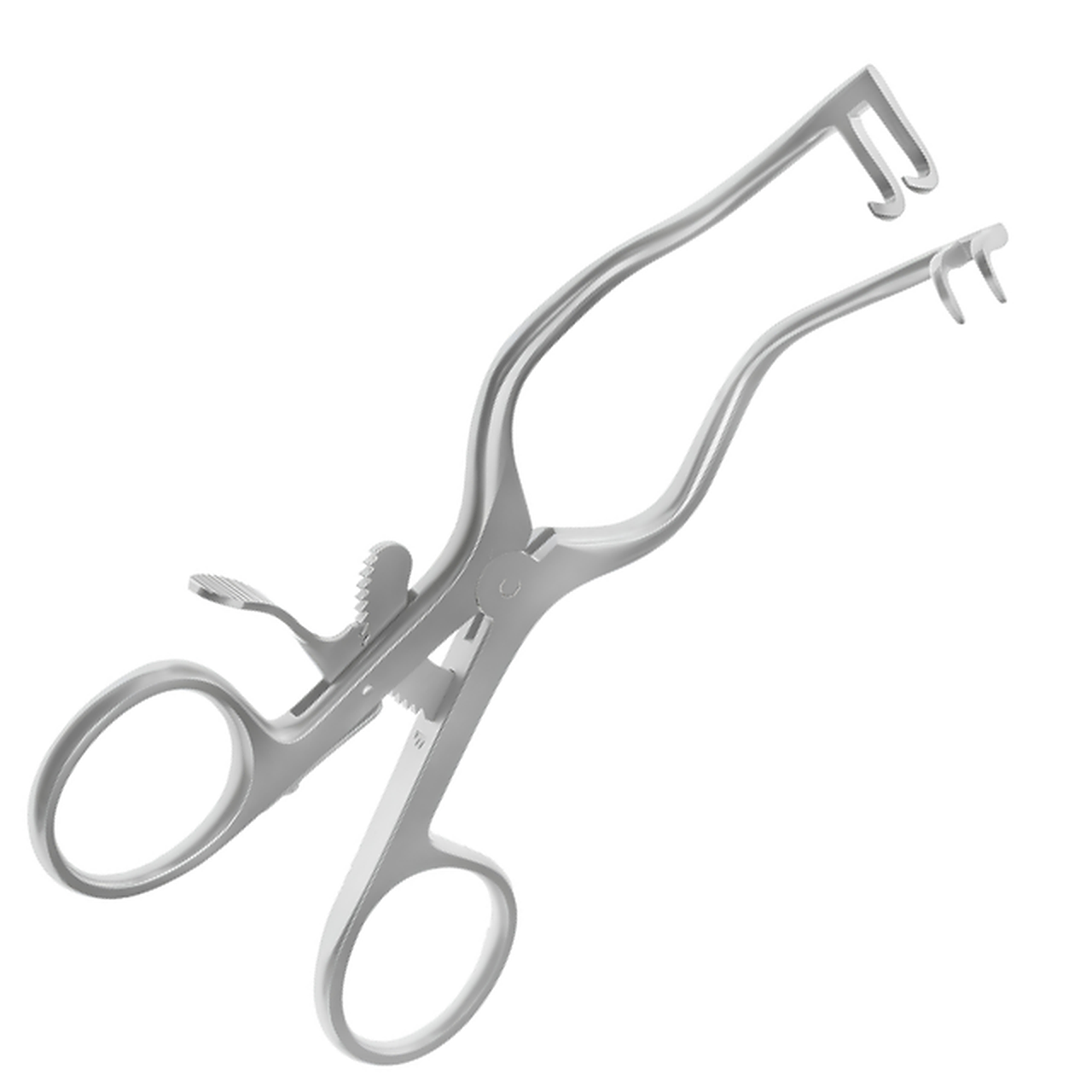 | Paparella-Weitlaner Kendinden Kilitlemeli Ekartör | Mastoid, kulak ve kafa derisi cerrahisi sırasında periost ve yara kenarlarının kendinden kilitlemeli retraksiyonunu sağlamak için özel olarak tasarlanmıştır. |
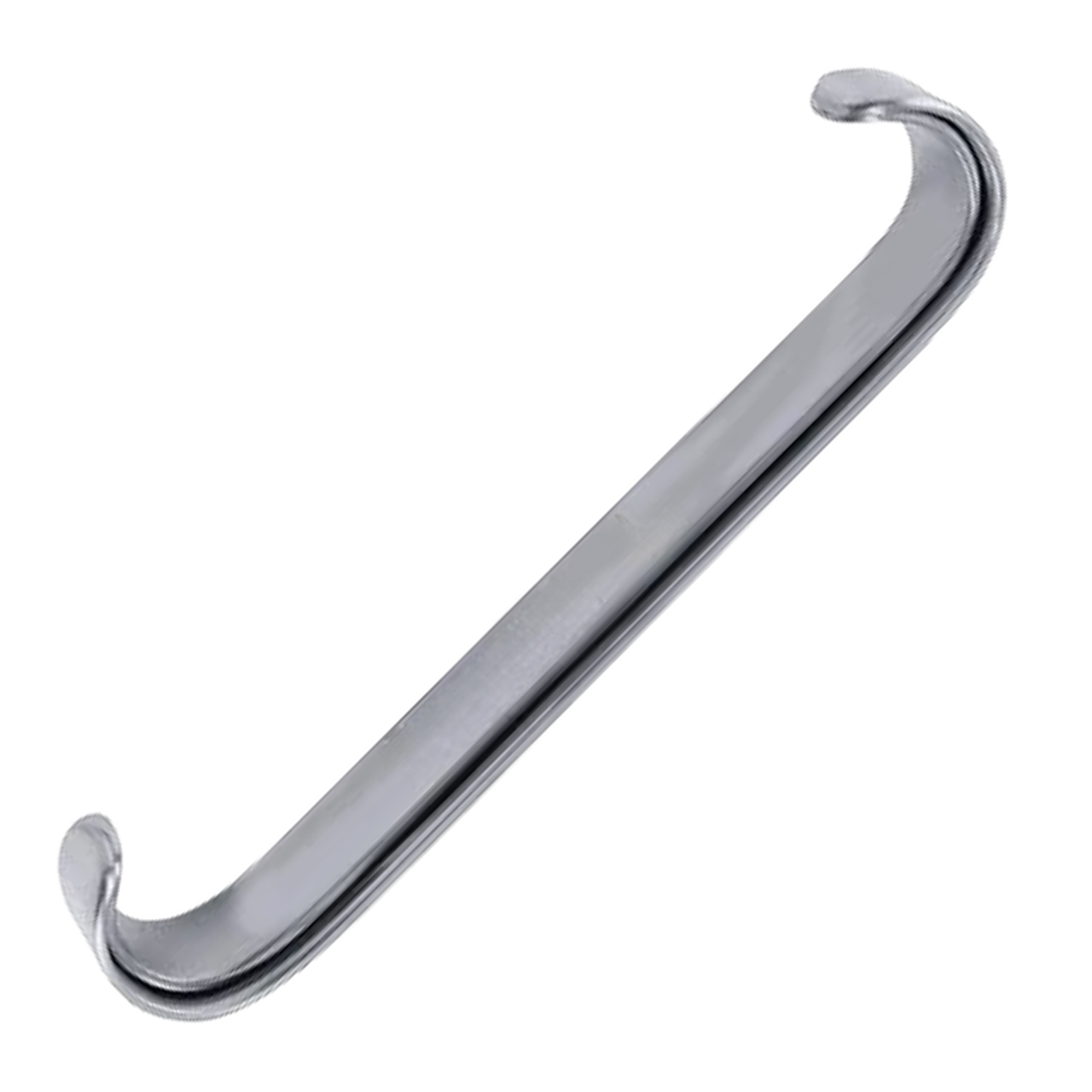 | Parker Retractor- Set Of Two | Küçük ve genel cerrahi sırasında deri kenarlarını, fasyayı ve yüzeysel kas tabakalarını ekarte etmek için özel olarak tasarlanmıştır. |
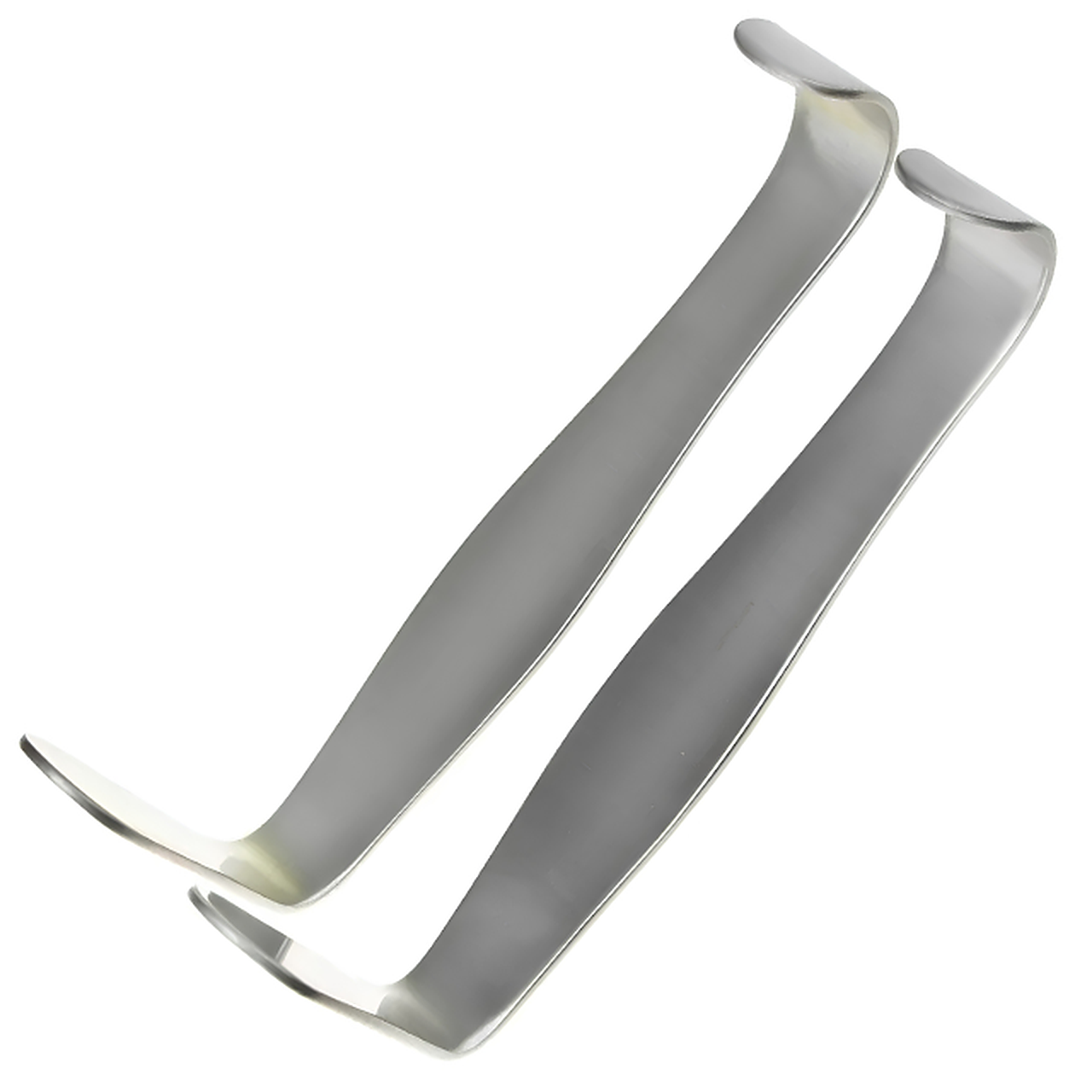 | Parker-Mott Retractor-Set of Two (İkili Set) | Yüzeysel ve orta düzey cerrahi insizyonlarda deri, fasya ve yumuşak dokuları ekarte etmek için özel olarak tasarlanmıştır. |
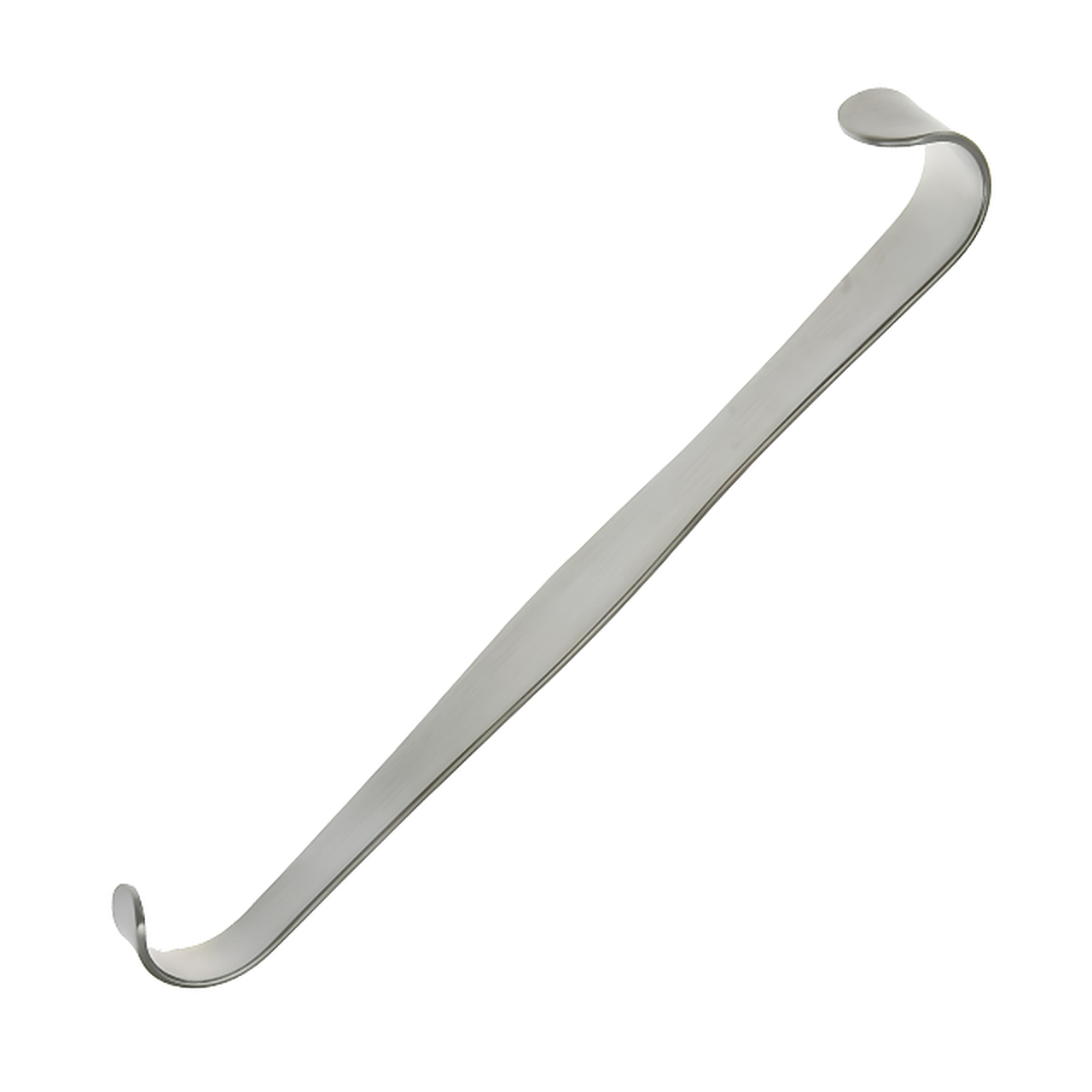 | Parker-Tommy Ekartör | Yüzeysel ve orta düzey cerrahi insizyonlarda deri kenarlarını, fasyayı ve yumuşak dokuları ekarte etmek için özel olarak tasarlanmıştır. |
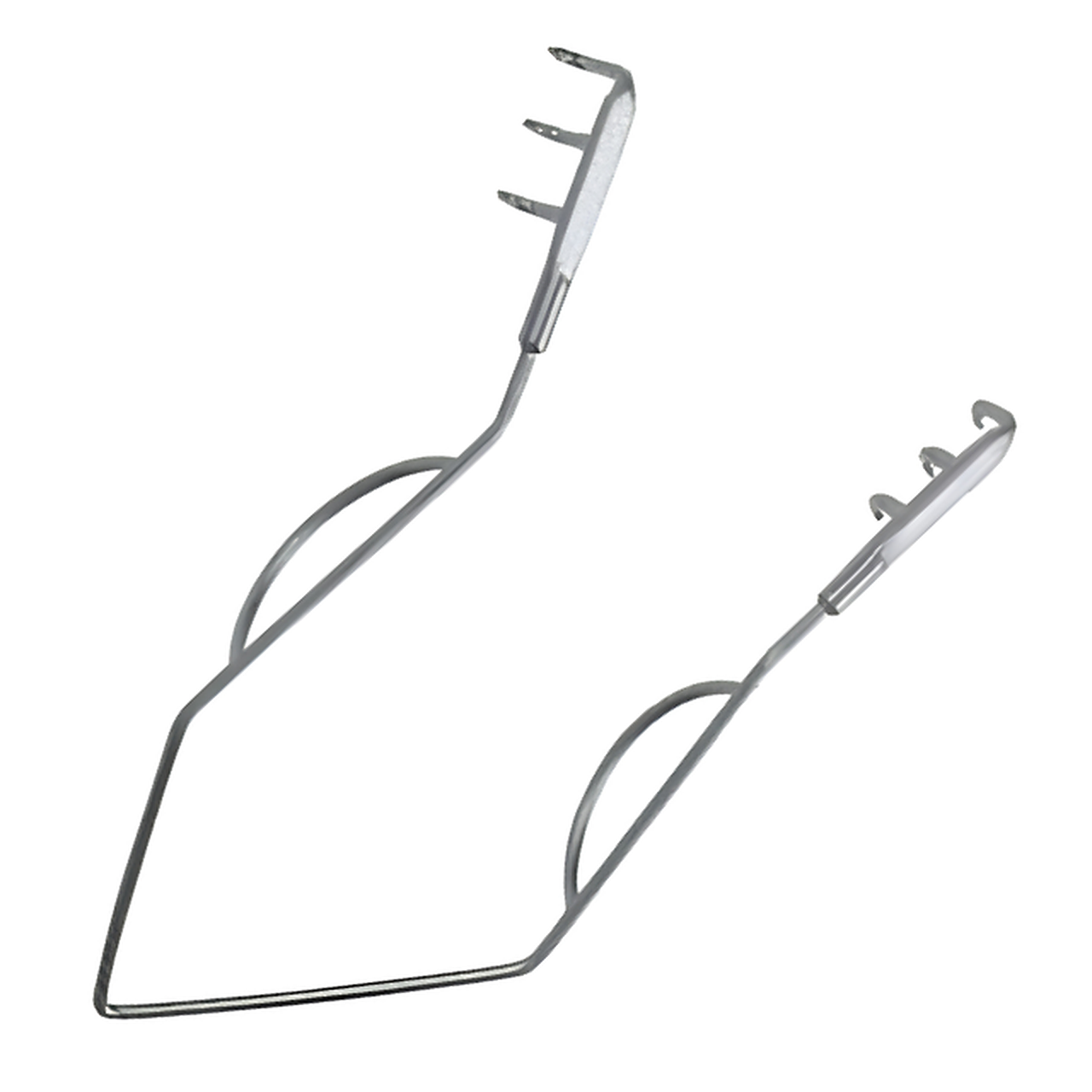 | Parsonnet Epikardiyal Ekartör | Bypass greftleme sırasında koroner arterleri izole etmek amacıyla epikardiyal yağı ve miyokardı ekarte etmek için özel olarak tasarlanmıştır. |
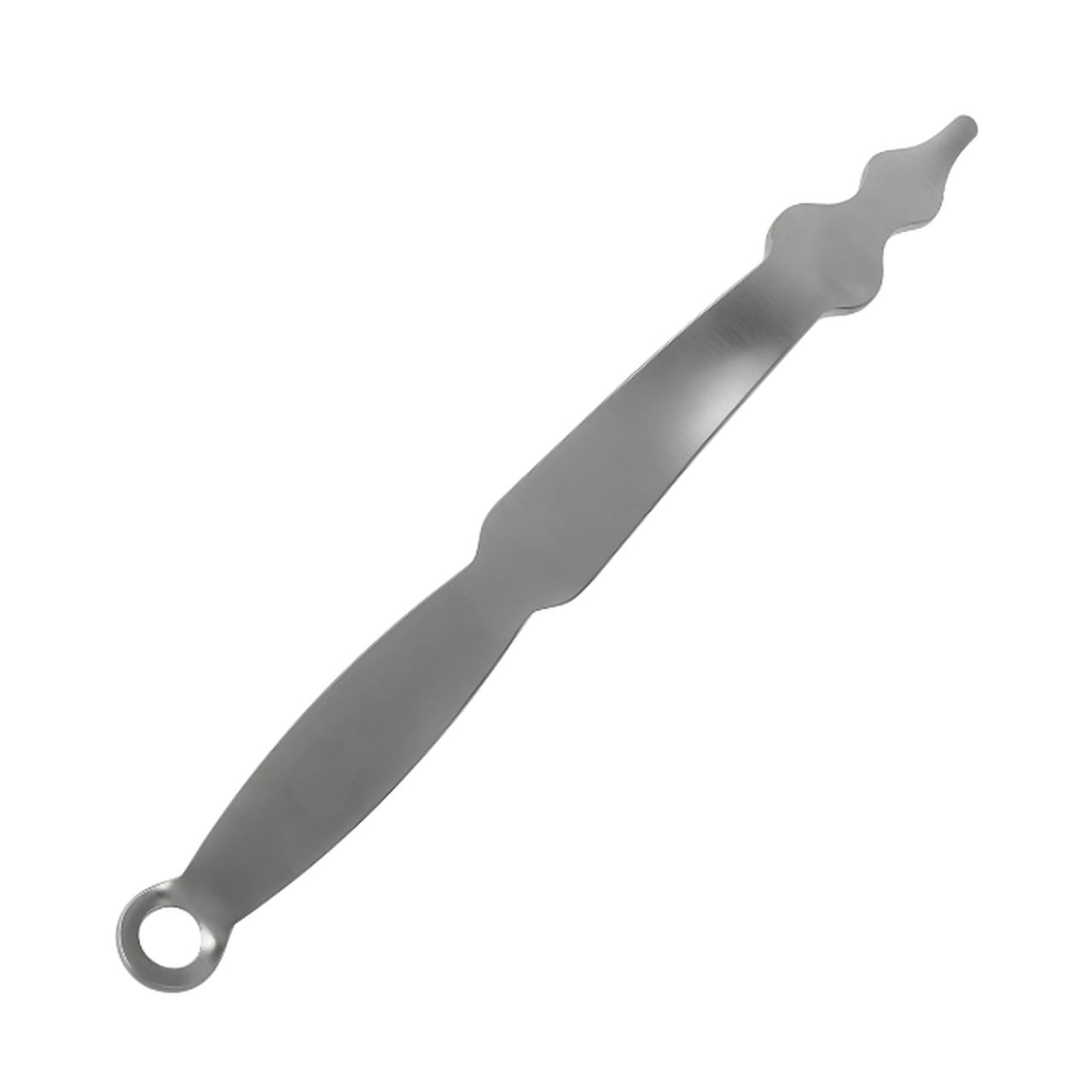 | Patella Ekartörü | Diz artroplastisi sırasında patella ve patellar tendonu kaldırmak, evert etmek ve ekarte etmek için özel olarak tasarlanmıştır. |
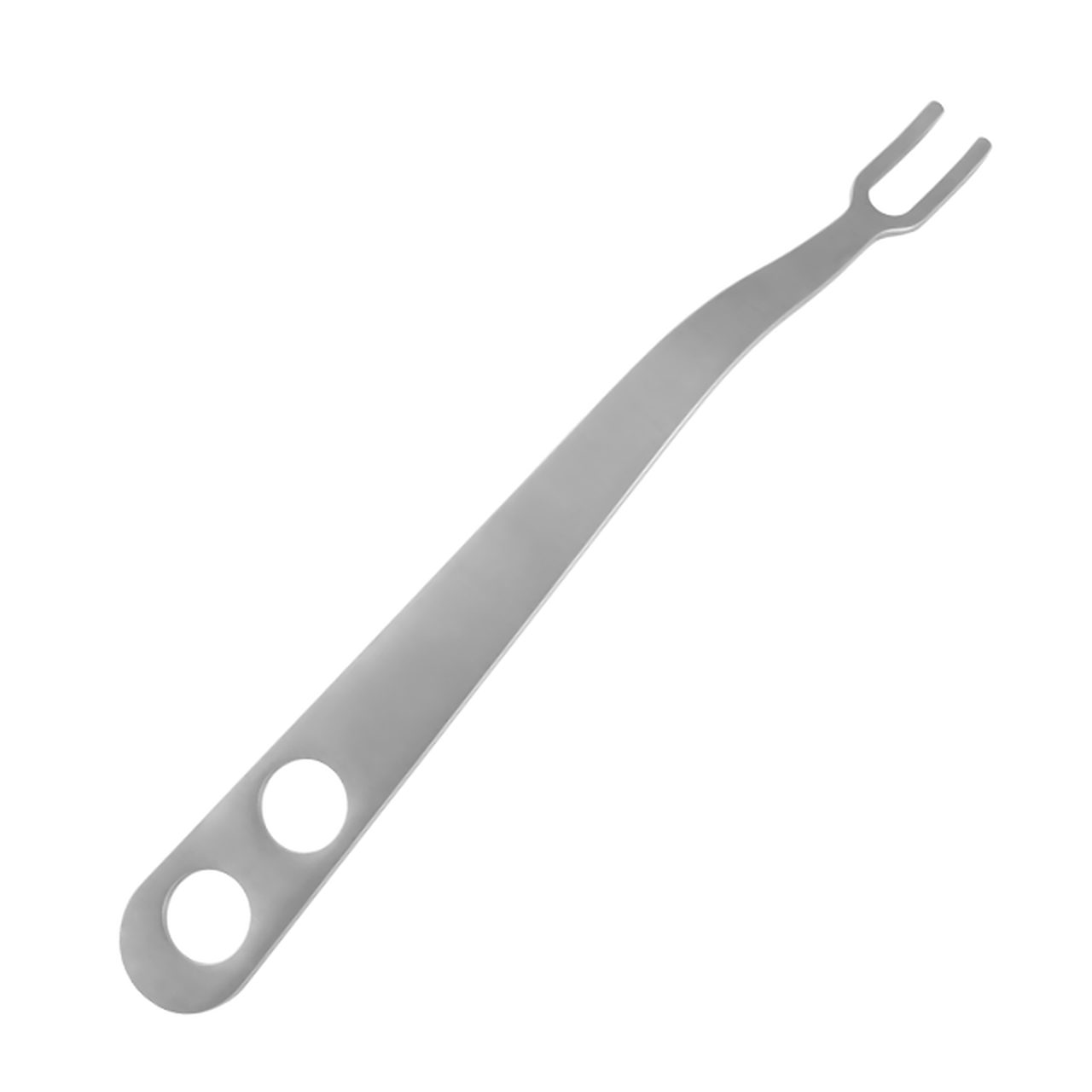 | PCL Ekartörü | Diz artroplastisi sırasında PCL'yi ekarte etmek, tibiayı anteriora kaydırmak ve posterior damarları korumak için özel olarak tasarlanmıştır. |
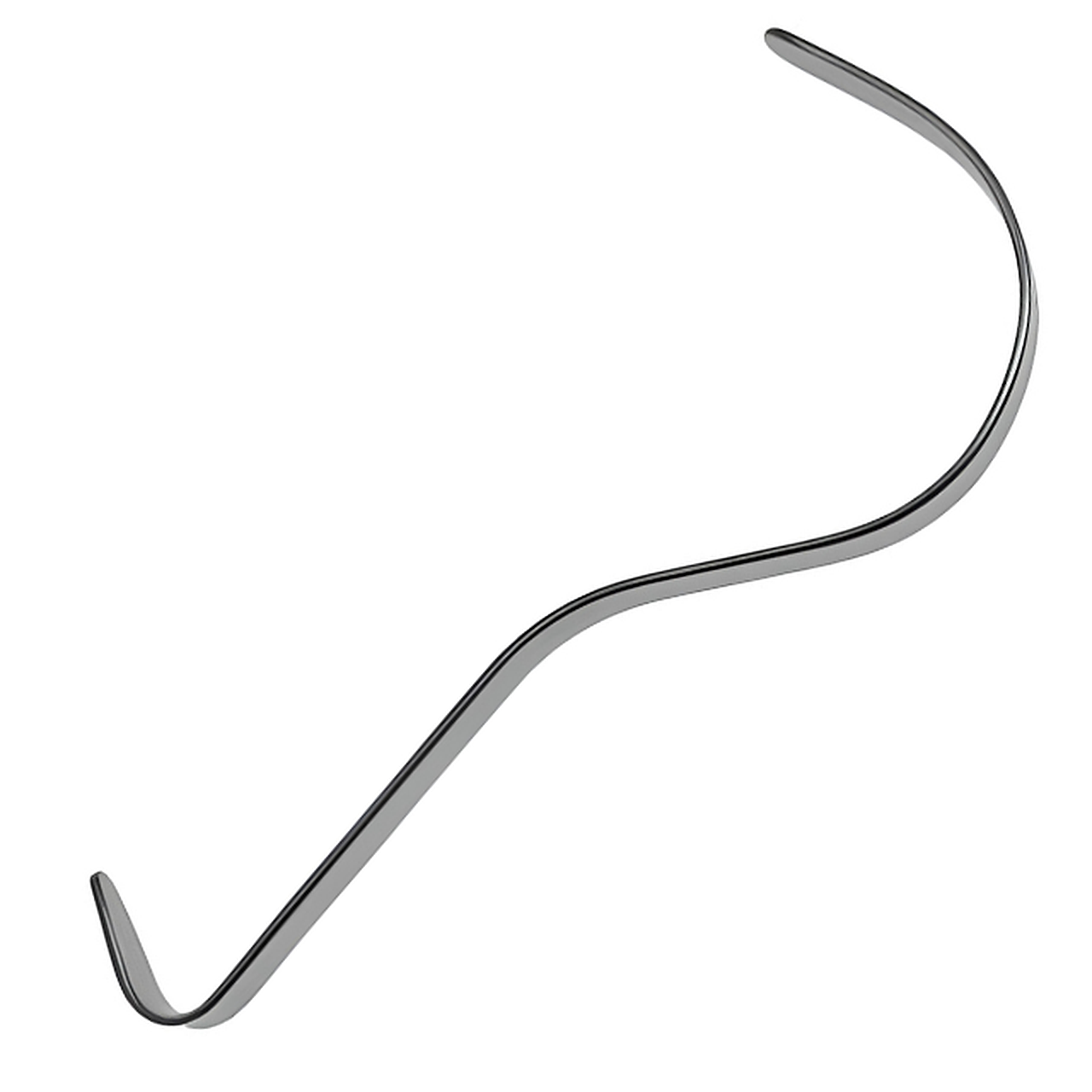 | Pediatrik Deaver Ekartörleri | Pediatrik ve neonatal cerrahi sırasında visseral organları ve karın duvarını ekarte etmek için özel olarak tasarlanmıştır. |
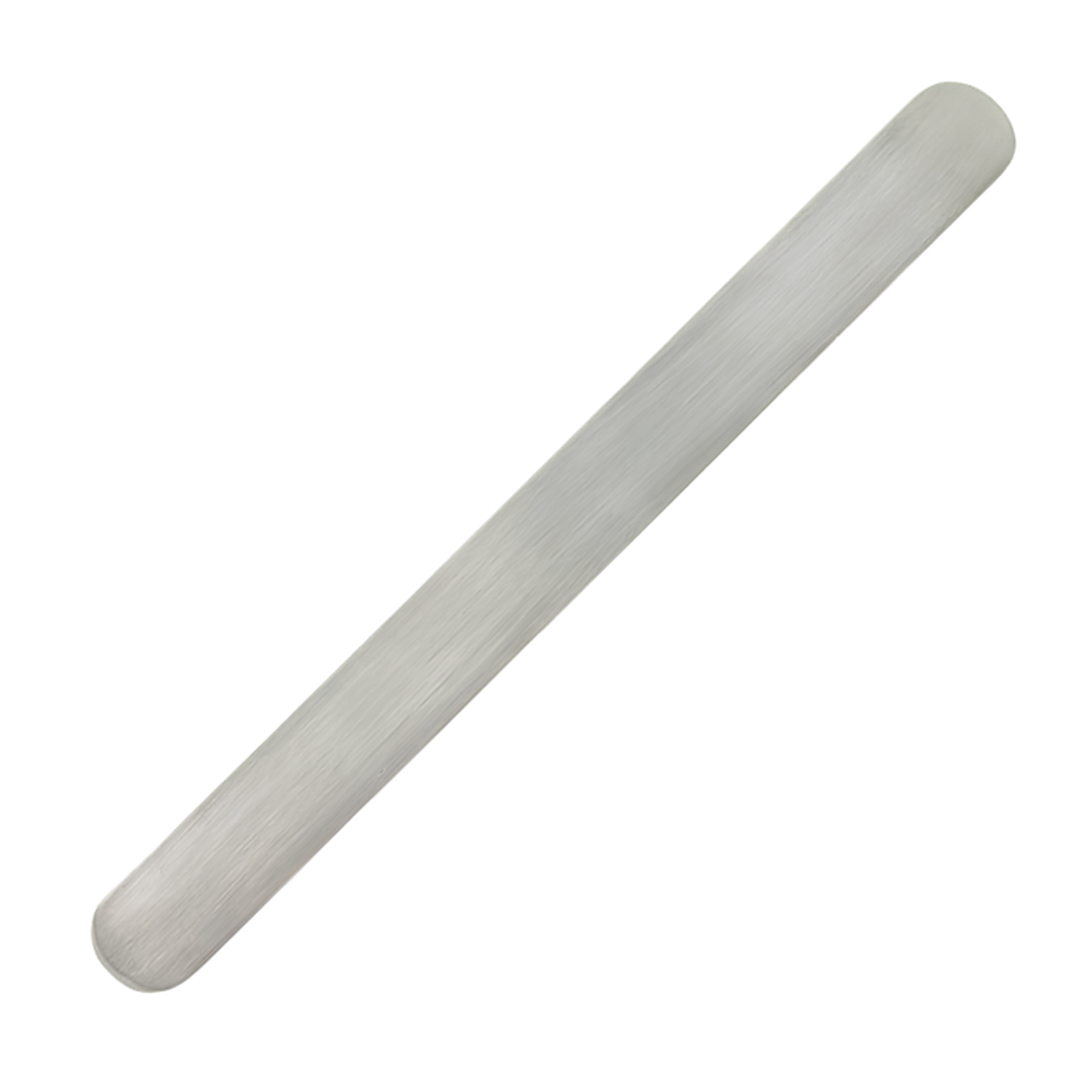 | Pediatric Ribbon Ekartör | Pediatrik cerrahi sırasında vissera, bağırsak ve dokuları ekarte etmek için özel şekillerde bükülmek üzere tasarlanmıştır. |
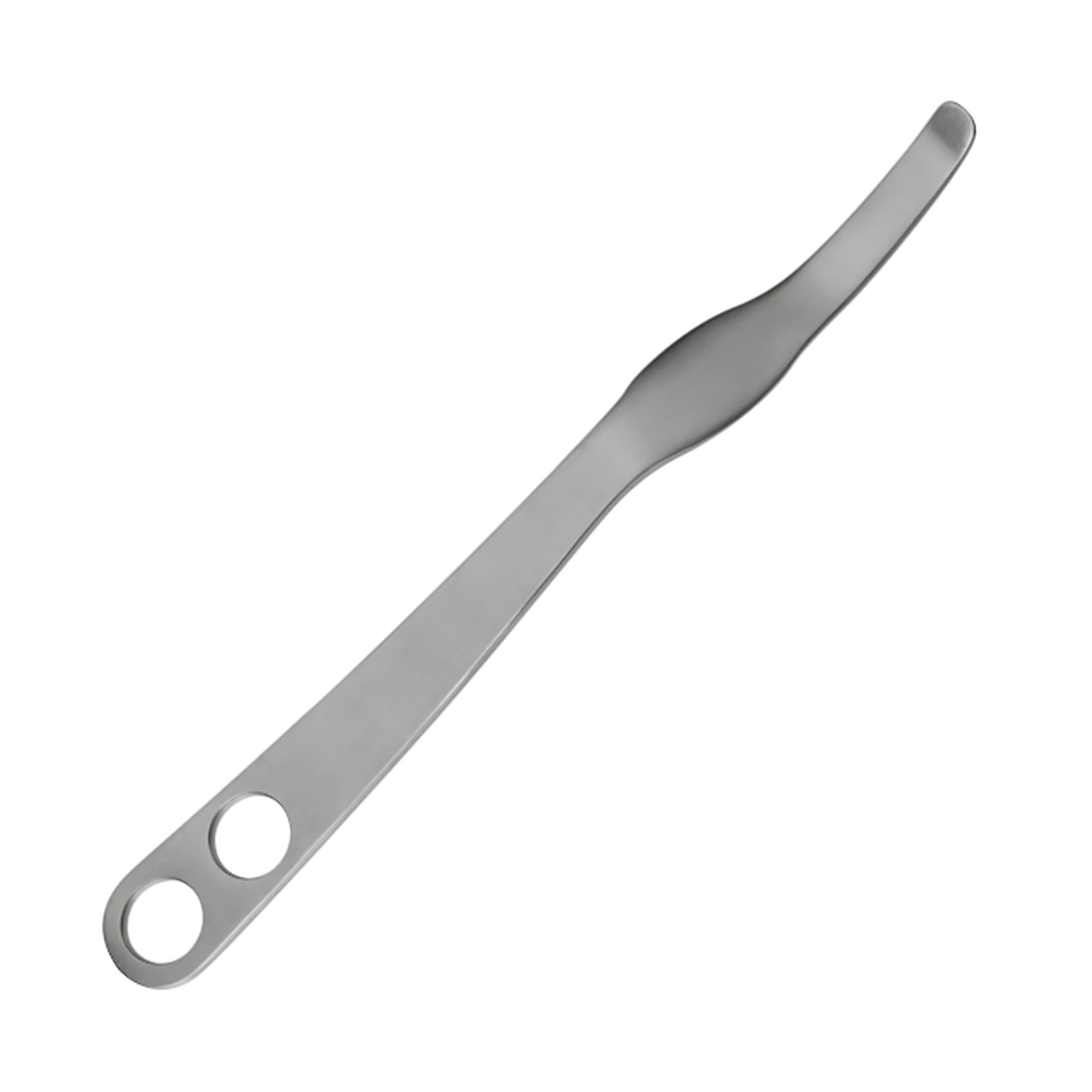 | Pelvic Retractor Blunt - Künt Pelvik Ekartör | Derin pelvik ve abdominal cerrahi sırasında pelvik organları, mesaneyi ve yumuşak dokuları ekarte etmek için özel olarak tasarlanmıştır. |
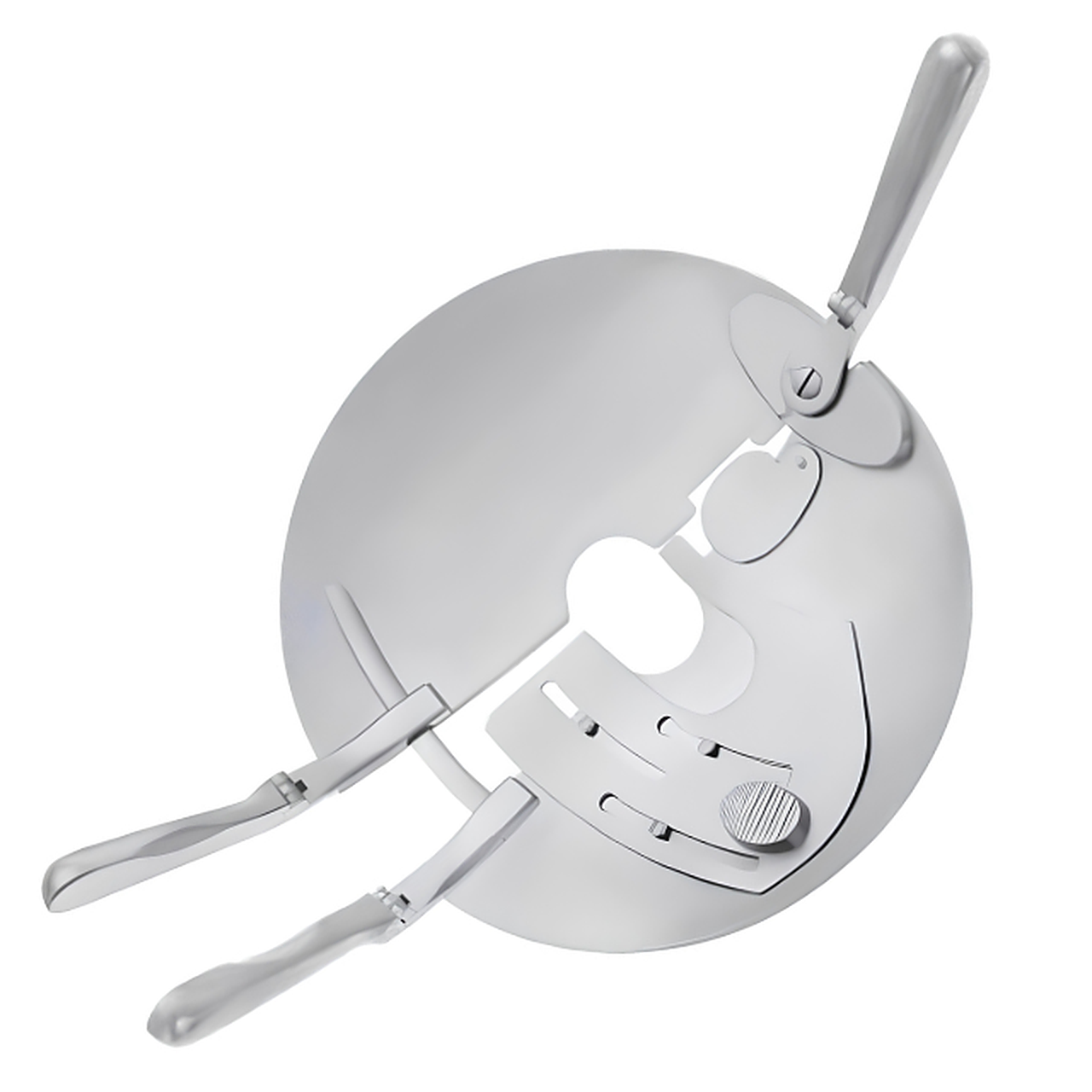 | PERCY AMPUTATION RETRACTOR | Ekstremite ampütasyon cerrahisinde kemik bölünmesi sırasında kas kütlelerini ekarte etmek ve yumuşak dokuyu korumak için özel olarak tasarlanmıştır. |
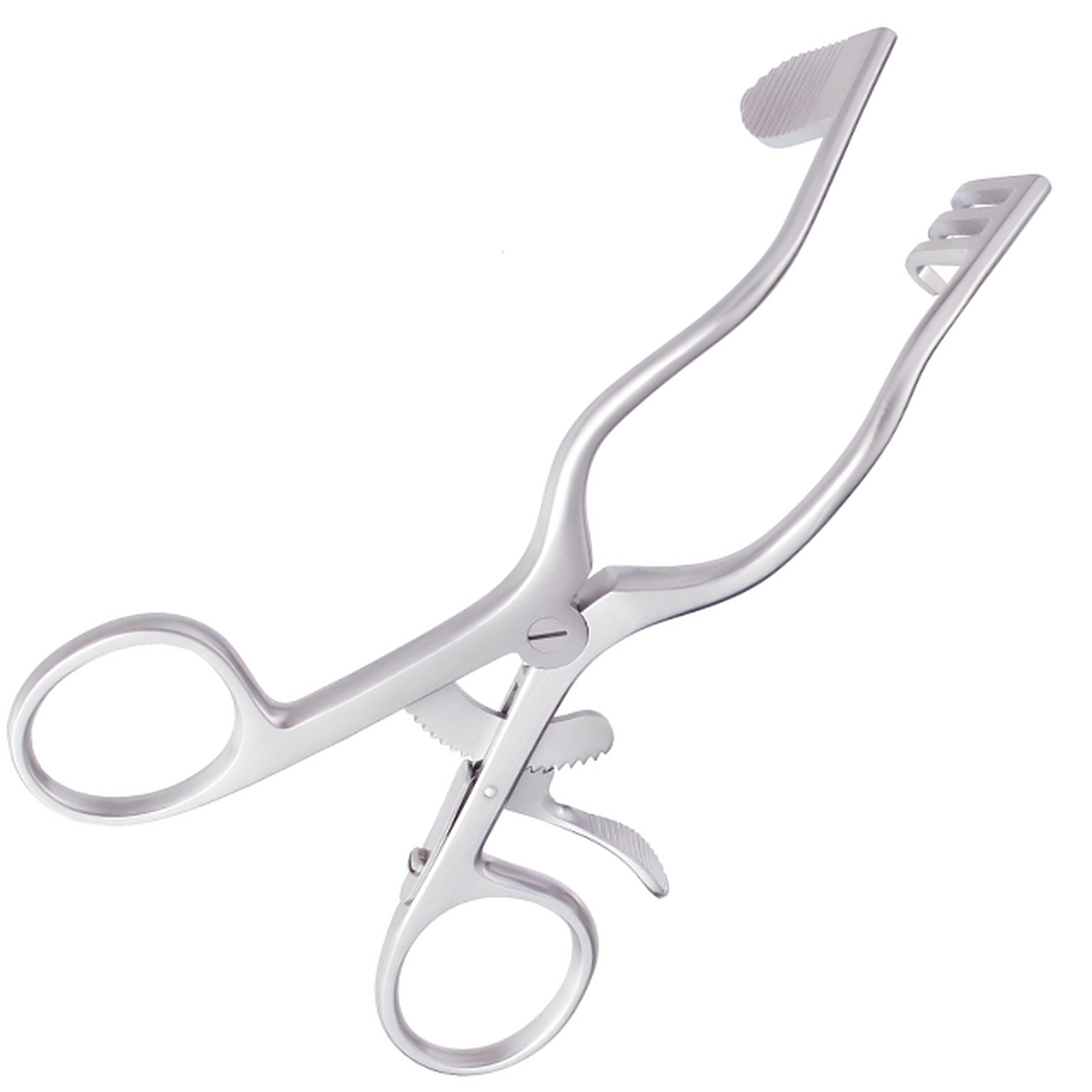 | Perkins Otostatik Ekartör | Vasküler, nörolojik ve ortopedik cerrahide otostatik (kendi kendine sabitlenen) doku retraksiyonu sağlamak için özel olarak tasarlanmıştır. |
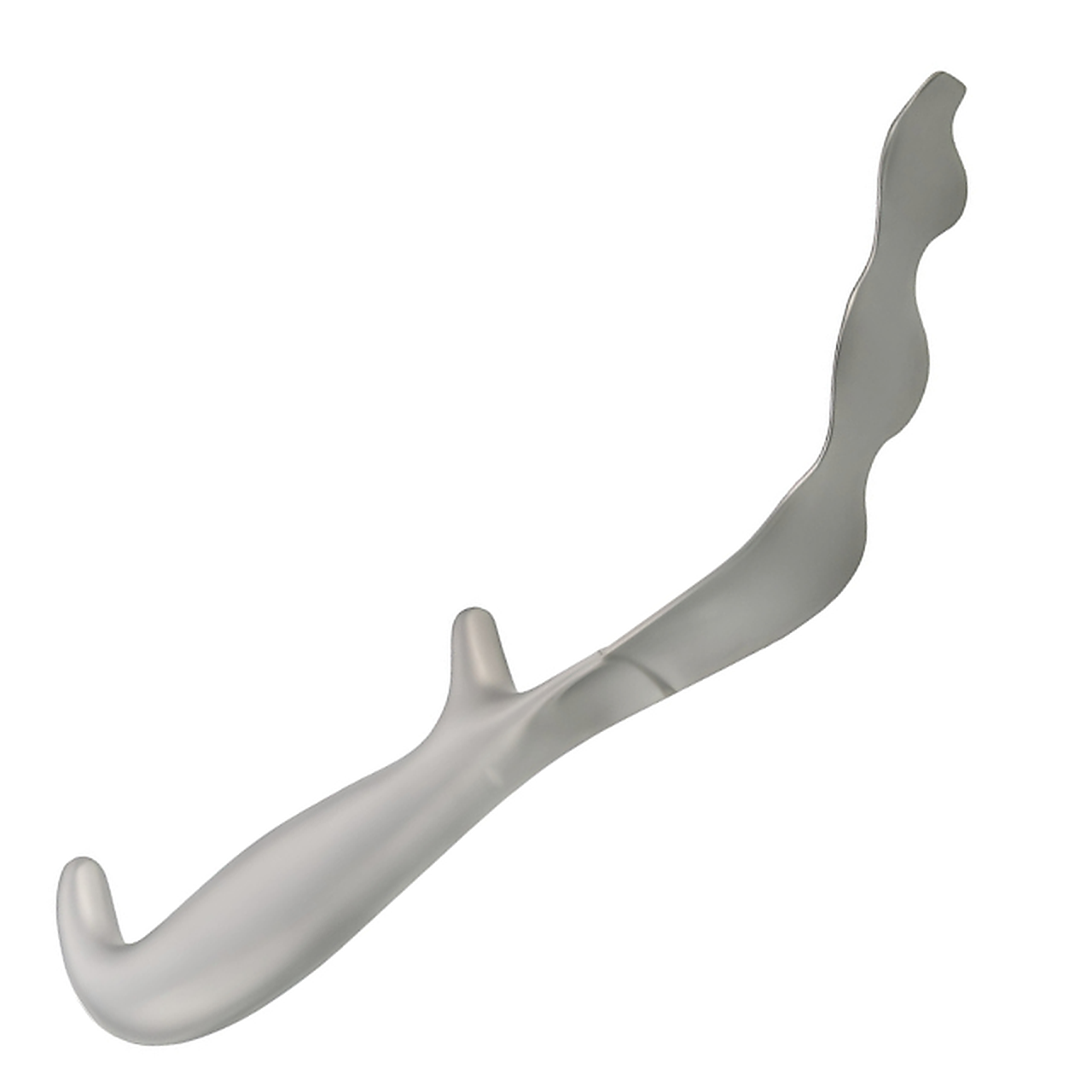 | Petri Pterygoid İntra Oral Ekartör | Le Fort osteotomilerinde pterygomaksiller disjunksiyon sırasında nörovasküler yapıları korumak ve yumuşak dokuları ekarte etmek için özel olarak tasarlanmıştır. |
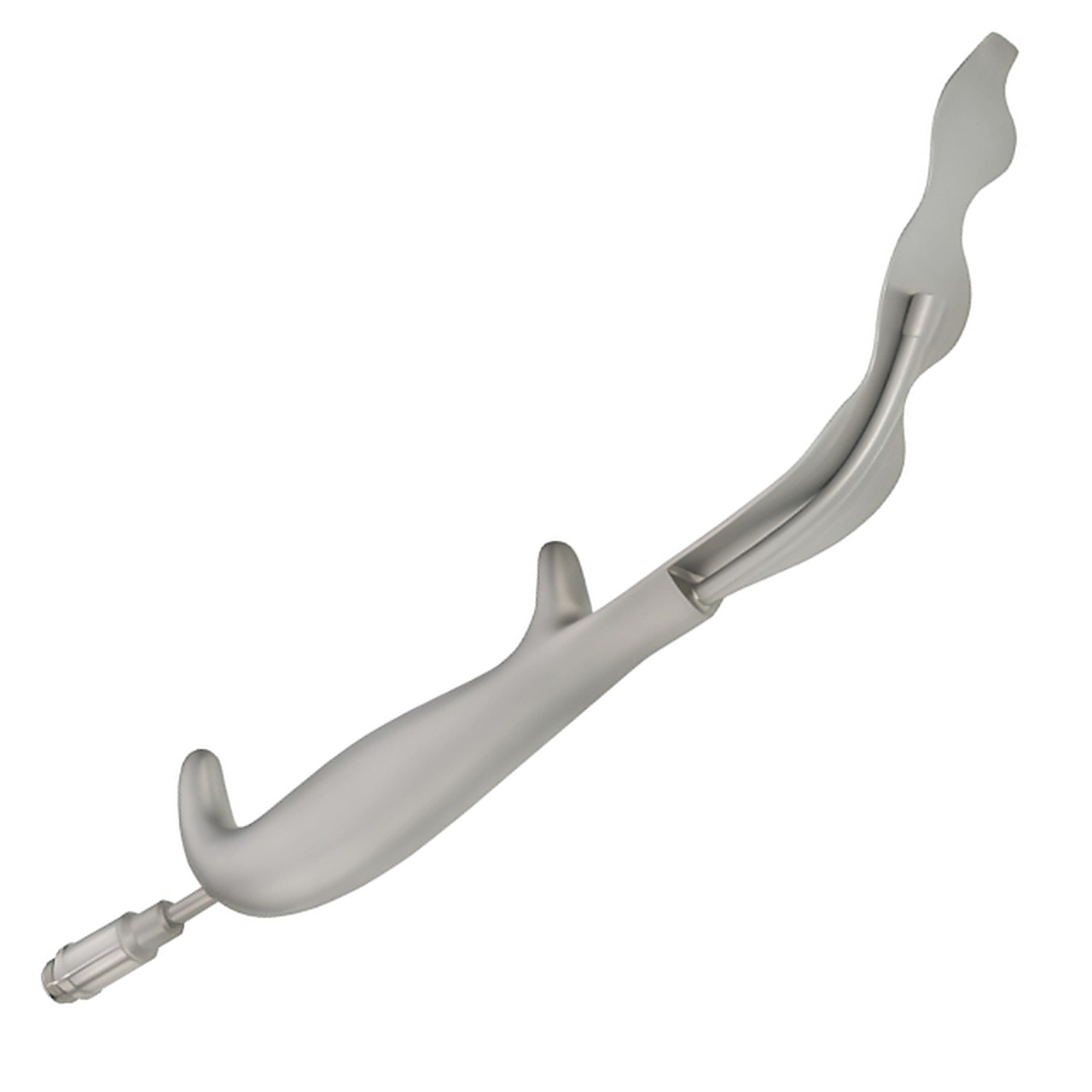 | Fiber Optik Petri Pterygoid İntraoral Ekartör | Le Fort osteotomileri sırasında ışıklı yumuşak doku ekartasyonu ve nörovasküler koruma sağlamak için özel olarak tasarlanmıştır. |
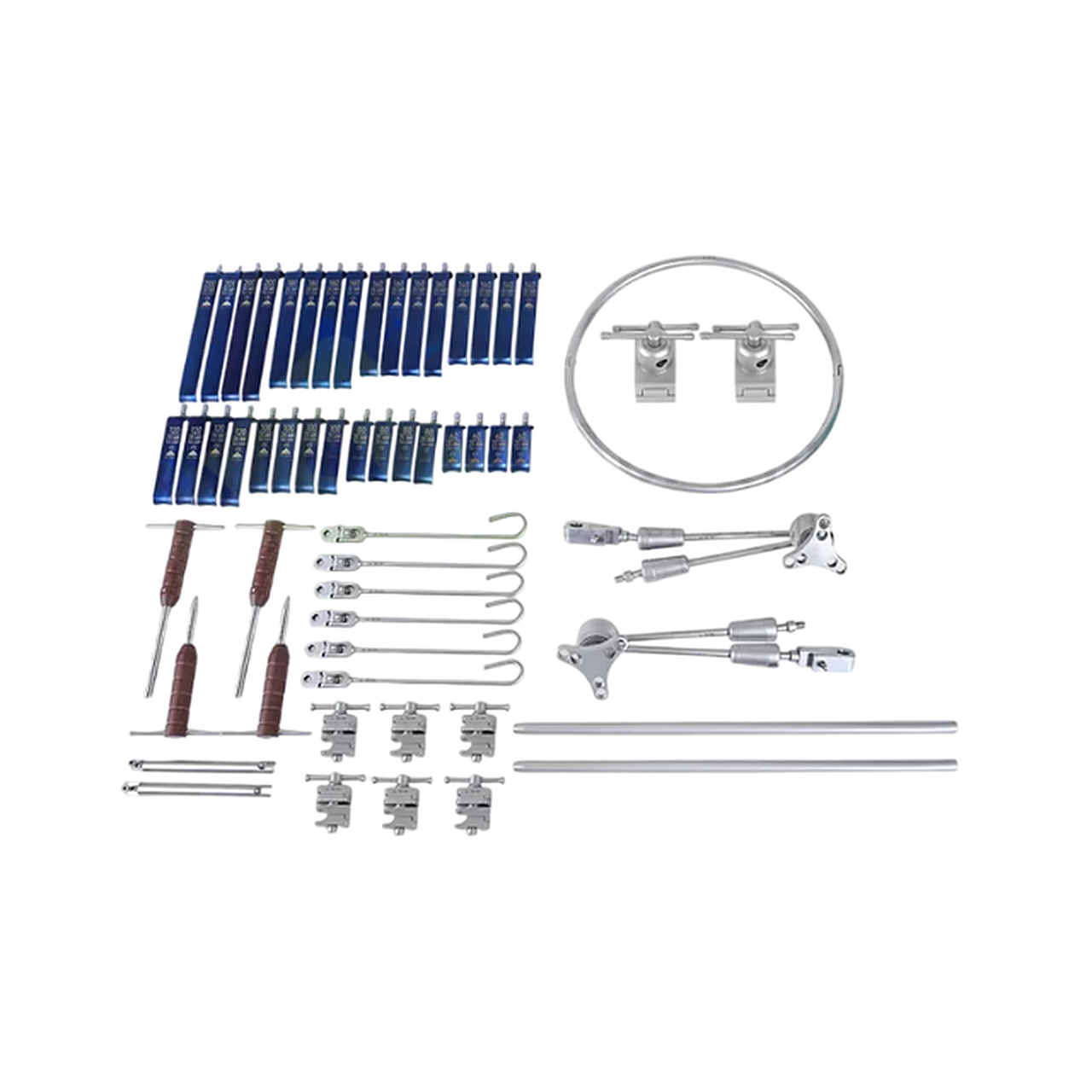 | Phantom AL Anterior Lumbar Cerrahi Erişim Sistemi | Anterior yaklaşım lomber omurga prosedürleri sırasında stabil, eller serbest cerrahi erişim ve kontrollü yumuşak doku retraksiyonu sağlamak için özel olarak tasarlanmıştır. |
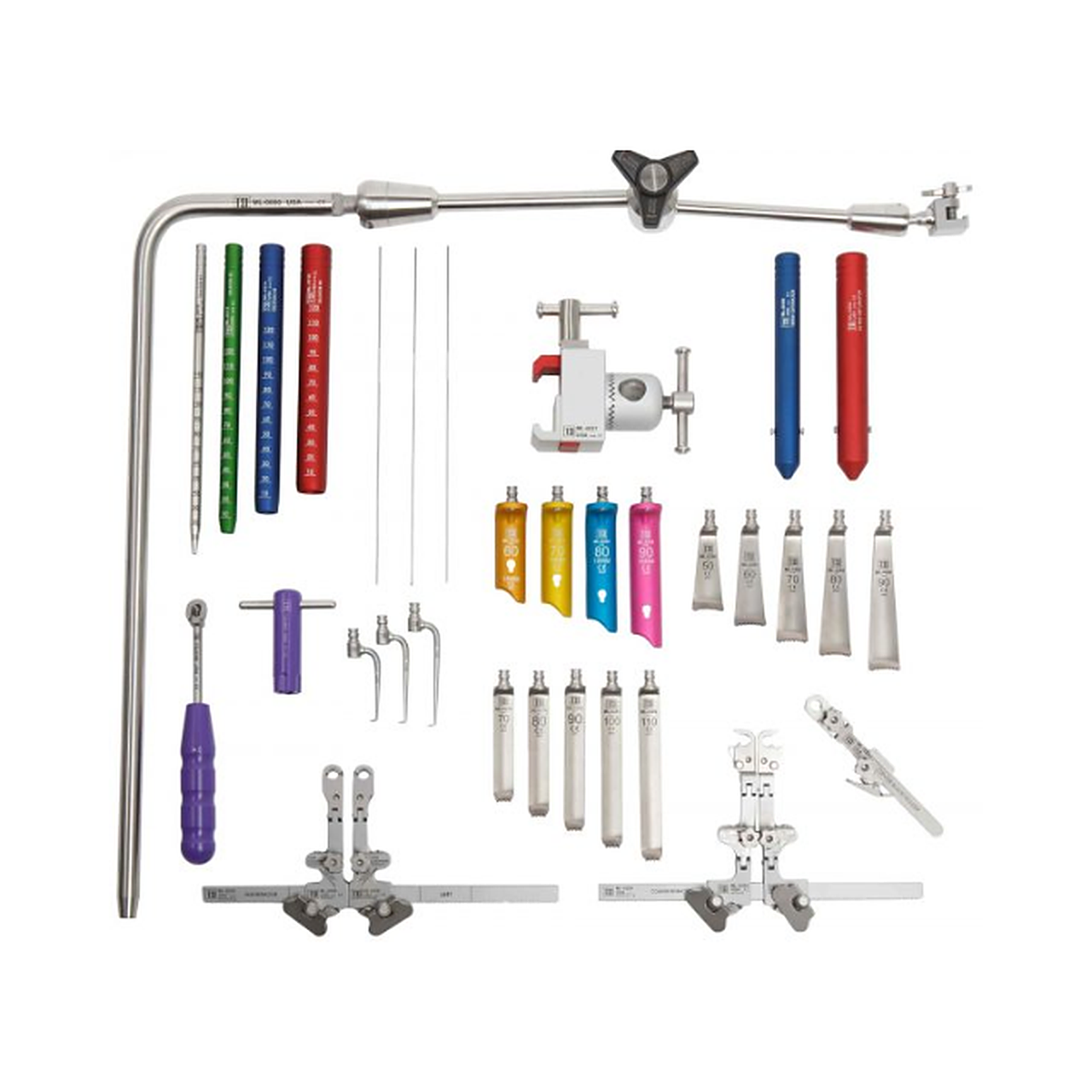 | Phantom ML MIS Lomber Cerrahi Erişim Sistemi | Minimal invaziv lomber cerrahi erişim, kontrollü doku ekartasyonu ve posterior omurga prosedürleri sırasında doğrudan kanal aydınlatması için özel olarak tasarlanmıştır. |
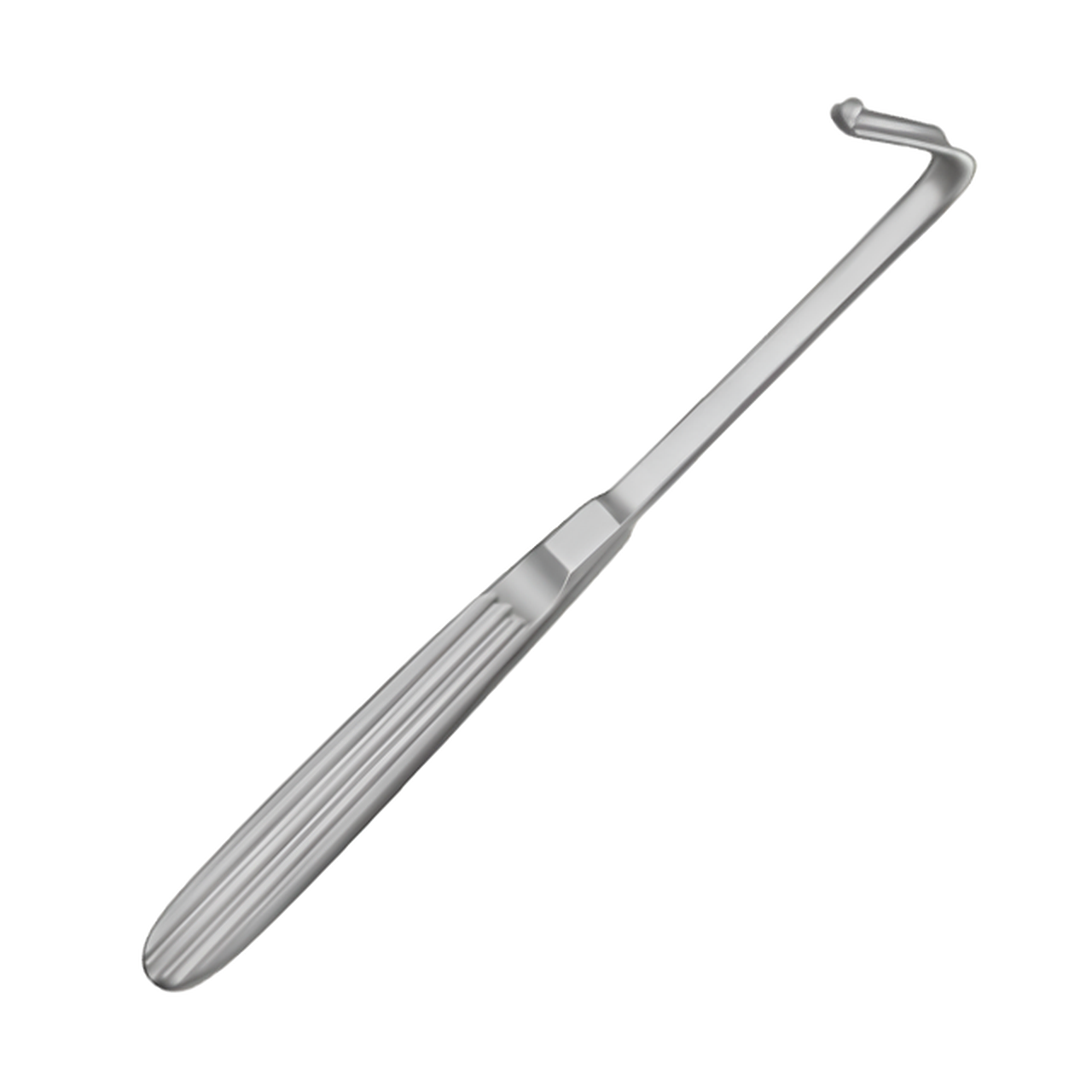 | Piriform Rim Ekartörü | Le Fort osteotomileri ve rinoplasti sırasında yumuşak dokuyu ekarte etmek ve maksillayı açığa çıkarmak için piriform açıklığa kancalanmak üzere özel olarak tasarlanmıştır. |
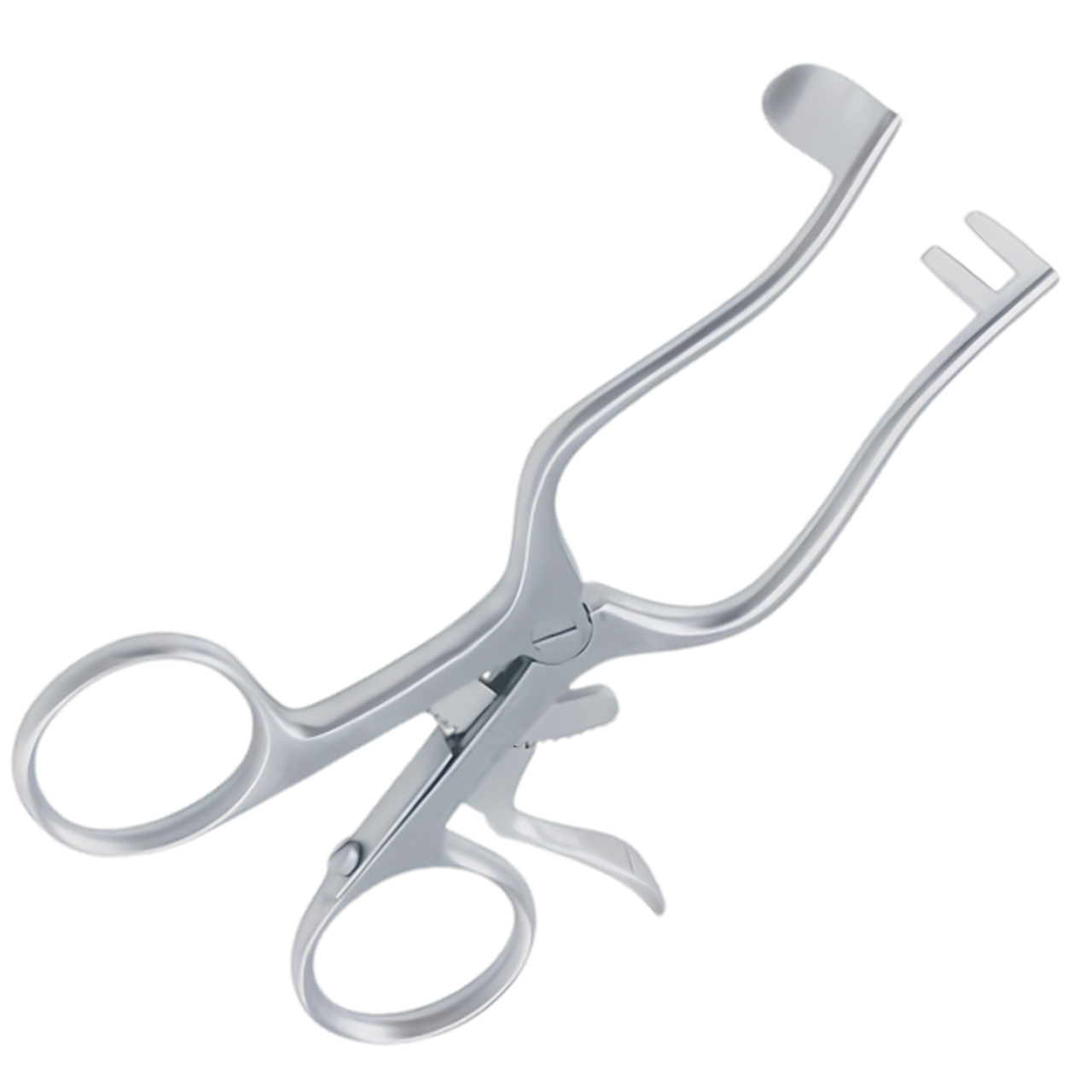 | Plester Self Retaining Retractor | Plester Self Retaining Retractor, postauriküler ve mastoid yara kenarlarının eller serbest şekilde açılması için tasarlanmış otolojik ve nöroşirürjik bir ekartördür. |
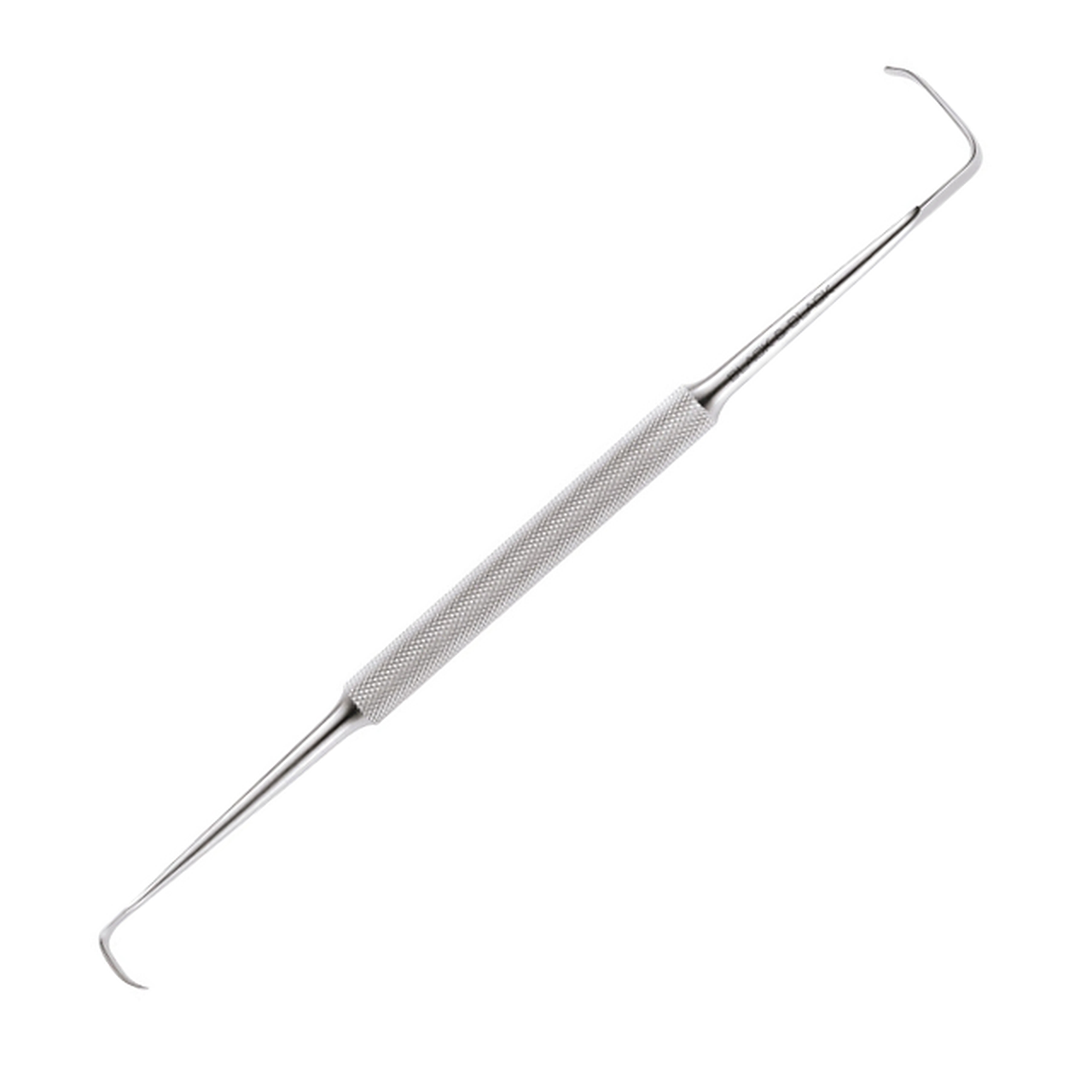 | Ragnell-Davis Double Ended Retractor | Plastik, yüz ve el cerrahisi sırasında deri kenarlarını, hassas fasyayı ve yumuşak dokuları ekart etmek için özel olarak tasarlanmıştır. |
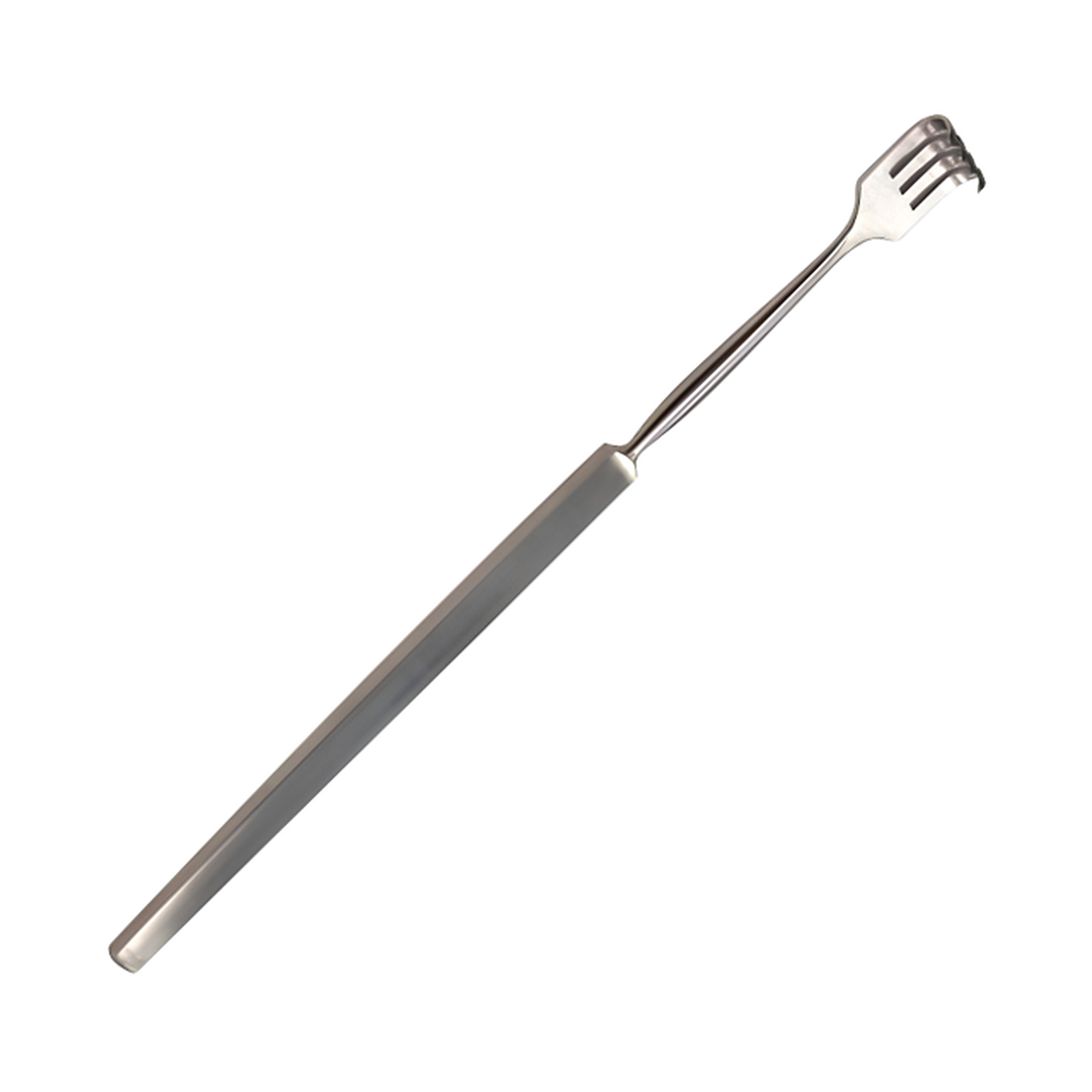 | Tırmık Parmak Ekartörü | El, plastik ve küçük cerrahi operasyonlarda deri fleplerini, kutanöz kenarları ve tendonları ekarte etmek için özel olarak tasarlanmıştır. |
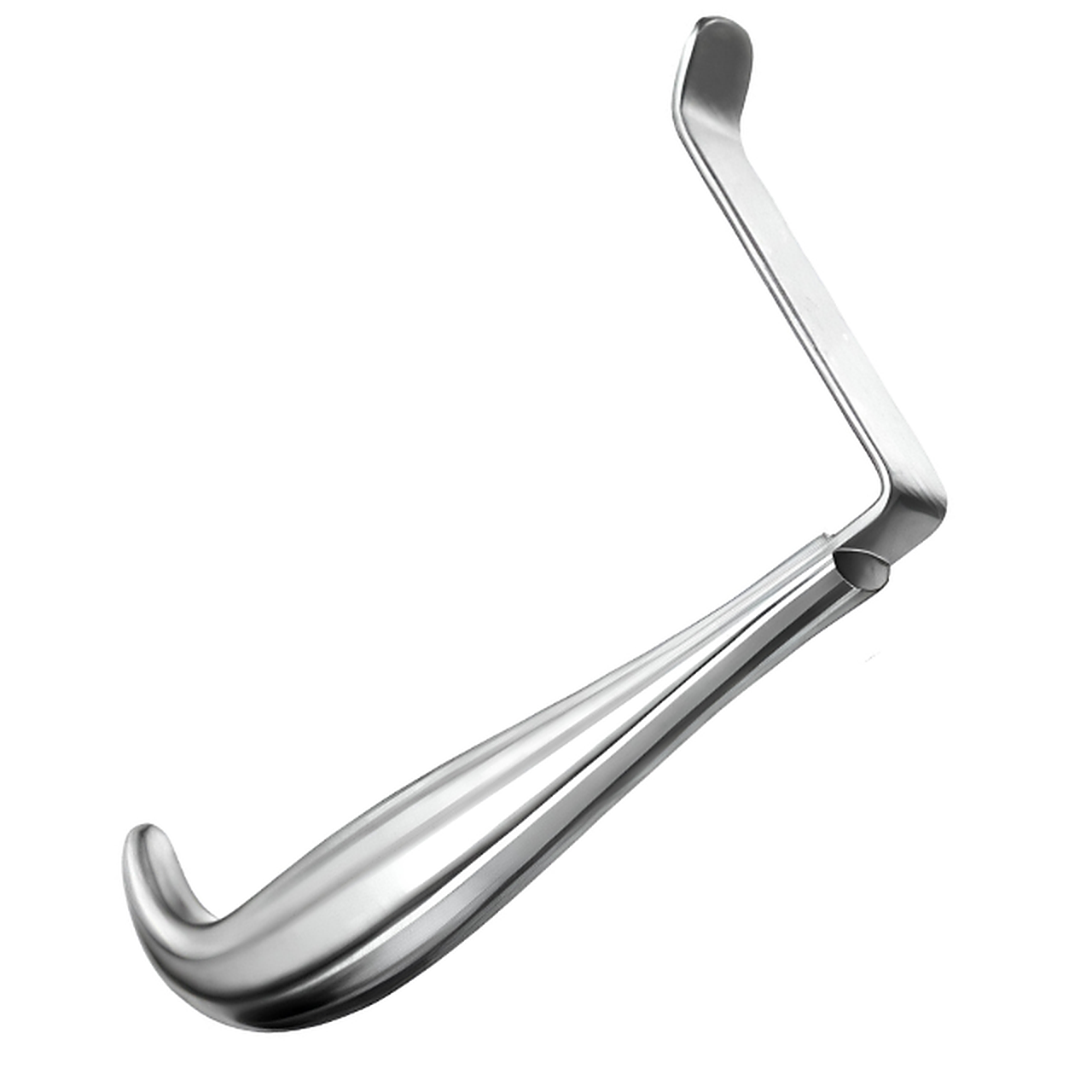 | Ramus Ekartörü | Ortognatik cerrahi sırasında pterygomasseterik slingi ekarte etmek ve asendan mandibula ramusunu açığa çıkarmak için özel olarak tasarlanmıştır. |
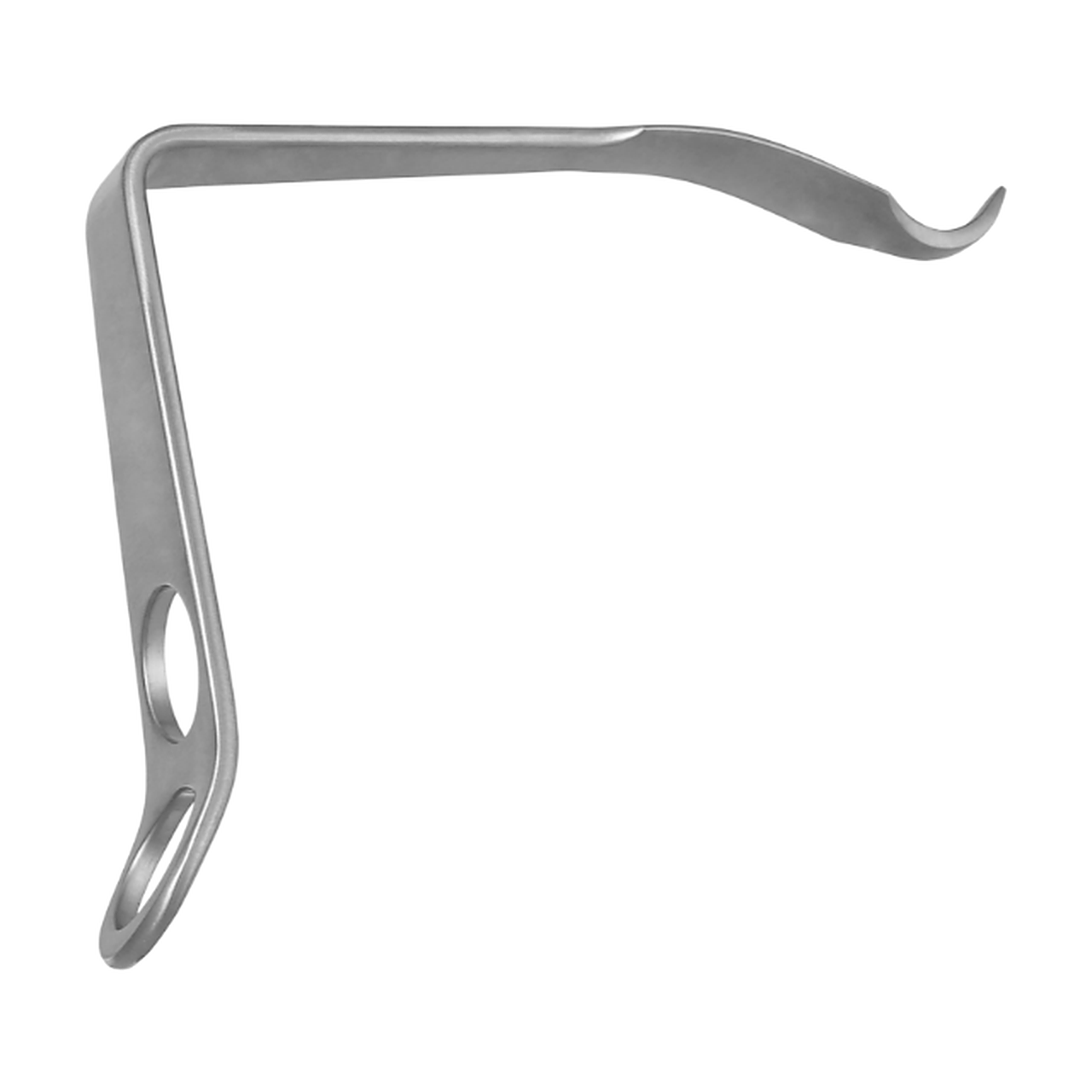 | Ranawat Diz Ekartörü | Ranawat Diz Ekartörü, total diz artroplastisi sırasında kollateral bağ ve eklem kapsülü ekarte edilmesi için tasarlanmış 9 ½″ (24.13 cm) uzunluğunda bir ortopedik alettir. |
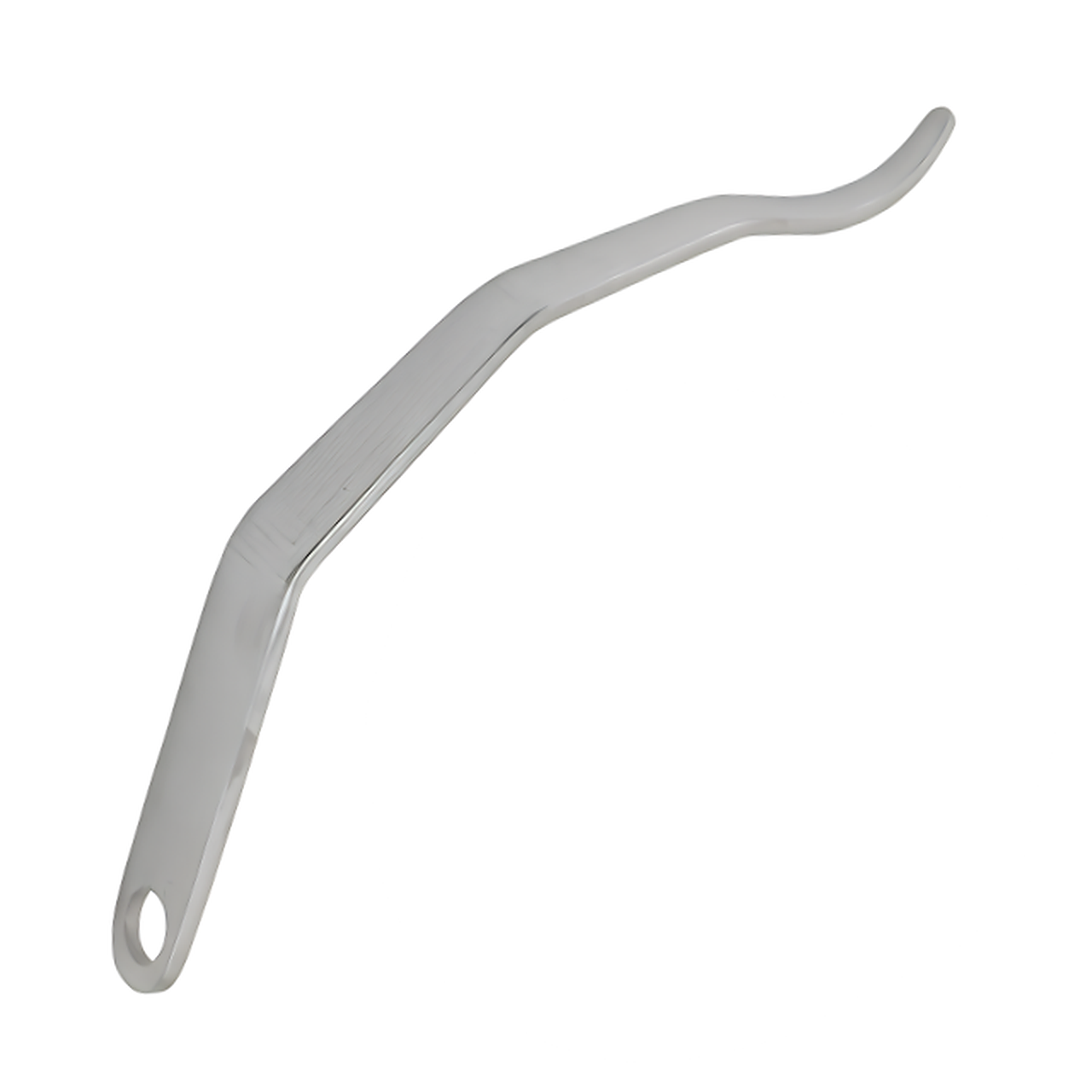 | Redler Ekartör | Minör cerrahi ve plastik cerrahi prosedürleri sırasında deri kenarlarını, fasyayı ve hassas yumuşak dokuları ekarte etmek için özel olarak tasarlanmıştır. |
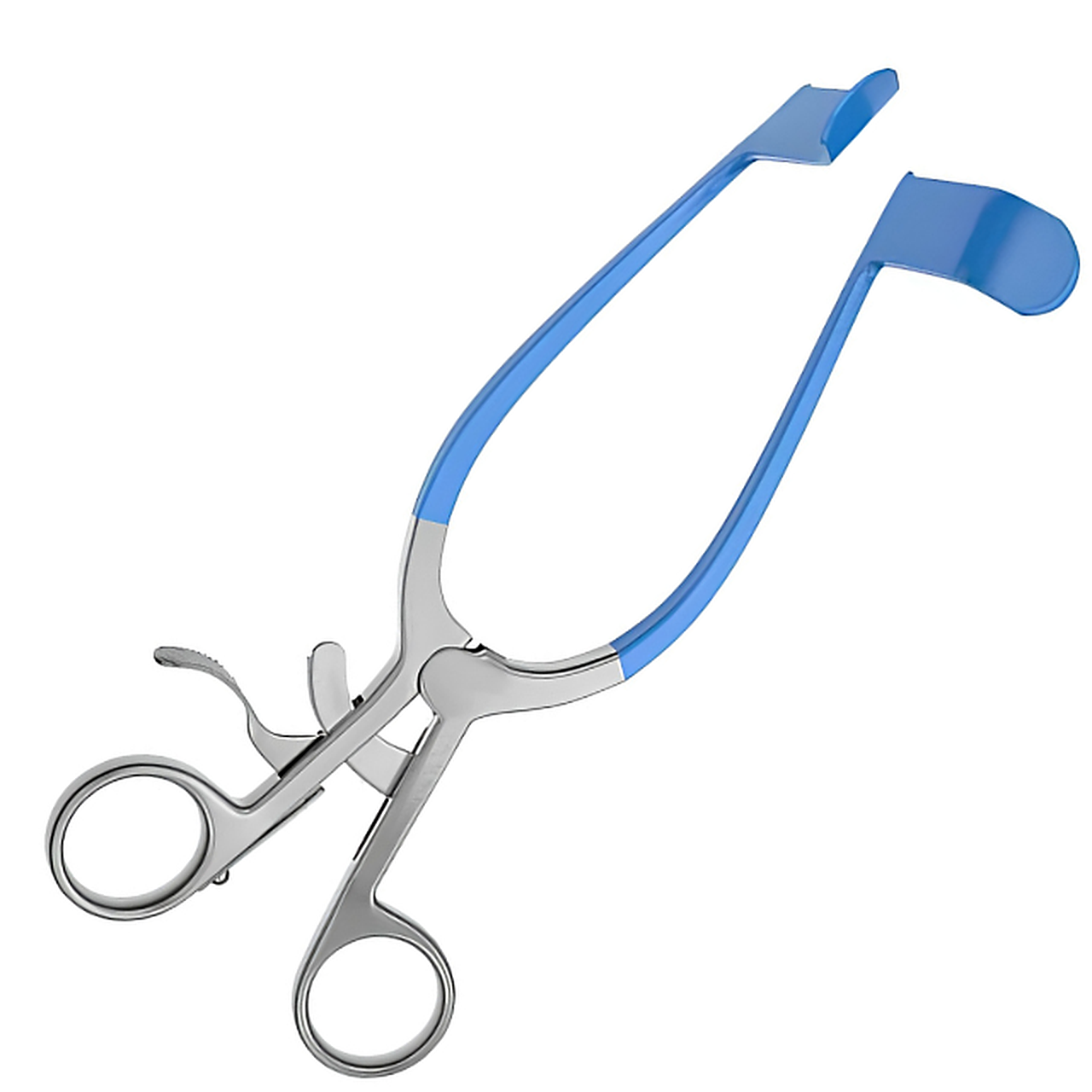 | Redundant Nonconductive Wall Retraktörü | Redundant Nonconductive Wall Retraktörü, elektrocerrahi ve lazer prosedürleri sırasında redundant lateral vajinal duvarları uzaklaştırmak için tasarlanmış, 7″ (17.8 cm) boyutunda yalıtımlı bir jinekolojik alettir. |
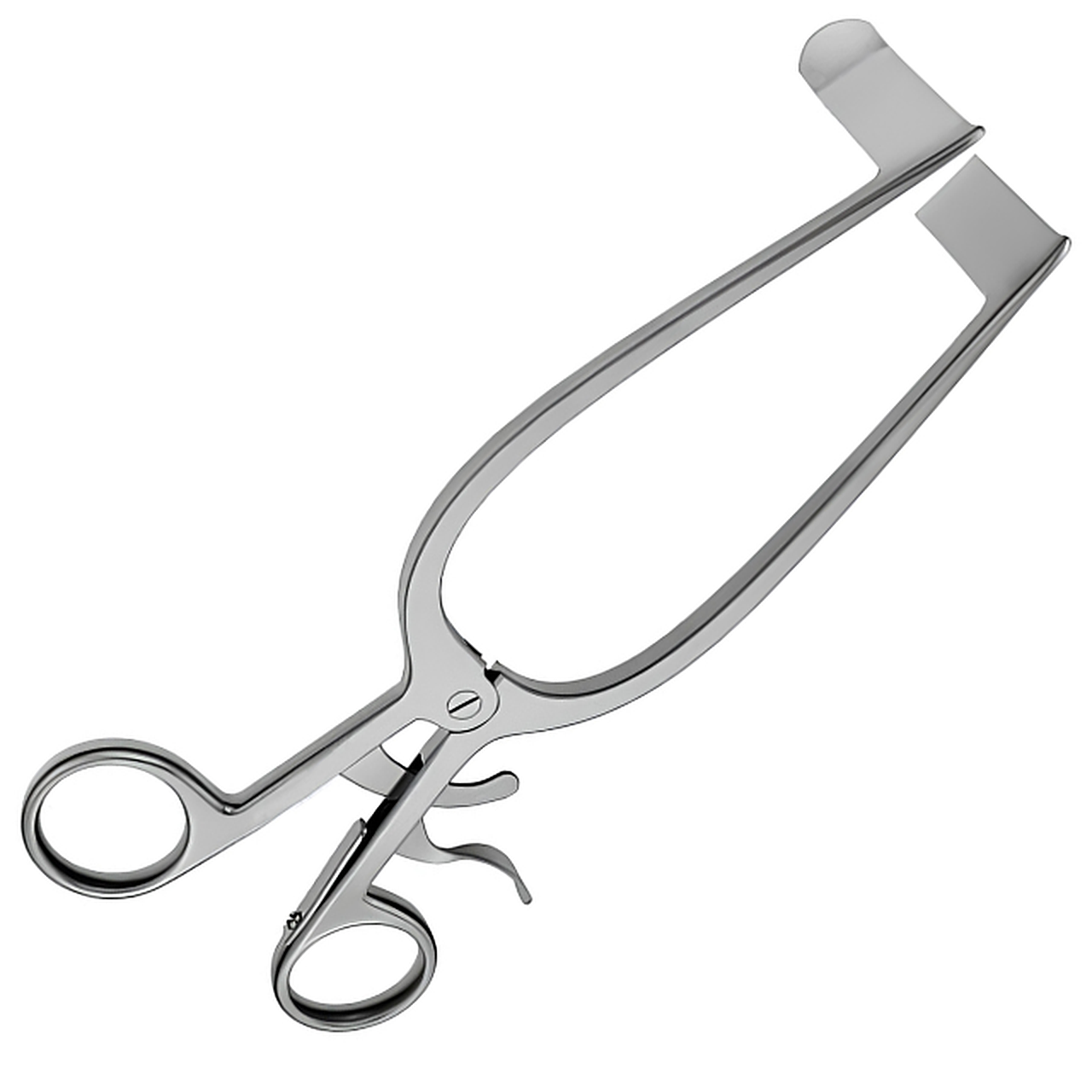 | Redundant Wall Ekartör | Redundant Wall Ekartör, pelvik muayeneler ve cerrahi sırasında redundant lateral vajinal duvarları uzaklaştırmak için tasarlanmış 18 cm uzunluğunda bir jinekolojik alettir. |
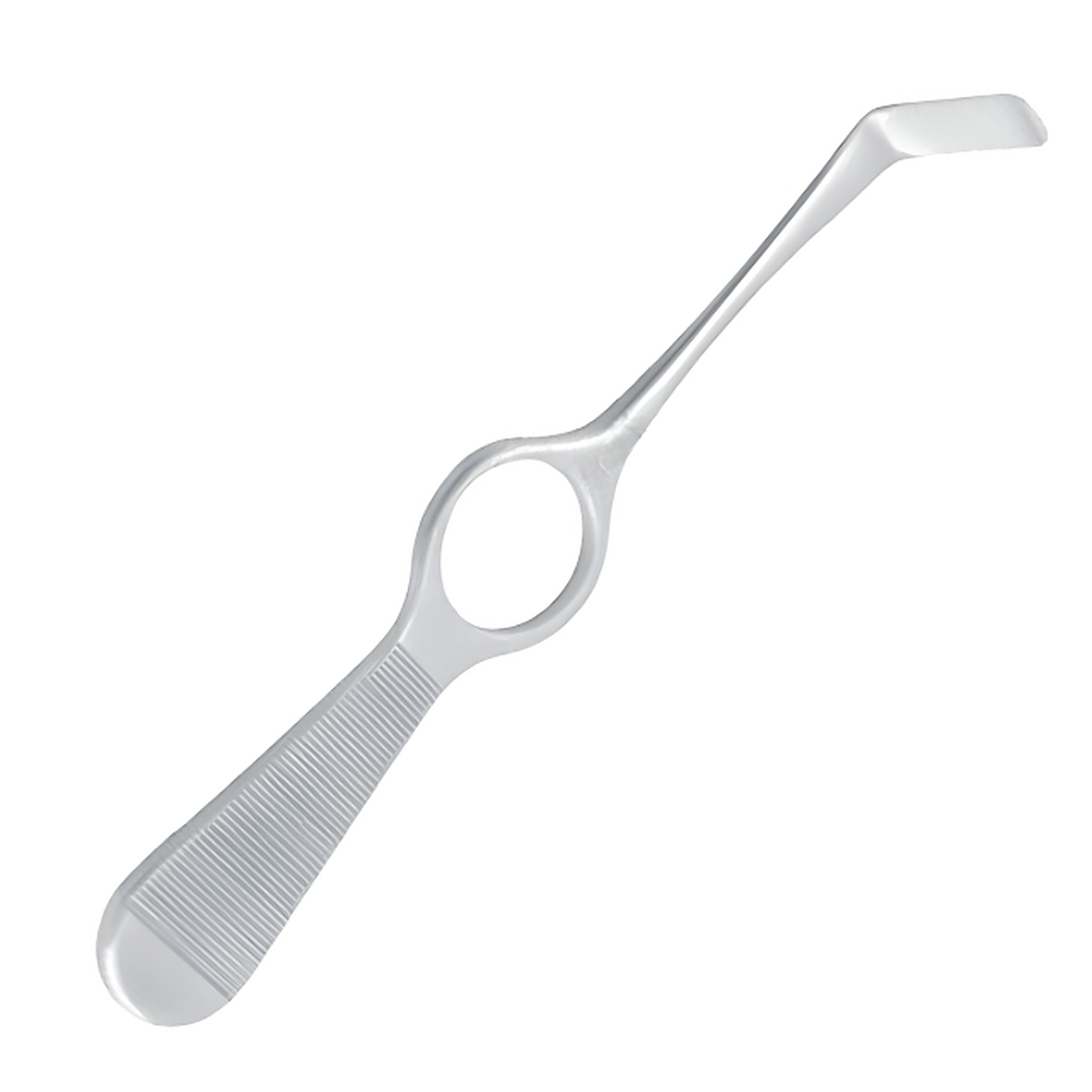 | Reich Condyle Retraktörü | Reich Condyle Retraktörü, temporomandibular eklem (TME) cerrahisi sırasında mandibula kondil boynuna kancalanmak üzere tasarlanmış bir maksillofasiyal cerrahi aletidir. |
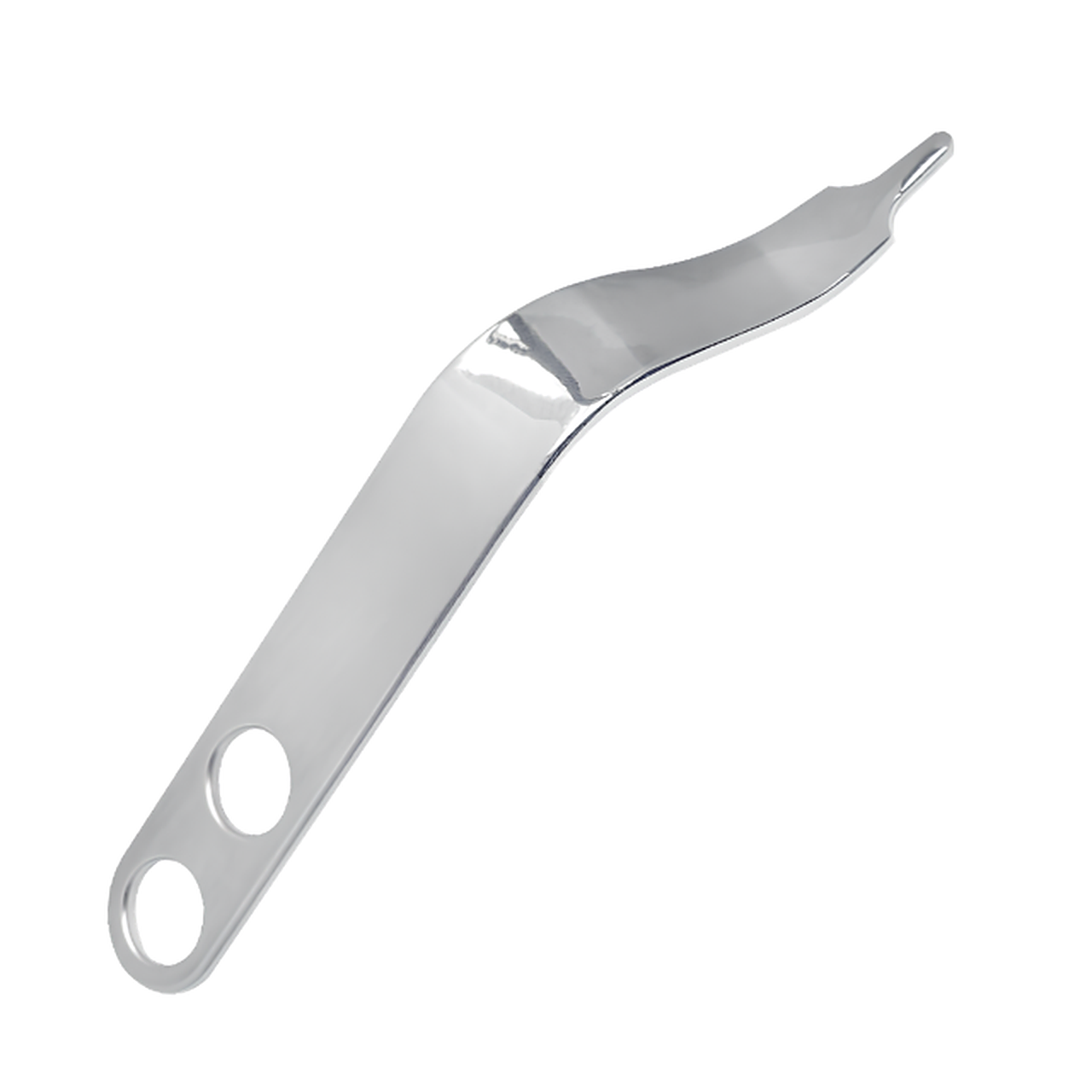 | Ters Hohmann Ekartörü | Kalça, diz ve travma ortopedik cerrahisi sırasında kemik kortekslerini manivela yapmak ve yumuşak dokuları ekarte etmek için özel olarak tasarlanmıştır. |
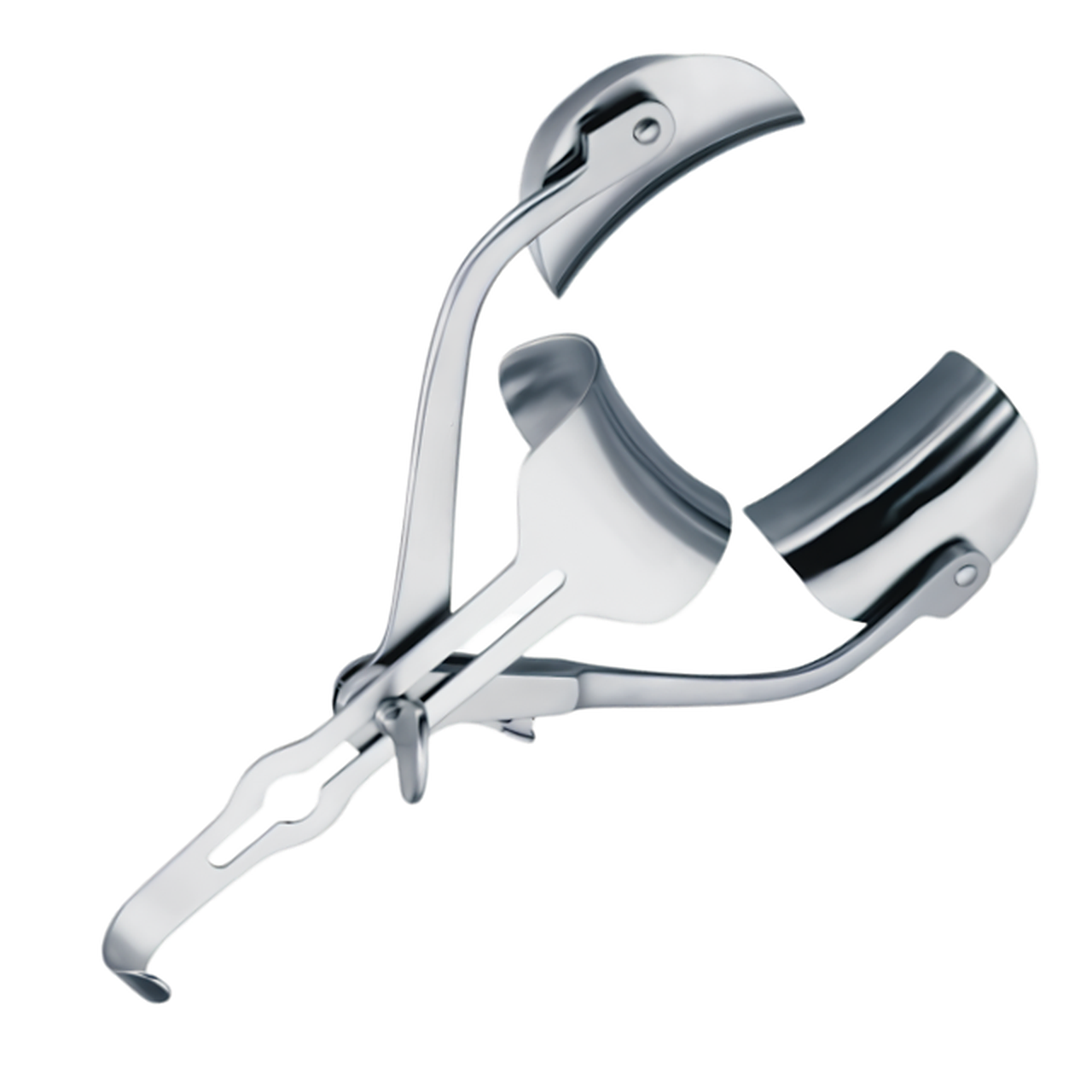 | Ricard Abdominal Ekartör | Laparotomi sırasında abdominal duvarların ve visseraların üç kanatlı, kendinden tutmalı ekartasyonu sağlamak için özel olarak tasarlanmıştır. |
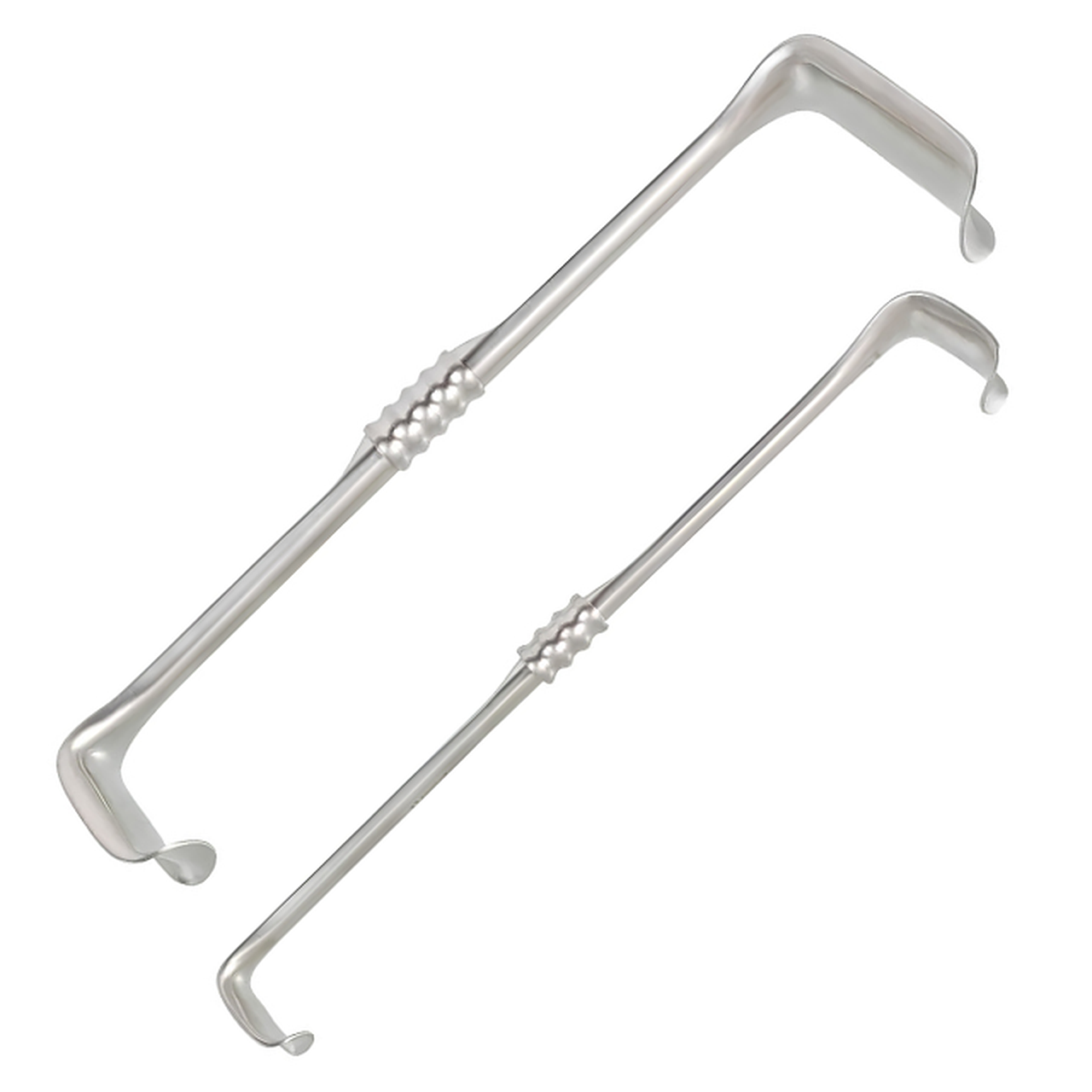 | Richardson Eastman Ekartör | Açık cerrahi sırasında karın duvarını, fasyayı ve organları değişen insizyon derinliklerinde ekarte etmek için özel olarak tasarlanmıştır. |
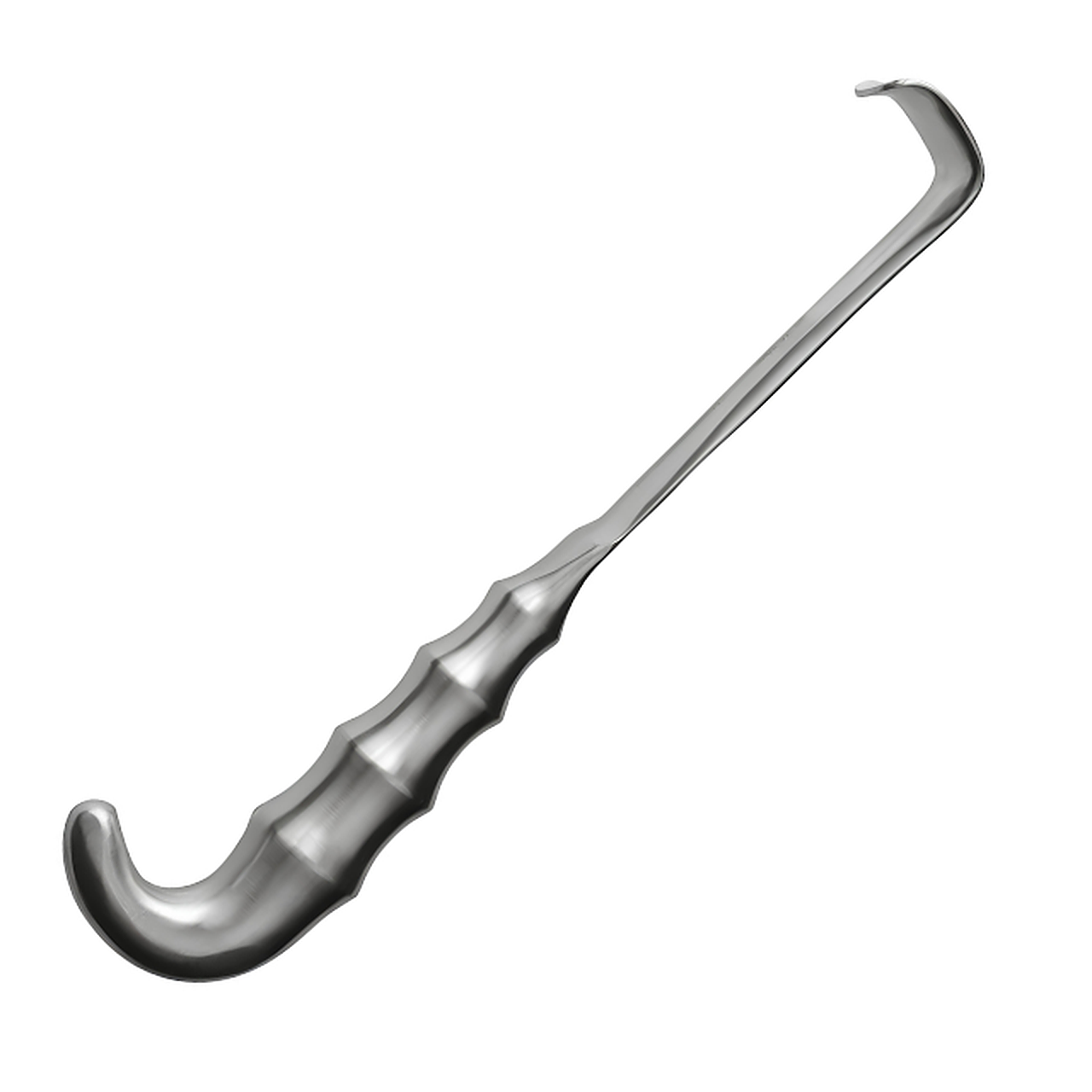 | Richardson Retractor Grip Handle - Ergonomik Saplı Ekartör | Açık cerrahi sırasında asistan yorgunluğunu azaltarak karın duvarını, fasyayı ve kalın kas tabakalarını ekarte etmek için özel olarak tasarlanmıştır. |
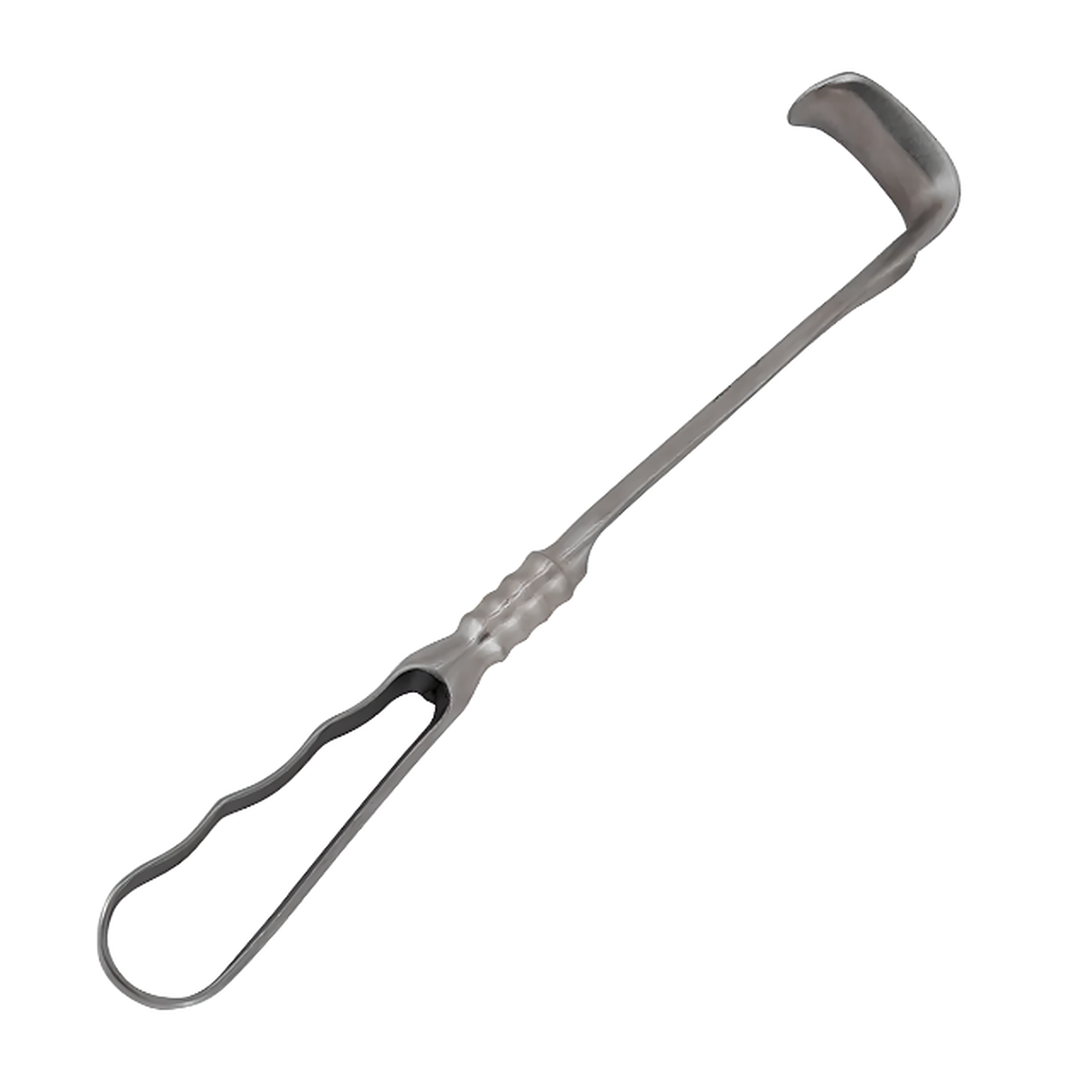 | Richardson Ekartör Halkalı Saplı | Açık laparotomi ve pelvik cerrahi sırasında karın duvarını, kas tabakalarını ve iç organları ekarte etmek için özel olarak tasarlanmıştır. |
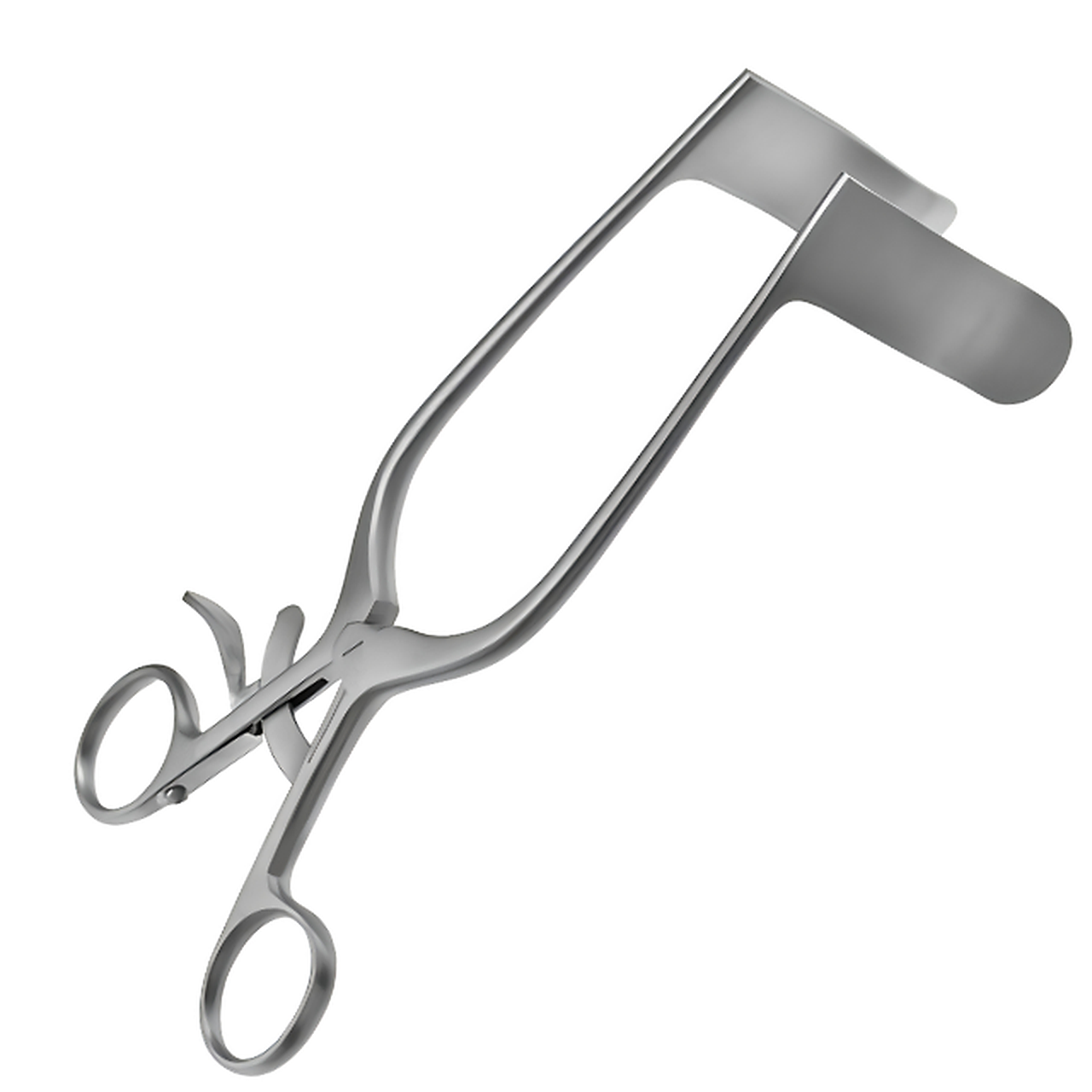 | Rigby Otostatik Vajinal Ekartör | Pelvik cerrahi sırasında kendinden kilitlenen lateral ve posterior vajinal duvar ekarte edilmesi sağlamak için özel olarak tasarlanmıştır. |
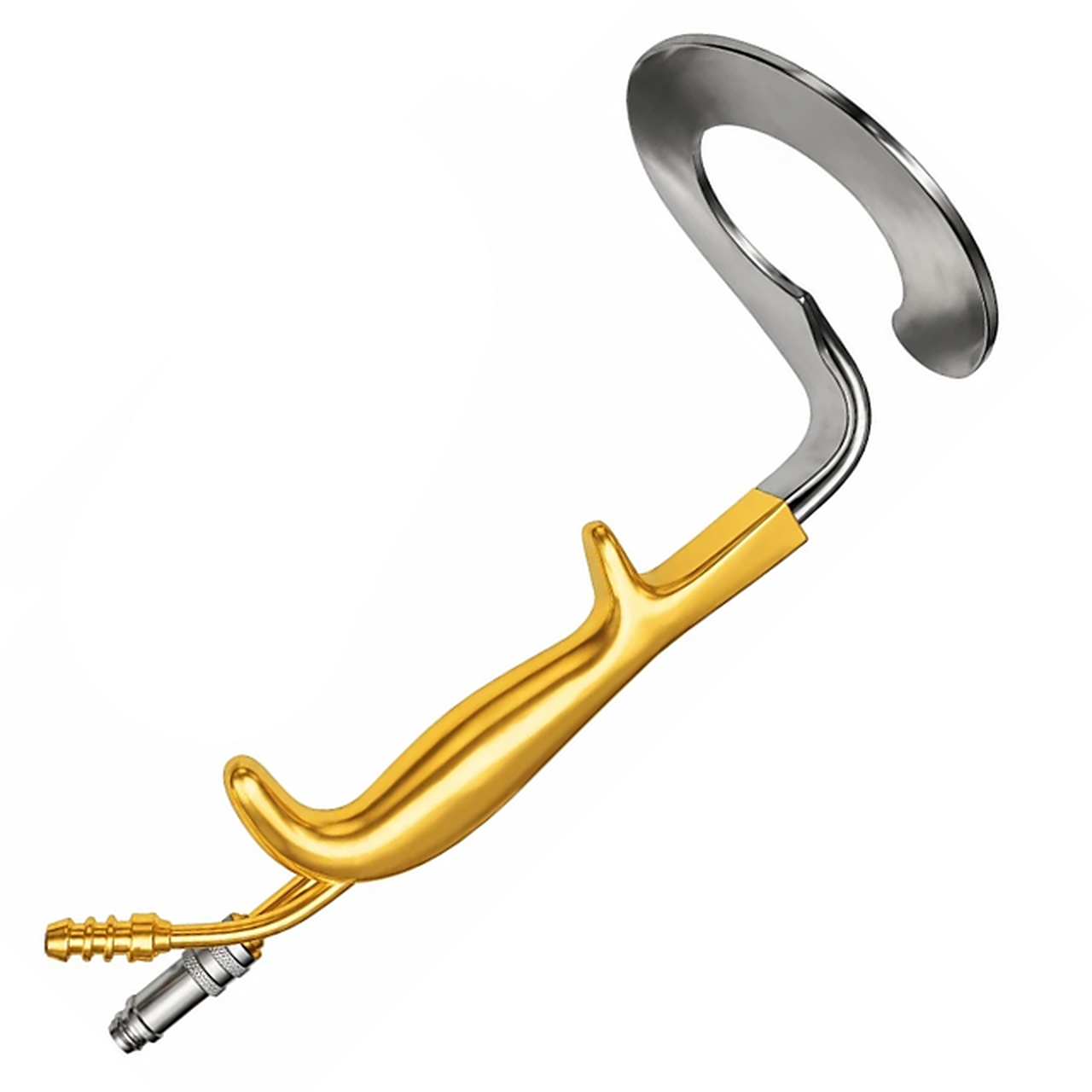 | Fiber Optik Aydınlatmalı Halka Meme Ekartörü | Meme cerrahisi sırasında doku fleplerini kaldırmak, derin cepleri aydınlatmak ve hemostazı doğrulamak için özel olarak tasarlanmıştır. |
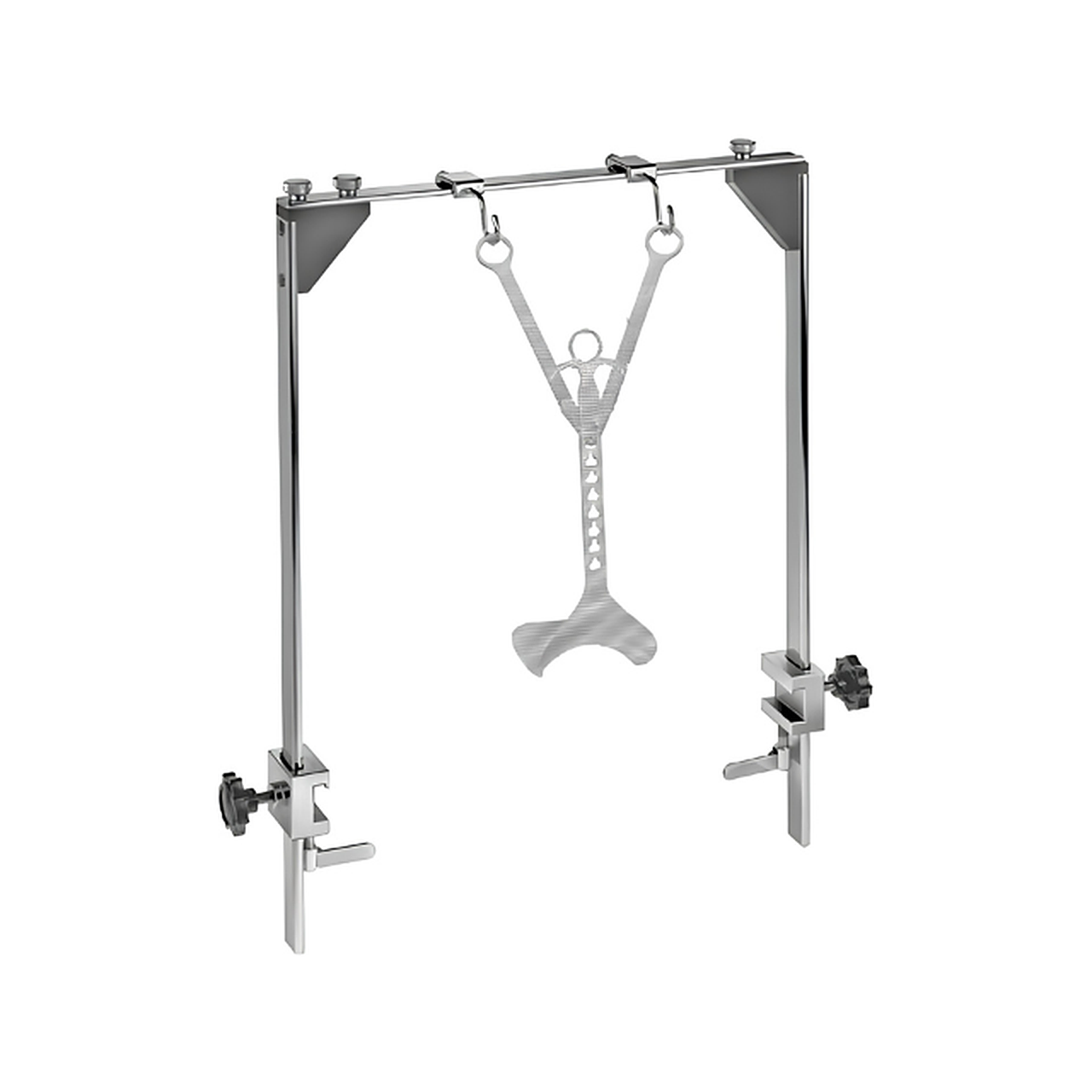 | Rochard Ekartör | Cerrahi müdahaleler sırasında rijit, masaya monte abdominal yumuşak doku ekartasyonu ve stabil operatif görüş sağlamak için tasarlanmıştır. |
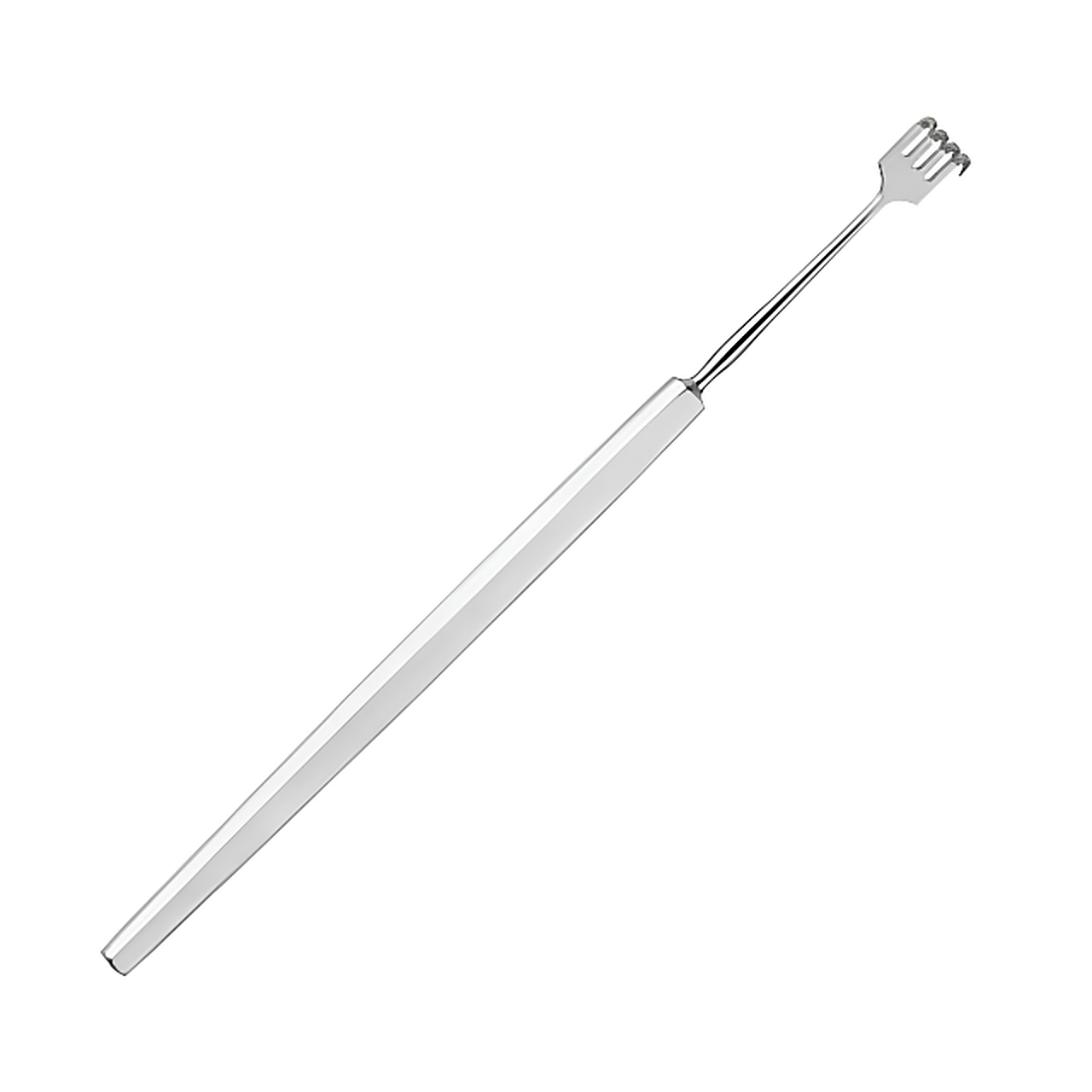 | Rollet Ekartör | Oftalmik ve plastik cerrahi sırasında cilt fleplerini, medial kantal dokuyu ve fasyayı ekarte etmek için özel olarak tasarlanmıştır. |
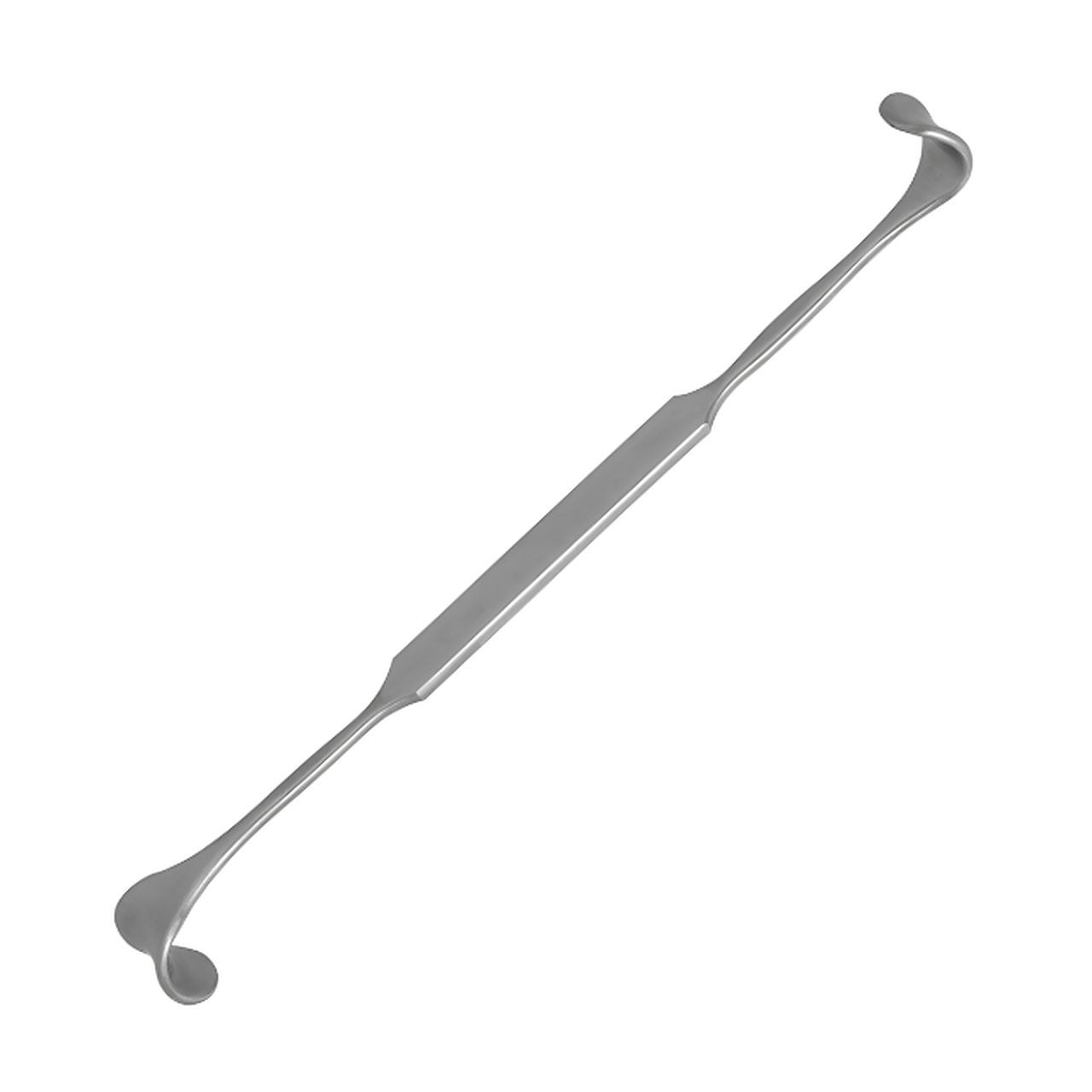 | Rose Retractor Double Ended | Yüzeysel ve orta düzey cerrahi insizyonlarda cilt kenarlarını, fasyayı ve yumuşak dokuları ekarte etmek için özel olarak tasarlanmıştır. |
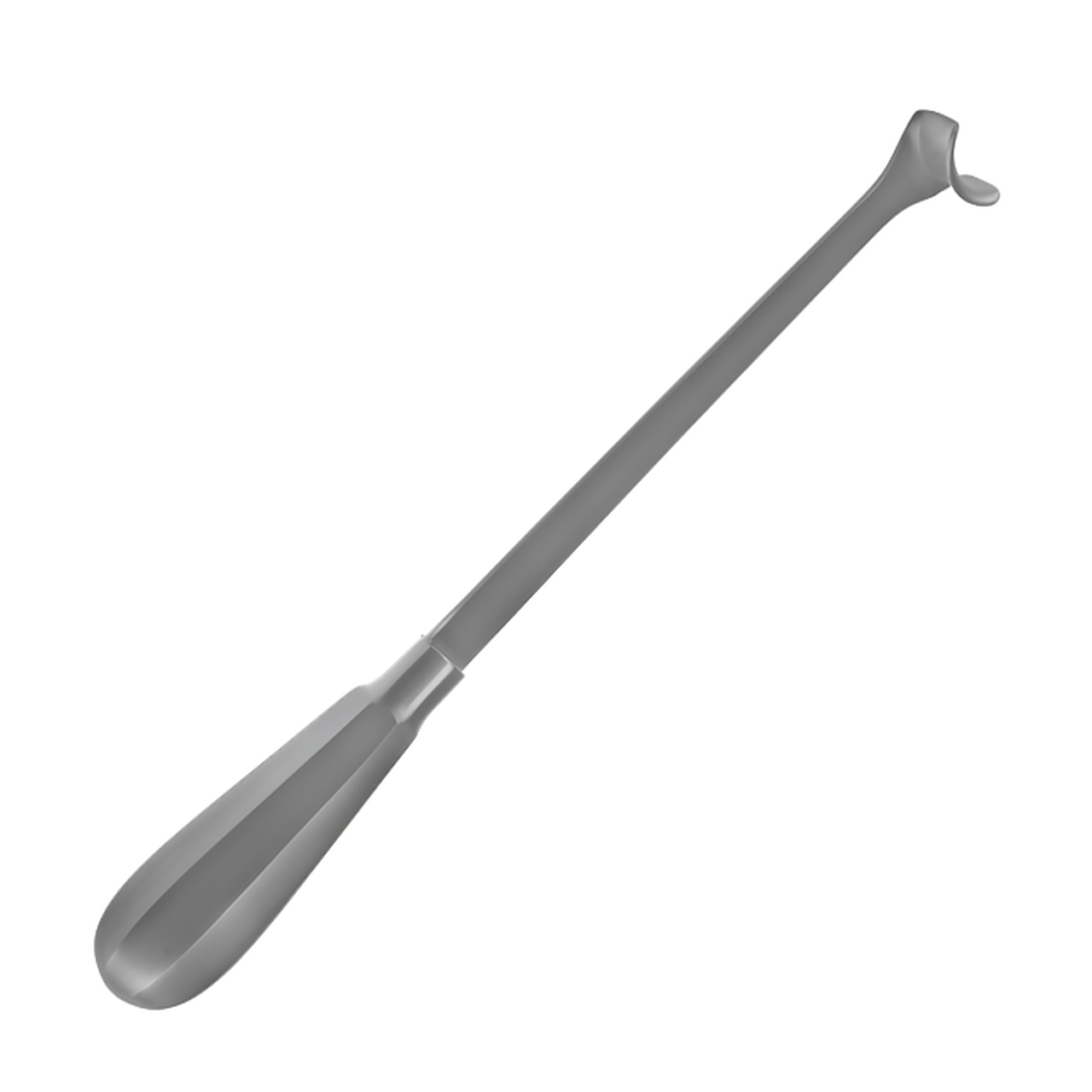 | Ross Aort Kapak Retraktörü | Aort kapak replasmanı ve rekonstrüksiyonu sırasında aort kapak yaprakçıklarını ve aort duvarını ekarte etmek için özel olarak tasarlanmıştır. |
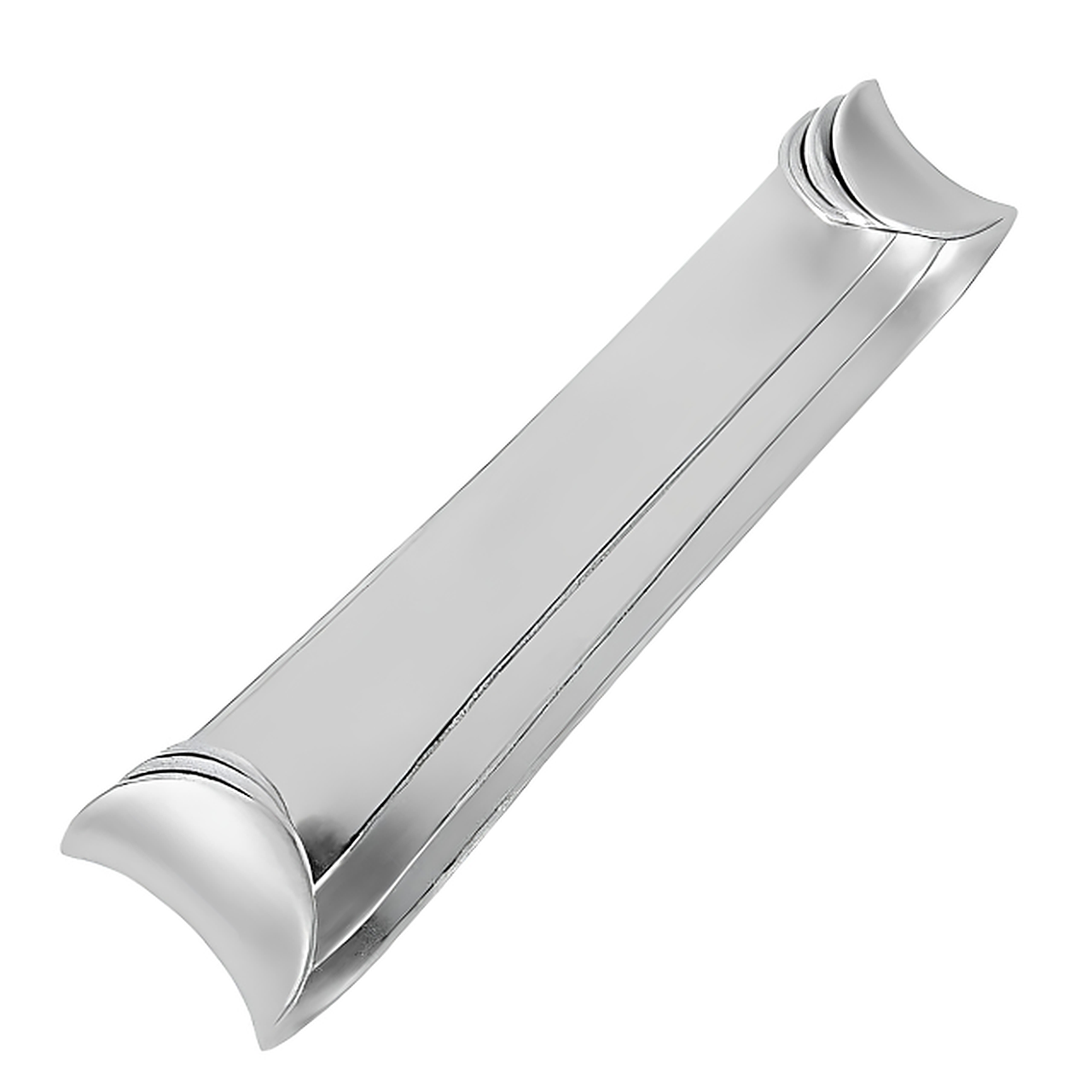 | Roux Retractor - Çift Uçlu | Genel ve plastik cerrahi sırasında deri kenarlarını, fasyayı ve yüzeysel kas tabakalarını ekartörle çekmek için özel olarak tasarlanmıştır. |
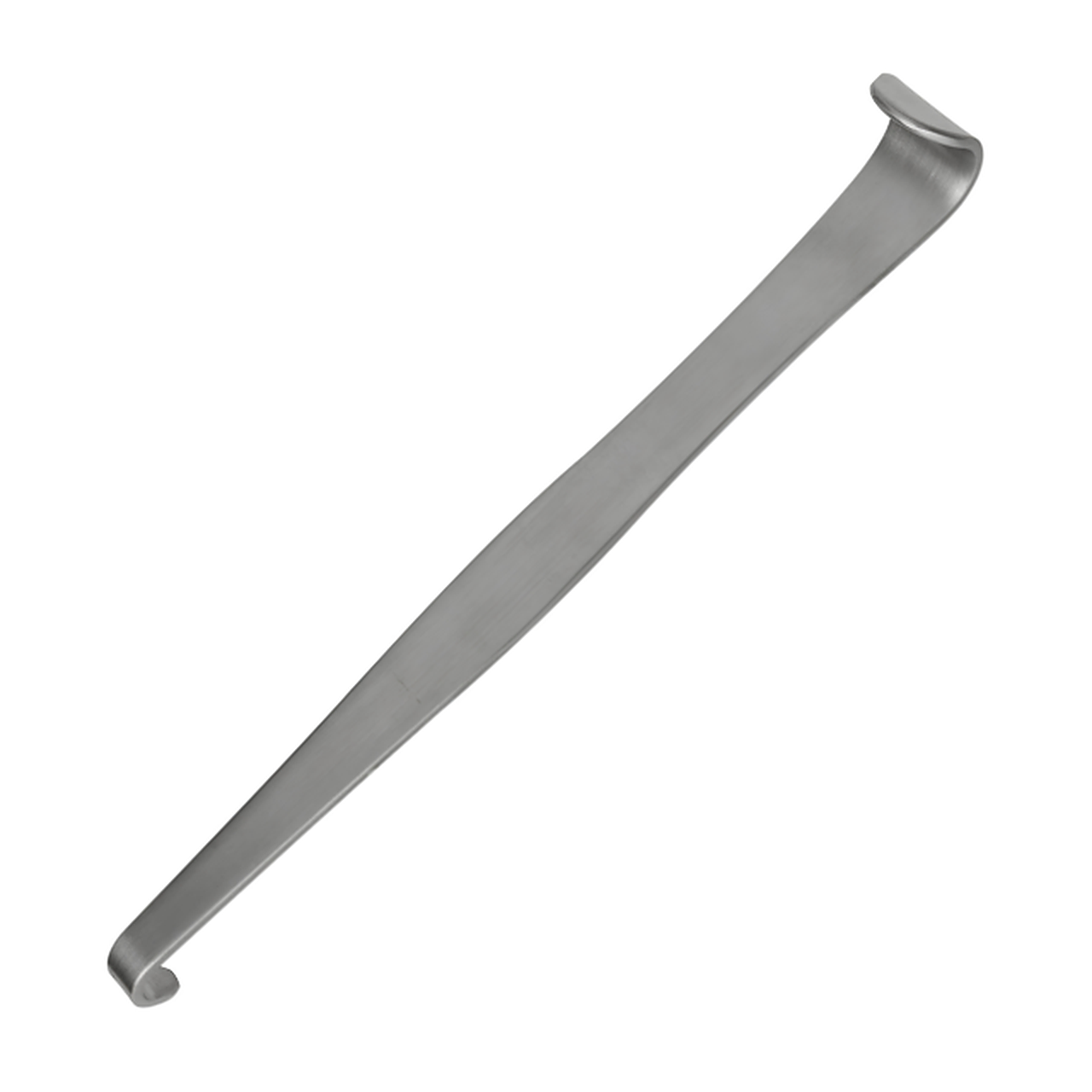 | S Formu Çift Uçlu Ekartör | Küçük cerrahi, plastik ve KBB prosedürleri sırasında deri kenarlarını, hassas fasyayı ve yumuşak dokuları ekarte etmek için özel olarak tasarlanmıştır. |
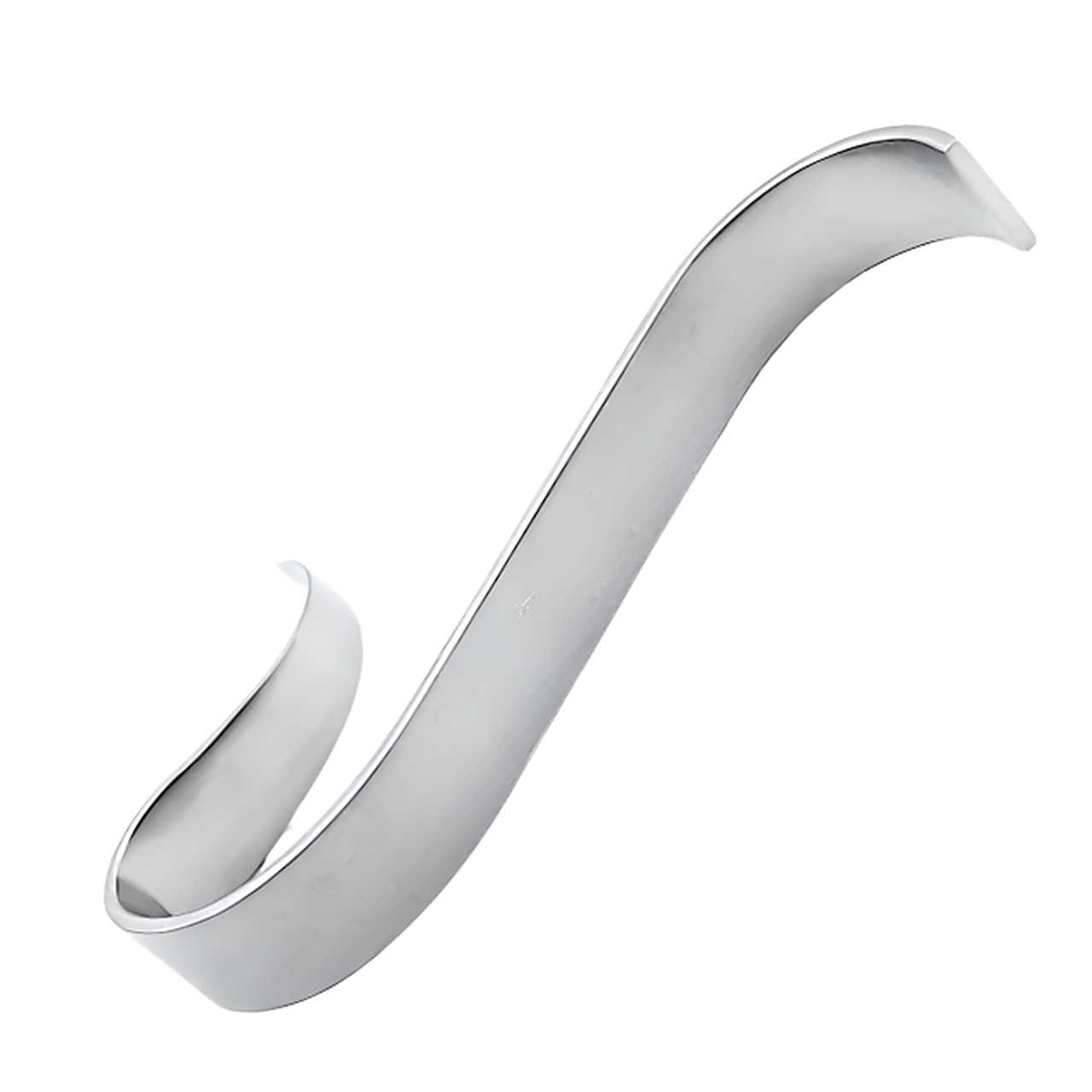 | S Total Knee Ekartör | Total diz artroplastisi sırasında kollateral ligamanları, eklem kapsülünü ve yumuşak dokuları ekarte etmek için özel olarak tasarlanmıştır. |
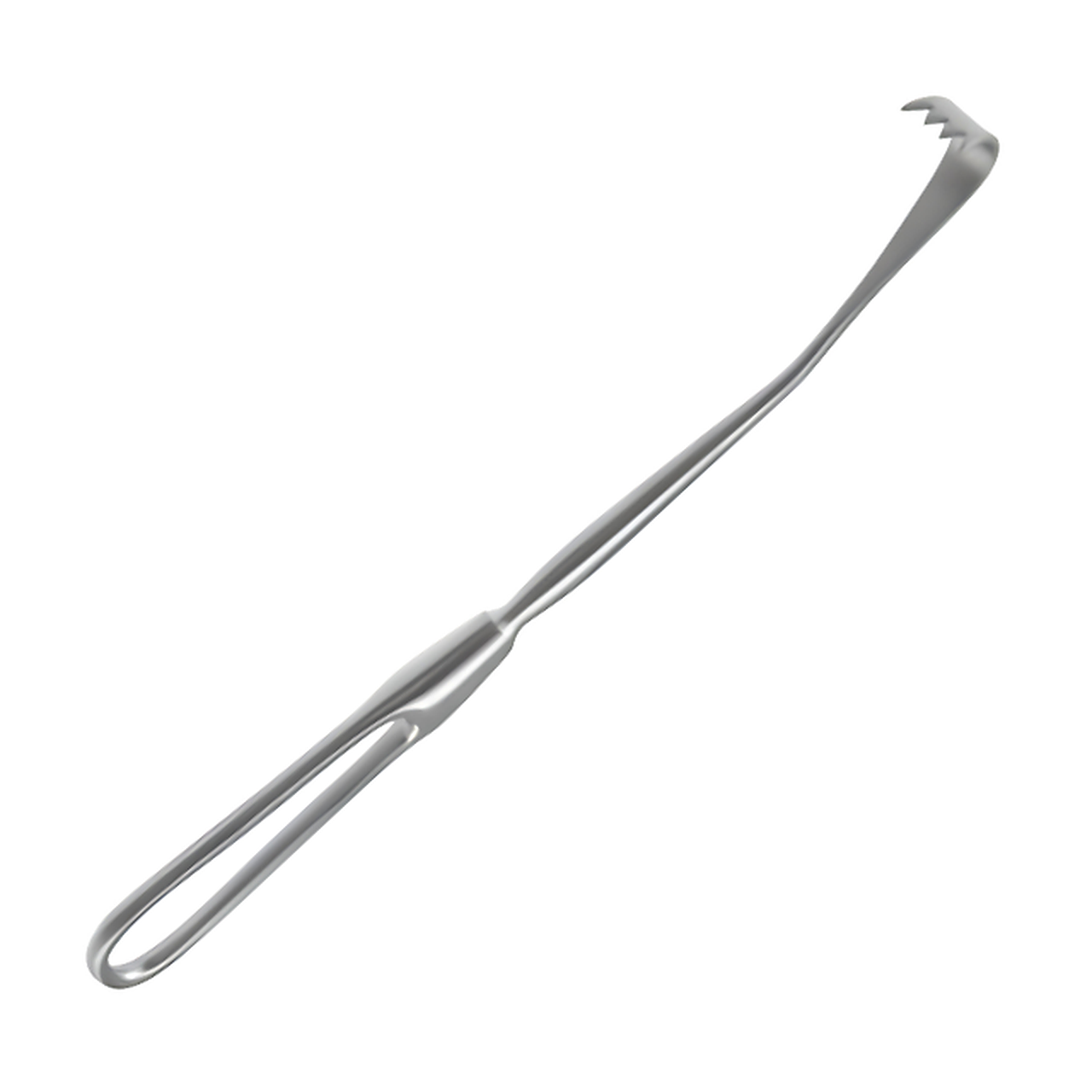 | Sachs Ven Ekartörü | Vasküler ve nöroşirürji sırasında hassas venleri, sinir köklerini ve vasküler demetleri ekarte etmek ve mobilize etmek için özel olarak tasarlanmıştır. |
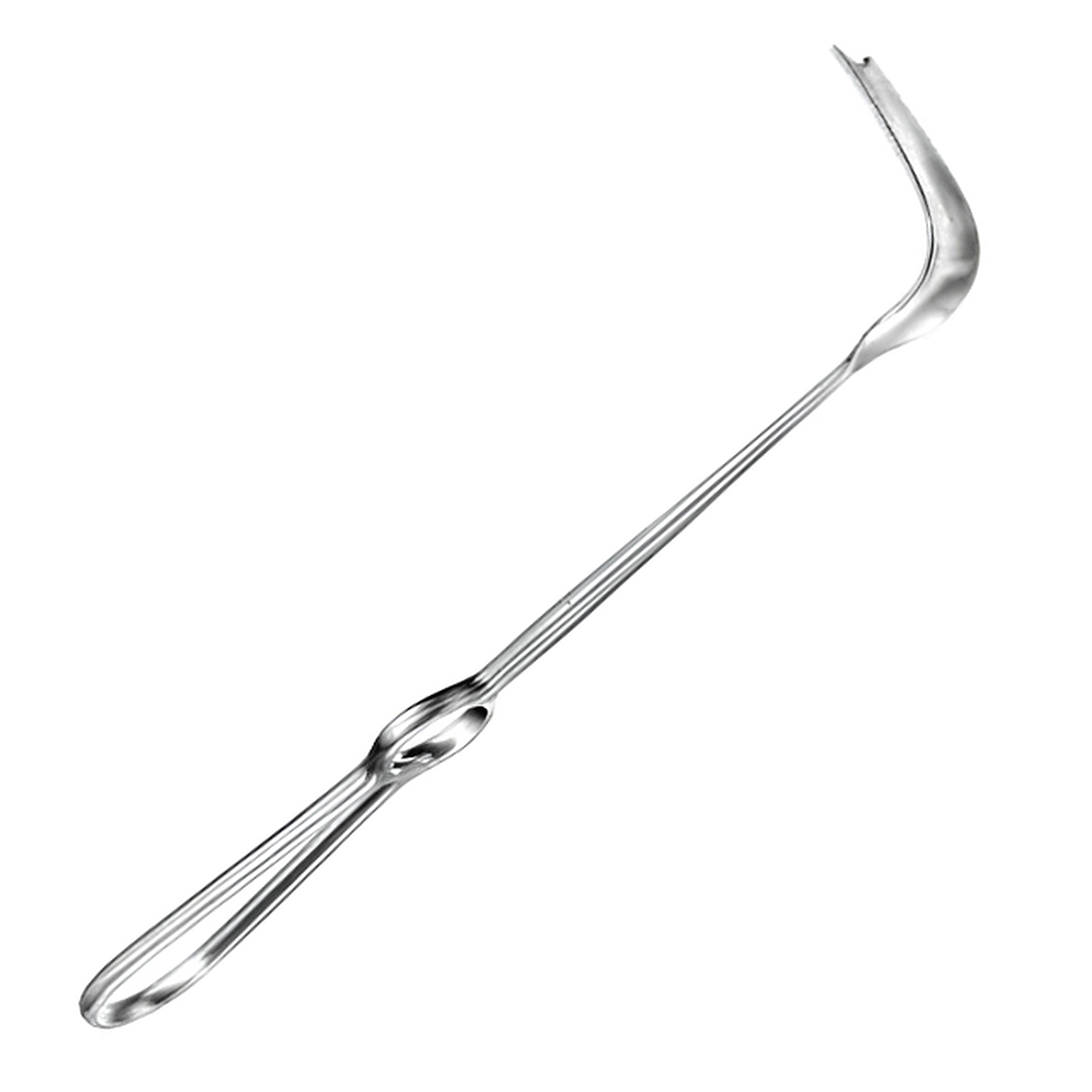 | Sailer Nasal Bridge Retractor | Rinoplasti ve orta yüz osteotomileri sırasında burun köprüsü boyunca yumuşak doku örtüsünü kaldırmak ve ekarte etmek için özel olarak tasarlanmıştır. |
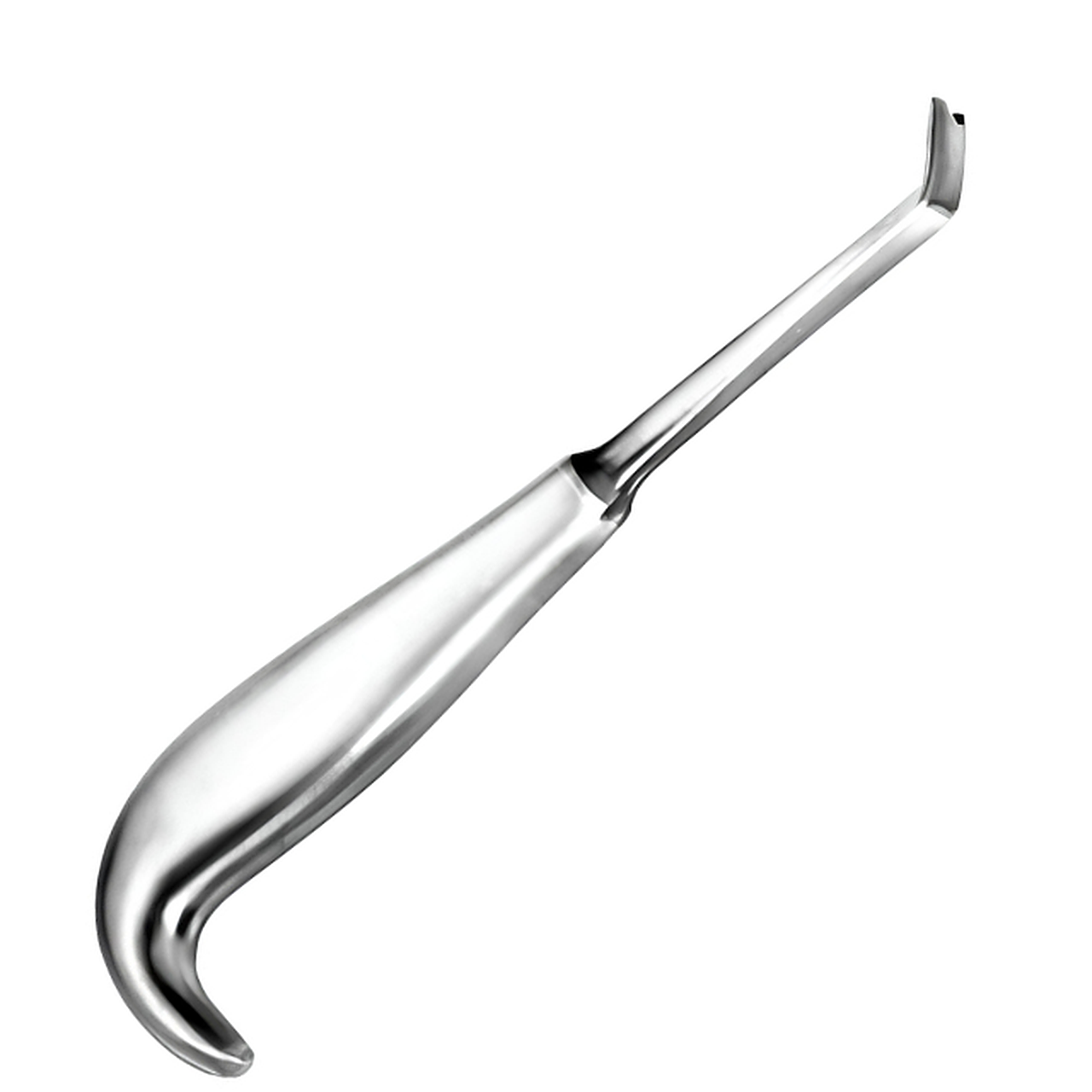 | Sailer Nasal Spine Retratör | Le Fort I osteotomileri sırasında spina nasalis anteriora takılmak ve üst dudağı ekarte etmek için özel olarak tasarlanmıştır. |
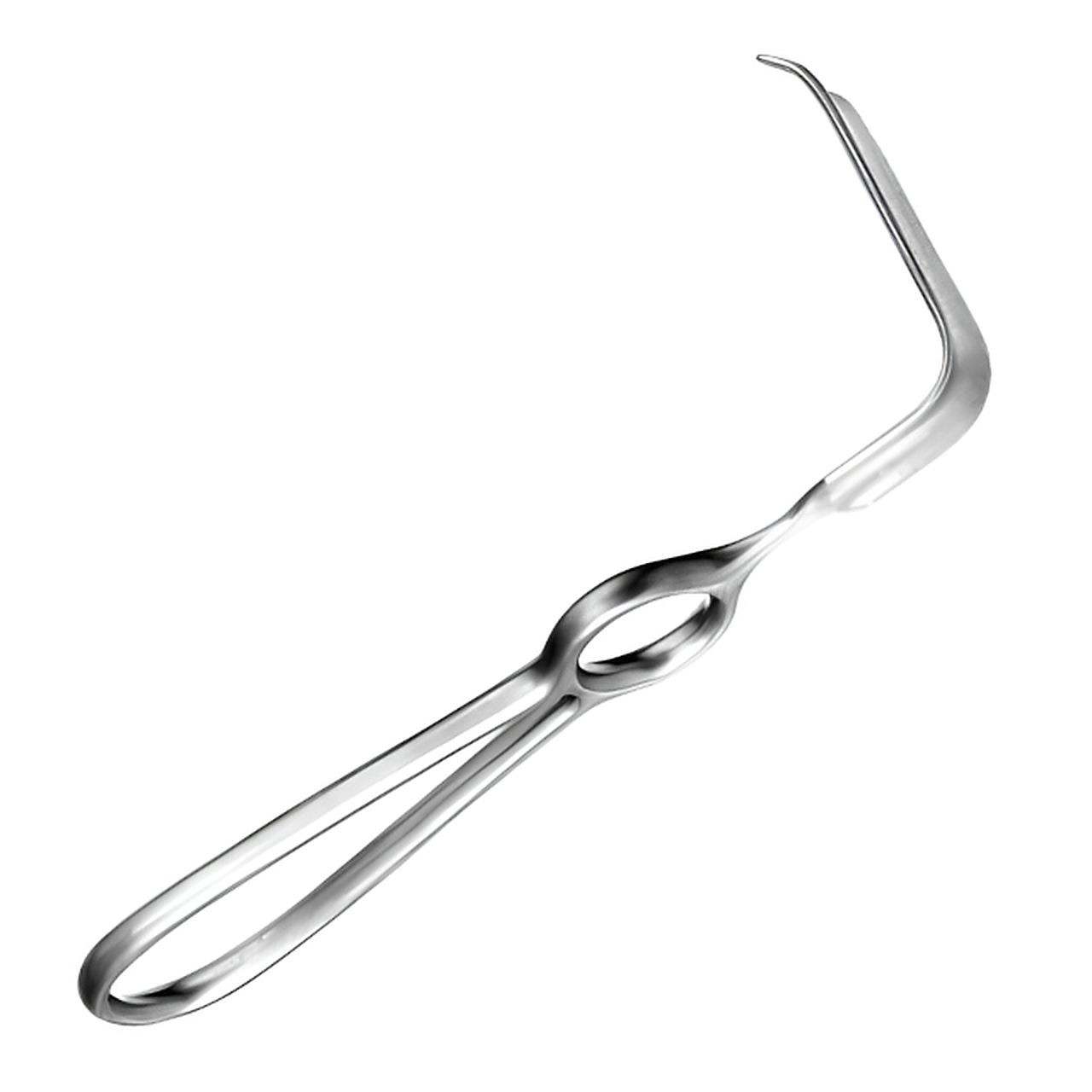 | Sailer Yumuşak Doku Ekartörü | Dar intraoral ve fasiyal alanlarda mukoperiostal flepleri ve yumuşak dokuyu ekart etmek için özel olarak tasarlanmıştır. |
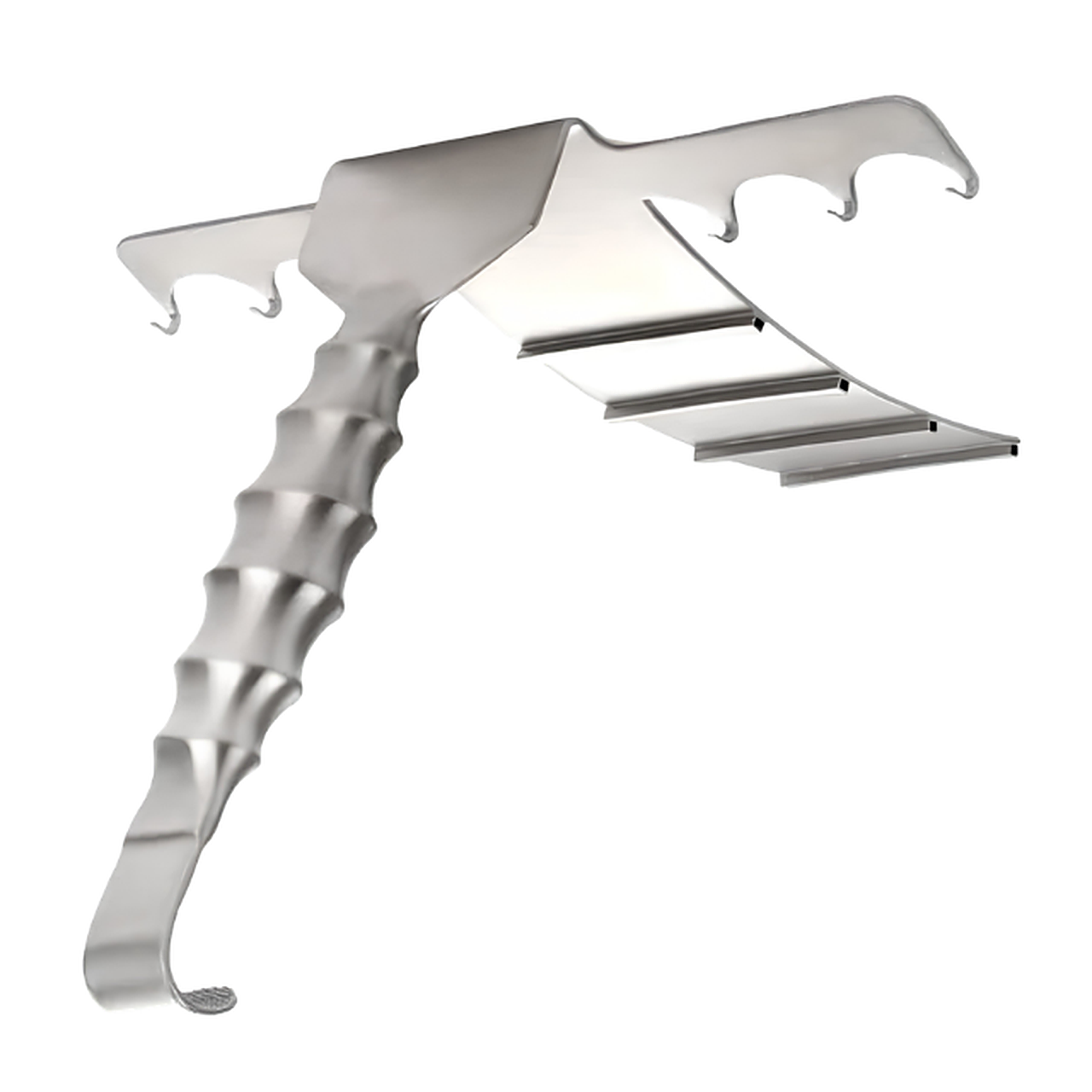 | Saldanha-Solz Abdominal Ekartör | Lipo-abdominoplasti ve rektus plikasyonu sırasında abdominal kutanöz flepleri yükseltmek ve dokuyu korumak için özel olarak tasarlanmıştır. |
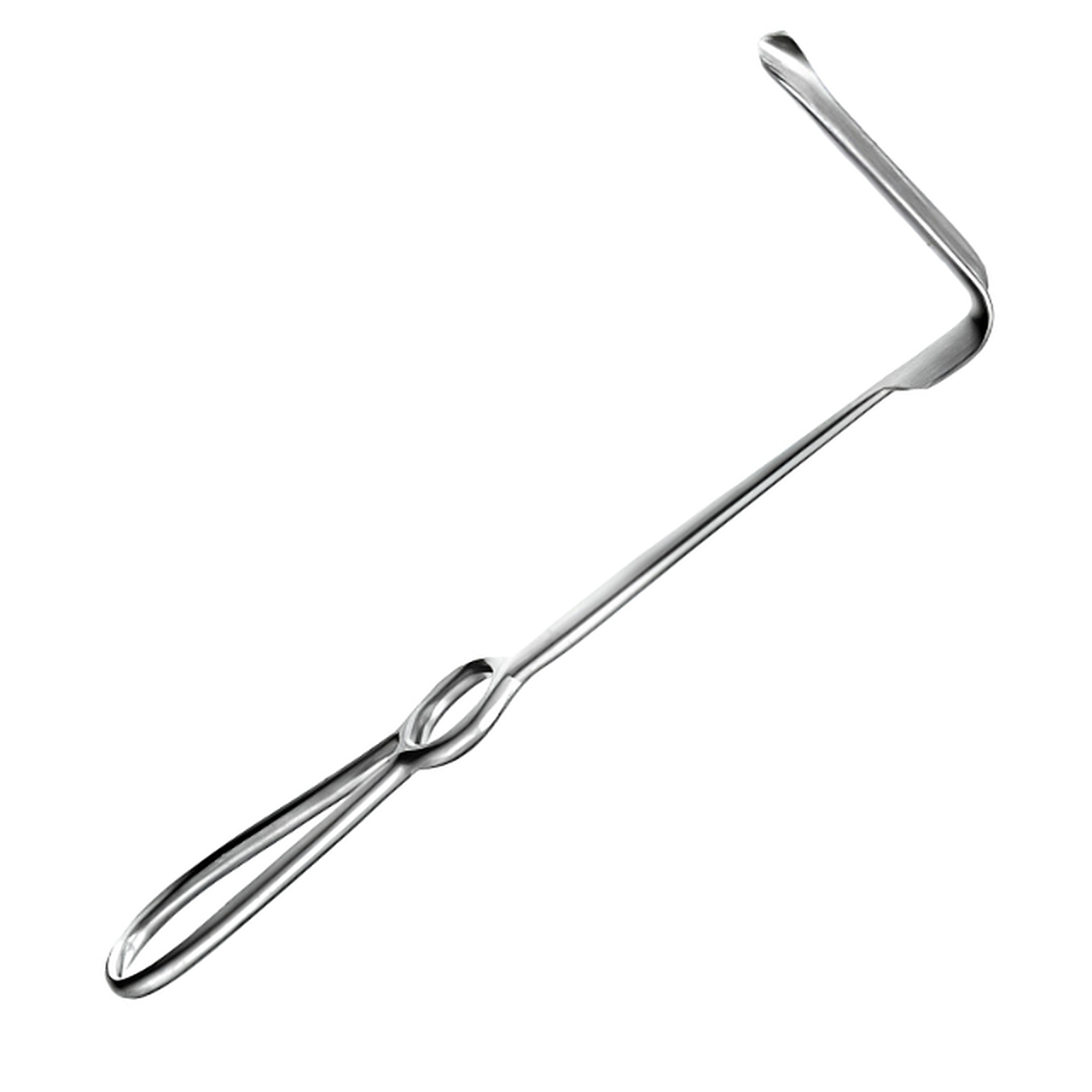 | Salzburg Kondiler Boyun Ekartörü | TME cerrahisi ve kondil kırığı fiksasyonu sırasında kondil boynuna kancalanmak ve yumuşak dokuyu korumak için özel olarak tasarlanmıştır. |
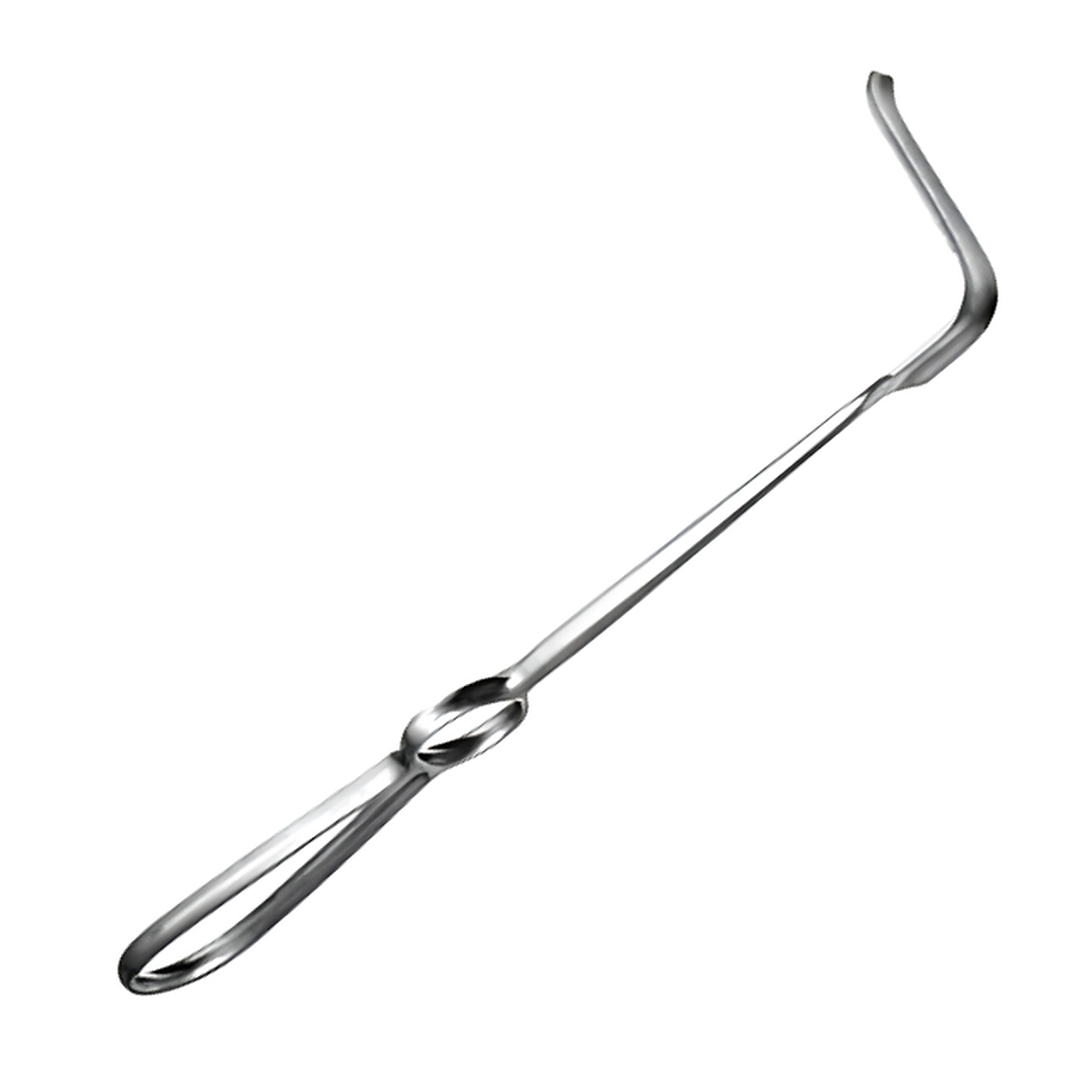 | Salzburg Mandibular Rim Ekartörü | Ortognatik osteotomiler sırasında mandibula kenarına kenetlenmek ve yumuşak doku ile damarları korumak için özel olarak tasarlanmıştır. |
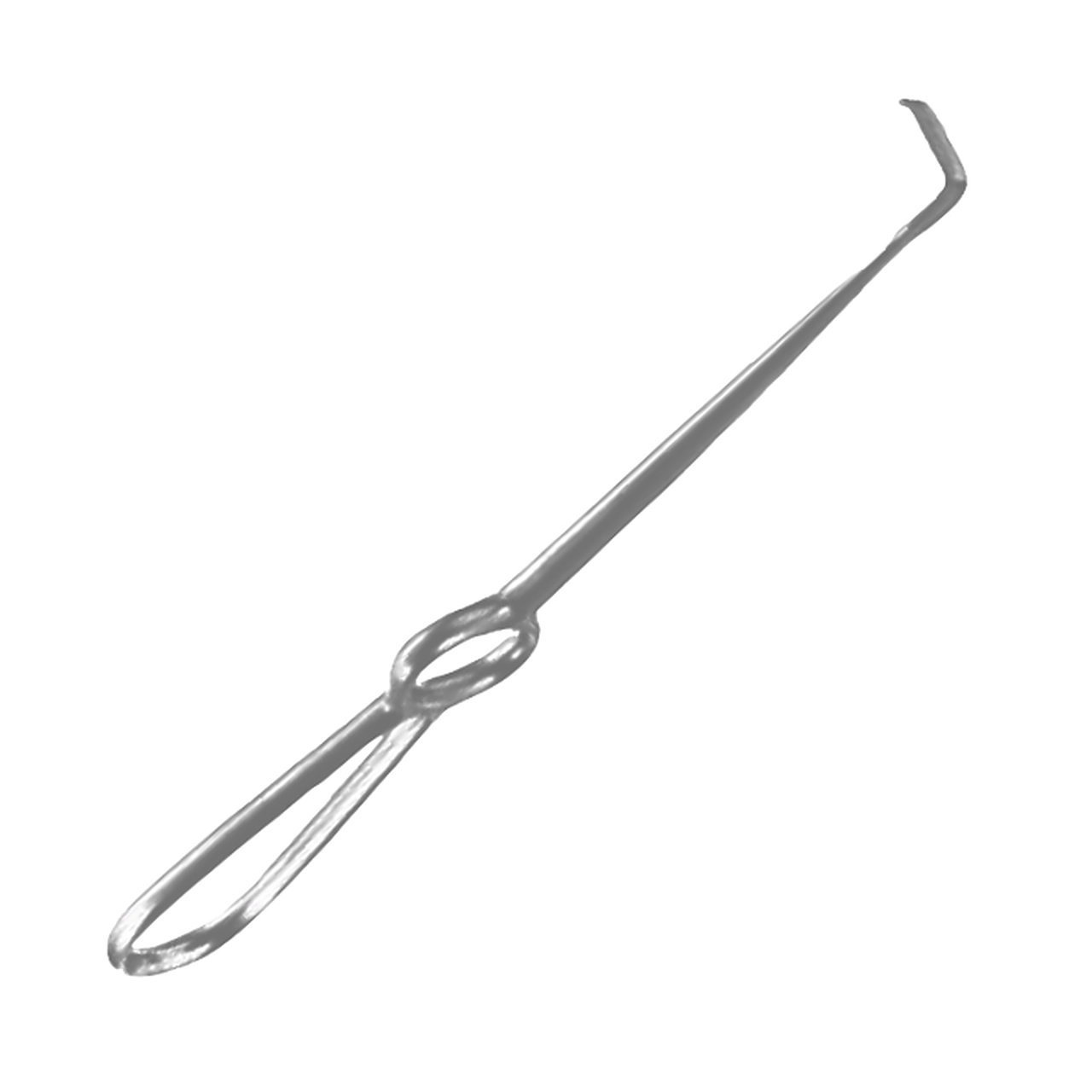 | Salzburg Yumuşak Doku Ekartörü | Dar oral ve maksillofasiyal koridorlarda mukoperiosteal flepleri ve yumuşak dokuyu ekart etmek için özel olarak tasarlanmıştır. |
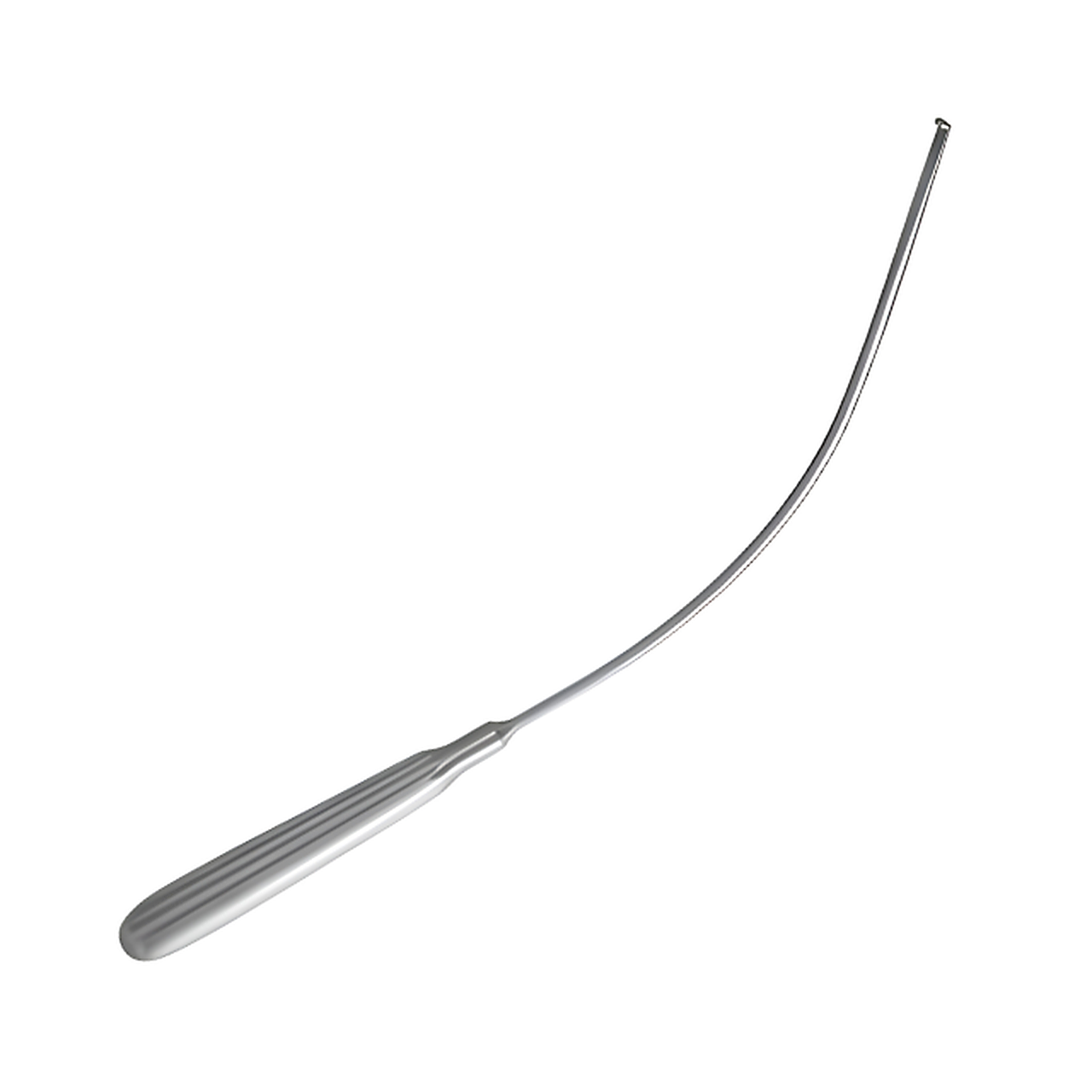 | Sandhu Sinir Kökü Ekartörü | Lomber diskektomi sırasında seyreden spinal sinir köklerini ve tekal keseyi mobilize etmek, desteklemek ve korumak için özel olarak tasarlanmıştır. |
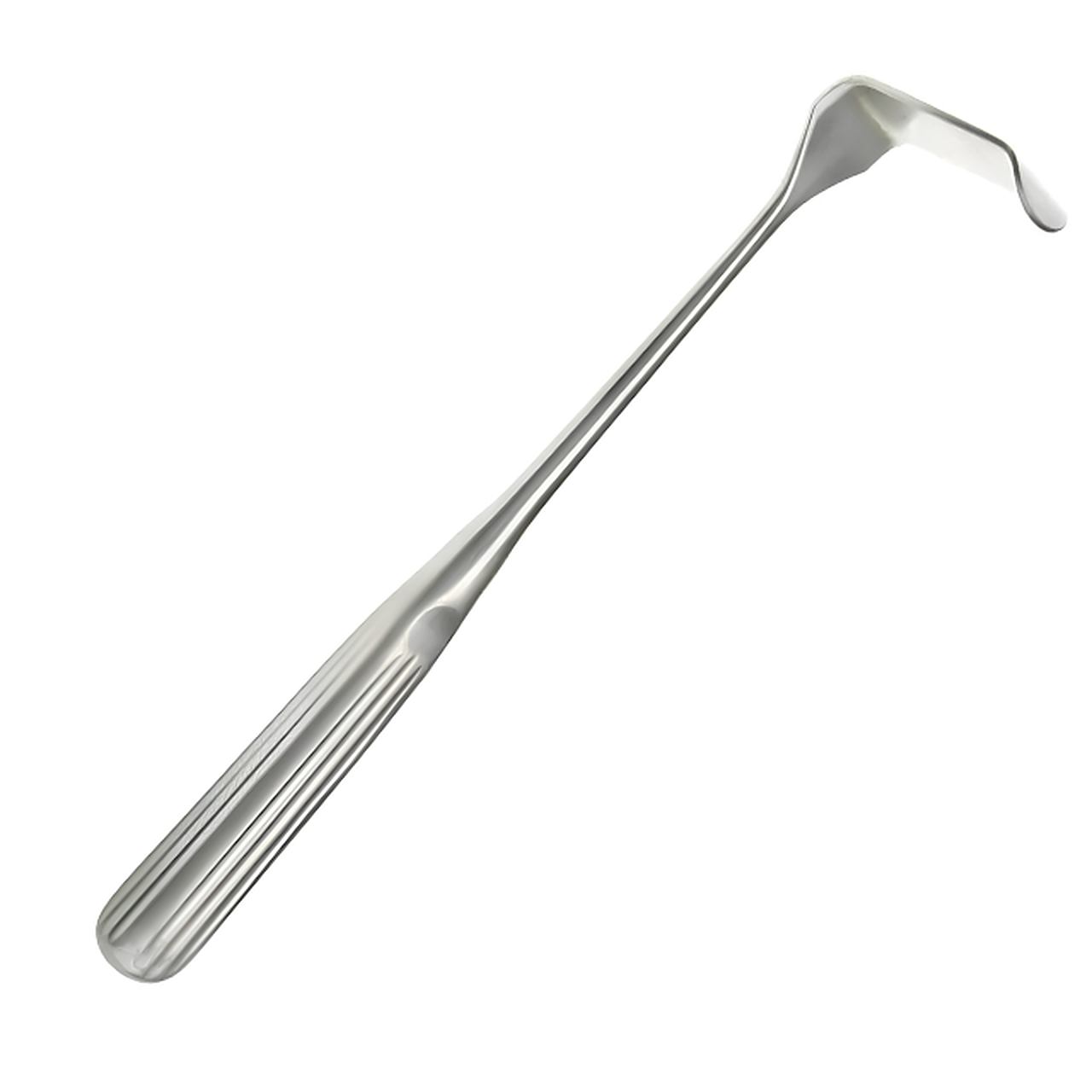 | Sauerbruch Retractor | Torasik, abdominal ve ortopedik cerrahi sırasında kas tabakalarını, fasyayı ve yara kenarlarını ekarte etmek için özel olarak tasarlanmıştır. |
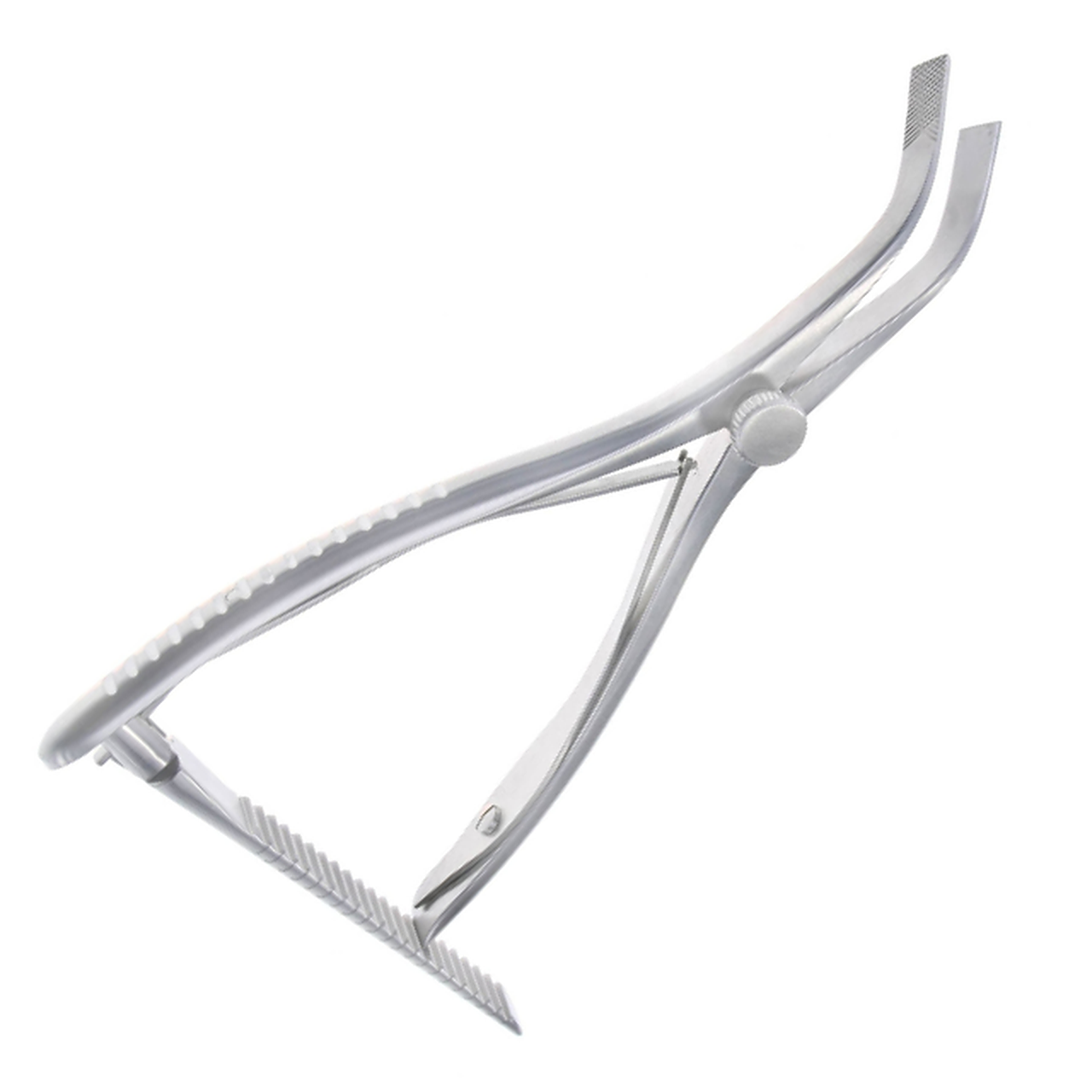 | Saxena Kemik Grefti Ekartörü | Otolog kemik grefti alımı sırasında yumuşak dokuyu ekarte etmek ve kemik kortekslerini stabilize etmek için özel olarak tasarlanmıştır. |
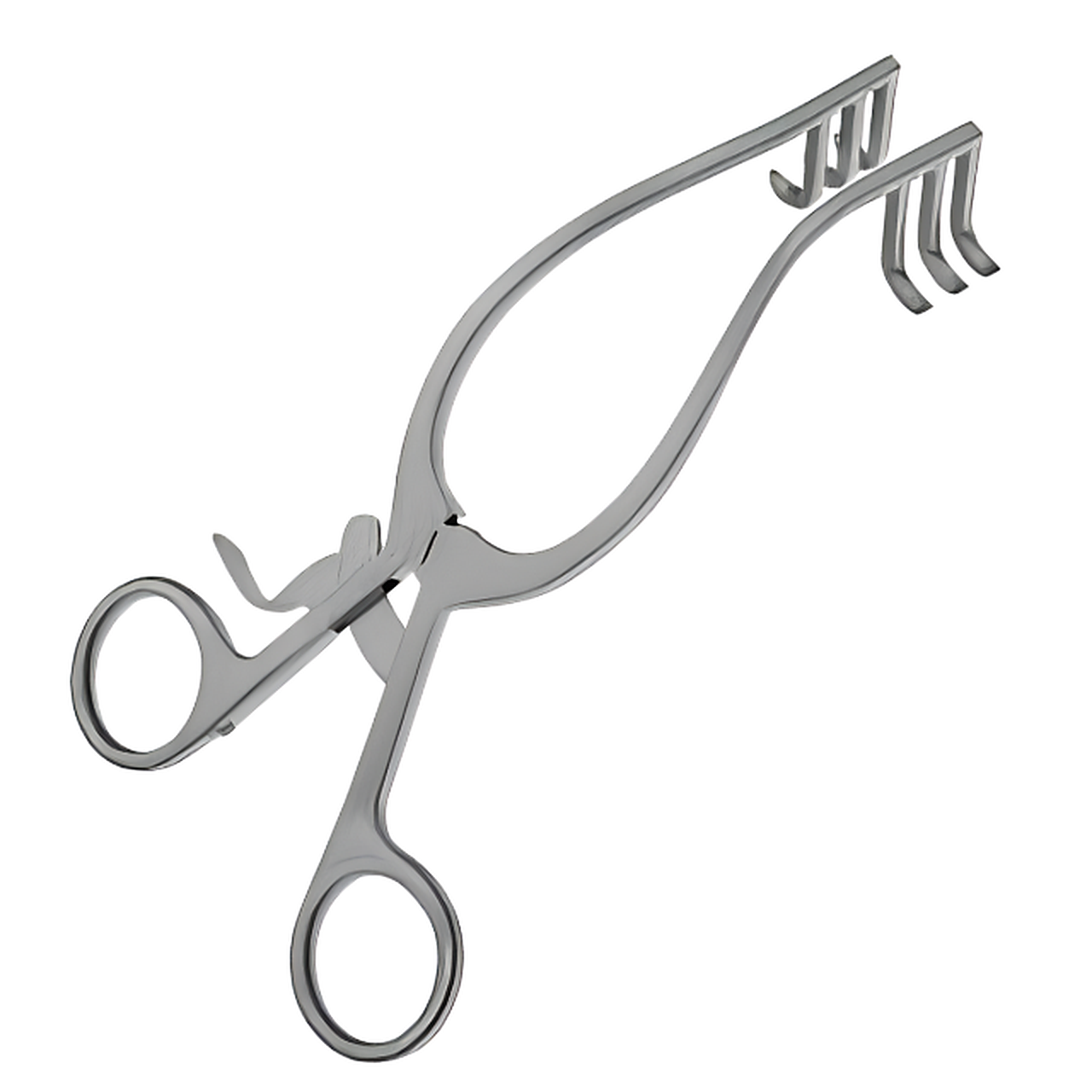 | Schuknecht Fisch Ekartör | Mastoid ve otolojik cerrahi sırasında periosteal ve yumuşak doku ekartasyonunu otomatik kilitli olarak sağlamak için özel olarak tasarlanmıştır. |
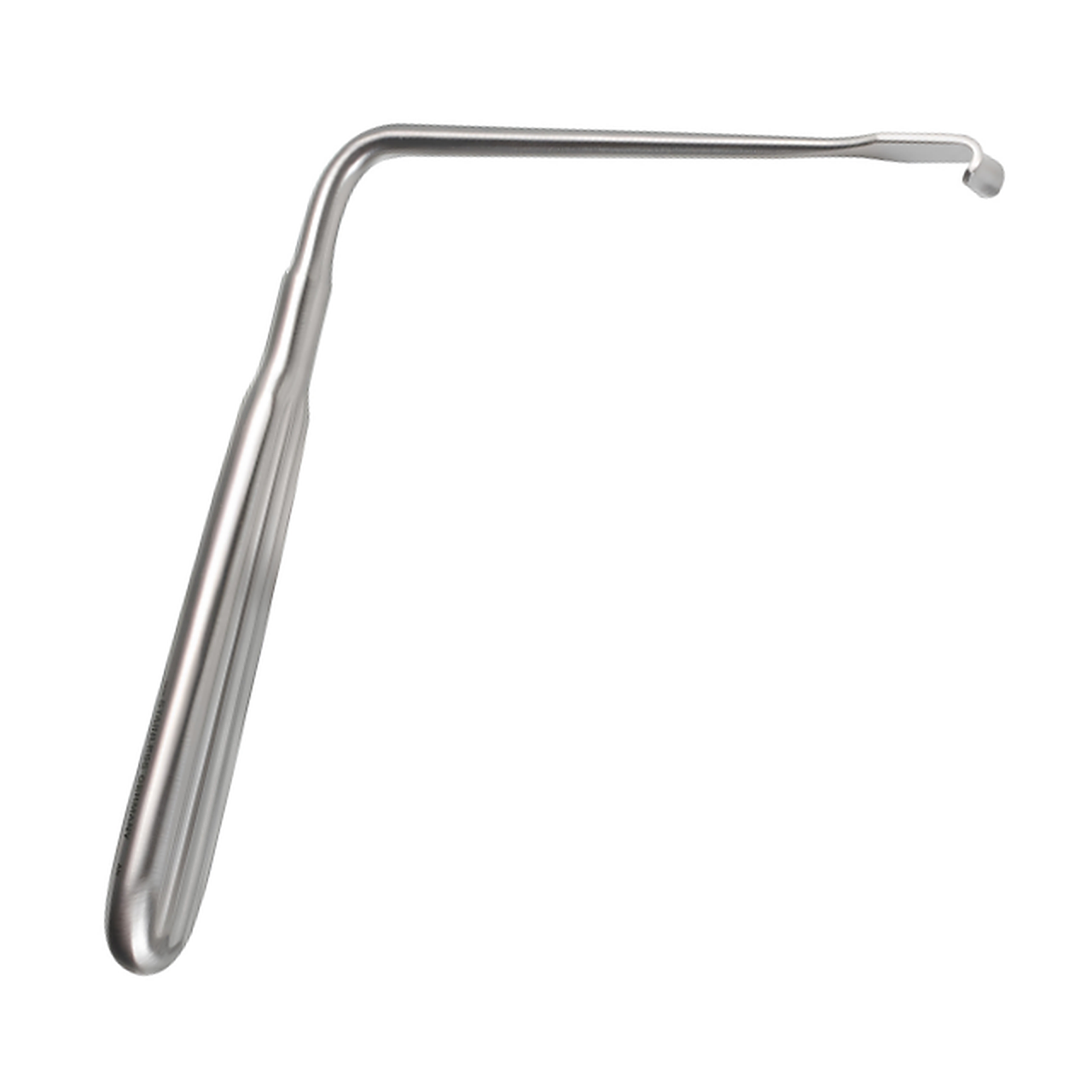 | Scoville Sinir Ekartörü | Dar cerrahi koridorlarda hassas sinir köklerini ve periferik sinirleri mobilize etmek ve korumak için özel olarak tasarlanmıştır. |
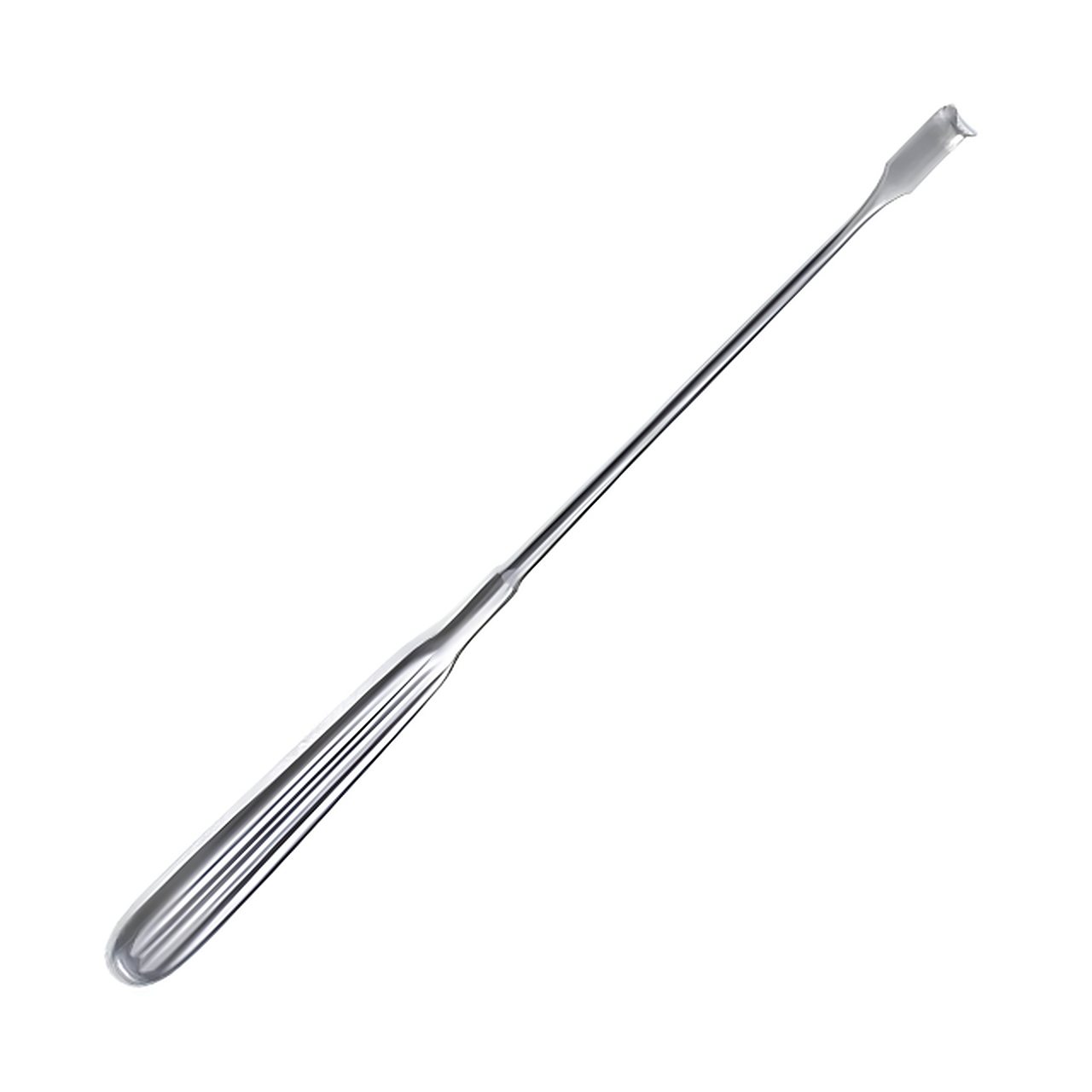 | Scoville Sinir Kökü Ekartörü | Lomber diskektomi sırasında spinal sinir köklerini ve dural keseyi mobilize etmek, kavramak ve korumak için özel olarak tasarlanmıştır. |
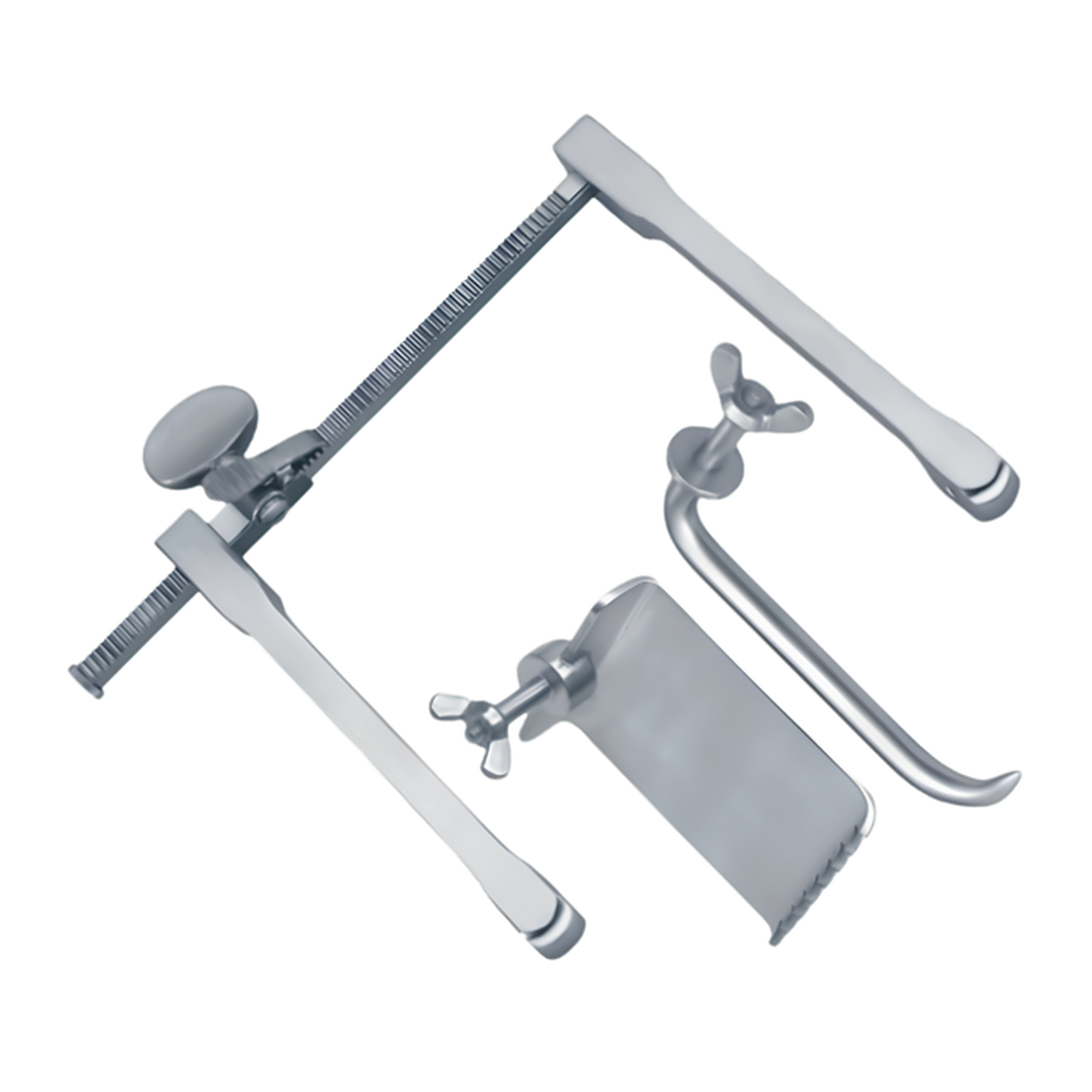 | Scoville Self Retaining Retractor | Lomber omurga cerrahisi sırasında ağır paraspinal kasları ekarte etmek ve vertebral laminayı açığa çıkarmak için özel olarak tasarlanmıştır. |
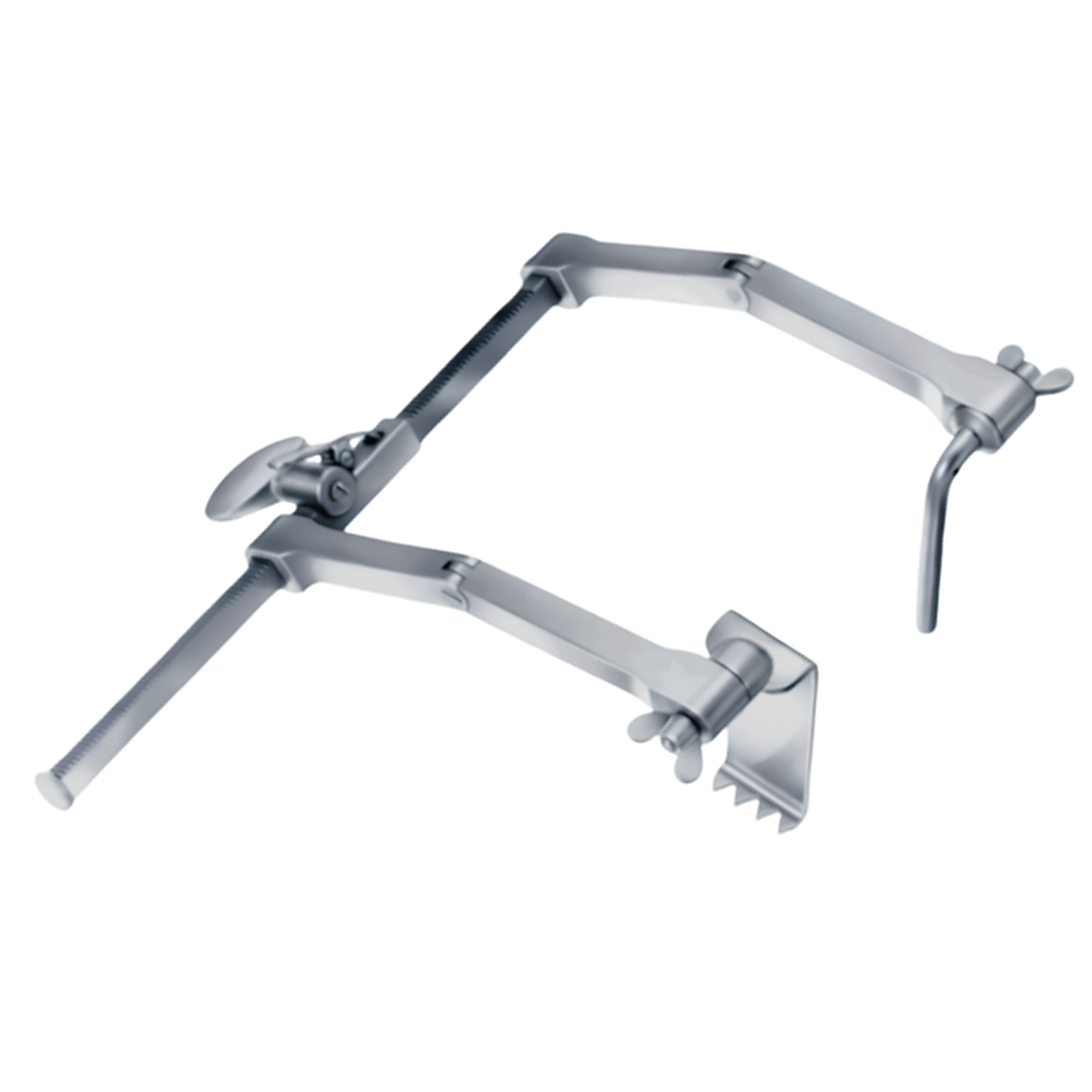 | Scoville-Haverfield Otostatik Ekartör | Omurga cerrahisi sırasında menteşeli kol görüş hattı açıklığı ile ağır paraspinal kasları ekarte etmek için özel olarak tasarlanmıştır. |
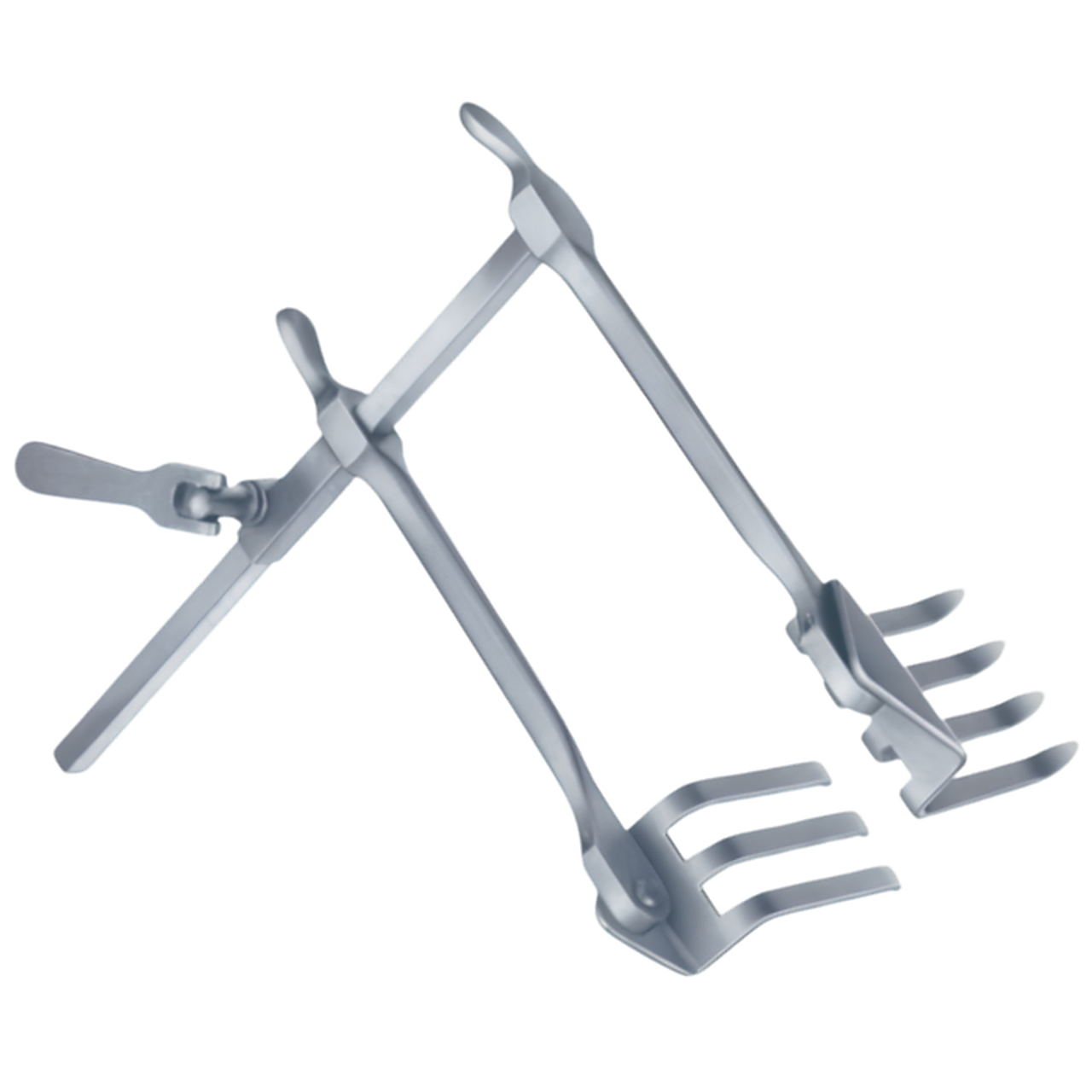 | Scoville-Richter Otostatik Ekartör | Lomber omurga cerrahisi sırasında ağır paraspinal kas yapısını ekarte etmek ve geniş görüş alanı sağlamak için özel olarak tasarlanmıştır. |
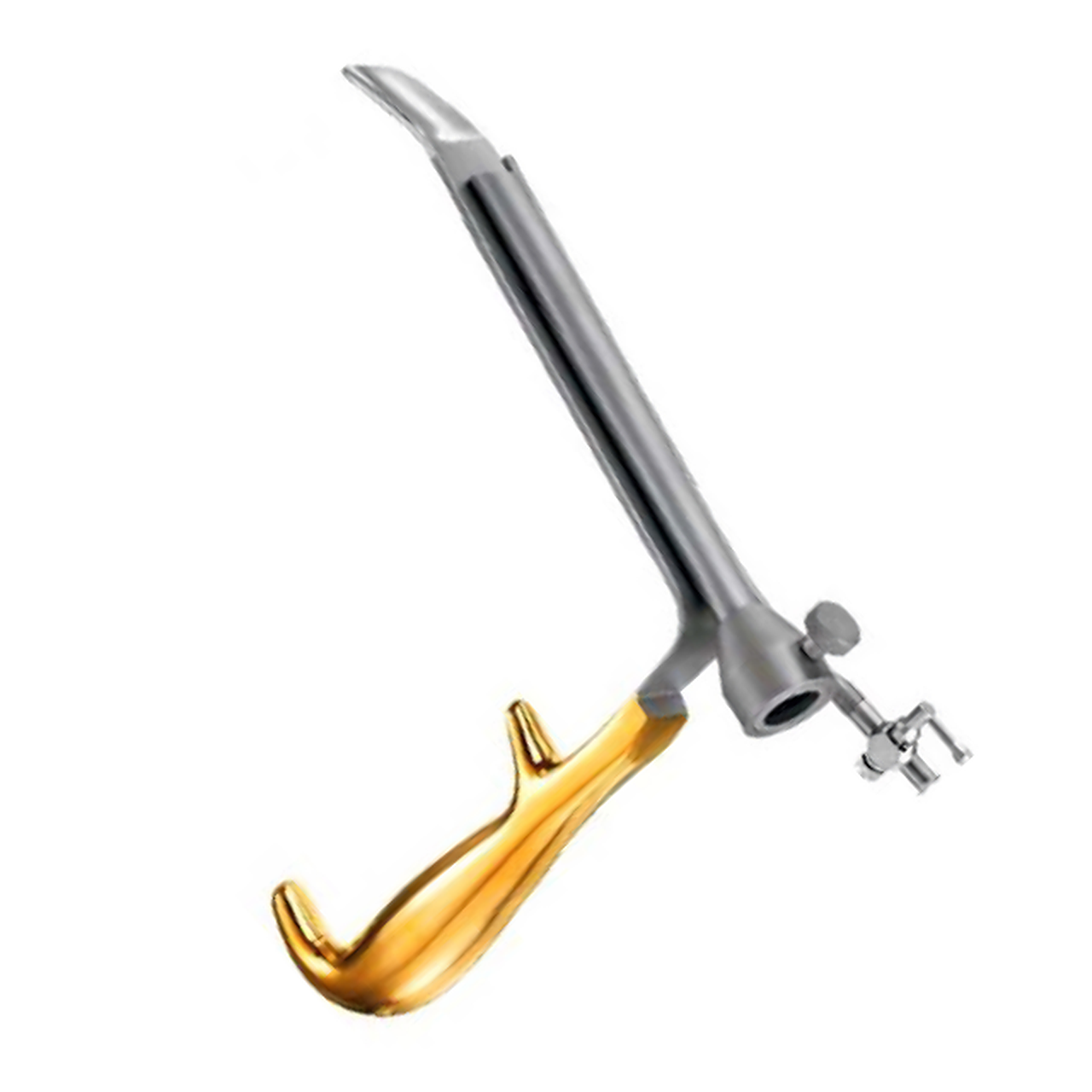 | Sculpo Endoskopik Ekartör | Minimal invaziv plastik cerrahi sırasında doku fleplerini kaldırmak ve bir endoskopu sabitlemek için özel olarak tasarlanmıştır. |
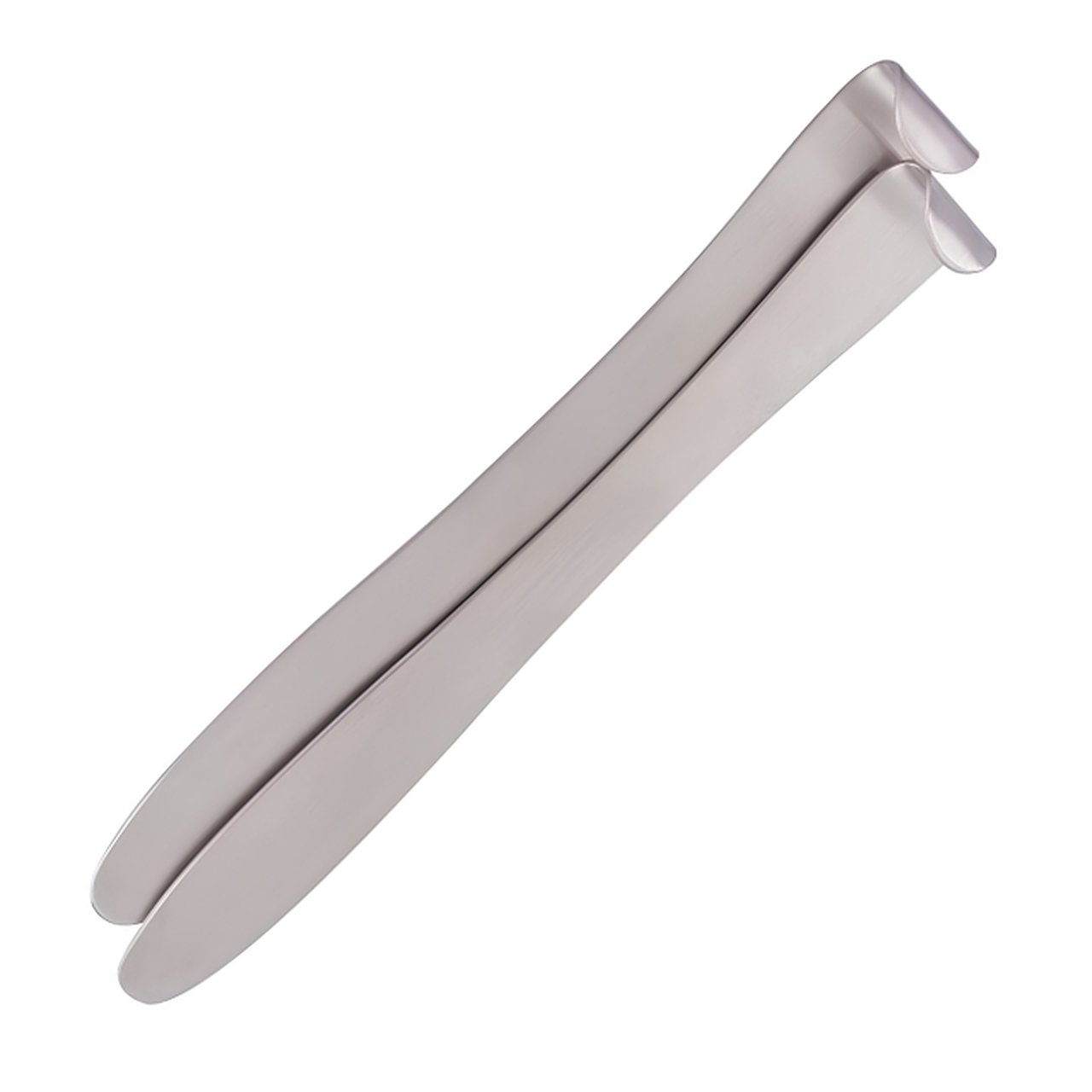 | Seeburger Ekartör - İkili Set | Küçük ve genel cerrahide deri kenarlarını, fasyayı ve yüzeysel yumuşak dokuları ekarte etmek için özel olarak tasarlanmıştır. |
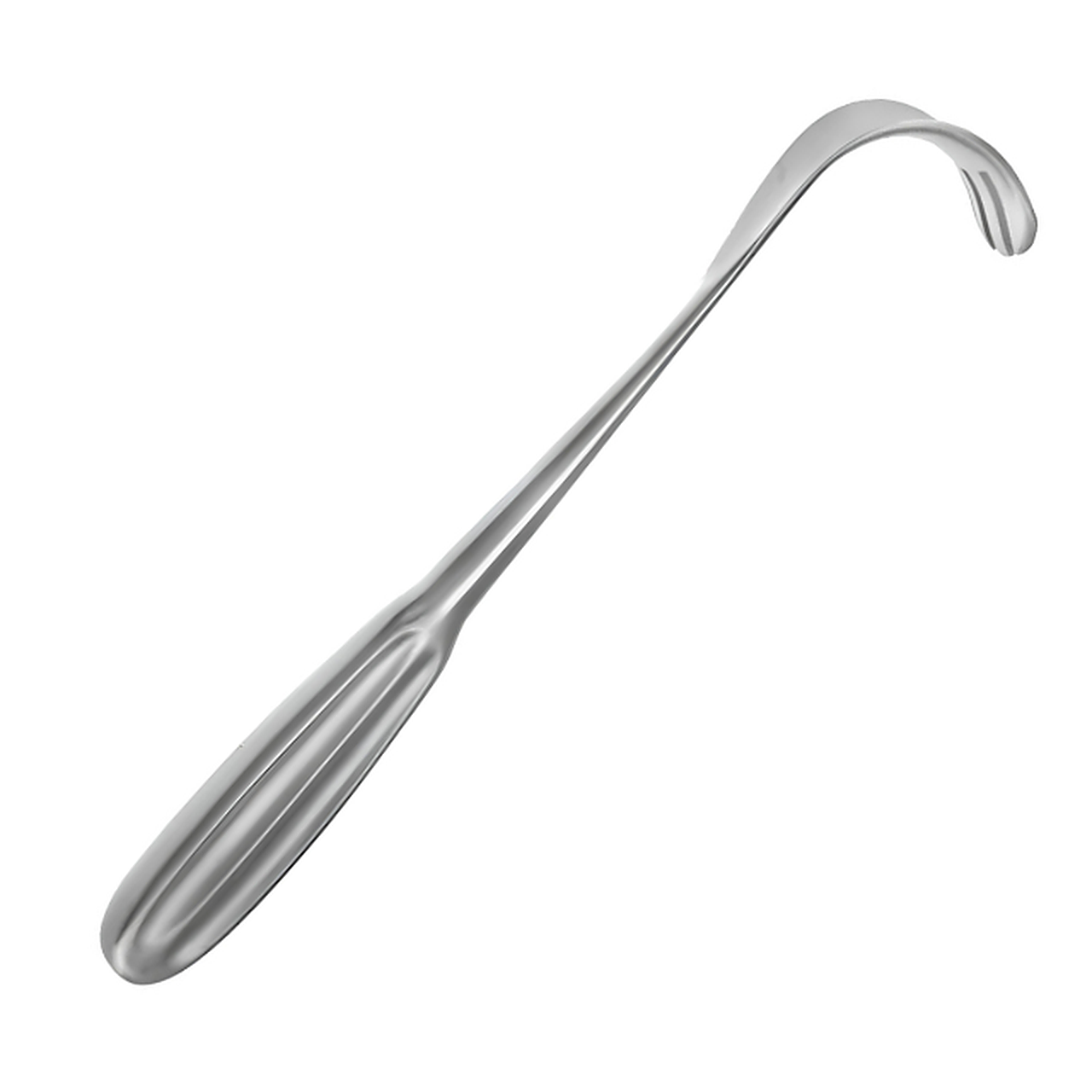 | Semb Akciğer/Kas Ekartörü | Torakotomi ve akciğer cerrahisi sırasında akciğer parankimi, göğüs duvarı kasları ve derin torasik organları ekarte etmek için özel olarak tasarlanmıştır. |
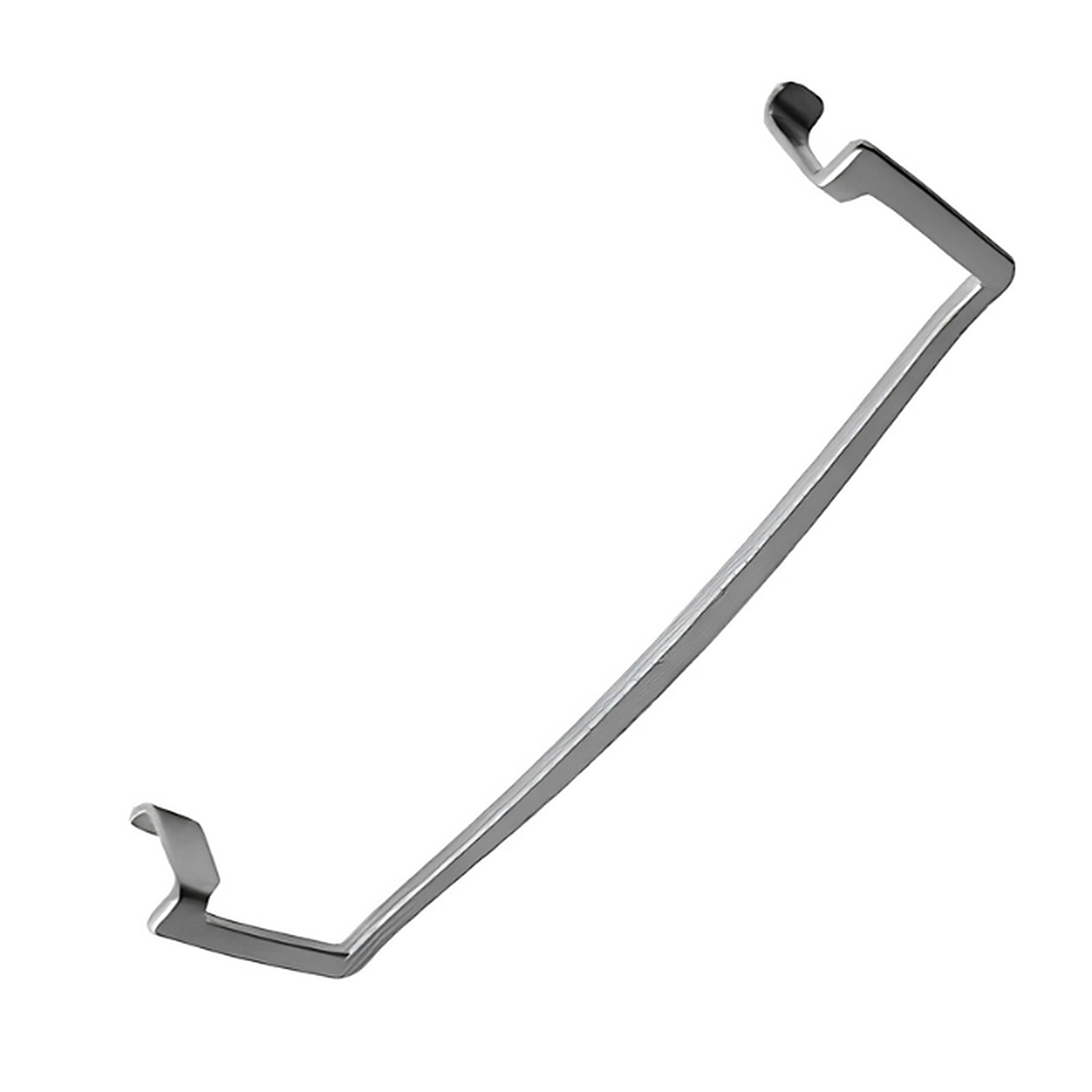 | Senn Forward Retraktör | Küçük cerrahi, plastik cerrahi ve el cerrahisi sırasında deri kenarlarını, kutanöz flepleri ve fasyayı ekarte etmek için özel olarak tasarlanmıştır. |
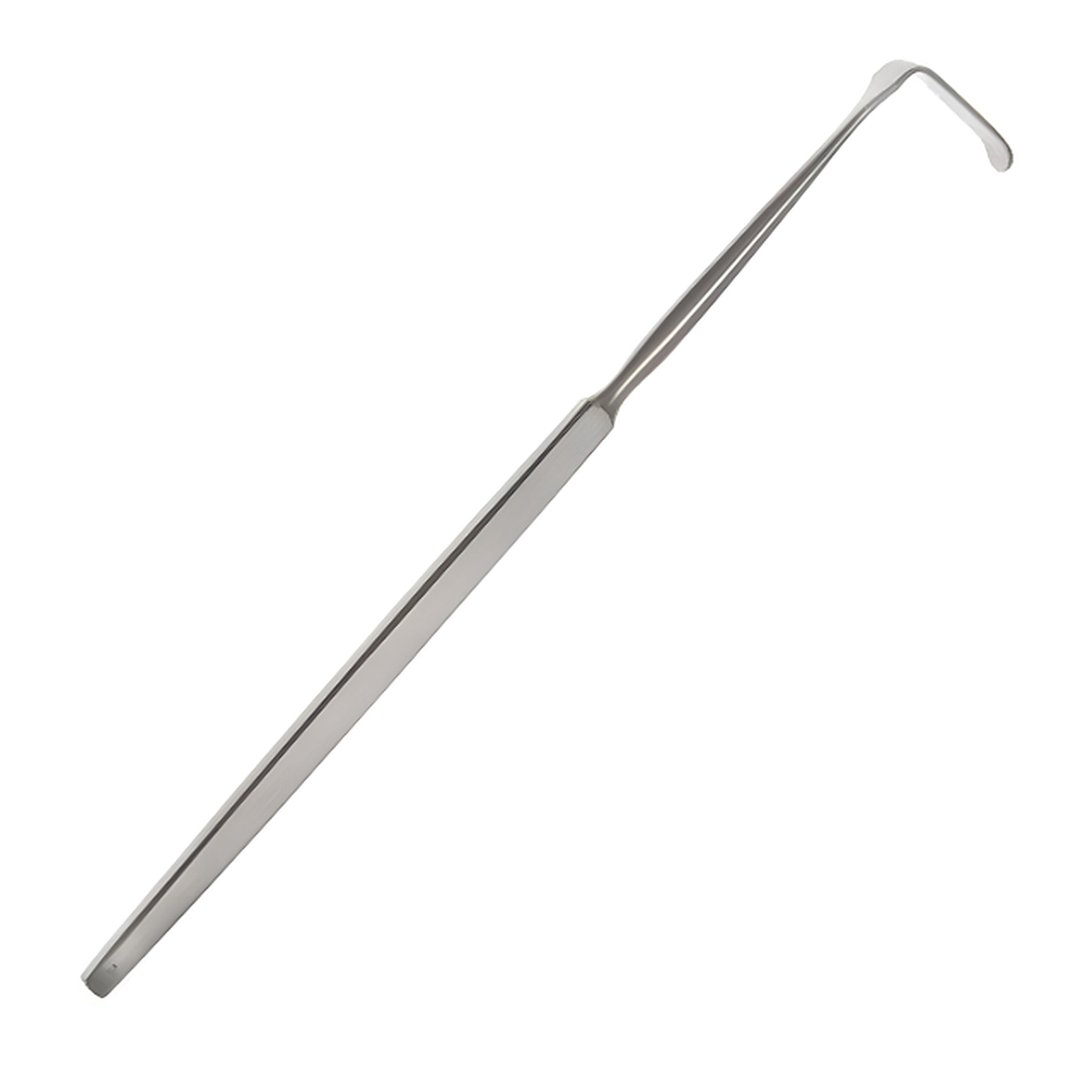 | Senn Green Ekartör | Tiroid ve minör cerrahi sırasında strap kaslarını, servikal fasyayı ve yara kenarlarını ekarte etmek için özel olarak tasarlanmıştır. |
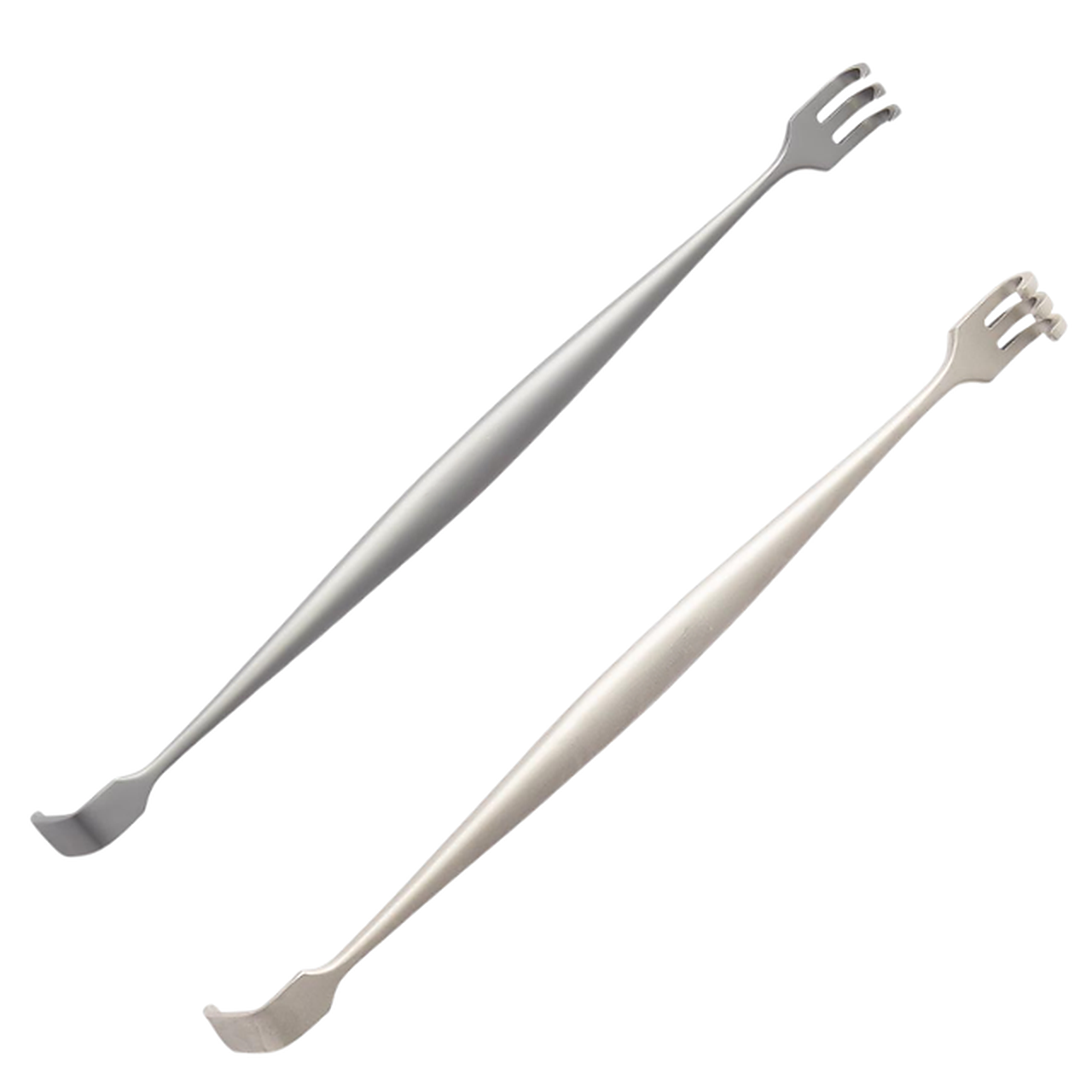 | Senn Miller Ekartör | Yüzeysel ve orta düzey cerrahi insizyonlarda cilt kenarlarını, fasyayı ve deri altı dokuları ekarte etmek için özel olarak tasarlanmıştır. |
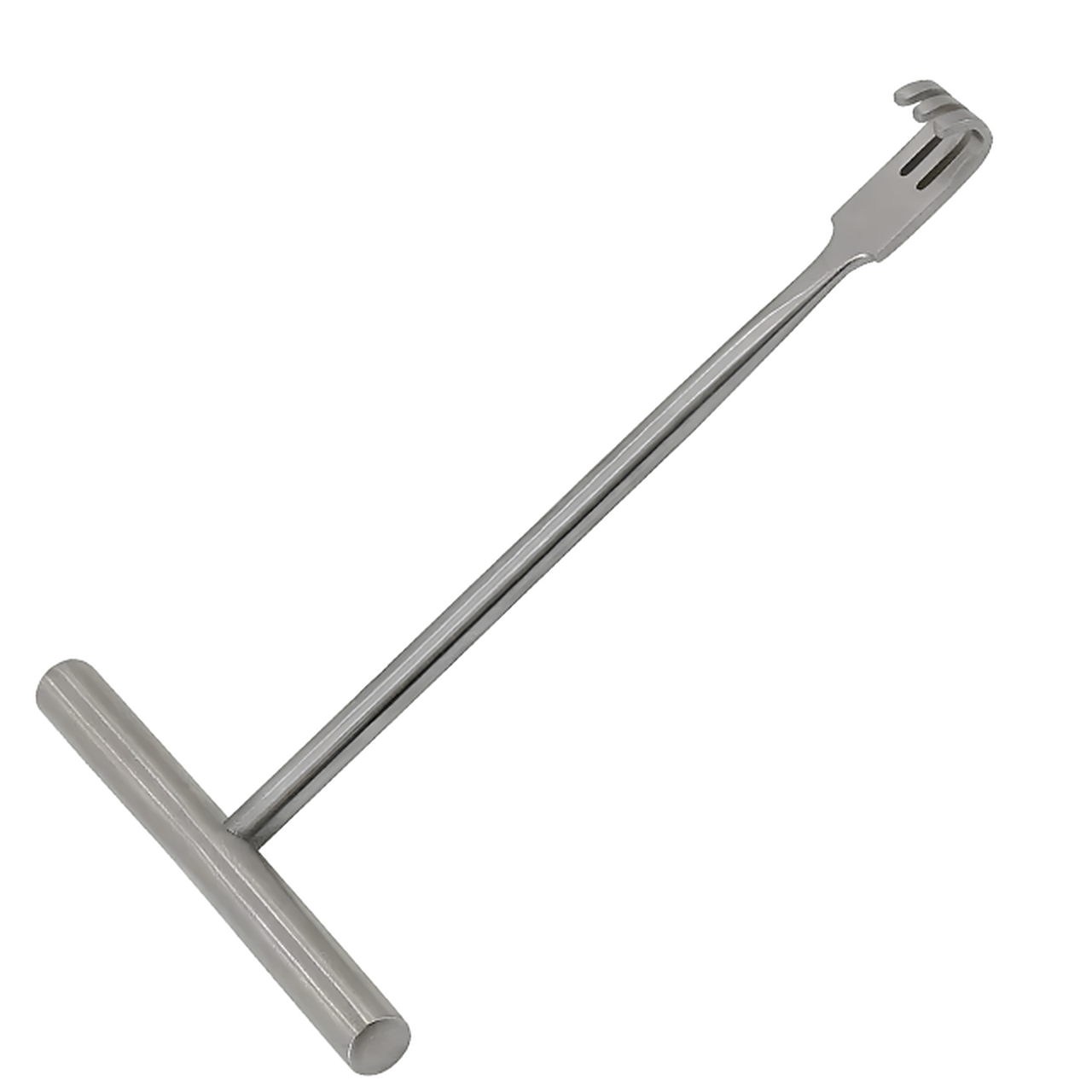 | Senn T-Handle Ekartör | Cilt fleplerini, fasyayı ve yoğun doku marjlarını yüksek manuel çekme gücüyle ekarte etmek için özel olarak tasarlanmıştır. |
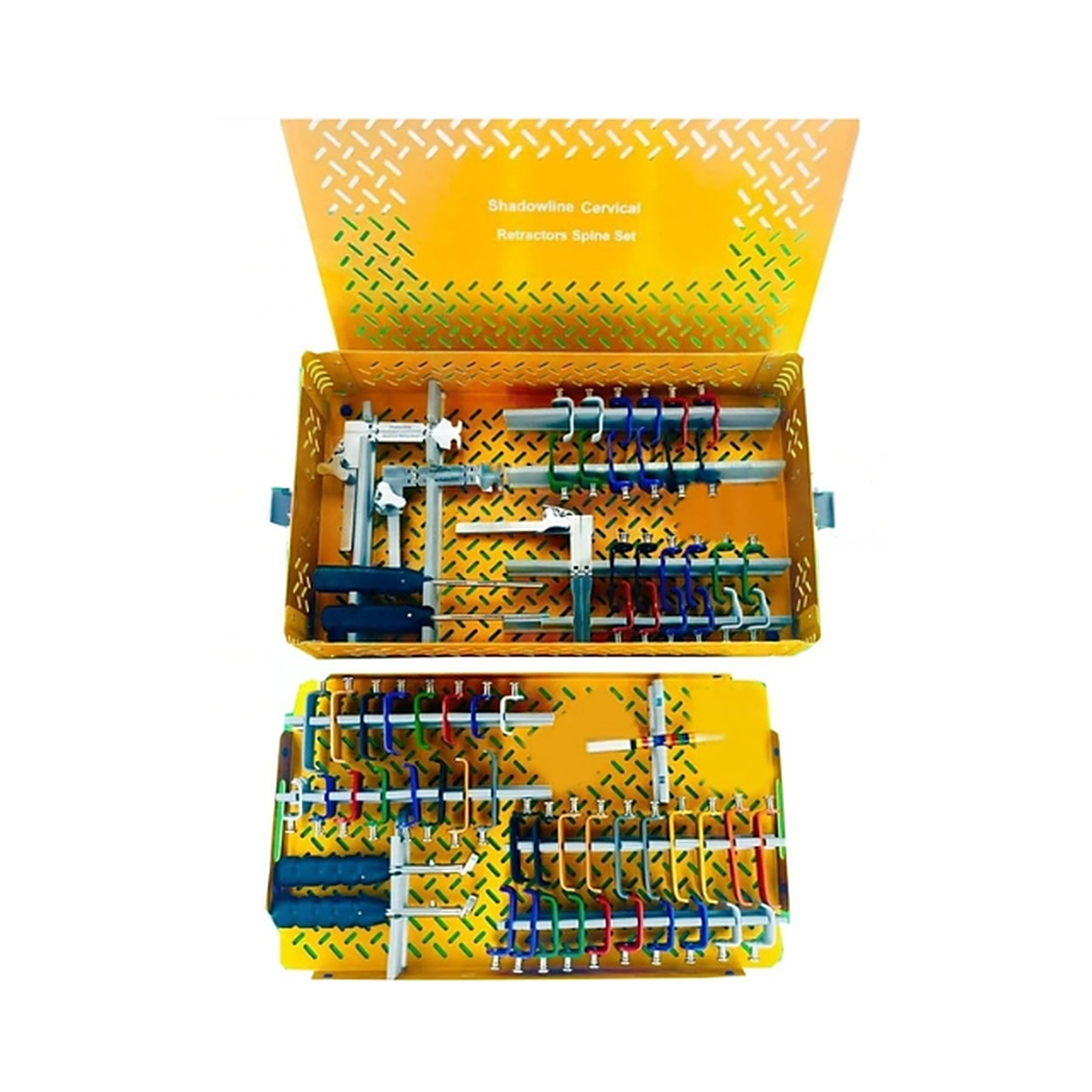 | SHADOWLINE Trimline Servikal Spinal Ekartör Seti | Anterior servikal omurga cerrahi prosedürleri sırasında stabil doku retraksiyonu ve net görselleştirme sağlamak üzere özel olarak tasarlanmıştır. |
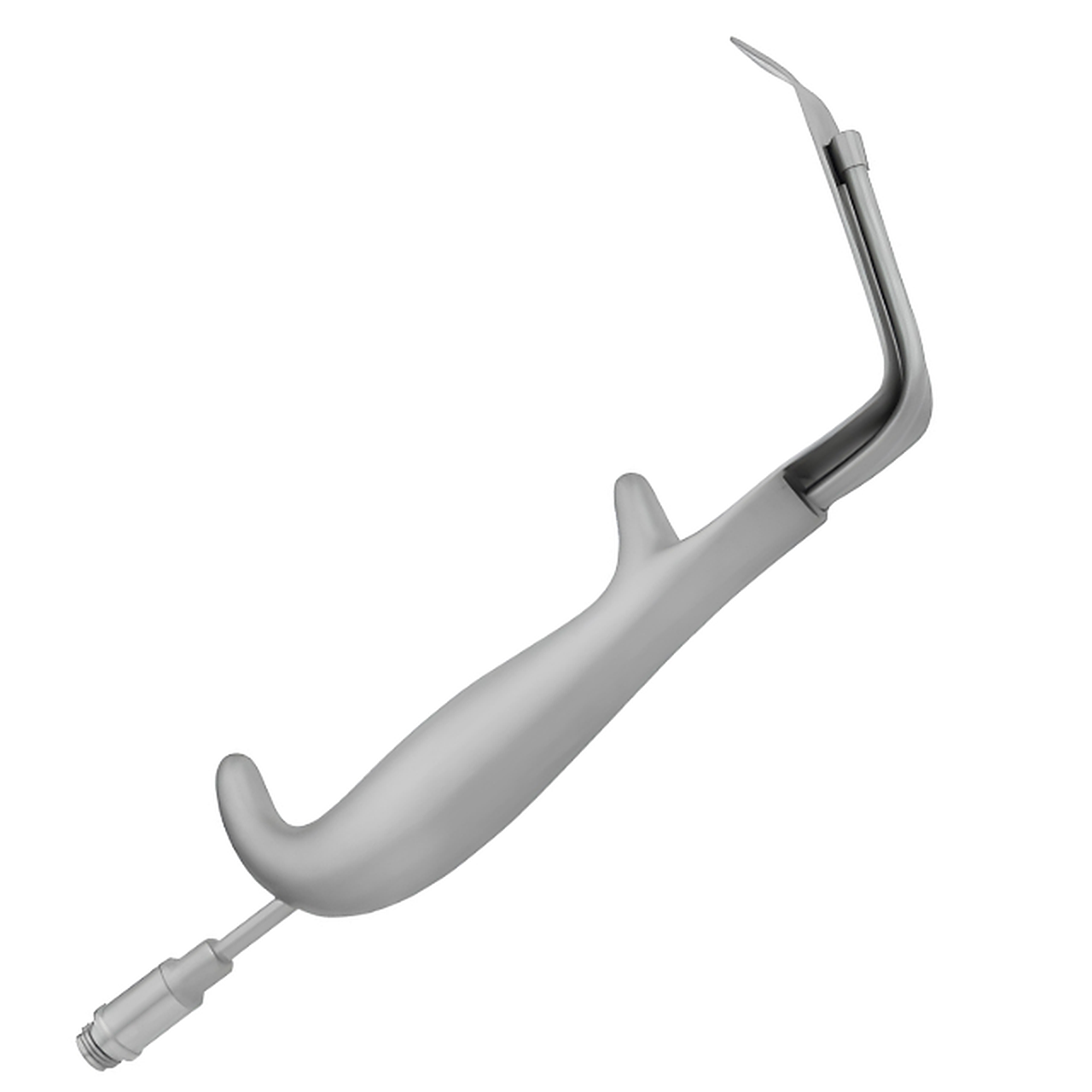 | Shea Retractor With Fiber Optic Guide | KBB ve yüz plastik cerrahisi sırasında doku fleplerini ekarte etmek ve derin operatif kaviteleri aydınlatmak için özel olarak tasarlanmıştır. |
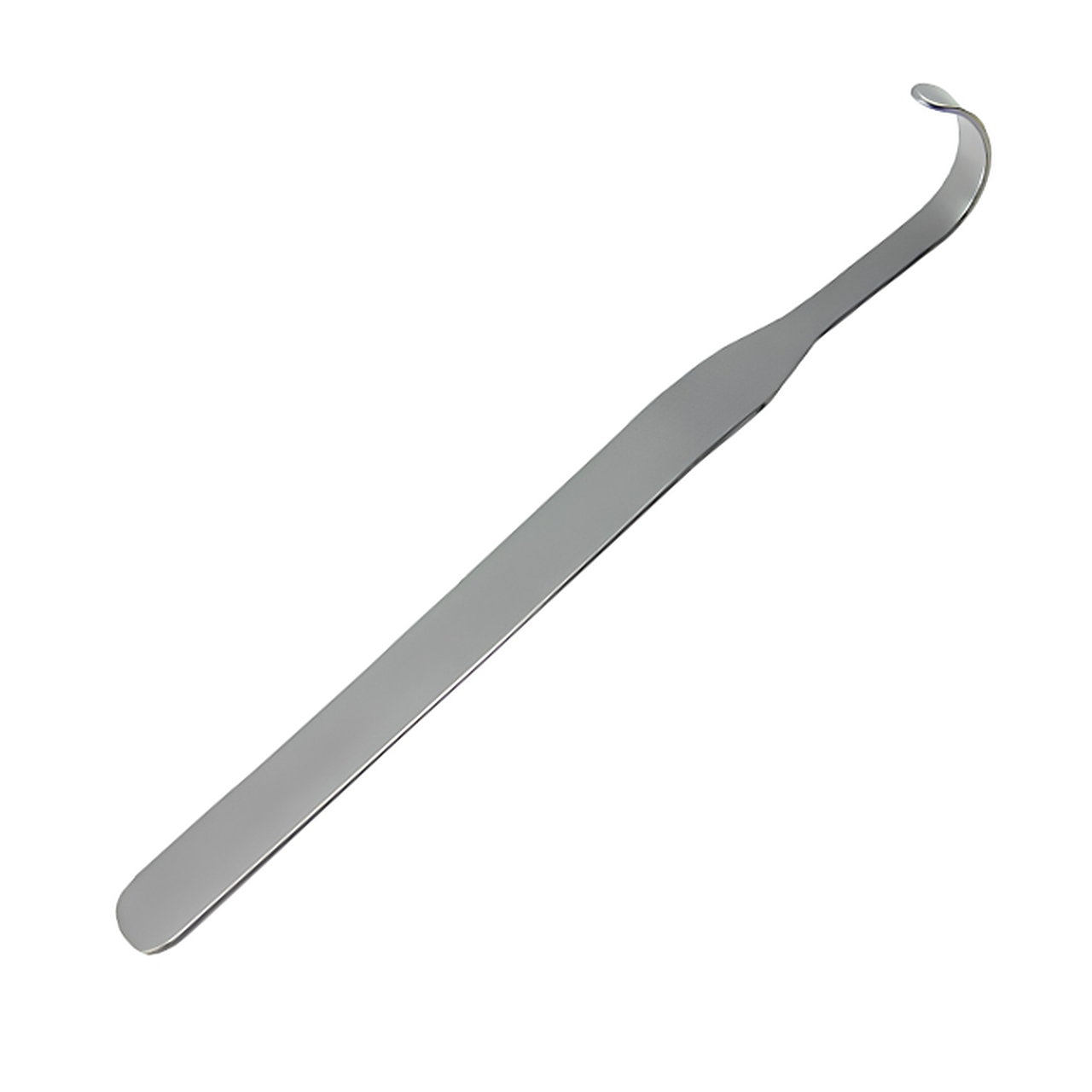 | Sheen Nasal Retractor Angled | Estetik ve rekonstrüktif rinoplasti sırasında nazal cilt fleplerini kaldırmak ve kıkırdağı ekarte etmek için özel olarak tasarlanmıştır. |
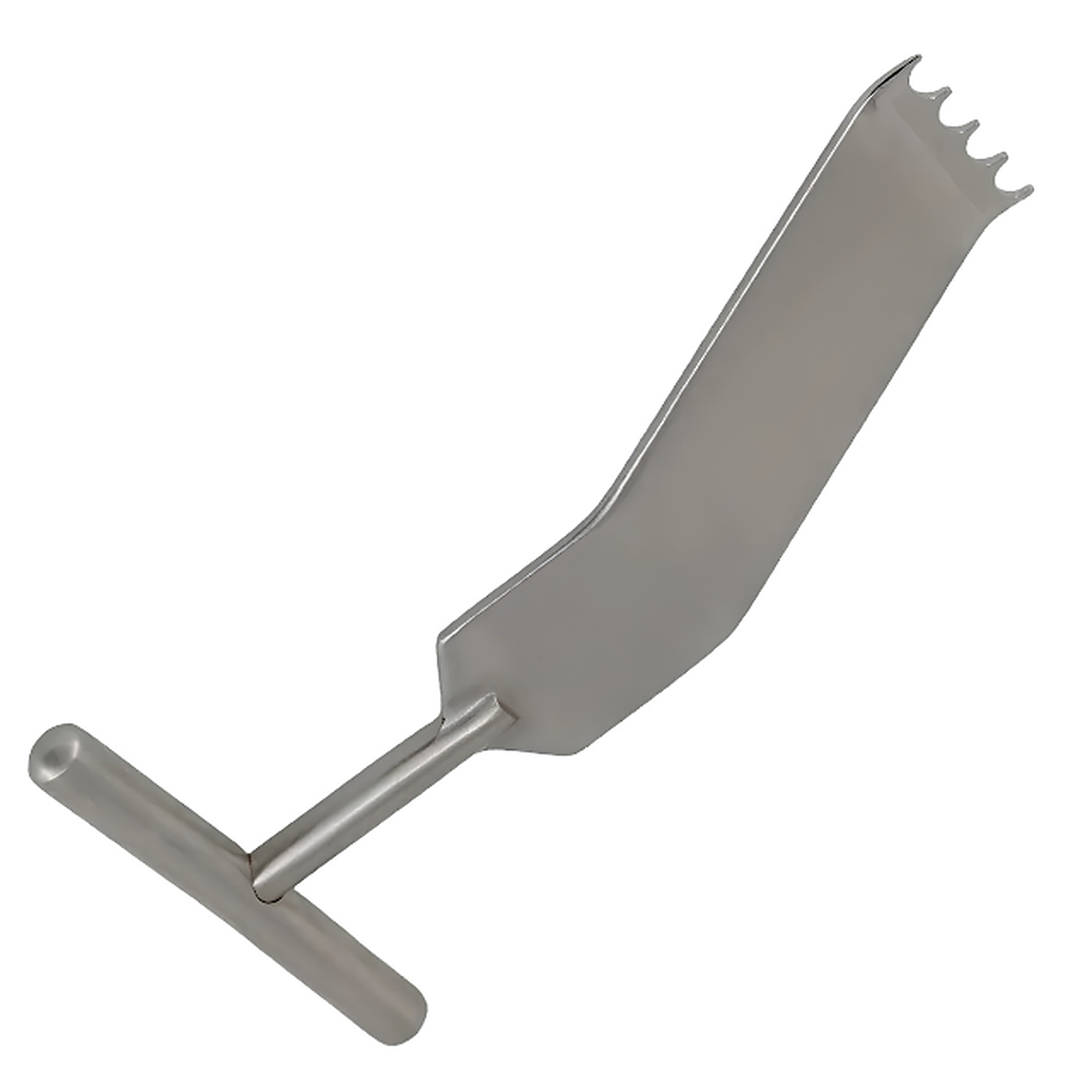 | Shoulder Arthroplasty Retractor Glenoid Exposure | Omuz artroplastisi sırasında humerusu posteriora kaydırmak ve glenoid boşluğunu açığa çıkarmak için özel olarak tasarlanmıştır. |
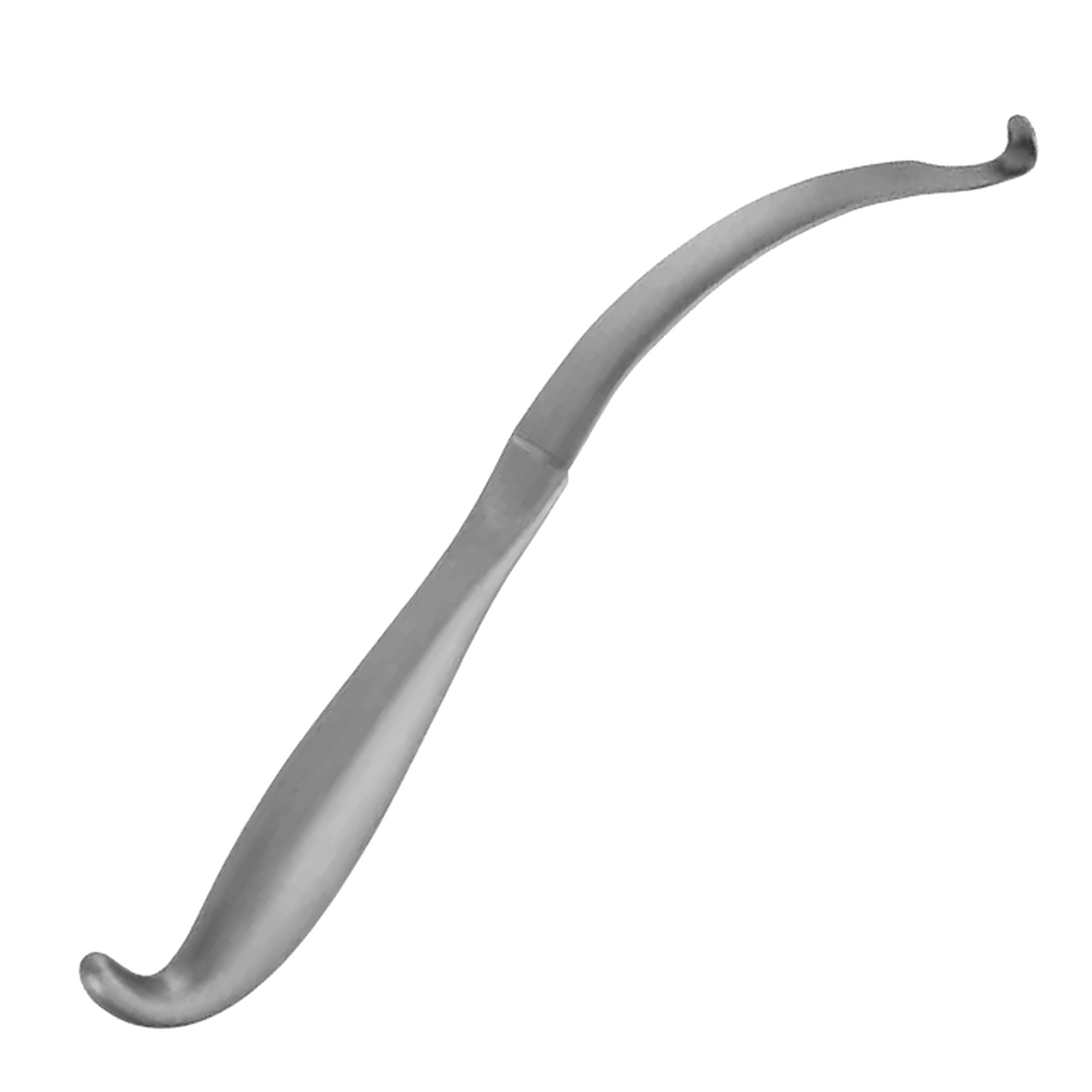 | Sigmoid Notch Ekartör | Ortognatik ramus cerrahisi sırasında mandibula sigmoid çentiğine kancalanmak ve nörovasküler demetleri korumak için özel olarak tasarlanmıştır. |
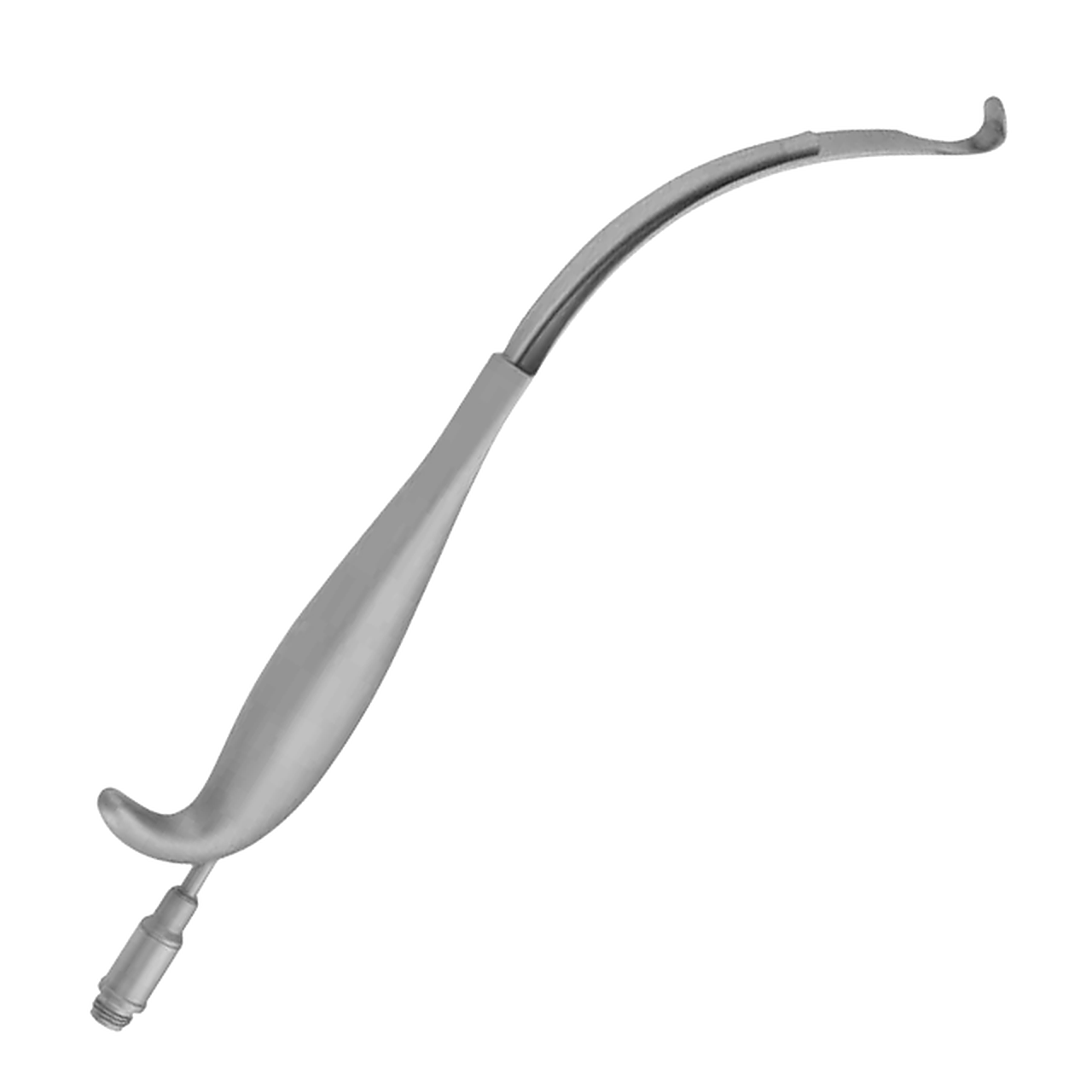 | Fiber Optik Kılavuzlu Sigmoid Notch Ekartörü | Ramus cerrahisi sırasında sigmoid çentikte aydınlatmalı yumuşak doku ekartasyonu ve kemik stabilizasyonu sağlamak için özel olarak tasarlanmıştır. |
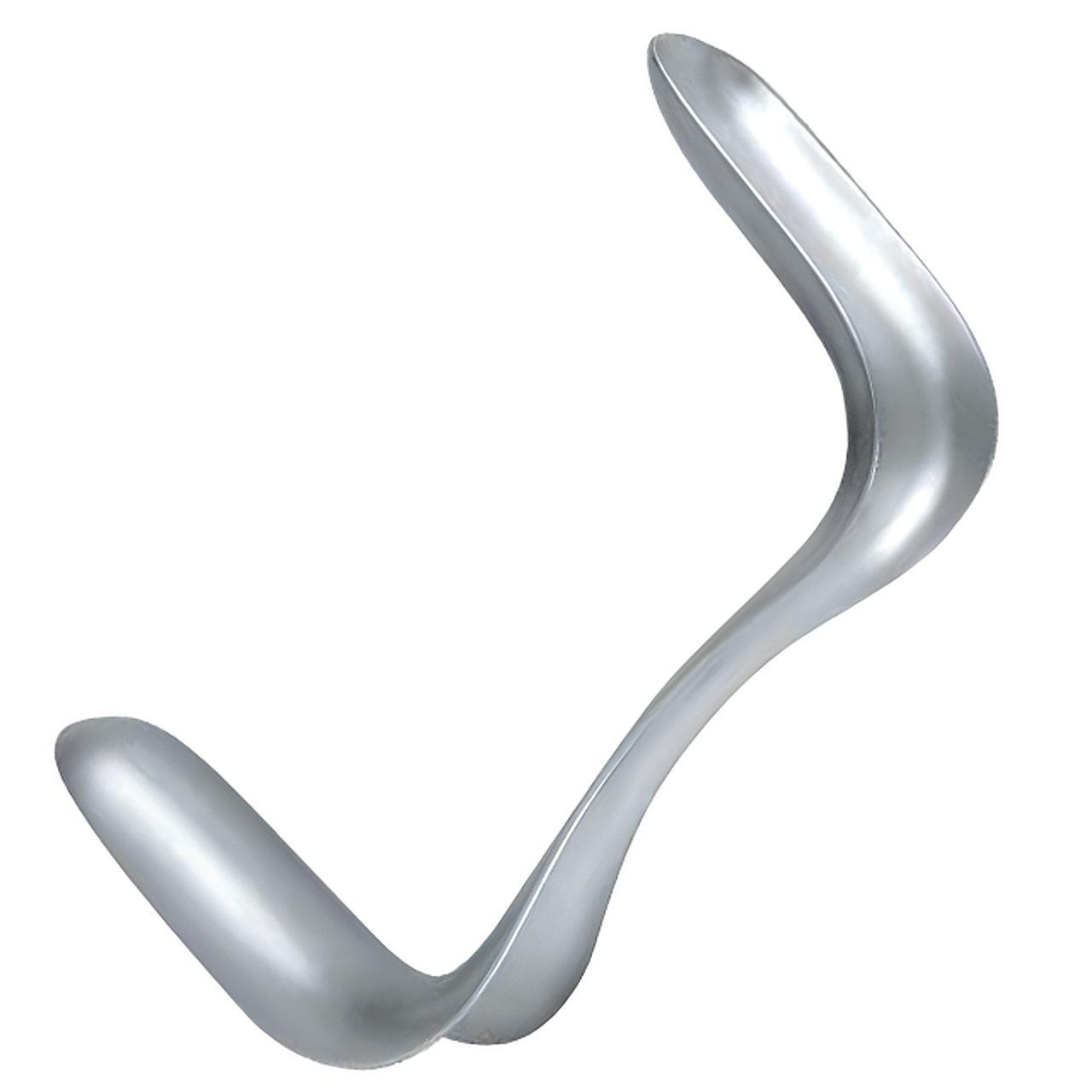 | Sims Vajinal Ekartör | Posterior veya anterior vajinal duvarı ekarte etmek ve pelvik boşluk görüntülemesi sağlamak için özel olarak tasarlanmıştır. |
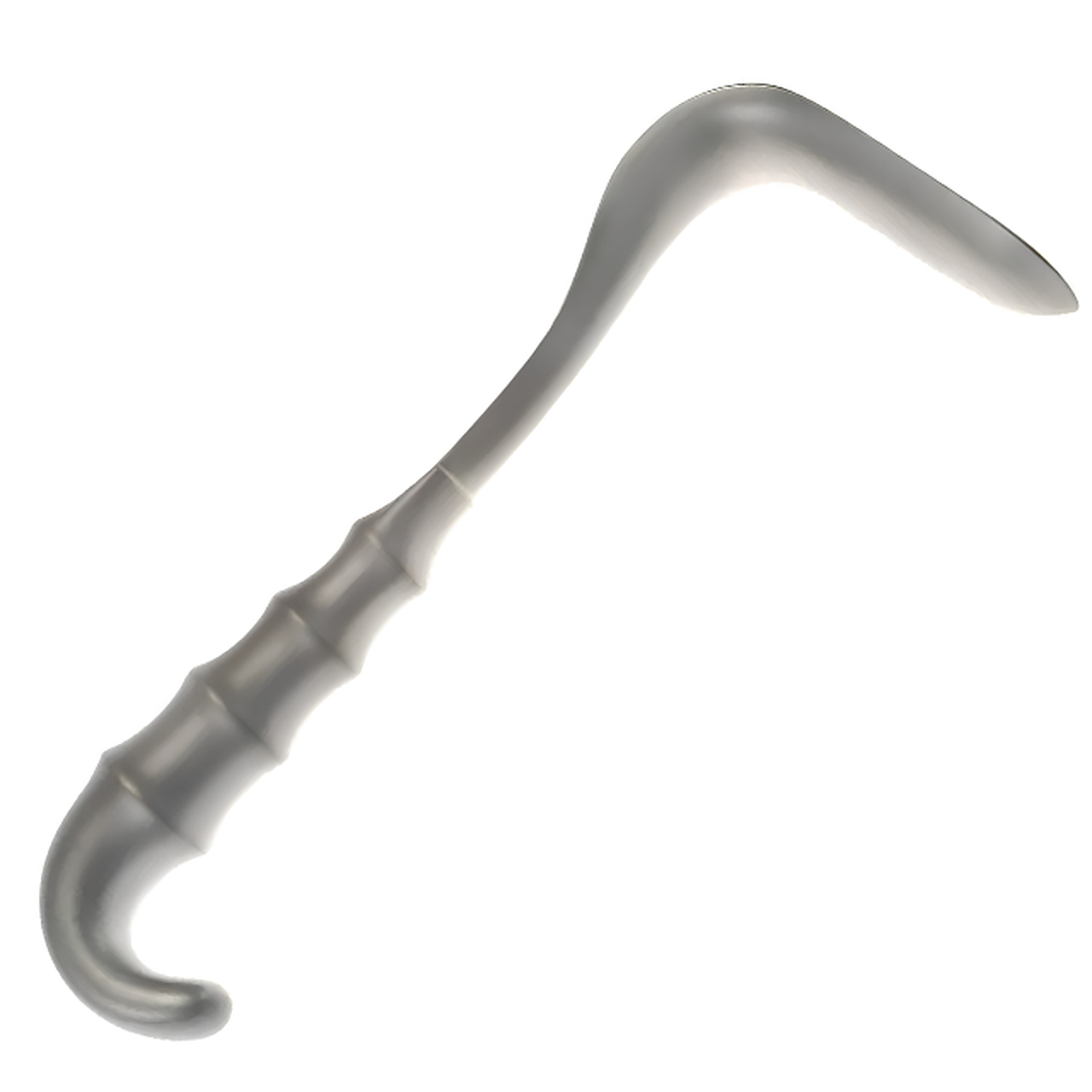 | Sims Vajinal Ekartör — İçi Boş Saplı | Pelvik ve jinekolojik cerrahi sırasında asistan el yorgunluğunu azaltarak vajinal duvarları ekarte etmek için özel olarak tasarlanmıştır. |
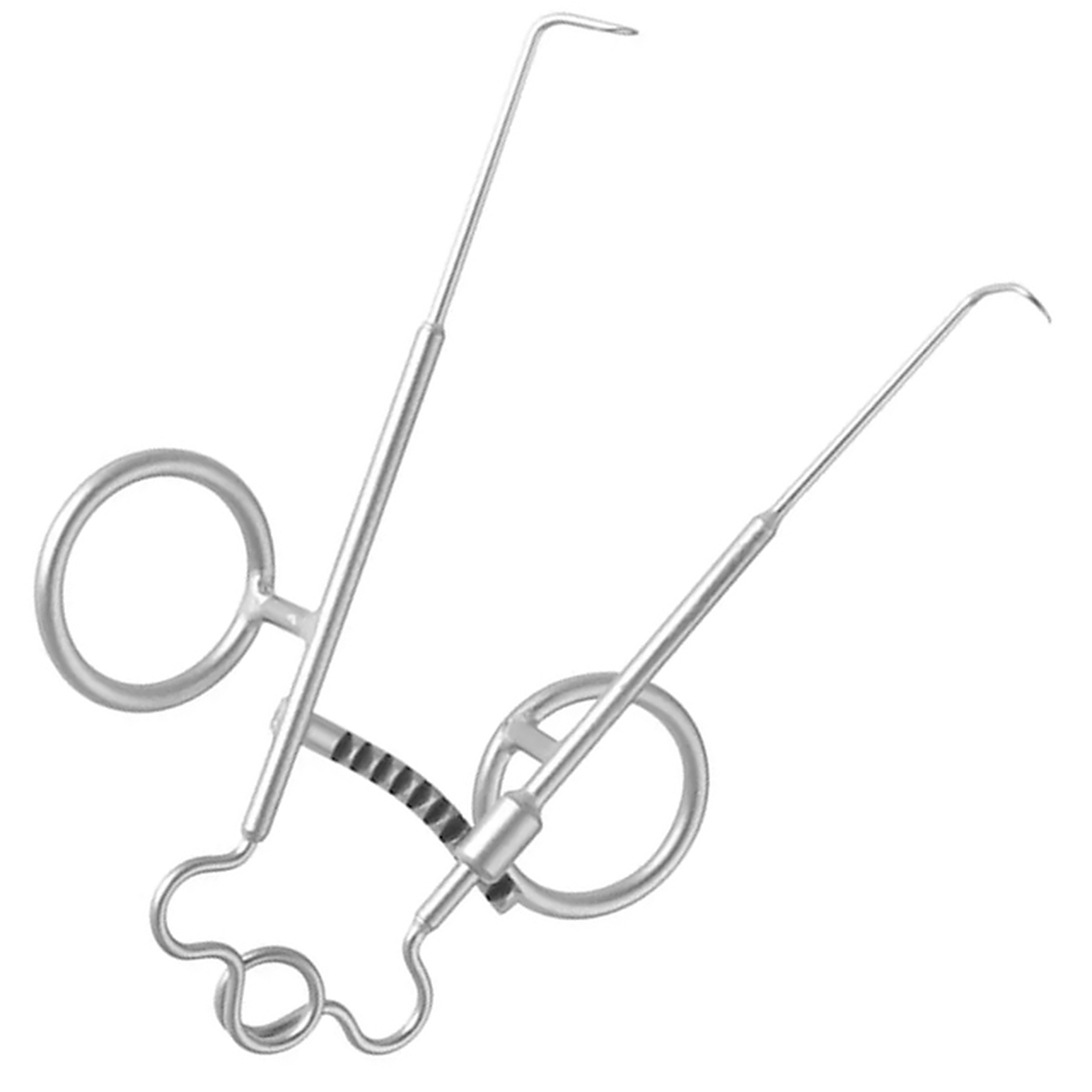 | Sisson Cilt Ekartörü | Dar alan mikrocerrahisinde cilt kenarlarını, kutanöz flepleri ve hassas yumuşak dokuları ekart etmek için özel olarak tasarlanmıştır. |
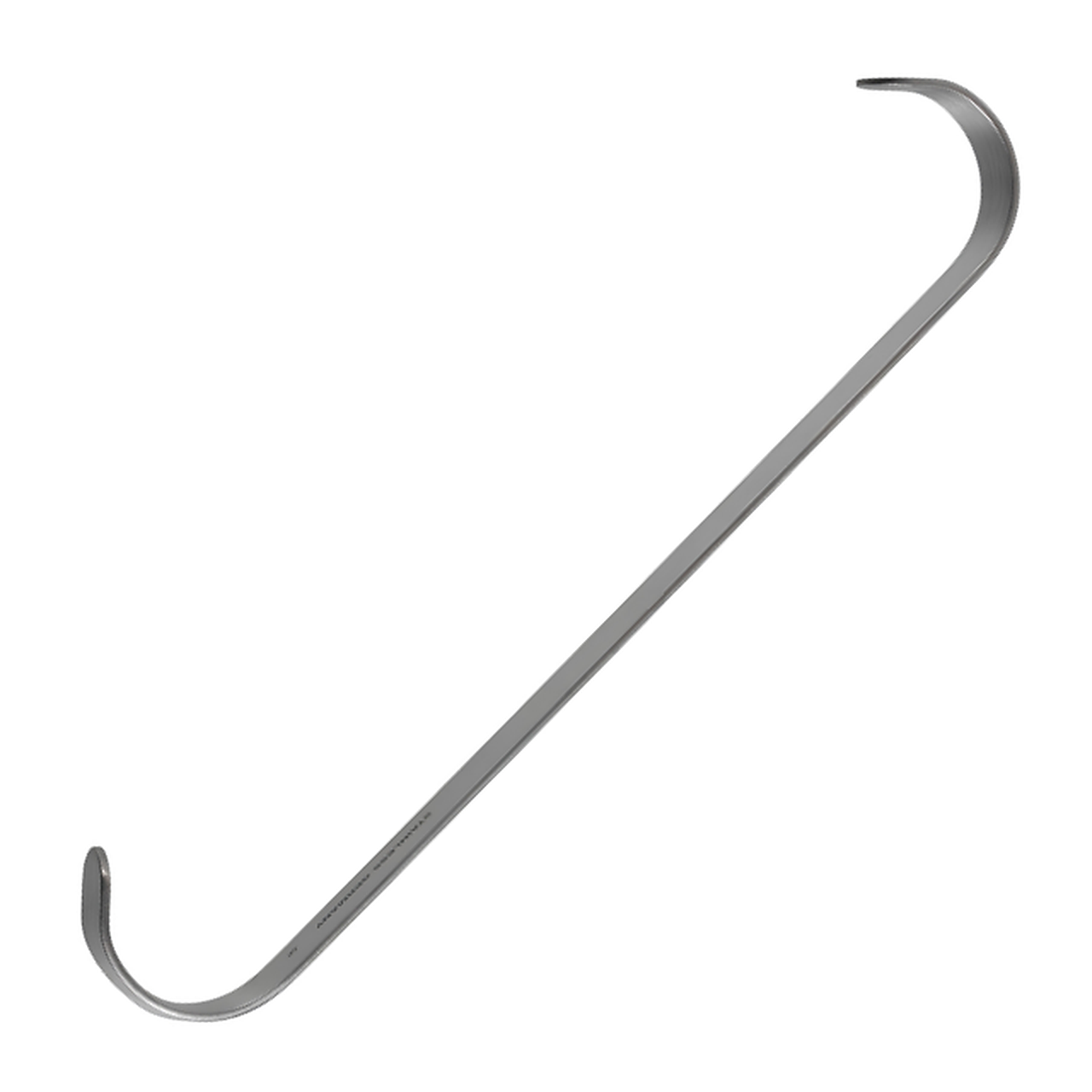 | Sistrunk Ekartör | Tiroglossal kist eksizyonu ve boyun cerrahisi sırasında strap kaslarını, servikal fasyayı ve cildi ekarte etmek için özel olarak tasarlanmıştır. |
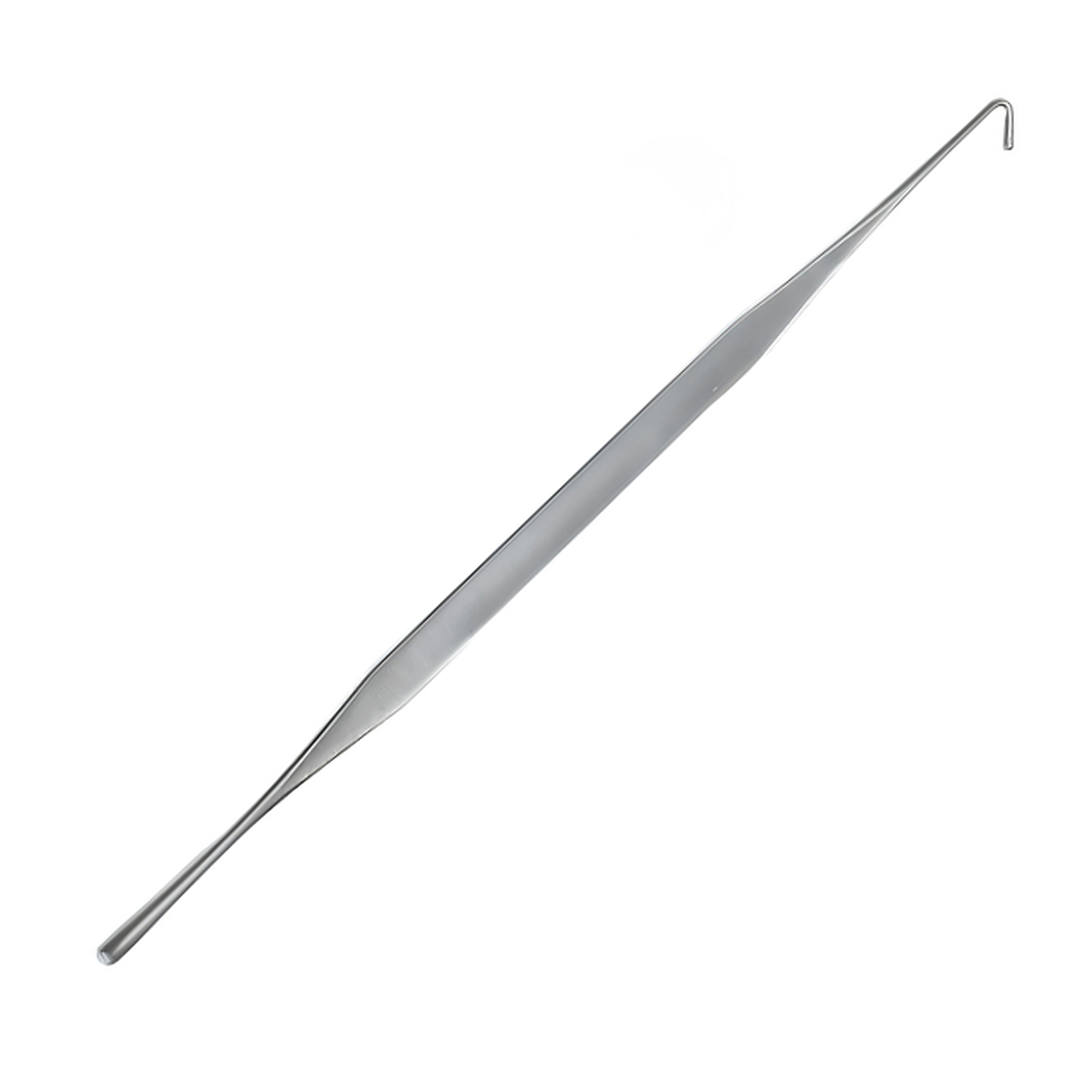 | Smithwick Sinir Ekartörü | Derin omurga ve damar cerrahisi sırasında sinir köklerini ve sempatik zincirleri keşfetmek, mobilize etmek ve ekarte etmek için özel olarak tasarlanmıştır. |
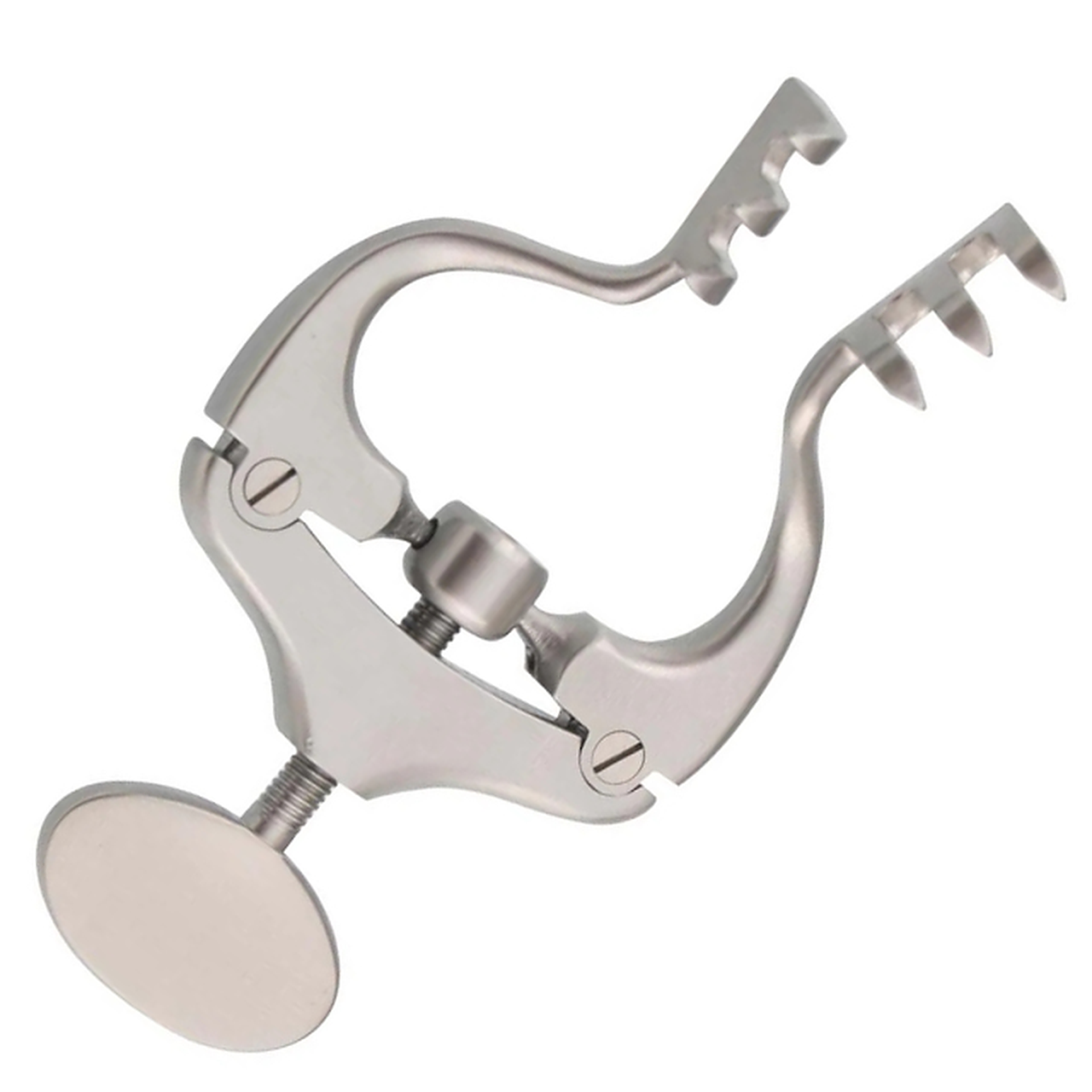 | Snitman Kendinden Kilitlemeli Endeural Ekartör | Endaural, otolojik ve meatal mikrocerrahi sırasında kendinden kilitli doku ekartasyonu sağlamak için özel olarak tasarlanmıştır. |
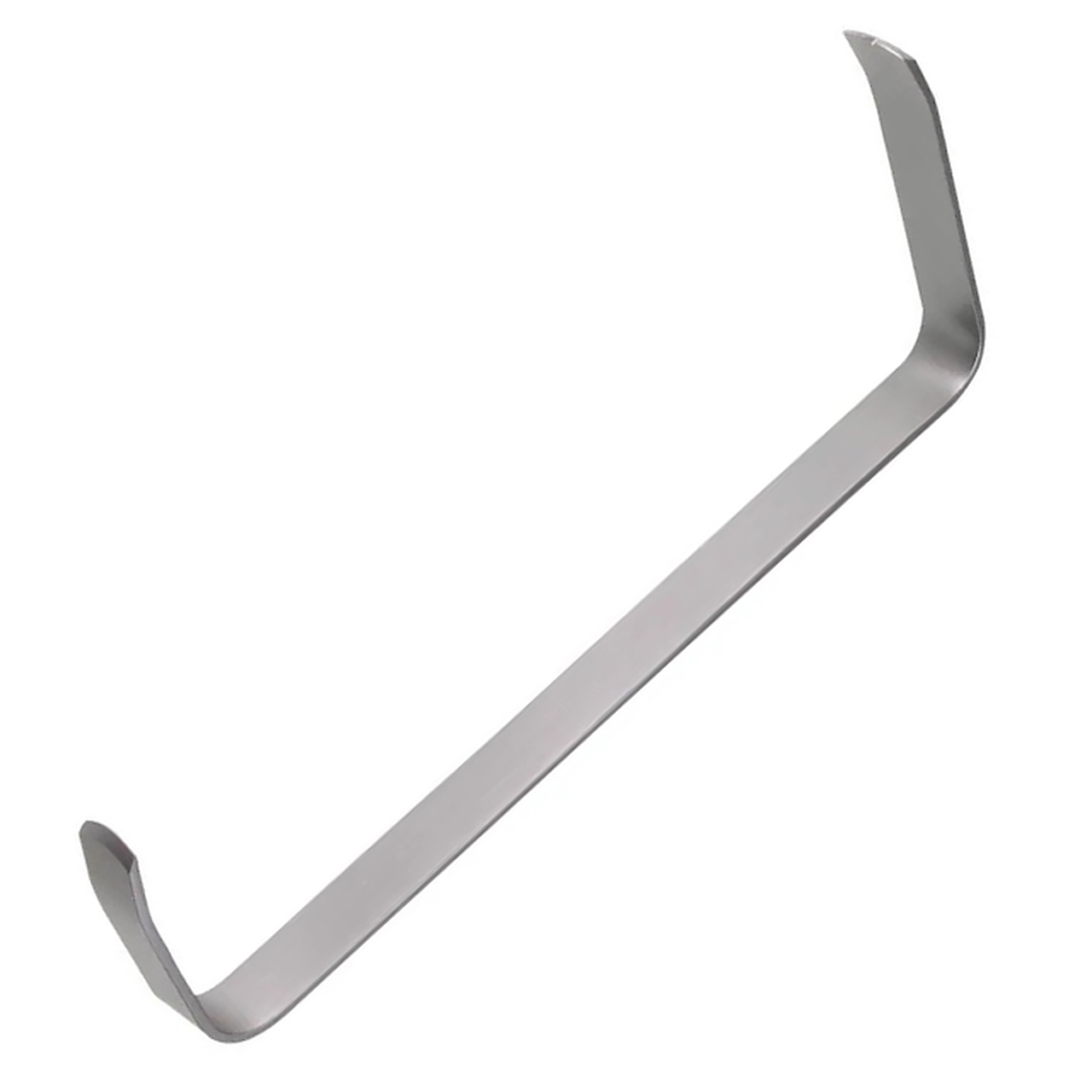 | Sofield Ekartör | Osteotomiler ve kırık tespiti sırasında uzun kemik diyafizlerini açığa çıkarmak amacıyla kas ve periostu ekarte etmek için özel olarak tasarlanmıştır. |
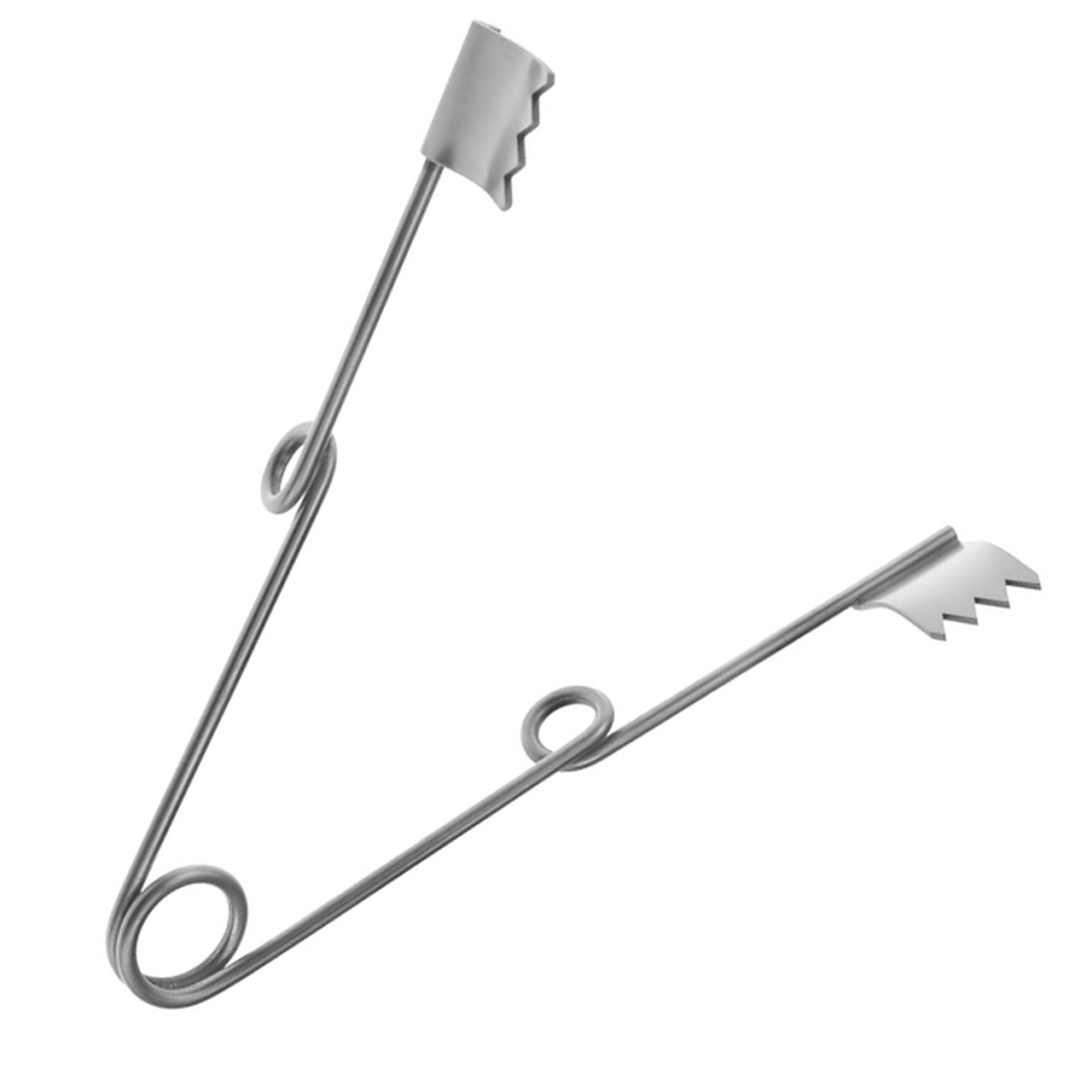 | Spring Wire Ekartör | Mikrocerrahi ve plastik cerrahi prosedürleri sırasında kendinden sabitlemeli, eller serbest yara kenarı ekartasyonu sağlamak için özel olarak tasarlanmıştır. |
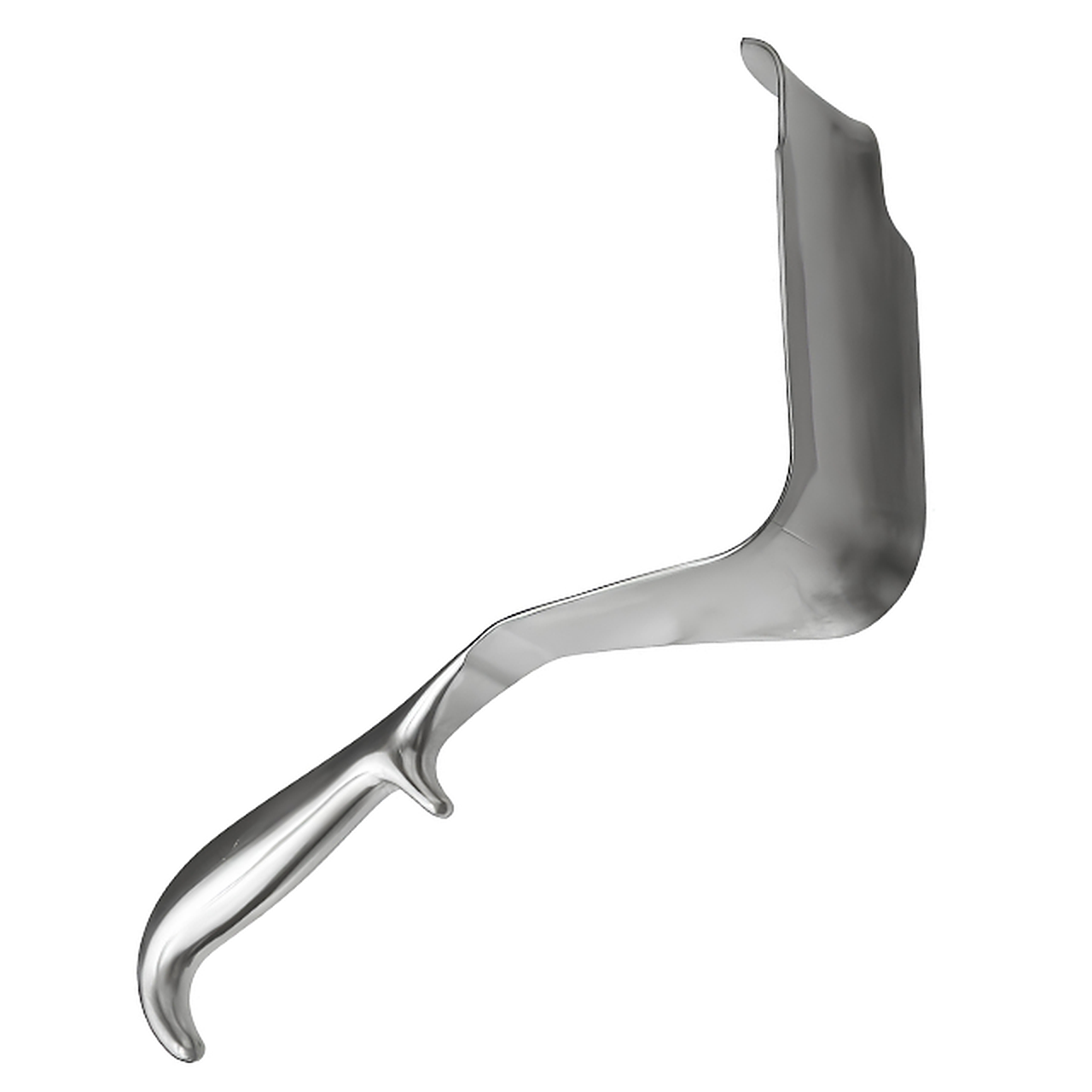 | St. Marks Pelvic Retractor | Derin kolorektal ve pelvik cerrahi sırasında pelvik organları, mesaneyi ve peritonu ekarte etmek için özel olarak tasarlanmıştır. |
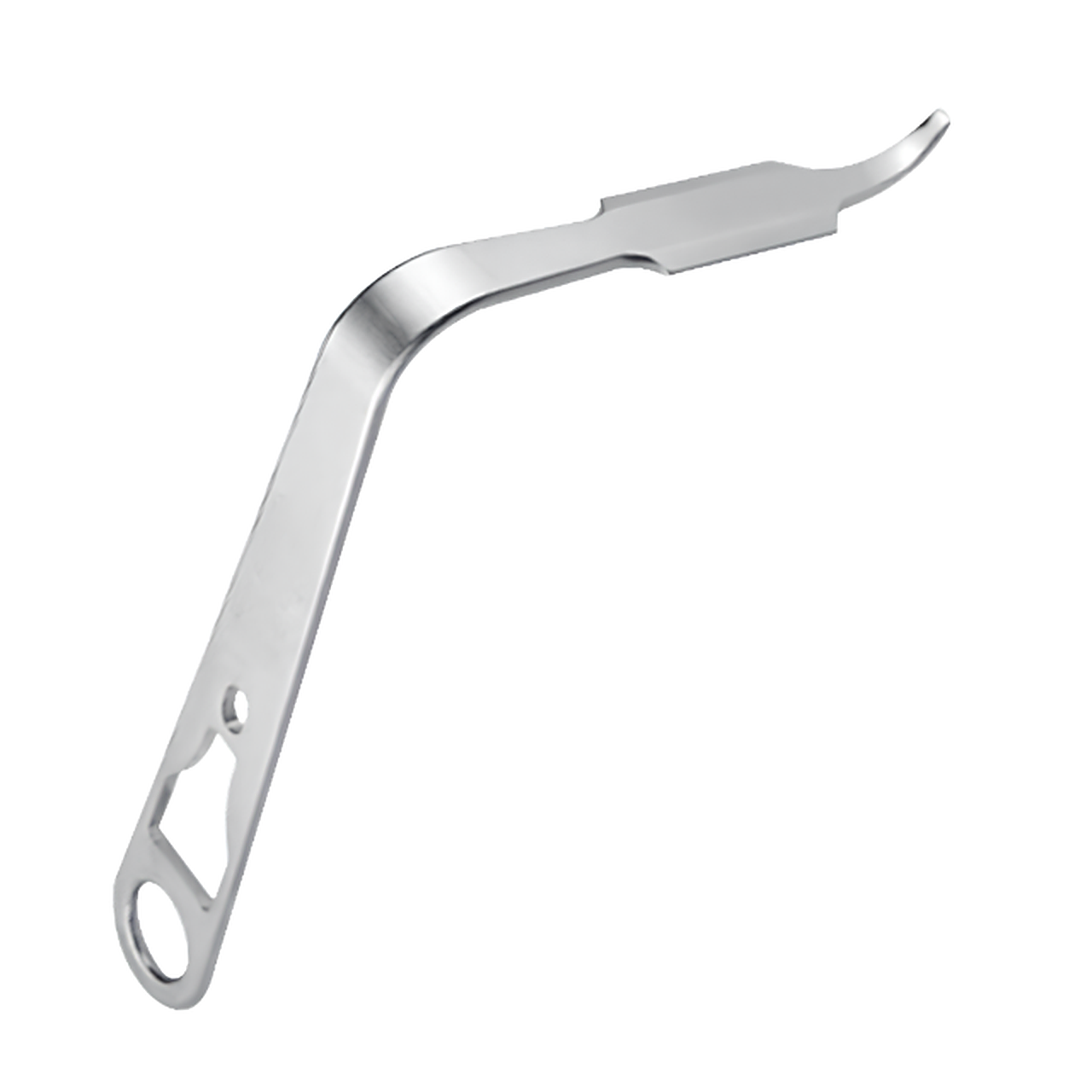 | İstiflenebilir Hohmann Ekartörler | Eklem cerrahisi sırasında kemik kortekslerini manivela ile kaldırmak ve iç içe geçebilen sap özelliği ile yoğun kas tabakalarını ekartman altına almak için özel olarak tasarlanmıştır. |
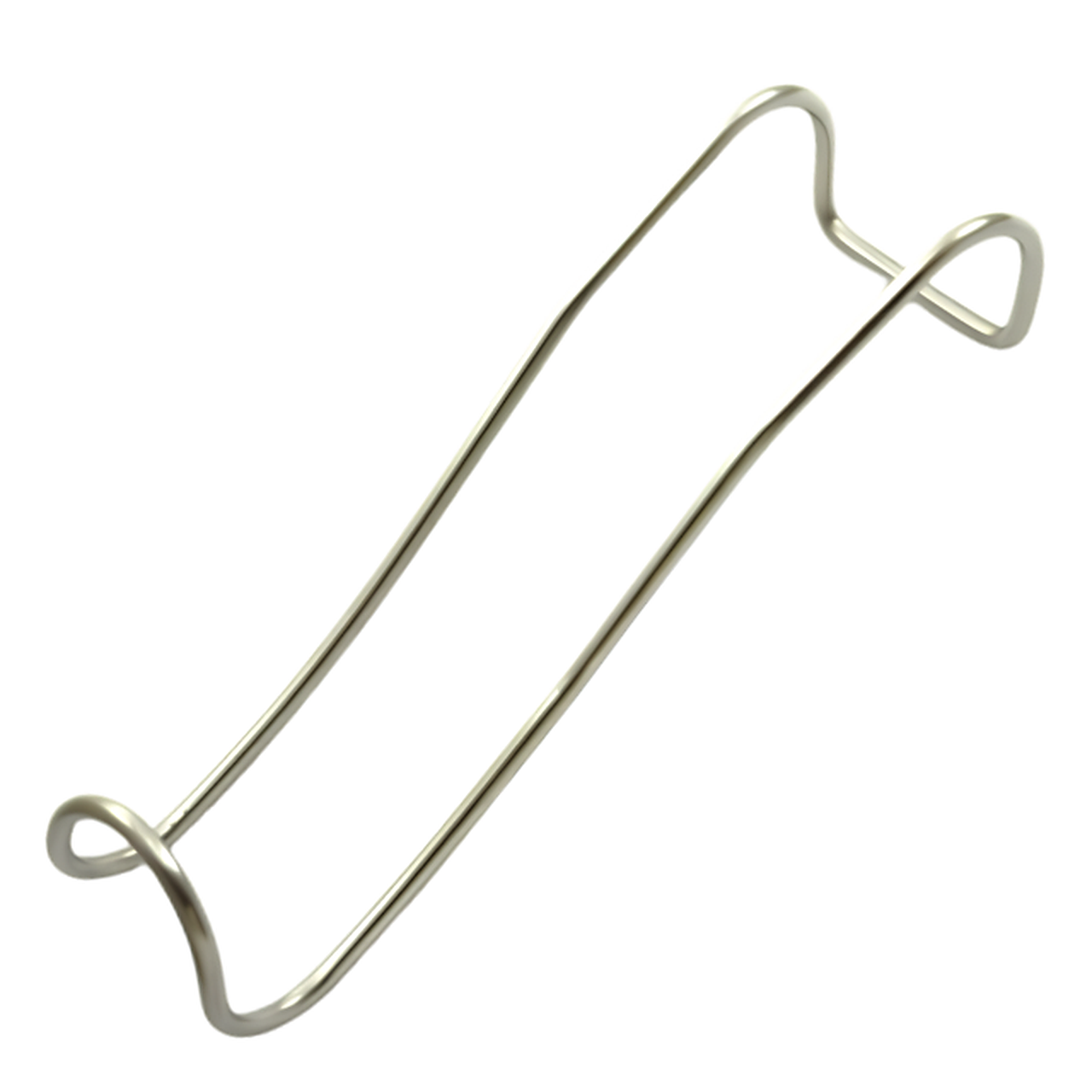 | Sternberg Çift Uçlu Ekartör | Diş, ağız ve yutak cerrahisi sırasında dudakları, yanakları ve ağız mukozasını ekartaj yapmak için özel olarak tasarlanmıştır. |
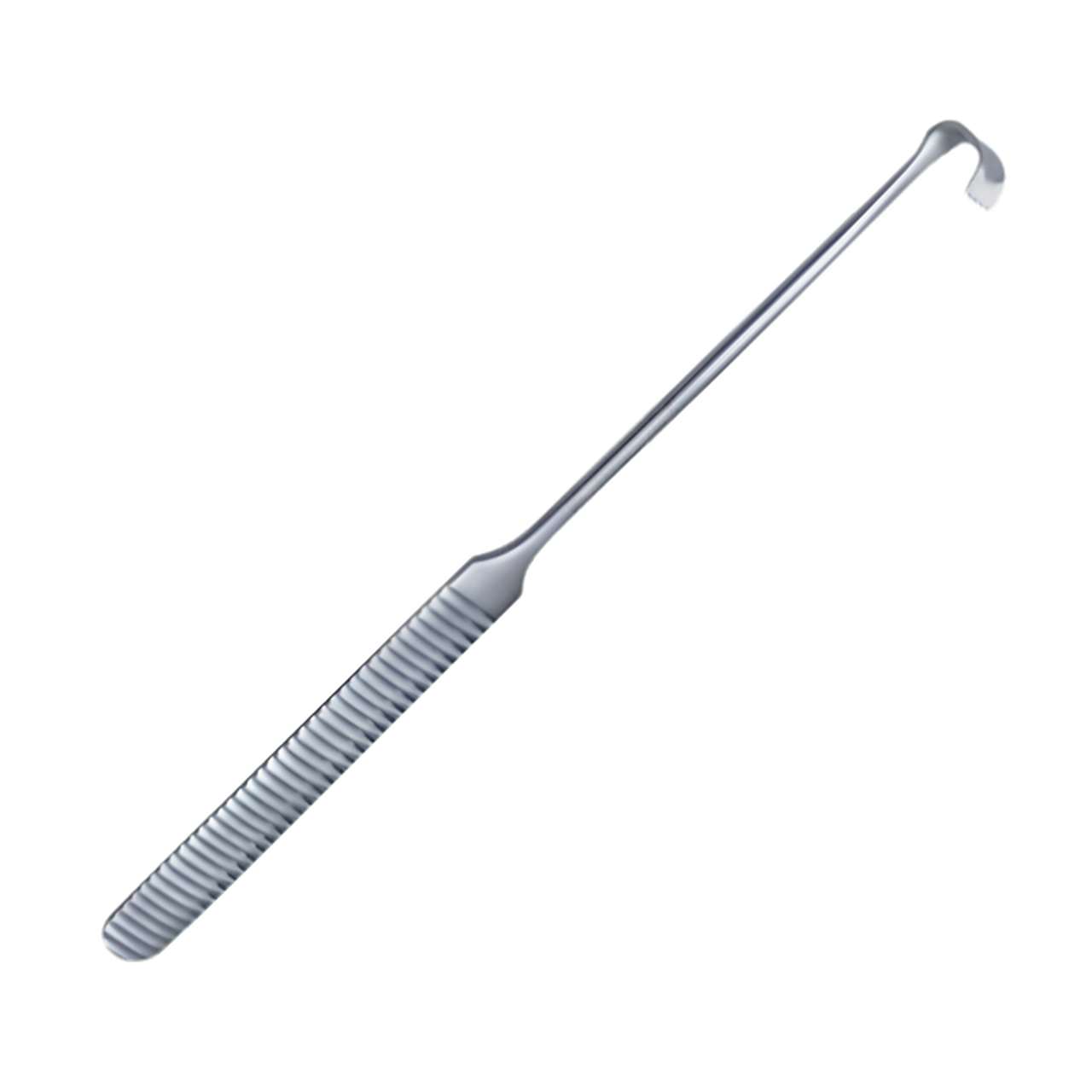 | Strandell Stille Ekartör | Plastik, el ve küçük cerrahiler sırasında cilt kenarlarını, fasyayı ve yumuşak dokuları ekarte etmek için özel olarak tasarlanmıştır. |
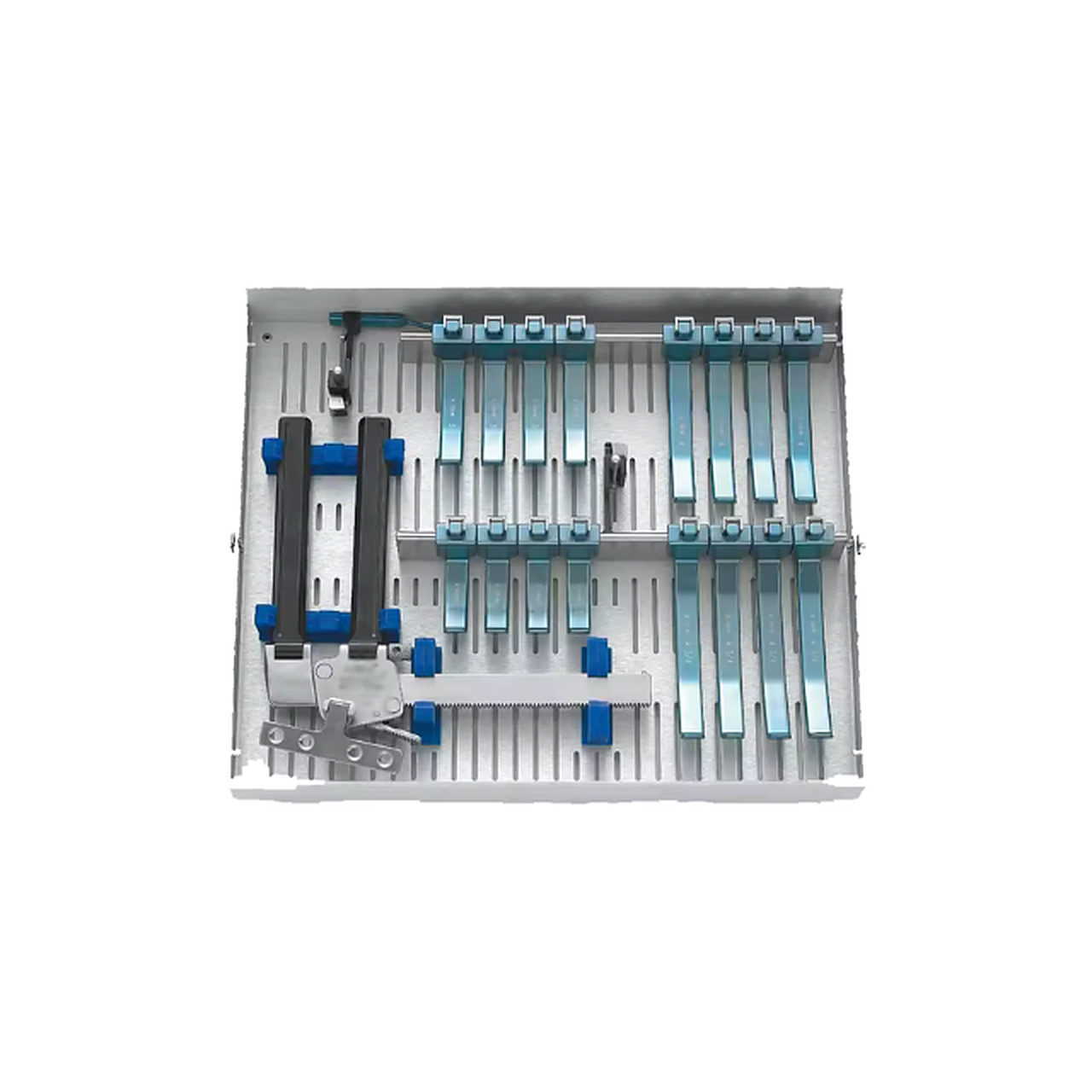 | Super-Slide Laminectomy Retractor | Laminektomi ve ilgili spinal prosedürler sırasında kontrollü doku ekartasyonu ve cerrahi görüş alanı sağlamak için özel olarak tasarlanmıştır. |
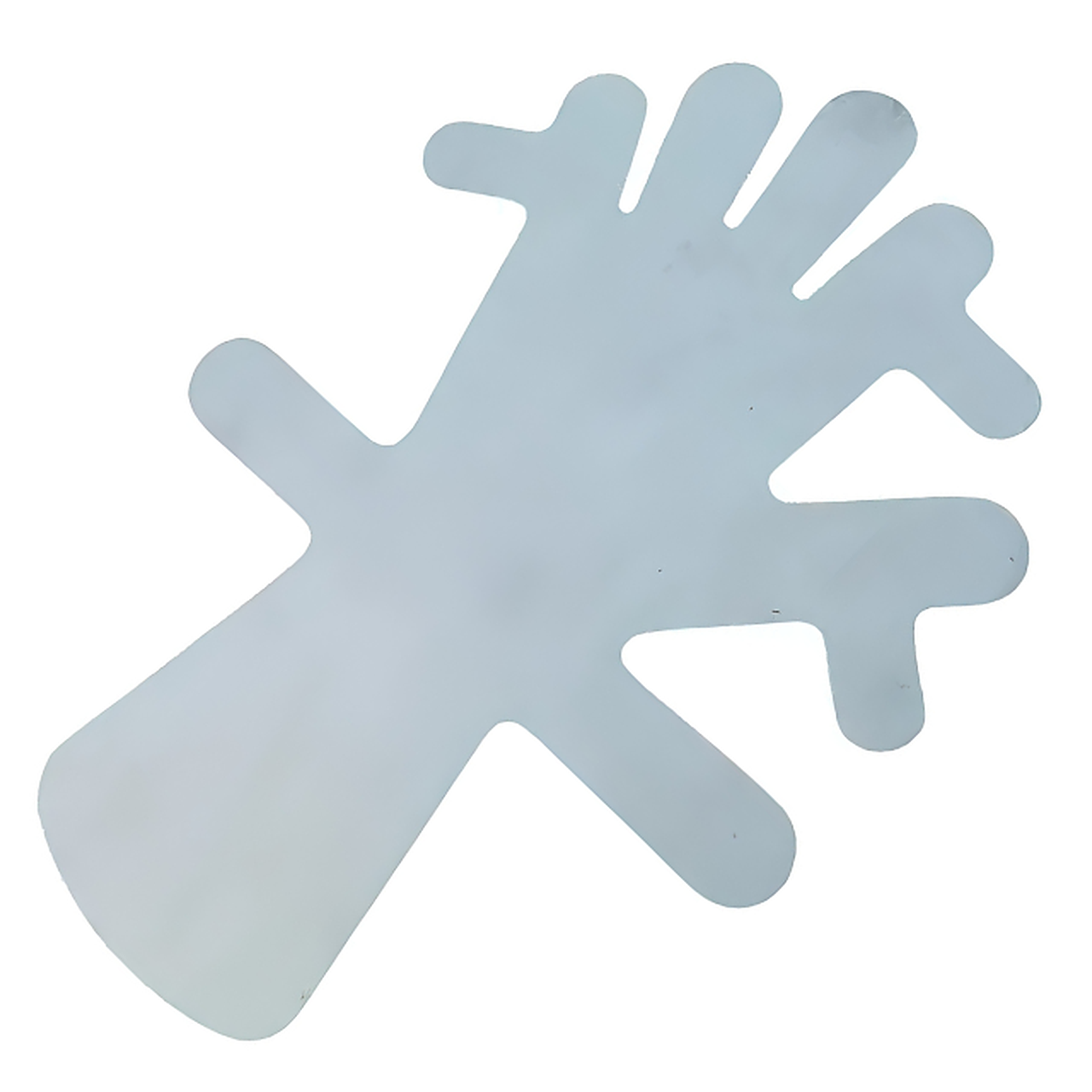 | Surgical Lead Hand Retractor Plate | Plastik, ortopedik ve rekonstrüktif el cerrahisi sırasında eli ve parmakları immobilize etmek ve konumlandırmak için özel olarak tasarlanmıştır. |
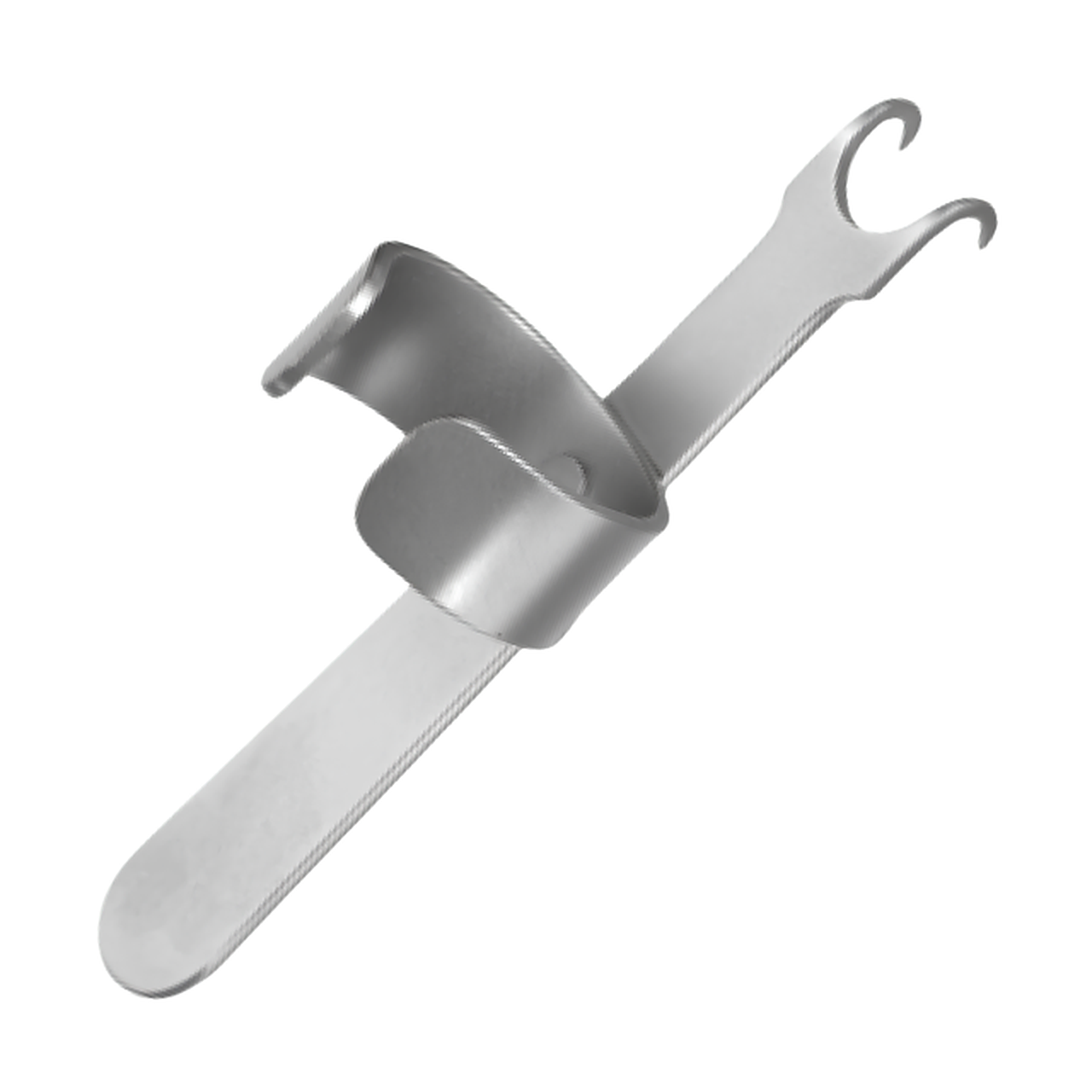 | Döner Halkalı Nazal Ekartör | Rinoplasti sırasında nazal deri fleplerini yükseltmek ve alar kıkırdağı dinamik olarak ekartör ile geri çekmek için özel olarak tasarlanmıştır. |
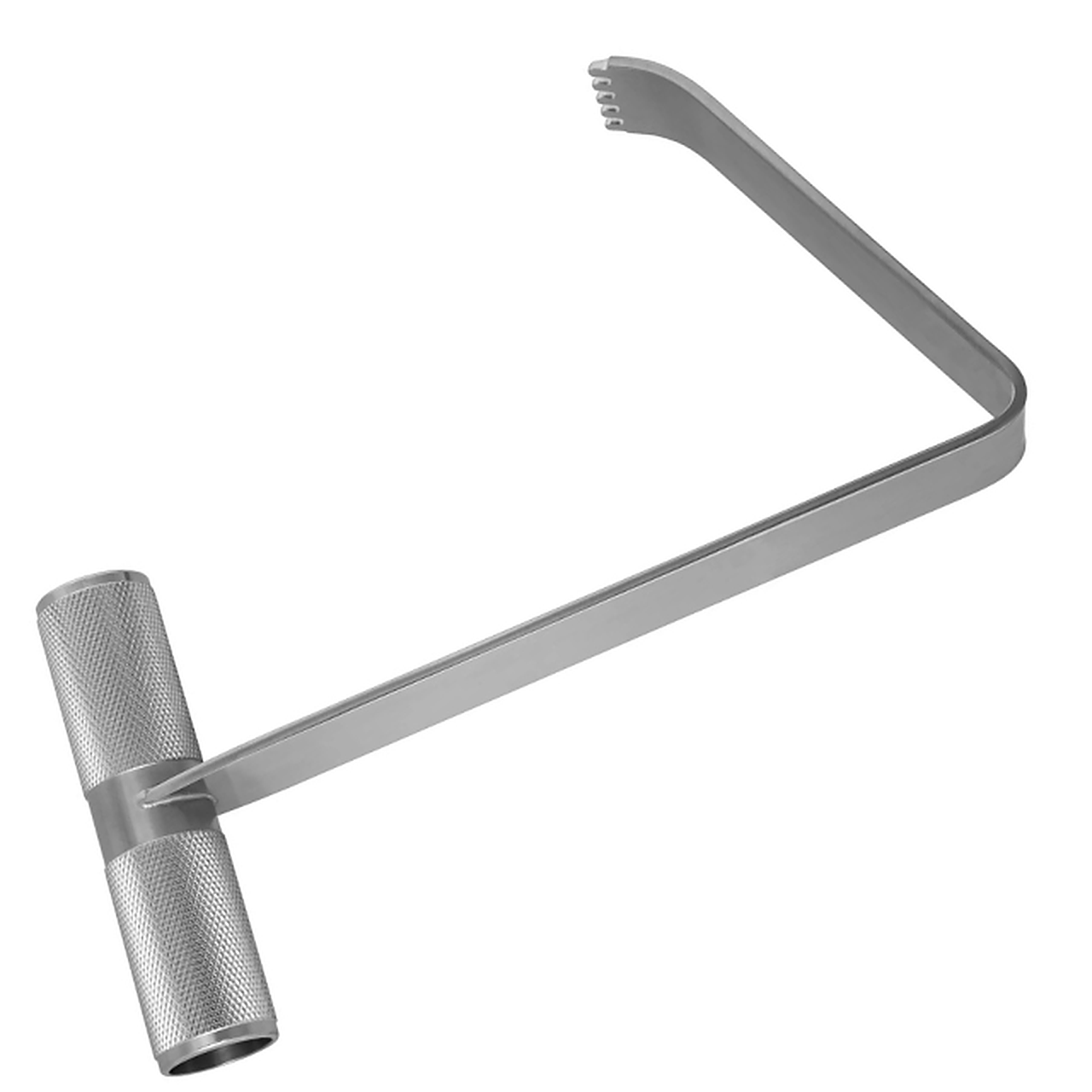 | T Saplı Retraktör Açılı Blade | Ortopedik cerrahi sırasında maksimum manuel çekme kaldıracı ile ağır kas tabakalarını, fasyayı ve yumuşak dokuyu ekarté etmek için özel olarak tasarlanmıştır. |
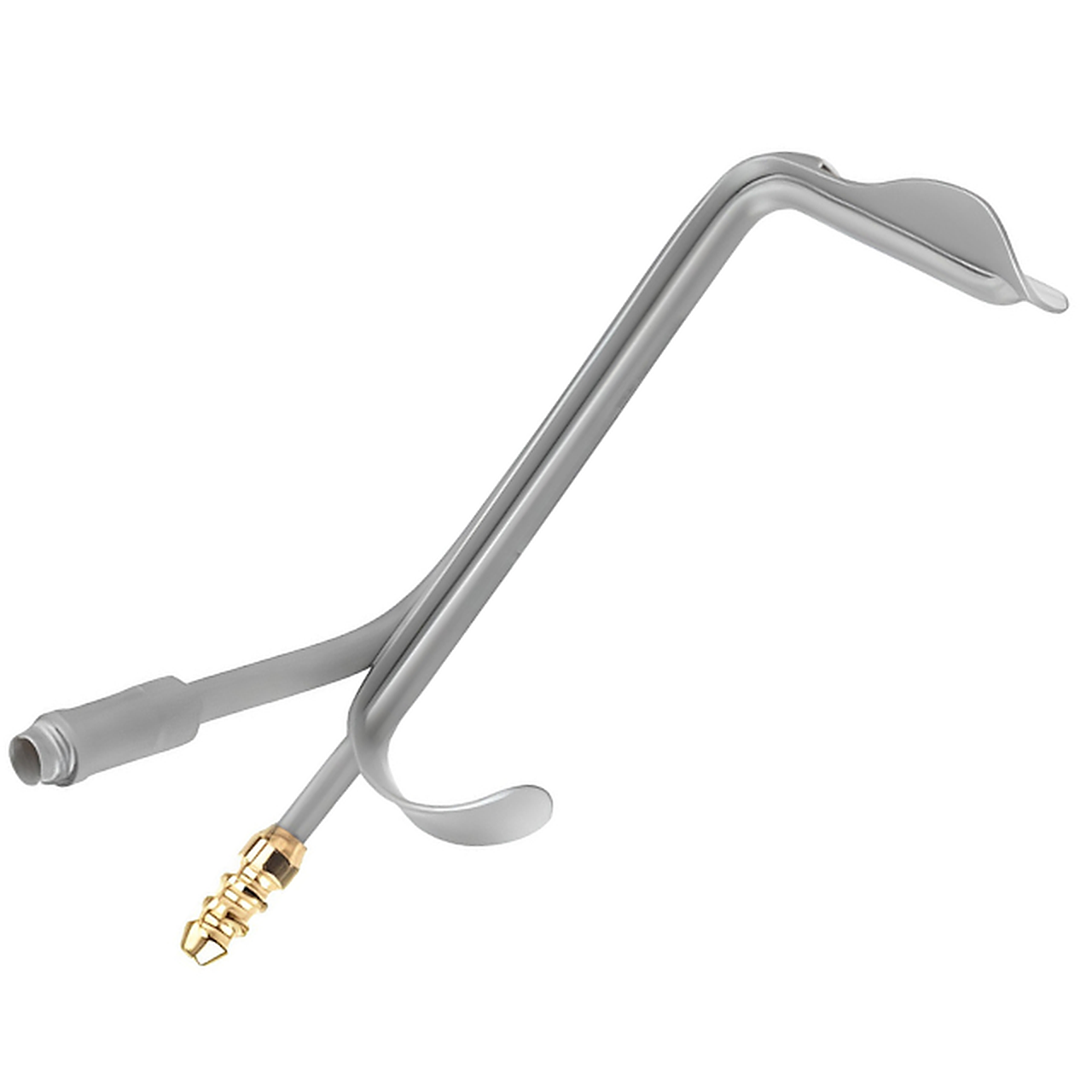 | Talei Boyun Germe Ekartörü "Benetrator 2" | Deep plane boyun germe ve platismoplasti sırasında servikal flepleri kaldırmak, cerrahi sıvıları temizlemek ve platismayı ekarte etmek için özel olarak tasarlanmıştır. |
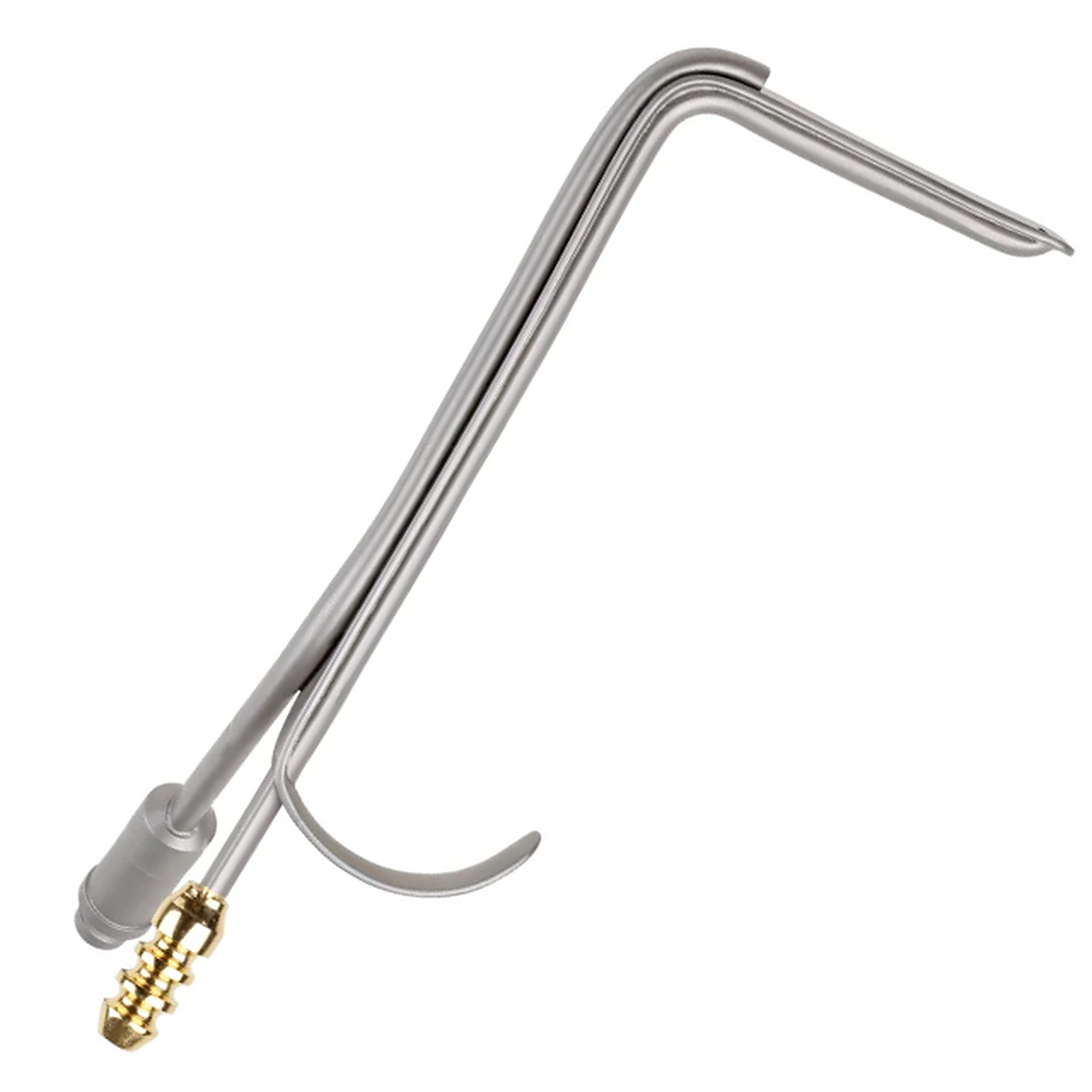 | Talei Necklift Retractor Narrow “Le Petit Benetrator” | Derin plan boyun germe ve platisma plasti sırasında servikal flepleri kaldırmak ve platisma kasını ekarte etmek için özel olarak tasarlanmıştır. |
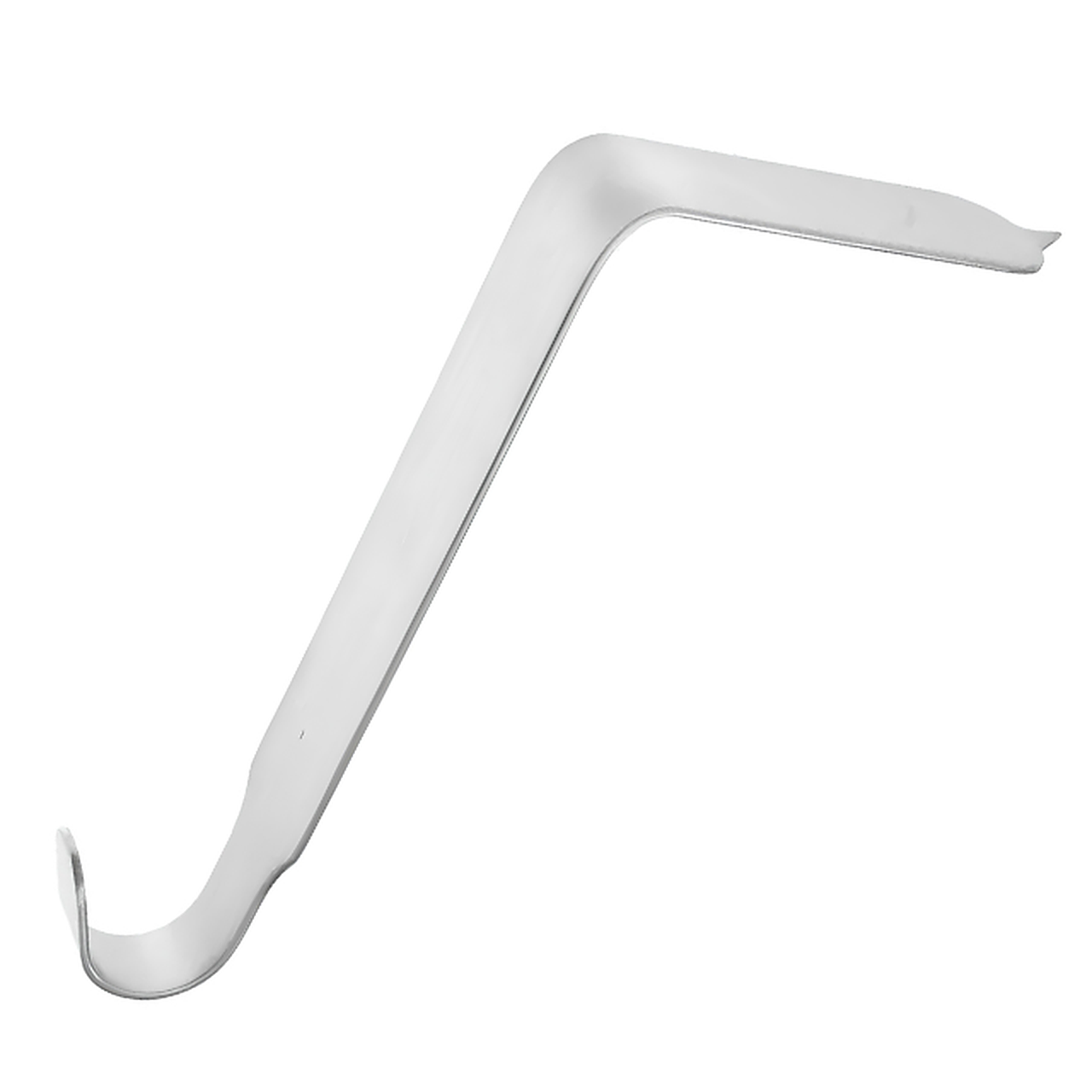 | Taylor Spinal Retractor | Spinal laminektomi sırasında ağır paraspinal kas sistemini ekarte etmek ve spinöz çıkıntıya karşı sabitlemek için özel olarak tasarlanmıştır. |
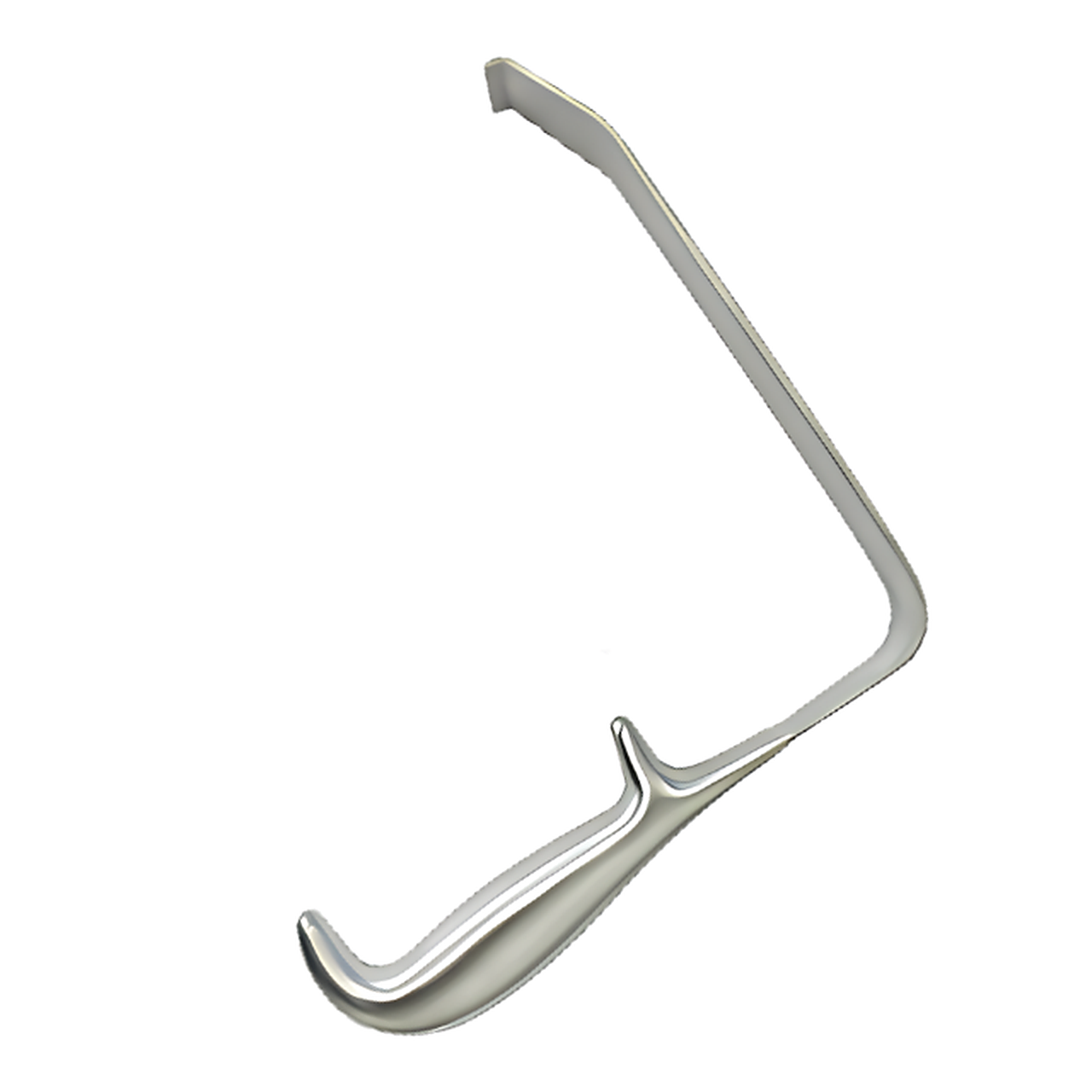 | Tebbetts Breast Retractor | Meme cerrahisi sırasında doku fleplerini kaldırmak ve submusküler veya subglandüler cepler oluşturmak için özel olarak tasarlanmıştır. |
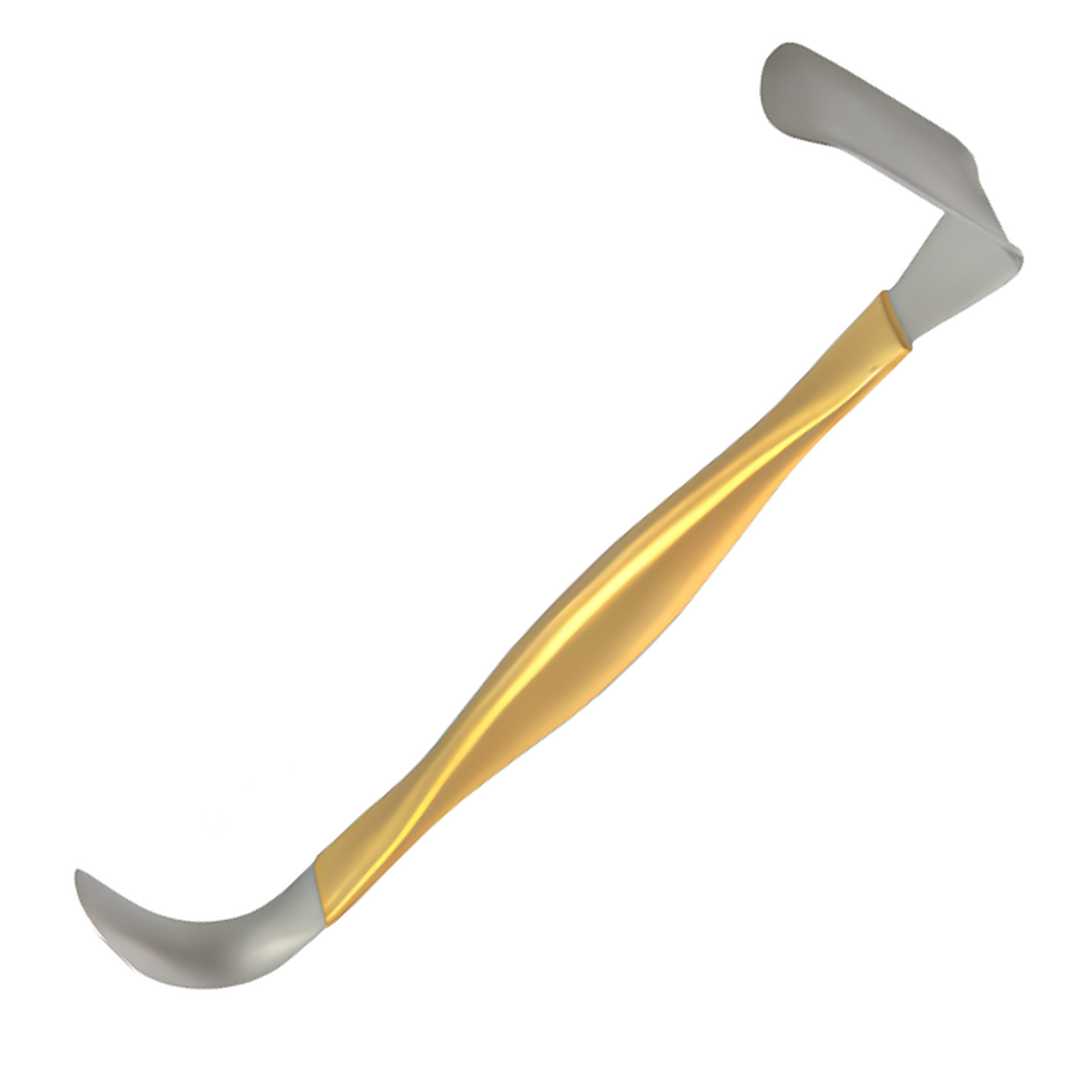 | Tebbetts Çift Uçlu Meme Ekartörü | Meme büyütme ve rekonstrüksiyonu sırasında çift uçlu doku retraksiyonu ve cep ekspojürü sağlamak için özel olarak tasarlanmıştır. |
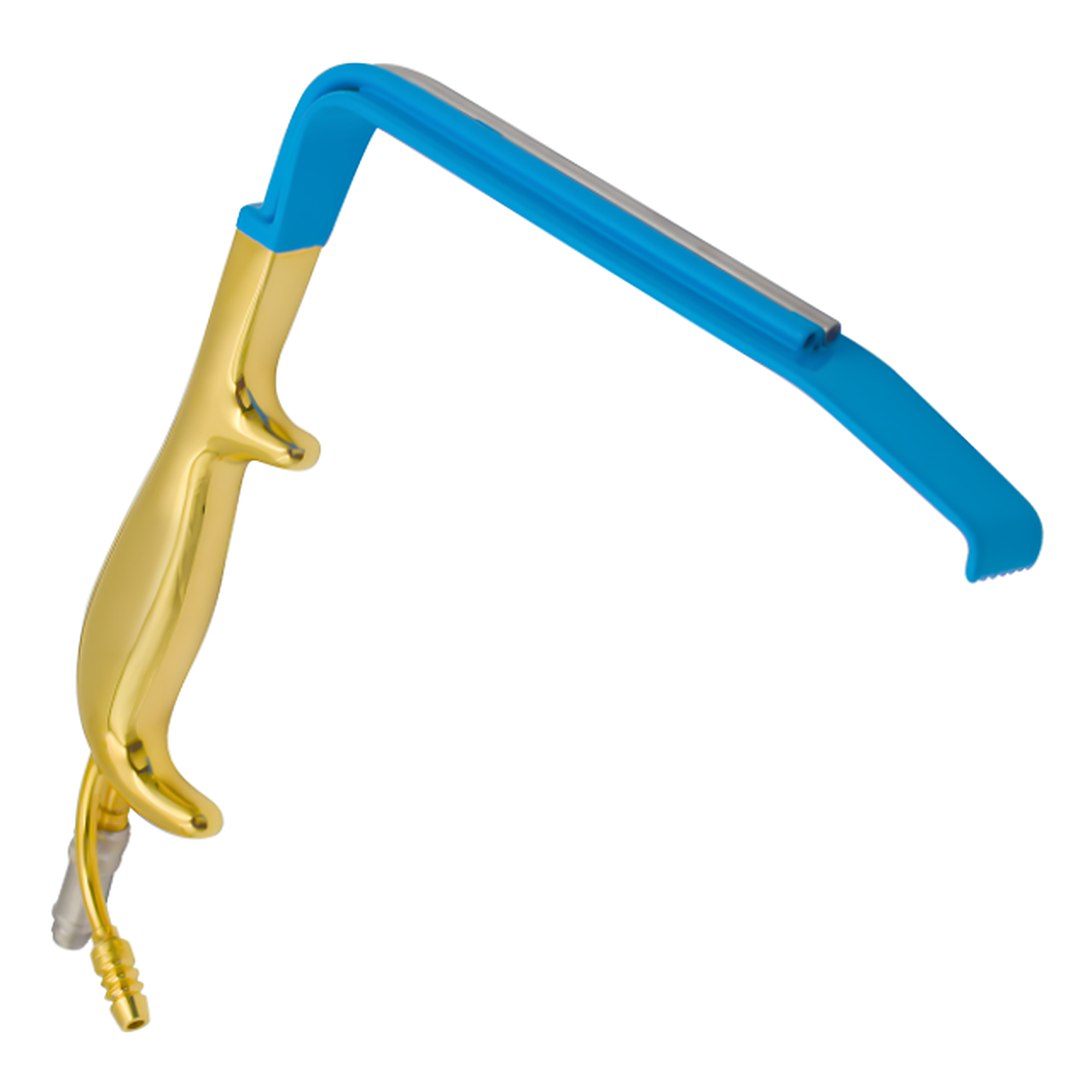 | Tebbetts Fiber Optik Meme Büyütme Ekartörü | Meme cerrahisi sırasında doku fleplerini kaldırmak, derin meme ceplerini aydınlatmak ve hemostazı doğrulamak için özel olarak tasarlanmıştır. |
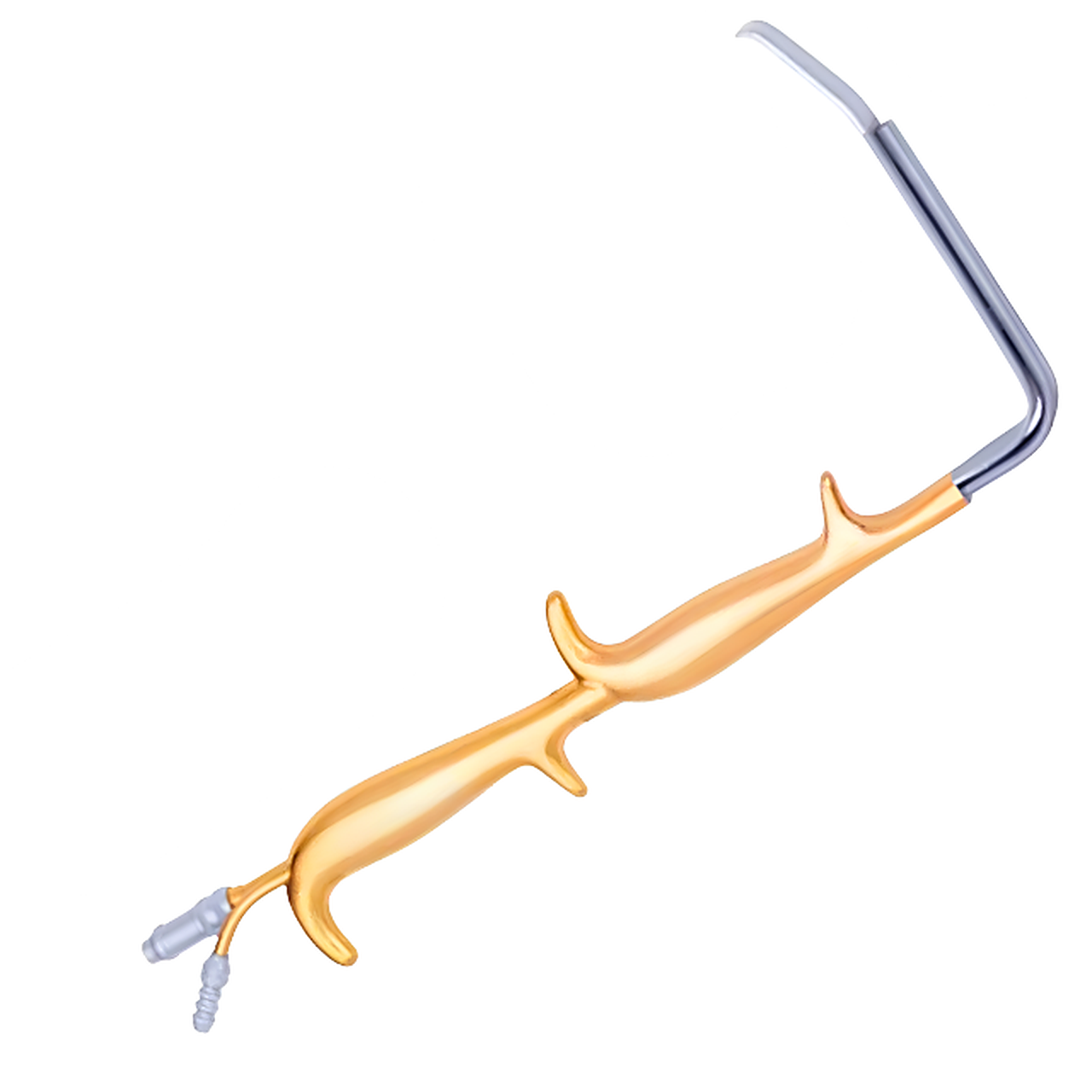 | Tebbetts Fiber Optik Meme Büyütme Ekartörü, Çift Saplı | Meme büyütme ve rekonstrüksiyonu sırasında iki elle güç uygulayarak ışıklı doku retraksiyonu sağlamak için özel olarak tasarlanmıştır. |
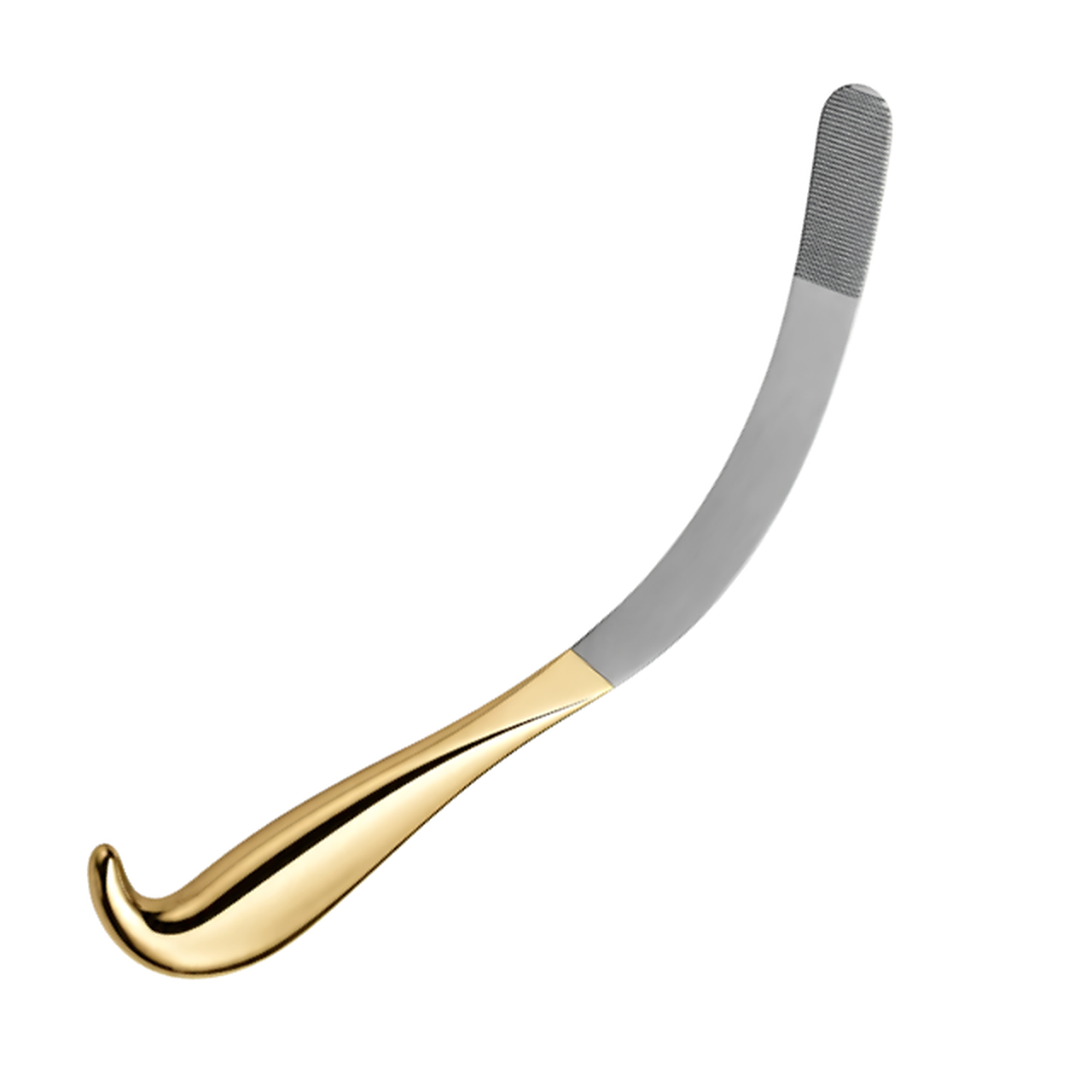 | Tebbetts Spatula Meme Ekartörü | Meme büyütme ve rekonstrüksiyonu sırasında doku fleplerini kaldırmak ve subpektoral cepler oluşturmak için özel olarak tasarlanmıştır. |
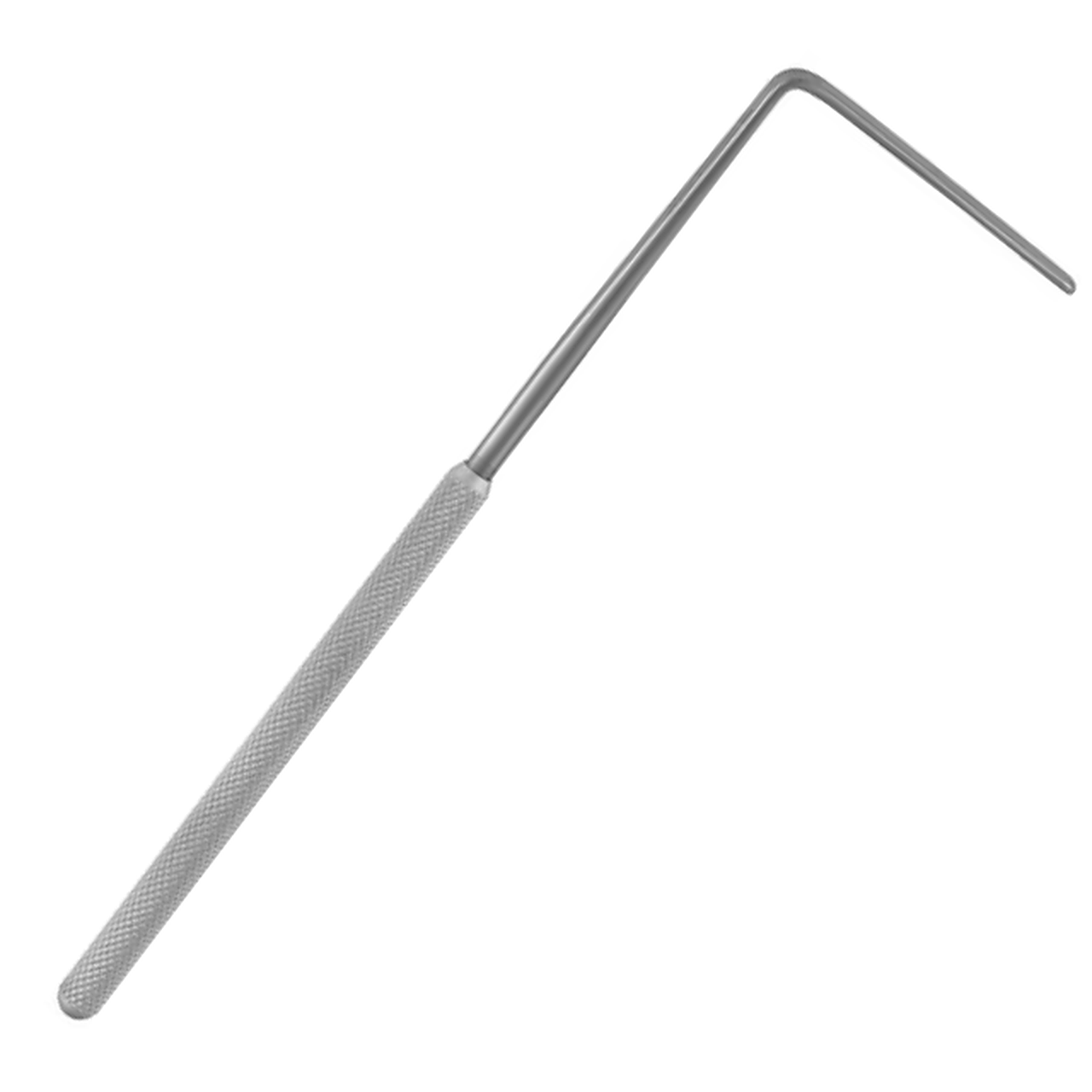 | Terry Nasal Retractor | Estetik ve rekonstrüktif rinoplasti sırasında nazal deri fleplerini kaldırmak ve kıkırdağı ekarte etmek için özel olarak tasarlanmıştır. |
 | Tessier Malleable Ribbon Retractor | Kraniyofasiyal cerrahi sırasında perioküler yumuşak dokuları ekarte etmek ve göz küresini korumak amacıyla özel şekillere bükülmek üzere tasarlanmıştır. |
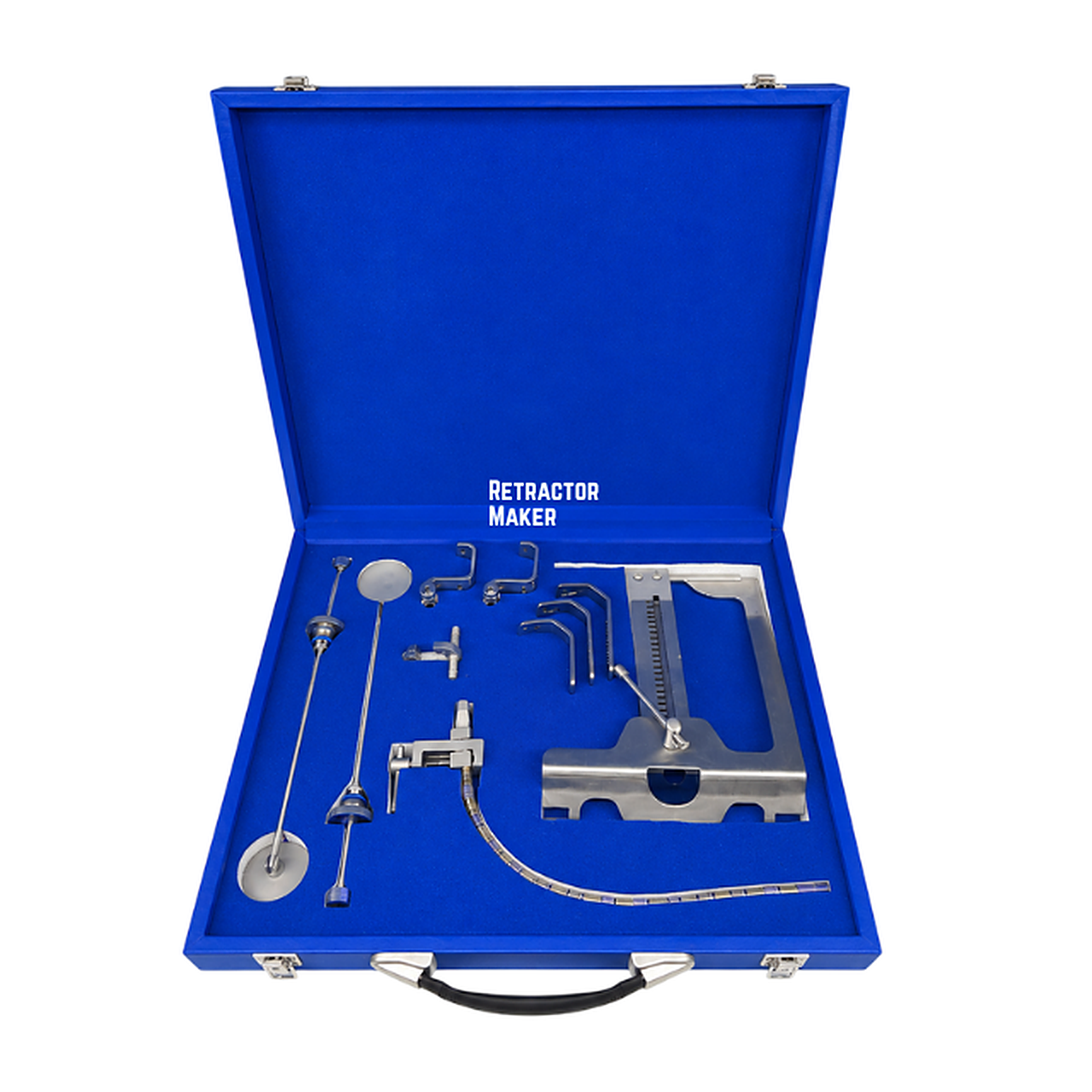 | ThoraGate Rib Up Ekartör Sistemi | Minitorakotomi yoluyla MIDCAB yaklaşımları dahil olmak üzere, torasik prosedürler ve minimal invaziv kalp ameliyatları sırasında stabil interkostal elevasyon ve cerrahi ekspojur sağlamak üzere özel olarak tasarlanmıştır. |
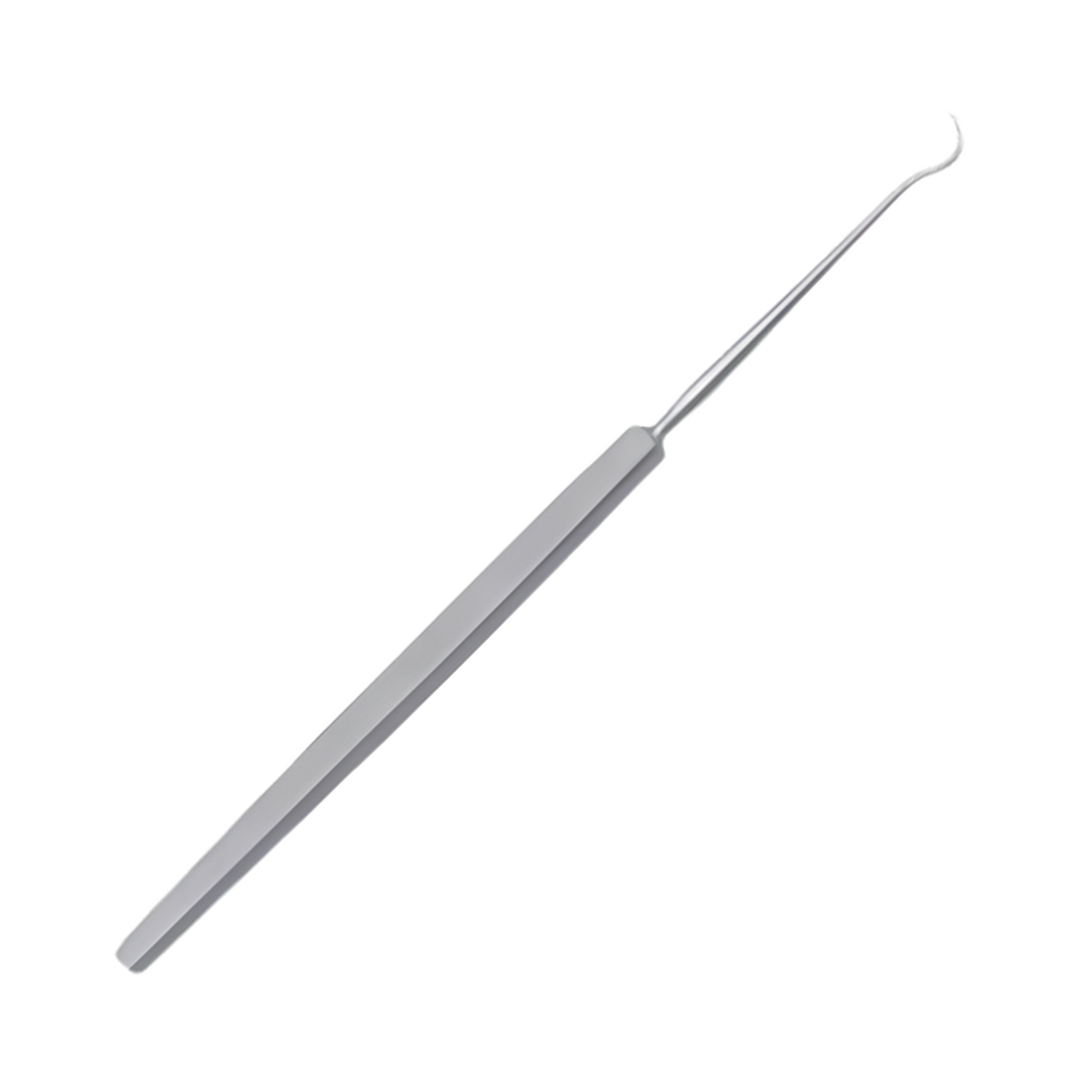 | Toennis Sinir Kökü Ekartörü | Lomber diskektomi sırasında geçen spinal sinir köklerini ve tekal sakı mobilize etmek, desteklemek ve korumak için özel olarak tasarlanmıştır. |
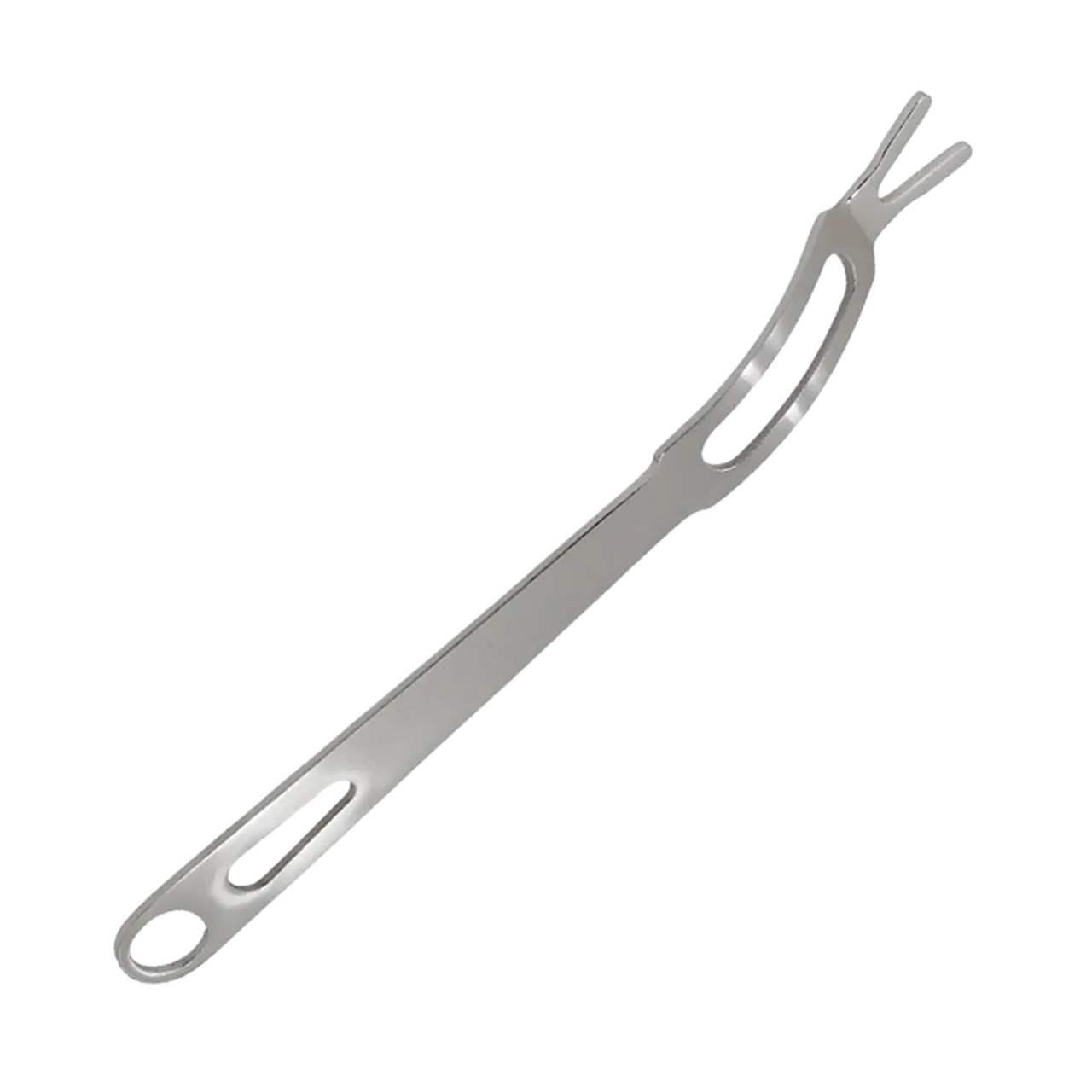 | Total ve Ters Omuz Artroplastisi Glenosfer Bileşen Ekartörü | Ters ve total omuz artroplastisi sırasında humerusu posteriora kaydırmak ve glenoid boşluğunu açığa çıkarmak için özel olarak tasarlanmıştır. |
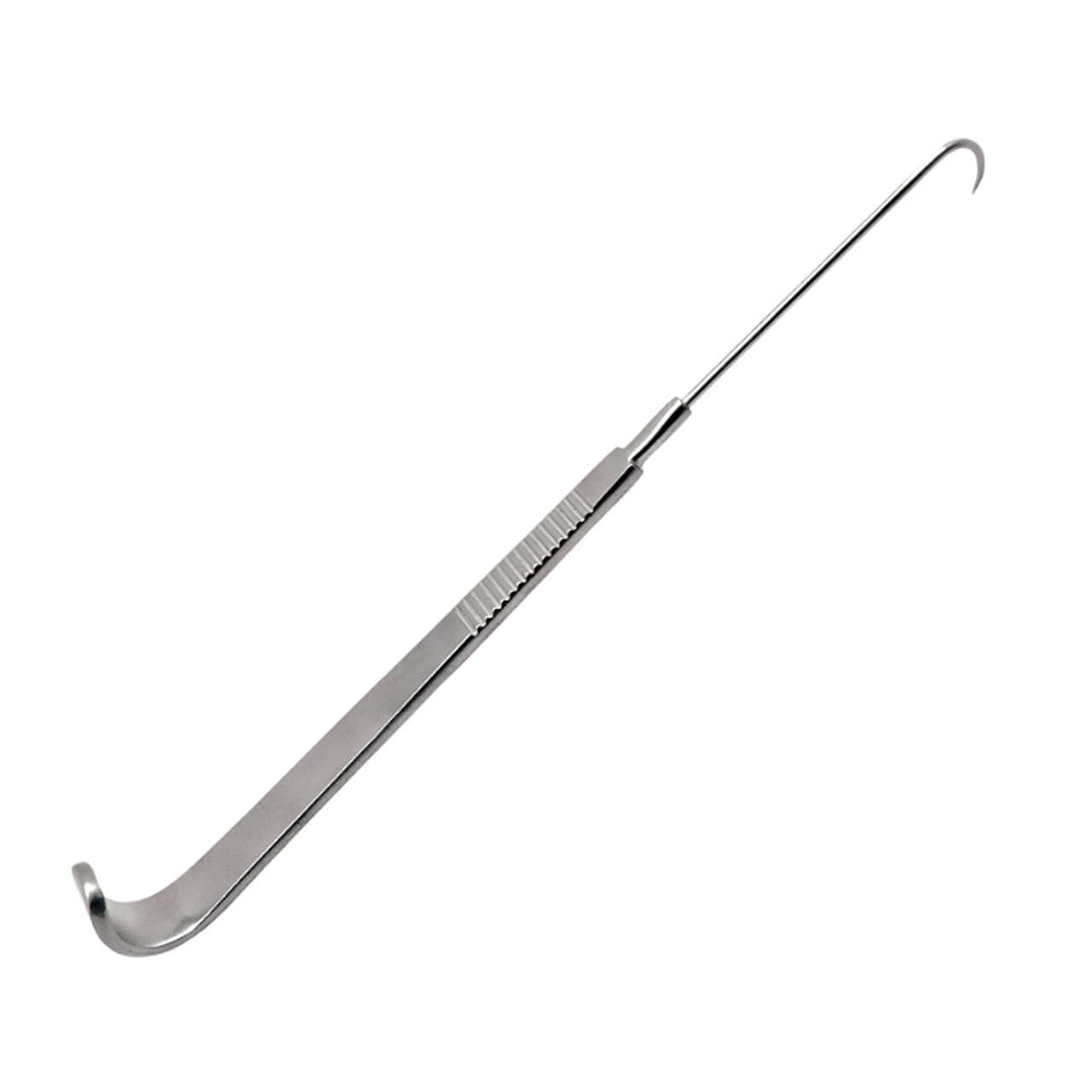 | Trakeal Kanca/Retraktör | Acil ve elektif trakeostomi prosedürleri sırasında trakeayı yükseltmek ve stabilize etmek için özel olarak tasarlanmıştır. |
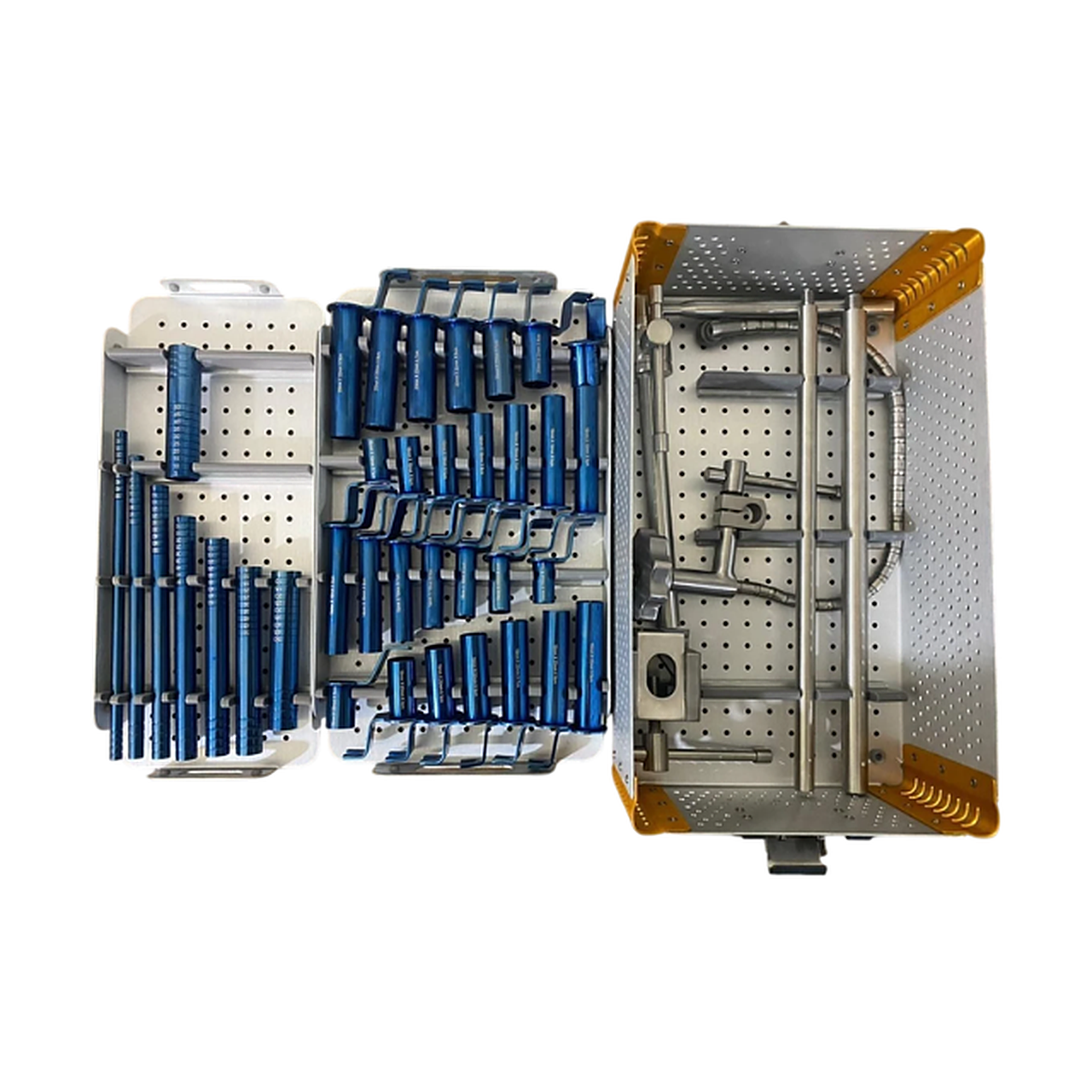 | Tübüler Ekartör Sistemi | Diskektomi, laminektomi, stenoz tedavisi, MIS PLIF, MIS TLIF ve servikal foraminotomi sırasında erişimi kolaylaştırır. |
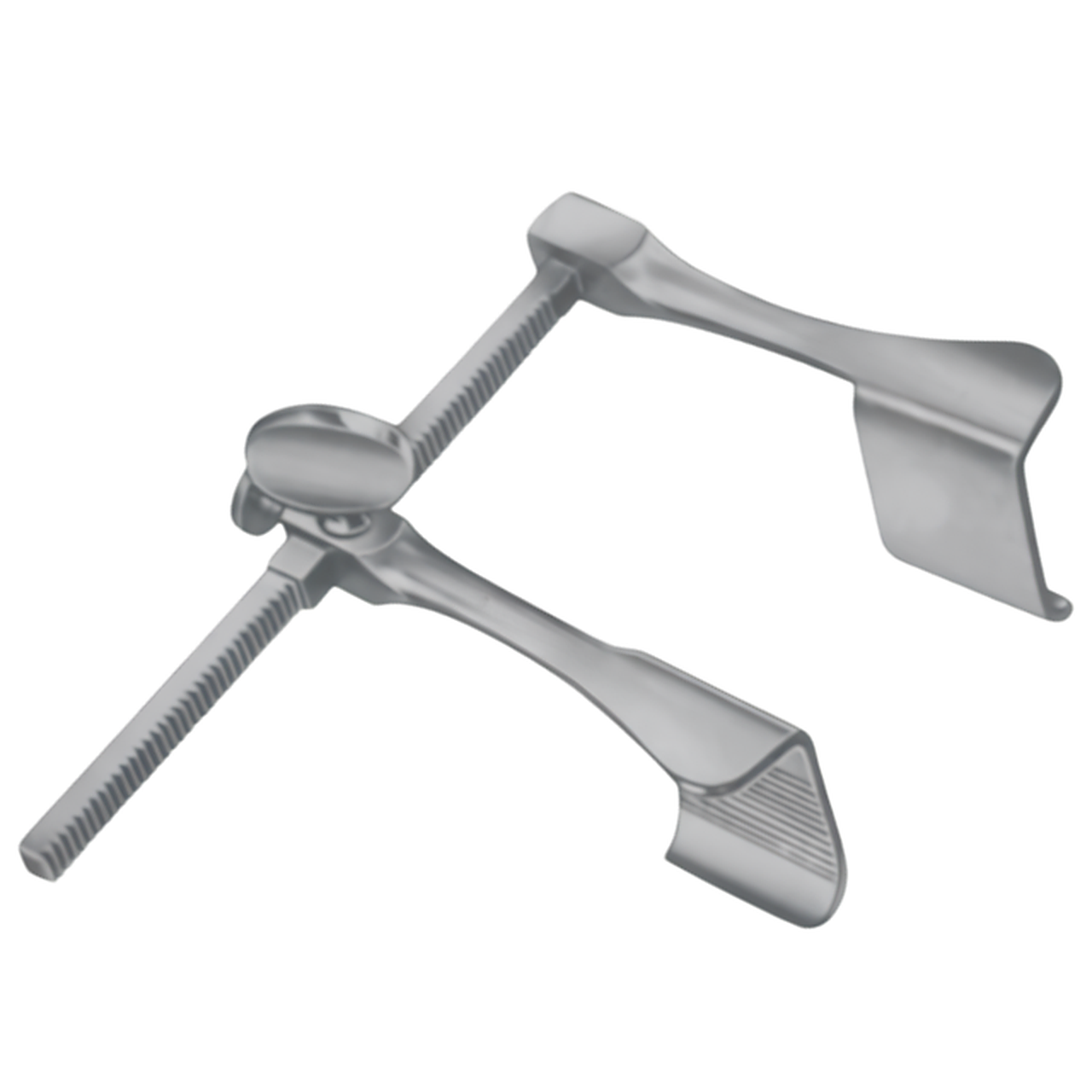 | Tuffier Ekartör (Rib Spreader) | Yetişkin kaburgalarını ayırmak ve açık torakotomi sırasında göğüs boşluğu maruziyetini korumak için özel olarak tasarlanmıştır. |
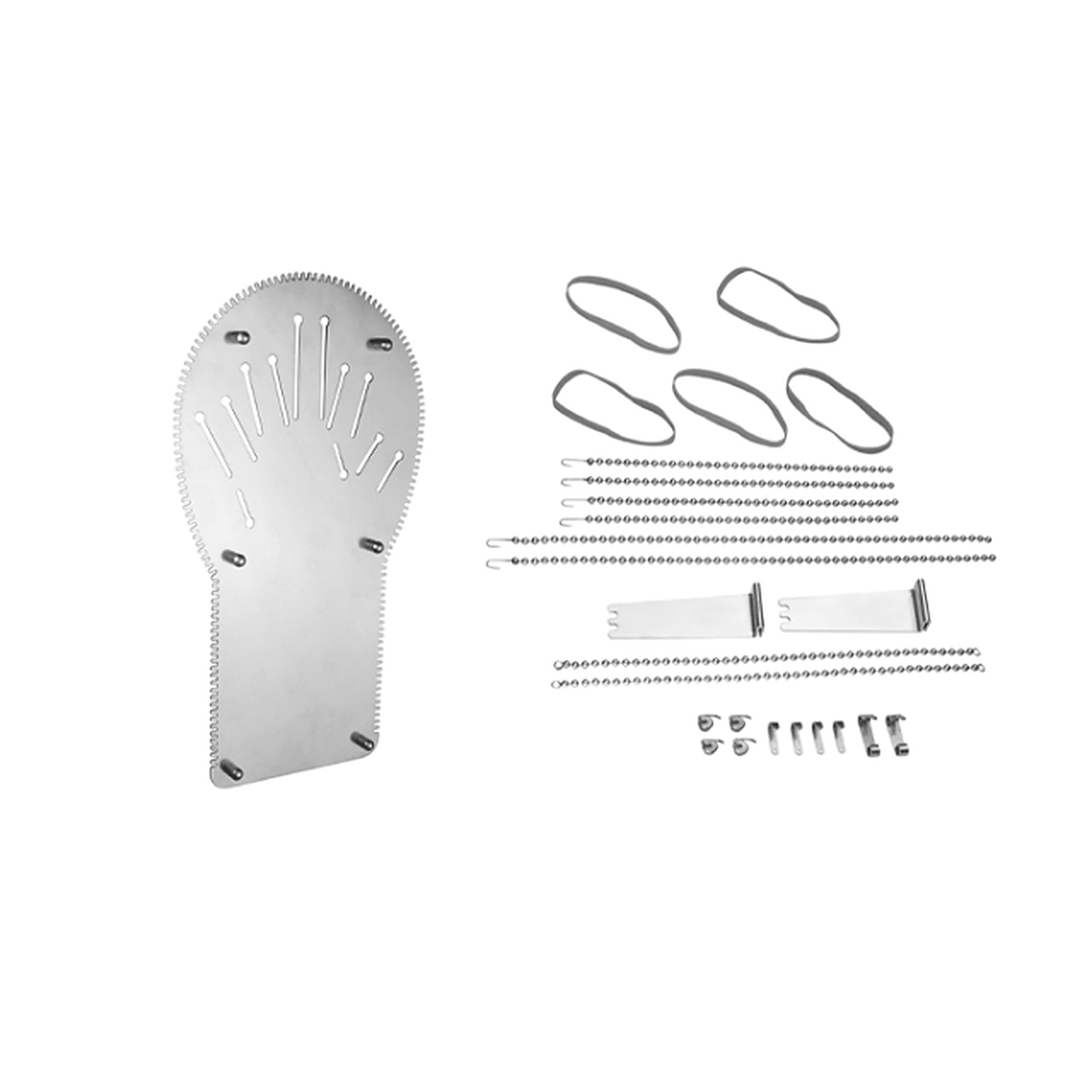 | Tupper’s Universal Hand Retractor | El ve mikrocerrahi prosedürleri sırasında kontrollü doku ekartasyonu, ekstremite stabilizasyonu ve eller serbest cerrahi görüş alanı sağlamak için özel olarak tasarlanmıştır. |
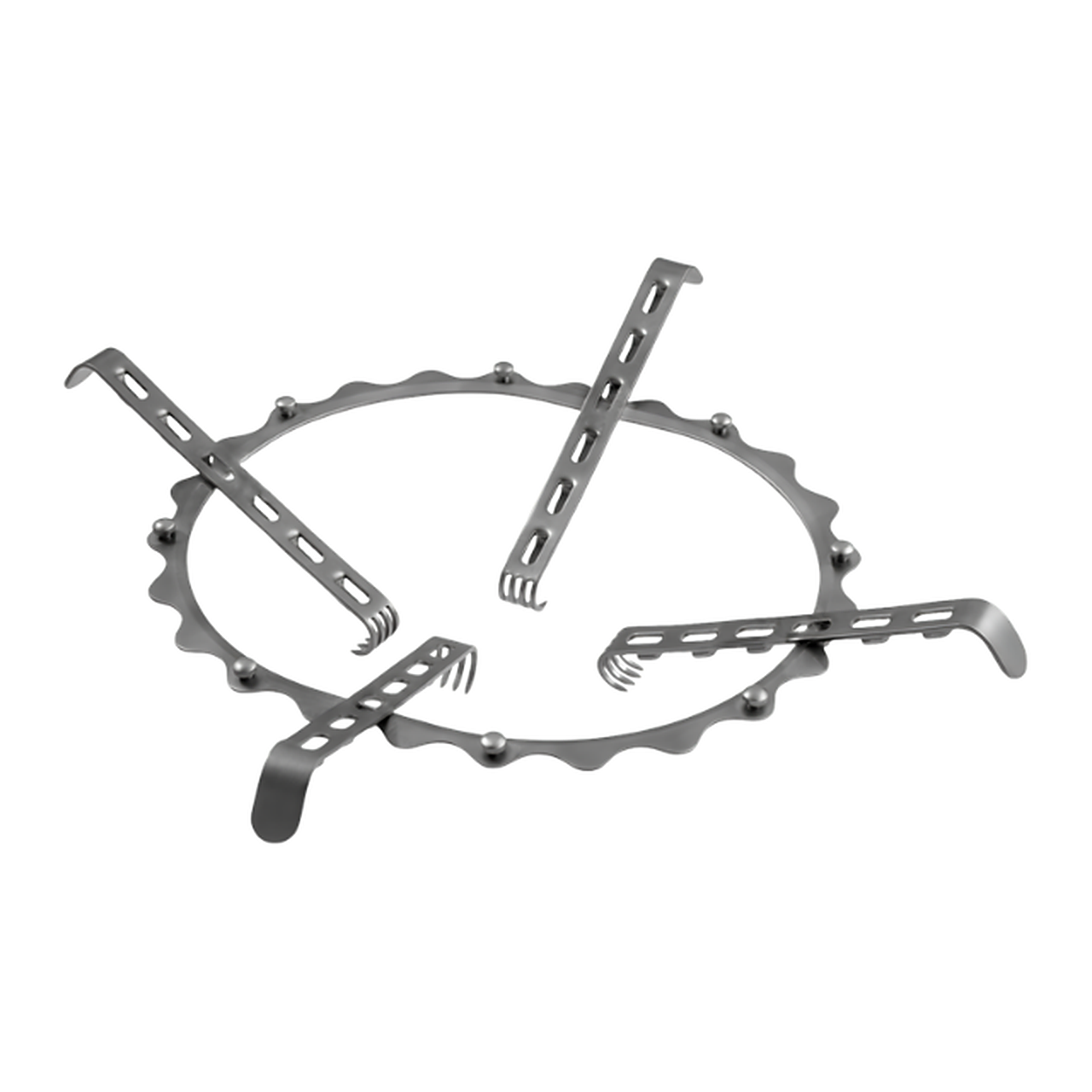 | Turner-Warwick Ürolojik Ekartör | Ürolojik ve pelvik cerrahi sırasında 360 derece kendinden tutmalı yara kenarı ve visseral ekarte sağlamak için özel olarak tasarlanmıştır. |
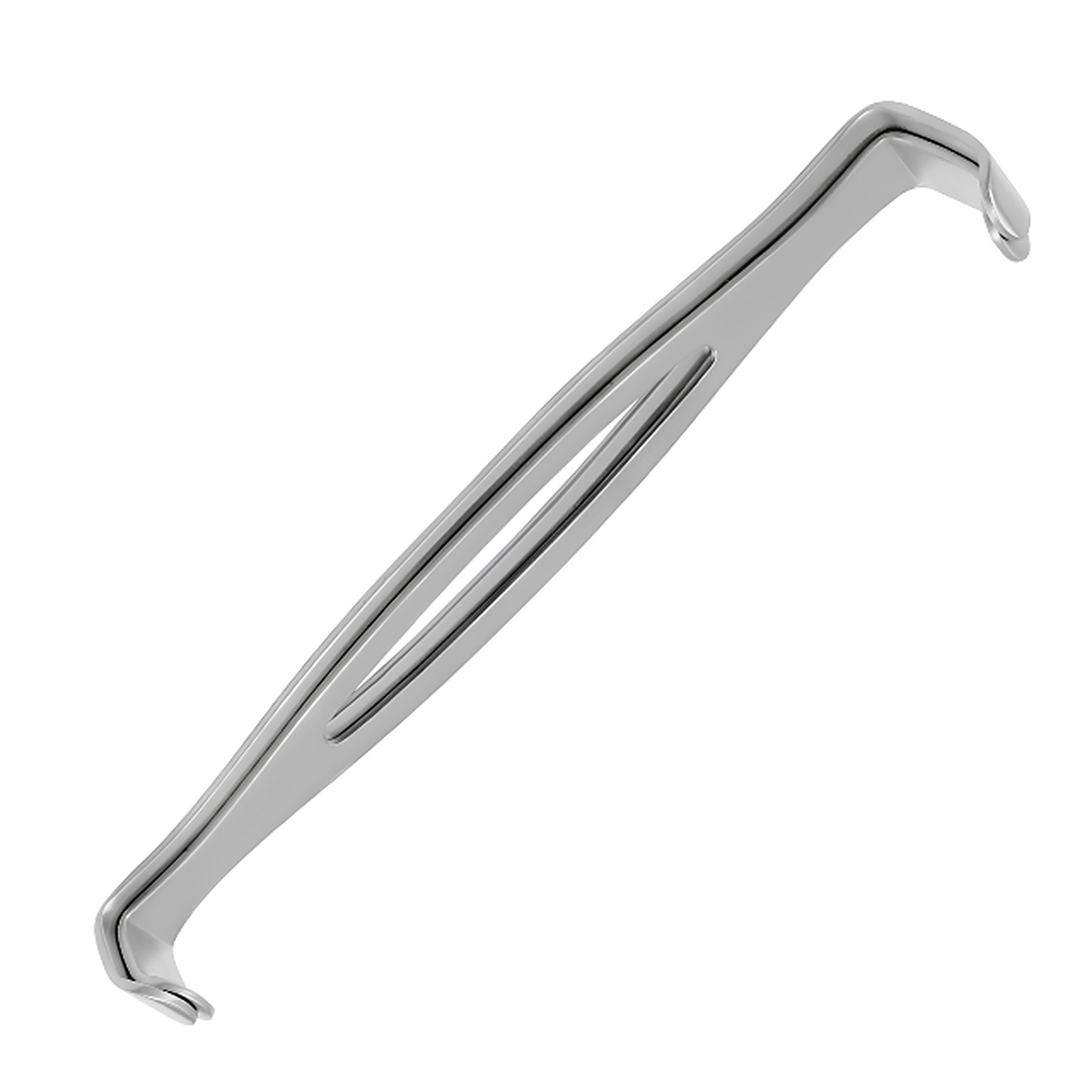 | US Army Ekartör, İkili Set | Yüzeysel ve orta derinlikteki cerrahi insizyonlarda deri kenarlarını, fasyayı ve kas dokusunu ekarte etmek için özel olarak tasarlanmıştır. |
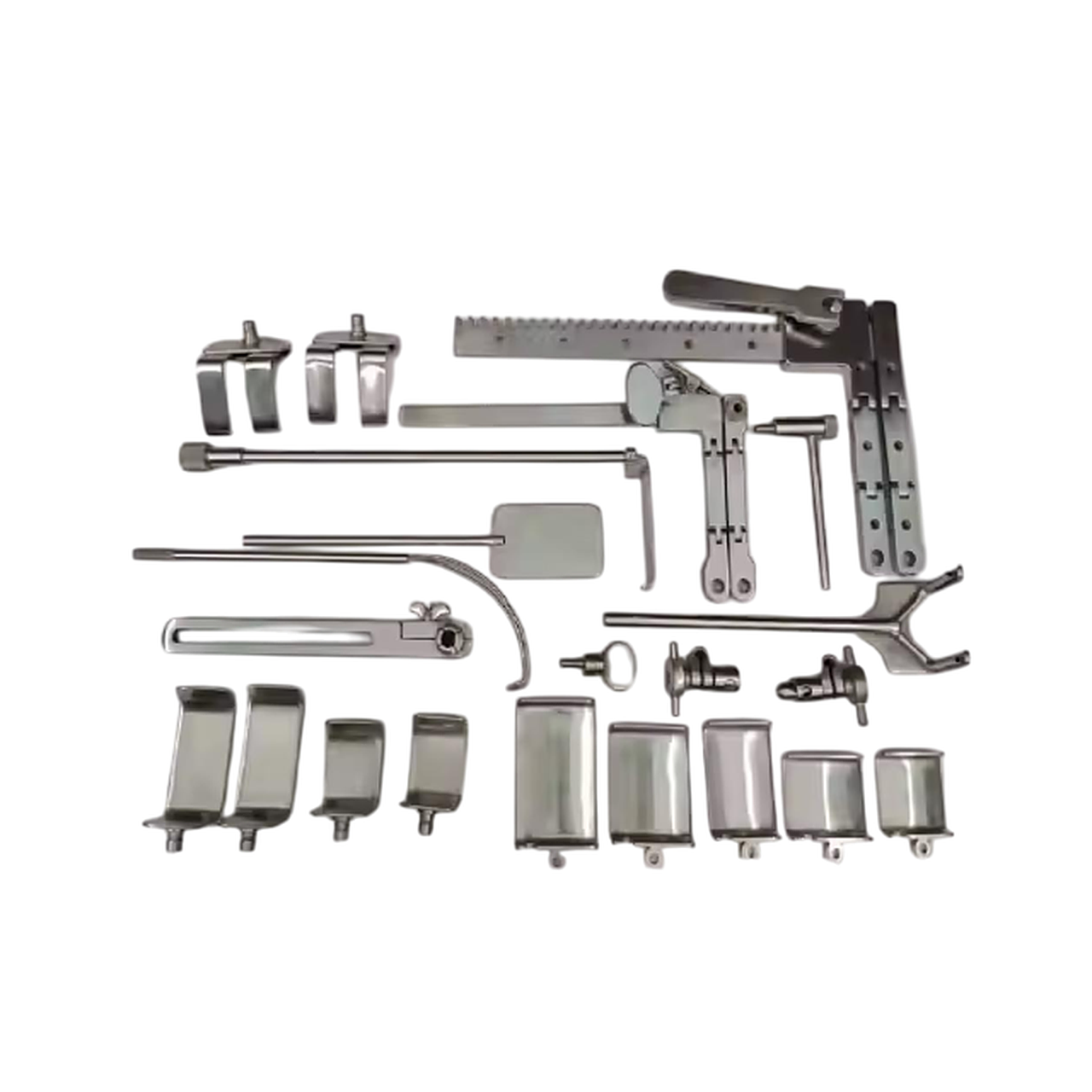 | Valve XS Ekartör Sistemi | Lateral yaklaşım kardiyak prosedürleri, MICS CABG ve atriyum lift kurulumları sırasında stabil doku ekartasyonu ve cerrahi görüş sağlamak için özel olarak tasarlanmıştır. |
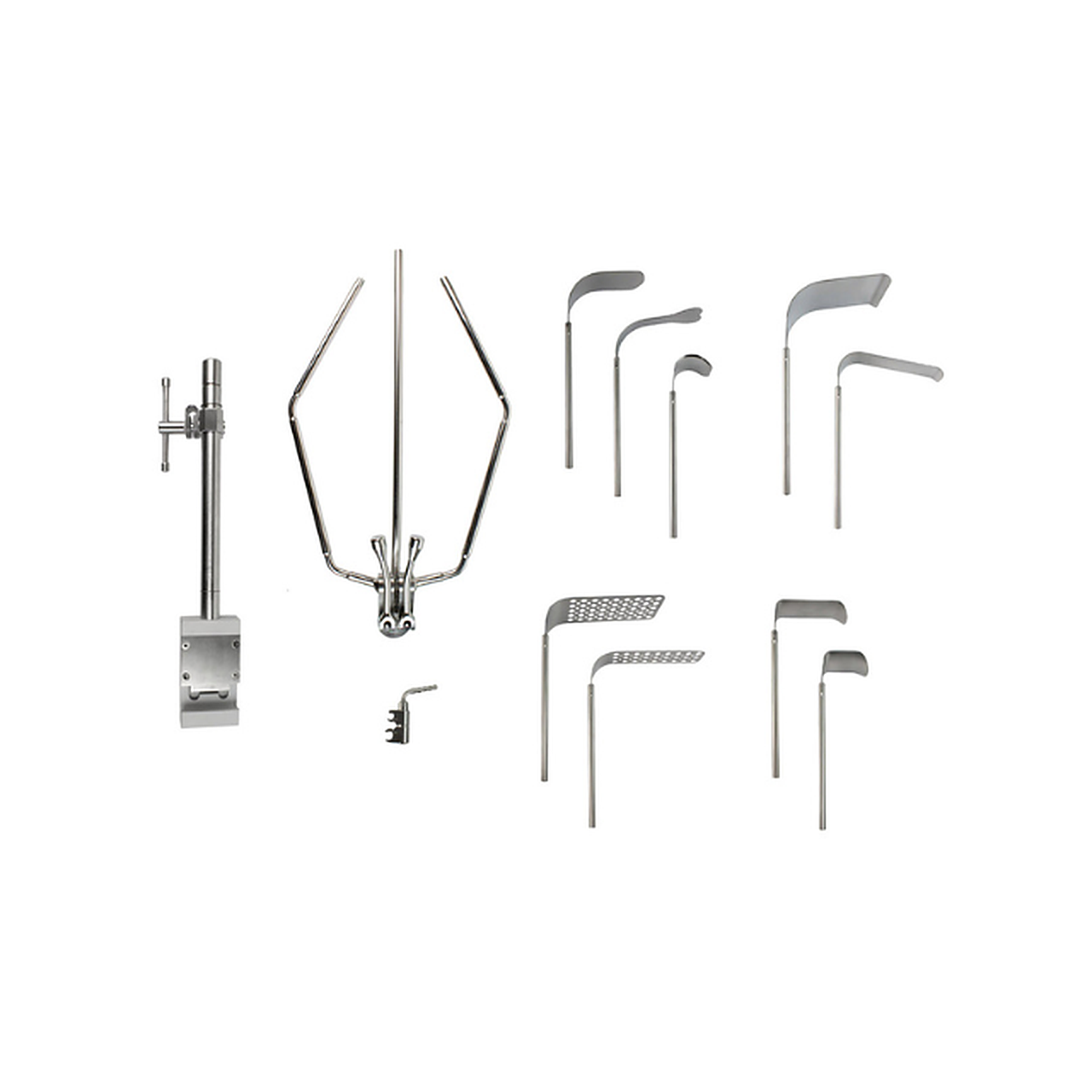 | Vascular Lobster System | Vasküler prosedürler sırasında masaya monte edilen, kendinden tutmalı doku retraksiyonu ve cerrahi saha ekartasyonu için özel olarak tasarlanmıştır. |
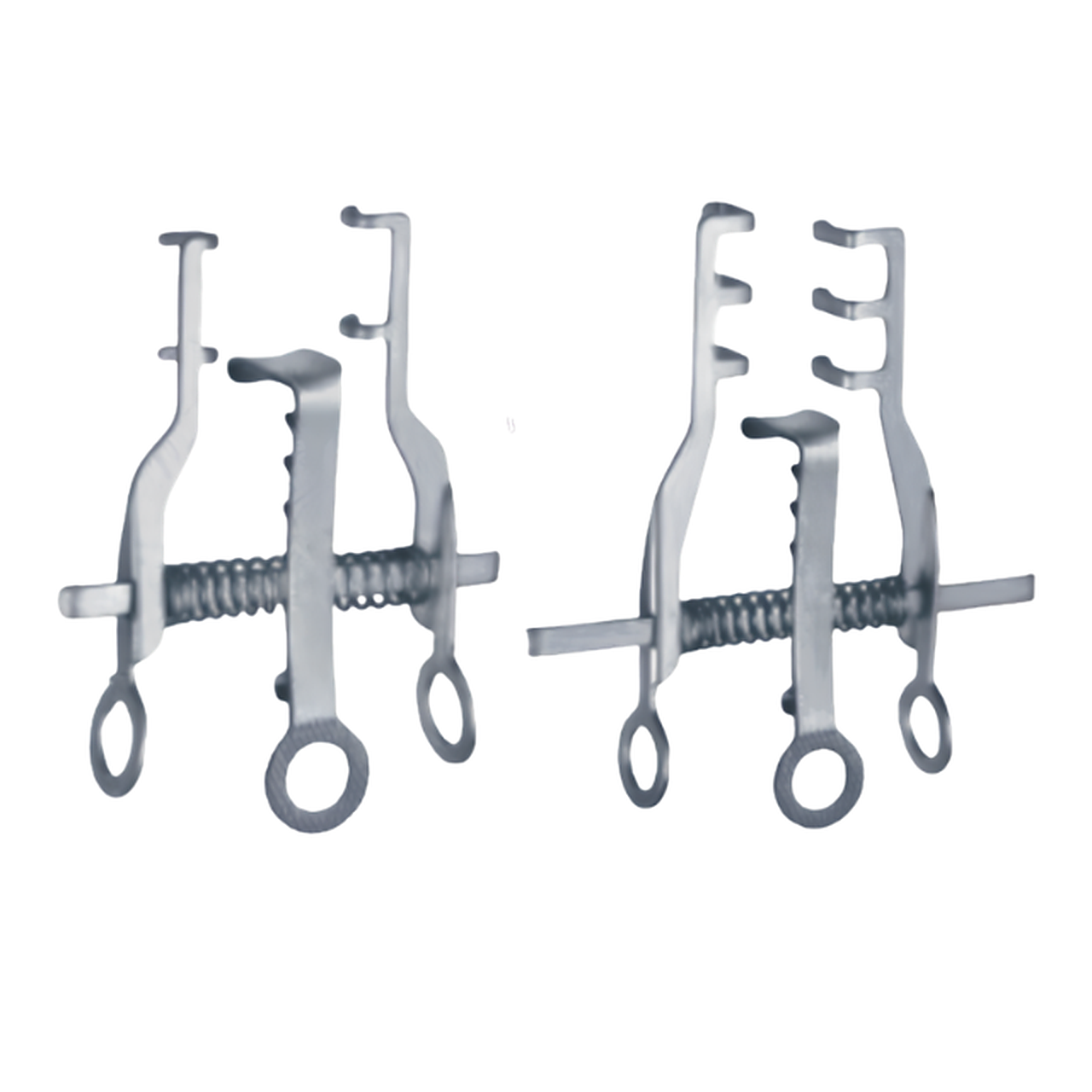 | Vickers Low Profile Ekartör | El, bilek ve mikrocerrahi sırasında düşük profilli, kendinden tutmalı yumuşak doku ekartasyonu sağlamak üzere özel olarak tasarlanmıştır. |
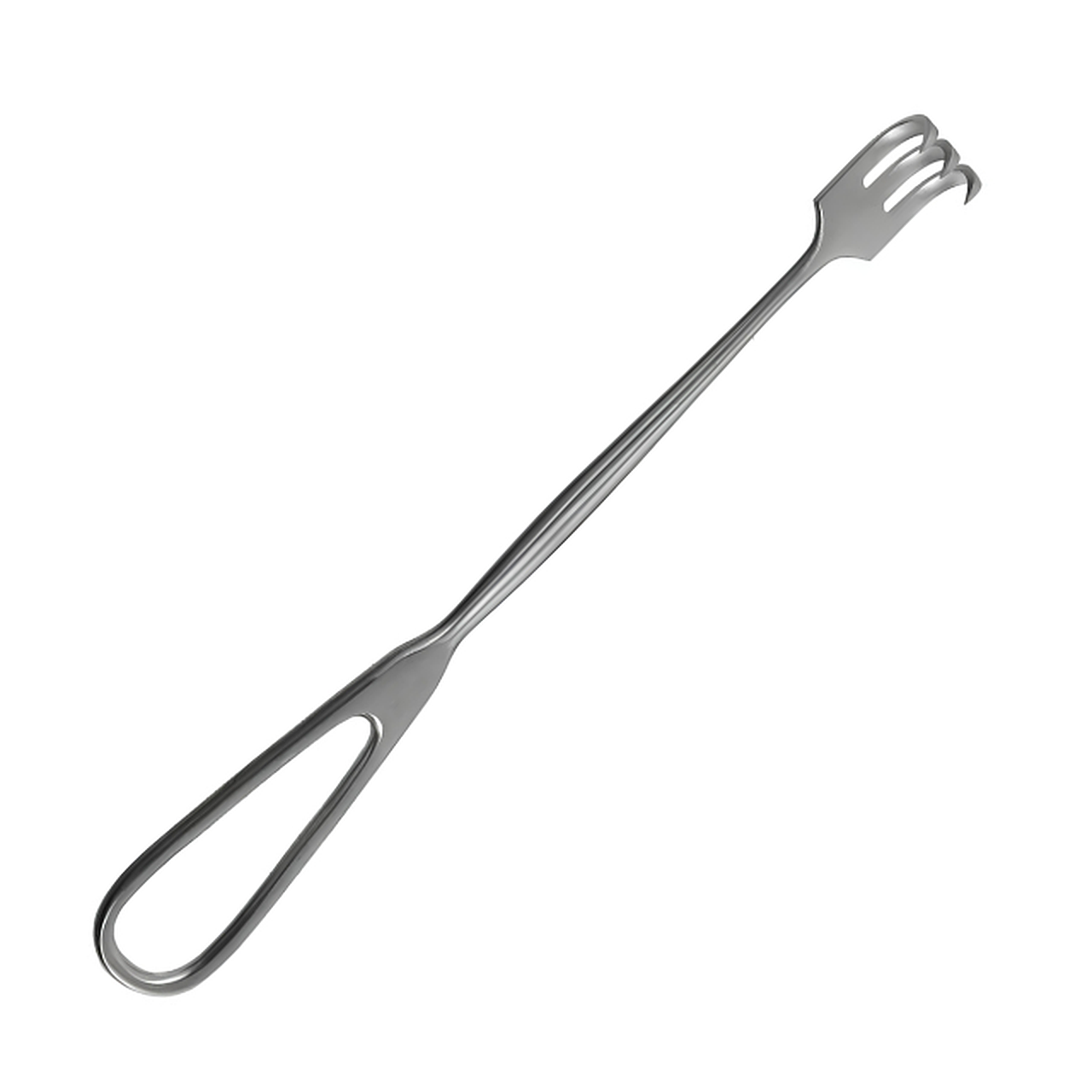 | Volkman Retractor-USA Pattern | Genel, plastik ve ortopedik cerrahi sırasında cilt fleplerini, fasyayı ve kas dokusunu ekarte etmek için özel olarak tasarlanmıştır. |
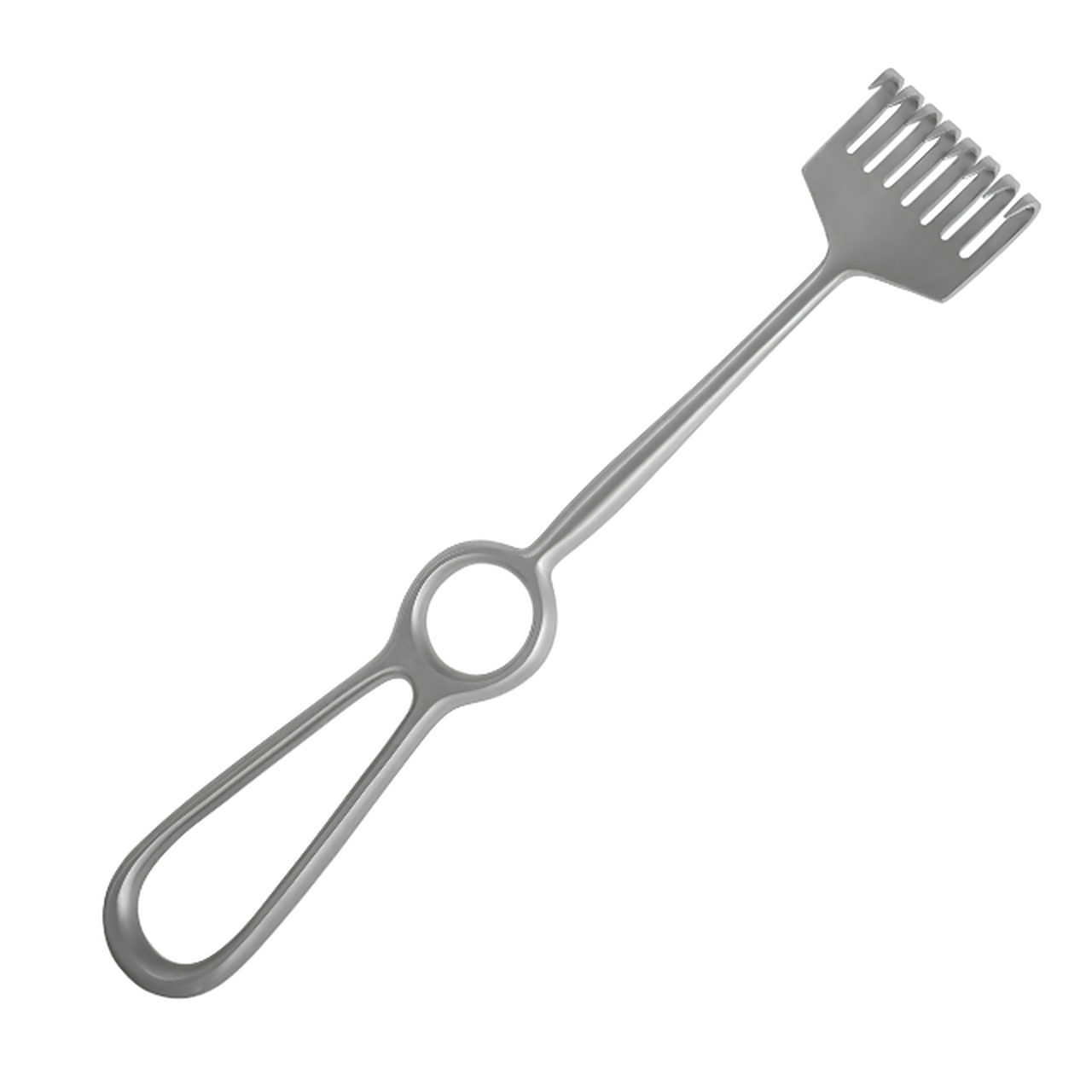 | Volkmann Ekartör | Genel, plastik ve ortopedik cerrahi sırasında cilt fleplerini, fasyayı ve yoğun doku kenarlarını ekart etmek için özel olarak tasarlanmıştır. |
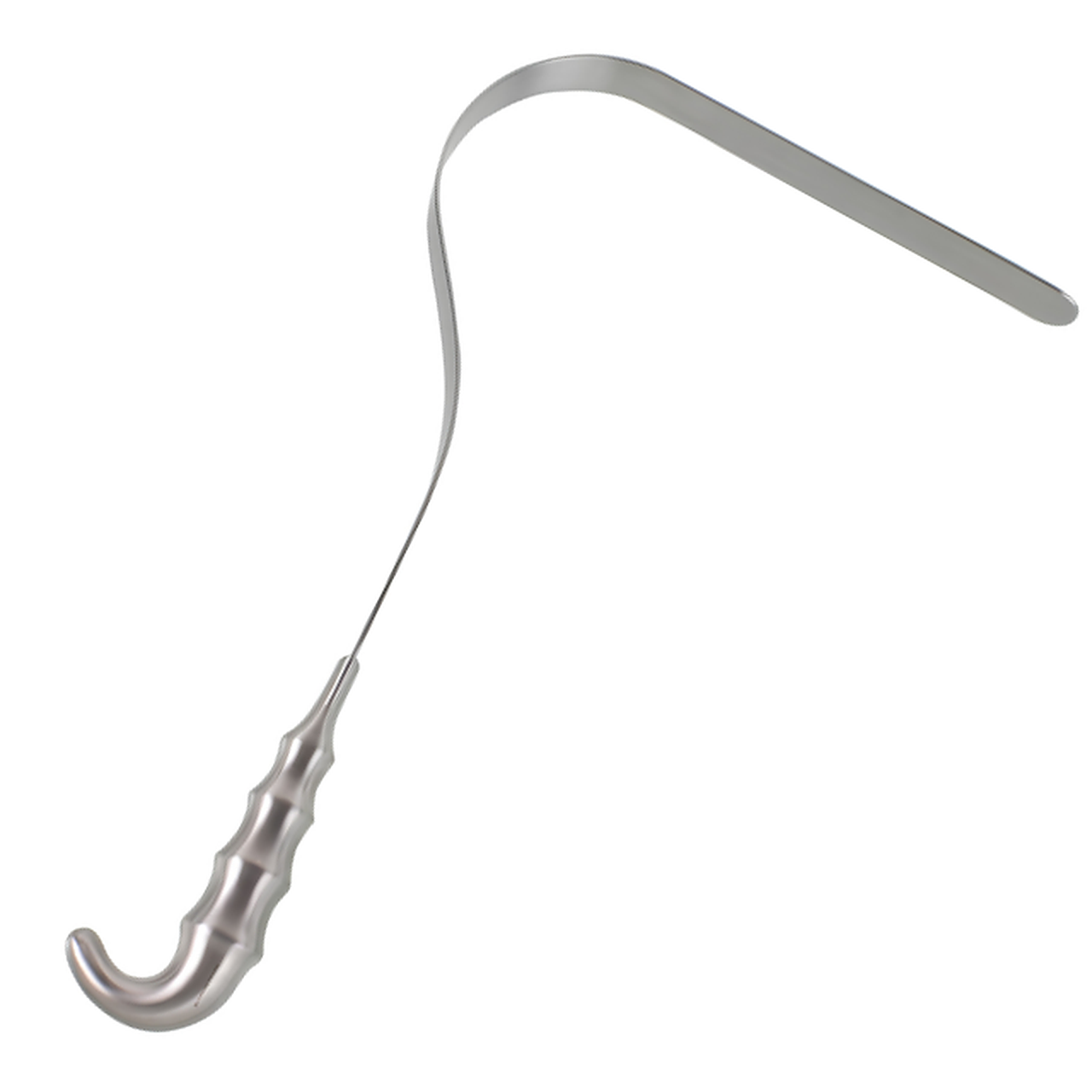 | W.M. Lemmon Deaver Ekartör | Majör torasik ve abdominal cerrahi sırasında derin organları, bağırsakları, karaciğeri ve abdominal duvarları ekarte etmek için özel olarak tasarlanmıştır. |
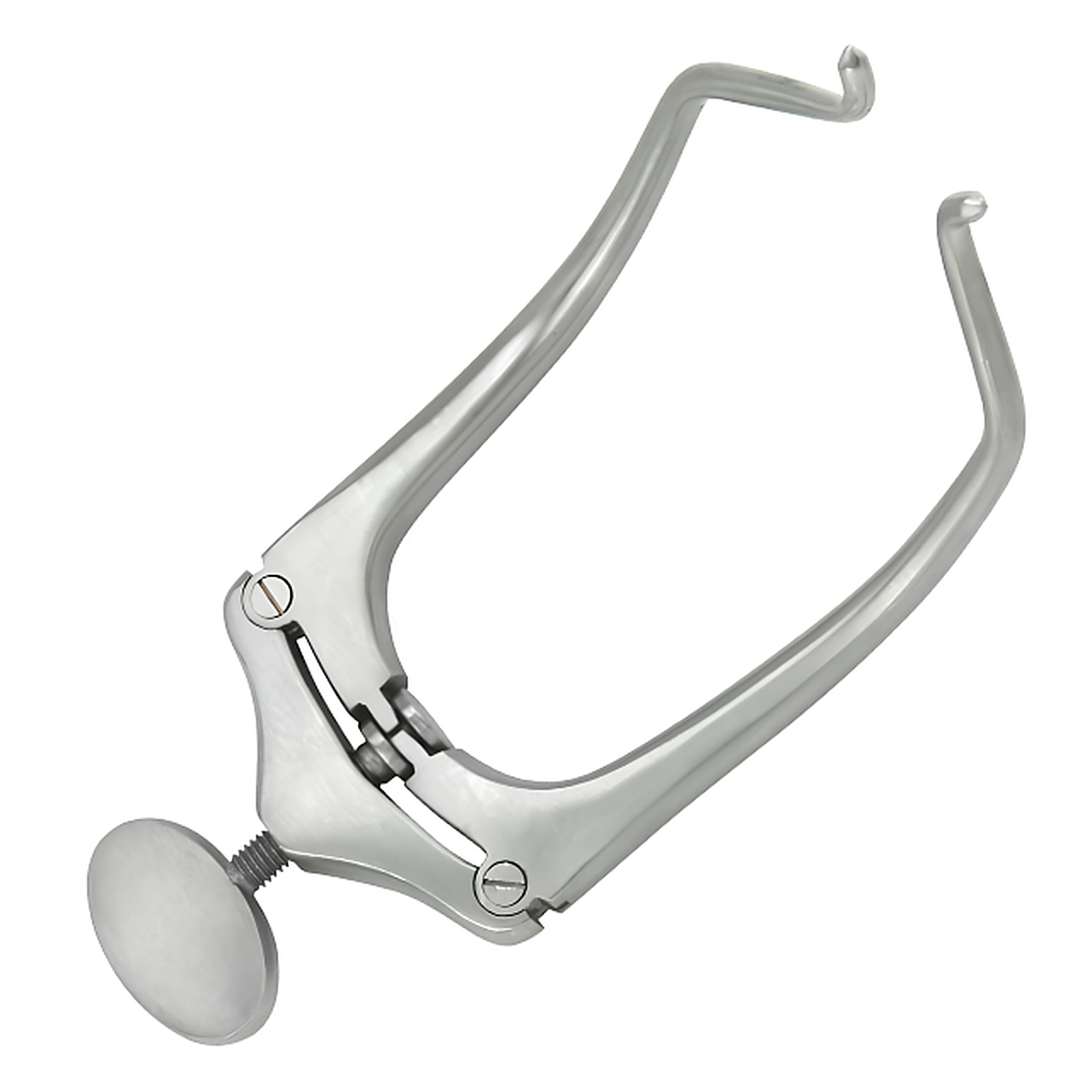 | Wallace Knee Retractor | Diz artrotomisi ve rekonstrüktif cerrahi sırasında kendinden tutmalı kapsüler ve yumuşak doku retraksiyonu sağlamak için özel olarak tasarlanmıştır. |
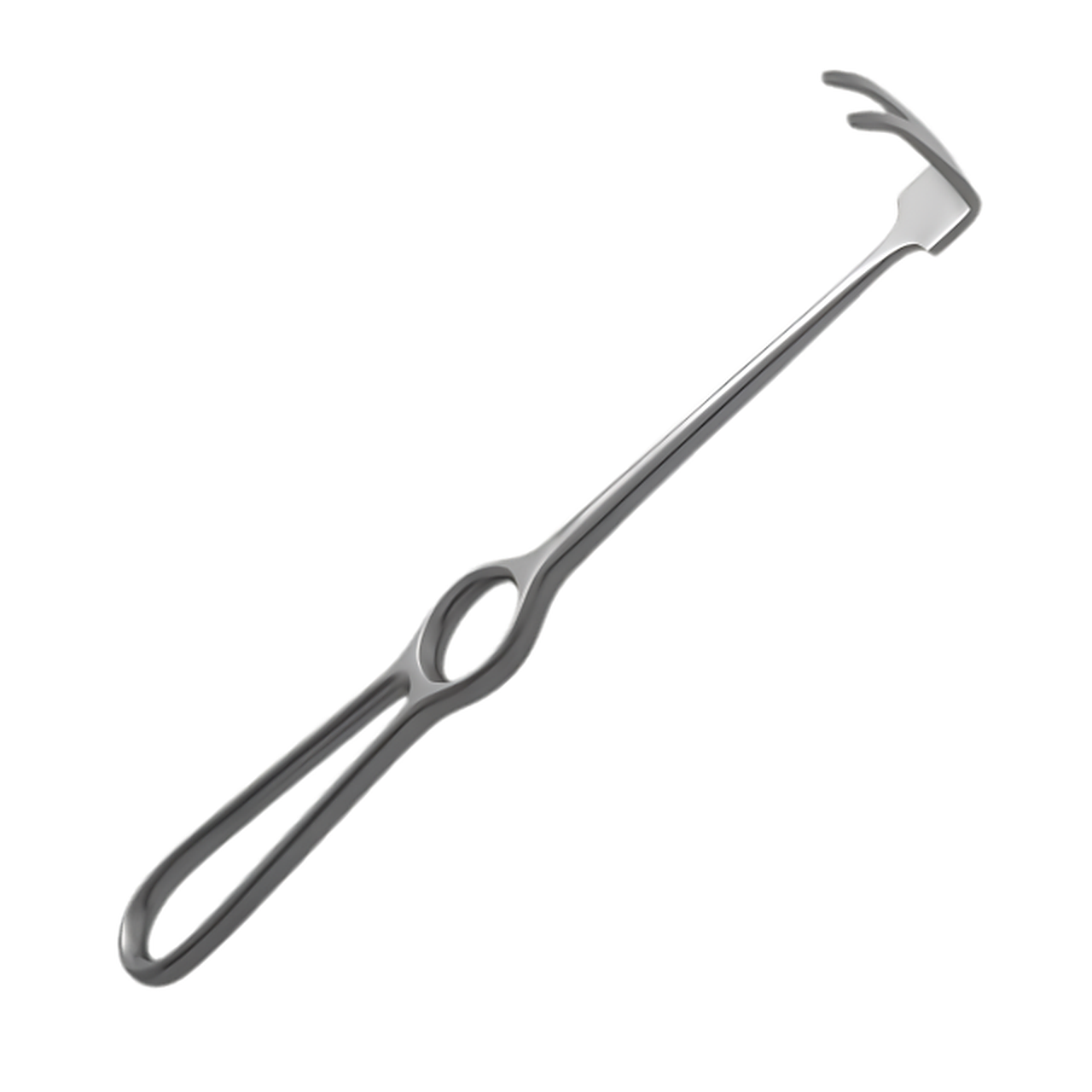 | Wassmund Yumuşak Doku Ekartörü | Oral ve maksillofasiyal cerrahi sırasında yanakları, dudakları ve mukoperiostu ekarte etmek için özel olarak tasarlanmıştır. |
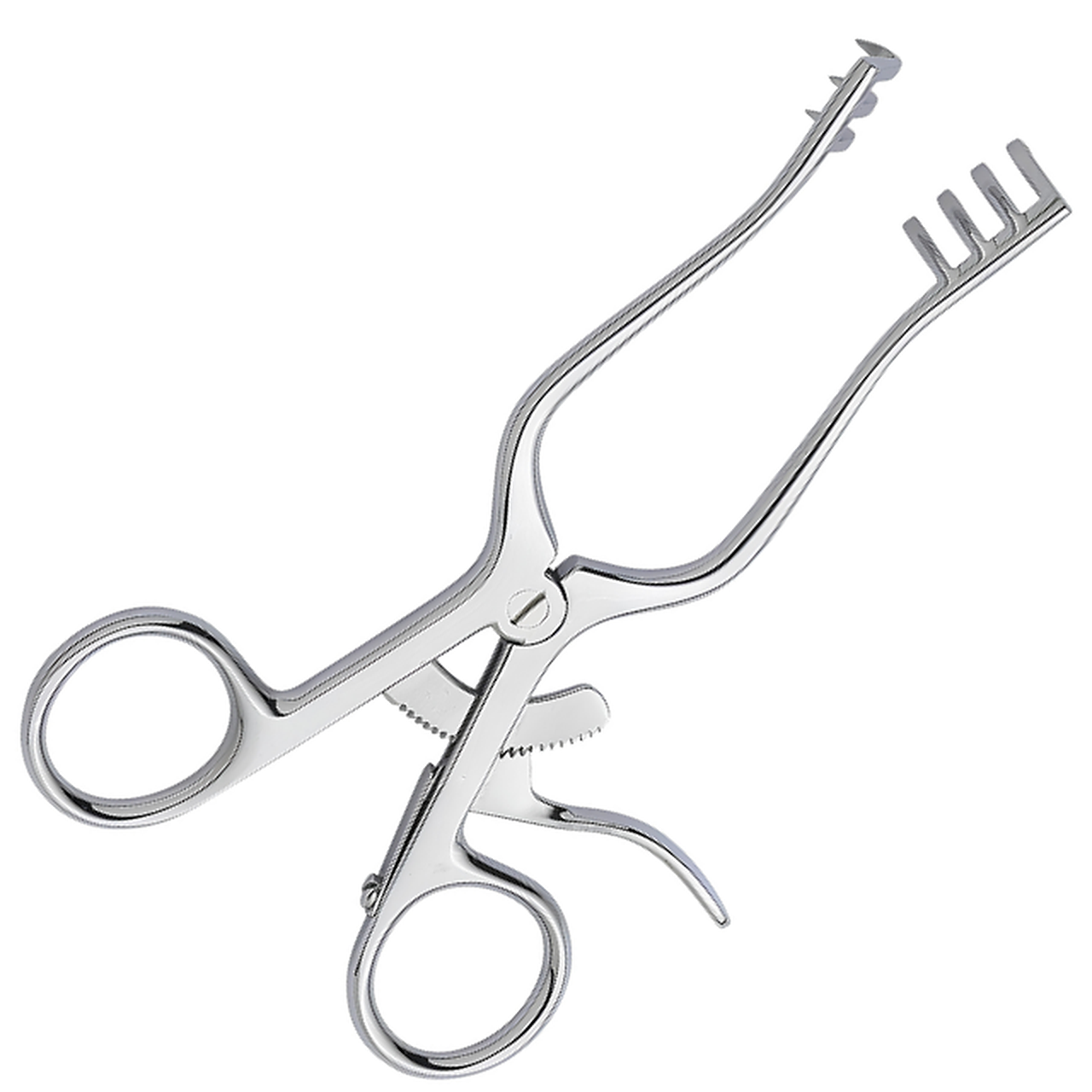 | Weitlaner Ekartör | Küçük, genel ve derin ortopedik cerrahide kendinden tutmalı, eller serbest yara kenarı ekartasyonu sağlamak için özel olarak tasarlanmıştır. |
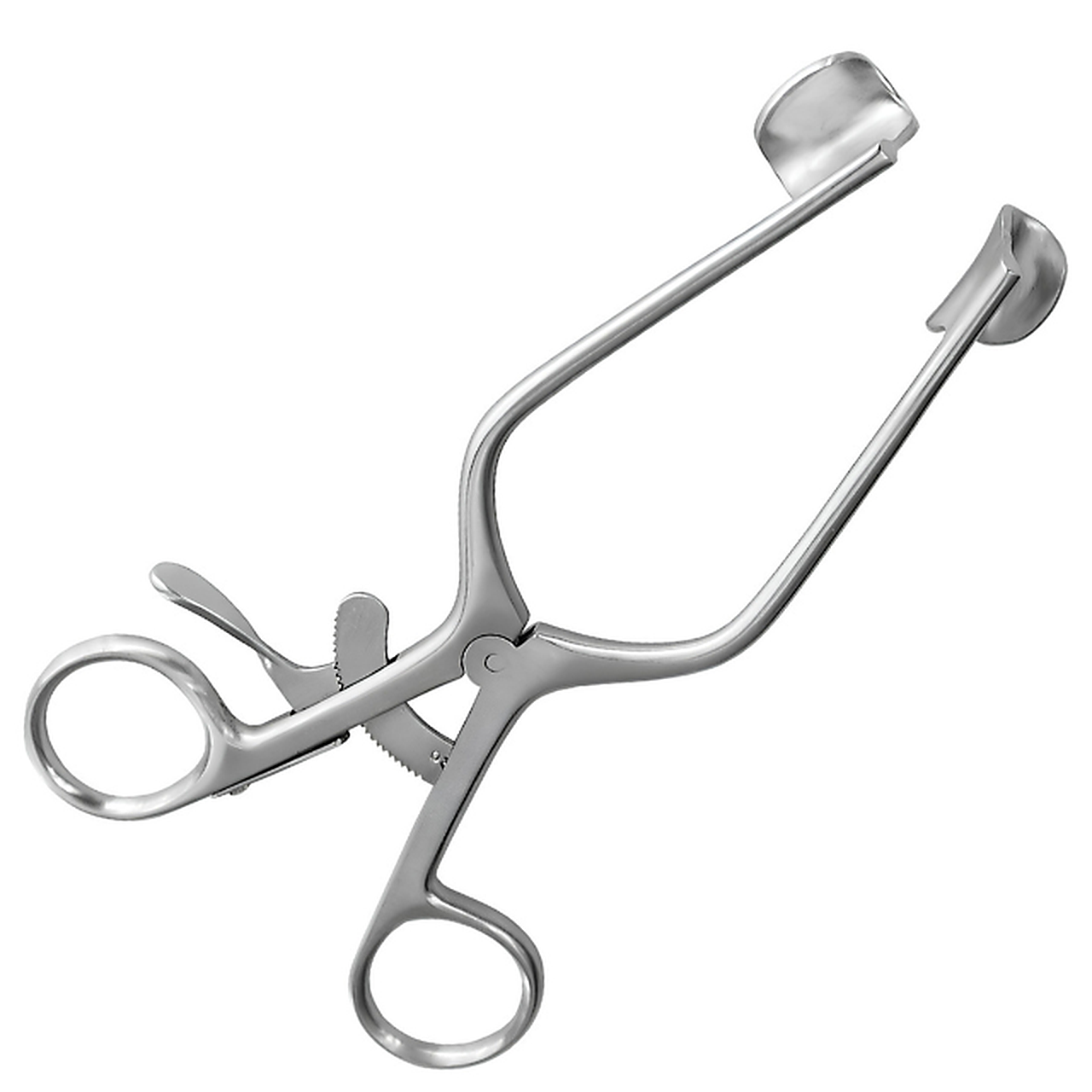 | Geniş Ağızlı Otostatik Ekartör | Doku fıtıklaşması olmadan otostatik, geniş yüzeyli yara kenarı retraksiyonu sağlamak için özel olarak tasarlanmıştır. |
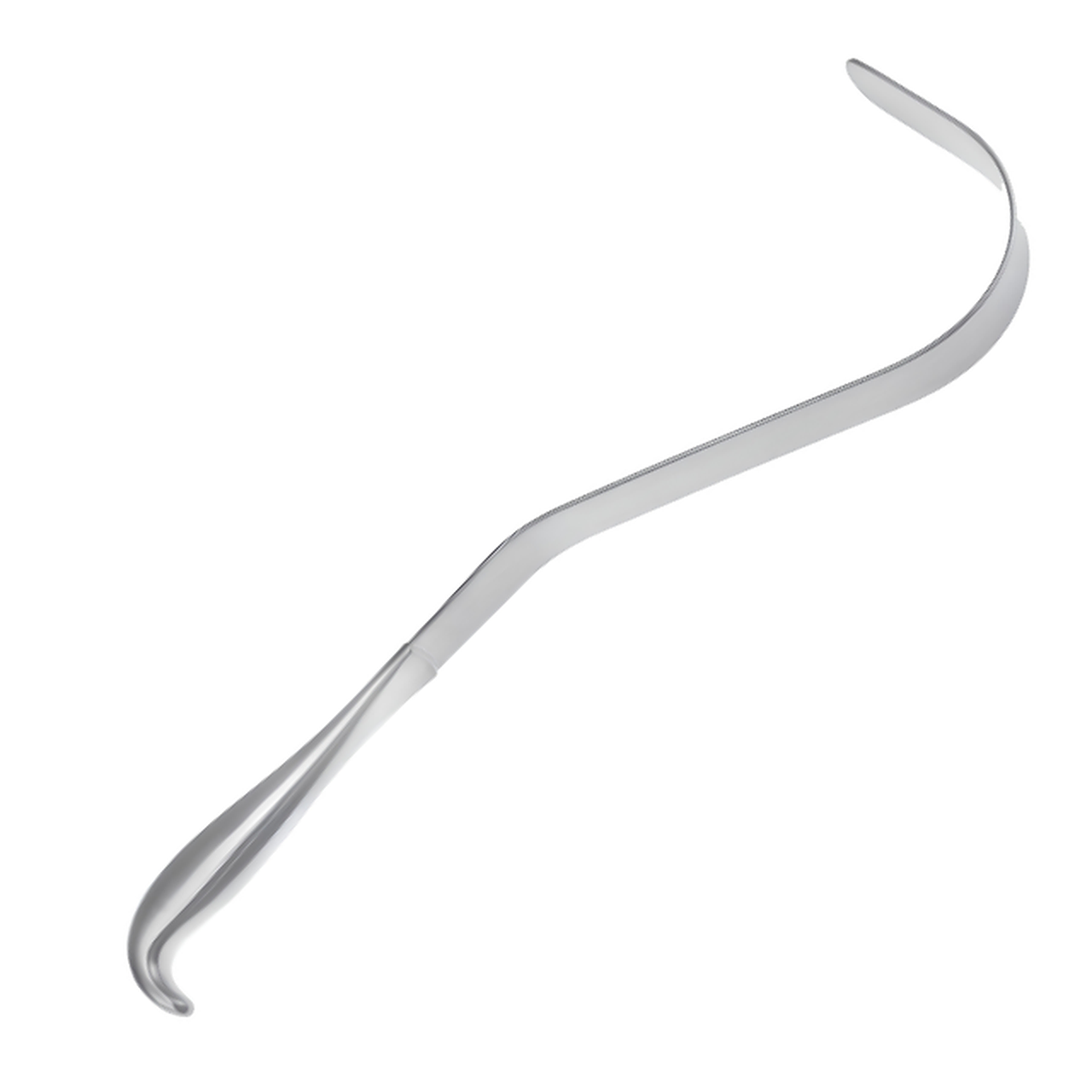 | Willauer-Deaver Ekartör | Torasik ve abdominal cerrahi sırasında akciğer parankimi, iç organlar ve derin doku sınırlarını ekarte etmek için özel olarak tasarlanmıştır. |
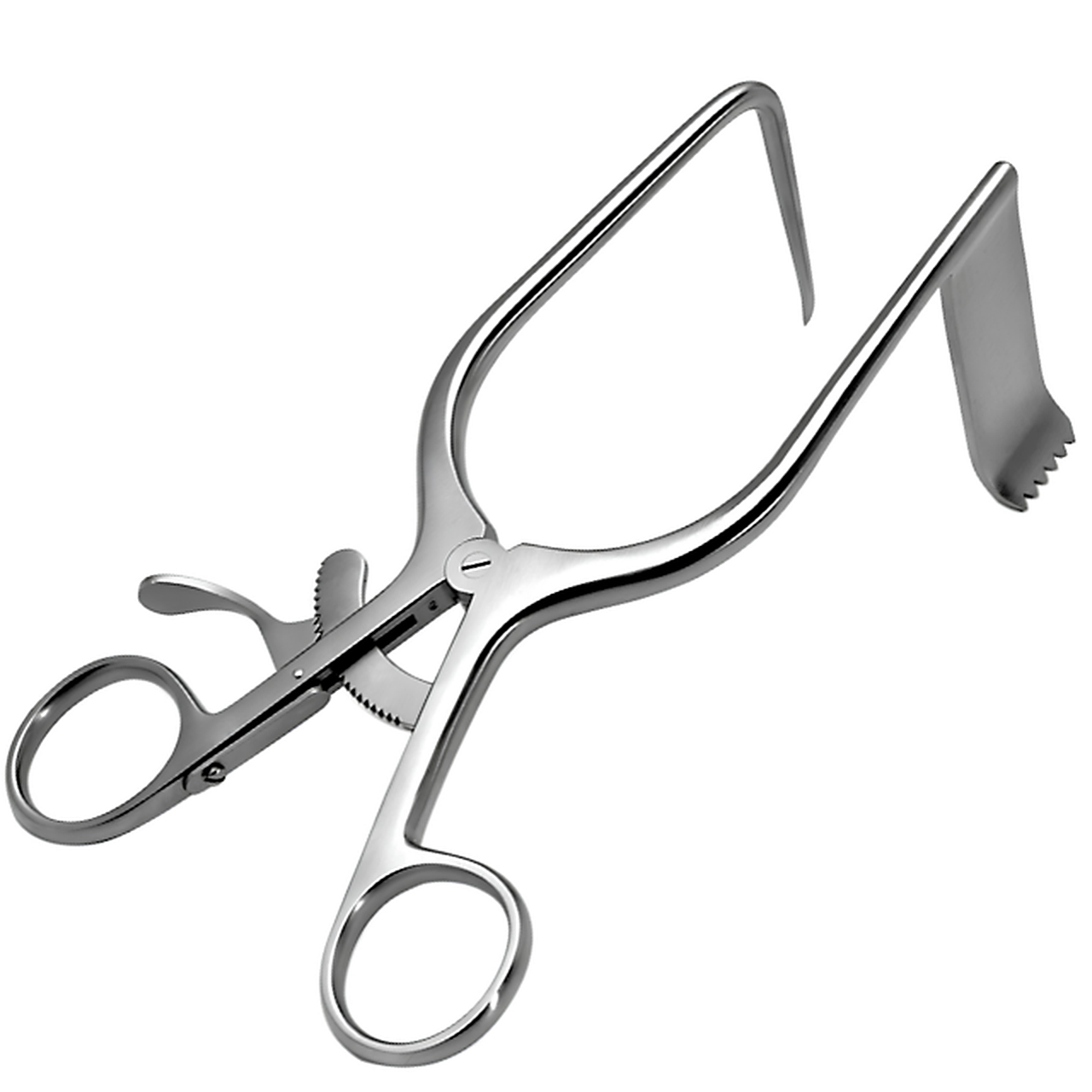 | Williams Discectomy Ekartörü | Mikrocerrahi lomber dissektomi ve laminotomi sırasında paraspinal kas ve doku sınırlarını ekarte etmek için özel olarak tasarlanmıştır. |
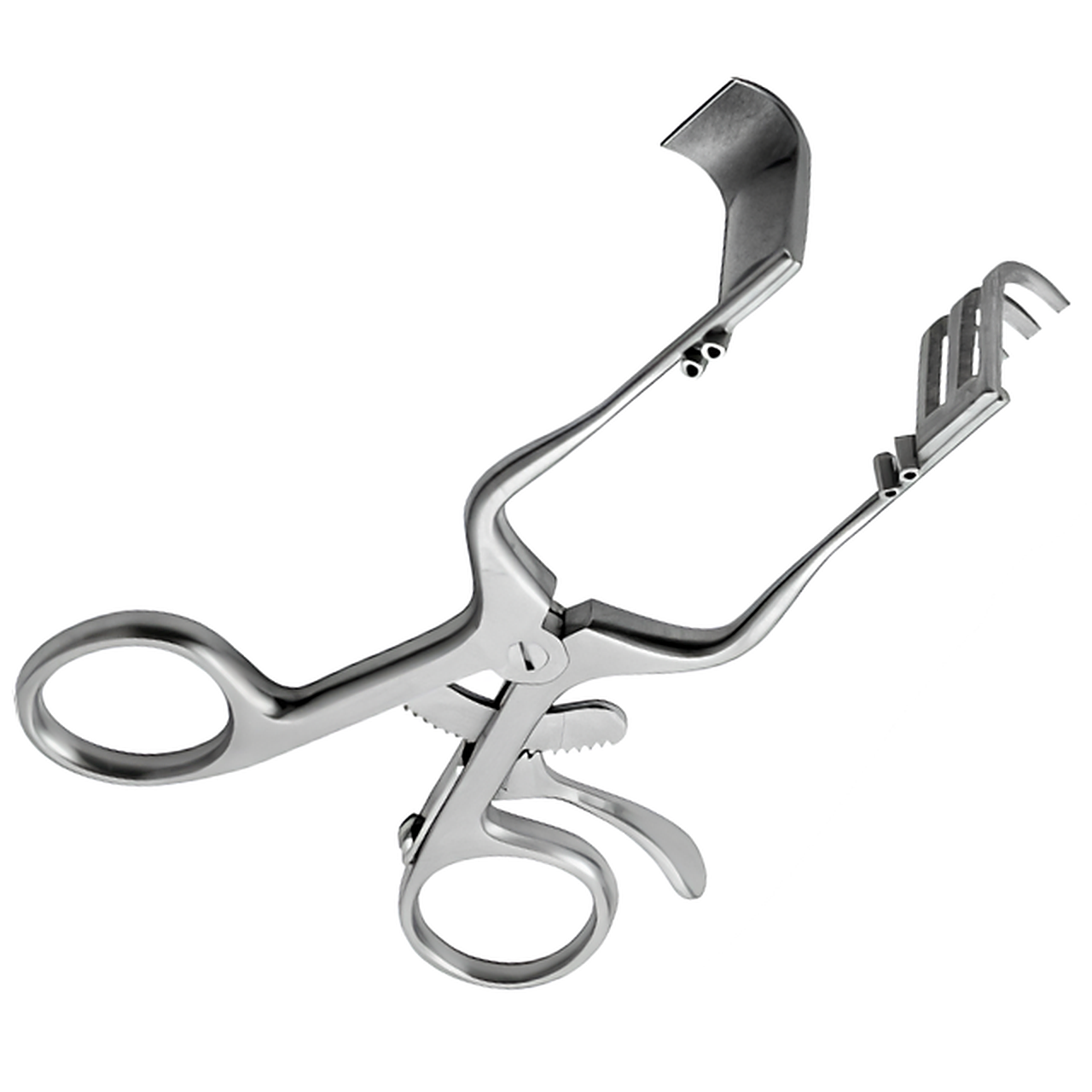 | Williams Distal Radius Kırık Ekartörü | Kırık plak uygulaması sırasında volar distal radiusu açığa çıkarmak için pronator kuadratus ve fleksör tendonlarını ekarte etmek üzere özel olarak tasarlanmıştır. |
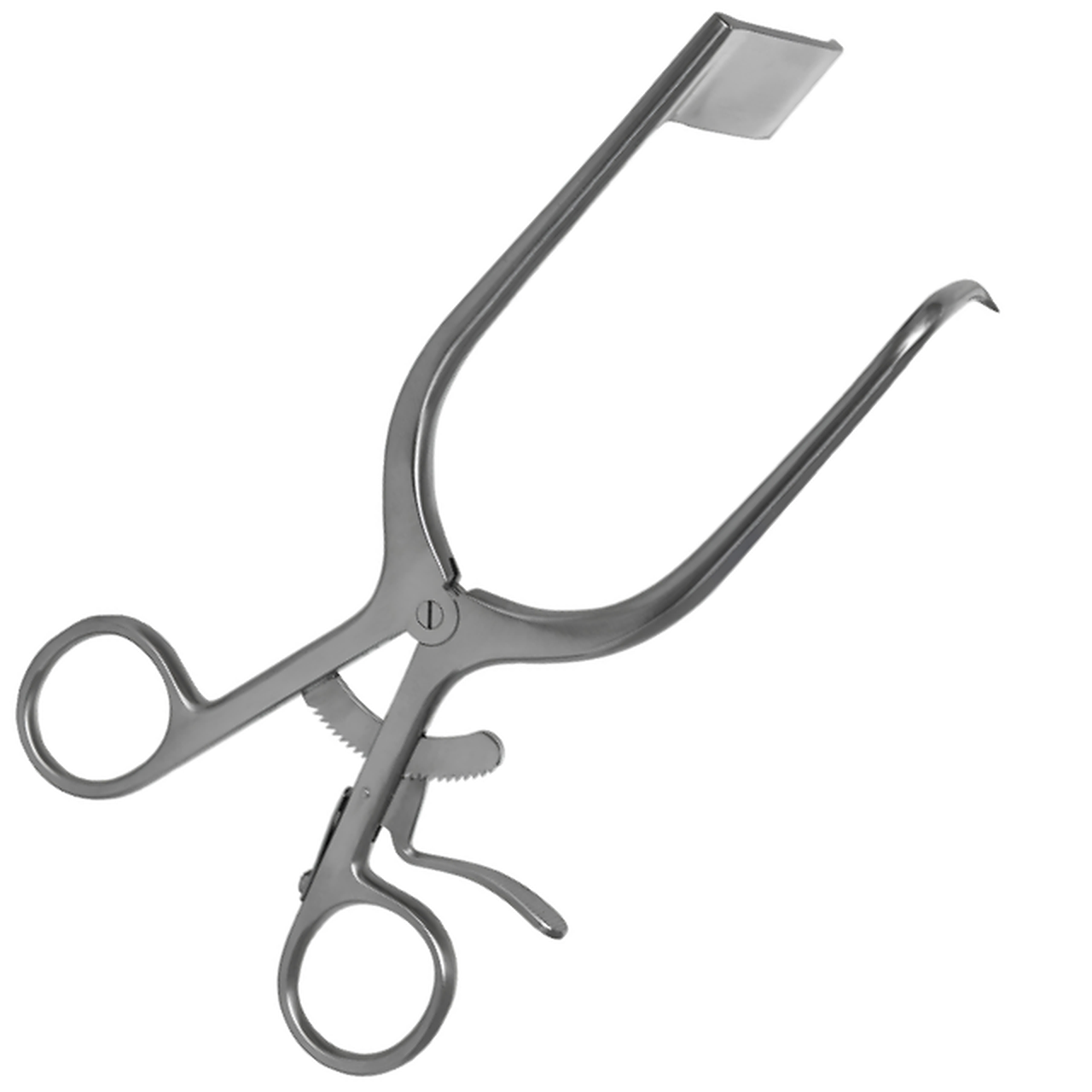 | Williams Spinal Diskektomi Ekartörü | Lomber mikrodiskektomi sırasında paraspinal kasları ekarte etmek ve laminayı açığa çıkarmak için özel olarak tasarlanmıştır. |
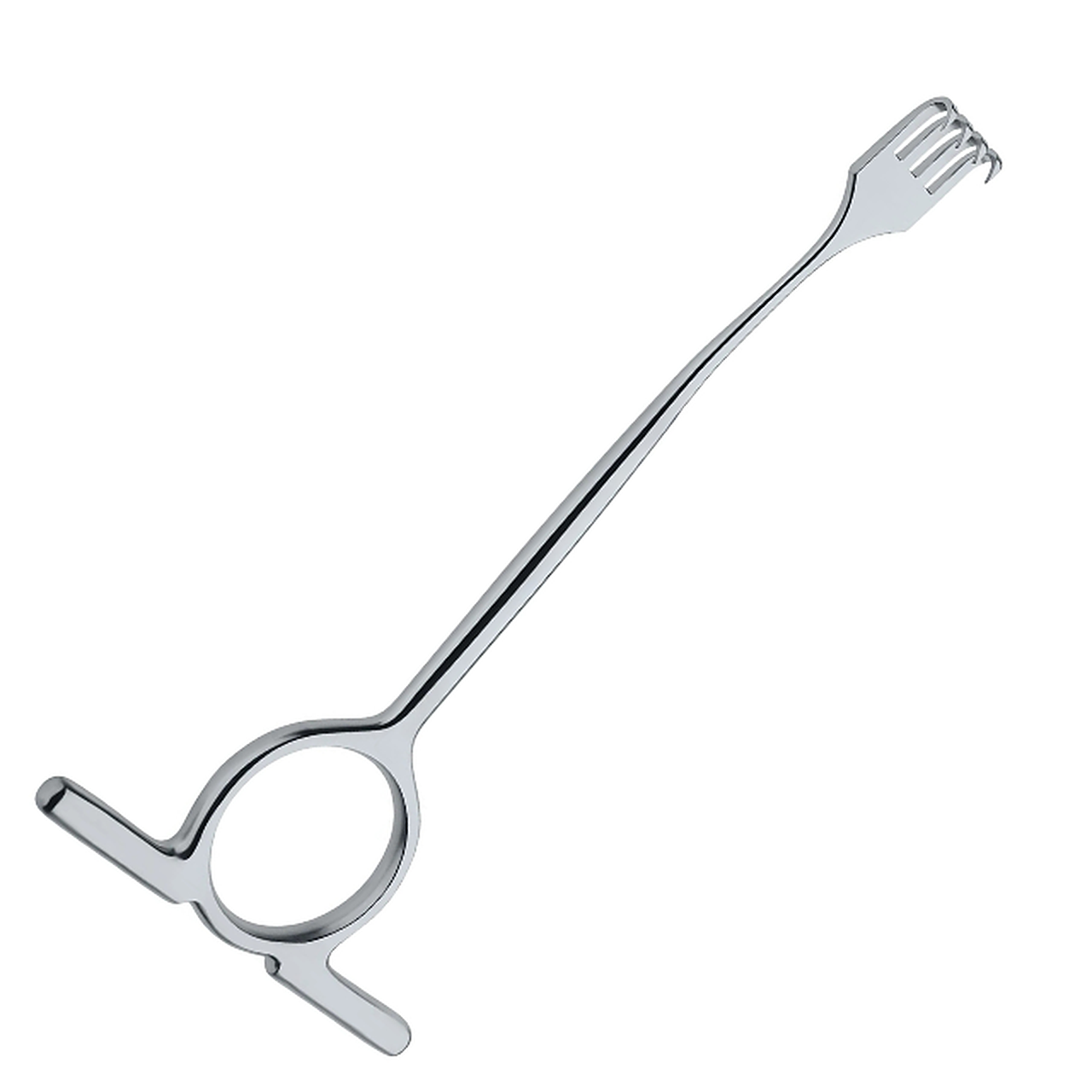 | Williger Ekartör | Oral, dental ve maksillofasiyal cerrahi sırasında kemiği açığa çıkarmak amacıyla mukoperiostal flepleri ve yumuşak dokuları ekarté etmek için özel olarak tasarlanmıştır. |
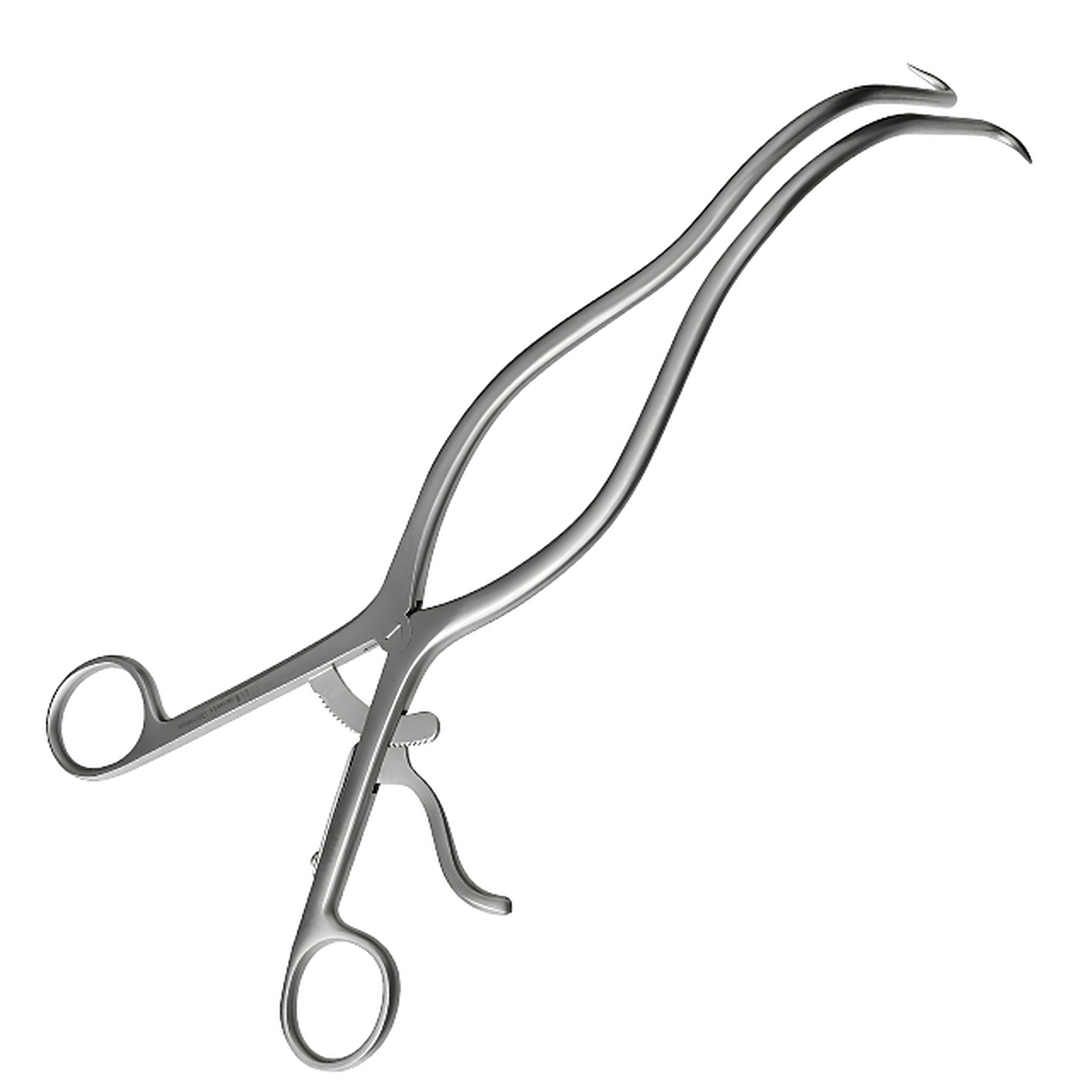 | Wiltse-Gelpi Self-Retaining Retractor | Posterolateral spinal füzyon ve dekompresyon sırasında ağır paraspinal kas sistemini ekarté etmek için özel olarak tasarlanmıştır. |
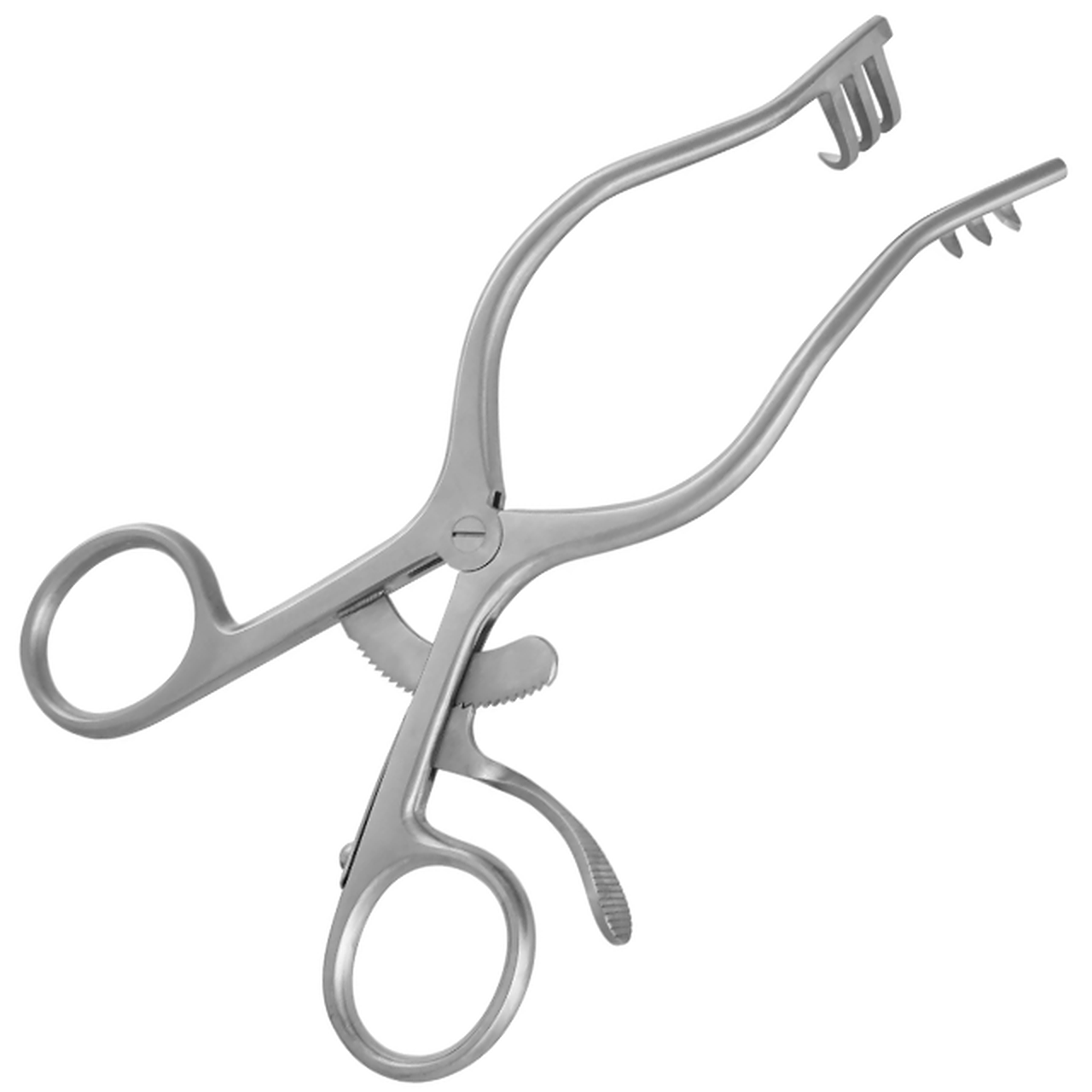 | Wullstein Weitlaner Otomatik Retraktör | Kulak, saçlı deri ve küçük cerrahi işlemler sırasında yara kenarlarının ve yumuşak dokunun otomatik olarak ekarte edilmesi için özel olarak tasarlanmıştır. |
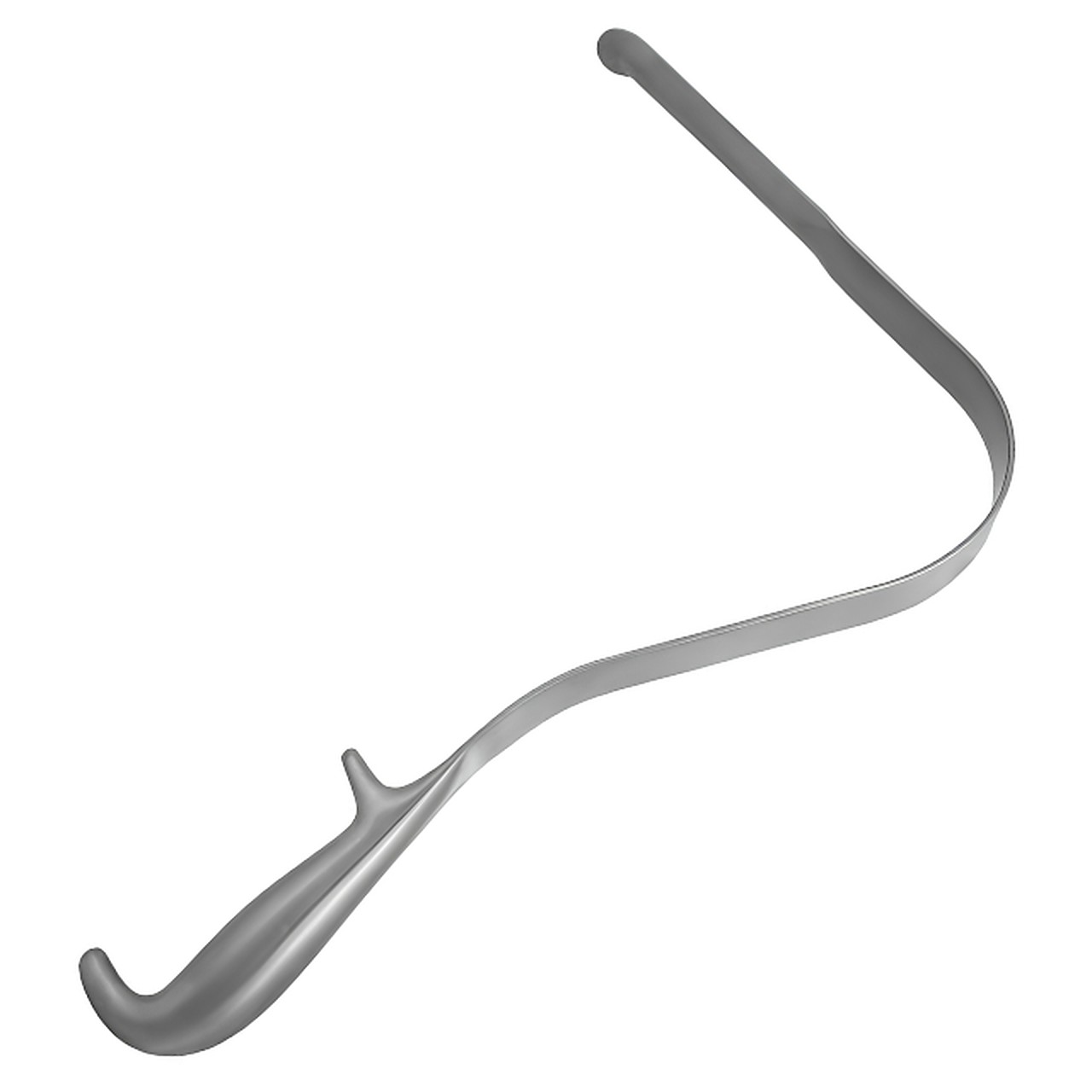 | Wylie Renal Ven Ekartörü | Vasküler ve ürolojik cerrahi sırasında renal ven, vena kava ve ana retroperitoneal damarları ekarte etmek ve korumak için özel olarak tasarlanmıştır. |
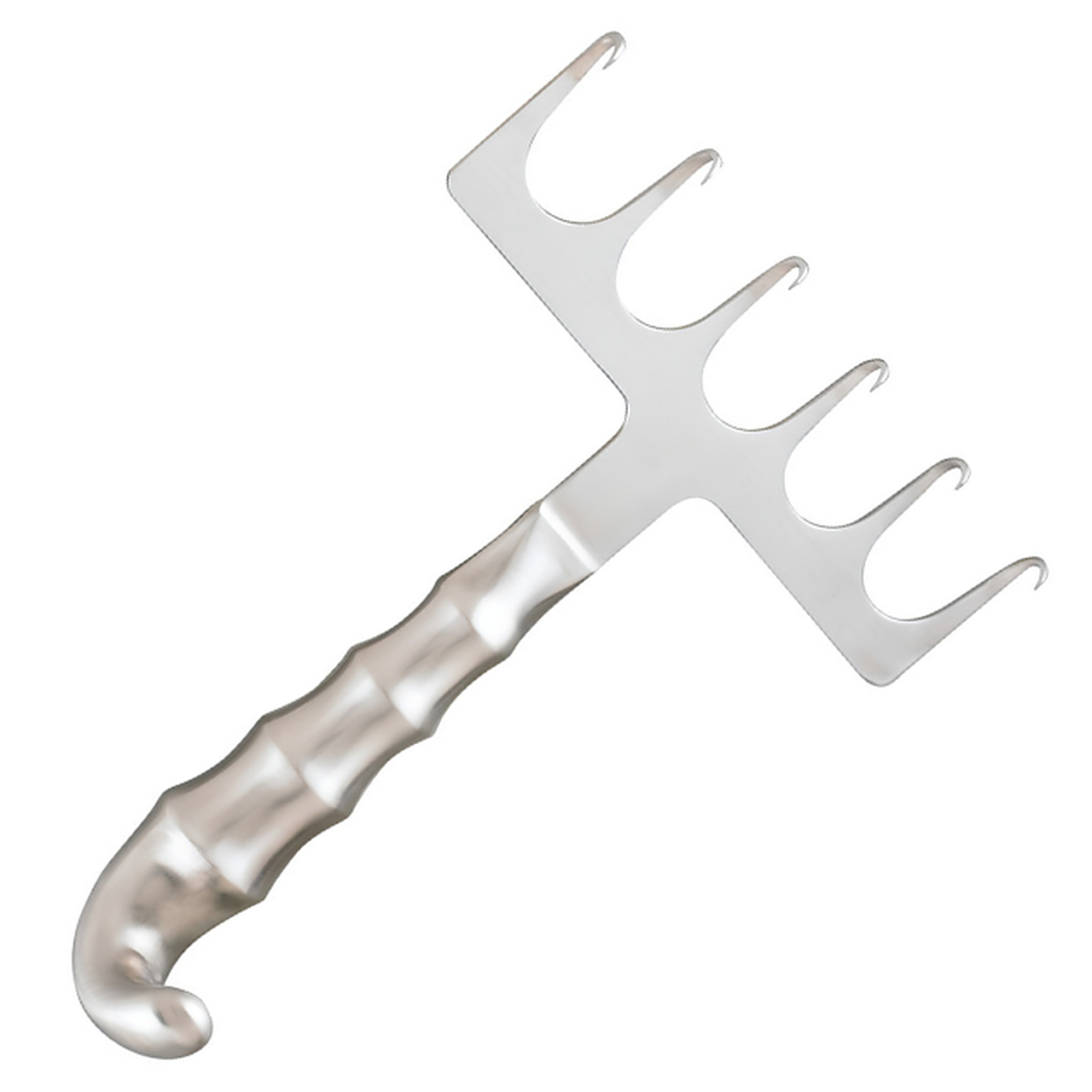 | Yancoskie Abdominoplasti Ekartörü | Abdominoplasti ve panikülektomi sırasında büyük abdominal deri fleplerini kaldırmak ve rektus kılıfını açığa çıkarmak için özel olarak tasarlanmıştır. |
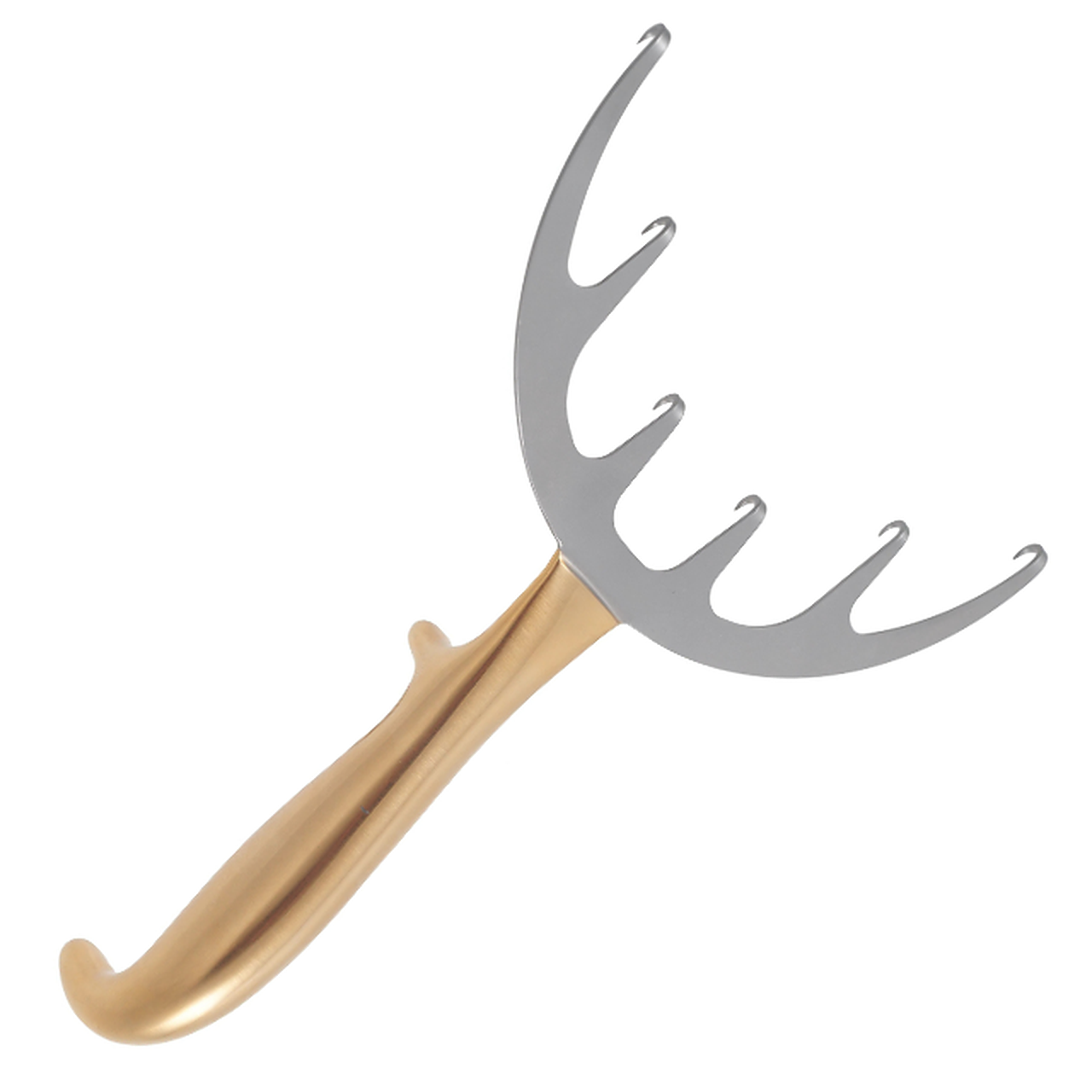 | Yancoskie Coronal Lift Retractor | Koronal kaş kaldırma ve kraniyofasiyal cerrahi sırasında kafa derisi ve alın flebini kaldırmak ve ekarte etmek için özel olarak tasarlanmıştır. |
 | Zalkind Malleable Ribbon Retraktör | Vissera, bağırsak ve derin yumuşak dokuyu geri esneme yapmadan ekarte etmek amacıyla özel intraoperatif şekillere bükülmek üzere tasarlanmıştır. |
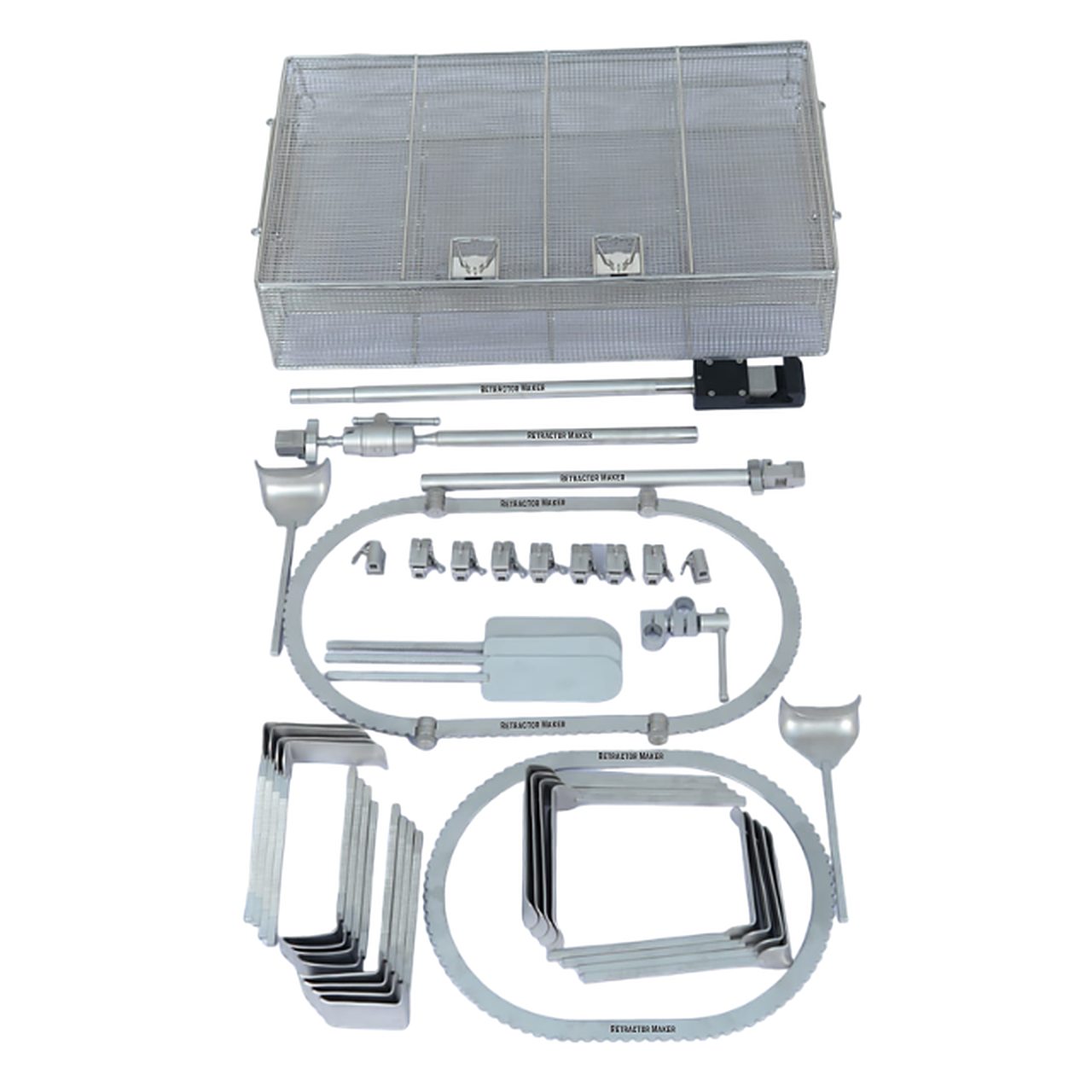 | Bookwalter Retractor (Standart) | Nefrektomi, prostatektomi ve eksploratif laparotomi gibi prosedürler dahil olmak üzere majör açık ameliyatlar sırasında stabil, eller serbest yara ekartasyonu sağlar. |
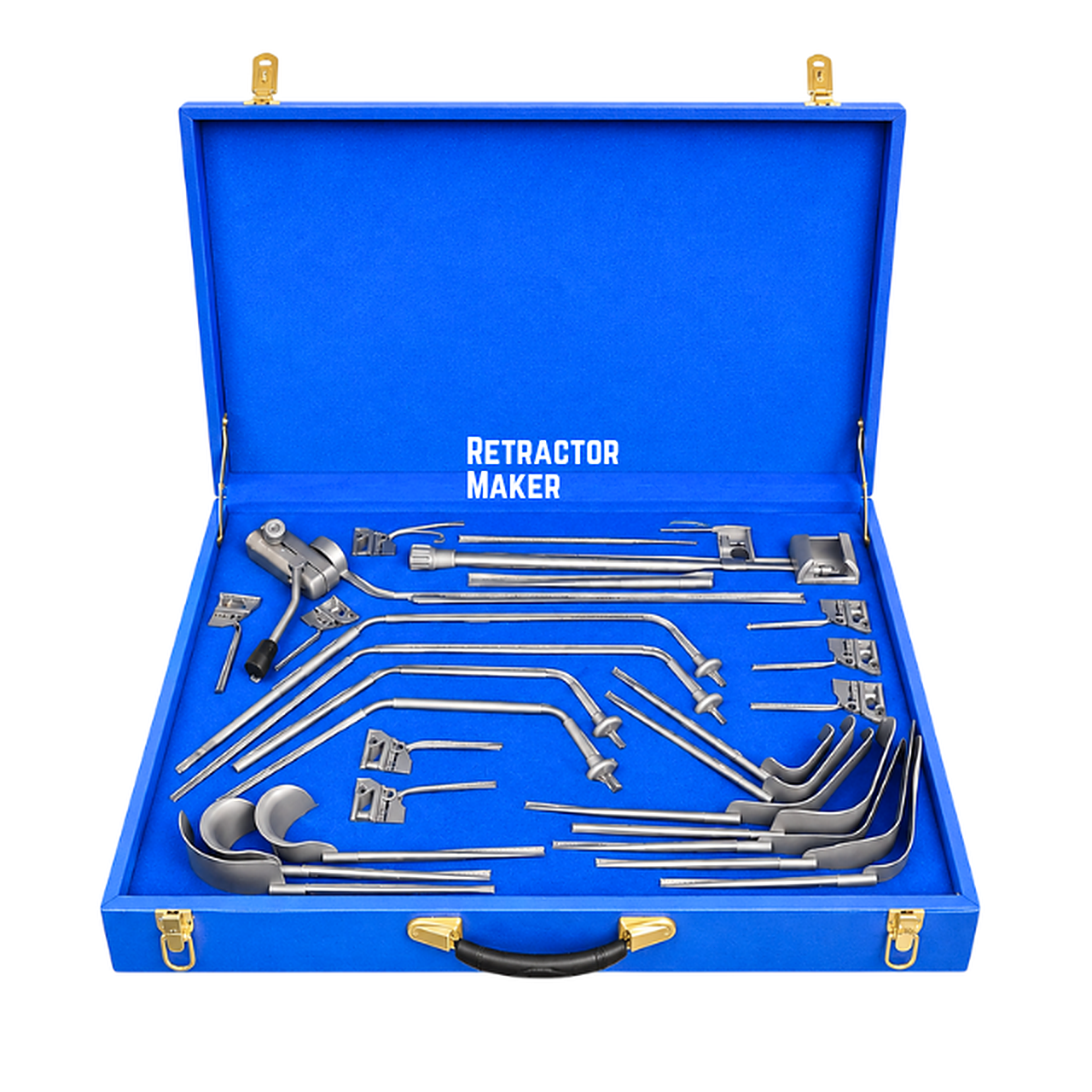 | Omni Retractor System | Karmaşık açık ameliyatlar sırasında son derece uyarlanabilir, düşük profilli ve eller serbest görüş sağlar. |
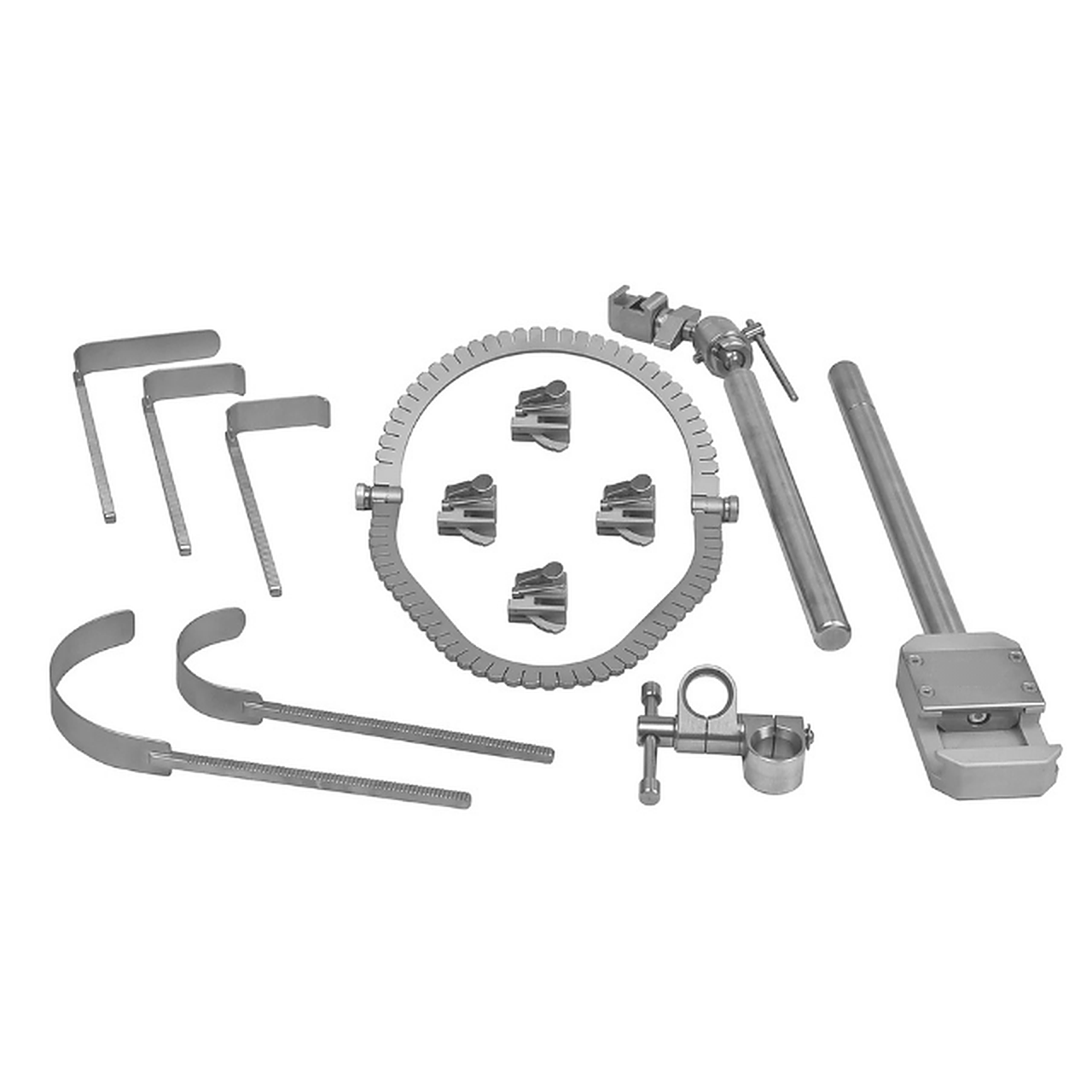 | Bookwalter GYN Ekartör Sistemi | Masaya monte edilen kendinden tutmalı bir ekartör sistemi kullanarak jinekolojik ve vajinal prosedürler sırasında stabil, eller serbest cerrahi görüş sağlamak üzere tasarlanmıştır. |
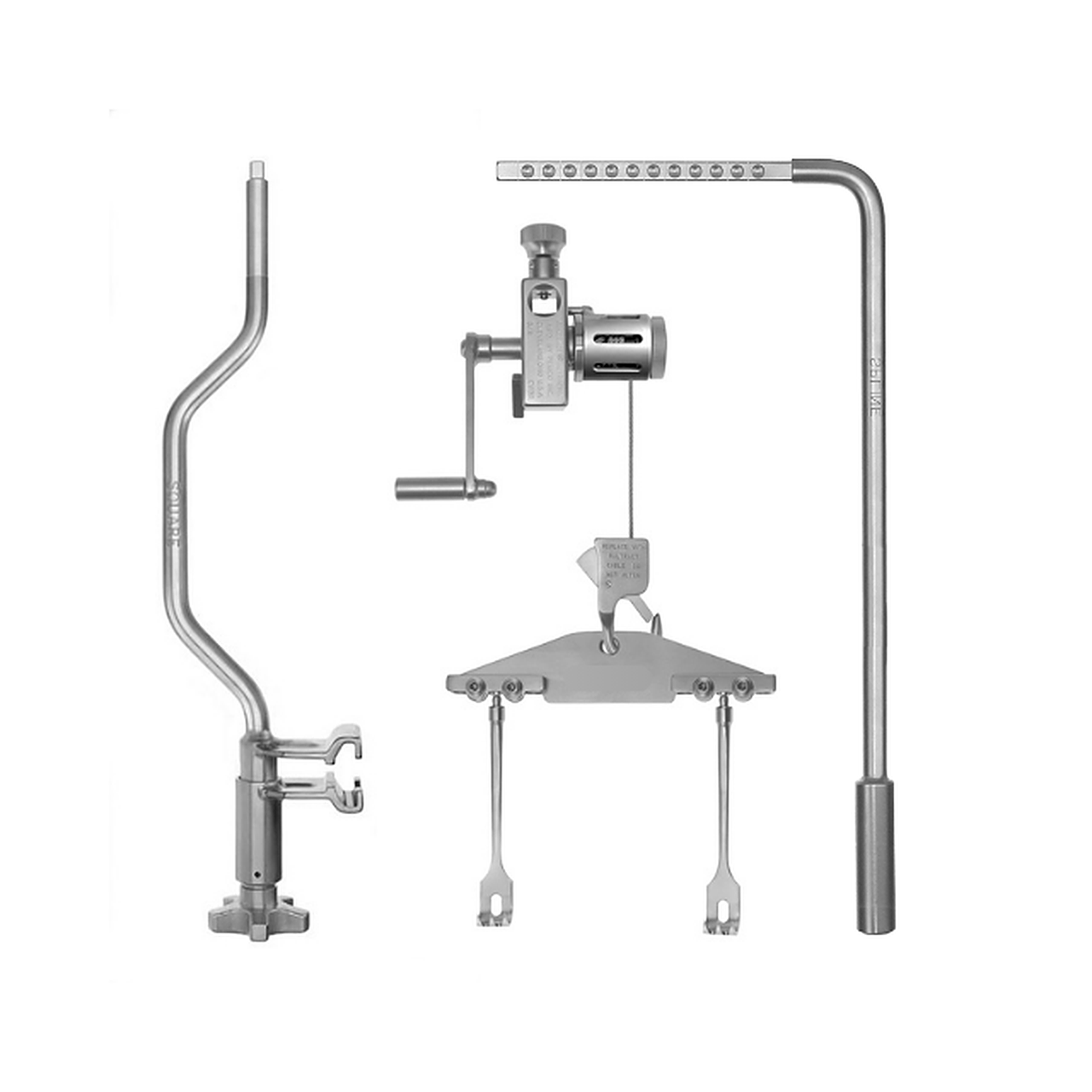 | Rultract Retractor System | Cerrahi prosedürler sırasında cerrahi verimliliği destekleyerek stabil, eller serbest doku deplasmanı ve tutarlı cerrahi görüş sağlamak için tasarlanmıştır. |
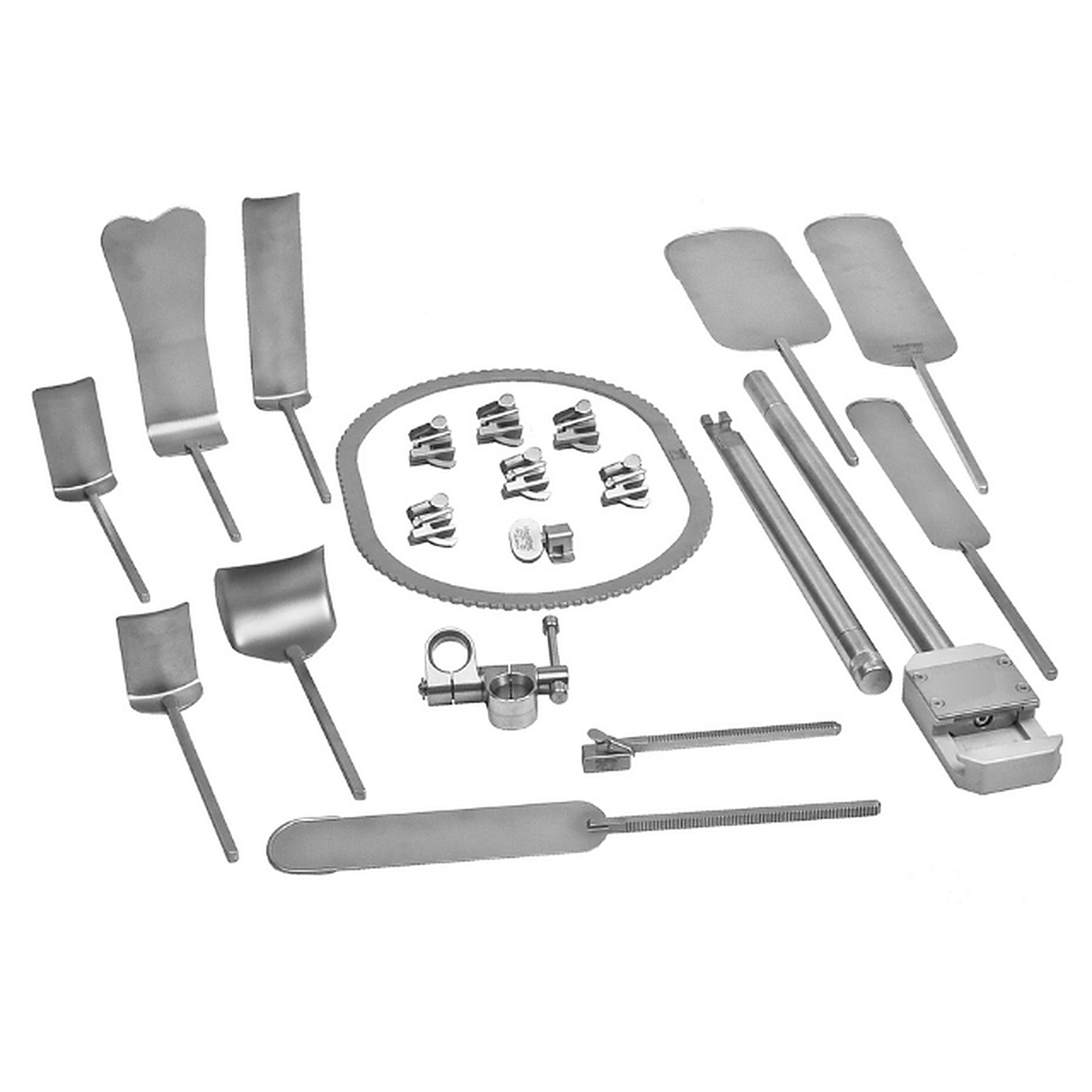 | Bookwalter Bariatrik Ekartör Sistemi | Özel ekarte etme gerektiren açık bariatrik prosedürler sırasında eller serbest cerrahi görüş sağlamak üzere tasarlanmıştır. |
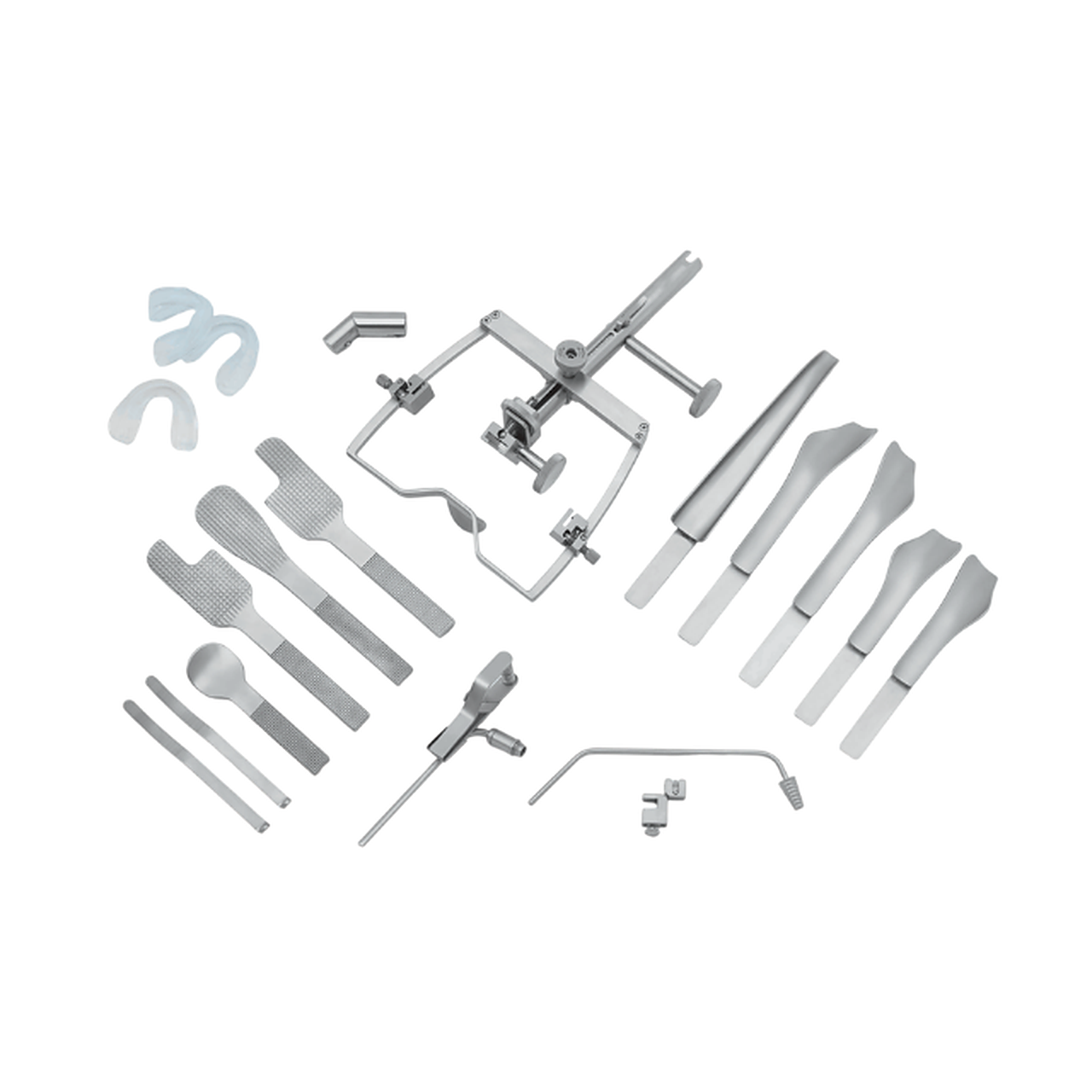 | FK Ekartör (Feyh-Kastenbauer) | Dil kökü, larenks, supraglottis ve hipofarenksi içeren Trans-Oral Robotik Cerrahi (TORS), mikrocerrahi ve lazer prosedürleri sırasında üst aerodigestif traktüsün ekspozisyonu için özel olarak tasarlanmıştır. |
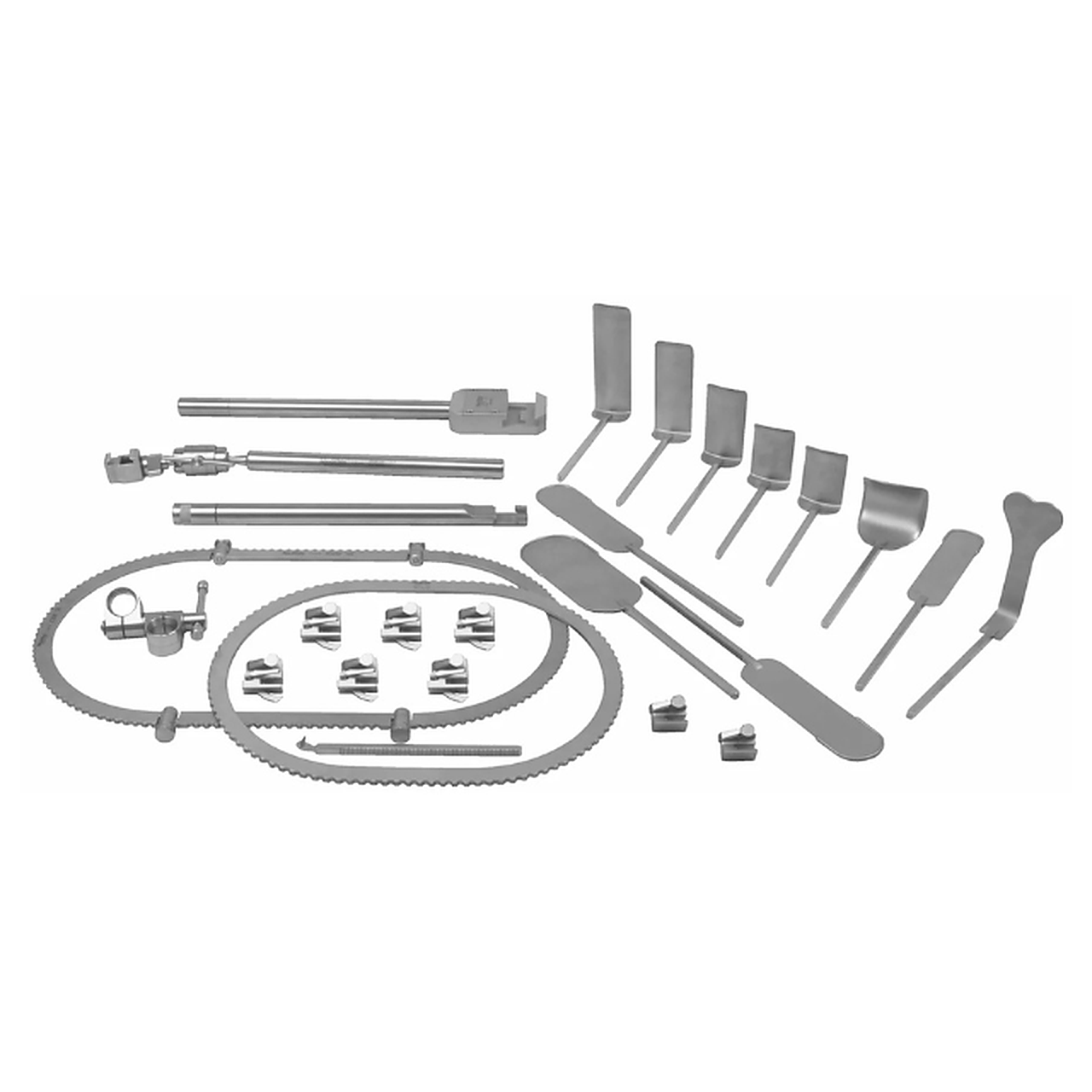 | Bookwalter Genel Cerrahi Ekartörü | Masaya monte edilen kendinden tutmalı ekartör sistemi kullanarak açık abdominal ve genel cerrahi prosedürler sırasında stabil, eller serbest cerrahi ekspozisyon sağlar. |
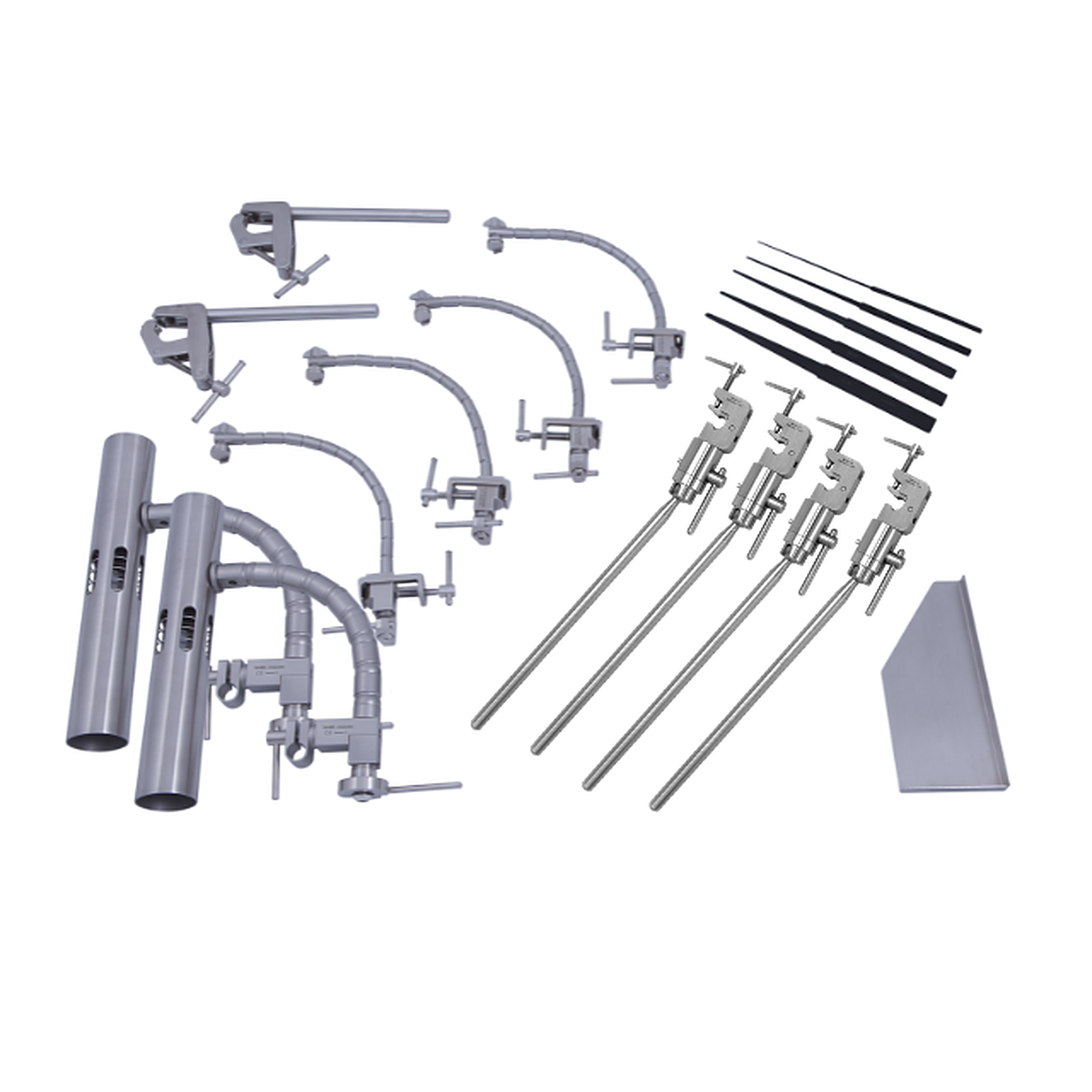 | Greenberg Retractor | Karmaşık kraniyal, kafa tabanı ve mikronöroşirürji prosedürleri sırasında hassas, kendinden sabitlenen ve eller serbest doku retraksiyonu sağlamak üzere tasarlanmıştır. |
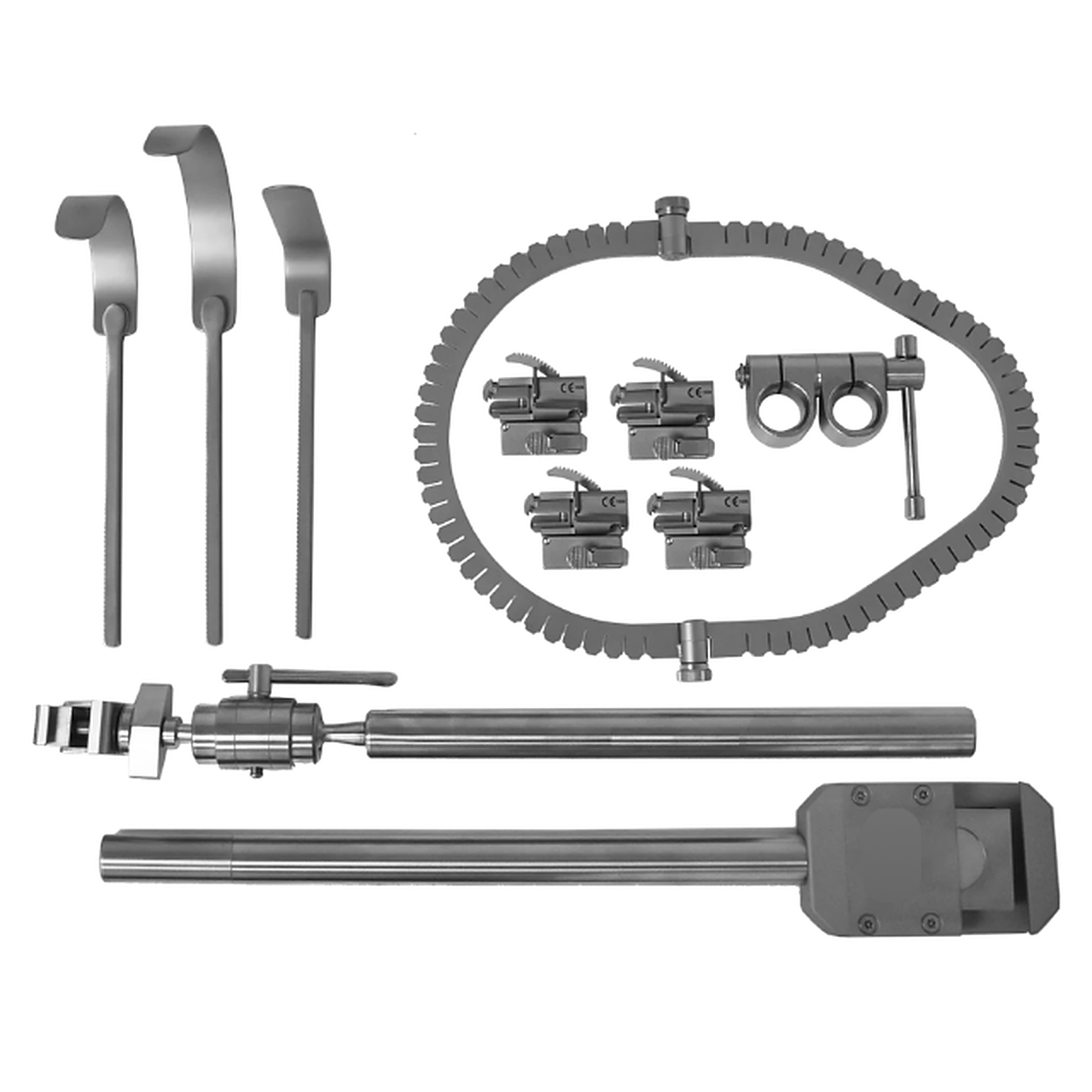 | Bookwalter GYN Magrina Pelvik Cerrahi Ekartör Sistemi | Dönen eğimli mandallara sahip masaya monte kendinden tutmalı bir ekartör sistemi kullanarak jinekolojik, vajinal ve pelvik cerrahi prosedürler sırasında stabil, eller serbest ekarman sağlamak için tasarlanmıştır. |
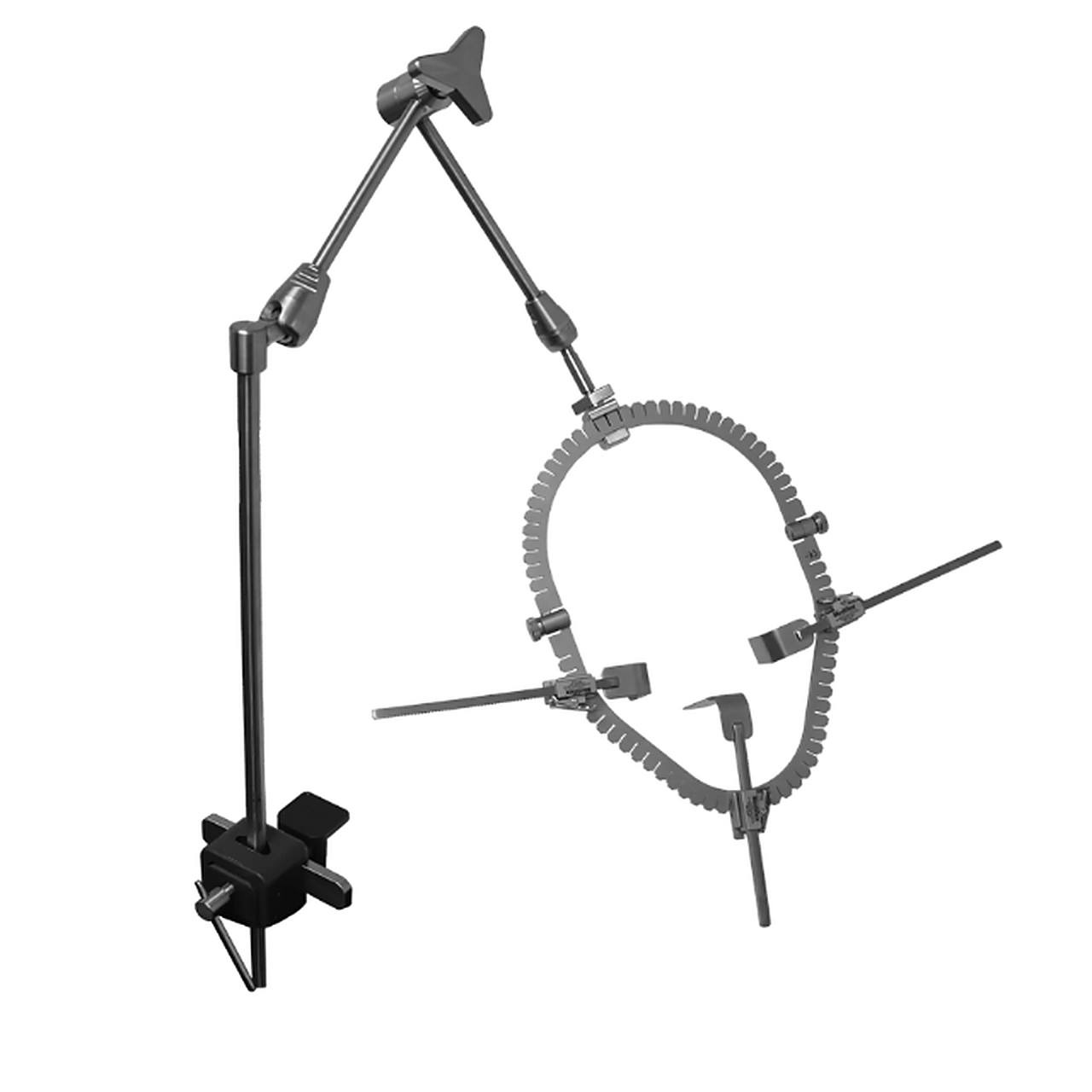 | Bookwalter StrongArm GYN Cerrahi Sistemi | StrongArm Plus montaj sistemini kullanarak jinekolojik, vajinal ve pelvik cerrahi prosedürler sırasında stabil, eller serbest ekarman sağlamak için tasarlanmıştır. |
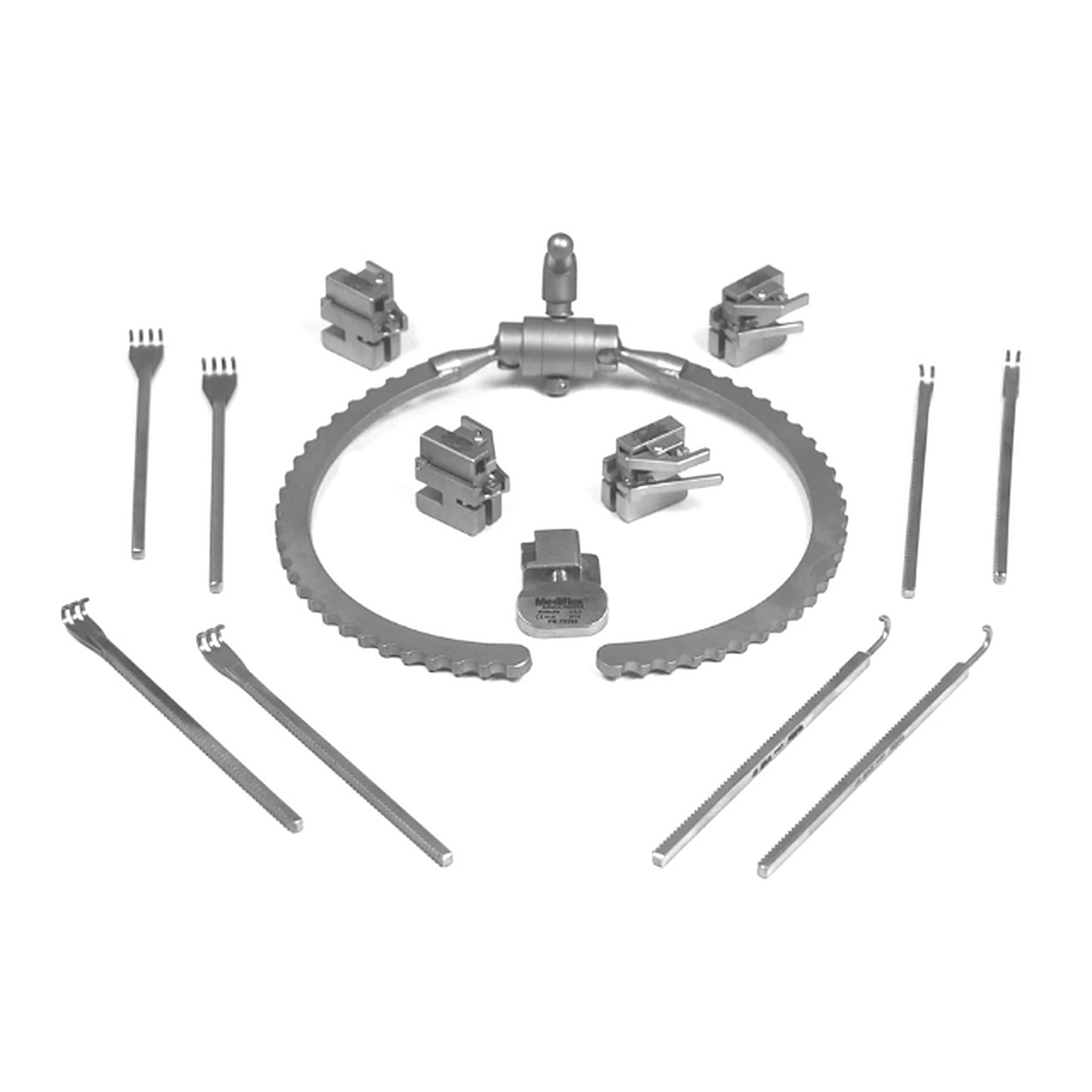 | Bookwalter El Cerrahisi Ekartör Sistemi | Kompakt, kendinden tutmalı mini ekartör sistemi kullanarak hassas el, bilek ve üst ekstremite cerrahi prosedürleri için stabil, eller serbest ekarte sağlar. |
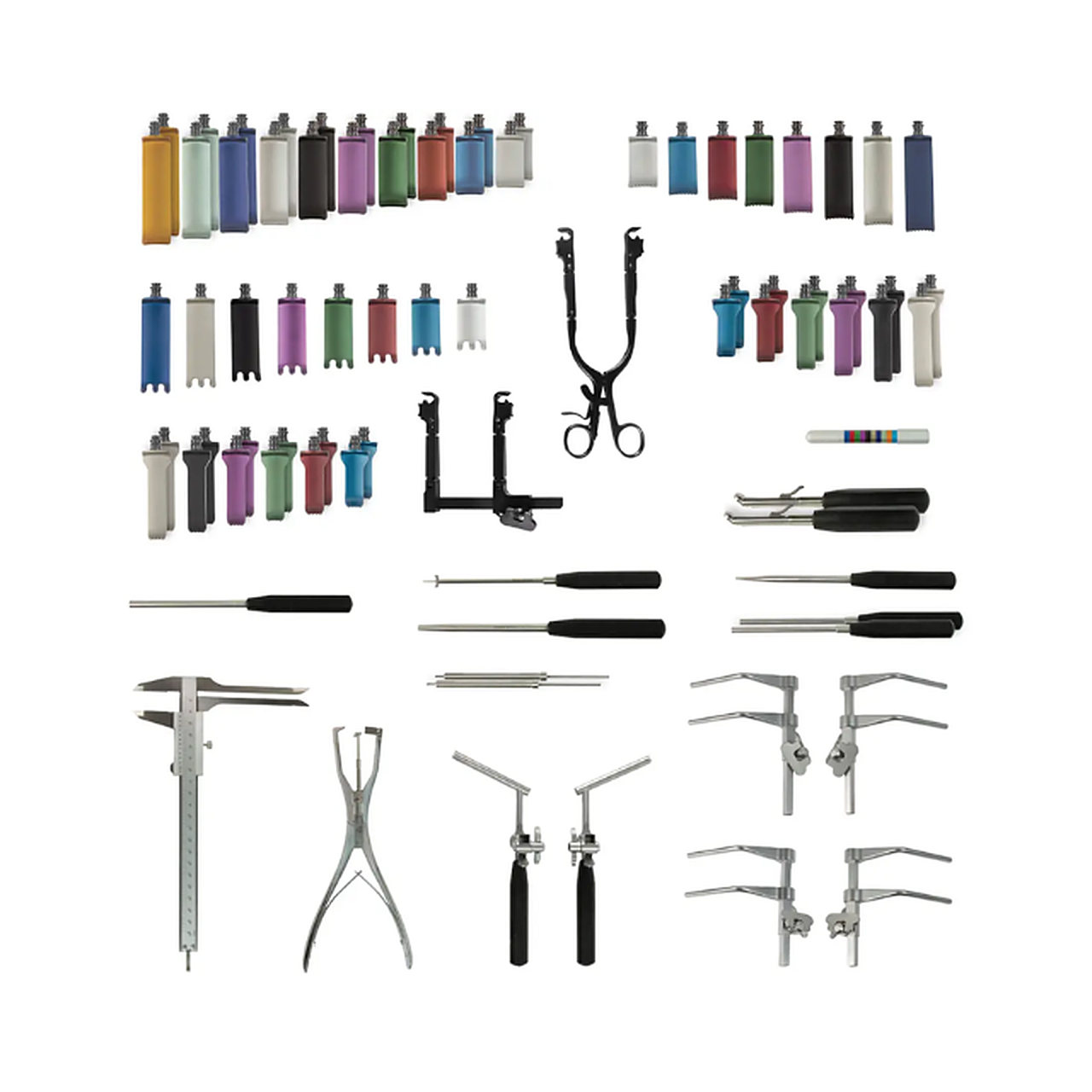 | Image-Line ACF Distraksiyonlu Hızlı Bırakma Ekartör Seti | Anterior servikal füzyon (ACF) spinal prosedürleri sırasında yumuşak doku ekartasyonu, intervertebral gövde distraksiyonu ve kemik grefti yerleştirilmesi için özel olarak tasarlanmıştır. |
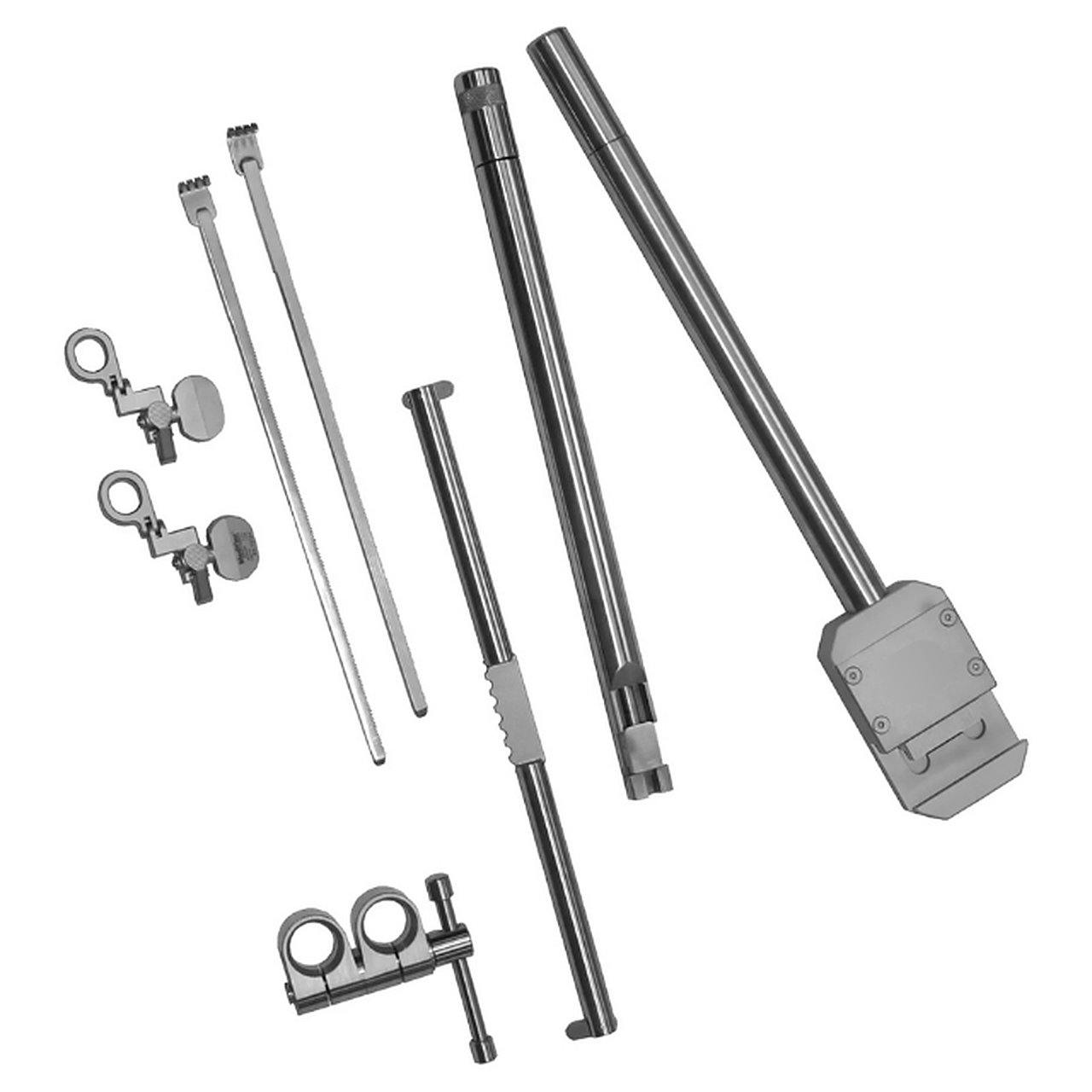 | Bookwalter IMA Ekartör Sistemi | Bağımsız olarak ayarlanabilen dişli mekanizmaları kullanarak İnternal Mamarian Arter (IMA) grefti alımı sırasında göğüs duvarının hassas ve kontrollü elevasyonunu sağlamak için tasarlanmıştır. |
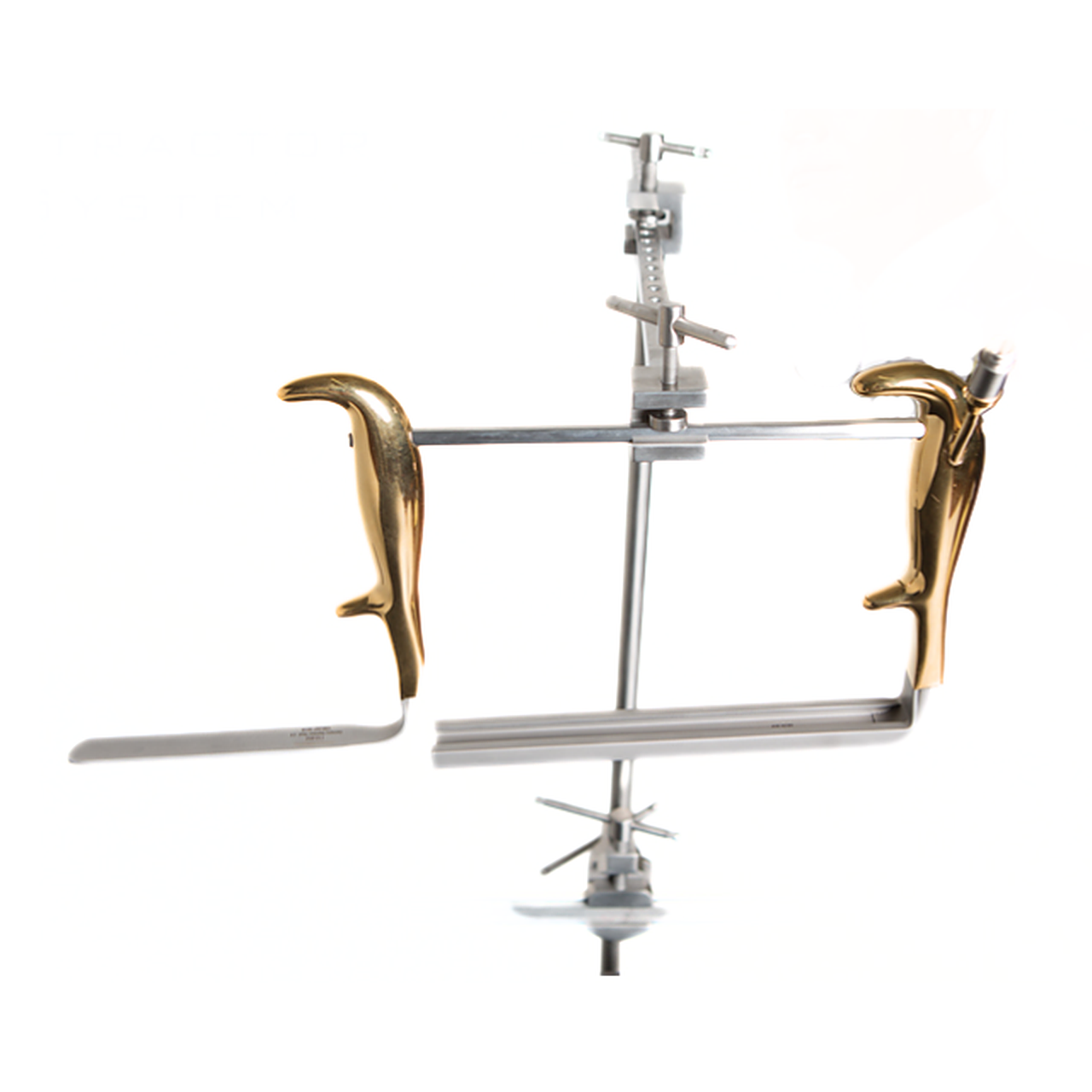 | Hoyos Ekartör Sistemi | Plastik cerrahi, mini-lipoabdominoplasti ve ileri vücut şekillendirme prosedürleri sırasında kontrollü, eller serbest doku deplasmanı ve stabil cerrahi görüş sağlamak için özel olarak tasarlanmıştır. |
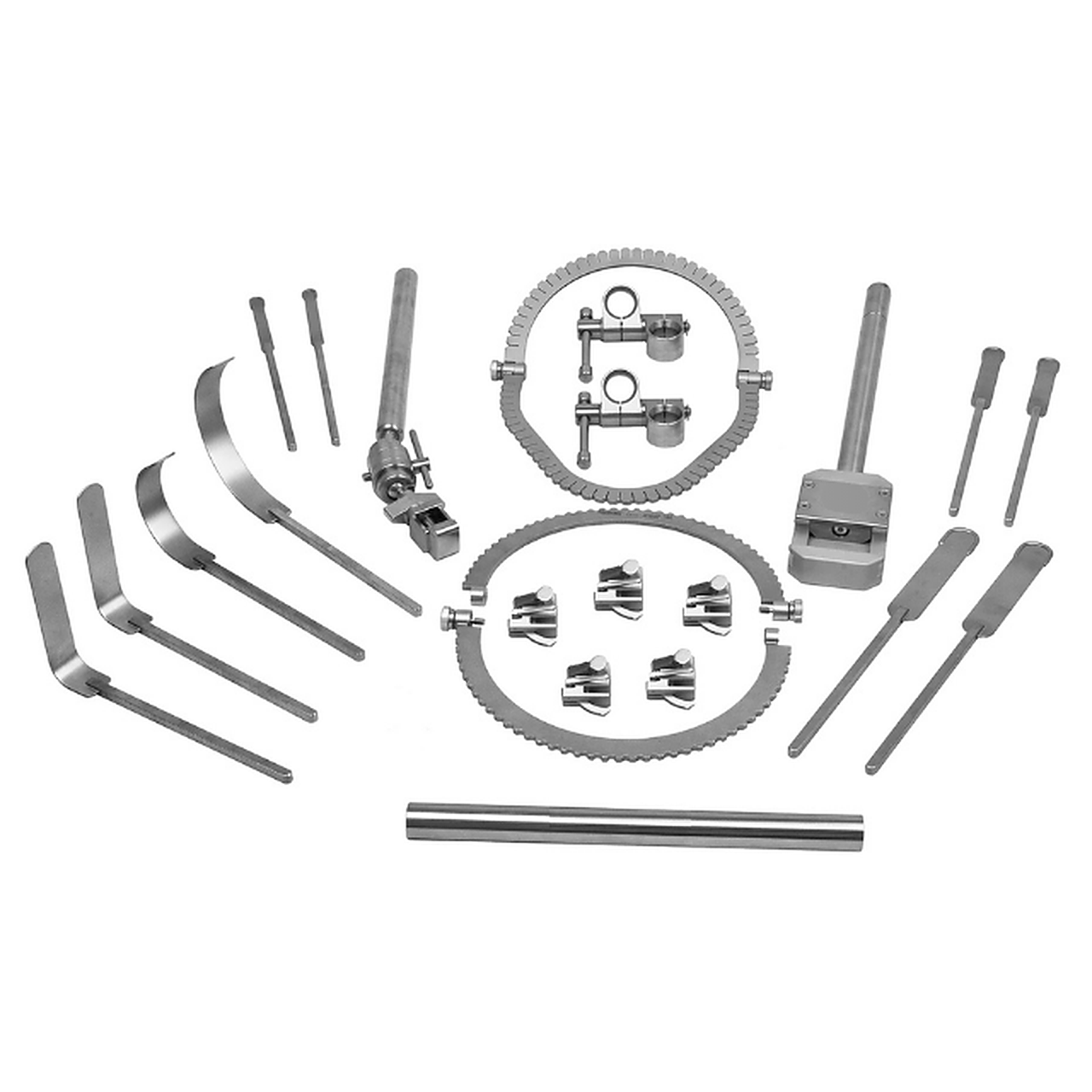 | Bookwalter Perineal Cerrahi Ekartör | Perineal, kolorektal, jinekolojik ve pelvik cerrahi prosedürler sırasında çoklu montaj ve konumlandırma seçenekleriyle stabil, eller serbest ekarman sağlar. |
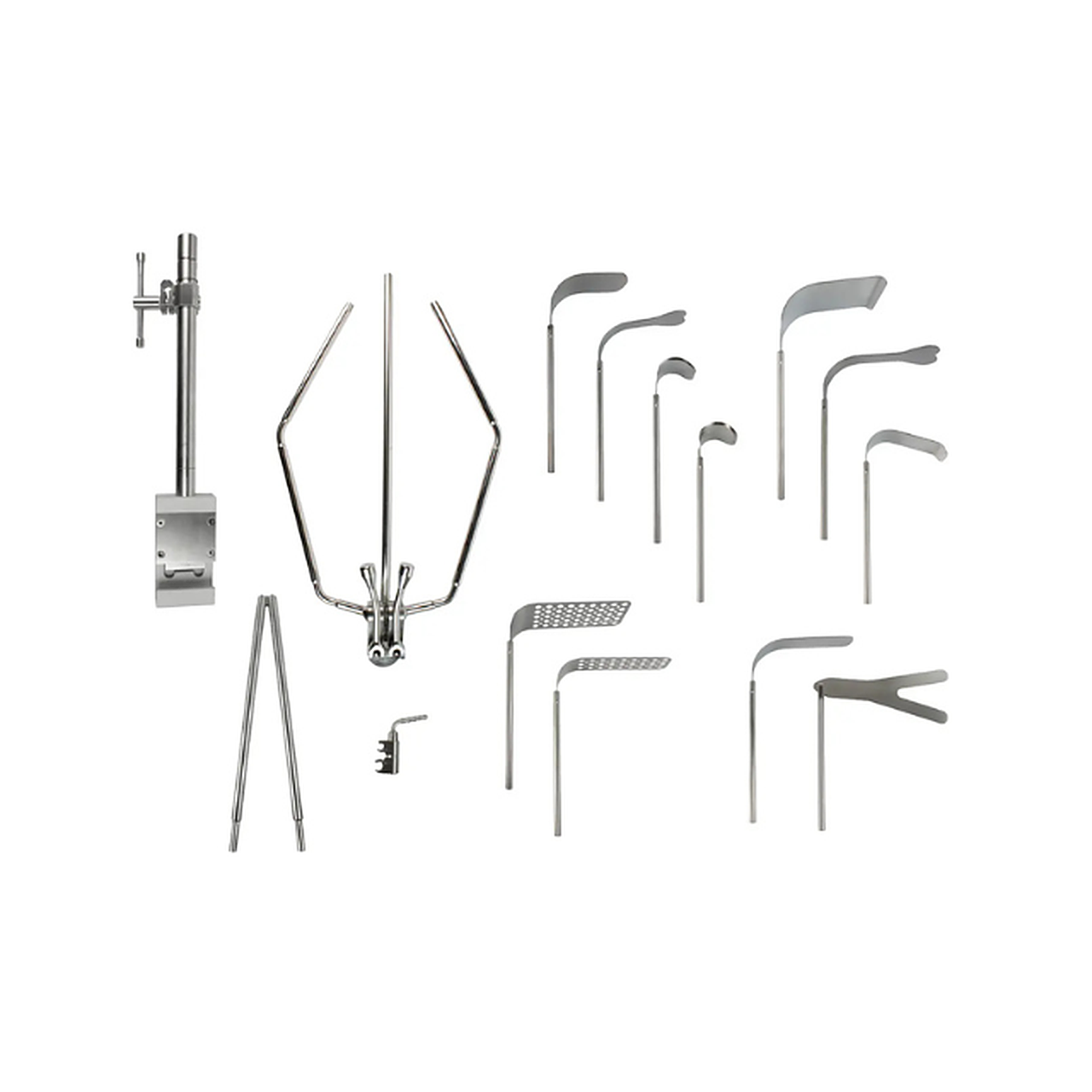 | Urology Lobster Expanded Ekartör | Ürolojik prosedürler sırasında masaya monte, otomatik doku ekartasyonu ve cerrahi alan görünürlüğü sağlamak için özel olarak tasarlanmıştır. |
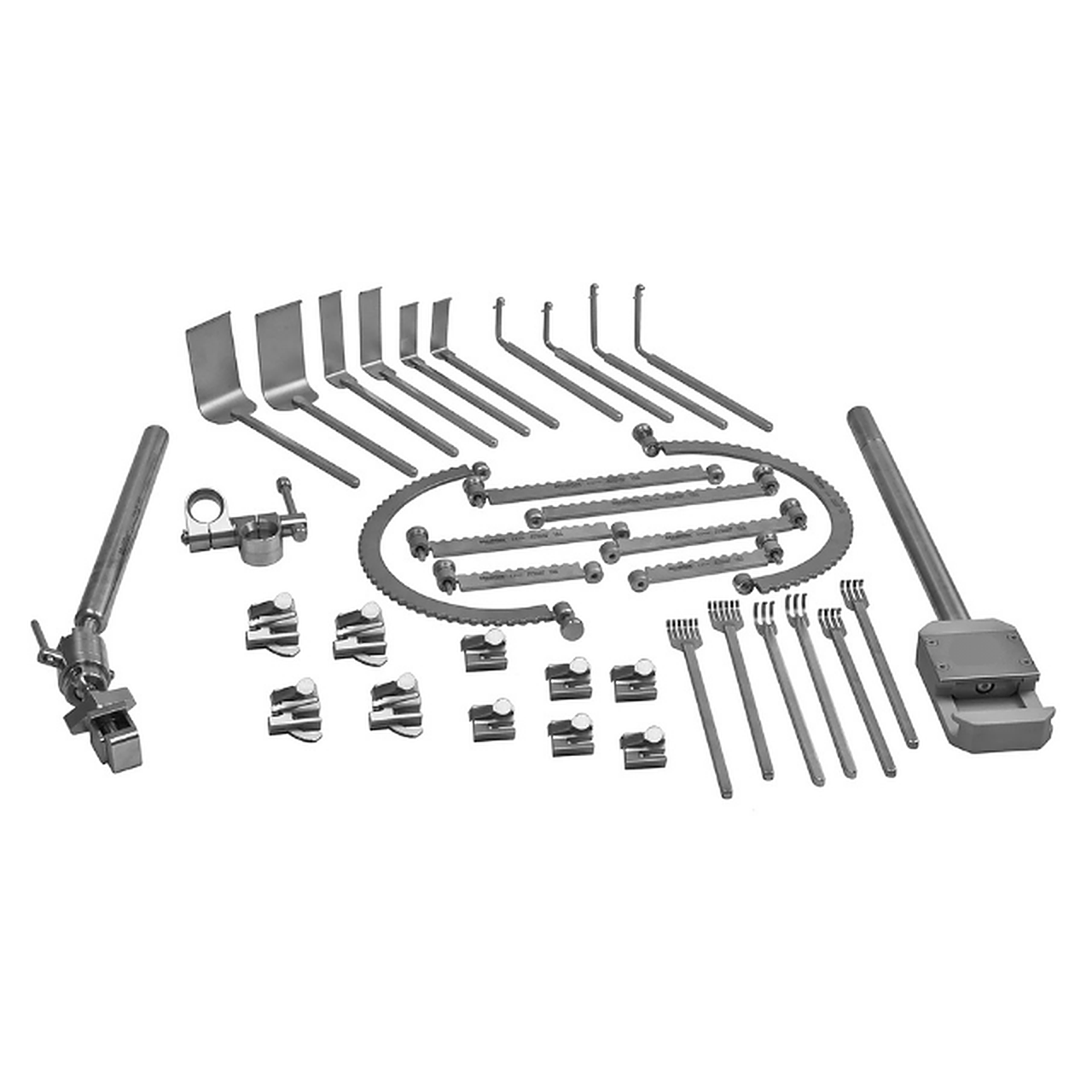 | Bookwalter Posterior Spinal Ekartör | Servikal, torasik ve lomber omurgaya posterior yaklaşımlar sırasında stabil, eller serbest cerrahi görüş sağlamak üzere tasarlanmıştır. |
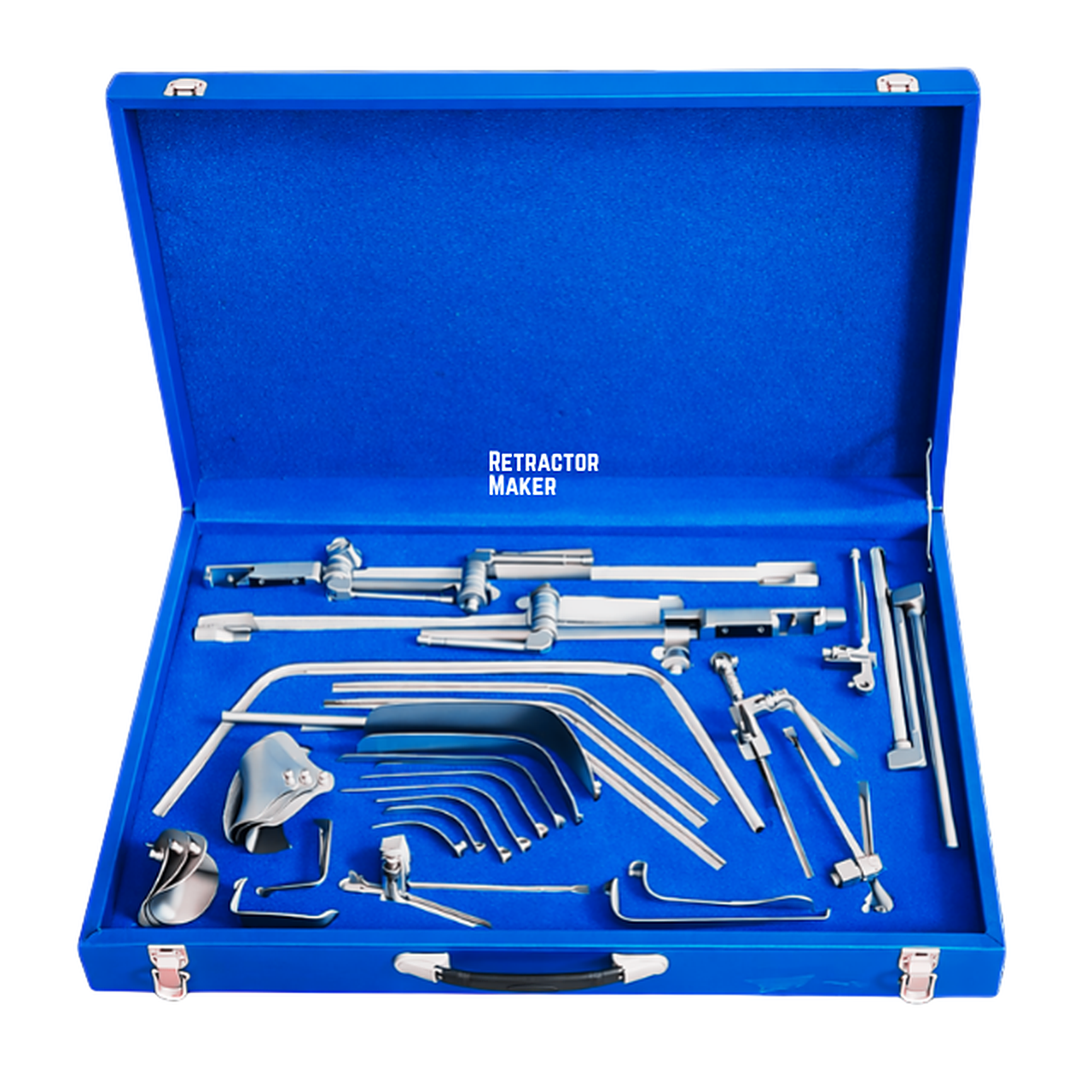 | Thompson Retractor System | Karmaşık açık cerrahiler sırasında modüler ve eller serbest ekartasyon sağlar. |
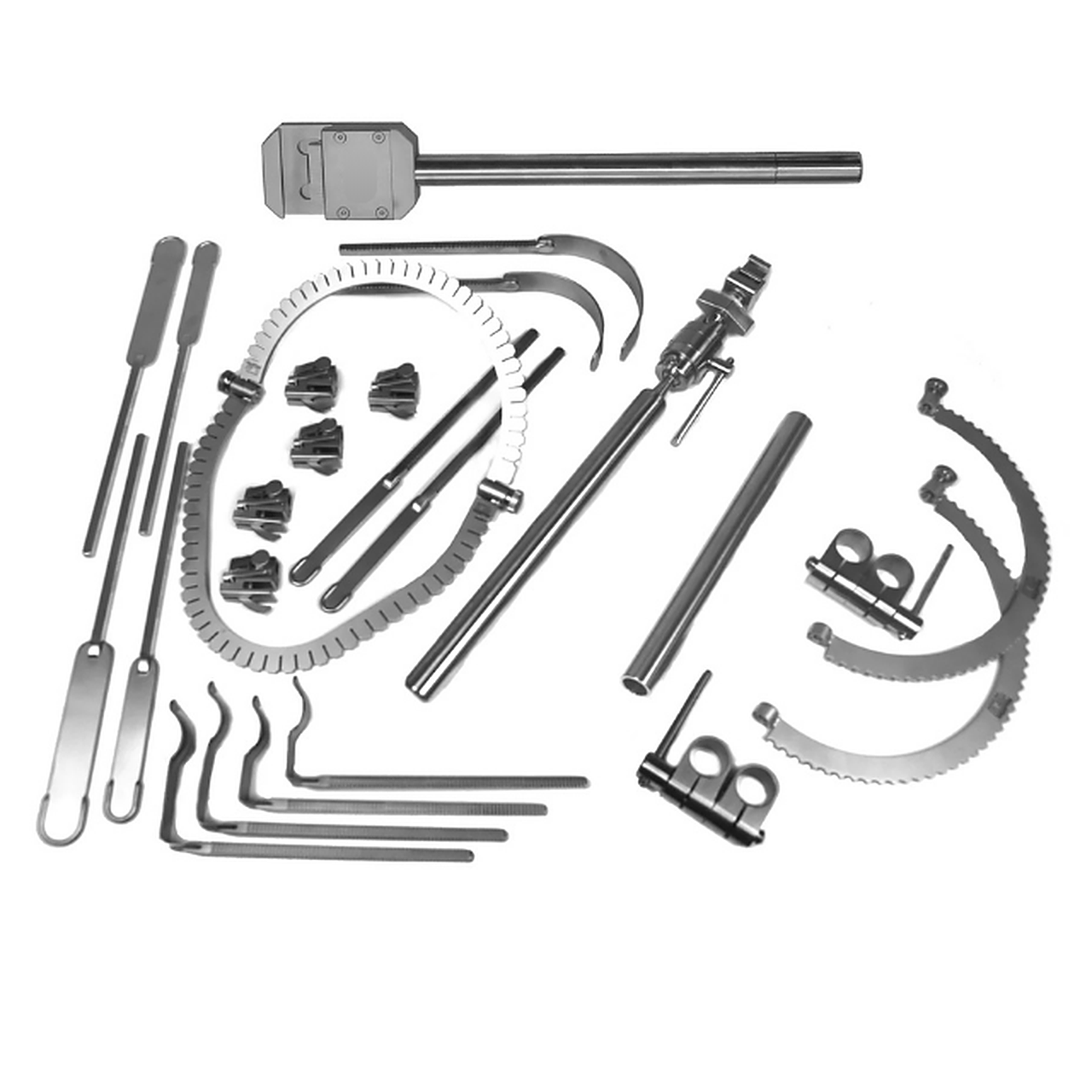 | Bookwalter Rectal/Trans-Anal Cerrahi Ekartör | Kolorektal, trans-anal, rektal ve perineal prosedürler sırasında esnek montaj konfigürasyonları ile stabil, eller serbest cerrahi görüş sağlamak üzere tasarlanmıştır. |
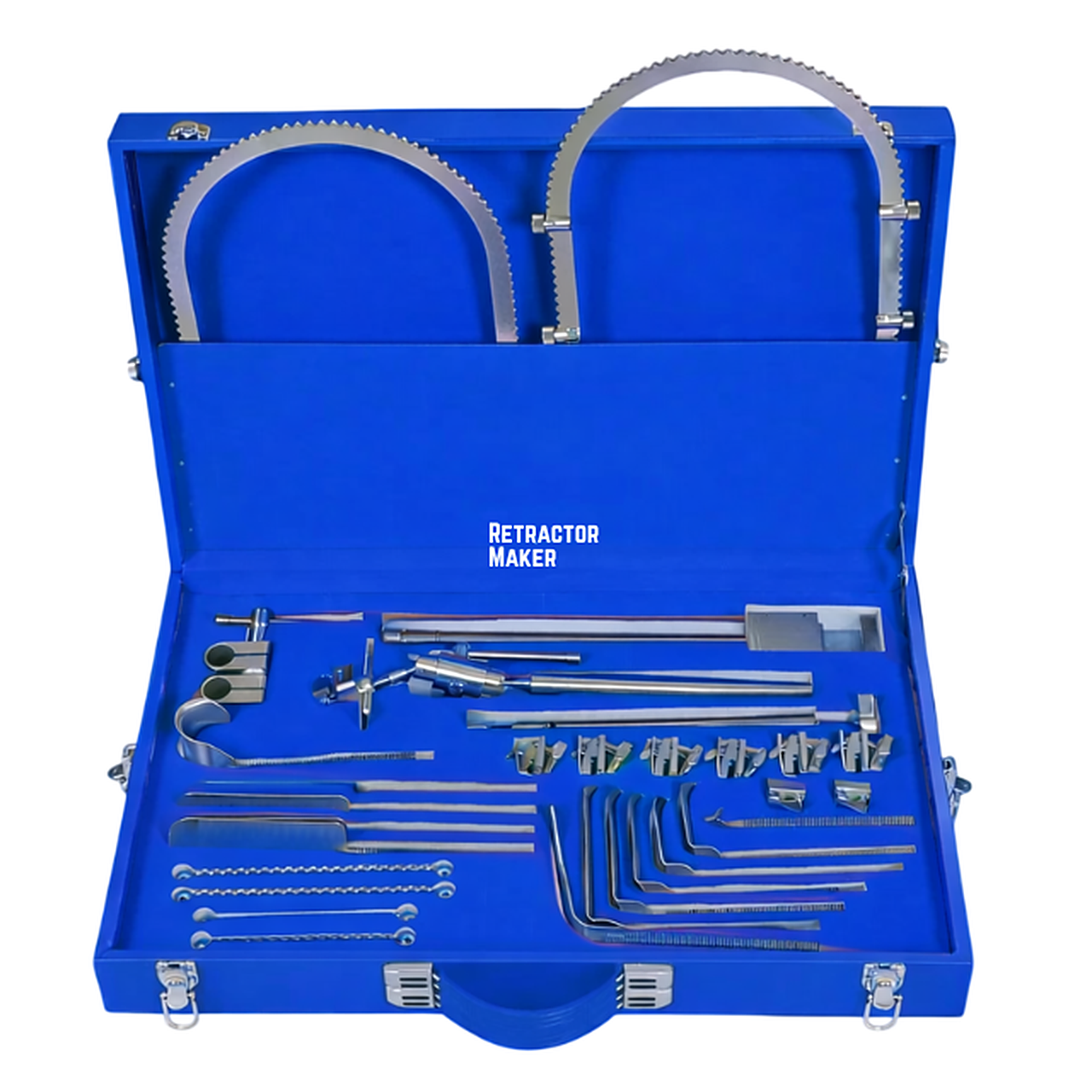 | Bookwalter Ekartör Sistemi | Nefrektomi, prostatektomi ve laparotomi gibi majör açık abdominal prosedürler sırasında sabit, eller serbest ekarman ve cerrahi saha görünürlüğü sağlar. |
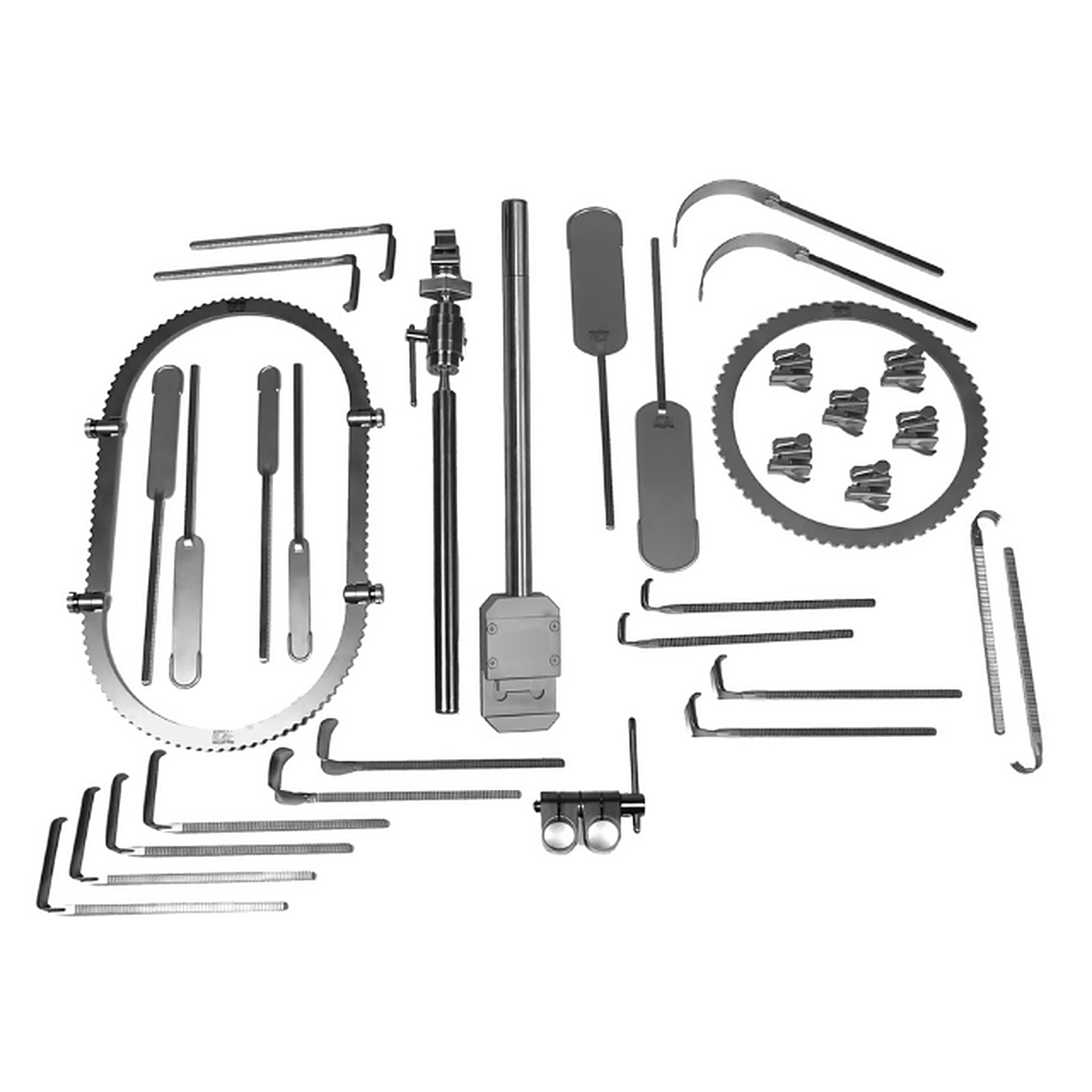 | Bookwalter Small Incision Ekartör Sistemi | Hassas erişim gerektiren ve doku hasarının minimize edildiği sınırlı insizyon prosedürleri sırasında stabil, eller serbest cerrahi görüş sağlamak için tasarlanmıştır. |
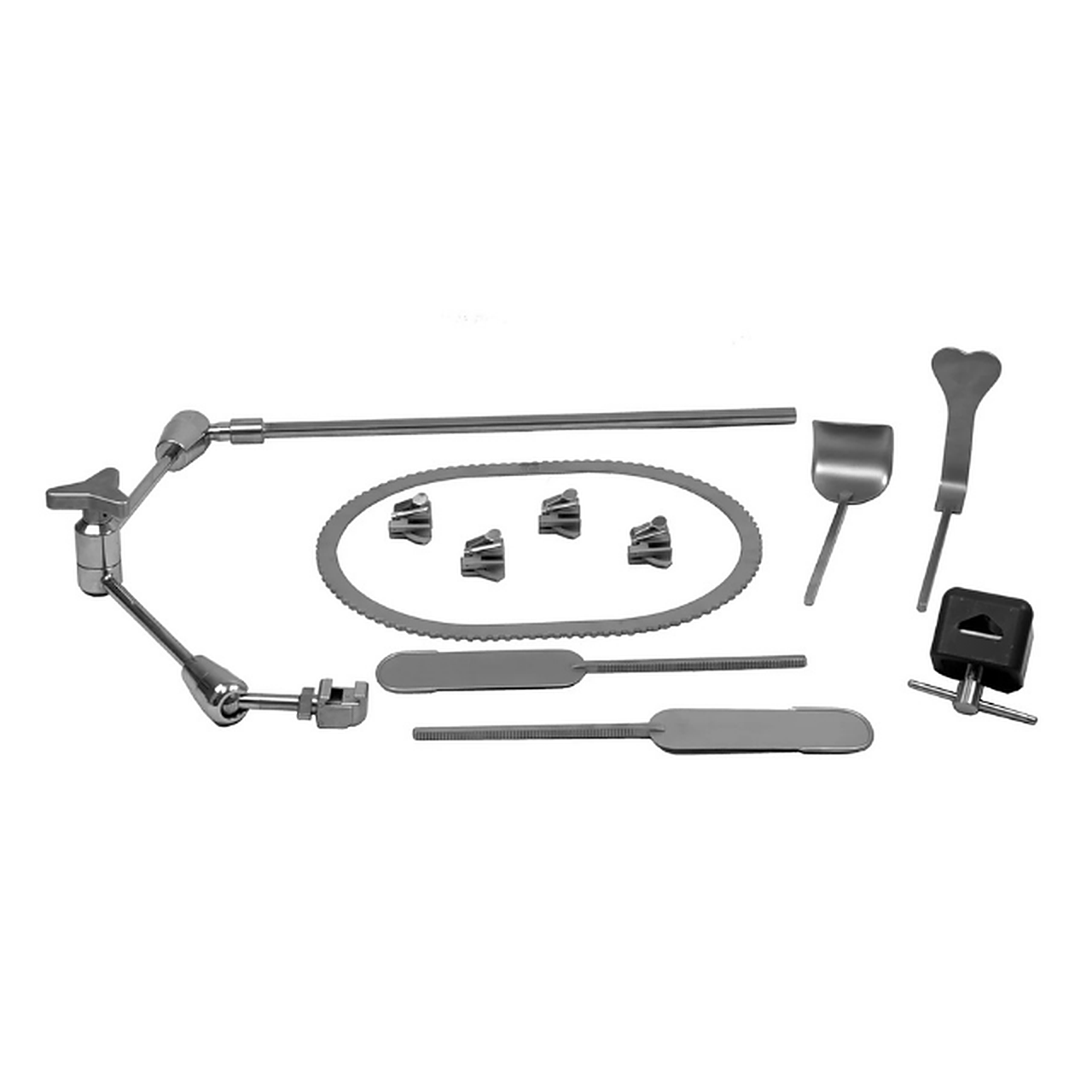 | Bookwalter StrongArm Temel Genel Ekartör Sistemi | StrongArm PLUS Tutucu ve Konumlandırıcı kullanarak açık genel cerrahi prosedürleri sırasında stabil, eller serbest cerrahi görüş alanı sağlamak üzere tasarlanmıştır. |
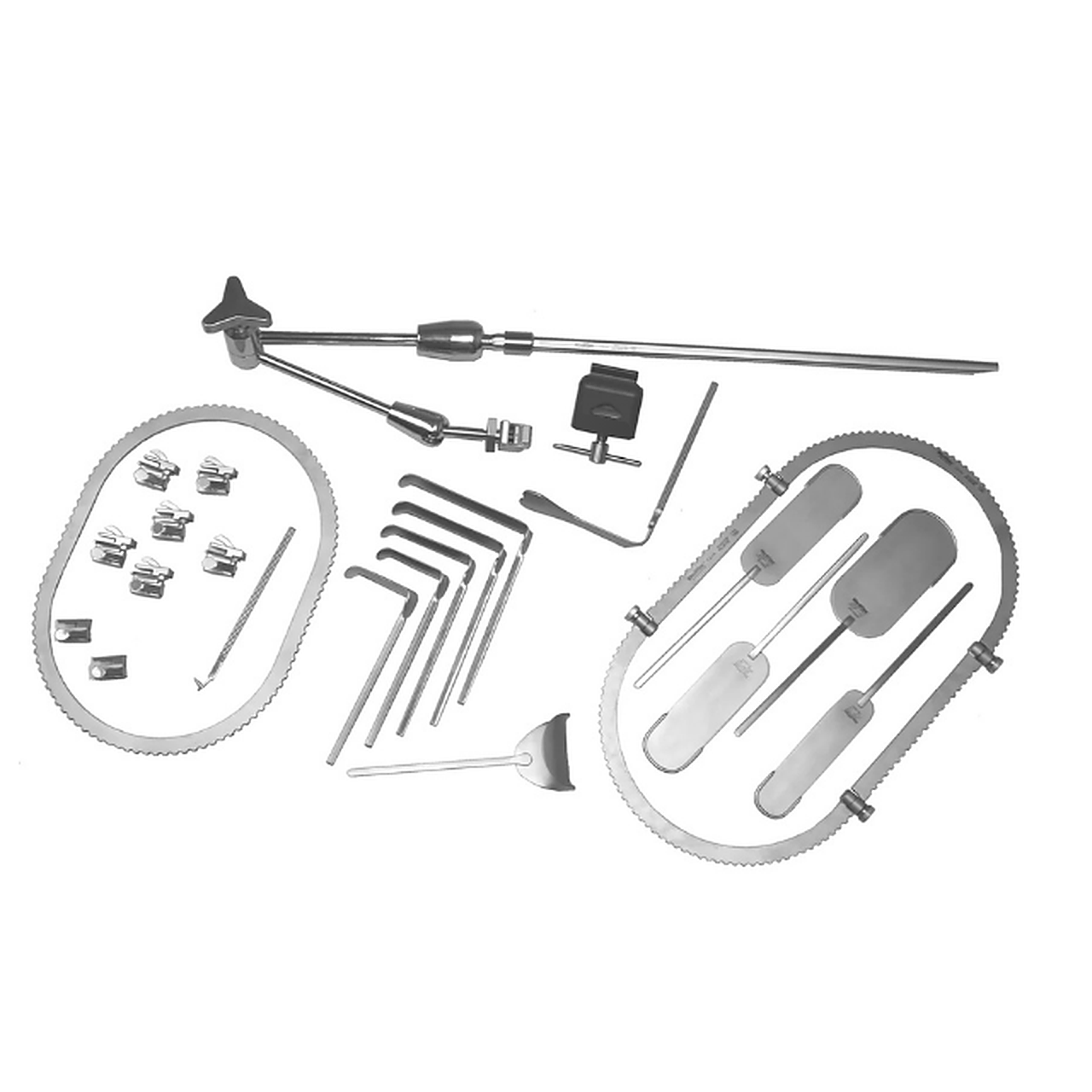 | Bookwalter StrongArm Genel Cerrahi Ekartör Sistemi | StrongArm PLUS Tutucu ve segmentli halka konfigürasyonu kullanarak açık genel cerrahi prosedürleri sırasında stabil, eller serbest cerrahi görüş alanı sağlamak üzere tasarlanmıştır. |
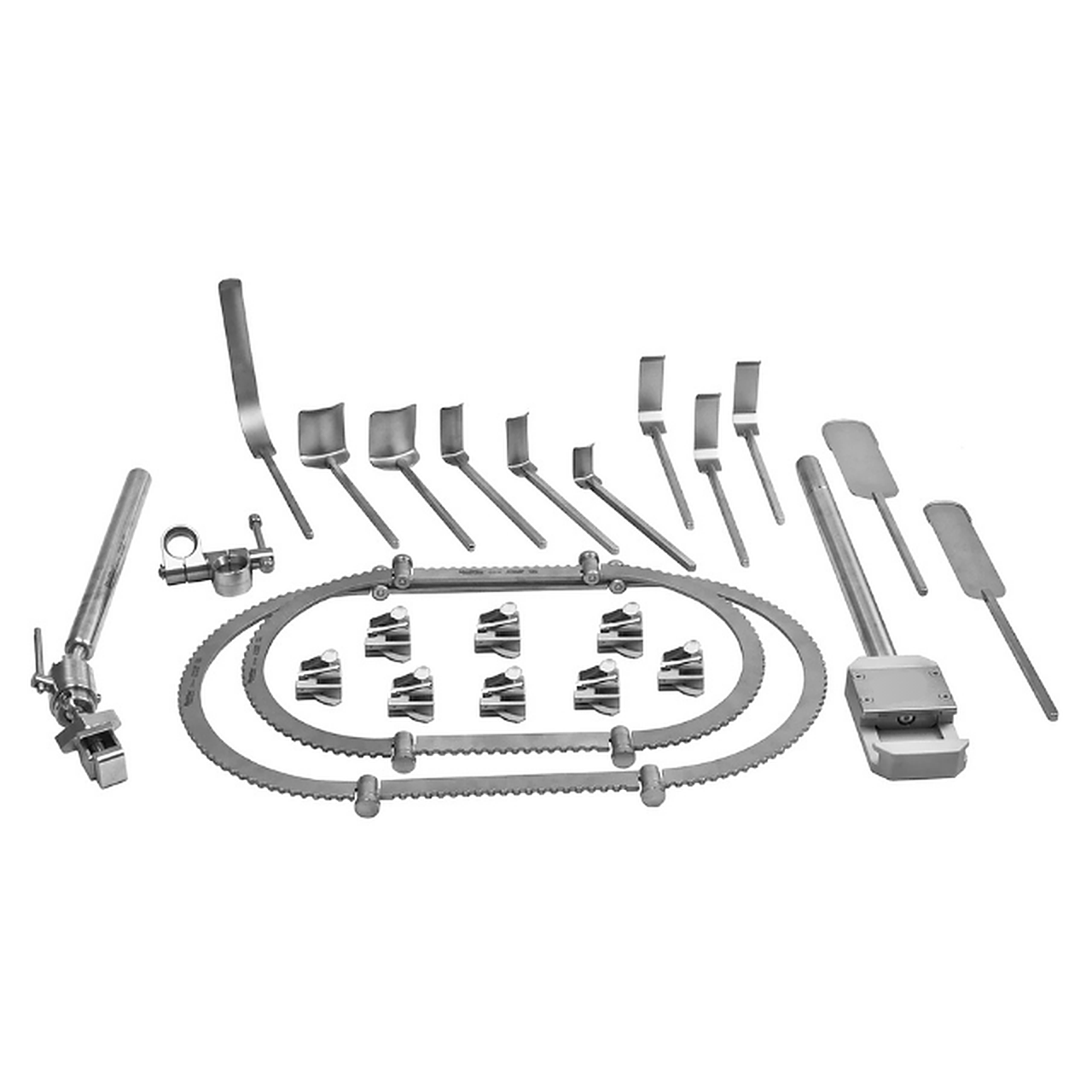 | Bookwalter Urology Ekartör Sistemi | Böbrekler, üreterler, mesane ve retroperitoneal ürolojik yapılara yönelik abdominal ve yan yaklaşımlar sırasında stabil, eller serbest cerrahi ekarman sağlamak üzere tasarlanmıştır. |
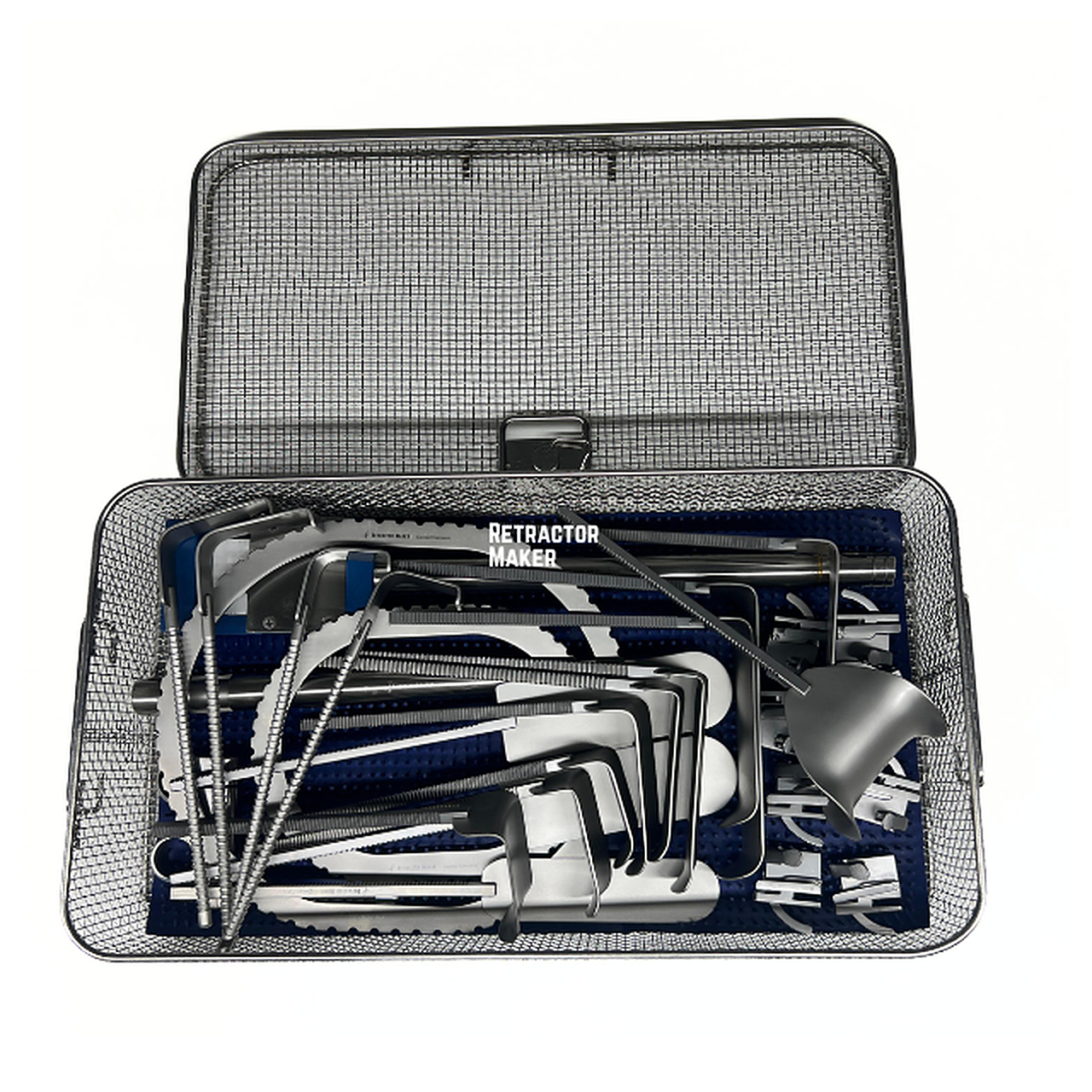 | Custom Bookwalter Retraktör | Müşterinin cerrahi uzmanlık alanına, tercih edilen bileşenlere ve prosedür gereksinimlerine göre üretilmiştir. |
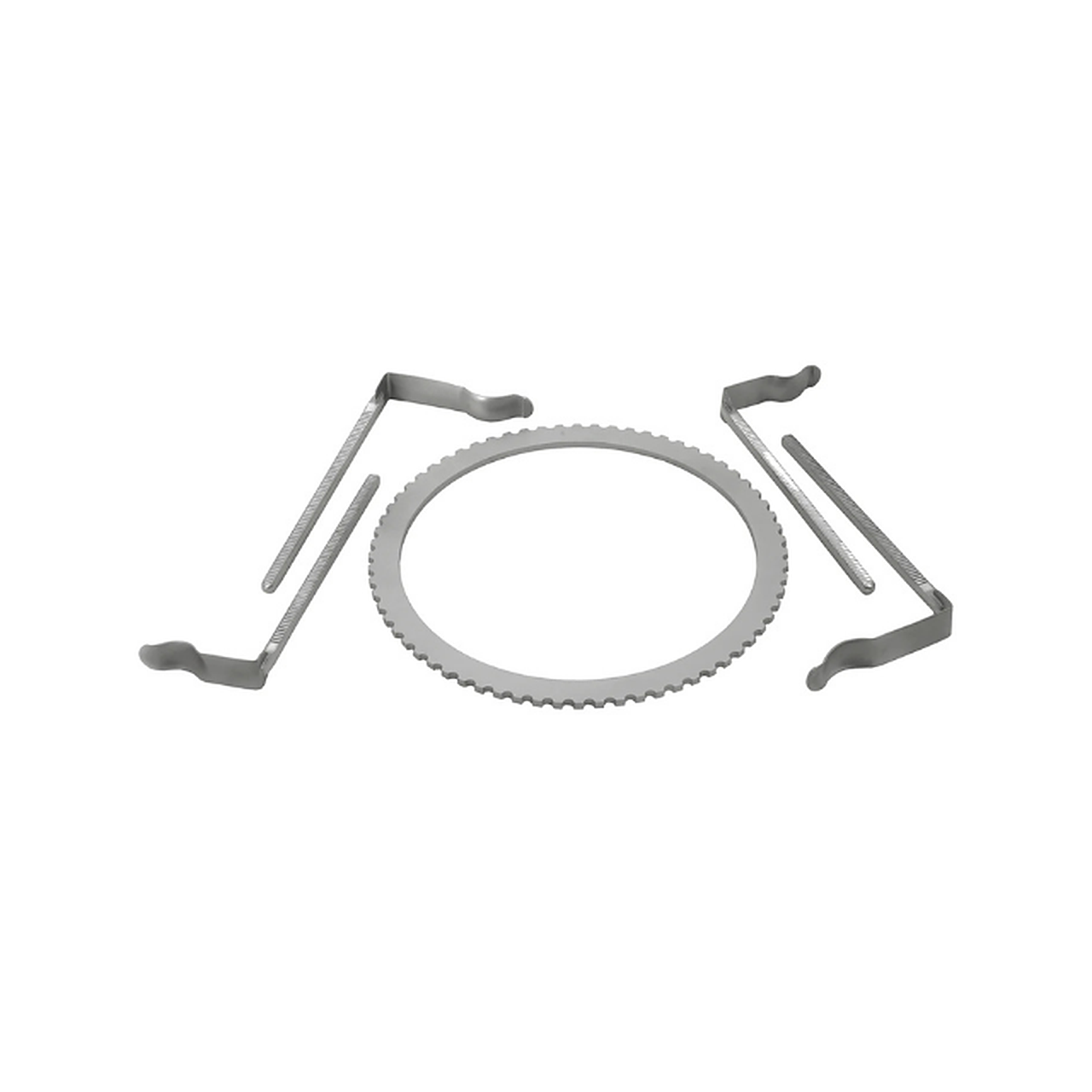 | Rektal/Trans-Anal Aksesuar Seti | Özel rektal bleydler ve küçük bir yuvarlak halka sağlayarak, mevcut bir Bookwalter General Surgery Retractor System'i trans-anal ve rektal cerrahi prosedürler için genişletmek amacıyla tasarlanmıştır. |
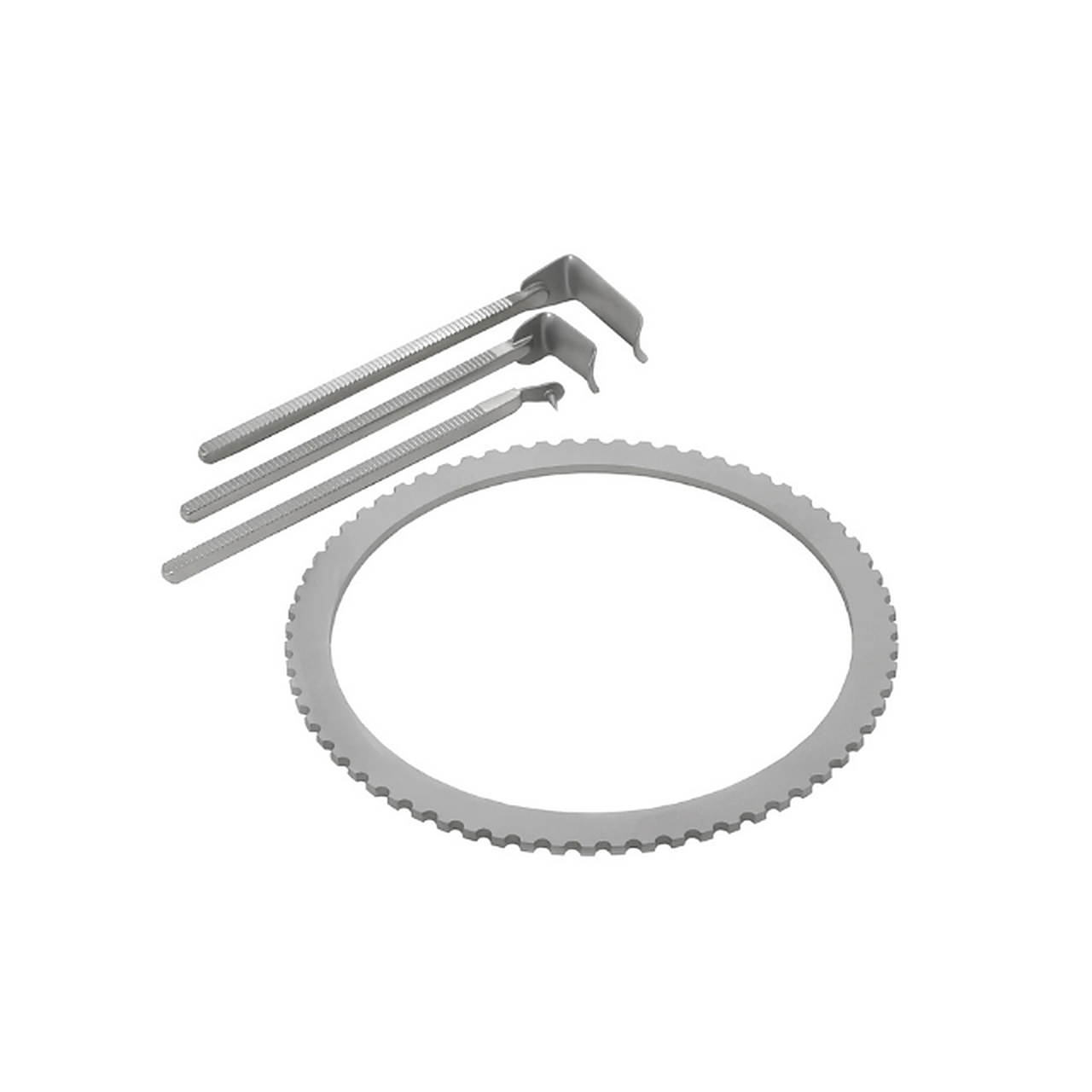 | Küçük İnsizyon Aksesuar Seti | Kompakt bir sabit yuvarlak halka ve özel yüzeysel kanatlar sağlayarak, mevcut Bookwalter General Surgery Retractor System'i sınırlı maruziyet ve küçük insizyon operasyonları için genişletmek üzere tasarlanmıştır. |
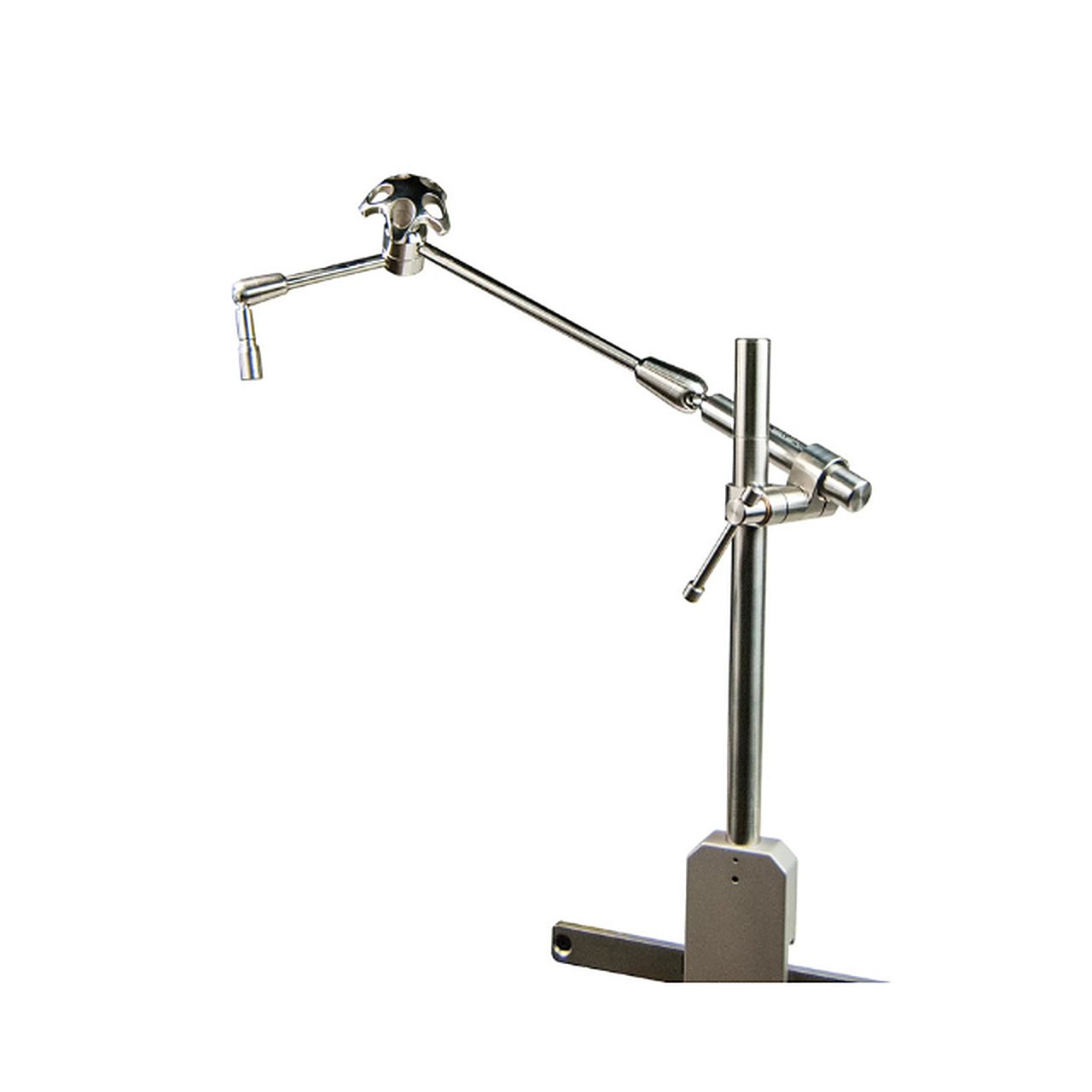 | Bookwalter StrongArm Sistemi | Geniş bir cerrahi prosedür yelpazesinde Bookwalter ve uyumlu kendinden tutmalı ekartör sistemleri için stabil, ayarlanabilir ve eller serbest destek sağlamak üzere tasarlanmıştır. |
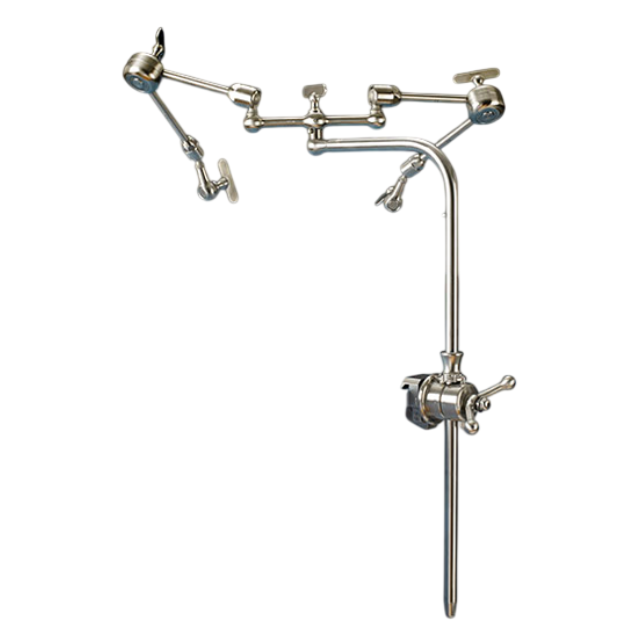 | Iron Intern Hydra Çift Kol | Karmaşık karın ve pelvik cerrahi sırasında bilateral, çok kadranlı, eller serbest visseral retraksiyon için özel olarak tasarlanmıştır. |
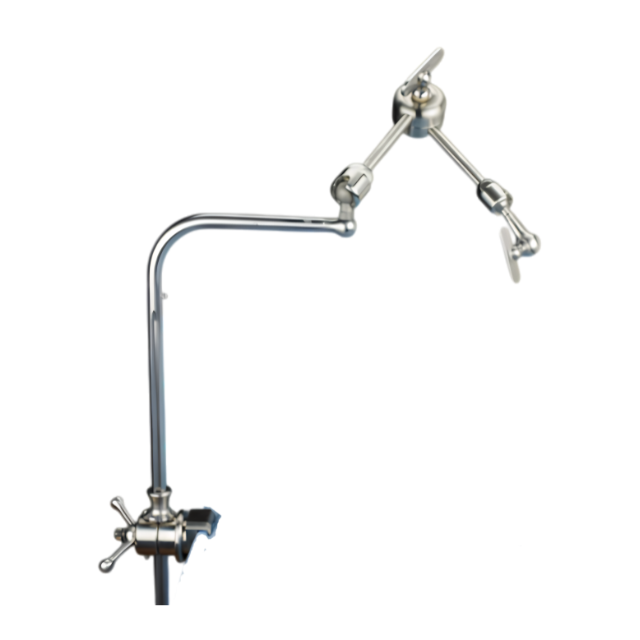 | Iron Intern Tek Kol | Karın içi organların, göğüs duvarlarının ve yumuşak dokunun rijit, eller serbest mekanik retraksiyonunu sağlamak üzere özel olarak tasarlanmıştır. |
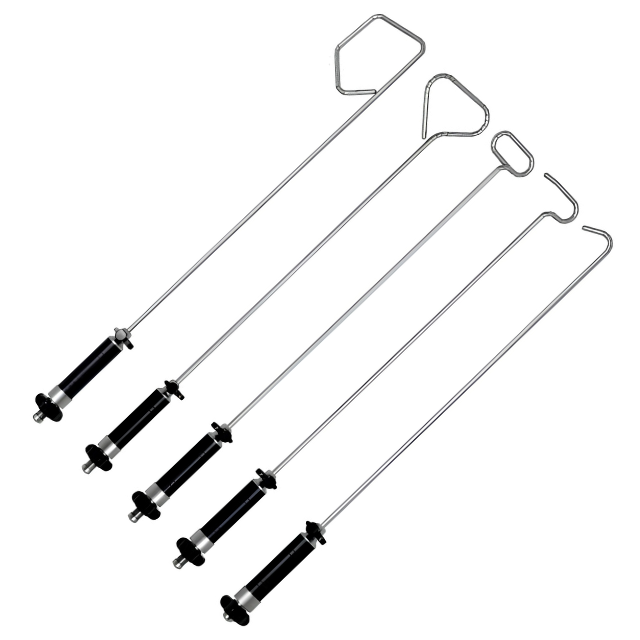 | Yılan Karaciğer Retraktörleri | Laparoskopik hepatik lob elevasyonu ve üst GİS ve bariatrik cerrahi sırasında visseral deplasman için özel olarak tasarlanmıştır. |
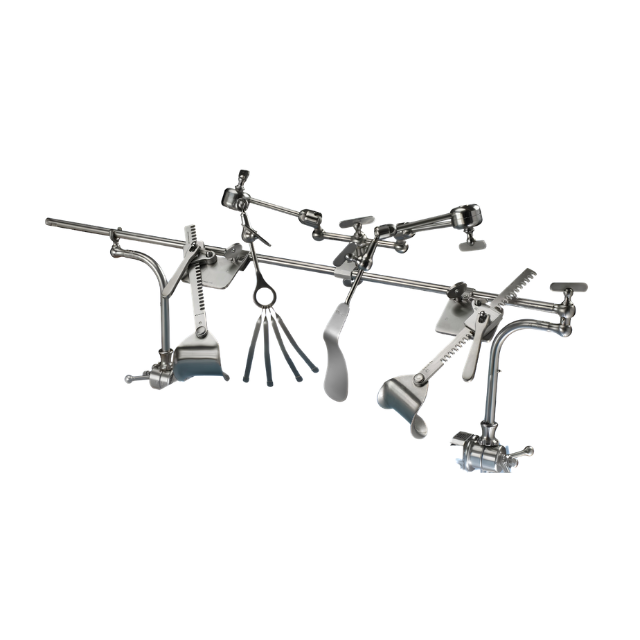 | Stieber Kaburga Tutucu Retraktör Kiti | Hepatobiliyer ve transplantasyon cerrahisi sırasında bilateral kostal kenar kaldırma ve üst karın maruziyeti için özel olarak tasarlanmıştır. |
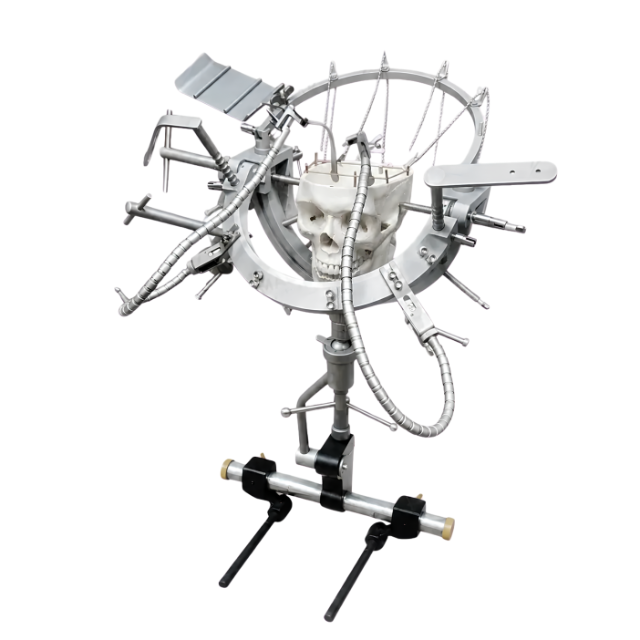 | Sugita Çok Amaçlı Baş Çerçevesi | Rigid kraniyal kafatası fiksasyonu ve çok vektörlü mikroşirürjik beyin retraksiyonu için özel olarak tasarlanmıştır. |
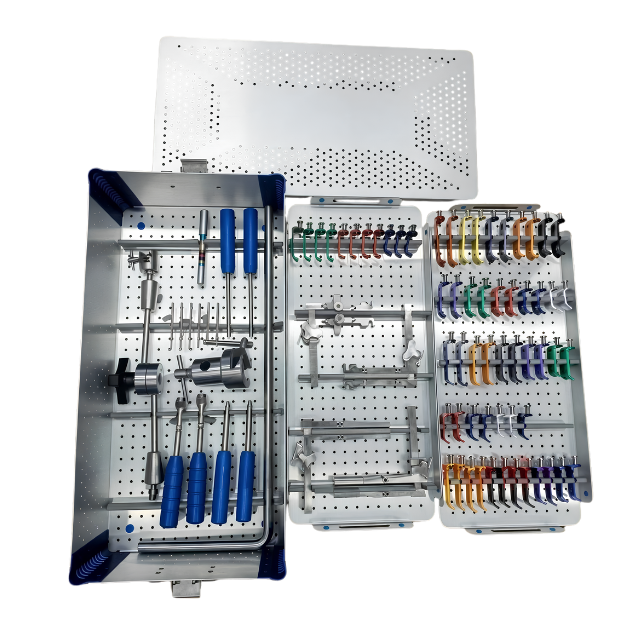 | Tedan Phantom CS-1600 Servikal Retraktör Seti | Anterior servikal omurga cerrahisi (ACDF) sırasında yumuşak doku retraksiyonu ve vertebral gövde distraksiyonu için özel olarak tasarlanmıştır. |
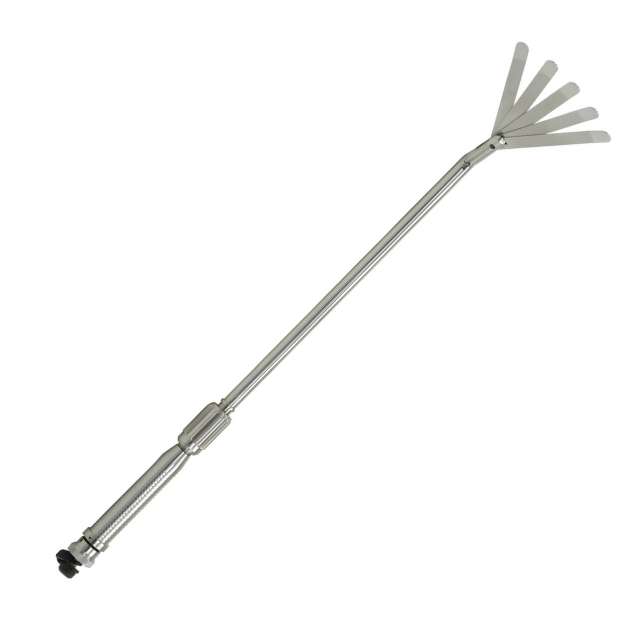 | 5 Parmaklı Yelpaze Retraktörü | Geniş laparoskopik viseral retraksiyon, karaciğer kaldırma ve bağırsak deplasmanı için özel olarak tasarlanmıştır. |
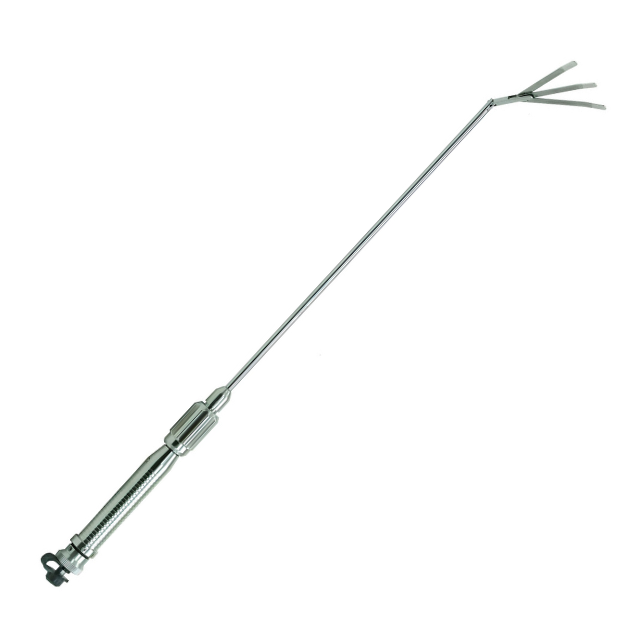 | 3 Parmaklı Yelpaze Retraktör | Özellikle odaklanmış laparoskopik organ yer değiştirmesi, karaciğer kaldırma ve bağırsak tutma için tasarlanmıştır. |
 | Özofagus Artikülasyonlu Retraktörü | Laparoskopik cerrahi sırasında özofagus mobilizasyonu, retrogastrik tünelleme ve bariatrik bant yönlendirmesi için özel olarak tasarlanmıştır. |
 | Uçurtma Tarzı Yelpaze Retraktör | Geniş, travmatik olmayan laparoskopik organ desteği ve karaciğer/visseral retraksiyonu için özel olarak tasarlanmıştır. |
How Do You Choose a Surgical Retractor?
Retractor selection is a clinical decision for the surgical team and facility. The factors below are commonly considered when building trays or specifying instruments. They are general considerations, not recommendations for a particular patient or procedure.
Which Designs Suit the Surgical Application?
The procedure and specialty narrow the choice first. An abdominal case, spinal fusion, and rhinoplasty require entirely different instrument families. Many patterns were developed for a specific type of operation.
How Does Anatomical Location Affect Selection?
The location and depth of the operative field determine blade length, handle angle, and overall size. Deep fields need longer blades and handles that keep the assistant's hand out of the line of sight. Superficial fields need short, light instruments.
Which Blade Size and Shape Are Needed?
Blade width and depth should match the tissue being held. Flat, curved, lipped, and malleable blades retract tissue differently. Toothed rakes and sharp prongs grip skin and fascia. Smooth, blunt blades are used where tissue should not be punctured.
Handheld or Self-Retaining: Which Design Fits?
A handheld retractor offers continuous, adjustable control but occupies an assistant. A self-retaining retractor provides steady exposure and frees hands, but is less easily adjusted. It must also suit the wound's depth and shape. Many procedures use both designs.
How Much Exposure Is Required?
Selection depends on the width, depth, and direction of the required view. Wide incisions may need multiple blades pulling in several directions. A narrow approach may need one deep blade or a tubular retractor.
Do You Need a Complete System or Individual Instruments?
Some procedures require complete retractor systems; others need only individual handheld retractors. Systems may include a frame or ring, table post, clamps, arms, blades, and accessories. When ordering, confirm the included components and which blades are compatible with an existing frame. Request a quote for a complete retractor system.
How Should Reusable Retractors Be Maintained and Sterilized?
Reusable retractors should be handled, cleaned, inspected, sterilized, and stored according to the applicable manufacturer's instructions for use (IFU) and the healthcare facility's approved procedures. Proper maintenance and reprocessing are important.
General maintenance considerations include:
- Clean instruments after use according to the applicable manufacturer's instructions.
- Pay particular attention to joints, hinges, ratchets, locks, and other moving components.
- Inspect retractors for visible contamination, corrosion, cracks, deformation, or mechanical damage.
- Check that moving components function properly before returning instruments to service.
- Ensure instruments are appropriately cleaned before sterilization.
- Follow the manufacturer's specified sterilization method and parameters.
- Allow processed instruments to dry appropriately before storage.
- Store clean, processed instruments in a suitable environment that protects against contamination and damage.
Do not apply a universal sterilization cycle to every surgical retractor. Requirements vary with the instrument, material, design, and manufacturer's instructions.
For Retractor Maker products, follow the applicable product documentation and the healthcare facility's validated reprocessing procedures.
Related Retractor Maker Resources
Download the full product catalogue for offline reference. Get the Retractor Maker catalogue.
For pricing and lead time, send our team the product name, quantity, and destination country. Enquiries can cover a specific surgical retractor, complete retractor system, replacement blade, or custom configuration. Contact Retractor Maker.
Klinik uyarı: Bu rehber cerrahi ekipler ve hastane satın alma birimleri içindir. Klinik kullanımdan önce daima üreticinin kullanım talimatlarına (IFU) ve hastanenizin sterilizasyon kurallarına uyun.
Sıkça Sorulan Sorular
What is a surgical retractor?
A surgical retractor holds back tissue, organs, or wound edges to provide access and visibility to the surgical field. Retraction can range from lifting a skin edge to holding the abdominal wall open throughout an operation.
What are retractors used for?
Retractors maintain or improve operative exposure by moving or holding tissue away from the area being accessed. They can widen an incision by displacing tissue laterally or hold deeper structures, such as bowel, muscle, or an organ lobe, away from the treatment area.
What are the main types of surgical retractors?
Retractors include handheld designs, self-retaining designs, and larger frame-based systems. Their designs vary with the intended application and required exposure. Handheld designs require manual holding, while self-retaining designs use a mechanism to maintain blade position without continuous manual support.
What is the difference between a handheld and self-retaining retractor?
A handheld retractor is positioned and held manually, while a self-retaining retractor maintains its position through a retaining mechanism. Manual holding allows continuous changes in angle, depth, and tension. Self-retaining designs free hands but usually need manual repositioning when the required view changes.
Are retractors reusable?
Many retractors are designed for reuse, but reusability and reprocessing requirements depend on the specific product. Follow the applicable manufacturer's IFU and healthcare facility procedures for handling, cleaning, inspection, sterilization, and storage rather than assuming all products have the same requirements.
How should retractors be sterilized?
Retractors should be cleaned and sterilized according to the applicable manufacturer's instructions and the healthcare facility's approved, validated reprocessing procedures. Do not assume one sterilization cycle applies to every retractor. Requirements can vary with material, design, and product-specific instructions.
Where can I find surgical retractor names and images?
Retractor Maker's surgical retractor catalogue is a product reference containing names, images, and product information across its range of surgical retractors. The table in this article includes the complete published catalogue, covering the products in that range.
How do I choose the right surgical retractor?
Choosing a surgical retractor depends on the intended surgical application, anatomical area, required exposure, design, dimensions, and other product-specific requirements. Qualified surgical professionals should determine which surgical retractor is appropriate for the intended application, considering these selection requirements.
What is a Deaver retractor used for?
A Deaver retractor is a curved handheld retractor used for deeper abdominal and thoracic exposure. The surgeon or an assistant positions and holds the Deaver retractor manually, adjusting its angle, depth, and tension as the operation progresses.
How does a Balfour retractor differ from a Bookwalter retractor?
A Balfour retractor is a frame-style abdominal retractor, while a Bookwalter retractor is a table-mounted system. The Balfour retractor has lateral blades and a centre blade. The Bookwalter retractor carries multiple adjustable blades around a ring or rail. Both are self-retaining retractors that maintain blade position without someone holding them continuously.
What should be checked when inspecting a reusable surgical retractor?
A reusable surgical retractor should be inspected for visible contamination, corrosion, cracks, deformation, and mechanical damage. Check moving components for proper function before returning the surgical retractor to service. During cleaning, pay particular attention to joints, hinges, ratchets, locks, and other moving parts.
Yazar hakkında
Saad Shahid · Satış ve Pazarlama Müdürü
Saad Shahid, 2023'te Pakistan'ın Sialkot kentinde kurulan Retractor Maker'ın kurucusu ve Satış ve Pazarlama Müdürüdür. Ayrıca babasıyla birlikte, 1989'da kurulan aile şirketi Hospitech Traders'ta cerrahi aletler alanında çalışmaktadır.
İlgili Bloglar ve Rehberler
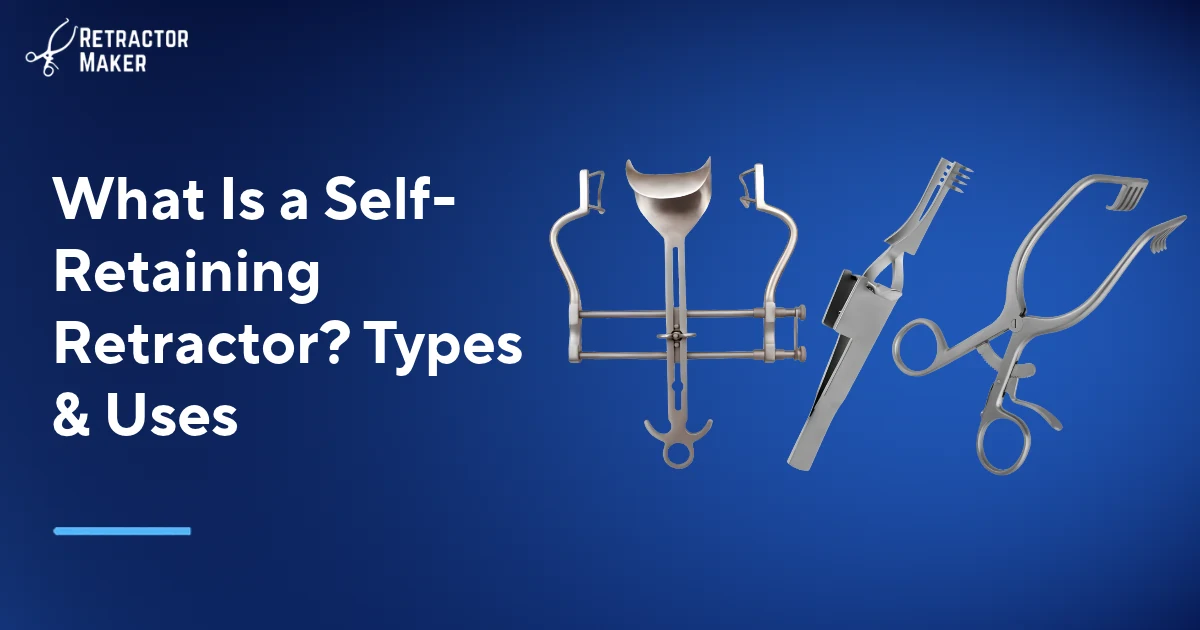

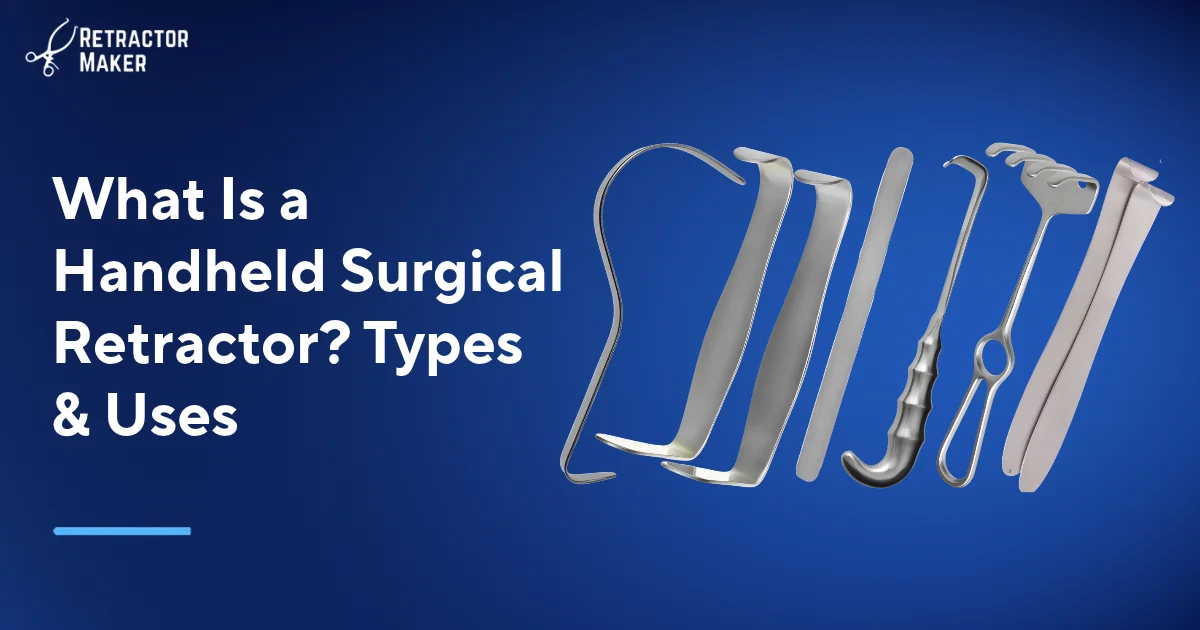
İlgili Ekartörler
Senn Forward Retraktör
$49.00
Brewster Retractor
Başlangıç $159
Langenbeck Retraktör-Dolu Sap
$49.00
Murphy Ekartör
Başlangıç $44.00
Leriche Ekartör-Atravmatik Geniş Uç
Başlangıç $94.00
Lobster Genel Ekartör Sistemi
$2,699Free Shipping
Cerrahi ekartör veya bileşen mi gerekiyor?
Ürün, konfigürasyon, miktar ve varış ülkesi dahil olmak üzere neye ihtiyacınız olduğunu bize bildirin. Retractor Maker stok durumu, teknik özellikler ve fiyatlandırma sağlayabilir.
Teklif İste