
General Surgery Retractor Guides
What Is an Army-Navy Retractor? Uses, Design & Features
Yazar: Saad Shahid · Güncellendi · 7 dk okuma
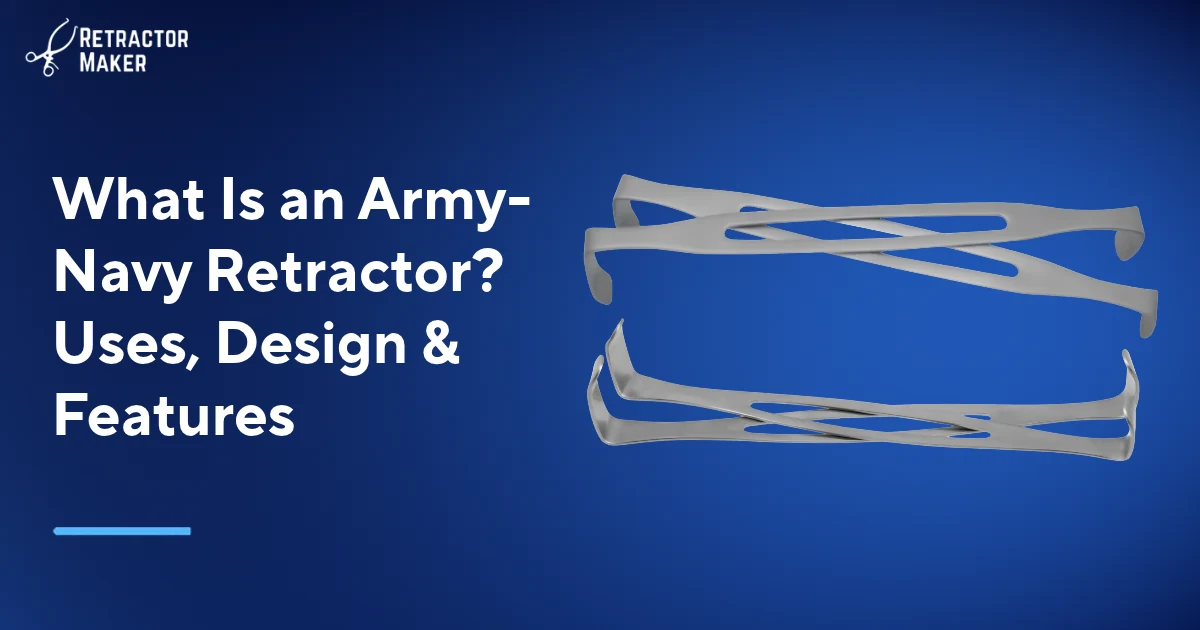
In open surgical procedures, establishing and maintaining an unobstructed operative corridor is necessary for procedural safety, visual illumination, and tissue identification. While deep-cavity surgical procedures frequently require complex self-retaining frames, minor incisions and initial surgical dissections rely heavily on responsive handheld instrumentation.
Bu rehberde ele alınan ekartörler: Army-Navy Ekartör - İkili Set. Tüm cerrahi ekartörleri görün.
An Army-Navy retractor is a double-ended, handheld surgical device used to retract skin, subcutaneous fat, muscle layers, and connective tissue. Also called a "US Army" or "Army-Navy" retractor, it has a flat central handle and different right-angled blades at opposite ends. The Army-Navy retractor is widely used worldwide in general surgery, orthopedics, and minor operative trays.
Contents
What Is an Army-Navy Retractor?
An Army-Navy retractor is a rigid, manual surgical device with working blades at both ends of a central shaft. An Army-Navy retractor requires continuous positioning and tension control by a surgeon or operating assistant. Self-retaining retractors instead maintain tissue tension through mechanical ratchets, frames, or thumbscrews.
The Army-Navy retractor has these defining features:
- Double-ended design: Smooth, right-angled (90-degree) blades at both ends have slightly curved retaining lips.
- Asymmetrical blades: Different depths and lengths support different tasks. Typically, a shorter, shallower blade retracts superficial dermis, while a longer, deeper blade exposes intermediate subcutaneous or muscular layers.
- Fenestrated central handle: An oblong cutout reduces weight and provides a tactile, non-slip grip for gloved hands.
- Atraumatic geometry: Smooth, radiused blade margins, lips, and side edges distribute counter-traction evenly, minimizing focal pressure necrosis and accidental laceration of friable soft tissues.
Army-Navy Retractor Design and Features
The Army-Navy retractor is engineered to withstand routine mechanical stress during wound retraction. Its simple operation relies on precise design parameters.
How Are the Blades Shaped?
Two flat, right-angled blades project from the same side of the shaft. Each ends in a shallow, inward-curving lip:
- Superficial blade: A shorter reach lets assistants engage cuticular and subcutaneous fat layers without impinging on deeper neurovascular pathways.
- Intermediate blade: A longer downward projection seats against deeper fascial planes, aponeuroses, or muscle bellies.
How Does the Handle Support Grip and Balance?
The central body acts as both a handle and a structural stabilizer. Its opening, or fenestration, lets an assistant hook a finger through the shaft for directional stability. It also provides an attachment or hanging point during instrument processing.
What Material and Finish Are Used?
Surgical Army-Navy retractors are made from Premium Grade AISI 304/316 Stainless Steel (Non-Magnetic). This material resists corrosion, tensile deformation, and structural fatigue. A satin or matte passivation layer eliminates glare under high-intensity operating lights.
What Is an Army-Navy Retractor Used For?
The Army-Navy retractor provides manual retraction of superficial to intermediate soft-tissue layers. Common applications include:
- Initial wound opening and laparotomy entry: After the primary skin incision, assistants use the shallow blade to hold cuticular margins back and expose the linea alba or superficial fascia.
- Soft-tissue mass excision: Smooth blades gently lift subcutaneous fat planes away from the surgical capsule during removal of lipomas, sebaceous cysts, or enlarged lymph nodes.
- Superficial orthopedic approaches: Displaces subcutaneous tissue and muscular boundaries during fracture repair, hardware removal, or tendon exposure on the extremities, such as the forearm, fibula, or clavicle.
- Hernia repairs: Maintains exposure of the external oblique aponeurosis, inguinal canal, and superficial inguinal ring during open inguinal or umbilical herniorrhaphies.
- Plastic and reconstructive surgery: Stabilizes cutaneous margins and donor sites where broad, uniform, atraumatic pressure is needed.
What Army-Navy Retractor Size Variations Are Available?
The Army-Navy retractor varies in overall length, blade width, and blade depth according to the surgical discipline. Its general shape remains standardized.
| Dimension / Feature | Technical Characteristics | Clinical Significance |
|---|---|---|
| Overall Length | Typically 210 mm to 220 mm (~8.25 to 8.75 inches) | Balances assistant hand clearance with precise lever control |
| Shallow Blade Depth | Typically 15 mm to 20 mm | Designed for initial dermal and subcutaneous tissue retraction |
| Deep Blade Depth | Typically 25 mm to 35 mm | Reaches intermediate fascial boundaries and underlying muscle |
| Blade Width | Typically 15 mm to 22 mm | Distributes retraction force across broad wound boundaries |
| Blade Lip Angle | Slightly recurved (less than 90°) | Prevents blade slippage under tissue counter-traction |
| Supply Configuration | Frequently packaged and supplied in pairs | Enables simultaneous, symmetrical bilateral wound exposure |
Army-Navy Retractor vs. Other Handheld Retractors
Comparing the Army-Navy retractor with other common manual retractors helps surgical teams and hospital buyers select an appropriate instrument.
| Feature | Army-Navy Retractor | Richardson Retractor | Senn Retractor | Langenbeck Retractor |
|---|---|---|---|---|
| Design | Double-ended, flat blades | Single-ended, right-angle blade | Double-ended (3-prong rake + flat blade) | Single-ended, narrow right-angle blade |
| Handle | Central fenestrated bar | Contoured grip or hollow handle | Central flat serrated shaft | Teardrop / loop handle |
| Depth Reach | Superficial to intermediate | Intermediate to deep | Superficial only | Intermediate, narrow depth |
| Tissue Focus | Skin, fat, superficial muscle | Heavy abdominal wall & muscle | Delicate skin flaps, tendons | Deep, confined intermuscular planes |
How Do You Choose an Army-Navy Retractor?
Procurement officers, surgical centers, and distributors should assess edge finishing, metal quality, and dimensional consistency when selecting Army-Navy retractors:
- Edge radiusing: Check that all blade perimeters are fully de-burred and polished to prevent tearing delicate dermal margins.
- Metallurgical quality: Premium Grade AISI 304/316 Stainless Steel (Non-Magnetic) must be properly heat-treated and passivated to prevent pitting or stress corrosion during repeated autoclave cycles.
- Symmetry and paired sizing: Army-Navy retractors are routinely used in pairs for opposing traction. Check batch consistency in overall length and blade dimensions.
How Should Reusable Retractors Be Reprocessed?
Reusable stainless-steel Army-Navy retractors require systematic reprocessing to preserve their passive protective layer and ensure patient safety:
- Point-of-use handling: Immediately after use, remove gross blood and bioburden with sterile, moistened wipes.
- Decontamination and cleaning: Submerge in an enzymatic detergent bath. Brush the central fenestration and blade curves with soft nylon brushes. Run automated washer-disinfectors and ultrasonic cleaners according to validated healthcare facility protocols.
- Inspection: Check blades visually for micro-pitting, nicks, and surface scratches that could harbor pathogens or abrade tissue.
- Sterilization: Use validated moist heat steam autoclaving according to the instrument manufacturer's validated Instructions for Use (IFU) and institutional infection prevention protocols.
Summary and Manufacturer Information
The Army-Navy retractor is a standard choice across surgical suites for minor surgical dissections and initial cavity exposure. Its double-ended design, balanced weight, and smooth, atraumatic edges support these uses.
Retractor Maker in Sialkot, Pakistan, manufactures precision-engineered surgical retractors for hospital operating rooms, surgical centers, and healthcare distributors worldwide. Retractor Maker supplies high-quality manual and self-retaining retractors directly from the factory, with a focus on certified stainless-steel alloys, smooth edge radiusing, and durable non-glare finishes.
Klinik uyarı: Bu rehber cerrahi ekipler ve hastane satın alma birimleri içindir. Klinik kullanımdan önce daima üreticinin kullanım talimatlarına (IFU) ve hastanenizin sterilizasyon kurallarına uyun.
Sıkça Sorulan Sorular
What is an Army-Navy retractor?
An Army-Navy retractor is a handheld, double-ended surgical device for superficial and intermediate tissue retraction. It has two right-angled blades of different depths and a central fenestrated handle. The blade configuration supports retraction at different tissue depths.
What is an Army-Navy retractor used for?
An Army-Navy retractor retracts skin, subcutaneous fat, and muscle margins during open surgery. Uses include appendectomies, hernia repairs, superficial orthopedic procedures, and soft-tissue excisions. These applications involve manual exposure of superficial to intermediate soft-tissue layers.
Which end of an Army-Navy retractor is used?
The Army-Navy retractor uses its shallow end for superficial dermis and its deeper end as dissection reaches deeper fascia. The two ends have different blade depths. This lets the surgical assistant adapt the depth of retraction as dissection progresses.
Is an Army-Navy retractor self-retaining?
No. It is a handheld manual instrument that must be positioned and held continuously by surgical personnel.
Why does the Army-Navy retractor handle have a hole?
The Army-Navy retractor has a central handle opening to reduce weight, improve grip stability, and provide a suspension point. This opening is called a fenestration. It supports a stable grip for gloved hands and allows suspension during cleaning and storage.
Are Army-Navy retractors supplied in pairs?
Army-Navy retractors are commonly packaged and used in pairs to provide opposing counter-traction. Using a pair lets assistants apply equal traction to both sides of an incision. The paired arrangement supports exposure by holding the incision margins in opposite directions.
Can Army-Navy retractors be autoclaved?
Army-Navy retractors made from Premium Grade AISI 304/316 Stainless Steel (Non-Magnetic) are fully reusable and compatible with standard healthcare autoclave reprocessing. Use validated moist heat steam sterilization according to the manufacturer's validated Instructions for Use (IFU) and institutional infection prevention protocols.
How should an Army-Navy retractor be cleaned?
An Army-Navy retractor should be wiped immediately after use with sterile, moistened wipes, then submerged in an enzymatic detergent bath. Clean the central opening and blade curves with soft nylon brushes. Operate automated washer-disinfectors or ultrasonic cleaners according to validated healthcare facility protocols.
What material and finish are used for an army navy retractor?
Army-Navy retractors are made from non-magnetic AISI 304/316 stainless steel with a satin or matte passivation finish. The stainless steel resists corrosion, tensile deformation, and structural fatigue. The finish eliminates glare under high-intensity operating lights.
Yazar hakkında
Saad Shahid · Satış ve Pazarlama Müdürü
Saad Shahid, 2023'te Pakistan'ın Sialkot kentinde kurulan Retractor Maker'ın kurucusu ve Satış ve Pazarlama Müdürüdür. Ayrıca babasıyla birlikte, 1989'da kurulan aile şirketi Hospitech Traders'ta cerrahi aletler alanında çalışmaktadır.
İlgili Bloglar ve Rehberler

İlgili Ekartörler
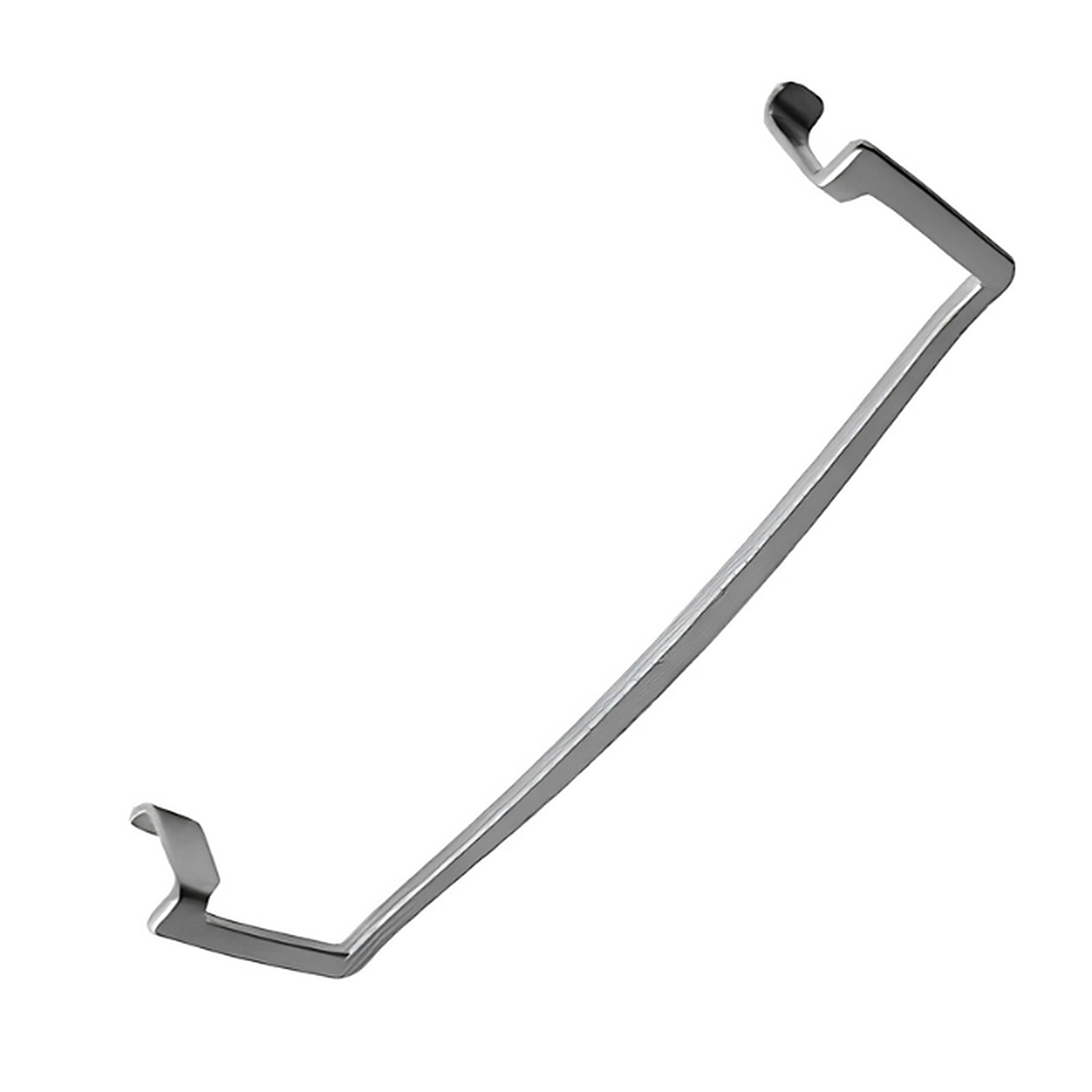
Senn Forward Retraktör
$49.00
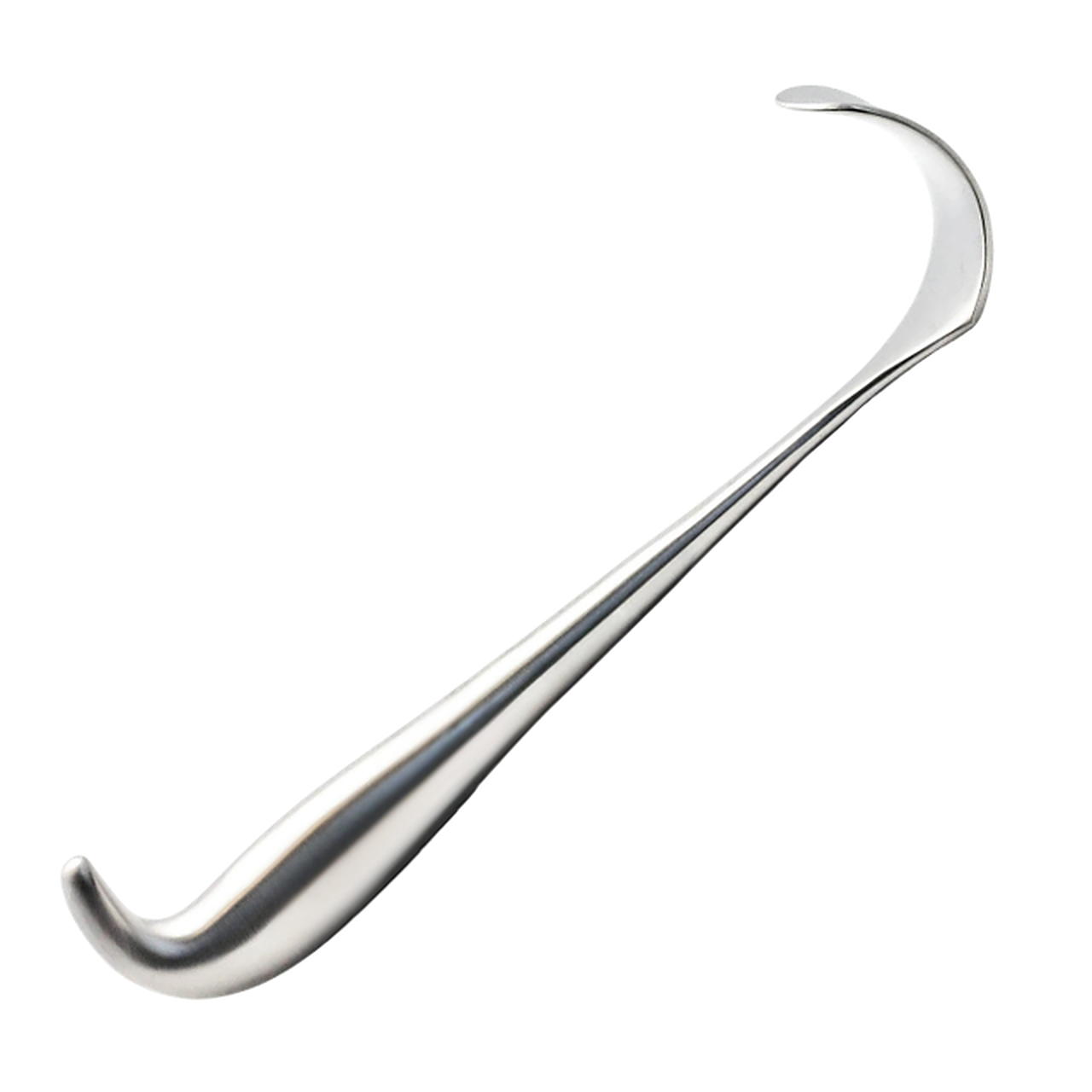
Brewster Retractor
Başlangıç $159
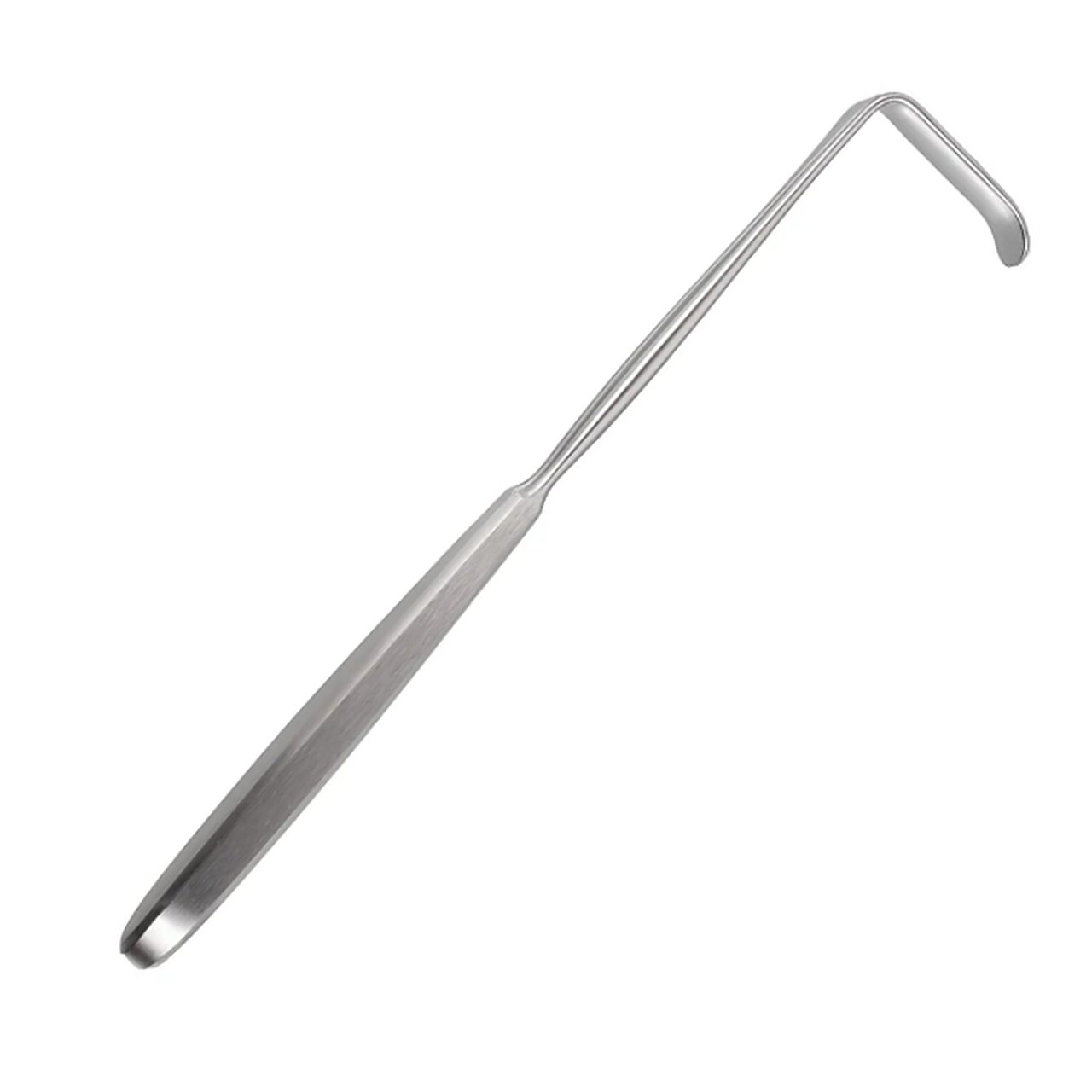
Langenbeck Retraktör-Dolu Sap
$49.00
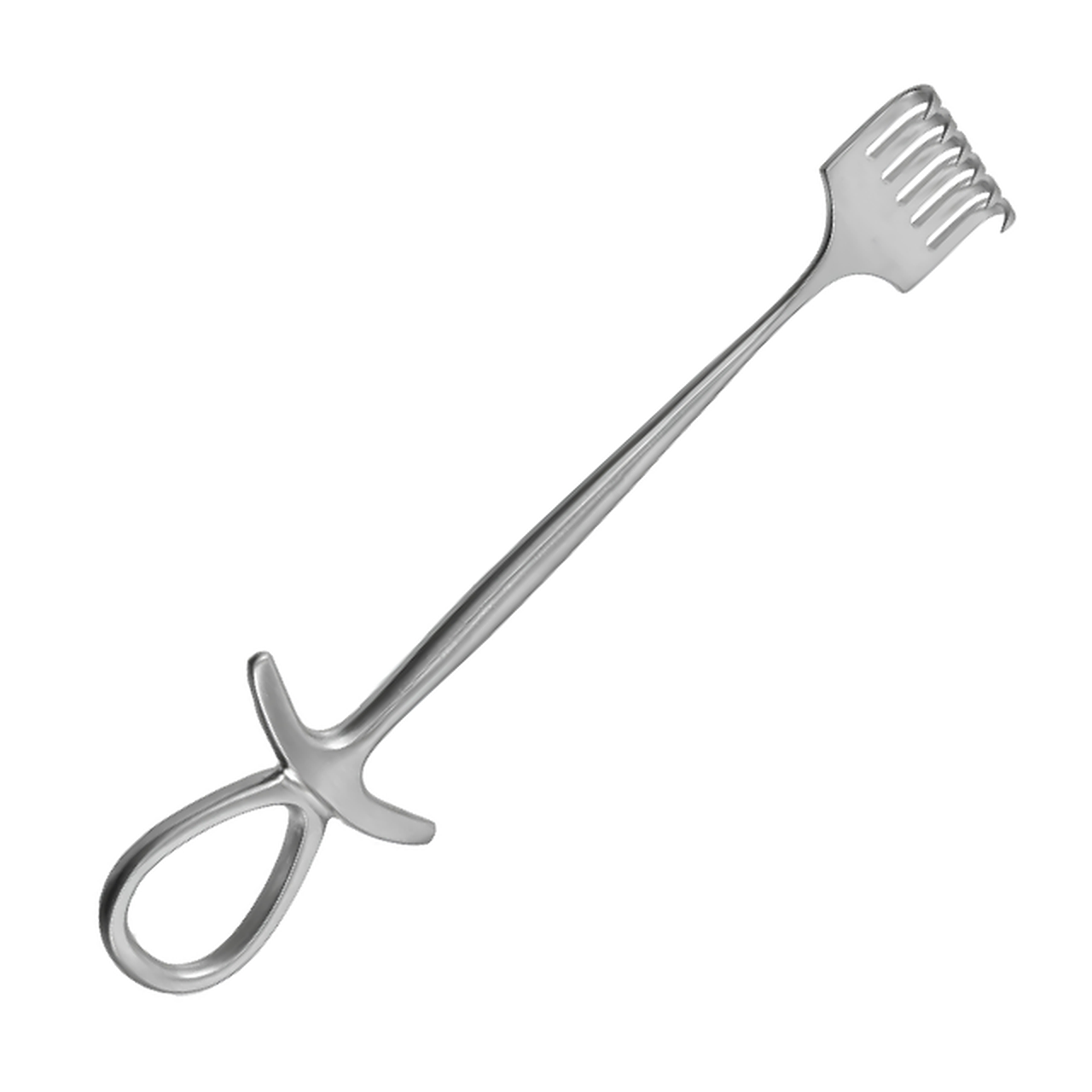
Murphy Ekartör
Başlangıç $44.00
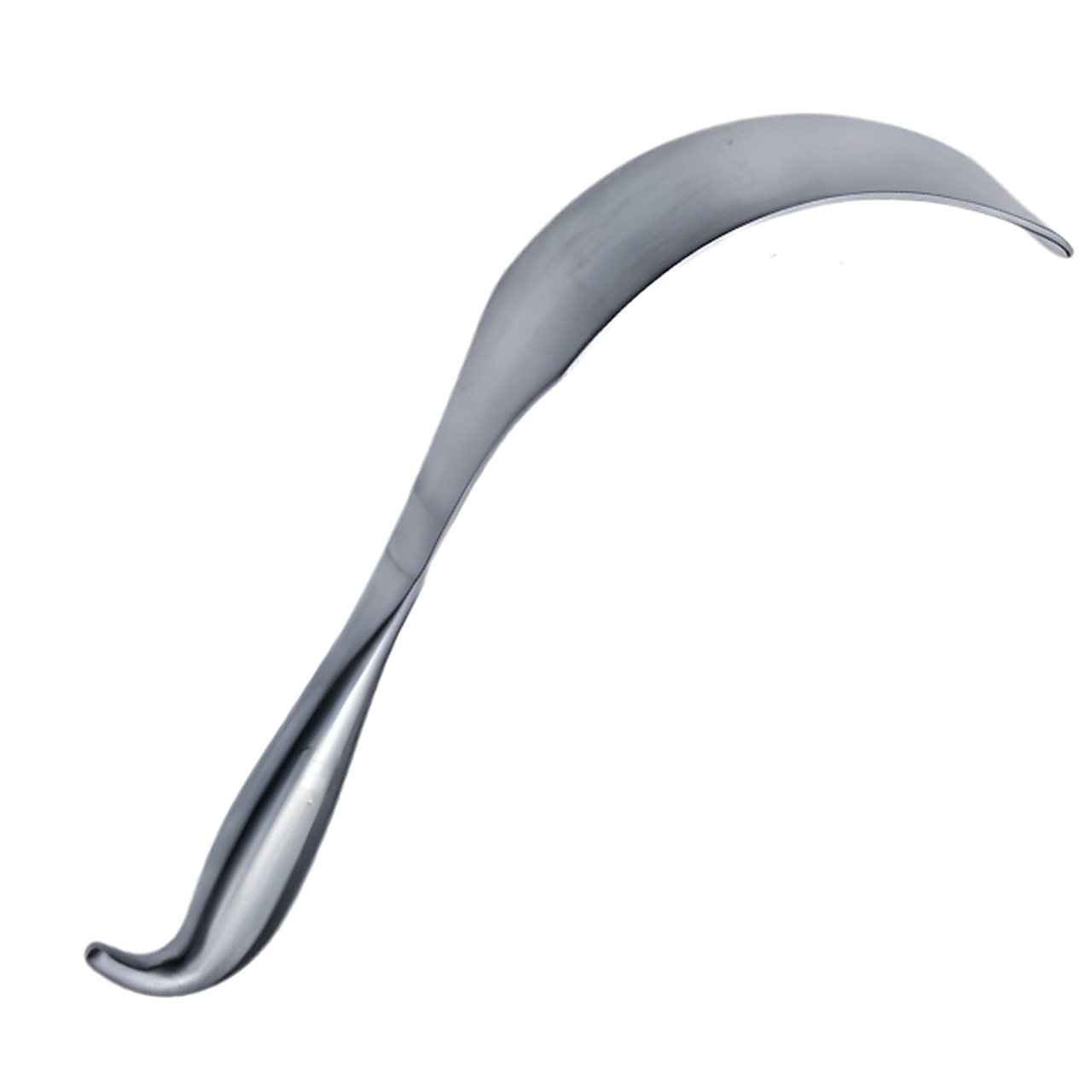
Leriche Ekartör-Atravmatik Geniş Uç
Başlangıç $94.00
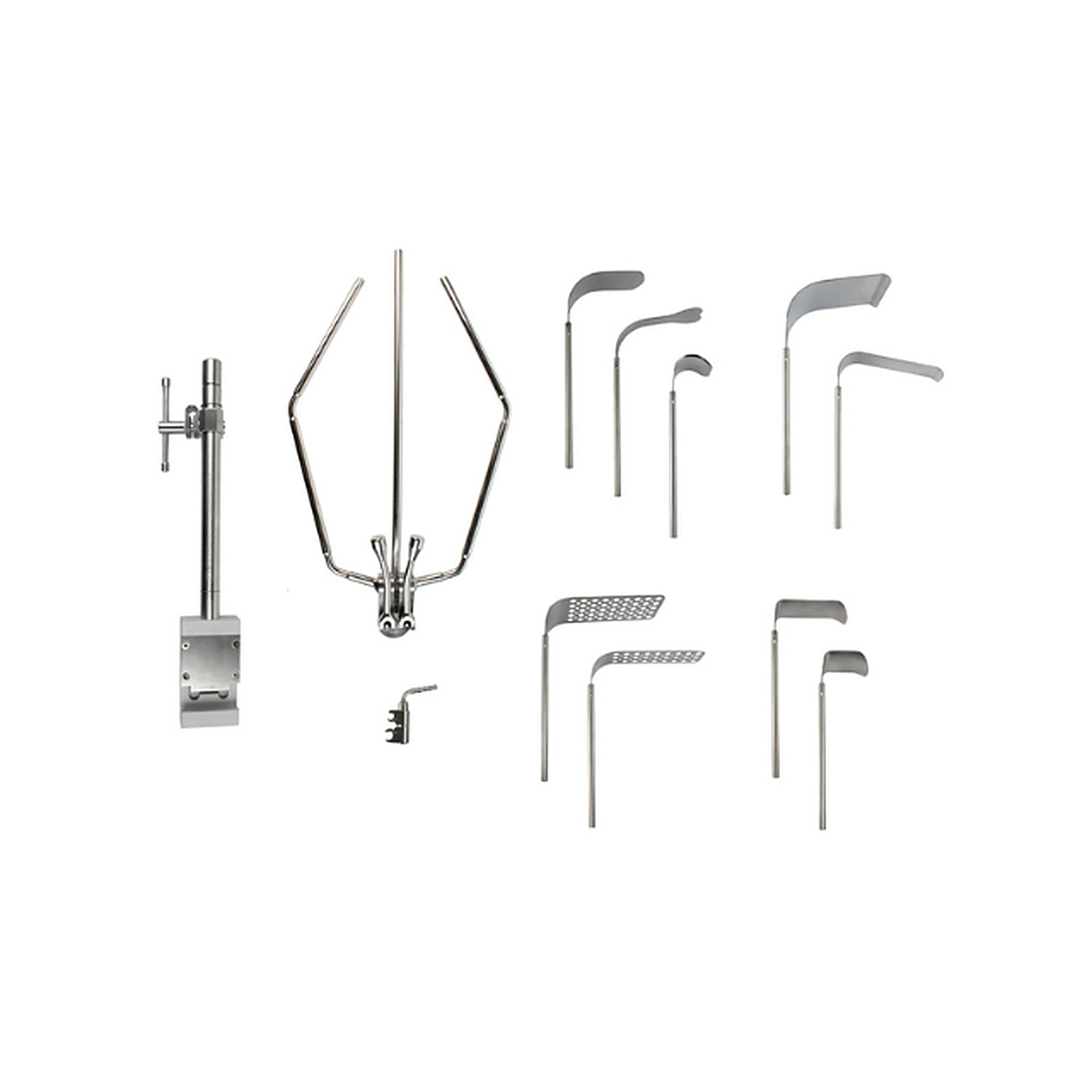
Lobster Genel Ekartör Sistemi
$2,699Free Shipping
Cerrahi ekartör veya bileşen mi gerekiyor?
Ürün, konfigürasyon, miktar ve varış ülkesi dahil olmak üzere neye ihtiyacınız olduğunu bize bildirin. Retractor Maker stok durumu, teknik özellikler ve fiyatlandırma sağlayabilir.
Teklif İste