
Surgical Retractor Guides
Surgical Retractors Names, Images & Uses
الكاتب: Saad Shahid · تم التحديث · 7 دقائق قراءة

Surgical retractors hold tissue away from the operative field so the surgical team can see and reach the area they are working on. This guide explains what retractors are, how they are classified, and how they are selected and cared for, and it includes a searchable reference table of surgical retractors names, images and general uses drawn directly from the Retractor Maker catalogue.
What Is a Retractor?
A retractor holds skin, fat, muscle, and organs away from the target area to provide controlled surgical exposure. Almost every open procedure depends on this access before the surgeon can dissect, repair, or close. Retractors are among the oldest surgical instrument families and remain among the most frequently handled instruments on any tray.
Retractors share a purpose but differ in size, blade shape and depth, prong number and sharpness, and handle design. Some lock in place or mount on a frame. Designs also vary by specialty. A small double-ended retractor for a skin flap differs greatly from a table-mounted abdominal system. No single design suits every procedure.
This guide covers basic categories, selection factors, and general care principles. Its central section lists names, images, and general uses for the complete published Retractor Maker range. Search the range by name or filter it by specialty.
Contents
What Is a Surgical Retractor?
A surgical retractor holds back or moves tissue away from the operative field to give the surgical team visibility and access. Retraction may involve gently lifting a skin edge or holding the abdominal wall open throughout an operation.
Retractors create exposure by moving tissue laterally to widen an incision or holding deeper structures away from the treatment area. These structures may include bowel, muscle, or an organ lobe. Blade or prong shape determines how the load spreads across contacted tissue. Available forms include flat, curved, lipped, malleable, toothed, and smooth blades.
Size and shape follow anatomy. A shallow hand incision needs a short, narrow blade. A deep pelvic or abdominal field needs a longer, wider blade. Specialty designs address each region's depth, angle, and tissue type. Nasal and ear retractors are small and fine. Spinal retractors hold back heavy paraspinal muscle. Cardiac retractors are shaped around the sternum and chest wall.
How Do Handheld Retractors Work?
Handheld retractors are positioned and held manually by a surgeon or assistant for as long as exposure is needed. They allow moment-by-moment changes in angle, depth, and tension as the operation progresses. The trade-off is continuous manual holding, which occupies a pair of hands and can cause fatigue during a long case.
Common handheld patterns include the double-ended Senn retractor for superficial tissue and the curved Deaver retractor for deeper abdominal and thoracic exposure. Others include the right-angled Langenbeck retractor, the broad Richardson retractor for the abdominal wall, and the double-ended Army-Navy retractor for shallow incisions. The small Ragnell retractor is used in plastic and hand surgery.
How Do Self-Retaining Retractors Work?
Self-retaining retractors use a ratchet, screw, spring, or frame to keep blades in position without continuous manual holding. They free the surgical team's hands and provide steady exposure. If the required view changes, manual repositioning is usually necessary.
Examples include the Gelpi and Weitlaner retractors, which spread tissue with pointed tips or toothed rakes secured by a ratchet. The Balfour retractor is a frame-style abdominal retractor with lateral blades and a centre blade. Table-mounted Bookwalter and Thompson retractors attach to the operating table and support multiple adjustable blades around a ring or rail.
Retractor Names, Images, and General Uses
The table below presents the complete Retractor Maker product catalogue. Each entry includes a product image, name, and general use. Search by product name or filter by specialty.
عرض 507 المباعدات الجراحية
| صورة المنتج | اسم المباعد الجراحي | الاستخدام العام |
|---|---|---|
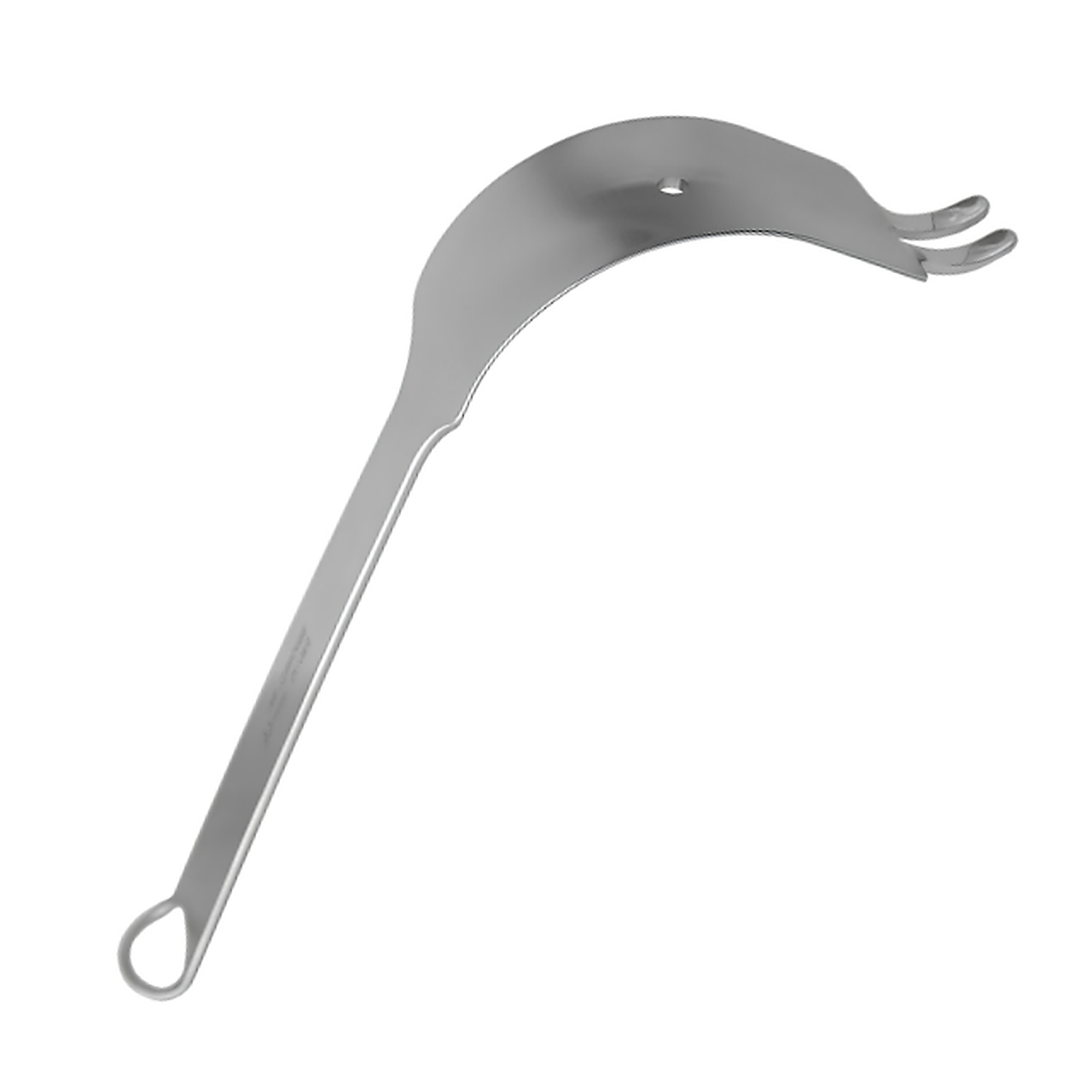 | Acetabular Retractor Narrow Double Prong | مصمم خصيصاً لكشف حافة الحُق وإزاحة الأنسجة المحيطة أثناء إجراءات إعادة بناء الورك وتقويم المفاصل. |
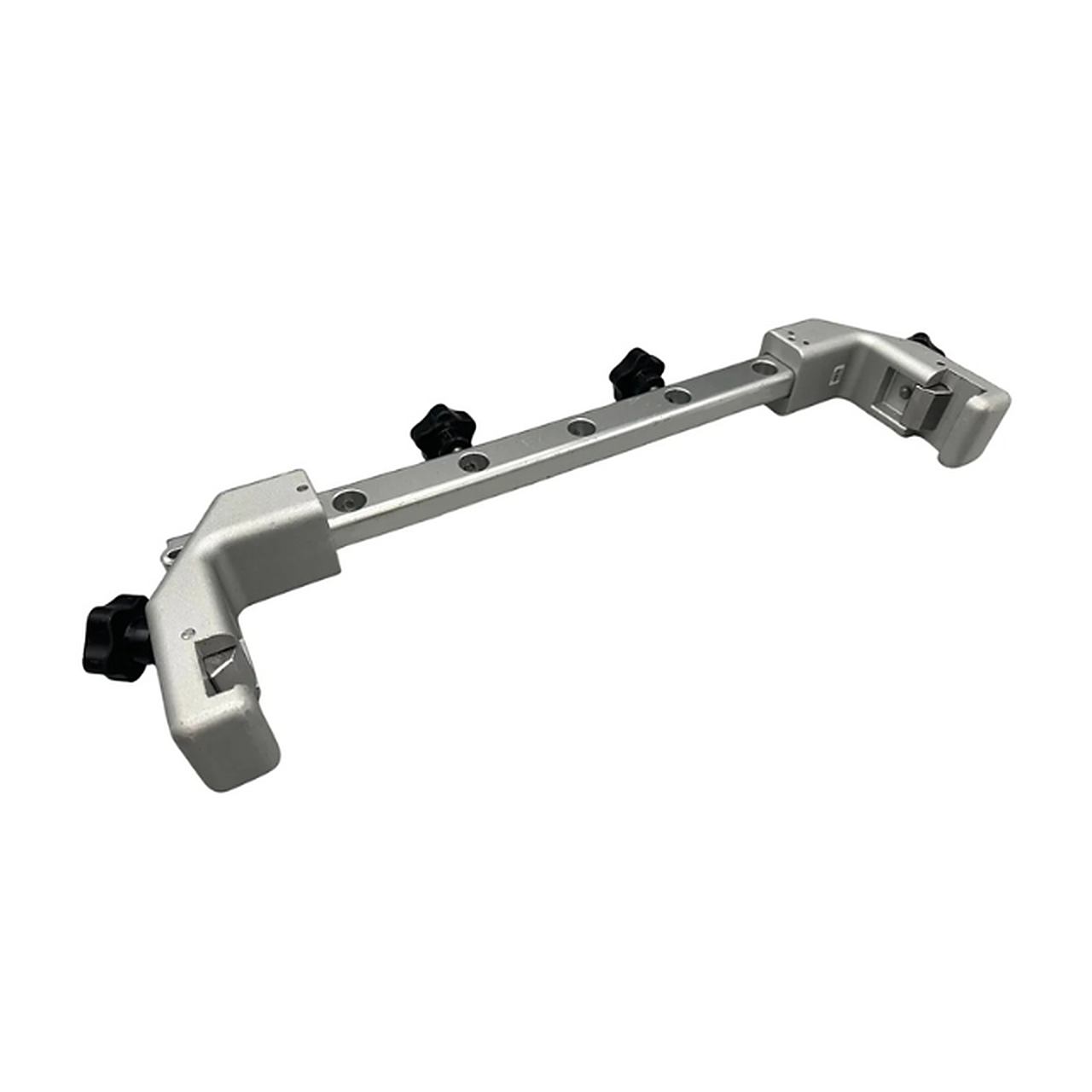 | محول Mayfield القابل للتعديل | مصمم خصيصاً لتثبيت أنظمة تثبيت الجمجمة من طراز Mayfield بإحكام على طاولات العمليات التي تفتقر إلى فتحات الاستقبال المدمجة أو تتطلب وضعيات إزاحة جانبية. |
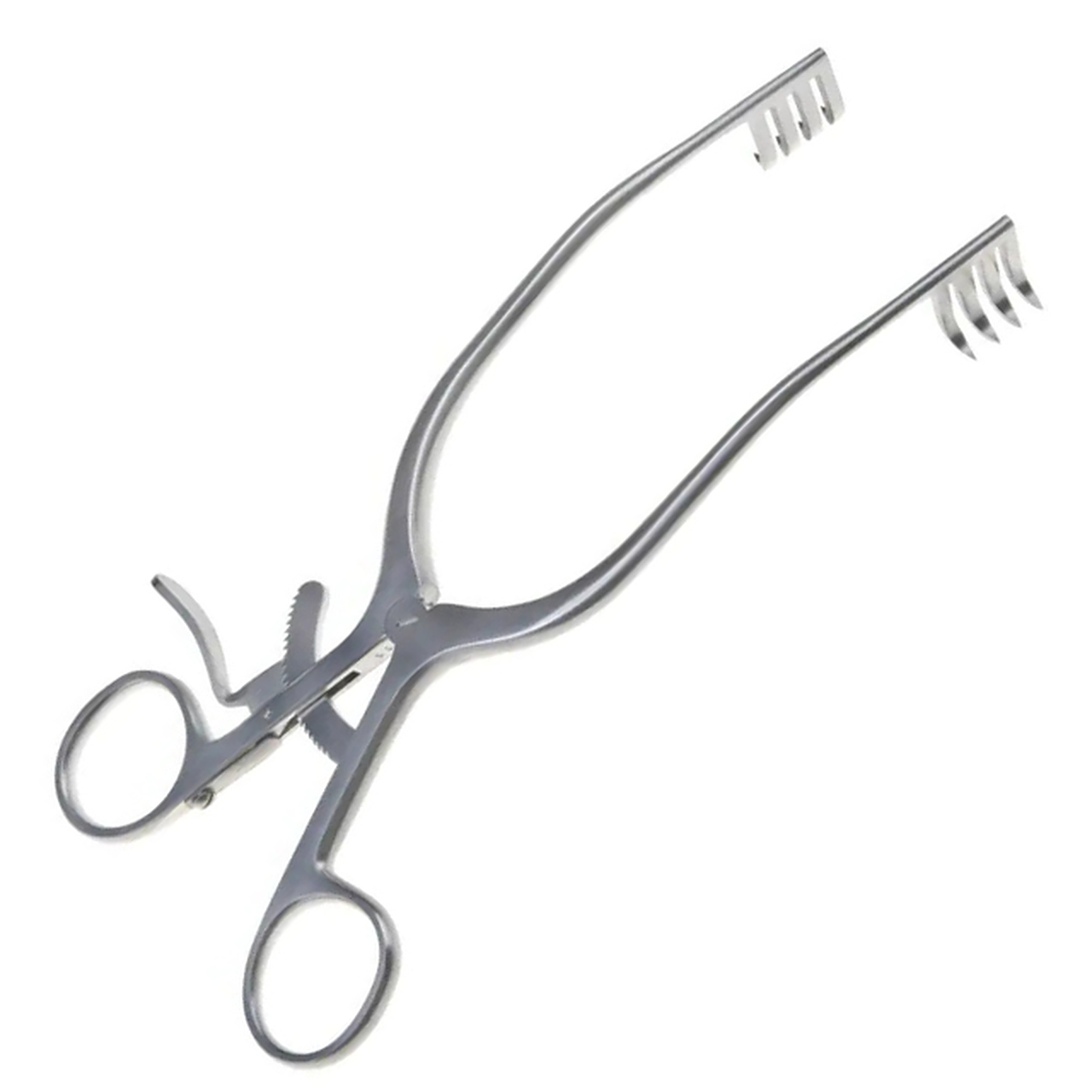 | مُبعّد Adson Cerebellum | مصمم خصيصاً لتوفير تبعيد ذاتي للعضلات والأنسجة الرخوة أثناء عمليات الحفرة القحفية الخلفية وجراحات الأعصاب. |
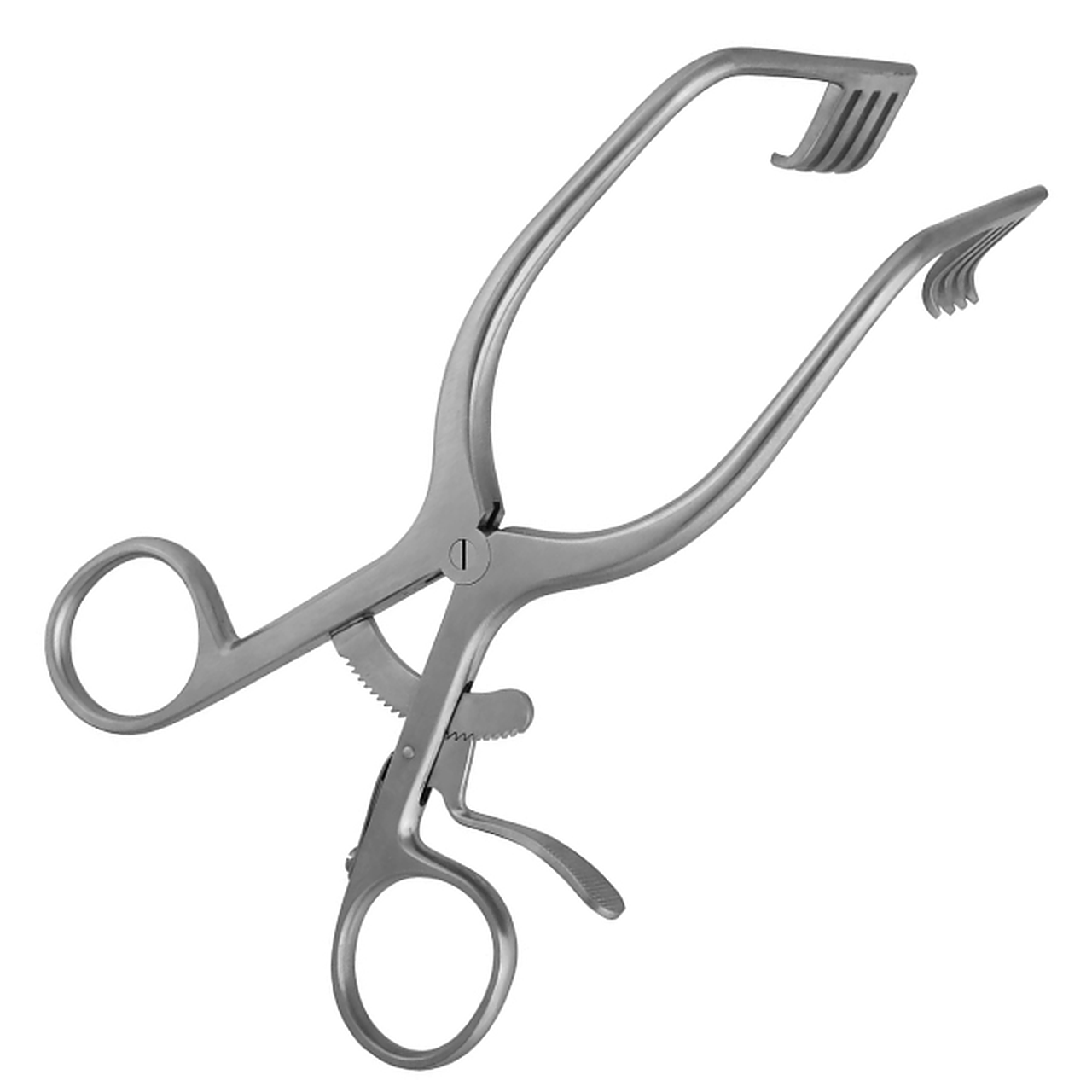 | مُبعّد Adson ذاتي التثبيت للمخيخ | مصمم خصيصاً لتوفير تبعيد ذاتي للأنسجة والحفاظ على تعرض جراحي منظم أثناء العمليات القحفية والعمود الفقري. |
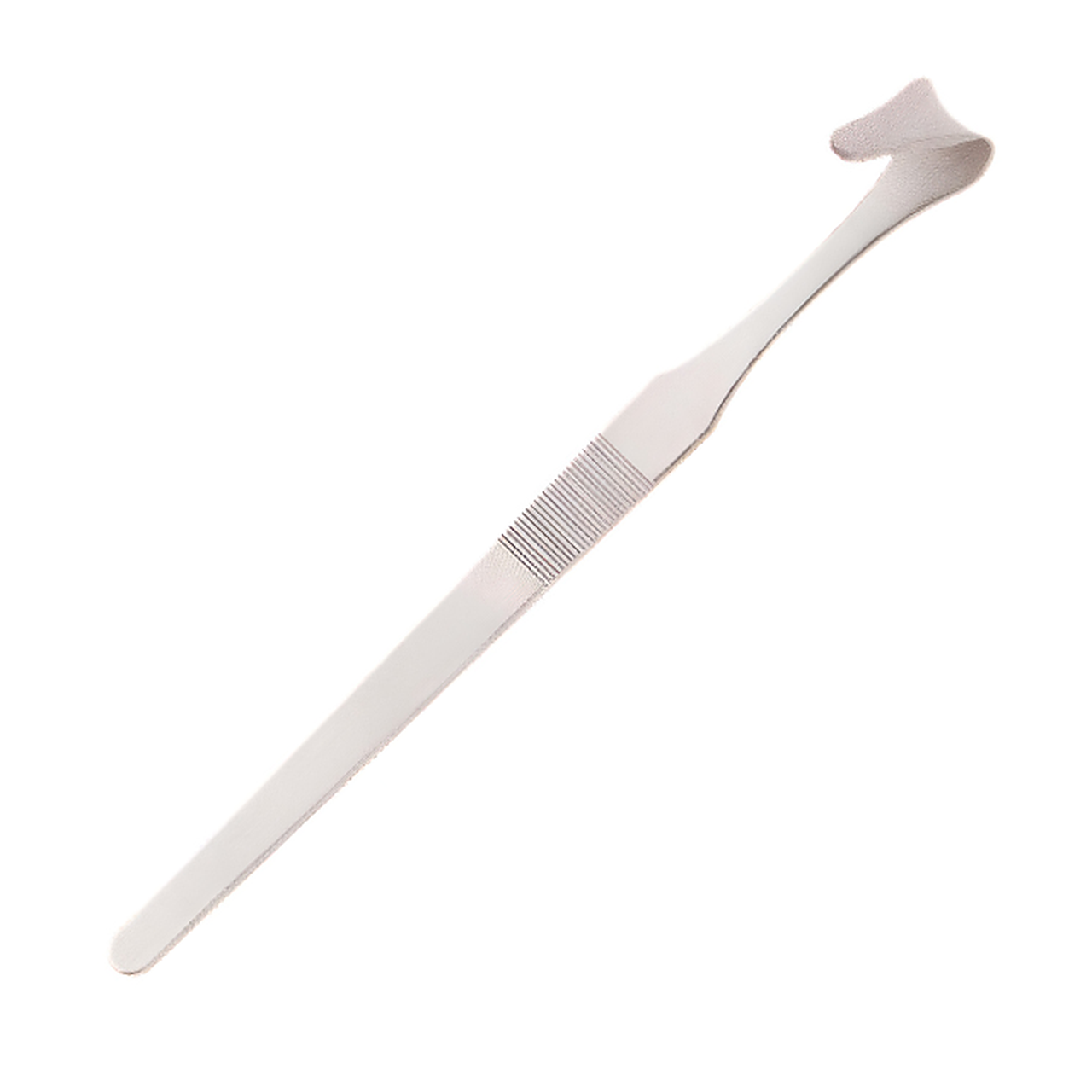 | مُبعّد جناحي الأنف | Alar Retractor | مصمم خصيصاً لتبعيد جناح الأنف وكشف غضروف الجناح أثناء عمليات تجميل الأنف وإجراءات الأنف والأذن والحنجرة. |
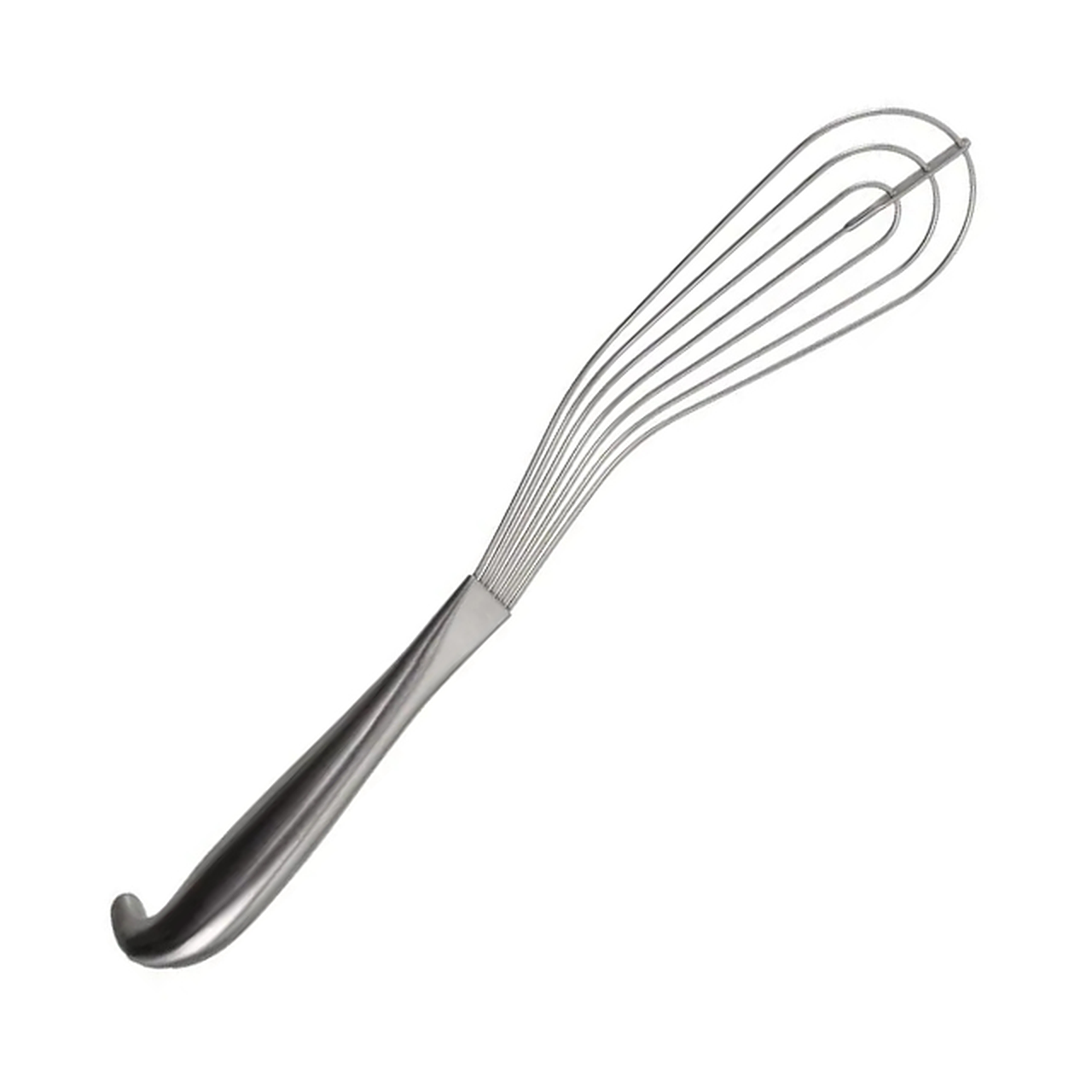 | مُبعّد أليسون للرئة (Allison Lung Retractor) | مصمم لخفض وإزاحة النسيج الرئوي دون التسبب في صدمات نسيجية خلال التدخلات الجراحية للصدر والأوعية الدموية. |
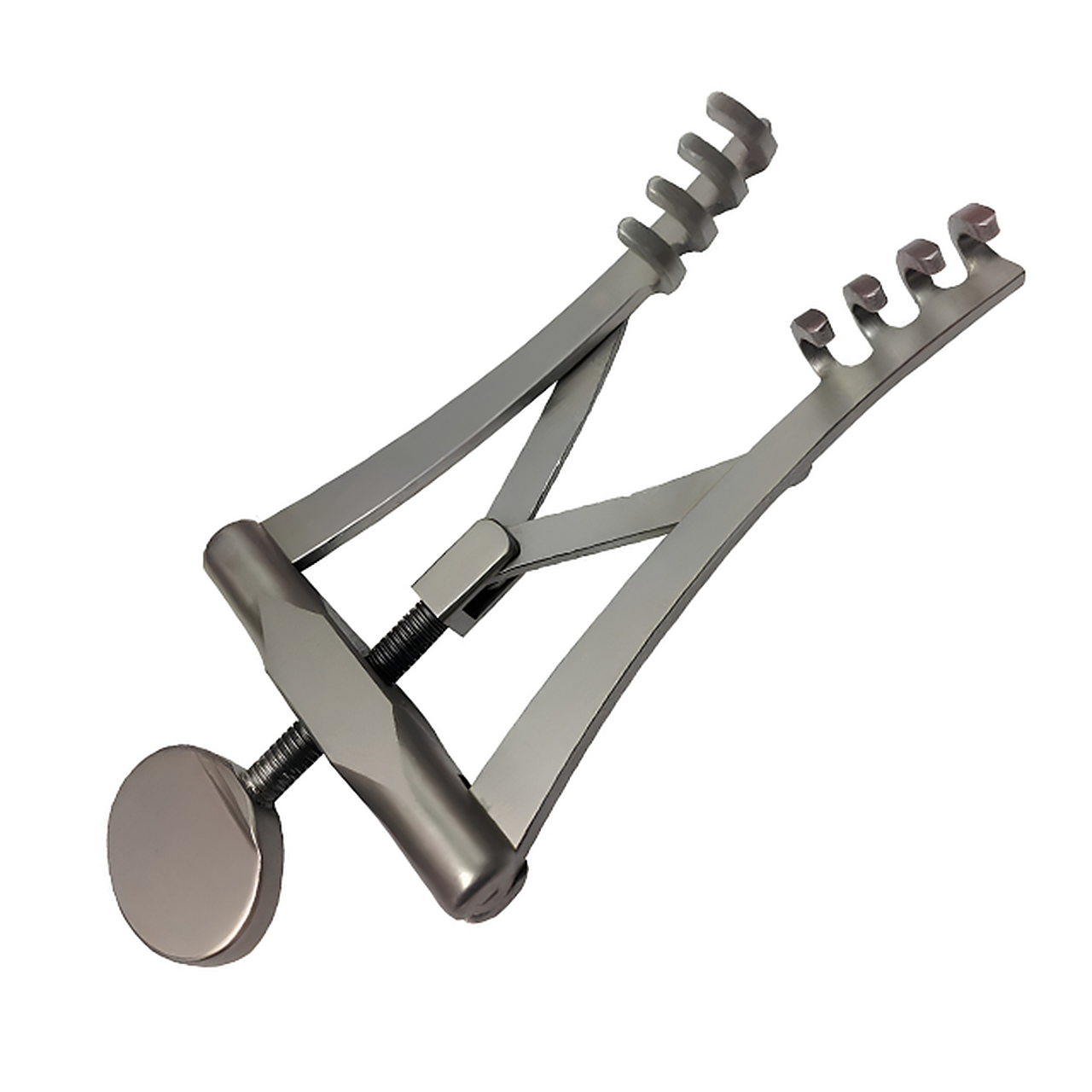 | مبعد آلبرت الخشائي (Allport Mastoid Retractor) | مصمم خصيصاً لتوفير إبعاد ذاتي التثبيت للأنسجة الرخوة فوق النتوء الخشائي أثناء إجراءات جراحة الأذن وجراحة الأعصاب. |
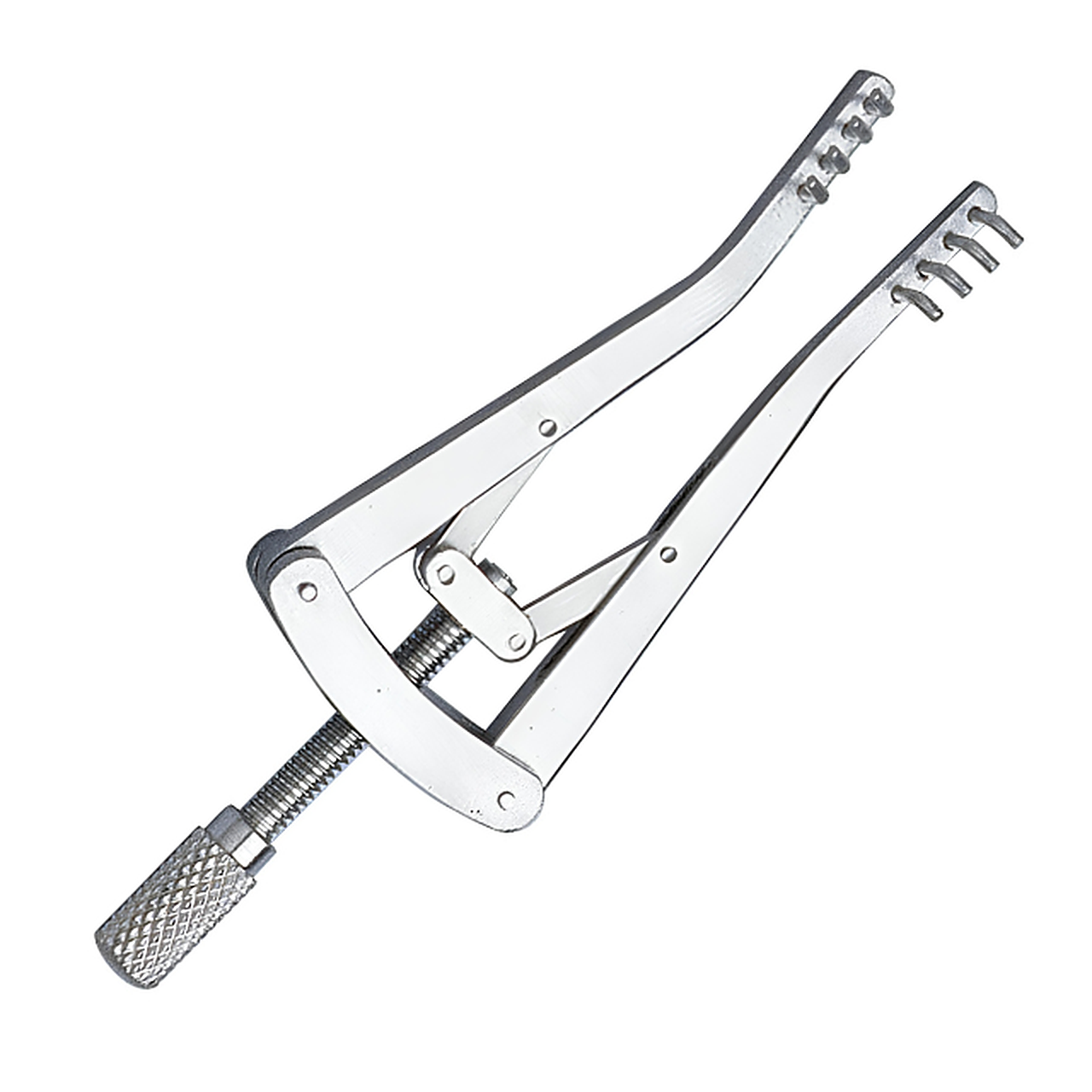 | مُباعد ALM ذاتي التثبيت | مصمم خصيصاً لتوفير تبعيد ذاتي التثبيت للأنسجة أثناء الجراحات الصغرى، وجراحات العيون، والتجميل، وجراحات اليد. |
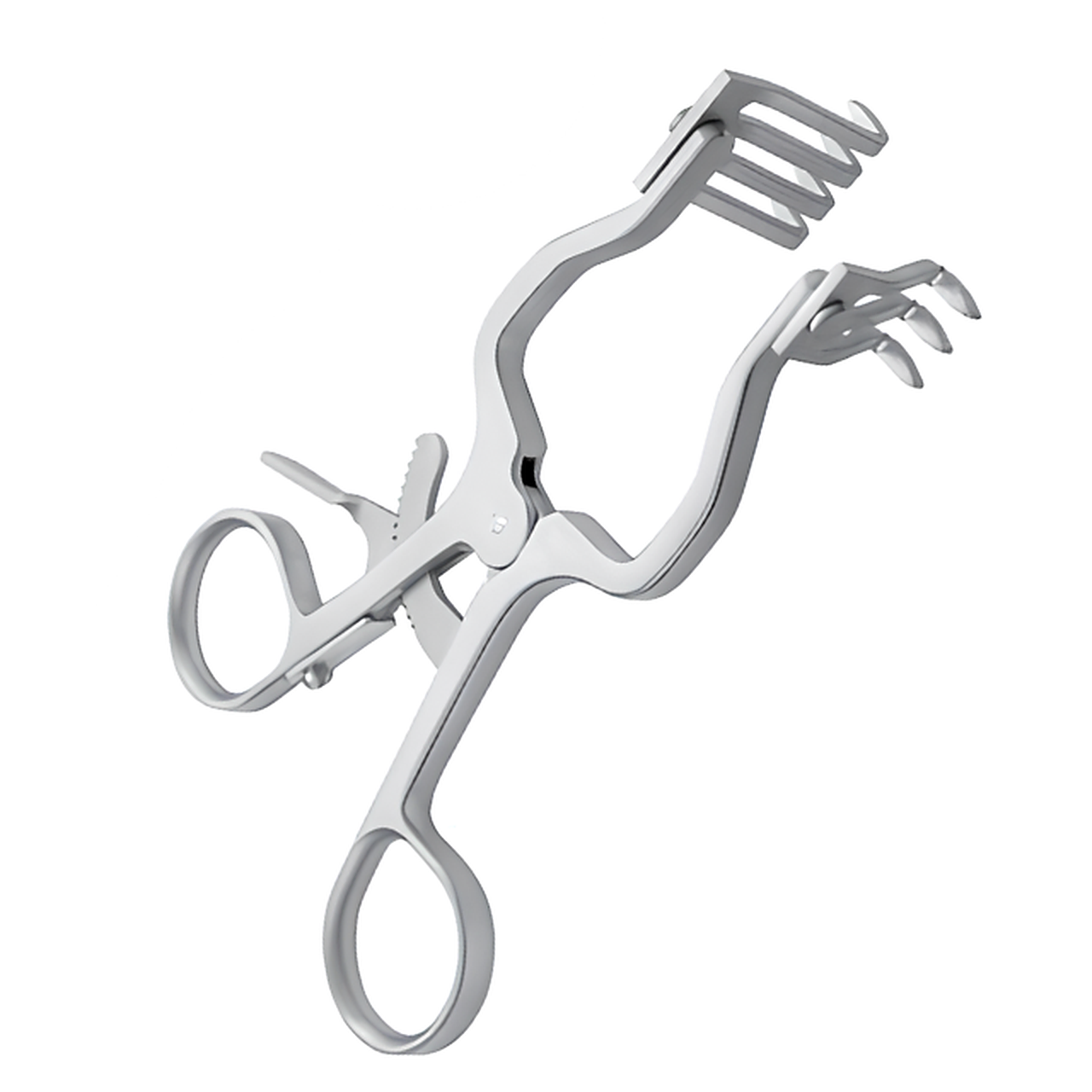 | مبعدات جراحية ذاتية التثبيت بكلتا اليدين (Ambidextrous) | مصمم خصيصاً لتوفير إبعاد للأنسجة الرخوة بشكل قابل للعكس وبدون استخدام اليدين، ويمكن تشغيله من أي من جانبي المجال الجراحي المعقم. |
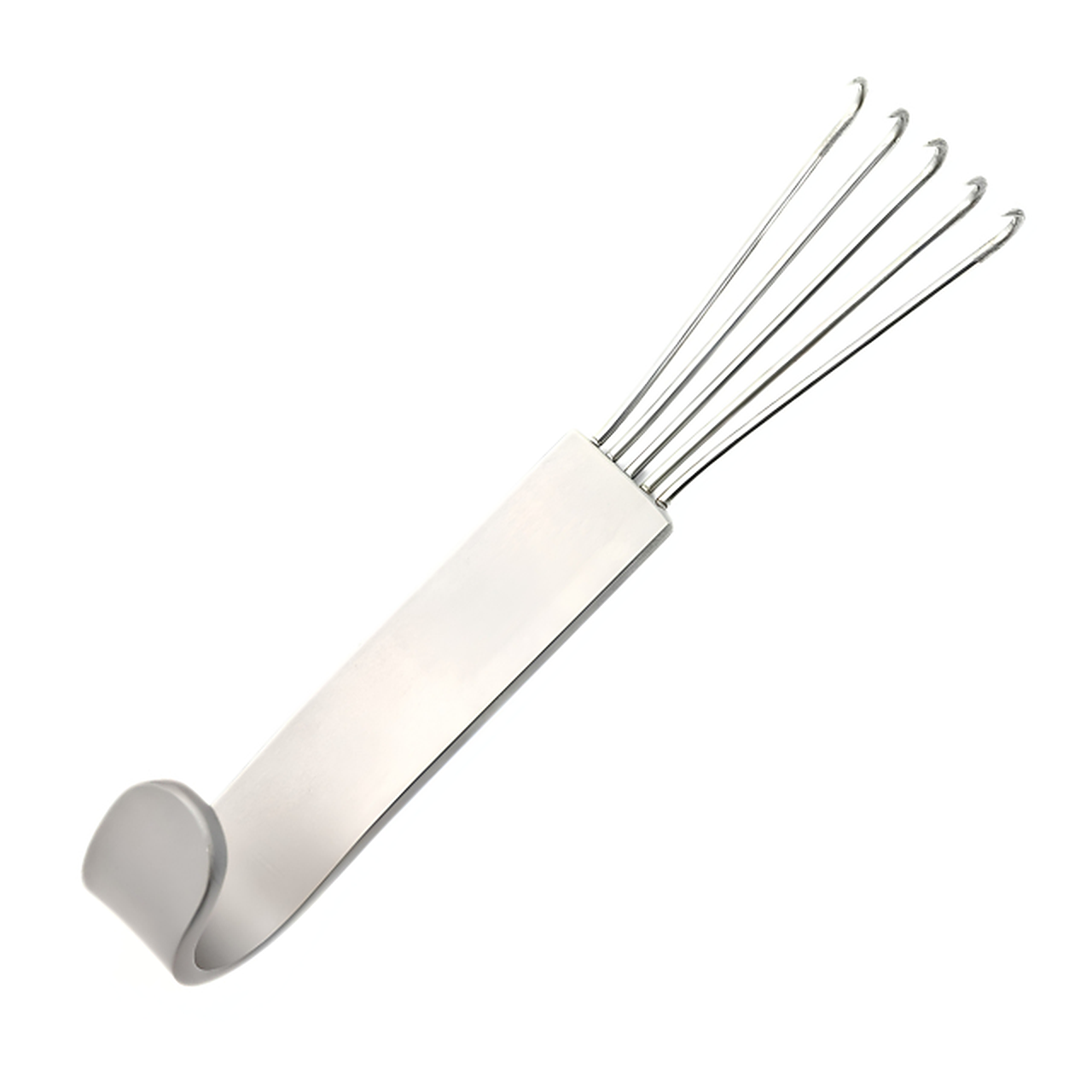 | Anderson Bear Claw Retractor مباعد أندرسون مخلب الدب | مصمم خصيصاً لشد الجلد بإحكام، ورفع سدائل الجلد، ومباعدة الأنسجة الرخوة أثناء الجراحات التجميلية والترميمية. |
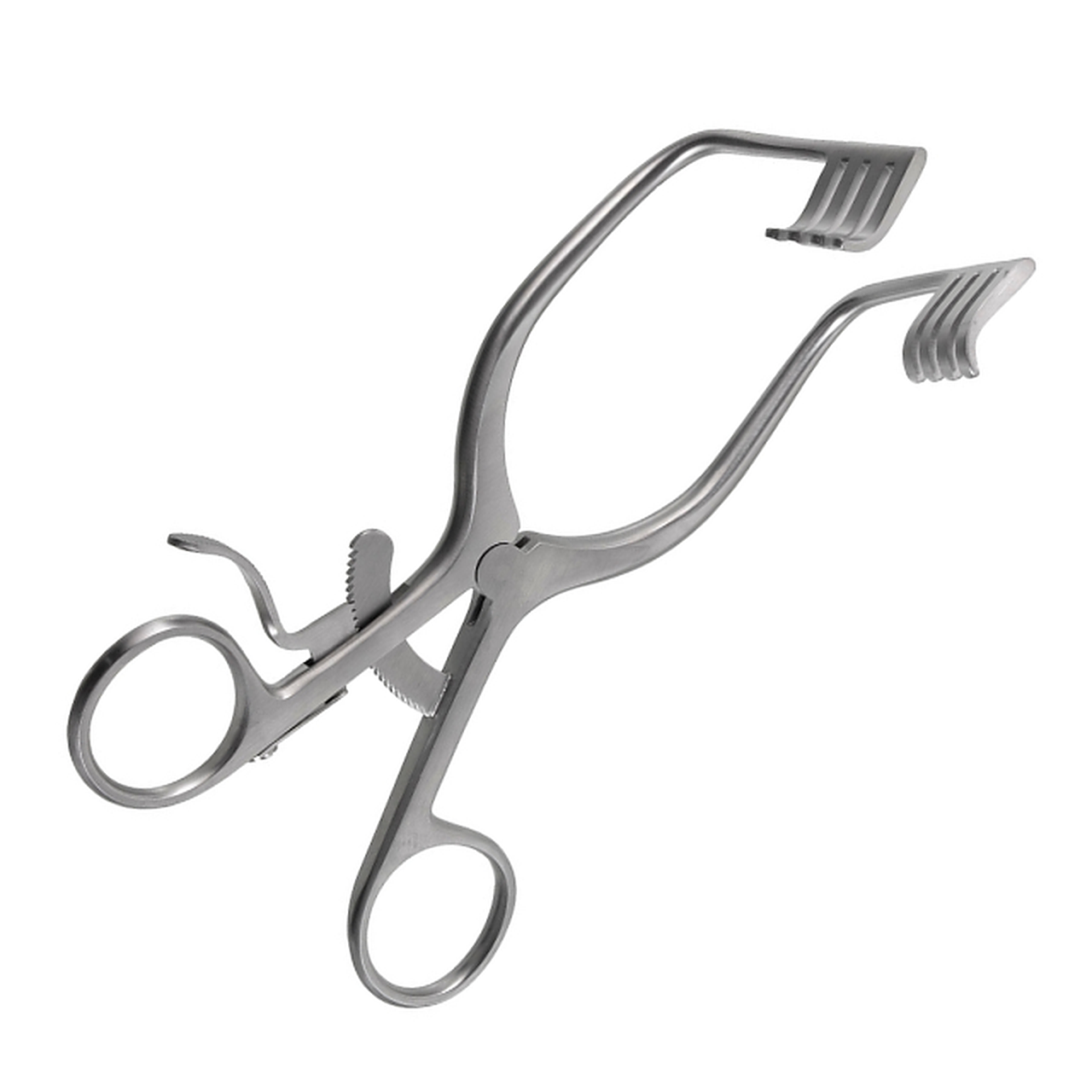 | مُباعد Anderson-Adson ذاتي التثبيت لجراحة المخيخ | مصمم خصيصاً لتوفير مباعدة ذاتية للأنسجة والعضلات أثناء جراحات الحفرة القحفية الخلفية وجراحات الأعصاب أسفل القذال. |
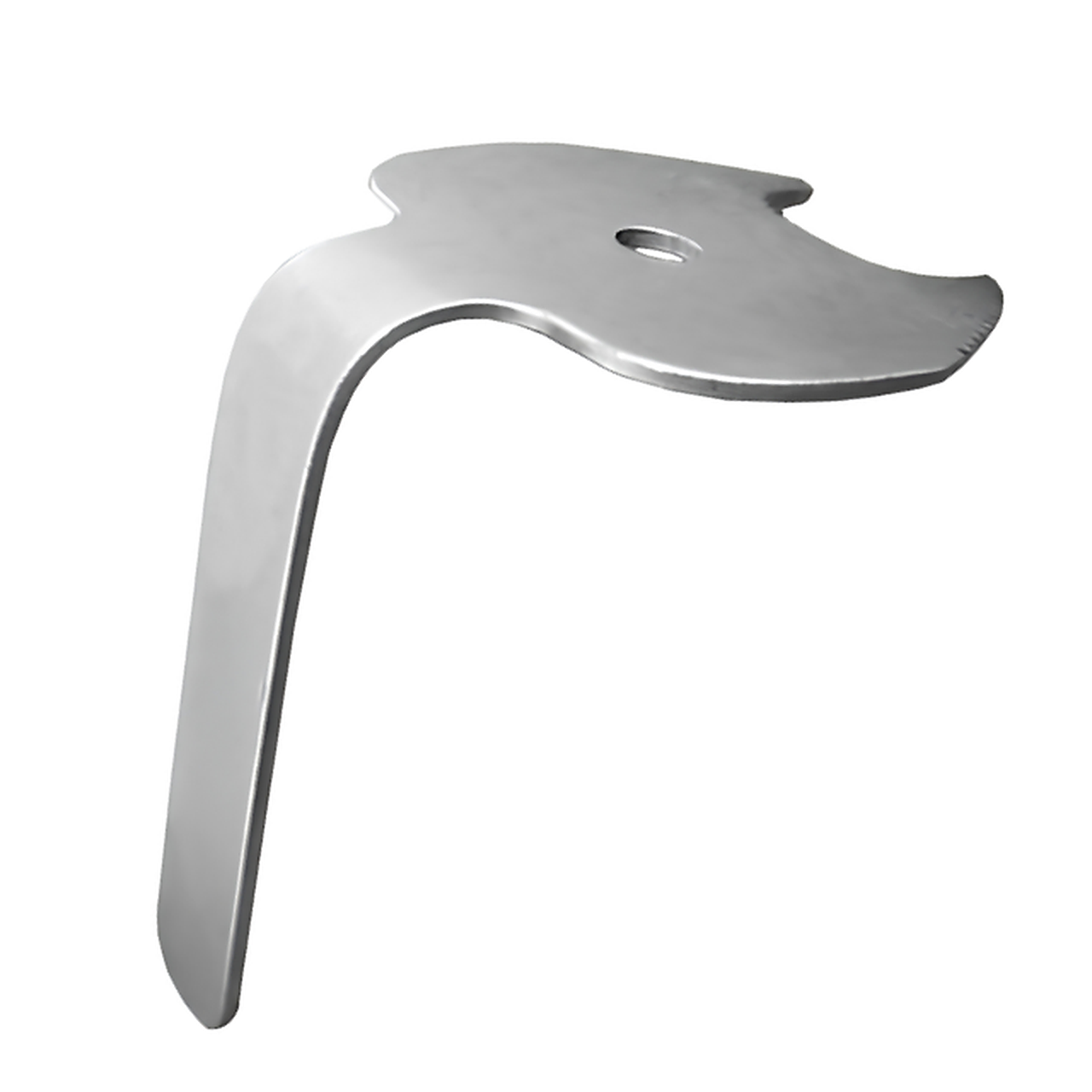 | مُبعد لقمة الفخذ الأمامي (Anterior Femoral Condylar Retractor) | مصمم خصيصاً لكشف لقم الفخذ الأمامية وتبعيد جهاز التمديد أثناء تقويم مفصل الركبة الكامل. |
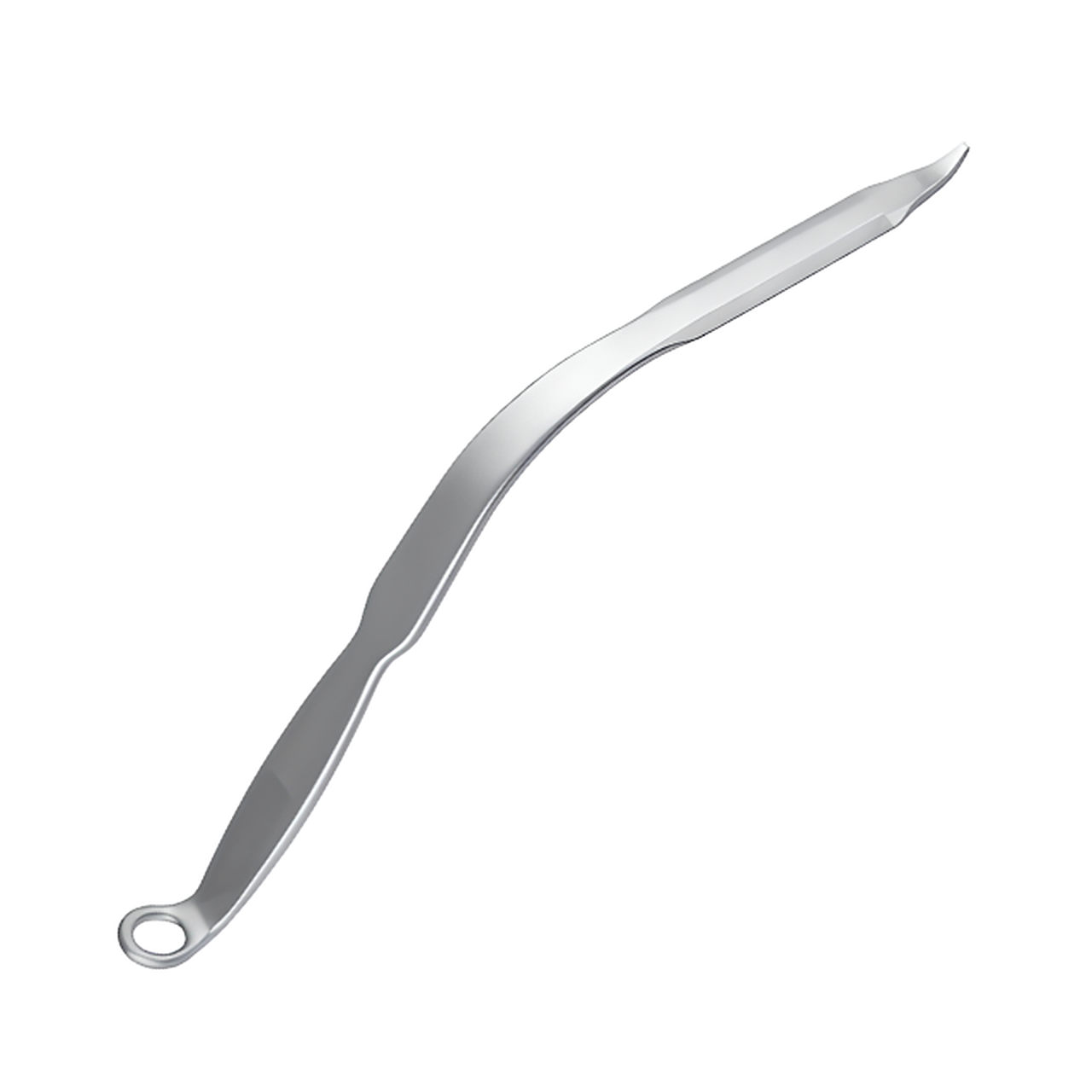 | مُباعد الحافة الأمامية الإنسية لعنق الفخذ (Anterior Femoral Neck Anteromedial Rim Retractor) | مصمم خصيصاً للكشف عن عنق الفخذ الأمامي والحافة الأمامية الإنسية أثناء جراحة تقويم مفاصل الورك واستئصال رأس الفخذ. |
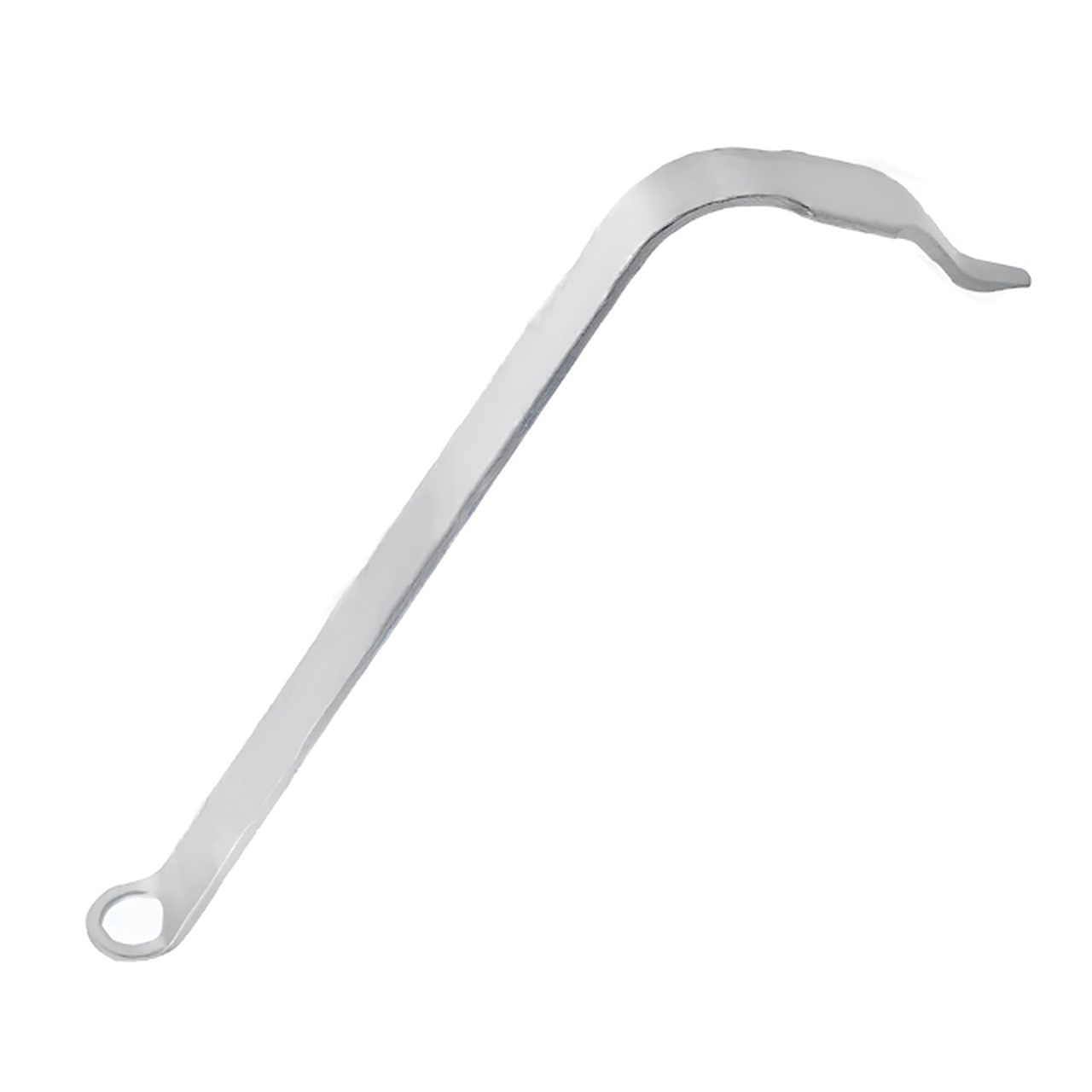 | مبعد حافة الحُقّ الأمامي الجانبي | مصمم خصيصًا للكشف عن حافة الحُقّ الأمامية الجانبية وإزاحة الأنسجة الرخوة المحيطة أثناء جراحة استبدال مفصل الورك. |
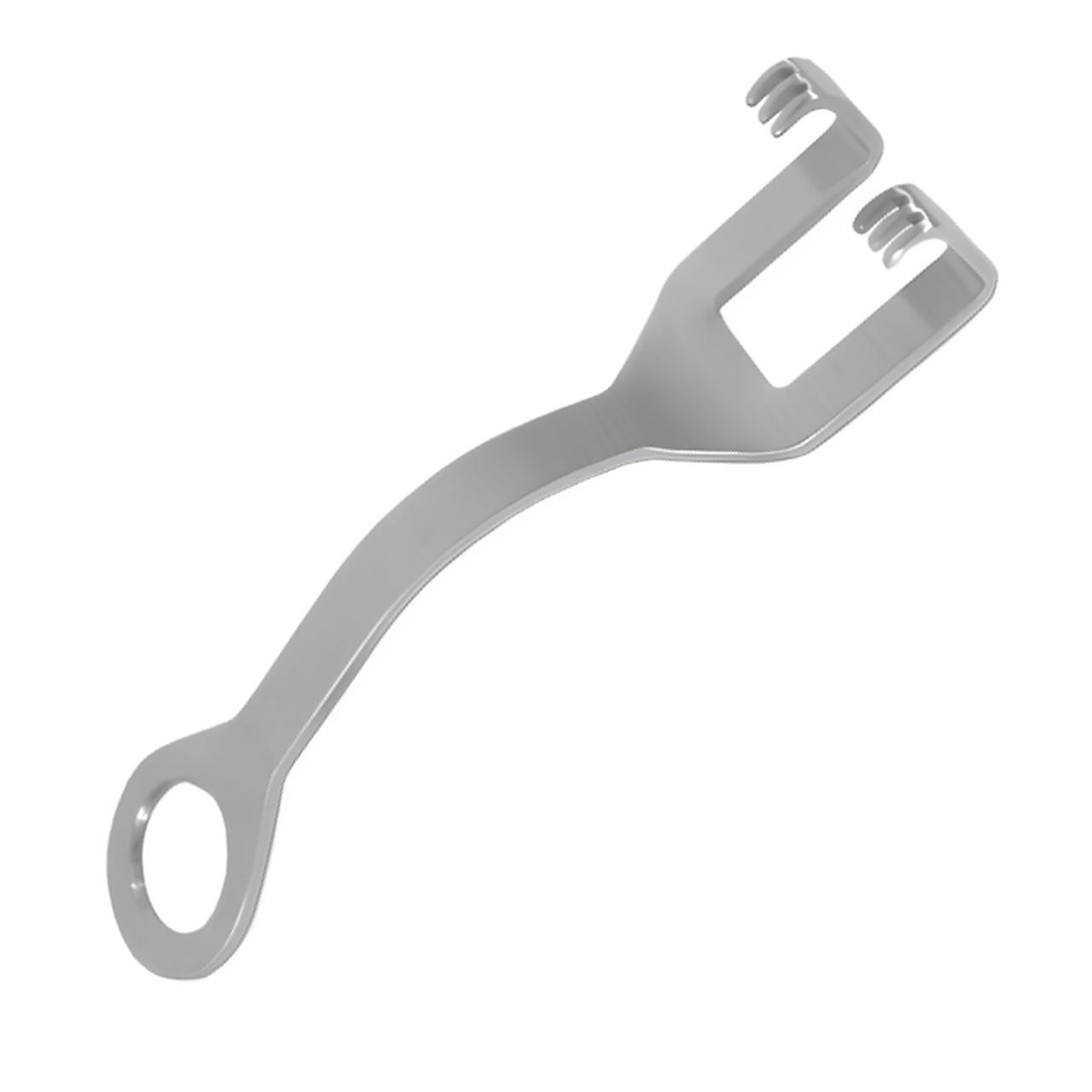 | مُبعّد الرضفة AORI | مصمم خصيصاً لمباعدة وقلب الرضفة أثناء إجراءات تقويم مفصل الركبة الكلي الأولية وعمليات المراجعة. |
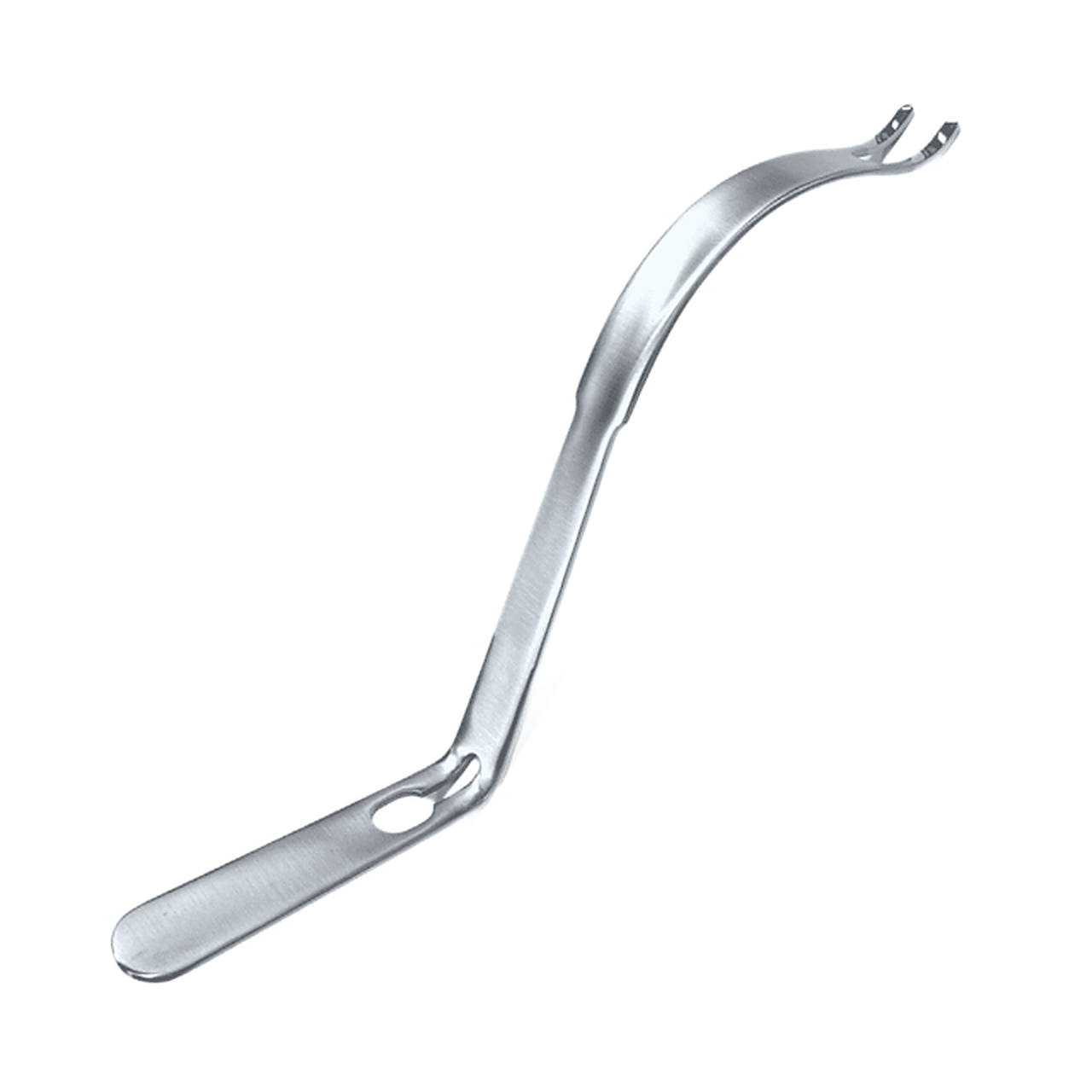 | مُباعد الورك APC Hip Retractor | مصمم خصيصاً لتعريض حافة الحُق وعنق الفخذ أثناء جراحة تقويم مفاصل الورك والعمليات الترميمية. |
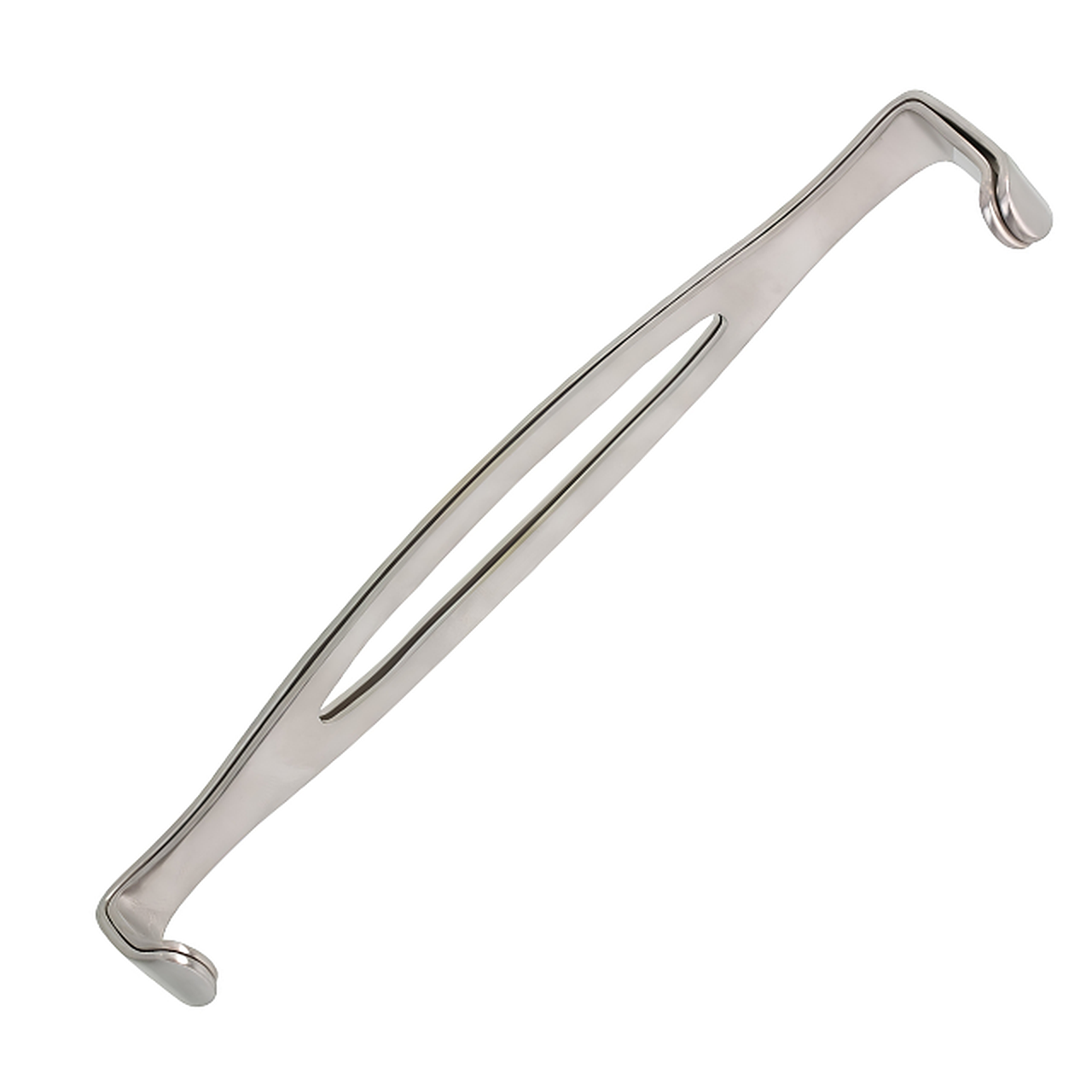 | طقم مباعدات Army-Navy - قطعتان | مصمم لتوفير تباعد يدوي للأنسجة الرخوة وحواف الجروح في الحقول العملياتية السطحية والمتوسطة. |
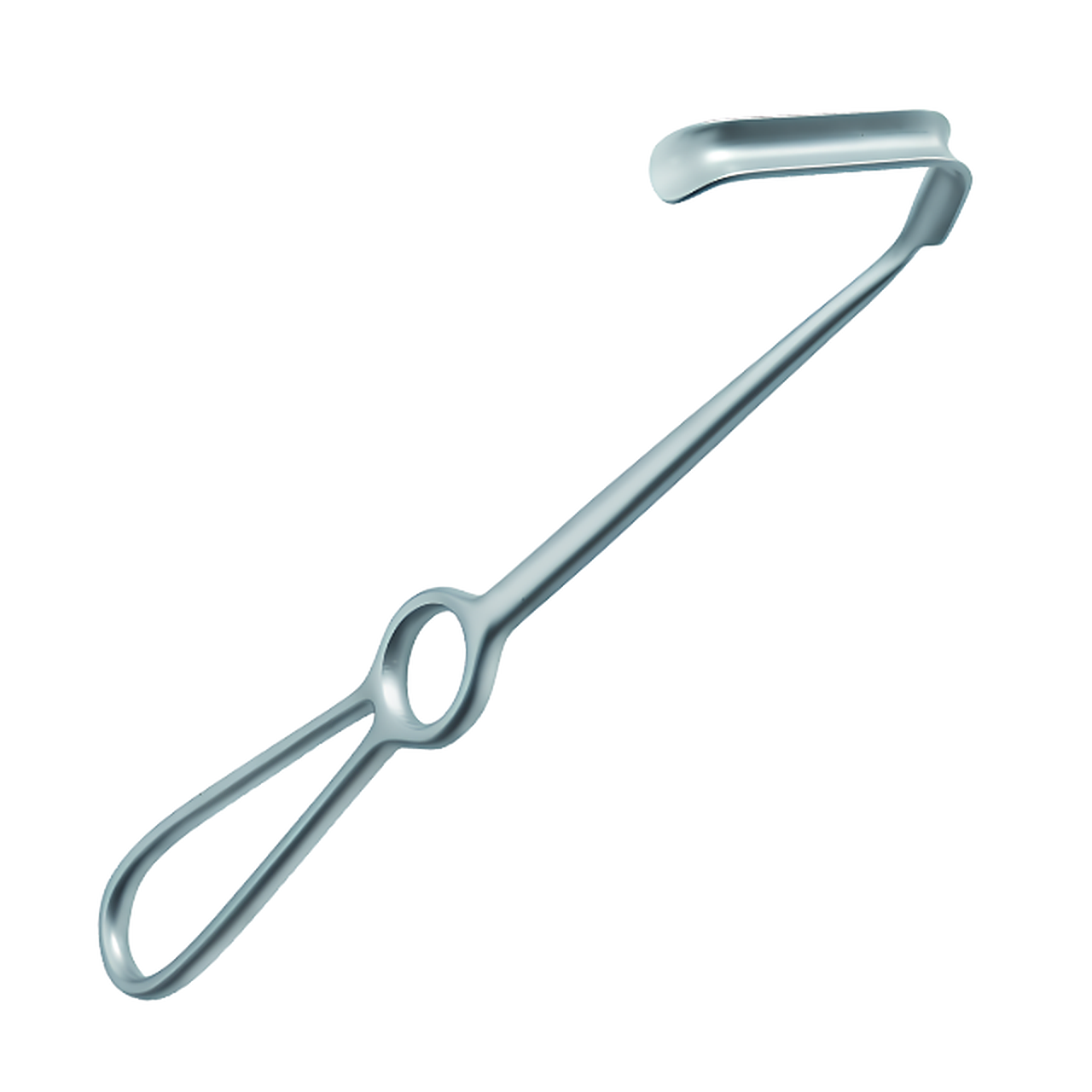 | مُبعّد الشفة العلوية Arnett Le Fort | مصمم خصيصاً لرفع وحماية الشفة العلوية والمخاطية الدهليزية أثناء عمليات قطع العظم Le Fort وجراحات تقويم الفكين. |
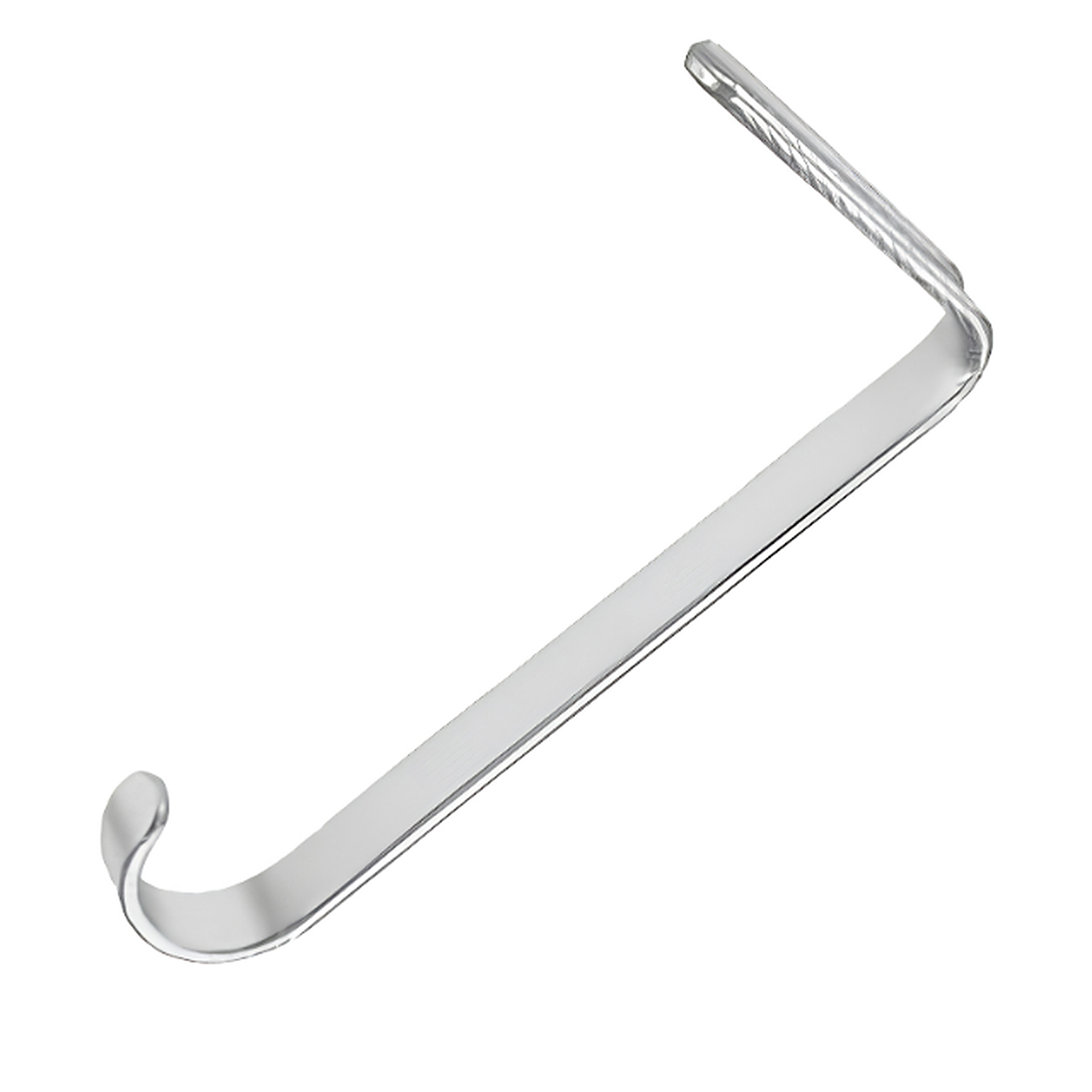 | مُبعّد الأنف Aufricht Daniel | مصمم خصيصاً لرفع الغطاء الجلدي والأنسجة الرخوة لجسر الأنف أثناء جراحات تجميل الأنف الترميمية والتجميلية. |
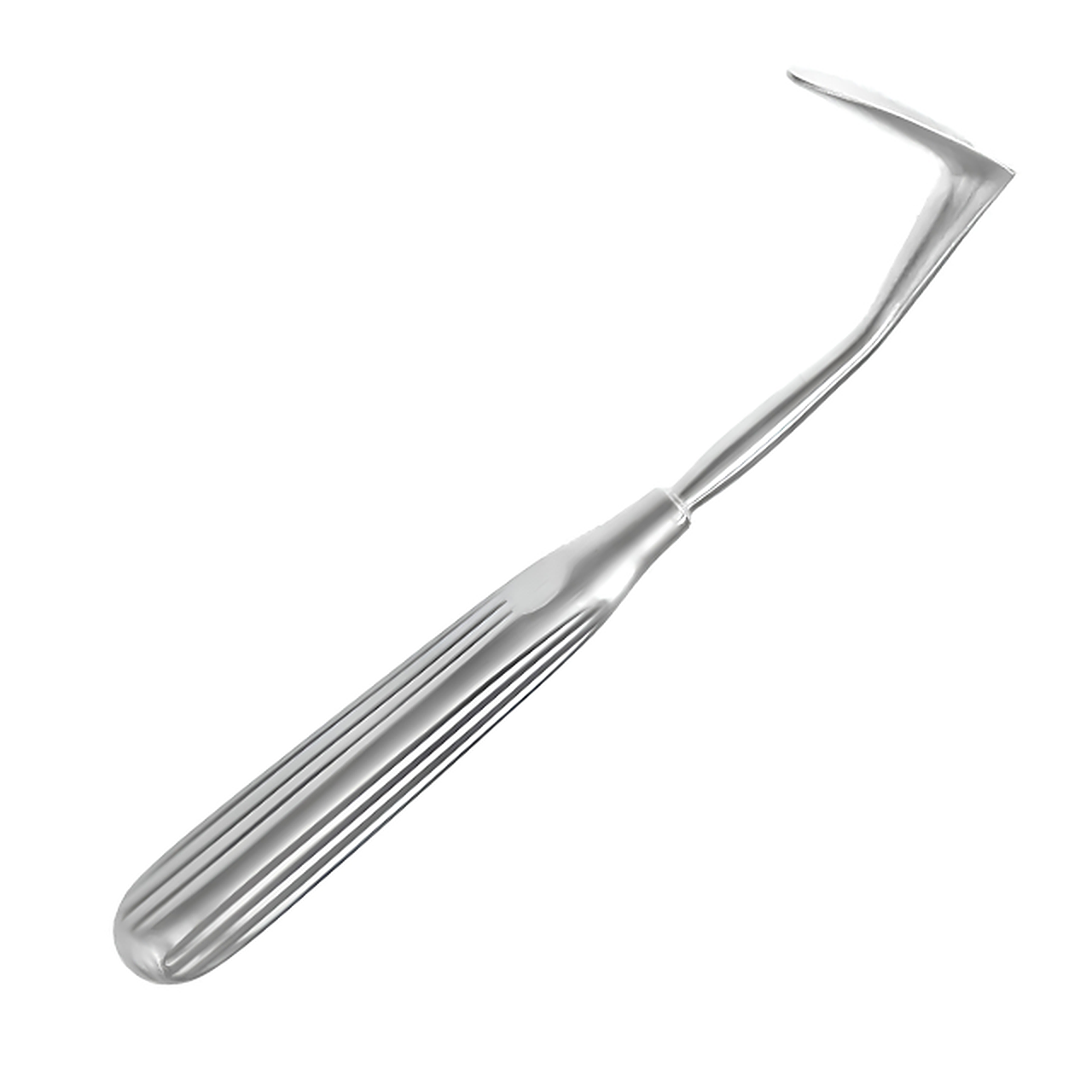 | مُبعِّد الأنف Aufricht Nasal Retractor | مُصمم خصيصاً لرفع السدائل الجلدية الأنفية والحفاظ على رؤية واضحة لجسر الأنف أثناء عمليات تجميل الأنف. |
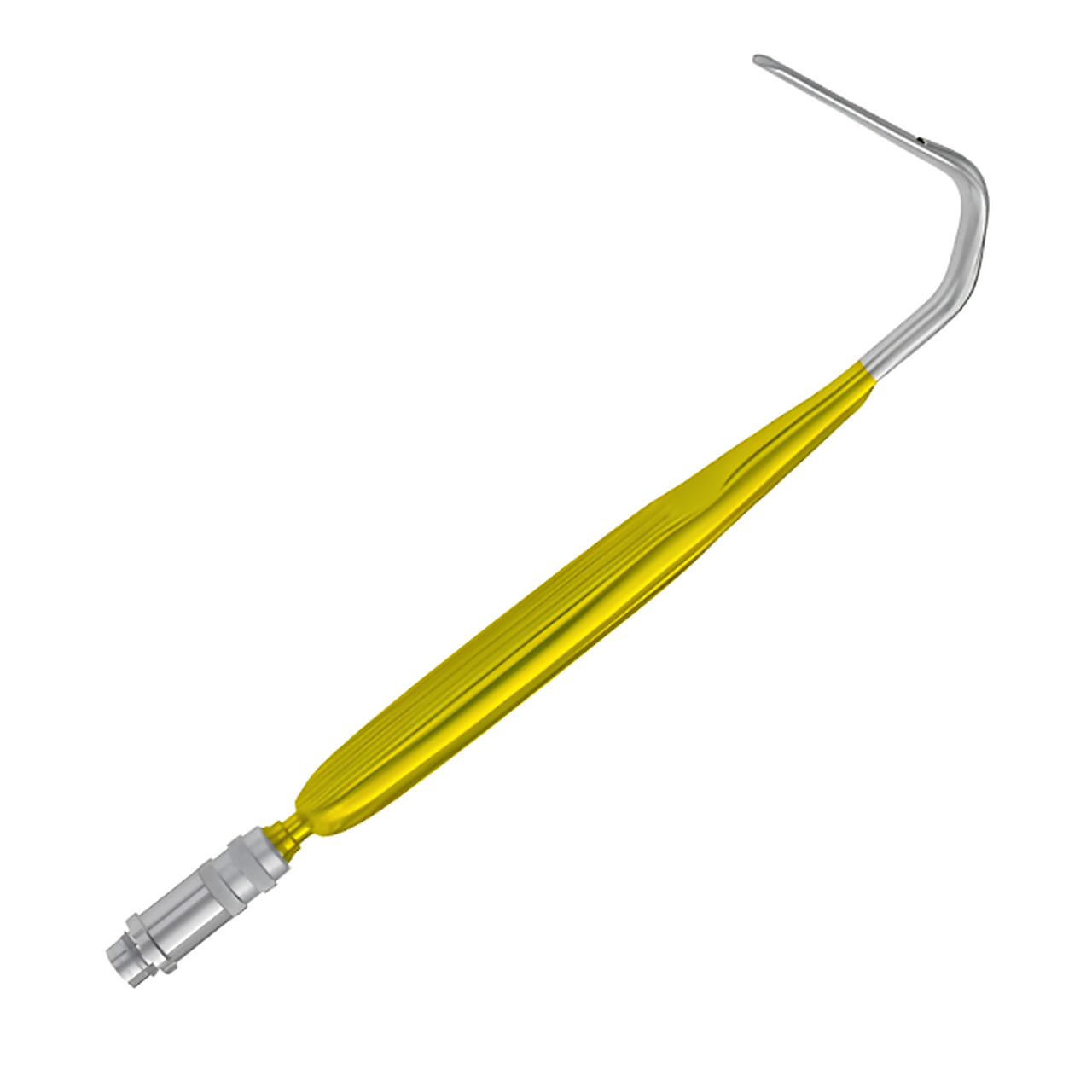 | Aufricht Nasal Retractor - Fiber Optic - مباعد أنف مع إضاءة ألياف ضوئية | مصمم خصيصاً لتوفير تبعيد الأنسجة الرخوة المضيء والكشف الظهري أثناء عمليات تجميل الأنف وجراحات الأنف الترميمية. |
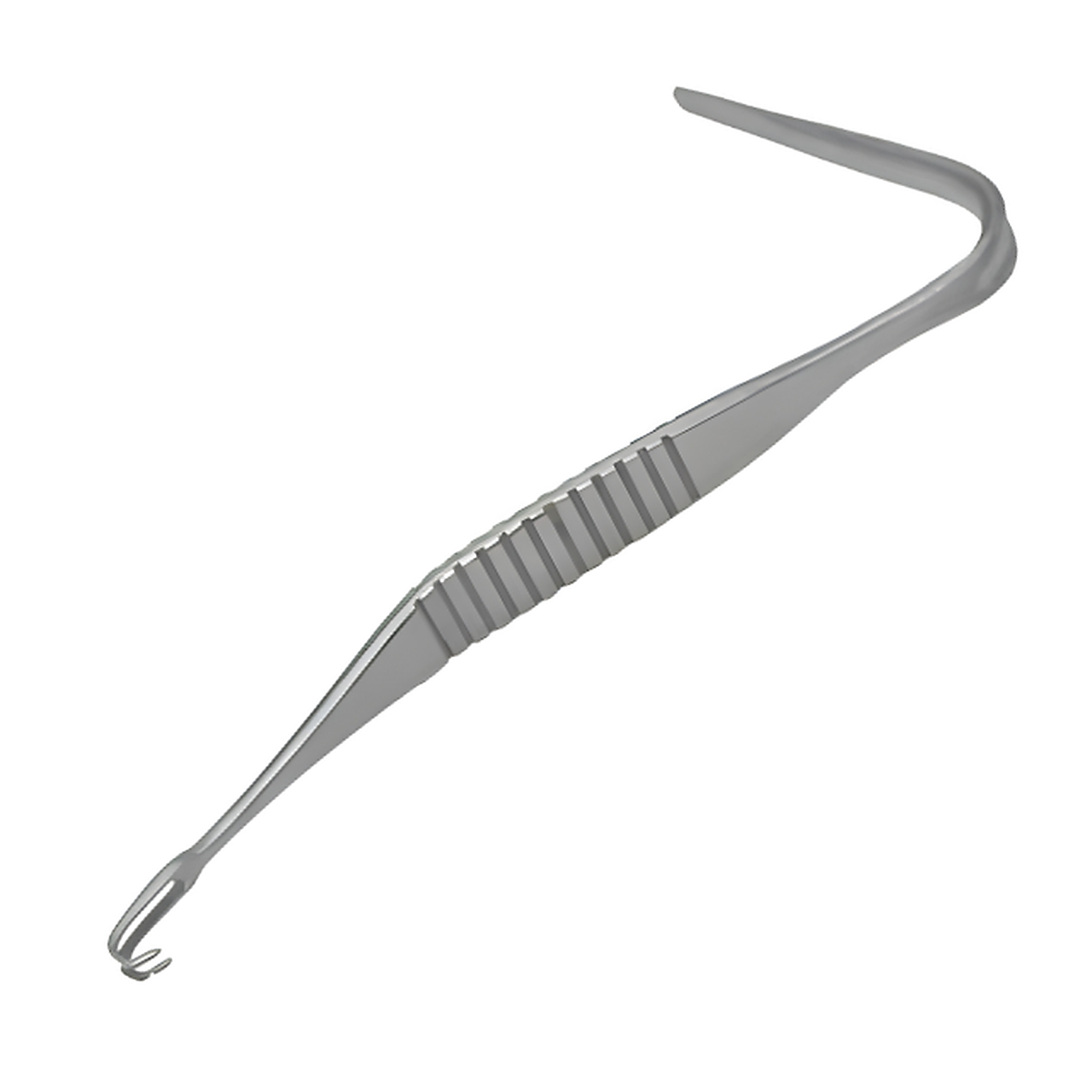 | مُبعّد الأنف Aufricht Walter | مصمم خصيصاً لتوفير تبعيد للأنسجة الرخوة من طرفين ورفع سدائل الغشاء المخاطي أثناء عمليات تجميل وترميم الأنف. |
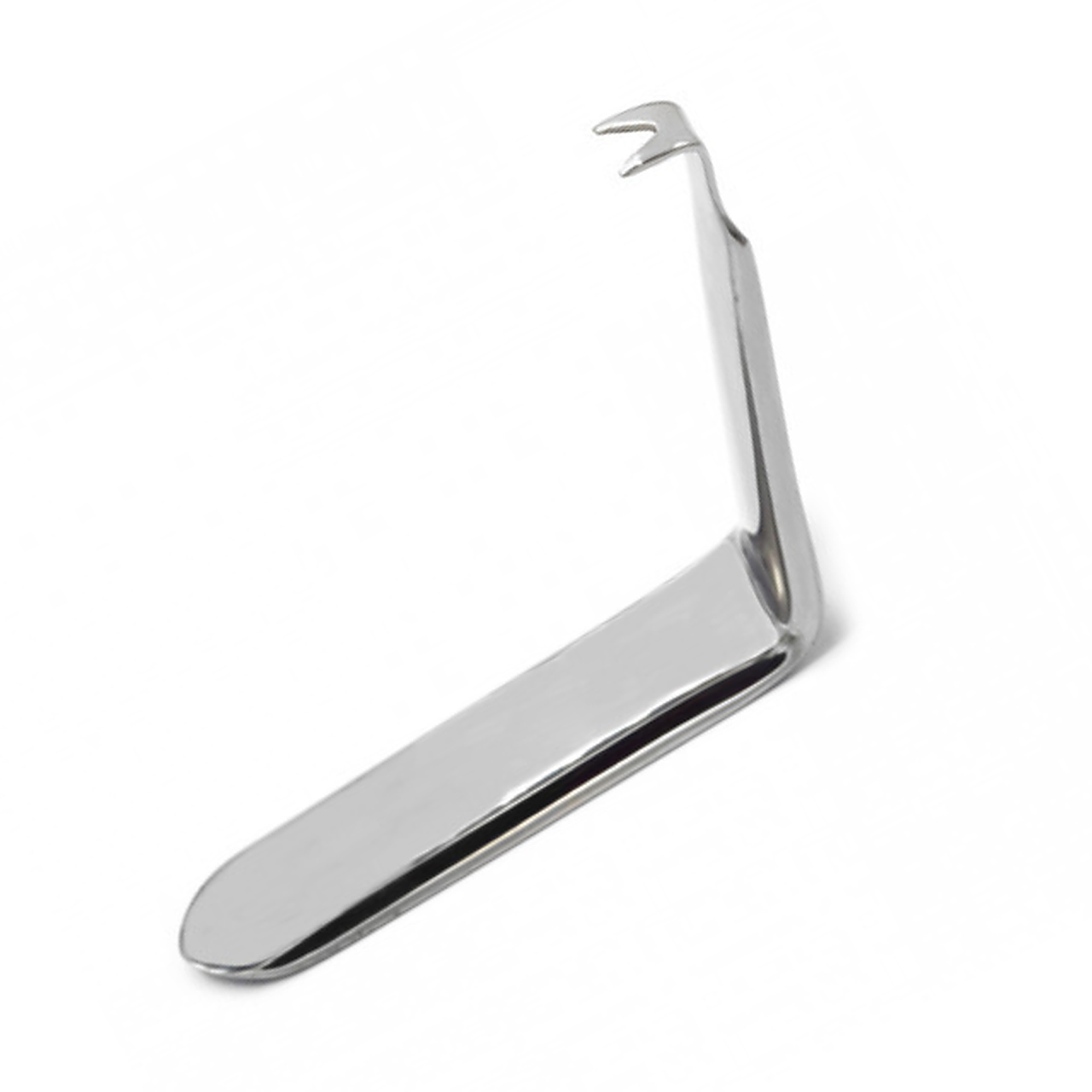 | مبعد Austin للأنسجة والخد | مصمم خصيصاً لإبعاد الخدين والشفتين ولفافات السمحاق المخاطية أثناء إجراءات جراحة الفم والوجه والفكين والأسنان. |
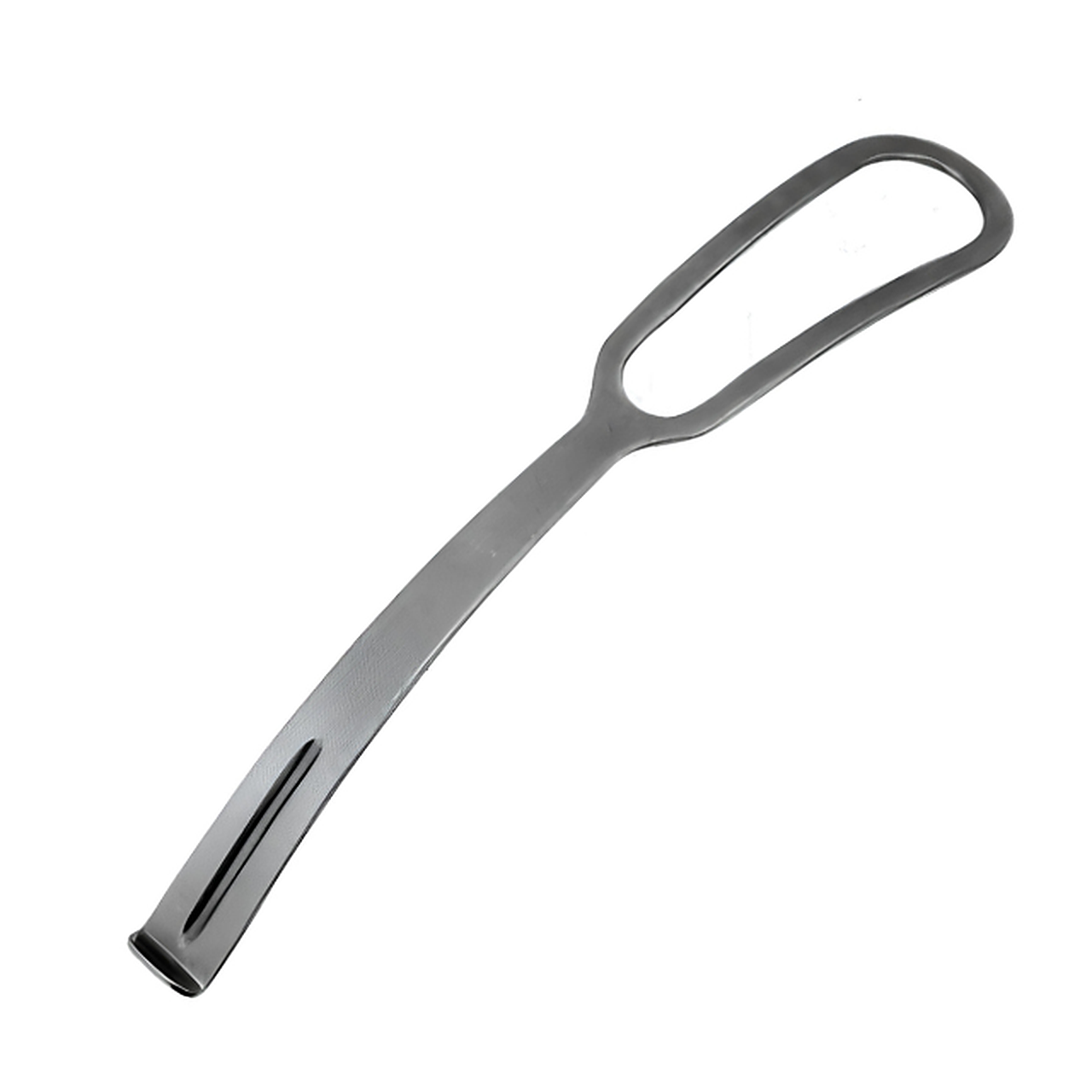 | مُبعّد Awty لعنق اللقمة الفكية | مصمم خصيصاً لإبعاد وحماية عنق اللقمة الفكية أثناء عمليات قطع العظم في جراحات الفكين والكسور. |
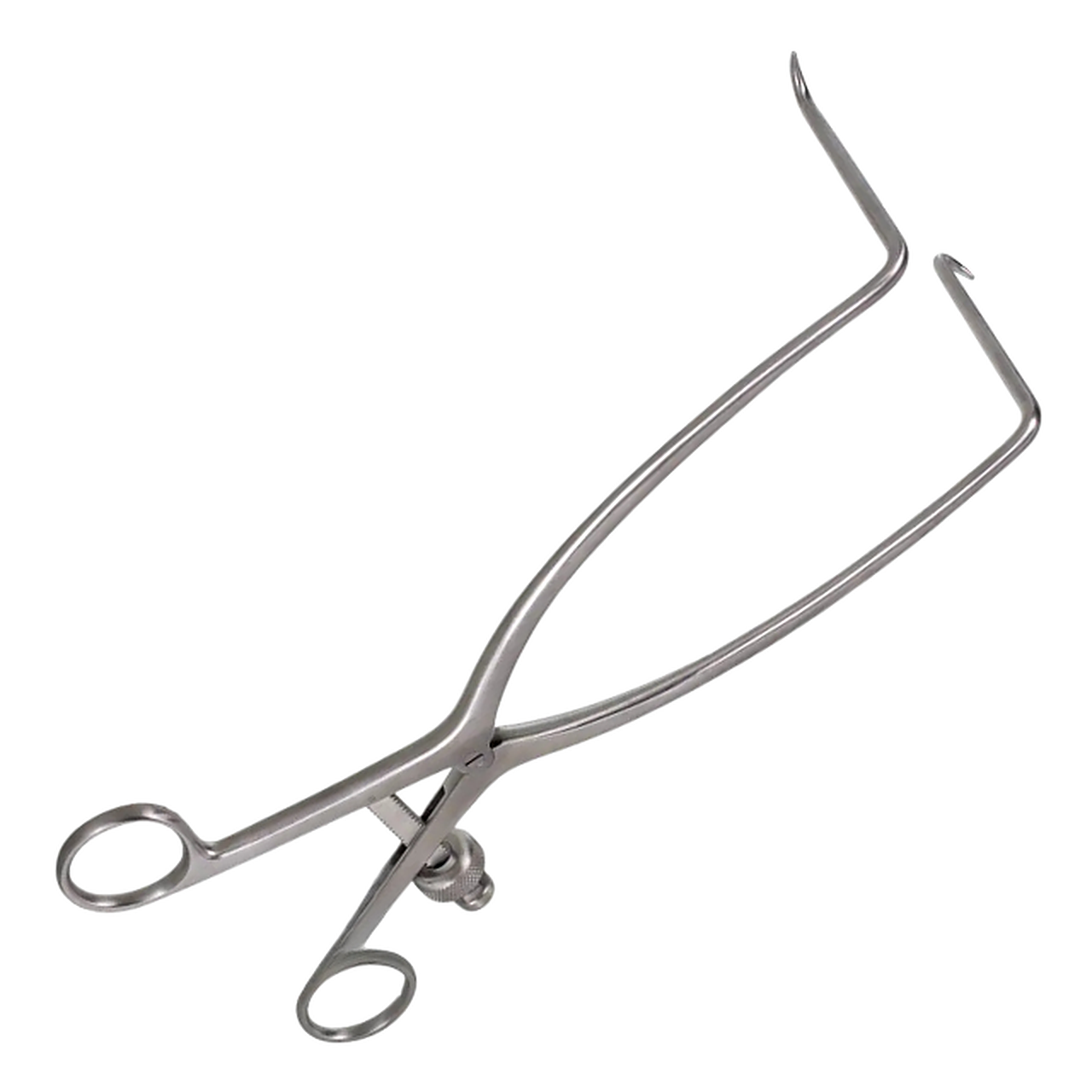 | مُباعد B-Z Retractor | مصمم خصيصاً لتبعيد الأنسجة الرخوة العميقة وعضلات الظهر الموازية للعمود الفقري بشكل ذاتي التثبيت أثناء جراحات العظام والعمود الفقري والحوض. |
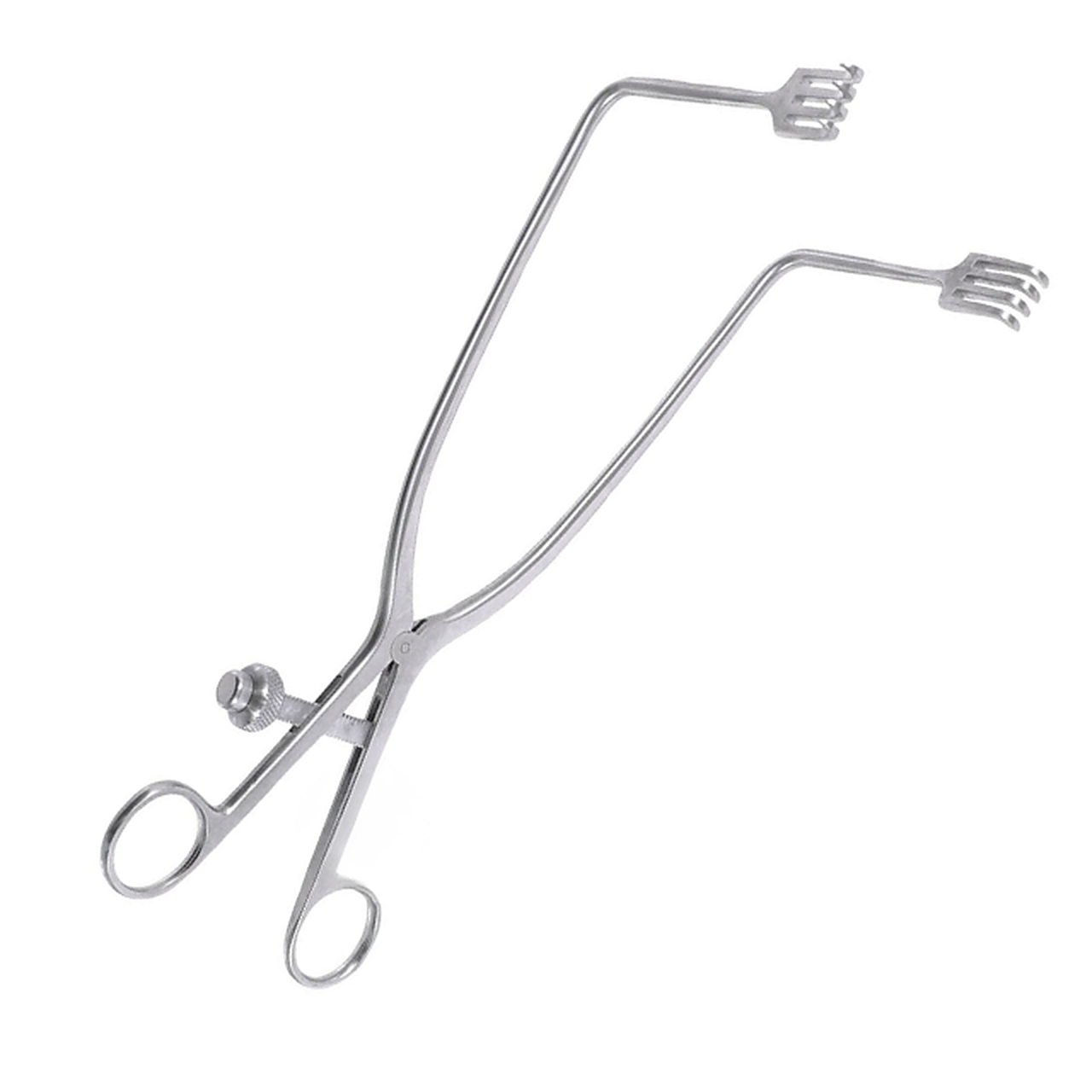 | مُبعد B-Z Weitlaner Retractor | مصمم خصيصاً لتبعيد الأنسجة الرخوة والعضلات العميقة ذاتياً أثناء جراحات العمود الفقري والعظام والحوض. |
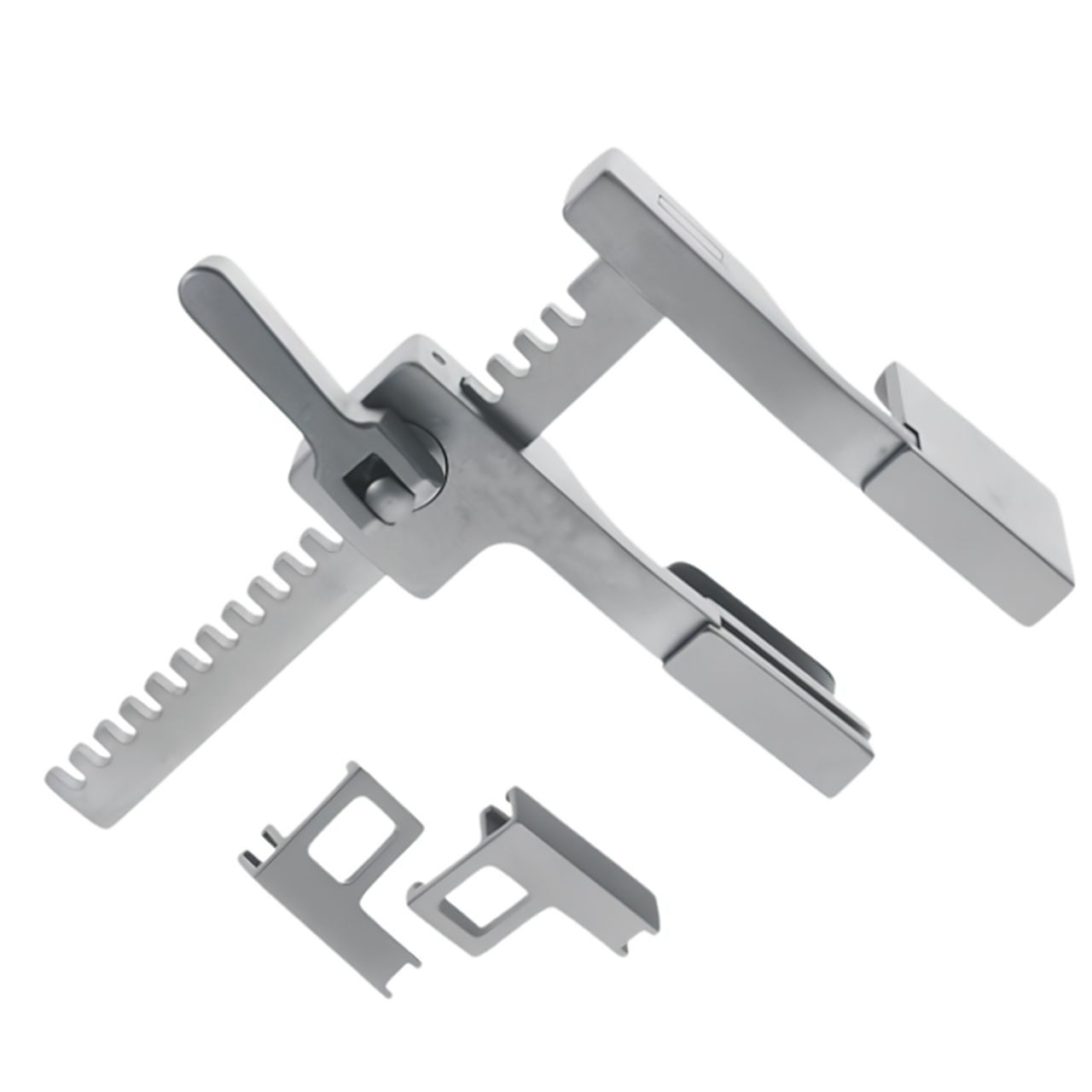 | مباعد الضلوع Baby-Haight Rib Spreader | مصمم خصيصًا لمباعدة الأضلاع وتوفير الوصول إلى الصدر أثناء جراحات القلب والصدر لحديثي الولادة والرضع. |
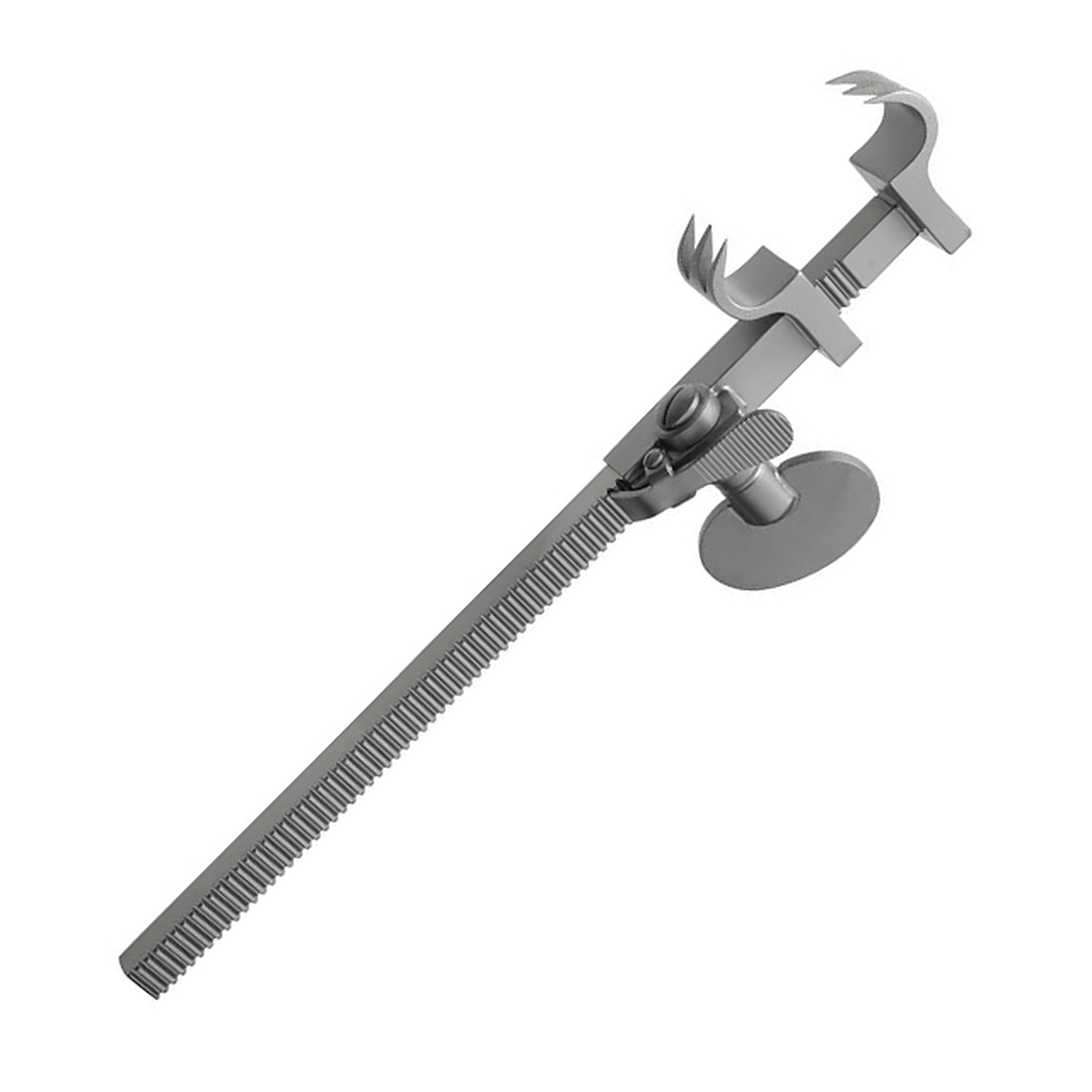 | Bailey Rib Contractor - مُقرب الأضلاع بيلي | مصممة خصيصاً لتقريب الأضلاع وتثبيت القفص الصدري أثناء إغلاق جرح بضع الصدر. |
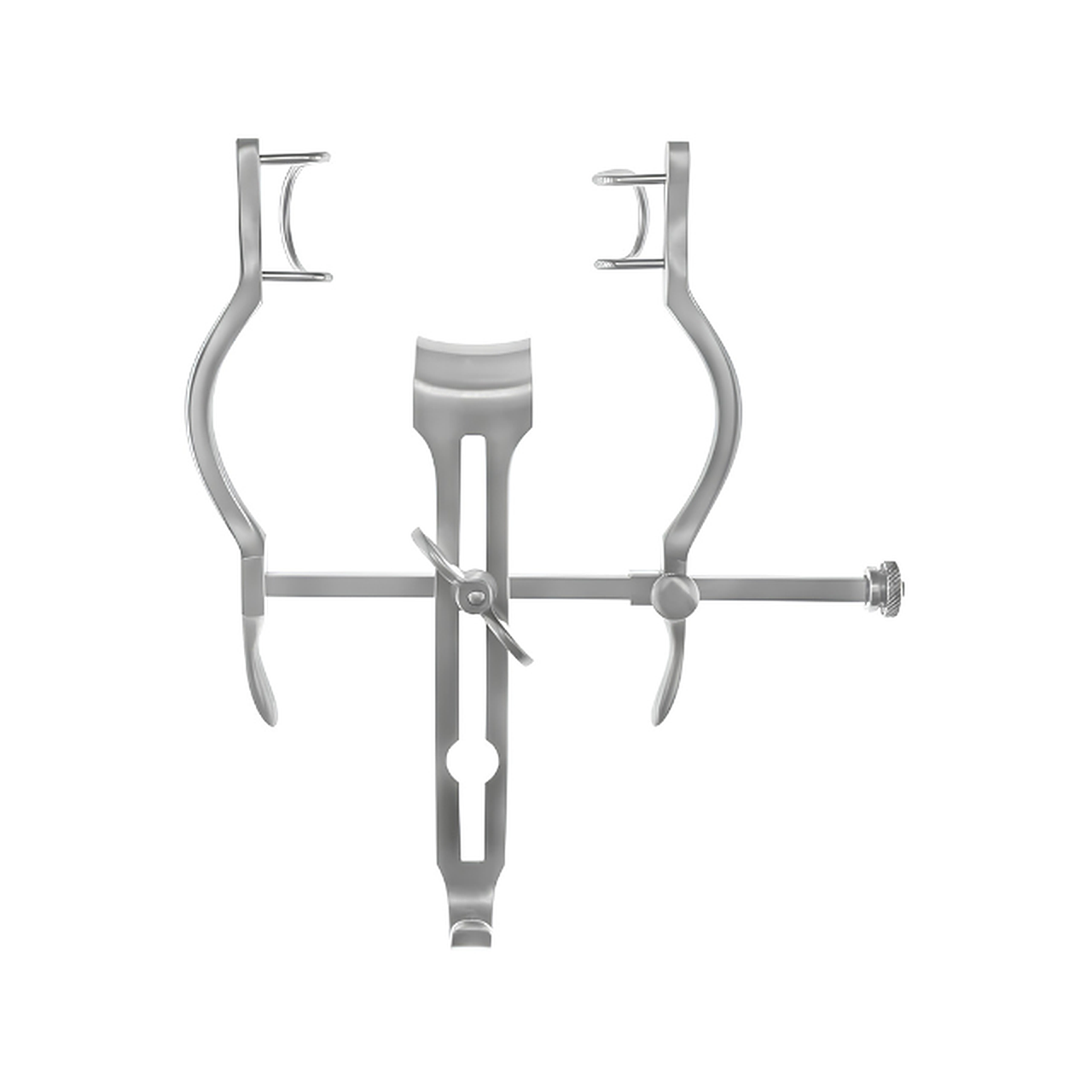 | مبعد Balfour Baby ذاتي التثبيت | مصمم خصيصاً لتوفير تبعيد ذاتي التثبيت للأنسجة والحفاظ على كشف جراحي منظم خلال العمليات الجراحية. |
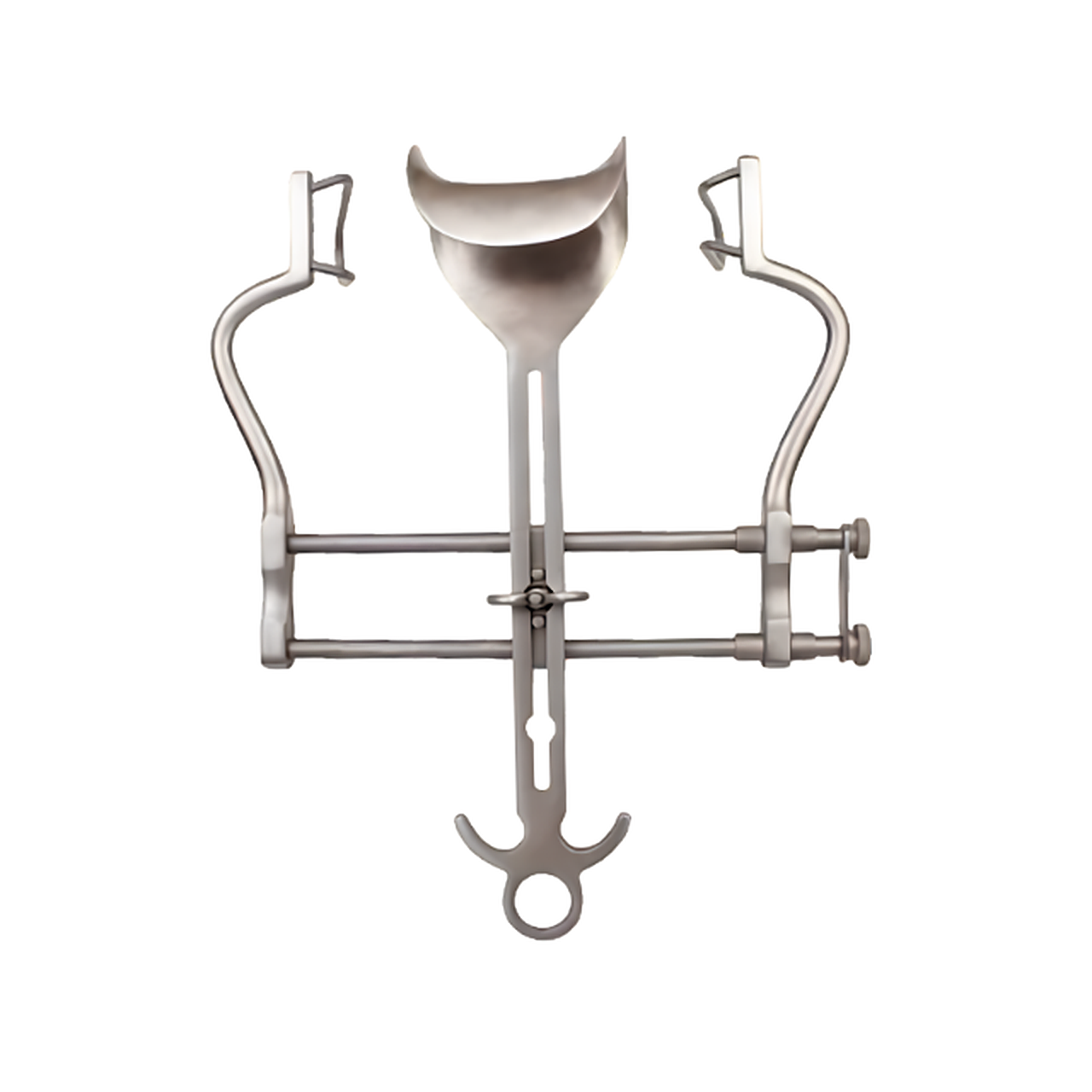 | مُباعد Balfour | مصمم لتوفير إبعاد للأنسجة الرخوة بنظام ذاتي التثبيت والحفاظ على رؤية مستمرة للمجال الجراحي دون الحاجة لليدين. |
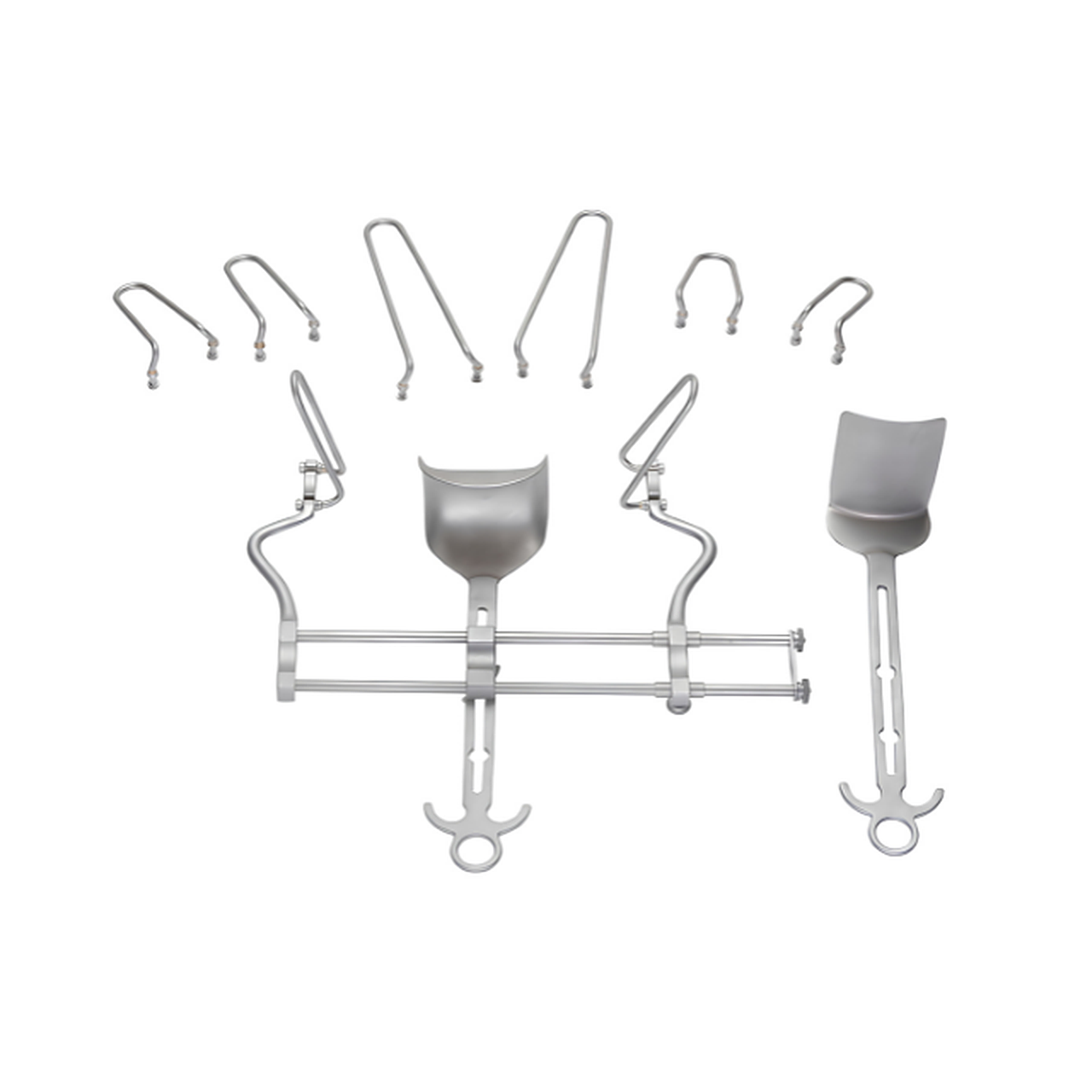 | مبعد Balfour USA ذاتي التثبيت | مصمم خصيصاً لتوفير إبعاد ذاتي التثبيت للأنسجة الرخوة والحفاظ على رؤية جراحية منظمة عبر الإجراءات العملياتية. |
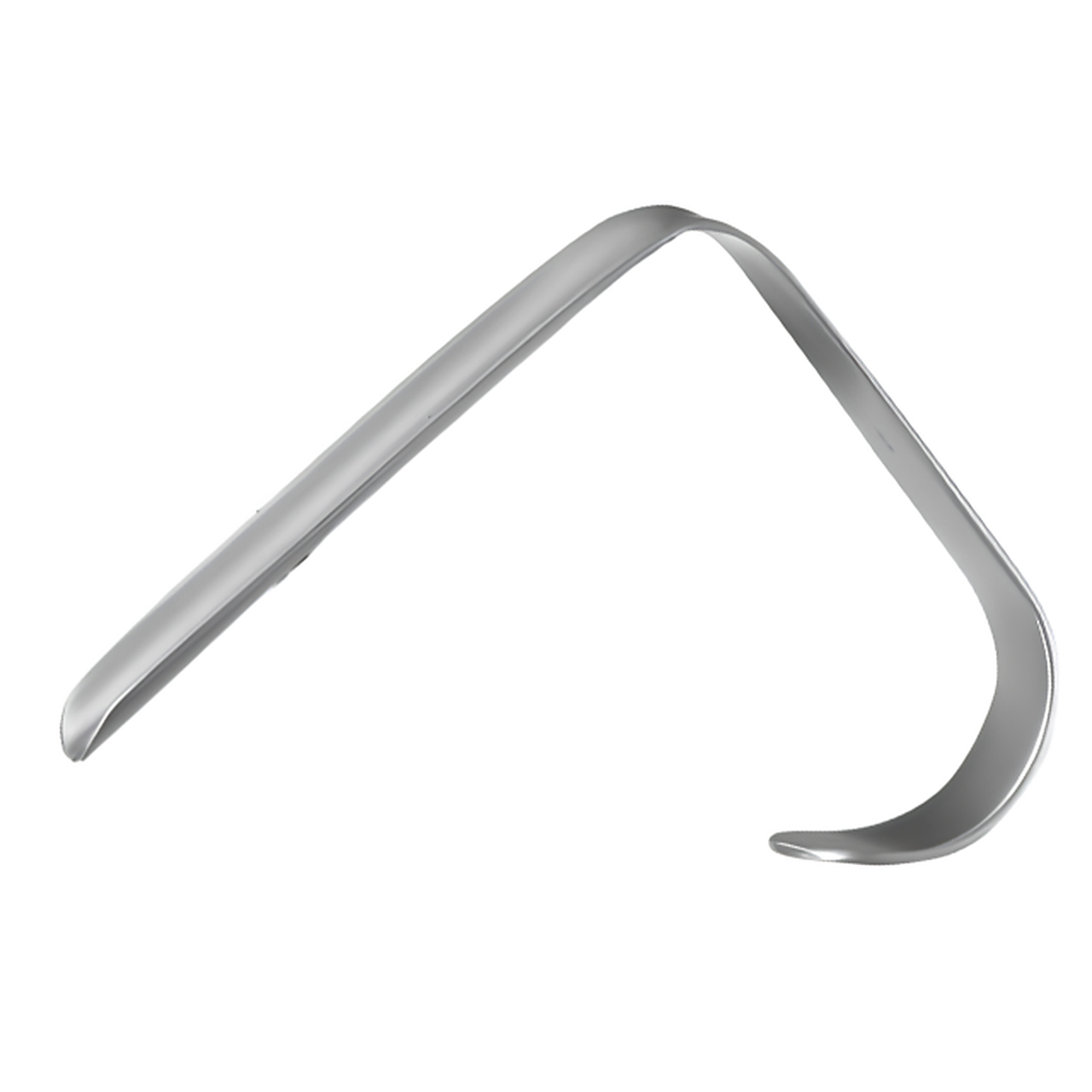 | مُبَعِّد Barsky الأنفي | مصمم خصيصاً لتبعيد حافة جناح الأنف والأنسجة الرخوة للجدار الأنفي أثناء عمليات تجميل الأنف وترميم الشفة الأرنبية والأنف. |
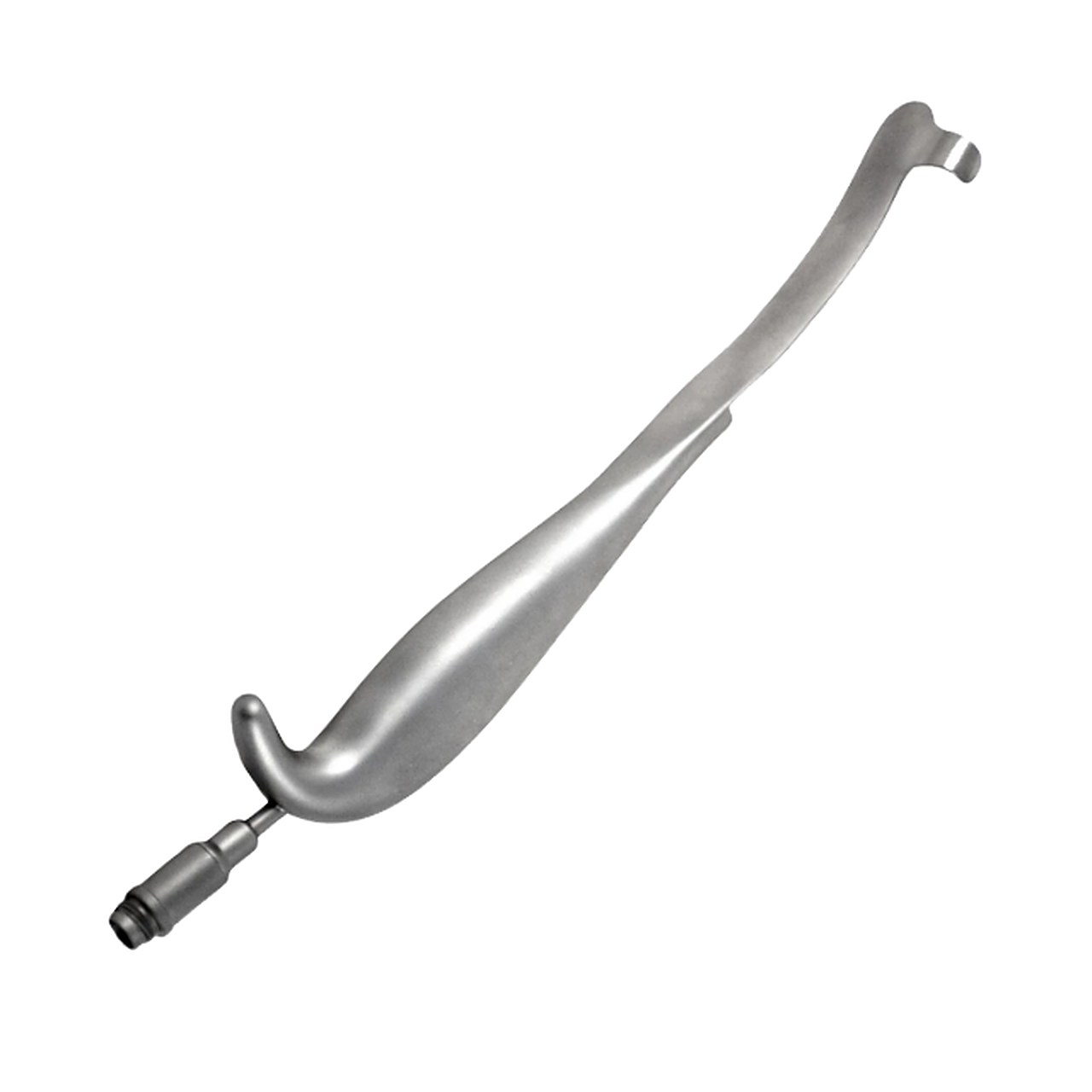 | مُبعّد Bauer داخل الفم للثلمة السينية | مصمم خصيصاً للتعشيق في الثلمة السينية للفك السفلي وتبعيد الأنسجة الرخوة أثناء عمليات قطع عظم الرأد وجراحة المفصل الفكي الصدغي. |
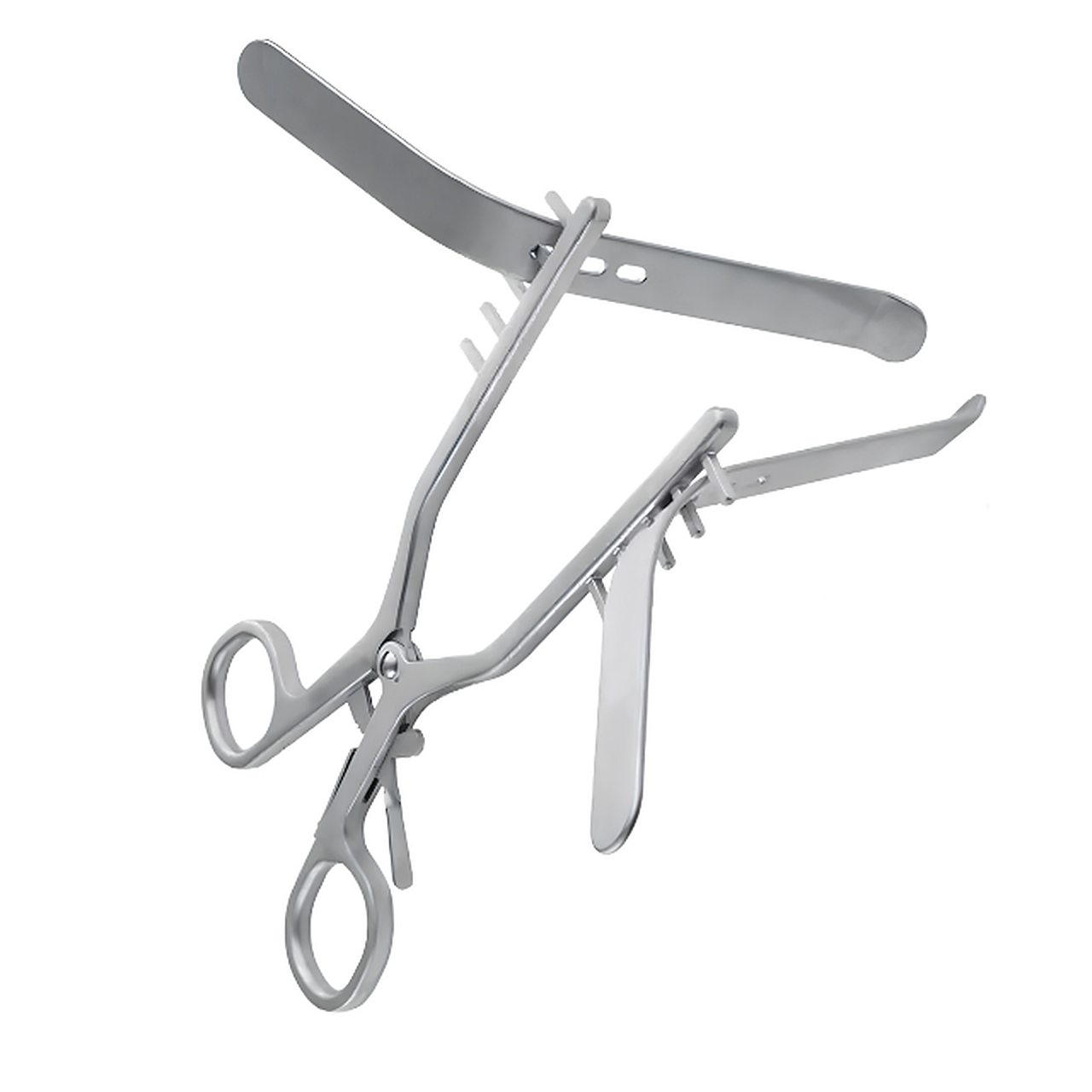 | Beard Distal Bicep Self-Retaining Retractor | مصمم خصيصاً لتباعد الأنسجة الرخوة ذاتياً وكشف الحديبة الكعبرية أثناء عمليات إصلاح وتر عضلة البايسبس البعيد. |
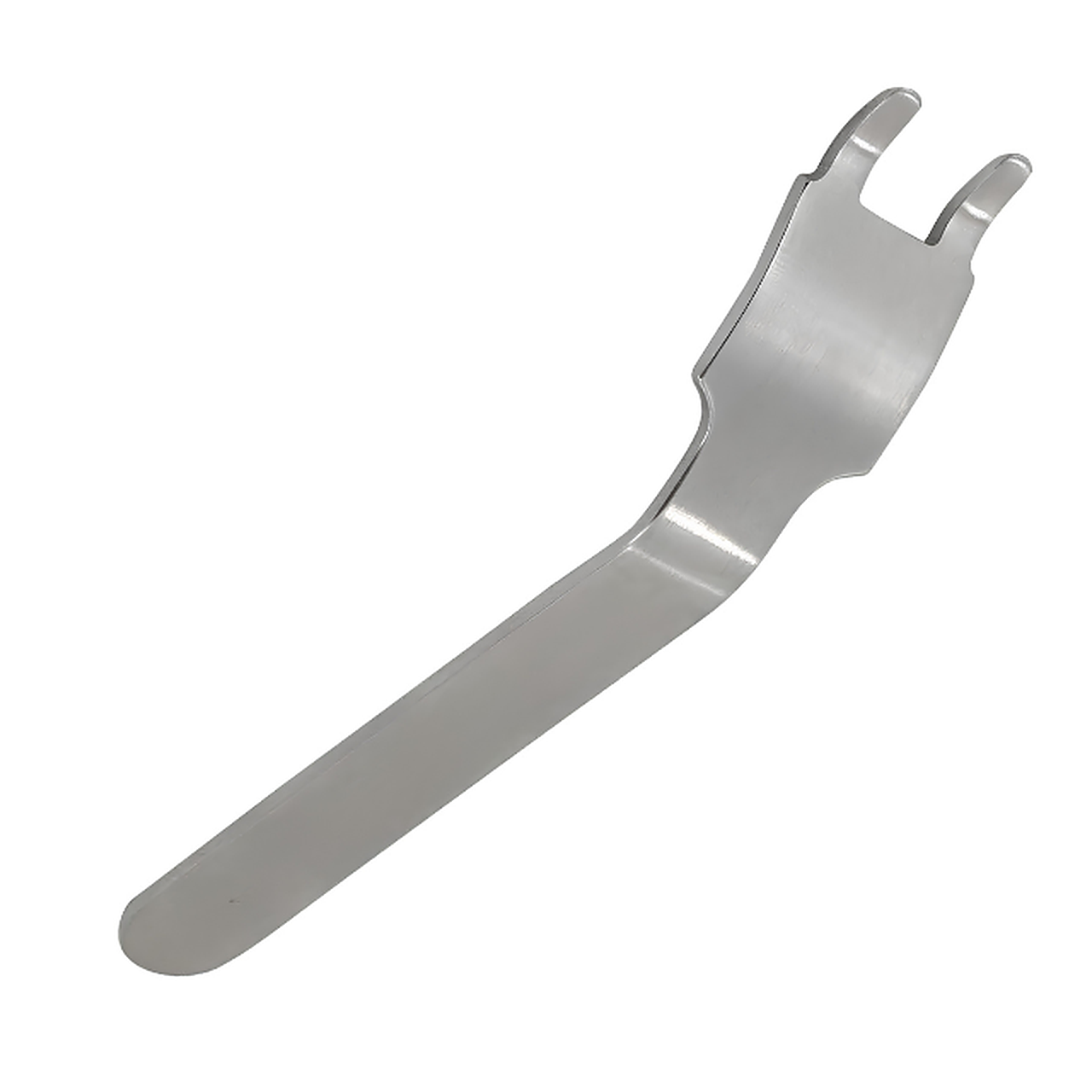 | مبعد Beard Distal Radius Wide Hohmann Retractor | مصمم خصيصاً لكشف الكعبرة البعيدة وإبعاد الأنسجة الرخوة والعضلة الكابة المربعة أثناء تركيب شرائح كسور الرسغ. |
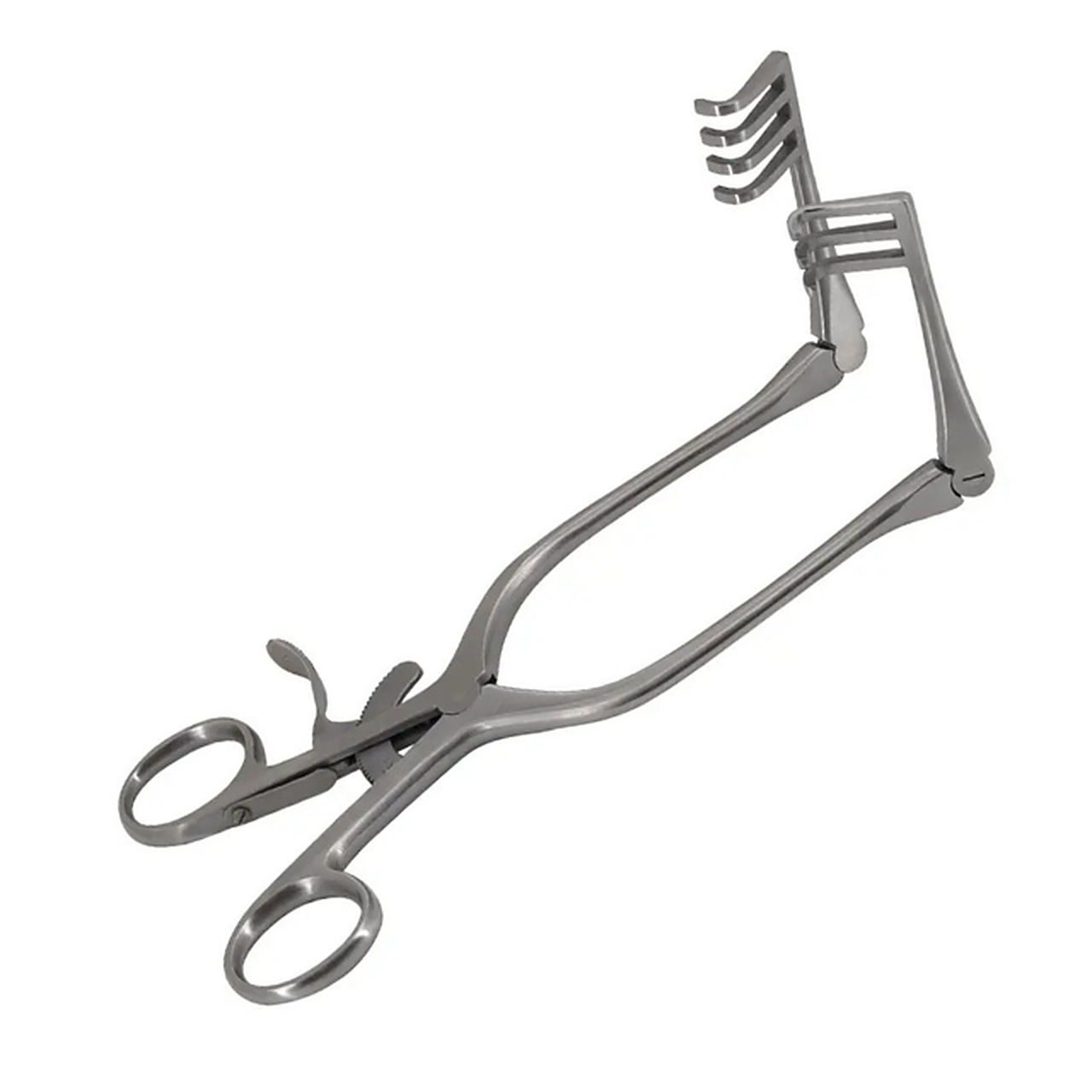 | مُباعد Beckman-Weitlaner ذاتي التثبيت | مصمم خصيصاً لتوفير مباعدة ذاتية ومفصلية للأنسجة الرخوة والعضلات أثناء جراحات العمود الفقري والعظام. |
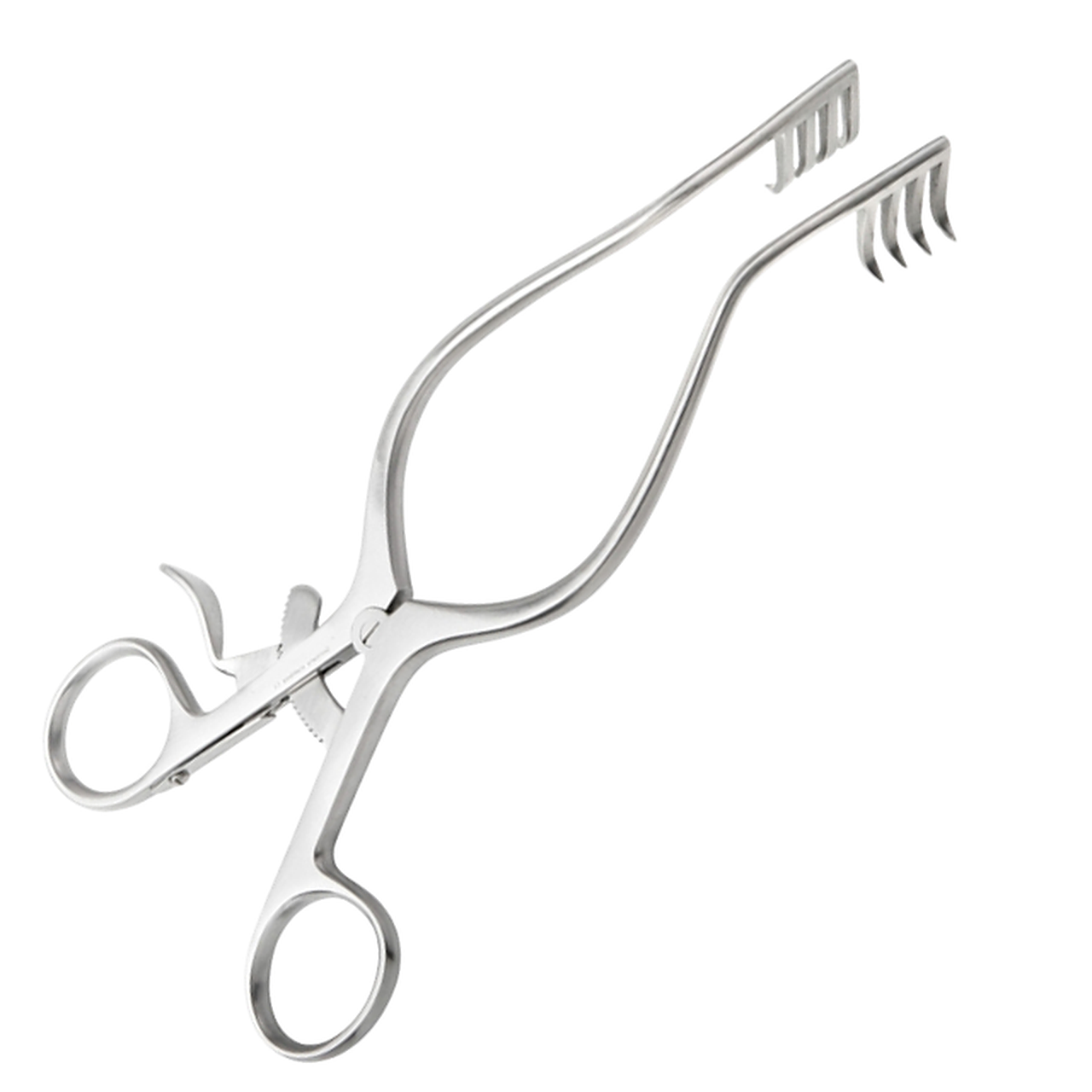 | مُبعّد Beckmann Adson ذاتي التثبيت | مصمم خصيصاً لتبعيد العضلات المجاورة للعمود الفقري والأنسجة الرخوة بشكل ذاتي التثبيت أثناء عمليات العمود الفقري والأعصاب. |
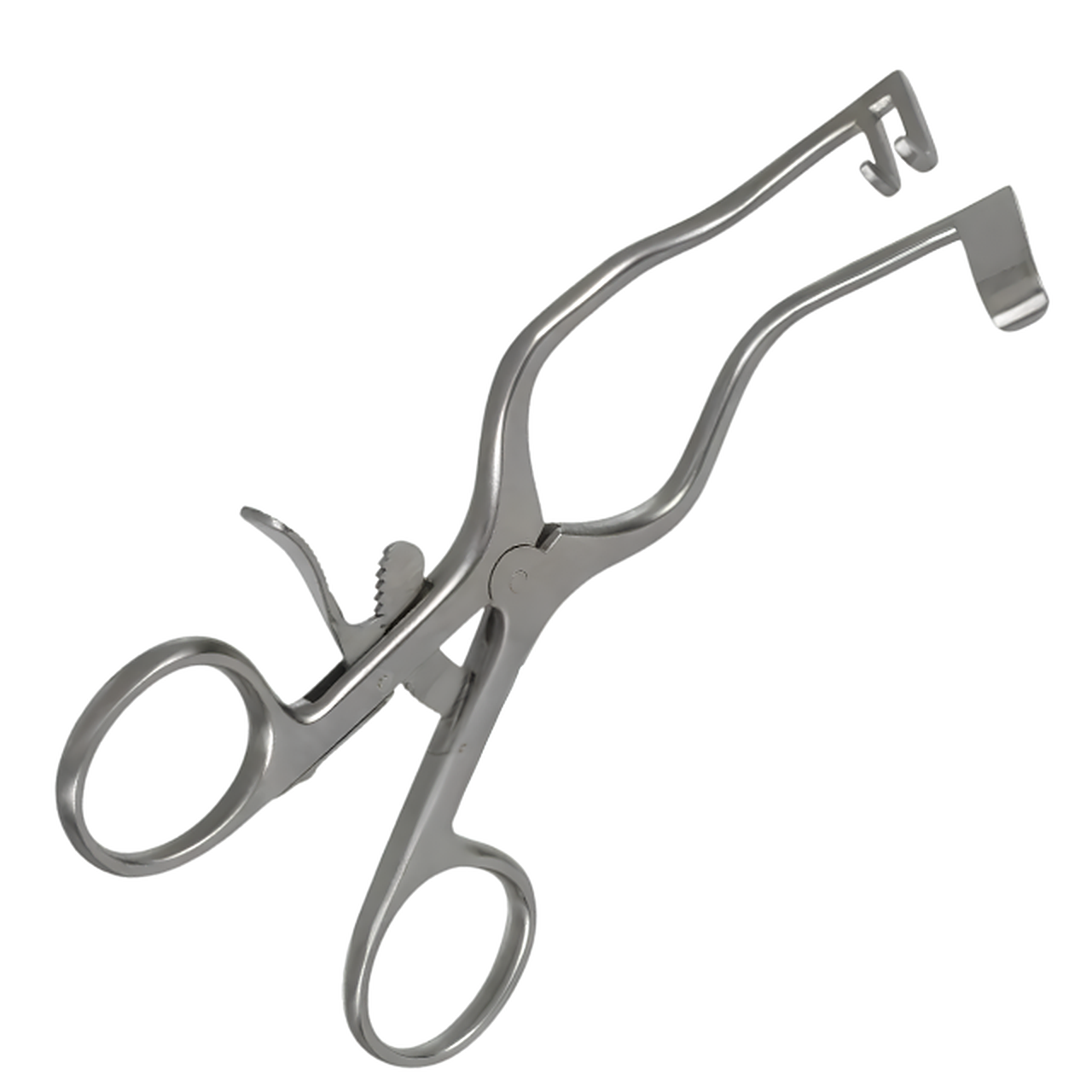 | مبعدات Bellucci Endaural | مصمم خصيصاً للكشف عن قناة الأذن الخارجية والحلقة الطبلية أثناء جراحات الأذن. |
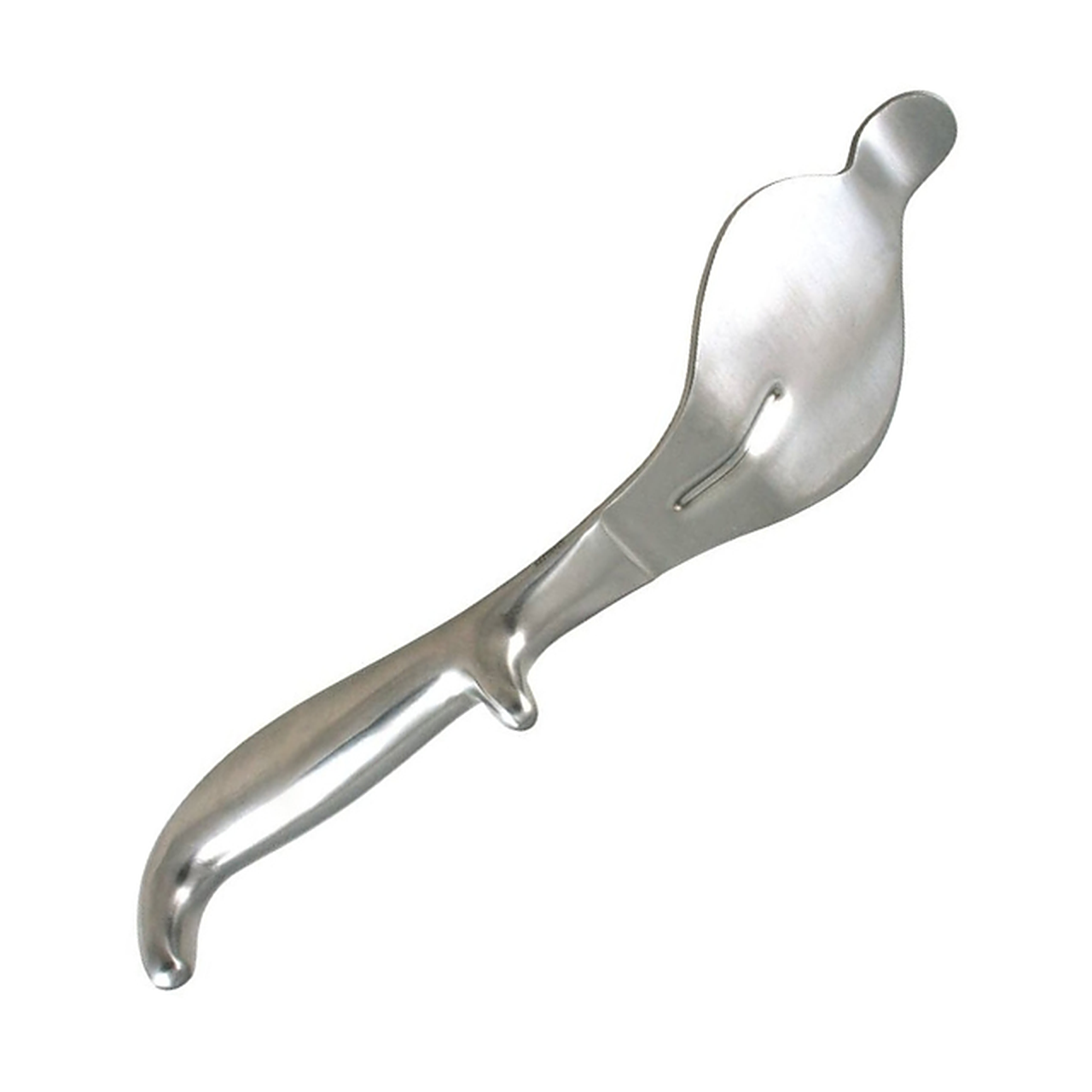 | مُبعّد Bennett Tibia Retractor | مصمم خصيصاً لإبعاد العضلات الضخمة والأنسجة الرخوة عن الظنبوب أثناء تقويم مفصل الركبة وتثبيت كسور الظنبوب. |
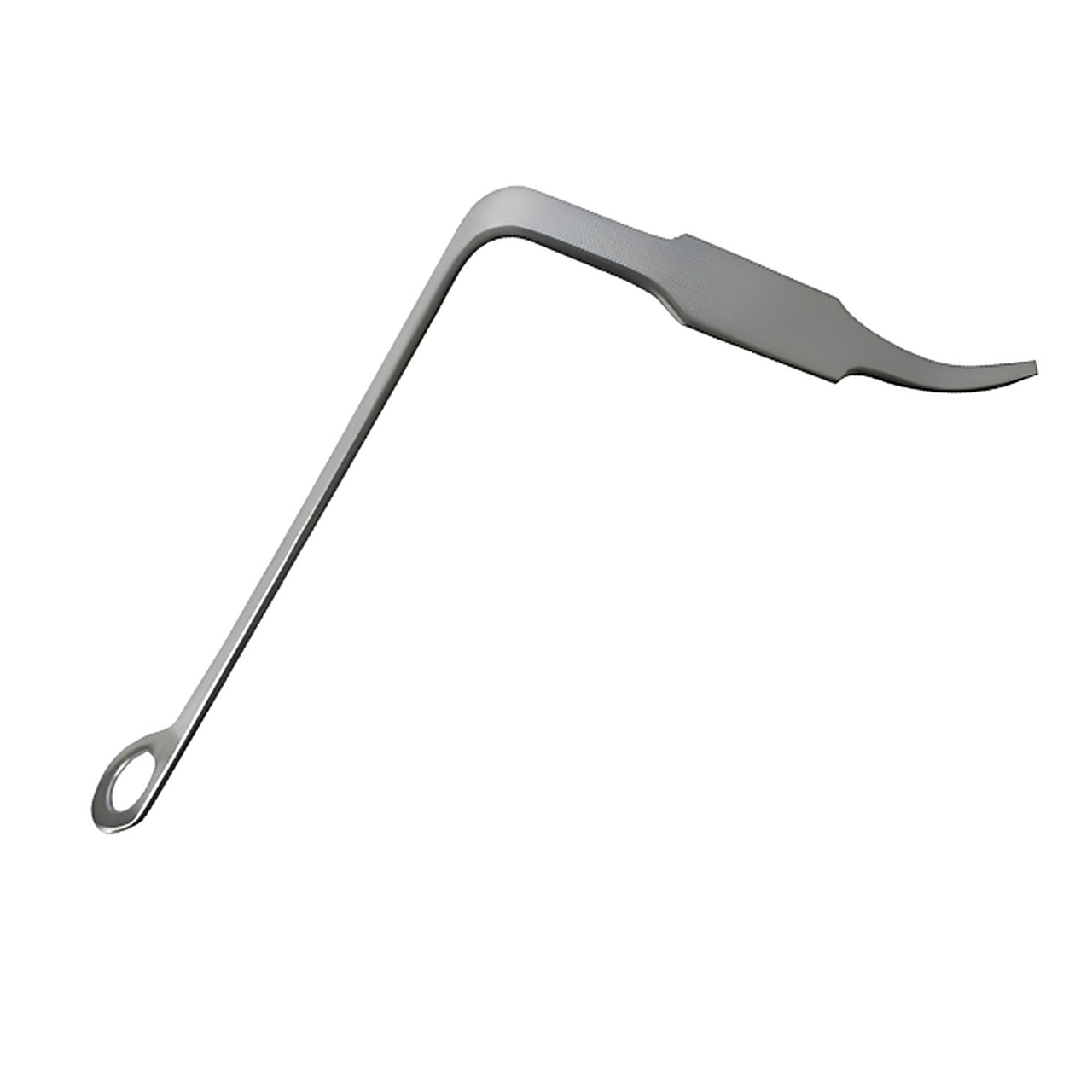 | مُبعّد Bent Hohmann العظمي | مصمم خصيصًا لرفع الأنسجة الرخوة والعضلات بعيدًا عن العظام أثناء إجراءات جراحة العظام في الورك والركبة والعظام الطويلة. |
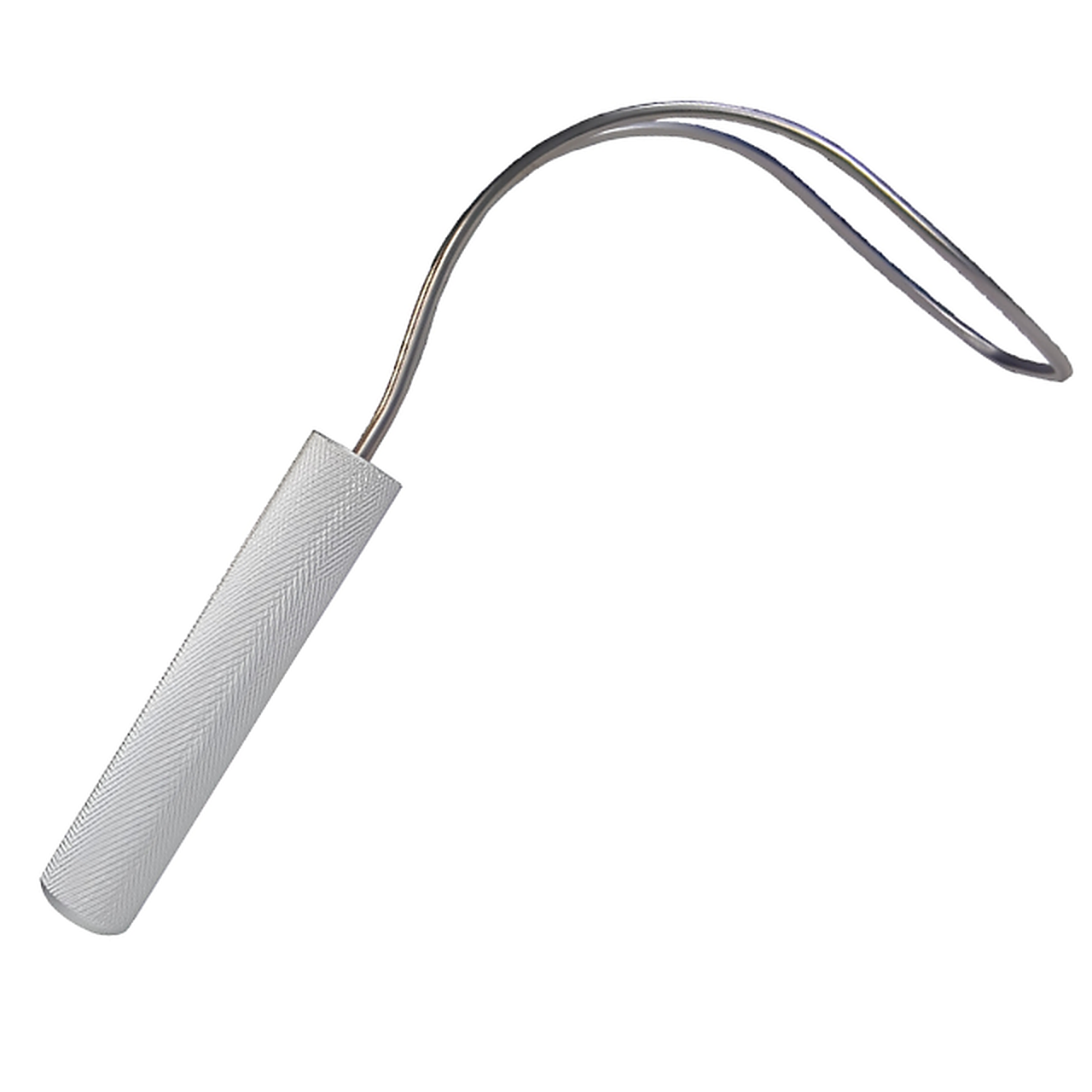 | مُبعّد Biggs Face Lift (Rhytidectomy) Retractor | مصمم خصيصًا لرفع الشرائح الجلدية للوجه وتوفير تعريض مستقر أثناء عمليات شد الوجه (Rhytidectomy) وجراحات التجميل. |
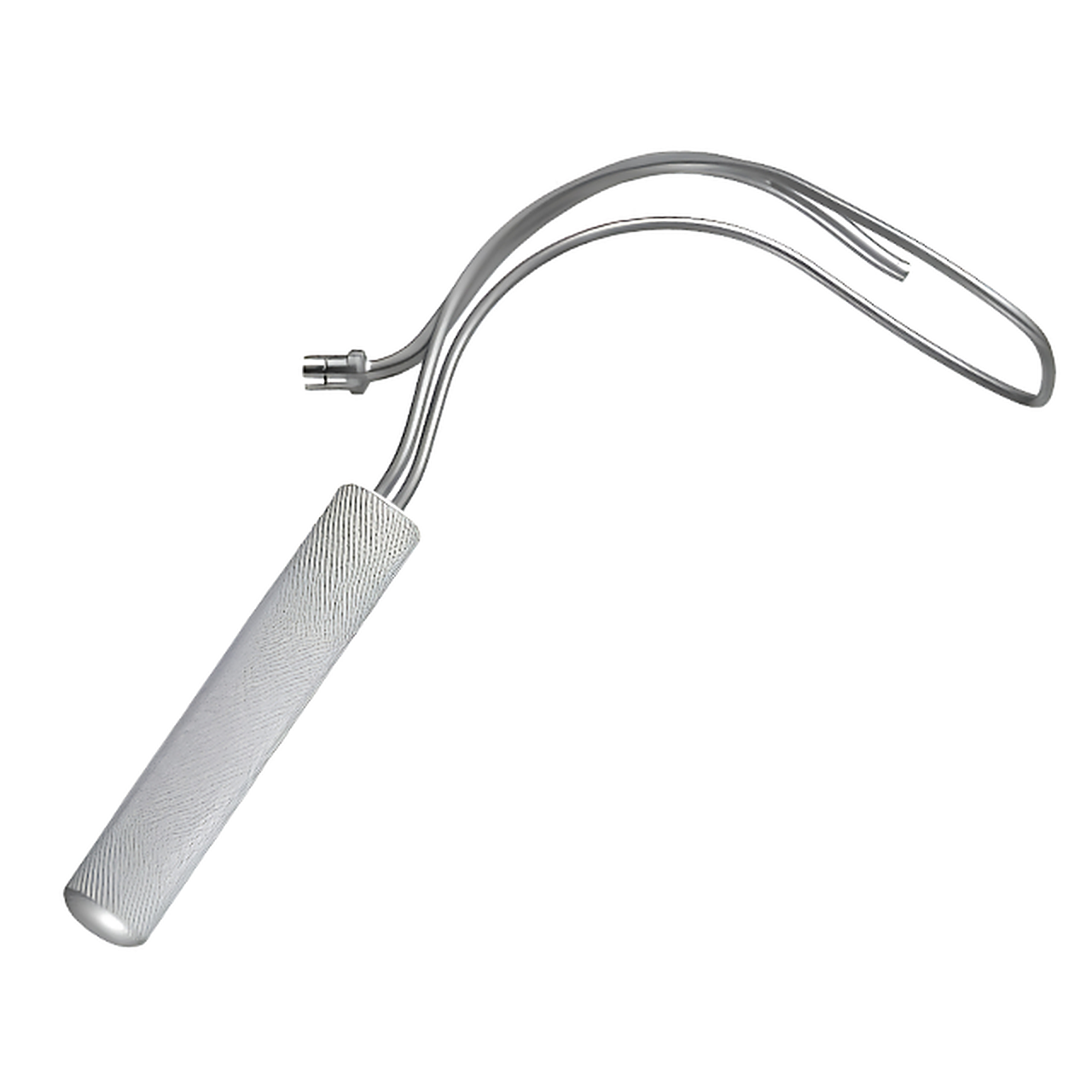 | مُبعّد Biggs لشد الوجه مع ألياف ضوئية | مصمم خصيصاً لتوفير تبعيد للأنسجة الرخوة مع إضاءة ورفع طيات الجلد أثناء عمليات استئصال التجاعيد وجراحات الوجه التجميلية. |
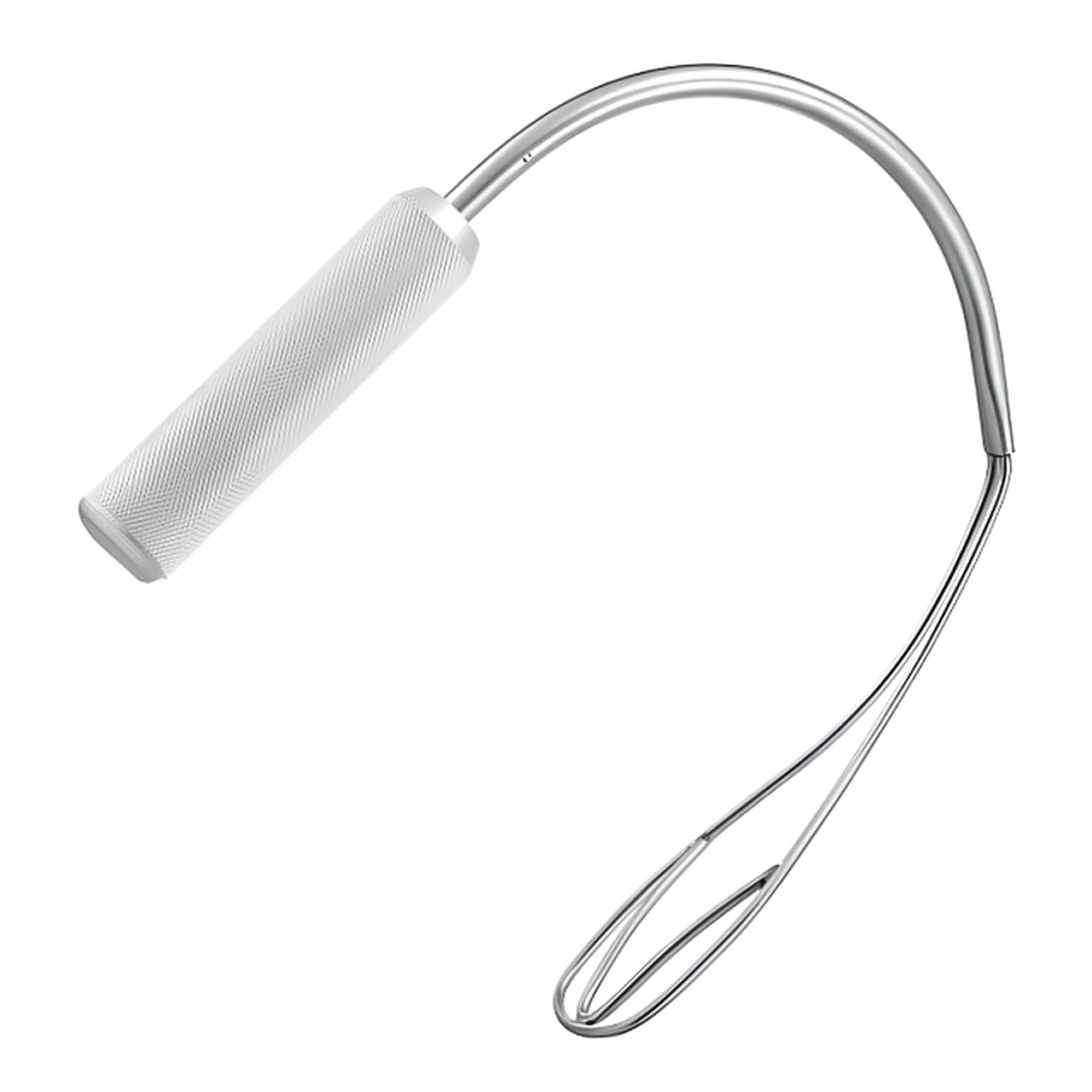 | مُبعّد Biggs Mammaplasty Retractor narrow لتجميل الثدي (النسخة الضيقة) | مصمم خصيصاً لرفع متنه الثدي وسدائل العضلات الصدرية أثناء عمليات تجميل الثدي وترميمه. |
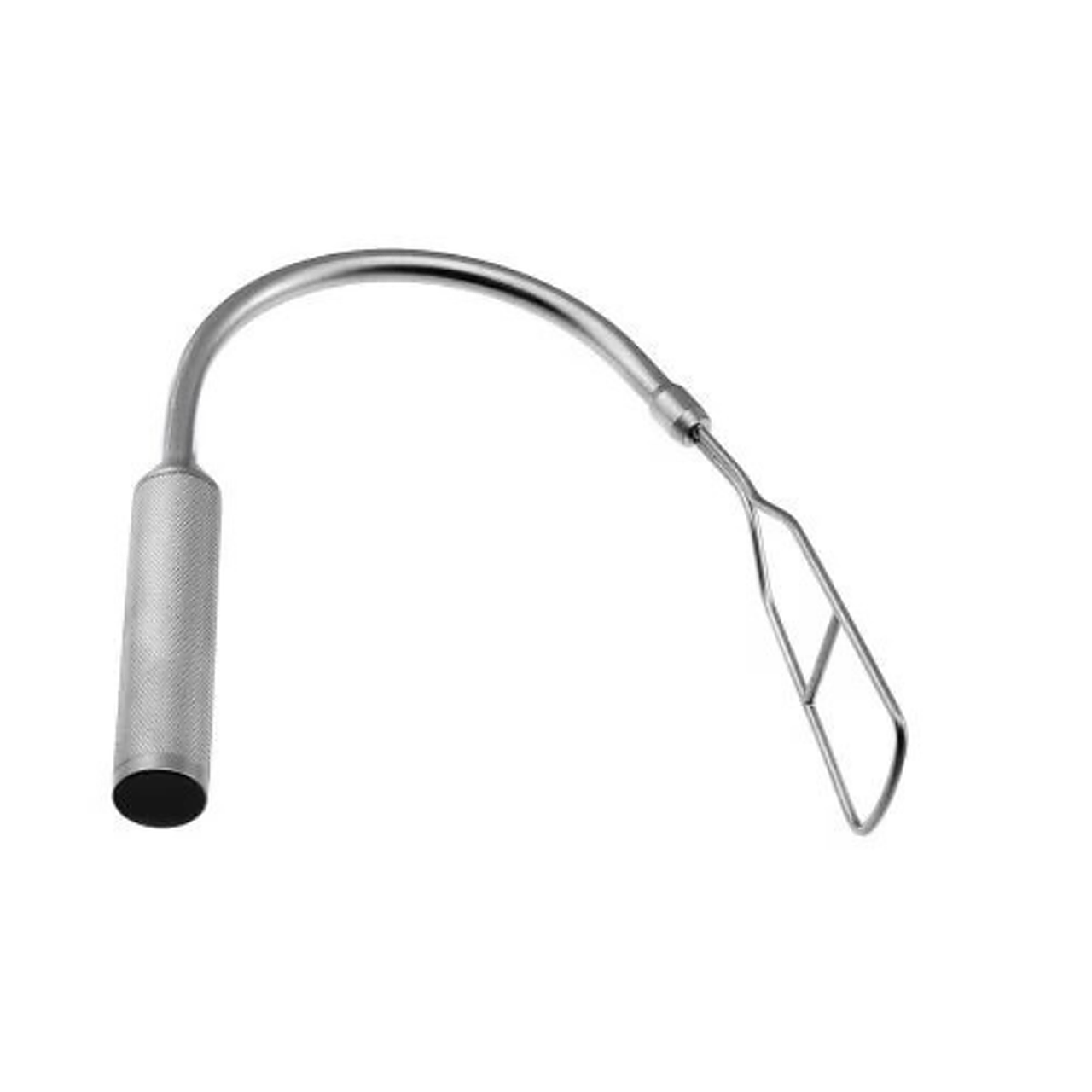 | مبعد Biggs Mammaplasty Retractor standard لجراحات الثدي | مصمم خصيصاً لرفع متنه الثدي وسدائل العضلات الصدرية أثناء جراحات تجميل وترميم الثدي. |
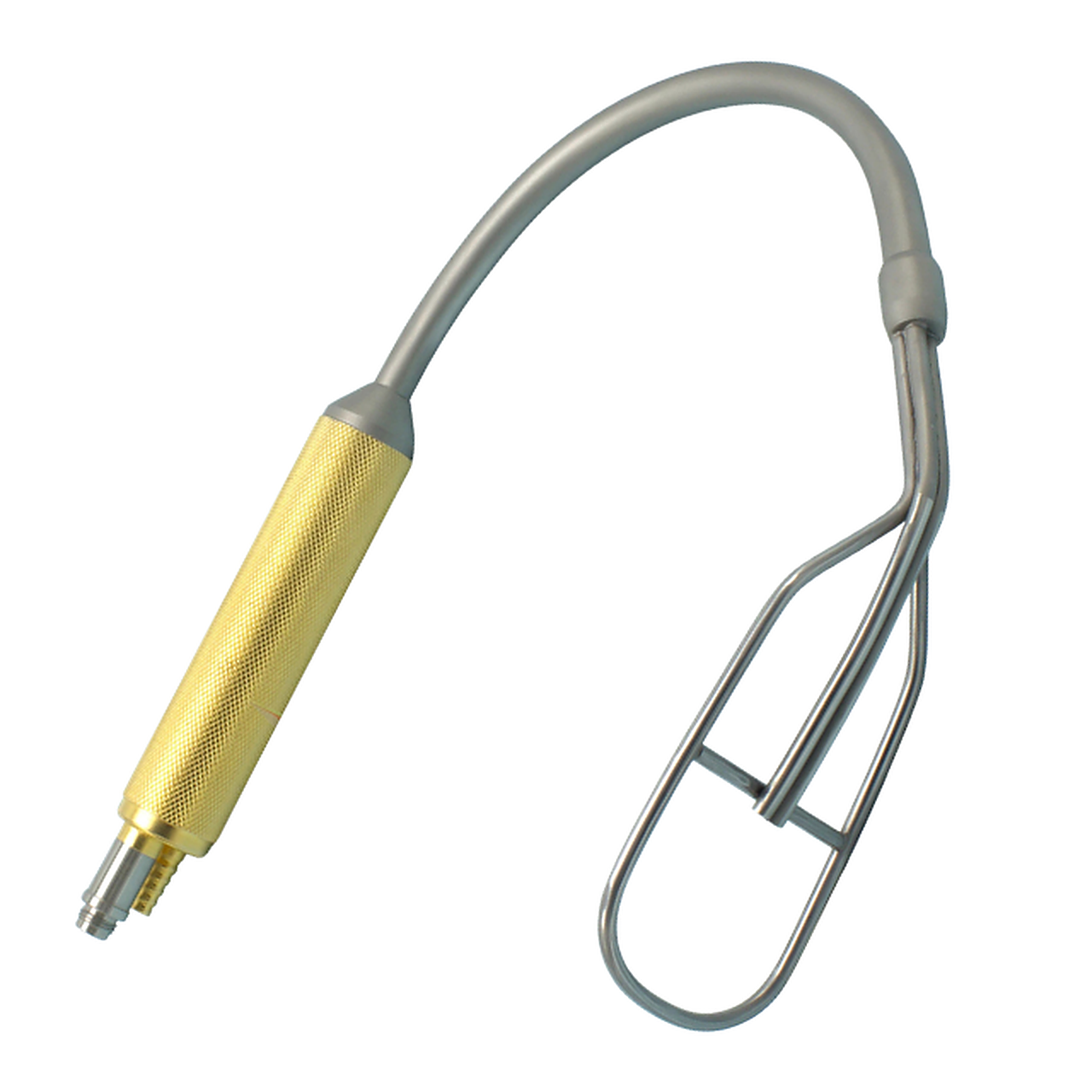 | مبعد Biggs لجراحات تجميل الثدي، بالألياف الضوئية | مصمم خصيصاً لتوفير تبعيد للأنسجة الرخوة مع إضاءة، وشفط الدخان، وتوضيح الرؤية أثناء عمليات تجميل الثدي. |
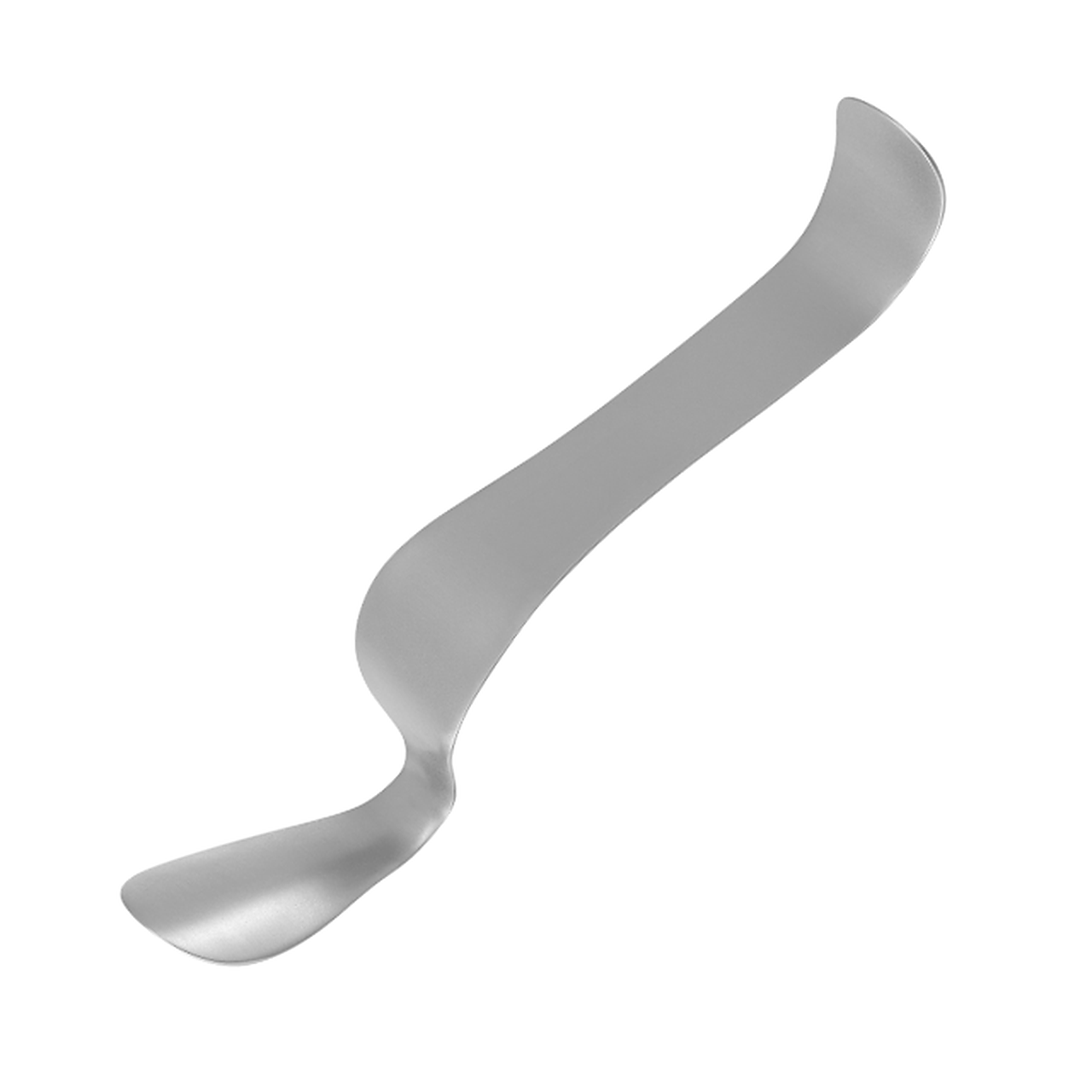 | مُبعد الشفاه والخدود Bishop | مصمم خصيصاً لتبعيد وحماية الشفاه والخدود والغشاء المخاطي الشدقي أثناء الإجراءات الجراحية للأسنان وداخل الفم. |
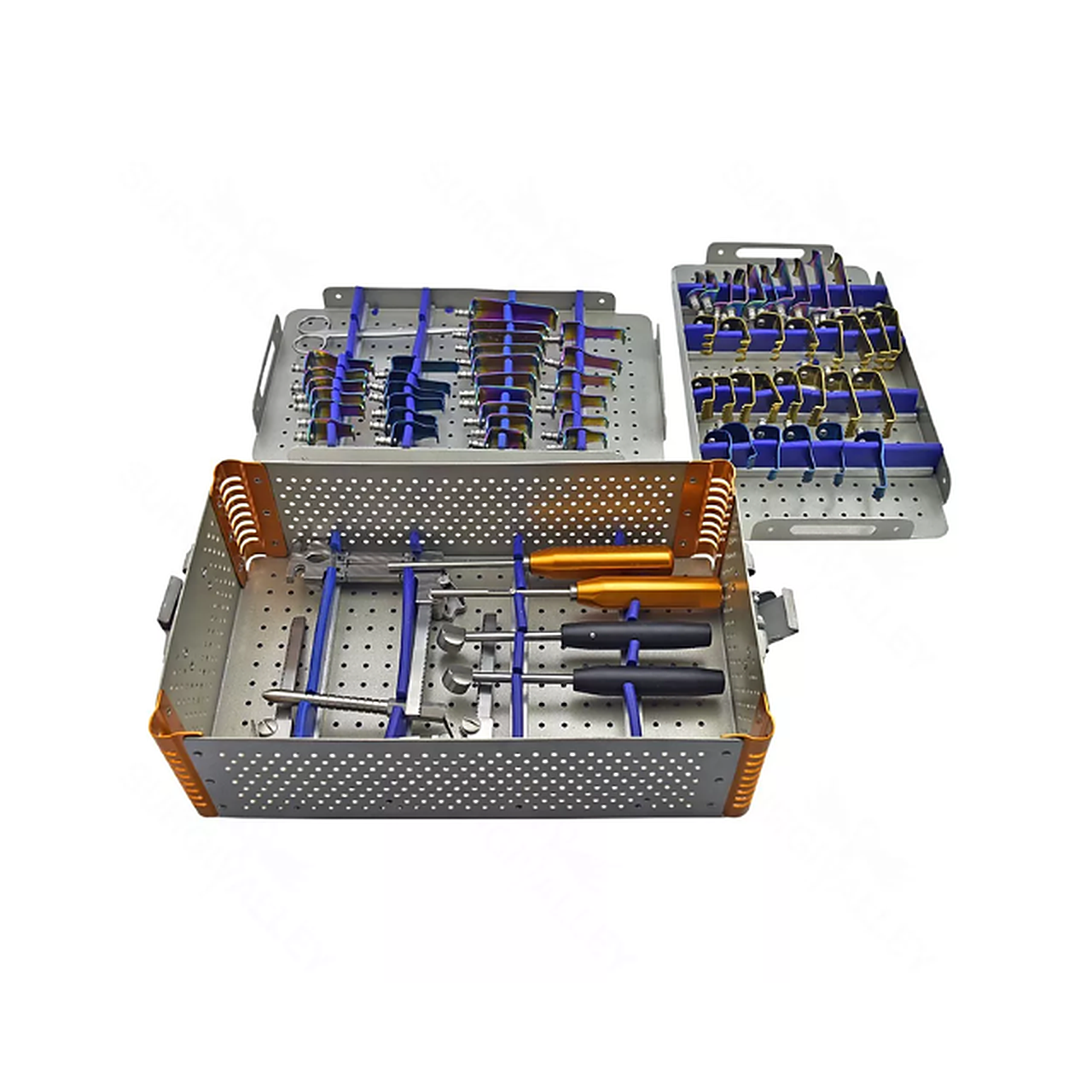 | نظام مبعد الفقرات العنقية Black Belt Cervical Retractor System | مصمم خصيصاً لتوفير مباعدة محكومة للأنسجة وكشف جراحي دقيق أثناء إجراءات العمود الفقري العنقي. |
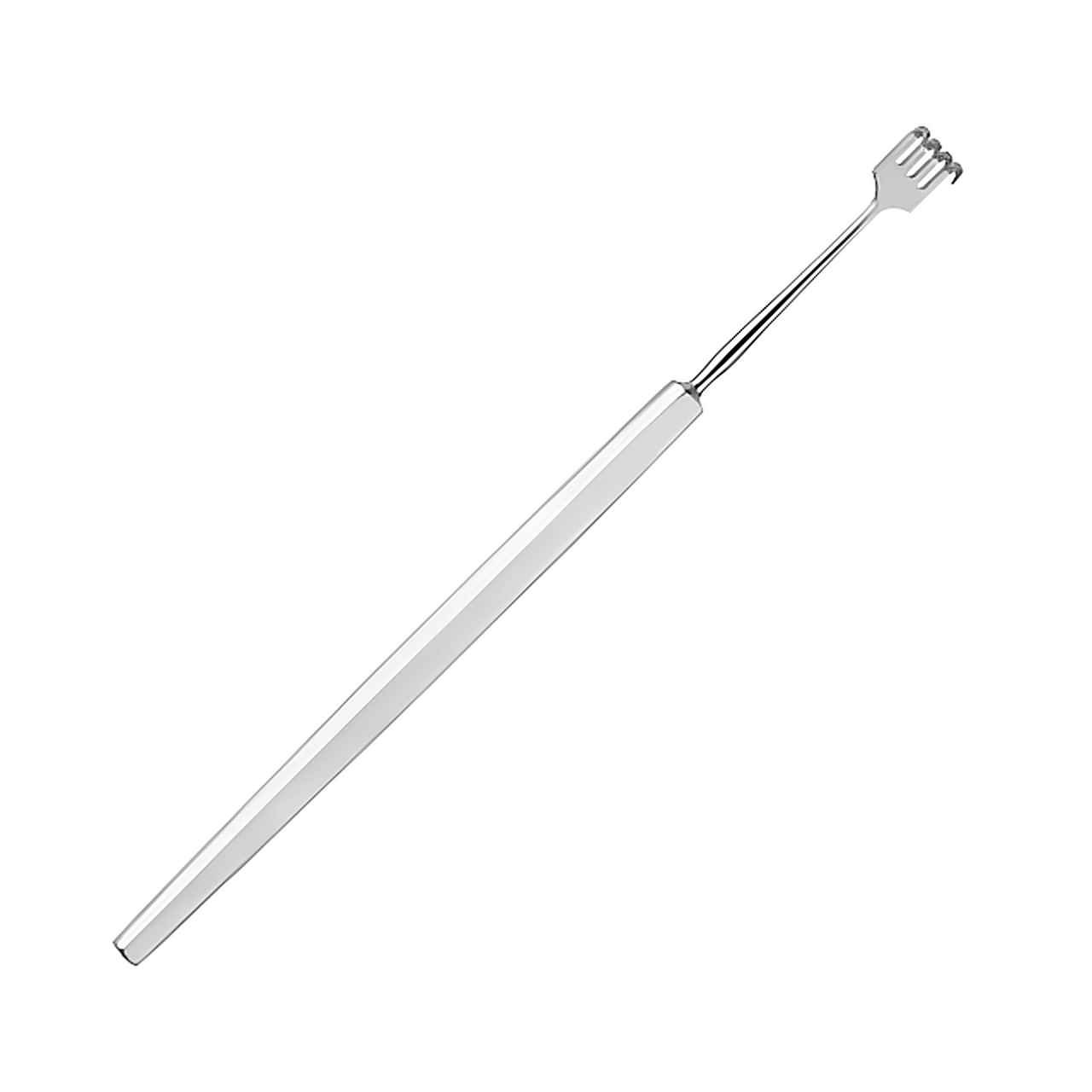 | مُبعّد بلير (Blair Finger Retractor) | مصمم خصيصاً لرفع الشرائح الجلدية الرقيقة، وإبعاد الأنسجة الرخوة، وتثبيت حواف الجروح في جراحات التجميل واليد. |
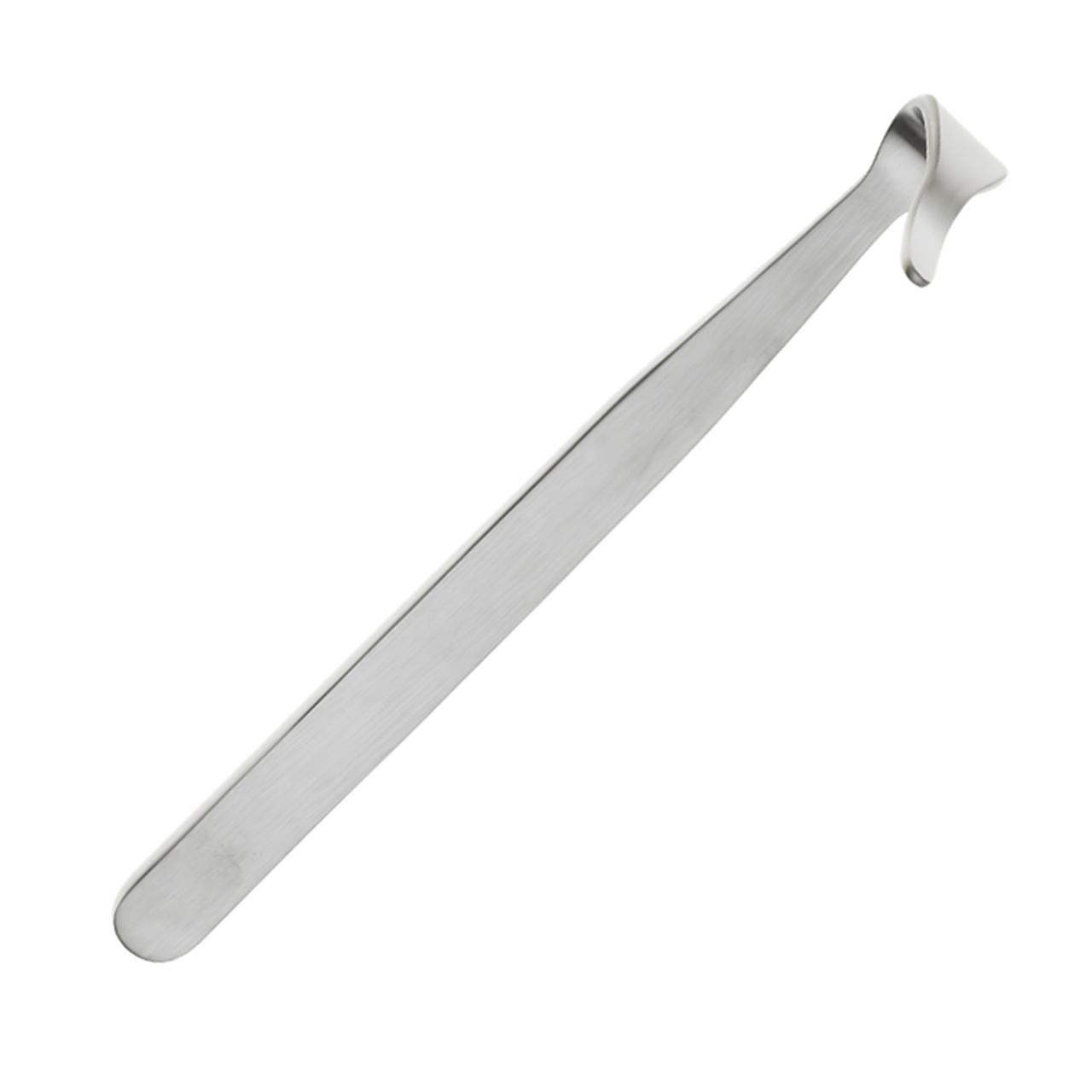 | مُبعّد بلونت للركبة (Blount Knee Retractor) | مصمم خصيصاً لتبعيد الأربطة الجانبية والأنسجة الرخوة أثناء جراحات تقويم الركبة والإجراءات الترميمية للركبة. |
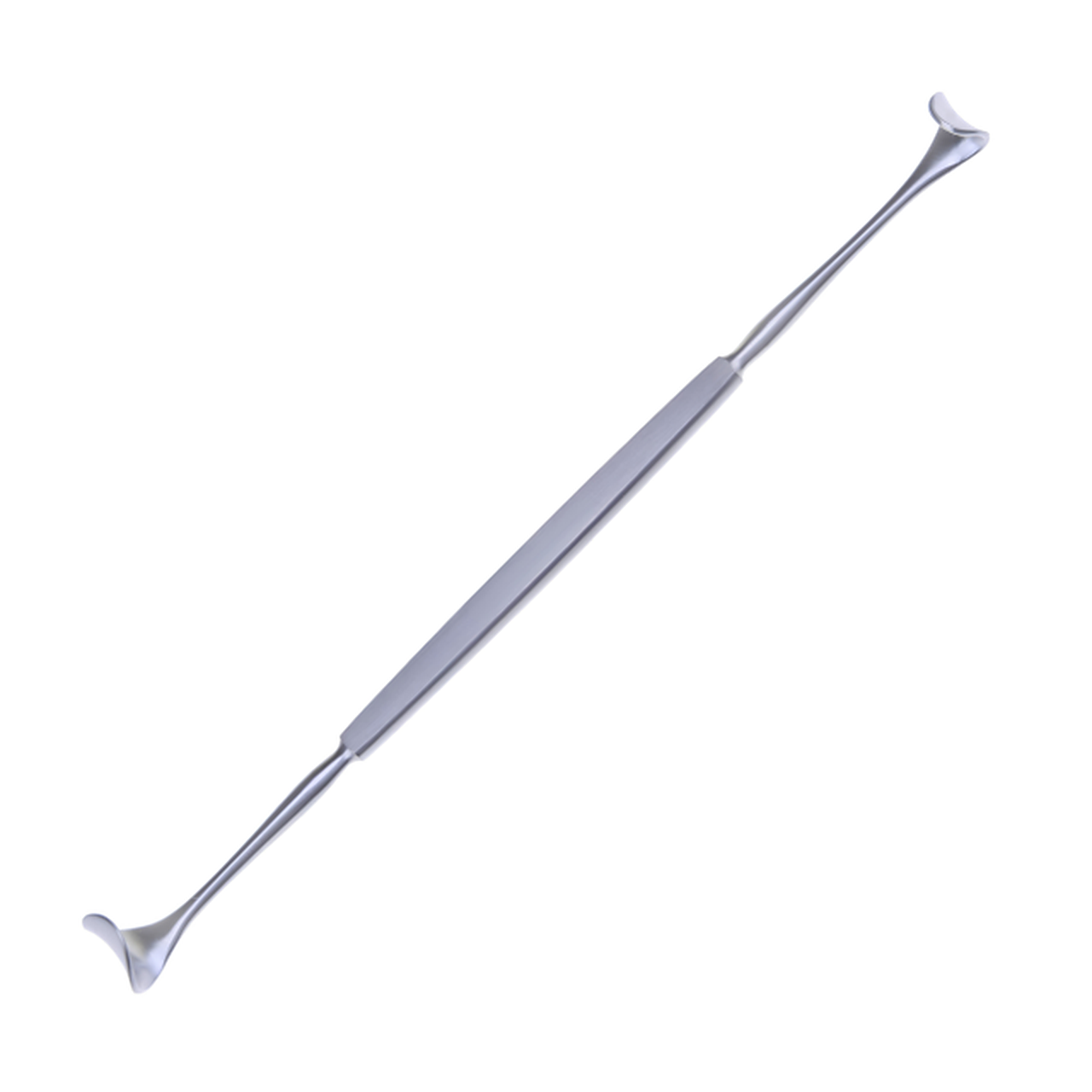 | مُبعّد Boley | مصمم لتوفير تبعيد يدوي للأنسجة الرخوة وحواف الجروح في الجراحة العامة والتجميل وجراحة العظام. |
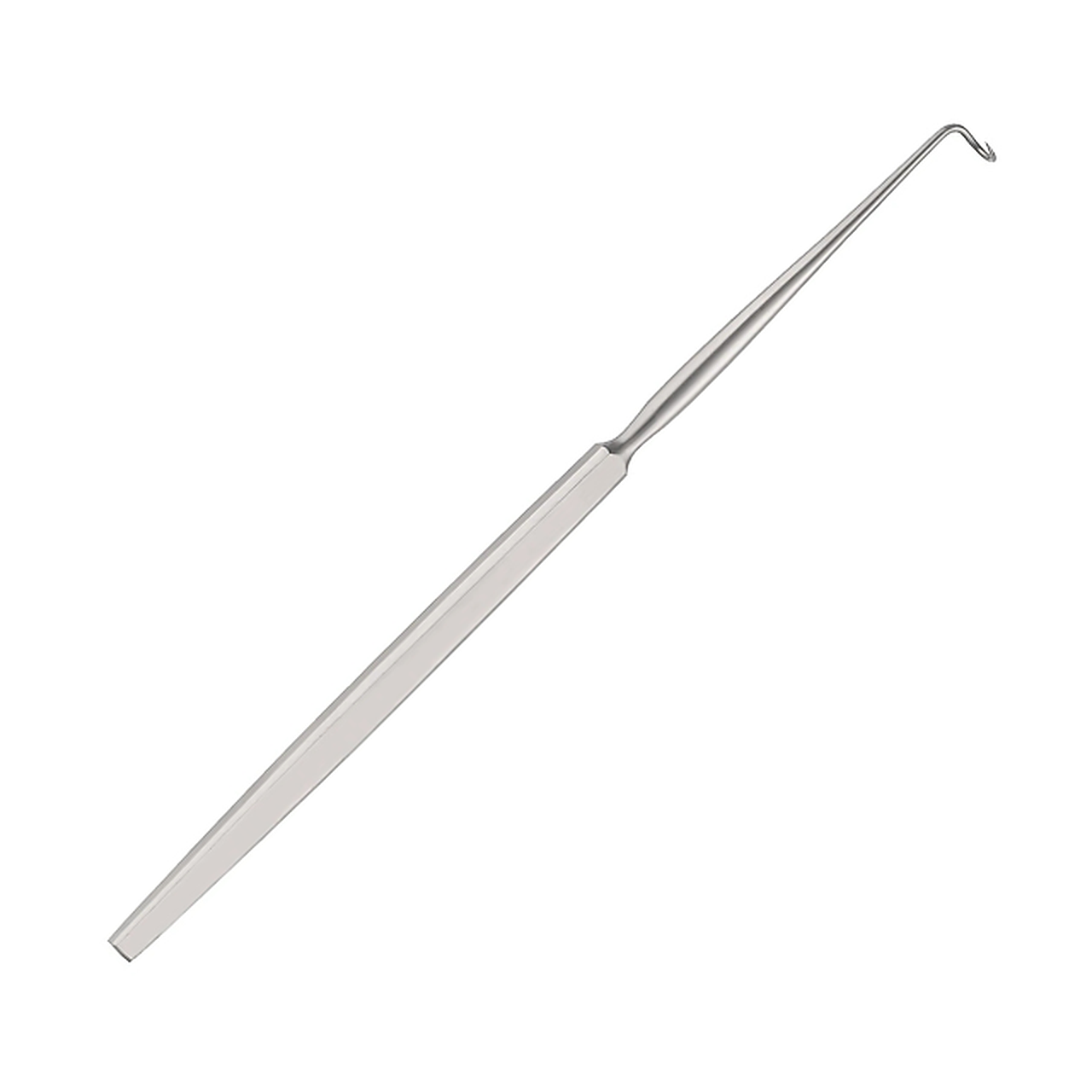 | Bose Tracheal Retractor | مصمم خصيصاً لمباعدة الأنسجة أمام الرغامى وتثبيت الغضاريف الرغامية أثناء إجراءات فغر الرغامى. |
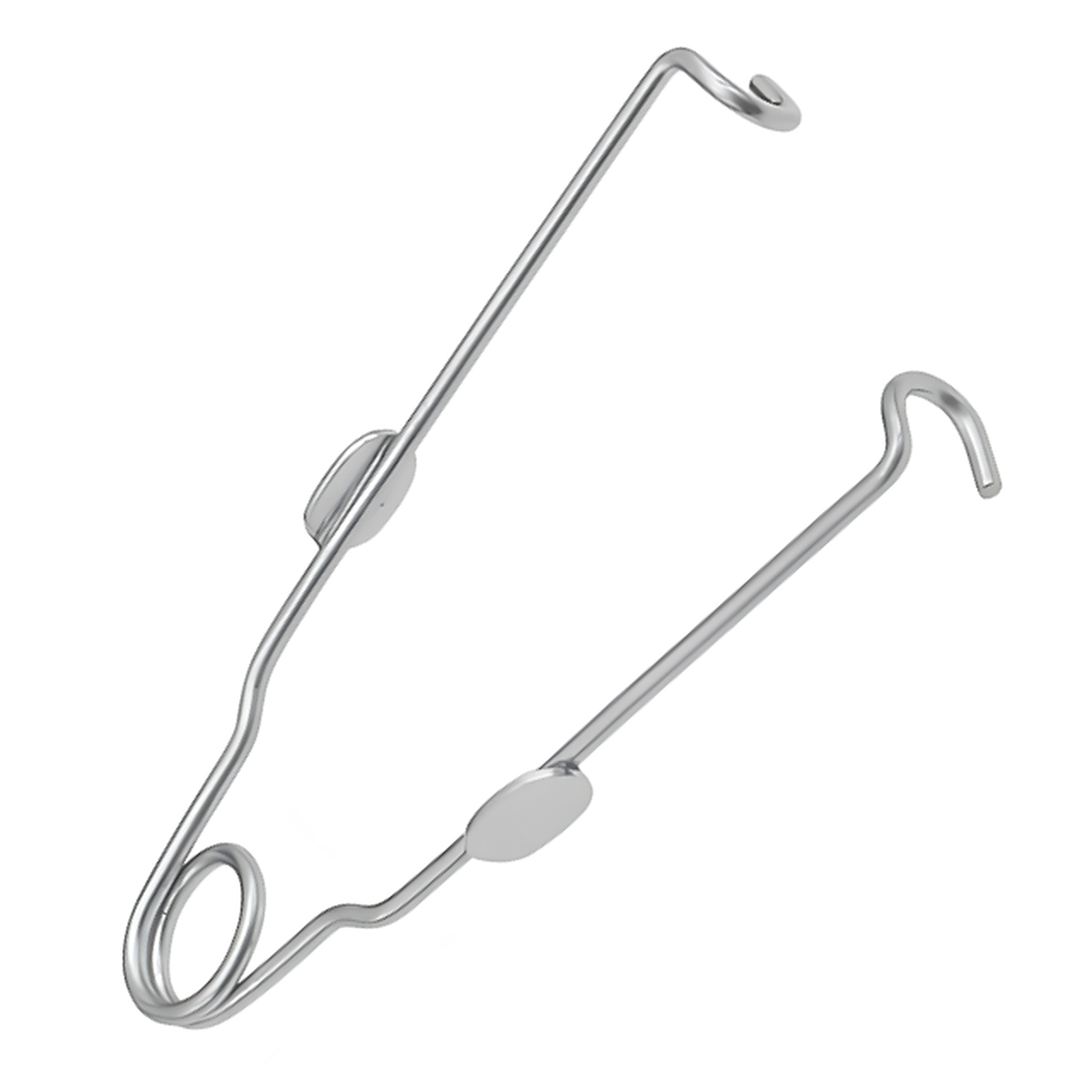 | مبعد الرغامي Bose Tracheal Retractor Spring Type ذو الزنبرك | مصمم خصيصاً لتوفير مباعدة ذاتية وتثبيت لحواف الرغامي بمساعدة الزنبرك أثناء عمليات فغر الرغامي. |
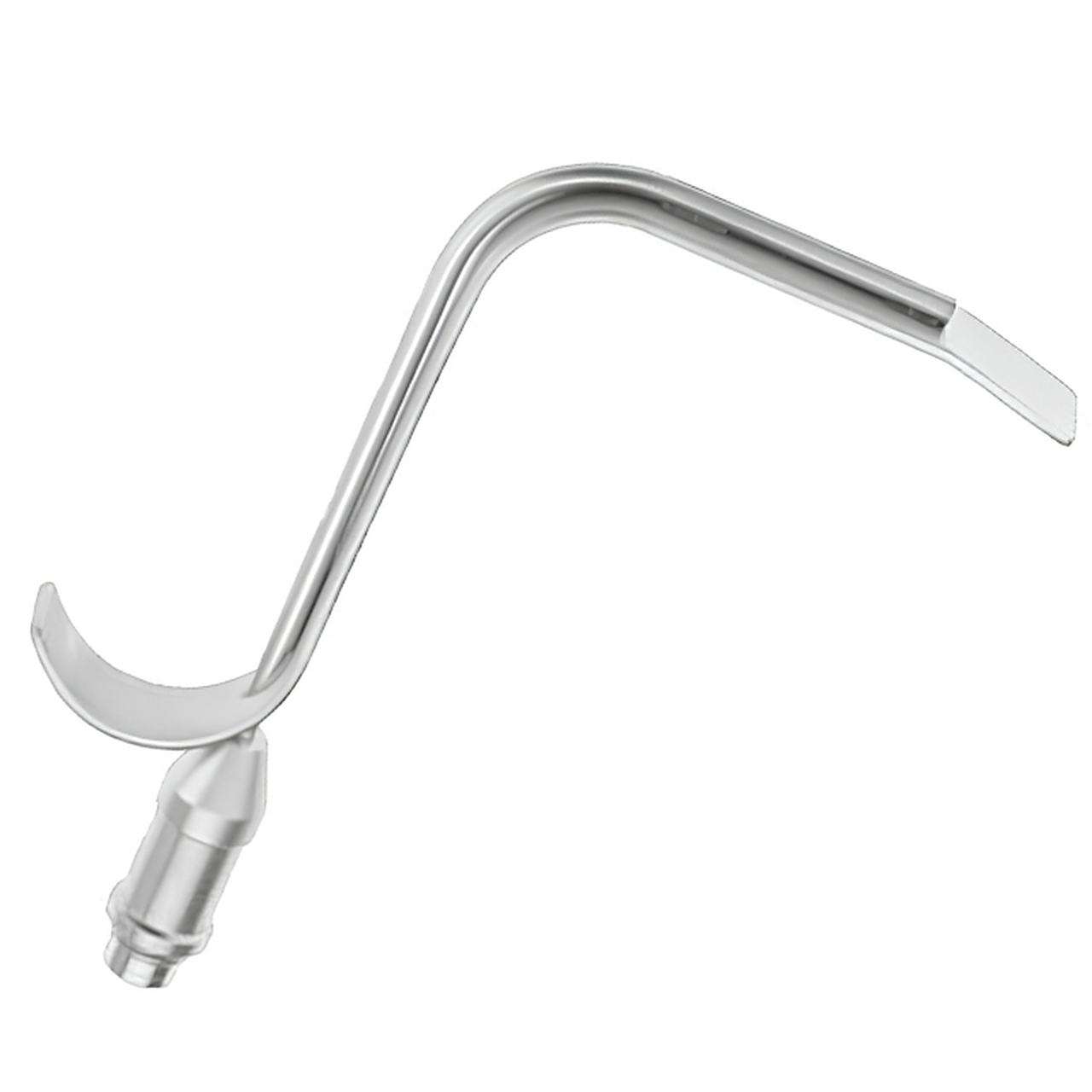 | Breast Engler Retractor | مصمم خصيصاً لإضاءة التجاويف الجراحية العميقة ورفع سدائل الأنسجة أثناء عمليات تكبير وإعادة بناء الثدي. |
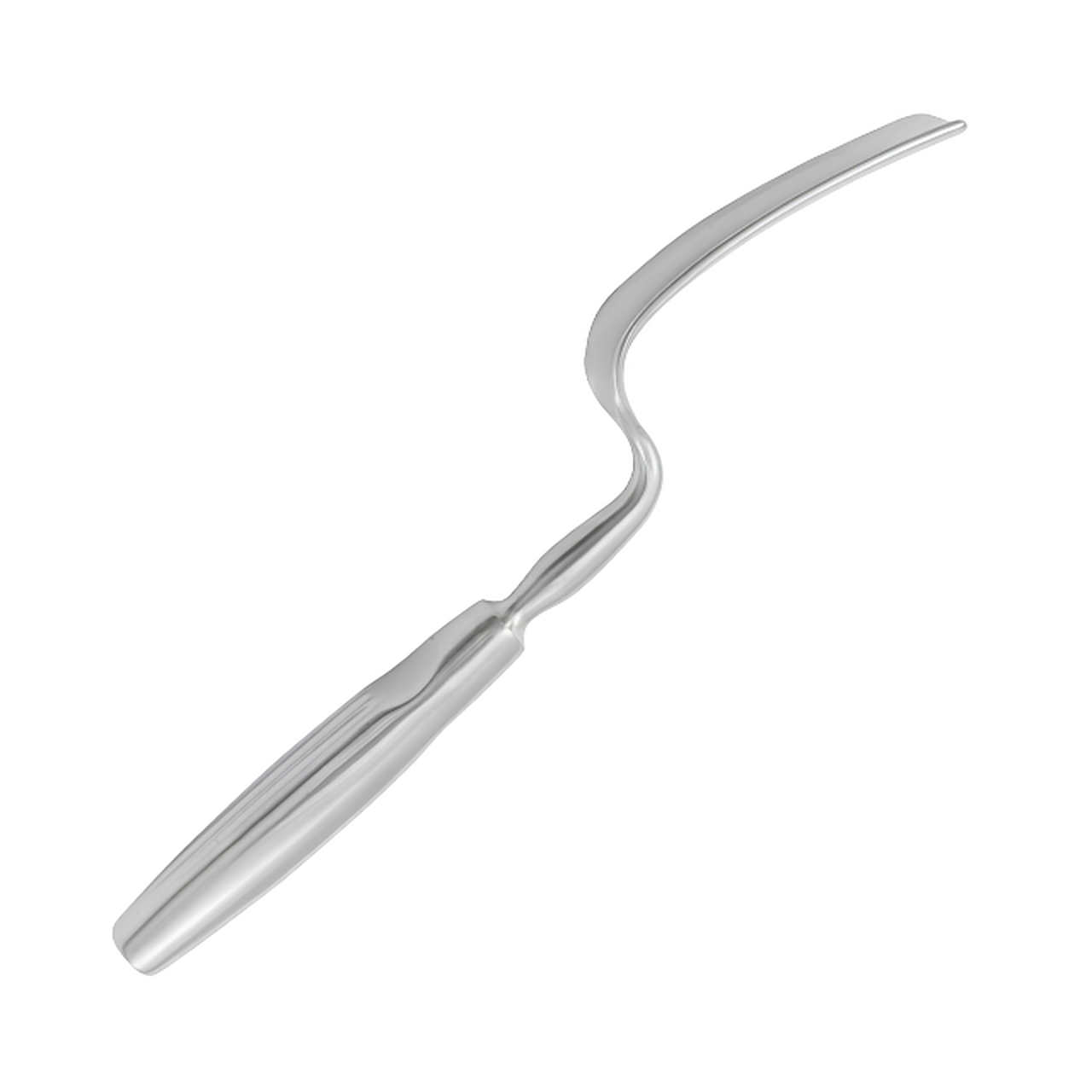 | مُبعّد Breisky المهبلي | مصمم خصيصاً لمباعدة الجدران المهبلية وتوفير رؤية عميقة للحوض خلال التدخلات الجراحية النسائية. |
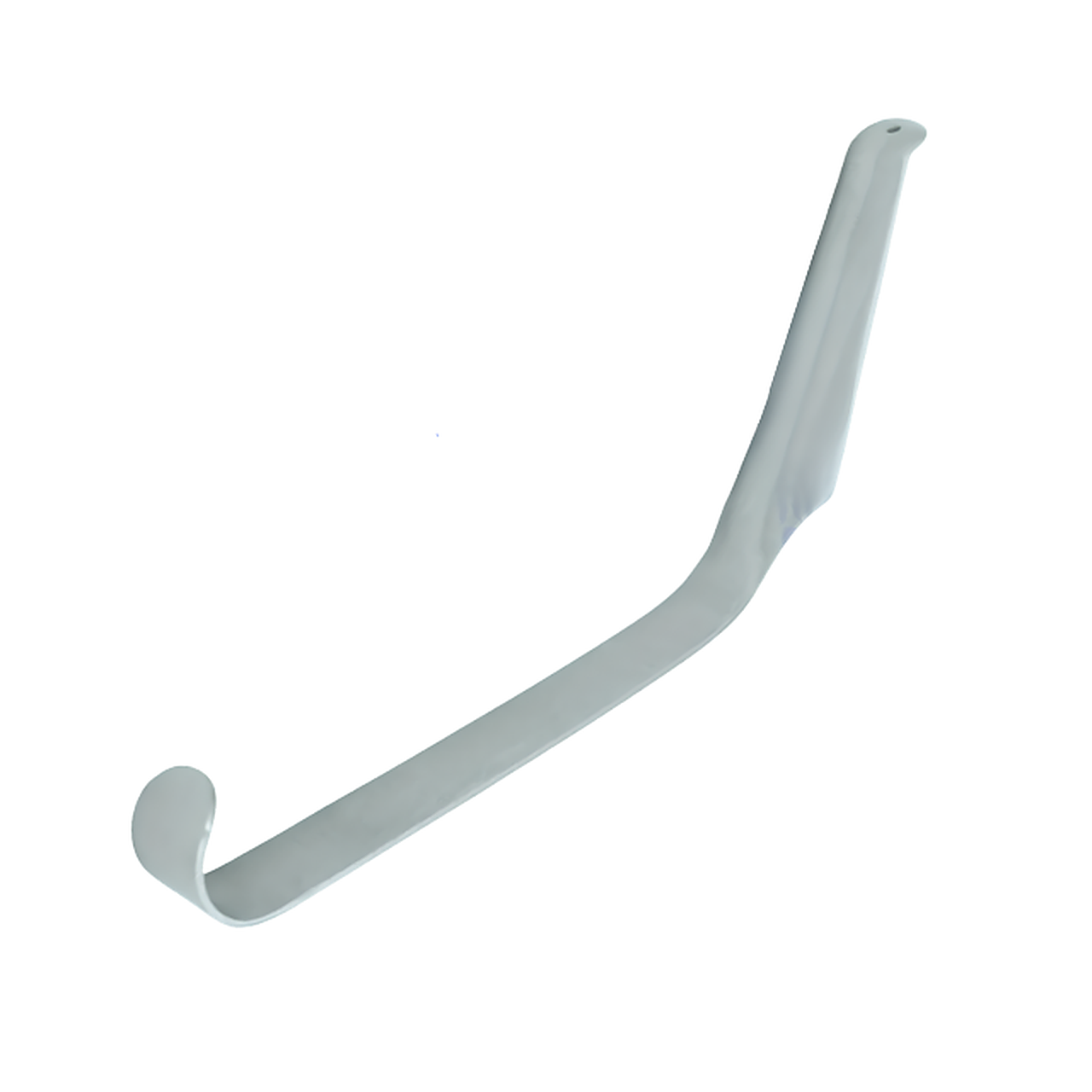 | Bremerich Mandibular Channel Retractor | مصمم خصيصاً لسحب الأنسجة السمحاقية المخاطية وحماية الهياكل الوعائية العصبية على طول حافة الفك السفلي أثناء جراحة الرأد. |
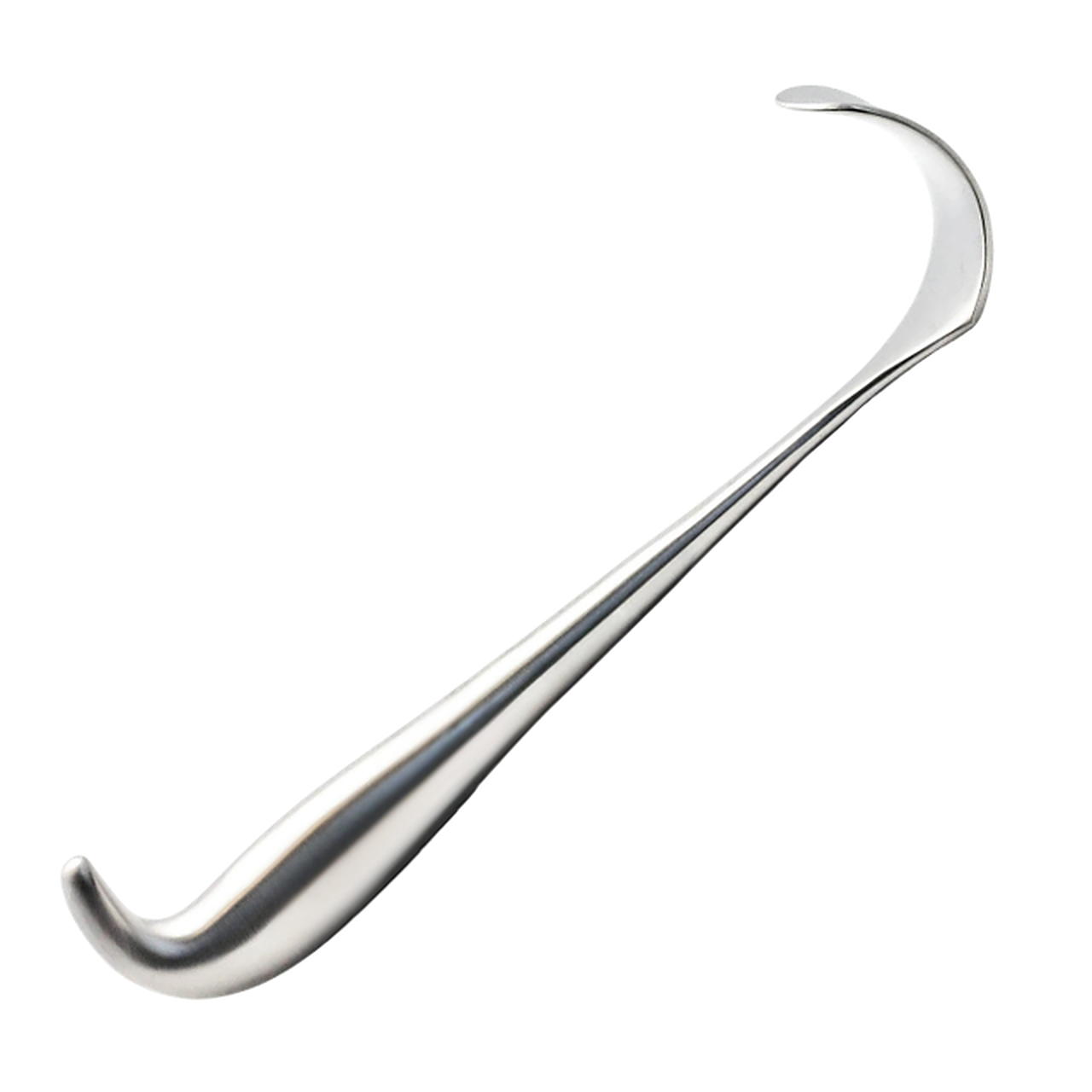 | مُبعّد Brewster Retractor | مصمم خصيصًا لإبعاد العضلات واللفافة والأنسجة الرخوة أثناء الجراحة العامة والبطن والجراحة الترميمية. |
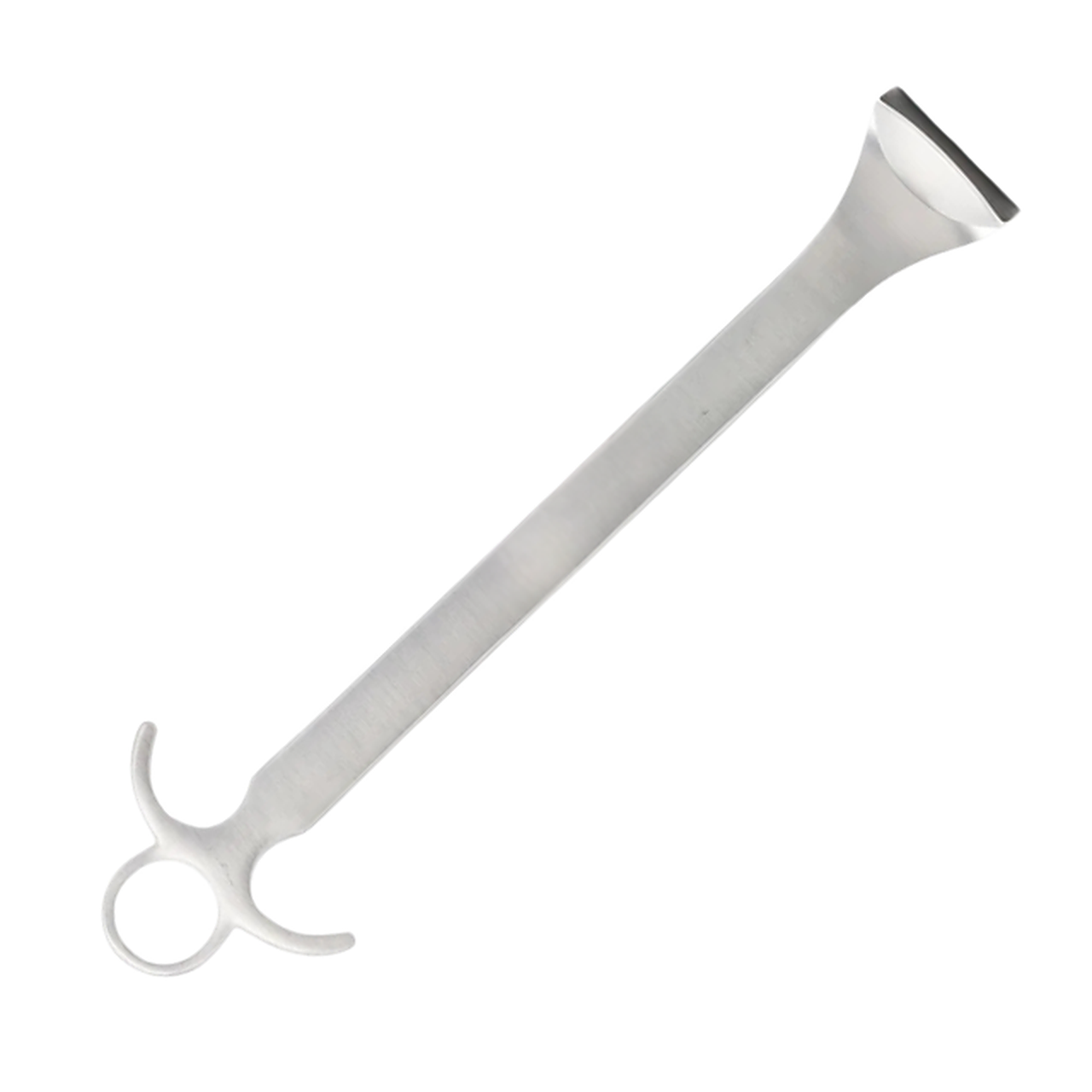 | Browne Deltoid Retractors | مبعدات دالية الكتف | مصمم خصيصاً لإبعاد العضلة الدالية والأنسجة الرخوة أثناء تقويم مفصل الكتف بالكامل وإصلاح كسور العضد. |
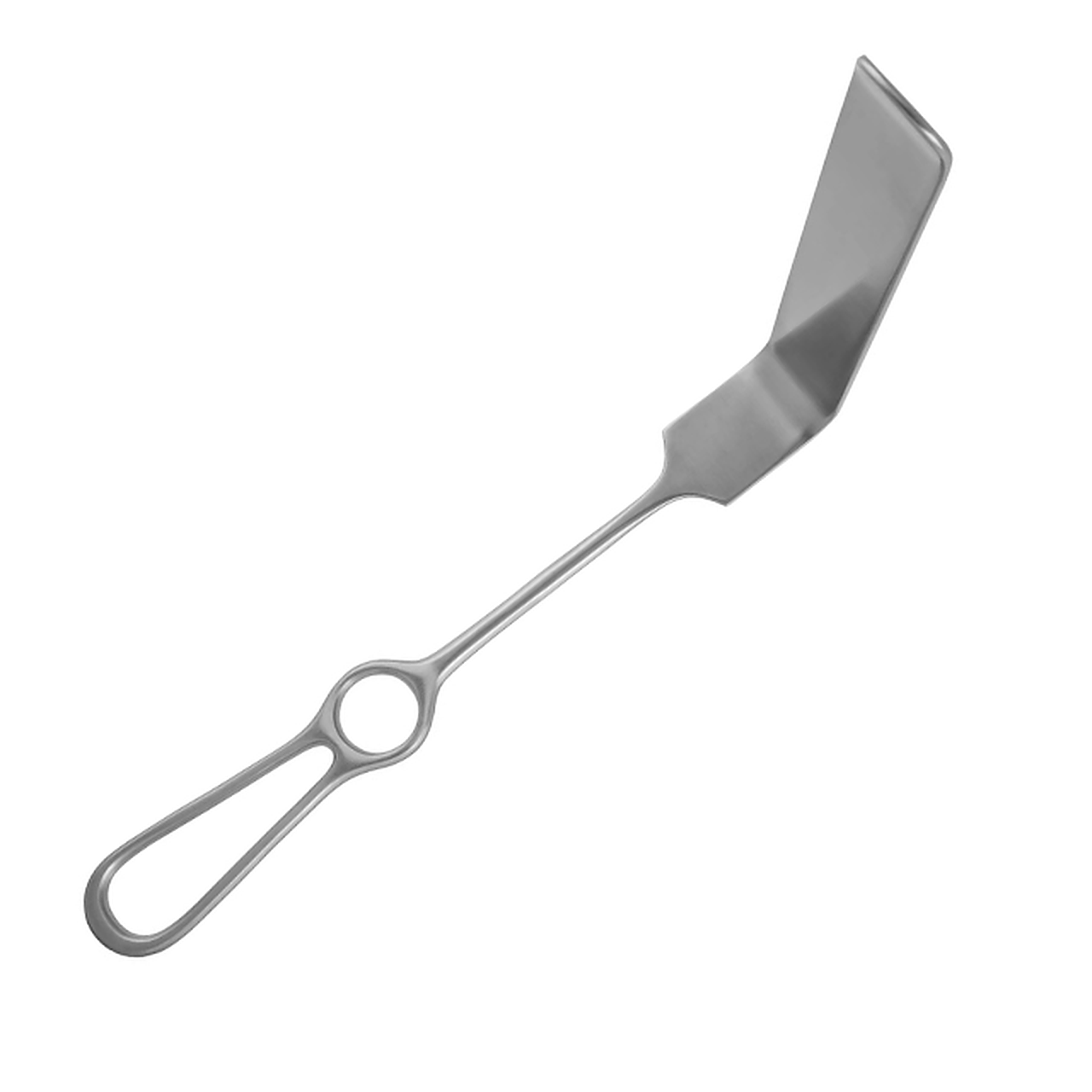 | Brunner Retractor | مصمم خصيصاً لتبعيد العضلات والأحشاء والأنسجة الرخوة العميقة أثناء جراحات البطن والحوض والصدر. |
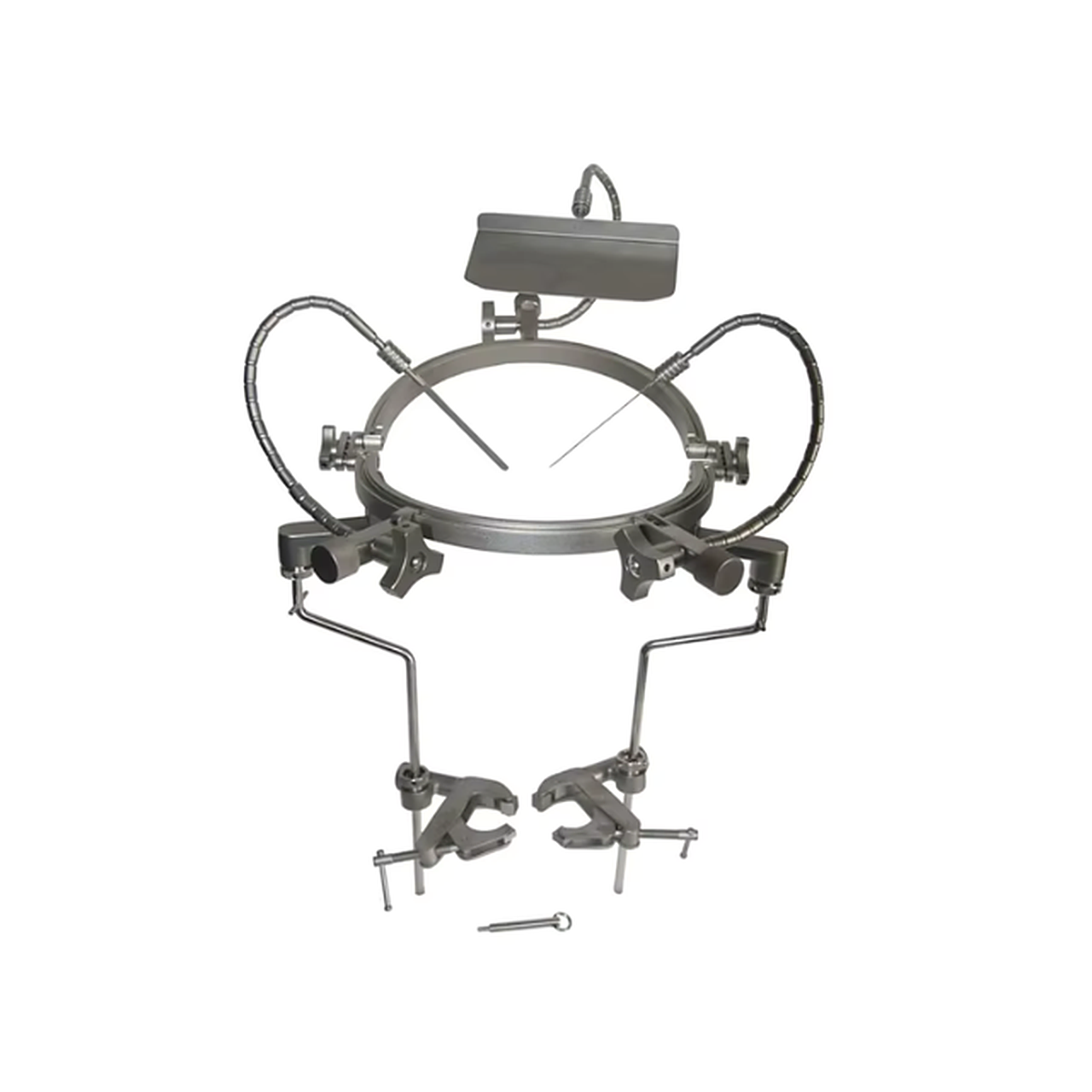 | Budde Halo Retractor | مصمم خصيصاً للتثبيت المباشر بملاقط الجمجمة Mayfield أو قضبان طاولة العمليات الجانبية، مما يوفر تبعيداً مستقراً لأنسجة الدماغ دون الحاجة لاستخدام اليدين، مع مسند يد مدمج لدعم سواعد الجراح أثناء العمليات الدقيقة داخل الجمجمة والحفرة الخلفية. |
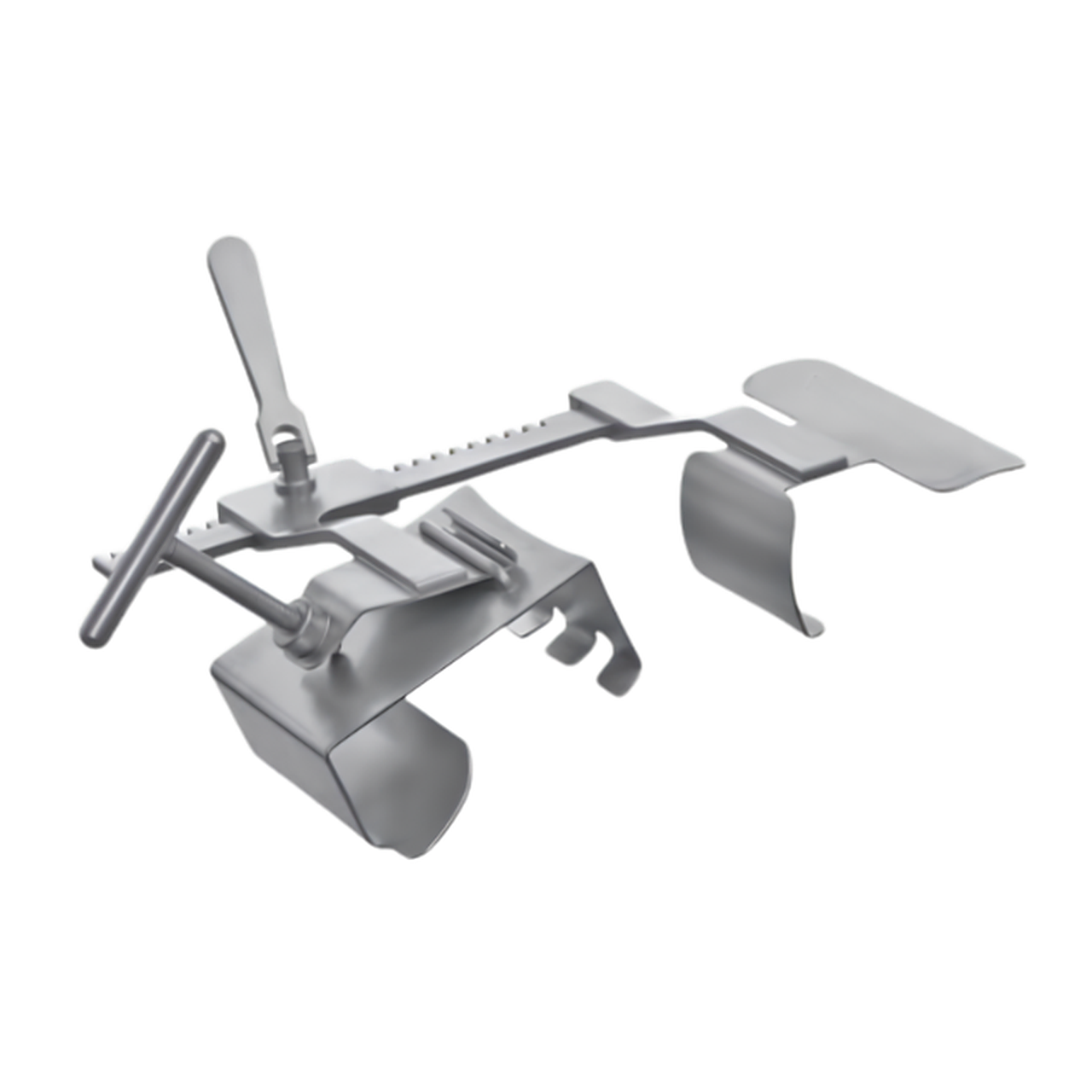 | مُبعّد Bugge Takedown I.M.A Mammaria Retractor | مصمم خصيصاً لرفع القص وجدار الصدر من جانب واحد أثناء استئصال الشريان الثديي الداخلي. |
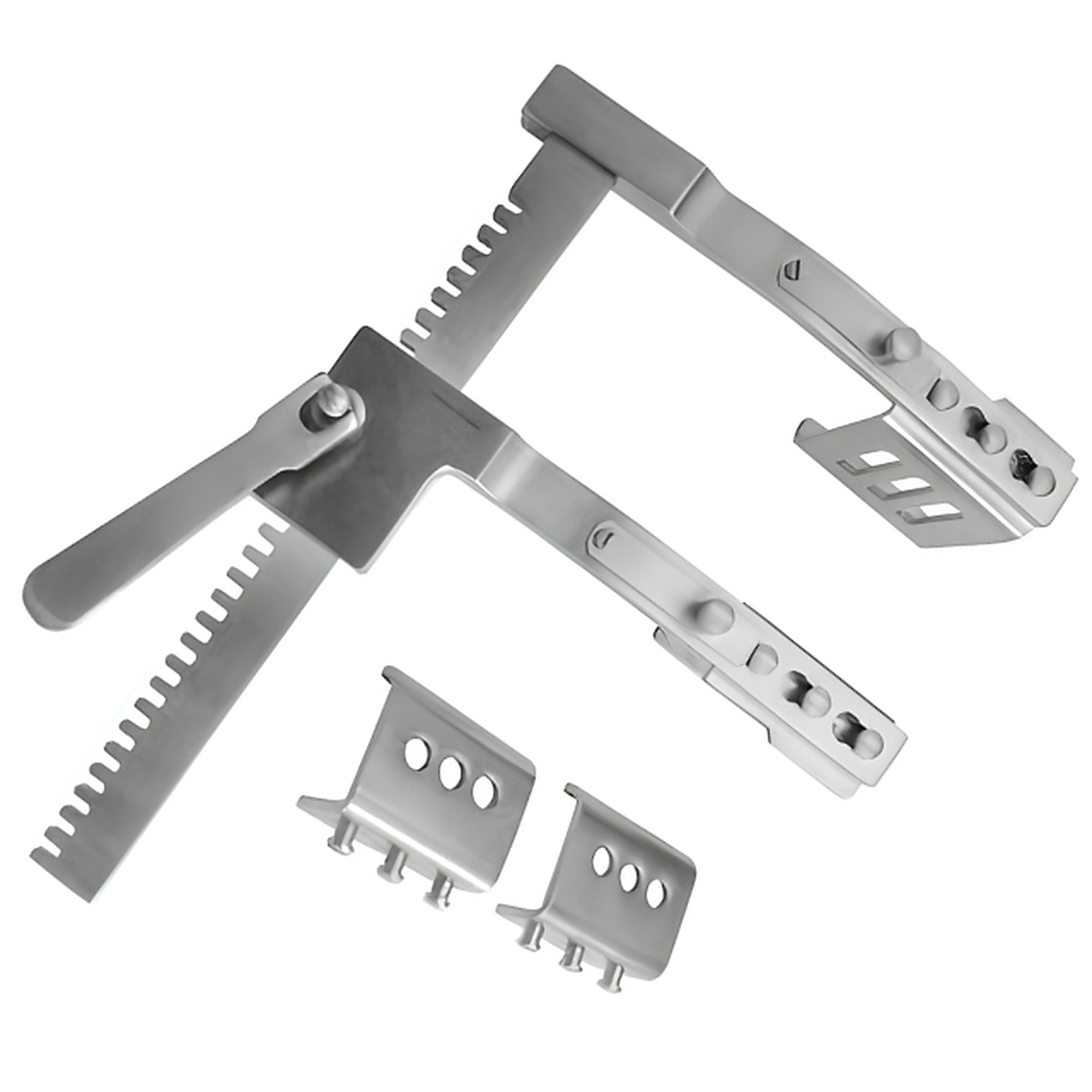 | مباعد الضلوع Burford Rib Spreader | مصمم خصيصًا لفصل الأضلاع المتجاورة وتوسيع الحيز الوربي أثناء عمليات بضع الصدر المفتوحة. |
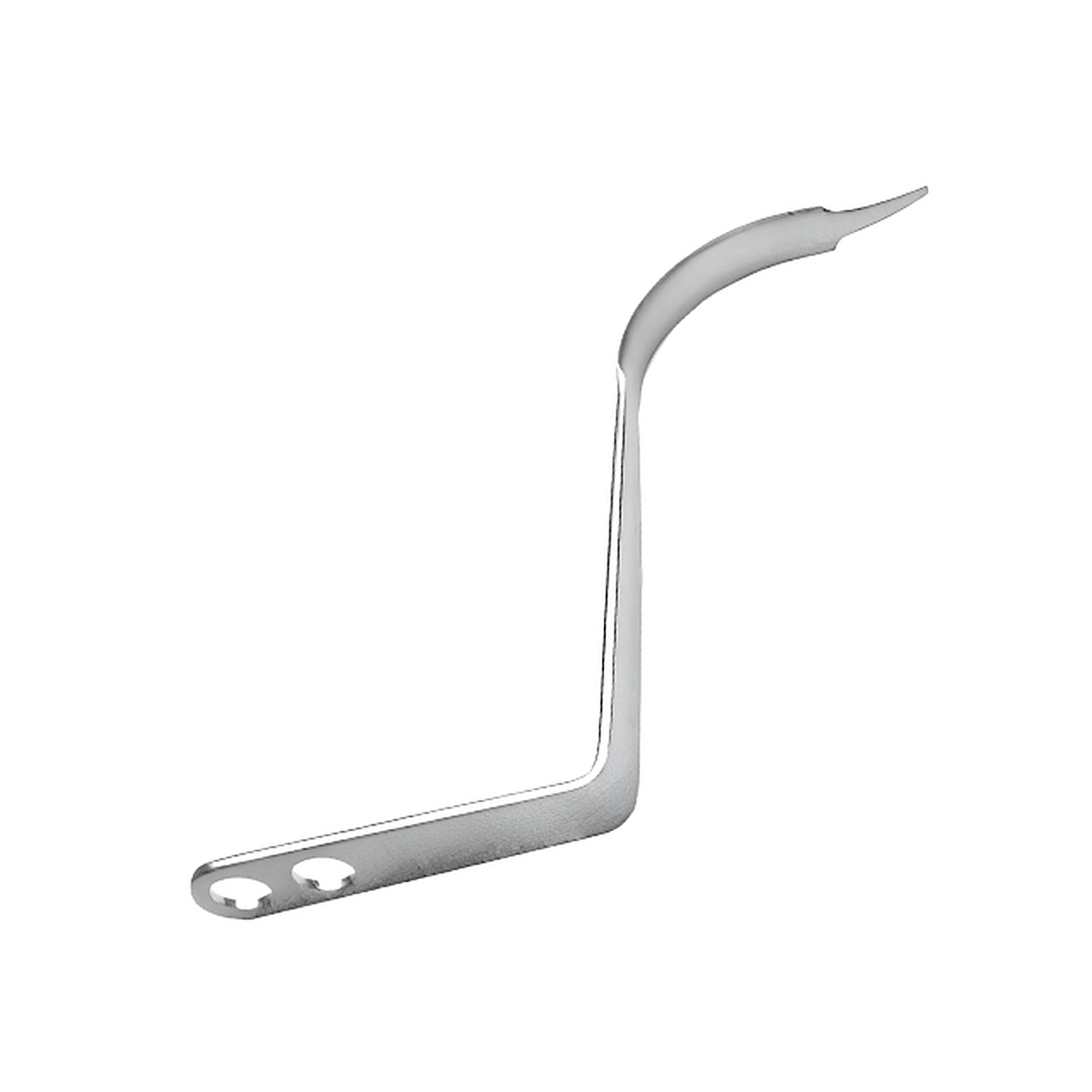 | مباعدات C Retractors | مصمم خصيصاً لرفع العضلات والأنسجة الرخوة بعيداً عن العظام أثناء عمليات تقويم مفصل الورك، وقطع عظم الحوض، وإعادة بناء الإصابات. |
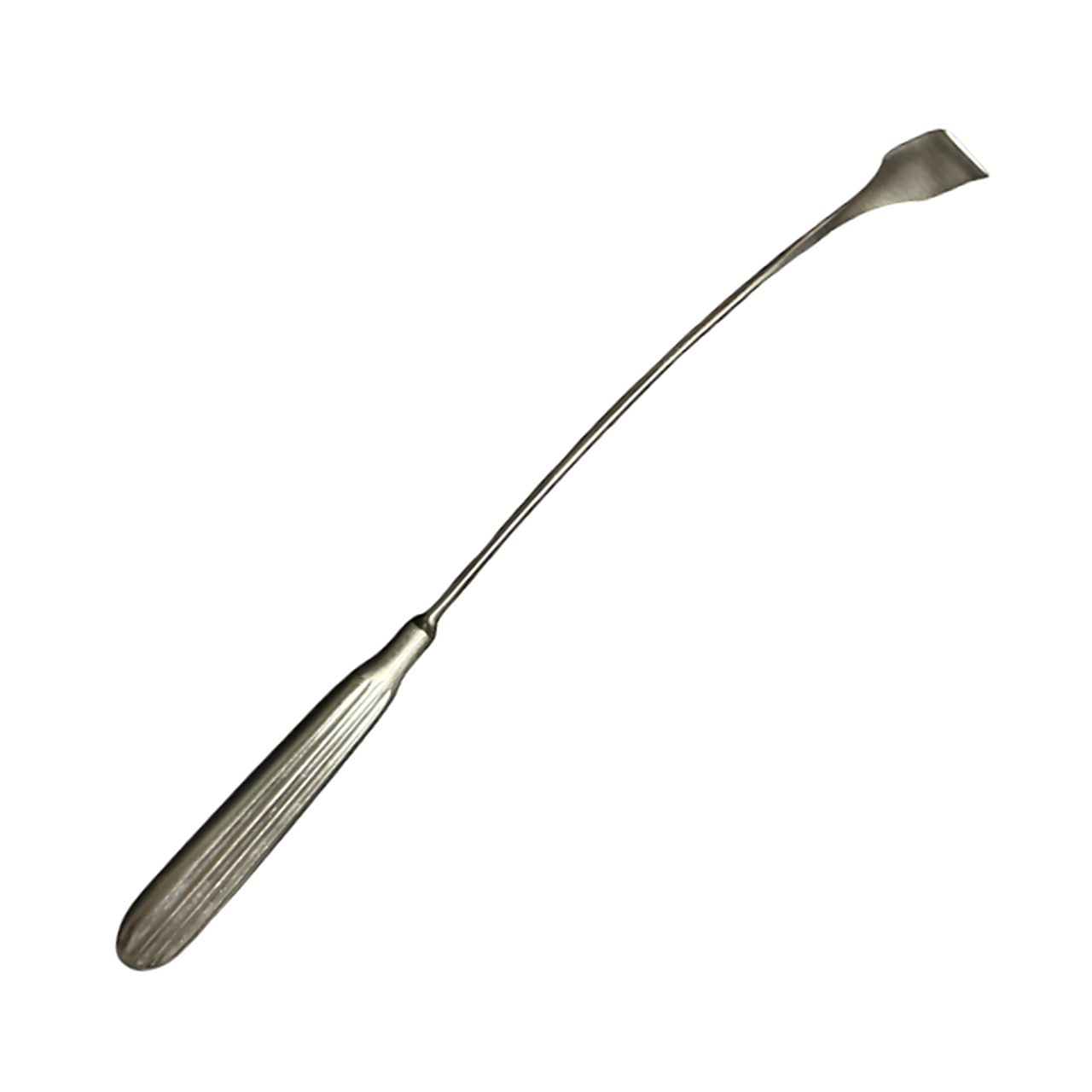 | مبعد جذور الأعصاب Campbell Nerve Root Retractor | مصمم خصيصاً لتبعيد وحماية جذور الأعصاب الشوكية والكيس الغمدي أثناء عمليات استئصال الغضروف واستئصال الصفيحة الفقرية. |
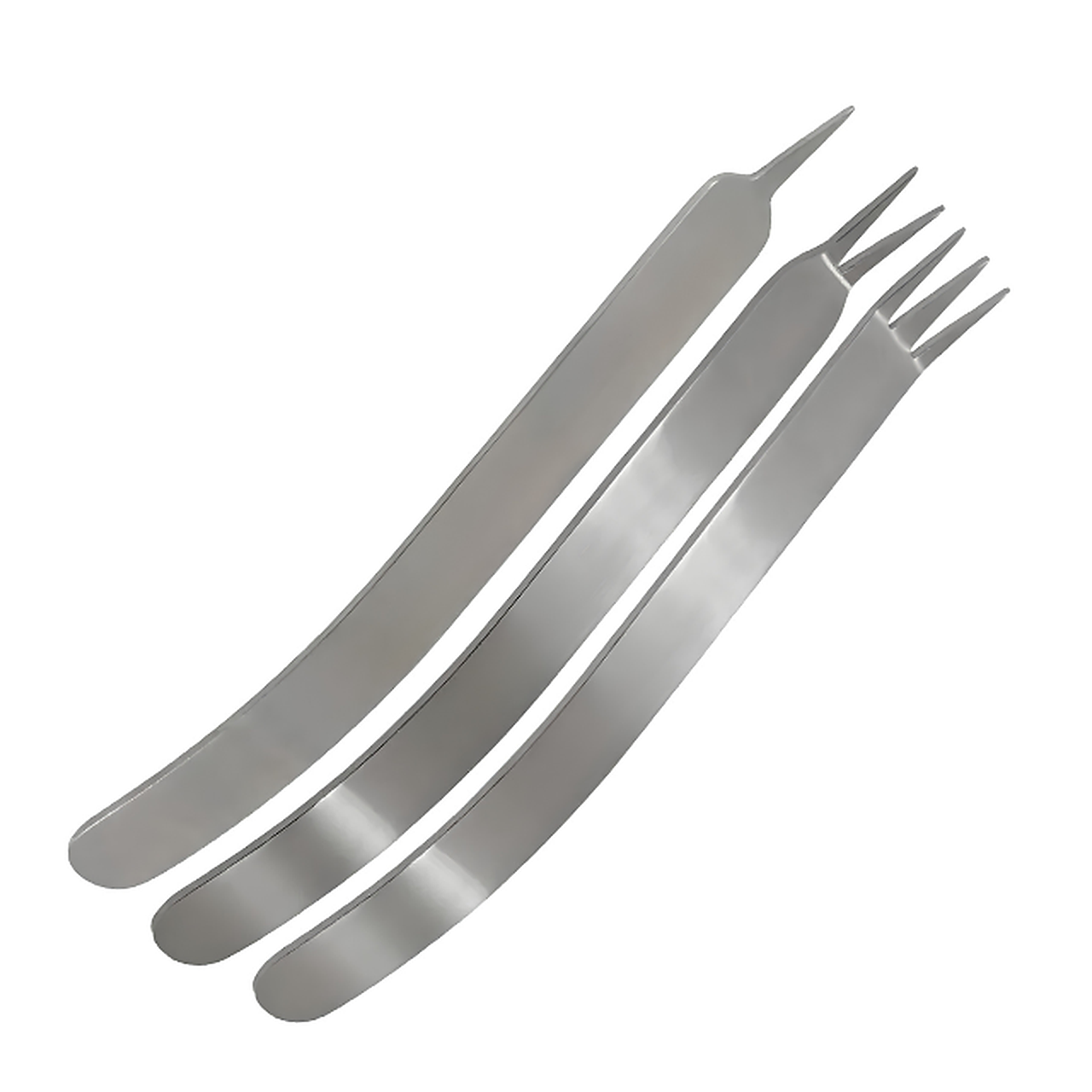 | مبعدات الكبسولة المفصلية - Capsule Retractors | مصممة خصيصاً لإبعاد الكبسولات المفصلية الليفية والأربطة والأنسجة الرخوة أثناء عمليات تبديل مفصل الورك والركبة والكتف. |
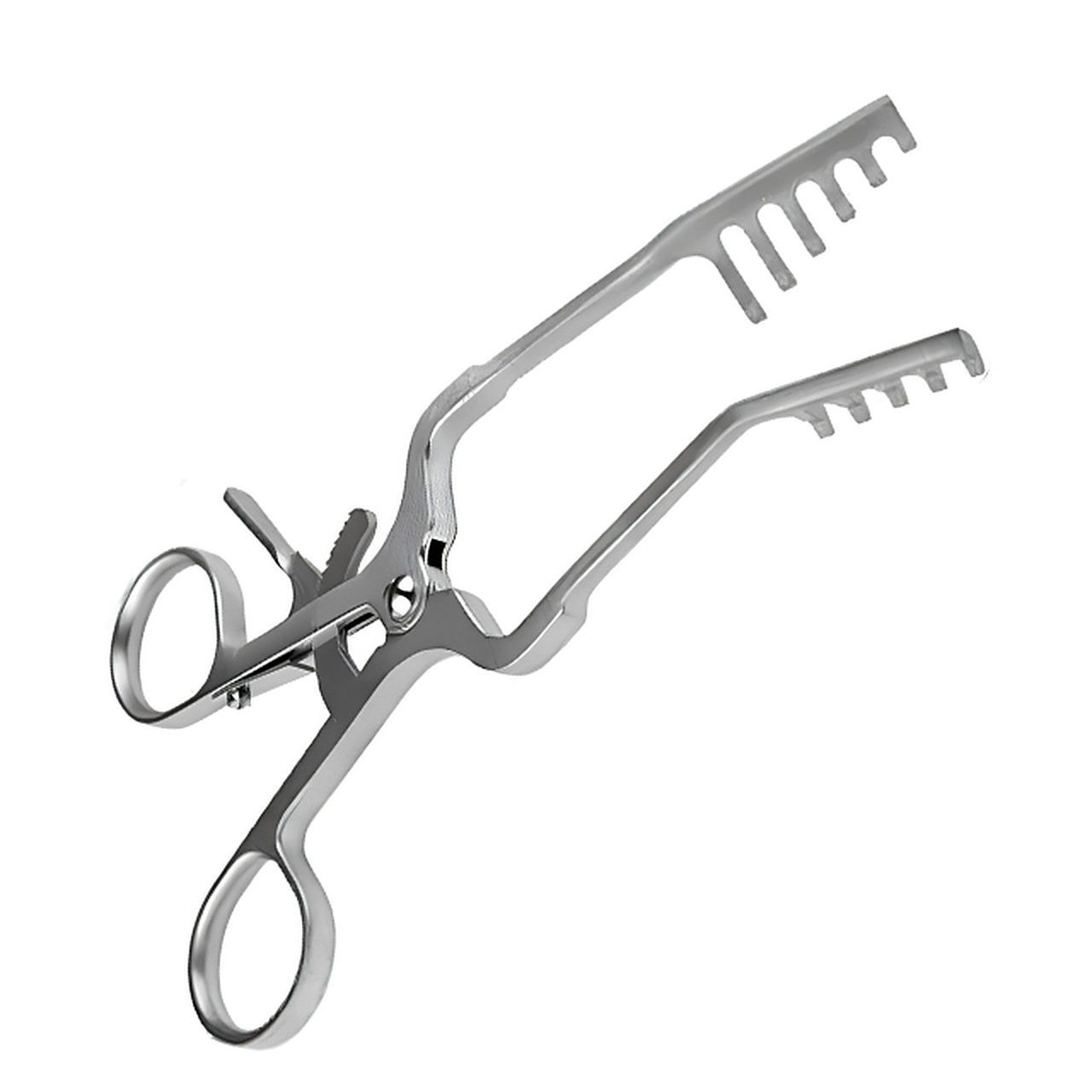 | مُبعّد نفق رسغي ذاتي التثبيت (Carpal Tunnel Self-Retaining Retractor) | مصمم خصيصاً لتوفير تبعيد ذاتي للأنسجة وتصور العصب المتوسط أثناء جراحة تحرير النفق الرسغي المفتوحة. |
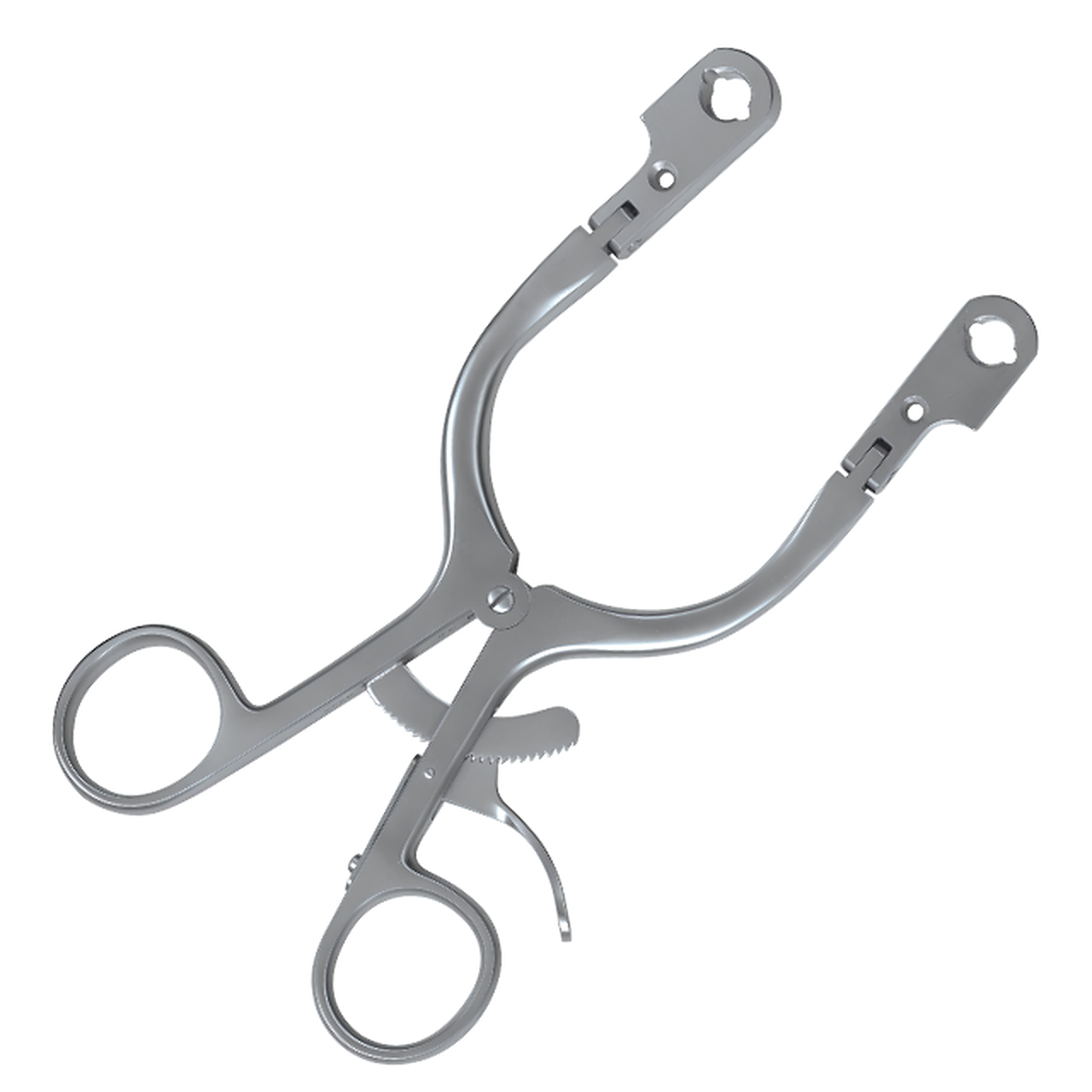 | مبعد الفقرات العنقية Caspar Cervical Retractor المزود بسقاطة | مصمم خصيصاً لتوفير إبعاد ذاتي الثبات للأنسجة الرخوة وكشف الفقرات أثناء استئصال القرص العنقي الأمامي ودمج الفقرات (ACDF). |
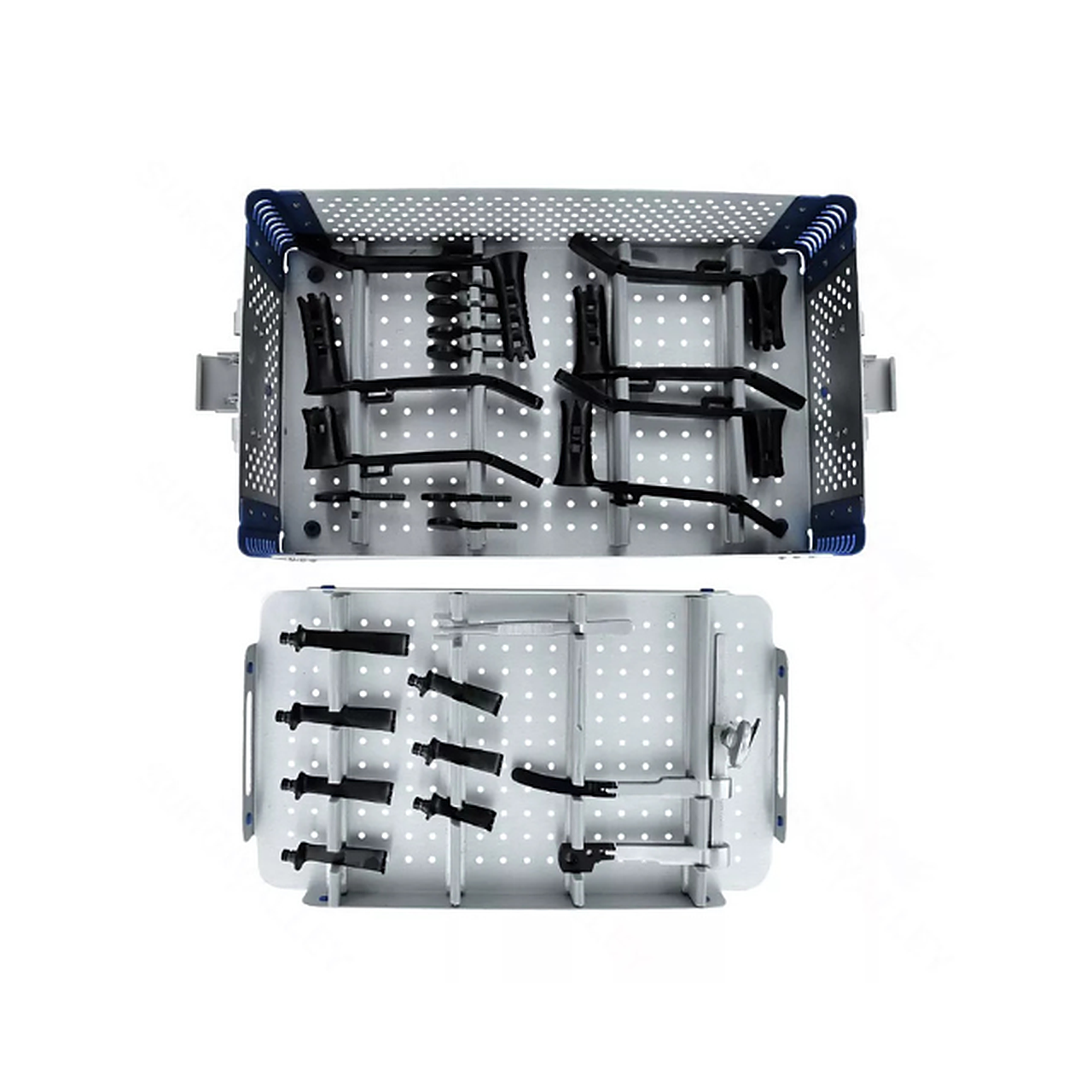 | نظام مباعد Caspar لاستئصال القرص القطني مجهرياً | مصمم خصيصاً لتوفير تباعد مستقر للأنسجة ورؤية جراحية واضحة أثناء إجراءات استئصال القرص القطني مجهرياً. |
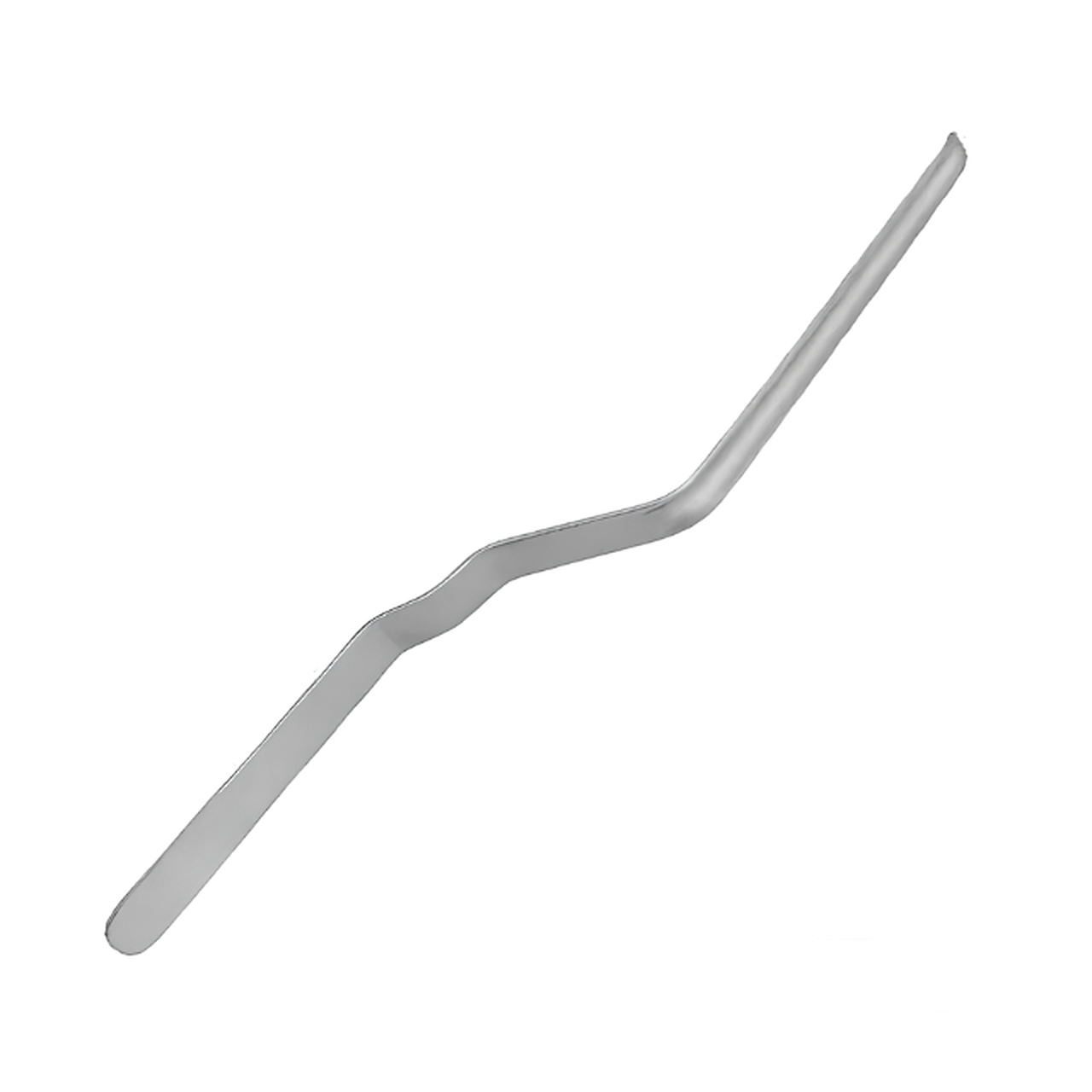 | مباعدات جذور الأعصاب Caspar Nerve Root Retractors | مصمم خصيصاً لتحريك واحتواء وحماية جذور الأعصاب الشوكية والكيس السحائي أثناء استئصال الأقراص القطنية بالمجهر. |
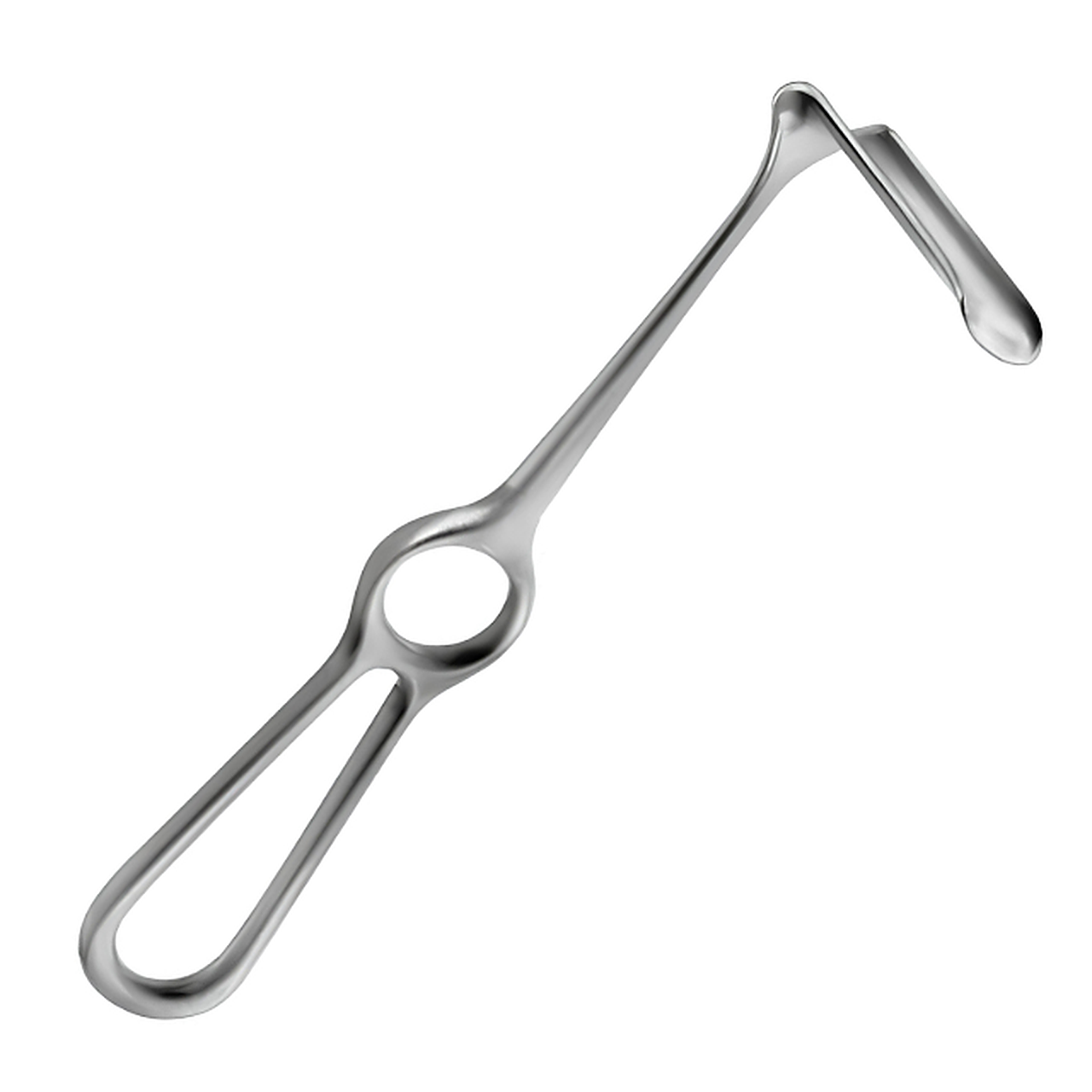 | Caspar Retractor | مصمم خصيصاً لإبعاد العضلات واللفافة والأنسجة الرخوة أثناء جراحات العمود الفقري والعظام والعمليات الترميمية. |
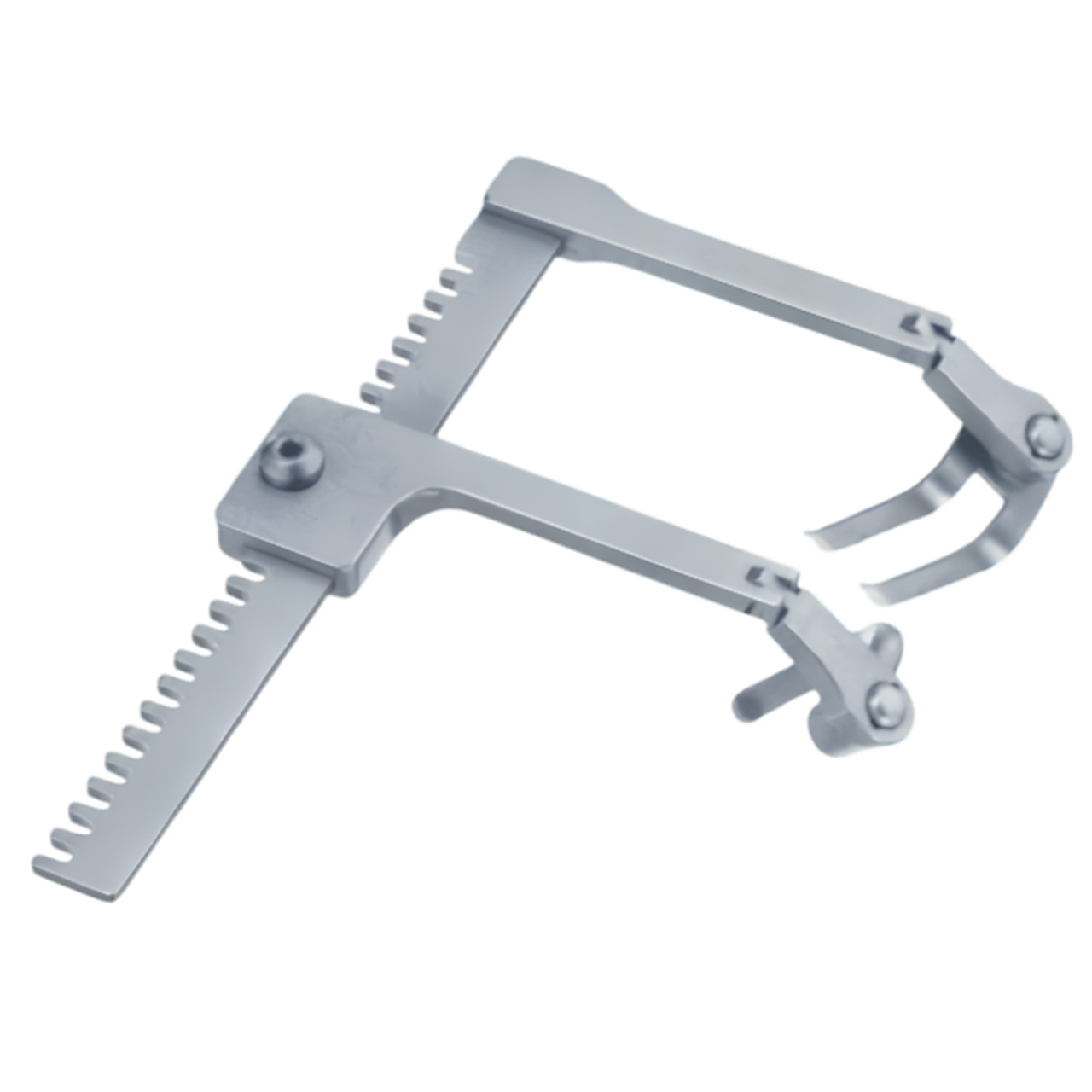 | Caspar Self Retaining Retractor | مصمم خصيصاً لمباعدة القصبة الهوائية والمريء والعضلات الطولانية للرقبة أثناء جراحات العمود الفقري العنقي الأمامية. |
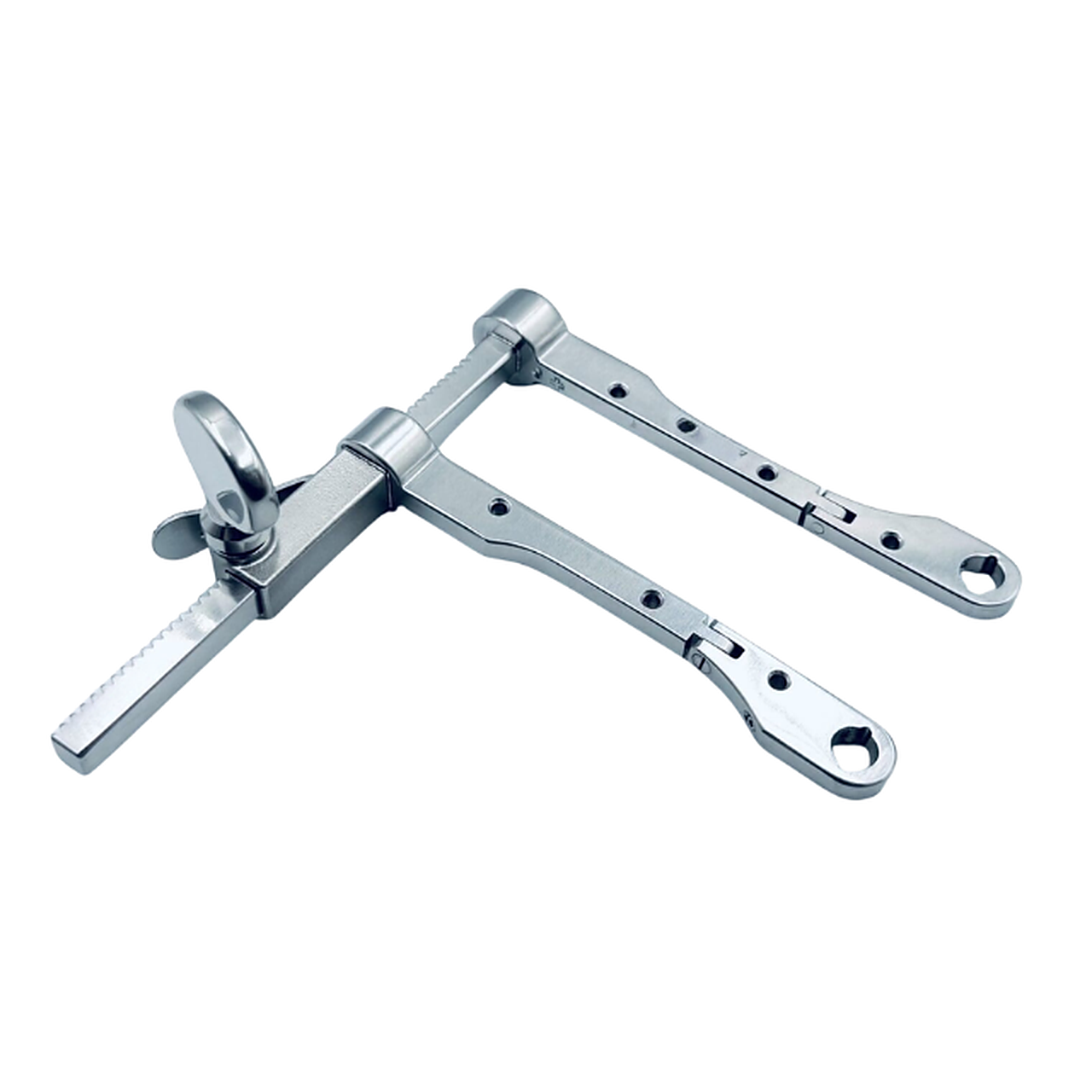 | Casper Cervical Retractor | مصمم خصيصًا لتوفير مباعدة ذاتية الثبات ومفصلية للأنسجة الرخوة وكشف الفقرات أثناء الجراحة العنقية الأمامية. |
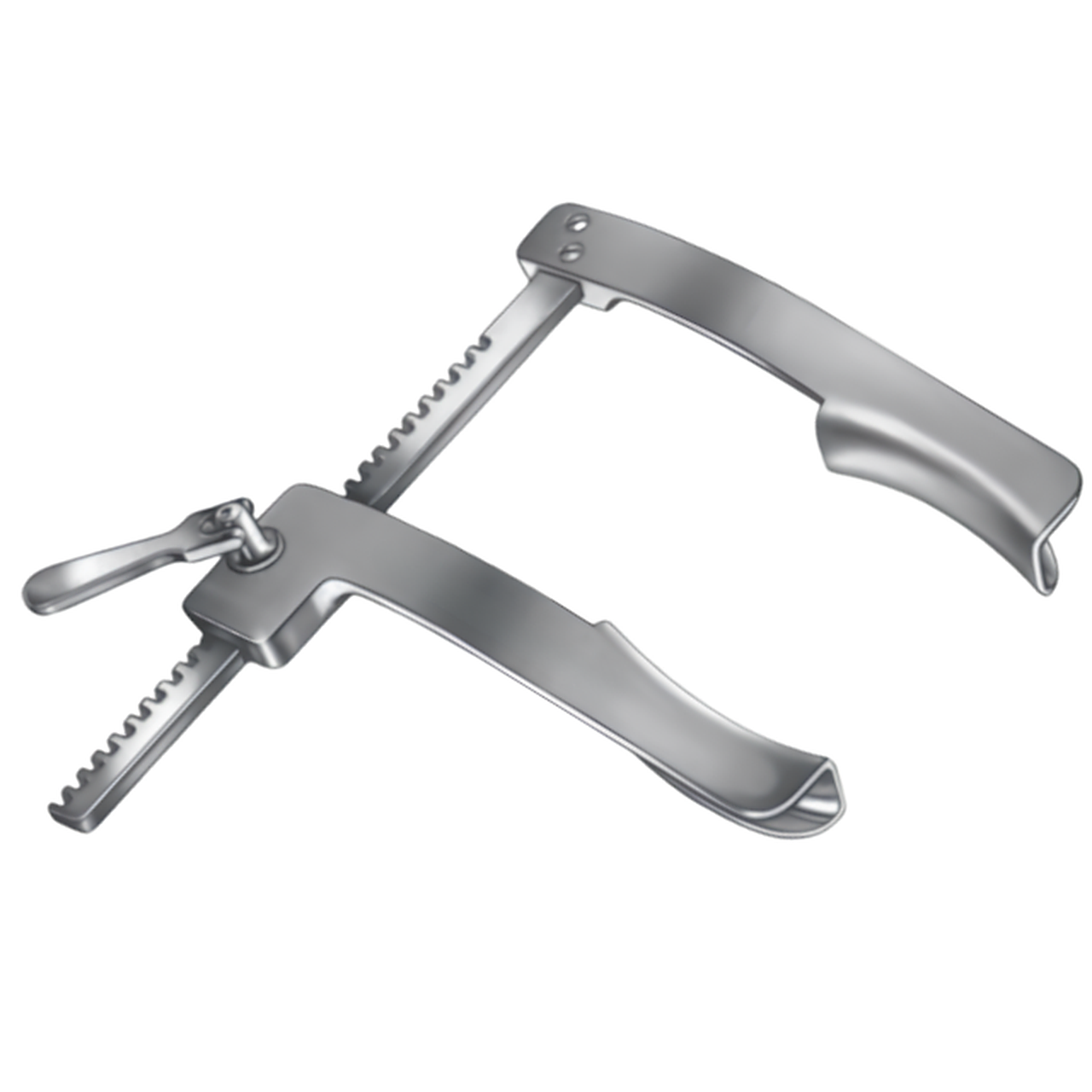 | مباعد الضلوع Castaneda Rib Spreader | مصمم خصيصاً لمباعدة الضلوع وتوفير كشف للتجويف الصدري أثناء جراحات القلب والصدر لحديثي الولادة والأطفال. |
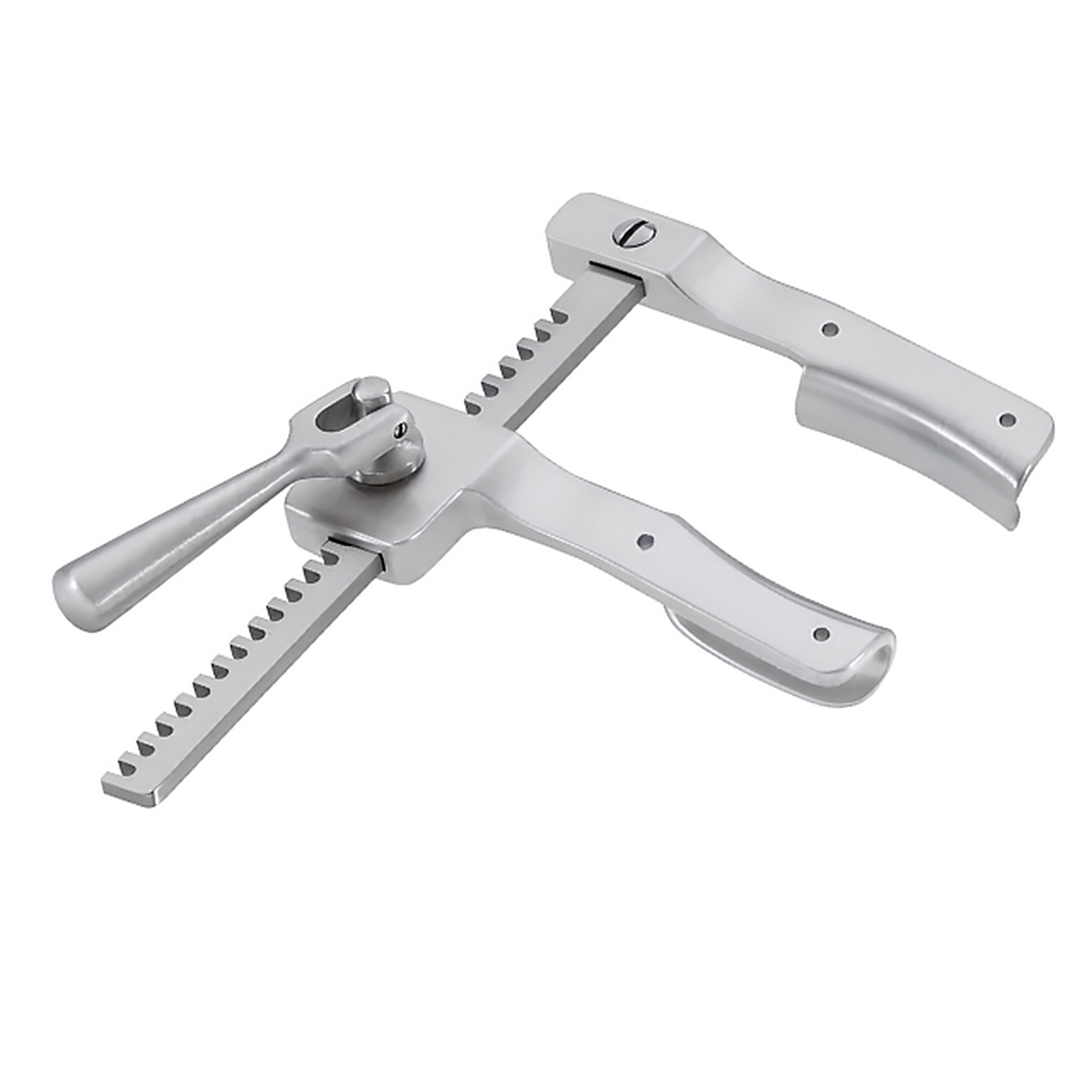 | مُبعّد القص Castaneda Sternal Retractor | مصمم خصيصًا لفصل القص وتوفير رؤية للمنصف أثناء جراحات القلب للأطفال وحديثي الولادة والكبار. |
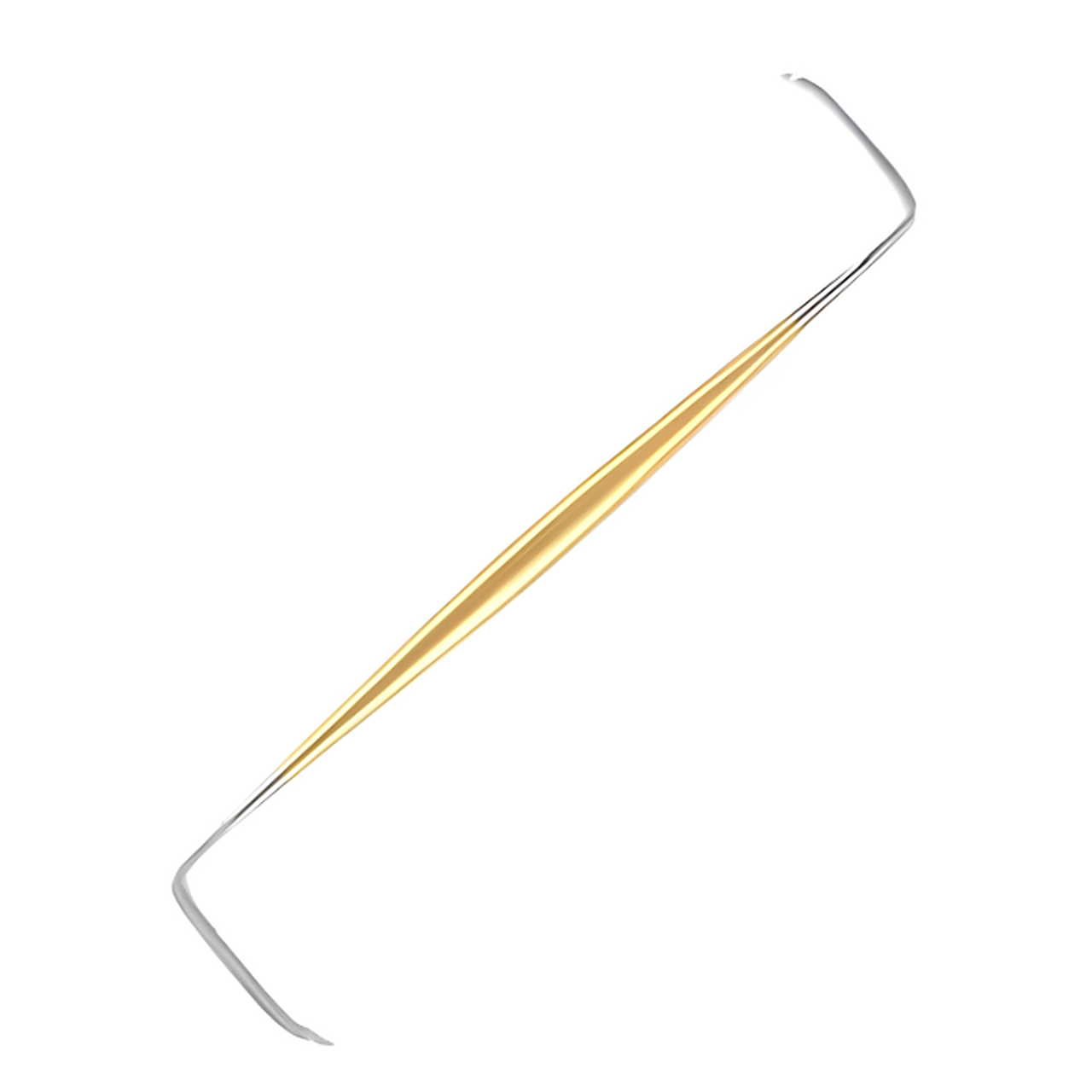 | مُباعد Cerkes Double Ended Nasal Retractor للأنف مزدوج الطرف | مصمم خصيصاً لرفع أغلفة الأنسجة الرخوة الأنفية وإبعاد الغضاريف أثناء عمليات تجميل الأنف المفتوحة والمغلقة. |
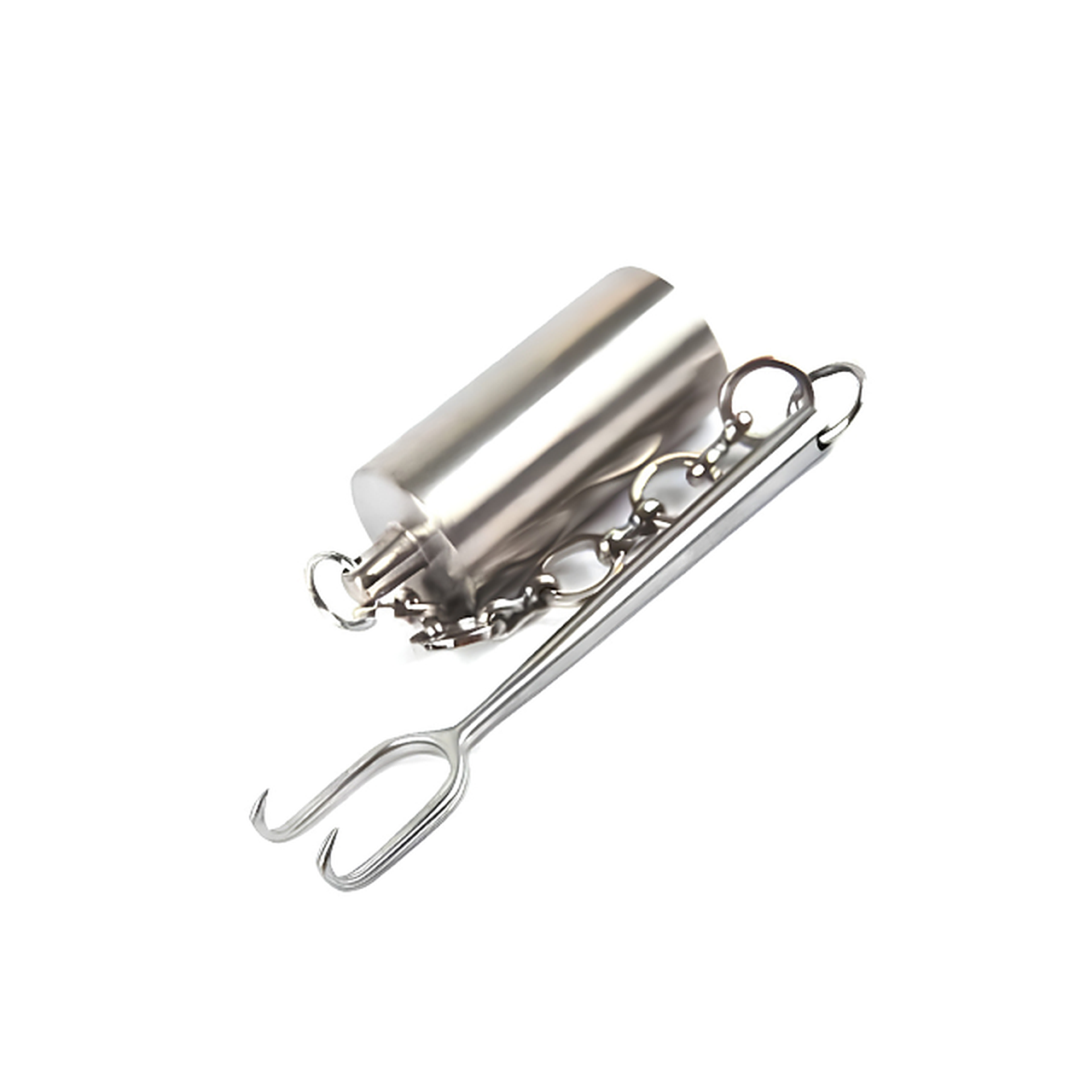 | مبعد الأنف Cerkes Nasal Retractor With Weight - مبعد Gruber Columella Retractor | مصمم خصيصاً لتوفير إبعاد وزني ذاتي للحويجز والوتيرة الذيلية خلال عمليات تجميل الأنف المفتوحة. |
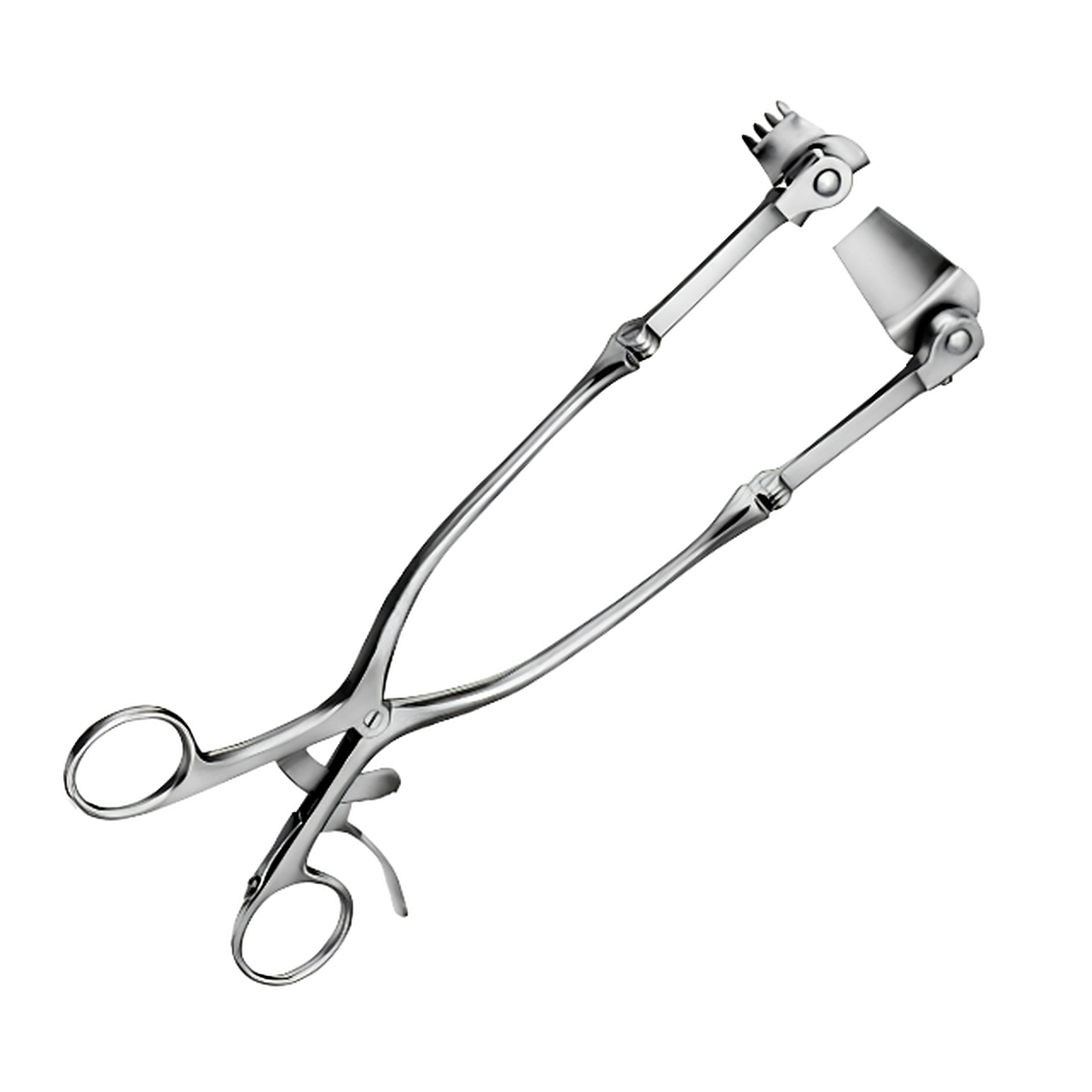 | إطار مبعد فقرات الرقبة | مصمم خصيصاً لحمل شفرات المبعد القابلة للتبديل وتوفير تعرض طولي أثناء جراحة العمود الفقري العنقي من الأمام. |
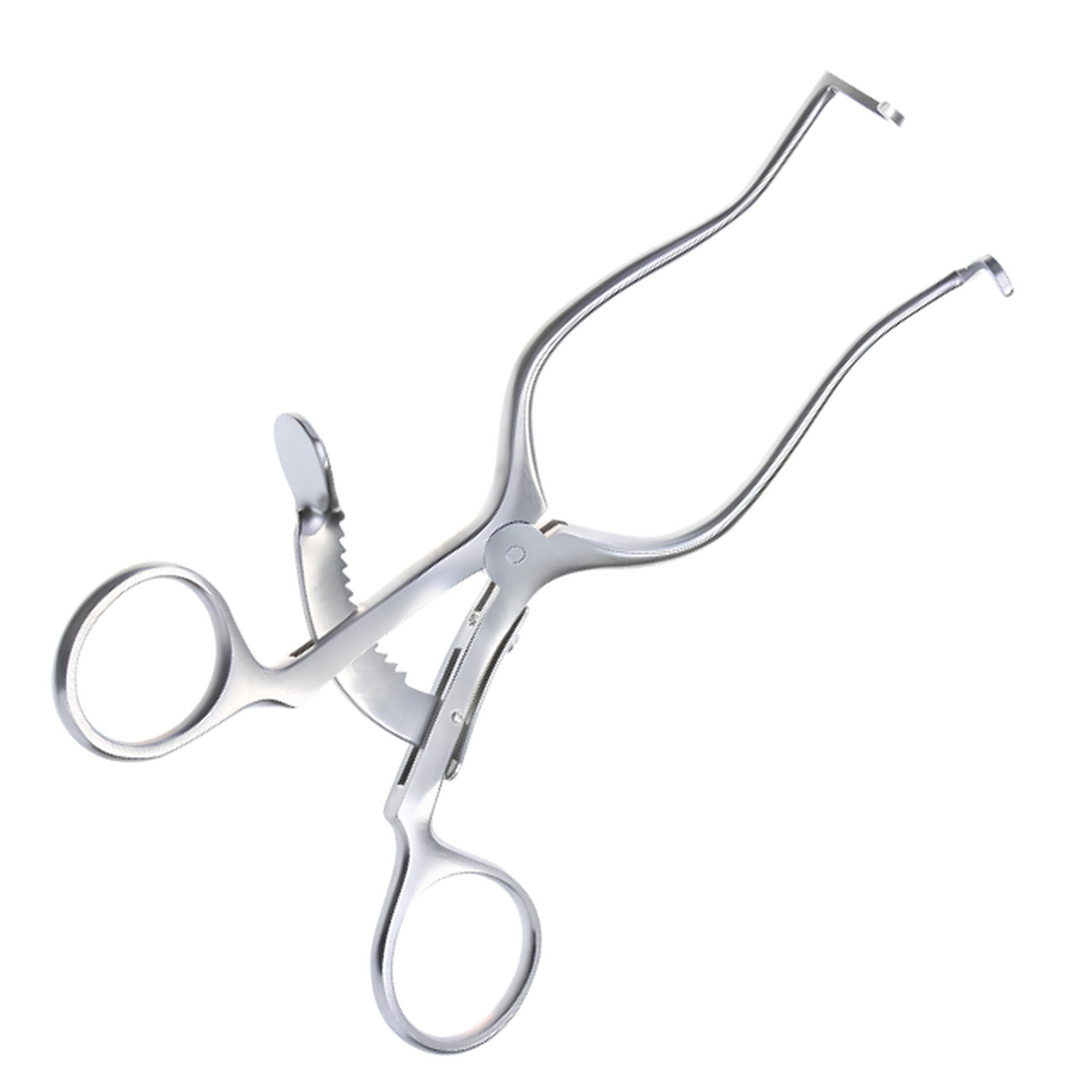 | مُباعد أنسجة الفقرات العنقية Cervical Tissue Retractor | مصمم خصيصاً لمباعدة وتحريك الأنسجة الرخوة الدقيقة والطبقات اللفافية أثناء جراحة العمود الفقري العنقي الأمامي. |
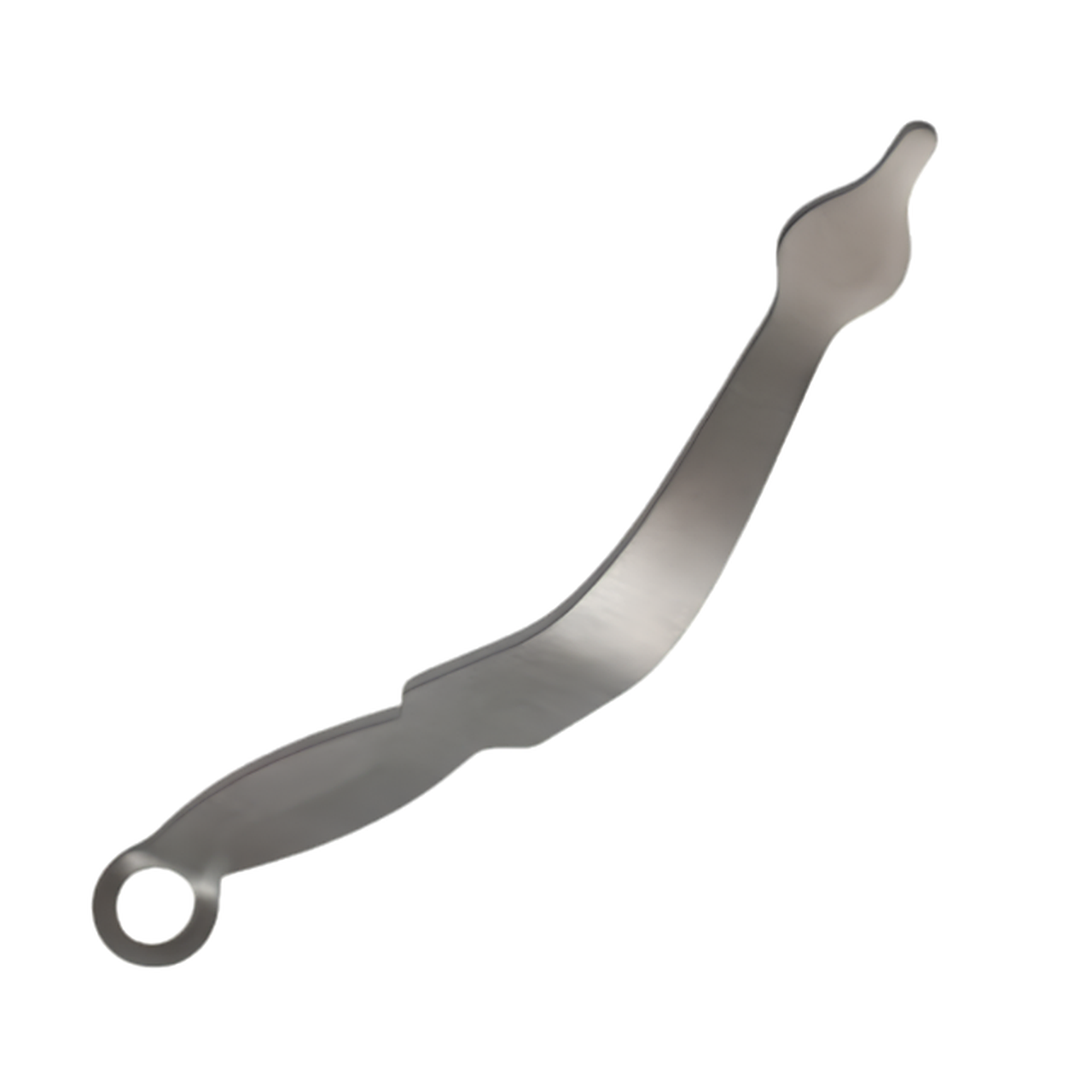 | Chandler Retractor | مصمم خصيصاً لرفع العظام وإبعاد العضلات الثقيلة أثناء جراحات استبدال مفصل الورك بالكامل وإجراءات إعادة بناء الفخذ. |
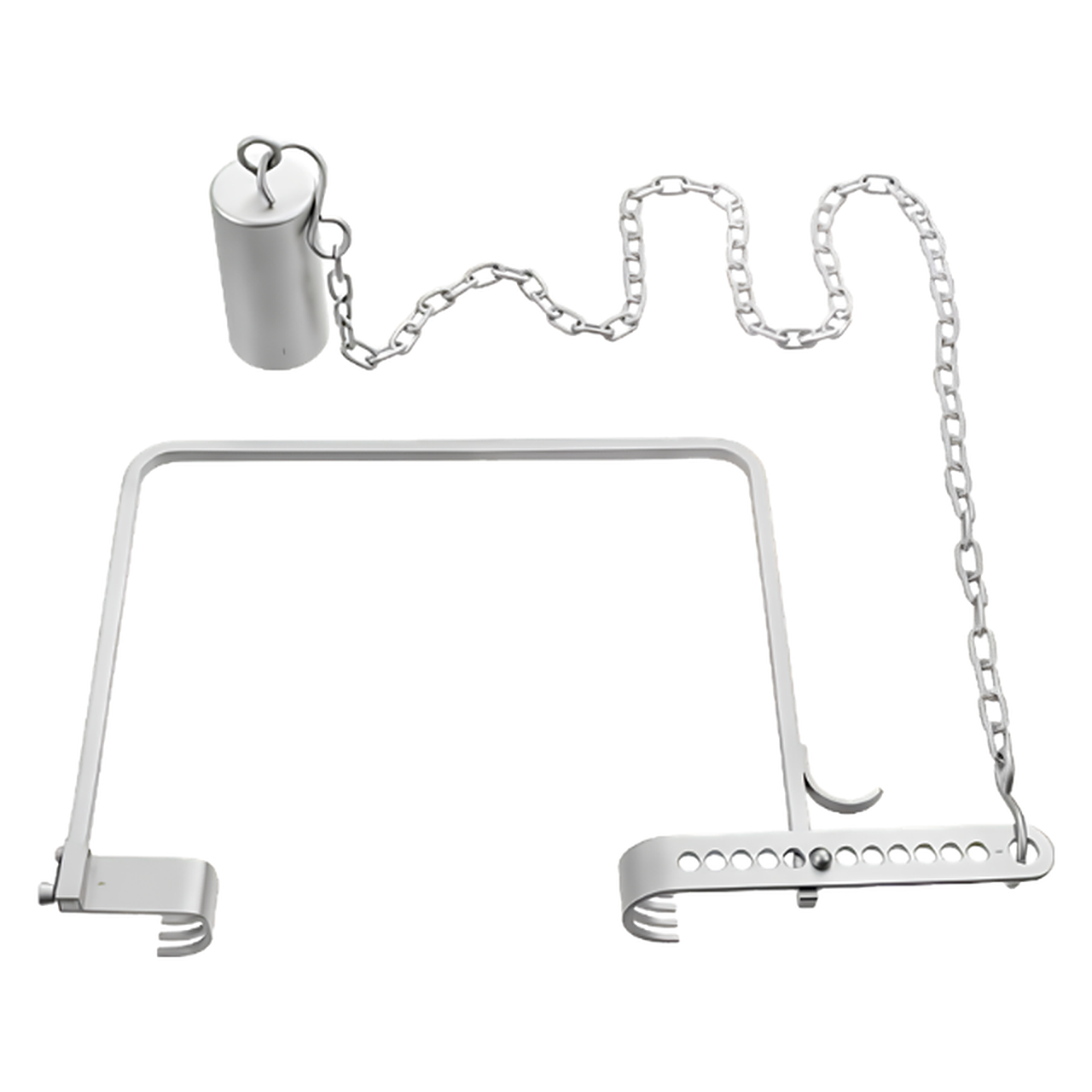 | مُبعّد الشق الأولي Charnley Initial Incision Retractor | مصمم خصيصاً لتبعيد حواف الجلد والأنسجة الدهنية تحت الجلد أثناء الفتح الأولي في جراحة مفصل الورك. |
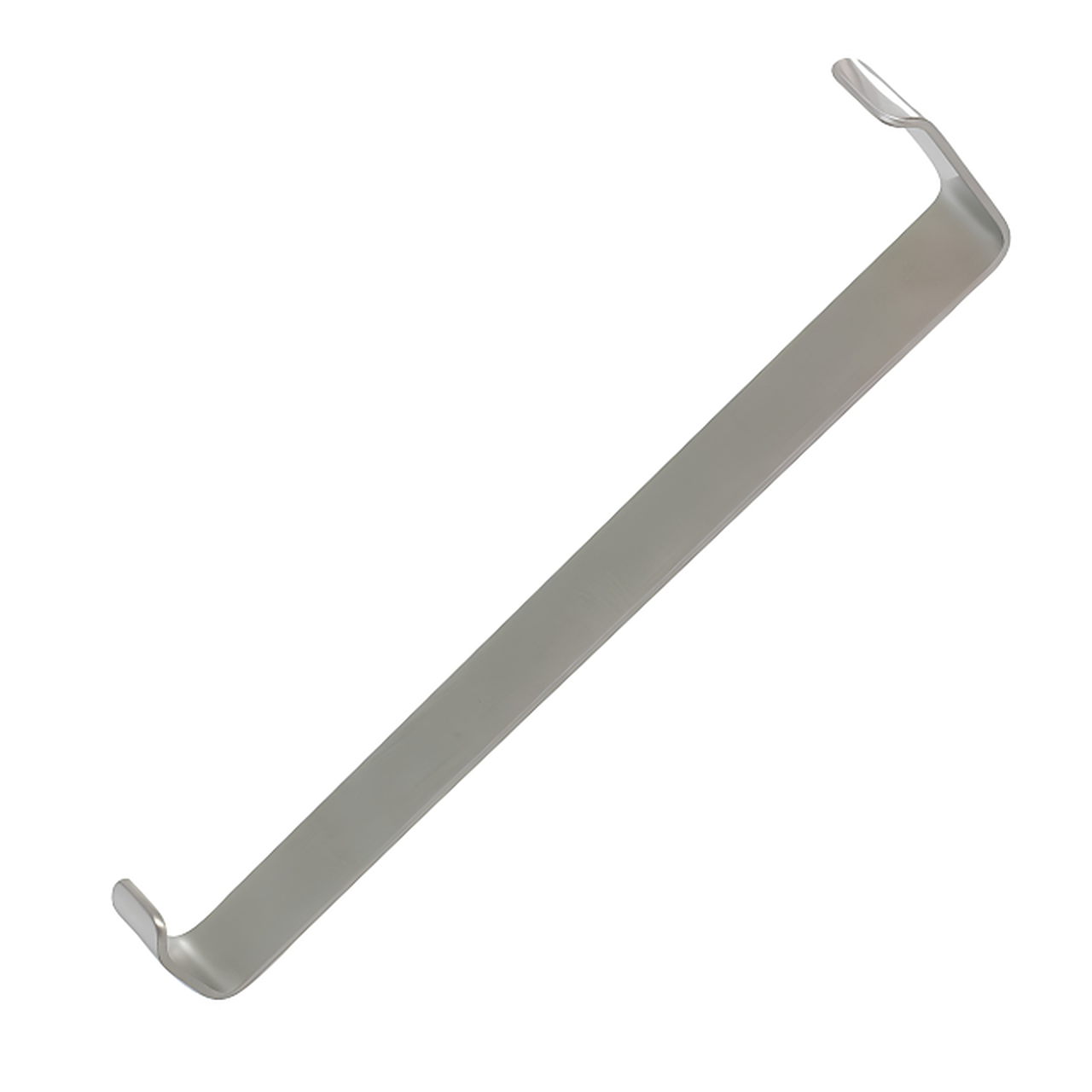 | مبعد Children's Hospital Retractor | مصمم خصيصًا لإبعاد الجلد الرقيق والعضلات والأنسجة الرخوة أثناء عمليات الأطفال والجراحات البسيطة. |
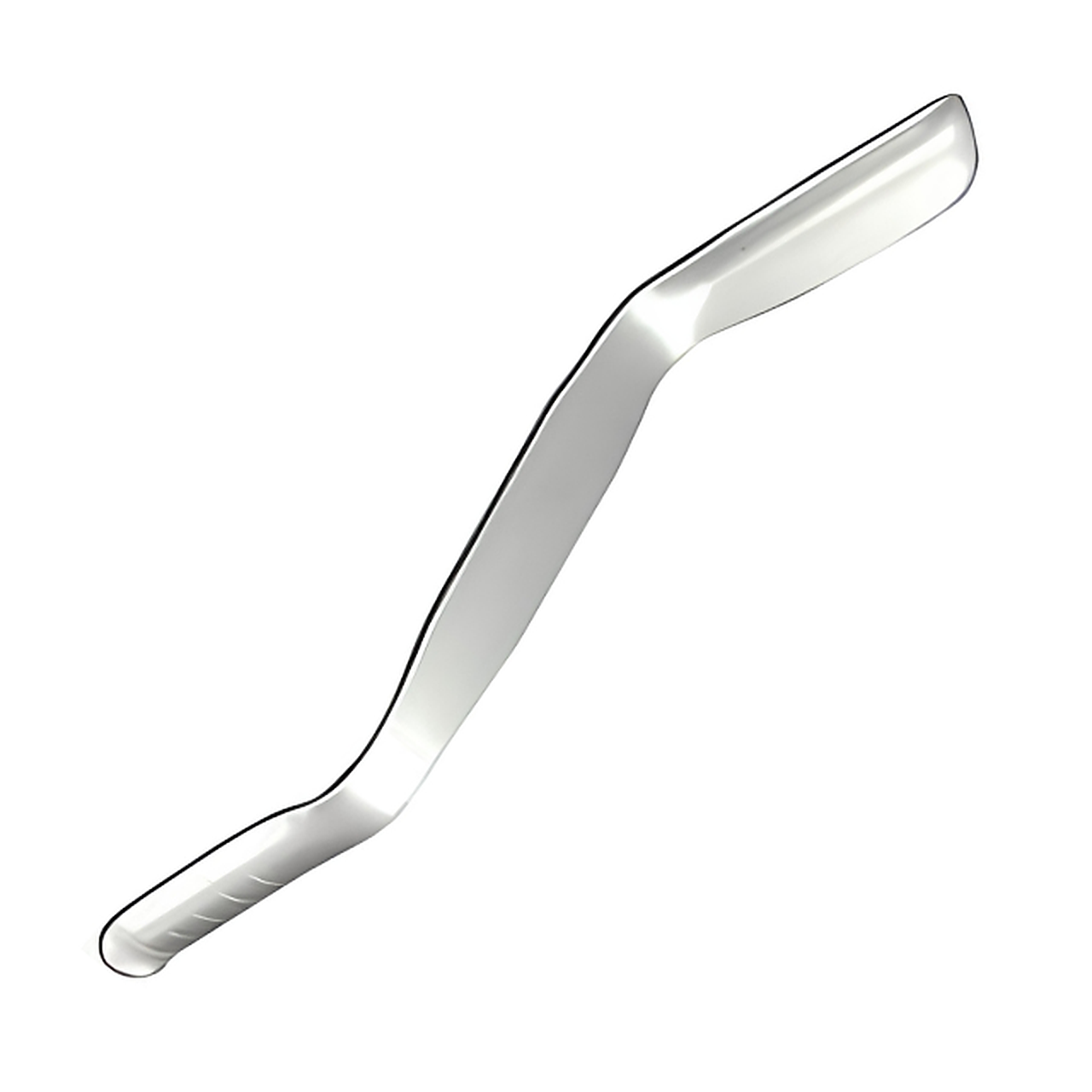 | مبعد Clodius لمحجر العين | مصمم خصيصاً لإبعاد دهون المحجر، ورفع لوحات الجفن، وحماية مقلة العين أثناء عمليات تجميل الجفن وجراحات ما حول العين. |
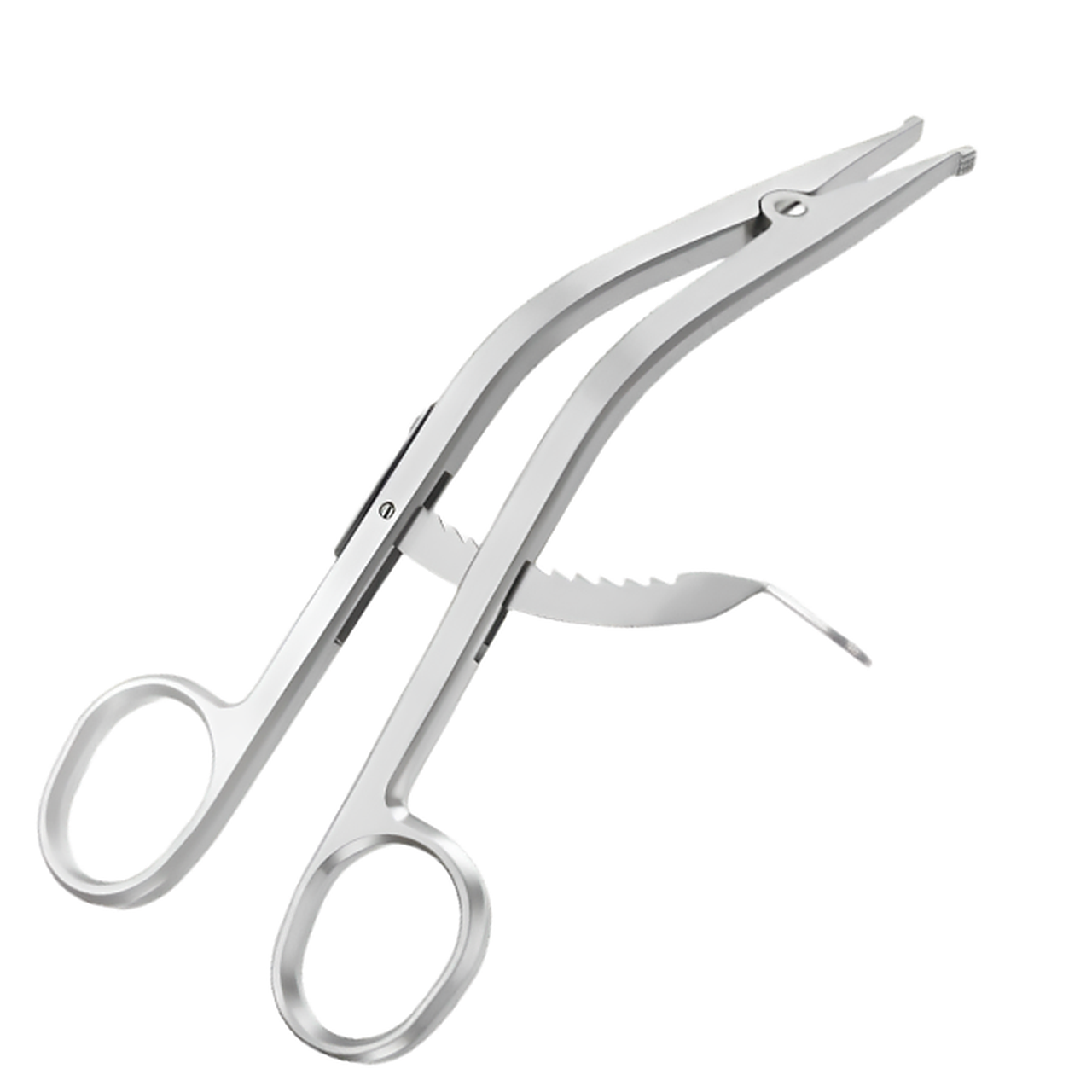 | مبعد Cloward Cervical/Lamina Retractor | مصمم خصيصاً لإبعاد العضلات المجاورة للفقرات وكشف الصفيحة الفقرية والمفاصل الوجيهية أثناء جراحات العمود الفقري العنقي والصدري العلوي. |
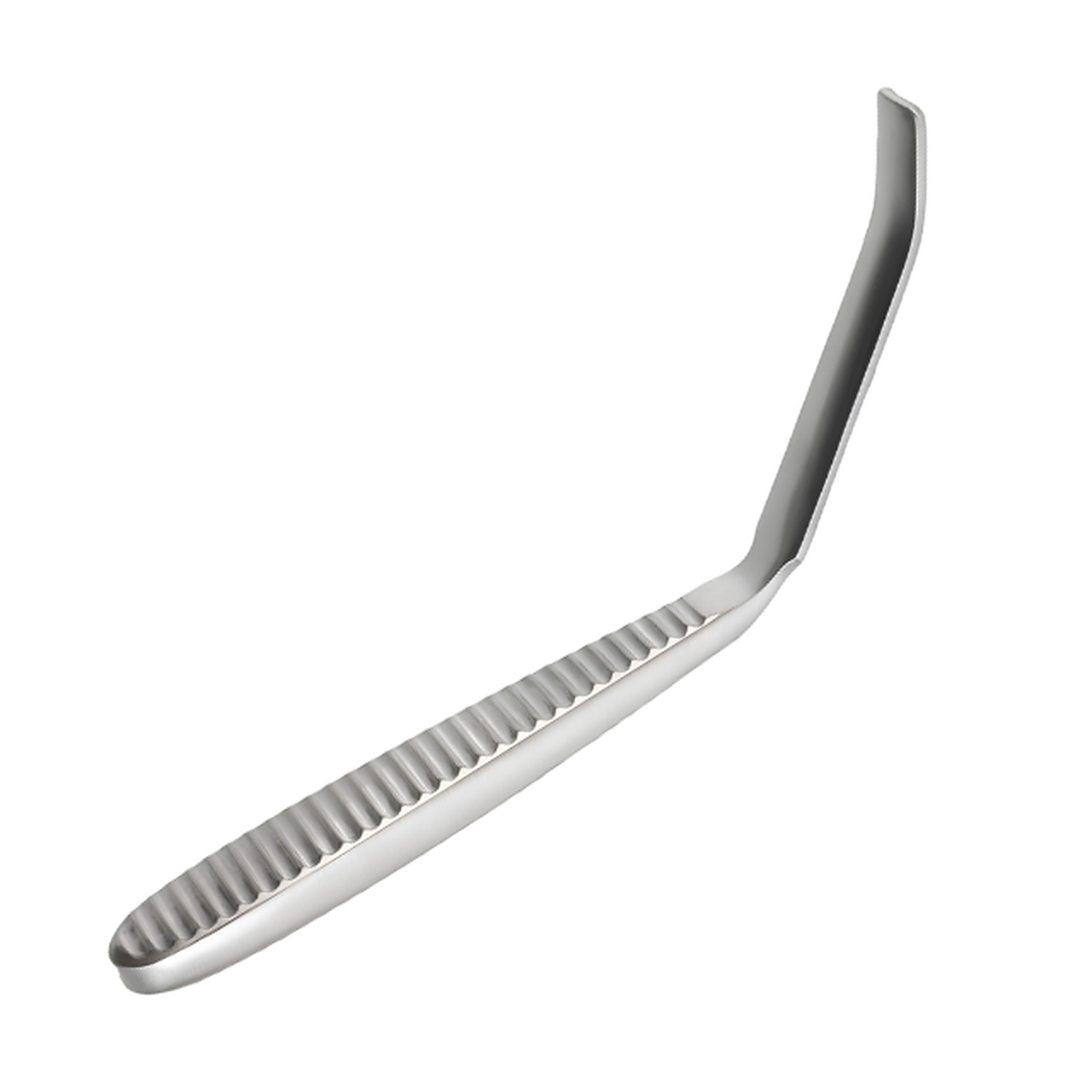 | مُباعد شفرات Cloward-Style Blade Retractor | مصمم خصيصاً لتباعد العضلات، واللفافة، والأنسجة الرخوة الحشوية أثناء جراحة العمود الفقري العنقي الأمامي. |
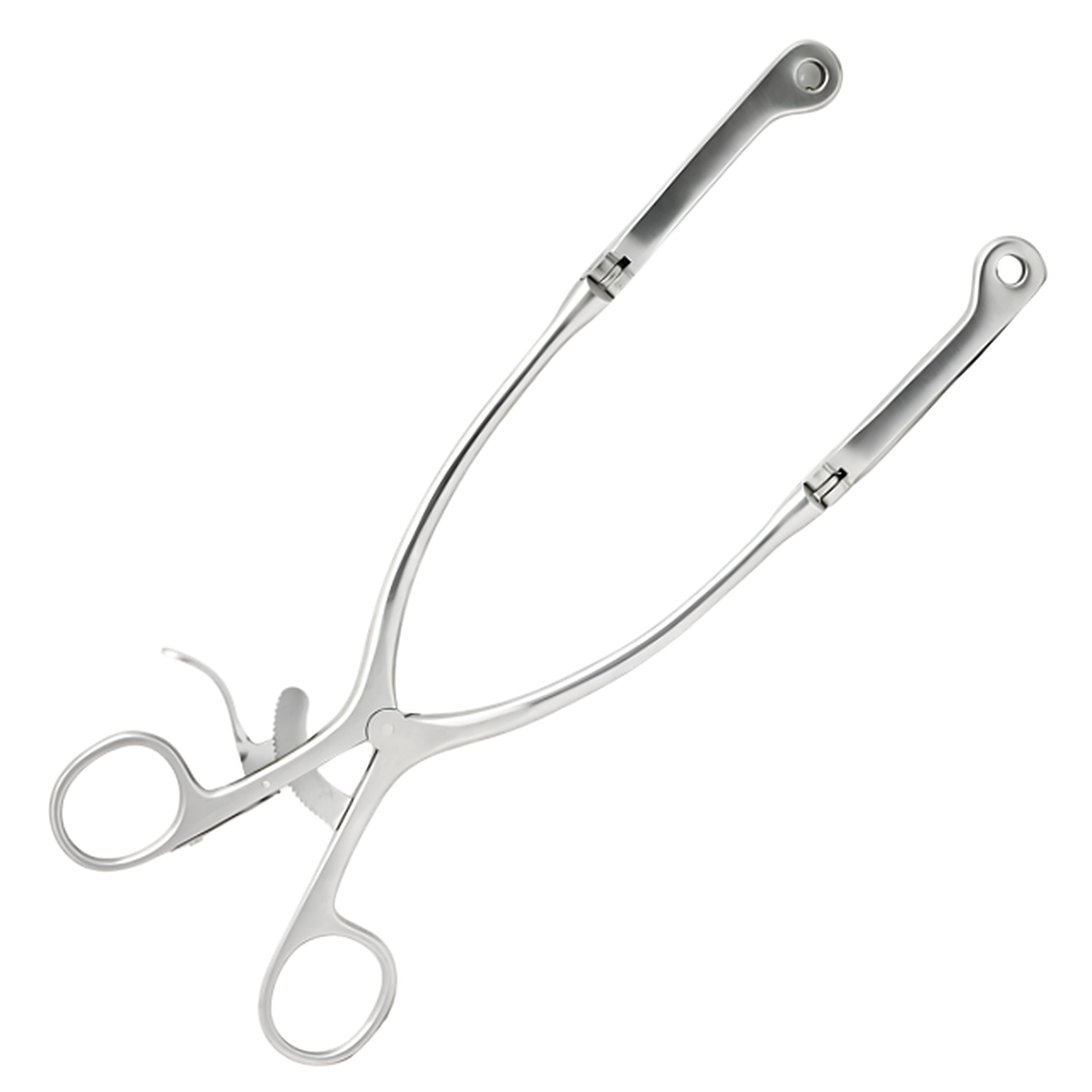 | مُبعّد Cloward-Style Cervical Retractor لعنق الرحم | مصمم خصيصاً لتوفير تبعيد ذاتي التثبيت للأنسجة الرخوة وكشف الفقرات أثناء عمليات استئصال القرص العنقي الأمامي ودمج الفقرات. |
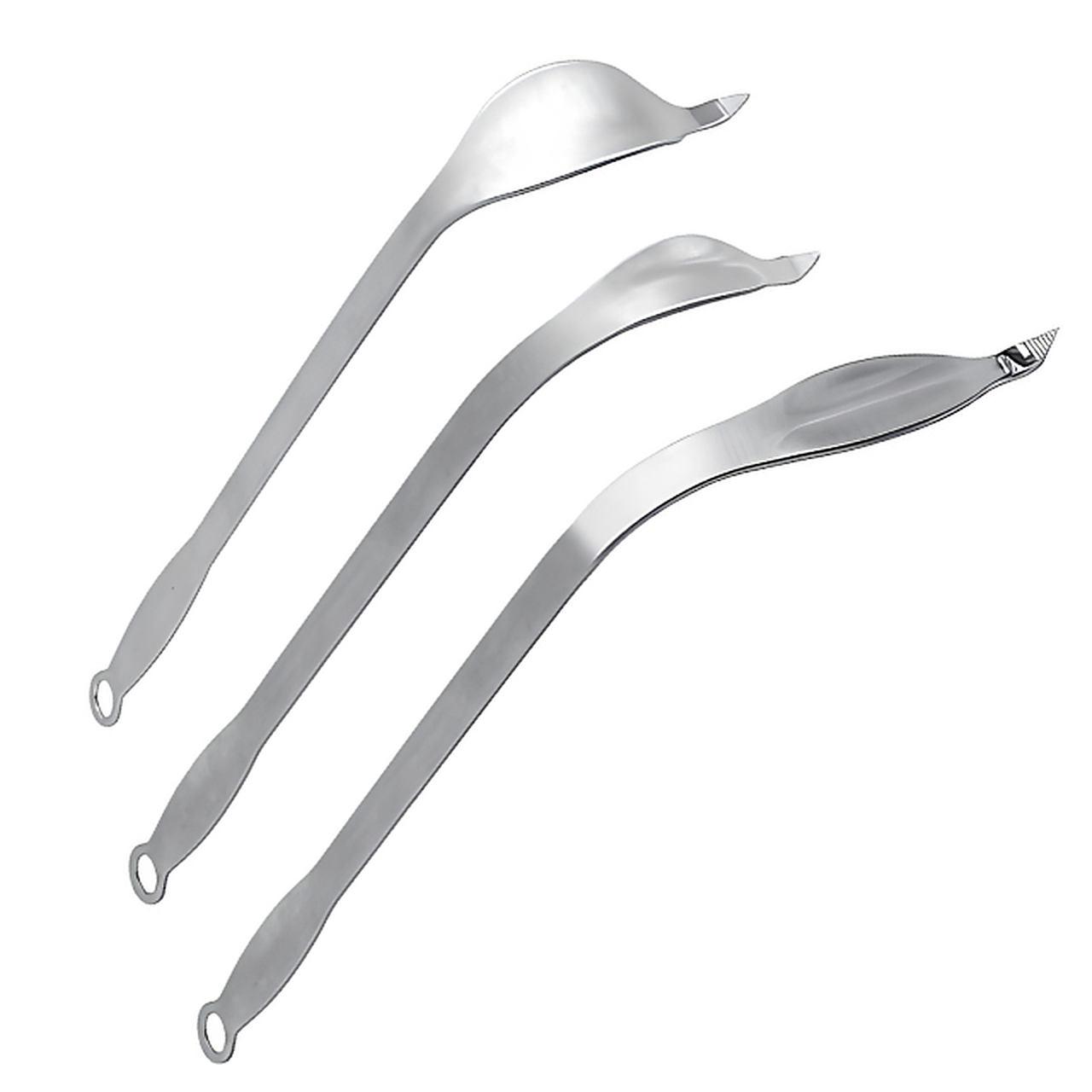 | Cobra Retractor | مصمم خصيصاً لتوفير رافعة للعظم وإبعاد العضلات الثقيلة أثناء جراحات استبدال مفصل الورك الكامل، وقطع عظم الحوض، وجراحات الفخذ. |
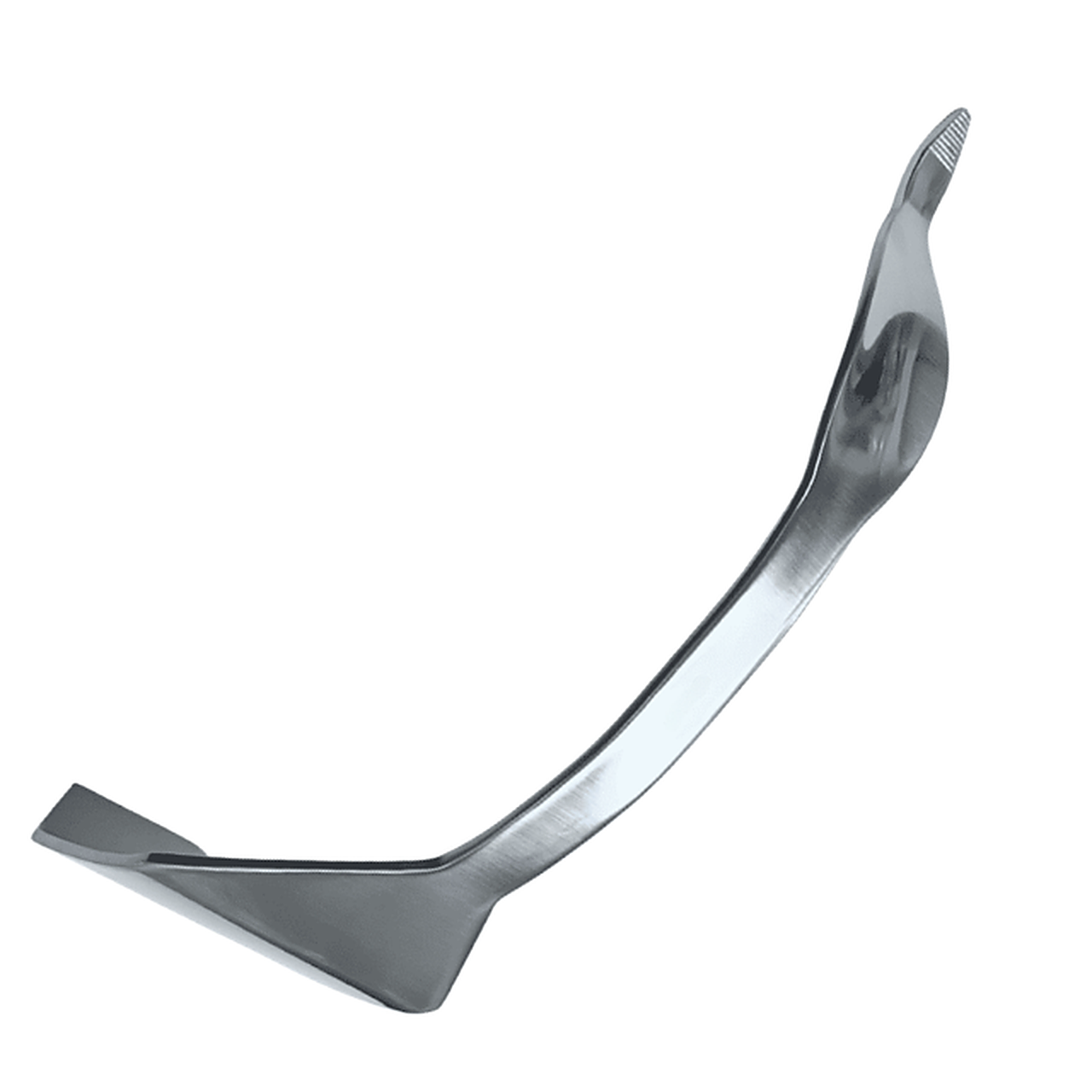 | مُبعّد كوبرا مع مسند لليد | مصمم خصيصاً لرفع العظام وإبعاد العضلات الثقيلة مع تقليل إجهاد يد المساعد أثناء جراحة تقويم مفاصل الورك. |
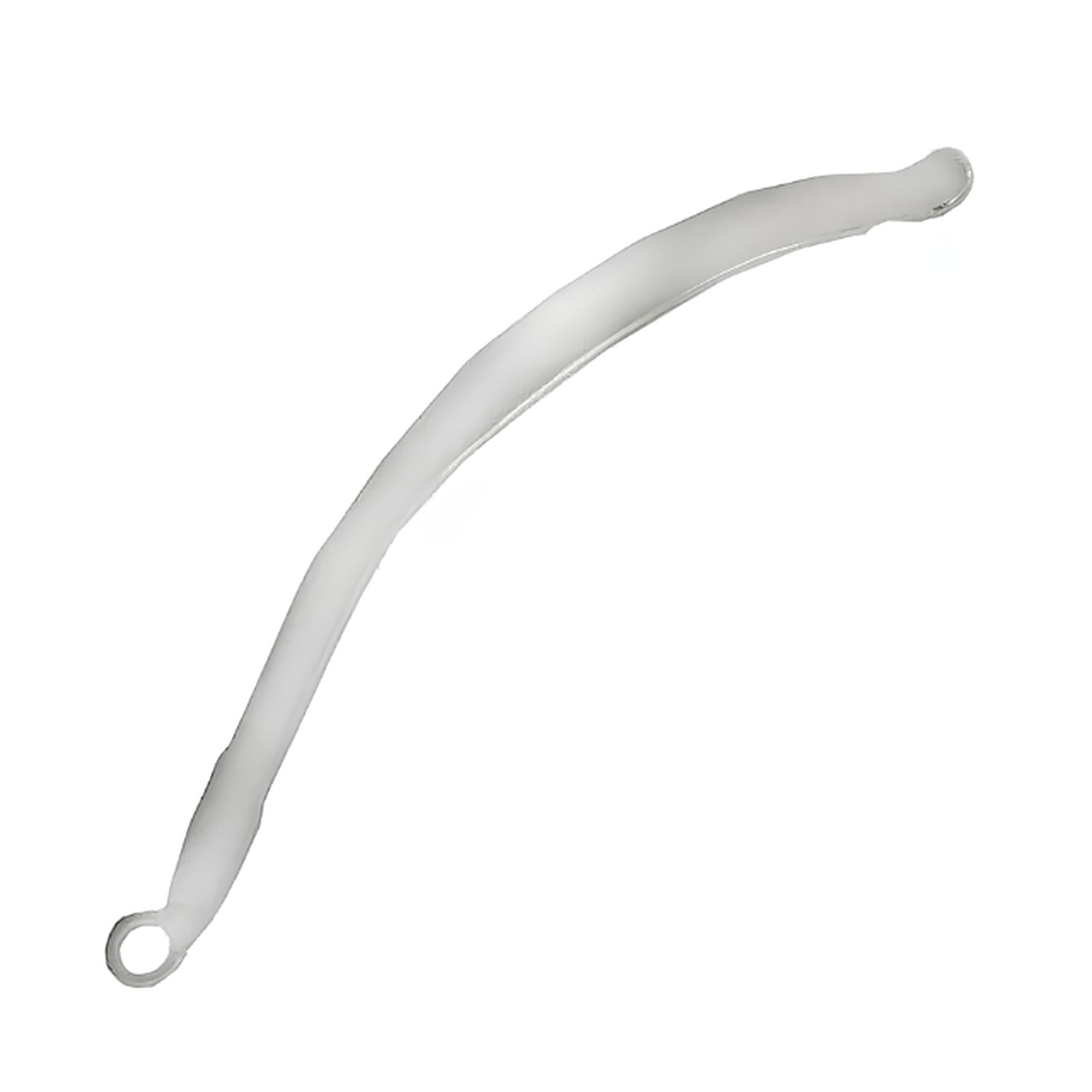 | مبعد عظم الفخذ طراز Cobra Style | مصمم خصيصاً لإبعاد العضلات الثقيلة وكشف جذع الفخذ أثناء جراحة استبدال مفصل الورك وإصلاح كسور الفخذ. |
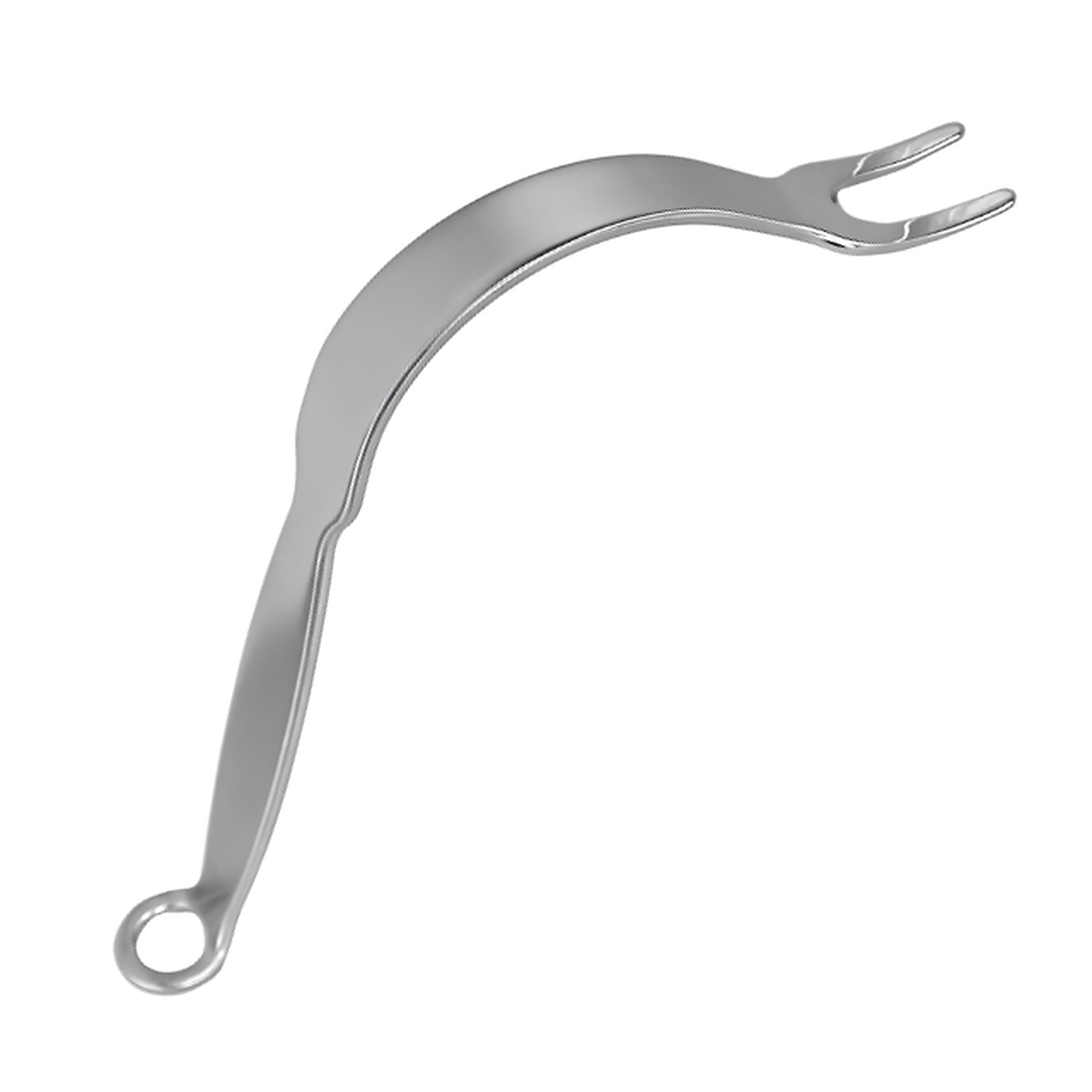 | مباعدات الأربطة الجانبية للركبة | مصمم خصيصاً لإبعاد وحماية الأربطة الجانبية والكبسولة المفصلية أثناء جراحة تقويم مفاصل الركبة الكاملة. |
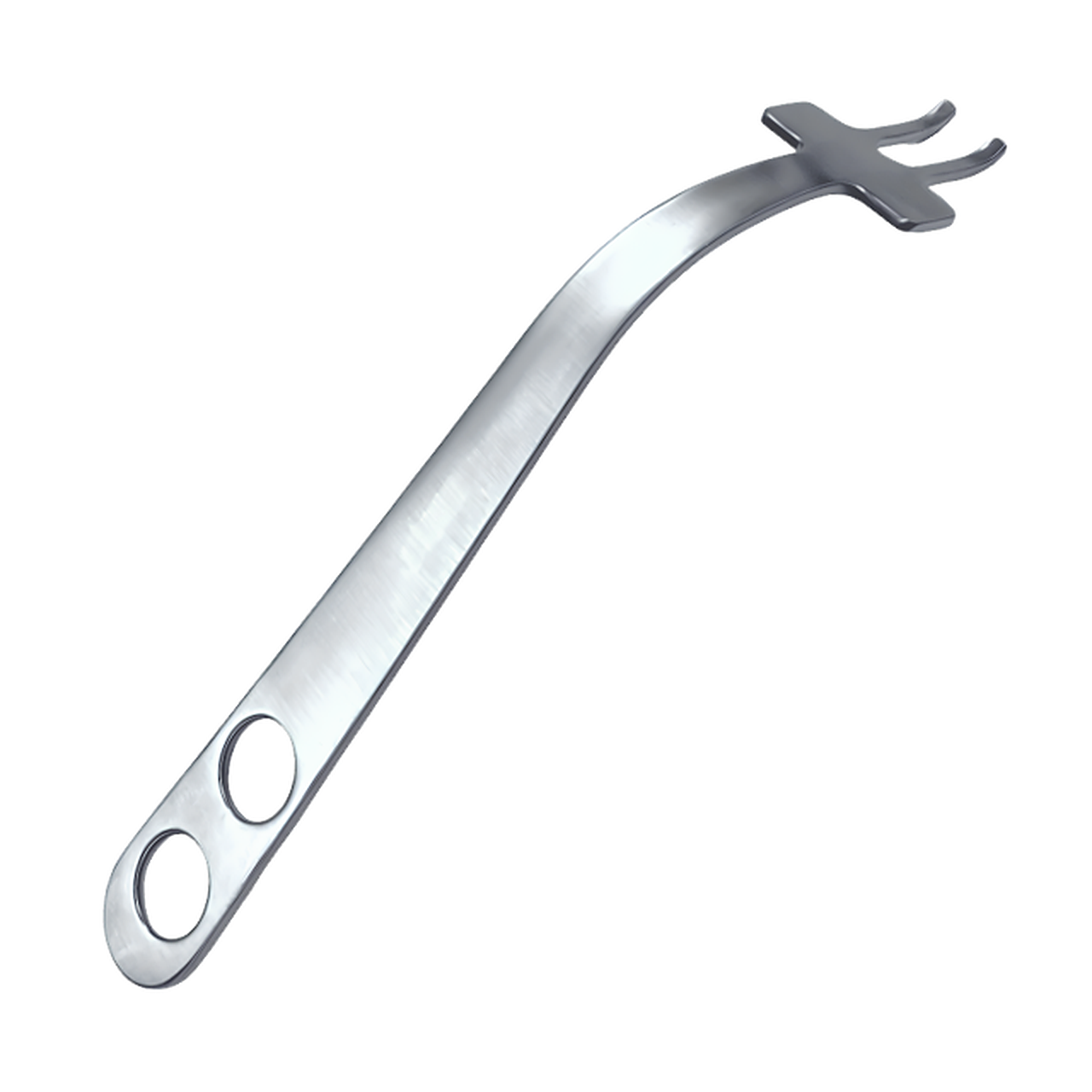 | Collateral Soft Tissue Retractor | مباعد الأنسجة الرخوة الجانبية | مصمم خصيصاً لتبعيد الأربطة الجانبية والأنسجة الرخوة المحيطة بالمفصل أثناء تقويم مفصل الركبة والجراحات الترميمية. |
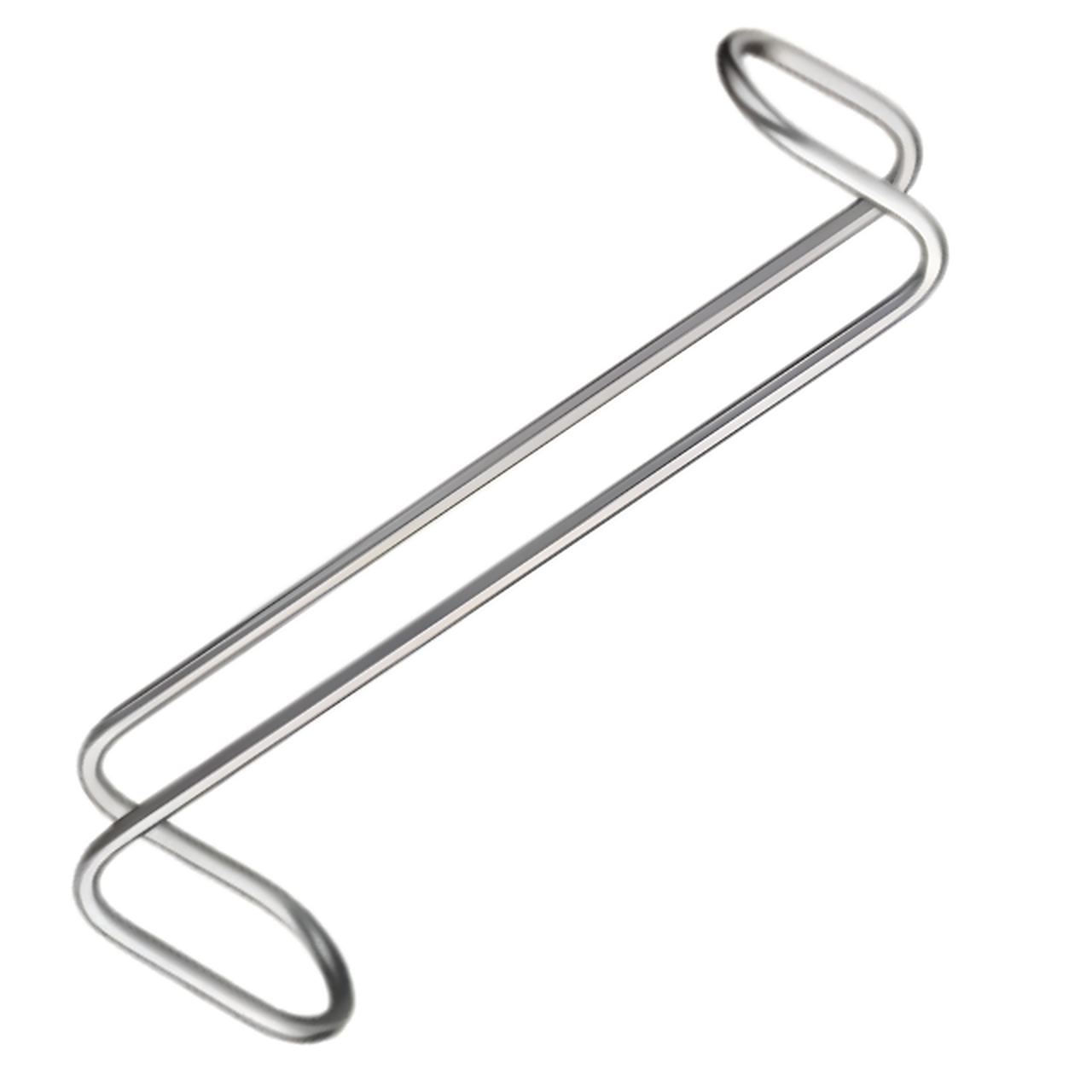 | مُباعد Collin Hartmann S-Shaped Retractor | مصمم خصيصاً لمباعدة العضلات، واللفافة، وحواف الجروح أثناء الجراحات العامة والنسائية والتجميلية. |
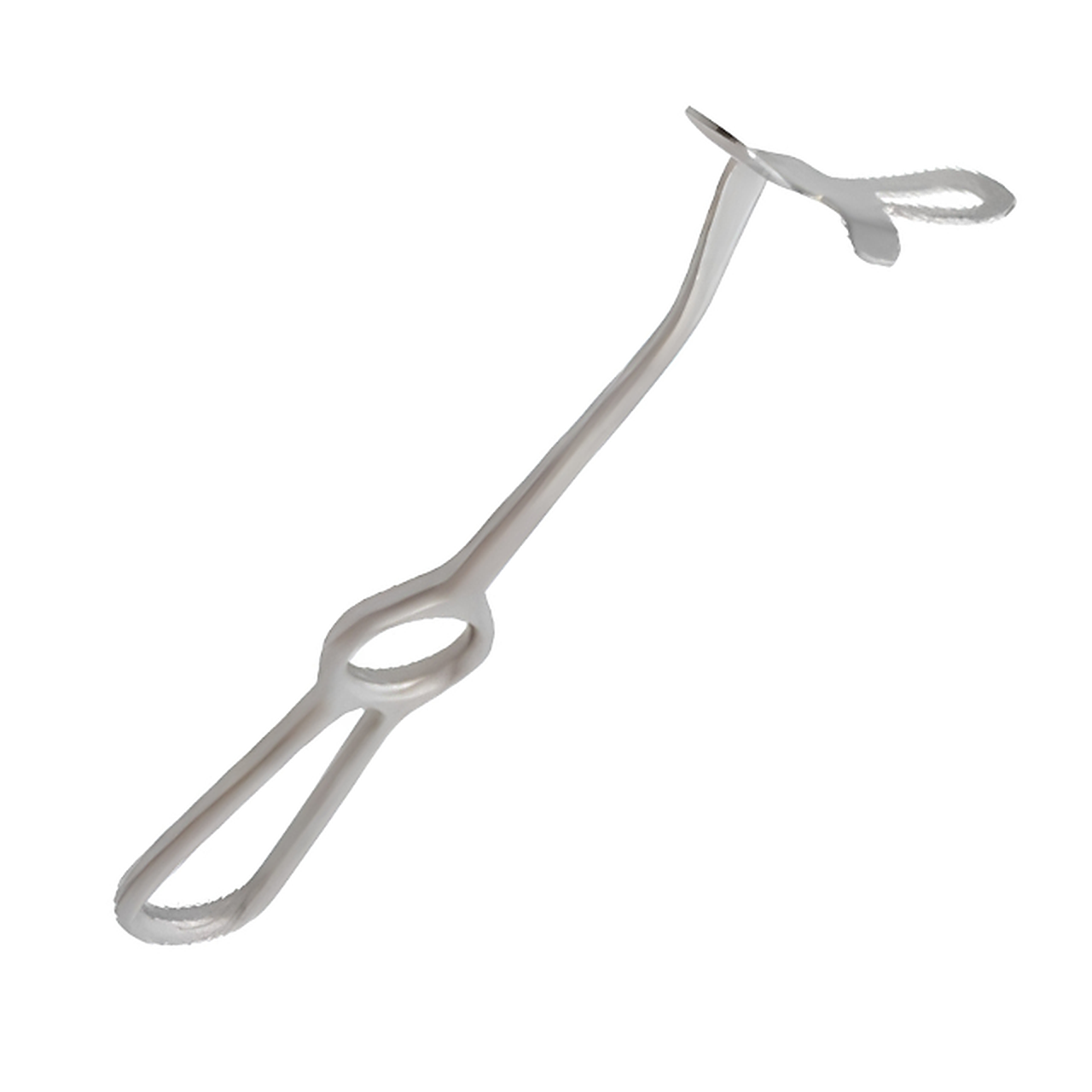 | مُبَعِّد الجروح والخد المزدوج | مصمم خصيصاً لتبعيد الخدود والشفاه وحواف الجروح أثناء جراحات الفم والوجه والفكين والجراحات التجميلية. |
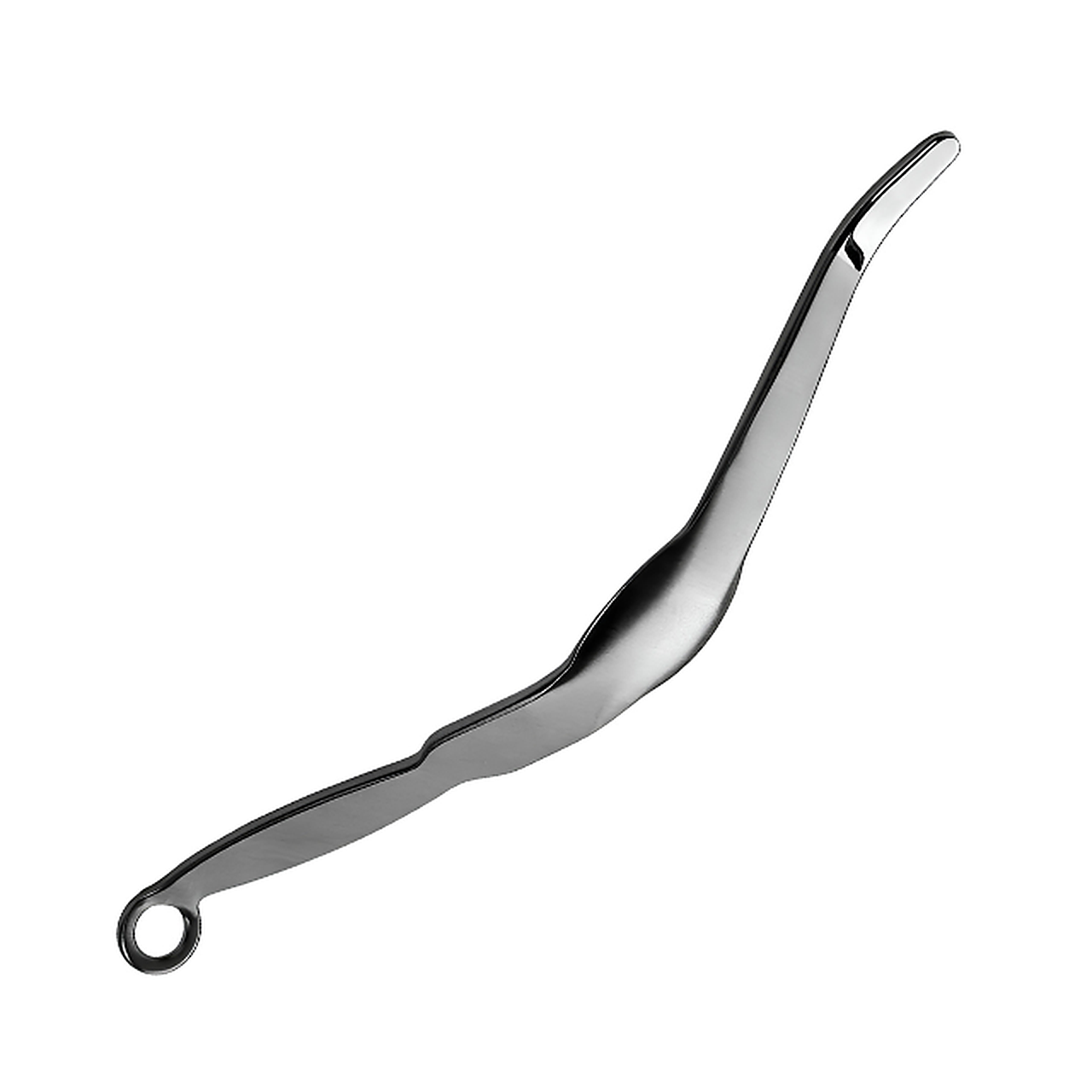 | مُبعّد الركبة المقعر (Concave Knee Retractor) | مصمم خصيصاً لسحب الأربطة الجانبية والأنسجة الرخوة المحيطة بالمفصل أثناء استخدام العظام كرافعة في عمليات استبدال مفصل الركبة بالكامل. |
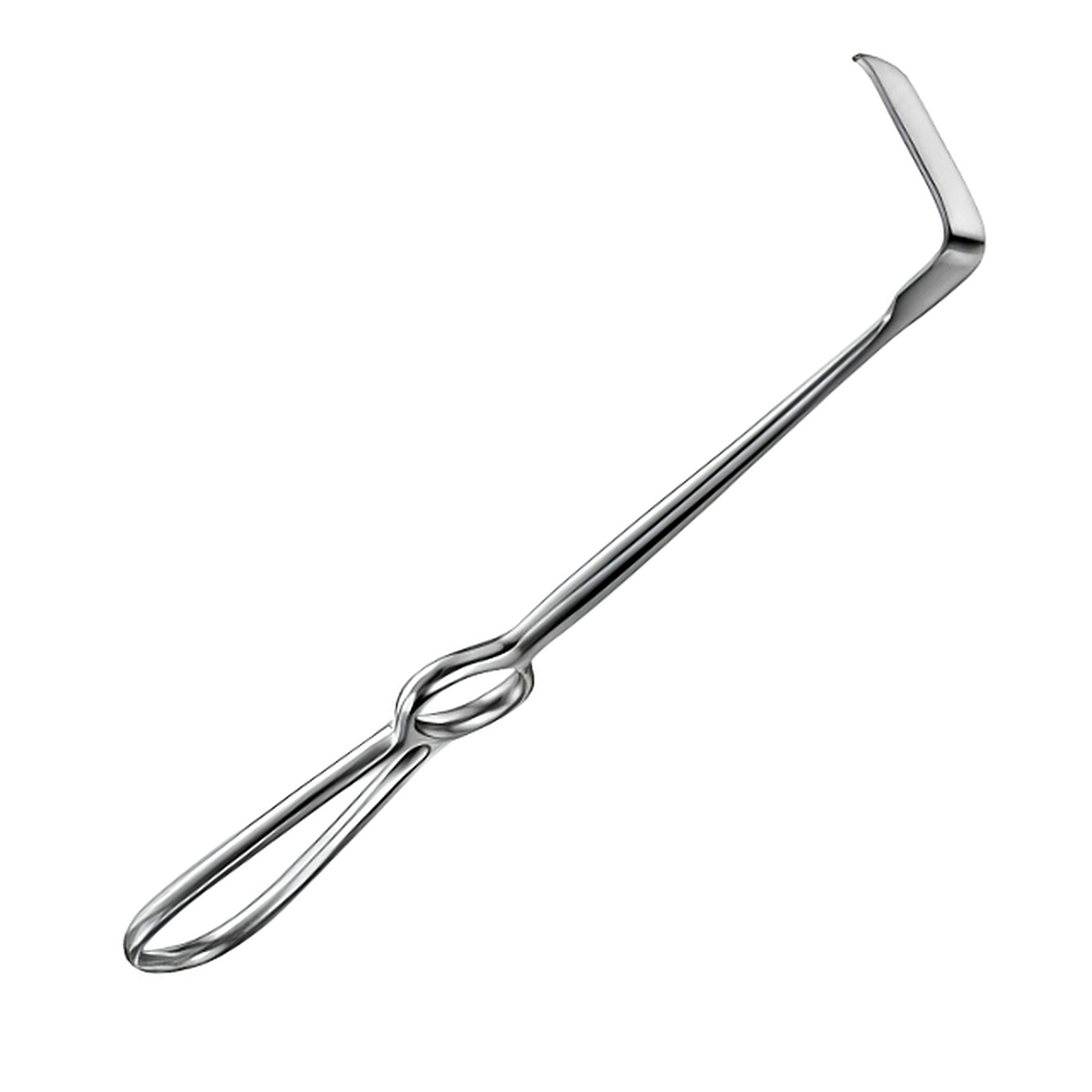 | Condyle Retractor (مباعد لقمة الفك) | مصمم خصيصاً لتثبيت رأد الفك السفلي وعنق اللقمة أثناء جراحات تقويم الفكين وكسور الوجه. |
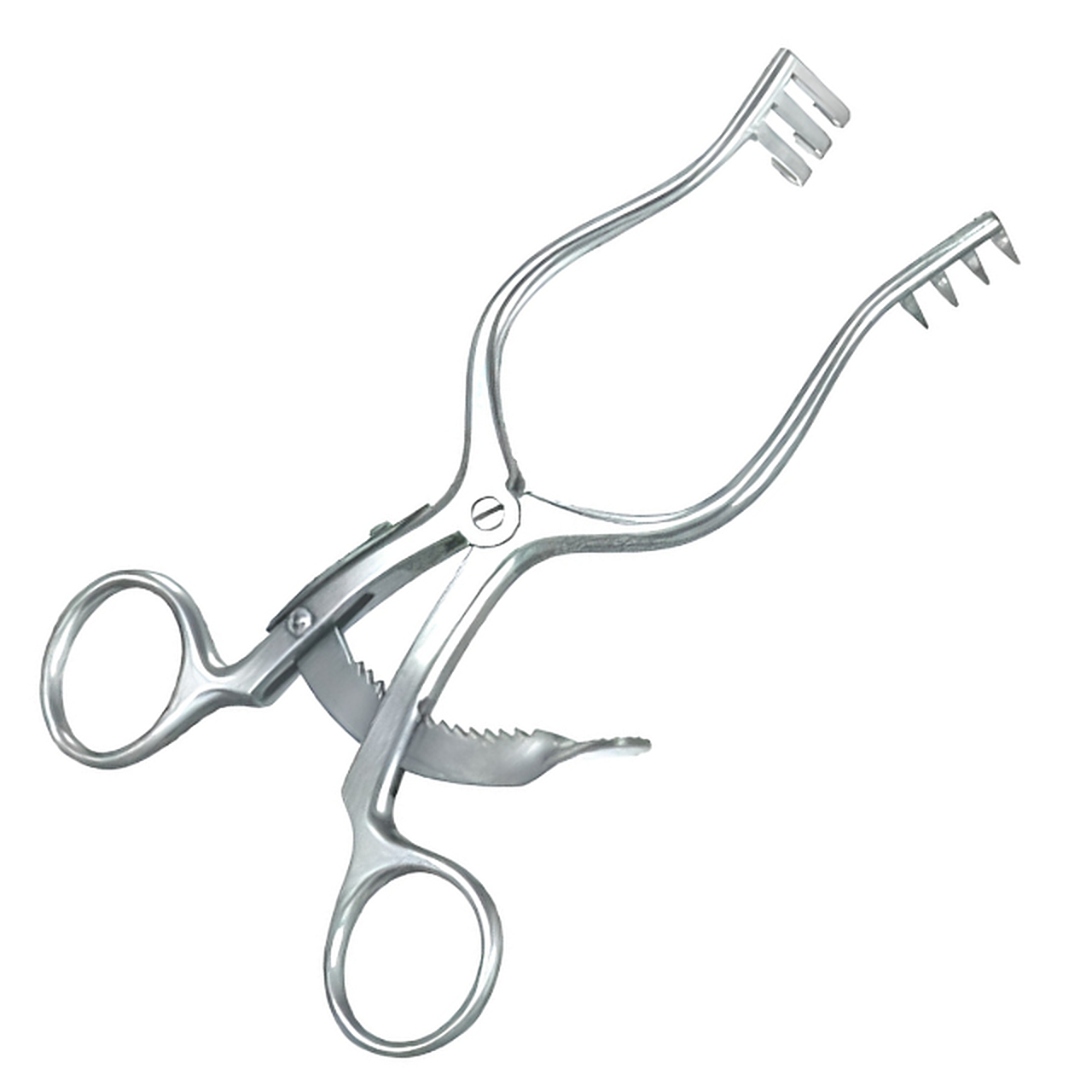 | Contour مبعد فروة الرأس ذاتي التثبيت | مصمم خصيصاً لتباعد رفرفات فروة الرأس، واللفافة الخوذية (galea)، والعضلات أثناء عمليات فتح القحف وجراحة الدماغ. |
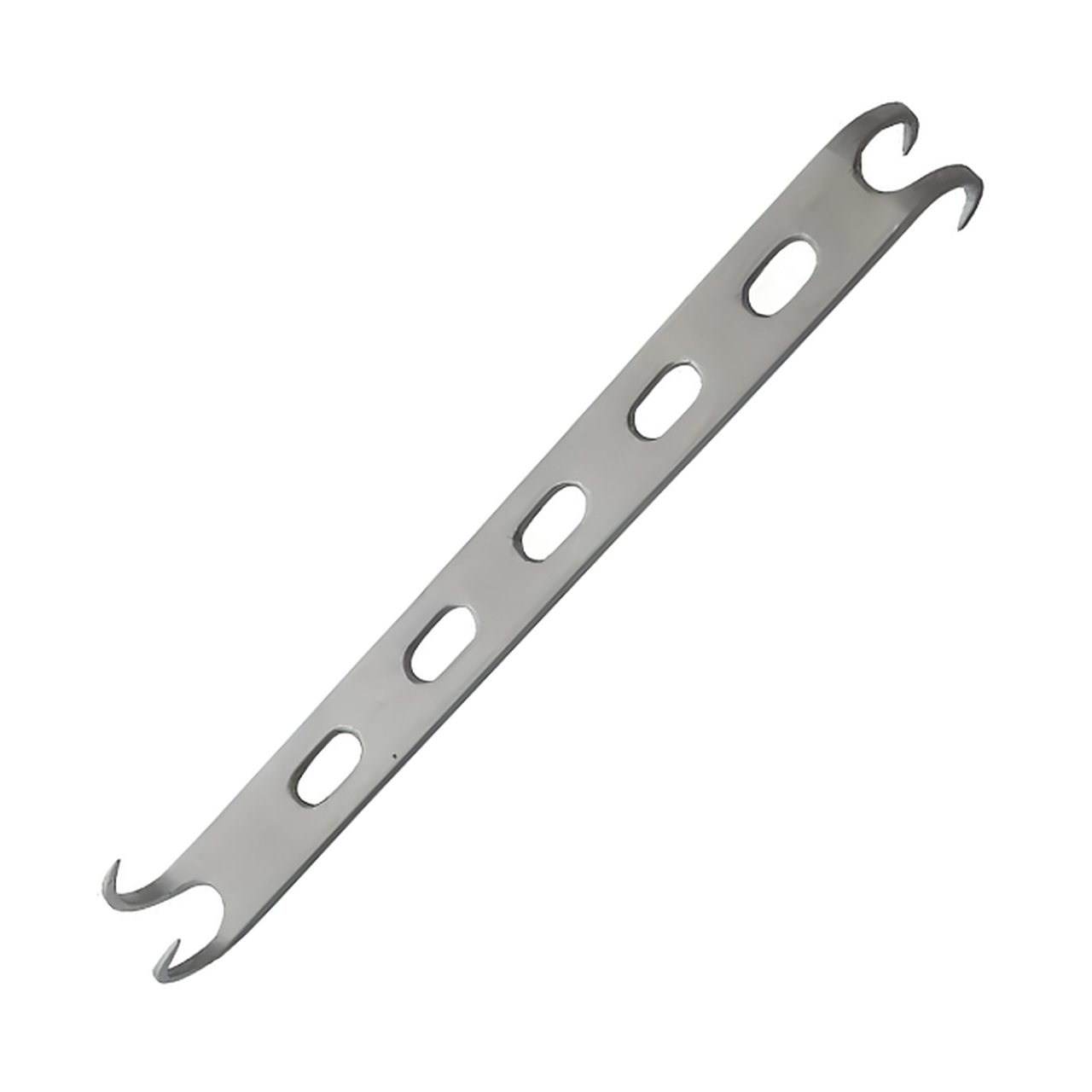 | مبعد Converse Alar Retractor Double Ended مزدوج الطرف | مصمم خصيصاً لتبعيد حافة جناح الأنف، وحافة المنخر، والغضروف الجانبي السفلي أثناء جراحة تجميل الأنف. |
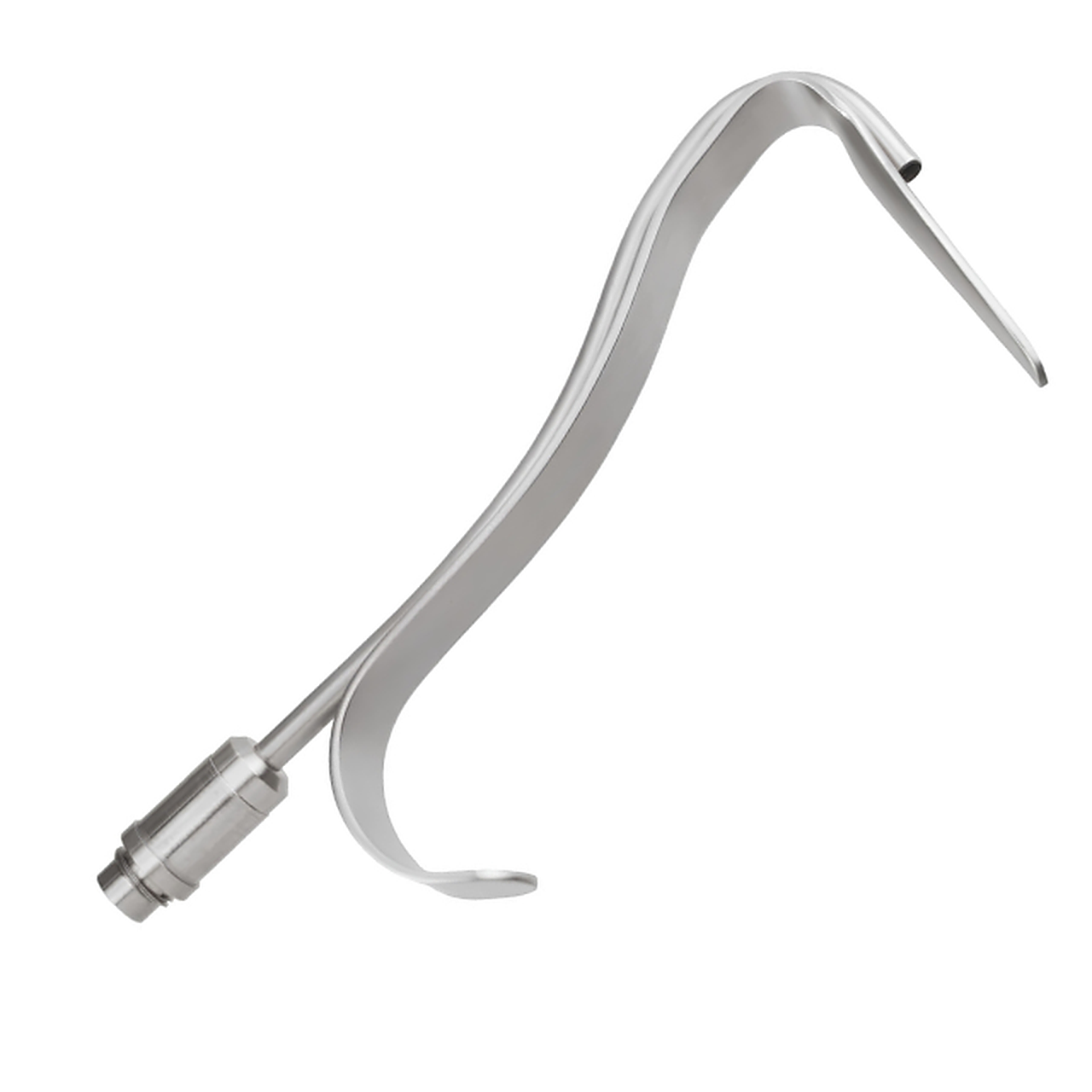 | Converse Nasal Retractor | مصمم خصيصاً لرفع السدائل الجلدية للأنف وتوفير رؤية مباشرة لظهر الأنف أثناء جراحات تجميل الأنف. |
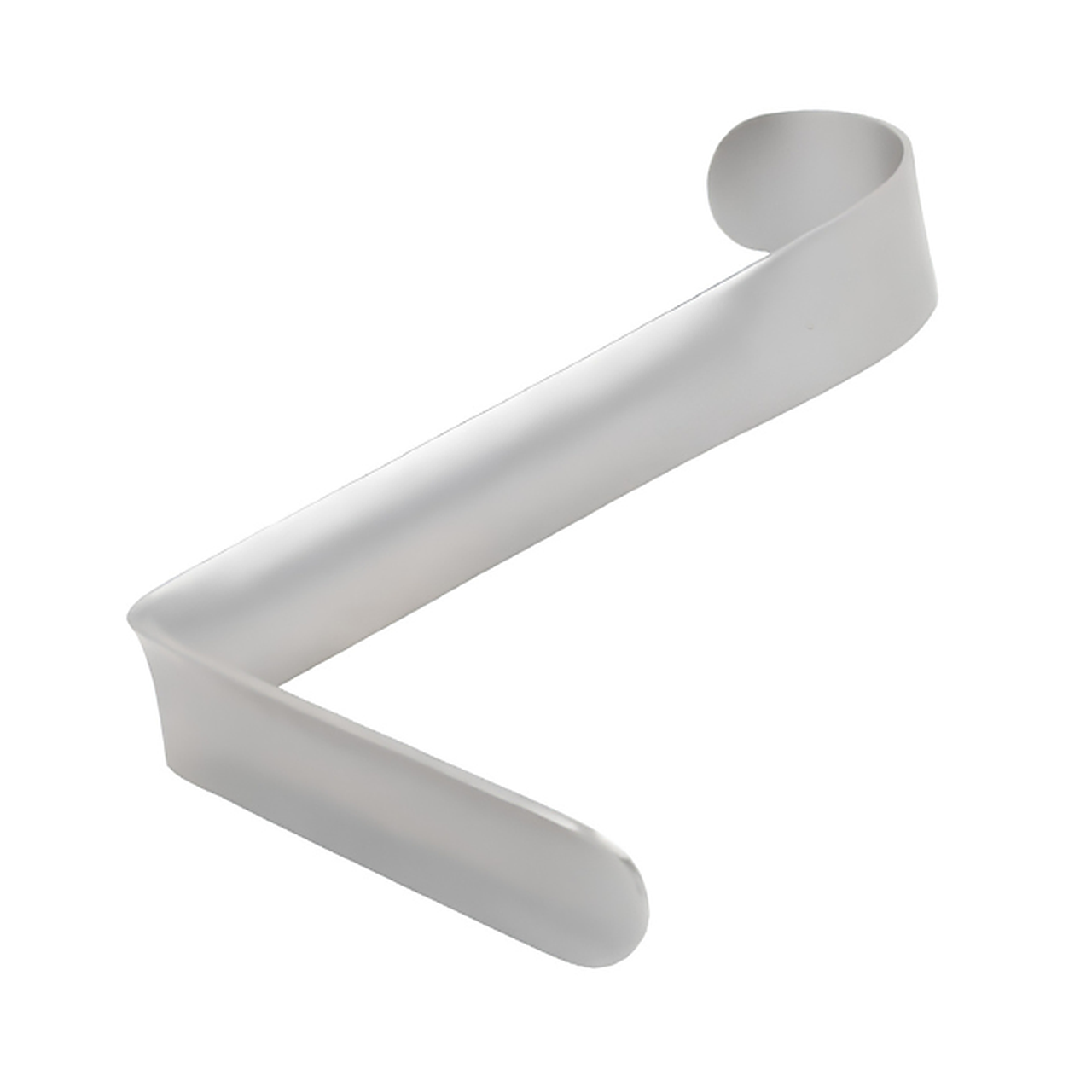 | مُباعد الأنف Converse Nasal retractor, 10 cm | مصمم خصيصاً لرفع سدائل الأنسجة الرخوة الأنفية وكشف الهيكل الغضروفي أثناء عمليات تجميل الأنف. |
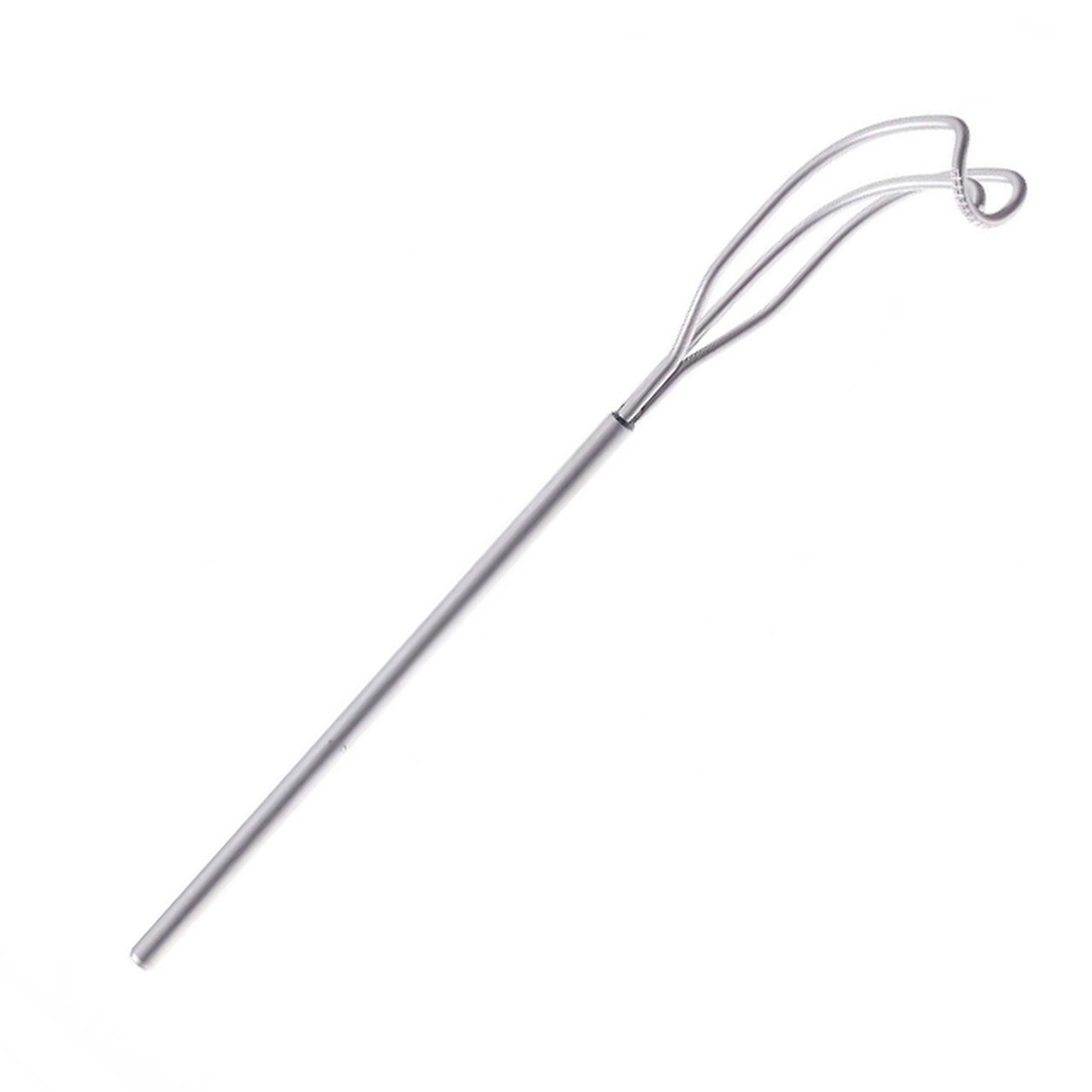 | مُبعّد كولي الأذيني (Cooley Atrial Retractor) | مصمم خصيصاً لإبعاد الجدار الأذيني وتوفير تعريض جراحي منظم أثناء إجراءات صمامات القلب. |
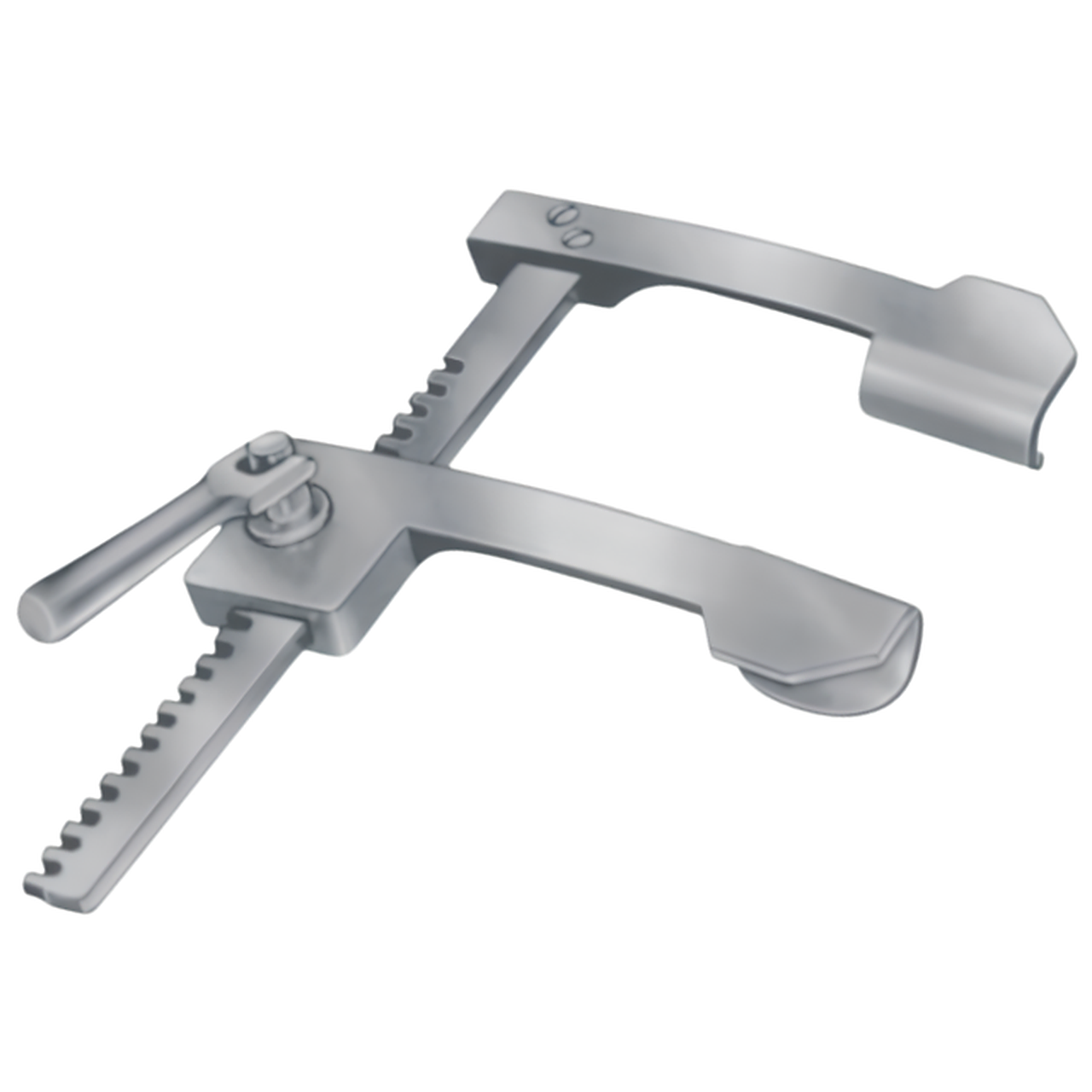 | Cooley Rib Spreader | مصمم خصيصاً لفصل الضلوع المتجاورة والحفاظ على ممر صدري مفتوح أثناء جراحة الصدر والقلب. |
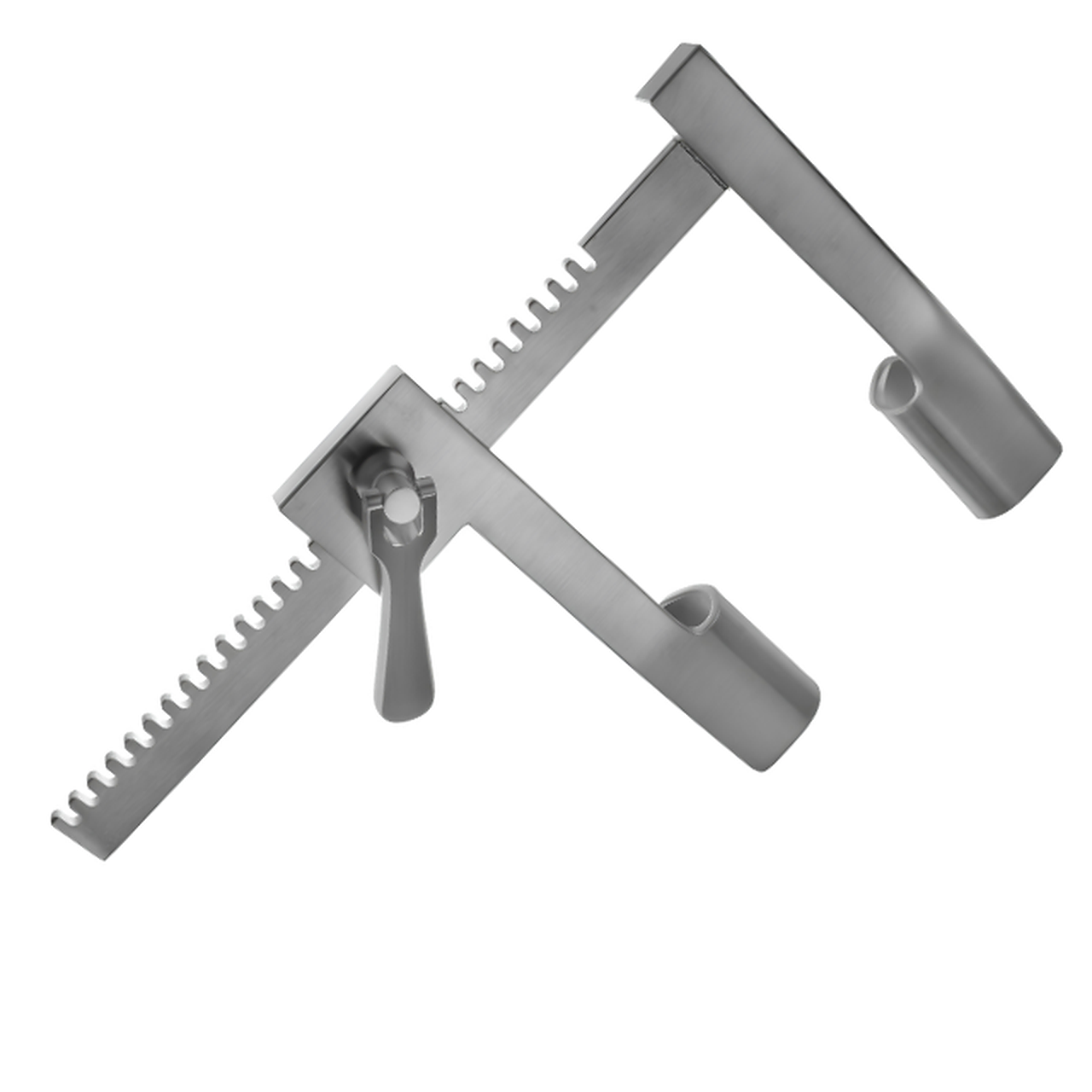 | Cooley Sternal Retractor | مصمم خصيصاً لمباعدة وتثبيت عظم القص أثناء إجراءات جراحة القلب والصدر والمنصف المفتوحة. |
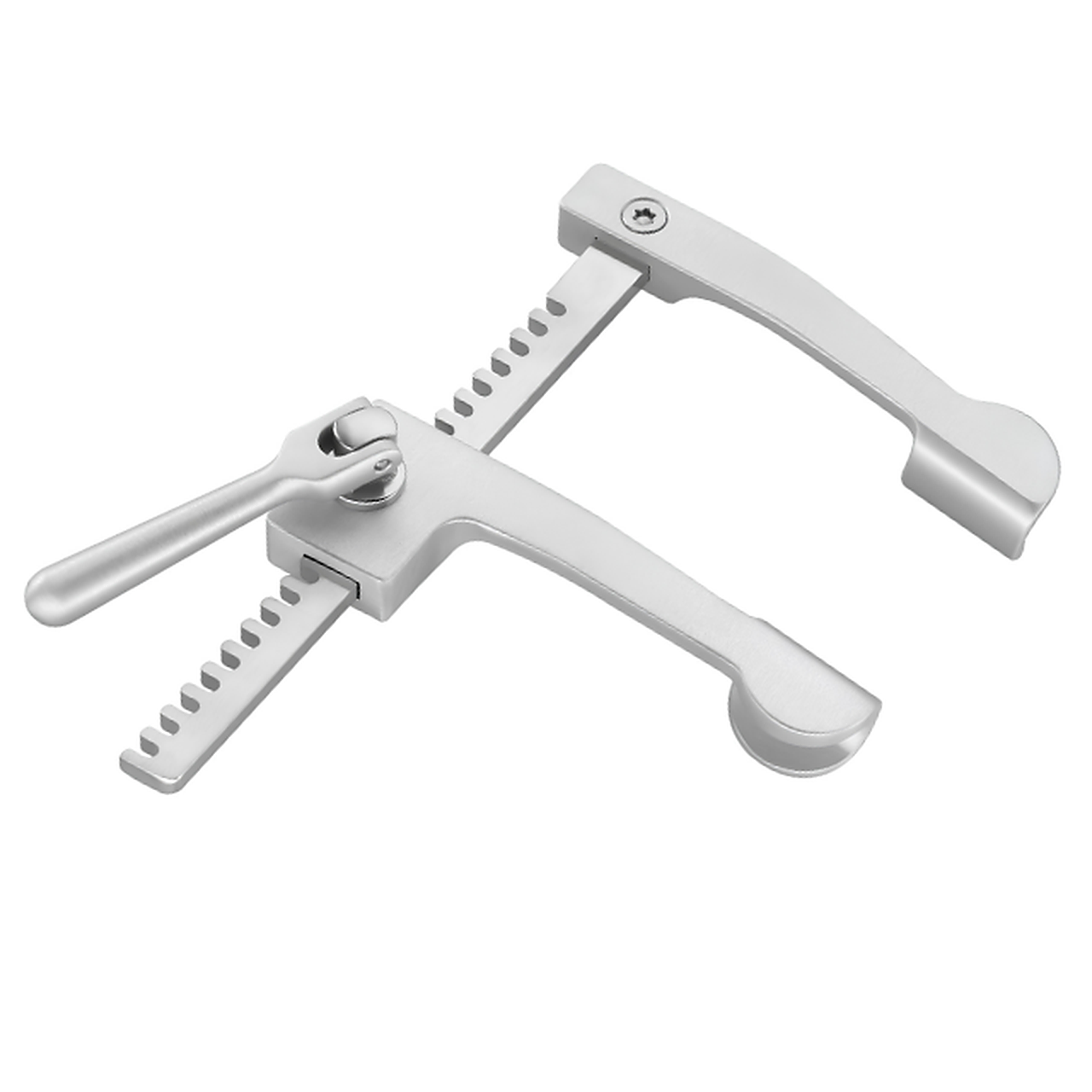 | Cooley Sternotomy Retractor | مصمم خصيصاً لفصل وتوسيع عظمة القص بدقة أثناء جراحات القلب لحديثي الولادة والأطفال. |
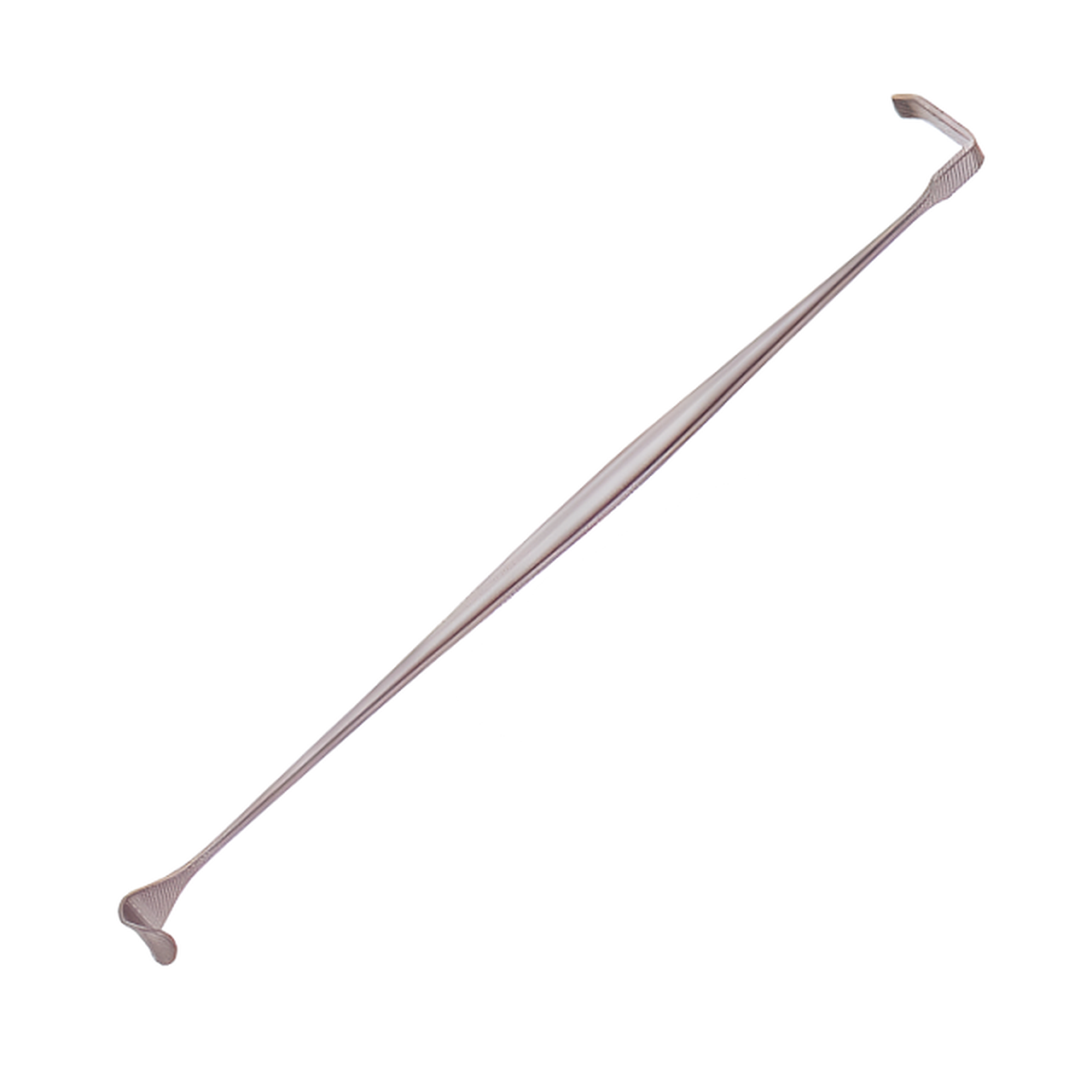 | مُباعد Cope Retractor Double Ended ثنائي الطرف | مصمم خصيصاً لتبعيد الجلد واللفافات والأنسجة الرخوة أثناء إجراءات الجراحة العامة والتجميل والأنف والأذن والحنجرة. |
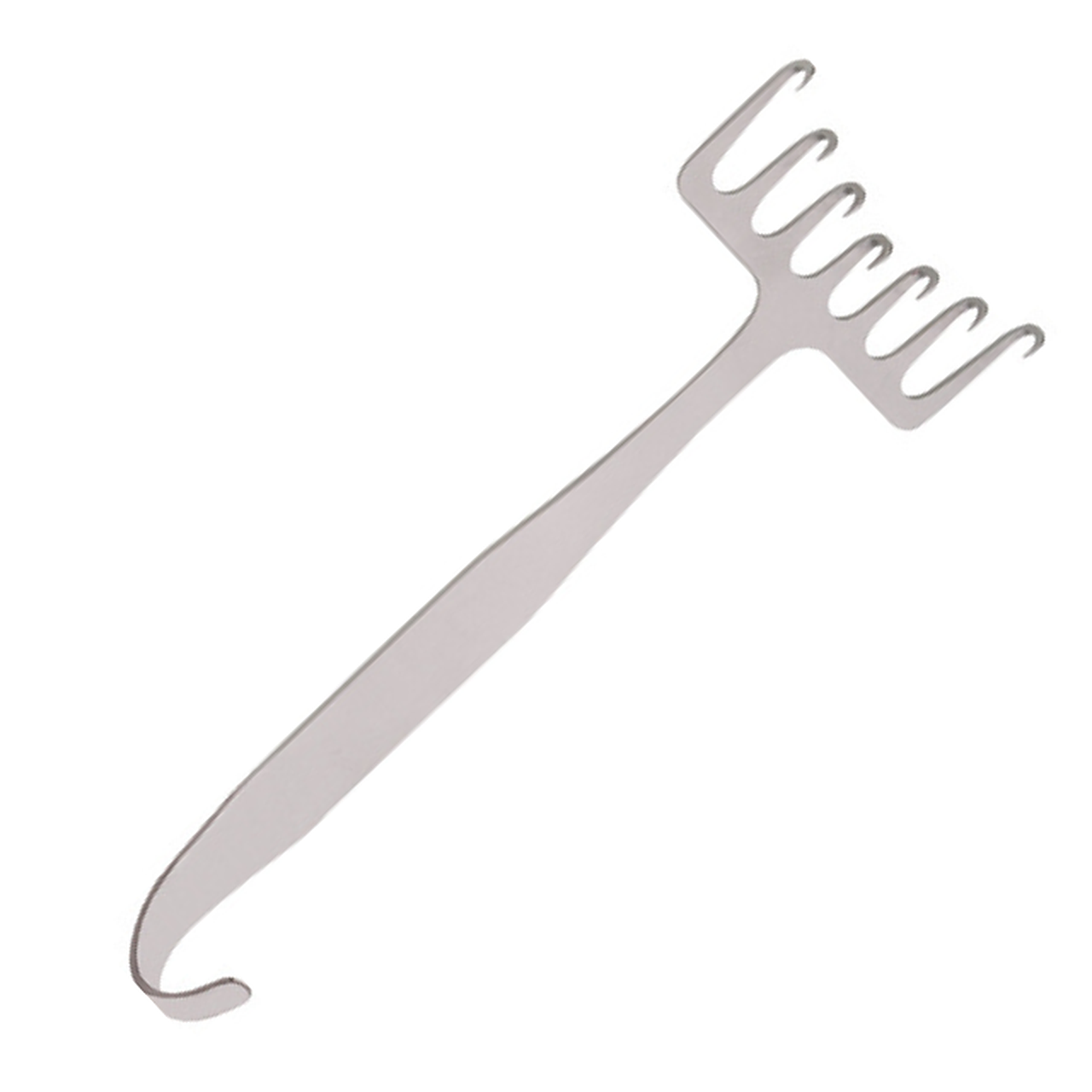 | مُبعّد Coronal Brow Lift Retractor لرفع الحاجب التاجي | مصمم خصيصاً لإبعاد شرائح فروة الرأس الكثيفة والسفاق وأنسجة الجبهة أثناء إجراءات رفع الحاجب التاجي المفتوحة. |
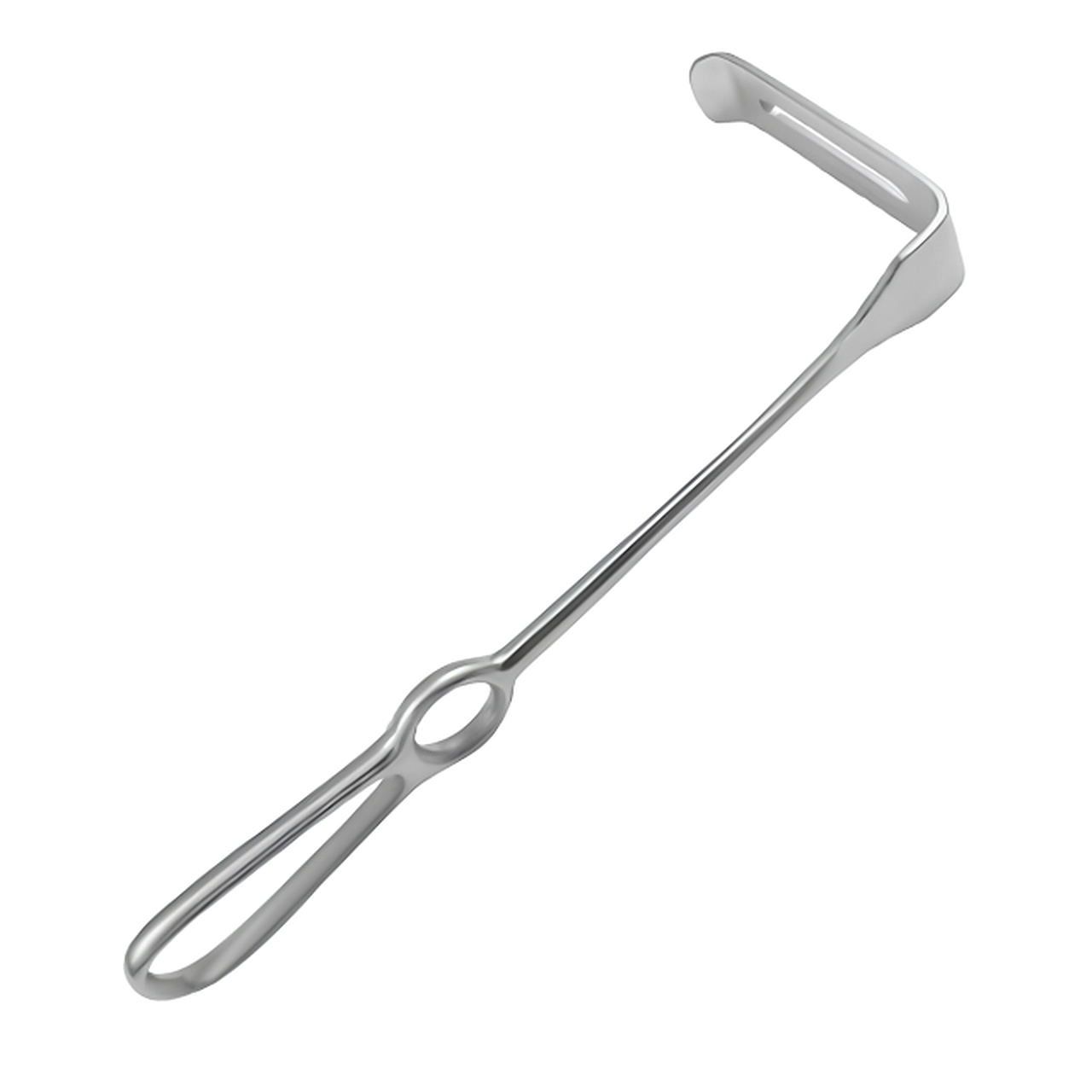 | Coryllos Retractors | مصممة خصيصًا لمباعدة عضلات جدار الصدر والأضلاع وأنسجة الرئة أثناء جراحات الصدر المفتوحة. |
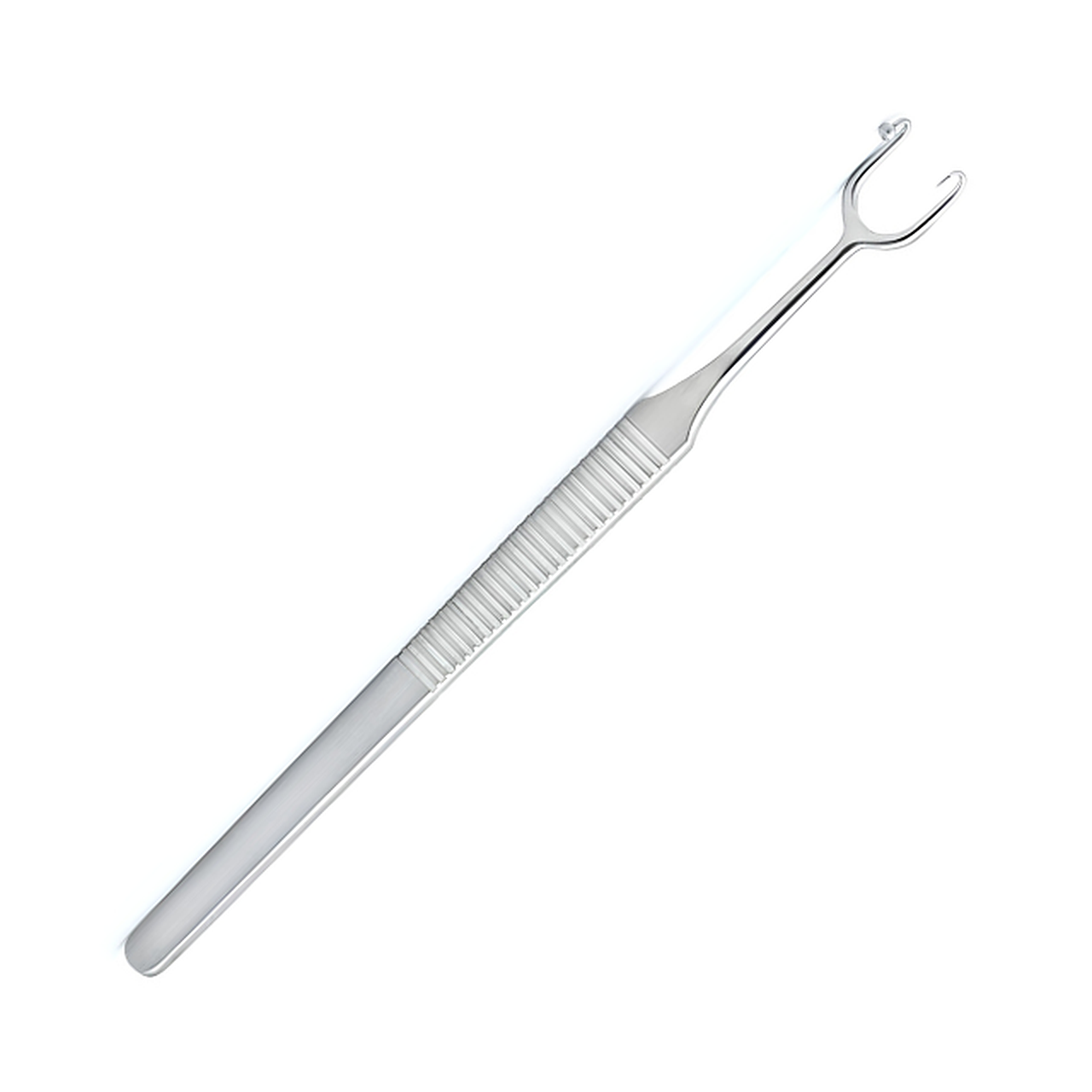 | مبعد / خطاف Cottle Alar Nasal Retractor / Hook للأنف | مصمم خصيصاً لسحب حافة جناح الأنف وهوامش المنخر أثناء عمليات تجميل الأنف التجميلية والترميمية. |
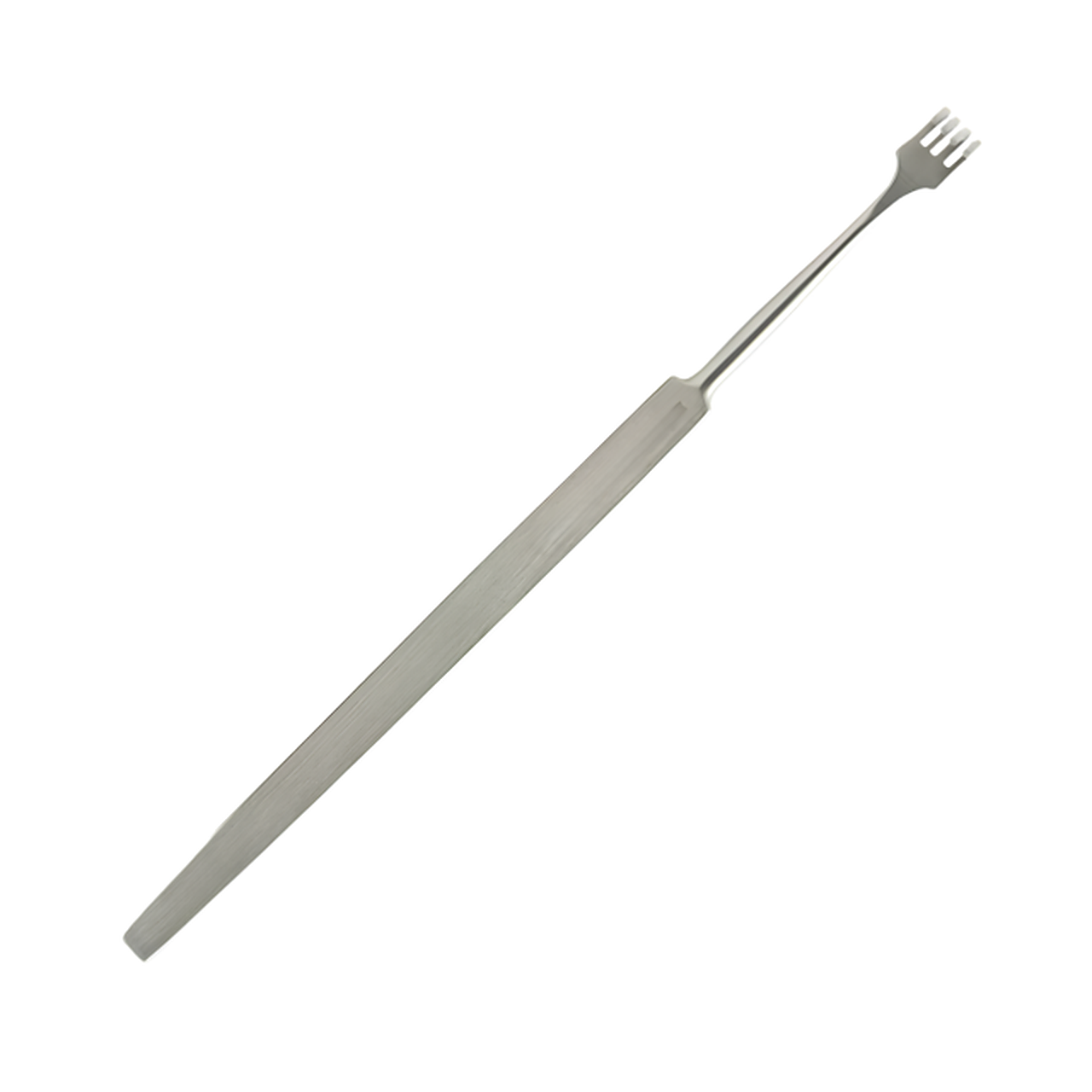 | Cottle Nasal Retractor - 4 Blunt Prongs | مصمم خصيصاً لتبعيد حافة جناح الأنف، والعميد، ومخاطية الدهليز أثناء عمليات تجميل الأنف وترميم الحاجز الأنفي. |
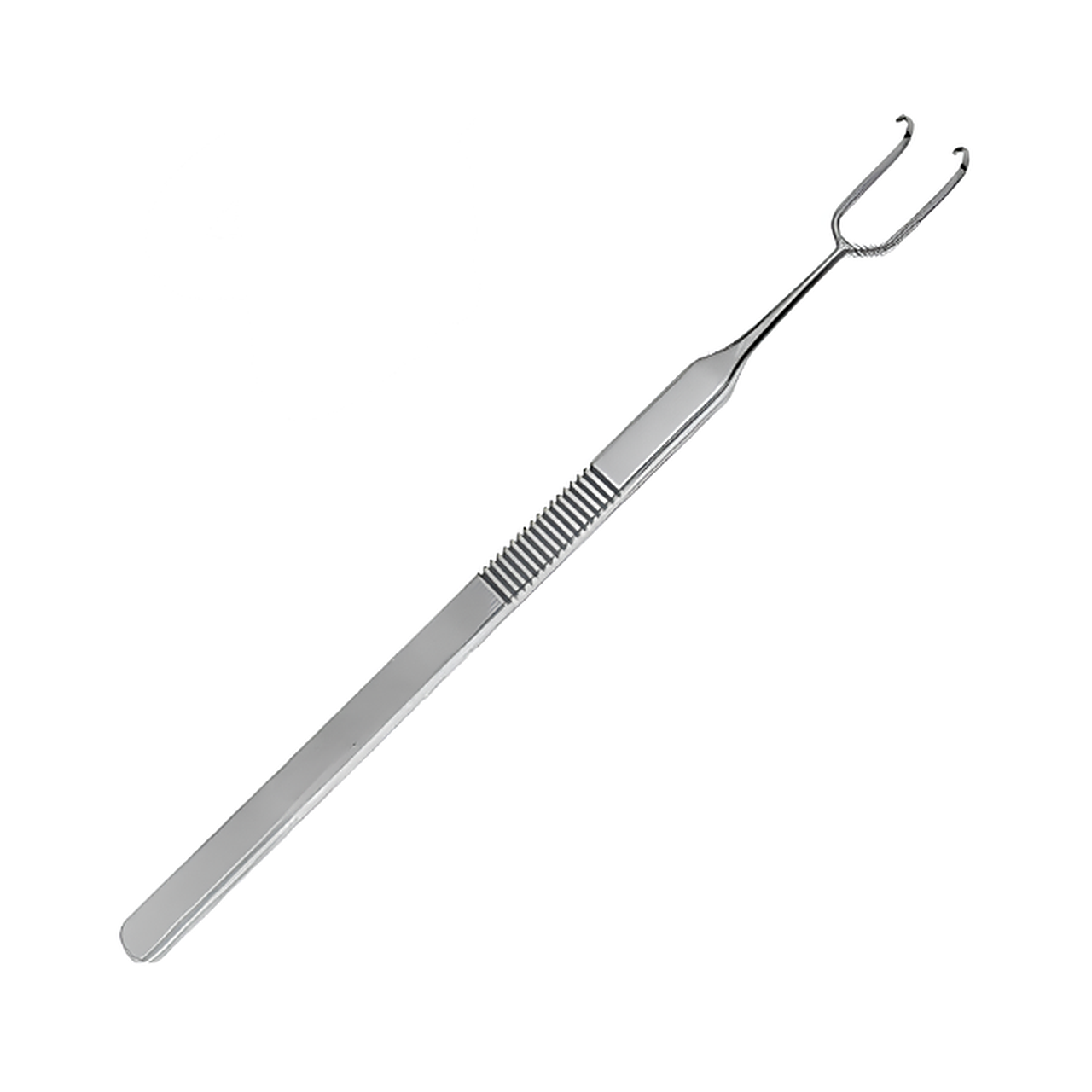 | مبعد Cottle Retractor Hook 2 Prong ثنائي الأسنان | مصمم خصيصاً لإبعاد اللوحات الجلدية والأغشية المخاطية والغضاريف أثناء عمليات تجميل الأنف وجراحات الوجه التجميلية. |
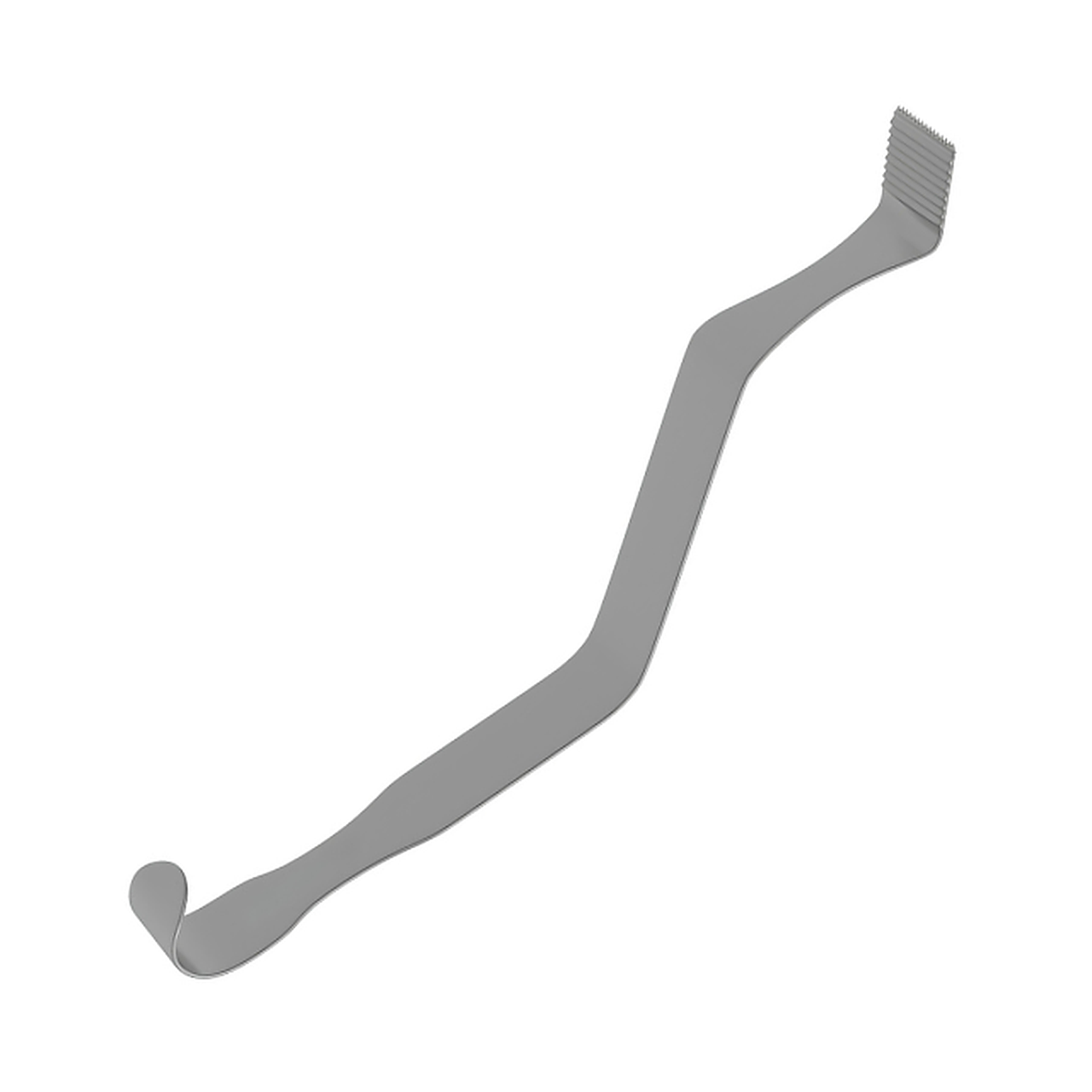 | Crawford Aortic Retractor | مصمم خصيصاً لسحب الأبهر والوريد الأجوف والأوعية الكبيرة أثناء عمليات إعادة بناء الأوعية وجراحات تمدد الأوعية الدموية (الأنيوريسما). |
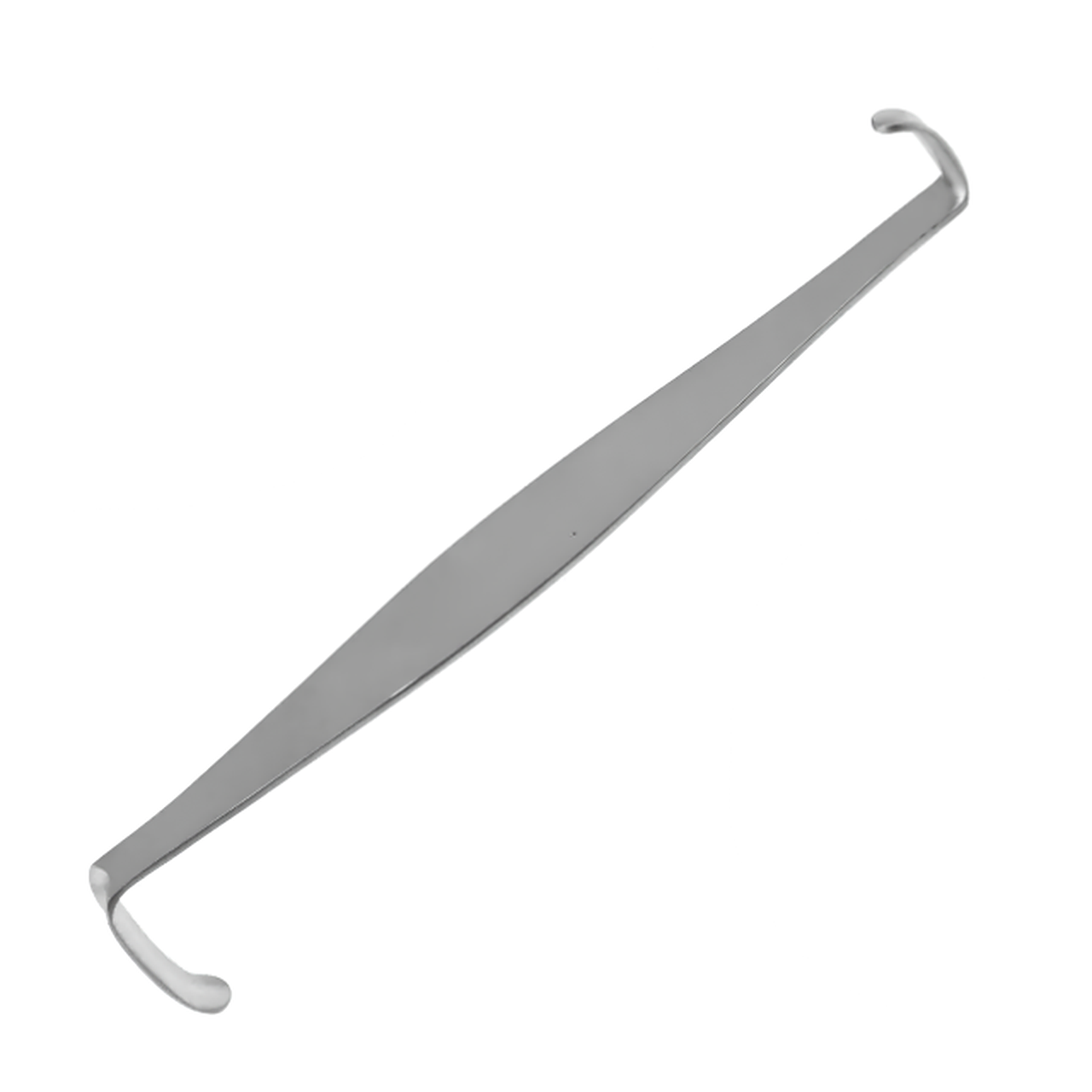 | مبعد Crile مزدوج الطرف | مصمم خصيصاً لتبعيد حواف الجلد واللفافة والأنسجة الرخوة تحت الجلد أثناء الجراحات الصغرى وعمليات التجميل. |
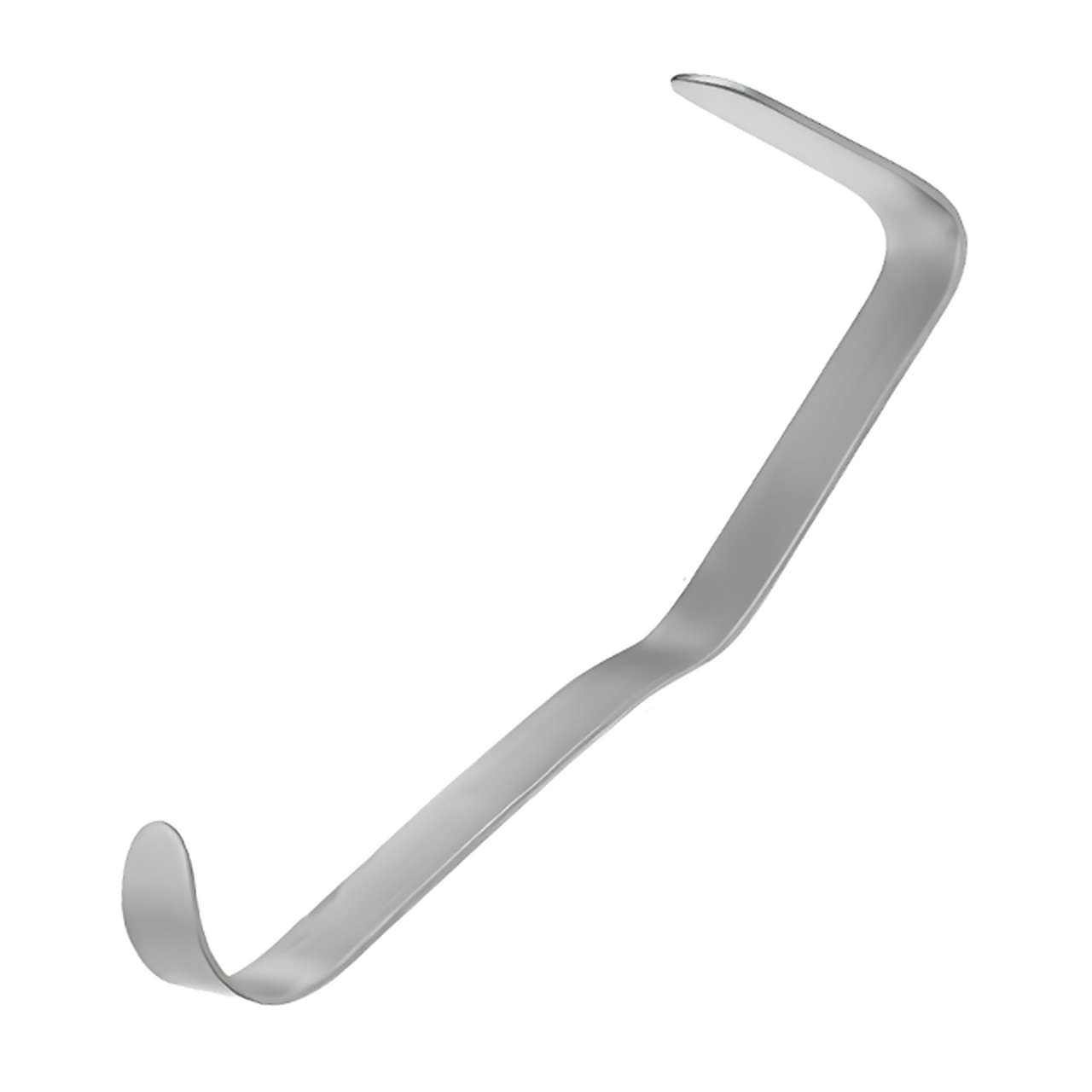 | مُبعّد الخد Cronin Cheek Retractor | مصمم خصيصاً لتبعيد الخدين والشفاه والغشاء المخاطي الشدقي أثناء جراحات الفم والوجه والفكين وإصلاح الشق الحنكي. |
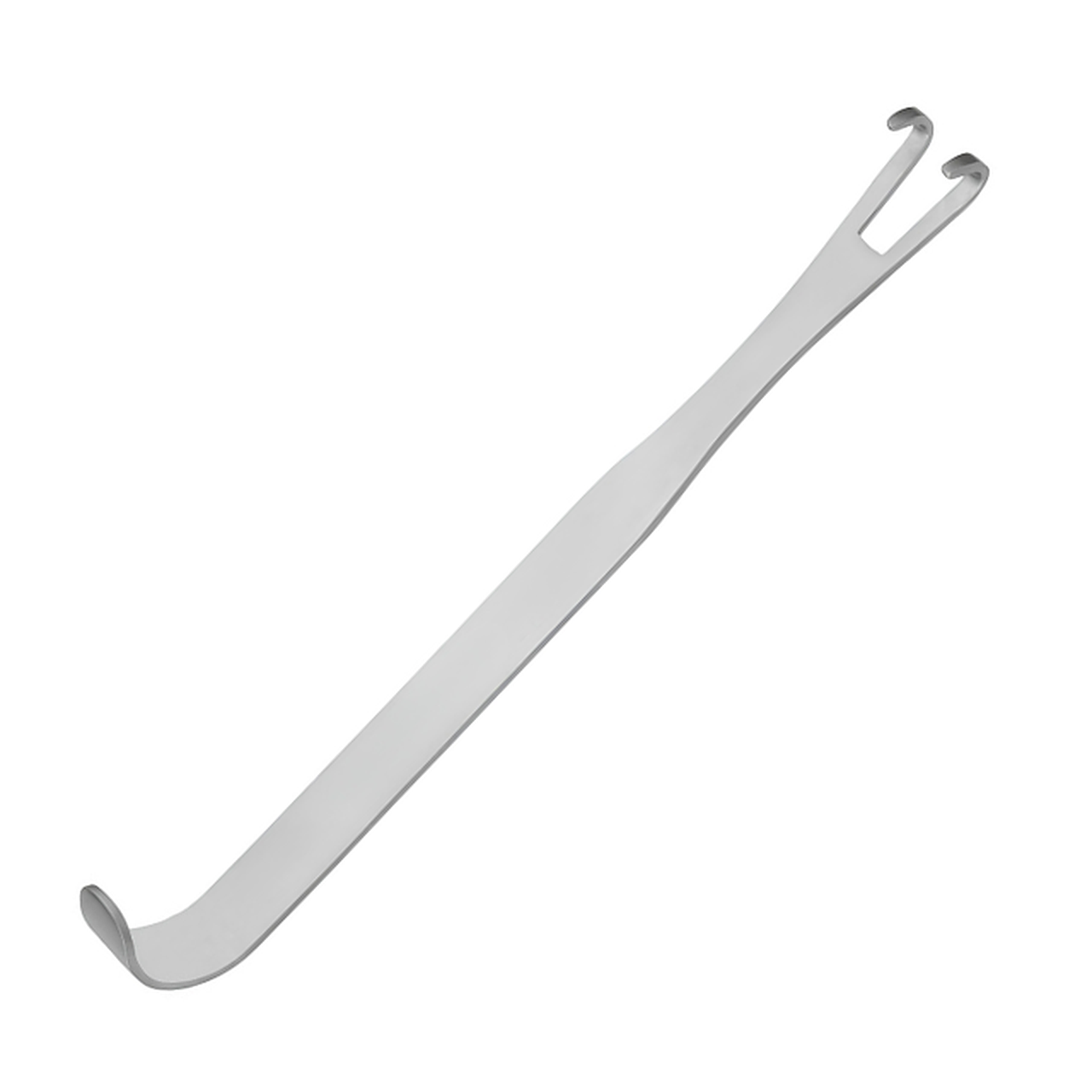 | Cronin Lip & Nostril Retractor | مصمم خصيصاً لتبعيد فتحات الأنف ورفع الشفة العليا أثناء إصلاح الشفة الأرنبية وعمليات تجميل الأنف. |
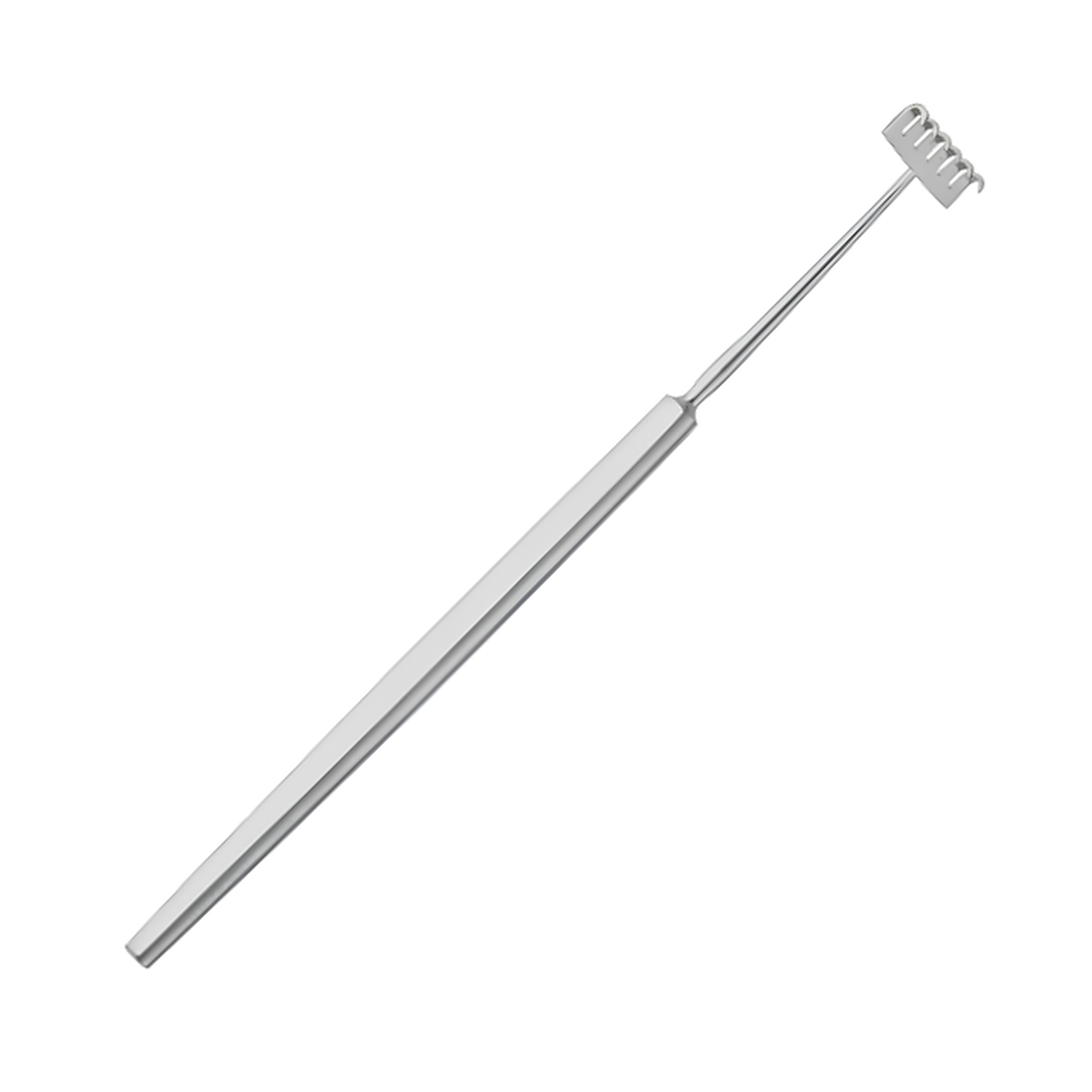 | مبعد كورتن للجلد والأنسجة Curtin Skin and Tissue Retractor | مصمم خصيصًا لرفع الشرائح الجلدية، وشد الجلد، وإبعاد الأنسجة الرخوة تحت الجلد أثناء جراحات التجميل. |
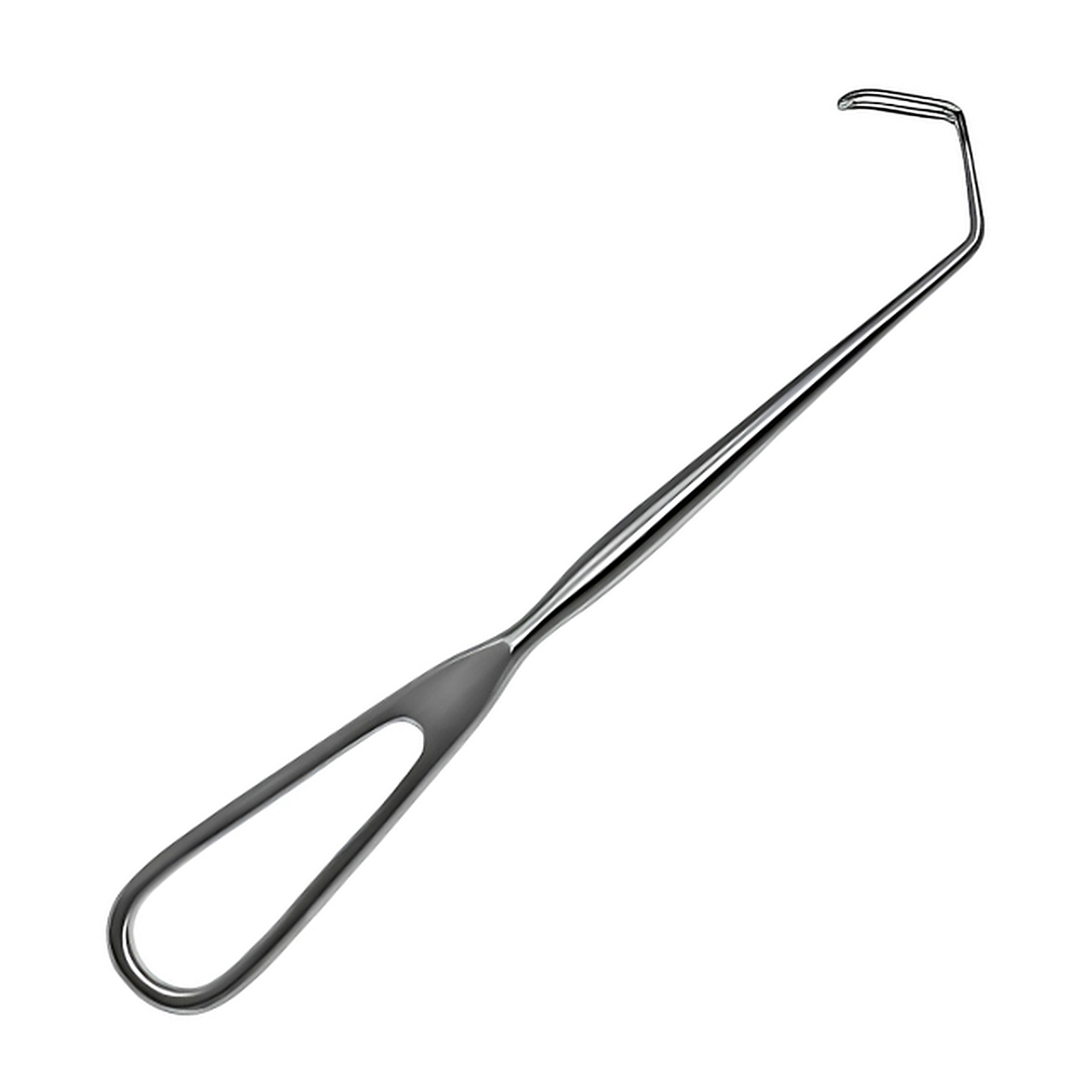 | مباعد Cushing لخفض الضغط | مصمم خصيصاً لتبعيد الجذور العصبية، والكيس السحائي، والأم الجافية مع زيادة خط الرؤية أثناء خفض الضغط القحفي والشوكي. |
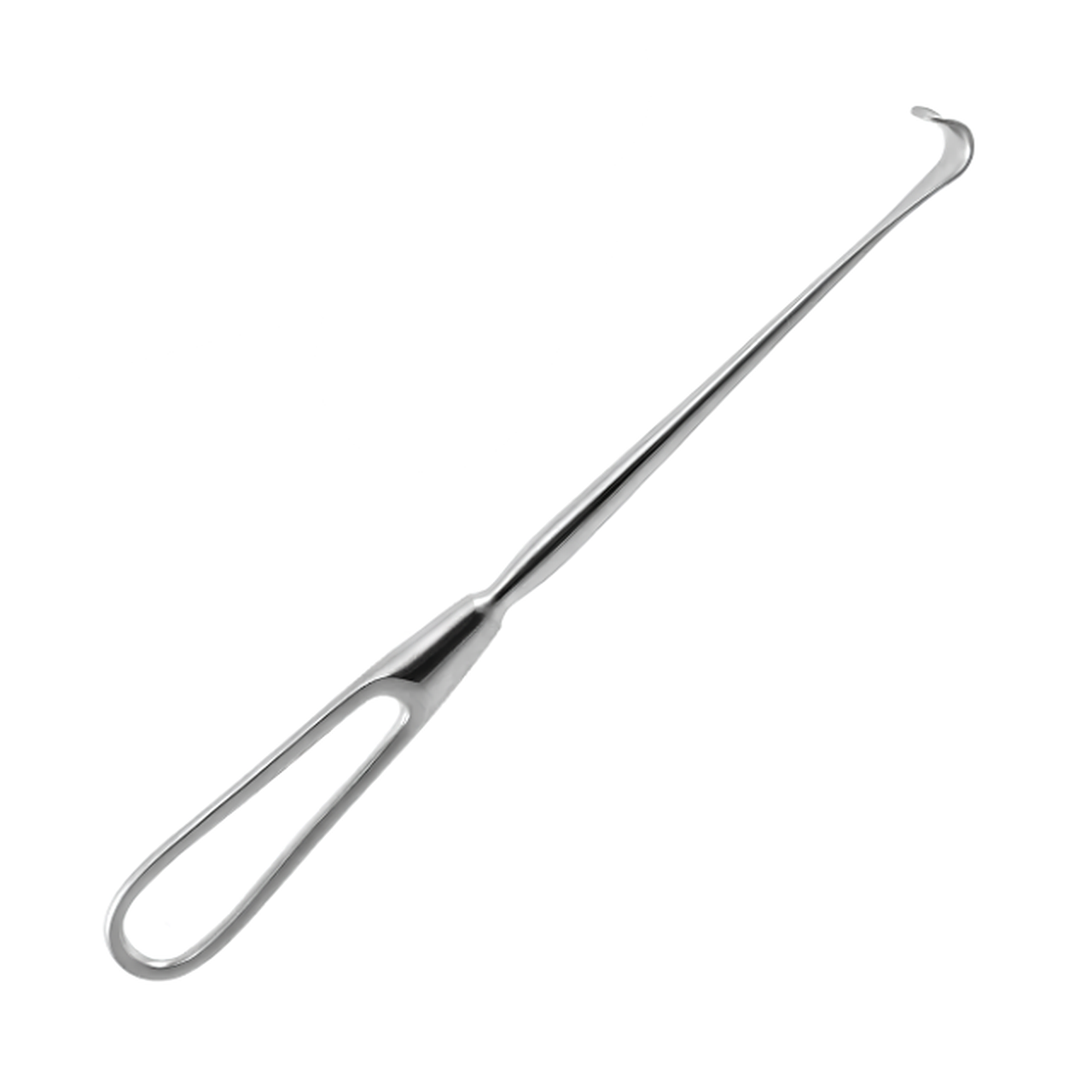 | مبعد الأوعية Cushing Vein Retractor | مصمم خصيصاً لتحريك وعزل وتبعيد الأوردة والشرايين والجذوع العصبية الرقيقة أثناء جراحات الأوعية الدموية والعمود الفقري والجراحة العامة. |
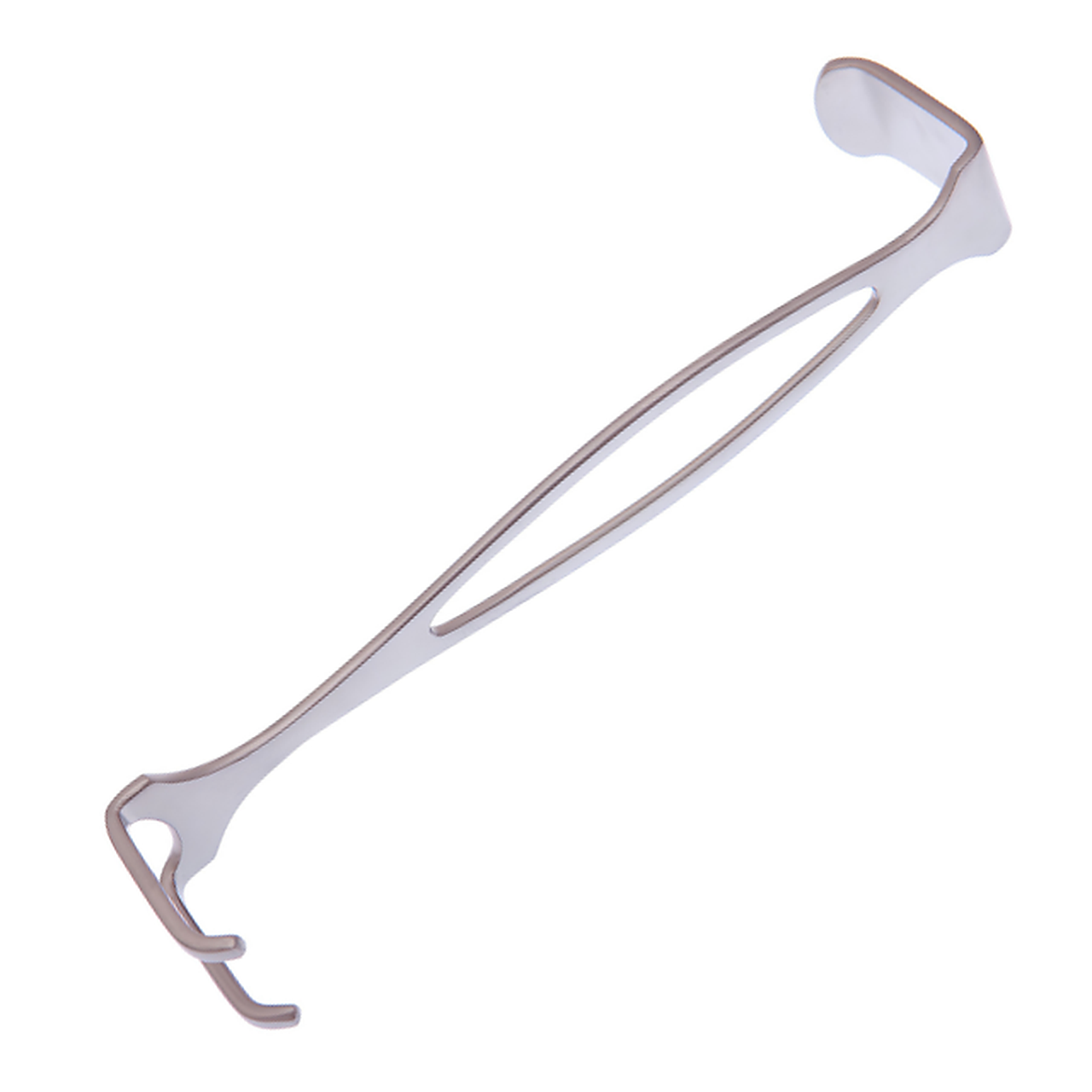 | مُبعّد Czerny Retractor Double-Ended مزدوج الطرف | مصمم خصيصاً لتبعيد الجلد واللفافة وعضلات جدار البطن أثناء عمليات فتح البطن وإجراءات الحوض. |
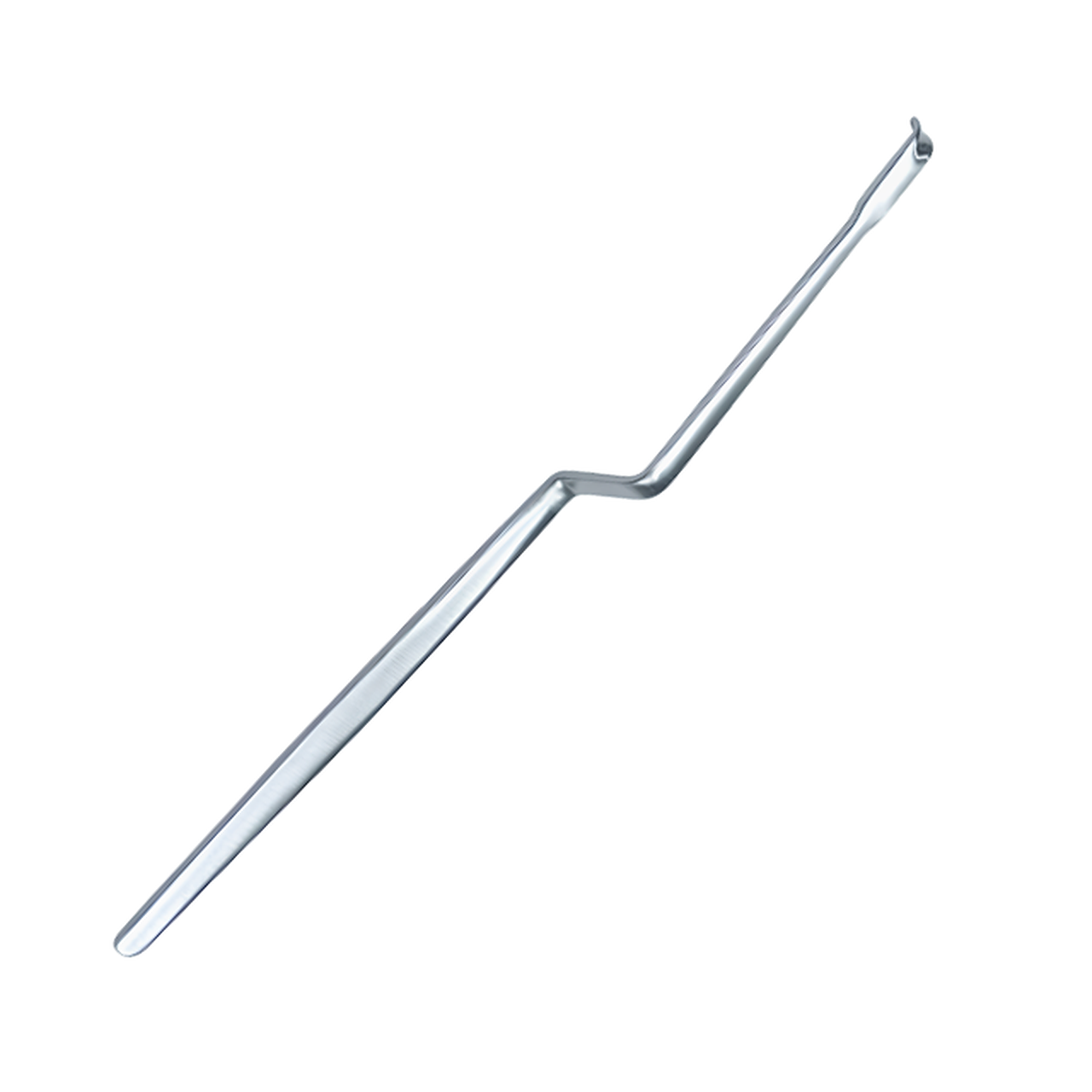 | مبعد D'Errico لجذور الأعصاب | مصمم خصيصاً لتحريك واحتضان وحماية جذور الأعصاب الشوكية والكيس السحائي أثناء عمليات استئصال الأقراص القطنية بالمجهر. |
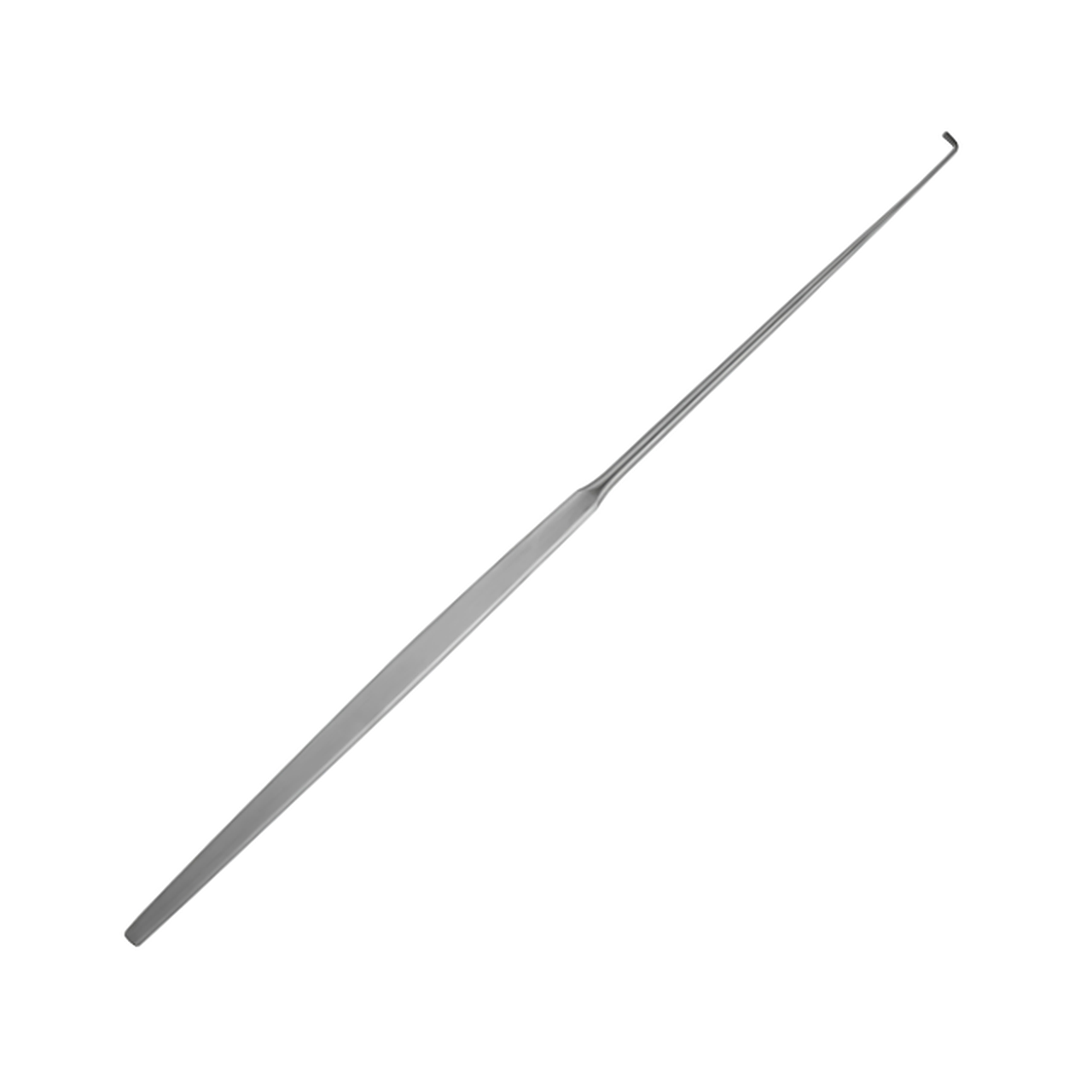 | مُبَعِّد الأعصاب Dandy Nerve Retractor | مصمم خصيصاً لتحريك واستكشاف وتبعيد الأعصاب القحفية والحزم الوعائية أثناء الجراحة العصبية المجهرية. |
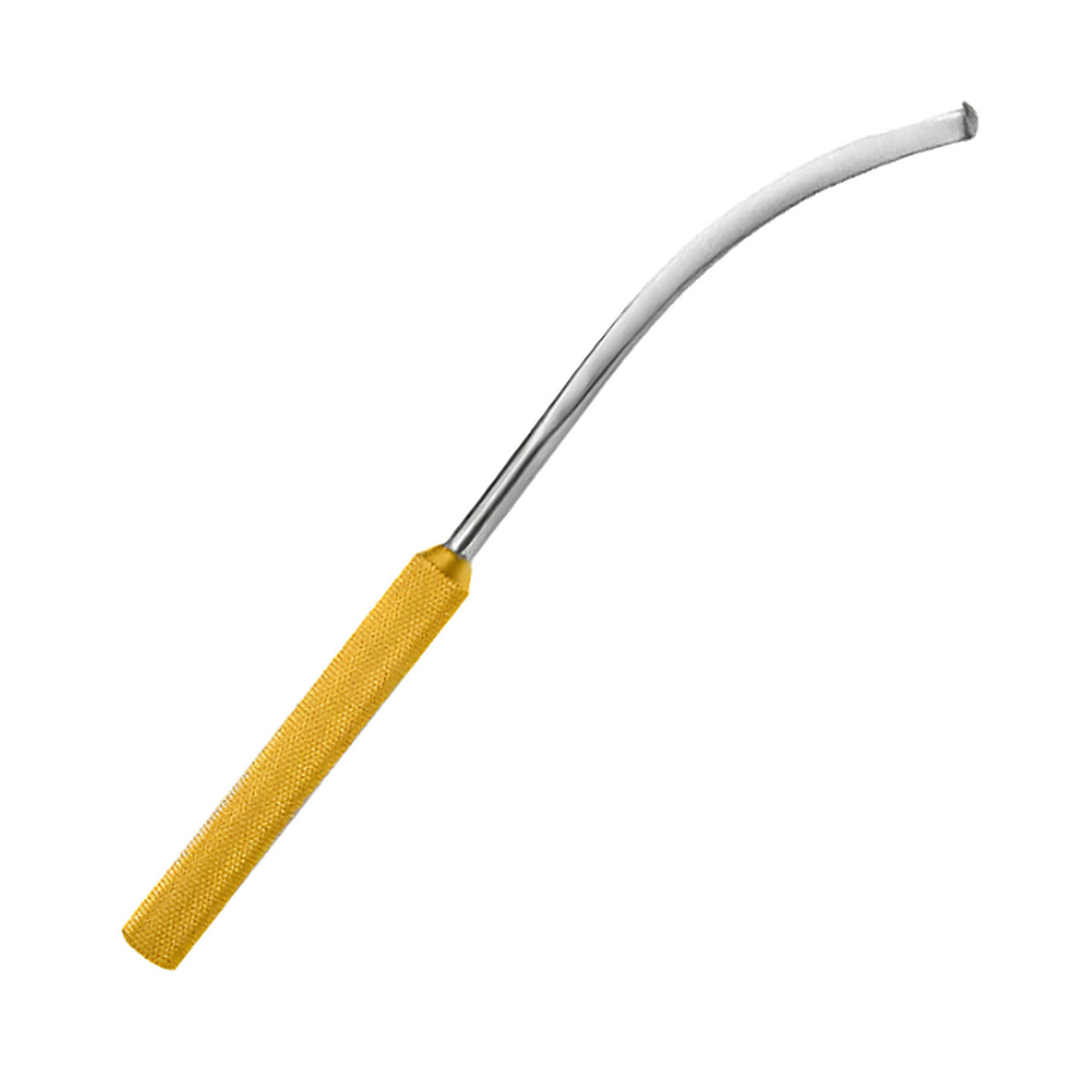 | مبعد دانيال لأعصاب الجبهة بالمنظار - Daniel Endoscopic Forehead Nerve Retractor | مصمم خصيصاً لإبعاد الأنسجة الرخوة وحماية الحزم الوعائية العصبية أثناء عمليات رفع الجبهة والحواجب بالمنظار. |
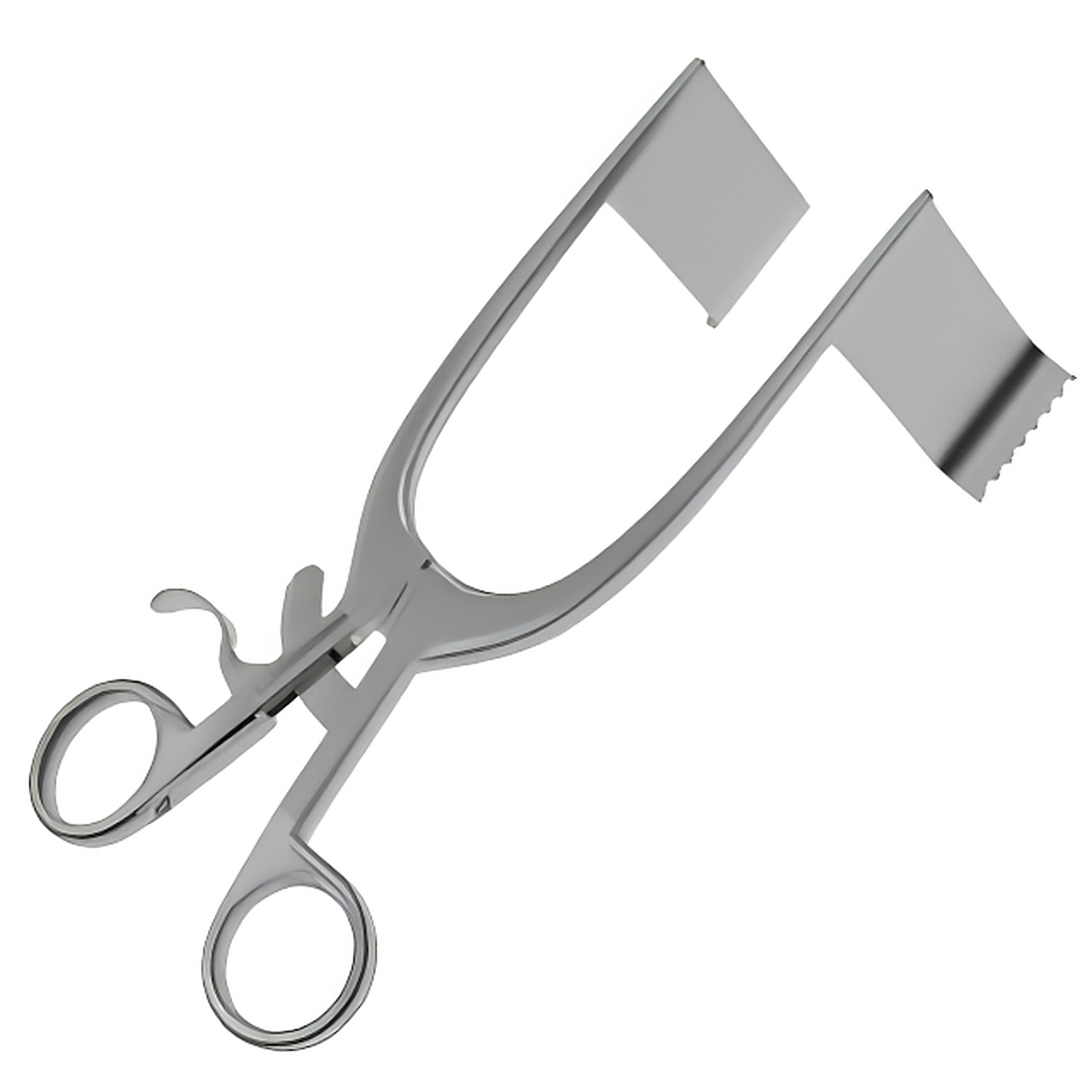 | مُبعّد Darling Popliteal ذاتي التثبيت | مصمم خصيصاً لتوفير تبعيد ذاتي التثبيت للأنسجة الرخوة والعضلات في المساحة المأبضية أثناء الإجراءات الوعائية. |
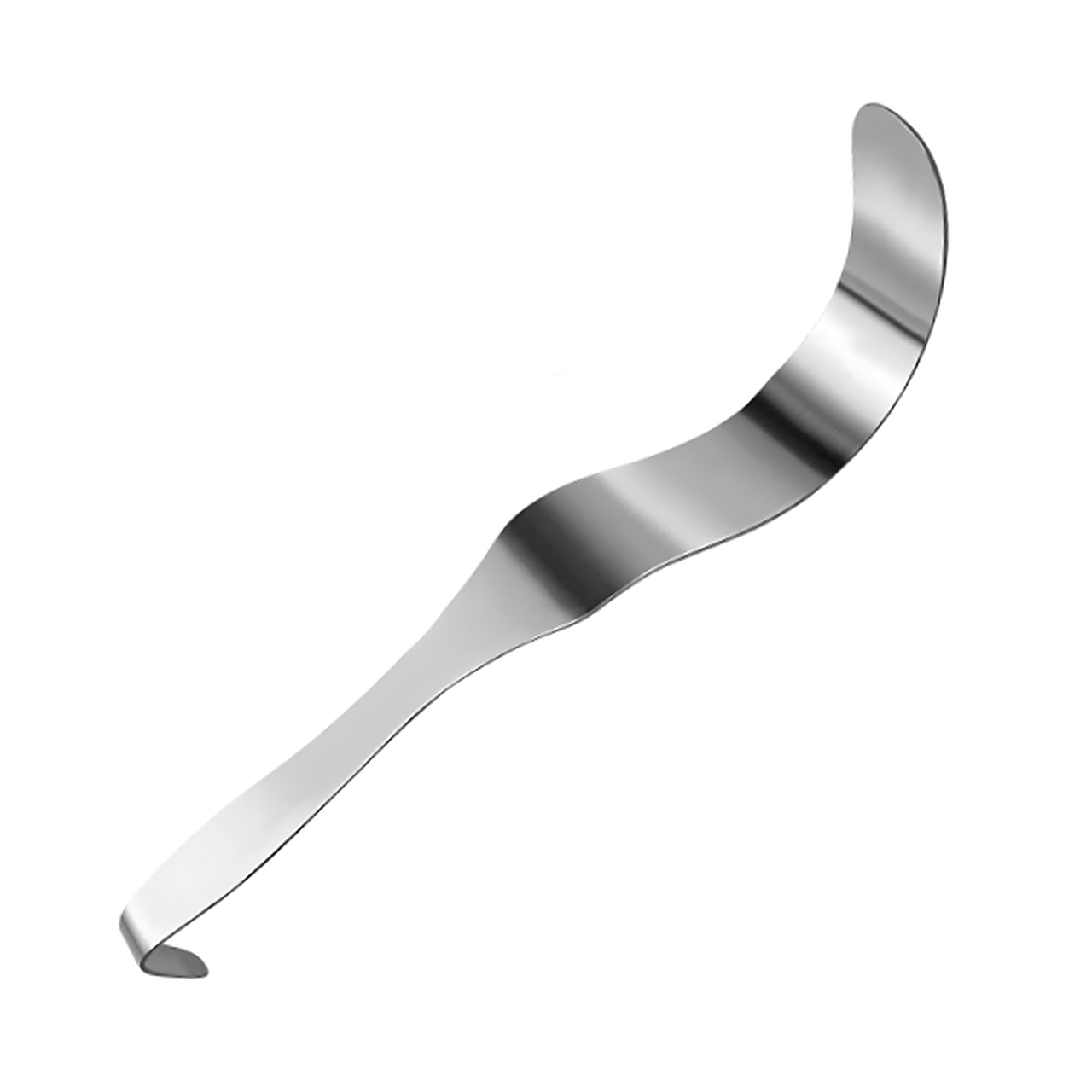 | Deaver Retractor | مصمم خصيصاً لإبعاد الأحشاء العميقة وعضلات جدار البطن وأنسجة الحوض أثناء الجراحات المفتوحة. |
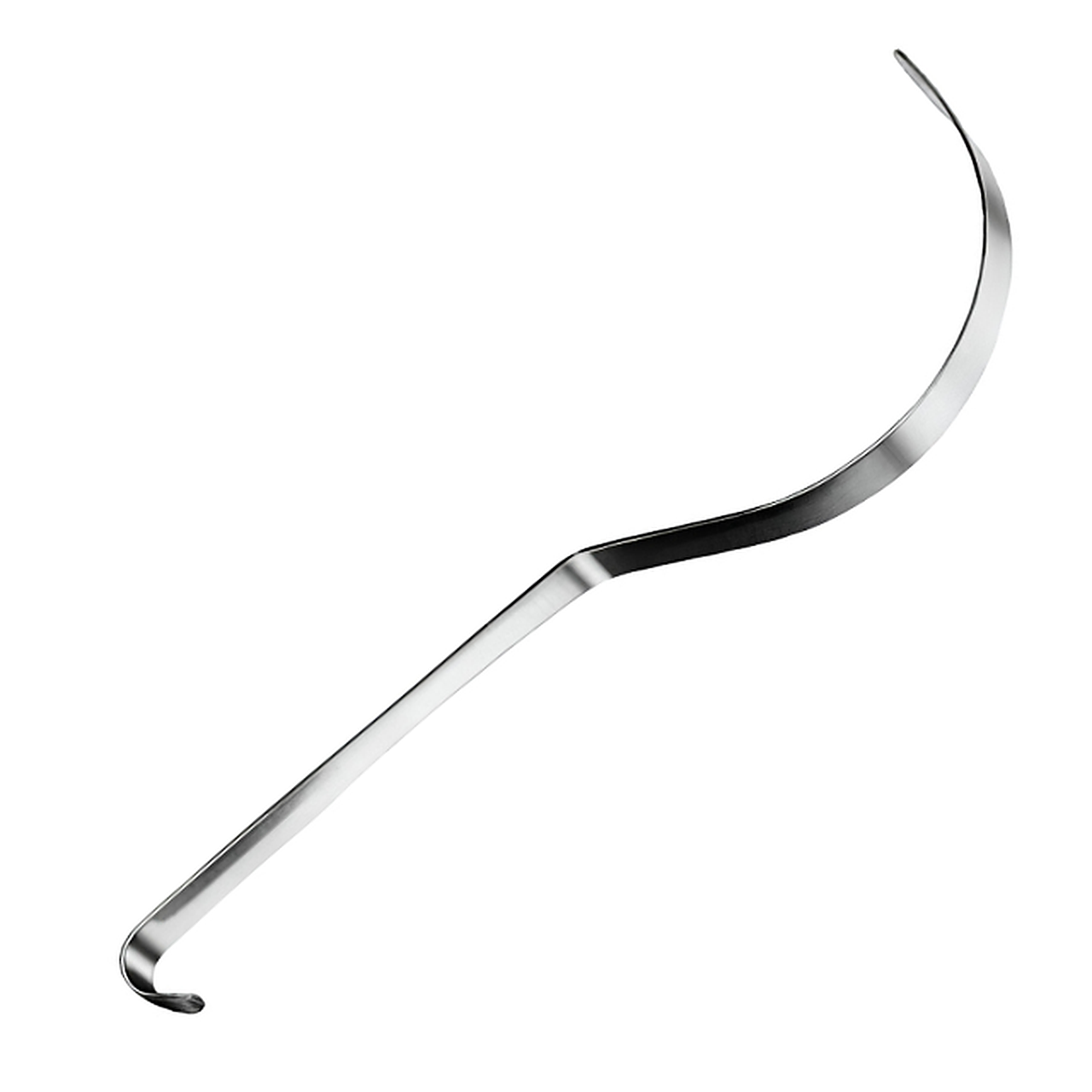 | مبعد Deaver بمقبض رفيع | مصمم خصيصاً لإبعاد الأنسجة الرخوة العميقة، والأعضاء الحشوية، والعضلات مع تقليل إجهاد المستخدم عبر مقبض خفيف الوزن. |
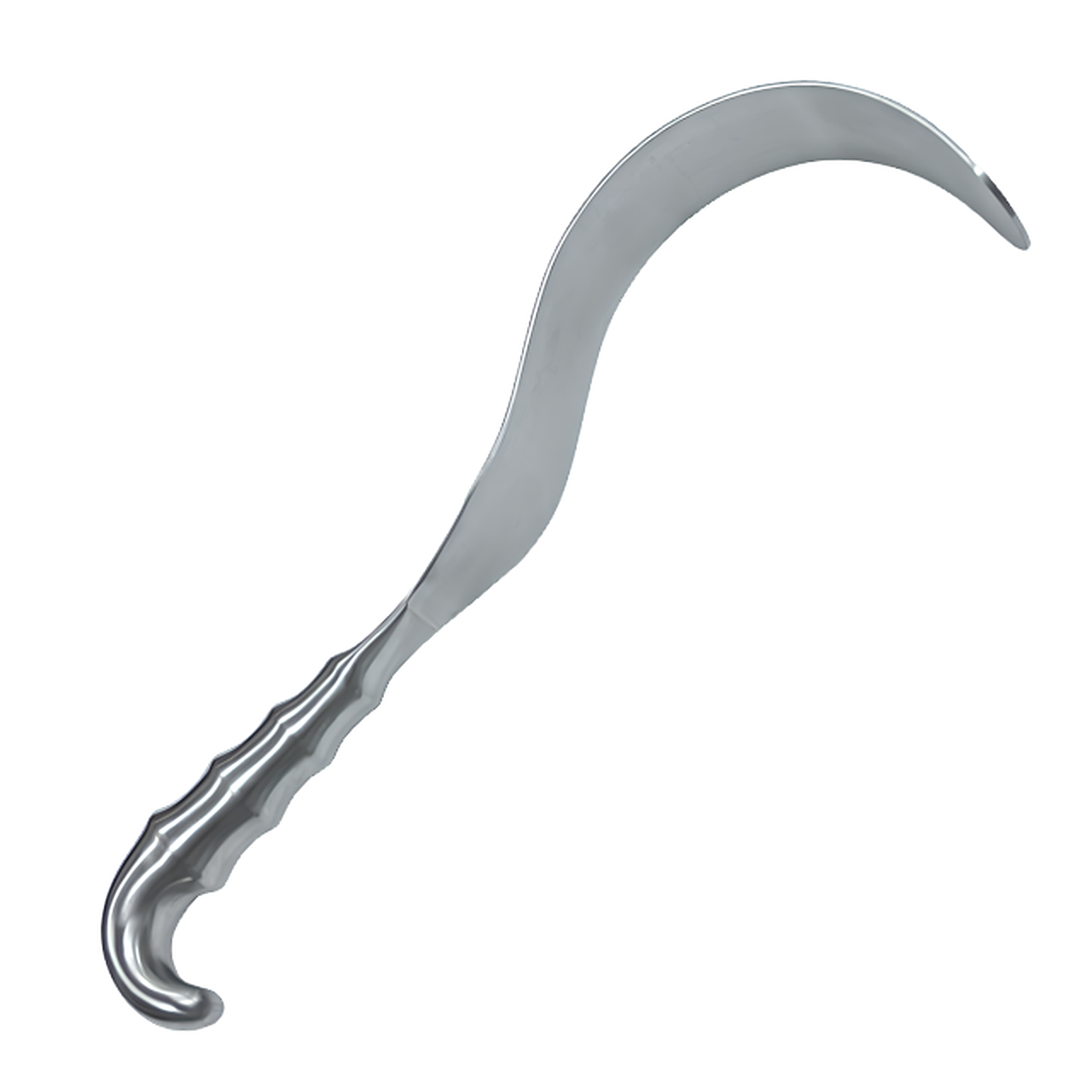 | Deaver Retractors Hollow Grip Handle | مصمم خصيصاً لابعاد الأعضاء الأحشائية وطبقات العضلات أثناء جراحات البطن والحوض والصدر العميقة مع تقليل إجهاد اليد. |
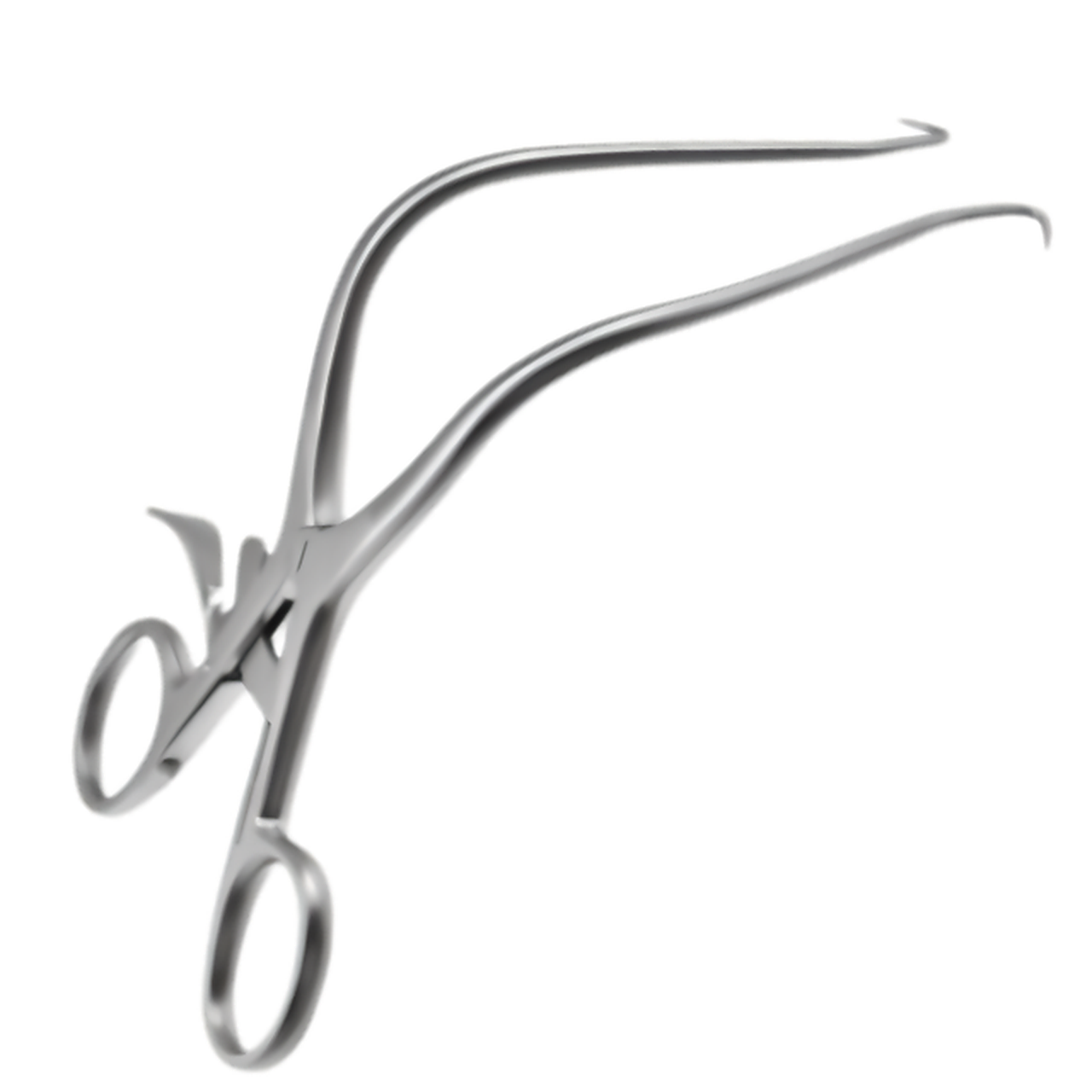 | DeBakey Retractor | مصمم خصيصاً لتبعيد حواف الجلد، واللفافات، والأنسجة الوعائية الرخوة أثناء العمليات الجراحية. |
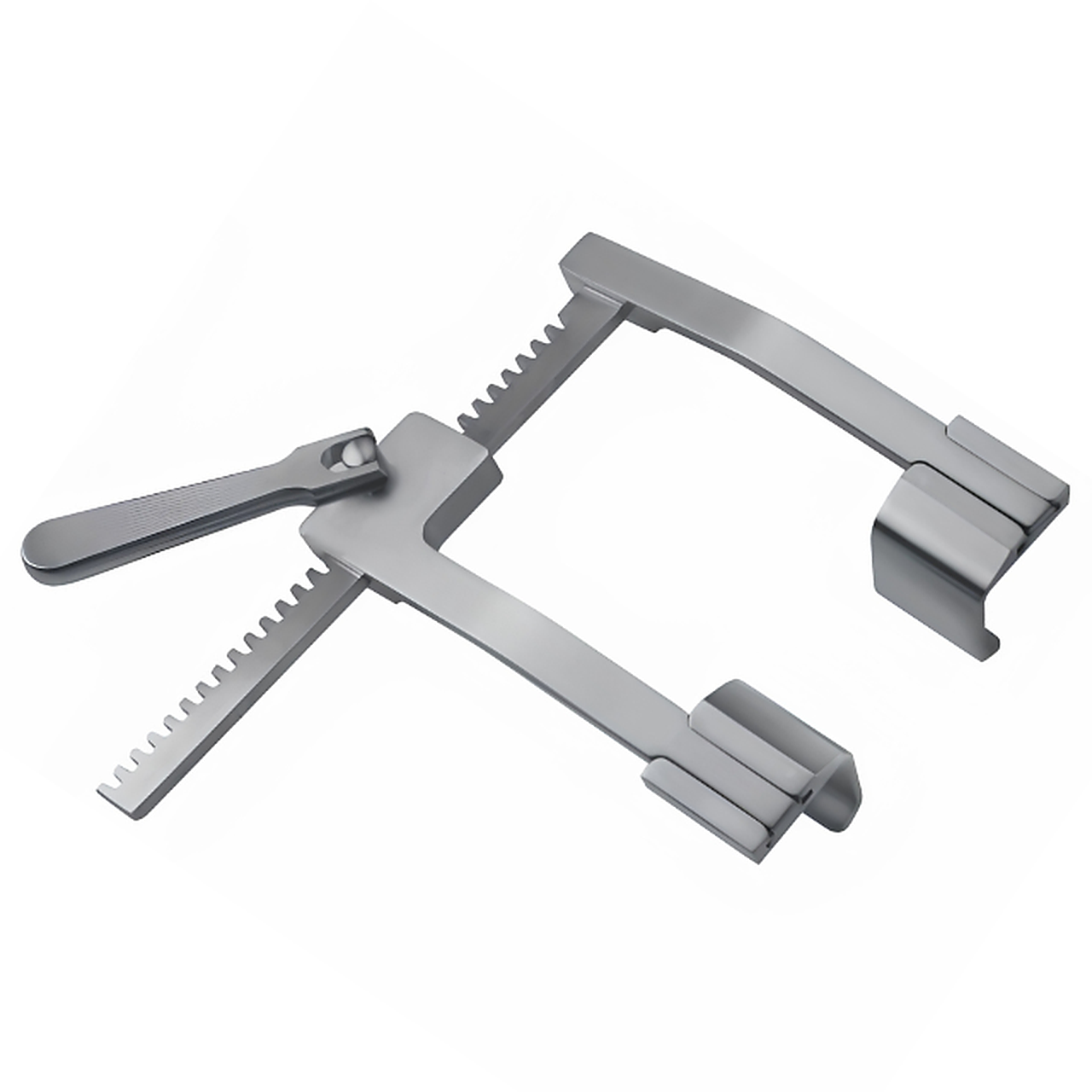 | مباعد الأضلاع DeBakey Rib Spreader | مصمم خصيصاً لفصل الأضلاع المتجاورة وتوسيع الحيز الوربي أثناء جراحات القلب والصدر. |
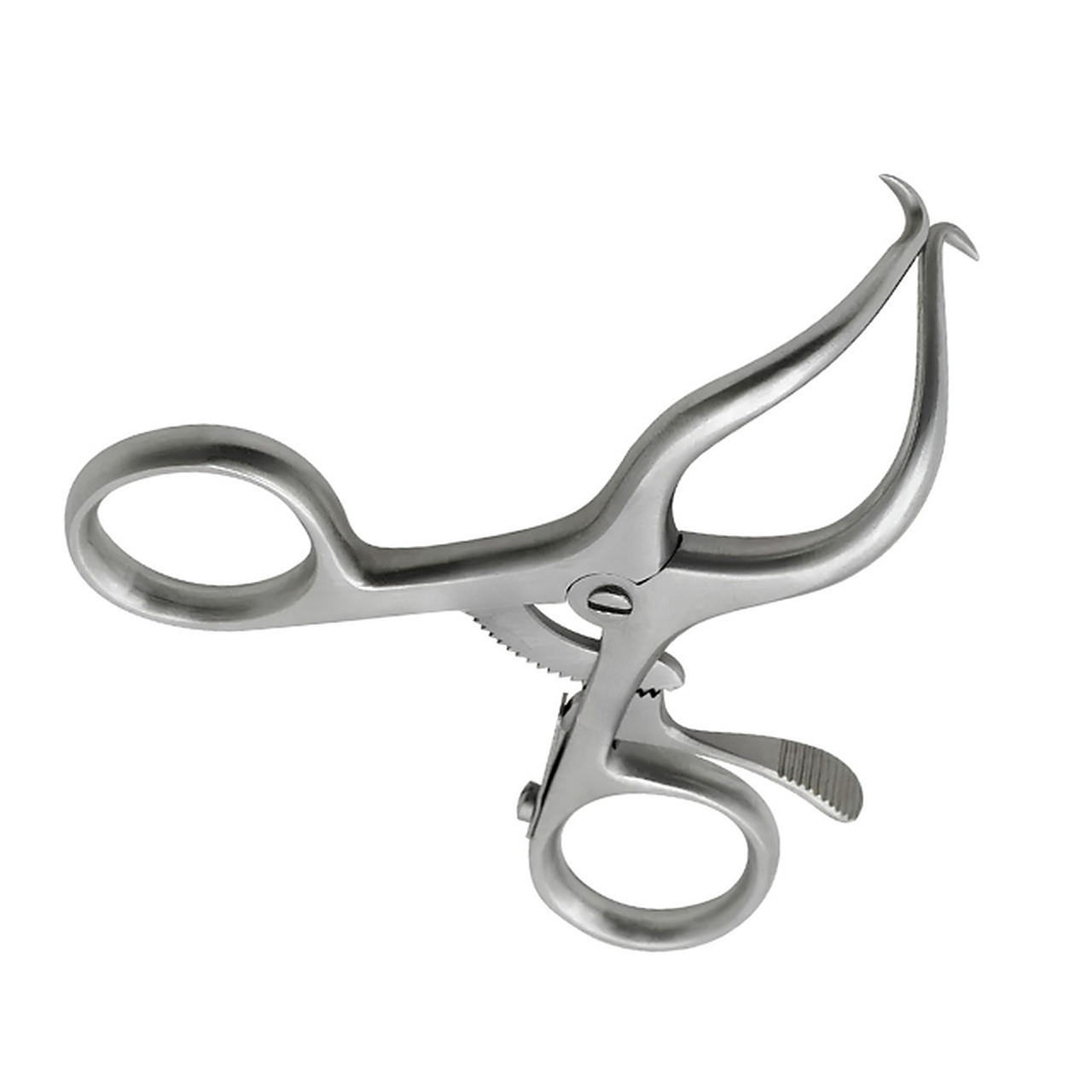 | مُبعّد Deep Gelpi Retractor | مصمم خصيصاً لتبعيد الأنسجة الرخوة والعضلات ذاتي التثبيت أثناء جراحات العمود الفقري والعظام والأعصاب. |
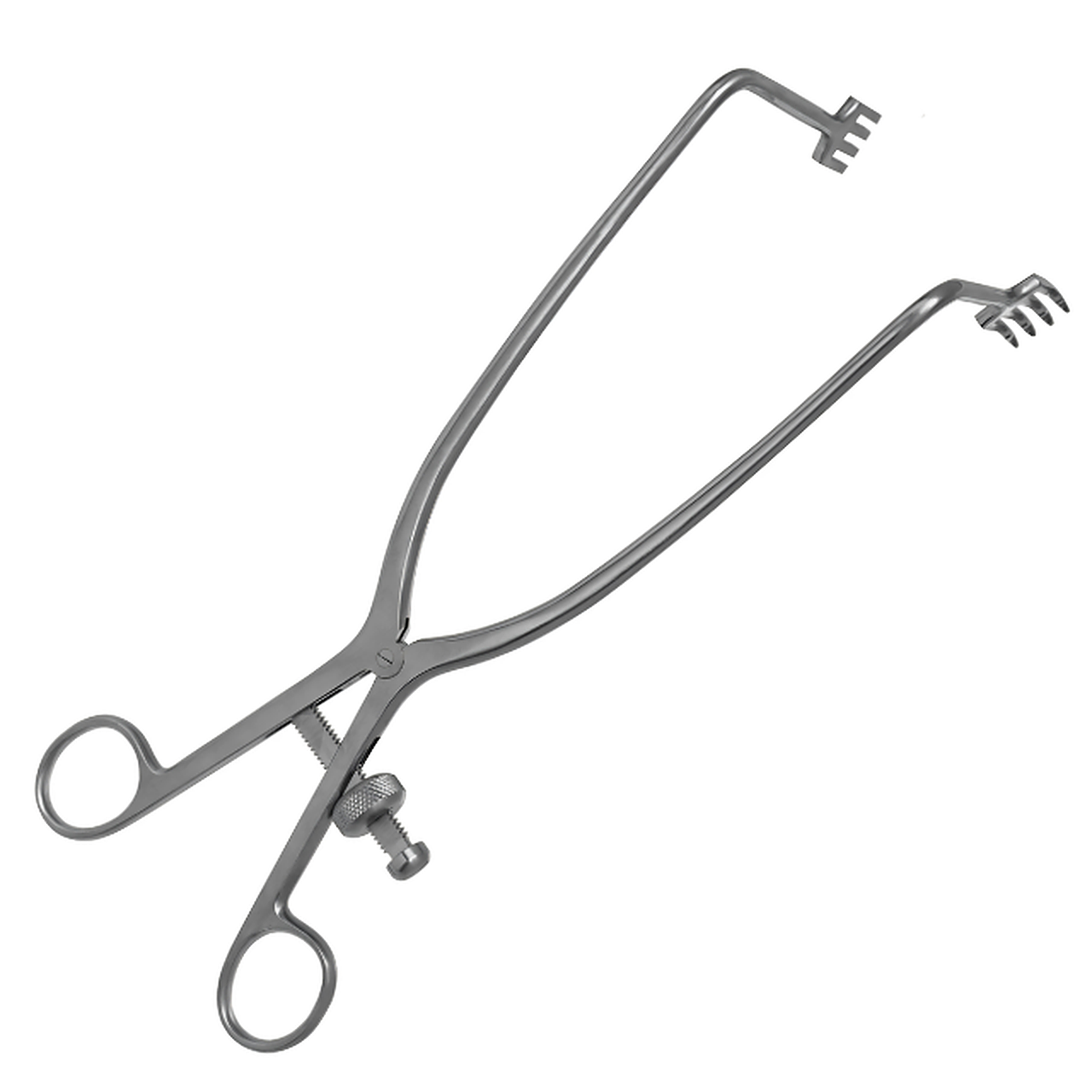 | مُبعّد Deep Gelpi Self Retaining Retractor | مصمم خصيصاً لتوفير تبعيد ذاتي للعضلات والأنسجة في الجروح الجراحية العميقة أثناء إجراءات جراحة العمود الفقري والعظام. |
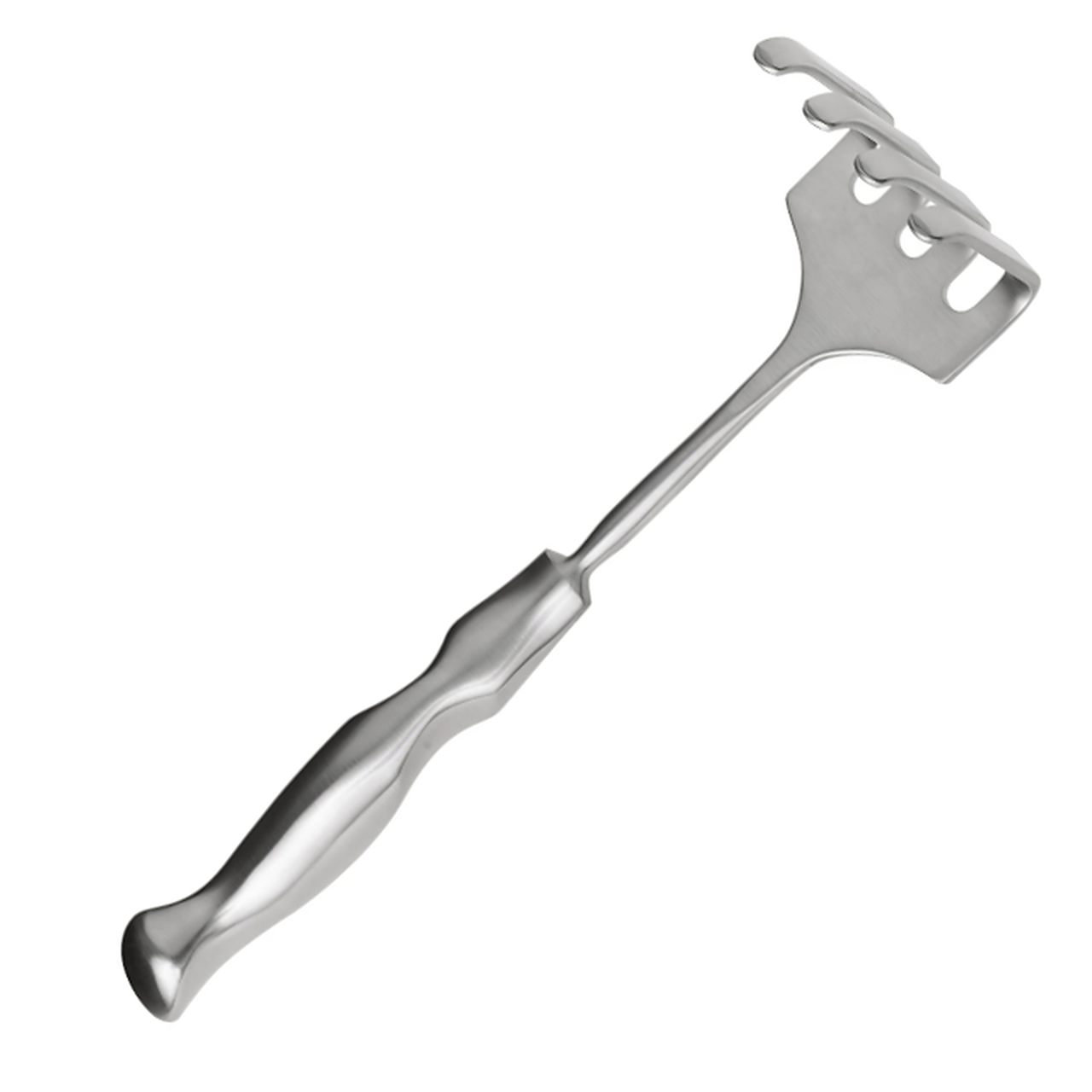 | مُبعّد Deep Rake Retractor | مصمم خصيصاً لإبعاد العضلات الثقيلة واللفافات والأنسجة الرخوة العميقة أثناء جراحات البطن المفتوحة والحوض والعظام. |
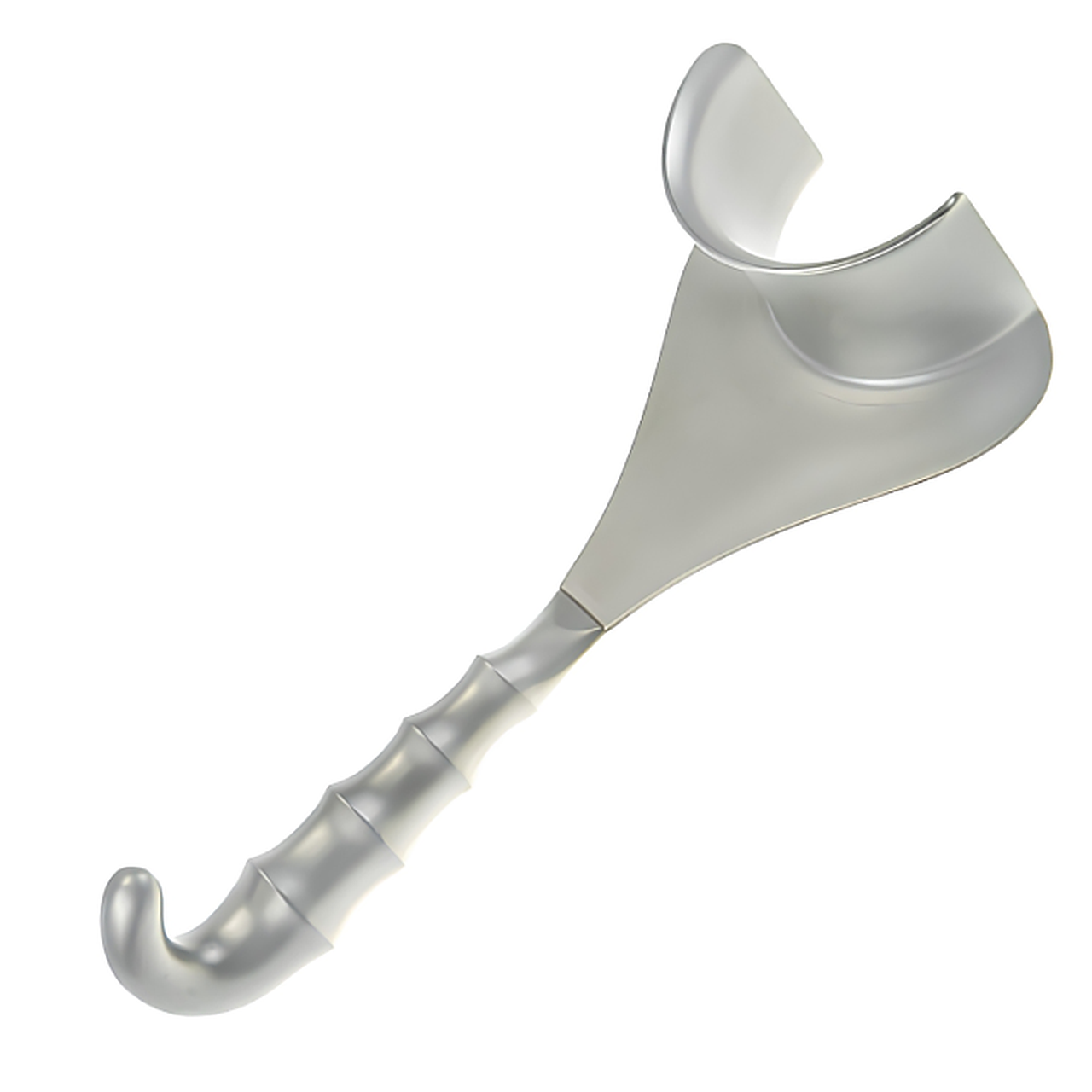 | Delee Universal Retractor | مصمم خصيصاً لتبعيد وحماية المثانة وجدار البطن أثناء العمليات القيصرية وجراحات النساء. |
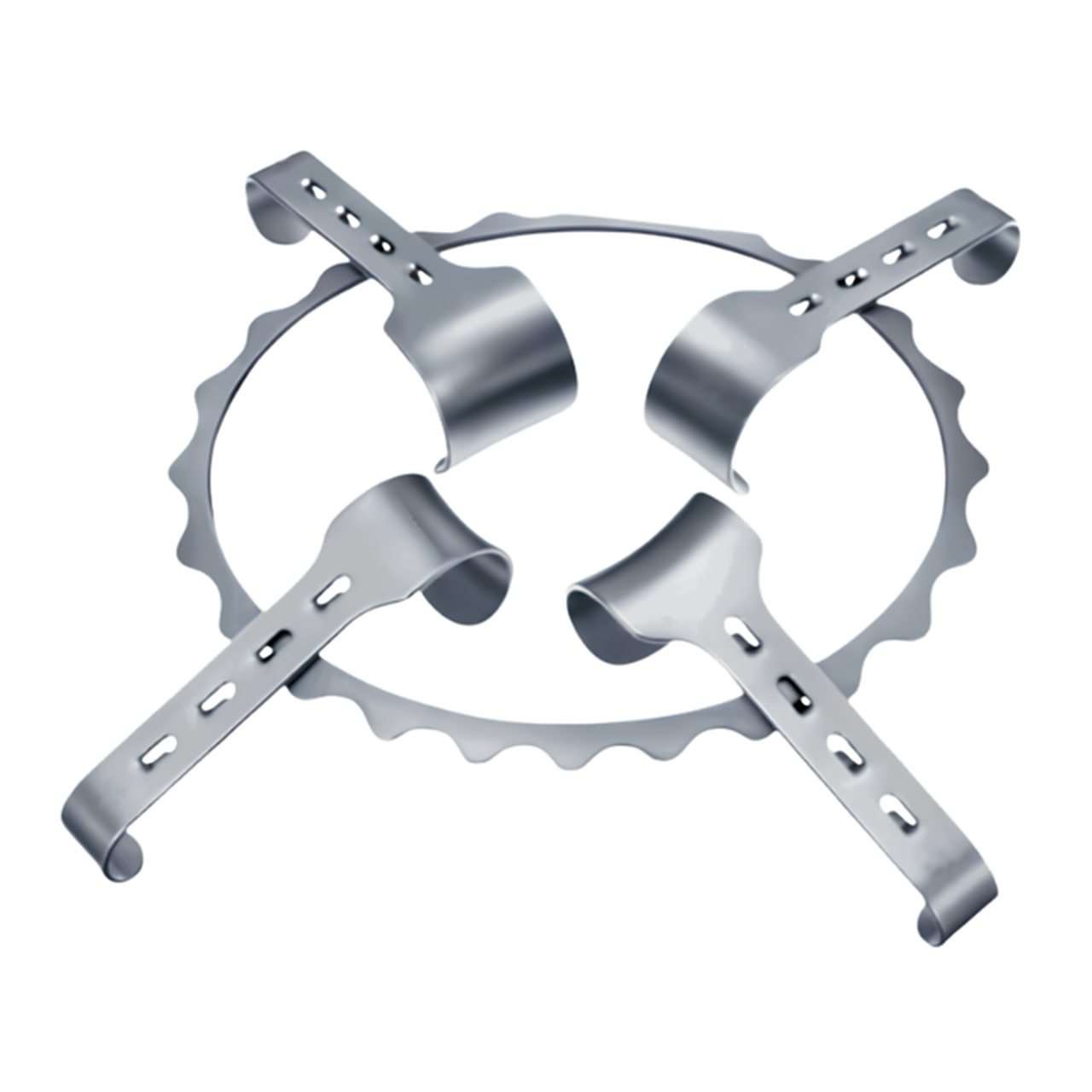 | Denis-Browne Retractor | مصمم خصيصاً لتوفير تبعيد ذاتي التثبيت لحواف الجرح والأحشاء بمقدار 360 درجة أثناء جراحات البطن والحوض. |
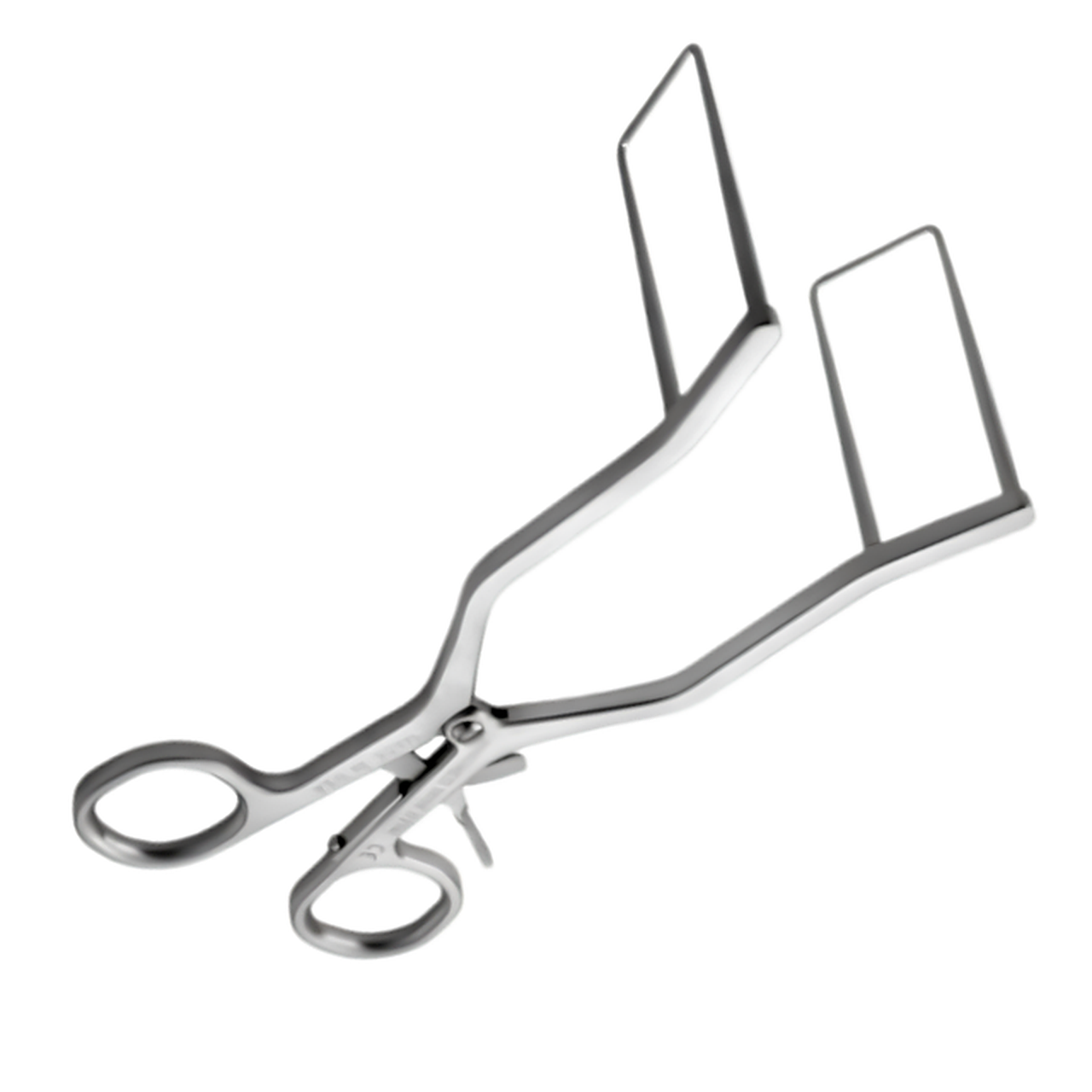 | مبعد Desai Self Retaining Retractor | مصمم خصيصاً لتوفير تبعيد ذاتي لحواف الجرح مع وضوح رؤية من نافذة الوصول المباشر أثناء جراحات البطن والحوض. |
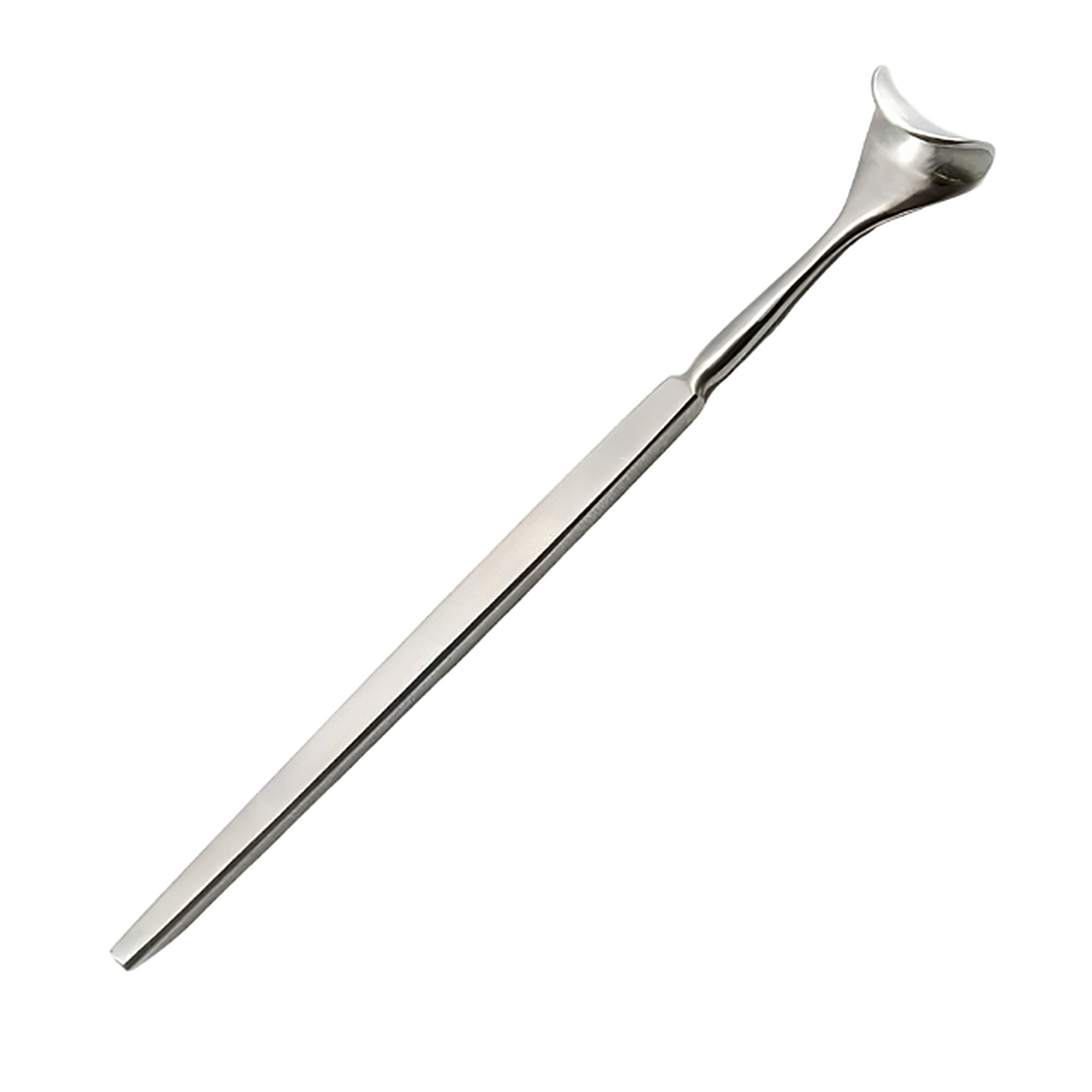 | مُبعِّد الجفن Desmarres EyeLid Retractor | مصمم خصيصاً لتبعيد الجفون وتحريك الصفائح الرصغية وحماية مقلة العين أثناء عمليات تجميل الأجفان وجراحة العيون. |
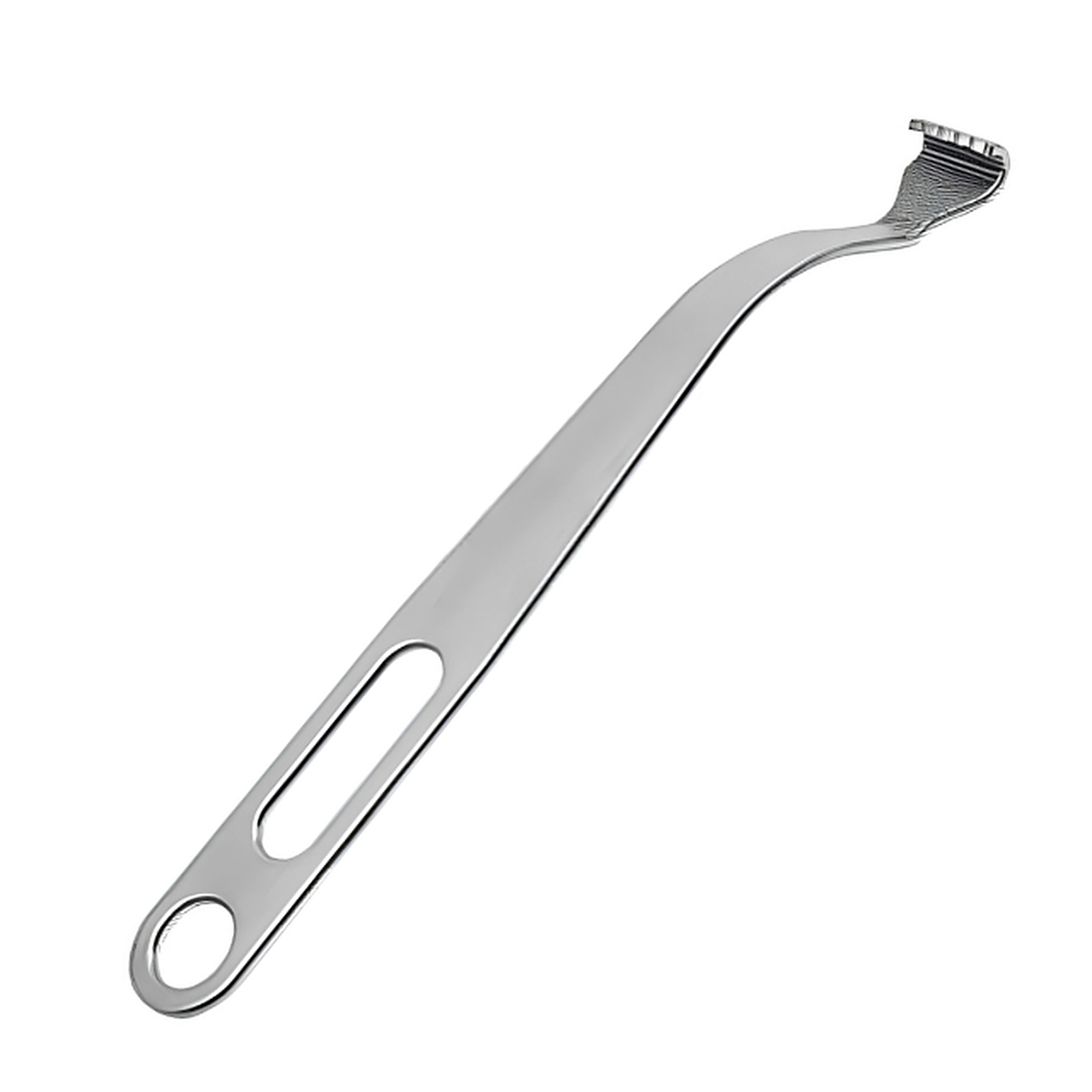 | Dingo Modified Humeral Head Retractors | مصمم خصيصاً لرفع رأس عظمة العضد وكشف التجويف الحقاني أثناء جراحة تقويم مفاصل الكتف والجراحات الترميمية. |
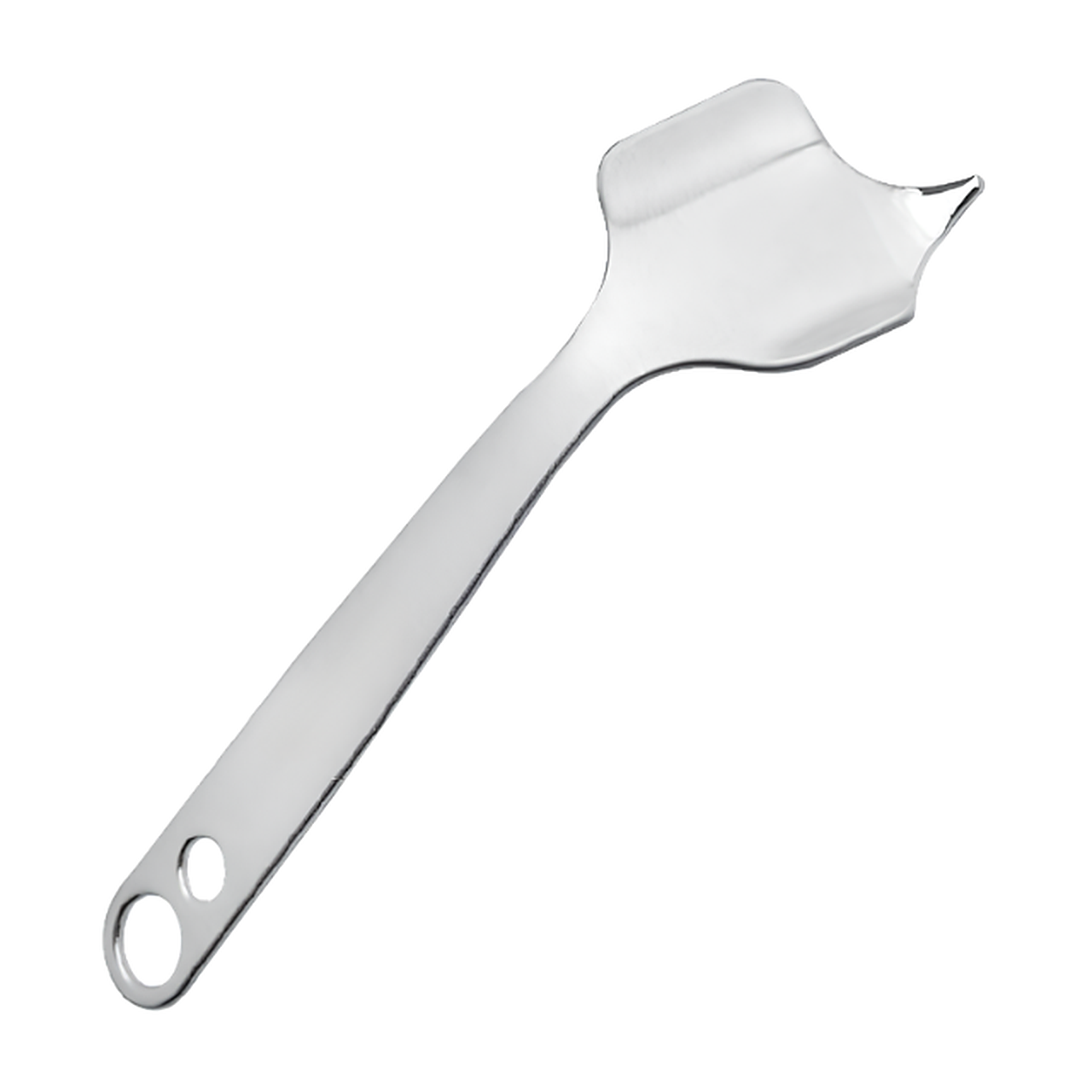 | Direct Access Anterior Broaching Retractor (مبعد بروشينغ المدخل الأمامي المباشر) | مصمم خصيصاً لرفع عظم الفخذ القريب وإبعاد الأنسجة الرخوة أثناء توسيع القناة الفخذية في عمليات رأب مفصل الورك عبر المدخل الأمامي المباشر. |
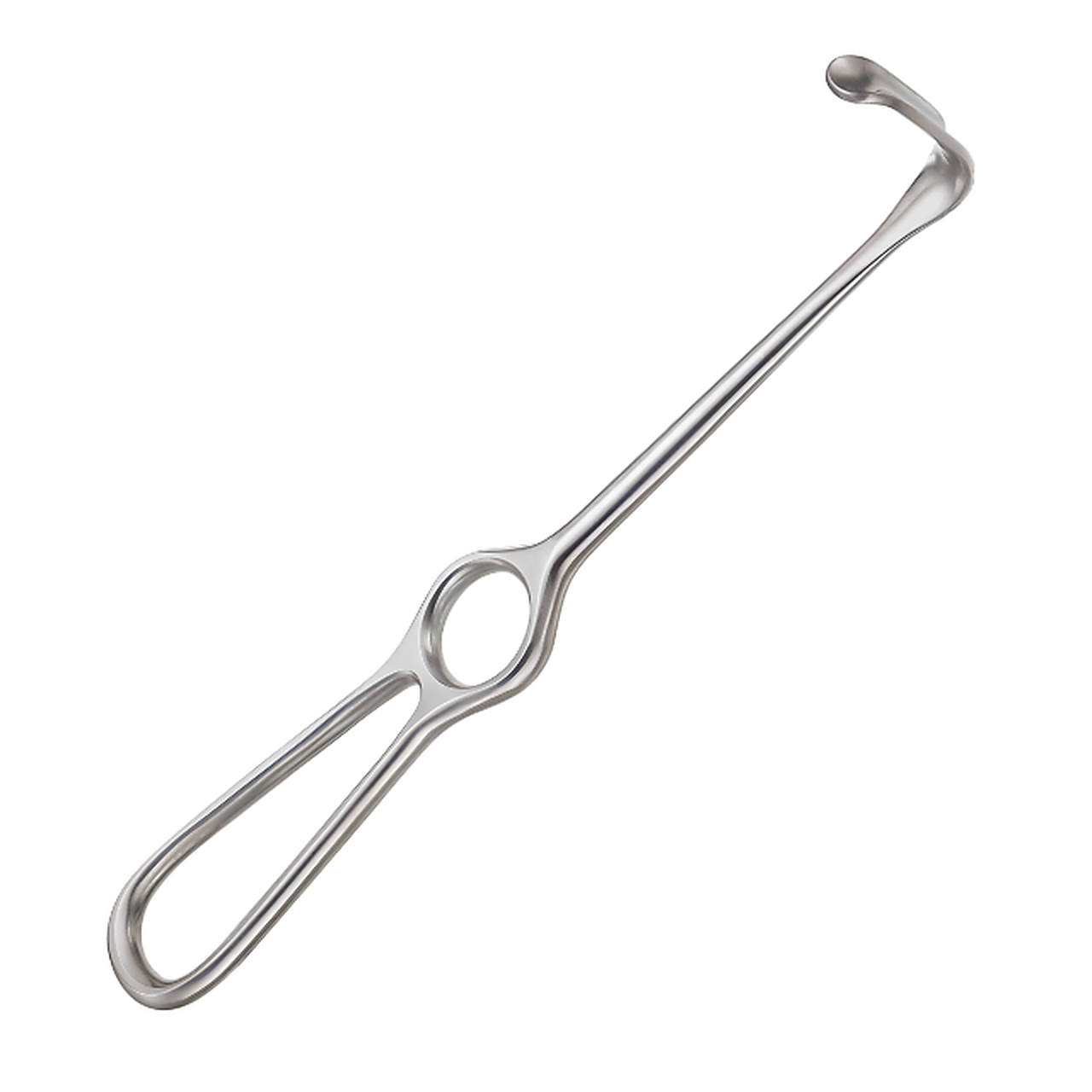 | مُبعّد Dockhorn Retractor | مصمم خصيصاً لتبعيد حواف الجروح واللفافات والأنسجة الرخوة أثناء جراحات الفم والوجه والفكين والجراحة العامة. |
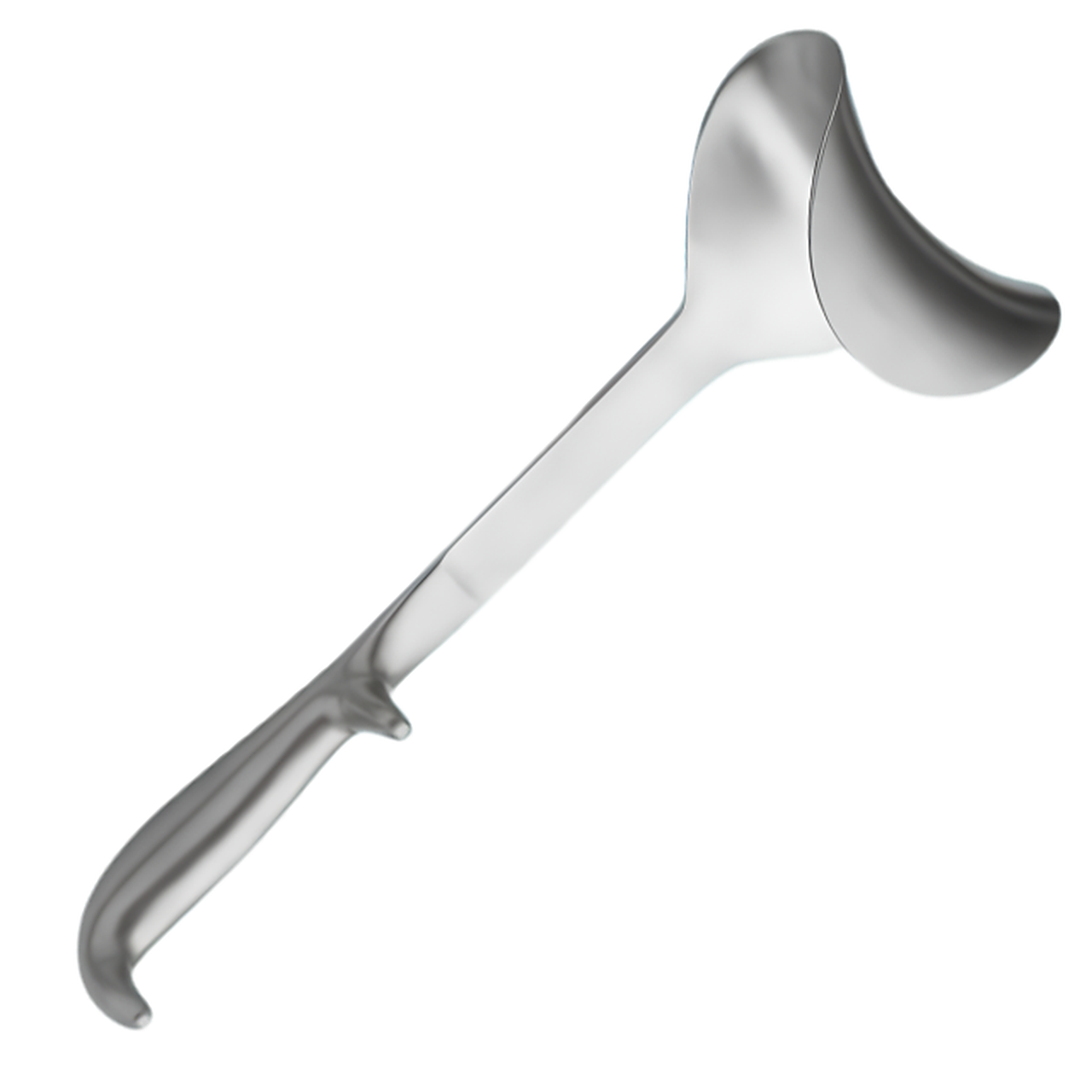 | مُباعد دوين للبطن (Doyen Abdominal Retractor) | مصمم خصيصاً لمباعدة جدار البطن والأعضاء الحشوية وعضلات الحوض أثناء إجراءات فتح البطن (Laparotomy). |
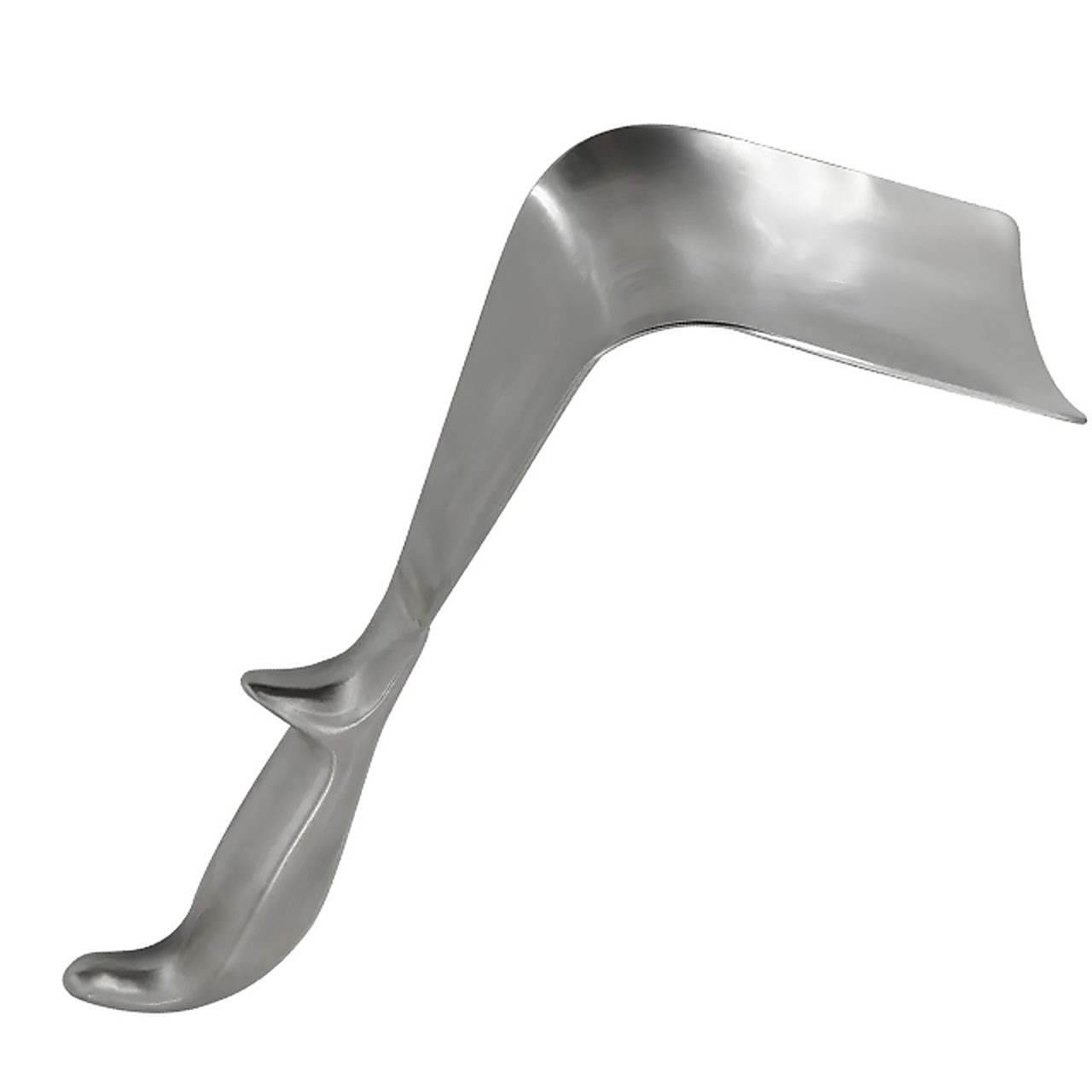 | مُبعّد Doyen Retractor | مصمم خصيصًا لإزاحة جدار البطن وحماية الأحشاء أثناء الجراحة العامة وجراحة النساء المفتوحة. |
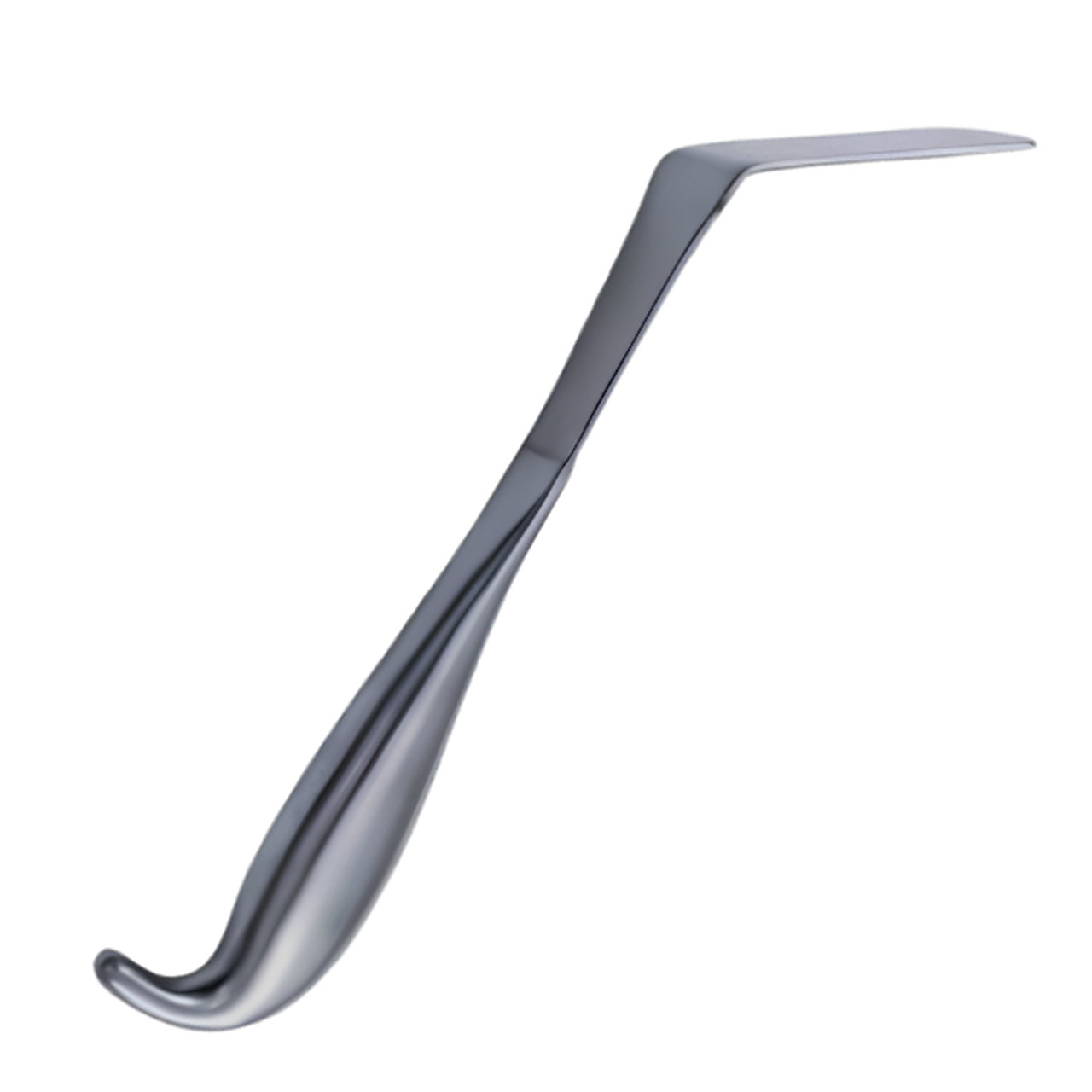 | مبعد مهبلي Doyen Vaginal Retractor | مصمم خصيصاً لمباعدة جدار المهبل وكشف عنق الرحم وقاع الحوض أثناء الإجراءات النسائية. |
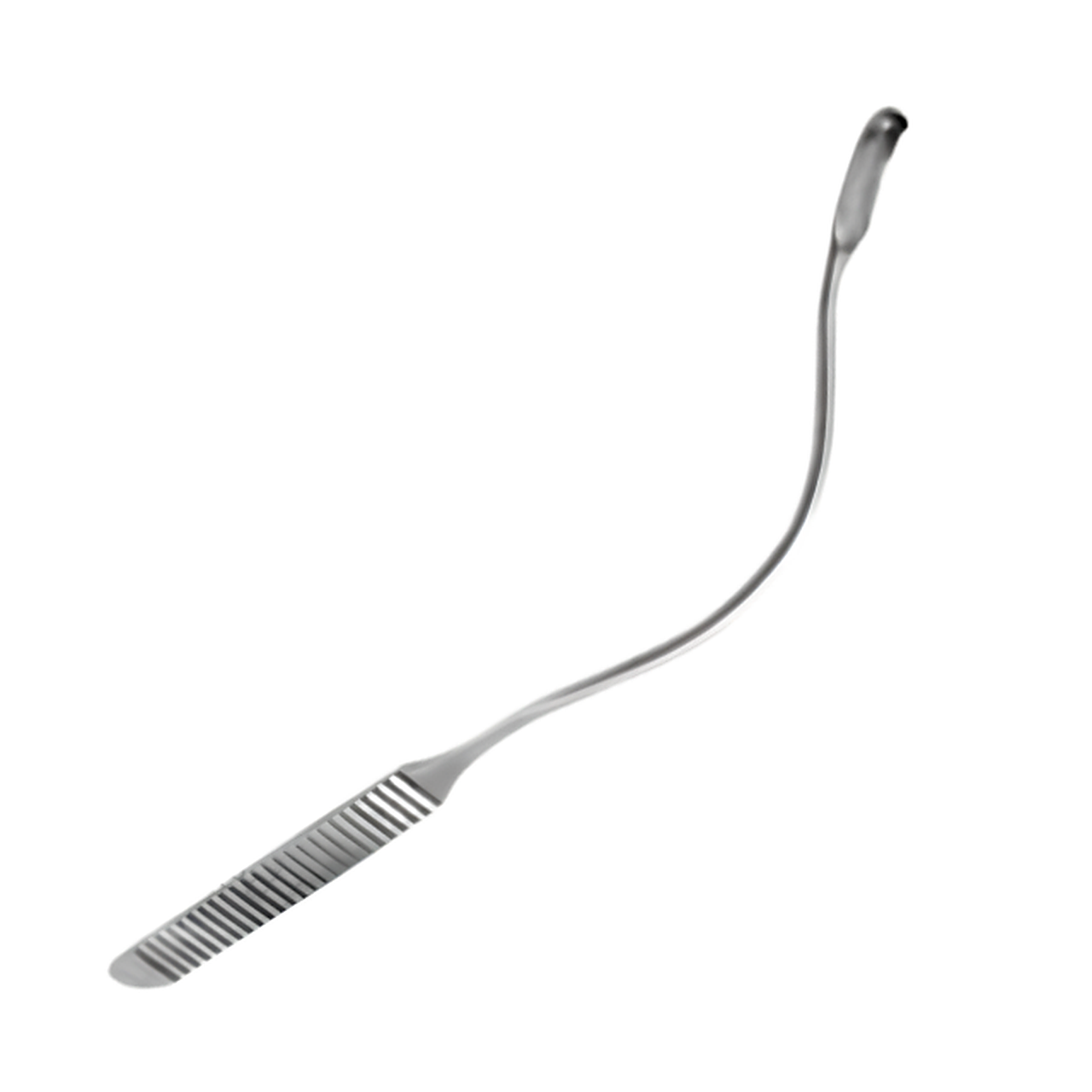 | مُبَعِّد Dumbach Mandibular Channel Retractor لقناة الفك السفلي | مصمم خصيصاً لتبعيد الأنسجة الرخوة وحماية الهياكل الوعائية العصبية على طول حافة الفك السفلي أثناء عمليات قطع عظم الراد. |
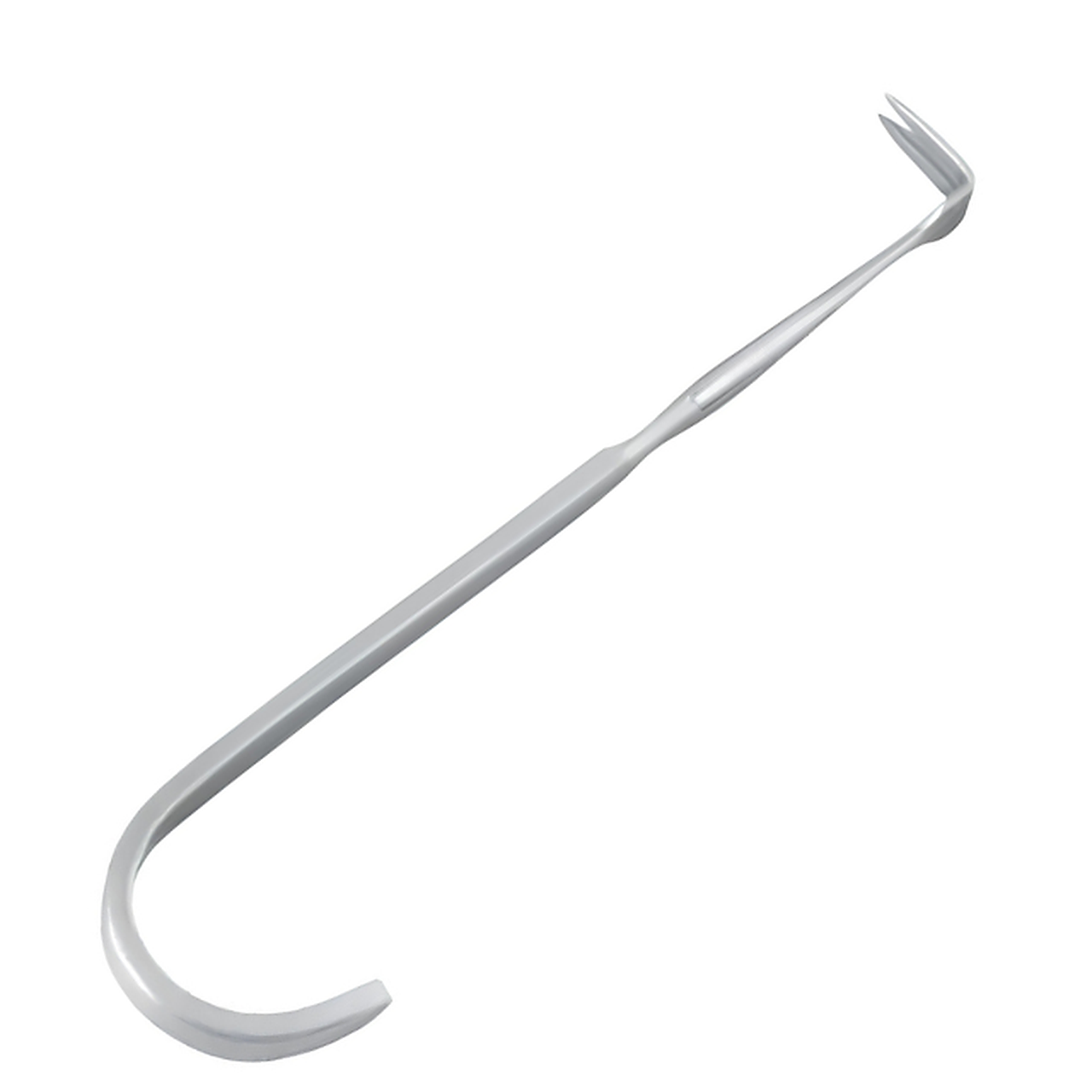 | Dunn Dautrey Lateral Retractor | صُمم خصيصاً لتبعيد الأنسجة الرخوة الجانبية وكشف رأد الفك السفلي أثناء جراحات تقويم الفكين وجراحات الفم. |
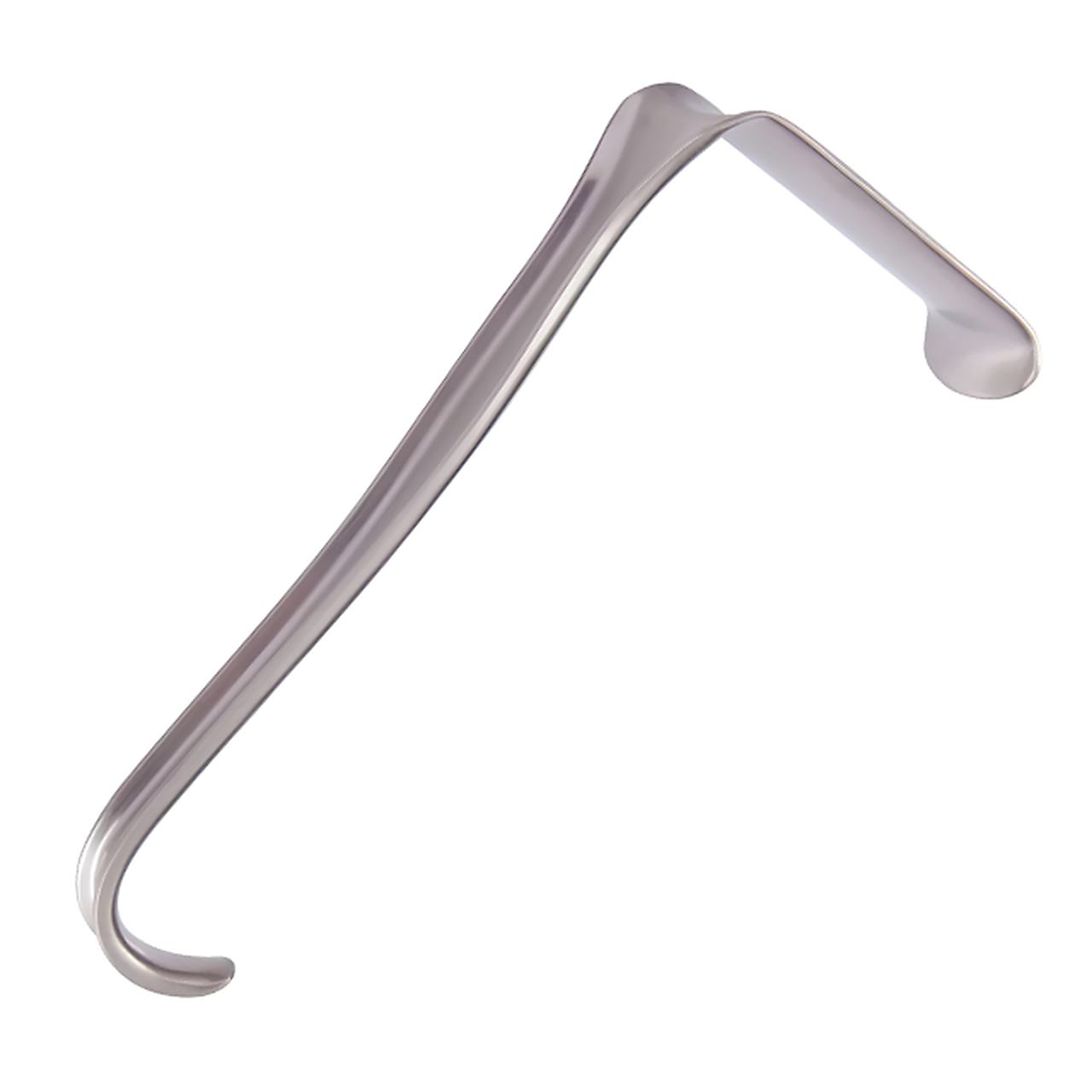 | مبعد مهبلي Eastman Vaginal Retractor | مصمم خصيصاً لإبعاد جدران المهبل وتوفير رؤية عميقة أثناء جراحات النساء وترميم الحوض. |
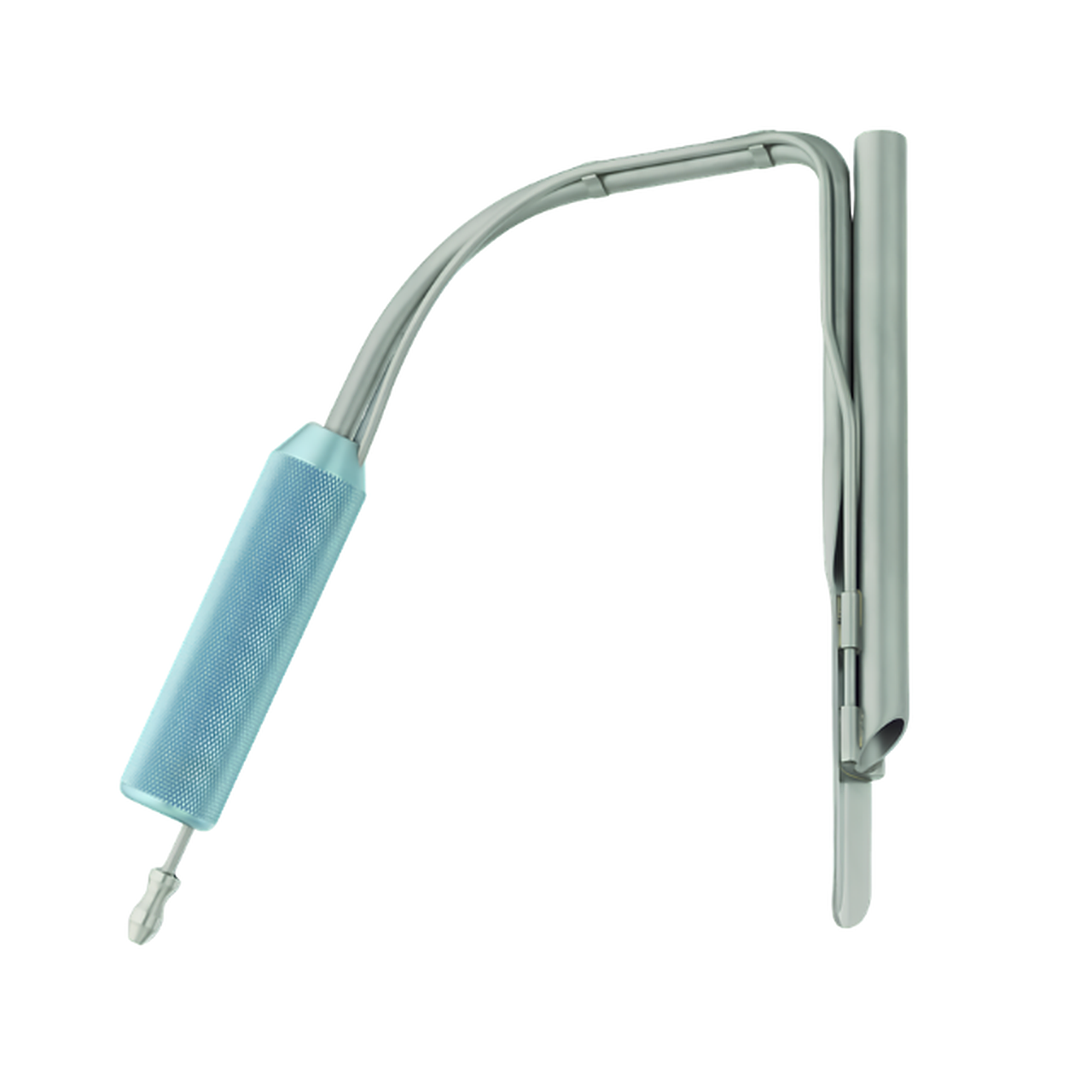 | مُباعد EMORY Endo-Plastic Retractor الجراحي | مصمم خصيصاً لرفع سدائل الأنسجة وتوجيه منظار 10 mm أثناء عمليات التجميل والجراحة التجميلية بالمنظار. |
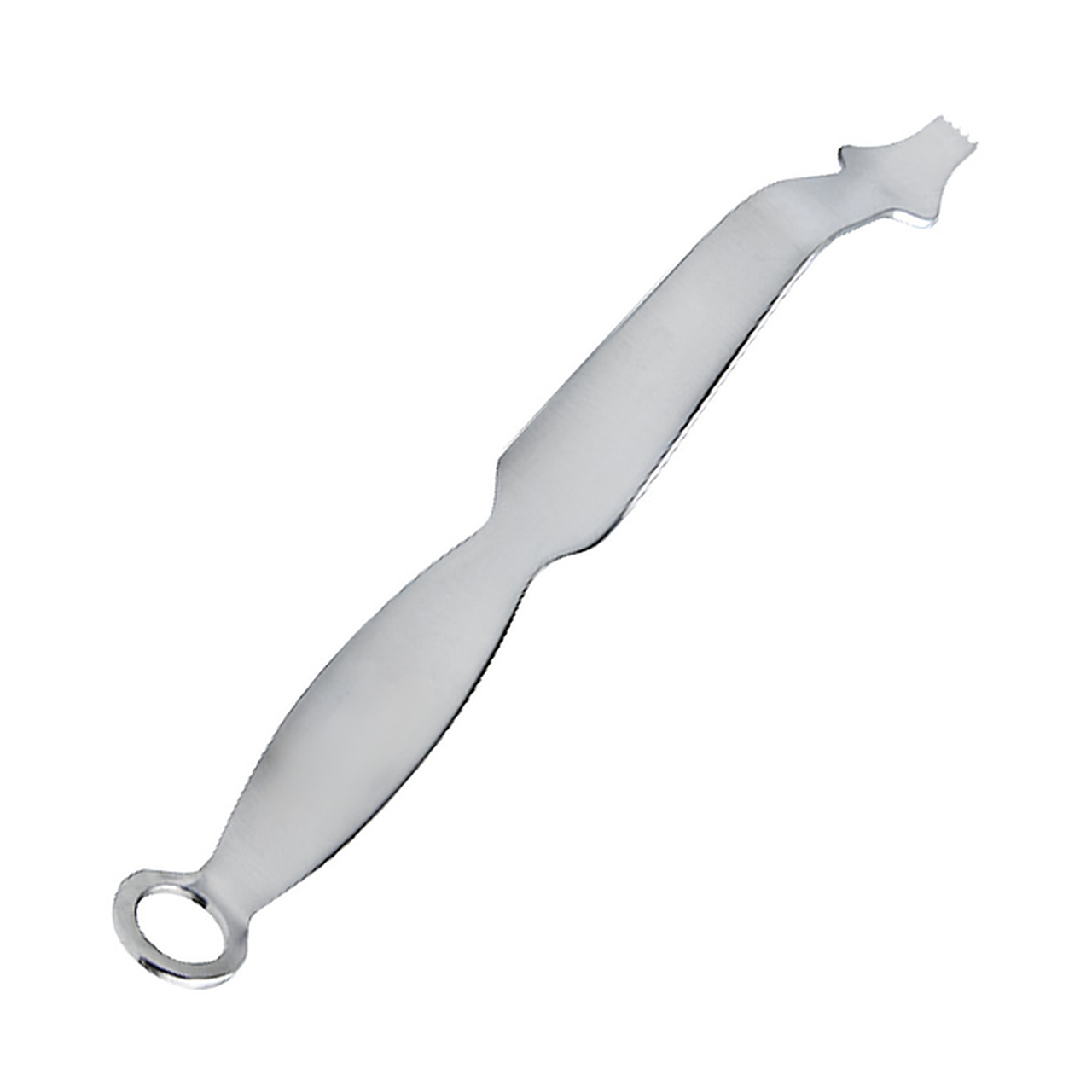 | مبعد Engh Intercondylar Notch Retractor | مصمم خصيصاً للكشف عن الثلمة بين اللقمتين وحماية هياكل الركبة الخلفية أثناء عملية استبدال مفصل الركبة بالكامل. |
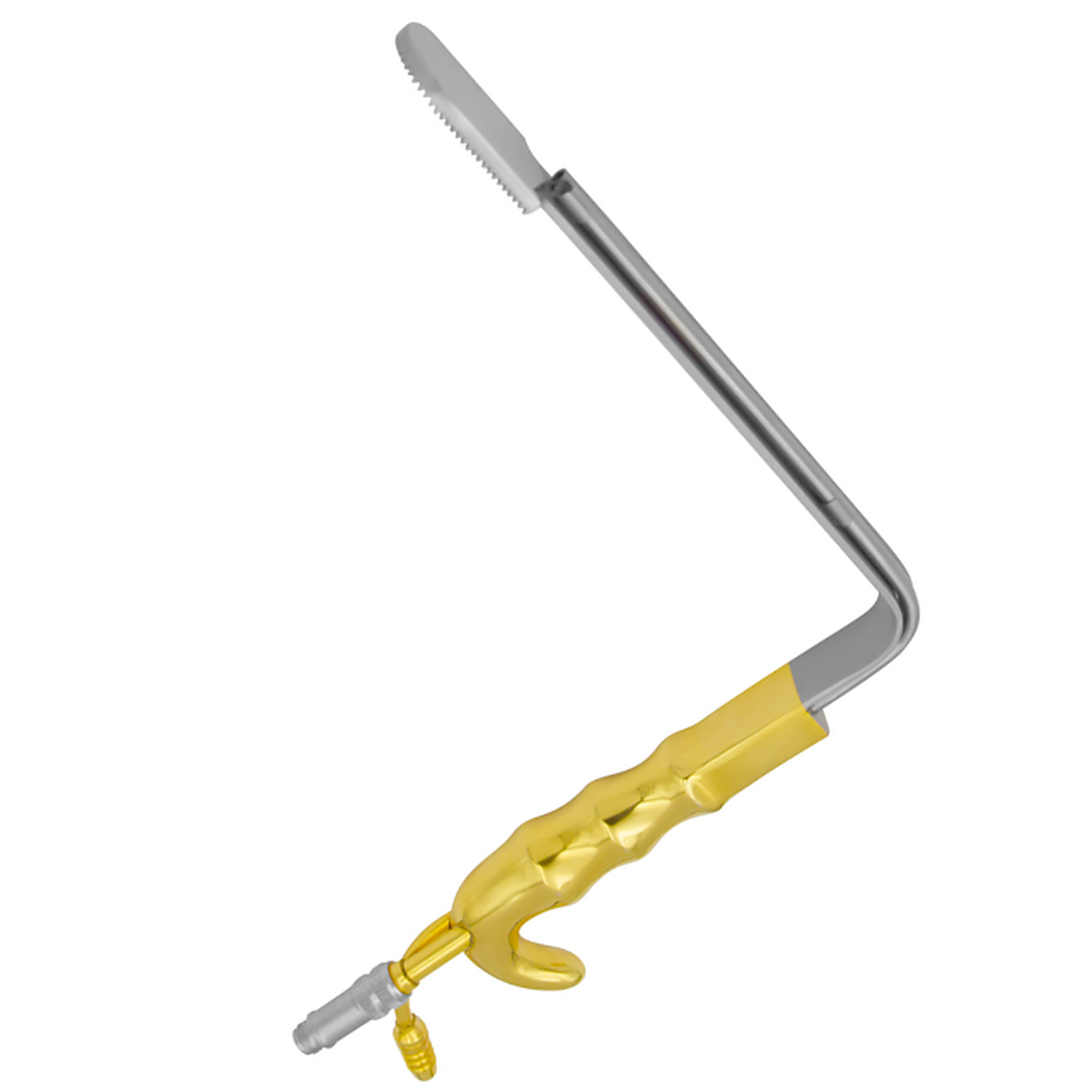 | مُباعد Epstein لعمليات الثدي | مصمم خصيصاً لرفع الشرائح النسيجية وإنشاء جيوب تحت العضلة الصدرية أو تحت الغدة أثناء عمليات تكبير وإعادة بناء الثدي. |
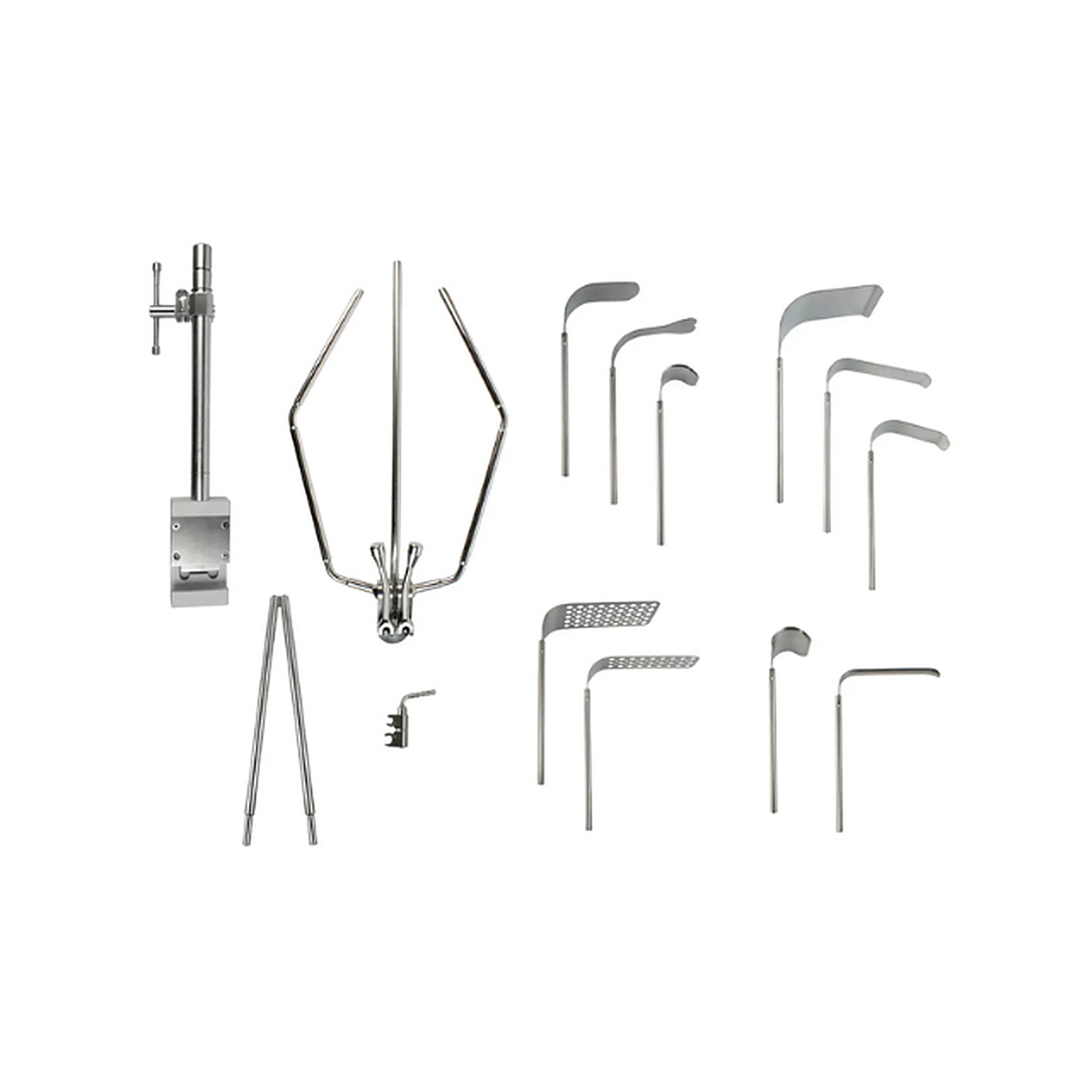 | مبعد الأوعية الدموية الموسع Lobster Retractor | مصمم خصيصاً لتوفير تبعيد للأنسجة الرخوة ذاتي التثبيت ومثبت على الطاولة وكشف الحقل الجراحي أثناء إجراءات جراحة الأوعية الدموية. |
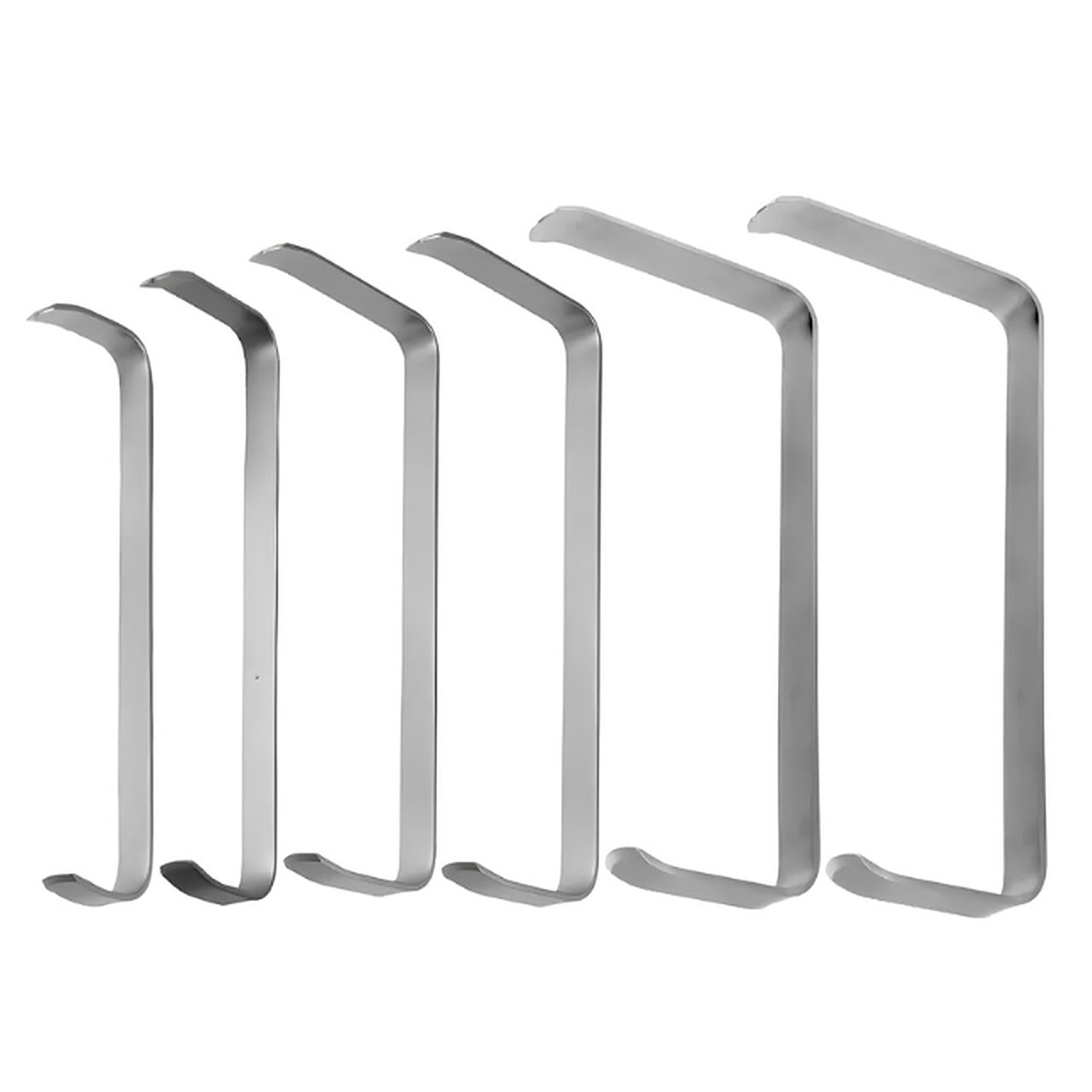 | مُباعد فارابوف Farabeuf Retractor | مصمم خصيصاً لتبعيد الجلد واللفافة والأنسجة الرخوة عبر الشقوق الجراحية السطحية والمتوسطة. |
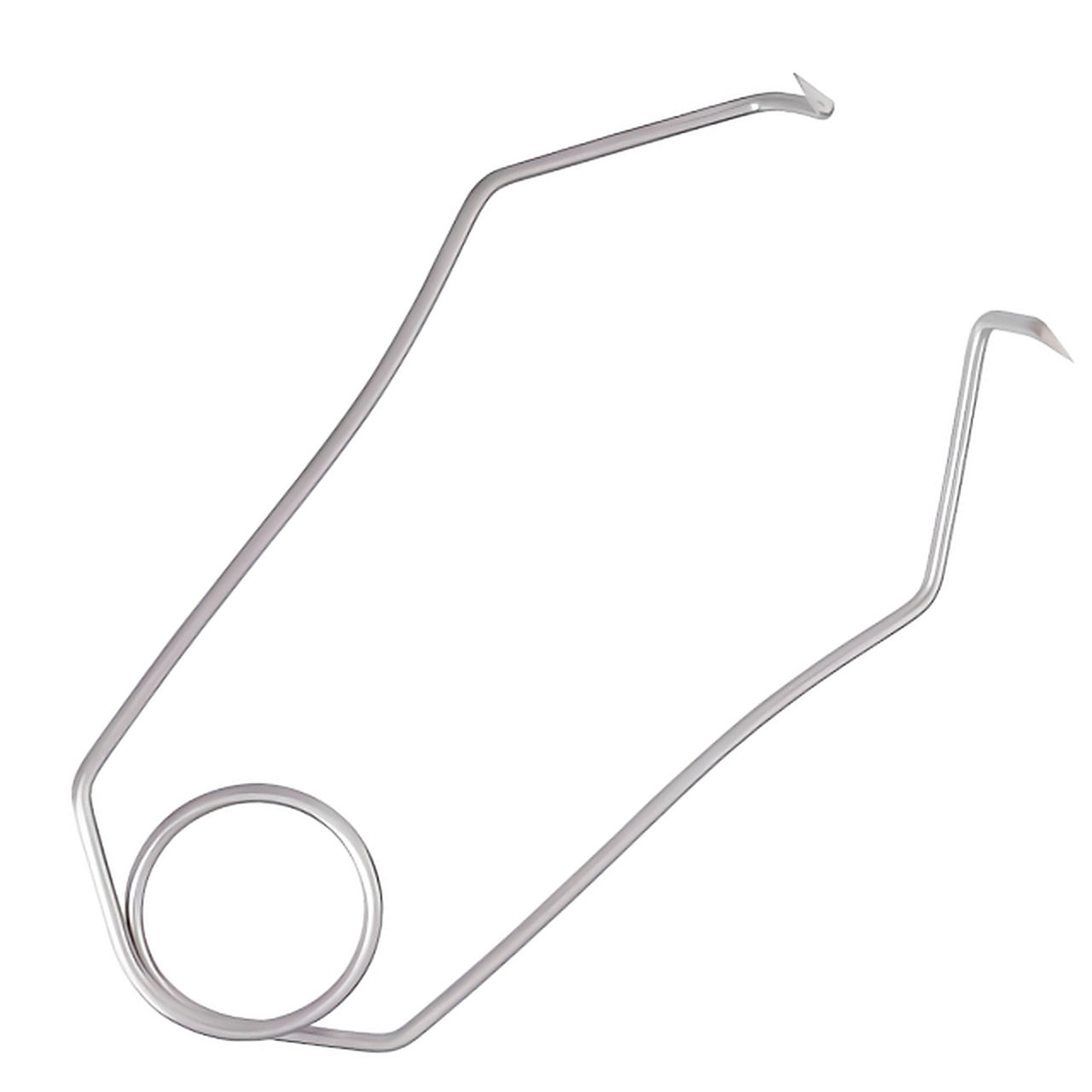 | مُبعّد Farr ذو الزنبرك (Farr Spring Retractor) | مصمم خصيصًا لتوفير تبعيد للأنسجة مدعوم بالزنبرك وذاتي التثبيت أثناء العمليات التجميلية، وجراحات الأطفال، والإجراءات الجراحية الصغرى. |
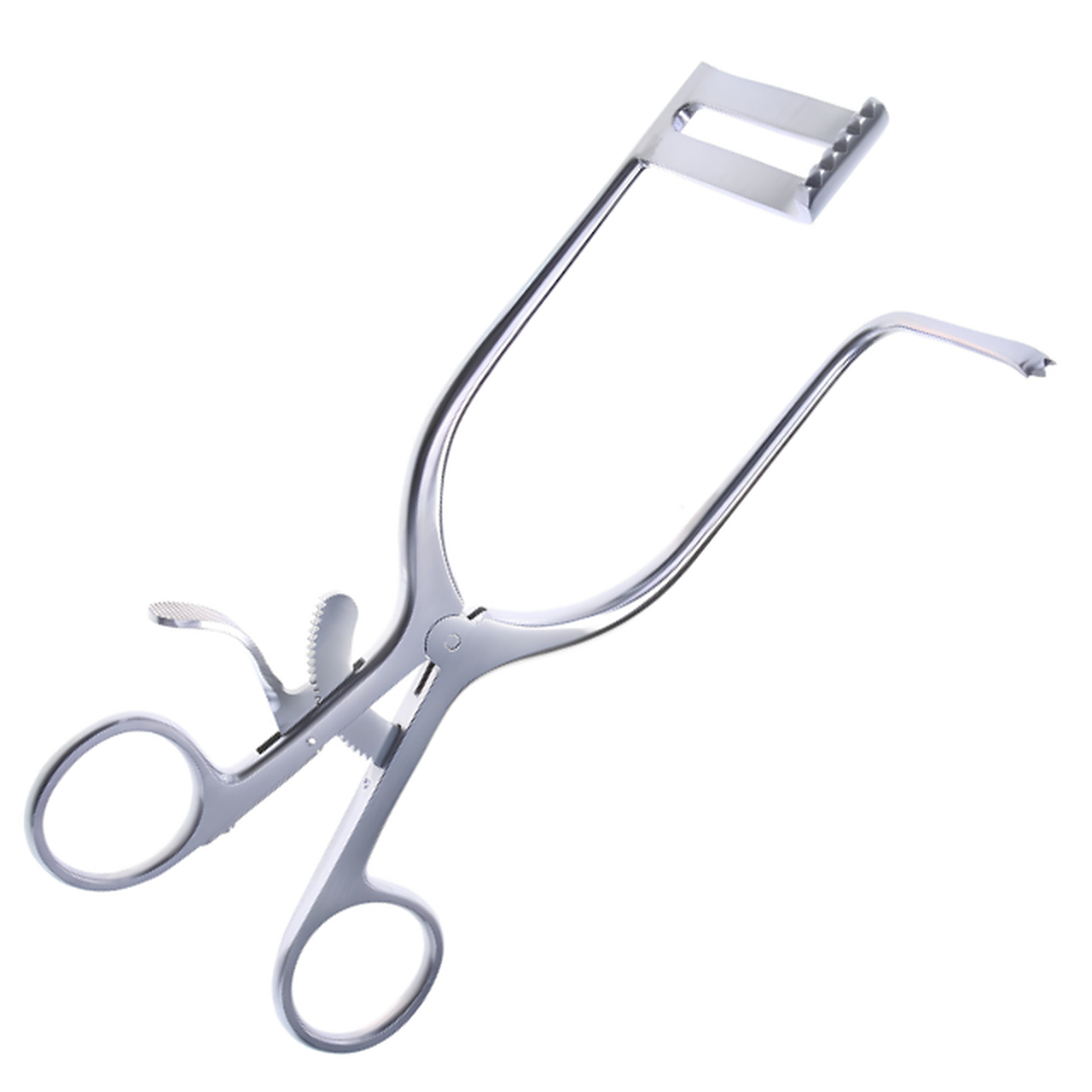 | مباعد Feler-Ducker Retractor | مصمم خصيصاً لتوفير تباعد ذاتي التثبيت للعضلات المجاورة للفقرات والأنسجة الرخوة أثناء استئصال الصفيحة الفقرية وزراعة الأقطاب الكهربائية. |
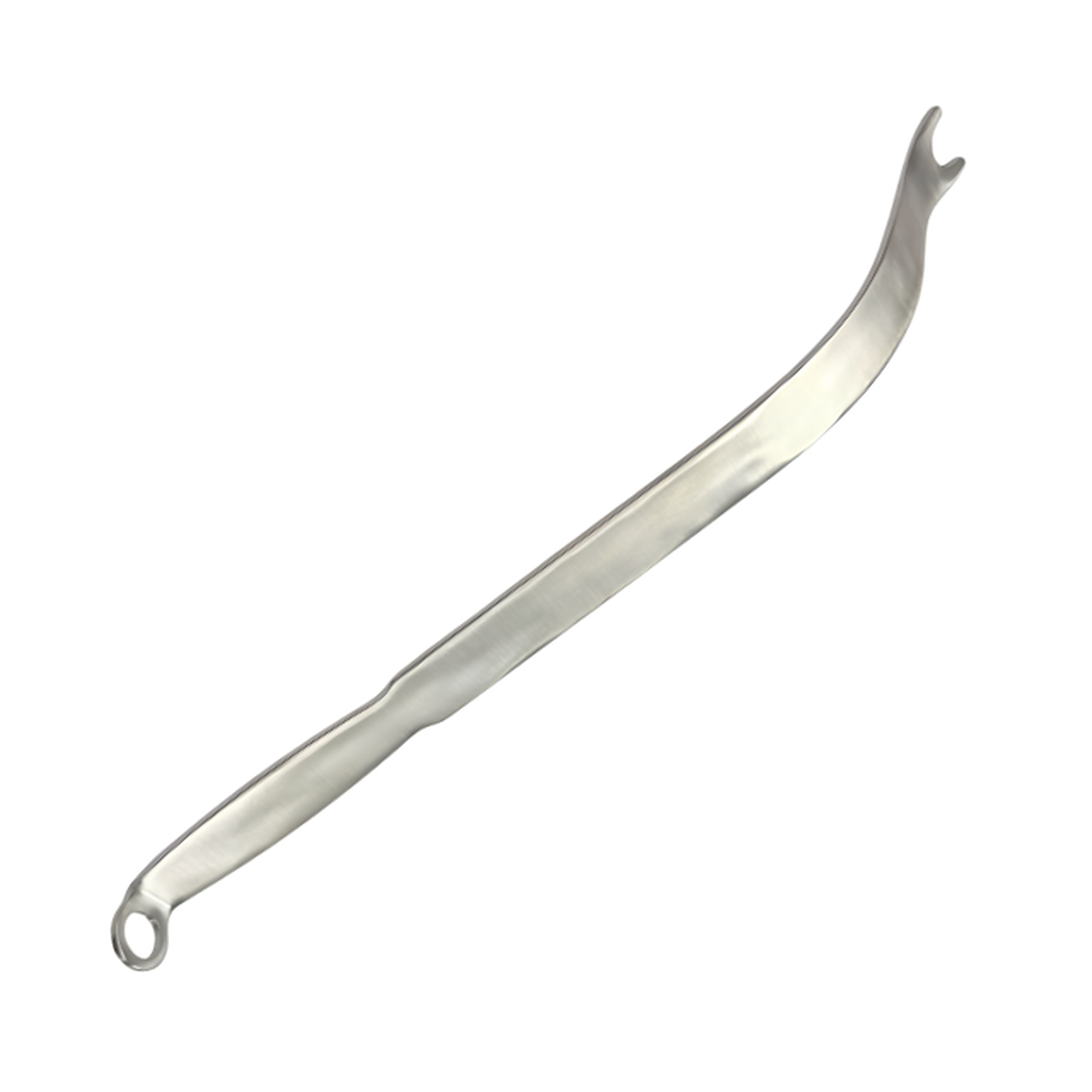 | مُباعد مهماز الفخذ Femoral Calcar Retractor | مصمم خصيصاً لإظهار مهماز الفخذ وإبعاد الأنسجة الرخوة أثناء تحضير القناة الفخذية في جراحة تقويم مفاصل الورك. |
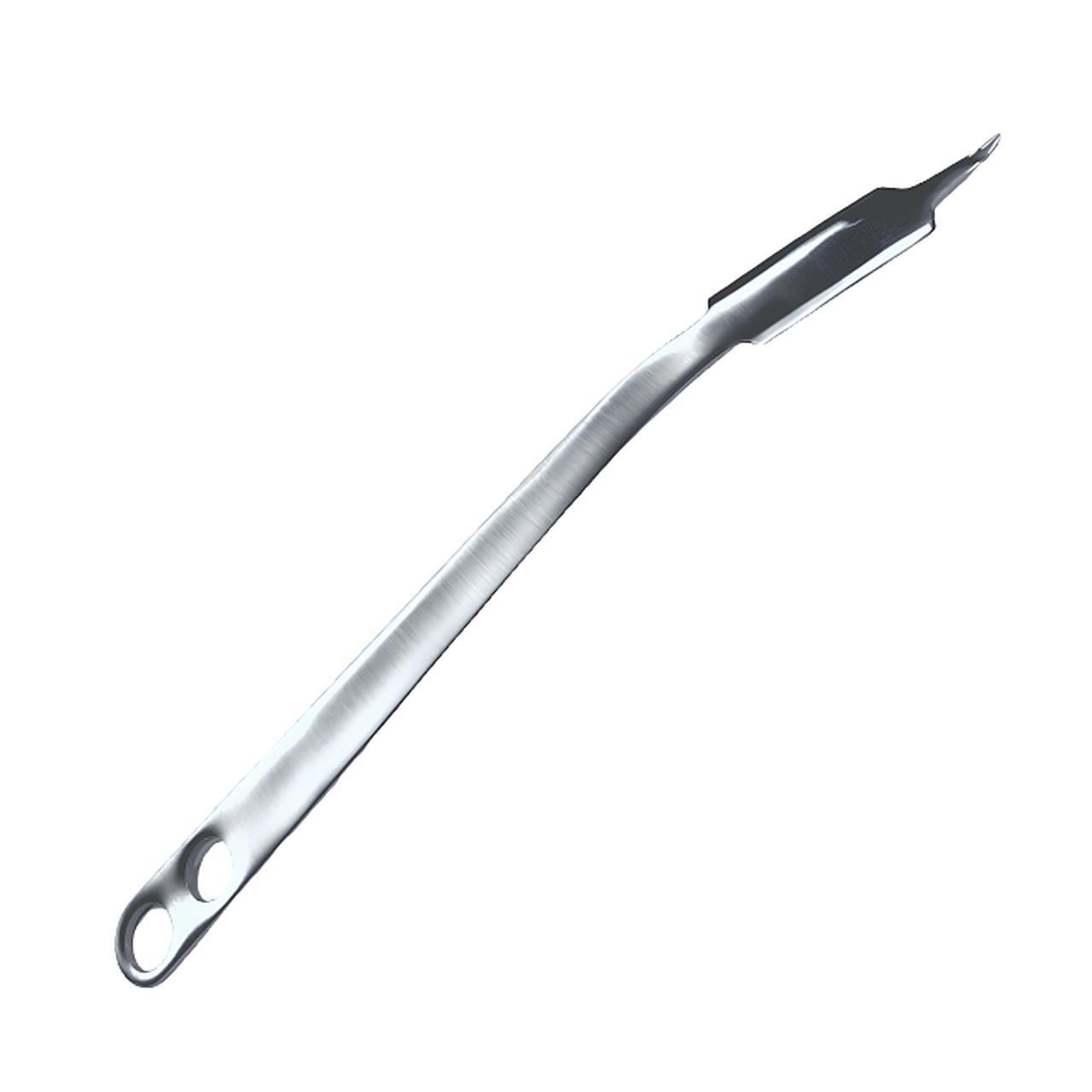 | مُباعد الفخذ/ العضلة الألوية الوسطى والصغرى (Femoral/Gluteus Medius Minimus Retractor) | مصمم خصيصاً لمباعدة العضلات الألوية الثقيلة وكشف الحق والفخذ أثناء جراحة تقويم مفصل الورك. |
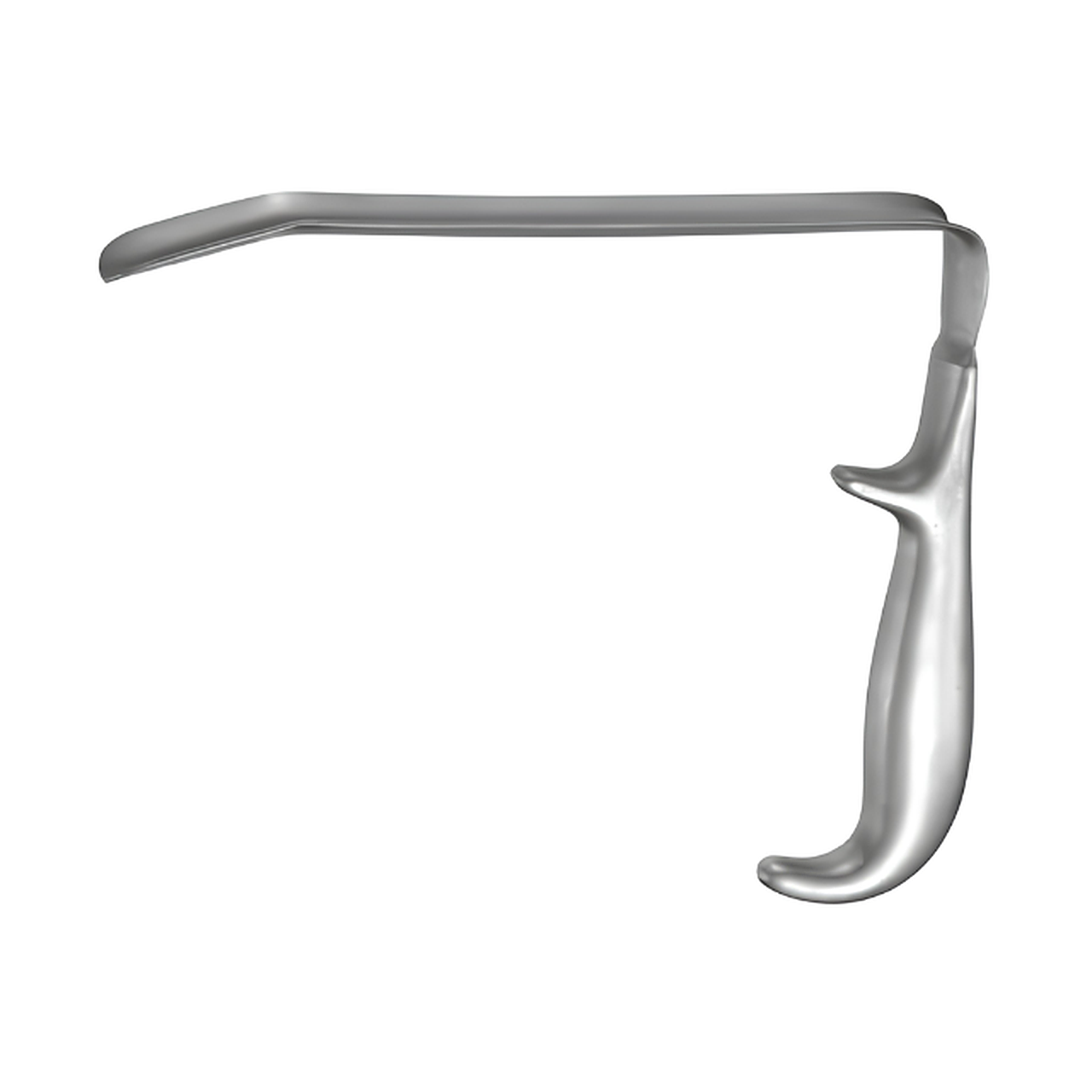 | Ferreira breast augmentation Retractor | مصممة خصيصاً لرفع سدائل الأنسجة وإنشاء جيوب تحت العضلات أو تحت الغدد أثناء عمليات تكبير وترميم الثدي. |
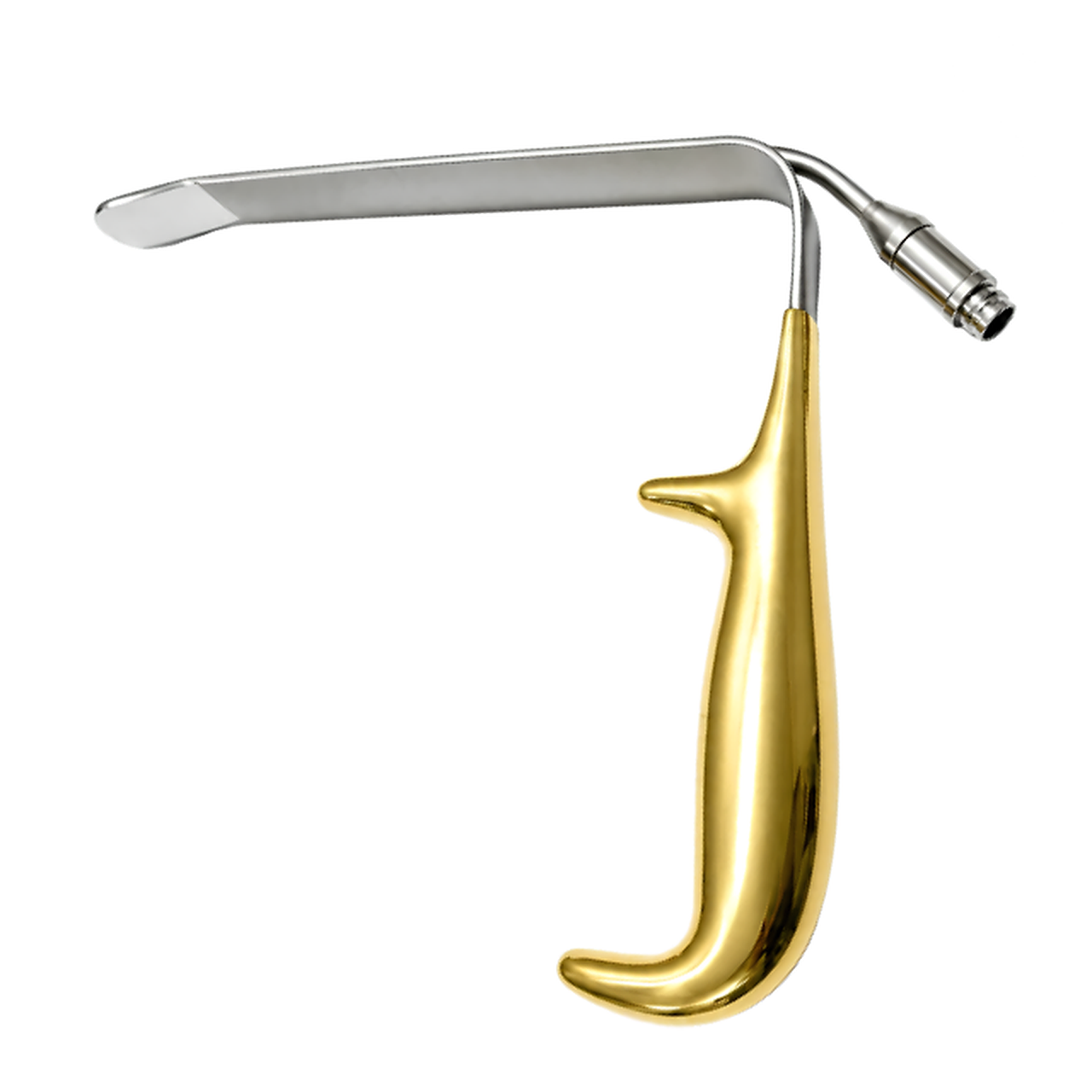 | Ferreira Breast Augmentation Retractor - Fiber Optics | مصمم خصيصاً لتوفير تبعيد مضيء للأنسجة الرخوة ورؤية واضحة للجيوب الجراحية أثناء عمليات تكبير وإعادة بناء الثدي. |
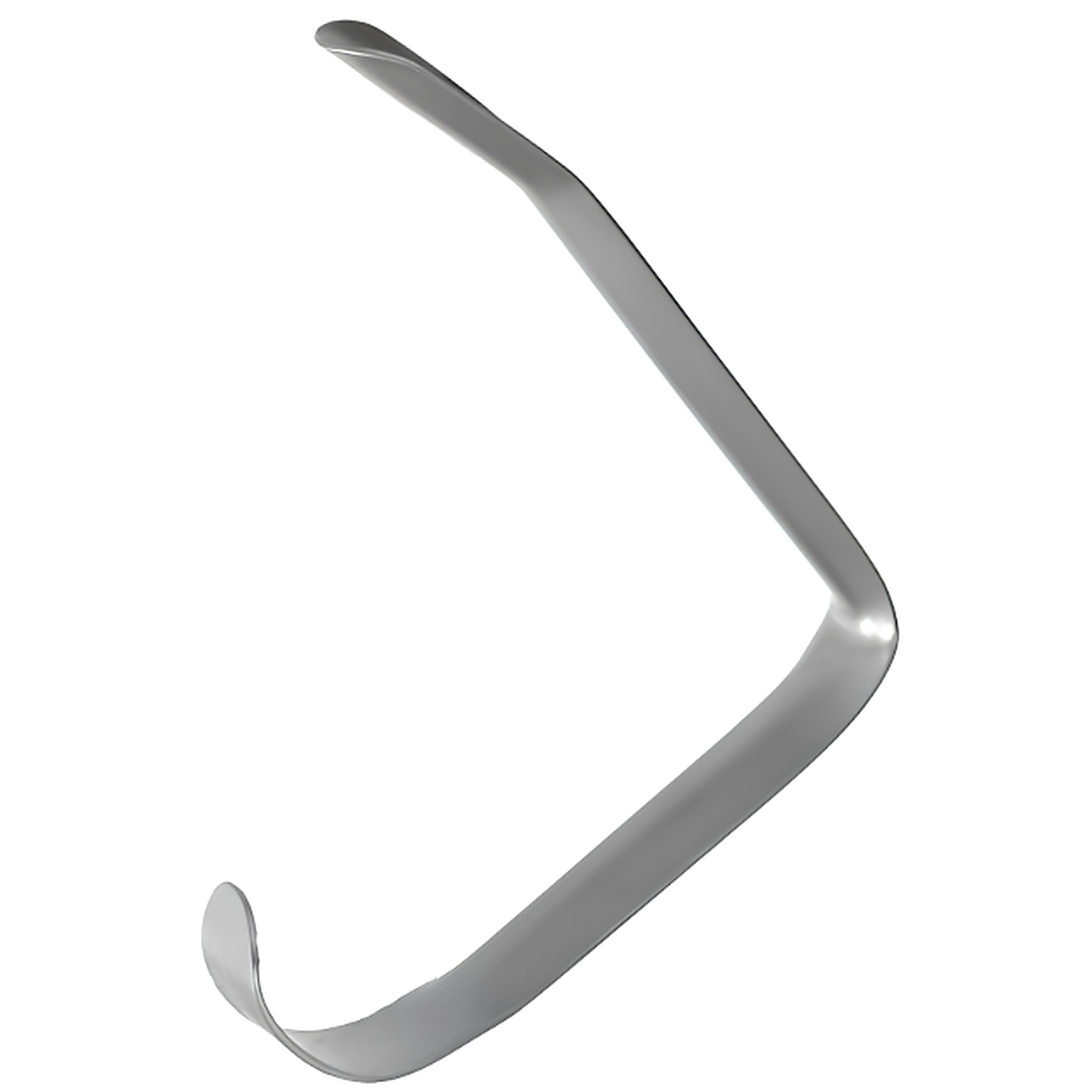 | مباعد Ferreira لشد الوجه | مصمم خصيصاً لرفع شرائح جلد الوجه وطبقات SMAS أثناء جراحة استئصال التجاعيد وجراحات الوجه التجميلية. |
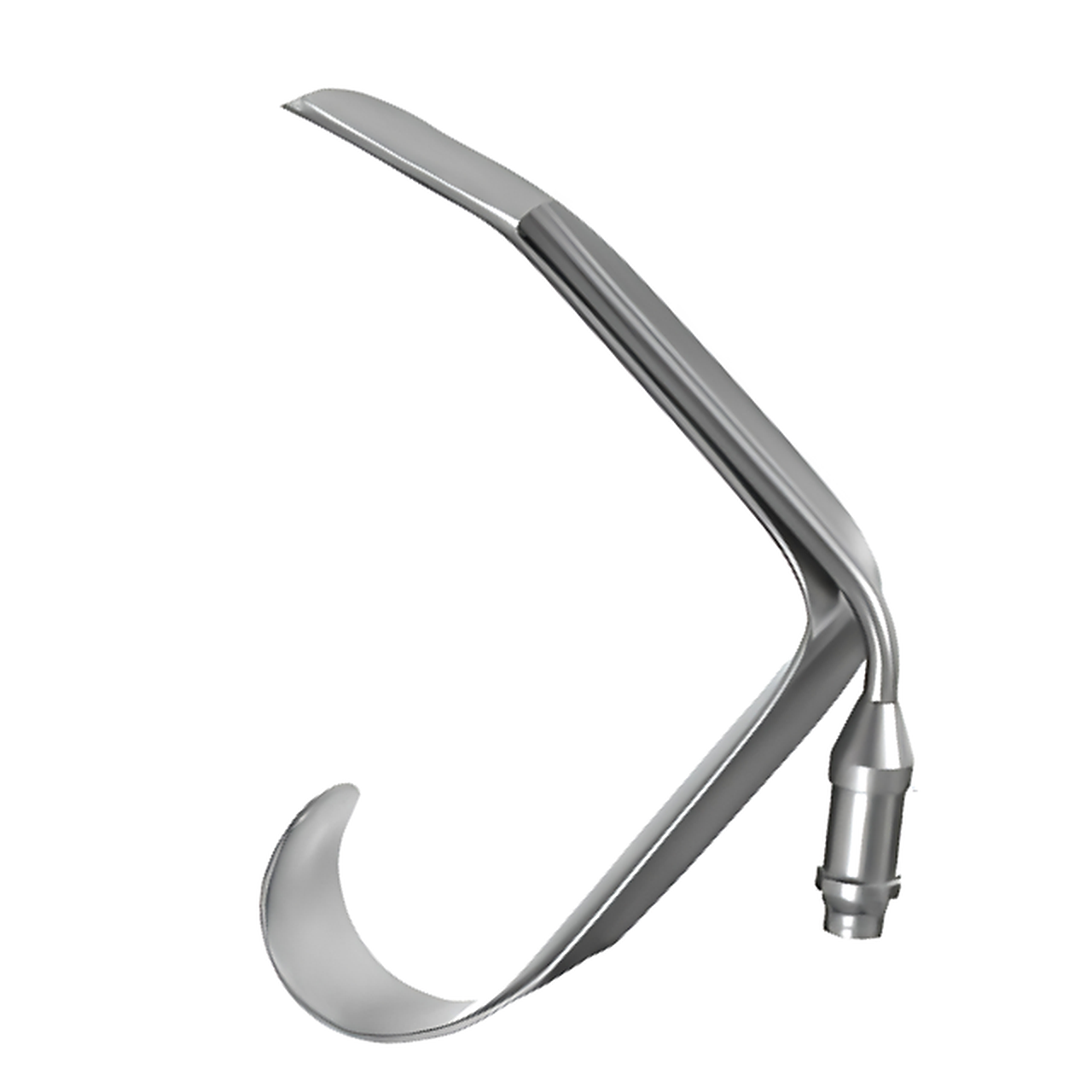 | Ferreira Fiber Optic Face Lift Retractor | مصمم خصيصاً لتوفير إبعاد مضيء للأنسجة الرخوة ورفع سدائل جلد الوجه أثناء عمليات شد الوجه (Rhytidectomy). |
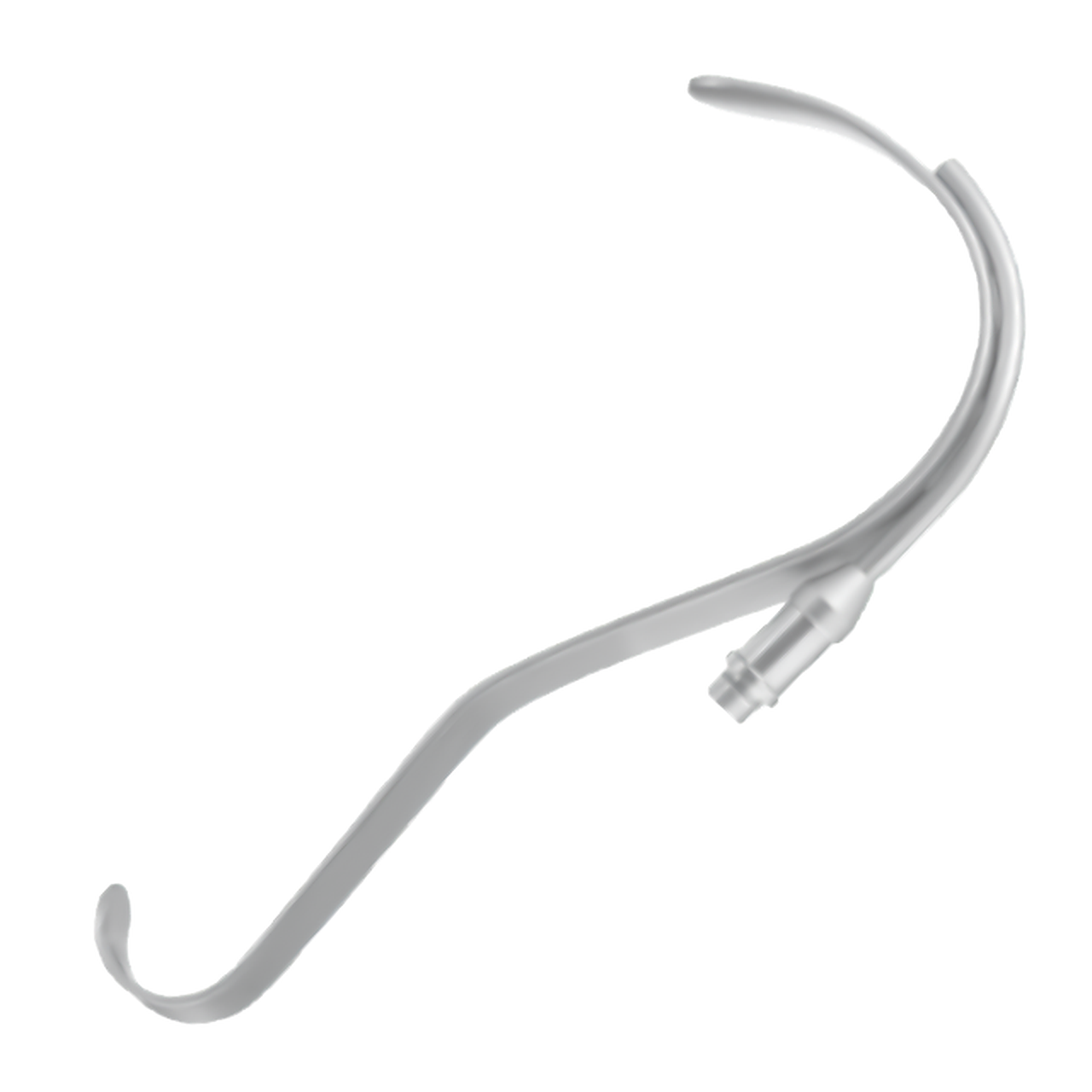 | مُبعّد Fiber optic Deaver Retractor | مصمم خصيصاً لتبعيد الأعضاء الحشوية وتوفير إضاءة مباشرة أثناء جراحات البطن والحوض العميقة. |
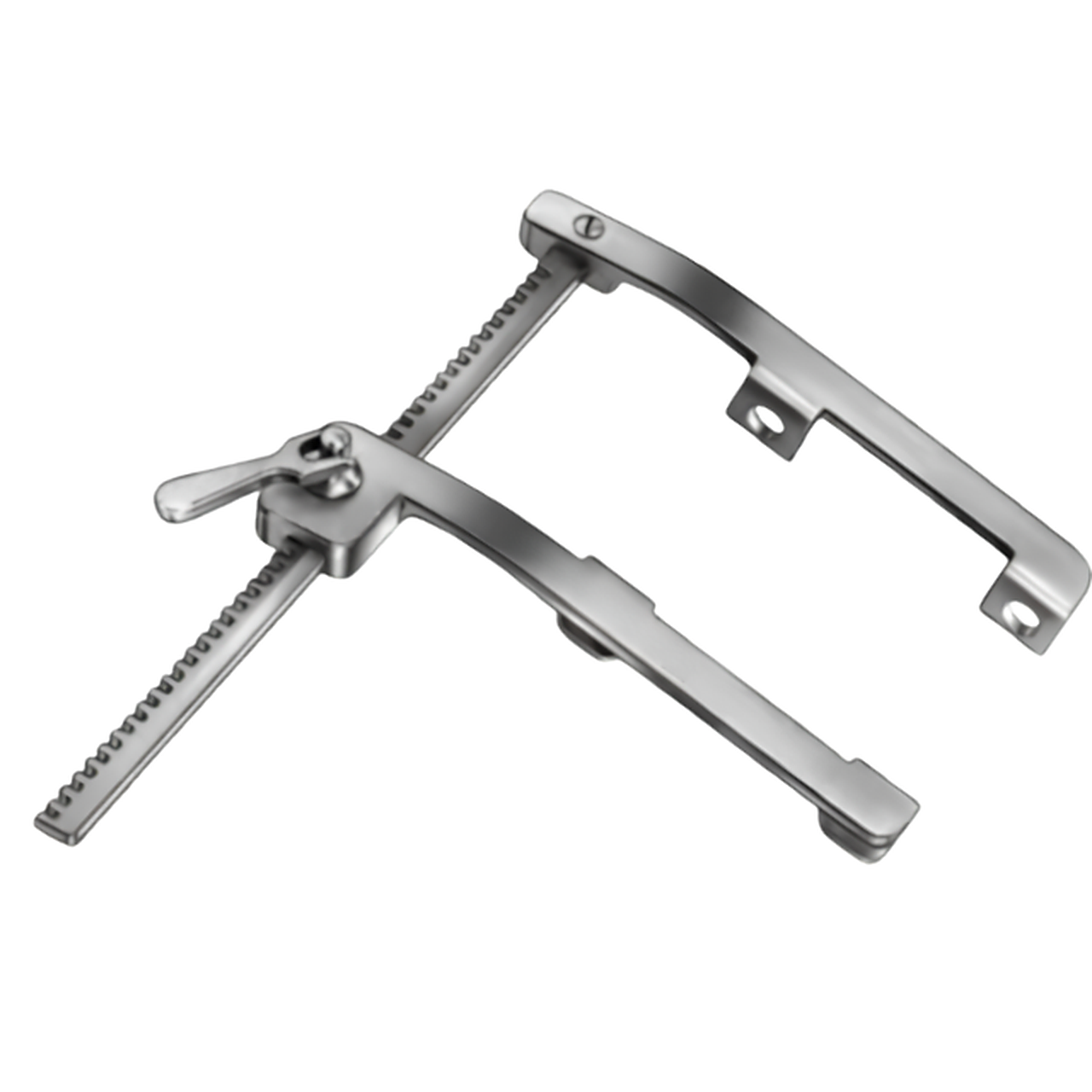 | مباعد الضلوع Finochietto (Modif) | مصمم خصيصاً لمباعدة الضلوع وتوفير الوصول للصدر أثناء عمليات بضع الصدر الأمامي والجانبي. |
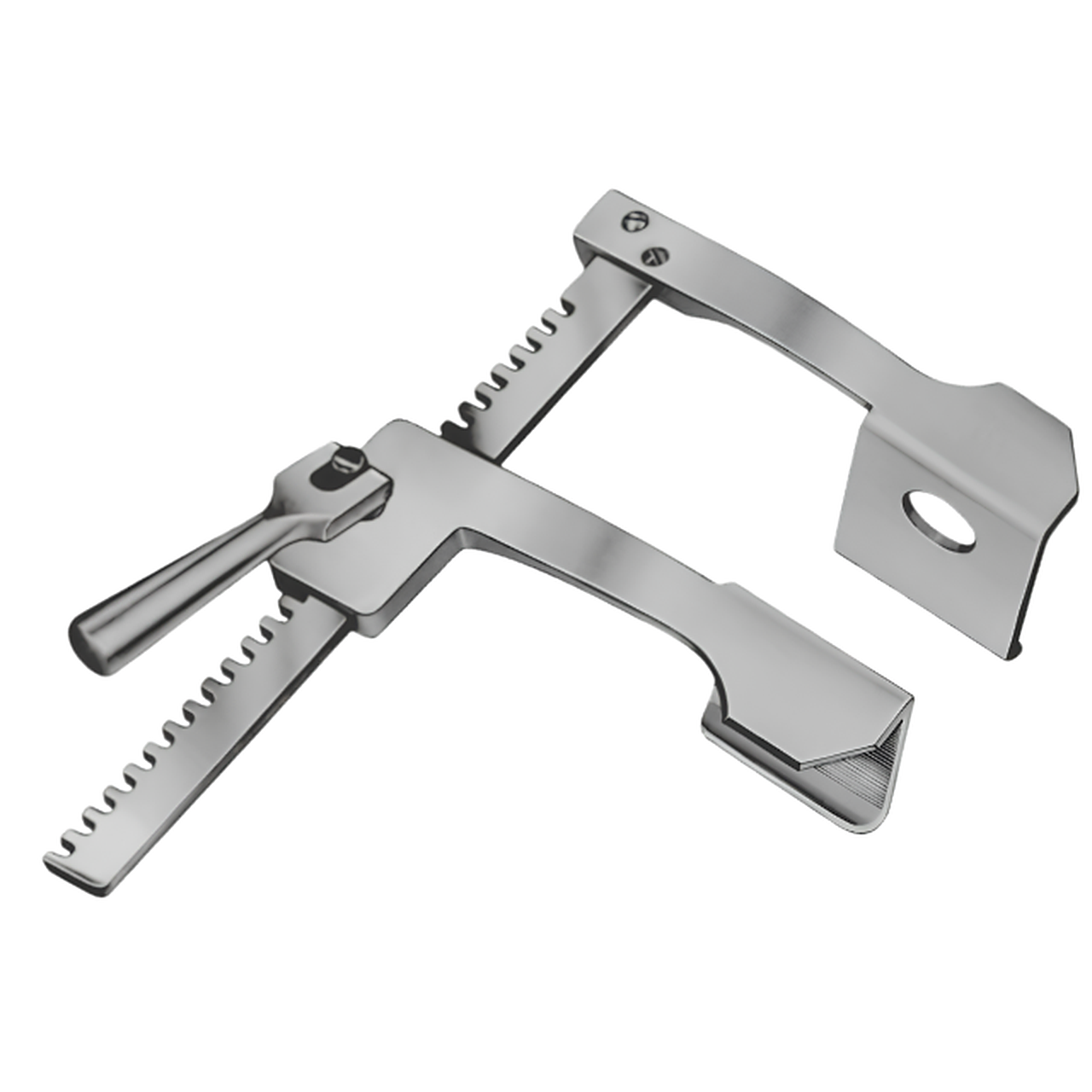 | مُبعّد الضلوع Finochietto Rib Spreader | صُمم خصيصاً لفصل الضلوع وتوسيع تجويف الصدر أثناء إجراءات بضع الصدر المفتوح. |
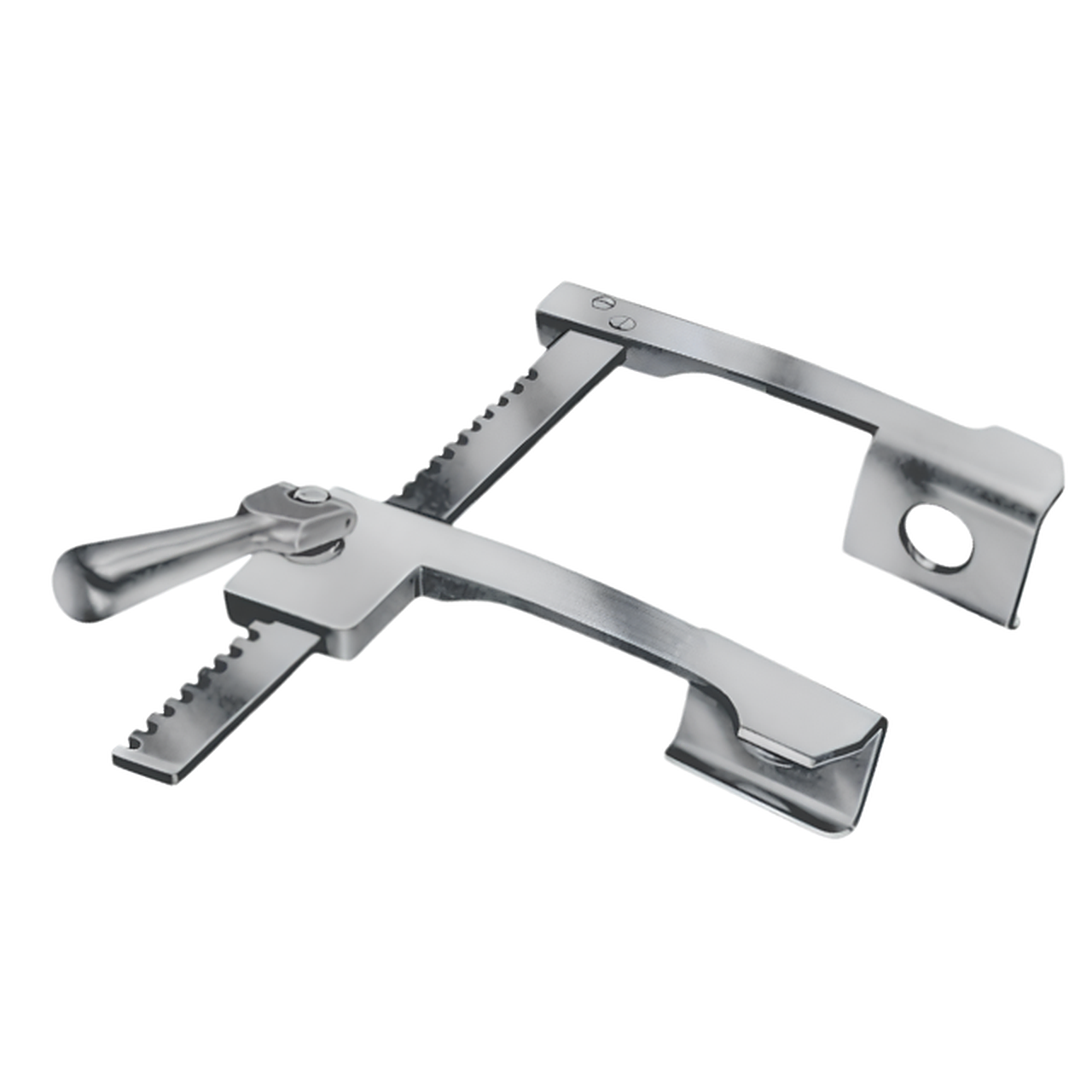 | مباعد ضلوع Finochietto-Baby | مصمم خصيصاً لفصل الضلوع وتوفير الوصول إلى الصدر أثناء جراحات القلب والصدر لحديثي الولادة والأطفال. |
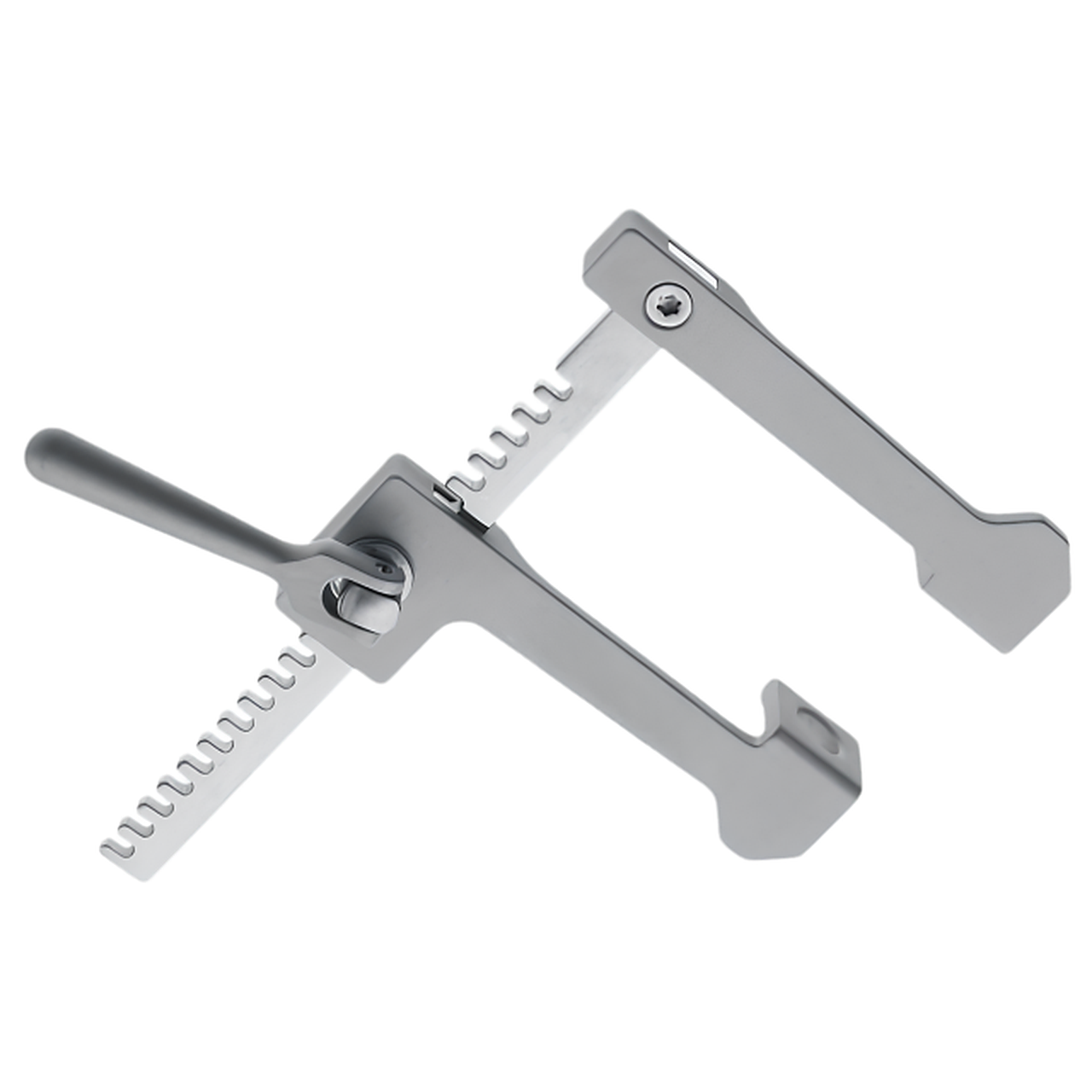 | مباعد الضلوع Finochietto-Infant | مصمم خصيصاً لفصل ضلوع الرضع الدقيقة أثناء جراحة القلب والصدر لحديثي الولادة والرضع. |
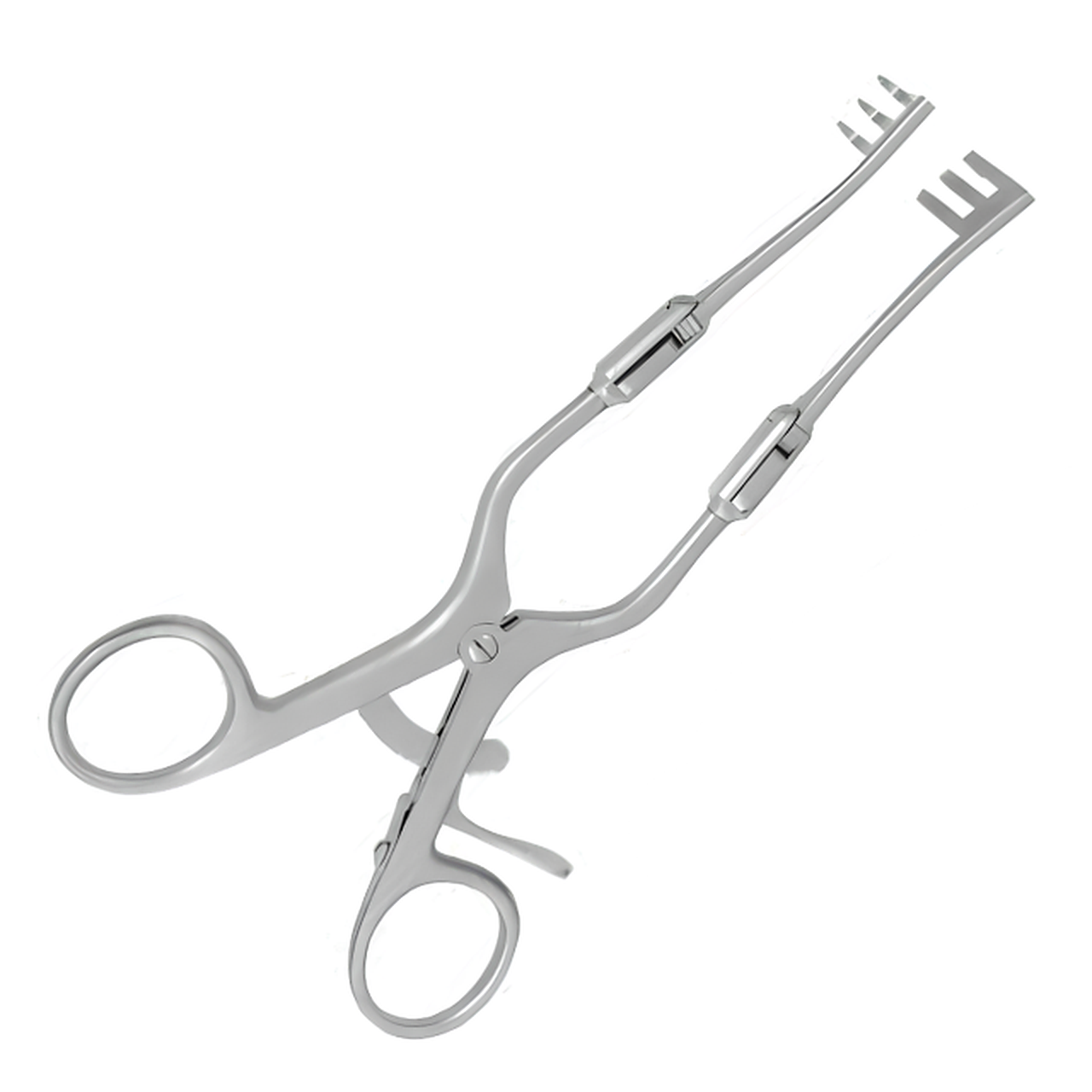 | Fisch Retractor with Joint | مصمم خصيصاً لتبعيد سديلة الأنسجة الرخوة والسمحاق في منطقة ما وراء الأذن أثناء جراحة النتوء الحلمي وقاعدة الجمجمة الجانبية. |
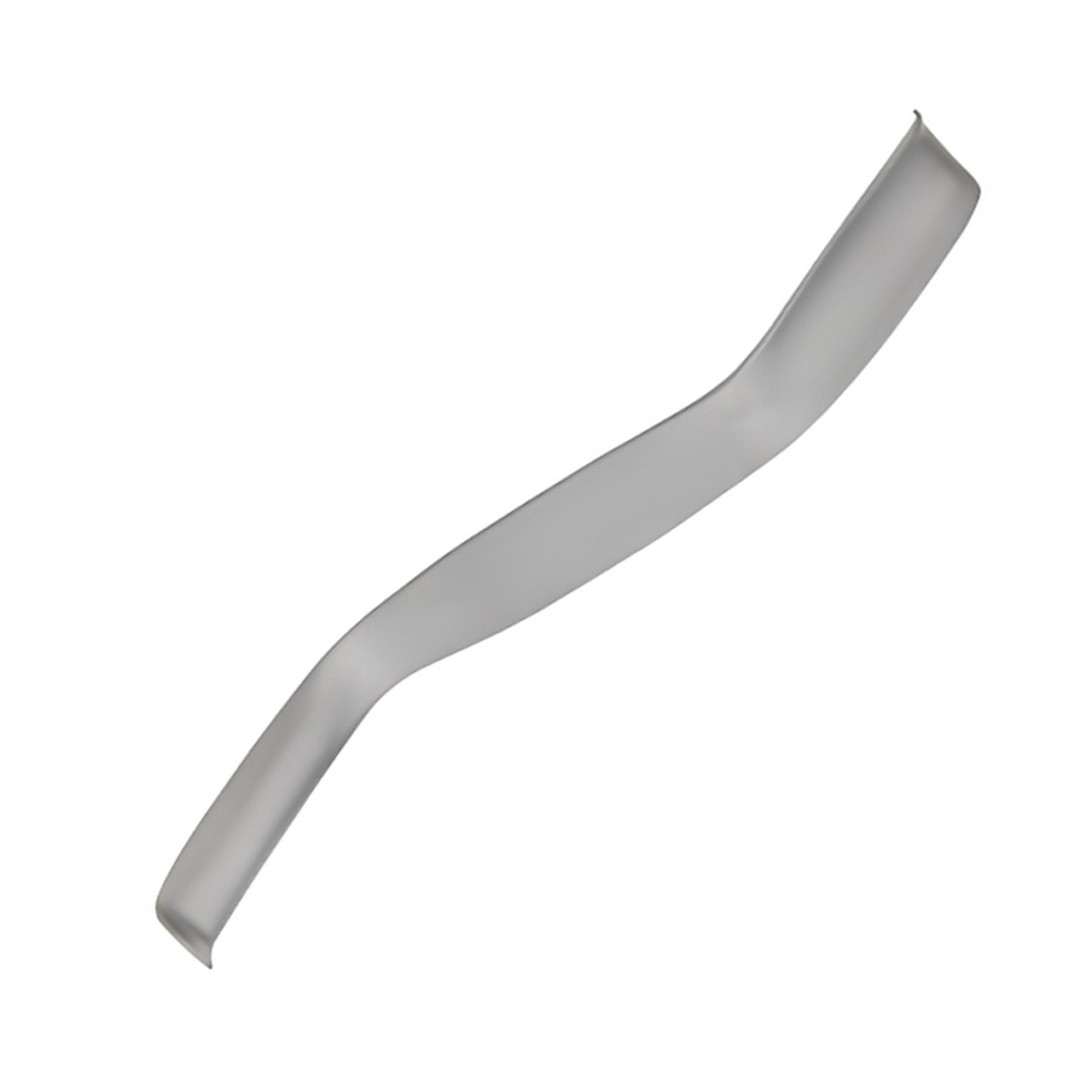 | Fischl Shoe Horn Retractor مباعد فيشل على شكل لبيسة الحذاء | مصمم خصيصاً لمباعدة السدائل الجلدية وتوجيه الأطراف الاصطناعية وفصل مستويات الأنسجة أثناء الجراحة التجميلية والعامة. |
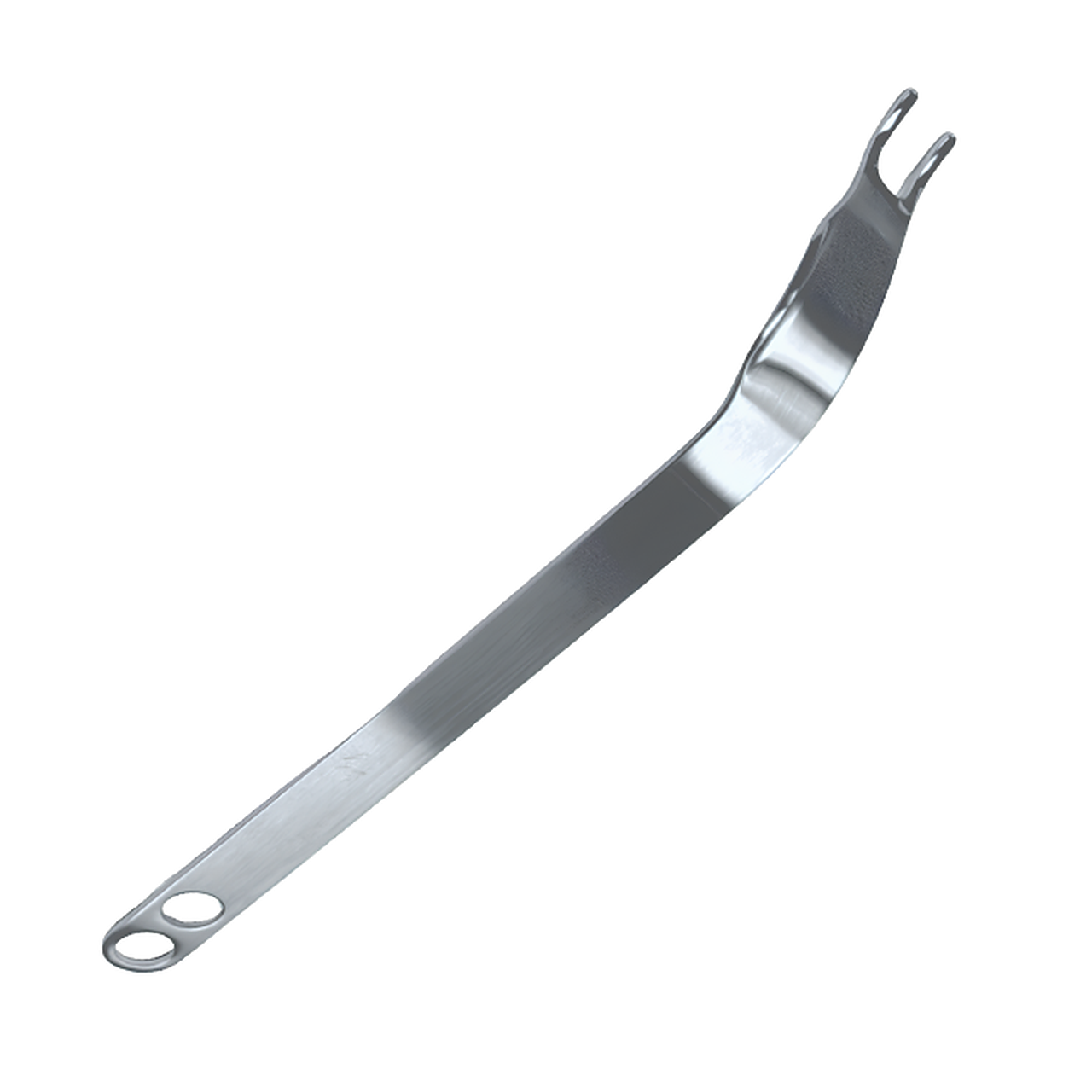 | مباعدات Flared Cobra Retractors | مصممة خصيصاً لرفع العظام وإزاحة العضلات الثقيلة أثناء جراحة استبدال مفصل الورك بالكامل، وقطع عظم الحوض، وإعادة بناء الفخذ. |
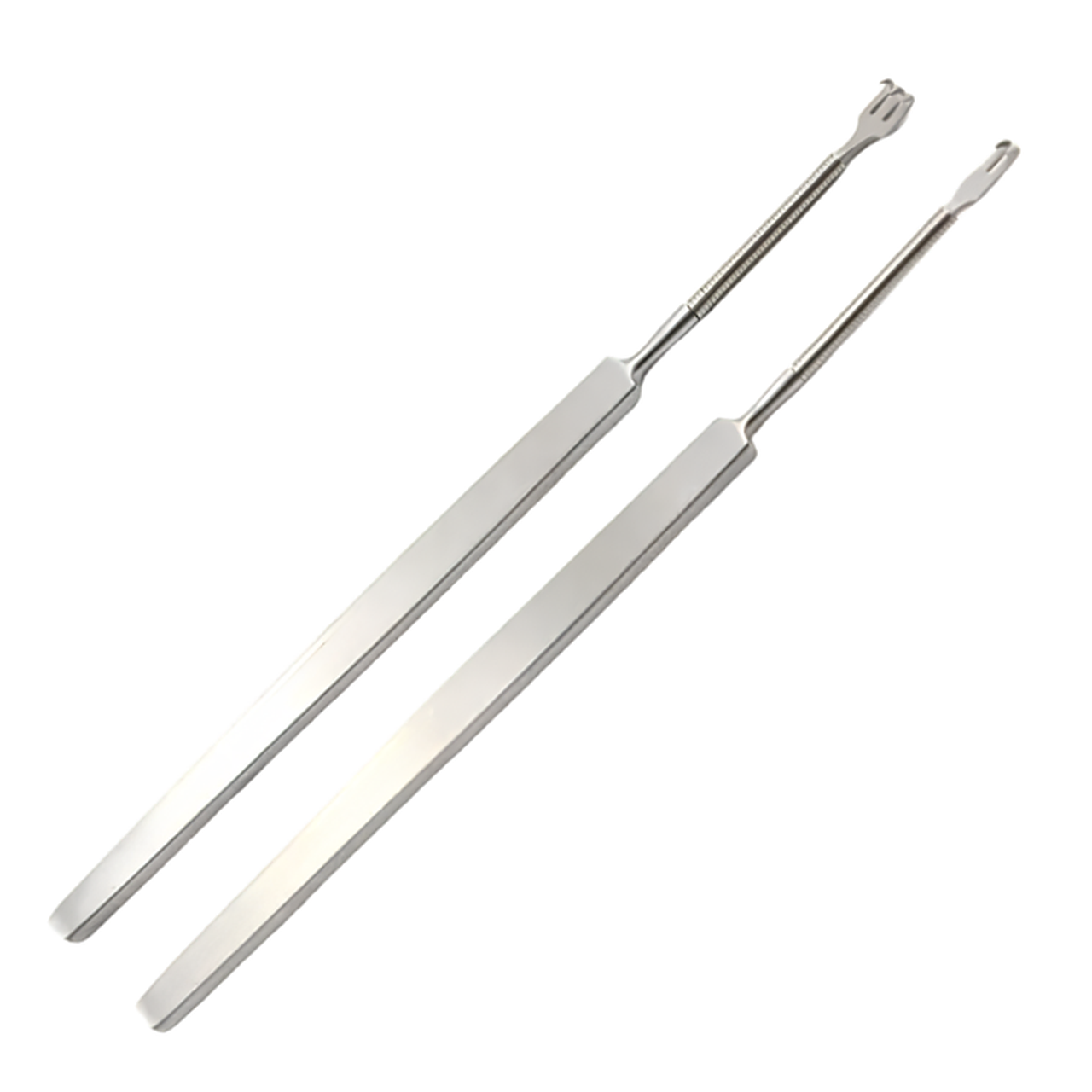 | مبعد الرقبة المرن (Flexible Neck Retractor) | مصمم خصيصاً لإبعاد السدائل الجلدية، وعضلات الرقبة، والأنسجة اللفافية أثناء جراحات الغدة الدرقية والرقبة والجراحات التجميلية. |
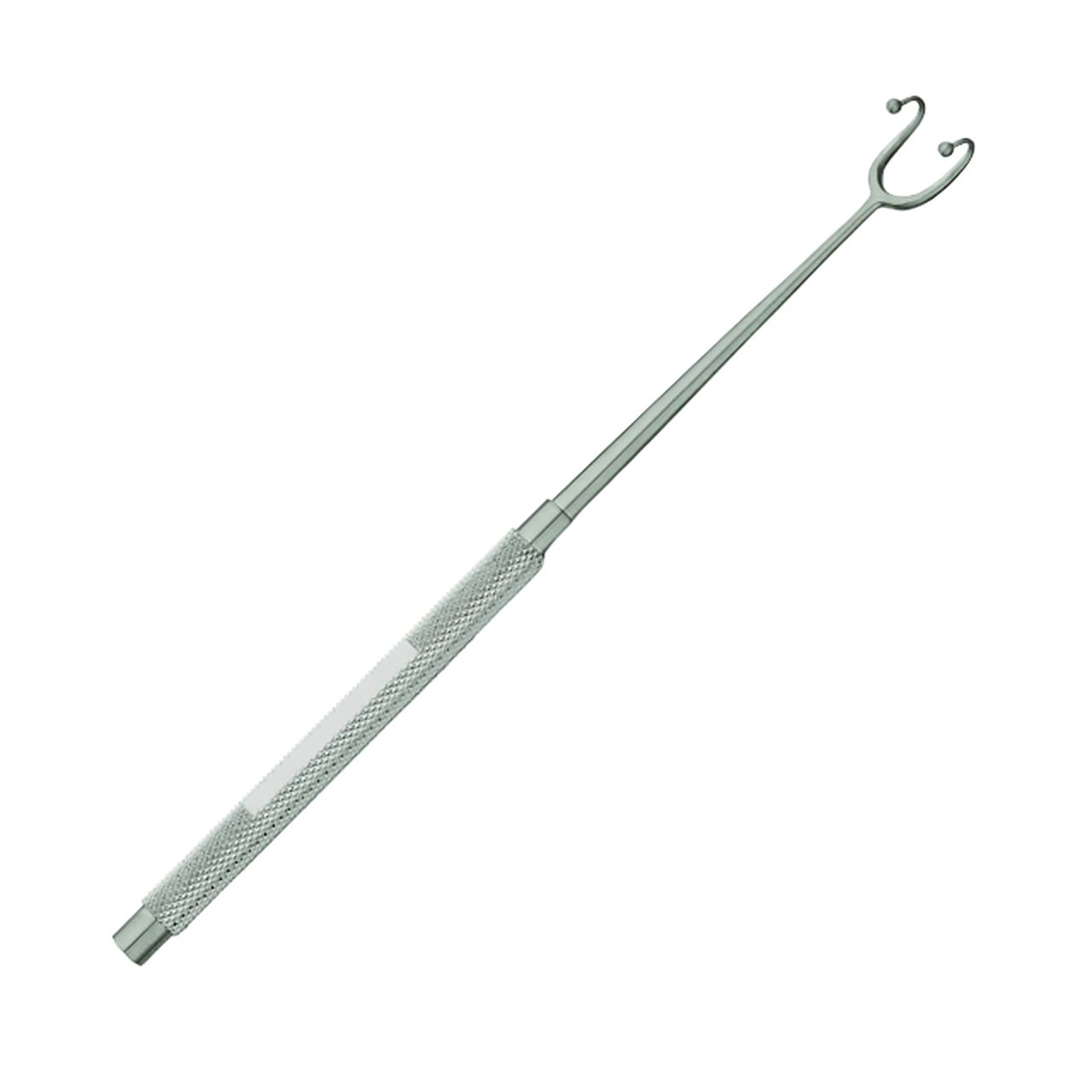 | Fomon Retractor | مصمم خصيصاً لتبعيد حافة جناح الأنف، الغضروف الجانبي السفلي، وحواف فتحة الأنف أثناء عمليات تجميل الأنف. |
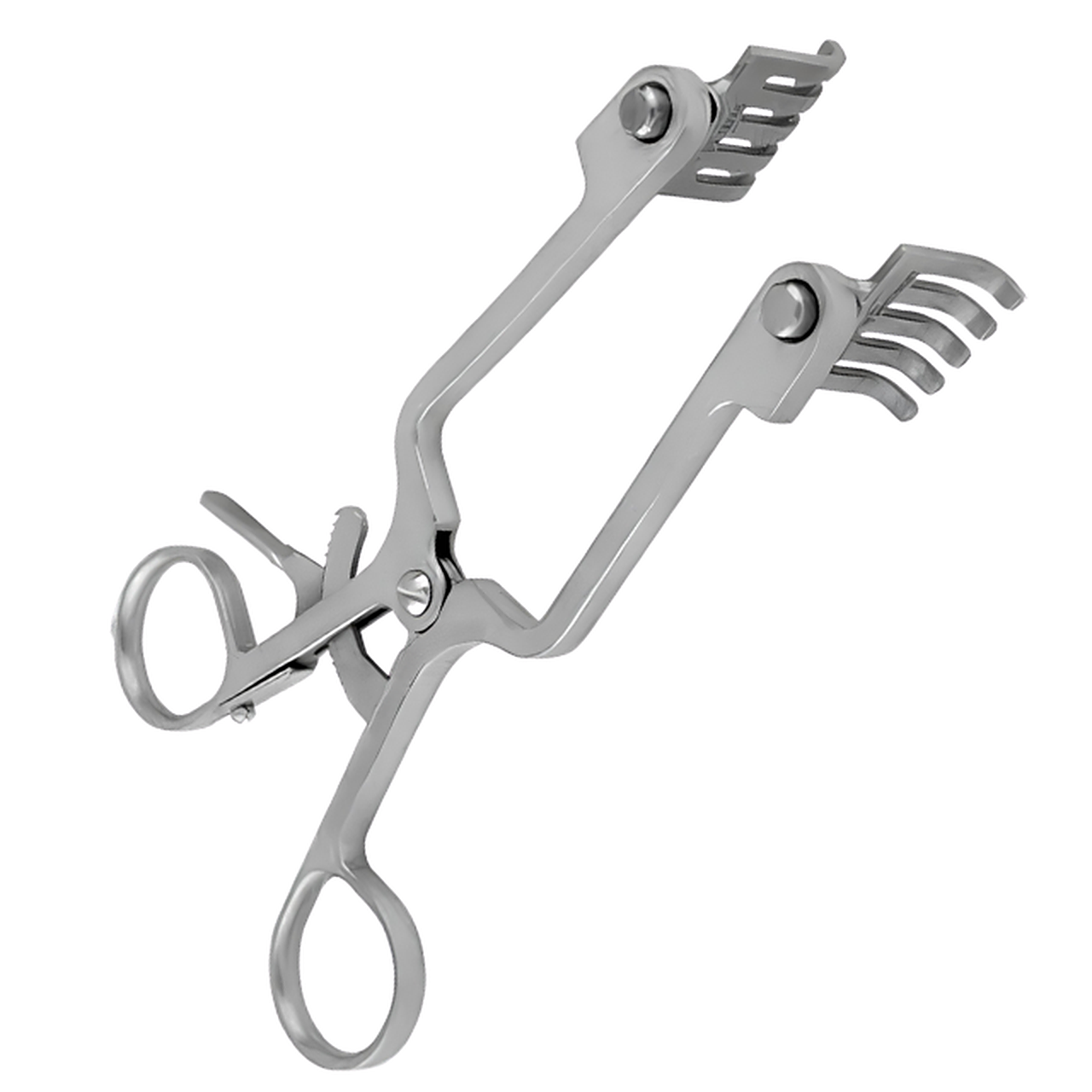 | مُبعّد Forearm Swivel Blade Retractor | مصمم خصيصاً لتوفير تبعيد ذاتي التثبيت للأنسجة الرخوة ومباعدة العظام أثناء جراحات الساعد والمعصم. |
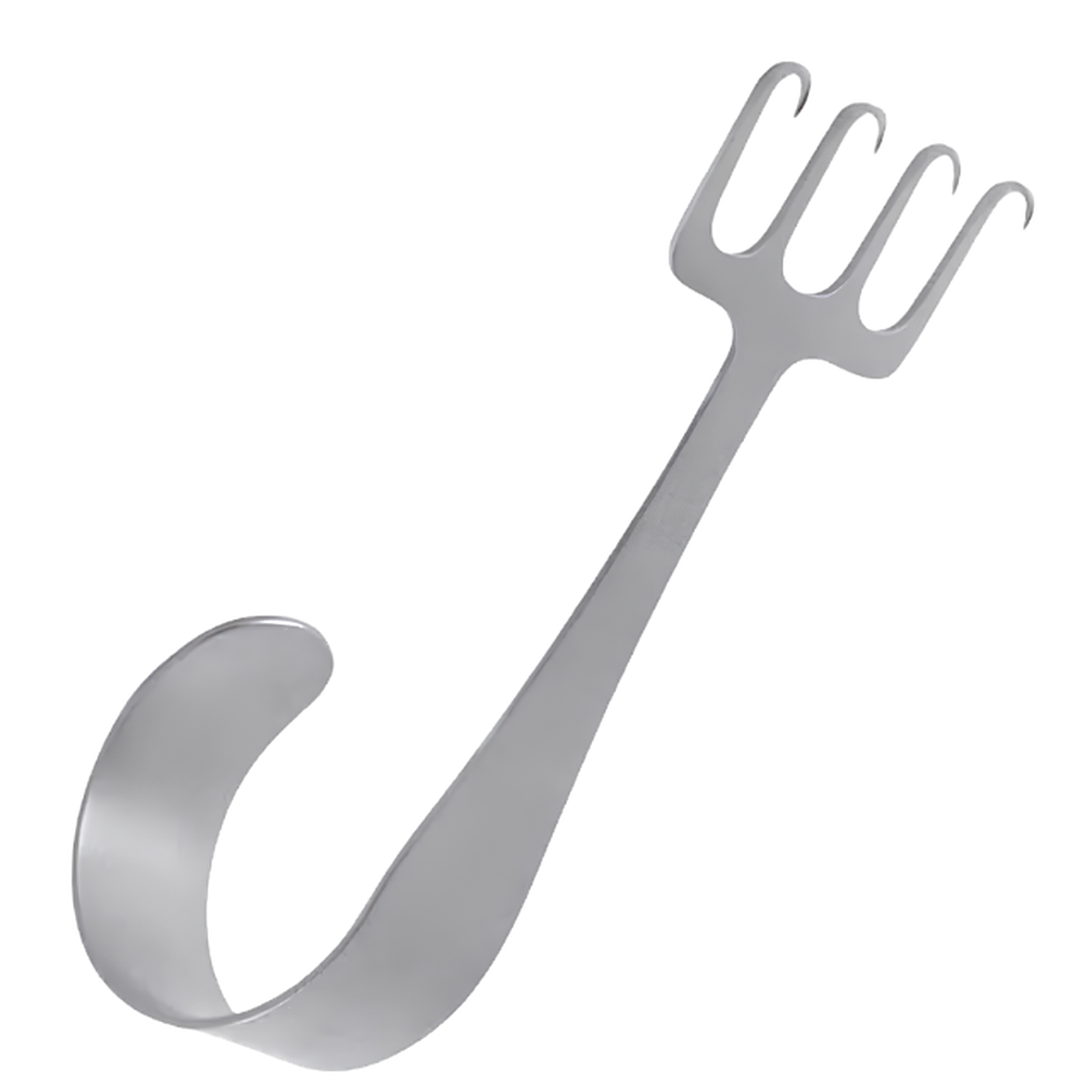 | مبعدات Freeman Face Lift لشد الوجه | مصمم خصيصاً لرفع الشرائح الجلدية للوجه وطبقة SMAS أثناء عمليات شد الوجه وجراحات الوجه التجميلية. |
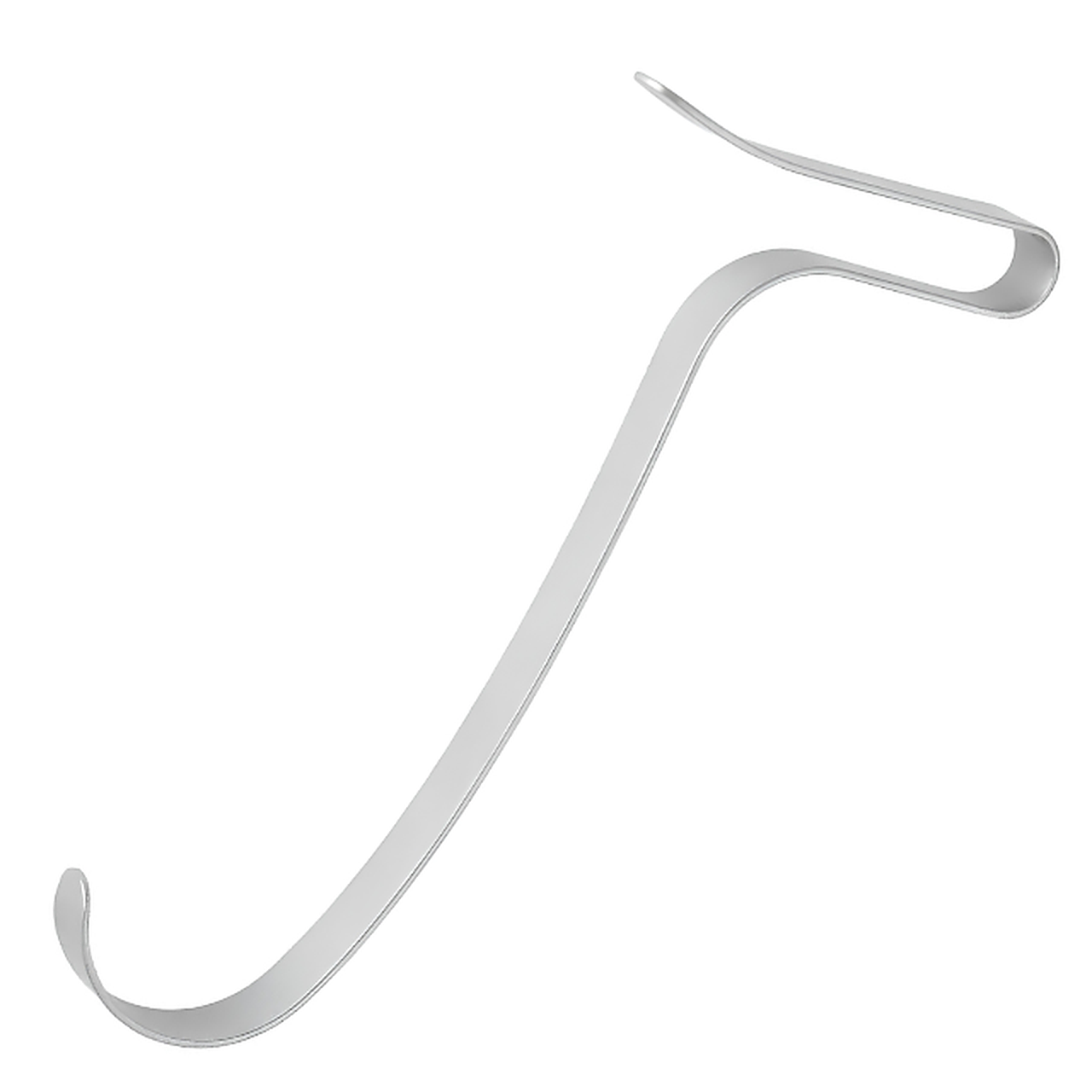 | مُباعد فريمان للشرائح الجراحية - Freeman Flap Retractor | مصمم خصيصاً لرفع وسحب الشرائح الجلدية والأنسجة تحت الجلد أثناء جراحات التجميل، الثدي، والترميم. |
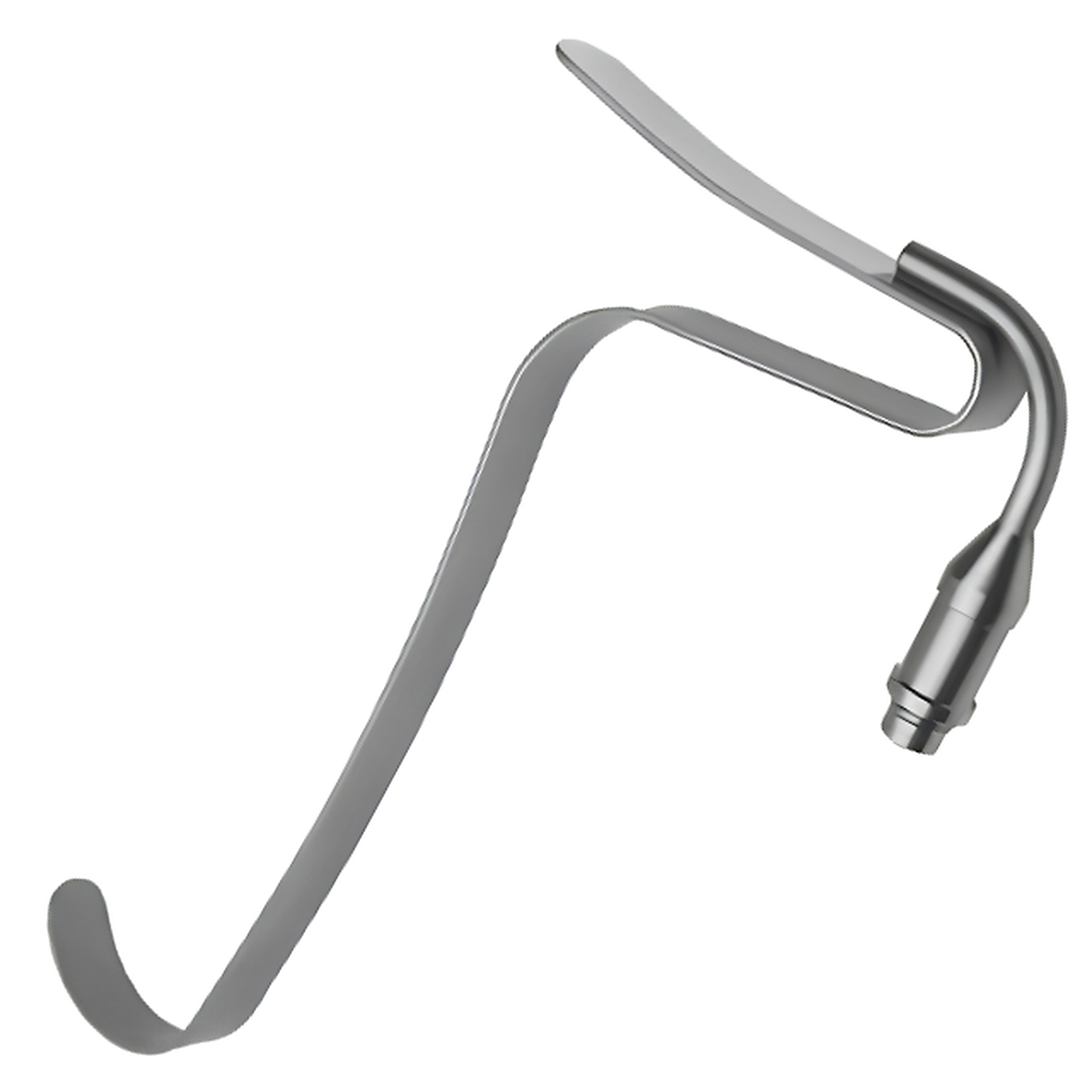 | Freeman Flap Retractor With Fiber Optic Illumination | مصمم خصيصاً لتوفير تبعيد مضيء للأنسجة الرخوة ورفع السدائل أثناء جراحات التجميل والترميم. |
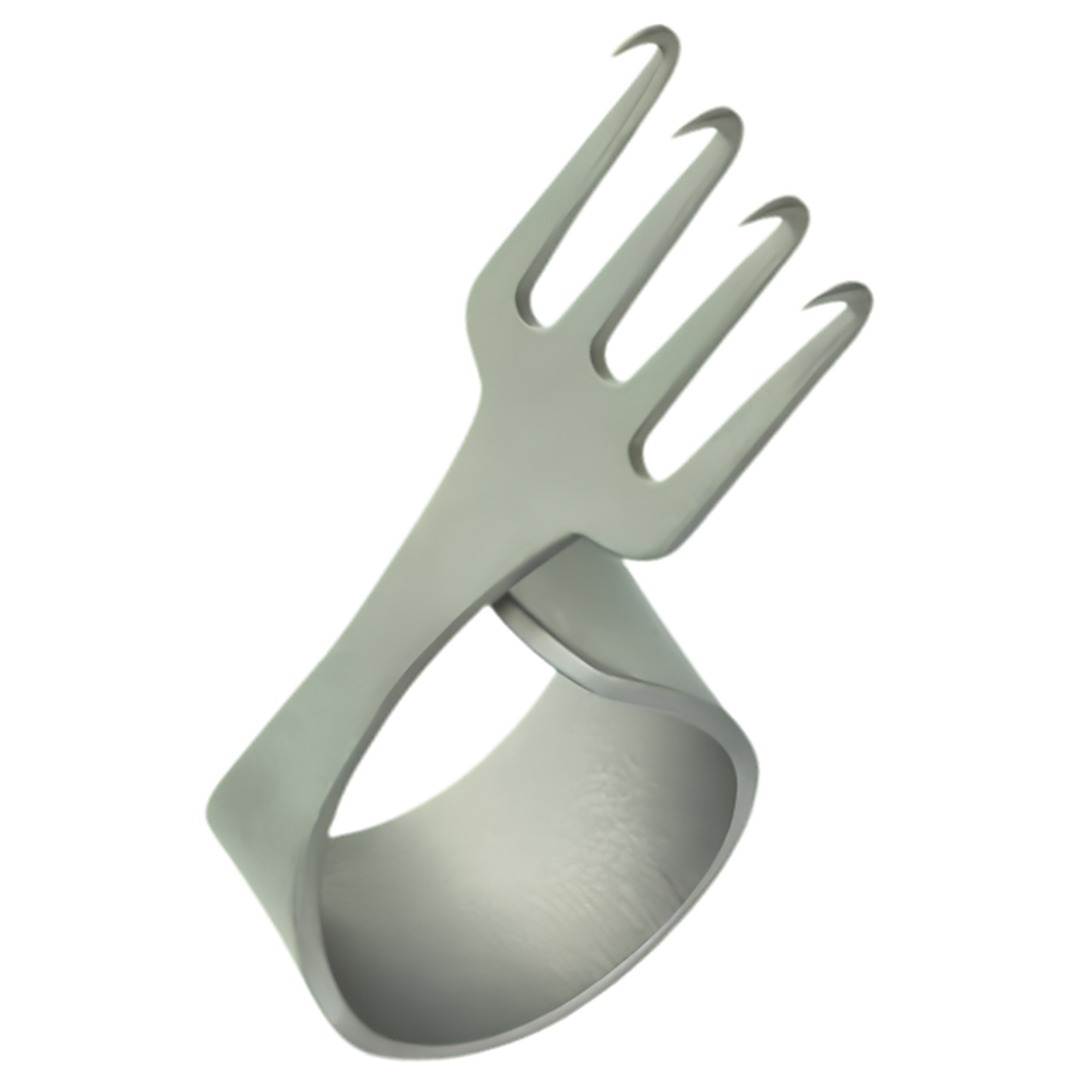 | مبعد Freeman Mini Rake Retractor | مصمم خصيصاً لرفع الرقع الجلدية الدقيقة وشد الأنسجة الرخوة في الجيوب التشريحية الضيقة. |
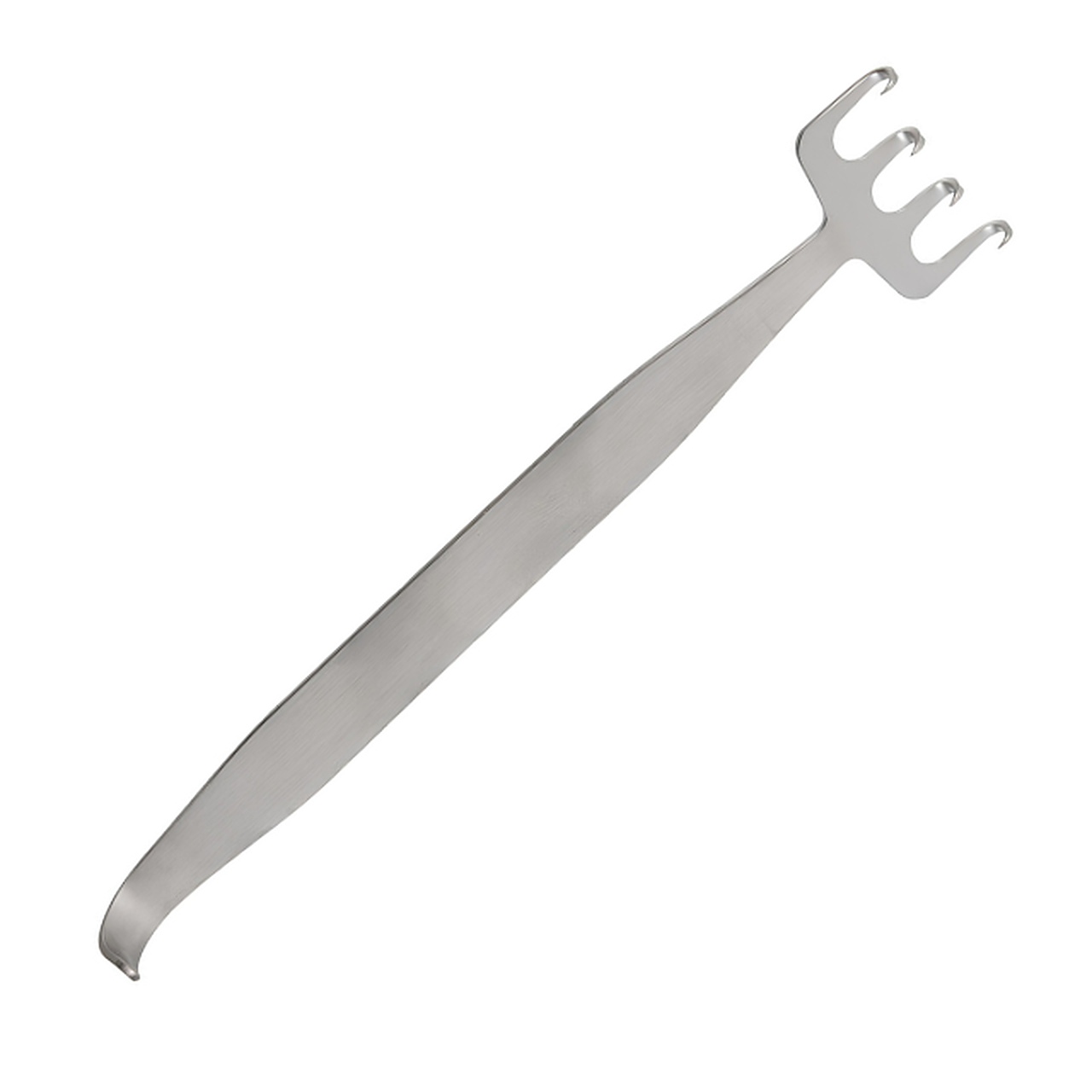 | Freeman Rake Retractor | مصمم خصيصاً لرفع وتبعيد اللوحات الجلدية أثناء عمليات شد الوجه وجراحات التجميل الترميمية. |
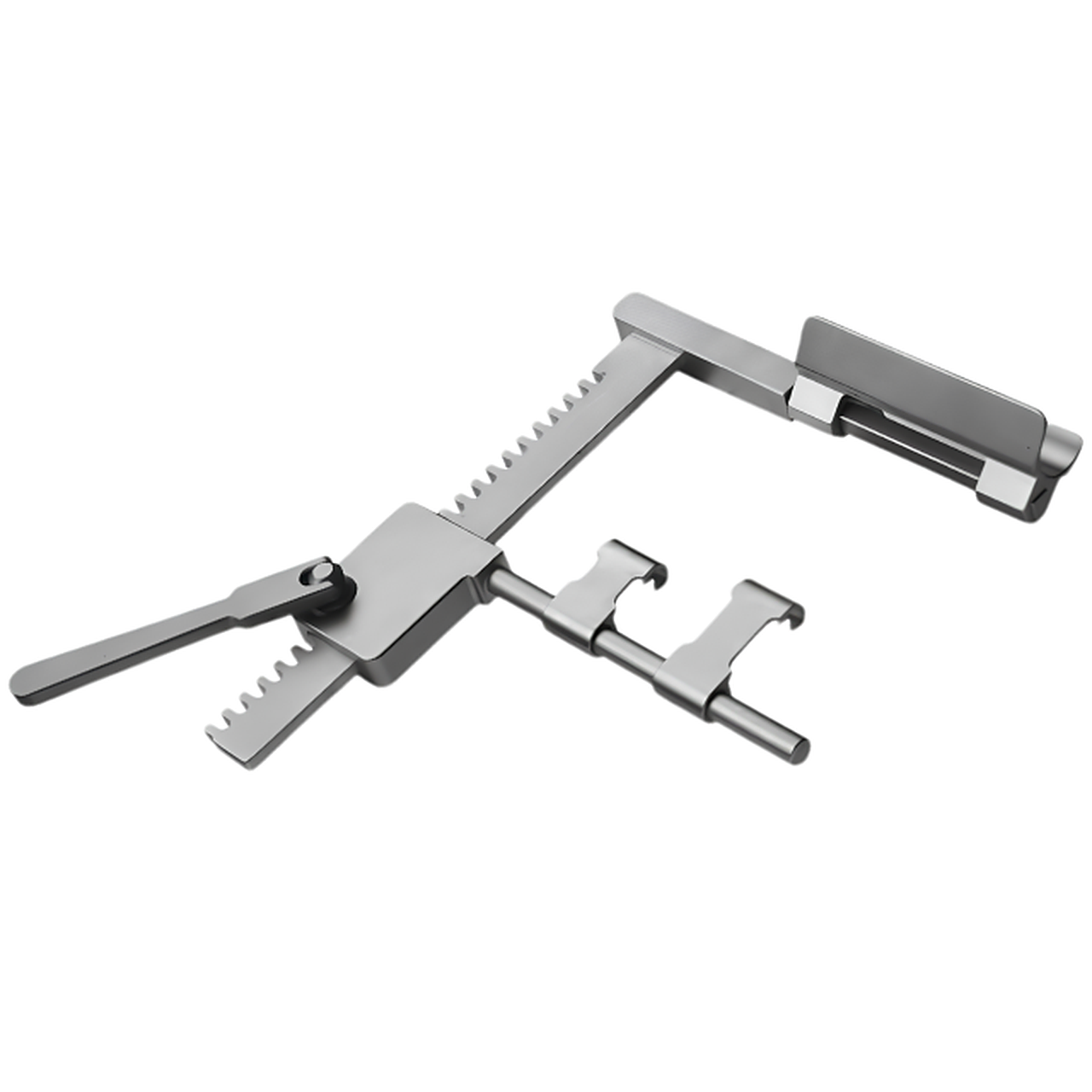 | مُبعّد القص للنمط الفرنسي الفرنسي French Pattern I.M.A Sternal Retractor | مصمم خصيصاً لرفع القص أحادي الجانب أثناء استخراج الشريان الثديي الداخلي في جراحات مجازة الشريان التاجي (CABG). |
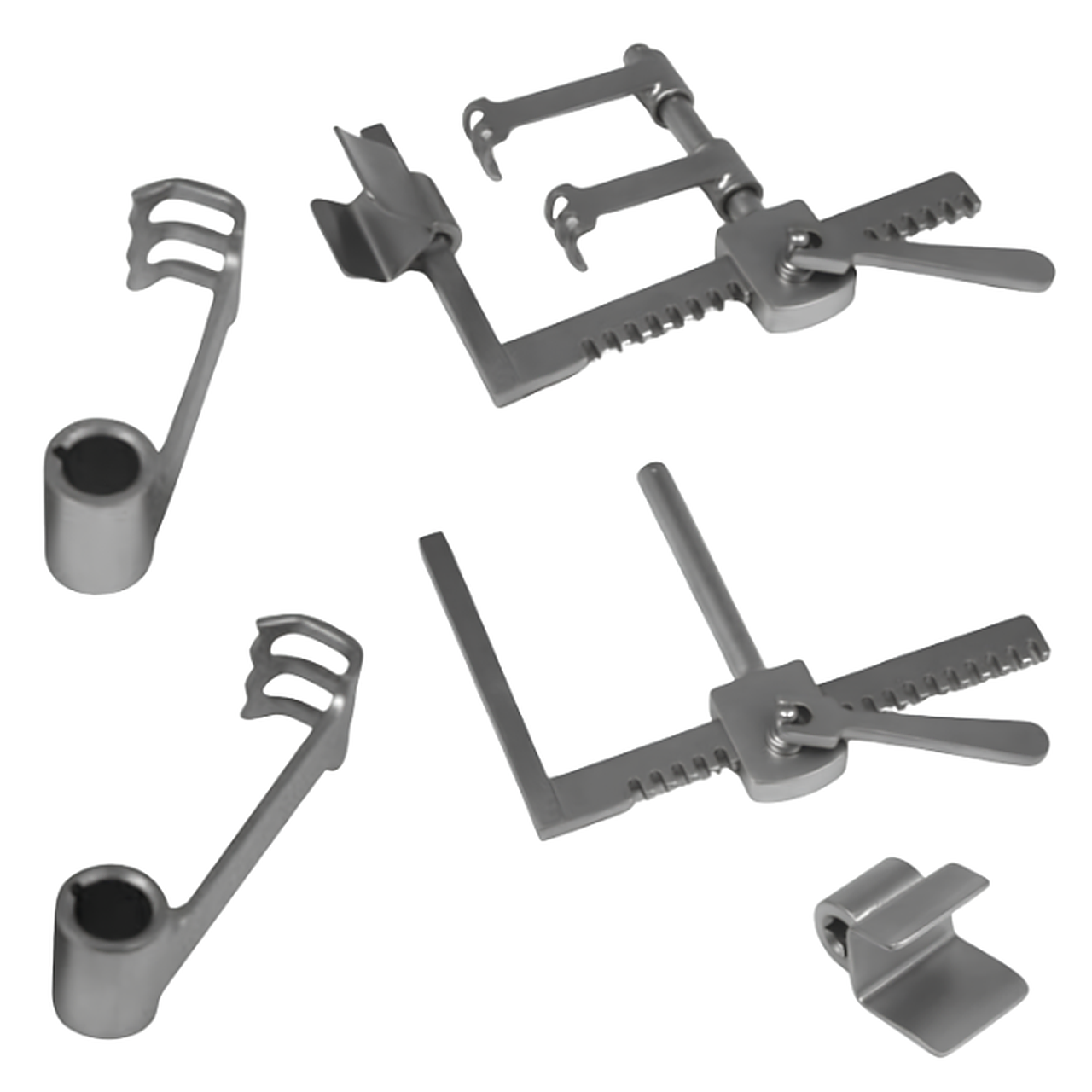 | مُباعد القص French Pattern I.M.A. للشق القصي الصغير | مصمم خصيصًا لرفع عظمة القص من جانب واحد أثناء عمليات الشق القصي الصغير وجراحات القلب طفيفة التوغل. |
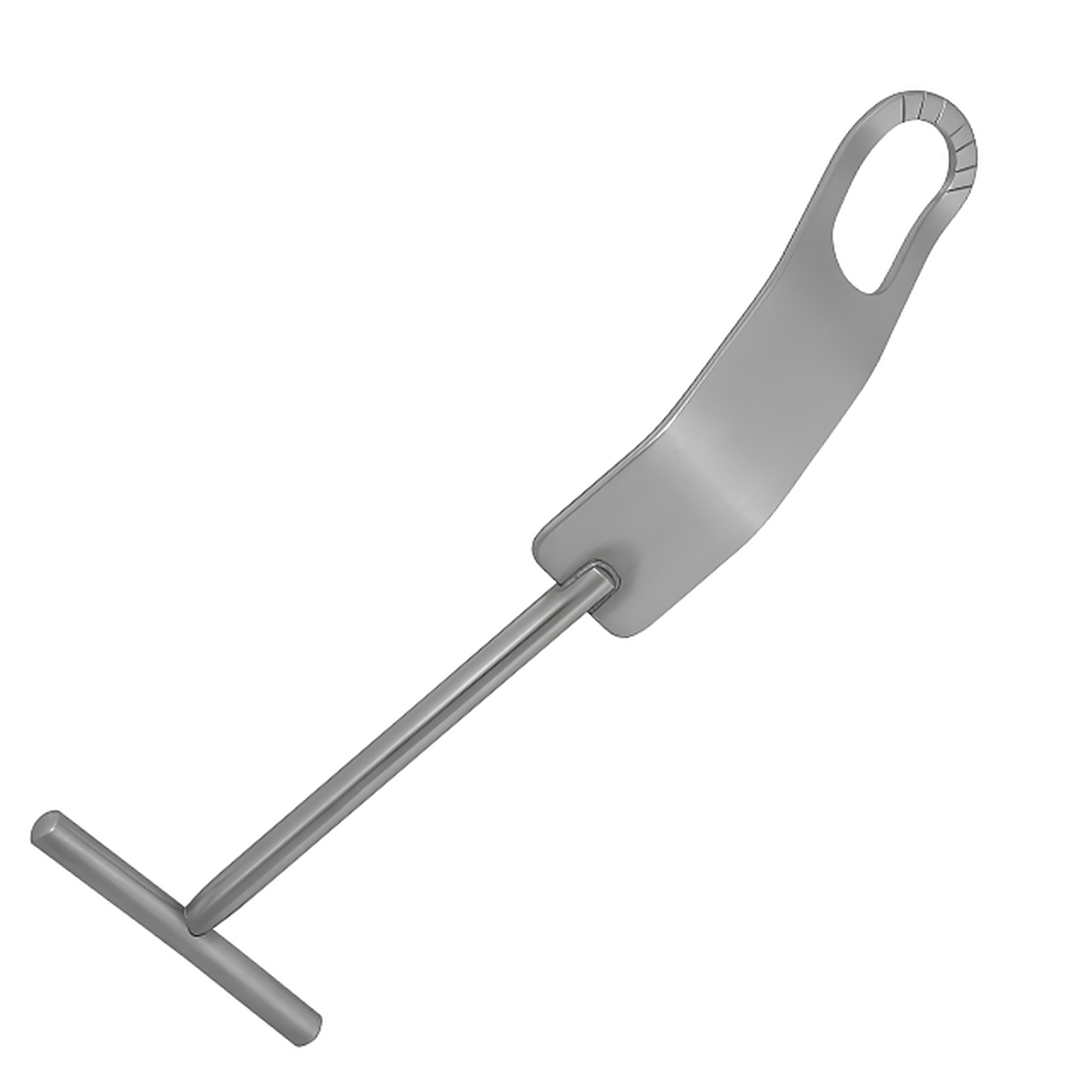 | Fukuda Kujat Style Retractor | مصمم خصيصاً لإزاحة رأس عظمة العضد خلفياً وكشف التجويف الحقاني أثناء عمليات رأب مفصل الكتف. |
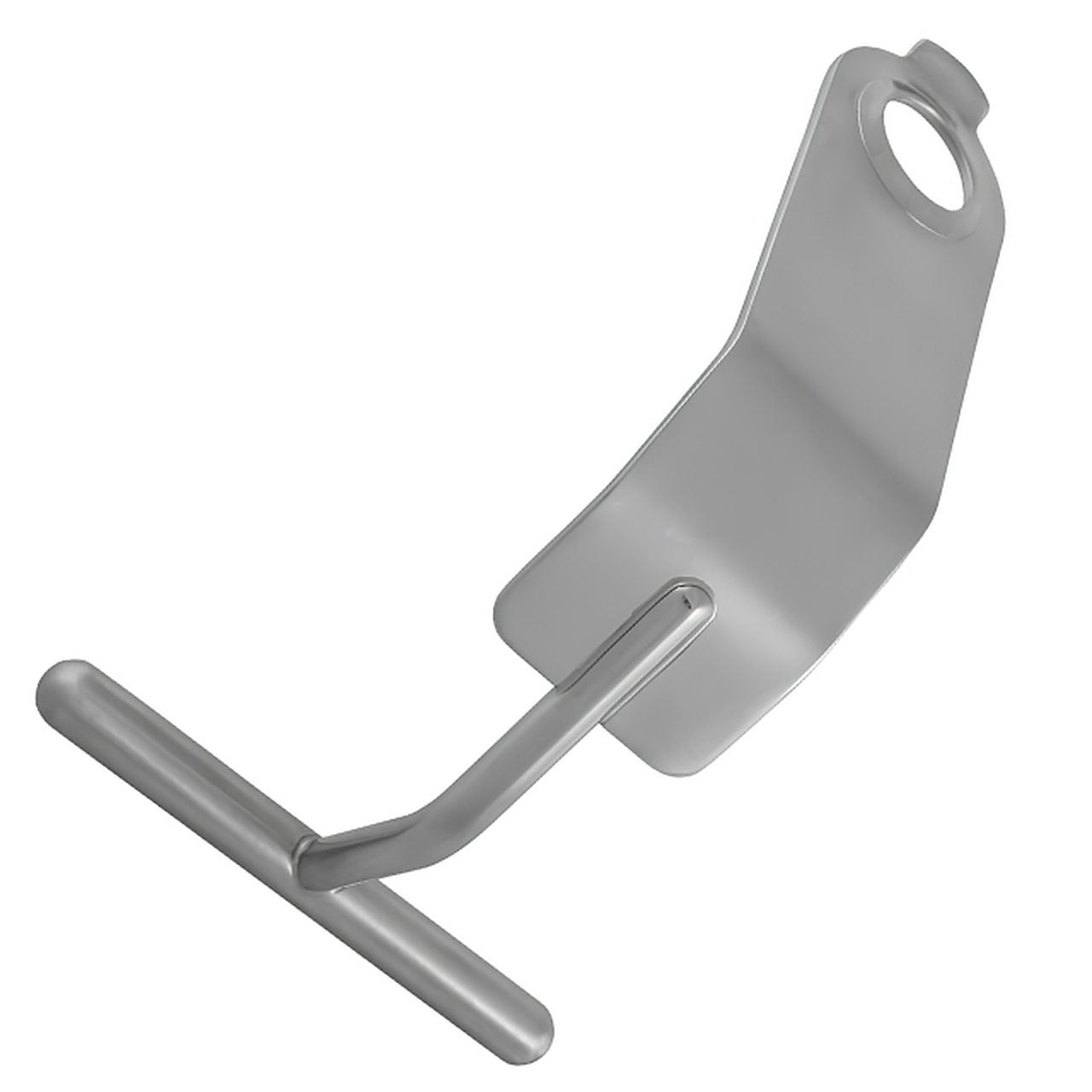 | مبعدات Fukuda Style Retractors | مصممة خصيصاً لإبعاد رأس عظمة العضد وكشف الجوف الحقاني أثناء عمليات تقويم مفاصل الكتف والإجراءات الترميمية. |
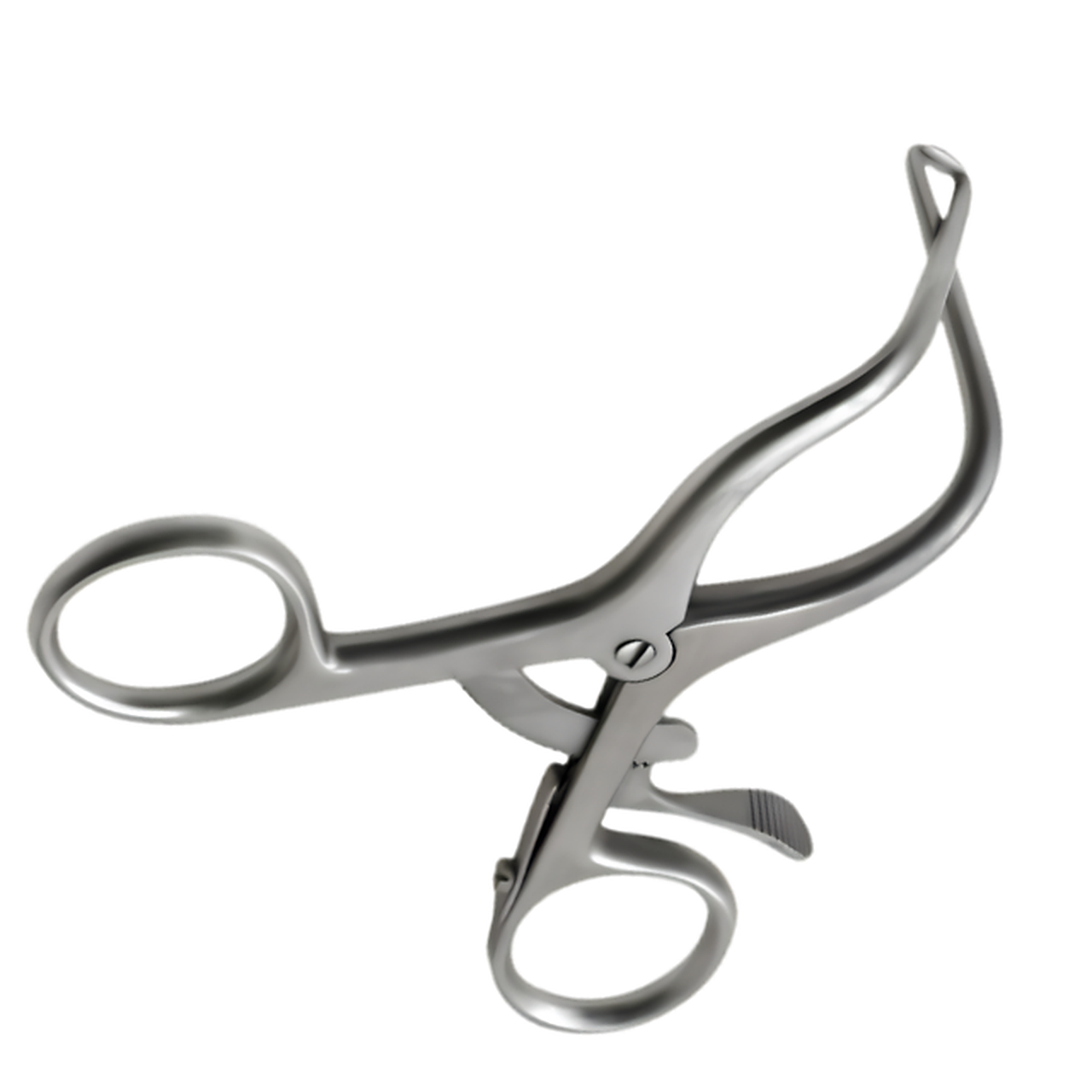 | Gelpi Crossover Retractor - Deep Angles | مصمم خصيصاً لتوفير تباعد ذاتي للأوتار والعضلات والأنسجة الرخوة أثناء جراحات الأطراف والعمود الفقري. |
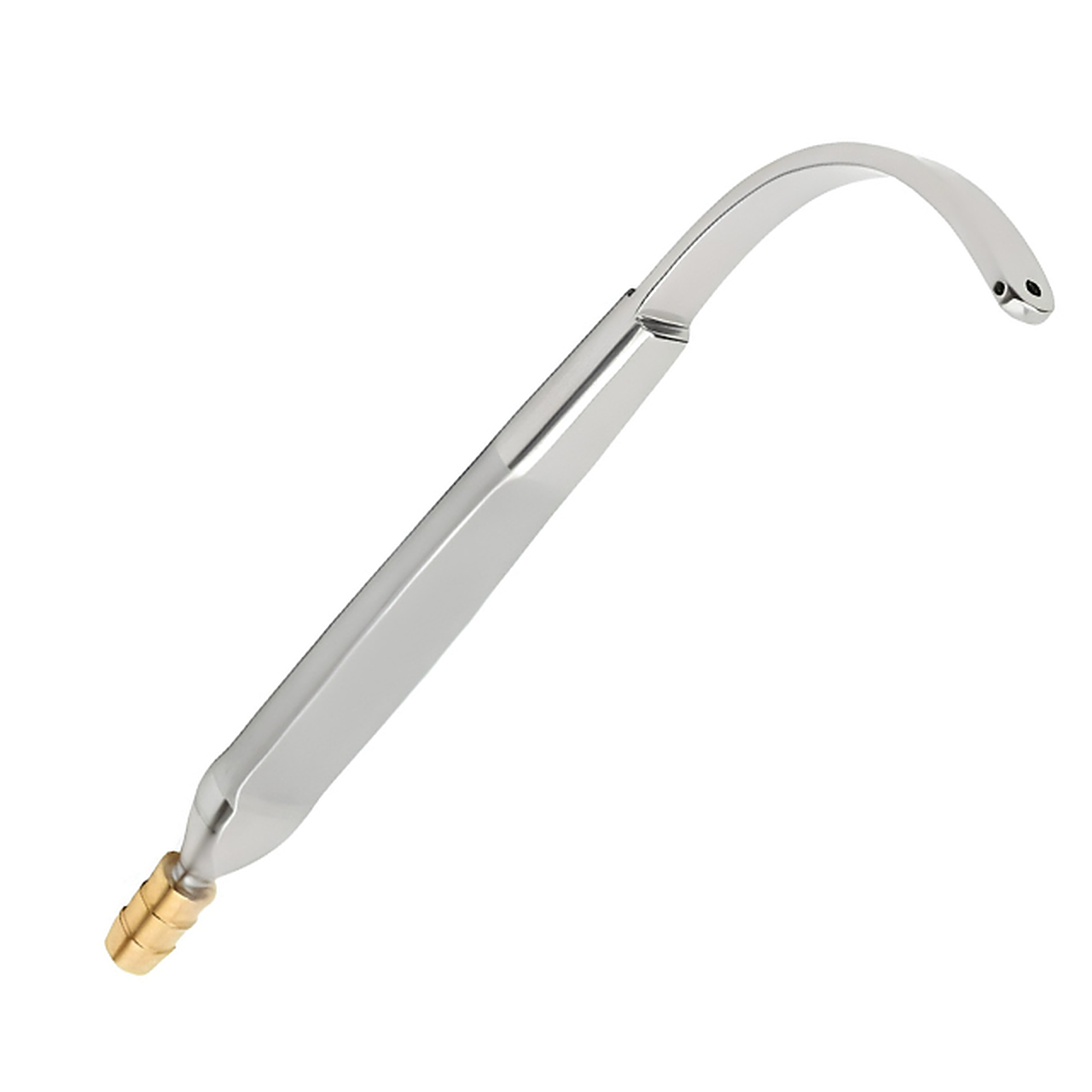 | مبعد جيربو تيبيتس المزود بخاصية الشفط (Gerbault Tebbett’s Suction Retractor) | مصمم خصيصاً لرفع أغلفة الأنسجة الرخوة للأنف مع توفير شفط للدخان/السوائل وإضاءة متزامنة أثناء عمليات تجميل الأنف. |
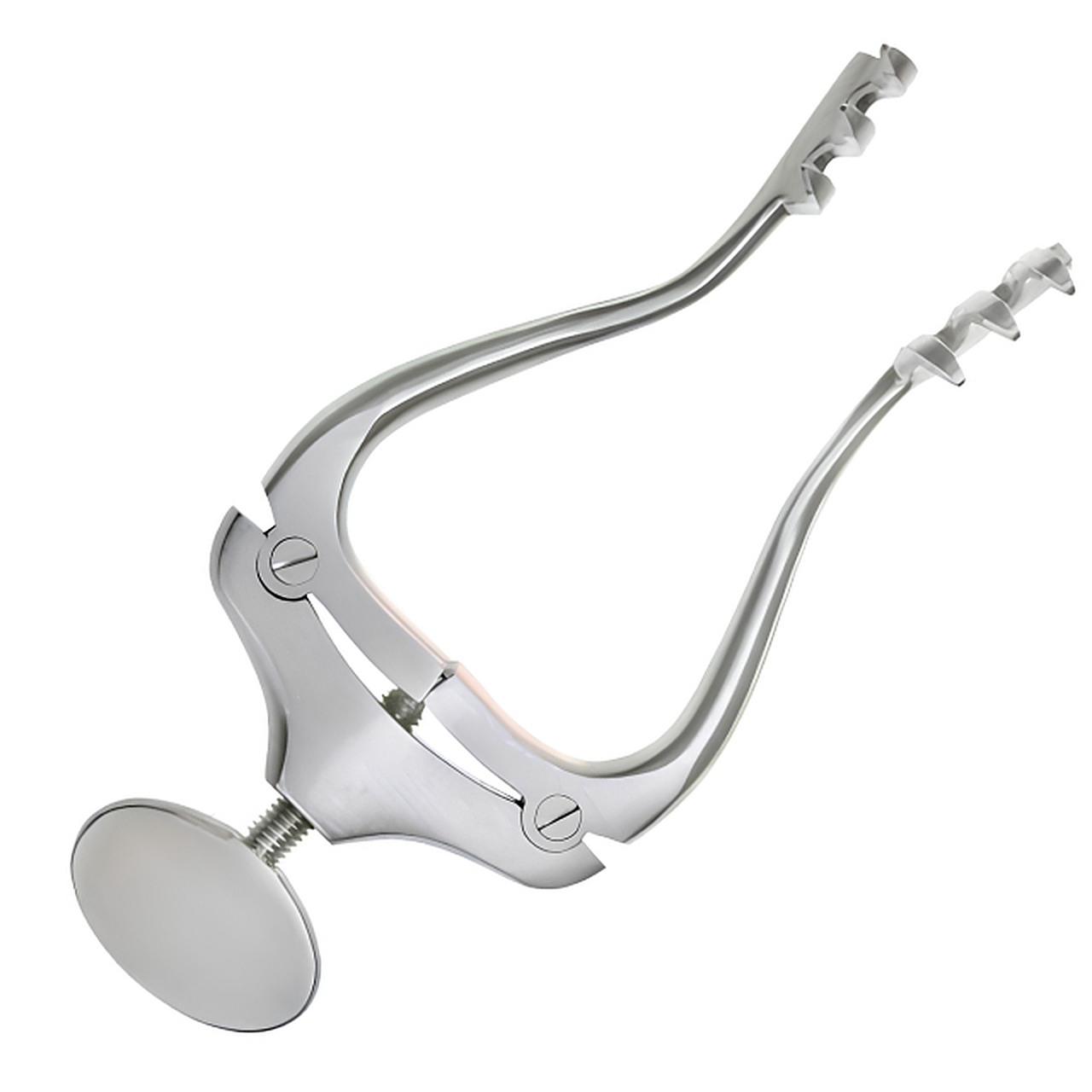 | مُبعّد Gifford-Jansen Retractor | مصمم خصيصاً لتوفير تبعيد ذاتي التثبيت لحواف الجرح والسمحاق أثناء جراحات النتوء الخشائي والأذن وفروة الرأس. |
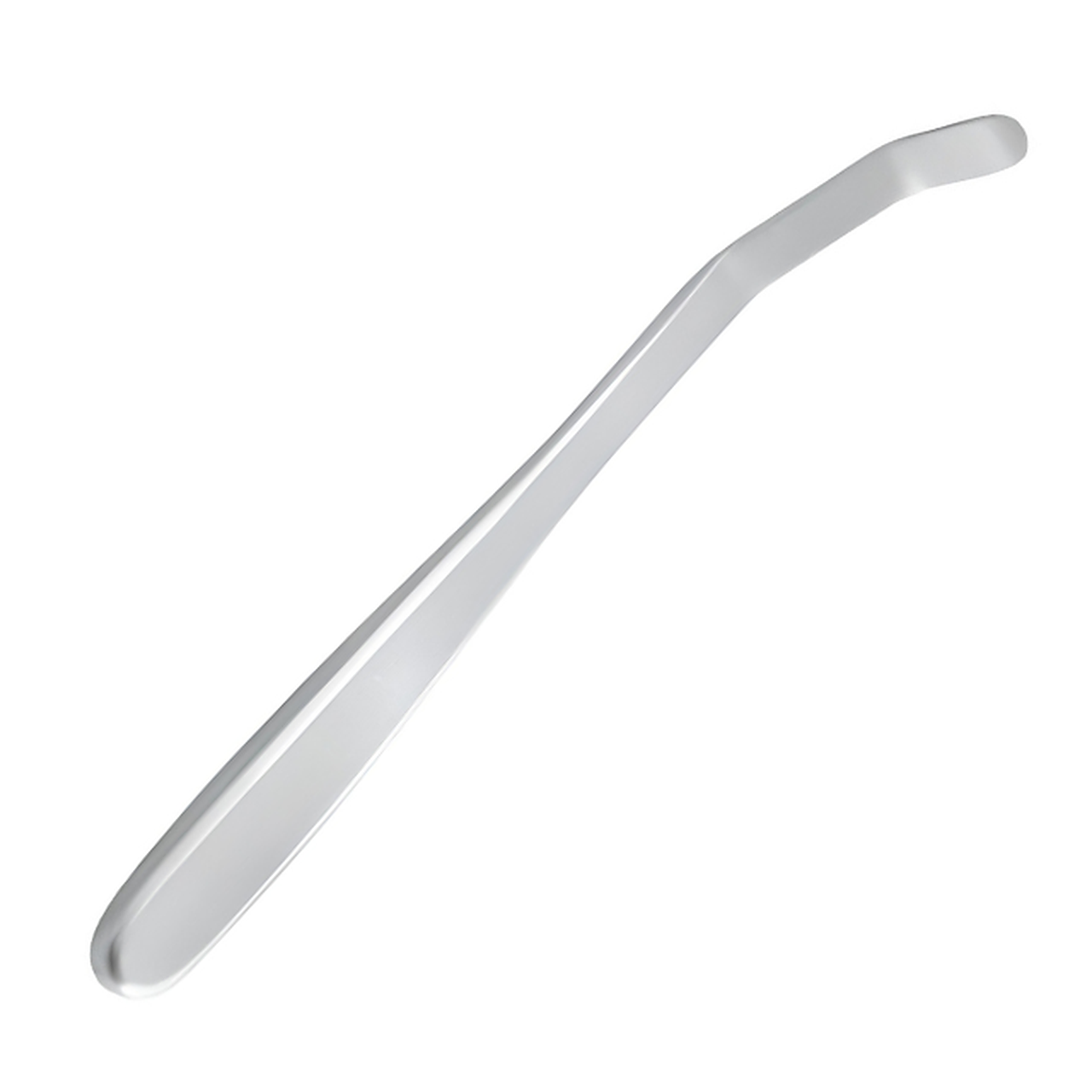 | مُباعد الحقاني واللقمة (Glenoid Condyle Retractor) | مصمم خصيصاً لرفع حواف العظام ومباعدة كبسولات المفاصل أثناء إجراءات الكتف واللقمة وجراحة العظام. |
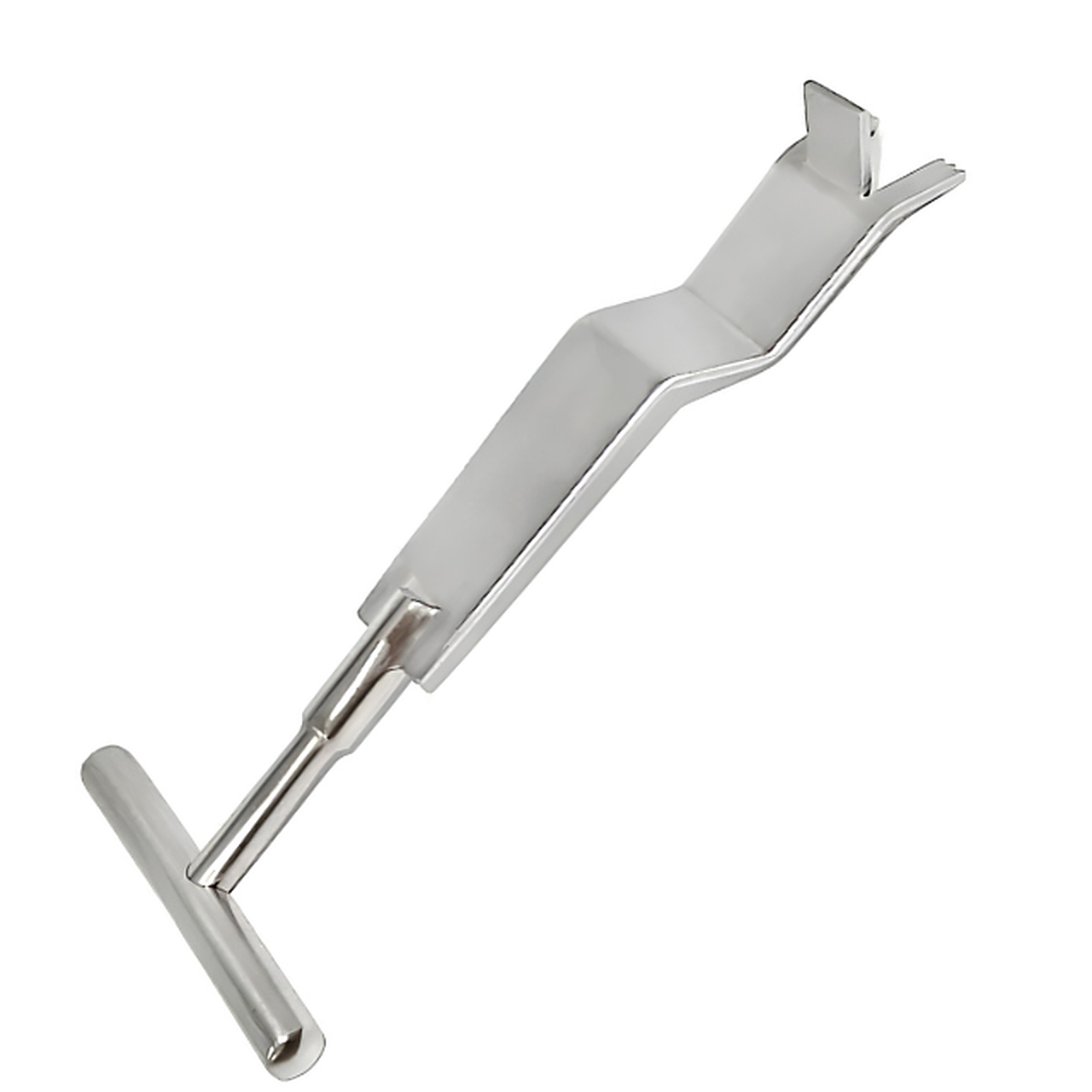 | مباعدات الحقانية (Glenoid Retractors) | مصمم خصيصاً لكشف حافة الحقانية ومباعدة الأنسجة الرخوة للمحفظة أثناء جراحات استبدال مفصل الكتف الكلي والعكسي. |
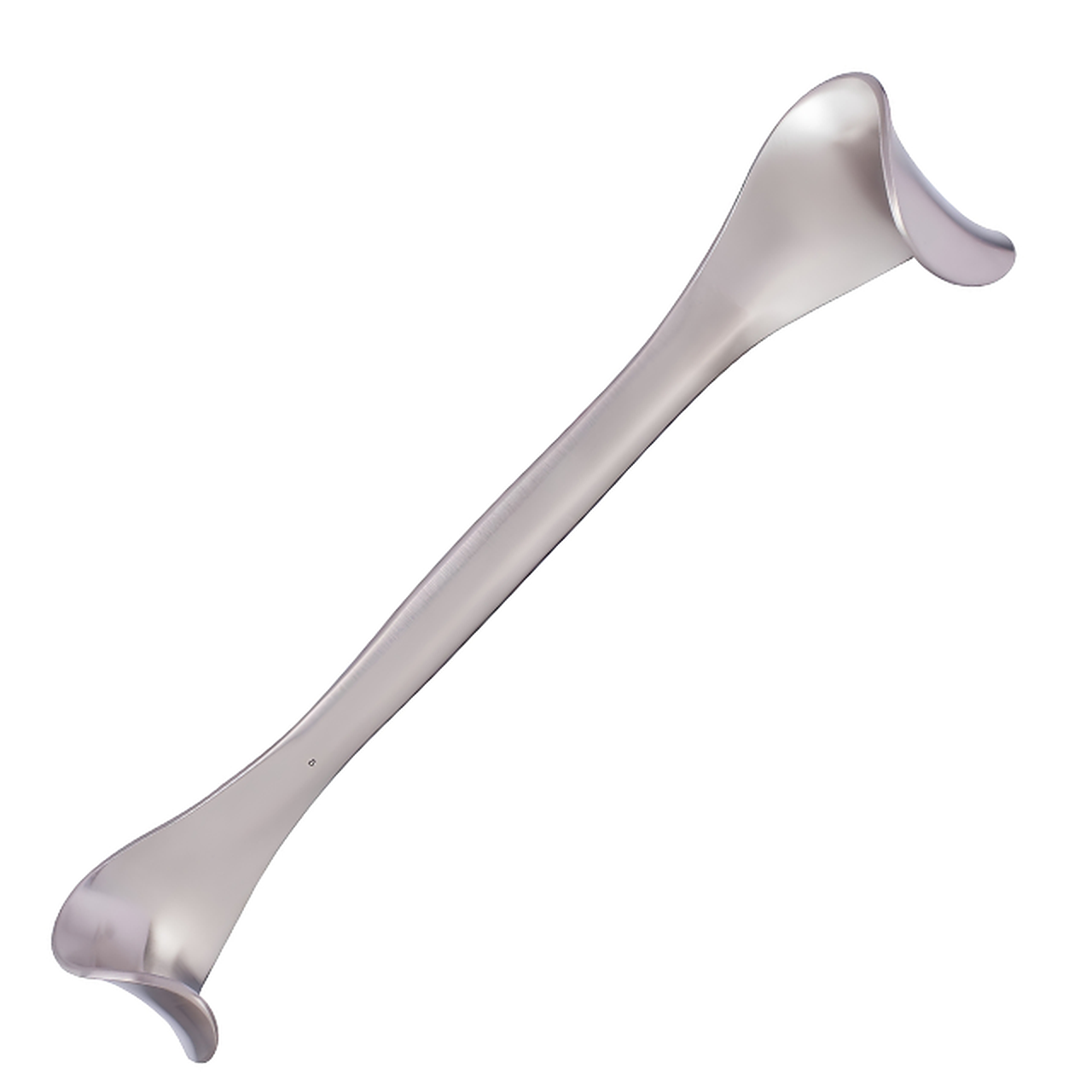 | مُبعّد Goelet Retractor | مصمم خصيصاً لإبعاد الجلد والدهون تحت الجلد والأنسجة العضلية أثناء الإجراءات الجراحية السطحية والمتوسطة. |
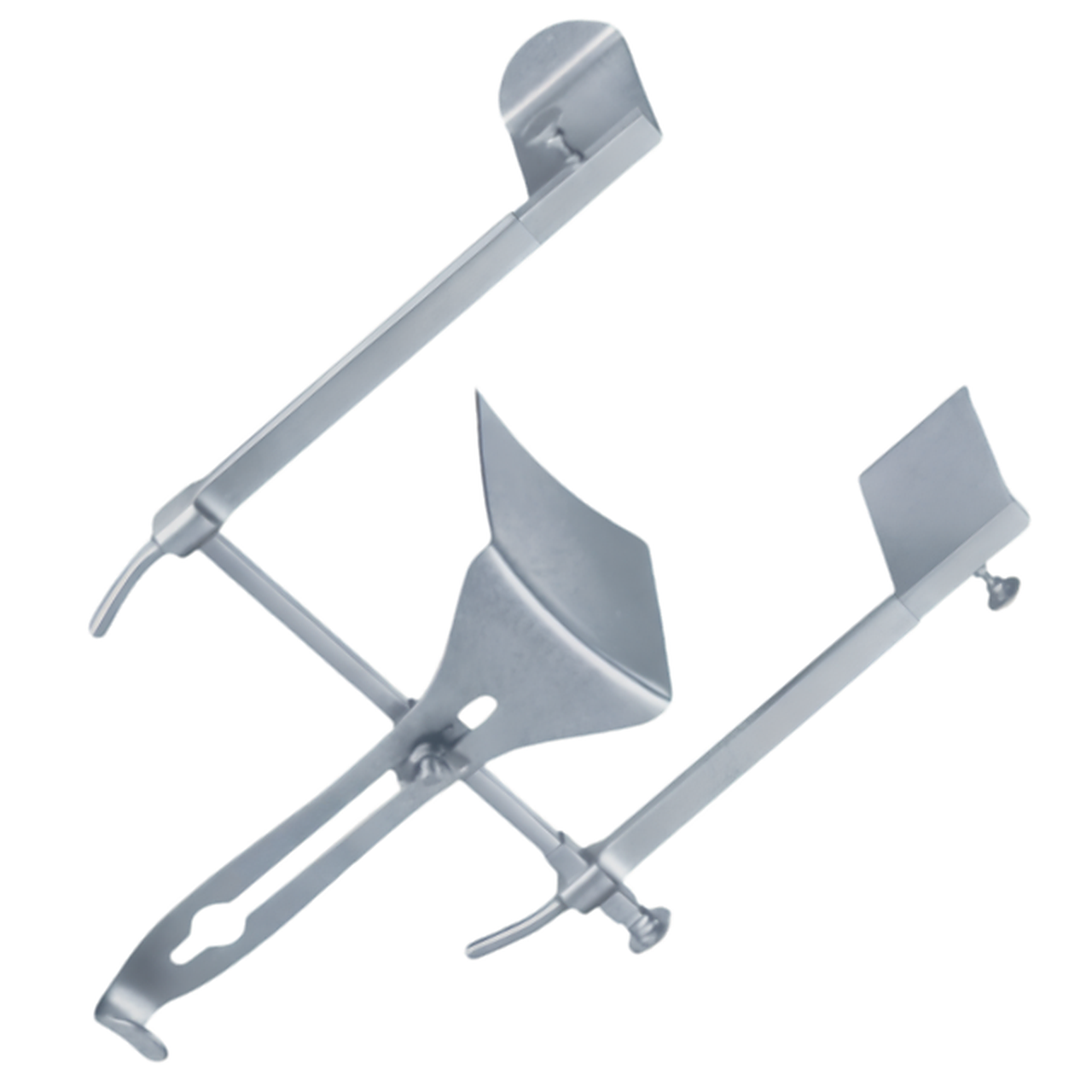 | Golligher Self Retaining Retractor | مصمم خصيصًا لتوفير مباعدة ذاتية التثبيت ومتعددة الاتجاهات لجدار البطن والأحشاء أثناء جراحة القولون والمستقيم. |
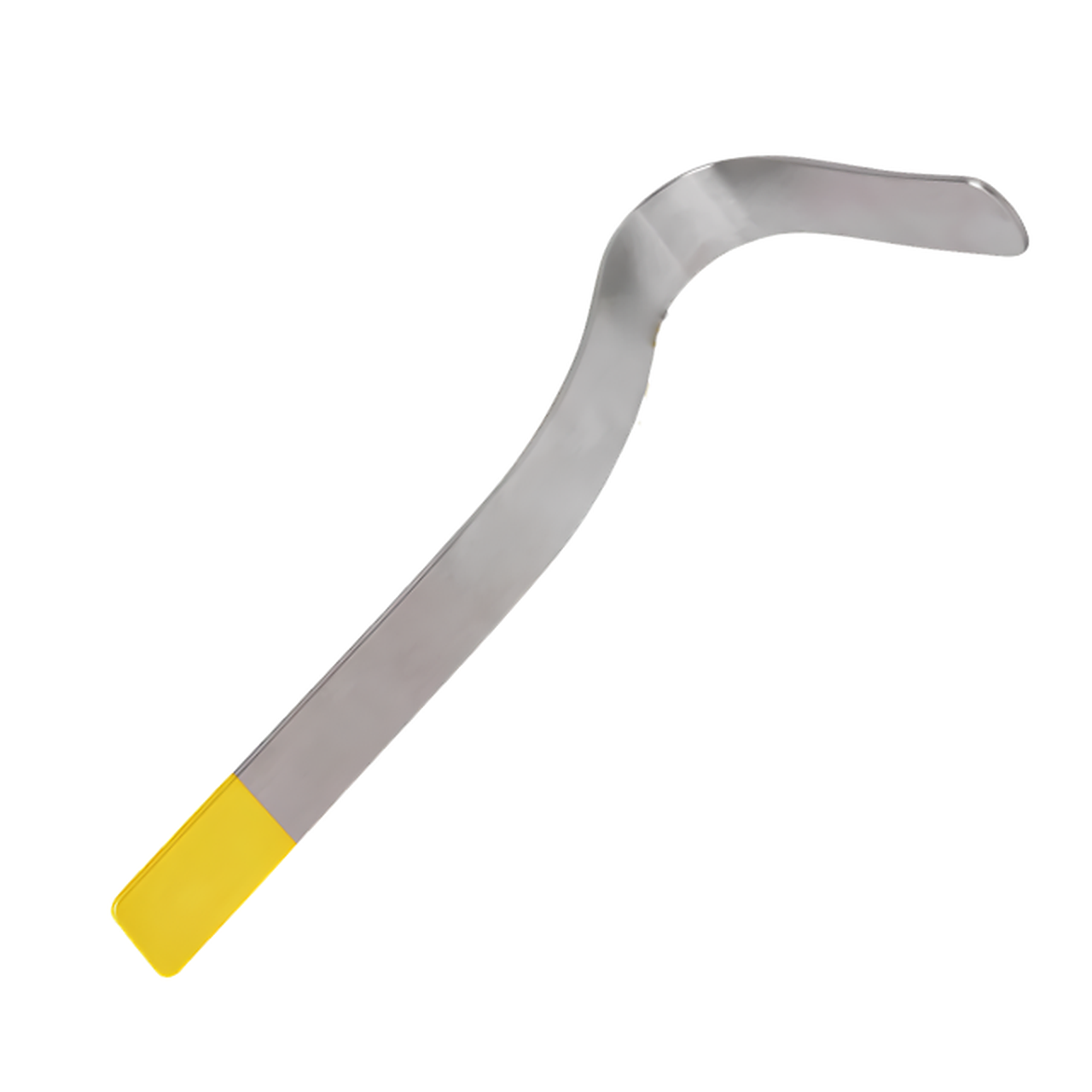 | مُباعد Gonzalez Gluteal L-Shaped Retractor | مصمم خصيصاً لرفع وتبعيد طبقات العضلات الألوية والأنسجة الرخوة أثناء عمليات تكبير وترميم الأرداف. |
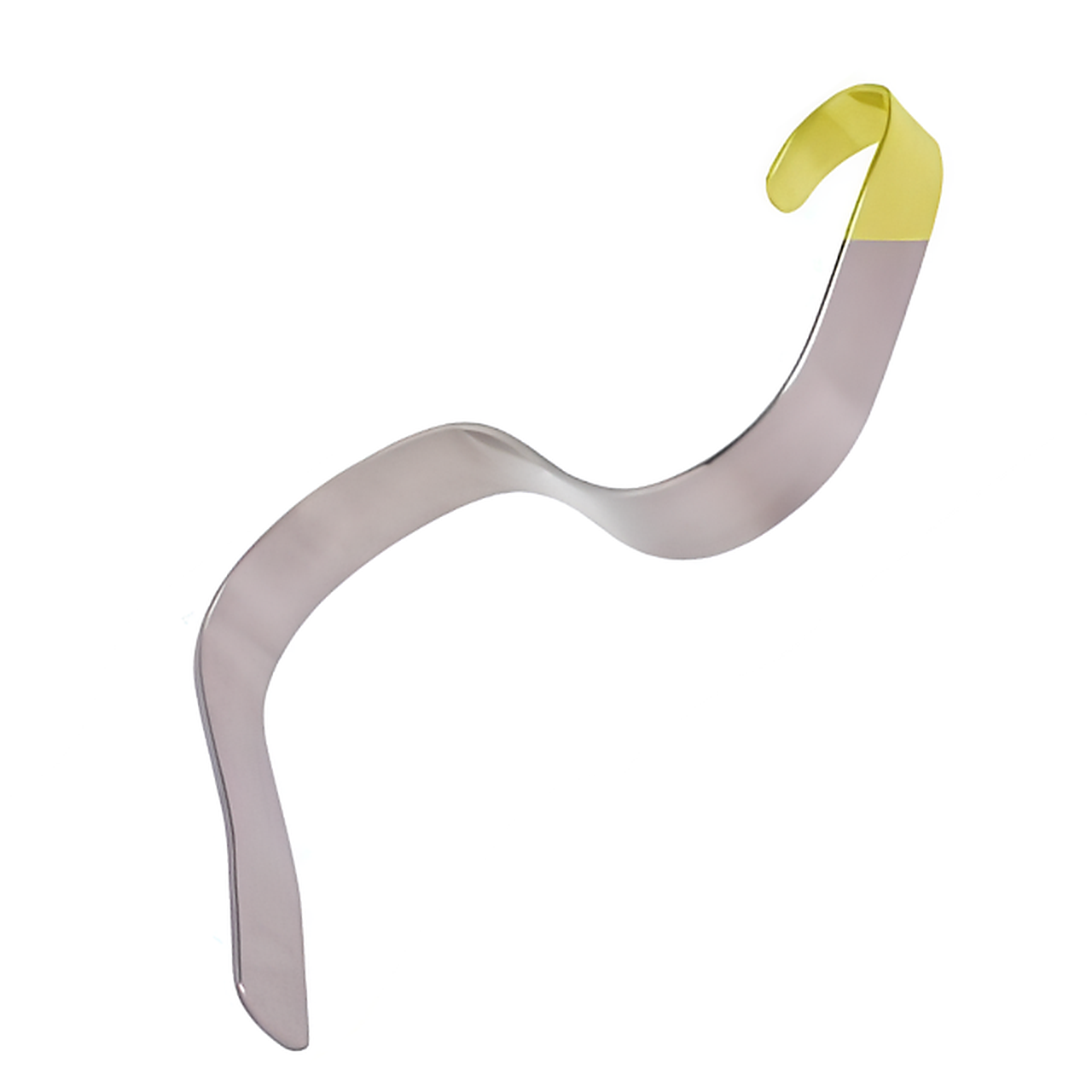 | Gonzalez Gluteal S-Shaped Retractor | مصمم خصيصاً لرفع وإبعاد العضلة الألوية الكبرى والأنسجة الرخوة أثناء جراحة زرع حشوات الأرداف. |
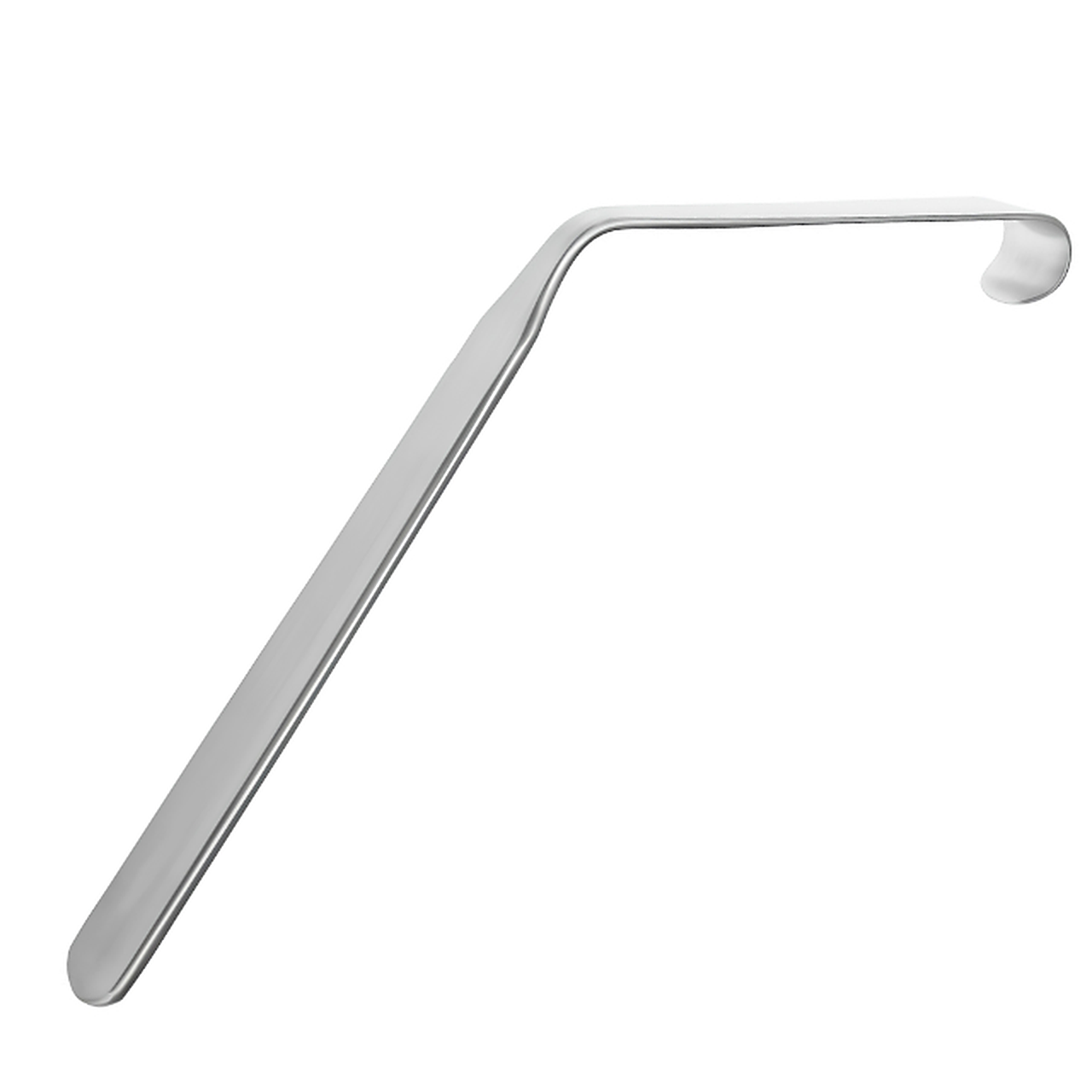 | مُبعّد Goodyear للهاة | مصمم خصيصاً لإبعاد ورفع اللهاة والحنك الرخو أثناء العمليات الجراحية للبلعوم واللحمية. |
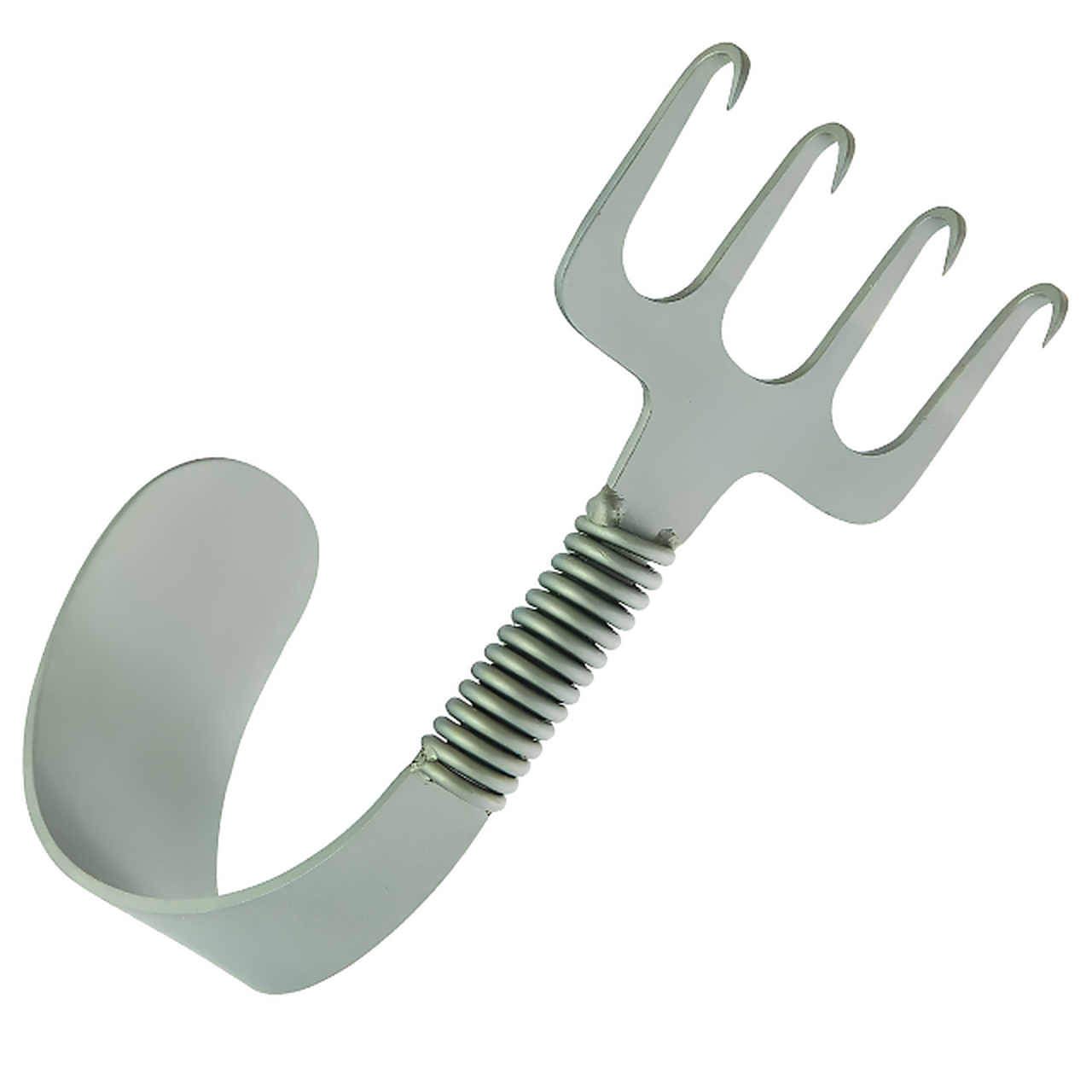 | مُباعد Gorney Rake Retractor | مصمم خصيصاً لرفع وتبعيد السدائل الجلدية والأنسجة تحت الجلد أثناء عمليات شد الوجه والجراحة التجميلية. |
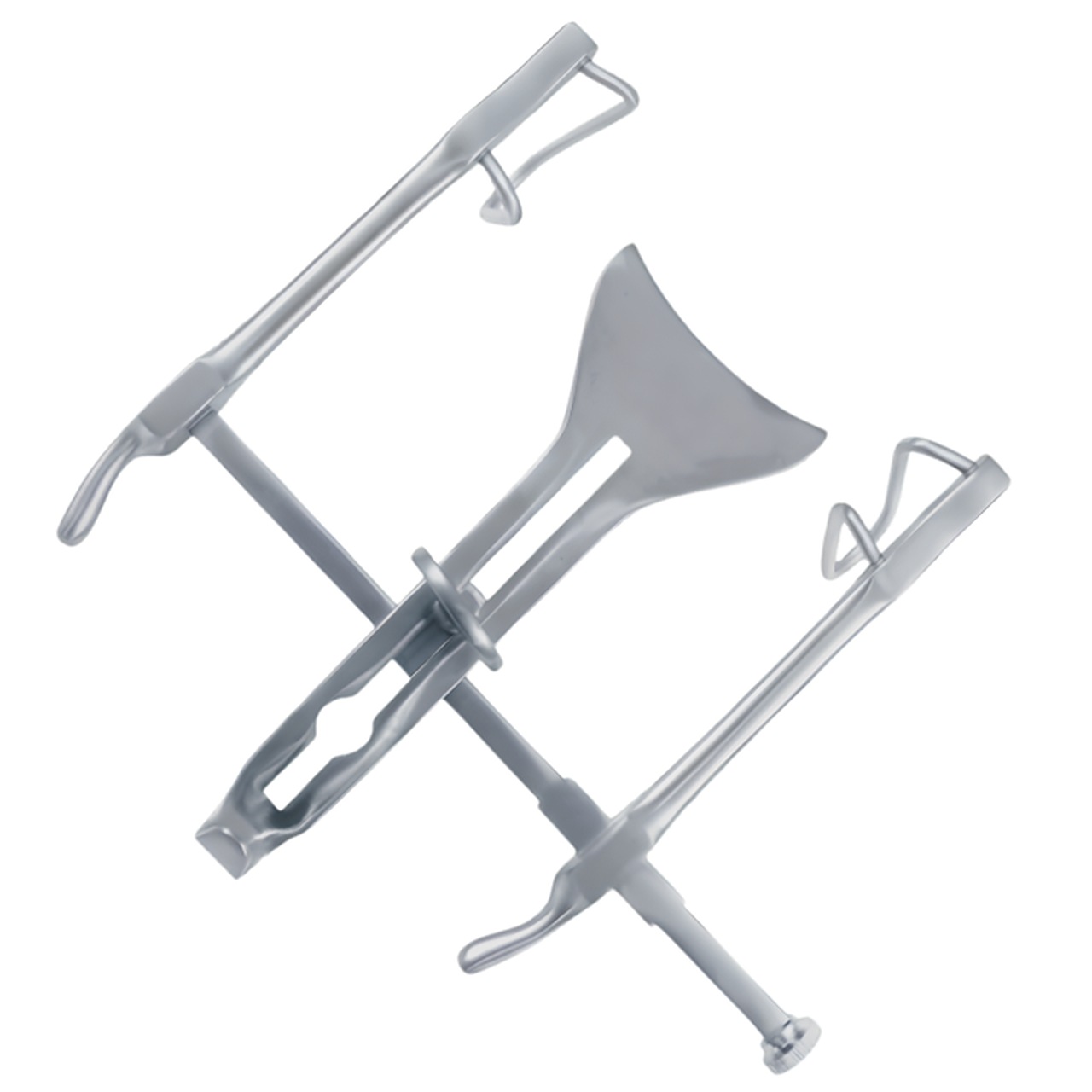 | مُبعد Gosset ذاتي التثبيت | مصمم خصيصاً لتوفير تبعيد ذاتي التثبيت لجدار البطن أثناء عمليات فتح البطن والجراحة الحوضية. |
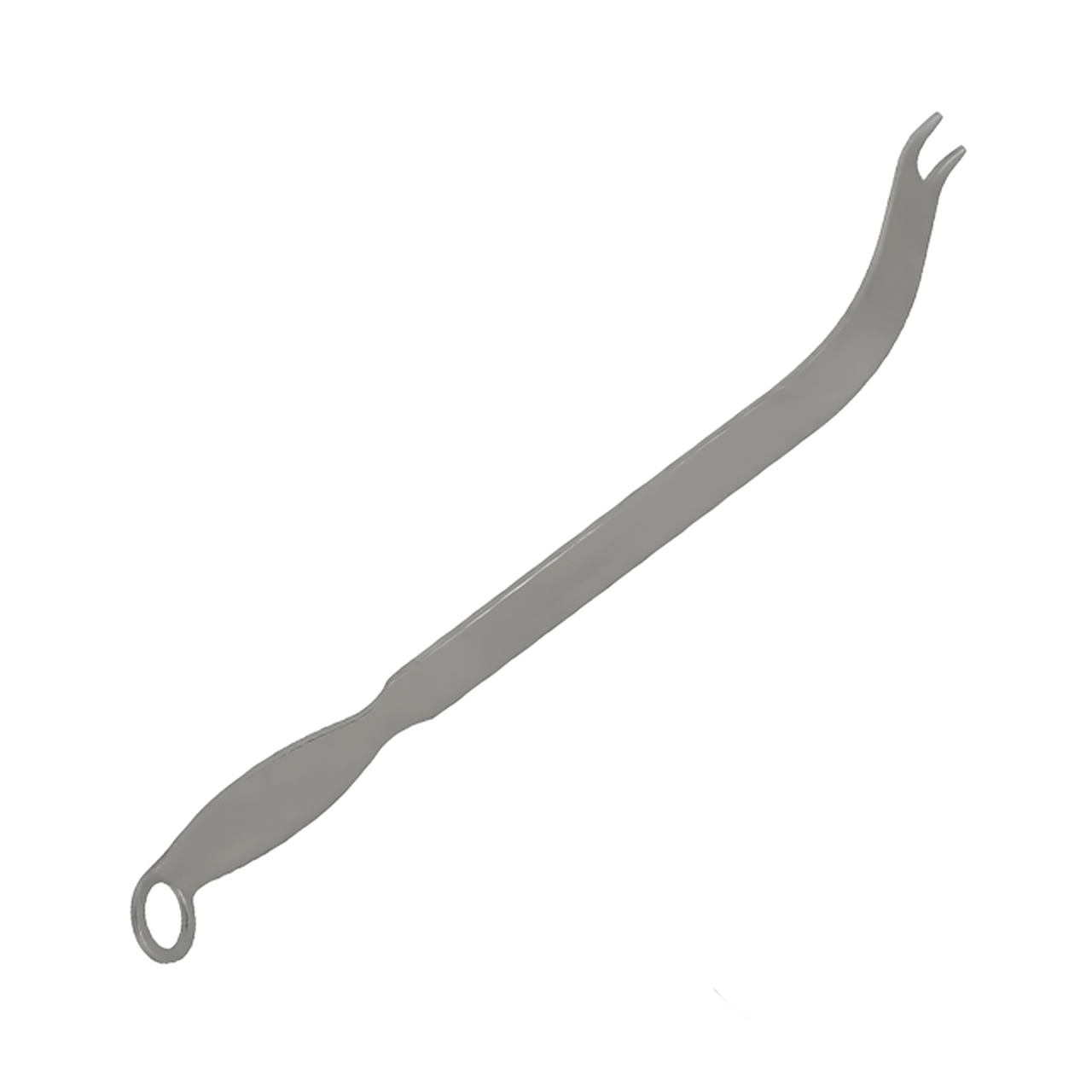 | مبعد المدور الكبير Greater Trochanteric Retractor | مصمم خصيصًا لإبعاد العضلات الألوية وكشف المدور الكبير أثناء جراحة استبدال مفصل الورك بالكامل وعمليات قطع عظم الفخذ. |
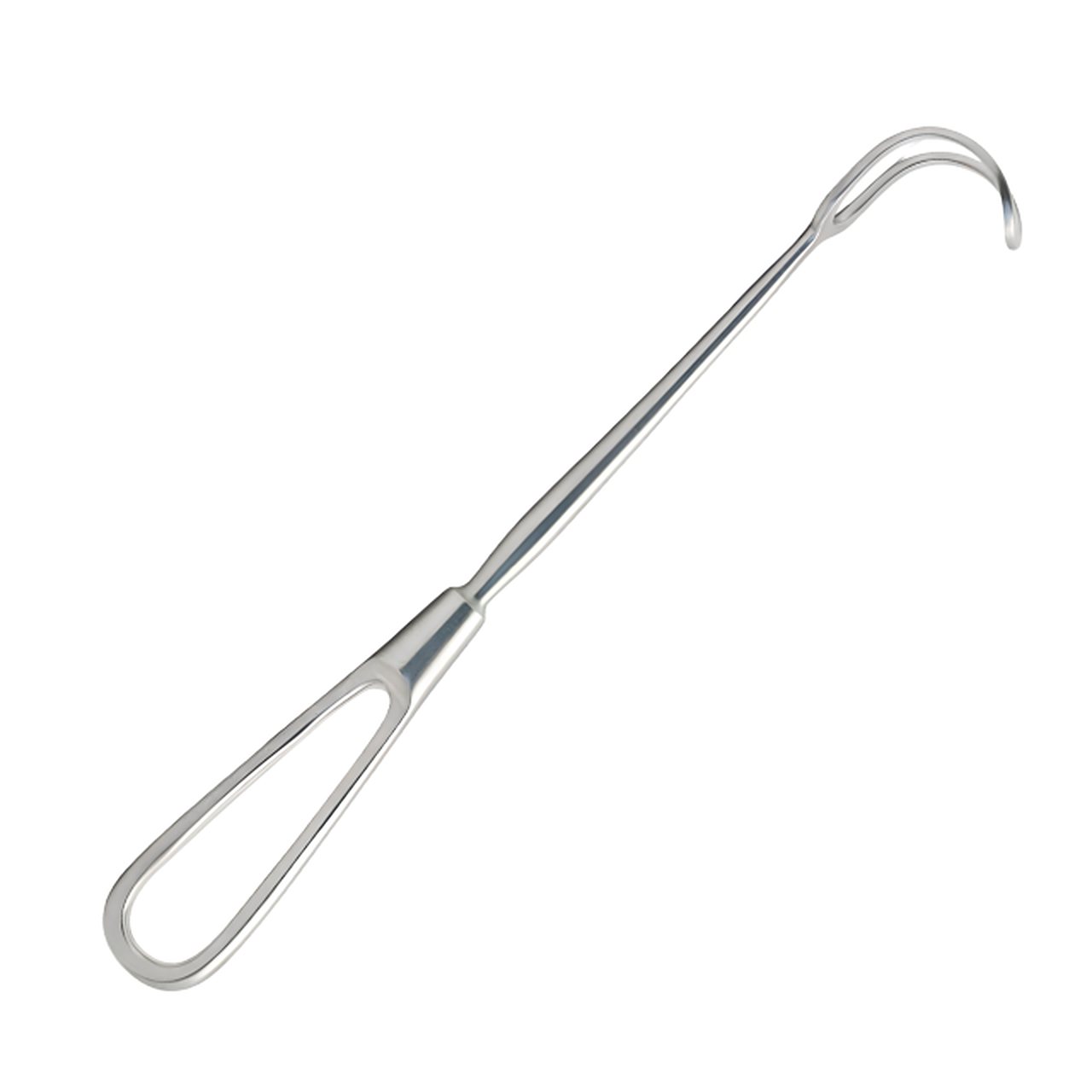 | مبعد Green للغدة الدرقية | مصمم خصيصاً لإبعاد العضلات الوربية وأنسجة الغدة الدرقية واللفافة العنقية أثناء جراحات الرقبة والغدد الصماء. |
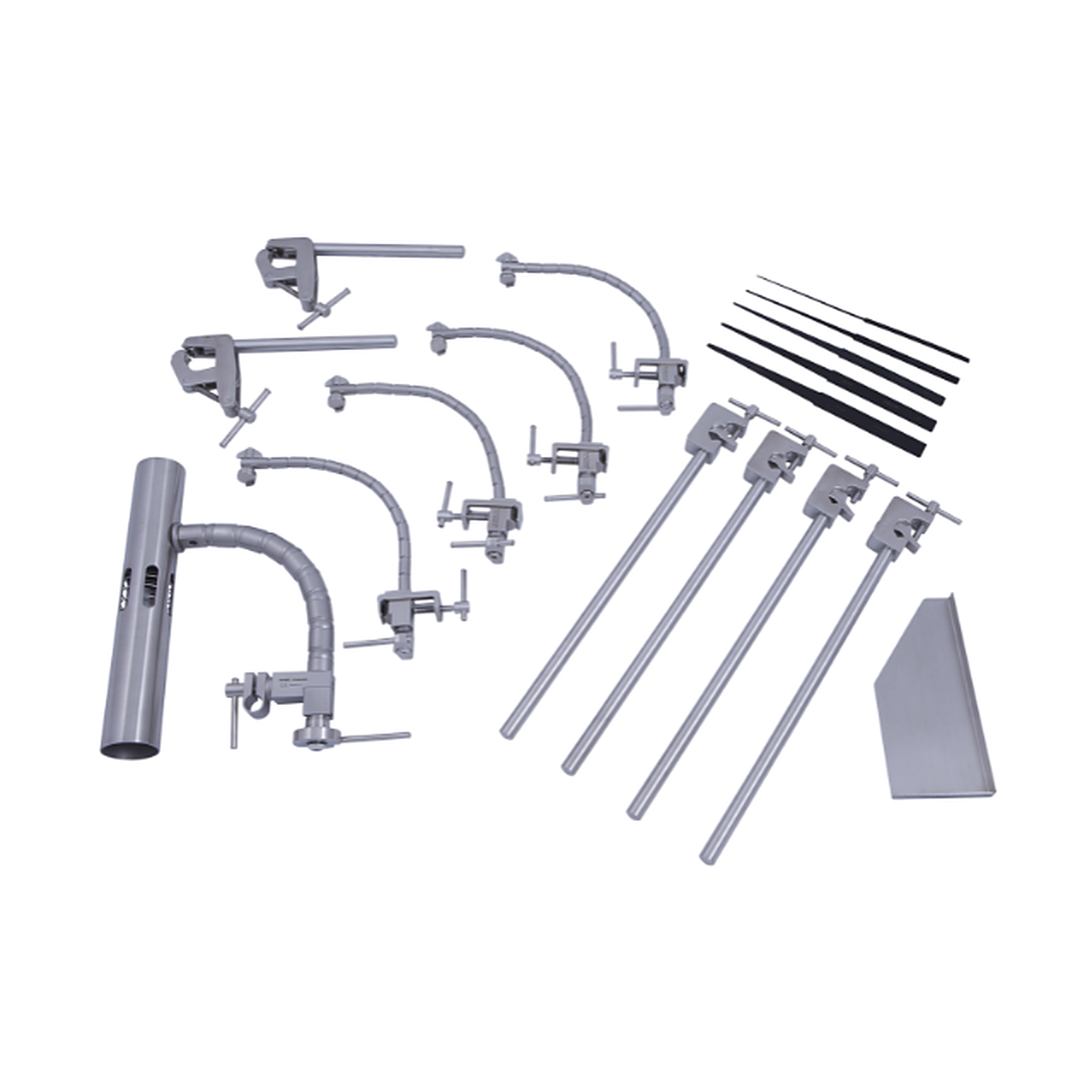 | Greenberg Retractor Kit طقم مبعد جرينبرج | مصمم لتوفير تبعيد دقيق ومستقر وذاتي الثبات لأنسجة الدماغ الرقيقة وهياكل القحف أثناء إجراءات القحف وقاعدة الجمجمة وجراحة الأعصاب المجهرية. |
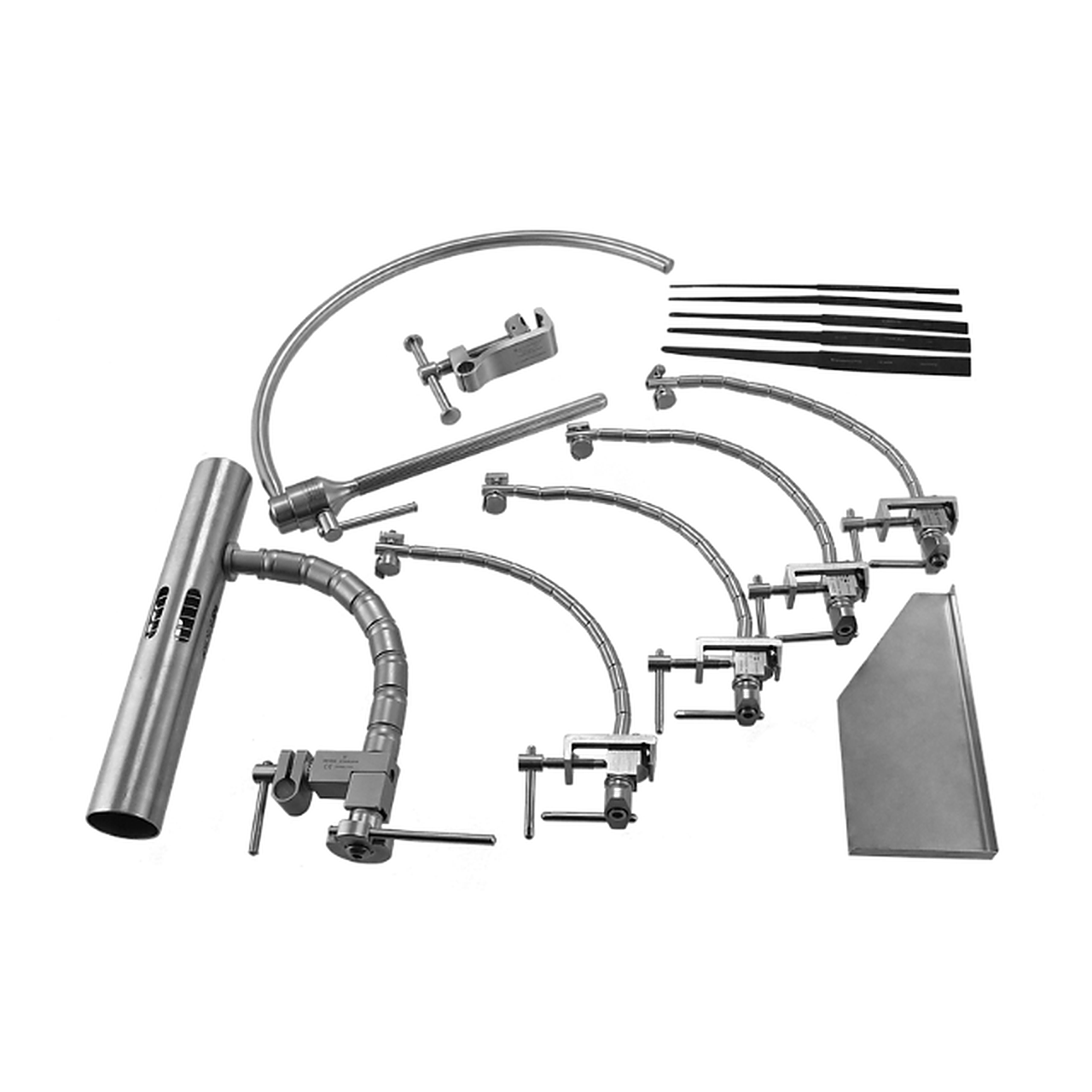 | Greenberg Simplicity Retractor | مصمم خصيصاً للإعداد السريع، والحجم المدمج، والمباعدة الذاتية الدقيقة للأنسجة أثناء عمليات فتح الجمجمة المركزة، وإزالة ضغط الأوعية الدموية الدقيقة (MVD)، وعمليات ثقب المفتاح الجراحية المجهرية. |
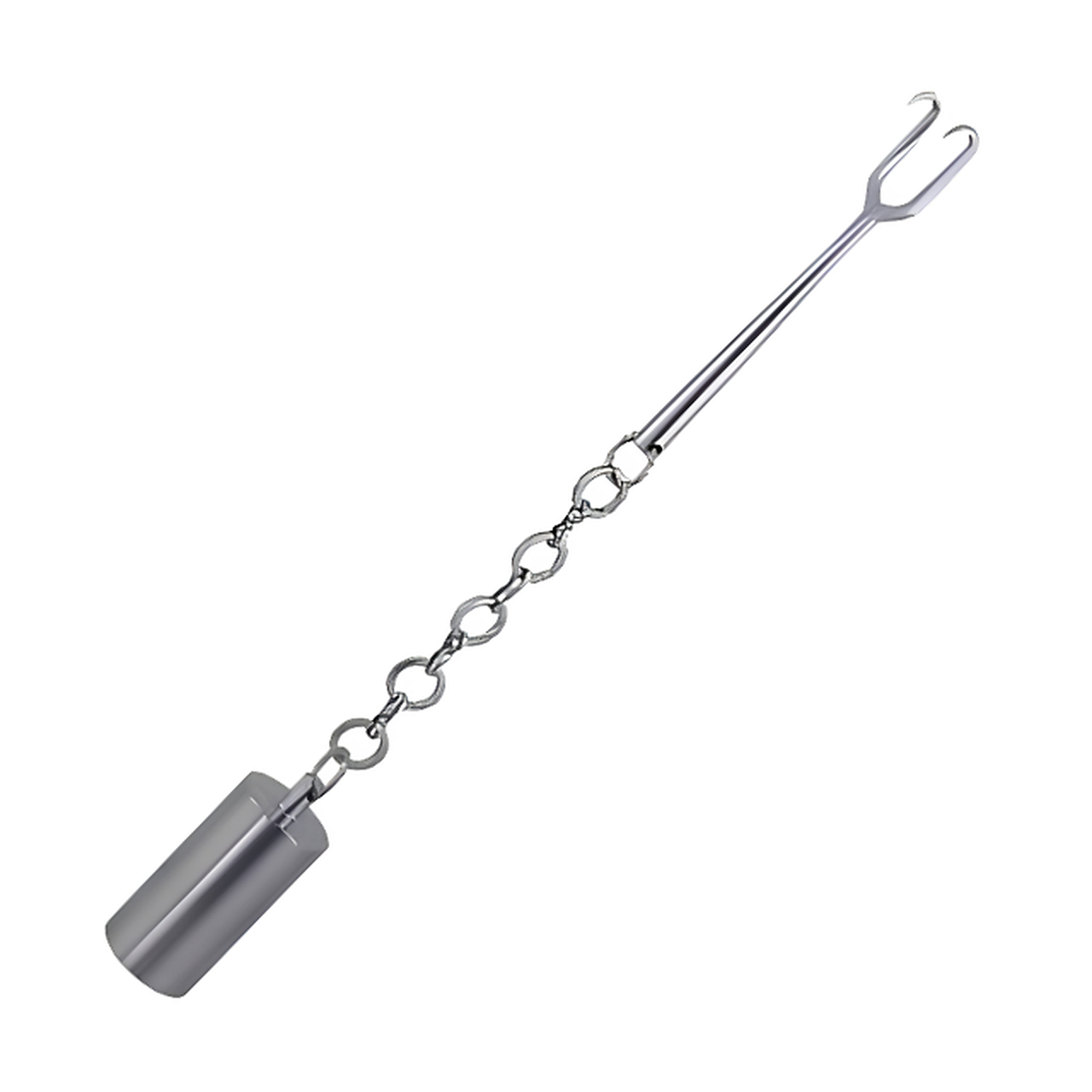 | Gruber Rhinoplasty Retractor | مصمم خصيصاً للإمساك بشرائح الجلد الأنفية والغضاريف وإبعادها أثناء إجراءات تجميل الأنف. |
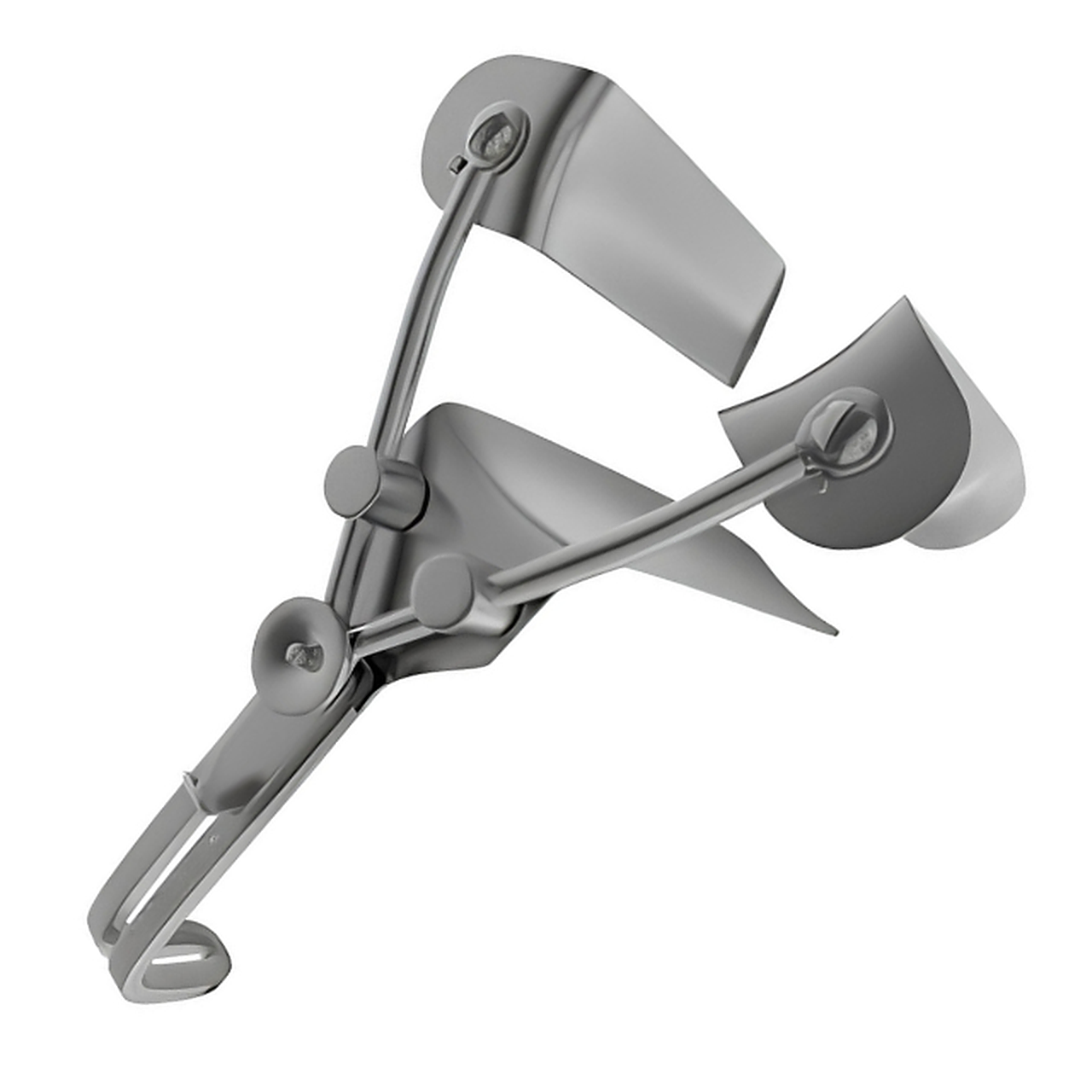 | مُبعد غوتمان للولادة - Guttman Obstetrical Retractor | مصمم خصيصًا لإبعاد وحماية المثانة وجدار أسفل البطن أثناء العمليات القيصرية وجراحات الحوض. |
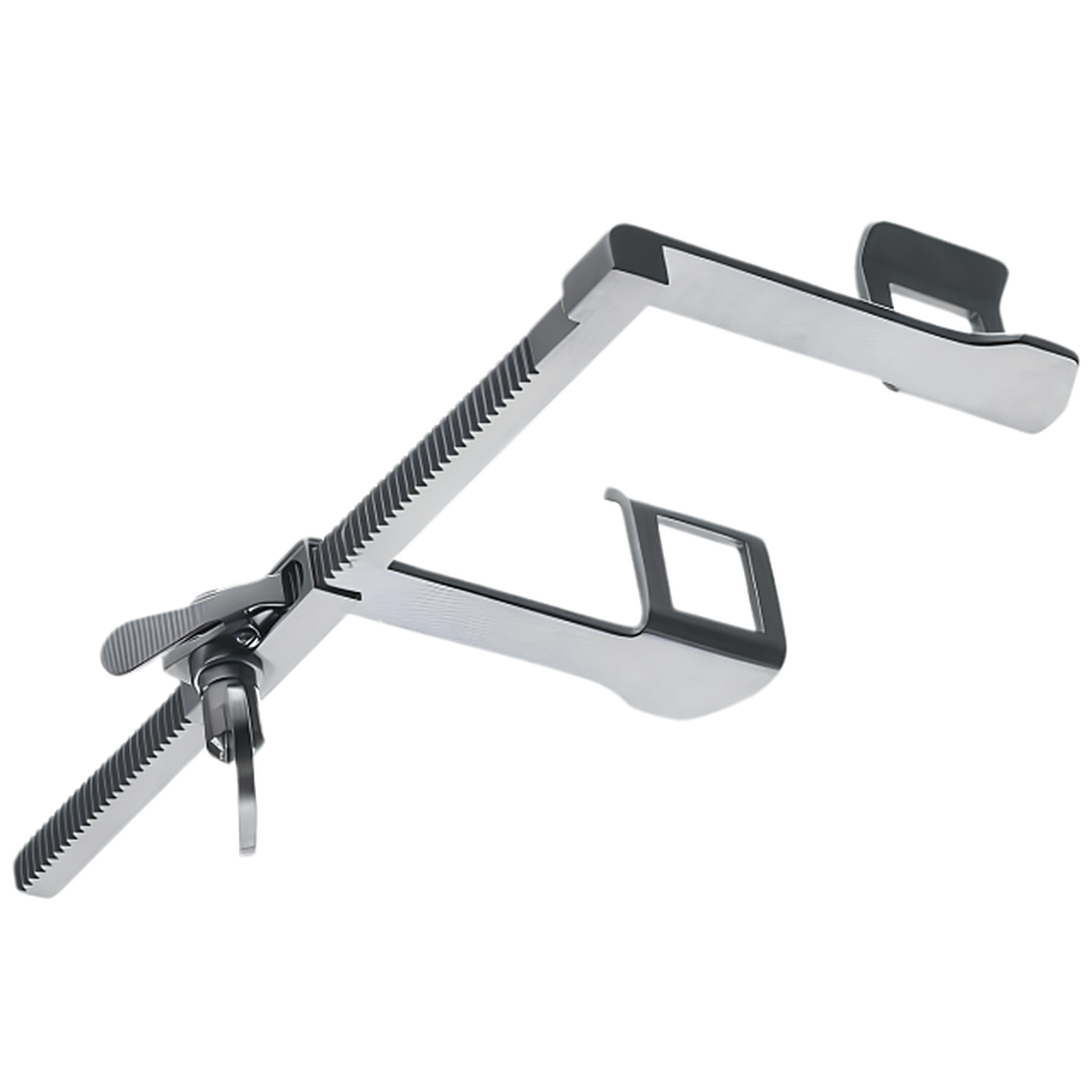 | مُبعّد الضلوع Haight Rib Spreader | مصمم خصيصاً لفصل أضلع البالغين وتوسيع التجويف الصدري أثناء عمليات بضع الصدر المفتوح. |
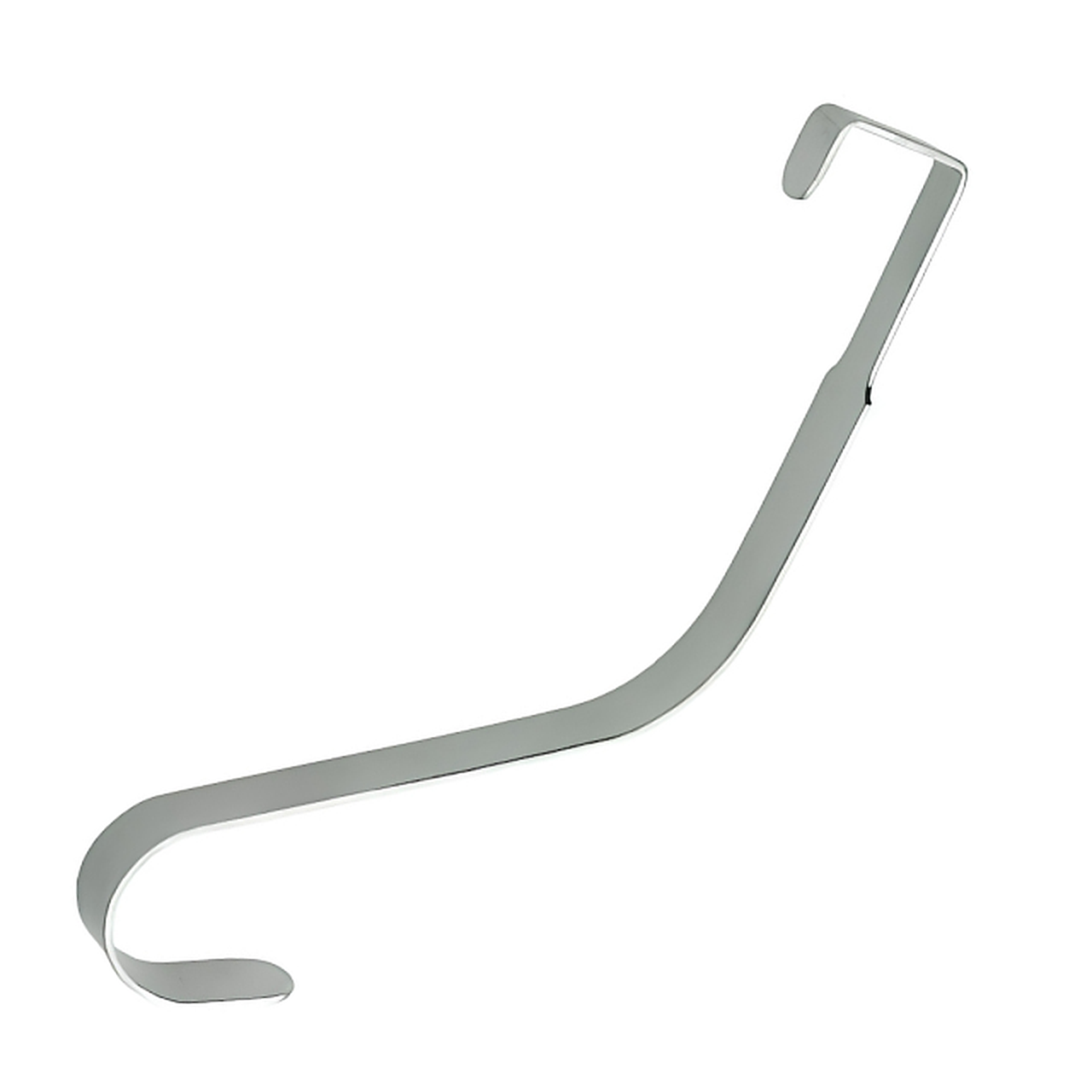 | مُبعّد الخد Hajek Cheek Retractor | مصمم خصيصاً لإبعاد الخدين والشفاه والمخاطية الشدقية أثناء العمليات الجراحية للفم والوجه والفكين والأسنان. |
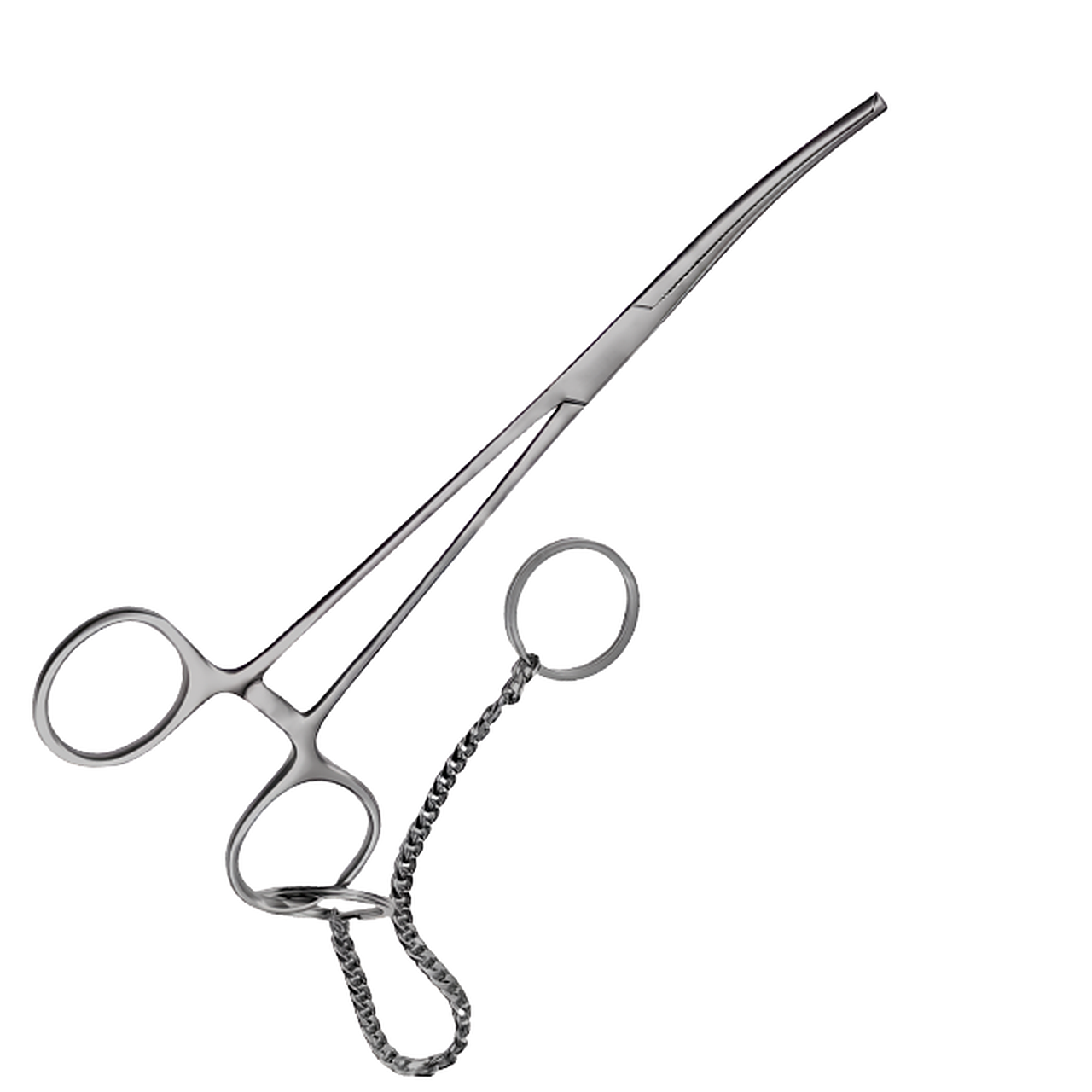 | مُبعّد Hargis Coronoid Retractor With Chain | مصمم خصيصاً لتبعيد النتوء الغرابي ووتر العضلة الصدغية أثناء إجراءات تقويم الفك وقص رامي الفك. |
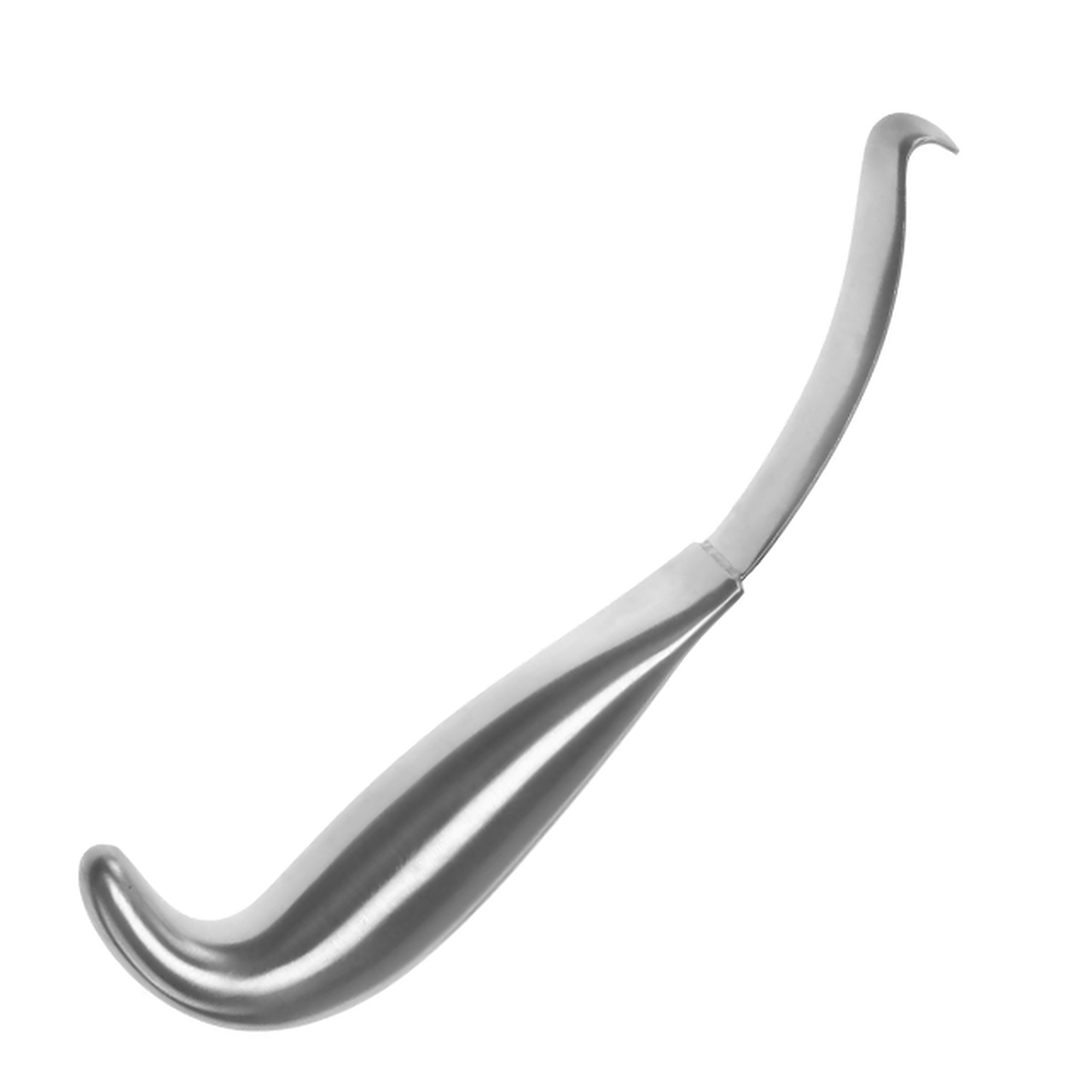 | Hargis Mandibular Body Retractor | مصمم خصيصاً لسحب الأنسجة الرخوة وحماية الحزم الوعائية العصبية على طول جسم الفك السفلي أثناء إجراءات تقويم الفكين. |
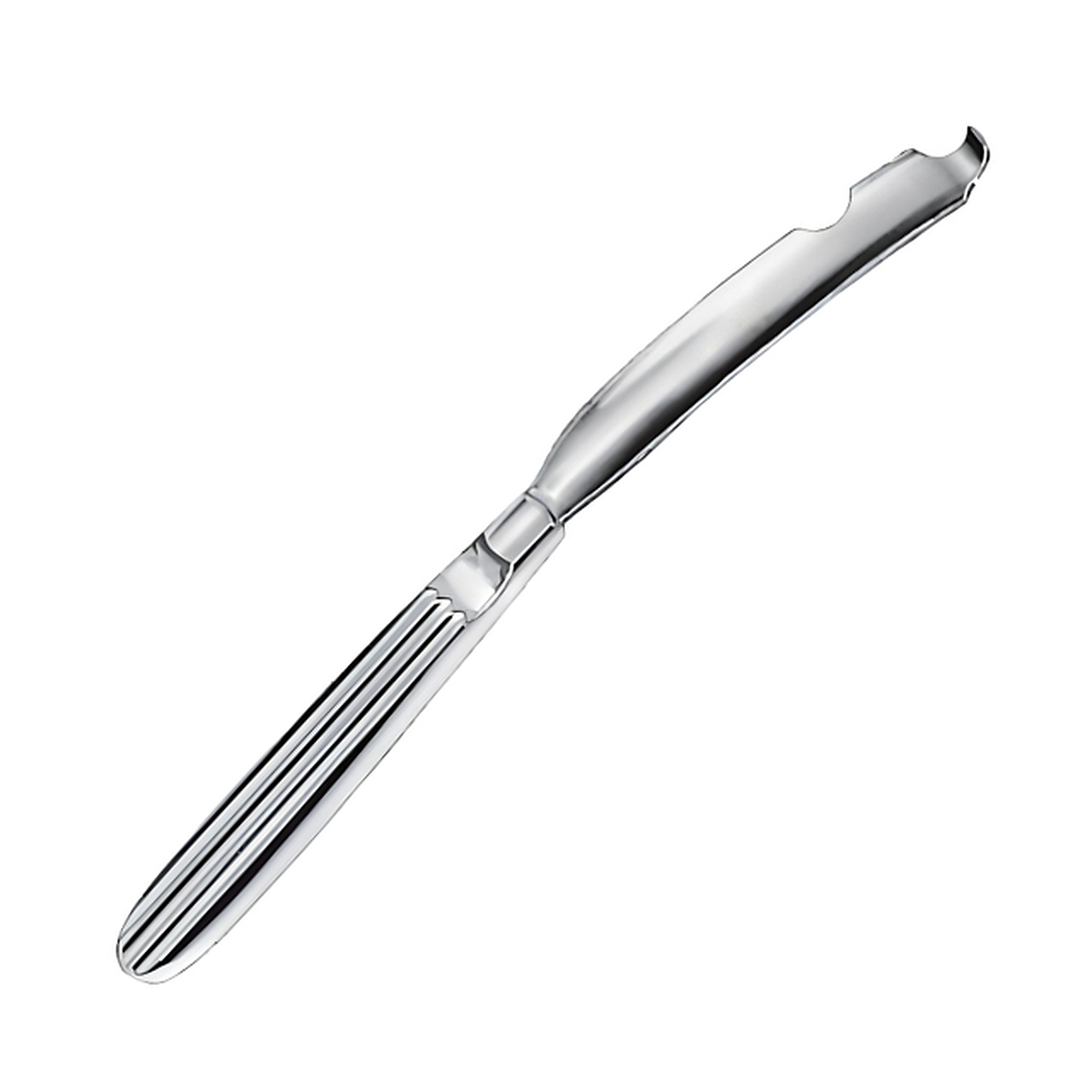 | مبعد Hargis Medial Ramus Retractor | مصمم خصيصاً لإبعاد العضلة الجناحية الإنسية وحماية العصب السنخي السفلي أثناء عمليات قطع عظم الرأد السهمي. |
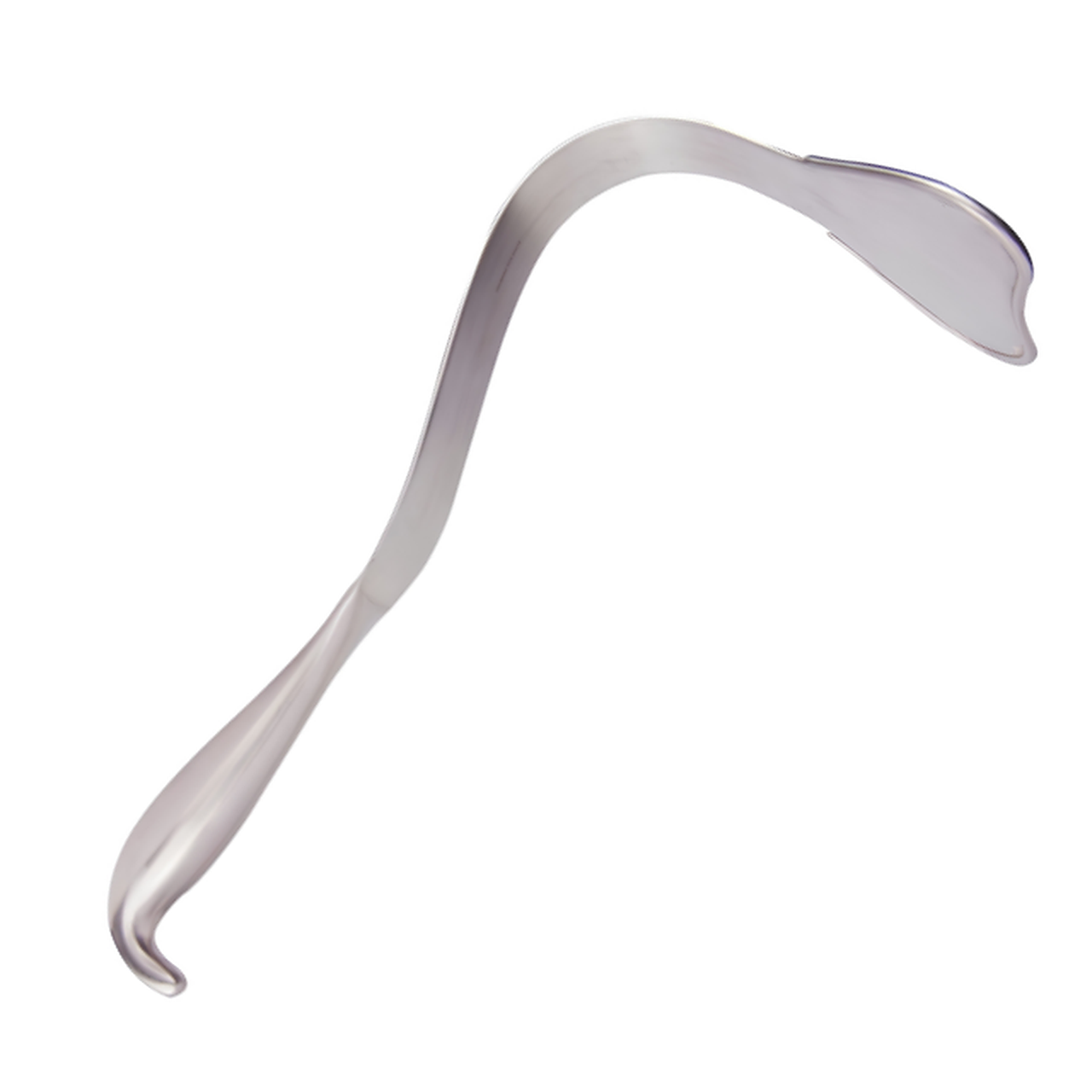 | مُبعّد Harrington للأحشاء | مصمم خصيصاً لتبعيد وحماية الأحشاء البطنية والكبد والطحال وهياكل الحوض أثناء الجراحات المفتوحة العميقة. |
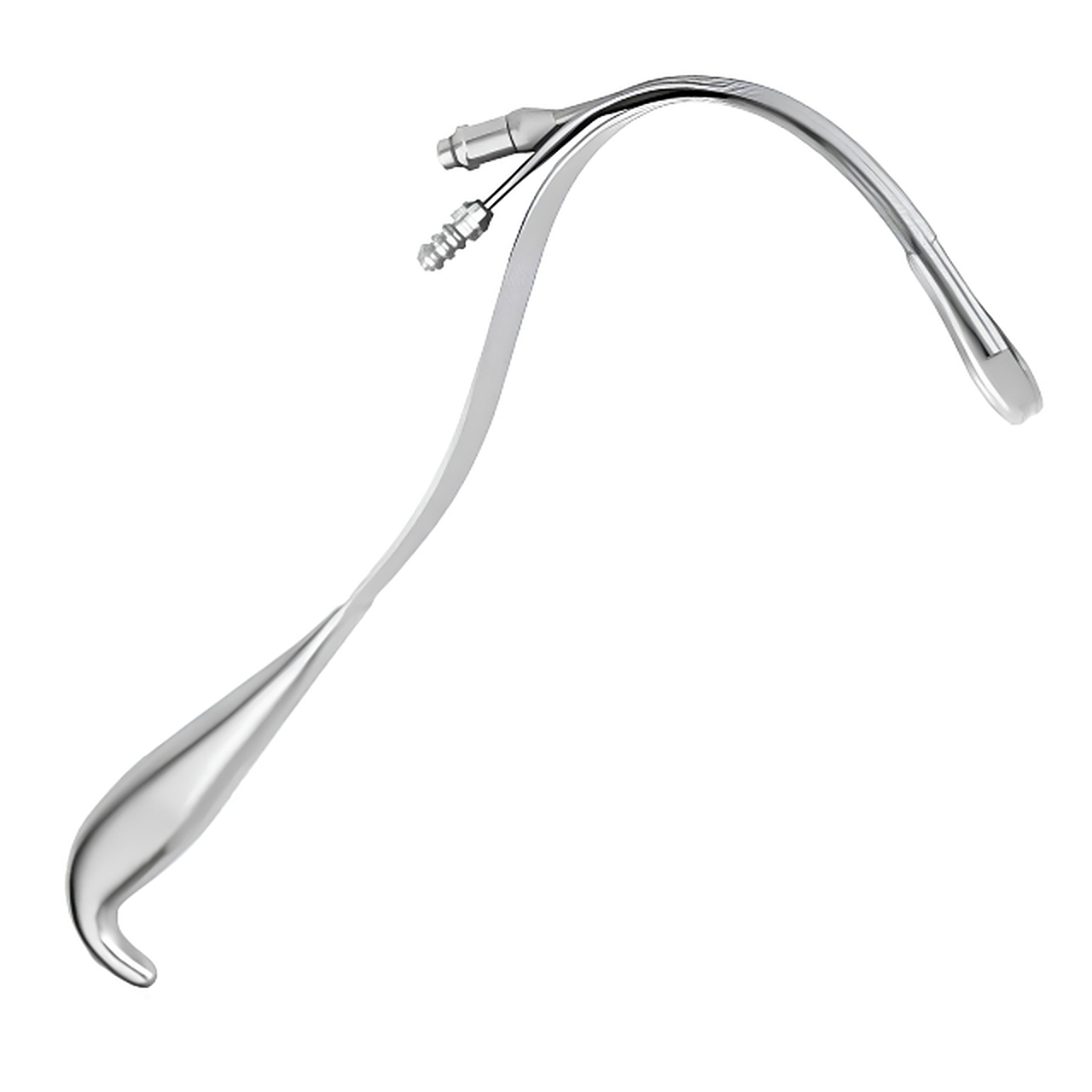 | Harrington Splanchnic Retractor With Fiber Optic | مصمم خصيصاً لتوفير تبعيد مضيء للأحشاء وشفط وري مستمر أثناء جراحات البطن والحوض العميقة. |
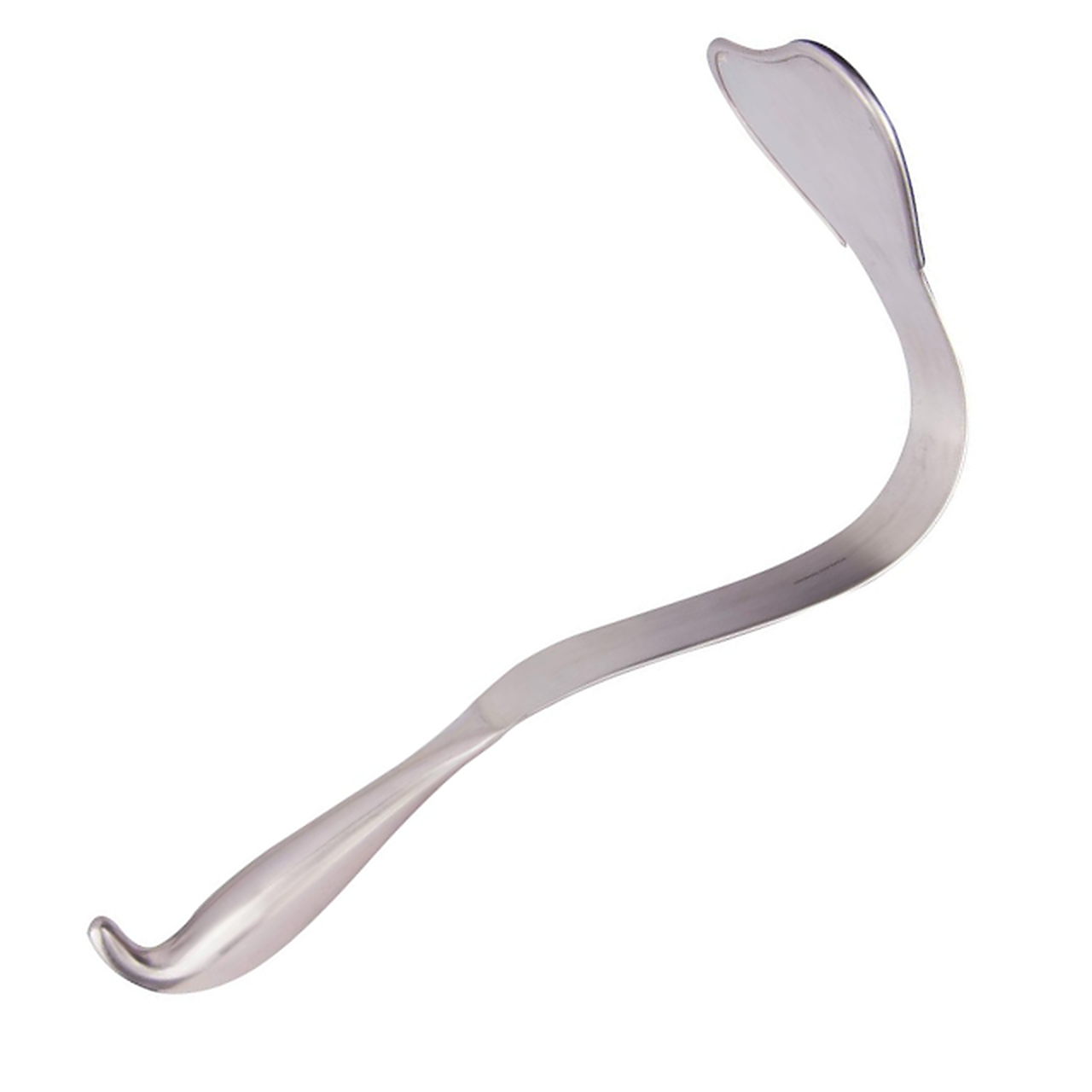 | Harrington Sweetheart Retractor | مصمم خصيصاً لتبعيد وحماية أحشاء البطن وفصوص الكبد والطحال والمثانة أثناء جراحات البطن والحوض العميقة. |
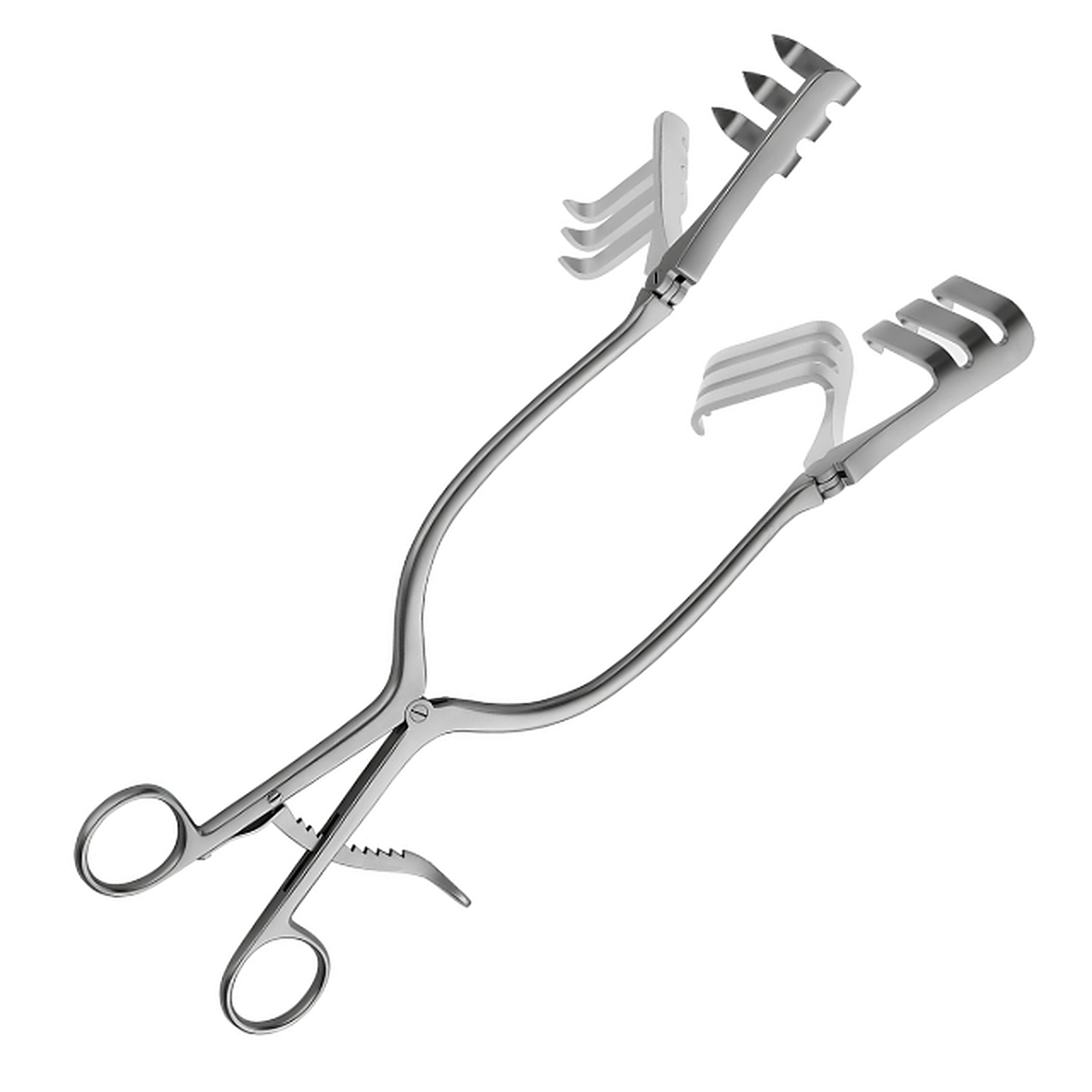 | Harvey Jackson Self Retaining Retractor | مصمم خصيصاً لتوفير تبعيد ذاتي للعضلات المجاورة للعمود الفقري والأنسجة الرخوة أثناء إجراءات العمود الفقري والعظام. |
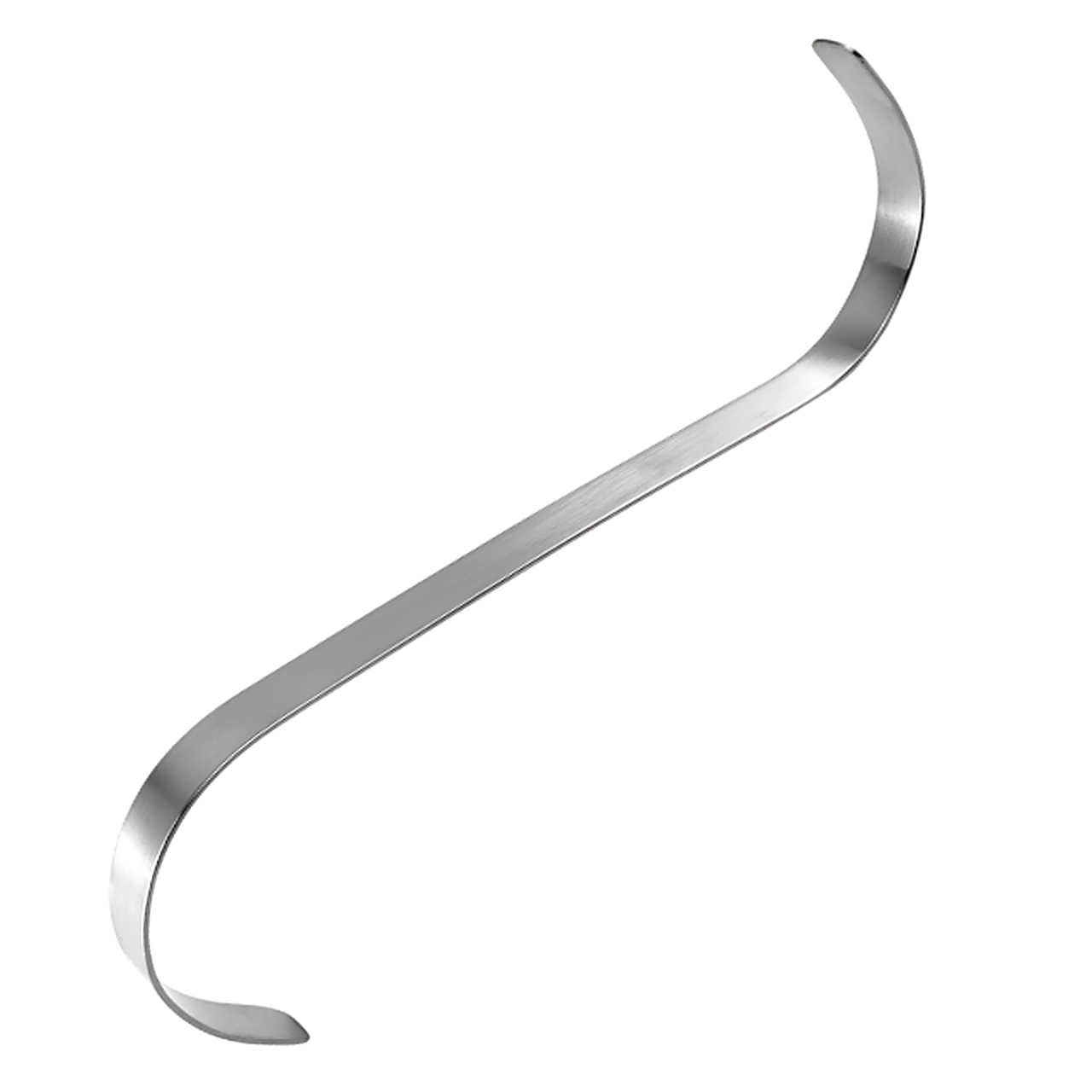 | مبعد Hasson S Retractor | مصمم خصيصاً لتبعيد حواف اللفافة السرية ورفع جدار البطن أثناء إجراءات الفتح المباشر لتقنية Hasson لتنظير البطن. |
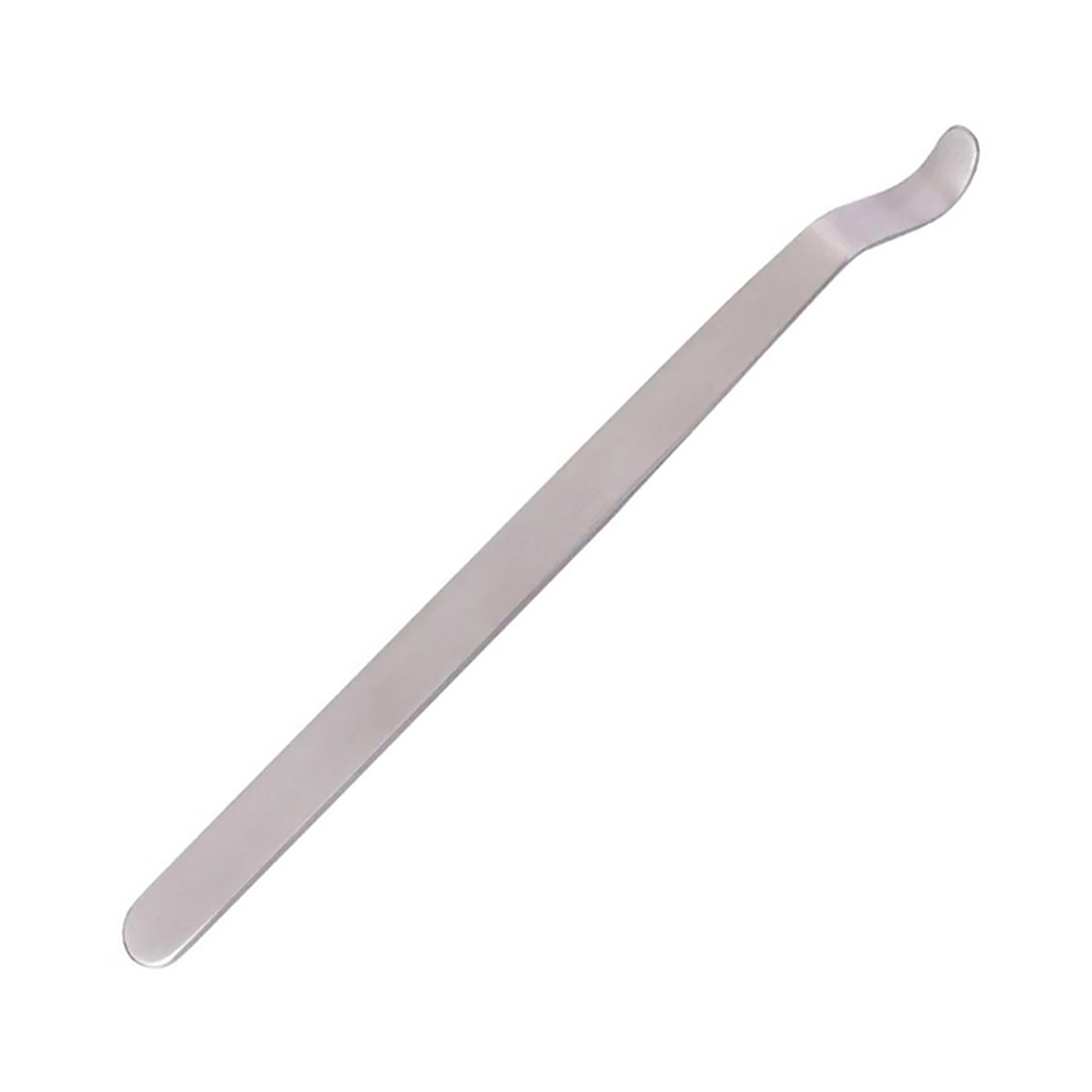 | مباعدات اليد Hayes Hand Retractors | مصمم خصيصاً لتوفير إبعاد للأنسجة الرخوة دون صدمات وكشف جراحي أثناء عمليات اليد والمعصم وعمليات التجميل الترميمية. |
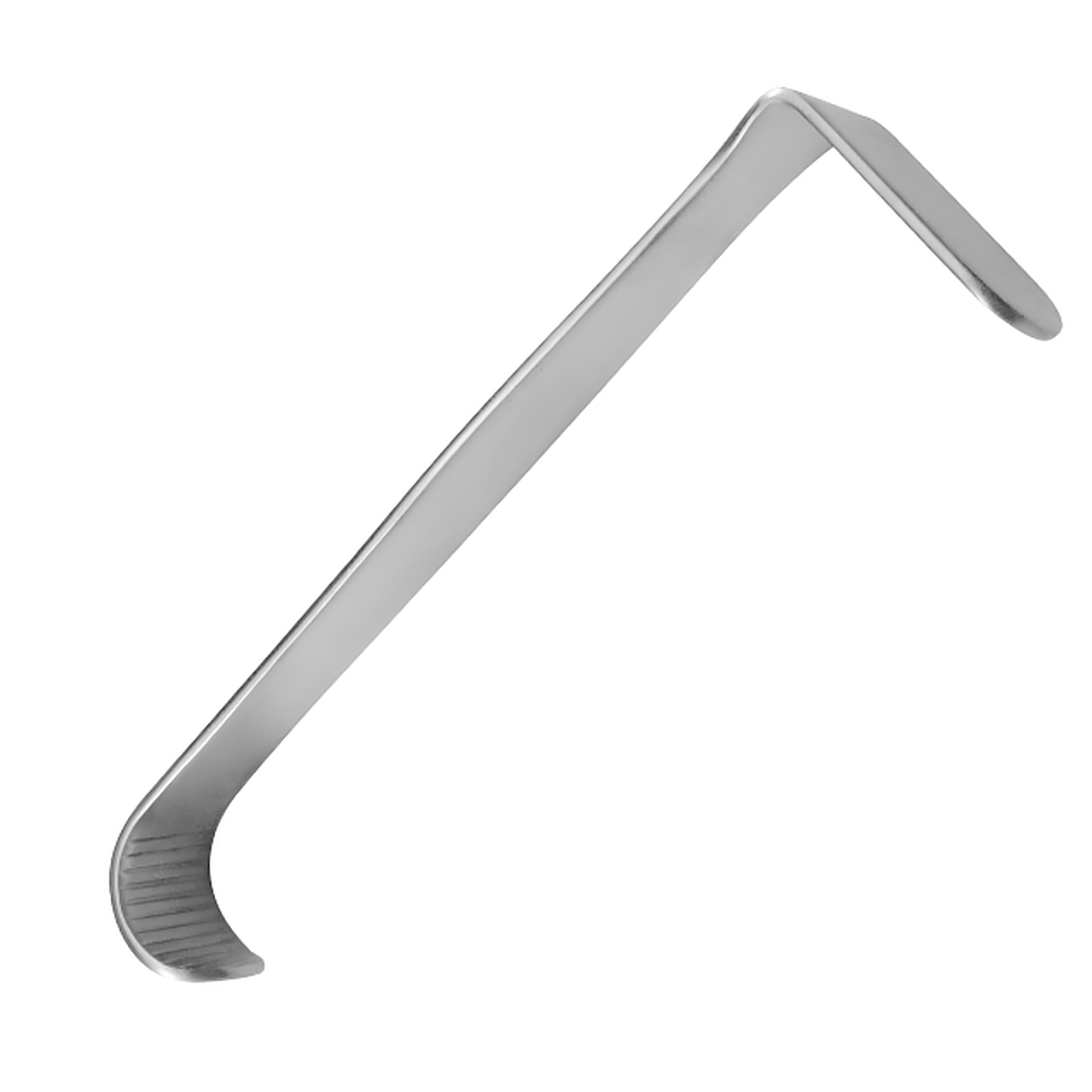 | Heaney Hysterectomy Retractor | مصمم خصيصًا لتبعيد جدار المهبل وأنسجة الحوض أثناء استئصال الرحم المهبلي وجراحات إعادة بناء قاع الحوض. |
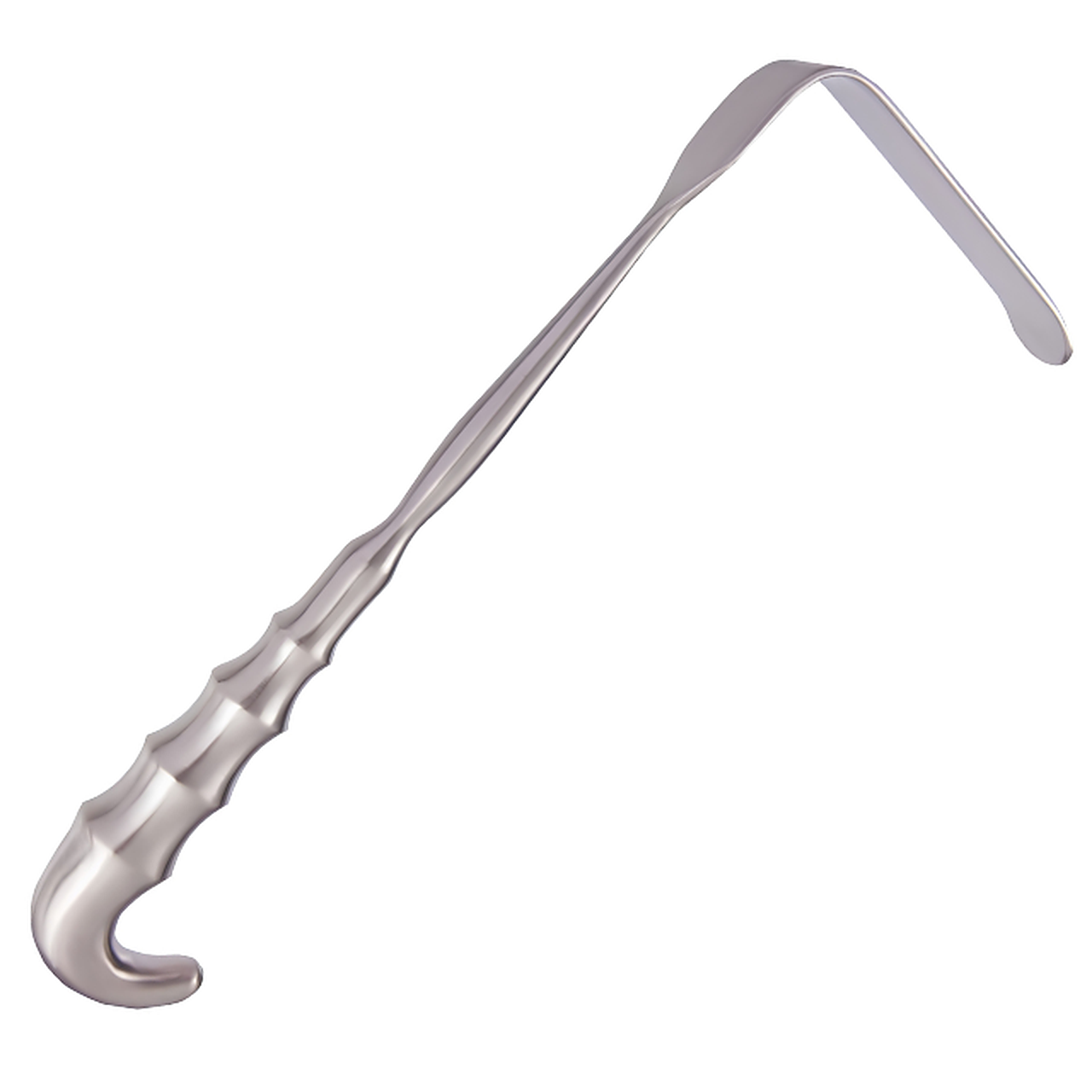 | مبعد مهبلي Heaney Simon Vaginal Retractor | مصمم خصيصاً لإبعاد جدران المهبل الخلفية والجانبية أثناء استئصال الرحم عن طريق المهبل وجراحات قاع الحوض. |
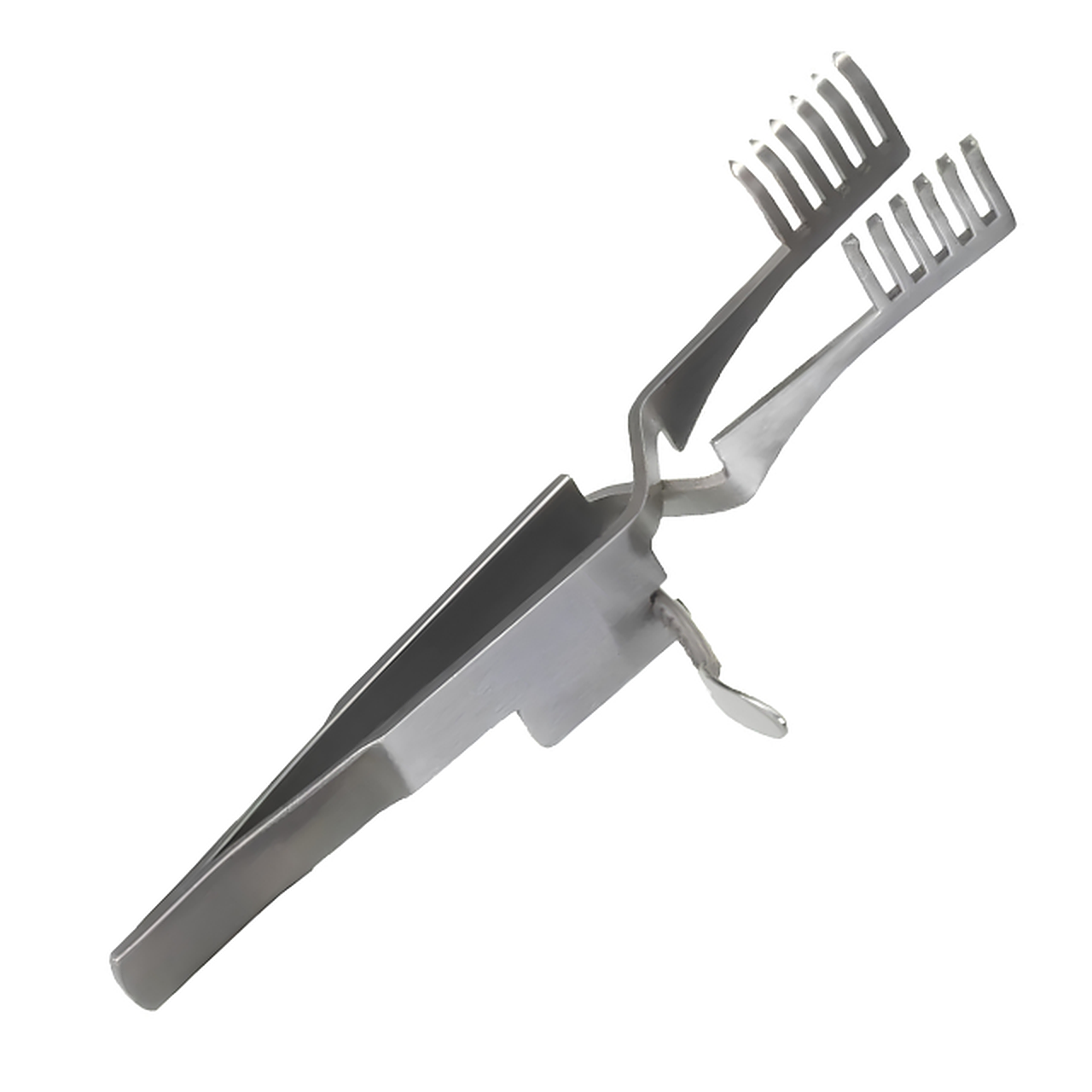 | مُباعد الجروح Heiss Wound Retractor | مصمم خصيصاً لتوفير تبعيد ذاتي التثبيت للأنسجة خلال العمليات الجراحية الصغرى، وجراحات العيون، والتجميل، واليد. |
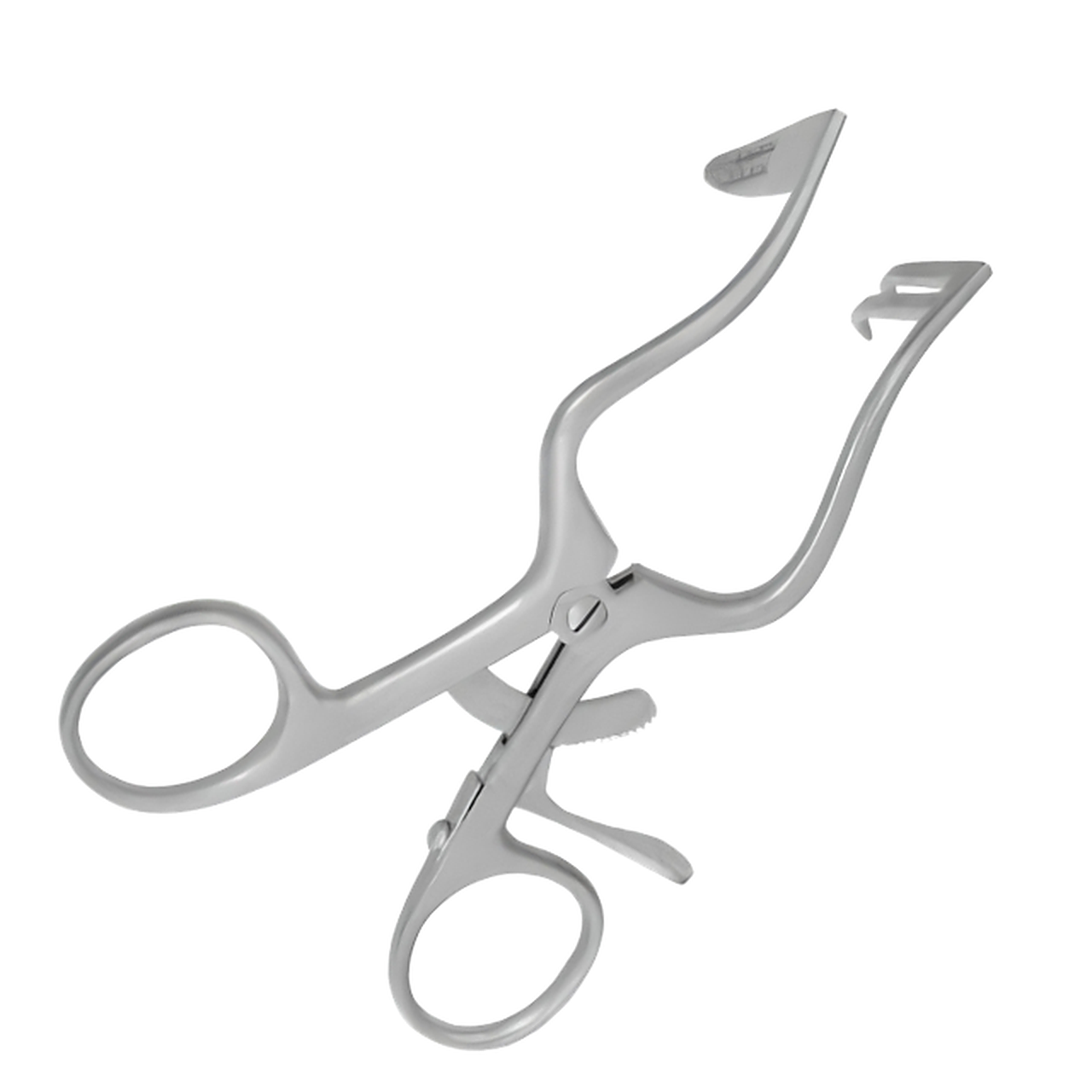 | Helms Retractor | صُمم خصيصاً لتوفير تبعيد ذاتي التثبيت وغير رادح للأنسجة في المجالات الجراحية المجهرية وأمراض الأذن الضيقة. |
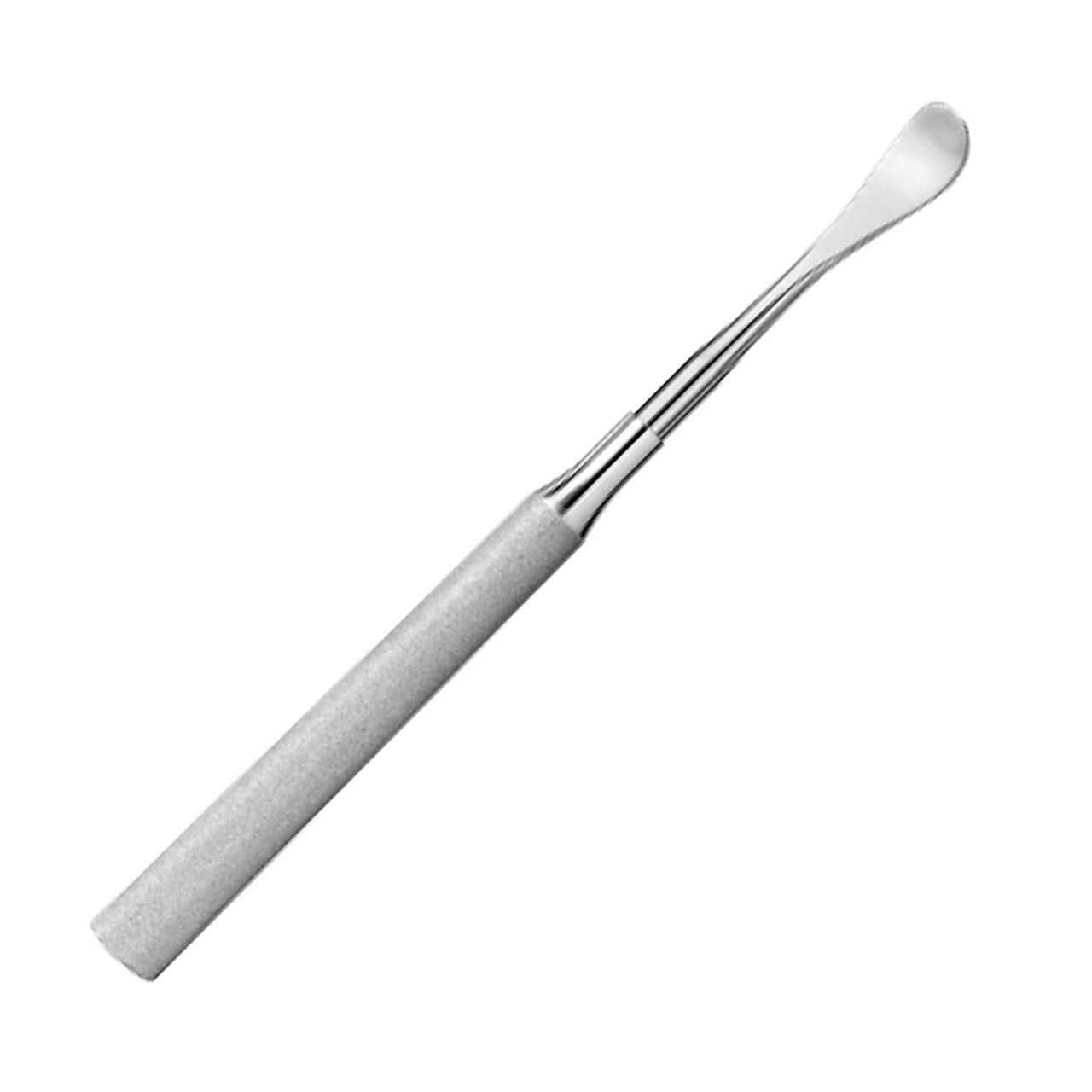 | مُبَعّد Henahan Retractor | مصمم خصيصاً لتبعيد الخدين والشفتين والأنسجة المخاطية السمحاقية أثناء جراحة الفم والأسنان والوجه والفكين. |
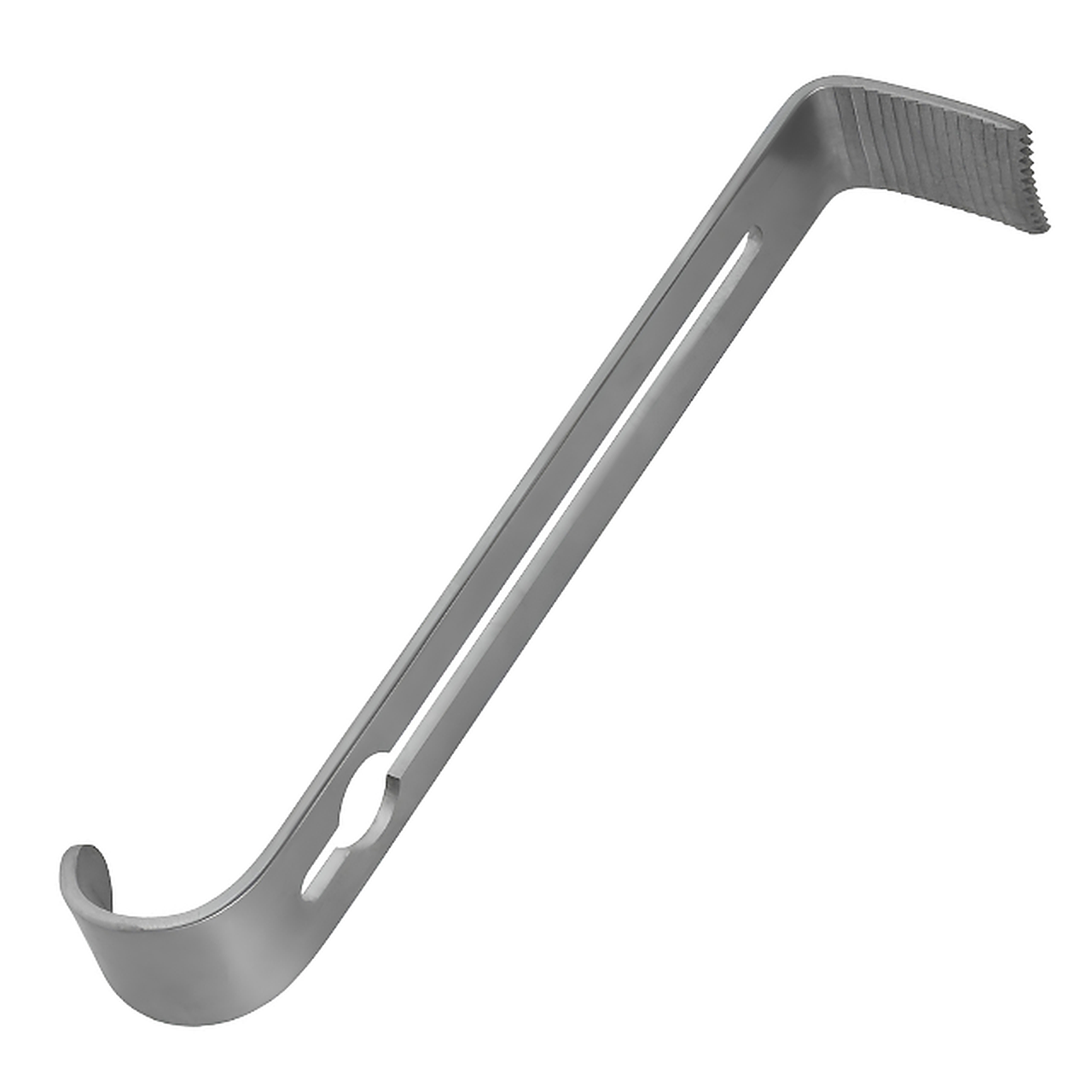 | Henly Retractor Center Blade | مصمم خصيصاً للتركيب على إطار مباعد Henly لتوفير تبعيد لأنسجة الجدار المركزي في الجراحة الوعائية والعامة. |
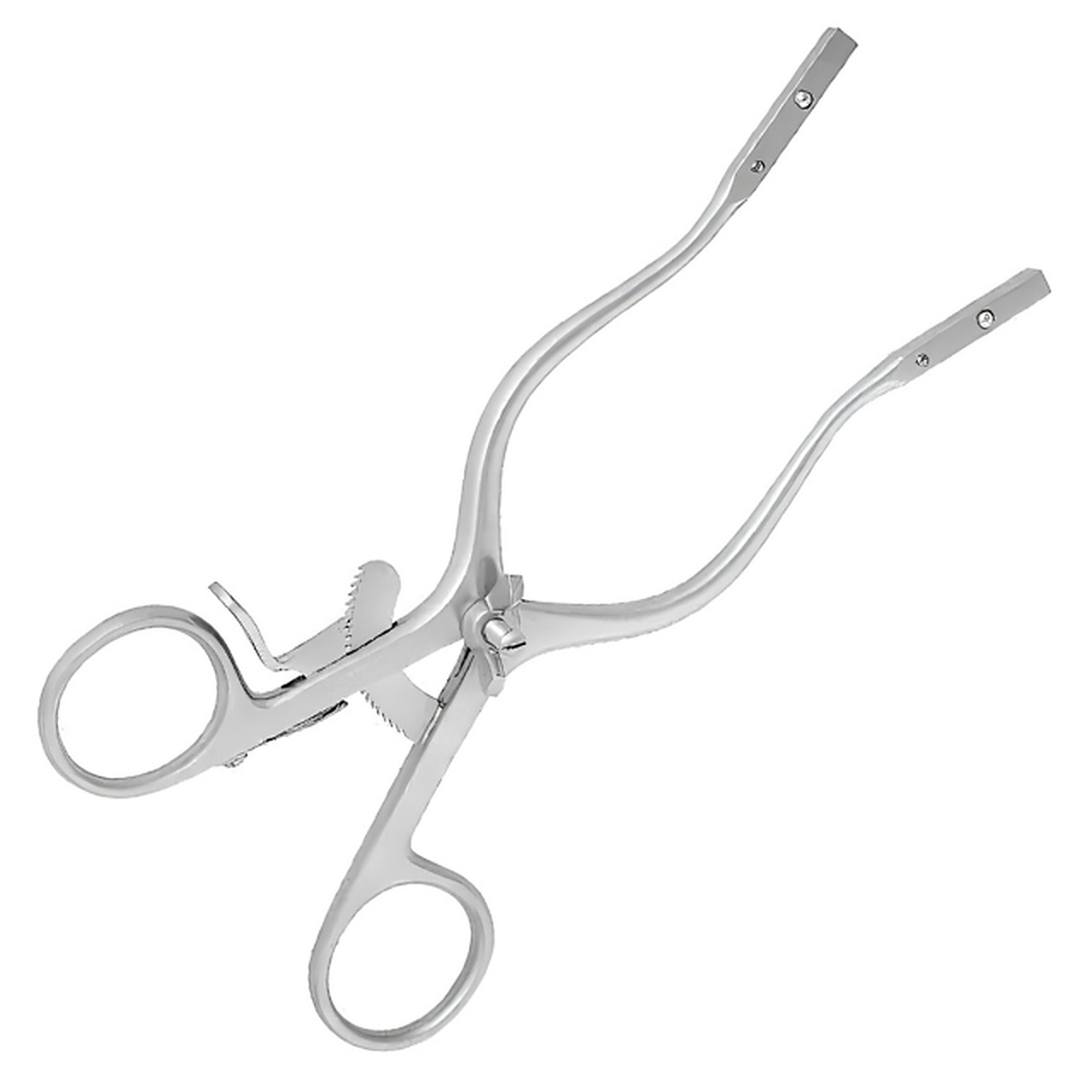 | إطار مبعد Henly Retractor Frame | مصمم خصيصاً لتركيب الشفرات الجانبية والمركزية القابلة للتبديل للابعاد الجراحي دون الحاجة لاستخدام اليدين في جراحات الأوعية الدموية والعظام. |
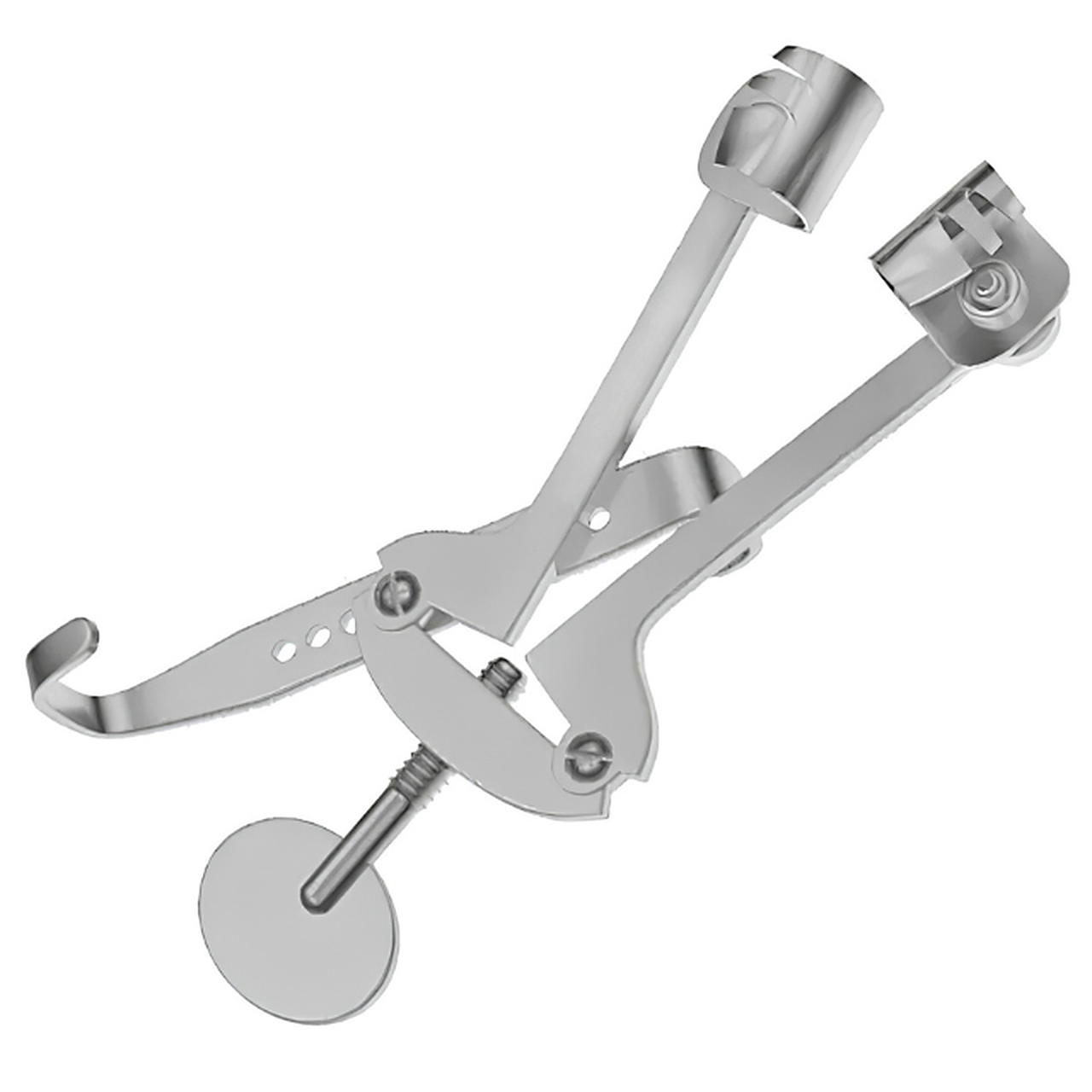 | Henner Endaural Retractor | مصمم خصيصاً لإبعاد حواف الشقوق الجراحية داخل الأذن والقناة السمعية الخارجية أثناء جراحات الأذن. |
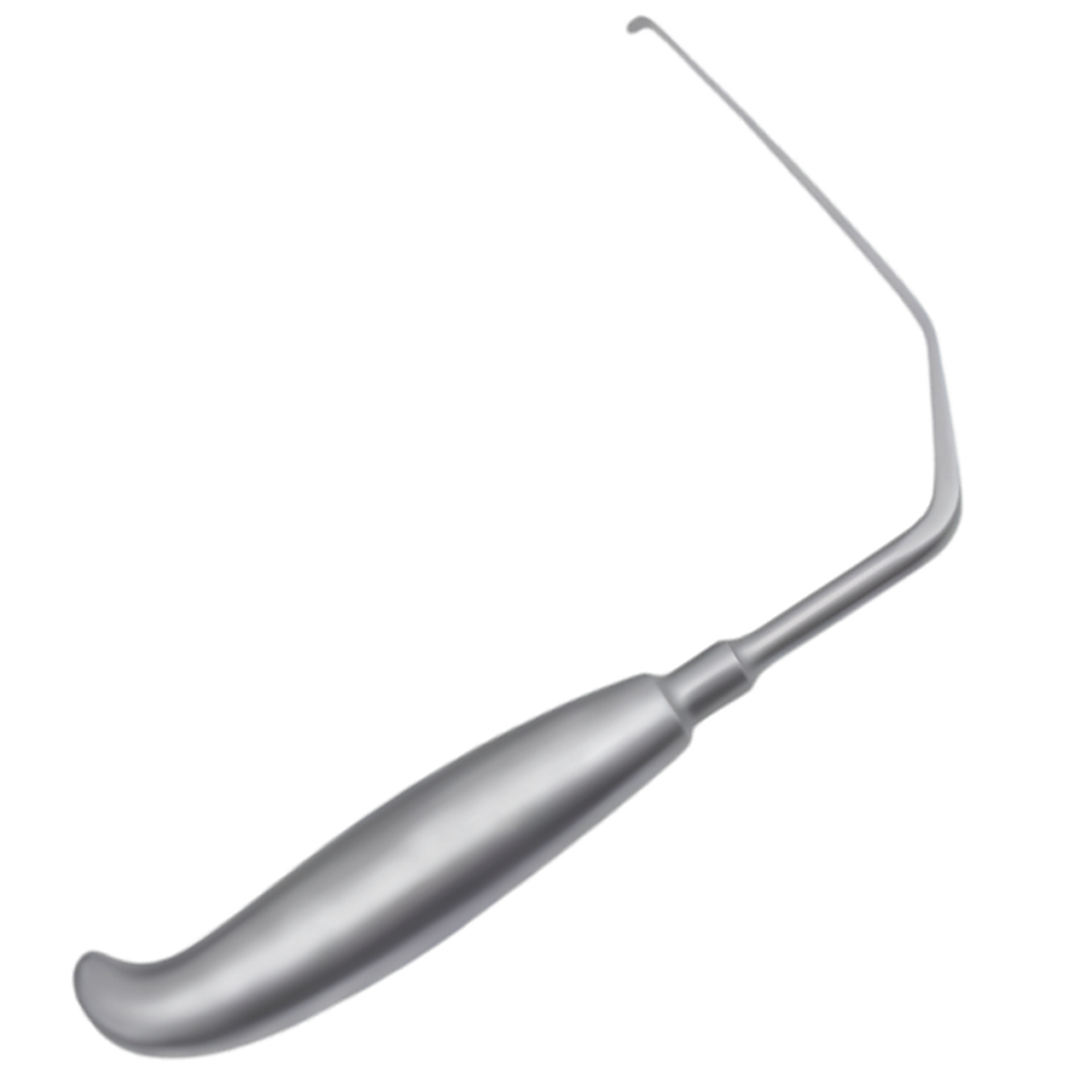 | مبعد جذور الأعصاب Hess Nerve Root Retractor | مصمم خصيصًا لإبعاد وحماية جذور الأعصاب الشوكية العابرة والكيس الجافي أثناء عمليات استئصال القرص القطني مجهريًا. |
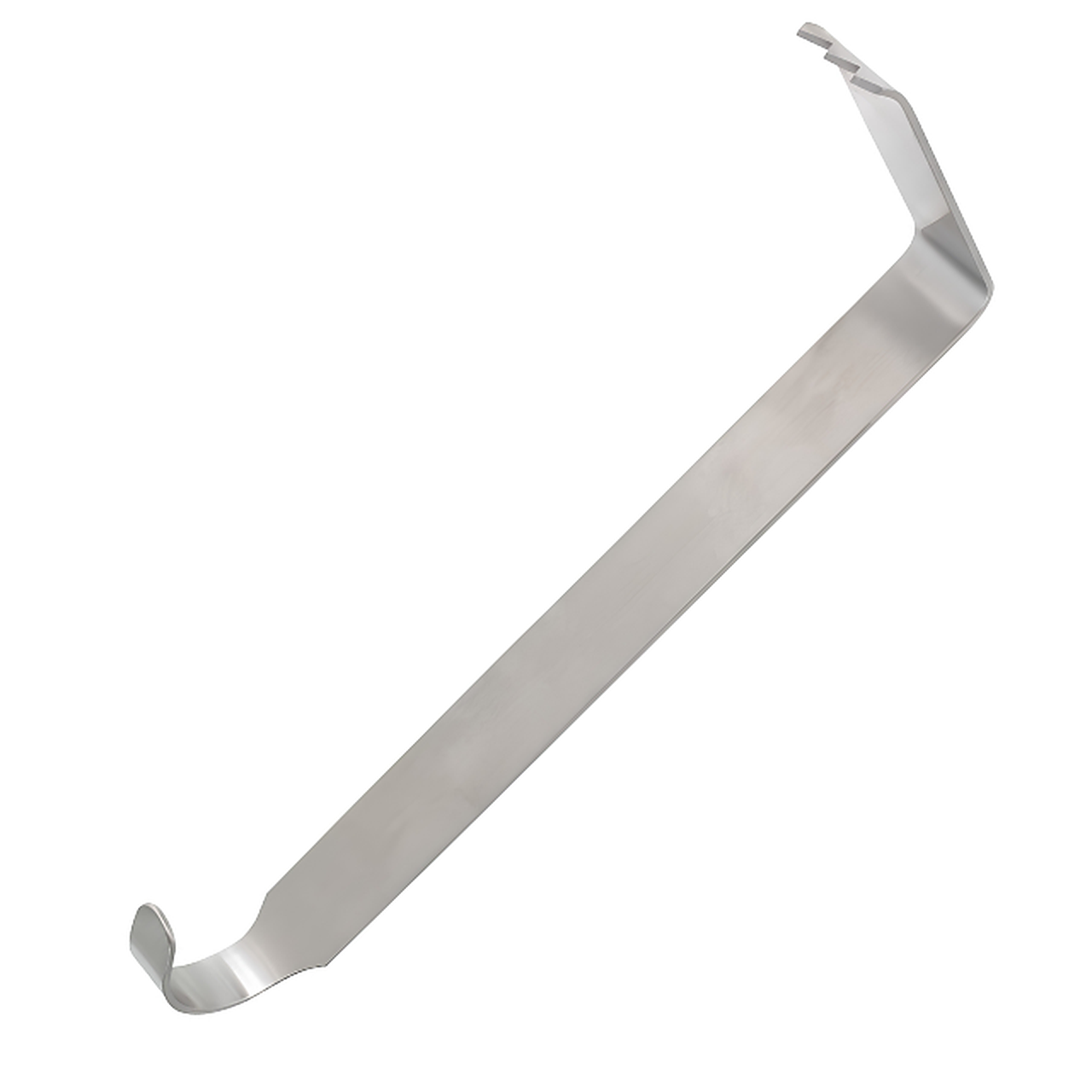 | Hibbs Retractor | مصمم خصيصاً لتبعيد العضلات الثقيلة المجاورة للعمود الفقري والأنسجة الرخوة العميقة أثناء جراحات العمود الفقري والعظام. |
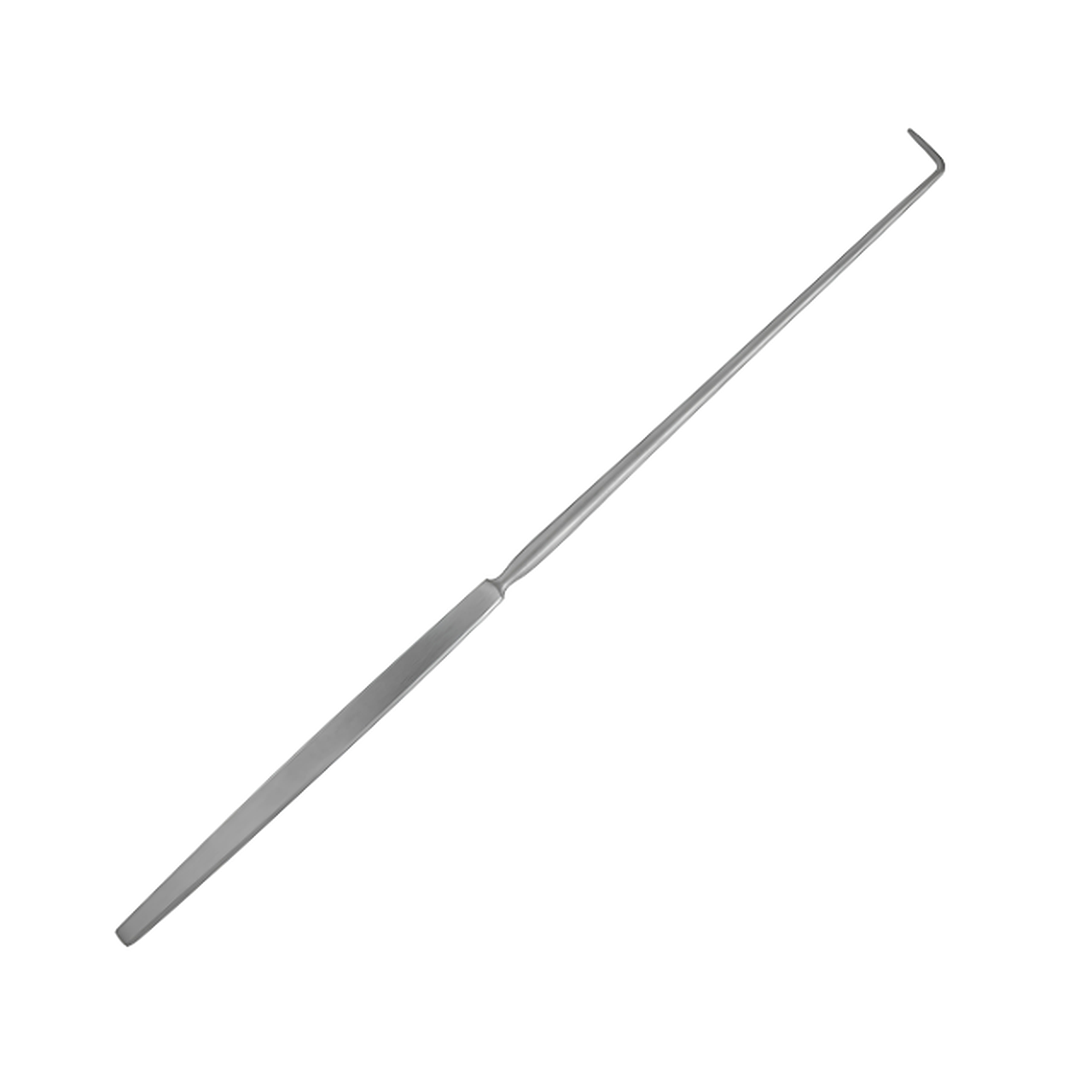 | مبعد الأعصاب Hoen Nerve Retractor | مصمم خصيصاً لتحريك واستكشاف وإبعاد الجذور العصبية الشوكية والكيس القرابي أثناء الجراحات المجهرية. |
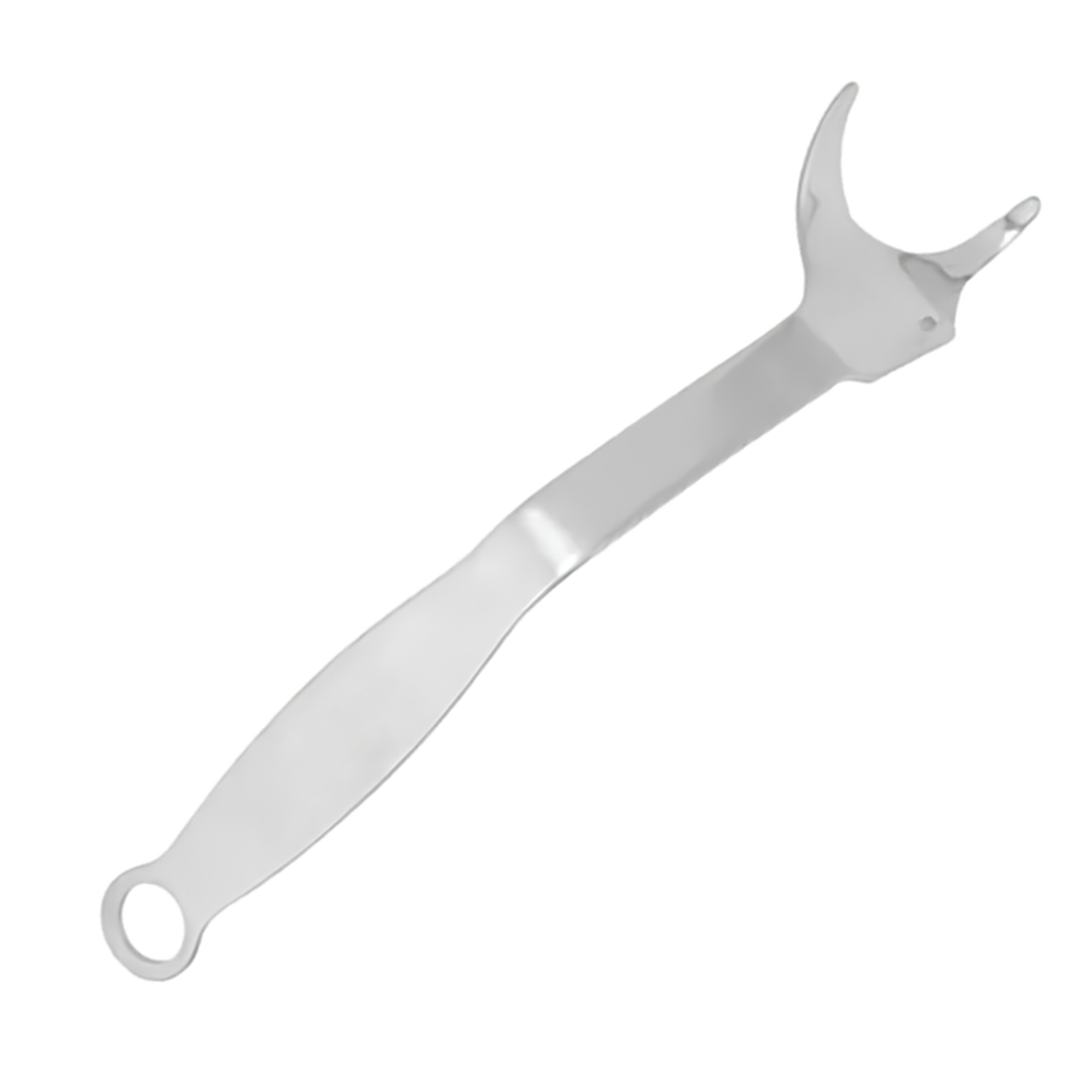 | مبعد Hohmann الخلفي السفلي | مصمم خصيصاً للكشف عن الحافة الحُقية الخلفية السفلية وإبعاد الأنسجة المحفظية أثناء جراحة استبدال مفصل الورك بالكامل. |
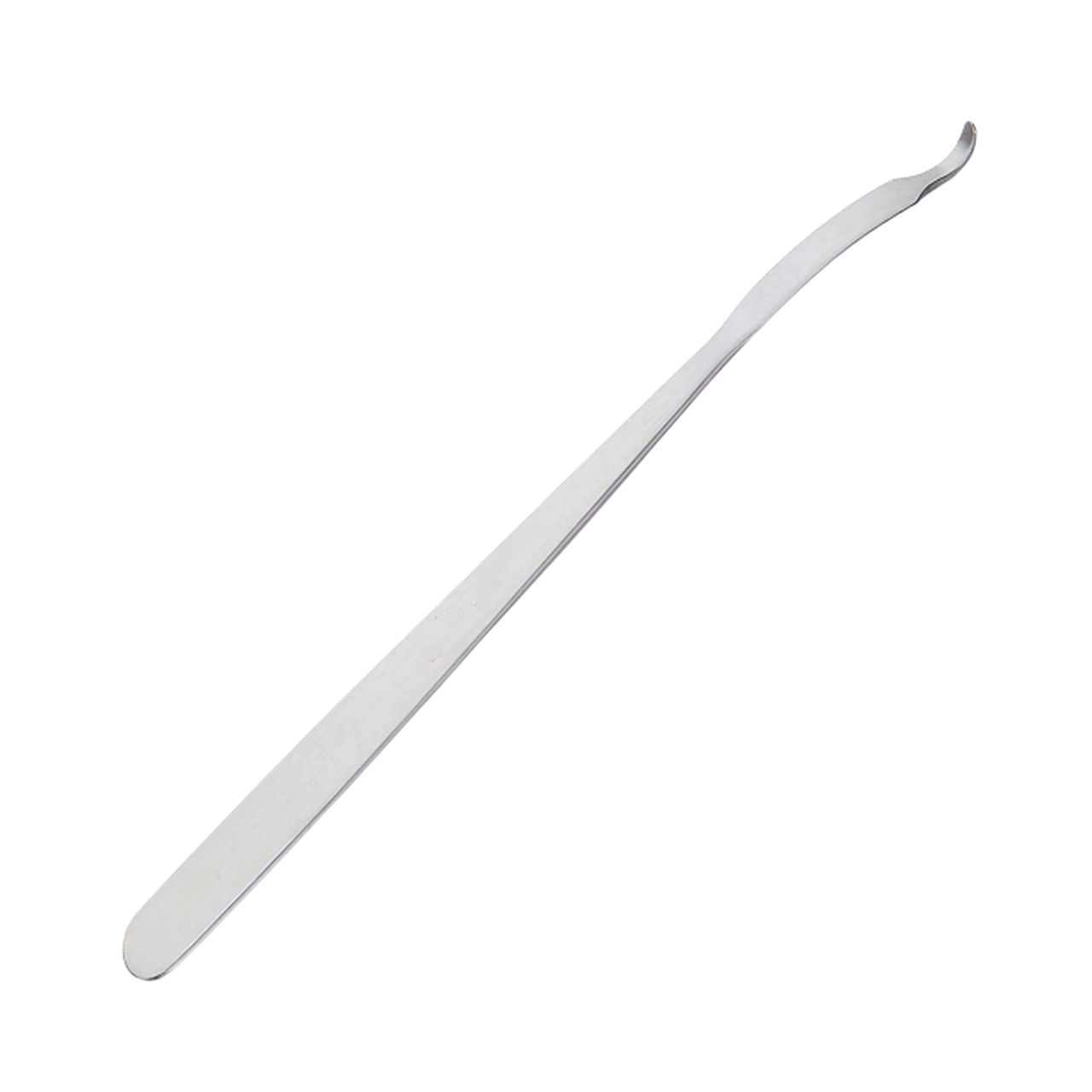 | Hohmann Retractor - مبعد هومان | مصمم خصيصاً لرفع العظام وإبعاد العضلات الثقيلة أثناء إجراءات جراحة العظام للورك والركبة والعظام الطويلة. |
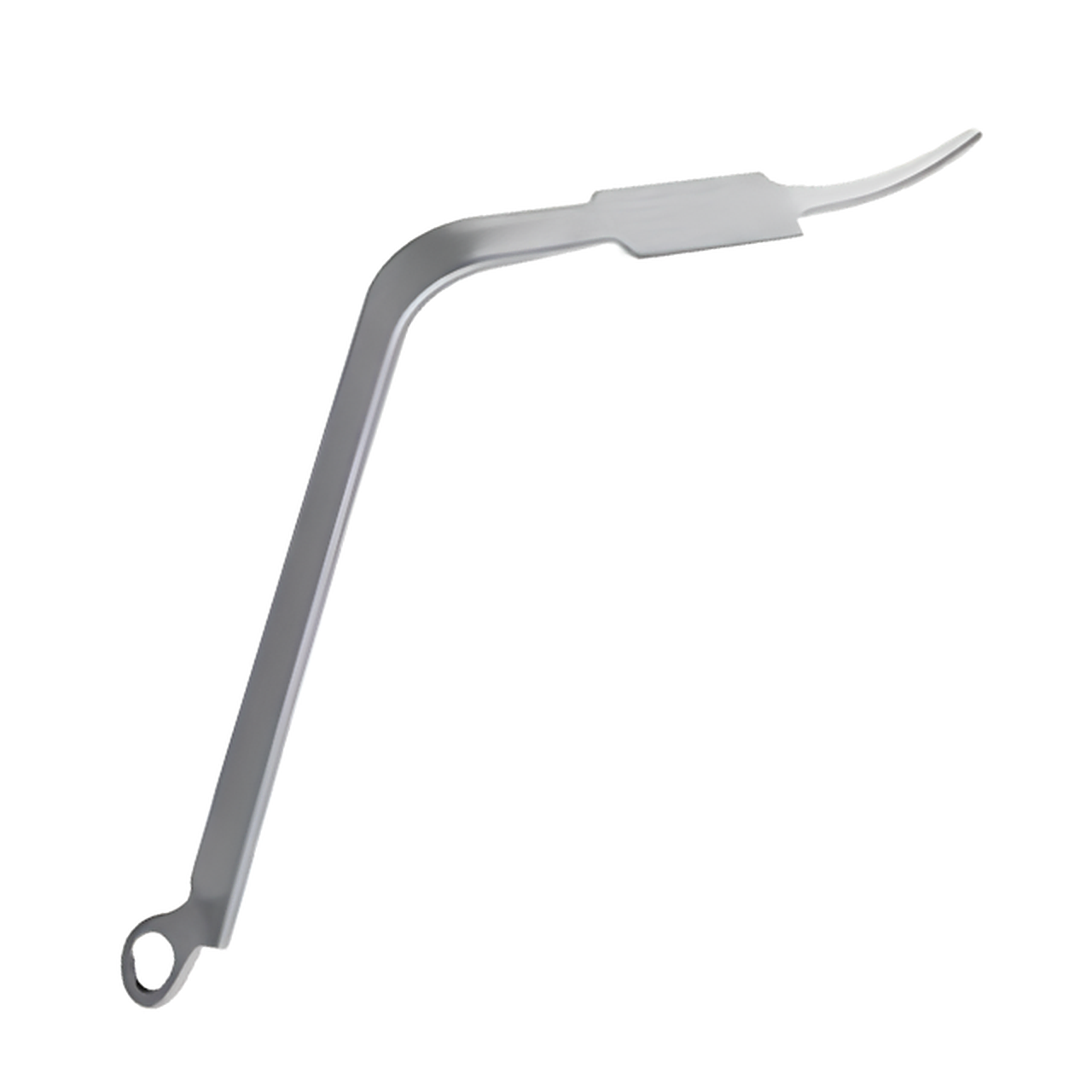 | مُبعّد Hohmann Retractor Bent Extra Long Handle بمقبض طويل منحني | مصمم خصيصاً لرفع العظام وإبعاد العضلات الثقيلة مع خفض المقبض بعيداً عن المجالات الجراحية العميقة أثناء جراحات العظام. |
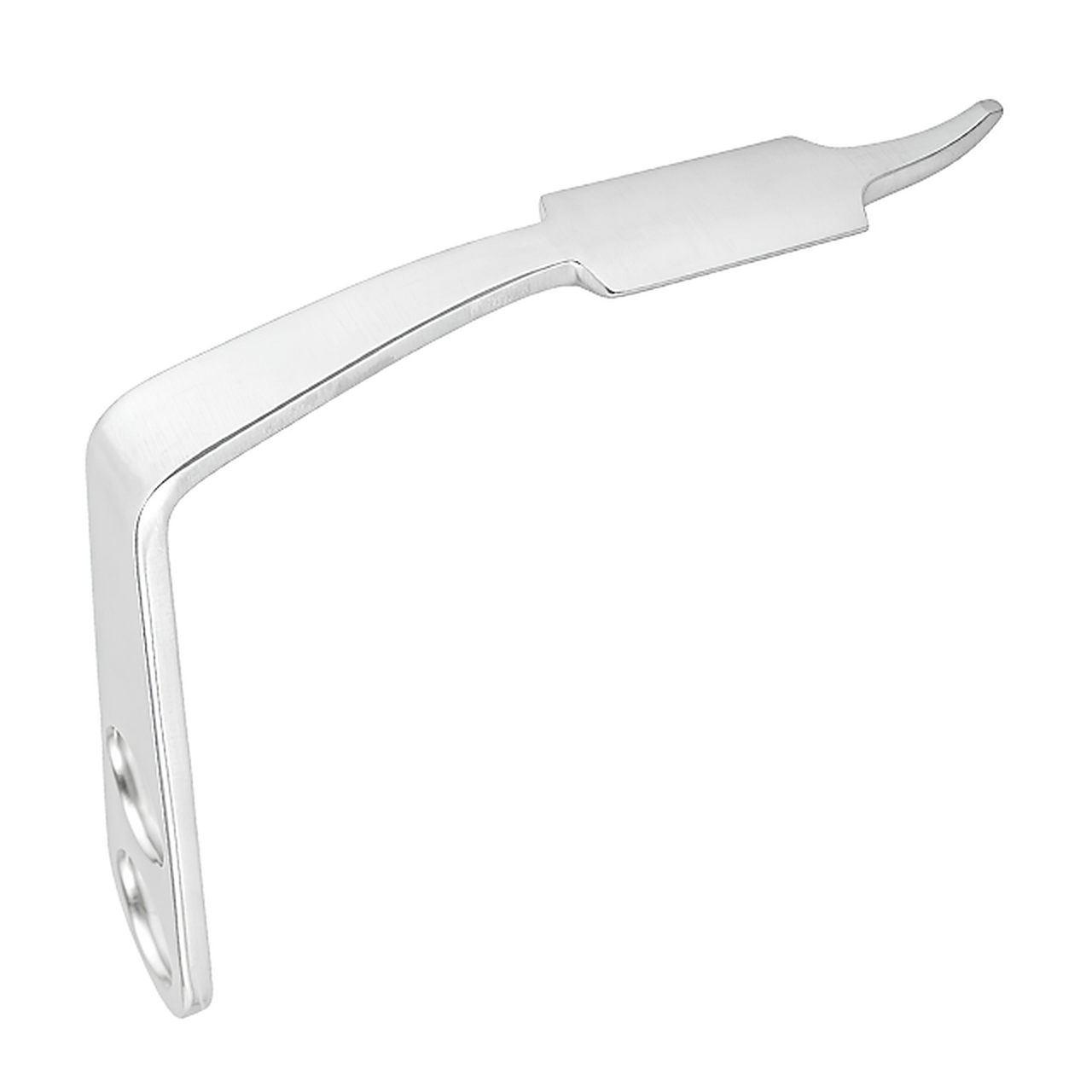 | مُبعّد Hohmann Retractor Right Angled القائم الزاوية | مصمم خصيصاً لرفع العظام وإبعاد العضلات بزوايا قائمة أثناء جراحات الورك والحوض والفخذ العميقة. |
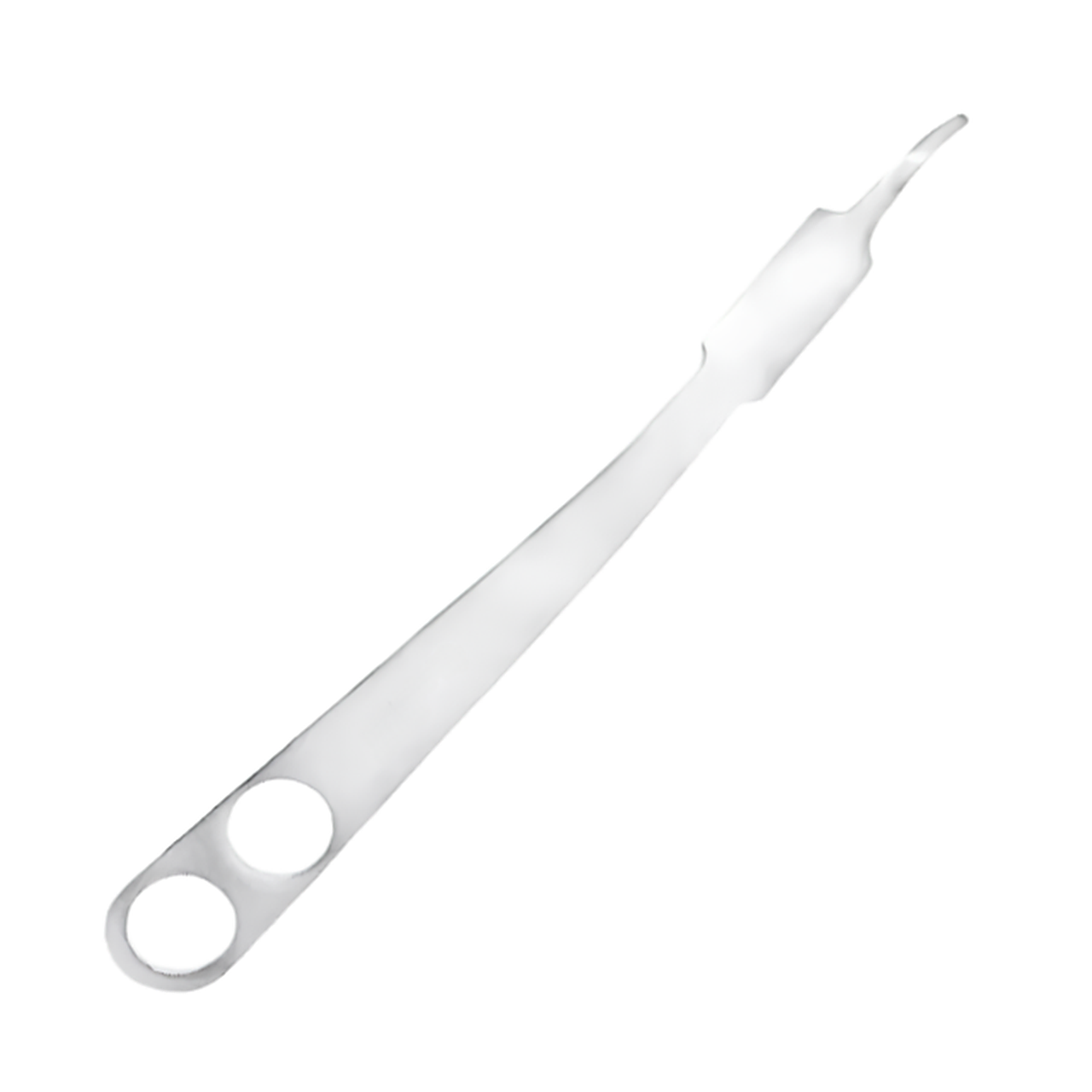 | مبعد Hohmann ذو الطرف المستدير | مصمم خصيصاً لرفع العظام وإبعاد الأنسجة الرخوة بشكل غير رضي أثناء جراحات الورك والركبة والعظام الطويلة. |
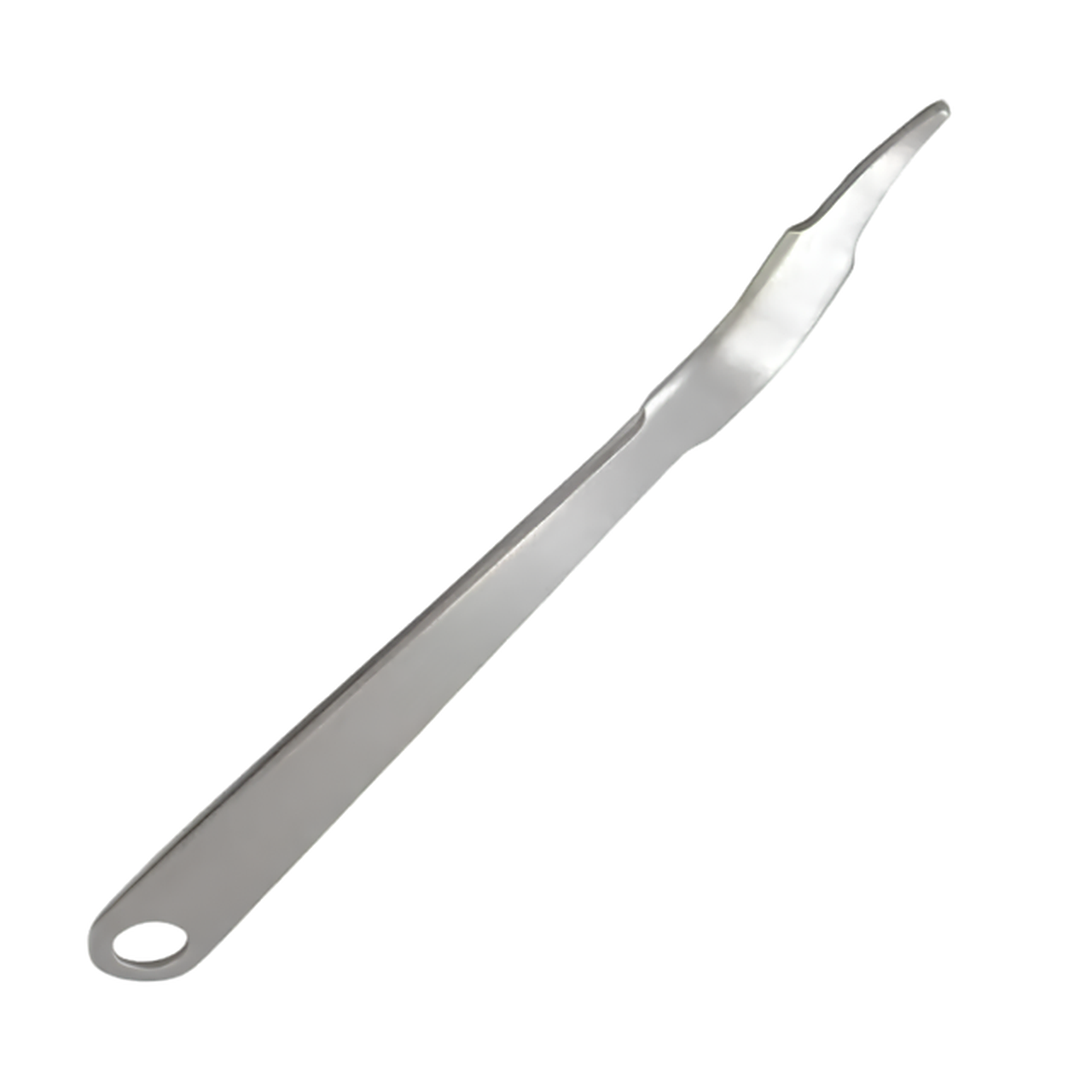 | Hohmann Retractor Square End | مصممة خصيصاً لرفع قشور العظام المسطحة وإبعاد الأنسجة الرخوة أثناء جراحات الركبة والورك وجراحات الإصابات. |
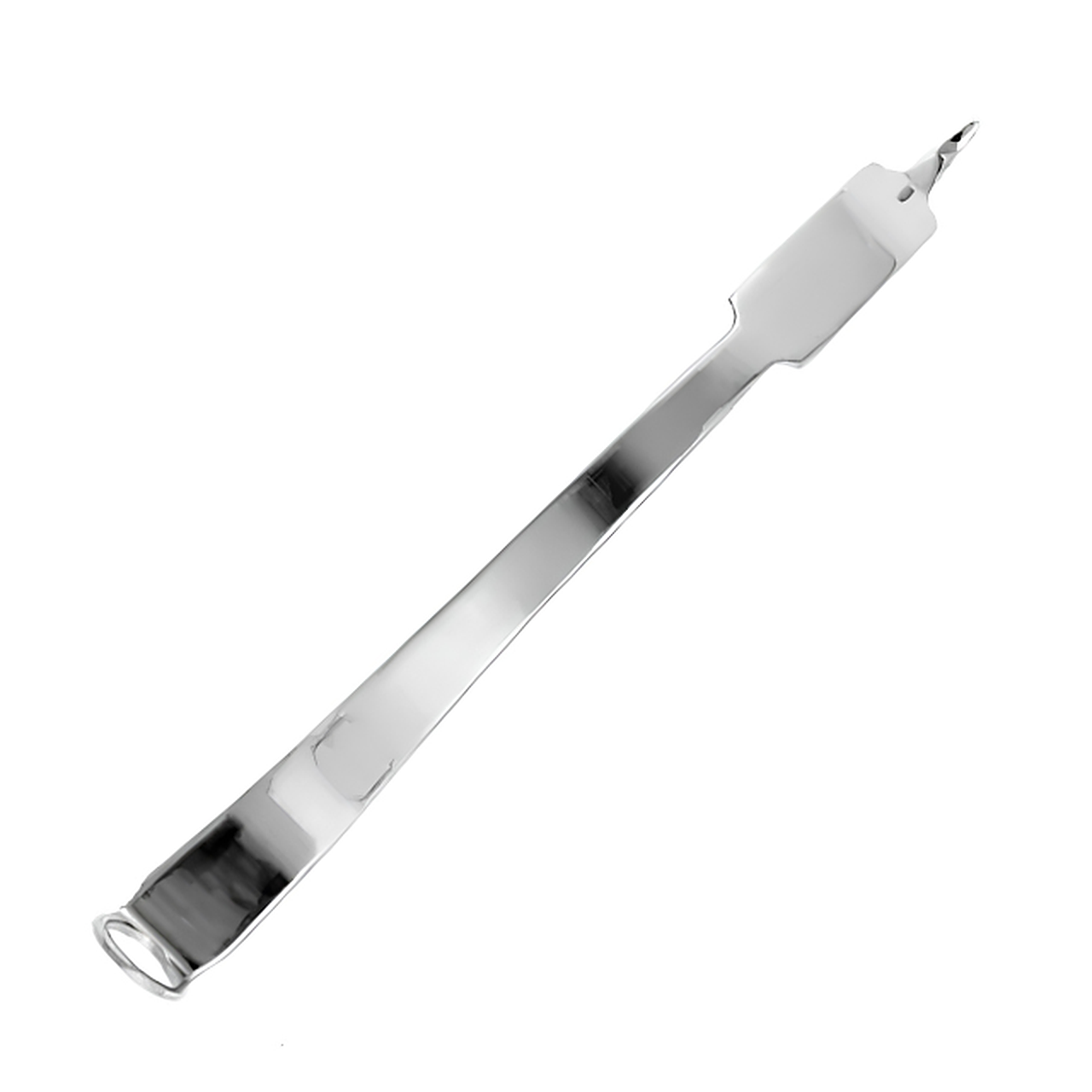 | Hohmann Retractors Angled | مباعدات هوهمان الزاوية | مصمم خصيصاً لرفع العظام وإبعاد العضلات عن المفاصل العميقة والعظام الطويلة أثناء جراحة العظام. |
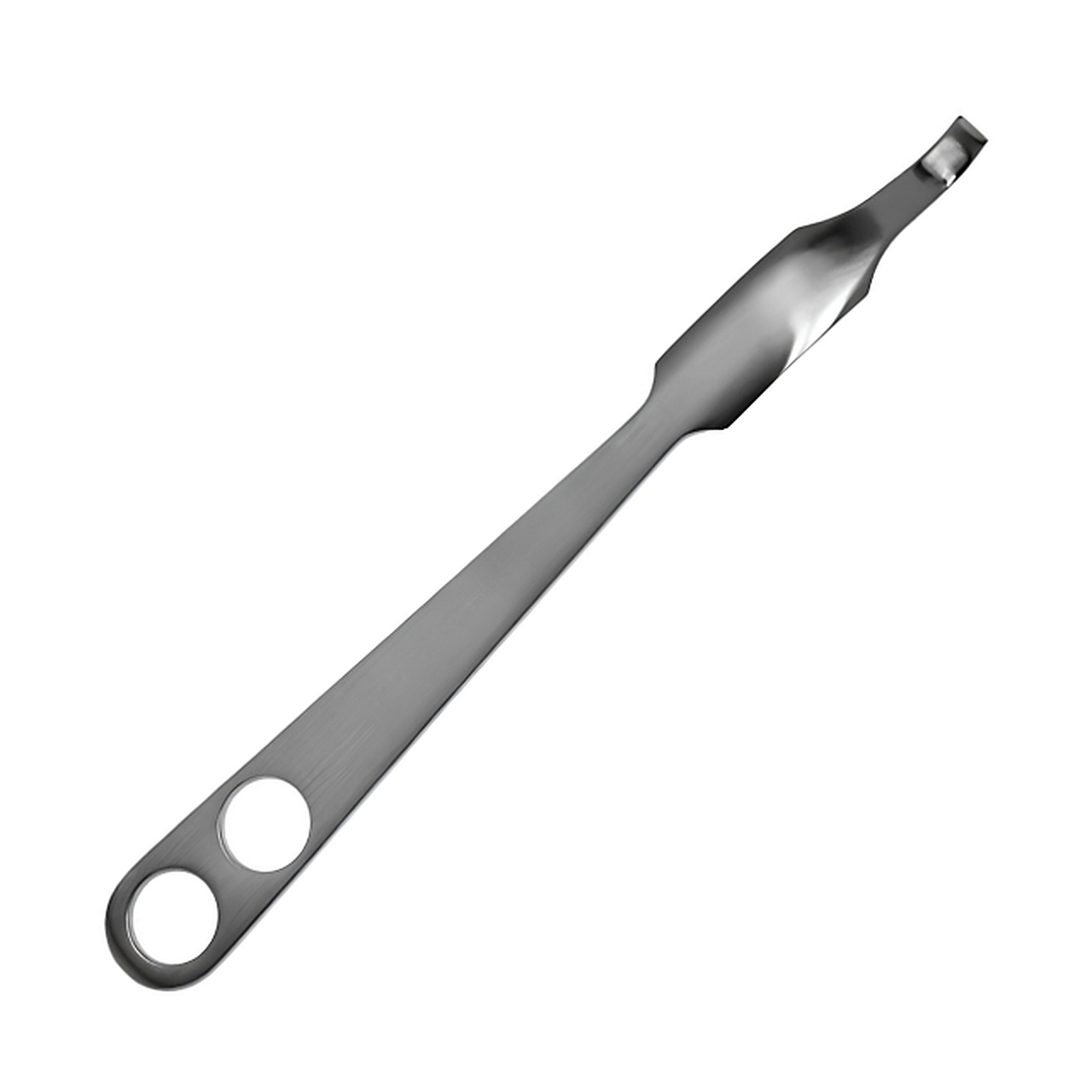 | مبعدات Hohmann Retractors Square Blade بصلية مربعة | مصممة خصيصاً لرفع قشور العظام وإبعاد طبقات العضلات الكثيفة أثناء إجراءات تقويم العظام في الفخذ والركبة والعظام الطويلة. |
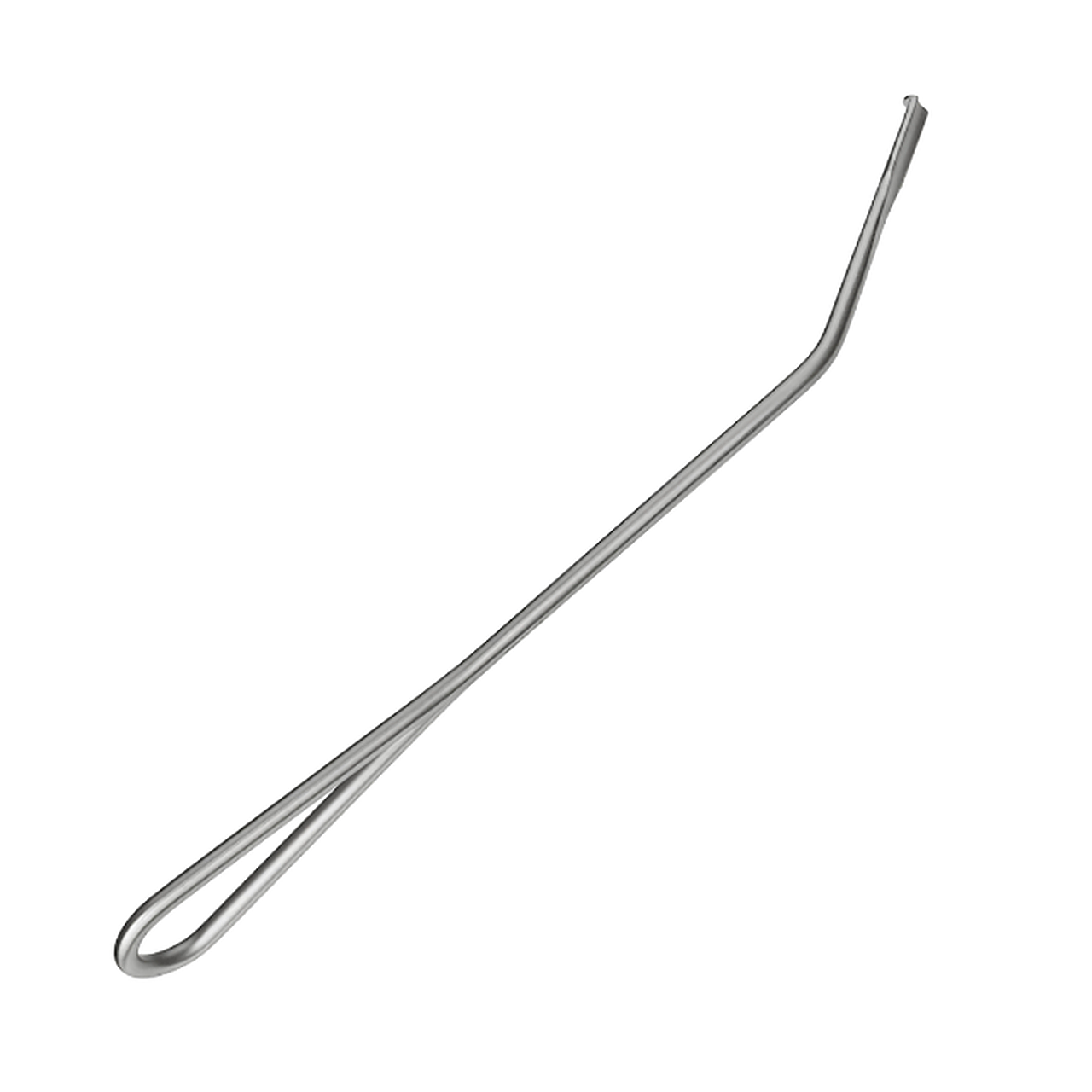 | مباعدات Holscher Retractors | مصمم خصيصاً لمباعدة وحماية جذور الأعصاب الشوكية والكيس القرابي أثناء عمليات استئصال الأقراص واستئصال الصفائح الفقرية. |
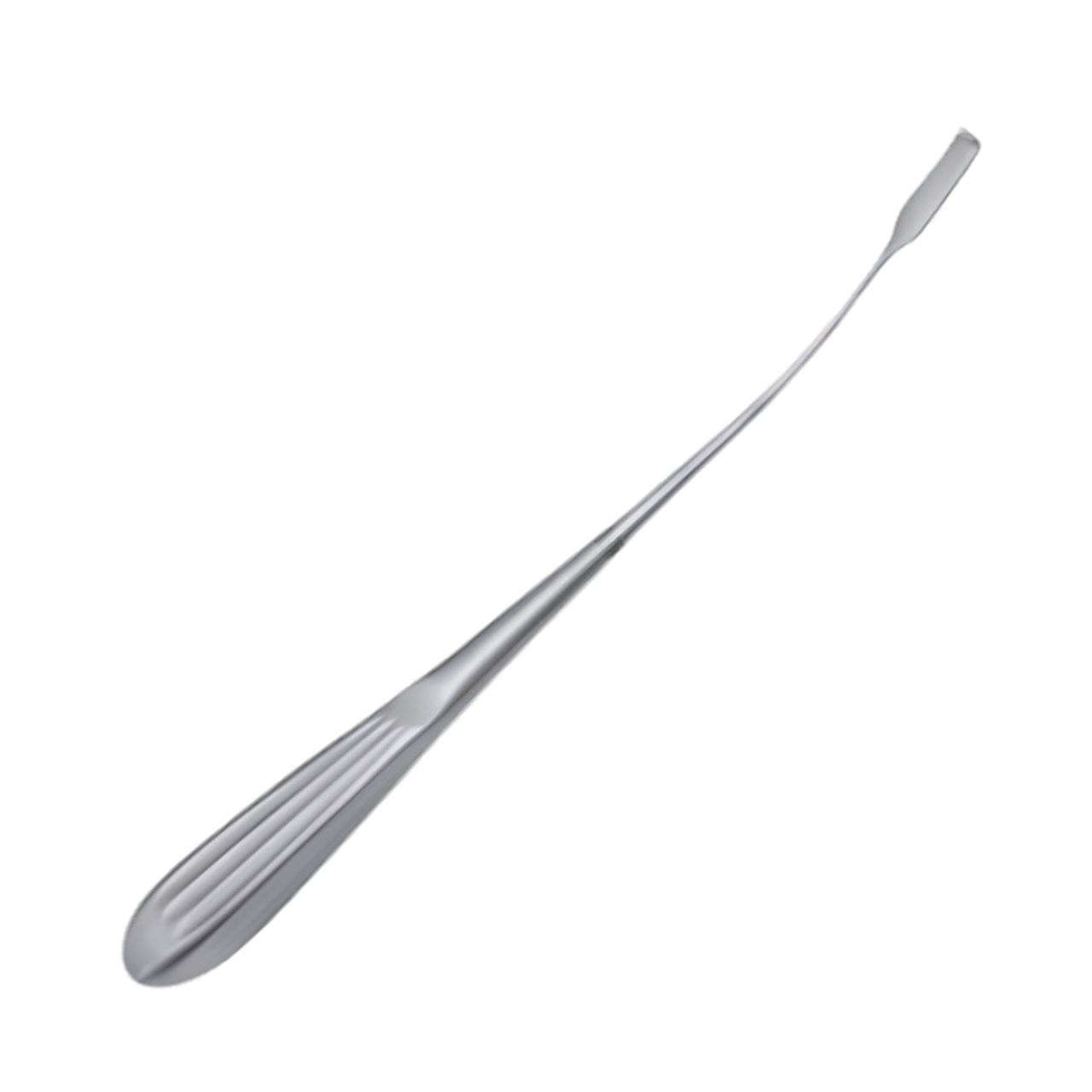 | Holsher Nerve Root Retractor | مصمم خصيصاً لإبعاد وحماية الجذور العصبية الشوكية والكيس القرابي أثناء استئصال القرص القطني بالجراحة المجهرية. |
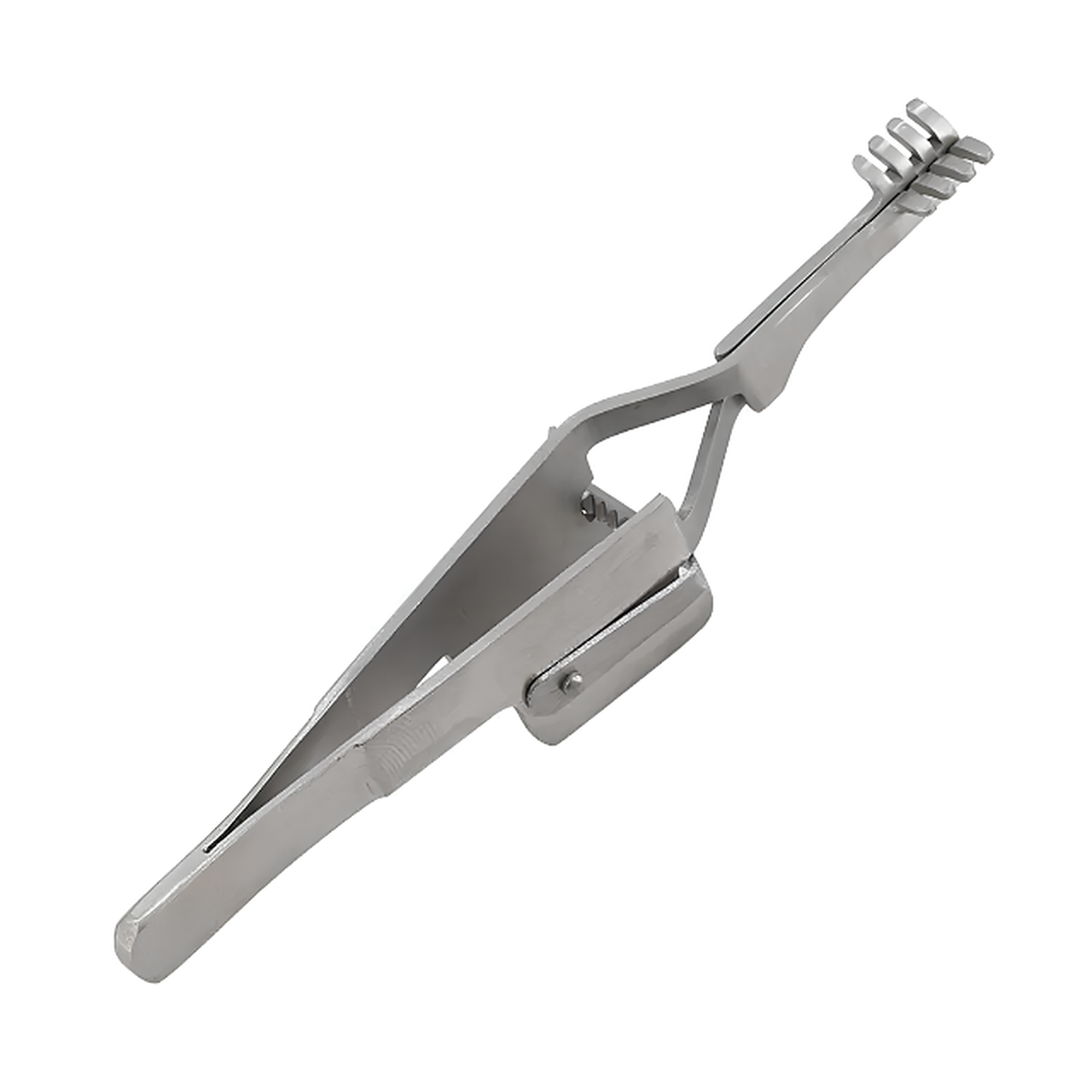 | مُبعد Holzhimer Self-Retaining Retractor | مصمم خصيصاً لتوفير أبعاد ذاتي للأنسجة أثناء العمليات الجراحية الصغرى، وعمليات العيون، والتجميل، وجراحات اليد. |
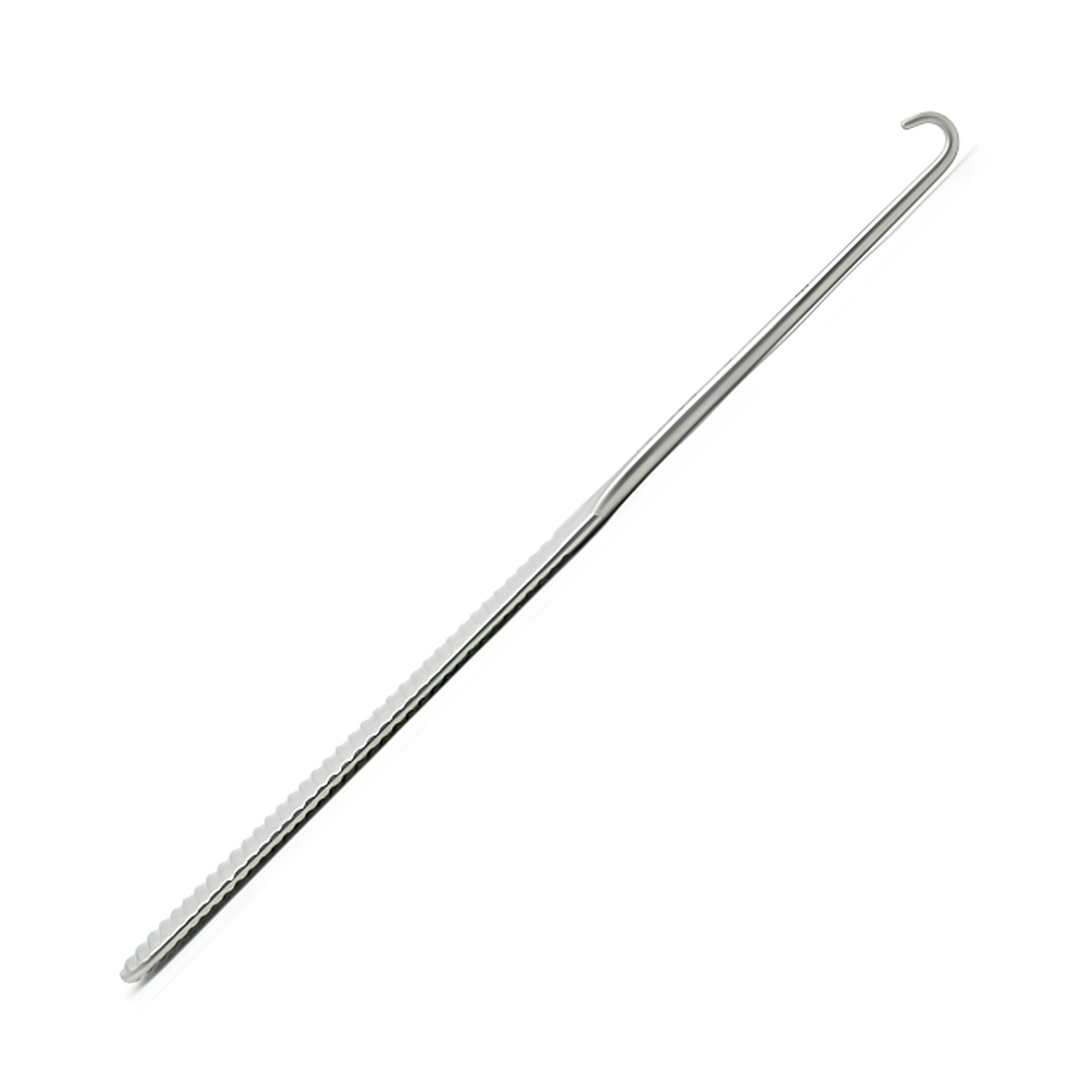 | مُبعّد خُطّافي (Hook Retractor) | مصمم خصيصاً لسحب السدائل الجلدية، والحواف الجلدية، والأنسجة الرخوة السطحية أثناء العمليات الجراحية. |
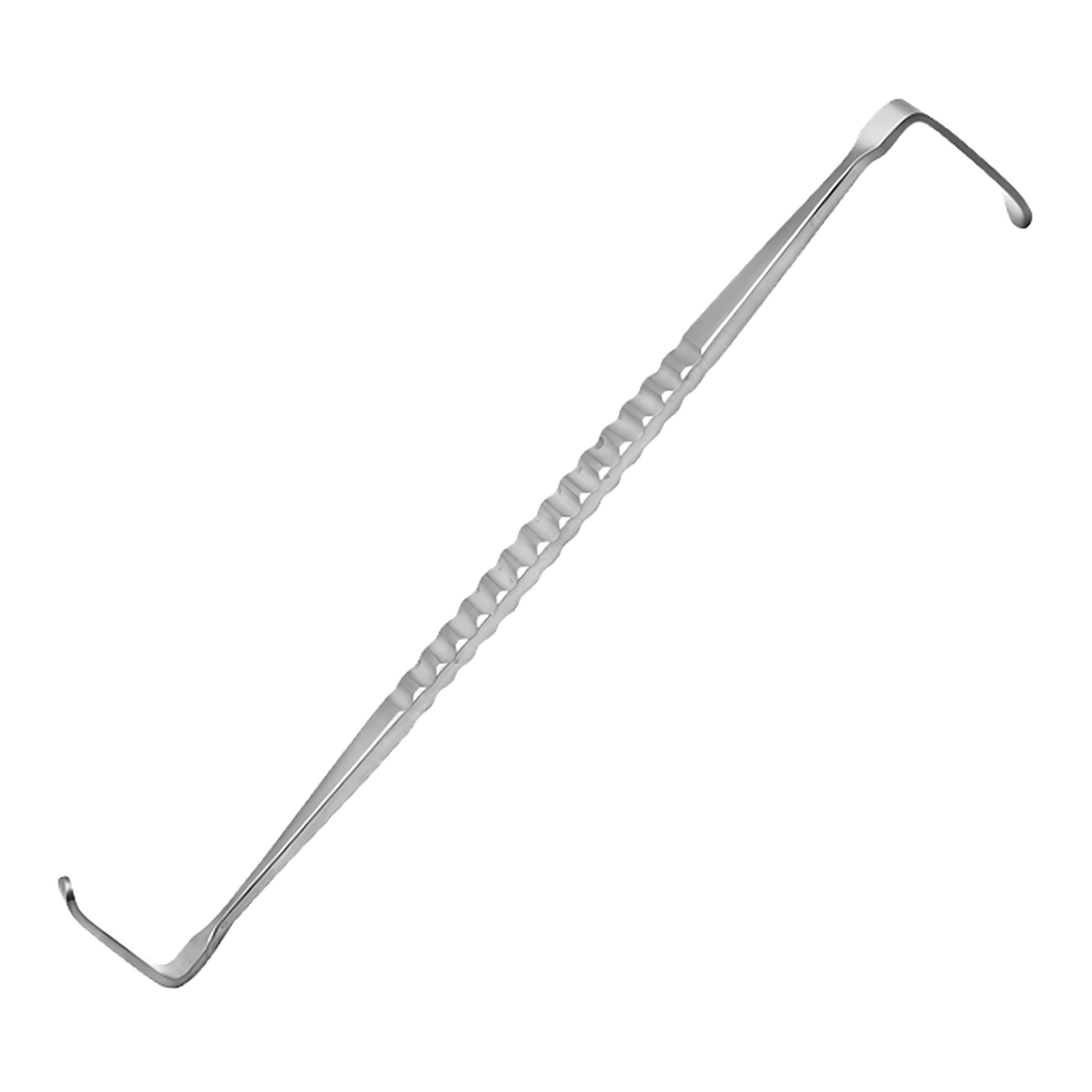 | مُباعد House اليدوي | مصمم خصيصاً لإبعاد حواف الجلد وأنسجة المجرى السمعي واللفافة أثناء جراحات الأذن والأنف والحنجرة والجراحات التجميلية. |
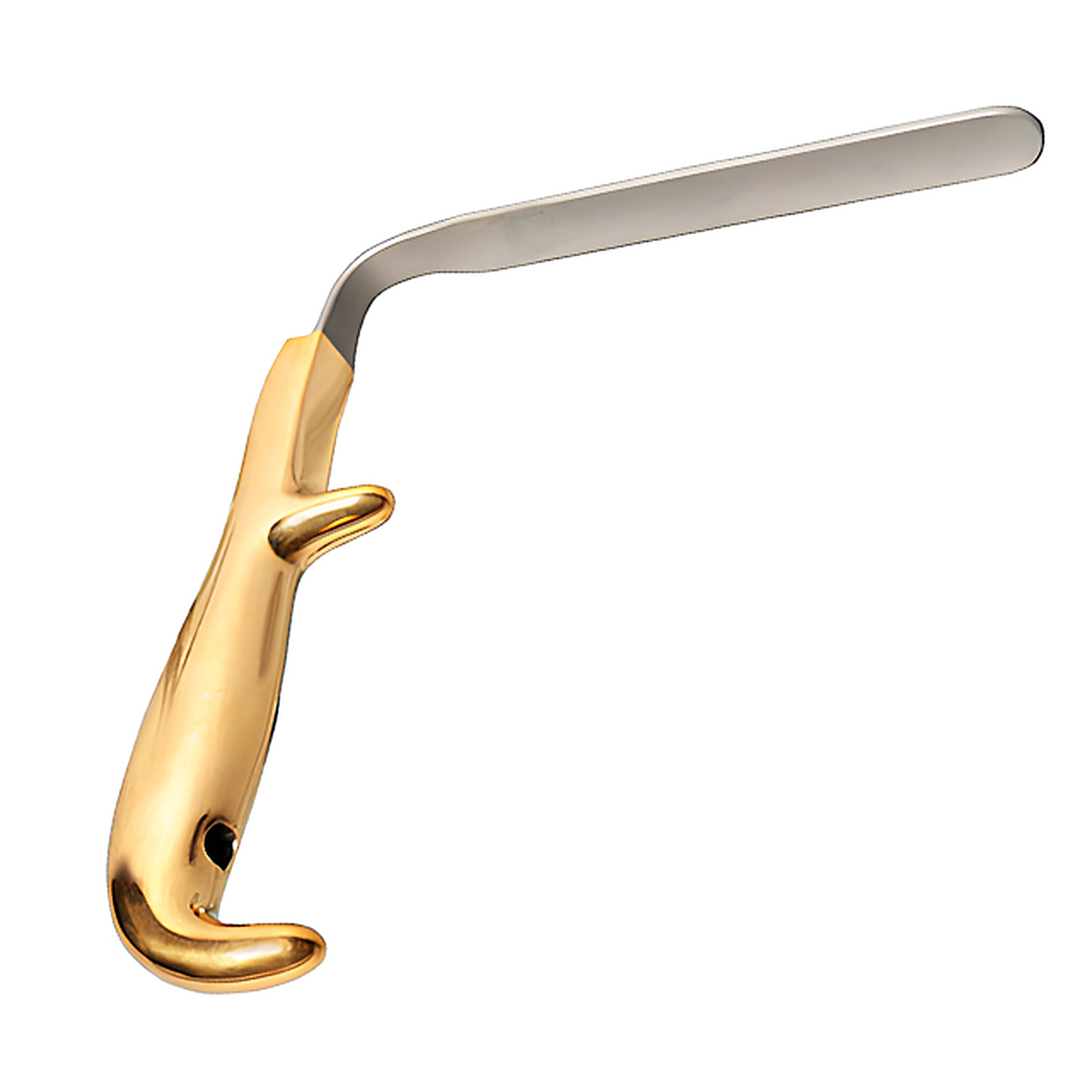 | مُباعد Hoyos Distal Retractor | مصمم خصيصاً لرفع السدائل الجلدية في البطن وتوفير رؤية للجيب البعيد أثناء عمليات شد البطن عالية التحديد. |
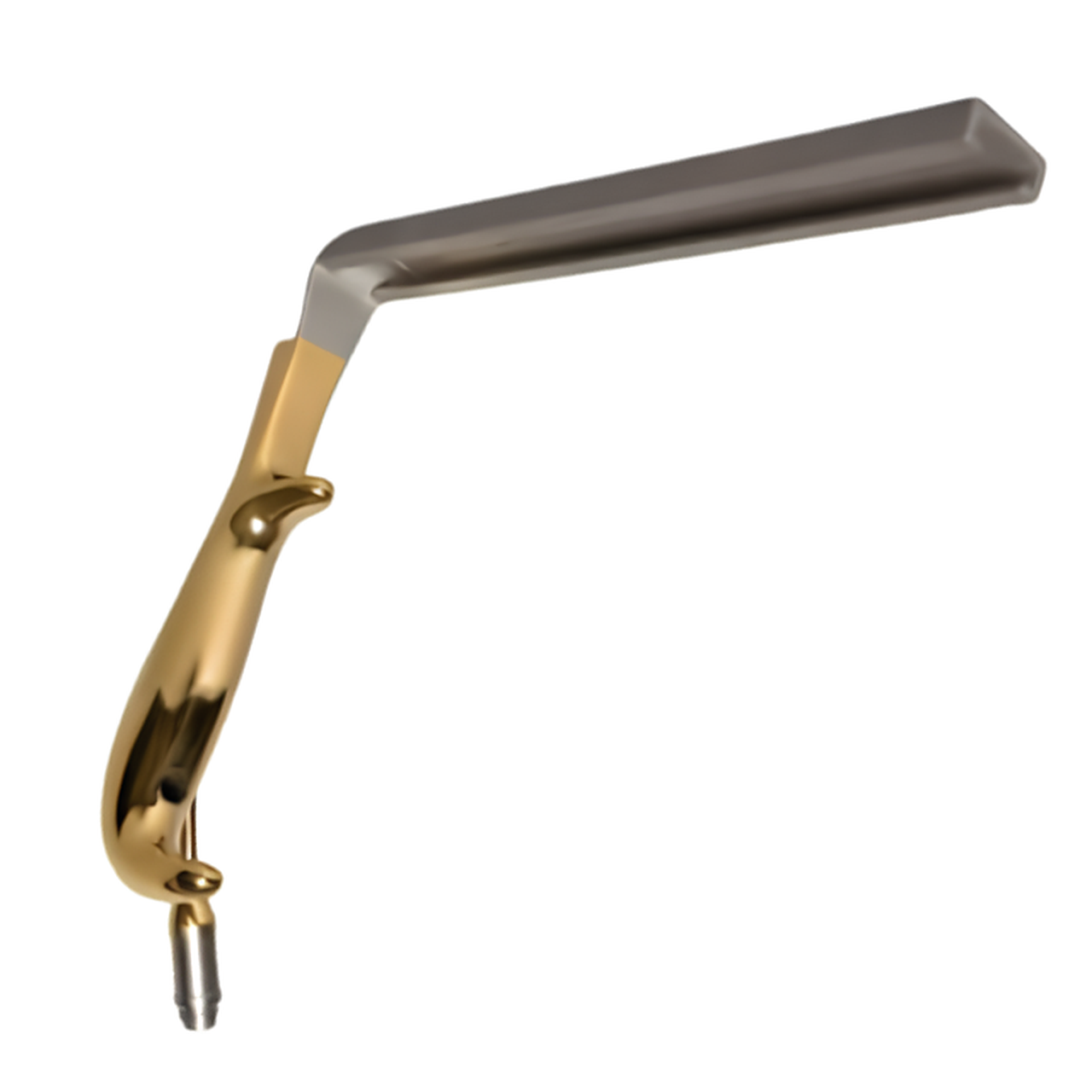 | مُباعد Hoyos Proximal Retractor | مصمم خصيصًا لرفع شرائح البطن القريبة وكشف المنطقة الشرسوفية أثناء عمليات شد البطن عالية التحديد. |
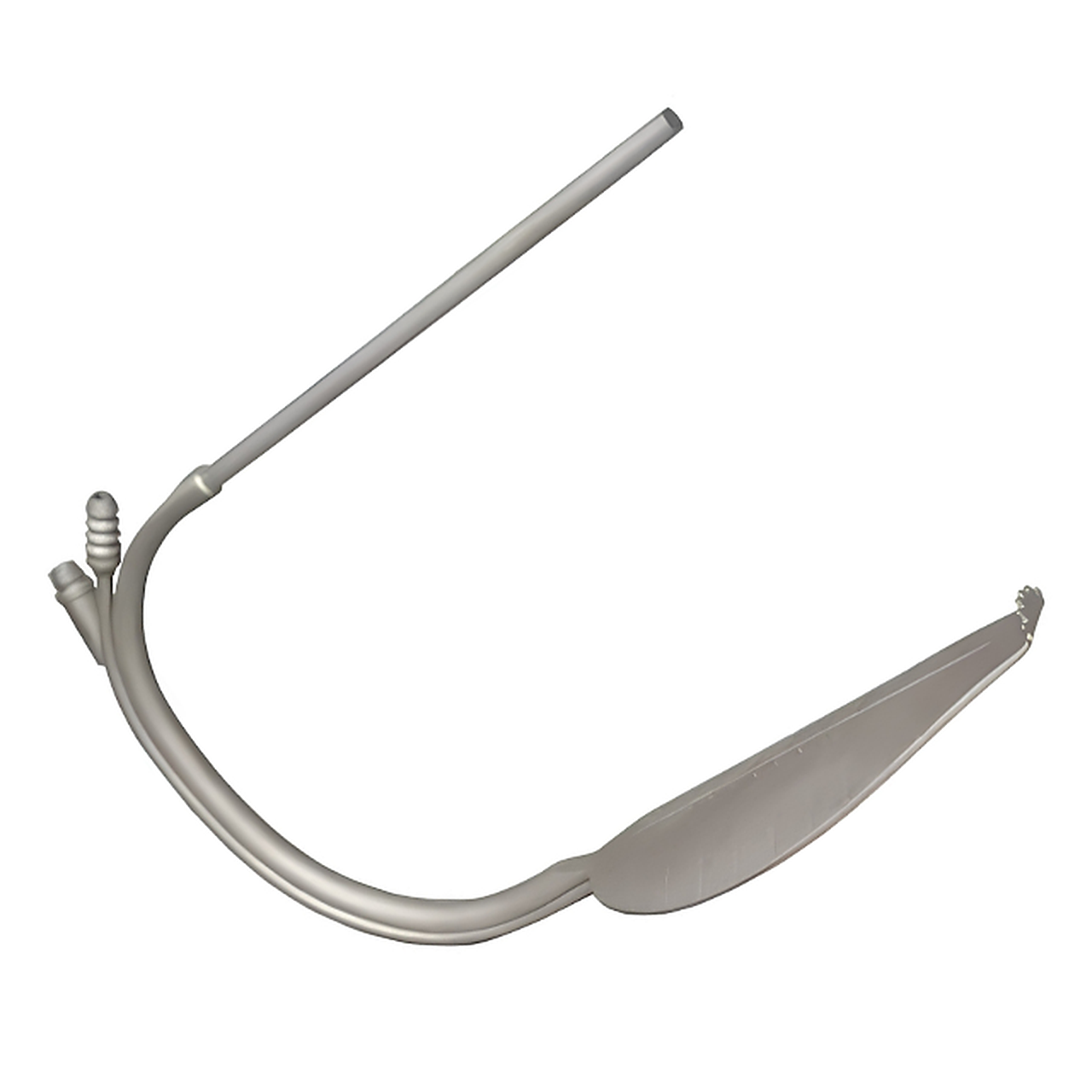 | Hoyos Remora Retractor | مصمم خصيصًا لتوفير تباعُد للأنسجة الرخوة مع الإضاءة، وإخلاء الدخان، والتثبيت أثناء عمليات نحت الجسم عالية التحديد. |
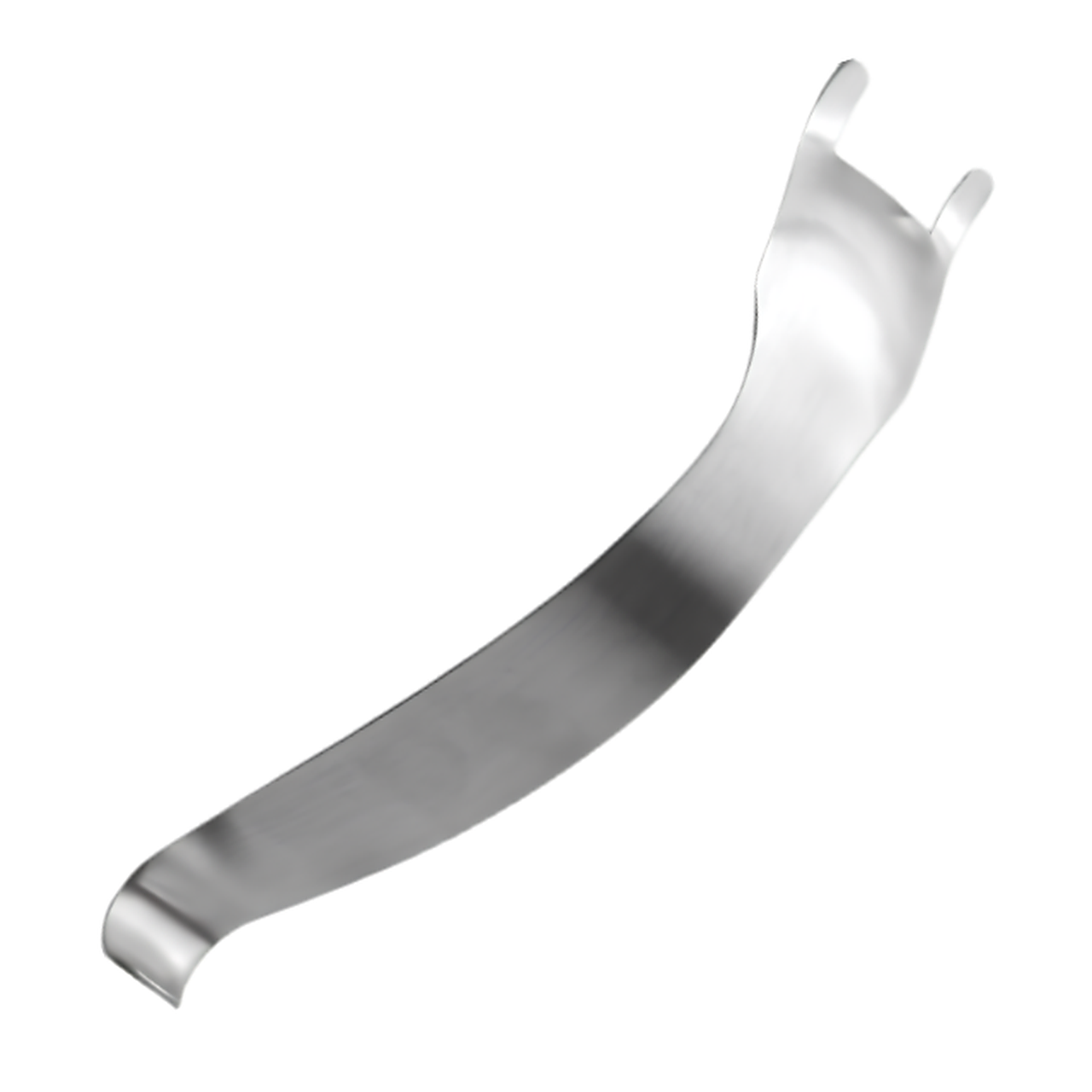 | Humeral Head Retractor | مصمم خصيصًا لإزاحة رأس العضد للخلف وكشف التجويف الحقاني أثناء عملية استبدال مفصل الكتف. |
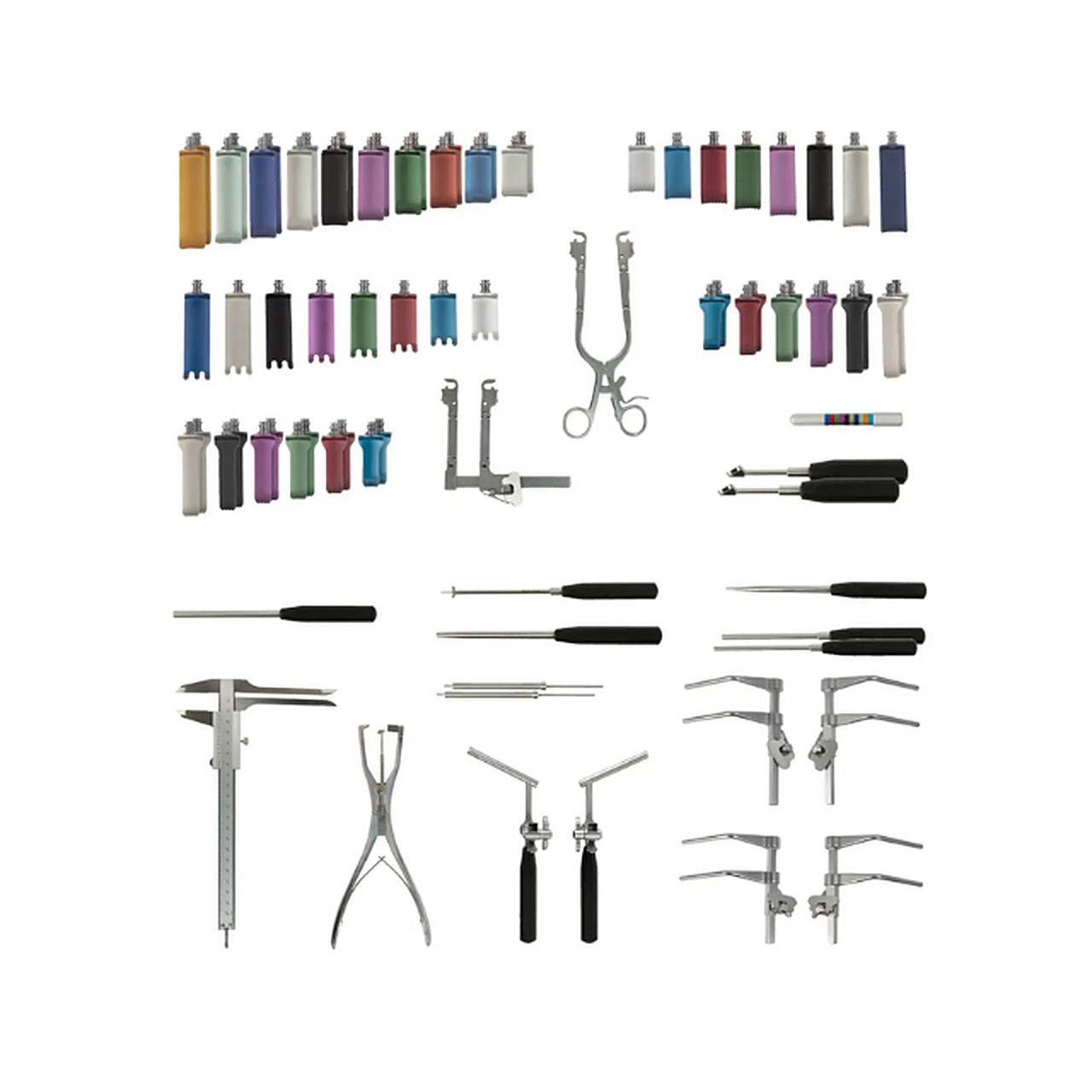 | طقم Image-Line ACF Retractor With Distraction Classic الكامل | مصمم خصيصاً لإبعاد الأنسجة الرخوة، ومباعدة أجسام الفقرات، ووضع الطعوم العظمية أثناء عمليات دمج الفقرات العنقية الأمامية (ACF). |
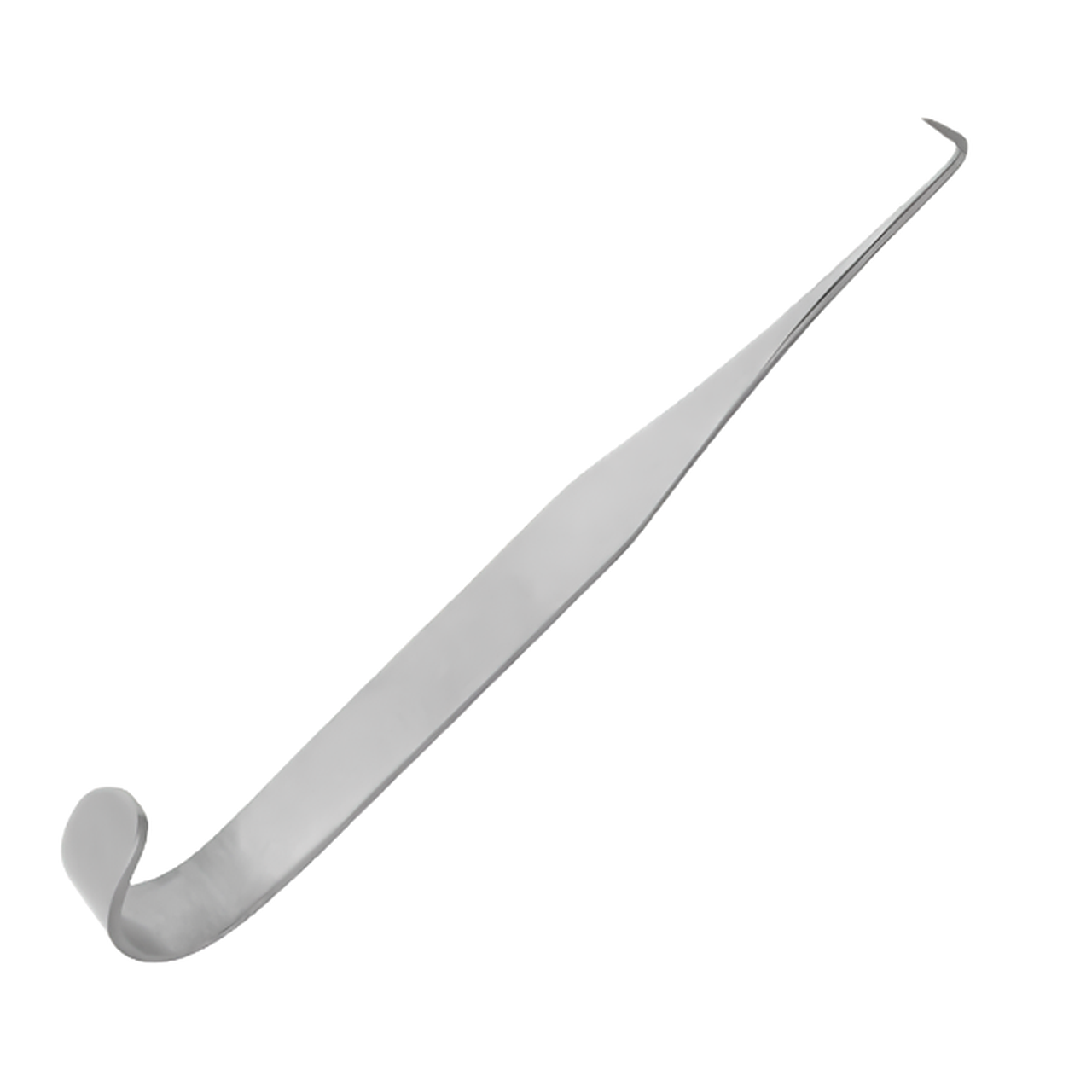 | مبعد القصبة الهوائية Jackson Tracheal Retractor | مصمم خصيصاً لرفع وتثبيت القصبة الهوائية وإبعاد الأنسجة المحيطة بها أثناء عملية فغر الرغامي. |
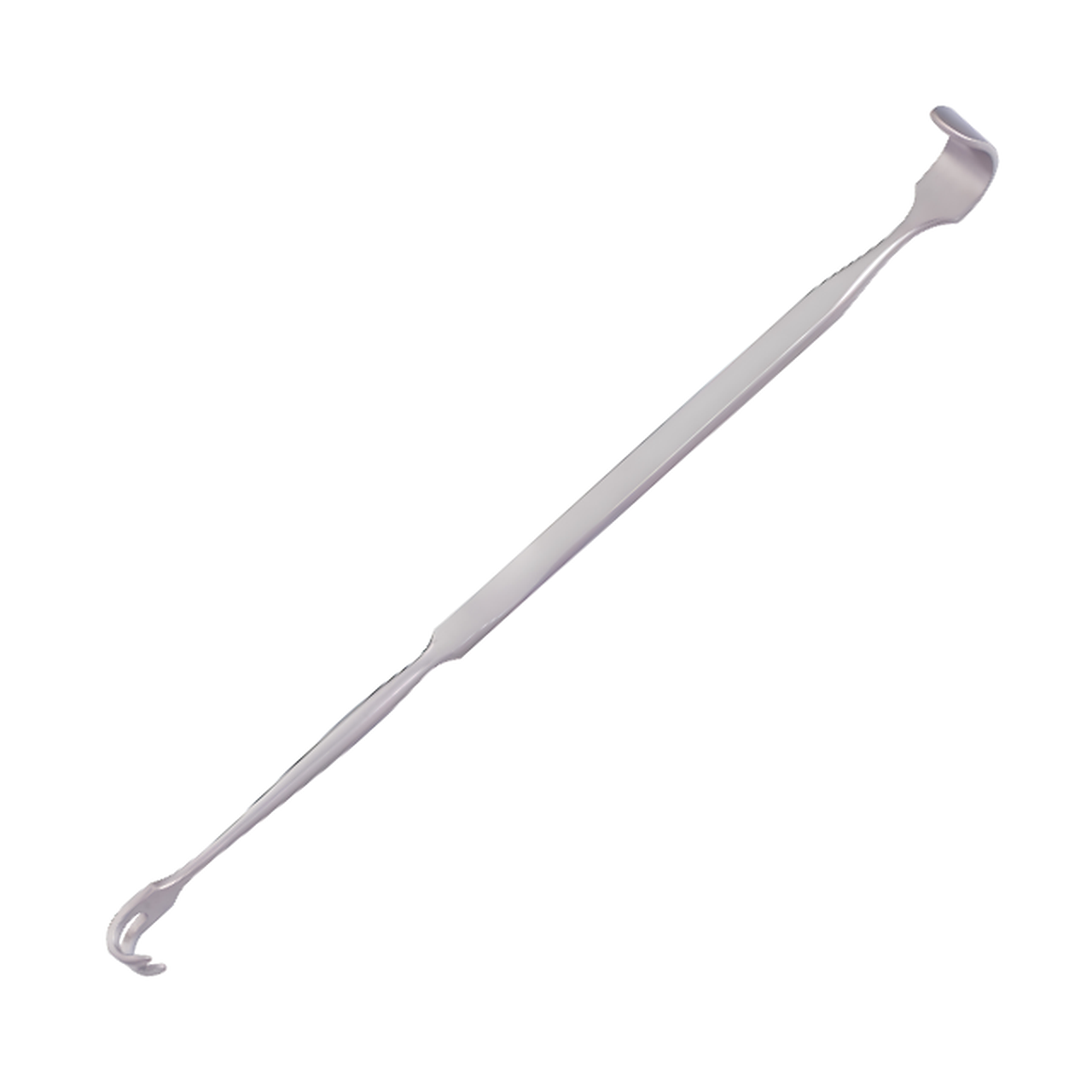 | مُباعد جاكسون للقصبة الهوائية - مزدوج الطرف (Jackson Tracheal Retractor-Double Ended) | مصمم خصيصاً لمباعدة الأنسجة أمام القصبة الهوائية ورفع الغضاريف الرغامية أثناء جراحات القصبة الهوائية والمسالك الهوائية. |
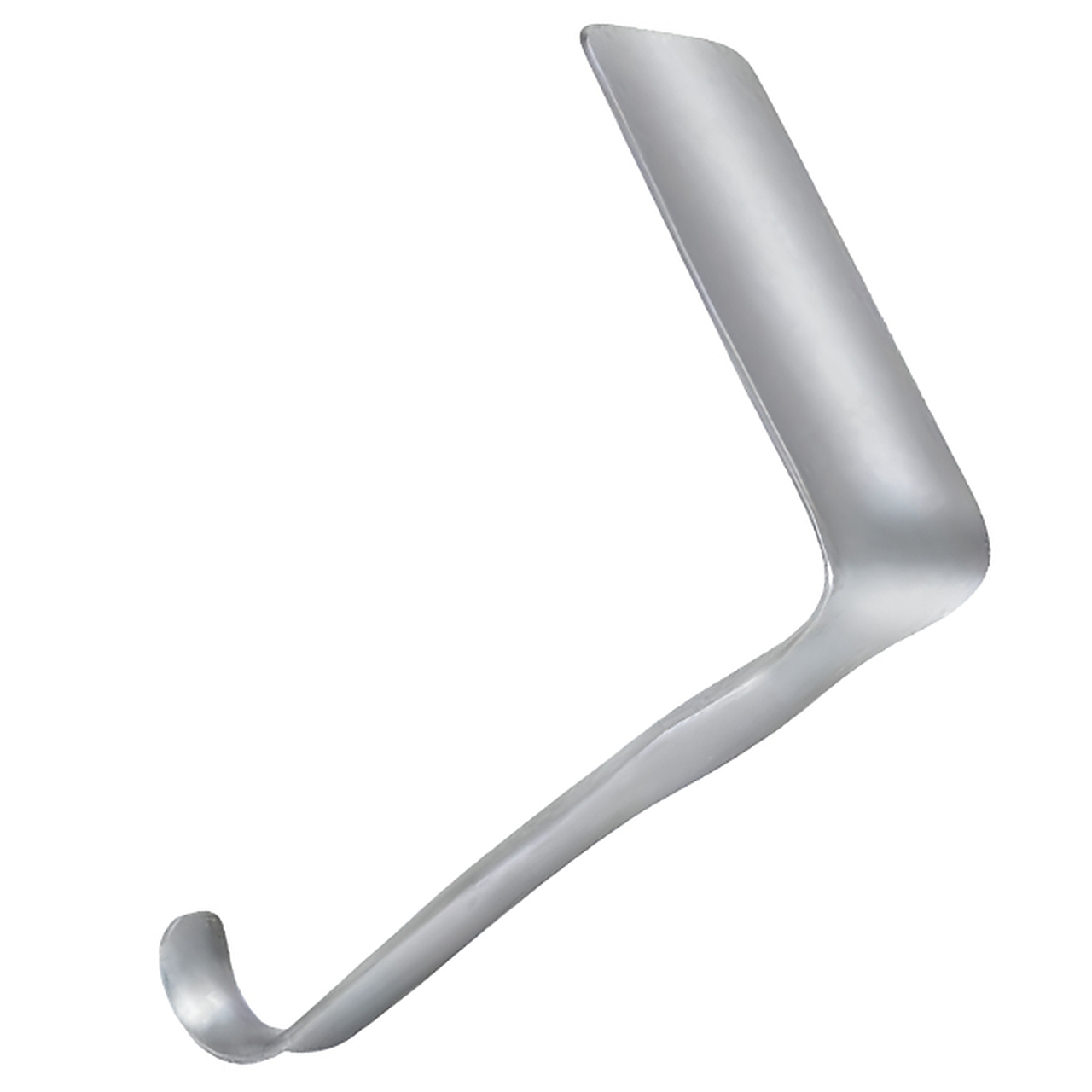 | مُبعّد جاكسون المهبلي (Jackson Vaginal Retractor) | مصمم خصيصاً لتبعيد جدران المهبل وتوفير رؤية واضحة لقبو الحوض أثناء الإجراءات النسائية. |
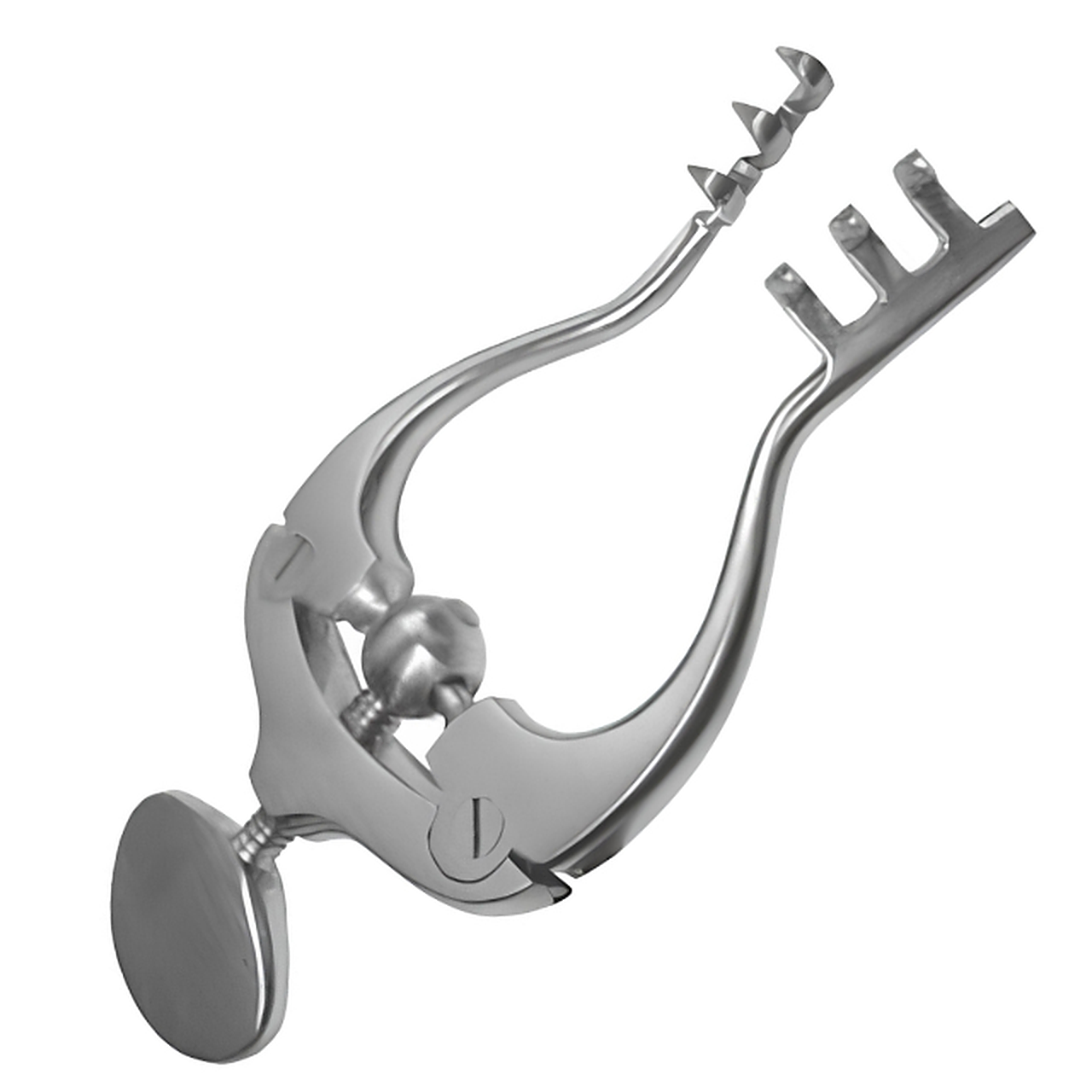 | مبعد Jansen Mastoid Retractor | مصمم خصيصاً لتوفير مباعدة ذاتية التثبيت للسمحاق وحواف الجرح أثناء جراحات الخشاء وفروة الرأس. |
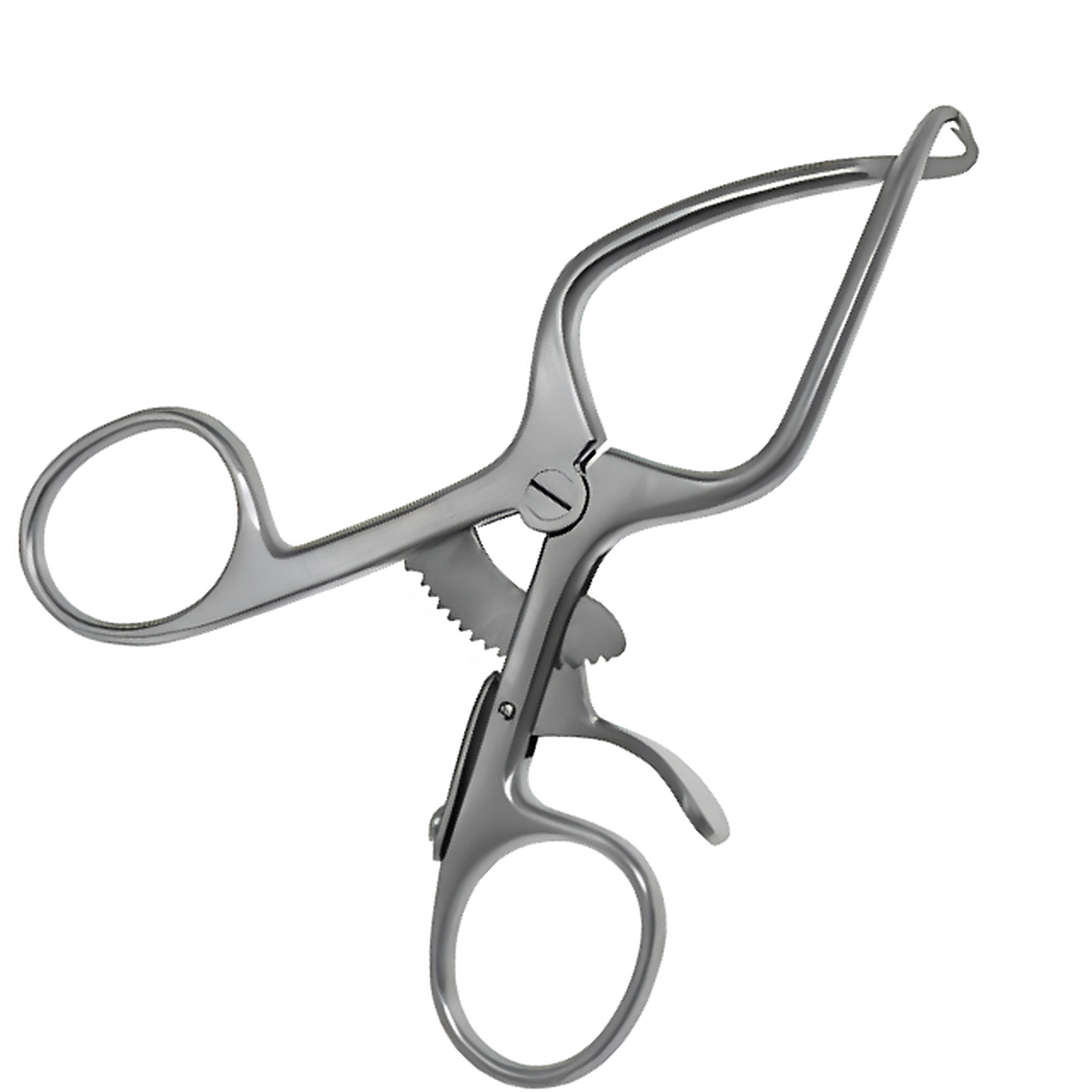 | مُباعد Johnson Neuroma Retractor | مصمم خصيصاً لإبعاد الأنسجة بين الأمشاط ورؤوس الأمشاط أثناء استئصال ورم مورتون العصبي وجراحة القدم. |
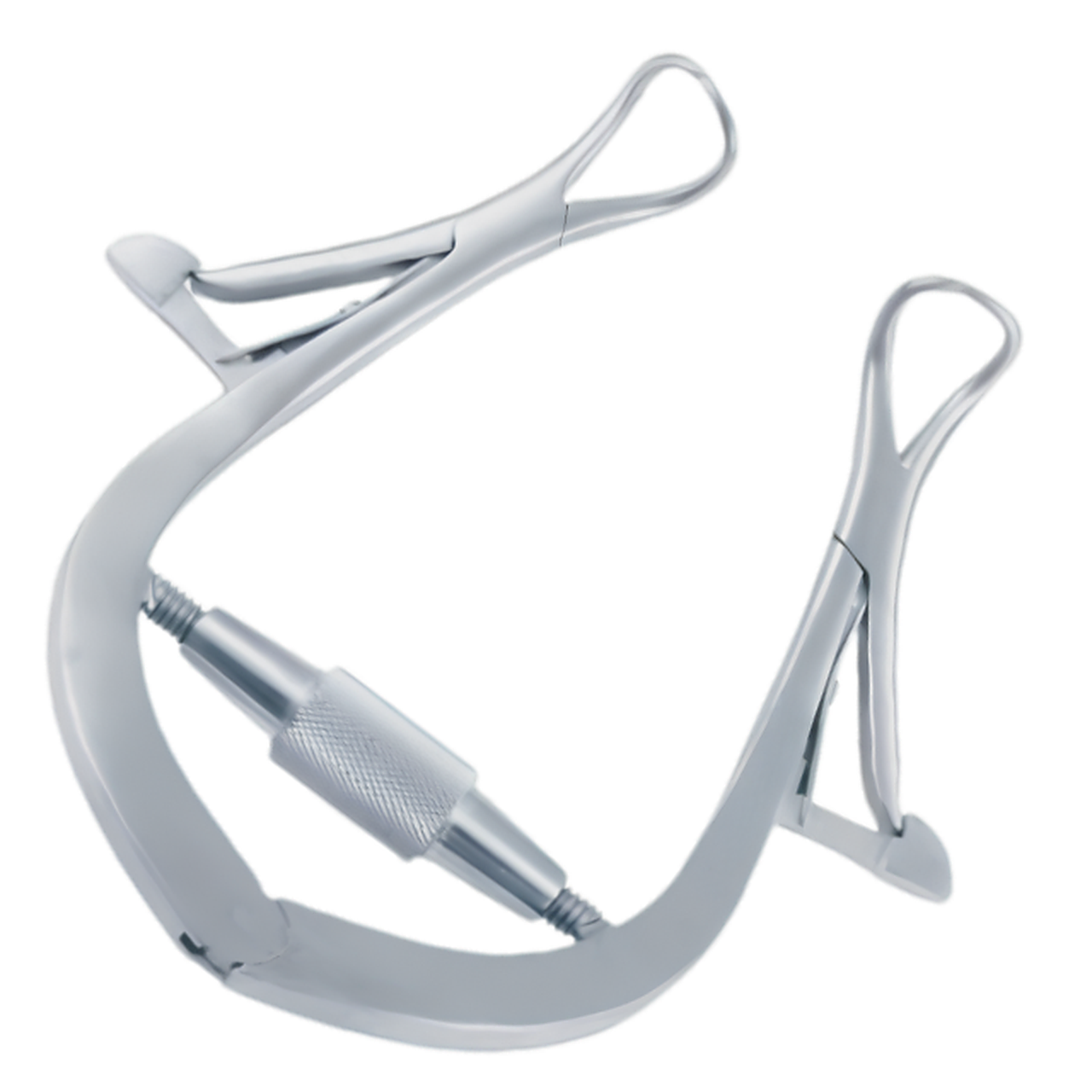 | Jolls Friedman Self Retaining Retractor | مصمم خصيصًا لتوفير مباعدة تلقائية للعضلات الشريطية والأنسجة الرخوة أثناء استئصال الغدة الدرقية وجراحات الرقبة. |
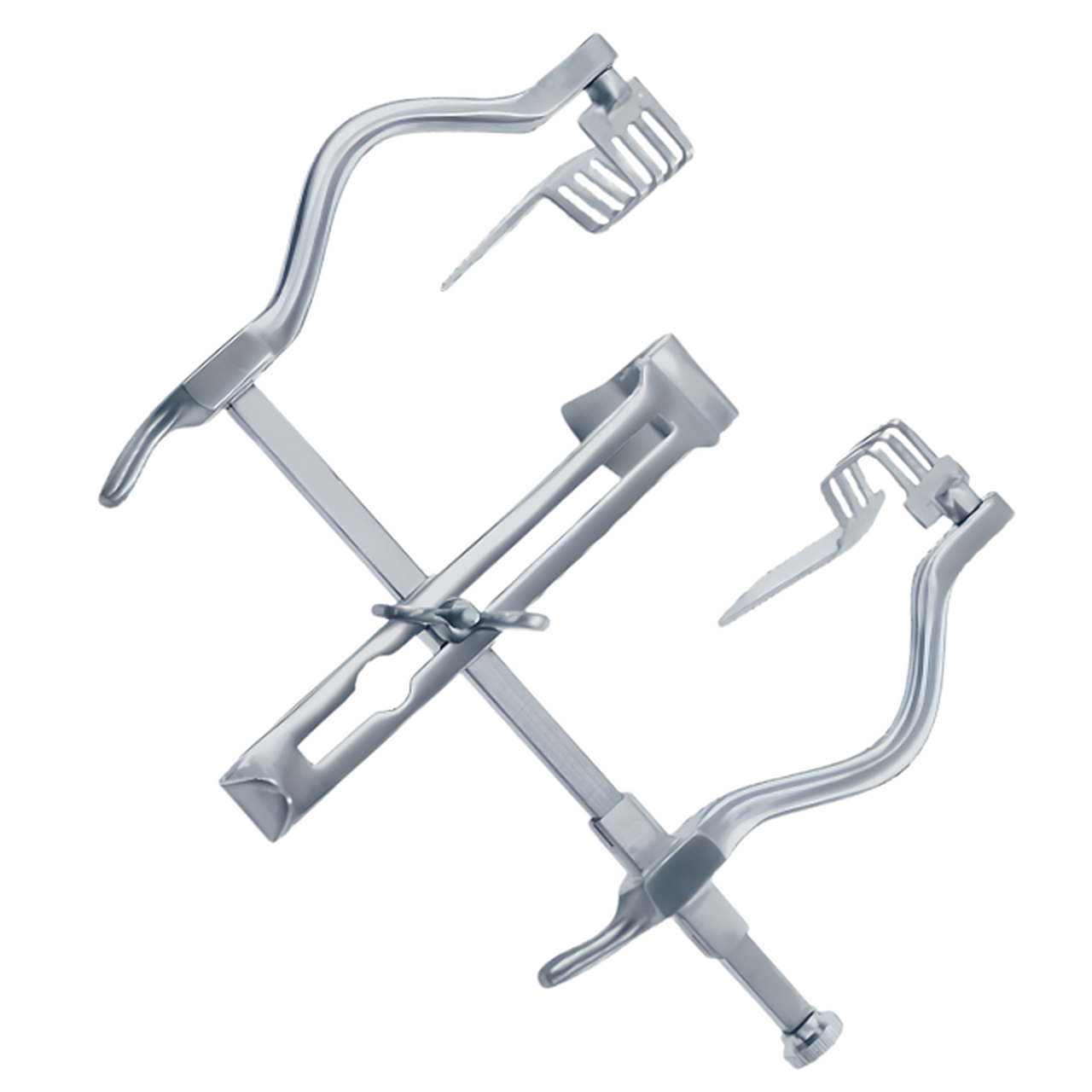 | Judd-Masson Self Retaining Retractor | مصمم خصيصاً لتوفير تباعد ذاتي الاحتفاظ أثناء جراحات المثانة والبروستاتا والحوض فوق العانة. |
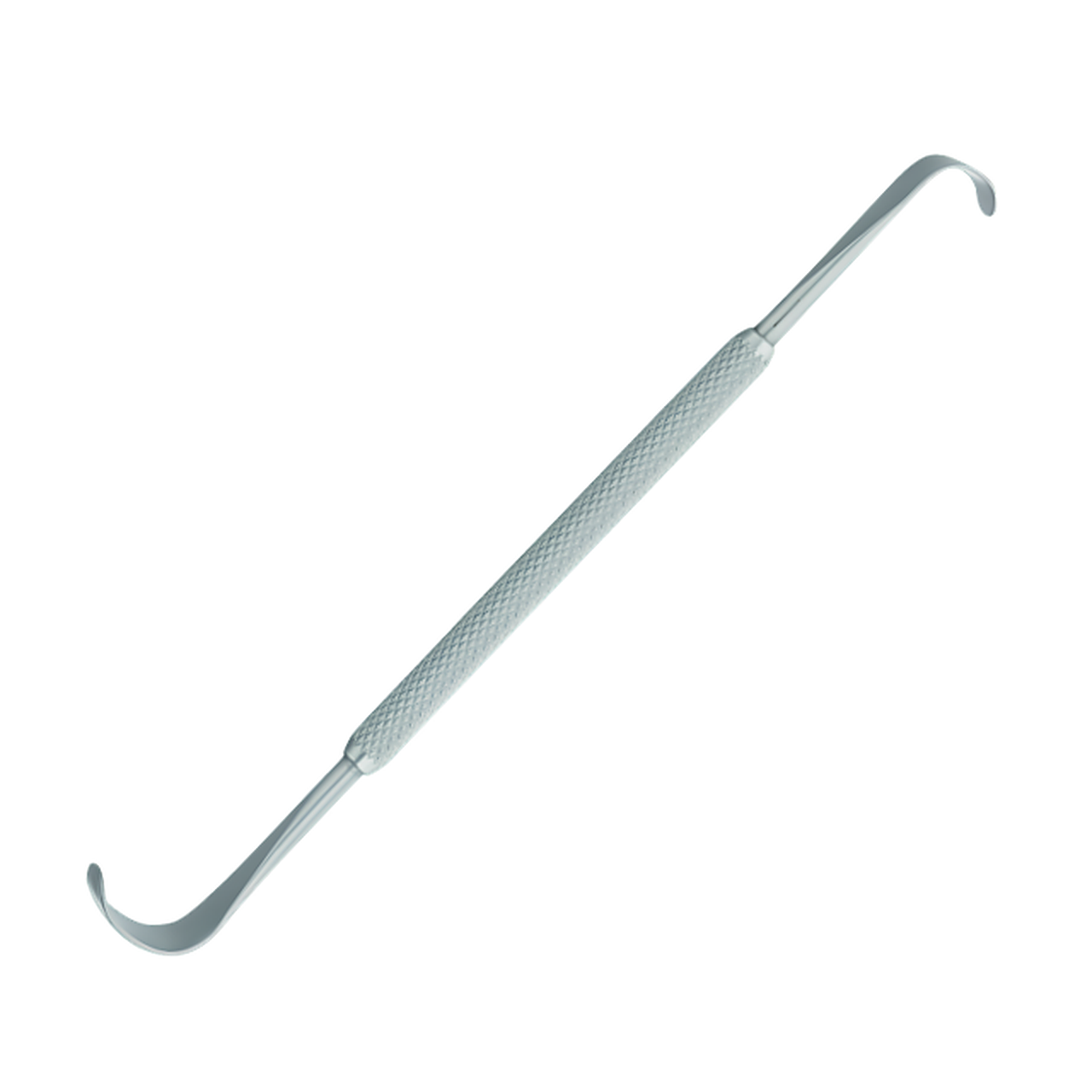 | مُباعد Kasden Double Ended الدقيق | مصمم خصيصاً لتبعيد حواف الجلد والسدائل الجلدية الرقيقة والأنسجة الرخوة أثناء الجراحات التجميلية وجراحات الوجه والجراحات الصغرى. |
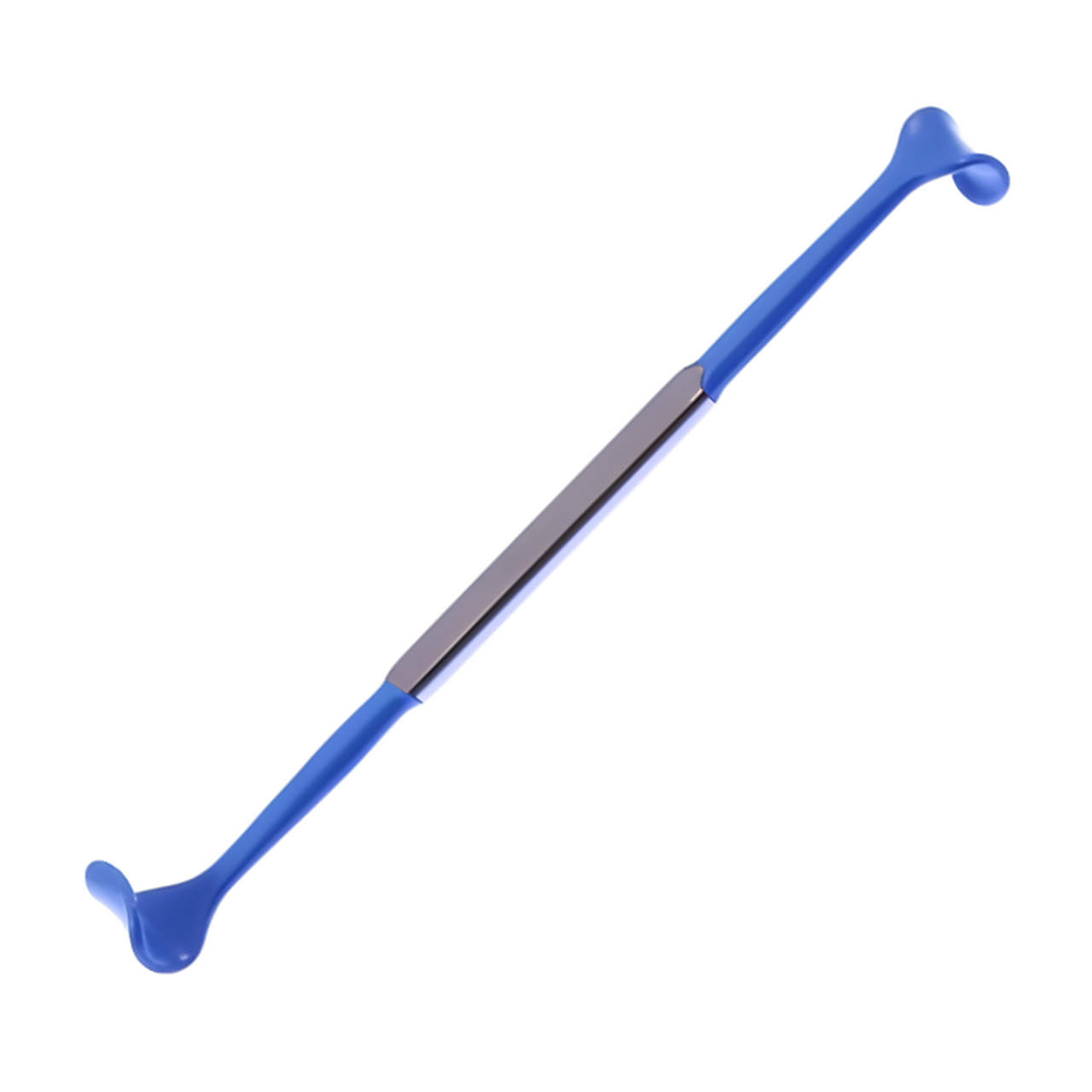 | مُباعد Kawamoto Double Ended Insulated Retractor معزول مزدوج الطرف | مصمم خصيصاً لإبعاد اللوحات الجلدية والأغشية المخاطية مع العزل ضد الإصابات الحرارية الجراحية الكهربائية أثناء جراحات التجميل. |
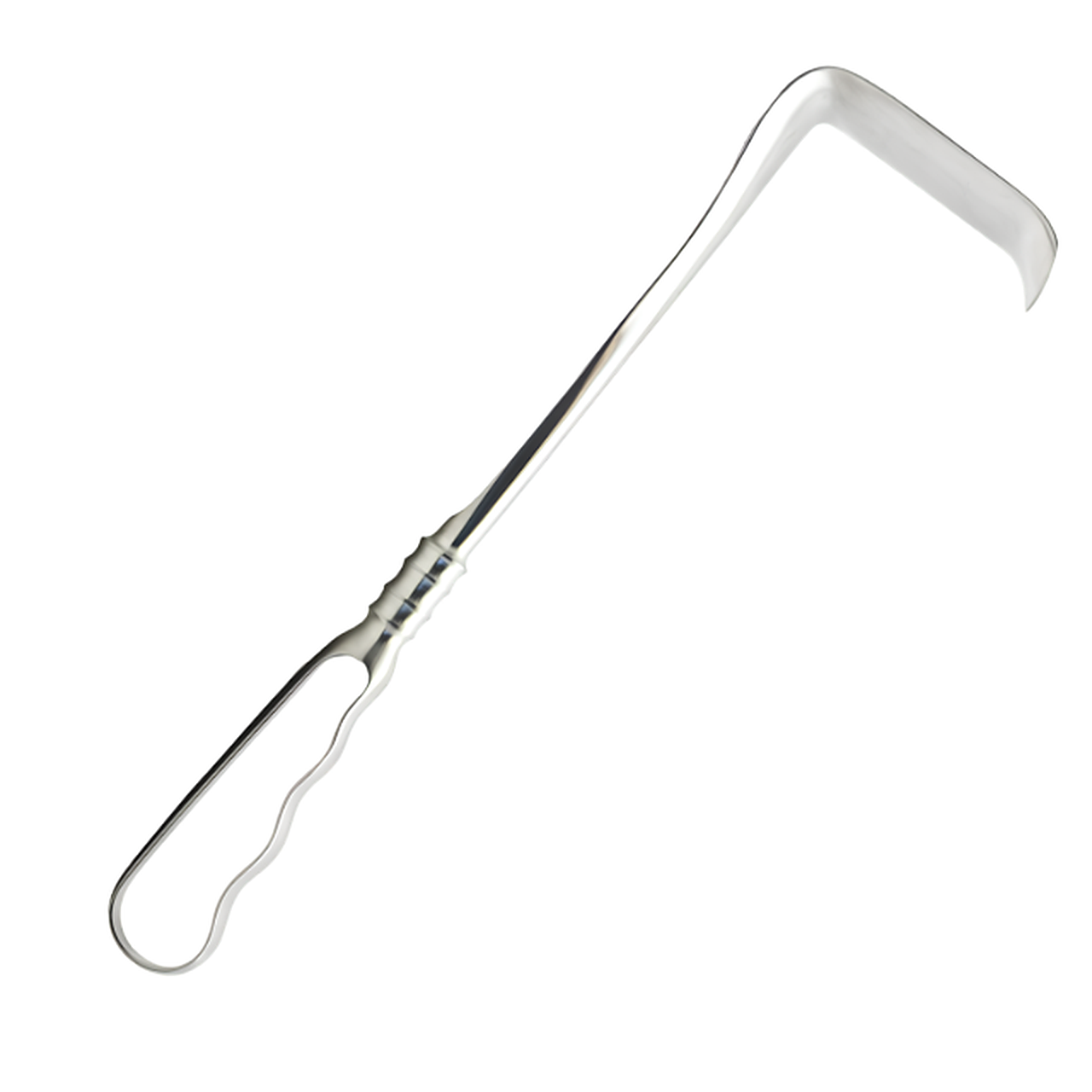 | Kelly Retractor | مصمم خصيصاً لإبعاد جدار البطن والأحشاء والعضلات السميكة أثناء الجراحات العامة وجراحات النساء المفتوحة. |
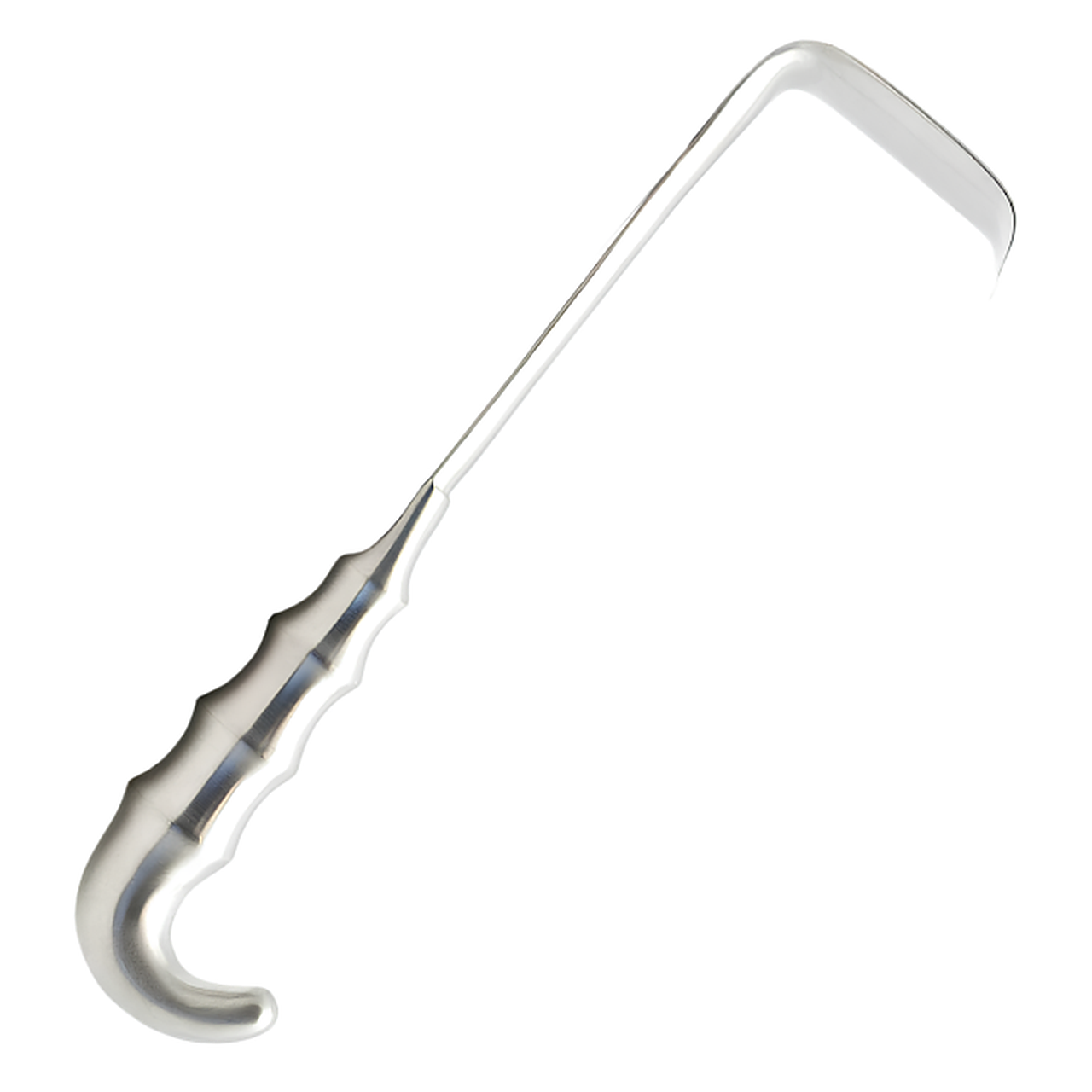 | مُبعّد Kelly بمقبض مريح | مصمم خصيصاً لتبعيد جدار البطن والأحشاء والعضلات السميكة مع تقليل إجهاد المساعد أثناء الجراحات العميقة. |
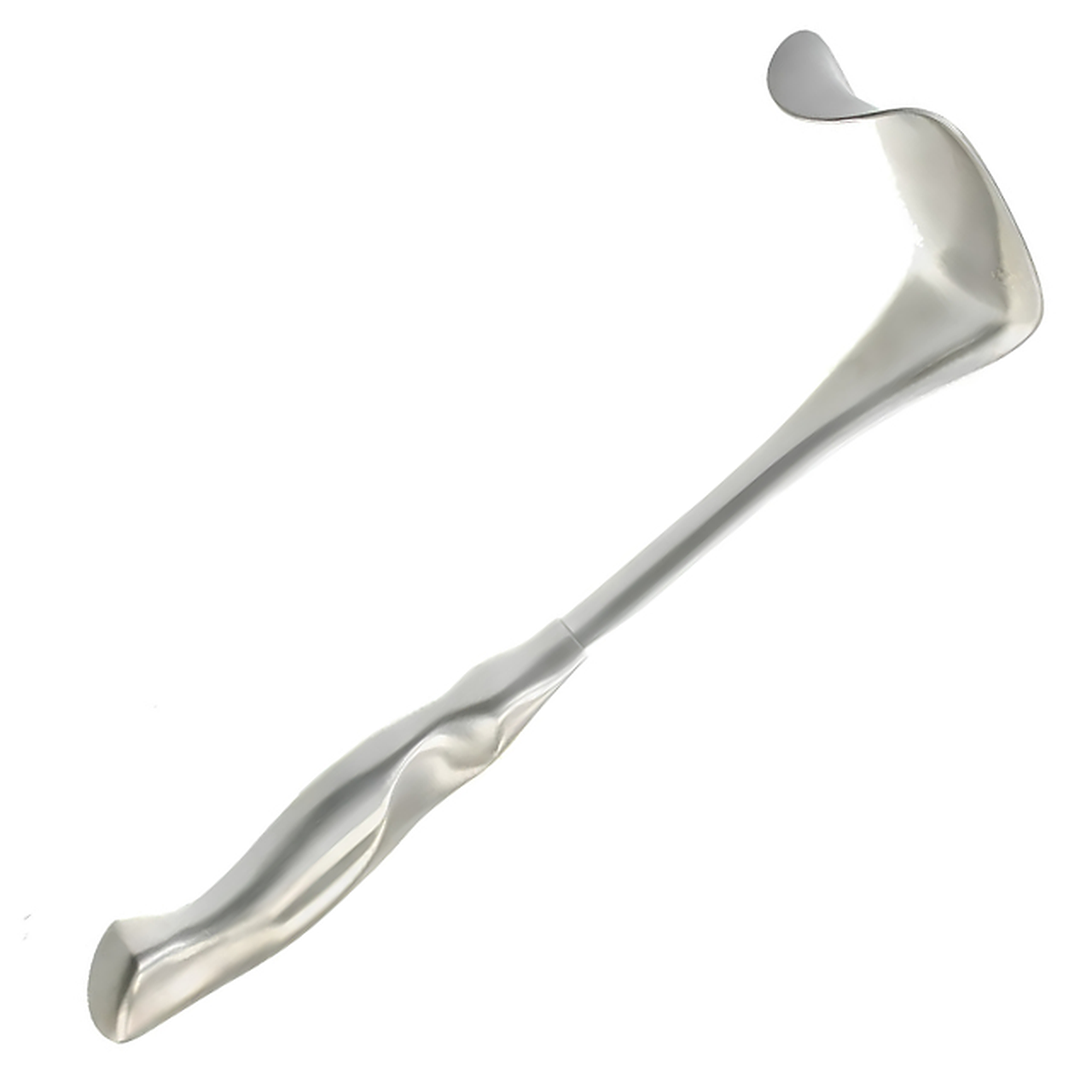 | Kelly Retractor-Lamb Handle | مصمم خصيصاً لمباعدة جدار البطن والأحشاء والعضلات السميكة بقوة سحب عالية أثناء الجراحات المفتوحة. |
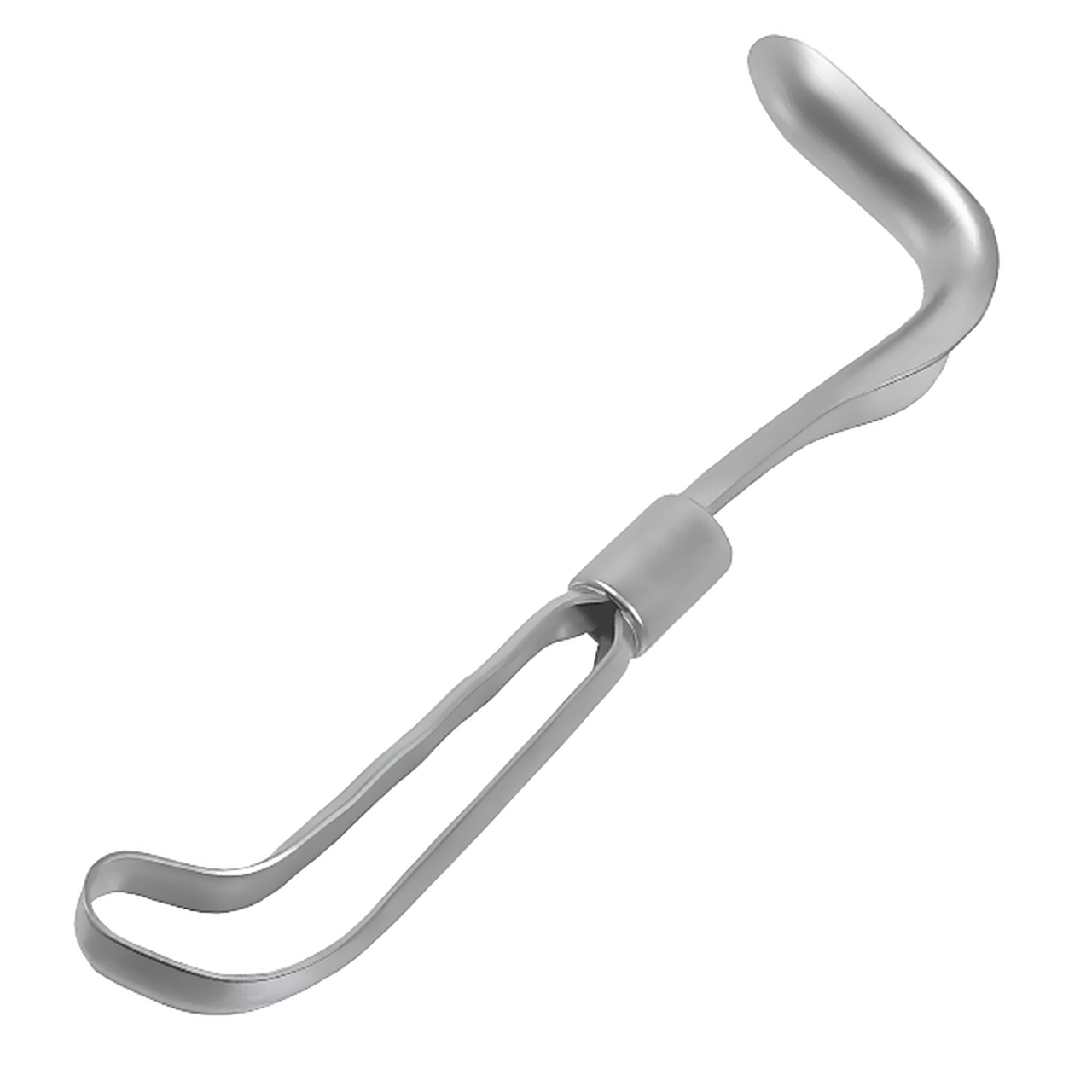 | مبعد Kelly Sims المهبلي | مصمم خصيصًا لإبعاد الجدران المهبلية الخلفية والجانبية أثناء استئصال الرحم عن طريق المهبل وجراحة إعادة بناء الحوض. |
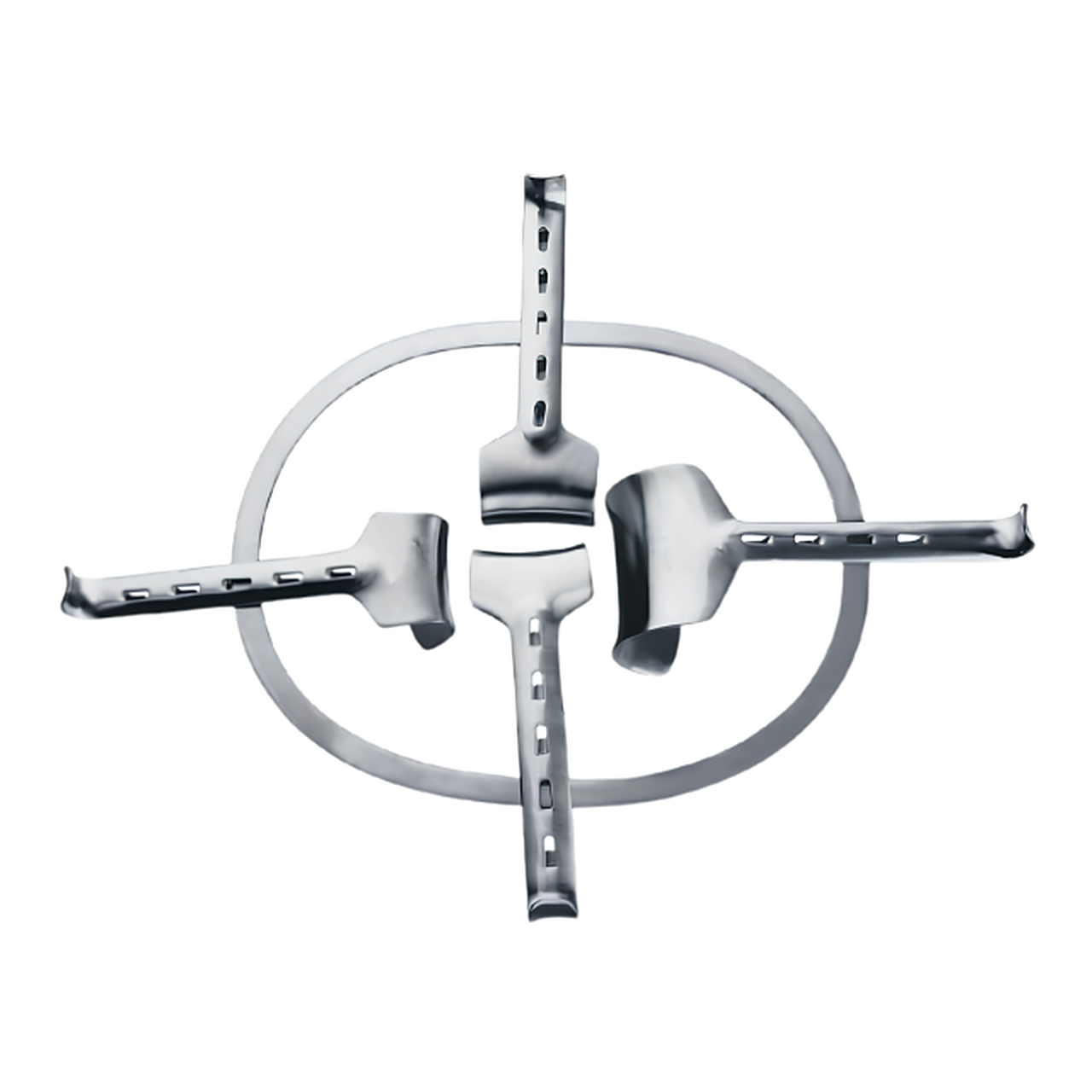 | Kirschner Retractor | مصمم خصيصاً لتوفير تثبيت ذاتي وتباعد متعدد الاتجاهات لحواف الجرح والأحشاء أثناء العمليات الجراحية الكبرى في البطن. |
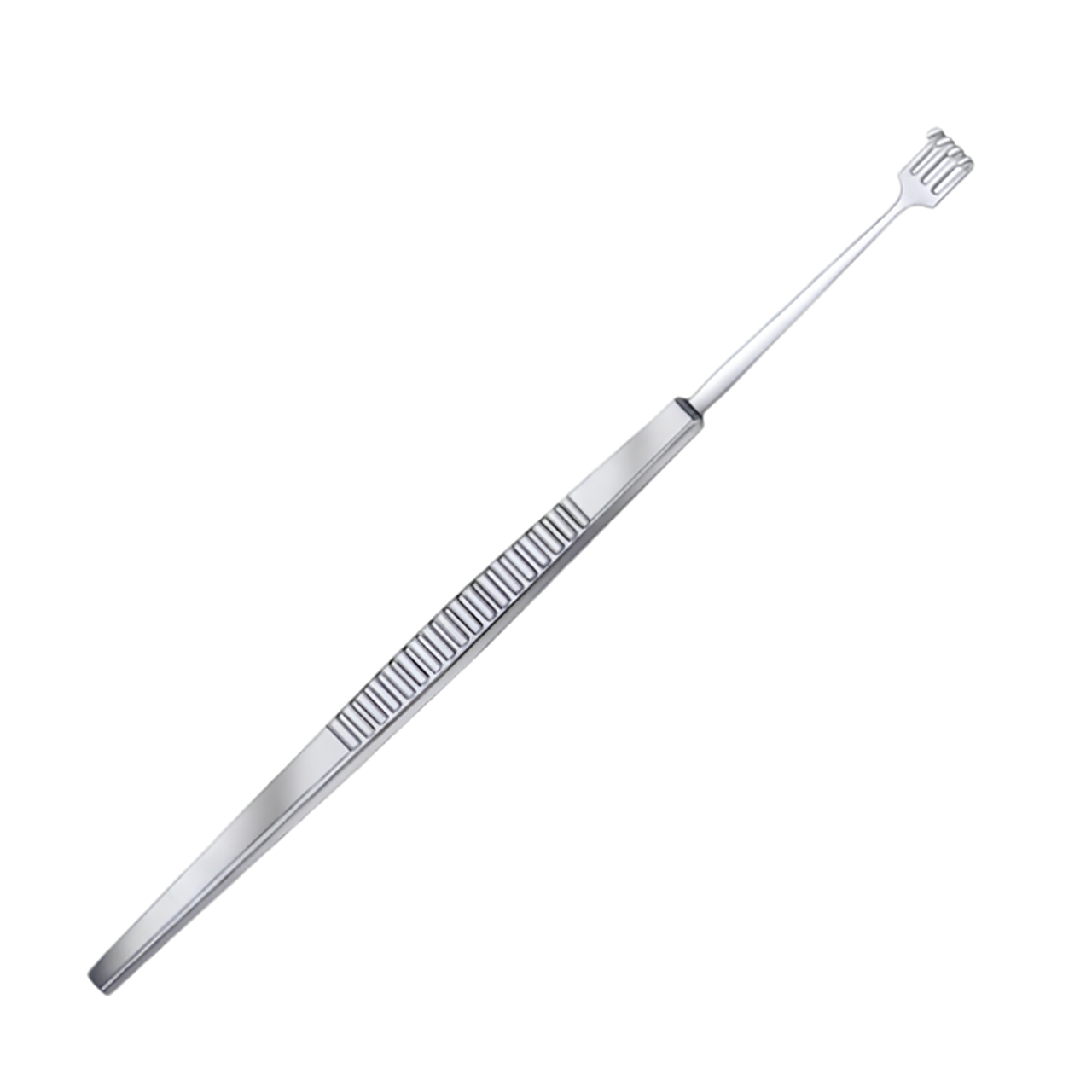 | مباعد كيس الدمع Knapp Lacrimal Sac Retractor | مصمم خصيصاً لمباعدة السدائل الجلدية، وهياكل الموق الإنسي، وكيس الدمع أثناء جراحات العيون. |
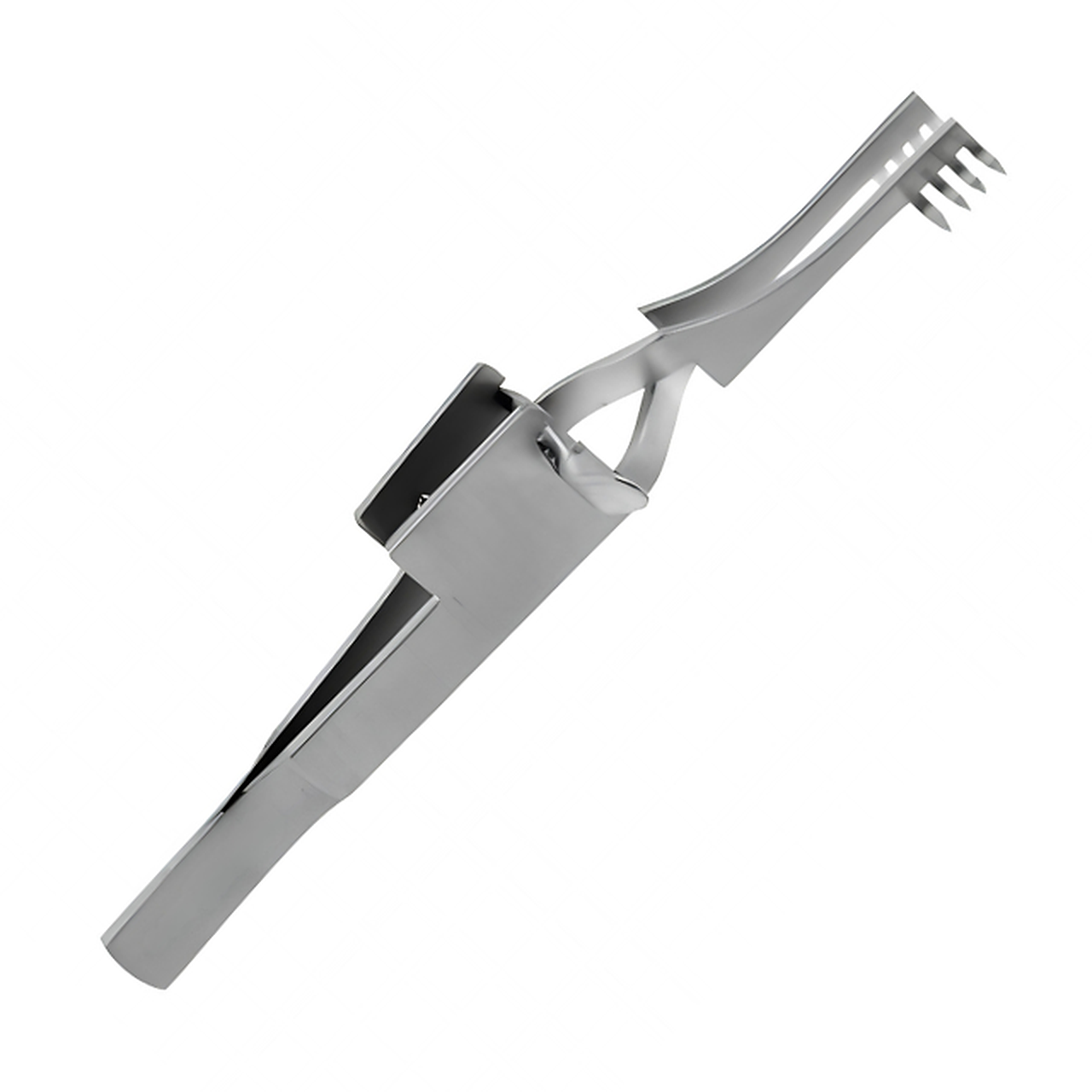 | مُبعّد Knapp ذاتي التثبيت | مصمم خصيصًا لتوفير مباعدة ذاتية التثبيت لحواف الجروح أثناء إجراءات القنوات الدمعية وجراحات العيون والعمليات التجميلية الصغرى. |
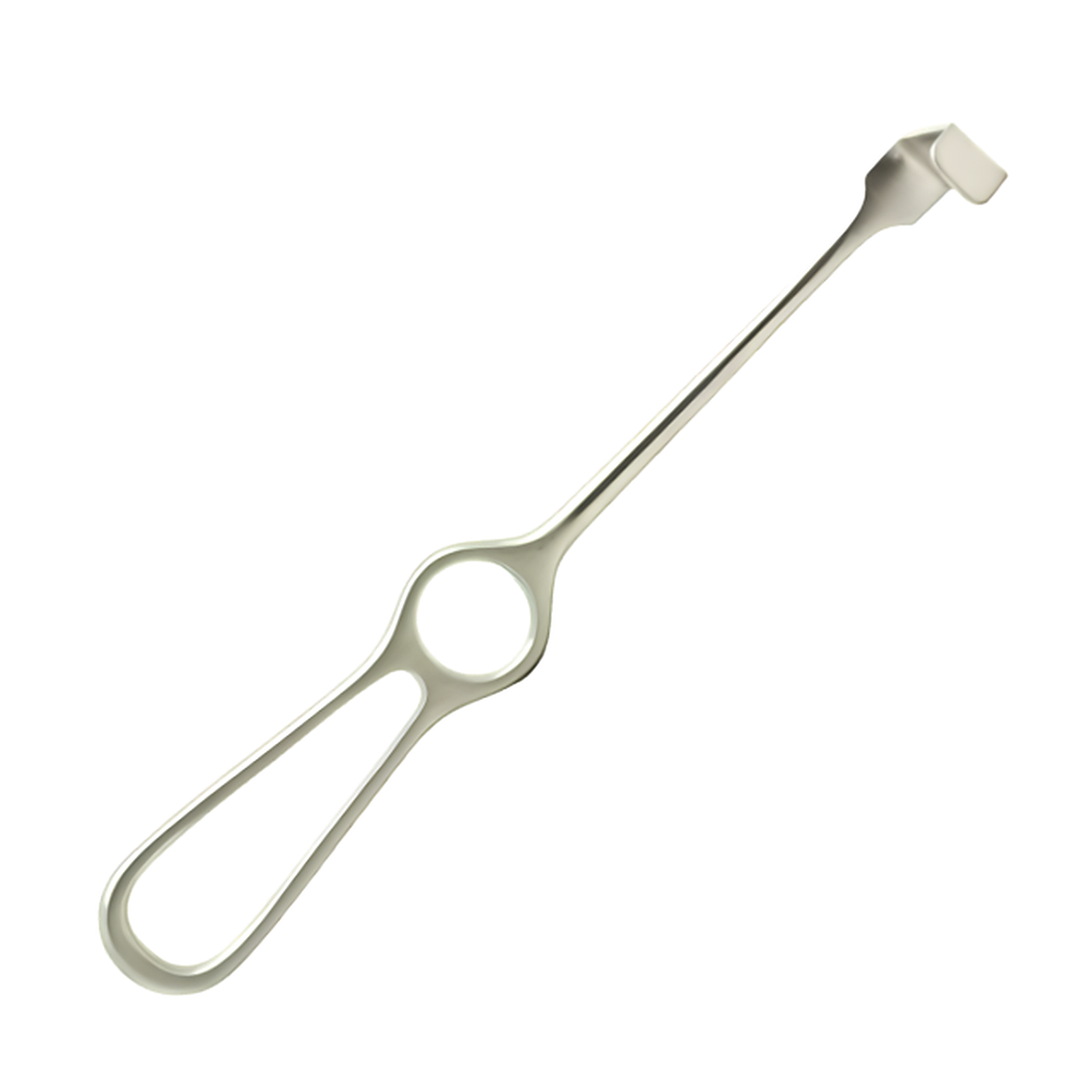 | مُبعّد Kocher Langenbeck Retractor | مُصمم خصيصًا لتبعيد الأنسجة الرخوة، والطبقات العضلية، وحواف الجروح في الجراحة العامة، وجراحة العظام، والتجميل. |
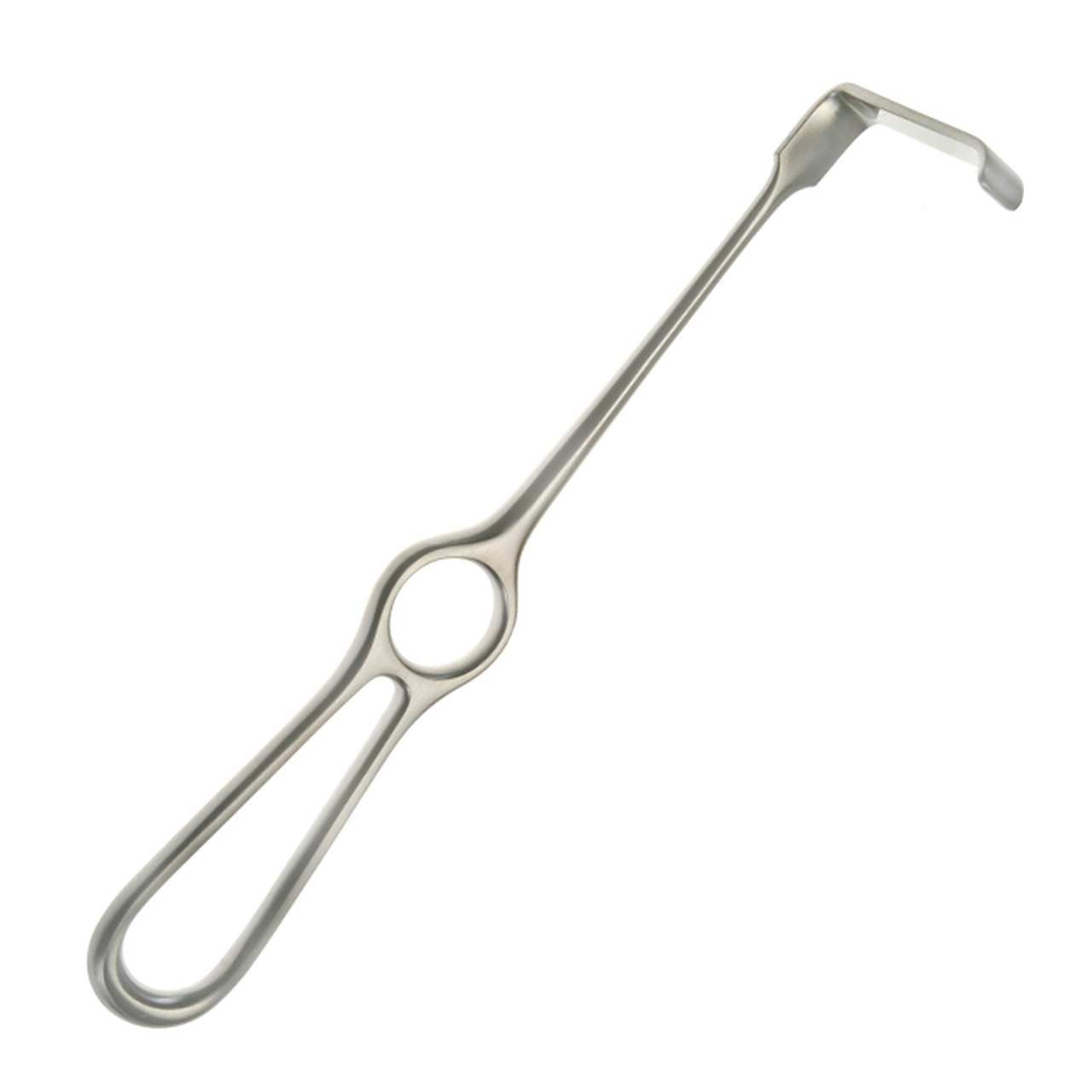 | Kocher Retractor | مصمم خصيصاً لتبعيد العضلات واللفافة وحواف الجروح أثناء جراحة الغدة الدرقية والجراحة العامة وجراحة العظام. |
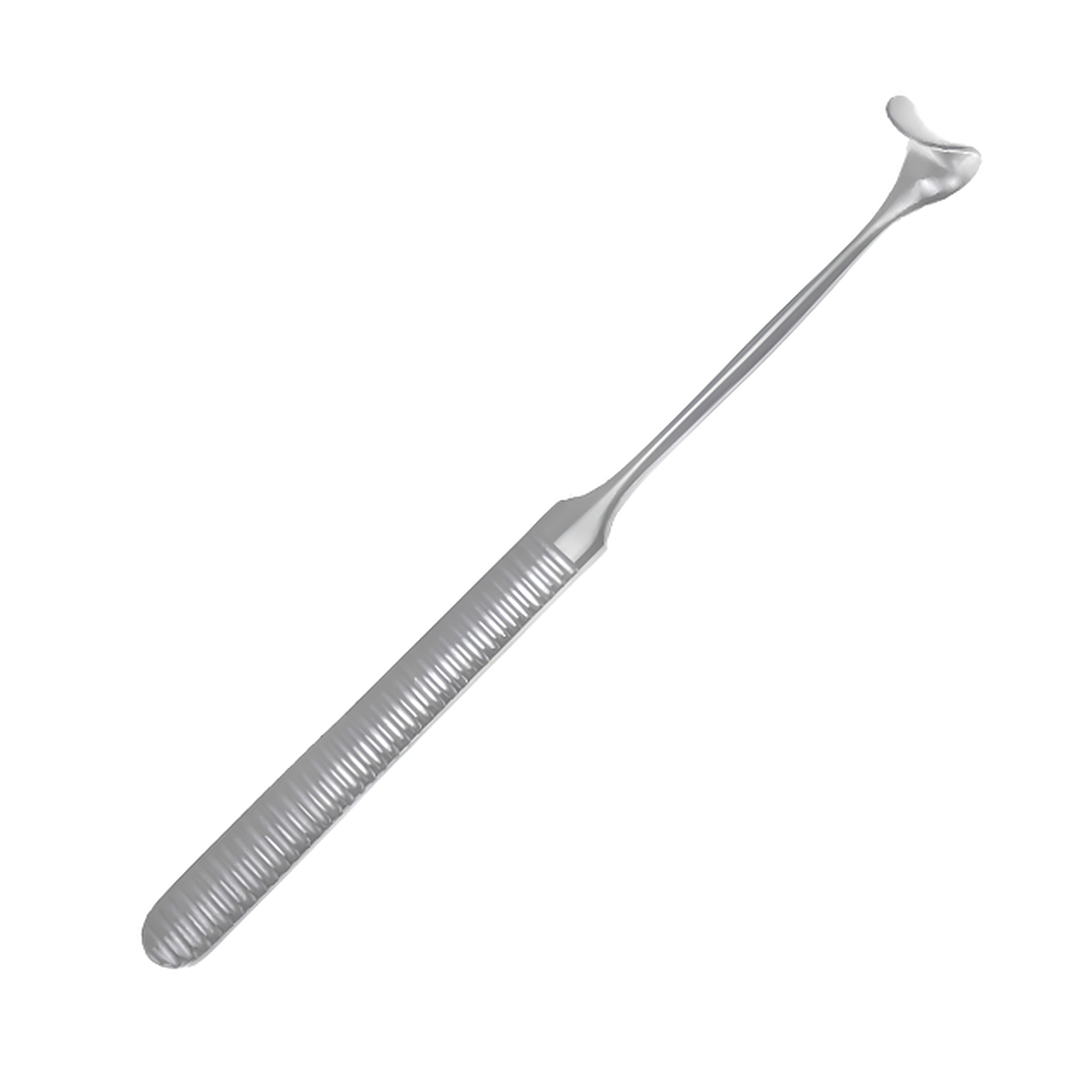 | مباعد Koenig Retractor | مصمم خصيصاً لتبعيد حواف الجلد واللفافة وطبقات العضلات السطحية أثناء الجراحة العامة والعظام والتجميل. |
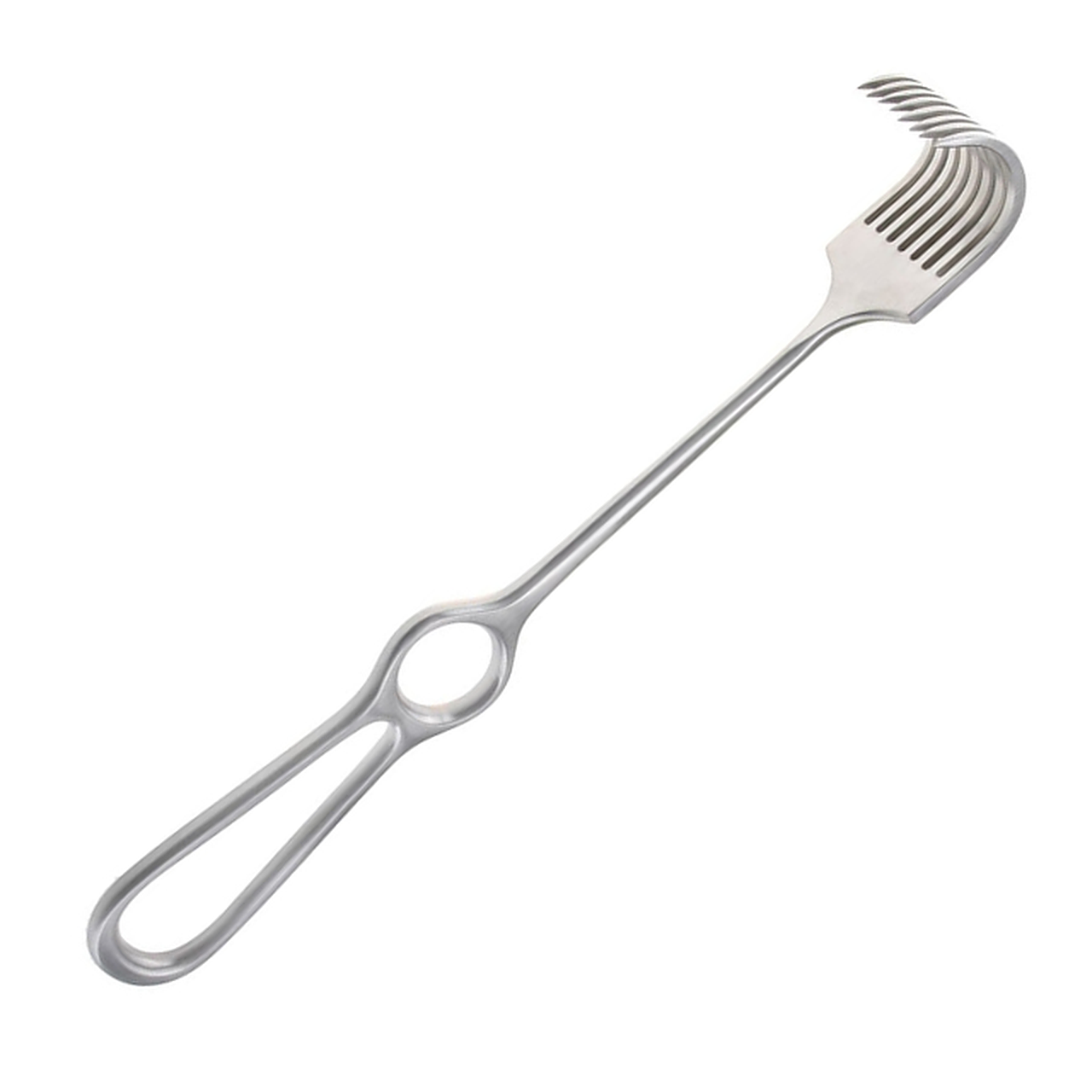 | مبعد Koerte Retractor | مصمم خصيصاً لتبعيد الطبقات العضلية الكثيفة واللفافة وحواف الأنسجة السميكة أثناء جراحات البطن والعظام. |
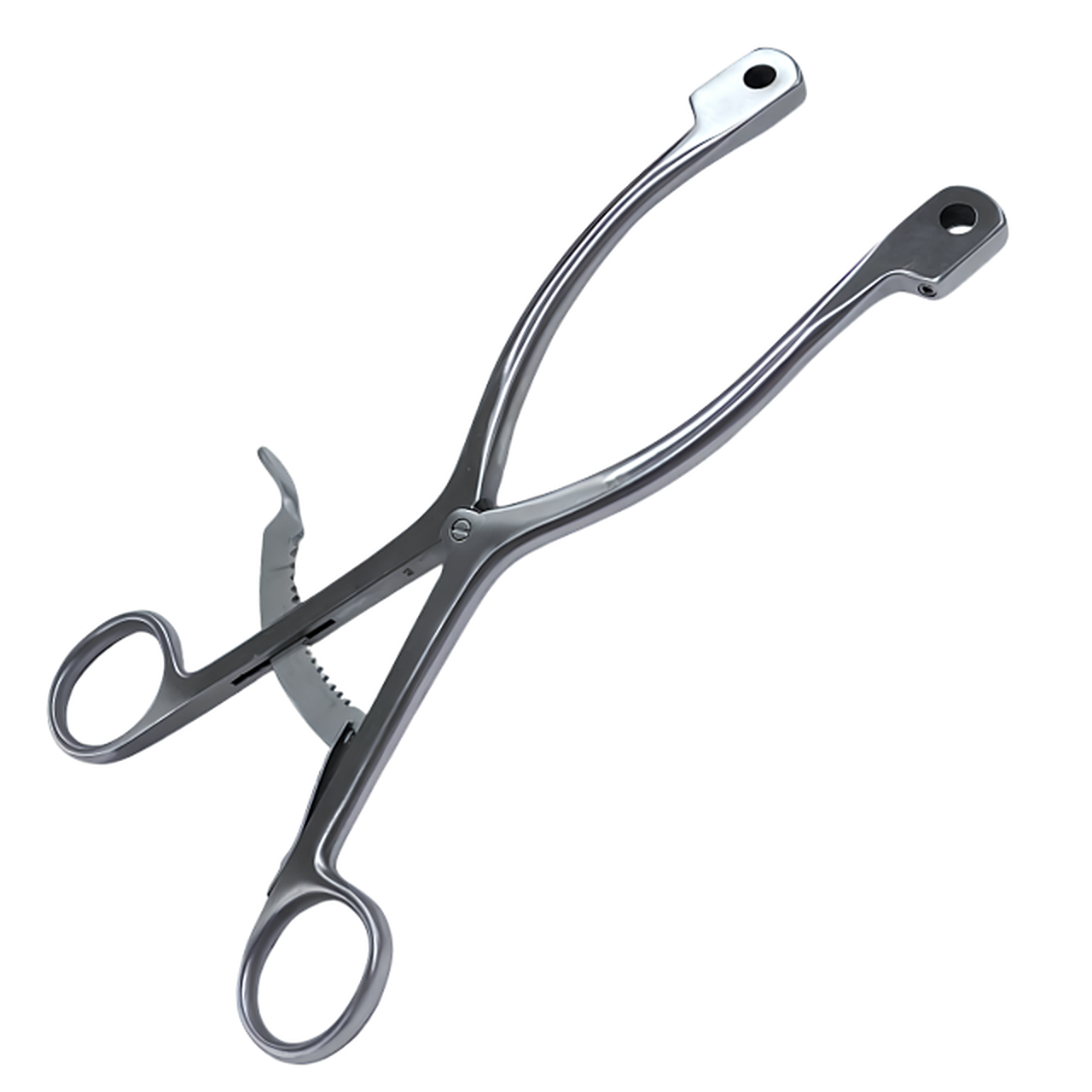 | Kolbel Shoulder Retractor Frame | مصمم خصيصًا لتركيب الشفرات الوحداتية وتوفير تبعيد ذاتي الثبات للأنسجة الرخوة أثناء تقويم مفصل الكتف. |
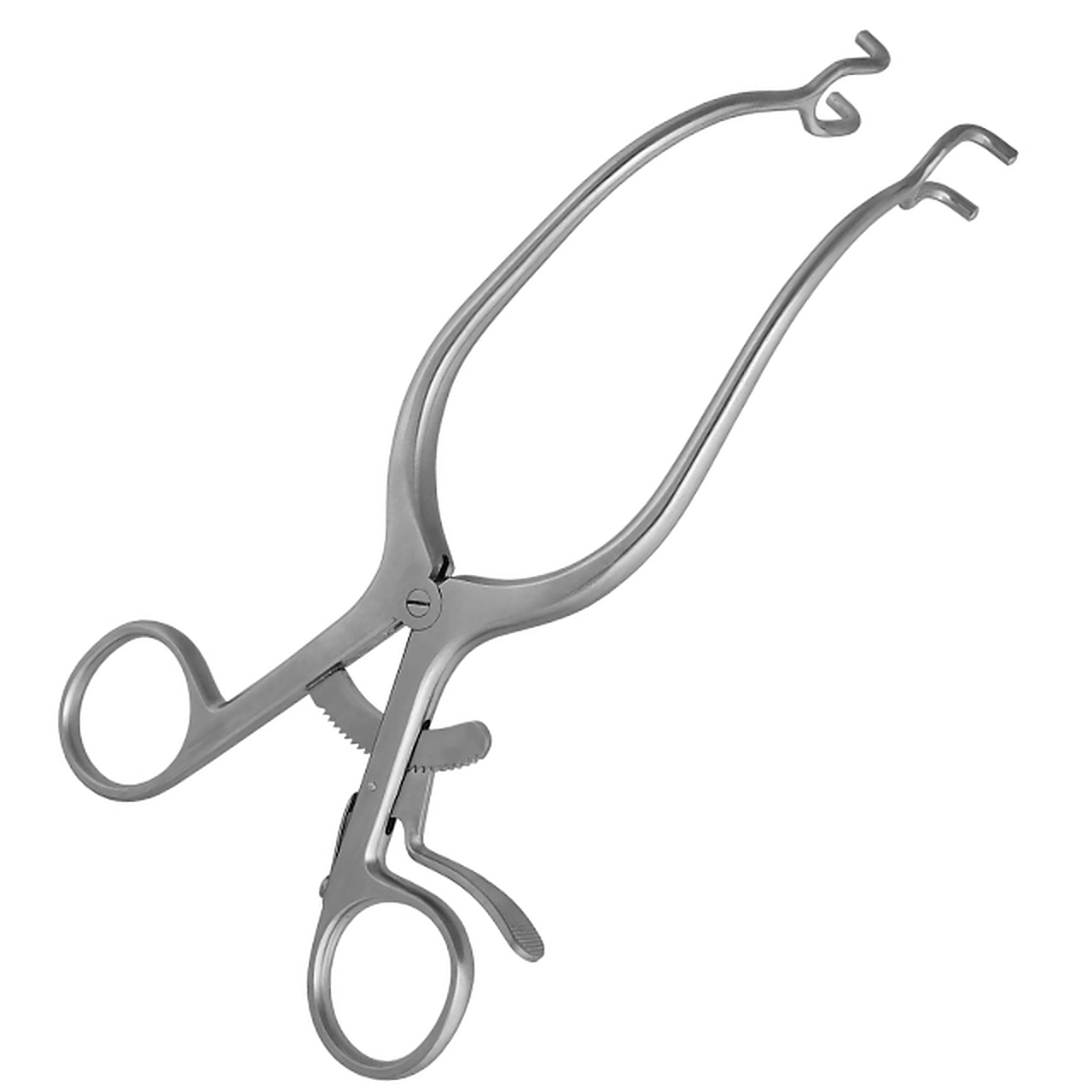 | مُبعّد كولبل للأنسجة الرخوة - Kolbel Soft Tissue Retractor | مصمم خصيصاً لتبعيد العضلات والمحفظة والأنسجة الرخوة أثناء تقويم مفصل الكتف والجراحة الترميمية. |
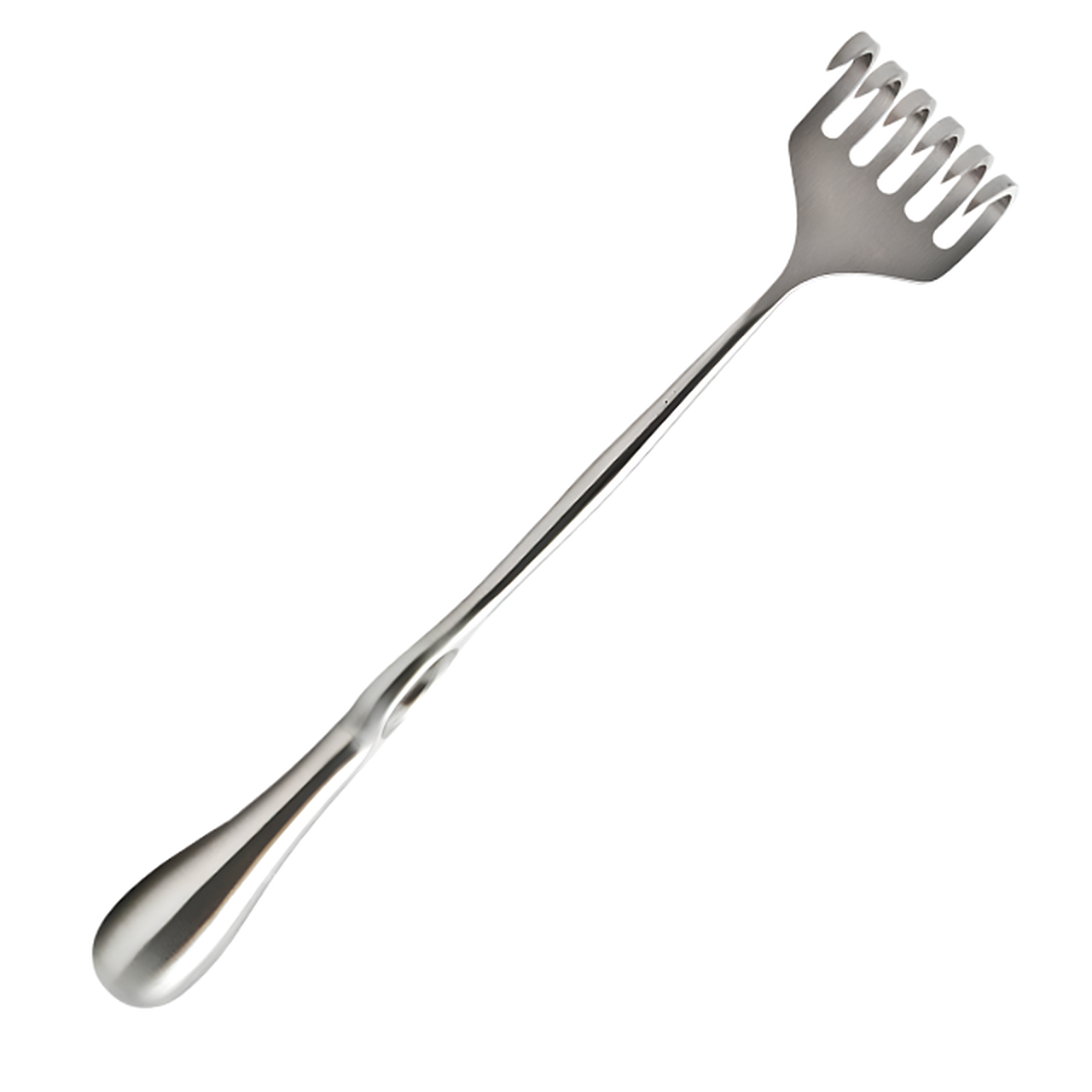 | Krasky Retractor | مصمم خصيصاً لتبعيد طبقات العضلات الكثيفة واللفافة العميقة أثناء الجراحة العامة المفتوحة وجراحة العظام. |
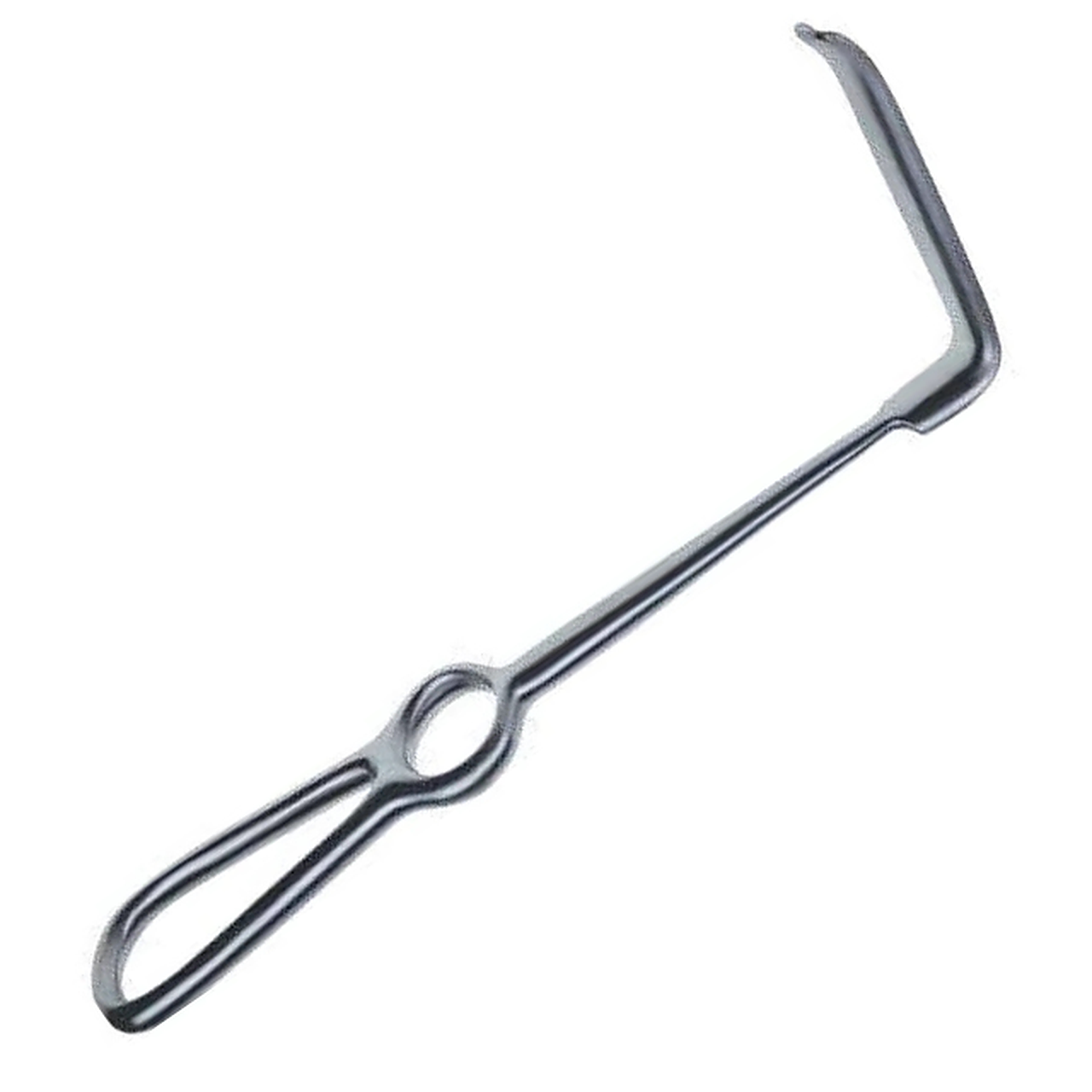 | مبعد Kreidler للأنسجة الرخوة | مصمم خصيصاً لإبعاد الشرائح السمحاقية المخاطية والأنسجة الرخوة أثناء جراحات الفم والوجه والفكين وتقويم الفكين. |
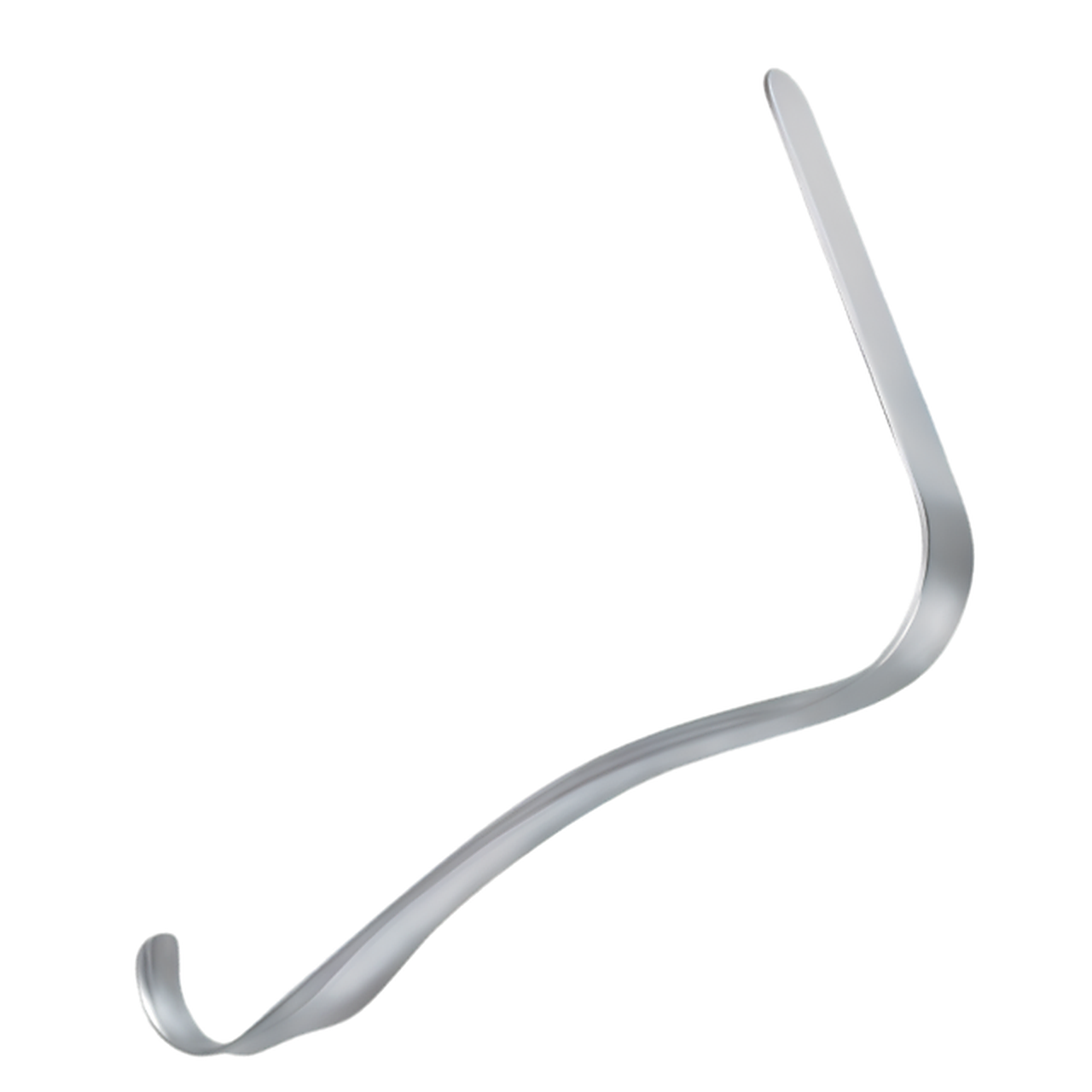 | مُبعّد Kristeller المهبلي | مصمم خصيصاً لإبعاد جدران المهبل وتوفير رؤية لقبو الحوض أثناء الإجراءات النسائية. |
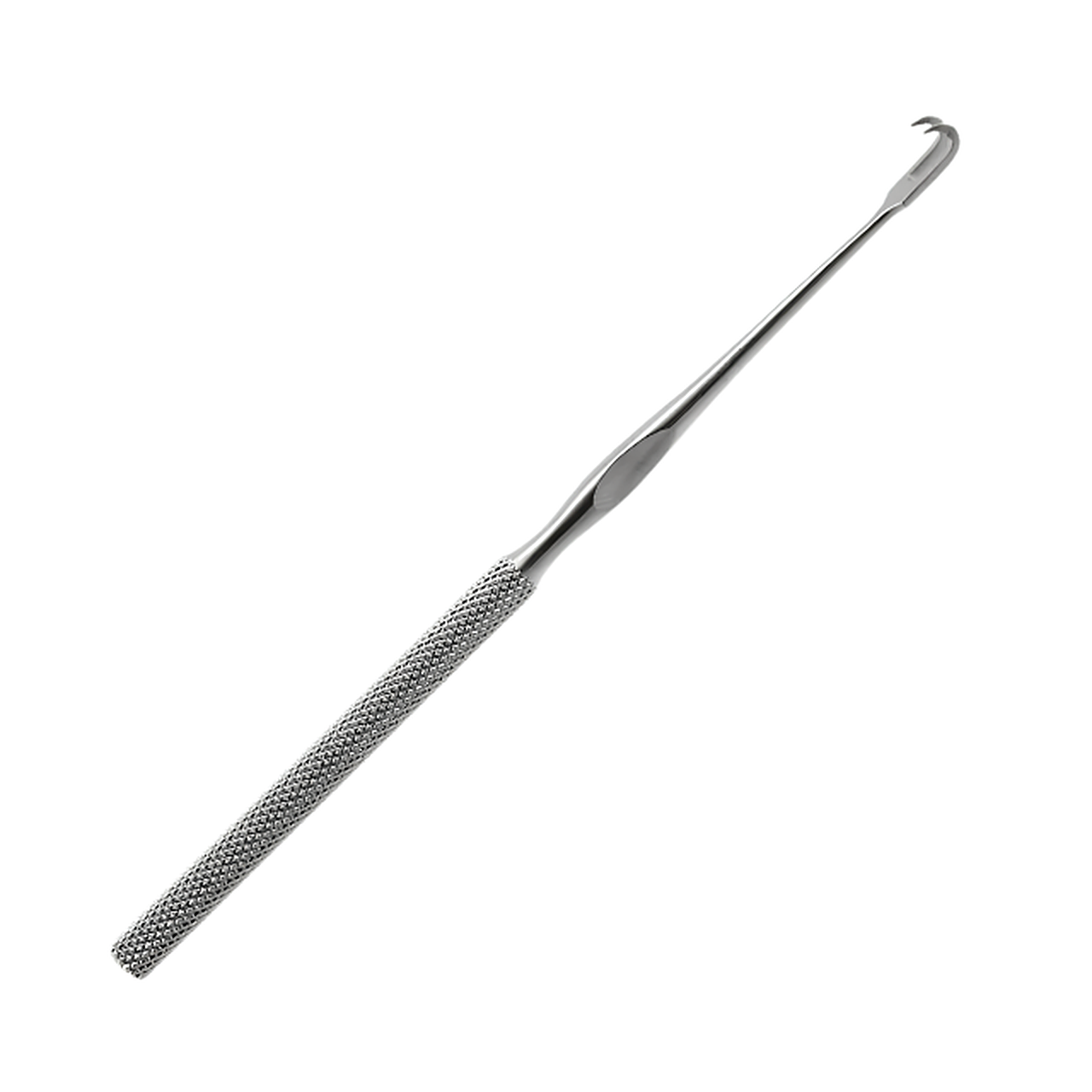 | مبعد الأصابع Lahey Finger Retractor | مصمم خصيصًا لتبعيد شرائح الجلد، والحواف الجلدية، واللفافة السطحية أثناء جراحات التجميل واليد. |
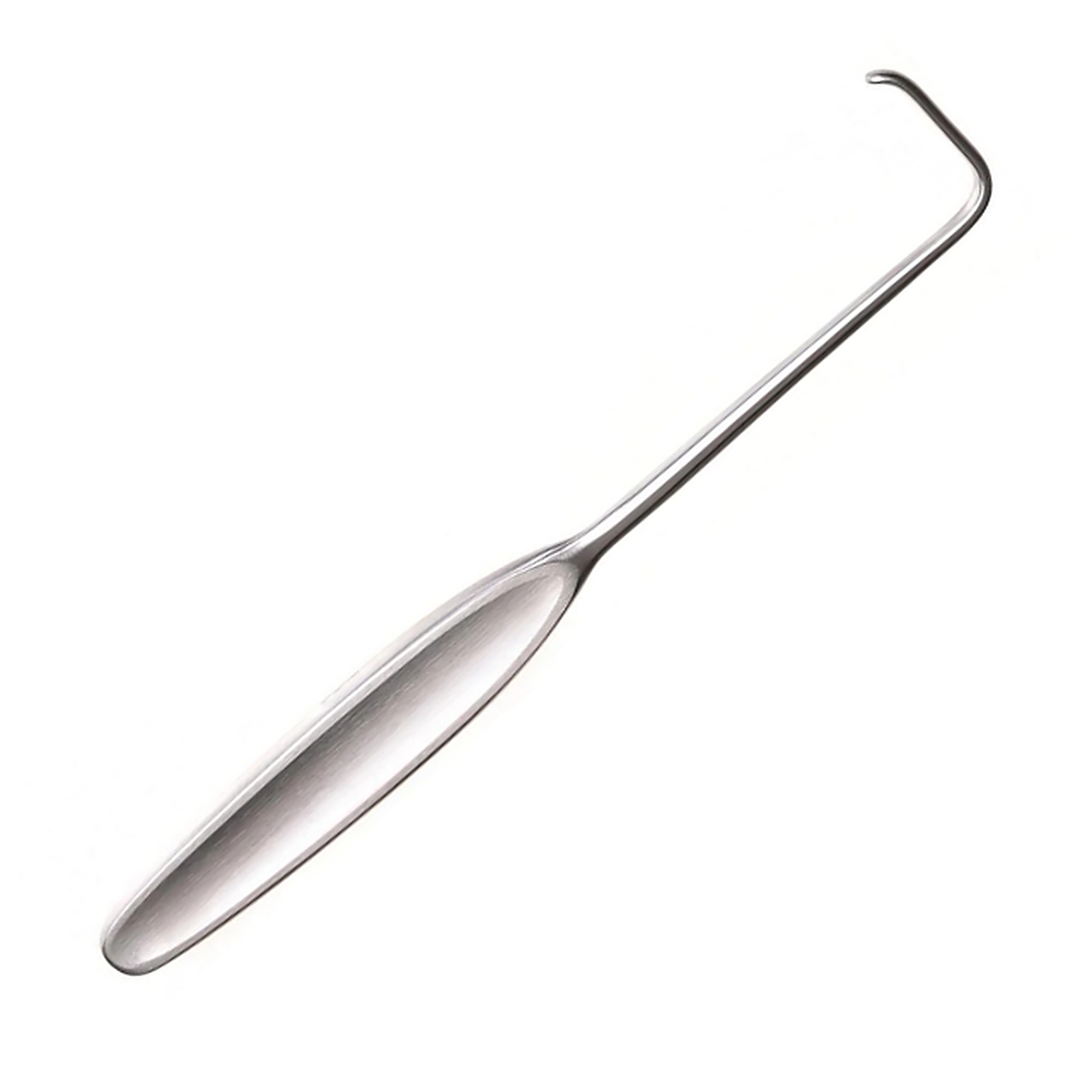 | مبعد Lahey Retractor | مصمم خصيصاً لتوفير تبعيد غير صدمي للأنسجة الرخوة وكشف منظم أثناء جراحات الغدة الدرقية والرقبة والجراحات العامة. |
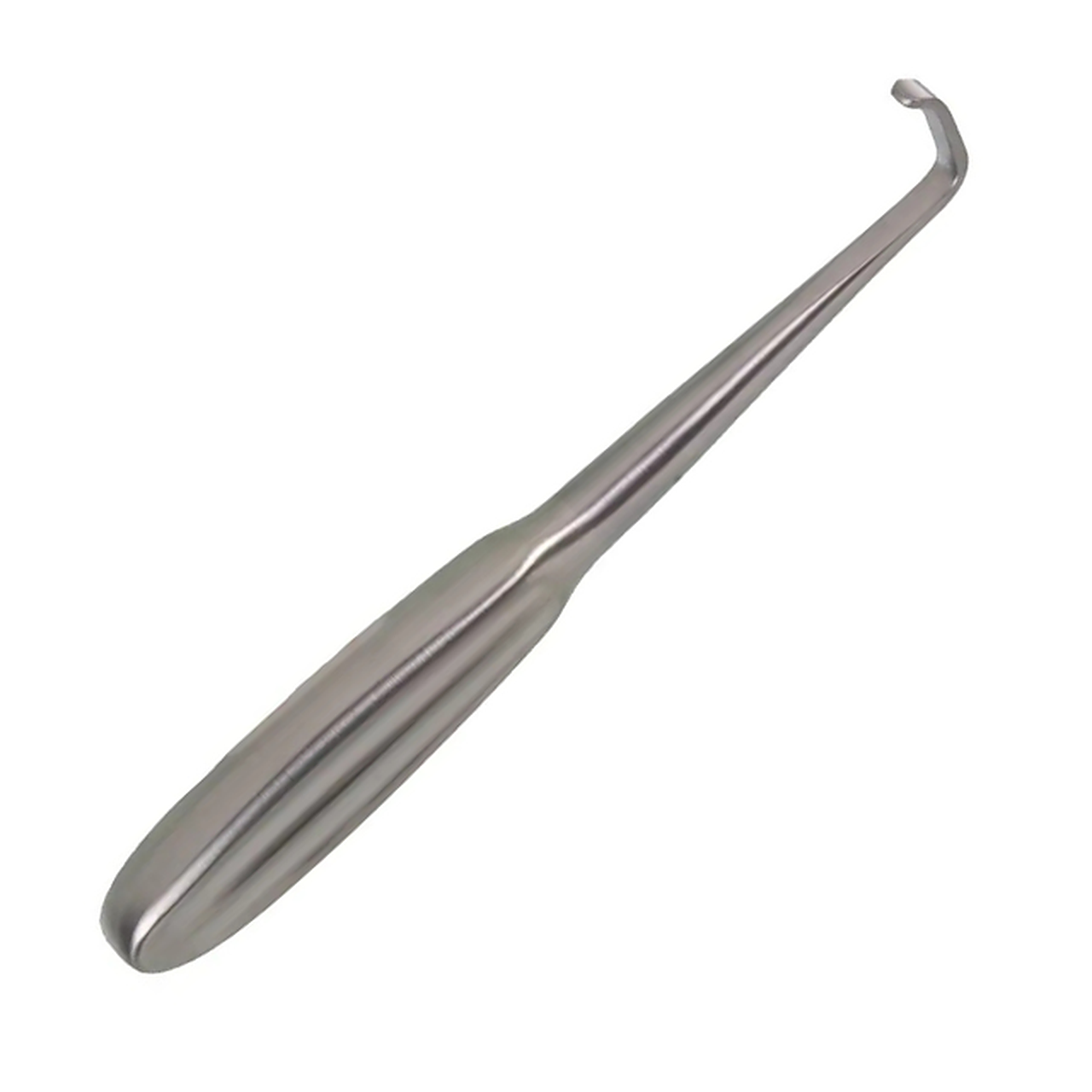 | مُبعّد الغدة الدرقية Lahey Thyroid Retractor | مصمم خصيصاً لإبعاد العضلات الشريطية واللفافة الرقبية والأنسجة الرخوة أثناء عمليات استئصال الغدة الدرقية وجار الدرقية. |
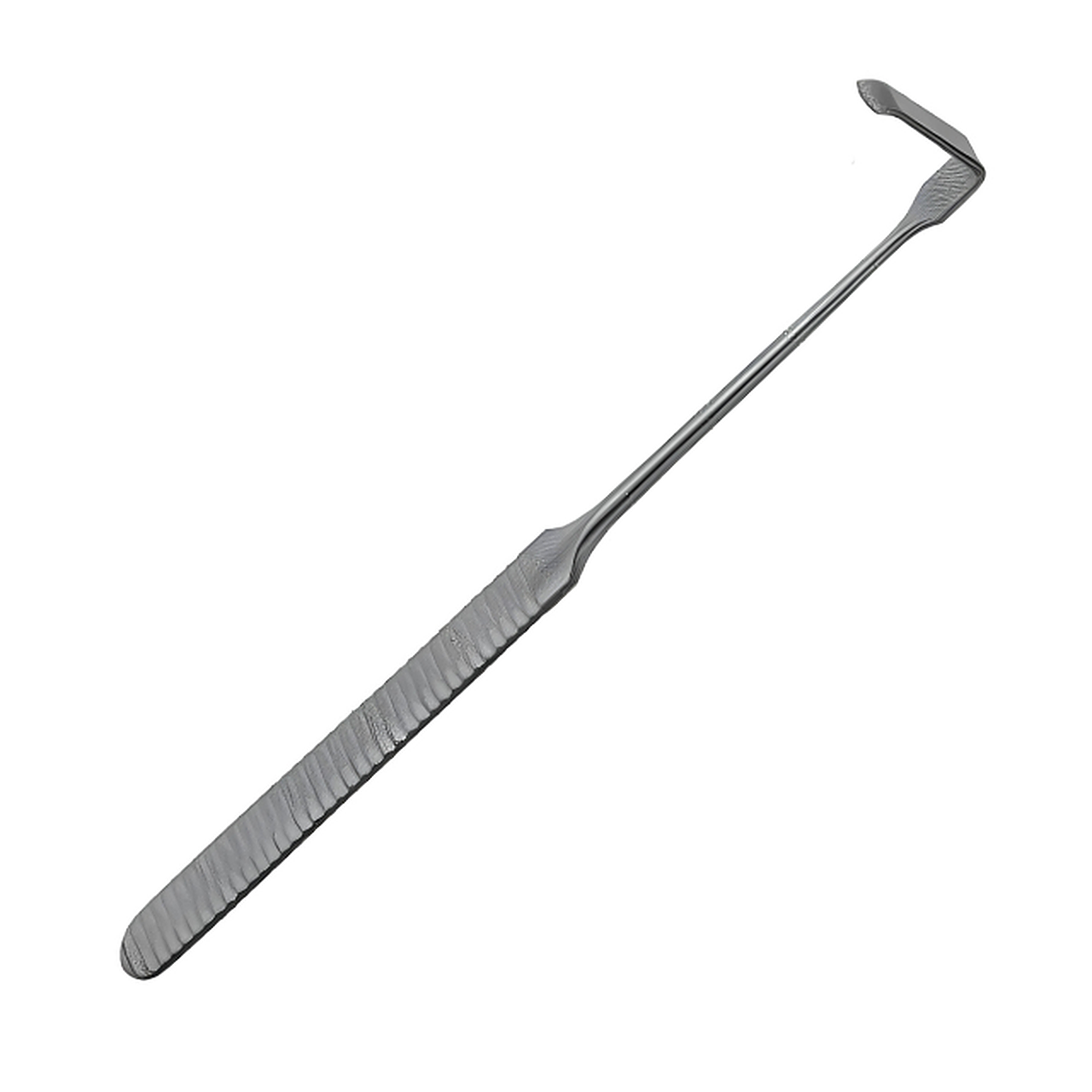 | Langenbeck Green Retractor | مصمم خصيصاً لإبعاد العضلات الشريطية، واللفافة العنقية، وحواف الجروح أثناء جراحات الغدة الدرقية والرقبة والجراحة العامة. |
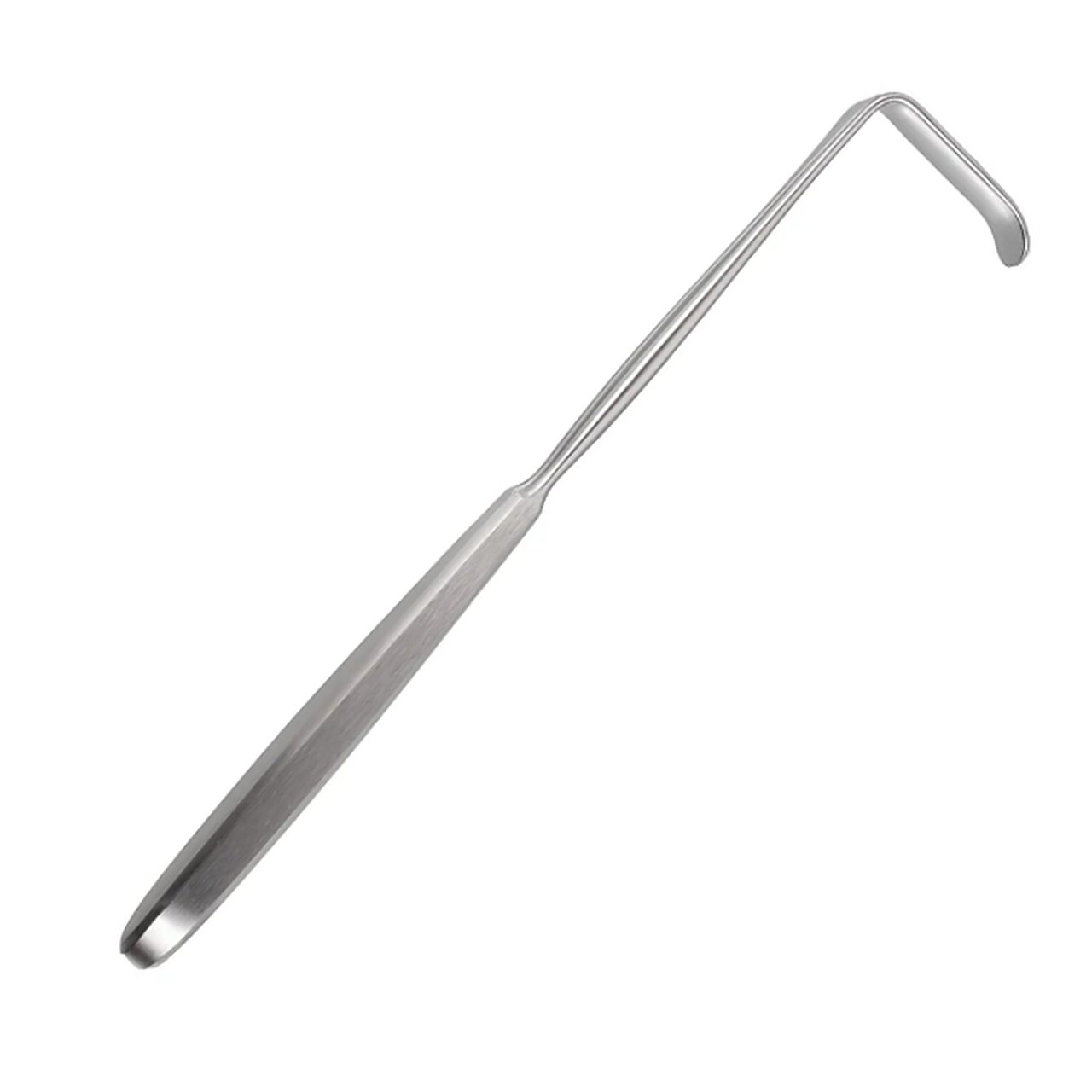 | مُبعّد Langenbeck Retractor-Solid Handle | مصمم خصيصًا لتبعيد الطبقات العضلية واللفافات وحواف الجروح أثناء الجراحات العامة وجراحة العظام والتجميل. |
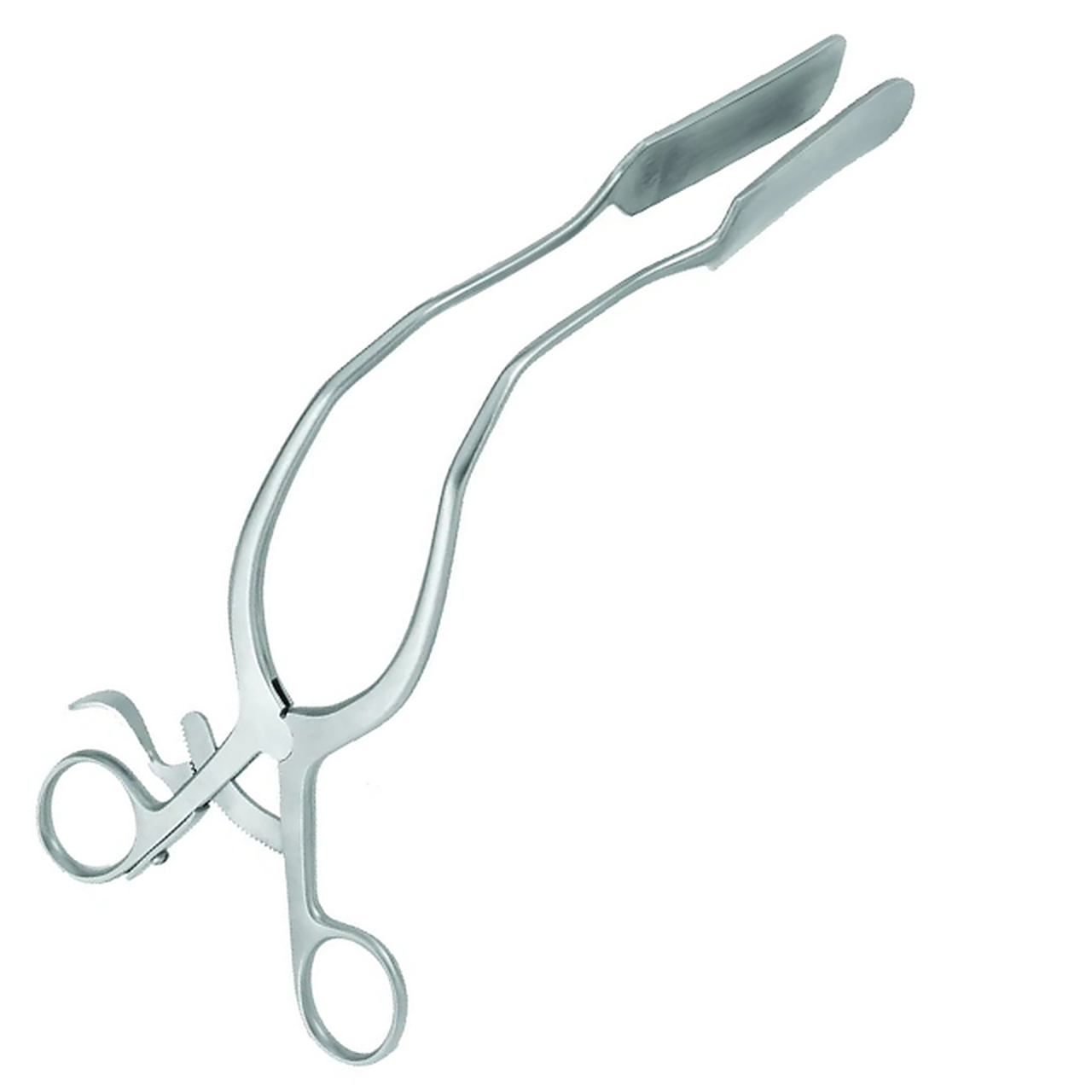 | مُبعّد المهبل الجانبي المطلي بالأبنوس Lateral Ebonized Vaginal Retractor | مخصص لتبعيد الجدران المهبلية الجانبية أثناء الإجراءات النسائية بالليزر والجراحة الكهربائية. |
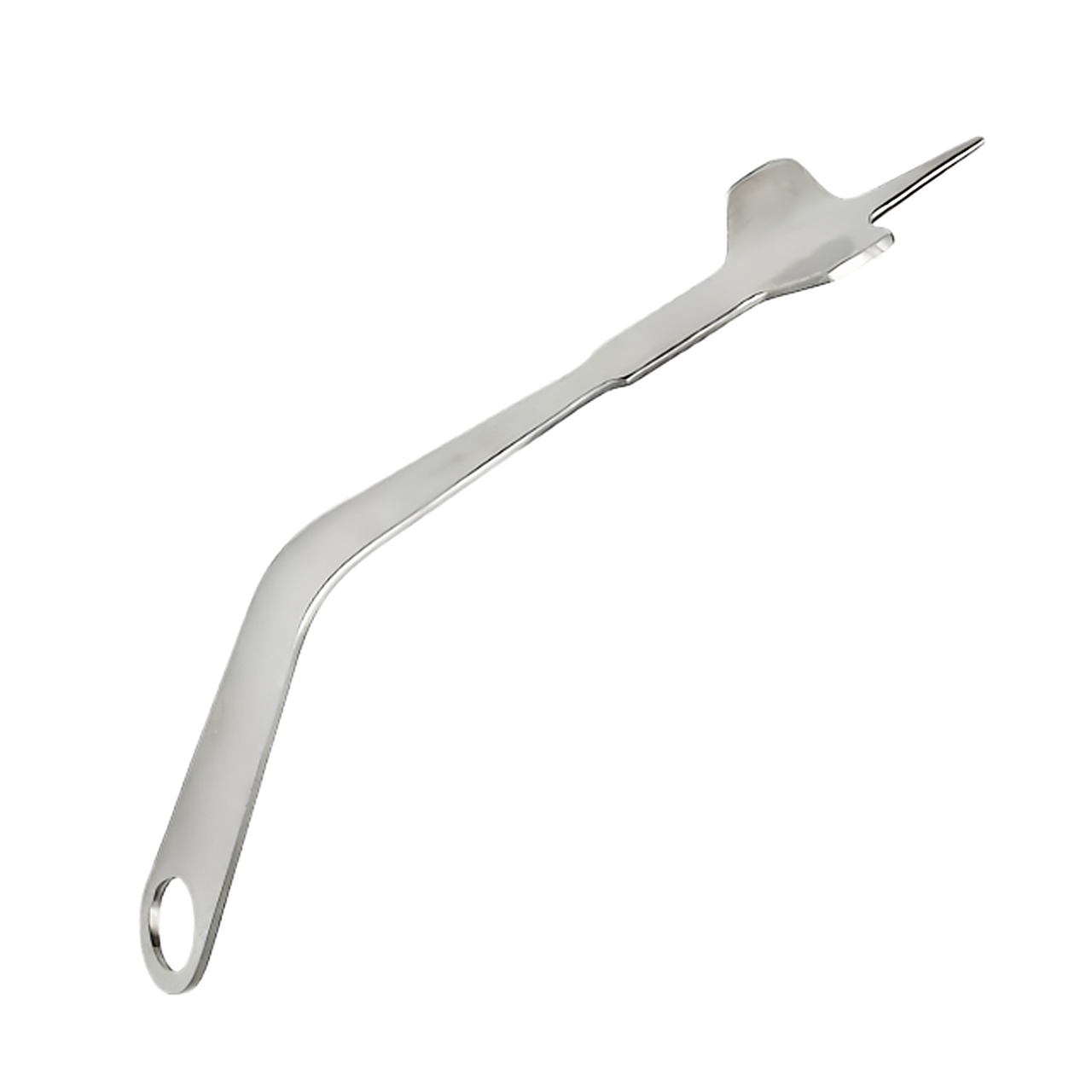 | مُباعد الوسادة الدهنية الجانبي (Lateral Fat Pad Retractor) | مصمم خصيصاً لمباعدة الوسادة الدهنية تحت الرضفة والأنسجة الرخوة أثناء عمليات استبدال مفصل الركبة بالكامل وترميم الركبة. |
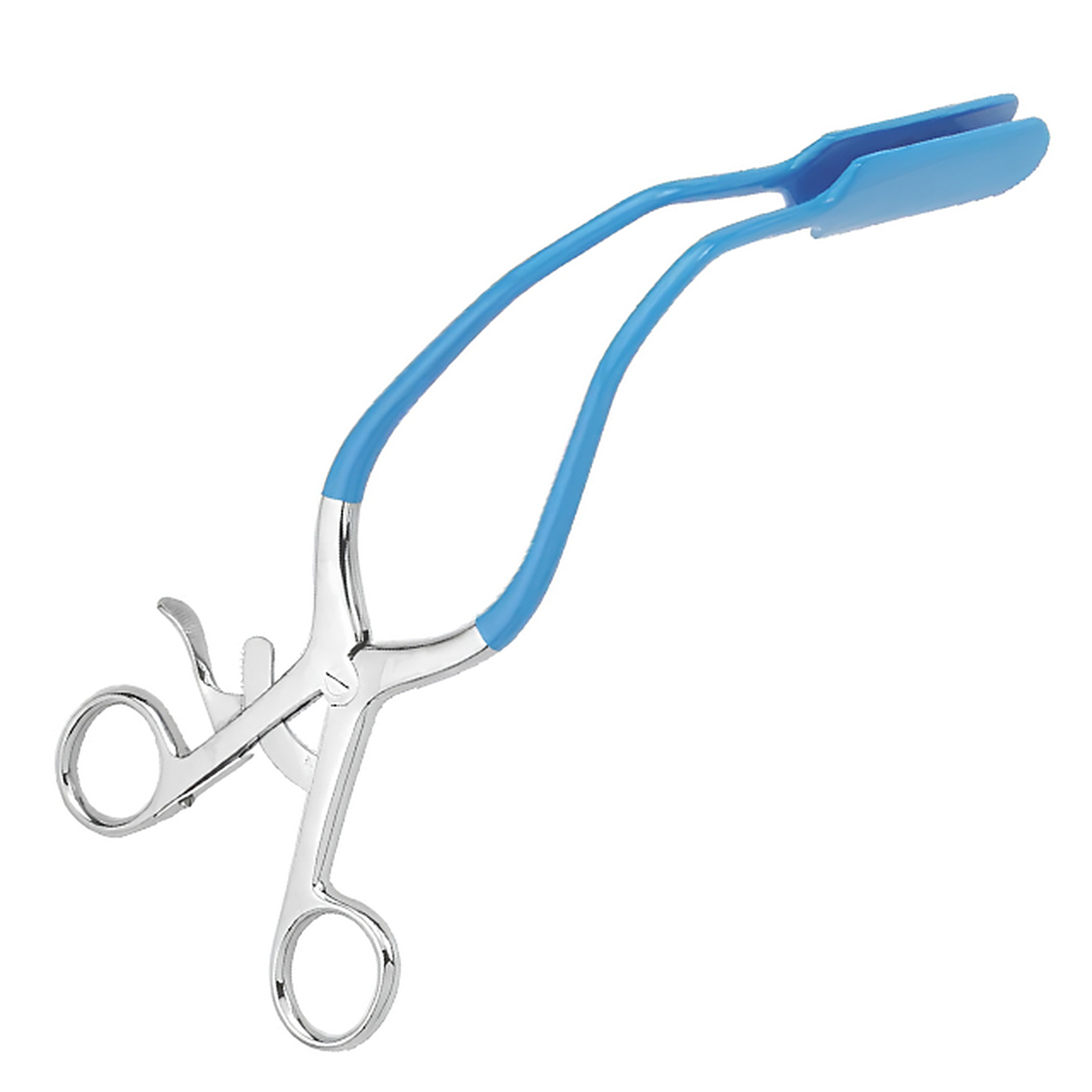 | مبعد مهبلي جانبي عازل للكهرباء | مصمم خصيصاً لإبعاد الجدران الجانبية للمهبل أثناء الجراحة الكهربائية وإجراءات الليزر النسائية. |
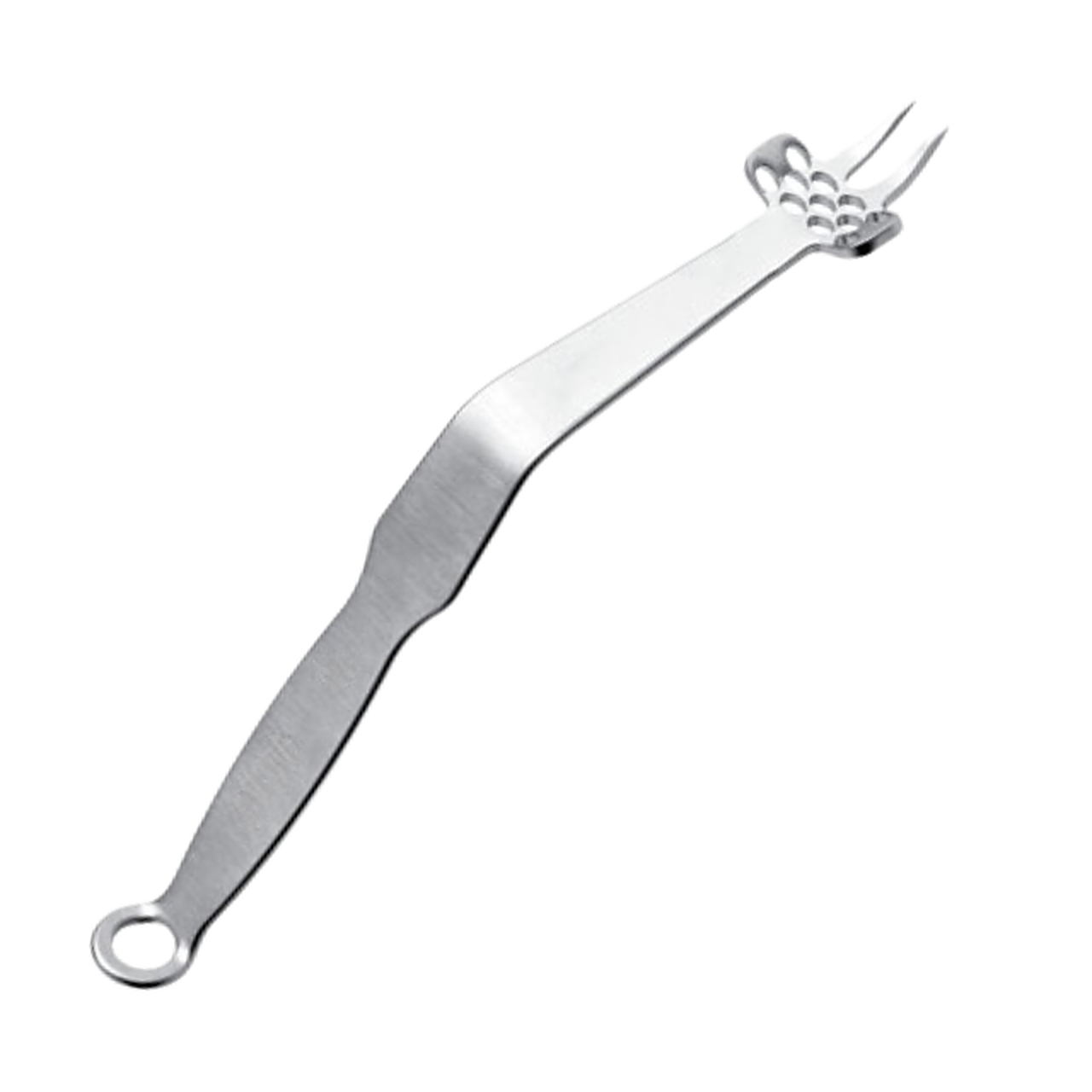 | مباعدات الأنسجة الرخوة الجانبية Lateral Soft Tissue Retractors | مصمم خصيصاً لإبعاد الأنسجة الرخوة الجانبية، والمحفظة، والأربطة الجانبية أثناء جراحة استبدال مفصل الركبة الكامل. |
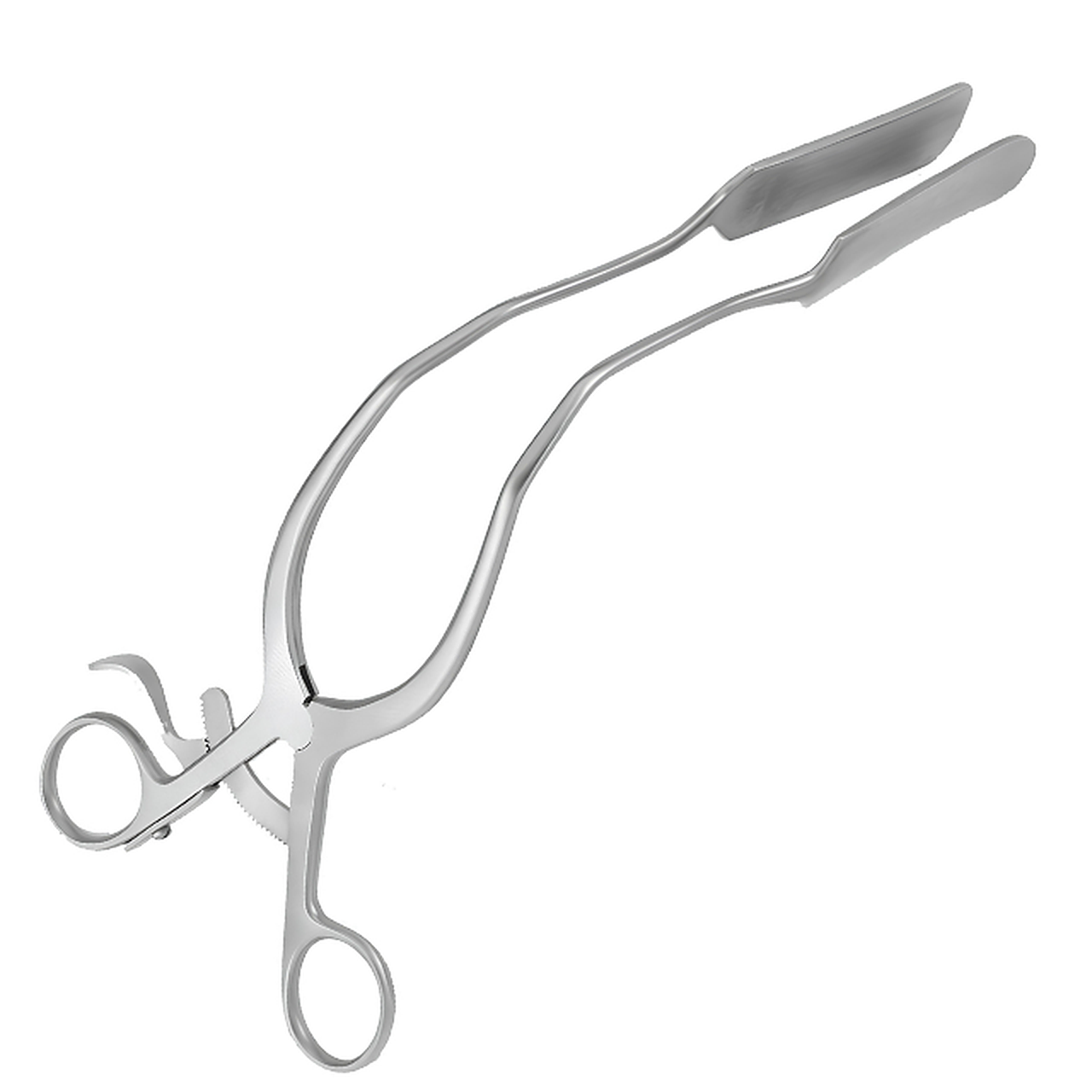 | مُباعد جدار المهبل الجانبي (Lateral Wall Vaginal Retractor) | مصمم خصيصاً لمباعدة جدران المهبل الجانبية ومنع انهيار الأنسجة أثناء جراحات المهبل وإجراءات الجراحة الكهربائية. |
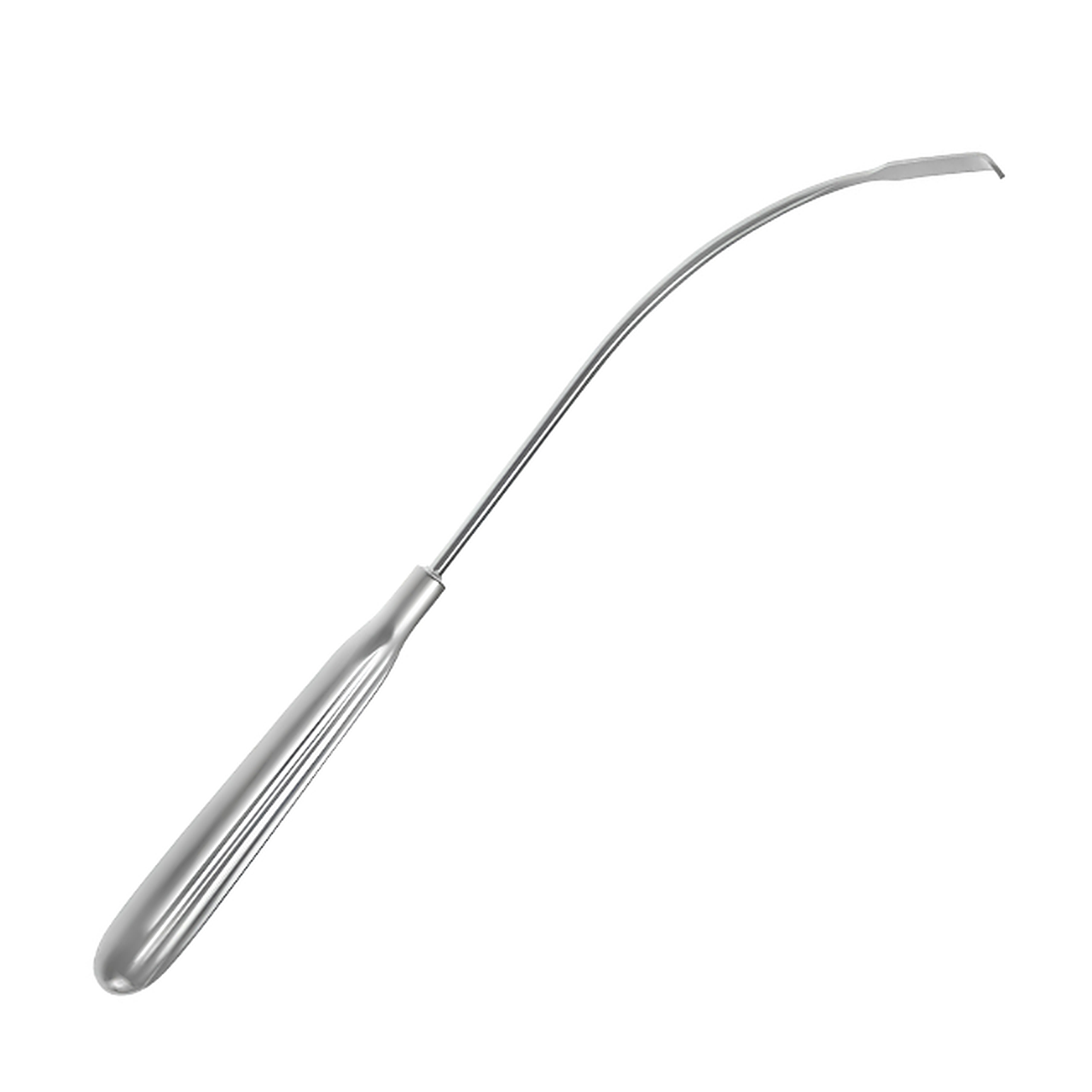 | Leaflet Retractor | مصمم خصيصاً لإبعاد ورفع وريقات صمامات القلب أثناء عمليات إصلاح واستبدال الصمامات في القلب المفتوح. |
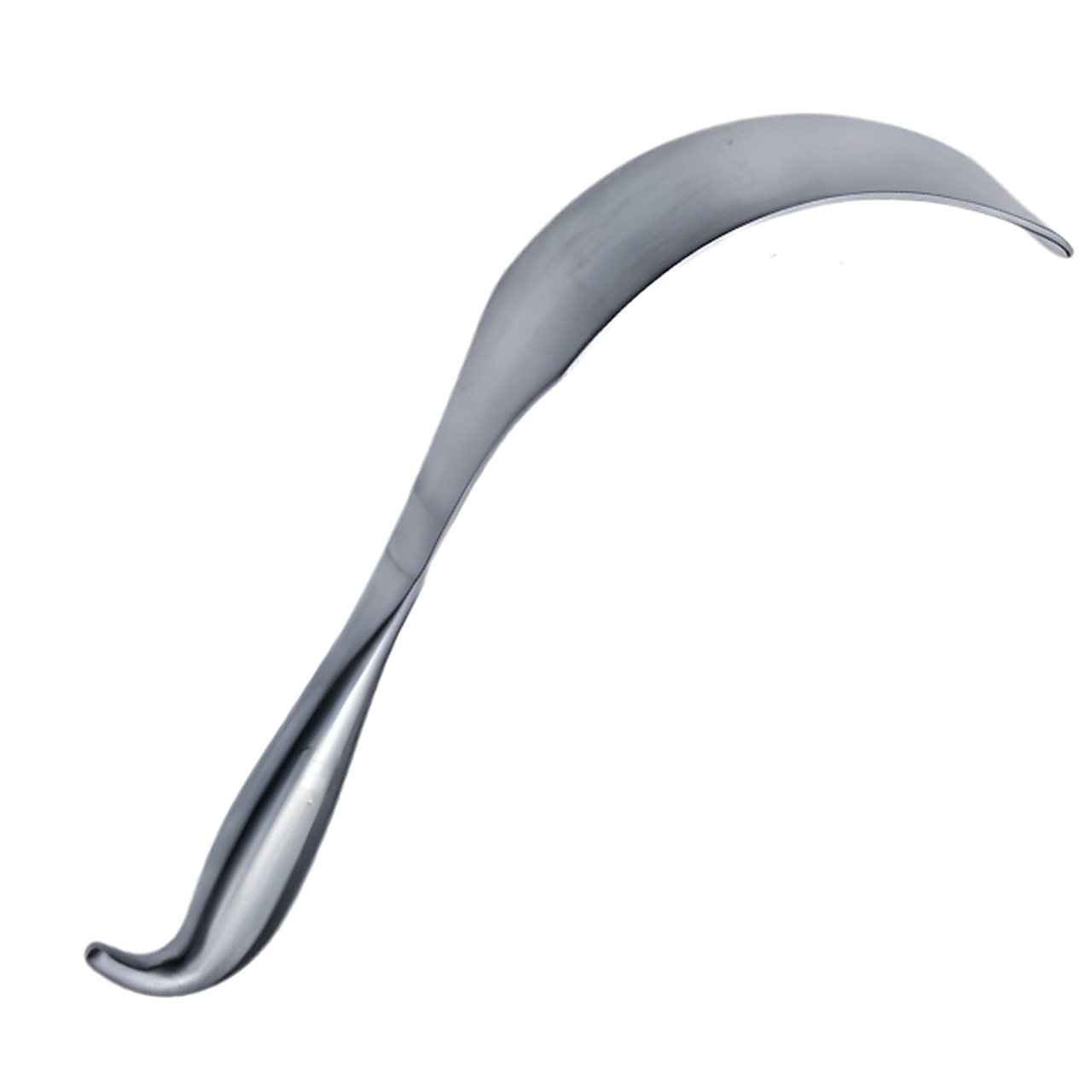 | مبعد Leriche Retractor-Atraumatic Wide Blade | مصمم خصيصاً لإبعاد جدار البطن وأحشاء الحوض والعضلات السميكة أثناء الجراحة المفتوحة. |
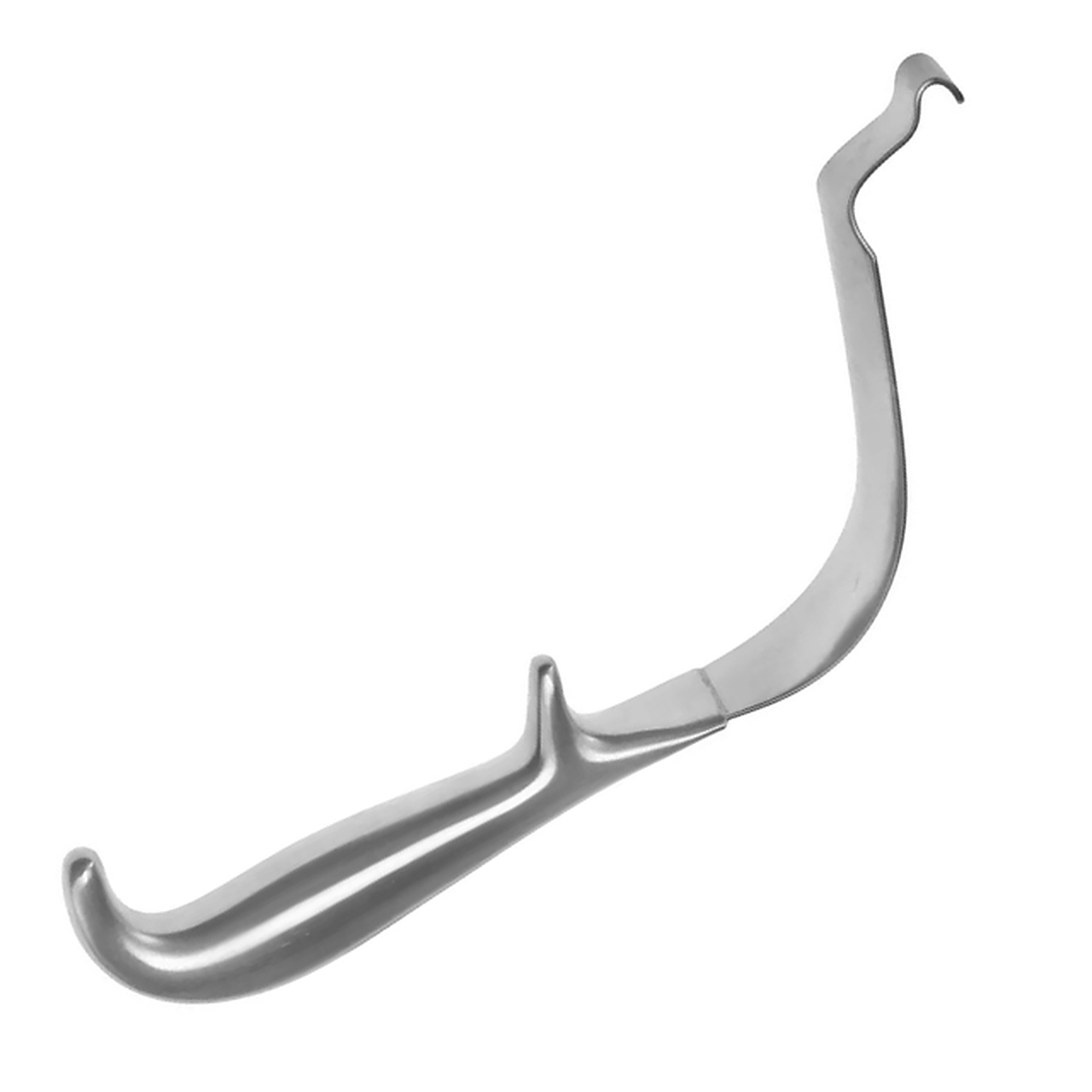 | Levasseur Merril Retractor | مصمم خصيصاً لإبعاد الأنسجة الرخوة وحماية الهياكل الوعائية العصبية أثناء عمليات قطع عظم الرأد العمودي. |
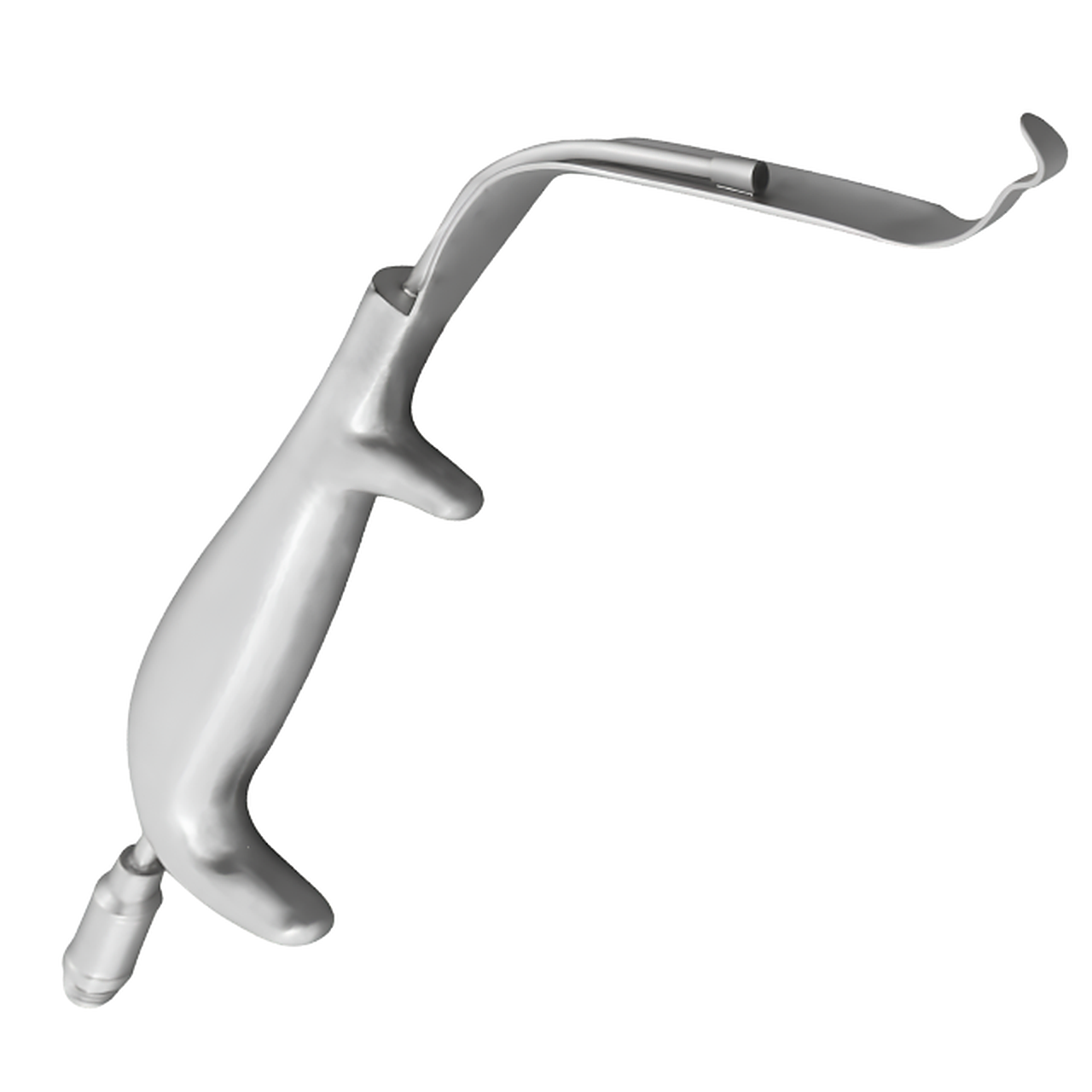 | Levasseur Merril Retractor Fiber Optic | مصمم خصيصاً لتوفير إبعاد مضيء للأنسجة الرخوة وكشف العظام أثناء عمليات قطع عظم الرأد العمودي. |
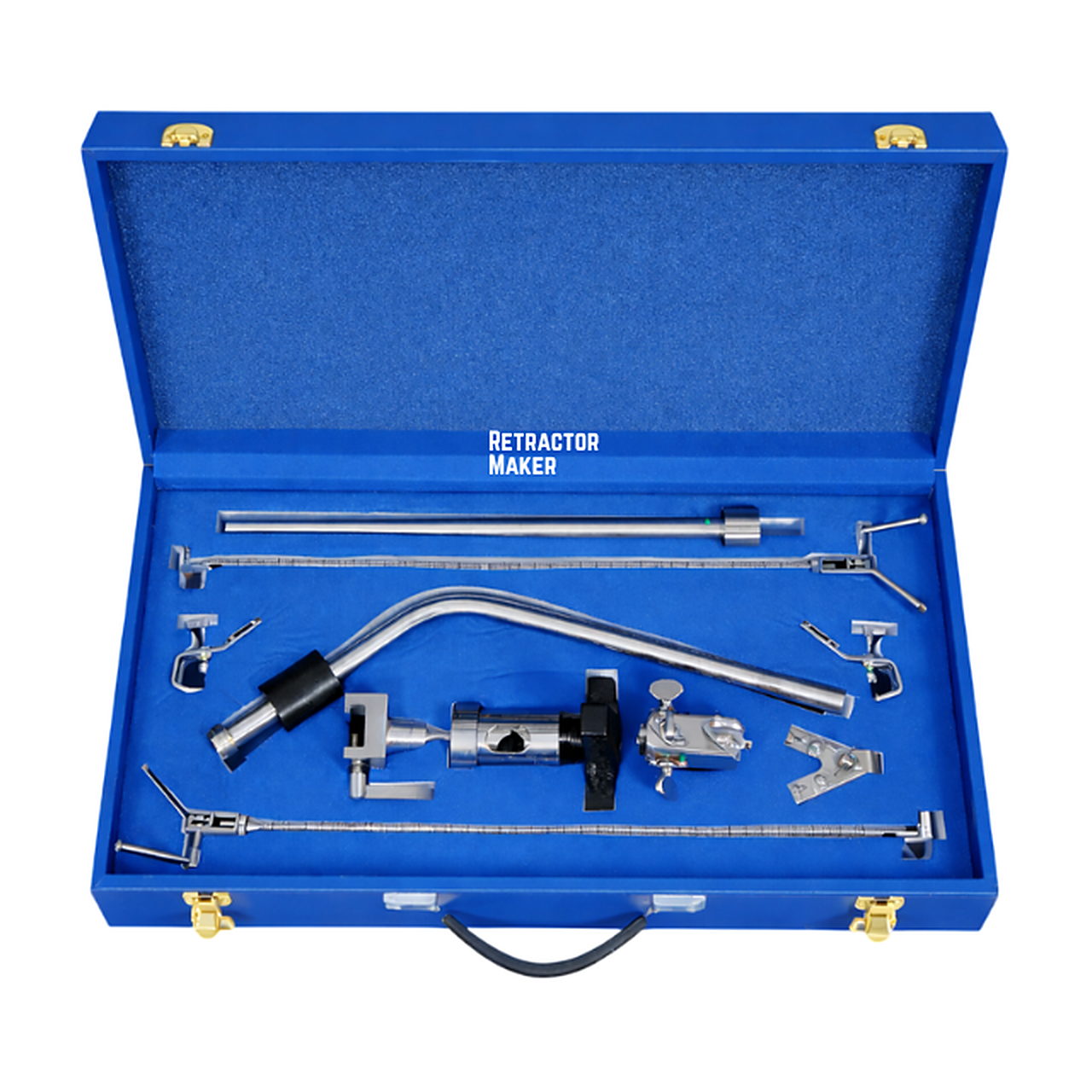 | Leyla Retractor | مصمم خصيصاً لتوفير تبعيد دقيق لأنسجة الدماغ بضغط منخفض وبدون استخدام اليدين أثناء العمليات القحفية الدقيقة وعمليات قاعدة الجمجمة والجراحة العصبية المجهرية. |
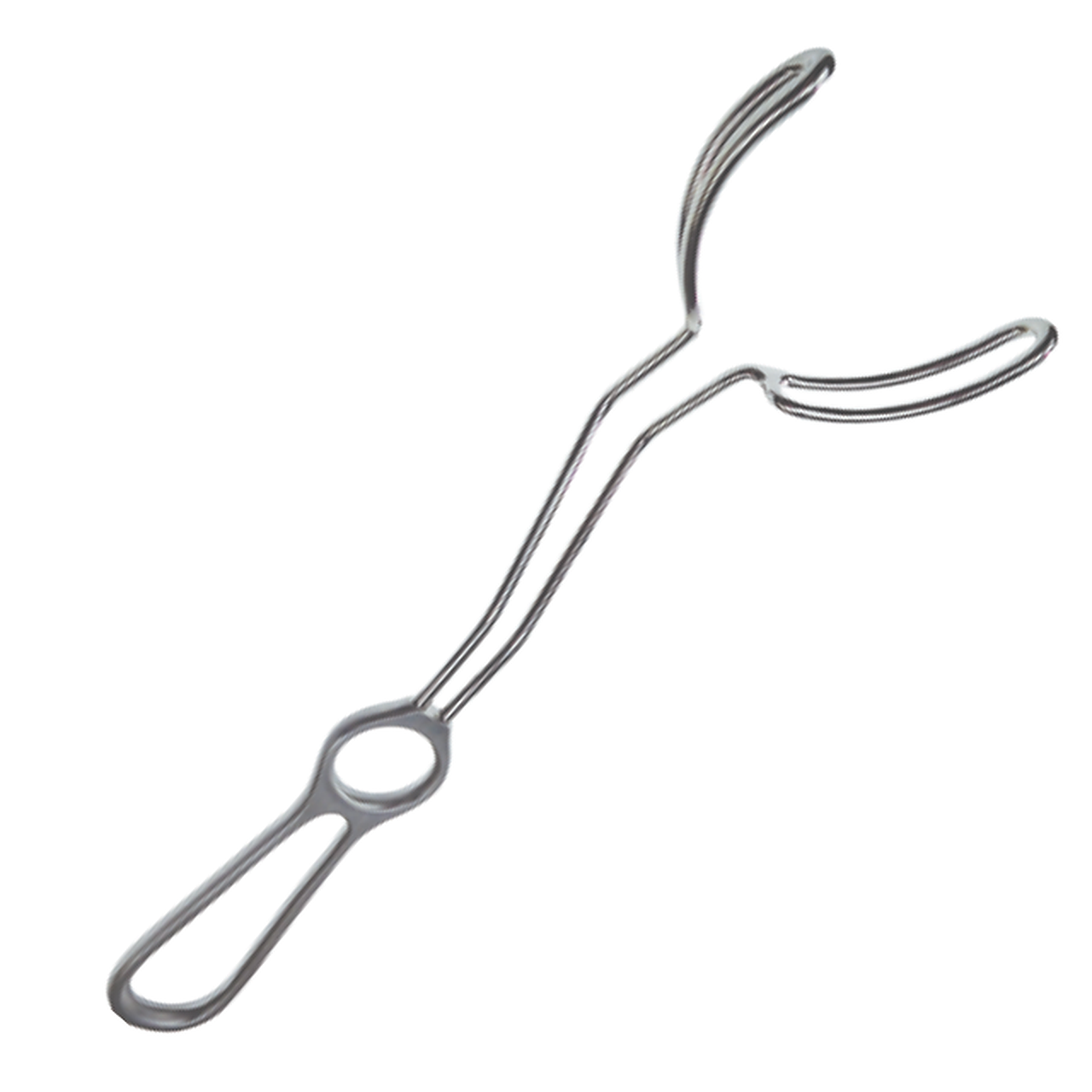 | مُباعد الشفة والخد | مصمم خصيصاً لمباعدة الشفتين والخدين لتوفير رؤية واضحة للفك السفلي أثناء جراحات الفم والوجه والفكين. |
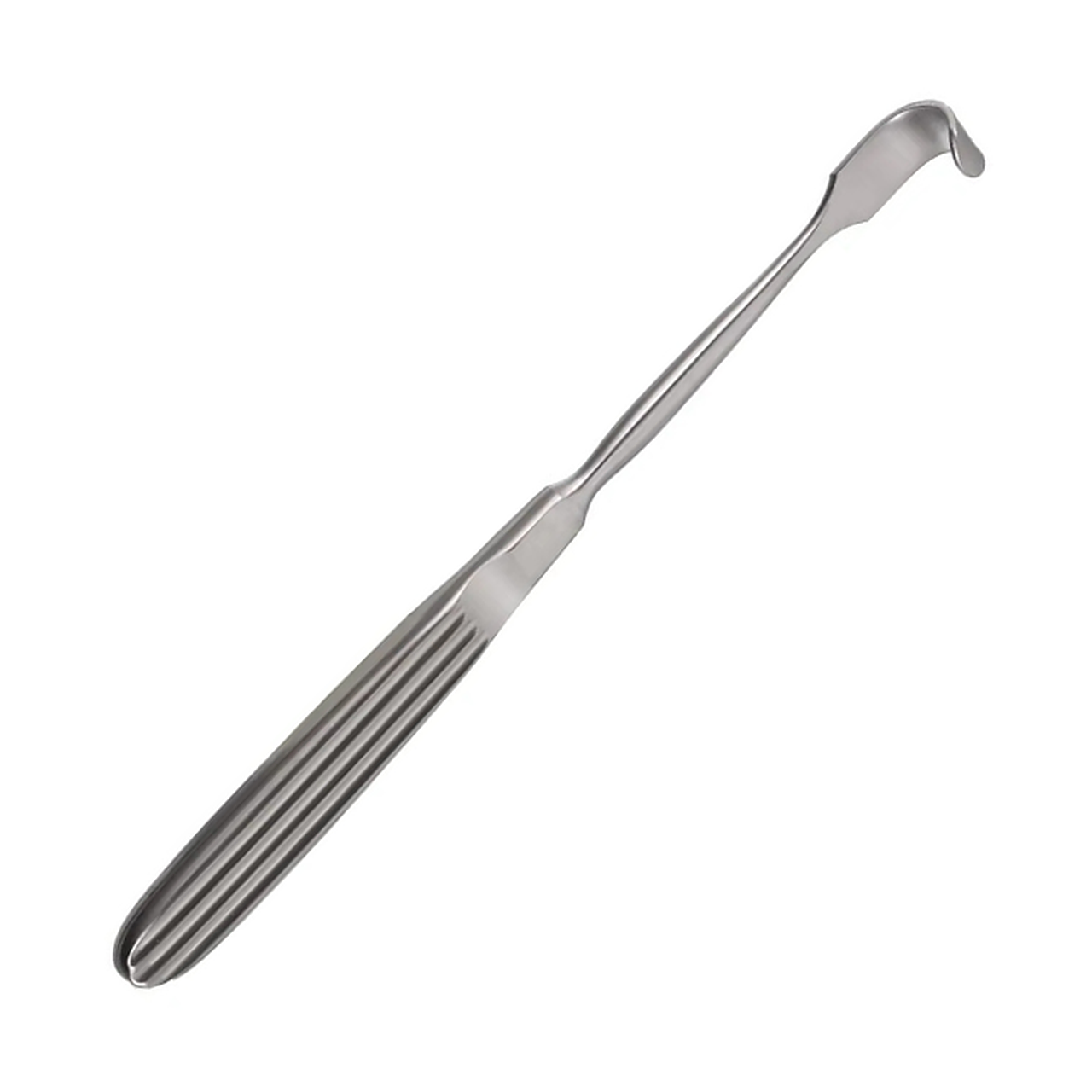 | مُبعّد Little Retractor | مصمم خصيصاً لتبعيد حواف الجلد، واللفافة الرقيقة، والأنسجة الرخوة أثناء العمليات الجراحية الصغرى والتجميلية. |
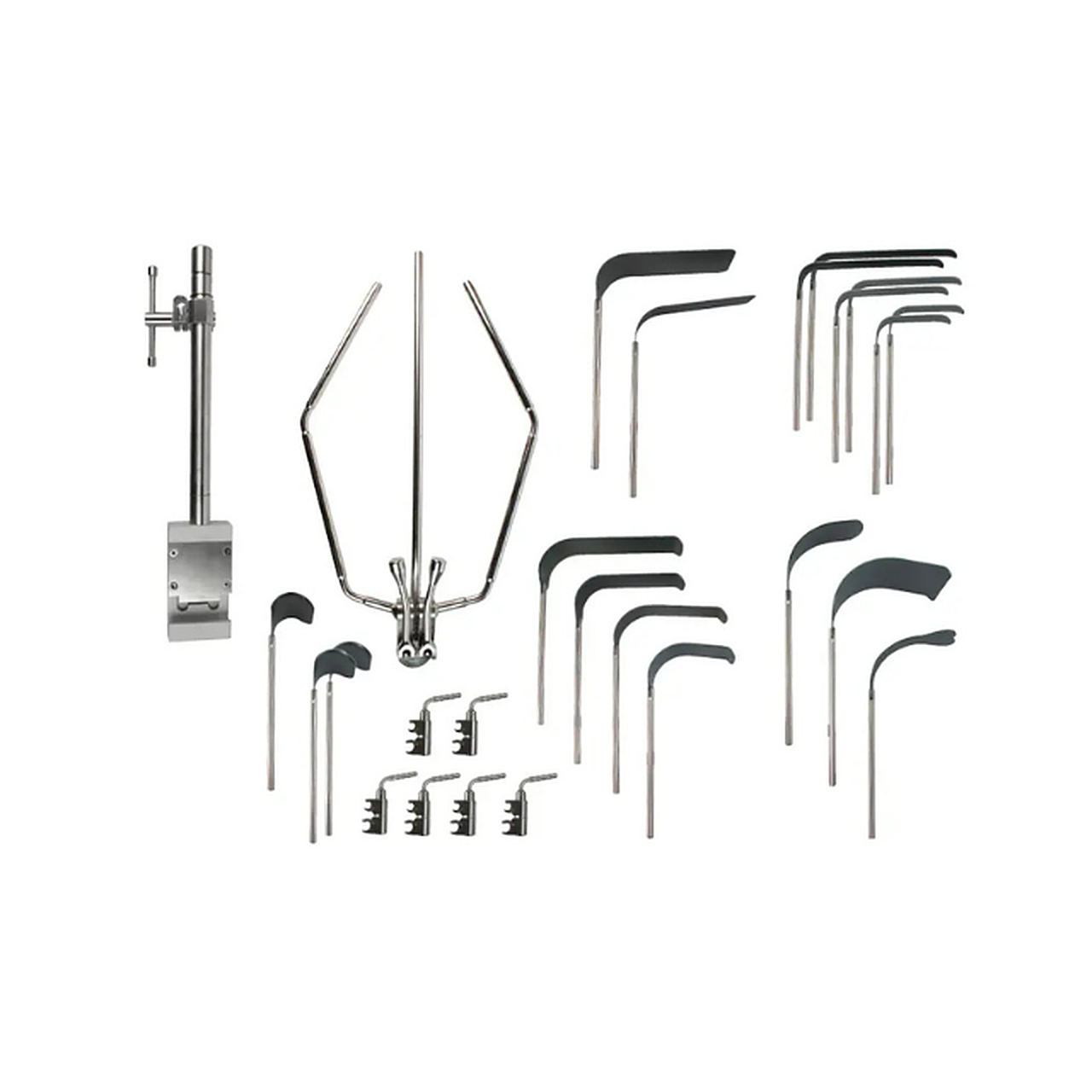 | مُبعد Lobster للفقرات القطنية من الأمام | مصمم خصيصاً للإبعاد ذاتي الثبات للأنسجة الرخوة والكشف الجراحي أثناء إجراءات العمود الفقري القطني عبر المدخل الأمامي، مع التثبيت على طاولة العمليات. |
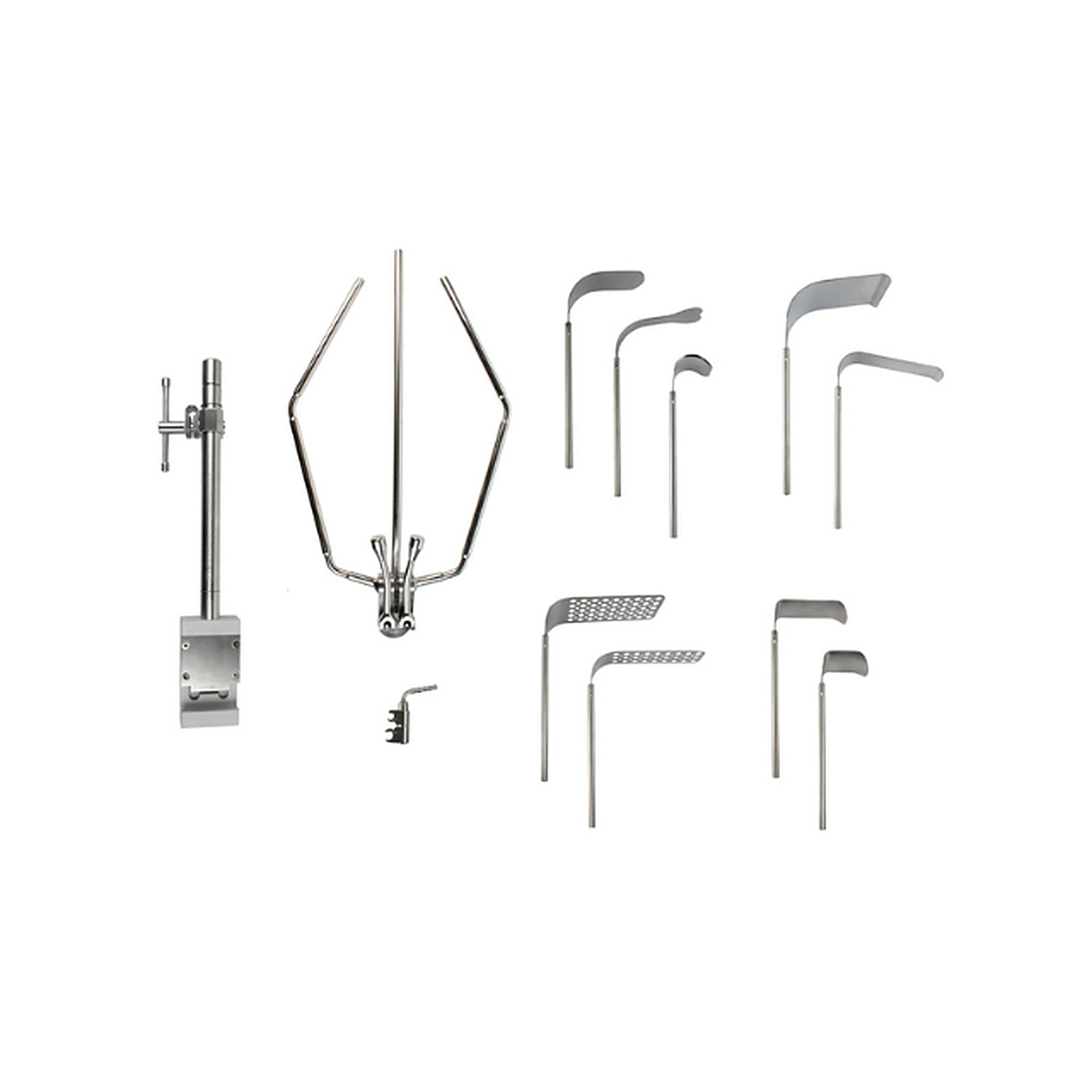 | نظام المبعد الجراحي العام Lobster General Retractor System | مصمم خصيصاً لتوفير تبعيد للأنسجة الرخوة وتعريض للمجال الجراحي بشكل ذاتي التثبيت ومثبت على الطاولة أثناء العمليات الجراحية العامة. |
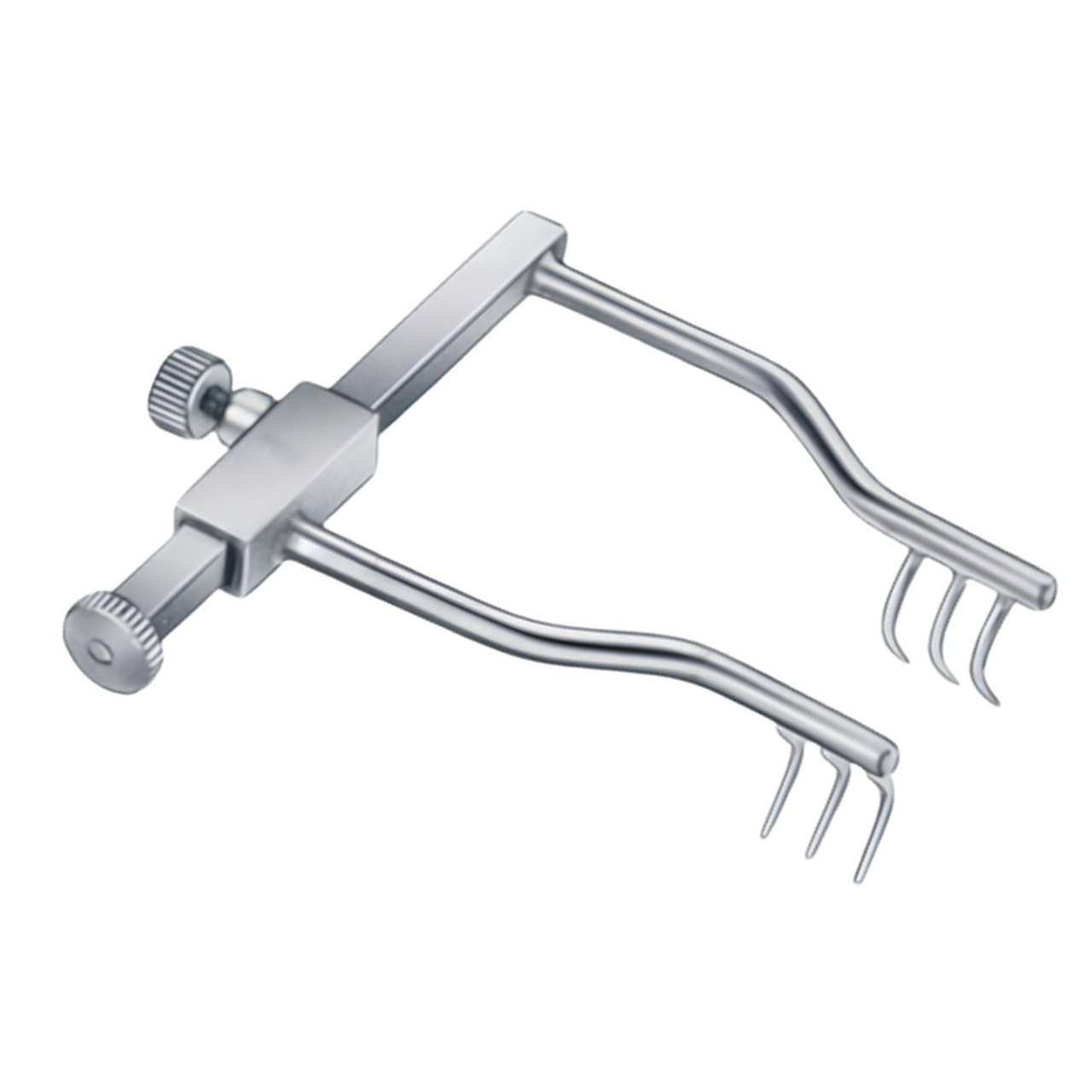 | Logan Wound Spreader (مبعد جروح لوجان) | مصمم خصيصاً لتوفير مباعدة ذاتية التثبيت لحواف الجلد والصفاق والعضلات أثناء الشقوق المجهرية. |
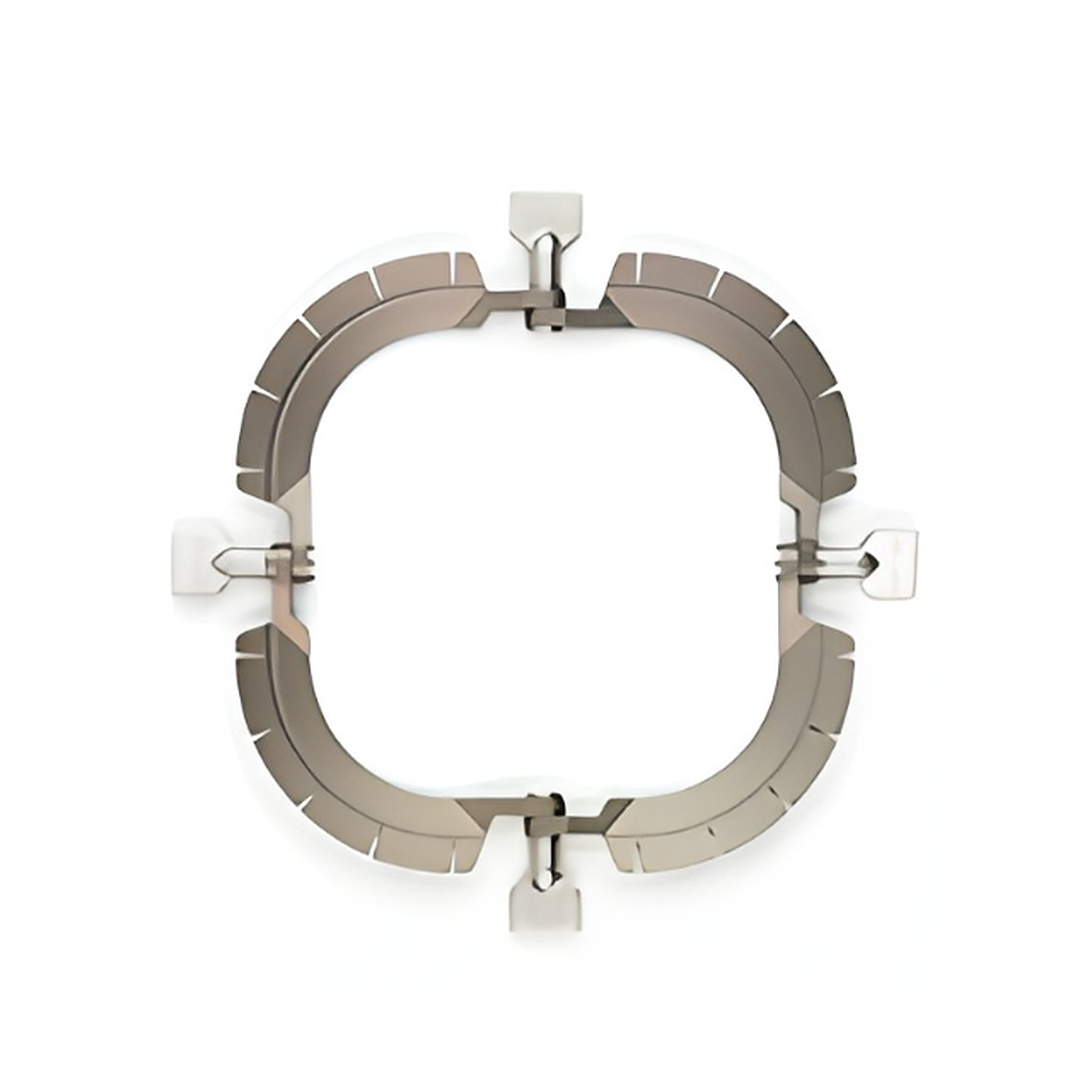 | Lone Star Retractor (Colon, Rectal, Head & Neck Surgeries) | مصمم خصيصاً لتوفير تبعيد ذاتي للأنسجة الرخوة دون استخدام اليدين وكشف الحقل الجراحي في جراحات القولون والمستقيم والرأس والرقبة. |
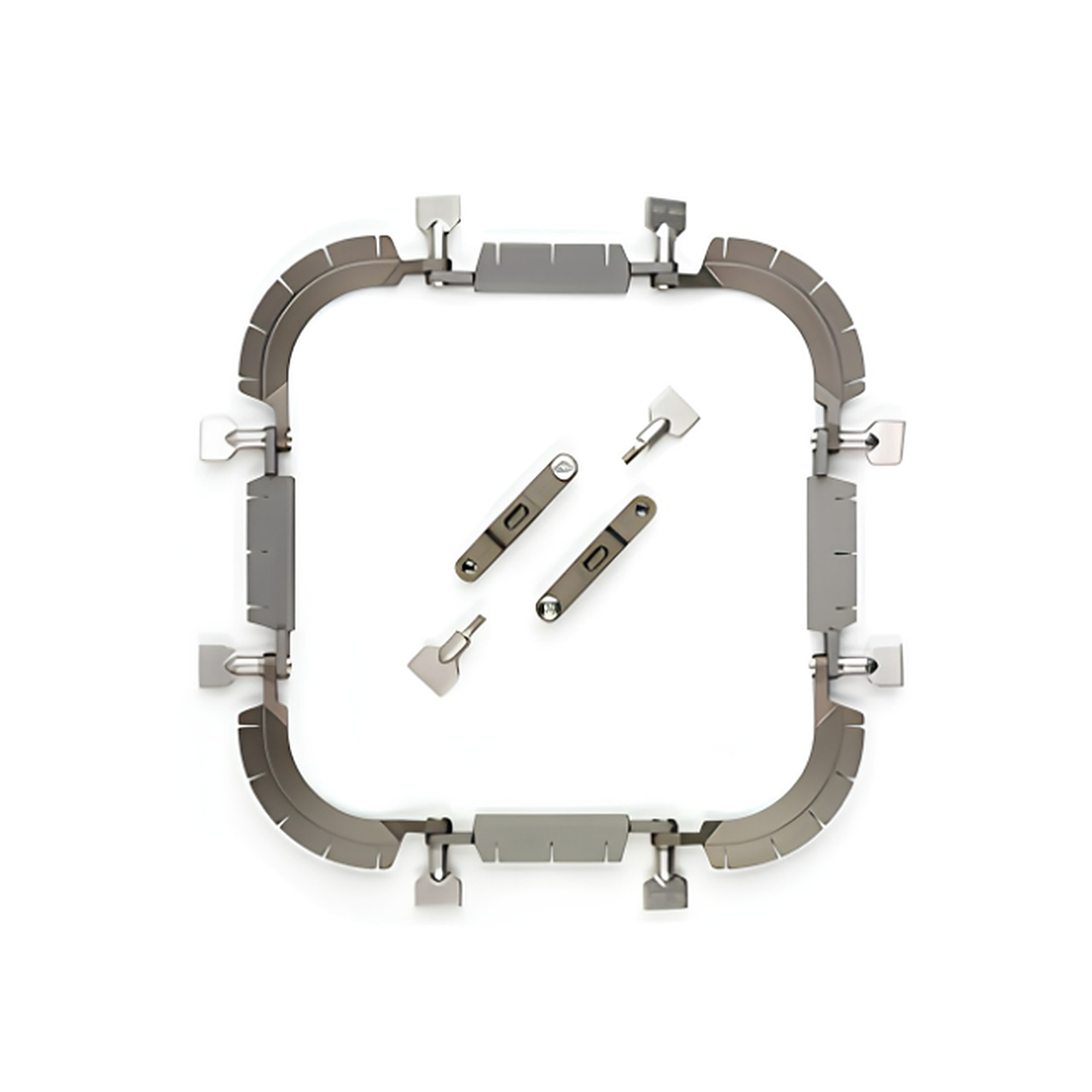 | مُبعّد Lone Star Retractor (الجراحة العامة وجراحات الرأس والرقبة) | مصمم لتوفير تبعيد ذاتي للأنسجة الرخوة دون استخدام اليدين وكشف المجال الجراحي في إجراءات الجراحة العامة وجراحات الرأس والرقبة. |
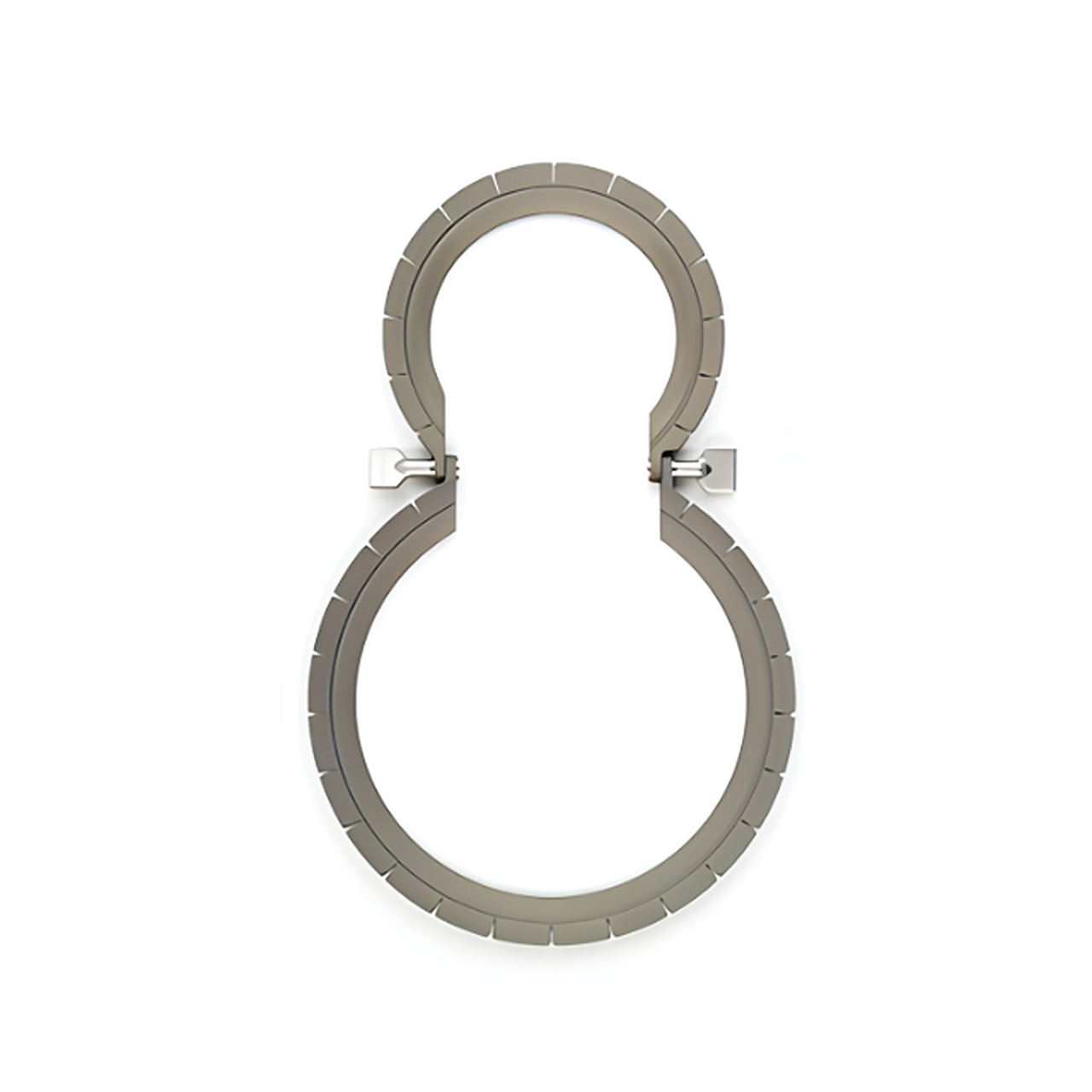 | مُبعّد Lone Star Retractor (لأمراض النساء والمسالك البولية للرجال) | مُصمم خصيصاً لتوفير تبعيد ذاتي الثبات للأنسجة الرخوة ورؤية كاملة للمجال الجراحي في إجراءات أمراض النساء والمسالك البولية للرجال. |
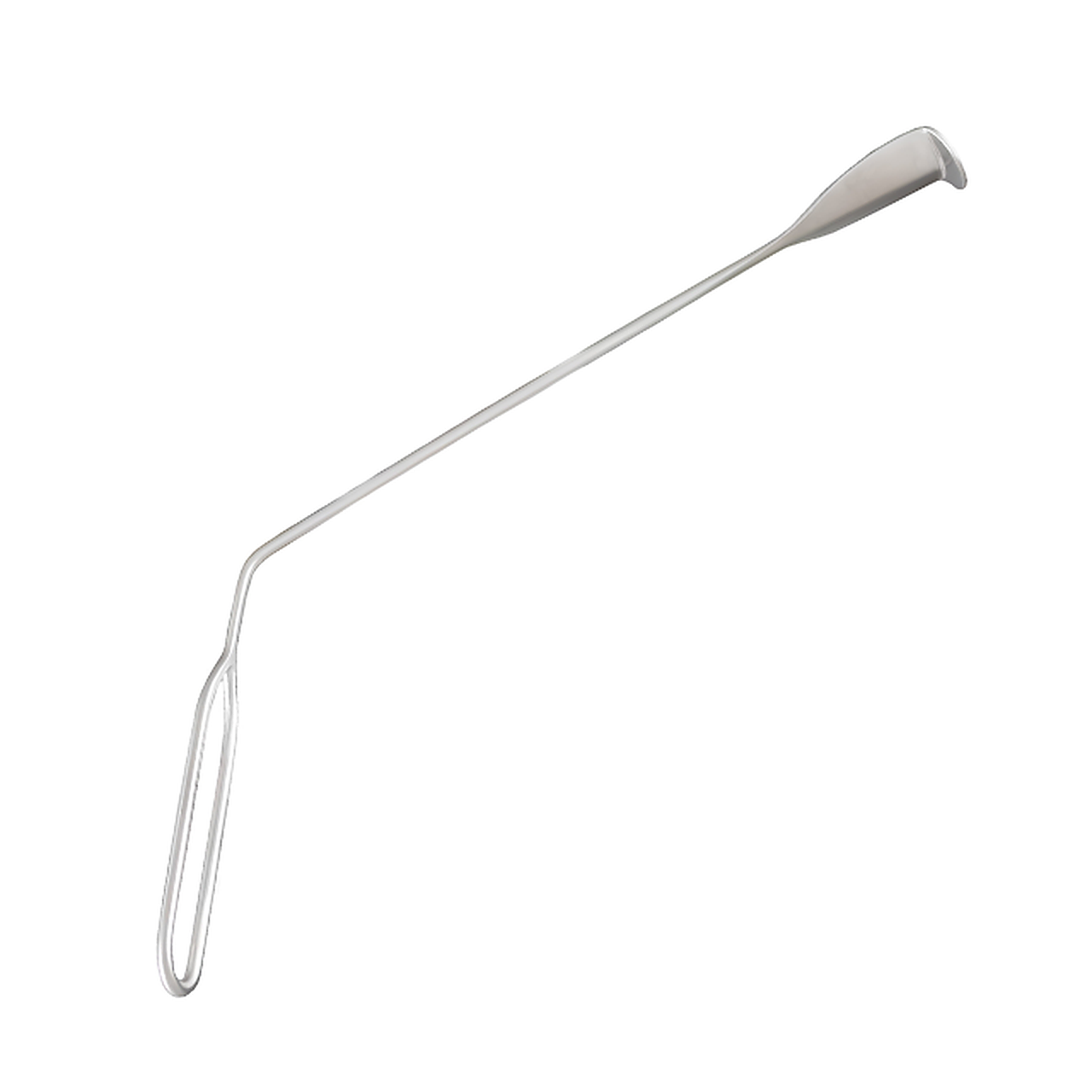 | مُباعد اللهاة Lothrop Uvula Retractor | مصمم خصيصاً لإبعاد ورفع اللهاة والحنك الرخو أثناء استئصال اللحمية وجراحات البلعوم. |
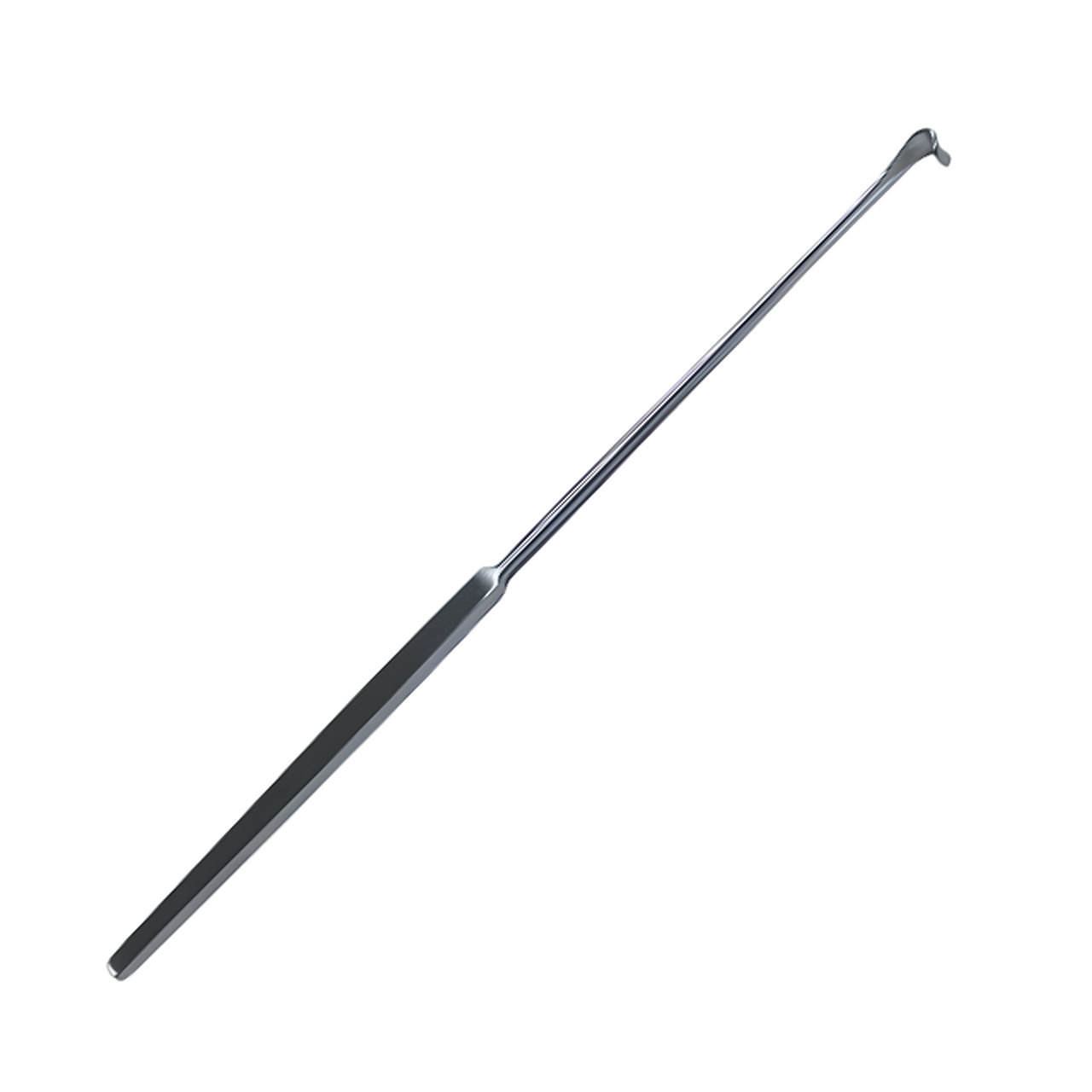 | Love Nerve Root Retractor | مصمم خصيصًا لإبعاد وحماية جذور الأعصاب الشوكية والكيس الجافي أثناء عمليات استئصال القرص القطني وتخفيف الضغط. |
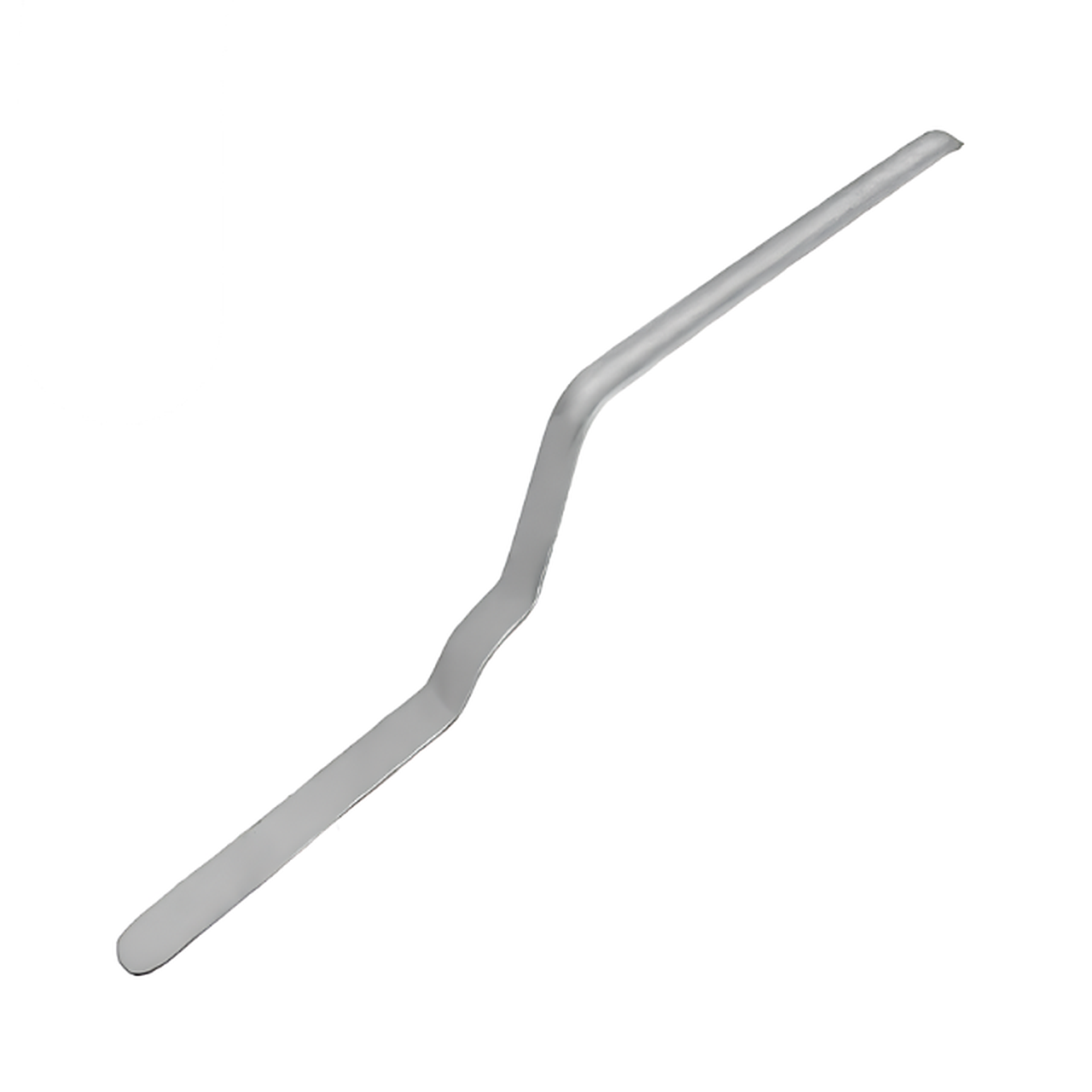 | مبعد جذور الأعصاب Love | مصمم خصيصاً لإبعاد جذور الأعصاب والكيس القرابي مع الحفاظ على خط الرؤية تحت مجاهر الجراحة. |
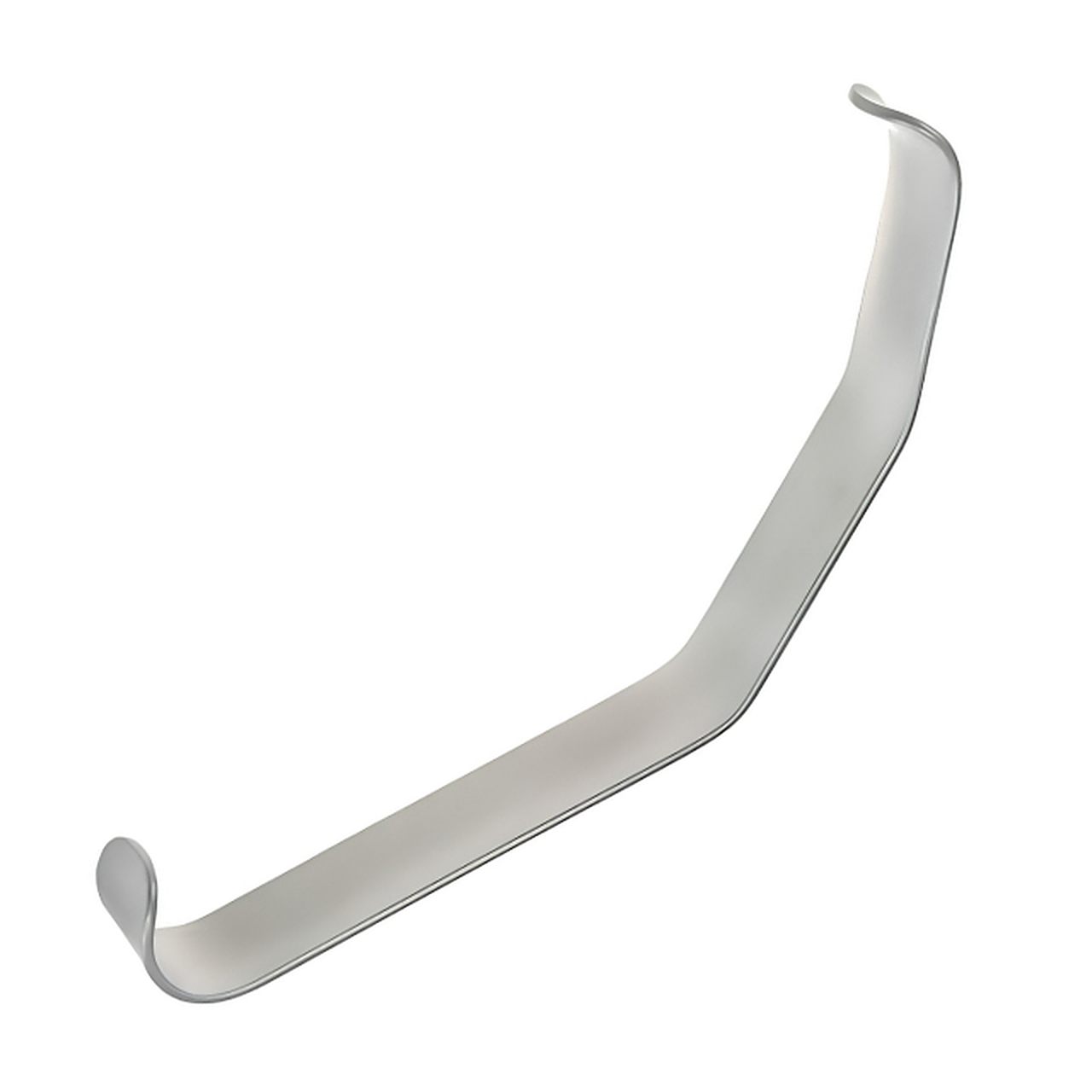 | مُبَعِّد اللهاة Love Uvula Retractor | مصمم خصيصاً لإبعاد ورفع اللهاة والحنك الرخو أثناء استئصال اللحمية وجراحات البلعوم. |
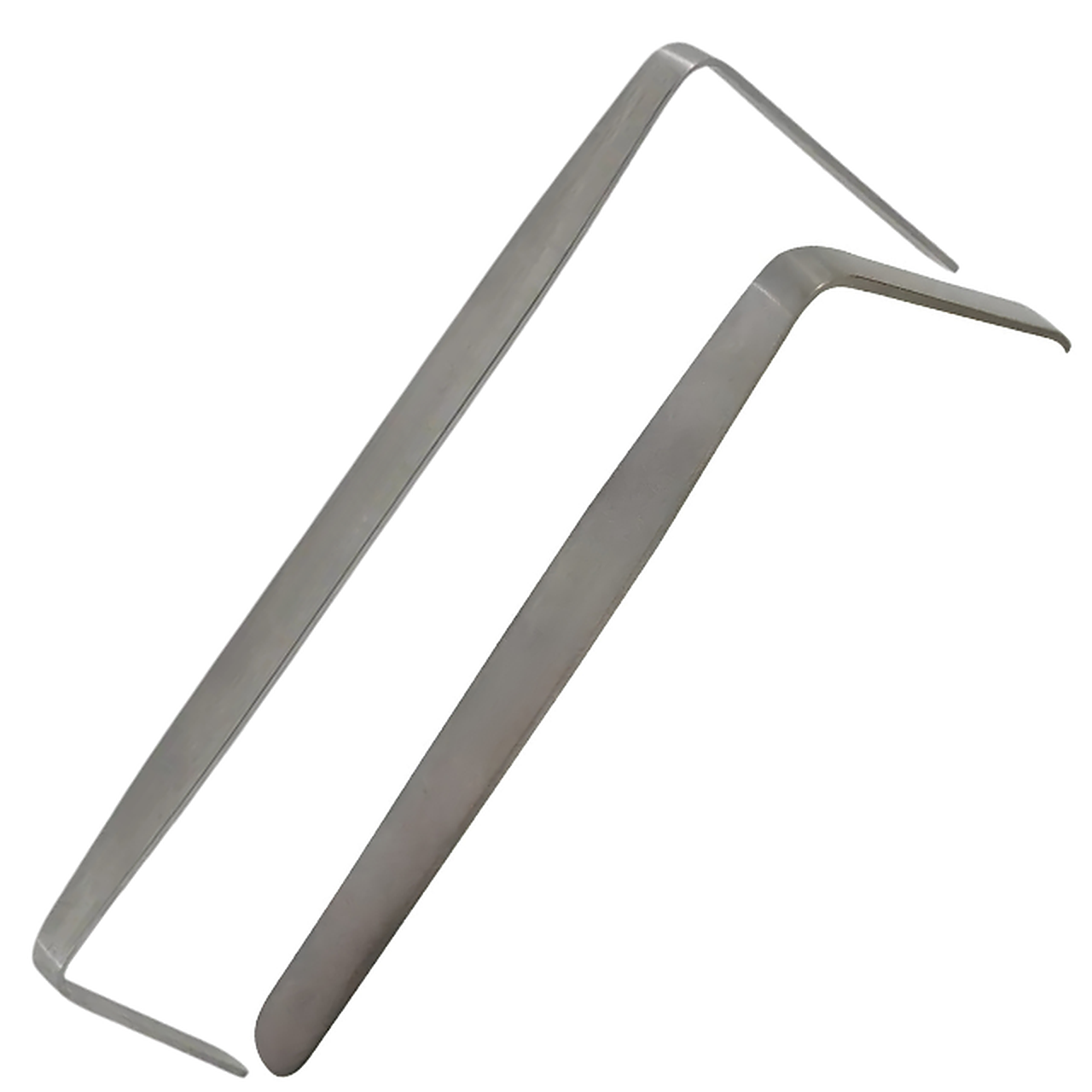 | مُبعّد القدم والكاحل منخفض البروز (Low Profile Foot and Ankle Retractor) | مصمم خصيصاً لرفع العظام الصغيرة وإبعاد الأنسجة الرخوة أثناء جراحات إعادة بناء القدم والكاحل وجراحة القدم التخصصية. |
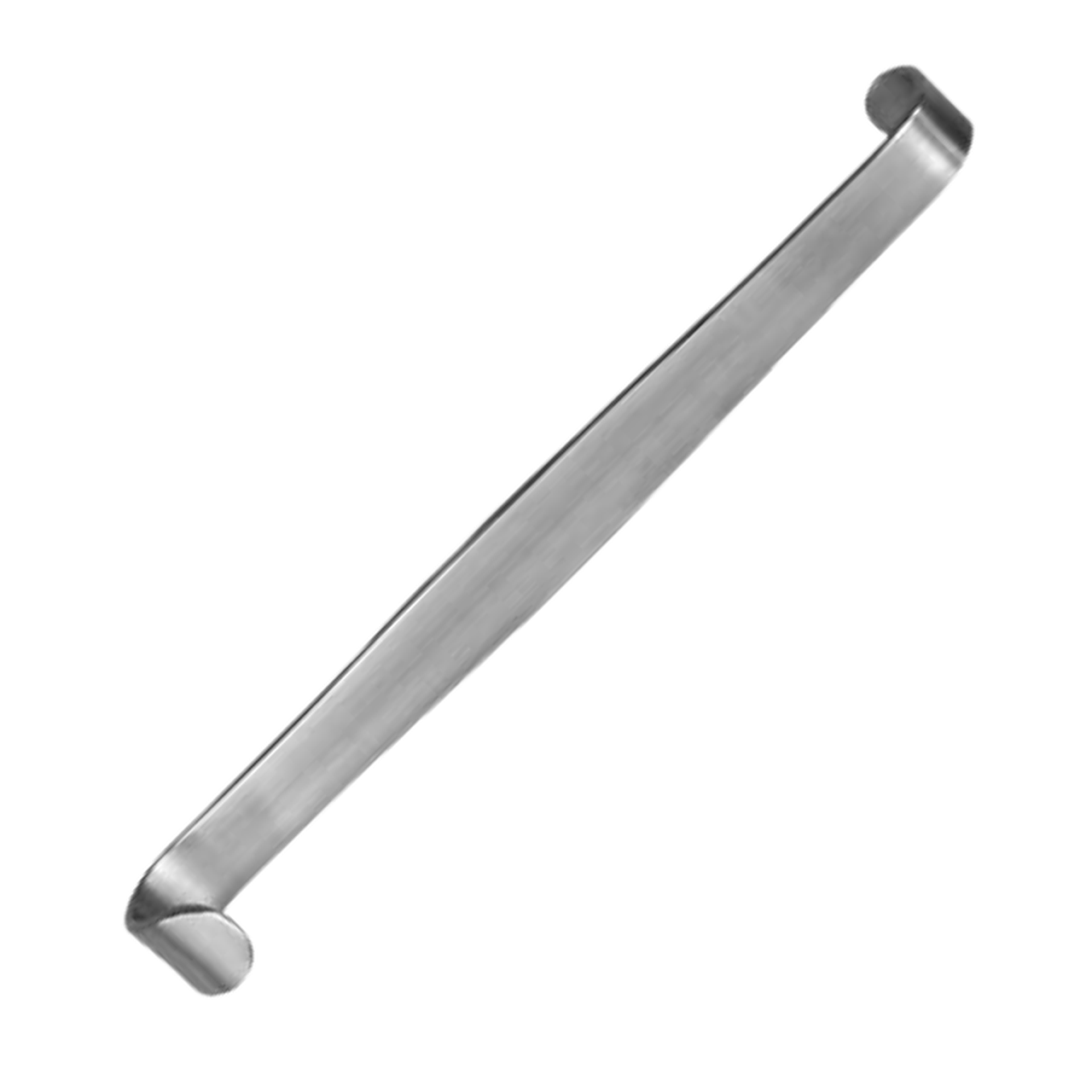 | مبعد الرغامي Luer S Trachea Retractor | مصمم خصيصاً لإبعاد الأنسجة أمام الرغامي ورفع الحلقات الرغامية أثناء فغر الرغامي وجراحات العنق. |
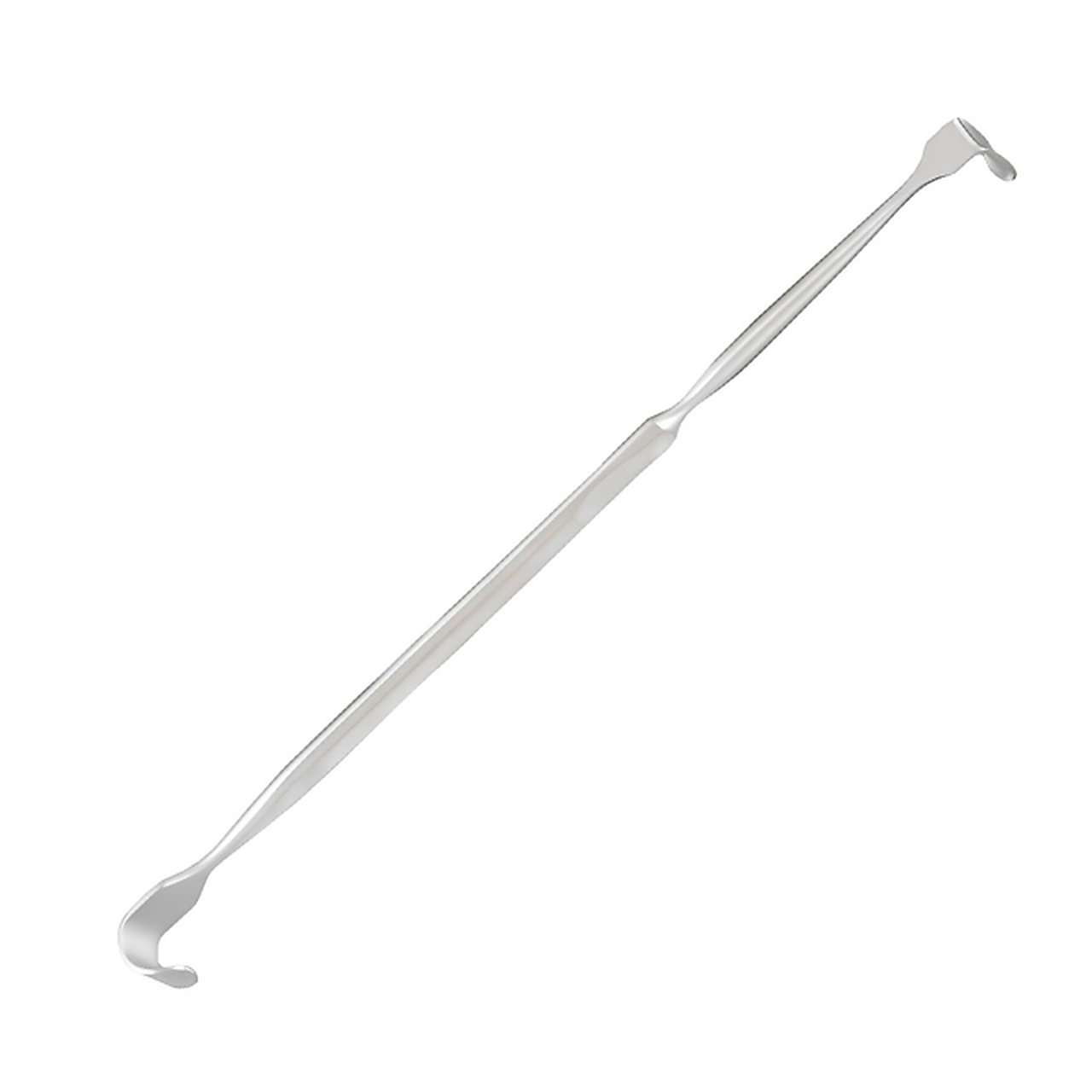 | Lukens Tracheal Retractor | مصمم خصيصًا لإبعاد الأنسجة أمام الرغامى ورفع الرغامى أثناء عمليات فغر الرغامى وإجراءات مجرى الهواء. |
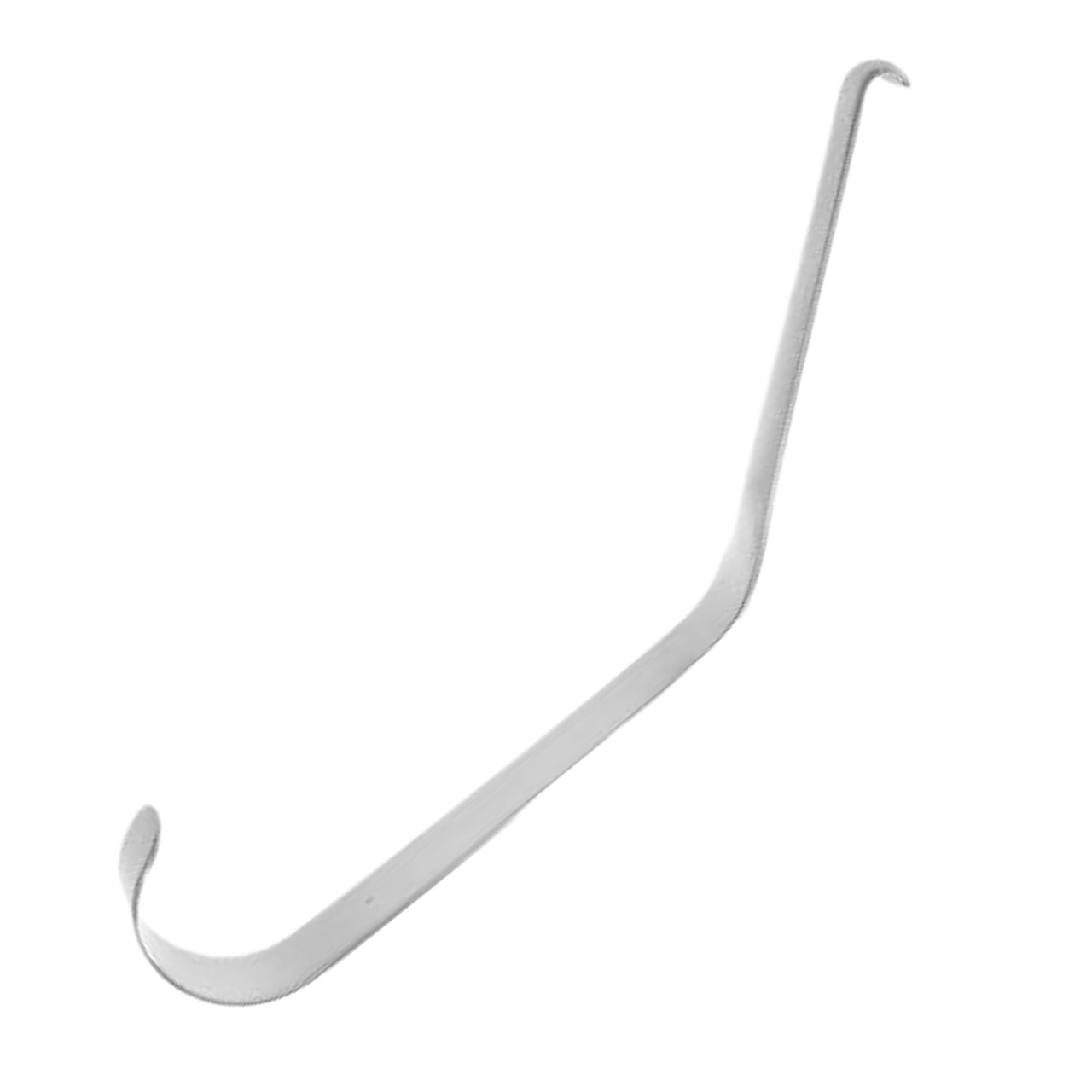 | مُبعّد القناة الفكية - Mandibular Channel Retractor | مصمم خصيصاً للالتفاف فوق الحافة السفلية للفك السفلي وحماية الهياكل العصبية الوعائية أثناء قطع العظم. |
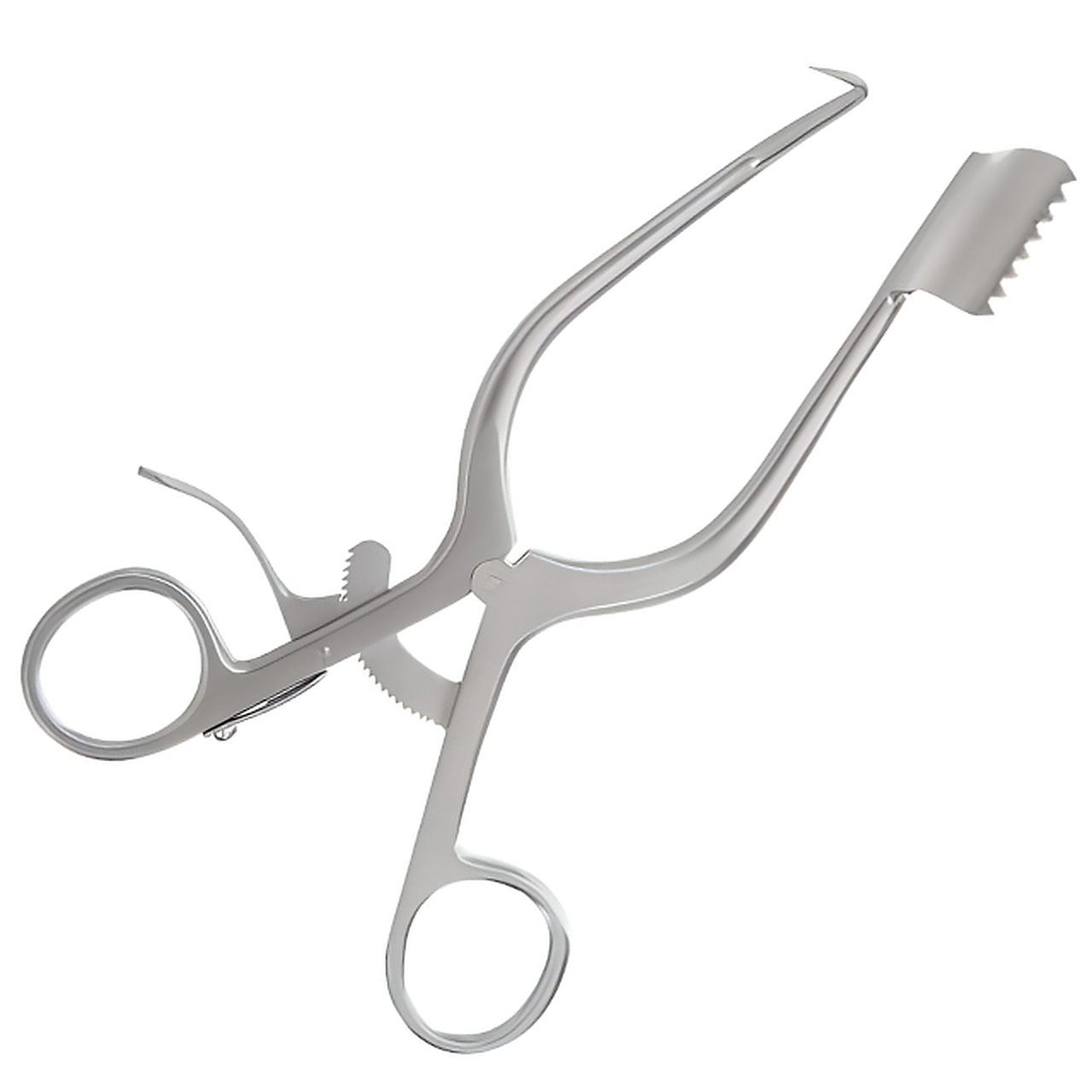 | مبعد Markham-Meyerding Hemilaminextomy Retractor | مصمم خصيصاً لتوفير تبعيد ذاتي التثبيت للعضلات المجاورة للفقرات وتثبيت النتوء الشوكي أثناء استئصال نصف القوس الفقري. |
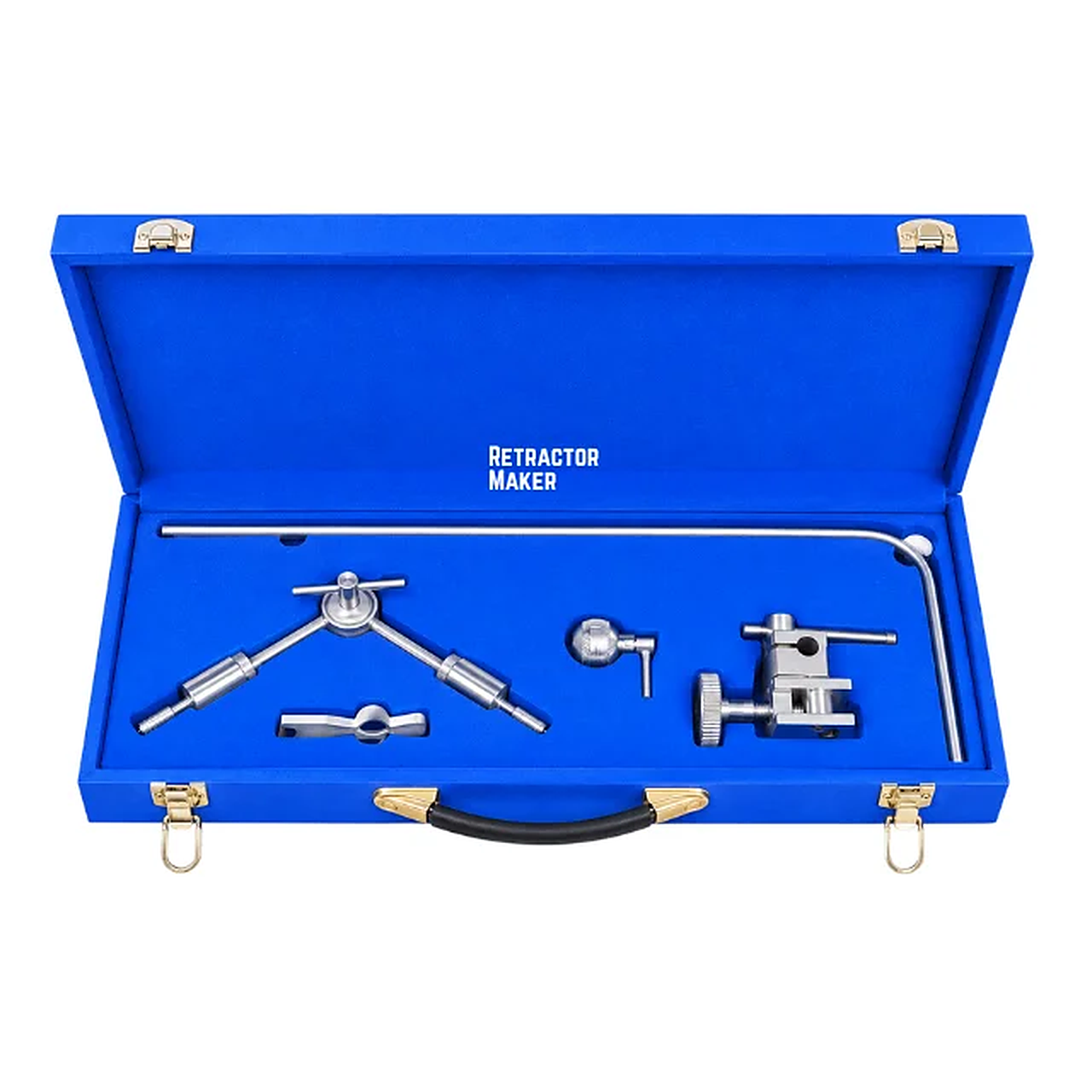 | مُبعِّد ذراع Martin Arm Retractor | يُثبت مباشرة على السكك الجانبية لطاولة العمليات لتوفير إمساك وتموضع صلب وذاتي للمبعّدات والمناظير الجراحية. |
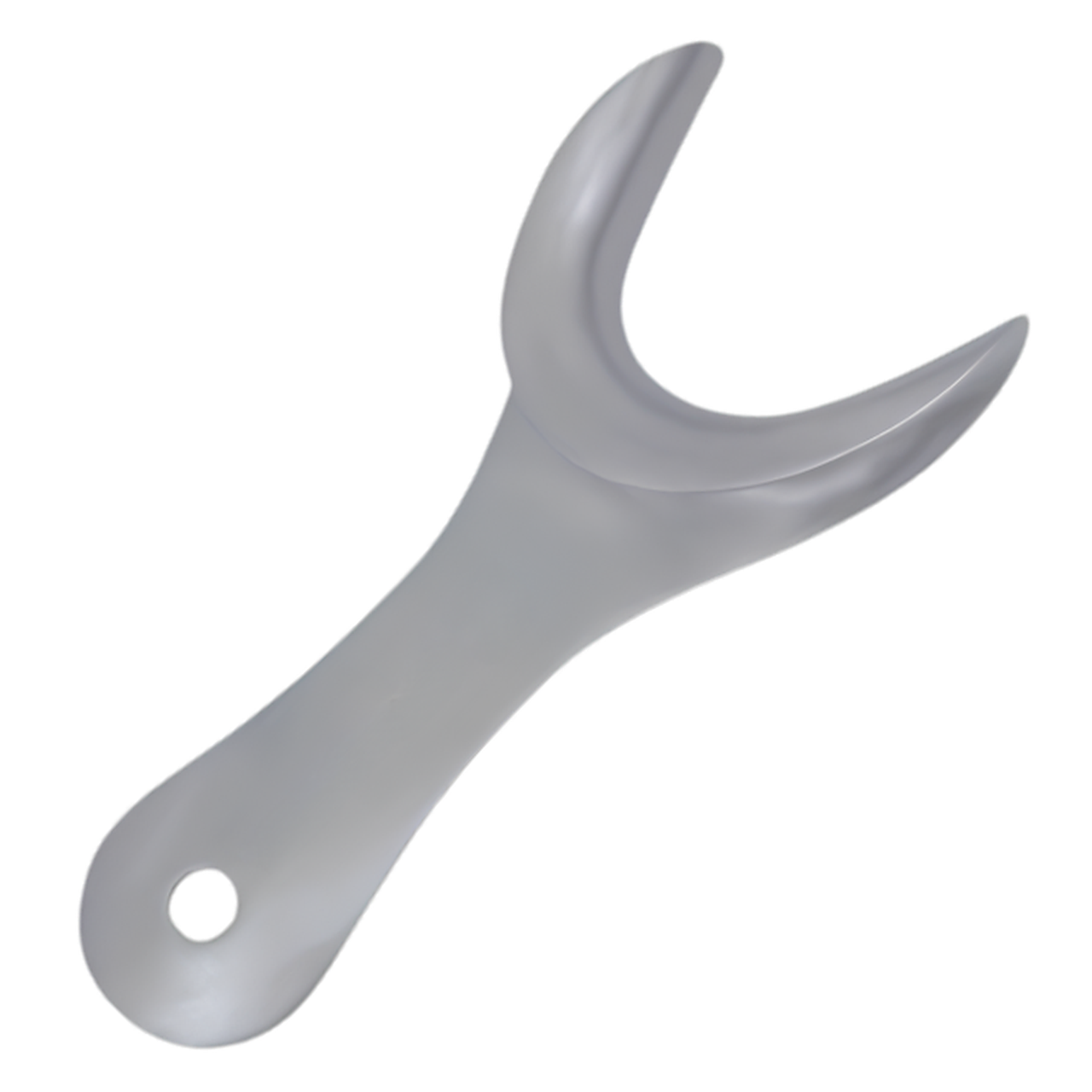 | مبعد الخد والشفاه Martin-Simplex Cheek and Lip Retractor | مصمم خصيصاً لإبعاد الخدين والشفاه أثناء جراحات الأسنان والنتوء السنخي وجراحات الفم. |
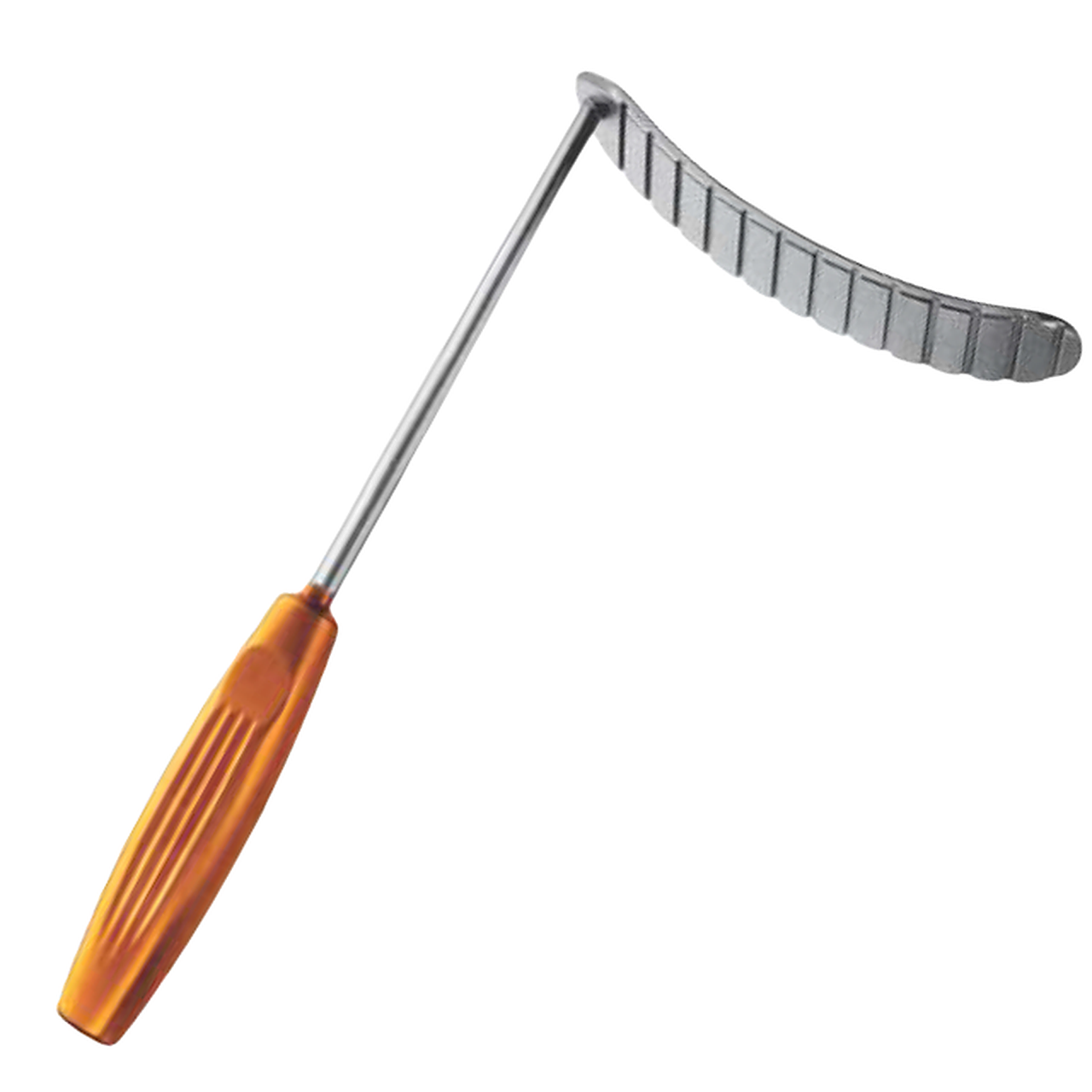 | Marx Breast Retractor | مصمم خصيصاً لرفع الشرائح النسيجية وإنشاء جيوب تحت العضلات أو تحت الغدد أثناء جراحات الثدي. |
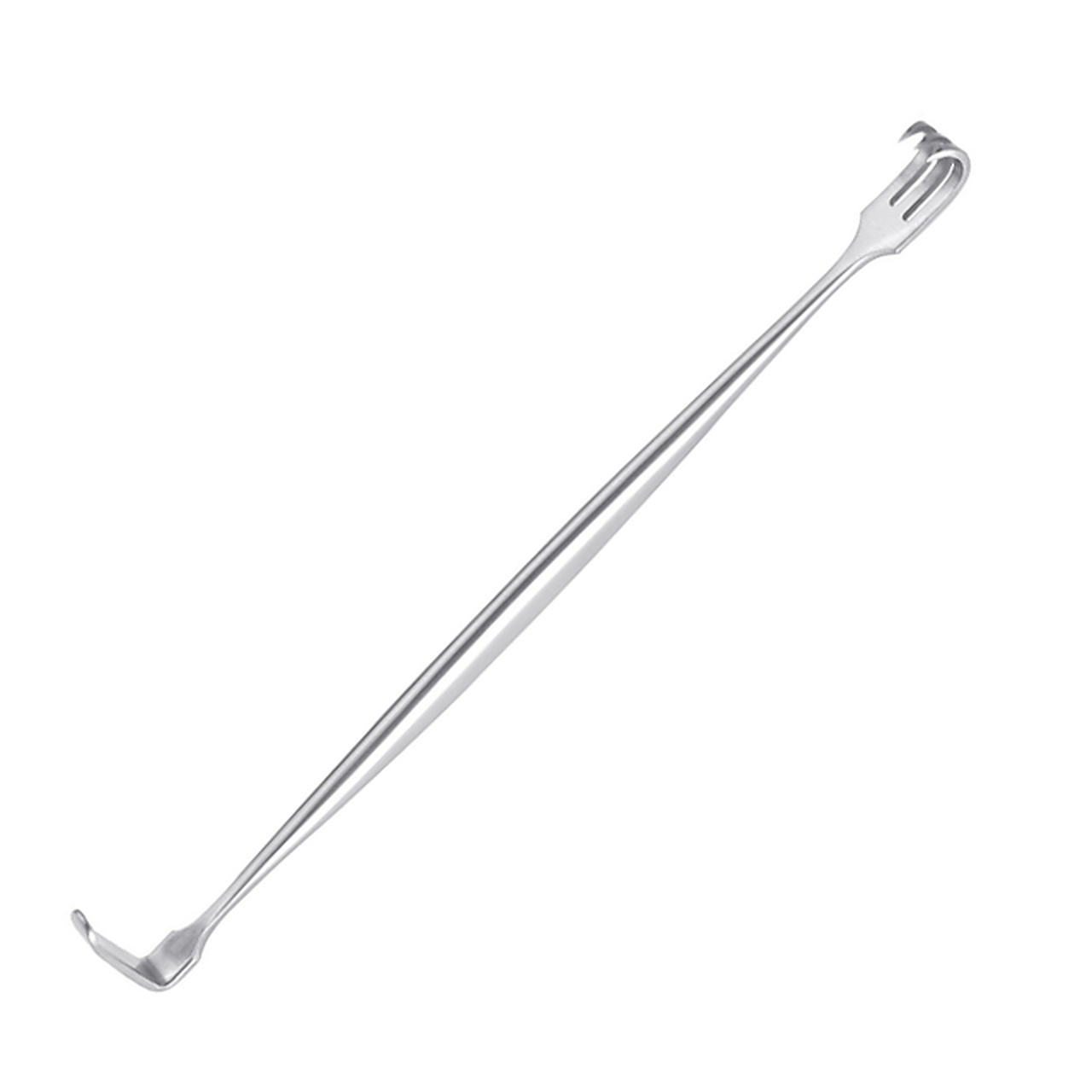 | مُباعد الأصابع Mathieu Finger Retractor | مصمم خصيصاً لمباعدة اللوحات الجلدية، والحواف الجلدية، والأوتار أثناء جراحات اليد والأصابع والجراحة التجميلية. |
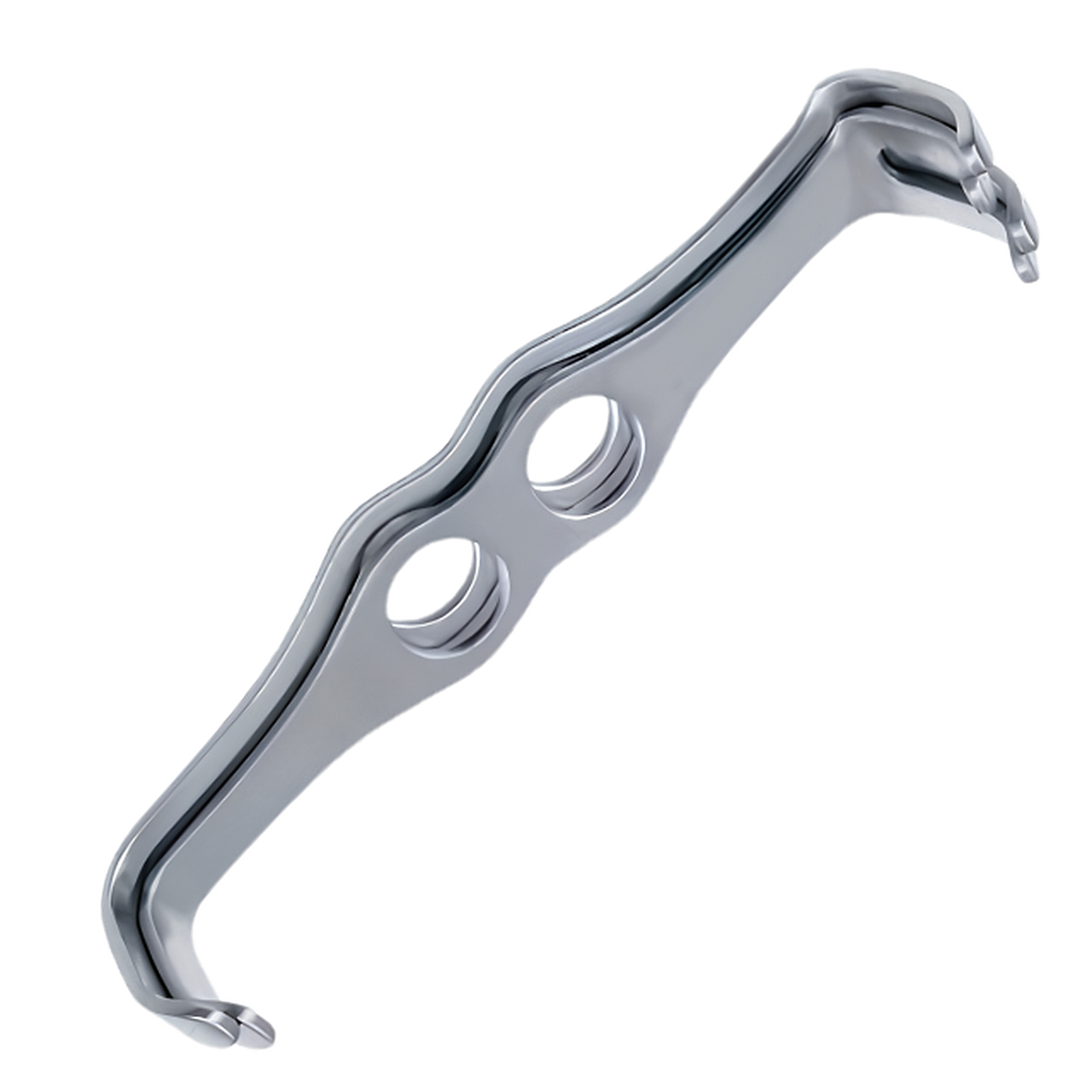 | Mathieu Retractor | مصمم خصيصاً لإبعاد حواف الجلد واللفافة والأنسجة الرخوة عبر الشقوق الجراحية السطحية والمتوسطة. |
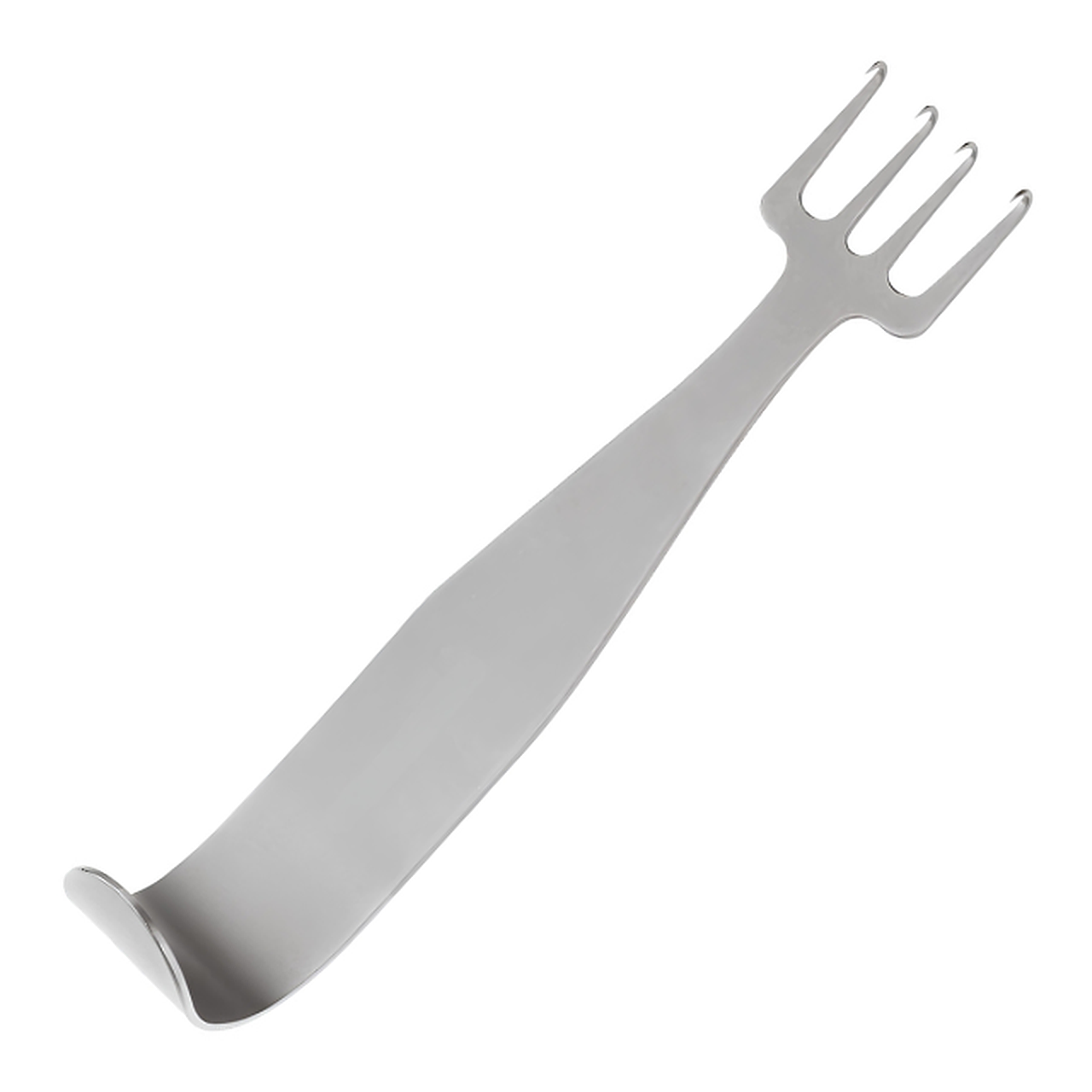 | مبعد Maxwell Flap Retractor | مصمم خصيصًا لرفع وإبعاد اللوحات الجلدية والأنسجة تحت الجلدية أثناء جراحات التجميل والوجه والترميم. |
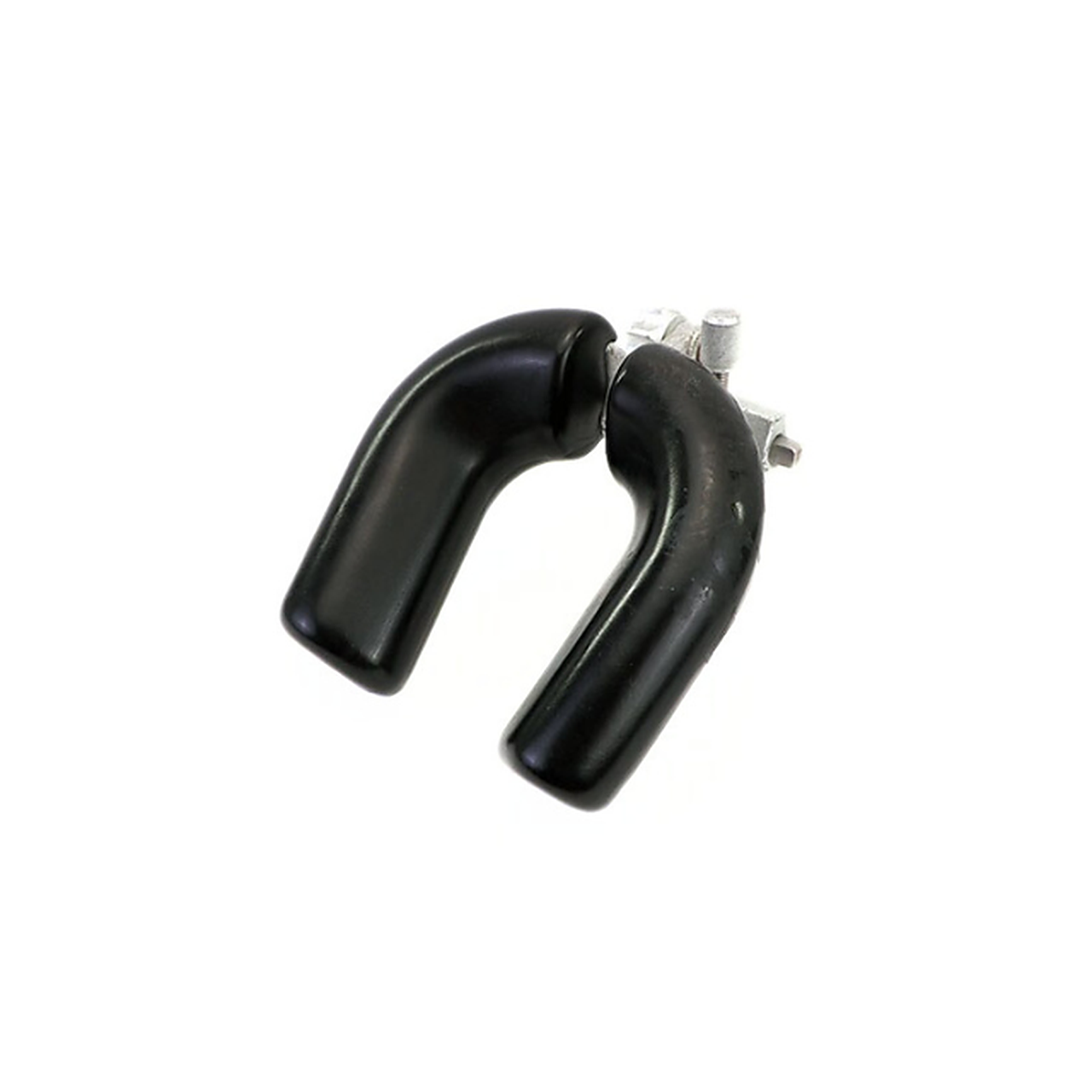 | Mayfield Headrest | مصمم خصيصاً لتوفير دعم مستقر وغير بضعي للرأس وتوزيع متساوٍ للضغط أثناء جراحات الأعصاب والعمود الفقري والأنف والأذن والحنجرة والعيون عندما لا يكون التثبيت الصارم بالدبابيس مطلوباً. |
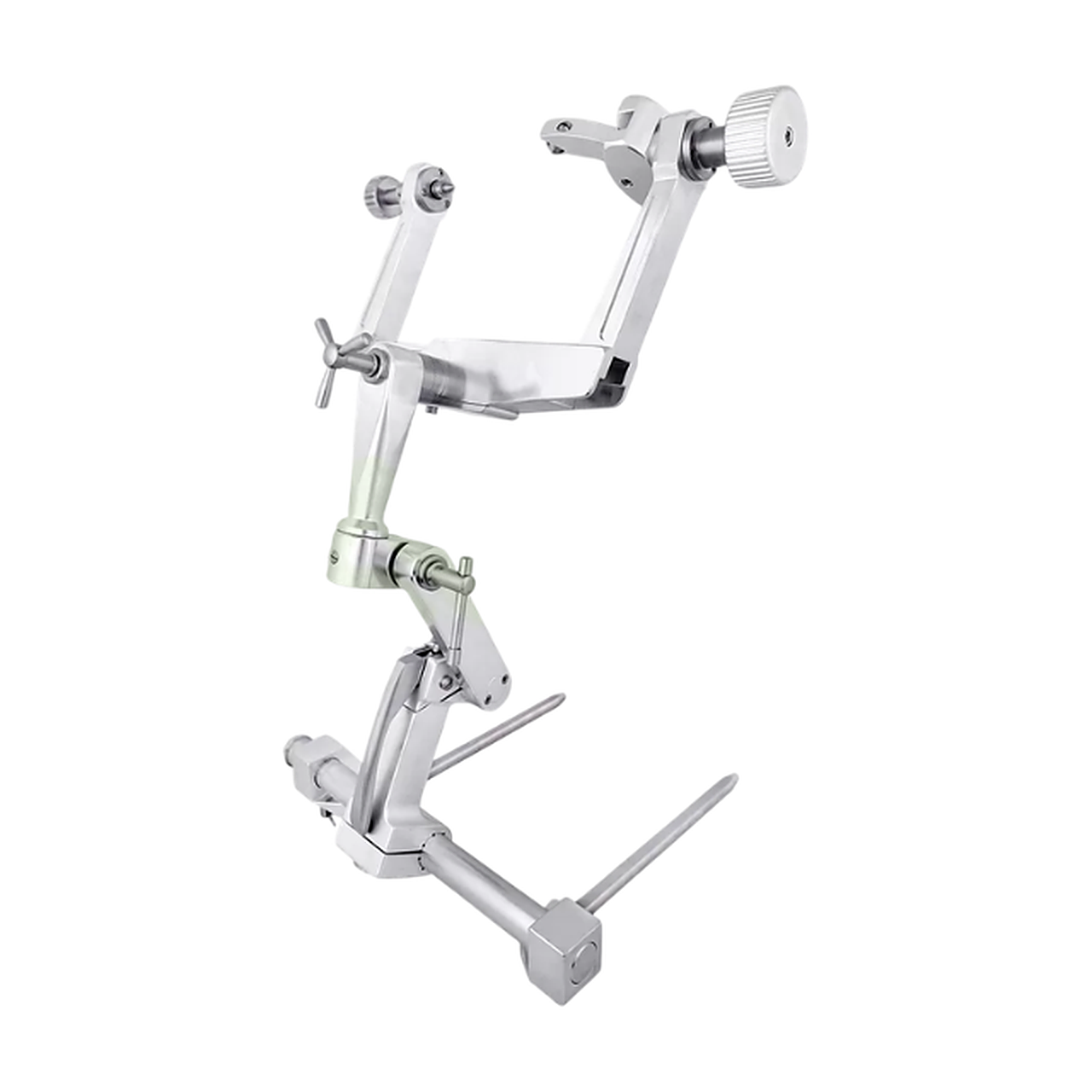 | ملزمة Mayfield لجمجمة الرأس | مصممة لتوفير تثبيت قحفي صلب بـ 3 دبابيس وشل حركة الرأس أثناء جراحات الأعصاب، والعمود الفقري، والأنف والأذن والحنجرة، وجراحات العيون. |
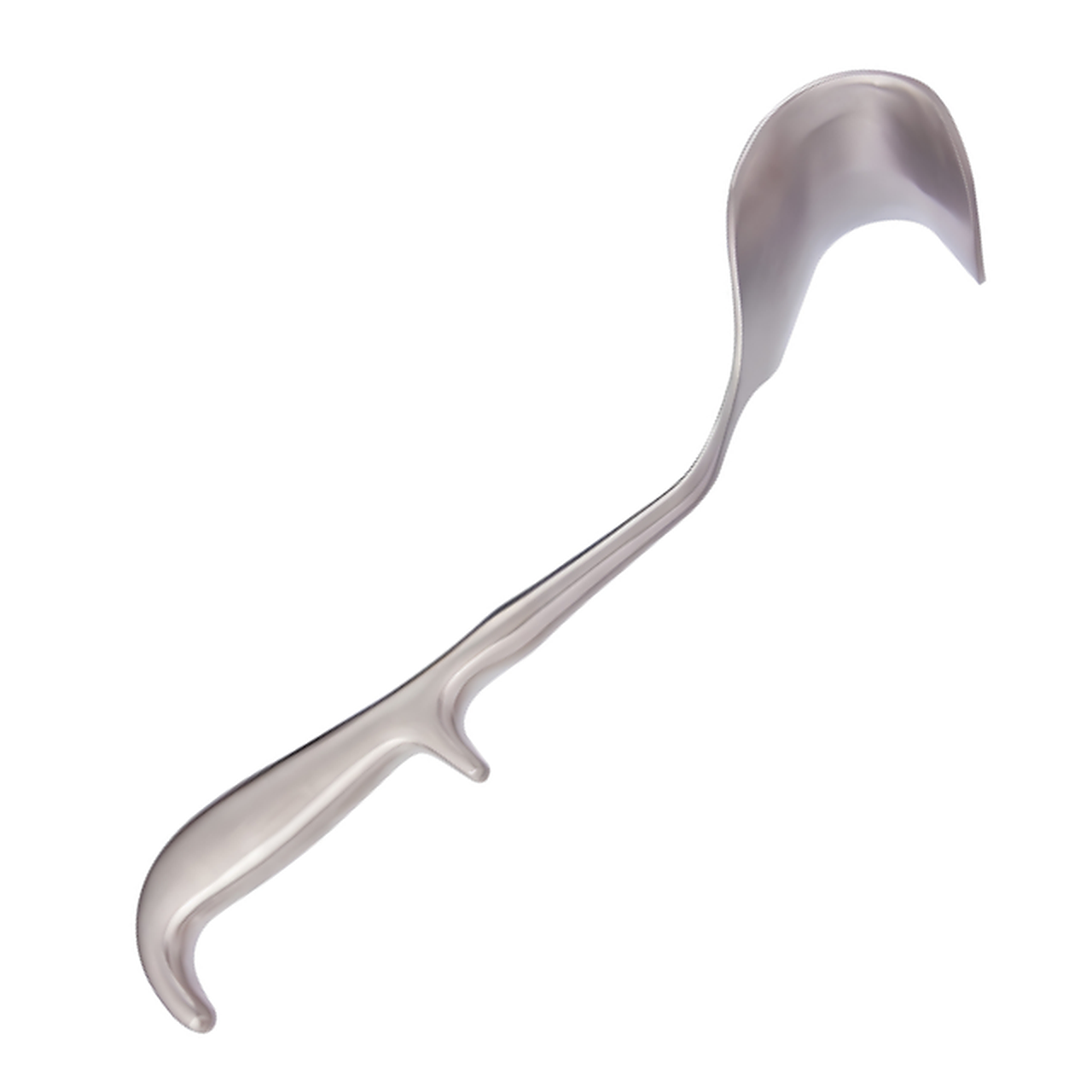 | مُبعّد Mayo البطني | مصمم خصيصاً لإبعاد جدار البطن والأحشاء والعضلات السميكة أثناء جراحات فتح البطن والحوض المفتوحة. |
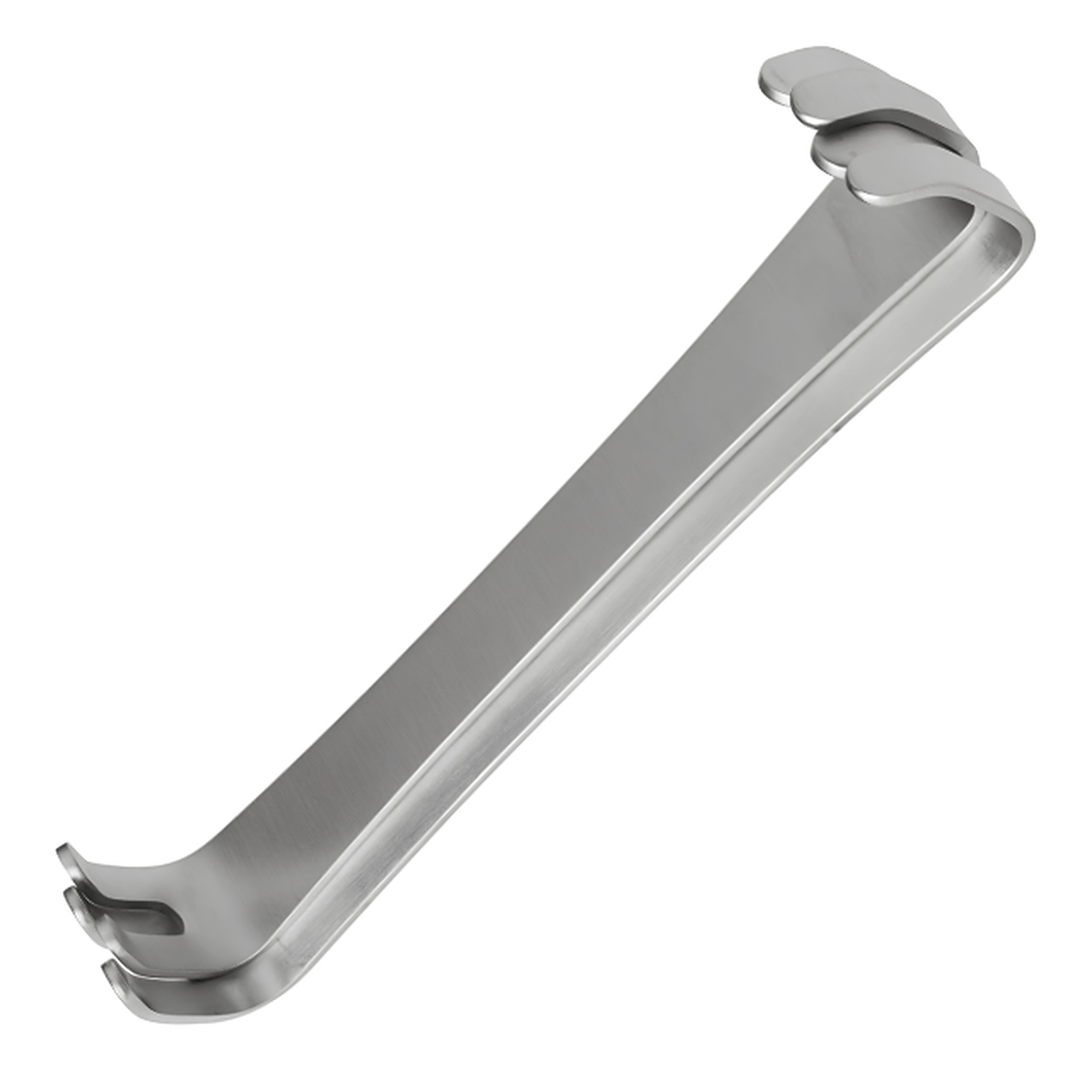 | مباعد Mayo-Collins - طقم من قطعتين | مصمم خصيصاً لتبعيد الجلد واللفافة والأنسجة الرخوة عبر الشقوق الجراحية السطحية والمتوسطة. |
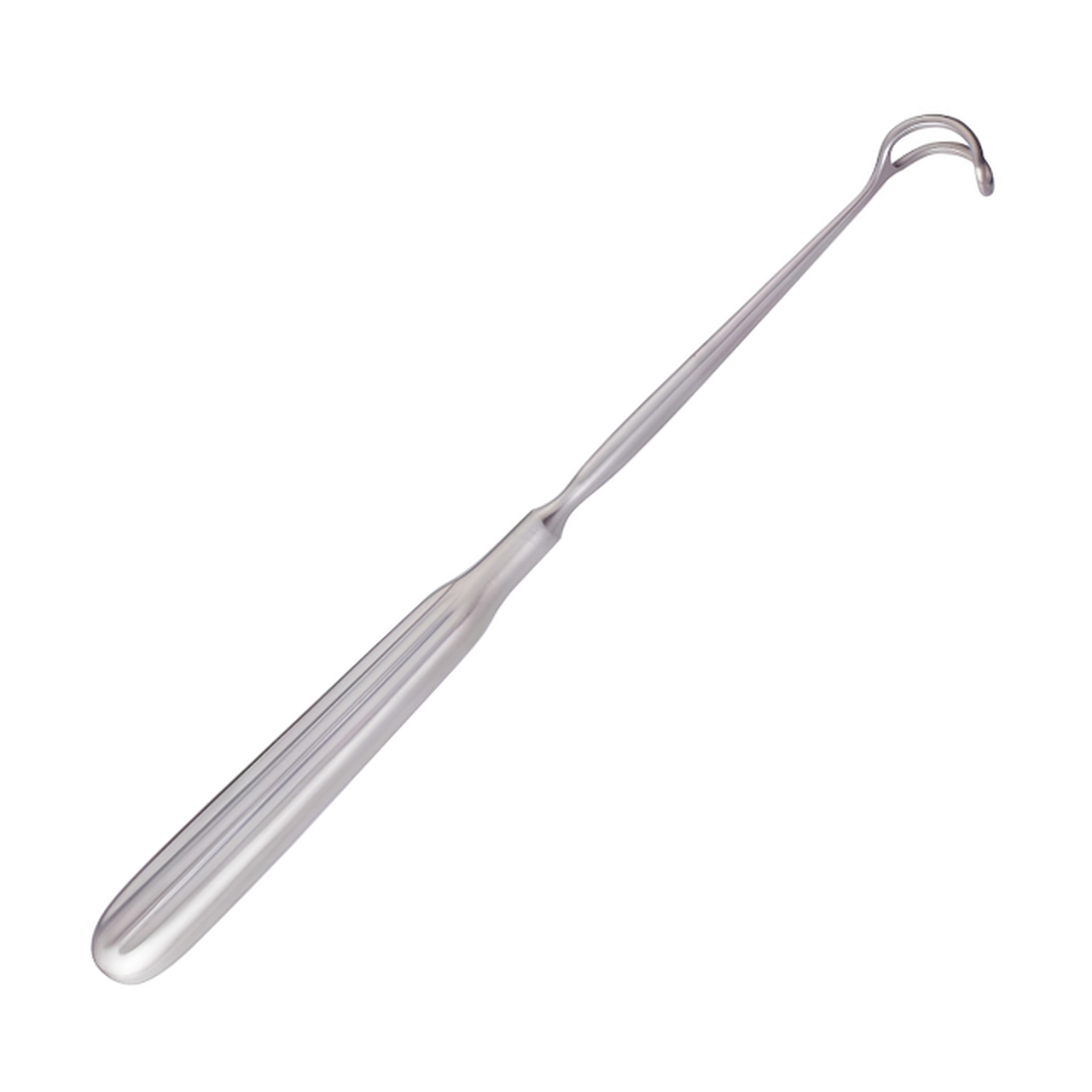 | McBurney Thyroid Retractor | مصمم خصيصاً لإبعاد عضلات الرقبة، واللفافة العنقية، وحواف الجروح أثناء استئصال الغدة الدرقية وجراحة جارات الدرقية. |
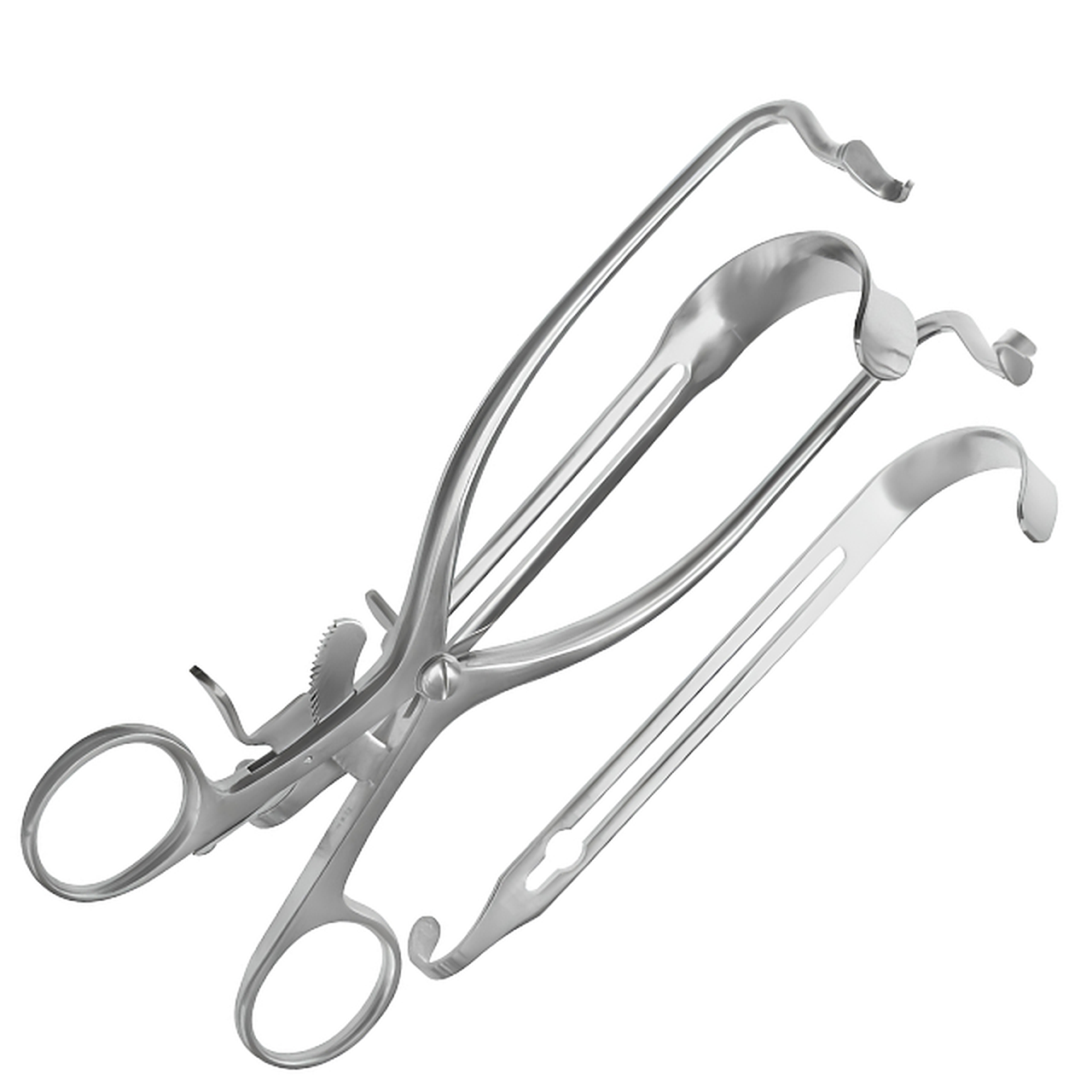 | McCabe Antral Retractor | مصمم خصيصاً لتبعيد الخد والشفة العليا أثناء جراحة الجيب الفكي وإجراءات كولدويل-لوك. |
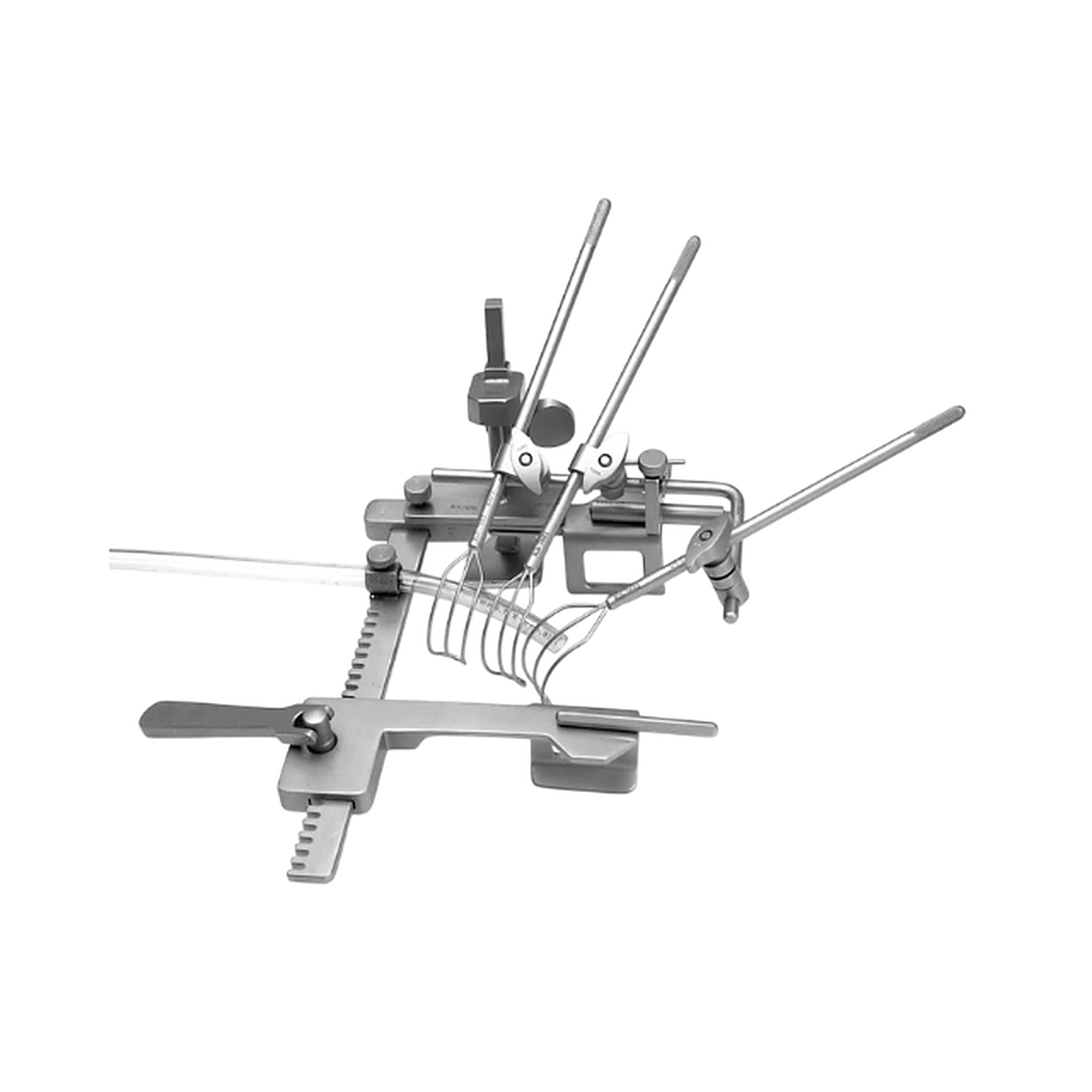 | McCarthy Mini-Sternotomy Retractor with Universal Lift | مصمم خصيصاً لتوفير توسيع مستقر للقص ورفع الجانب الأيسر منه أثناء عمليات الصمامات، وإجراءات المتاهة (Maze)، وعمليات بضع القص المصغر، والإجراءات داخل القلب. |
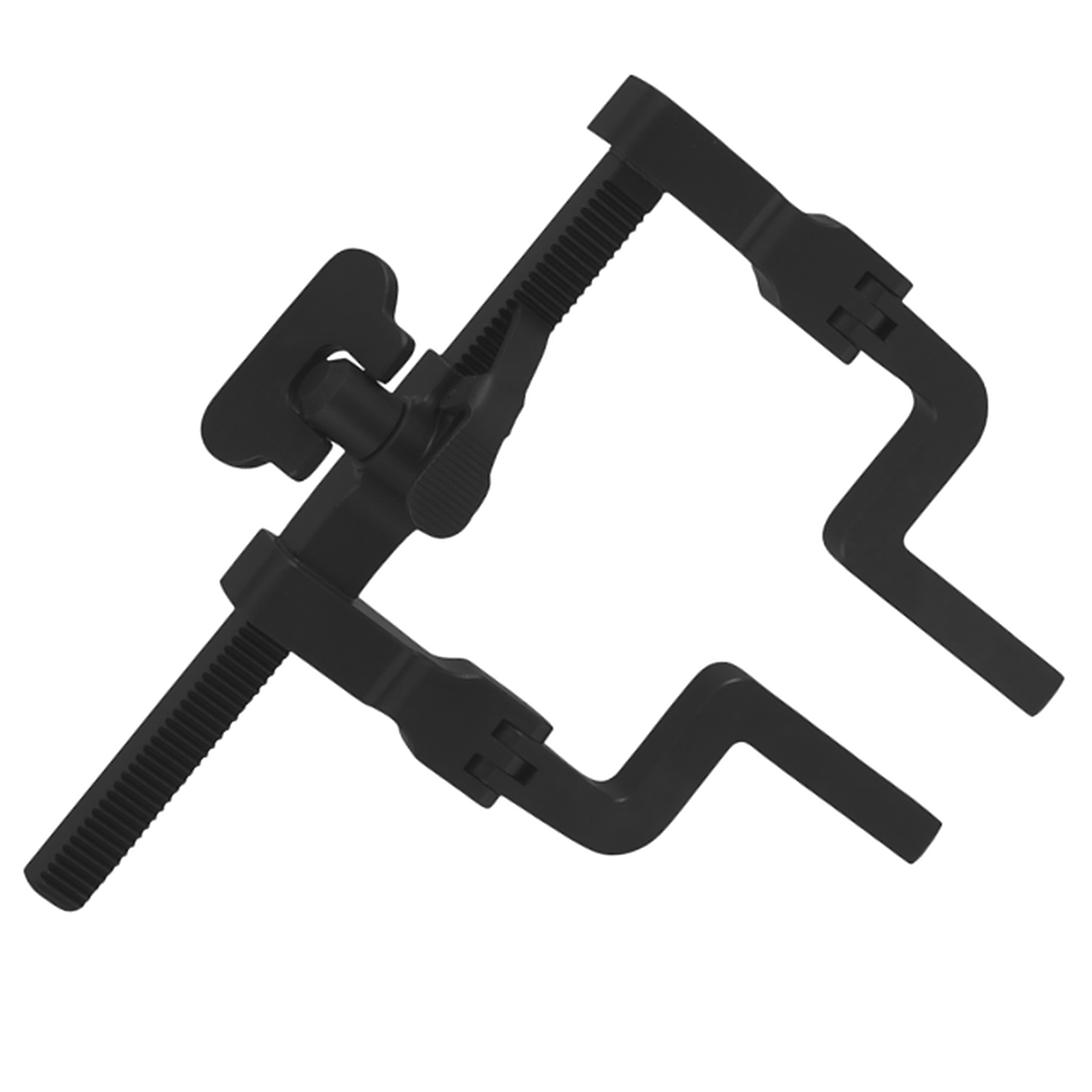 | إطار مبعد McCulloch-Type Microdiscectomy الصلب | مصمم خصيصًا ليعمل كإطار قاعدي ذاتي الثبات لتركيب الشفرات والخطاطيف المعيارية أثناء عمليات استئصال القرص المجهري القطني. |
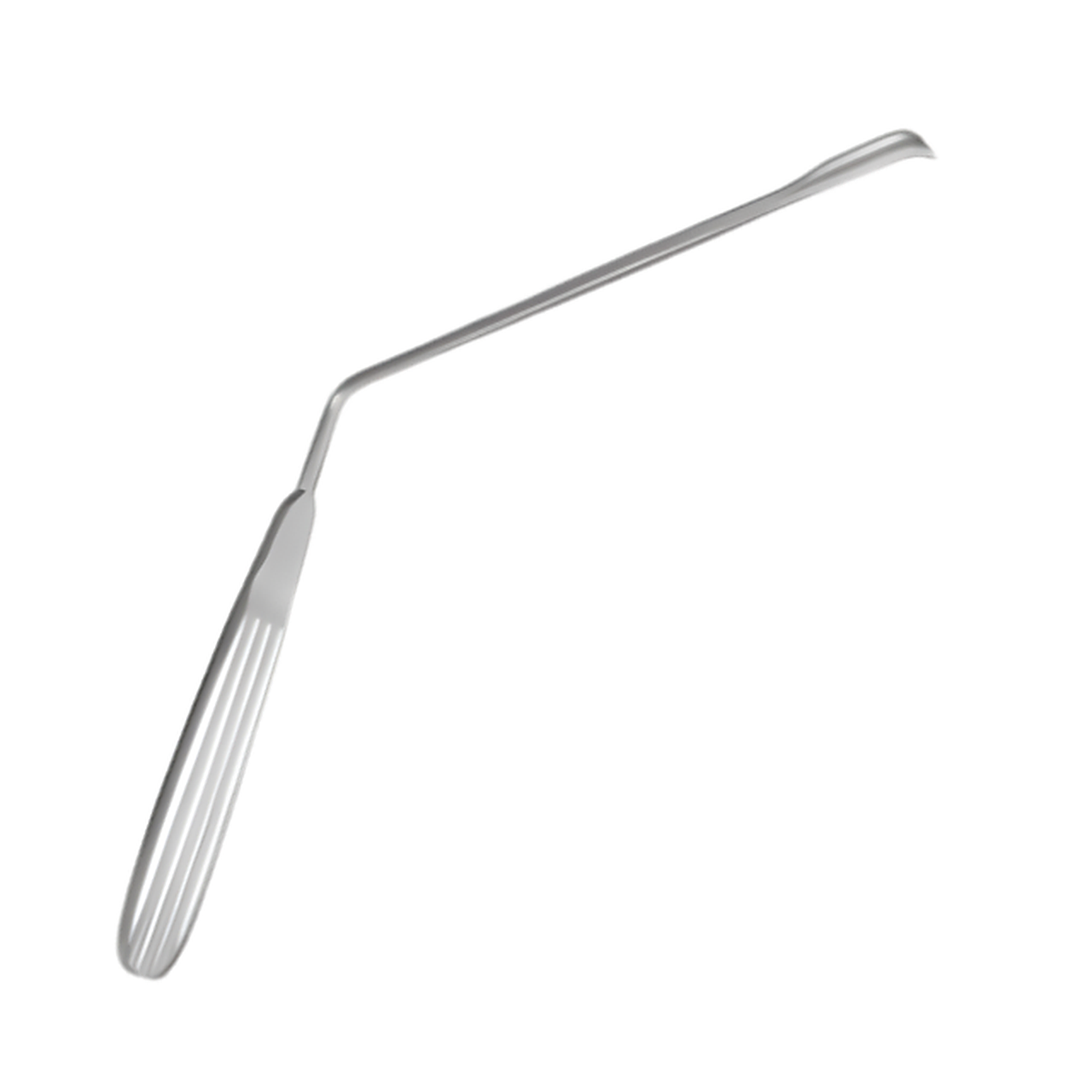 | مُبعِّد جذور الأعصاب من طراز McCulloch-Type | مصمم خصيصاً لتحريك واحتواء وحماية جذور الأعصاب الشوكية والكيس القرابي أثناء عمليات استئصال الأقراص القطنية مجهرياً. |
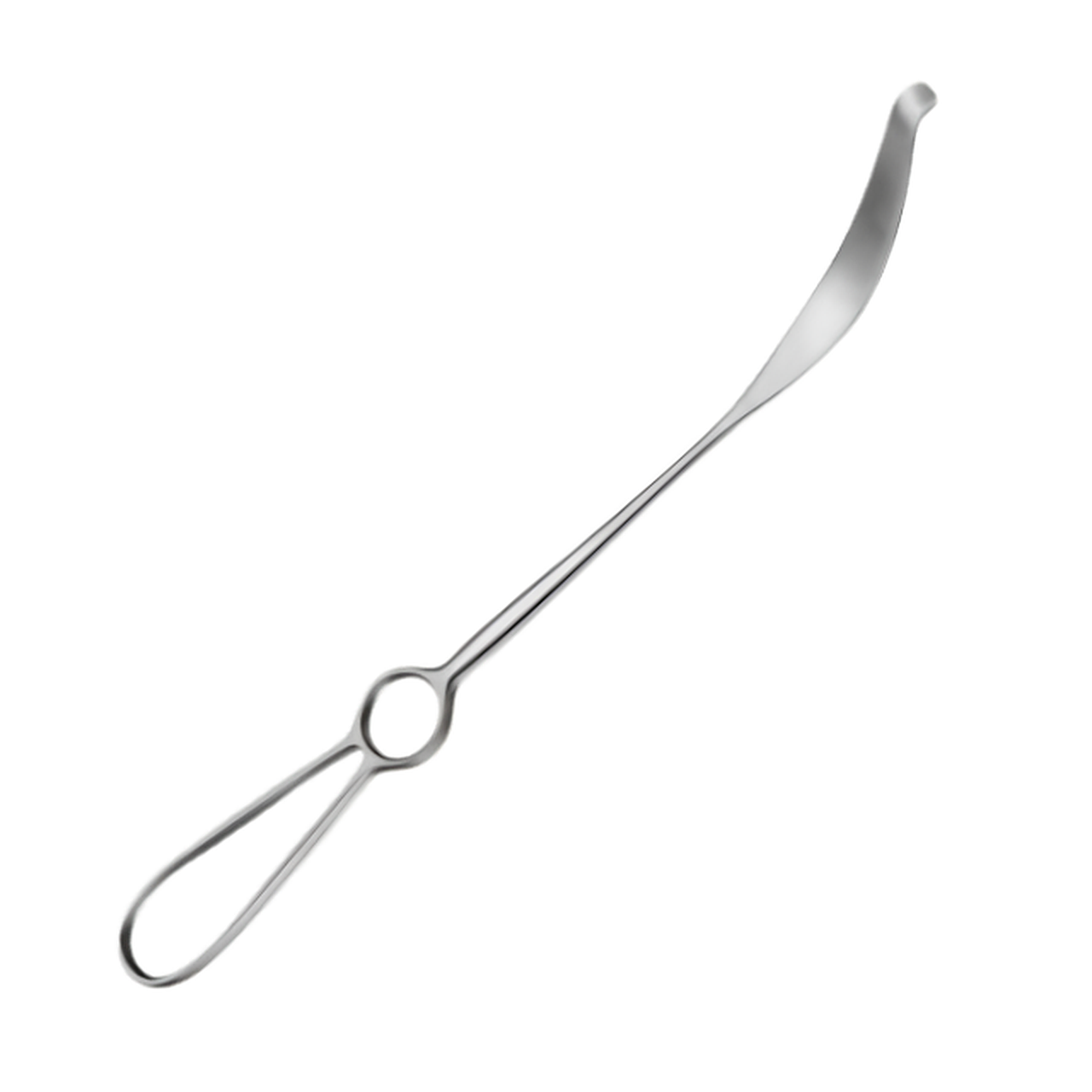 | مُباعد Medial Ramus & Orbital Rim Retractor | مصمم خصيصاً لتبعيد الأنسجة الرخوة وكشف العظام على طول الرأد الإنسي وحافة الحجاج أثناء الإجراءات القحفية الوجهية. |
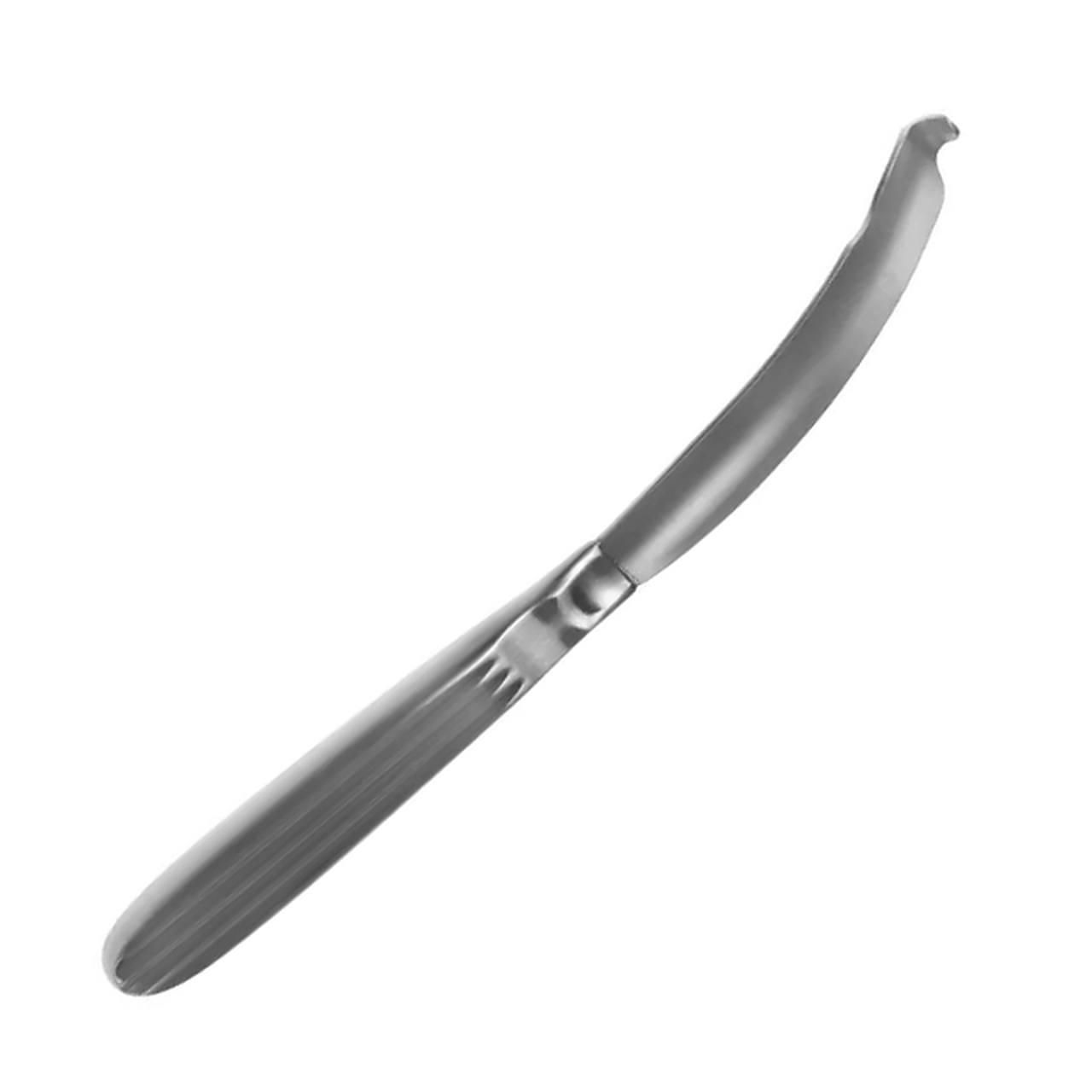 | مُبعّد رُتُج الفك الإنسي (Medial Ramus Retractor) | مصمم خصيصاً لإبعاد العضلة الجناحية الإنسية وحماية العصب السنخي السفلي أثناء عمليات قطع رُتُج الفك السهمي. |
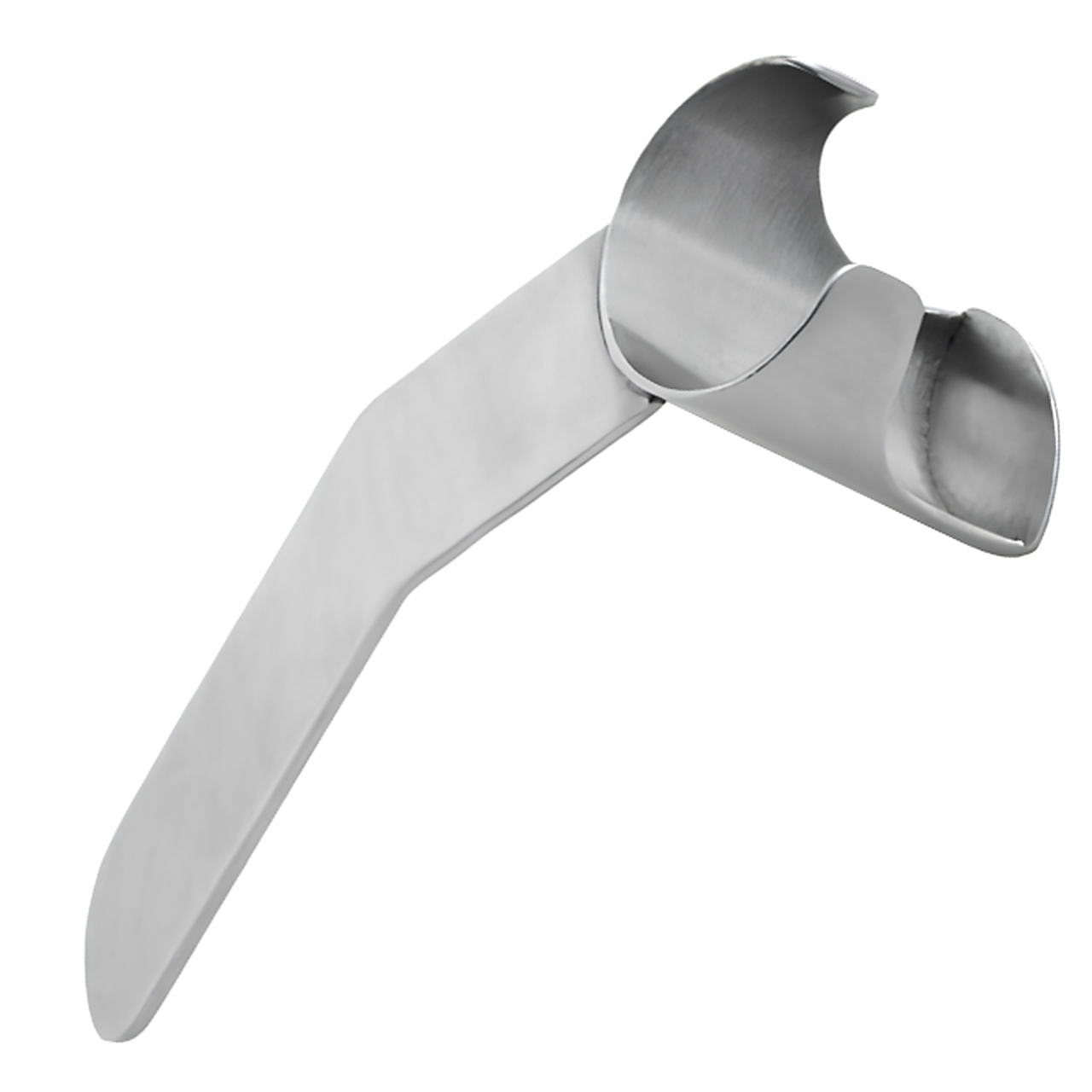 | مُبعّد إصلاح الغضروف المفصلي (Meniscal Repair Retractor) | مصمم خصيصاً لحماية الهياكل الوعائية العصبية الخلفية وتوجيه إبر الخياطة أثناء إصلاح الغضروف المفصلي بالمنظار. |
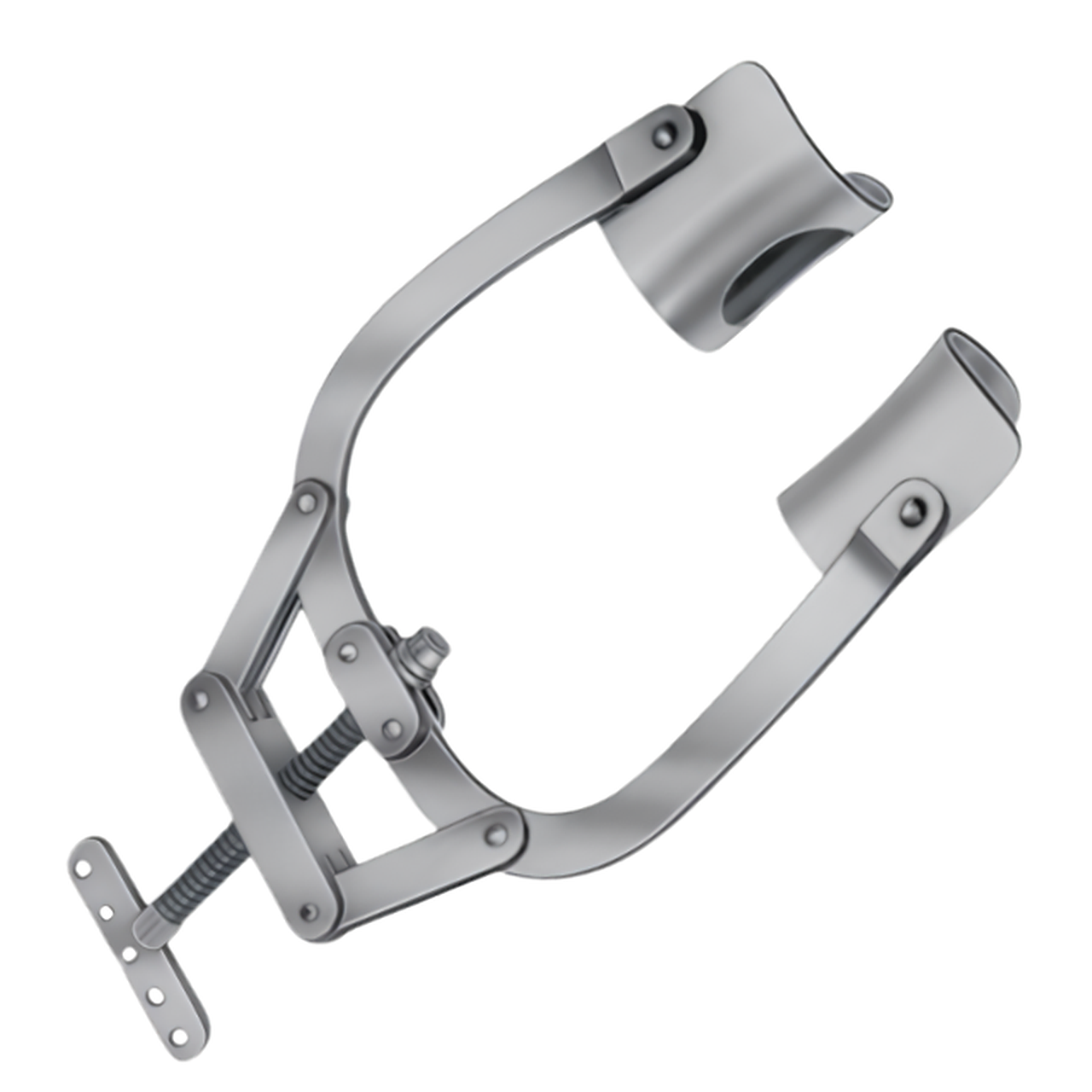 | Mercedes Thoracic Retractor | مصمم خصيصاً لتوفير عزم دوران ميكانيكي مركب لفصل الأضلاع وجدار الصدر على نطاق واسع أثناء جراحة الصدر. |
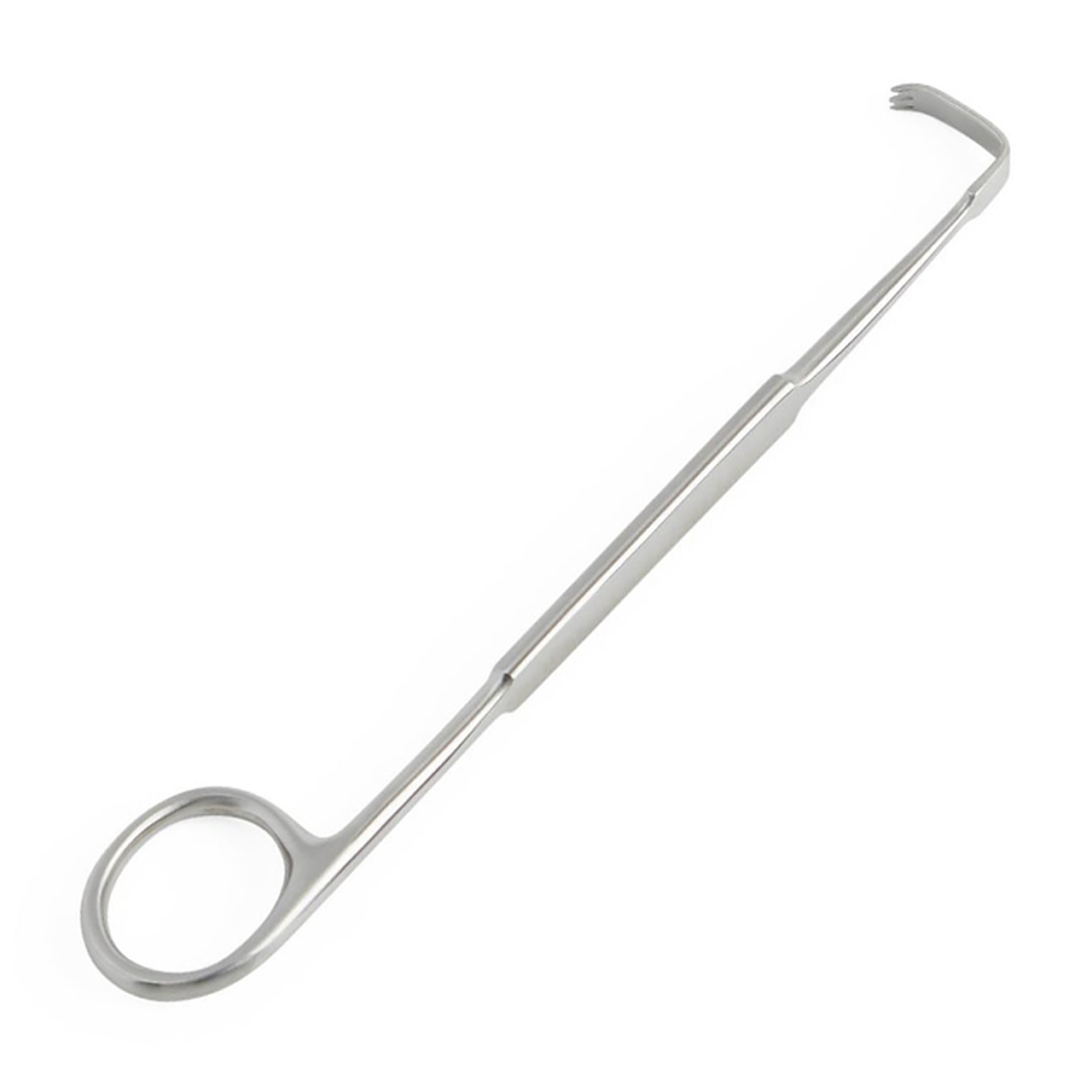 | مُبعّد الأصابع Meyerding Finger Retractor | مصمم خصيصاً لتبعيد اللوحات الجلدية، أوتار الأصابع، والأنسجة الرخوة الرقيقة أثناء جراحات اليد والتجميل والجراحات البسيطة. |
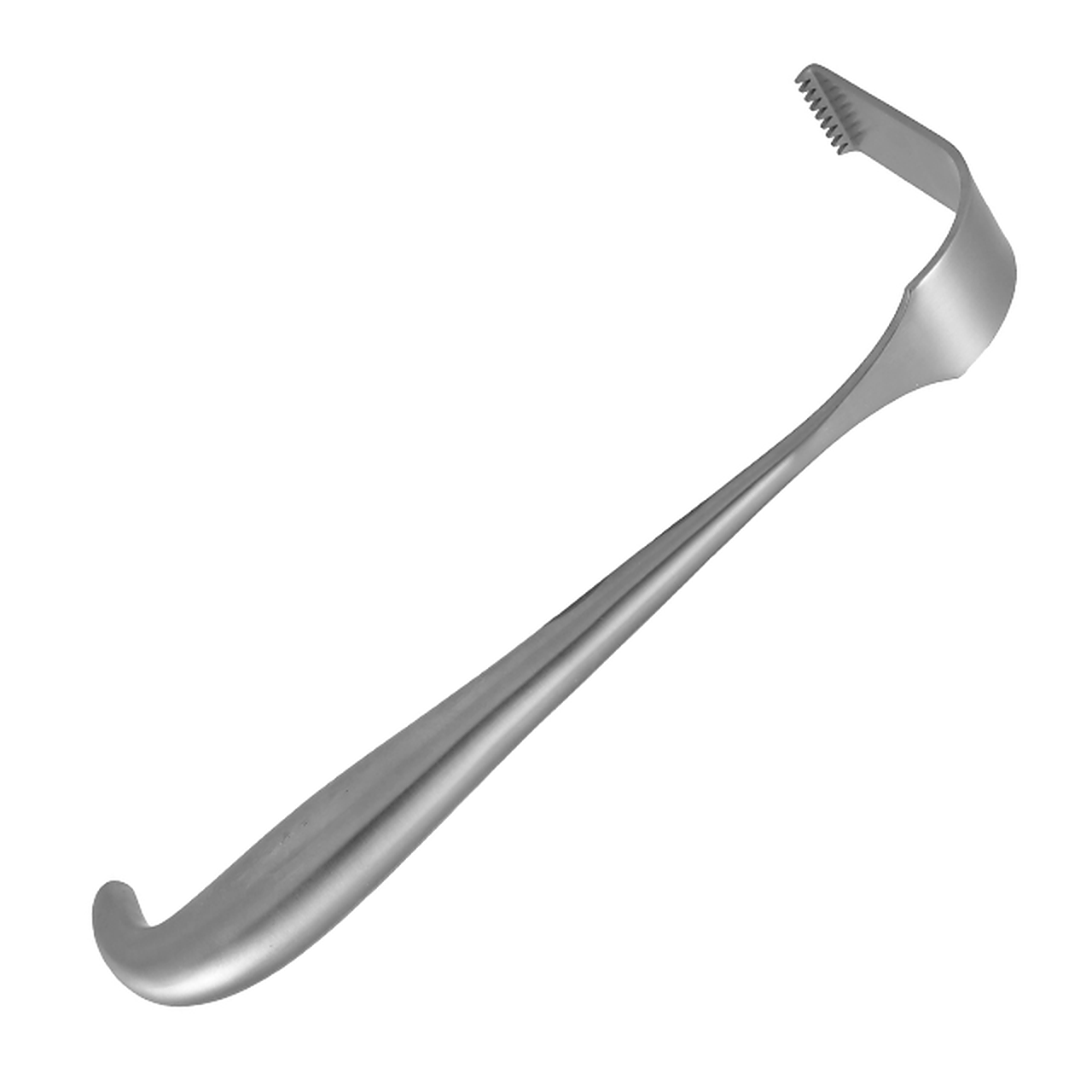 | Meyerding Retractor | مصمم خصيصاً لإبعاد العضلات الثقيلة المجاورة للفقرات والأنسجة الرخوة العميقة أثناء عمليات استئصال الصفيحة الفقرية وجراحات العظام. |
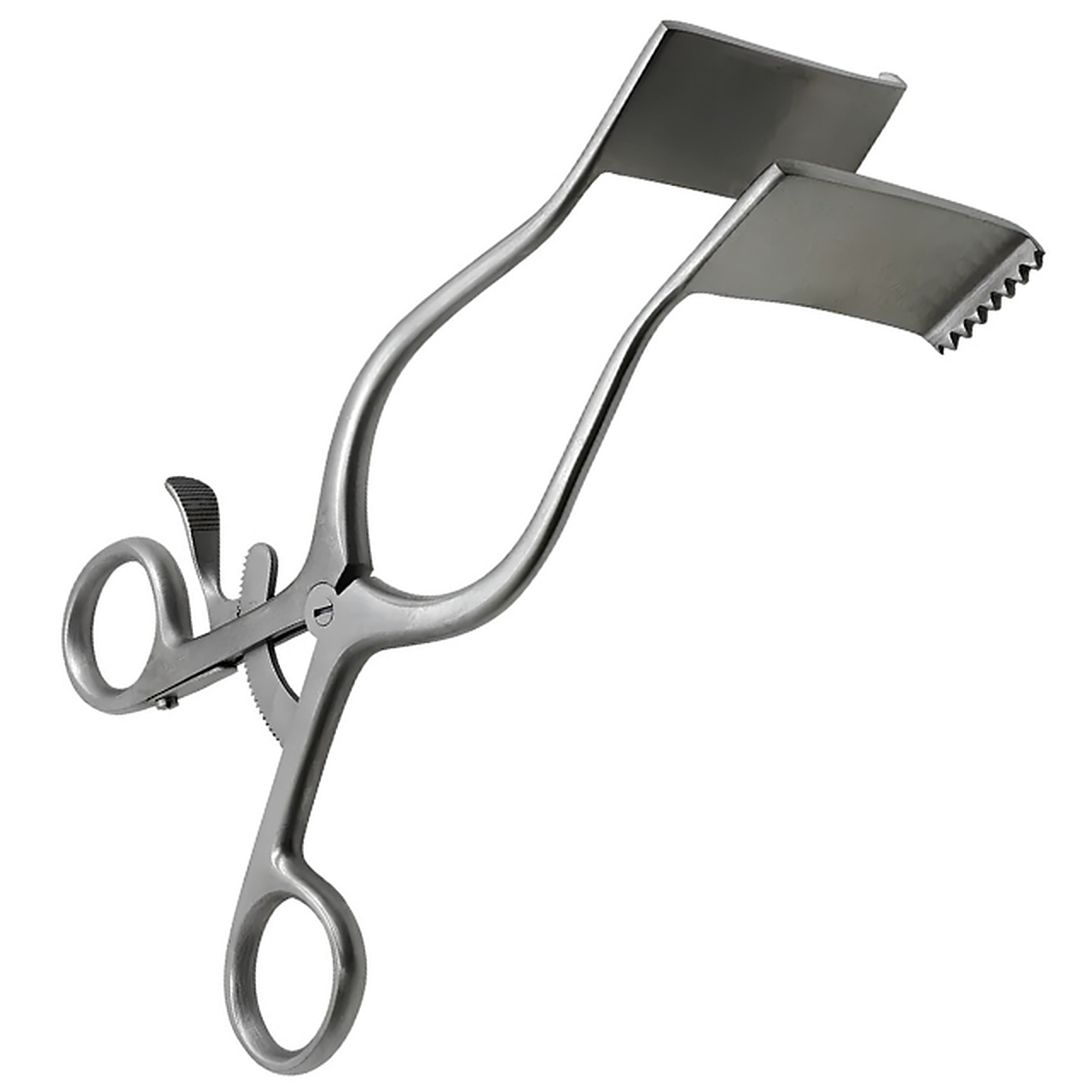 | مُبعّد Meyerding Retractor with Ratchet | مصمم خصيصاً لتوفير إبعاد ذاتي التثبيت للعضلات المجاورة للفقرات وتثبيت عظمي أثناء استئصال الصفيحة الفقرية. |
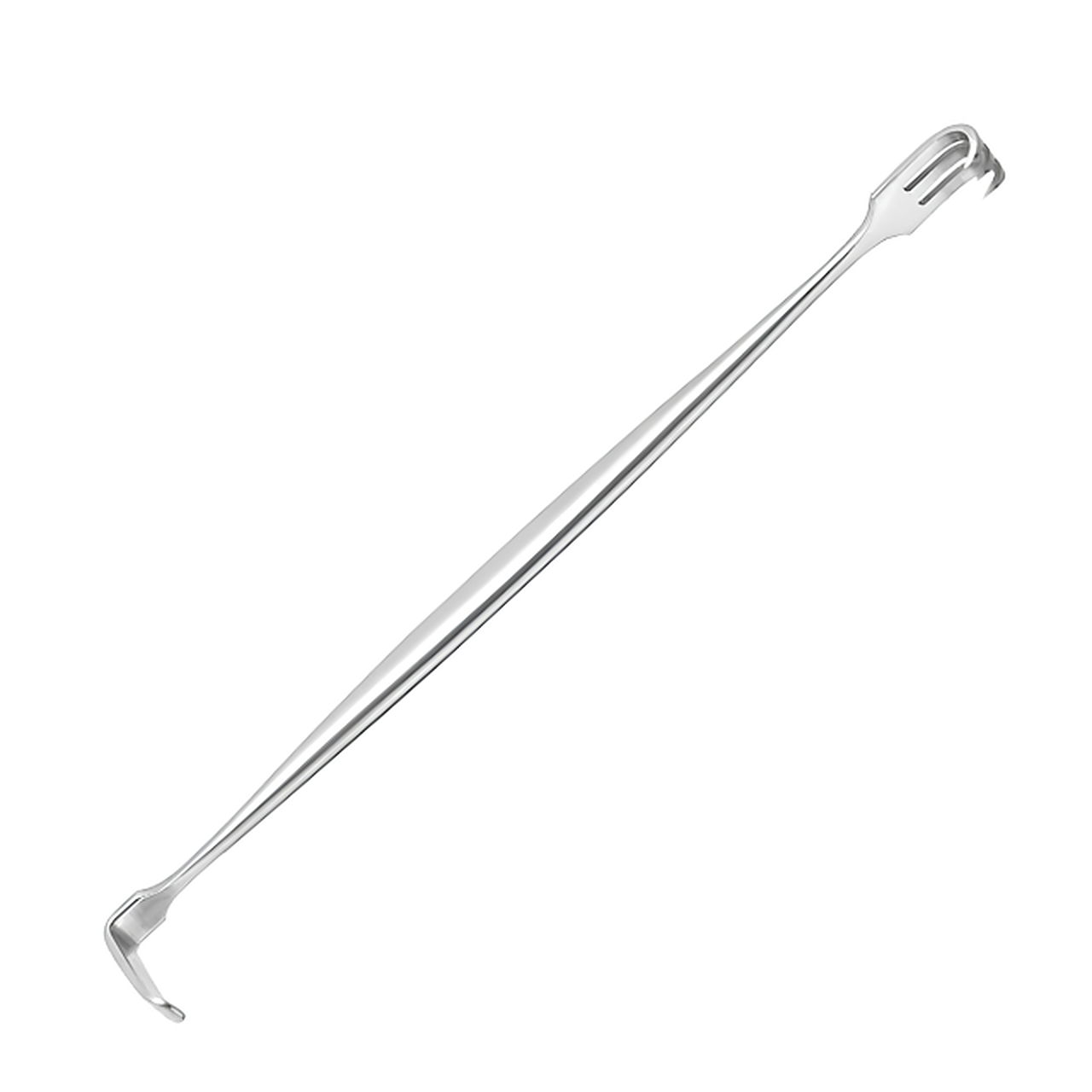 | Meyerding Skin Hook/Retractor | مصمم خصيصاً لرفع حواف الجلد الرقيقة وتبعيد الأنسجة الرخوة أثناء الجراحات التجميلية والترميمية والصغرى. |
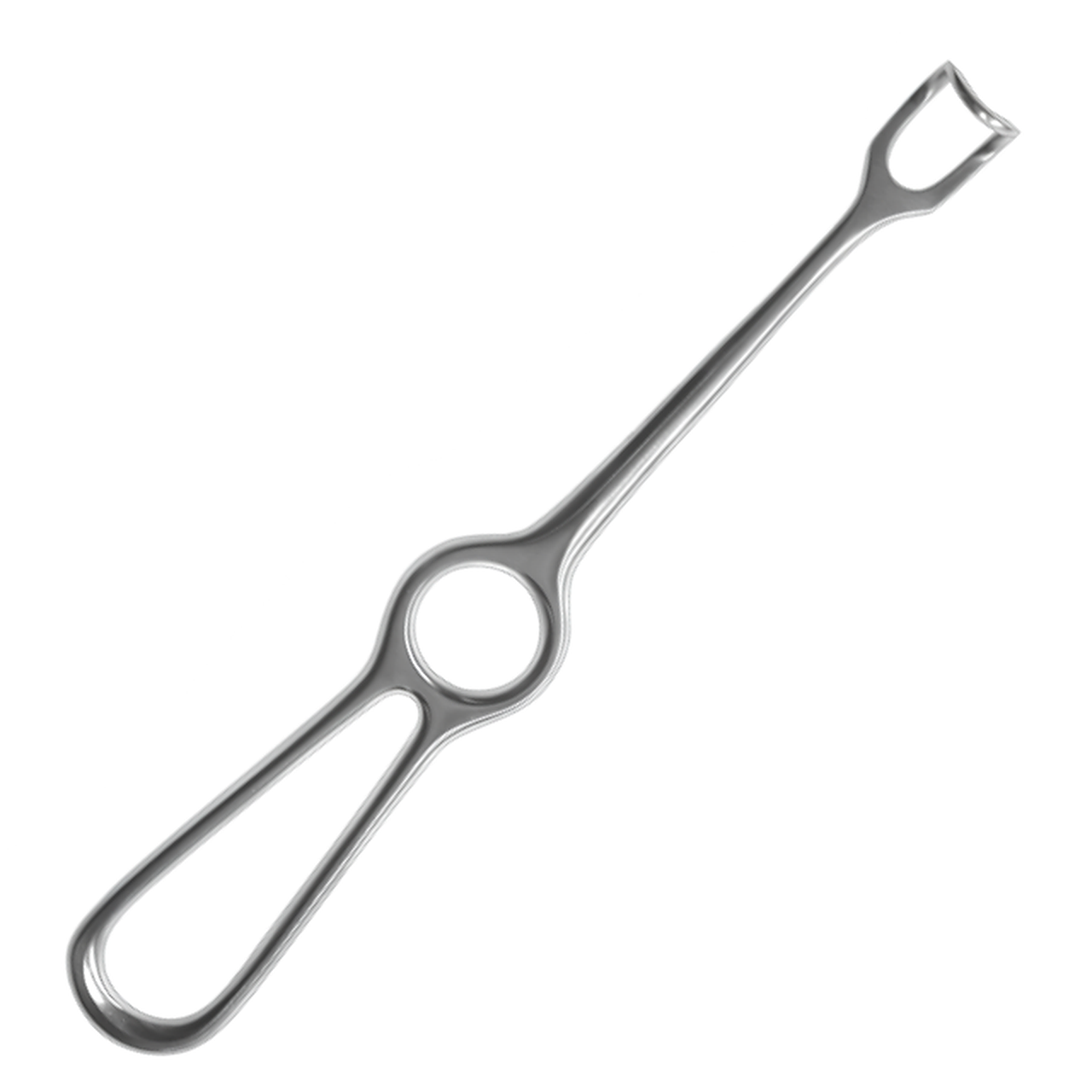 | Middledorpf Retractor | مصمم خصيصًا لتبعيد الطبقات العضلية واللفافة والأنسجة الرخوة مع الحفاظ على خطوط الرؤية البصرية أثناء الجراحة العميقة. |
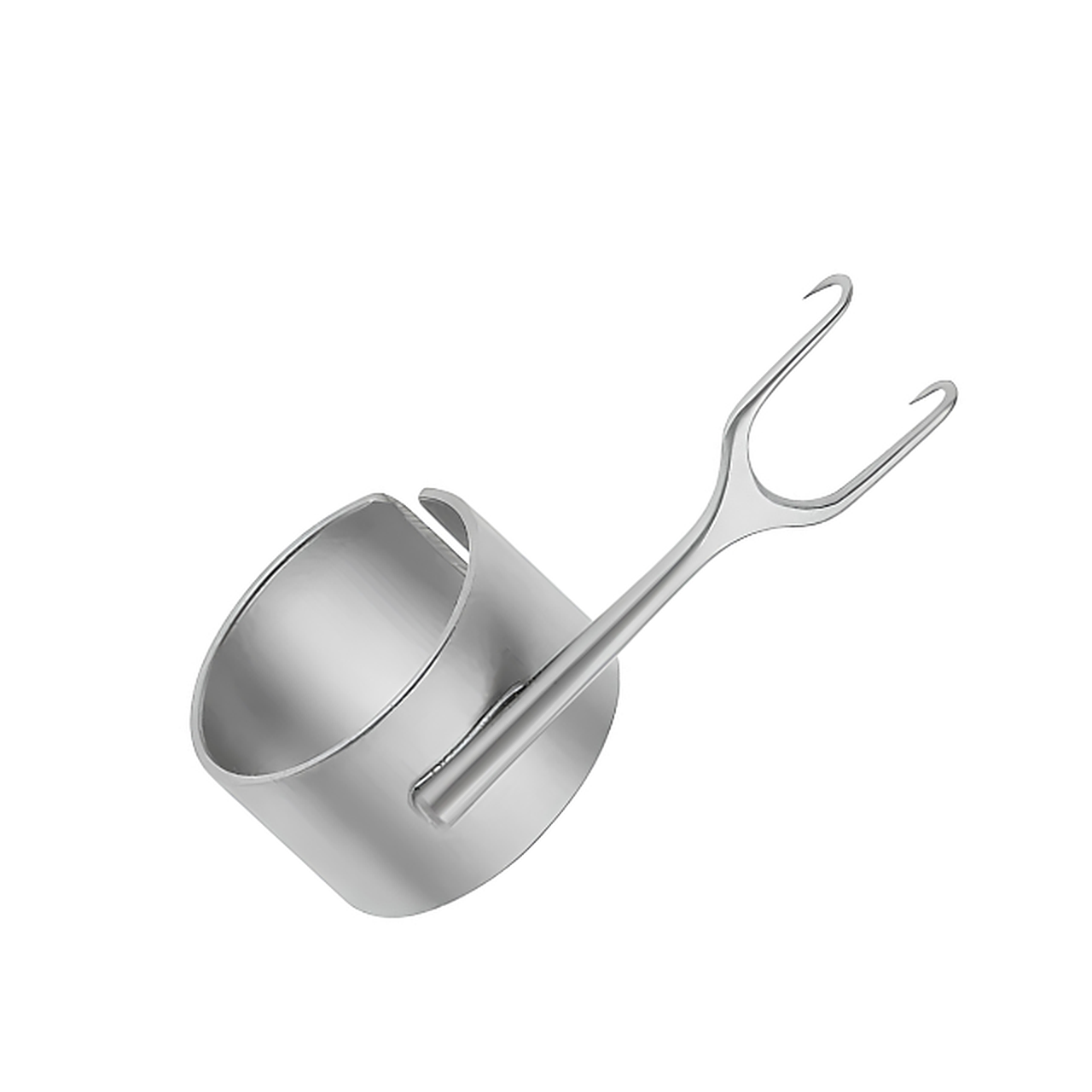 | مُبعّد Millard Cottle Retractor with Finger Ring المزود بحلقة إصبع | مصمم خصيصاً لسحب حافة جناح الأنف والغضروف الجانبي السفلي أثناء جراحات تجميل الأنف وإصلاح تشوهات الأنف الناتجة عن الشفة الأرنبية. |
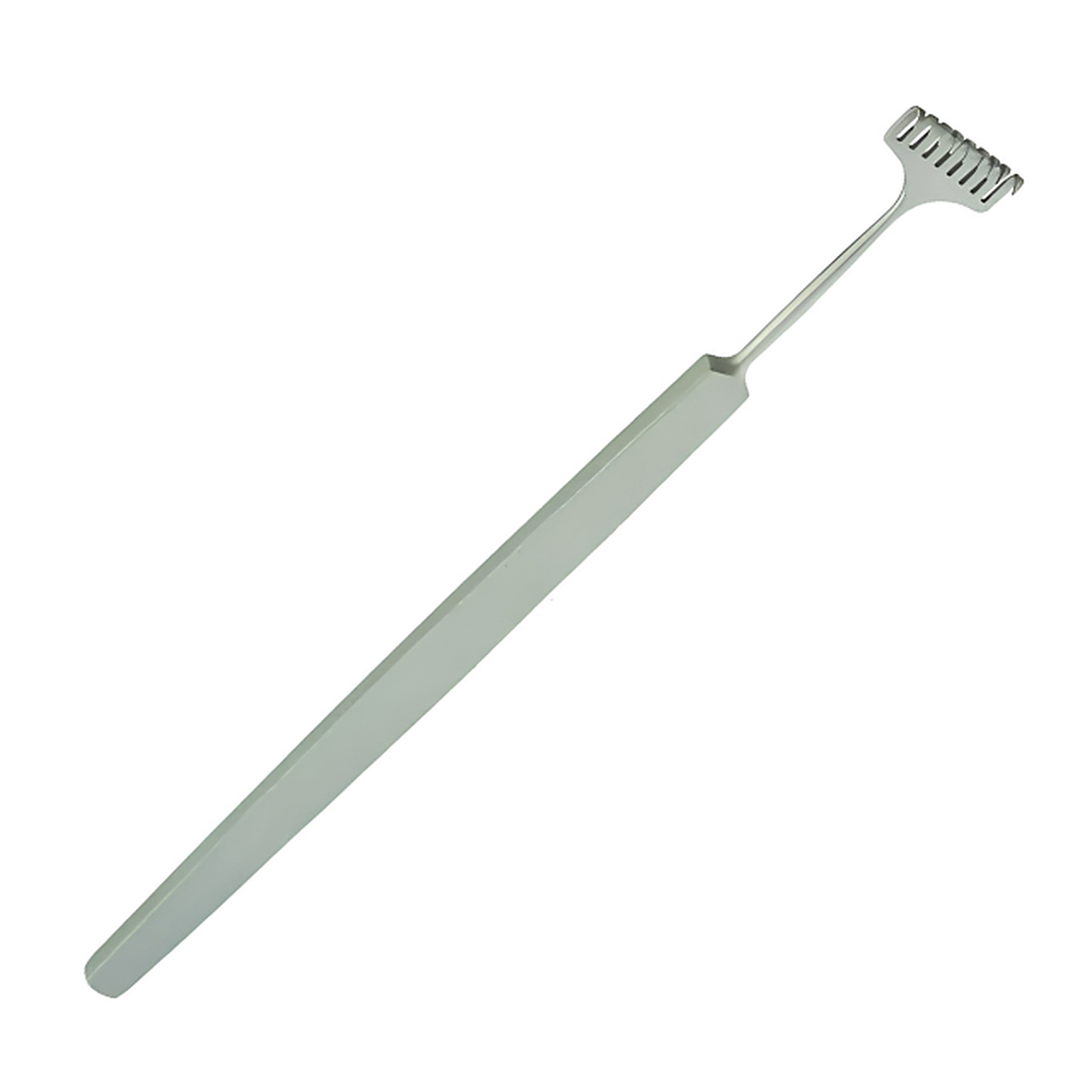 | مُباعد ميلر المشطي (Miller Rake Retractor) | مصمم خصيصًا لرفع السدائل الجلدية وإبعاد الأنسجة تحت الجلد أثناء الجراحات التجميلية والجلدية والترميمية. |
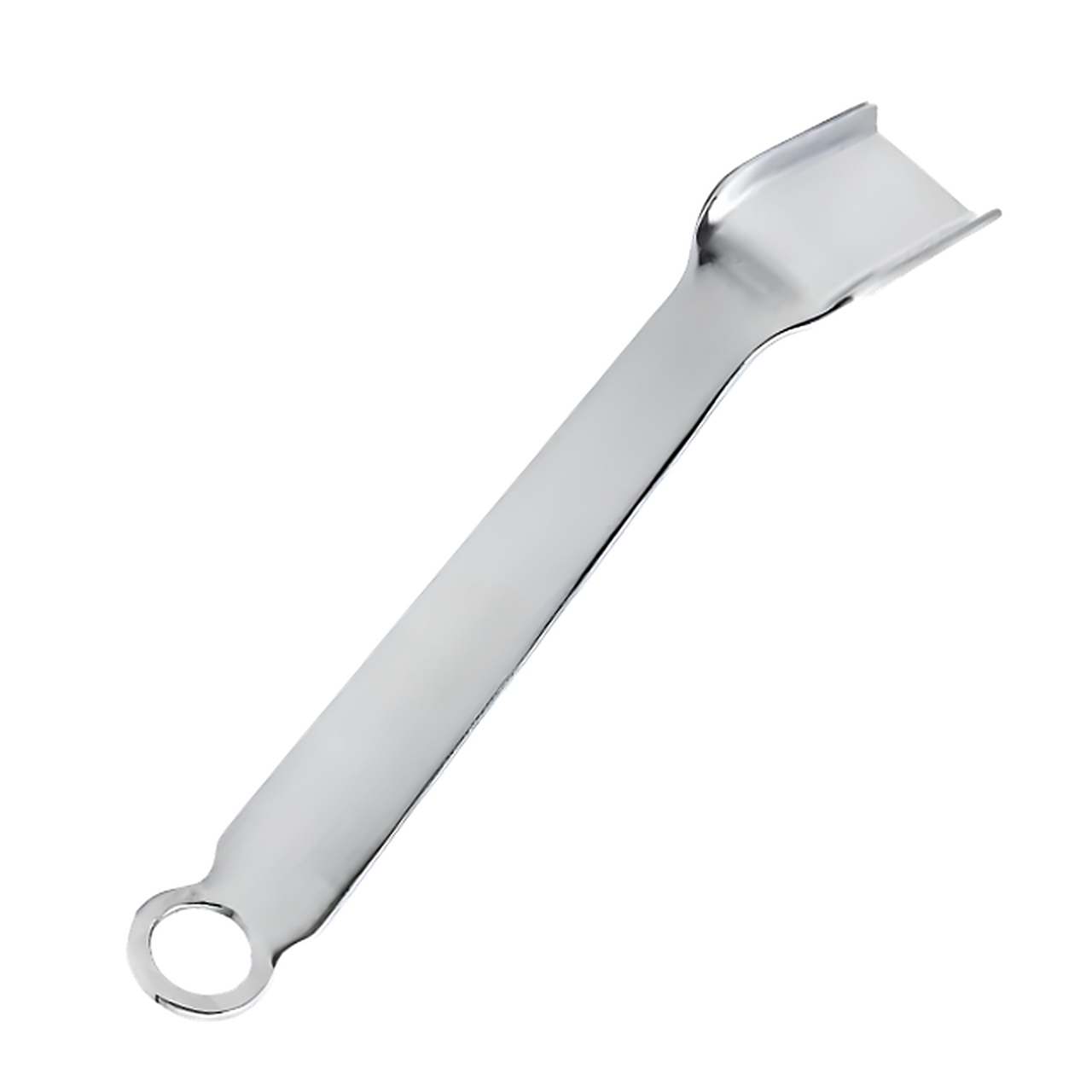 | مباعدات الركبة للتدخل الجراحي المحدود | مصممة خصيصاً لرفع العظام وإبعاد الأنسجة الرخوة من خلال شقوق صغيرة أثناء عمليات تقويم مفاصل الركبة بالتدخل الجراحي المحدود. |
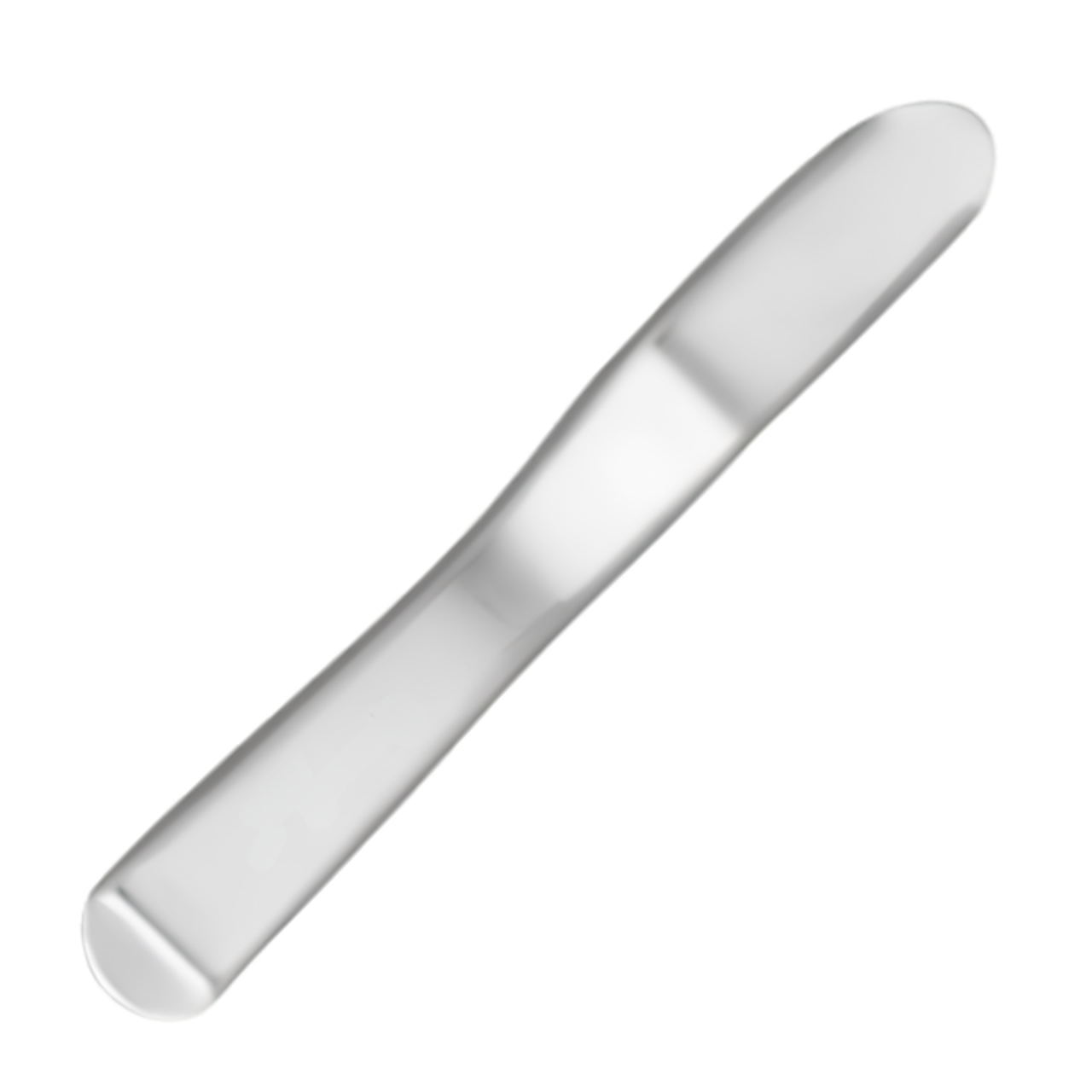 | مُبعّد مينيسوتا (Minnesota Retractor) | مصمم خصيصاً لتبعيد الخدين والشفتين واللسان للكشف عن الحافة السنخية والأسنان أثناء جراحة الفم. |
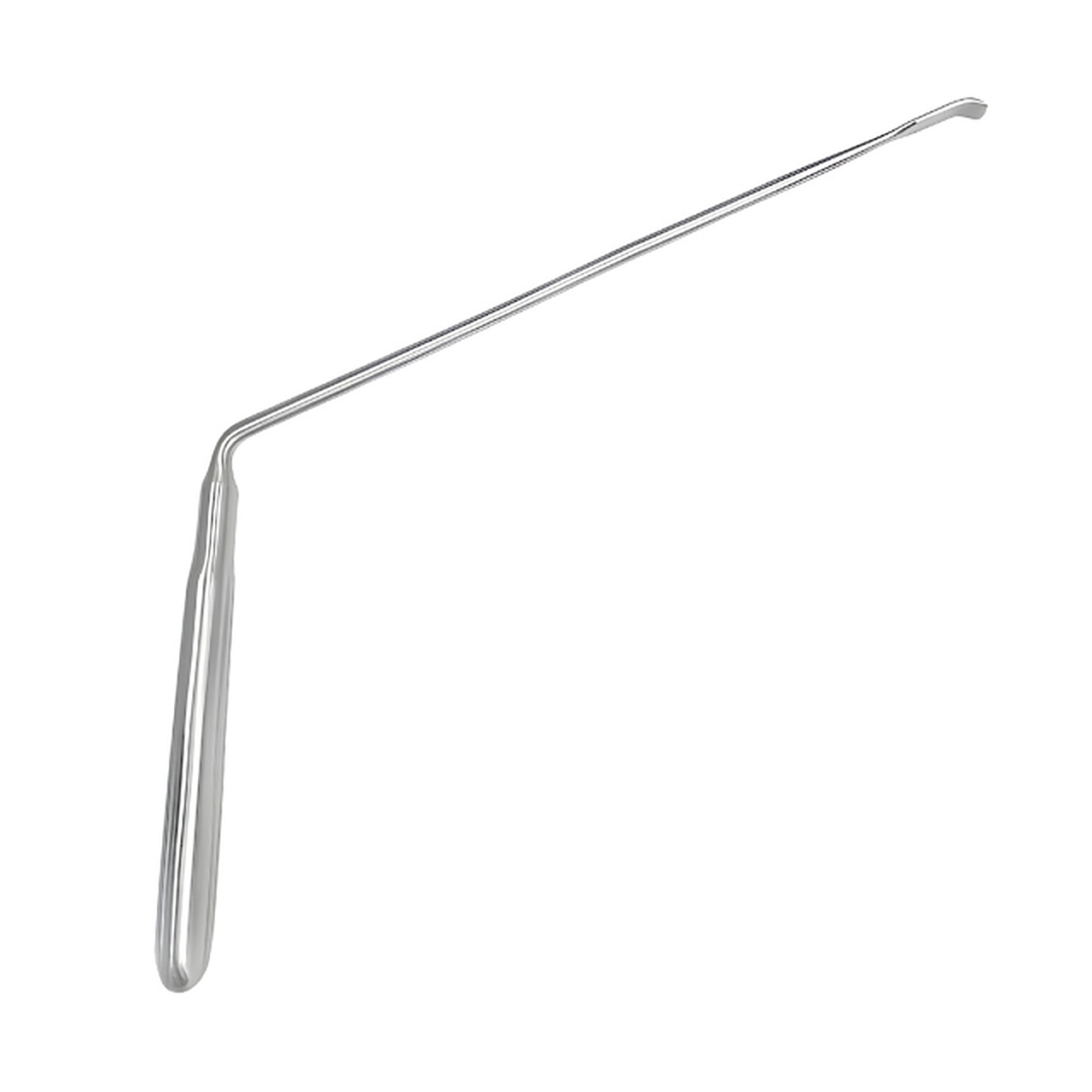 | مبعد جذر العصب للجراحات طفيفة التوغل MIS | مصمم خصيصاً لإبعاد وحماية جذور الأعصاب العابرة والكيس القرابي أثناء استئصال القرص الفقري بأقل تدخل جراحي. |
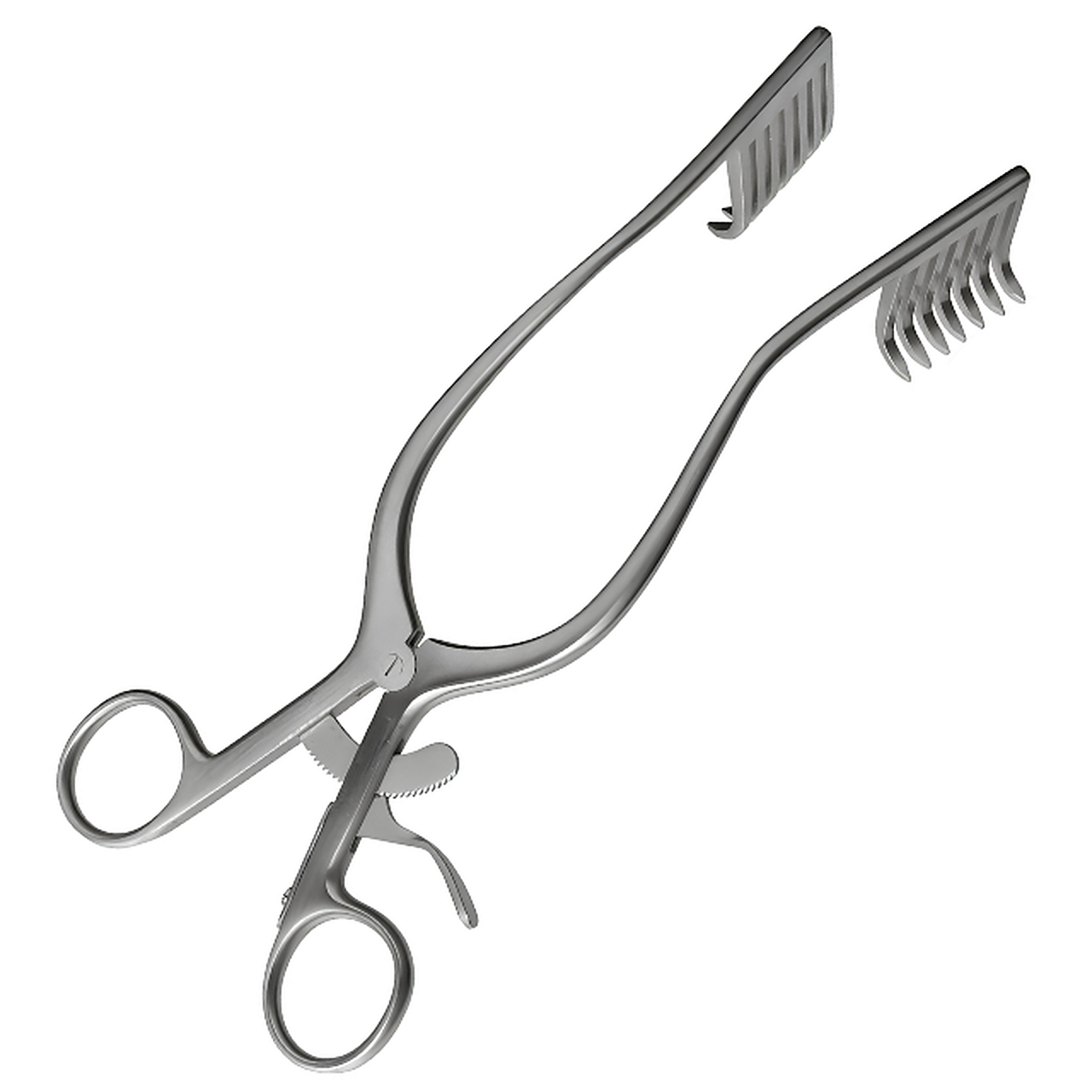 | Miskimon Cerebellar Retractor | مصمم خصيصًا لتوفير تبعيد ذاتي التثبيت لفروة الرأس وعضلات القفا أثناء عمليات فتح الجمجمة للمخيخ ومنطقة تحت القذال. |
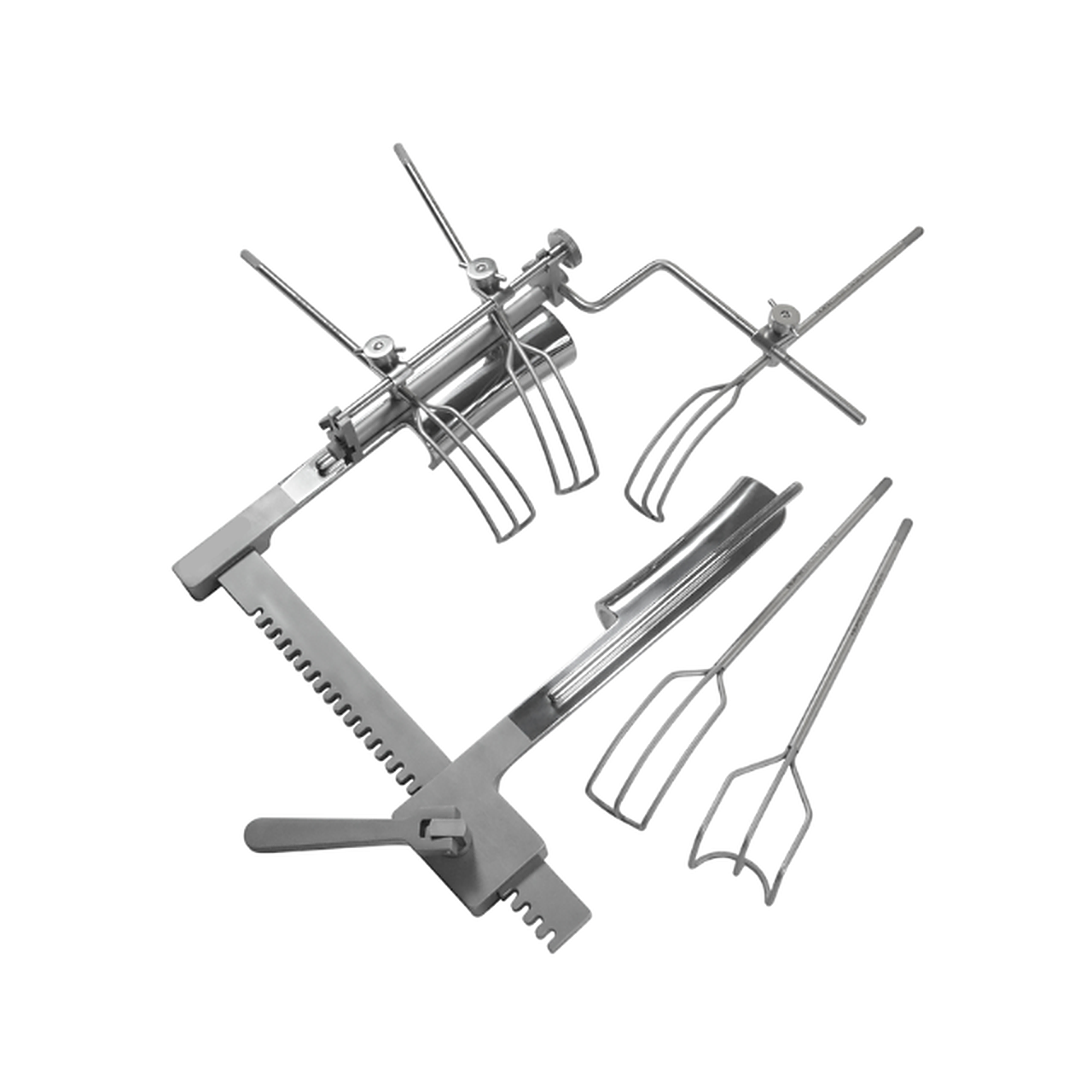 | مُبعّد صمام الميترال (الصمام التاجي) | مصمم خصيصاً لتوفير كشف جراحي منظم وإبعاد للأنسجة الرخوة أثناء عمليات صمامات القلب. |
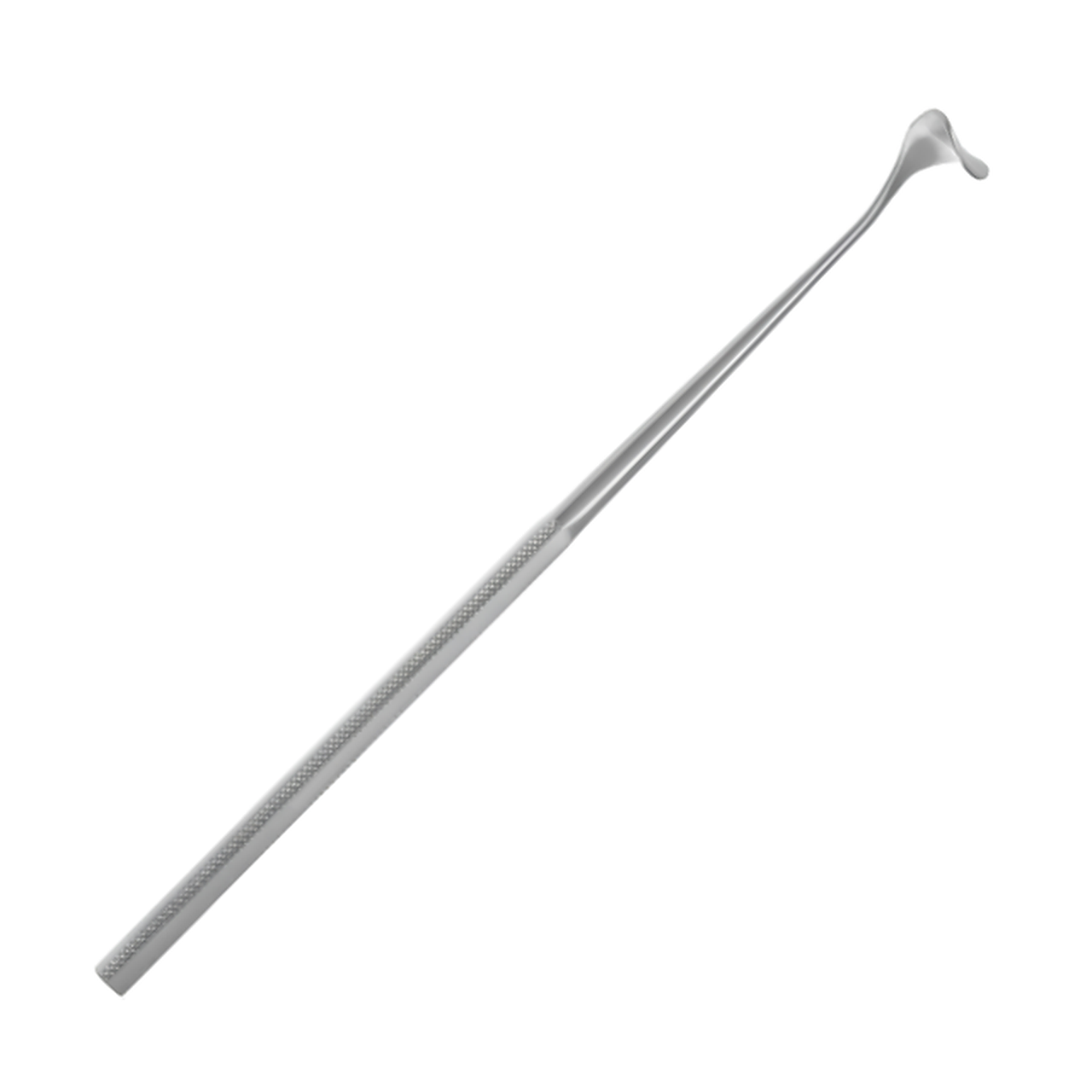 | Moberg Skin Retractor | مصمم خصيصاً لإبعاد حواف الجلد والشرائح الجلدية والأنسجة الرخوة الرقيقة أثناء جراحات اليد والتجميل. |
 | مباعدات Modified Fukuda Type Retractors | مصمم خصيصاً لمباعدة رأس العضد خلفياً وكشف التجويف الحقاني أثناء عملية استبدال مفصل الكتف. |
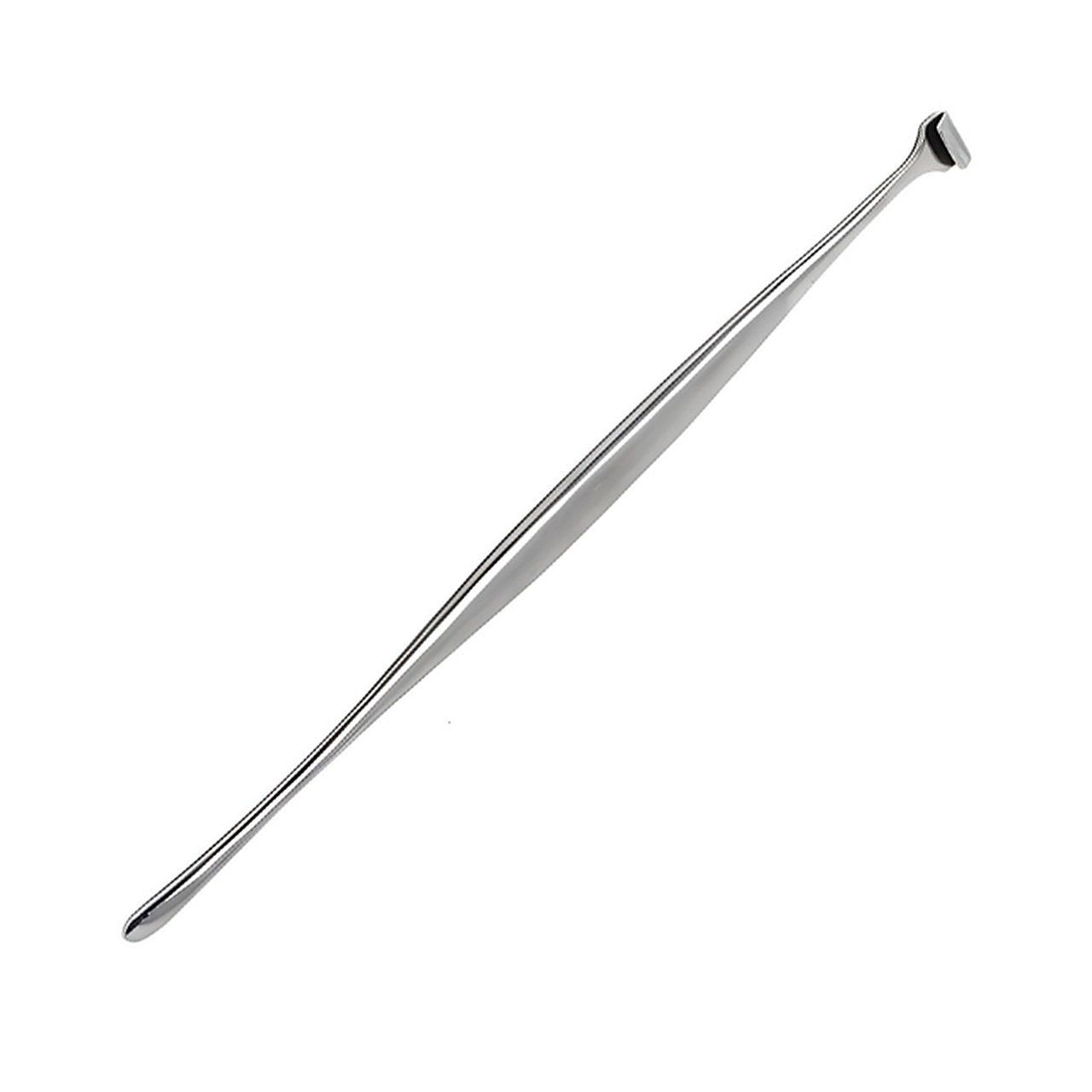 | Mollison Anterior Pillar Retractor | مصمم خصيصاً لإبعاد العمود اللوزي الأمامي والقوس الحنكية اللسانية أثناء استئصال اللوزتين وجراحات البلعوم. |
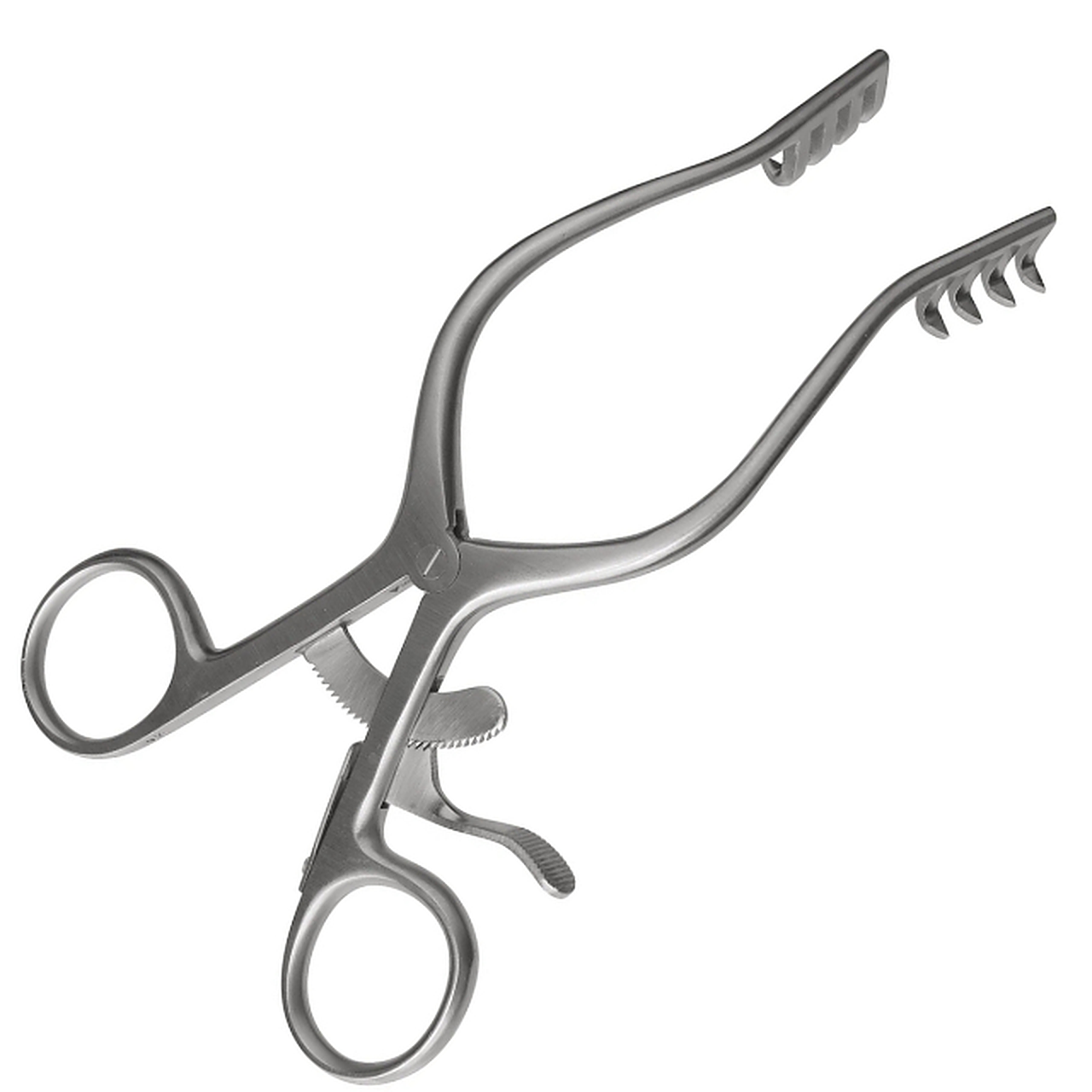 | Mollison Retractor | مصمم خصيصًا لتوفير إبعاد ذاتي التثبيت لهوامش الجروح والسمحاق أثناء جراحات الخشاء والأذن وفروة الرأس. |
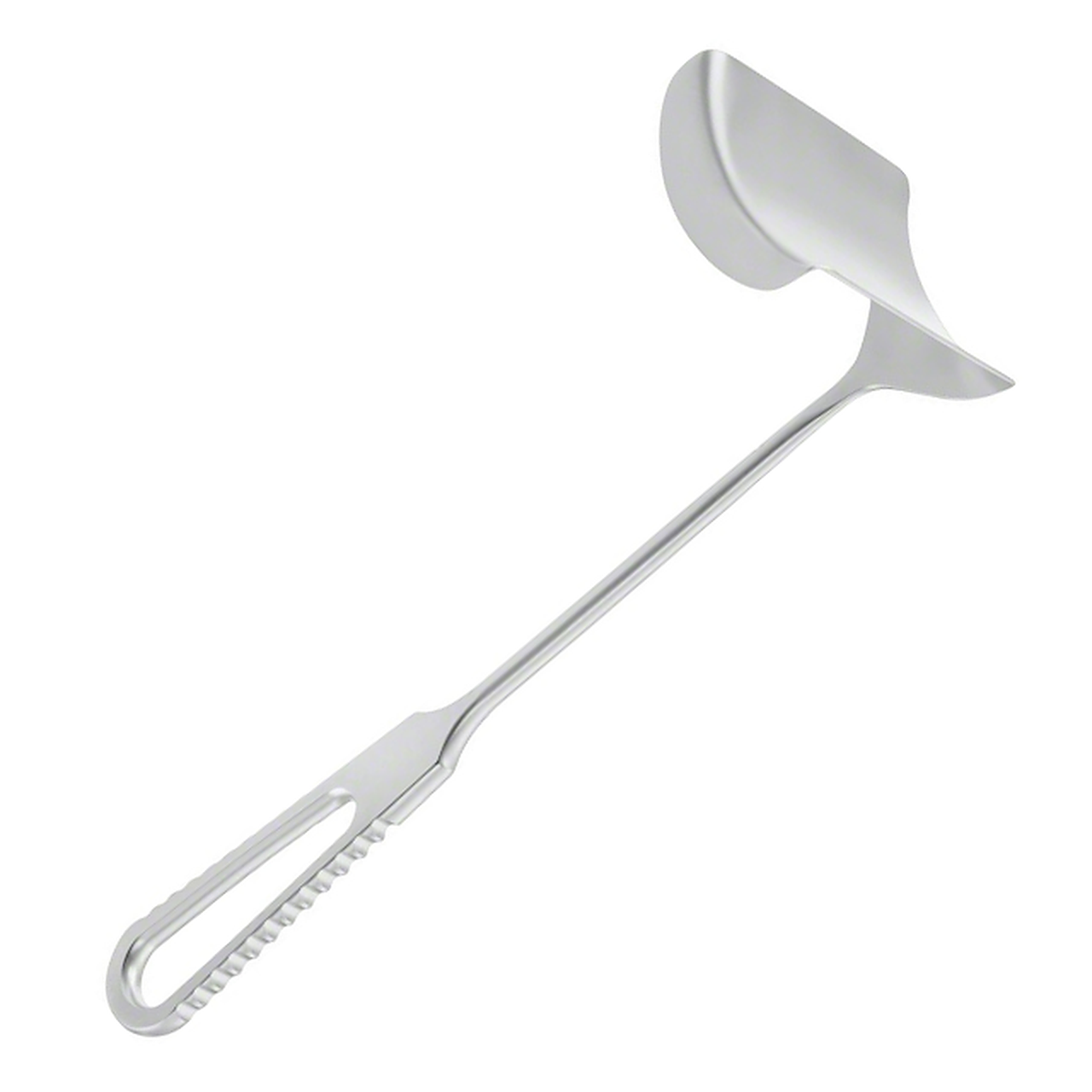 | Morris Retractor Single-Ended | مصمم خصيصاً لمباعدة الجدار البطني والأحشاء والعضلات السميكة أثناء جراحات البطن والحوض المفتوحة. |
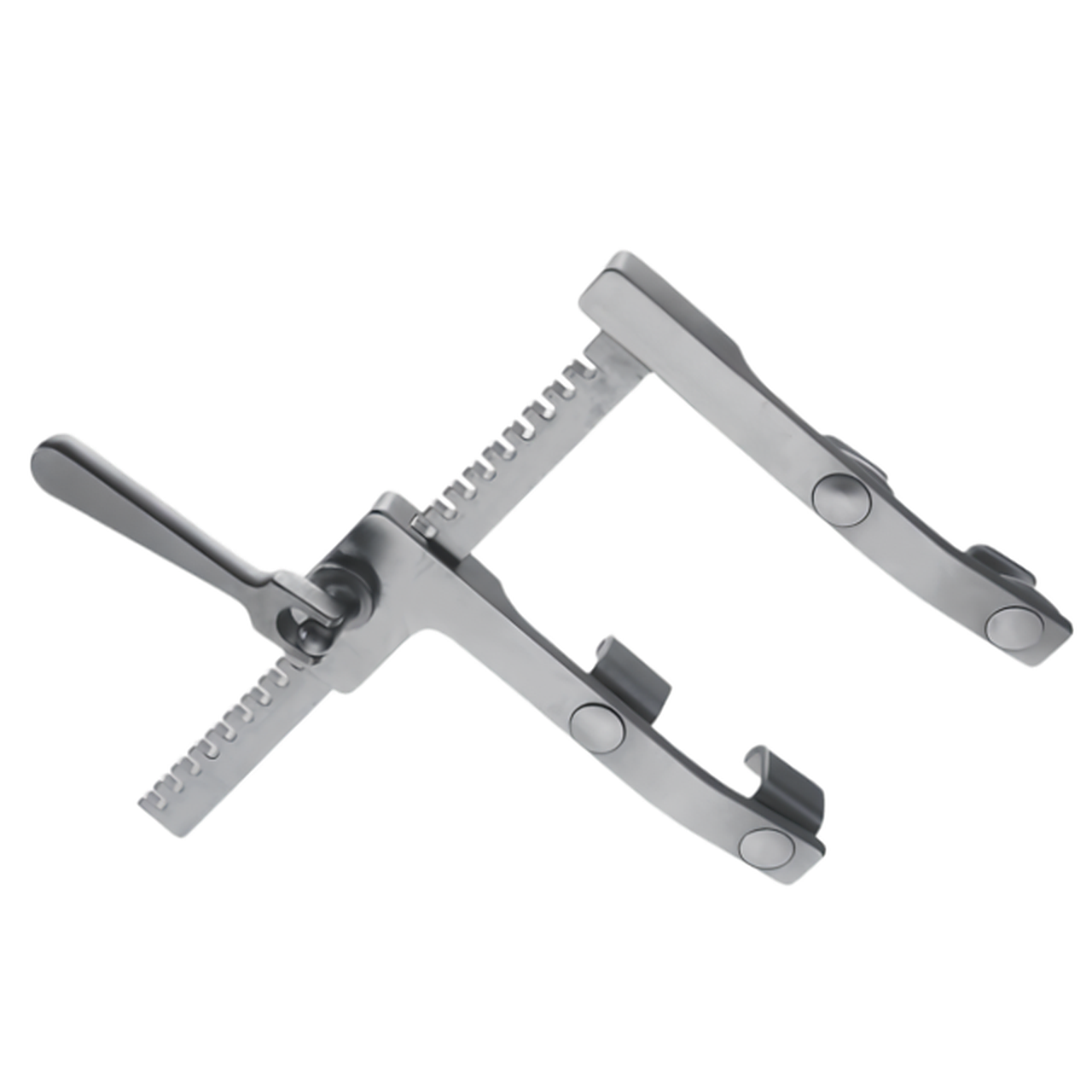 | مبعد الضلوع Morse Rib Spreader | مصمم خصيصاً لمباعدة الأضلاع وتوسيع التجويف الصدري مع ضبط تشريحي للشفرات متعدد الوضعيات. |
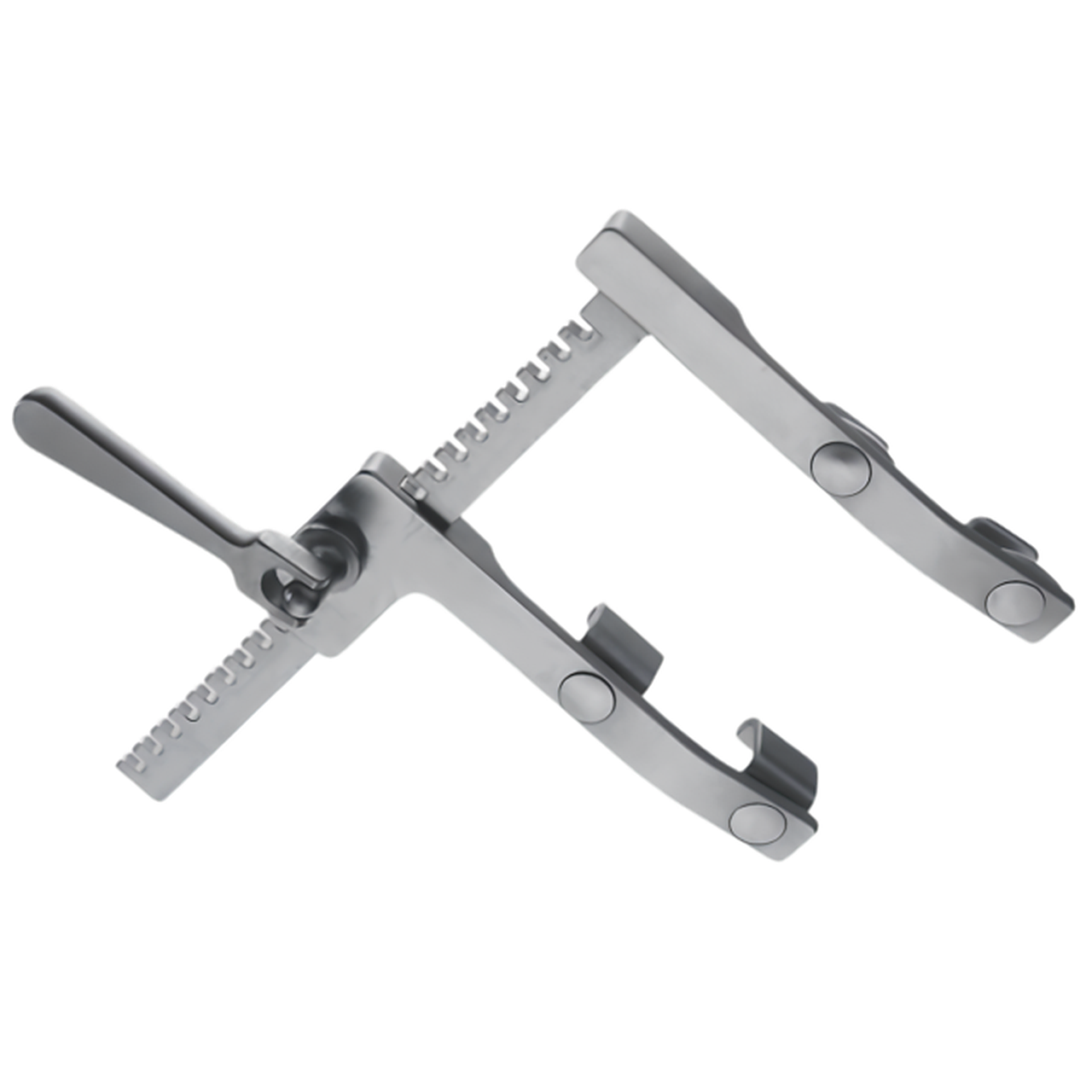 | مُبعّد الضلوع Morse-Favaloro Rib Spreader | مصمم خصيصاً لفصل الضلوع باستخدام شفرات دوارة متحركة أثناء جراحة الشريان التاجي وجراحة الصدر. |
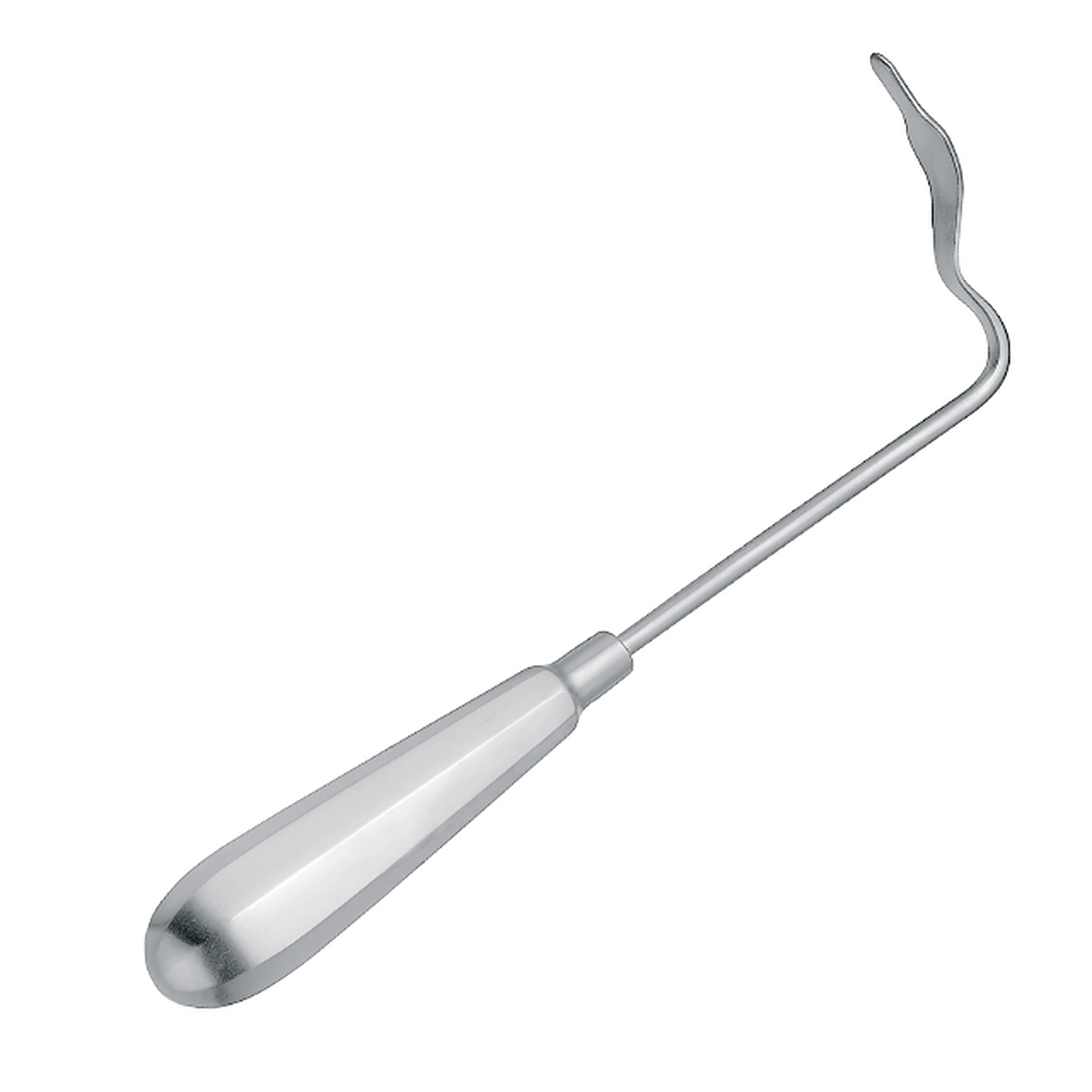 | مبعد السمحاق المخاطي (Muco-Periosteal Retractor) | مصمم خصيصاً لإبعاد رفارف السمحاق المخاطي وكشف العظم القشري أثناء جراحات الفم والأسنان والوجه والفكين. |
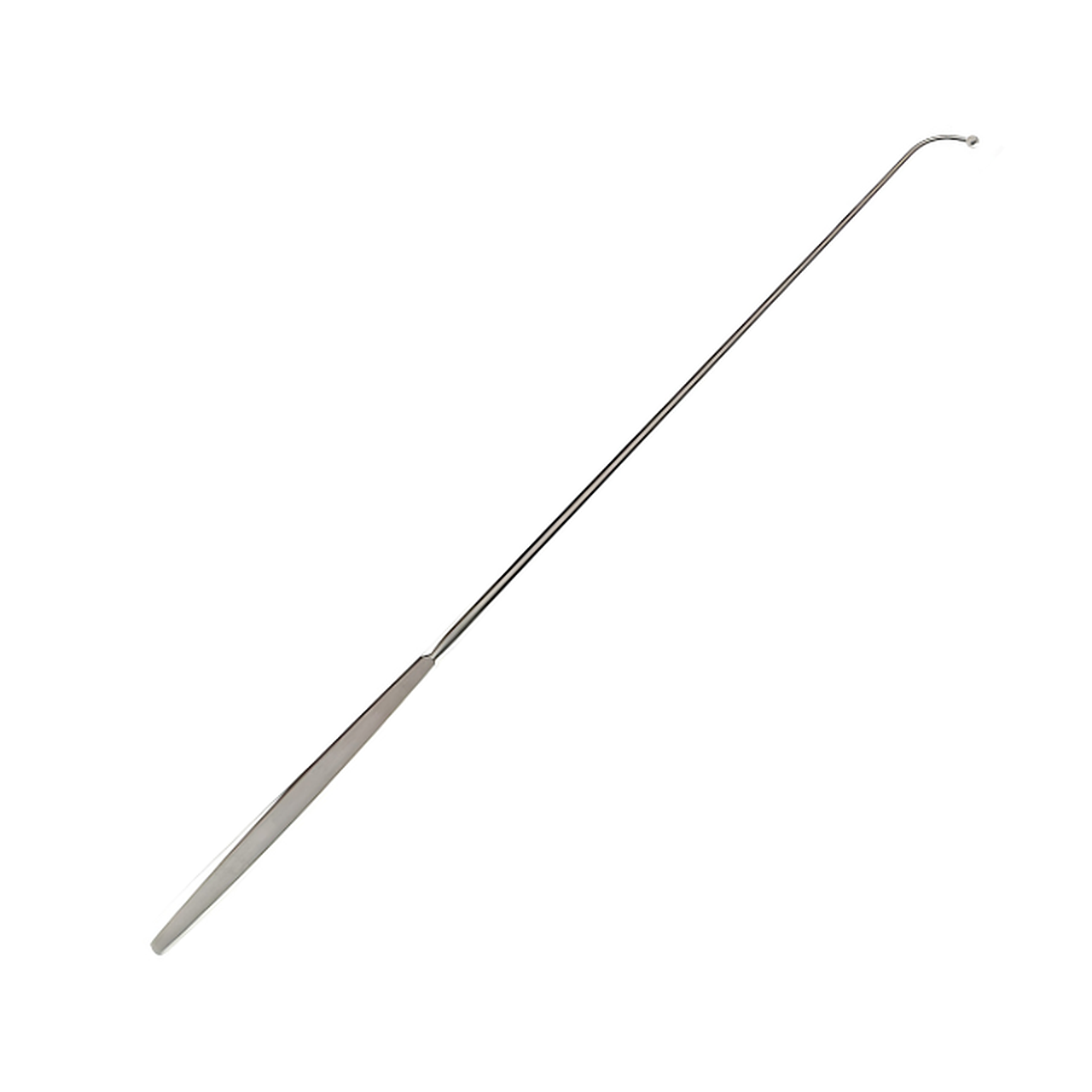 | مُباعد Murphy Ball Retractor | مصمم خصيصًا لاستكشاف وتحريك ومباعدة الأعصاب والأوعية والقنوات الدقيقة أثناء العمليات الجراحية العميقة. |
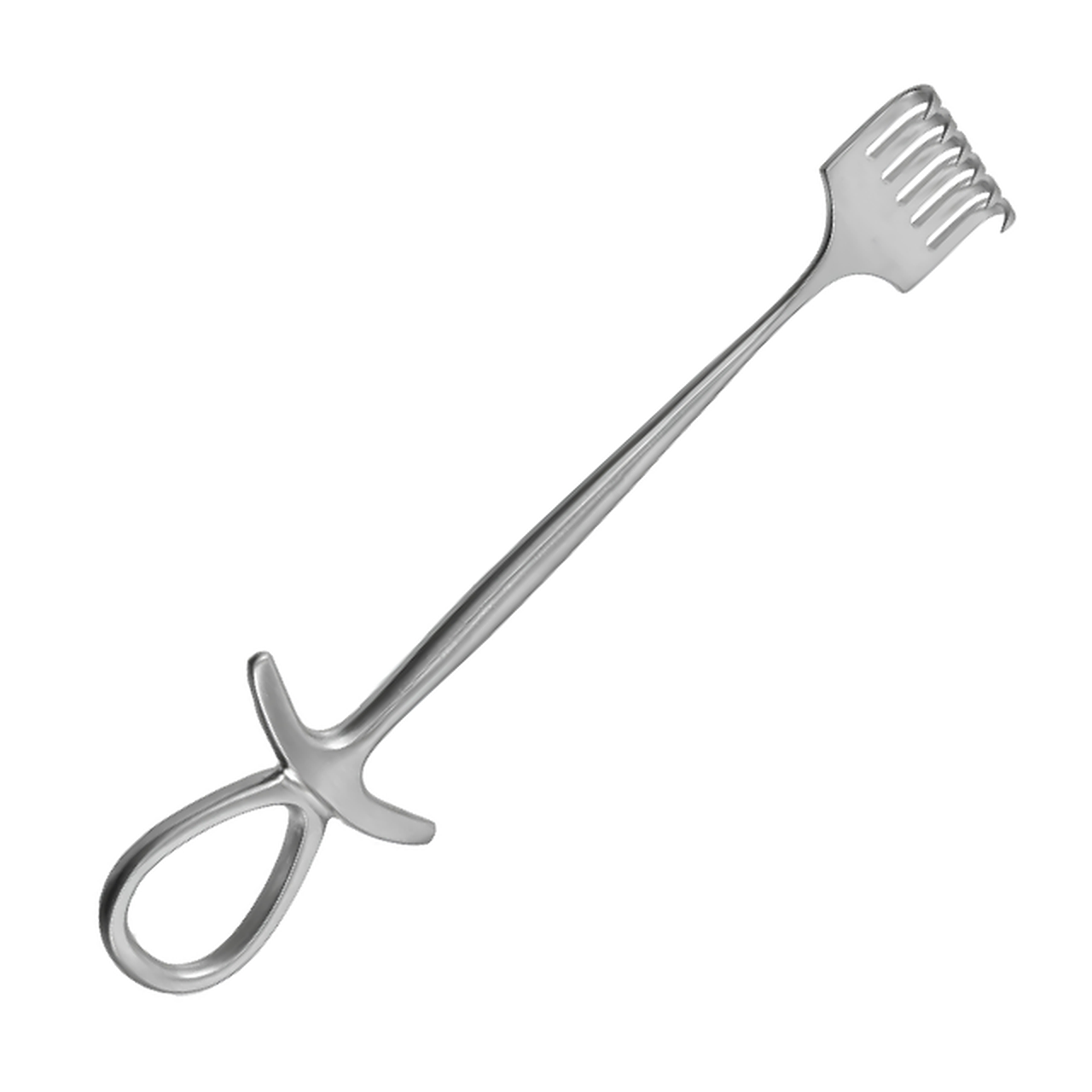 | Murphy Retractor | مصمم خصيصاً لتبعيد حواف الجلد واللفافة والأنسجة العضلية في الجراحة العامة وجراحة العظام والتجميل. |
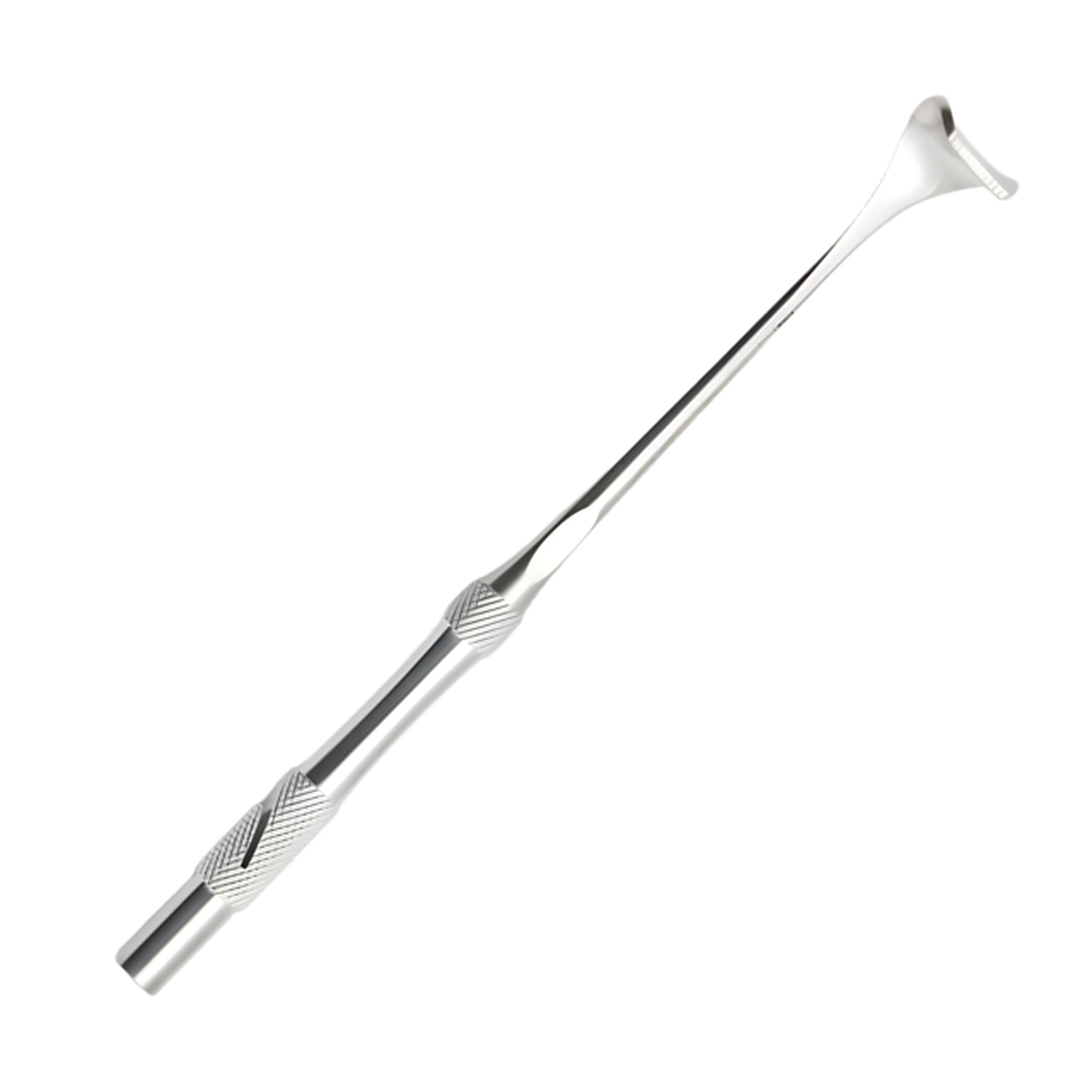 | مُبعد جلد الأنف - Nasal Skin Retractor | مصمم خصيصاً لرفع سديلات جلد الأنف وإبعاد الغضاريف أثناء عمليات تجميل الأنف وجراحات الوجه الترميمية. |
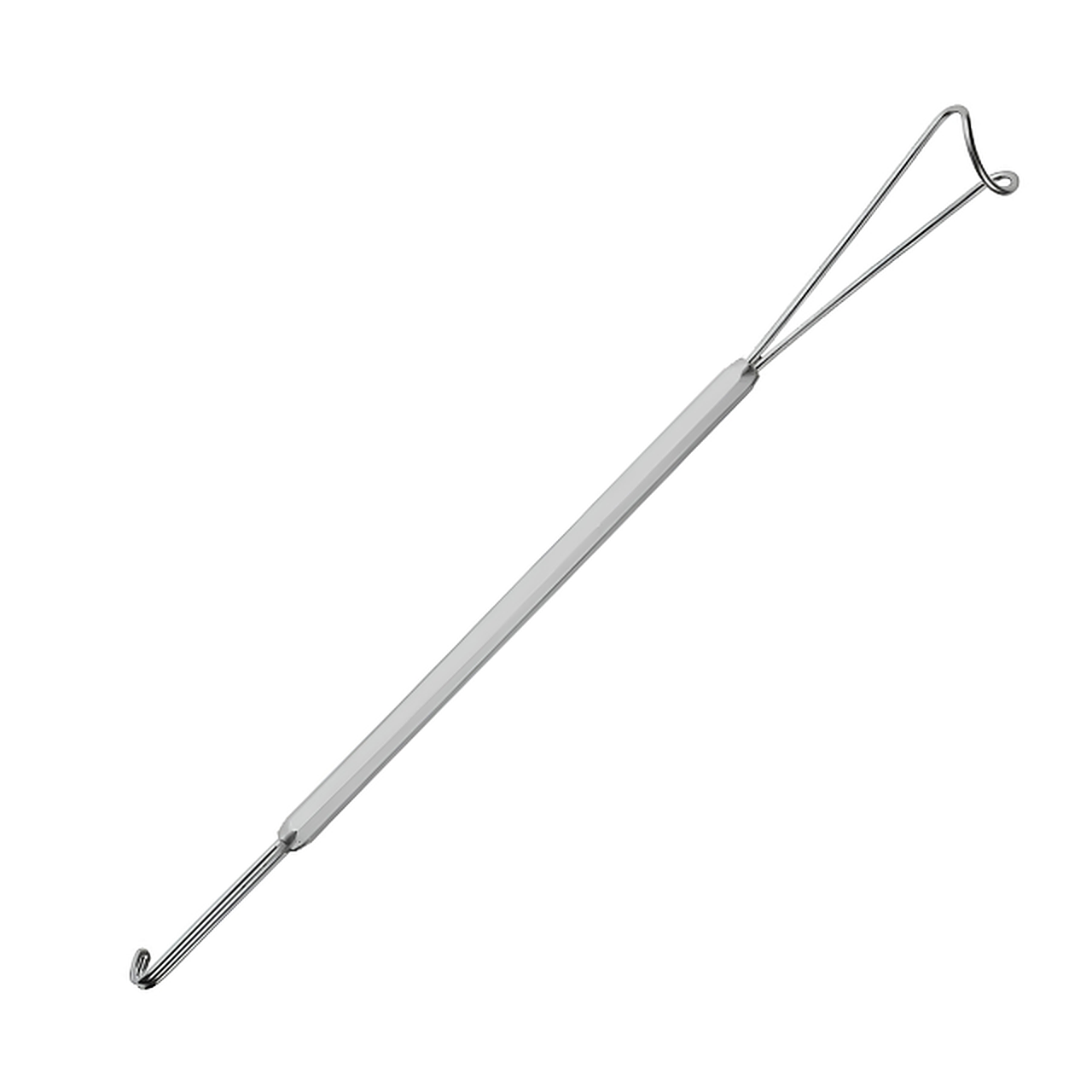 | مُباعد ومرشد السكين Neivert Knife and Guide Retractor | مصمم خصيصًا لتبعيد سدائل الجلد وتوجيه سكاكين الغضروف أثناء عمليات تجميل الأنف وإعادة بناء الأنف. |
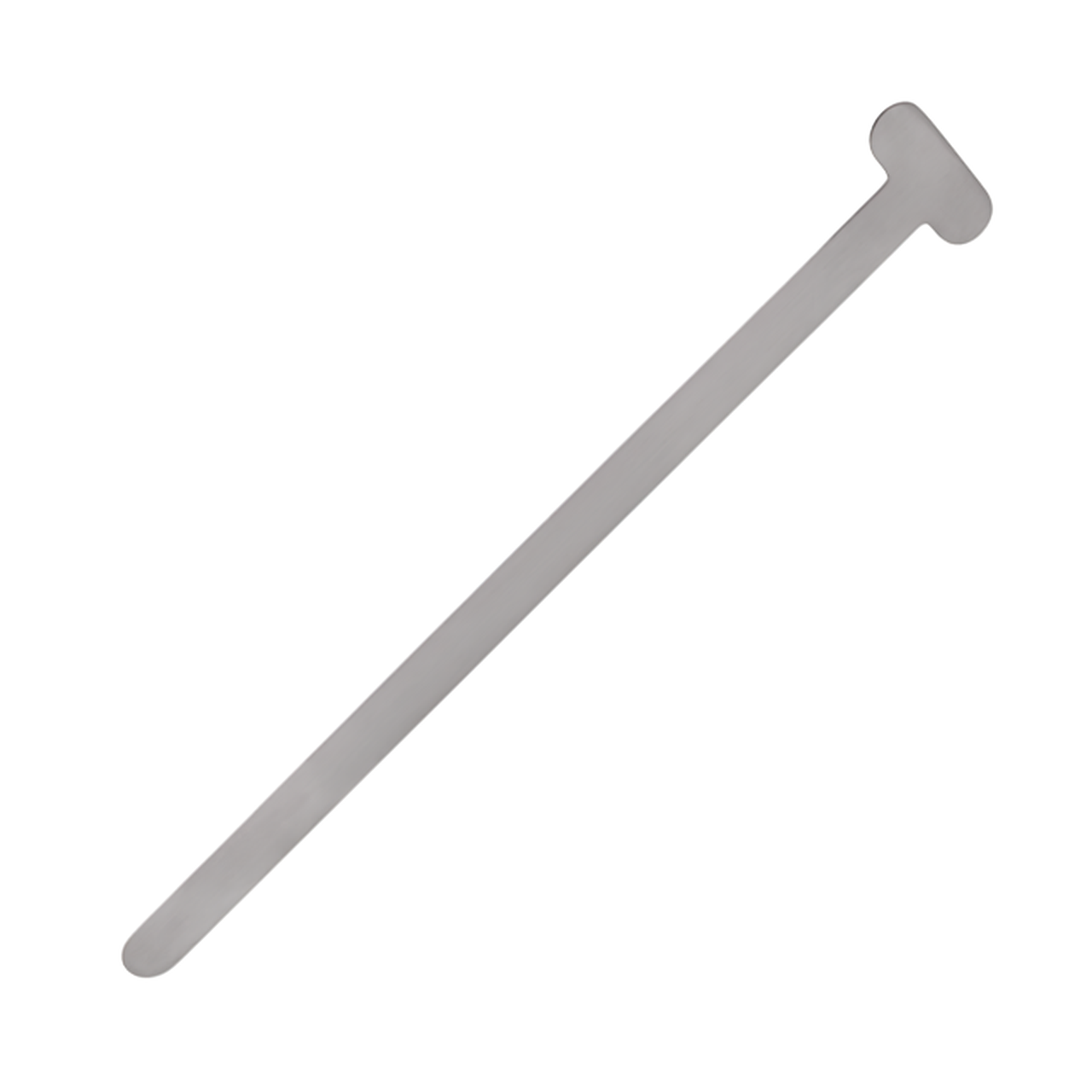 | مُبعّد Neonatal T Ribbon Retractor | مصمم خصيصاً لتبعيد الأحشاء الدقيقة والأمعاء والأنسجة الرخوة أثناء العمليات الجراحية لحديثي الولادة والأطفال. |
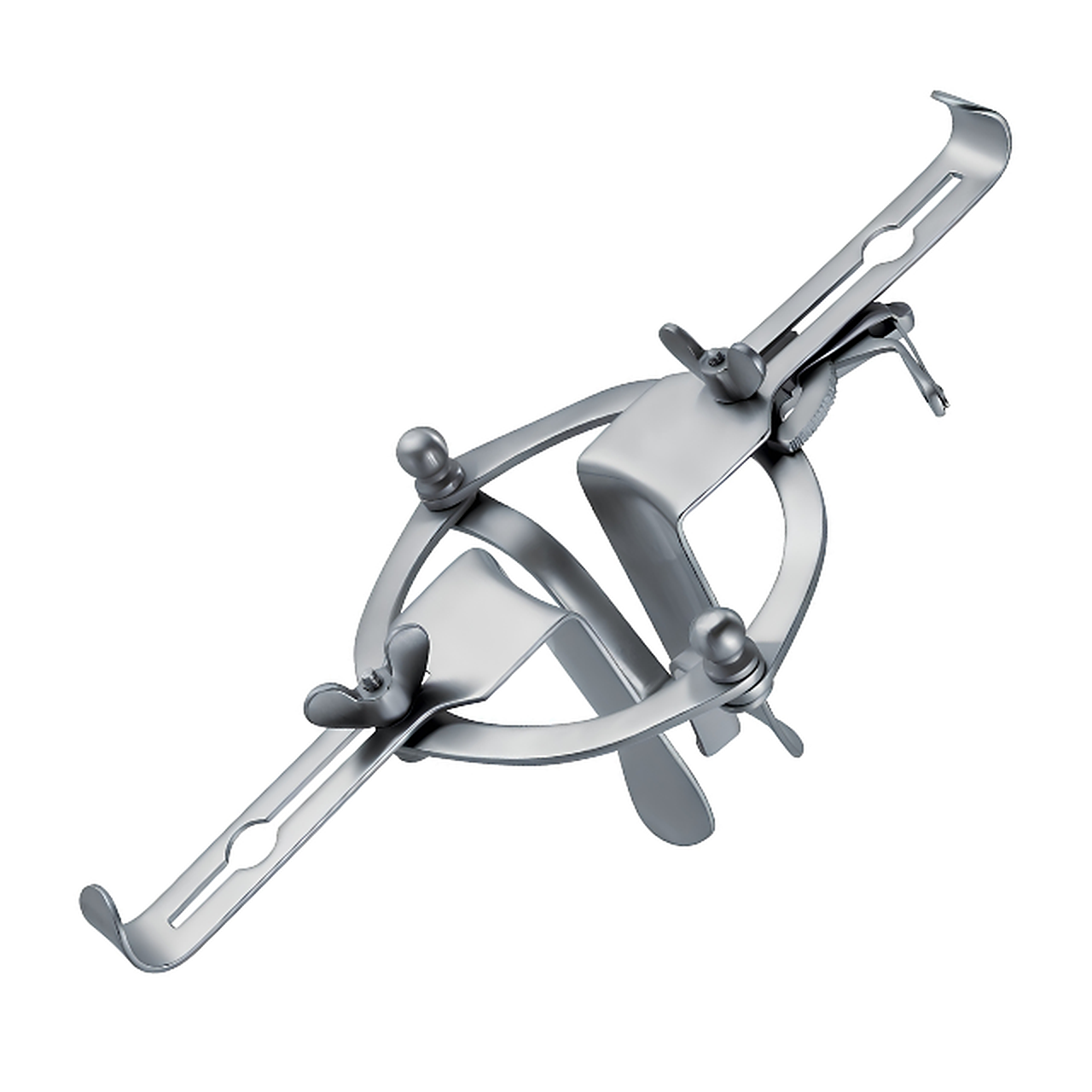 | مبعد مهبلي O'Sullivan-O'Conner | مصمم خصيصًا لتوفير تبعيد ذاتي التثبيت لجدار الحوض والأحشاء أثناء العمليات الجراحية الكبرى للحوض وأمراض النساء. |
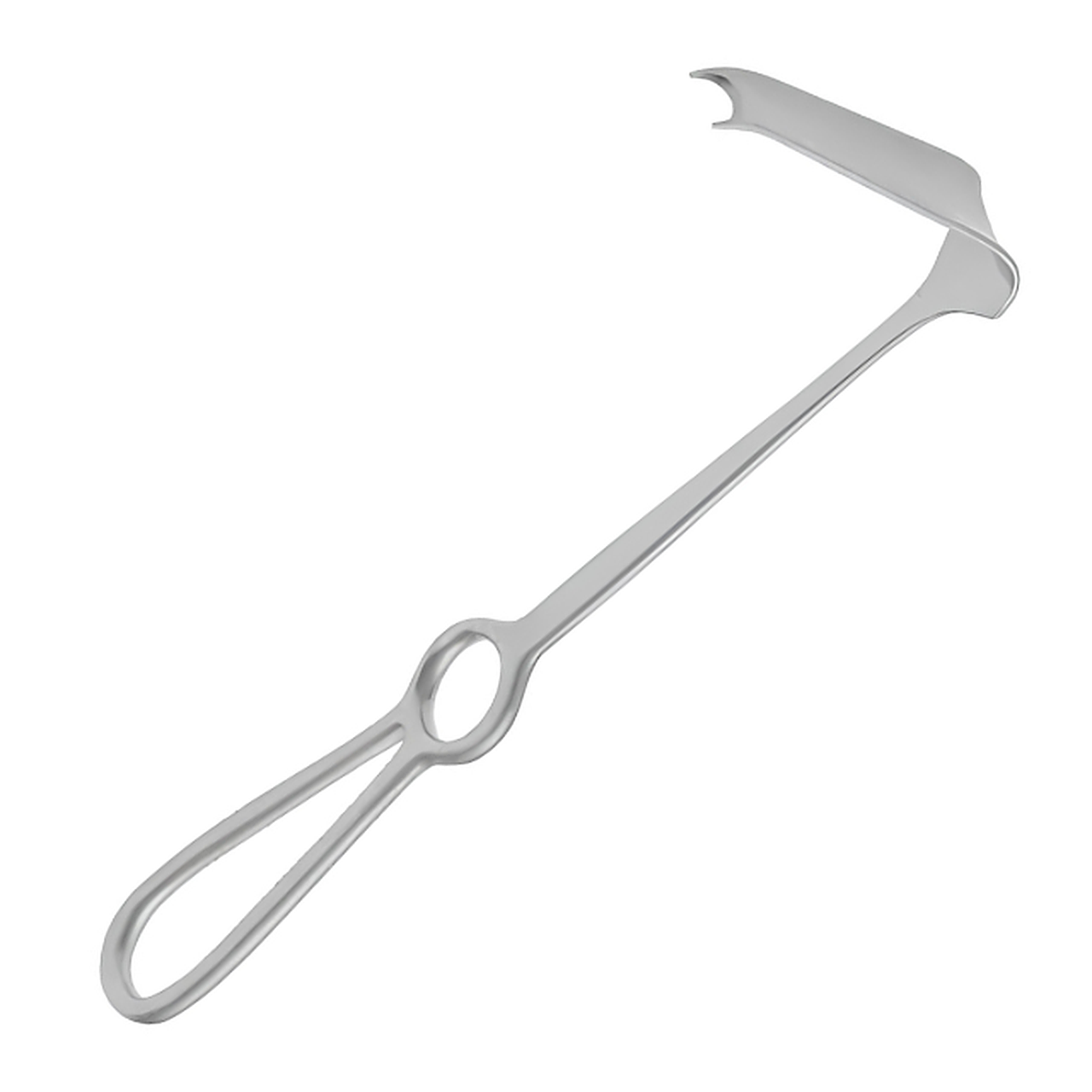 | Obwegeser Alveolar Retractor | مخصص لتثبيت الشفاه والخدود والسمحاق المخاطي لإظهار الحافة السنخية أثناء جراحة تقويم الفكين. |
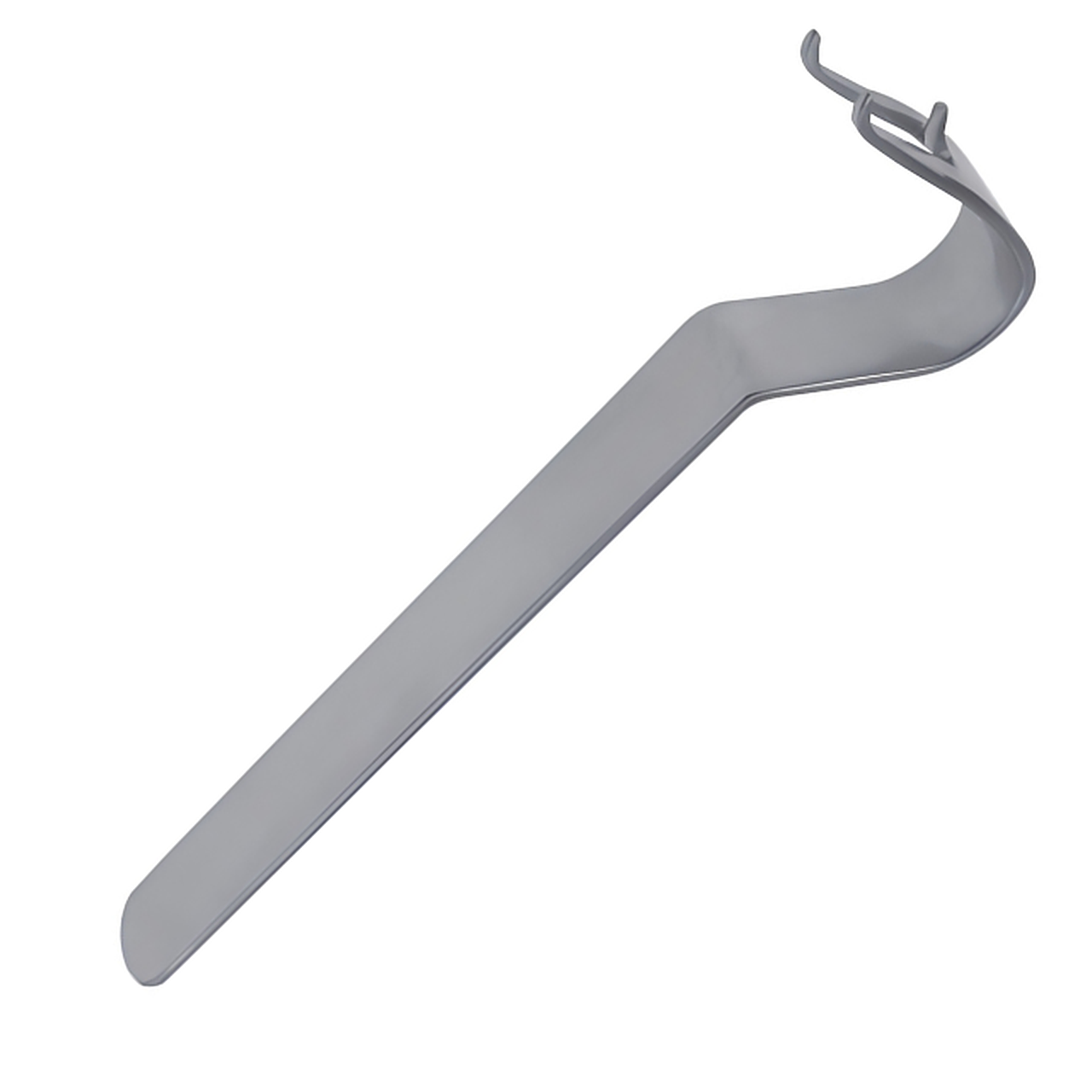 | Obwegeser Chin Retractor مباعد الذقن | مصمم خصيصاً لإبعاد العضلة الذقنية والأنسجة الرخوة للكشف عن الارتفاق الذقني أثناء جراحة تجميل الذقن (Genioplasty). |
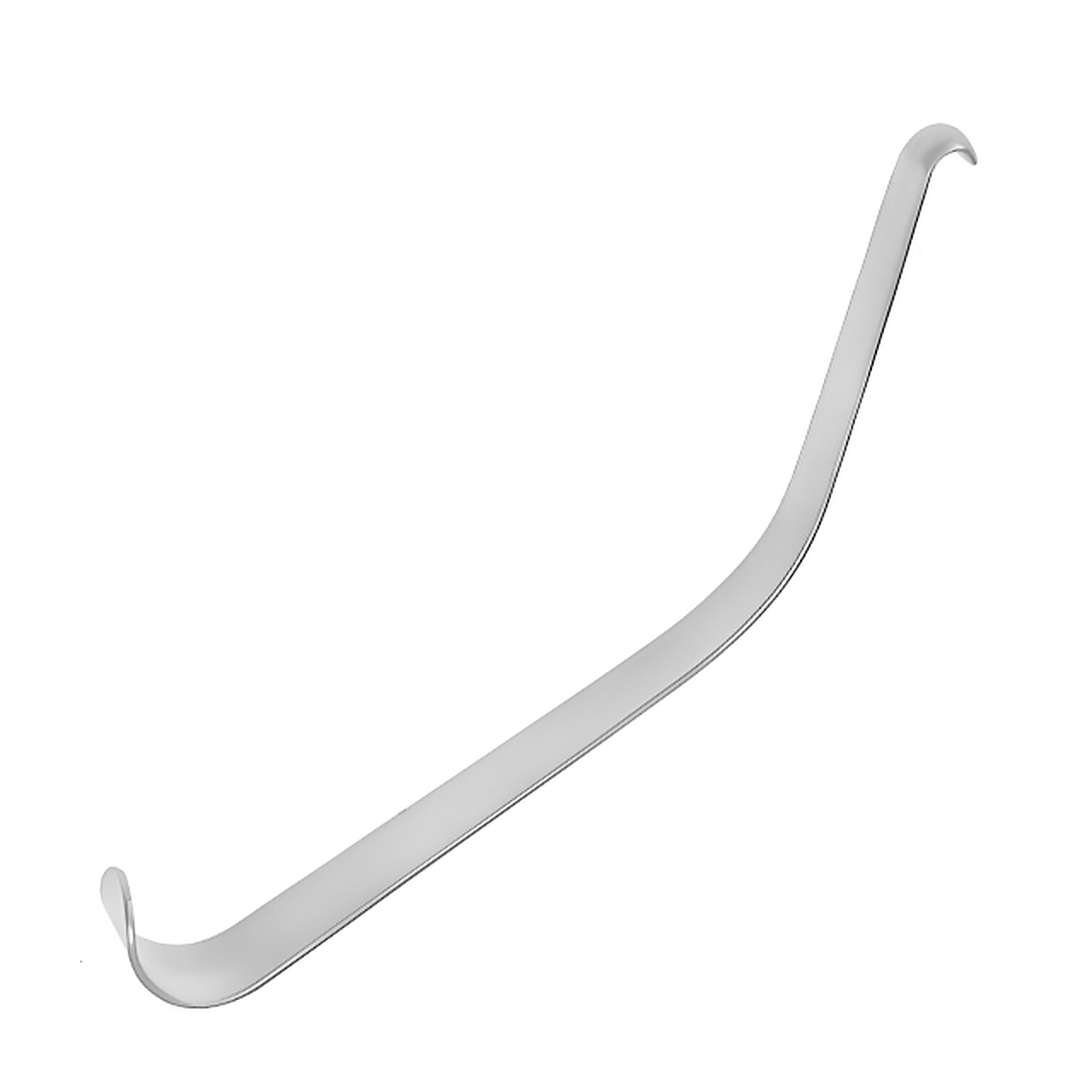 | مُبعّد Obwegeser Mandibular Channel Retractor لقناة الفك السفلي | مصمم خصيصاً للالتفاف حول الحافة السفلية للفك السفلي وحماية الحزم الوعائية العصبية أثناء عمليات قطع العظم التقويمية. |
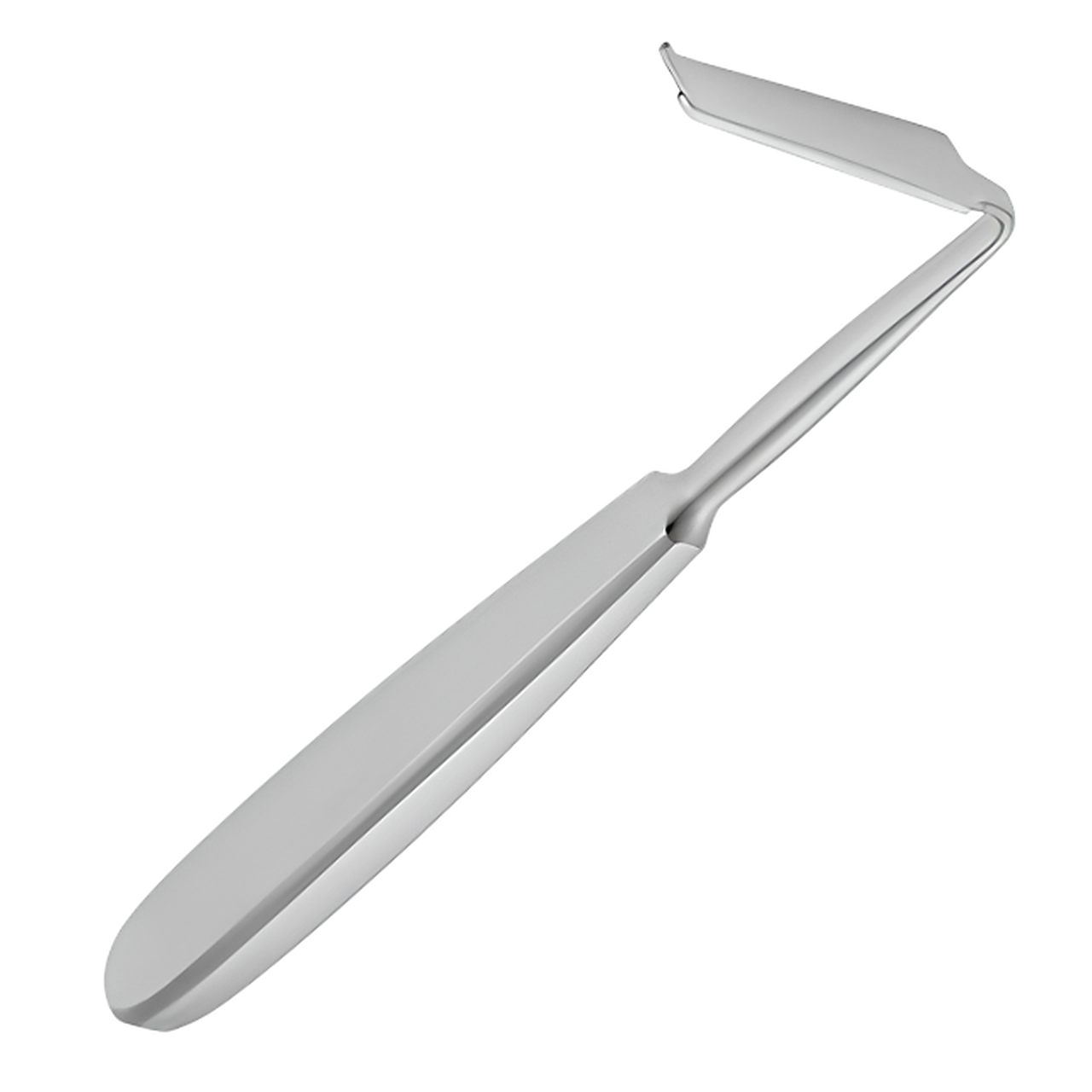 | مبعد حافة الفك السفلي Obwegeser Mandibular Rim Retractor | مصمم خصيصًا لإبعاد الأنسجة الرخوة وحماية الهياكل الوعائية العصبية على طول حافة الفك السفلي أثناء جراحة تقويم الفكين. |
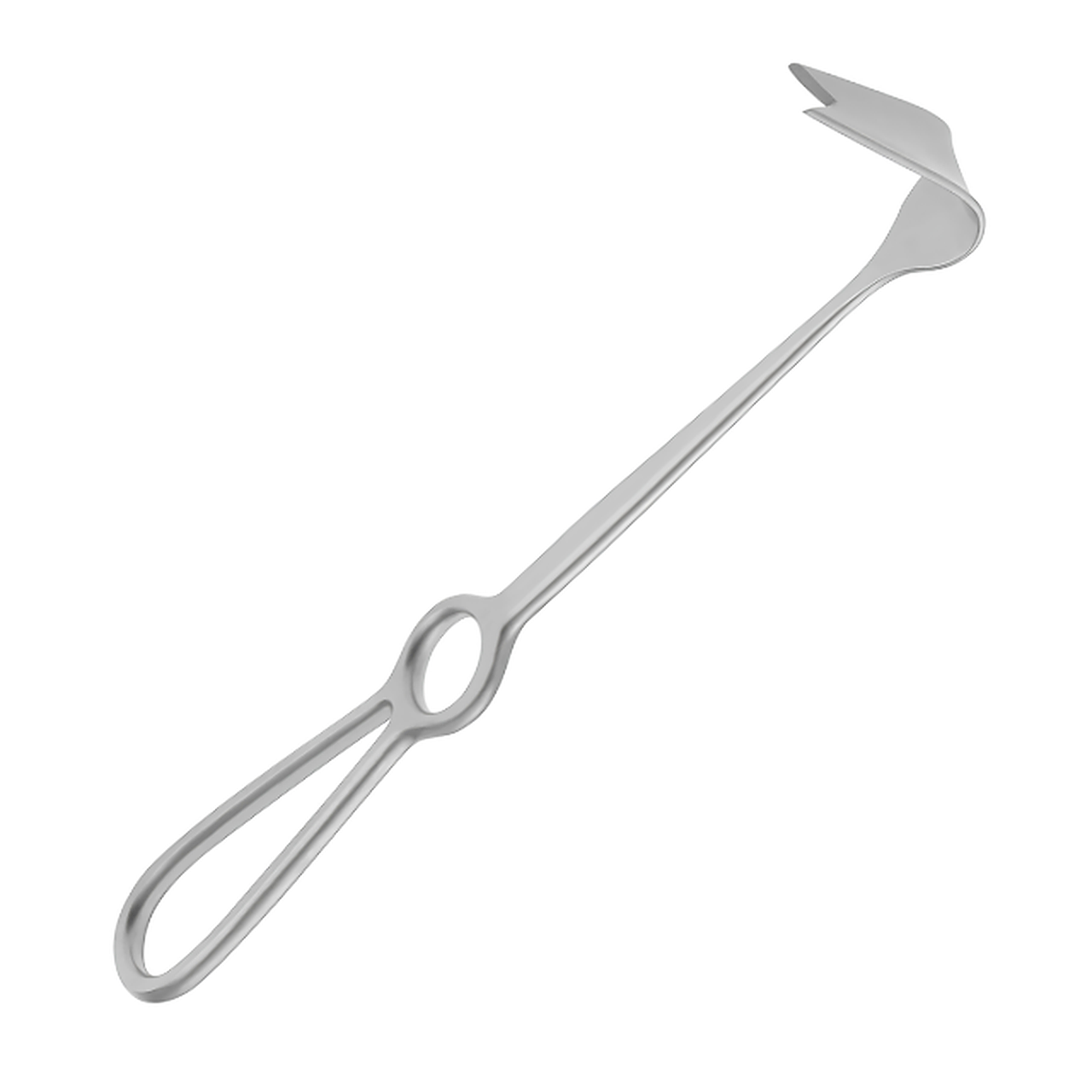 | مُباعد Obwegeser للشوكة الأنفية | مصمم خصيصاً للتعليق فوق الشوكة الأنفية الأمامية ورفع الشفة العليا أثناء عمليات قطع العظم Le Fort وجراحات الوجه والفكين. |
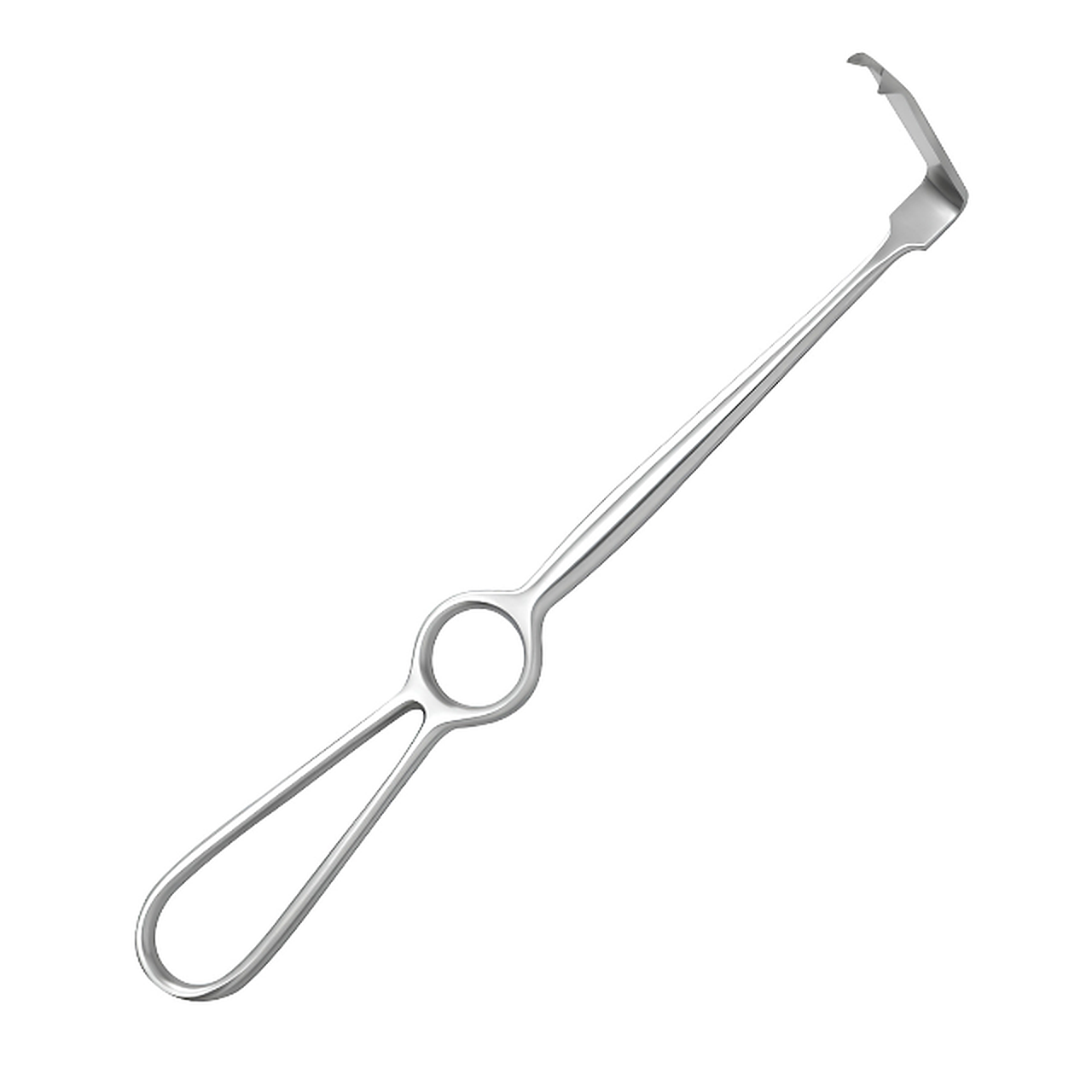 | Obwegeser Ramus Retractor | مصمم خصيصًا للالتفاف حول الرأد الصاعد للفك السفلي وحماية الأنسجة الرخوة أثناء عمليات قطع عظم الفك. |
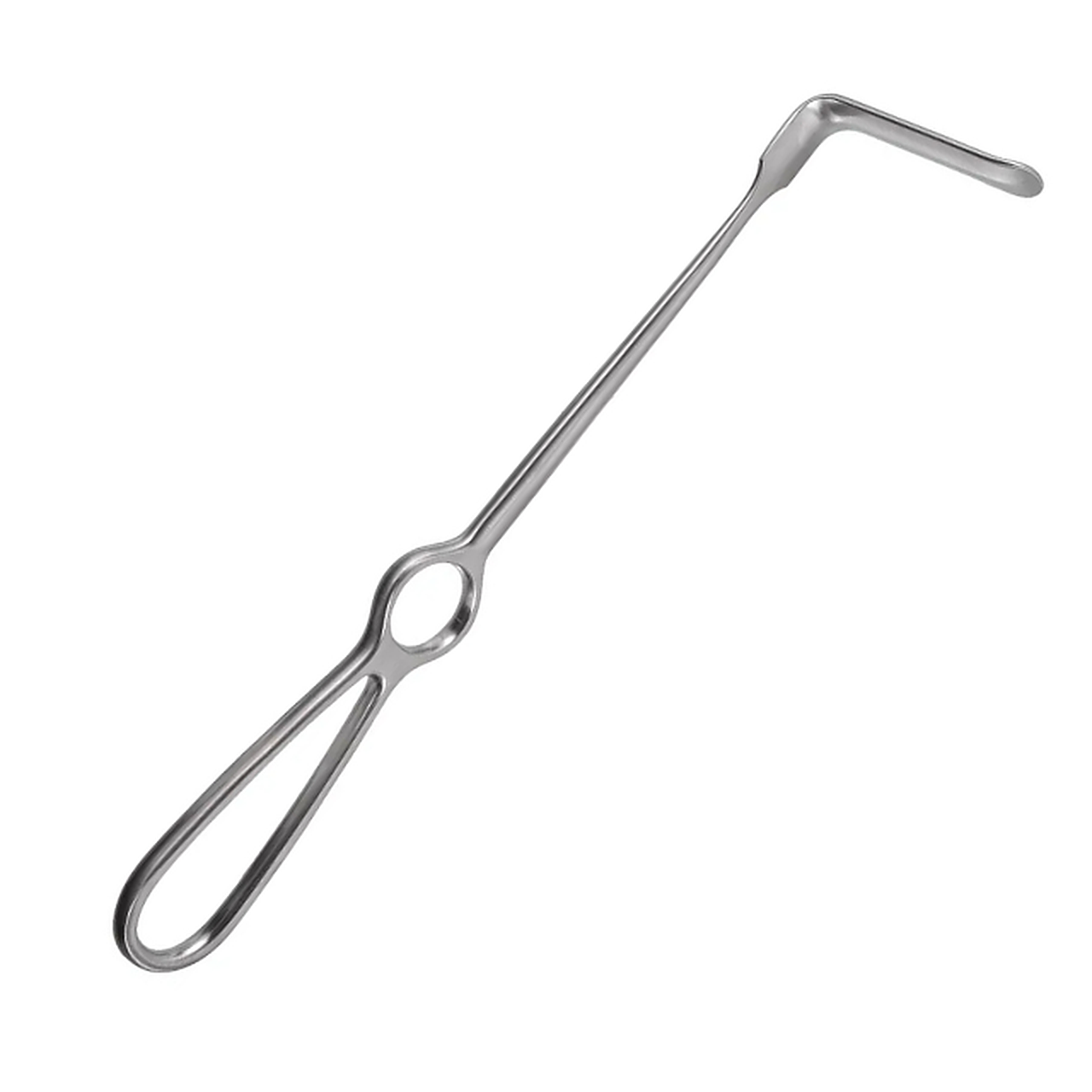 | مبعد Obwegeser للأنسجة الرخوة | مصمم خصيصاً لتبعيد وحماية سدائل السمحاق المخاطي والخدين والأنسجة الرخوة أثناء جراحات تقويم الفكين وجراحات الفم والوجه والفكين. |
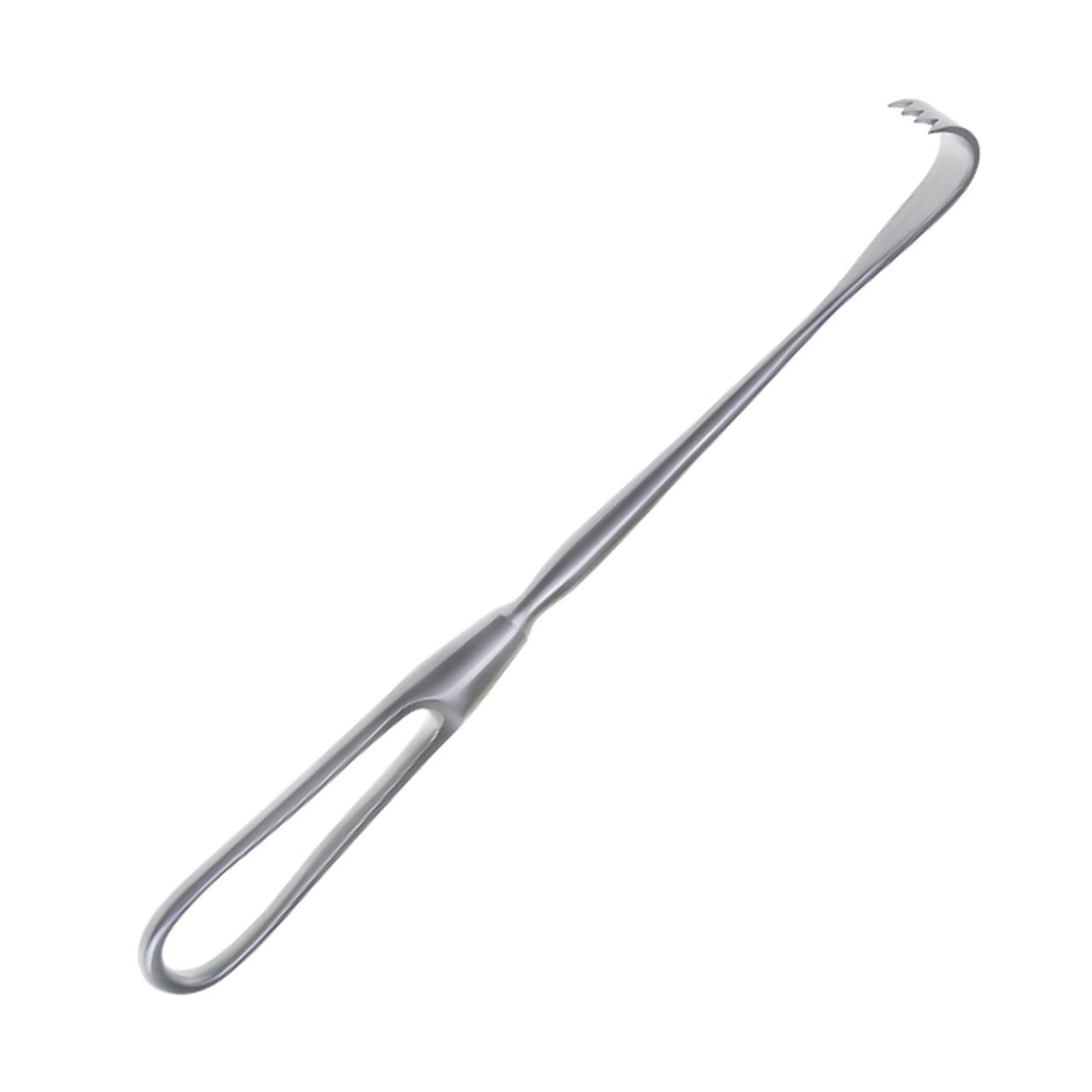 | مُبعّد Oldberg retractor | مصمم خصيصاً لإبعاد السدائل الجلدية والعضلات واللفافات أثناء جراحات القحف والعمود الفقري والعظام. |
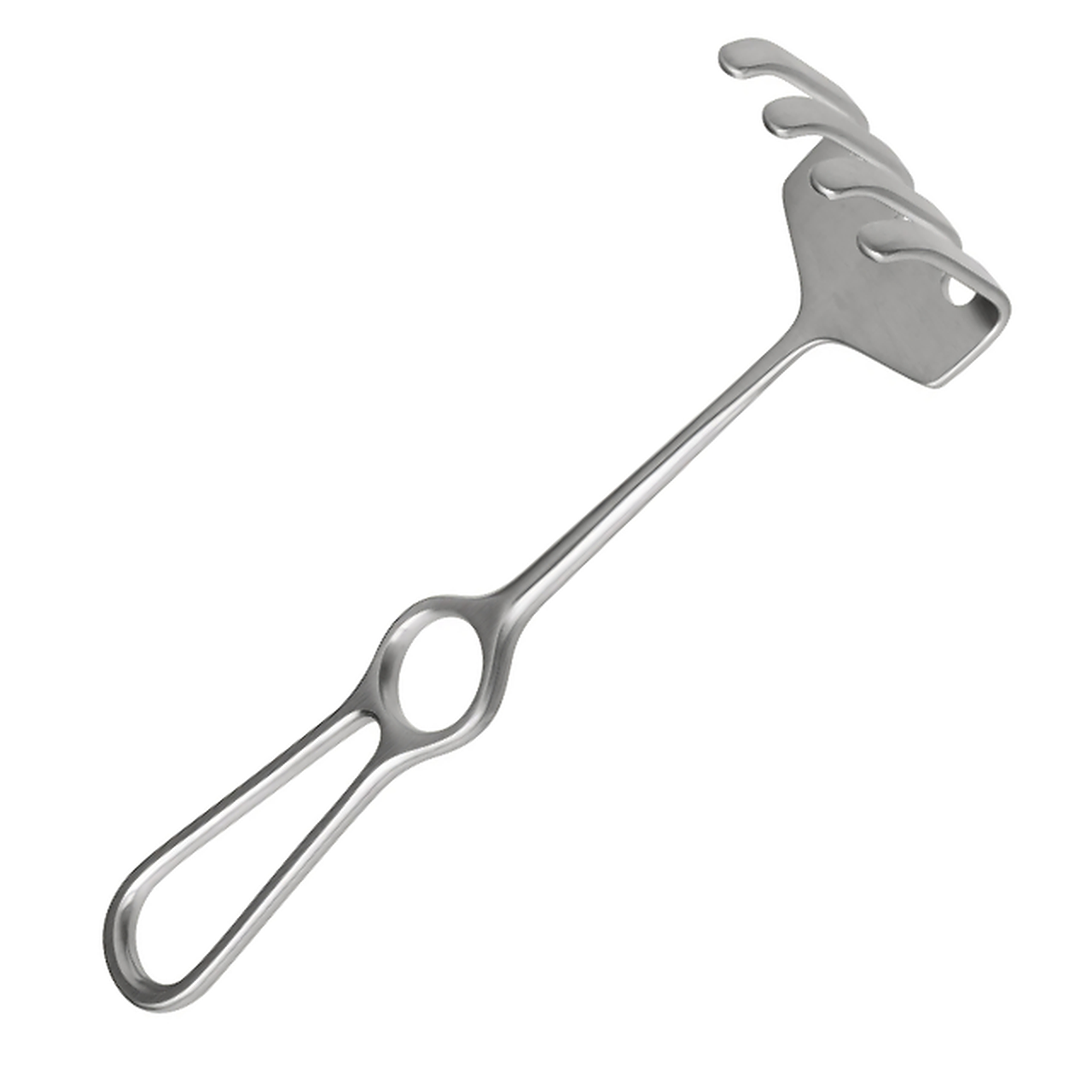 | مباعدات Ollier Retractors | مصمم خصيصًا لتبعيد الطبقات العضلية الثقيلة واللفافة وحواف الأنسجة السميكة أثناء جراحات البطن والعظام. |
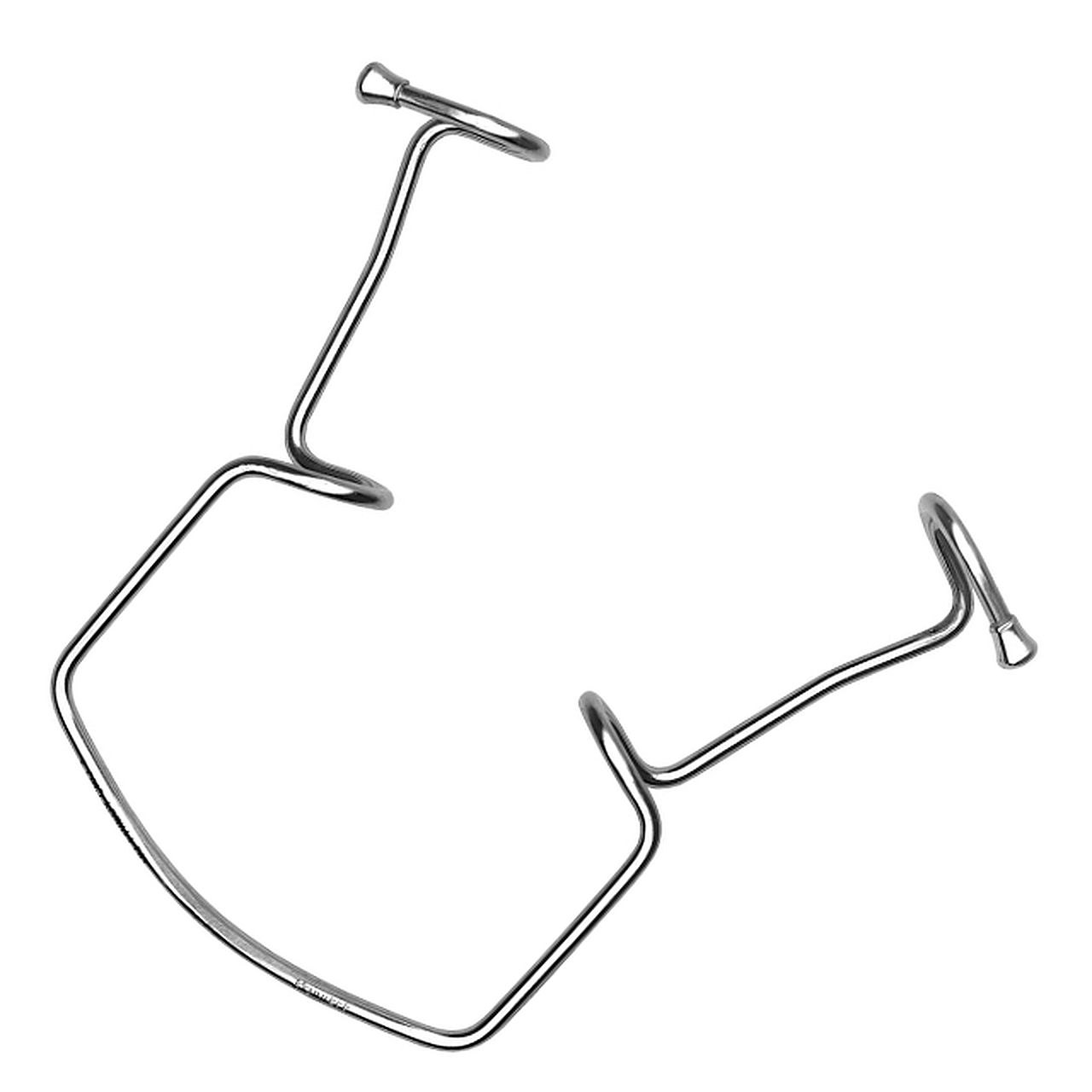 | Orringer Cheek Retractor | مصمم خصيصًا لتوفير تبعيد ثنائي الجانب ذاتي الثبات للخدين والشفتين أثناء جراحات الفم والأسنان. |
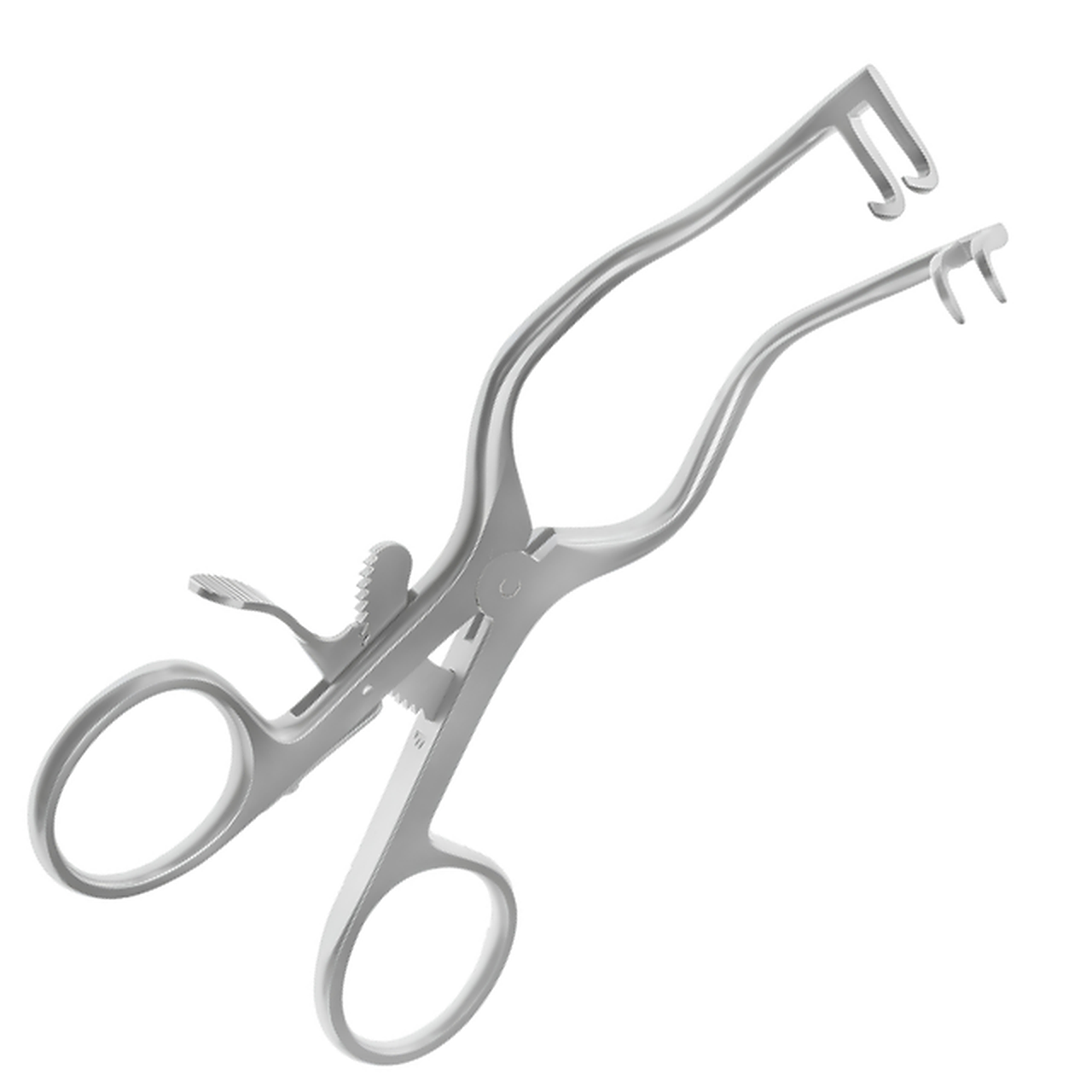 | مُباعد Paparella-Weitlaner ذاتي الثبات | مُصمم خصيصاً لتوفير تبعيد ذاتي للسمحاق وحواف الجروح أثناء جراحات الخشاء (Mastoid)، والأذن، وفروة الرأس. |
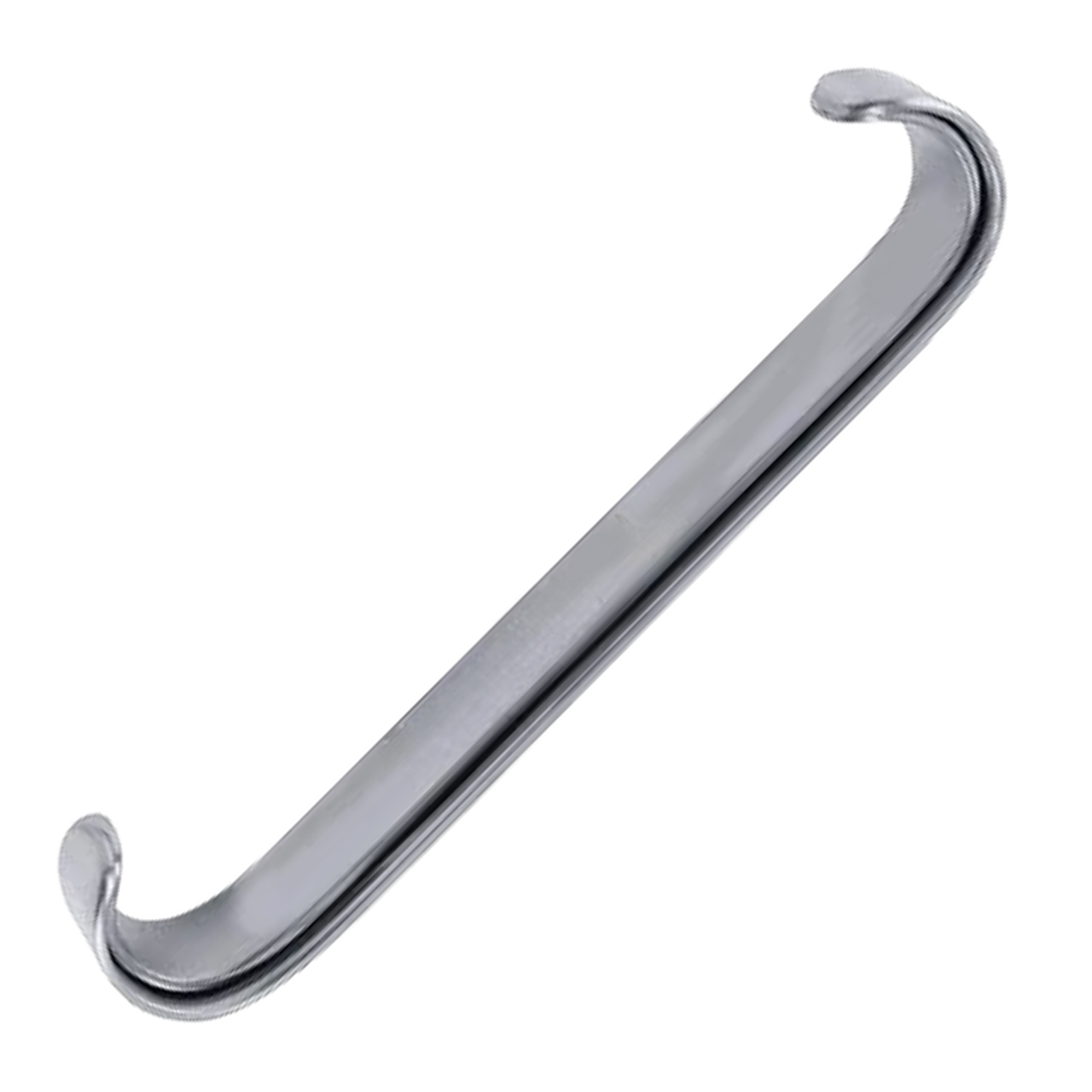 | Parker Retractor- Set Of Two - مبعد باركر - طقم قطعتين | مصمم خصيصاً لتباعد حواف الجلد واللفافة وطبقات العضلات السطحية أثناء الجراحات الصغرى والعامة. |
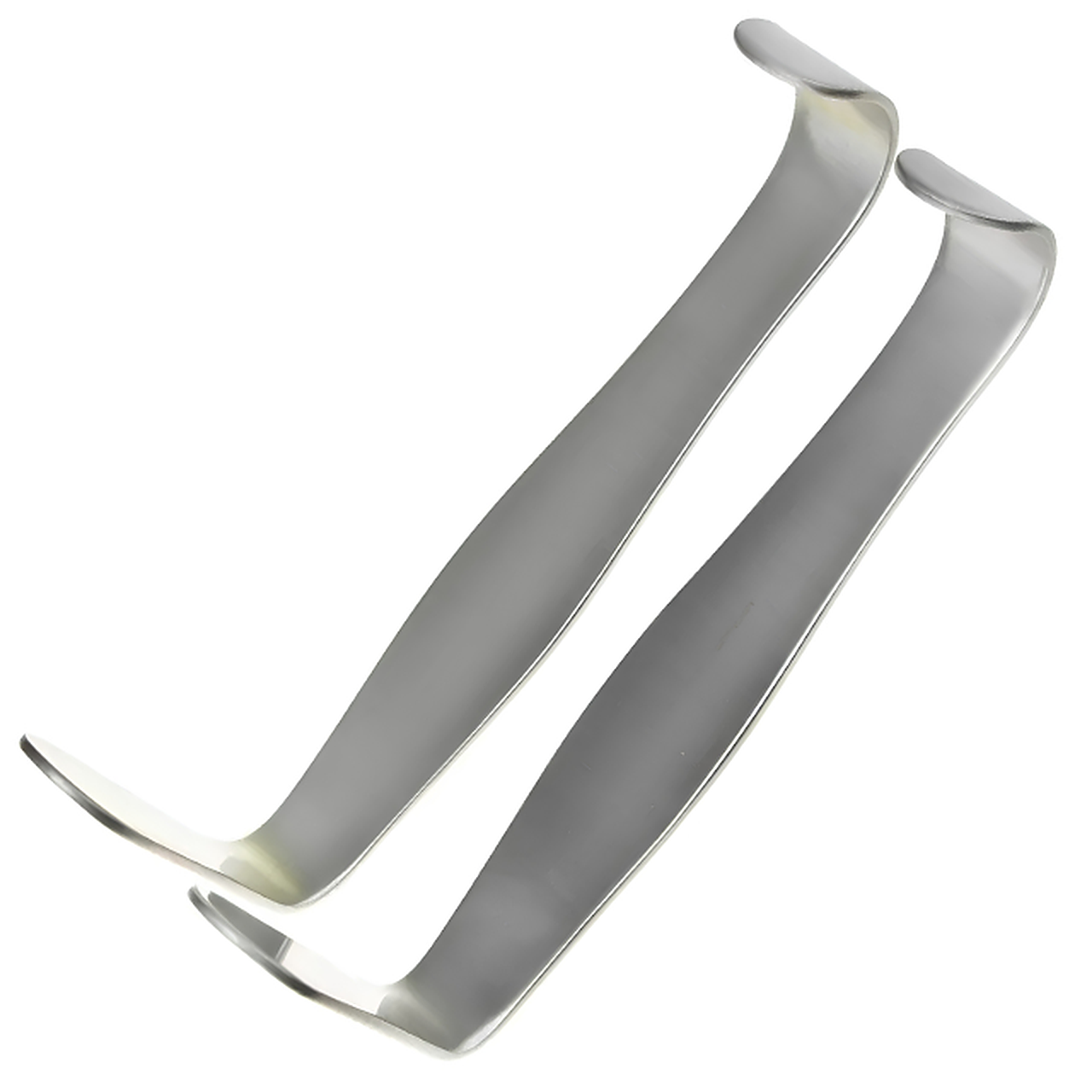 | مجموعة مباعدات Parker-Mott - طقم من قطعتين | مصمم خصيصاً لتبعيد الجلد واللفافة والأنسجة الرخوة في الشقوق الجراحية السطحية والمتوسطة. |
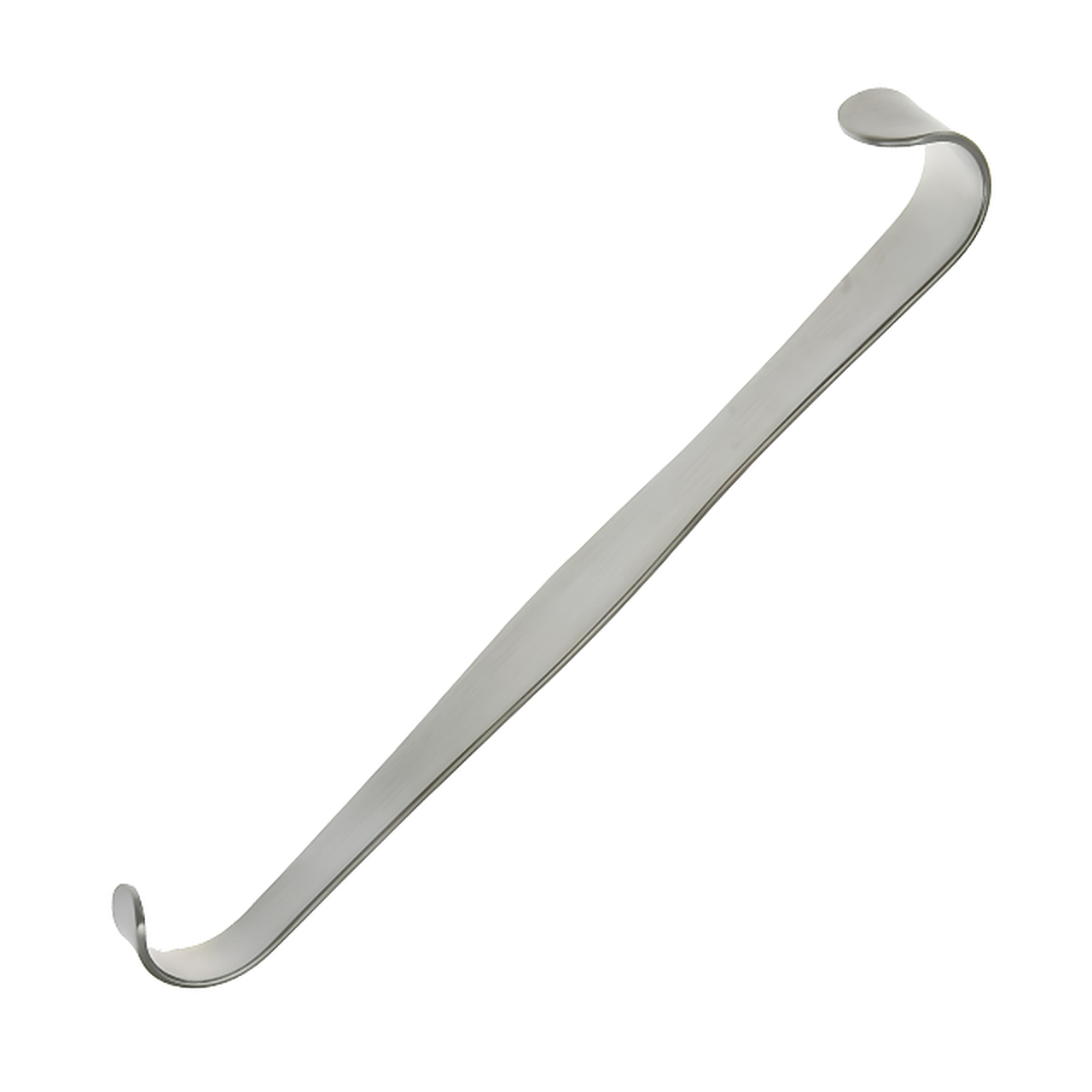 | Parker-Tommy Retractor | مصمم خصيصاً لتبعيد حواف الجلد، اللفافة، والأنسجة الرخوة في الشقوق الجراحية السطحية والمتوسطة. |
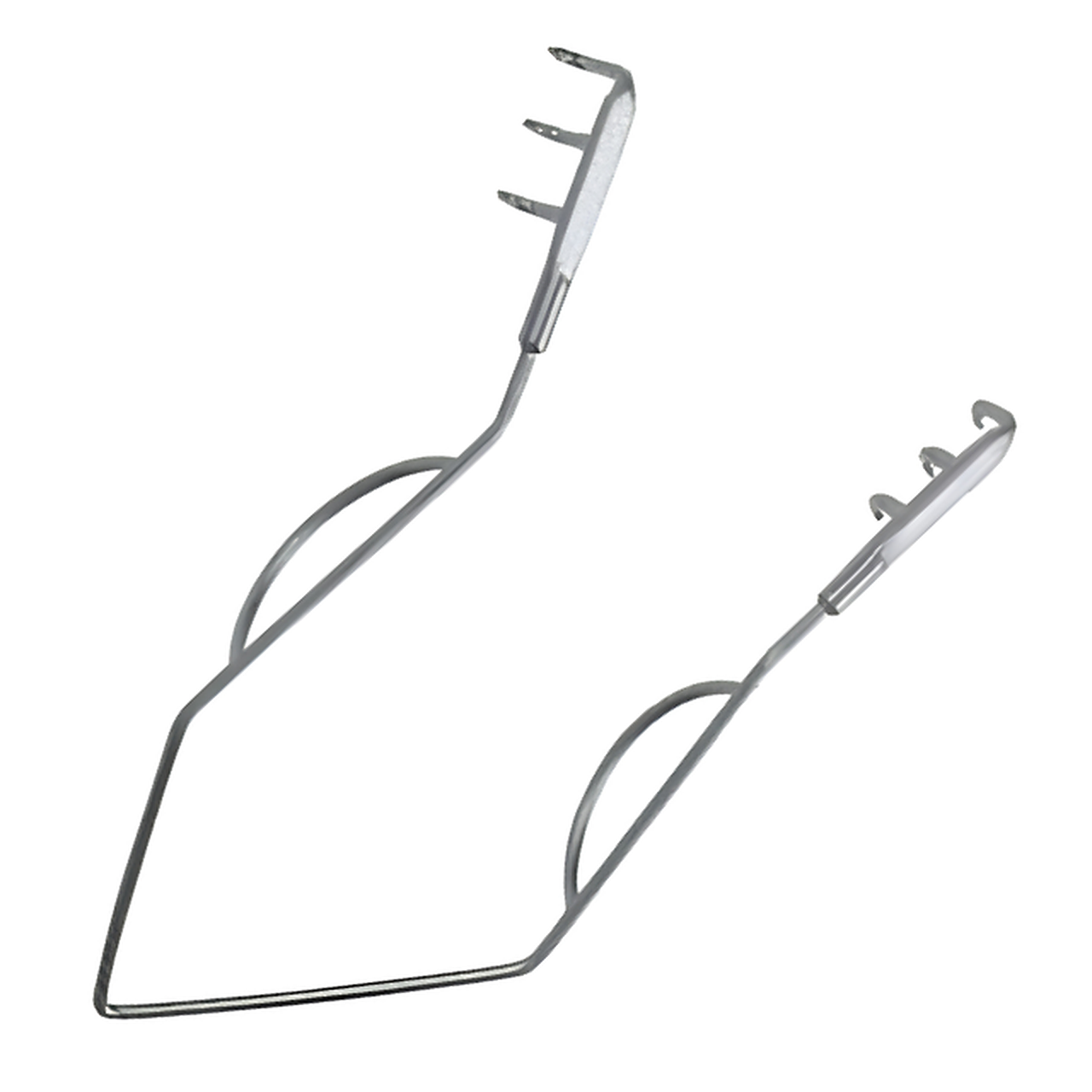 | مباعد Parsonnet Epicardial Retractor | مصمم خصيصاً لمباعدة دهون النخاب وعضلة القلب لعزل الشرايين التاجية أثناء جراحة طعم مجازة الشريان التاجي. |
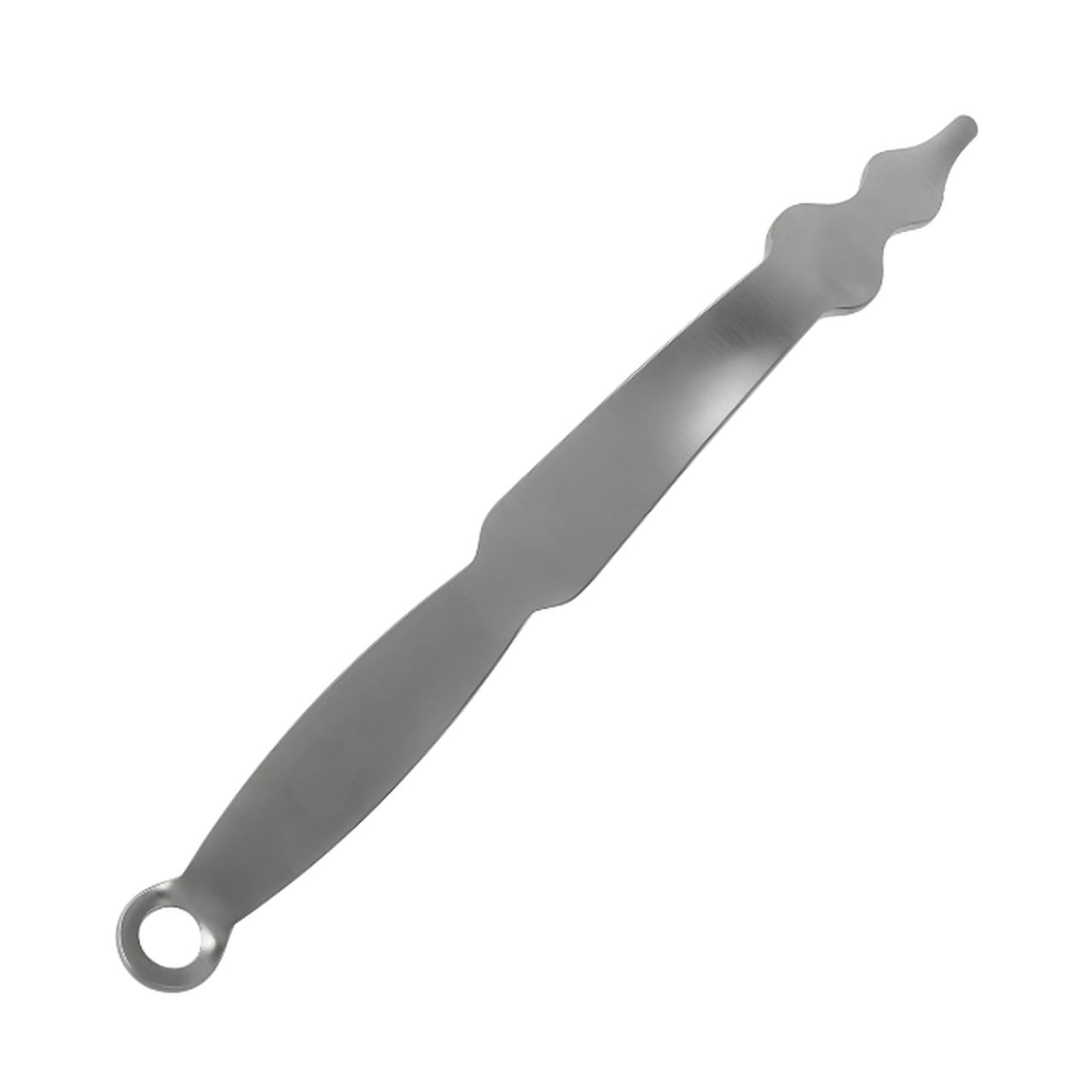 | مُبَعّد الرضفة Patella Retractor | مصمم خصيصاً لرفع وقلب وإبعاد الرضفة ووتر الرضفة أثناء عمليات تقويم مفصل الركبة. |
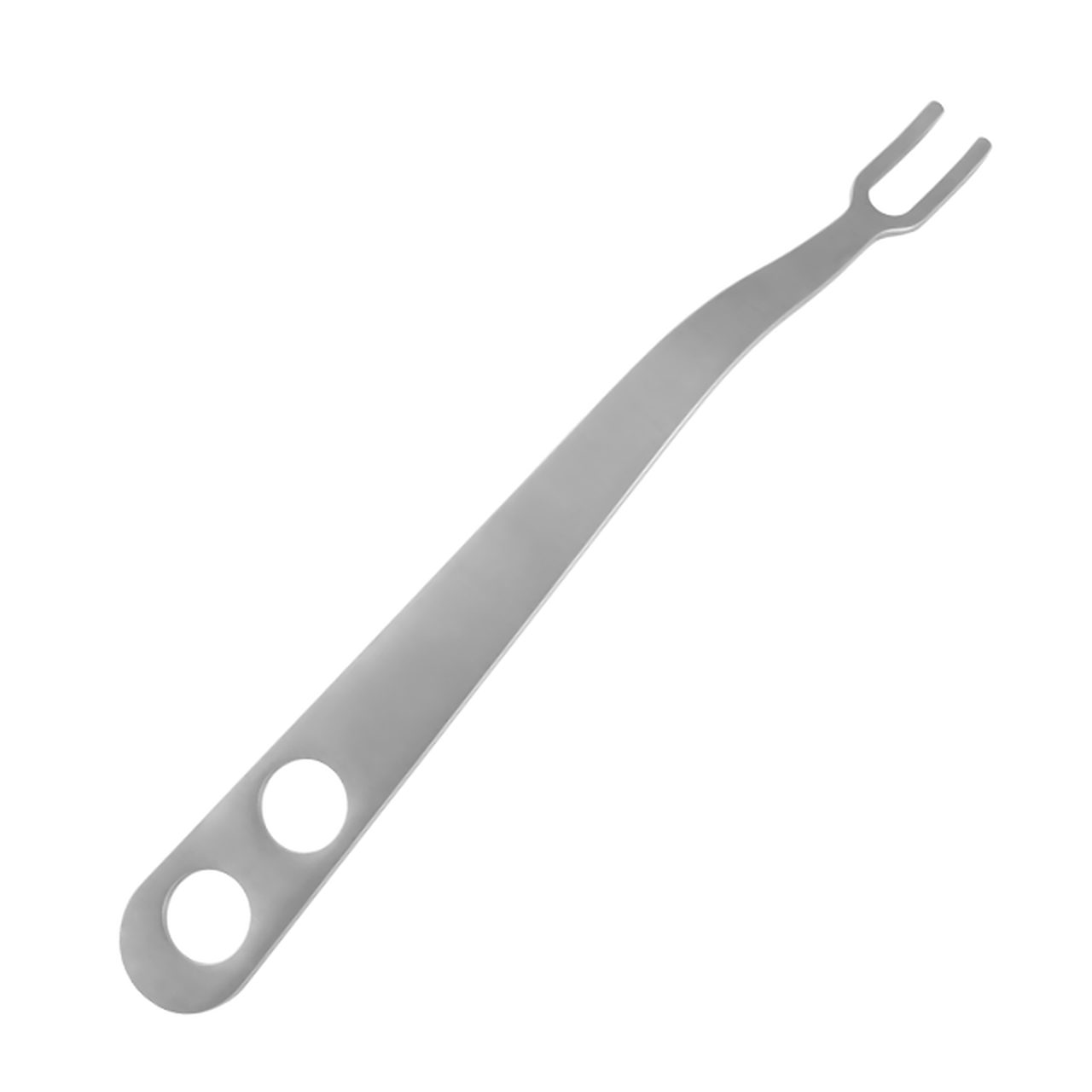 | مُباعد PCL Retractor | مُصمم خصيصًا لمباعدة الرباط الصليبي الخلفي، وإزاحة عظمة الظنبوب للأمام، وحماية الأوعية الخلفية أثناء جراحة تقويم مفاصل الركبة. |
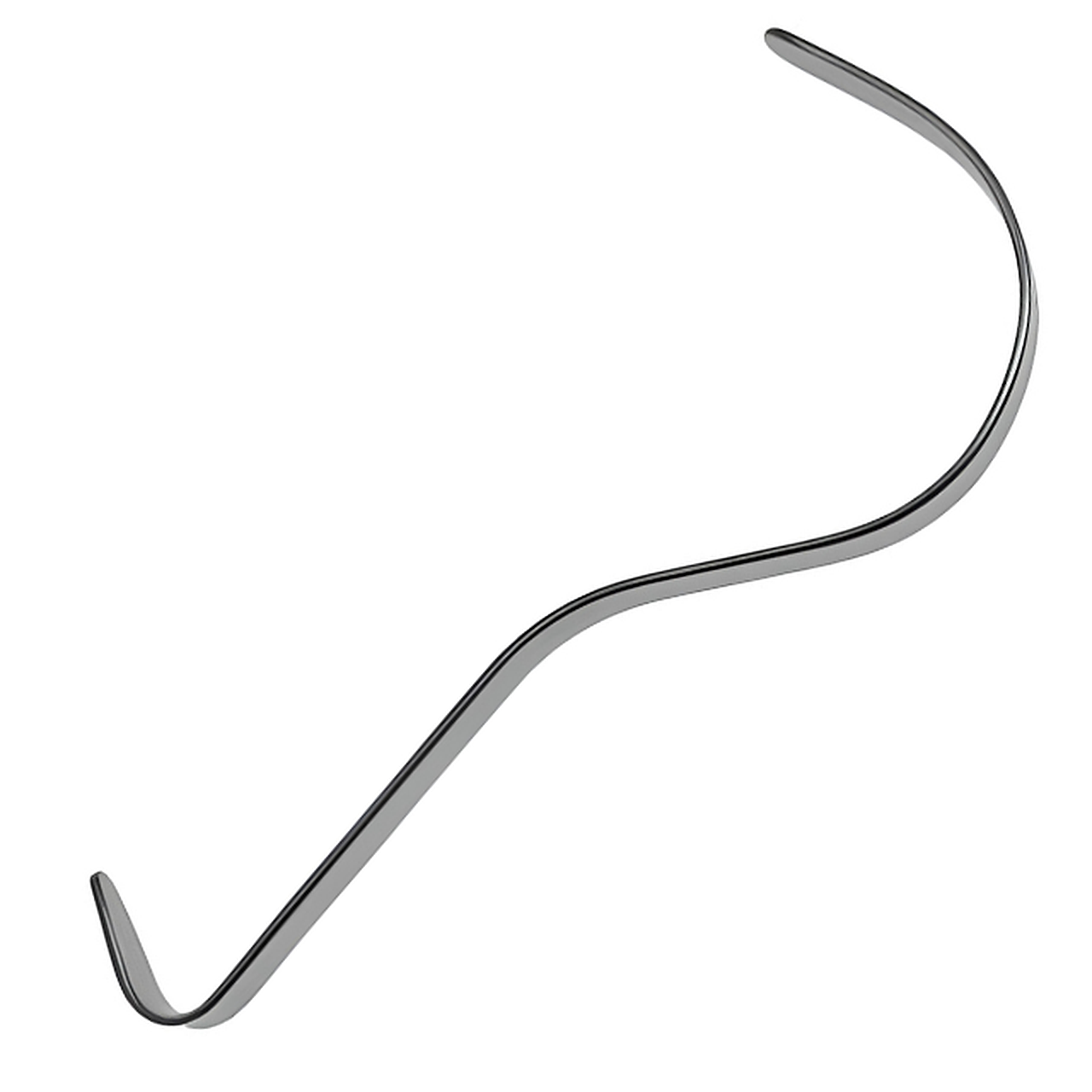 | مباعدات Pediatric Deaver Retractors | مصمم خصيصاً لمباعدة الأحشاء وجدار البطن أثناء جراحات الأطفال وحديثي الولادة. |
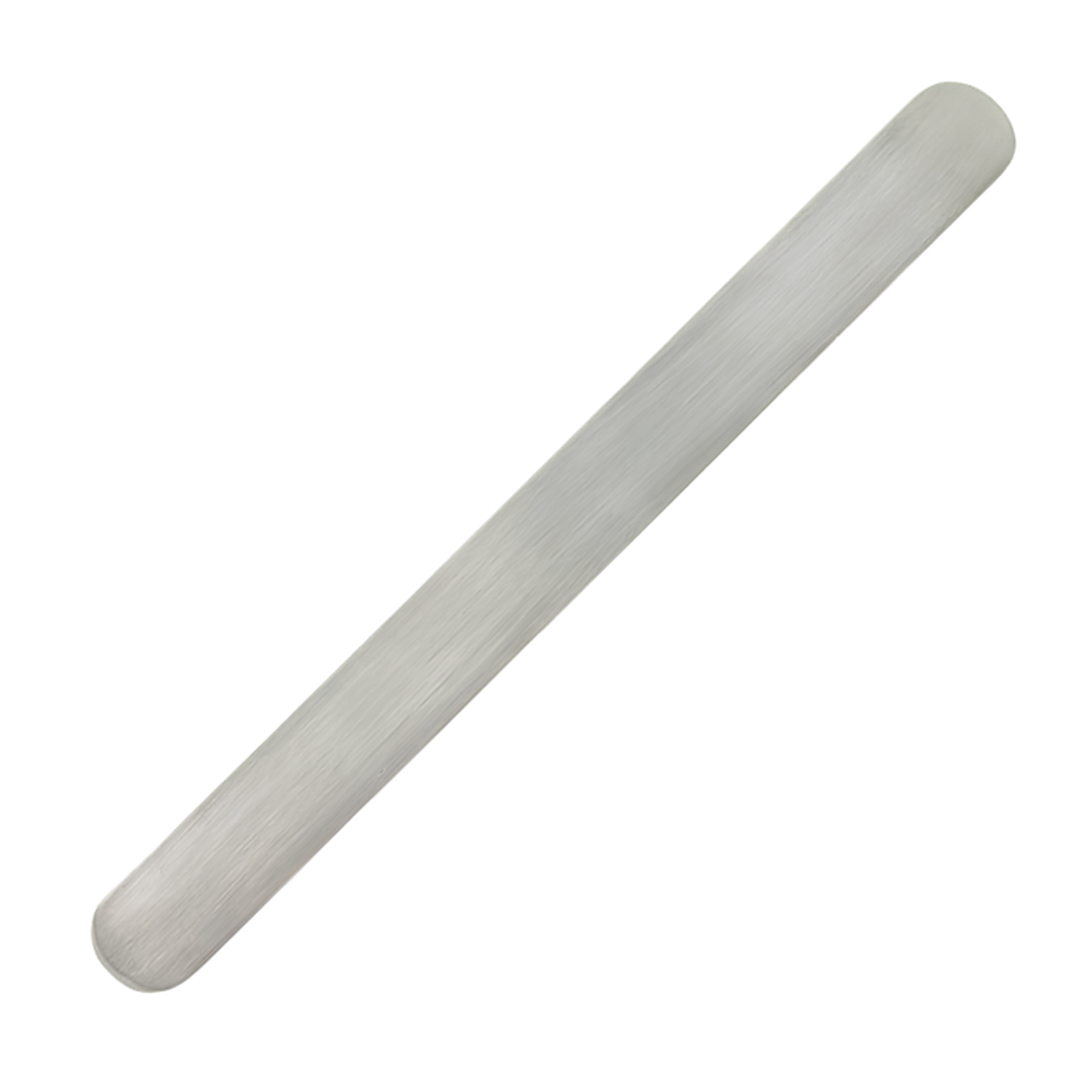 | مُباعد شريطي لجراحة الأطفال | مصمم خصيصاً للانحناء إلى أشكال مخصصة لمباعدة الأحشاء والأمعاء والأنسجة أثناء جراحات الأطفال. |
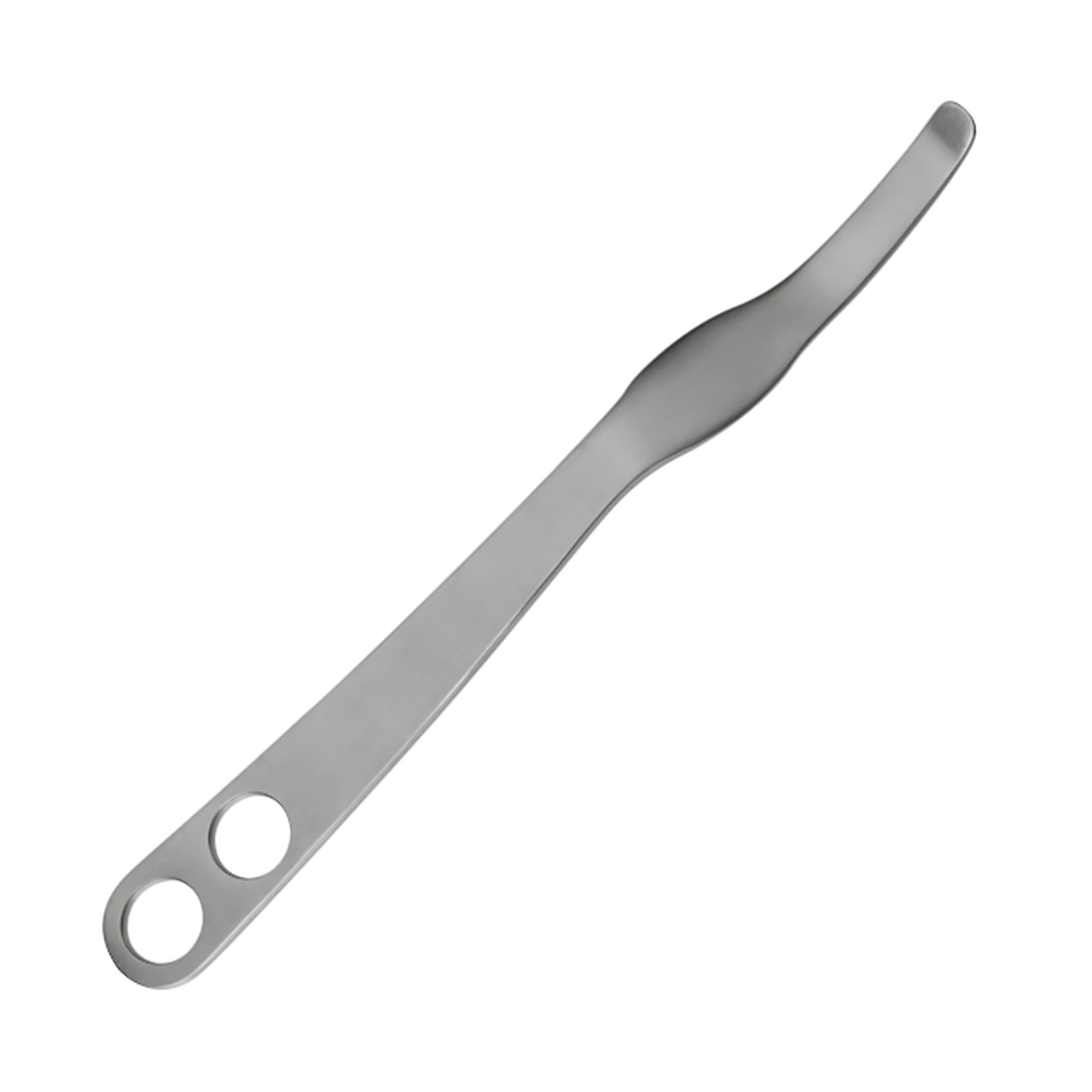 | Pelvic Retractor Blunt | مصمم خصيصاً لمباعدة أحشاء الحوض والمثانة والأنسجة الرخوة أثناء العمليات الجراحية العميقة في الحوض والبطن. |
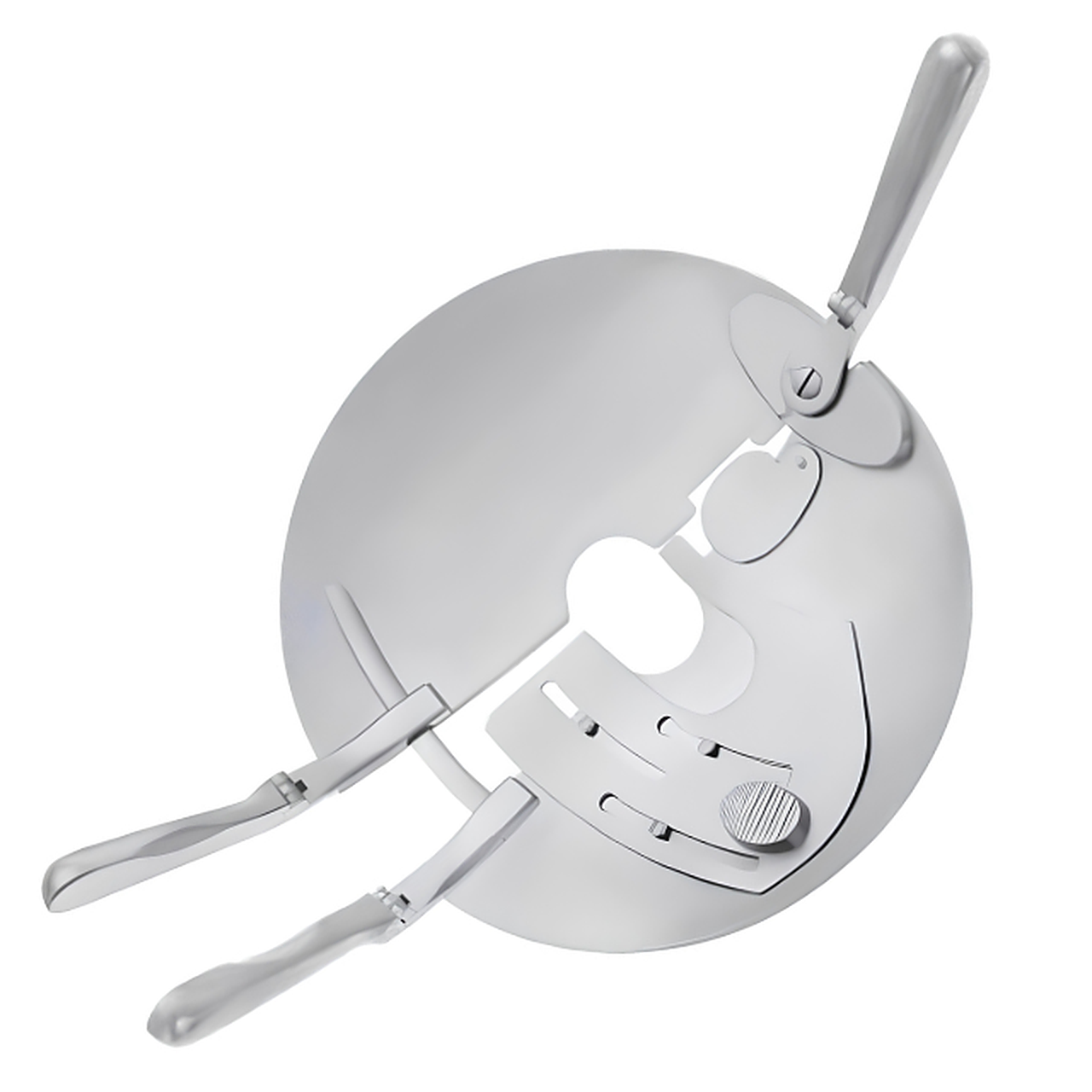 | PERCY AMPUTATION RETRACTOR | مصمم خصيصاً لإبعاد الكتل العضلية وحماية الأنسجة الرخوة أثناء تقسيم العظام في جراحة بتر الأطراف. |
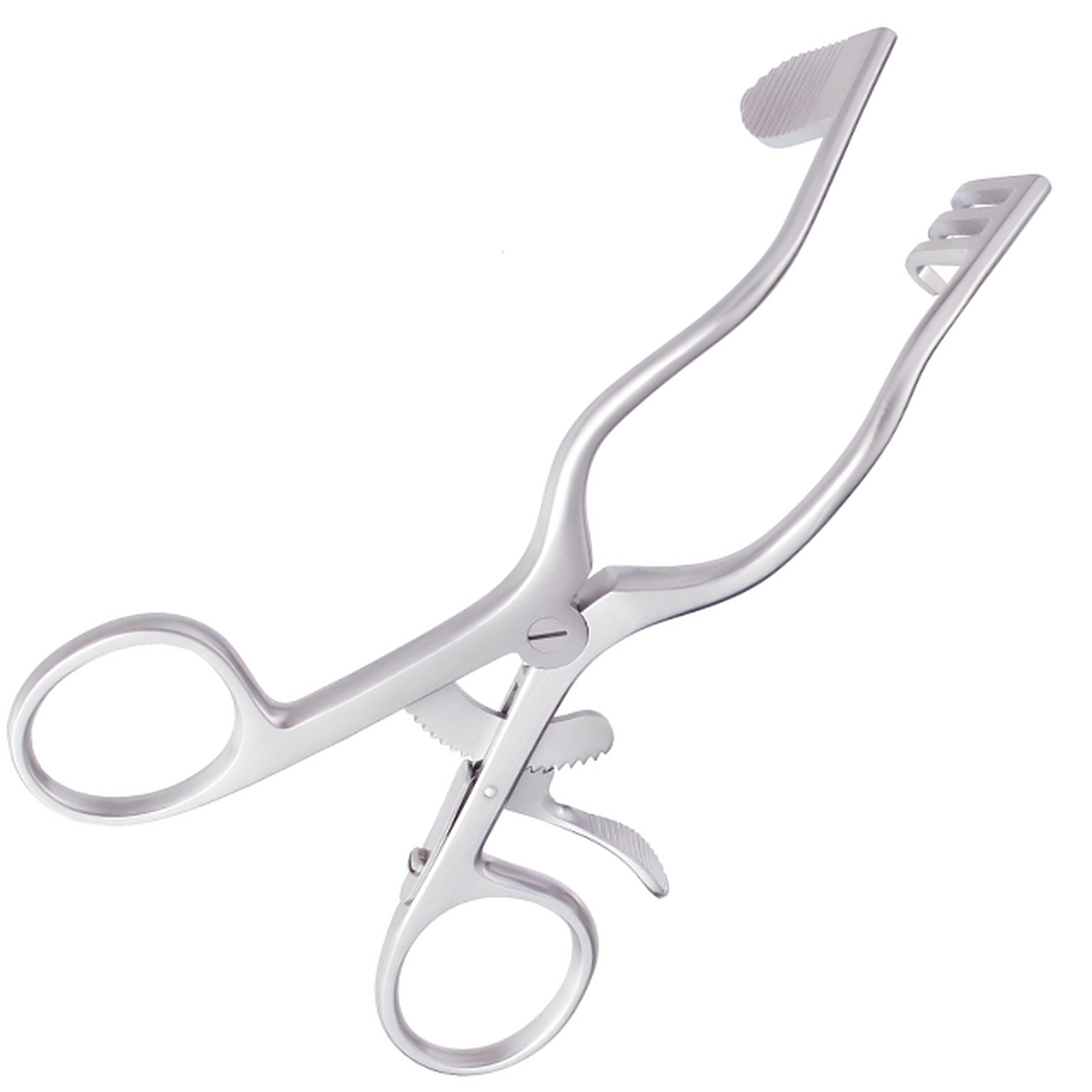 | مبعد Perkins ذاتي التثبيت | مصمم خصيصًا لتوفير تبعيد ذاتي للأنسجة في جراحات الأوعية الدموية والجهاز العصبي والعظام. |
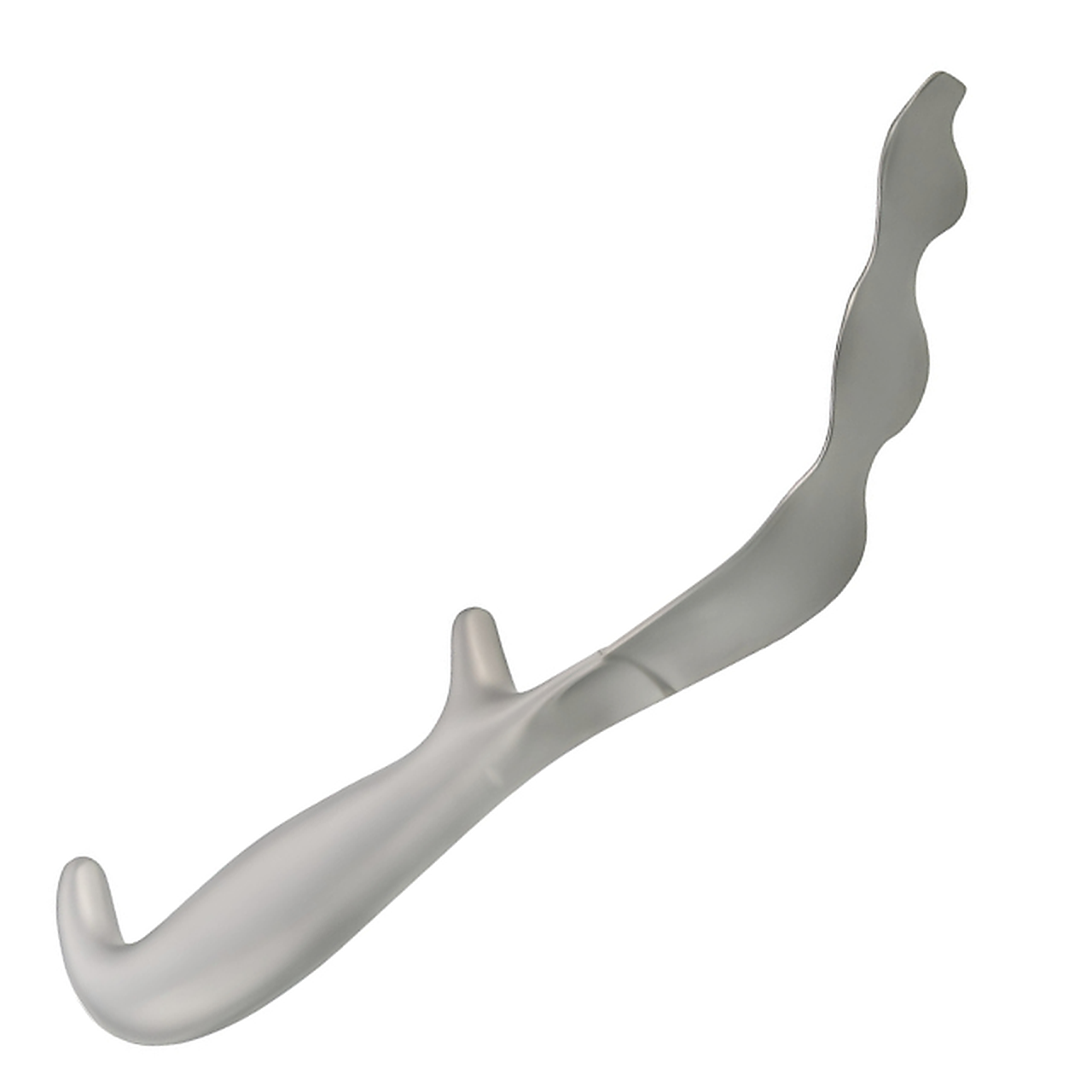 | مبعد بتري الجناحي الفموي Petri Pterygoid Intra Oral Retractor | مصمم خصيصاً لحماية الهياكل الوعائية العصبية وإبعاد الأنسجة الرخوة أثناء الفصل الجناحي الفكي في عمليات قطع العظم Le Fort. |
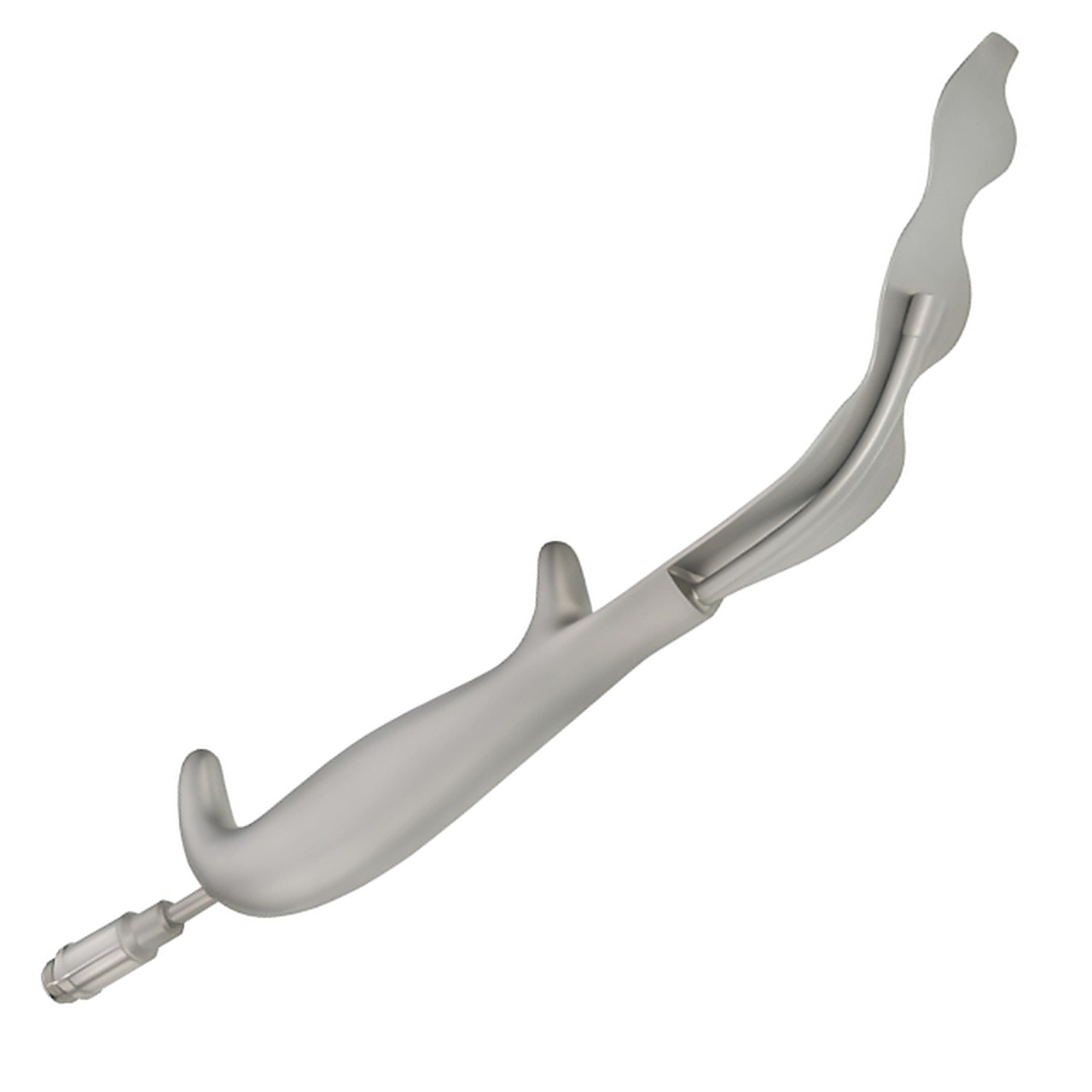 | مبعد Petri Pterygoid Intra Oral Retractor With Fiber Optic للفم مع الألياف الضوئية | مصمم خصيصاً لتوفير إبعاد للأنسجة الرخوة المضاءة وحماية الحزمة الوعائية العصبية أثناء عمليات قطع عظم الفك من نوع Le Fort. |
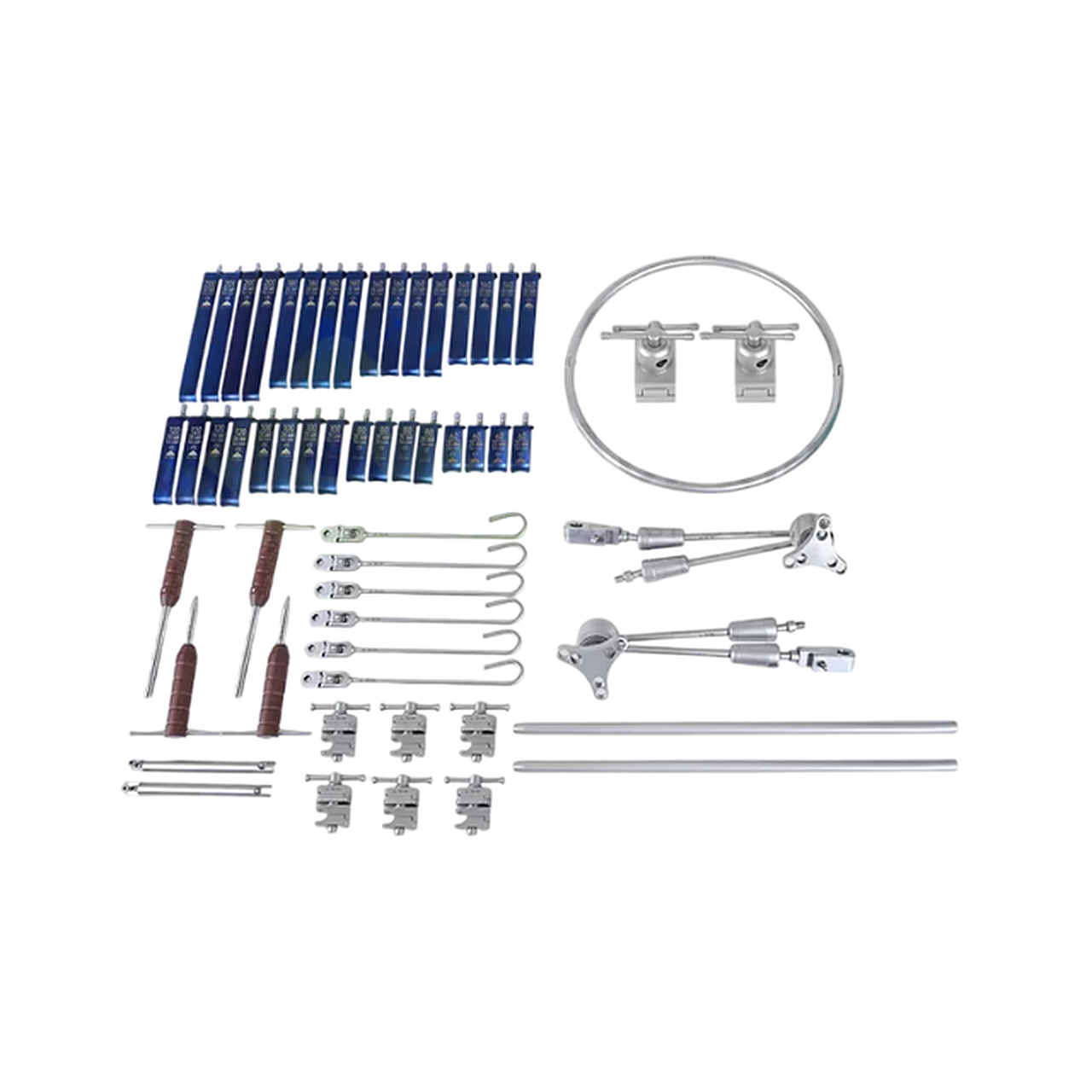 | Phantom AL Anterior Lumbar Surgical Access System | مصمم خصيصاً لتوفير وصول جراحي مستقر ومستقل، وإبعاد محكم للأنسجة الرخوة أثناء إجراءات العمود الفقري القطني عبر المدخل الأمامي. |
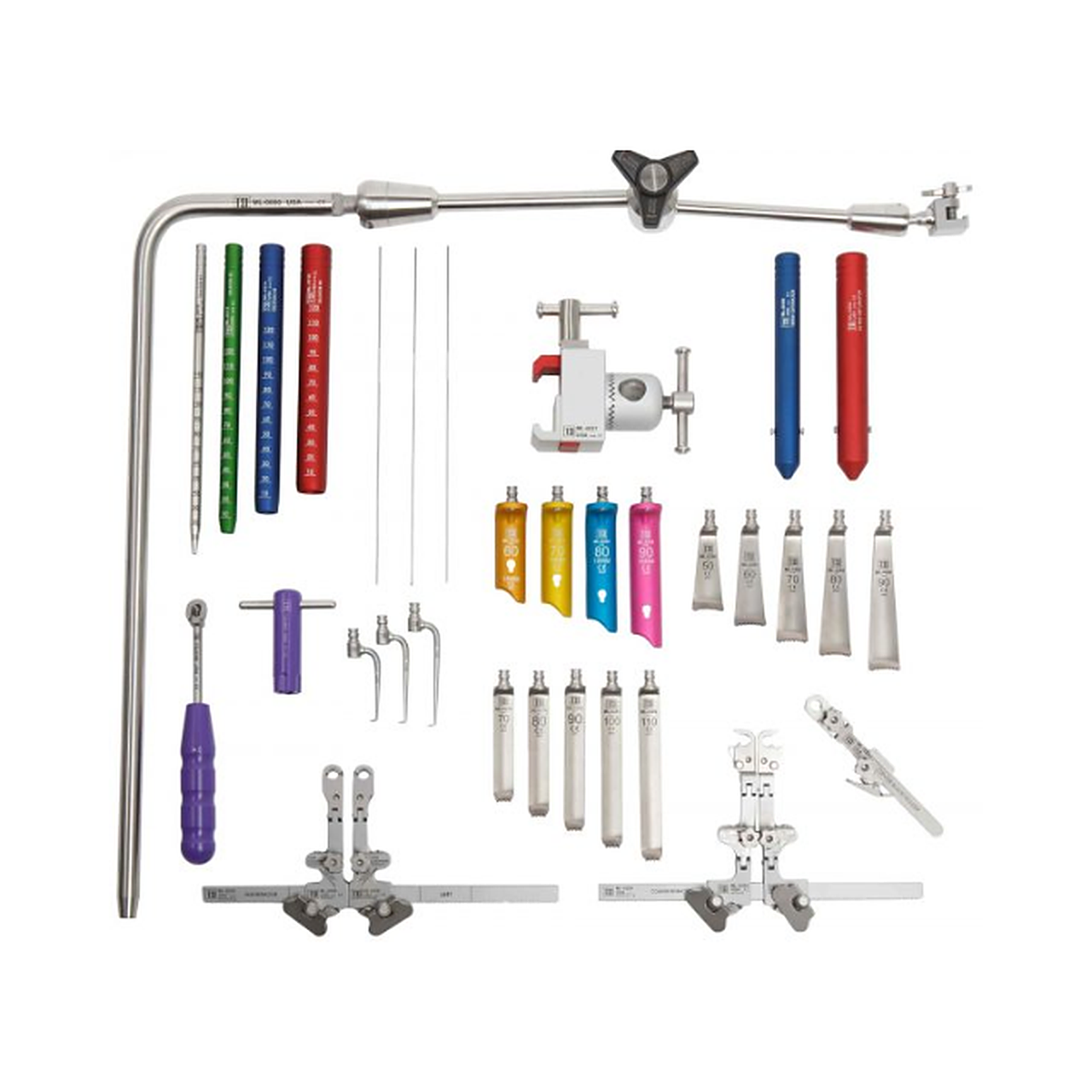 | نظام Phantom ML MIS Lumbar Surgical Access للوصول الجراحي للفقرات القطنية | مصمم خصيصاً للوصول الجراحي للفقرات القطنية بالتدخل المحدود، والتبعيد المحكوم للأنسجة، وإضاءة القنوات المباشرة أثناء إجراءات العمود الفقري الخلفية. |
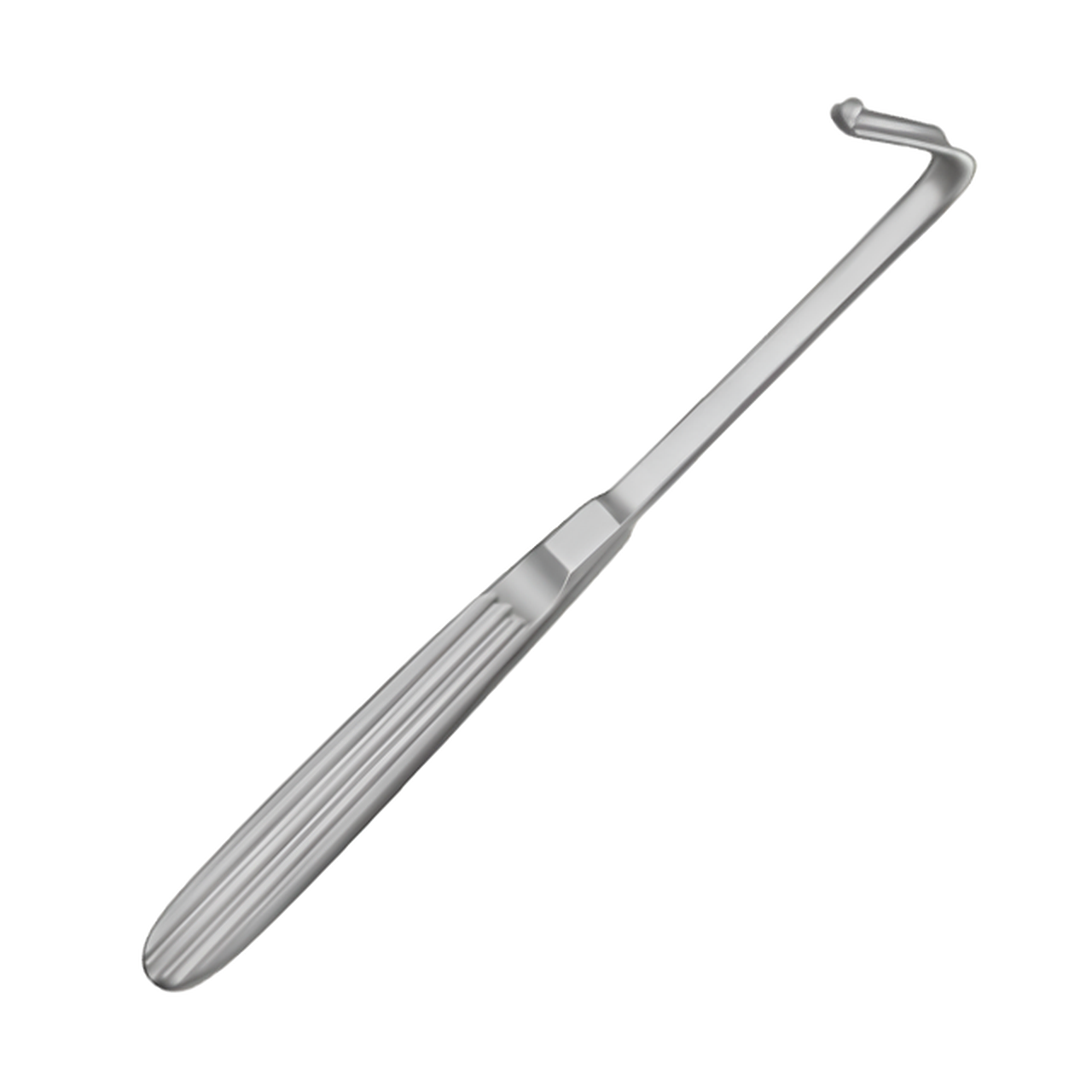 | مبعد الحافة الكمثرية Piriform Rim Retractor | مبعد الحافة الكمثرية هو أداة متخصصة لجراحة الوجه والفكين بطول 17 cm، مصمم ليتشبث بإحكام فوق الفتحة الكمثرية أثناء عمليات قطع عظم لو فورت (Le Fort) وتجميل الأنف. |
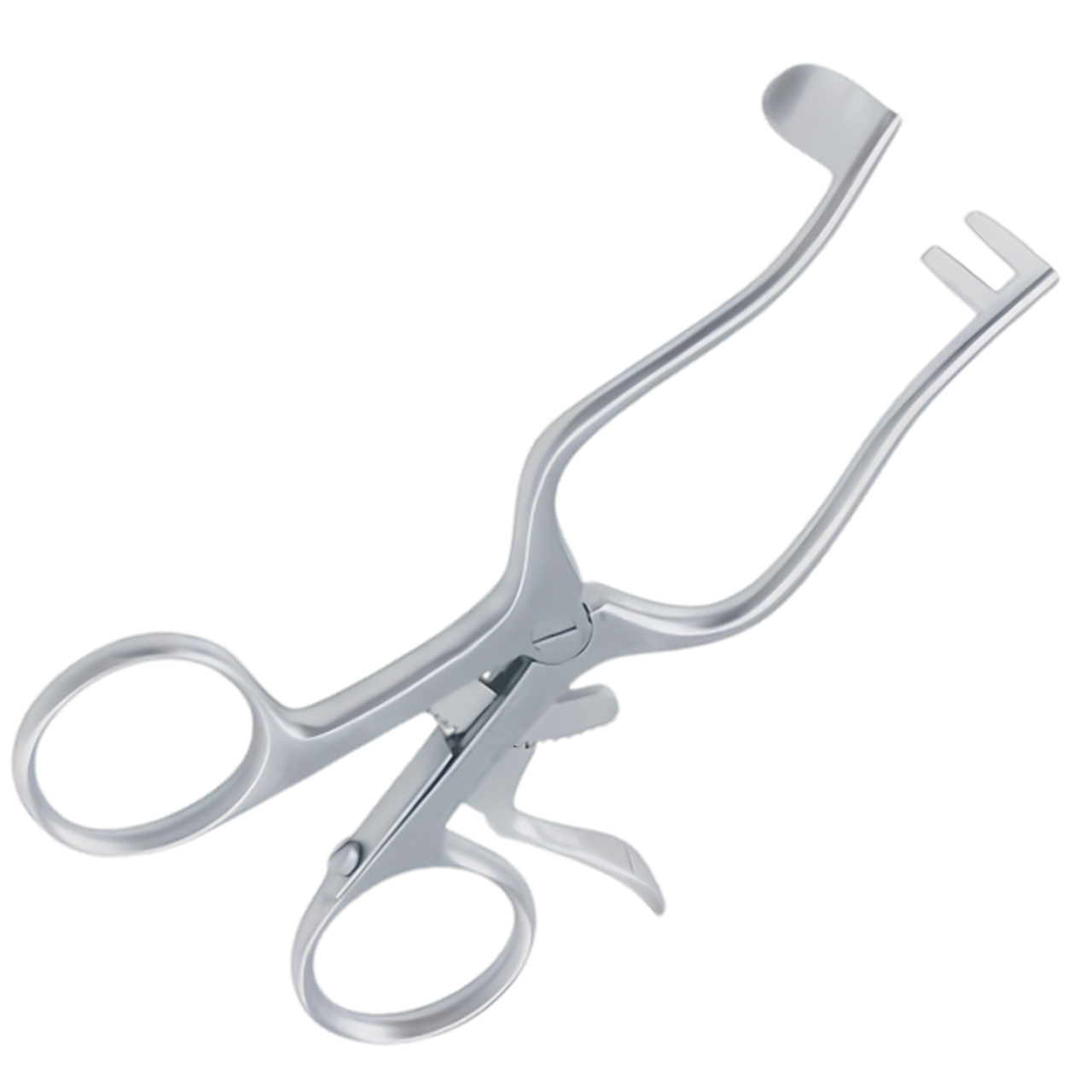 | مُبعد Plester Self Retaining Retractor ذاتي الثبات | مصمم خصيصاً لتوفير تبعيد ذاتي للسمحاق والأنسجة الرخوة أثناء جراحات الخشاء والأذن والجمجمة. |
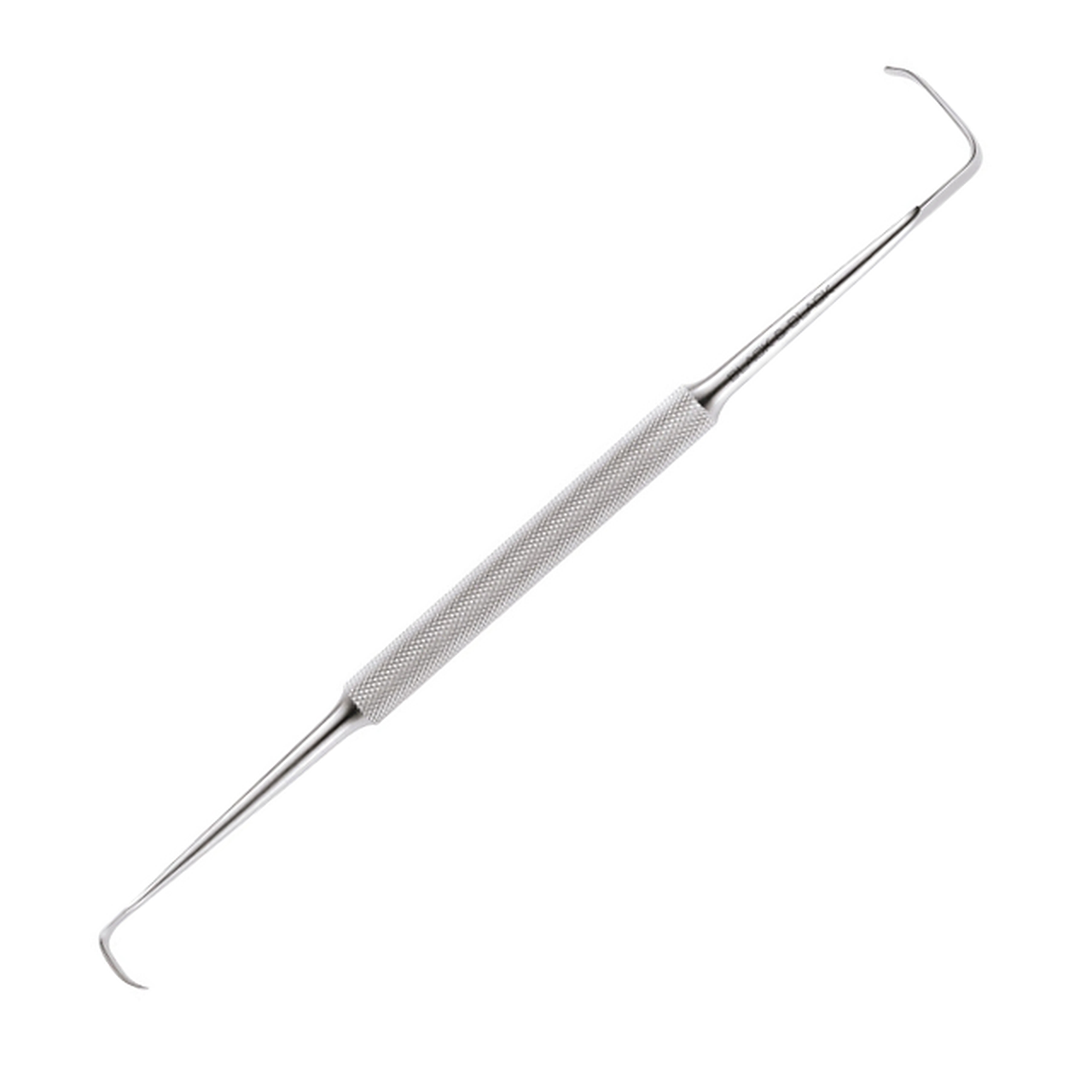 | Ragnell-Davis Double Ended Retractor | مُباعد Ragnell-Davis Double Ended Retractor هو أداة جراحية مُصممة لتباعد الأنسجة الرخوة والجلدية الرقيقة أثناء جراحات التجميل واليد والوجه. |
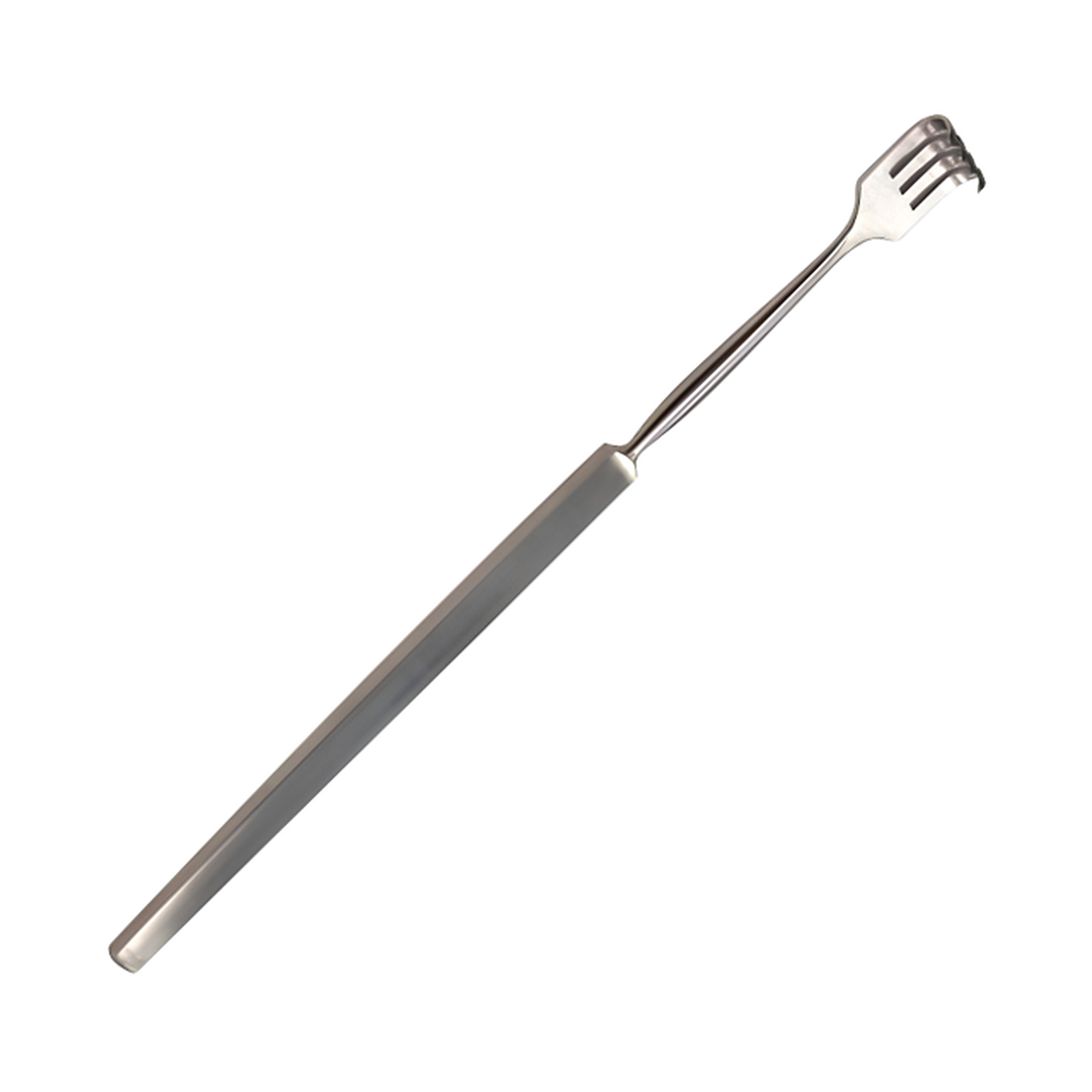 | مُبعّد الأصابع المشطي Rake Finger Retractor | مُبعّد الأصابع المشطي Rake Finger Retractor بطول 15.3 cm هو أداة جراحية مصممة لرفع الشريحة الجلدية الدقيقة وكشف الأوتار أثناء جراحات اليد والتجميل. |
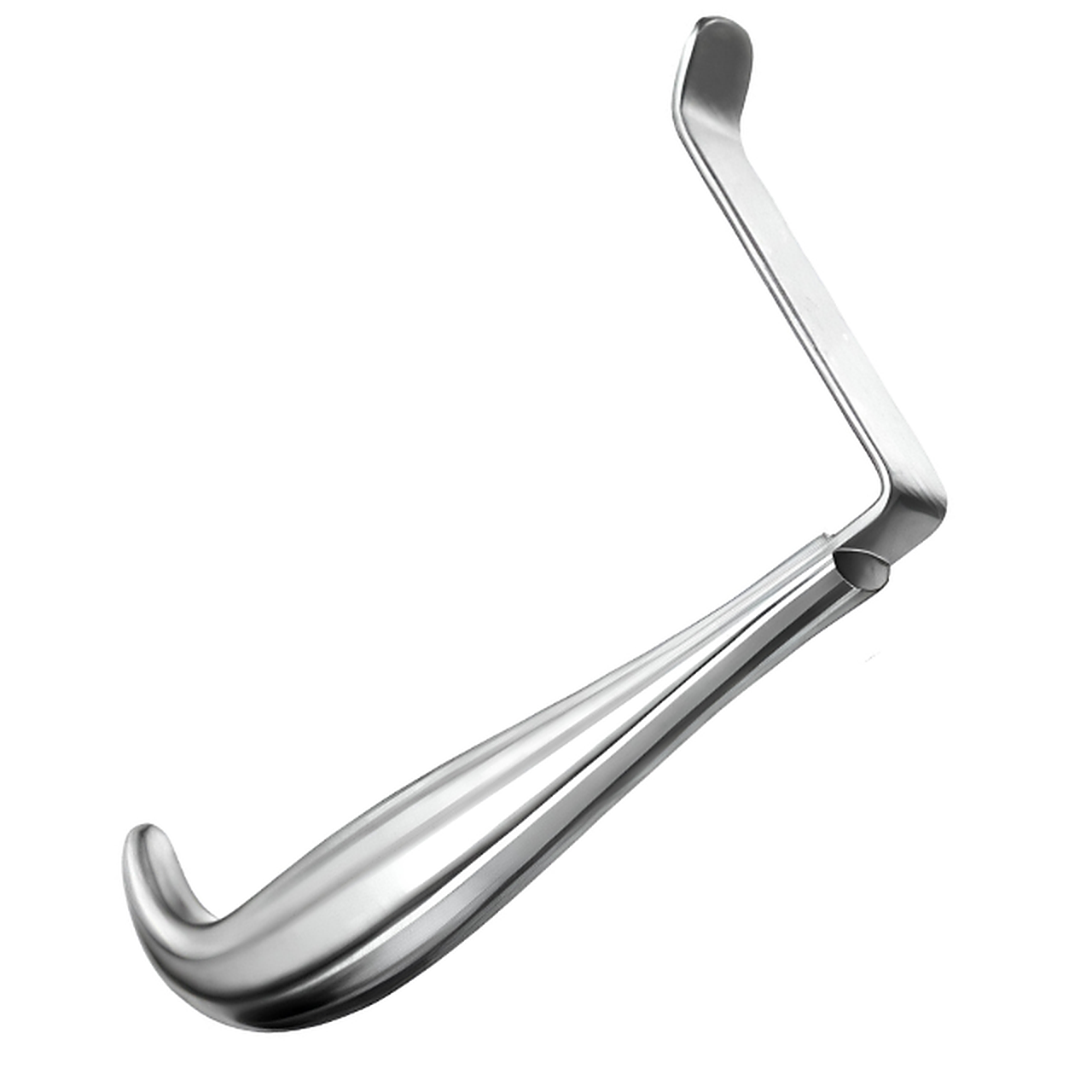 | مبعد Ramus Retractor | مصمم خصيصاً لإبعاد السفاق الجناحي المدلكي وتعريض رأد الفك السفلي الصاعد أثناء جراحة تقويم الفكين. |
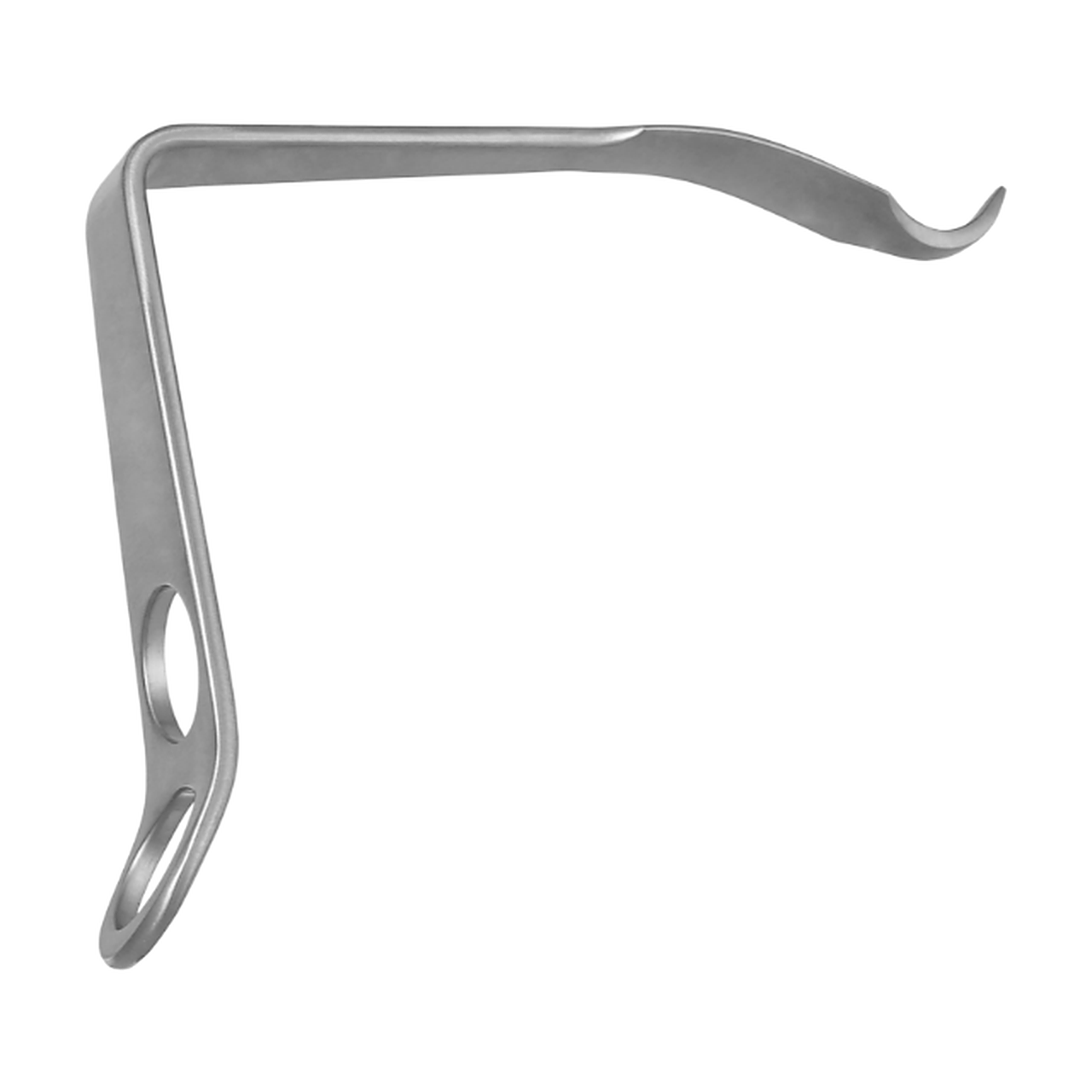 | مُبعّد Ranawat Knee Retractor للركبة | مصمم خصيصاً لتبعيد الأربطة الجانبية، والمحفظة، والأنسجة الرخوة أثناء استبدال مفصل الركبة بالكامل. |
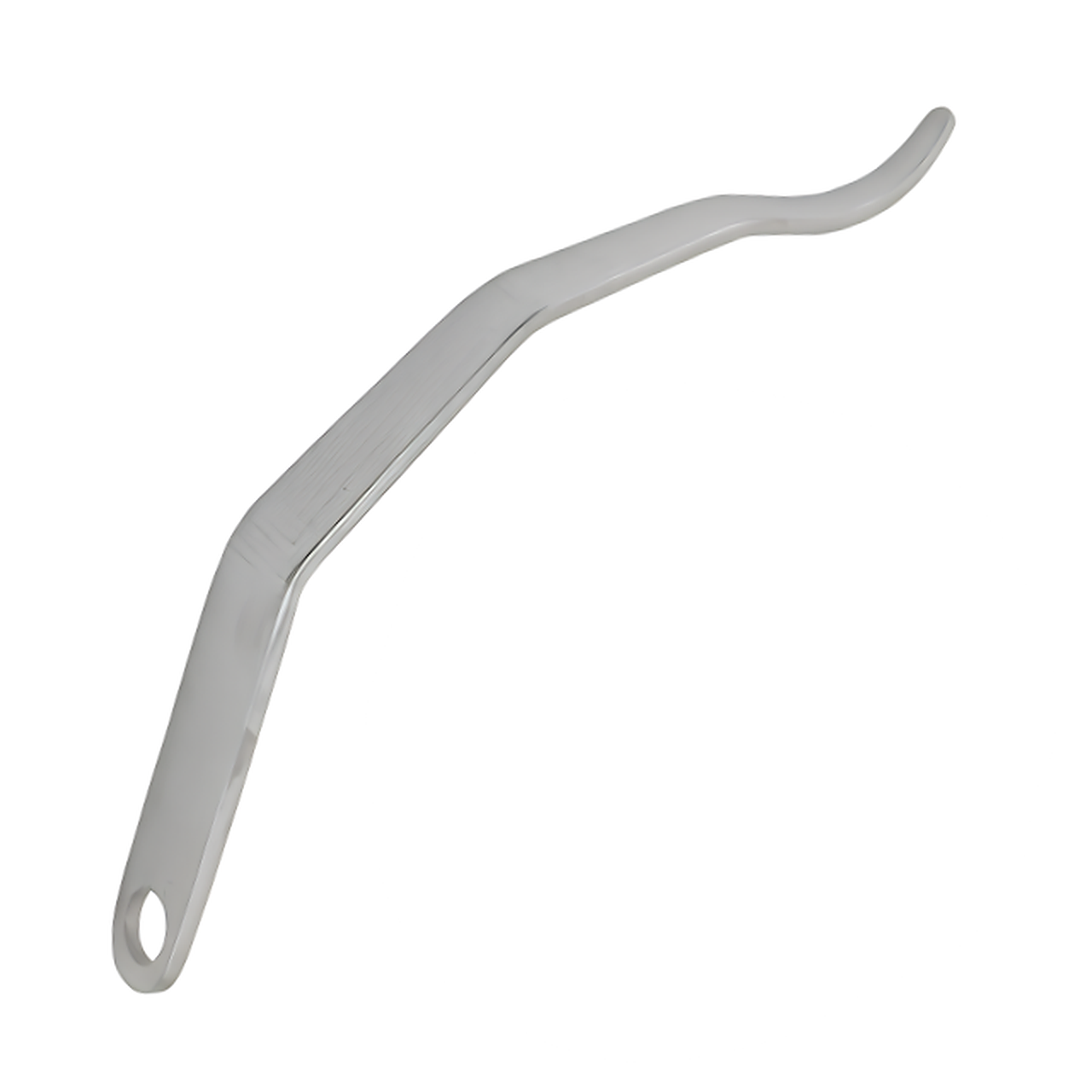 | Redler Retractor | مبعد Redler Retractor هو أداة جراحية بطول 5″ (12.7 cm) مصممة لإبعاد الأنسجة الرخوة الرقيقة وحواف الجروح. |
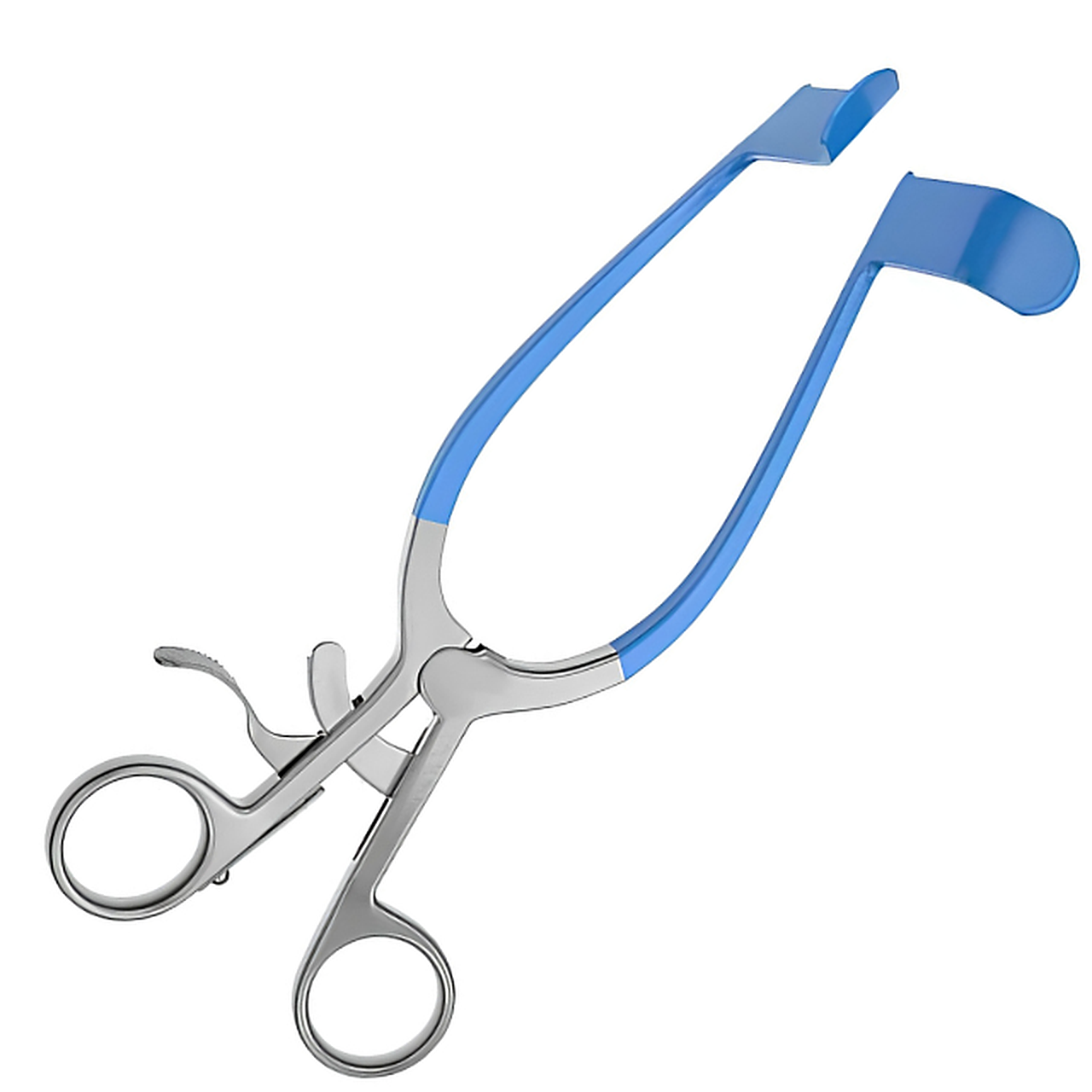 | مبعد جدار مهبلي عازل للأنسجة الزائدة | إزاحة الجدران المهبلية الجانبية الزائدة لتوفير رؤية واضحة وحماية الأنسجة أثناء إجراءات LEEP والليزر. |
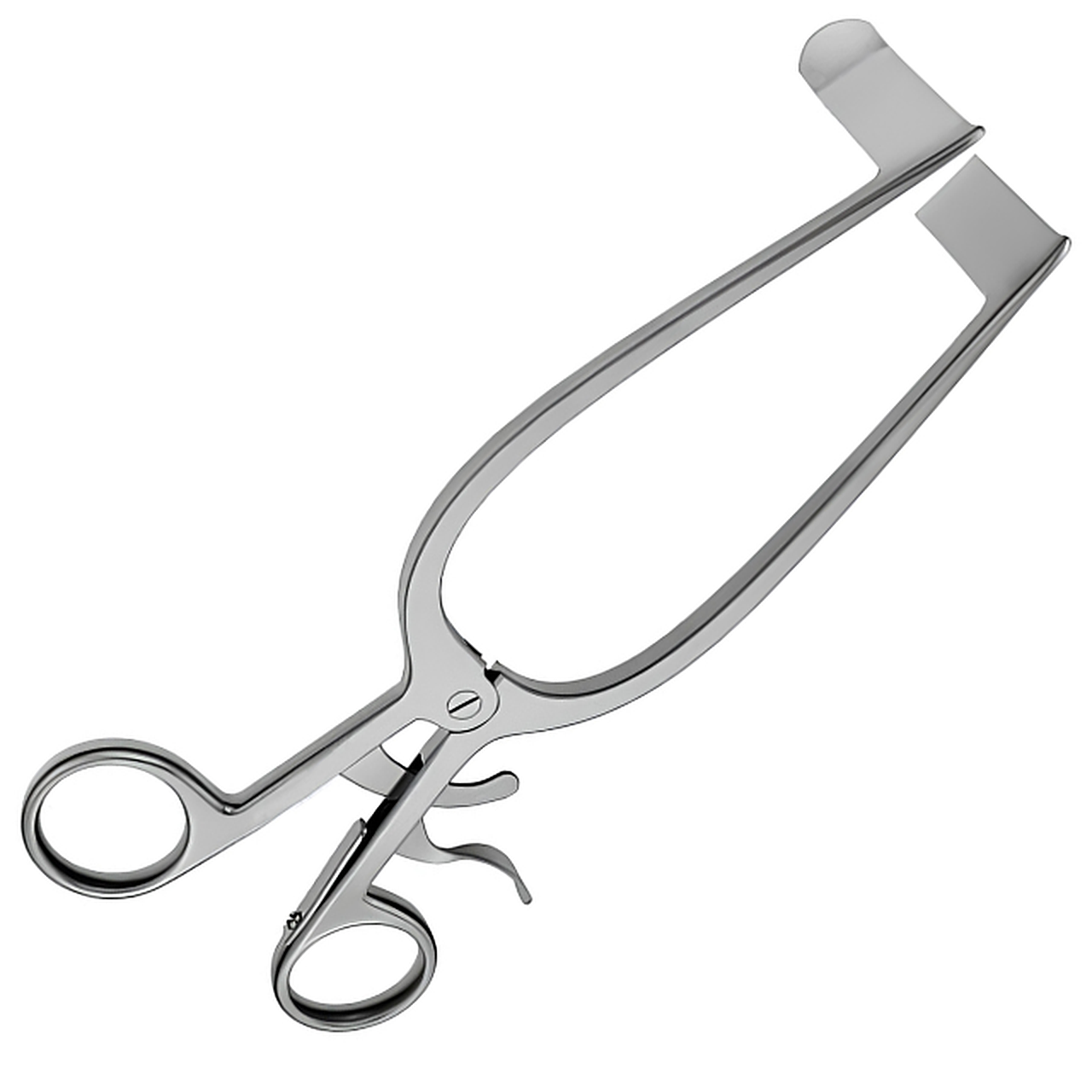 | Redundant Wall Retractor | أداة Redundant Wall Retractor هي أداة جراحية لأمراض النساء بطول 18 cm، مصممة لإزاحة جدران المهبل الجانبية المترهلة أثناء فحوصات وجراحات الحوض. |
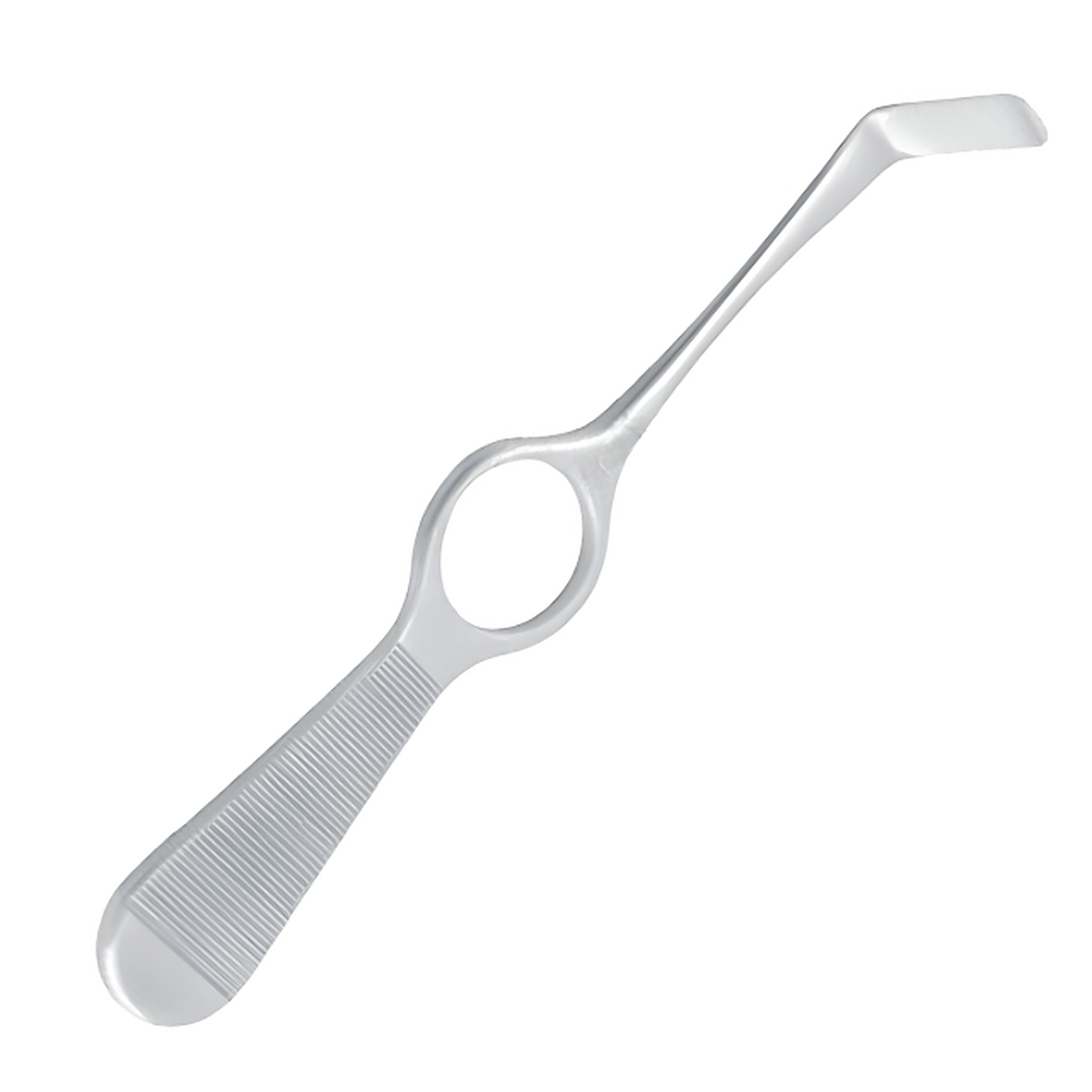 | مُبعِّد رايش للقمة الفكية Reich Condyle Retractor | يُعد مُبعِّد رايش للقمة الفكية Reich Condyle Retractor أداة لجراحة الوجه والفكين مصممة للالتفاف حول عنق اللقمة الفكية أثناء جراحات المفصل الفكي الصدغي (TMJ). |
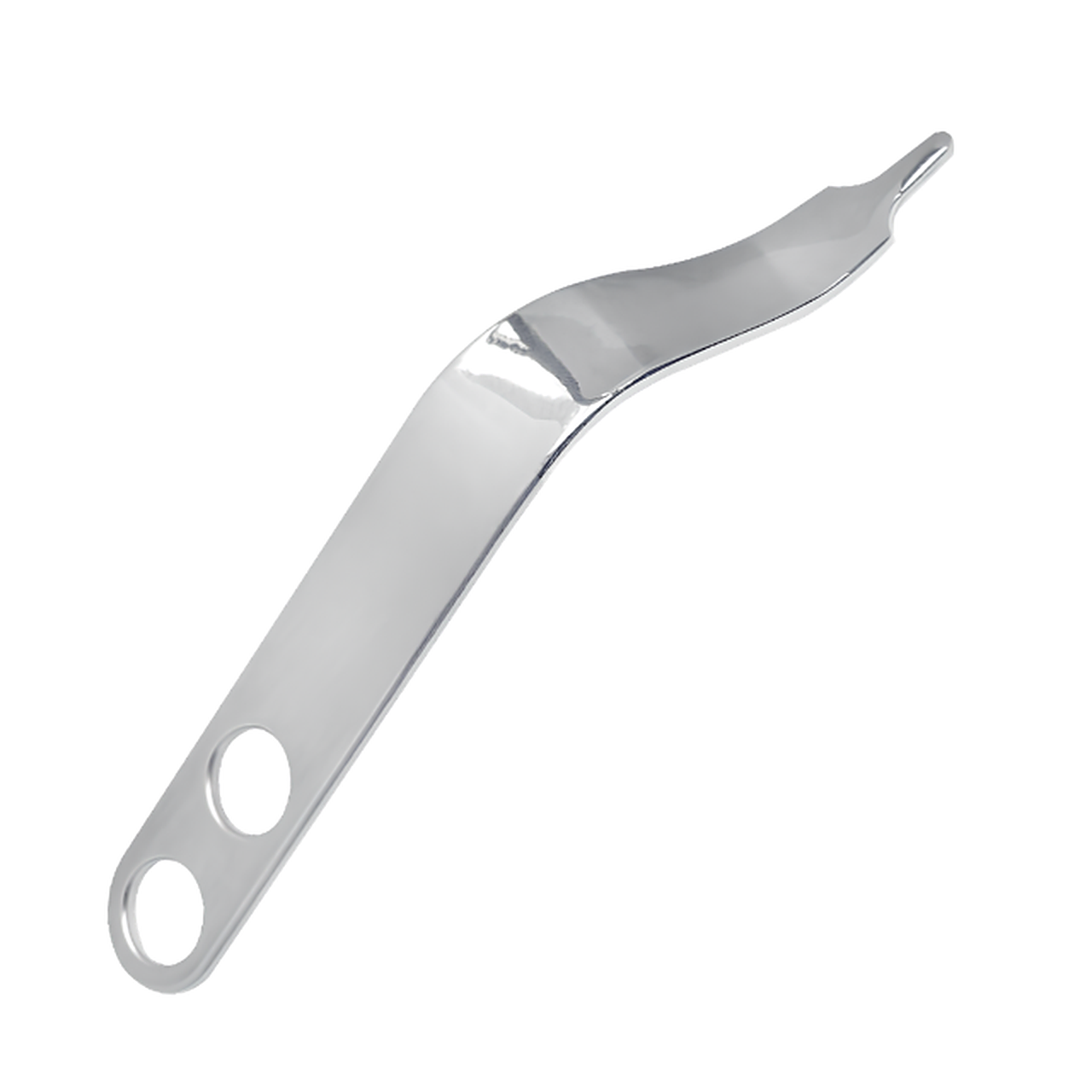 | مُباعد Reverse Hohmann Retractor | مصمم خصيصًا لرفع قشور العظام وإبعاد الأنسجة الرخوة أثناء جراحات الورك والركبة وجراحات الصدمات. |
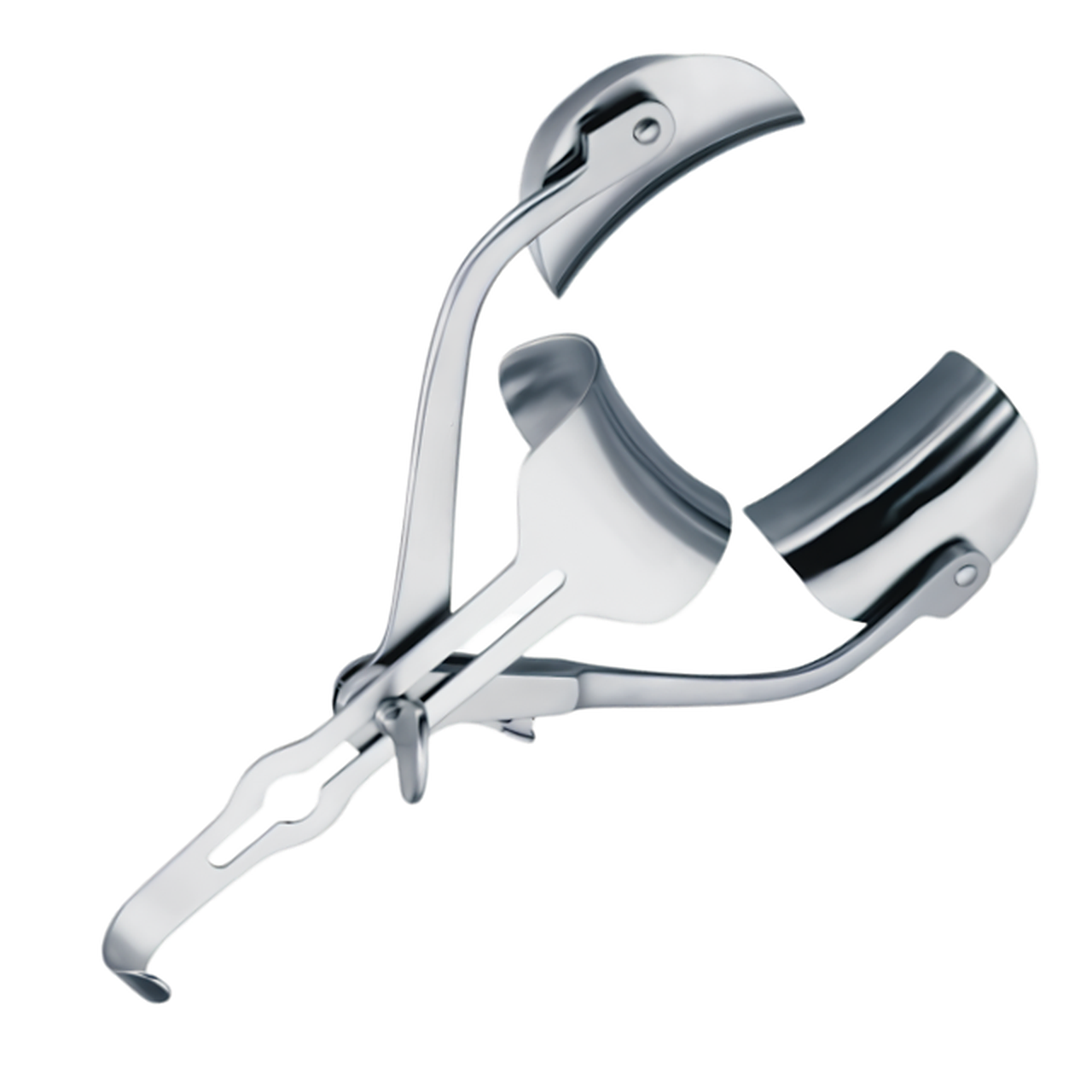 | مبعد جراحي للبطن Ricard Abdominal Retractor | مصمم خصيصاً لتوفير تبعيد ذاتي التثبيت ثلاثي الشفرات لجدران البطن والأحشاء أثناء عمليات فتح البطن. |
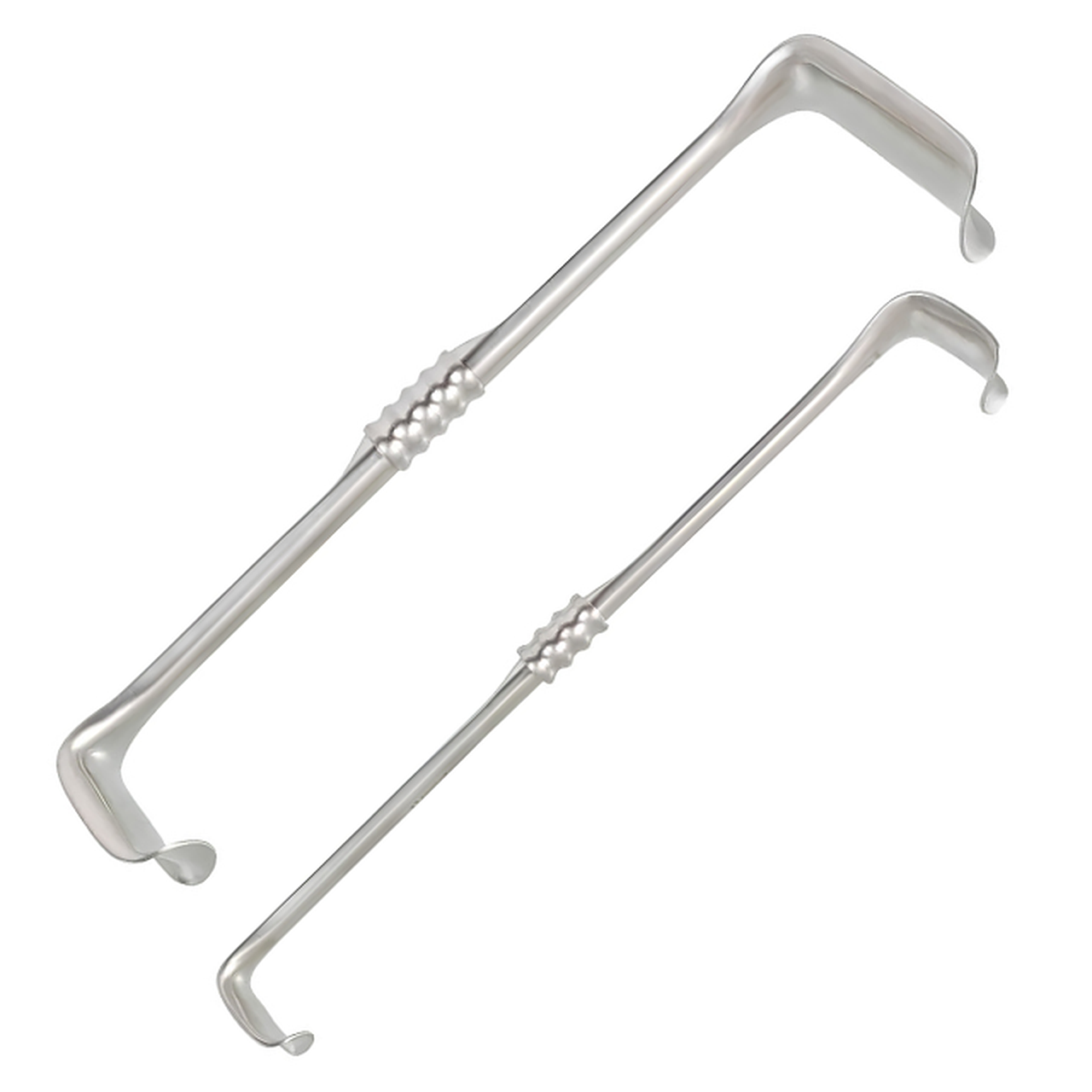 | Richardson Eastman Retractor | مصمم خصيصًا لإبعاد جدار البطن، واللفافة، والأحشاء عبر أعماق شق مختلفة أثناء الجراحة المفتوحة. |
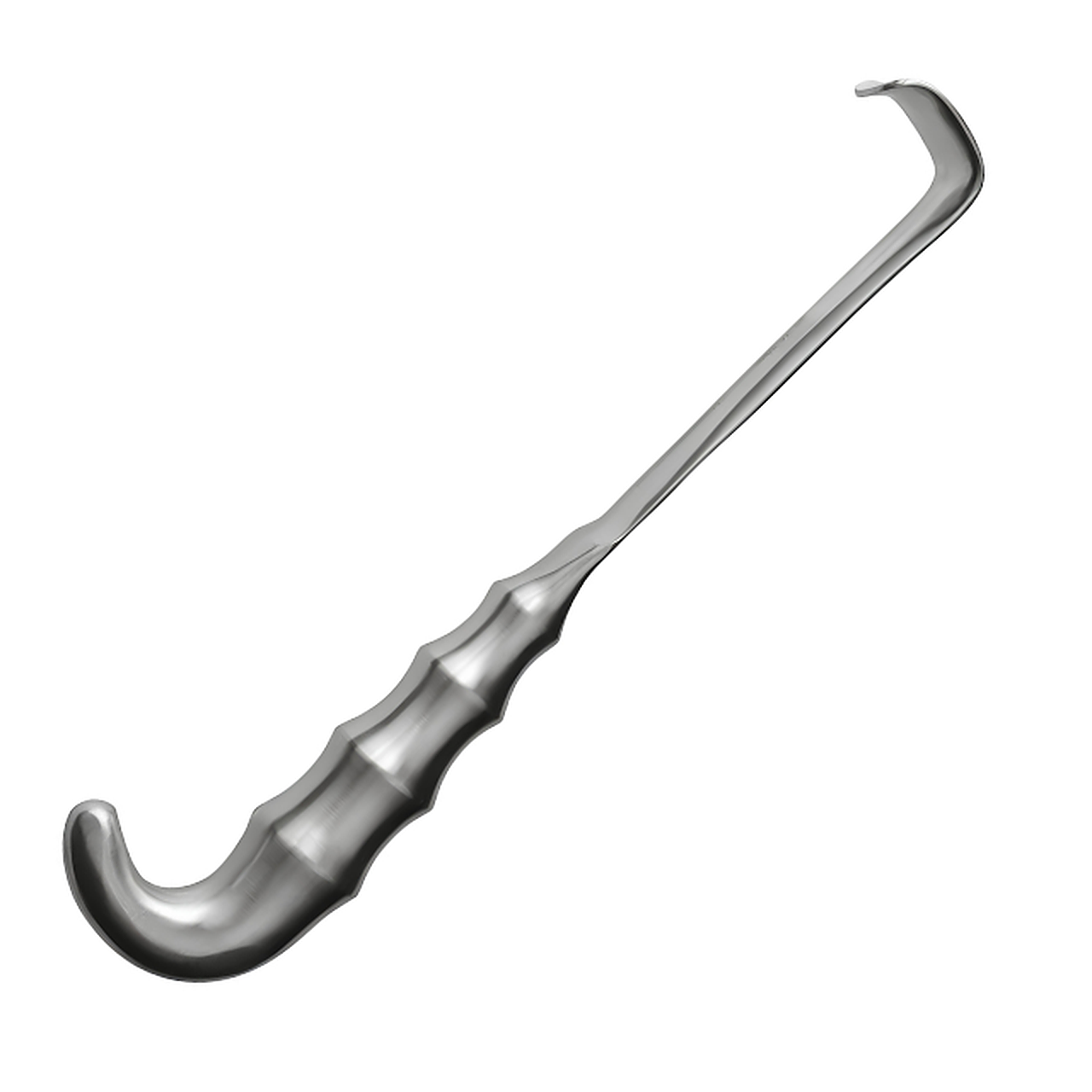 | مُبعّد Richardson بمقبض مريح | مصمم خصيصاً لتبعيد جدار البطن واللفافة وطبقات العضلات السميكة مع تقليل إجهاد المساعد أثناء الجراحة المفتوحة. |
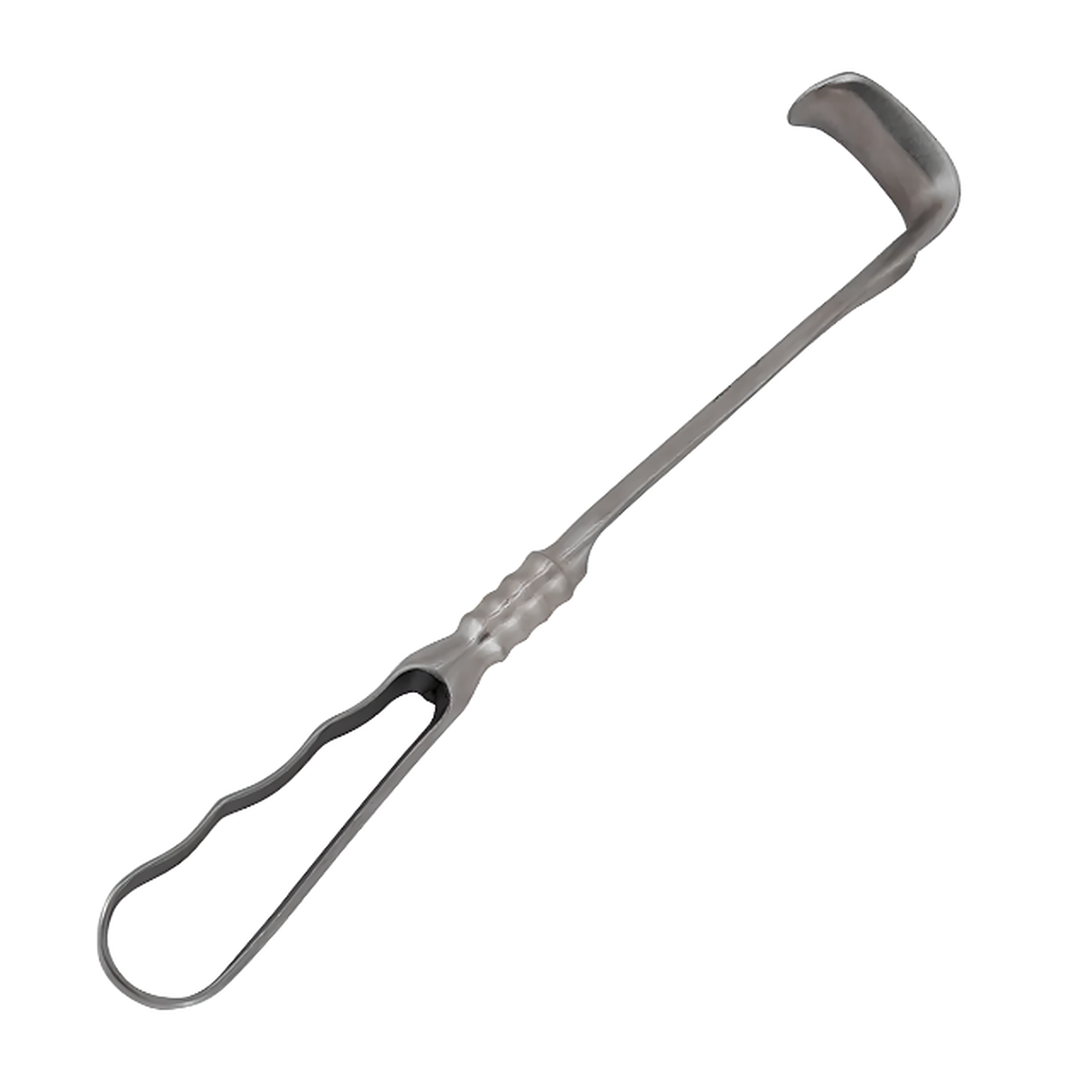 | مُبعّد Richardson بمقبض حلقي | مصمم خصيصًا لتبعيد جدار البطن وطبقات العضلات والأحشاء أثناء عمليات فتح البطن وجراحة الحوض المفتوحة. |
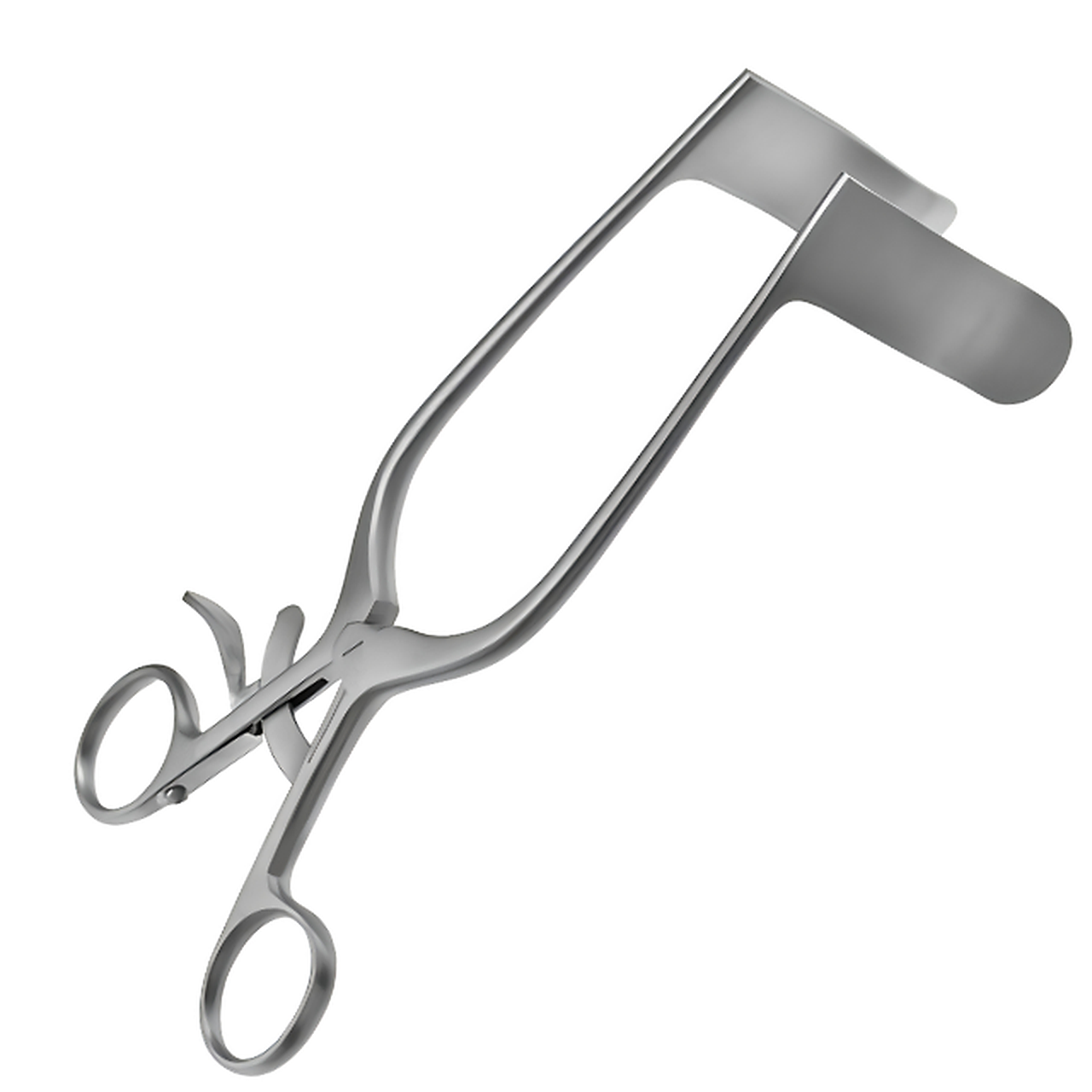 | مُبعّد Rigby Self-Retaining Vaginal Retractor المهبلي ذاتي التثبيت | مصمم خصيصًا لتوفير تبيعد ذاتي التثبيت لجدران المهبل الجانبية والخلفية أثناء جراحات الحوض. |
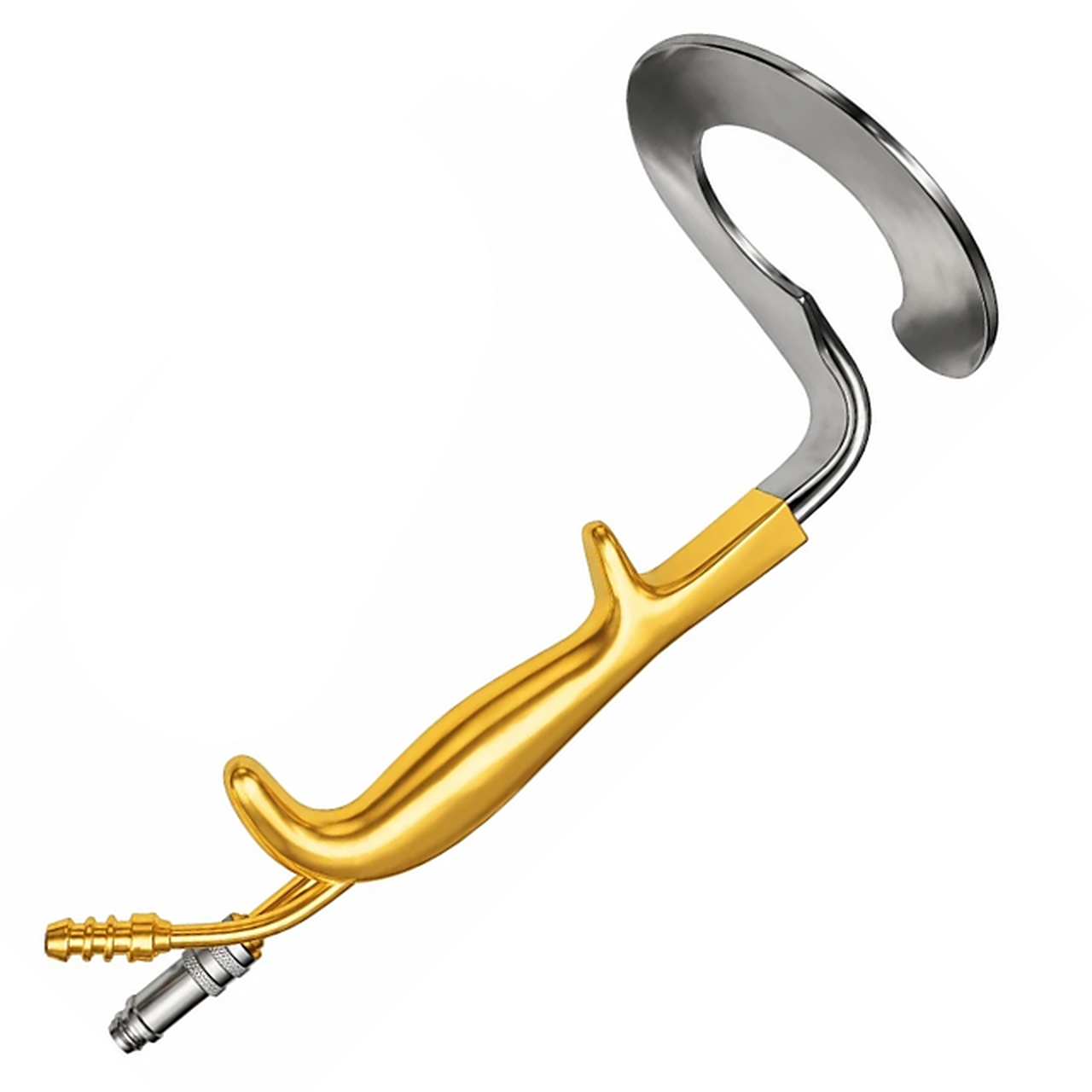 | مُباعد Ring لعمليات الثدي مع إضاءة بالألياف البصرية | مصمم خصيصًا لرفع سدائل الأنسجة، وإضاءة الجيوب العميقة، والتحقق من الإرقاء أثناء جراحات الثدي. |
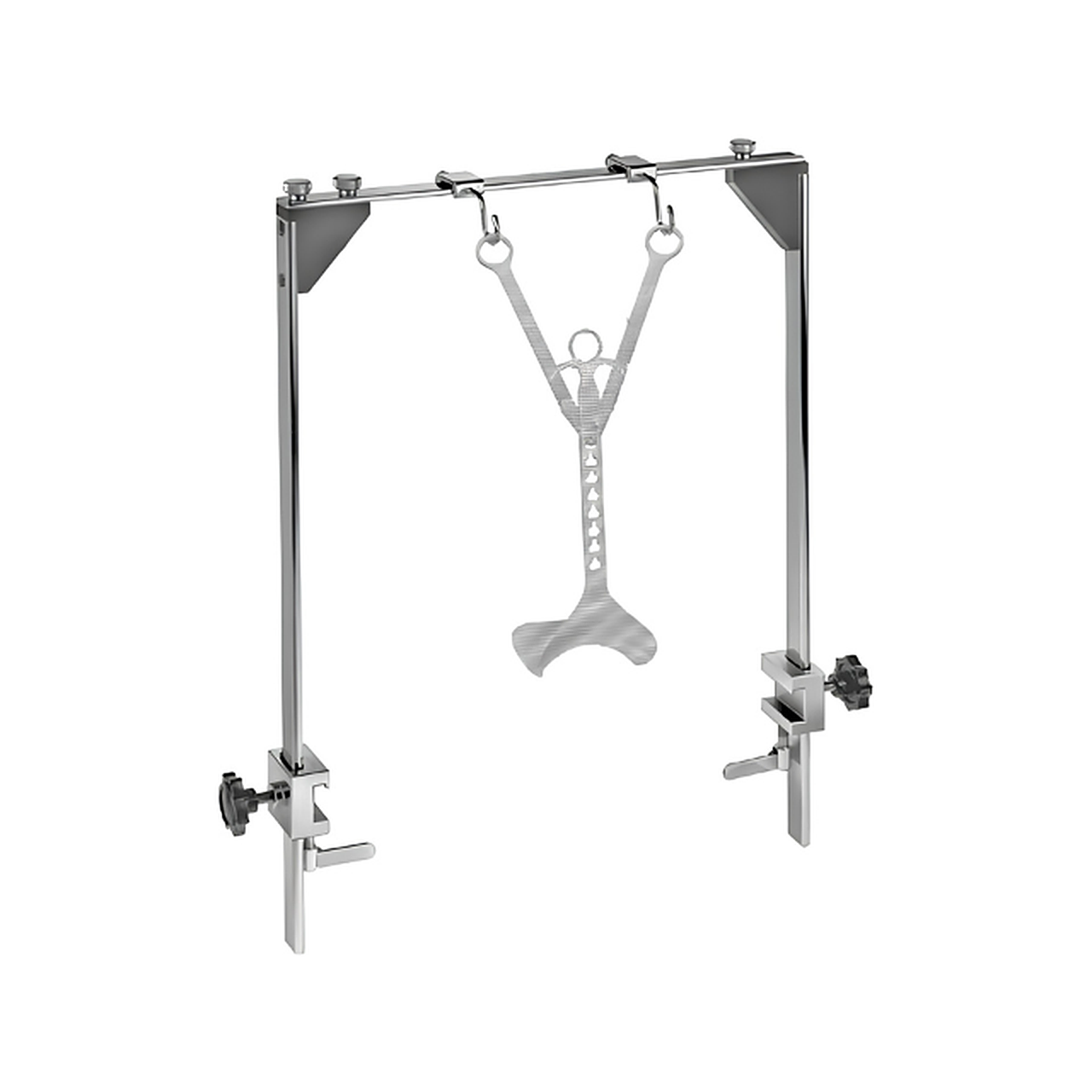 | مبعد Rochard Retractor | مصمم لتوفير إبعاد صلب للأنسجة الرخوة في البطن مثبت على الطاولة وكشف جراحي مستقر أثناء التدخلات الجراحية. |
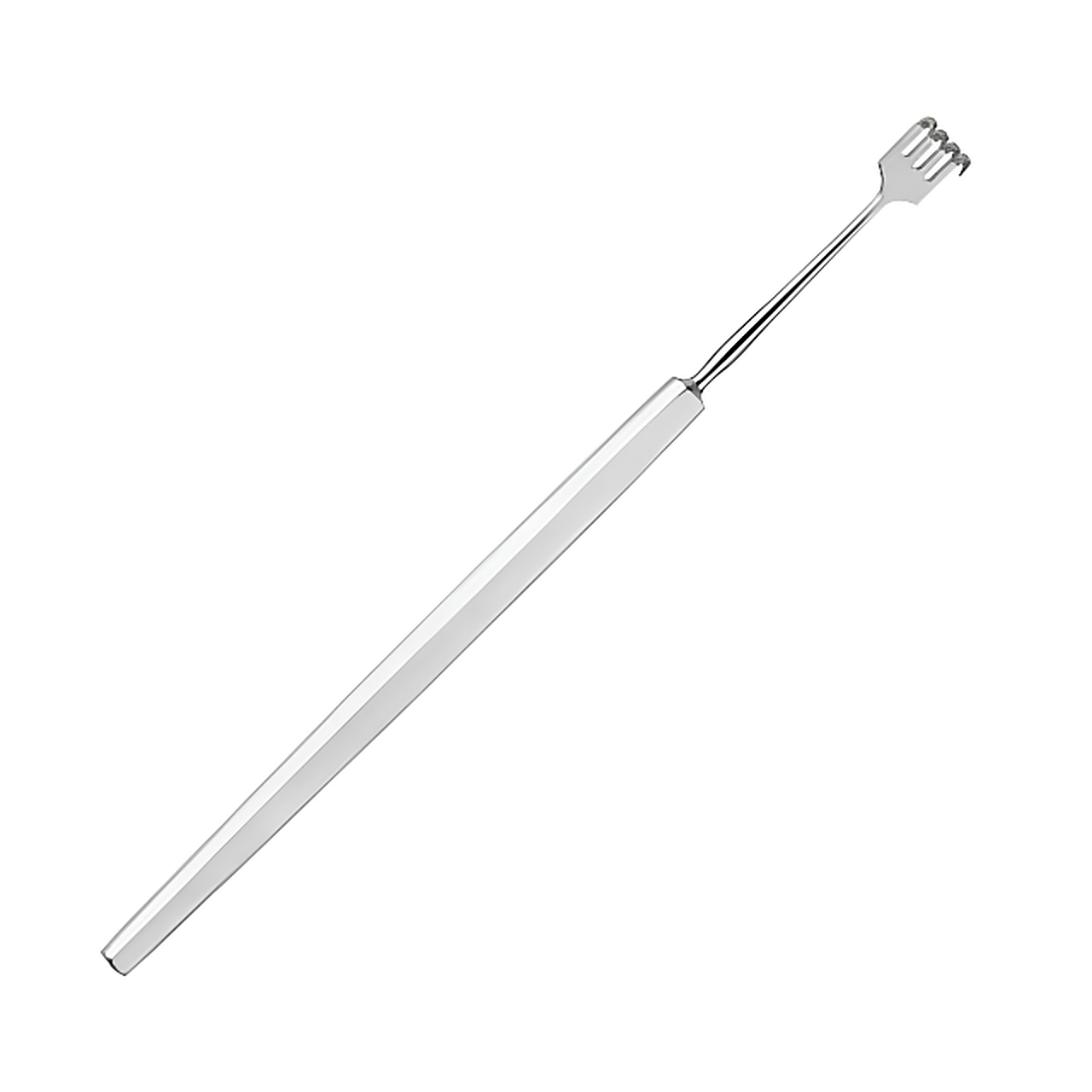 | Rollet Retractor | مصمم خصيصاً لتبعيد شرائح الجلد وأنسجة المآقي الإنسي واللفافة أثناء جراحات العيون والتجميل. |
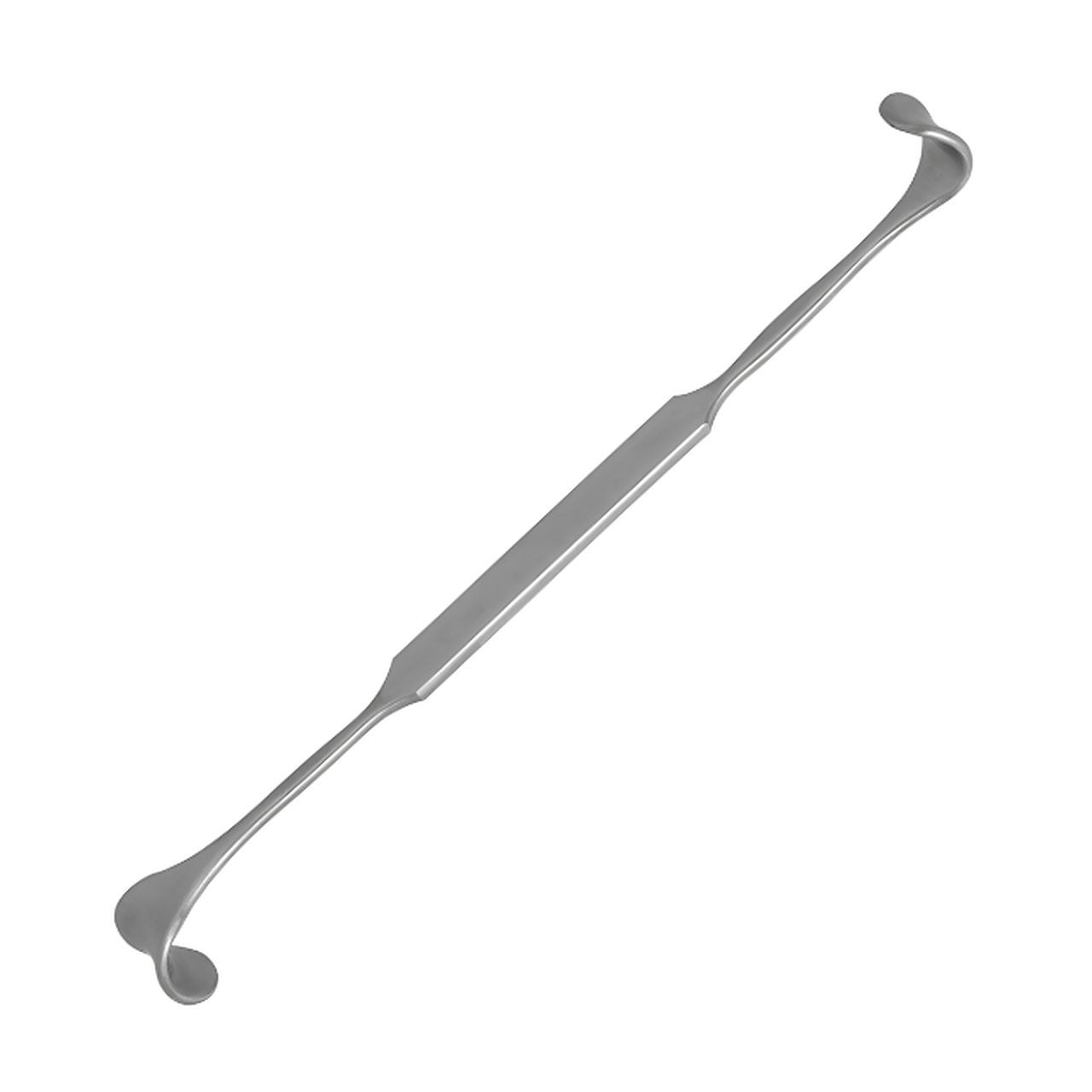 | Rose Retractor Double Ended | مصمم خصيصاً لتبعيد حواف الجلد واللفافة والأنسجة الرخوة في الشقوق الجراحية السطحية والمتوسطة. |
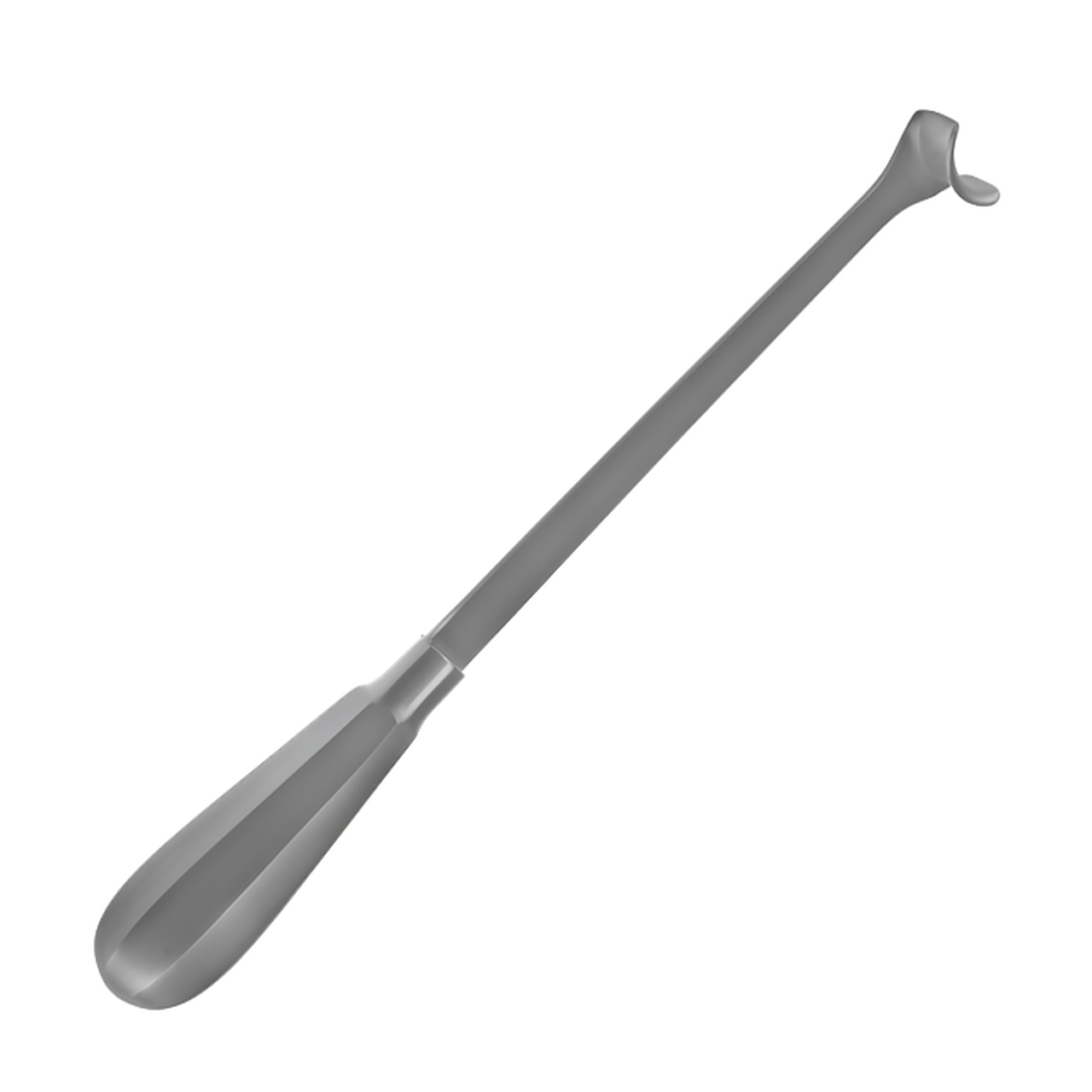 | Ross Aortic Valve Retractor | مصمم خصيصًا لتبعيد شرفات الصمام الأبهري وجدار الأبهر أثناء عملية استبدال الصمام الأبهري وإعادة بنائه. |
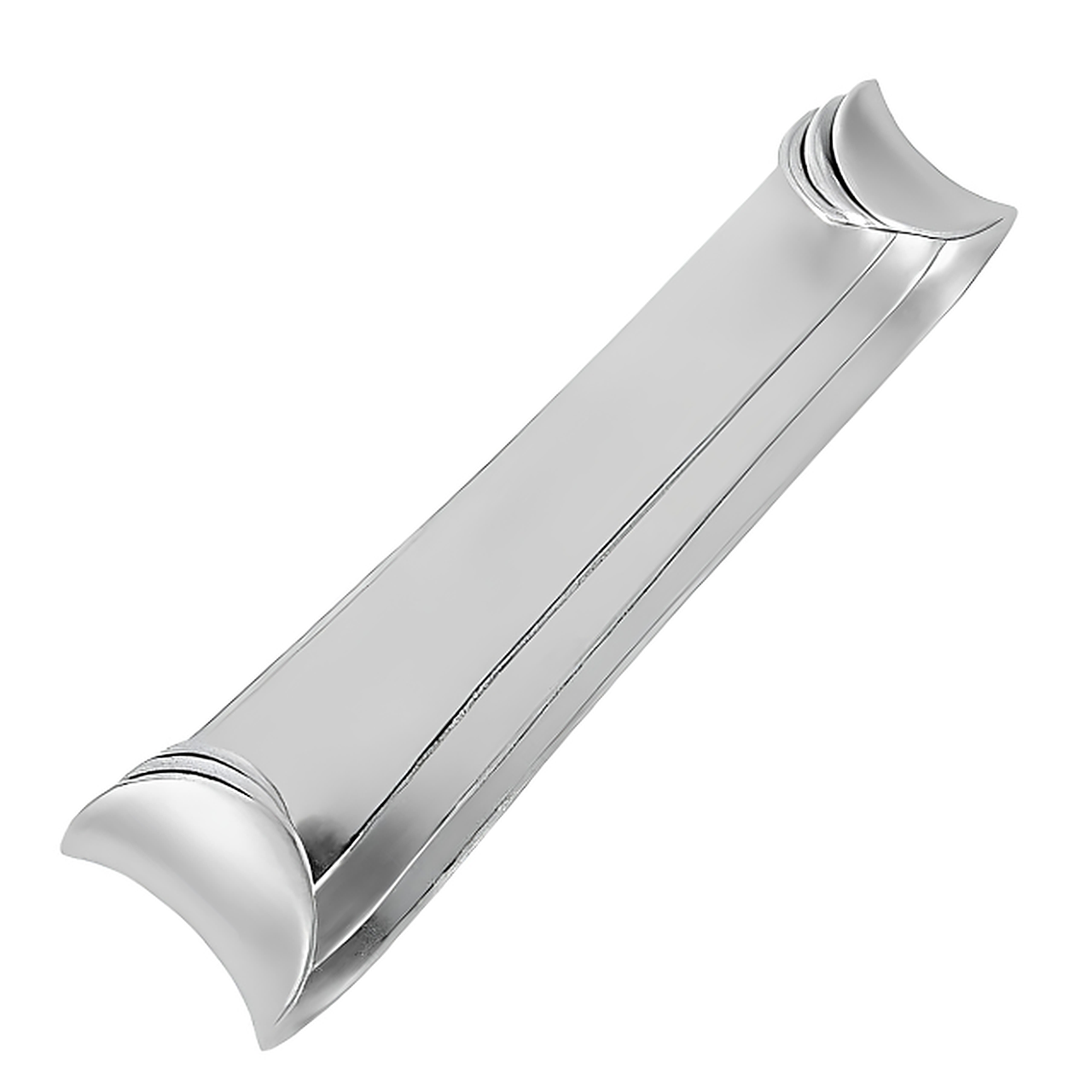 | Roux Retractor - Double Ended | مصمم خصيصًا لسحب حواف الجلد واللفافة وطبقات العضلات السطحية أثناء الجراحة العامة والتجميلية. |
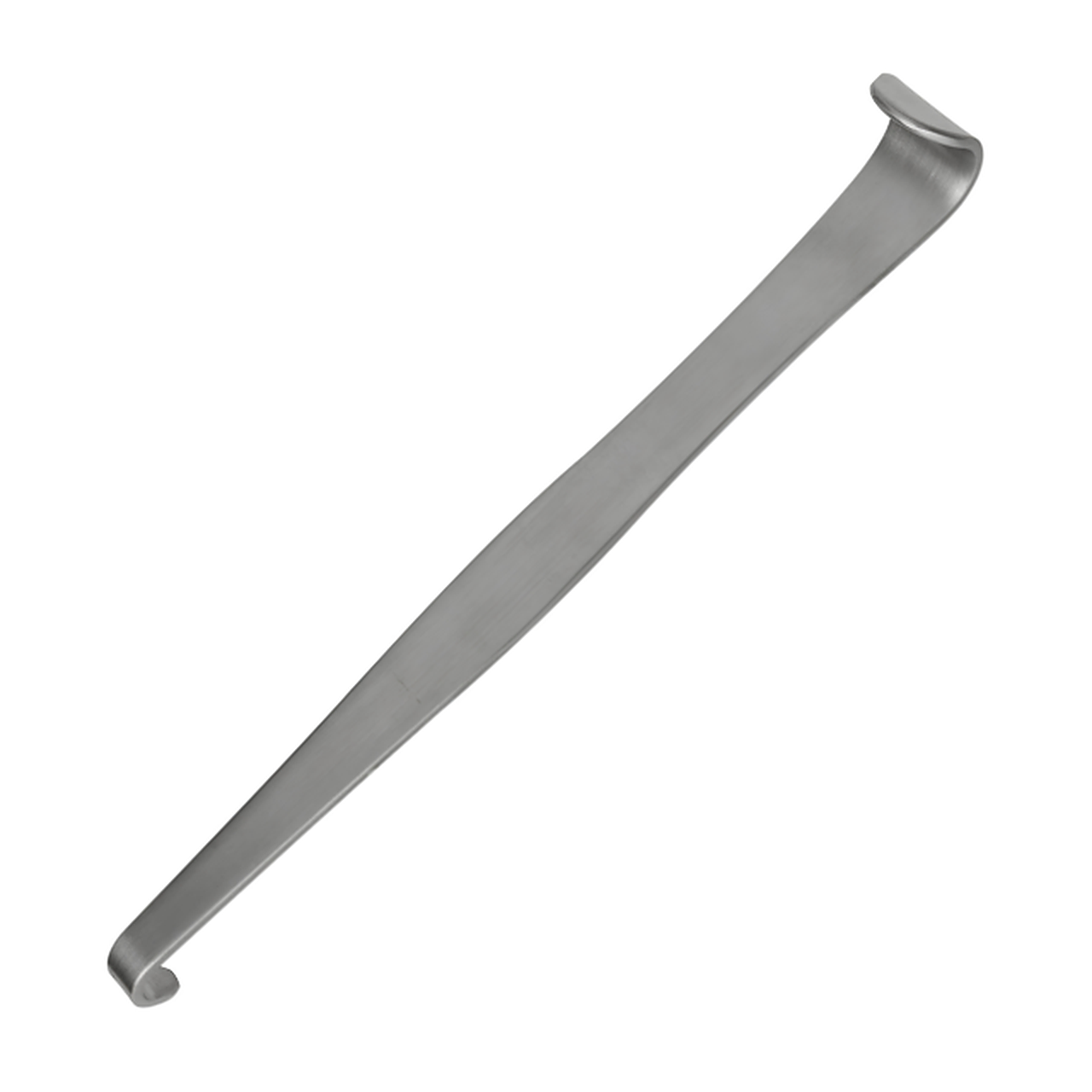 | مُباعد S Shape Double Ended Retractor | مصمم خصيصًا لتبعيد حواف الجلد، واللفافة الرقيقة، والأنسجة الرخوة أثناء العمليات الجراحية الصغرى والتجميلية وجراحات الأنف والأذن والحنجرة. |
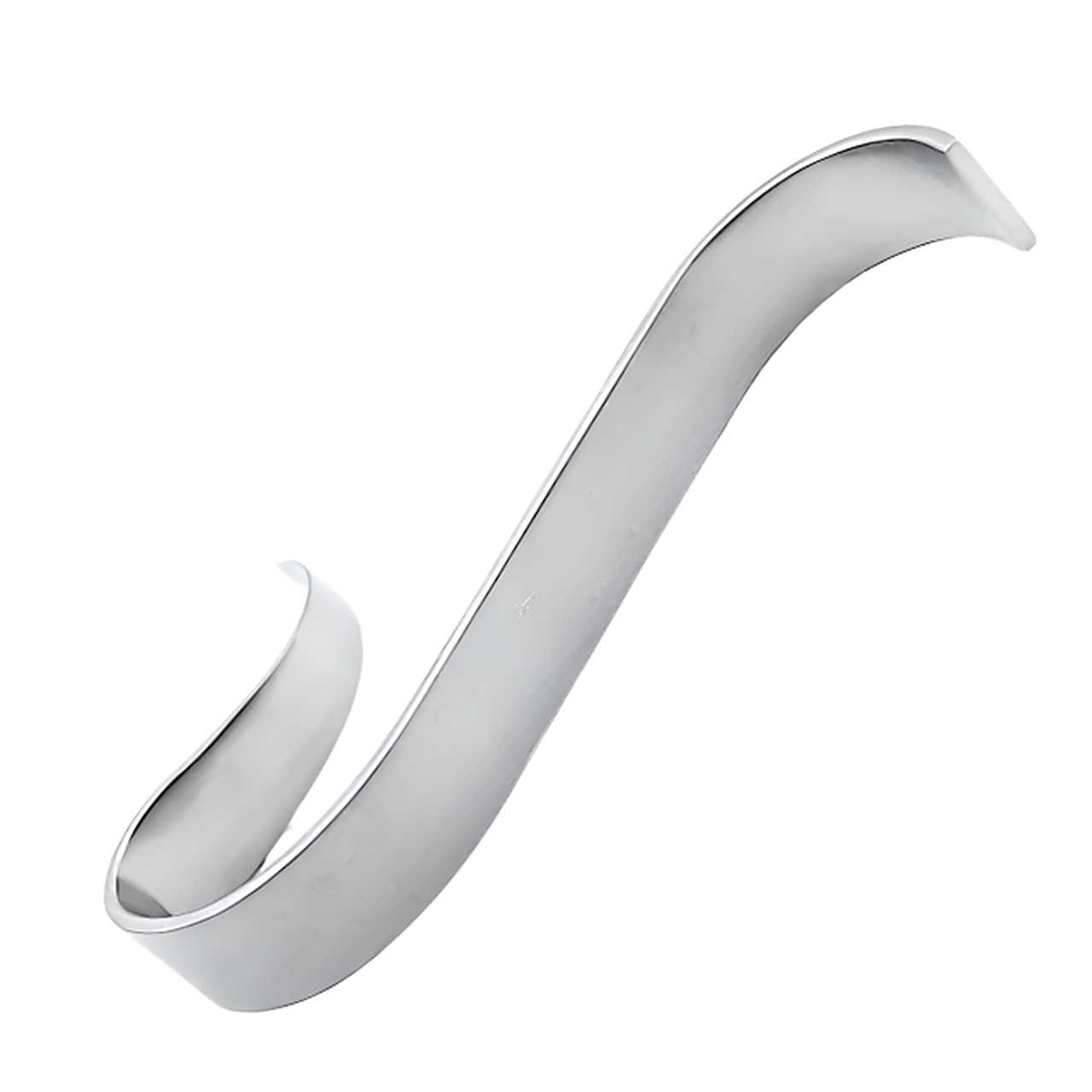 | مُباعد S Total Knee Retractor | مصمم خصيصًا لمباعدة الأربطة الجانبية وكبسولة المفصل والأنسجة الرخوة أثناء جراحة استبدال مفصل الركبة بالكامل. |
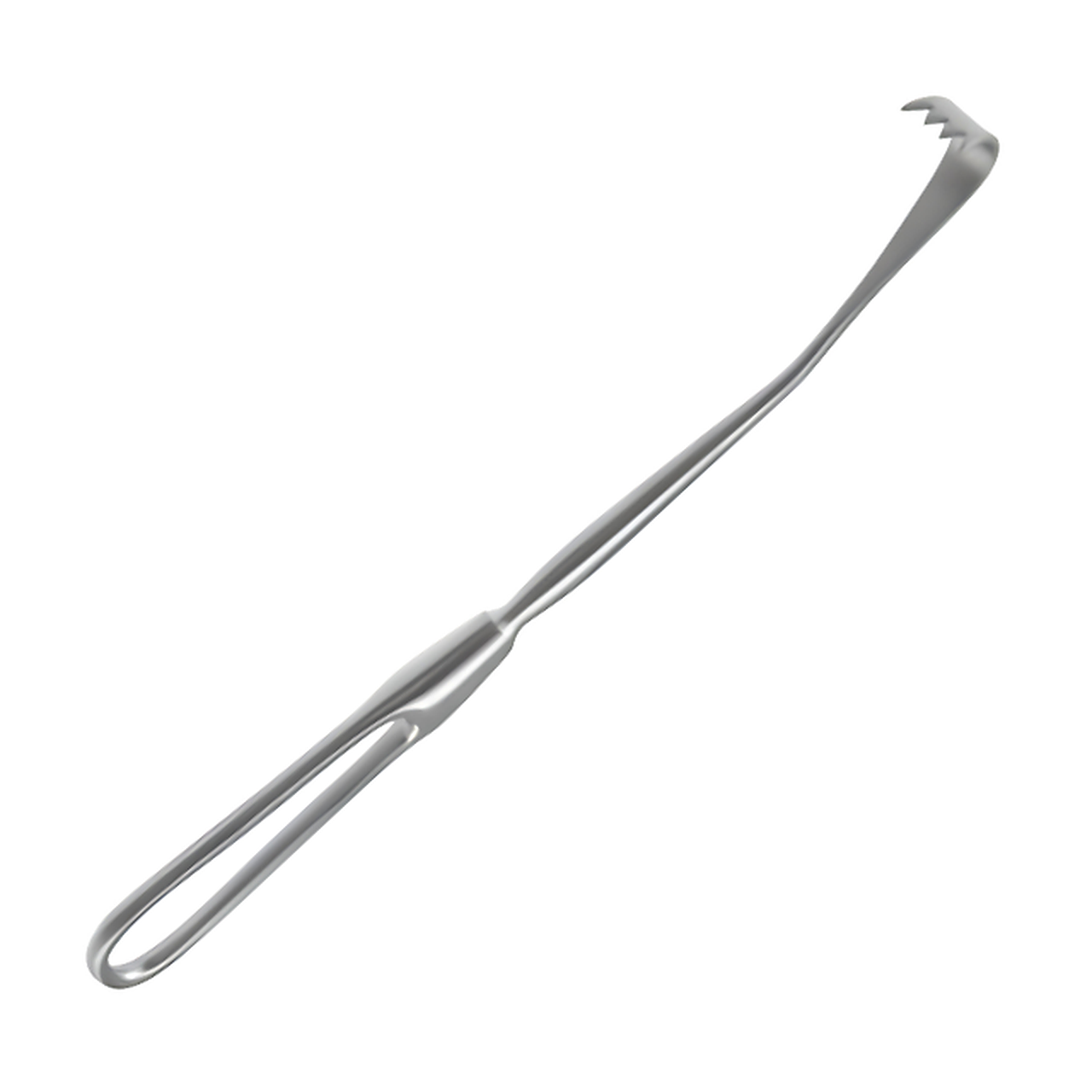 | مُبعّد الأوردة Sachs Vein Retractor | مصمم خصيصاً لإبعاد وتحريك الأوردة الحساسة وجذور الأعصاب والحزم الوعائية أثناء جراحات الأوعية الدموية والأعصاب. |
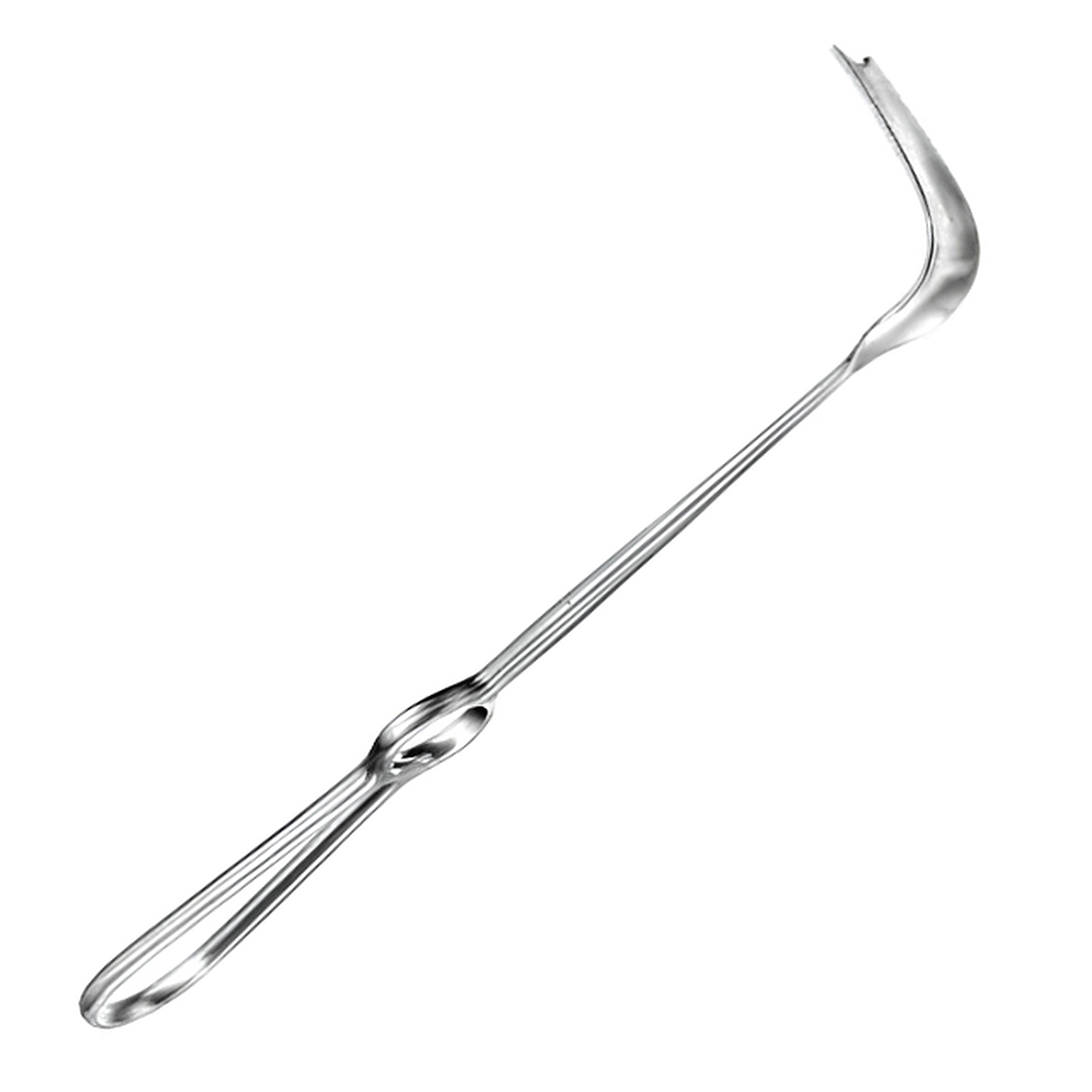 | Sailer Nasal Bridge Retractor | مصمم خصيصاً لرفع وإبعاد غلاف الأنسجة الرخوة على طول جسر الأنف أثناء عمليات تجميل الأنف وقطع عظام منتصف الوجه. |
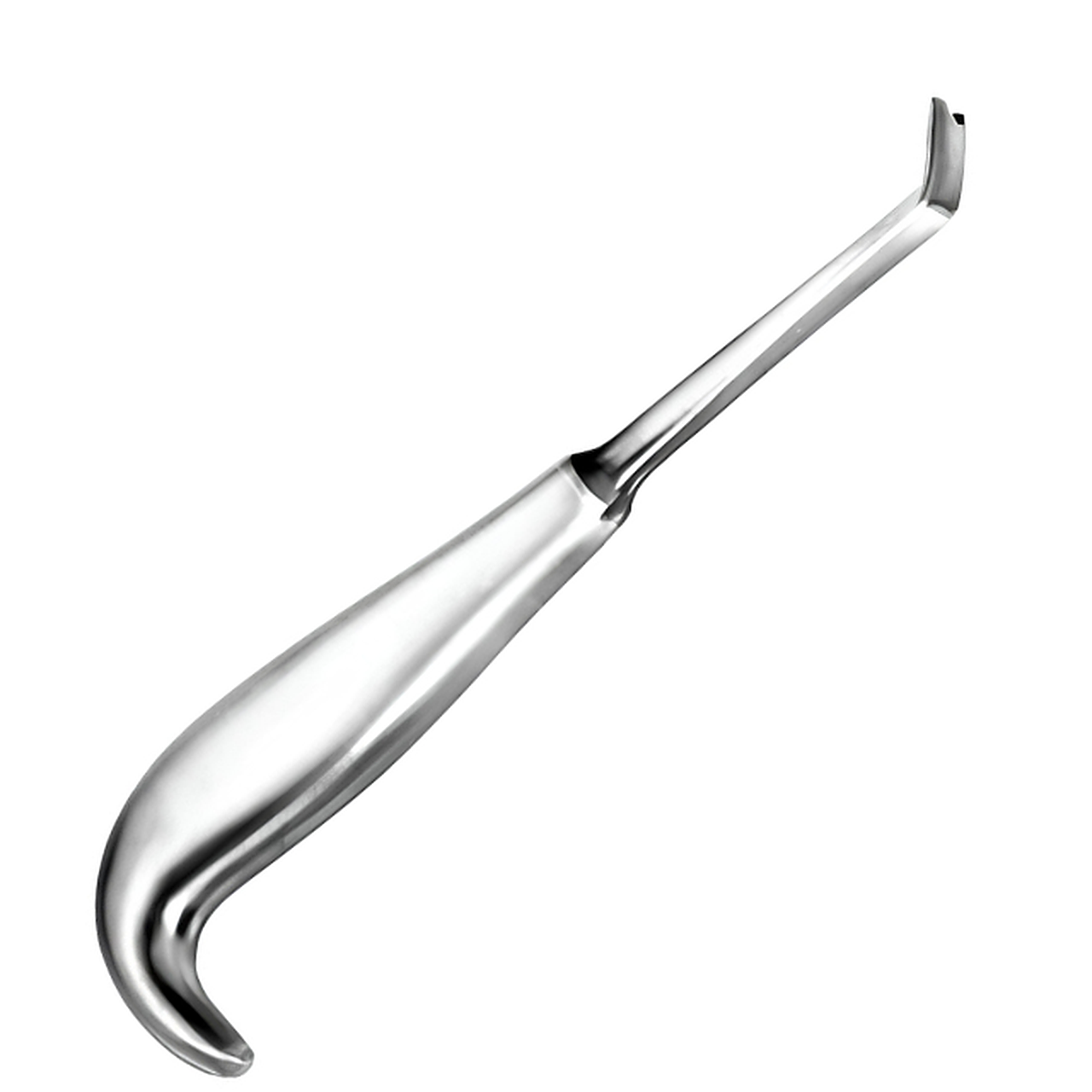 | Sailer Nasal Spine Retractor - مبعد الشوكة الأنفية Sailer | مصمم خصيصاً للتثبيت فوق الشوكة الأنفية الأمامية ورفع الشفة العليا أثناء عمليات Le Fort I osteotomies. |
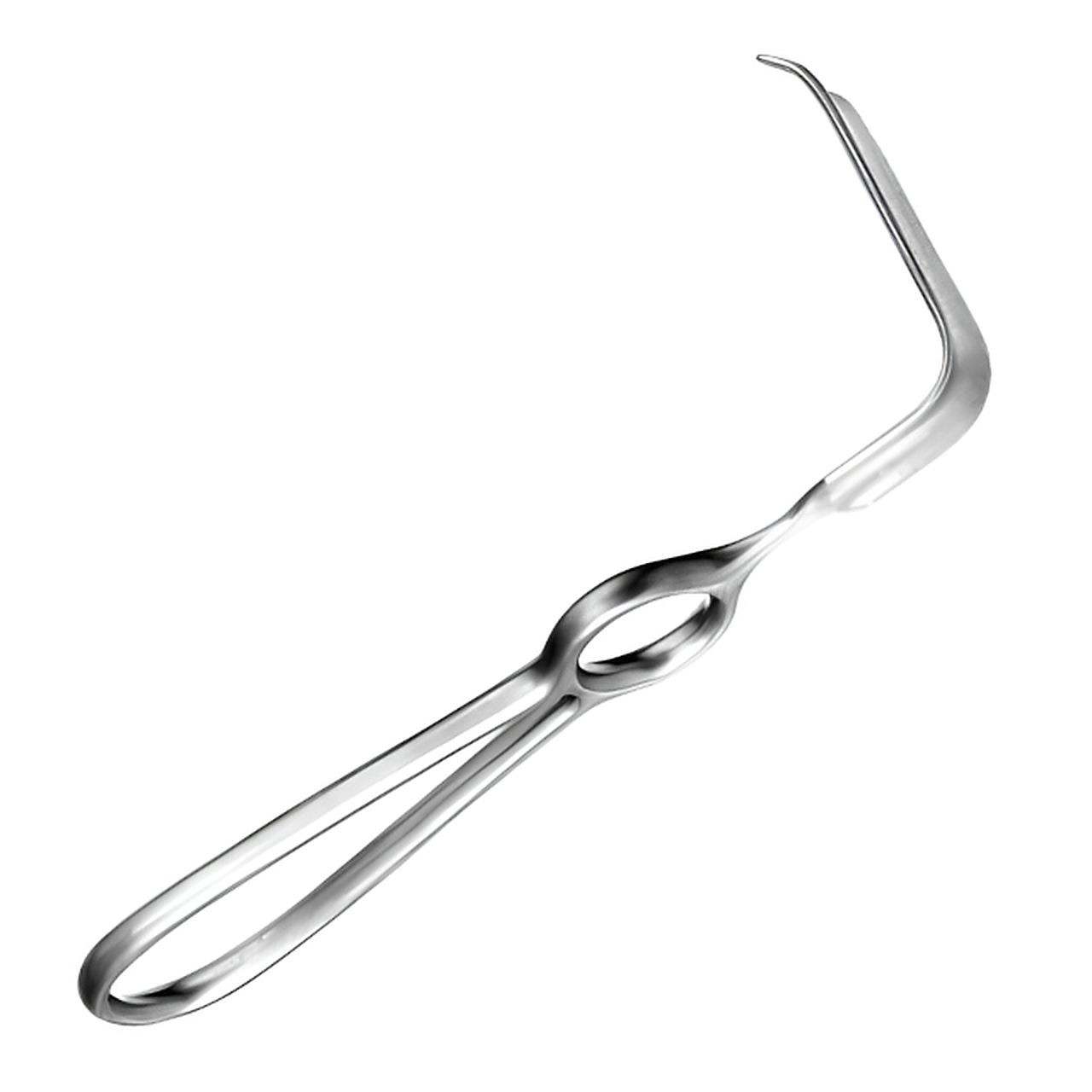 | Sailer Soft Tissue Retractor | مصمم خصيصاً لإبعاد السدائل المخاطية السمحاقية والأنسجة الرخوة في المساحات الضيقة داخل الفم والوجه. |
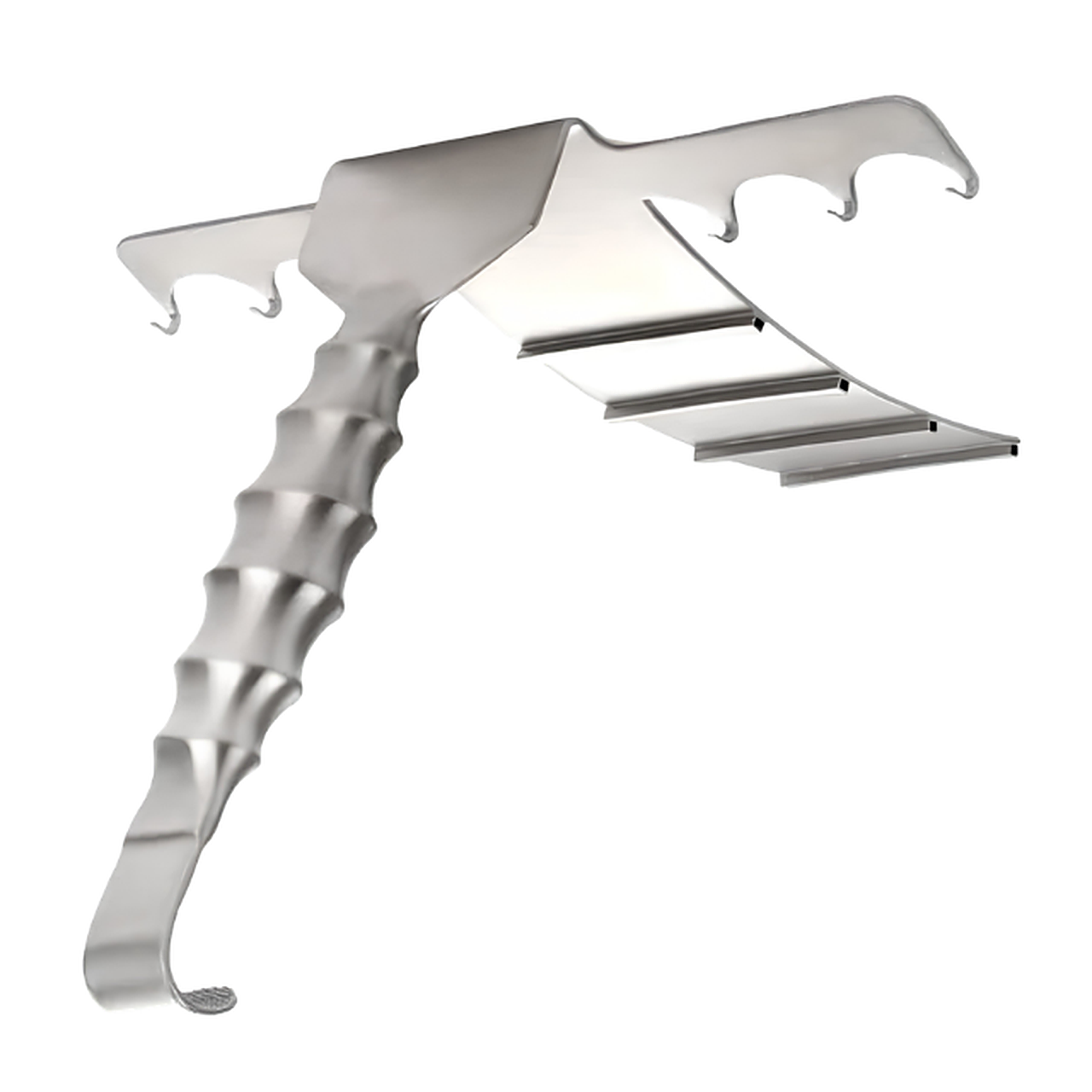 | مُبعّد البطن Saldanha-Solz Abdominal Retractor | مصمم خصيصاً لرفع سدائل جلد البطن وحماية الأنسجة أثناء عمليات شد البطن مع شفط الدهون وطي العضلة المستقيمة. |
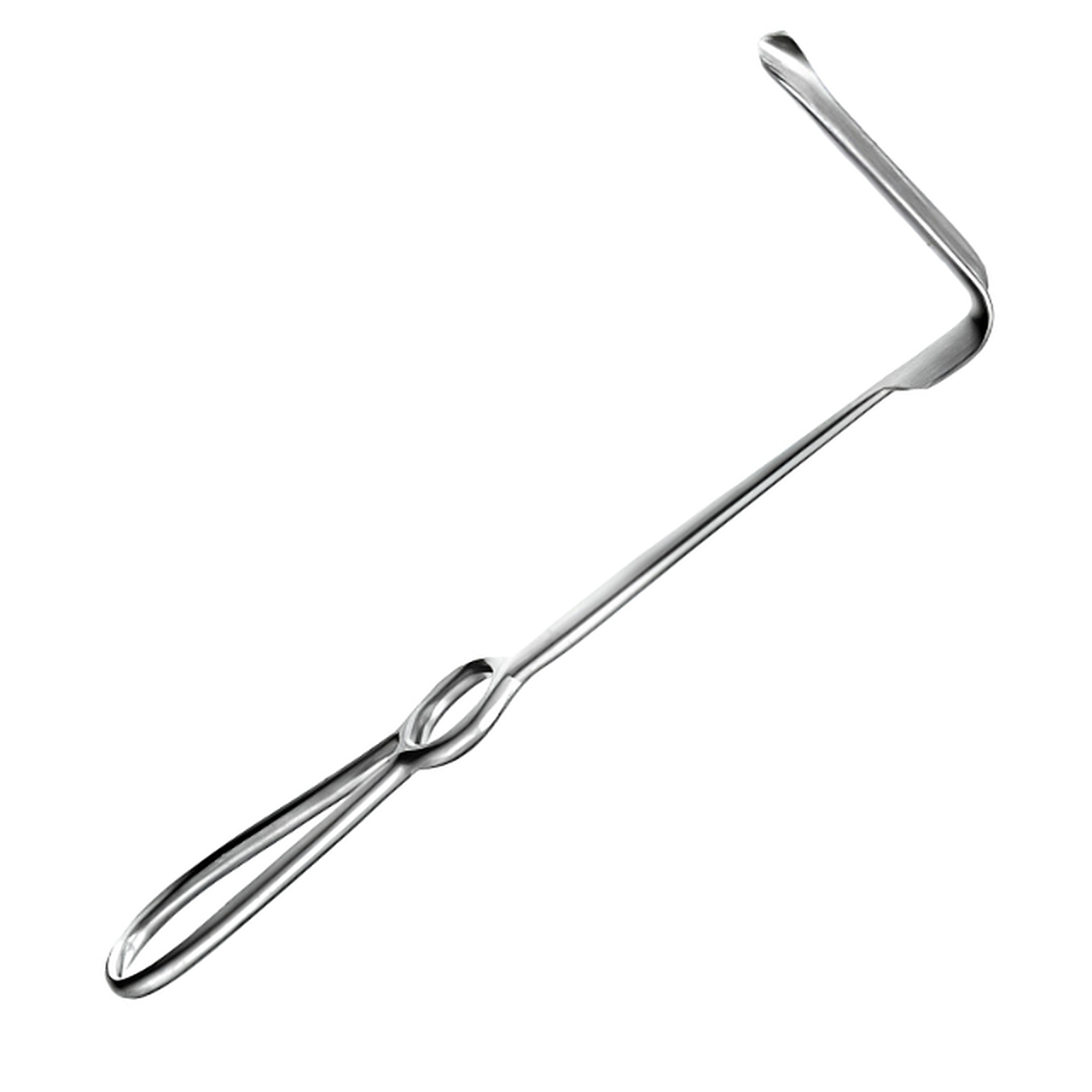 | مبعد Salzburg لعنق اللقمة الفكية | مصمم خصيصاً للالتفاف حول عنق اللقمة وحماية الأنسجة الرخوة أثناء جراحة المفصل الفكي الصدغي وتثبيت كسور اللقمة. |
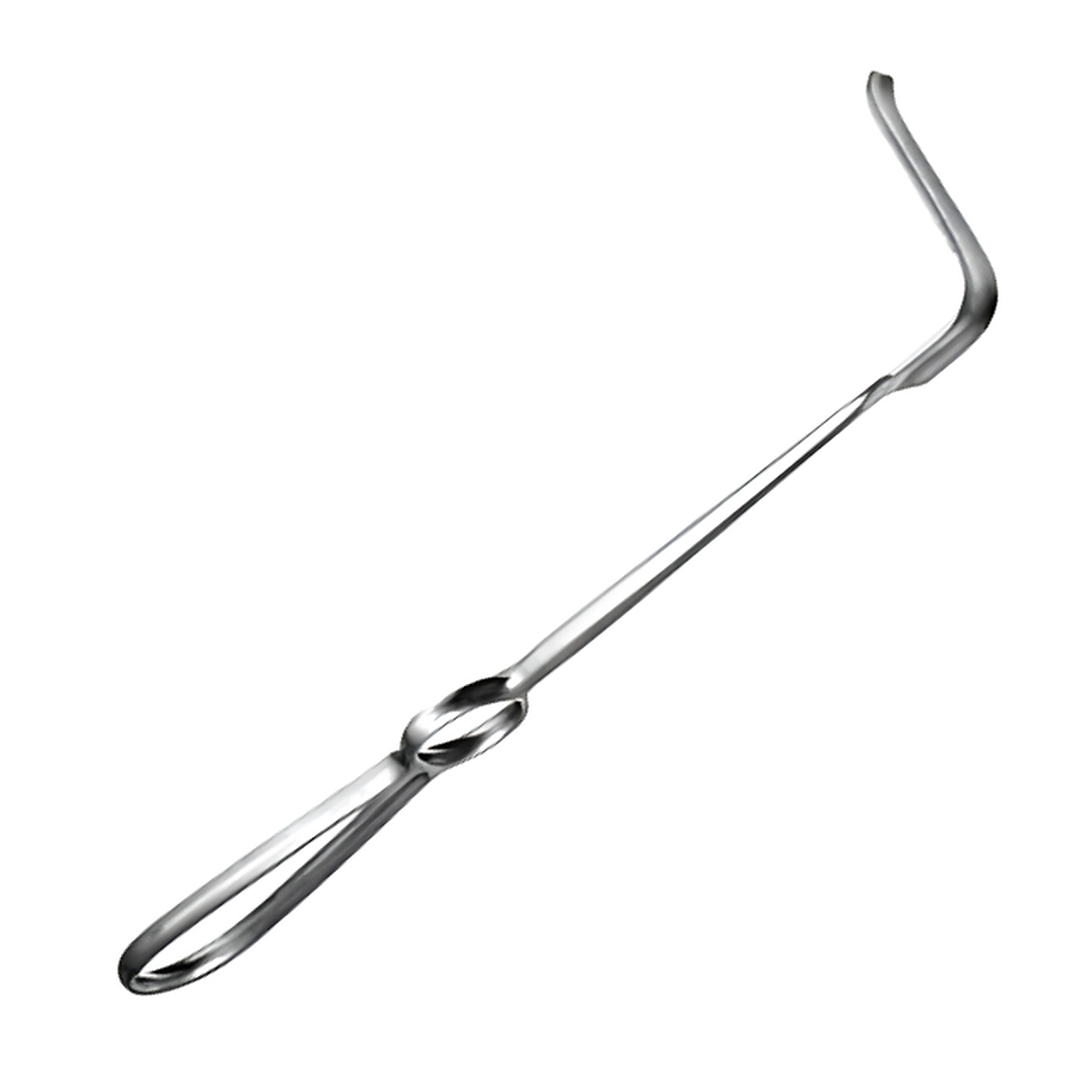 | مُبعّد حافة الفك السفلي Salzburg | مصمم خصيصاً للالتفاف فوق حافة الفك السفلي وحماية الأنسجة الرخوة والأوعية أثناء عمليات قطع العظم لتقويم الفك. |
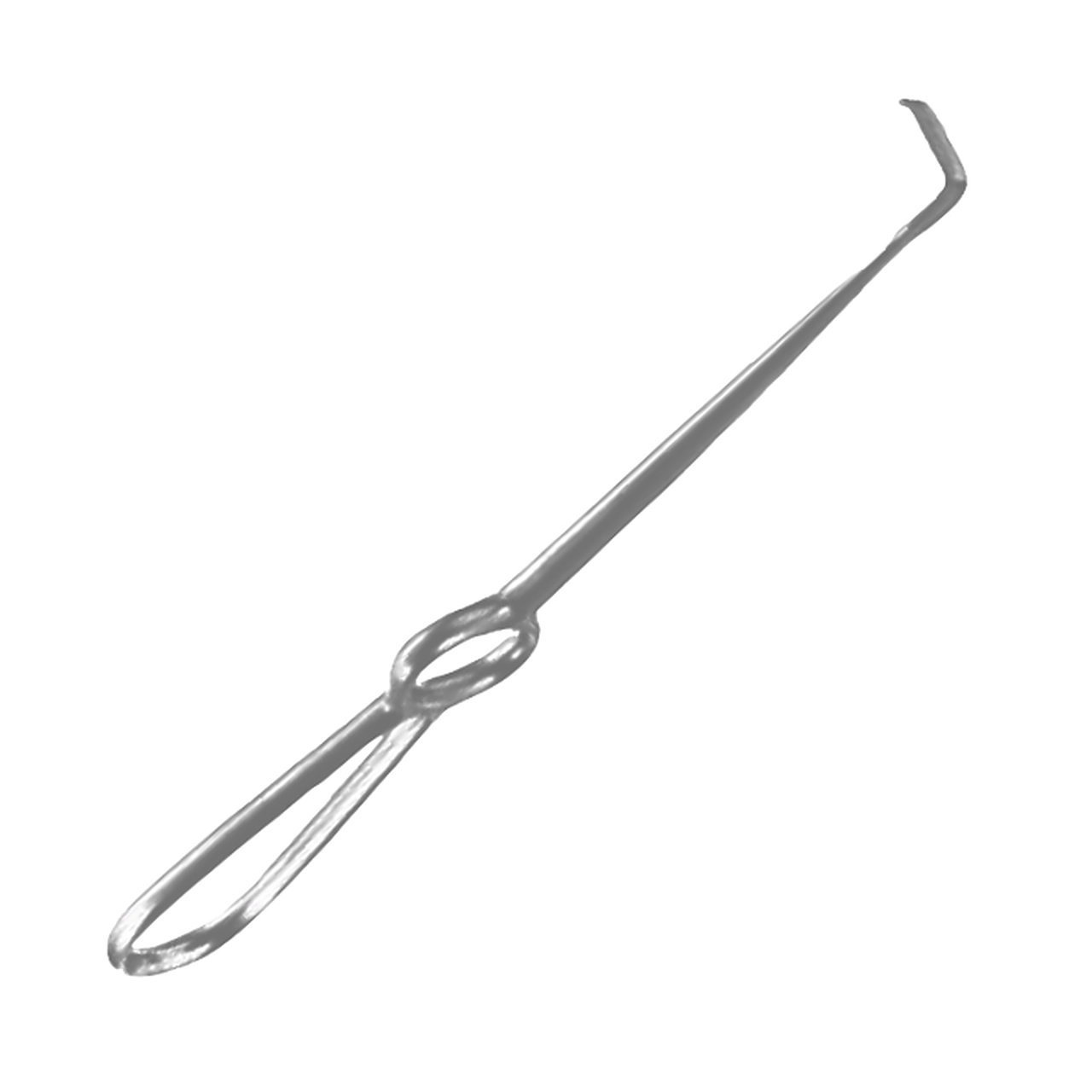 | مُبعّد Salzburg للأنسجة الرخوة | مصمم خصيصاً لإبعاد اللوحات السمحاقية المخاطية والأنسجة الرخوة في الممرات الضيقة لجراحة الفم والوجه والفكين. |
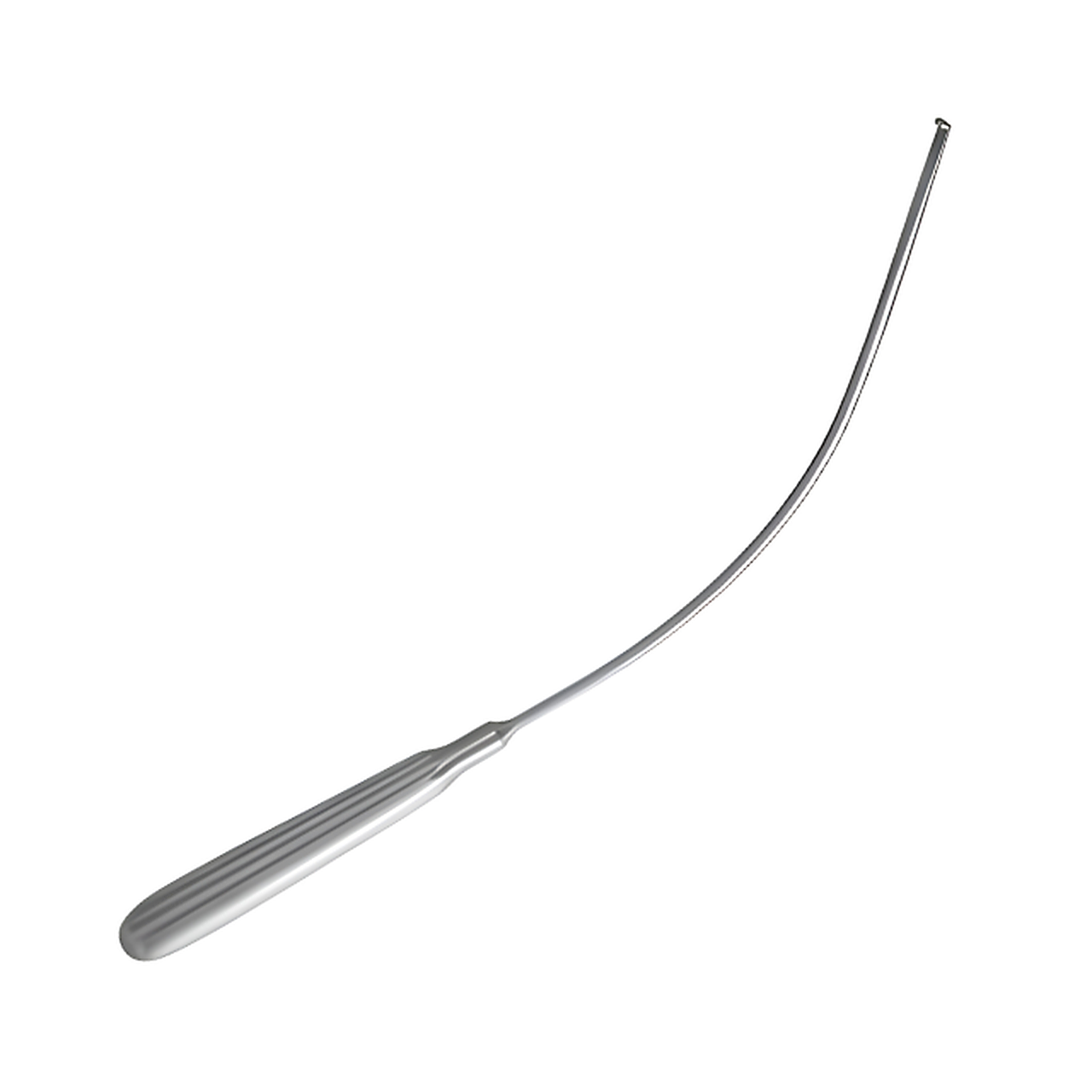 | مُبعّد جذور الأعصاب Sandhu Nerve Root Retractor | مصمم خصيصًا لتحريك واحتواء وحماية جذور الأعصاب الشوكية العابرة والكيس القرابي أثناء استئصال القرص القطني. |
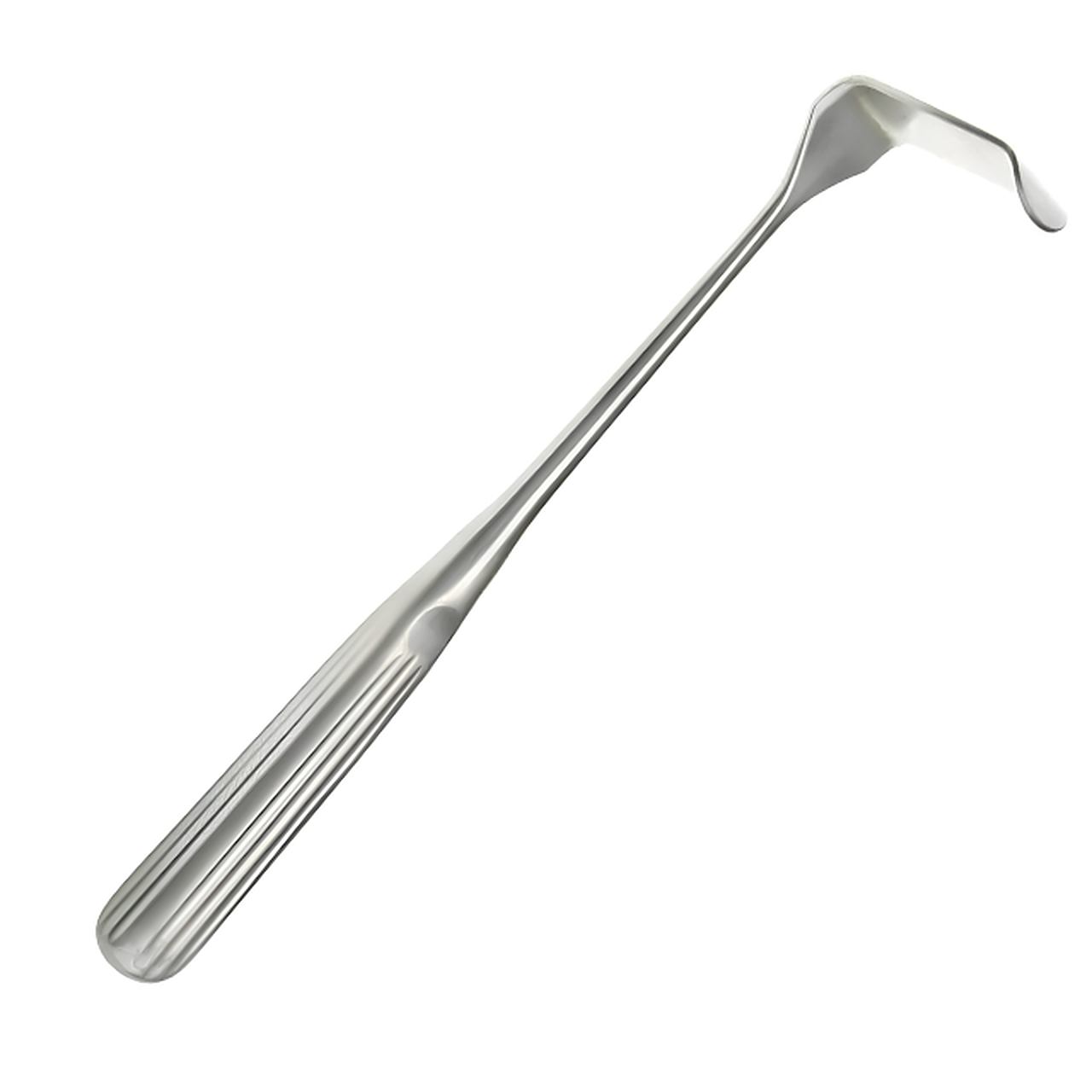 | Sauerbruch Retractor | مصمم خصيصاً لمباعدة طبقات العضلات واللفافة وحواف الجروح أثناء جراحات الصدر والبطن وجراحة العظام. |
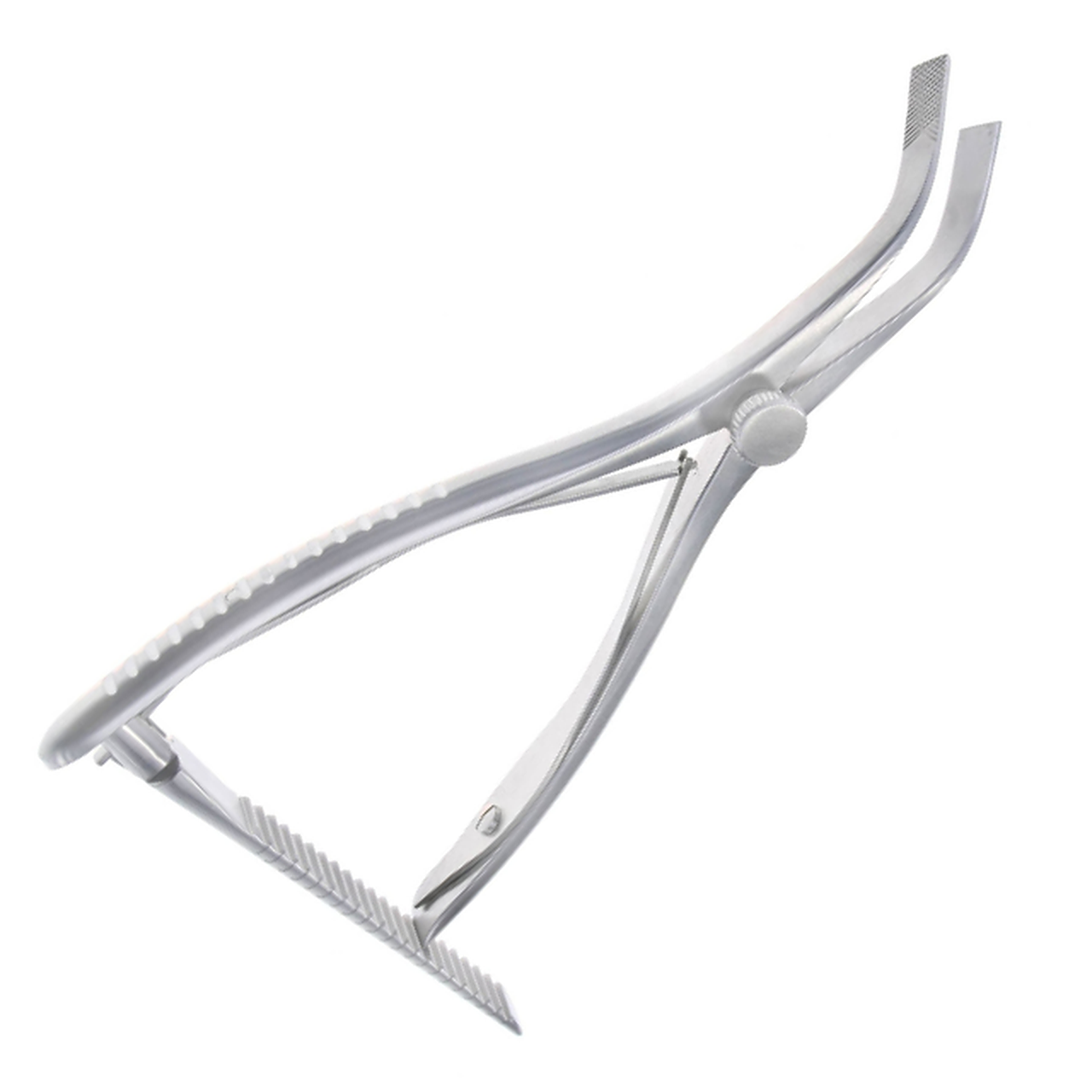 | Saxena Bone Grafting Retractor مبعد زراعة العظام | مصمم خصيصًا لإبعاد الأنسجة الرخوة وتثبيت قشور العظام أثناء حصاد طعوم العظام الذاتية. |
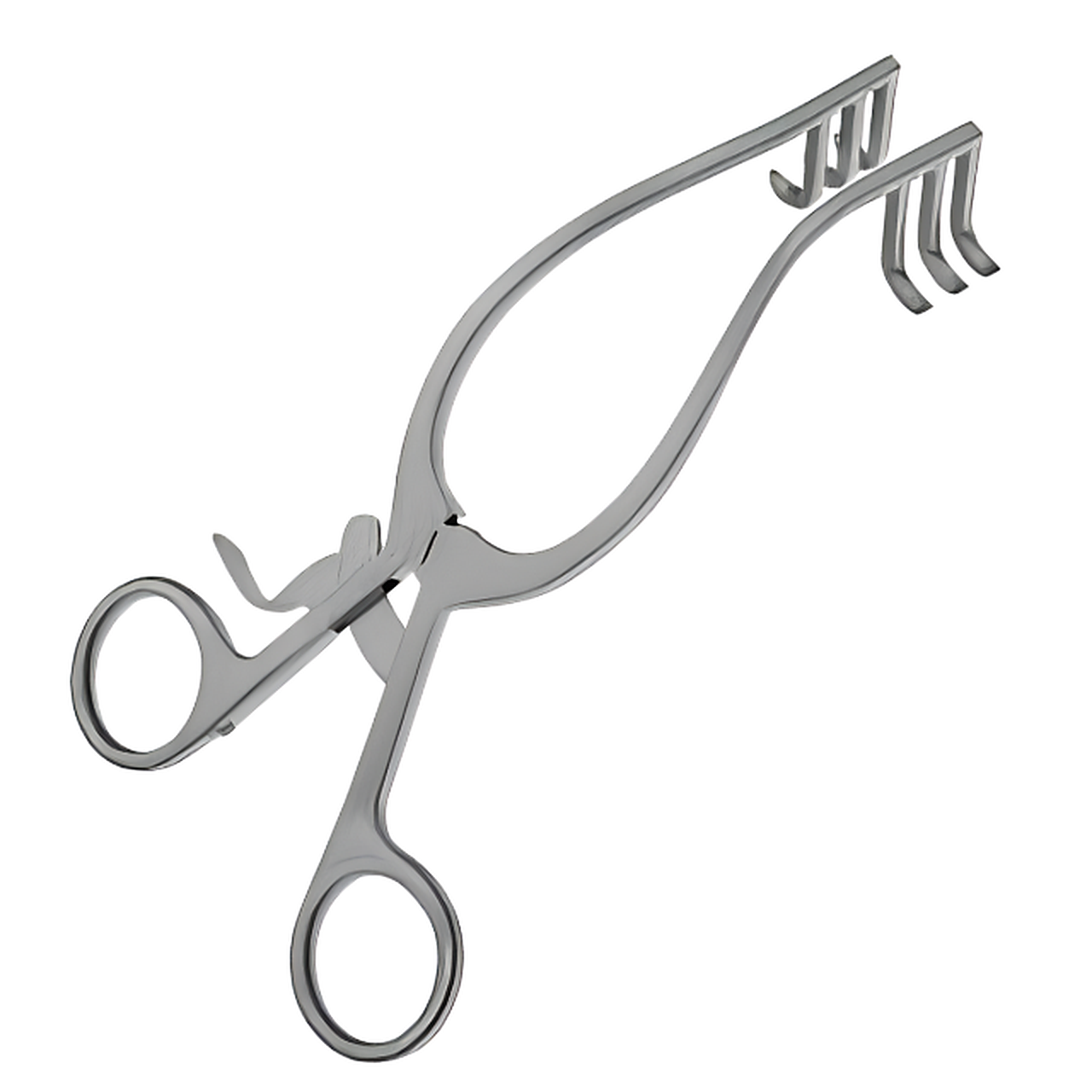 | مُبعّد Schuknecht Fisch Retractor | مصمم خصيصاً لتوفير تبعيد ذاتي التثبيت للسمحاق والأنسجة الرخوة أثناء جراحات الخشاء والأذن. |
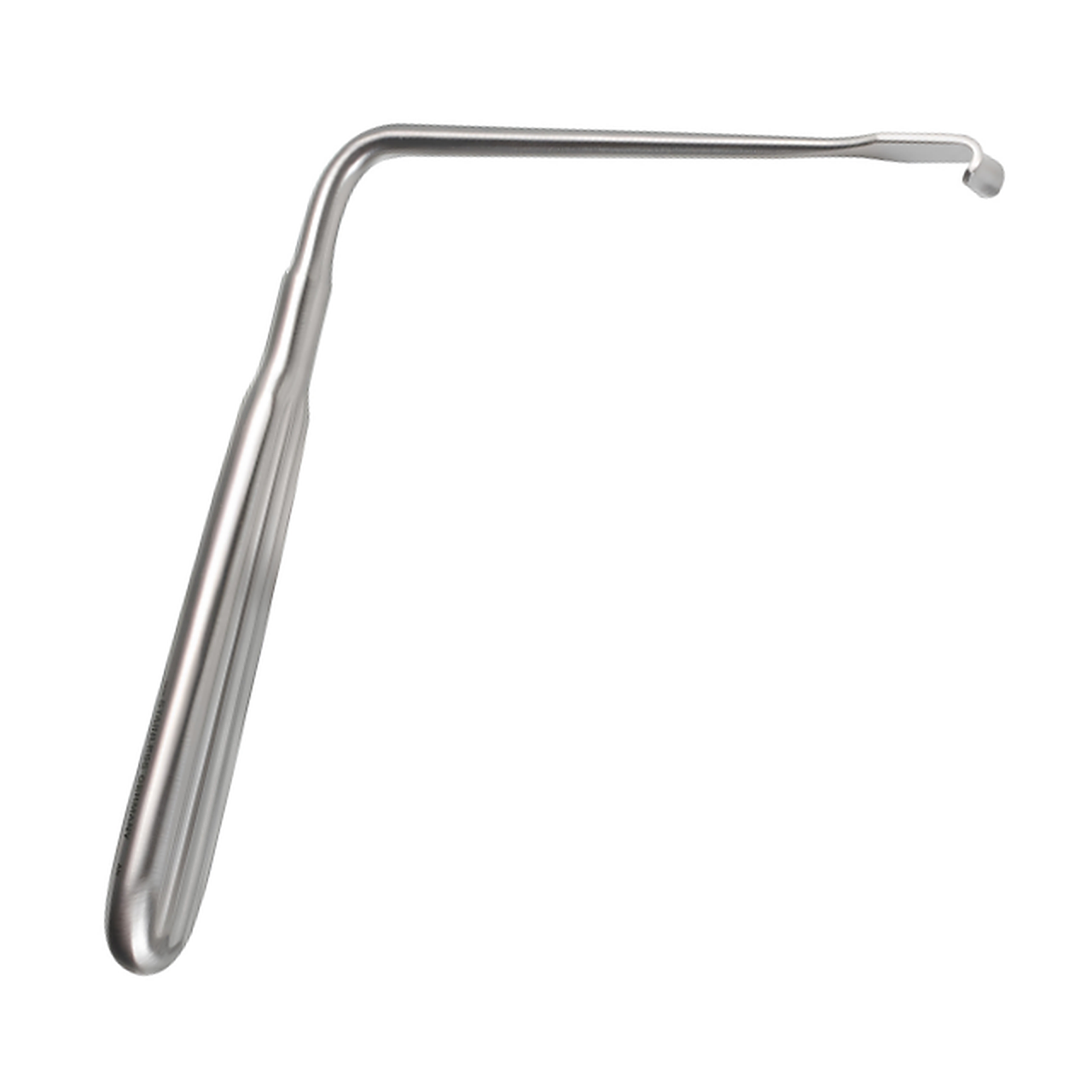 | مُبَعّد الأعصاب Scoville Nerve Retractor | مصمم خصيصًا لإزاحة وحماية الجذور العصبية الدقيقة والأعصاب الطرفية في الممرات الجراحية الضيقة. |
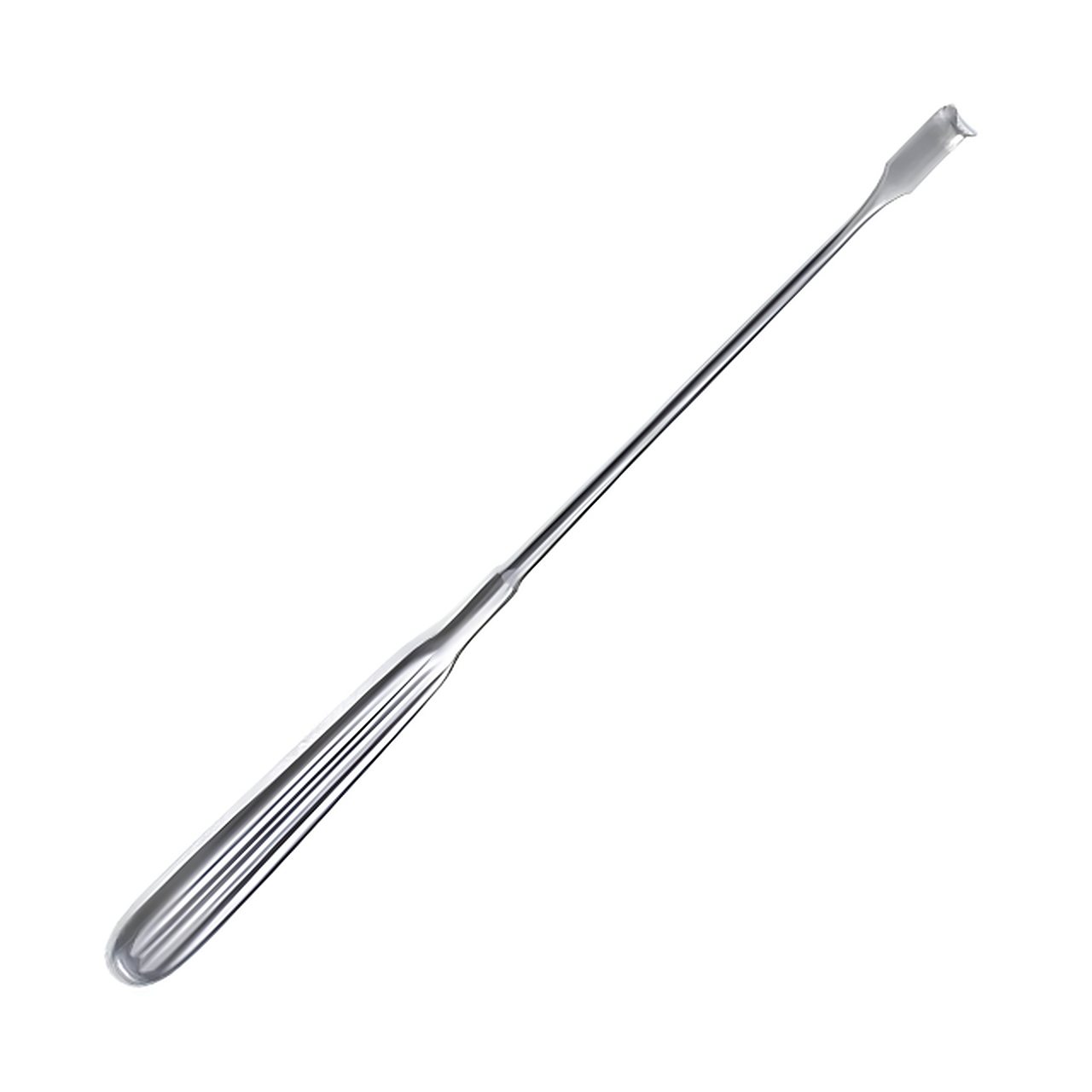 | مُبعد Scoville لجذور الأعصاب | مصمم خصيصًا لتحريك واحتواء وحماية جذور الأعصاب الشوكية العابرة والكيس الجافي أثناء استئصال القرص القطني. |
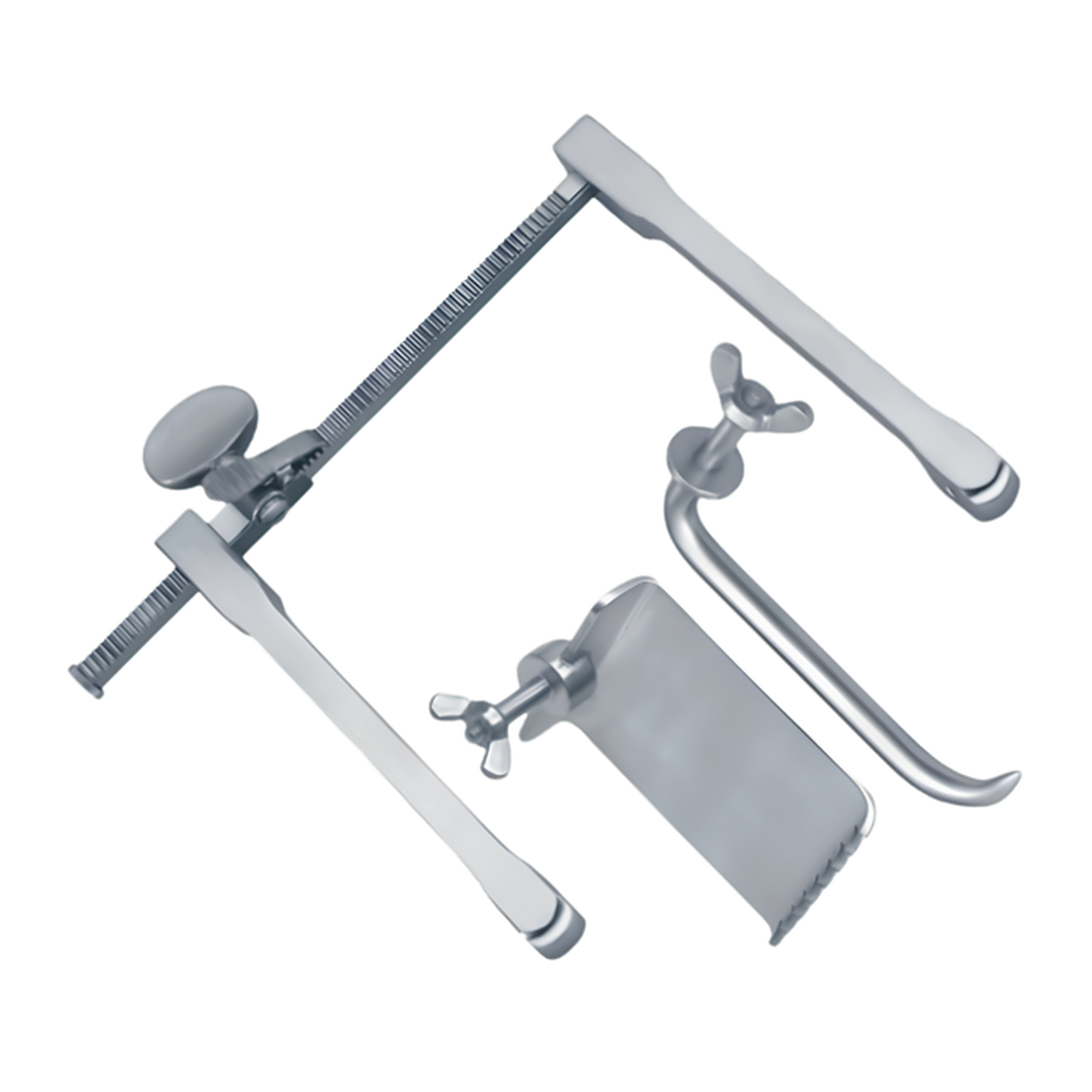 | Scoville Self Retaining Retractor | مصمم خصيصًا لمباعدة العضلات المجاورة للفقرات الثقيلة وكشف الصفيحة الفقرية أثناء جراحات العمود الفقري القطني. |
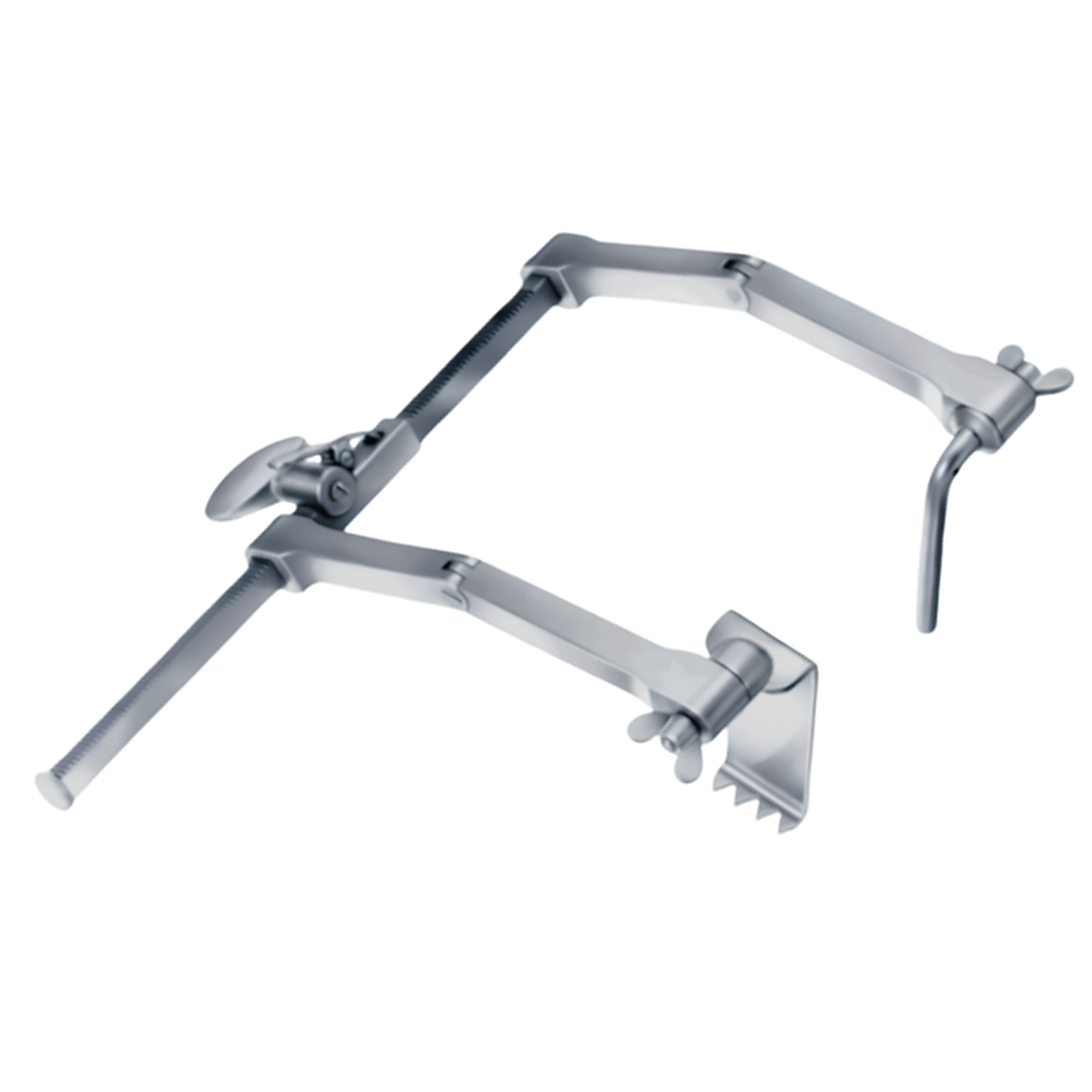 | Scoville-Haverfield Self Retaining Retractor | مصمم خصيصاً لمباعدة العضلات الثقيلة المجاورة للفقرات مع إخلاء خط الرؤية بفضل السيقان المفصلية أثناء جراحة العمود الفقري. |
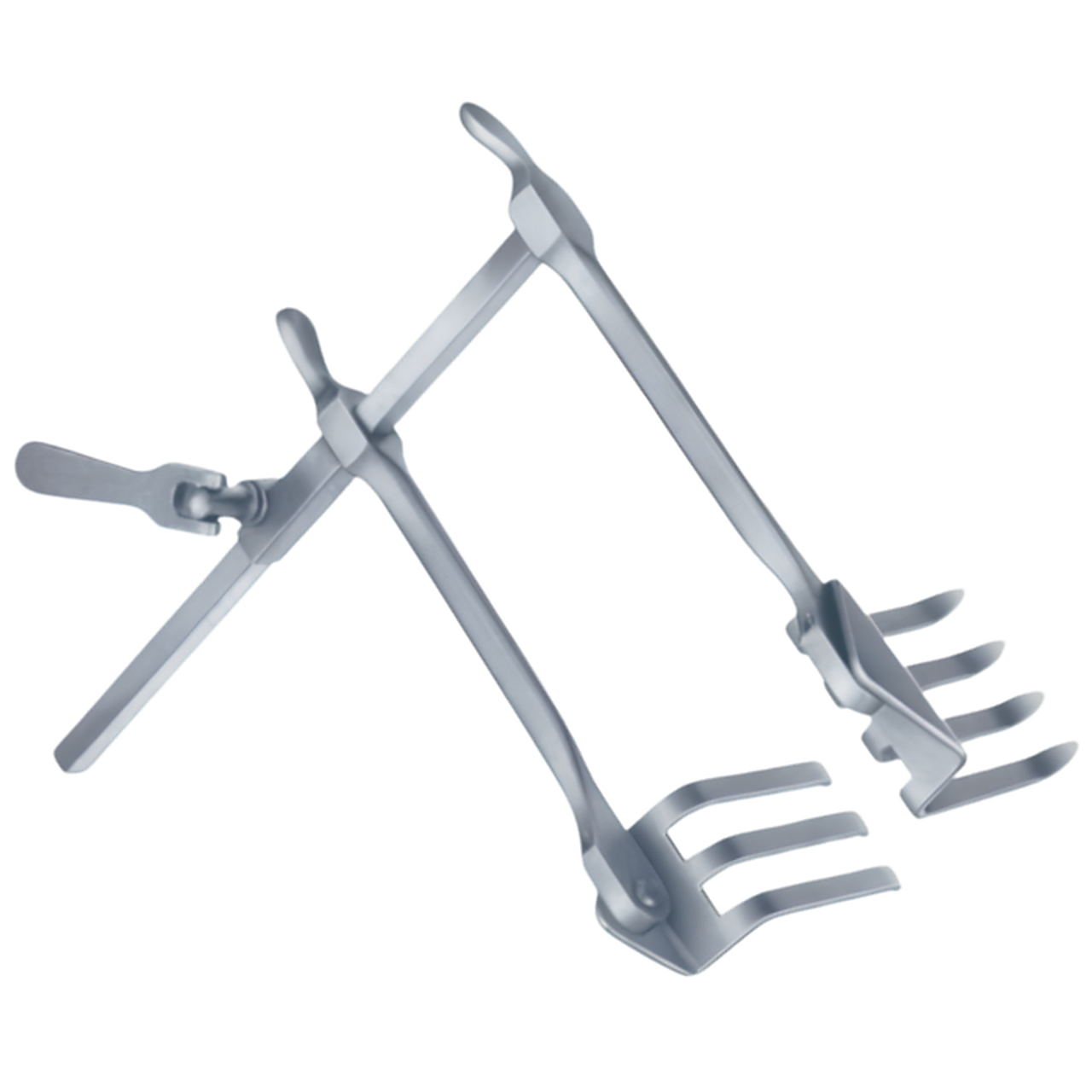 | مُباعد Scoville-Richter الذاتي المَثبت | مصمم خصيصاً لتبعيد العضلات الكثيفة المجاورة للفقرات والحفاظ على كشف جراحي واسع أثناء جراحات العمود الفقري القطني. |
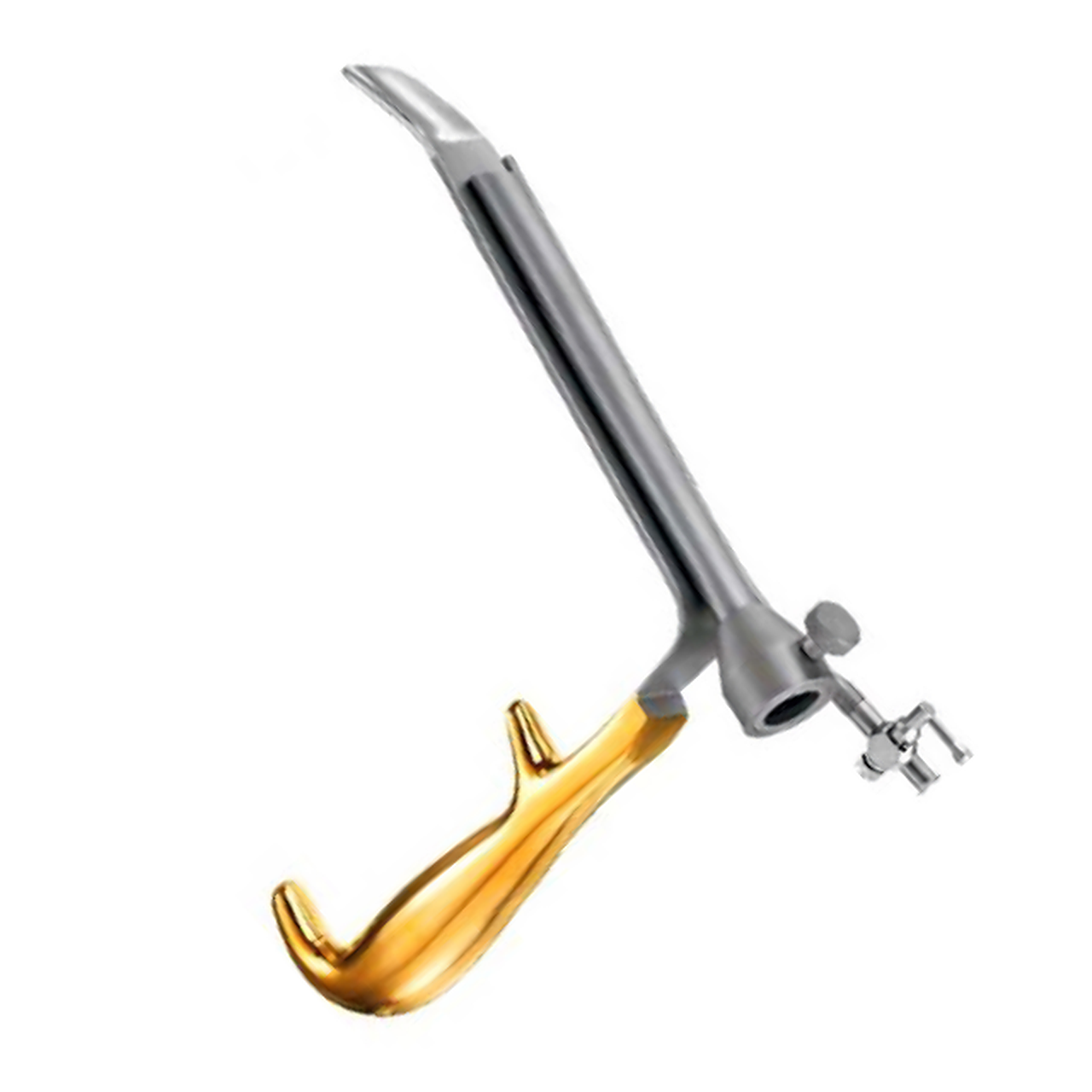 | مُباعد Sculpo Endoscopic Retractor | مصمم خصيصاً لرفع سدائل الأنسجة وتثبيت المنظار أثناء جراحات التجميل طفيفة التوغل. |
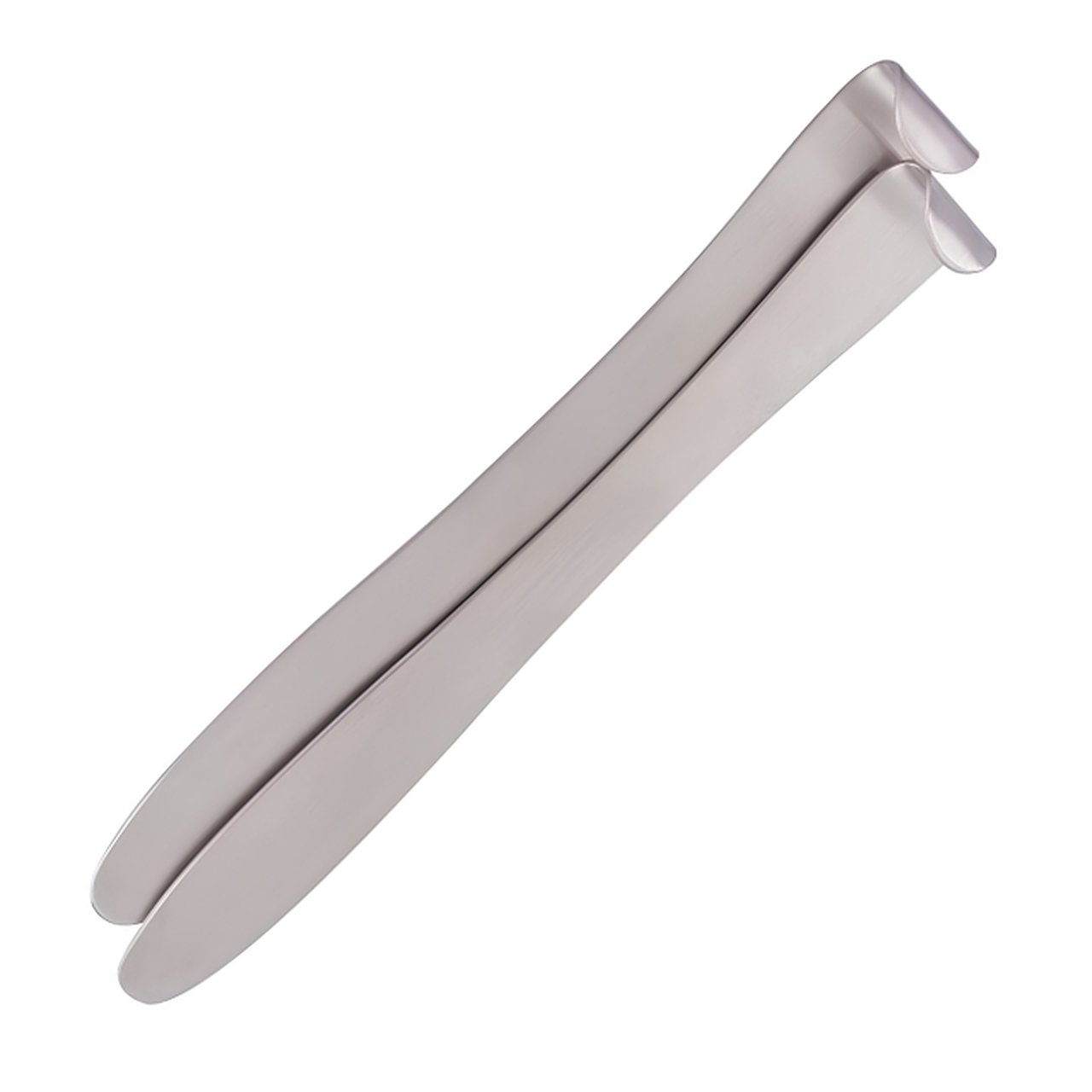 | Seeburger Retractor-Set of Two - طقم مباعد سيبرجر من قطعتين | مصمم خصيصاً لتبعيد حواف الجلد واللفافة والأنسجة الرخوة السطحية في الجراحات الصغرى والعامة. |
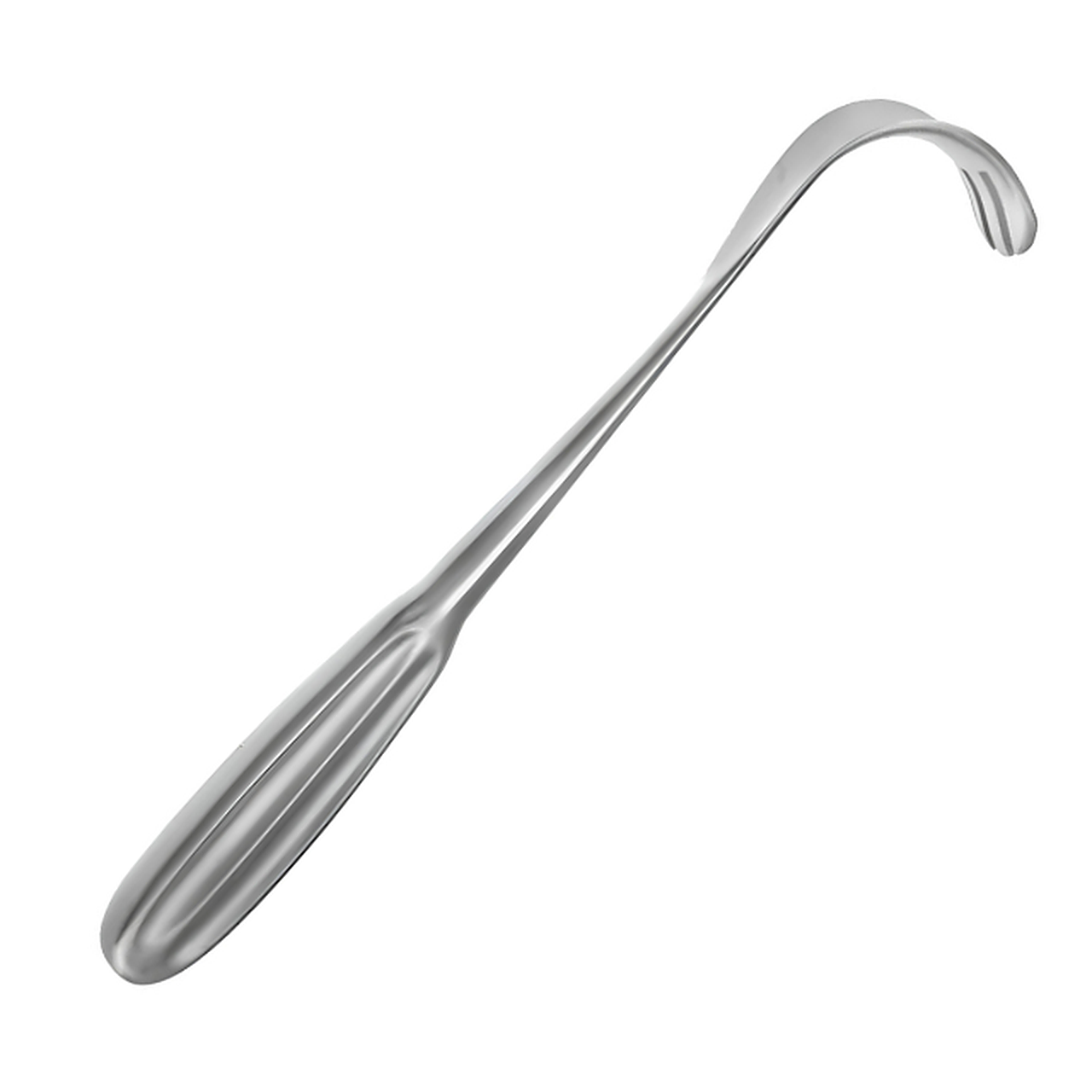 | Semb Lung/Muscle Retractor | مصمم خصيصًا لإبعاد متن الرئة وعضلات جدار الصدر والأحشاء الصدرية العميقة أثناء بضع الصدر وجراحة الرئة. |
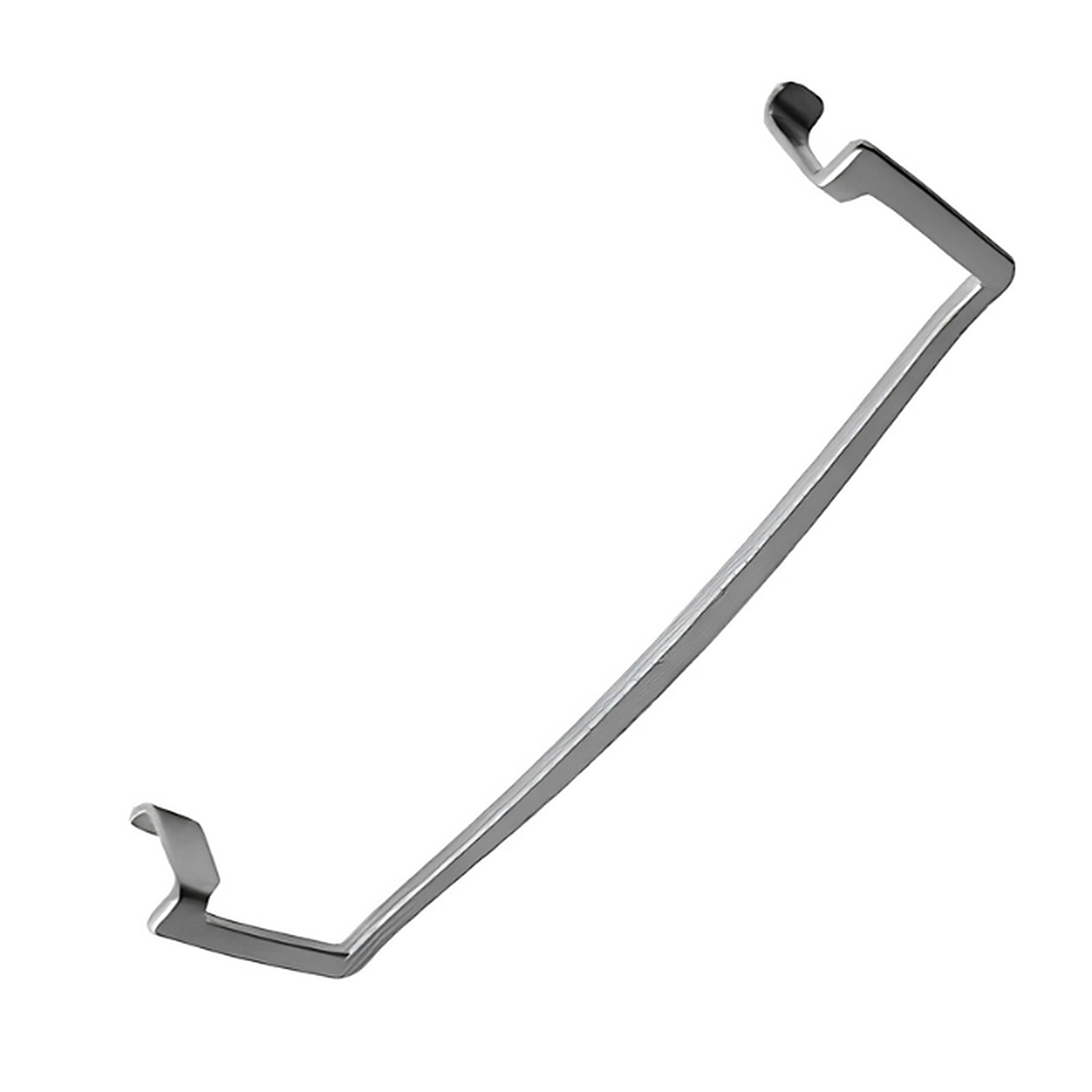 | مبعد Senn Forward Retractor | مصمم خصيصاً لتبعيد حواف الجلد، والشرائح الجلدية، واللفافات أثناء العمليات الجراحية البسيطة والتجميلية وجراحات اليد. |
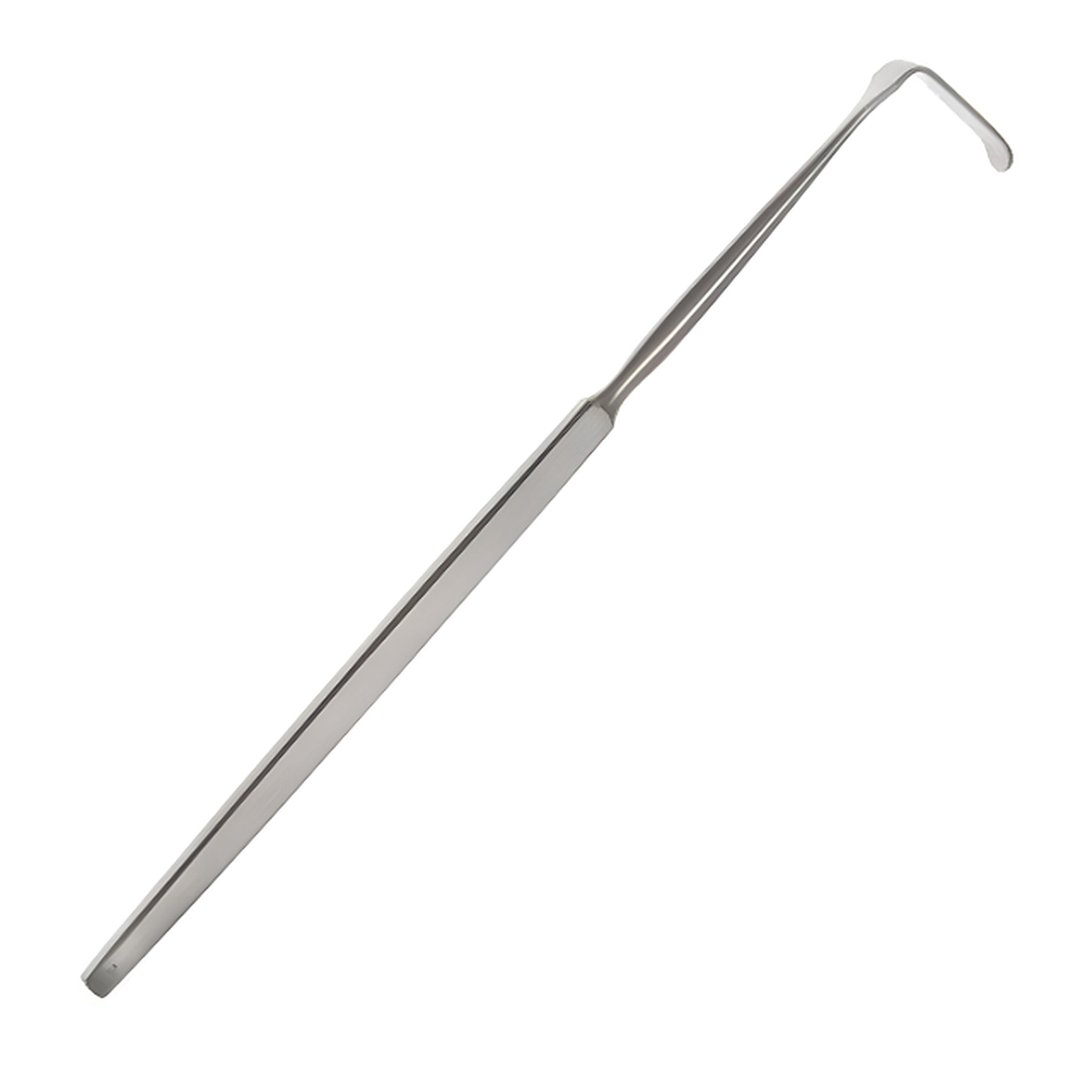 | مباعد Senn Green Retractor | مصمم خصيصاً لتبعيد العضلات تحت اللامية، واللفافة الرقبية، وحواف الجروح أثناء جراحة الغدة الدرقية والجراحات الصغرى. |
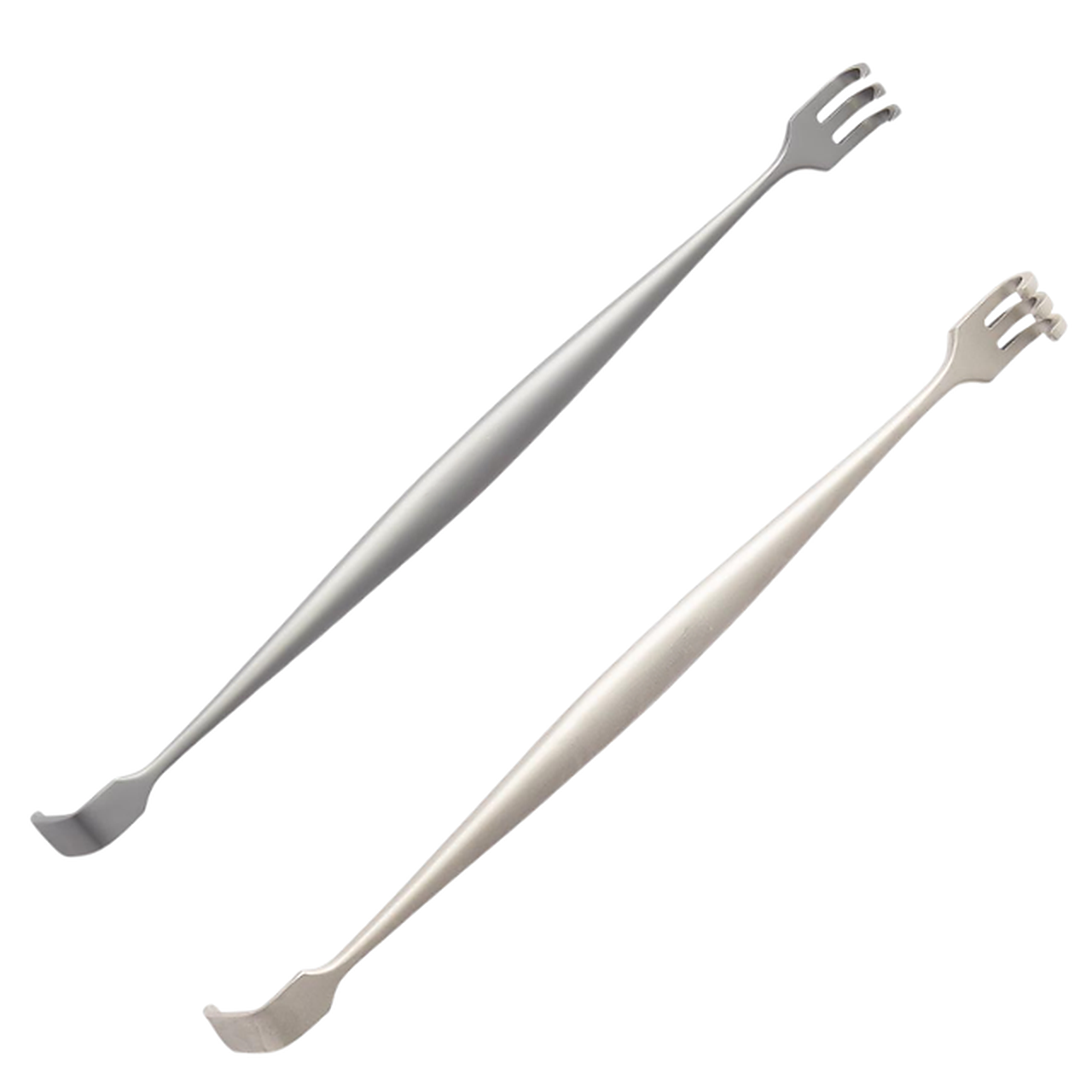 | مُبعد Senn Miller Retractor | مصمم خصيصاً لإبعاد حواف الجلد واللفافة والأنسجة تحت الجلد في الشقوق الجراحية السطحية والمتوسطة. |
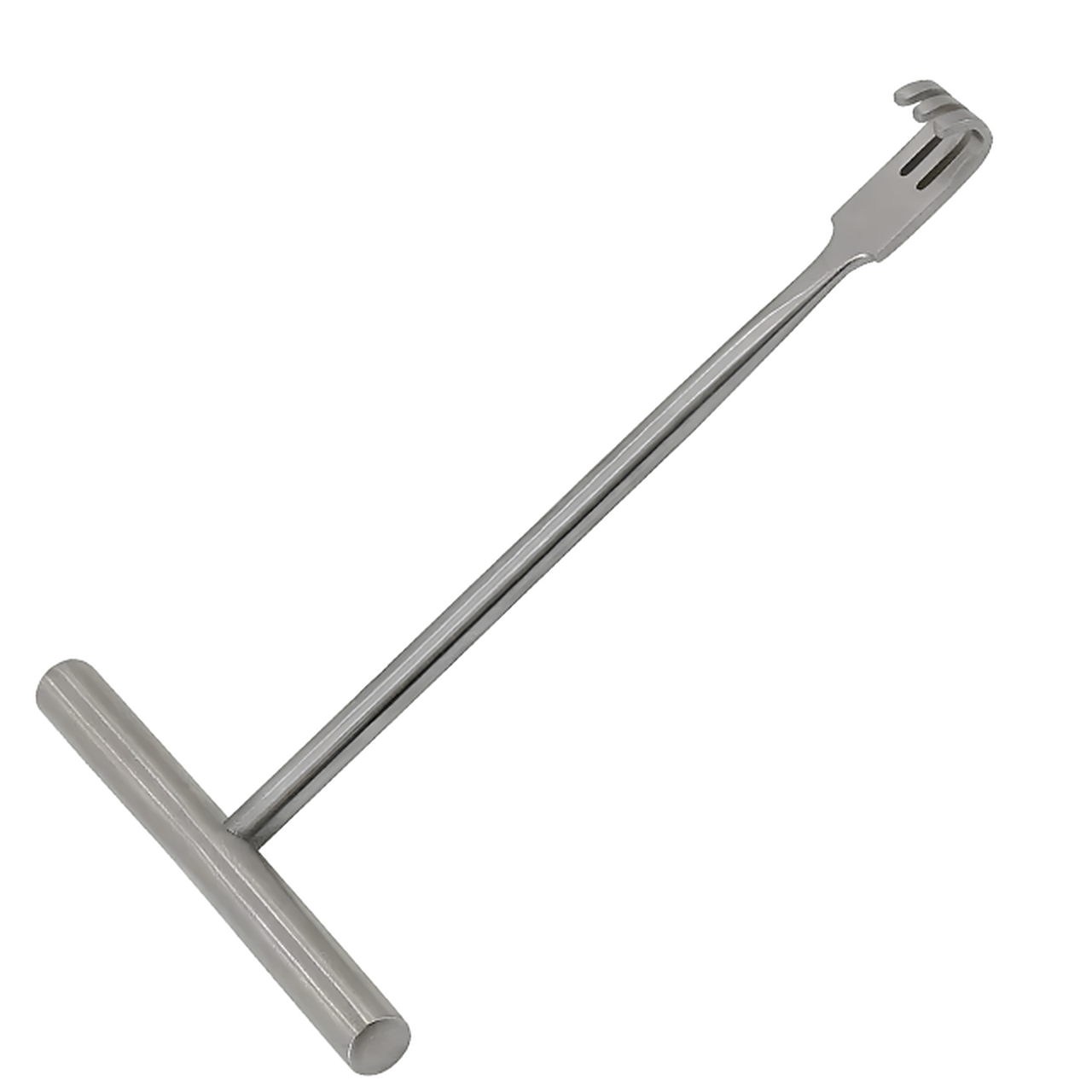 | مُبعّد Senn بمقبض على شكل حرف T | مصمم خصيصاً لتبعيد سدائل الجلد، واللفافات، وحواف الأنسجة الكثيفة مع قوة سحب يدوية عالية. |
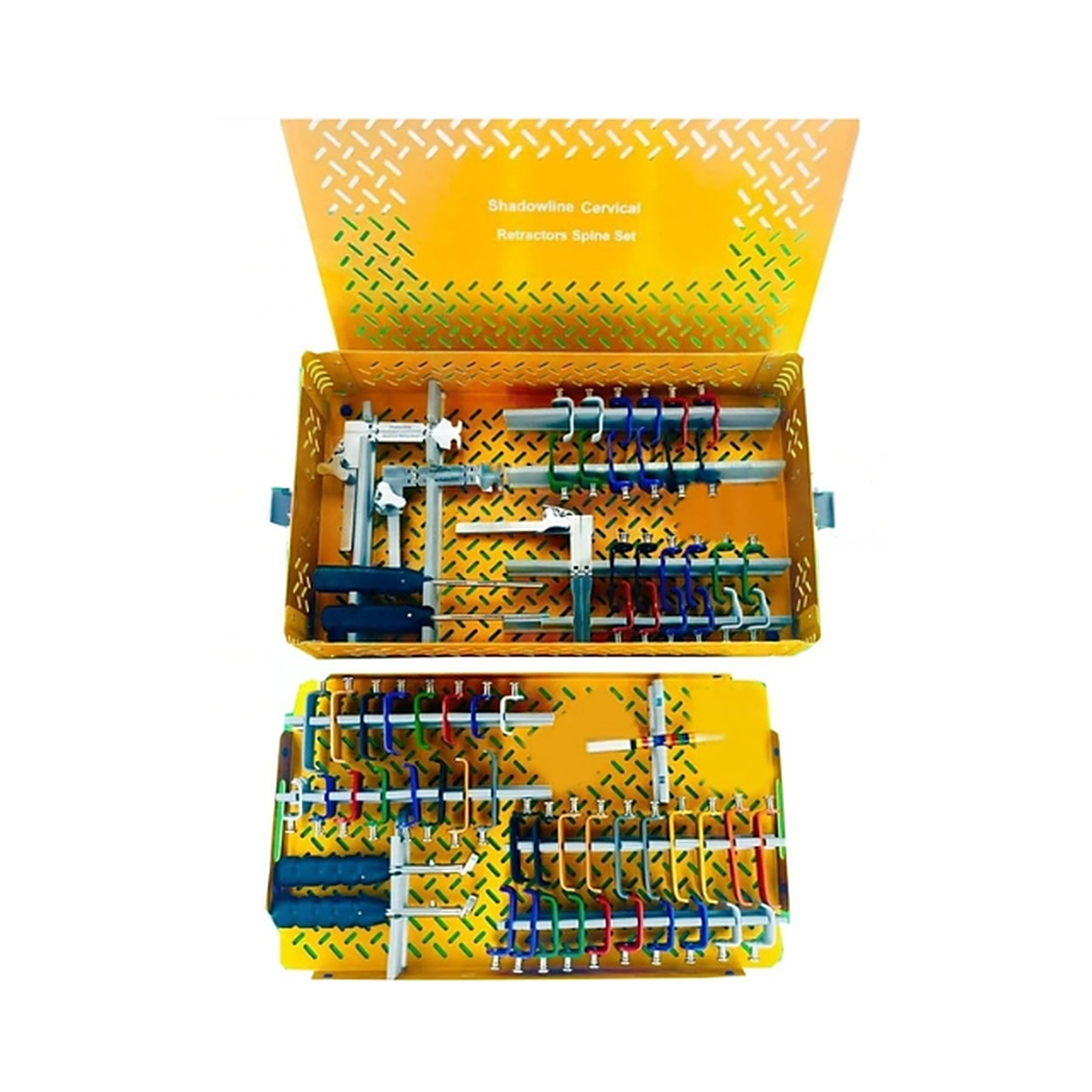 | طقم مباعد الفقرات العنقية SHADOWLINE Trimline | مصمم خصيصاً لتوفير إبعاد مستقر للأنسجة ورؤية واضحة أثناء العمليات الجراحية الأمامية للعمود الفقري العنقي. |
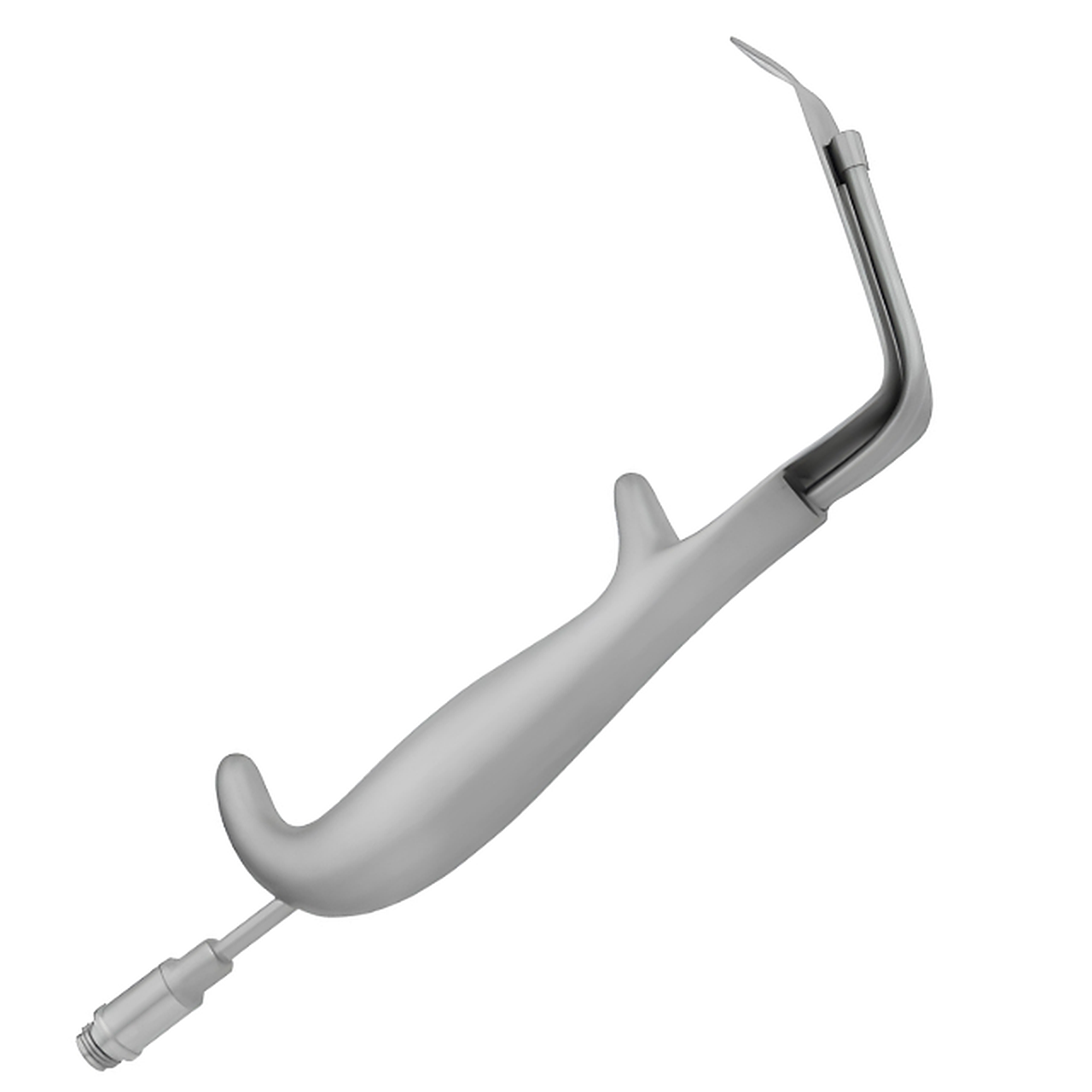 | Shea Retractor With Fiber Optic Guide | مصمم خصيصاً لإبعاد الأنسجة الجلدية وإضاءة التجاويف العملياتية العميقة أثناء جراحات الأنف والأذن والحنجرة وجراحات تجميل الوجه. |
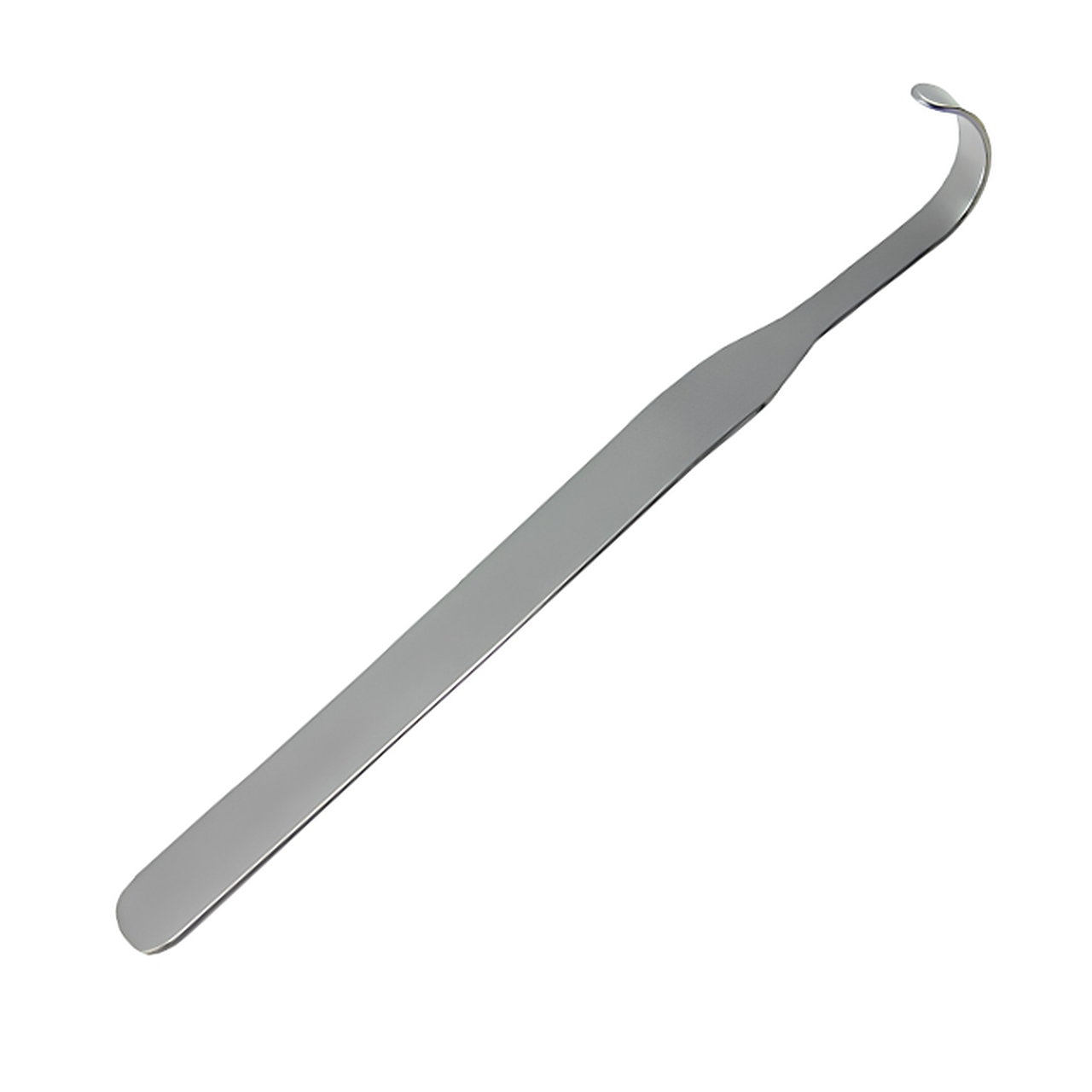 | Sheen Nasal Retractor Angled مباعد شين الأنفي المائل | مصمم خصيصًا لرفع اللوحات الجلدية الأنفية ومباعدة الغضاريف أثناء عمليات تجميل الأنف الترميمية والجمالية. |
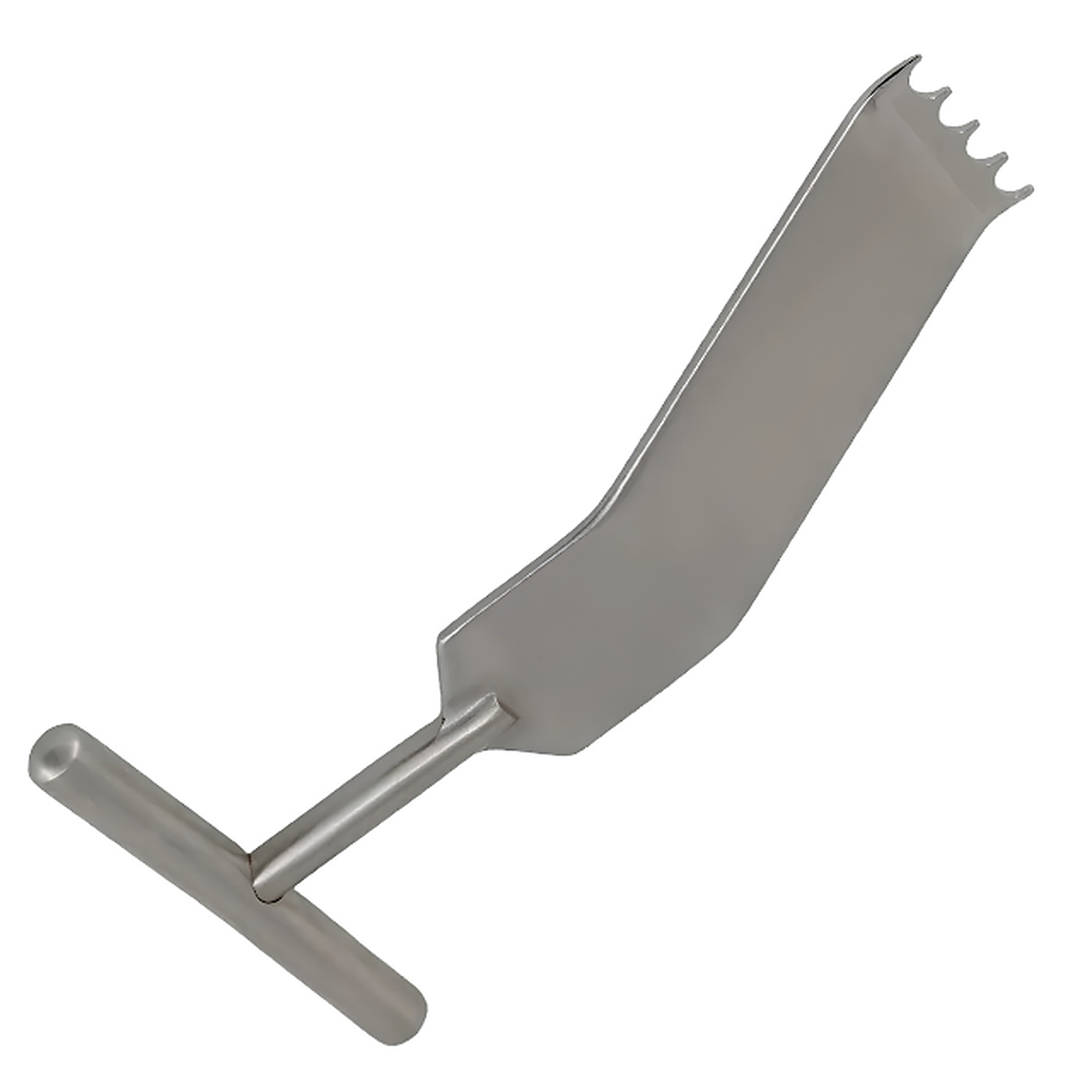 | مُبعّد الكتف لكشف جوف الحق في جراحات المفاصل | مصمم خصيصاً لإزاحة عظم العضد للخلف وكشف التجويف الحقي أثناء جراحة تقويم مفاصل الكتف. |
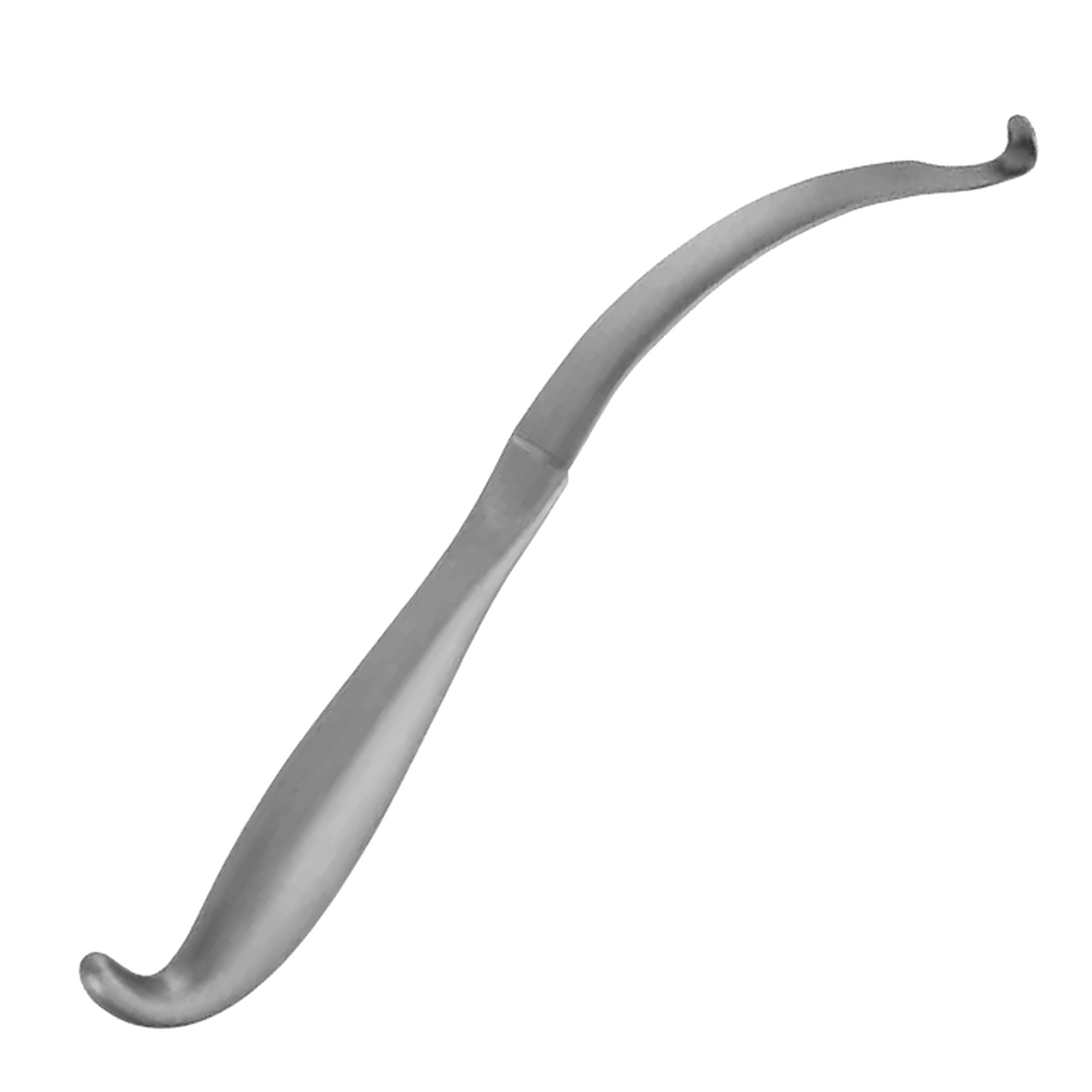 | مبعد الثلمة السينيّة (Sigmoid Notch Retractor) | مصمم خصيصًا للتشبث بالثلمة السينية للفك السفلي وحماية الحزم الوعائية العصبية أثناء جراحات تقويم عظم الرأد. |
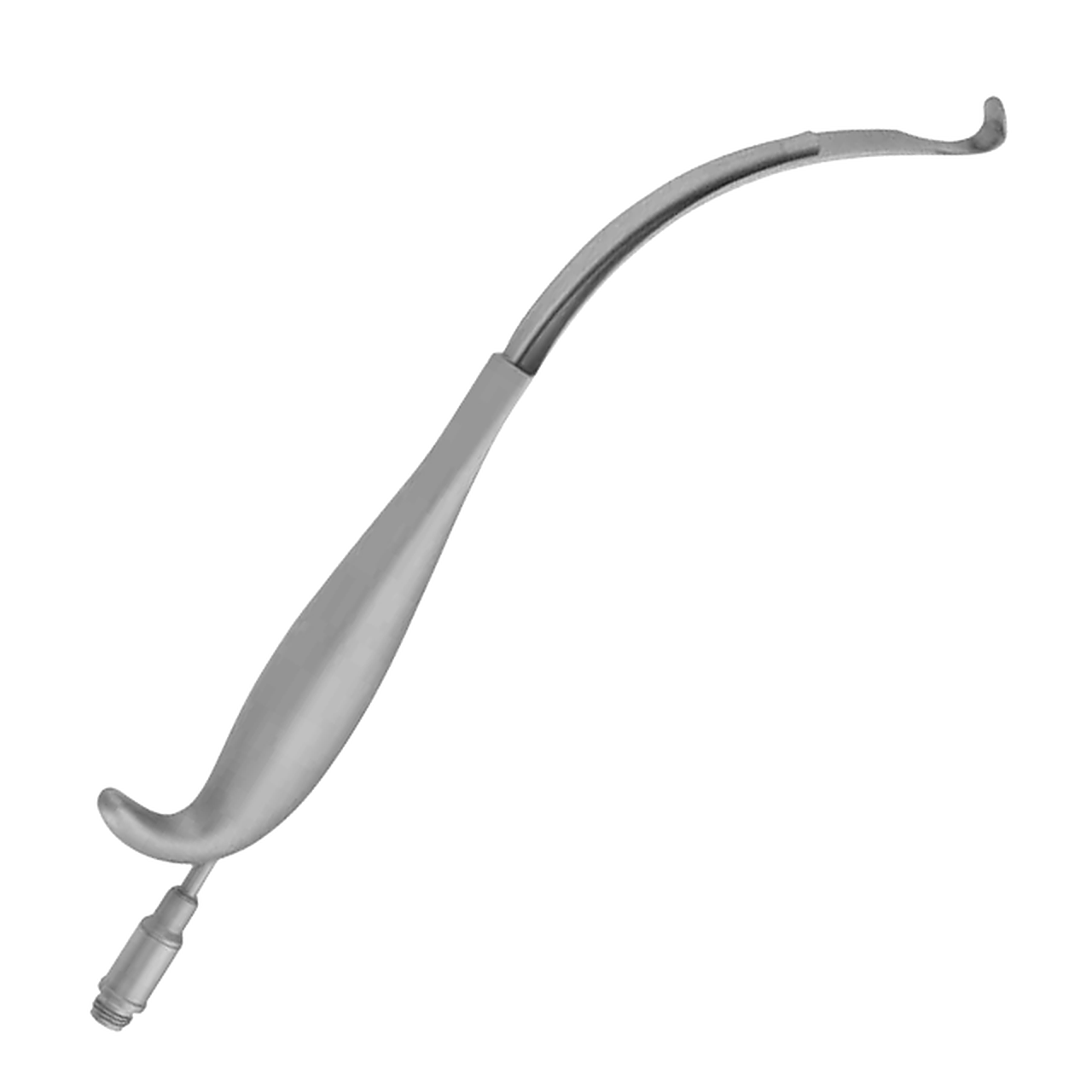 | Sigmoid Notch Retractor With Fiber Optic Guide | مصمم خصيصًا لتوفير تبعيد للأنسجة الرخوة مع الإضاءة وتثبيت العظام عند الثلمة السينية أثناء جراحة الرأد. |
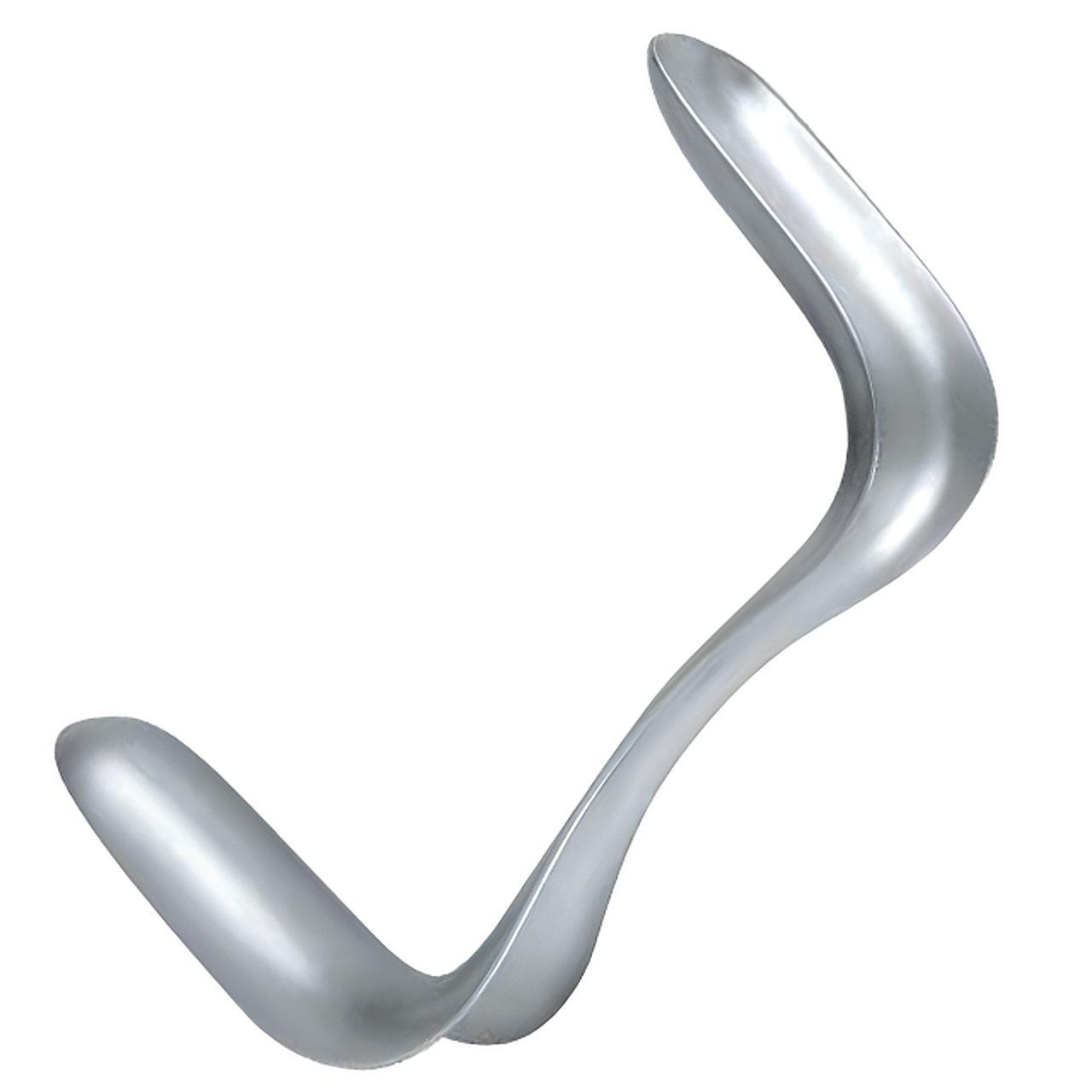 | مُباعد سيمز المهبلي - Sims Vaginal Retractor | مصمم خصيصاً لإبعاد الجدار المهبلي الخلفي أو الأمامي وتوفير رؤية واضحة لقبو الحوض. |
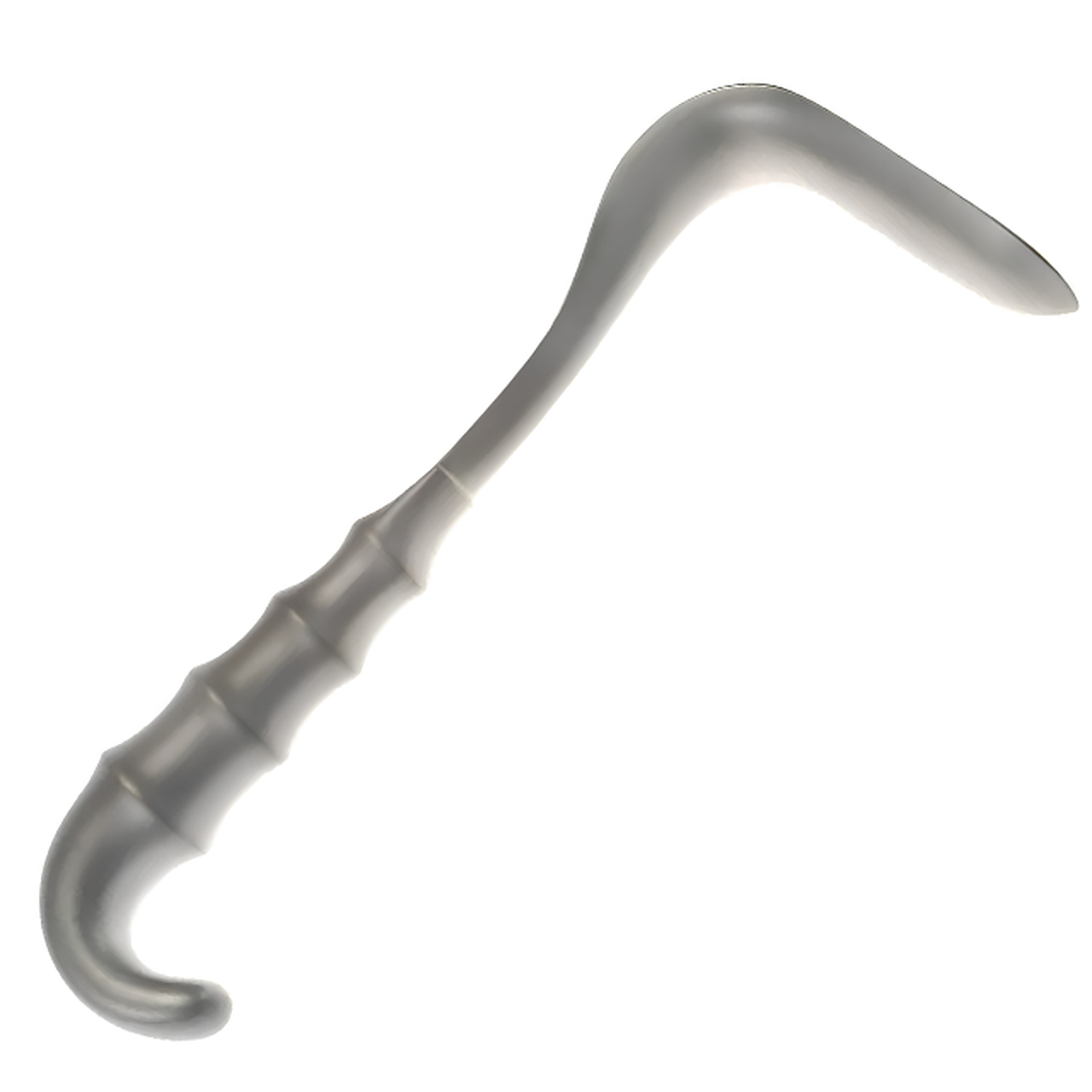 | مبعد Sims المهبلي — بمقبض مجوف للإمساك | مصمم خصيصاً لإبعاد جدران المهبل مع تقليل إجهاد يد المساعد أثناء جراحات الحوض والنساء. |
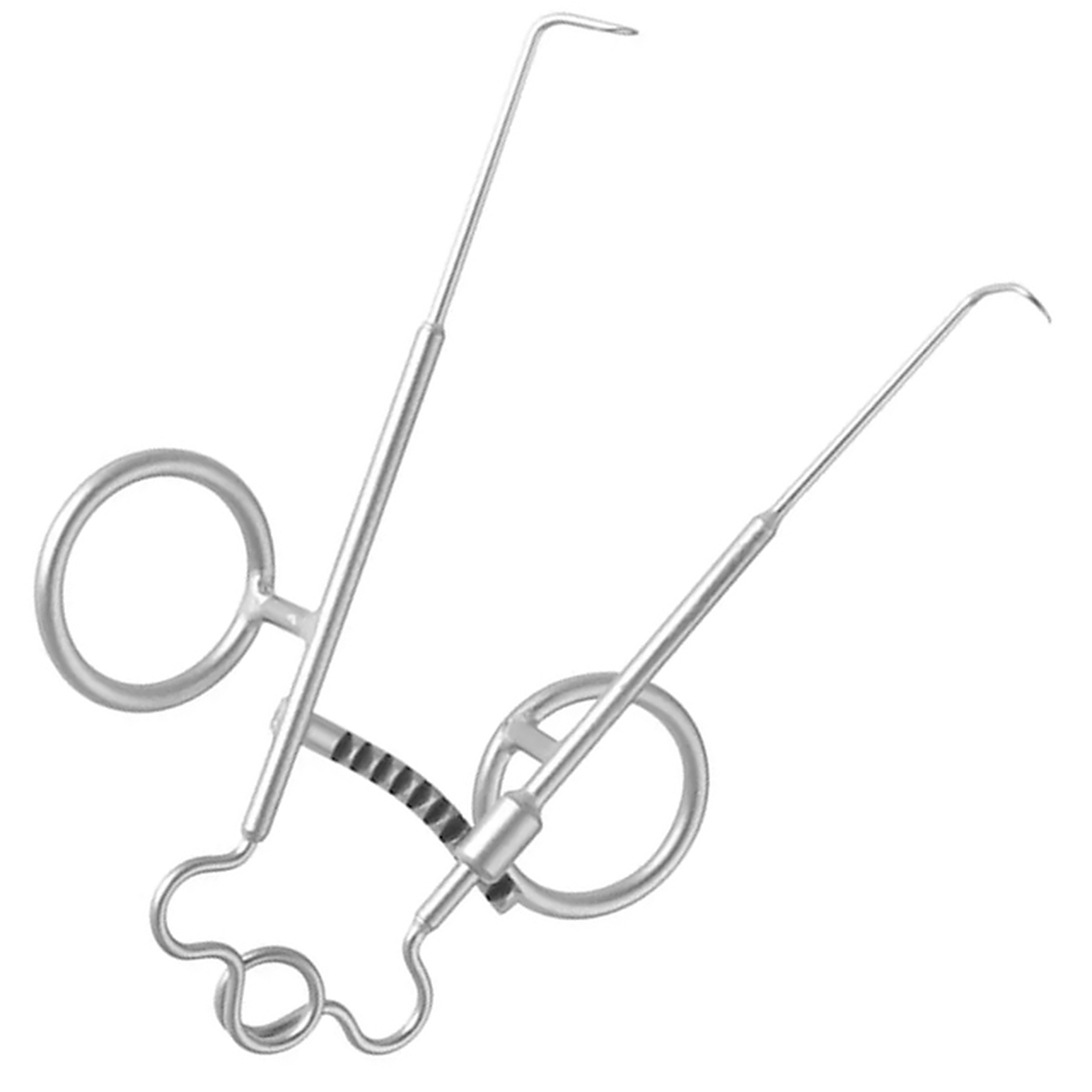 | مُباعد الجلد Sisson Skin Retractor | مصمم خصيصاً لمُباعدة حواف الجلد، والشرائح الجلدية، والأنسجة الرخوة الحساسة في الجراحات المجهرية ذات النطاق الضيق. |
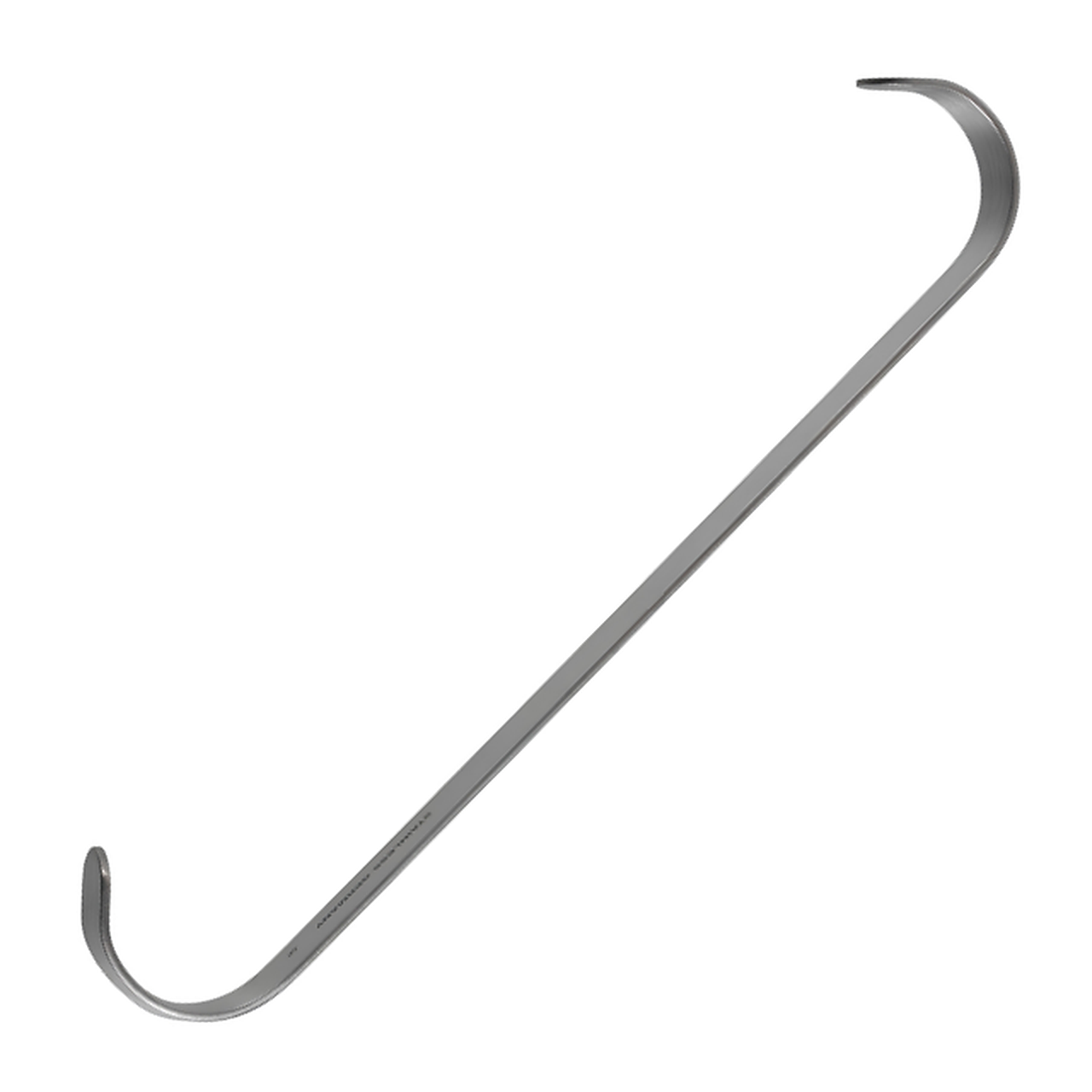 | Sistrunk Retractor | مصمم خصيصاً لإبعاد العضلات الشريطية واللفافة العنقية والجلد أثناء استئصال أكياس القناة الدرقية اللسانية وجراحات الرقبة. |
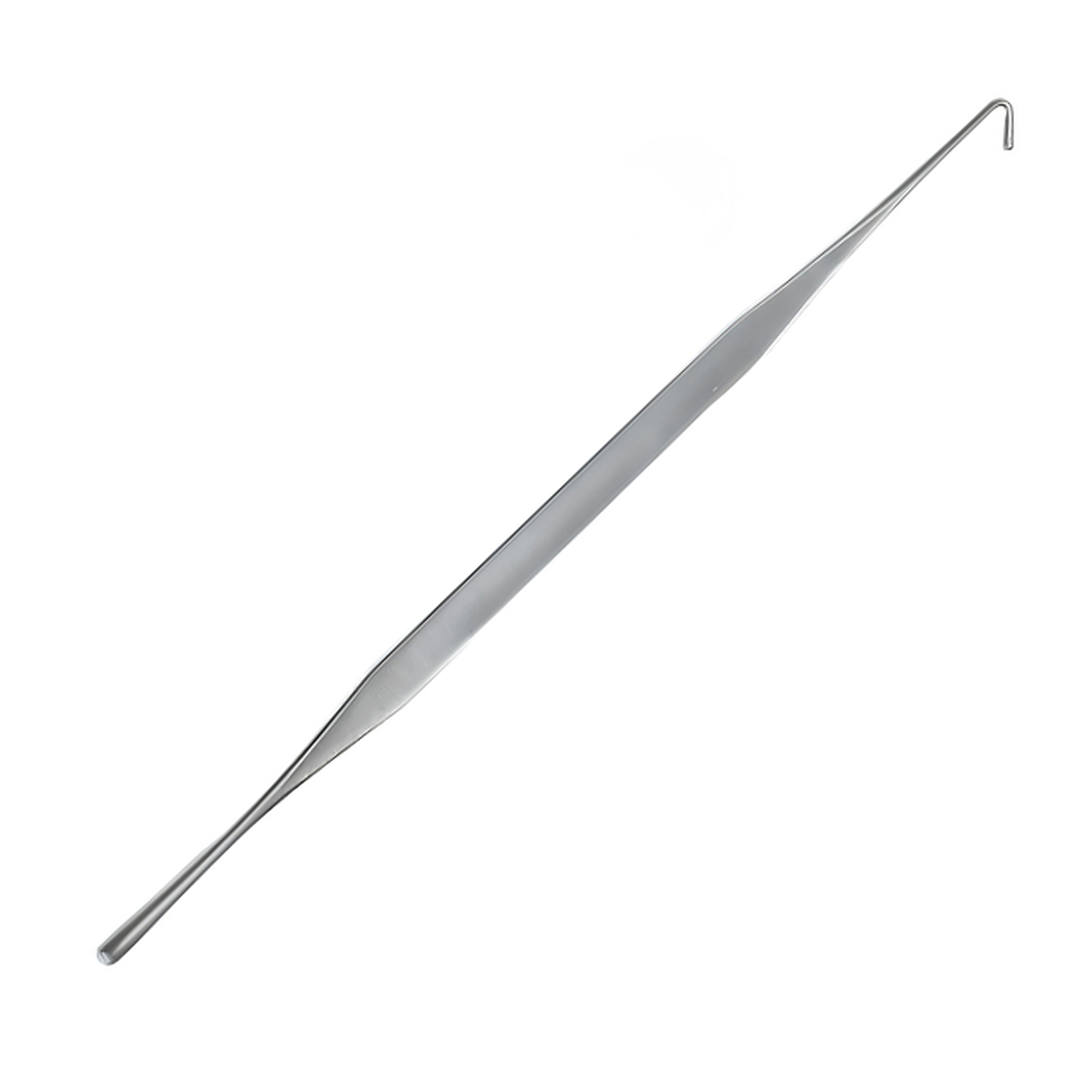 | مباعد الأعصاب Smithwick | مصمم خصيصًا لاستكشاف وتحريك ومباعدة جذور الأعصاب والسلاسل الودية أثناء جراحات العمود الفقري والأوعية الدموية العميقة. |
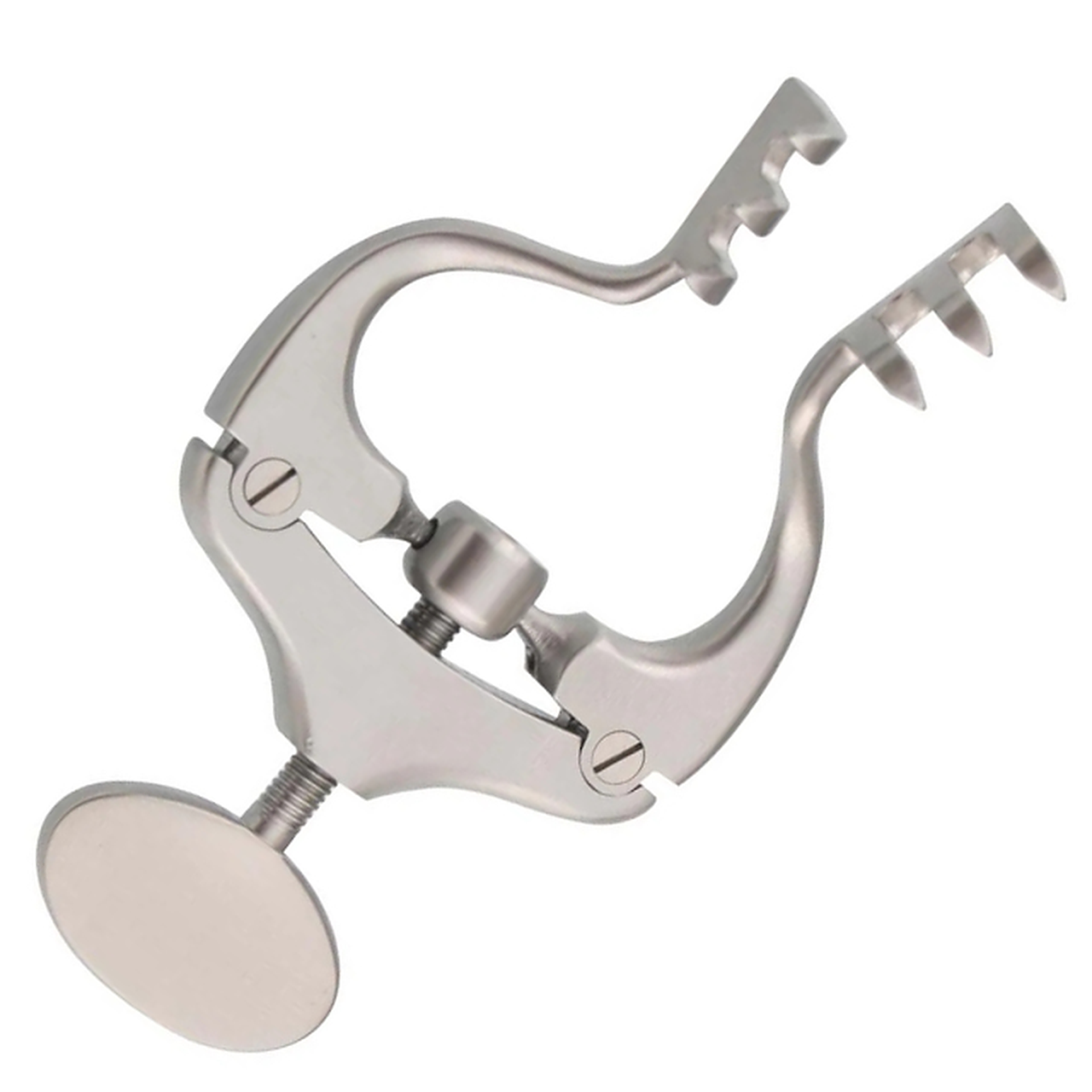 | مبعد Snitman ذاتي التثبيت للأذن | مصمم خصيصاً لتوفير إبعاد ذاتي للأنسجة أثناء الجراحات المجهرية للأذن والقناة السمعية. |
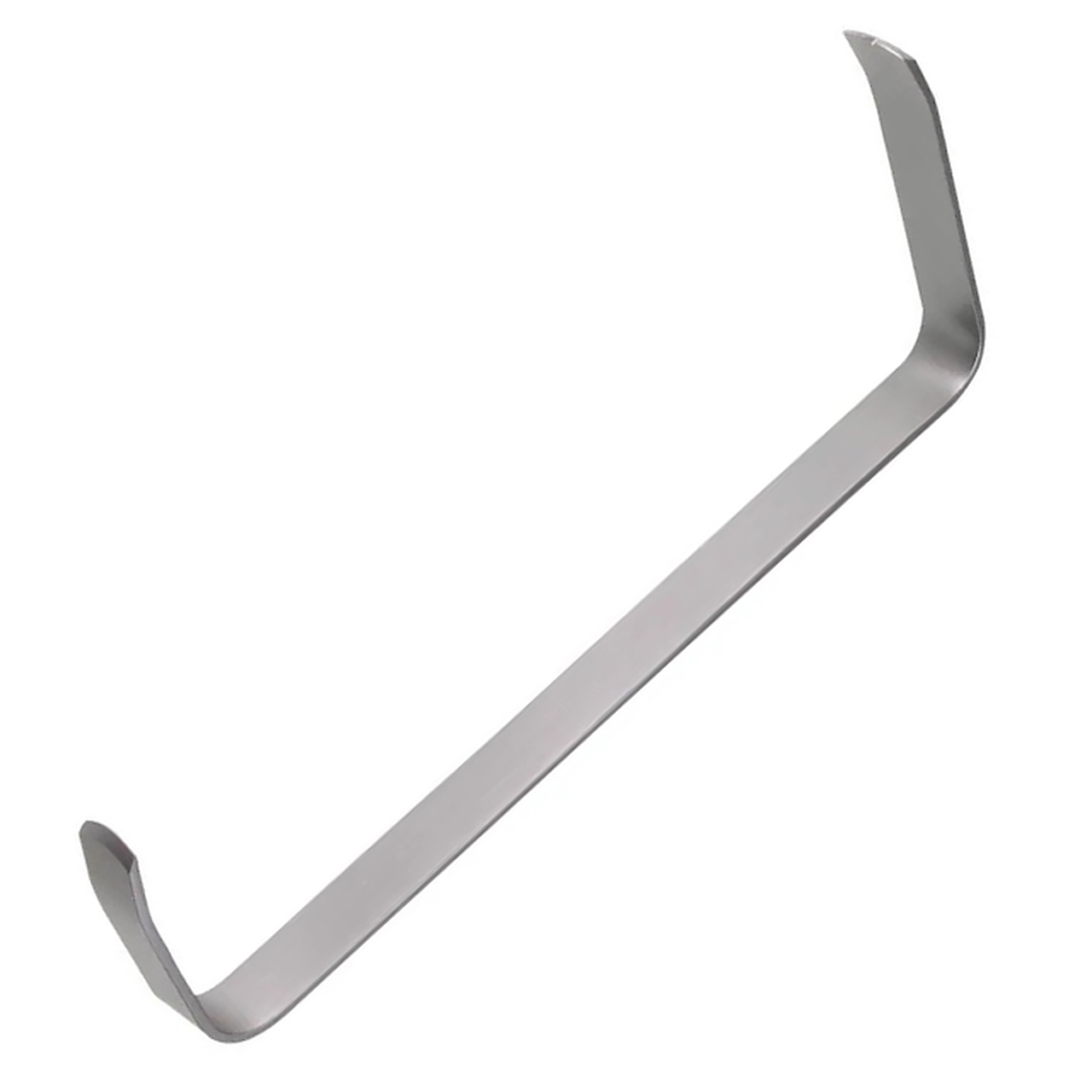 | Sofield Retractor | مصمم خصيصاً لإبعاد العضلات والسمحاق لكشف جسم العظام الطويلة أثناء عمليات قطع العظام وتثبيت الكسور. |
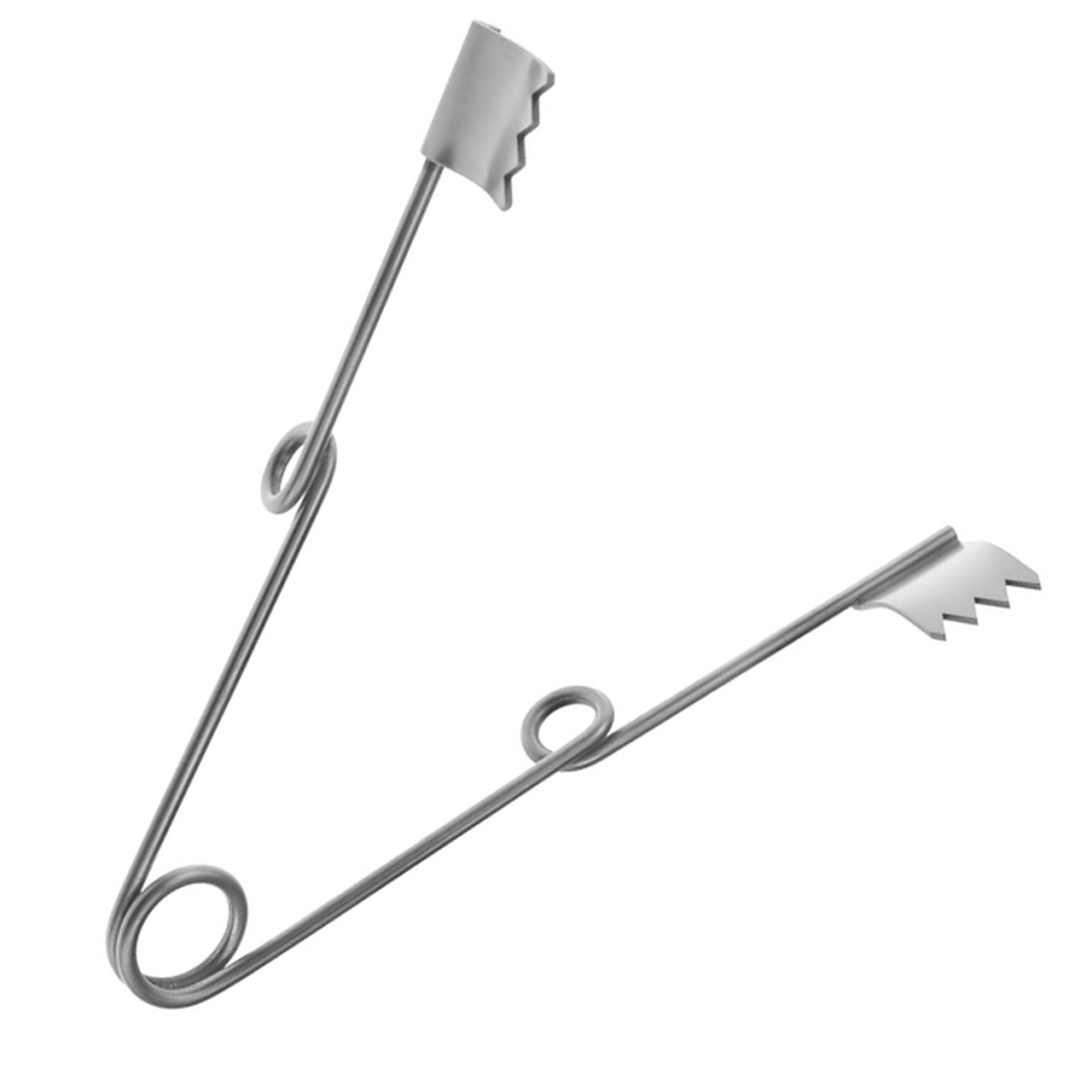 | Spring Wire Retractor | مصمم خصيصاً لتوفير تبعيد ذاتي التثبيت لحواف الجروح دون استخدام اليدين أثناء العمليات الجراحية المجهرية والتجميلية. |
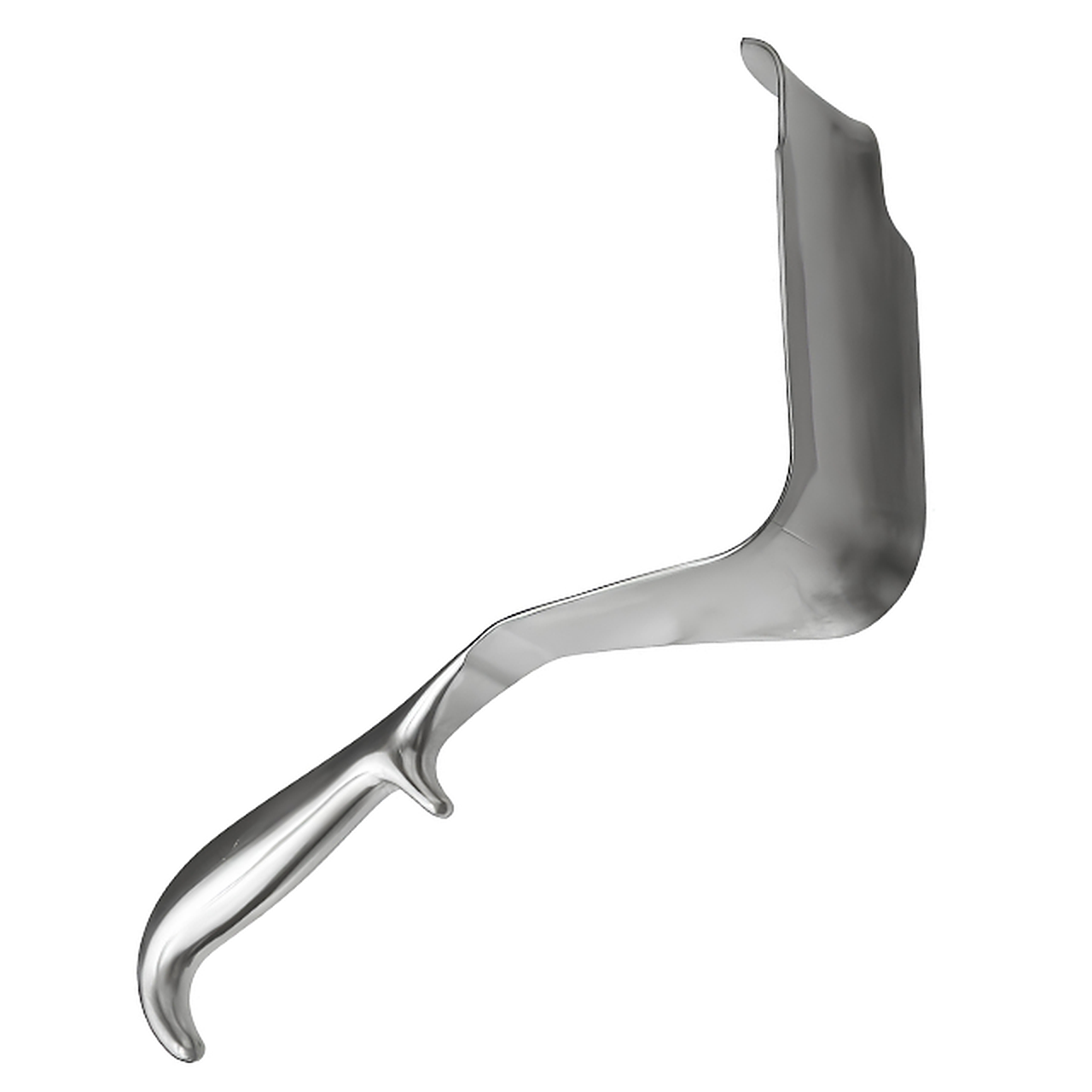 | مُباعد الحوض St. Marks Pelvic Retractor | مصمم خصيصاً لمباعدة أحشاء الحوض والمثانة والبريتوان أثناء جراحات القولون والمستقيم والحوض العميقة. |
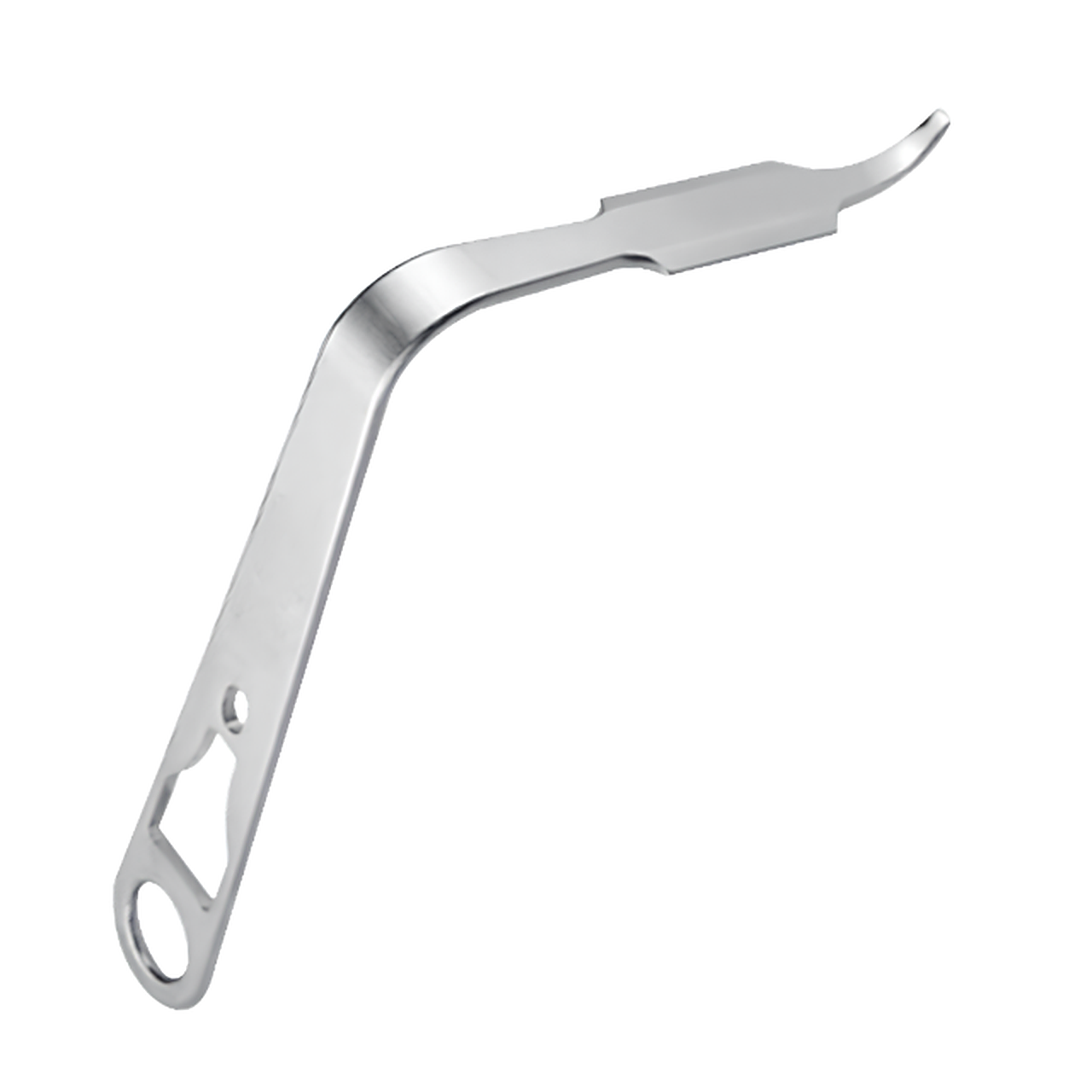 | مباعدات Hohmann القابلة للتكديس | مصمم خصيصًا لرفع القشرة العظمية وتبعيد الطبقات العضلية الكثيفة مع إمكانية تداخل المقابض أثناء جراحة المفاصل. |
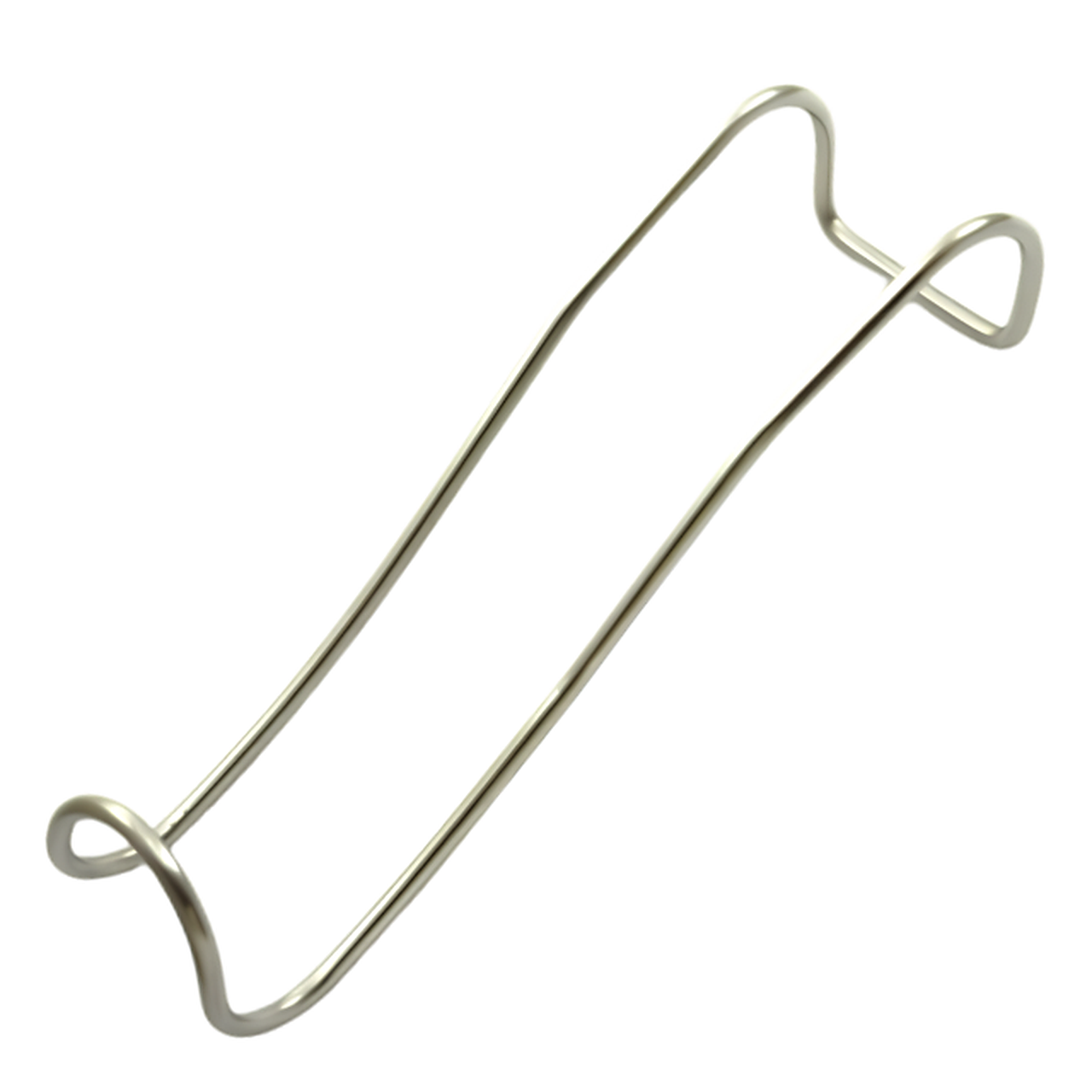 | مبعد Sternberg Double Ended Retractor | مصمم خصيصاً لتبعيض الشفتين والخدين والغشاء المخاطي للفم أثناء جراحات الأسنان والفم والبلعوم. |
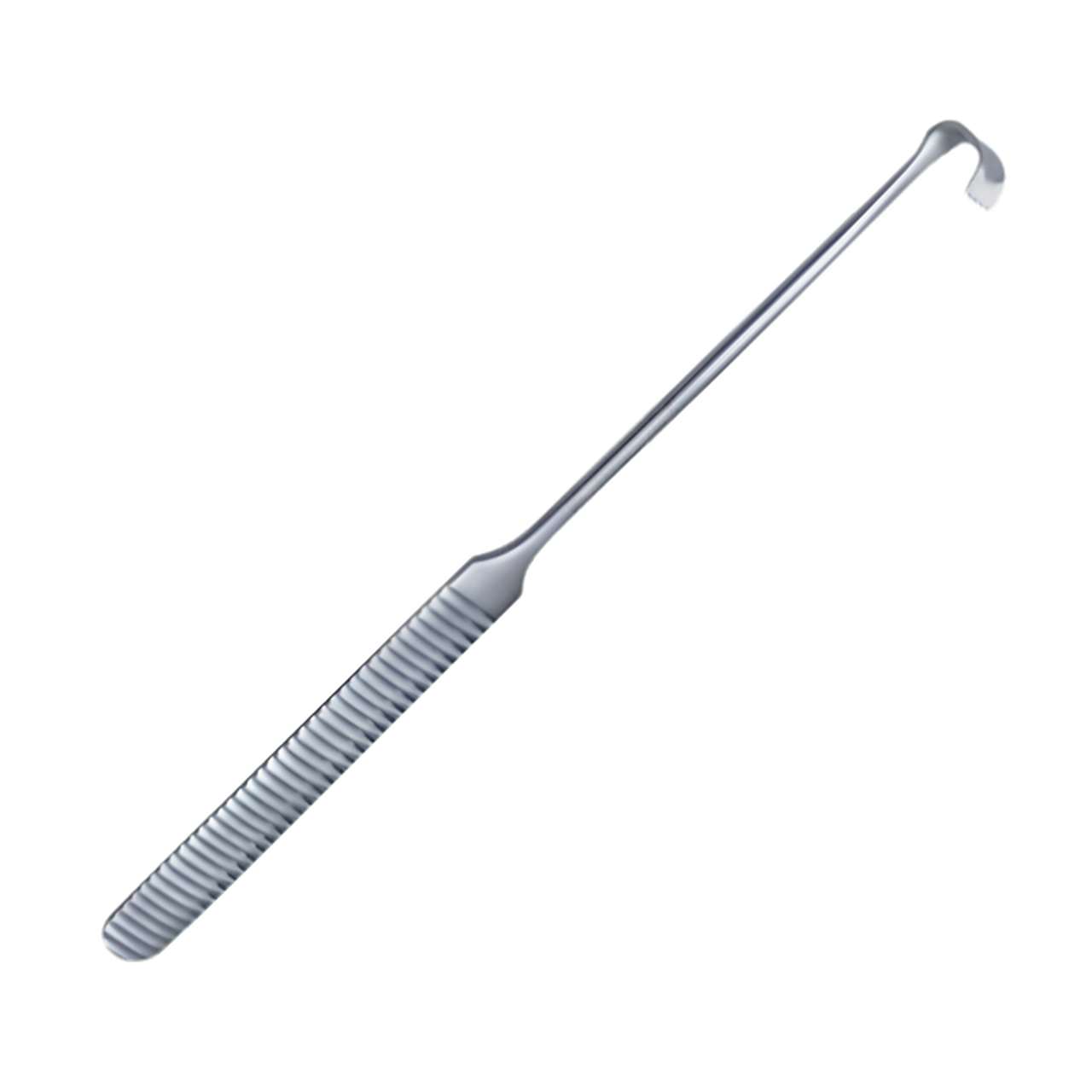 | Strandell Stille Retractor | مصمم خصيصاً لإبعاد حواف الجلد واللفافة والأنسجة الرخوة أثناء جراحات التجميل واليد والجراحات الصغرى. |
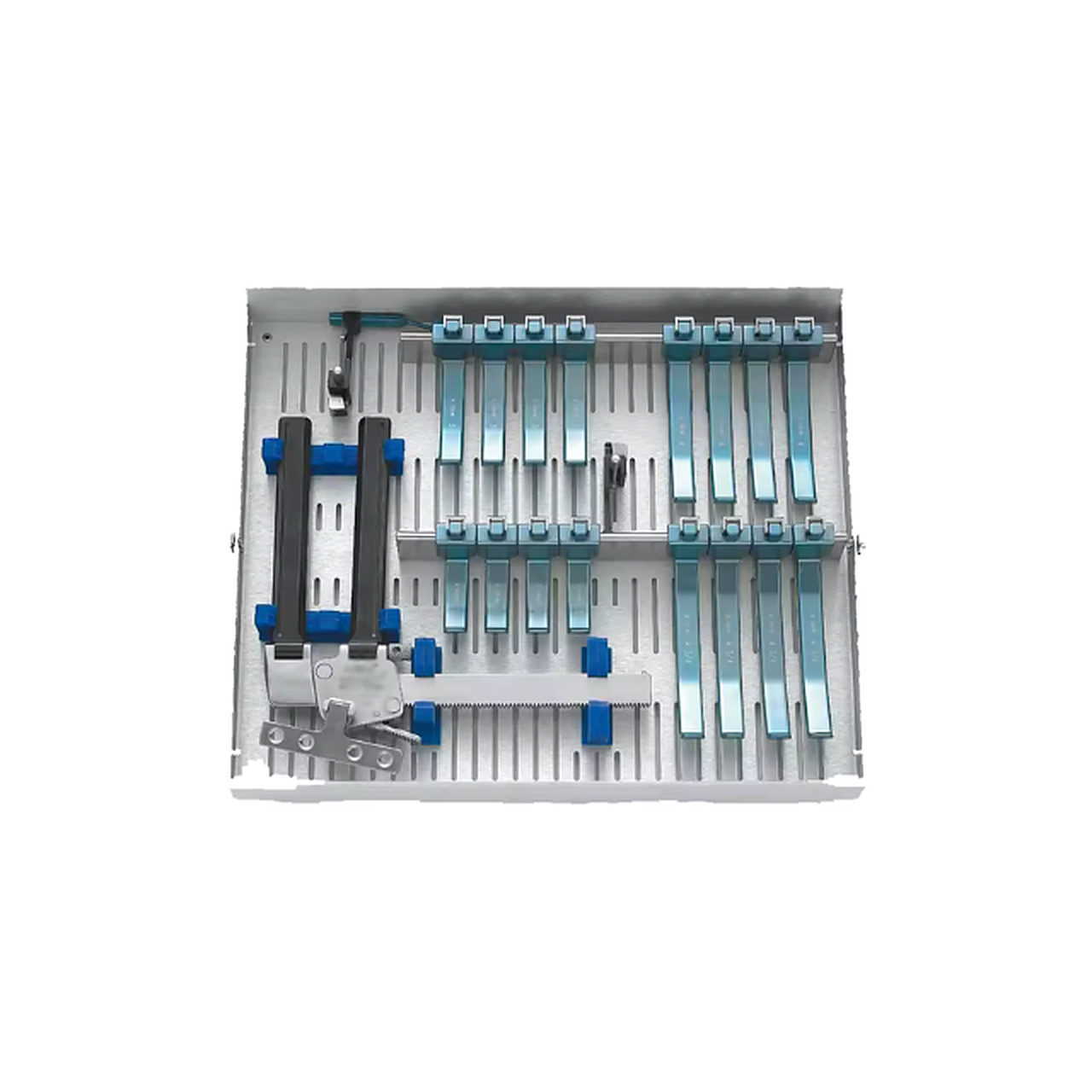 | مُباعد استئصال الصفيحة الفقرية Super-Slide Laminectomy Retractor | مصمم خصيصاً لتوفير مباعدة محكومة للأنسجة وتعريض جراحي أثناء استئصال الصفيحة الفقرية والإجراءات المتعلقة بالعمود الفقري. |
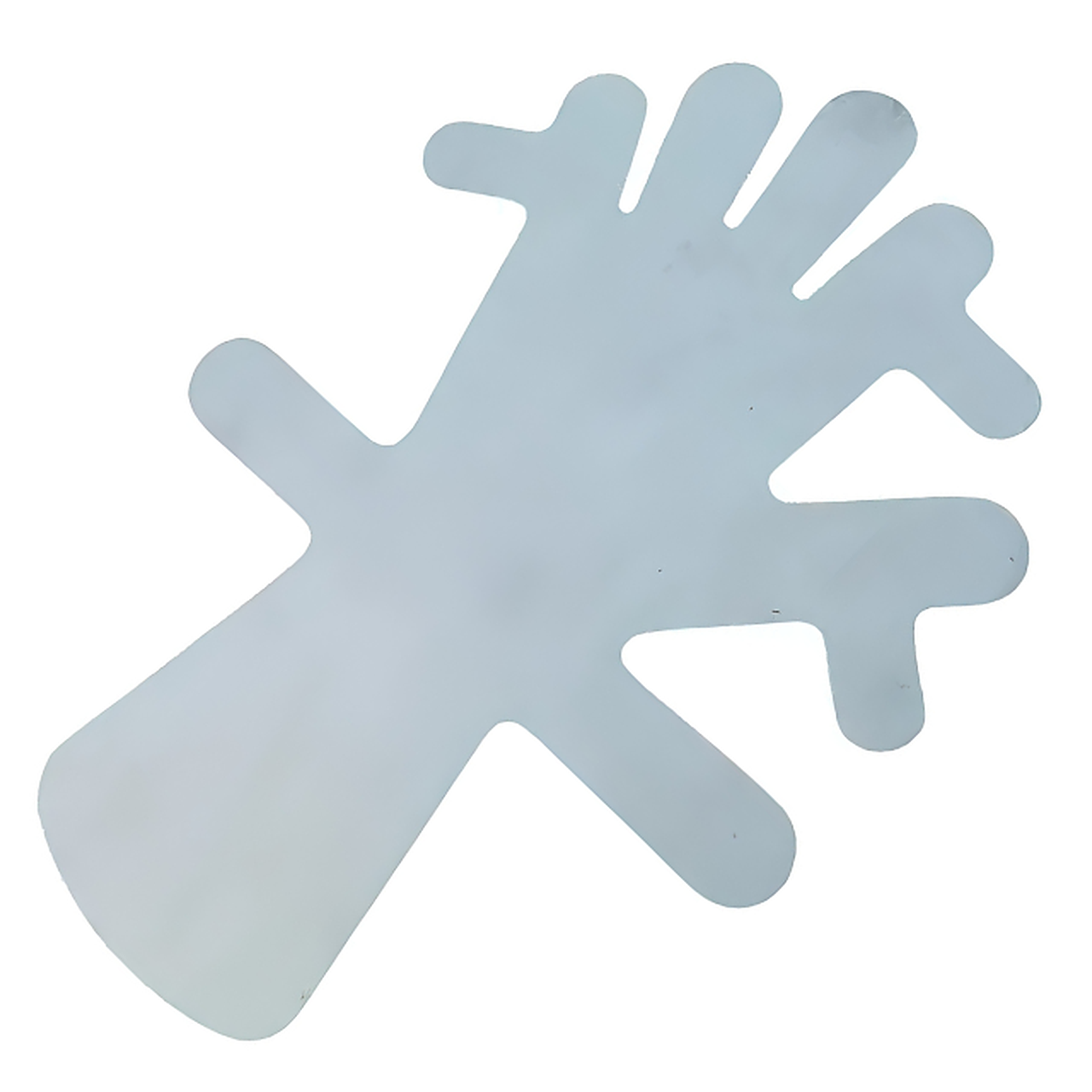 | Surgical Lead Hand Retractor Plate (مثبت جراحة اليد الرصاصي) | مصممة خصيصًا لتثبيت وتحديد وضعية اليد والأصابع أثناء جراحات التجميل والعظام وإعادة بناء اليد. |
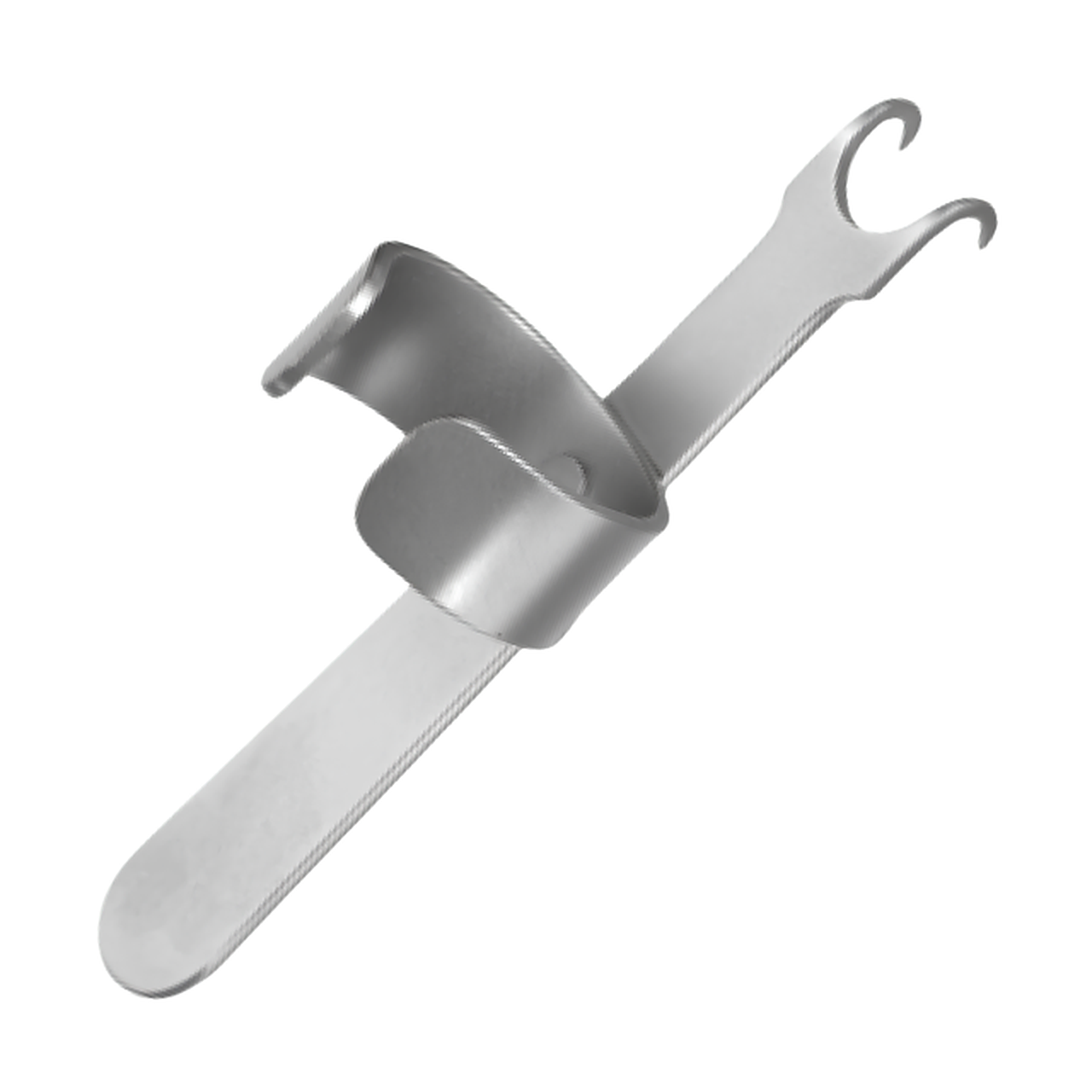 | مبعد الأنف ذو الحلقة الدوارة Swivel Ring Nasal Retractor | مصمم خصيصاً لرفع اللوحات الجلدية الأنفية وإبعاد الغضاريف الجناحية ديناميكياً أثناء عمليات تجميل الأنف. |
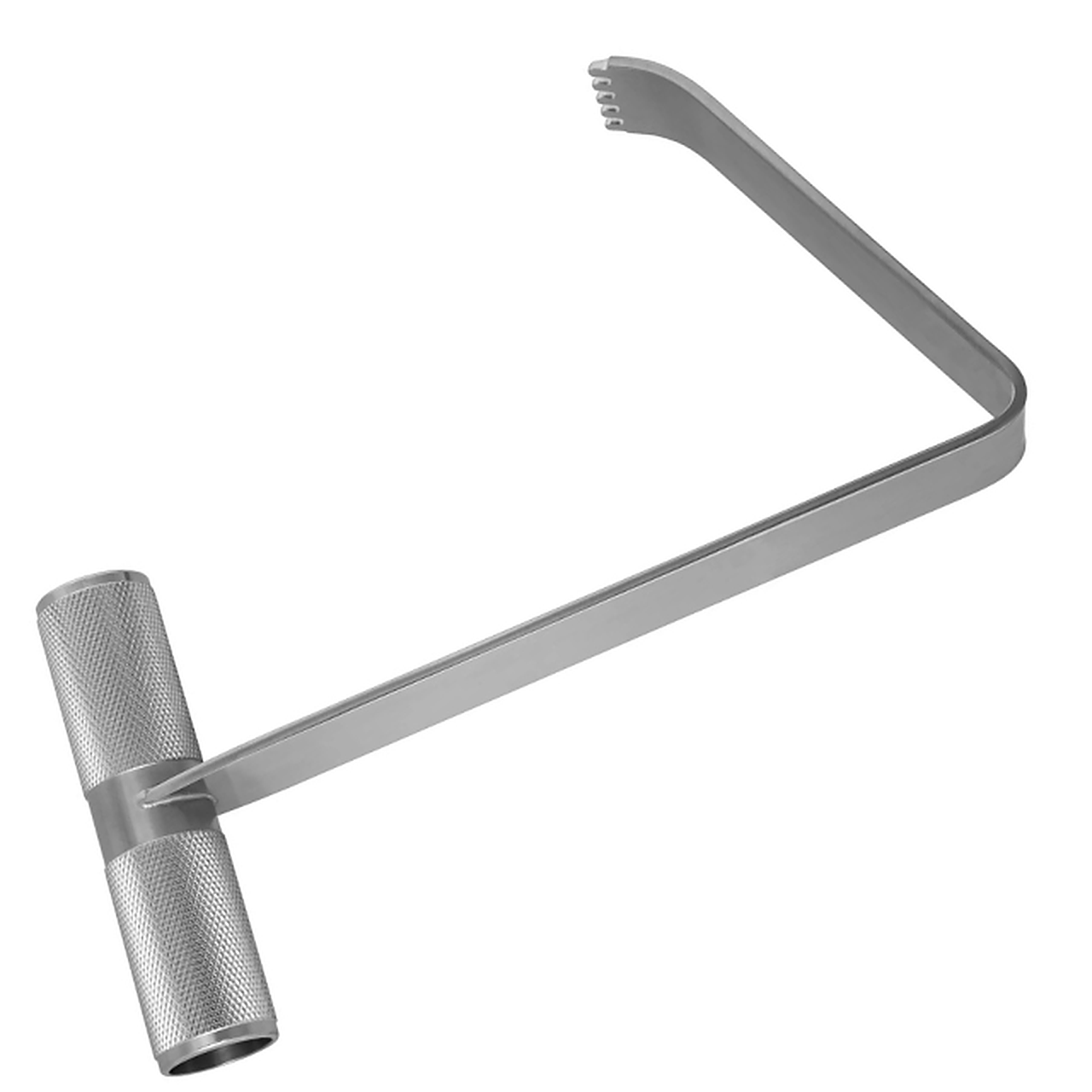 | مُبعّد T Handle Retractor Angled Blade ذو نصل مائل | مصمم خصيصاً لتبعيد طبقات العضلات الثقيلة واللفافات والأنسجة الرخوة بأقصى قوة شد يدوية أثناء جراحة العظام. |
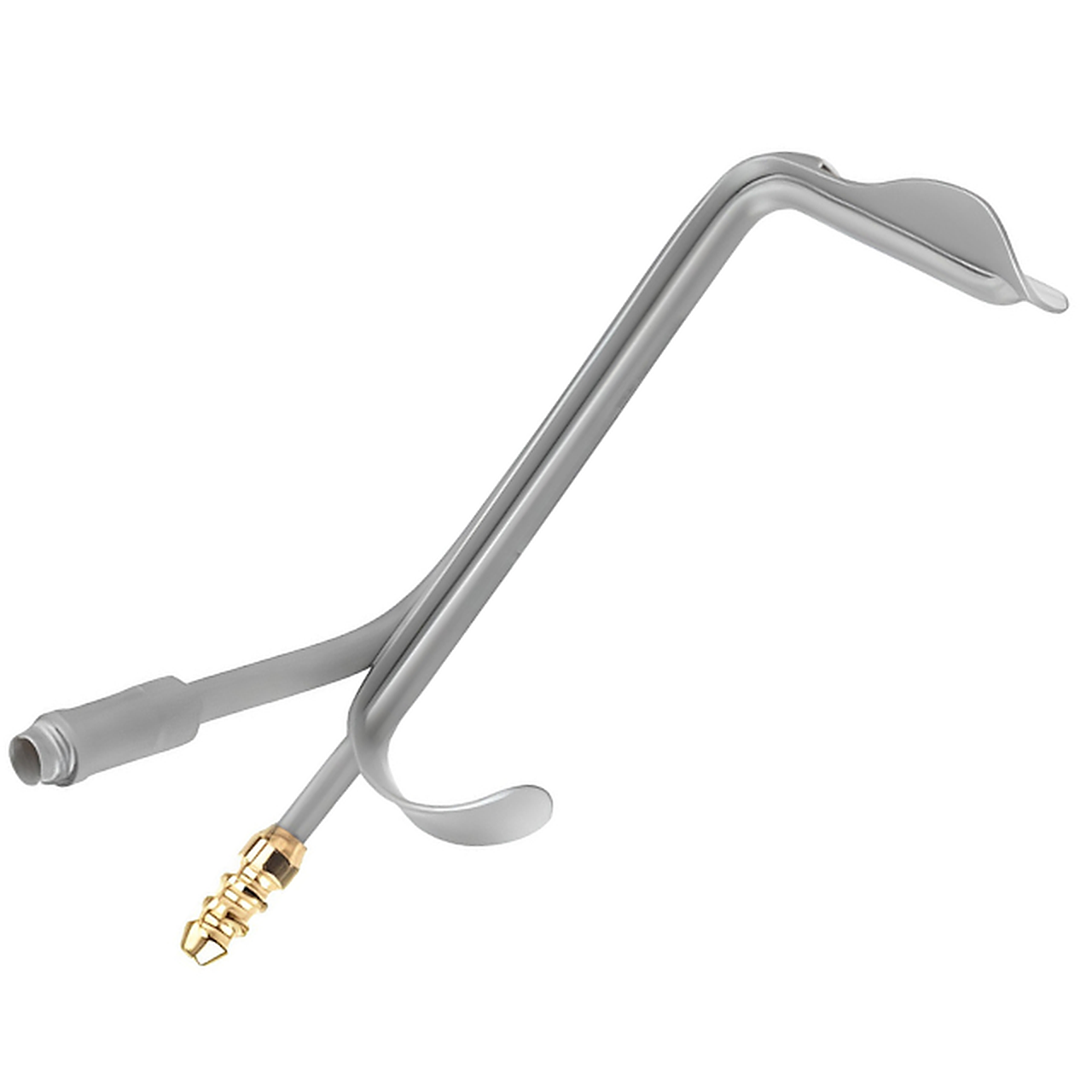 | Talei Necklift Retractor "Benetrator 2" | مصمم خصيصاً لرفع لوحات الرقبة، وإخلاء السوائل الجراحية، وإبعاد العضلة الجلدية للعنق أثناء عمليات شد الرقبة ورأب العضلة الجلدية. |
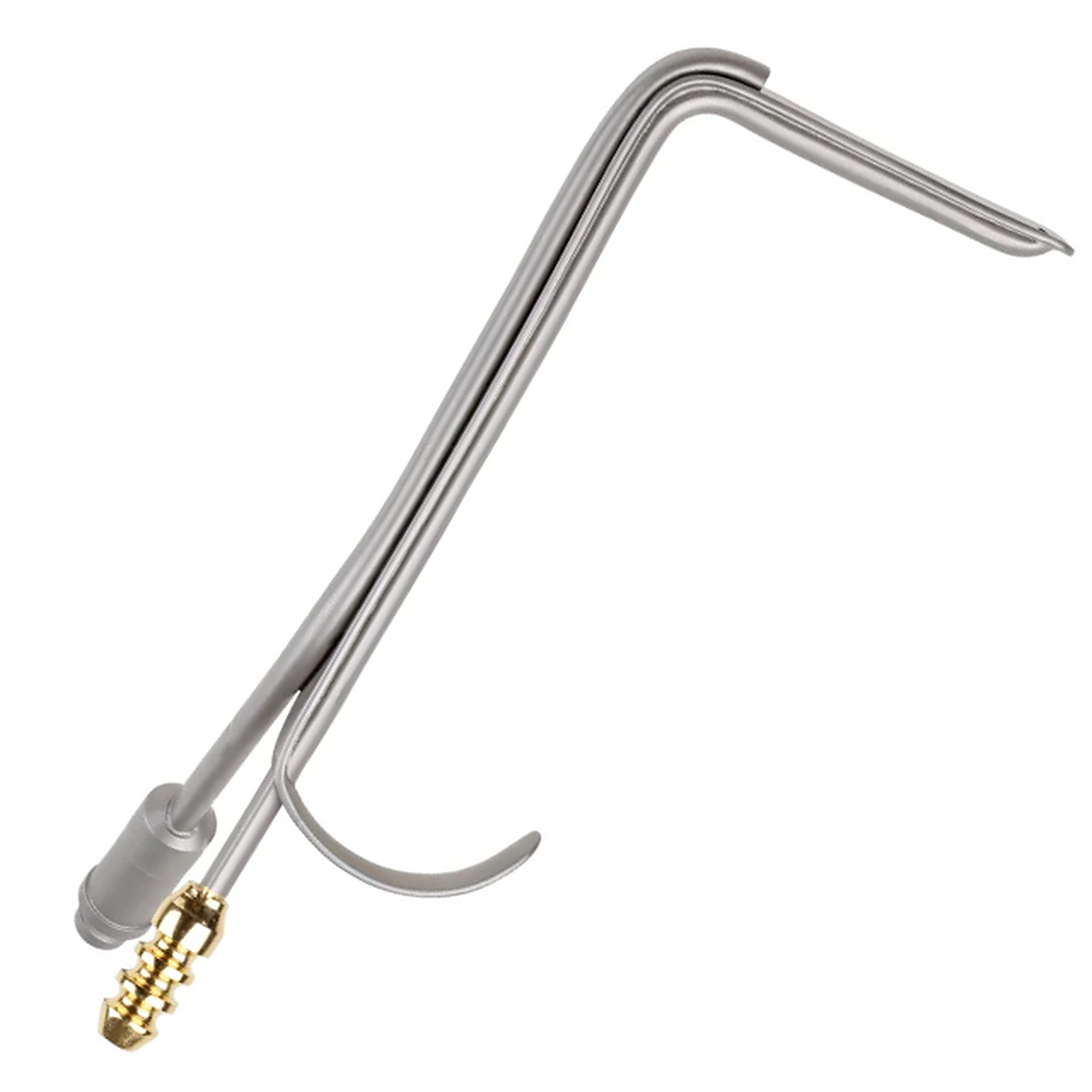 | مُبعّد Talei Necklift Retractor Narrow “Le Petit Benetrator” | مصمم خصيصاً لرفع السدائل العنقية وتبعيد عضلة الرقبة أثناء عمليات شد الرقبة في المستوى العميق ورأب العضلة. |
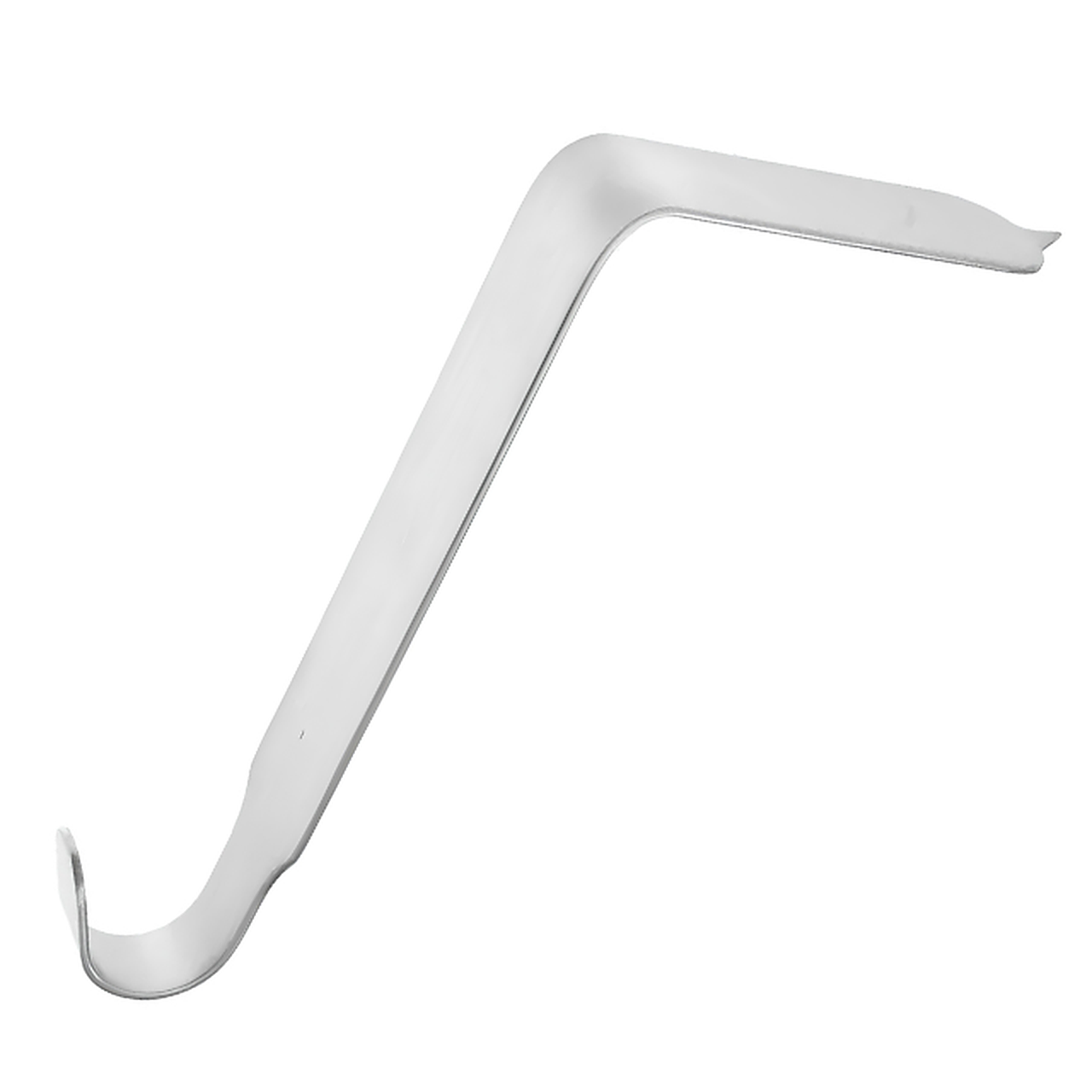 | Taylor Spinal Retractor | مصمم خصيصاً لإبعاد العضلات الثقيلة المجاورة للعمود الفقري والتثبيت ضد النتوء الشوكي أثناء استئصال الصفيحة الفقرية. |
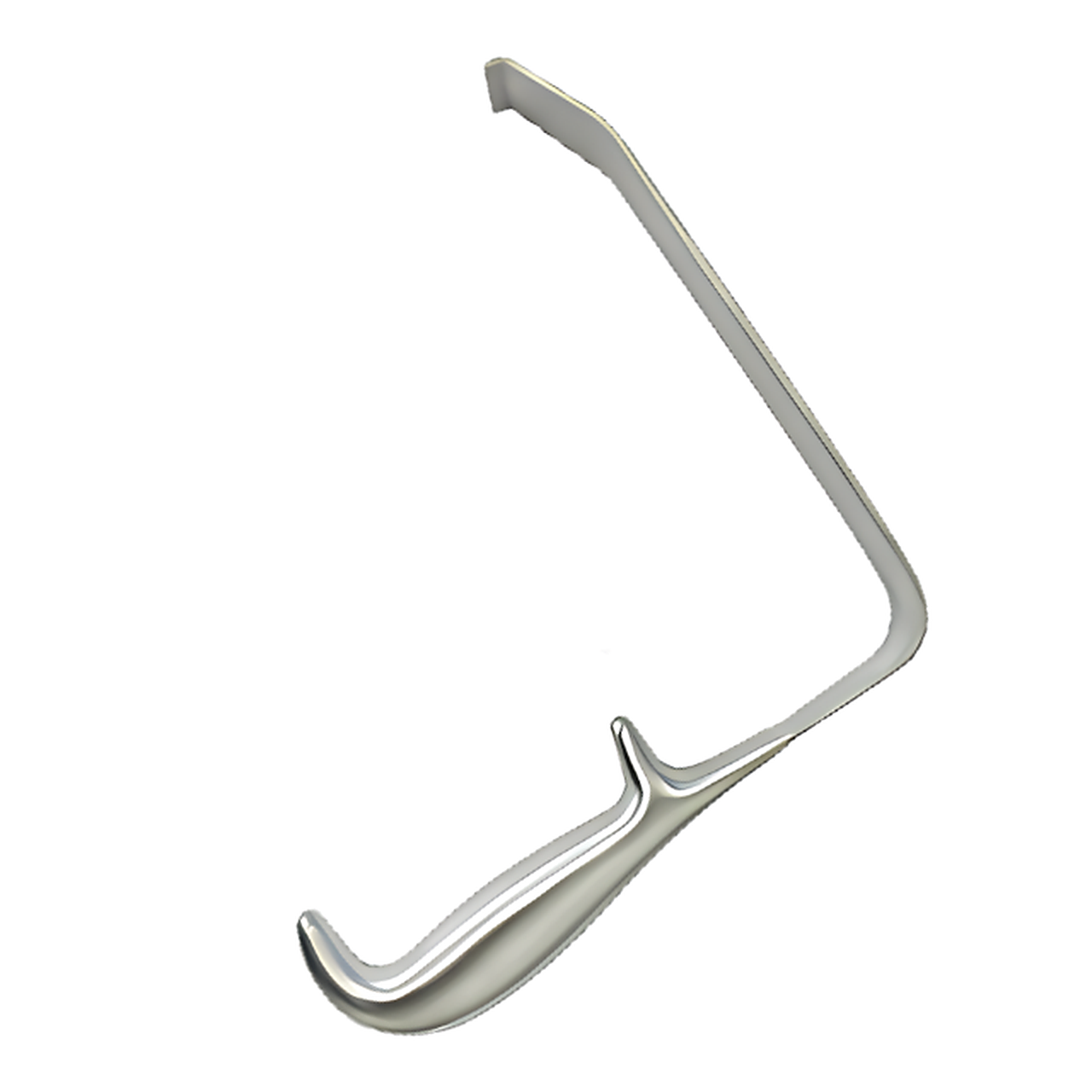 | مبعد Tebbetts Breast Retractor للثدي | مصمم خصيصاً لرفع سدائل الأنسجة وإنشاء جيوب تحت العضلات أو تحت الغدد أثناء جراحات الثدي. |
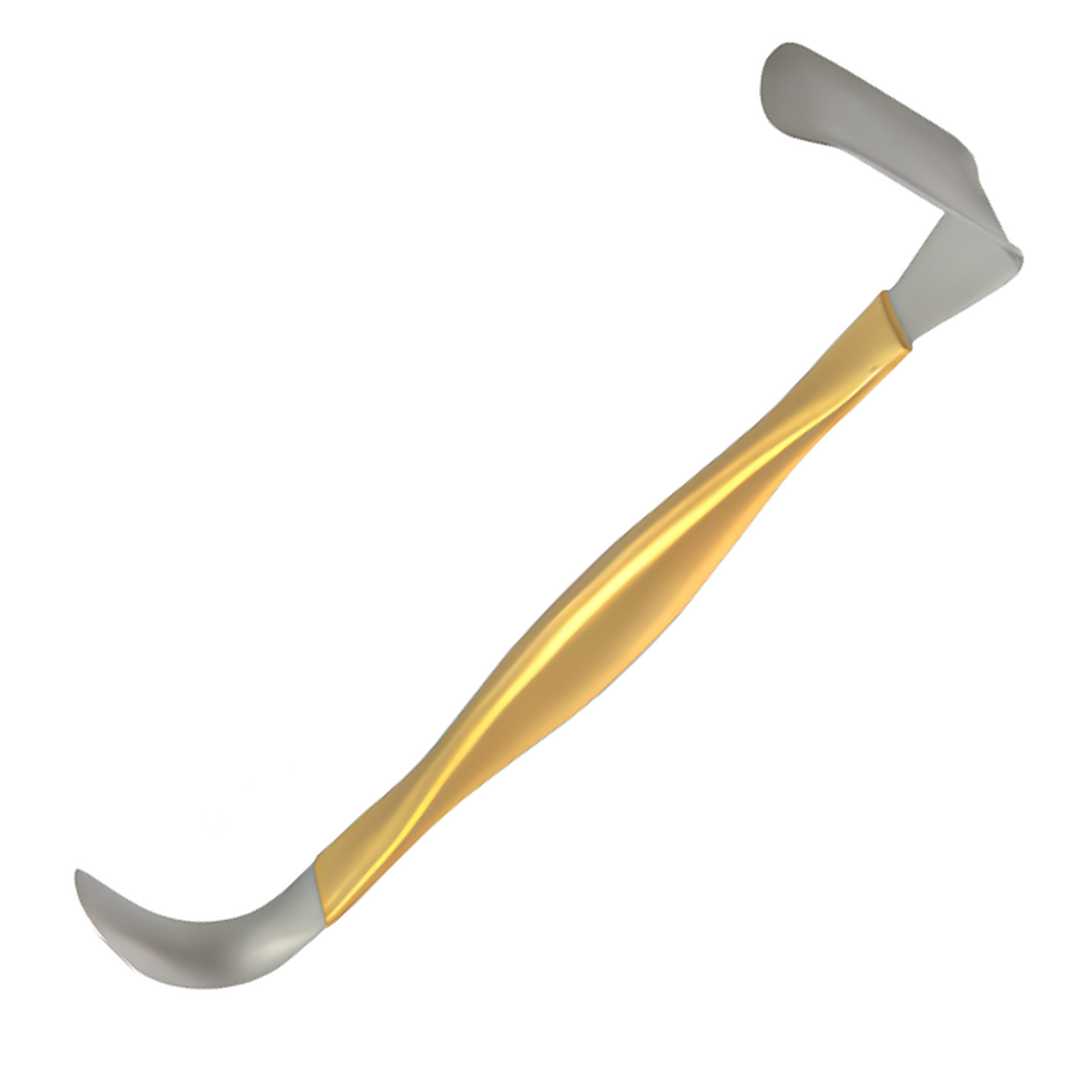 | Tebbetts Double-Ended Breast Retractor - مباعد جراحة الثدي ثنائي الأطراف | مصمم خصيصًا لتوفير مباعدة ثنائية الأطراف للأنسجة وتوسيع رؤية الجيب الجراحي أثناء عمليات تكبير وإعادة بناء الثدي. |
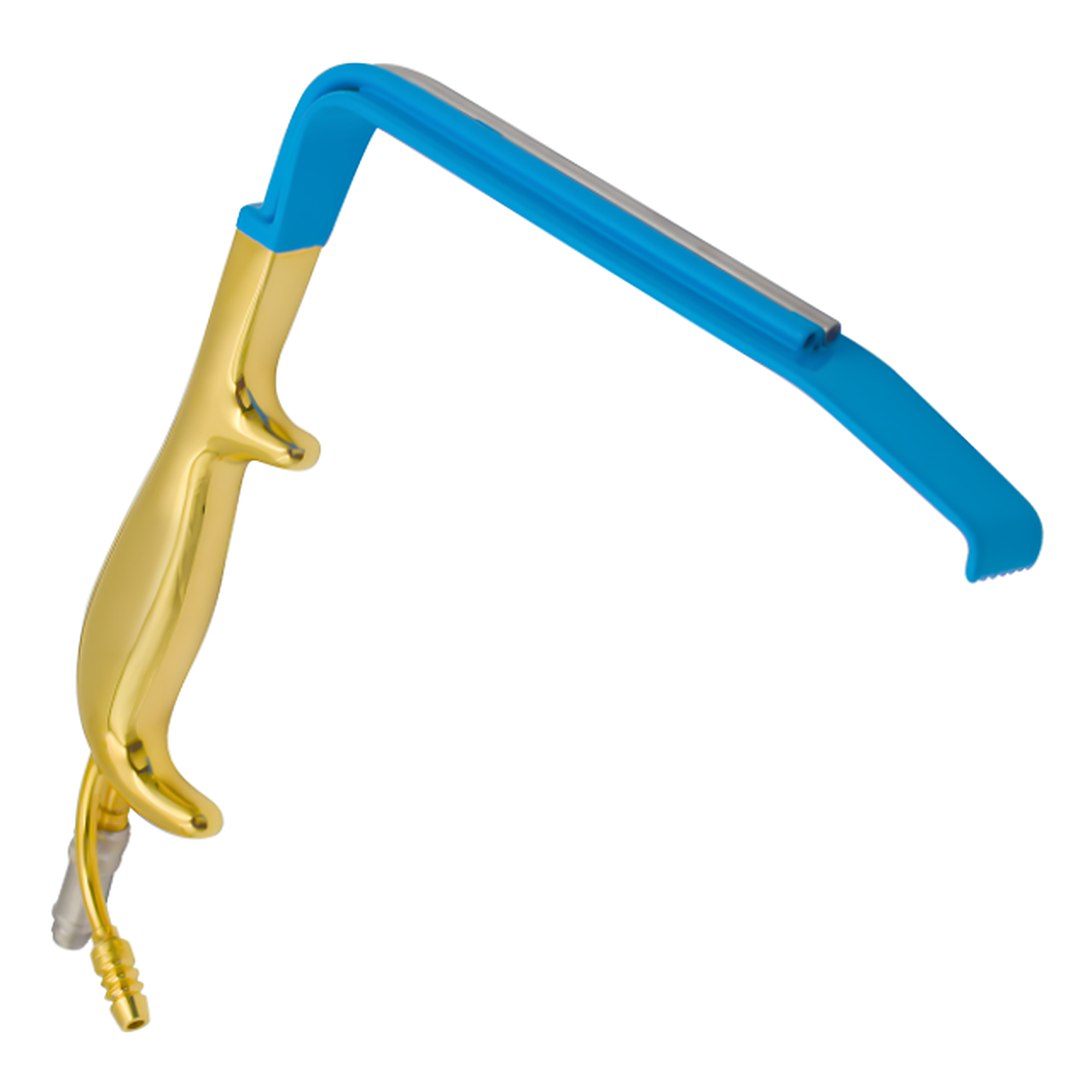 | Tebbetts Fiber Optic Breast Augmentation Retractor - مبعد تيبتز لتكبير الثدي بالألياف البصرية | مصمم خصيصًا لرفع طيات الأنسجة، وإضاءة جيوب الثدي العميقة، والتحقق من الإرقاء أثناء جراحات الثدي. |
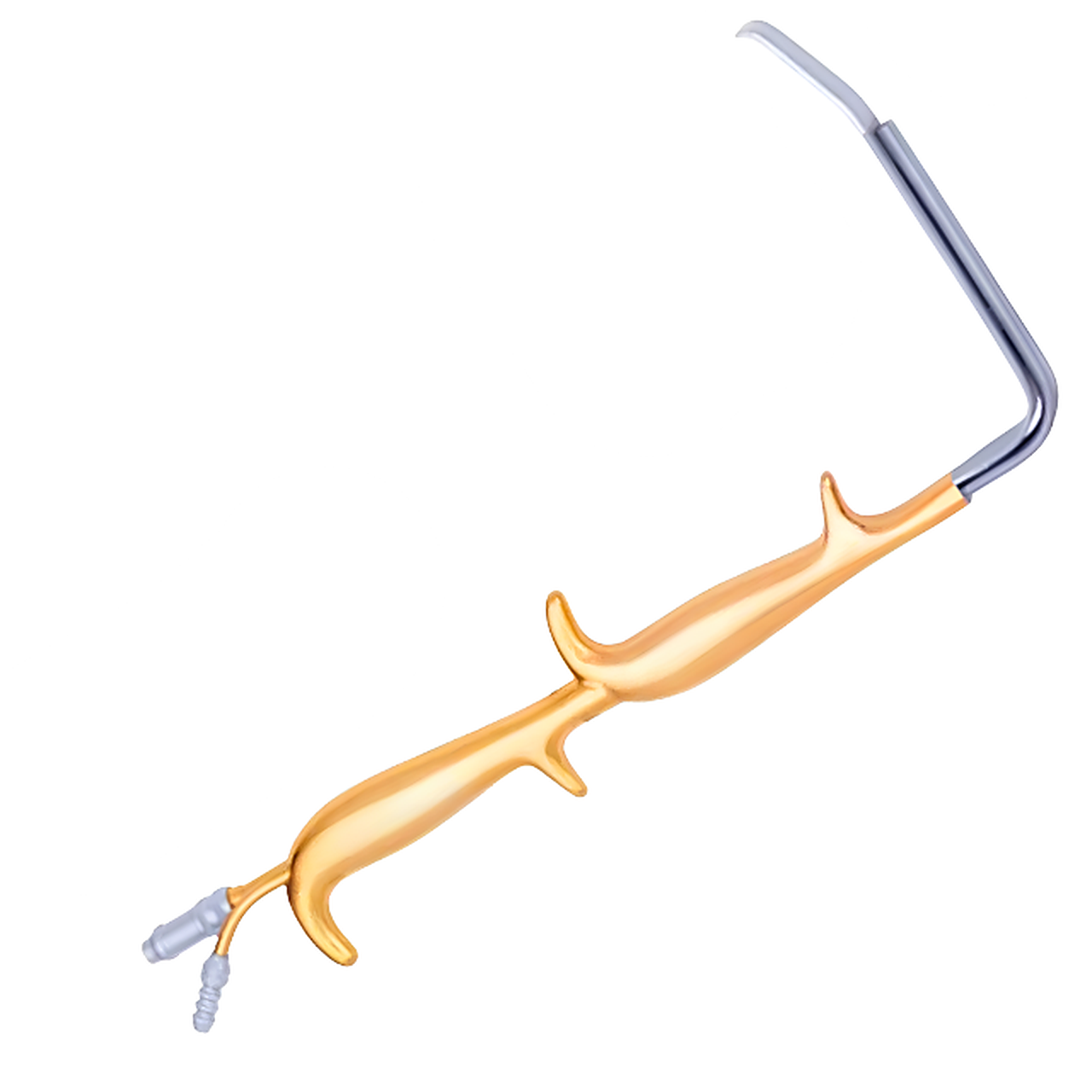 | Tebbetts Fiber Optic Breast Augmentation Retractor, Double Handle | مصمم خصيصاً لتوفير إبعاد مضيء للأنسجة مع قوة شد مزدوجة اليدين أثناء عمليات تكبير وإعادة بناء الثدي. |
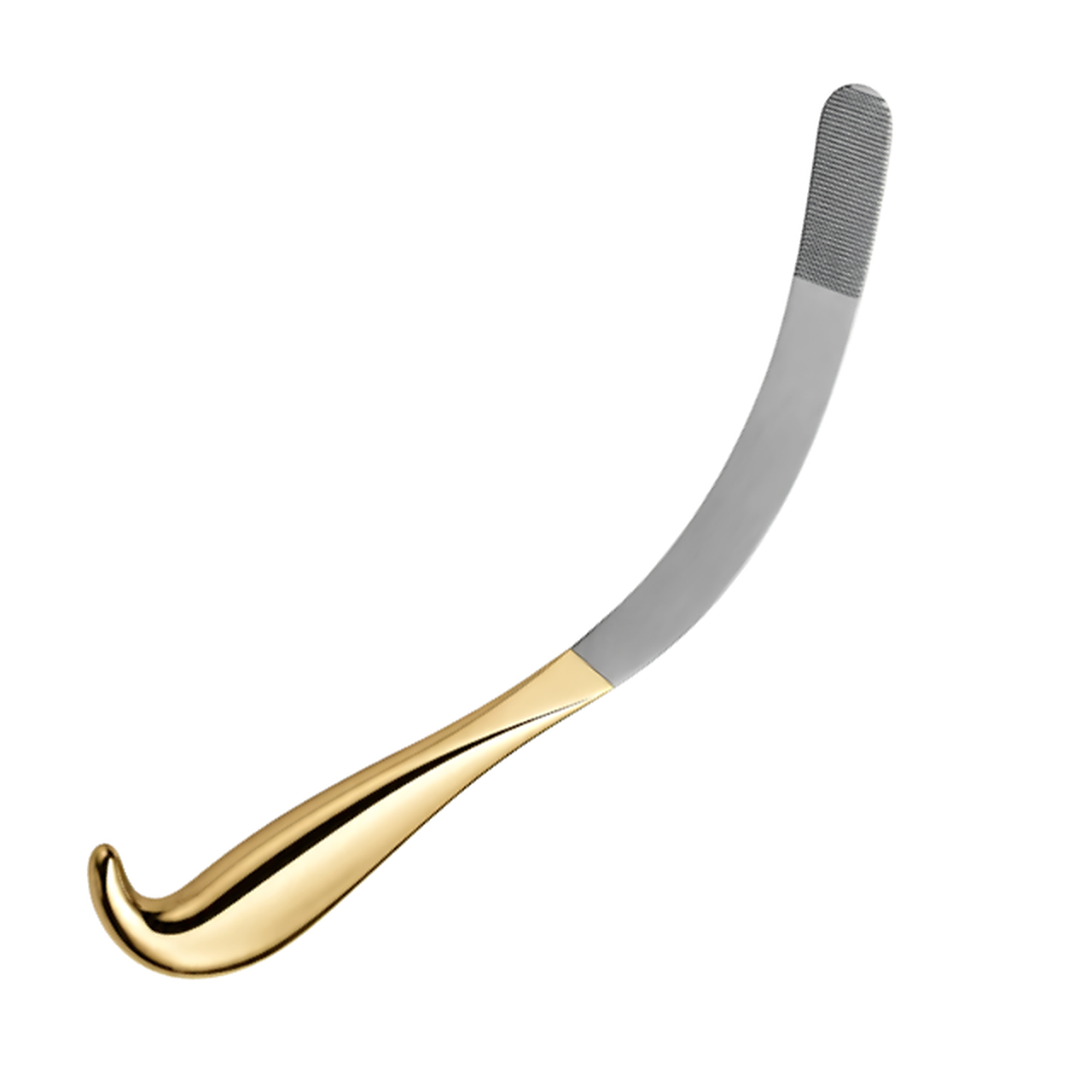 | Tebbetts Spatula Breast Retractor | مصمم خصيصاً لرفع سدائل الأنسجة وإنشاء جيوب تحت العضلة الصدرية أثناء تكبير الثدي وترميمه. |
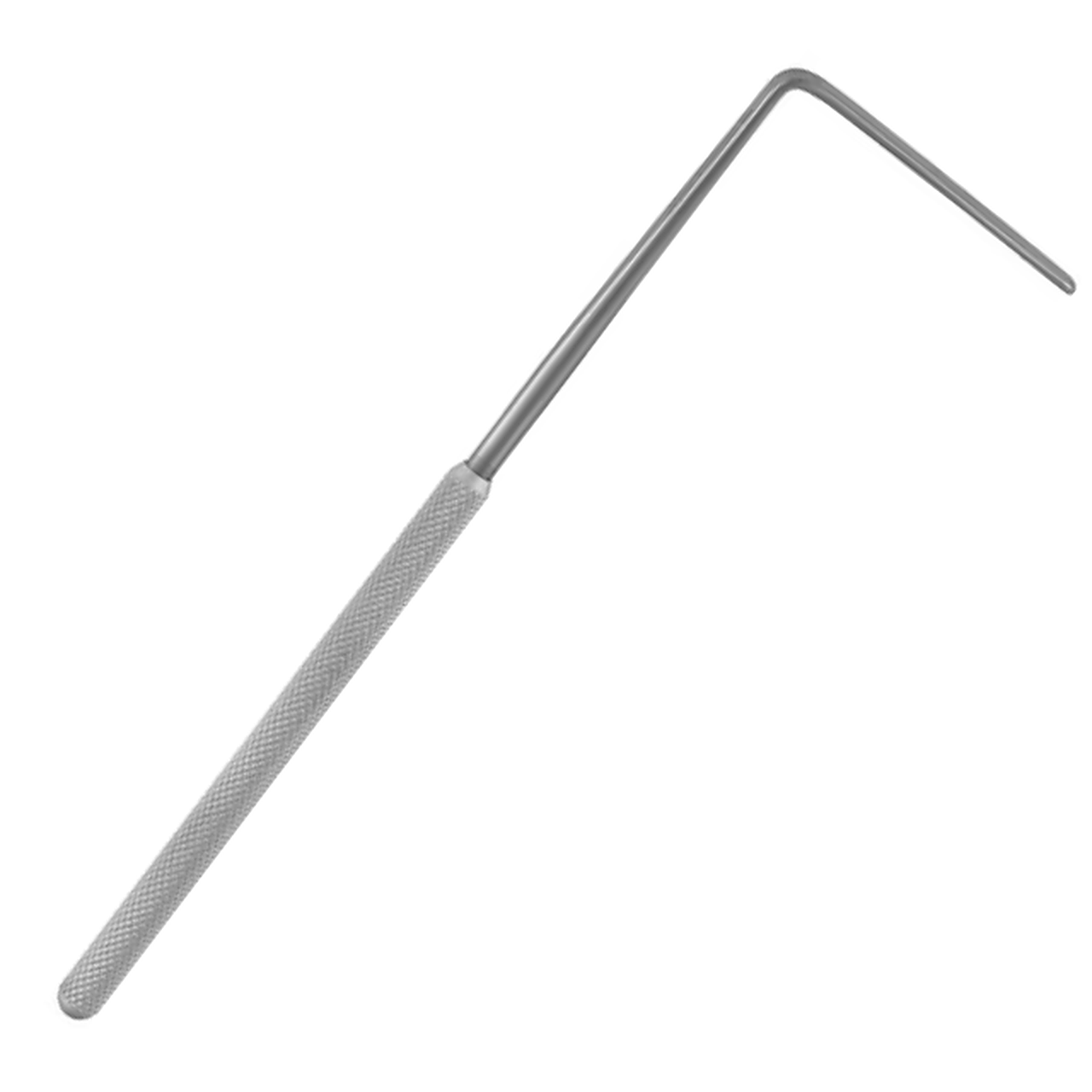 | مبعد الأنف Terry Nasal Retractor | مصمم خصيصاً لرفع سدائل جلد الأنف وإبعاد الغضاريف أثناء عمليات تجميل الأنف الترميمية والجمالية. |
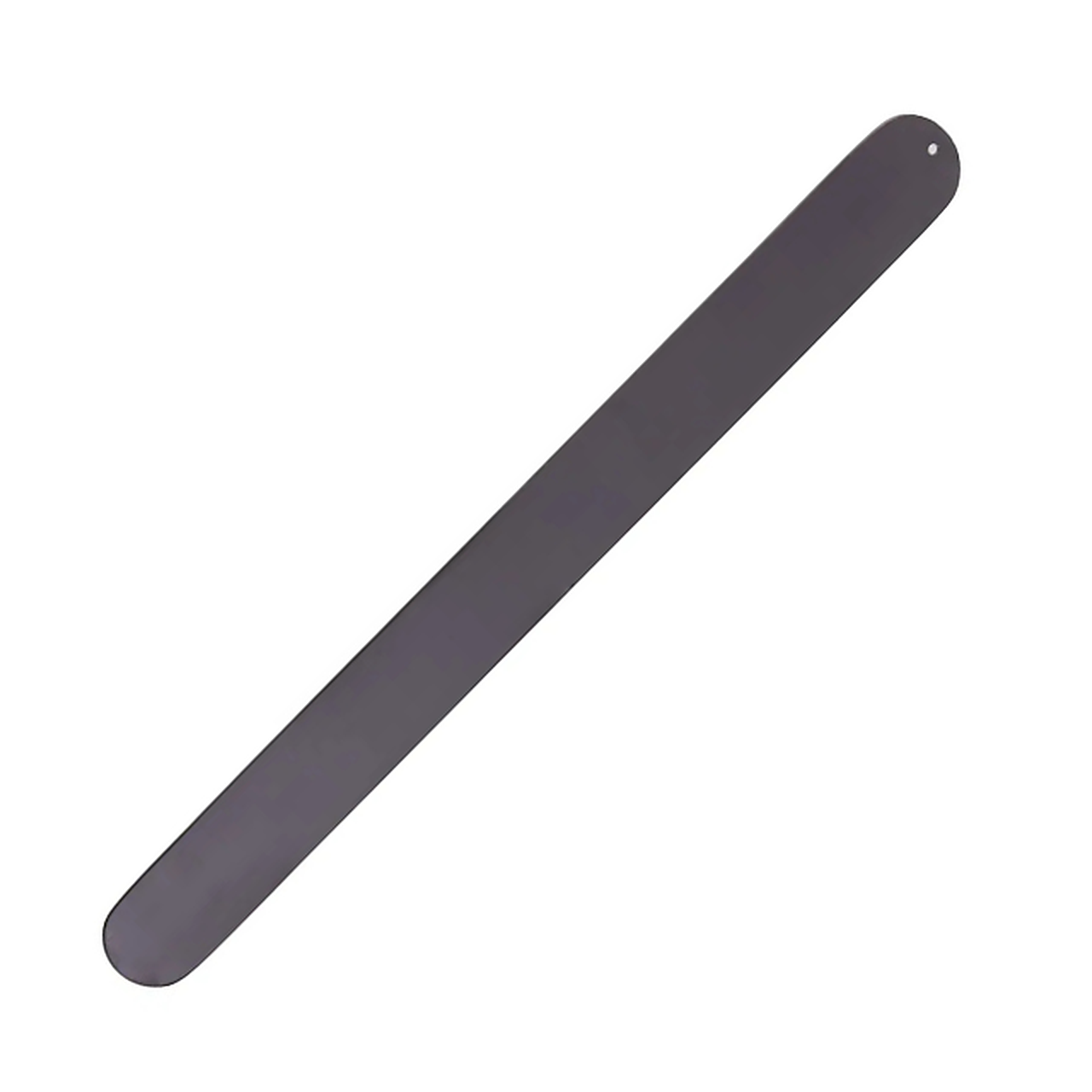 | Tessier Malleable Ribbon Retractor | مصمم خصيصاً للانحناء إلى أشكال مخصصة لتبعيد الأنسجة الرخوة حول العين وحماية مقلة العين أثناء جراحة الوجه والجمجمة. |
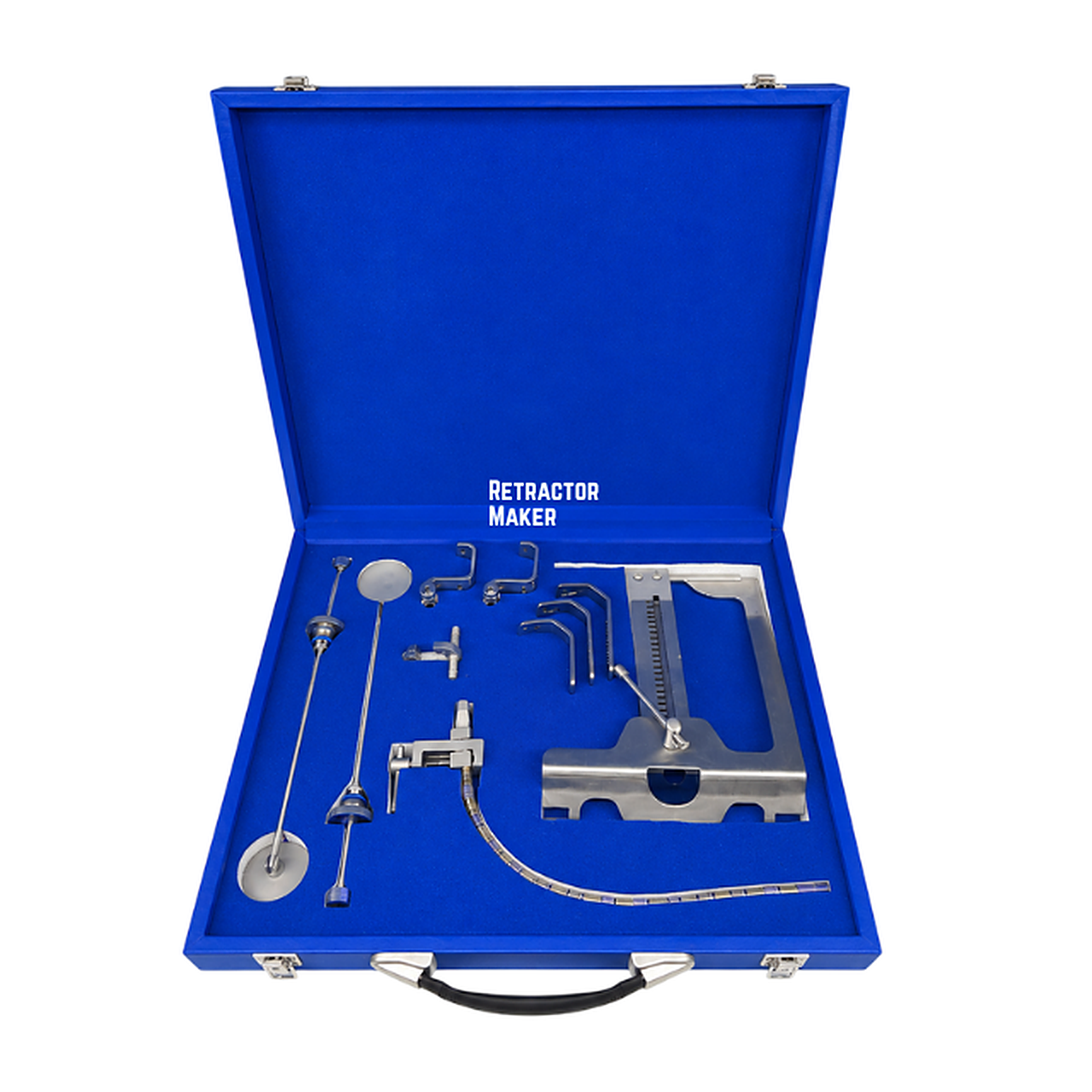 | ThoraGate Rib Up Retractor System | مصمم خصيصاً لتوفير رفع وربي مستقر ورؤية جراحية واضحة أثناء العمليات الصدرية وجراحات القلب طفيفة التوغل، بما في ذلك تقنيات MIDCAB عبر بضع الصدر المصغر. |
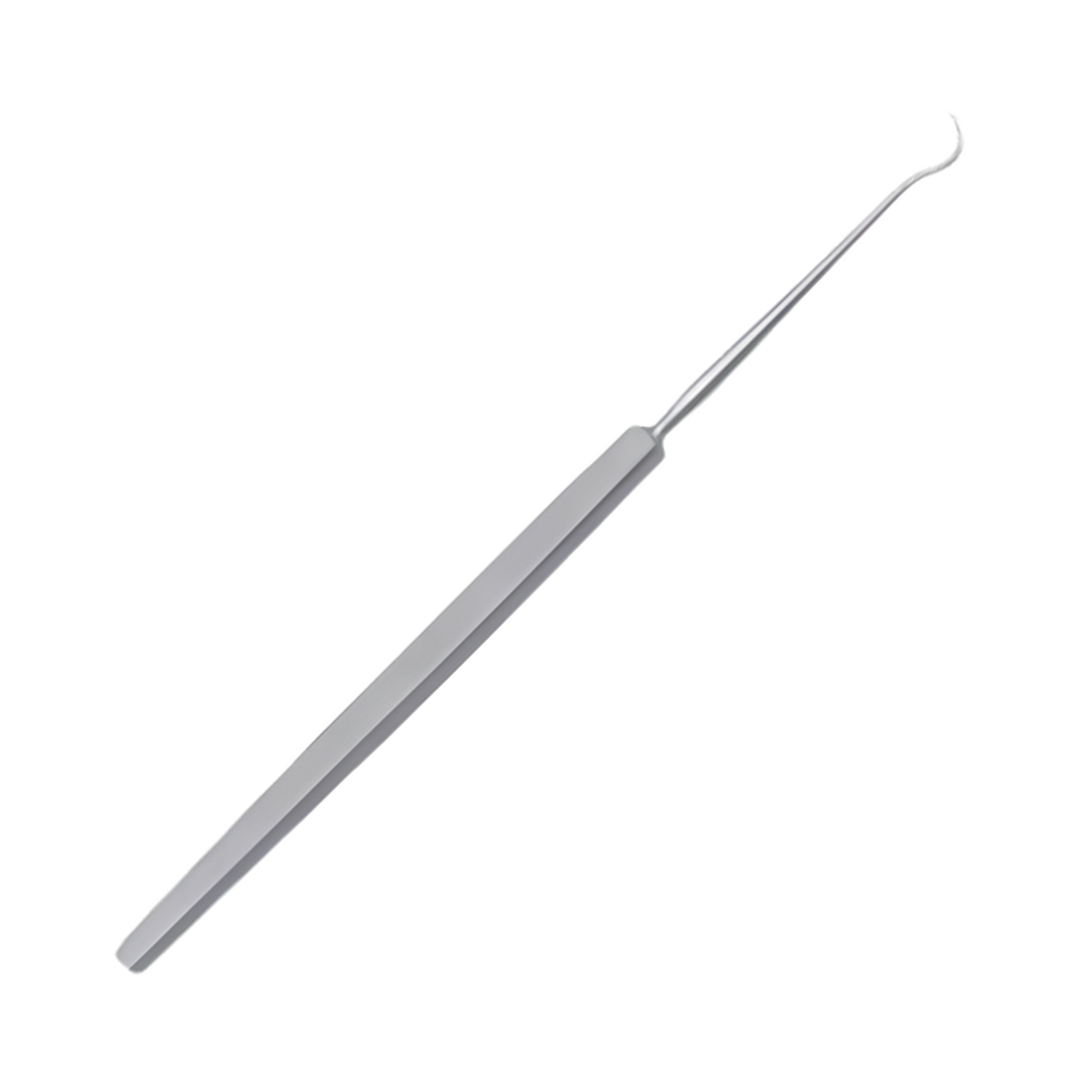 | Toennis Nerve Root Retractor | مصمم خصيصاً لتحريك واحتواء وحماية جذور الأعصاب الشوكية العابرة والكيس القرابي أثناء استئصال القرص القطني. |
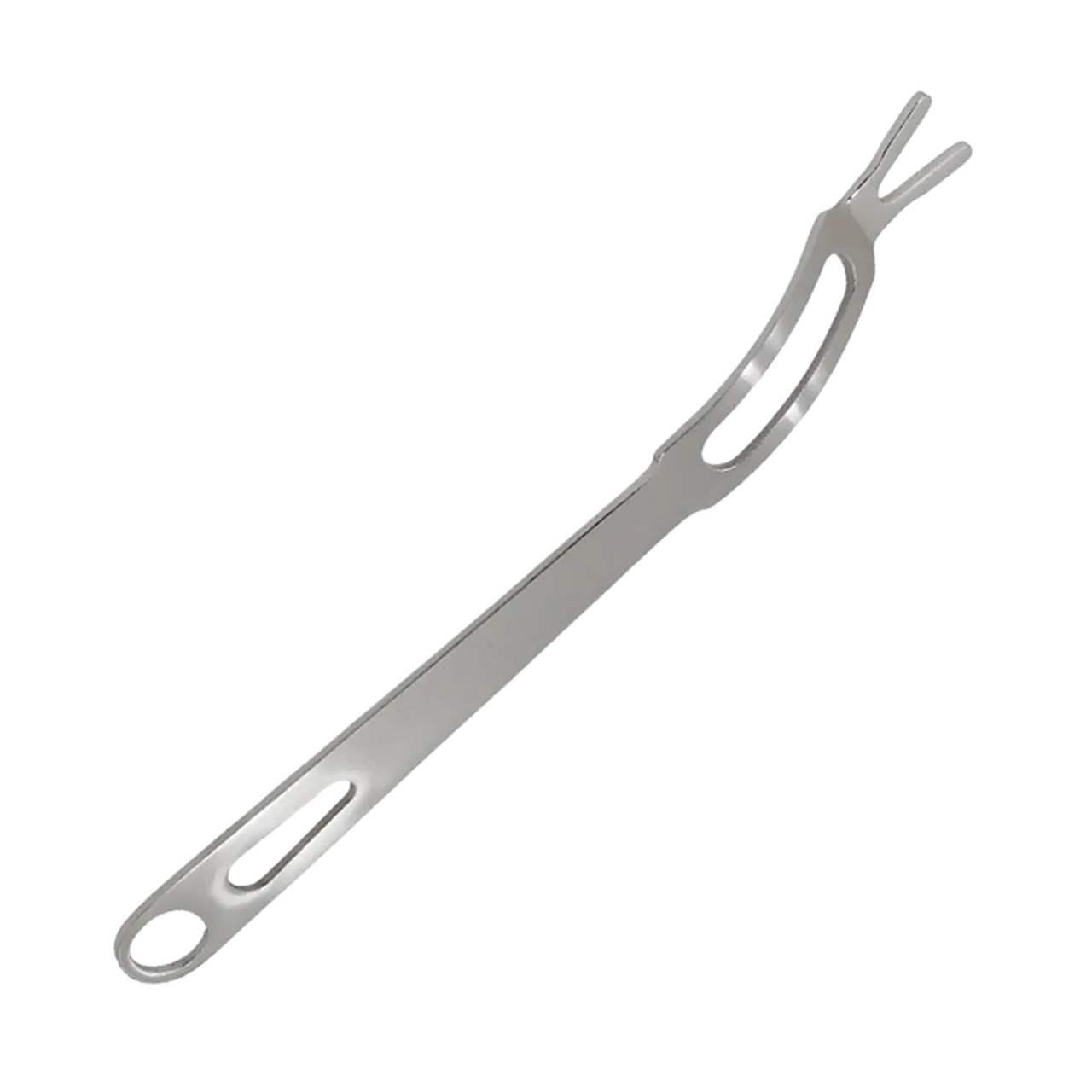 | مبعد جراحي لتركيب مكونات مفصل الكتف الكروية (Glenosphere) في عمليات رأب مفصل الكتف الكلي والعكسي | مصمم خصيصاً لإزاحة عظم العضد للخلف وكشف تجويف الحق أثناء عمليات رأب مفصل الكتف الكلي والعكسي. |
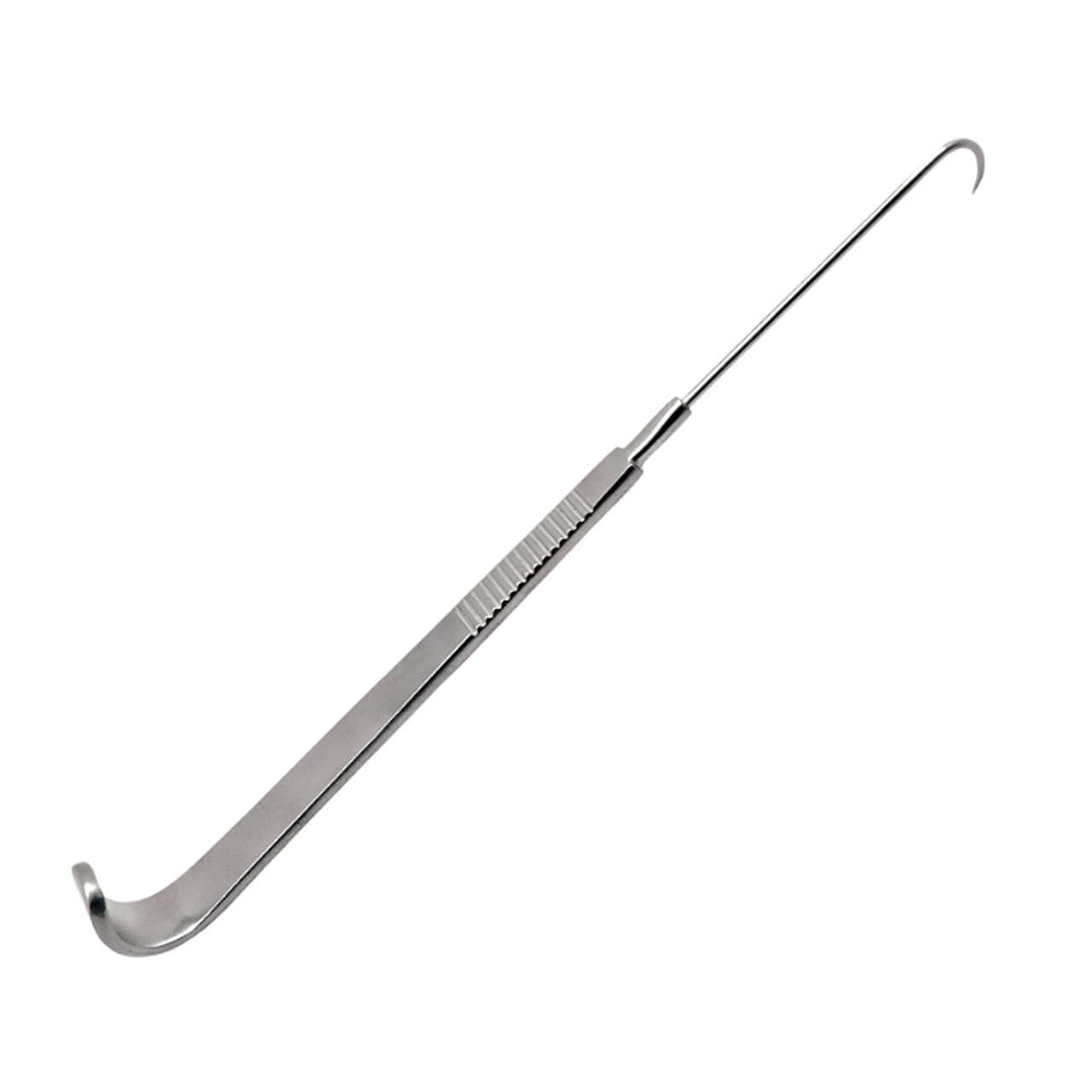 | خطاف/مبعد رغامي (Tracheal Hook/Retractor) | مصمم خصيصاً لرفع وتثبيت الرغامي أثناء إجراءات شق القصبة الهوائية الطارئة والاختيارية. |
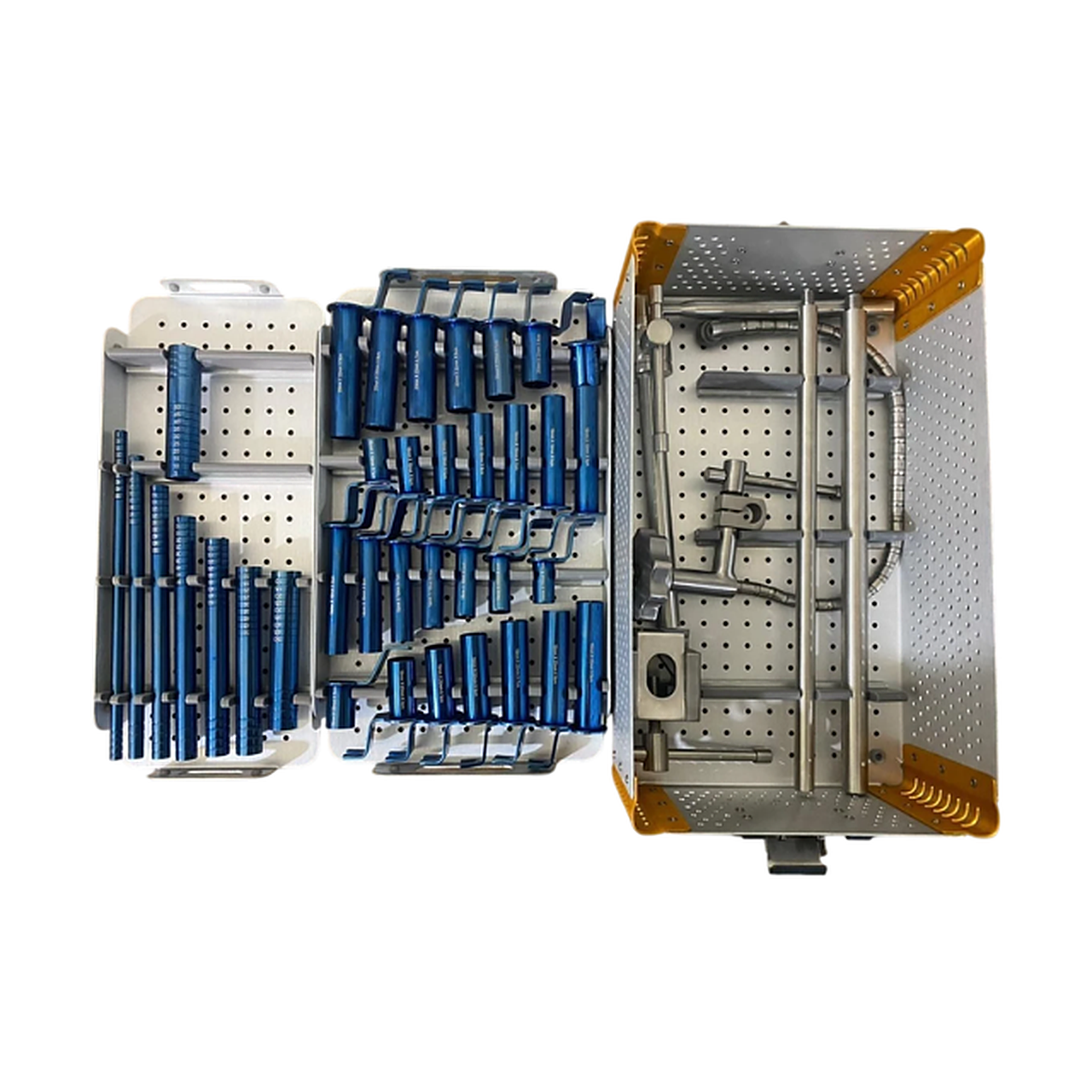 | نظام المباعد الأنبوبي (Tubular Retractor System) | تسهيل الوصول أثناء استئصال القرص، استئصال الصفيحة الفقرية، علاج الضيق، وعمليات MIS PLIF و MIS TLIF، واستئصال الثقبة العنقية. |
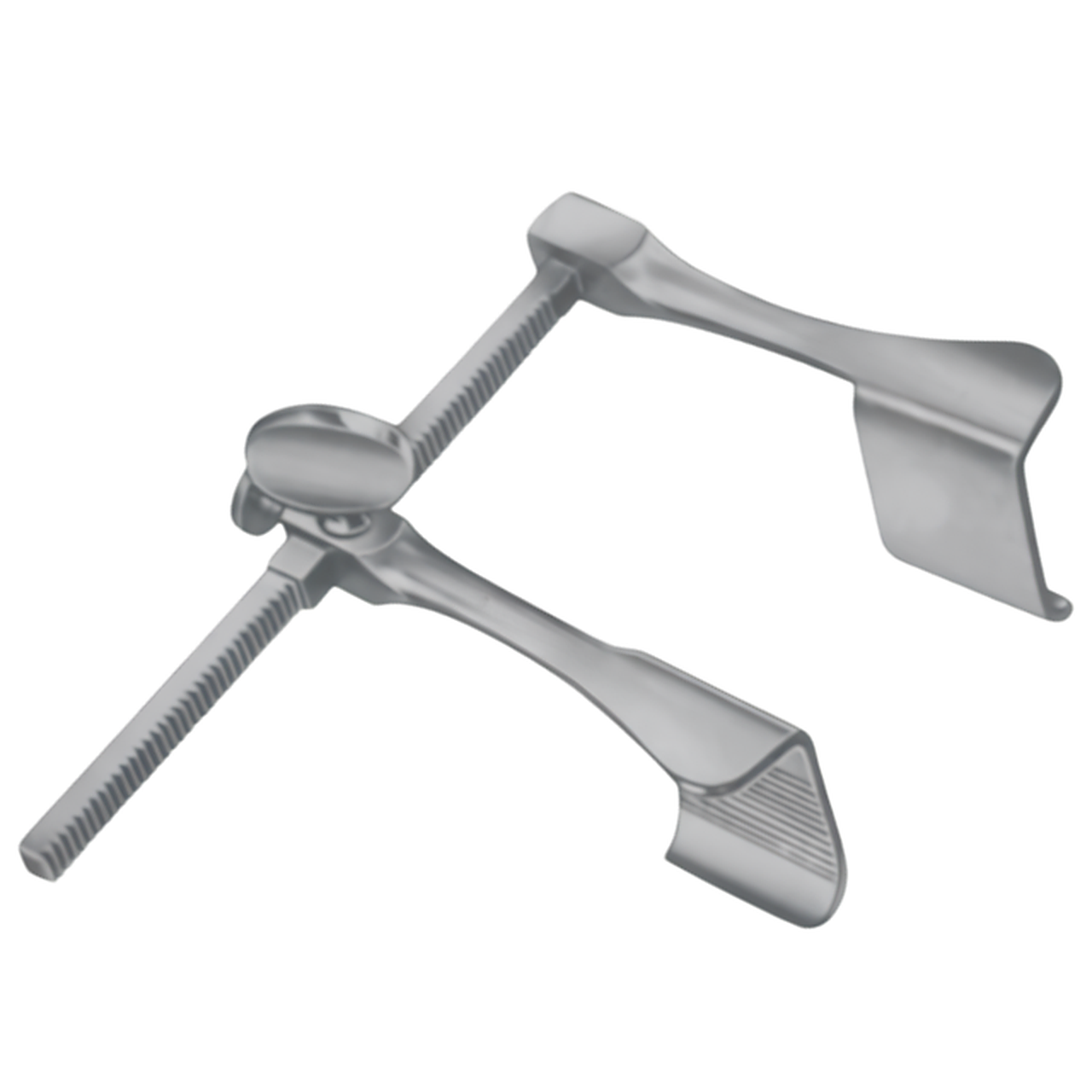 | مباعد الأضلاع Tuffier Rib Spreader | مصمم خصيصًا لفصل أضلاع البالغين والحفاظ على كشف تجويف الصدر أثناء بضع الصدر المفتوح. |
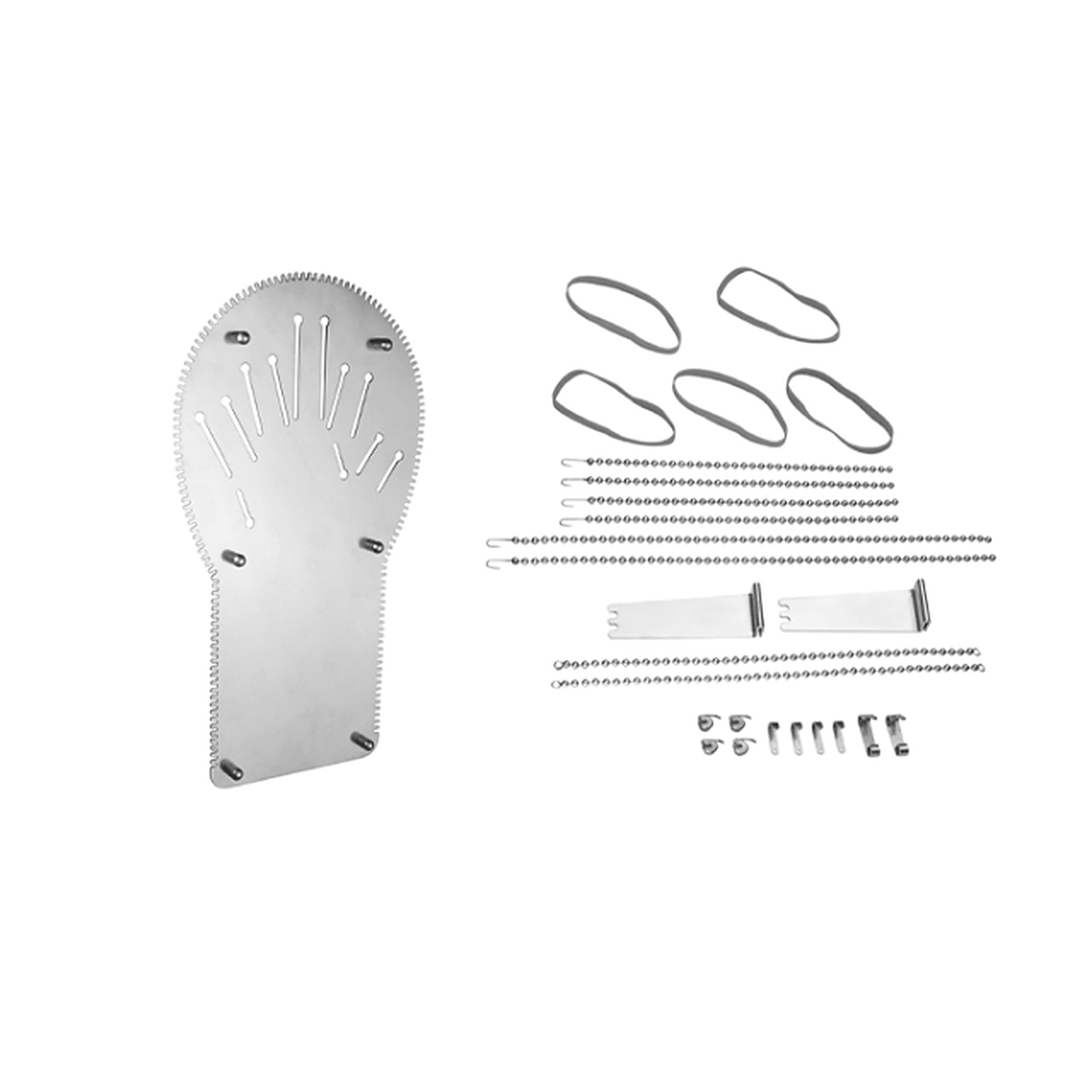 | مبعد جراحة اليد الشامل Tupper’s Universal Hand Retractor | مصمم خصيصاً لتوفير إبعاد محكم للأنسجة، وتثبيت الأطراف، وتوفير مجال رؤية جراحي دون استخدام اليدين أثناء جراحات اليد والجراحات المجهرية. |
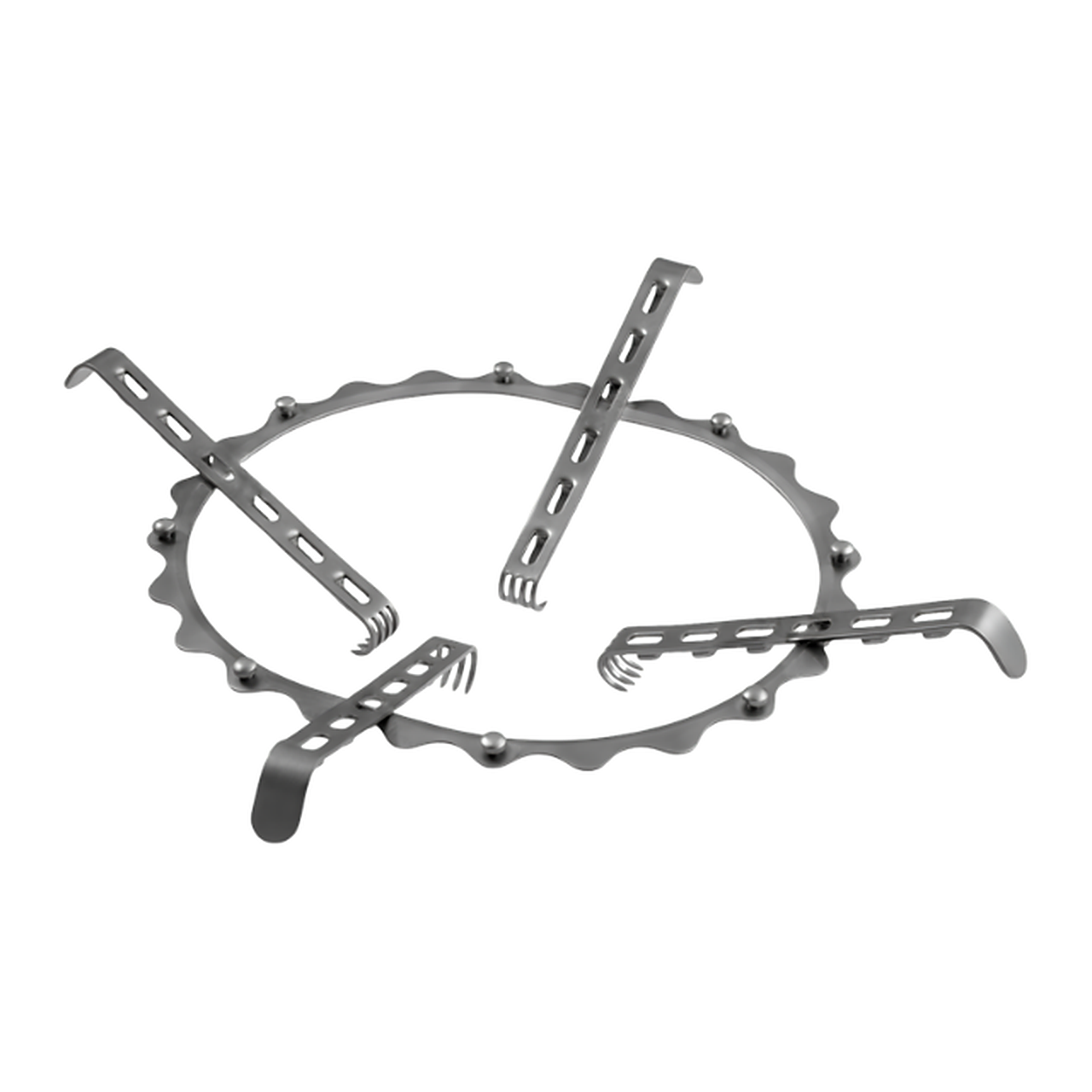 | مُبعّد Turner-Warwick Urological Retractor لجراحة المسالك البولية | مصمم خصيصاً لتوفير تبعيد ذاتي التثبيت لحواف الجرح والأحشاء بزاوية 360 درجة أثناء جراحات المسالك البولية والحوض. |
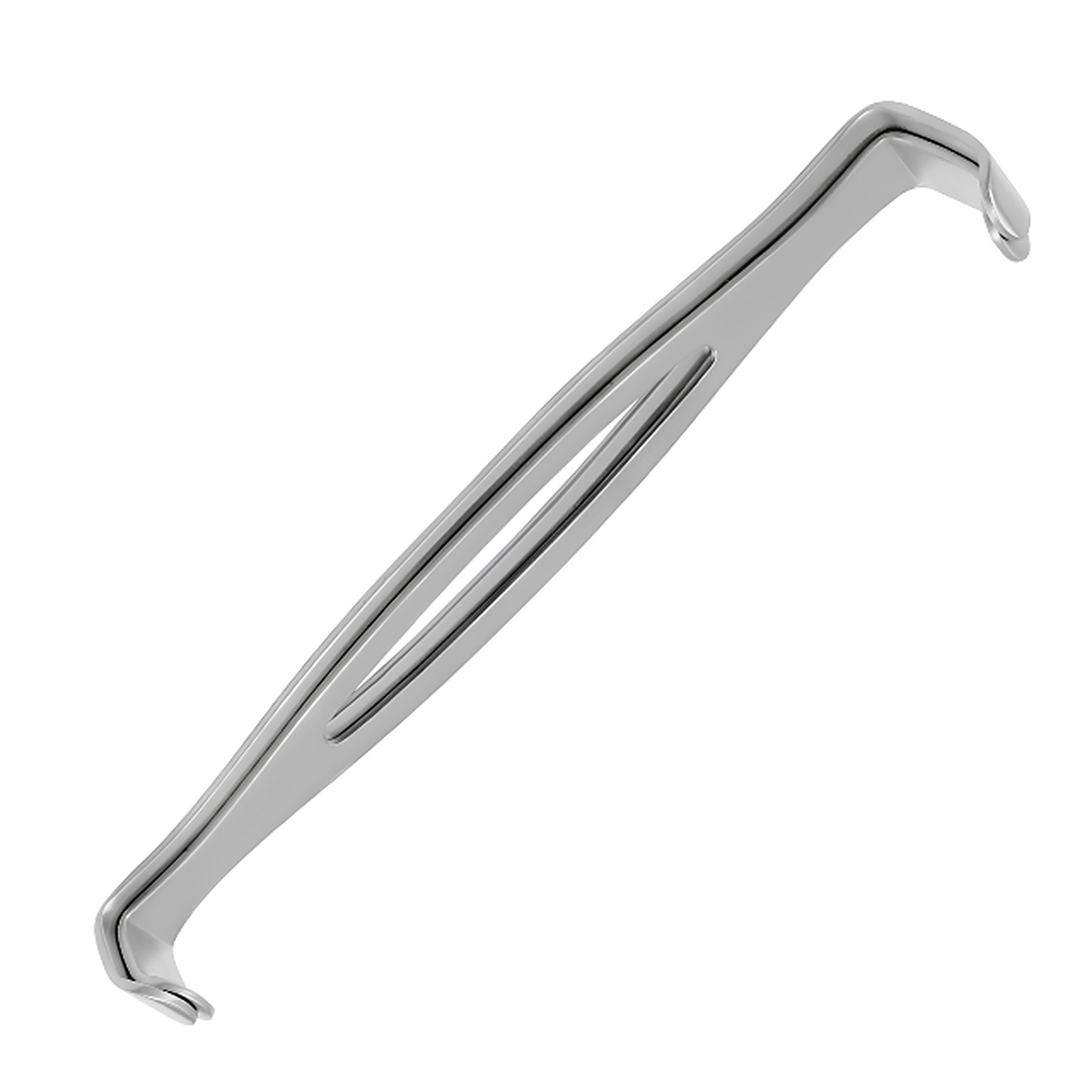 | US Army Retractor, Set of Two - طقم مبعدات الجيش الأمريكي المزدوج | مصمم خصيصًا لسحب حواف الجلد واللفافة والأنسجة العضلية في الشقوق الجراحية السطحية والمتوسطة. |
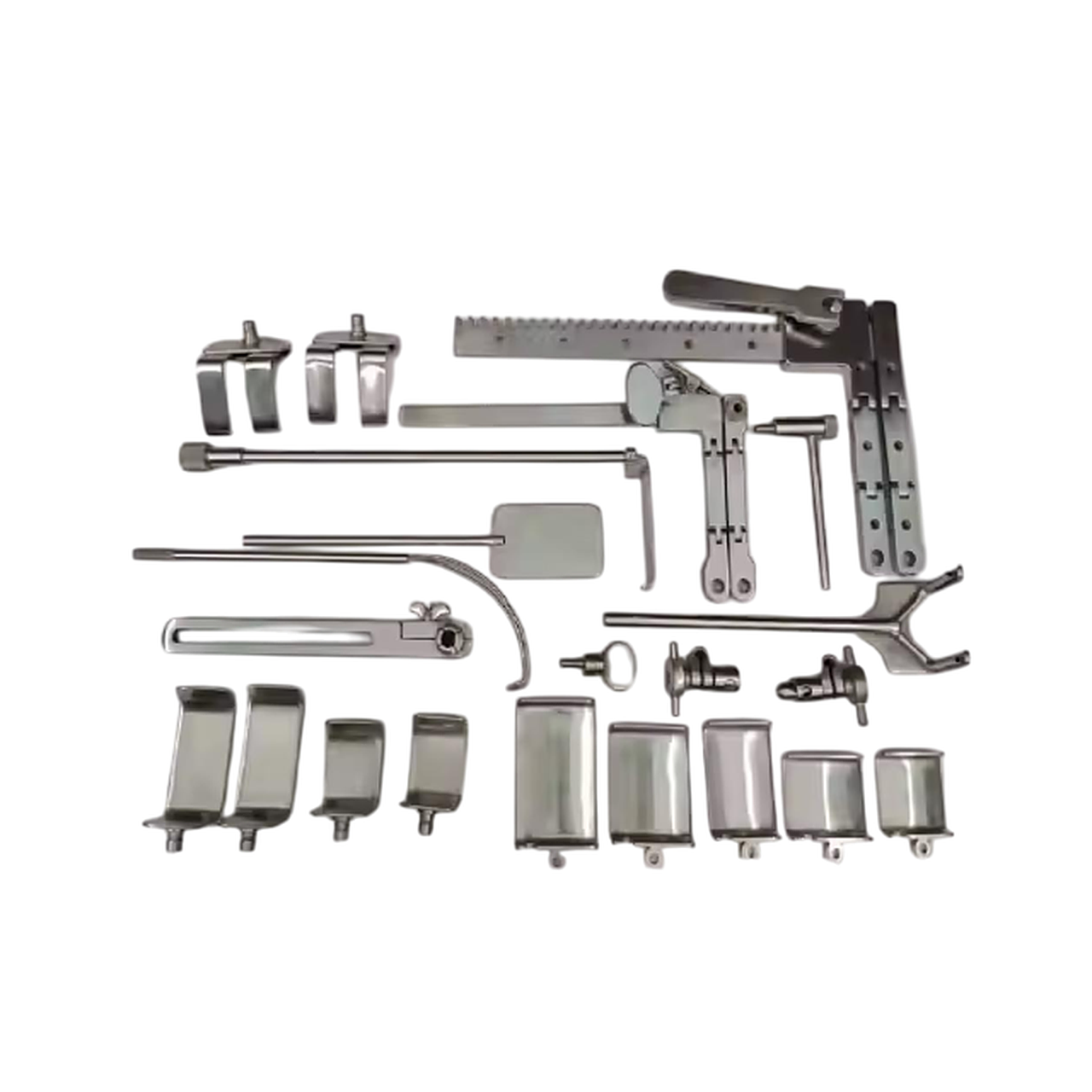 | Valve XS Retractor System | مصمم خصيصاً لتوفير إبعاد مستقر للأنسجة ورؤية جراحية واضحة أثناء عمليات القلب بالمدخل الجانبي، وعمليات MICS CABG، ورفع الأذين. |
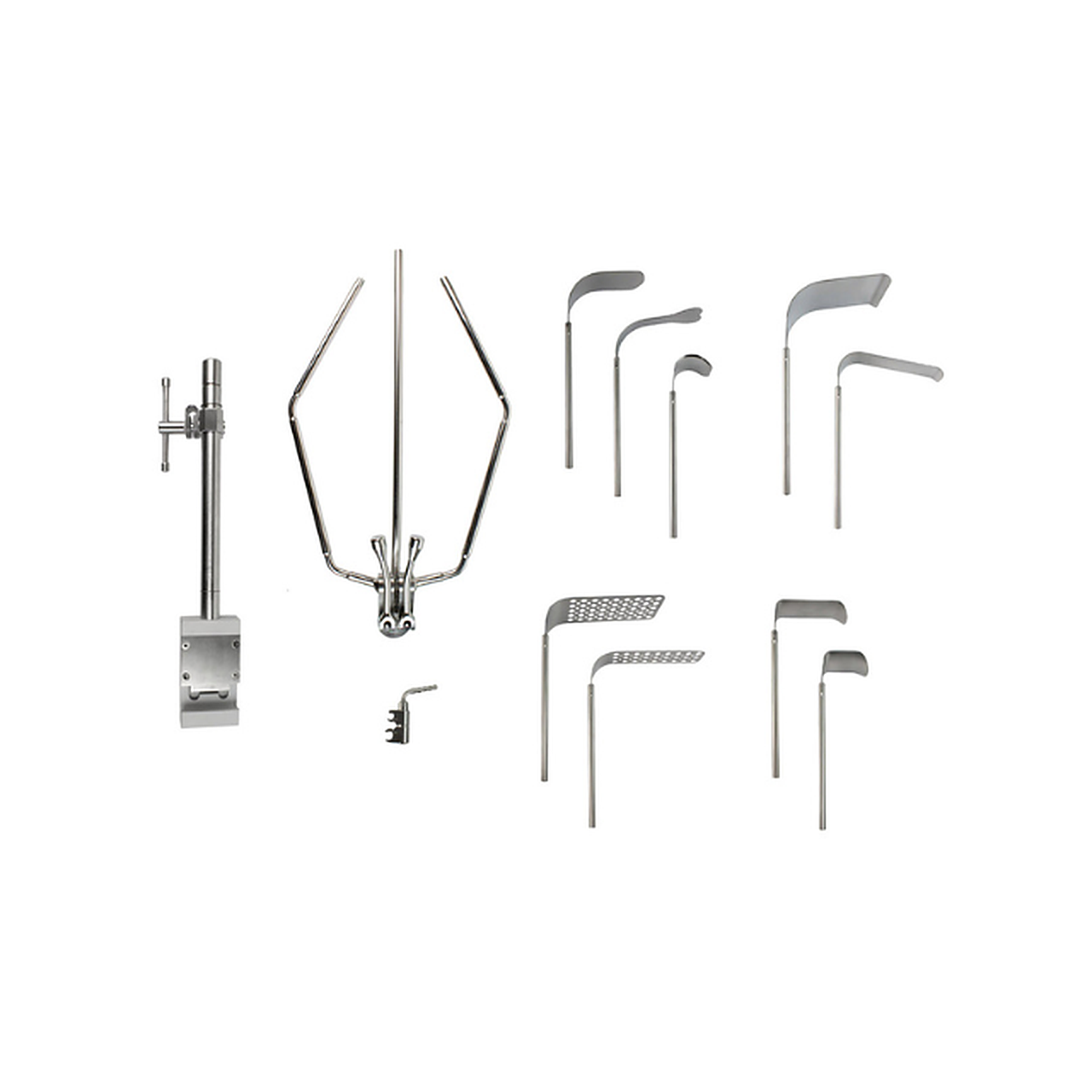 | نظام Vascular Lobster System | مصمم خصيصاً للتبعيد الذاتي للأنسجة وكشف الميدان الجراحي أثناء إجراءات الأوعية الدموية عبر التثبيت على طاولة العمليات. |
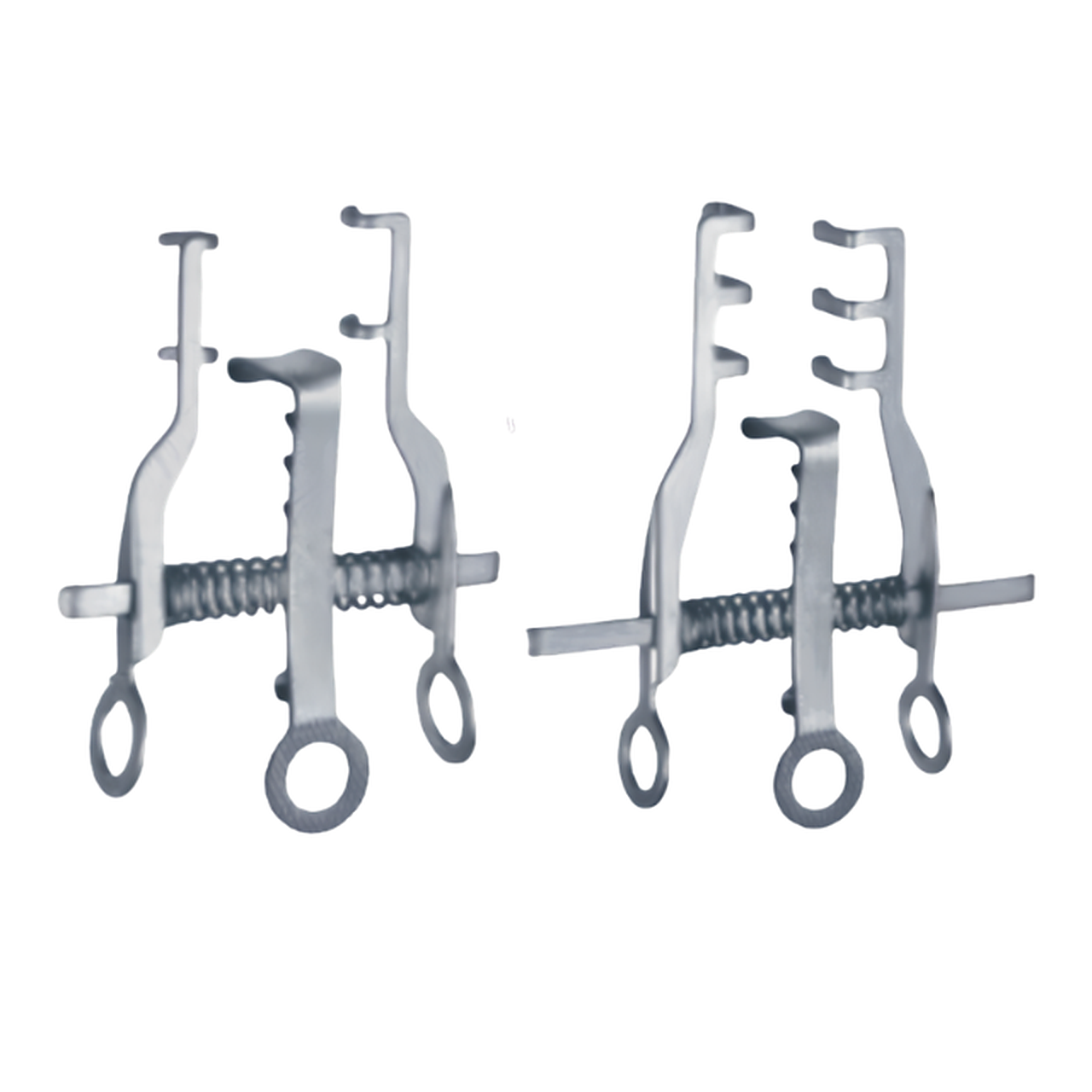 | مباعد Vickers Low Profile Retractor | مصمم خصيصًا لتوفير تبعيد للأنسجة الرخوة ببروز منخفض وذاتي التثبيت أثناء جراحات اليد والمعصم والجراحات الدقيقة. |
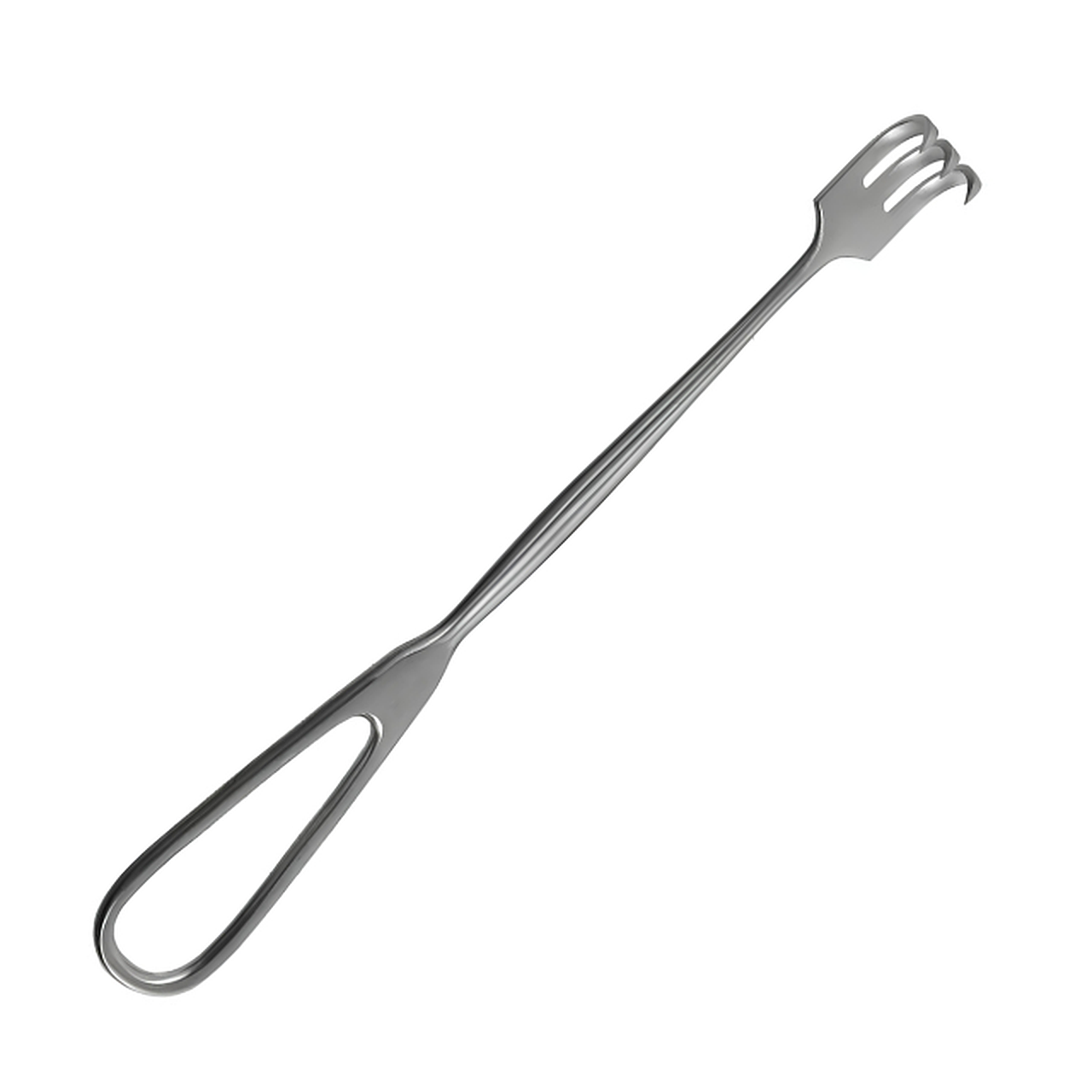 | مُبعد Volkman Retractor-USA Pattern | مصمم خصيصاً لتبعيد لوحات الجلد واللفافة والأنسجة العضلية أثناء الجراحة العامة والتجميل والعظام. |
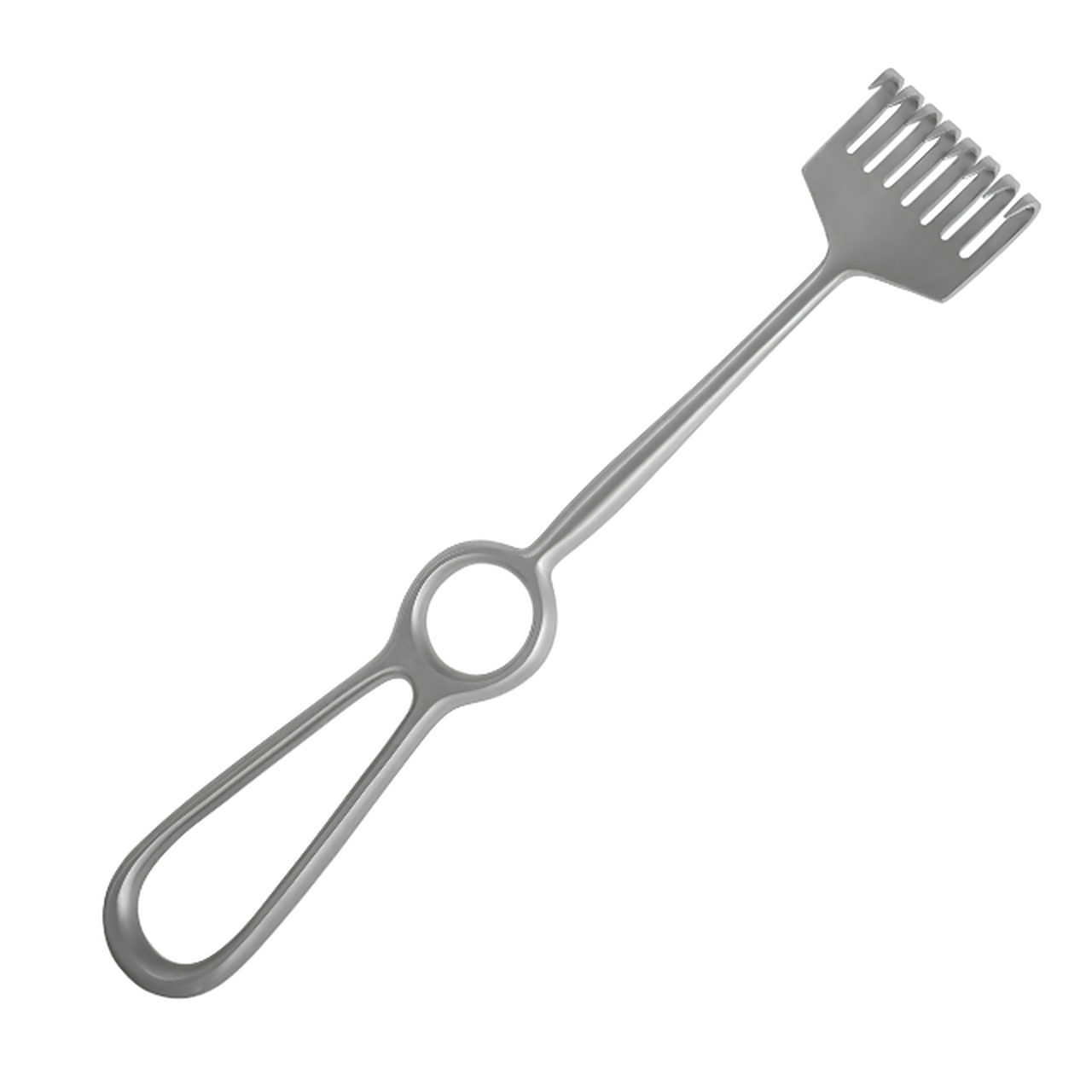 | مبعد Volkmann Retractor | مصمم خصيصاً لإبعاد الطيحات الجلدية، اللفافات، وحواف الأنسجة الكثيفة أثناء الجراحة العامة، التجميلية، وجراحة العظام. |
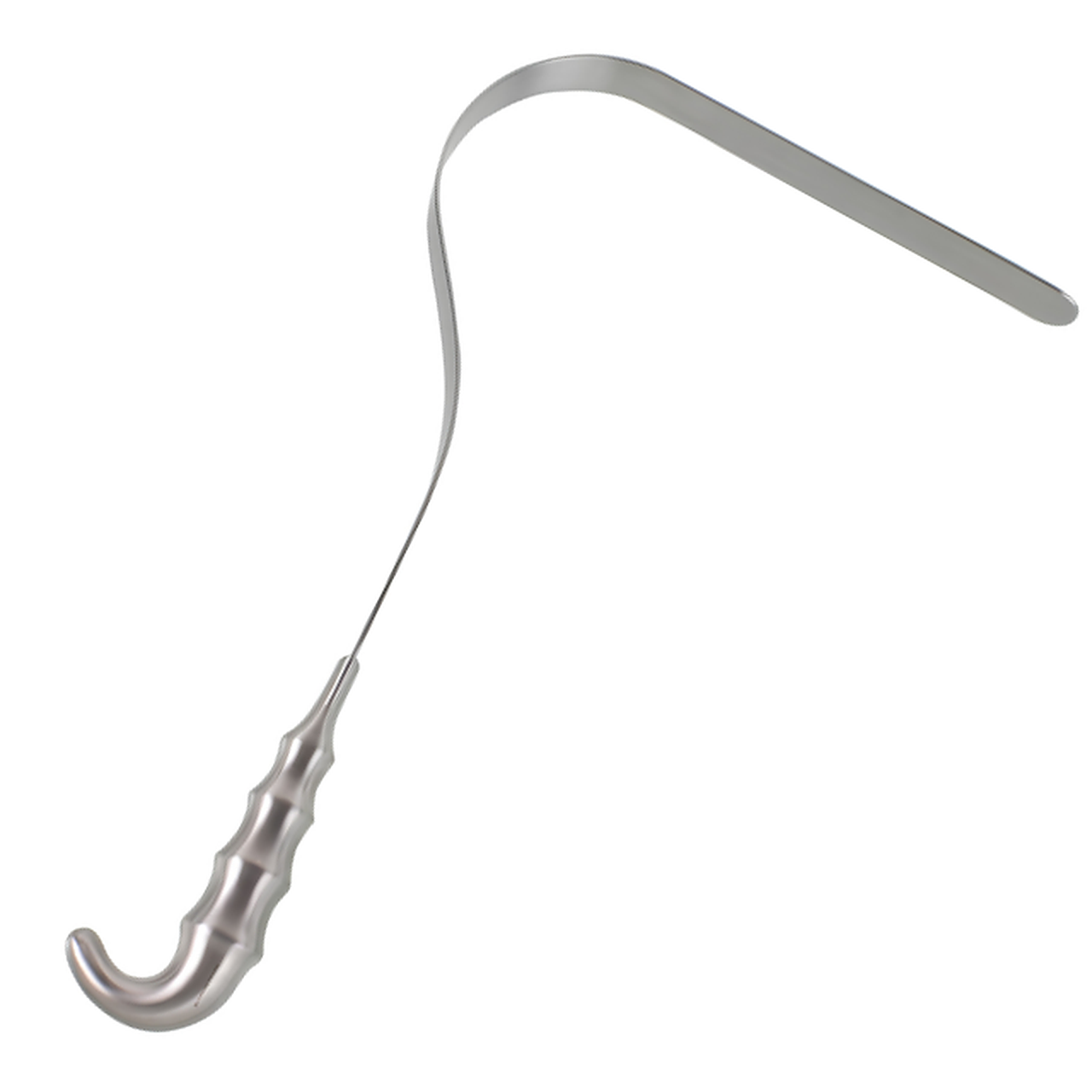 | مُباعد W.M. Lemmon Deaver | مصمم خصيصاً لمباعدة الأحشاء العميقة والأمعاء والكبد وجدران البطن أثناء جراحات الصدر والبطن الكبرى. |
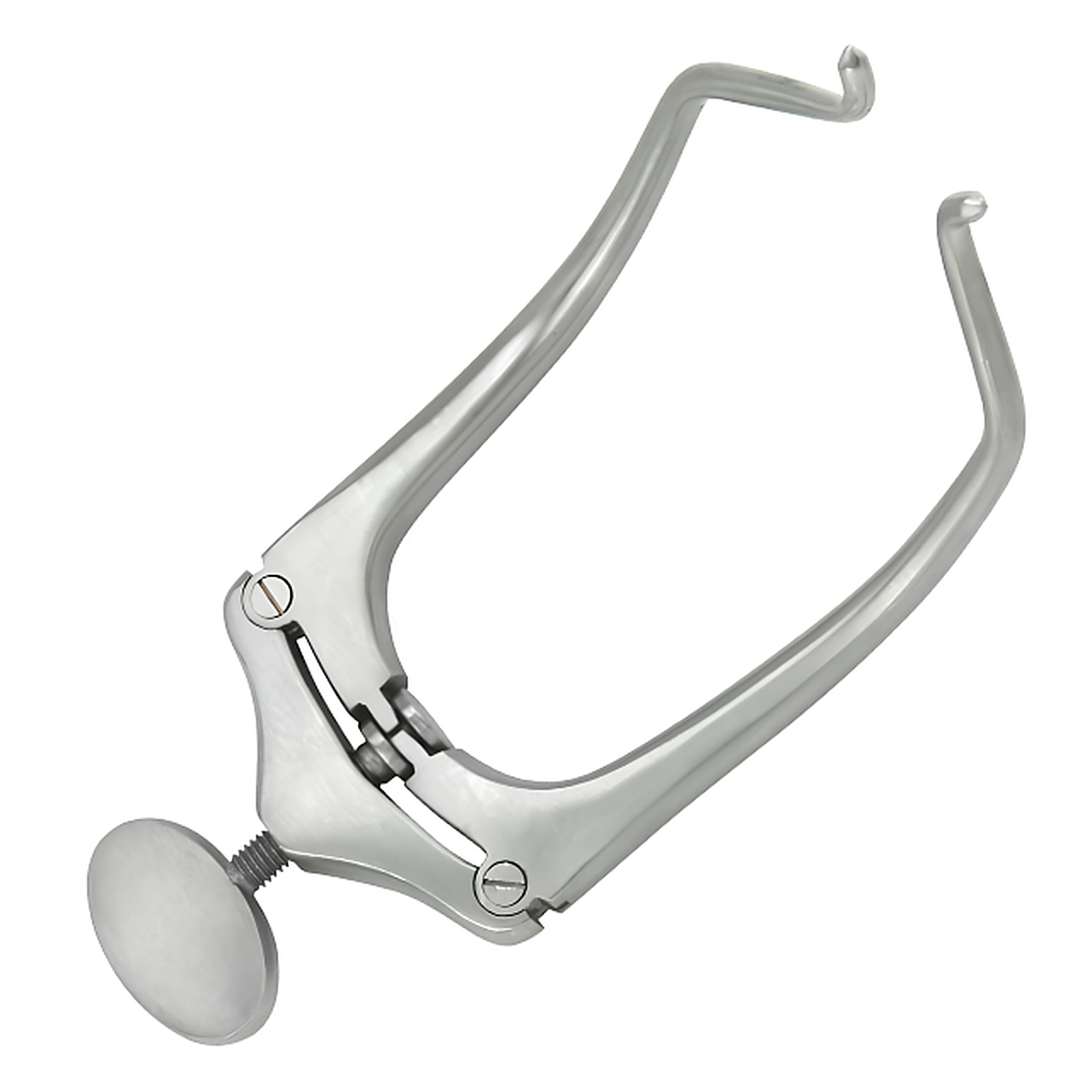 | Wallace Knee Retractor | مصمم خصيصاً لتبعيد المحفظة المفصلية والأنسجة الرخوة بشكل ذاتي التثبيت أثناء عمليات بضع مفصل الركبة والجراحات الترميمية. |
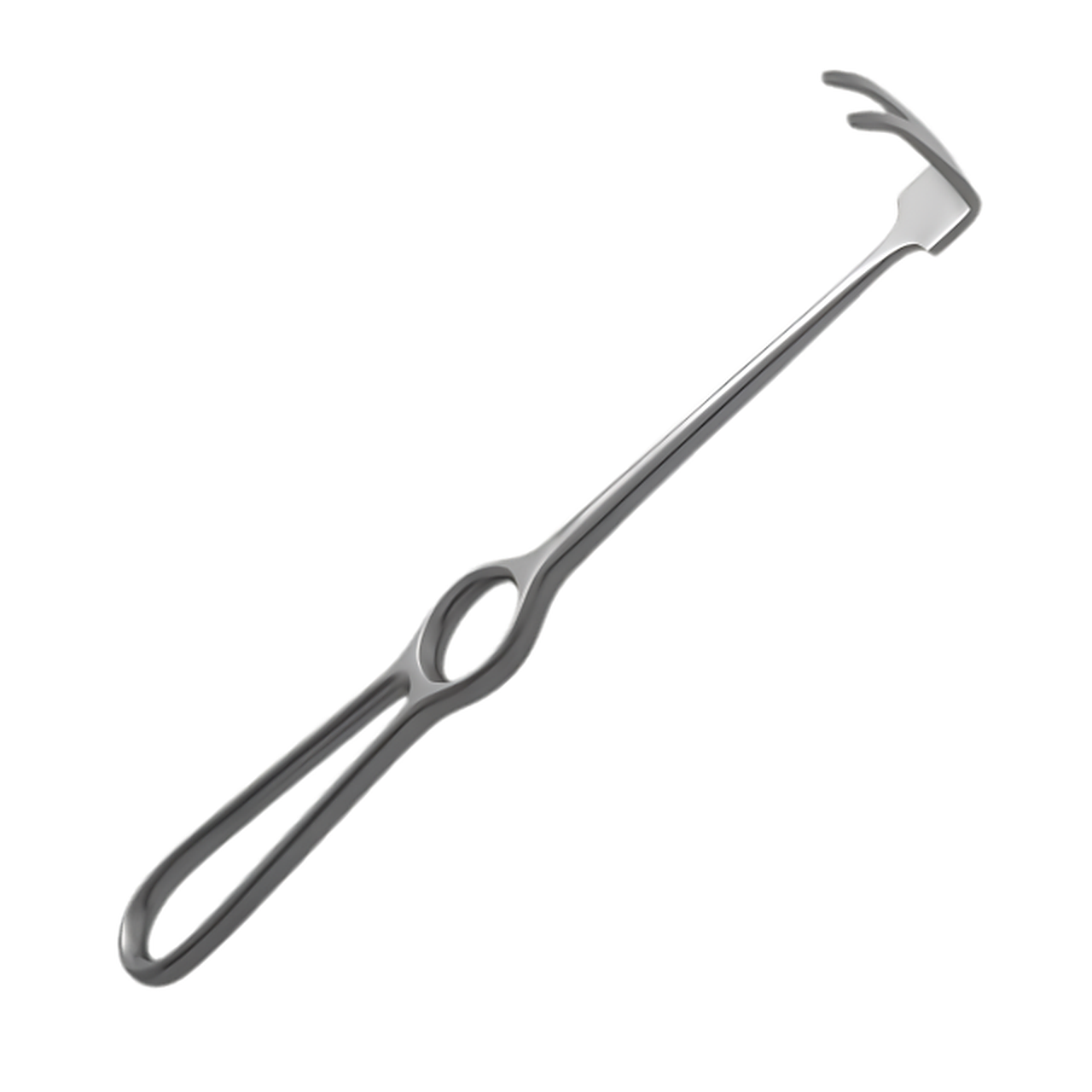 | مُبعّد الأنسجة الرخوة Wassmund | مصمم خصيصاً لتبعيد الخدين والشفتين والسمحاق المخاطي أثناء جراحات الفم والوجه والفكين. |
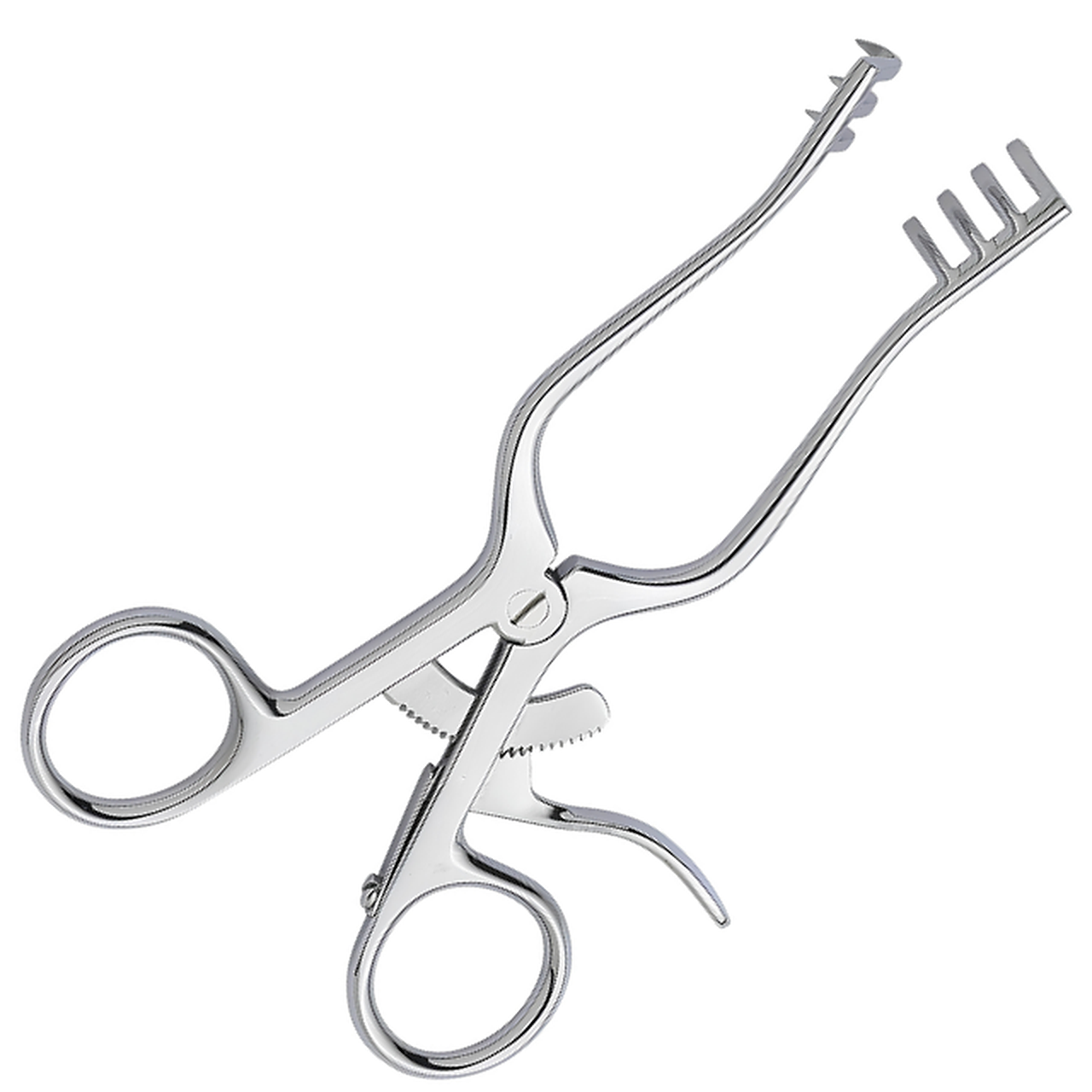 | مبعد Weitlaner Retractor | مصمم خصيصاً لتوفير مباعدة ذاتية التثبيت لحواف الجروح في جراحات العظام الصغرى والعامة والعميقة. |
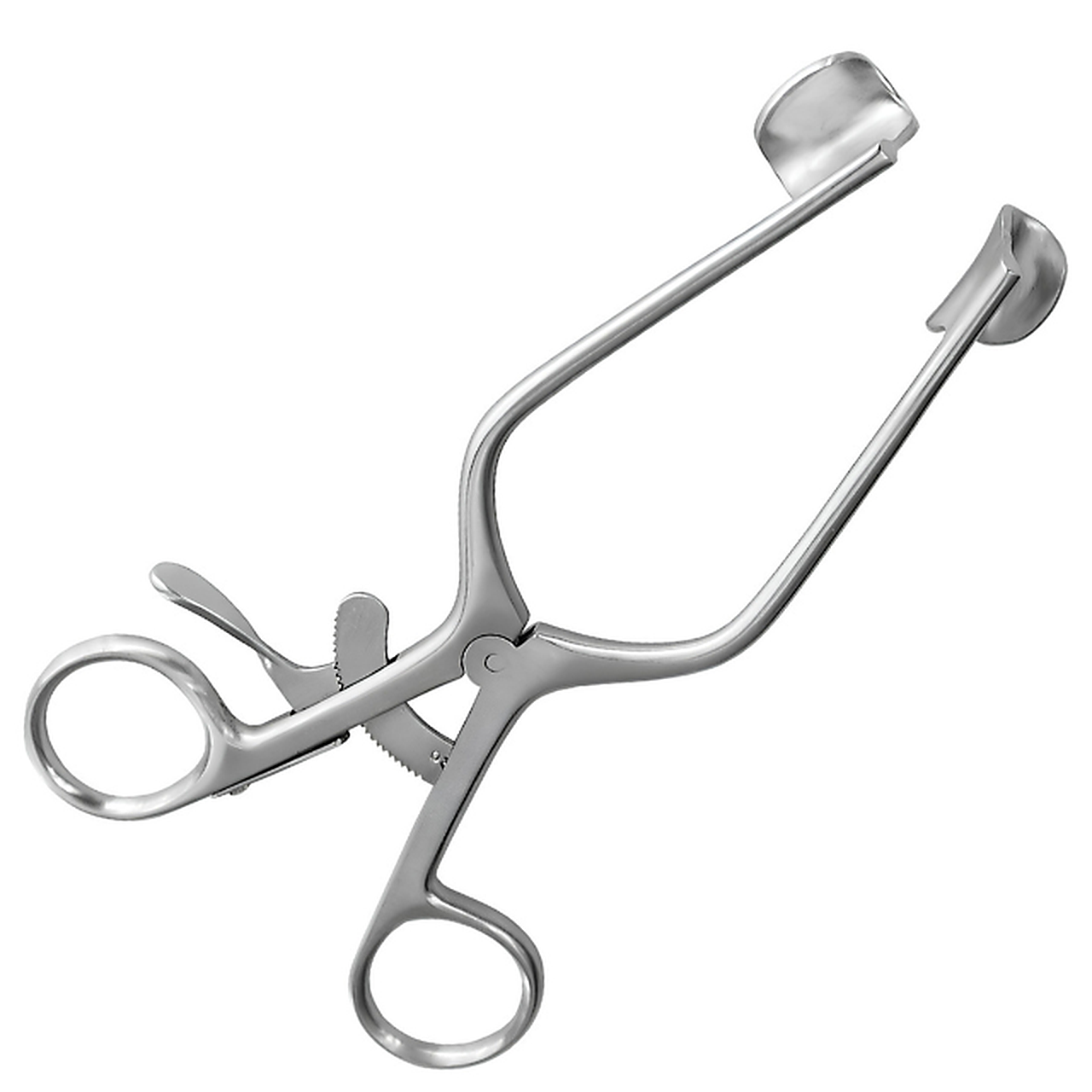 | مُبعّد جراحي ذاتي التثبيت بشفرات عريضة | مصمم خصيصاً لتوفير تبعيد ذاتي التثبيت لحواف الجرح ذات الأسطح الواسعة دون فتق الأنسجة. |
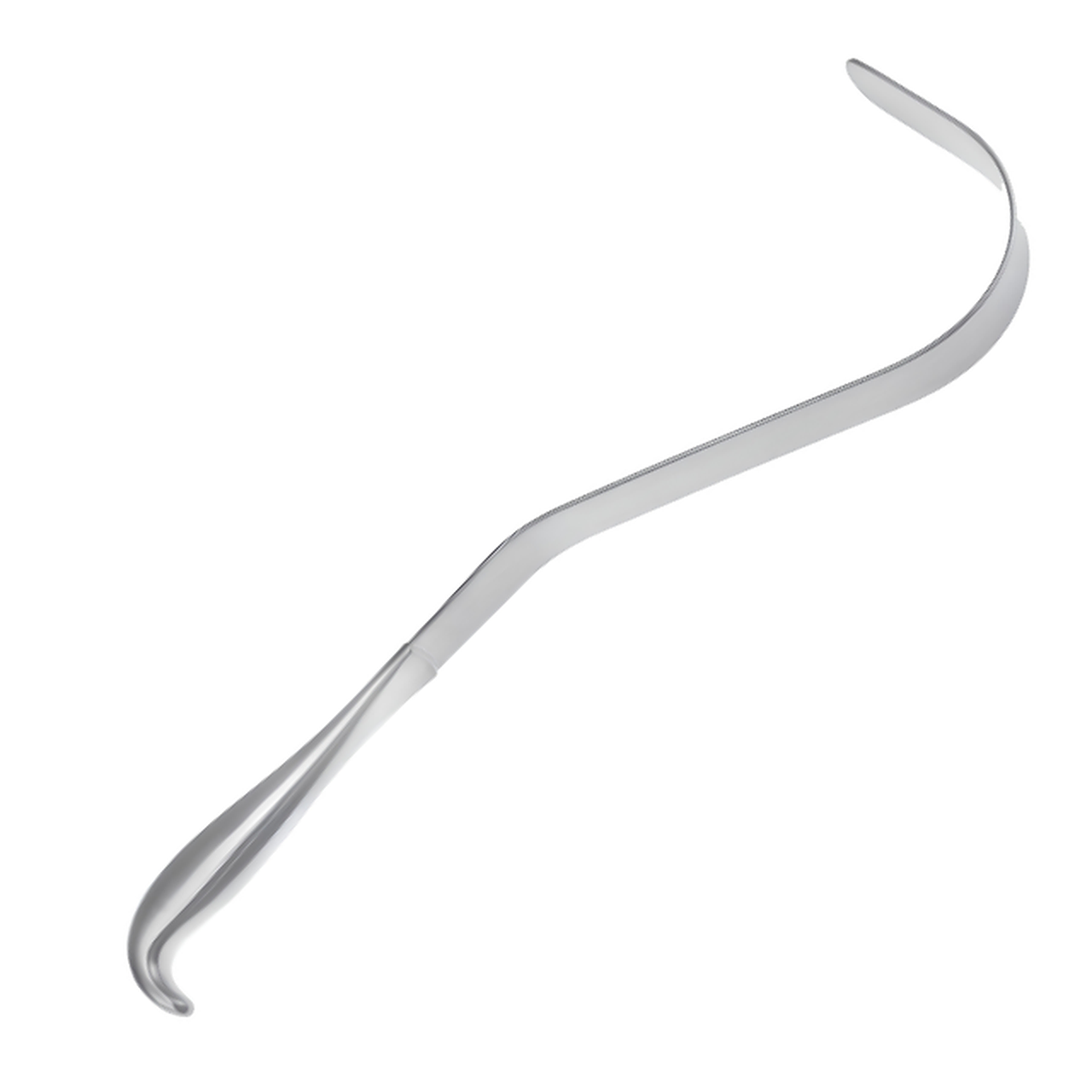 | Willauer-Deaver Retractor | مصمم خصيصاً لمباعدة متن الرئة والأحشاء وحواف الأنسجة العميقة أثناء جراحات الصدر والبطن. |
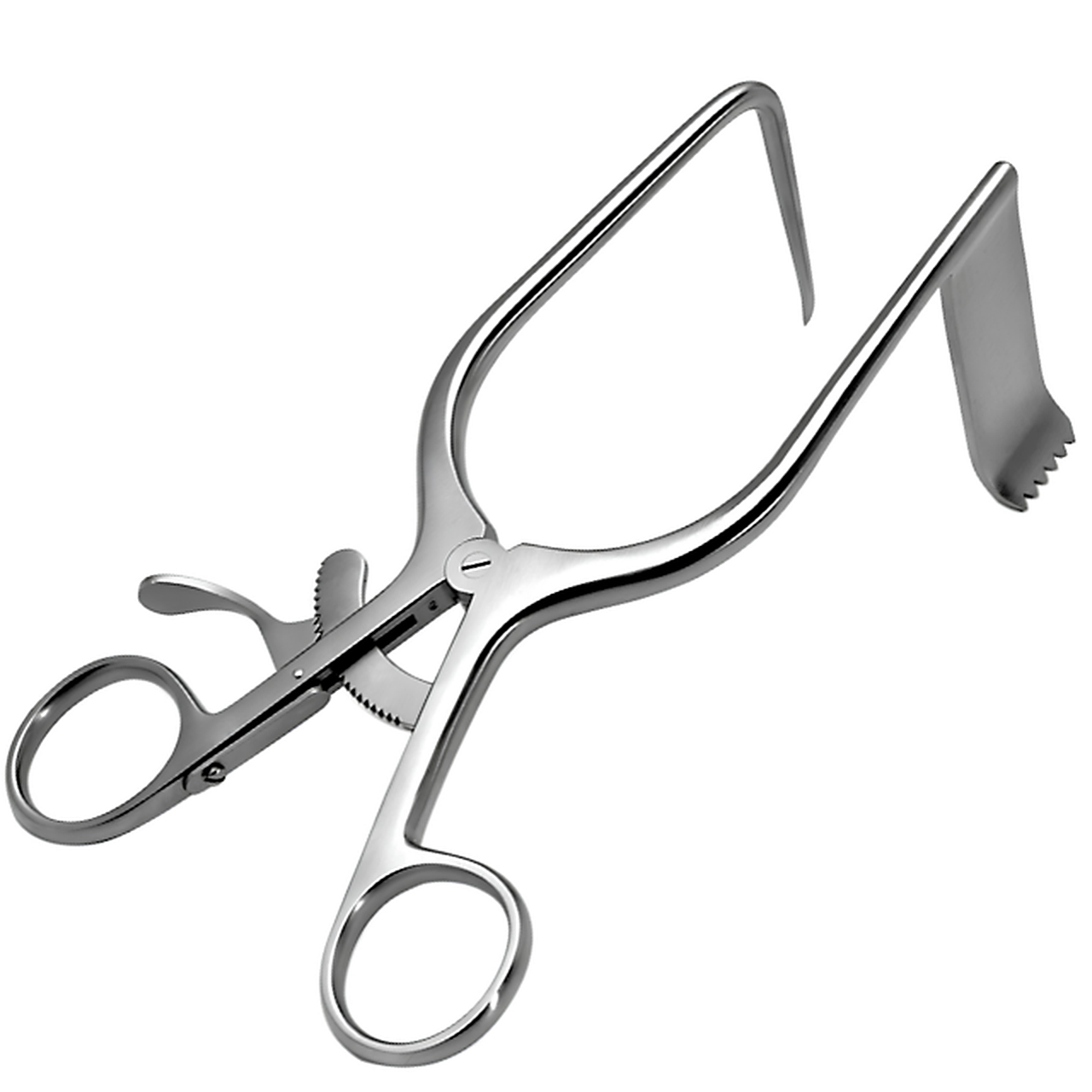 | مُبعّد Williams لاستئصال القرص الغضروفي | مصمم خصيصاً لإبعاد العضلات المجاورة للفقرات وحواف الأنسجة أثناء استئصال القرص القطني مجهرياً واستئصال الصفيحة الفقرية. |
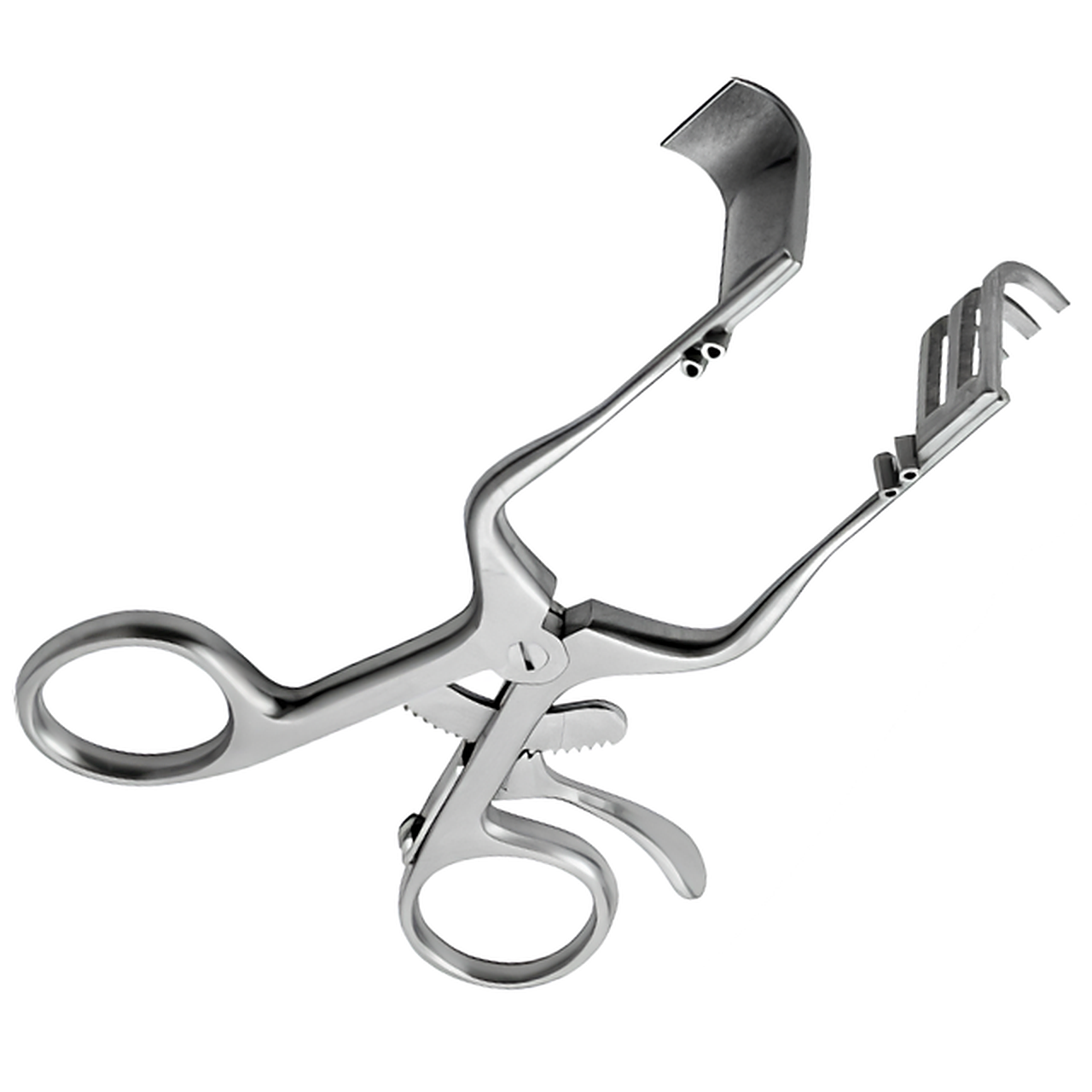 | مُبعّد Williams لكسور الكعبرة البعيدة | مصمم خصيصًا لإبعاد العضلة الكابة المربعة وأوتار العضلة القابضة للكشف عن الكعبرة البعيدة الراحية أثناء تثبيت الكسور بالصفائح. |
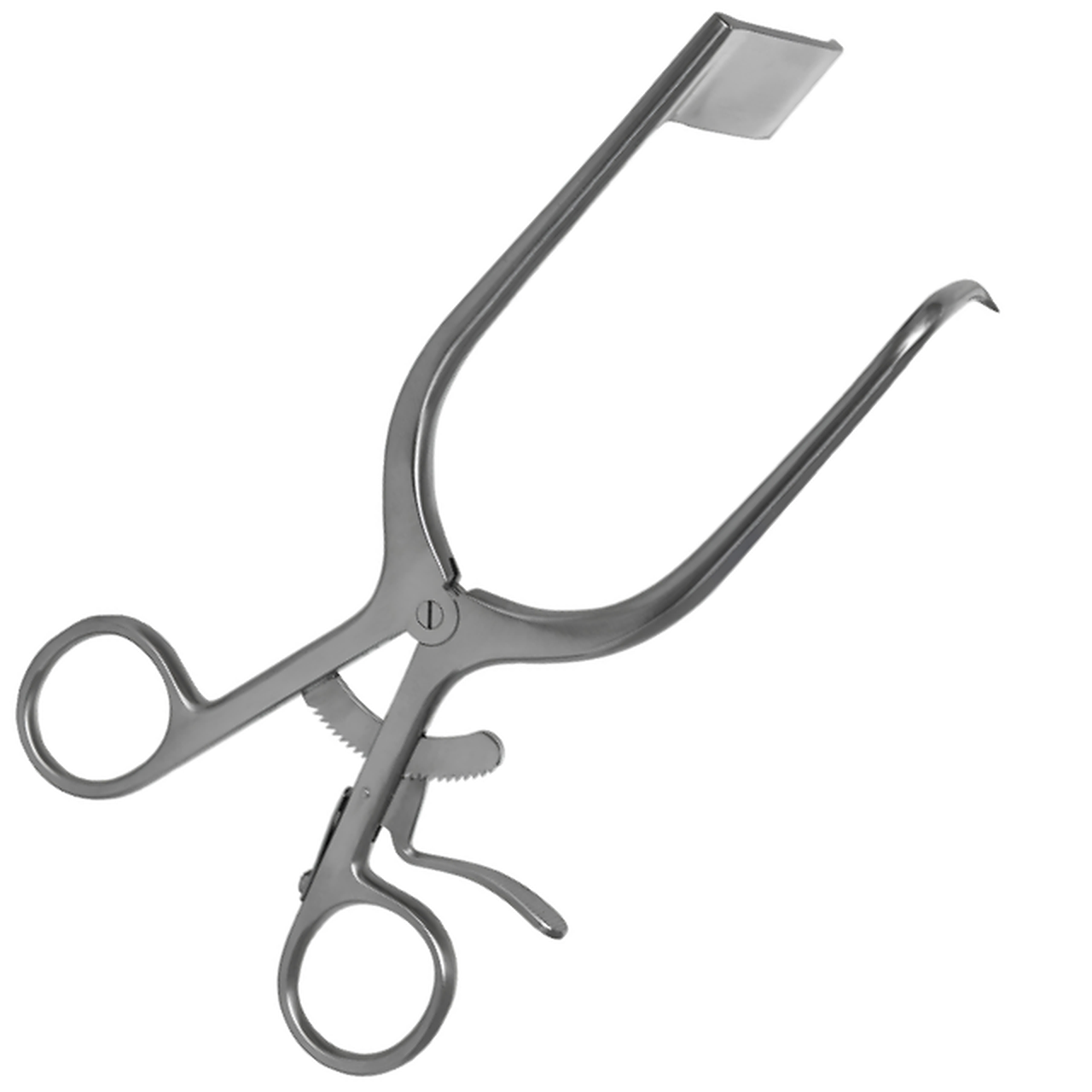 | مُباعد ويليامز لاستئصال القرص الفقري (Williams Spinal Discectomy Retractor) | مصمم خصيصاً لمباعدة العضلات المجاورة للفقرات وكشف الصفيحة الفقرية أثناء عمليات استئصال القرص القطني المجهري. |
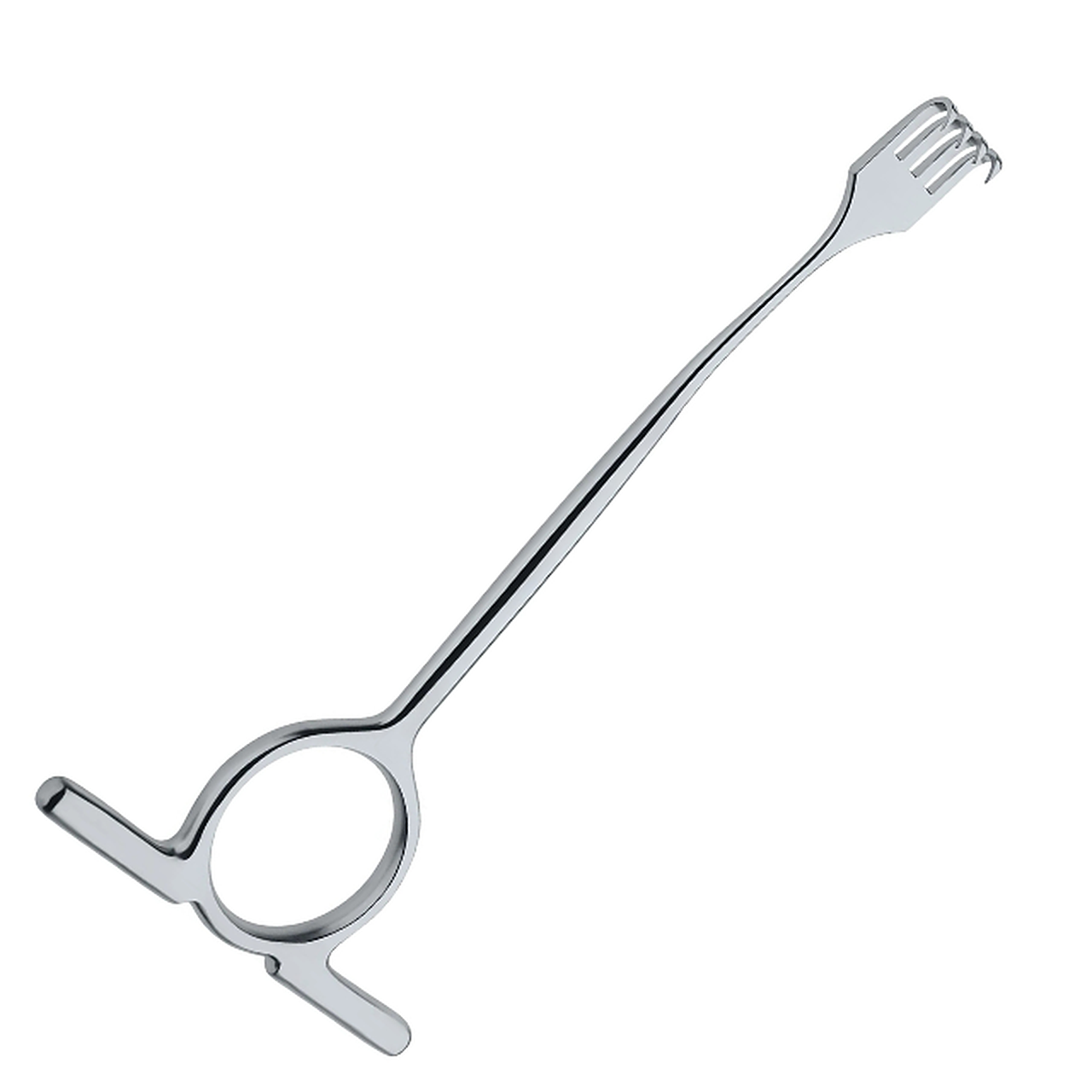 | Williger Retractor | مصمم خصيصًا لمباعدة السدائل المخاطية السمحاقية والأنسجة الرخوة لكشف العظام أثناء جراحات الفم والأسنان والوجه والفكين. |
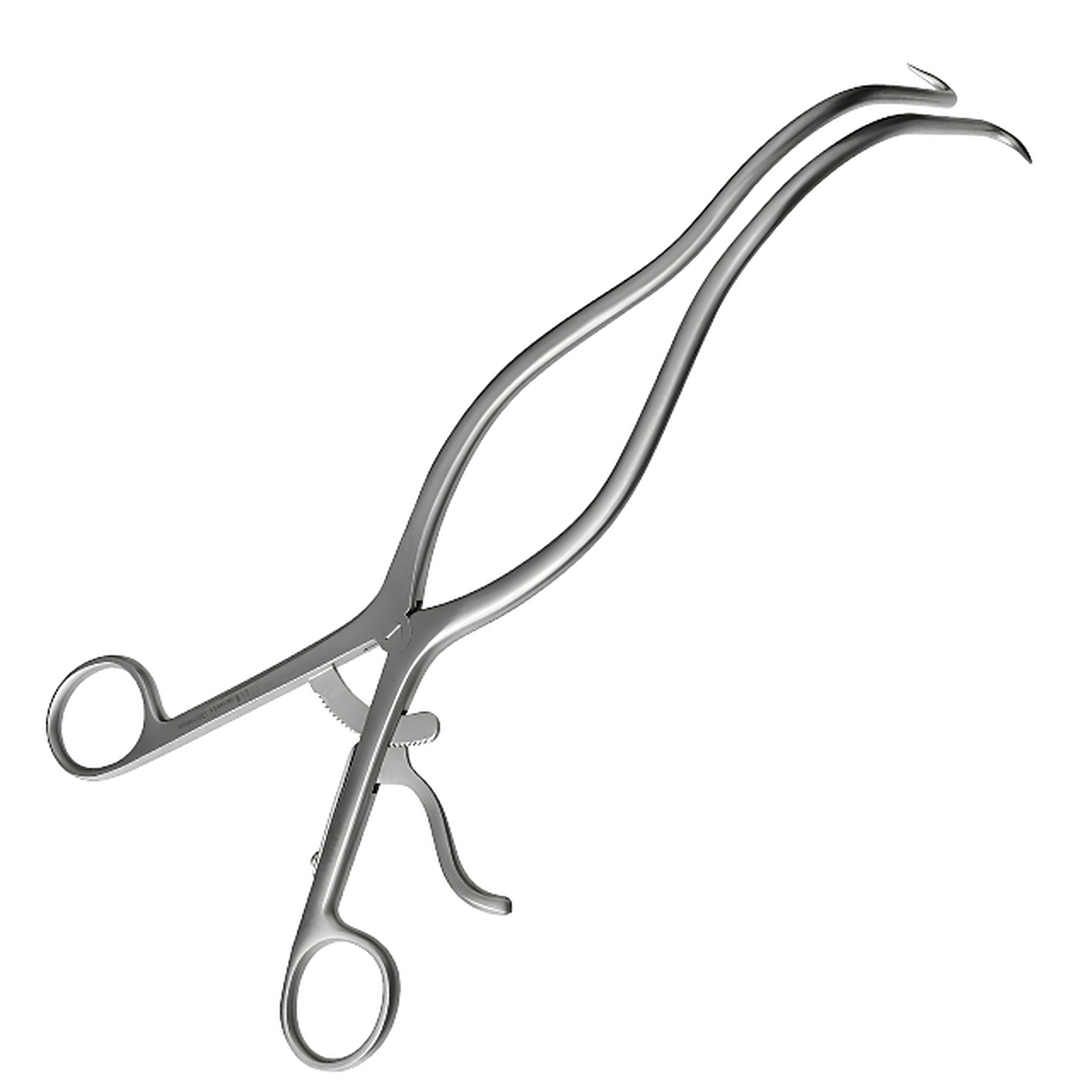 | Wiltse-Gelpi Self-Retaining Retractor | مباعد ويلتسي-جيلبي ذاتي التثبيت | مصمم خصيصاً لمباعدة العضلات الثقيلة المجاورة للفقرات أثناء دمج وتحرير العمود الفقري الخلفي الجانبي. |
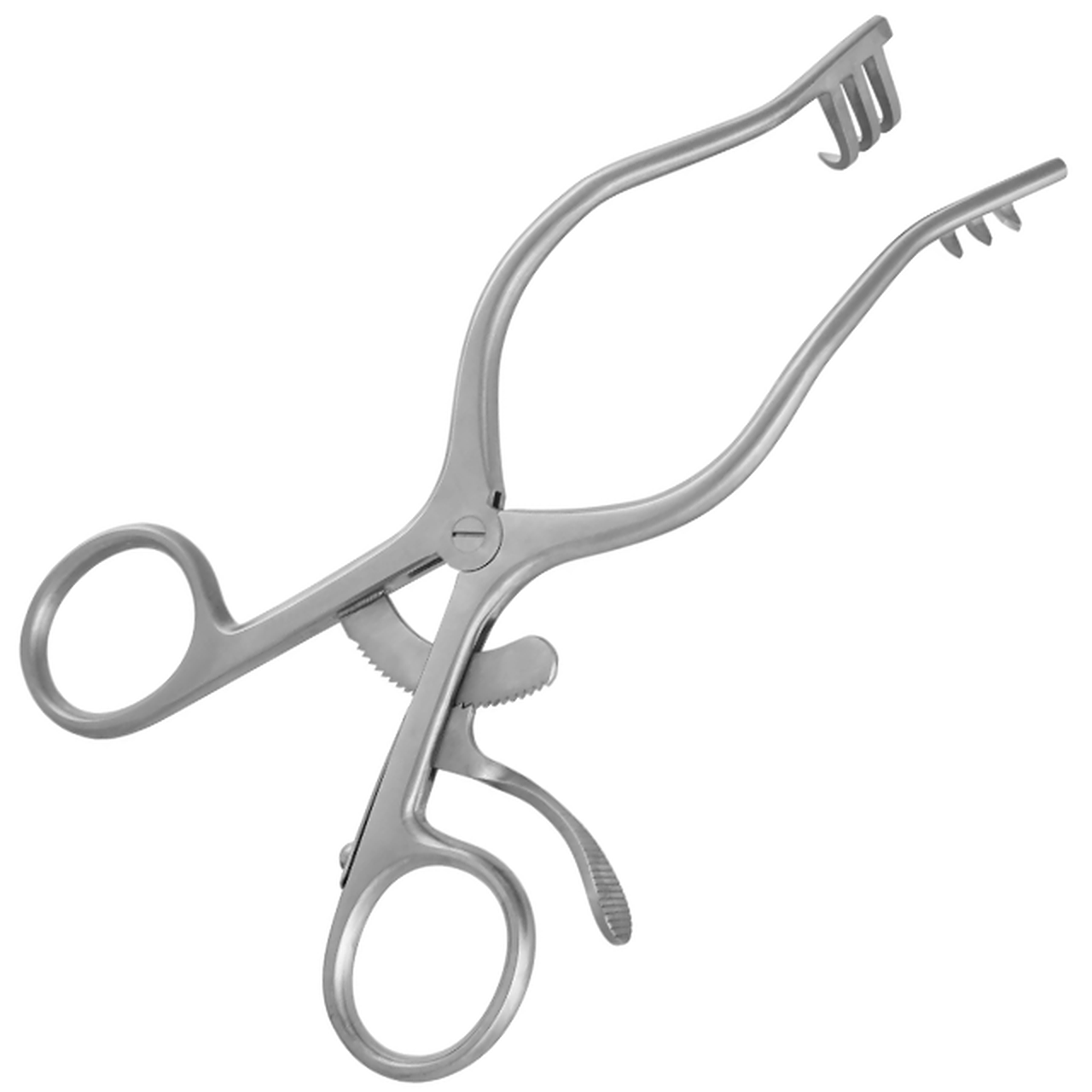 | مبعد Wullstein Weitlaner ذاتي التثبيت | مصمم خصيصاً لتوفير تثبيت ذاتي لحواف الجروح وإبعاد الأنسجة الرخوة أثناء جراحات الأذن وفروة الرأس والعمليات الجراحية الصغرى. |
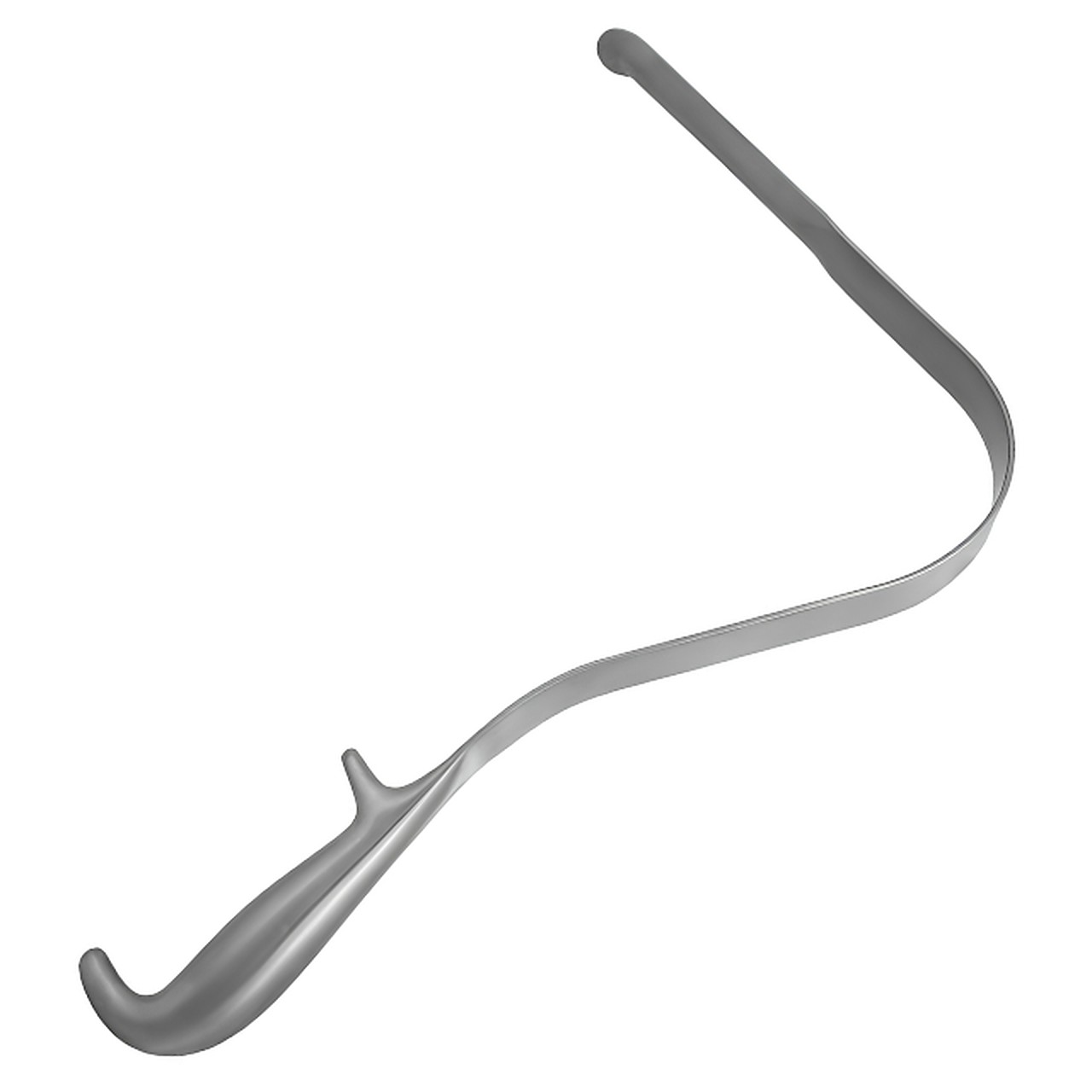 | مُباعد وريد الكلية Wylie Renal Vein Retractor | مصمم خصيصًا لمباعدة وحماية الوريد الكلوي والوريد الأجوف والأوعية الرئيسية في منطقة ما وراء الصفاق أثناء جراحات الأوعية الدموية والمسالك البولية. |
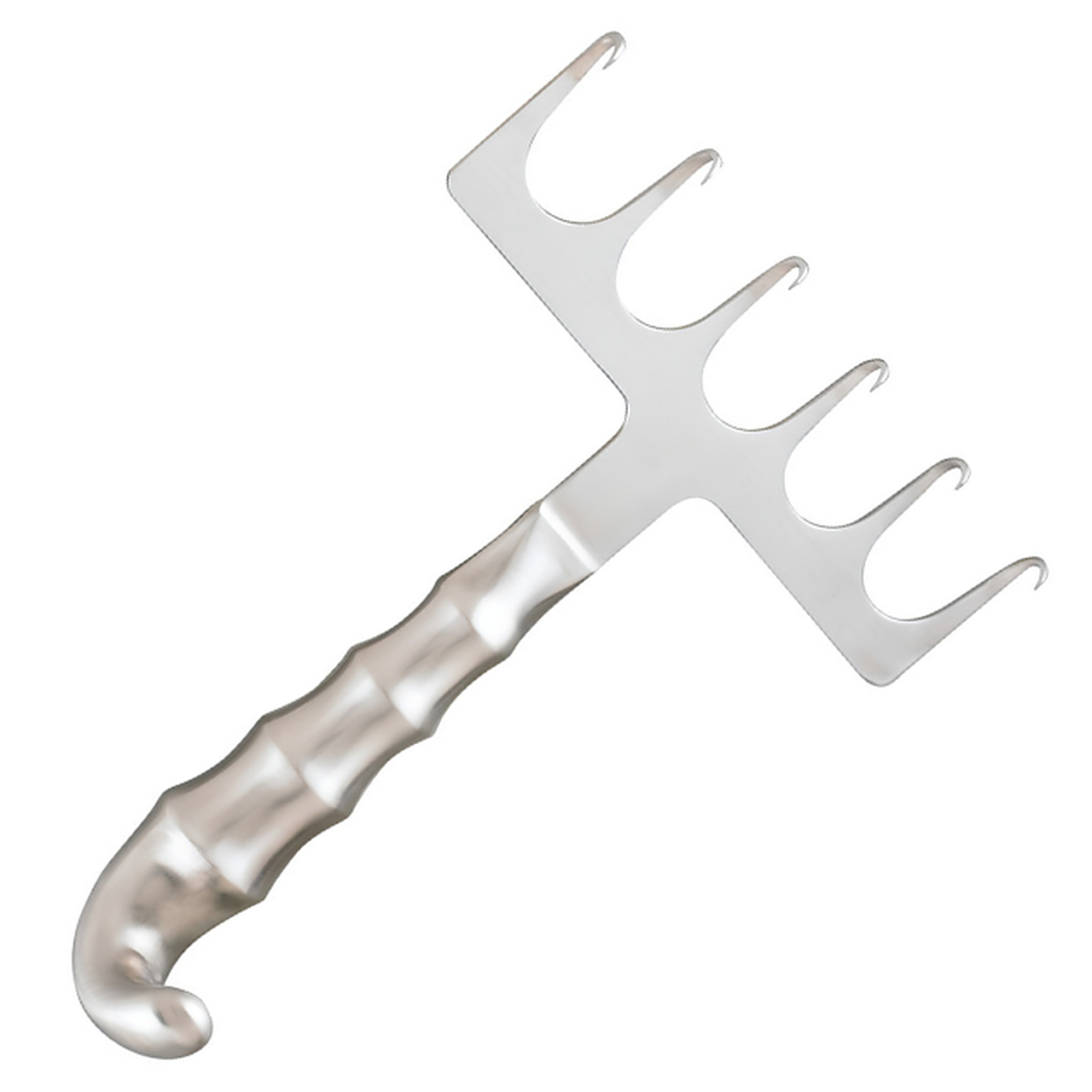 | Yancoskie Abdominoplasty Retractor | مصمم خصيصًا لرفع سدائل جلد البطن الكبيرة وكشف غمد العضلة المستقيمة أثناء عمليات شد البطن واستئصال السبلة الشحمية. |
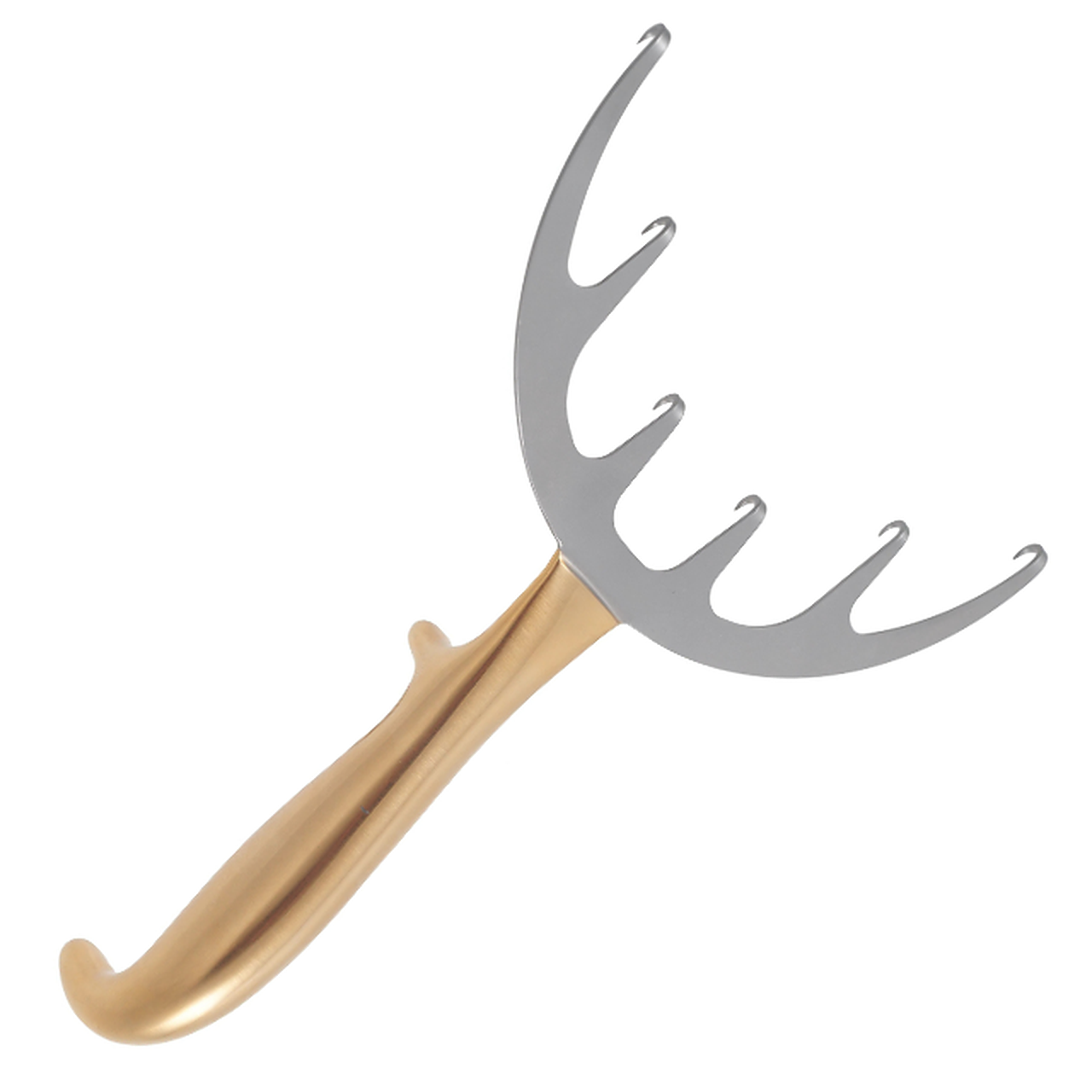 | Yancoskie Coronal Lift Retractor | مصمم خصيصاً لرفع وإبعاد سديلة فروة الرأس والجبهة أثناء عمليات شد الحاجب الإكليلي وجراحة القحف والوجه. |
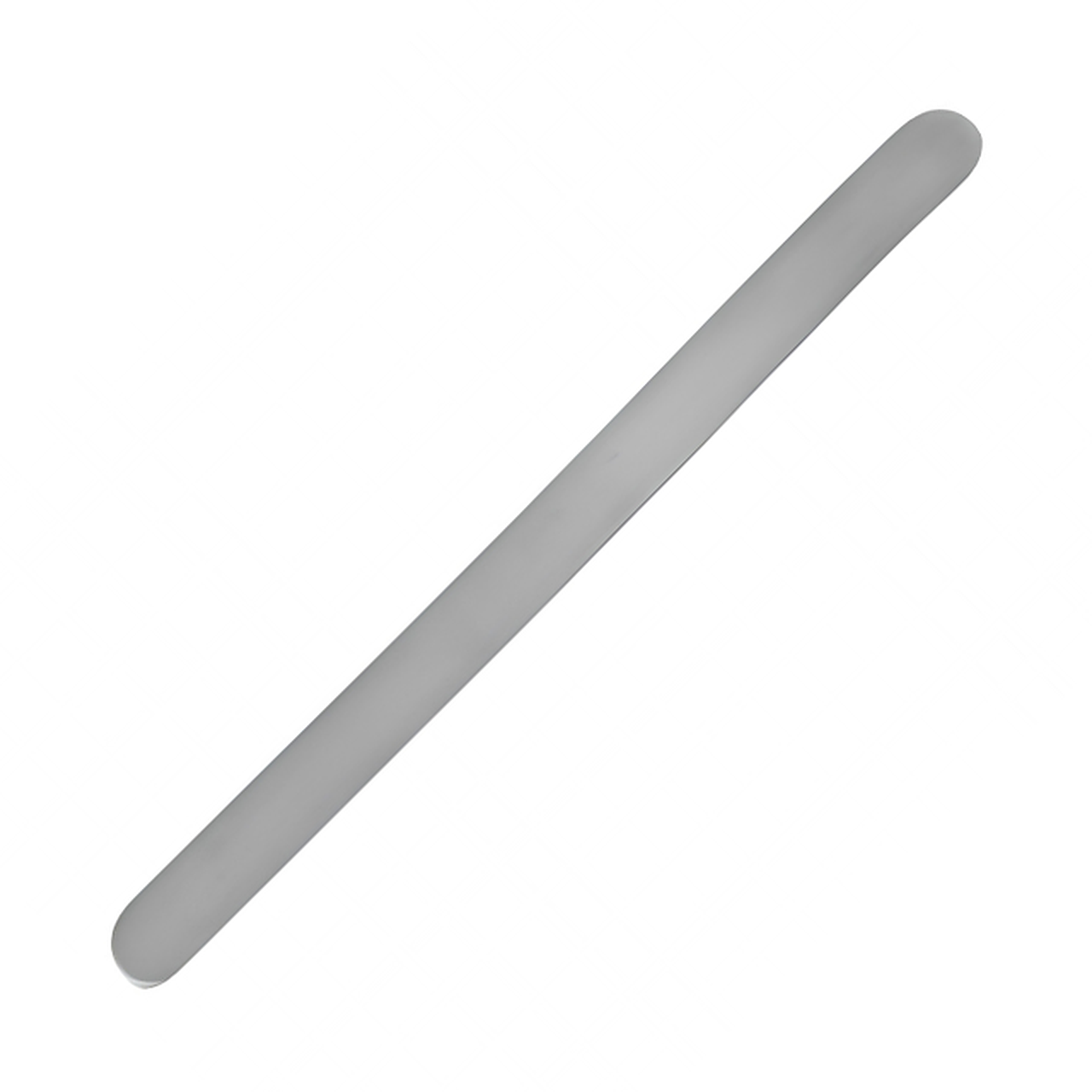 | Zalkind Malleable Ribbon Retractor | مصمم خصيصاً للانحناء إلى أشكال مخصصة أثناء الجراحة لتبعيد الأحشاء والأمعاء والأنسجة الرخوة العميقة دون ارتداد. |
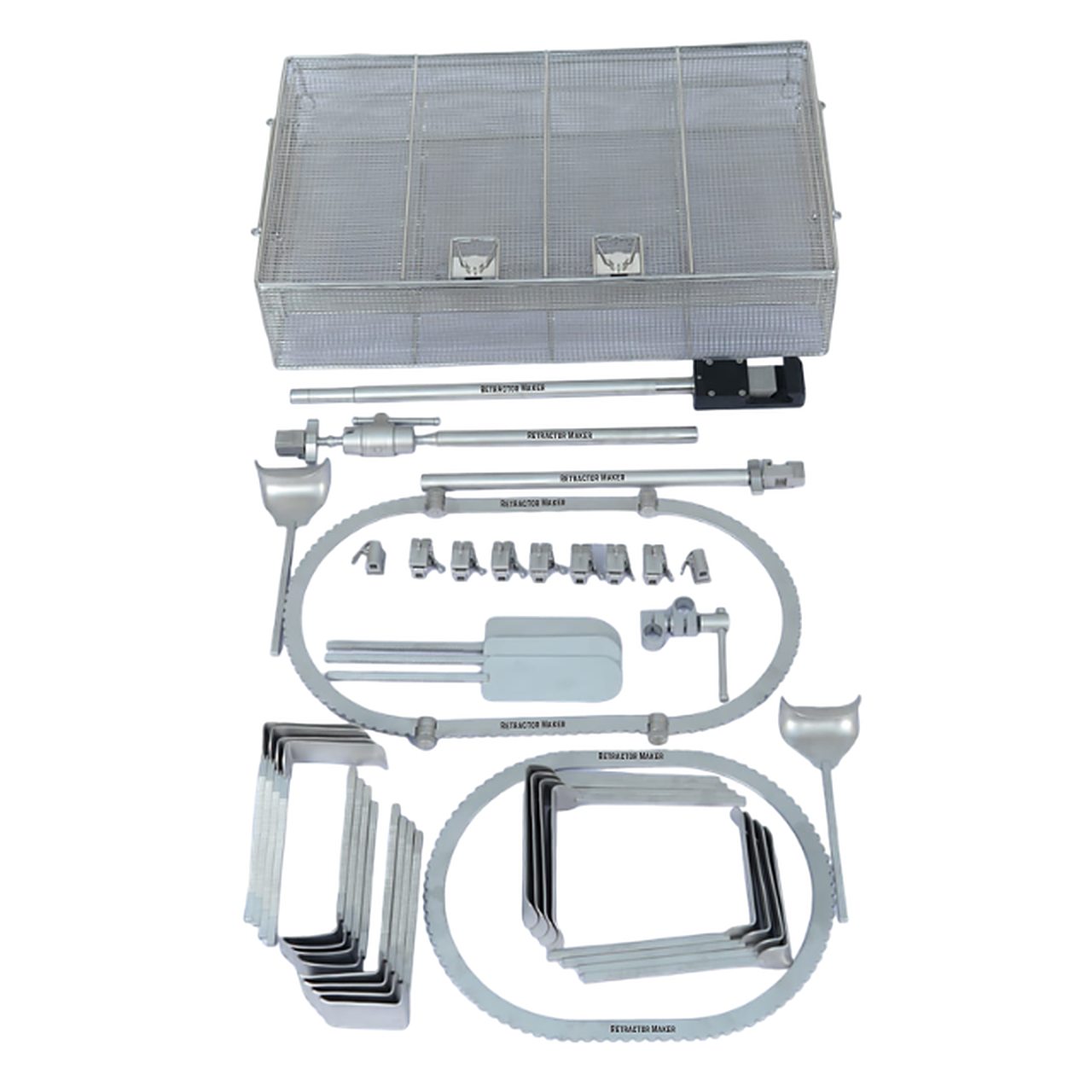 | مُبعّد Bookwalter (المعياري) | يوفر كشفاً مستقراً للجروح دون الحاجة لاستخدام اليدين أثناء الجراحات المفتوحة الكبرى، بما في ذلك إجراءات مثل استئصال الكلية، واستئصال البروستاتا، وفتح البطن الاستكشافي. |
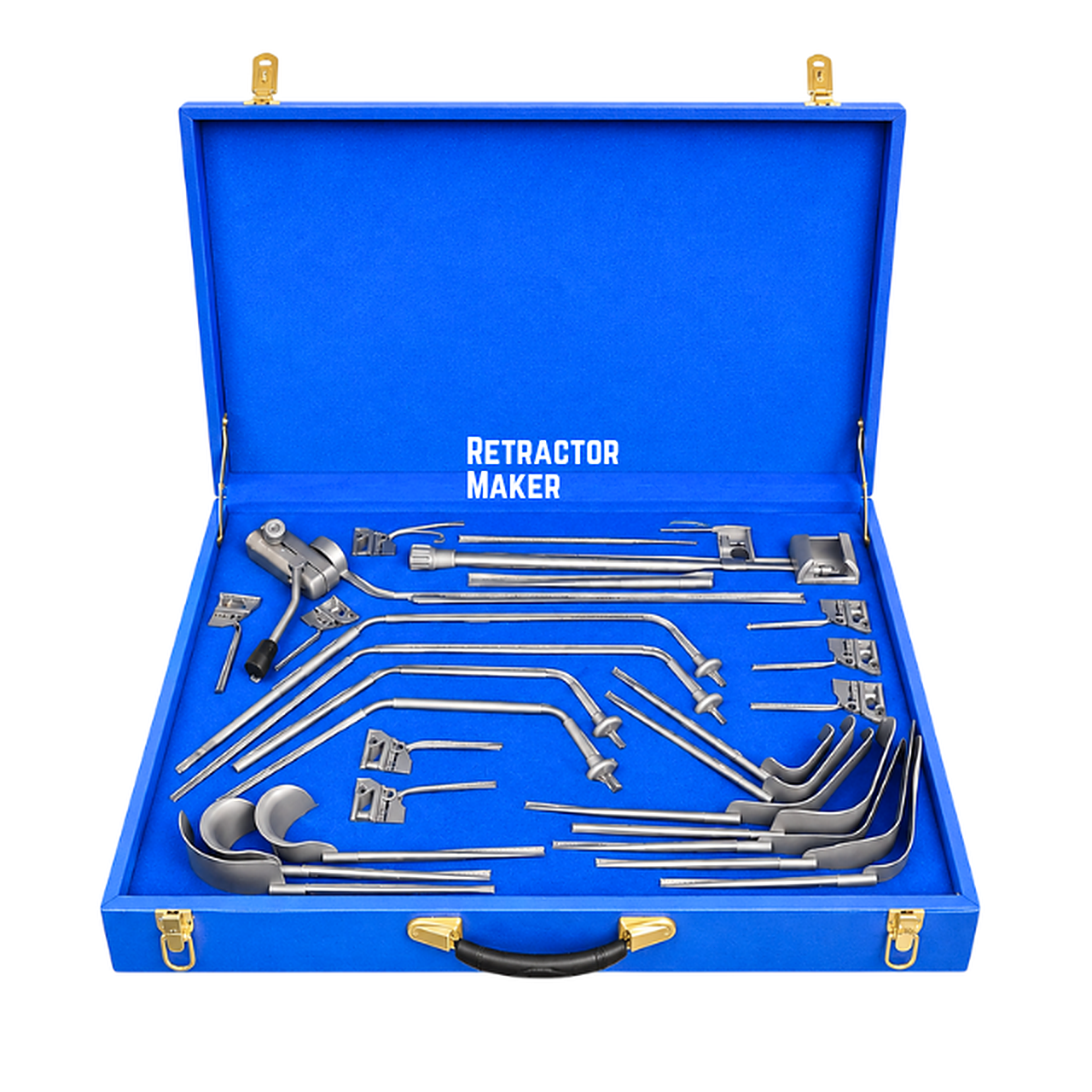 | نظام Omni Retractor المبعد الجراحي | يوفر رؤية جراحية عالية التكيف ومنخفضة المستوى دون استخدام اليدين أثناء العمليات الجراحية المفتوحة المعقدة. |
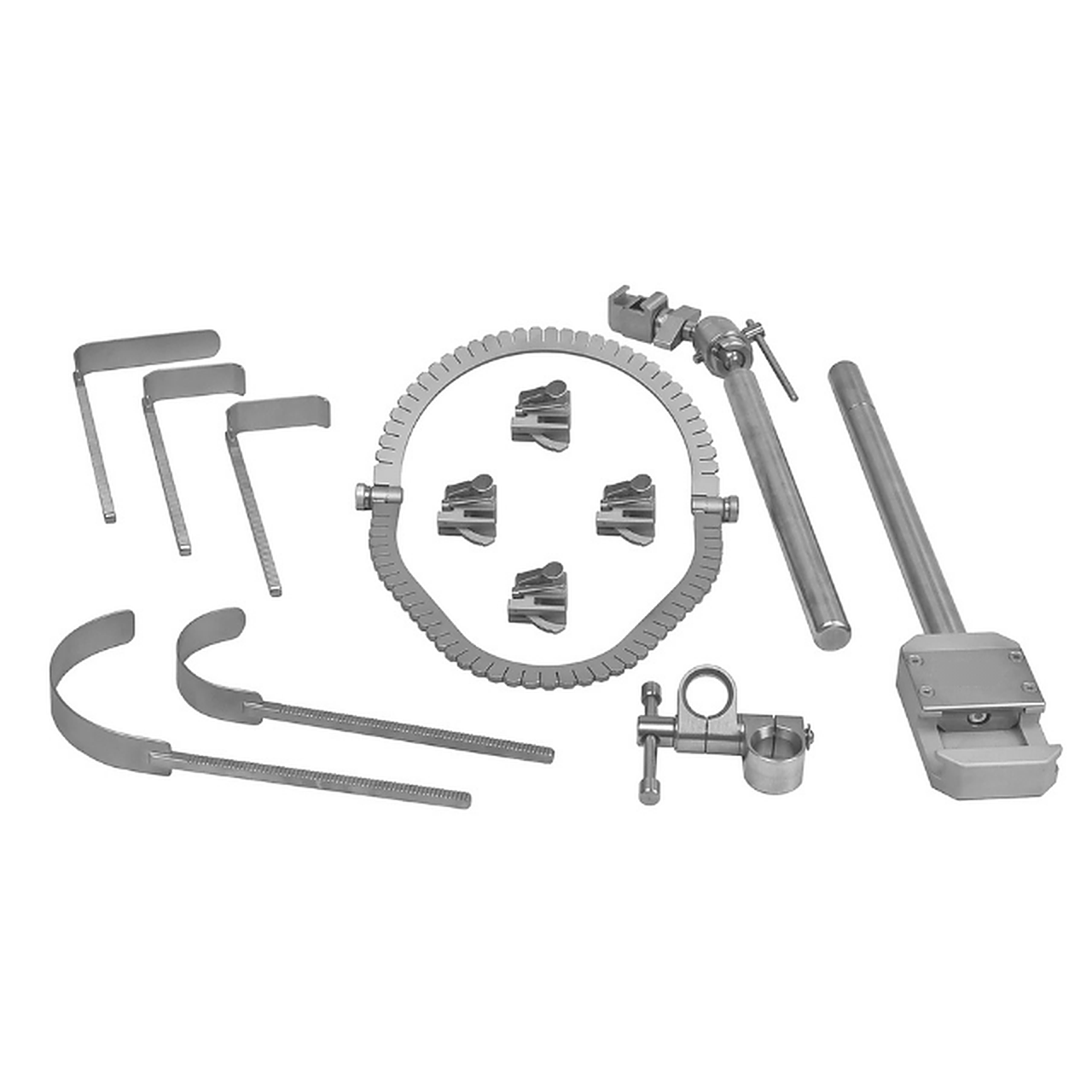 | نظام مبعد Bookwalter GYN للعمليات النسائية | مصمم لتوفير رؤية جراحية مستقرة دون الحاجة لليدين أثناء العمليات النسائية والمهبلية باستخدام نظام مبعد ذاتي التثبيت يُثبت على طاولة العمليات. |
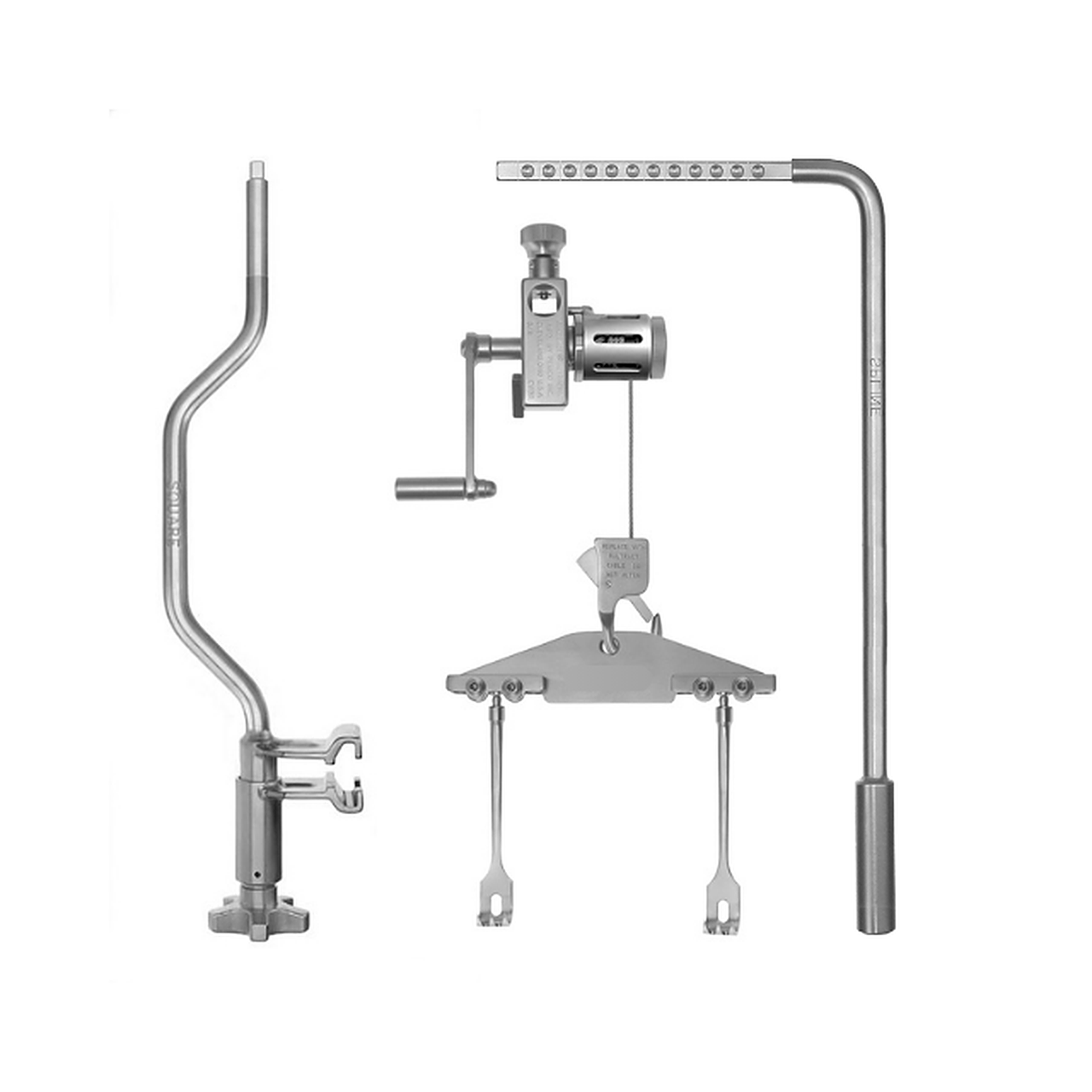 | Rultract Retractor System | مصمم لتوفير إزاحة مستقرة للأنسجة دون الحاجة لاستخدام اليدين وكشف جراحي متسق، مما يدعم الكفاءة الجراحية أثناء العمليات. |
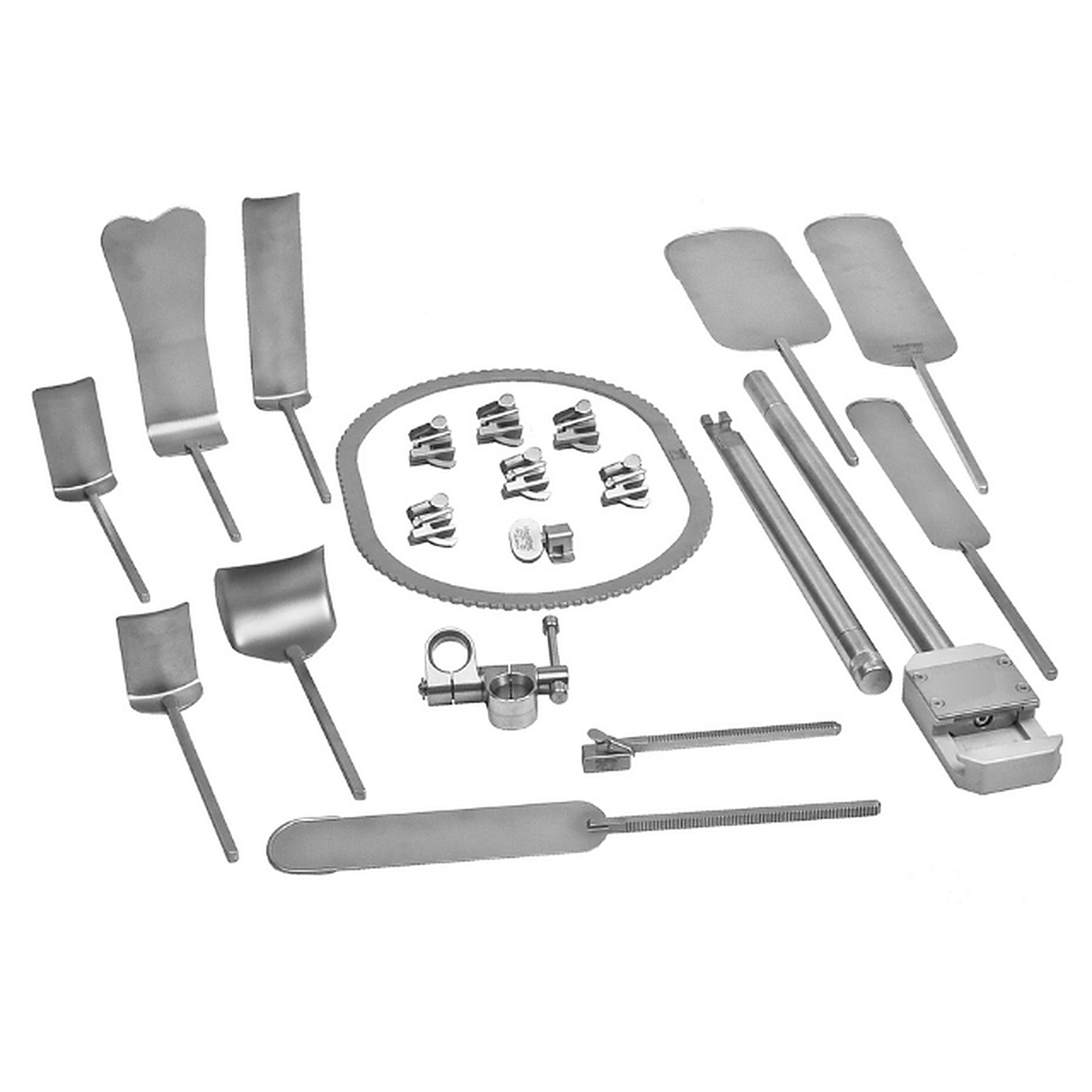 | نظام مبعاد Bookwalter لجراحات السمنة | مصمم لتوفير كشف جراحي دون الحاجة لاستخدام اليدين أثناء إجراءات جراحة السمنة المفتوحة التي تتطلب تبعيداً تخصصياً. |
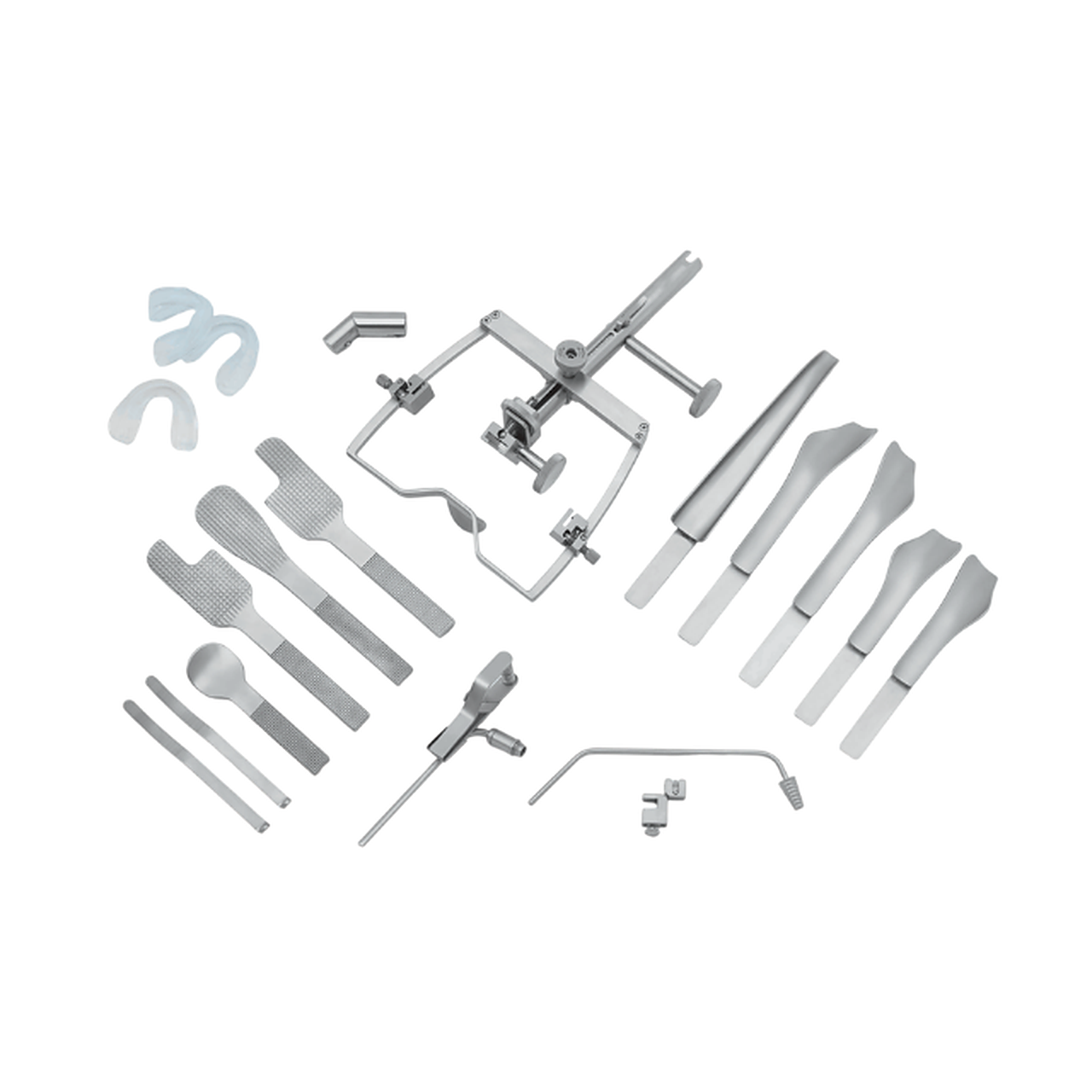 | مبعد FK (Feyh-Kastenbauer) | مصمم خصيصاً لتوسيع الرؤية في المجاري التنفسية والهضمية العلوية أثناء جراحات الروبوت عبر الفم (TORS)، والجراحات المجهرية، وإجراءات الليزر التي تشمل قاعدة اللسان، والحنجرة، وما فوق المزمار، والبلعوم السفلي. |
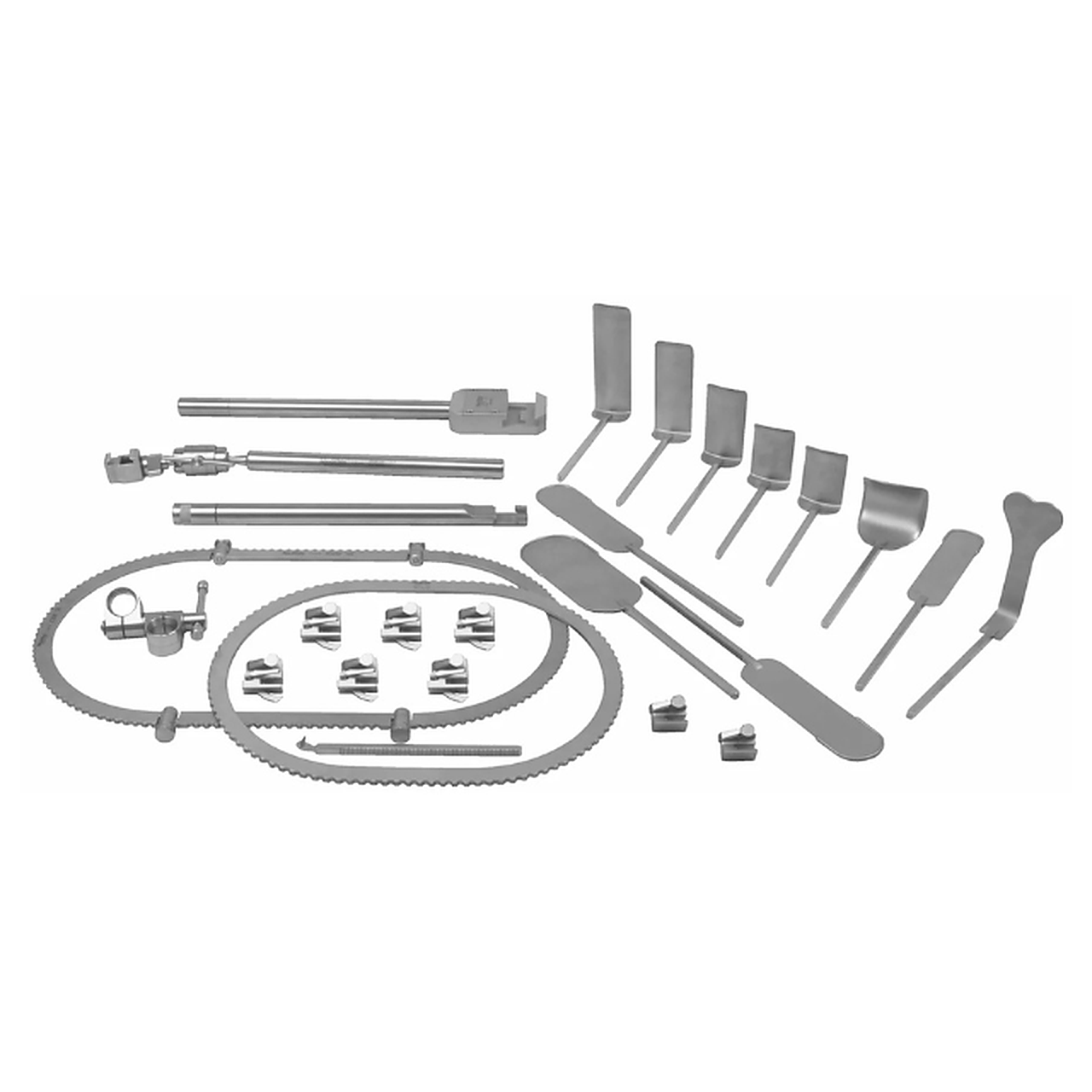 | مُبعّد Bookwalter للجراحة العامة | توفير رؤية جراحية مستقرة دون استخدام اليدين أثناء إجراءات البطن المفتوحة والجراحة العامة باستخدام نظام مبعّد ذاتي التثبيت يثبت على الطاولة. |
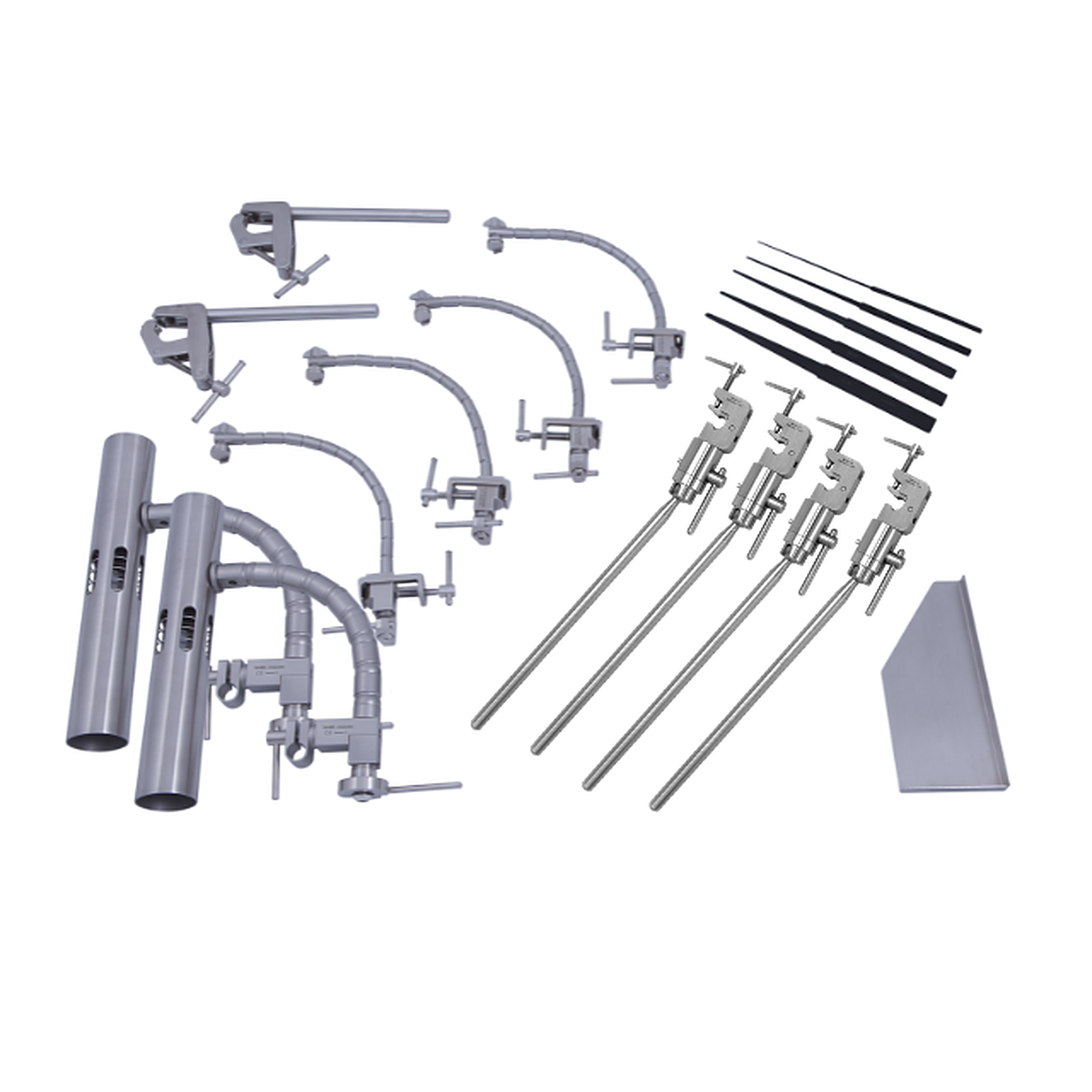 | مُبعد Greenberg Retractor | مصمم لتوفير تبعيد دقيق للأنسجة بشكل ذاتي التثبيت ودون الحاجة لليدين أثناء جراحات القحف المعقدة وقاعدة الجمجمة وجراحات الأعصاب المجهرية. |
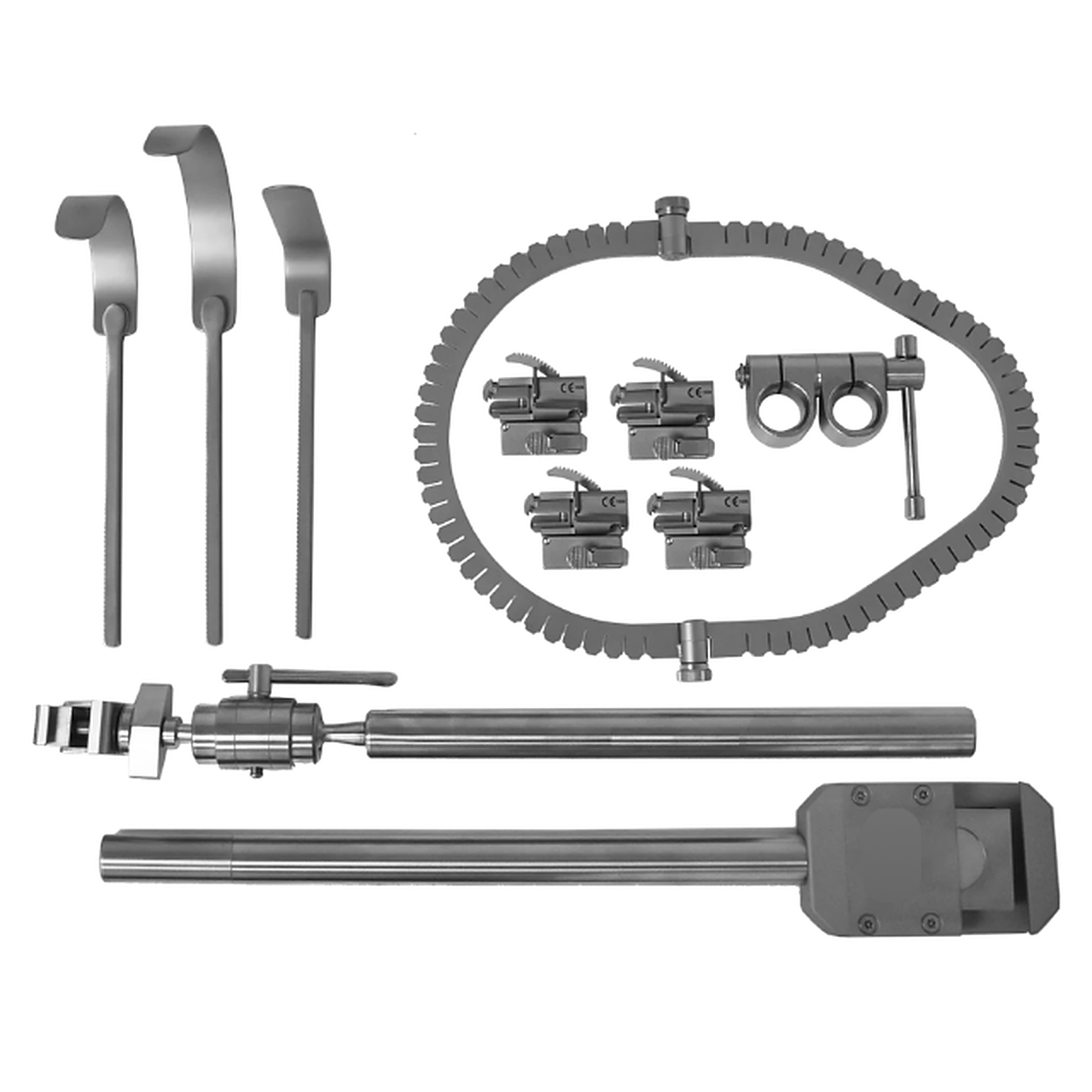 | نظام مباعد جراحة الحوض Bookwalter GYN Magrina | مصمم لتوفير رؤية جراحية مستقرة دون استخدام اليدين أثناء الجراحات النسائية والمهبلية والحوضية باستخدام نظام مباعد ذاتي التثبيت يثبت على الطاولة مع مرابط إمالة دوارة. |
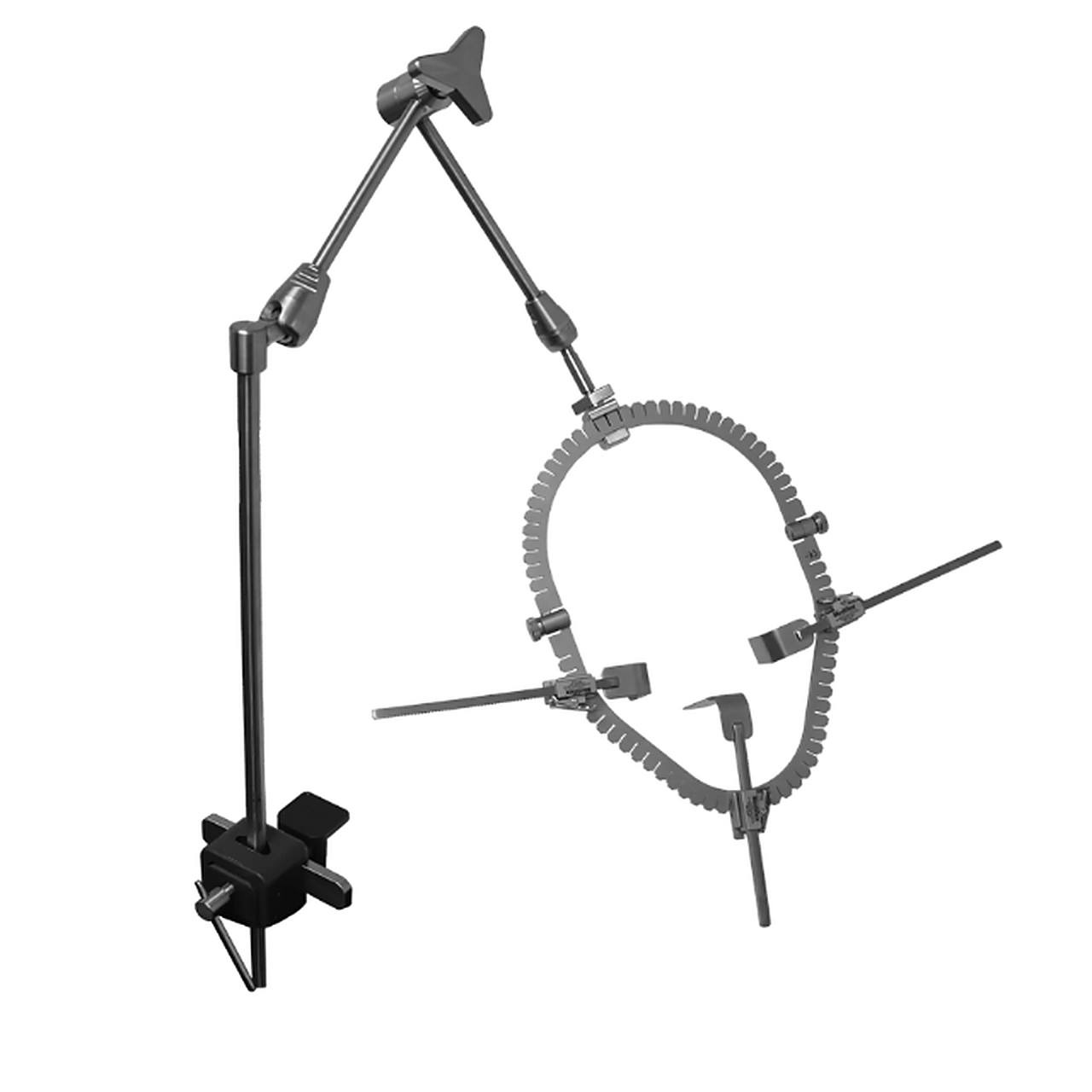 | نظام جراحة أمراض النساء Bookwalter StrongArm GYN Surgery System | مصمم لتوفير رؤية مستقرة دون الحاجة لاستخدام اليدين أثناء العمليات الجراحية لأمراض النساء والمهبل والحوض باستخدام نظام تثبيت StrongArm Plus. |
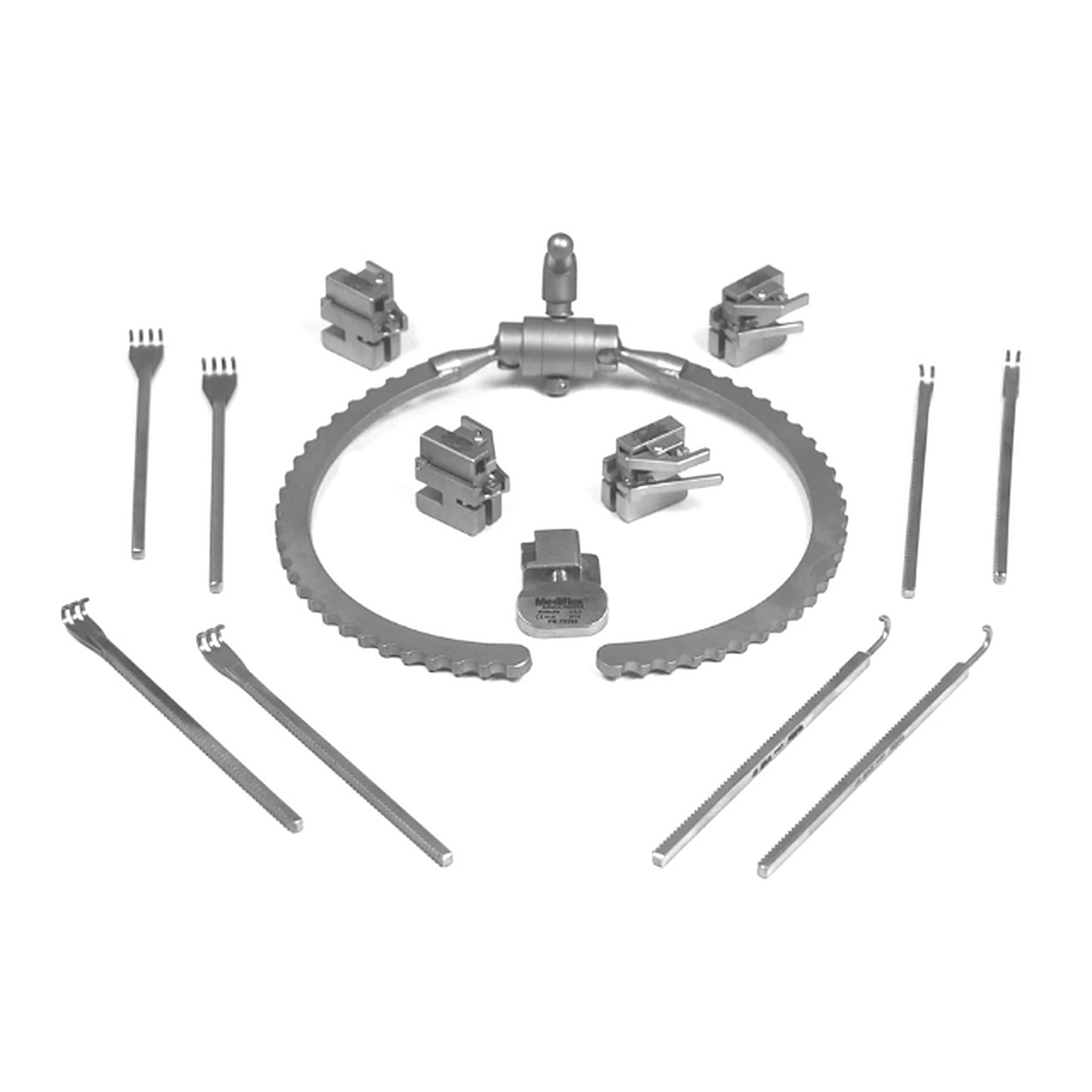 | نظام مباعد Bookwalter لجراحة اليد | توفير تبعيد مستقر ودون استخدام اليدين للعمليات الجراحية الدقيقة في اليد والمعصم والأطراف العلوية باستخدام نظام مباعد صغير ذاتي التثبيت. |
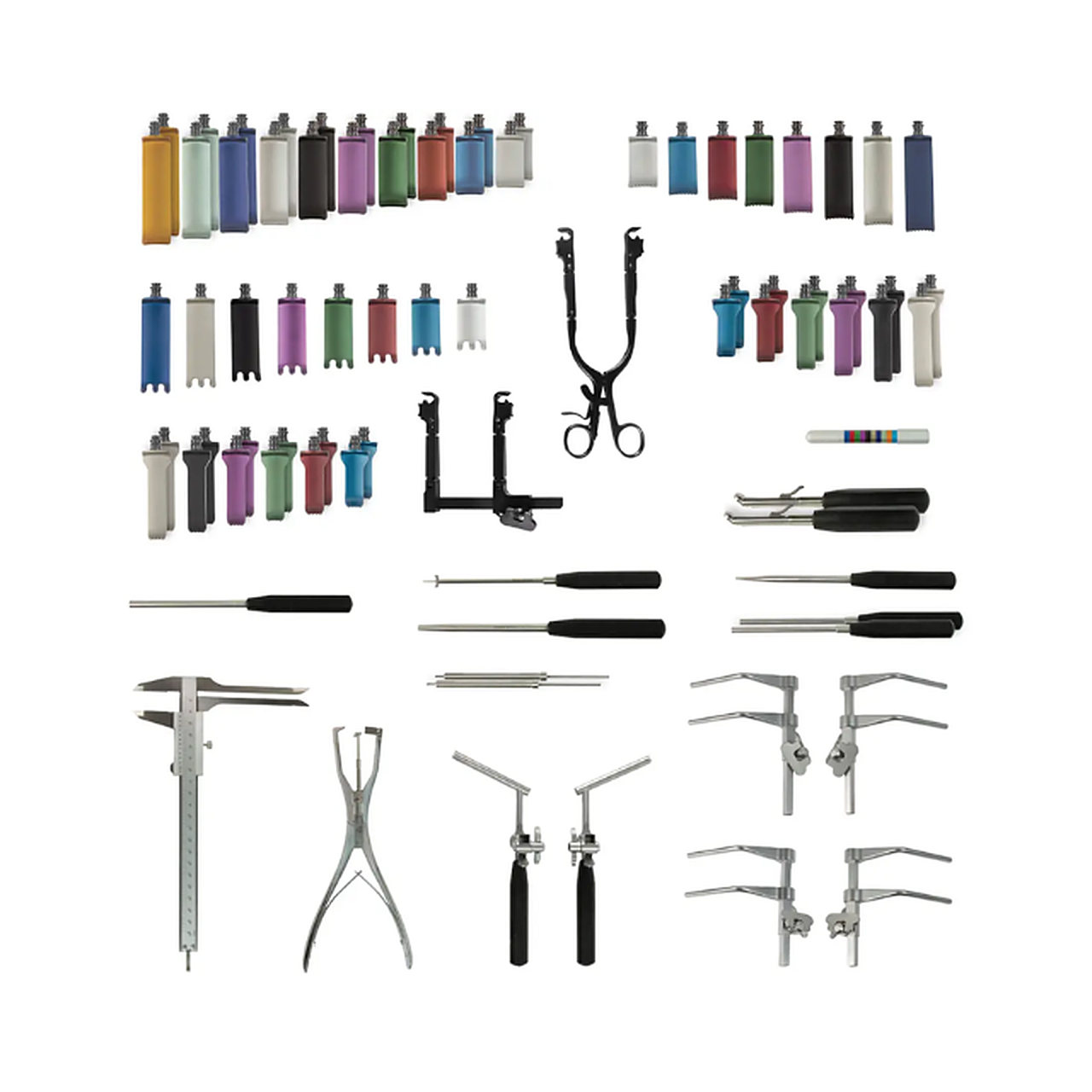 | طقم مباعد Image-Line ACF مع جهاز تشتيت التباعد سريع التحرير | مصمم خصيصاً لإبعاد الأنسجة الرخوة، وتشتيت الأجسام الفقرية، ووضع الطعوم العظمية أثناء إجراءات العمود الفقري لدمج الفقرات العنقية الأمامية (ACF). |
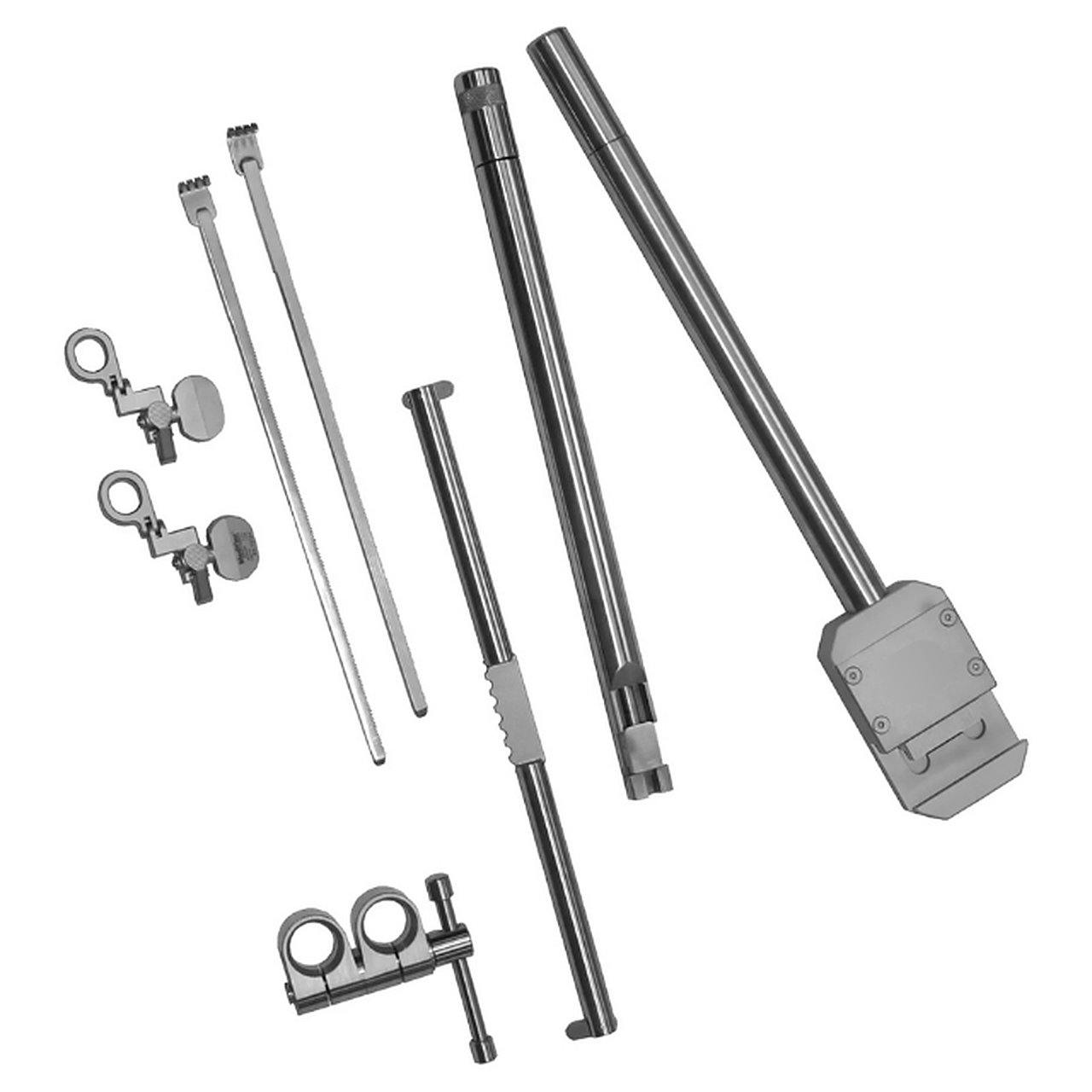 | نظام مبعد Bookwalter IMA | مصمم لتوفير رفع لطيف ومحكوم لجدار الصدر أثناء إجراءات استئصال الشريان الثديي الداخلي (IMA) باستخدام آليات مسننات قابلة للضبط بشكل مستقل. |
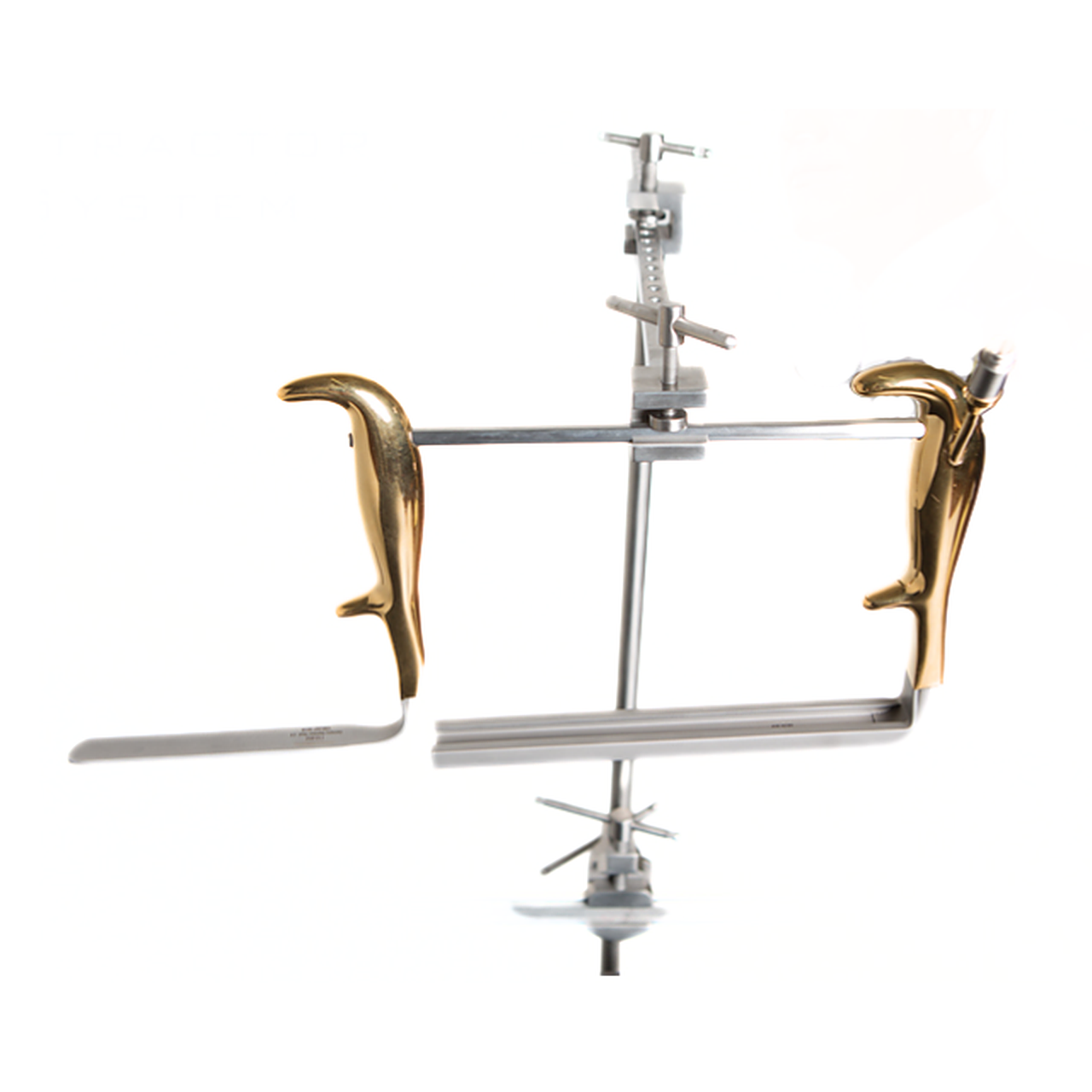 | نظام مبعدات Hoyos Retractor System | مصمم خصيصًا لتوفير إزاحة محكومة للأنسجة دون استخدام اليدين وكشف جراحي مستقر أثناء الجراحة التجميلية، وعمليات تجميل البطن المصغرة، وإجراءات نحت الجسم المتقدمة. |
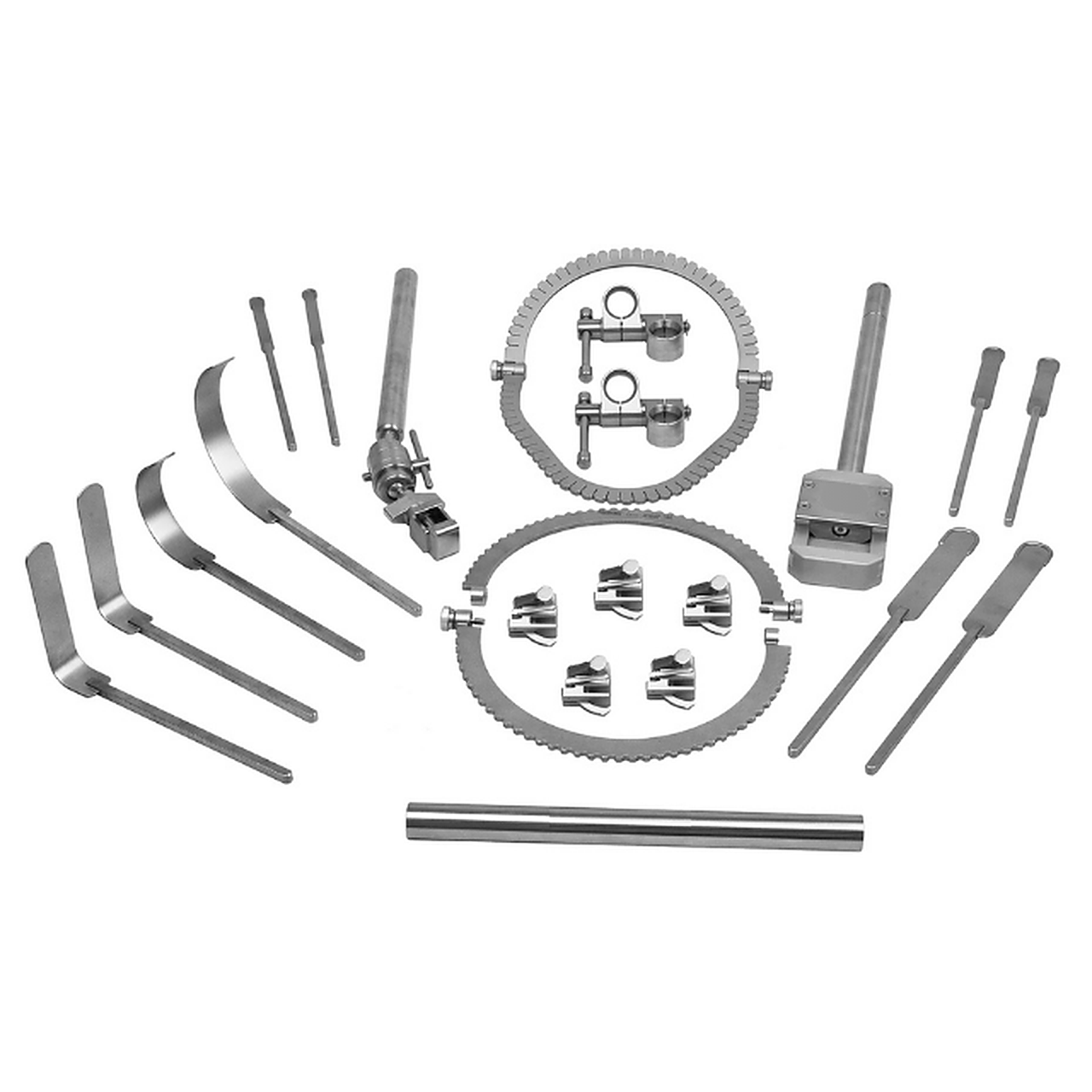 | مُبعّد Bookwalter لجراحة العجان | يوفر رؤية جراحية مستقرة دون استخدام اليدين أثناء العمليات الجراحية للعجان والقولون والمستقيم والنساء والحوض مع خيارات متعددة للتثبيت والتموضع. |
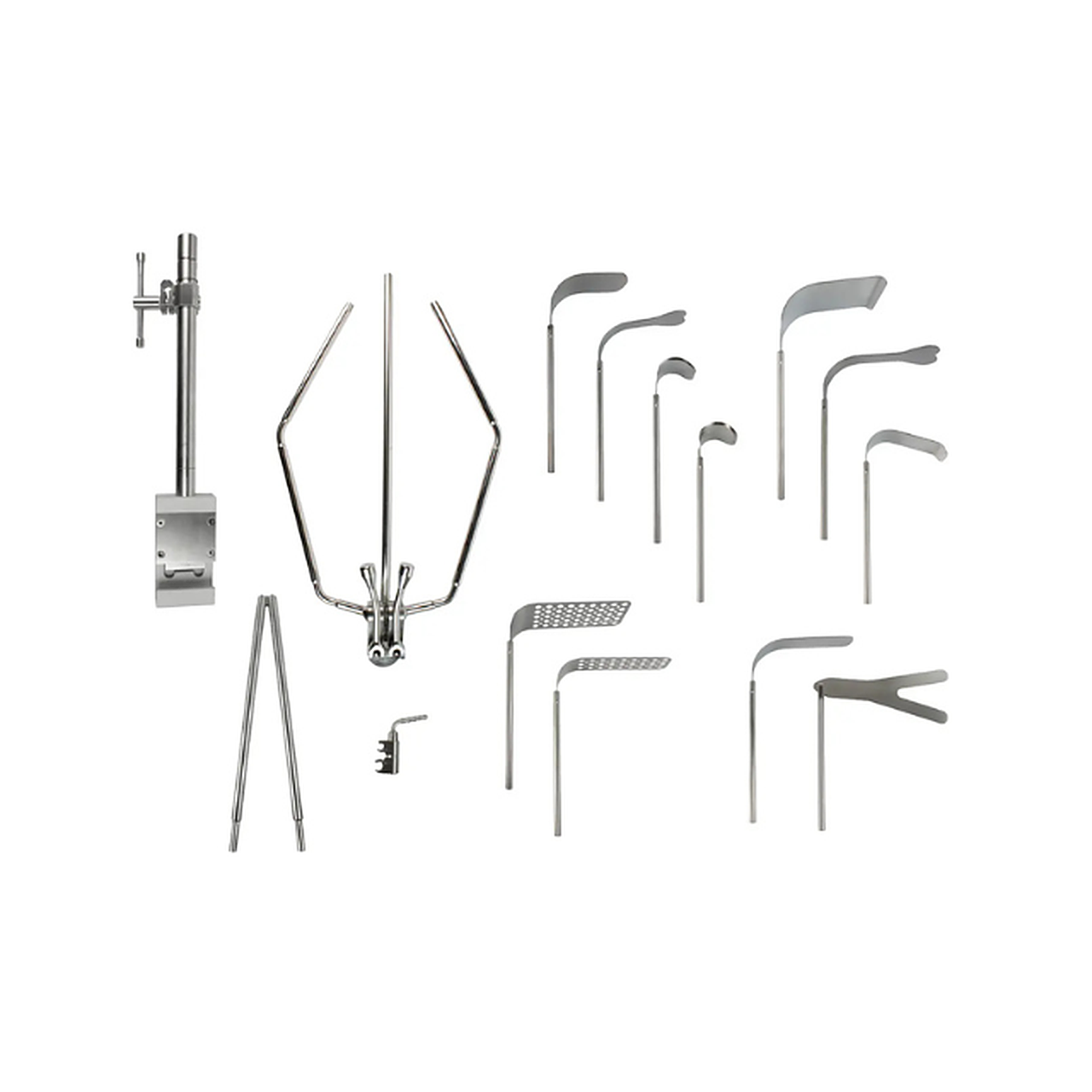 | مُبعِّد مسالك بولية Lobster الموسع | مصمم خصيصاً لتبعيد الأنسجة ذاتياً وتوفير رؤية للمجال الجراحي أثناء إجراءات المسالك البولية، مع التثبيت على طاولة العمليات. |
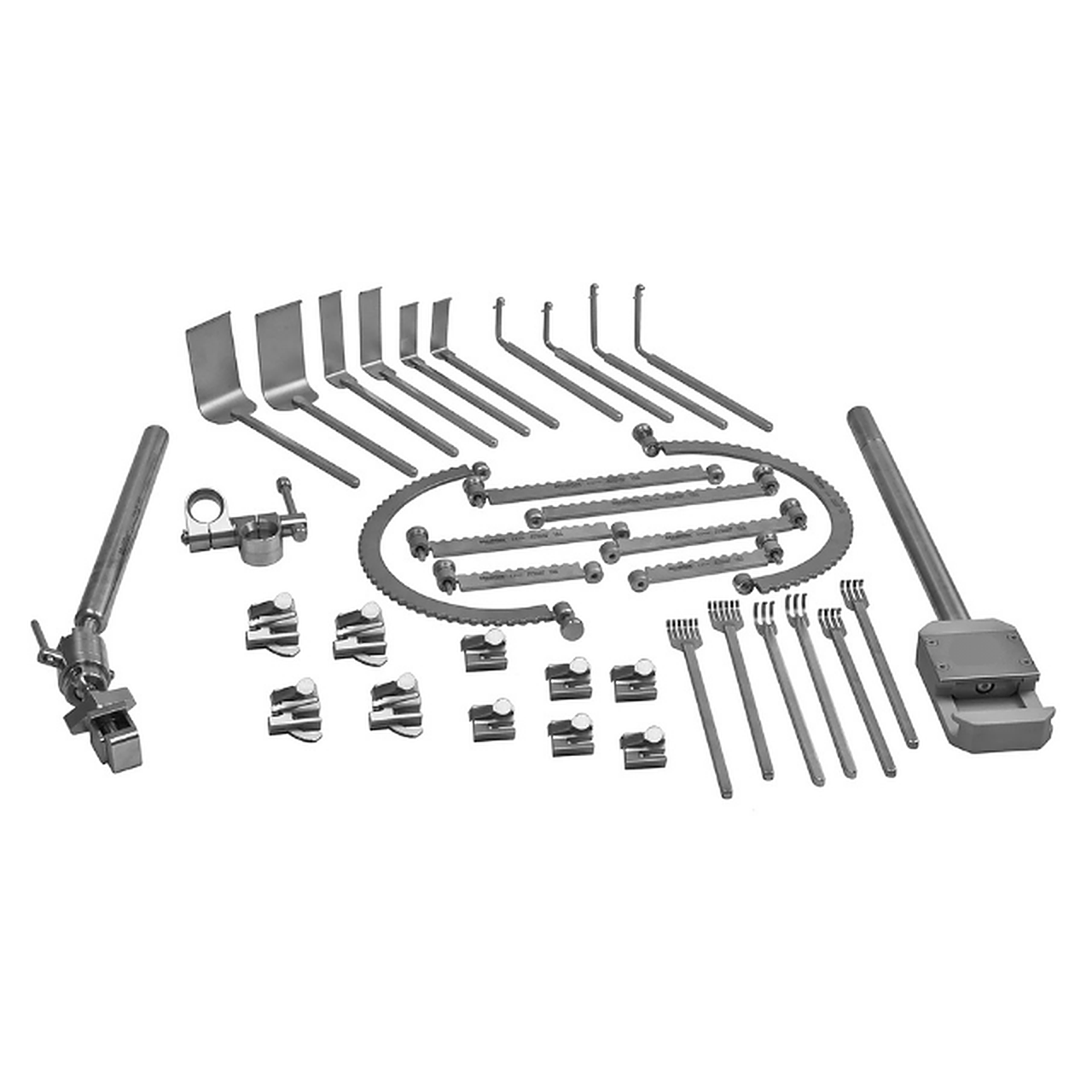 | مبعد Bookwalter Posterior Spinal Retractor للعمود الفقري الخلفي | مصمم لتوفير كشف جراحي مستقر دون استخدام اليدين أثناء المداخل الخلفية للعمود الفقري العنقي والصدري والقطني. |
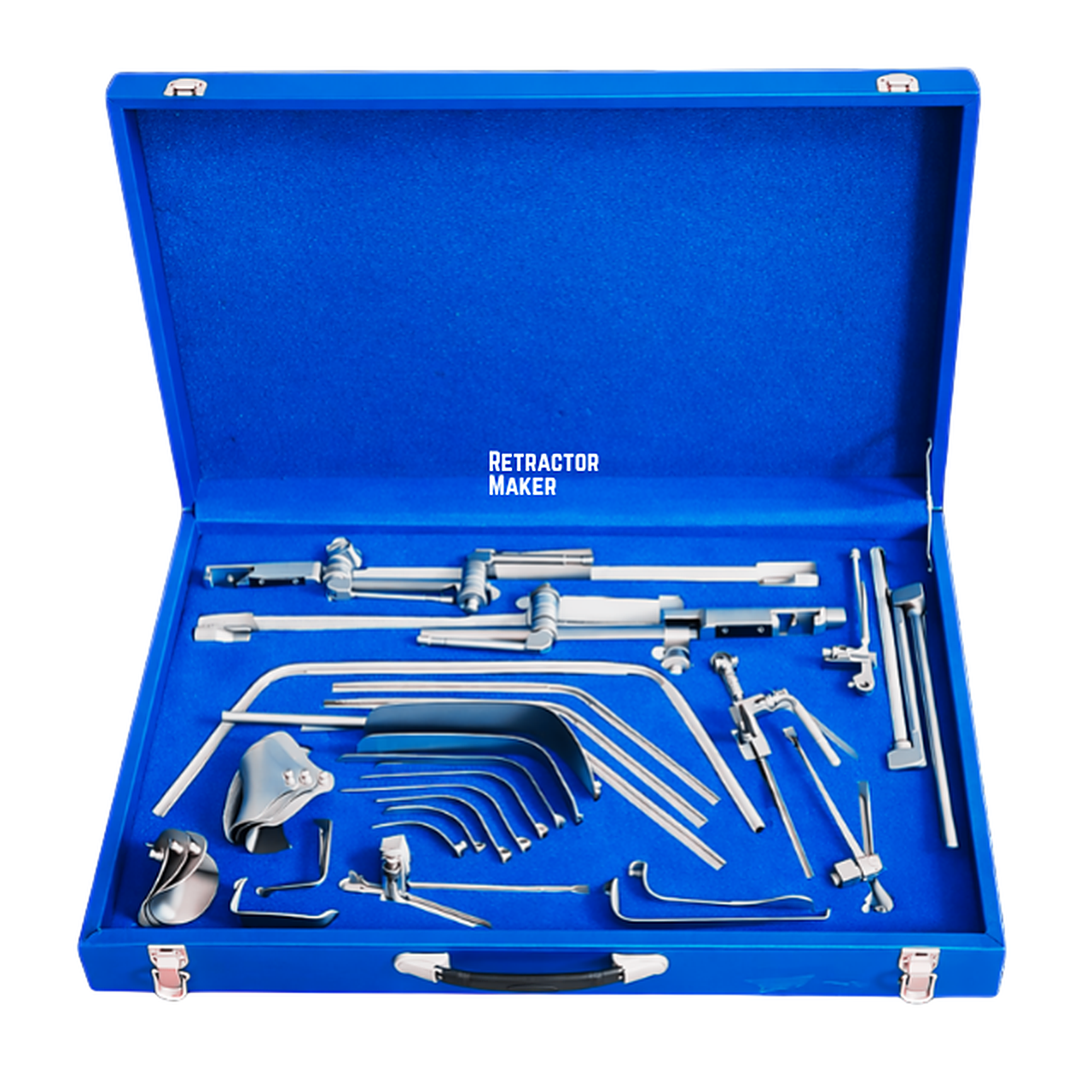 | Thompson Retractor System | نظام Thompson Retractor System هو إطار جراحي متطور يُثبت على الطاولة، مصمم لتوفير رؤية جراحية ثابتة دون الحاجة لاستخدام اليدين أثناء العمليات المفتوحة عالية التعقيد. |
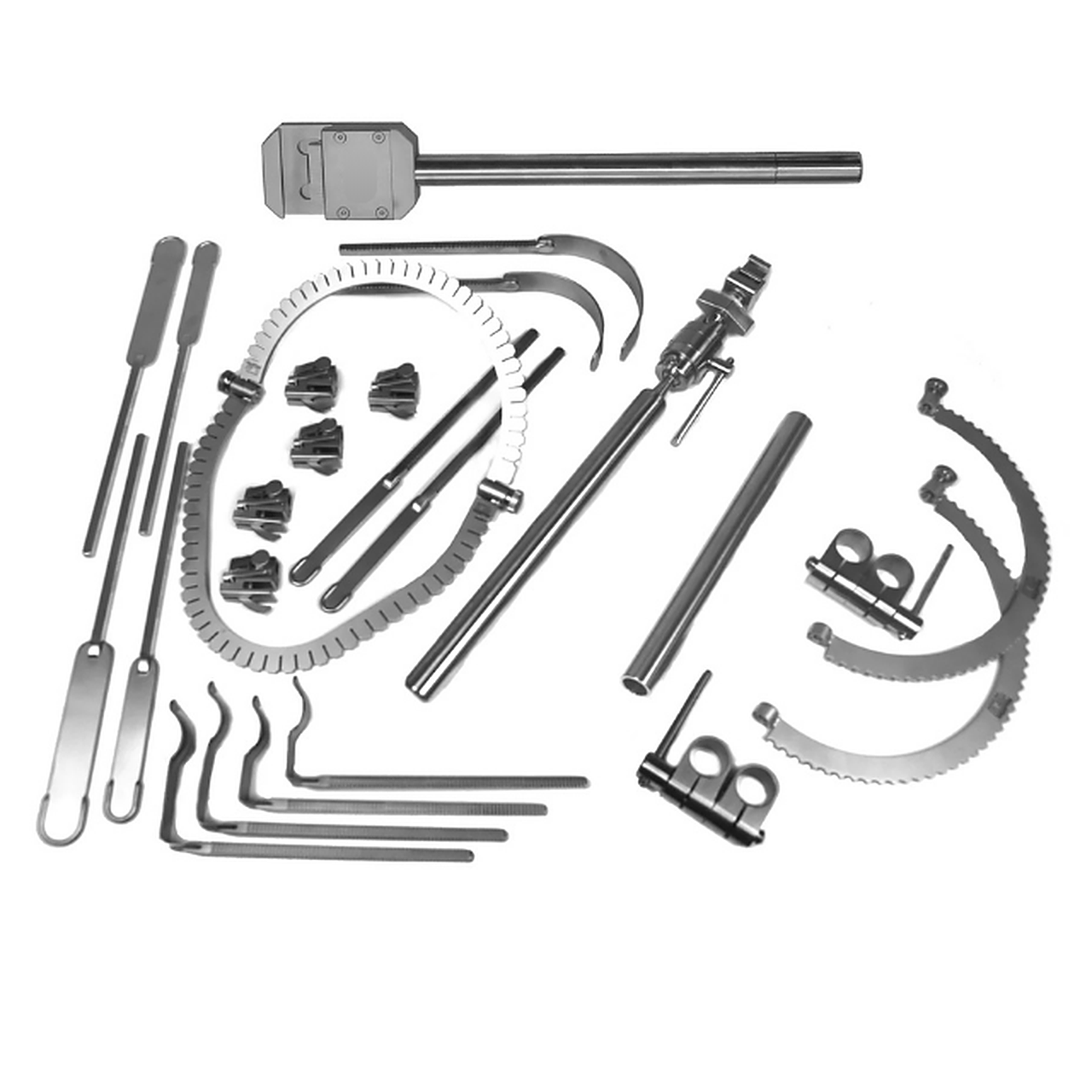 | مُباعد Bookwalter لجراحة المستقيم وعبر الشرج | مصمم لتوفير رؤية جراحية مستقرة دون الحاجة لاستخدام اليدين أثناء عمليات القولون والمستقيم وعبر الشرج والمستقيم والعجان مع تكوينات تثبيت مرنة. |
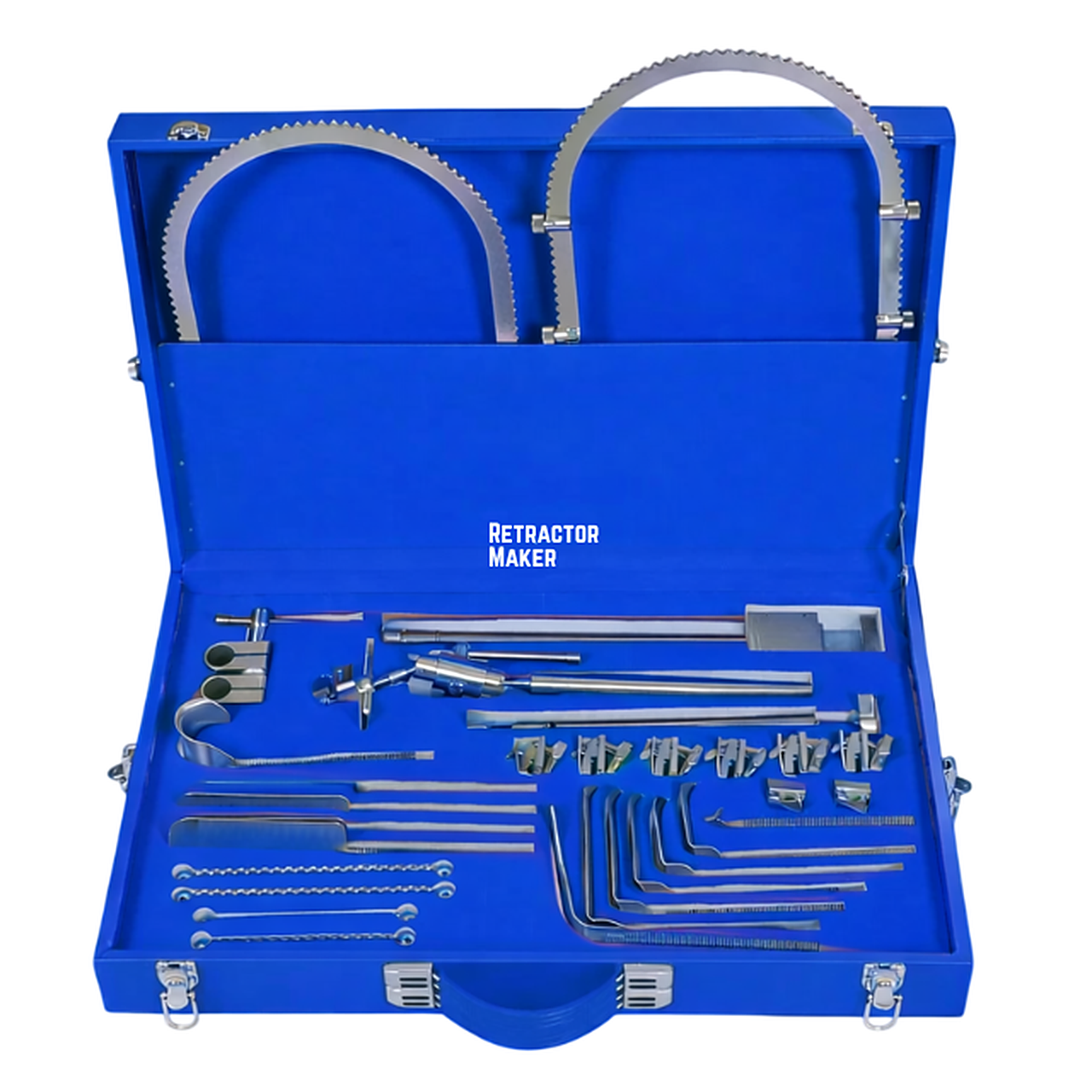 | Bookwalter Retractor | يوفر تعريضاً جراحياً مستقراً دون استخدام اليدين ورؤية واضحة للمجال الجراحي أثناء إجراءات البطن المفتوحة الكبرى، مثل استئصال الكلية، واستئصال البروستاتا، وفتح البطن. |
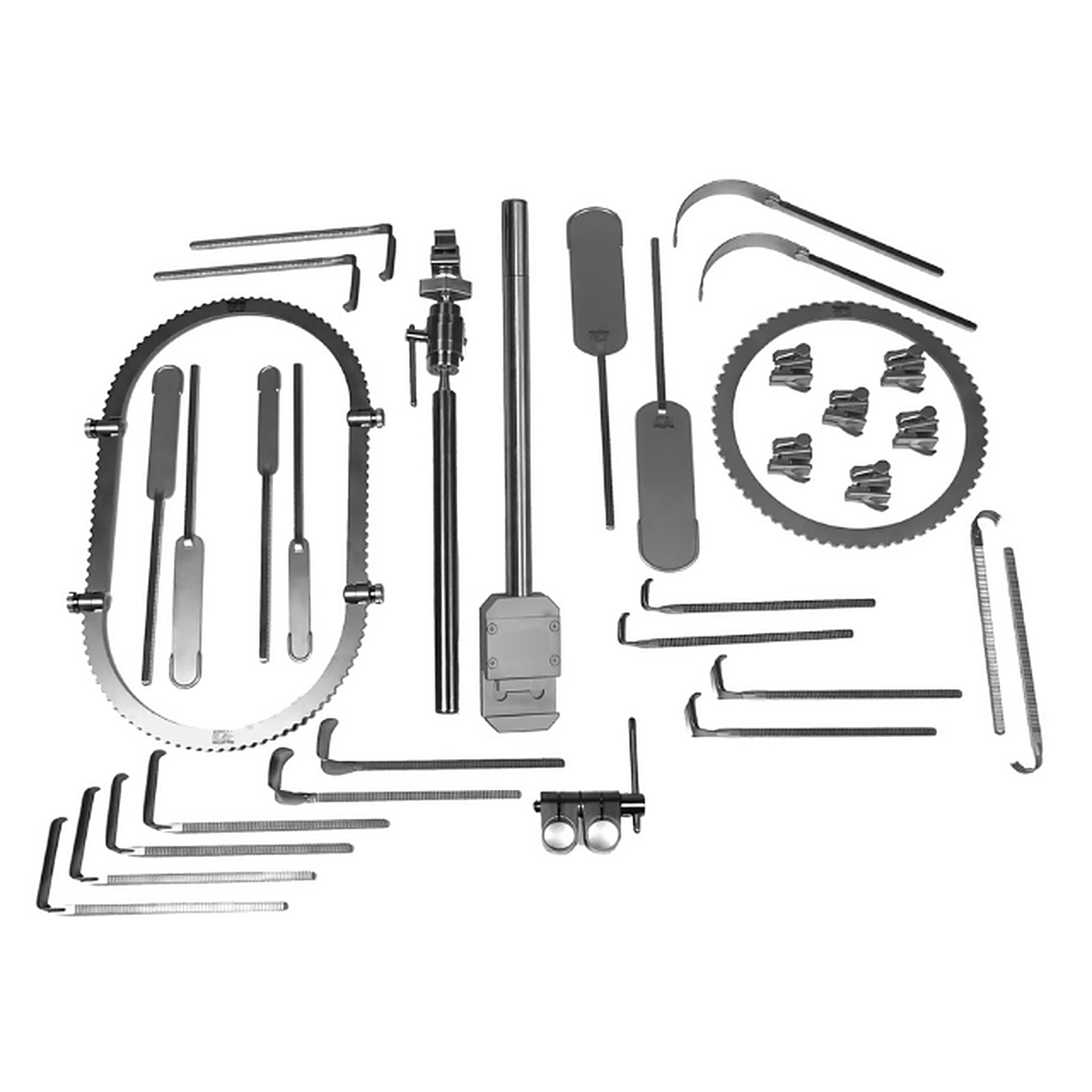 | نظام مبعد Bookwalter للشقوق الصغيرة | مصمم لتوفير رؤية جراحية مستقرة دون الحاجة لاستخدام اليدين أثناء العمليات الجراحية التي تُجرى عبر شقوق محدودة حيث يتطلب الأمر وصولاً دقيقاً مع تقليل تلف الأنسجة. |
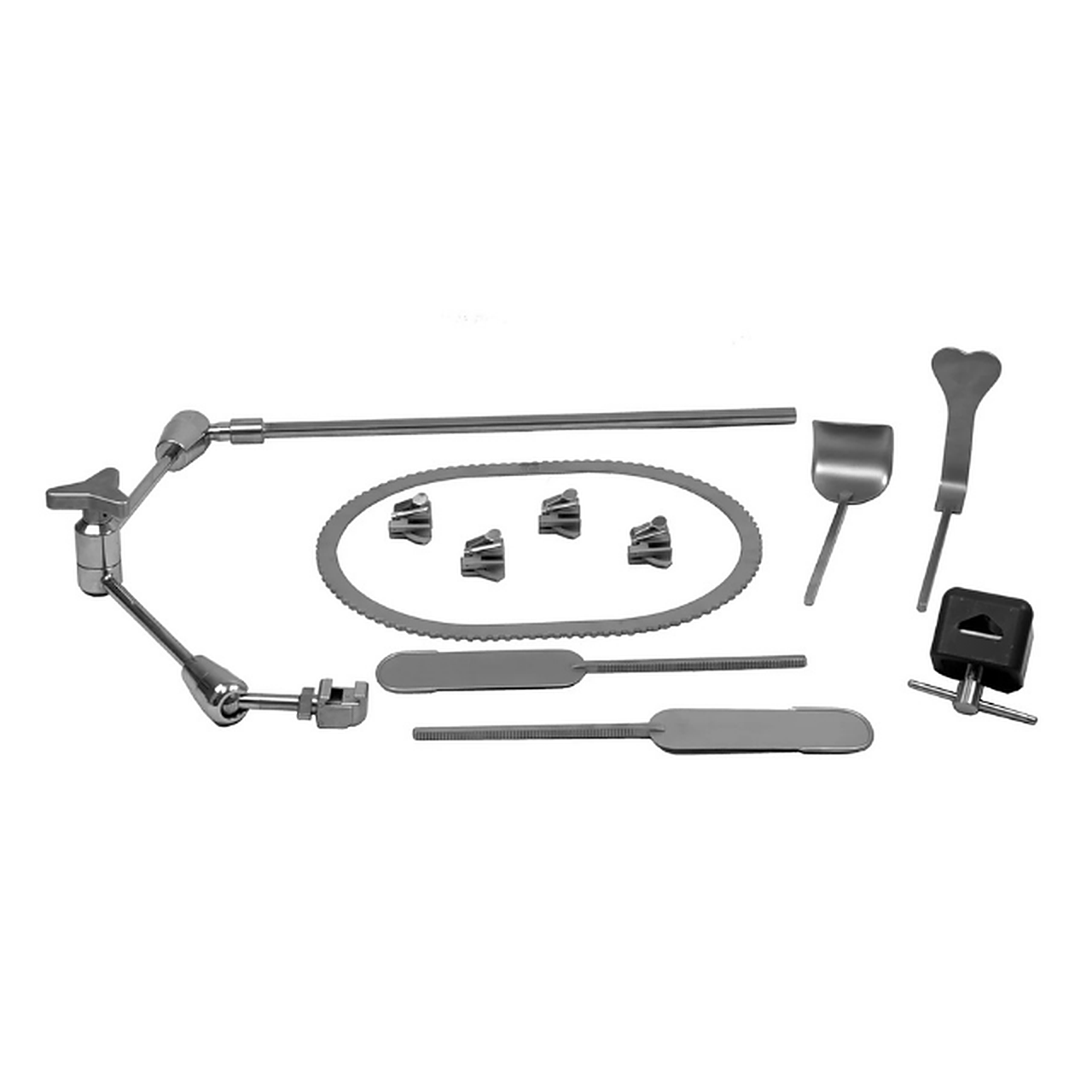 | نظام مباعد Bookwalter StrongArm Basic General للجراحة العامة | مصمم لتوفير رؤية جراحية مستقرة دون استخدام اليدين أثناء إجراءات الجراحة العامة المفتوحة باستخدام حامل وموضع StrongArm PLUS. |
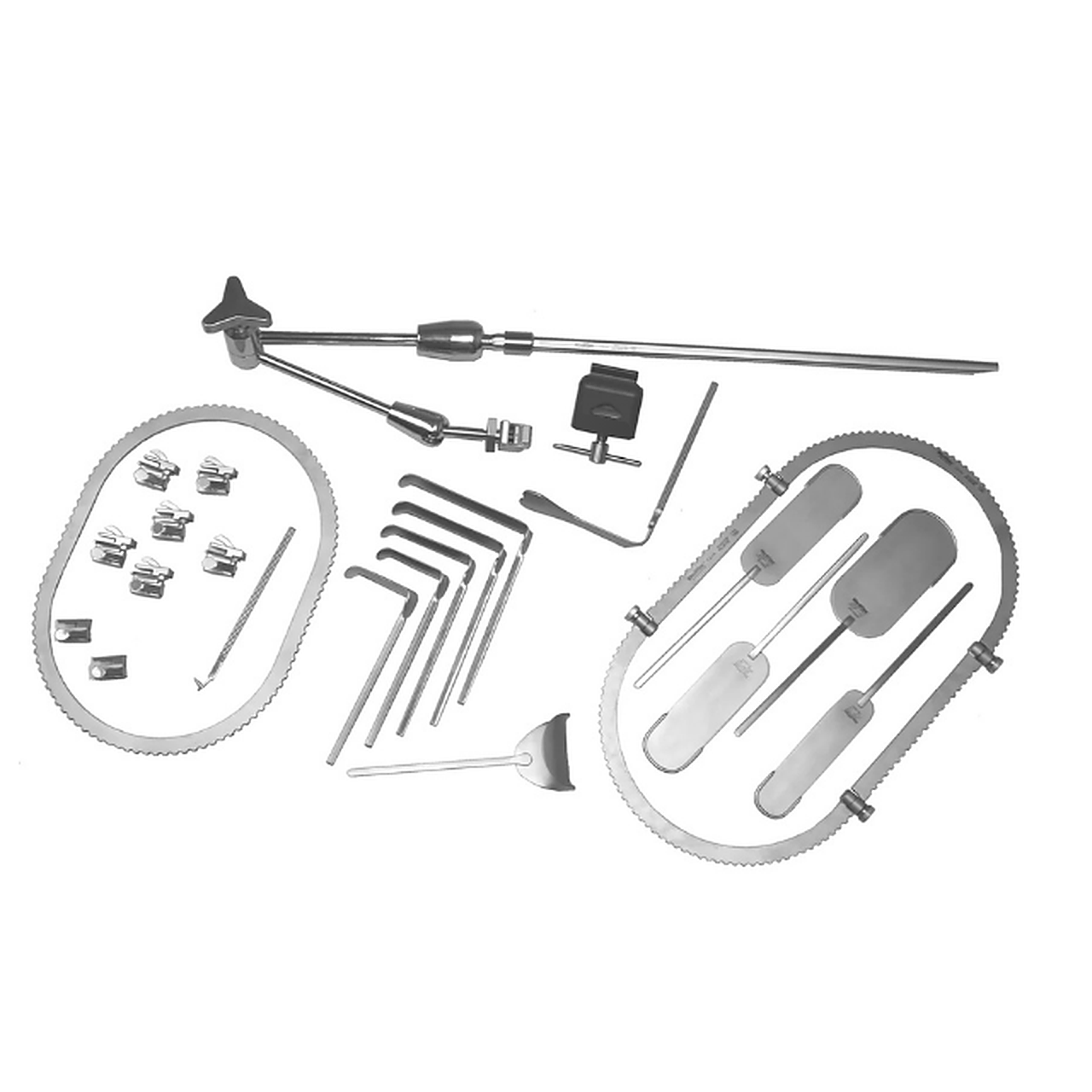 | نظام مباعد الجراحة العامة Bookwalter StrongArm | مصمم لتوفير رؤية جراحية مستقرة وتثبيت ذاتي خلال العمليات الجراحية العامة المفتوحة باستخدام حامل StrongArm PLUS وتكوينات الحلقات المجزأة. |
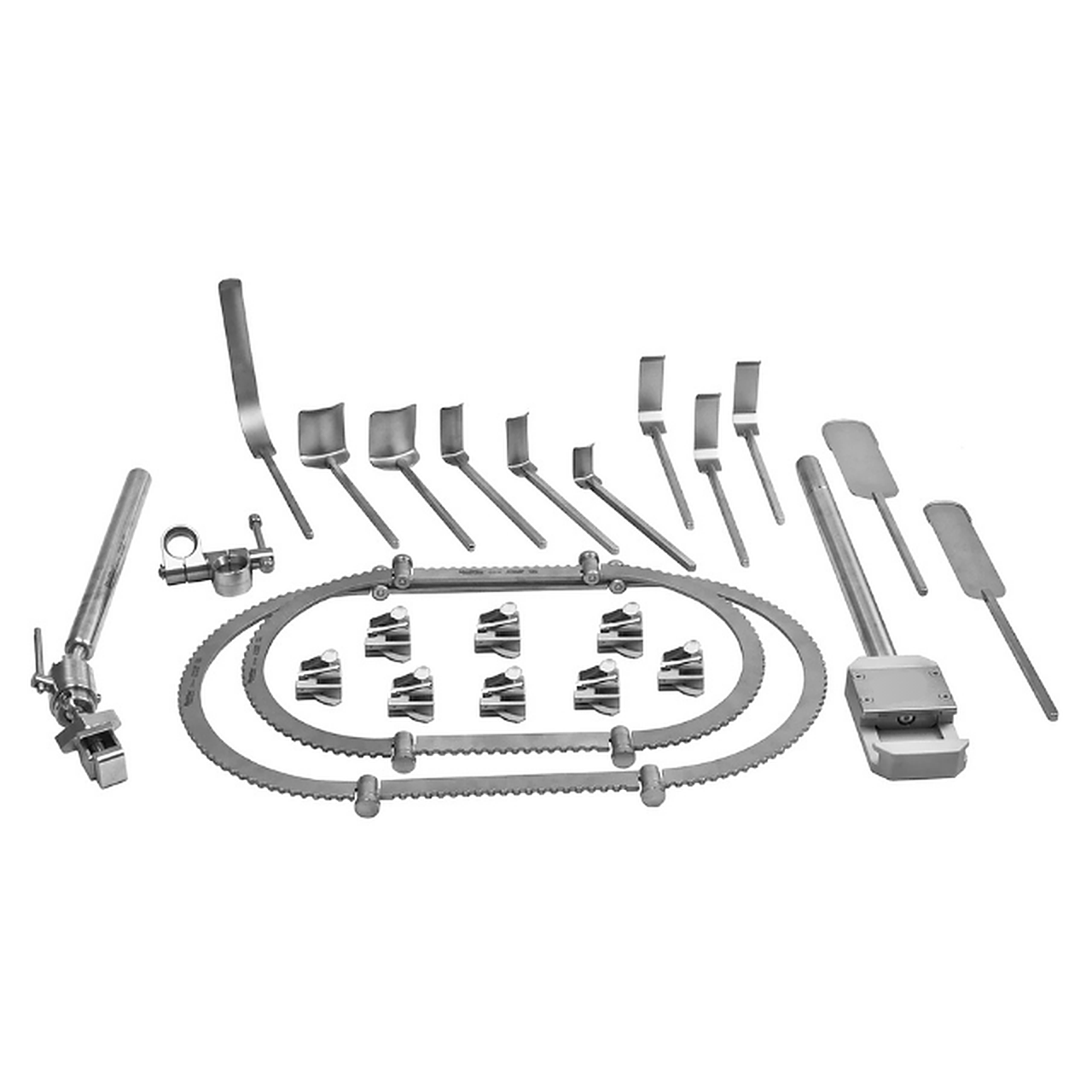 | نظام مبعد Bookwalter Urology Retractor System | مصمم لتوفير رؤية جراحية مستقرة دون استخدام اليدين أثناء التدخلات الجراحية في البطن والخاصرة للوصول إلى الكلى والحالب والمثانة وهياكل المسالك البولية خلف الصفاق. |
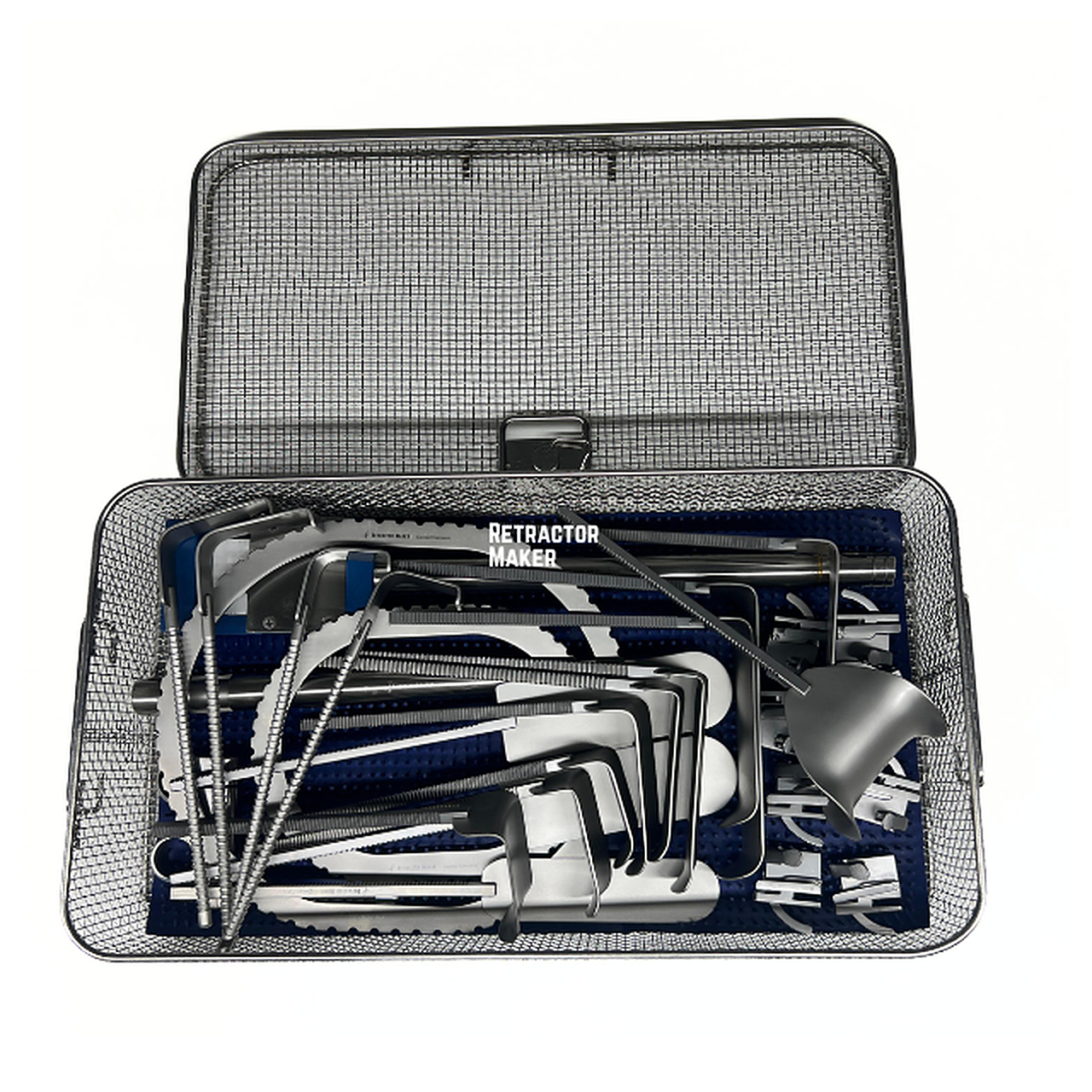 | Custom Bookwalter Retractor - مباعد جراحي حسب الطلب | يتم تصنيعه وفقاً للتخصص الجراحي للعميل والمكونات المفضلة ومتطلبات الإجراءات الجراحية. |
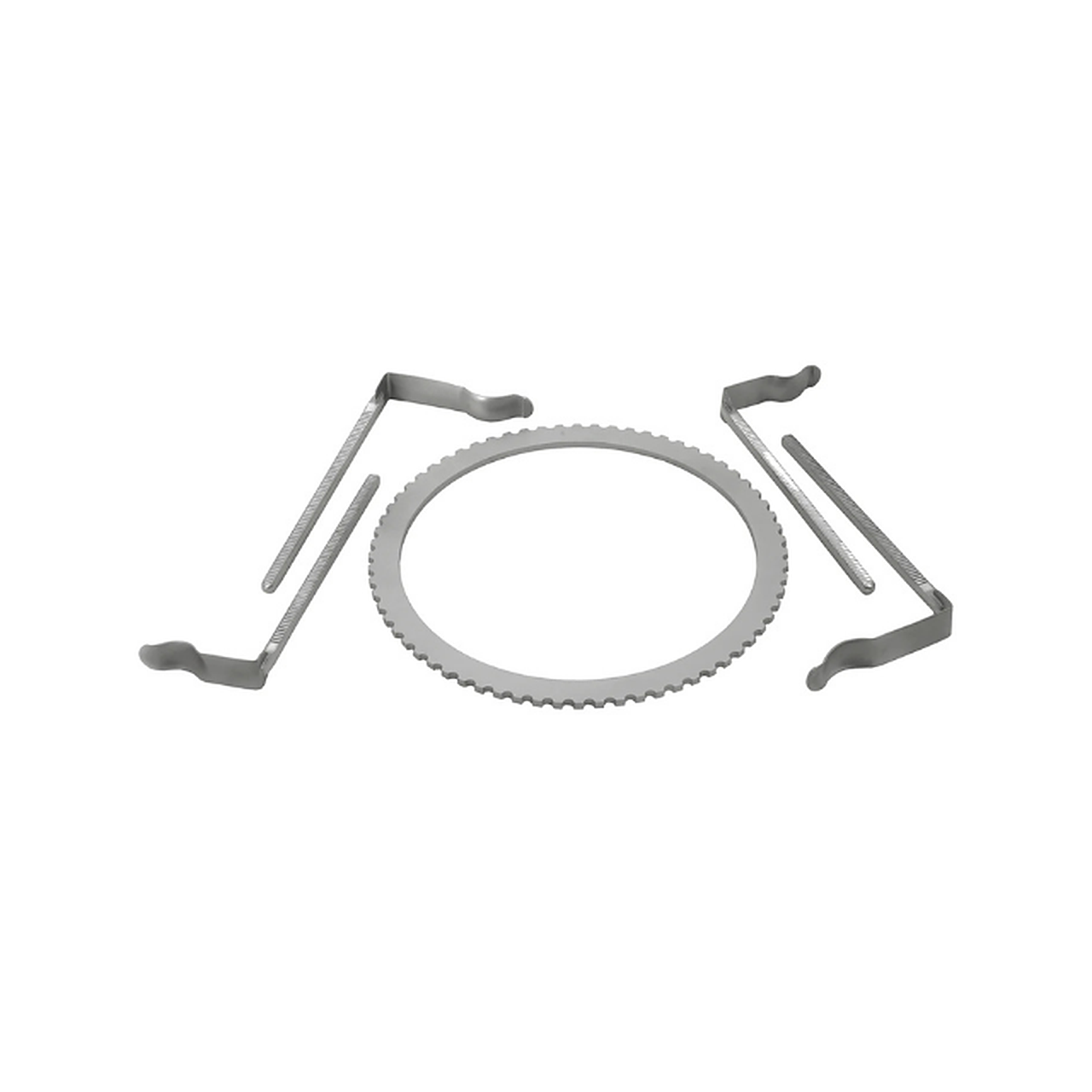 | مجموعة ملحقات جراحة المستقيم وعبر الشرج | مصممة لتوسيع نظام Bookwalter General Surgery Retractor الحالي ليشمل العمليات الجراحية عبر الشرج والمستقيم من خلال توفير شفرات مستقيمية متخصصة وحلقة دائرية صغيرة. |
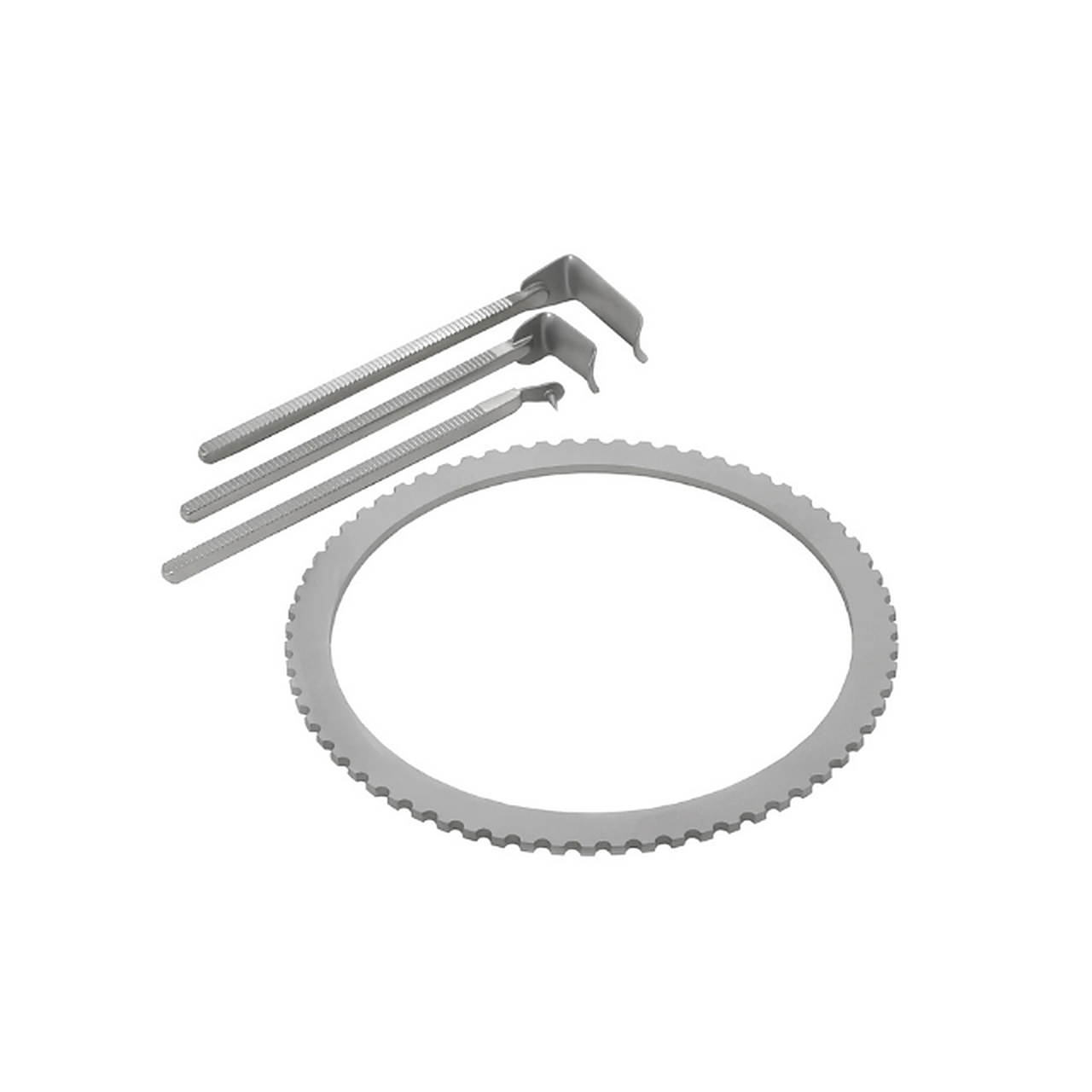 | مجموعة ملحقات الشقوق الجراحية الصغيرة | مصممة لتوسيع نظام Bookwalter General Surgery Retractor الحالي لعمليات التعرض المحدود والشقوق الصغيرة من خلال توفير حلقة مستديرة صلبة مدمجة وشفرات سطحية متخصصة. |
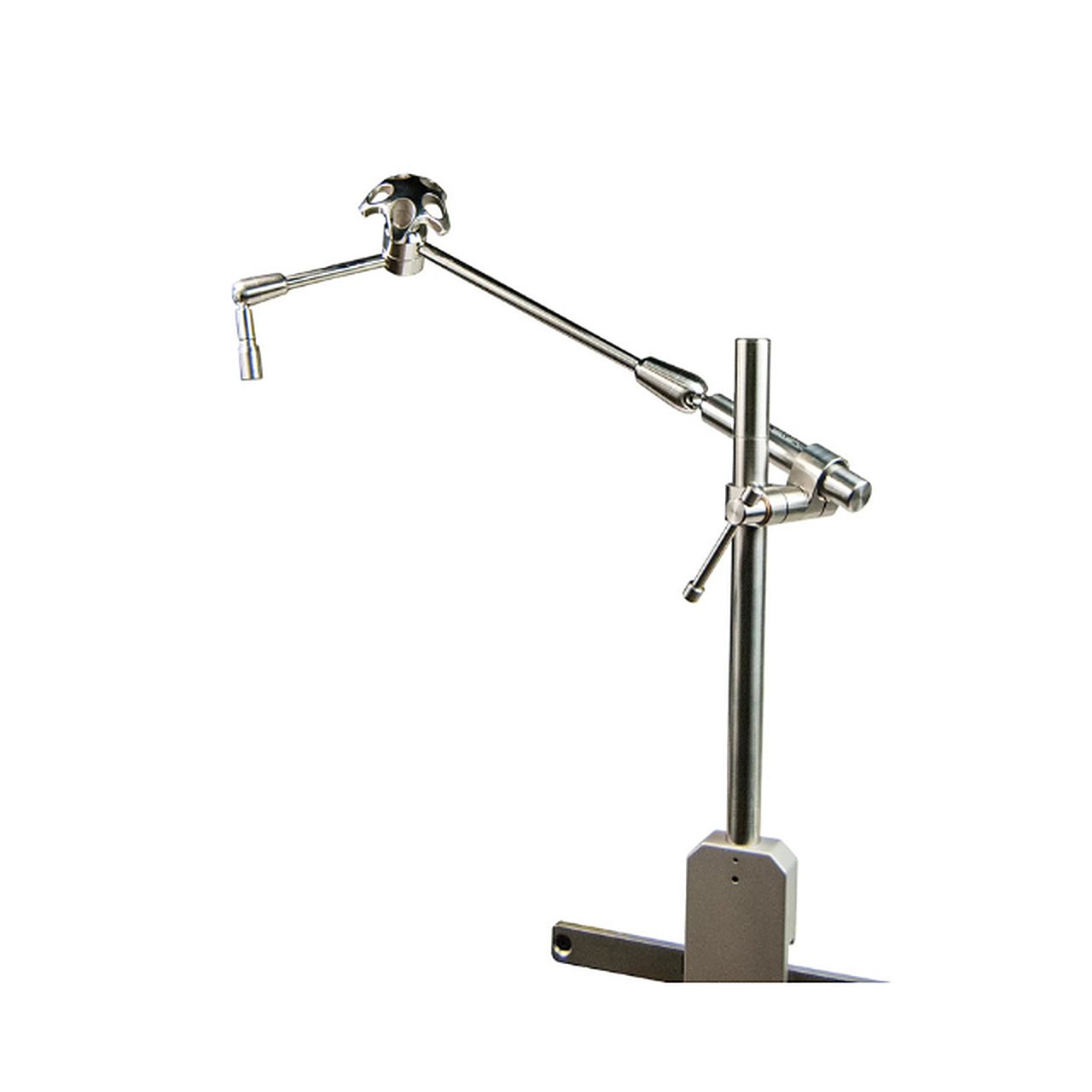 | نظام Bookwalter StrongArm | مصمم لتوفير دعم ثابت وقابل للتعديل وبدون استخدام اليدين لأنظمة مبعدات Bookwalter ذاتية الاحتجاز والأنظمة المتوافقة معها خلال مجموعة واسعة من العمليات الجراحية. |
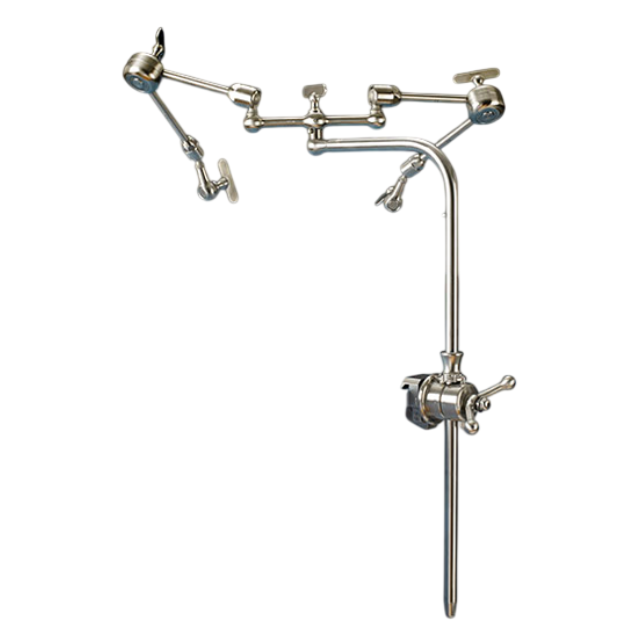 | Iron Intern Hydra Double Arm | مصمم خصيصًا للسحب الأحشائي ثنائي الجانب، متعدد الأرباع، بدون استخدام اليدين أثناء جراحات البطن والحوض المعقدة. |
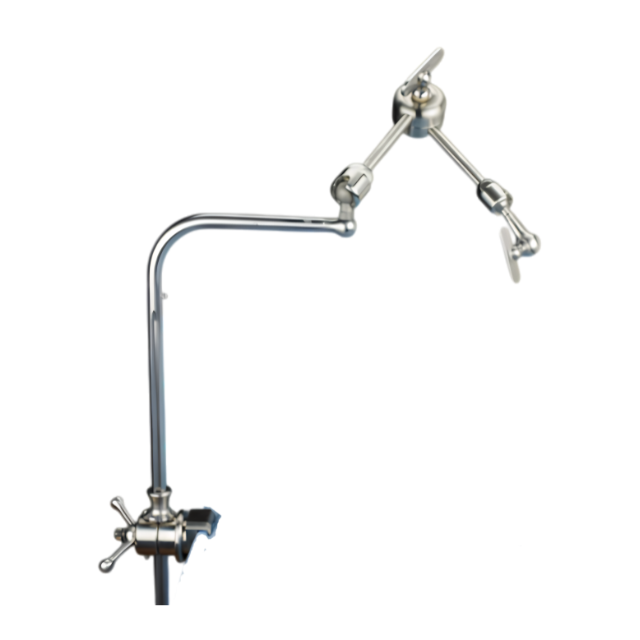 | الذراع الفردي لـ Iron Intern | مصمم خصيصًا لتوفير سحب ميكانيكي صلب، وبدون استخدام اليدين للأحشاء البطنية، جدران الصدر، والأنسجة الرخوة. |
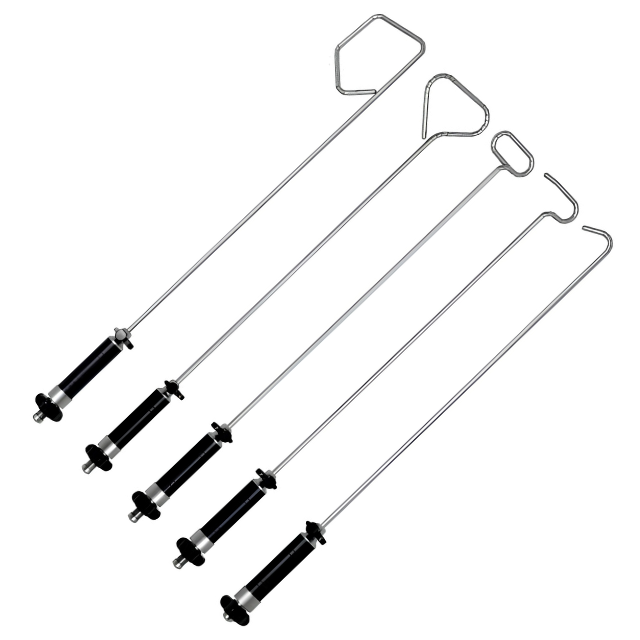 | مباعدات الكبد الثعبانية | مصممة خصيصًا لرفع الفص الكبدي بالمنظار وإزاحة الأحشاء أثناء جراحات الجهاز الهضمي العلوي والسمنة. |
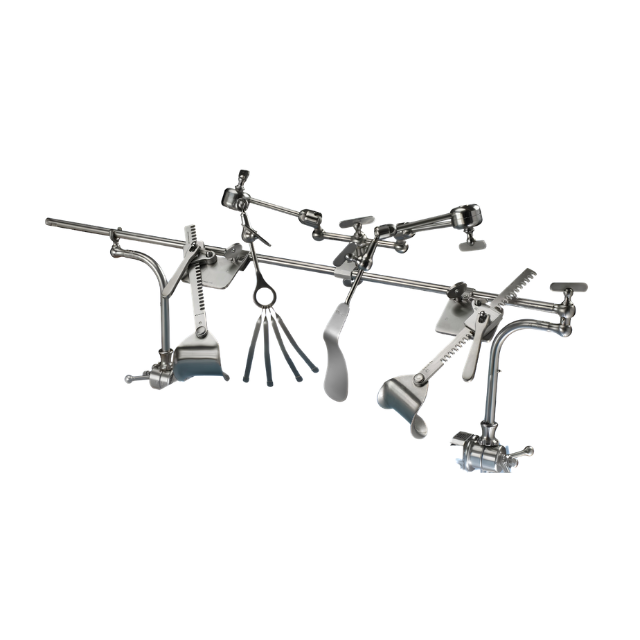 | مجموعة مبعدات شتيلبر لتمسك الأضلاع | مصممة خصيصًا لرفع حافة الضلع الثنائية وتعريض البطن العلوي أثناء جراحة الكبد والجهاز الصفراوي وزراعة الأعضاء. |
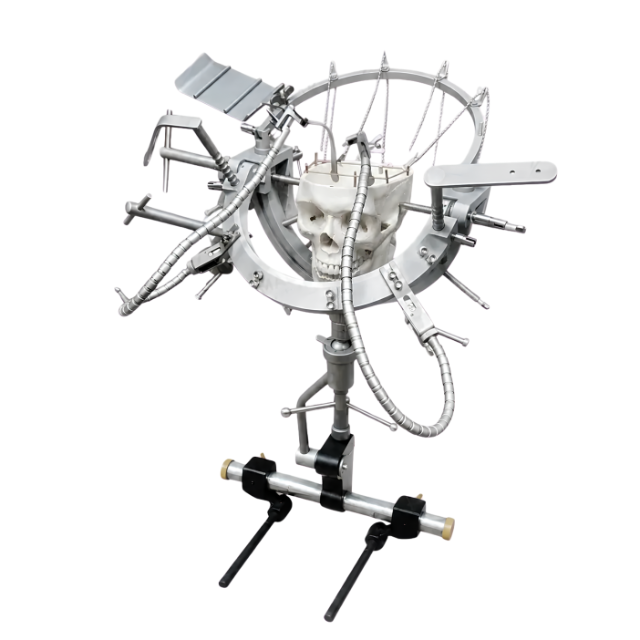 | إطار رأس سوجيتا متعدد الأغراض | مصمم خصيصًا لتثبيت الجمجمة القحفية الصلب ورفع الدماغ الجراحي المجهري متعدد الاتجاهات. |
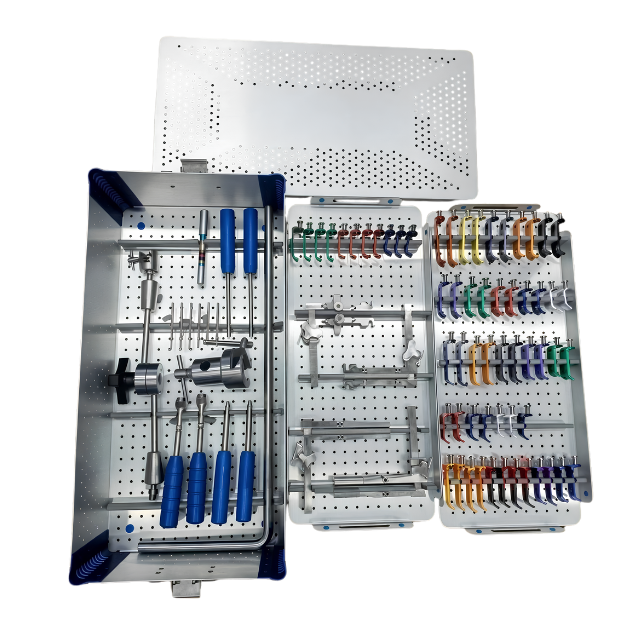 | مجموعة تيدان فانتوم CS-1600 لسحب عنق الرحم | مصممة خصيصًا لسحب الأنسجة الرخوة وتشتيت الجسم الفقري أثناء جراحة العمود الفقري العنقي الأمامي (ACDF). |
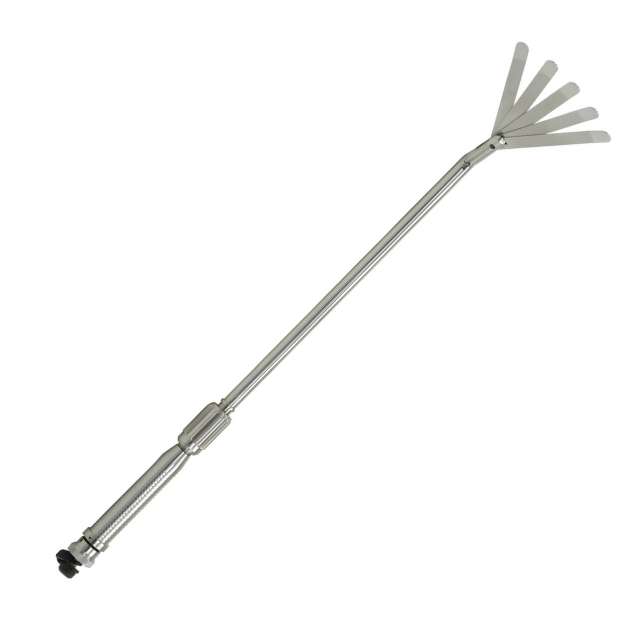 | مبعد مروحي بخمسة أصابع | مصمم خصيصًا لسحب واسع للأحشاء بالمنظار، ورفع الكبد، وإزاحة الأمعاء. |
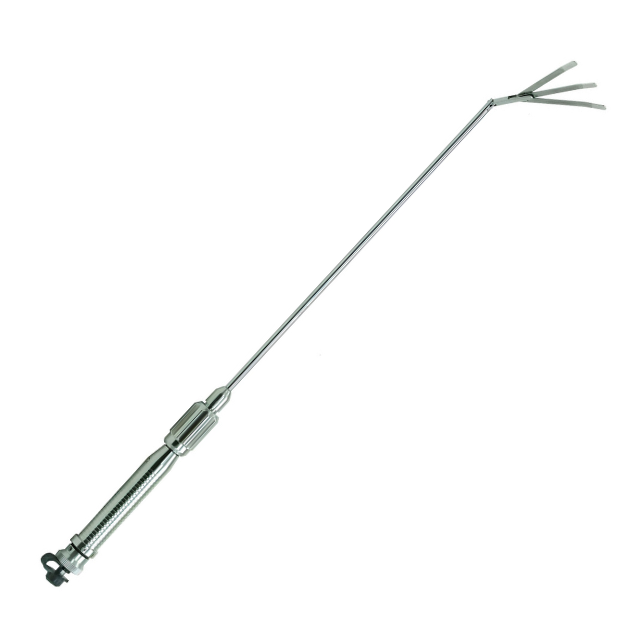 | مبعد مروحي بثلاثة أصابع | مصمم خصيصًا لإزاحة الأعضاء بالمنظار المركزة، ورفع الكبد، وتثبيت الأمعاء. |
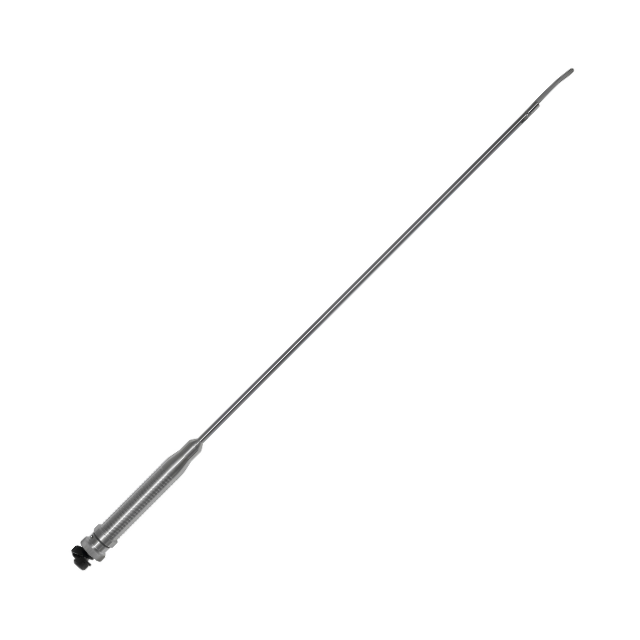 | مبعد مريئي مفصلي | مصمم خصيصًا لتعبئة المريء، والنفق خلف المعدة، وتوجيه حزام السمنة أثناء الجراحة بالمنظار. |
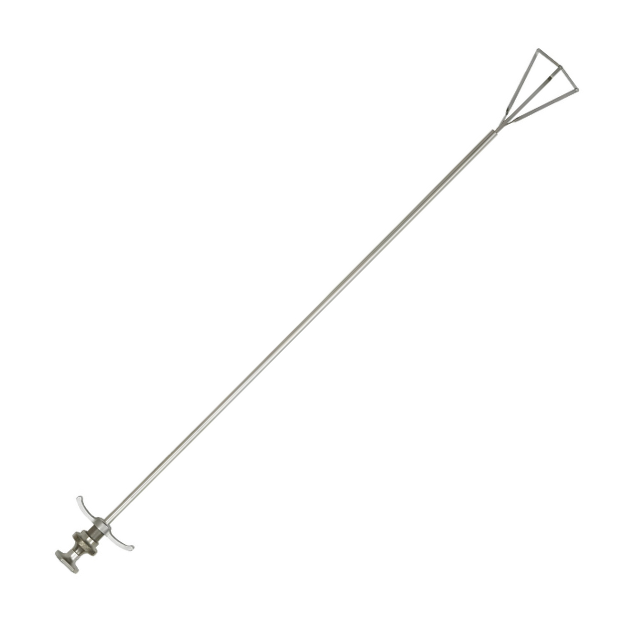 | مبعد مروحي على شكل طائرة ورقية | مصمم خصيصًا لدعم الأعضاء بالمنظار بشكل واسع وغير رضّي وسحب الكبد/الأحشاء. |
How Do You Choose a Surgical Retractor?
Retractor selection is a clinical decision for the surgical team and facility. The factors below are commonly considered when building trays or specifying instruments. They are general considerations, not recommendations for a particular patient or procedure.
Which Designs Suit the Surgical Application?
The procedure and specialty narrow the choice first. An abdominal case, spinal fusion, and rhinoplasty require entirely different instrument families. Many patterns were developed for a specific type of operation.
How Does Anatomical Location Affect Selection?
The location and depth of the operative field determine blade length, handle angle, and overall size. Deep fields need longer blades and handles that keep the assistant's hand out of the line of sight. Superficial fields need short, light instruments.
Which Blade Size and Shape Are Needed?
Blade width and depth should match the tissue being held. Flat, curved, lipped, and malleable blades retract tissue differently. Toothed rakes and sharp prongs grip skin and fascia. Smooth, blunt blades are used where tissue should not be punctured.
Handheld or Self-Retaining: Which Design Fits?
A handheld retractor offers continuous, adjustable control but occupies an assistant. A self-retaining retractor provides steady exposure and frees hands, but is less easily adjusted. It must also suit the wound's depth and shape. Many procedures use both designs.
How Much Exposure Is Required?
Selection depends on the width, depth, and direction of the required view. Wide incisions may need multiple blades pulling in several directions. A narrow approach may need one deep blade or a tubular retractor.
Do You Need a Complete System or Individual Instruments?
Some procedures require complete retractor systems; others need only individual handheld retractors. Systems may include a frame or ring, table post, clamps, arms, blades, and accessories. When ordering, confirm the included components and which blades are compatible with an existing frame. Request a quote for a complete retractor system.
How Should Reusable Retractors Be Maintained and Sterilized?
Reusable retractors should be handled, cleaned, inspected, sterilized, and stored according to the applicable manufacturer's instructions for use (IFU) and the healthcare facility's approved procedures. Proper maintenance and reprocessing are important.
General maintenance considerations include:
- Clean instruments after use according to the applicable manufacturer's instructions.
- Pay particular attention to joints, hinges, ratchets, locks, and other moving components.
- Inspect retractors for visible contamination, corrosion, cracks, deformation, or mechanical damage.
- Check that moving components function properly before returning instruments to service.
- Ensure instruments are appropriately cleaned before sterilization.
- Follow the manufacturer's specified sterilization method and parameters.
- Allow processed instruments to dry appropriately before storage.
- Store clean, processed instruments in a suitable environment that protects against contamination and damage.
Do not apply a universal sterilization cycle to every surgical retractor. Requirements vary with the instrument, material, design, and manufacturer's instructions.
For Retractor Maker products, follow the applicable product documentation and the healthcare facility's validated reprocessing procedures.
Related Retractor Maker Resources
Download the full product catalogue for offline reference. Get the Retractor Maker catalogue.
For pricing and lead time, send our team the product name, quantity, and destination country. Enquiries can cover a specific surgical retractor, complete retractor system, replacement blade, or custom configuration. Contact Retractor Maker.
تنبيه سريري: هذا الدليل موجّه للفرق الجراحية ومشتري المستشفيات. اتبع دائمًا تعليمات الاستخدام (IFU) الصادرة عن الشركة المصنعة وقواعد التعقيم في مستشفاك قبل الاستخدام السريري.
الأسئلة الشائعة
What is a surgical retractor?
A surgical retractor holds back tissue, organs, or wound edges to provide access and visibility to the surgical field. Retraction can range from lifting a skin edge to holding the abdominal wall open throughout an operation.
What are retractors used for?
Retractors maintain or improve operative exposure by moving or holding tissue away from the area being accessed. They can widen an incision by displacing tissue laterally or hold deeper structures, such as bowel, muscle, or an organ lobe, away from the treatment area.
What are the main types of surgical retractors?
Retractors include handheld designs, self-retaining designs, and larger frame-based systems. Their designs vary with the intended application and required exposure. Handheld designs require manual holding, while self-retaining designs use a mechanism to maintain blade position without continuous manual support.
What is the difference between a handheld and self-retaining retractor?
A handheld retractor is positioned and held manually, while a self-retaining retractor maintains its position through a retaining mechanism. Manual holding allows continuous changes in angle, depth, and tension. Self-retaining designs free hands but usually need manual repositioning when the required view changes.
Are retractors reusable?
Many retractors are designed for reuse, but reusability and reprocessing requirements depend on the specific product. Follow the applicable manufacturer's IFU and healthcare facility procedures for handling, cleaning, inspection, sterilization, and storage rather than assuming all products have the same requirements.
How should retractors be sterilized?
Retractors should be cleaned and sterilized according to the applicable manufacturer's instructions and the healthcare facility's approved, validated reprocessing procedures. Do not assume one sterilization cycle applies to every retractor. Requirements can vary with material, design, and product-specific instructions.
Where can I find surgical retractor names and images?
Retractor Maker's surgical retractor catalogue is a product reference containing names, images, and product information across its range of surgical retractors. The table in this article includes the complete published catalogue, covering the products in that range.
How do I choose the right surgical retractor?
Choosing a surgical retractor depends on the intended surgical application, anatomical area, required exposure, design, dimensions, and other product-specific requirements. Qualified surgical professionals should determine which surgical retractor is appropriate for the intended application, considering these selection requirements.
What is a Deaver retractor used for?
A Deaver retractor is a curved handheld retractor used for deeper abdominal and thoracic exposure. The surgeon or an assistant positions and holds the Deaver retractor manually, adjusting its angle, depth, and tension as the operation progresses.
How does a Balfour retractor differ from a Bookwalter retractor?
A Balfour retractor is a frame-style abdominal retractor, while a Bookwalter retractor is a table-mounted system. The Balfour retractor has lateral blades and a centre blade. The Bookwalter retractor carries multiple adjustable blades around a ring or rail. Both are self-retaining retractors that maintain blade position without someone holding them continuously.
What should be checked when inspecting a reusable surgical retractor?
A reusable surgical retractor should be inspected for visible contamination, corrosion, cracks, deformation, and mechanical damage. Check moving components for proper function before returning the surgical retractor to service. During cleaning, pay particular attention to joints, hinges, ratchets, locks, and other moving parts.
عن الكاتب
Saad Shahid · مدير المبيعات والتسويق
سعد شاهد هو مدير المبيعات والتسويق ومؤسس Retractor Maker التي انطلقت عام 2023 في سيالكوت، باكستان. ويعمل أيضًا مع والده في Hospitech Traders، الشركة العائلية للأدوات الجراحية التي تأسست عام 1989.
مدونات وأدلة ذات صلة
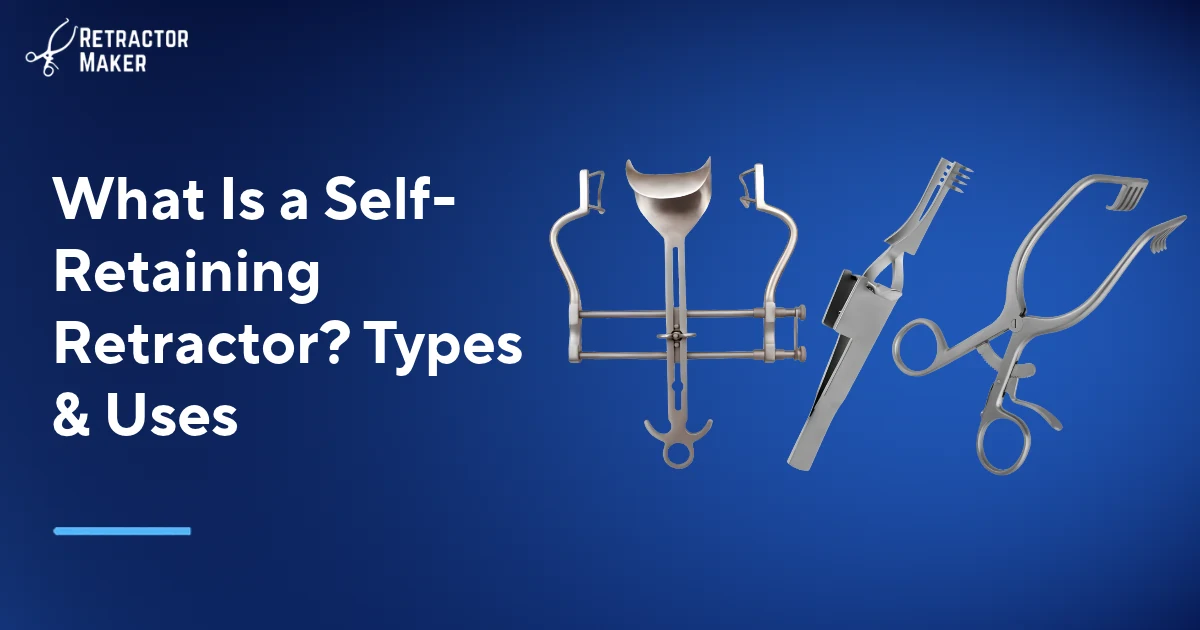
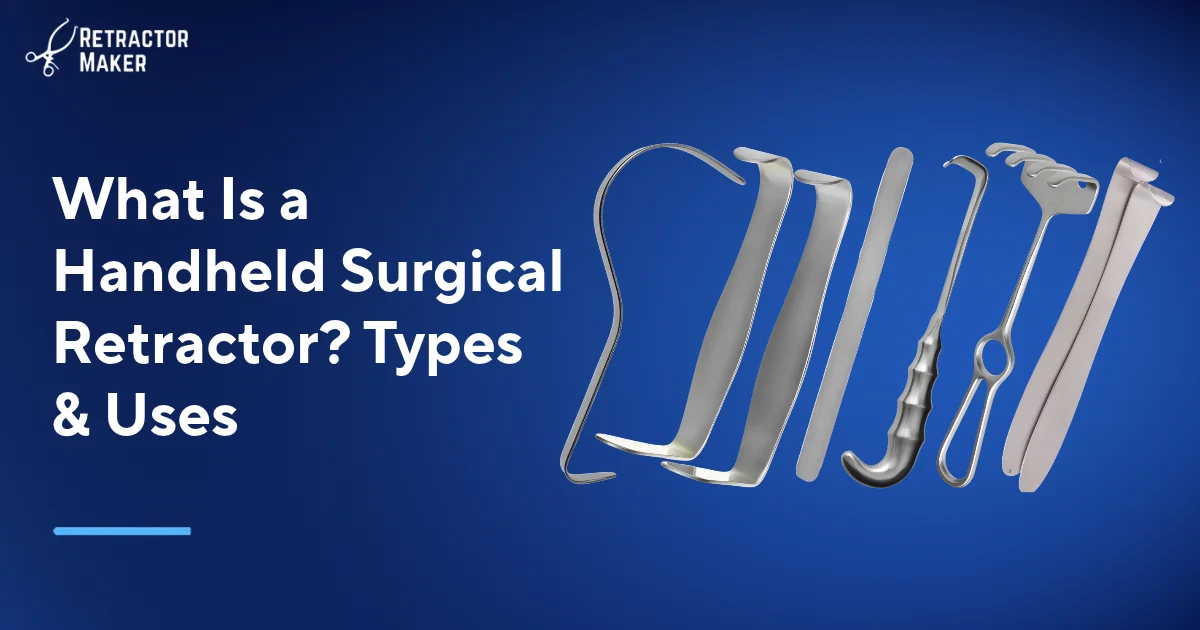
مبعدات ذات صلة
مبعد Senn Forward Retractor
$49.00
مُبعّد Brewster Retractor
ابتداءً من $159
مُبعّد Langenbeck Retractor-Solid Handle
$49.00
Murphy Retractor
ابتداءً من $44.00
مبعد Leriche Retractor-Atraumatic Wide Blade
ابتداءً من $94.00
نظام المبعد الجراحي العام Lobster General Retractor System
$2,699Free Shipping
هل تحتاج إلى مبعدات جراحية أو مكونات؟
أخبرنا بما تحتاجه، بما في ذلك المنتج، والتكوين، والكمية، وبلد الوجهة. يمكن لـ Retractor Maker توفير التوفر والمواصفات والأسعار.
طلب عرض سعر