
Surgical Retractor Guides
What Is a Handheld Surgical Retractor? Types & Uses
الكاتب: Saad Shahid · تم التحديث · 8 دقائق قراءة
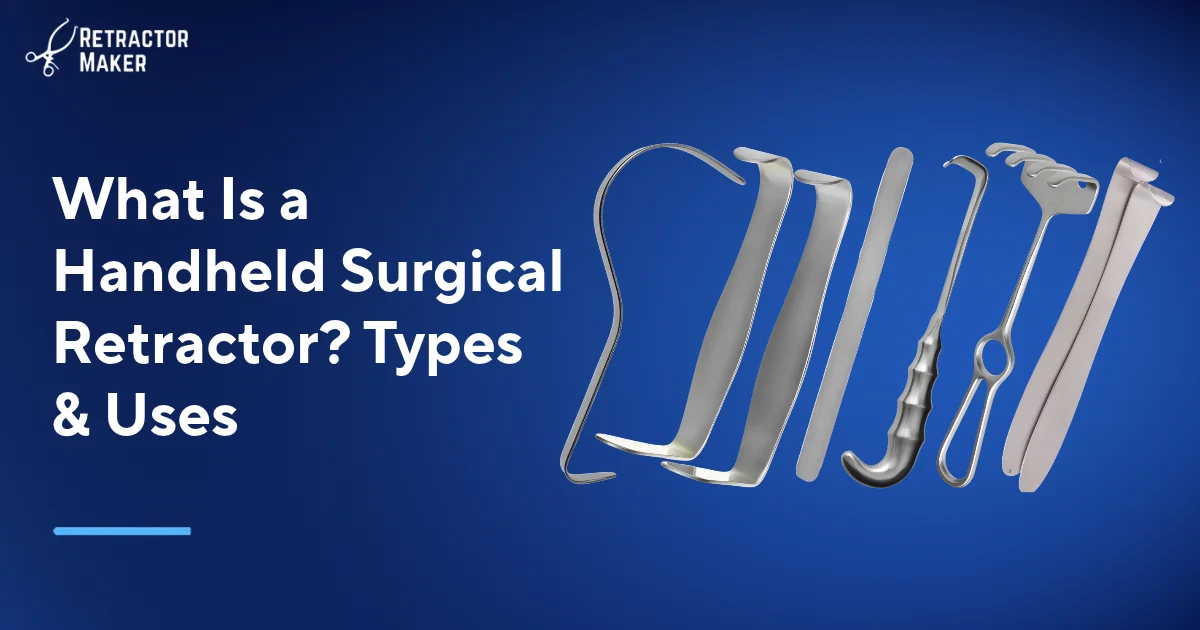
In the operative theater, direct surgical visualization governs the precision of every incision, dissection, and suture. Surgical exposure requires dynamic adaptability; as an operation progresses, the depth of the field shifts, anatomical planes diverge, and target structures require protection from dissecting instrumentation.
A handheld surgical retractor is a manually positioned and held device for moving tissue during surgery. Surgeons or assistants use these agile devices across all surgical specialties. Immediate feedback makes them fundamental surgical instruments.
Contents
What Is a Handheld Surgical Retractor?
A handheld surgical retractor is a manual instrument with an ergonomic handle and a contoured working end. The working end may be a blade, hook, or prongs. Operating room staff actively hold these devices. Unlike self-retaining retractors, they do not lock in place.
Handheld retractors provide direct control, tactile feedback, quick repositioning, and simple construction.
- Direct control: The operator's hands control retraction force and direction.
- Tactile feedback: The assistant immediately feels tissue tension, compliance, and resistance, preventing accidental over-stretching.
- Quick repositioning: Move quickly along dissection planes and adjust to changing light angles.
- Simple construction: Often single-piece or double-ended, without hinges, ratchets, or detachable screws, simplifying cleaning and inspection.
Types of Surgical Retractors: Handheld Designs
Handheld designs vary to navigate different body areas. Each type has a distinct shape and use.
What Is the Deaver Retractor Used For?
The Deaver retractor lifts abdominal organs, mobilizes the liver, and holds deep pelvic structures. Its broad, sweeping curve resembles a question mark and has no sharp angles. It spreads force over a large area, making it well suited to lifting abdominal organs.
What Is the Richardson Retractor Used For?
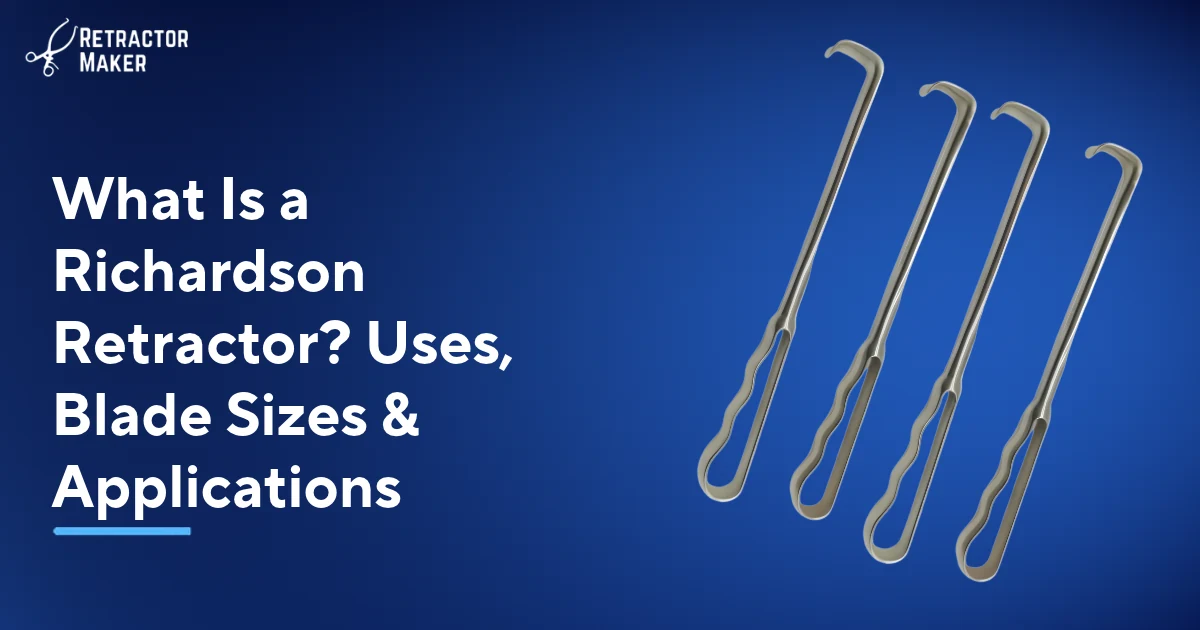
The Richardson retractor pulls back thick muscle, fascia, and subcutaneous walls to open laparotomy incisions. Surgeons use it in general and abdominal surgery. It has a sturdy handle and a distinct right-angled blade ending in a slightly curved lip.
What Is the Senn Retractor Used For?
The Senn retractor provides delicate, superficial tissue retraction in plastic surgery and hand, wrist, and foot procedures. Its compact, double-ended design has a three-pronged rake at one end. The rake may be sharp or blunt. The other end has a small, right-angled flat blade.
What Is the Langenbeck Retractor Used For?
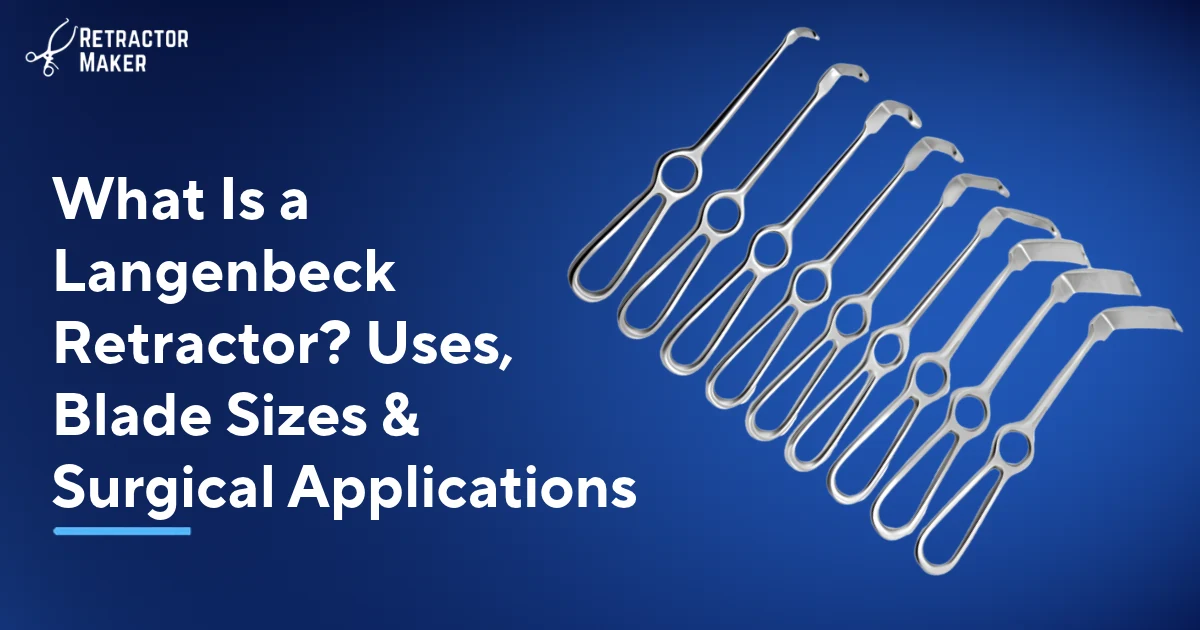
The Langenbeck provides deep retraction in tight spaces, often during orthopedic and soft-tissue procedures. This classic single-ended design has a long, right-angled blade on a slender shaft. It also has an ergonomic teardrop handle.
What Is the Army-Navy Retractor Used For?
The Army-Navy retracts superficial to mid-level soft tissues in general and orthopedic cases. This standard double-ended design is common on many surgical trays. Two smooth, broad, right-angled blades sit at opposite ends of a central handle. The blades have slightly different lengths.
What Is the Ragnell Retractor Used For?
The Ragnell retractor allows precise retraction without bruising tissue. It is preferred in plastic and reconstructive surgery and is also used in pediatric and hand surgery. Its delicate, double-ended design has two smooth, flat, non-traumatic blades. The right-angled blades differ in size.
What Are Handheld Retractors Used For?
Handheld retractors dynamically manipulate tissue boundaries in almost every surgery. Applications span the following specialties.
- General and abdominal surgery: Hold back skin, fat, and fascia during laparotomies and appendectomies; assist with abdominal wall closures.
- Orthopedic surgery: Lift tissue, periosteum, and muscles away from bones during ORIF and joint reconstruction.
- Plastic and reconstructive surgery: Gently lift delicate skin envelopes, SMAS flaps, and mucosal edges to protect skin blood flow.
- ENT and head and neck surgery: Move muscle layers and fascia during thyroidectomies and parotidectomies; assist with branchial cleft cyst dissections.
- Gynecology and obstetrics: Retract soft tissue and improve wound view during C-sections and pelvic explorations.
How Does Handheld Design Affect Use?
Shape determines how a handheld retractor is used. Blade width, depth, prongs, and handles each affect its role.
- Blade width and surface geometry: Narrow blades, like the Langenbeck, reach tight spaces. Broad blades, like the Deaver, cup large organs.
- Blade depth and reach: Short right-angled blades access superficial layers. Deep blades reach areas such as the retroperitoneum.
- Prong architecture: Sharp prongs on rake-style ends grip fibrous tissue. Rounded, blunt prongs protect nerves and vessels.
- Handle configurations: Options include flat bars, contoured loops, and hollow grips. Ergonomic grips prevent hand cramps and improve stability.
How Do Handheld and Self-Retaining Designs Differ?
| Feature | Handheld Retractor | Self-Retaining Retractor |
|---|---|---|
| Positioning | Manually positioned and held by operating personnel | Mechanically positioned and maintained via integrated mechanisms |
| Design | Typically a single-piece handle connected to a working blade | Incorporates frames, hinges, ratchets, locking arms, or table clamps |
| Adjustment | Instant, dynamic manual adjustment | Calibrated adjustment along mechanical ratchets or threaded tracks |
| Examples | Deaver, Senn, Richardson, Langenbeck, Army-Navy | Gelpi, Weitlaner, Balfour, Bookwalter, Thompson |
| Applications | Dynamic exposure, superficial incisions, localized shifts | Static, long-duration exposure in broad or deep cavities |
Handheld instruments suit quick adjustments and provide delicate feel. Self-retaining systems provide stable, hands-free exposure for wider surgical areas.
How Do You Choose a Handheld Surgical Retractor?
Choose a handheld design by balancing surgical depth and tissue fragility. Handle comfort and material integrity also matter.
- Intended surgical depth: Use short blades, such as Senn and Ragnell, for shallow wounds. Deep cavities need longer blades, such as deep Deaver and large Richardson.
- Anatomical tissue sensitivity: Use broad, curved blades with rounded edges for delicate organs. Use right-angled or pronged blades for fibrous tissue.
- Operator ergonomics: Choose comfortable contoured, fenestrated, or hollow handles to reduce assistant fatigue during long cases.
- Material integrity: Check for certified Premium Grade AISI 304/316 Stainless Steel (Non-Magnetic) with a non-glare finish to prevent reflection under operating lights.
How Should Handheld Retractors Be Cleaned and Sterilized?
Handheld surgical retractors need systematic reprocessing to keep working surfaces clean and free of corrosion. Follow point-of-use care, cleaning, inspection, and sterilization steps.
- Point-of-use handling: Immediately wipe off blood and tissue with sterile, damp wipes after each use. Prevent material from drying on the instrument.
- Decontamination and cleaning: Submerge instruments in detergent solutions. Use soft nylon brushes on all crevices and handle features. Use approved washer-disinfectors and ultrasonic baths, following hospital cycle guidelines.
- Inspection: Examine blades under magnification for burrs, nicks, or scratches that could harm patient tissue. Check shanks for bending or metal fatigue.
- Sterilization: Package in approved pouches or cassettes. Use validated steam autoclaving, following manufacturer instructions and hospital guidelines.
Why Does Handheld Selection Matter?
Handheld surgical retractors provide adaptable, responsive tissue manipulation. Manual use gives assistants instant feedback for precise, gentle exposure. They adjust quickly to the pace of surgery.
Understanding blade curves, depth, and handles helps surgical teams select the appropriate instrument for each tissue layer.
Retractor Maker is a manufacturer and exporter based in Sialkot, Pakistan. Retractor Maker specializes in high-grade stainless steel instruments and supplies healthcare facilities globally. Models range from Deaver to Senn and Ragnell. The company provides reliable, factory-direct surgical instrumentation.
تنبيه سريري: هذا الدليل موجّه للفرق الجراحية ومشتري المستشفيات. اتبع دائمًا تعليمات الاستخدام (IFU) الصادرة عن الشركة المصنعة وقواعد التعقيم في مستشفاك قبل الاستخدام السريري.
الأسئلة الشائعة
What is a handheld surgical retractor?
A handheld surgical retractor is a device with a handle and a blade that is held manually to maintain operative exposure during surgery. A surgeon or assistant holds and positions it to help keep the operative area exposed.
What are handheld retractors used for?
Handheld retractors move skin, soft tissue, muscle, and organs to clear the surgical field. Moving these tissues provides visual access to the operative area. It also creates working space for the surgeon during the procedure.
What are the most common handheld surgical retractors?
Common models include Deaver, Richardson, and Senn. Others are Langenbeck, Army-Navy, and Ragnell retractors.
What is a Deaver retractor used for?
A Deaver retractor is used to retract organs in abdominal, pelvic, and chest surgery. It has a broad, curved blade. Organs retracted with a Deaver retractor include the liver, stomach, and intestines during these surgical procedures.
What is a Richardson retractor used for?
A Richardson retractor is used during laparotomies to retract the abdominal wall, fascia, and thick muscles. It has a right-angled blade with a curved lip. These are the blade features of the Richardson retractor used for this retraction.
What is a Senn retractor used for?
A Senn retractor is used in plastic surgery, hand surgery, and superficial dissections. It is compact and double-ended. One end has a three-pronged rake, while the other end has a small flat blade for retraction.
What is the difference between handheld and self-retaining retractors?
Handheld retractors are held manually by an assistant, while self-retaining retractors lock open to provide hands-free exposure. Manual holding allows dynamic control of retraction. The distinction is manual control with handheld models versus locked-open exposure with self-retaining models.
Are handheld surgical retractors reusable?
Handheld surgical retractors are reusable and made from high-grade stainless steel. They withstand repeated cleaning, decontamination, and steam sterilization. Their stainless steel construction allows them to undergo these cleaning and sterilization processes repeatedly as part of reuse.
How do you choose a handheld surgical retractor?
Choose a handheld surgical retractor by matching blade depth and shape to surgical depth and tissue sensitivity, while considering handle comfort. Short blades suit shallow wounds. Longer blades reach deep cavities. Broad, curved blades with rounded edges suit delicate organs. Right-angled or pronged blades suit fibrous tissue.
How should handheld surgical retractors be cleaned and sterilized?
Handheld surgical retractors should be wiped promptly, cleaned with detergent and soft nylon brushes, inspected, and sterilized using validated steam autoclaving. Prevent blood and tissue from drying. Check blades for burrs, nicks, or scratches. Inspect shanks for bending or fatigue. Follow manufacturer instructions and hospital guidelines.
How does a Langenbeck retractor differ from an Army-Navy retractor?
A Langenbeck retractor is single-ended for deep retraction in tight spaces, while an Army-Navy retractor is double-ended for superficial to mid-level soft tissues. The Langenbeck retractor has a long, right-angled blade, a slender shaft, and a teardrop handle. The Army-Navy retractor has two smooth, broad blades of slightly different lengths on opposite ends of a central handle.
عن الكاتب
Saad Shahid · مدير المبيعات والتسويق
سعد شاهد هو مدير المبيعات والتسويق ومؤسس Retractor Maker التي انطلقت عام 2023 في سيالكوت، باكستان. ويعمل أيضًا مع والده في Hospitech Traders، الشركة العائلية للأدوات الجراحية التي تأسست عام 1989.
مدونات وأدلة ذات صلة

مبعدات ذات صلة
مبعد Senn Forward Retractor
$49.00
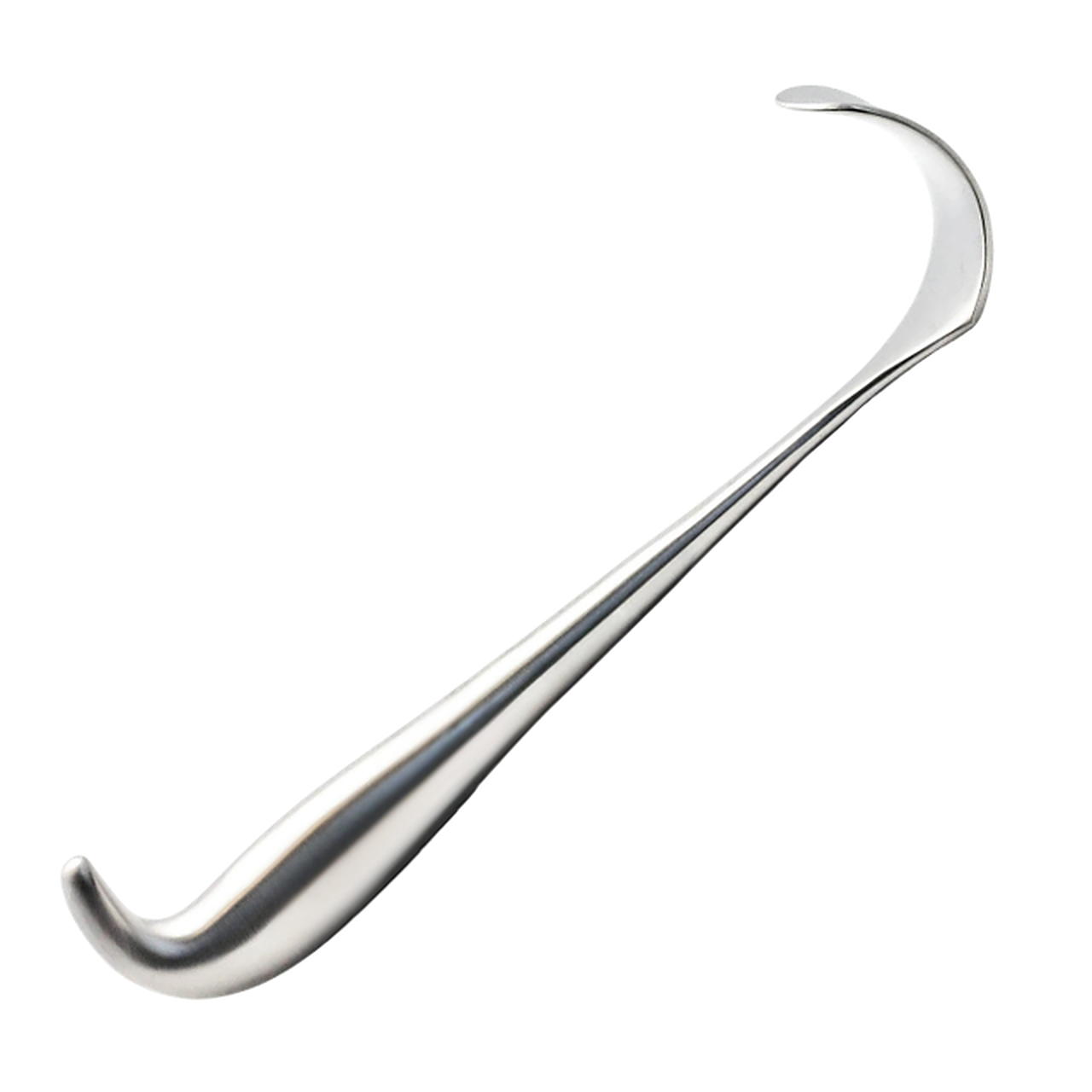
مُبعّد Brewster Retractor
ابتداءً من $159
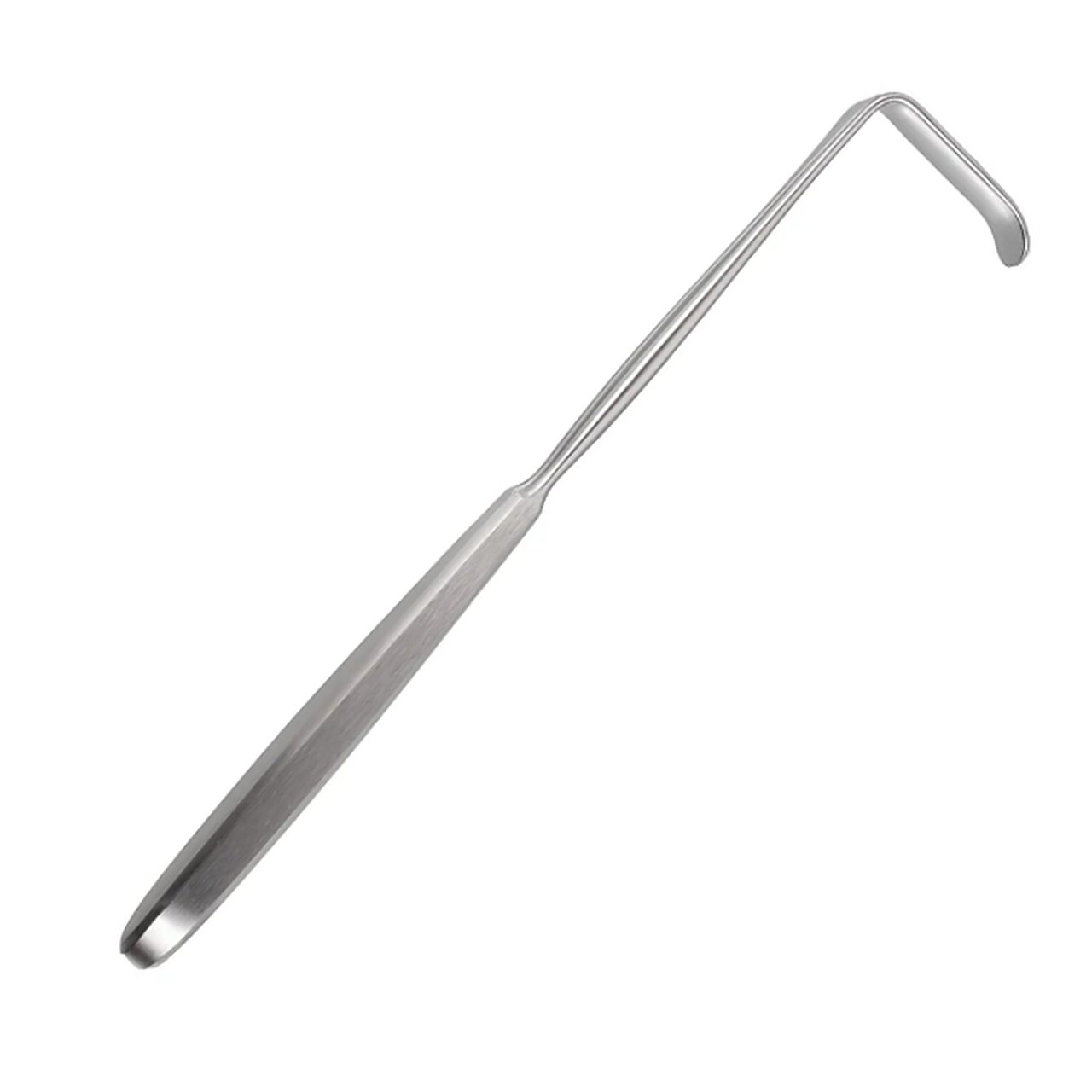
مُبعّد Langenbeck Retractor-Solid Handle
$49.00
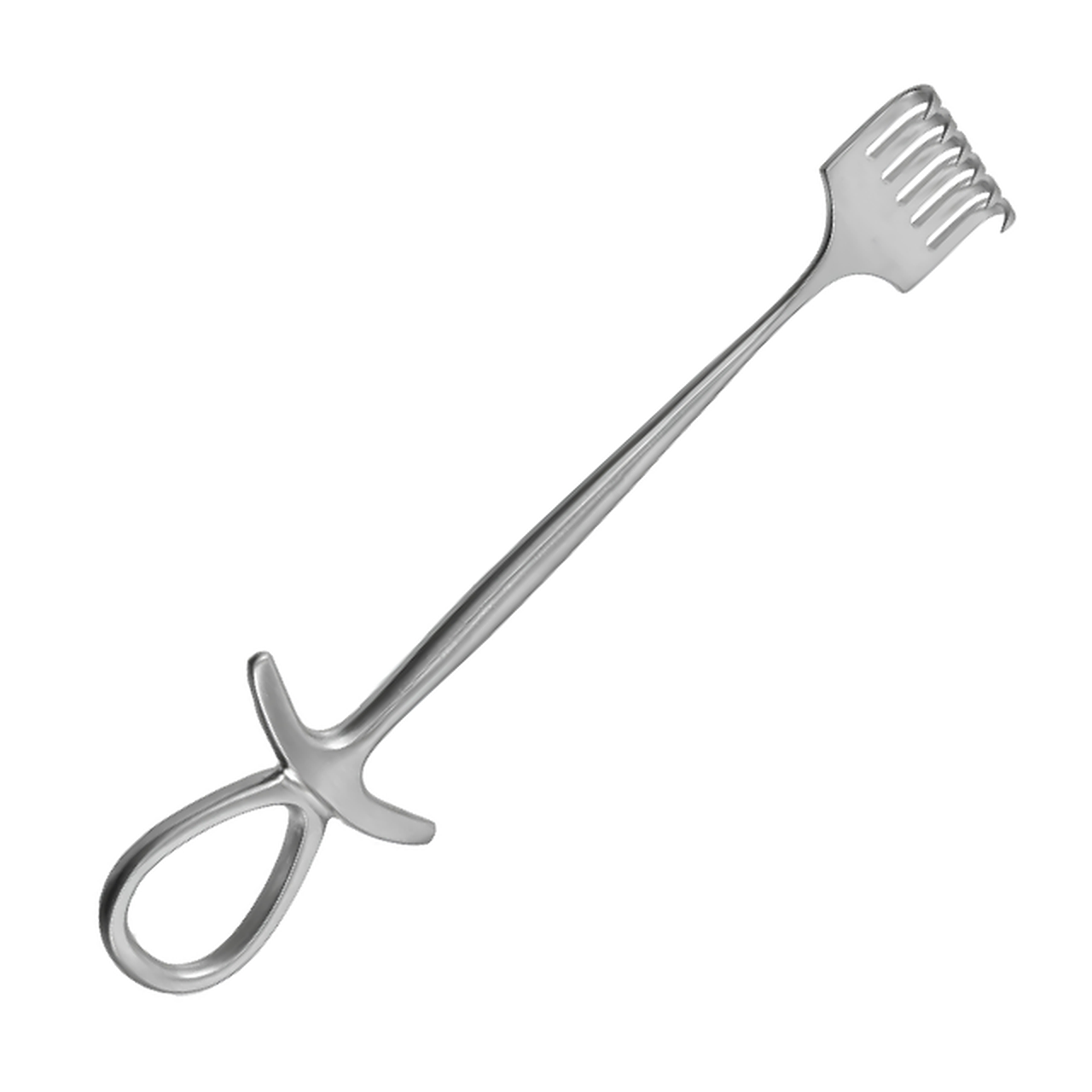
Murphy Retractor
ابتداءً من $44.00
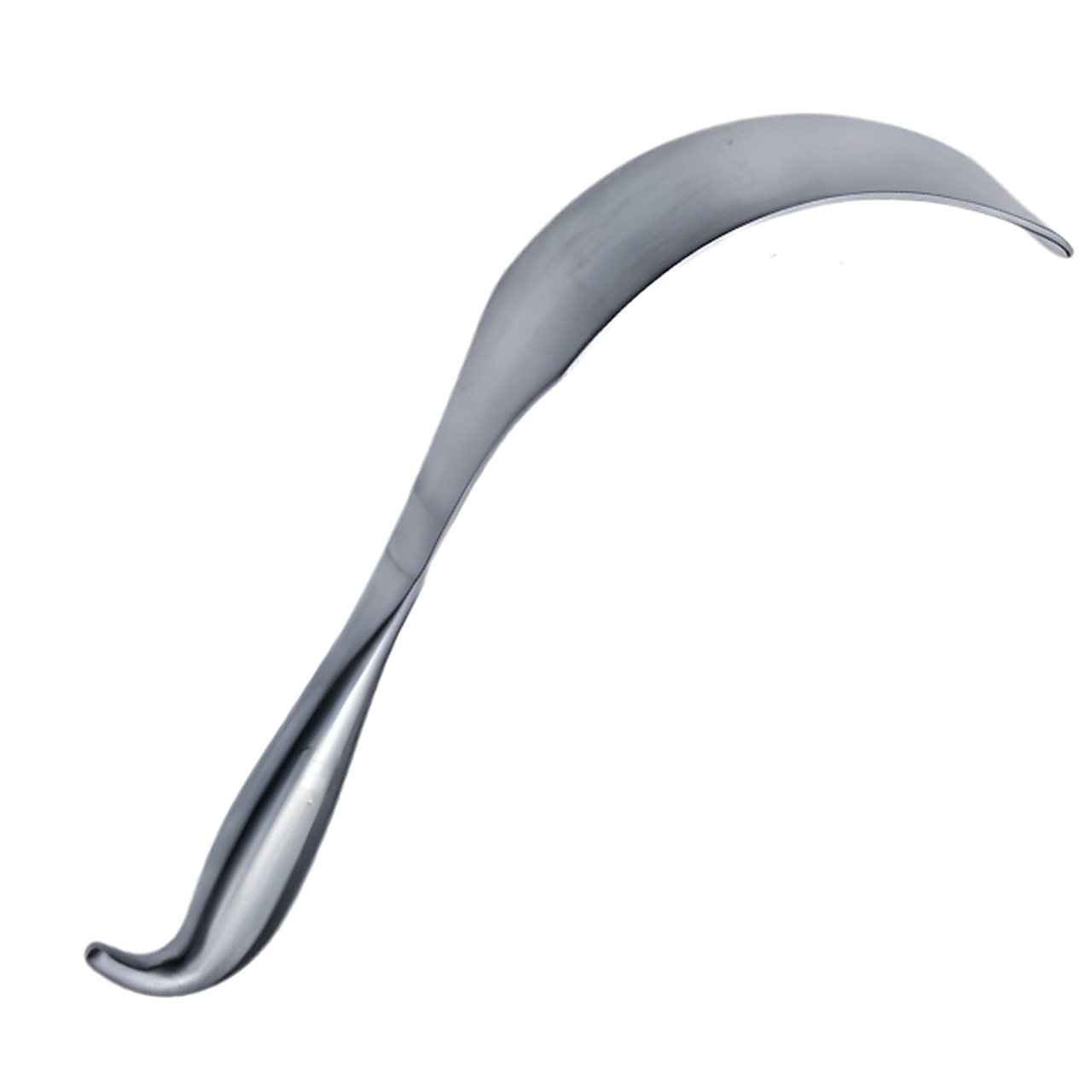
مبعد Leriche Retractor-Atraumatic Wide Blade
ابتداءً من $94.00
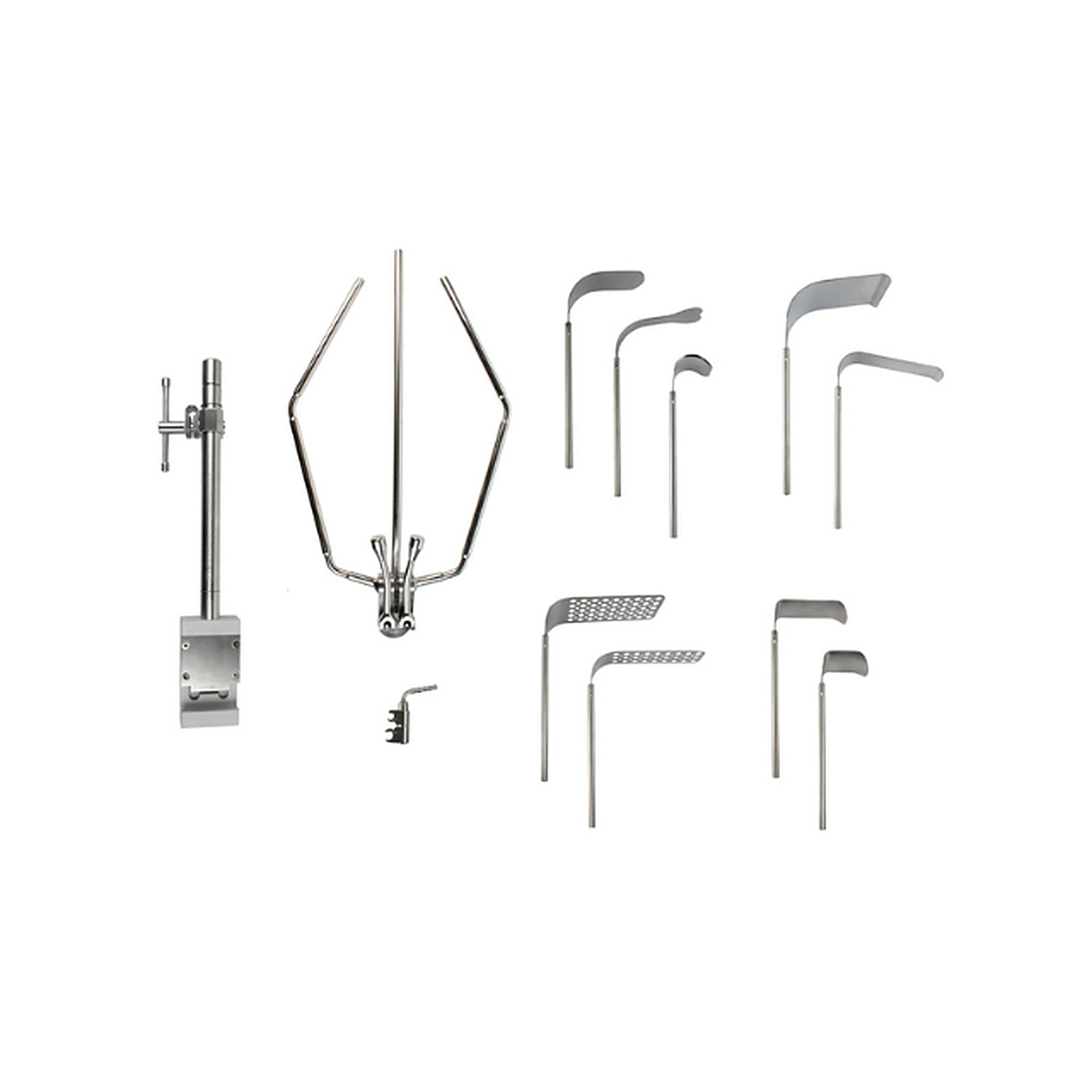
نظام المبعد الجراحي العام Lobster General Retractor System
$2,699Free Shipping
هل تحتاج إلى مبعدات جراحية أو مكونات؟
أخبرنا بما تحتاجه، بما في ذلك المنتج، والتكوين، والكمية، وبلد الوجهة. يمكن لـ Retractor Maker توفير التوفر والمواصفات والأسعار.
طلب عرض سعر