
Surgical Retractor Guides
Surgical Retractors Names, Images & Uses
Autor: Saad Shahid · Aktualisiert · 7 Min. Lesezeit

Surgical retractors hold tissue away from the operative field so the surgical team can see and reach the area they are working on. This guide explains what retractors are, how they are classified, and how they are selected and cared for, and it includes a searchable reference table of surgical retractors names, images and general uses drawn directly from the Retractor Maker catalogue.
What Is a Retractor?
A retractor holds skin, fat, muscle, and organs away from the target area to provide controlled surgical exposure. Almost every open procedure depends on this access before the surgeon can dissect, repair, or close. Retractors are among the oldest surgical instrument families and remain among the most frequently handled instruments on any tray.
Retractors share a purpose but differ in size, blade shape and depth, prong number and sharpness, and handle design. Some lock in place or mount on a frame. Designs also vary by specialty. A small double-ended retractor for a skin flap differs greatly from a table-mounted abdominal system. No single design suits every procedure.
This guide covers basic categories, selection factors, and general care principles. Its central section lists names, images, and general uses for the complete published Retractor Maker range. Search the range by name or filter it by specialty.
Contents
What Is a Surgical Retractor?
A surgical retractor holds back or moves tissue away from the operative field to give the surgical team visibility and access. Retraction may involve gently lifting a skin edge or holding the abdominal wall open throughout an operation.
Retractors create exposure by moving tissue laterally to widen an incision or holding deeper structures away from the treatment area. These structures may include bowel, muscle, or an organ lobe. Blade or prong shape determines how the load spreads across contacted tissue. Available forms include flat, curved, lipped, malleable, toothed, and smooth blades.
Size and shape follow anatomy. A shallow hand incision needs a short, narrow blade. A deep pelvic or abdominal field needs a longer, wider blade. Specialty designs address each region's depth, angle, and tissue type. Nasal and ear retractors are small and fine. Spinal retractors hold back heavy paraspinal muscle. Cardiac retractors are shaped around the sternum and chest wall.
How Do Handheld Retractors Work?
Handheld retractors are positioned and held manually by a surgeon or assistant for as long as exposure is needed. They allow moment-by-moment changes in angle, depth, and tension as the operation progresses. The trade-off is continuous manual holding, which occupies a pair of hands and can cause fatigue during a long case.
Common handheld patterns include the double-ended Senn retractor for superficial tissue and the curved Deaver retractor for deeper abdominal and thoracic exposure. Others include the right-angled Langenbeck retractor, the broad Richardson retractor for the abdominal wall, and the double-ended Army-Navy retractor for shallow incisions. The small Ragnell retractor is used in plastic and hand surgery.
How Do Self-Retaining Retractors Work?
Self-retaining retractors use a ratchet, screw, spring, or frame to keep blades in position without continuous manual holding. They free the surgical team's hands and provide steady exposure. If the required view changes, manual repositioning is usually necessary.
Examples include the Gelpi and Weitlaner retractors, which spread tissue with pointed tips or toothed rakes secured by a ratchet. The Balfour retractor is a frame-style abdominal retractor with lateral blades and a centre blade. Table-mounted Bookwalter and Thompson retractors attach to the operating table and support multiple adjustable blades around a ring or rail.
Retractor Names, Images, and General Uses
The table below presents the complete Retractor Maker product catalogue. Each entry includes a product image, name, and general use. Search by product name or filter by specialty.
Anzeige von 507 chirurgischen Retraktoren
| Produktfoto | Name des chirurgischen Retraktors | Allgemeine Verwendung |
|---|---|---|
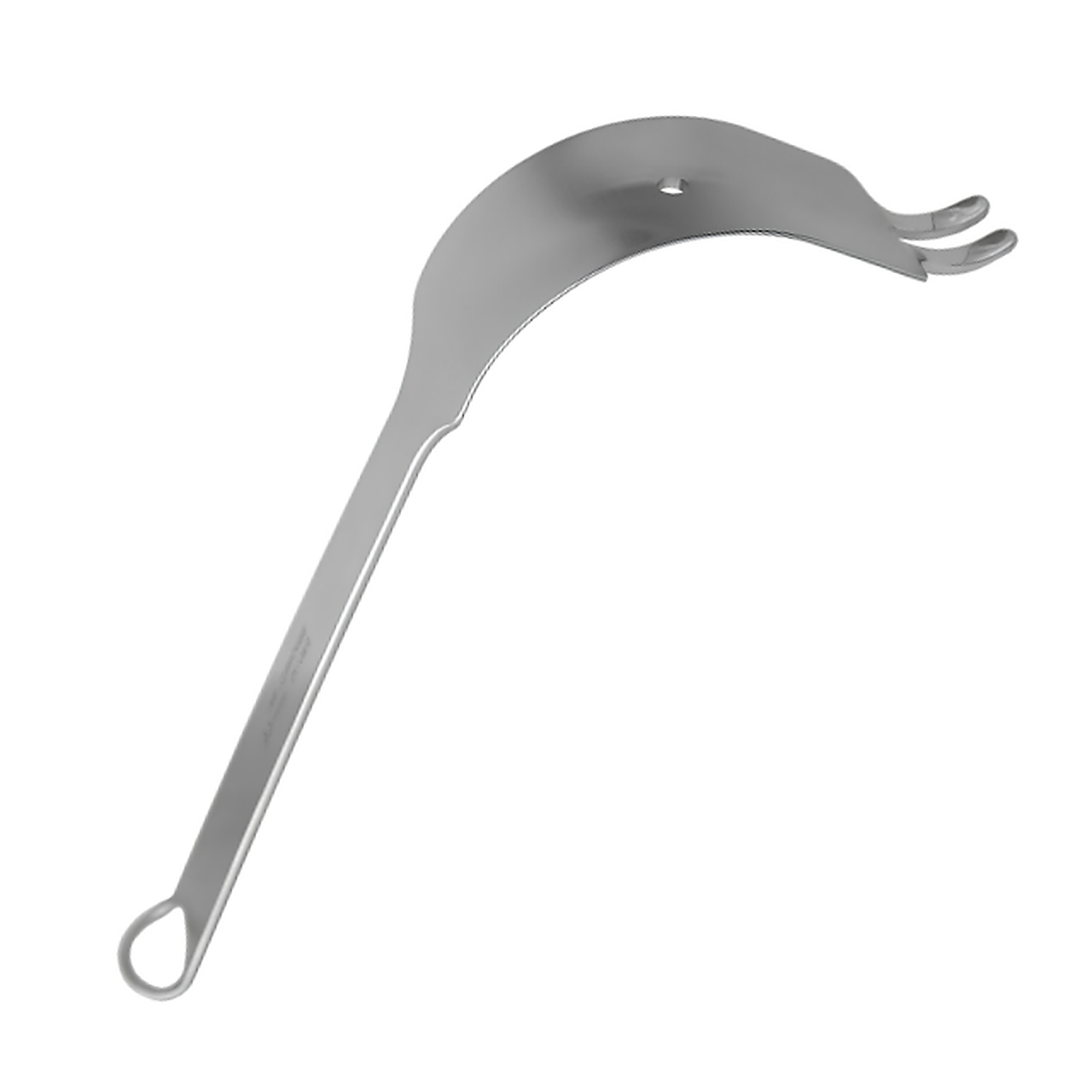 | Acetabular-Wundhaken, schmal, zwei Zinken | Speziell entwickelt zur Freilegung des Acetabulumrandes und zur Verdrängung des umliegenden Gewebes bei Hüftrekonstruktionen und Arthroplastik-Eingriffen. |
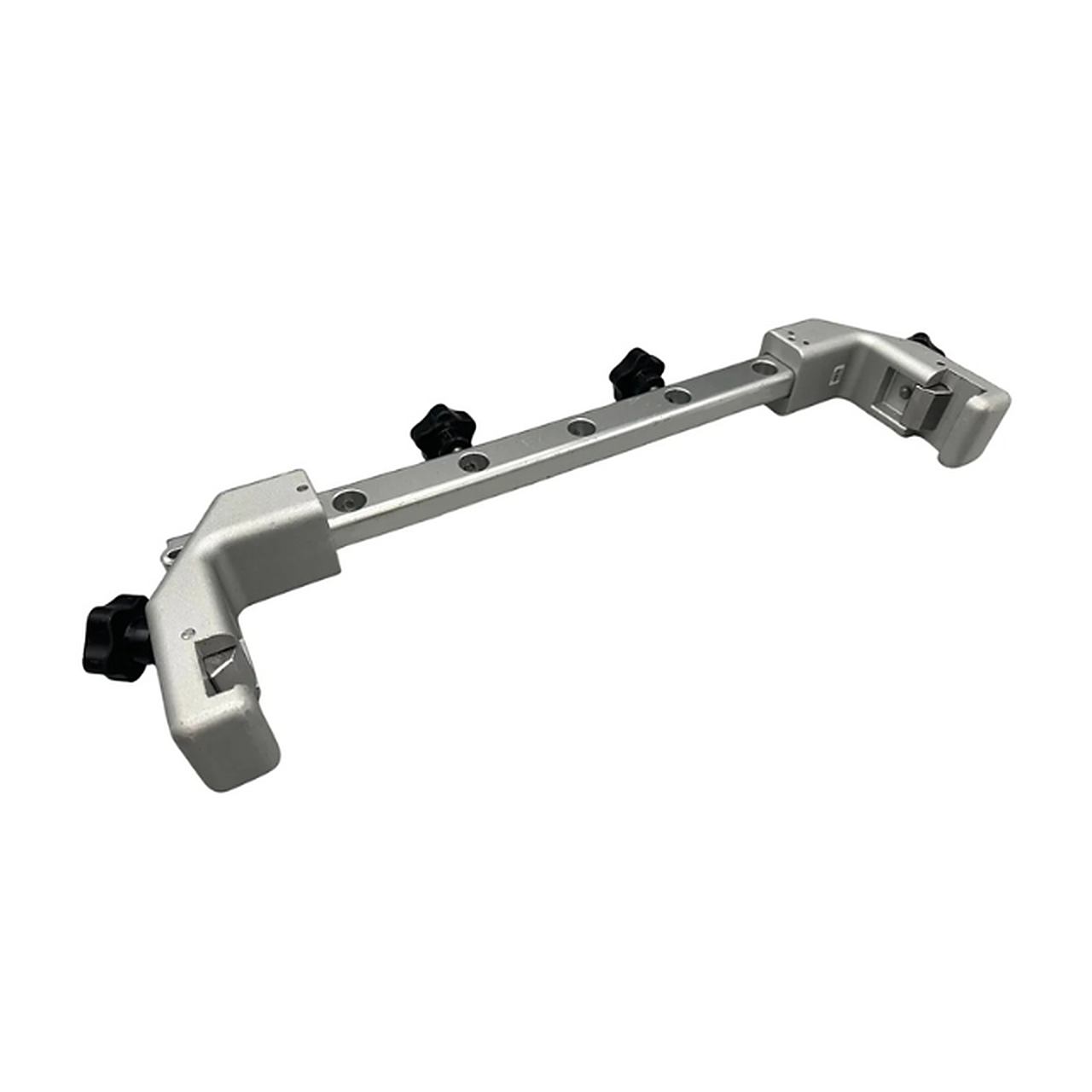 | Verstellbarer Mayfield-Adapter | Speziell entwickelt für die sichere Montage von Mayfield-Kopfhalterungssystemen an OP-Tischen, die keine integrierten Aufnahmebohrungen besitzen oder eine laterale Versatzpositionierung erfordern. |
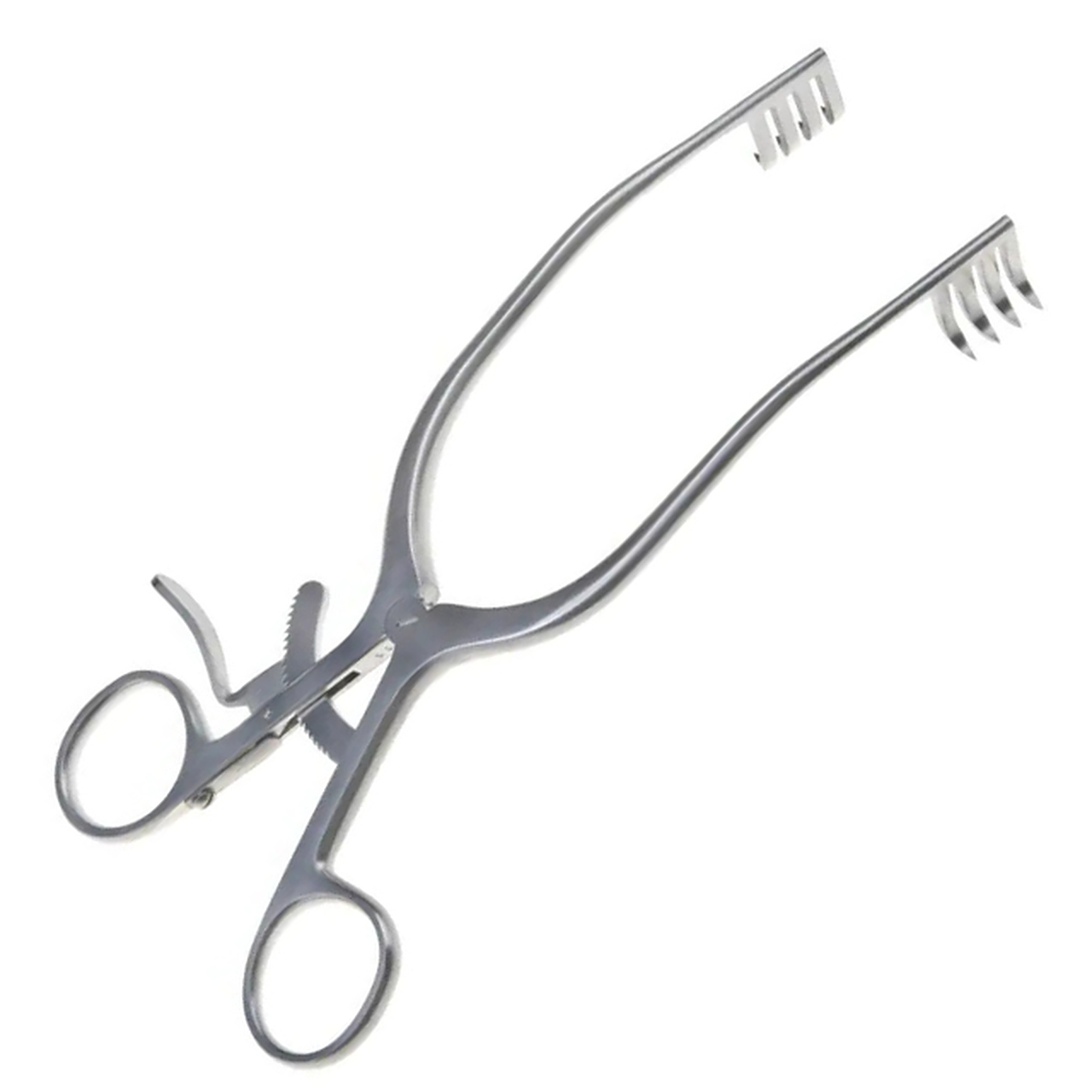 | Adson Cerebellum Wundsperrer | Speziell entwickelt für die selbsthaltende Muskel- und Weichteilretraktion bei neurochirurgischen Eingriffen an der posterioren Schädelgrube. |
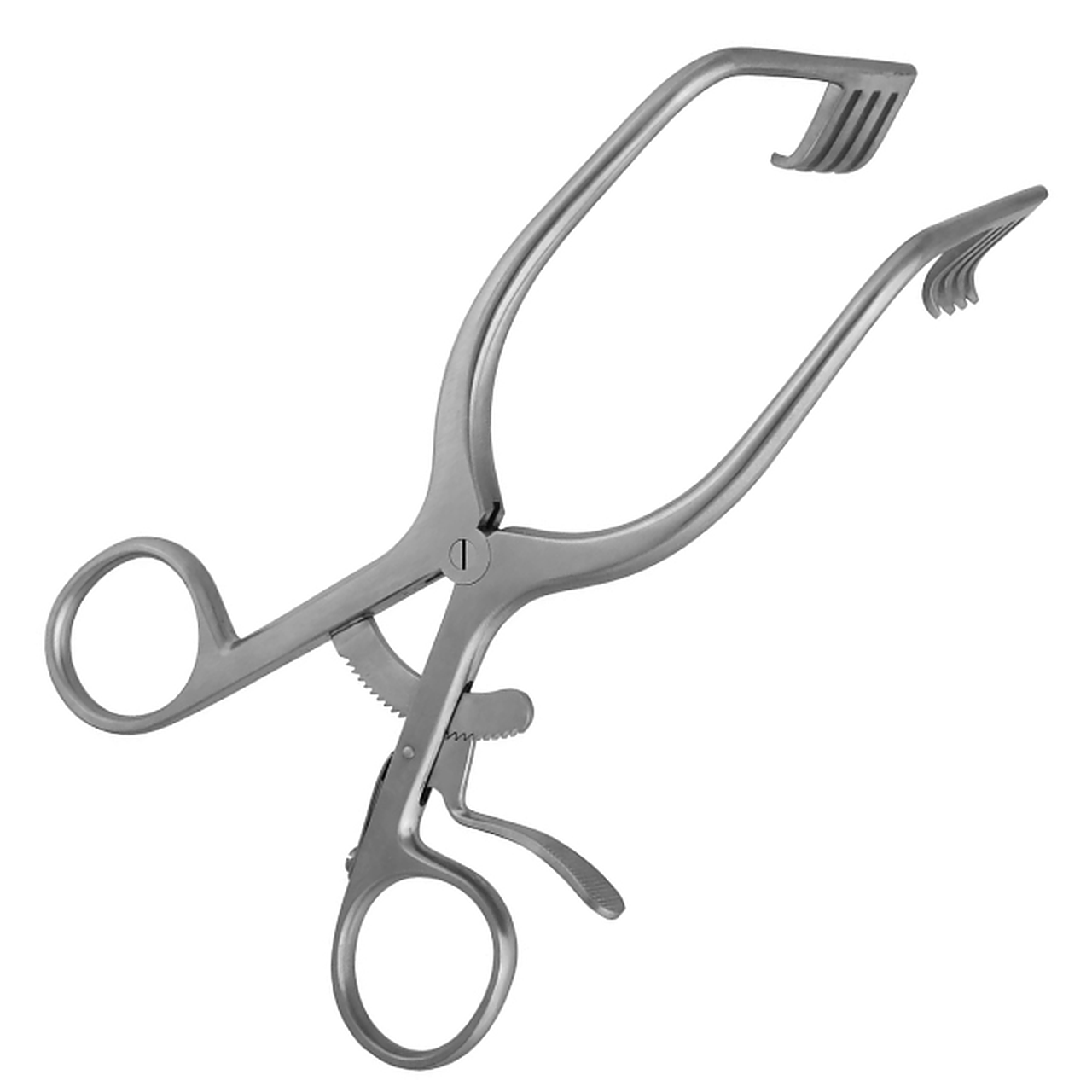 | Adson selbsthaltender Zerebellar-Retraktor | Speziell entwickelt für die selbsthaltende Geweberetraktion und die Aufrechterhaltung einer strukturierten chirurgischen Exposition bei kranialen und spinalen Eingriffen. |
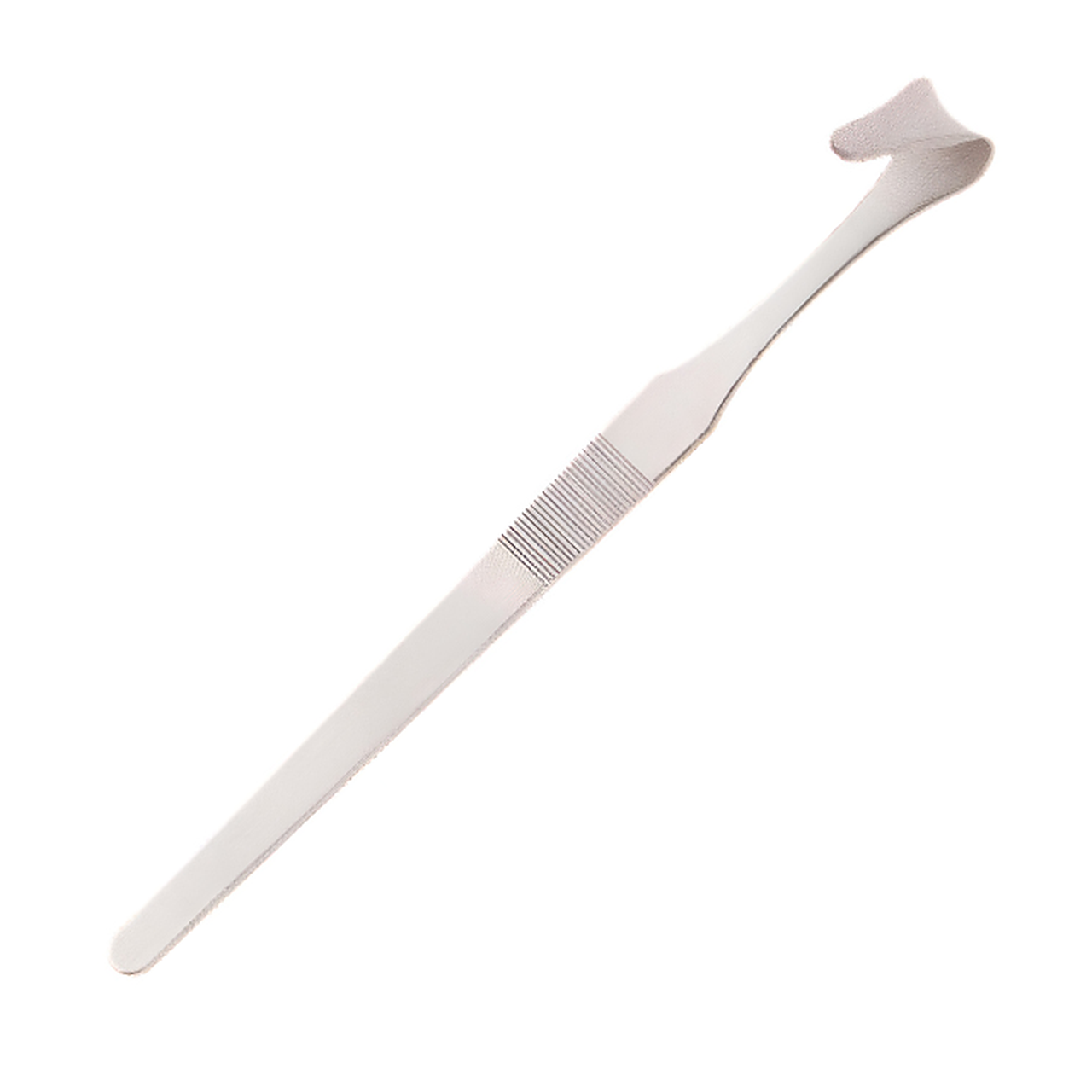 | Alar-Retraktor | Speziell entwickelt für die Nasenflügel-Retraktion und die Darstellung der Flügelknorpel bei Rhinoplastiken und HNO-Eingriffen. |
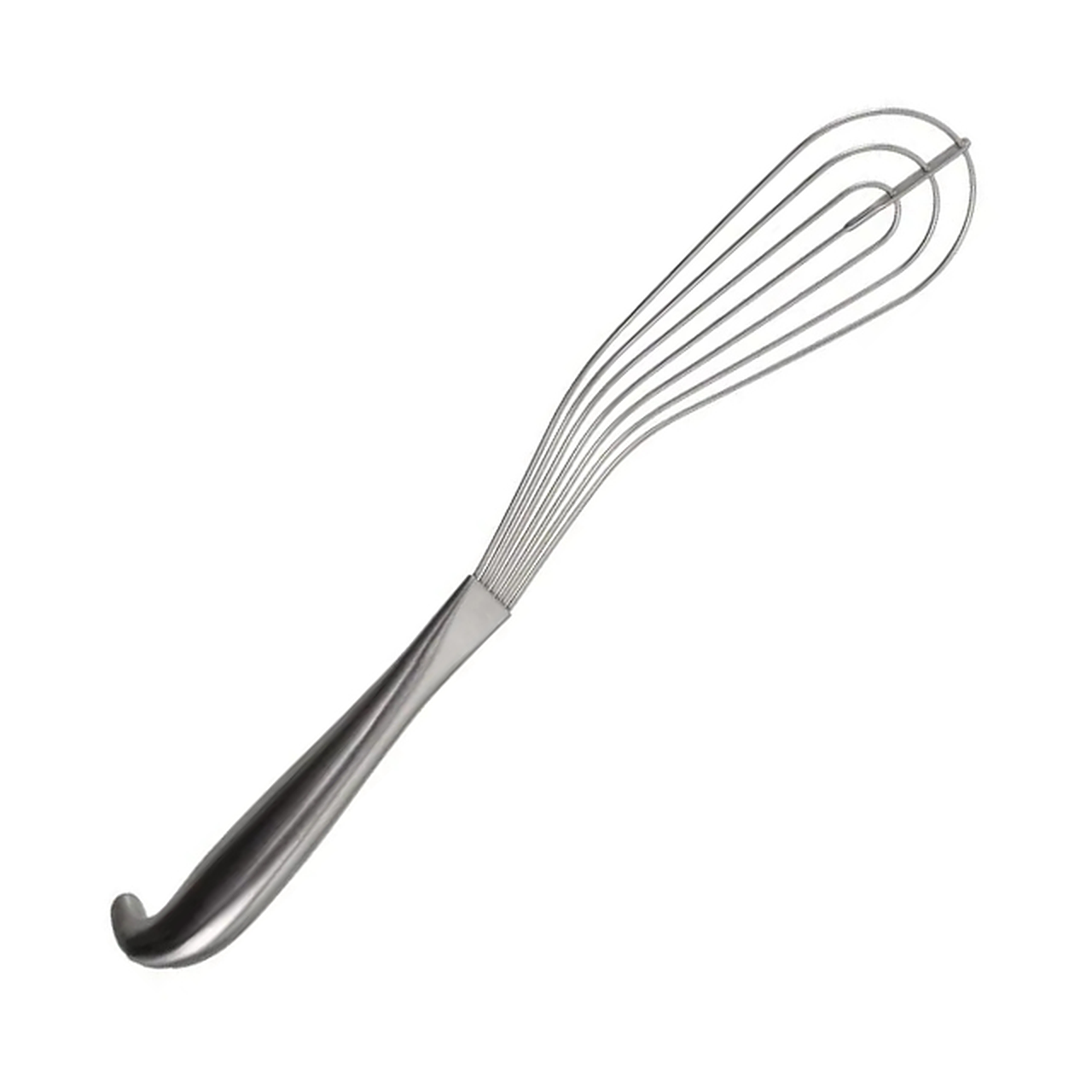 | Allison Lungenspatel | Entwickelt zur atraumatischen Kompression und Verlagerung des Lungenparenchyms während thoraxchirurgischer und kardiovaskulärer Eingriffe. |
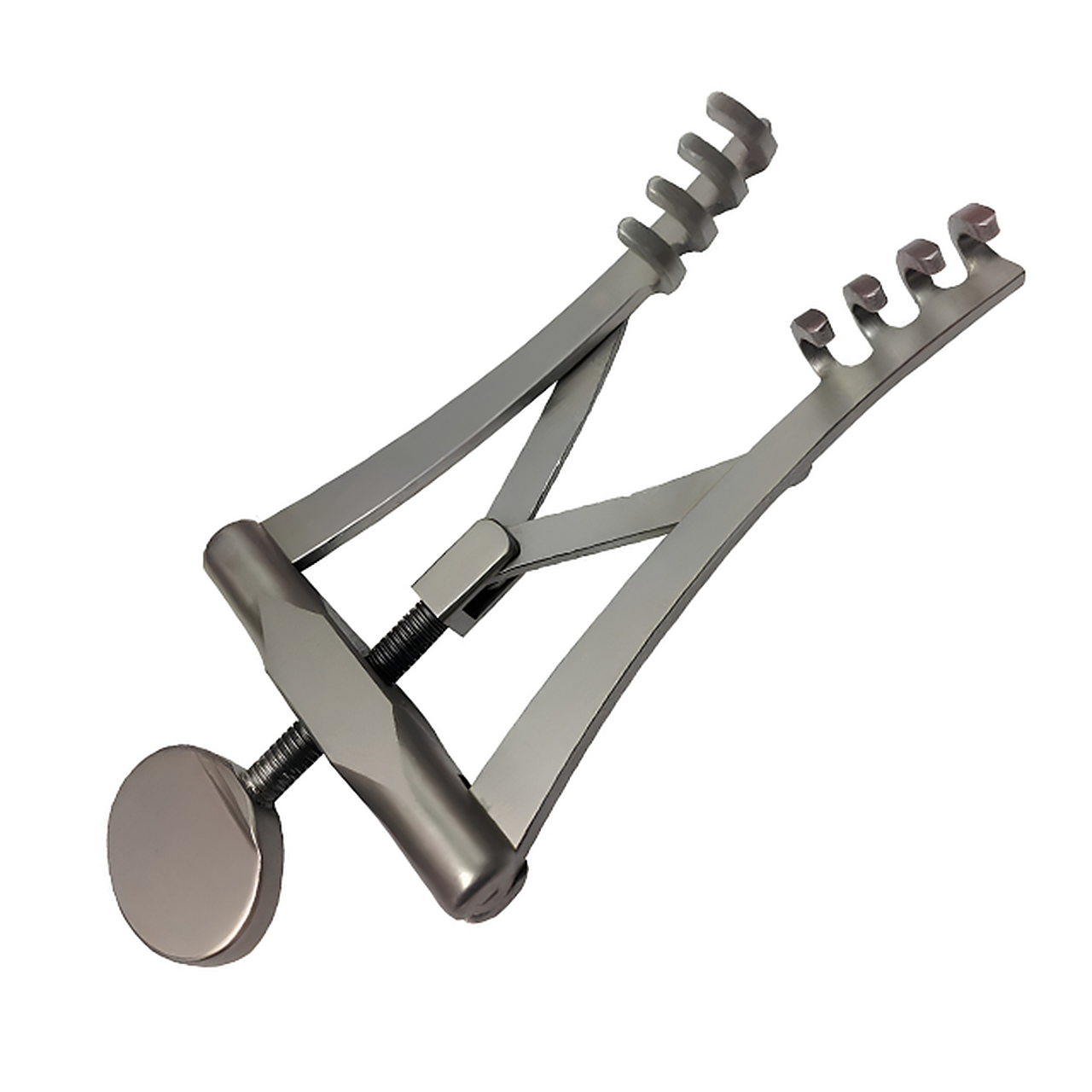 | Allport Mastoid-Retraktor | Speziell entwickelt für die selbsthaltende Weichteilretraktion über dem Processus mastoideus während otologischer und neurochirurgischer Eingriffe. |
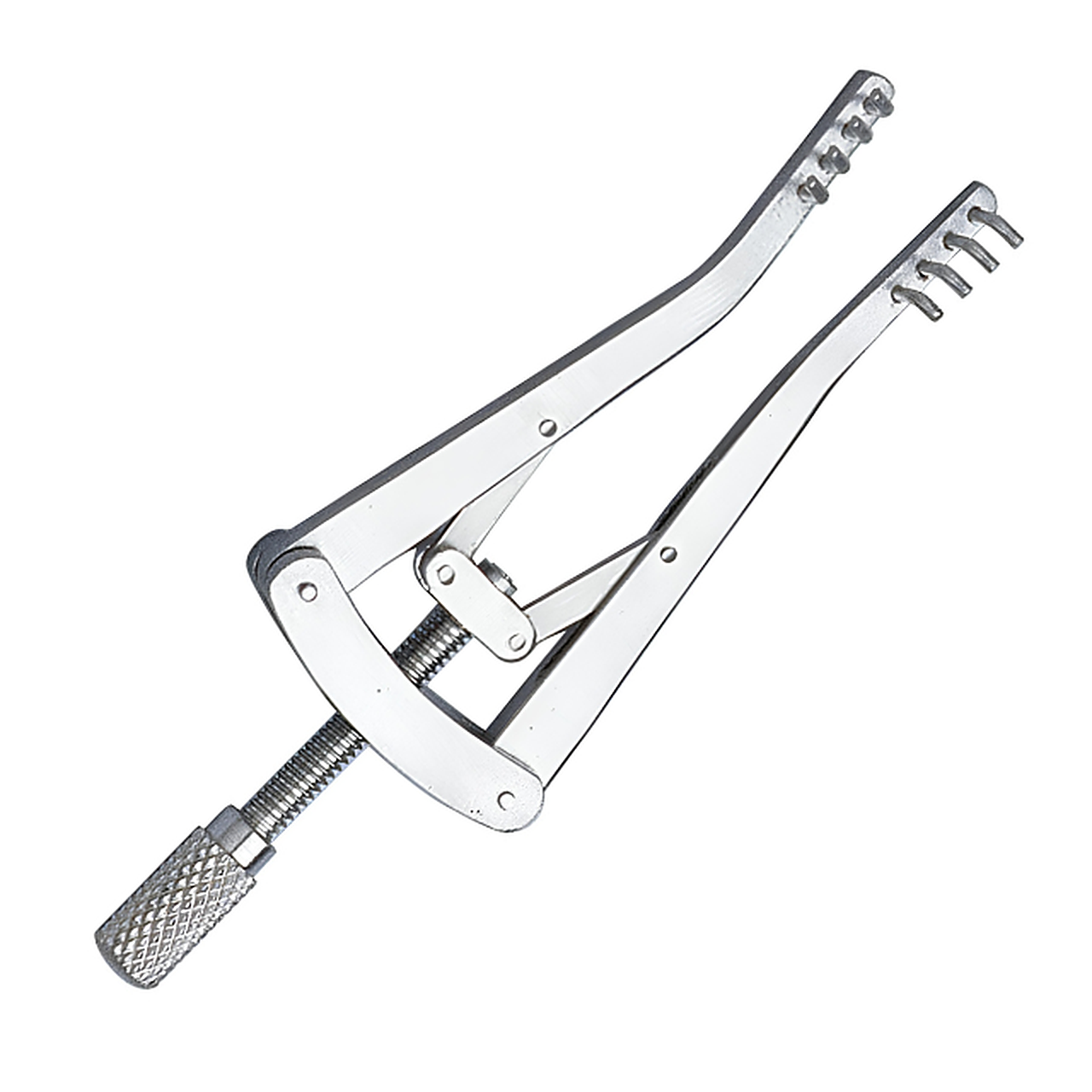 | ALM Wundsperrer, selbsthaltend | Speziell entwickelt für die selbsthaltende Gewberetraktion bei kleinchirurgischen, ophthalmologischen, plastischen und handchirurgischen Eingriffen. |
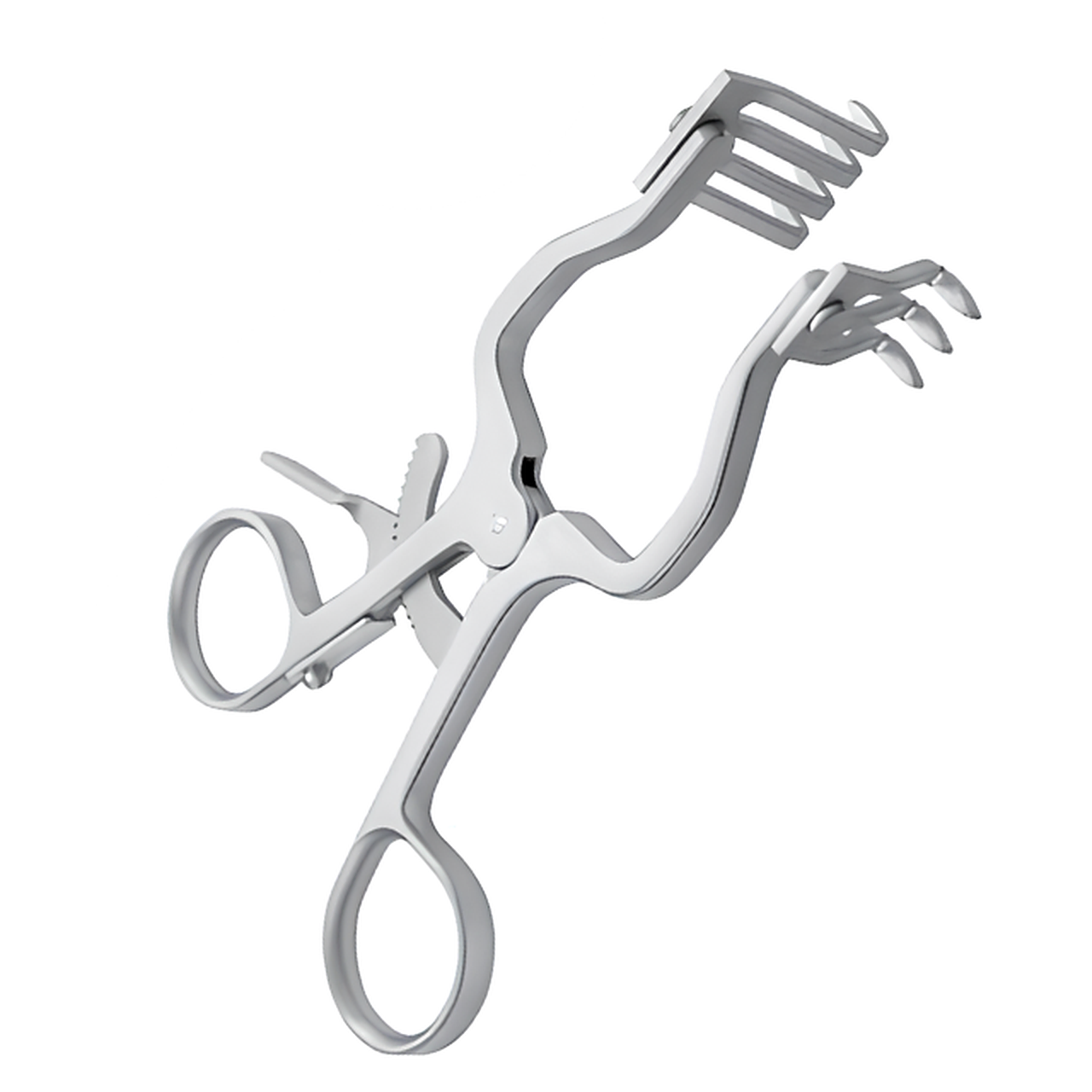 | Ambidextrous Self-Retaining Retractors | Speziell entwickelt für die reversible, freihändige Weichteilretraktion, bedienbar von beiden Seiten des sterilen Feldes. |
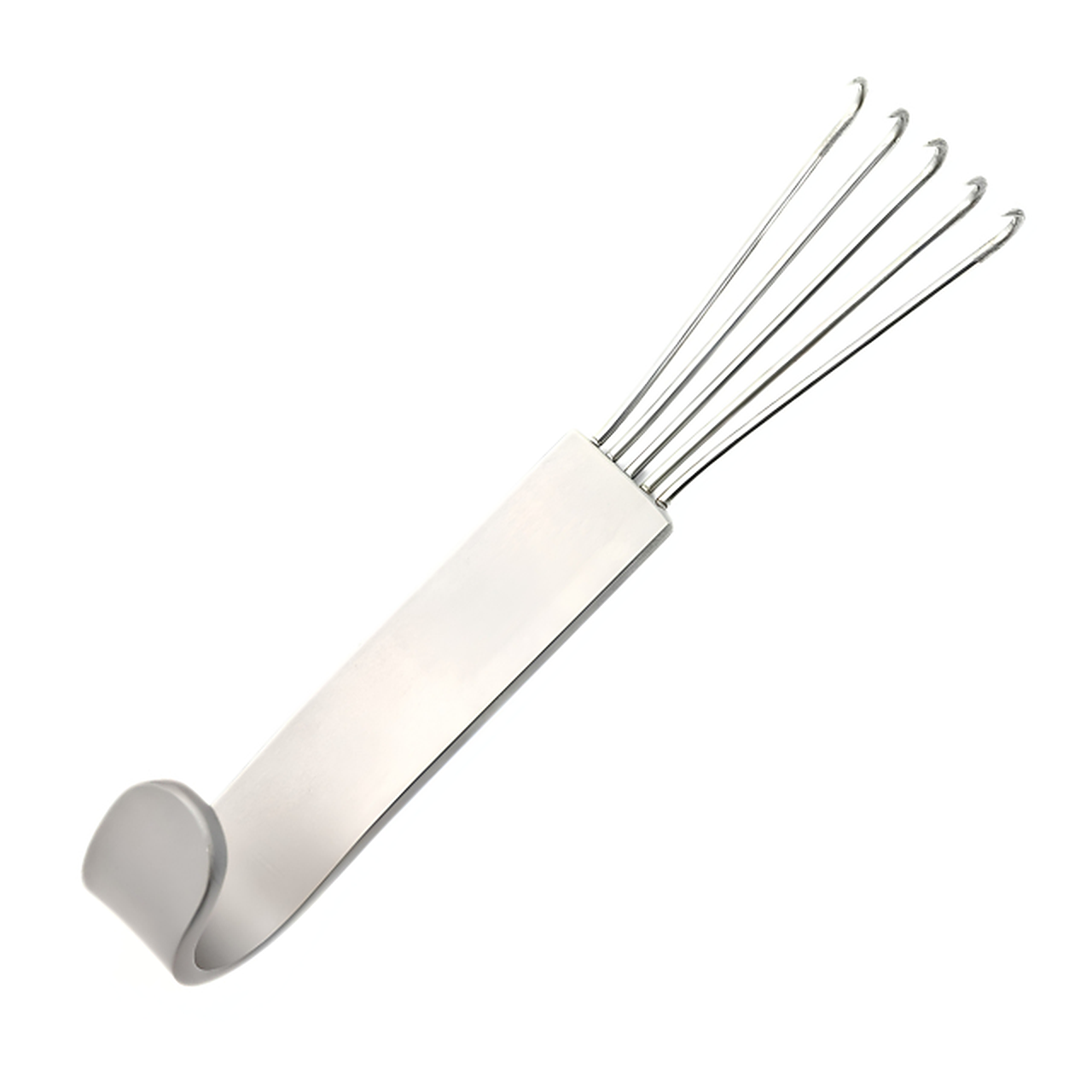 | Anderson Bear Claw Retraktor | Speziell entwickelt für die sichere kutane Traktion, Hautlappenhebung und Weichteilretraktion in der plastischen und rekonstruktiven Chirurgie. |
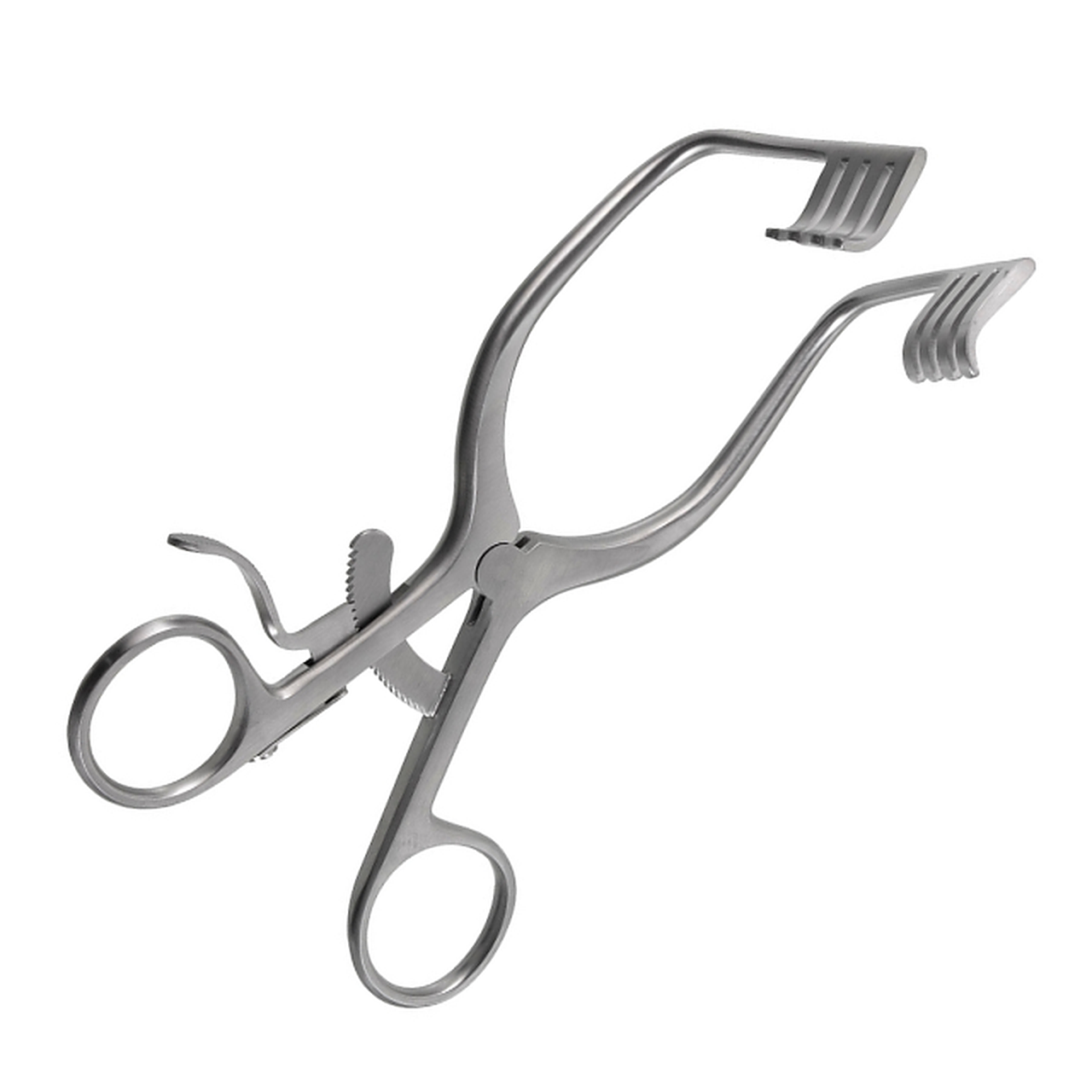 | Anderson-Adson selbsthaltender Kleinhirnspreizer | Speziell entwickelt für die selbsthaltende Muskel- und Geweberetraktion bei neurochirurgischen Eingriffen an der hinteren Schädelgrube und im subokzipitalen Bereich. |
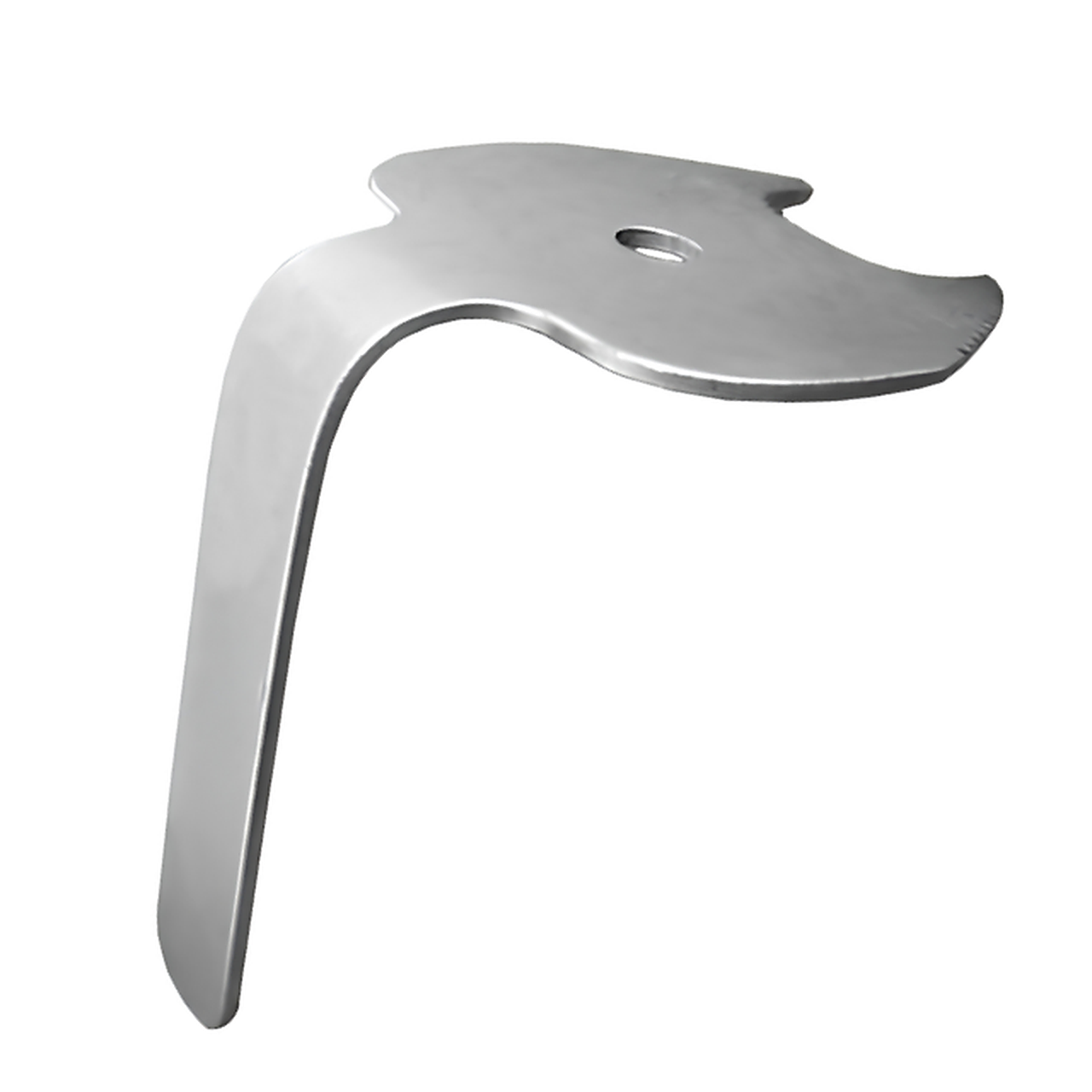 | Anterior Femoral Condylar Retractor | Speziell entwickelt zur Freilegung der anterioren Femurkondylen und Retraktion des Streckapparates während der Knietotalendoprothetik. |
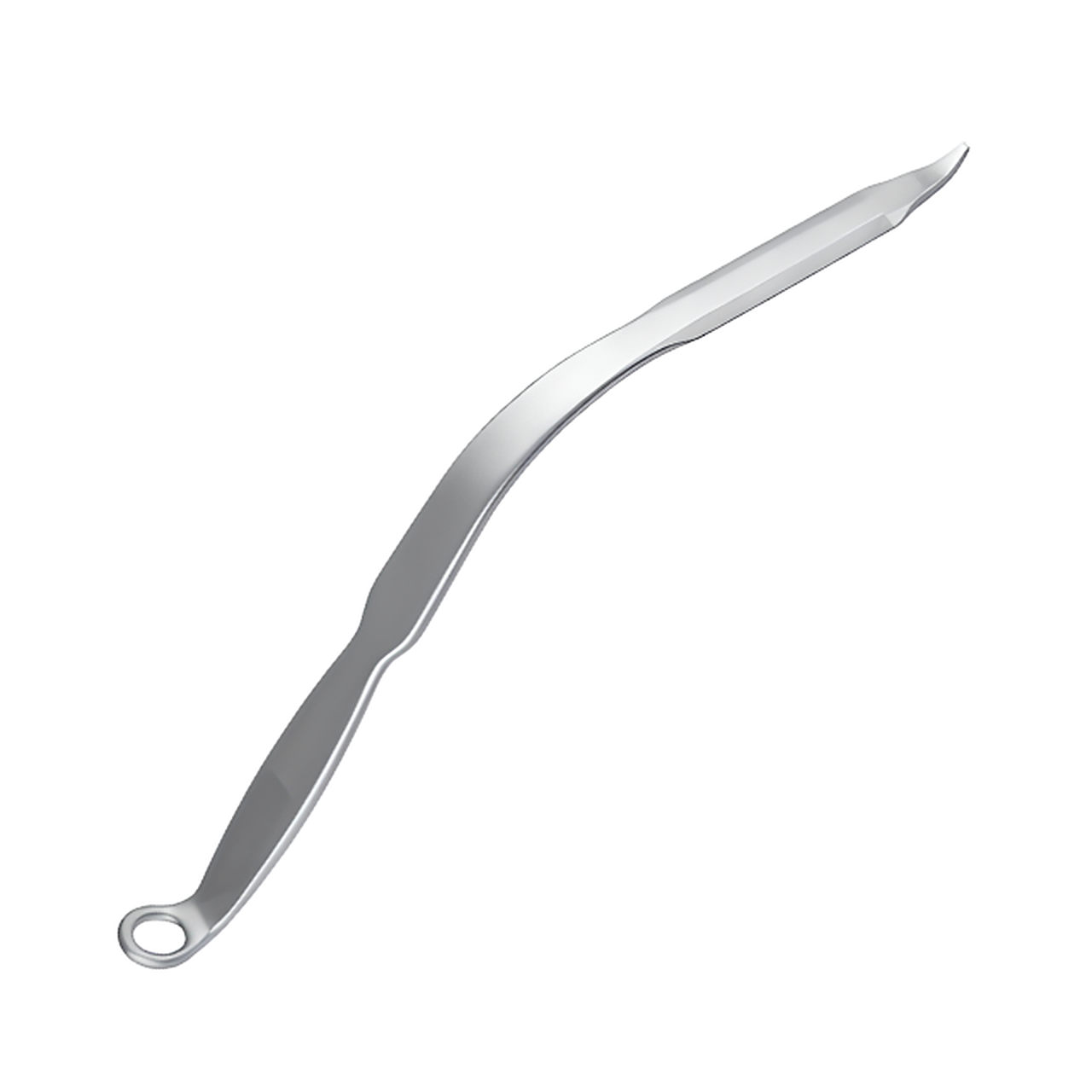 | Anterior Femoral Neck Anteromedial Rim Retractor | Speziell entwickelt zur Freilegung des anterioren Schenkelhalses und des anteromedialen Randes bei Hüftendoprothetik und Femurkopfosteotomie. |
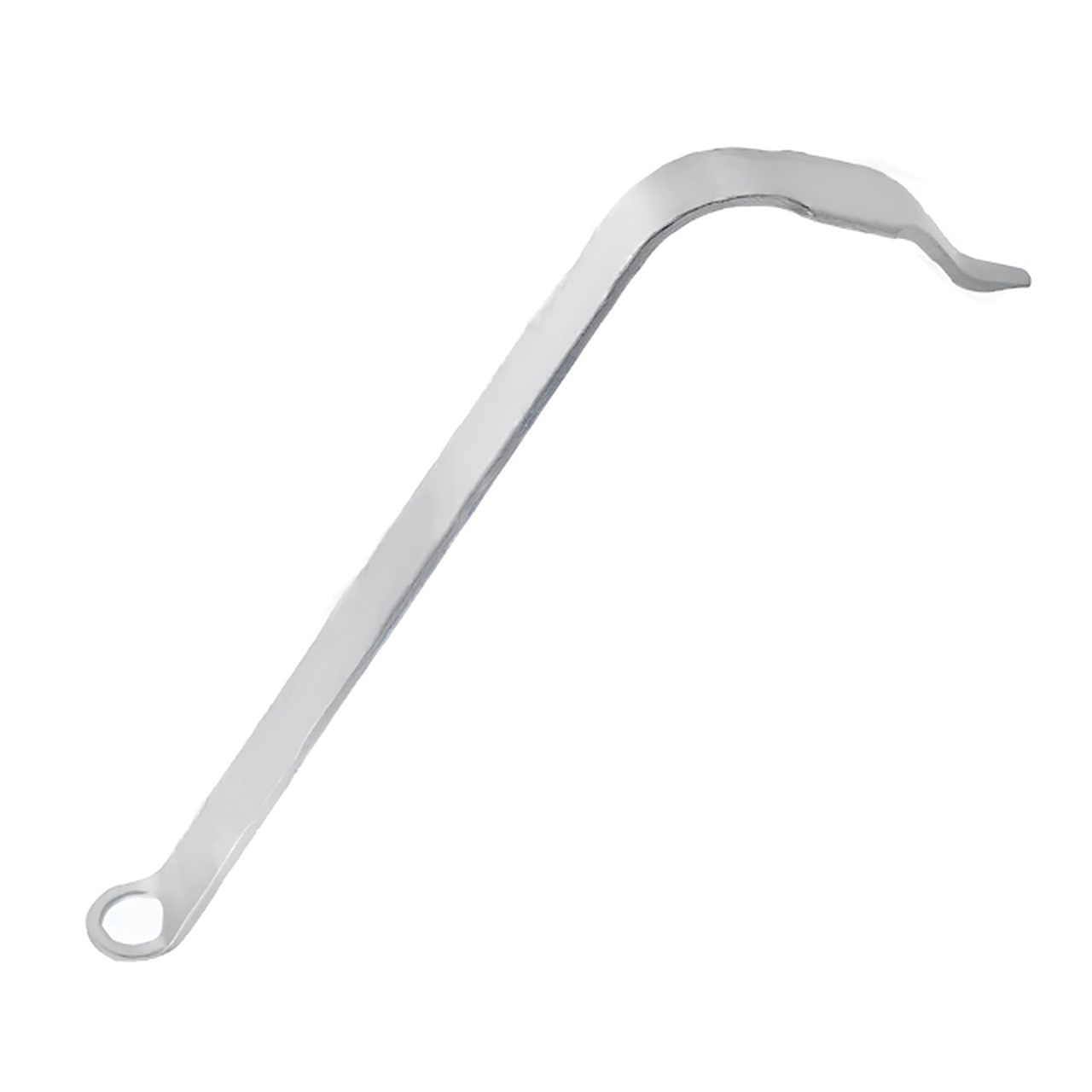 | Anterolateraler Acetabulumrand-Hebel | Speziell entwickelt zur Freilegung des anterolateralen Acetabulumrandes und zur Verdrängung des umgebenden Weichteilgewebes während der Hüftarthroplastik. |
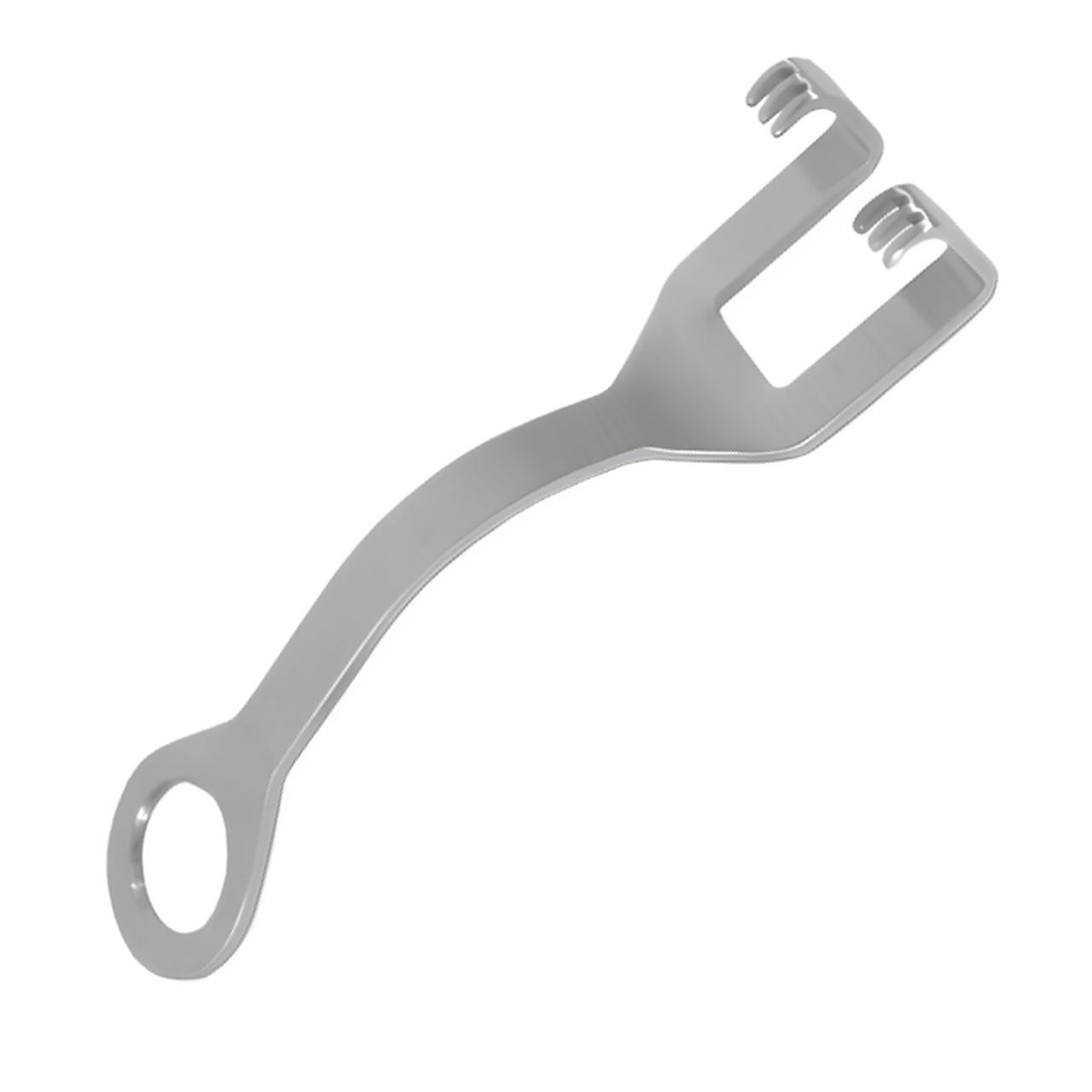 | AORI Patellar-Retraktor | Speziell entwickelt für die Retraktion und Eversion der Patella bei primären und Revisionseingriffen der Knie-Totalendoprothetik. |
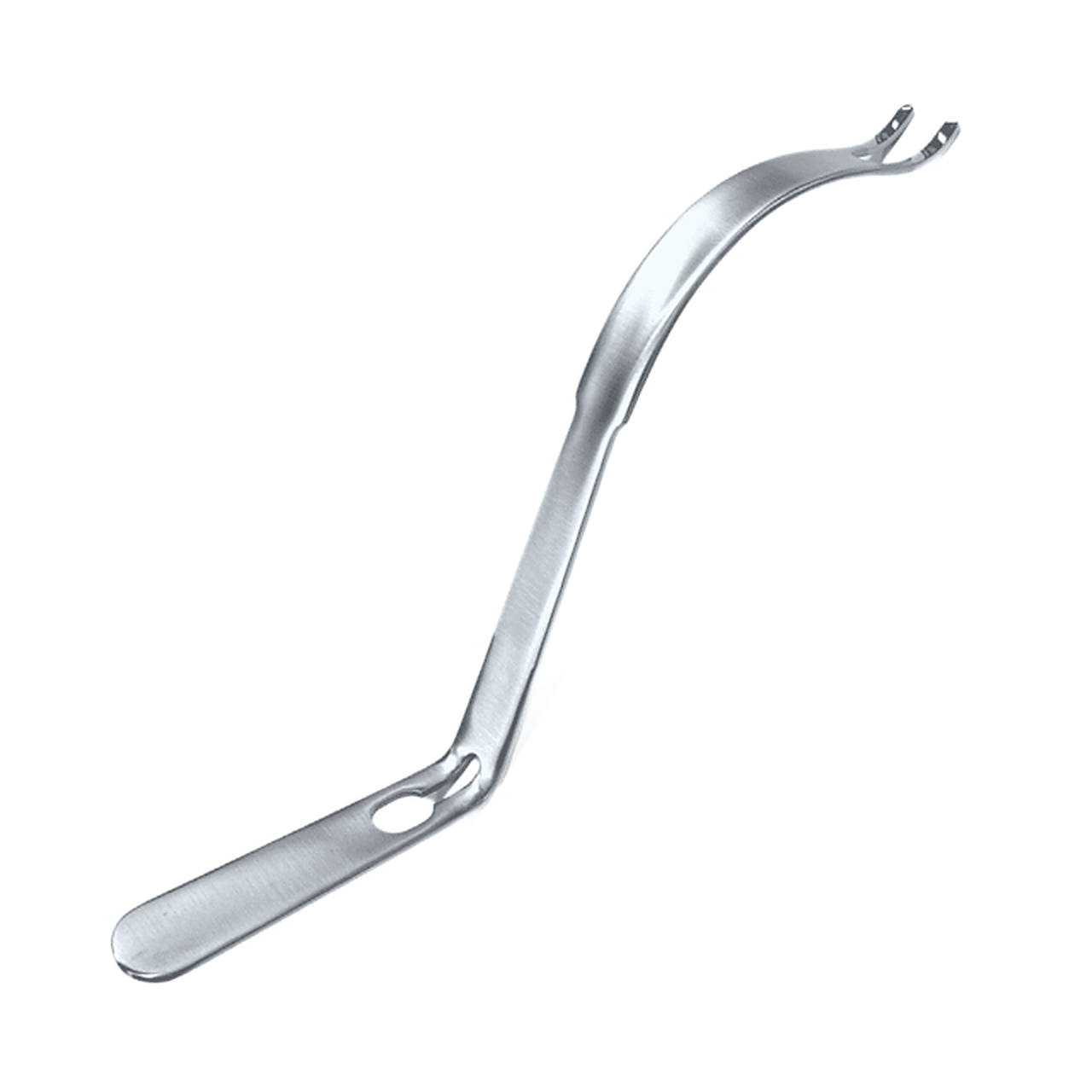 | APC Hüftwundhaken | Speziell entwickelt für die Freilegung des Acetabulumrandes und des Schenkelhalses bei der Hüftendoprothetik und rekonstruktiven Chirurgie. |
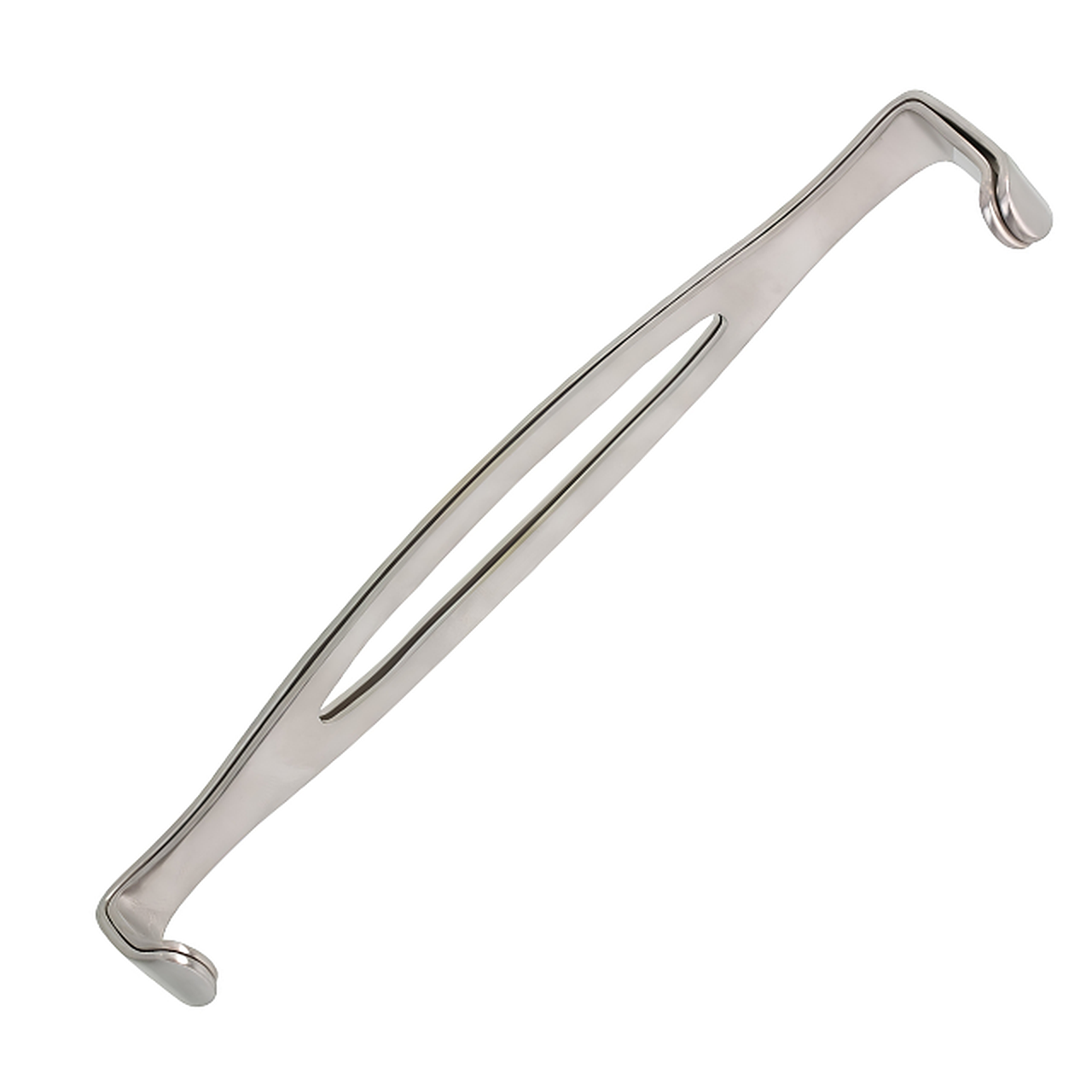 | Army-Navy Wundhaken-Set (2-teilig) | Zur manuellen Retraktion von Weichteilgewebe und Wundrändern in oberflächlichen und intermediären Operationsfeldern. |
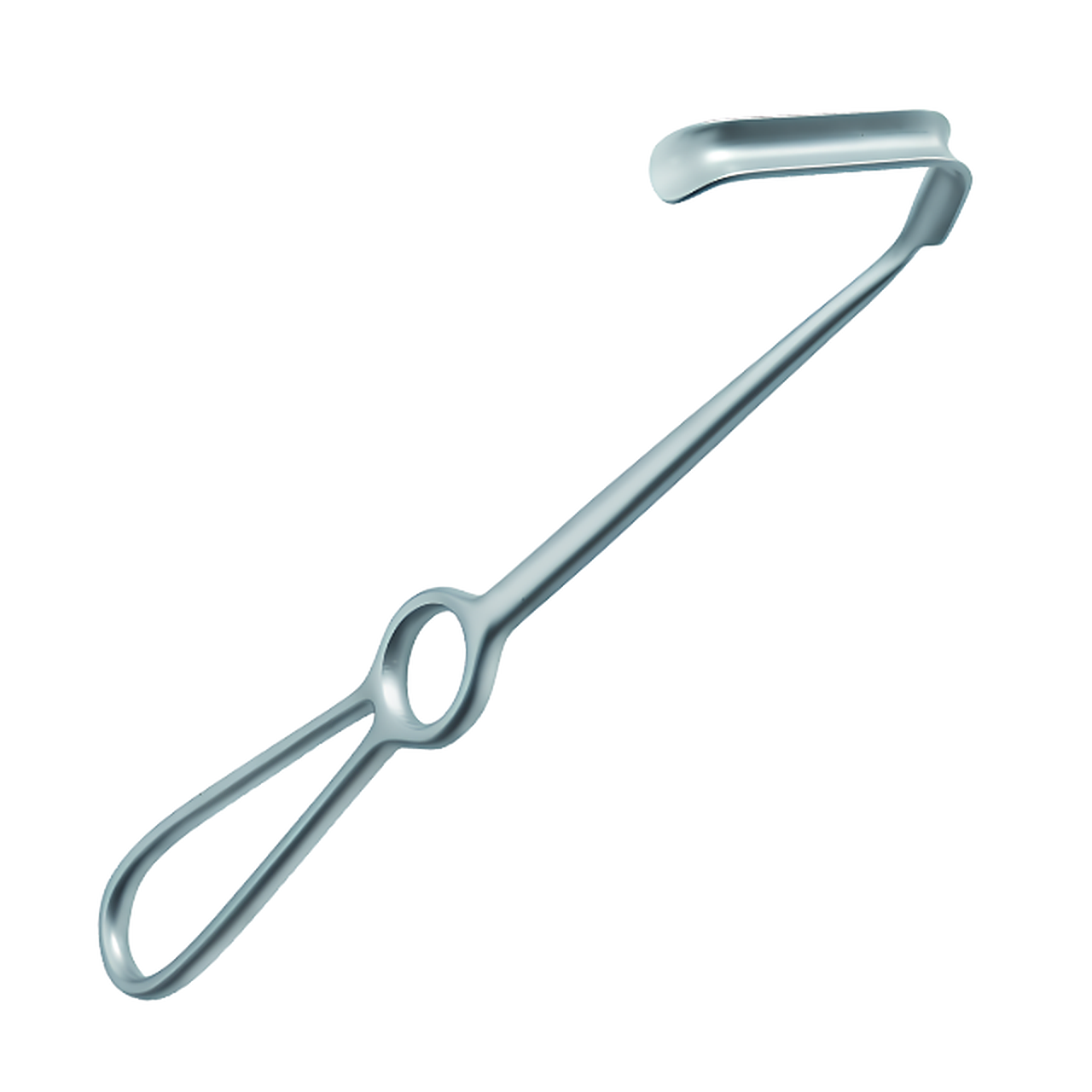 | Arnett Le Fort Oberlippenhaken | Speziell entwickelt zur Elevation und zum Schutz der Oberlippe und der vestibulären Mukosa bei Le-Fort-Osteotomien und orthognathen Eingriffen. |
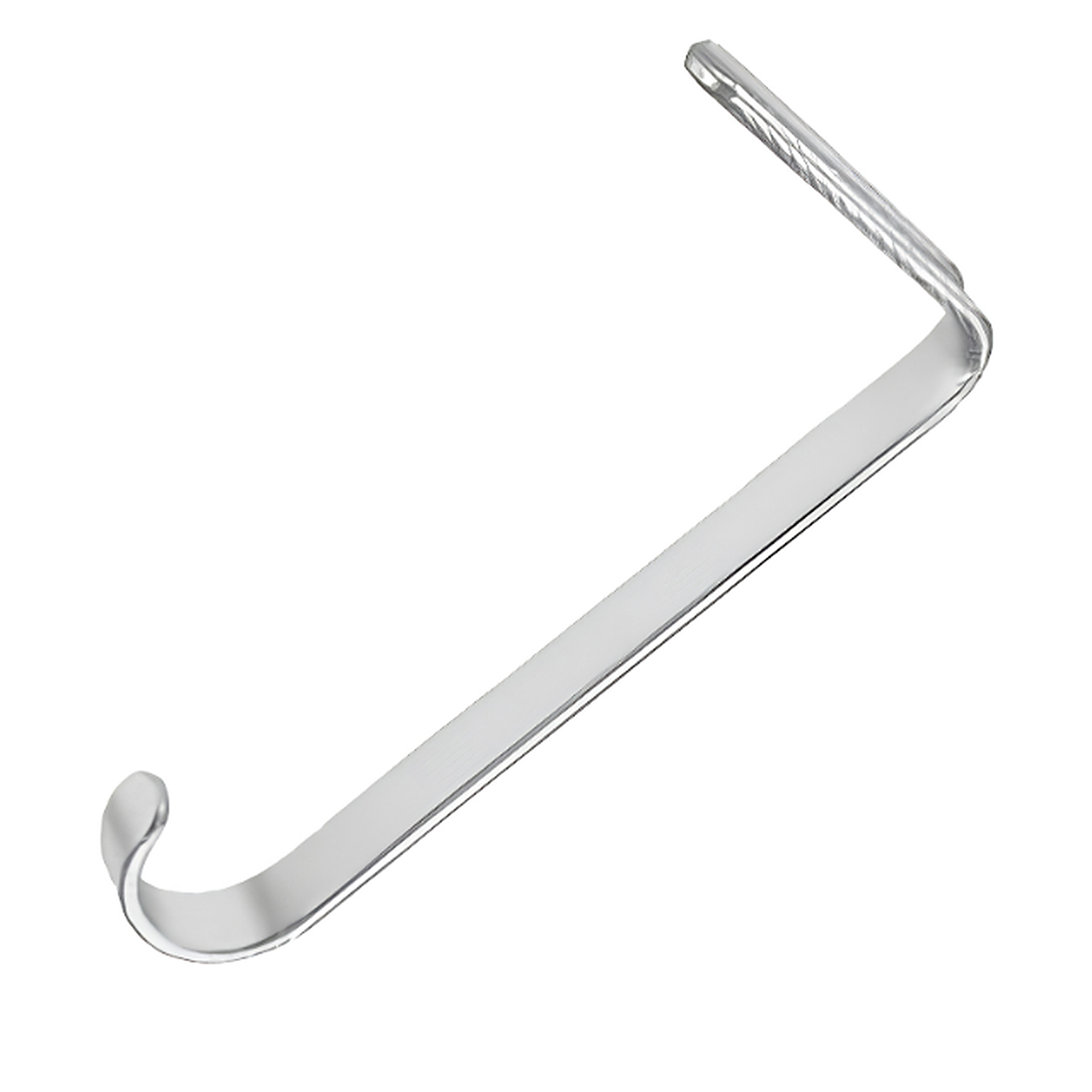 | Aufricht Daniel Nasenhaken | Speziell entwickelt zur Elevation des Haut-Weichteil-Mantels des Nasenrückens bei der ästhetischen und rekonstruktiven Rhinoplastik. |
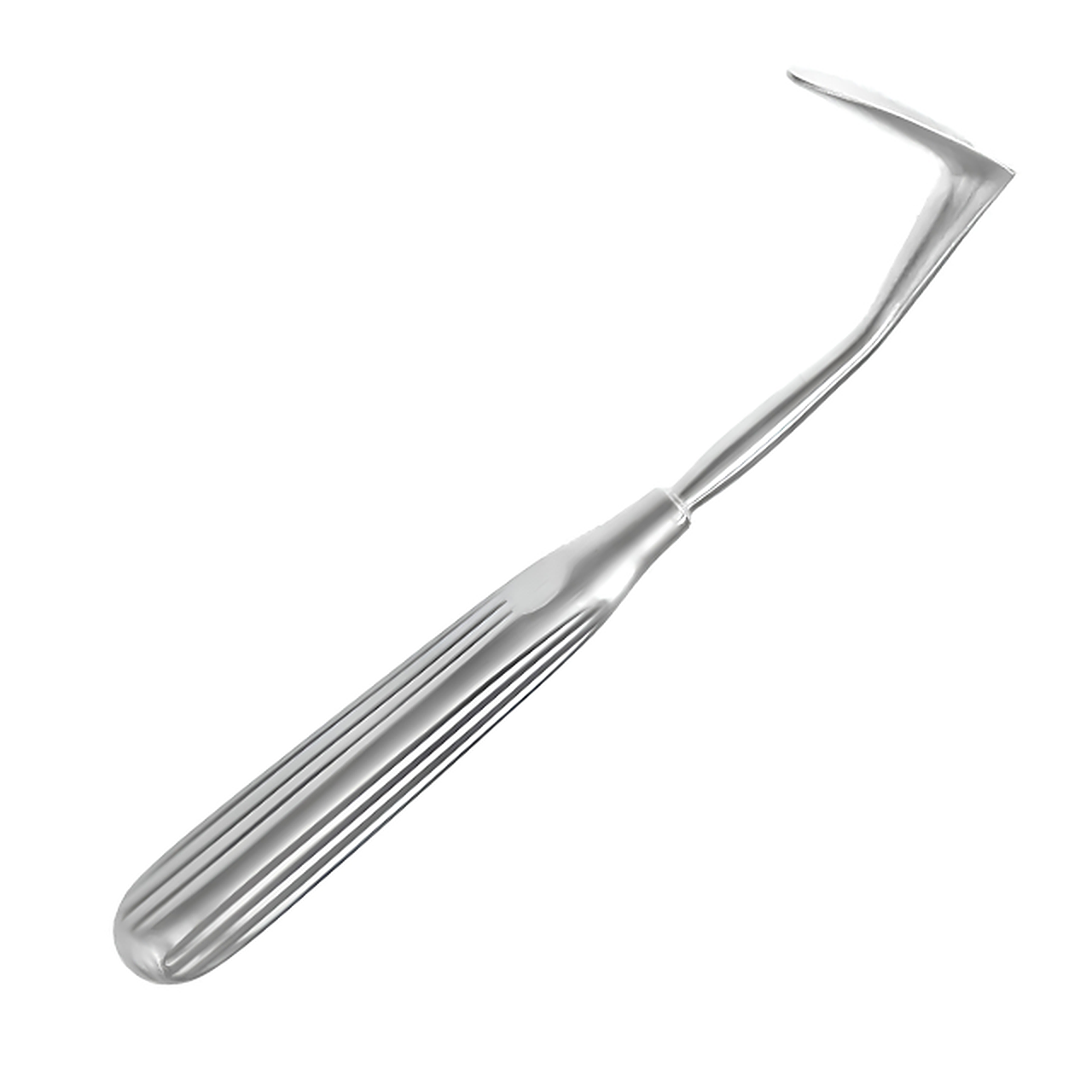 | Aufricht Nasen-Retraktor | Speziell entwickelt zur Anhebung von Nasenhautlappen und zur Aufrechterhaltung einer klaren Sicht auf den Nasenrücken während Rhinoplastik-Eingriffen. |
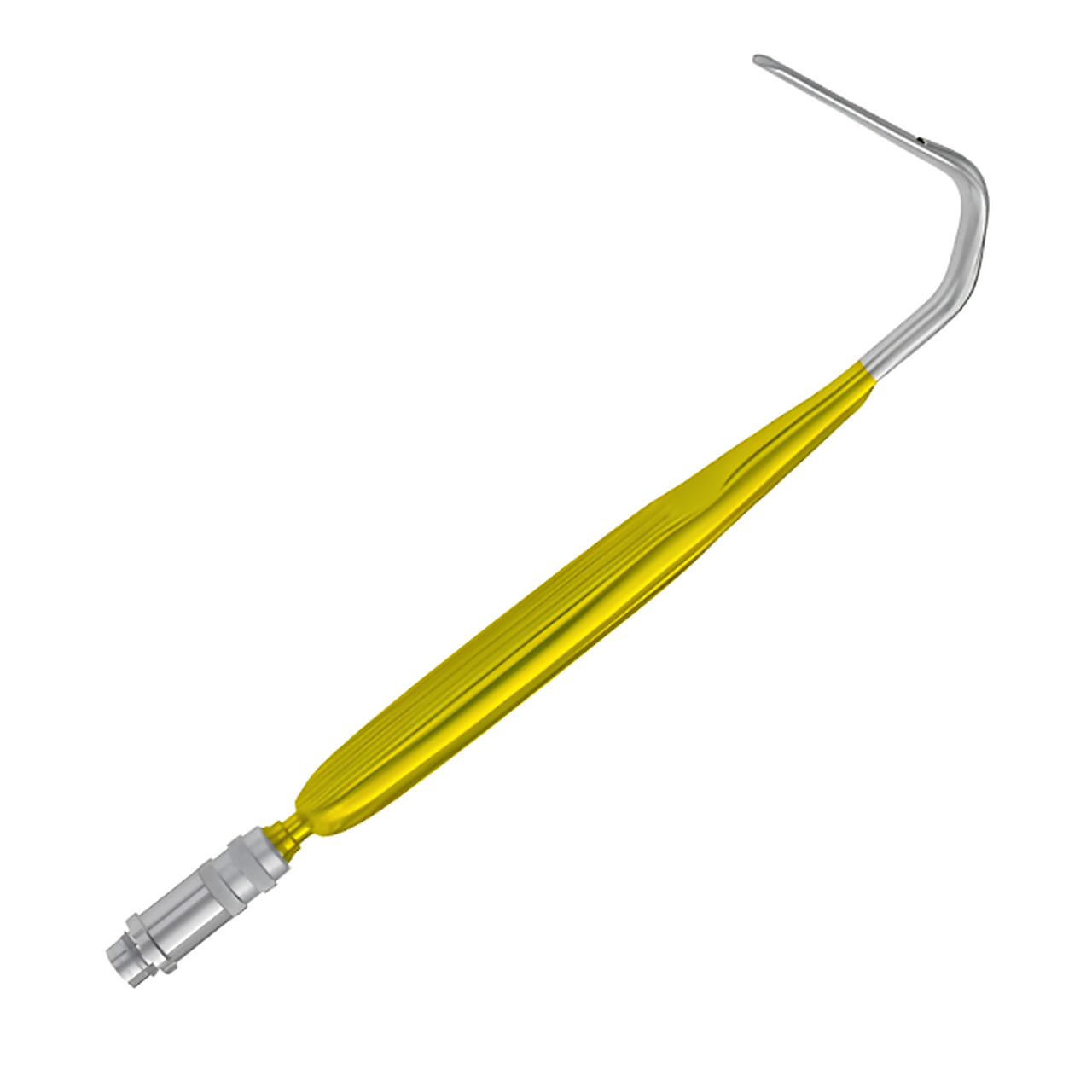 | Aufricht Nasal Retractor - Fiber Optic | Speziell entwickelt für die beleuchtete Weichteilretraktion und Exposition des Nasenrückens bei der Rhinoplastik und rekonstruktiven Nasenchirurgie. |
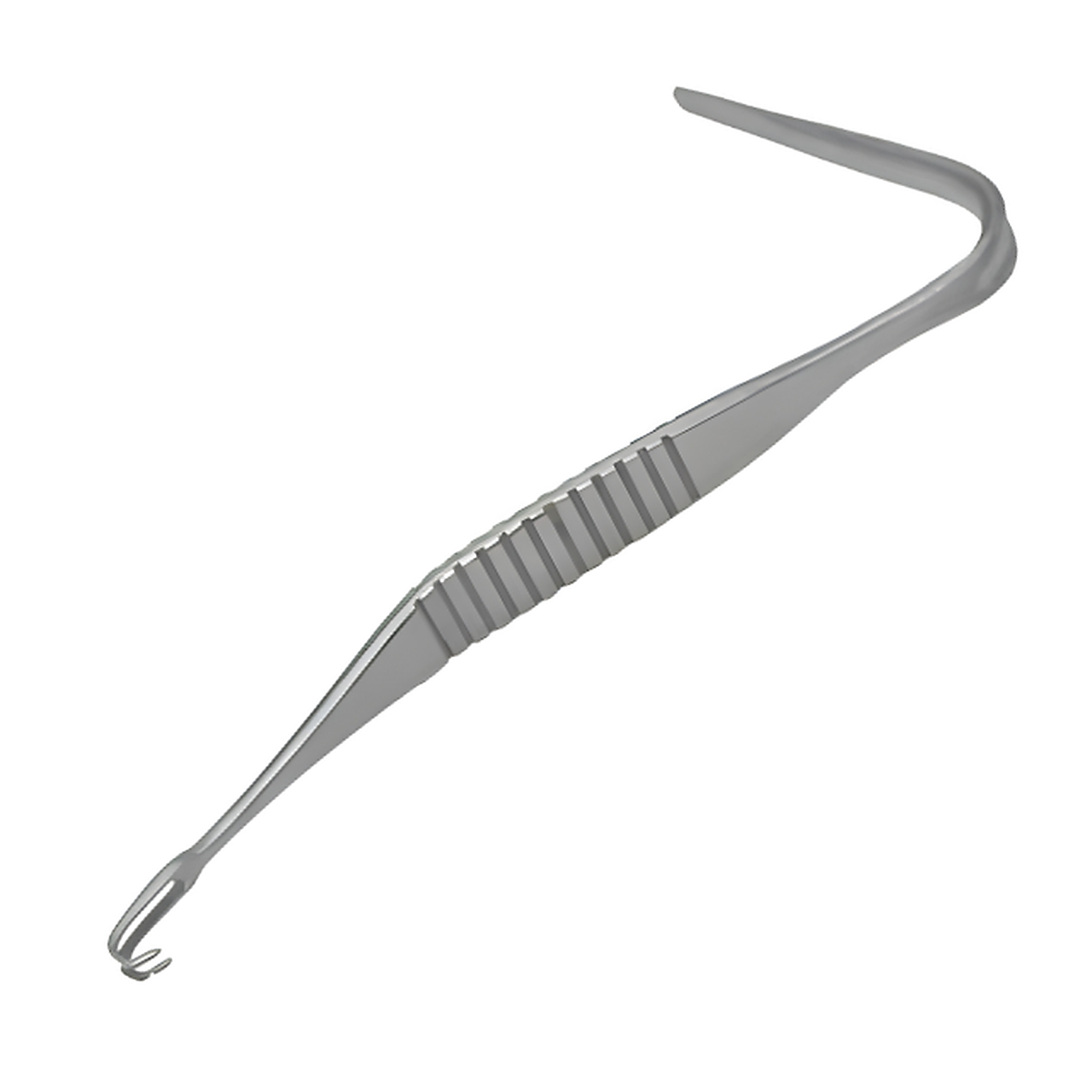 | Aufricht Walter Nasen-Wundhaken | Speziell entwickelt für die doppelendige Weichteilretraktion und die Elevation von Schleimhautlappen bei der Rhinoplastik und Nasenrekonstruktion. |
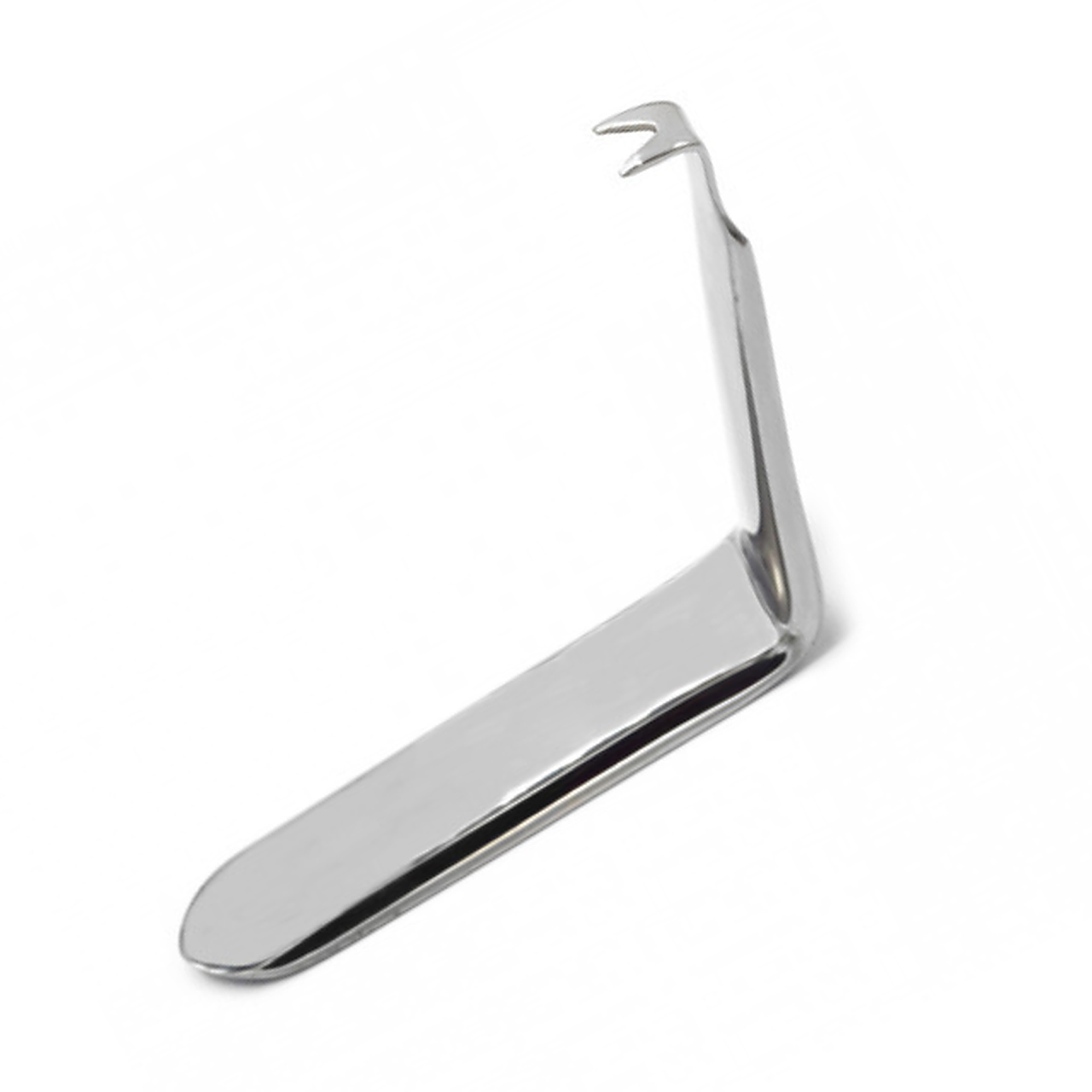 | Austin Gewebe- und Wangenretraktor | Speziell entwickelt für die Retraktion von Wangen, Lippen und Mukoperiostlappen bei intraoralen, mund-kiefer-gesichtschirurgischen und dentalchirurgischen Eingriffen. |
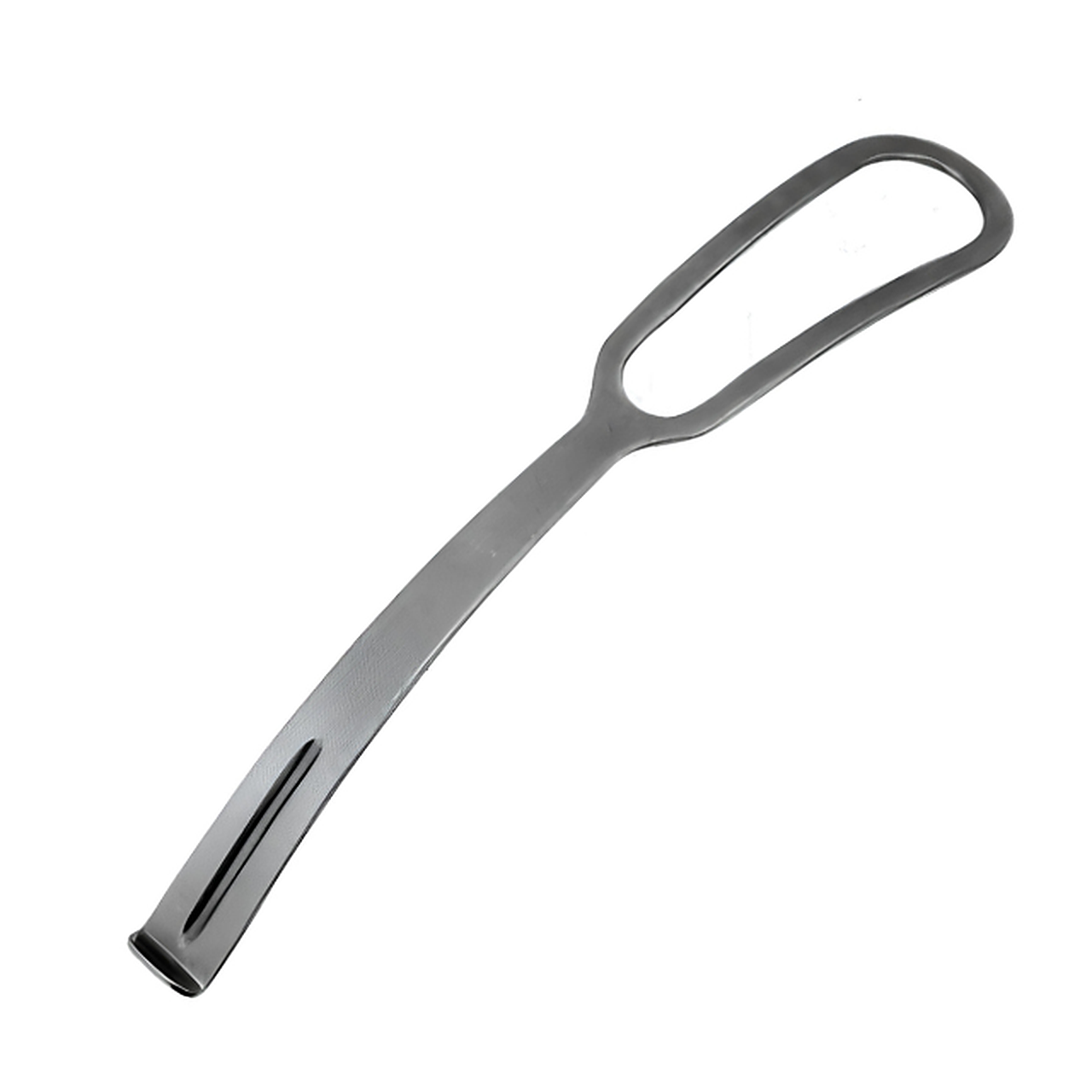 | Awty Kondylenhals-Retraktor | Speziell entwickelt zur Freilegung und zum Schutz des Collum mandibulae bei orthognathen und traumatologischen Osteotomien. |
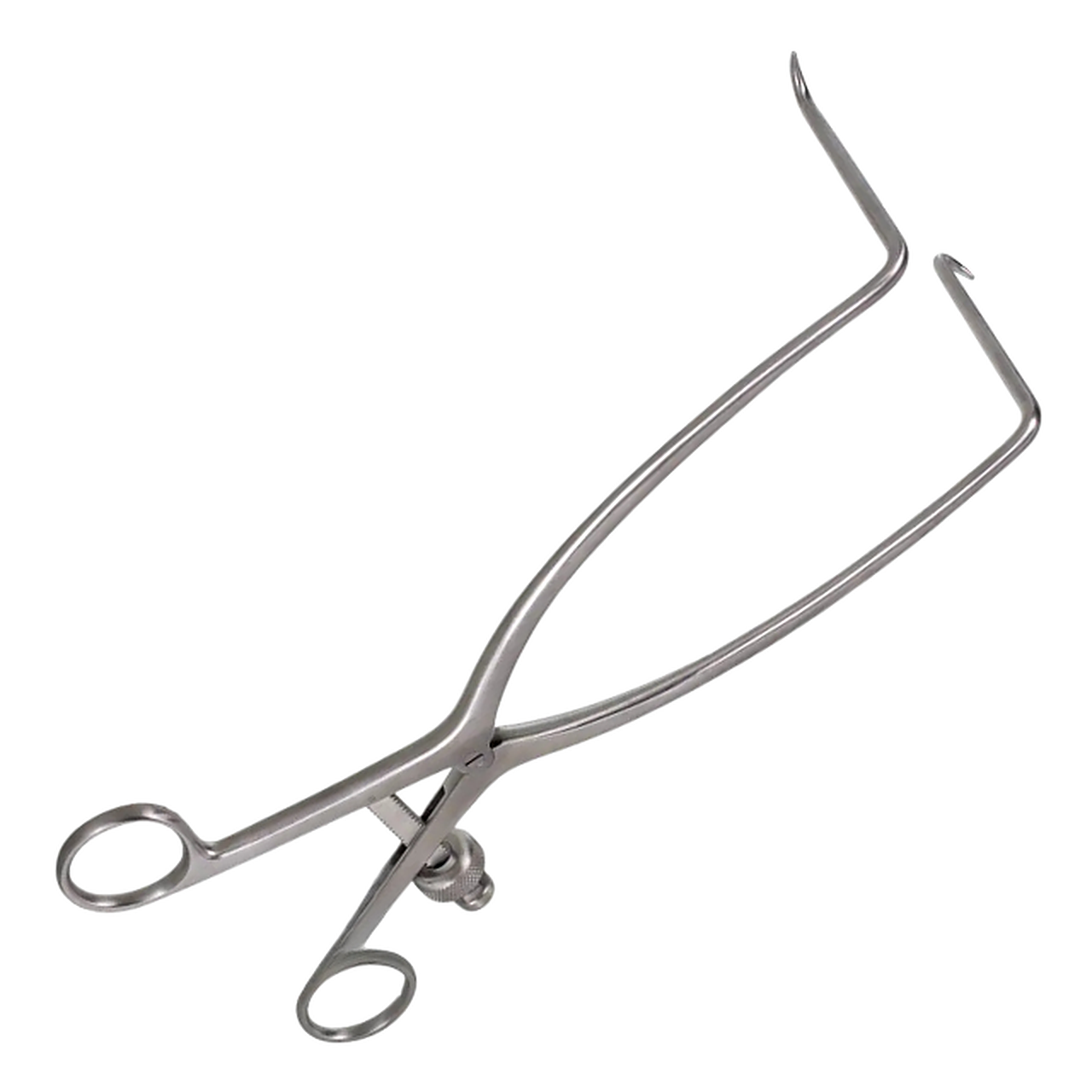 | B-Z Retraktor | Speziell entwickelt für die selbsthaltende Retraktion von tiefem Weichteilgewebe und paraspinaler Muskulatur in der Orthopädie, Wirbelsäulenchirurgie und Beckenchirurgie. |
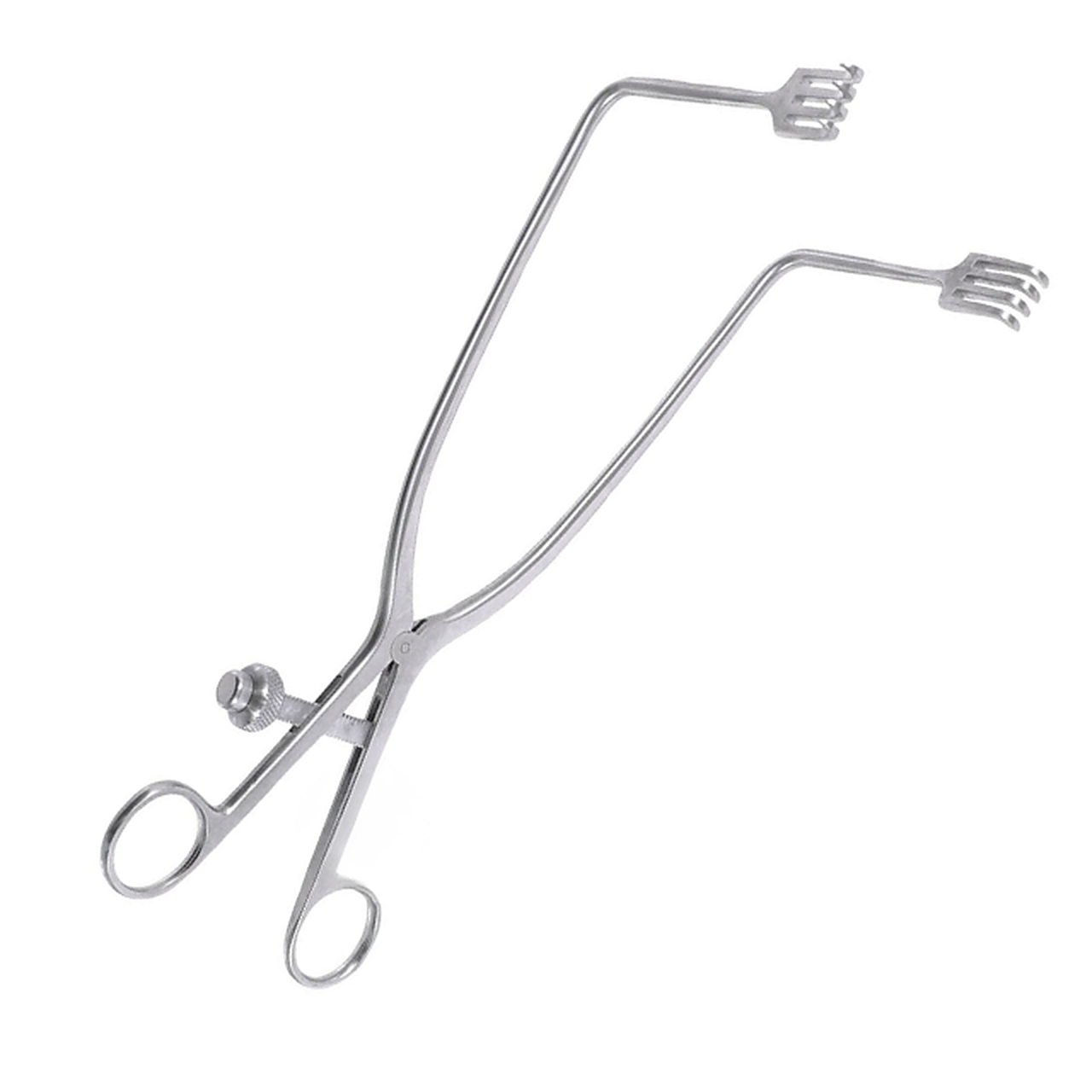 | B-Z Weitlaner Retraktor | Speziell entwickelt für die selbsthaltende Retraktion von tiefem Weichgewebe und Muskulatur bei Wirbelsäulen-, orthopädischen und Beckenoperationen. |
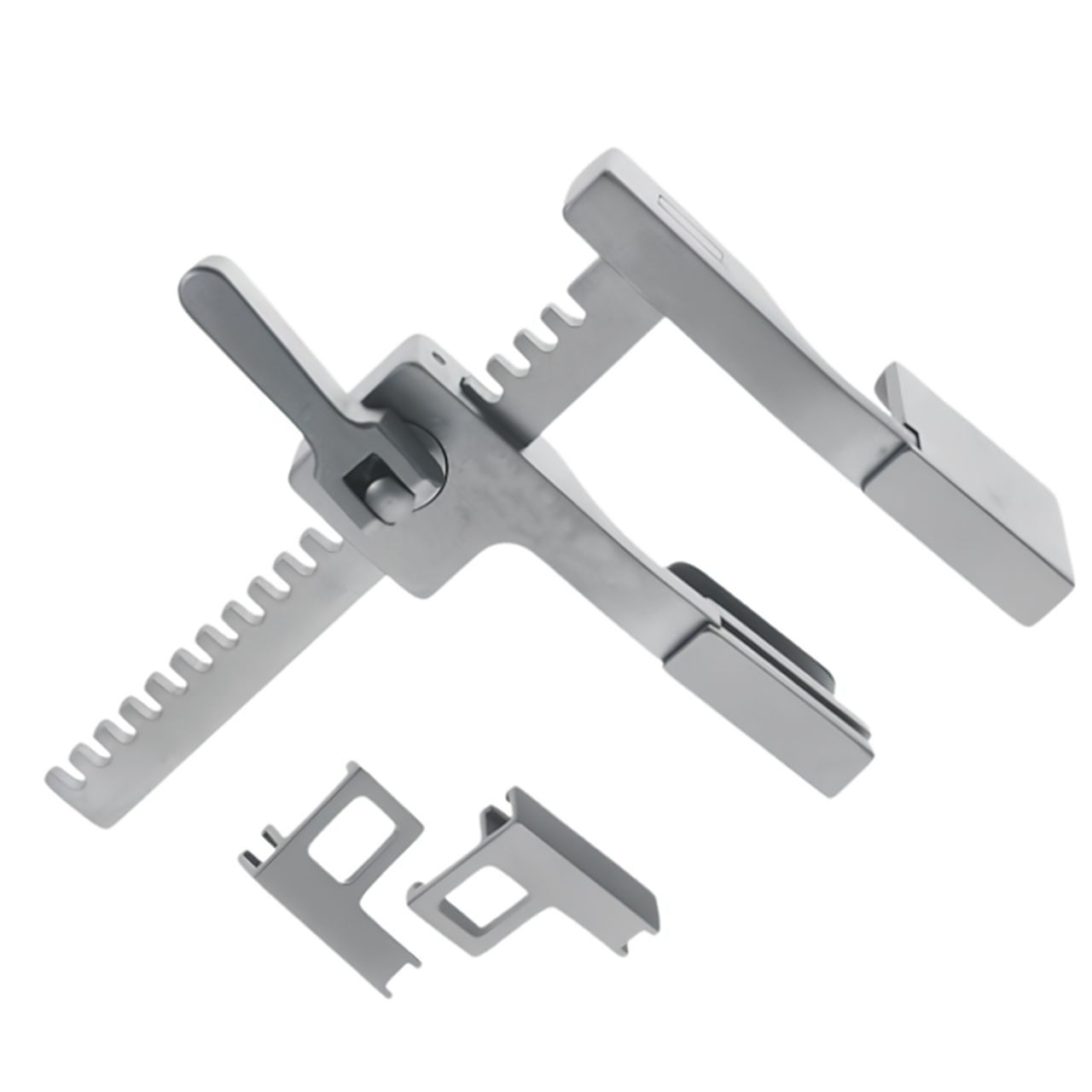 | Baby-Haight Rippenspreizer | Speziell entwickelt zur Rippenseparation und zum thorakalen Zugang bei neonatalen und pädiatrischen kardiothorakalen Eingriffen. |
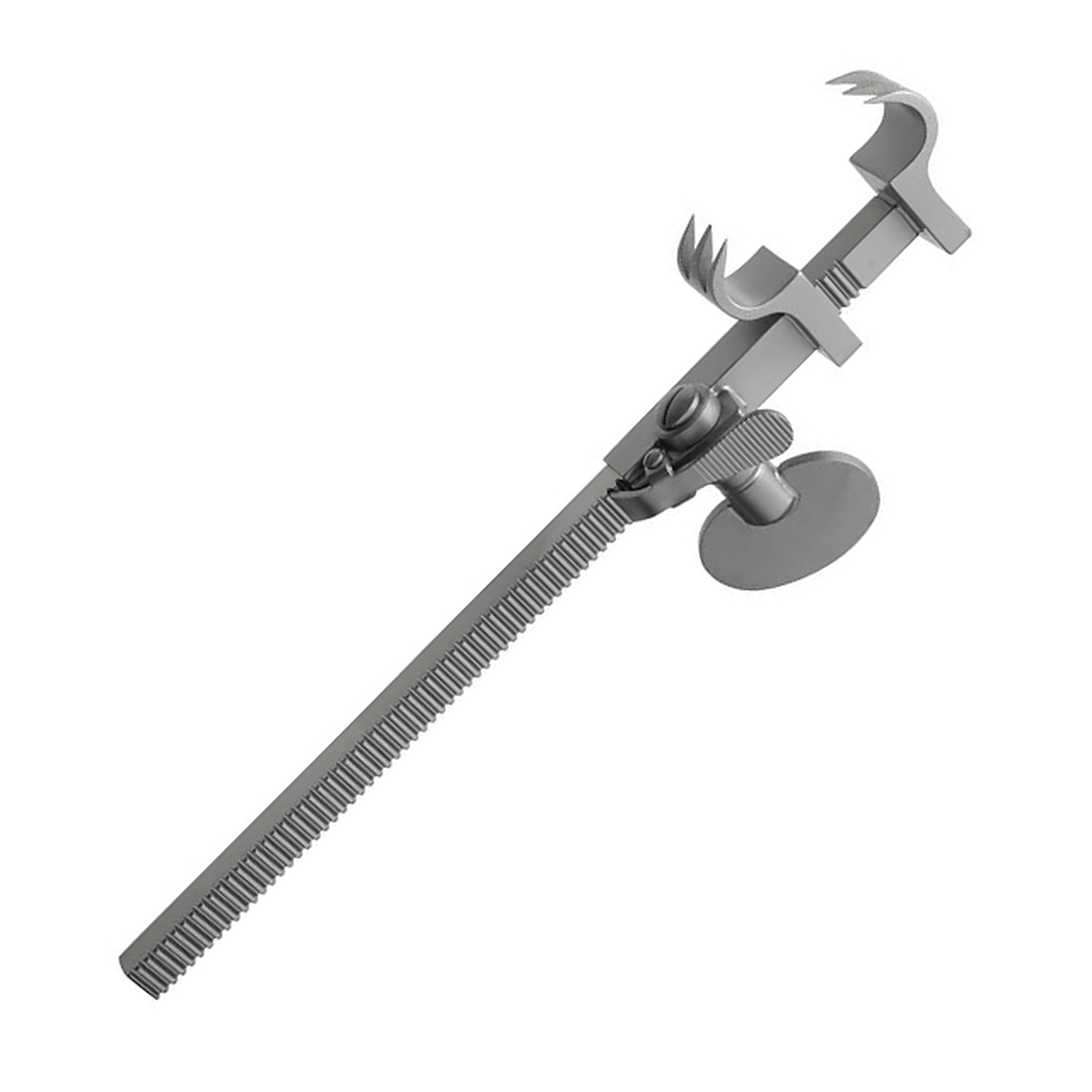 | Bailey Rippensperrer / Rippenkontraktor | Speziell entwickelt zur Approximation von Rippen und zur Stabilisierung des Thoraxkäfigs während des Verschlusses von Thorakotomiewunden. |
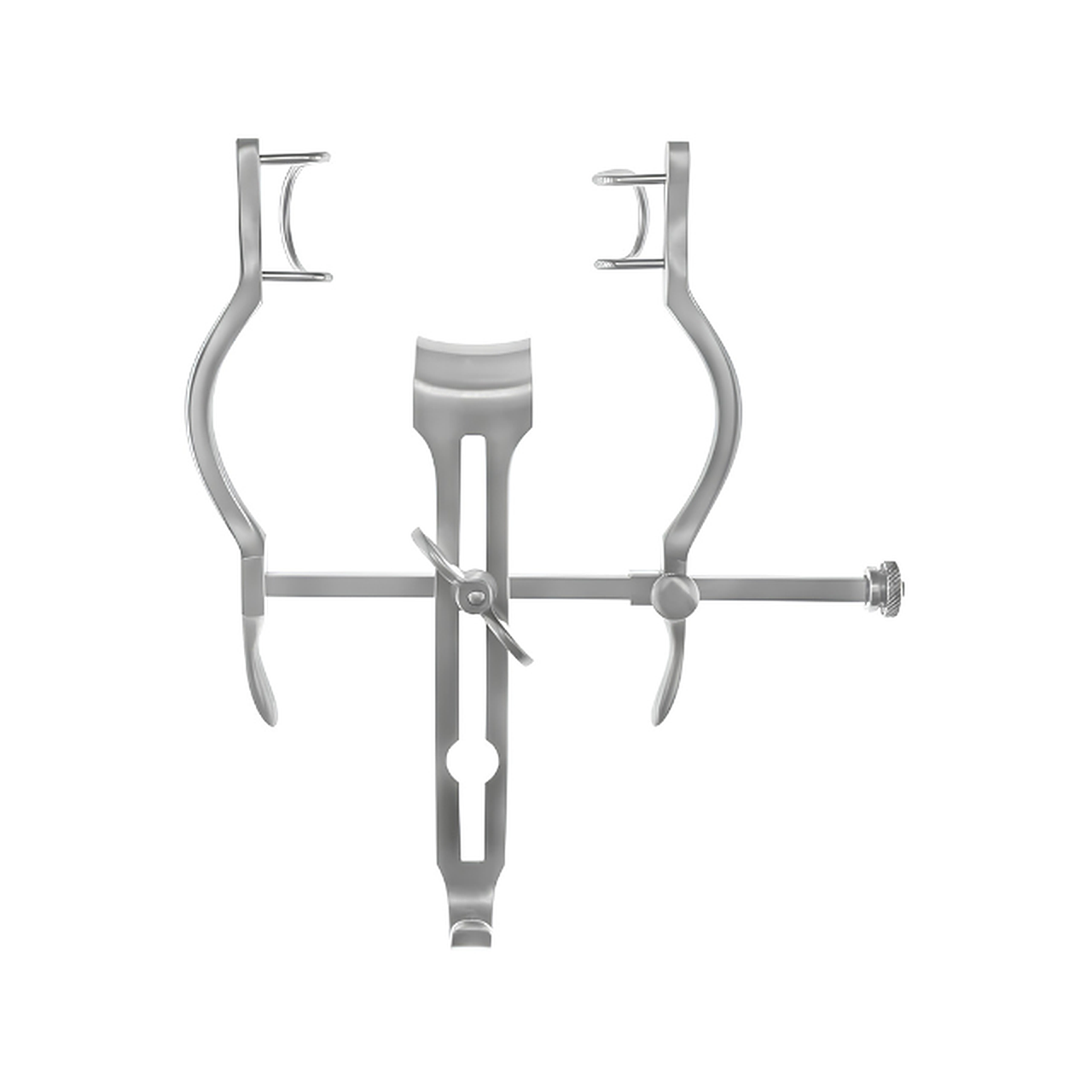 | Balfour Baby selbsthaltender Retraktor | Speziell entwickelt für die selbsthaltende Gewberetraktion und zur Aufrechterhaltung einer strukturierten chirurgischen Exposition während operativer Eingriffe. |
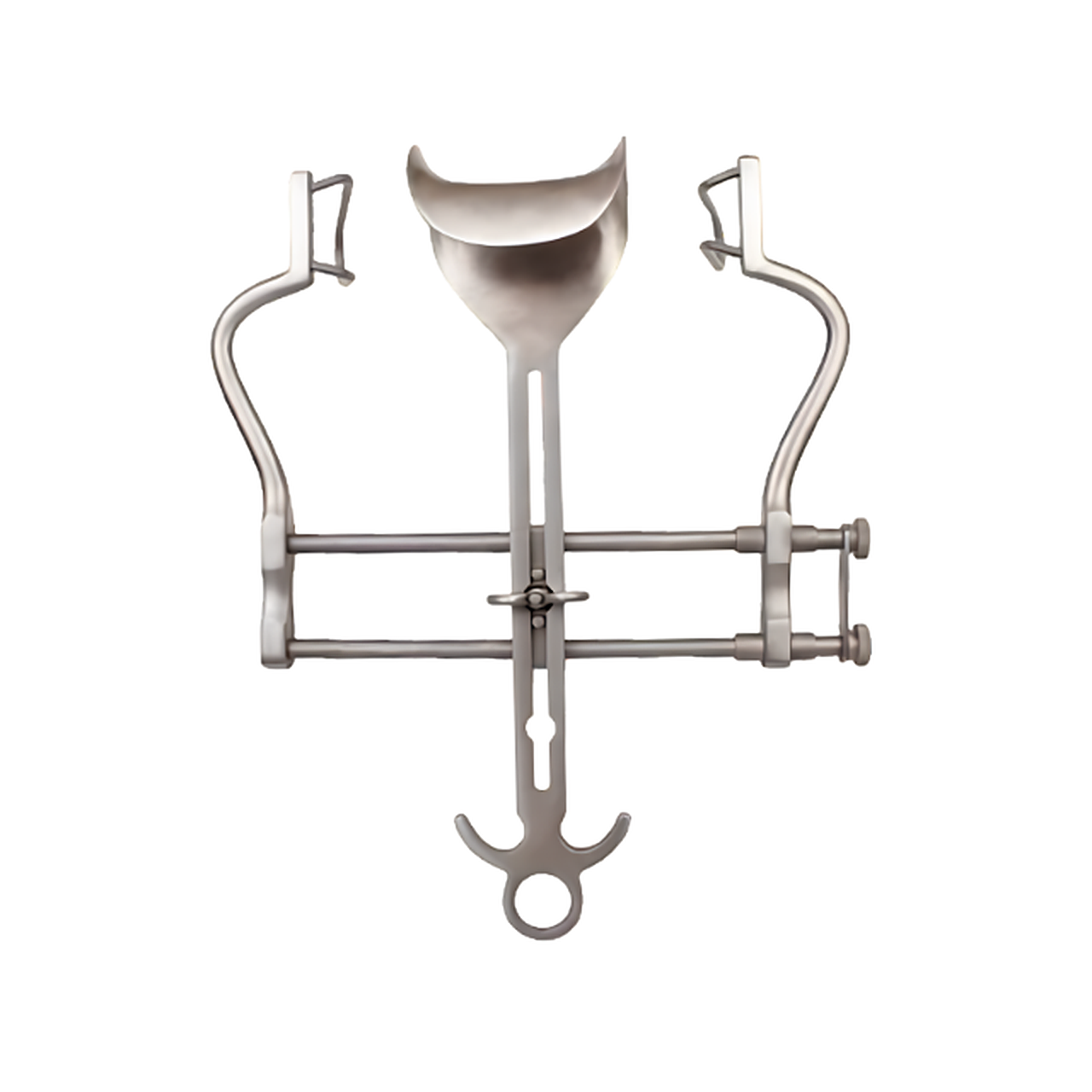 | Balfour Retraktor | Entwickelt für die selbsthaltende Weichteilretraktion und zur Aufrechterhaltung einer kontinuierlichen, freihändigen Exposition des Operationsfeldes. |
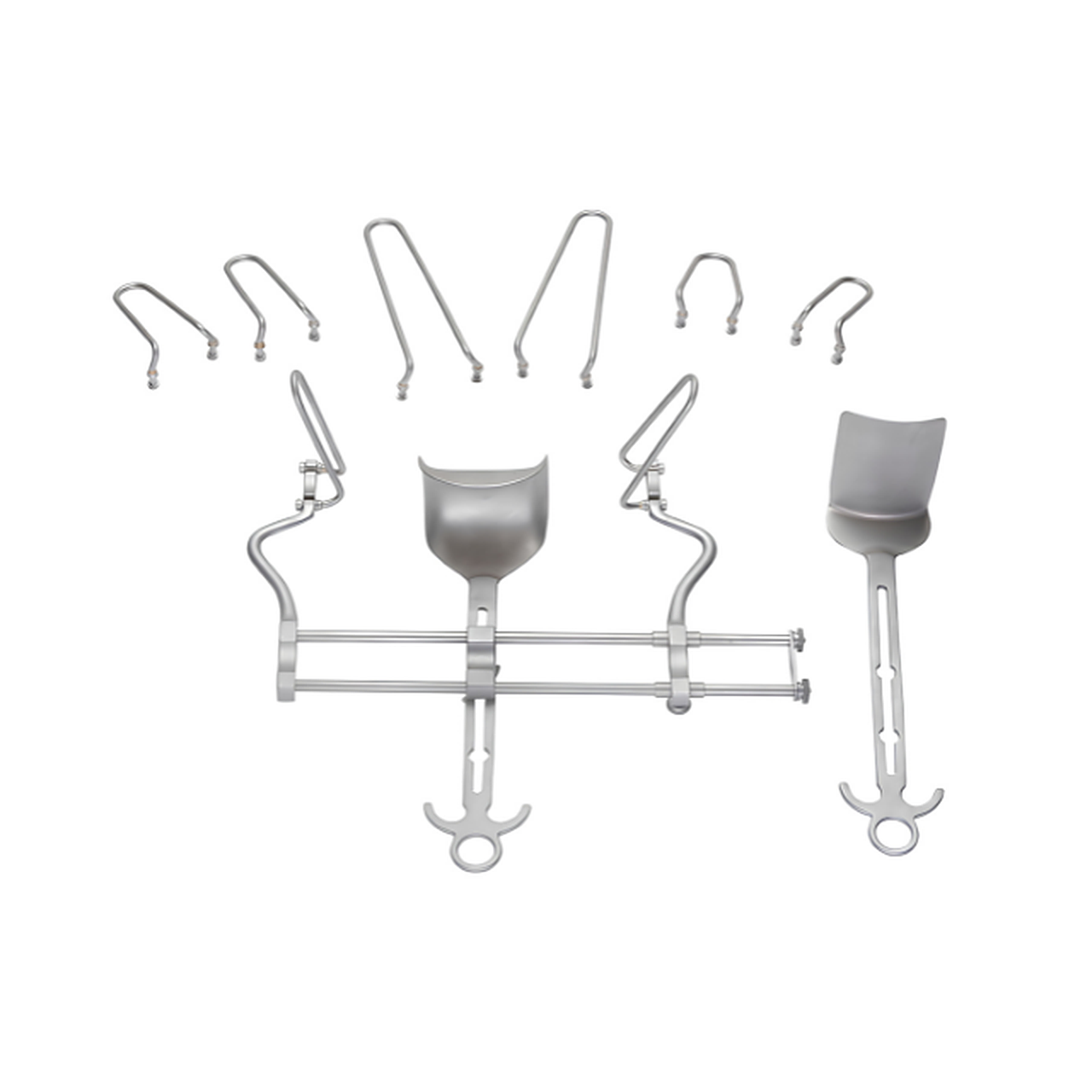 | Balfour USA Wundspreizer, selbsthaltend | Speziell entwickelt für die selbsthaltende Weichteilretraktion und zur Aufrechterhaltung einer strukturierten chirurgischen Sicht während operativer Eingriffe. |
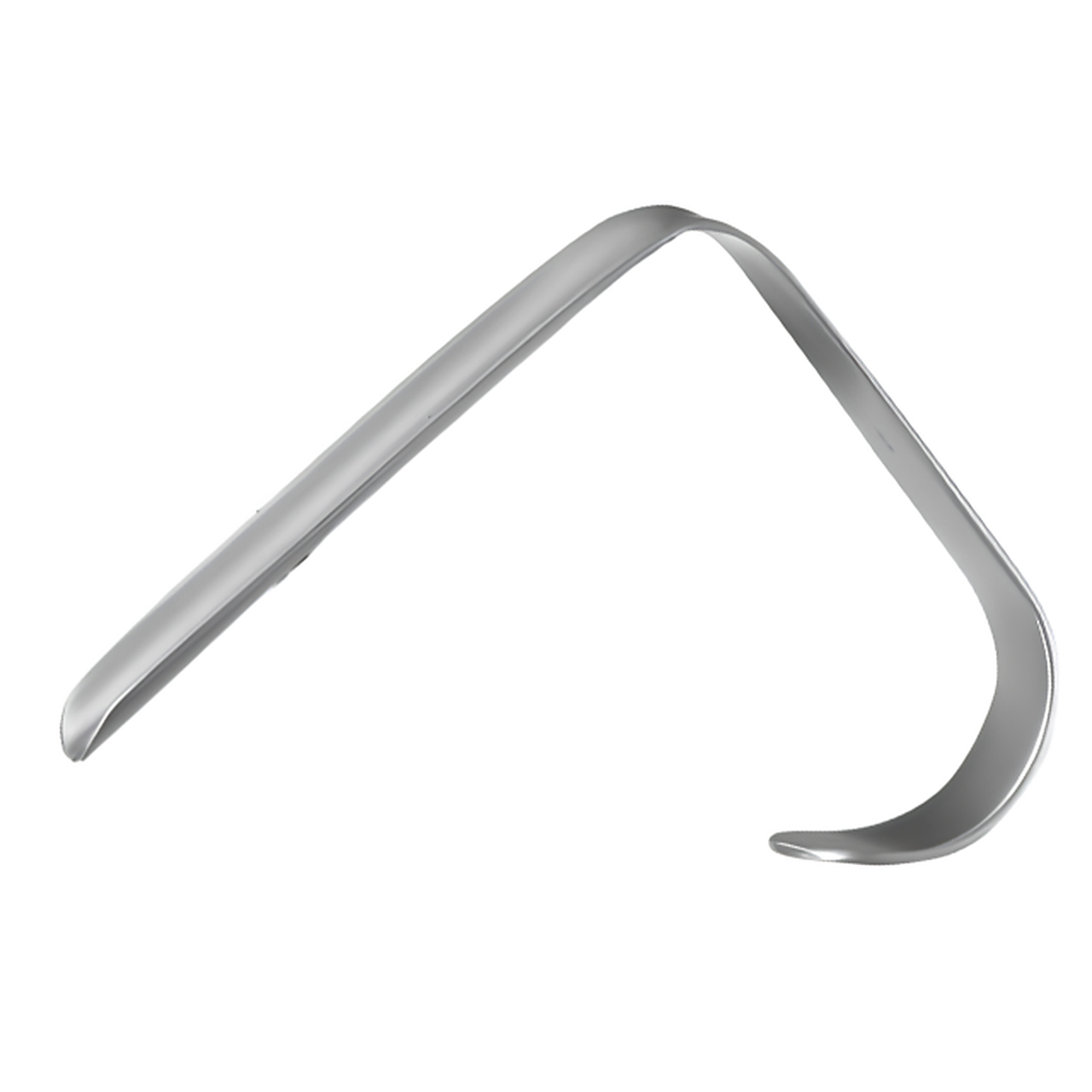 | Barsky Nasen-Retraktor | Speziell entwickelt für die Weichteilretraktion des Alarrands und der Nasenwand bei Rhinoplastik sowie Lippen-Kiefer-Gaumenspalten- und Nasenrekonstruktionen. |
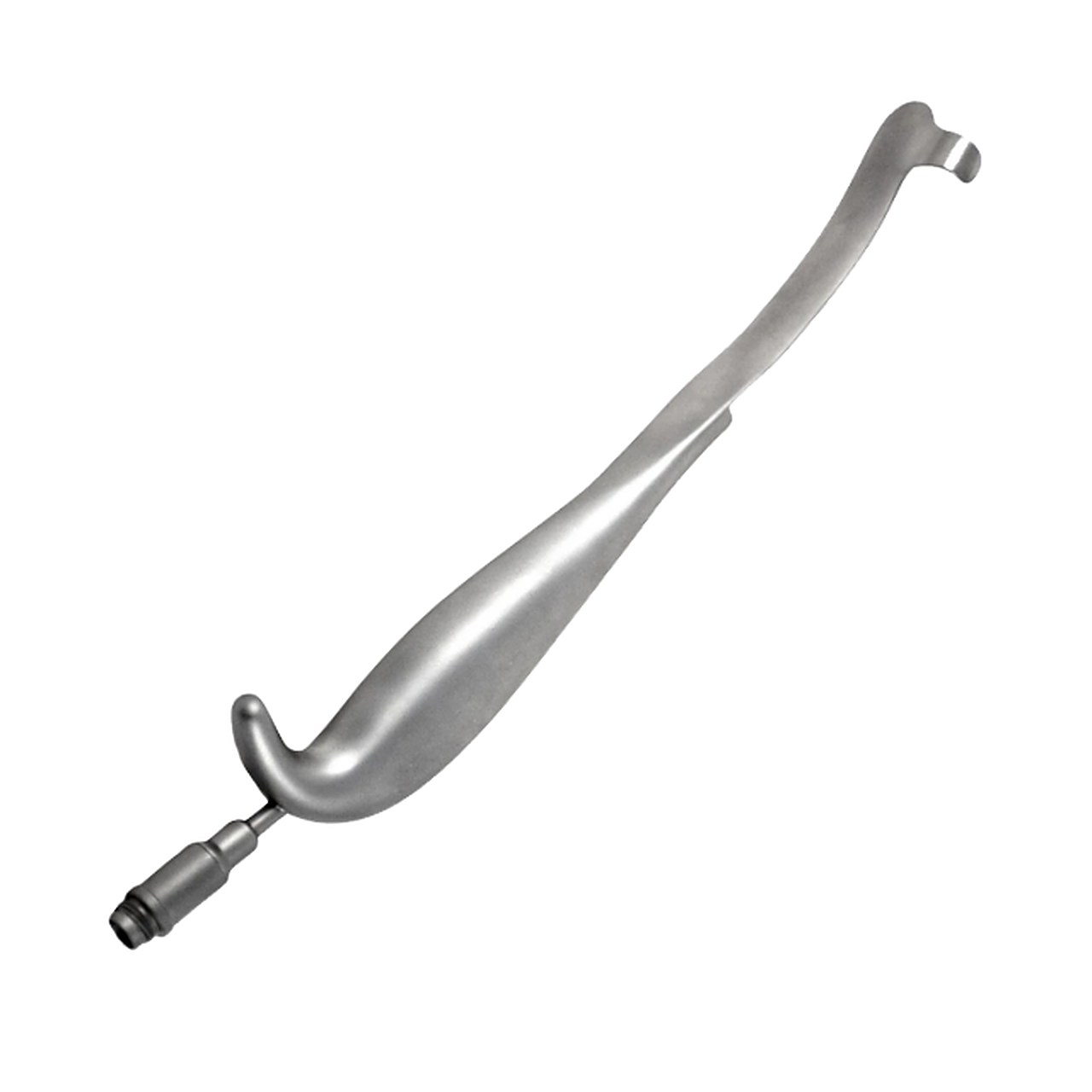 | Bauer Sigmoid Notch Intraoral-Retraktor | Speziell konzipiert zum Einhaken in die Incisura mandibulae und zur Retraktion von Weichgewebe bei Ramusosteotomien und Kiefergelenksoperationen. |
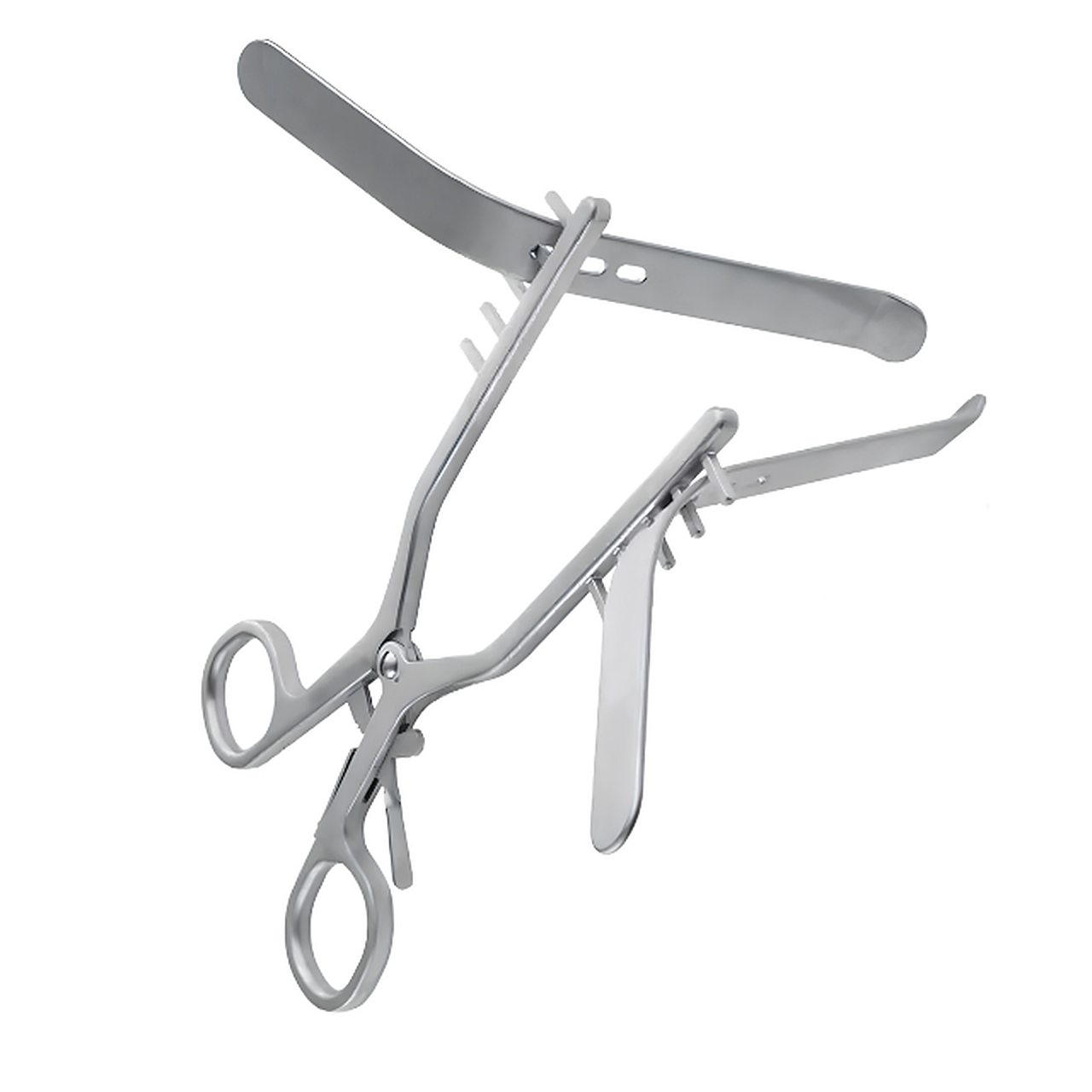 | Beard Distal Bicep Selbsthaltender Retraktor | Speziell entwickelt für die freihändige Weichteilretraktion und die Darstellung der Tuberositas radii bei Reparaturen der distalen Bizepssehne. |
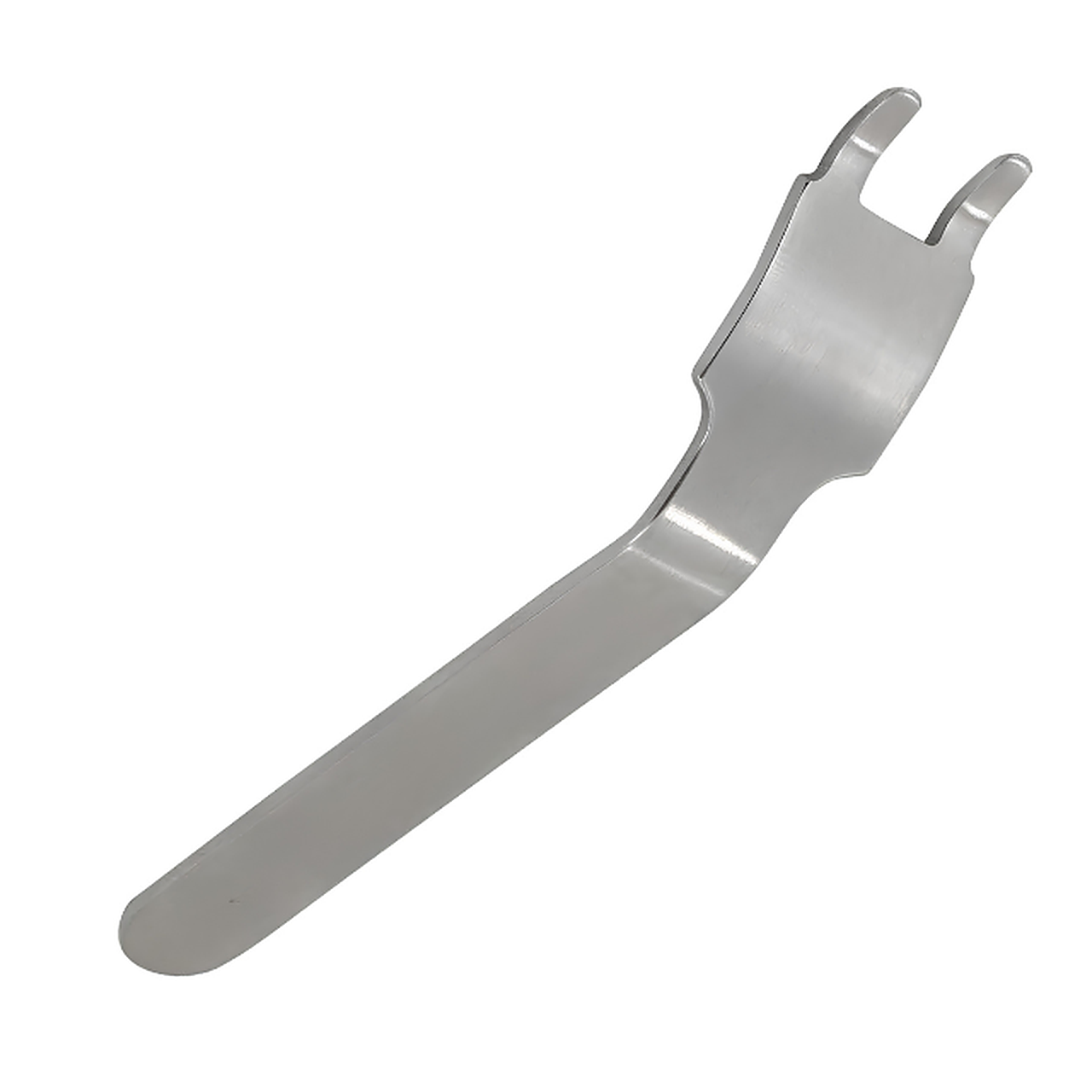 | Beard Distal Radius Wide Hohmann Retractor | Speziell konzipiert zur Freilegung des distalen Radius sowie zur Retraktion von Weichteilgewebe und des M. |
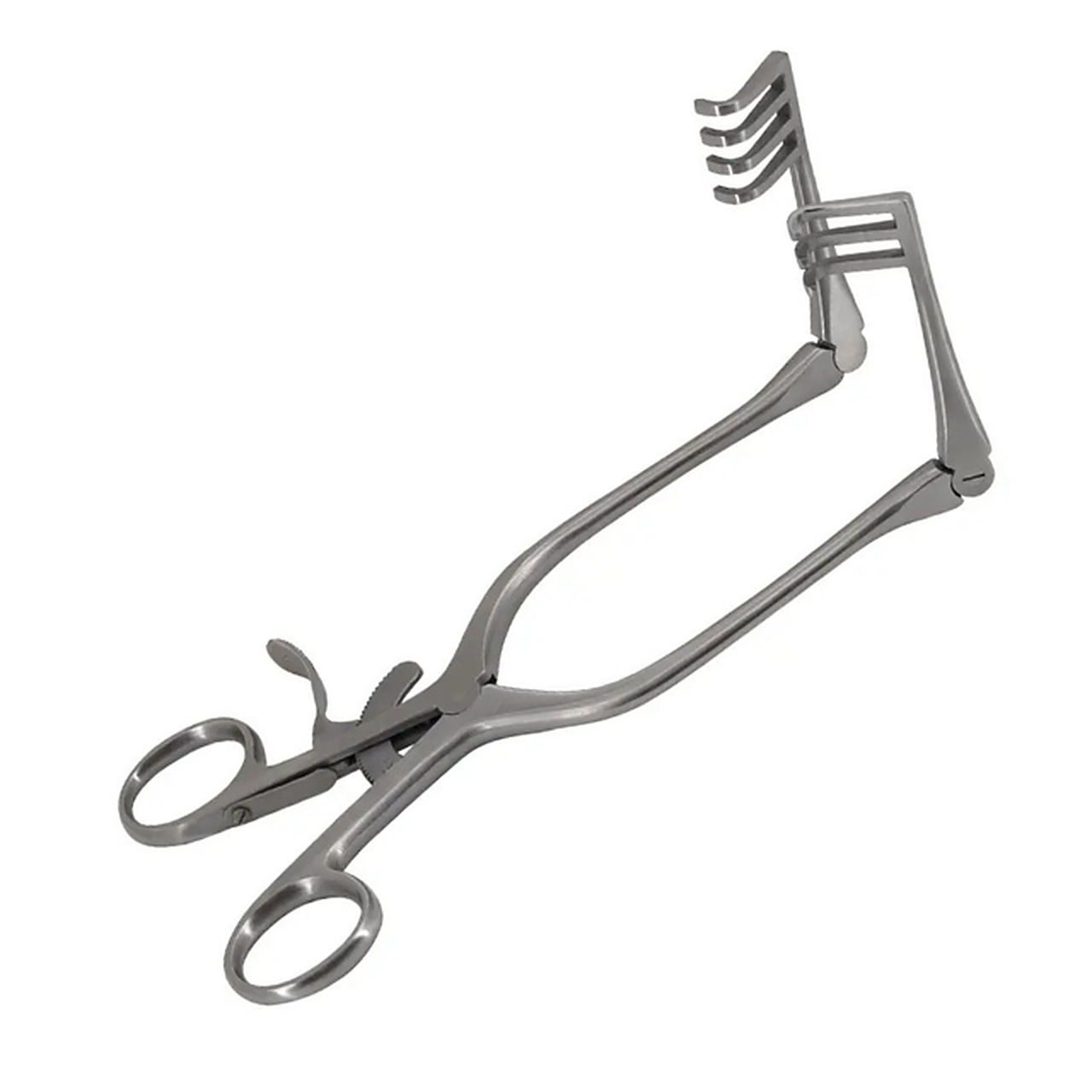 | Beckman-Weitlaner Wundspreizer, selbsthaltend | Speziell entwickelt für die selbsthaltende, abgewinkelte Weichteil- und Muskelretraktion in der Wirbelsäulenchirurgie und Orthopädie. |
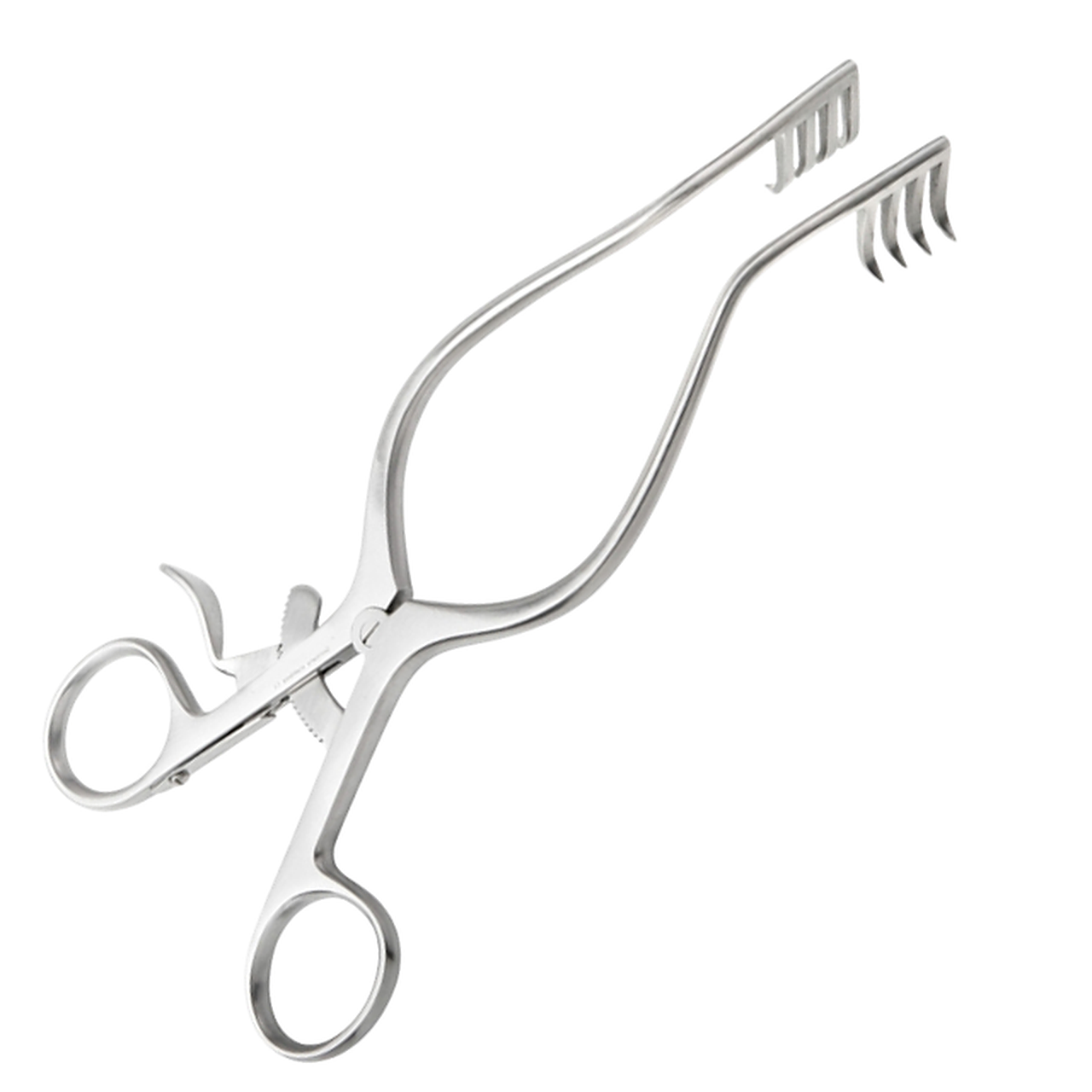 | Beckmann Adson Wundsperrer, selbsthaltend | Speziell entwickelt für die selbsthaltende Retraktion der paraspinalen Muskulatur und des Weichteilgewebes während spinalen und neurochirurgischen Operationen. |
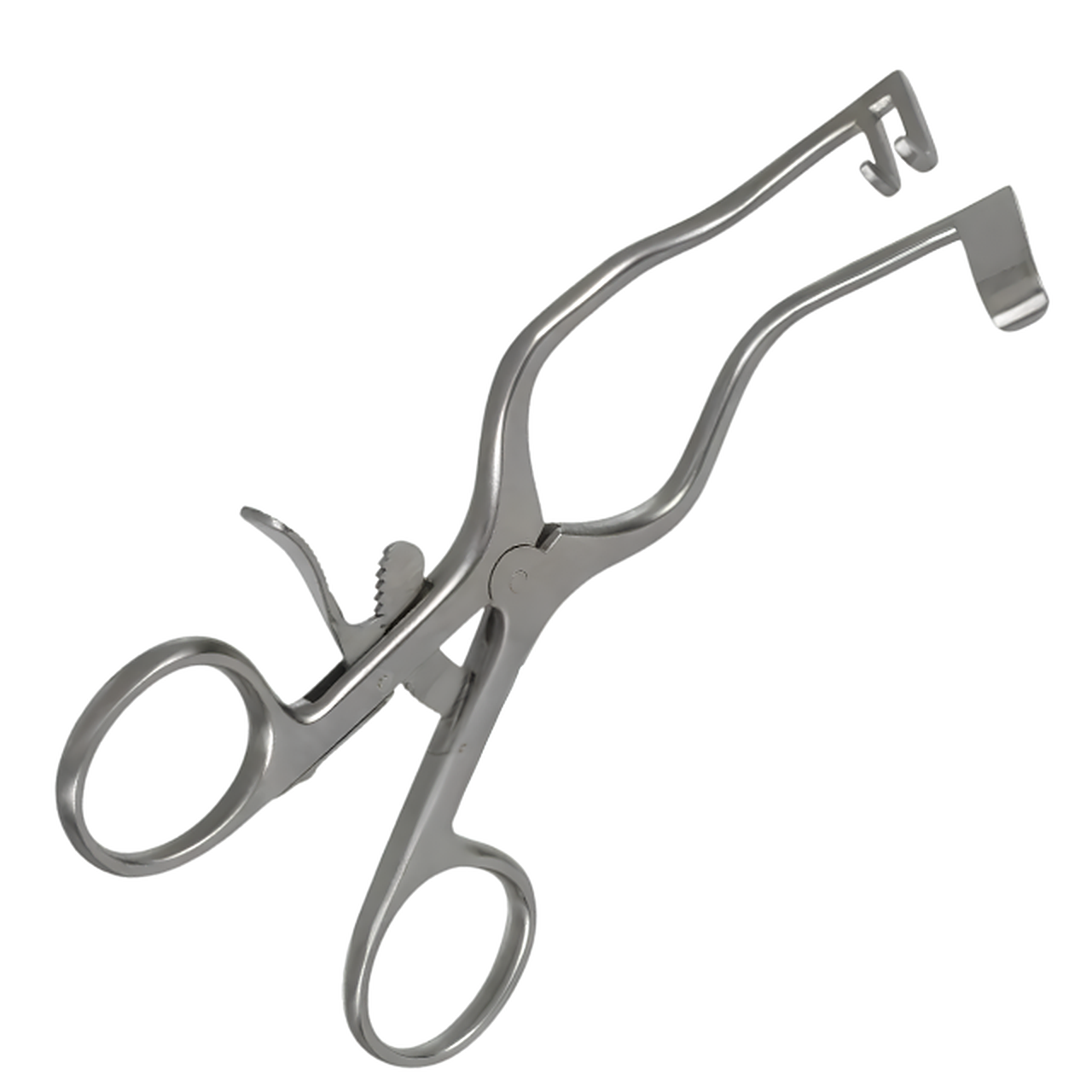 | Bellucci Endaural-Sperrer | Speziell entwickelt zur Freilegung des äußeren Gehörgangs und des Anulus tympanicus bei endauralen Ohroperationen. |
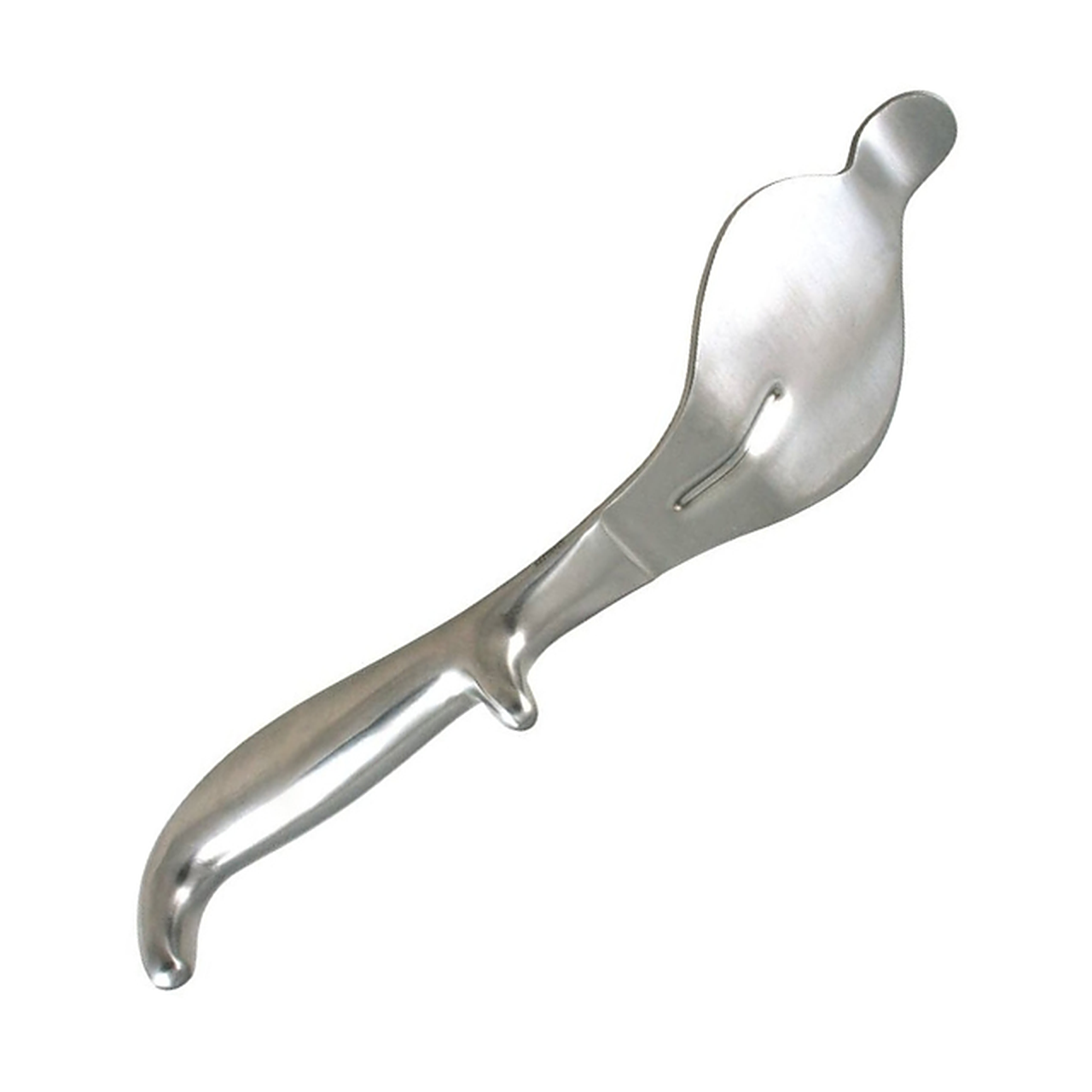 | Bennett Tibia-Retraktor | Speziell entwickelt zur Retraktion von voluminösem Muskel- und Weichteilgewebe von der Tibia während der Knieendoprothetik und der tibialen Frakturfixation. |
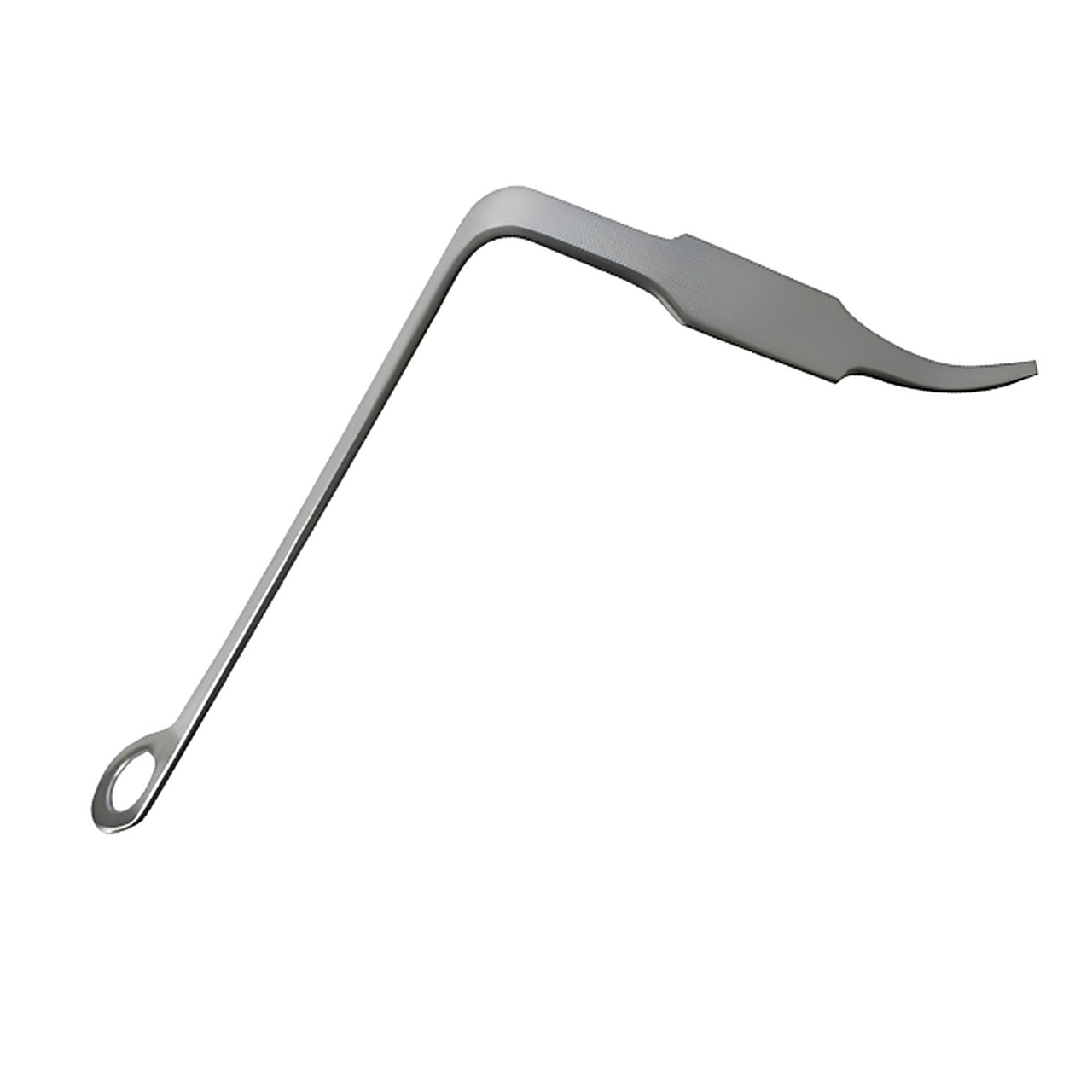 | Hohmann-Wundhaken, gebogen | Speziell entwickelt, um Weichteilgewebe und Muskeln bei orthopädischen Eingriffen an Hüfte, Knie und Röhrenknochen vom Knochen wegzuhebeln. |
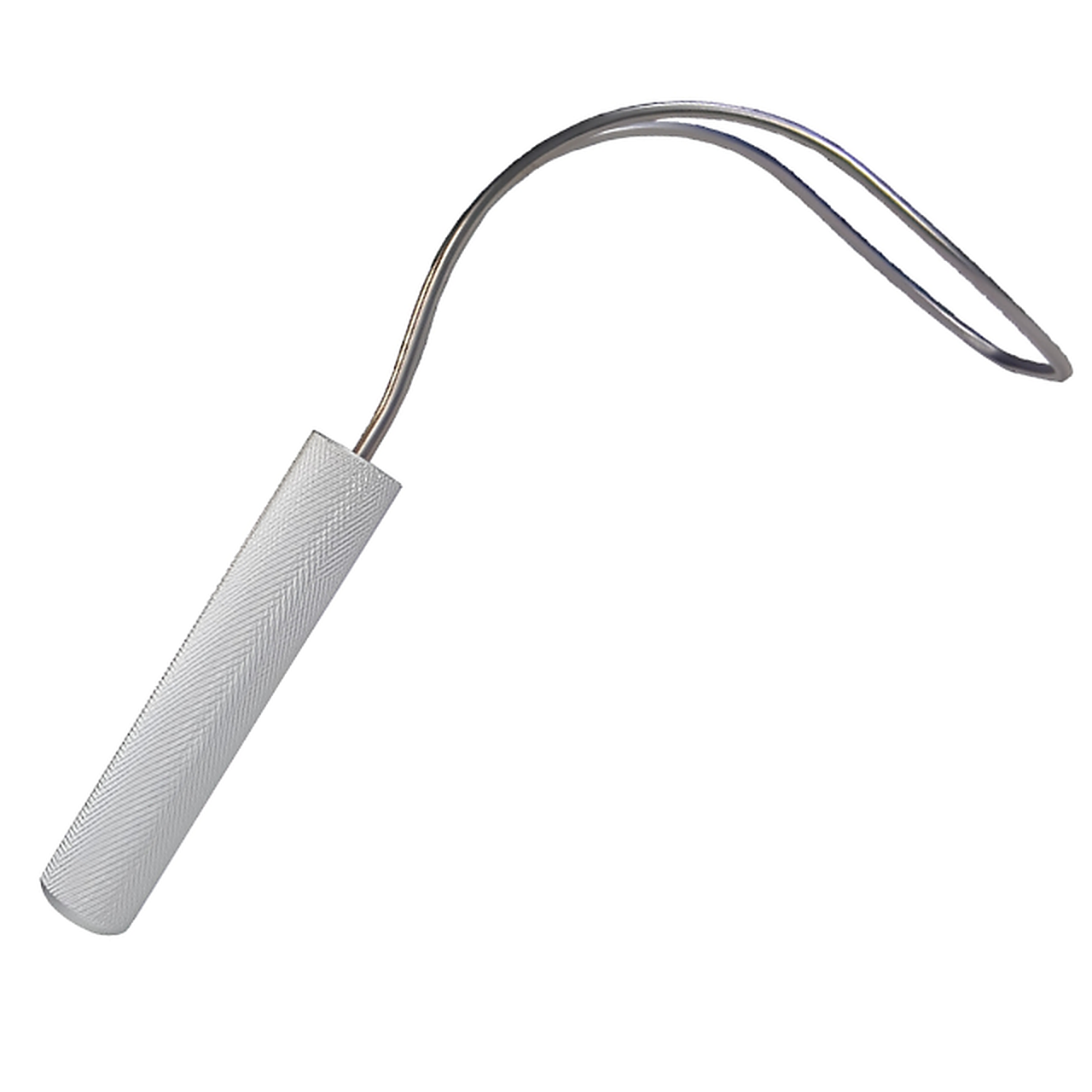 | Biggs Face Lift (Rhytidectomy) Retraktor | Speziell für das Anheben von Gesichtshautlappen und die stabile Exposition während der Rhytidektomie und der ästhetisch-plastischen Chirurgie konzipiert. |
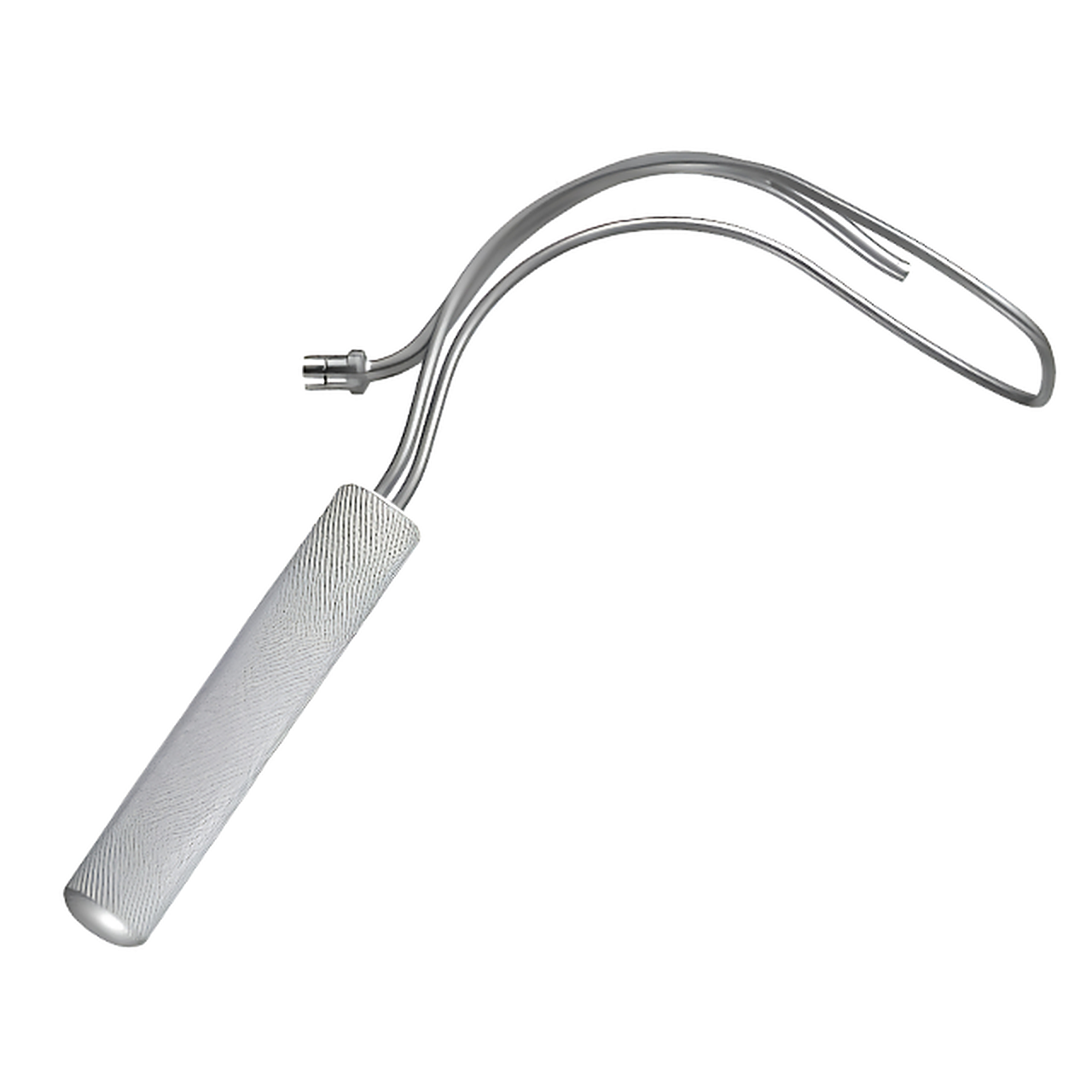 | Biggs Face-Lift-Retractor, mit Glasfaserbeleuchtung | Speziell entwickelt für die beleuchtete Weichteilretraktion und Hautlappenelevation während der Rhytidektomie und plastischen Gesichtschirurgie. |
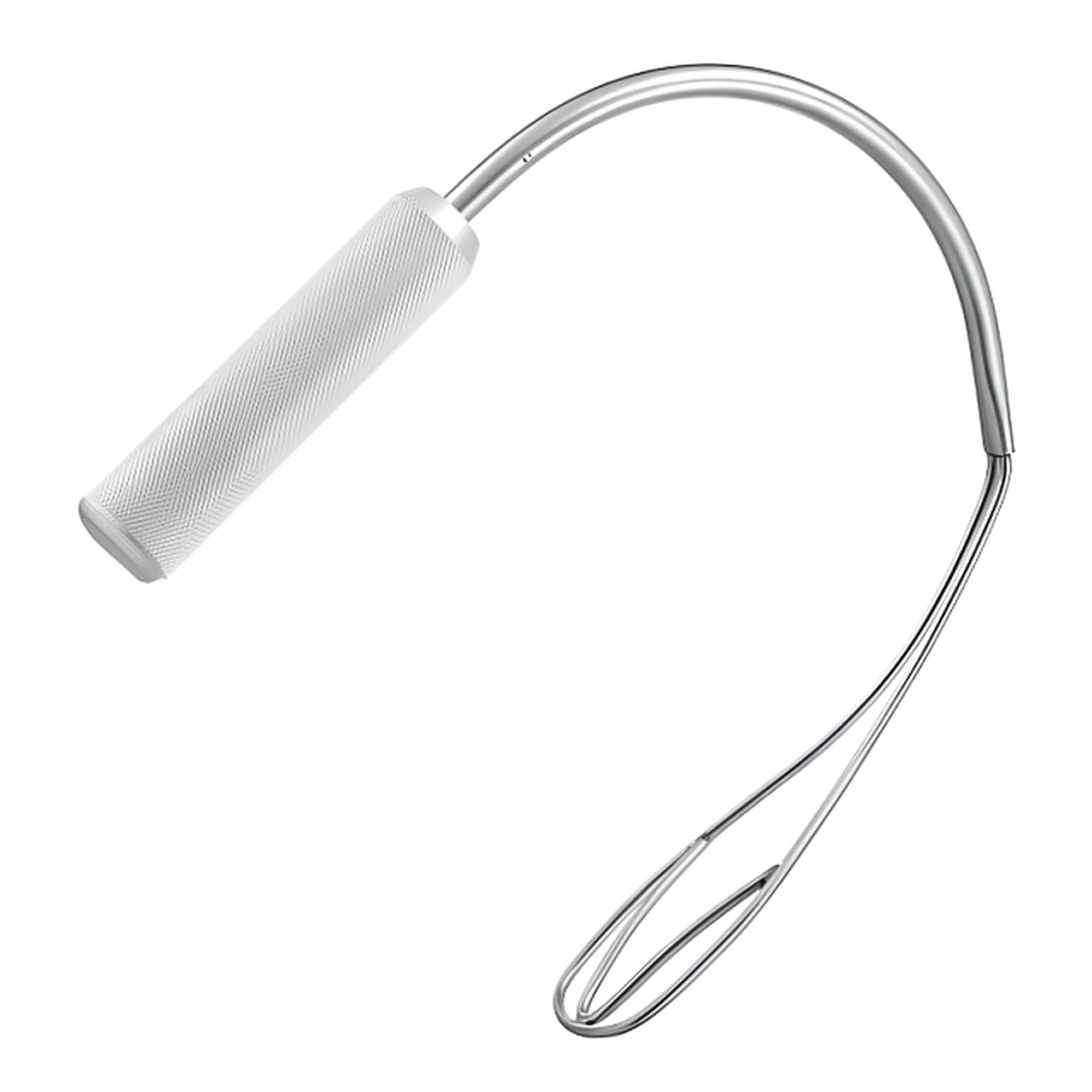 | Biggs Mammoplastik-Wundhaken schmal | Speziell entwickelt zum Anheben von Brustparenchym und Pektoralismuskellappen während der Mammoplastik und Brustrekonstruktion. |
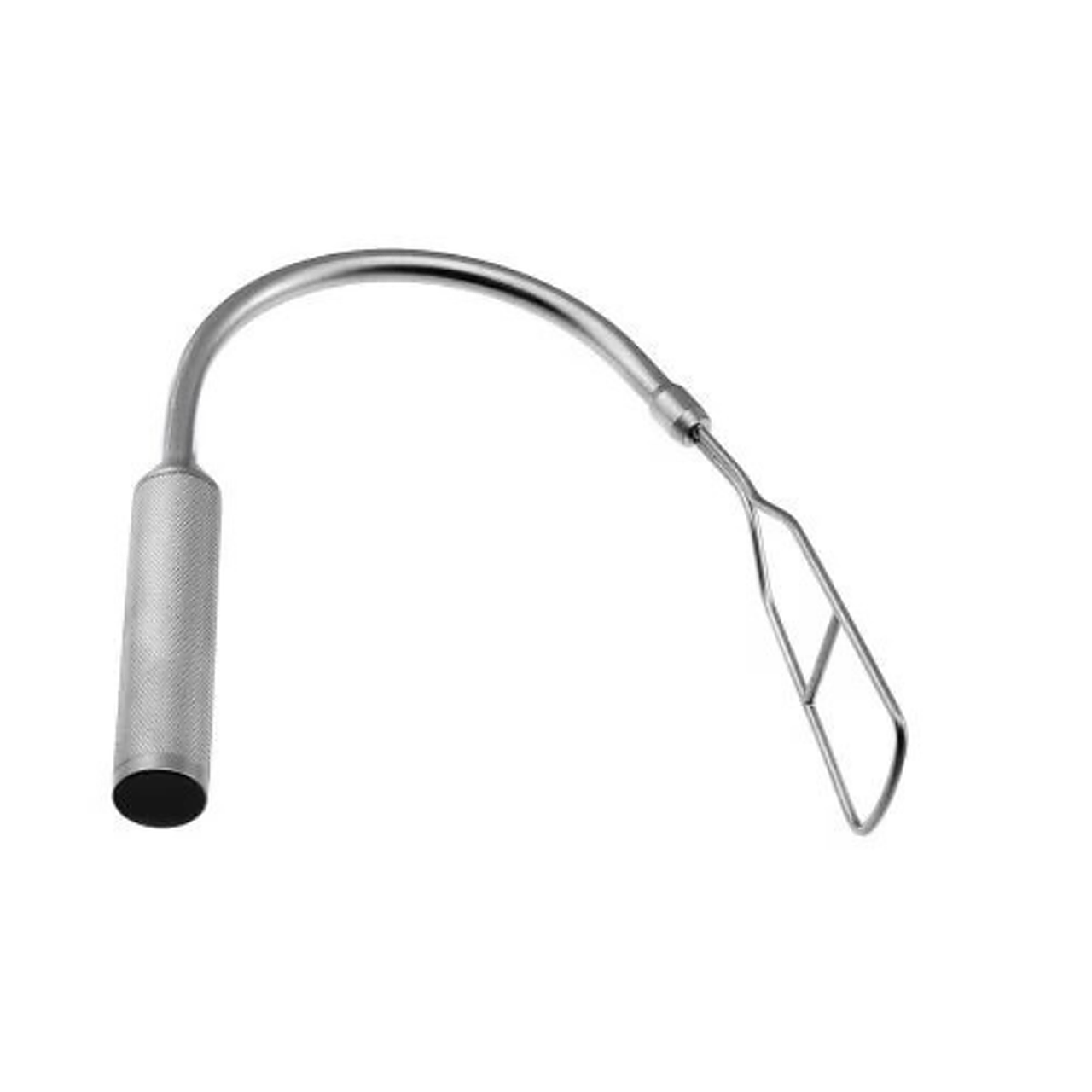 | Biggs Mammaplasty Retractor standard | Speziell entwickelt für die Anhebung des Brustparenchyms und des Pektoralismuskel-Lappens bei der Mammoplastik und Brustrekonstruktion. |
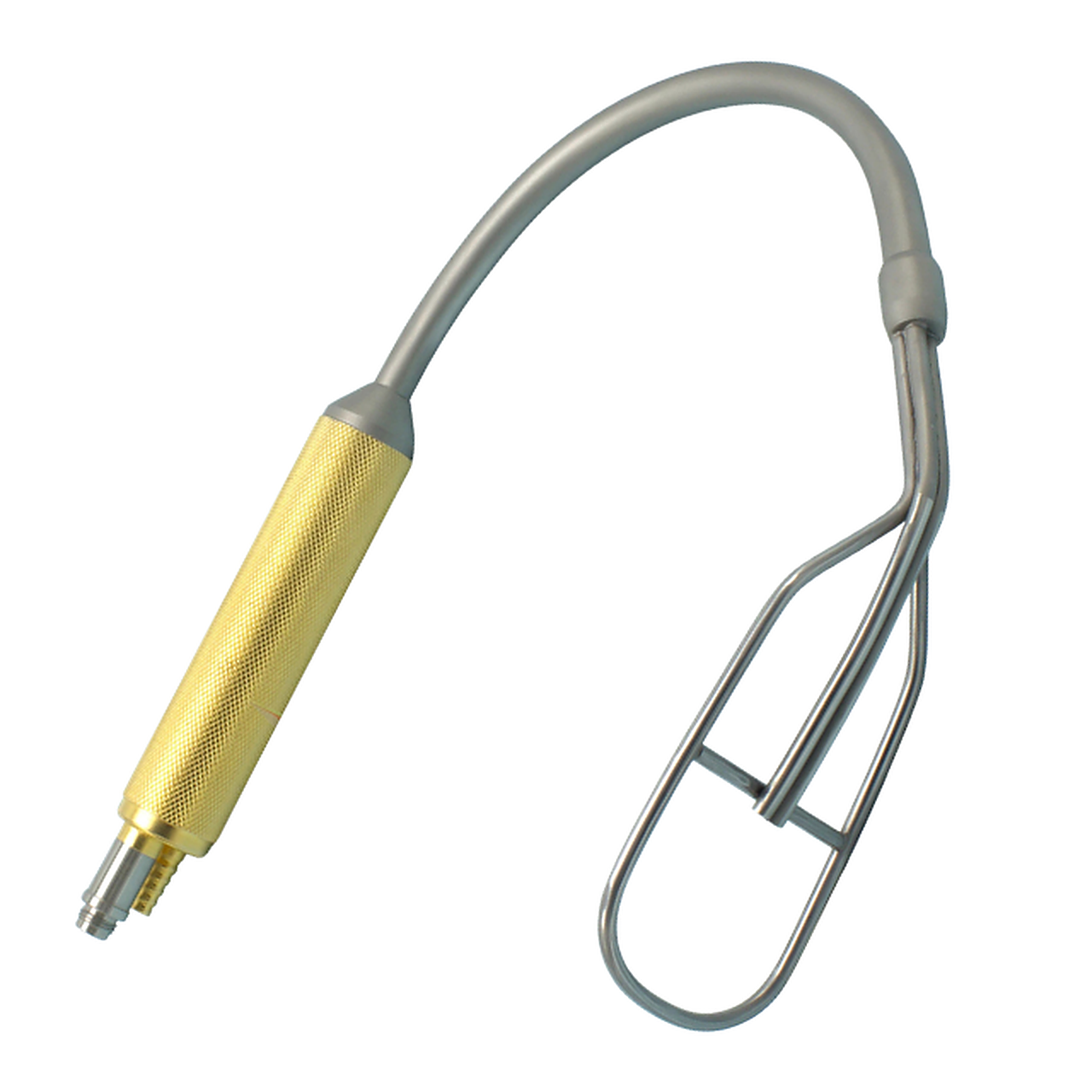 | Biggs Mammaplasty Retractor, Fiber Optics | Speziell entwickelt für die beleuchtete Weichteilretraktion, Rauchabsaugung und Taschenvisualisierung während der Mammaplastik. |
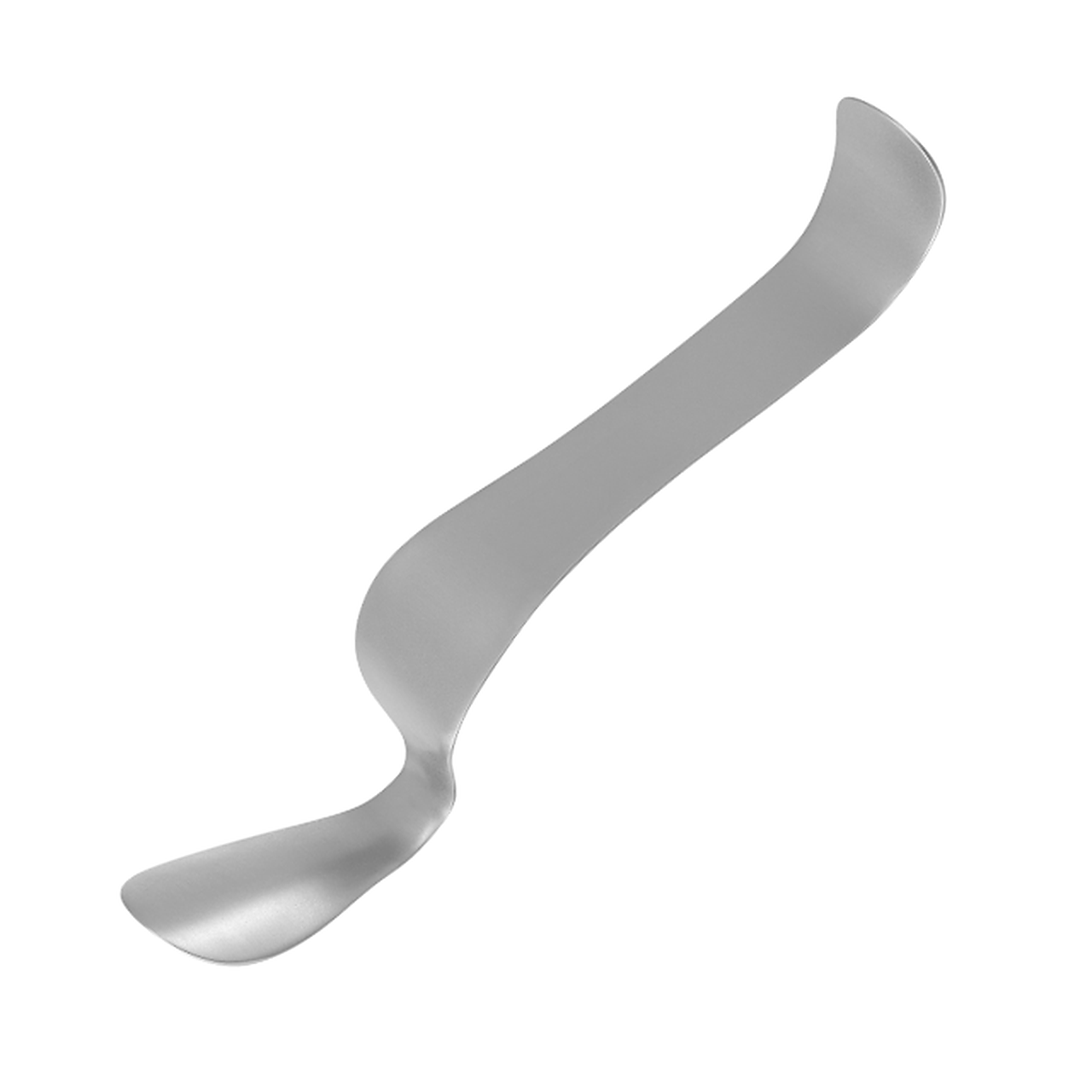 | Bishop Lippen- und Wangenhalter | Speziell entwickelt zur Retraktion und zum Schutz von Lippen, Wangen und Wangenschleimhaut bei intraoralen und zahnärztlichen chirurgischen Eingriffen. |
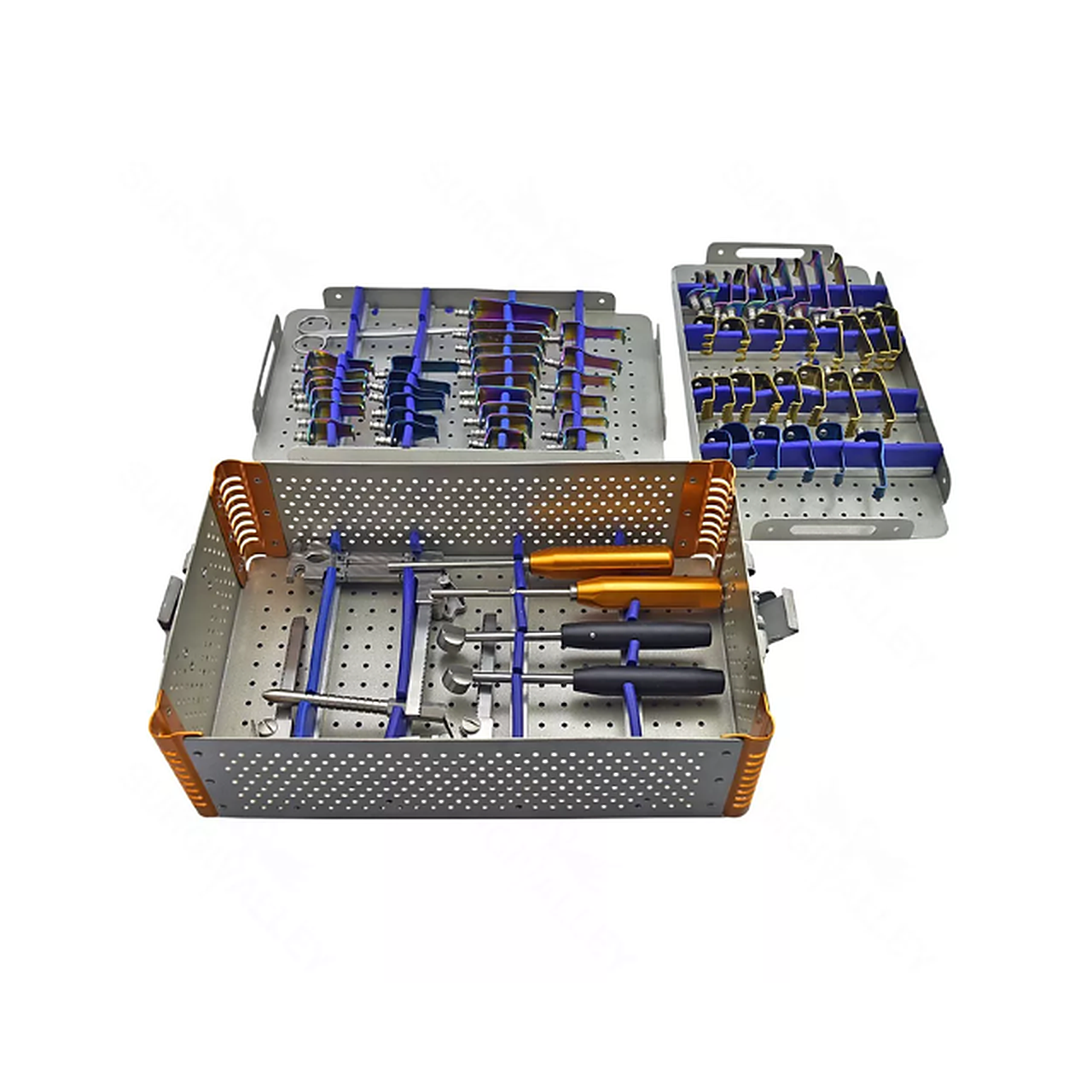 | Black Belt Zervikales Retraktorsystem | Speziell entwickelt für die kontrollierte Geweberetraktion und präzise chirurgische Exposition bei Eingriffen an der Halswirbelsäule. |
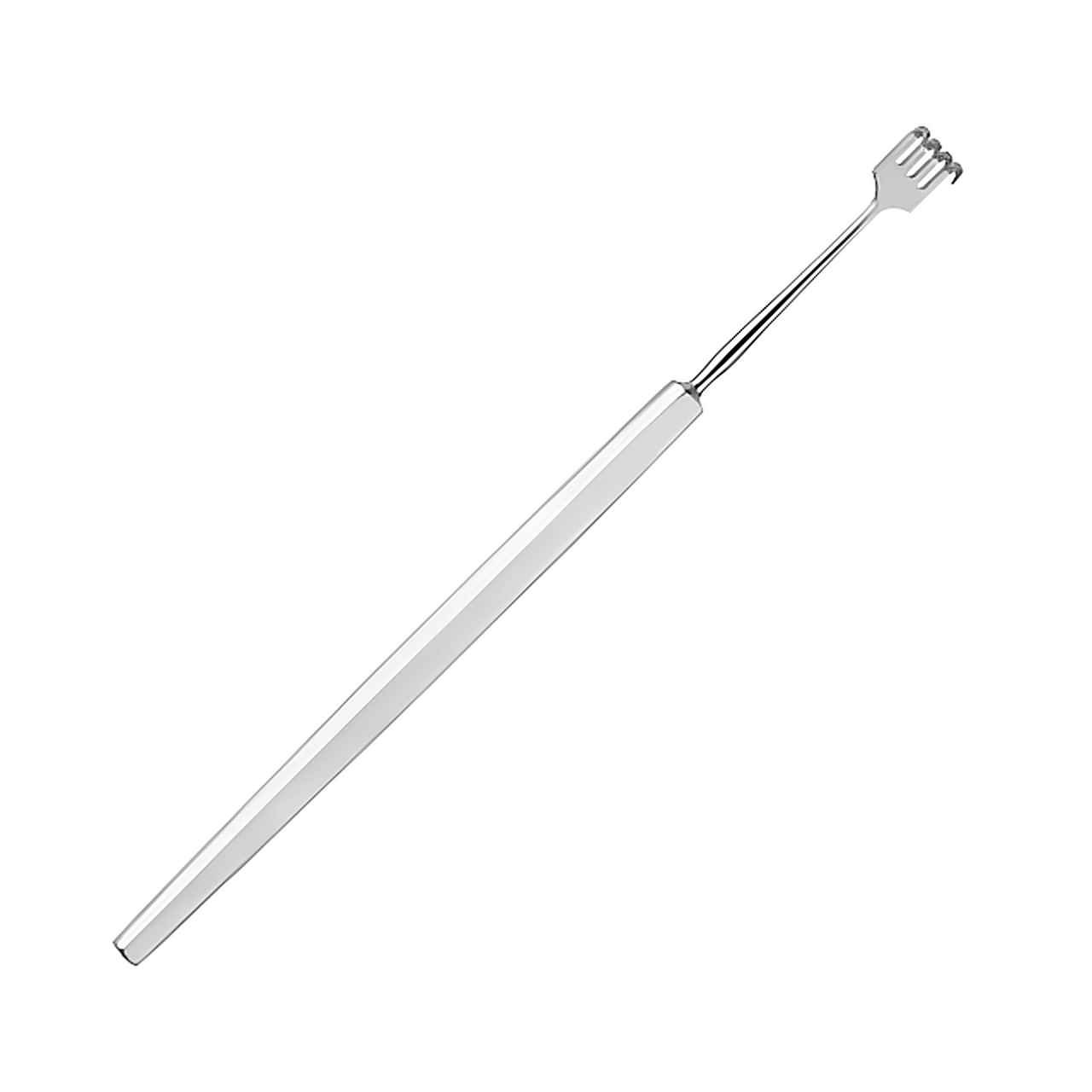 | Blair Finger Wundhaken | Speziell entwickelt für die Anhebung empfindlicher Hautlappen, die Weichteilretraktion und die Stabilisierung von Wundrändern in der plastischen Chirurgie und Handchirurgie. |
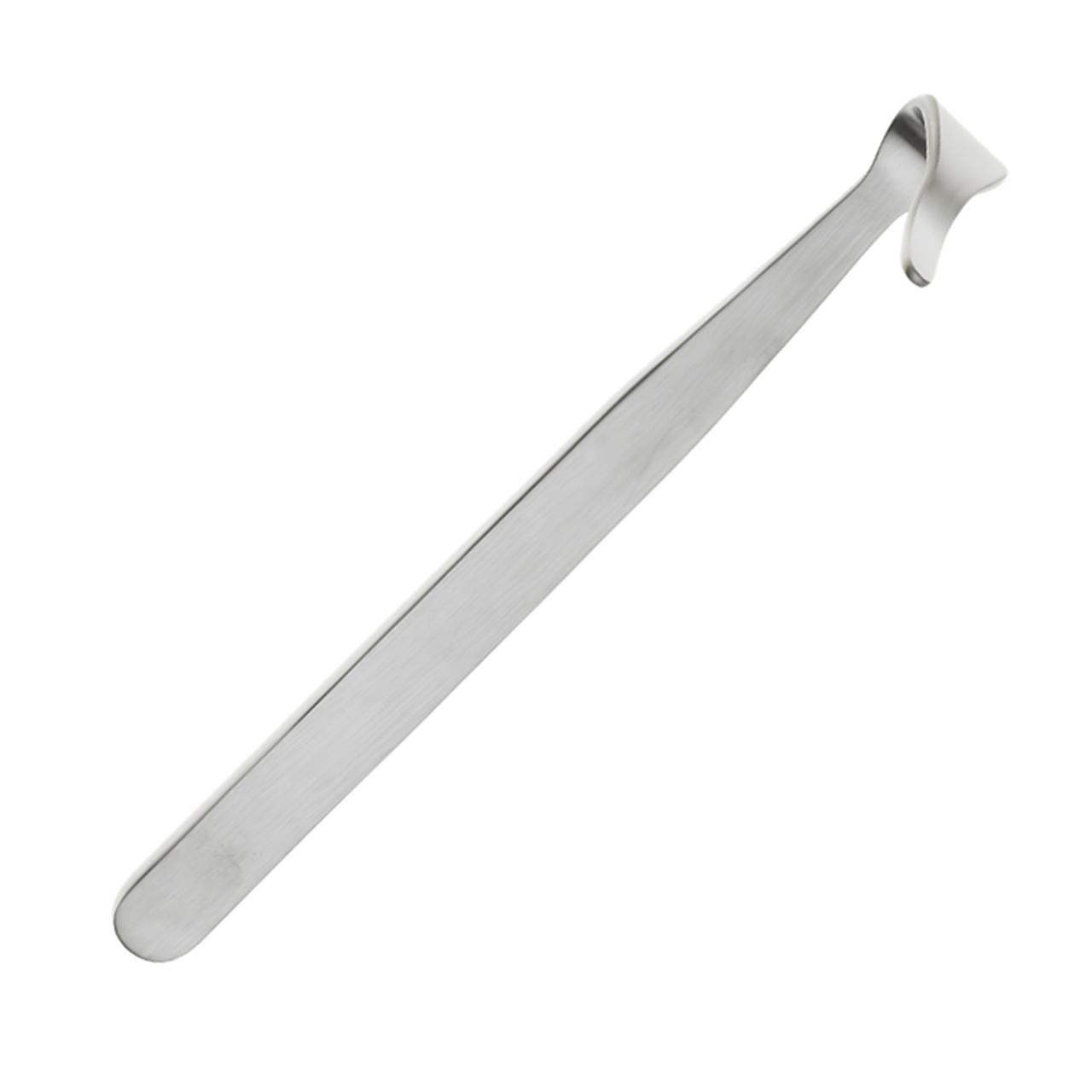 | Blount Knie-Retraktor | Speziell entwickelt zur Retraktion von Kollateralbändern und Weichteilen bei Kniearthroplastik und rekonstruktiven Knieeingriffen. |
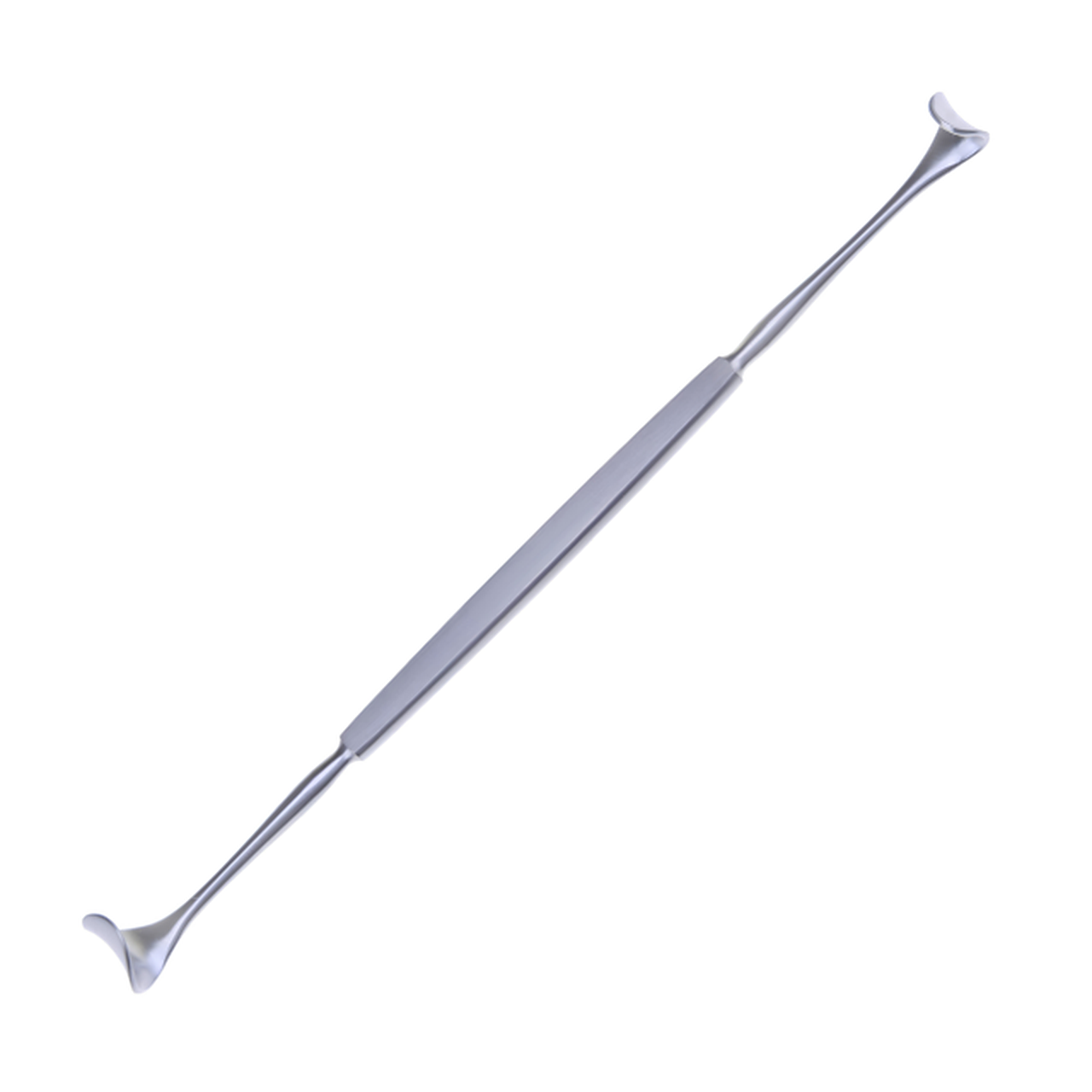 | Boley Wundhaken | Entwickelt für die manuelle Weichteil- und Wundrandretraktion in der Allgemeinchirurgie, plastischen Chirurgie und Orthopädie. |
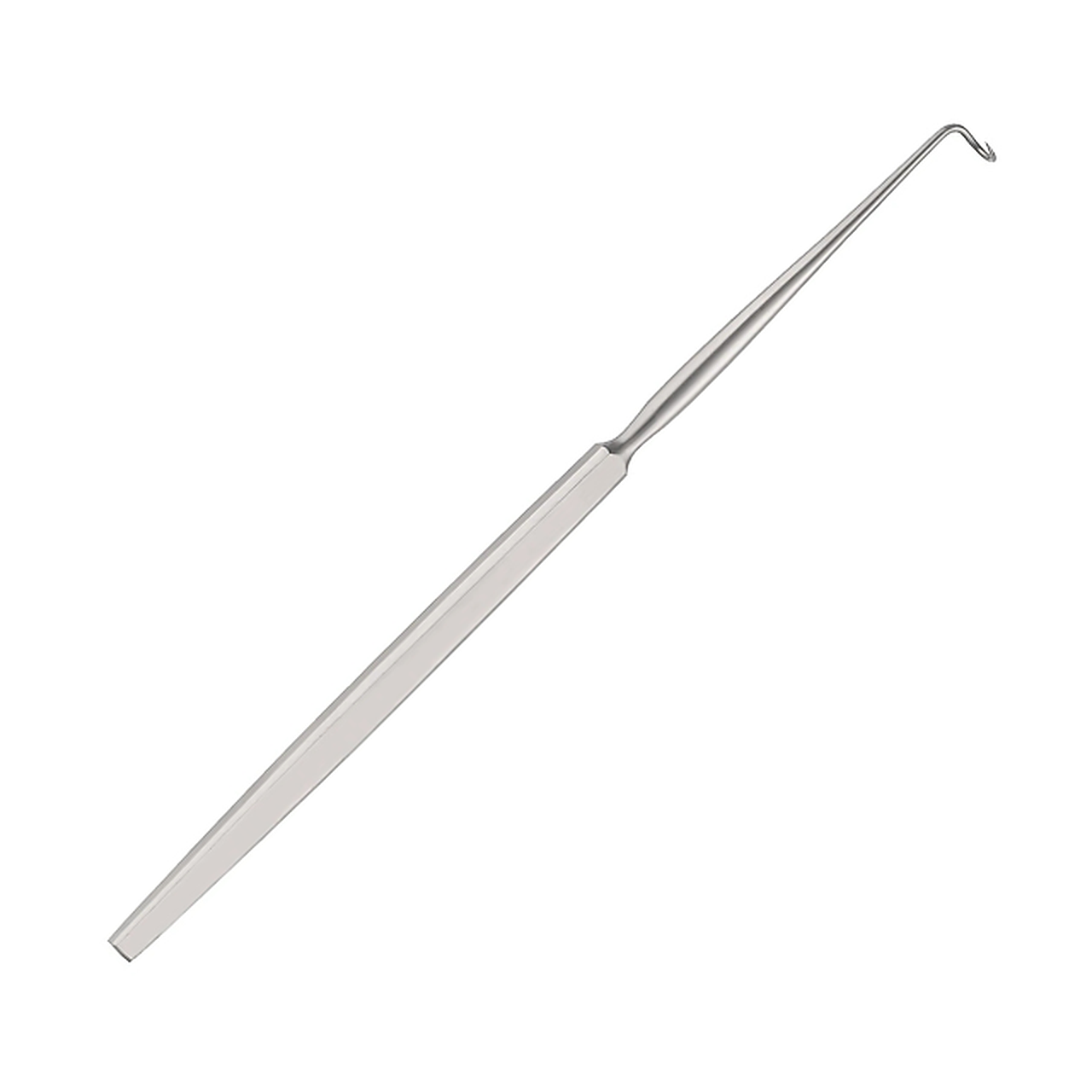 | Bose Tracheal-Retraktor | Speziell entwickelt zur Retraktion von prätrachealem Gewebe und zur Stabilisierung der Trachealknorpel während Tracheostomieverfahren. |
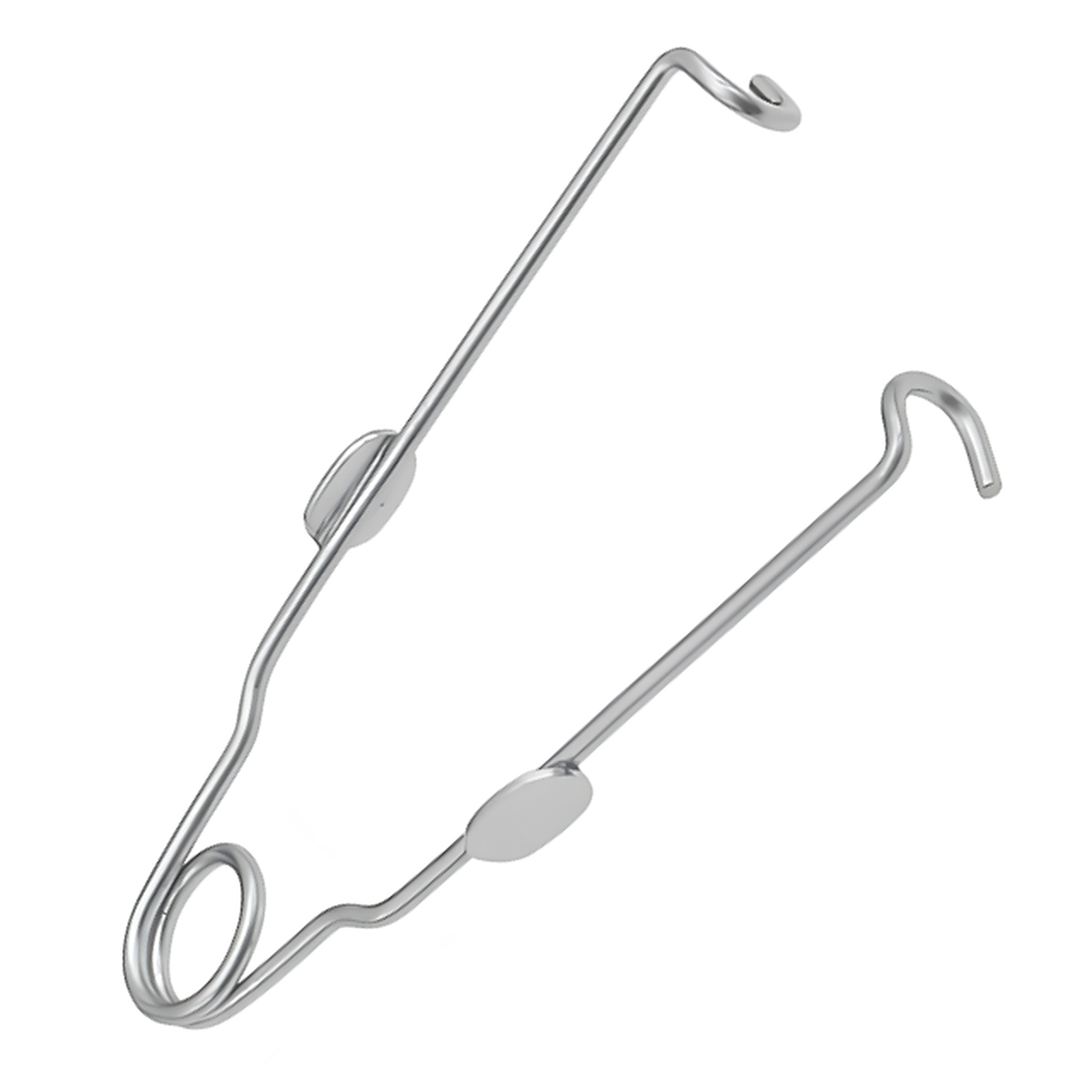 | Bose Tracheal-Retraktor, Feder-Modell | Speziell entwickelt für die federunterstützte, selbsthaltende Retraktion und Stabilisierung der Trachealränder während einer Tracheotomie. |
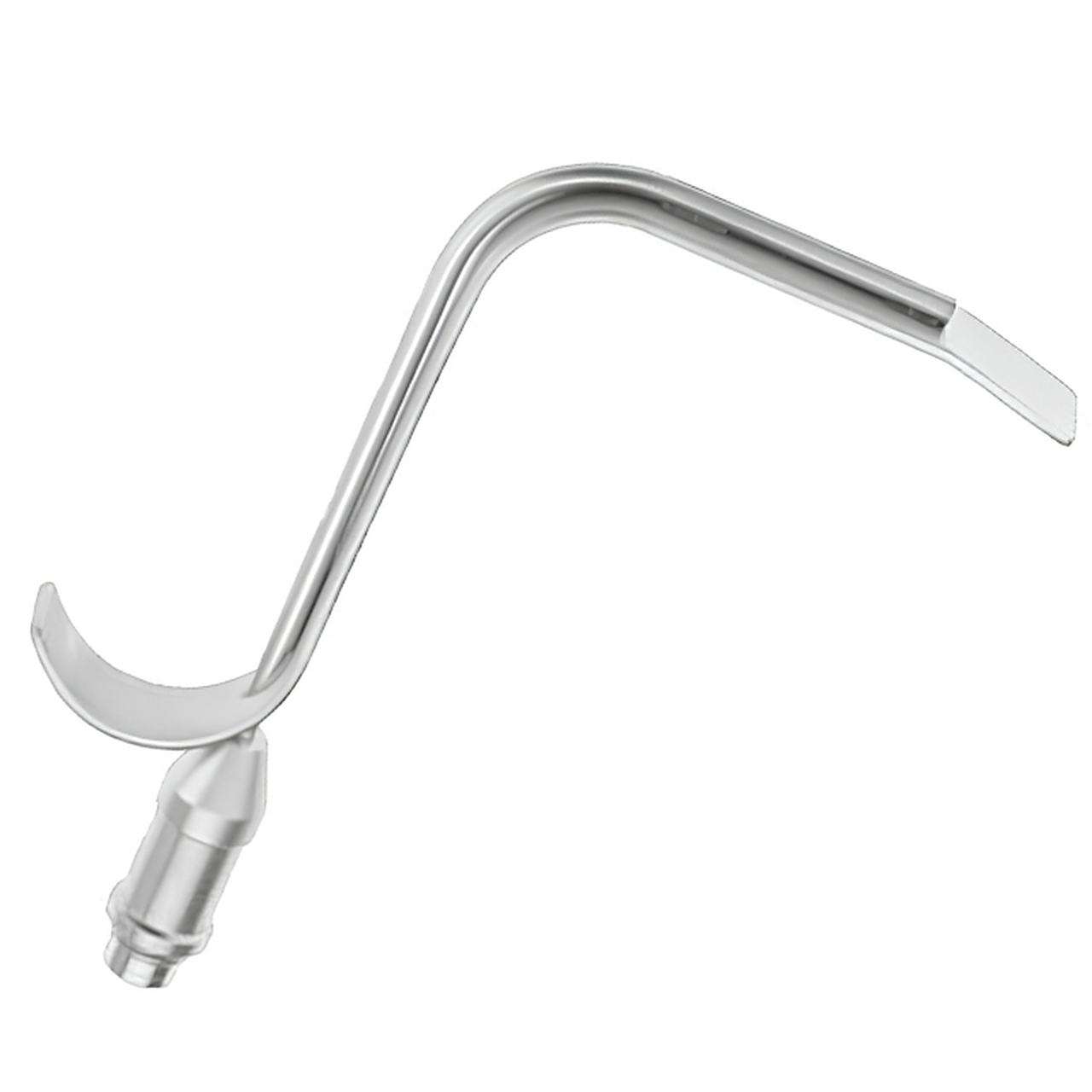 | Breast Engler Retractor | Speziell entwickelt zur Beleuchtung tiefer chirurgischer Kavitäten und zum Anheben von Gewebelappen bei der Brustvergrößerung und -rekonstruktion. |
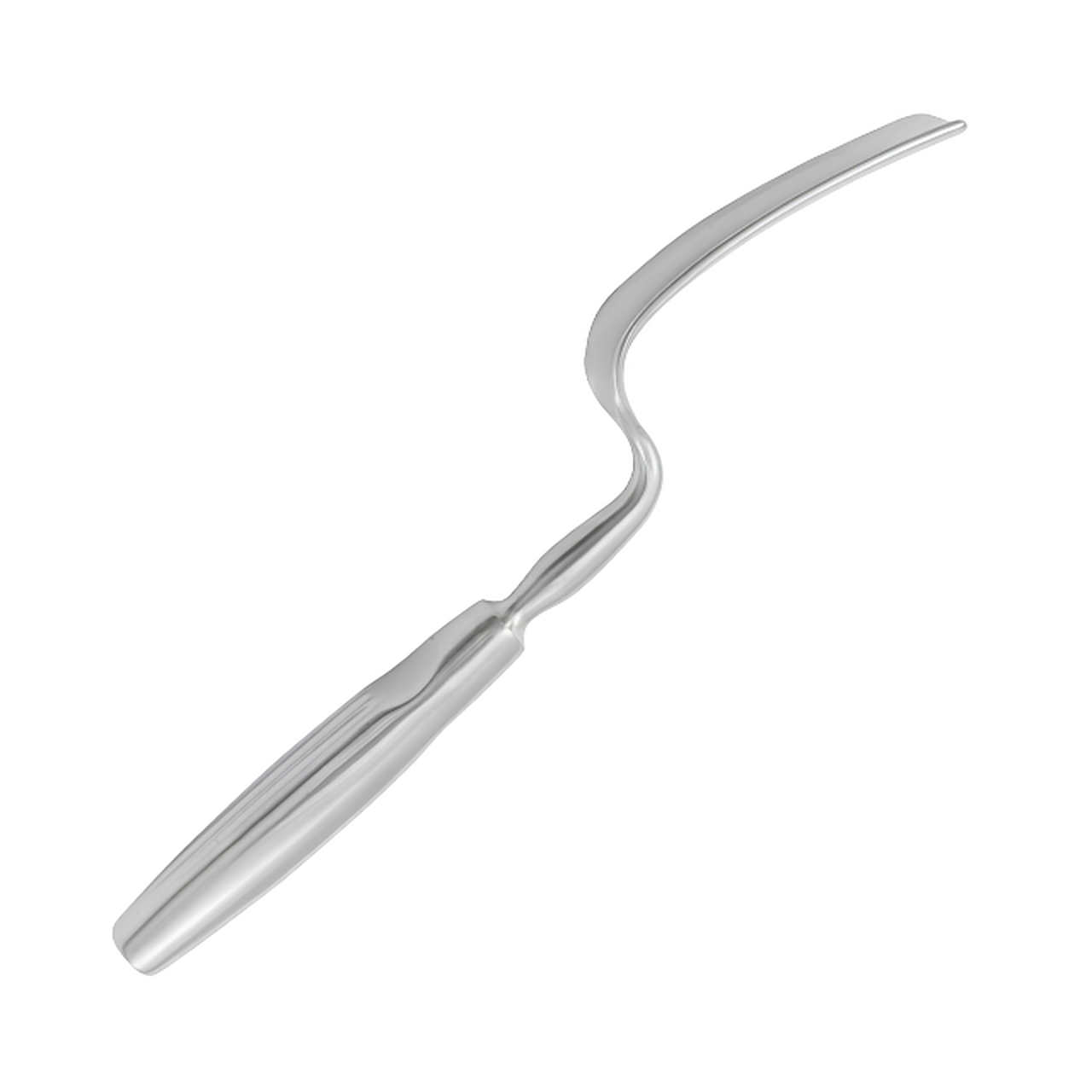 | Breisky Vaginal-Retraktor | Speziell für die Retraktion der Vaginalwände und die tiefe Beckenvisualisierung bei gynäkologischen Eingriffen konzipiert. |
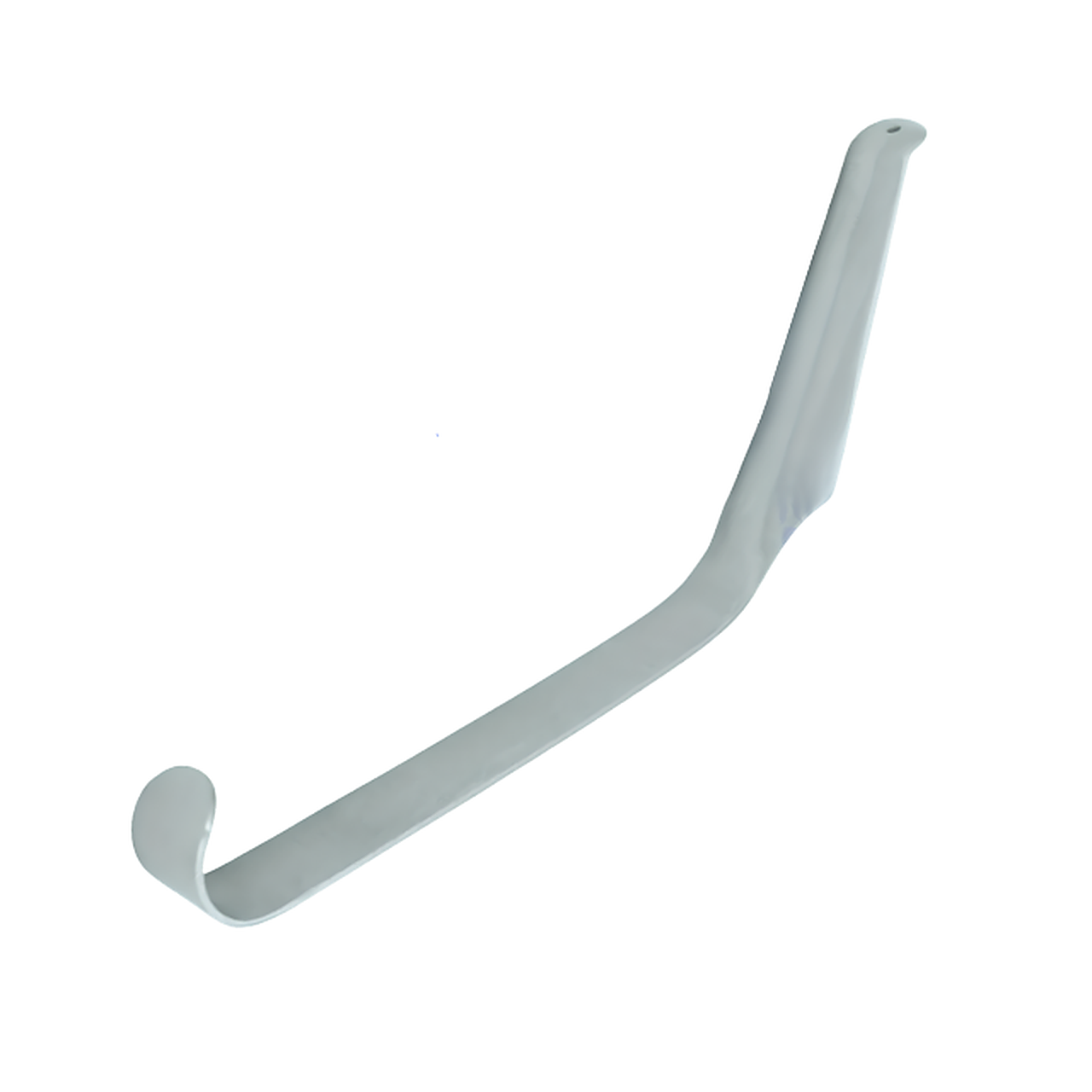 | Bremerich Unterkiefer-Rinnenhaken | Speziell entwickelt zur Retraktion von Mukoperiostgewebe und zum Schutz neurovaskulärer Strukturen entlang des Mandibularandes bei Ramus-Operationen. |
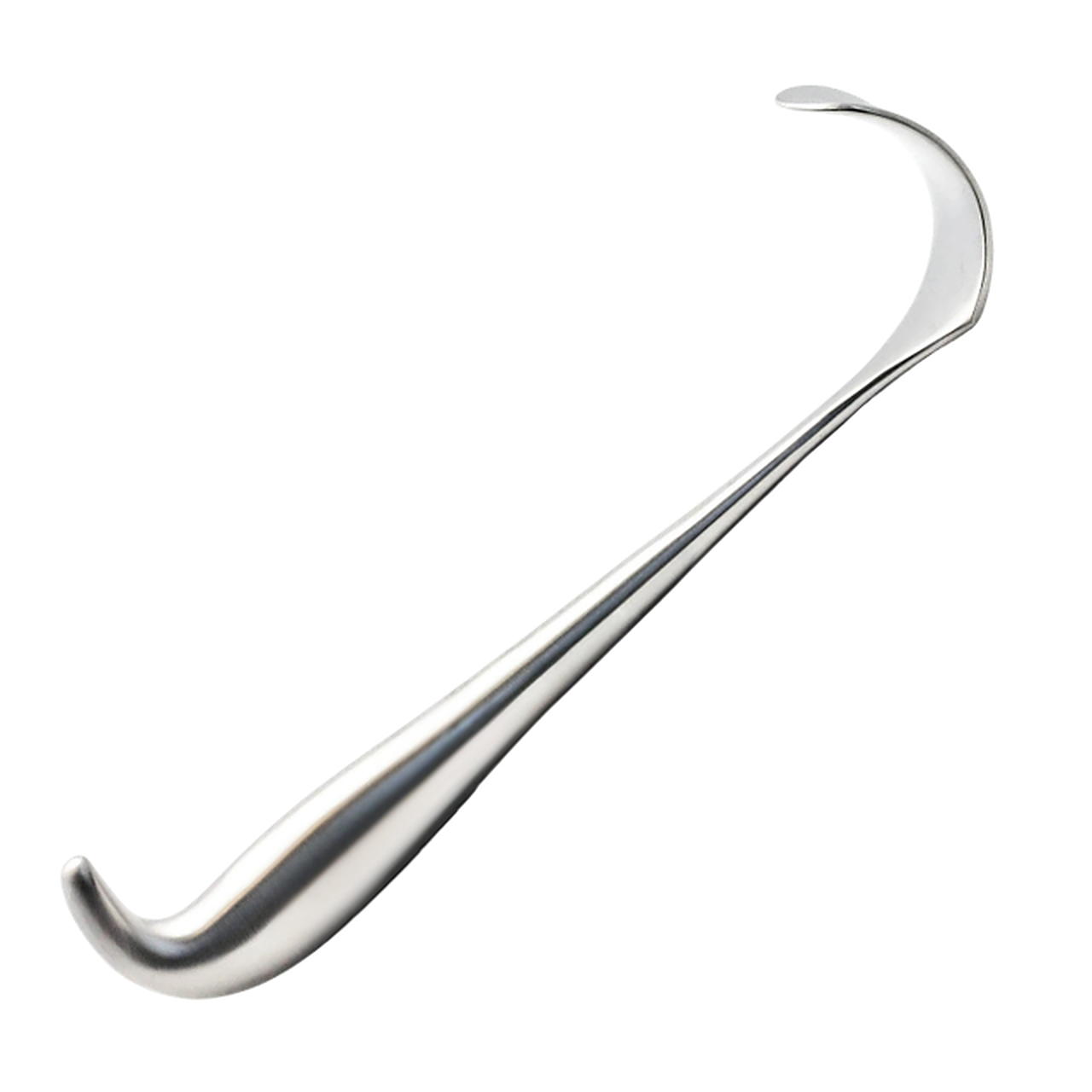 | Brewster Retractor | Speziell entwickelt für die Retraktion von Muskeln, Faszien und Weichteilgewebe in der Allgemein-, Abdominal- und rekonstruktiven Chirurgie. |
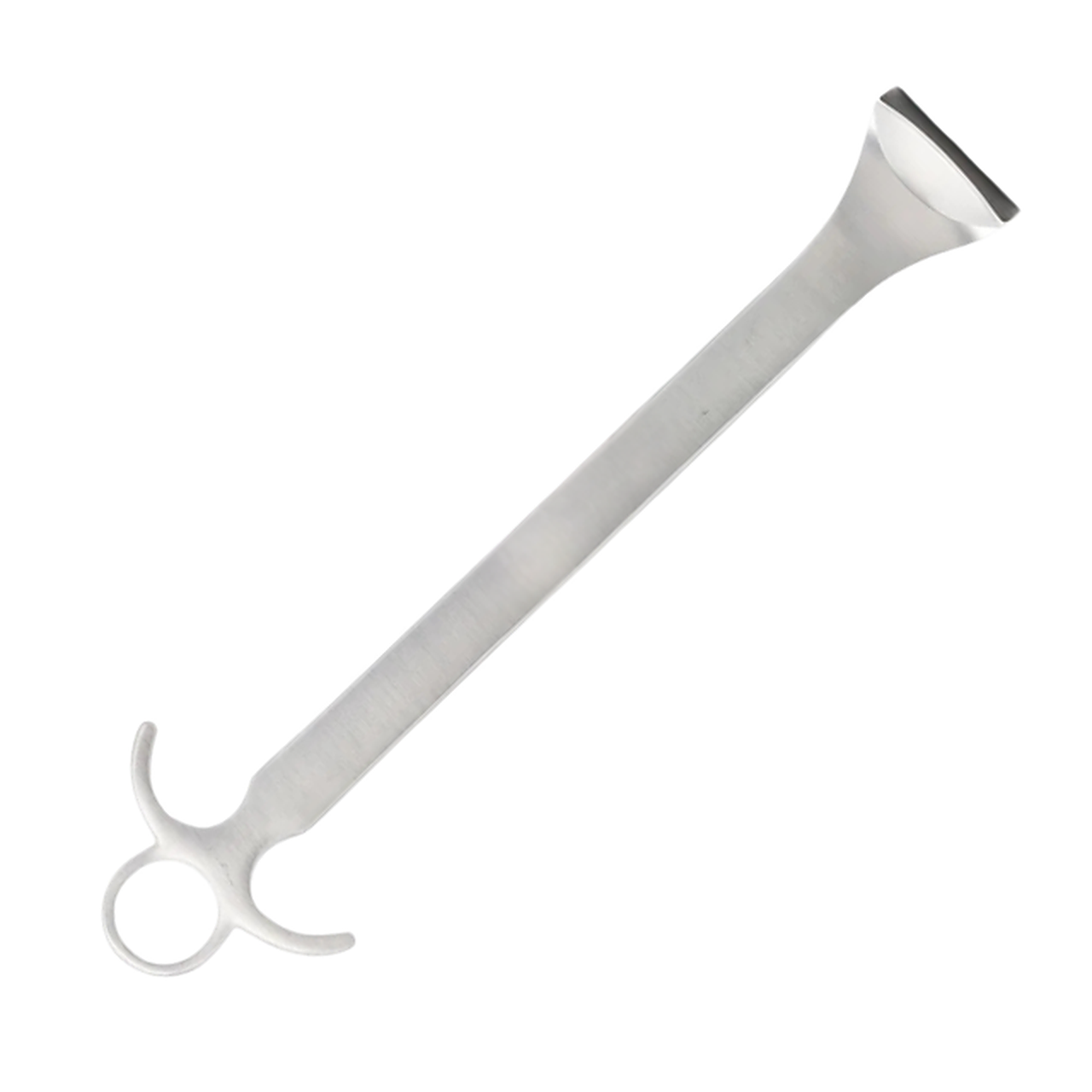 | Browne Deltoid Retractors | Speziell entwickelt zur Retraktion des Deltamuskels und des Weichteilgewebes während der totalen Schulterarthroplastik und der Humerusfrakturversorgung. |
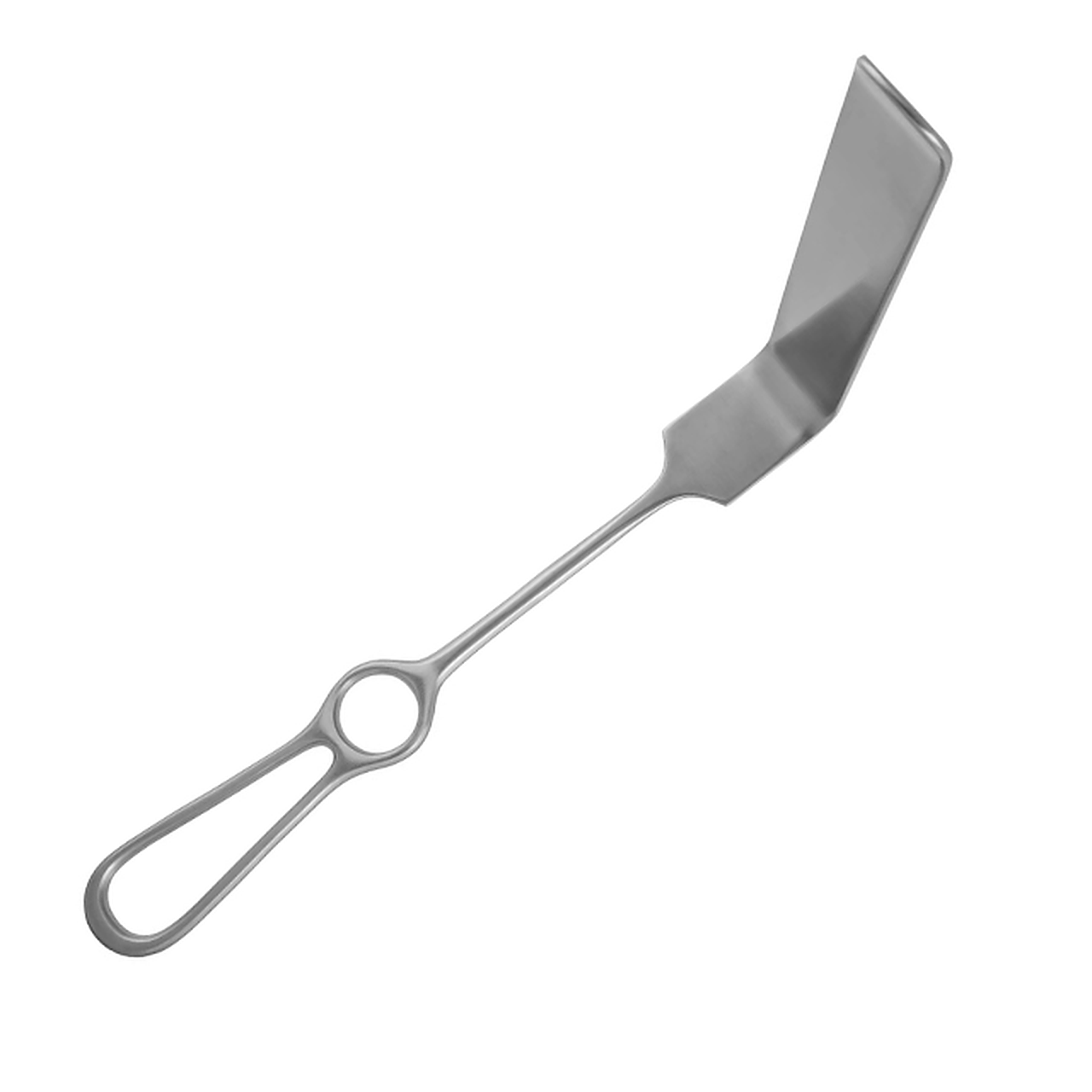 | Brunner Wundhaken | Speziell entwickelt zur Retraktion von Muskeln, Eingeweiden und tiefem Weichteilgewebe in der Abdominal-, Becken- und Thoraxchirurgie. |
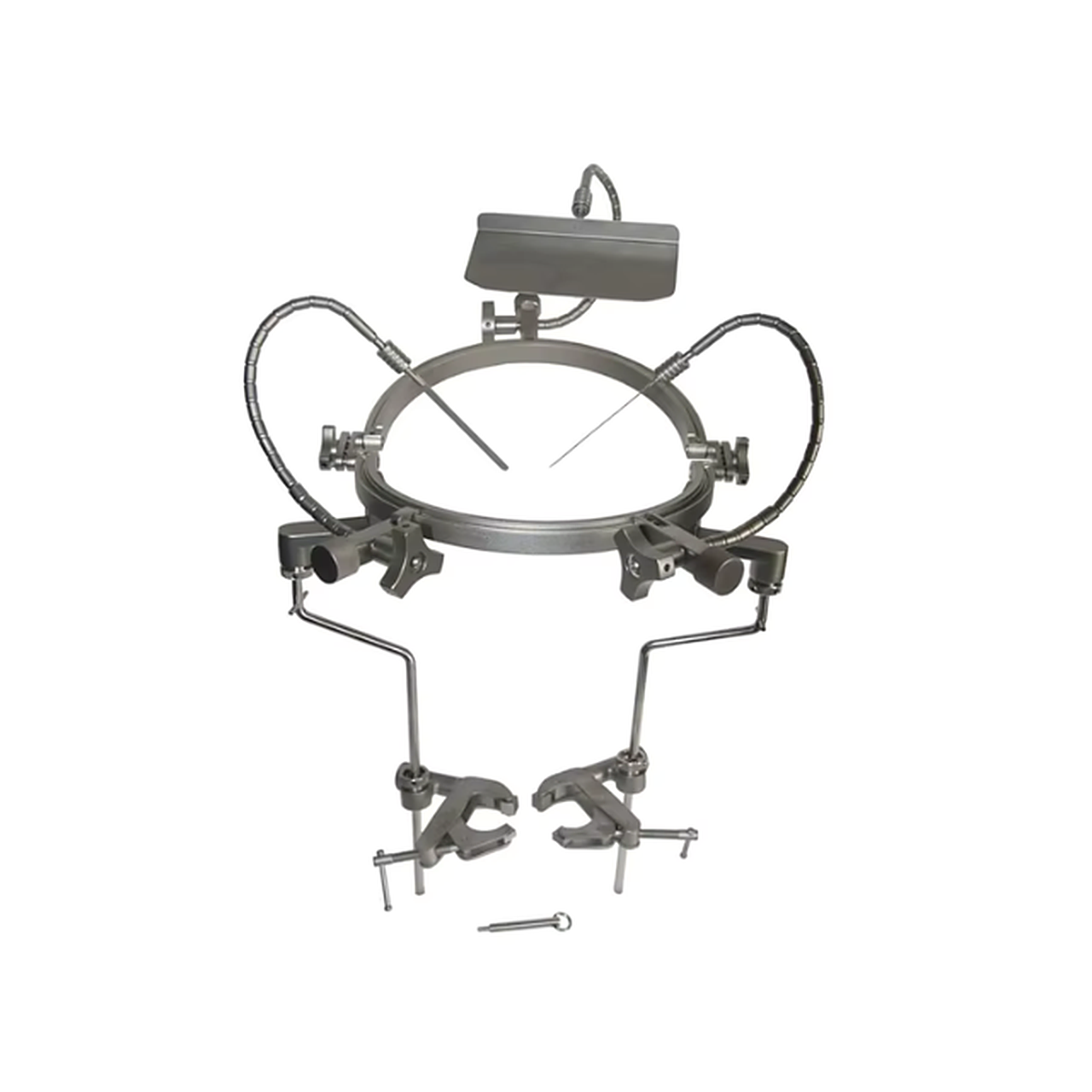 | Budde Halo Retractor | Speziell für die direkte Befestigung an Mayfield-Kopfklemmen oder OP-Tischseitenschienen konzipiert, um eine stabile, freihändige Hirngewebsretraktion und eine integrierte Handauflage für die Unterarmstütze des Chirurgen bei komplexen intrakraniellen Eingriffen und Operationen in der hinteren Schädelgrube zu bieten. |
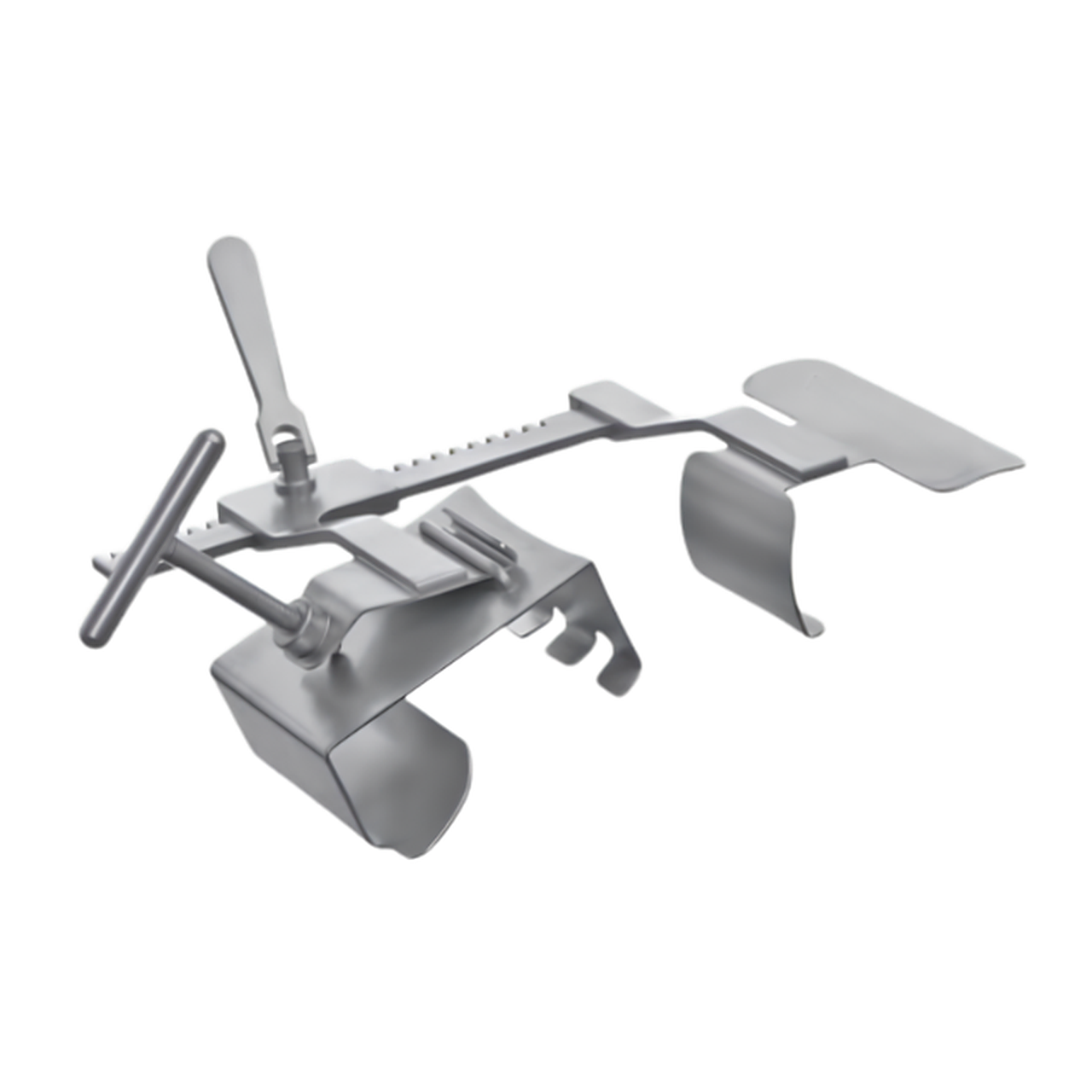 | Bugge Takedown I.M.A Mammaria-Sperrer | Speziell entwickelt für die einseitige Sternum- und Thoraxwandanhebung während der Entnahme der Arteria mammaria interna. |
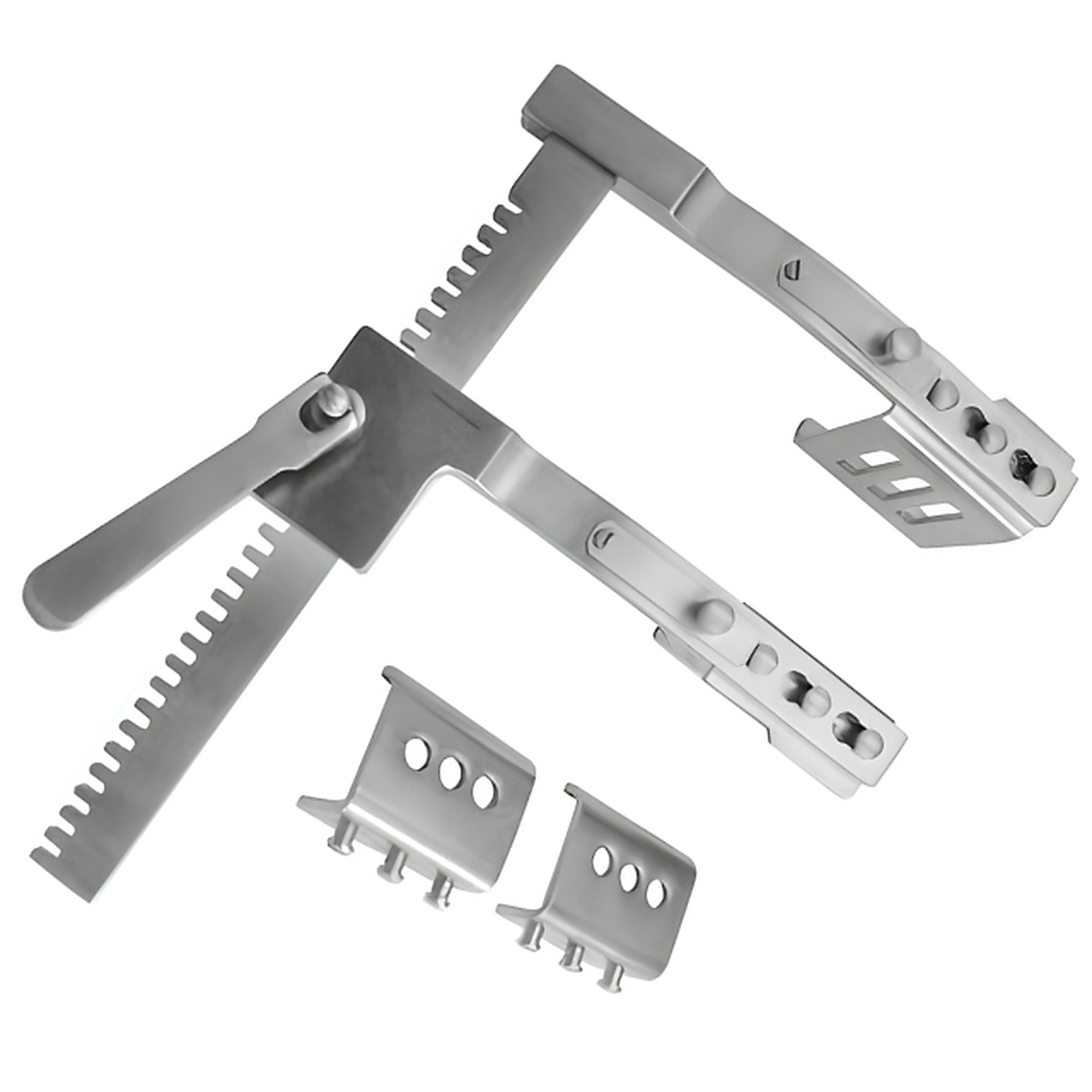 | Burford Rippenspreizer | Speziell entwickelt zur Separation benachbarter Rippen und zur Erweiterung des Interkostalraums während der offenen Thorakotomie. |
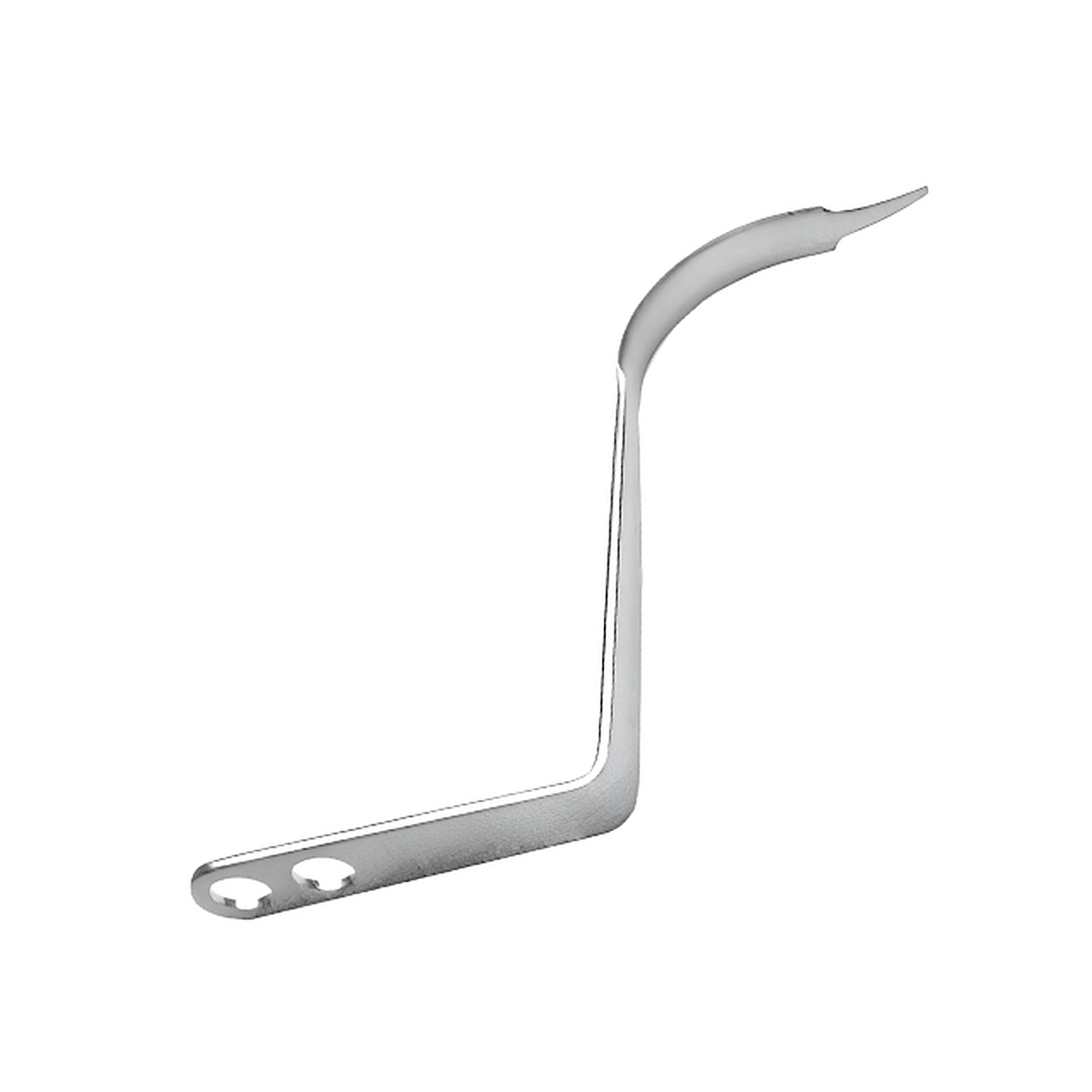 | C Retractors | Speziell entwickelt, um Muskel- und Weichteilgewebe während der Hüftarthroplastik, Beckenosteotomie und Trauma-Rekonstruktion vom Knochen wegzuhebeln. |
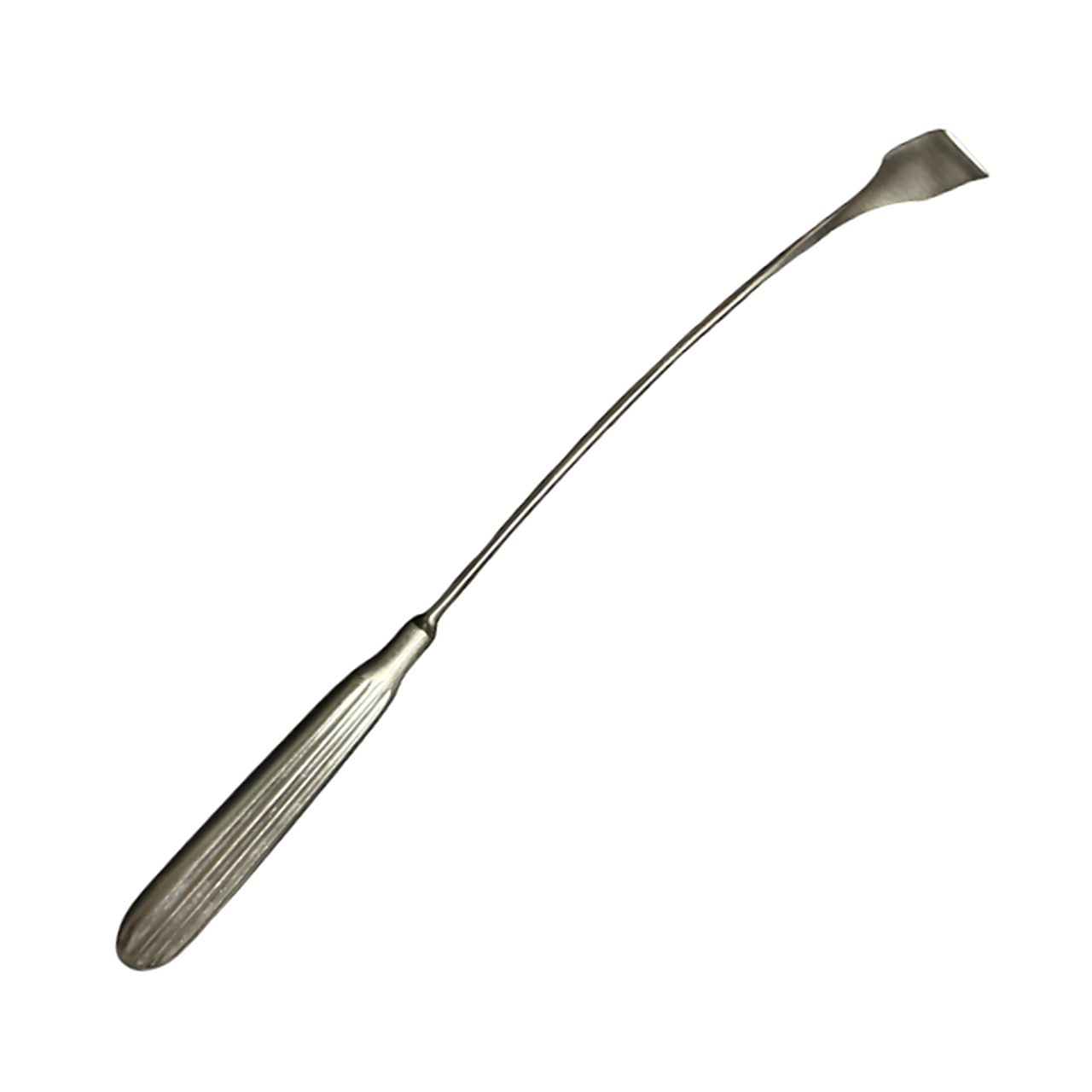 | Campbell Nervenwurzel-Retraktor | Speziell entwickelt zur Retraktion und zum Schutz von spinalen Nervenwurzeln und des Thekalsacks während Diskektomien und Laminektomien. |
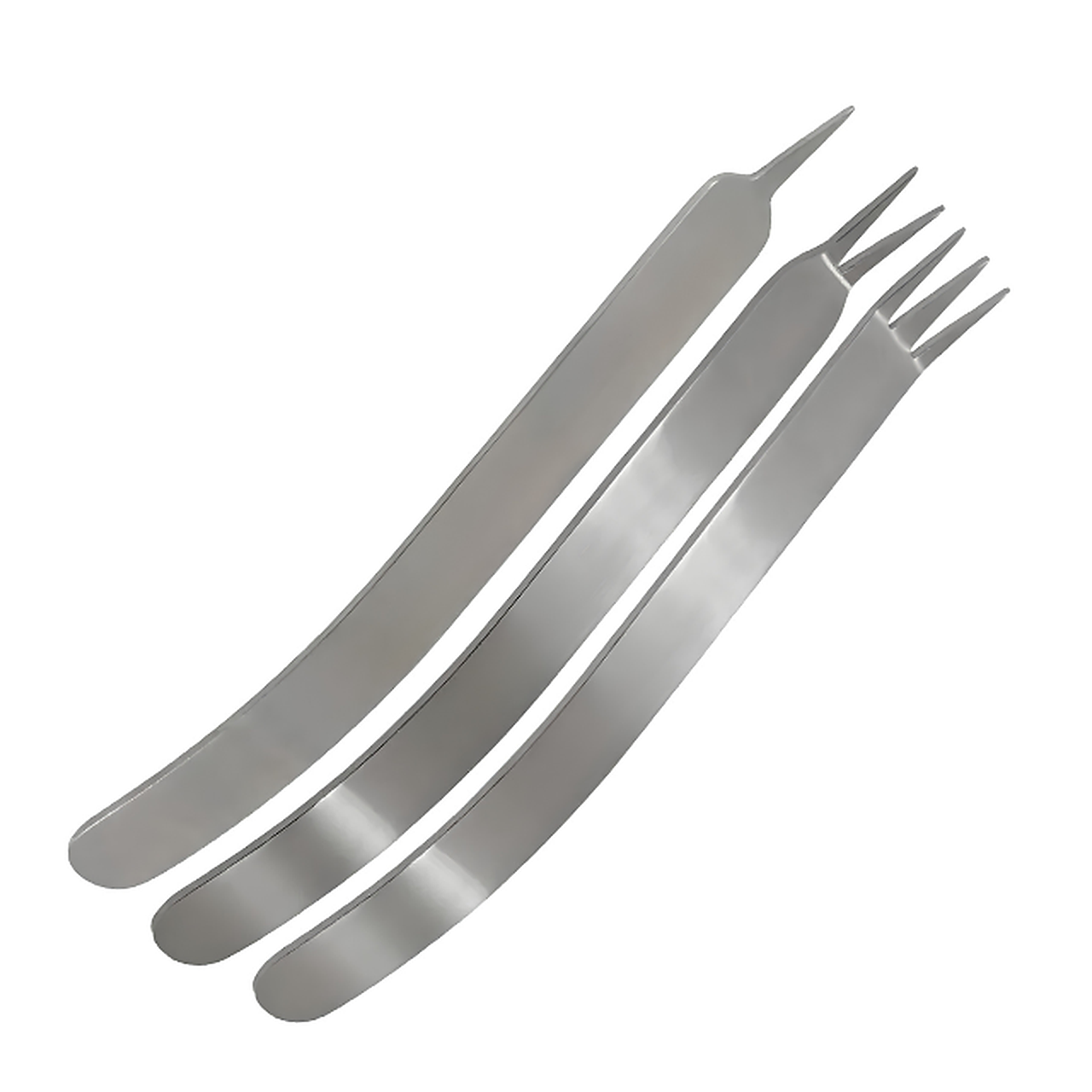 | Kapsel-Retraktoren | Speziell entwickelt für die Retraktion von fibrösen Gelenkkapseln, Ligamenten und Weichteilgewebe bei Hüft-, Knie- und Schulterarthroplastiken. |
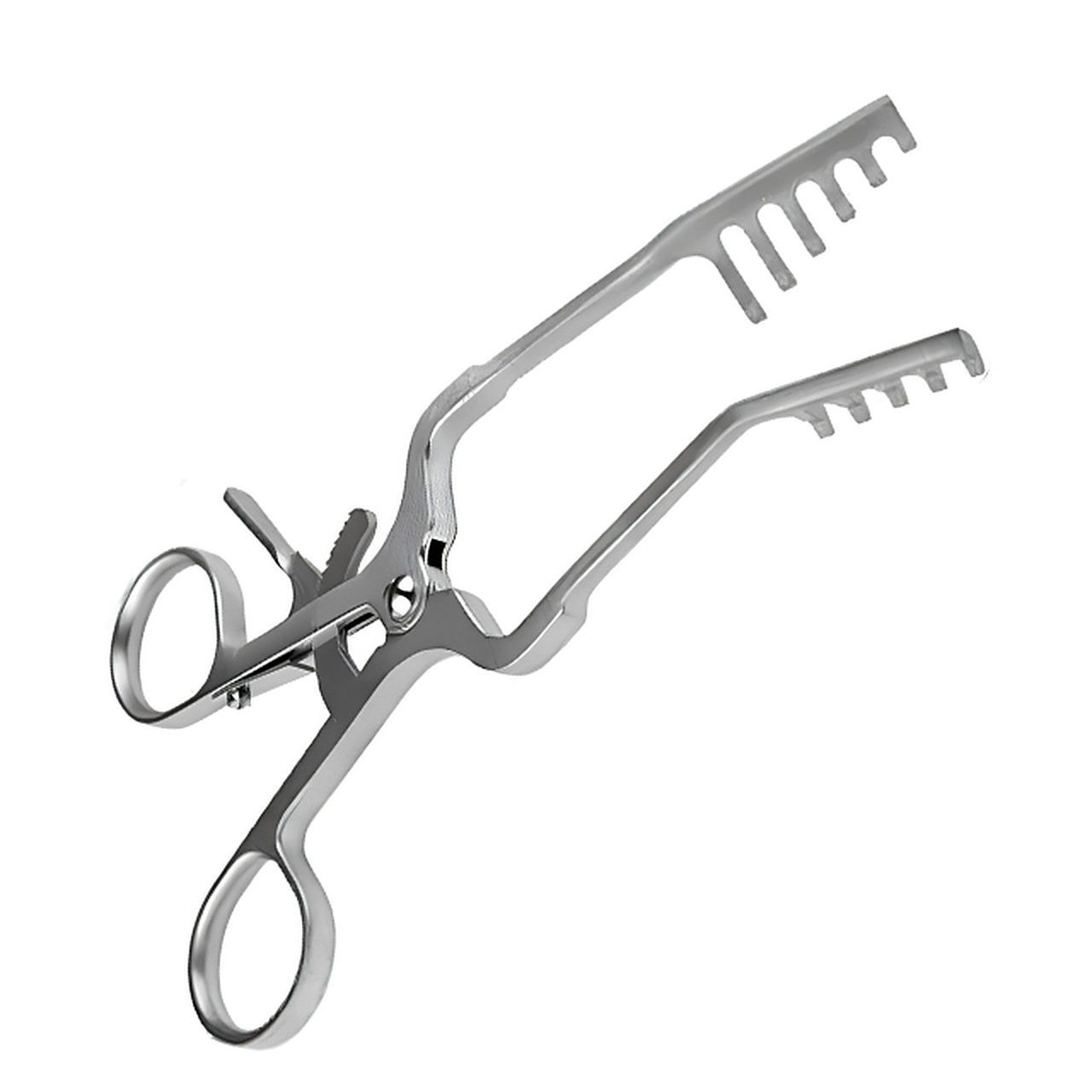 | Carpal Tunnel Wundspreizer, selbsthaltend | Speziell entwickelt für die selbsthaltende Geweberetraktion und Visualisierung des Nervus medianus bei der offenen Karpaltunnelspaltung. |
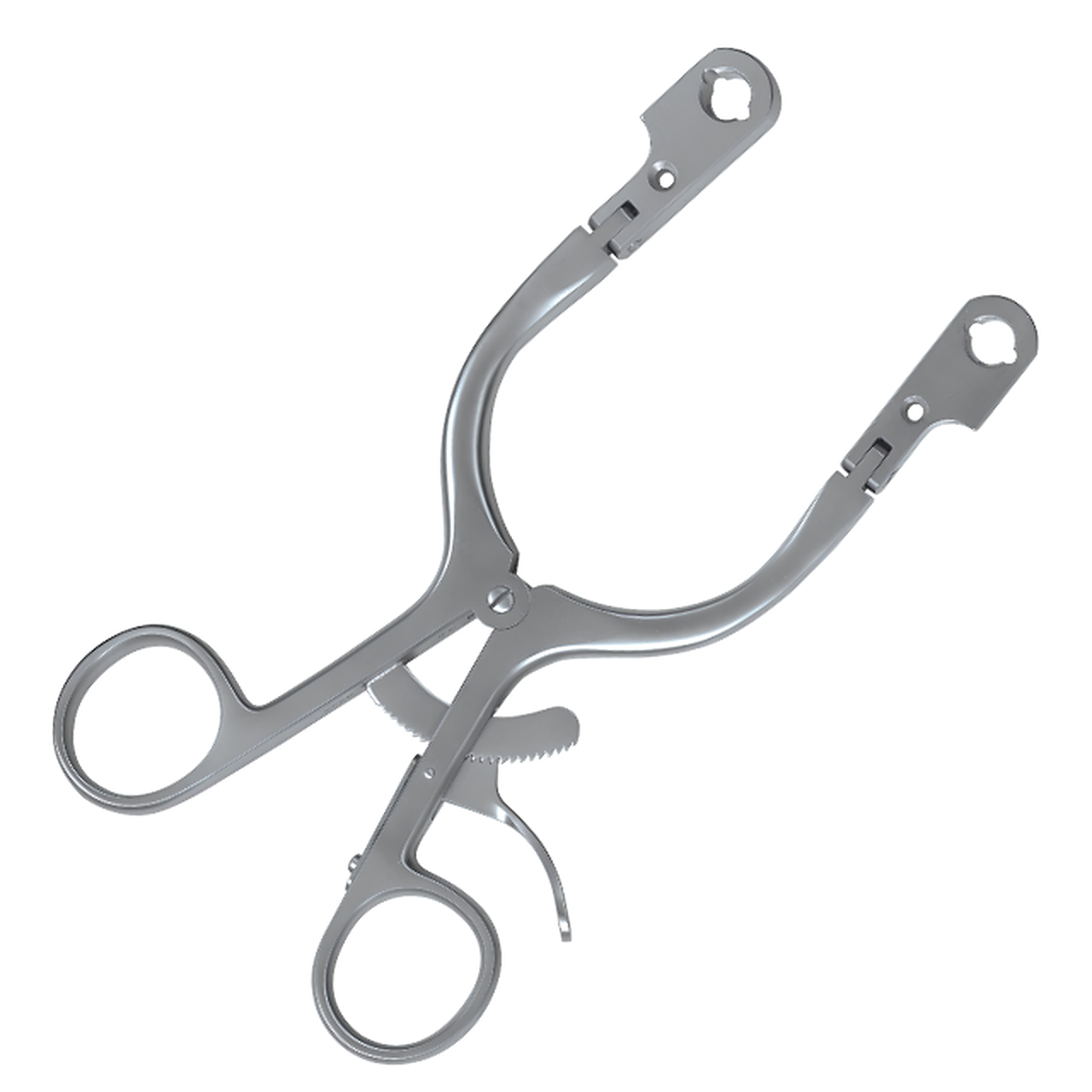 | Caspar Cervical Retractor With Ratchet | Speziell entwickelt für die selbsthaltende Weichteilretraktion und Wirbelexposition bei der anterioren zervikalen Disktomie und Fusion (ACDF). |
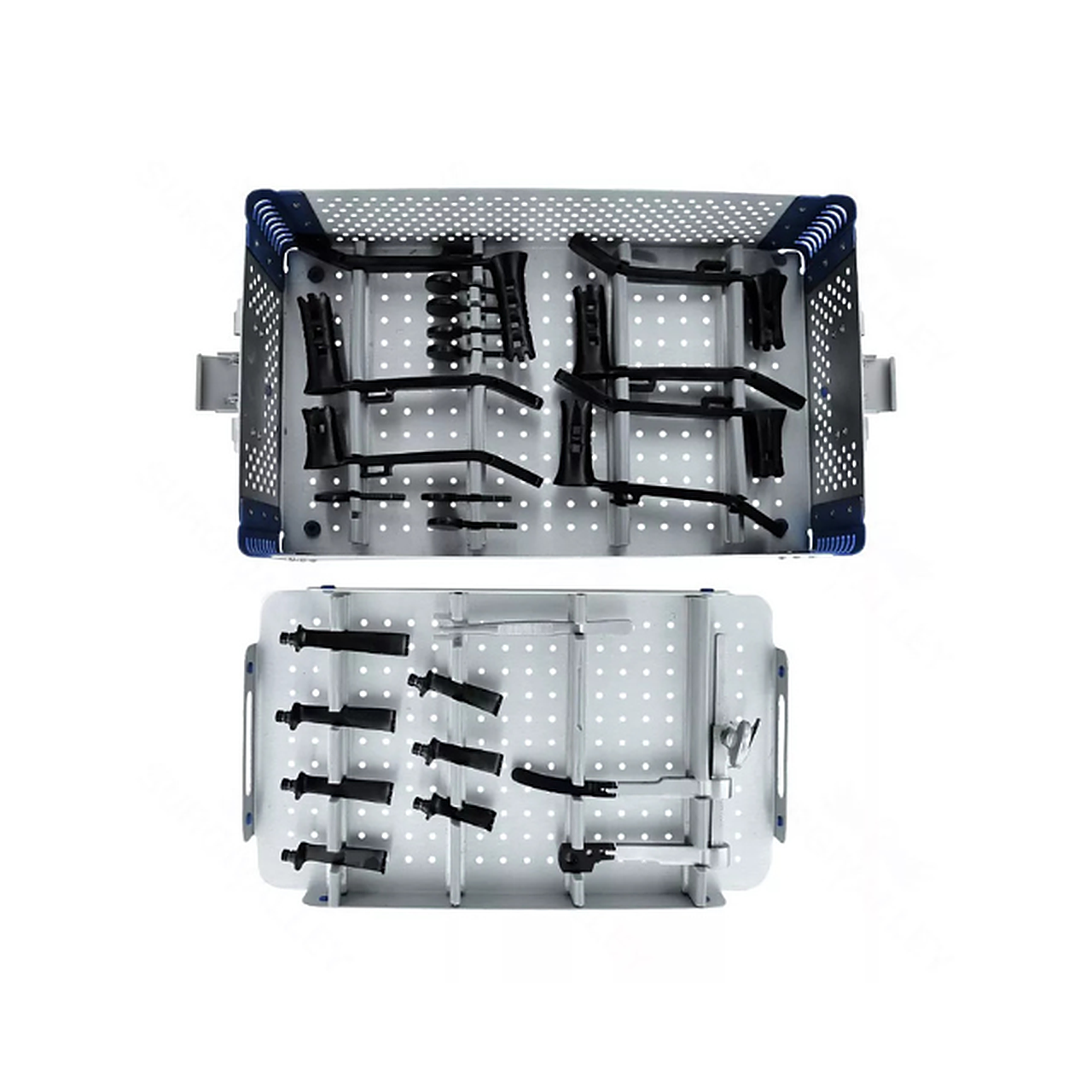 | Caspar Lumbar Microdiscectomy Retractor System | Speziell entwickelt für die stabile Geweberetraktion und chirurgische Exposition bei mikroschirurgischen lumbalen Dissektomie-Eingriffen. |
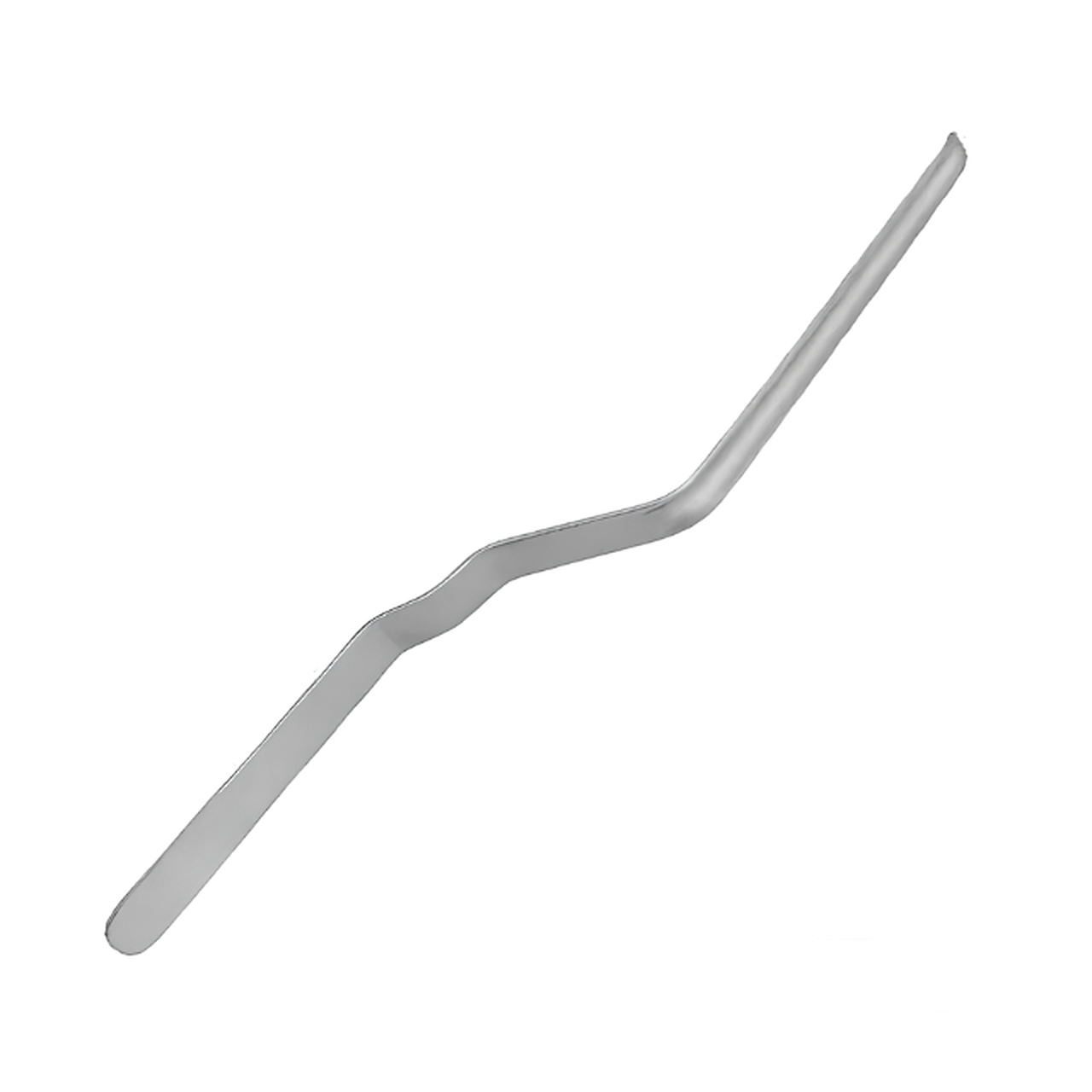 | Caspar Nervwurzeltraktor | Speziell entwickelt zur Mobilisierung, Halterung und Abschirmung von Spinalnervenwurzeln und des Thekalsacks während der mikrochirurgischen lumbalen Diskektomie. |
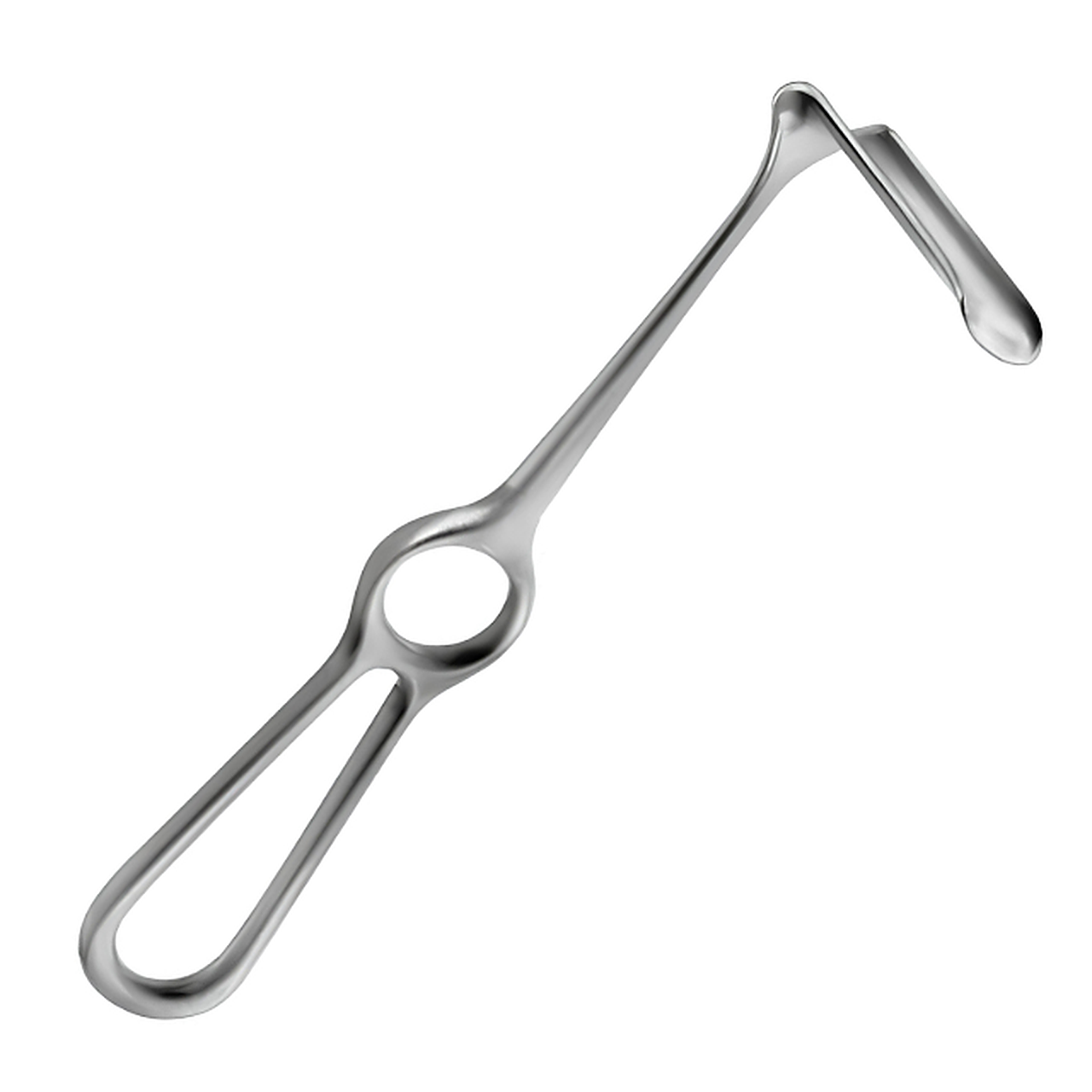 | Caspar Wundhaken | Speziell entwickelt für die Retraktion von Muskeln, Faszien und Weichteilgewebe bei Wirbelsäulen-, orthopädischen und rekonstruktiven Operationen. |
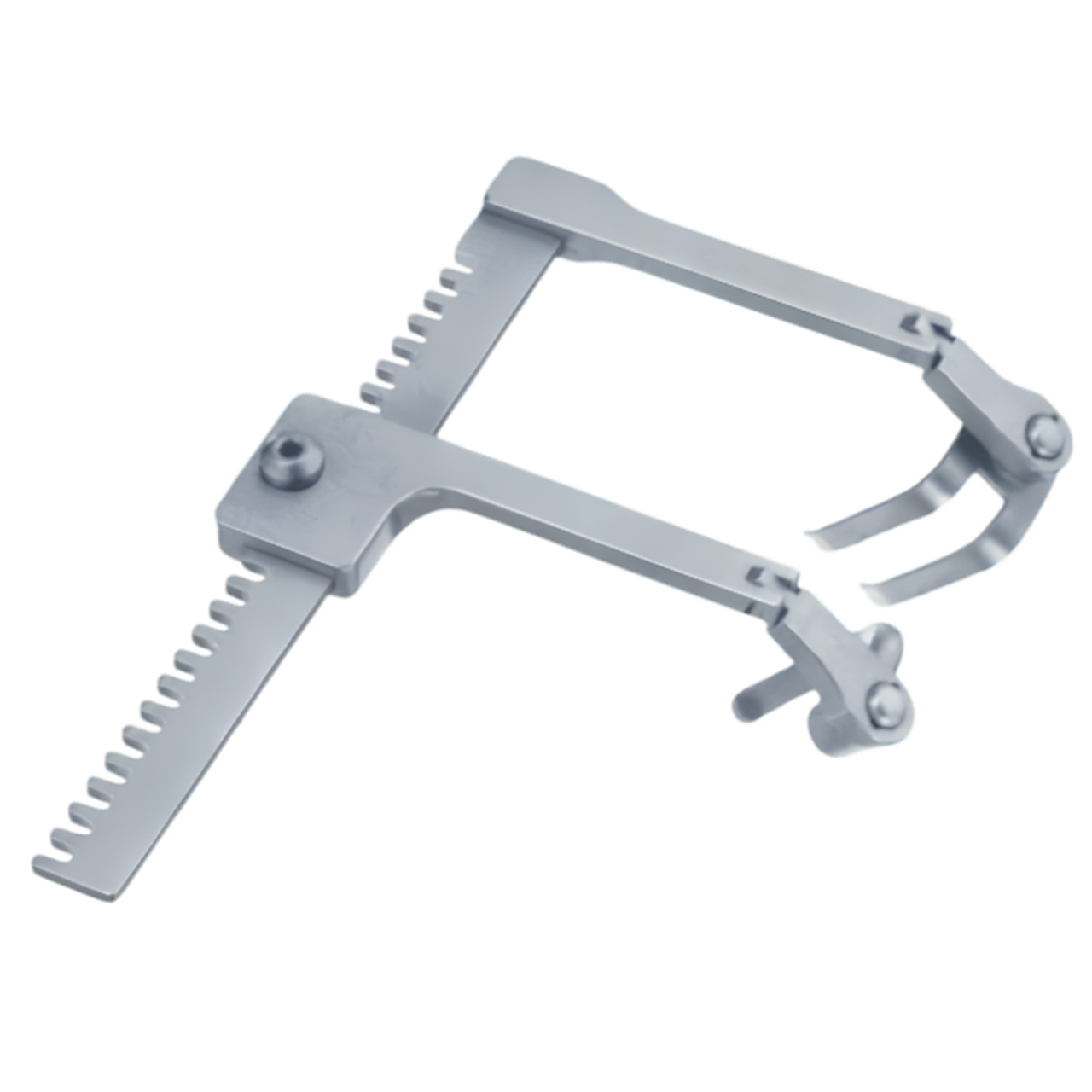 | Caspar Wundspreizer, selbsthaltend | Speziell entwickelt zur Retraktion von Trachea, Ösophagus und Musculus longus colli während anteriorer zervikaler Wirbelsäuleneingriffe. |
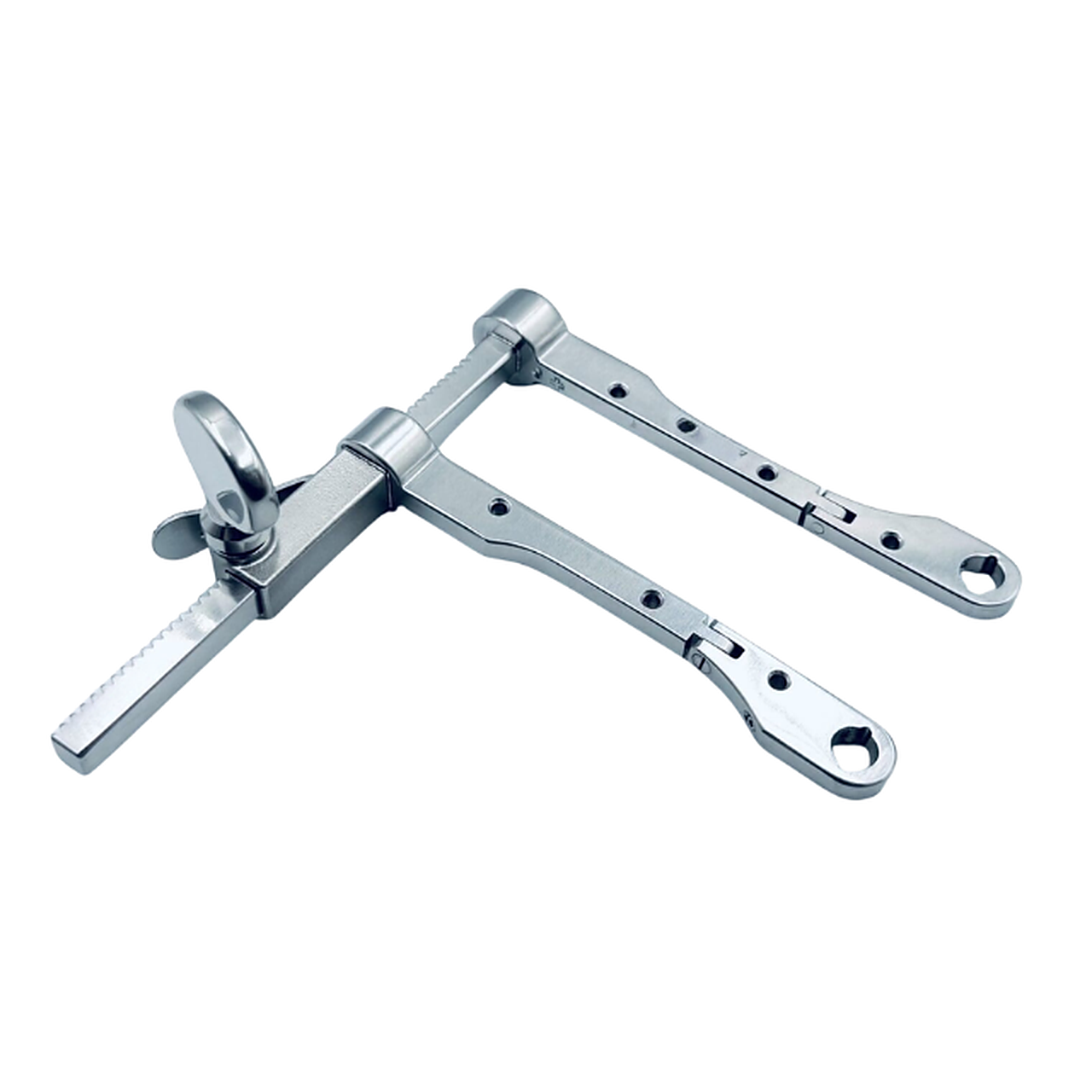 | Casper Cervical Retractor | Speziell entwickelt für die selbsthaltende, artikulierte Weichteilretraktion und Wirbelexposition während der anterioren Zervikalchirurgie. |
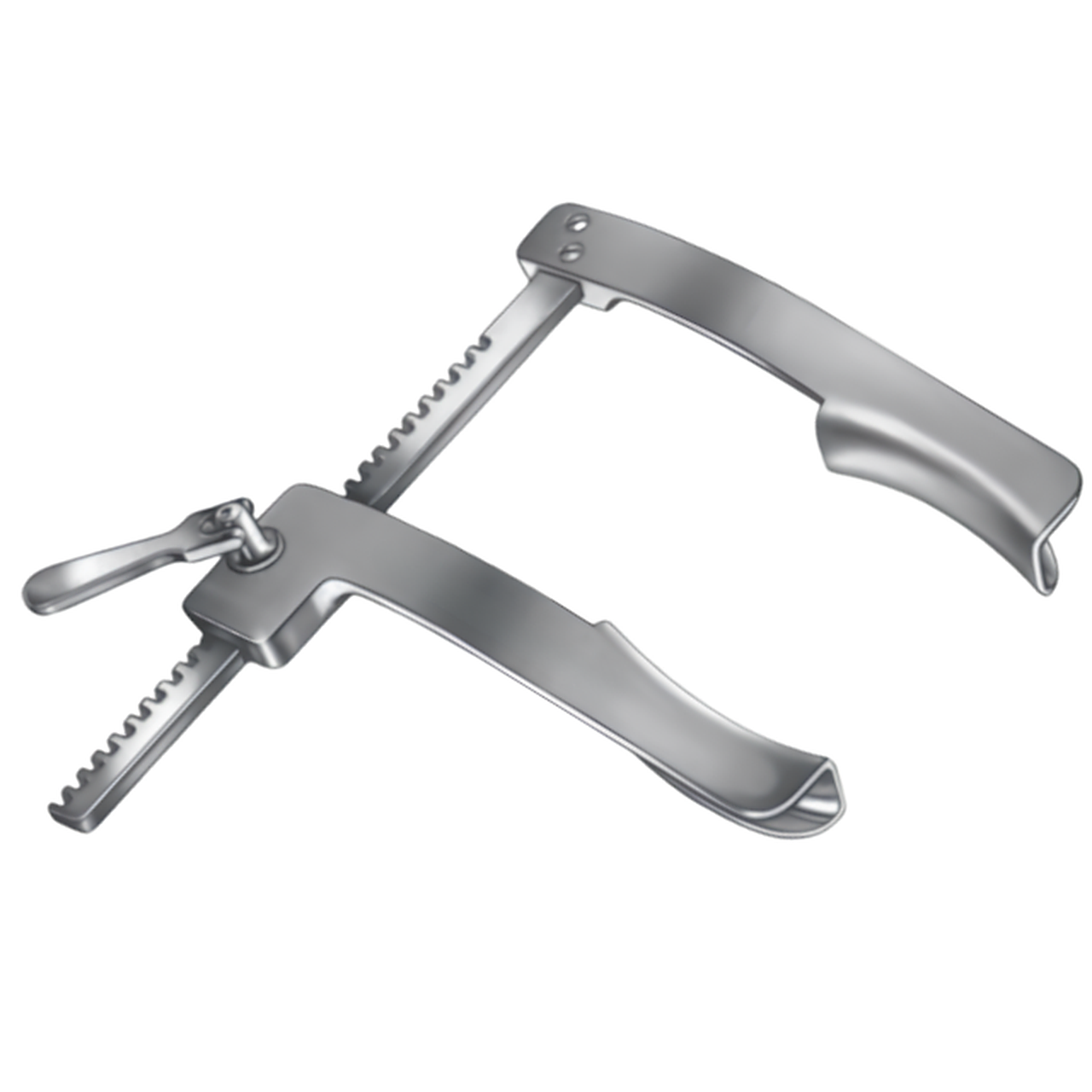 | Castaneda Rippensperrer | Speziell entwickelt zur Spreizung der Rippen und zur Exposition der Thoraxhöhle bei neonatalen und pädiatrischen herzchirurgischen Eingriffen. |
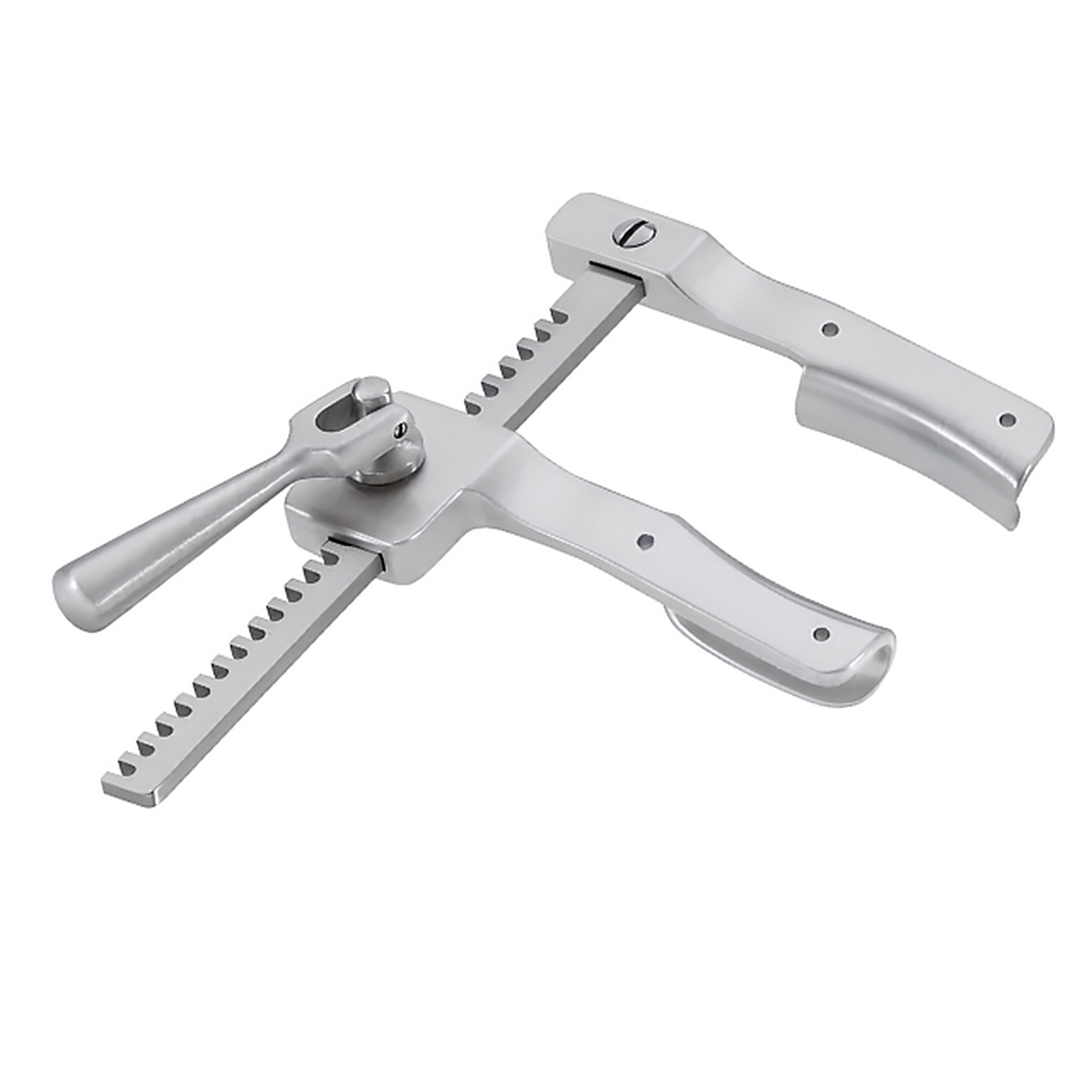 | Castaneda Sternalsperrer | Speziell entwickelt für die Sternalspreizung und Freilegung des Mediastinums während der pädiatrischen, neonatalen und erwachsenen Herzchirurgie. |
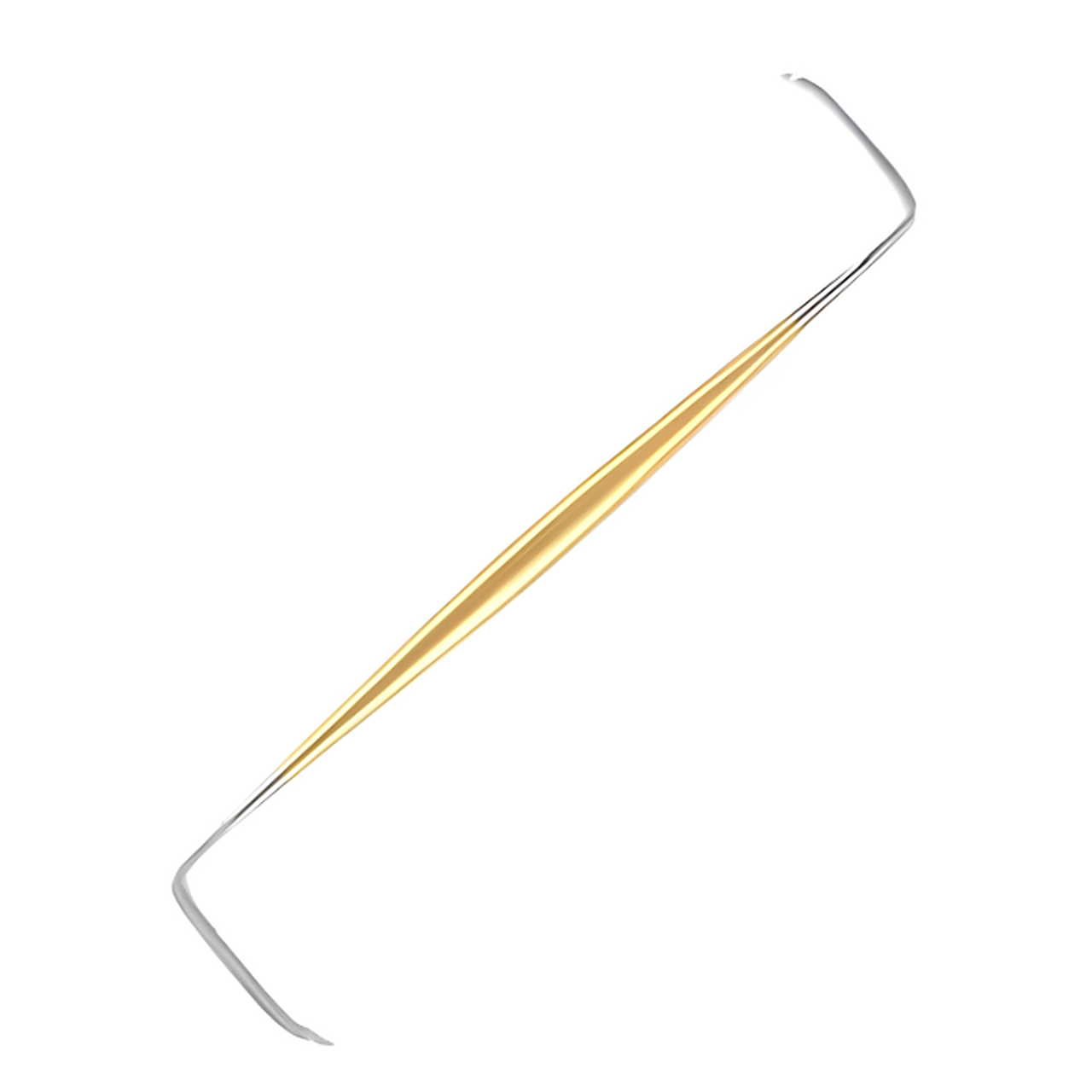 | Cerkes Nasenretraktor, doppelendig | Speziell entwickelt zur Elevation des Nasenweichteilmantels und zur Retraktion von Knorpel bei offener und geschlossener Rhinoplastik. |
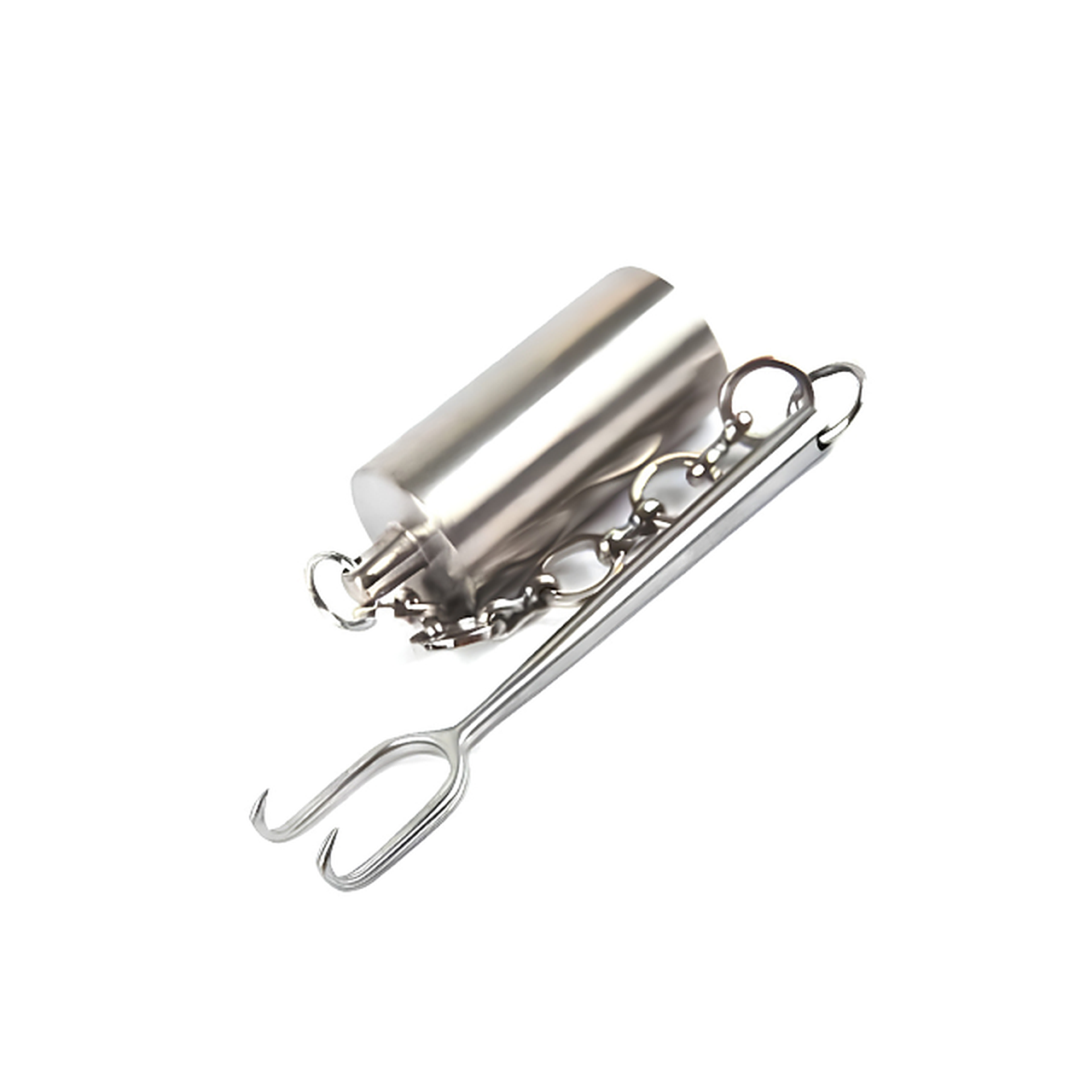 | Cerkes Nasal Retractor With Weight - Gruber Columella Retractor | Speziell entwickelt für die gewichtsbelastete, freihändige Retraktion der Kolumella und des kaudalen Septums bei der offenen Rhinoplastik. |
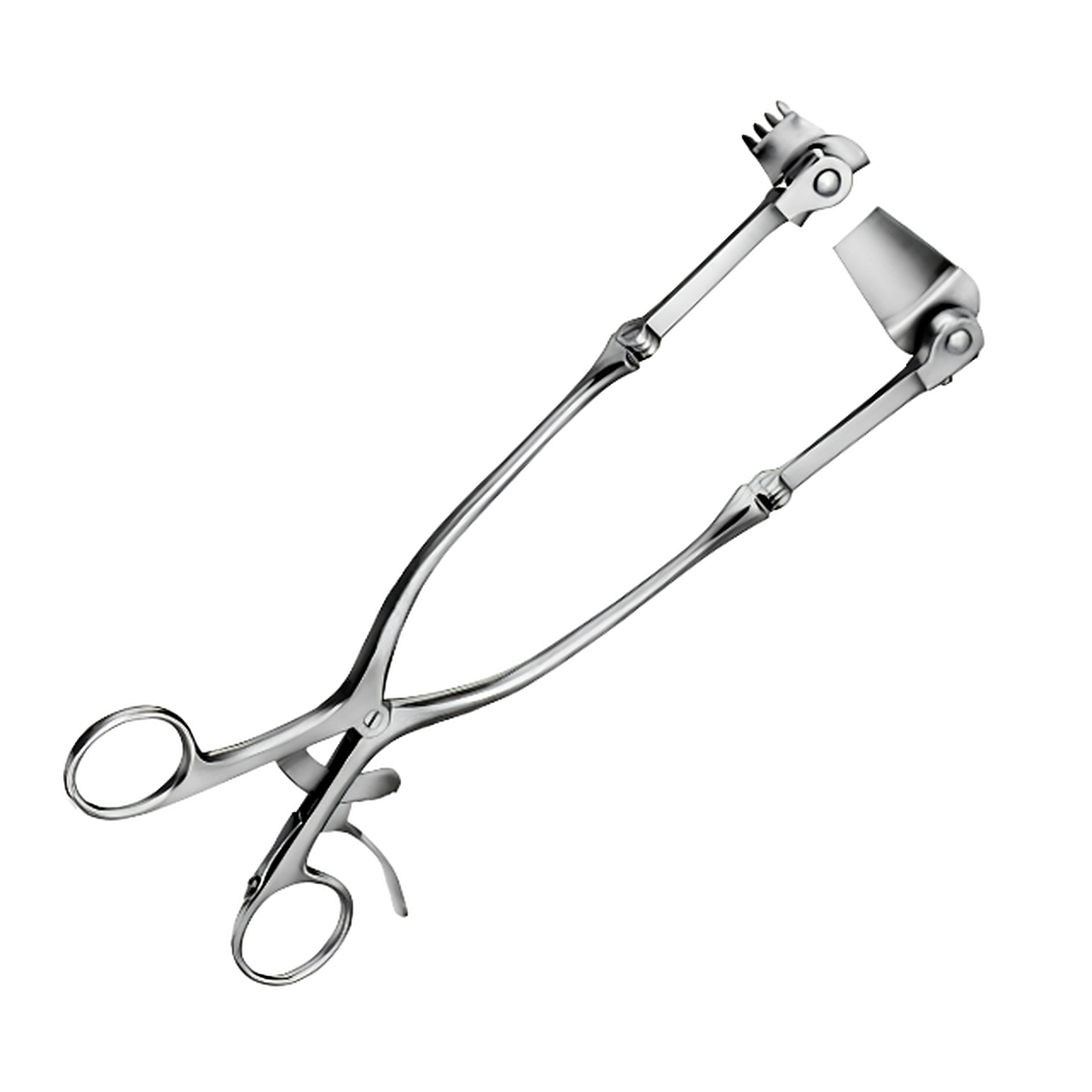 | Cervical Retractor Frame | Speziell entwickelt zur Aufnahme austauschbarer Retraktorvalven und zur longitudinalen Exposition bei chirurgischen Eingriffen an der anterioren Halswirbelsäule. |
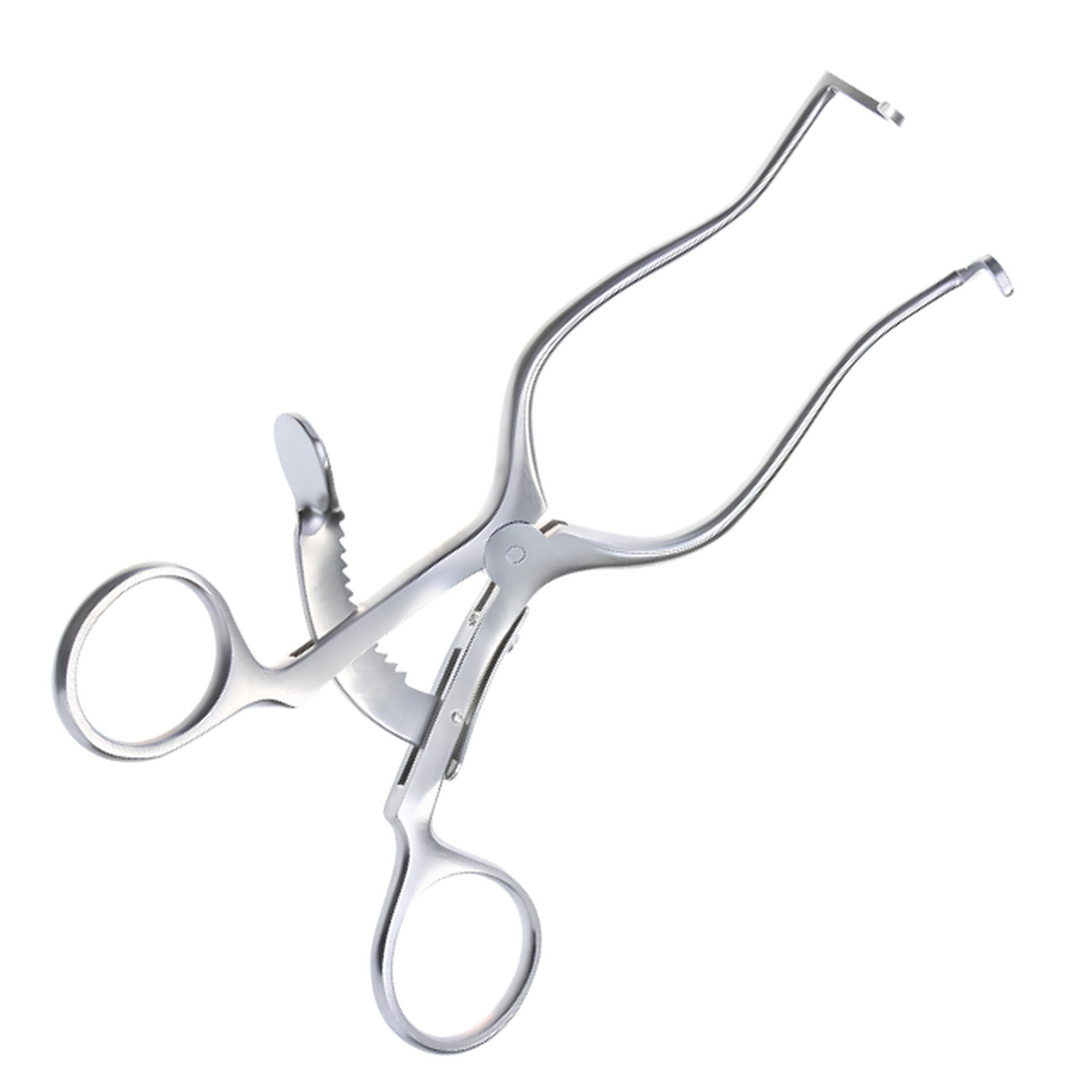 | Zervikaler Geweberetraktor | Speziell entwickelt zum Retrahieren und Mobilisieren von empfindlichem Weichgewebe und Faszienebenen während der anterioren Halswirbelsäulenchirurgie. |
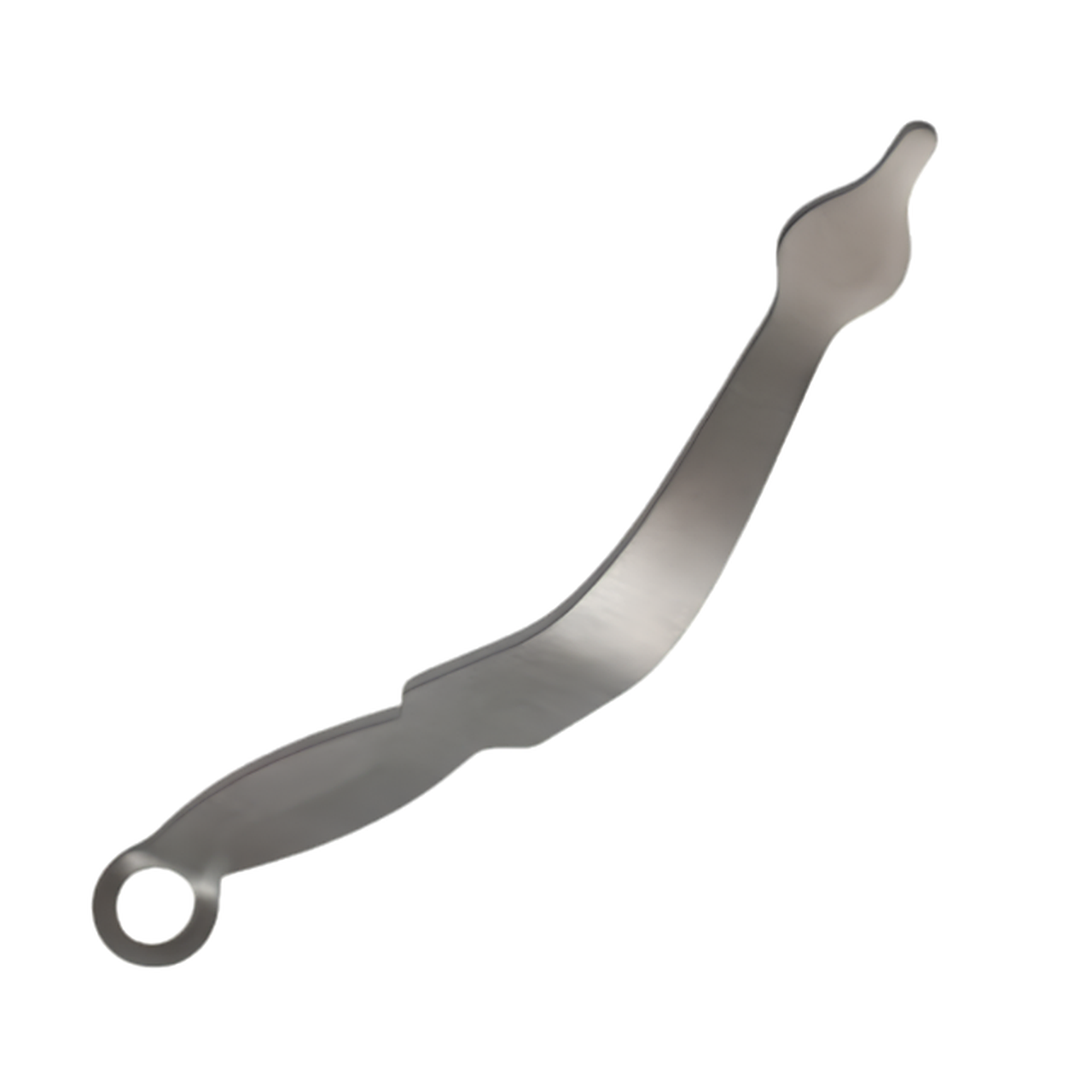 | Chandler Retractor | Speziell entwickelt für die Knochenhebelwirkung und Retraktion schwerer Muskulatur bei totaler Hüftendoprothetik und femoralen rekonstruktiven Eingriffen. |
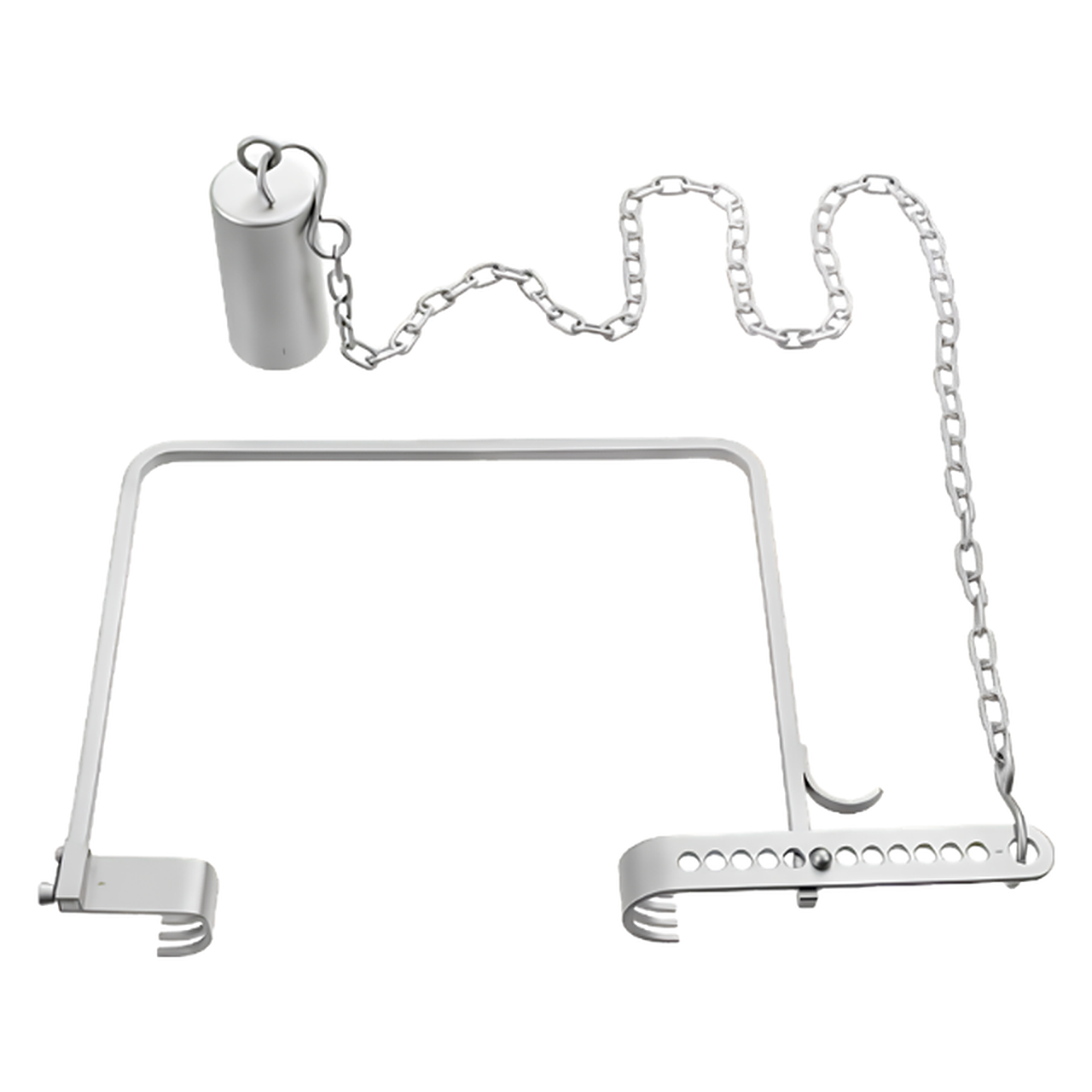 | Charnley Initial Incision Retractor | Speziell für die Retraktion von Wundrändern und subkutanem Fettgewebe während der initialen Freilegung in der Hüftendoprothetik entwickelt. |
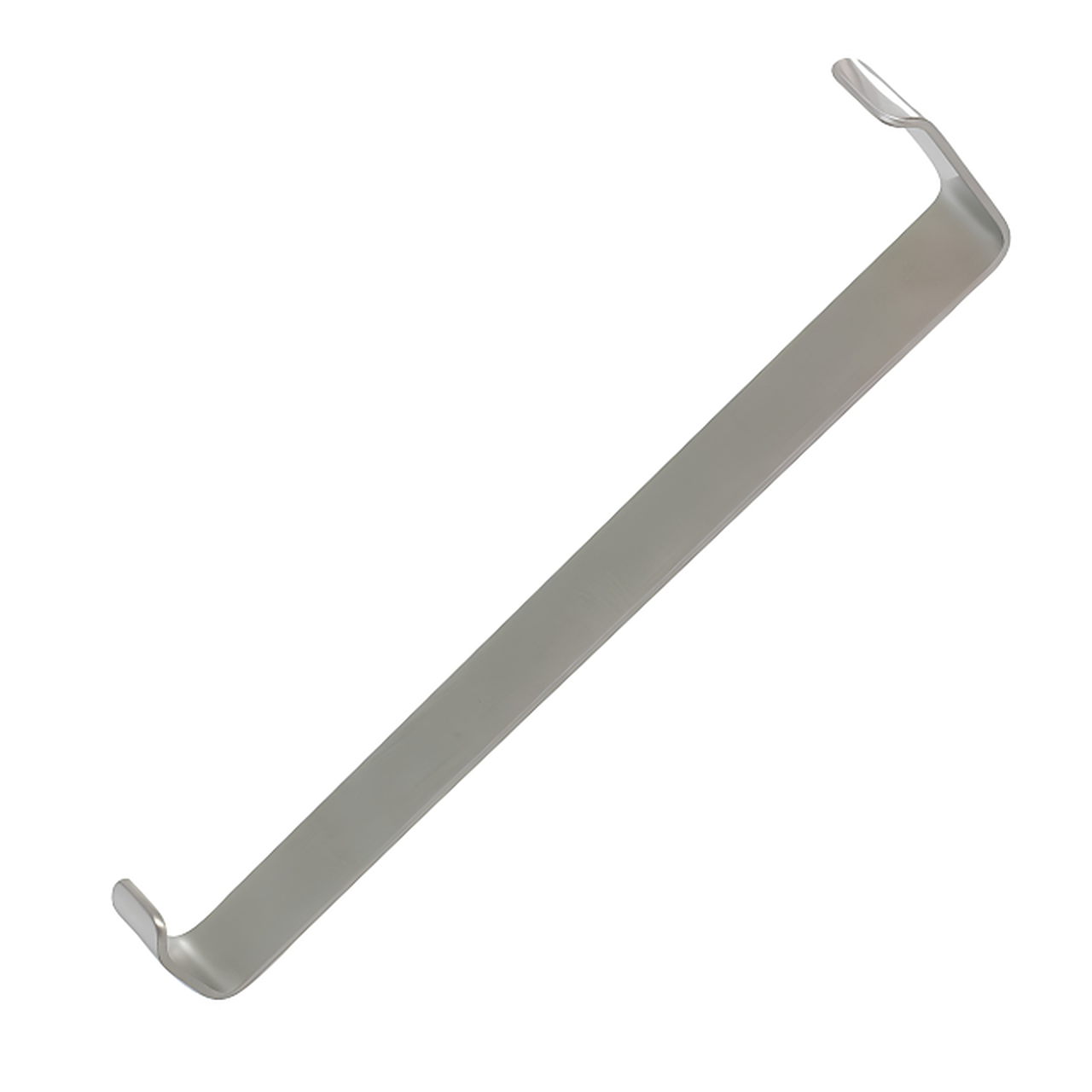 | Children's Hospital Wundhaken | Speziell entwickelt für die Retraktion von empfindlicher Haut, Muskeln und Weichteilgewebe bei pädiatrischen und kleineren chirurgischen Eingriffen. |
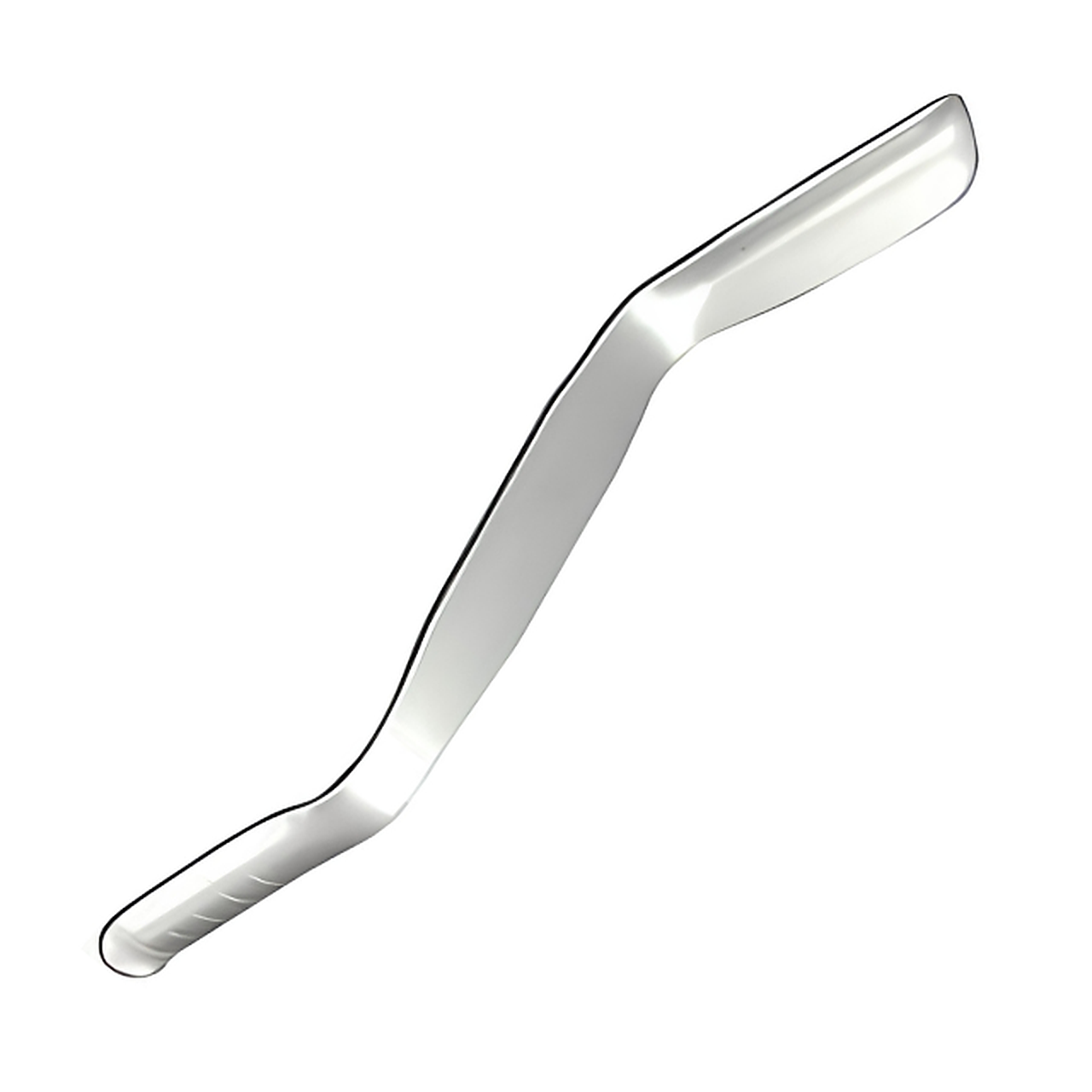 | Clodius Orbital-Retraktor | Speziell entwickelt zur Retraktion von Orbitalfett, zum Anheben von Augenlidlappen und zum Schutz des Bulbus bei der Blepharoplastik und periorbitalen Chirurgie. |
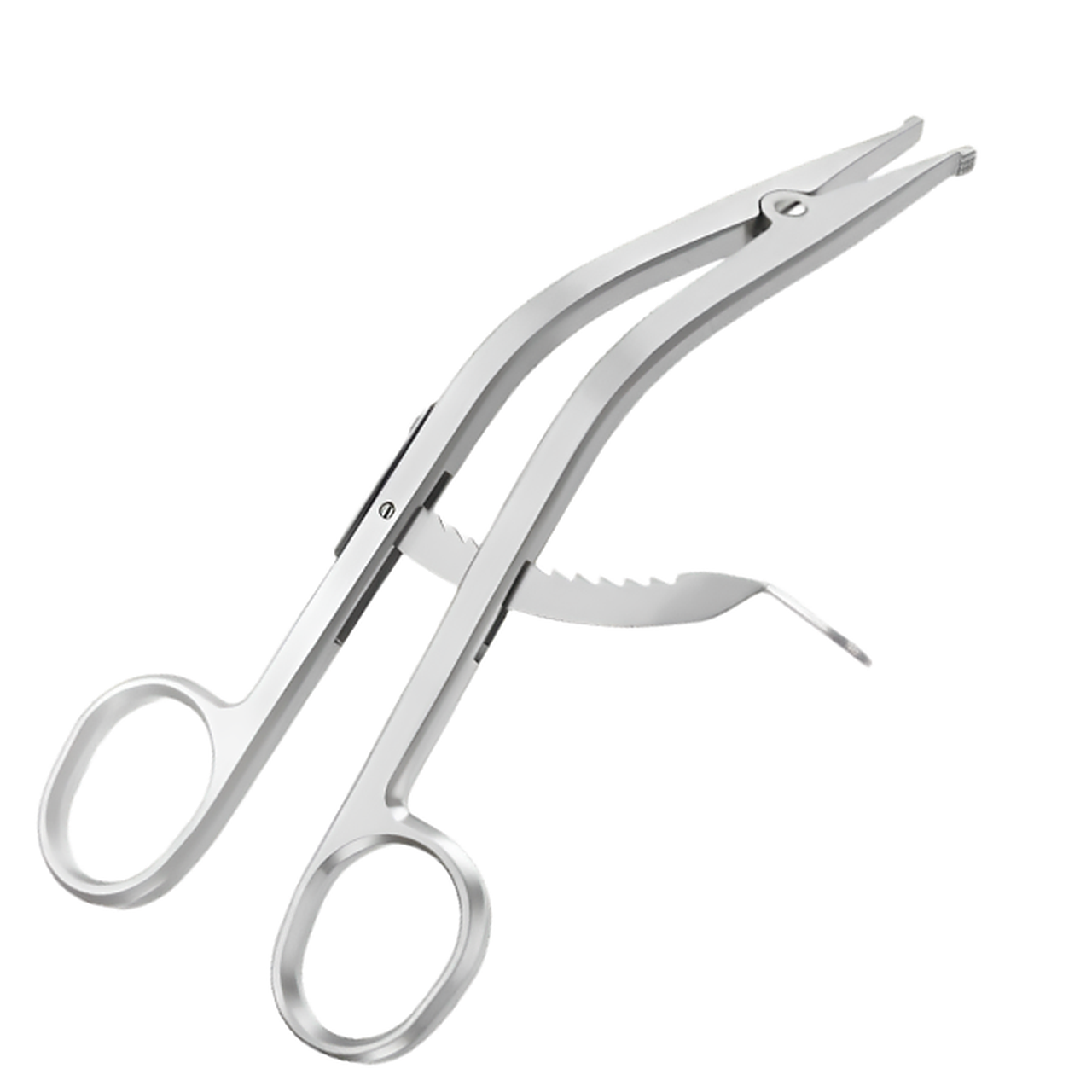 | Cloward Cervical/Lamina Retractor | Speziell entwickelt zur Retraktion der paraspinalen Muskulatur und zur Freilegung der Lamina und Facettengelenke bei Operationen an der Hals- und oberen Brustwirbelsäule. |
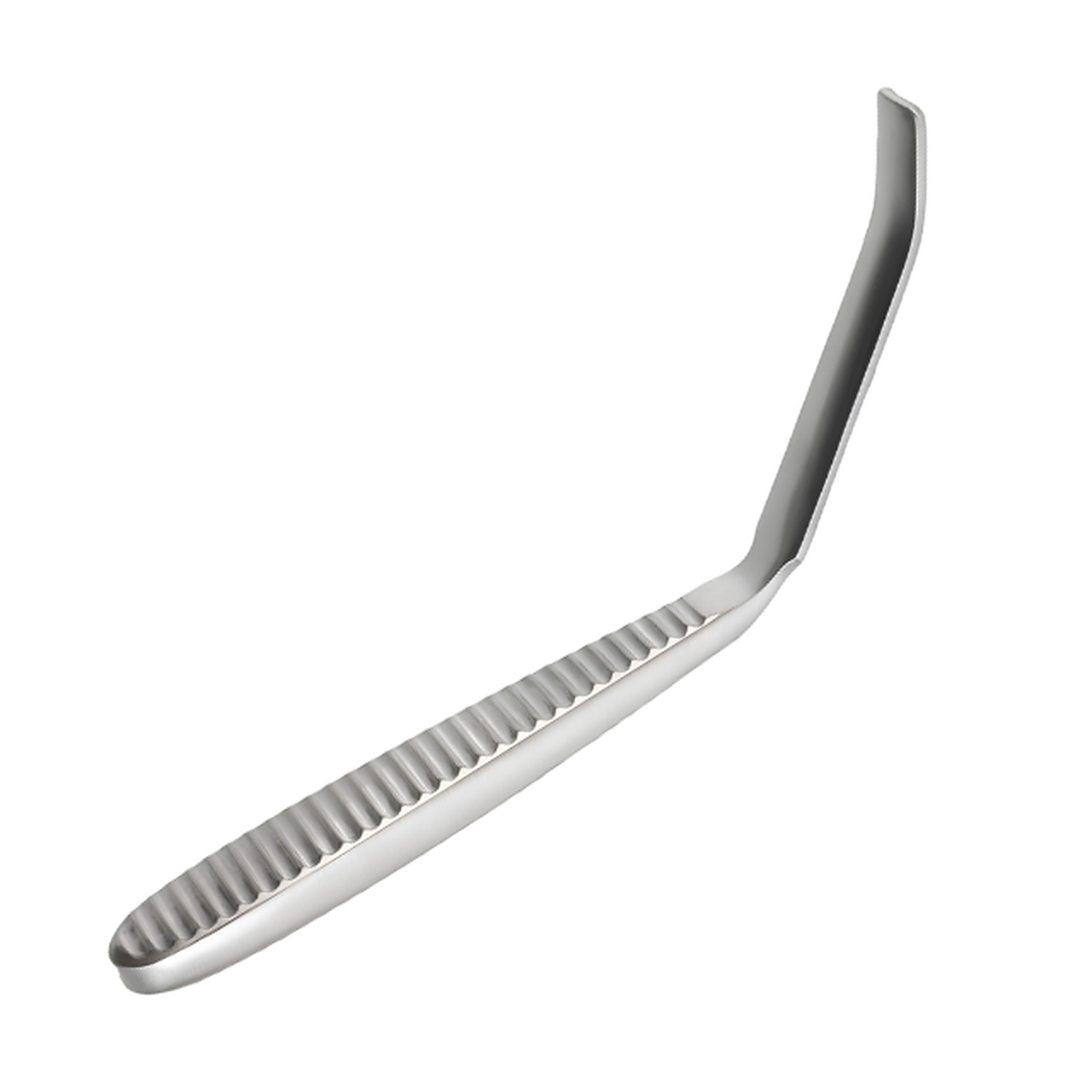 | Cloward-Style Blatt-Wundhaken | Speziell entwickelt für die Retraktion von Muskeln, Faszien und viszeralem Weichteilgewebe während Operationen an der anterioren Halswirbelsäule. |
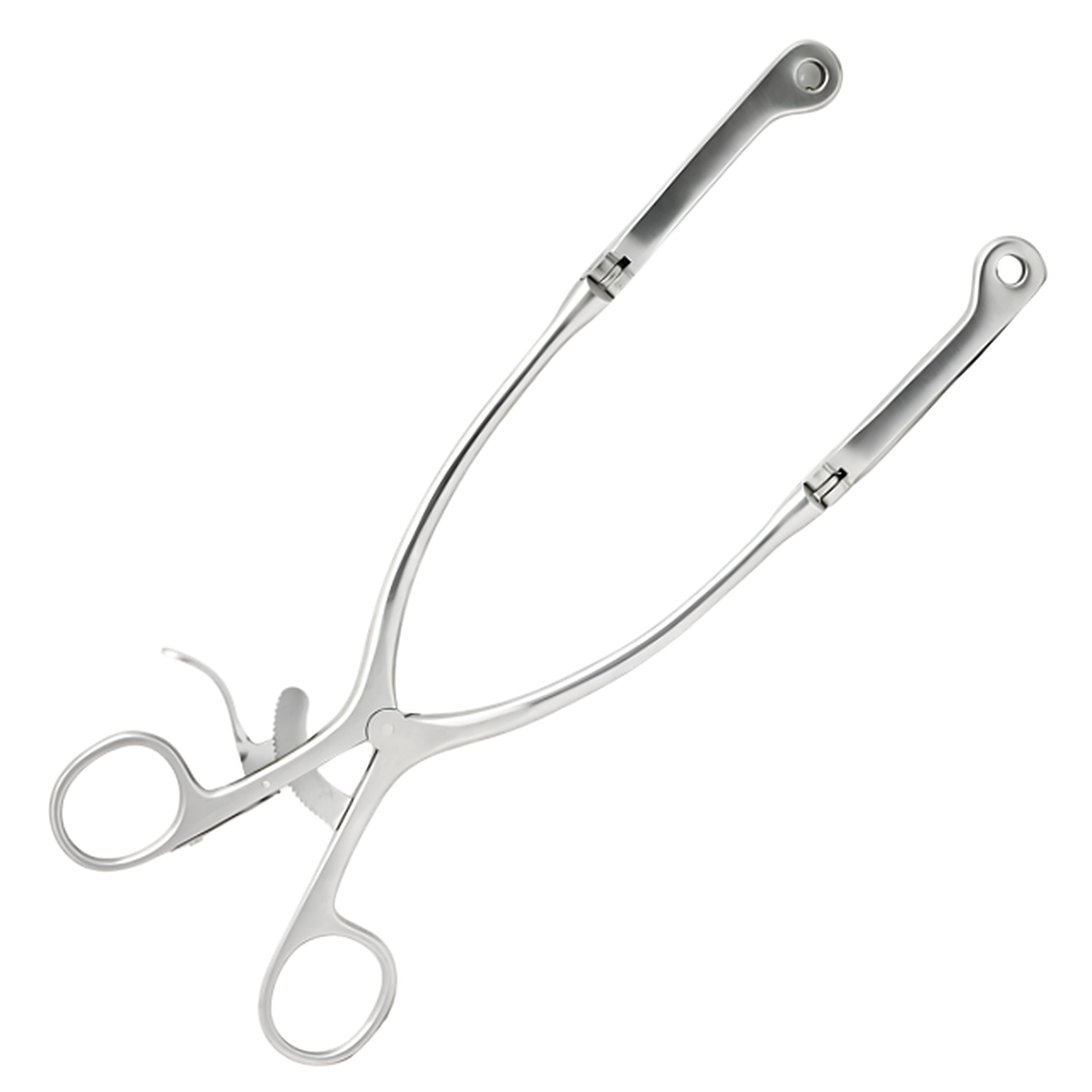 | Cloward-Style Zervikal-Sperrer | Speziell entwickelt für die selbsthaltende Weichteilretraktion und Wirbelexposition bei der anterioren zervikalen Diskektomie und Fusion. |
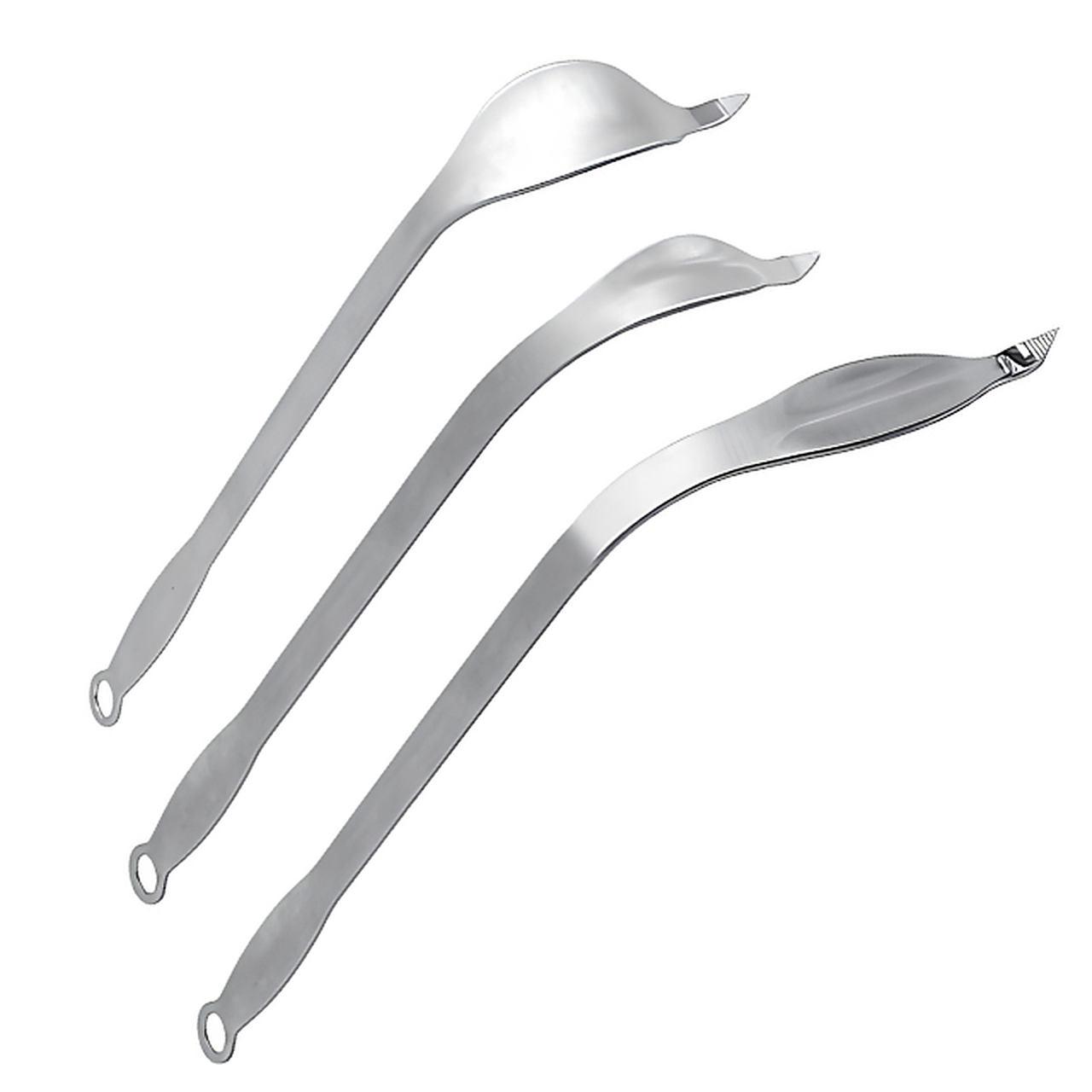 | Cobra Retractor | Speziell entwickelt für die Hebelwirkung am Knochen und die Retraktion schwerer Muskulatur bei totaler Hüftendoprothetik, Beckenosteotomien und Femurchirurgie. |
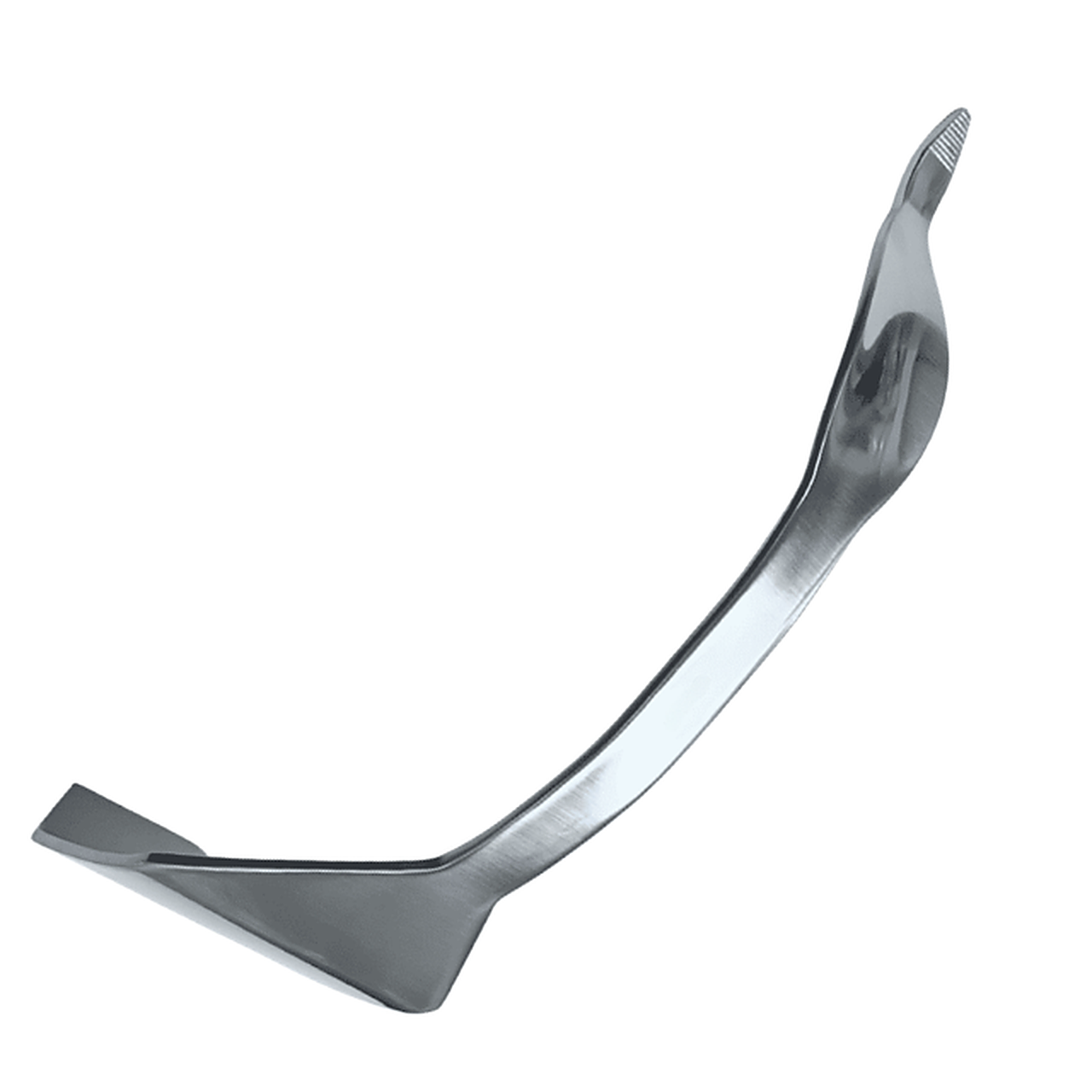 | Cobra Retractor with Hand Rest | Speziell entwickelt für die Hebelwirkung am Knochen und die Retraktion schwerer Muskulatur bei gleichzeitiger Entlastung der Hand des Assistenten während der Hüftarthroplastik. |
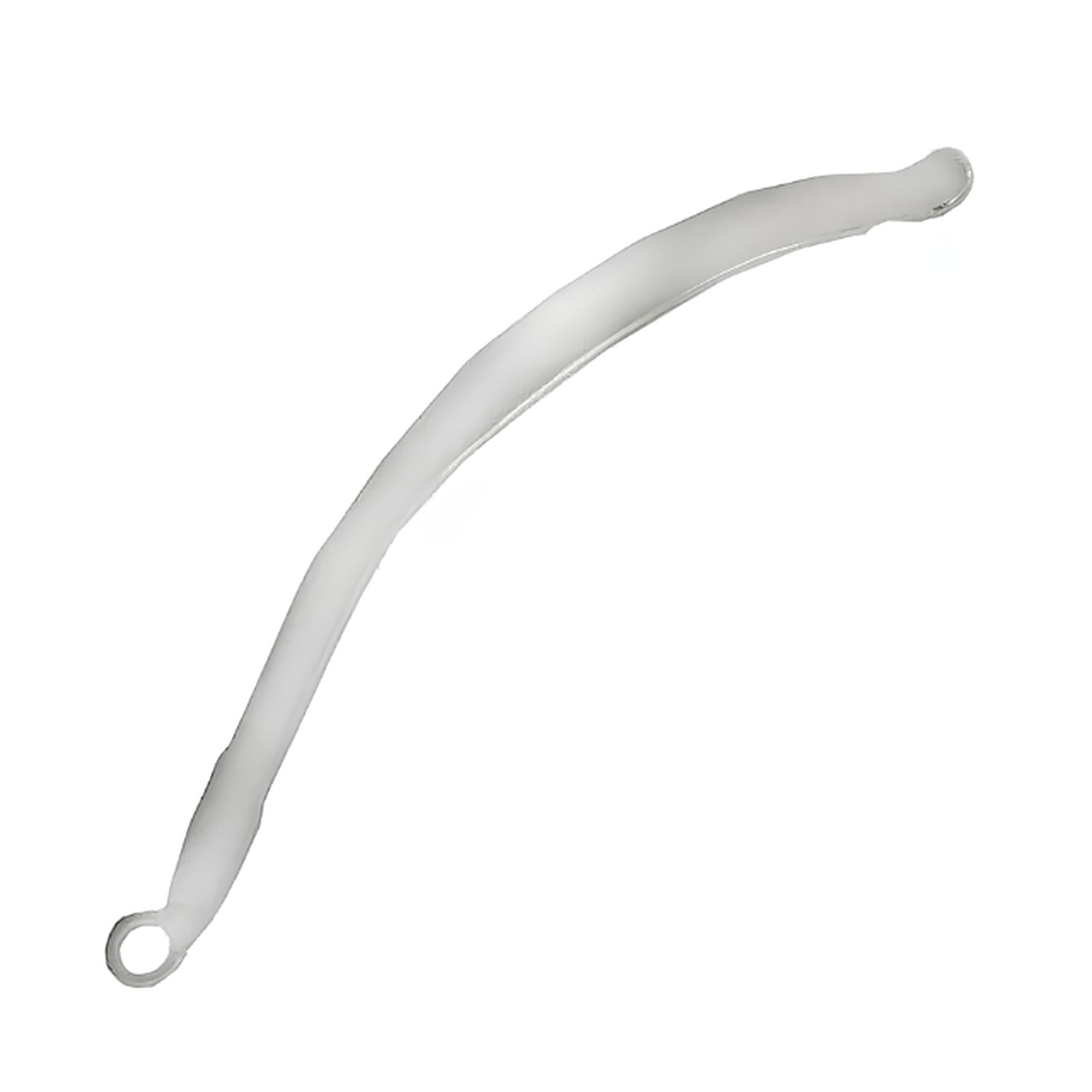 | Cobra Style Femur-Retraktor | Speziell entwickelt zur Retraktion schwerer Muskulatur und zur Freilegung des Femurschafts bei Hüftendoprothetik und Femurfrakturversorgungen. |
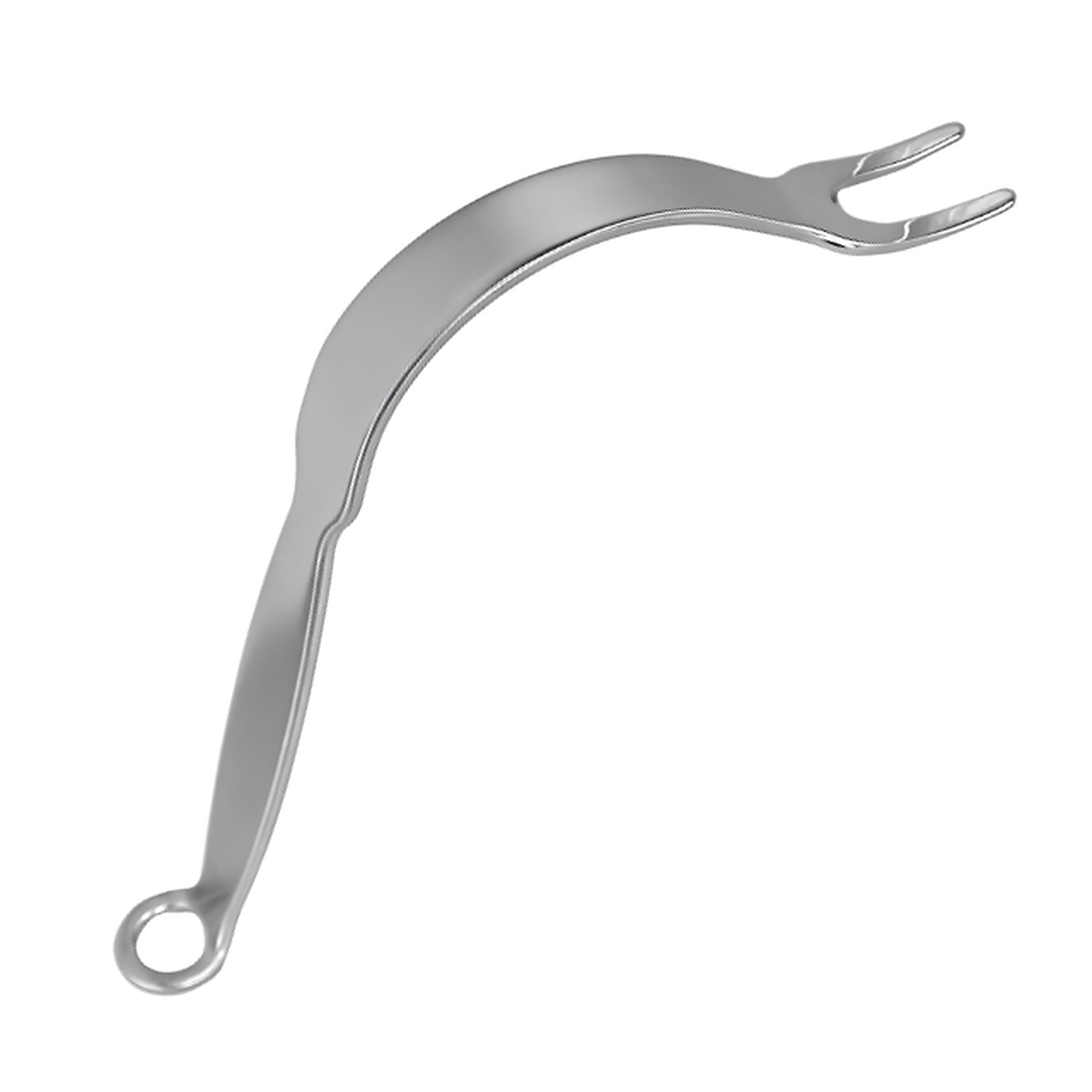 | Seitenband-Retraktoren | Speziell entwickelt zur Retraktion und zum Schutz der Kollateralbänder und der Kapsel während der Knie-Totalendoprothetik. |
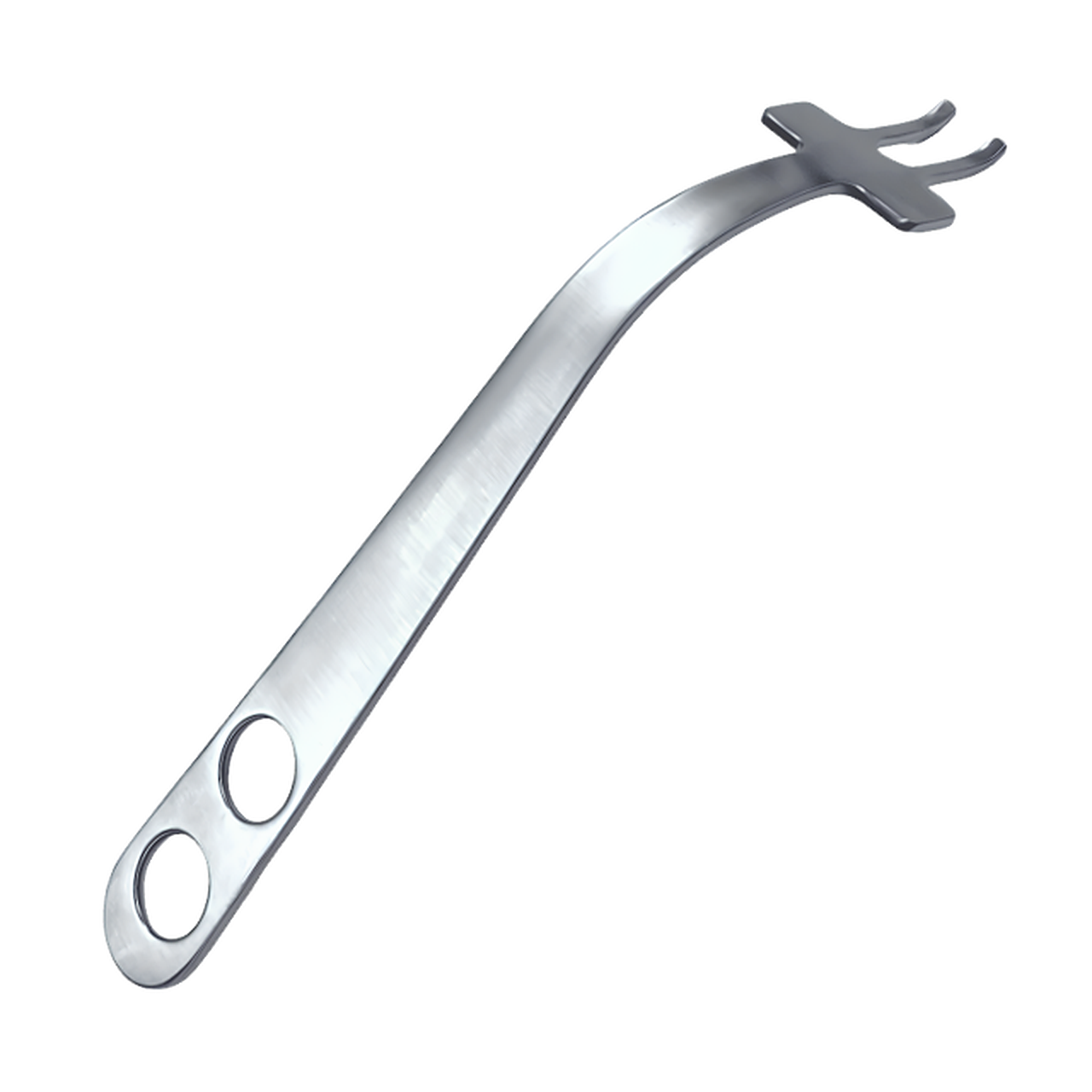 | Collateral Soft Tissue Retractor | Speziell entwickelt für die Retraktion von Kollateralbändern und periartikulärem Weichgewebe bei Kniearthroplastik und rekonstruktiven Eingriffen. |
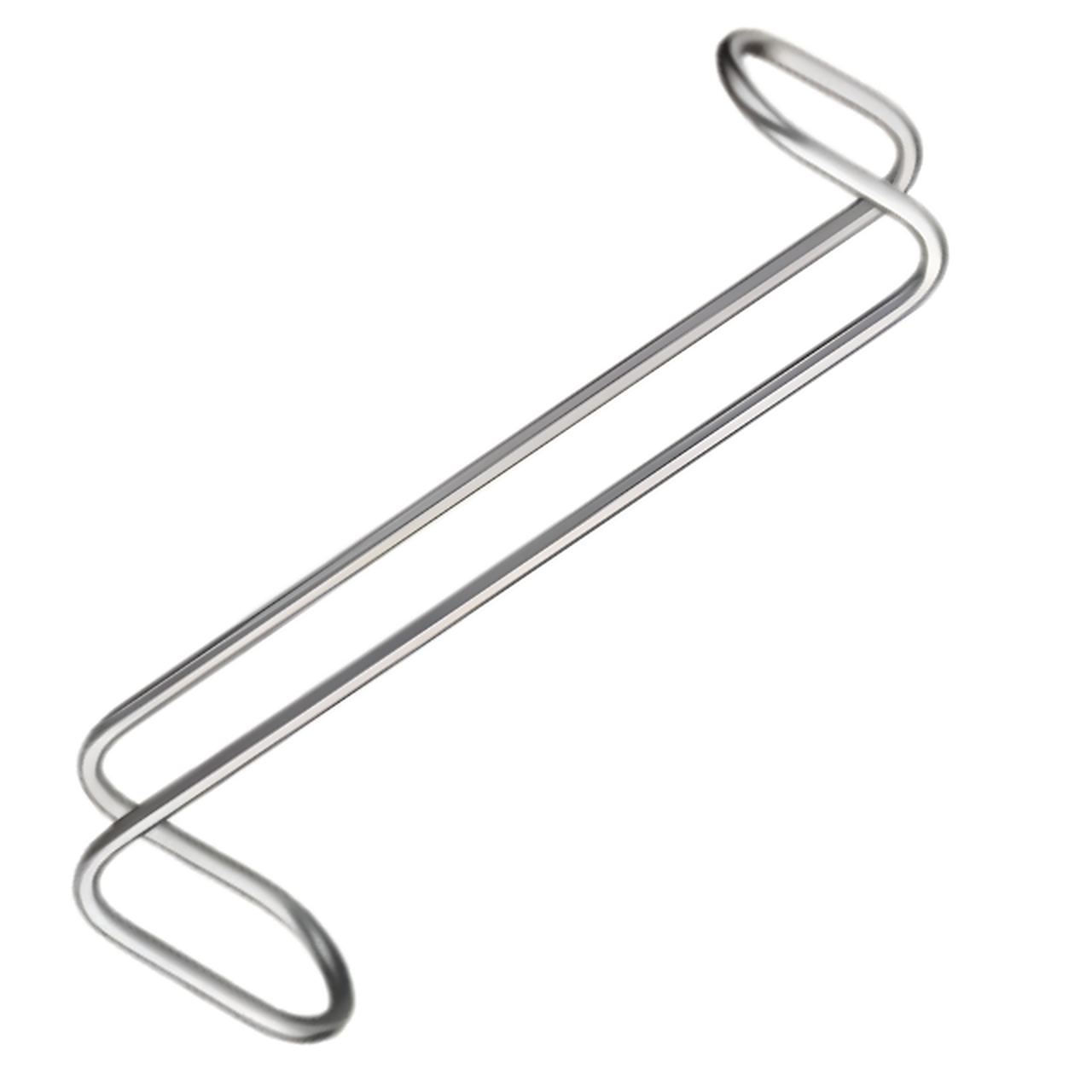 | Collin Hartmann S-Shaped Retractor | Speziell entwickelt zur Retraktion von Muskeln, Faszien und Wundrändern in der Allgemeinchirurgie, Gynäkologie und plastischen Chirurgie. |
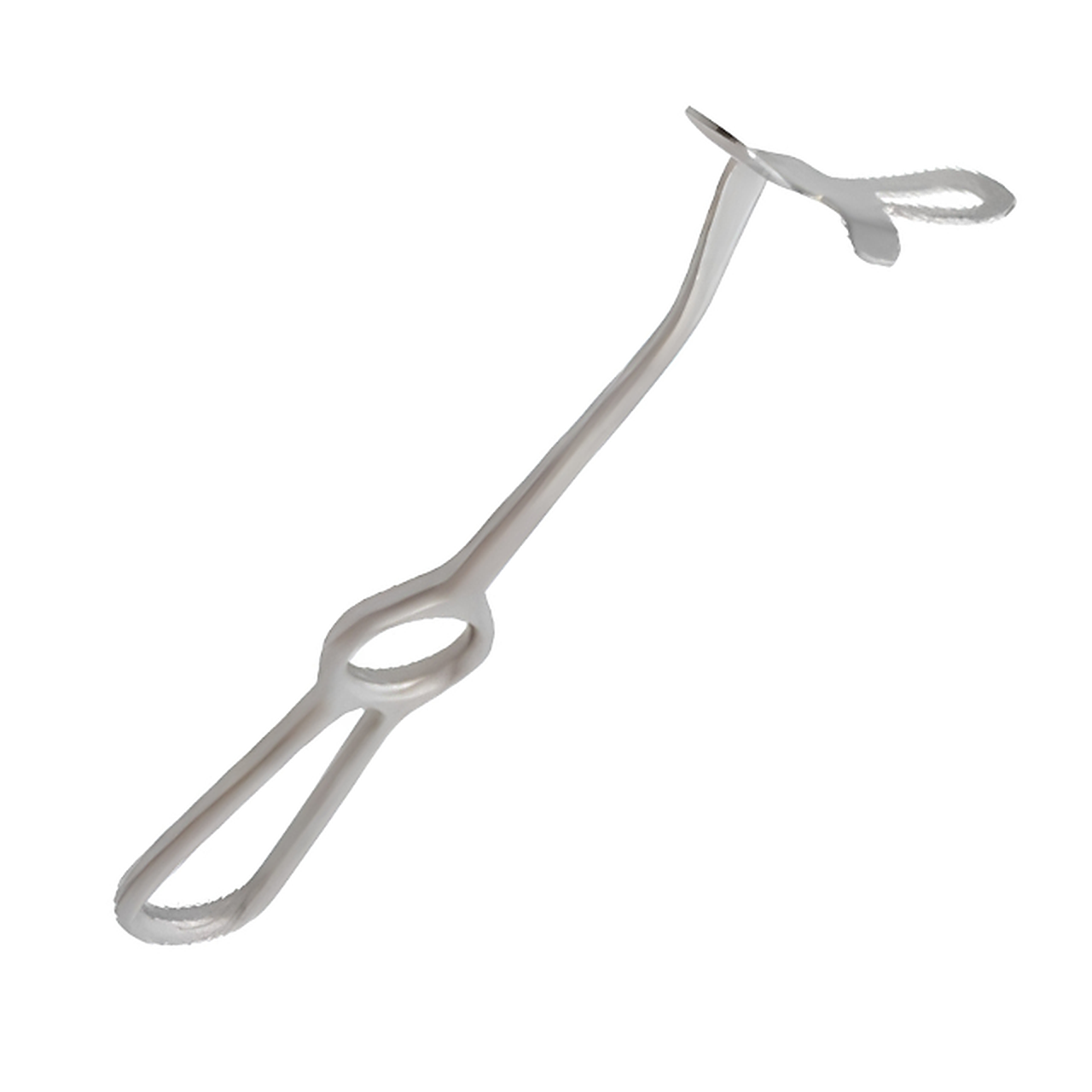 | Kombinierter Wund- und Wangenretraktor | Speziell entwickelt zur Retraktion von Wangen, Lippen und Wundrändern in der Oralchirurgie, MKG-Chirurgie und plastischen Chirurgie. |
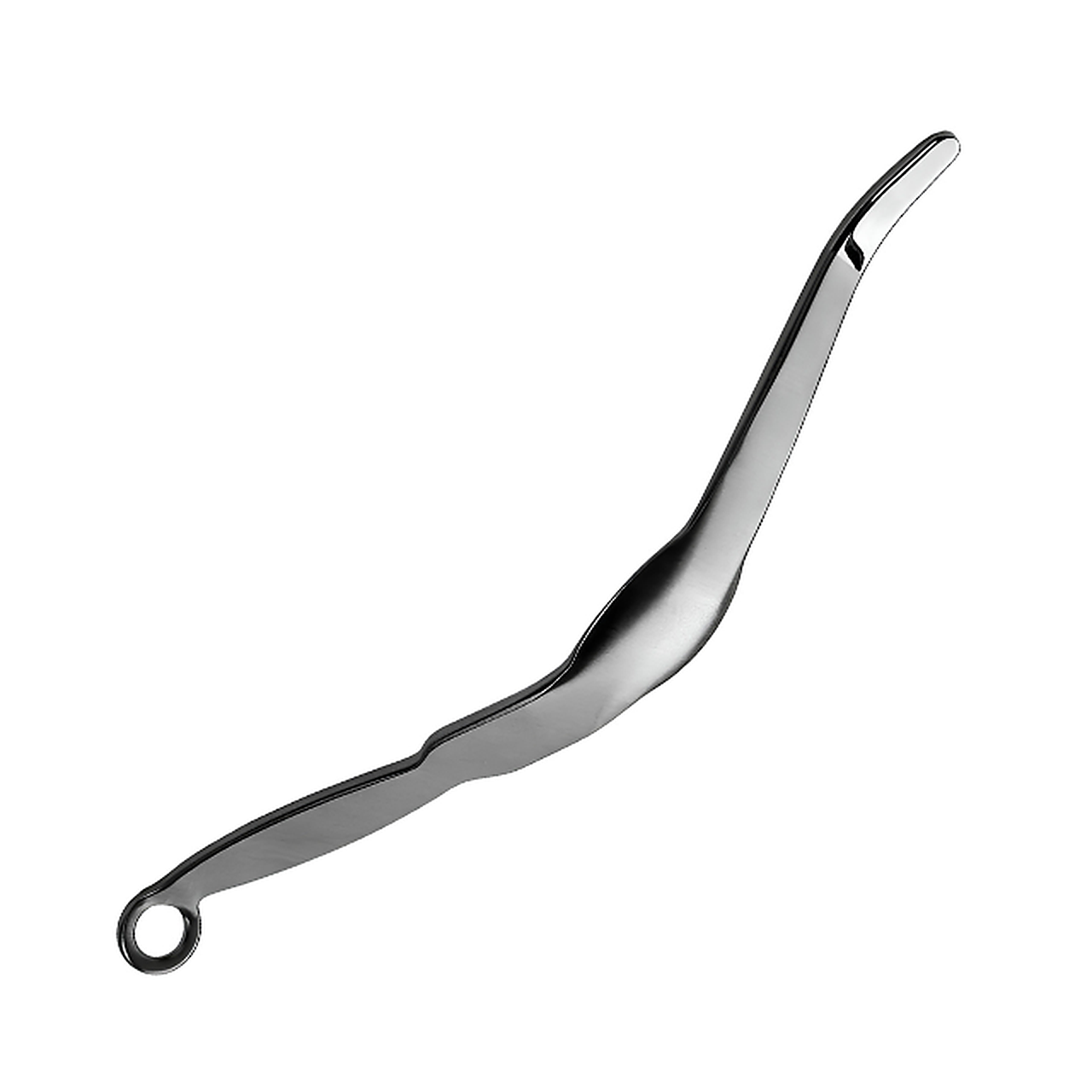 | Concave Knee Retractor Kniehebel | Speziell entwickelt zum Abhalten der Kollateralbänder und des periartikulären Weichgewebes bei gleichzeitiger Hebelwirkung am Knochen während der totalen Knieendoprothetik. |
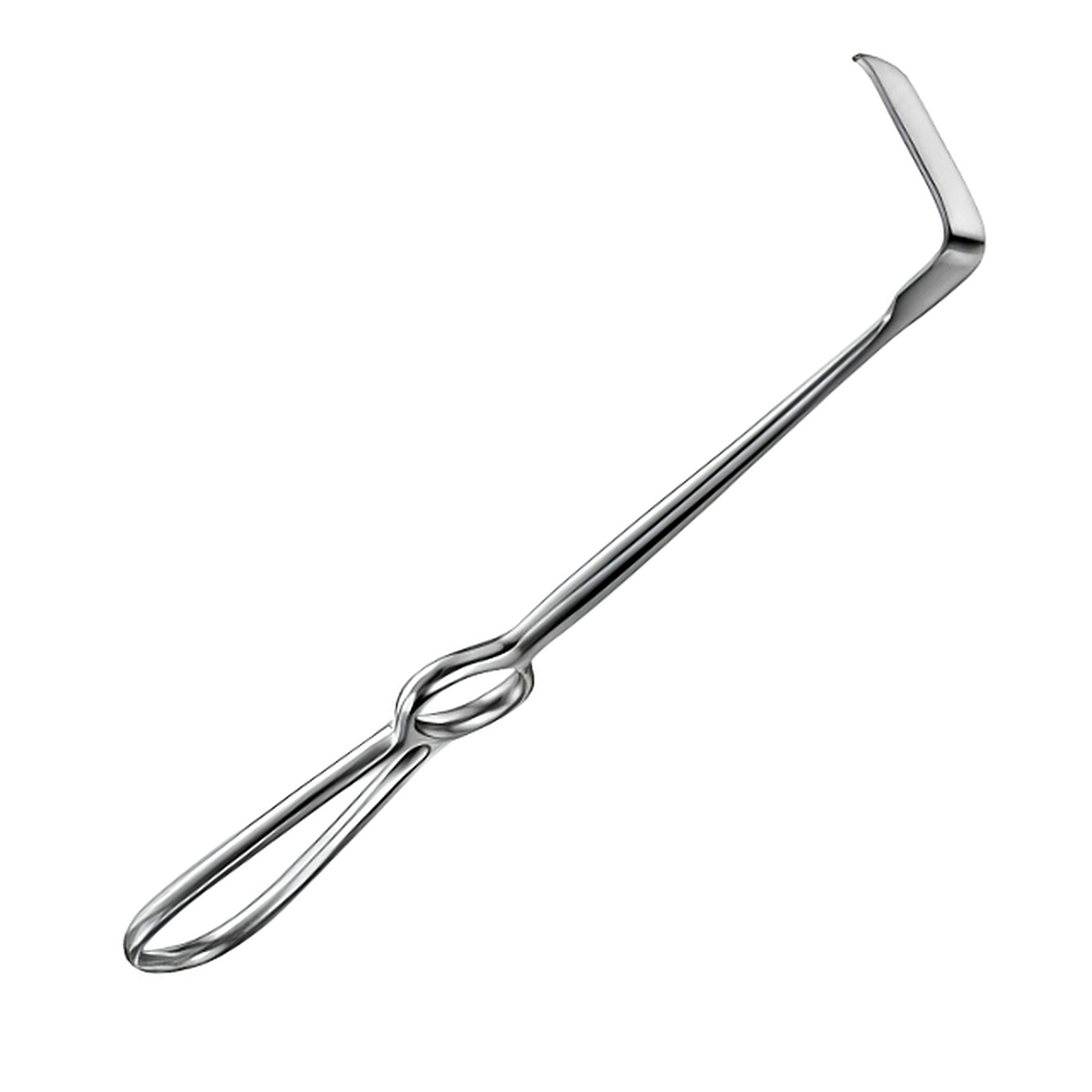 | Kondylus-Haken | Speziell für das Einhaken am Ramus mandibulae und Collum mandibulae während der orthognathen Chirurgie und Gesichtstraumatologie entwickelt. |
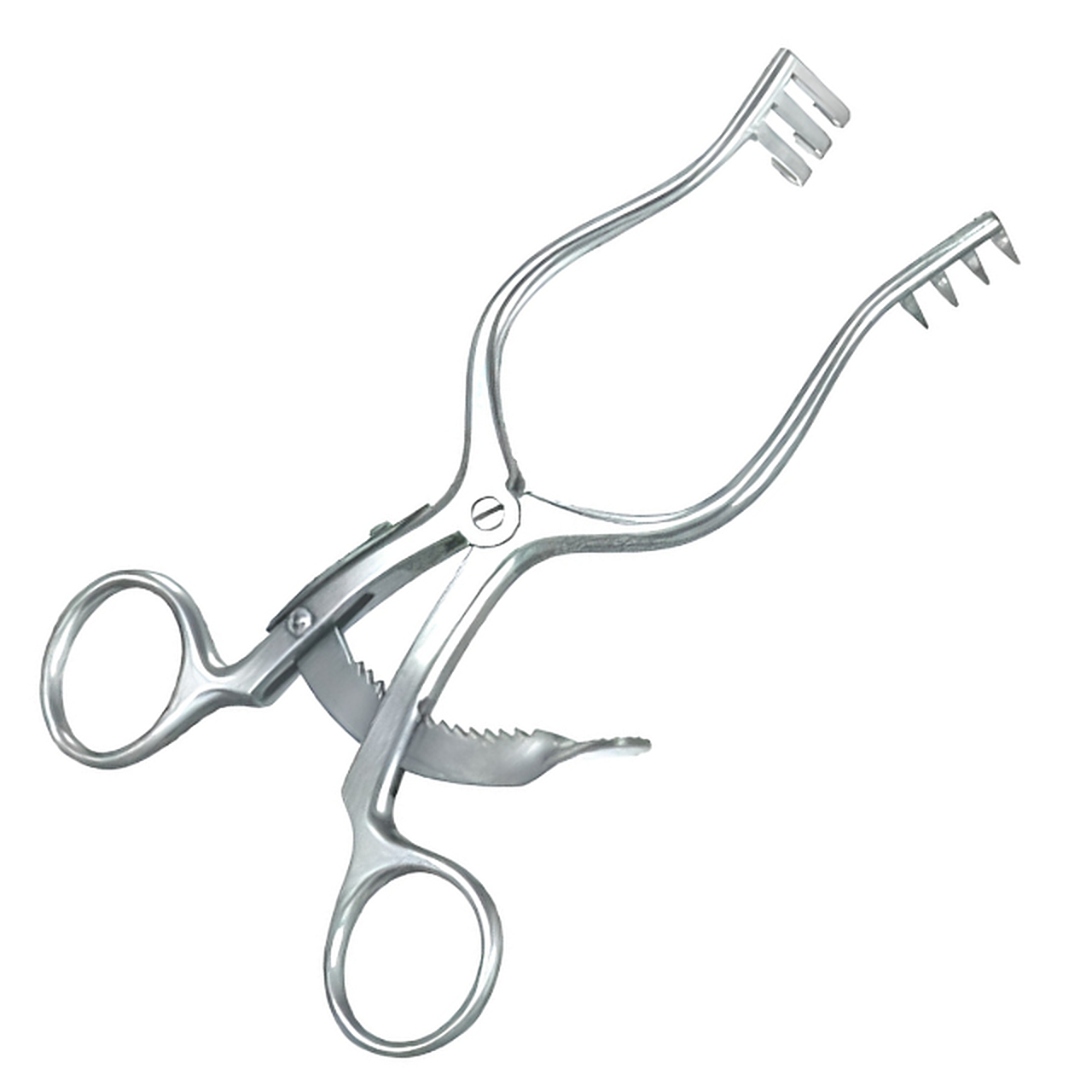 | Contour Wundspreizer für die Kopfhaut, selbsthaltend | Speziell entwickelt zur Retraktion von Kopfhautlappen, Galea und Muskeln bei Kraniotomien und kranialen Eingriffen. |
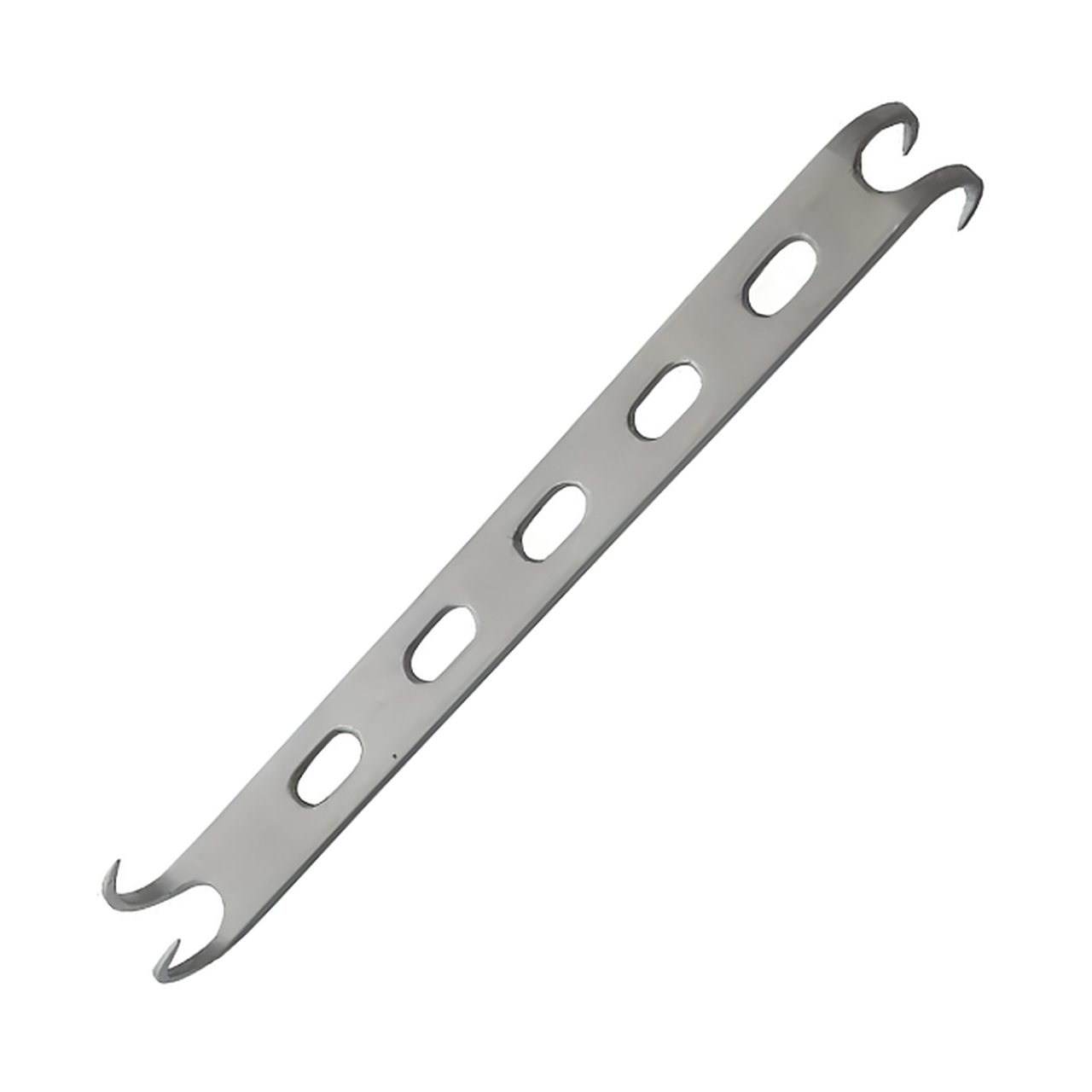 | Converse Alar Retractor Double Ended | Speziell entwickelt zur Retraktion des Nasenflügelrandes, des Nasenlochrandes und des unteren Lateralknorpels während der Rhinoplastik. |
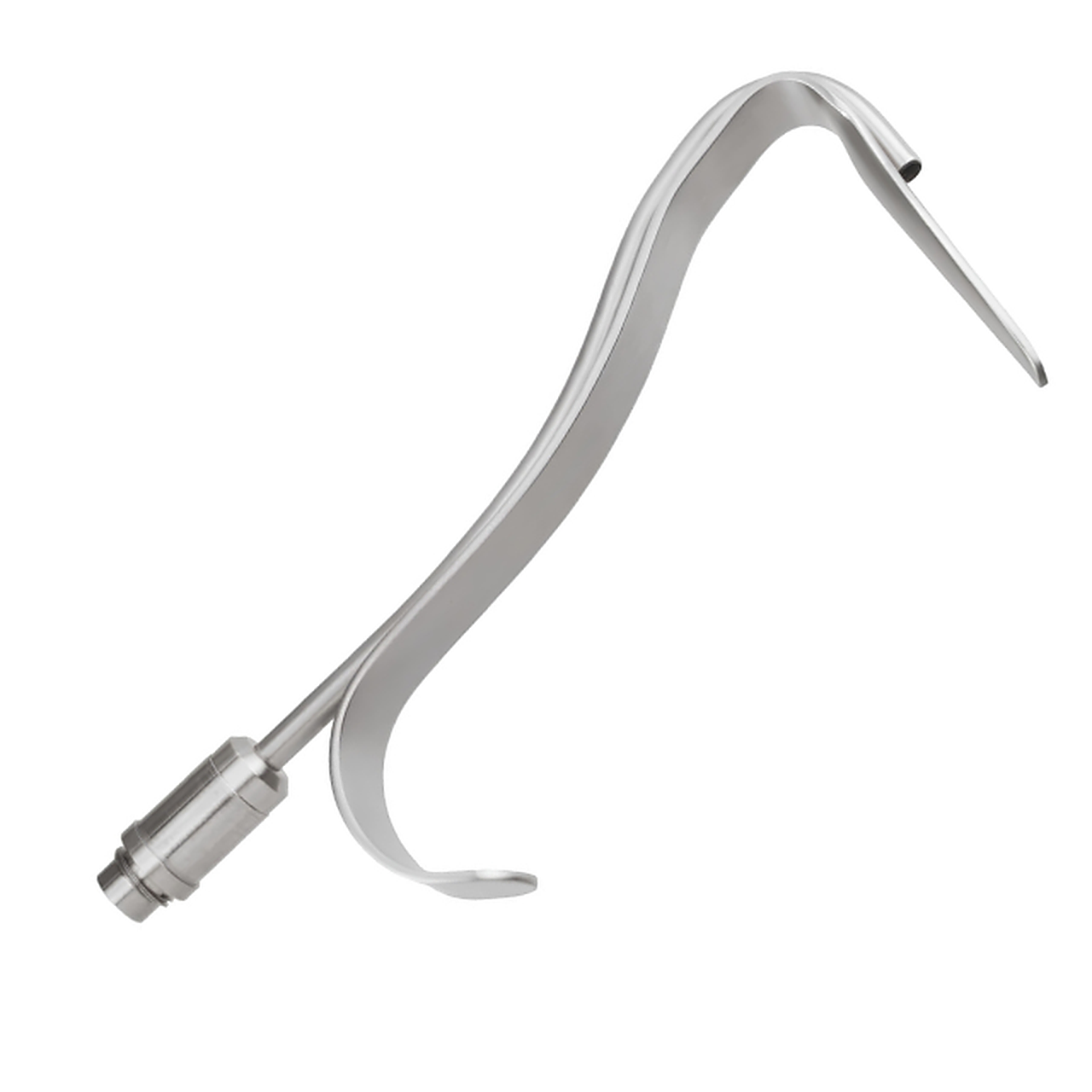 | Converse Nasal Retractor | Speziell entwickelt zur Elevation von nasalen Hautlappen und zur direkten Visualisierung des Nasenrückens während der Rhinoplastik. |
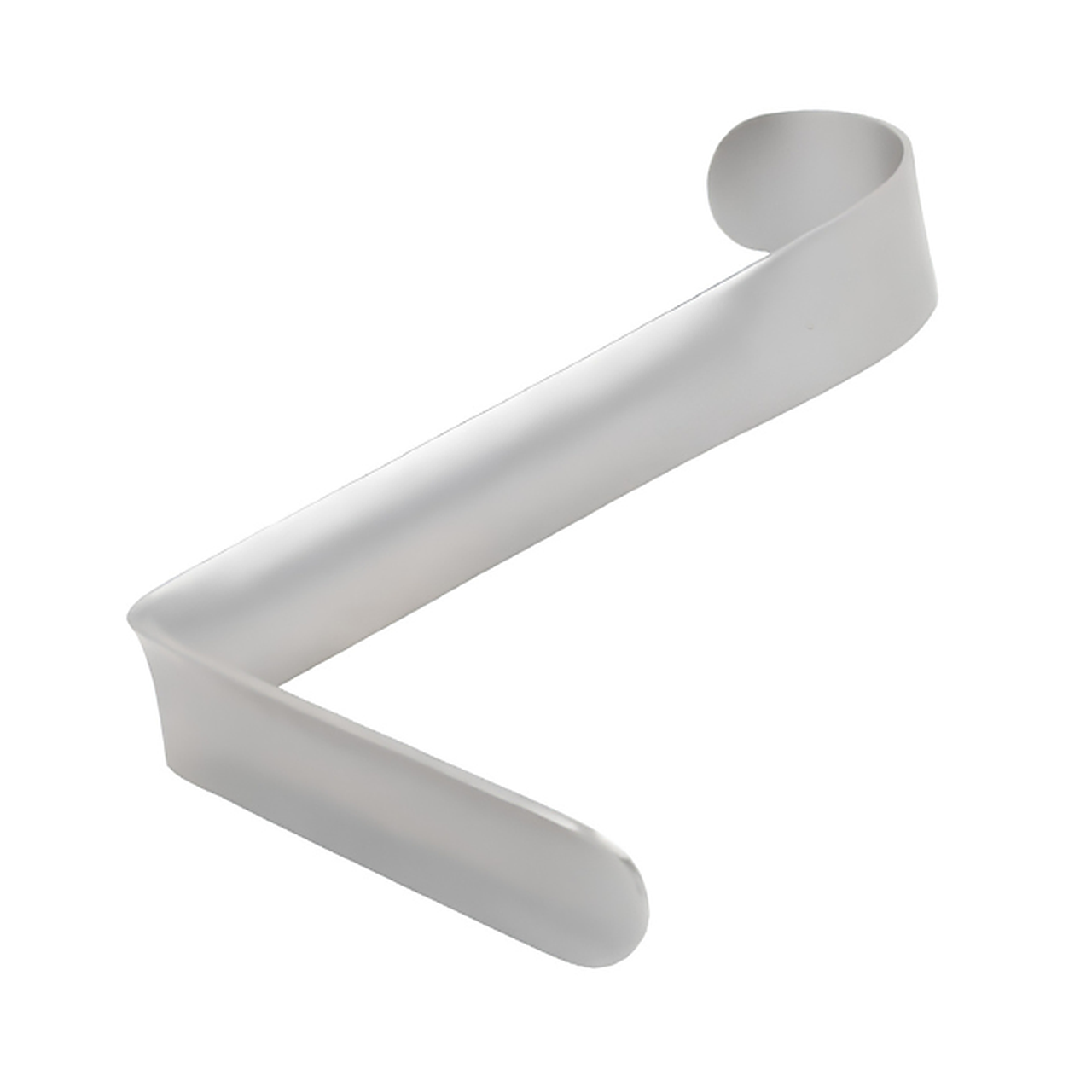 | Converse Nasal retractor, 10 cm | Speziell entwickelt zur Elevation von nasalen Weichgewebelappen und zur Freilegung des Knorpelgerüsts während der Rhinoplastik. |
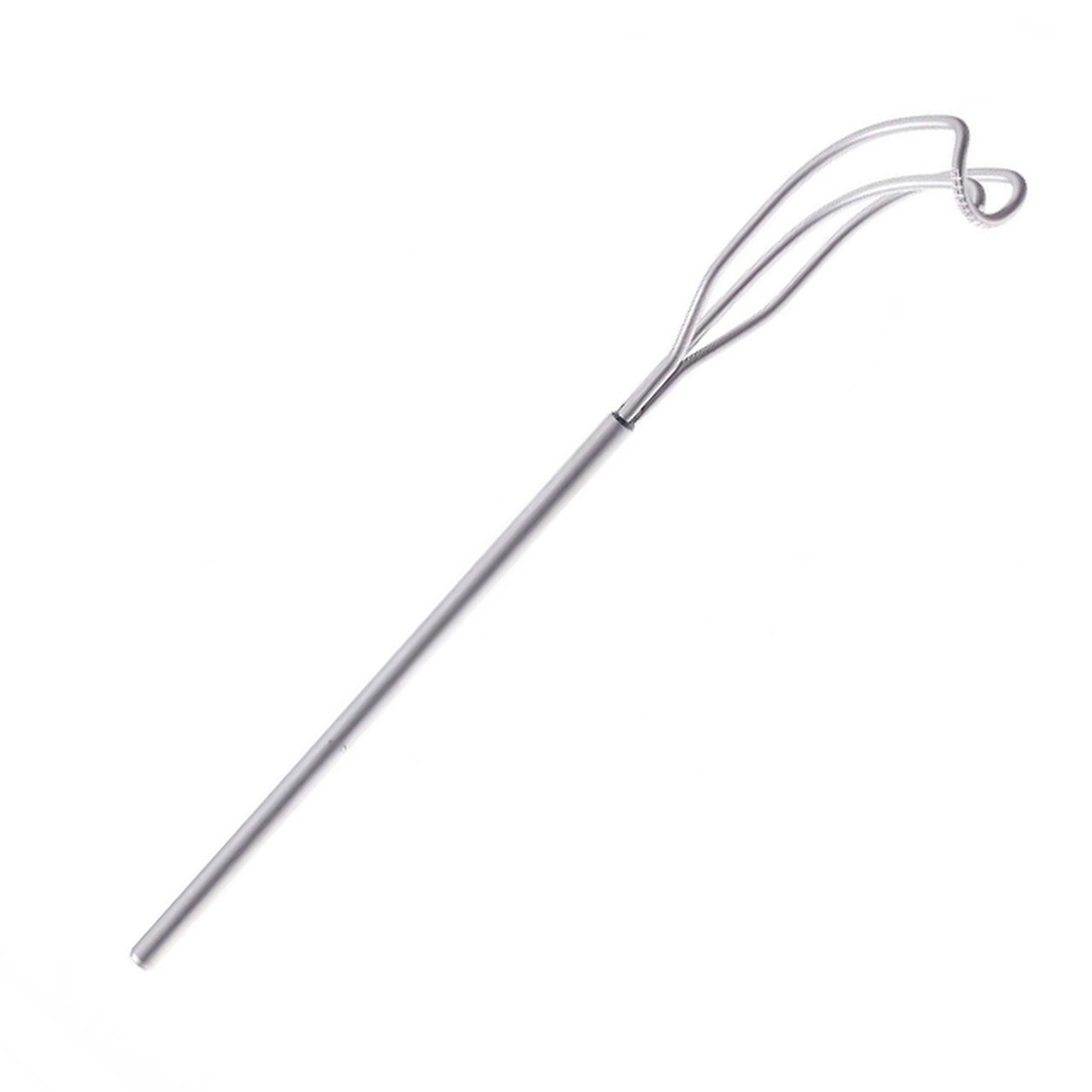 | Cooley Atrium-Retraktor | Speziell entwickelt für die Retraktion der Vorhofwand und die strukturierte operative Exposition bei Eingriffen an den Herzklappen. |
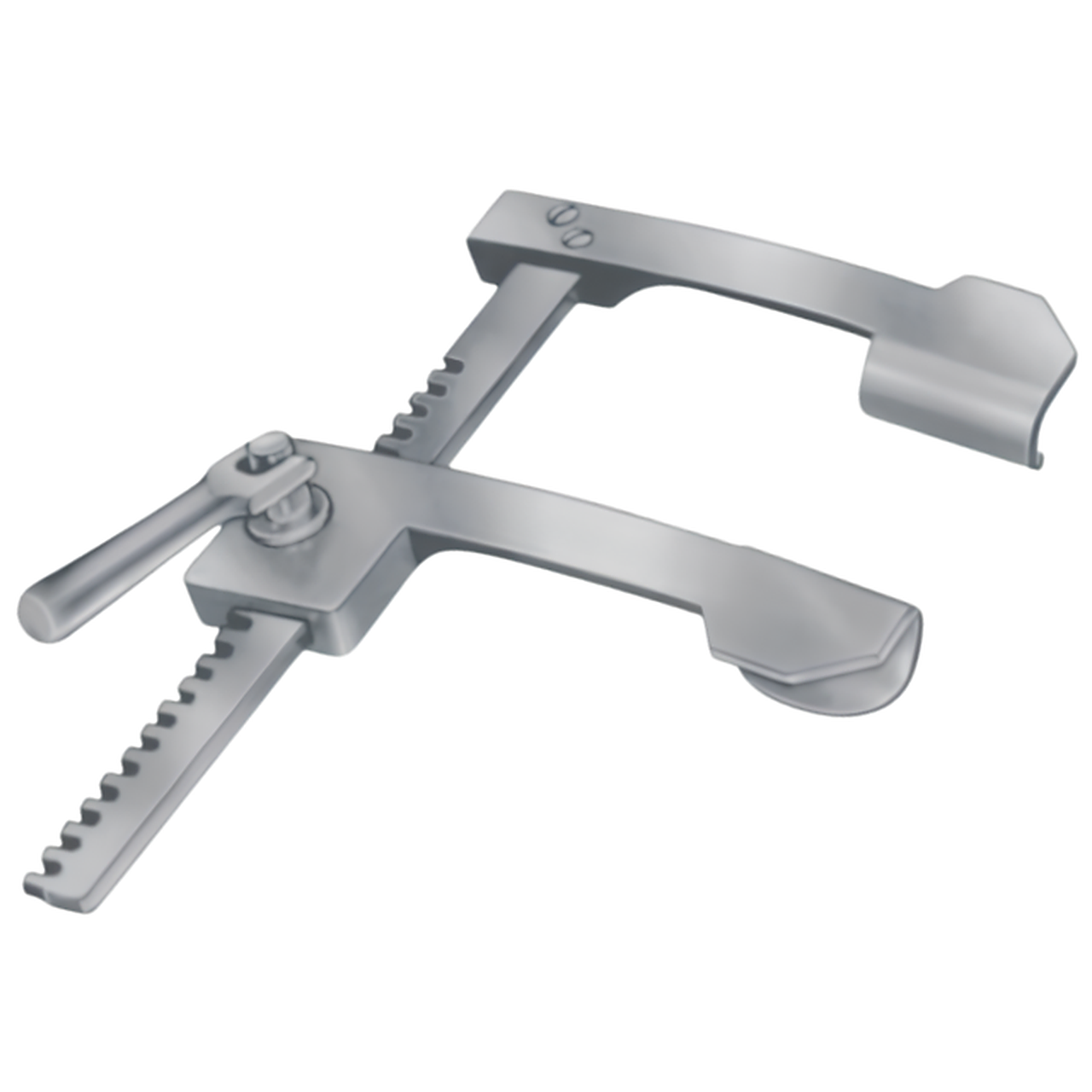 | Cooley Rippenspreizer | Speziell entwickelt zum Spreizen benachbarter Rippen und zum Offenhalten des Thoraxzugangs während kardiothorakaler Operationen. |
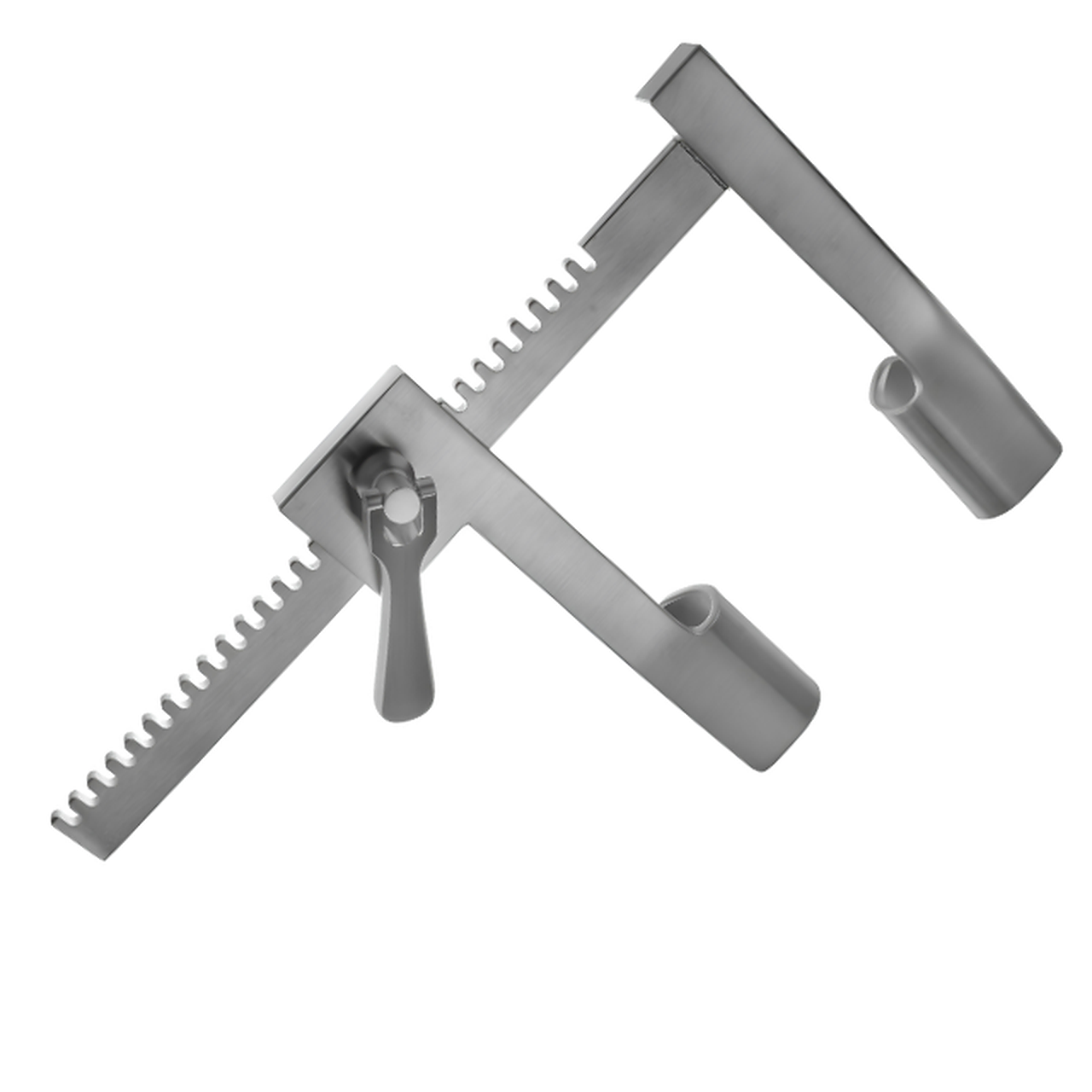 | Cooley Sternal Retractor | Speziell entwickelt zum Spreizen und Retrahieren des Sternums bei offenen kardiothorakalen und mediastinalen Eingriffen. |
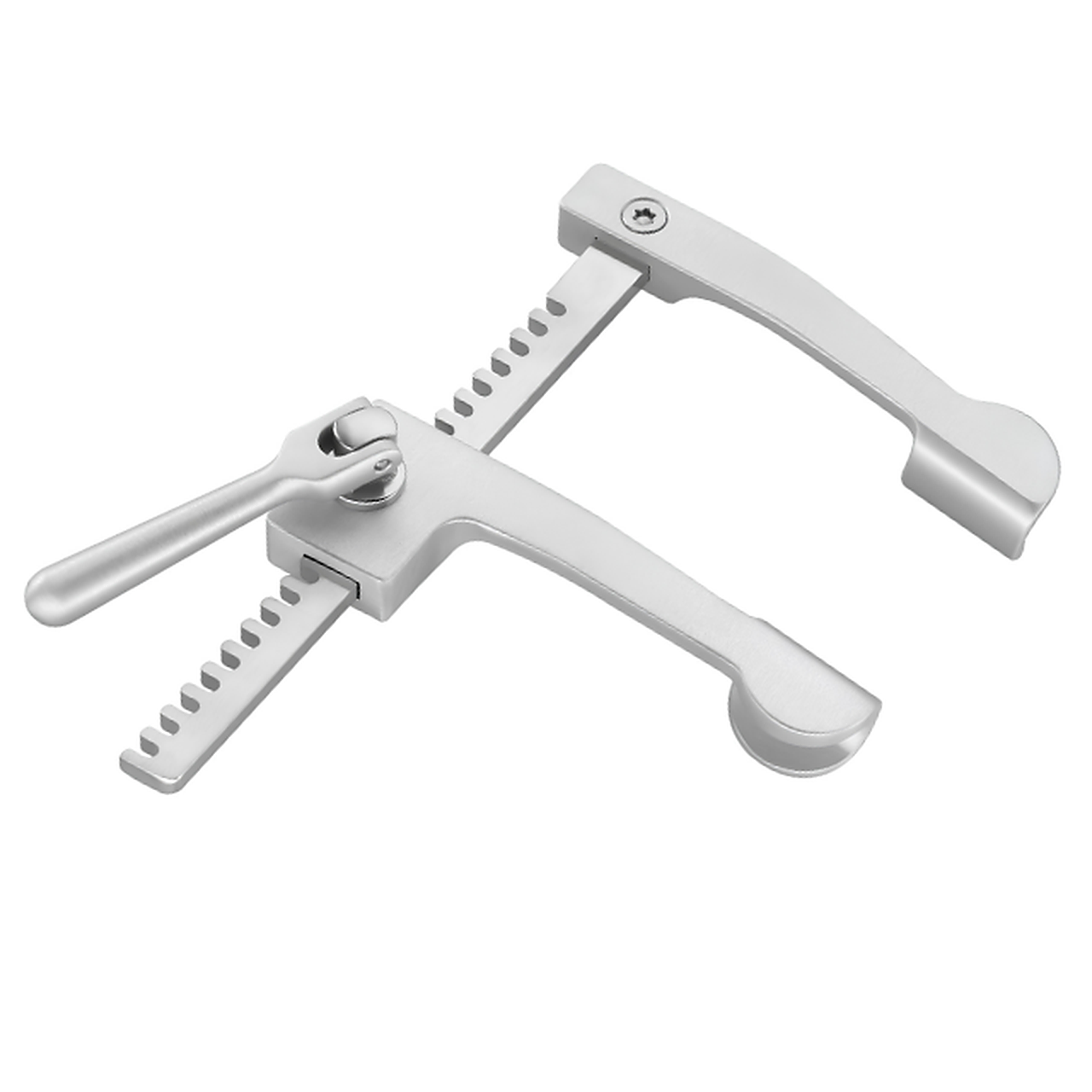 | Cooley Sternotomy Retractor | Speziell entwickelt für die präzise Sternalspreizung und Exposition während der neonatalen und pädiatrischen Herzchirurgie. |
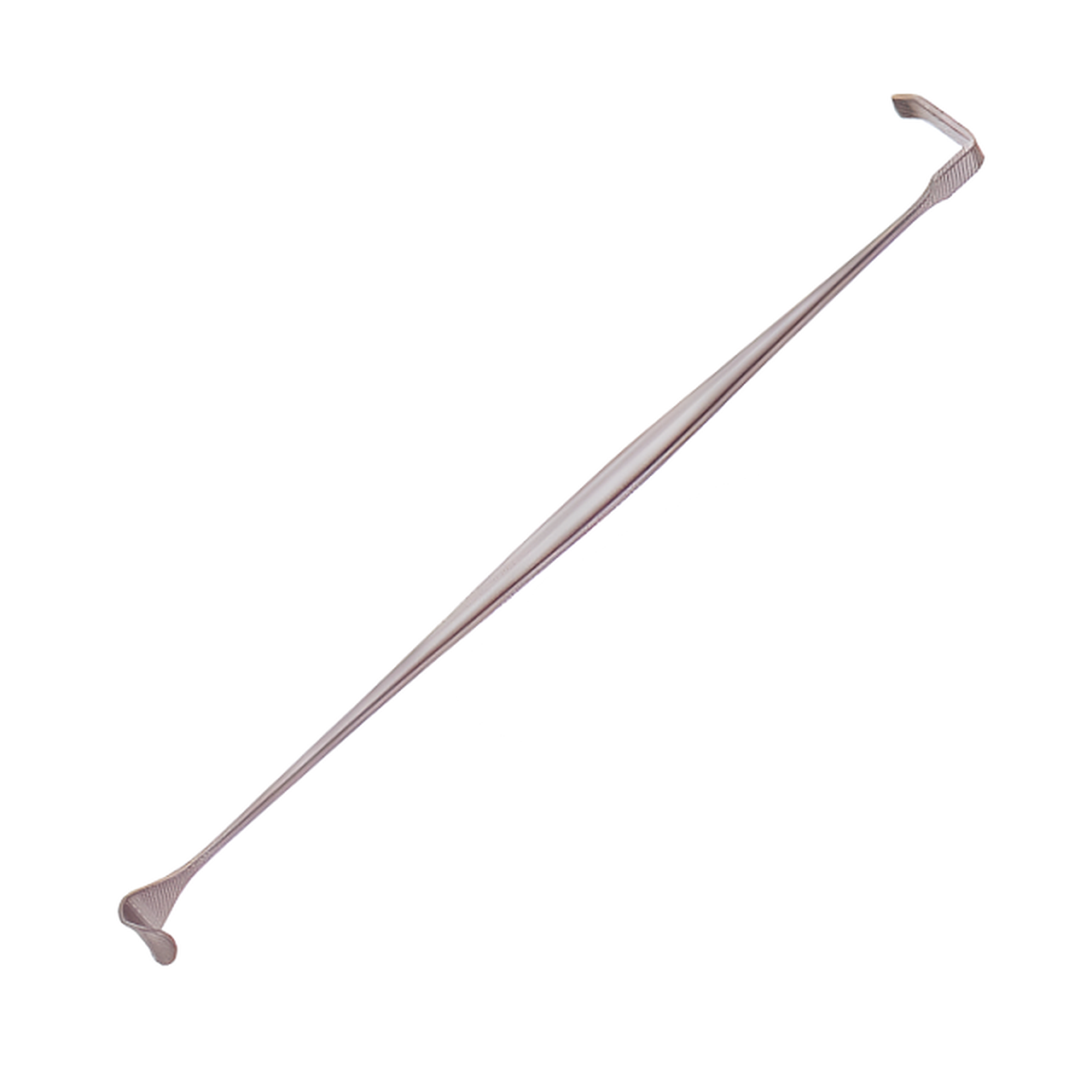 | Cope Retractor Double Ended | Speziell entwickelt zur Retraktion von Haut, Faszien und Weichteilgewebe bei allgemeinchirurgischen, plastischen und HNO-Eingriffen. |
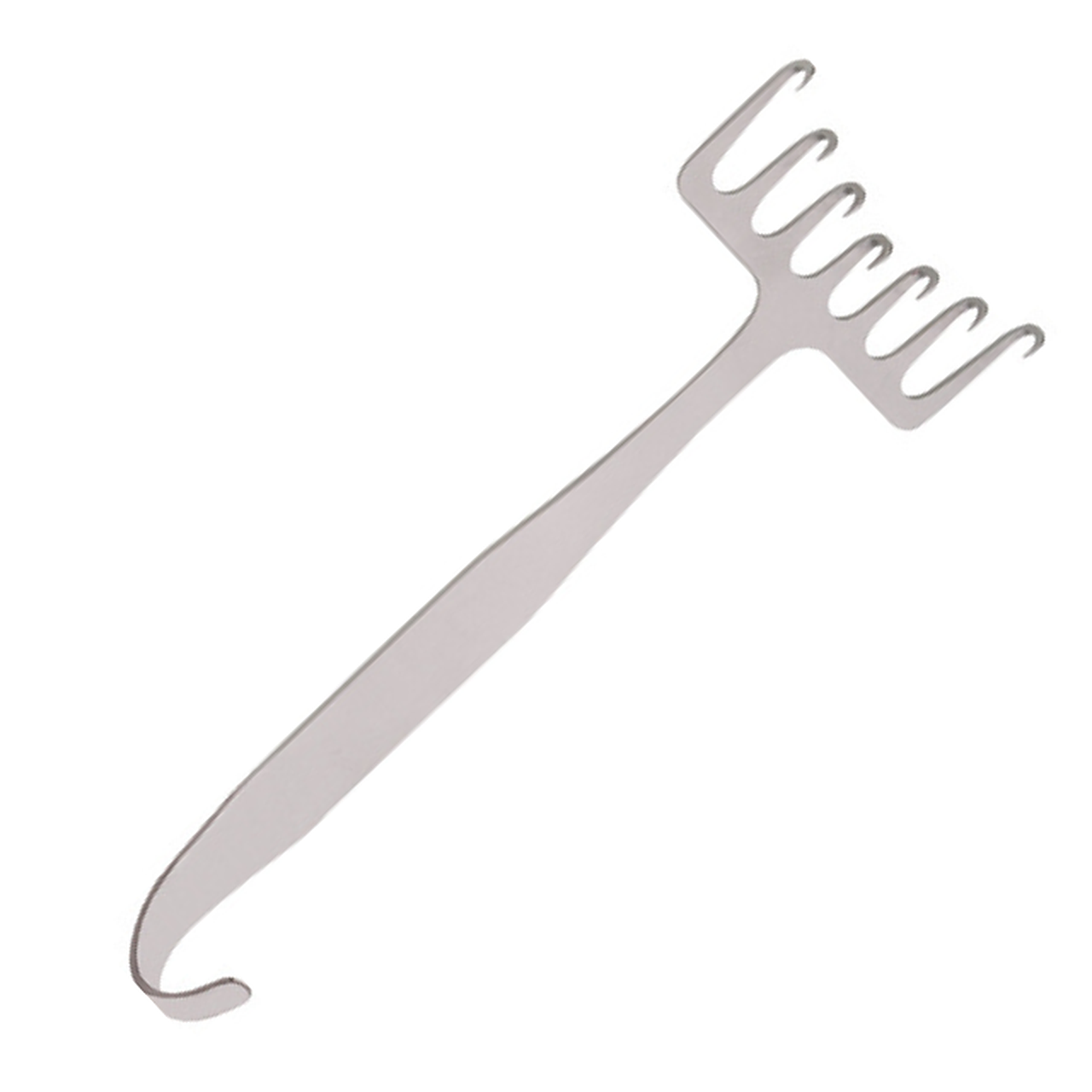 | Koronaler Brauenlift-Wundhaken | Speziell entwickelt zur Retraktion dichter Kopfhautlappen, der Galea und des Stirngewebes bei offenen koronaren Brauenlift-Verfahren. |
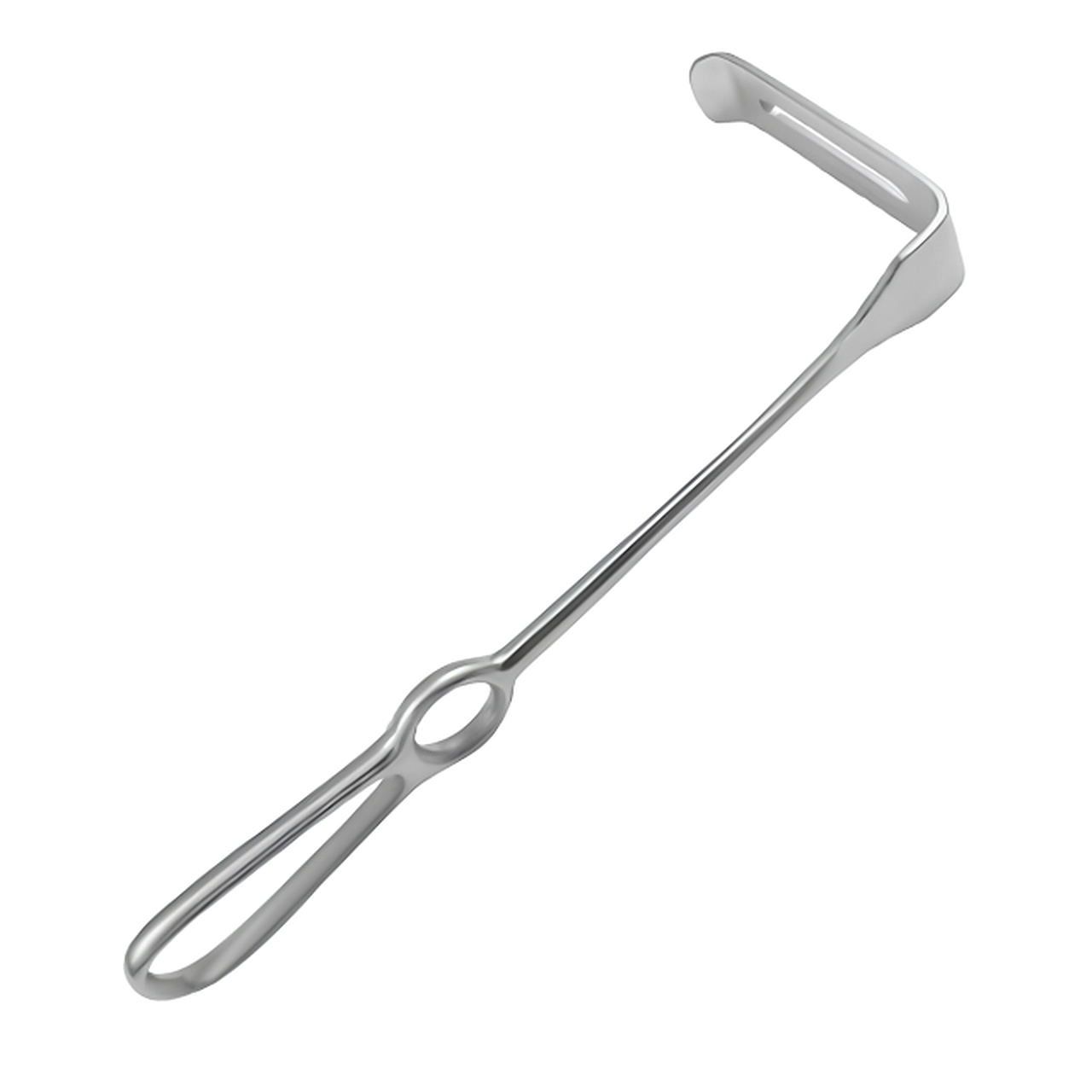 | Coryllos Retractors | Speziell entwickelt für die Retraktion von Brustwandmuskulatur, Rippen und Lungengewebe bei offenen Thoraxoperationen. |
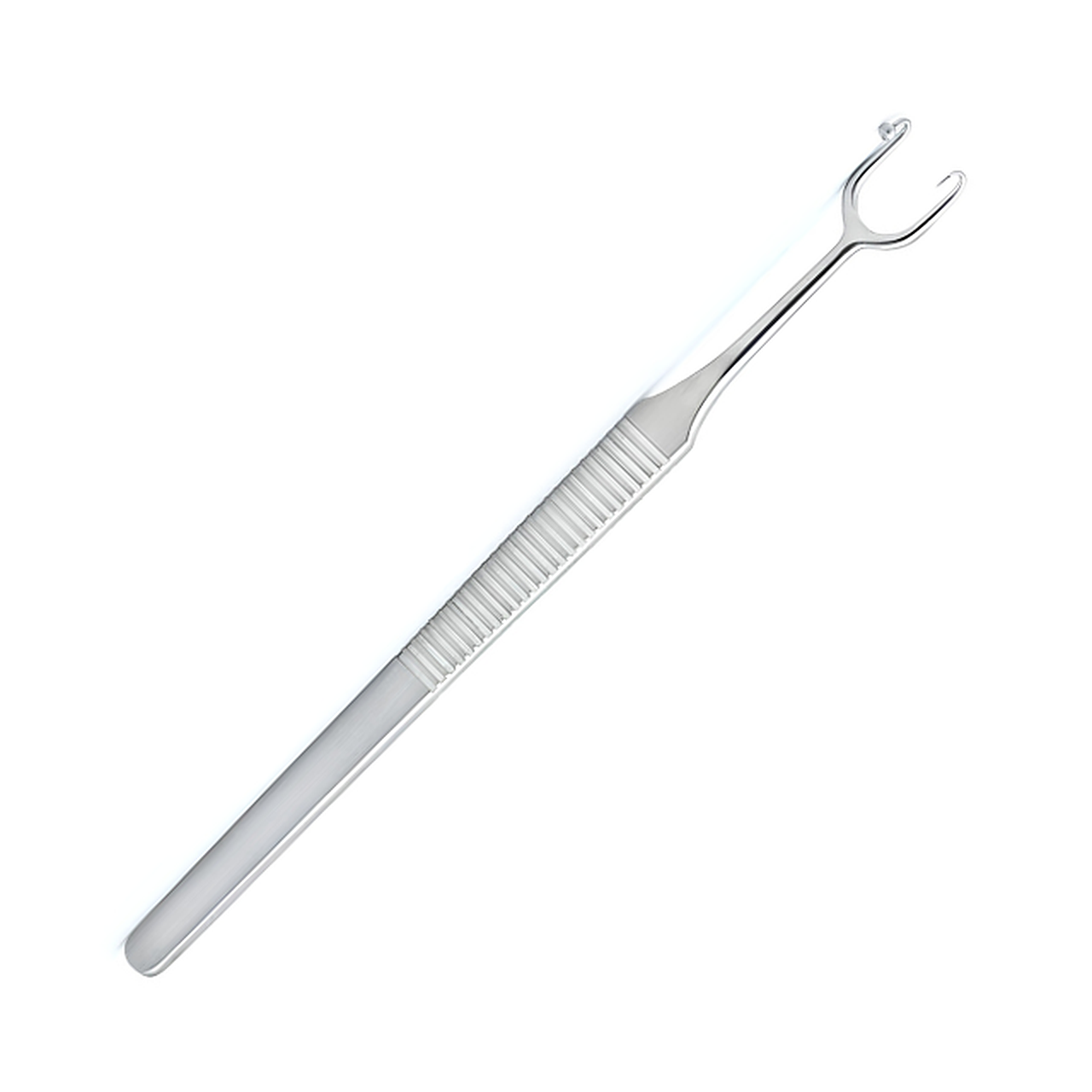 | Cottle Nasenflügelhaken / Alar-Retraktor | Speziell für die Retraktion des Nasenflügelrandes und der Nasenlochränder während der ästhetischen und rekonstruktiven Rhinoplastik entwickelt. |
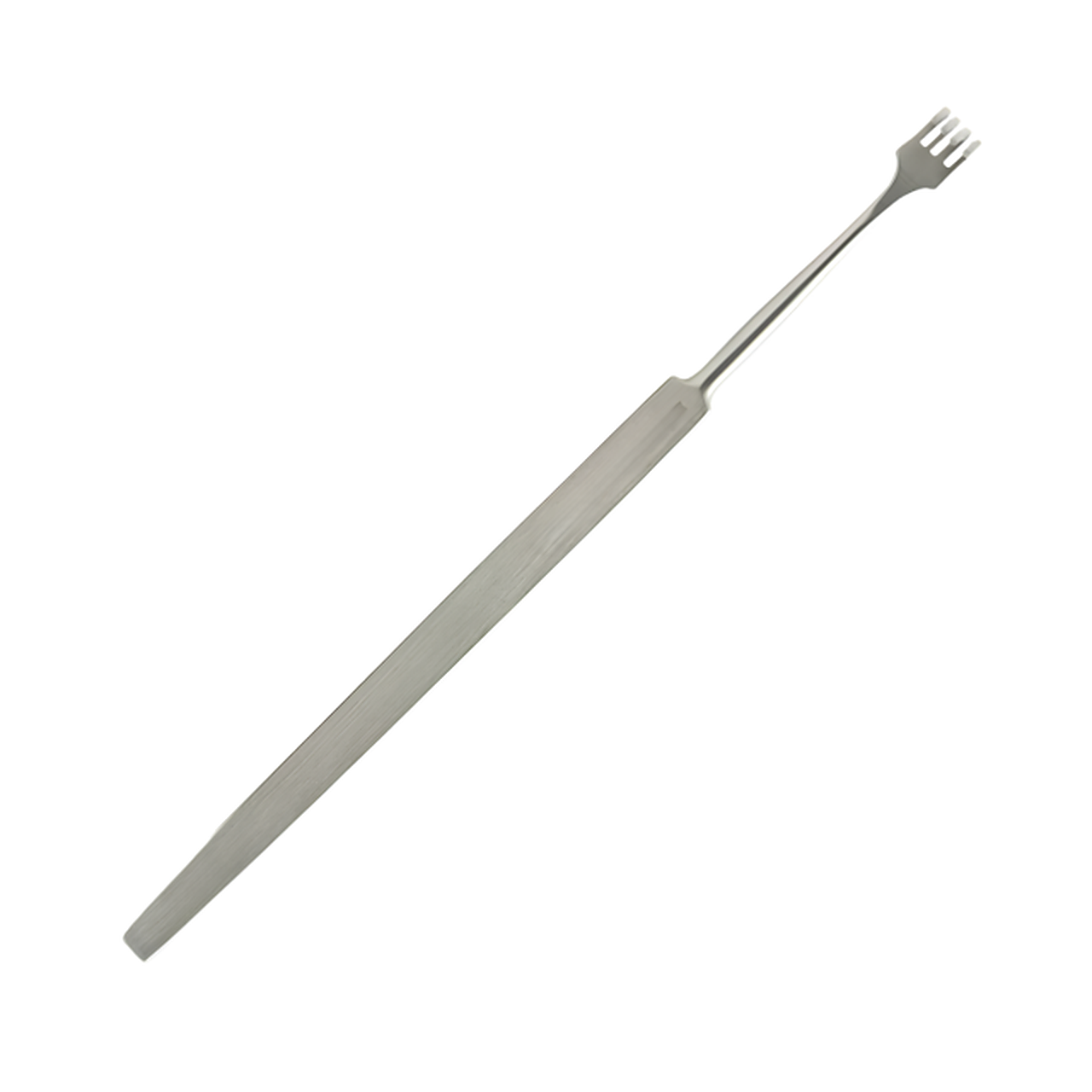 | Cottle Nasal Retractor - 4 stumpfe Zinken | Speziell entwickelt zur Retraktion des Nasenflügelrandes, der Columella und der vestibulären Mukosa bei Rhinoplastik und Septoplastik. |
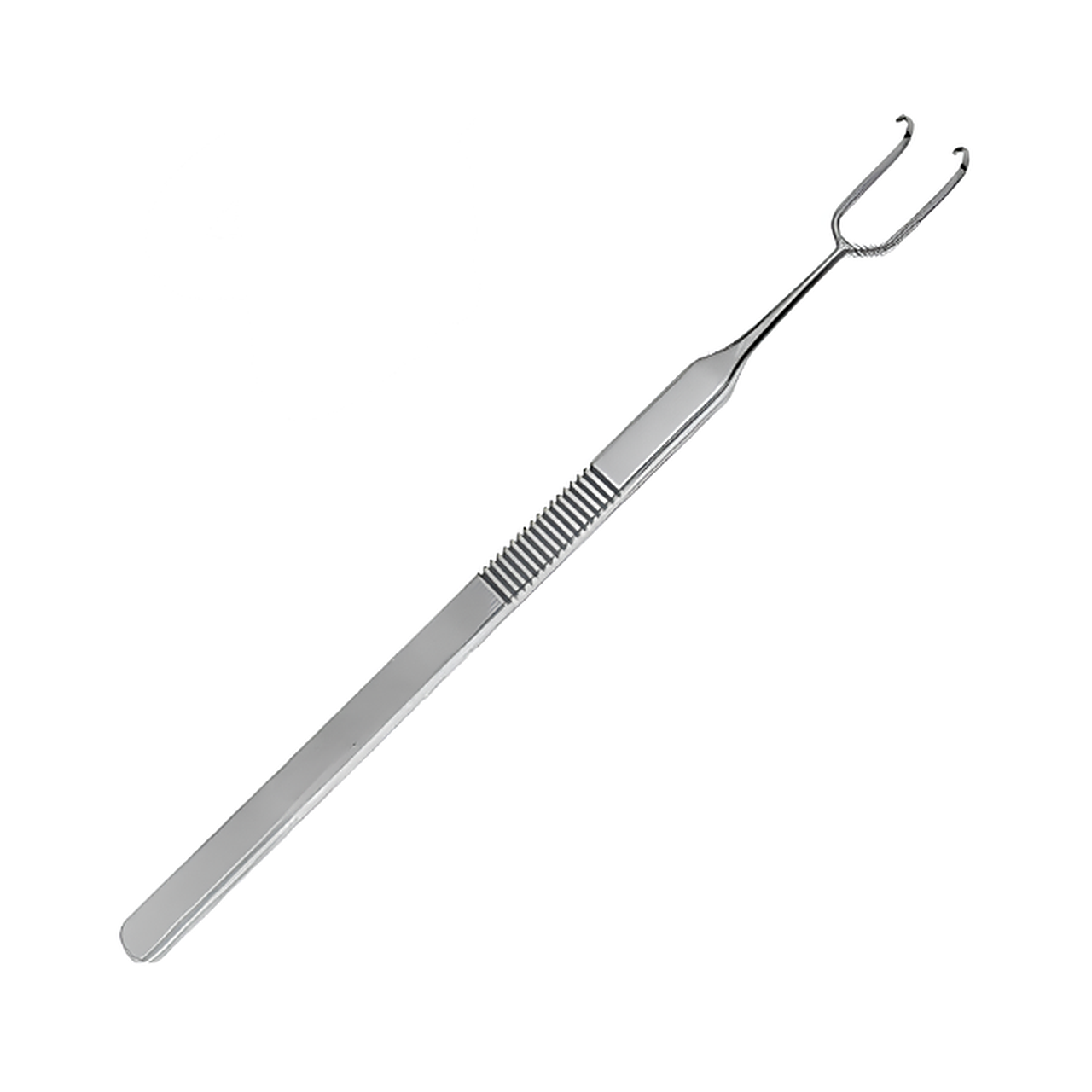 | Cottle Retractor Wundhaken 2-zinkig | Speziell entwickelt für die Retraktion von Hautlappen, Mukosa und Knorpel während der Rhinoplastik und der plastischen Gesichtschirurgie. |
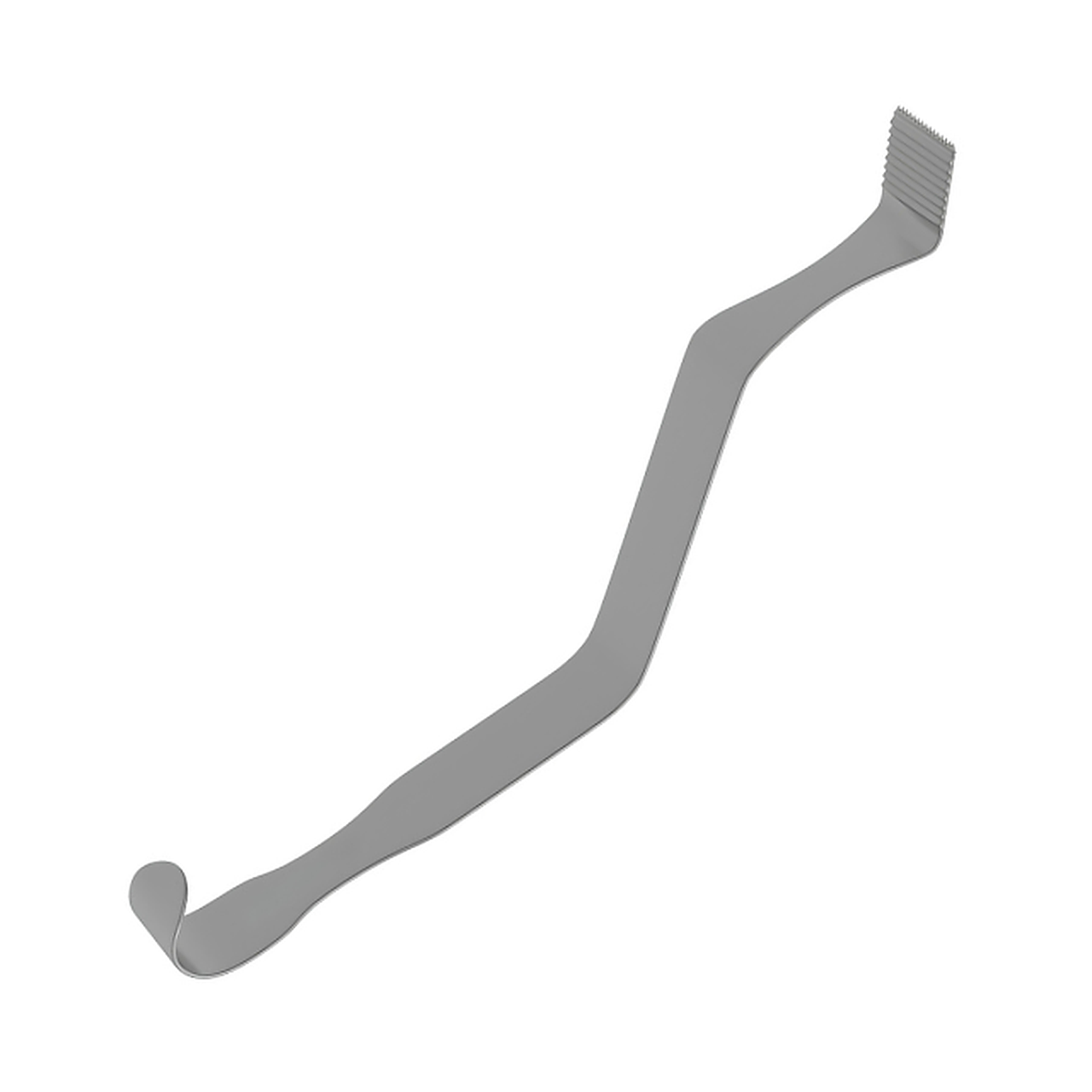 | Crawford Aorta-Retraktor | Speziell entwickelt zur Retraktion der Aorta, der Vena Cava und großer Gefäße bei Gefäßrekonstruktionen und Aneurysmenchirurgie. |
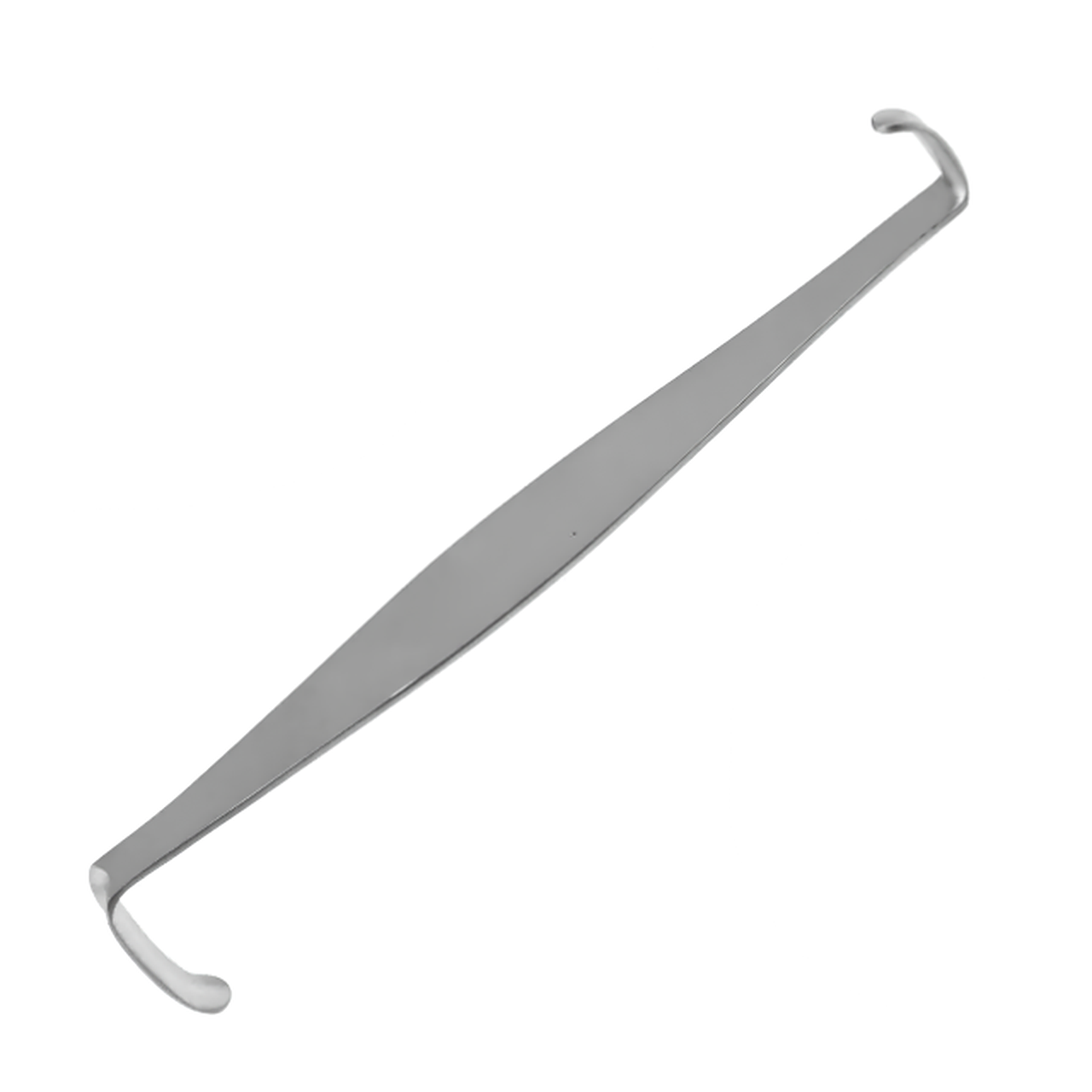 | Crile Wundhaken, doppelseitig | Speziell entwickelt zur Retraktion von Hauträndern, Faszien und subkutanem Weichgewebe bei kleineren chirurgischen und plastischen Eingriffen. |
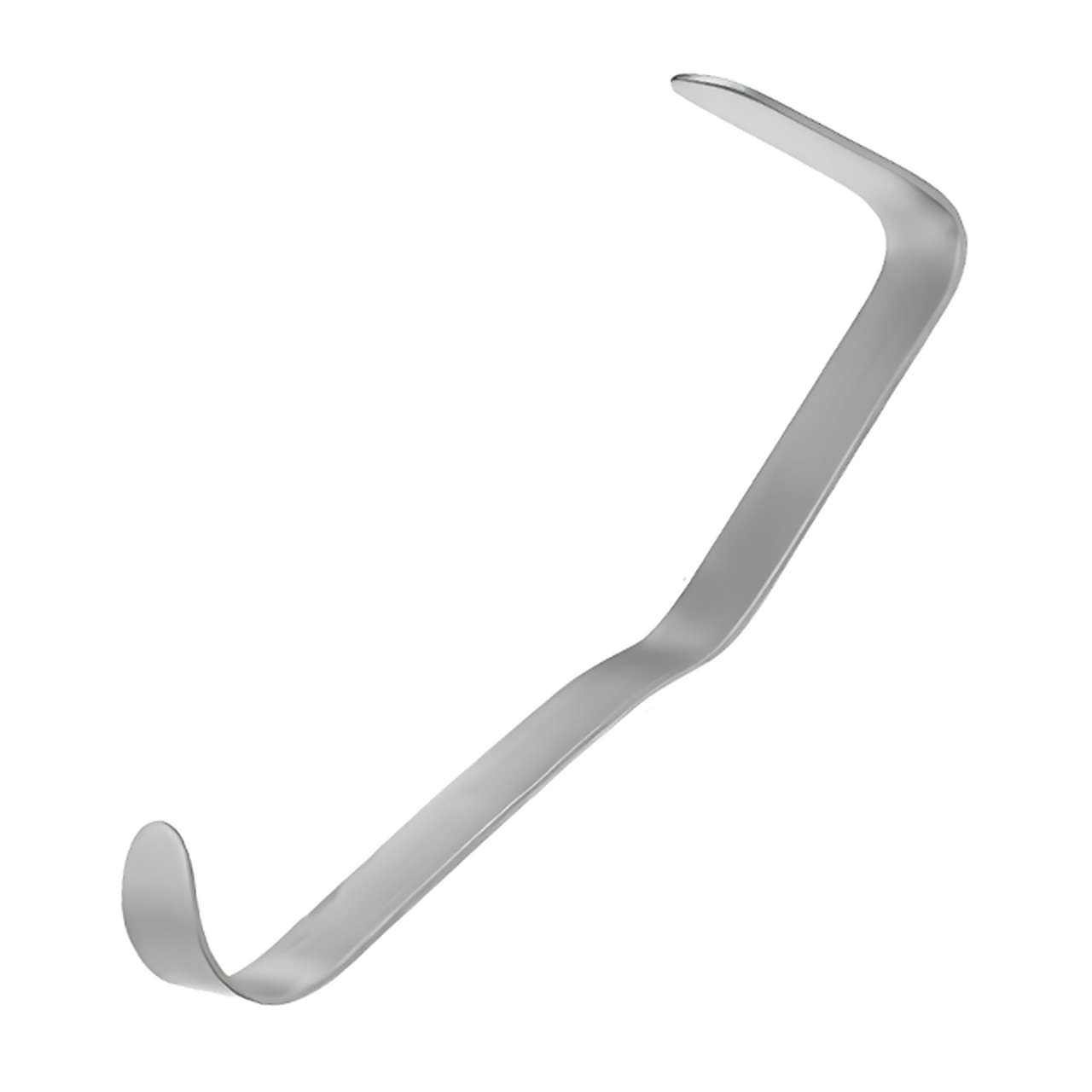 | Cronin Wangenabhalter | Speziell für die Retraktion von Wangen, Lippen und Mundschleimhaut bei oralen, maxillofazialen und Gaumenspalten-Operationen konzipiert. |
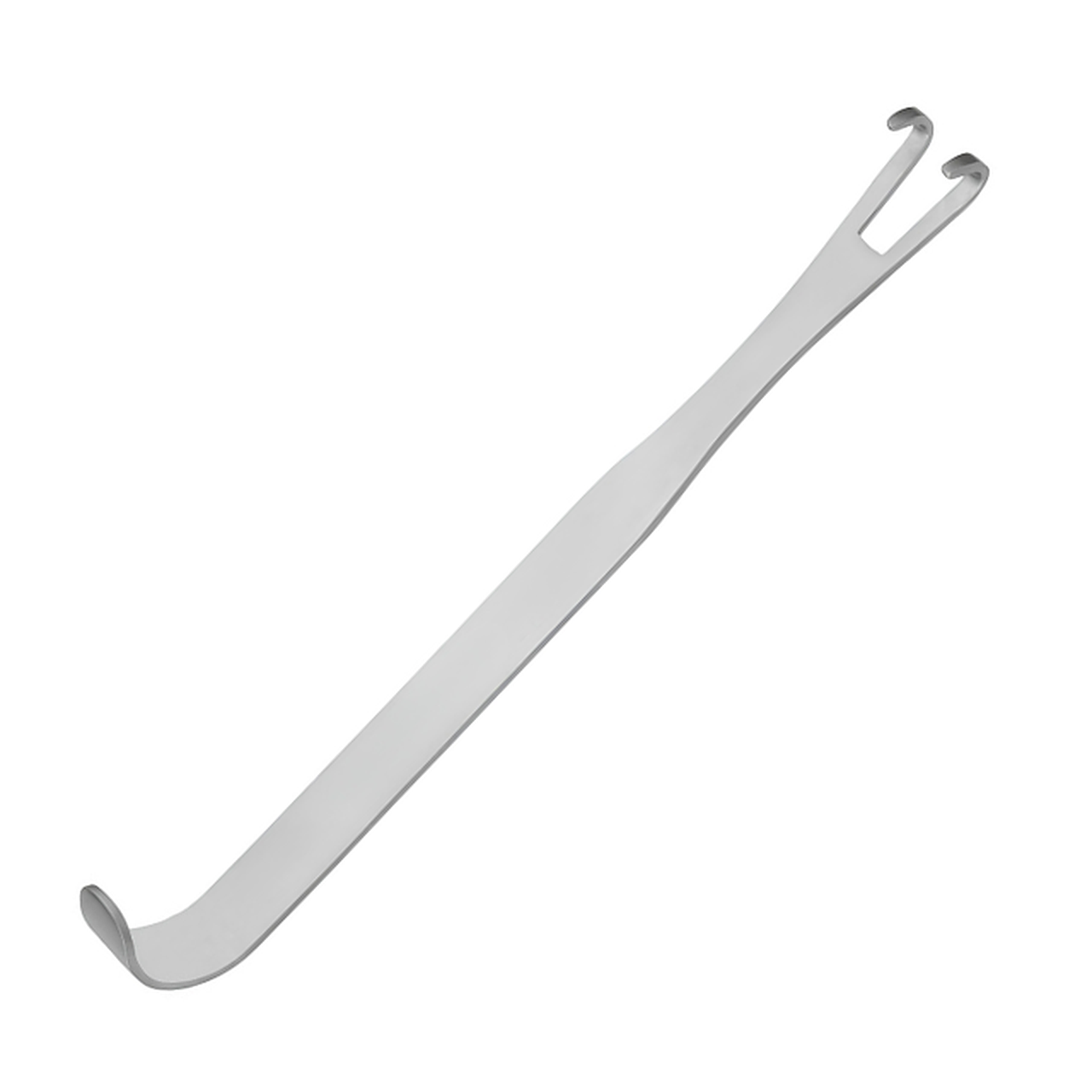 | Cronin Lippen- und Nasenflügel-Wundhaken | Speziell entwickelt für die Retraktion der Nasenflügel und die Elevation der Oberlippe bei Lippen-Kiefer-Gaumenspalten-Operationen und Rhinoplastiken. |
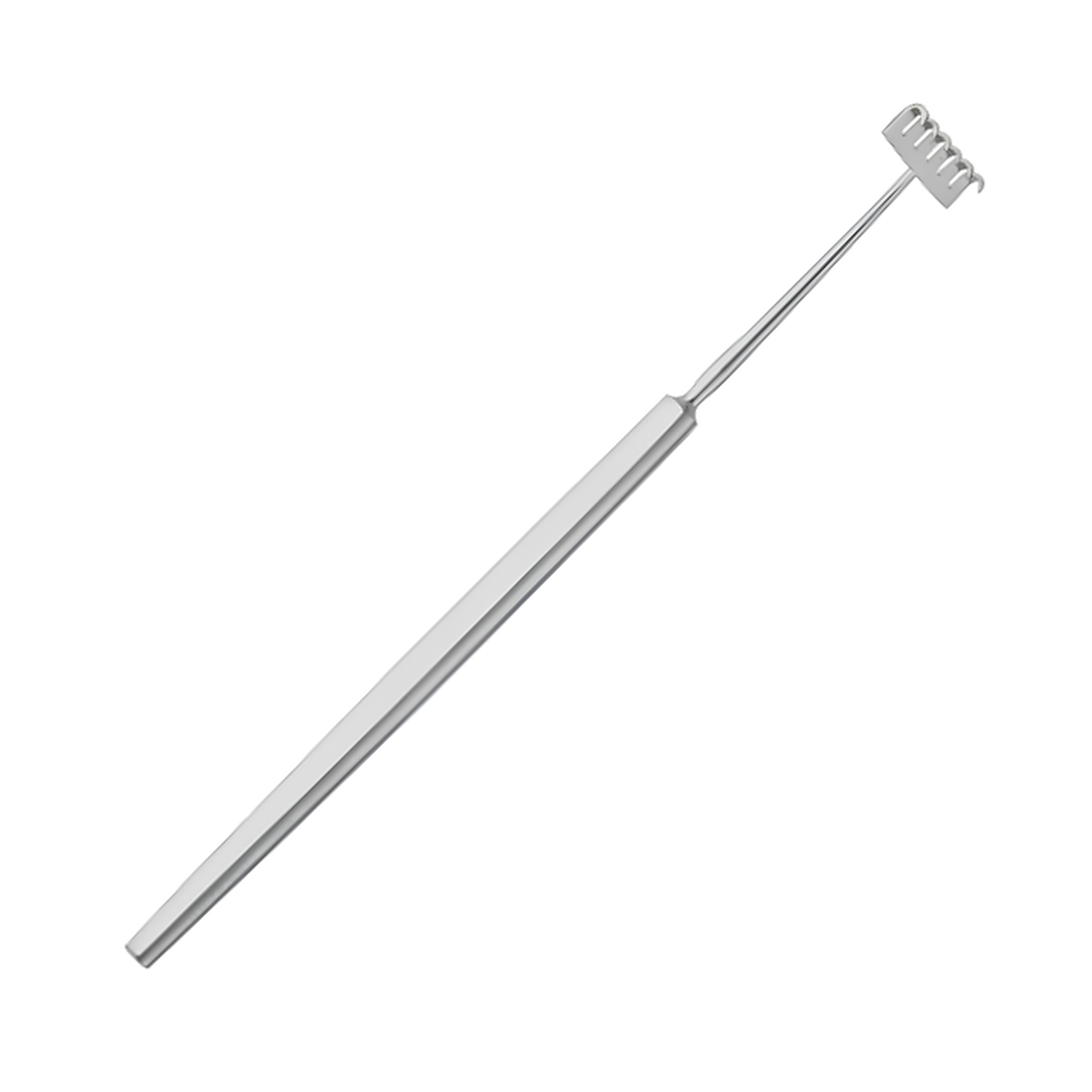 | Curtin Haut- und Geweberetraktor | Speziell entwickelt für die Hautlappenelevation, den kutanen Zug und die subkutane Weichteilretraktion in der plastischen Chirurgie. |
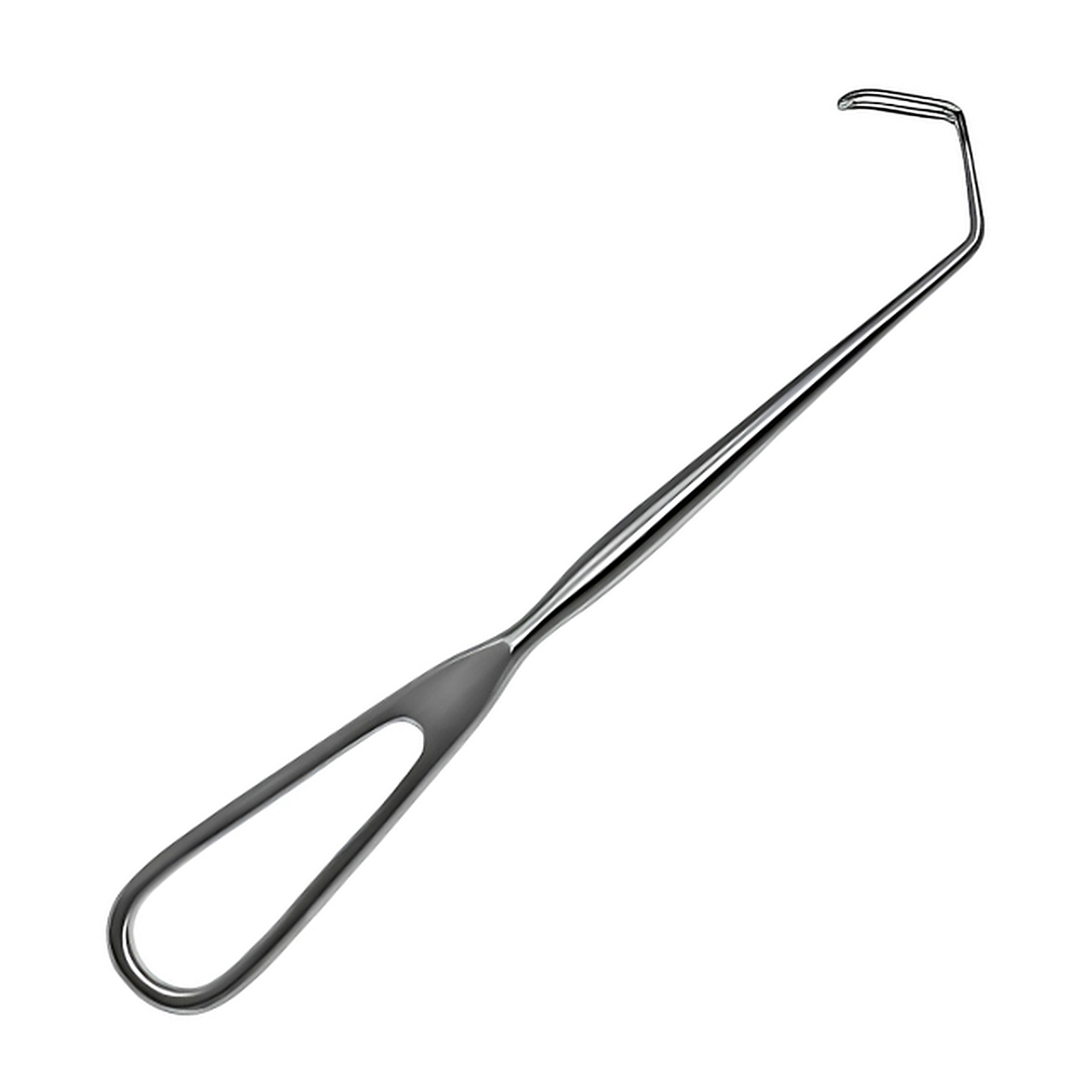 | Cushing Decompressions-Retraktor | Speziell entwickelt zur Retraktion von Nervenwurzeln, Thekalsack und Dura bei gleichzeitiger Maximierung der Sichtlinie während kranialer und spinaler Dekompressionen. |
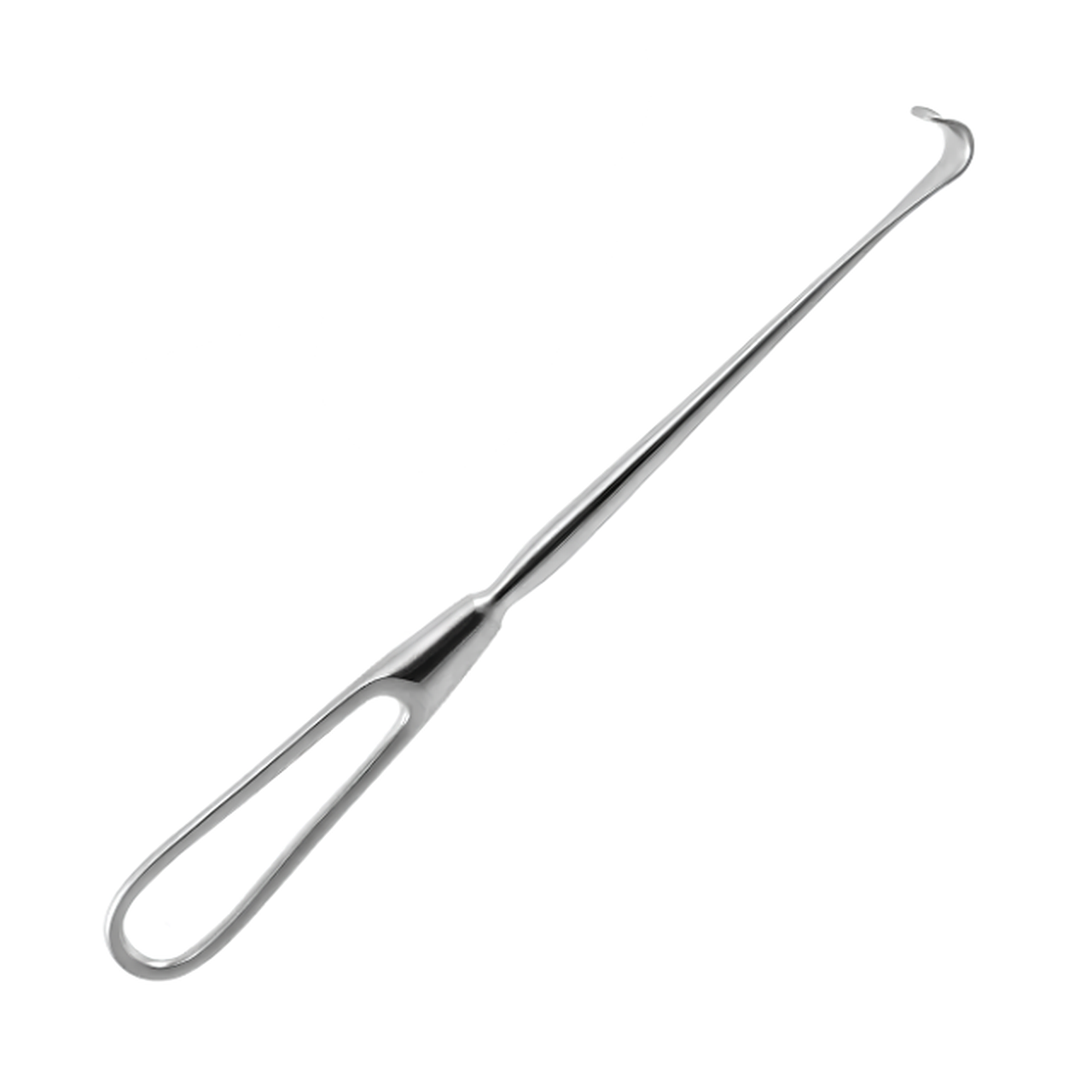 | Cushing Venenhaken | Speziell entwickelt zur Mobilisierung, Isolierung und Retraktion empfindlicher Venen, Arterien und Nervenstränge in der Gefäß-, Wirbelsäulen- und Allgemeinchirurgie. |
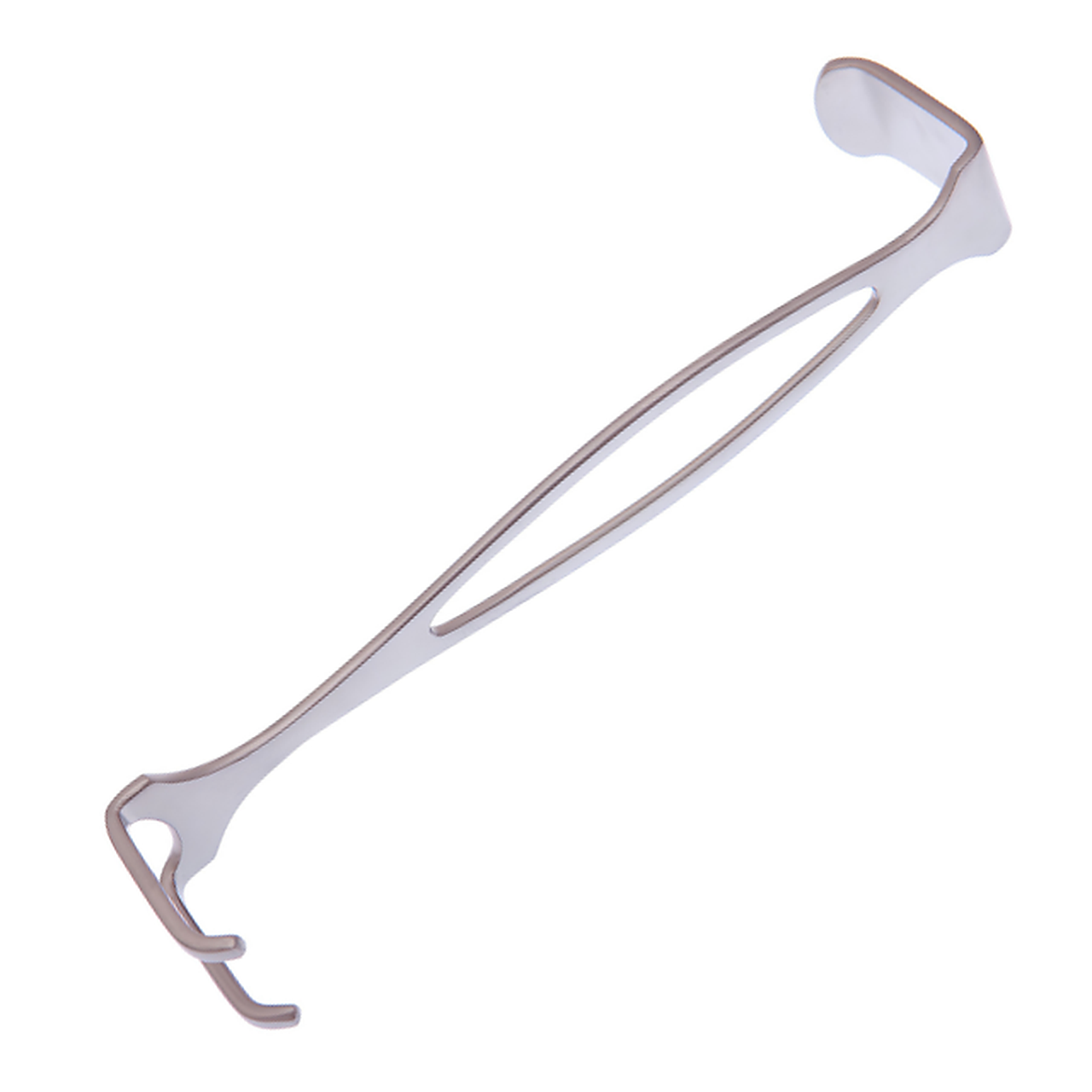 | Czerny Retractor Double-Ended | Speziell entwickelt zur Retraktion von Haut, Faszien und Bauchwandmuskulatur bei Laparotomien und Beckeneingriffen. |
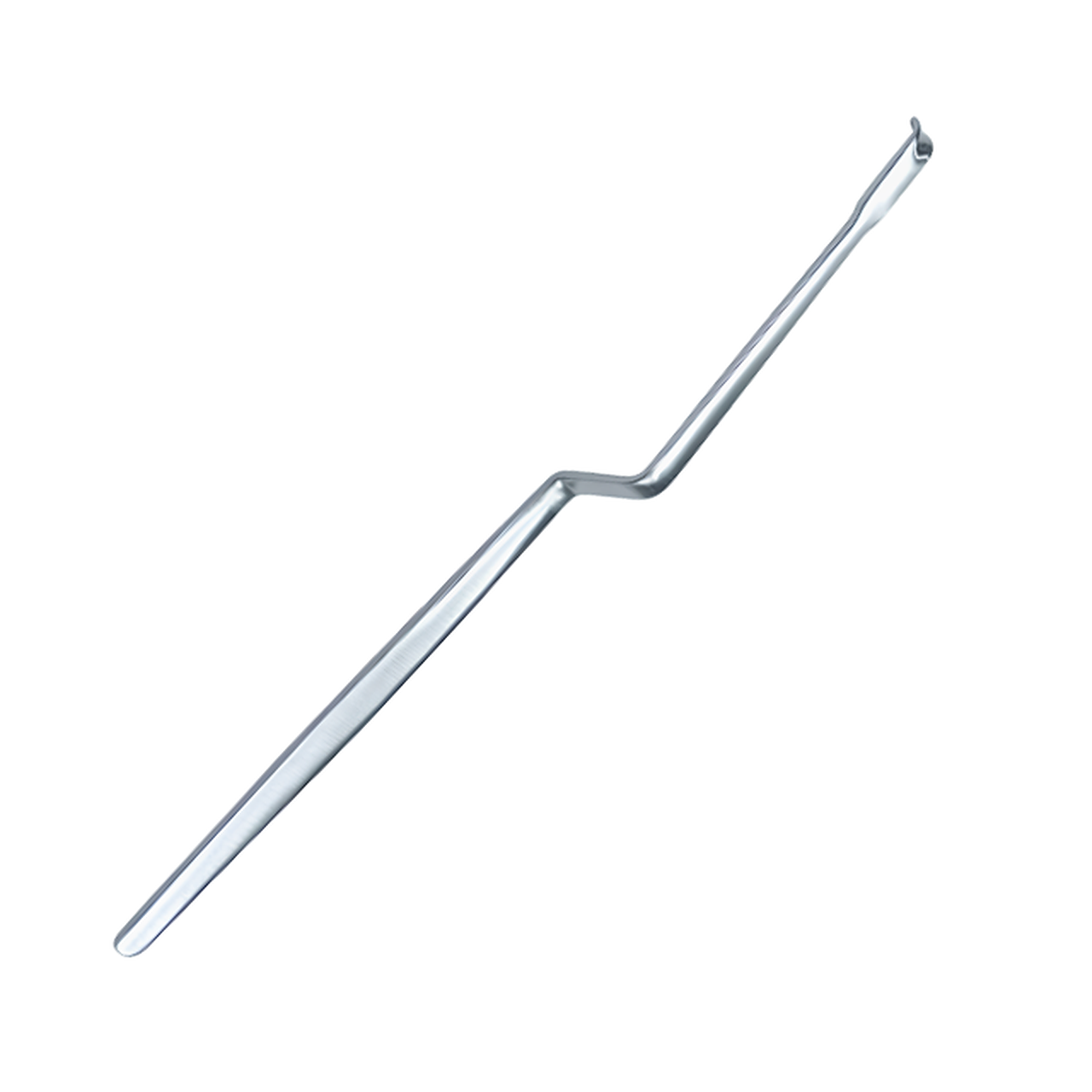 | D'Errico Nervenwurzelhaken | Speziell entwickelt zum Mobilisieren, Halten und Schützen von spinalen Nervenwurzeln und dem Thekalsack während der mikrochirurgischen lumbalen Dissektomie. |
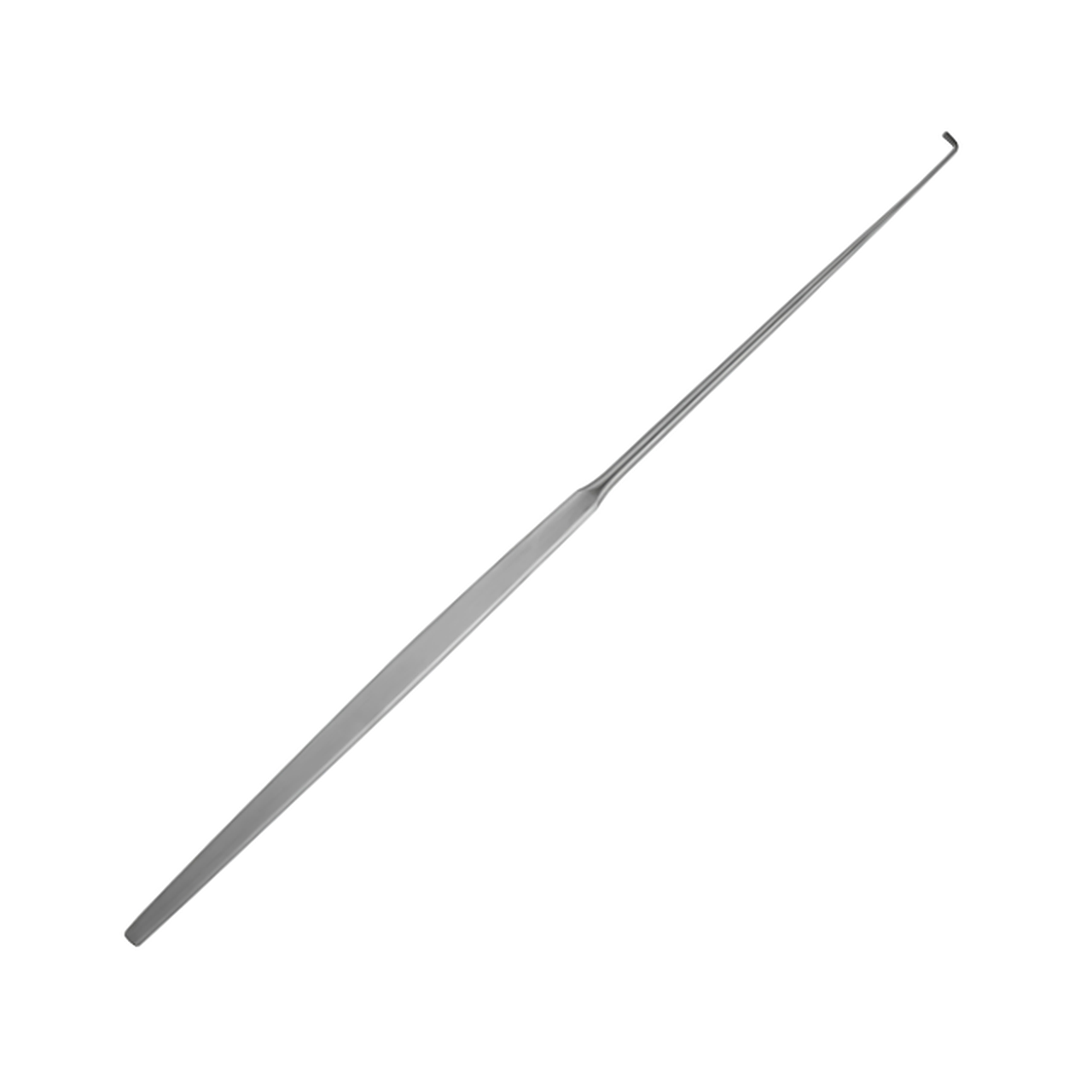 | Dandy Nervhäkchen | Speziell entwickelt zum Manipulieren, Explorieren und Retrahieren von Hirnnerven und Gefäßbündeln in der Mikroneurochirurgie. |
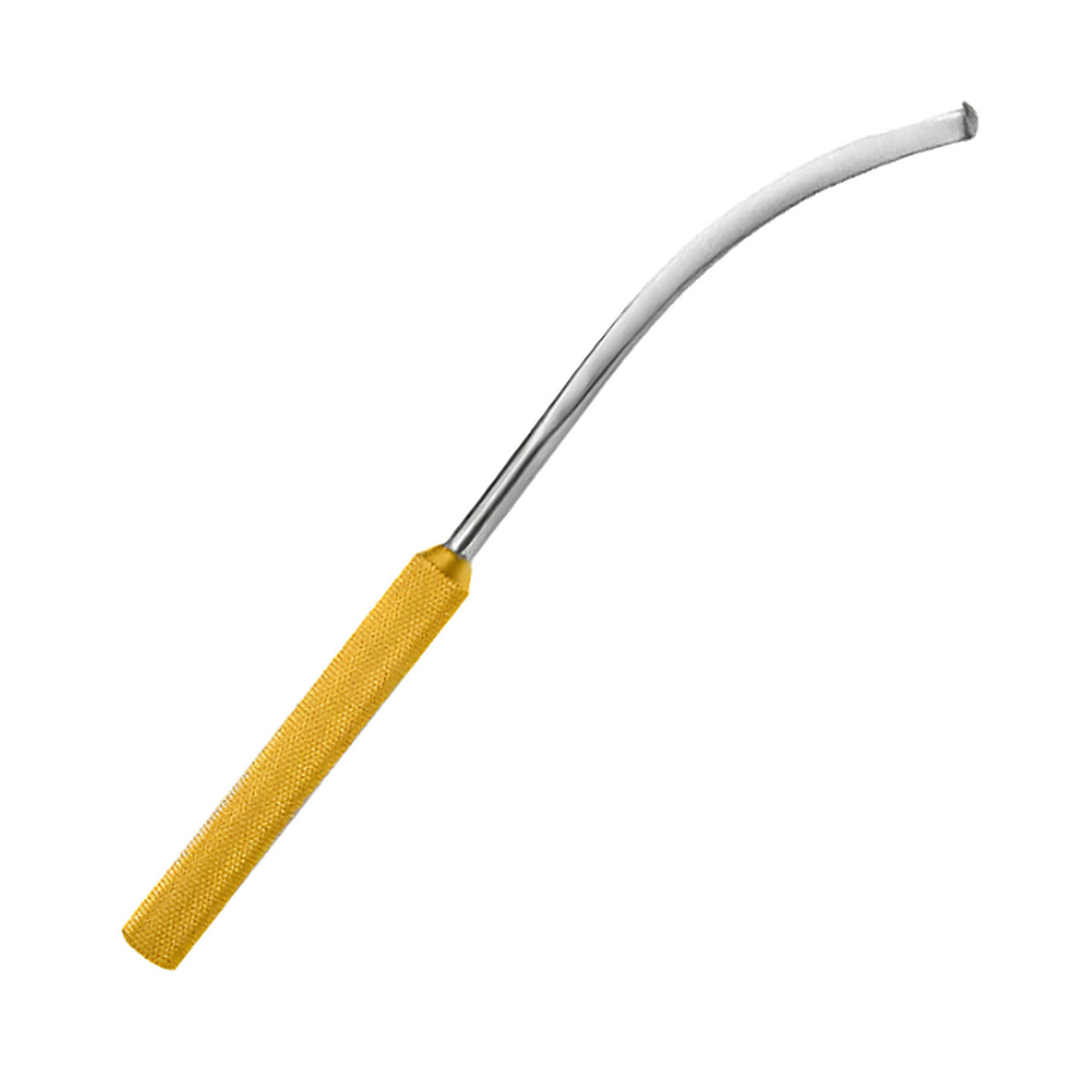 | Daniel Endoskopischer Stirnnerv-Retraktor | Speziell entwickelt zur Retraktion von Weichgewebe und zum Schutz neurovaskulärer Bündel bei endoskopischen Stirn- und Augenbrauenlifts. |
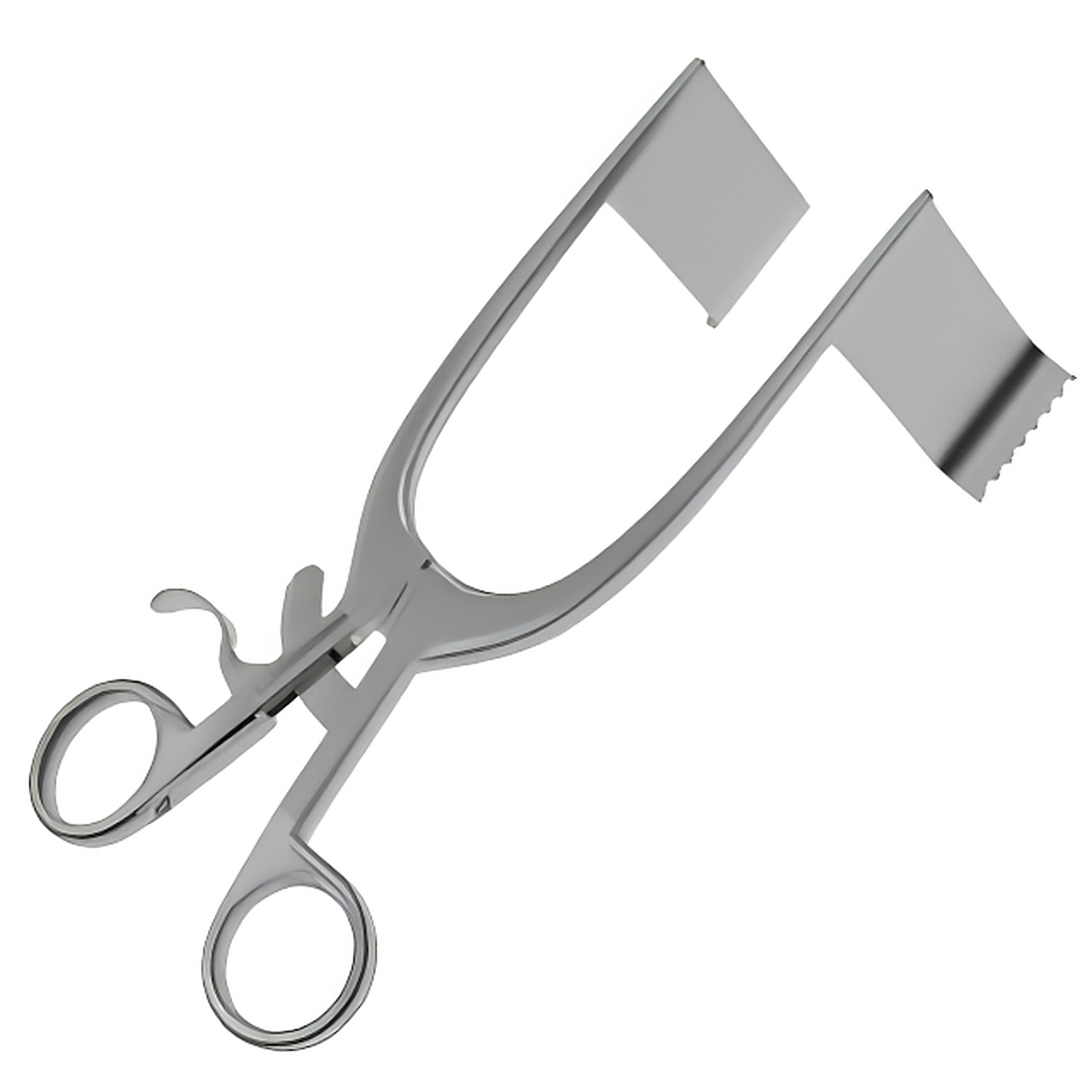 | Darling Popliteal Sperrer, selbsthaltend | Speziell entwickelt für die selbsthaltende Weichteil- und Muskelretraktion im Poplitealraum bei vaskulären Eingriffen. |
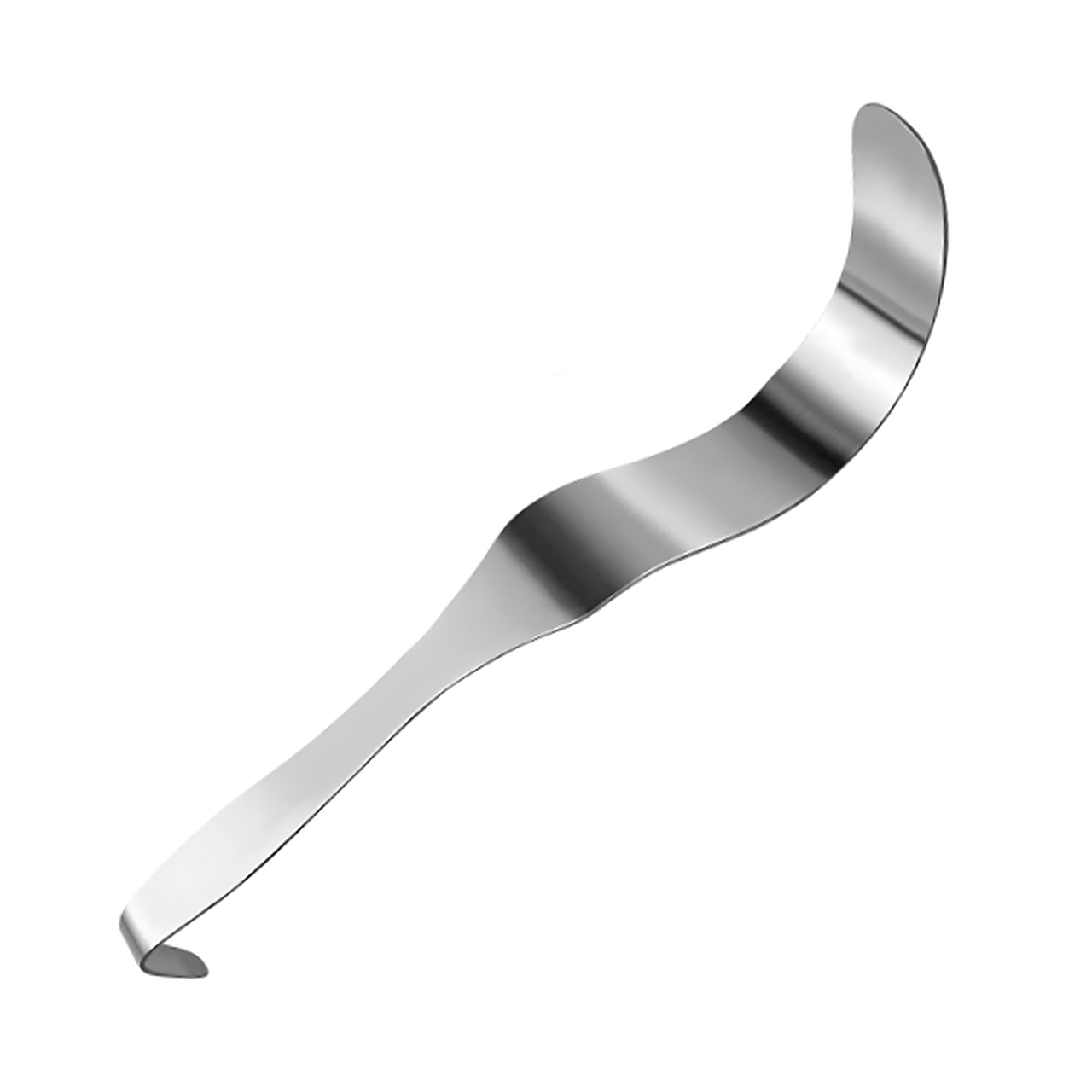 | Deaver Retractor | Speziell konzipiert für die Retraktion von tief liegenden Viszeralorganen, der Bauchwandmuskulatur und des Beckengewebes bei offenen chirurgischen Eingriffen. |
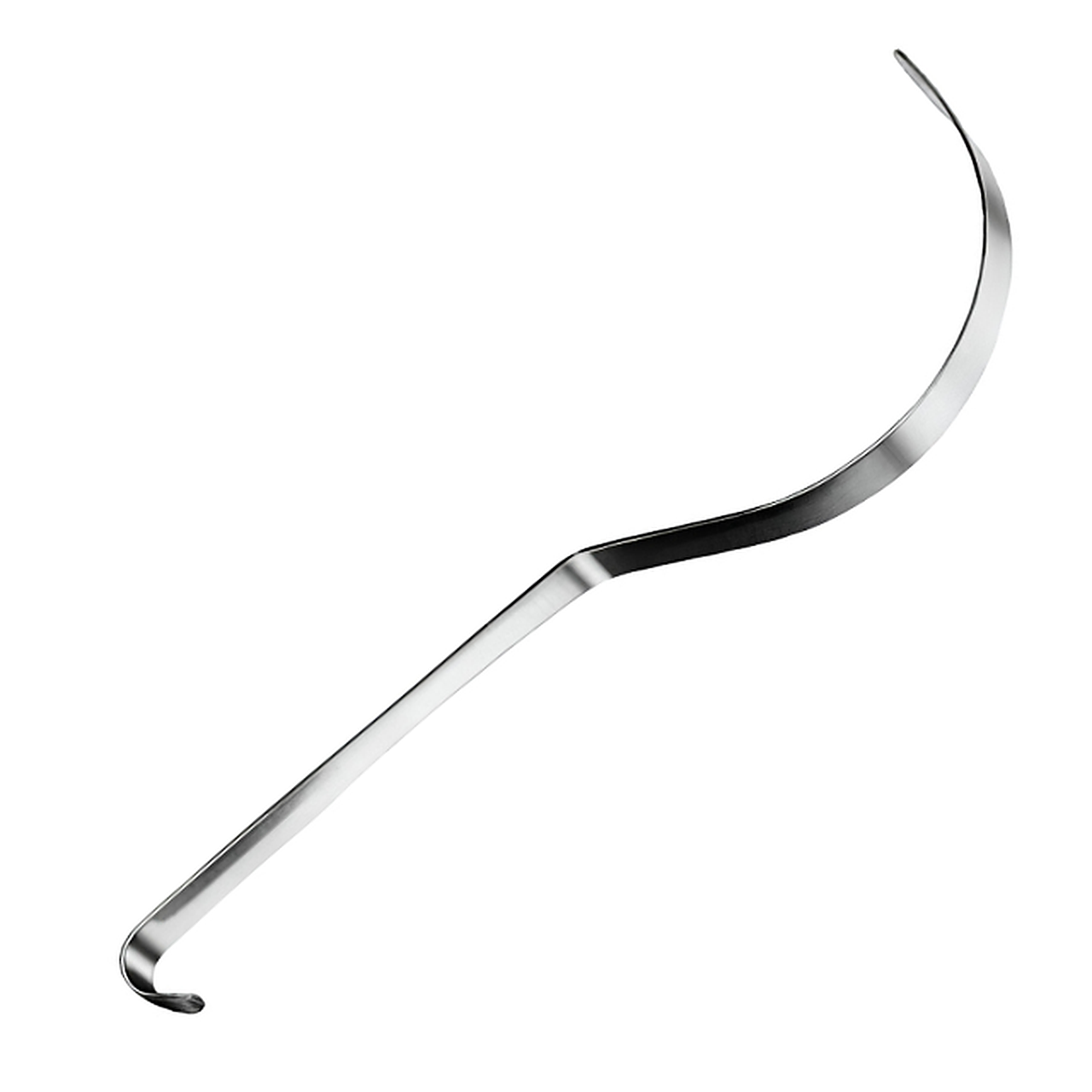 | Deaver Retractor Thin Handle | Speziell entwickelt zur Retraktion von tiefem Weichgewebe, viszeralen Organen und Muskeln bei gleichzeitiger Reduzierung der Ermüdung durch einen leichten Griff. |
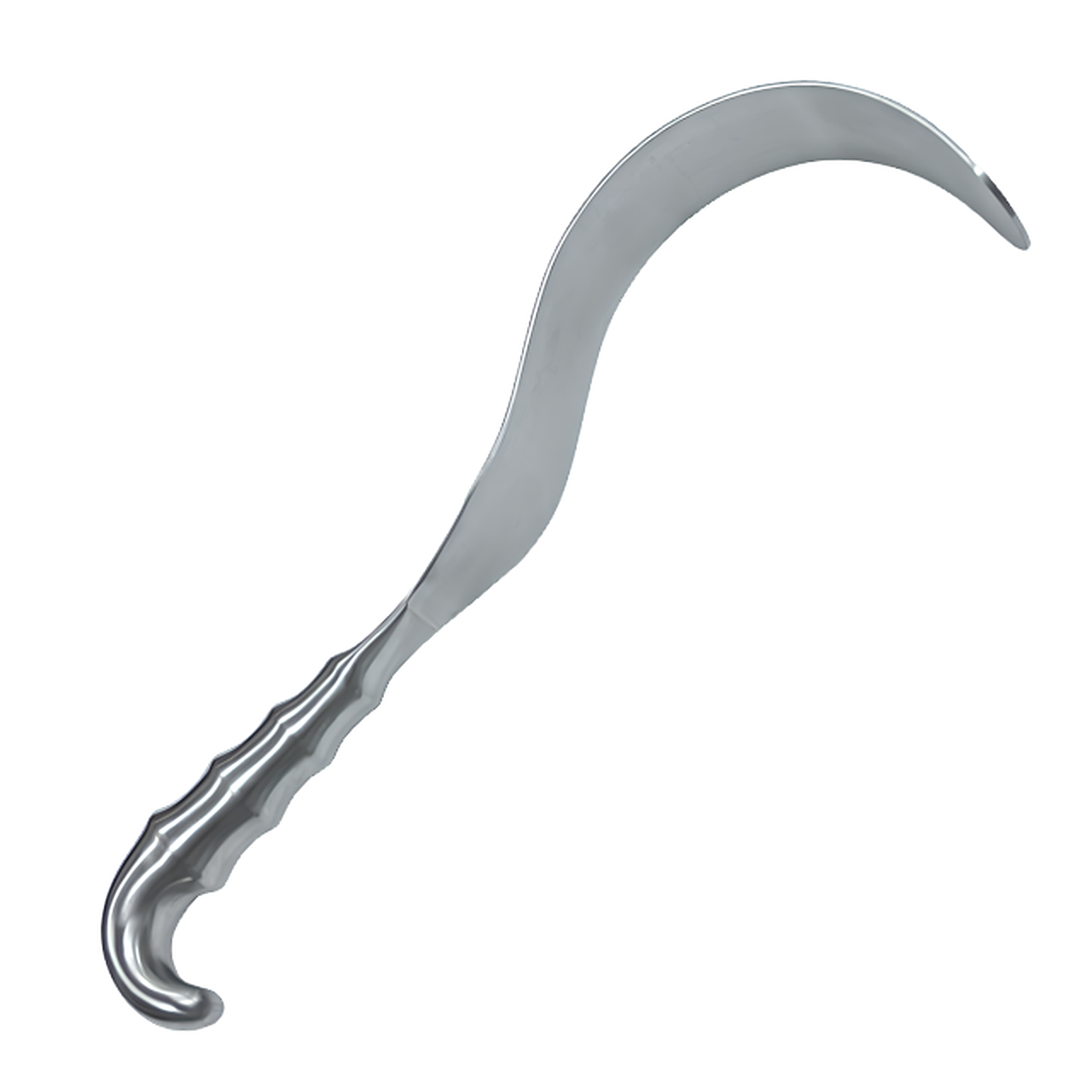 | Deaver Retractors Hollow Grip Handle | Speziell entwickelt zur Retraktion von viszeralen Organen und Muskelschichten bei tiefen abdominalen, pelvinen und thorakalen Operationen bei gleichzeitiger Minimierung der Handermüdung. |
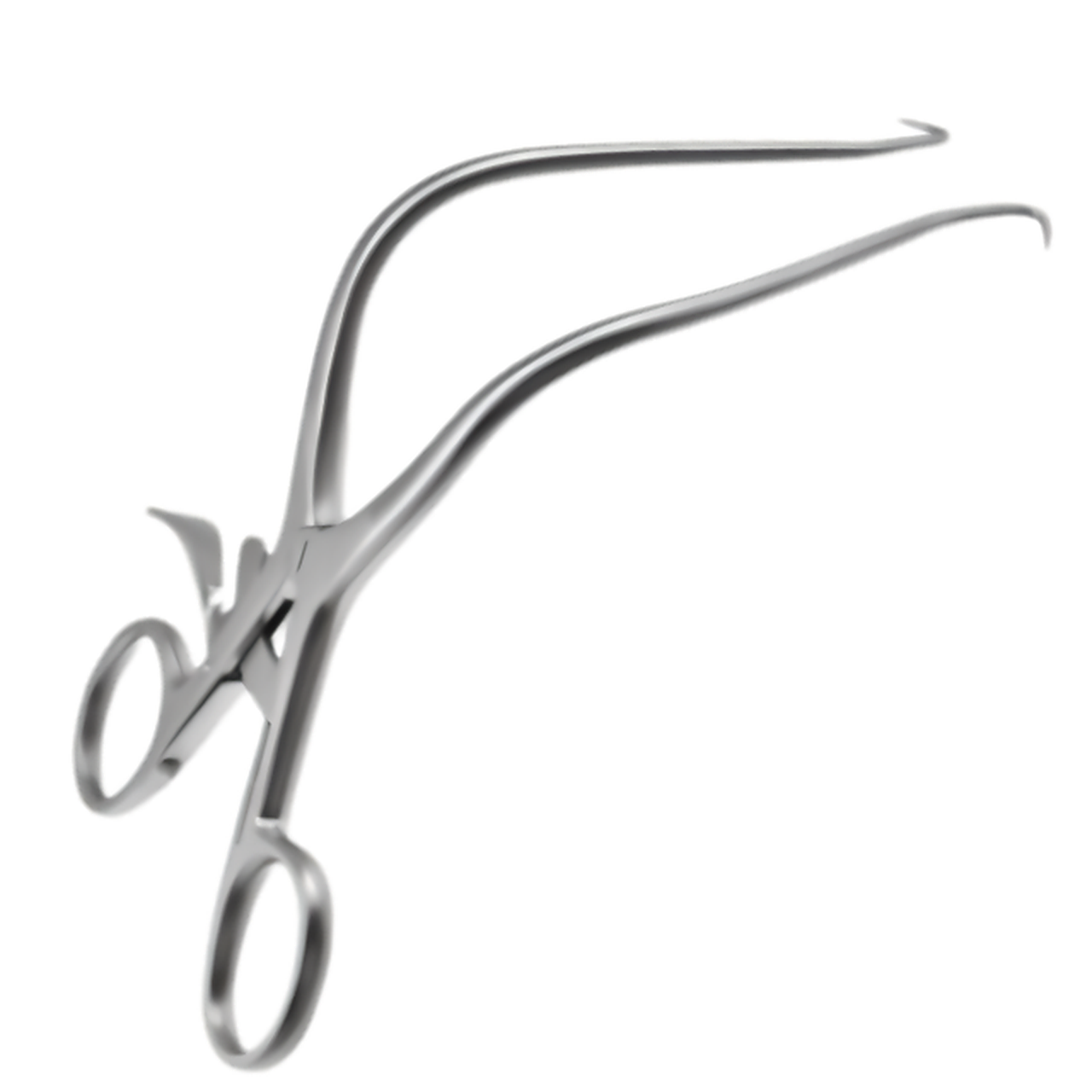 | DeBakey Retractor | Speziell entwickelt zum Zurückziehen von Hauträndern, Faszien und vaskulärem Weichteilgewebe während chirurgischer Eingriffe. |
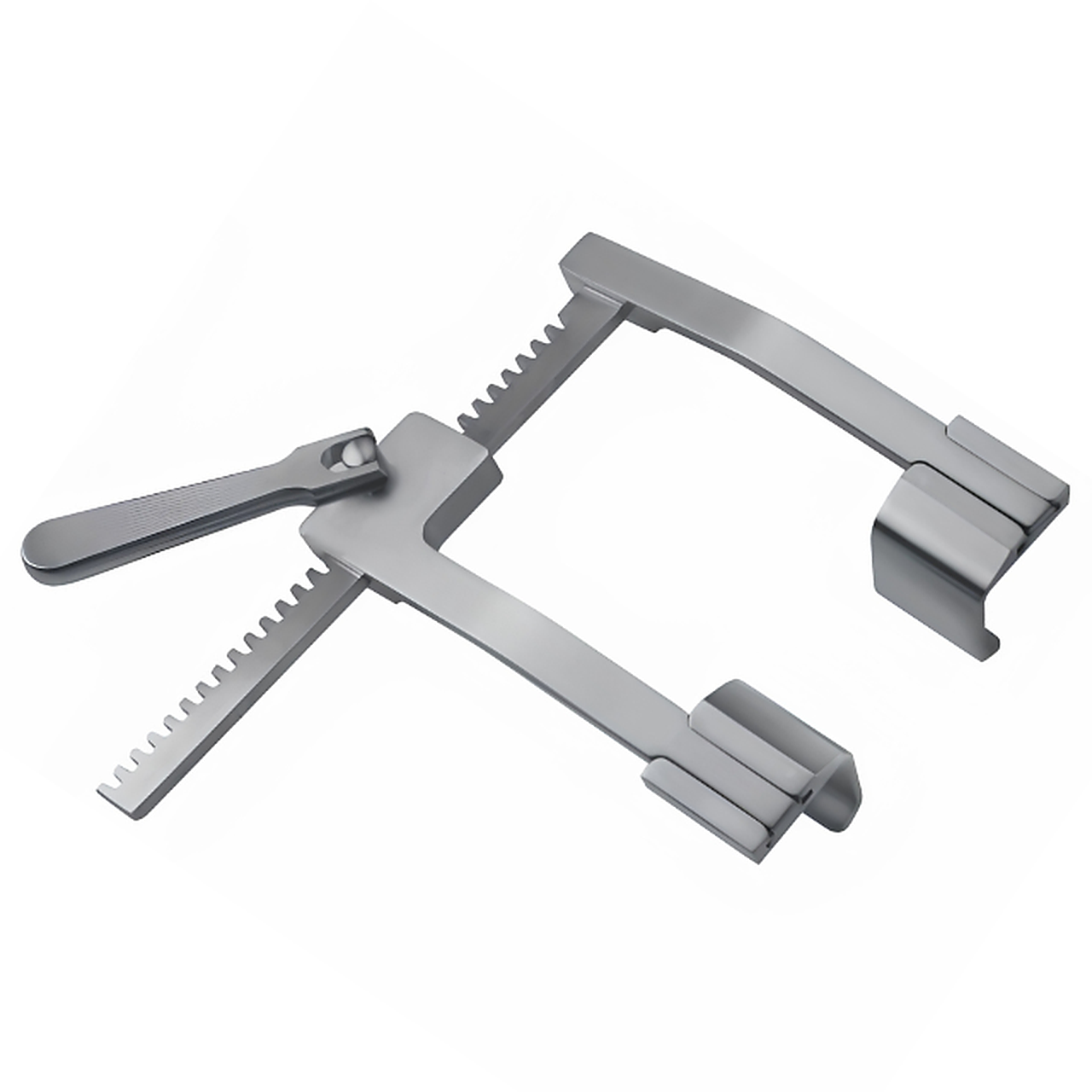 | DeBakey Rippenspreizer | Speziell konzipiert für die Trennung benachbarter Rippen und die Erweiterung des Interkostalraums in der Herz- und Thoraxchirurgie. |
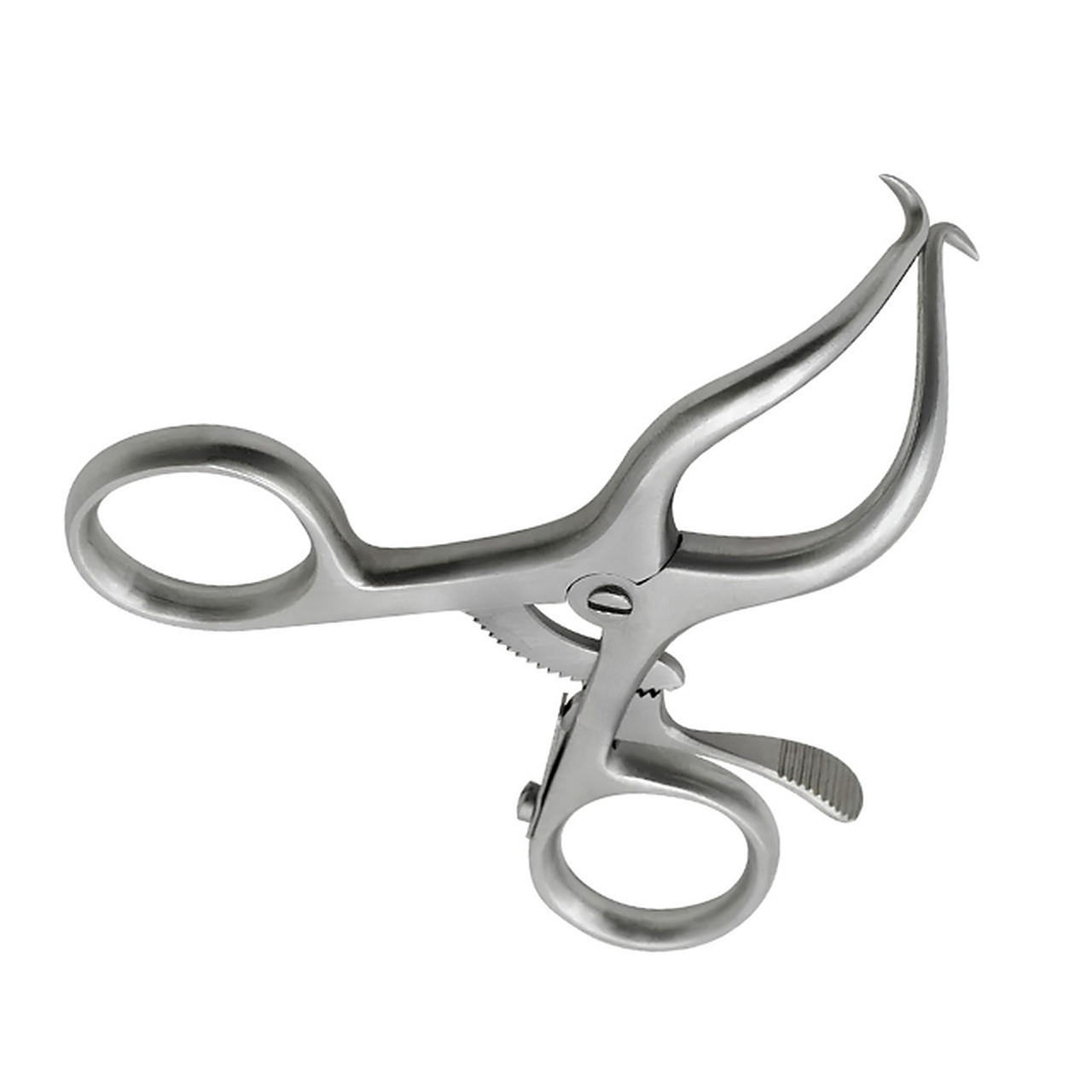 | Deep Gelpi Retractor | Speziell entwickelt für die selbsthaltende Weichteil- und Muskelretraktion bei spinalen, orthopädischen und neurochirurgischen Eingriffen. |
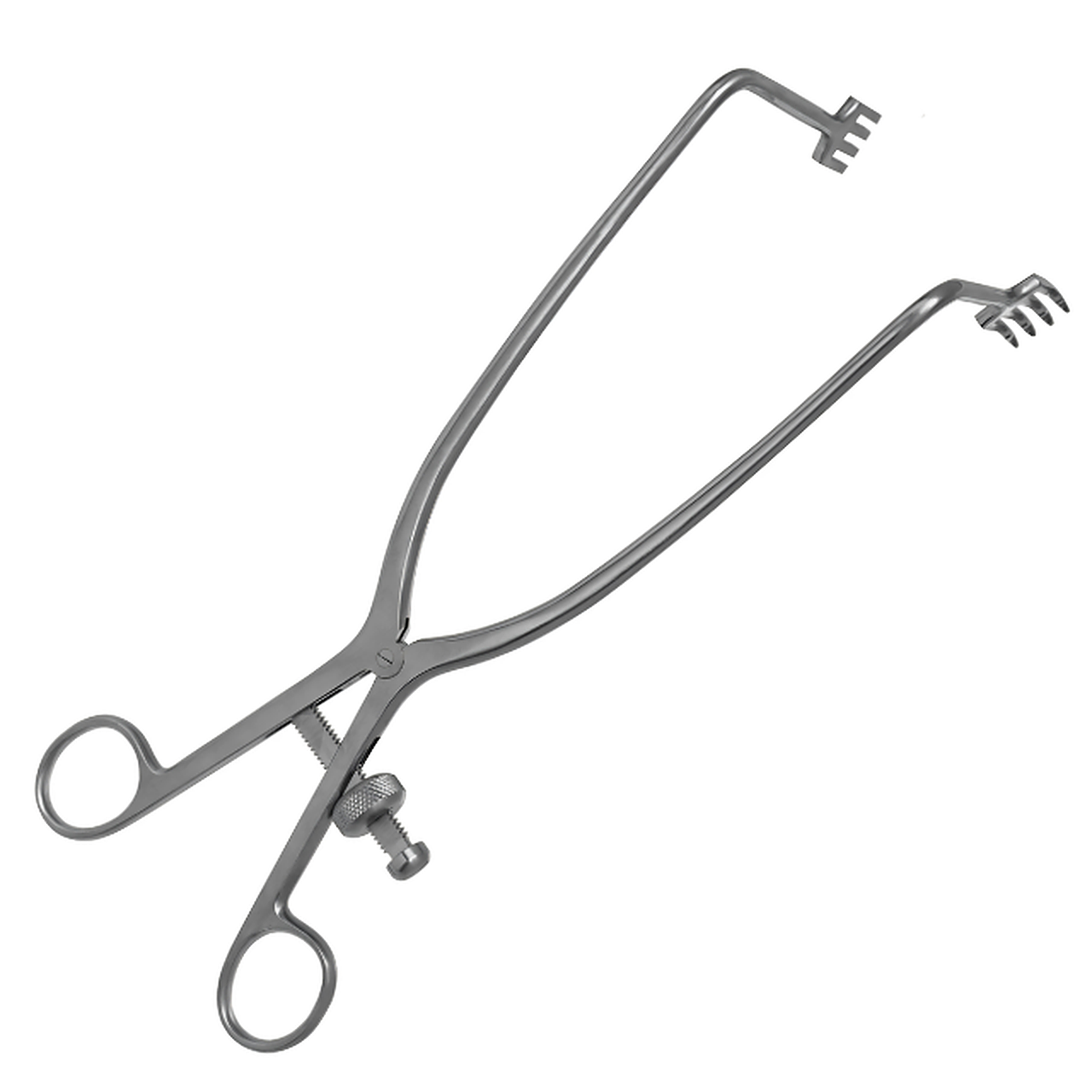 | Deep Gelpi Wundsperrer, selbsthaltend | Speziell entwickelt für die selbsthaltende Muskel- und Geweberetraktion in tiefen chirurgischen Wunden bei Wirbelsäulen- und orthopädischen Eingriffen. |
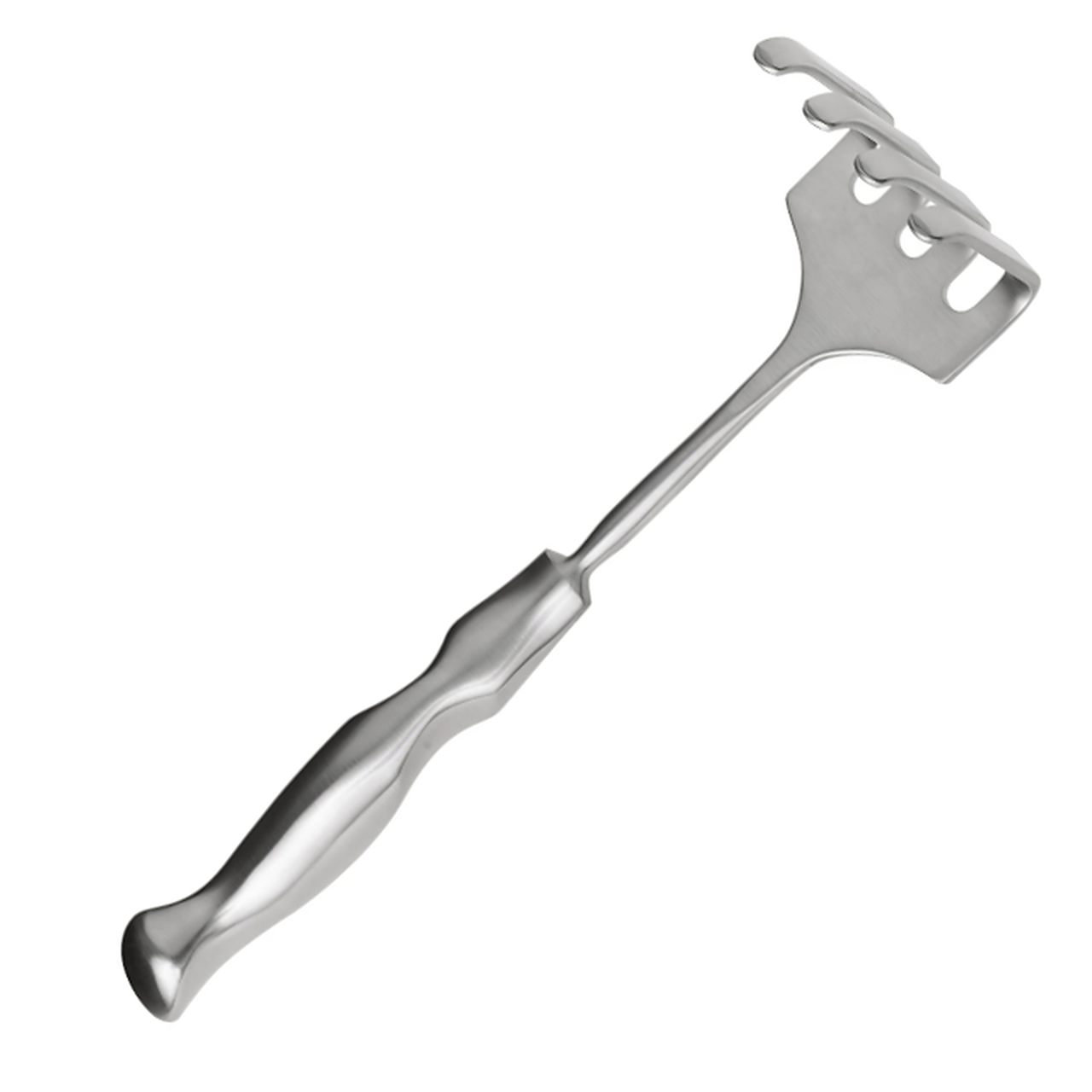 | Tiefenwundhaken (Deep Rake Retractor) | Speziell entwickelt für die Retraktion von schwerer Muskulatur, Faszien und tiefem Weichgewebe während offener abdominaler, pelviner und orthopädischer Eingriffe. |
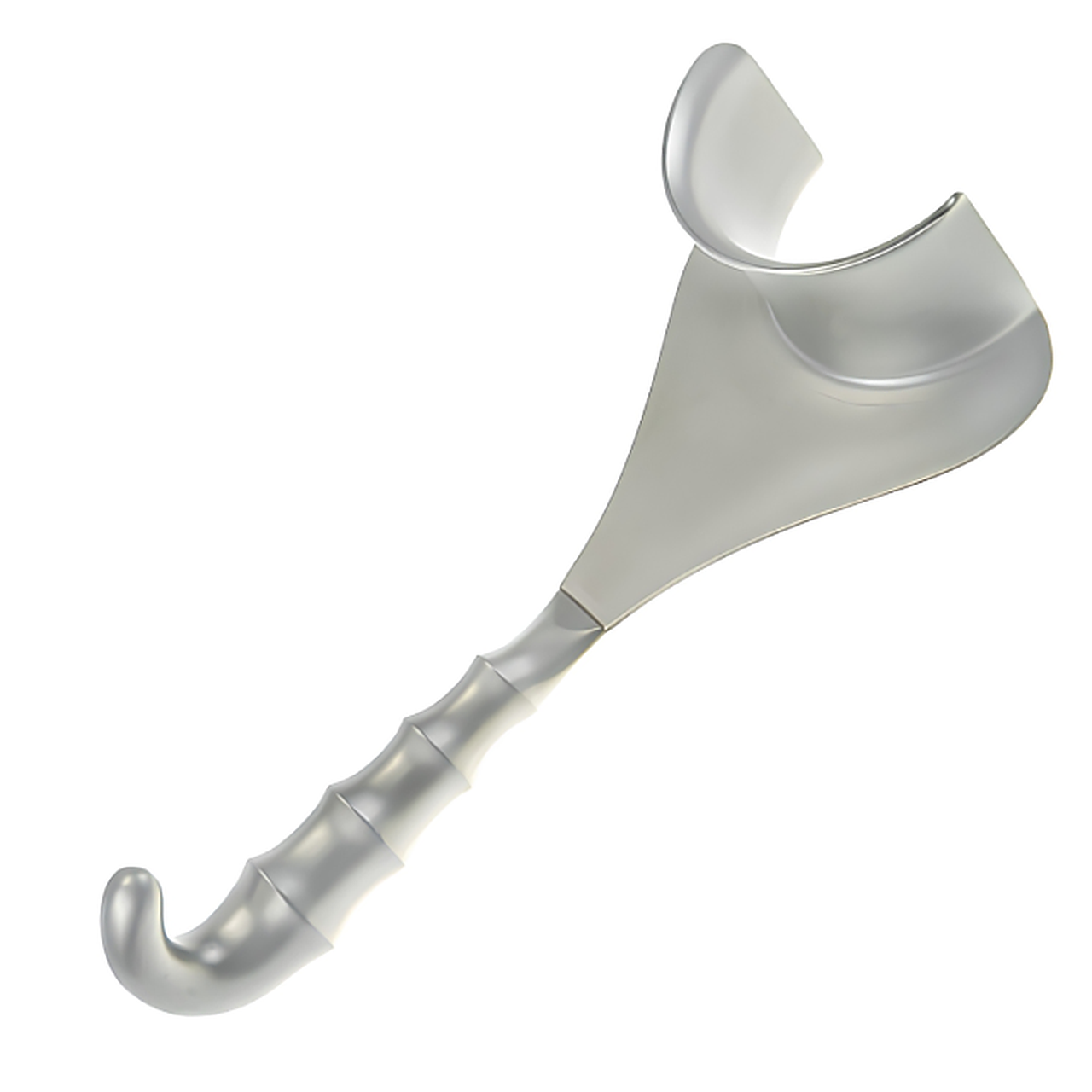 | Delee Universal Retractor | Speziell entwickelt zur Retraktion und zum Schutz der Blase und der Bauchwand bei Kaiserschnitten und gynäkologischen Operationen. |
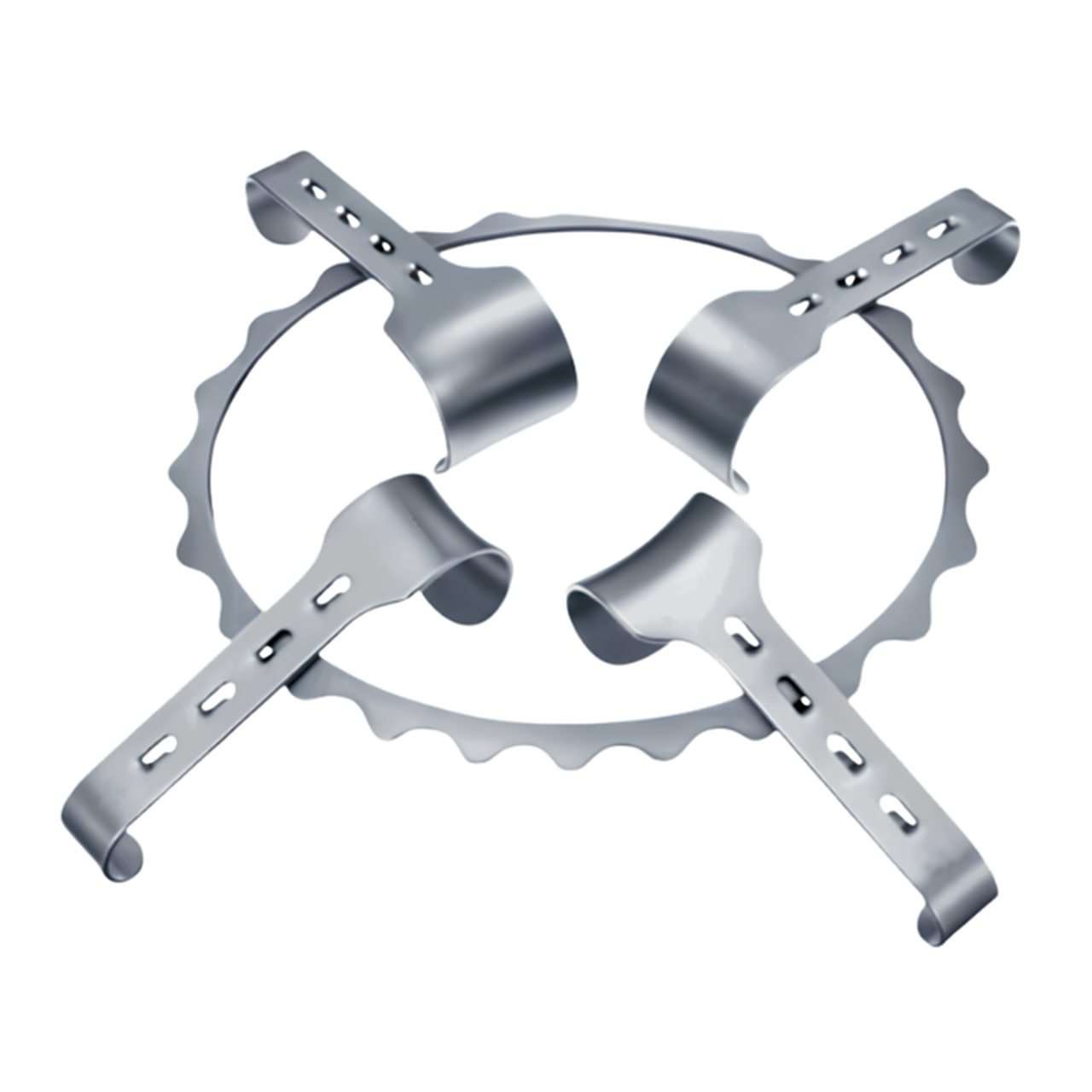 | Denis-Browne Retractor | Speziell entwickelt für die 360-Grad selbsthaltende Wundrand- und Viszeralretraktion bei abdominalen und pelvinen chirurgischen Eingriffen. |
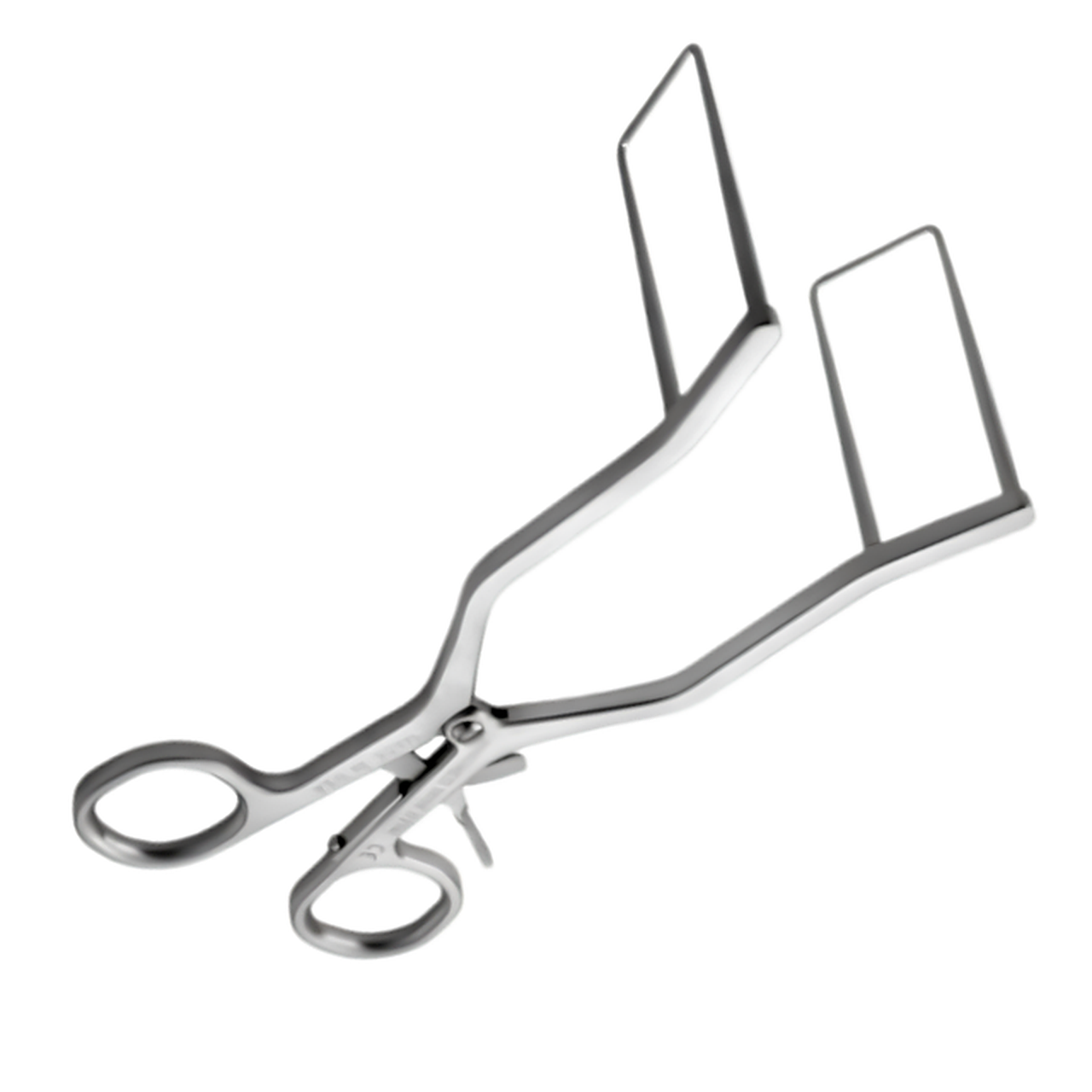 | Desai Wundspreizer, selbsthaltend | Speziell entwickelt für die selbsthaltende Wundrandretraktion mit direkter Sichtbarkeit und Zugriff bei abdominalen und pelvinen Operationen. |
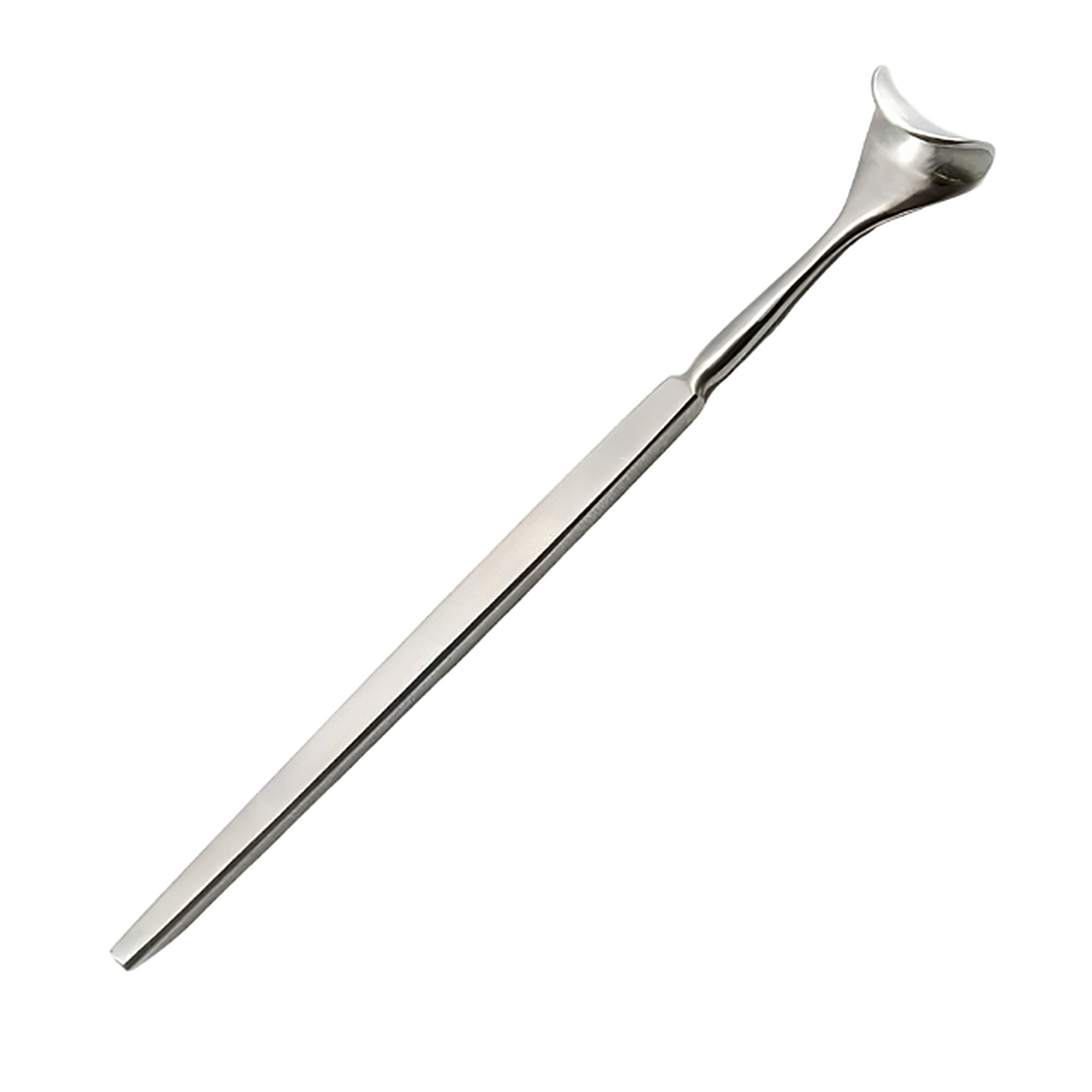 | Desmarres Lidhalter | Speziell entwickelt zur Retraktion der Augenlider, Mobilisierung der Tarsalplatten und zum Schutz des Bulbus während Blepharoplastiken und ophthalmologischen Eingriffen. |
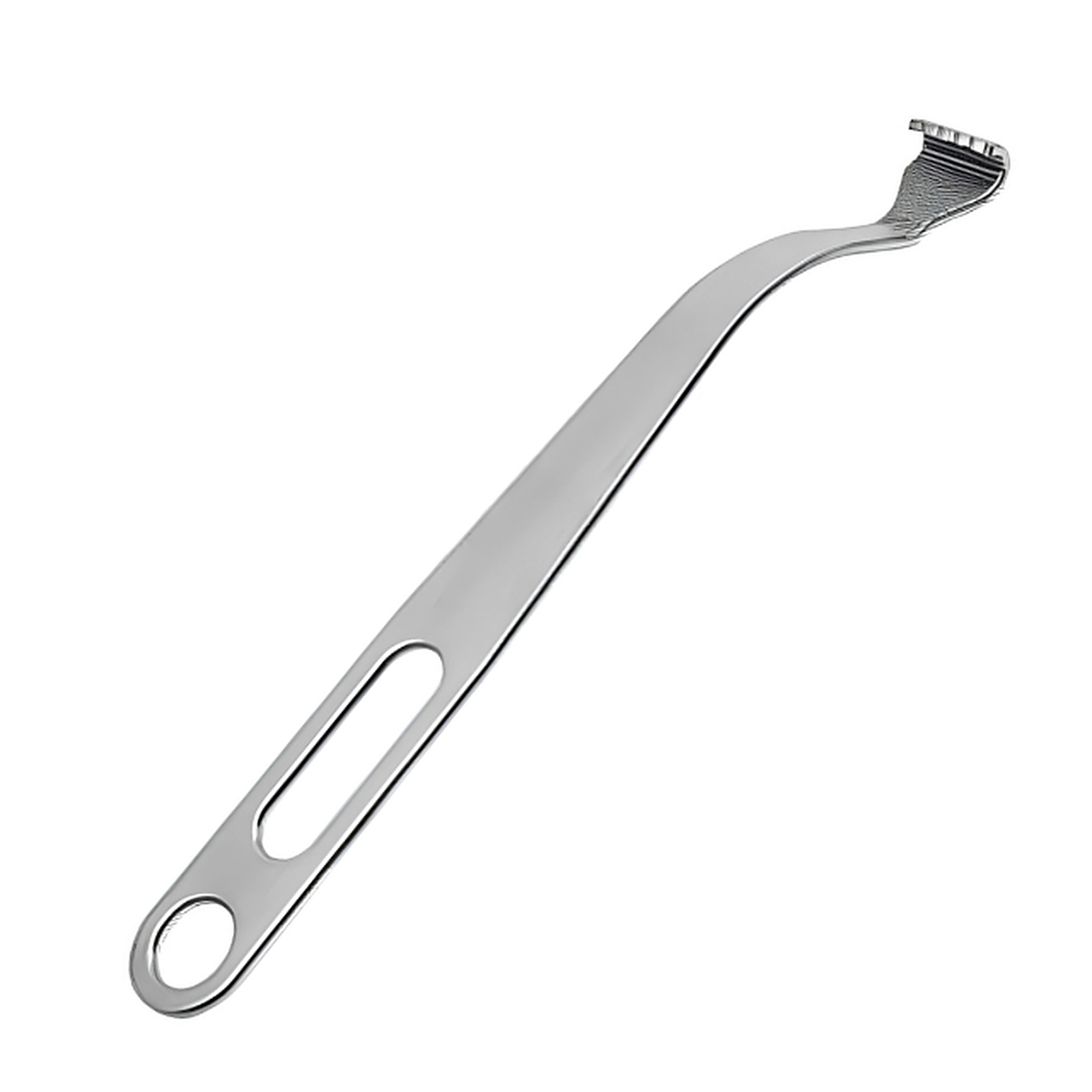 | Dingo Modified Humeral Head Retractors | Speziell entwickelt zum Hebeln des Humeruskopfes und zur Freilegung der Gelenkpfanne während der Schulterarthroplastik und rekonstruktiven Chirurgie. |
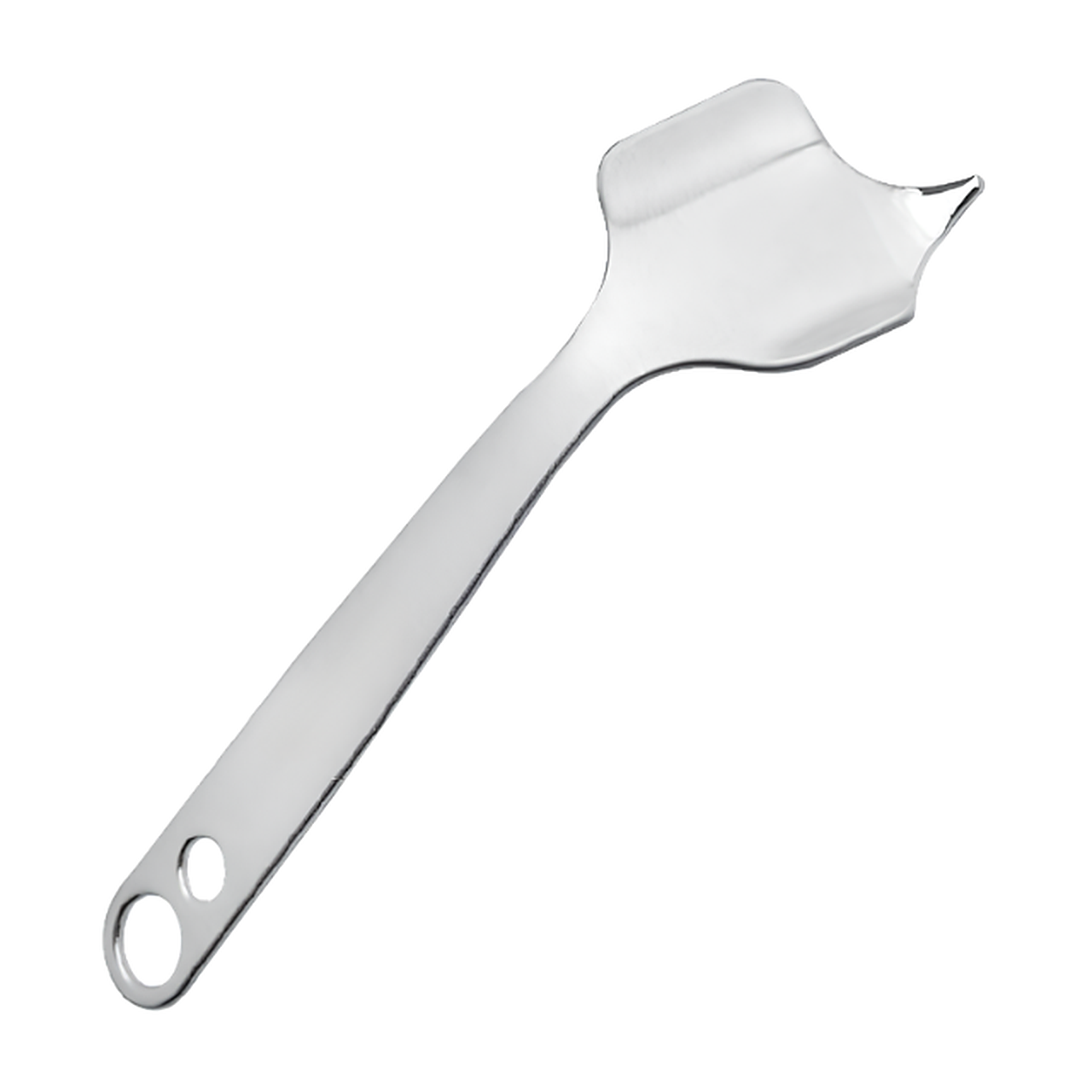 | Direct Access Anterior Broaching Retractor | Speziell entwickelt zum Anheben des proximalen Femurs und zur Retraktion von Weichteilgewebe während der Markraum-Raspelung bei der direkt-anterioren Hüftarthroplastik. |
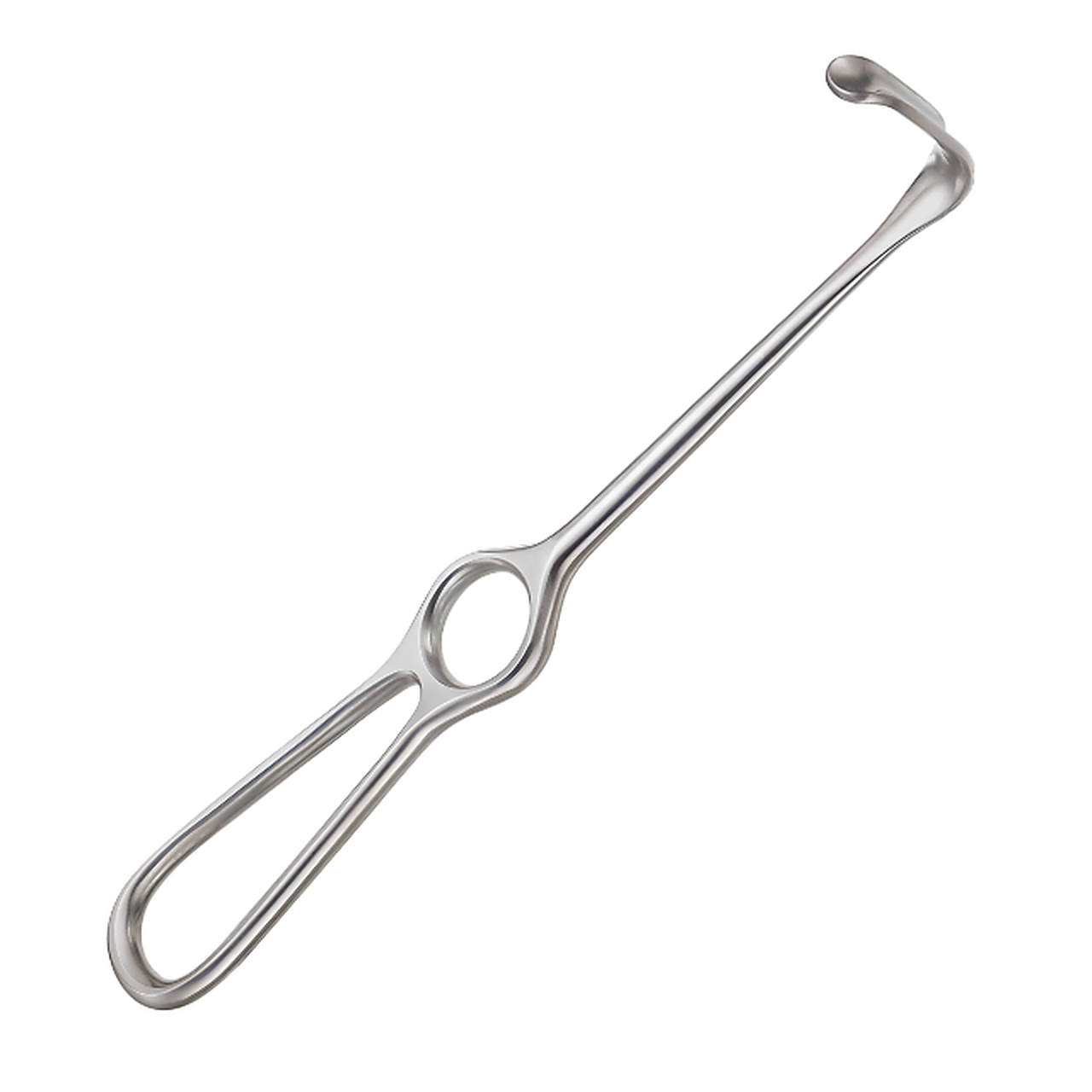 | Dockhorn Retractor | Speziell konzipiert für die Retraktion von Wundrändern, Faszien und Weichgewebe in der Mund-, Kiefer- und Gesichtschirurgie sowie der Allgemeinchirurgie. |
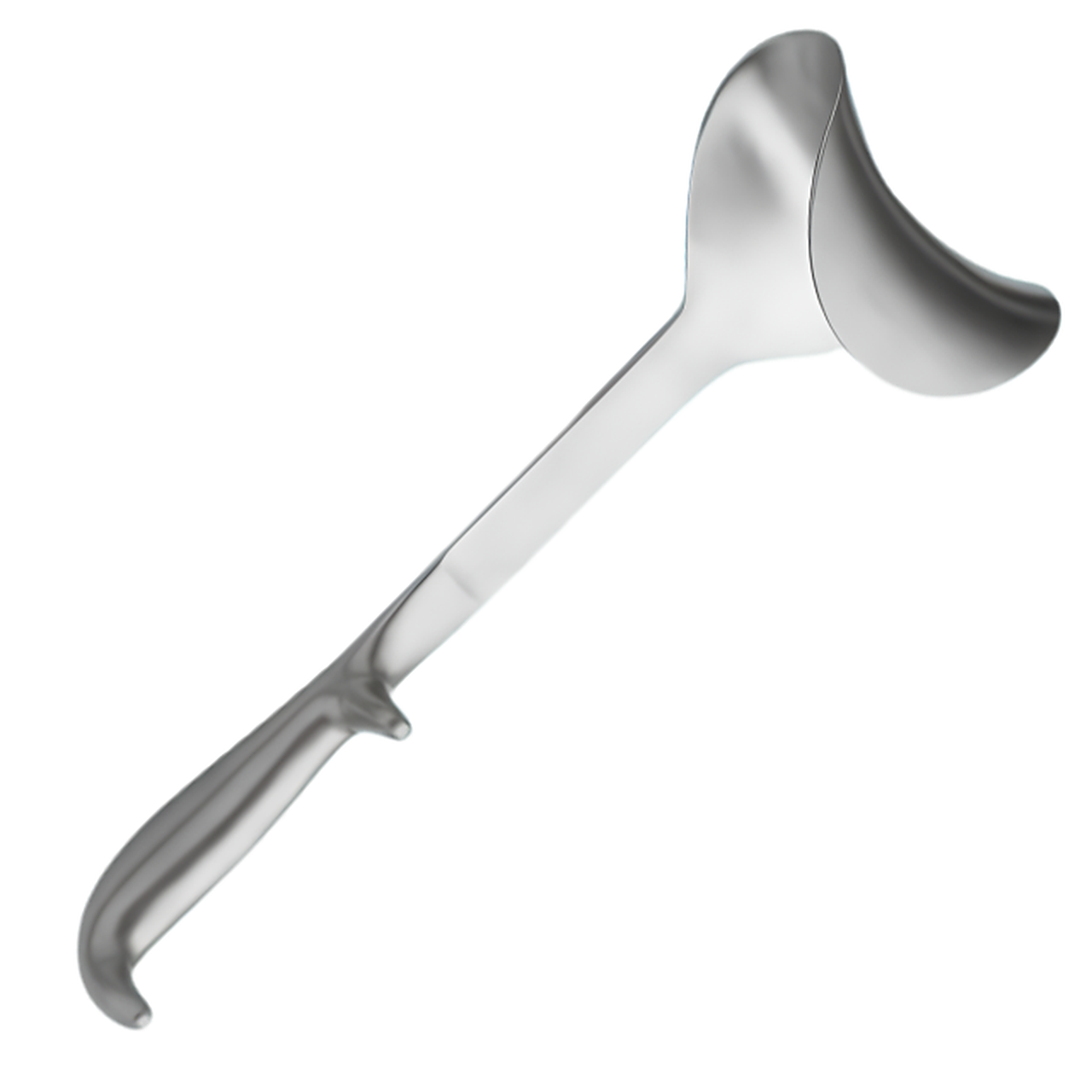 | Doyen Bauchretraktor | Speziell entwickelt zur Retraktion der Bauchwand, der viszeralen Organe und der Beckenmuskulatur bei offenen Laparotomien. |
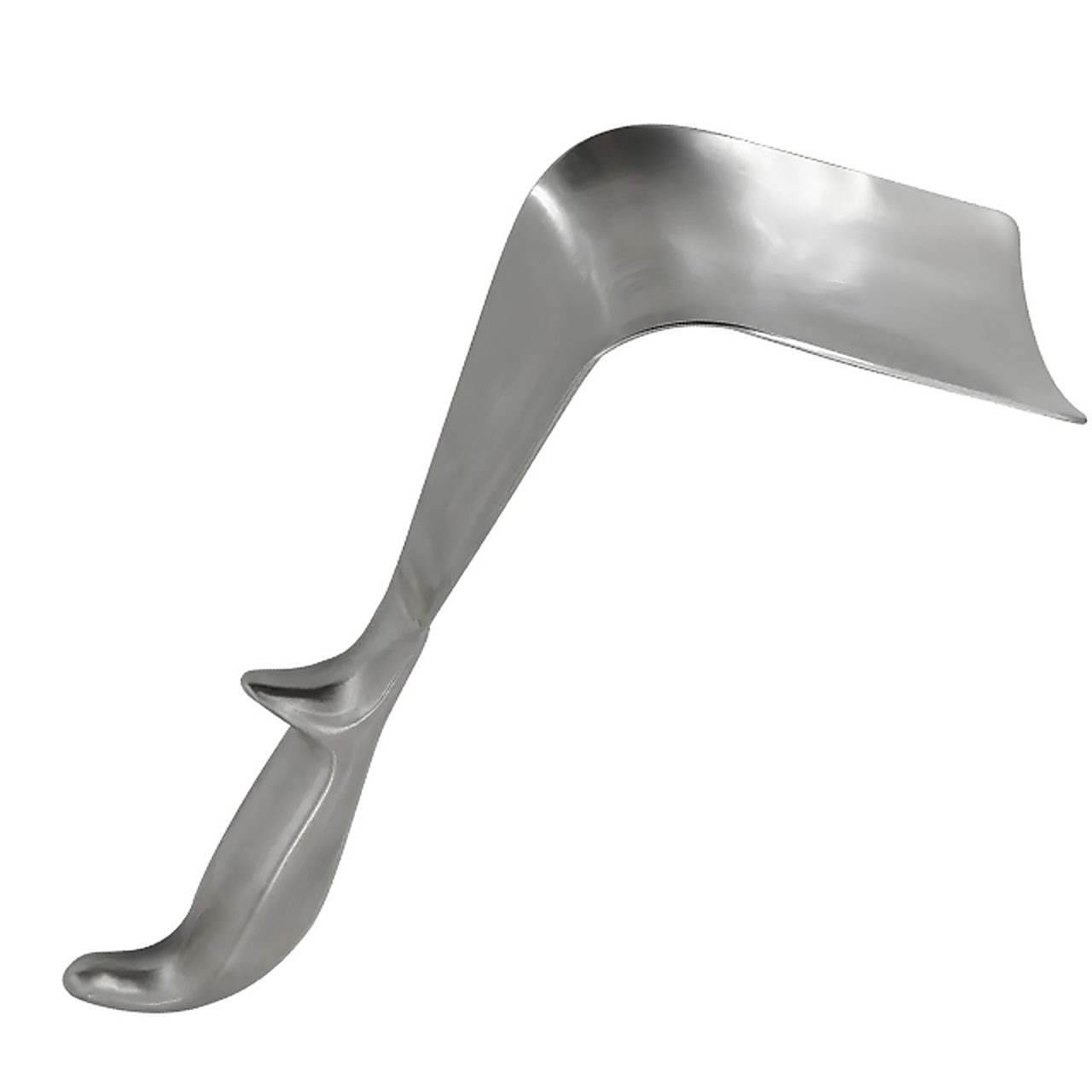 | Doyen Retractor | Speziell zur Verdrängung der Bauchwand und zum Schutz der Viszera bei offenen allgemeinchirurgischen und gynäkologischen Eingriffen konzipiert. |
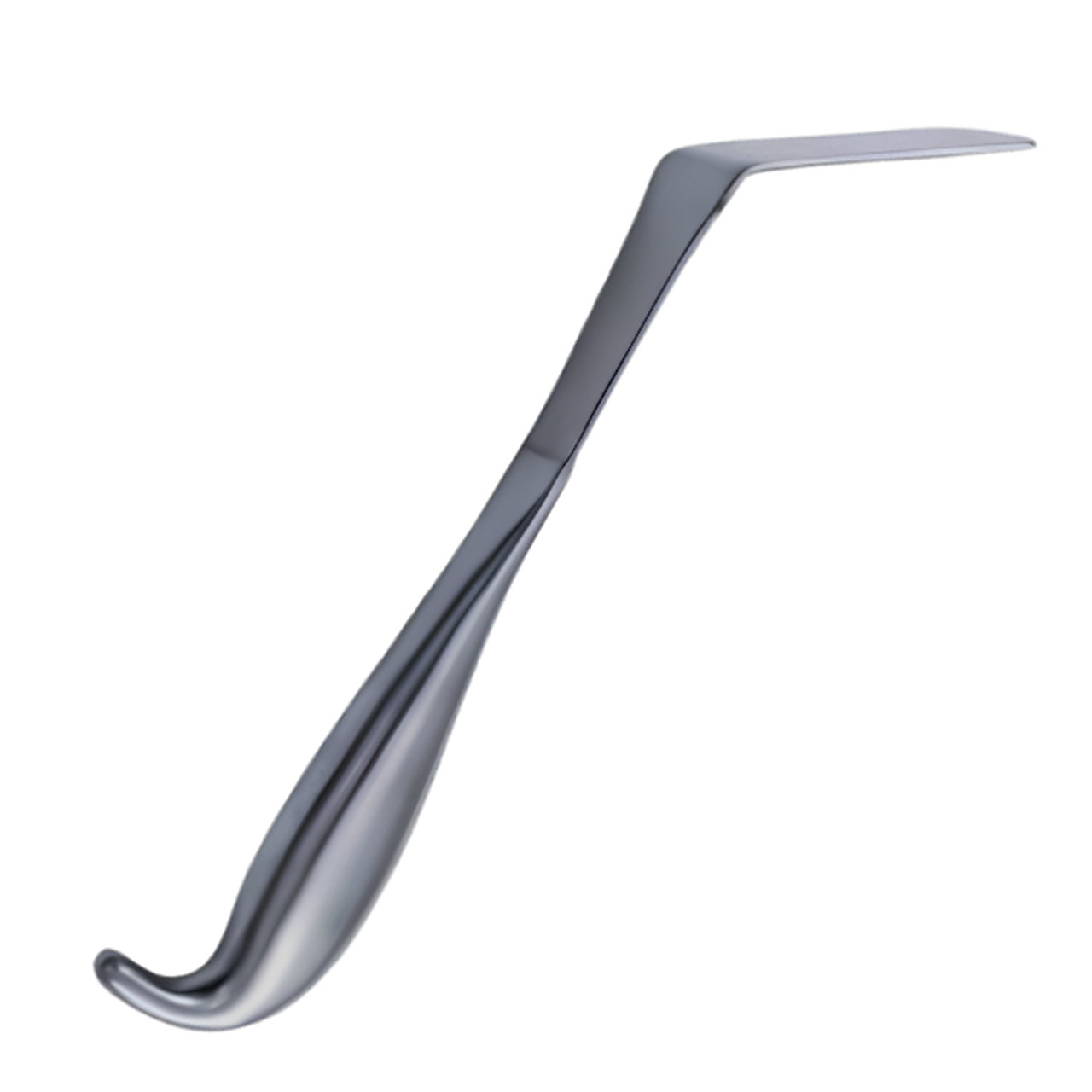 | Doyen Vaginal-Spekulum | Speziell entwickelt zur Retraktion der Vaginalwand und zur Exposition der Zervix und des Beckenbodens bei gynäkologischen Eingriffen. |
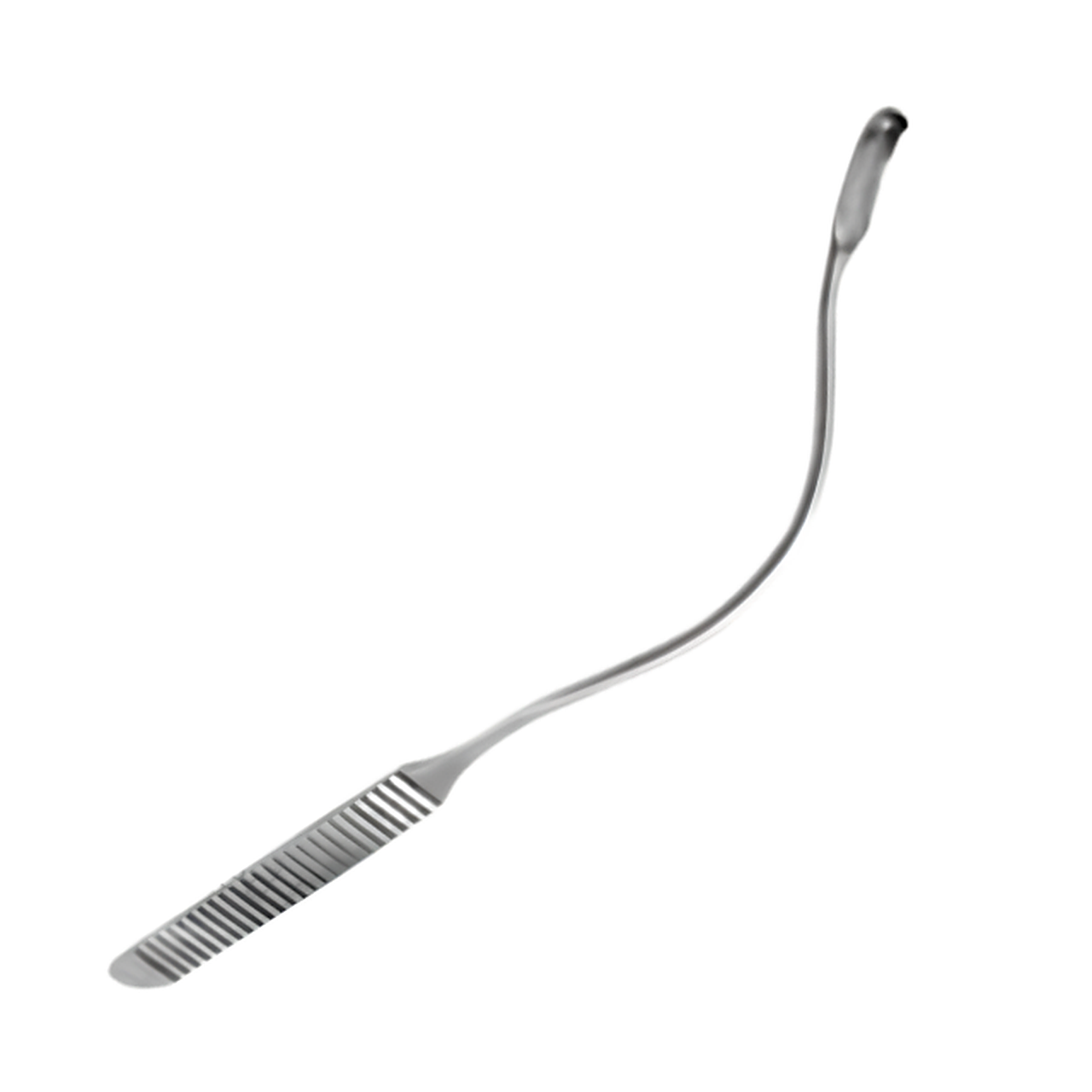 | Dumbach Mandibular Channel Retractor | Speziell entwickelt zur Retraktion von Weichgewebe und zum Schutz neurovaskulärer Strukturen am Unterkieferrand während Ramusosteotomien. |
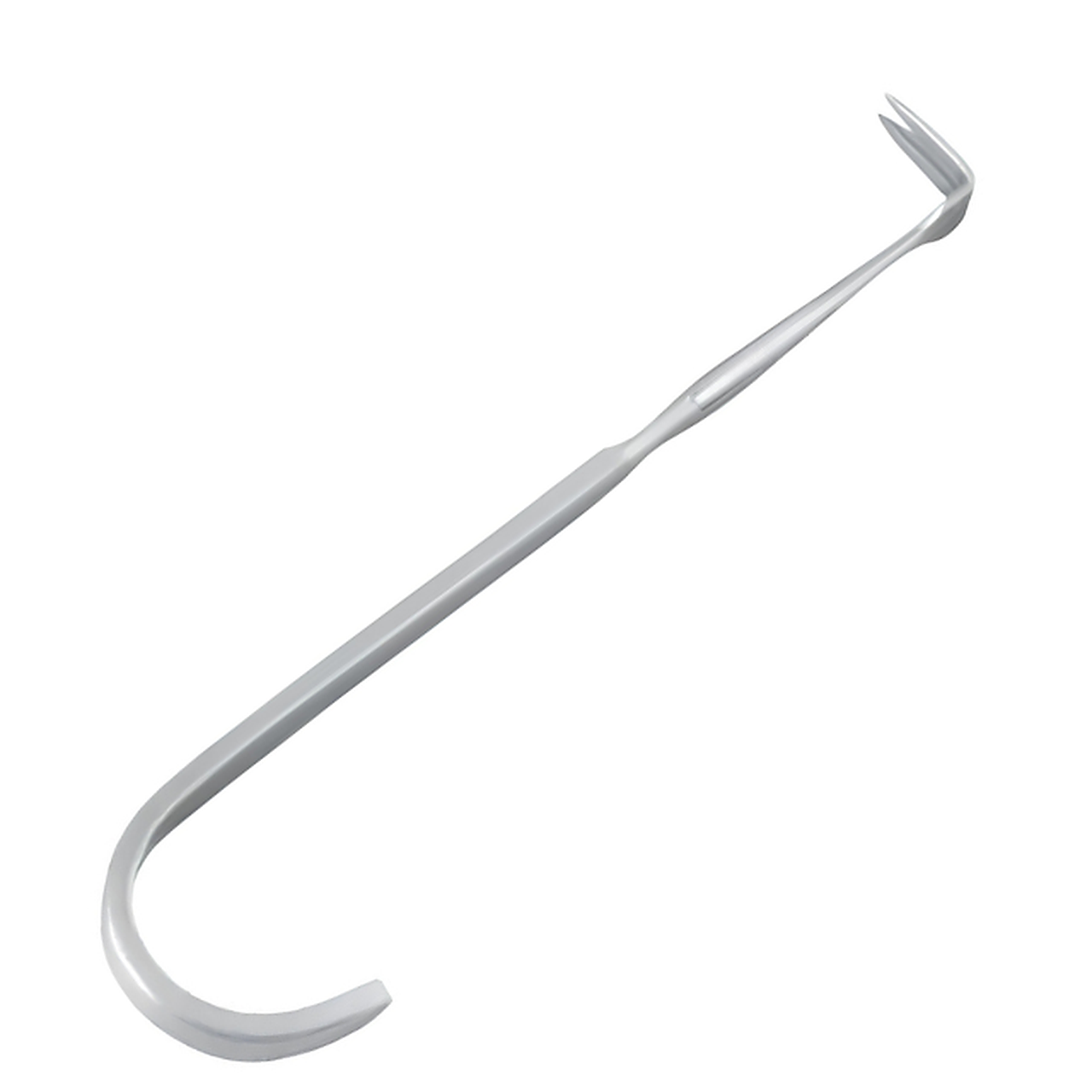 | Dunn Dautrey Lateral Wundhaken | Speziell entwickelt zur Retraktion von lateralem Weichgewebe und zur Freilegung des Unterkieferastes (Ramus mandibulae) während der orthognathen und oralen Chirurgie. |
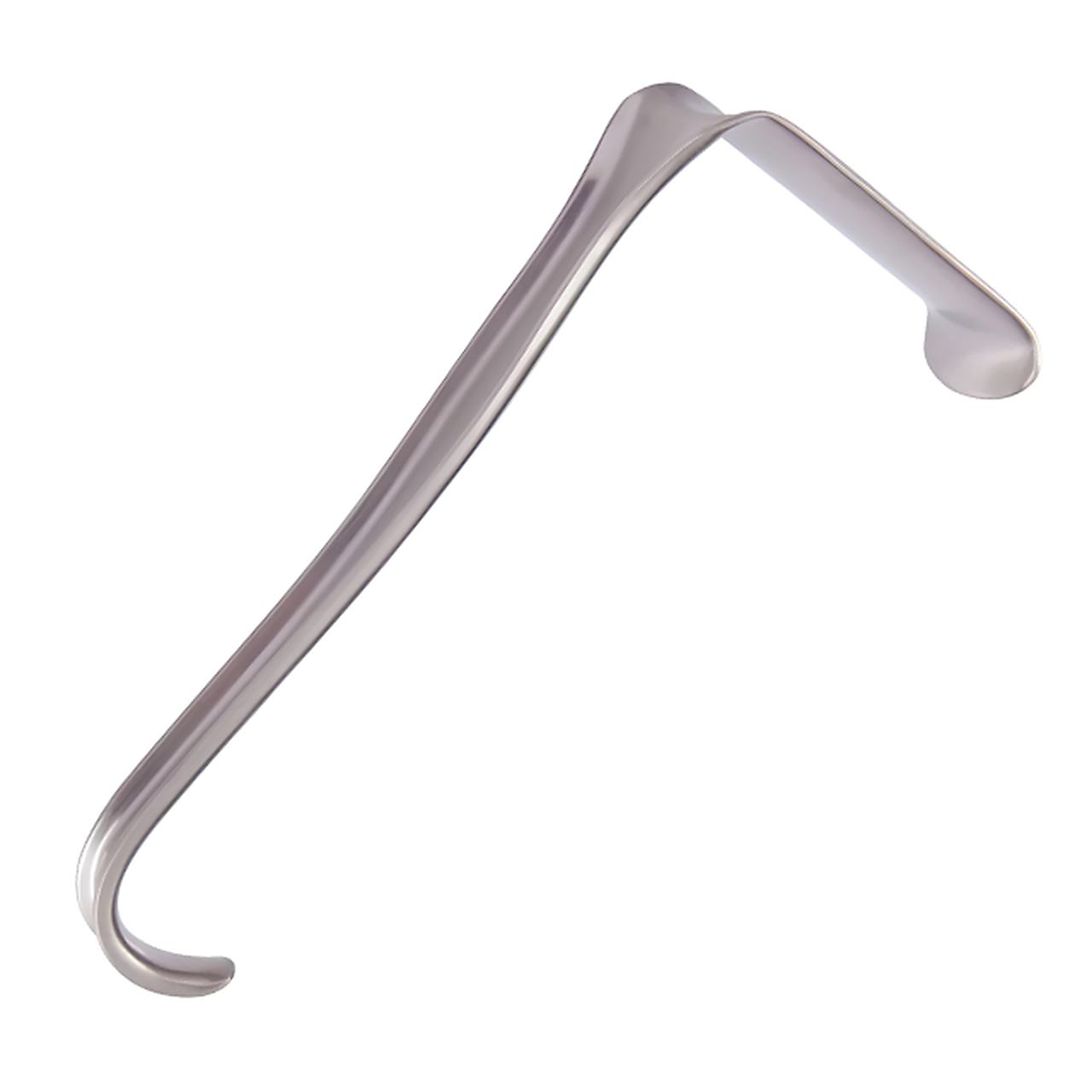 | Eastman Vaginalspekulum | Speziell entwickelt zur Retraktion der Vaginalwände und zur tiefen Visualisierung bei gynäkologischen und rekonstruktiven Beckenoperationen. |
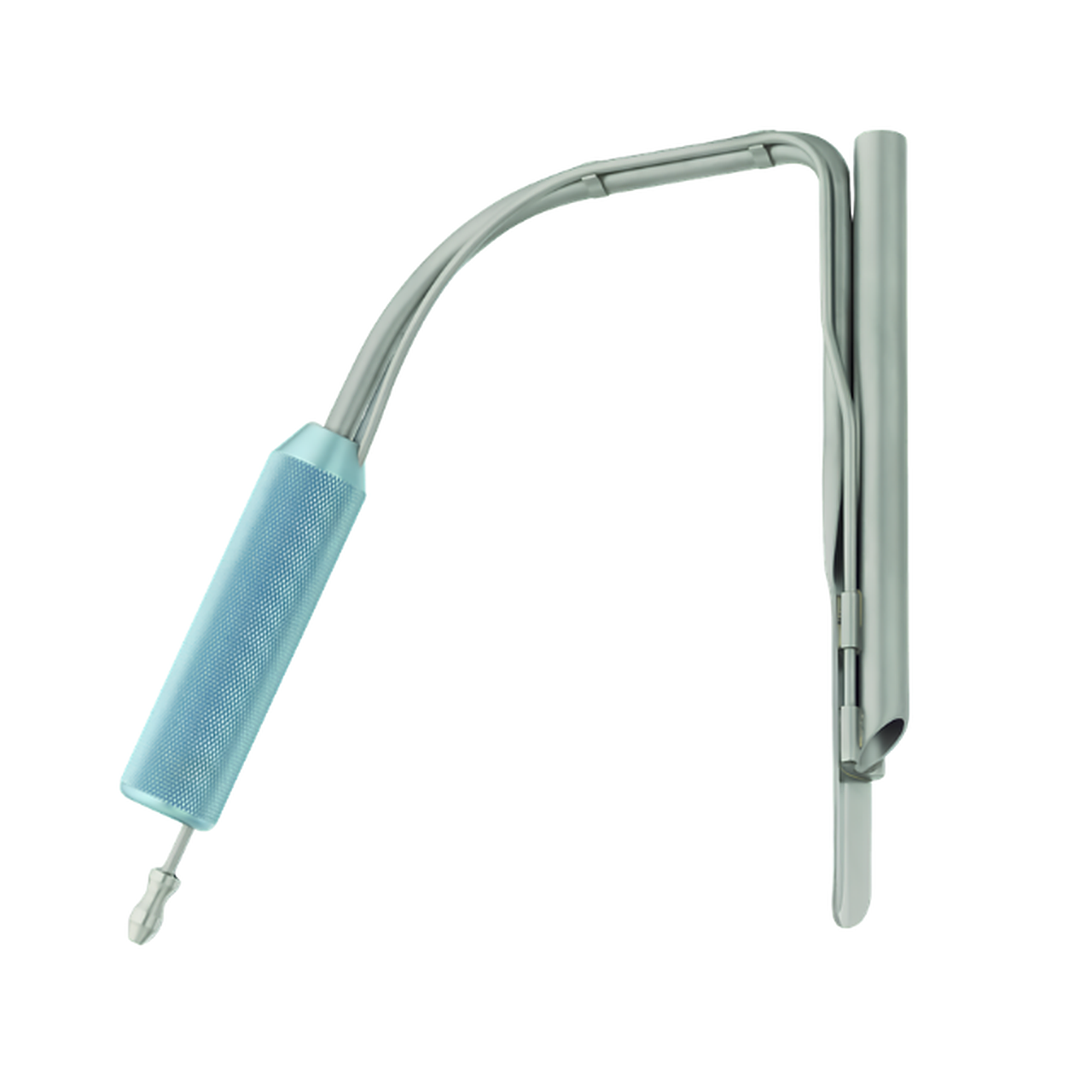 | EMORY Endo-Plastic Retractor | Speziell entwickelt zum Anheben von Gewebelappen und zur Führung eines 10 mm Endoskops während der endoskopischen ästhetischen und plastischen Chirurgie. |
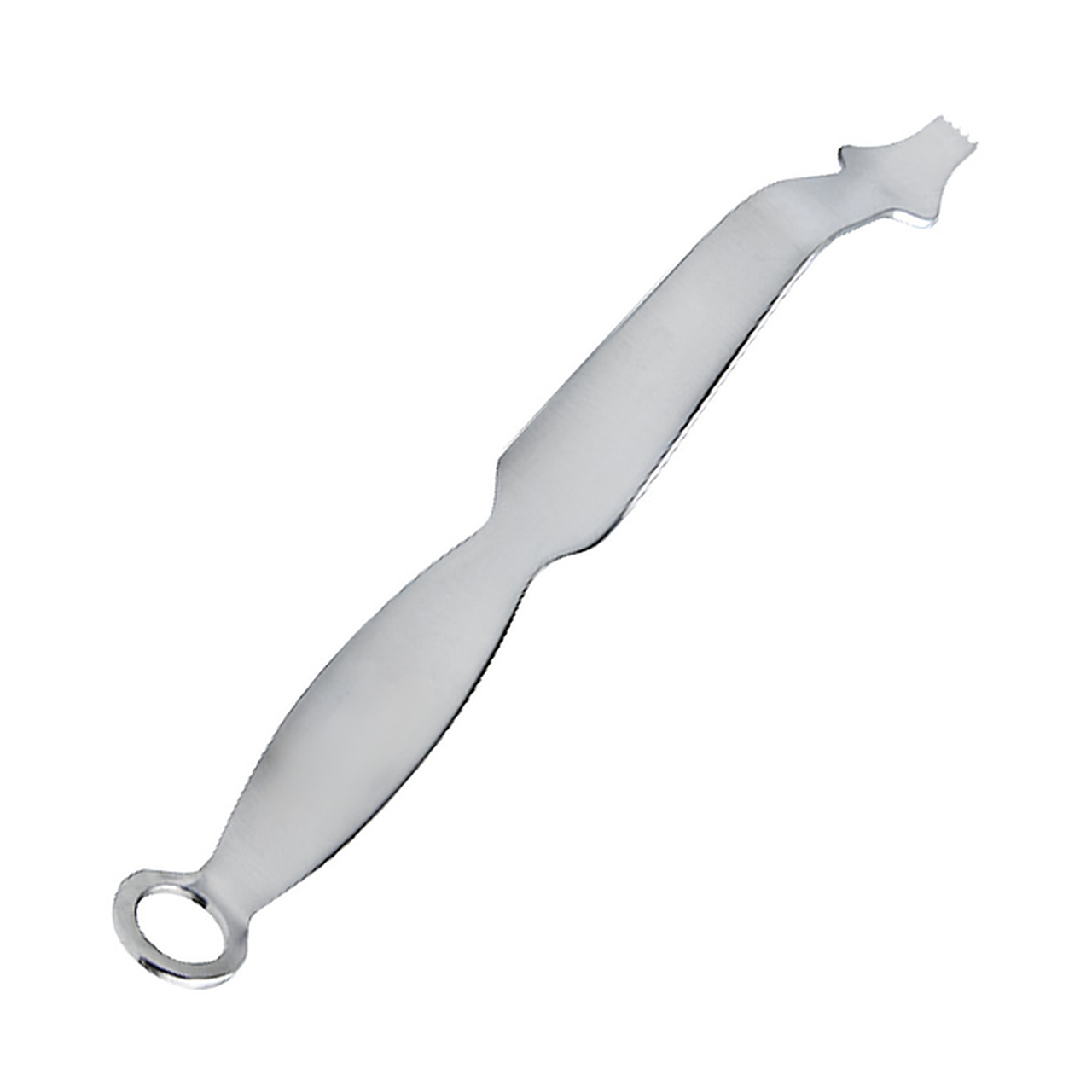 | Engh Intercondylar Notch Retractor | Speziell entwickelt zur Freilegung der Fossa intercondylaris und zum Schutz posteriorer Kniestrukturen während der Knie-Totalendoprothetik. |
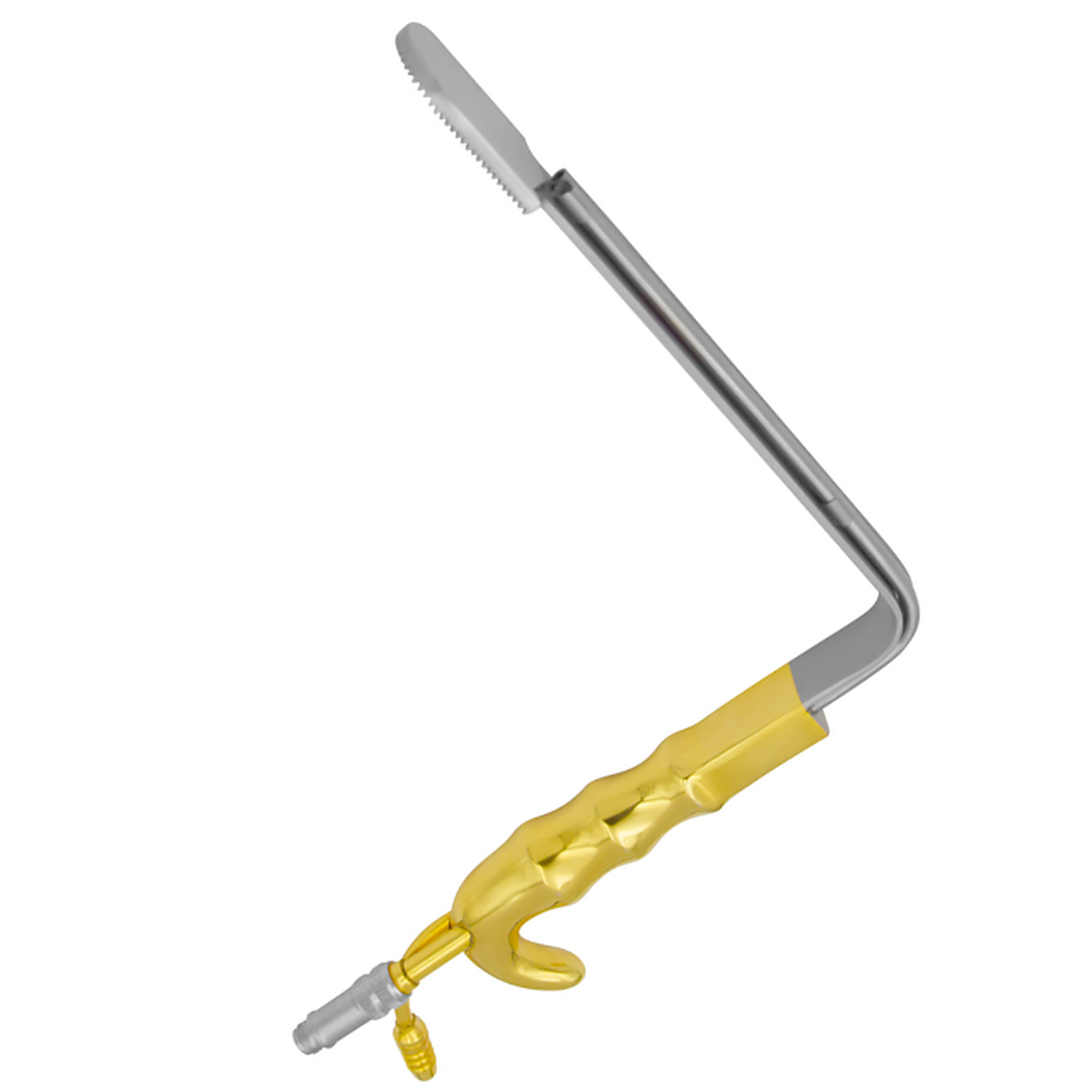 | Epstein Breast Retractor | Speziell entwickelt zur Elevation von Gewebelappen und zur Schaffung subpektoraler oder subglandulärer Taschen bei Brustvergrößerungen und -rekonstruktionen. |
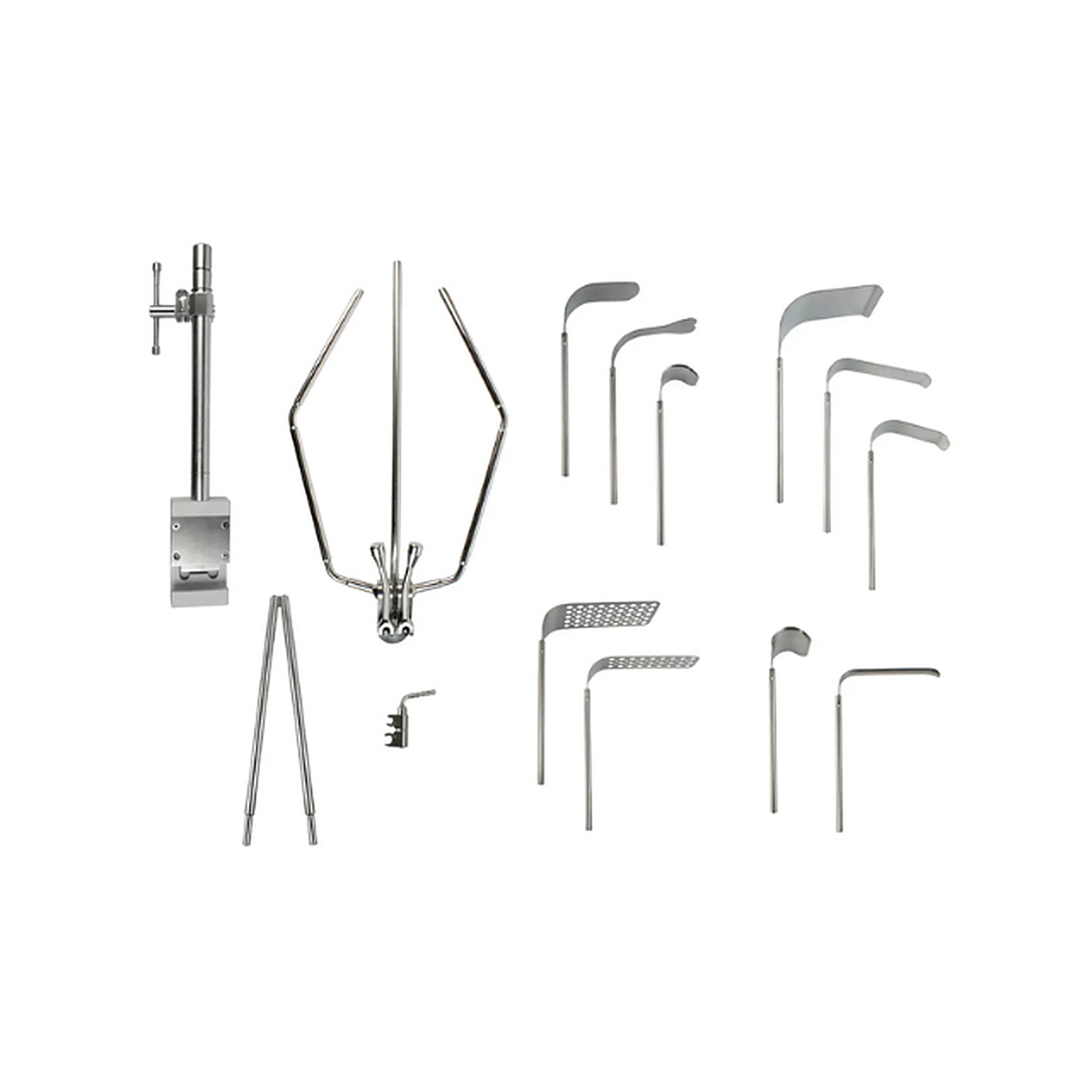 | Expanded Vascular Lobster Retractor | Speziell entwickelt für die tischmontierte, selbsthaltende Weichteilretraktion und Freilegung des Operationsfeldes bei gefäßchirurgischen Eingriffen. |
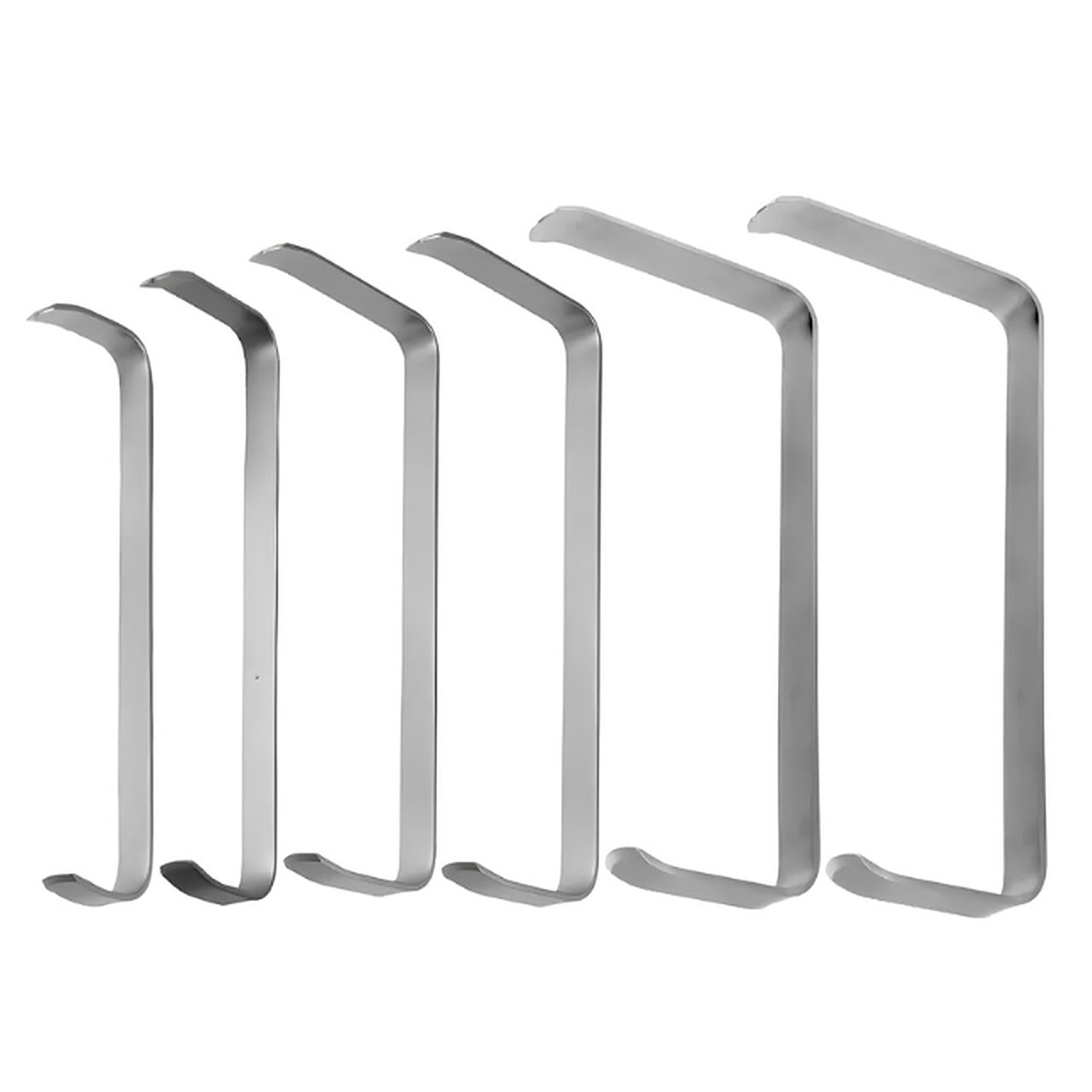 | Farabeuf Wundhaken | Speziell entwickelt zur Retraktion von Haut, Faszien und Weichgewebe bei oberflächlichen und mitteltiefen chirurgischen Inzisionen. |
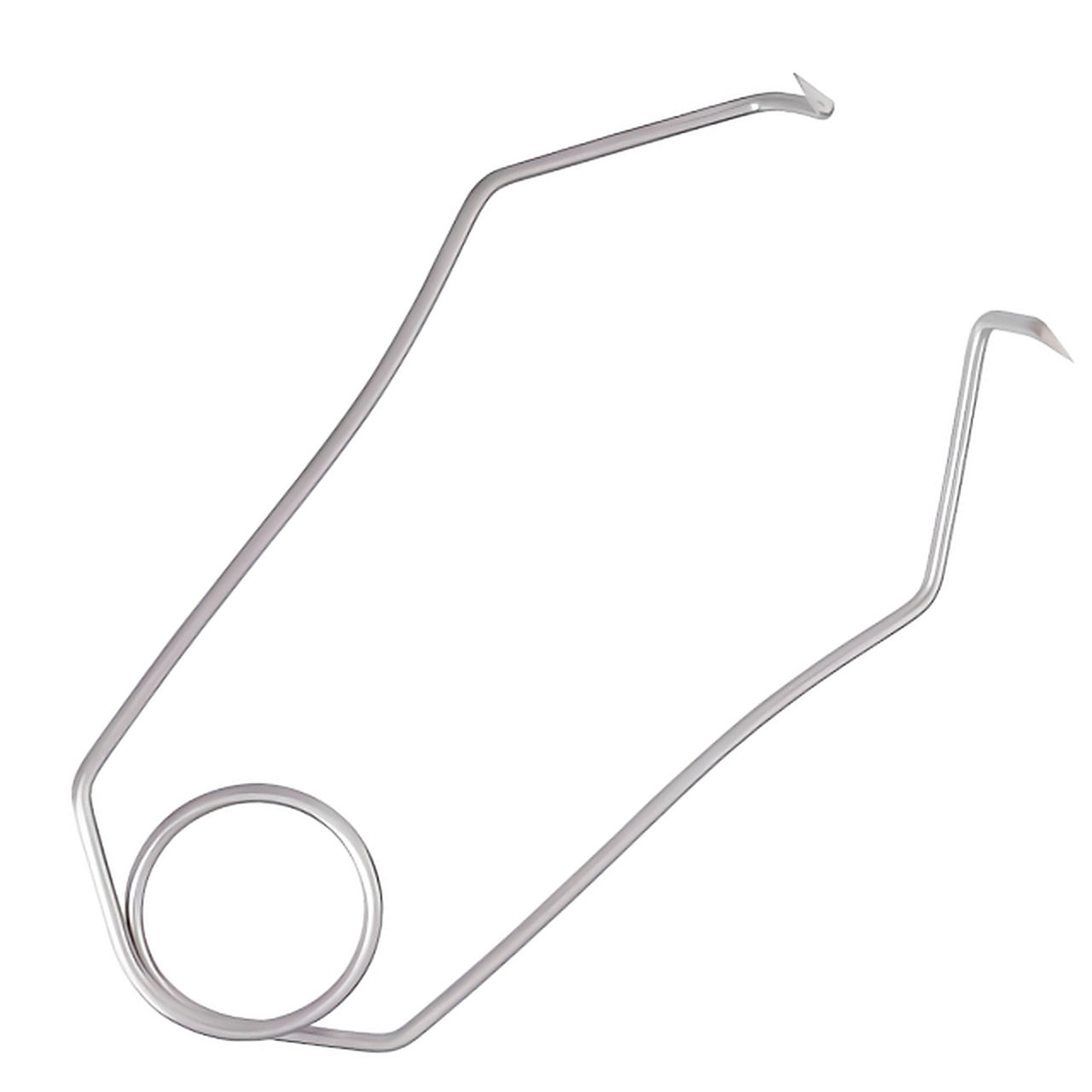 | Farr Spring Retractor | Speziell entwickelt für die federunterstützte, selbsthaltende Geweberetraktion in der plastischen Chirurgie, Pädiatrie und bei kleineren chirurgischen Eingriffen. |
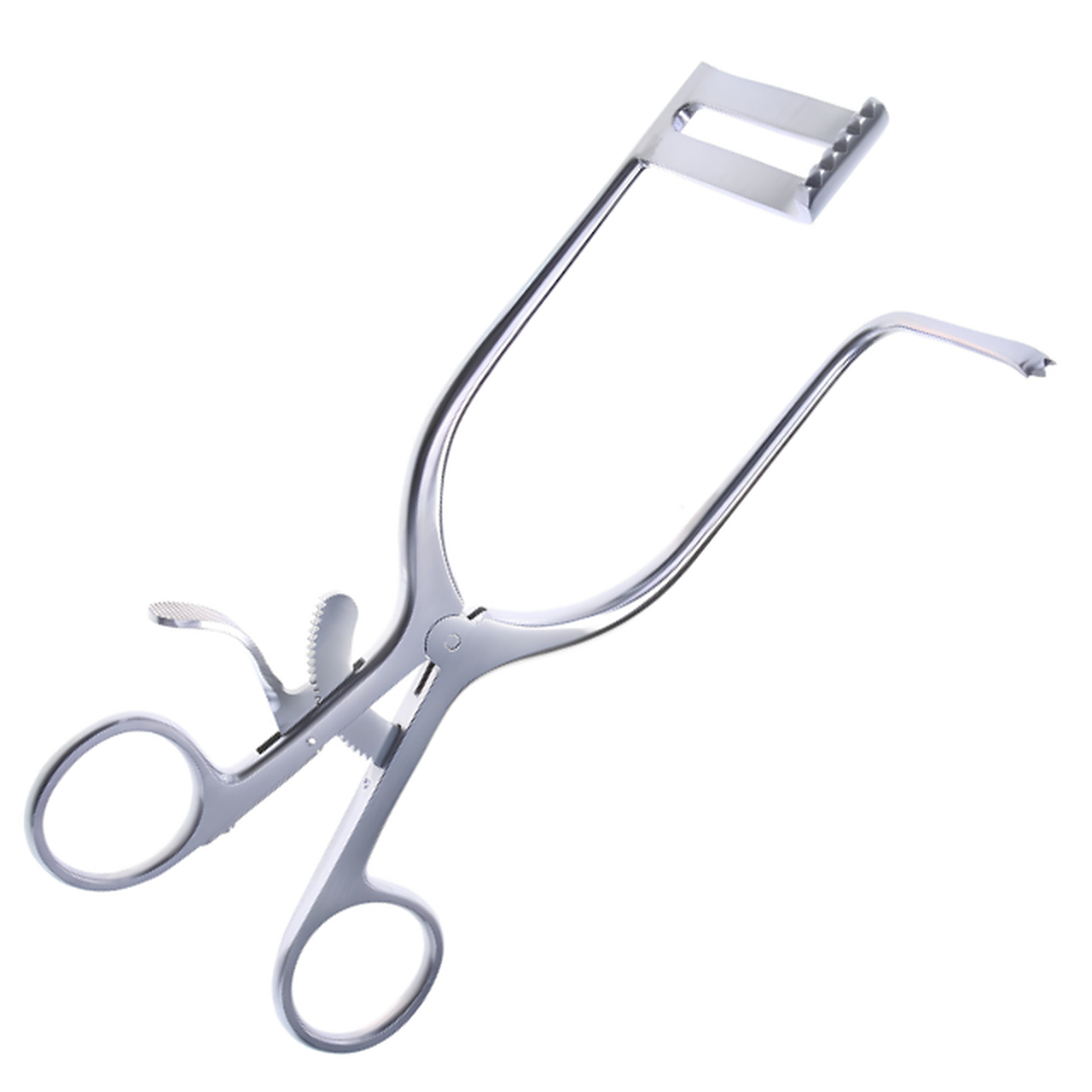 | Feler-Ducker Retractor | Speziell entwickelt für die selbsthaltende Retraktion von paraspinalen Muskeln und Weichteilen während der spinalen Laminektomie und Elektrodenimplantation. |
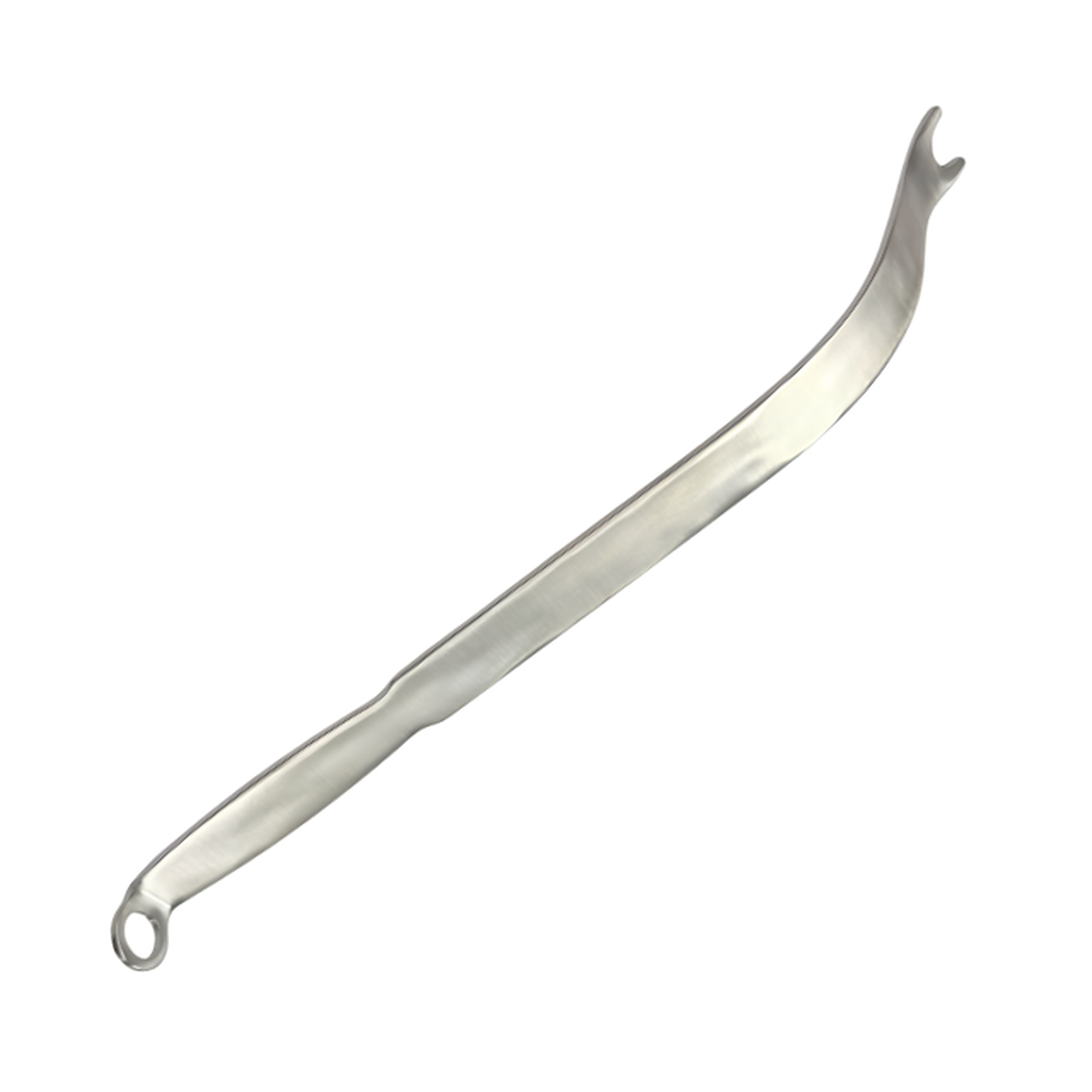 | Femoral Calcar Retractor | Speziell entwickelt zur Darstellung des Calcar femorale und zum Abhalten von Weichteilgewebe während der Femurkanalpräparation in der Hüftendoprothetik. |
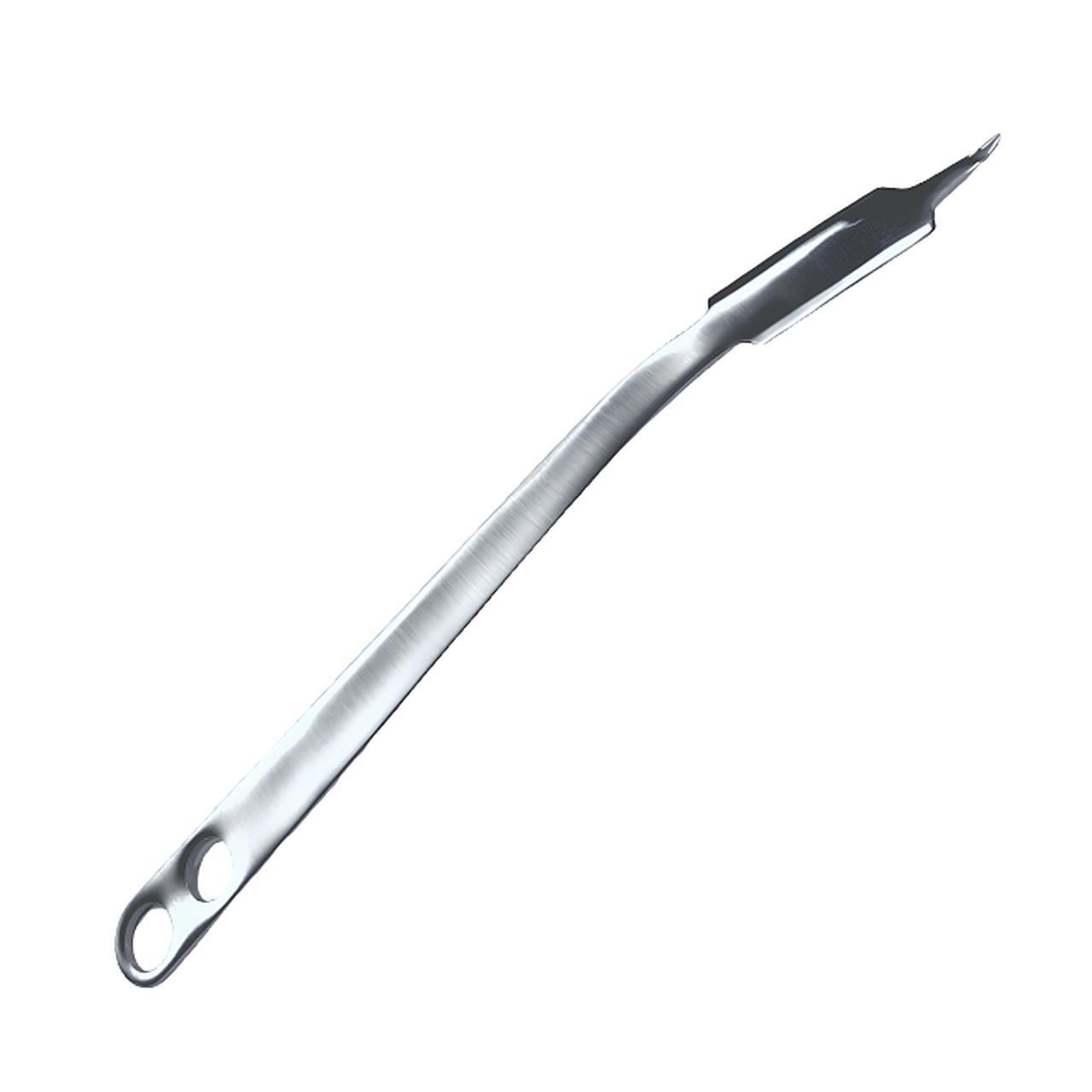 | Femoral/Gluteus Medius Minimus Retractor | Speziell entwickelt zur Retraktion schwerer Glutealmuskulatur und zur Exposition von Acetabulum und Femur während der Hüftendoprothetik. |
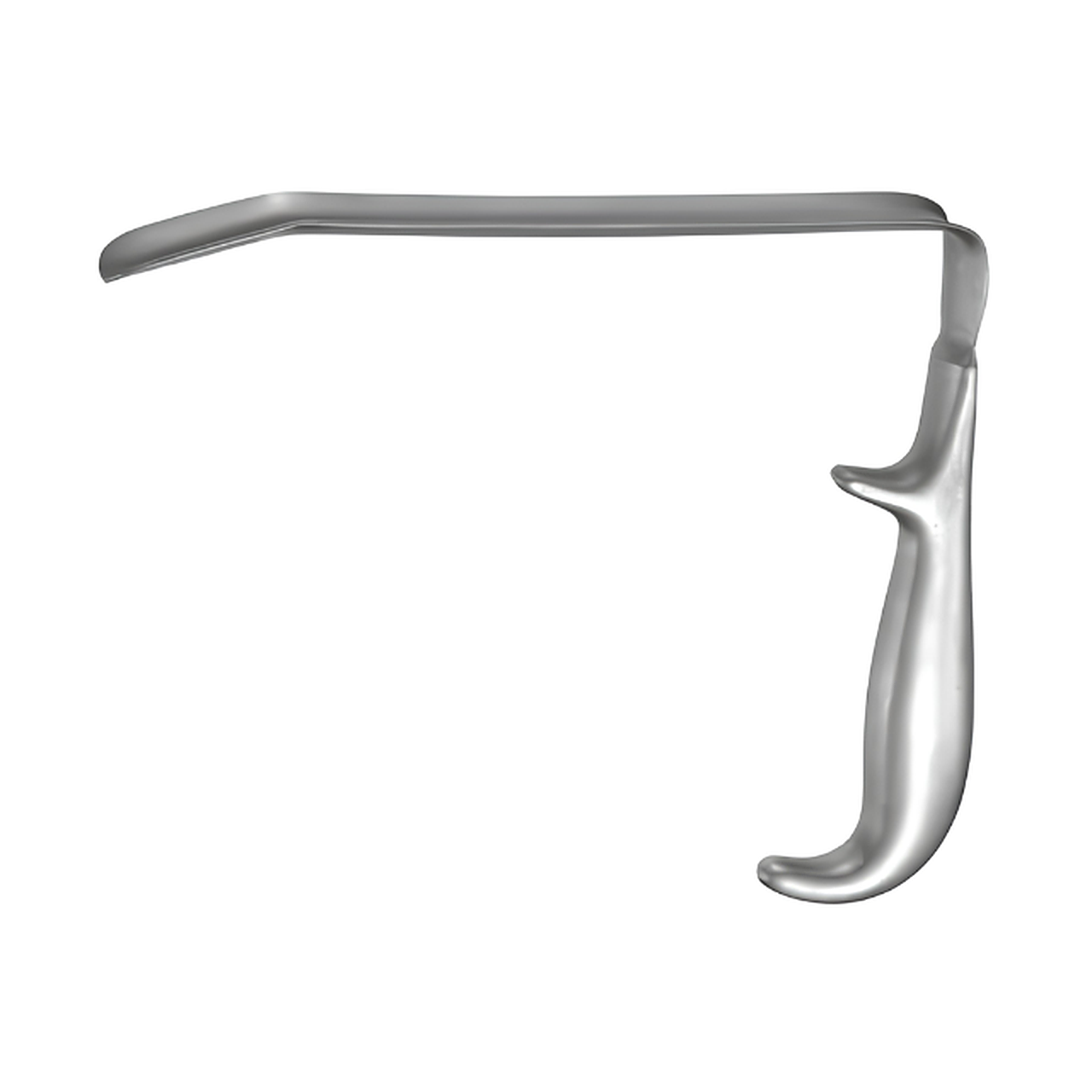 | Ferreira breast augmentation Retractor | Speziell entwickelt zum Anheben von Gewebelappen und zum Anlegen submuskulärer oder subglandulärer Taschen bei der Brustvergrößerung und Rekonstruktion. |
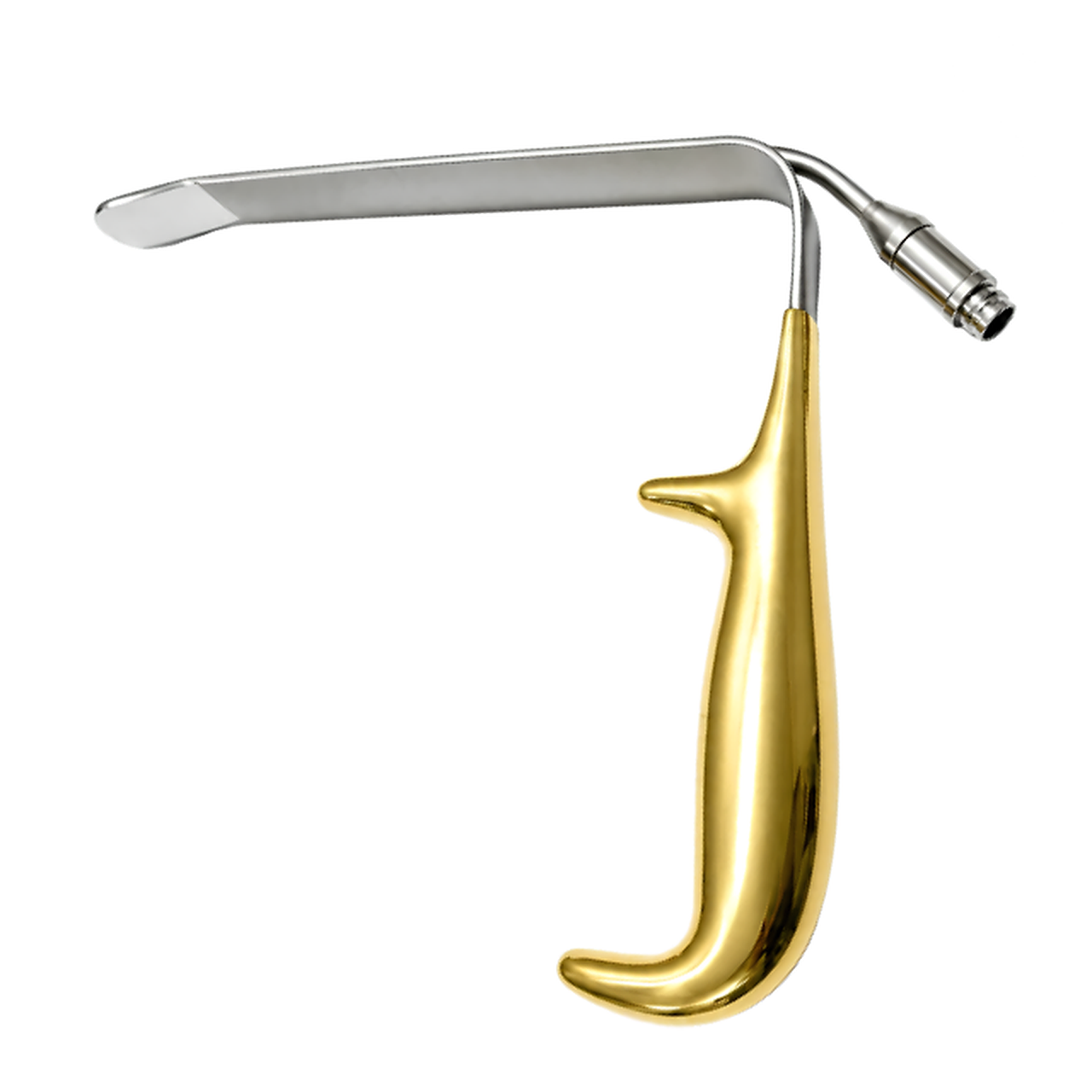 | Ferreira Brustvergrößerungs-Wundhaken - Glasfaser-Lichtleiter | Speziell entwickelt für die beleuchtete Weichteilretraktion und Visualisierung der Gewebetasche während der Brustvergrößerung und Rekonstruktion. |
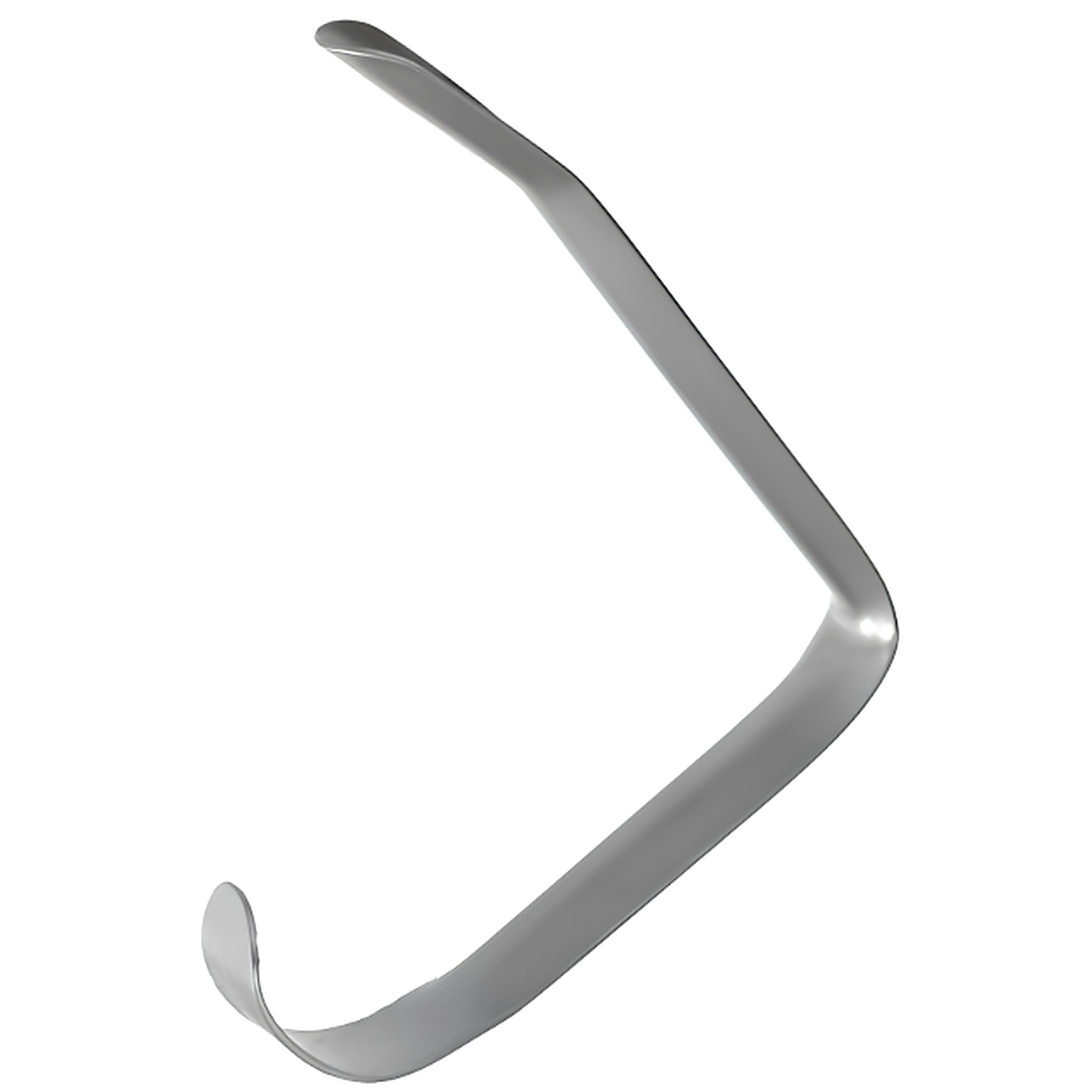 | Ferreira Face Lift Retractor | Speziell entwickelt zum Anheben von Gesichtshautlappen und SMAS-Schichten bei Rhytidektomie und ästhetischer Gesichtschirurgie. |
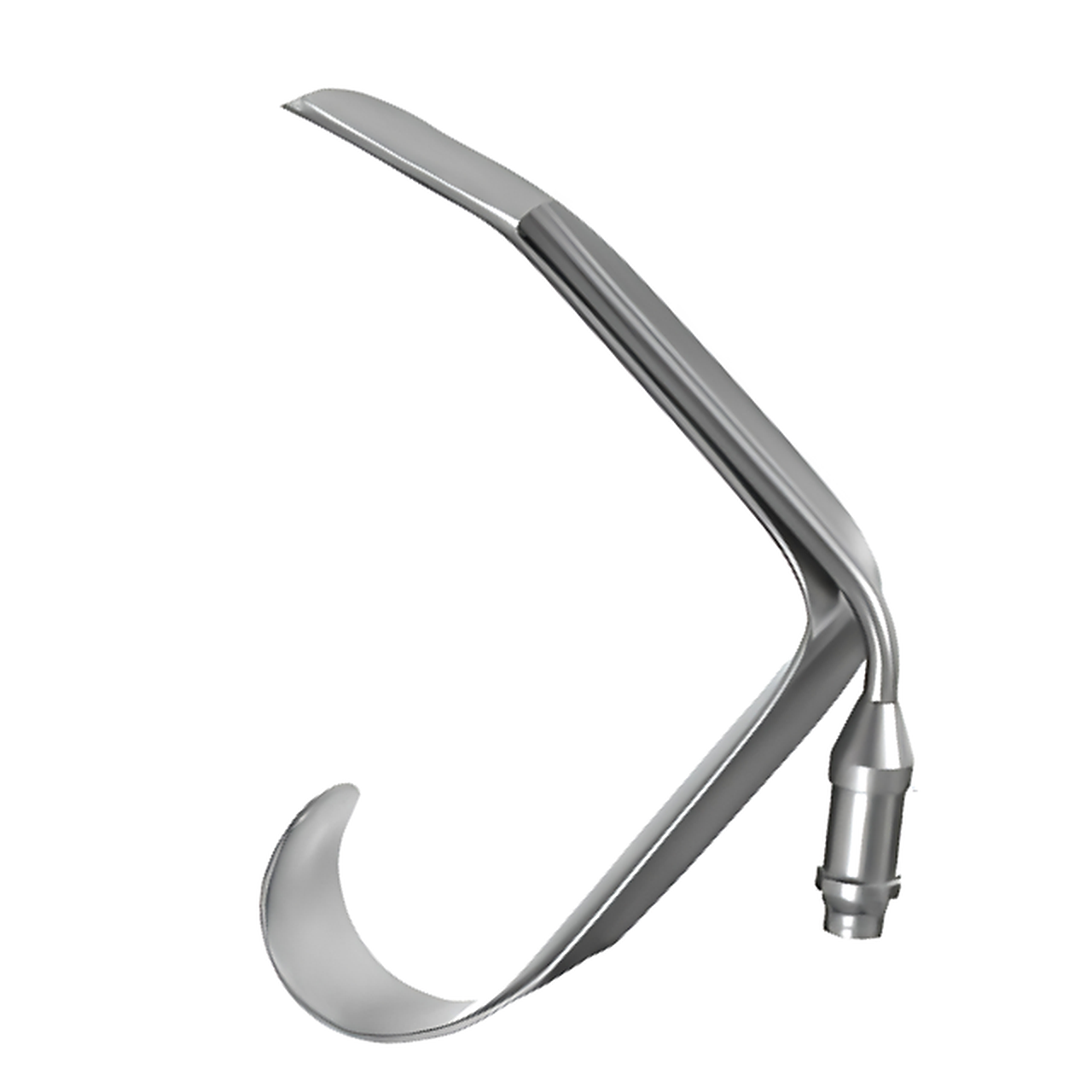 | Ferreira Fiber Optic Face Lift Retractor | Speziell entwickelt für die beleuchtete Weichteilretraktion und Anhebung von Gesichtshautlappen während der Rhytidektomie. |
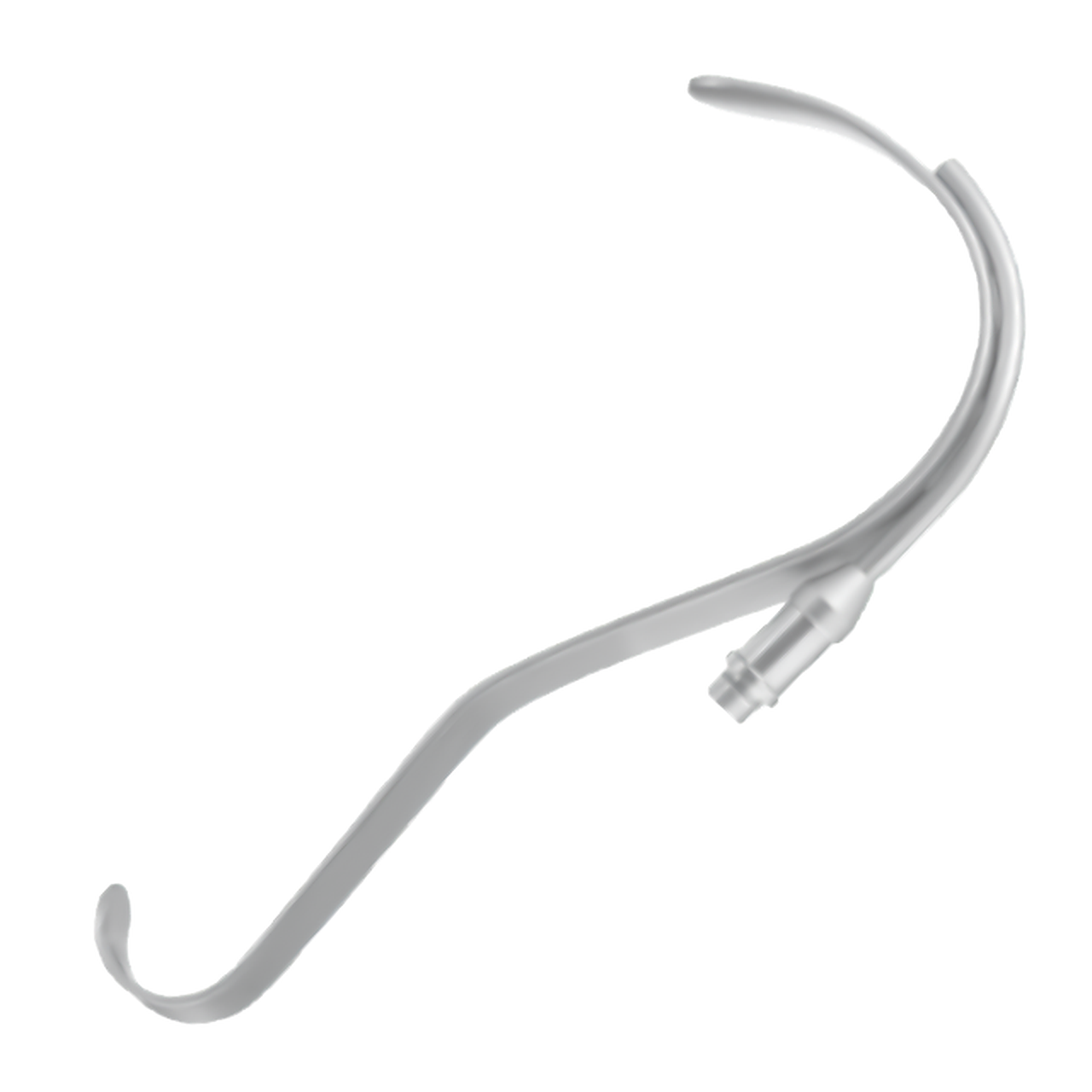 | Fiber optic Deaver Retractor | Speziell entwickelt zur Retraktion viszeraler Organe und zur direkten Beleuchtung während tiefer Abdominal- und Beckenchirurgie. |
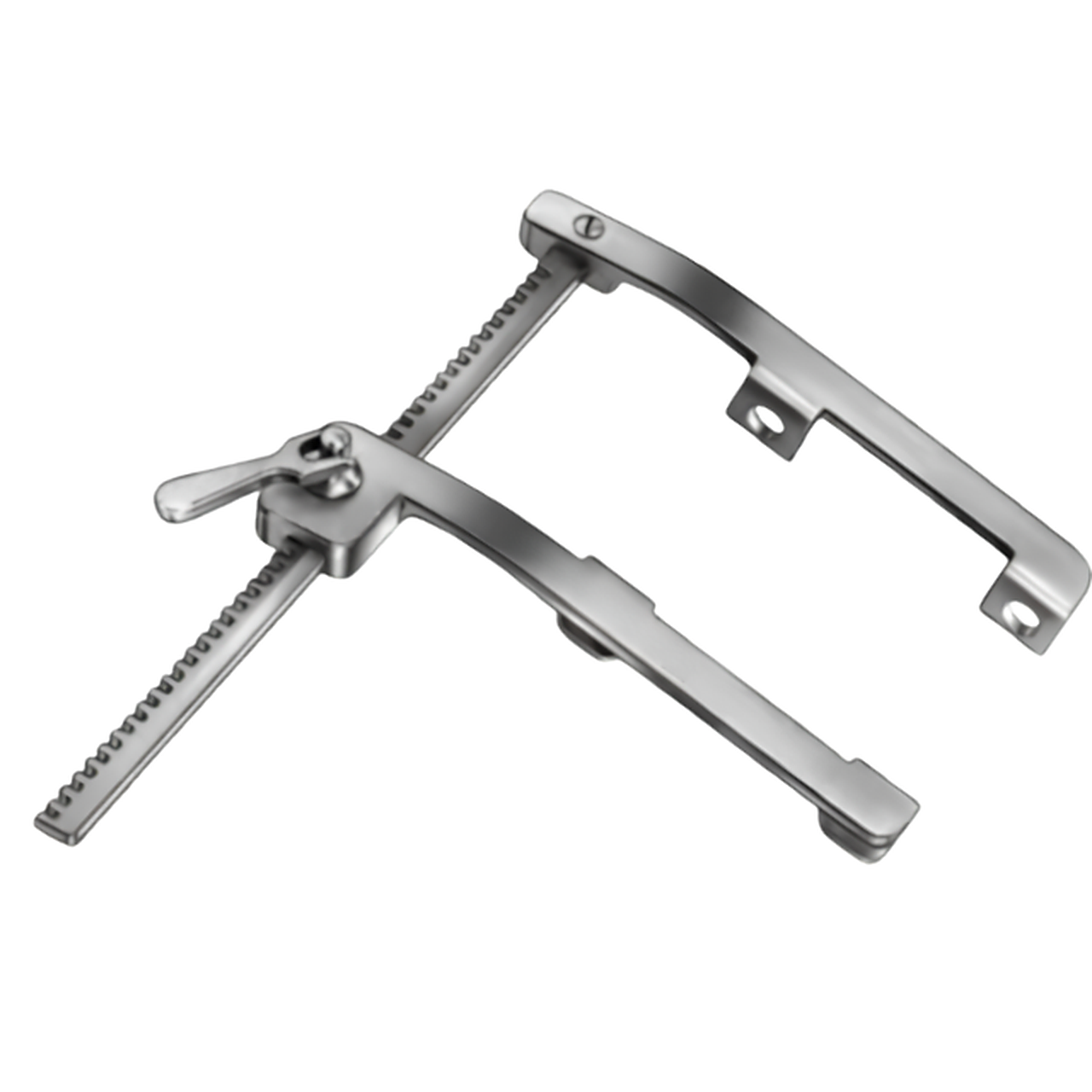 | Finochietto (Modif) Rippensperrer | Speziell entwickelt zur Rippenspreizung und für den thorakalen Zugang bei anterioren und lateralen Thorakotomien. |
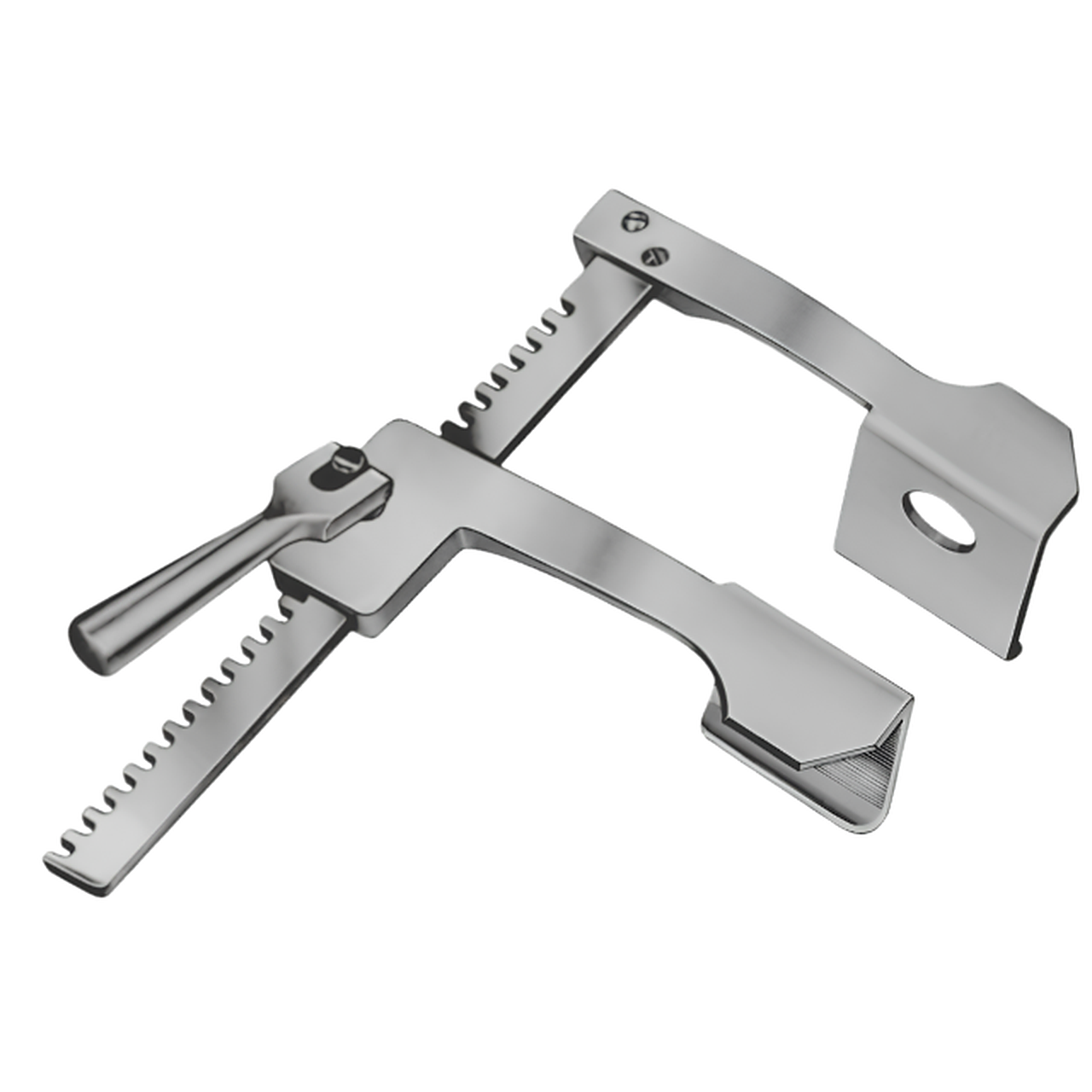 | Finochietto Rippensperrer | Speziell zur Spreizung der Rippen und Erweiterung der Brusthöhle bei offenen Thorakotomieverfahren entwickelt. |
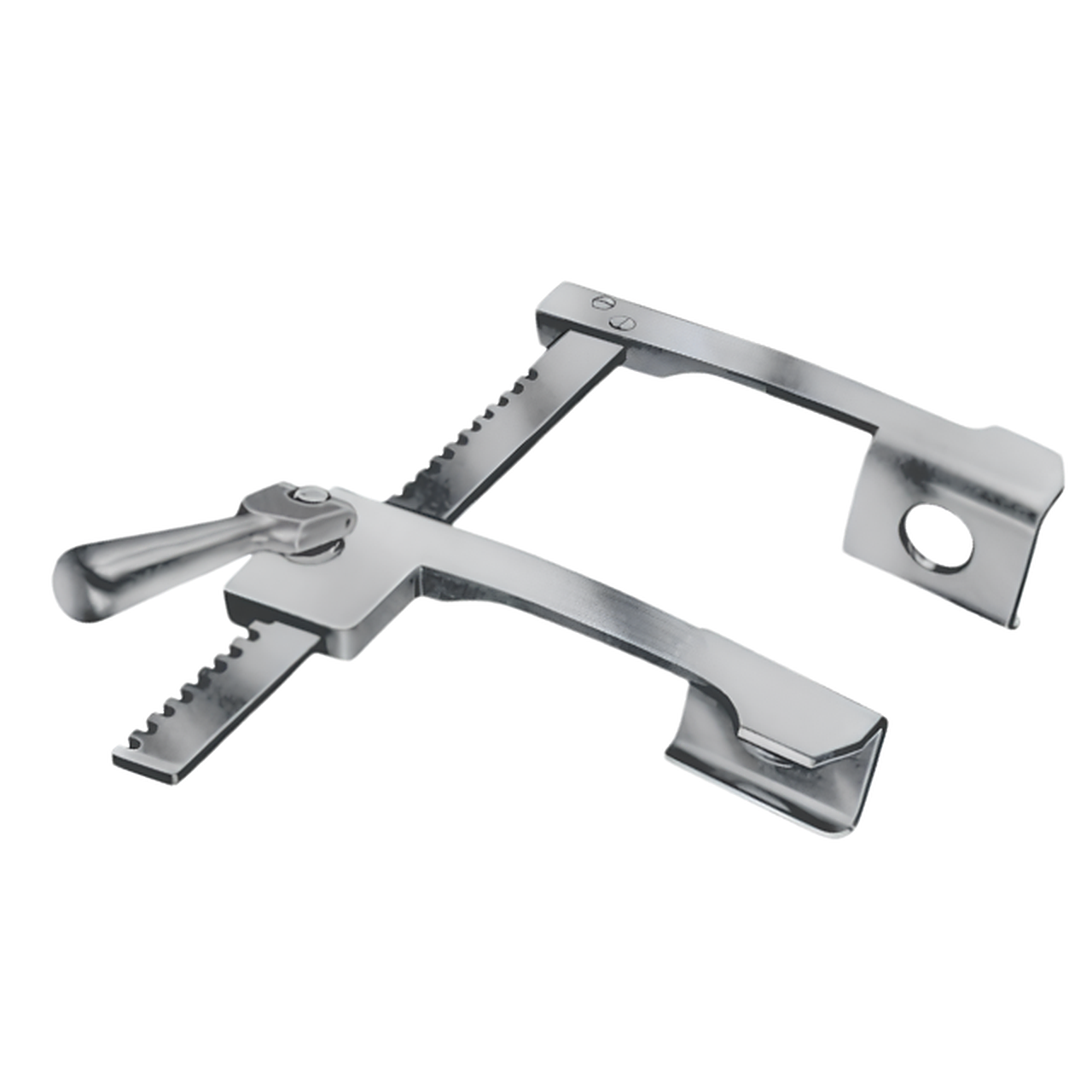 | Finochietto-Baby Rippenspreizer | Speziell entwickelt zur Rippenspreizung und Gewährleistung des Thoraxzugangs bei neonatalen und pädiatrischen herzchirurgischen Eingriffen. |
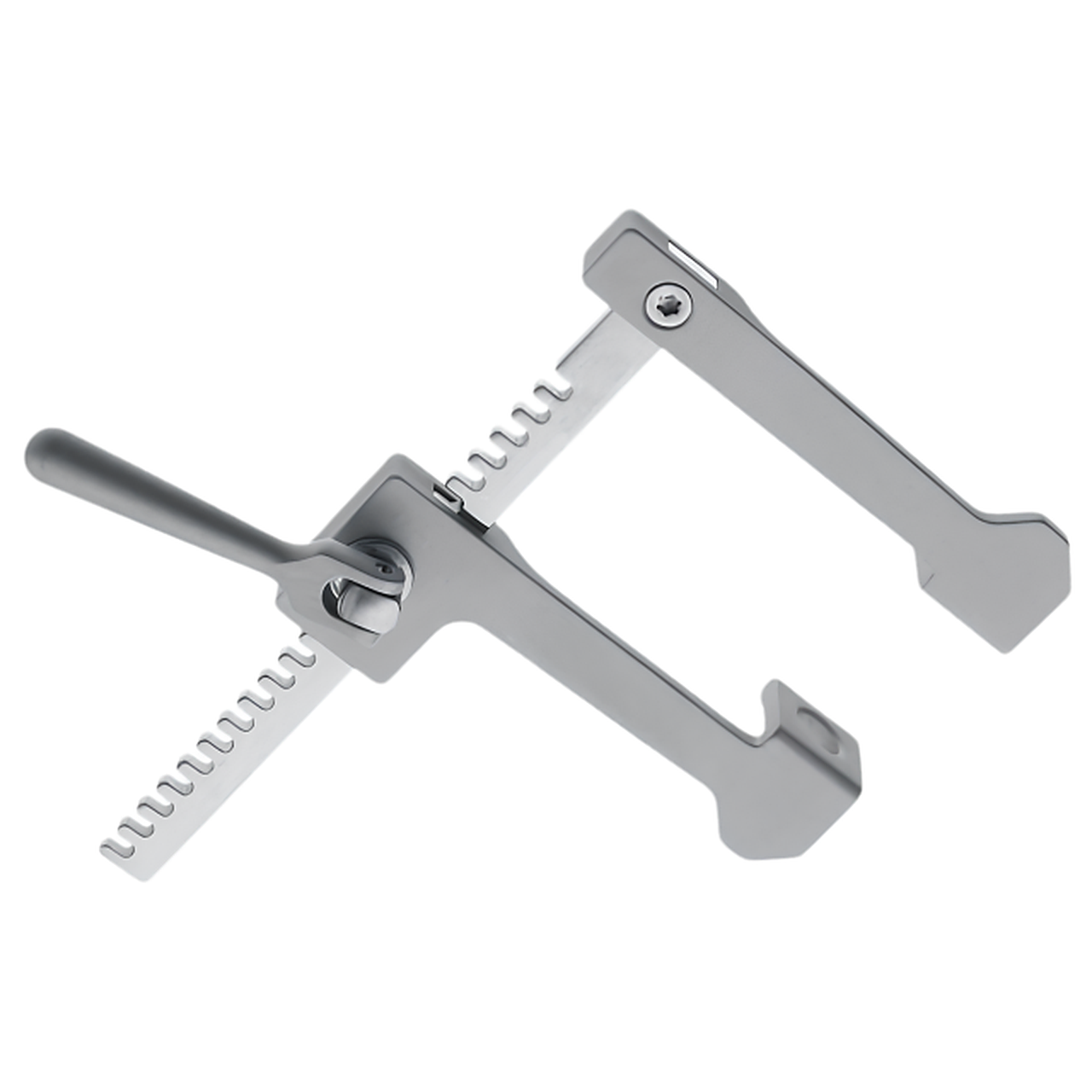 | Finochietto-Infant Rippensperrer | Speziell entwickelt zur Separation der zarten Rippen während der kardio-thorakalen Chirurgie bei Neugeborenen und Säuglingen. |
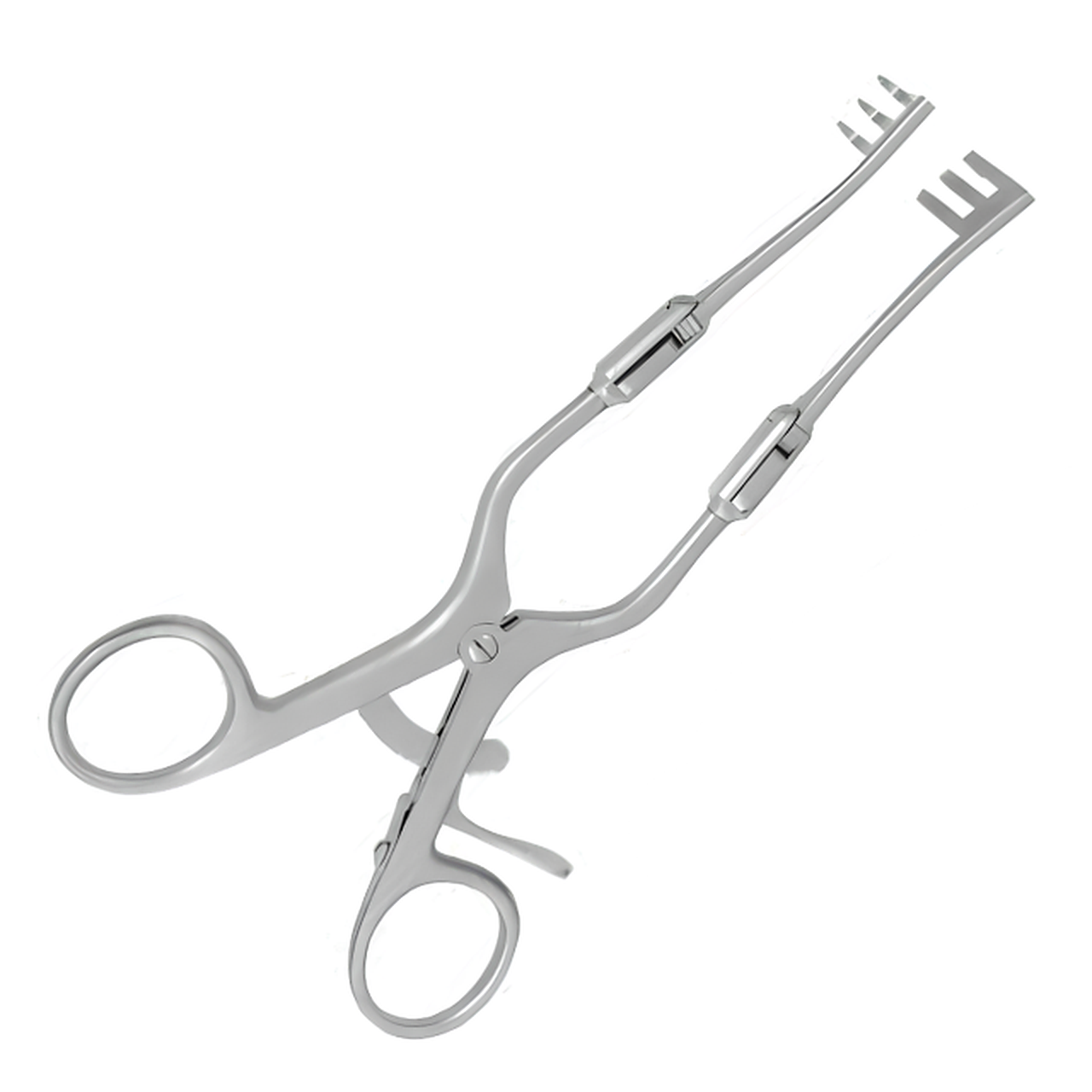 | Fisch Retractor with Joint | Speziell entwickelt für die Retraktion des retroaurikulären Weichteillappens und des Periosts bei Mastoid- und lateralen Schädelbasiseingriffen. |
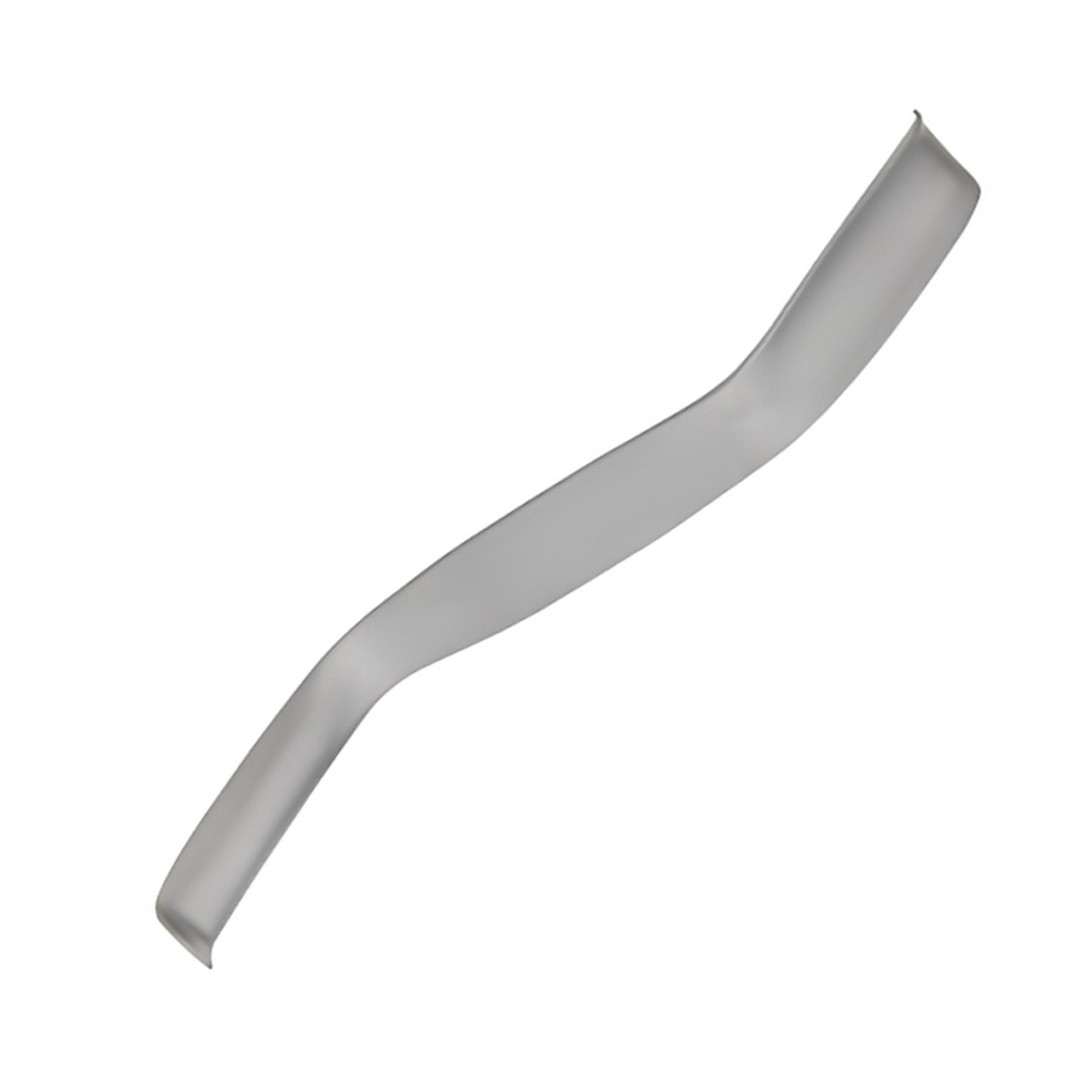 | Fischl Shoe Horn Wundhaken | Speziell entwickelt zum Retrahieren von Hautlappen, Führen von Prothesen und Separieren von Gewebeschichten in der Plastischen und Allgemeinen Chirurgie. |
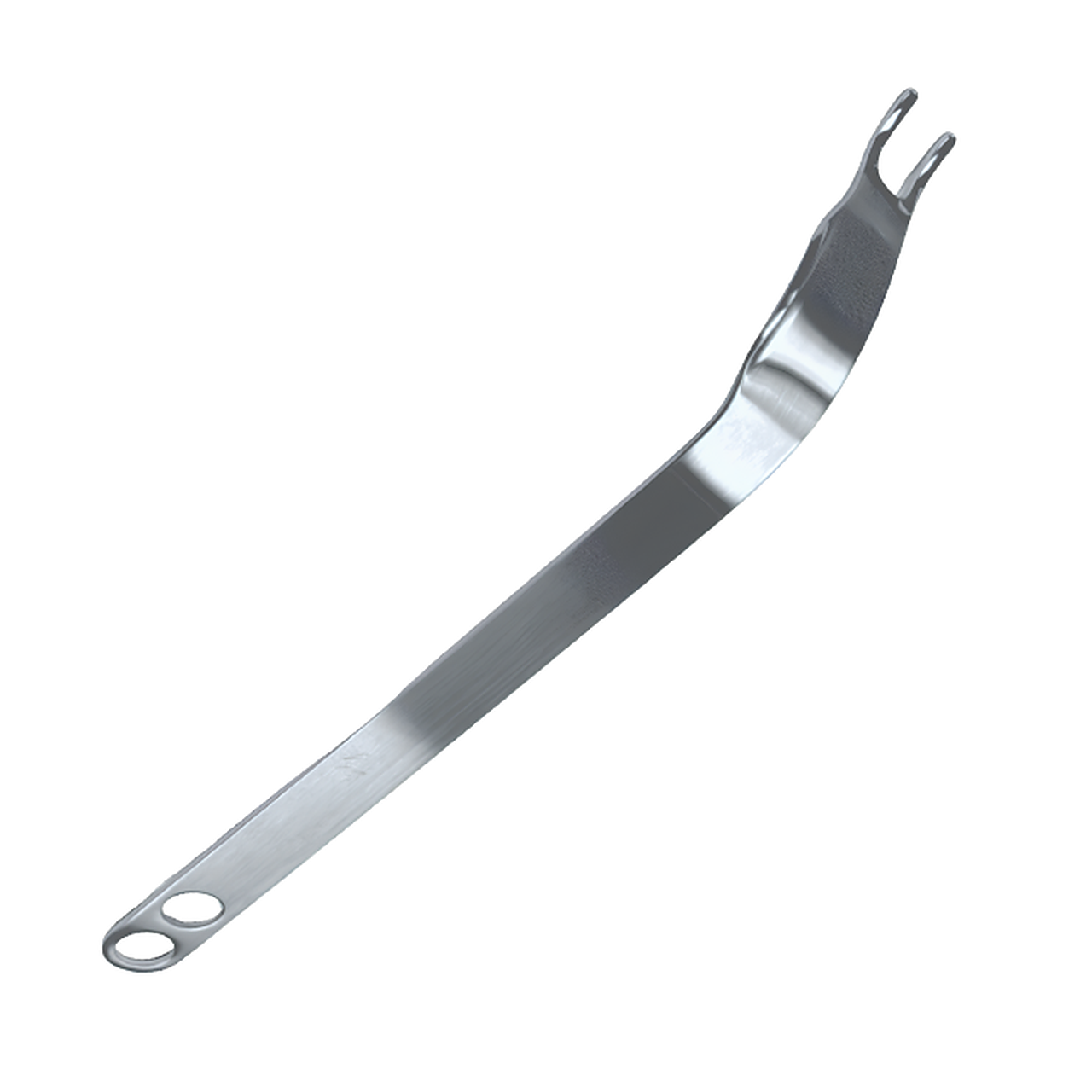 | Flared Cobra Retractors | Speziell entwickelt für die Knochenhebelwirkung und Retraktion schwerer Muskulatur bei der totalen Hüftendoprothetik, Beckenosteotomie und Femurrekonstruktion. |
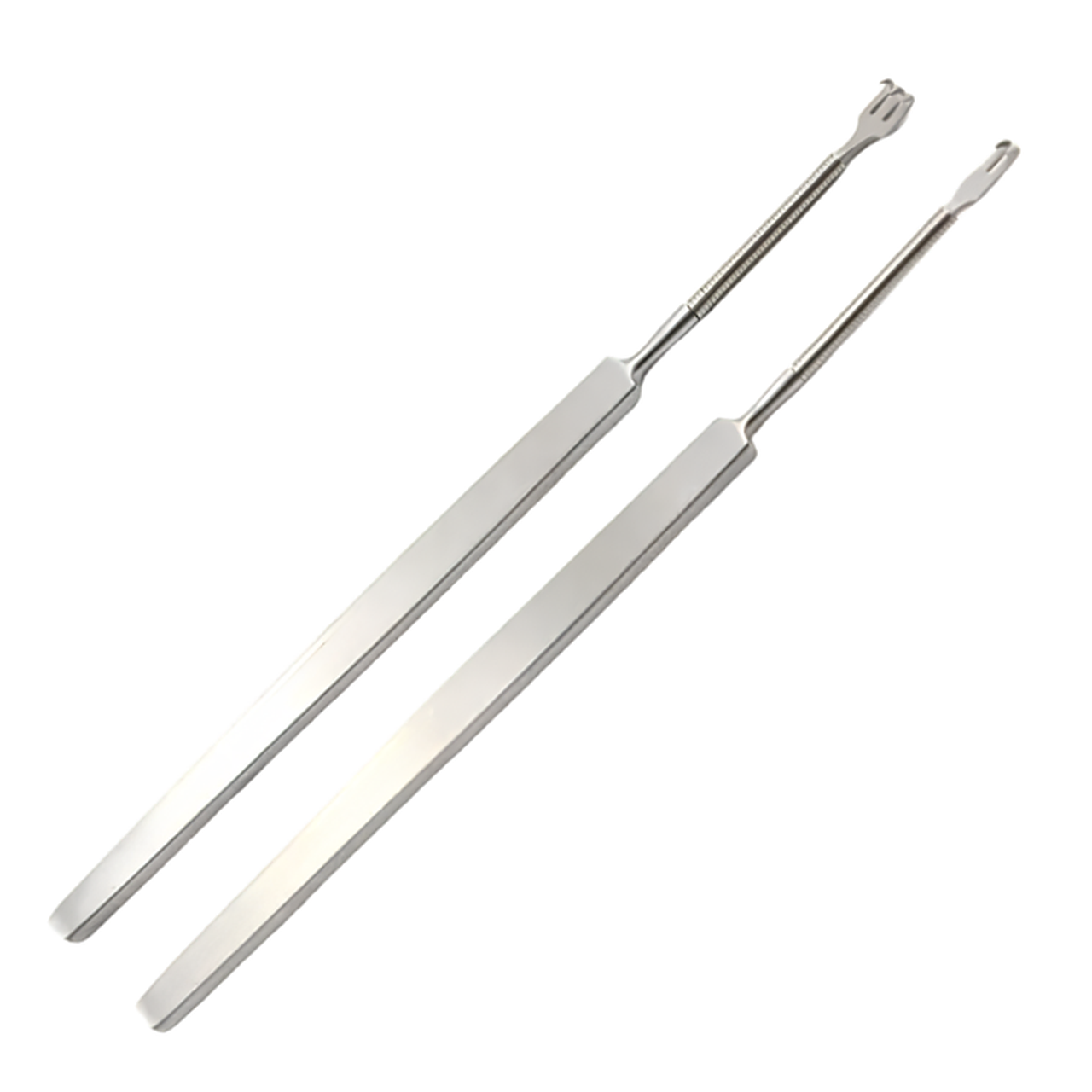 | Biegsamer Nacken-Retraktor | Speziell entwickelt für die Retraktion von Hautlappen, Bandmuskulatur und Fasziengewebe bei Schilddrüsen-, Hals- und plastischen Operationen. |
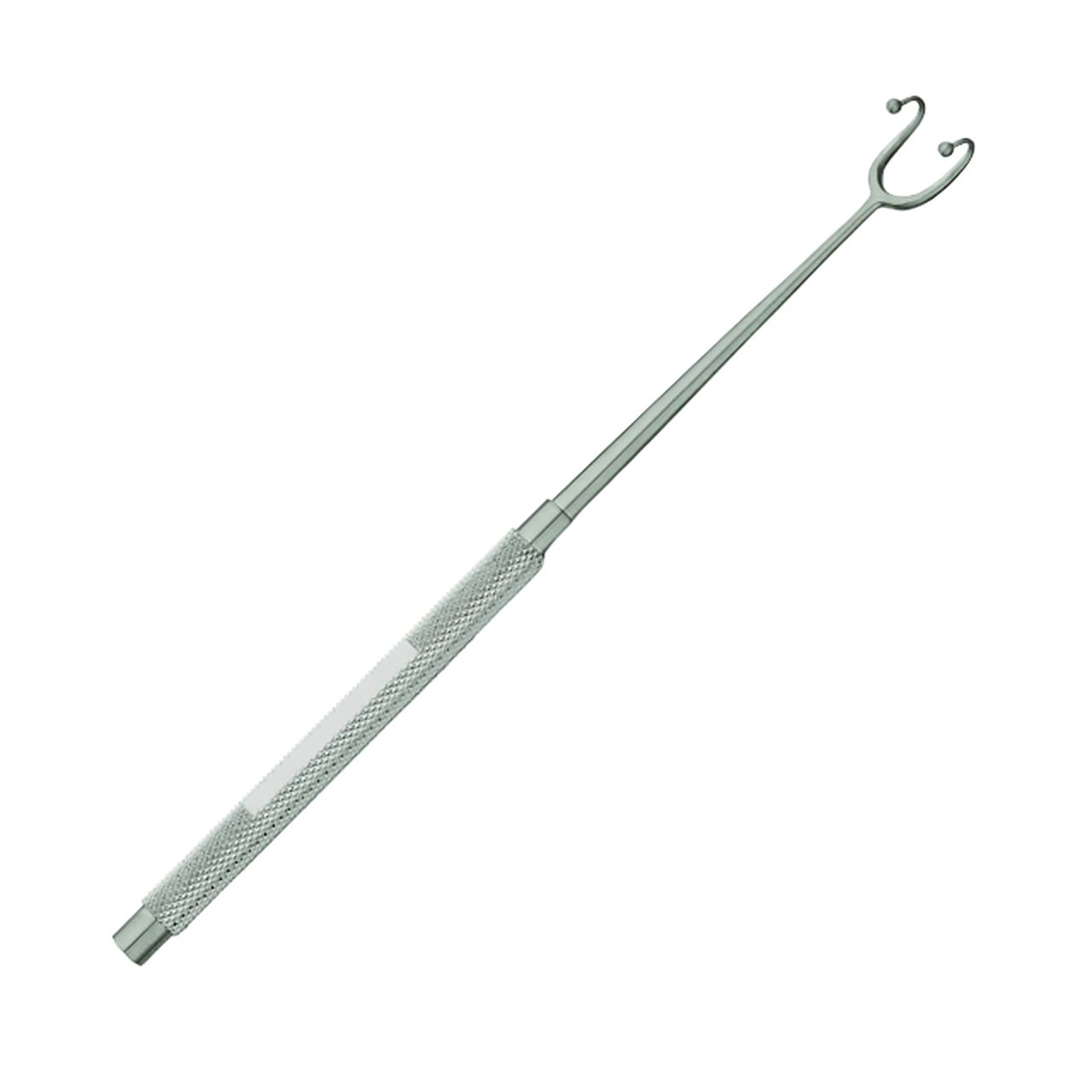 | Fomon Retractor | Speziell entwickelt für die Retraktion des Nasenflügelrandes, des unteren Lateralknorpels und der Nasenlochränder während der Rhinoplastik. |
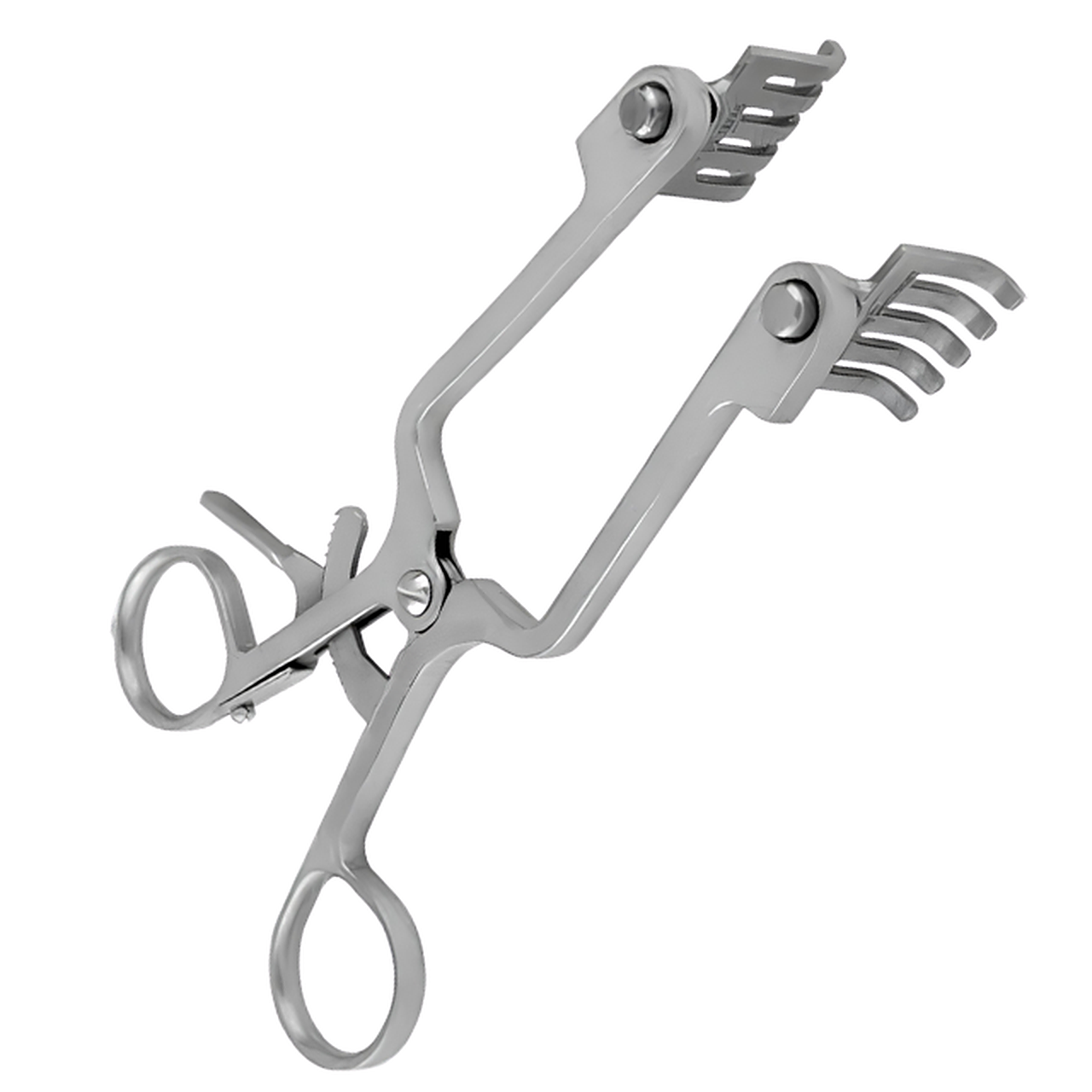 | Unterarm-Spreizer mit Schwenkvalven | Speziell entwickelt für die selbsthaltende Weichteilretraktion und Knochendistraktion bei Operationen an Unterarm und Handgelenk. |
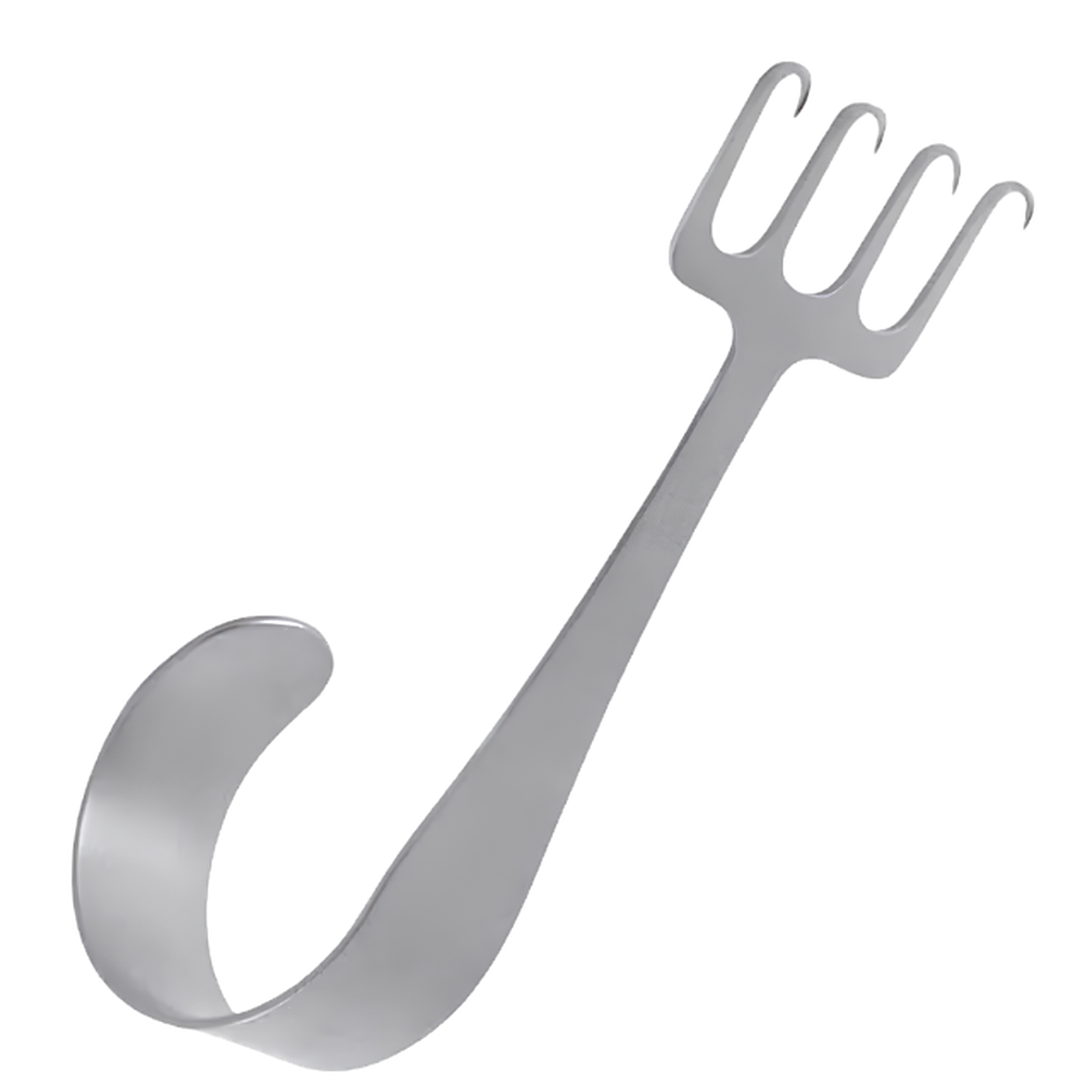 | Freeman Face Lift Wundhaken | Speziell konzipiert für das Anheben von Gesichtshautlappen und der SMAS-Schicht während der Rhytidektomie und ästhetischen Gesichtschirurgie. |
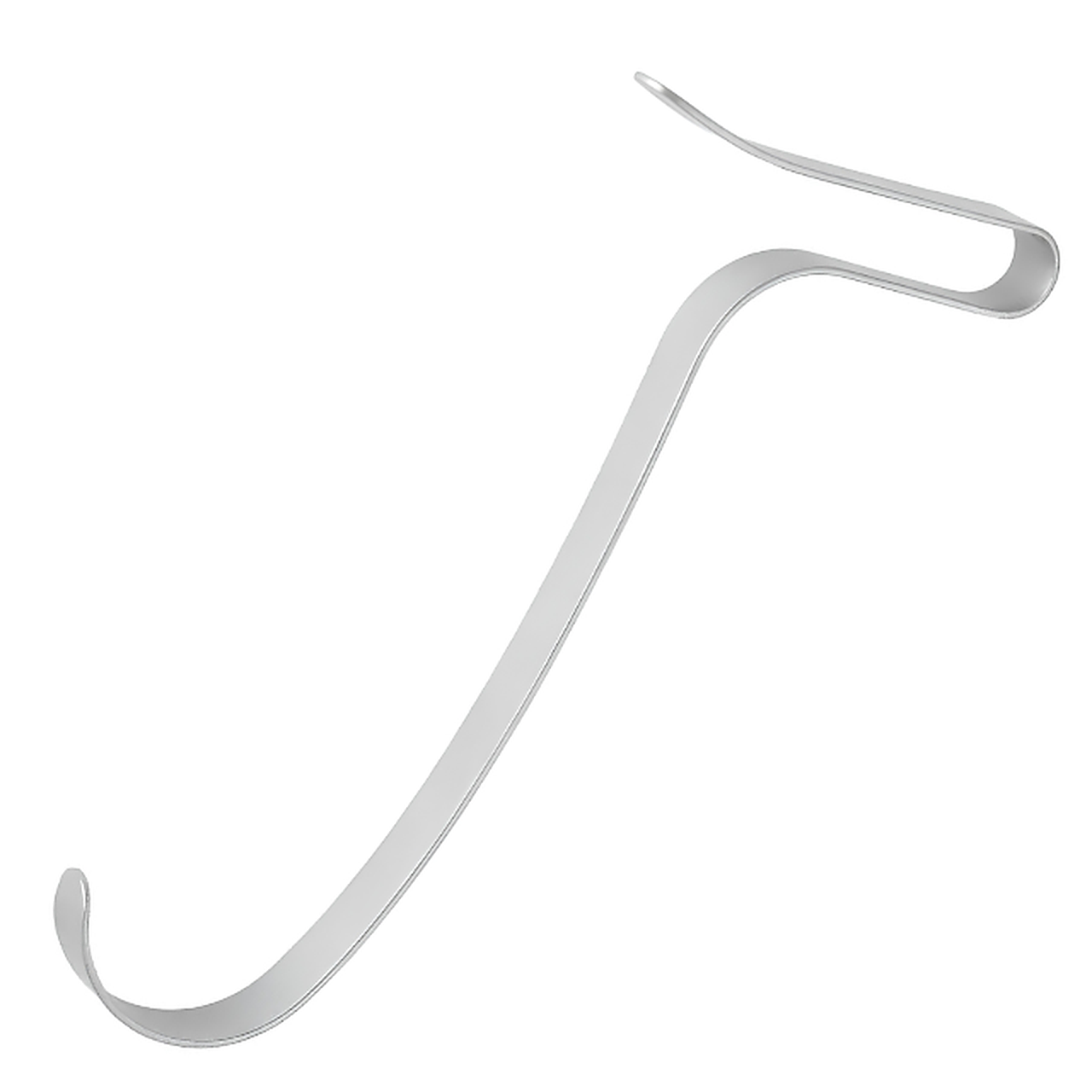 | Freeman Wundhaken für Hautlappen | Speziell entwickelt zum Anheben und Retrahieren von Hautlappen und subkutanem Gewebe in der plastischen, Mammachirurgie und rekonstruktiven Chirurgie. |
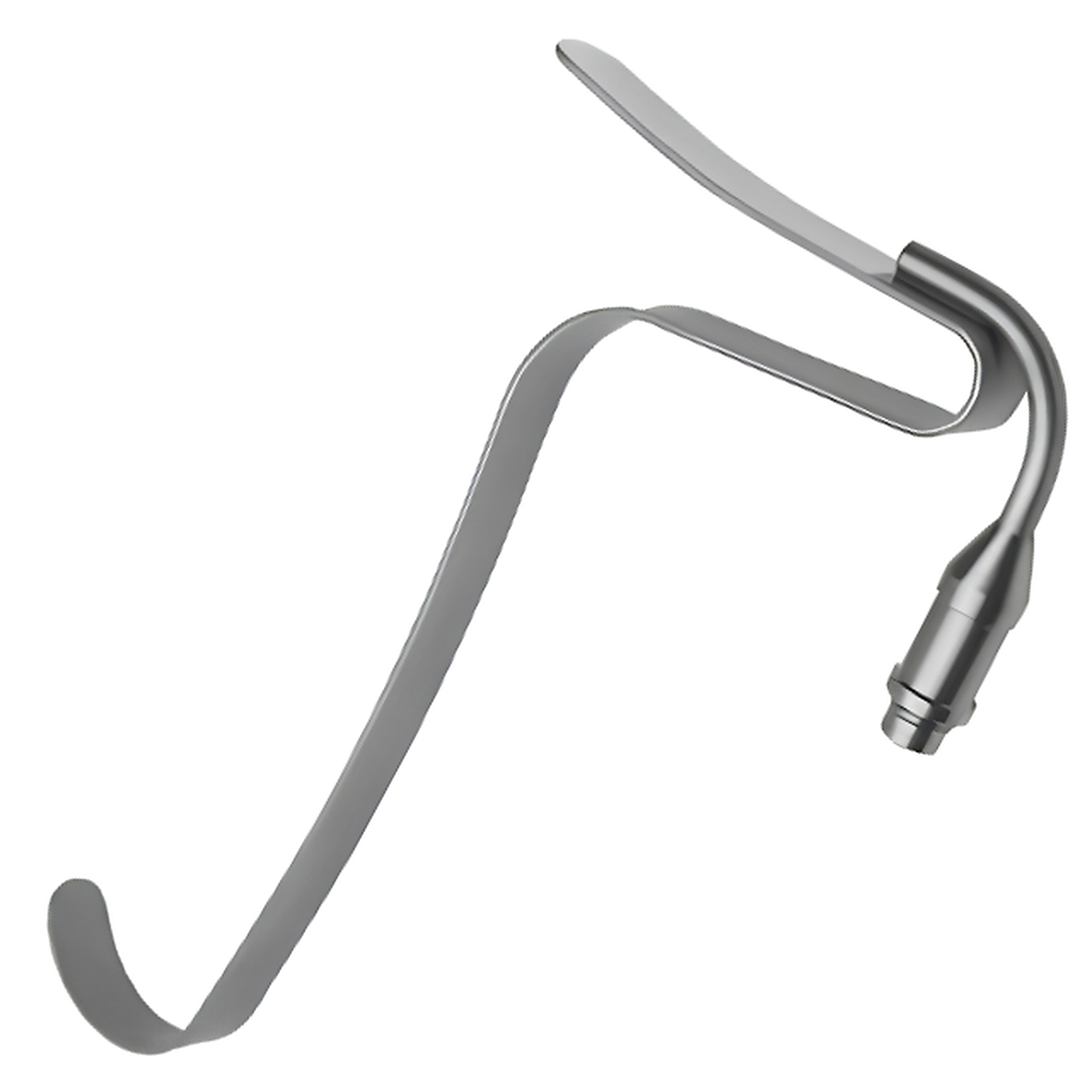 | Freeman Flap Retractor With Fiber Optic Illumination | Speziell entwickelt für die beleuchtete Weichteilretraktion und Lappenhebung in der ästhetischen und rekonstruktiven plastischen Chirurgie. |
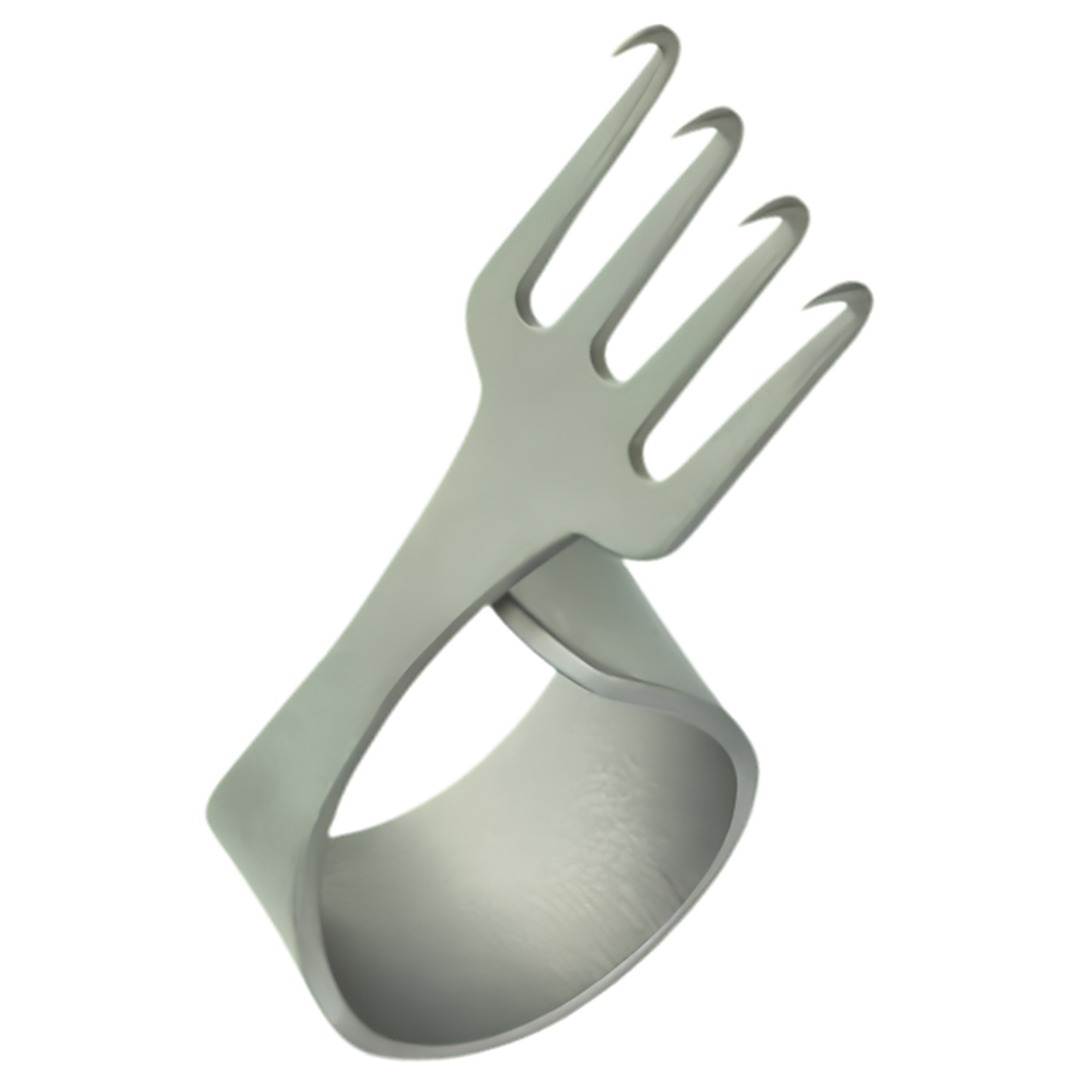 | Freeman Mini Rake Retractor | Speziell entwickelt für die minimale Anhebung von Hautlappen und die präzise Weichteiltraktion in engen anatomischen Räumen. |
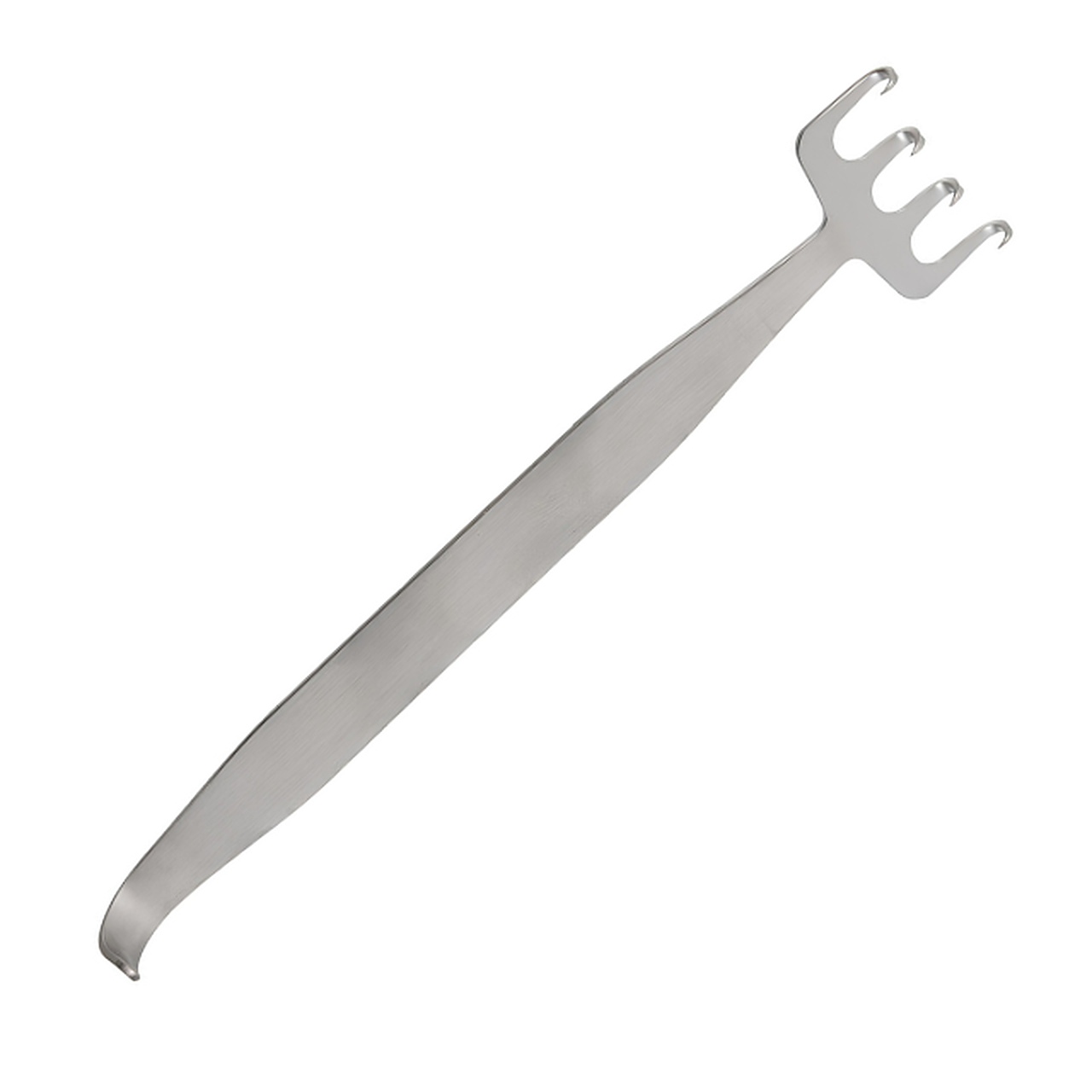 | Freeman Rake Retractor | Speziell entwickelt zum Anheben und Retrahieren von Hautlappen während der Rhytidektomie und rekonstruktiven plastischen Chirurgie. |
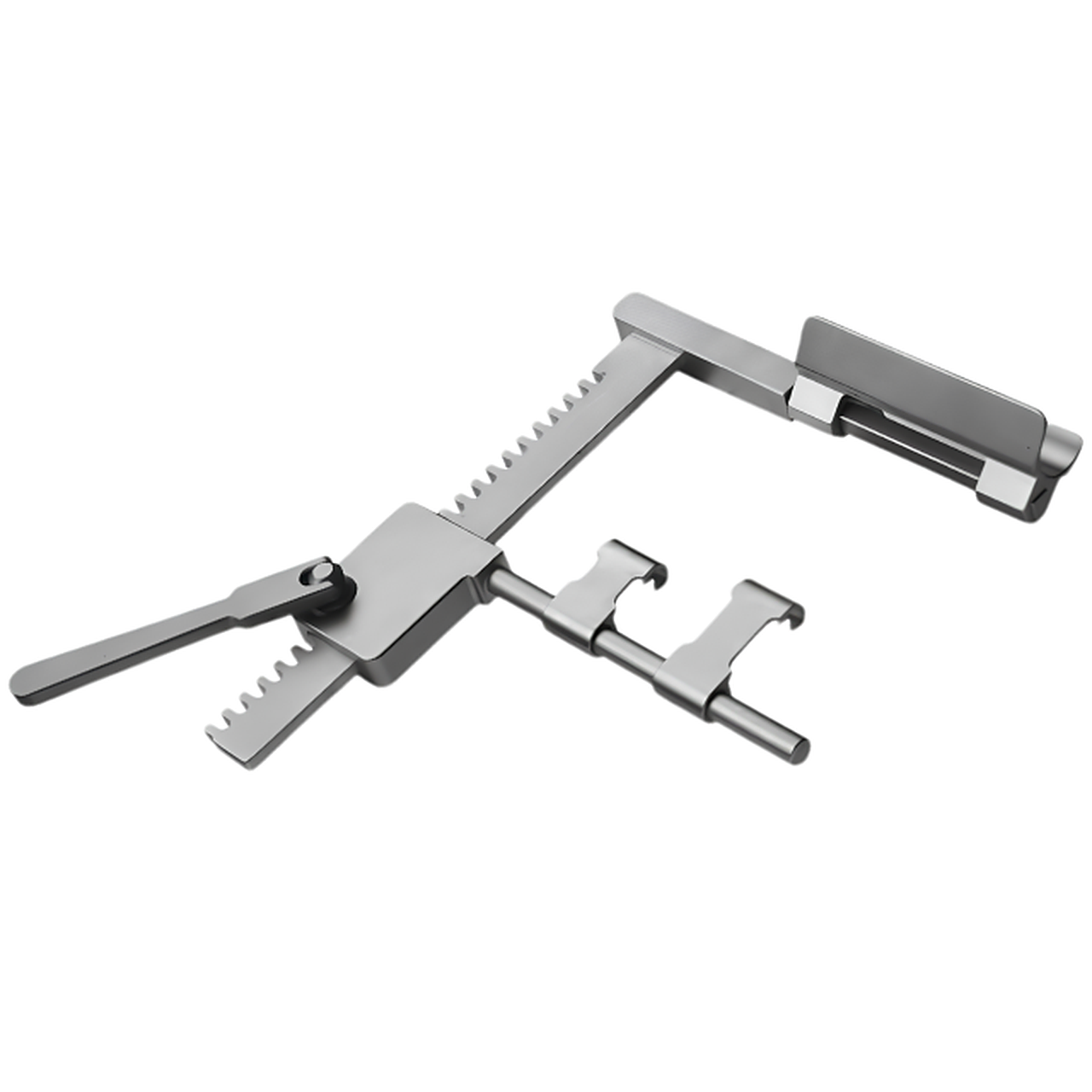 | French Pattern I.M.A Sternal-Retraktor | Speziell entwickelt für die unilaterale Sternumanhebung während der Entnahme der A. |
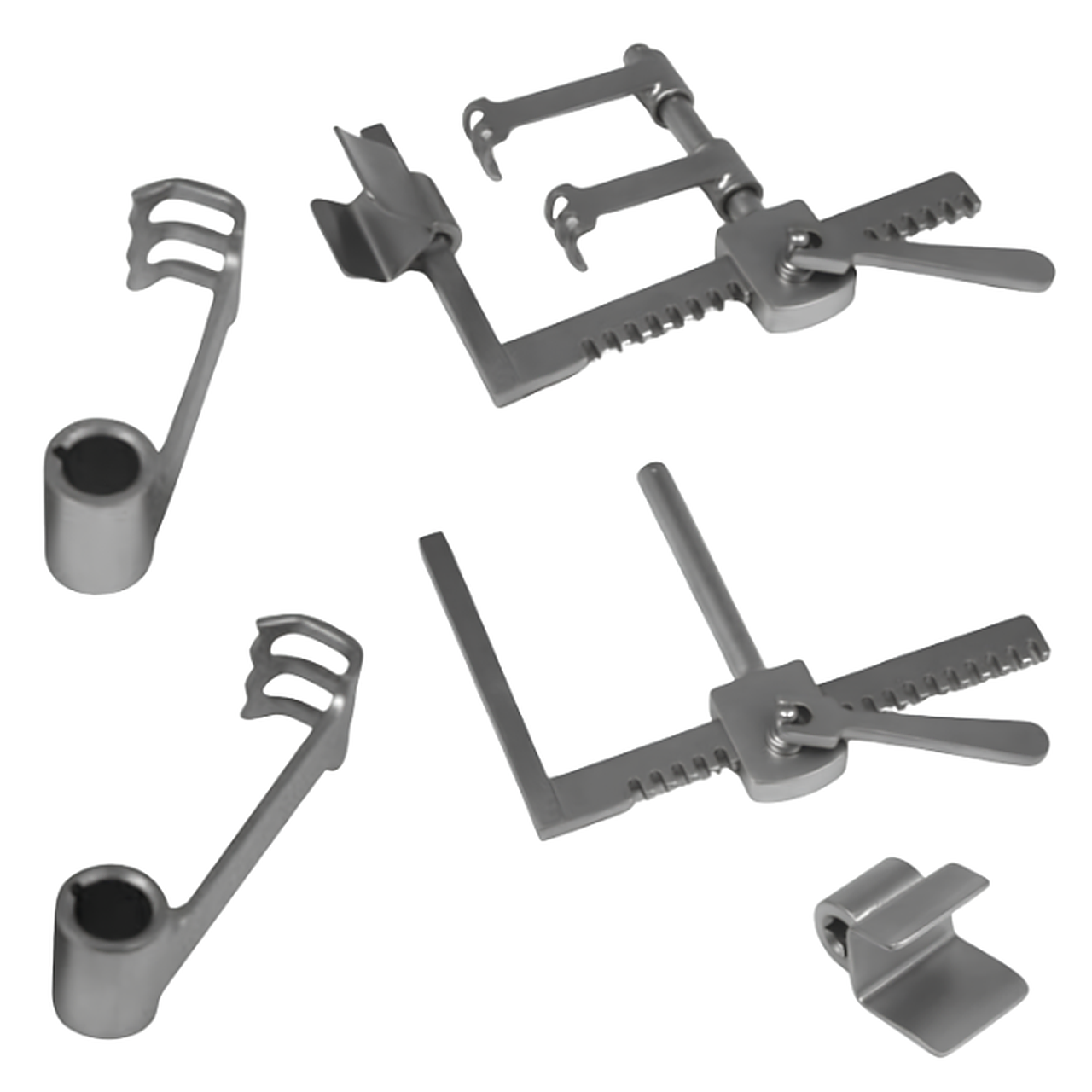 | French Pattern I.M.A. Sternalsperrer für Ministernotomie | Speziell konzipiert für die unilaterale Sternumelevation bei Ministernotomien und minimalinvasiven herzchirurgischen Eingriffen. |
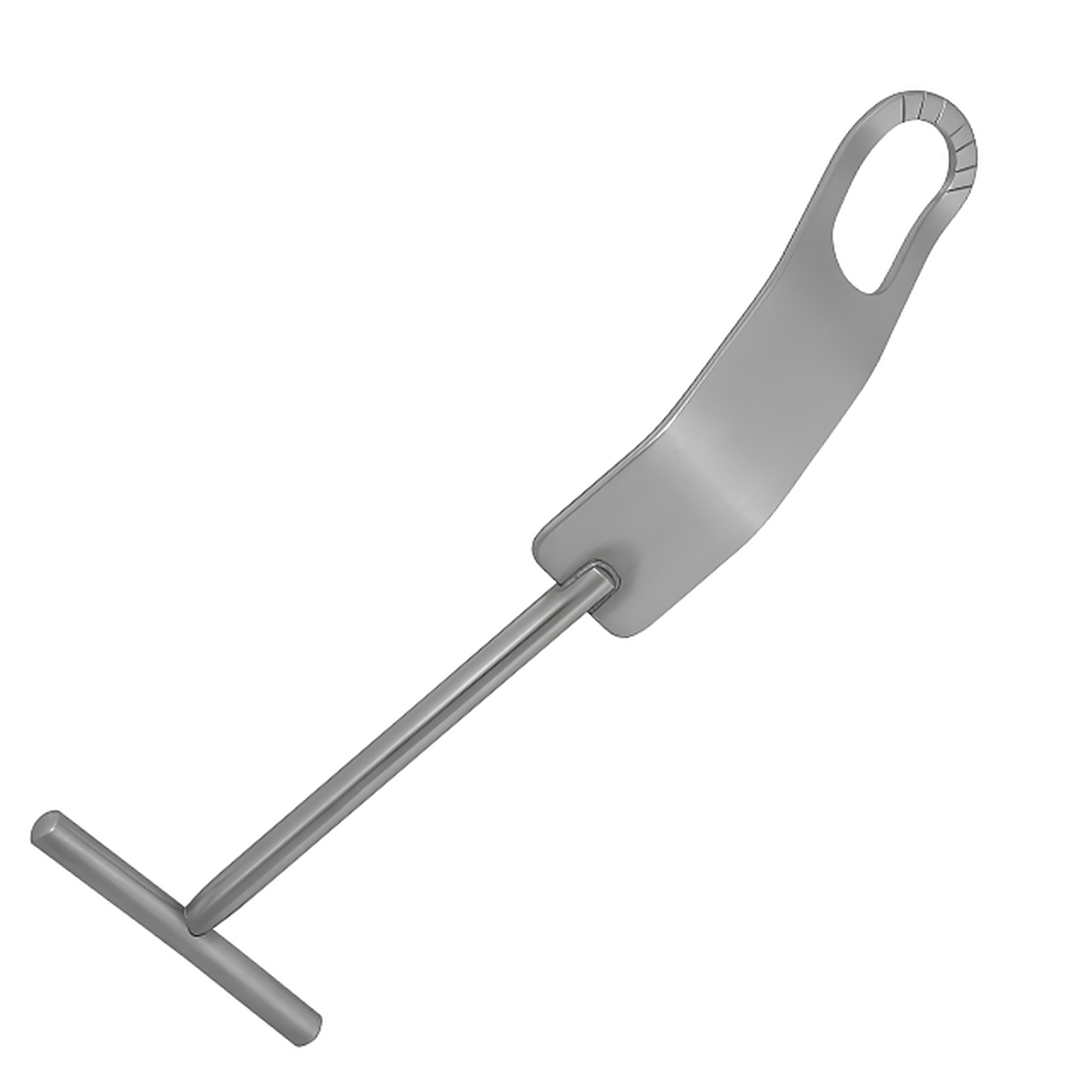 | Fukuda Kujat Style Retractor | Speziell konzipiert zur posterioren Dislokation des Humeruskopfes und zur Freilegung der Cavitas glenoidalis während der Schulterarthroplastik. |
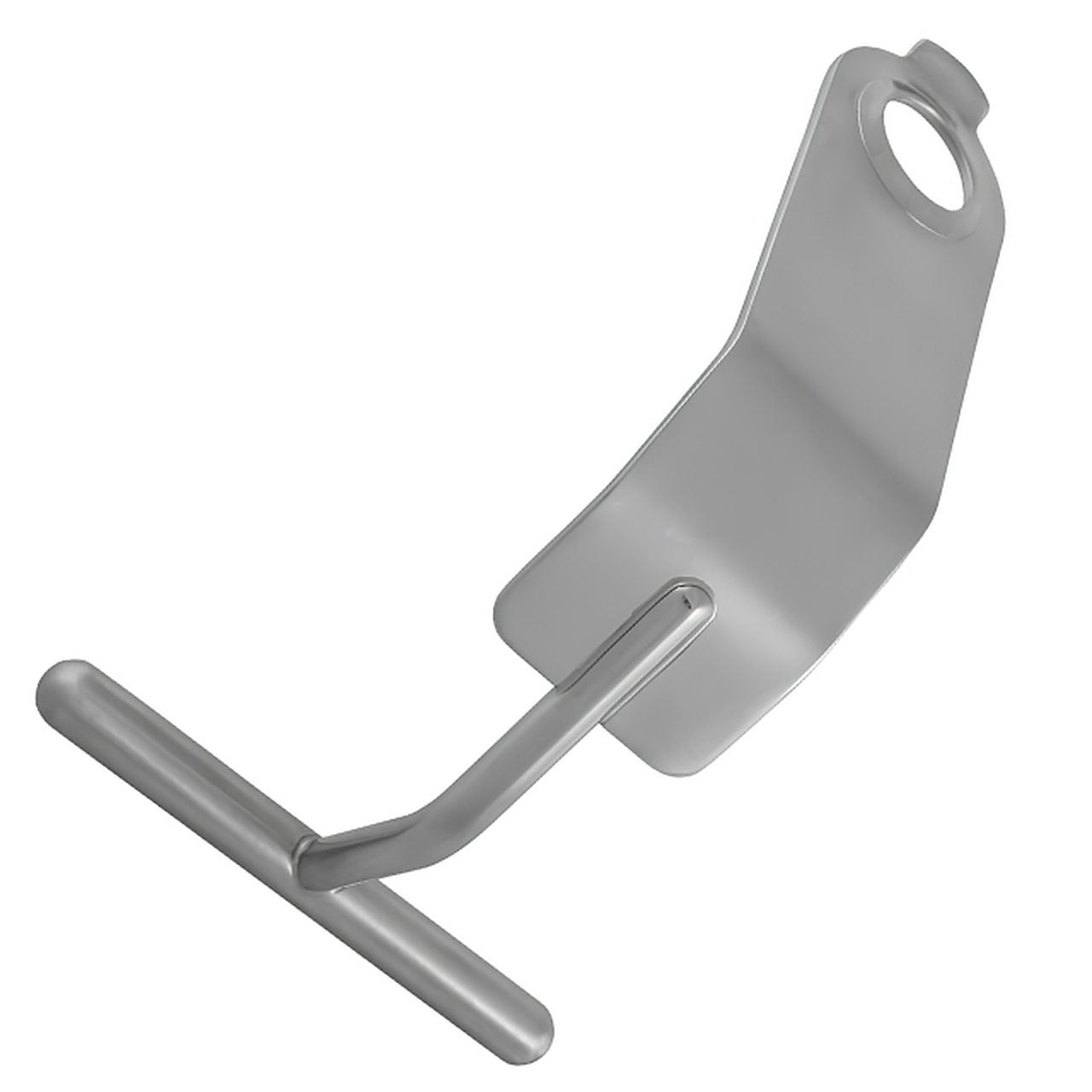 | Fukuda Style Retractors | Speziell entwickelt zur Retraktion des Humeruskopfes und zur Freilegung der Gelenkpfanne bei Schulterarthroplastiken und rekonstruktiven Eingriffen. |
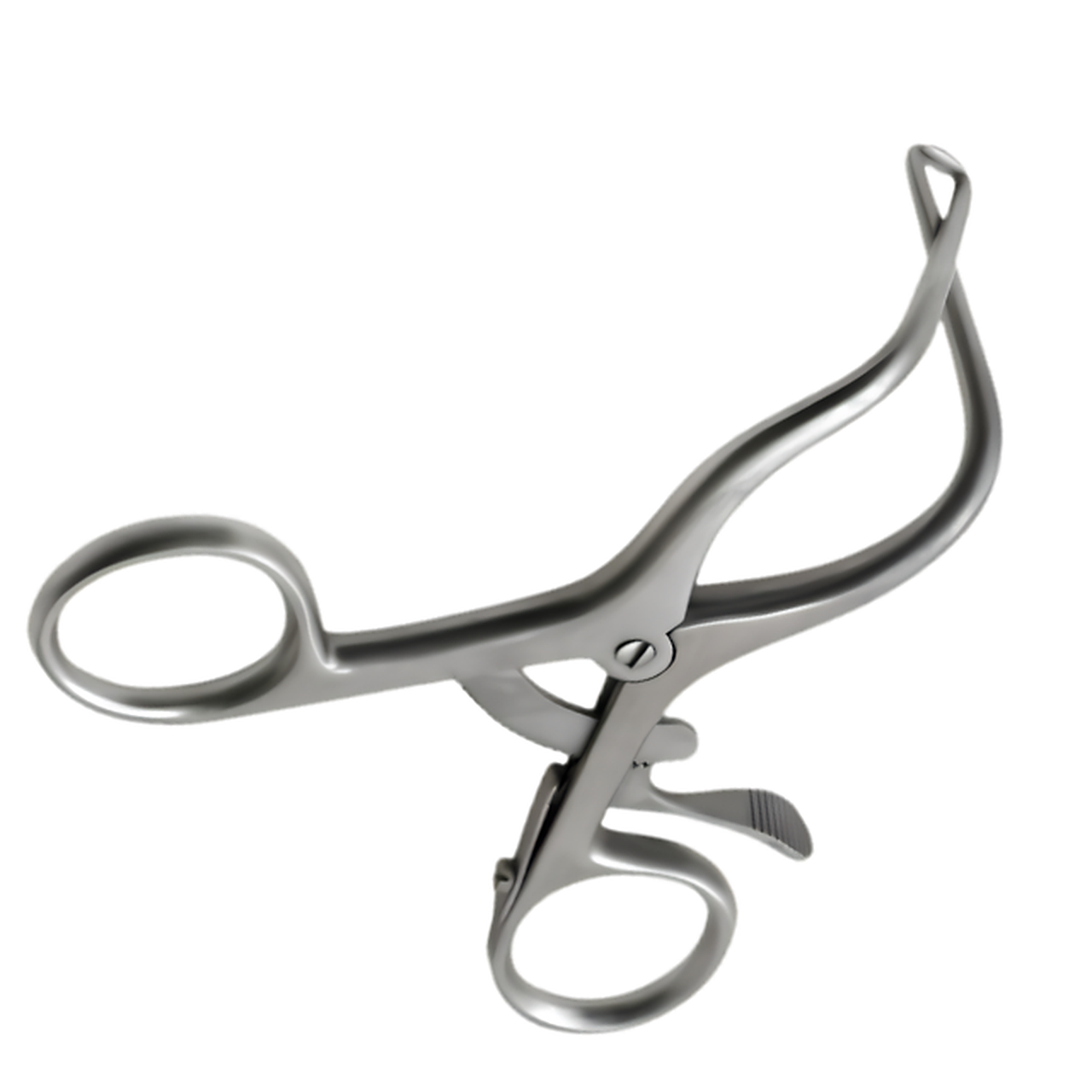 | Gelpi Crossover Retractor - Deep Angles | Speziell entwickelt für die selbsthaltende Retraktion von Sehnen, Muskeln und Weichteilgewebe bei Extremitäten- und Wirbelsäulenoperationen. |
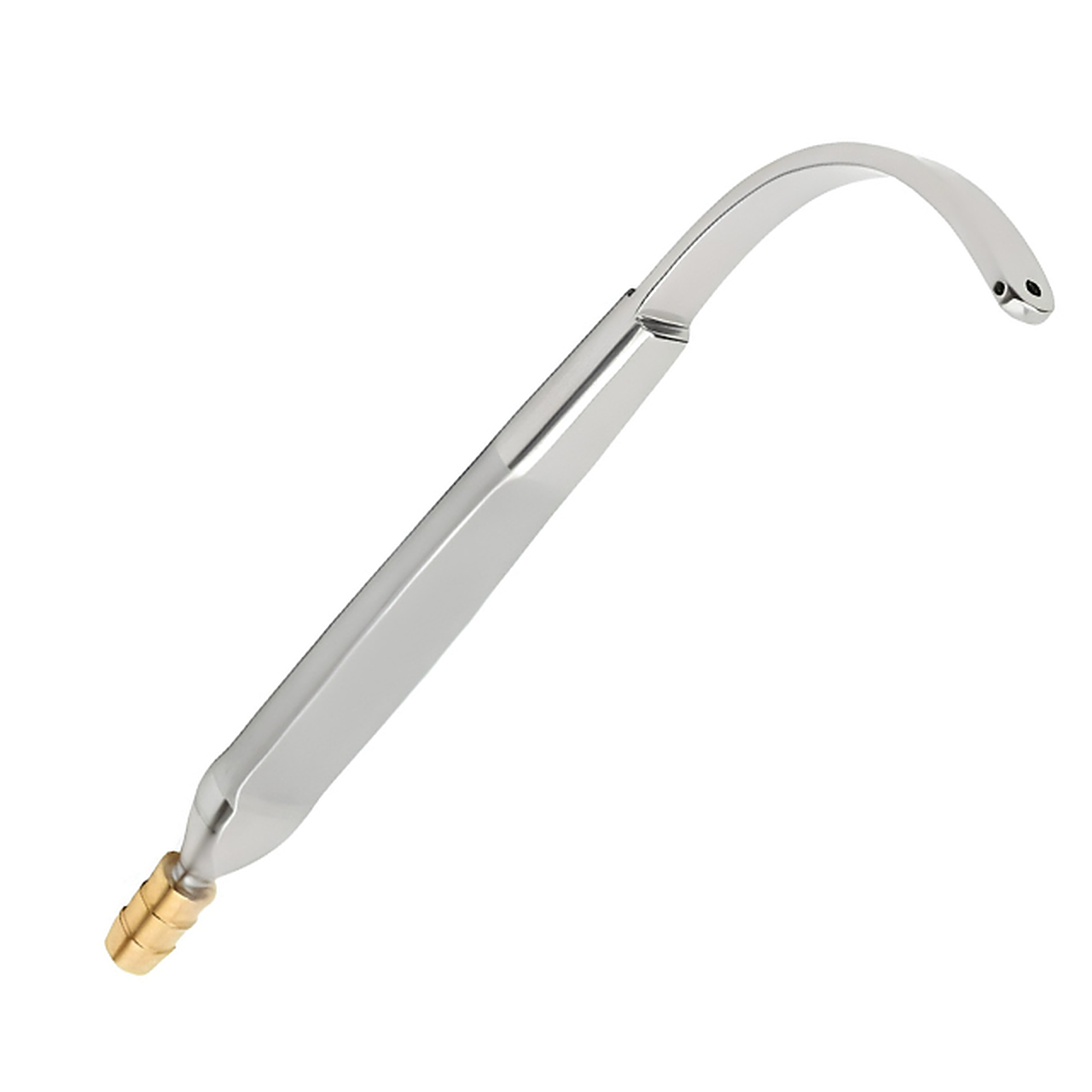 | Gerbault Tebbett’s Saughaken | Speziell entwickelt zur Anhebung der Weichteilhülle der Nase bei gleichzeitiger Rauch-/Flüssigkeitsabsaugung und Beleuchtung während der Rhinoplastik. |
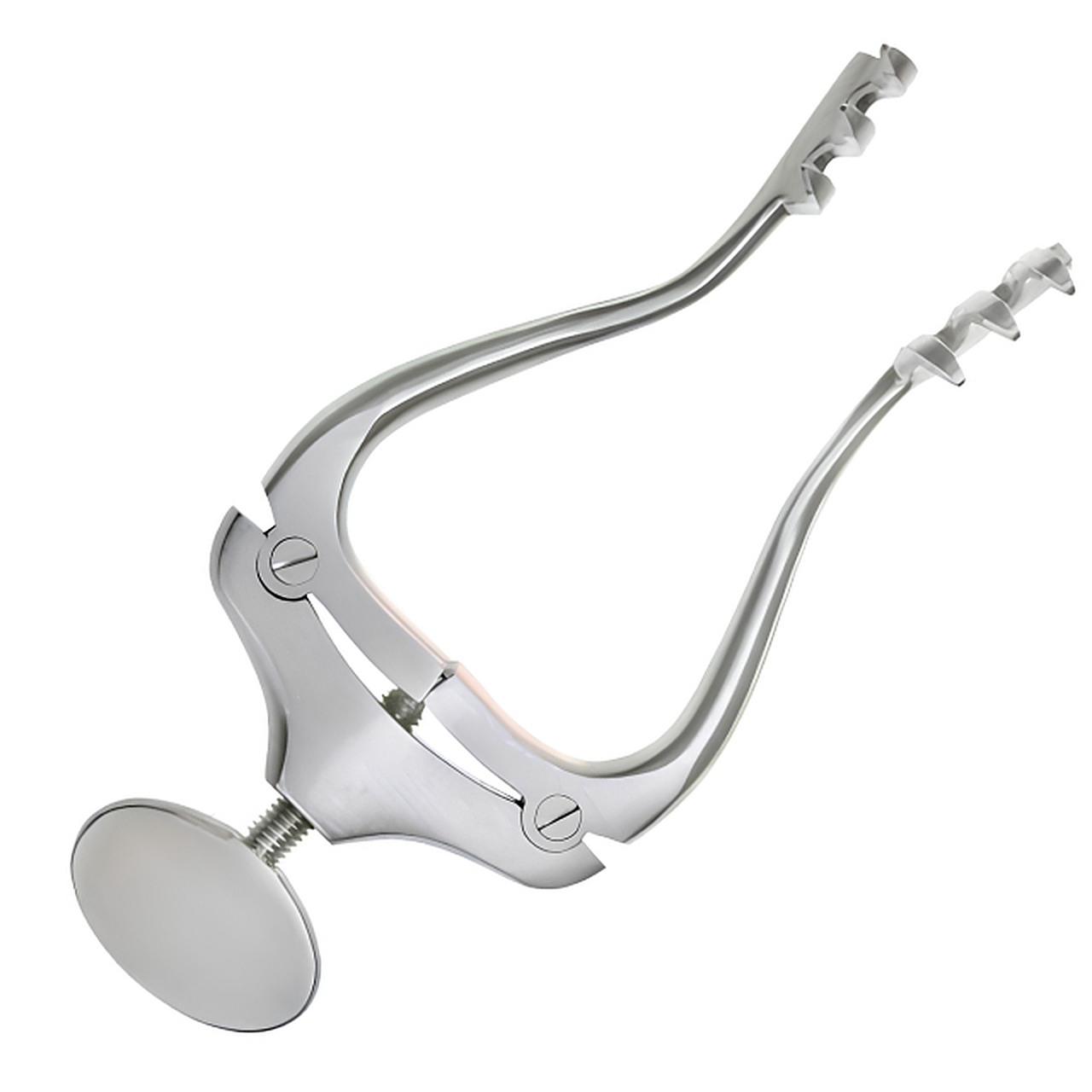 | Gifford-Jansen Retractor | Speziell entwickelt für die selbsthaltende Wundrand- und Periostretraktion bei Mastoid-, Ohr- und Kopfhautoperationen. |
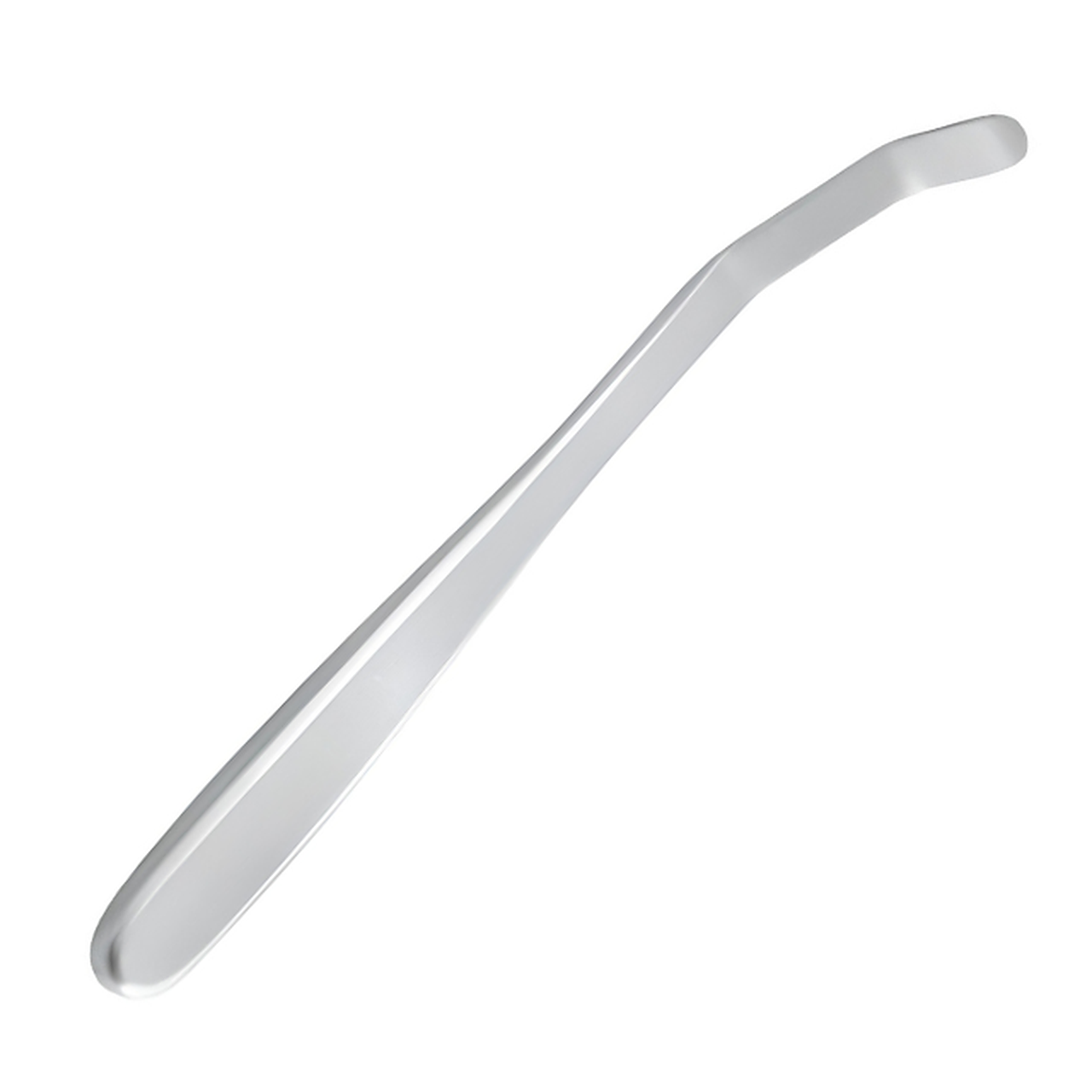 | Glenoid-Condyle-Retraktor | Speziell entwickelt zum Hebeln von Knochenrändern und zur Retraktion von Gelenkkapseln bei Schulter-, Kondylen- und orthopädischen Eingriffen. |
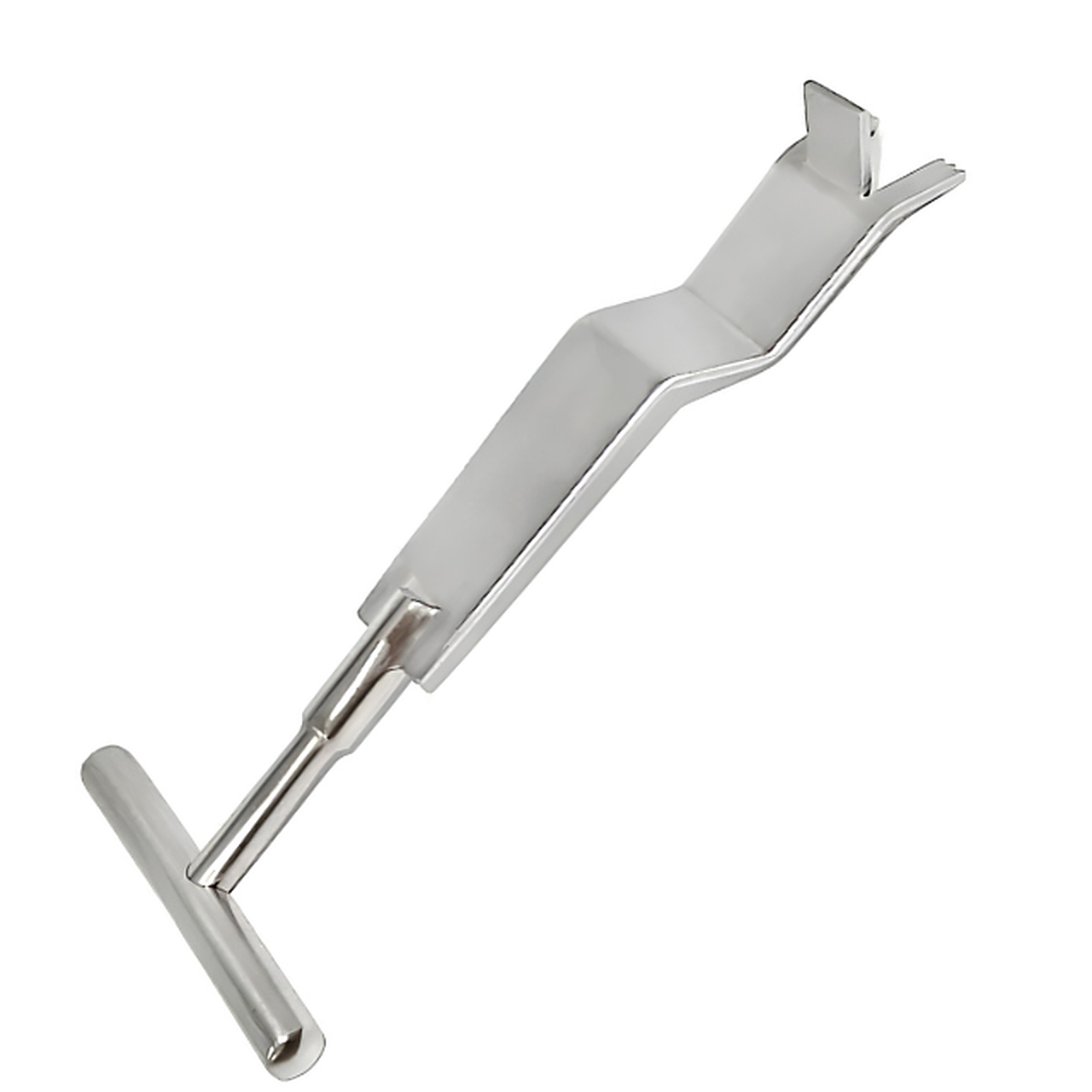 | Glenoid-Retraktoren | Speziell entwickelt zur Exposition des Glenoidrandes und zur Retraktion von Kapsel-Weichteilgewebe bei totalen und inversen Schulterarthroplastiken. |
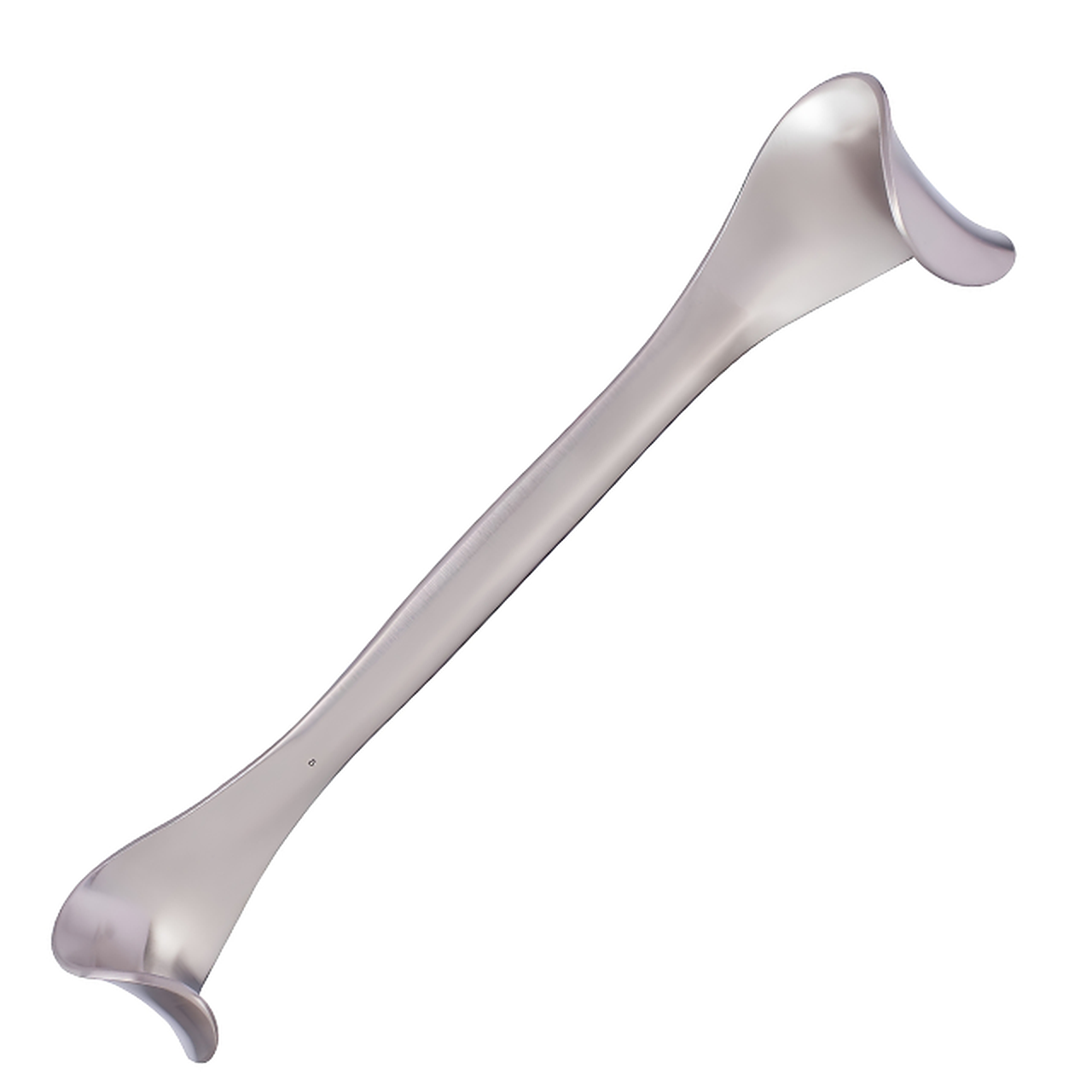 | Goelet Retractor | Speziell entwickelt für die Retraktion von Haut, Subkutanfett und Muskelgewebe bei oberflächlichen und intermediären chirurgischen Eingriffen. |
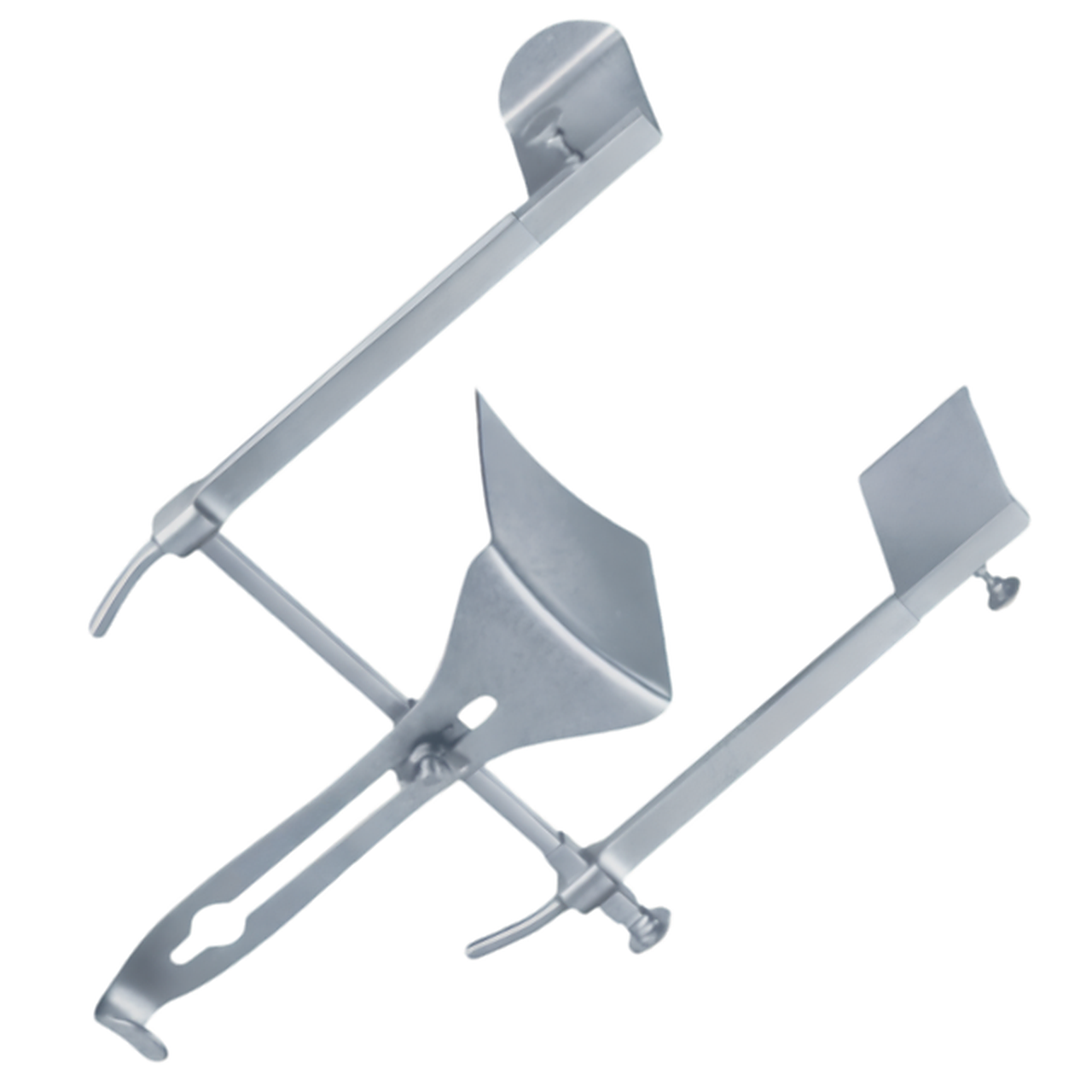 | Golligher Wundspreizer, selbsthaltend | Speziell entwickelt für die selbsthaltende, multidirektionale Retraktion der Bauchwand und der Eingeweide bei kolorektalen Eingriffen. |
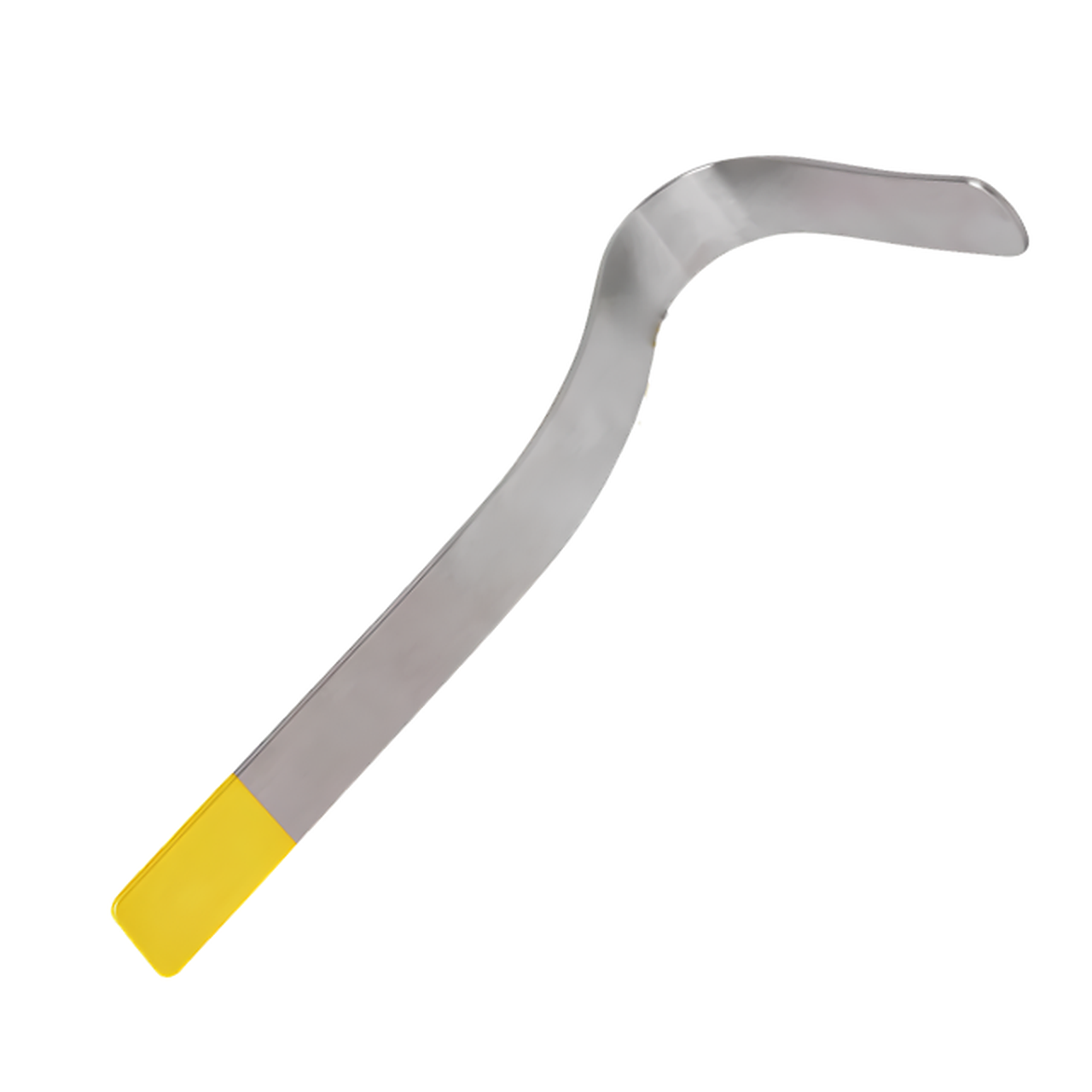 | Gonzalez Gluteal L-Shaped Wundhaken | Speziell entwickelt zum Anheben und Retrahieren von Gesäßmuskelschichten und Weichteilgewebe bei der Augmentation und Rekonstruktion des Gesäßes. |
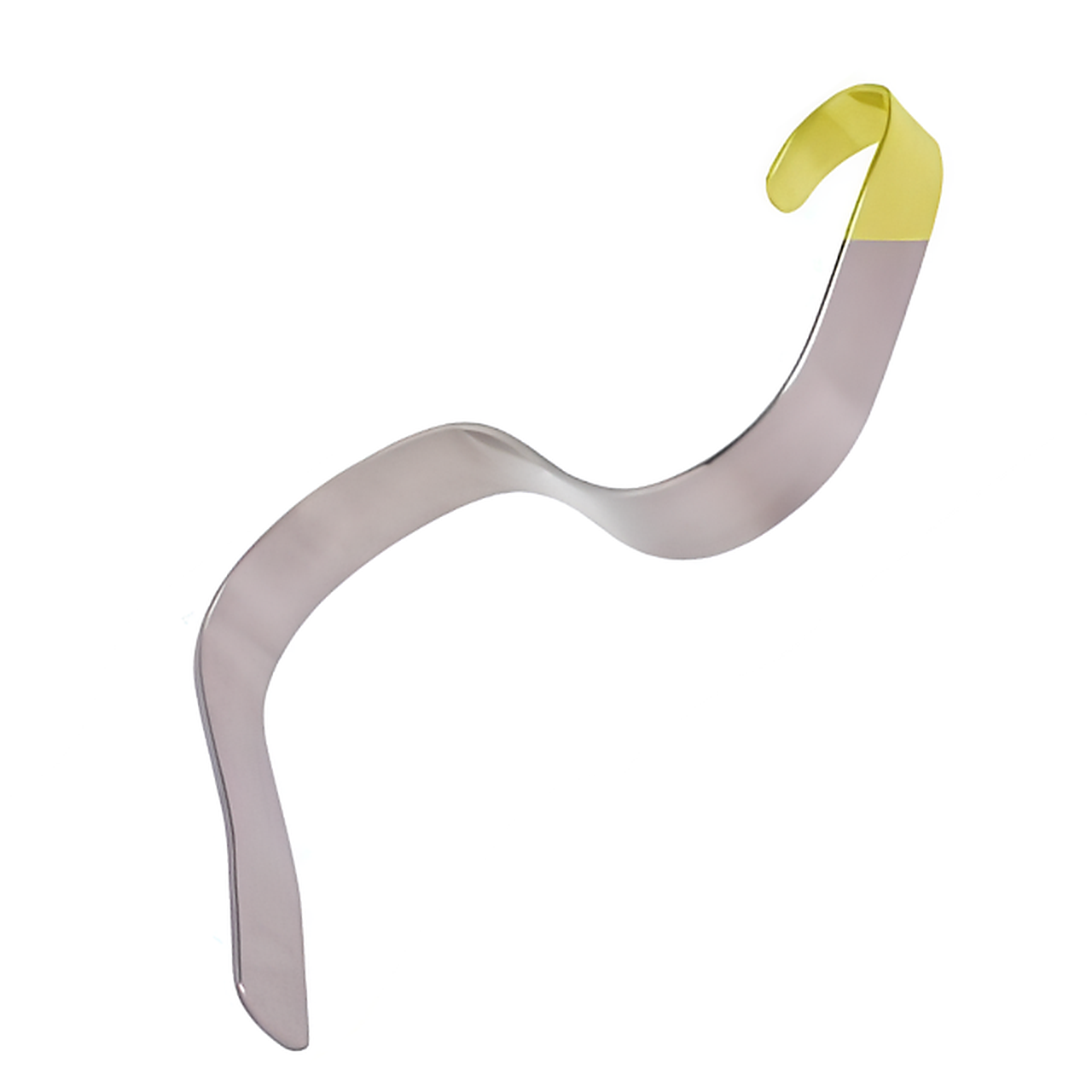 | Gonzalez Gluteal S-Shaped Wundhaken | Speziell entwickelt zum Anheben und Retrahieren des Musculus gluteus maximus und des Weichteilgewebes während der glutealen Implantatchirurgie. |
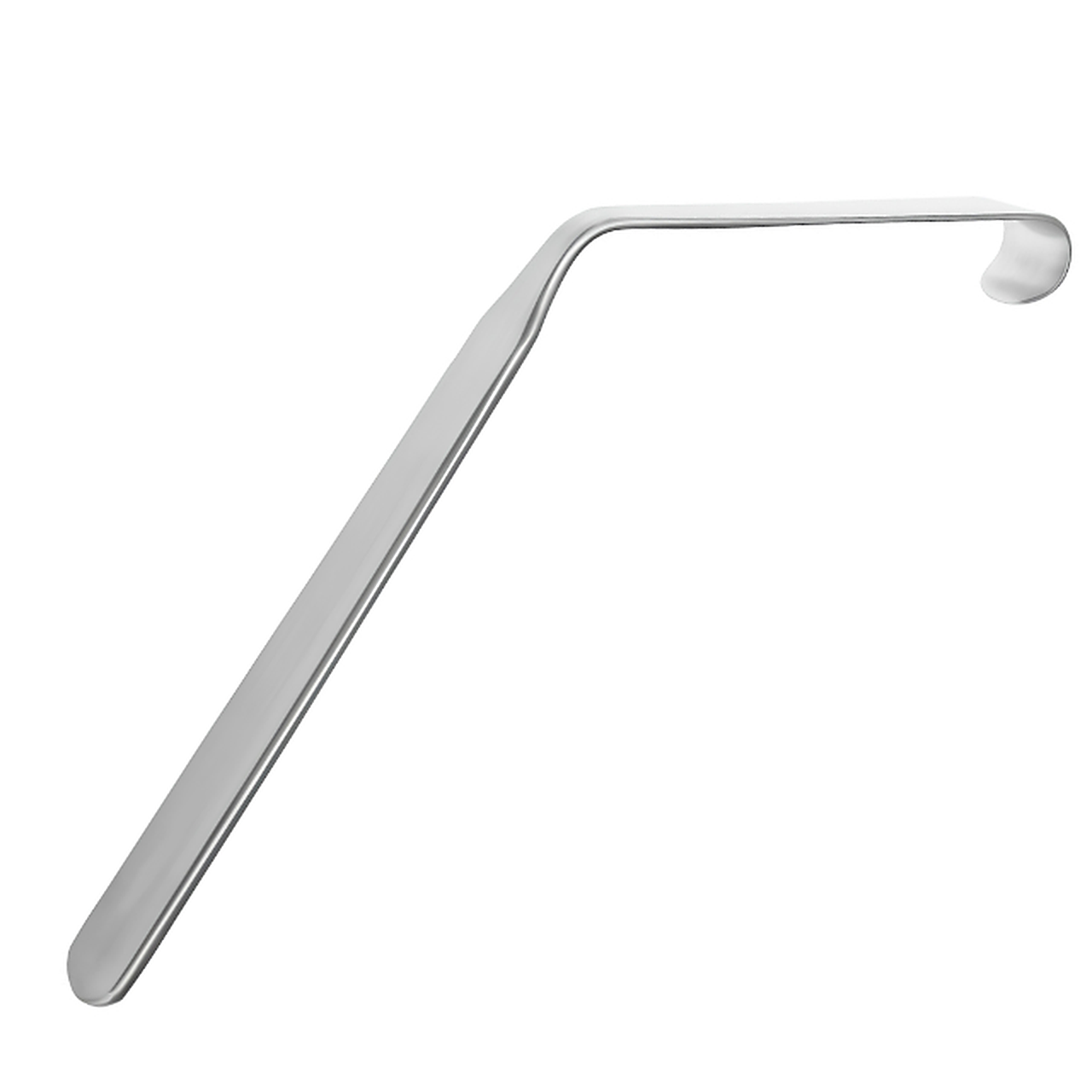 | Goodyear Uvula Retractor | Speziell entwickelt zum Retrahieren und Anheben der Uvula und des weichen Gaumens bei chirurgischen Eingriffen am Rachen und an den Adenoiden. |
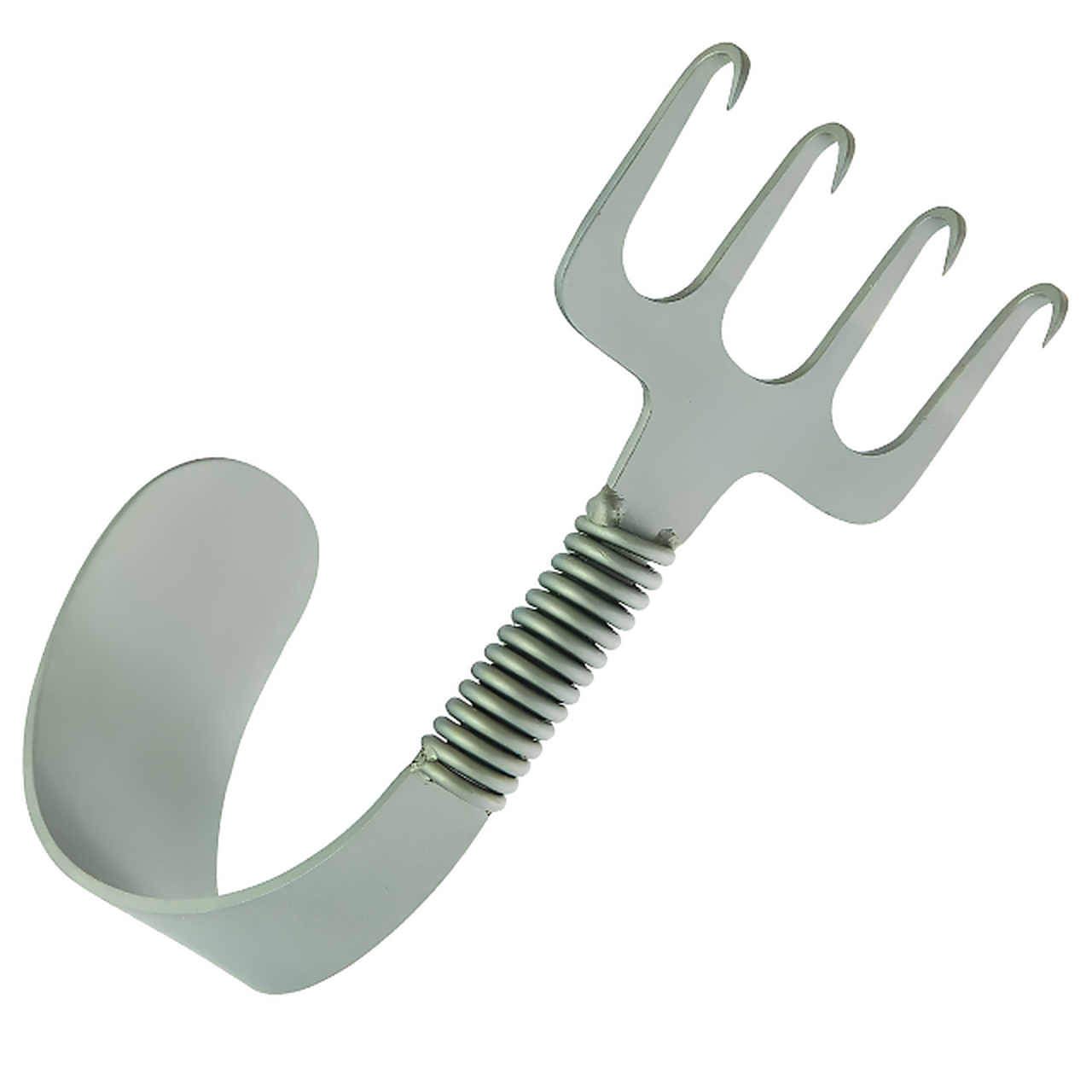 | Gorney Rake Retractor | Speziell entwickelt für die Elevation und Retraktion von Hautlappen und subkutanem Gewebe bei Rhytidektomien und ästhetischen Operationen. |
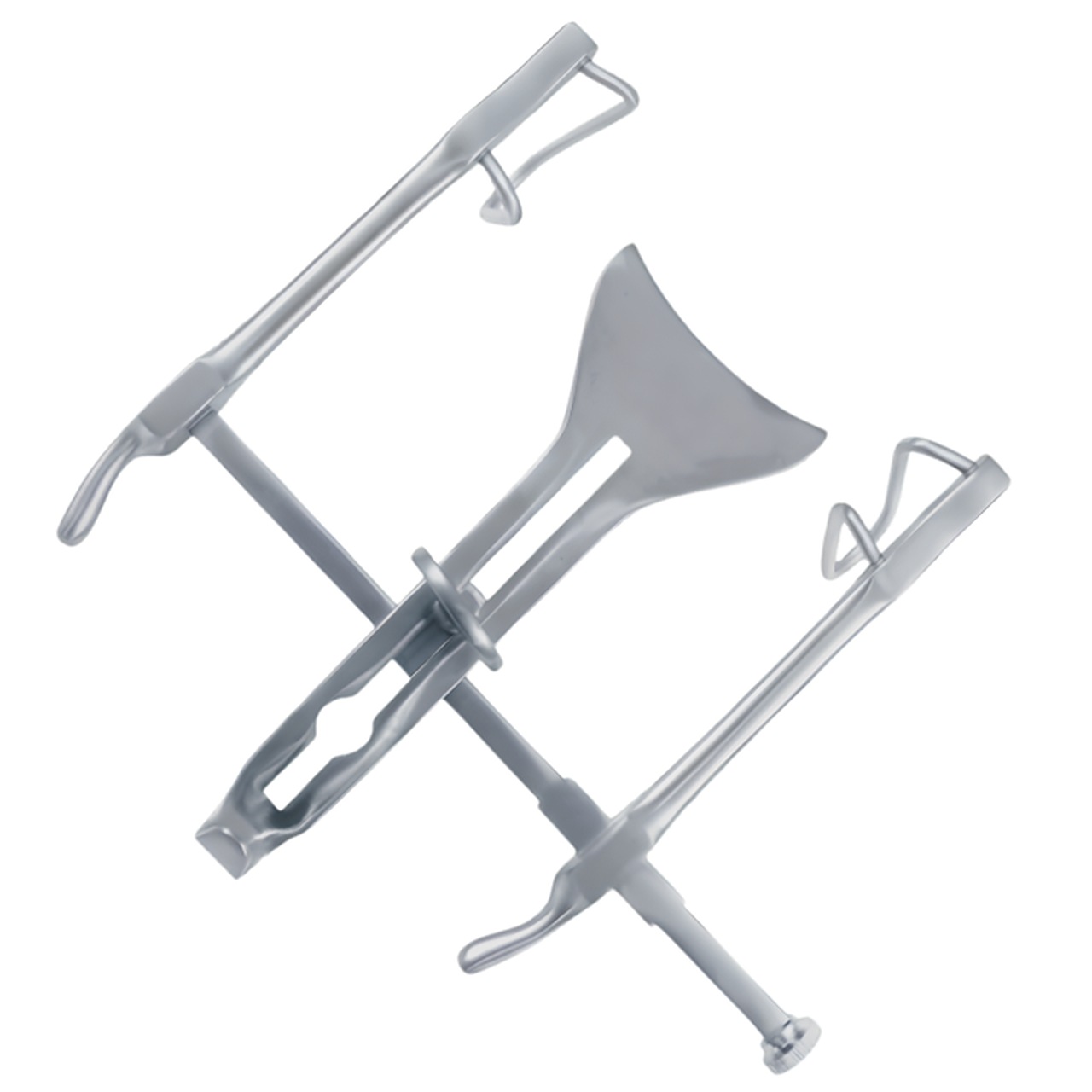 | Gosset selbsthaltender Wundspreizer | Speziell entwickelt für die selbsthaltende Abdominalwandretraktion bei offenen Laparotomien und Beckenoperationen. |
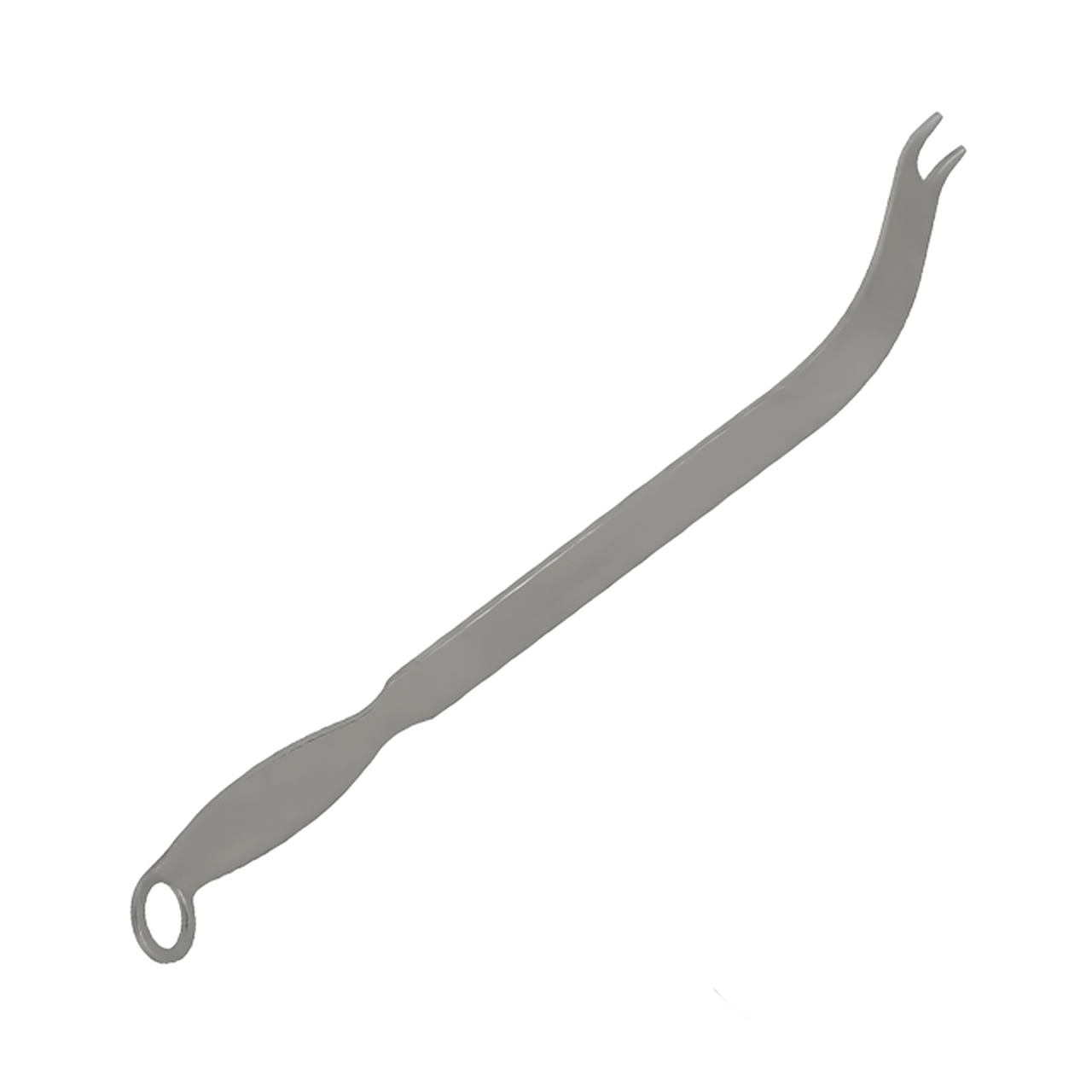 | Trochanter-Major-Hebel | Speziell entwickelt zur Retraktion der Glutealmuskulatur und zur Exposition des Trochanter major bei totaler Hüftendoprothetik und Femurosteotomien. |
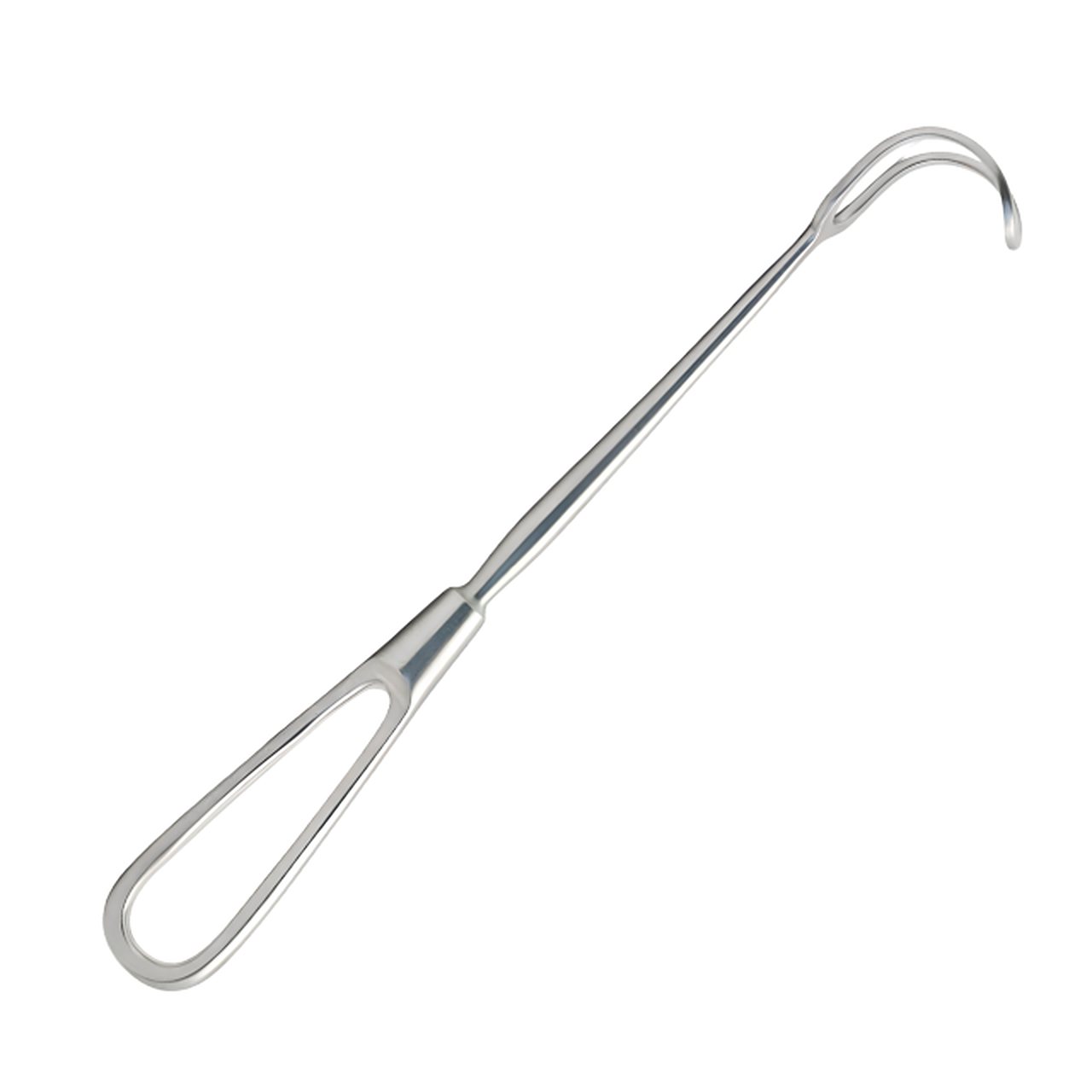 | Green Schilddrüsen-Wundhaken | Speziell entwickelt zur Retraktion der Riemenmuskulatur, des Schilddrüsengewebes und der Halsfaszien bei endokrinen Halseingriffen. |
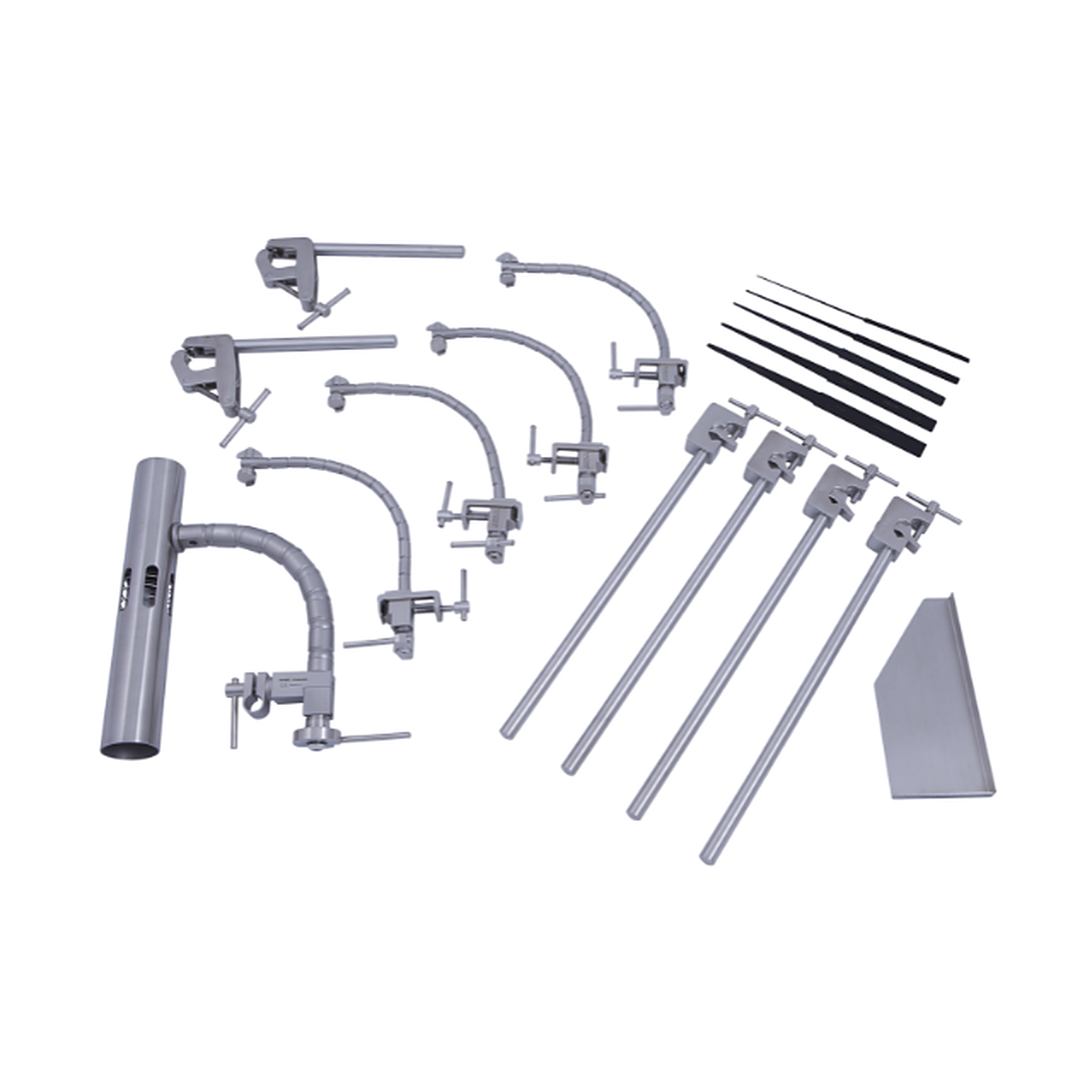 | Greenberg Retractor Kit | Entwickelt für die präzise, stabile und selbsthaltende Retraktion von empfindlichem Hirngewebe und kraniellen Strukturen bei intrakraniellen, schädelbasisnahen und mikroneurochirurgischen Eingriffen. |
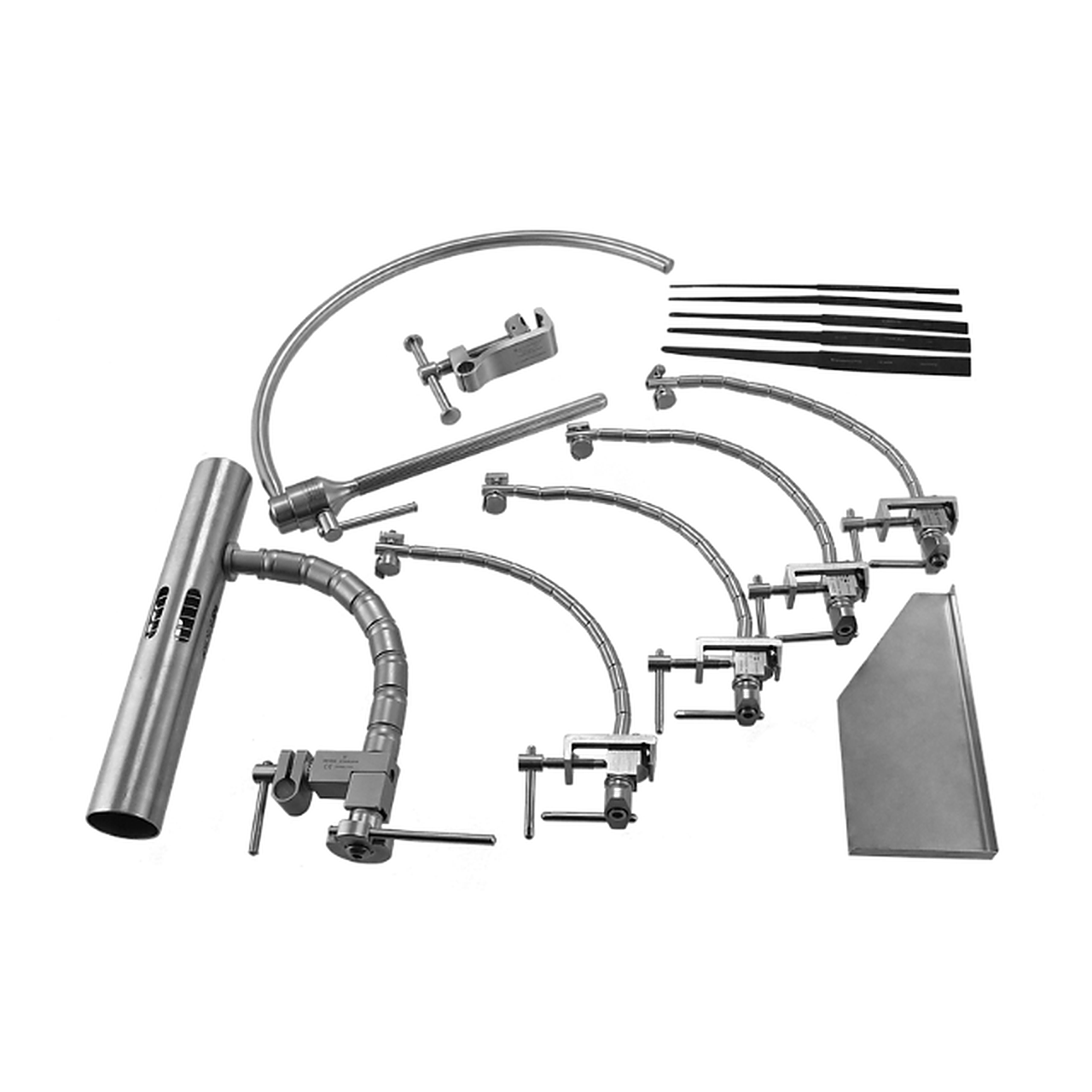 | Greenberg Simplicity Retractor | Speziell entwickelt für schnellen Aufbau, geringen Platzbedarf und präzise, selbsthaltende Geweberetraktion bei fokussierten Kraniotomien, mikrovaskulären Dekompressionen (MVD) und mikroschirurgischen Keyhole-Verfahren. |
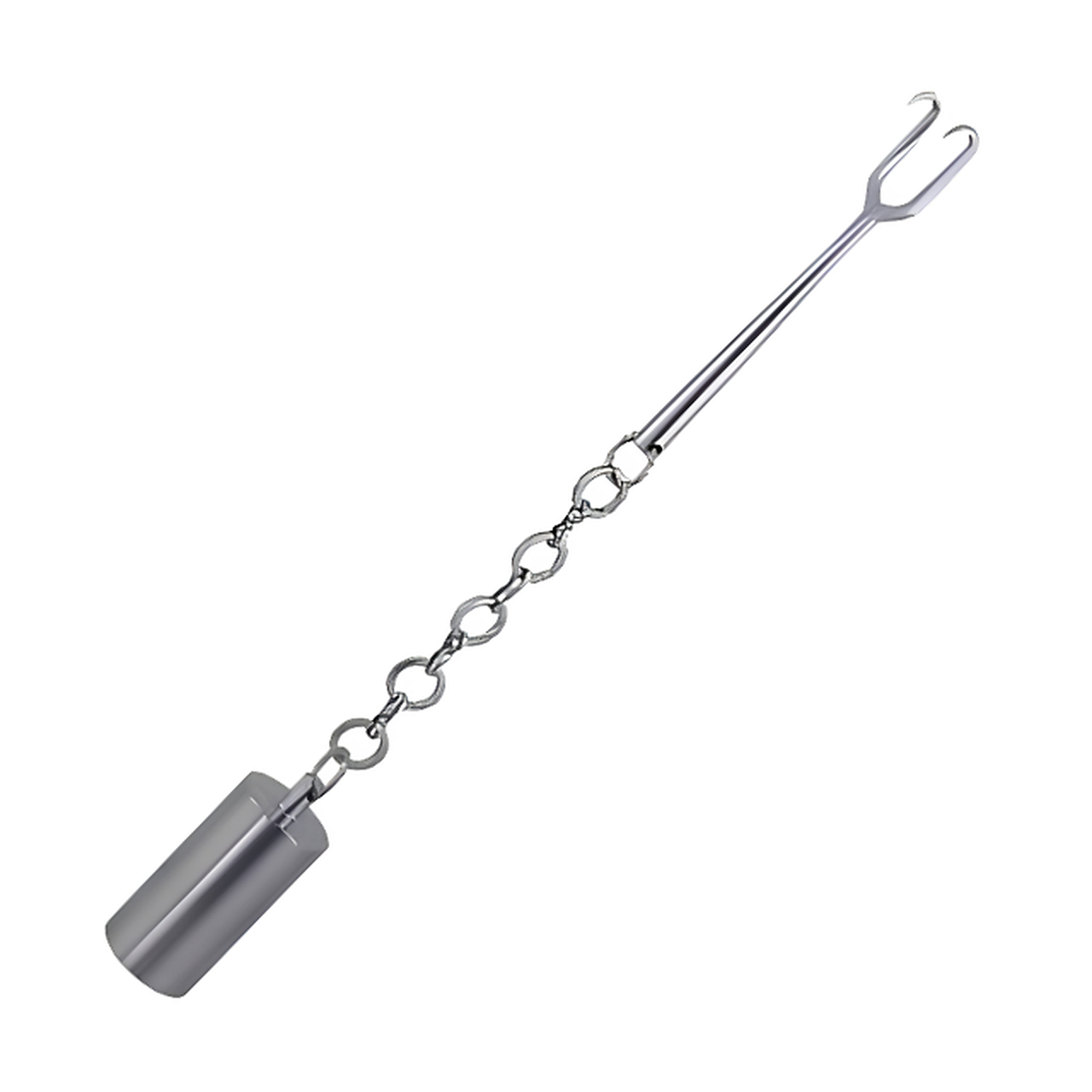 | Gruber Rhinoplasty Retractor | Speziell entwickelt zum Greifen und Retrahieren von Nasenhautlappen und Knorpeln bei rhinoplastischen Eingriffen. |
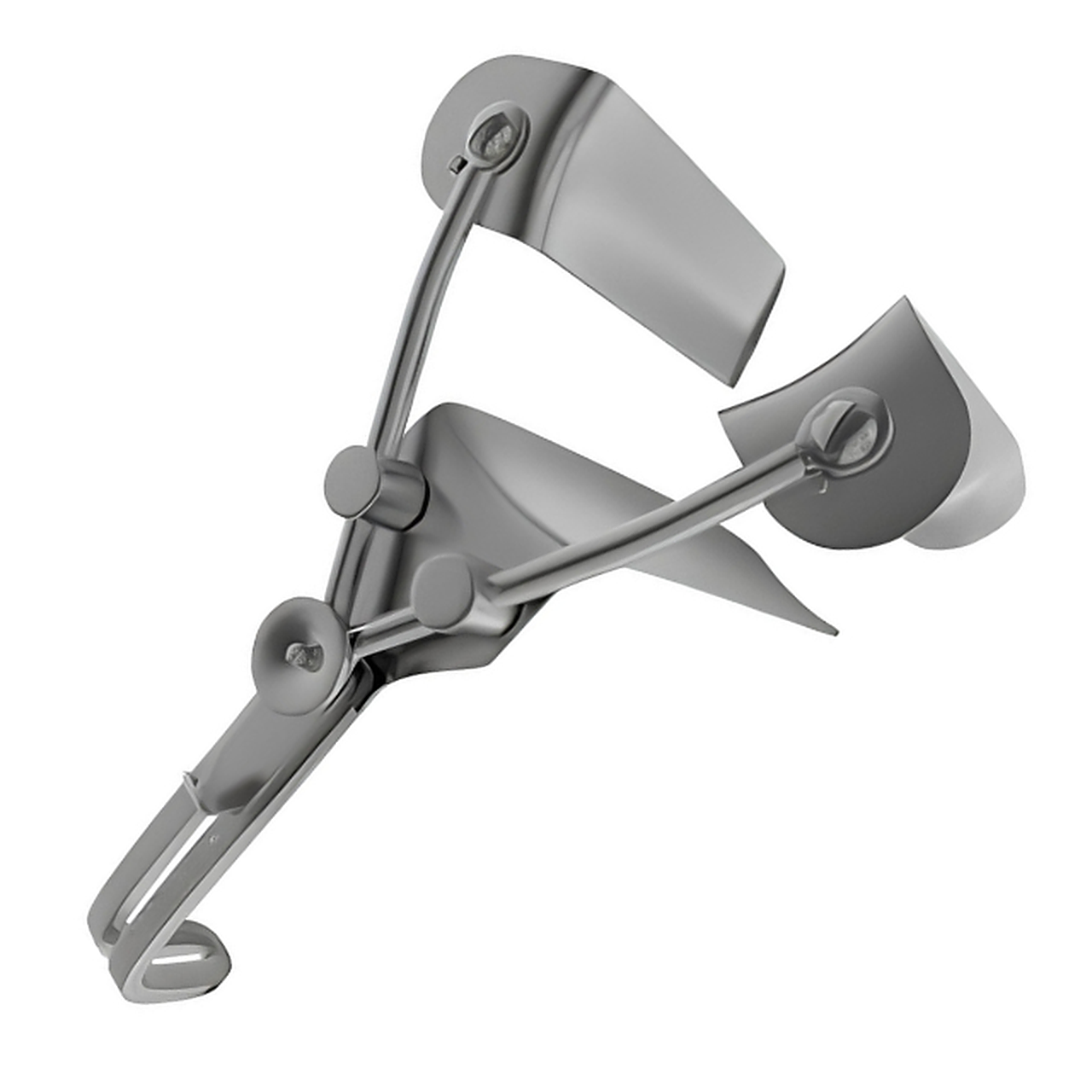 | Guttman Geburtshilfe-Retraktor | Speziell entwickelt zur Retraktion und zum Schutz der Blase und der unteren Bauchwand bei Kaiserschnitten und Beckenoperationen. |
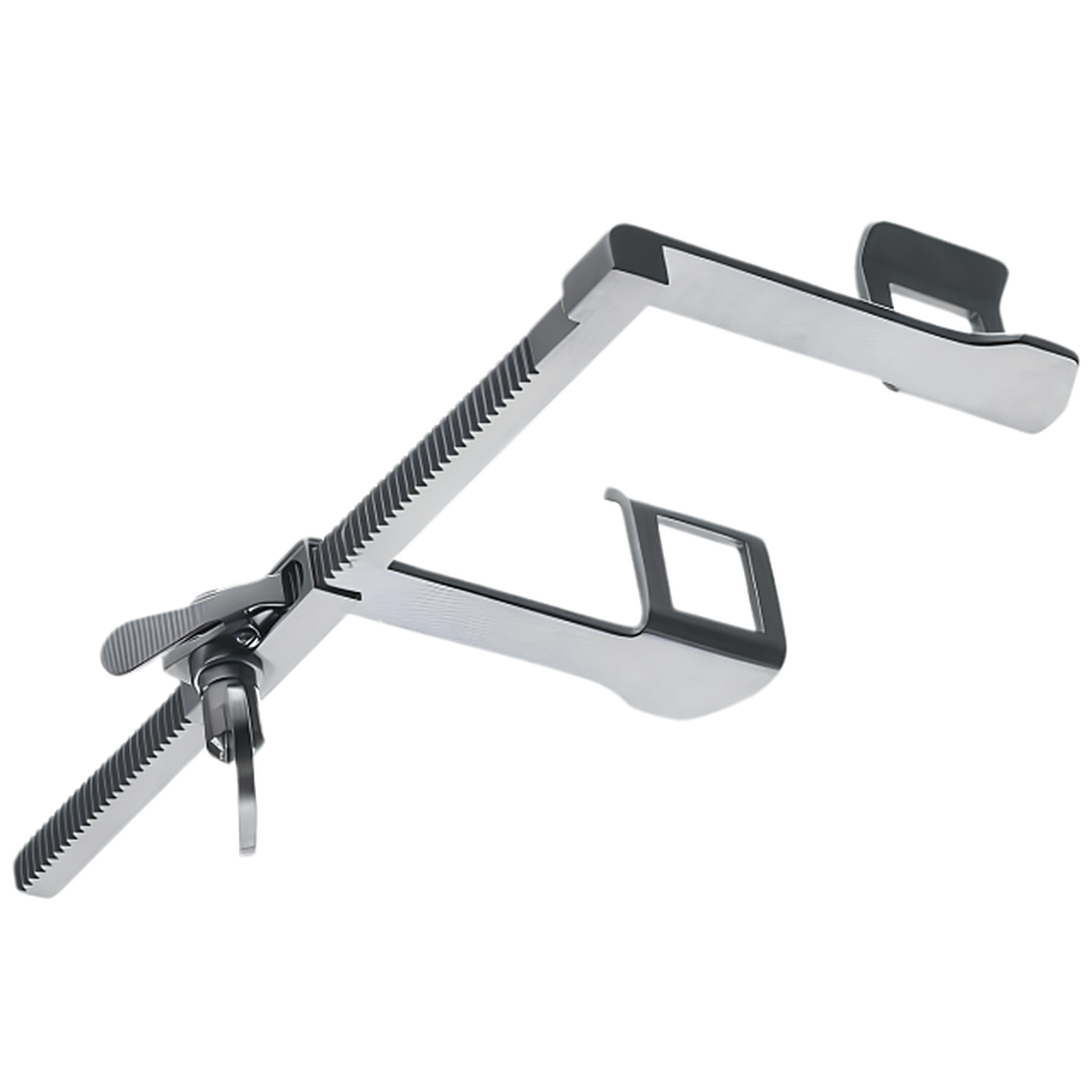 | Haight Rippenspreizer | Speziell entwickelt für die Trennung der Rippen und die Erweiterung der Thoraxhöhle bei der offenen Thorakotomie am Erwachsenen. |
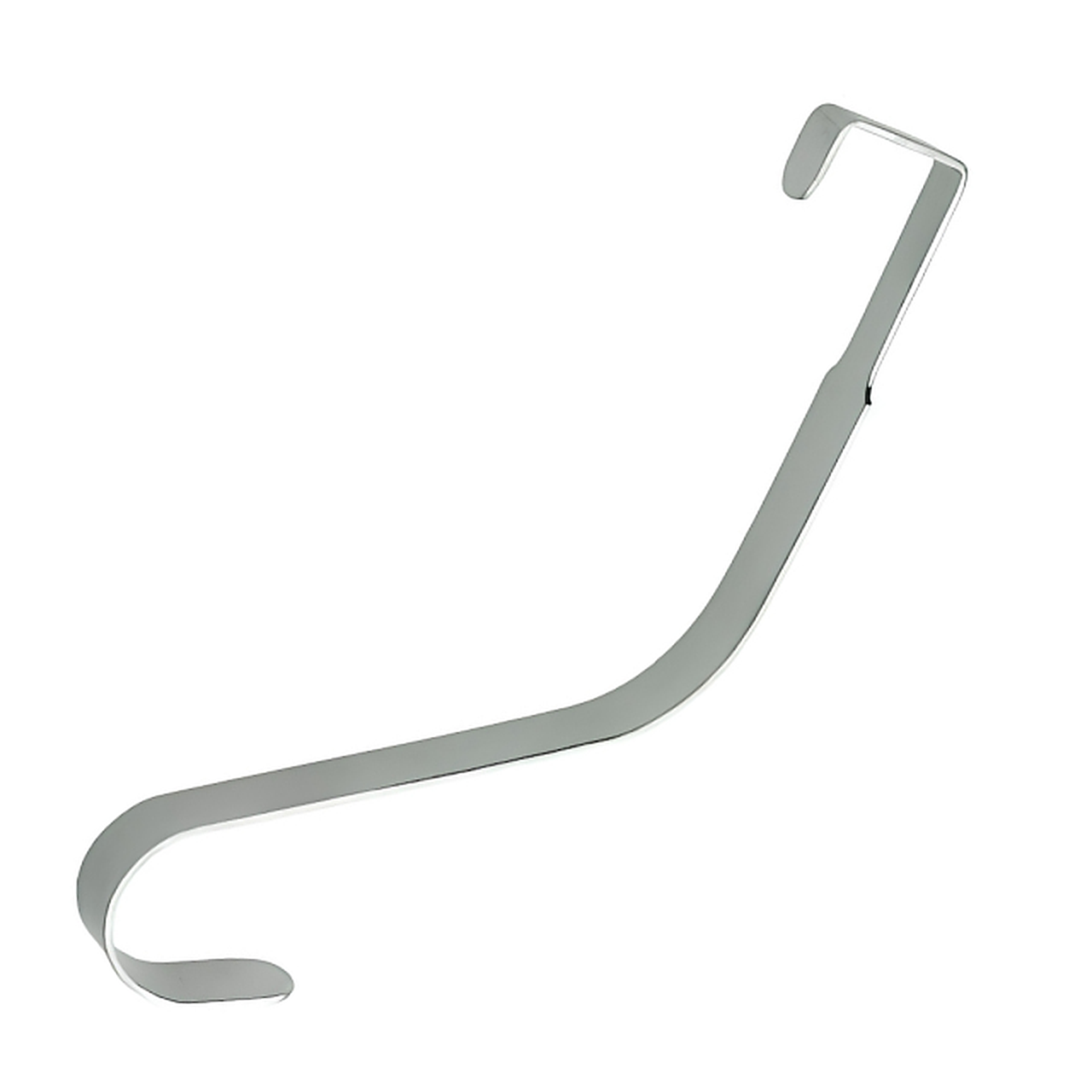 | Hajek Wangenhalter | Speziell entwickelt für die Retraktion von Wangen, Lippen und bukkaler Mukosa bei oralen, kieferchirurgischen und dentalen Operationen. |
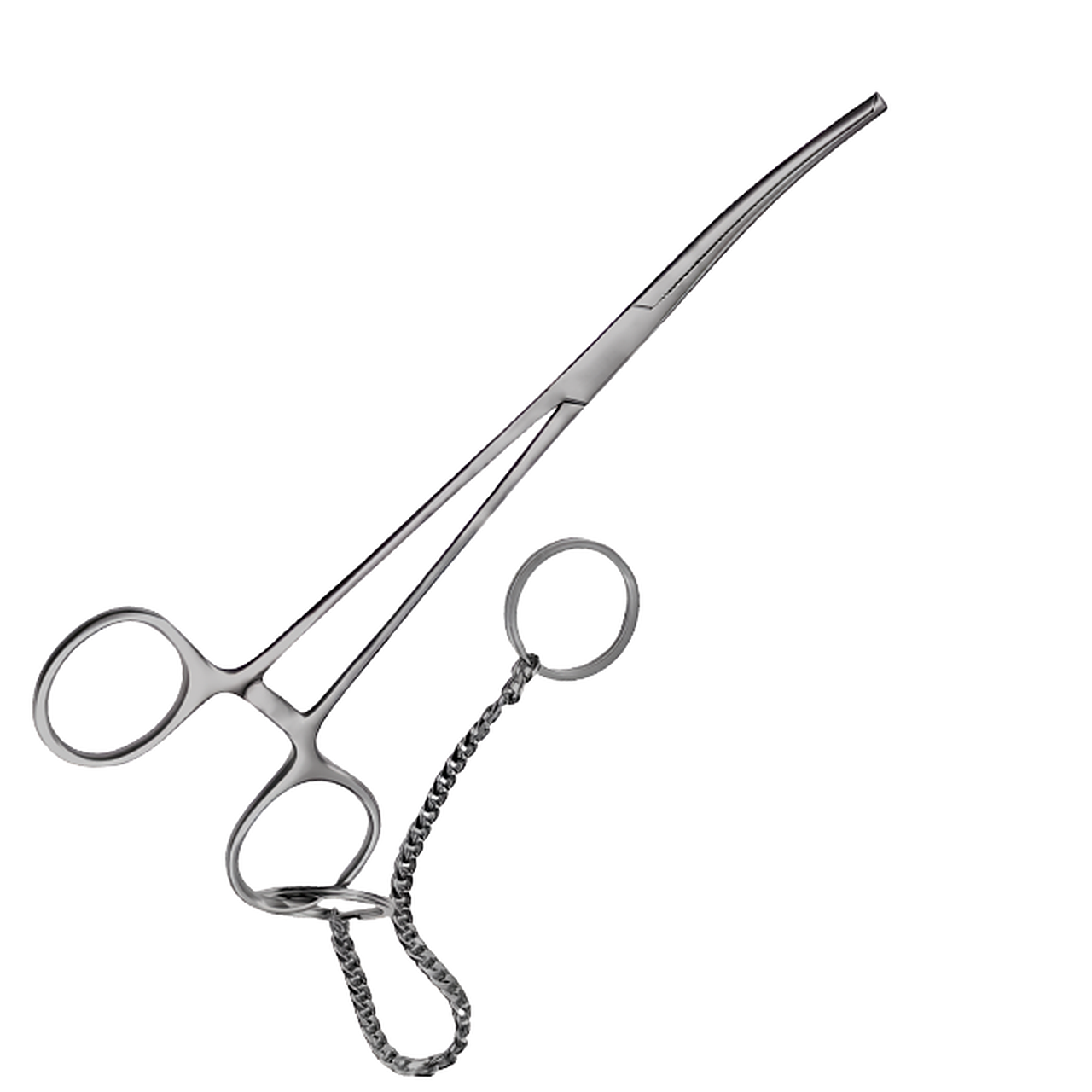 | Hargis Koronoid-Retraktor mit Kette | Speziell entwickelt zur Retraktion des Processus coronoideus und der M. |
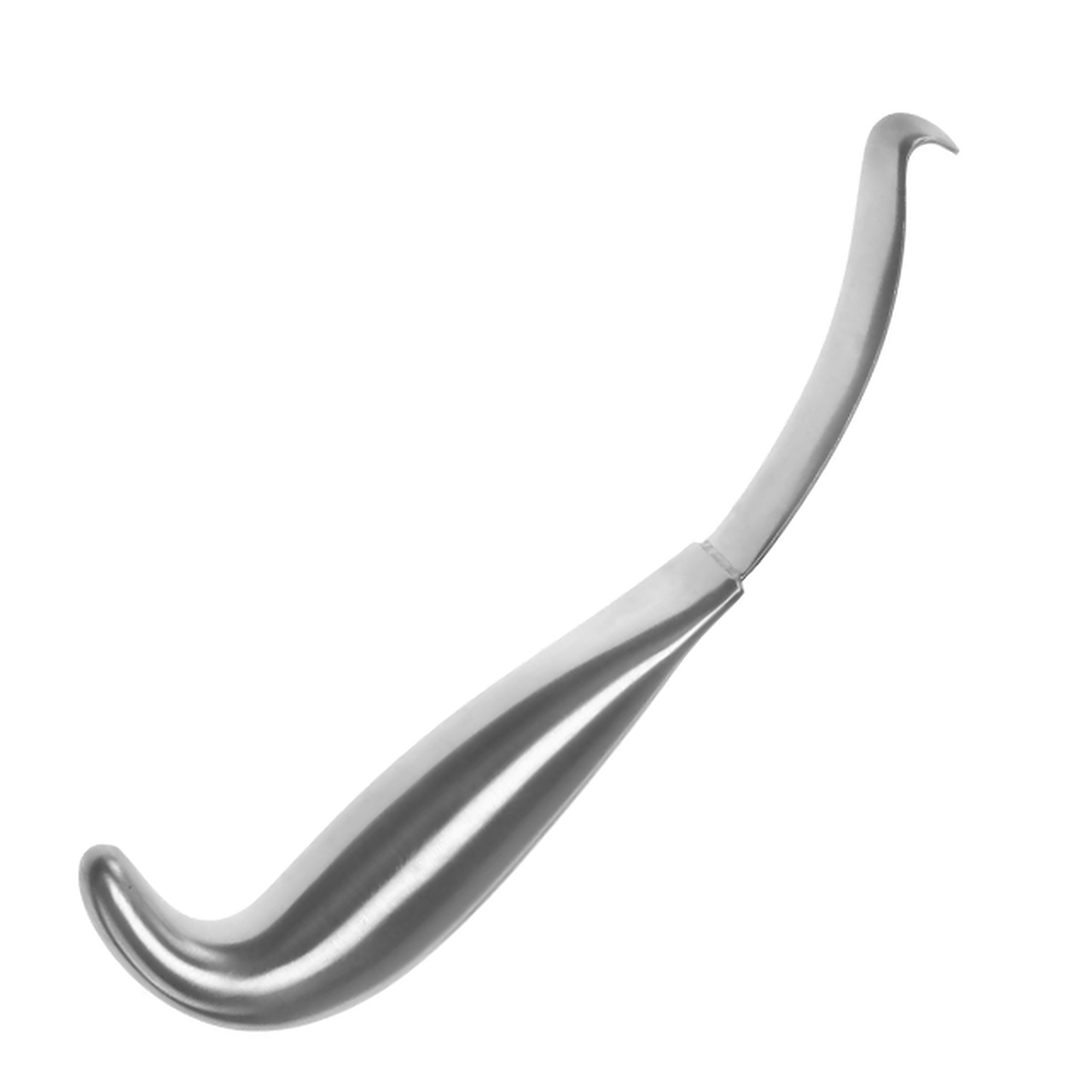 | Hargis Mandibular Body Wundhaken | Speziell entwickelt zum Zurückhalten von Weichteilgewebe und zum Schutz neurovaskulärer Bündel entlang des Unterkieferkörpers bei orthognathen Eingriffen. |
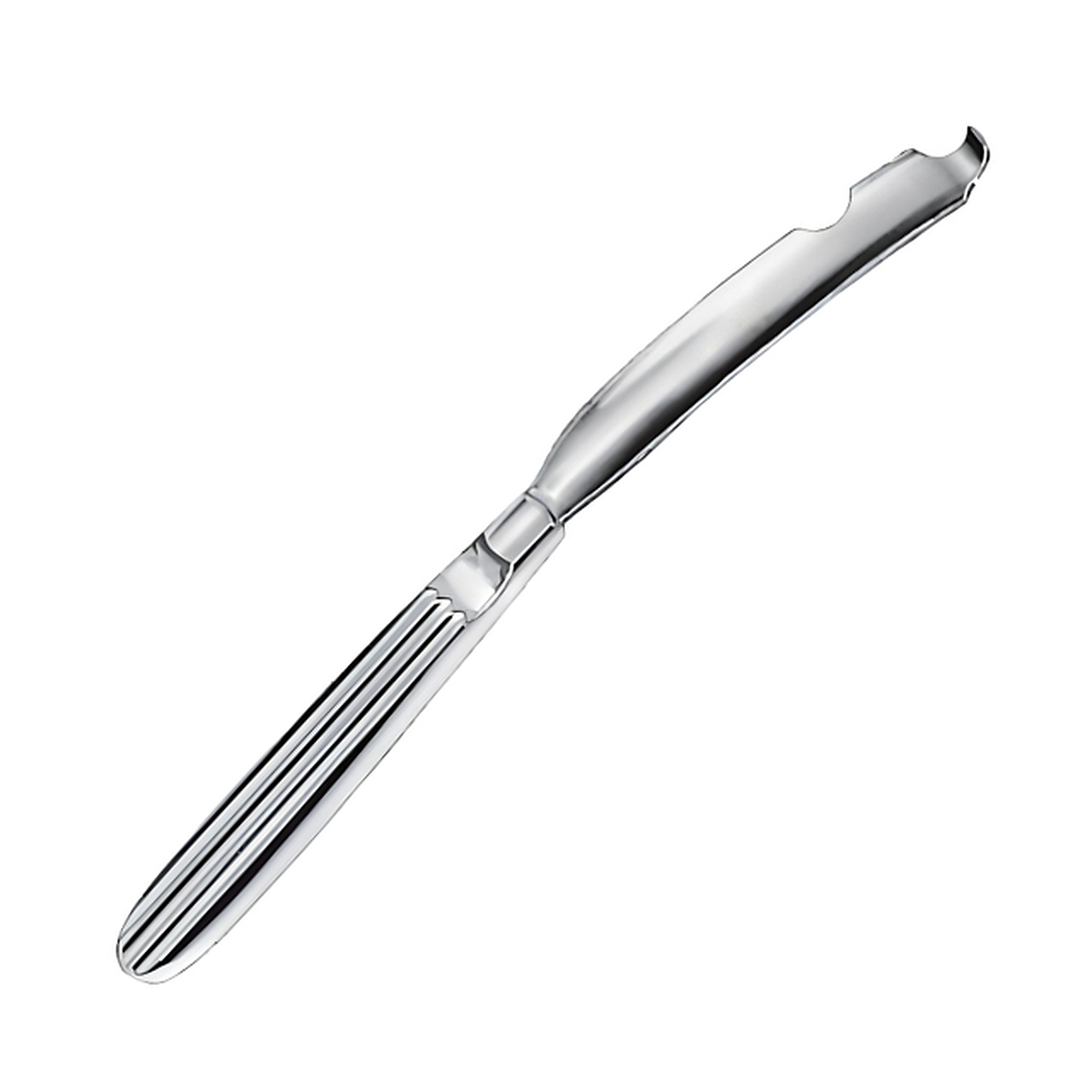 | Hargis Medial Ramus Wundhaken | Speziell entwickelt zur Retraktion des Musculus pterygoideus medialis und zum Schutz des Nervus alveolaris inferior bei sagittalen Spaltungsosteotomien des Ramus. |
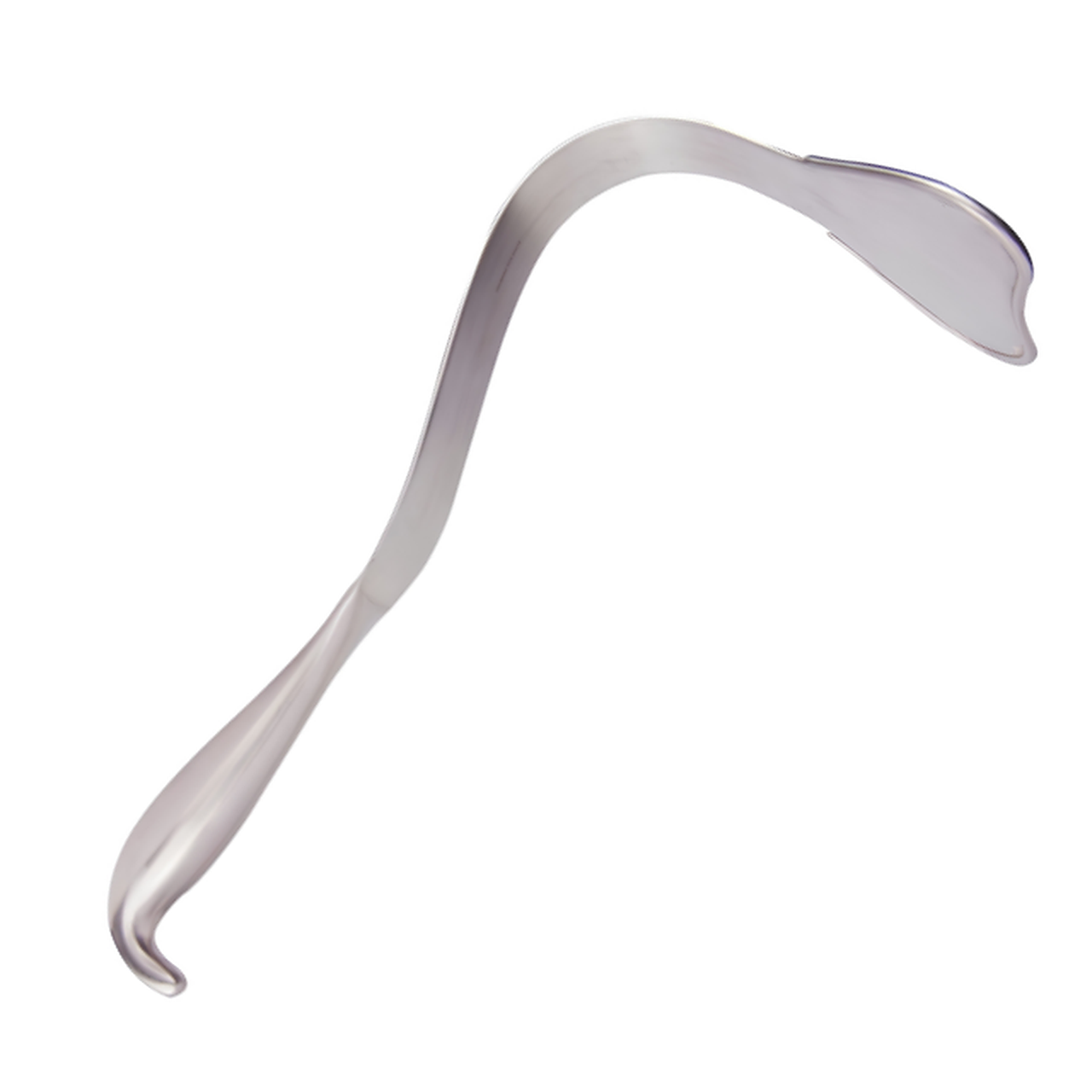 | Harrington Splanchnic Retractor | Speziell entwickelt zur Retraktion und zum Schutz von Bauchviszera, Leber, Milz und Beckenstrukturen während tiefer offener chirurgischer Eingriffe. |
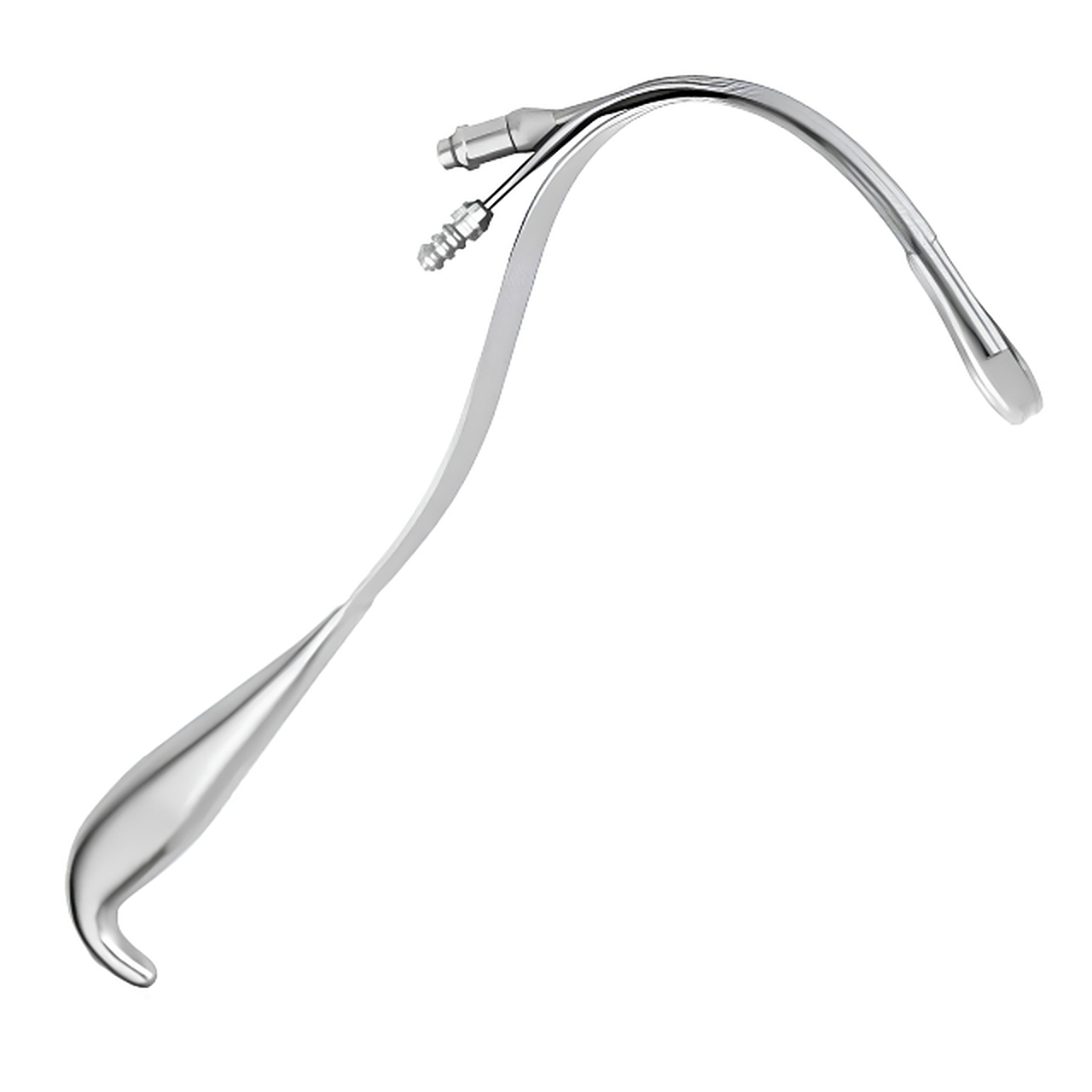 | Harrington Splanchnic Retractor With Fiber Optic | Speziell entwickelt für die beleuchtete viszerale Retraktion und kontinuierliche Saug-Spülung bei tiefen abdominalen und pelvinen Eingriffen. |
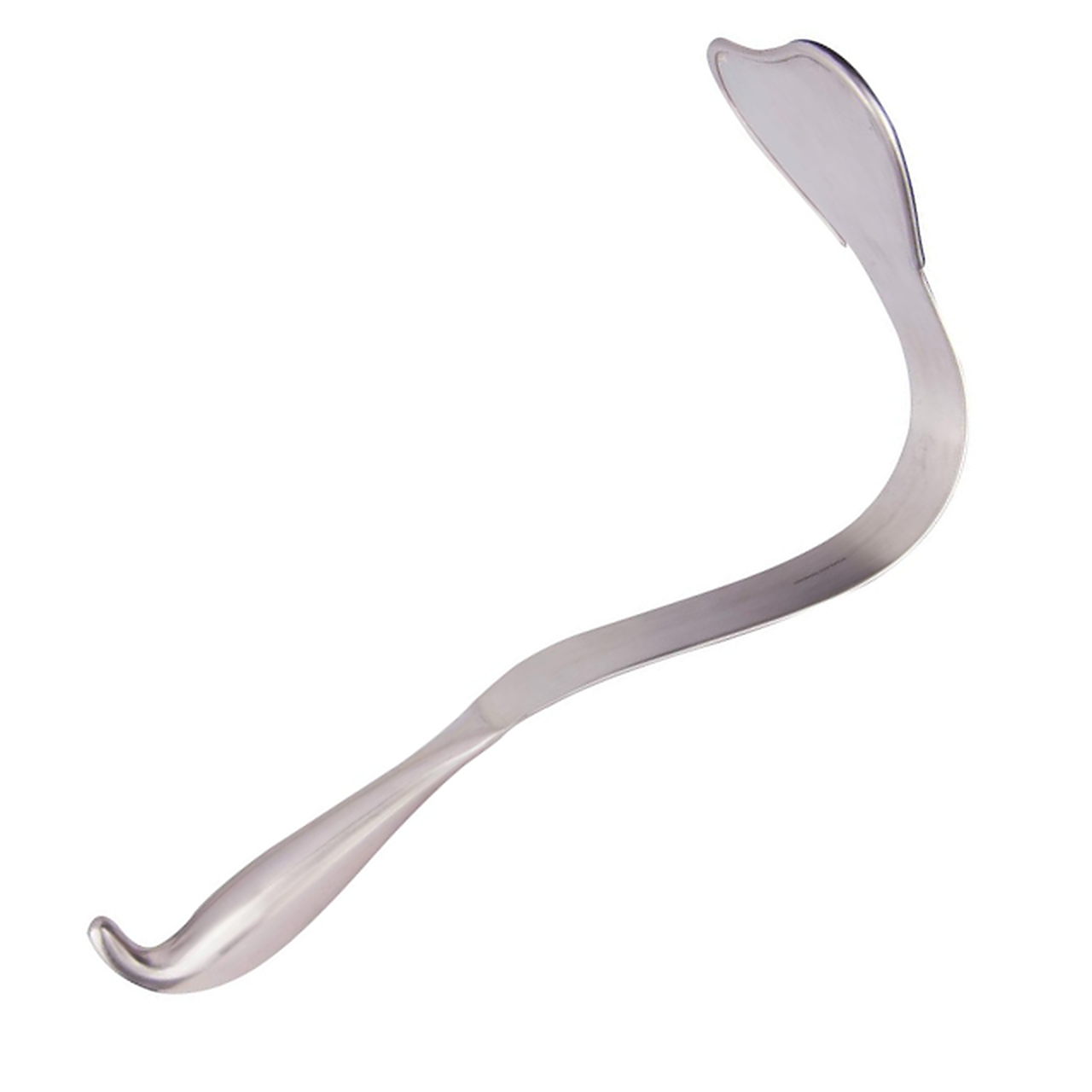 | Harrington Sweetheart Retractor | Speziell entwickelt zur Retraktion und zum Schutz von Bauchviszera, Leberlappen, Milz und Blase bei tiefen Bauch- und Beckenoperationen. |
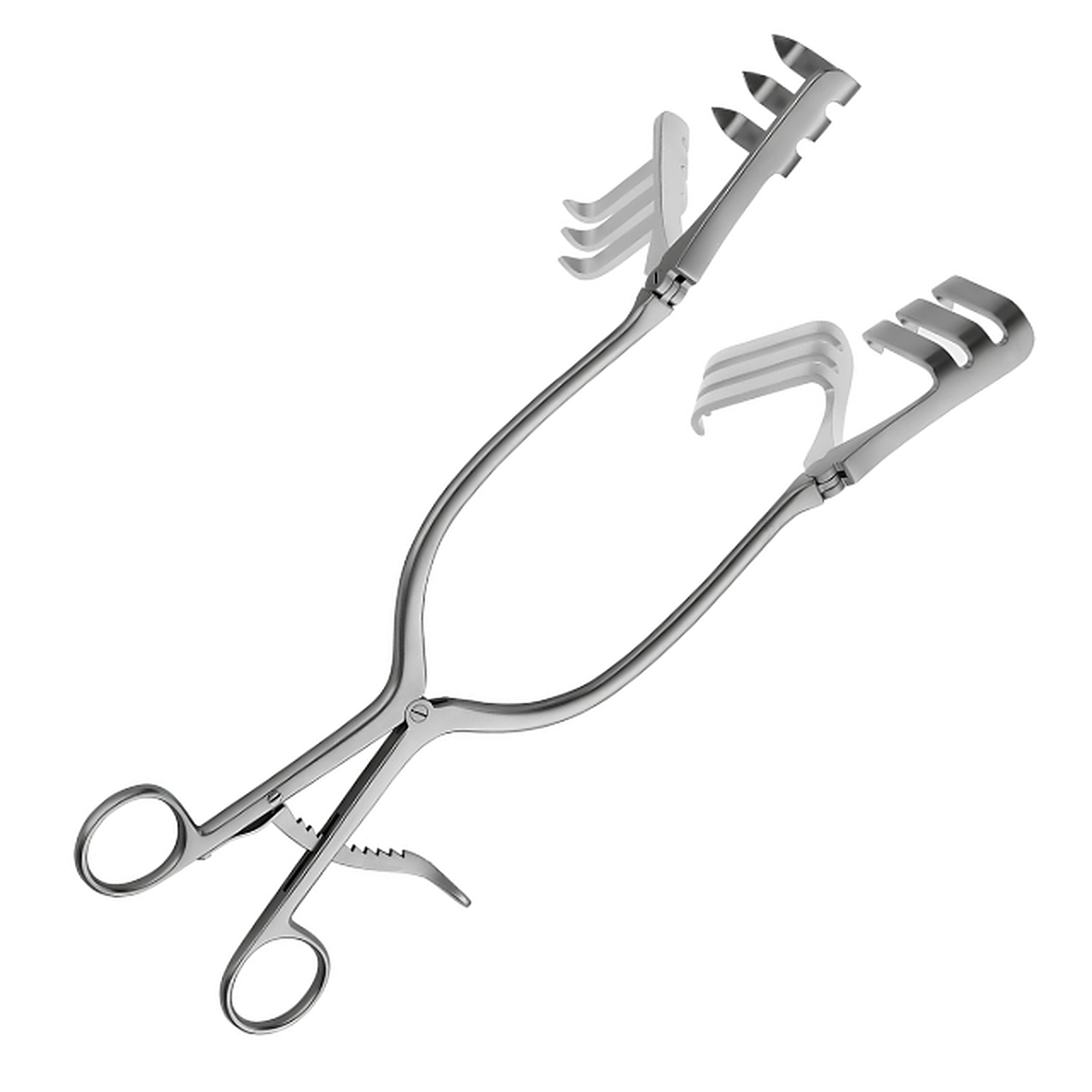 | Harvey Jackson Self Retaining Retractor | Speziell entwickelt für die selbsthaltende Retraktion von paraspinaler Muskulatur und Weichteilgewebe bei Wirbelsäulen- und orthopädischen Eingriffen. |
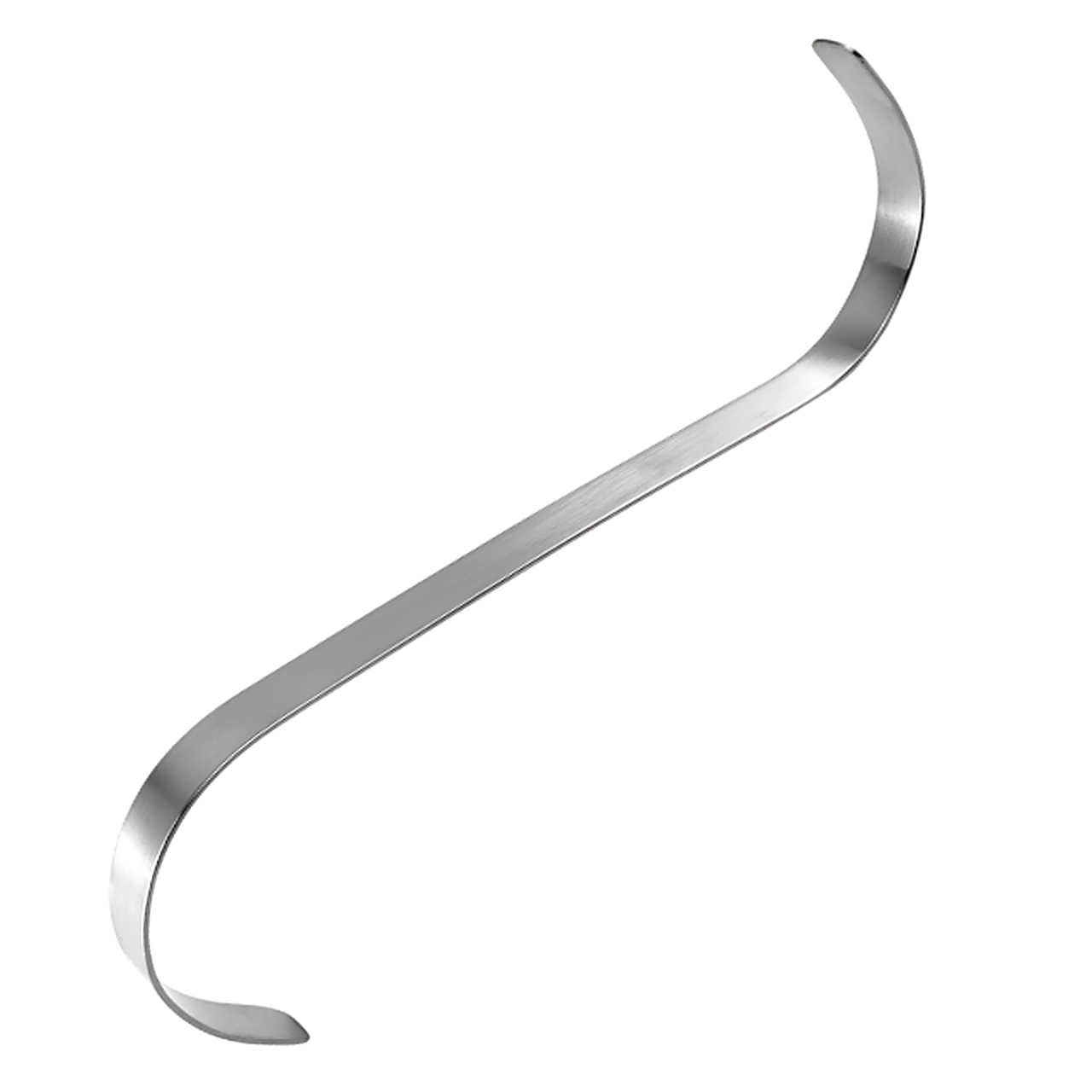 | Hasson S-Retraktor | Speziell entwickelt zur Retraktion der Faszienränder am Nabel und zum Anheben der Bauchwand bei offenen laparoskopischen Hasson-Eingriffen. |
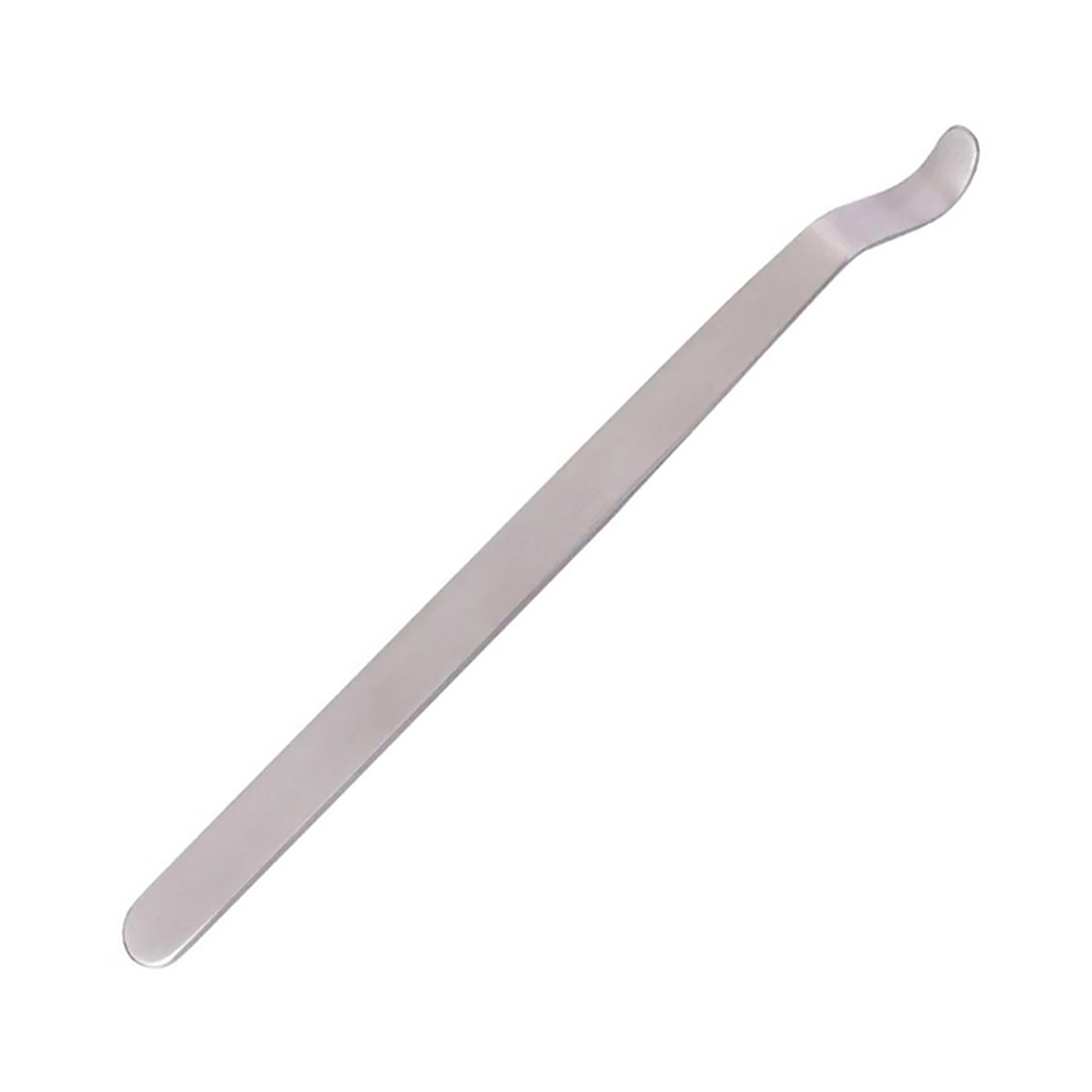 | Hayes Hand Retractors | Speziell entwickelt für die atraumatische Weichteilretraktion und chirurgische Exposition bei Eingriffen an Hand, Handgelenk und in der plastischen Rekonstruktion. |
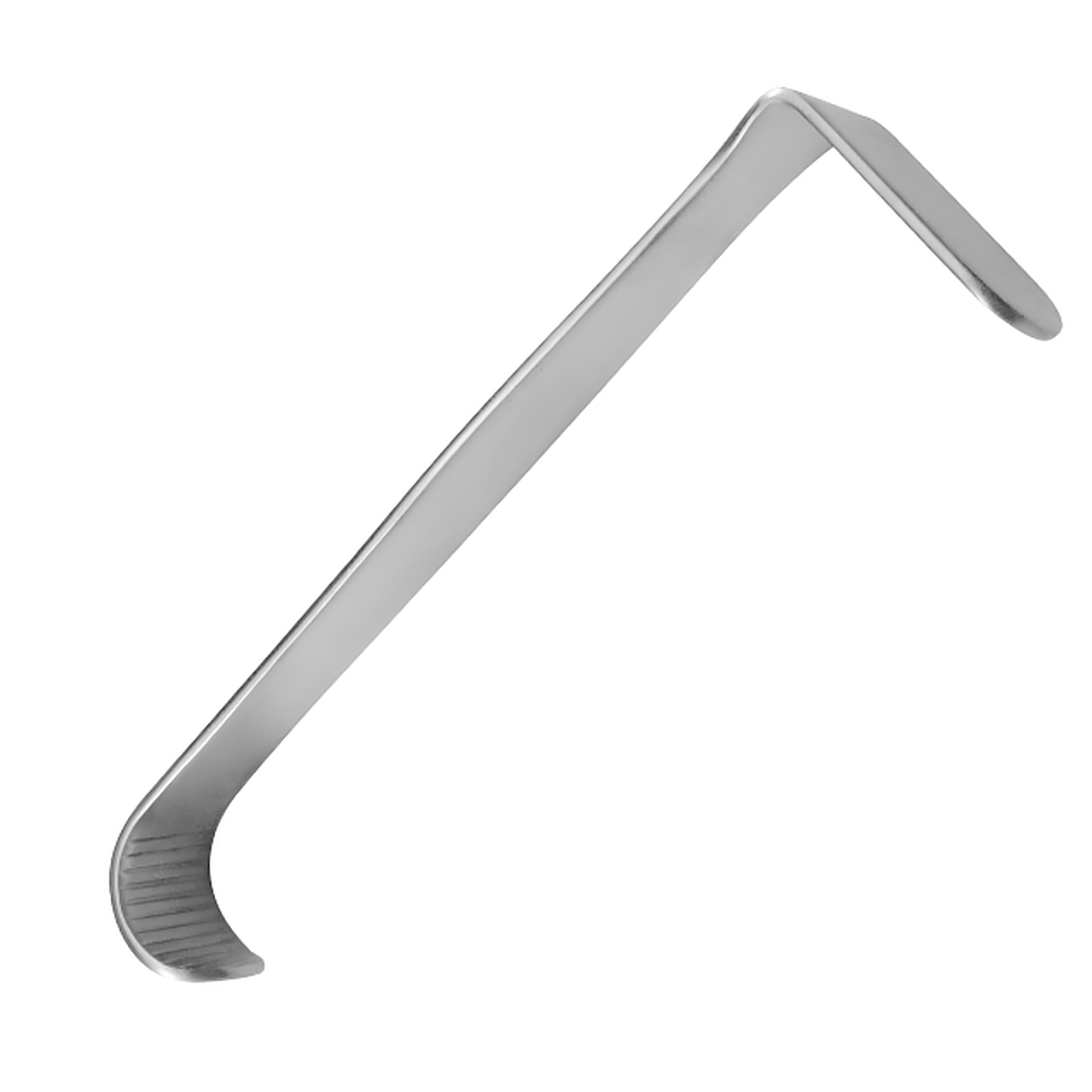 | Heaney Hysterektomie-Retraktor | Speziell entwickelt zur Retraktion der Vaginalwand und des Beckengewebes bei der vaginalen Hysterektomie und rekonstruktiven Beckenbodenchirurgie. |
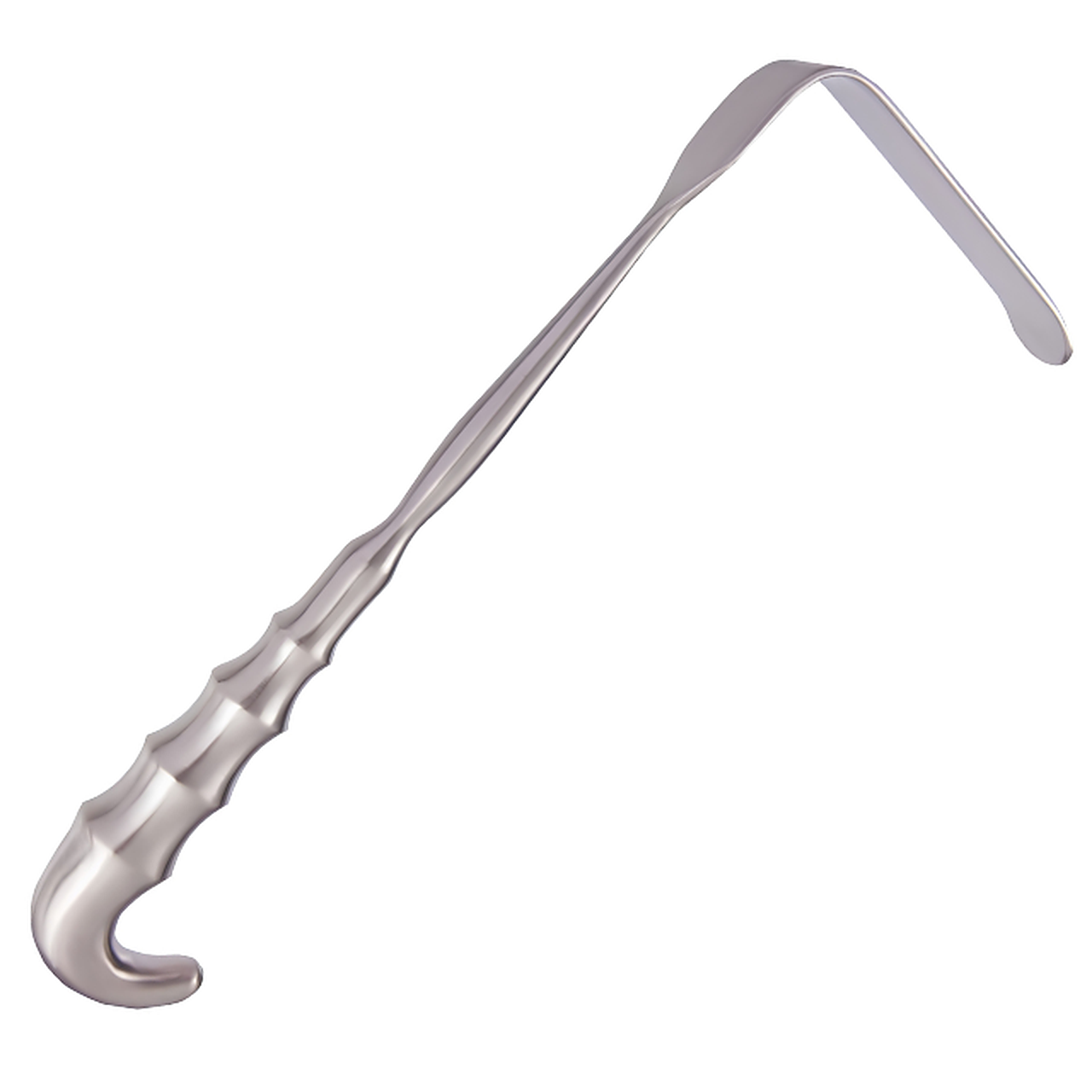 | Heaney Simon Vaginal-Retraktor | Speziell entwickelt zur Retraktion der posterioren und lateralen Vaginalwände bei der vaginalen Hysterektomie und Beckenbodenchirurgie. |
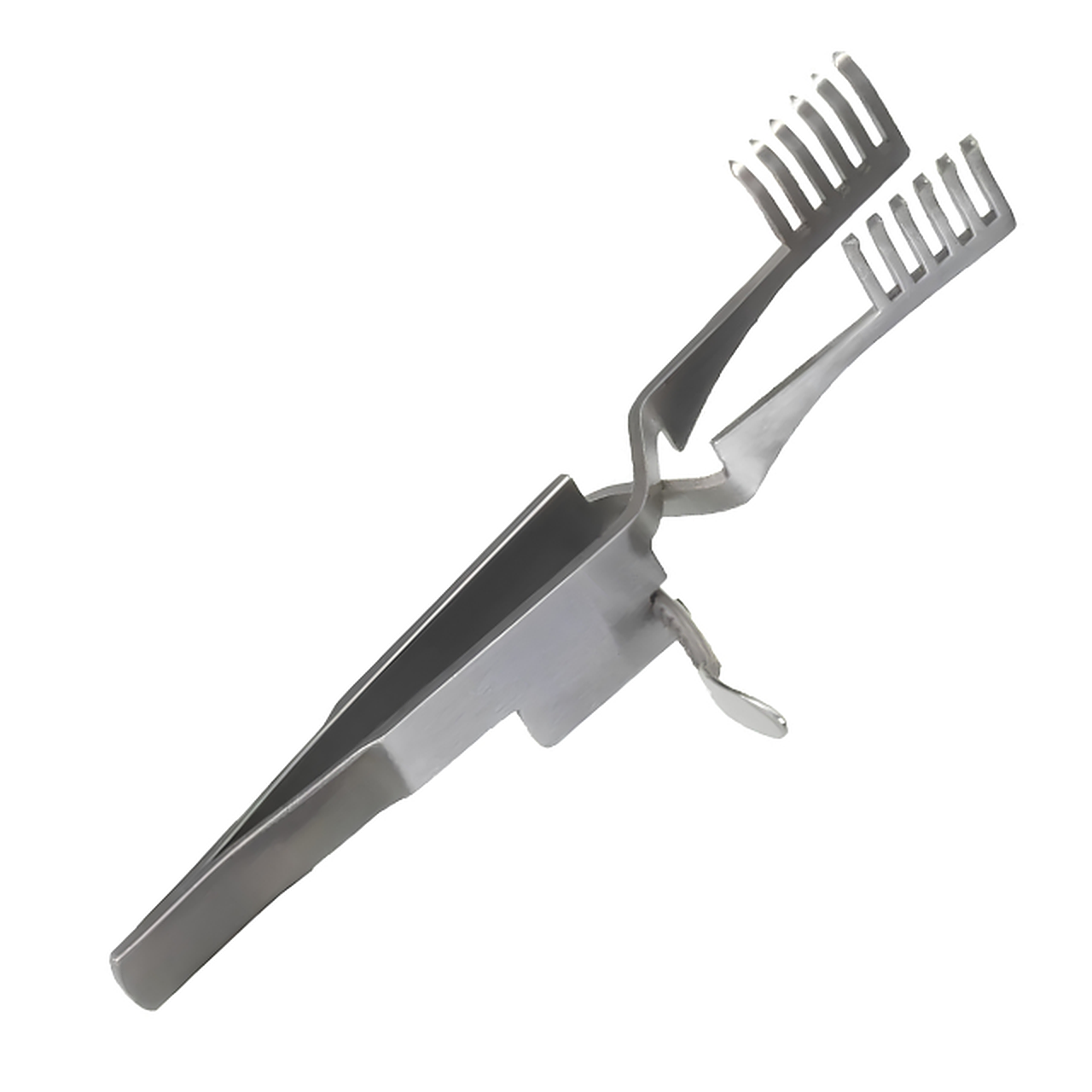 | Heiss Wound Retractor | Speziell entwickelt für die selbsthaltende Geweberetraktion bei kleinchirurgischen, ophthalmologischen, plastischen und handchirurgischen Eingriffen. |
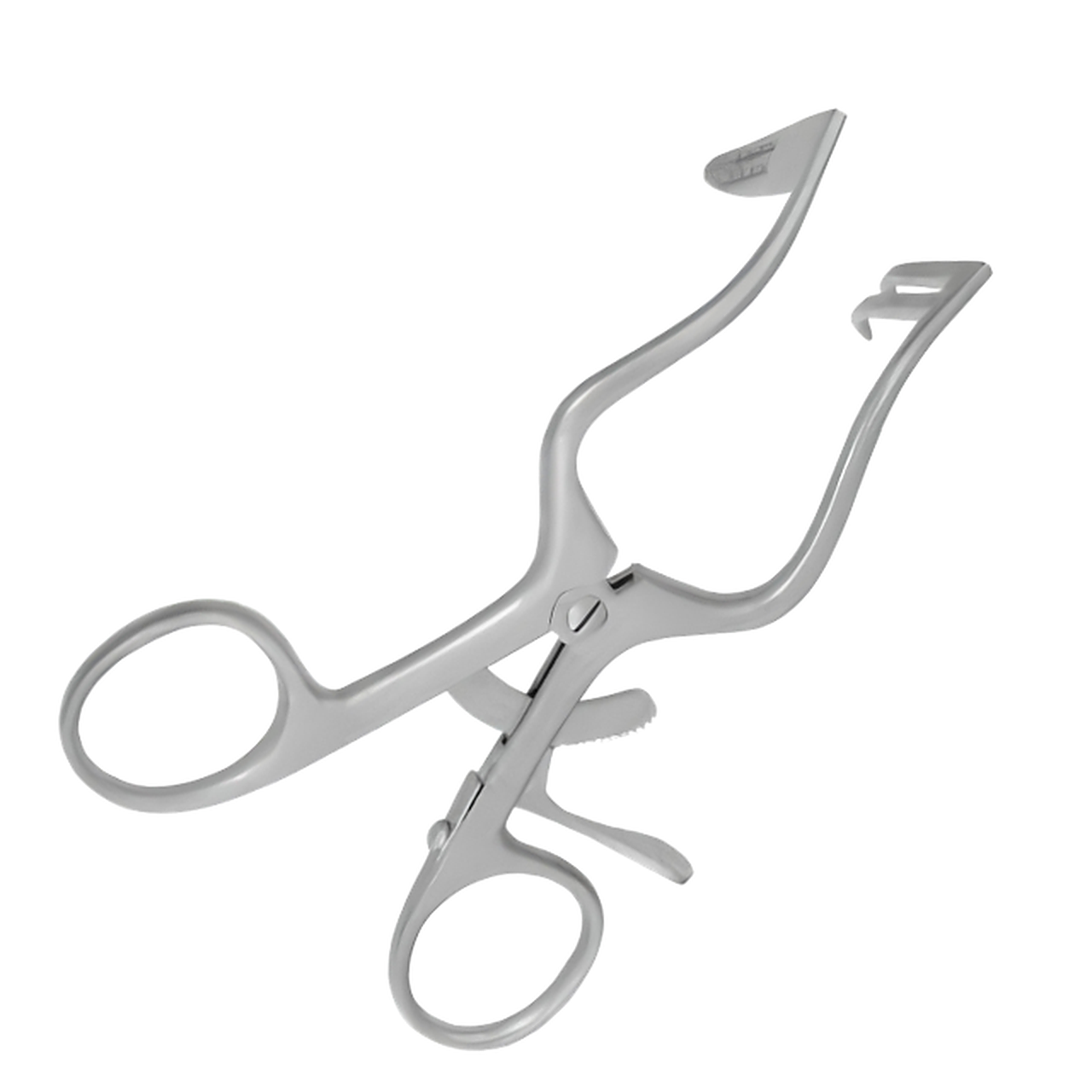 | Helms Wundsperrer | Speziell entwickelt für die selbsthaltende, atraumatische Geweberetraktion in engen otologischen und mikrochirurgischen Feldern. |
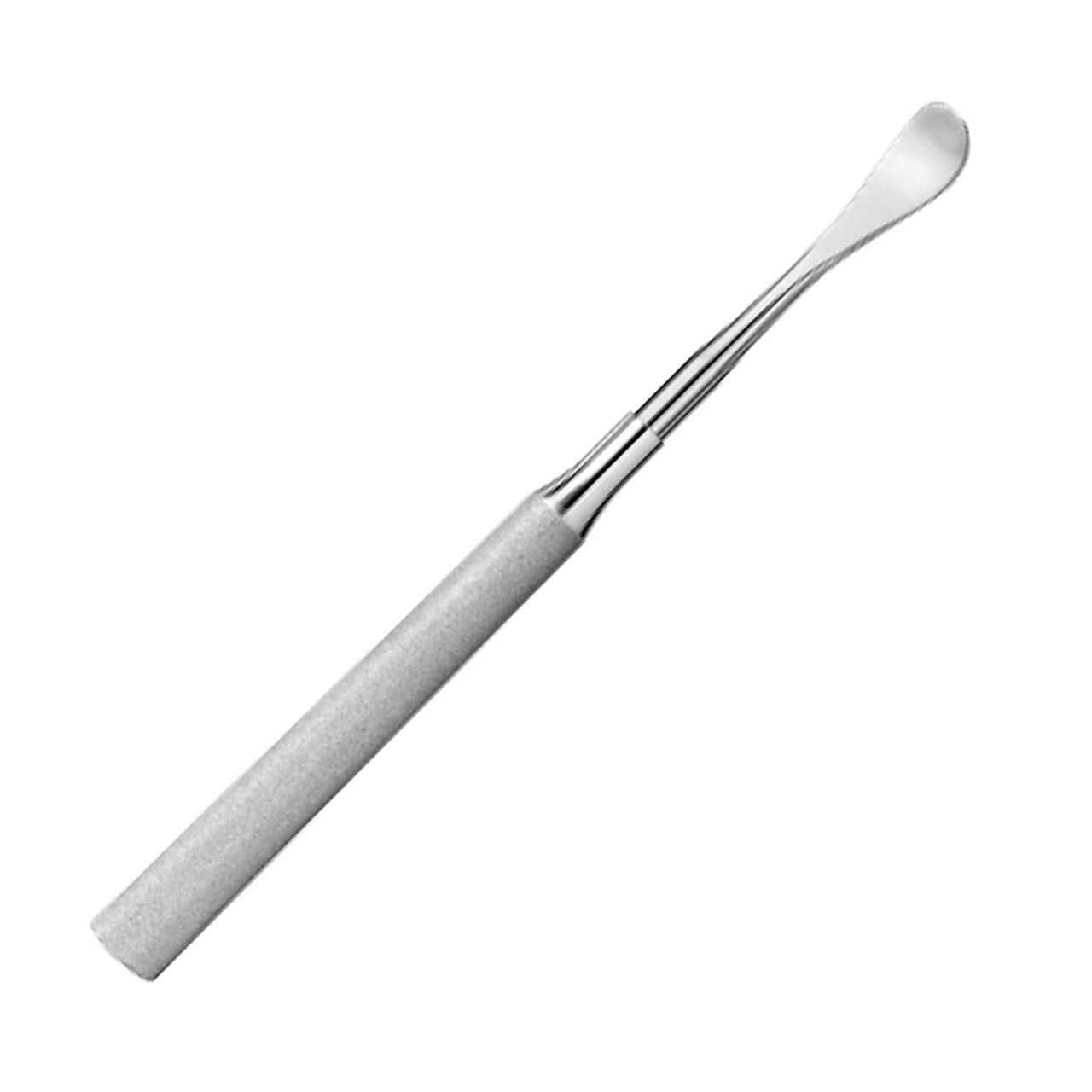 | Henahan Retractor | Speziell entwickelt zum Retrahieren von Wangen, Lippen und Mukoperiostgewebe während der Oral-, Dental- und Kieferchirurgie. |
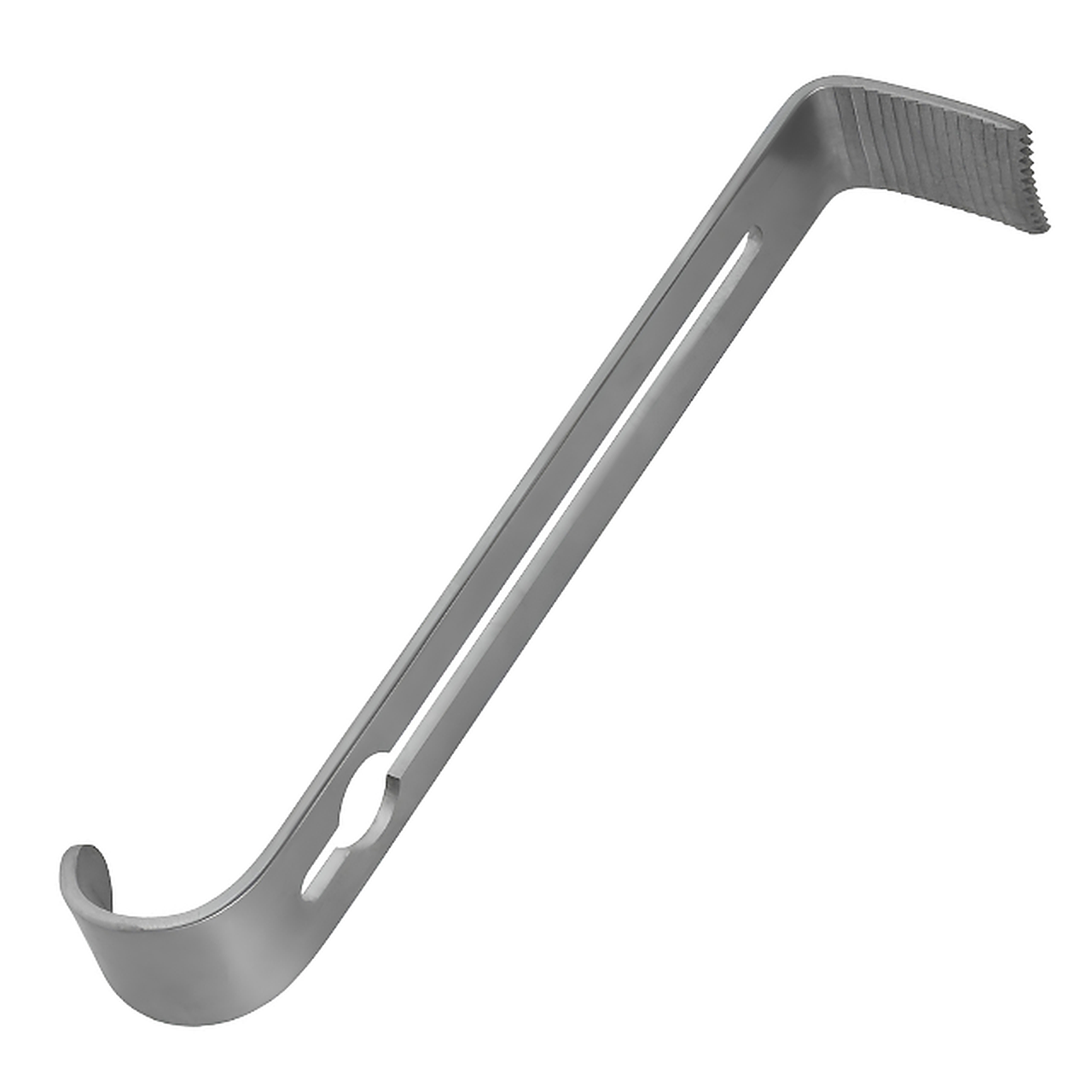 | Henly Retractor Mittelvalva | Speziell für die Montage an einem Henly-Retraktorrahmen konzipiert, um eine zentrale Geweberetraktion in der Gefäß- und Allgemeinchirurgie zu ermöglichen. |
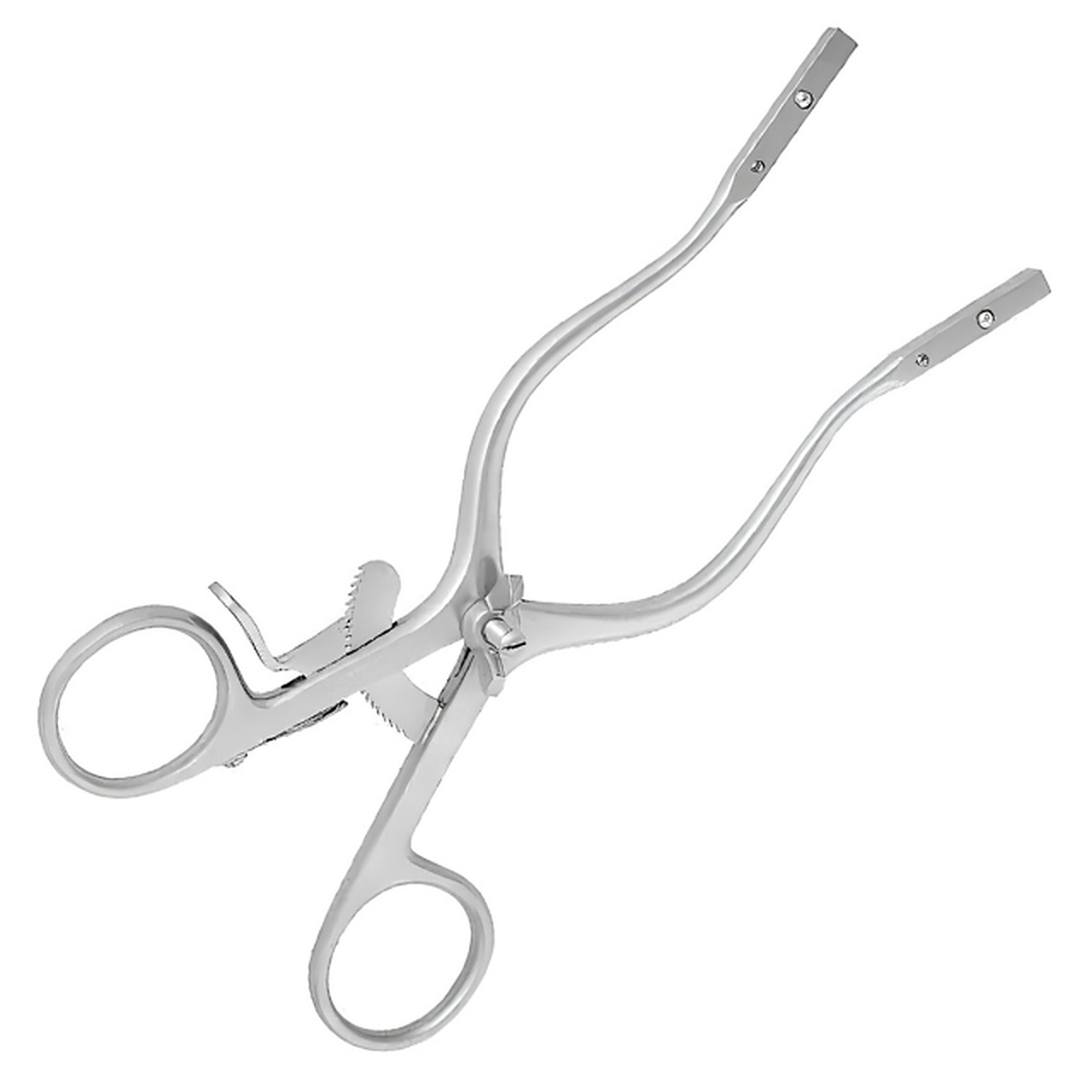 | Henly Retractor Frame | Speziell für die Aufnahme austauschbarer Seiten- und Mittelvalven zur freihändigen Retraktion in der Gefäß- und Orthopädiechirurgie konzipiert. |
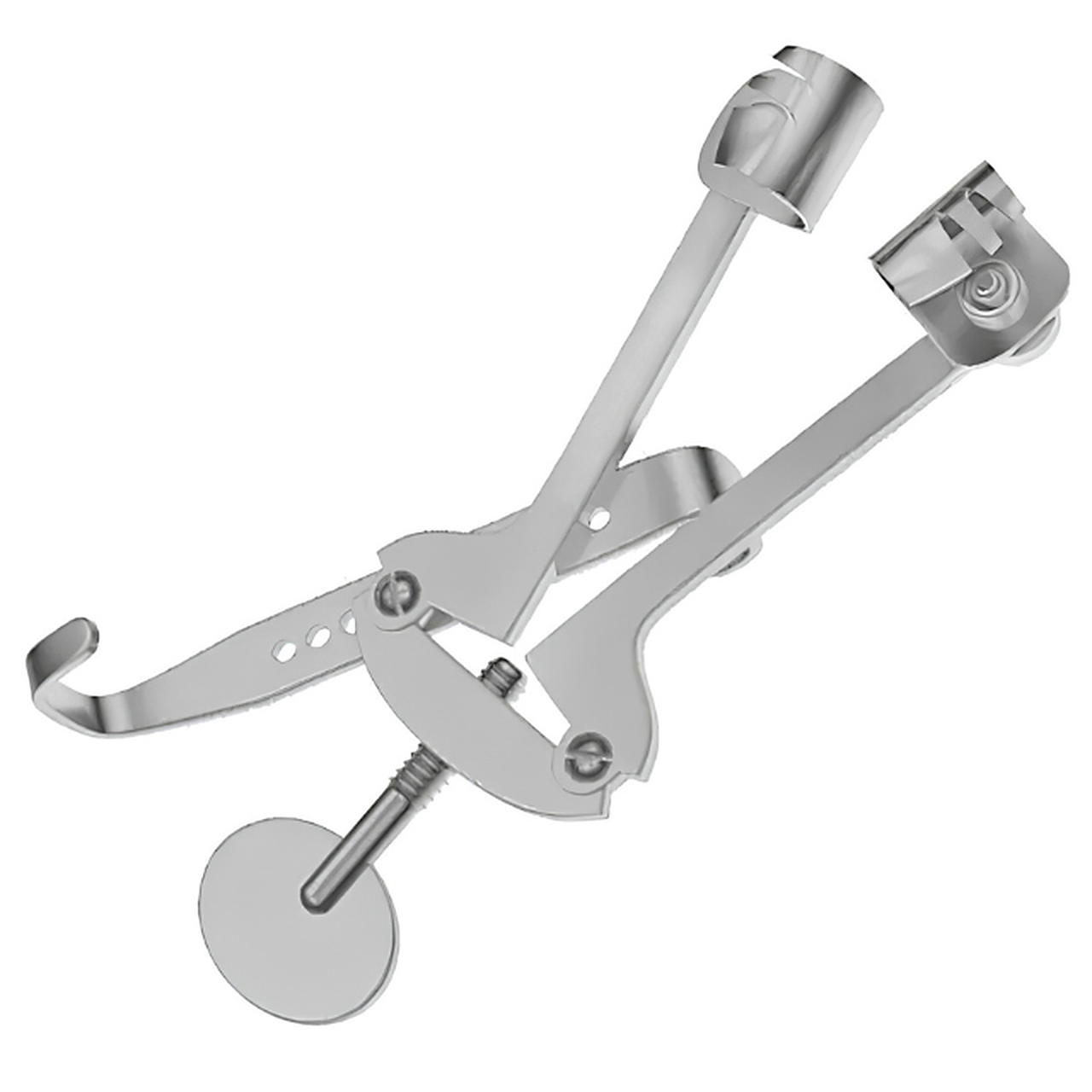 | Henner Endaural Retractor | Speziell entwickelt zur Retraktion der endauralen Inzisionsränder und des äußeren Gehörgangs während otologischer Ohroperationen. |
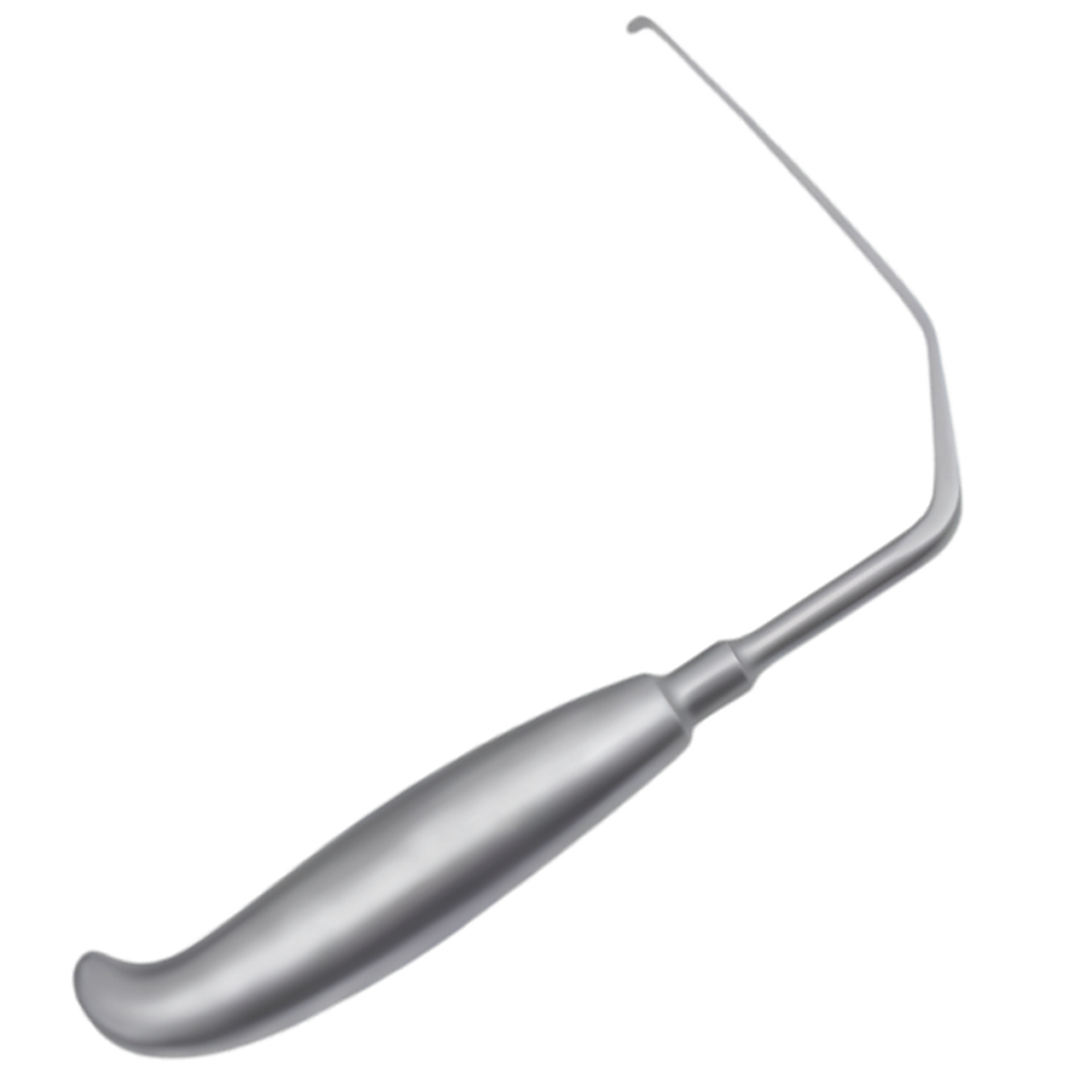 | Hess Nervwurzelhaken | Speziell entwickelt zur Retraktion und zum Schutz verlaufender spinaler Nervwurzeln und des Durasacks während der mikrochirurgischen lumbalen Disktomie. |
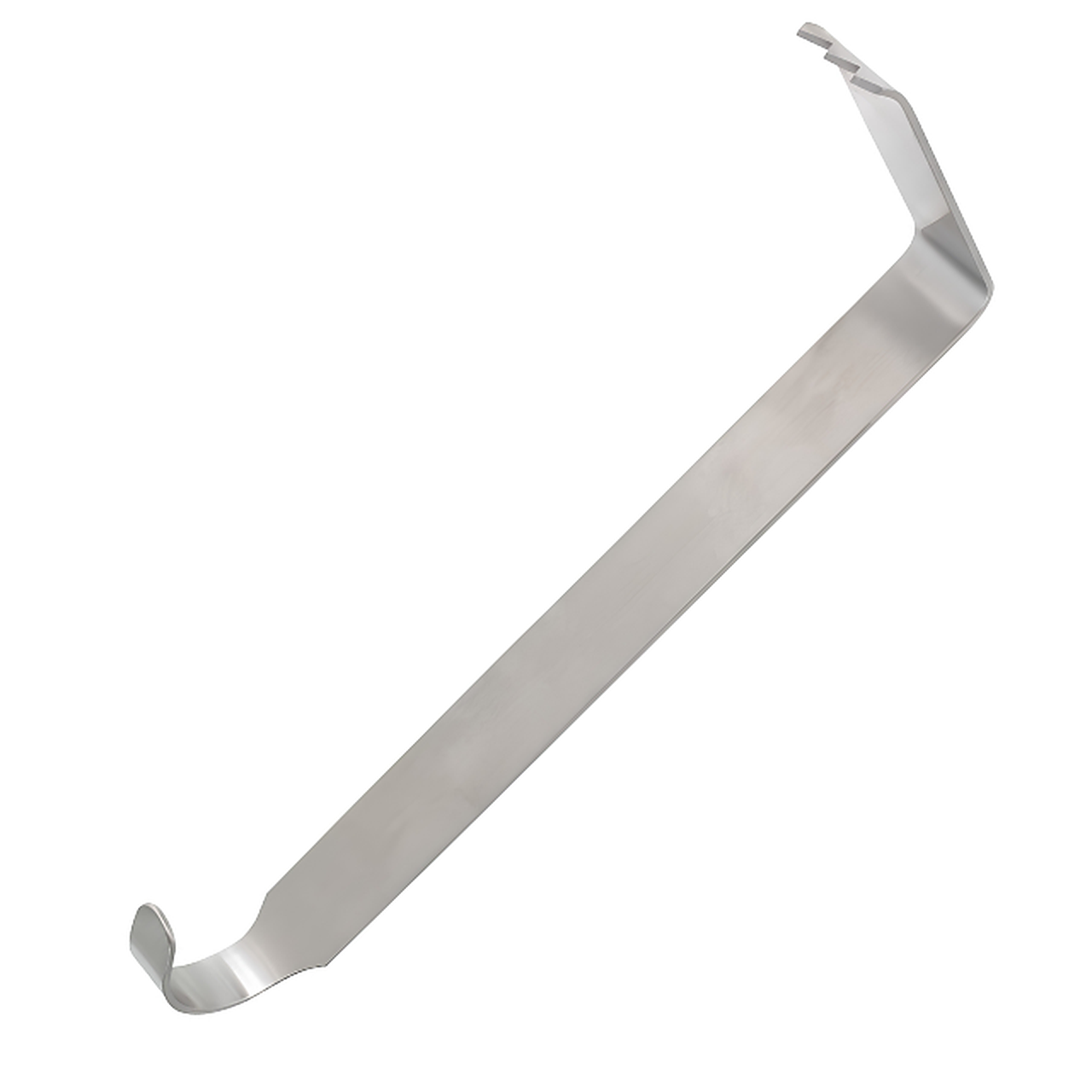 | Hibbs Retractor | Speziell entwickelt zur Retraktion schwerer paraspinaler Muskulatur und tiefer Weichteile in der Wirbelsäulen- und Orthopädiechirurgie. |
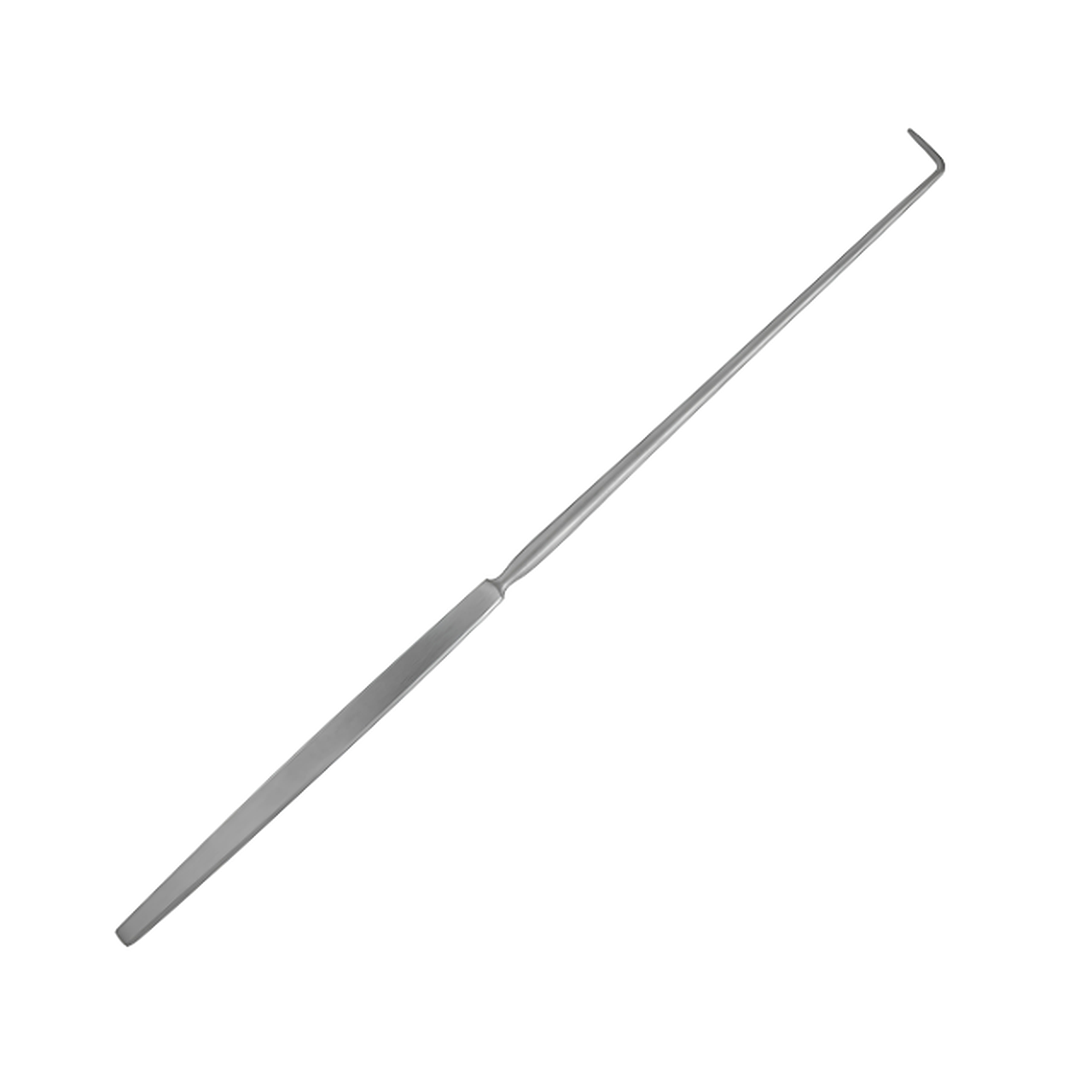 | Hoen Nervenretraktor | Speziell entwickelt für die Mobilisation, Exploration und Retraktion von spinalen Nervenwurzeln und dem Durasack in der Mikrochirurgie. |
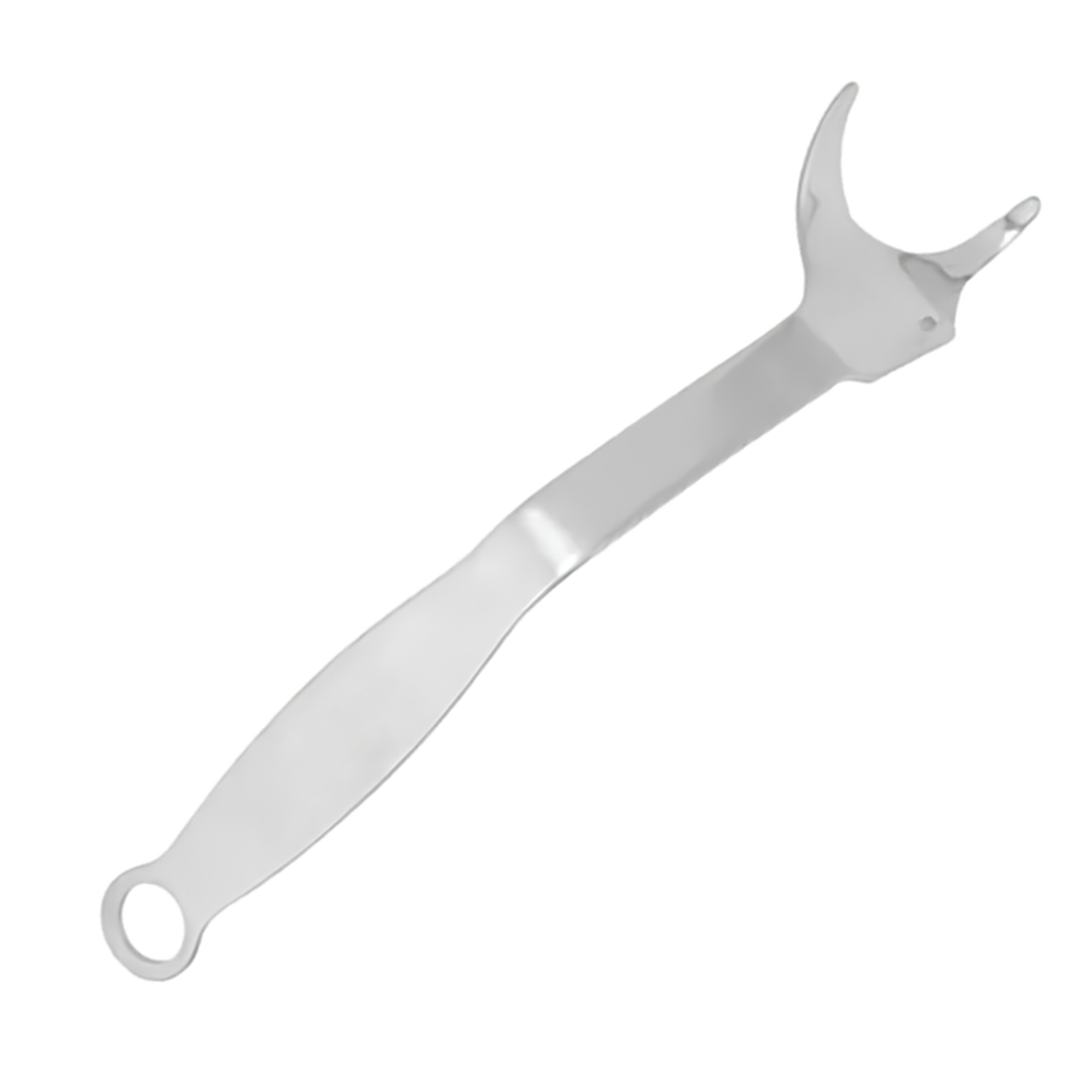 | Hohmann Posterior-Inferior-Hebel | Speziell entwickelt zur Freilegung des posterior-inferioren Pfannenrandes und zur Retraktion von Kapselgewebe während der totalen Hüftendoprothetik. |
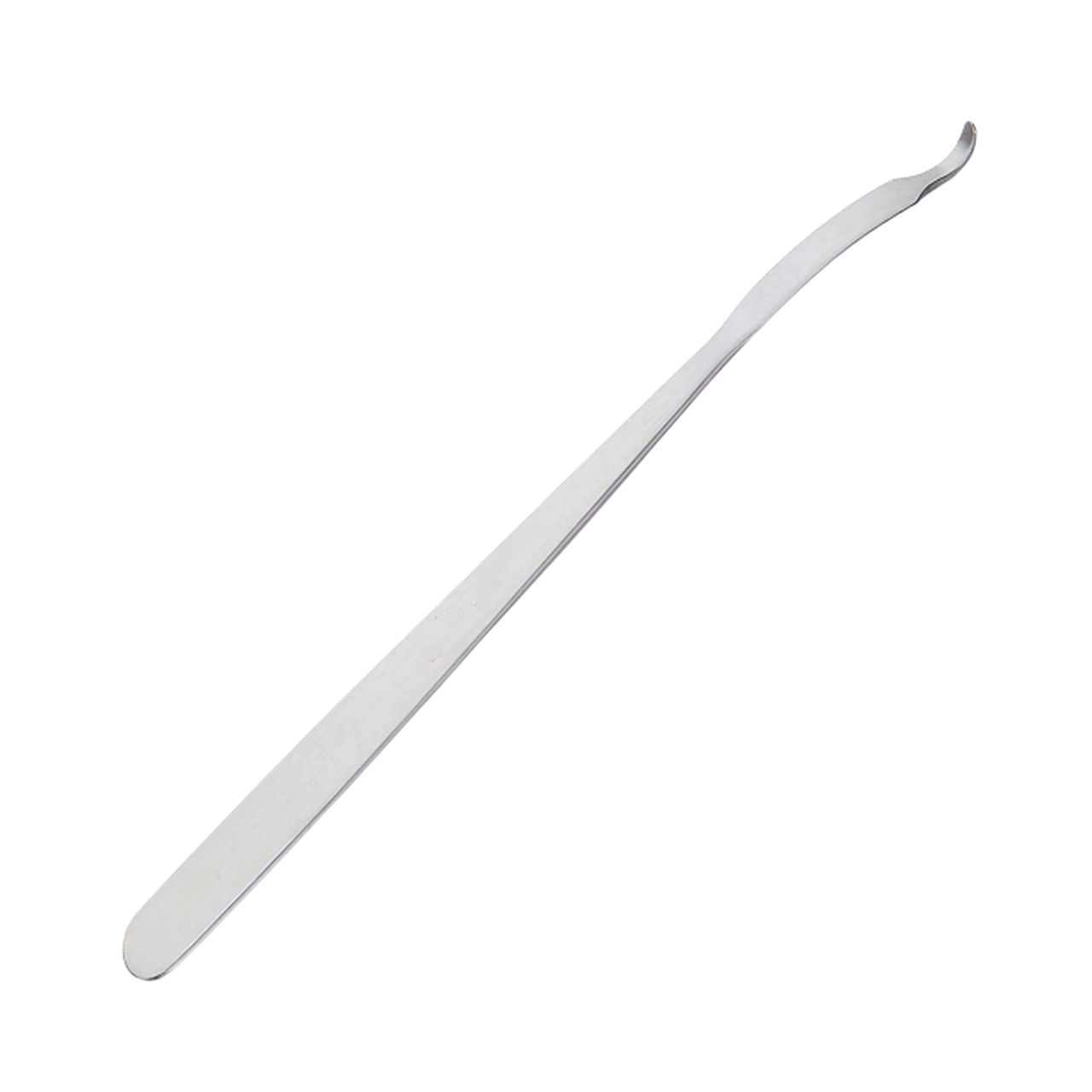 | Hohmann Retractor | Speziell entwickelt zur Knochenhebelung und Retraktion schwerer Muskulatur bei orthopädischen Eingriffen an Hüfte, Knie und Röhrenknochen. |
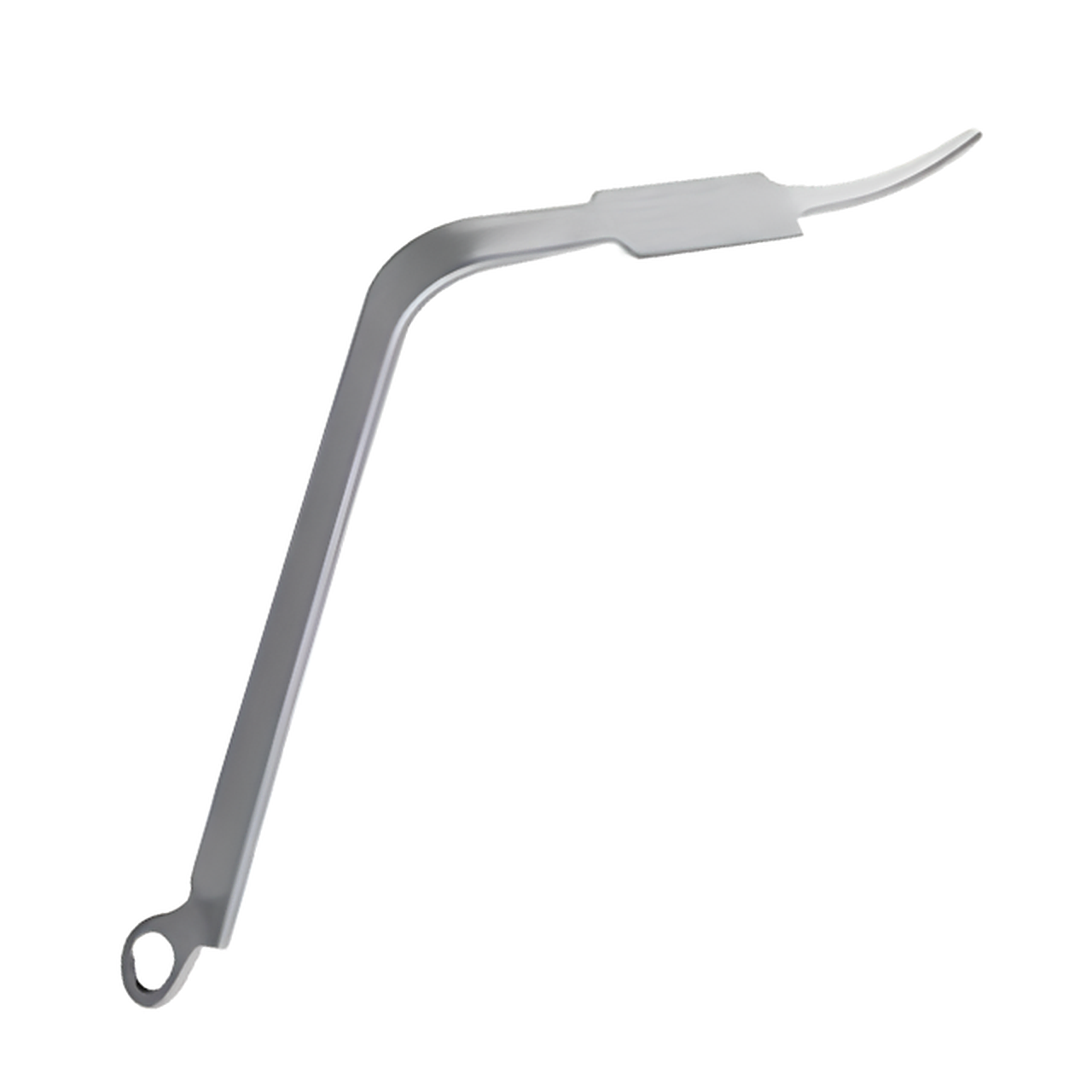 | Hohmann Retractor Bent Extra Long Handle | Speziell entwickelt zur Knochenhebelung und Retraktion schwerer Muskulatur, wobei der Griff bei orthopädischen Eingriffen aus dem tiefen Operationsfeld herausgeführt wird. |
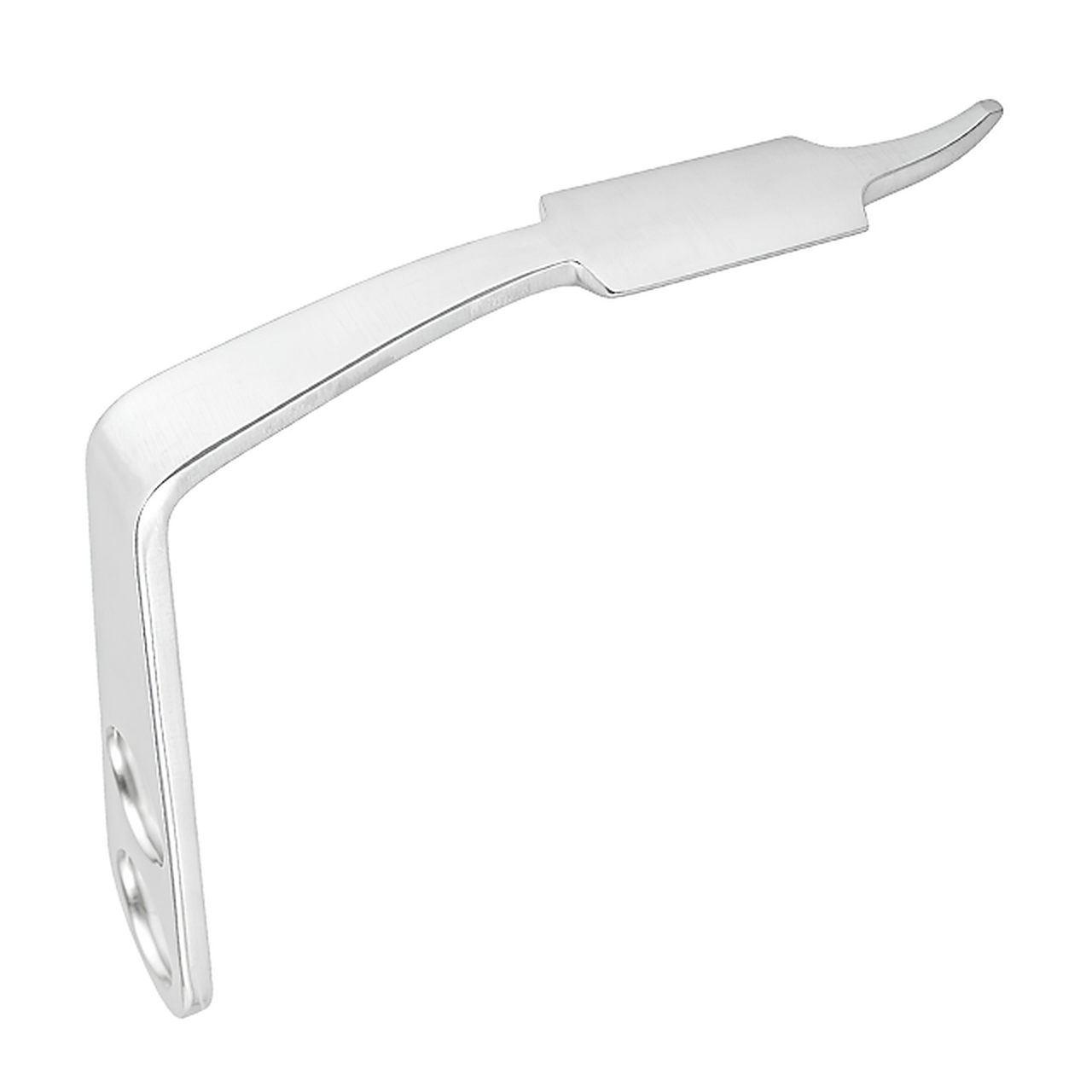 | Hohmann Retractor Right Angled | Speziell entwickelt für die Knochenhebelwirkung und Muskelretraktion im rechten Winkel bei tiefen Hüft-, Becken- und Femuroperationen. |
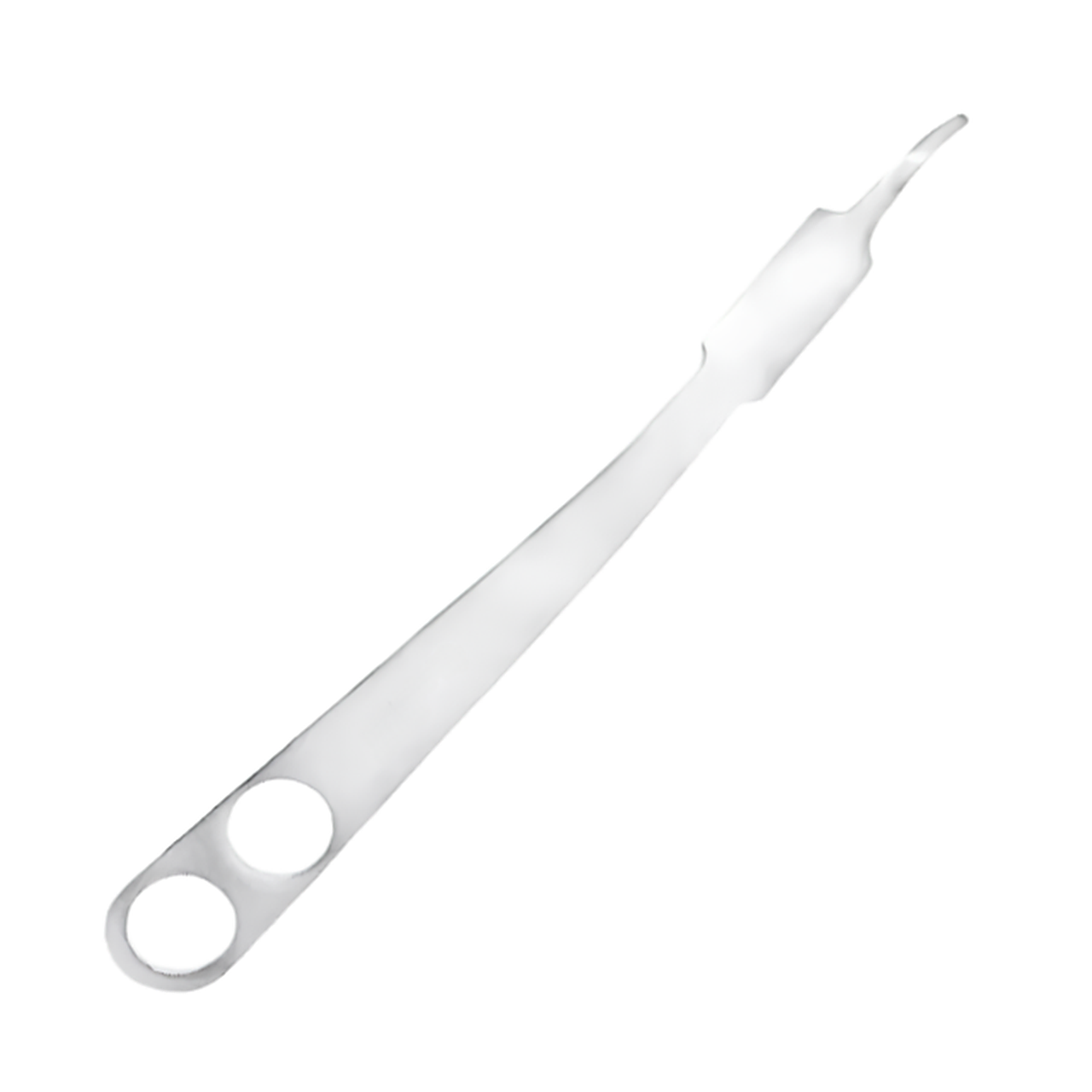 | Hohmann Retractor mit abgerundetem Ende | Speziell entwickelt zur Knochenhebelung und atraumatischen Retraktion von Weichteilgewebe in der Hüft-, Knie- und Röhrenknochenchirurgie. |
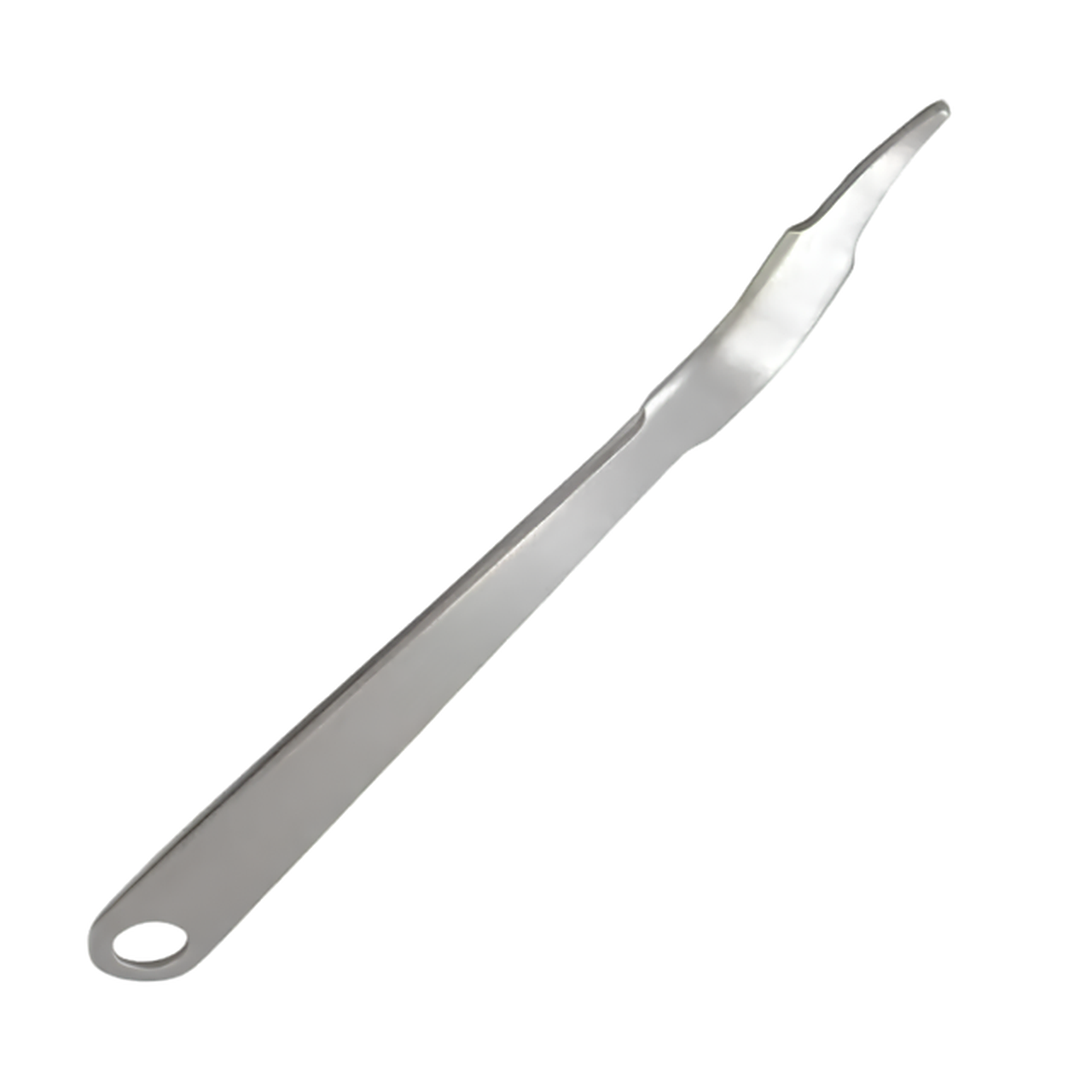 | Hohmann Retractor Square End | Speziell entwickelt zur Hebelwirkung an flachen Knochenkortizes und zur Retraktion von Weichteilgewebe in der Knie-, Hüft- und Trauma-Orthopädie. |
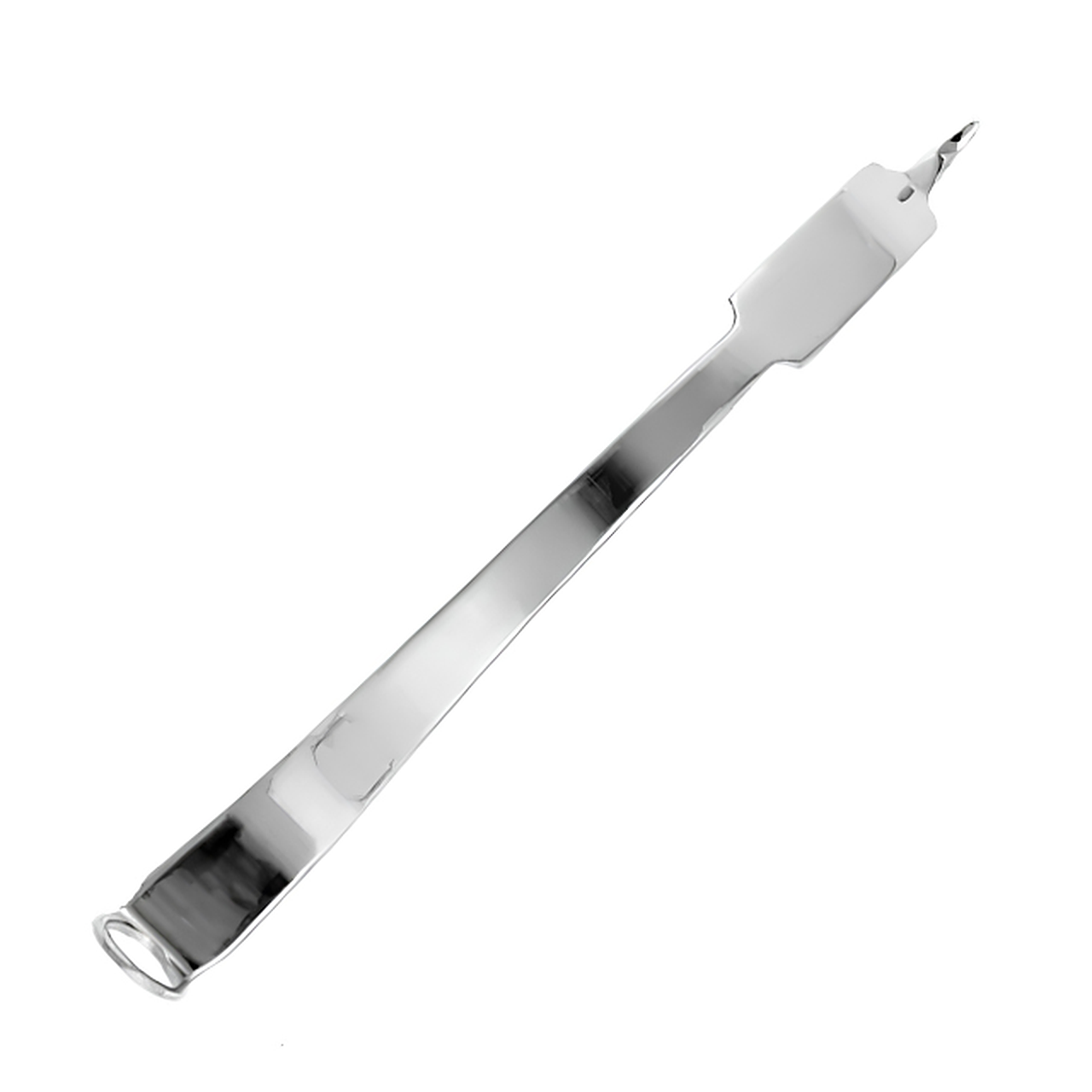 | Hohmann Retractors Angled | Speziell entwickelt zur Hebelung von Knochen und zur Retraktion von Muskelgewebe bei Eingriffen an tiefen Gelenken und Röhrenknochen in der Orthopädie. |
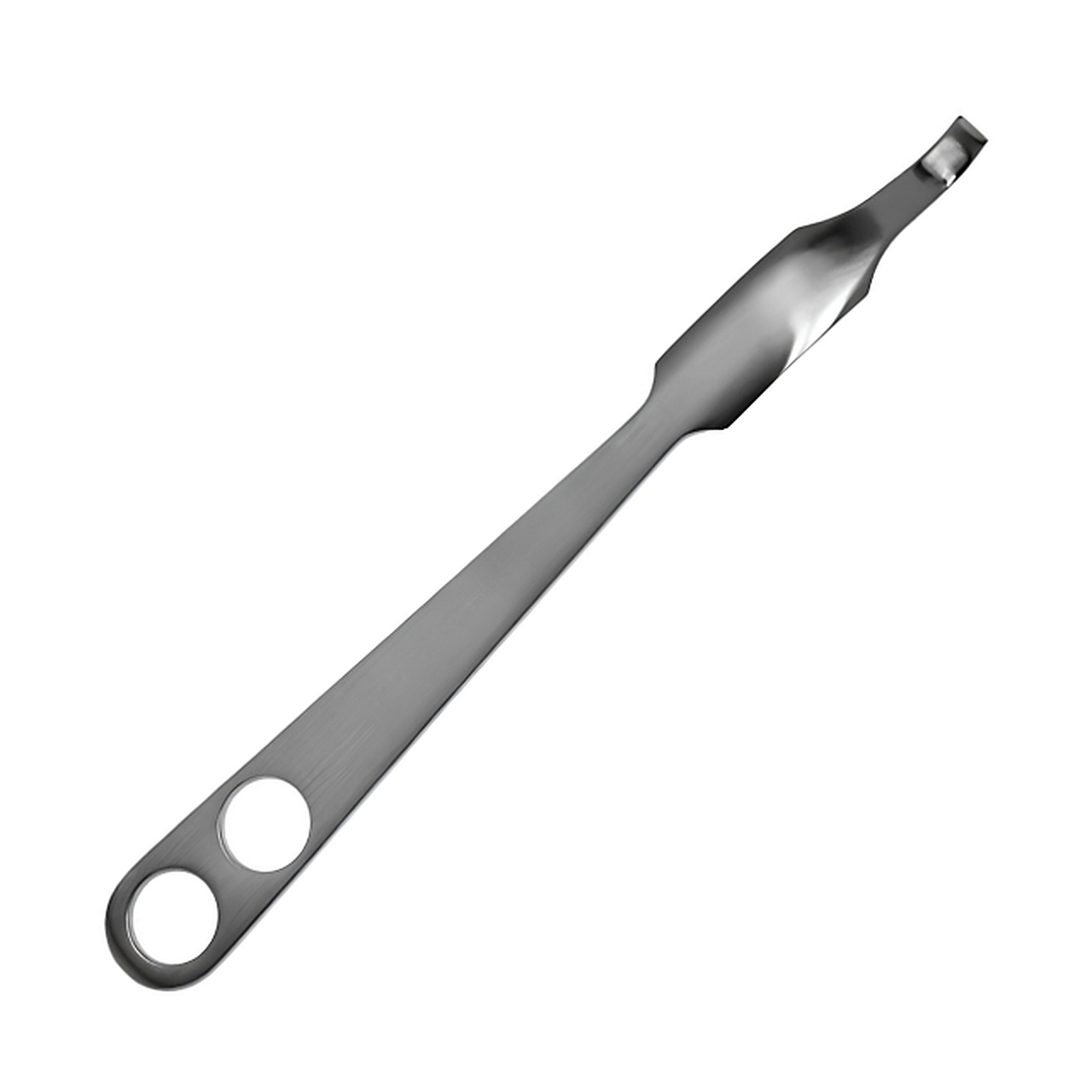 | Hohmann Retractors Square Blade | Speziell entwickelt zur Hebelwirkung an Knochenkortizes und zur Retraktion dichter Muskelschichten bei orthopädischen Eingriffen an Hüfte, Knie und Röhrenknochen. |
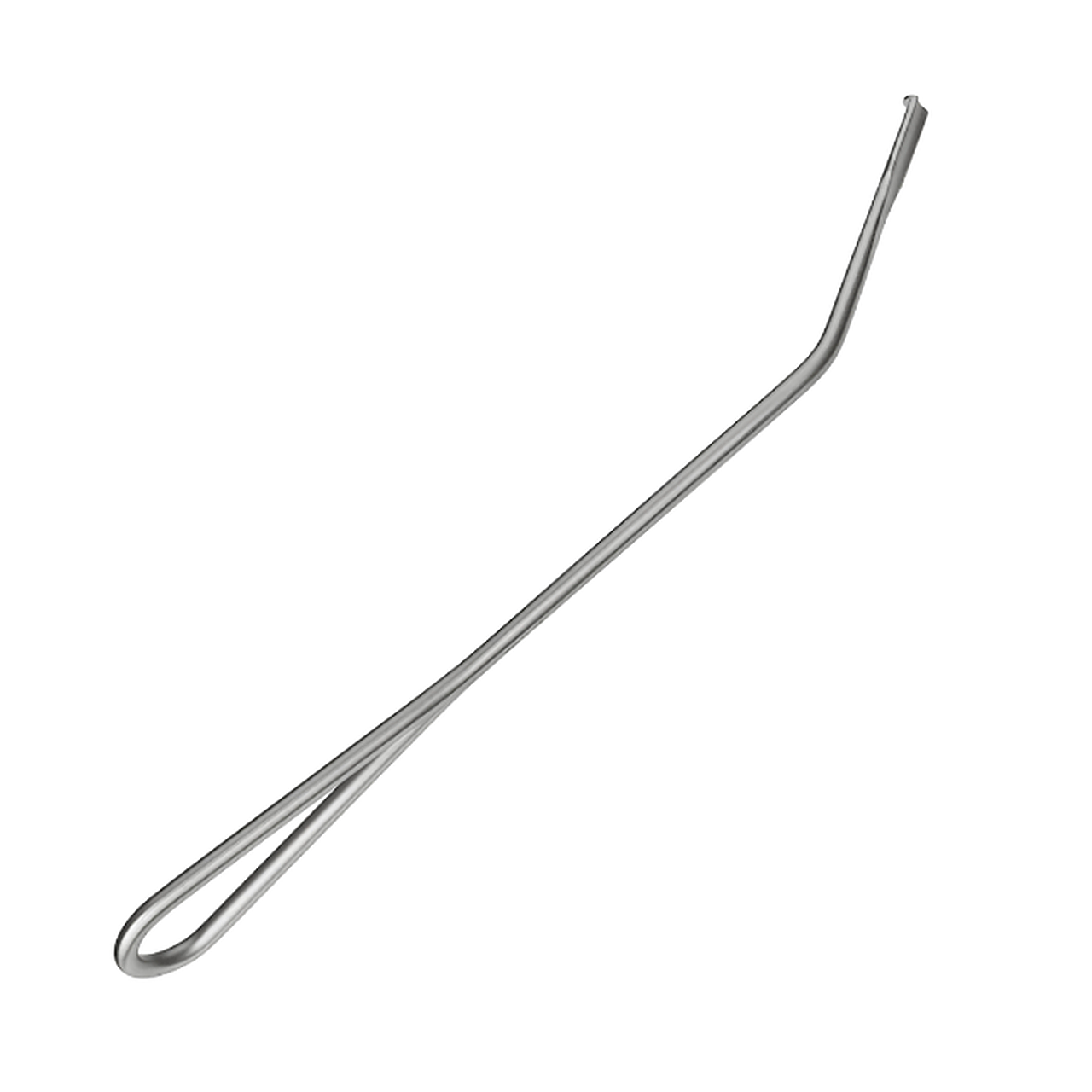 | Holscher Retraktoren | Speziell entwickelt zur Retraktion und zum Schutz von spinalen Nervenwurzeln und des Thekalsacks bei Diskektomien und Laminektomien. |
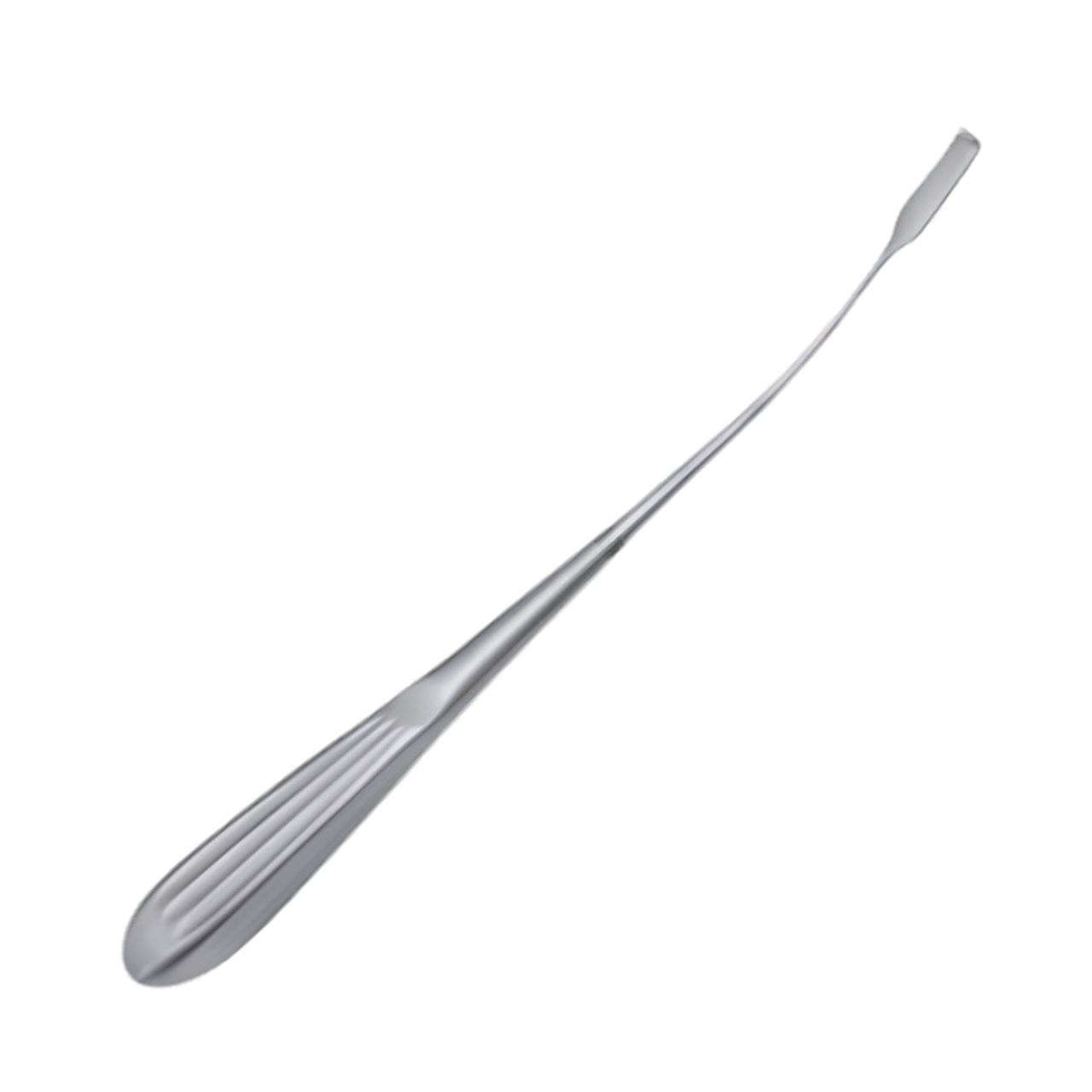 | Holsher Nervwurzel-Haken | Speziell entwickelt zur Retraktion und zum Schutz von spinalen Nervenwurzeln und des Thekalsacks während der mikrochirurgischen lumbalen Diskektomie. |
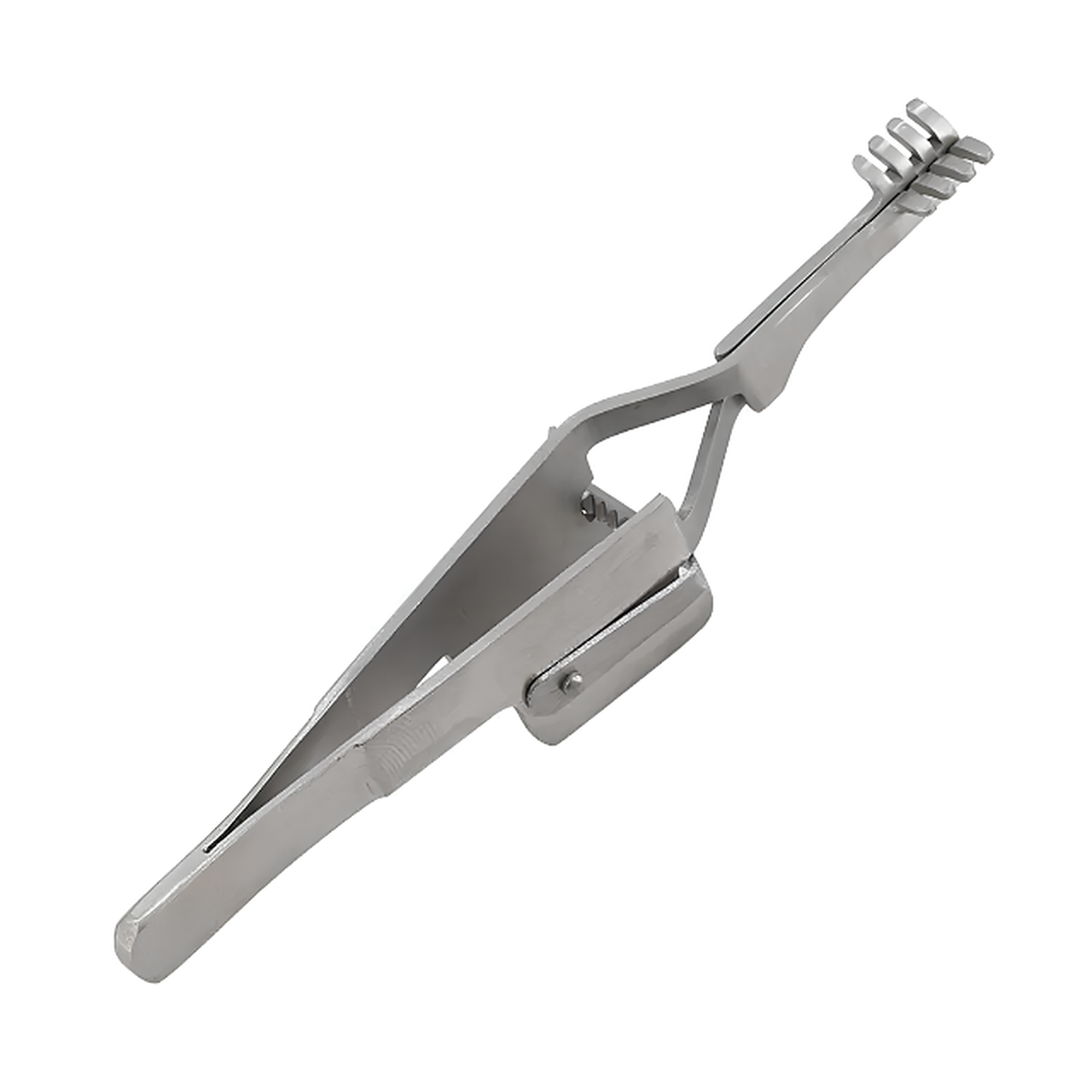 | Holzhimer Self-Retaining Retractor | Speziell entwickelt für die selbsthaltende Geweberetraktion bei kleinchirurgischen, ophthalmologischen, plastischen und handchirurgischen Eingriffen. |
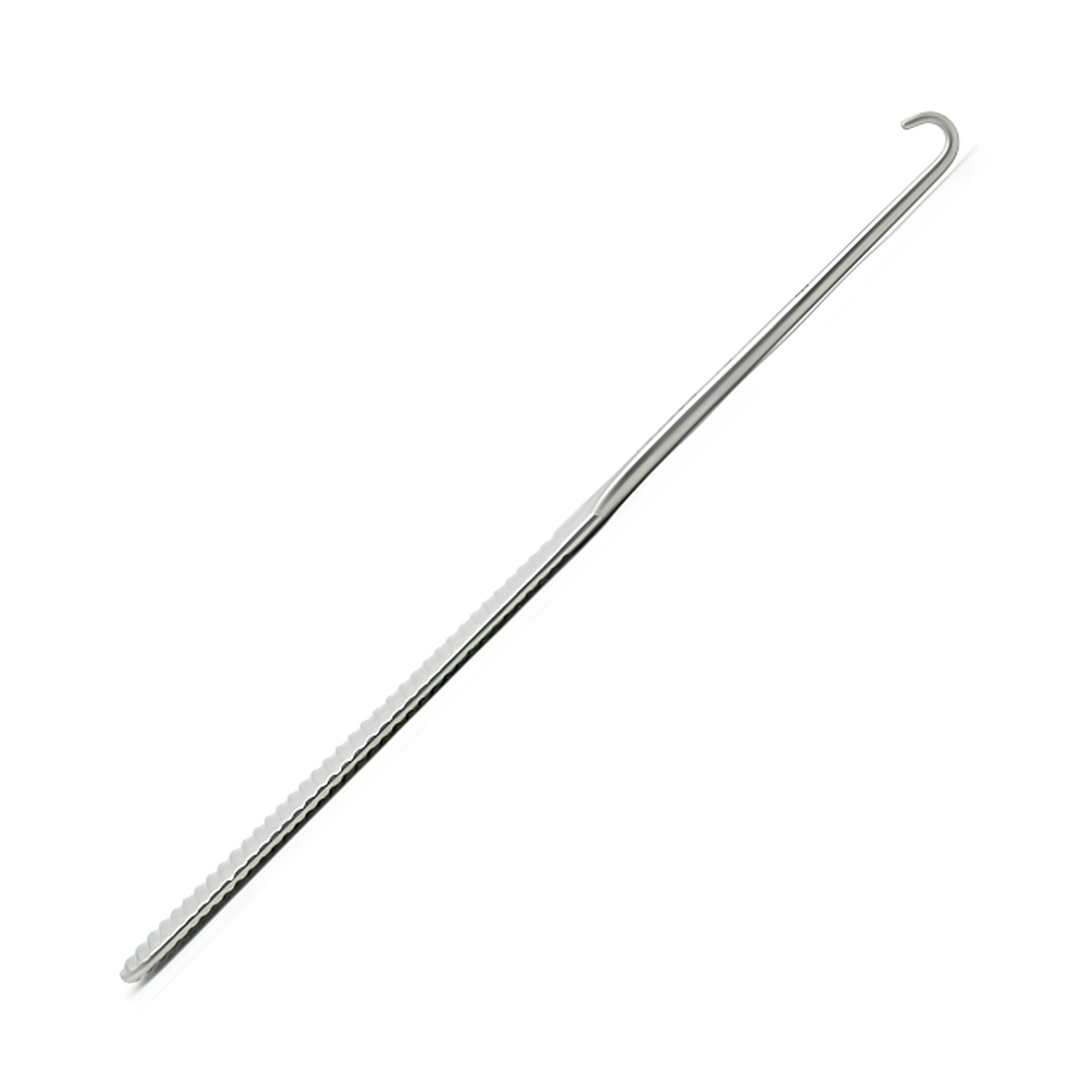 | Hauthäkchen-Retraktor | Speziell entwickelt zum Retrahieren von Hautlappen, Wundrändern und oberflächlichem Weichgewebe während chirurgischer Eingriffe. |
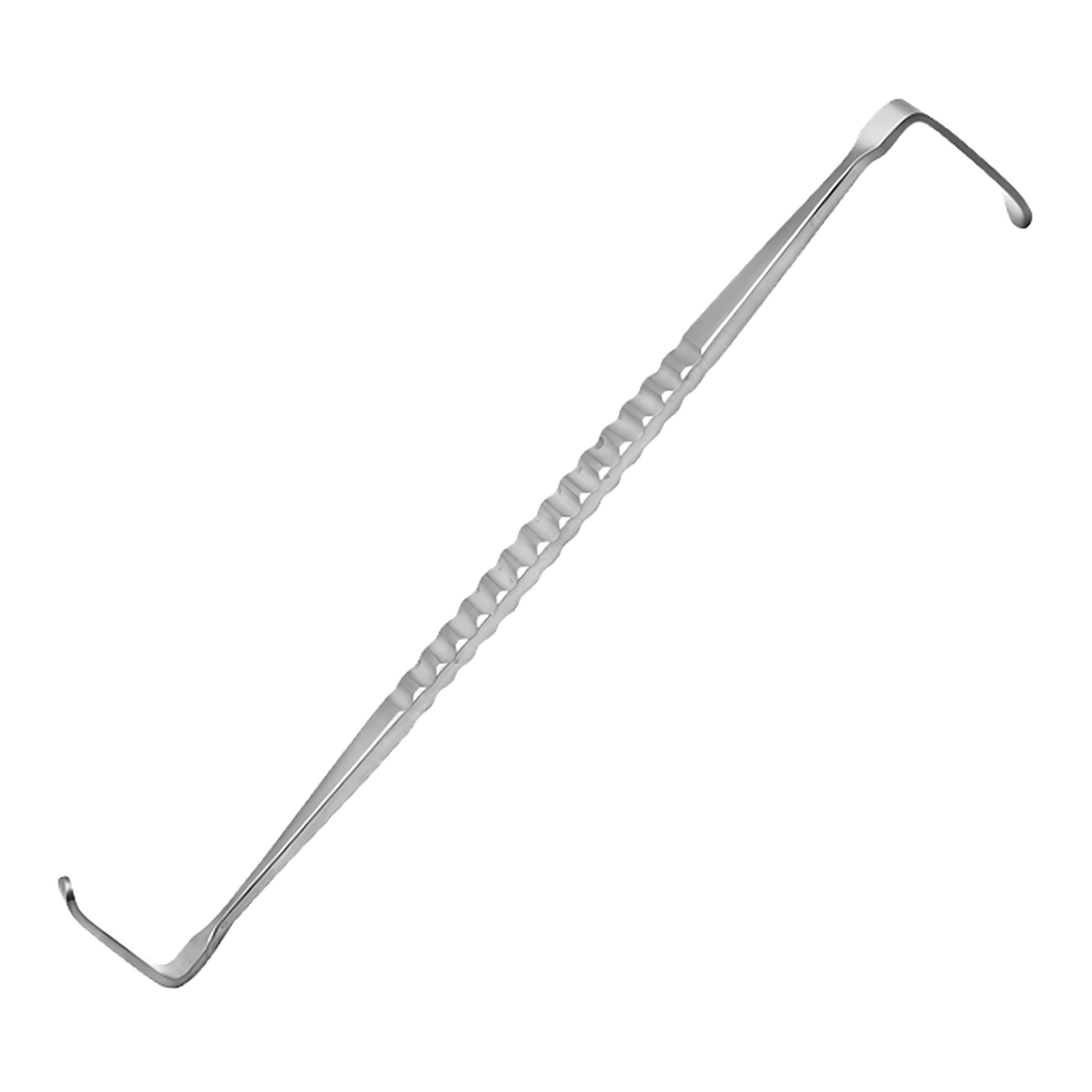 | House Hand Retractor | Speziell entwickelt zur Retraktion von Wundrändern, Gehörgangsgewebe und Faszien während otologischer, HNO- und plastisch-chirurgischer Eingriffe. |
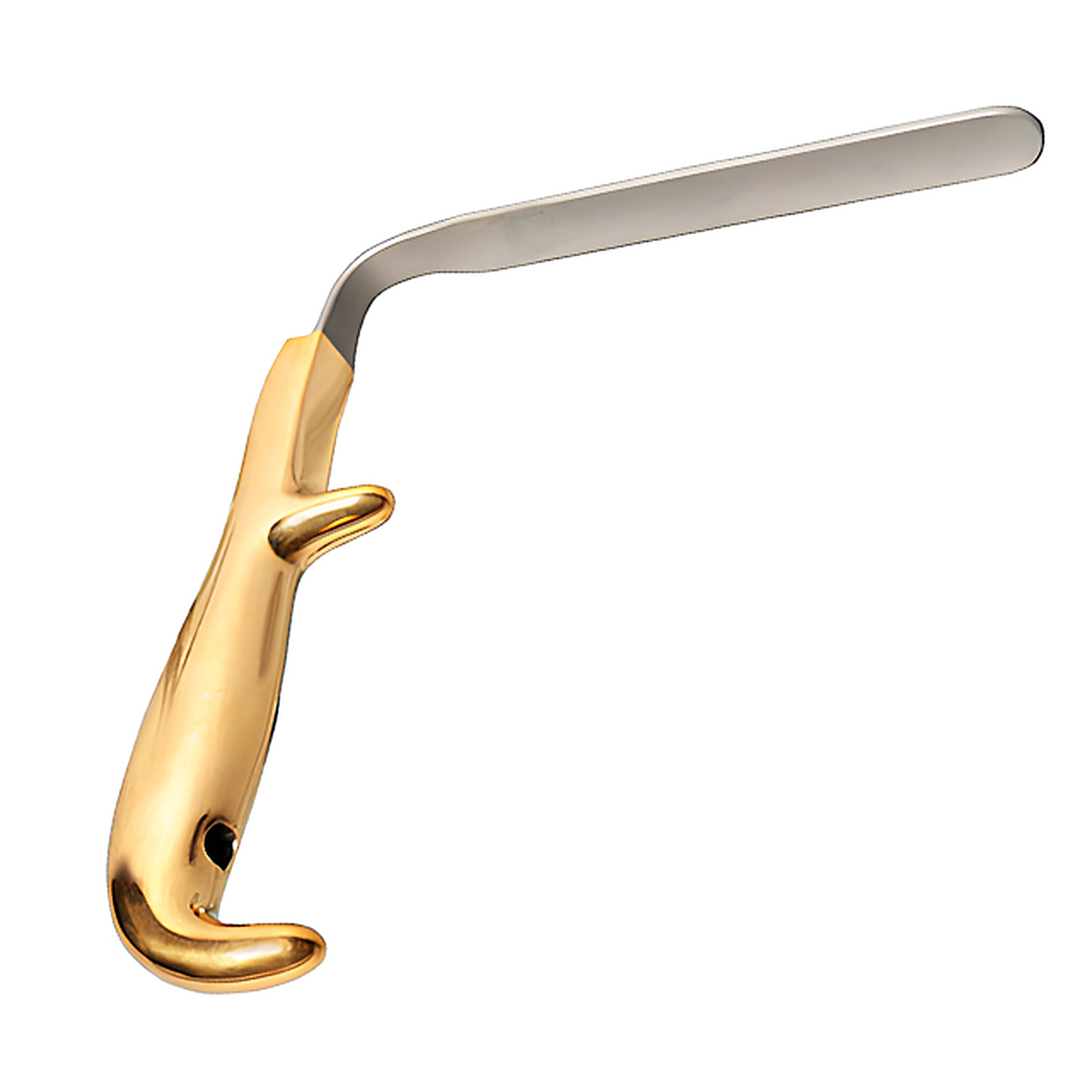 | Hoyos Distal Retractor | Speziell entwickelt zur Elevation abdominaler Hautlappen und zur distalen Taschenexposition bei der High-Definition-Abdominoplastik. |
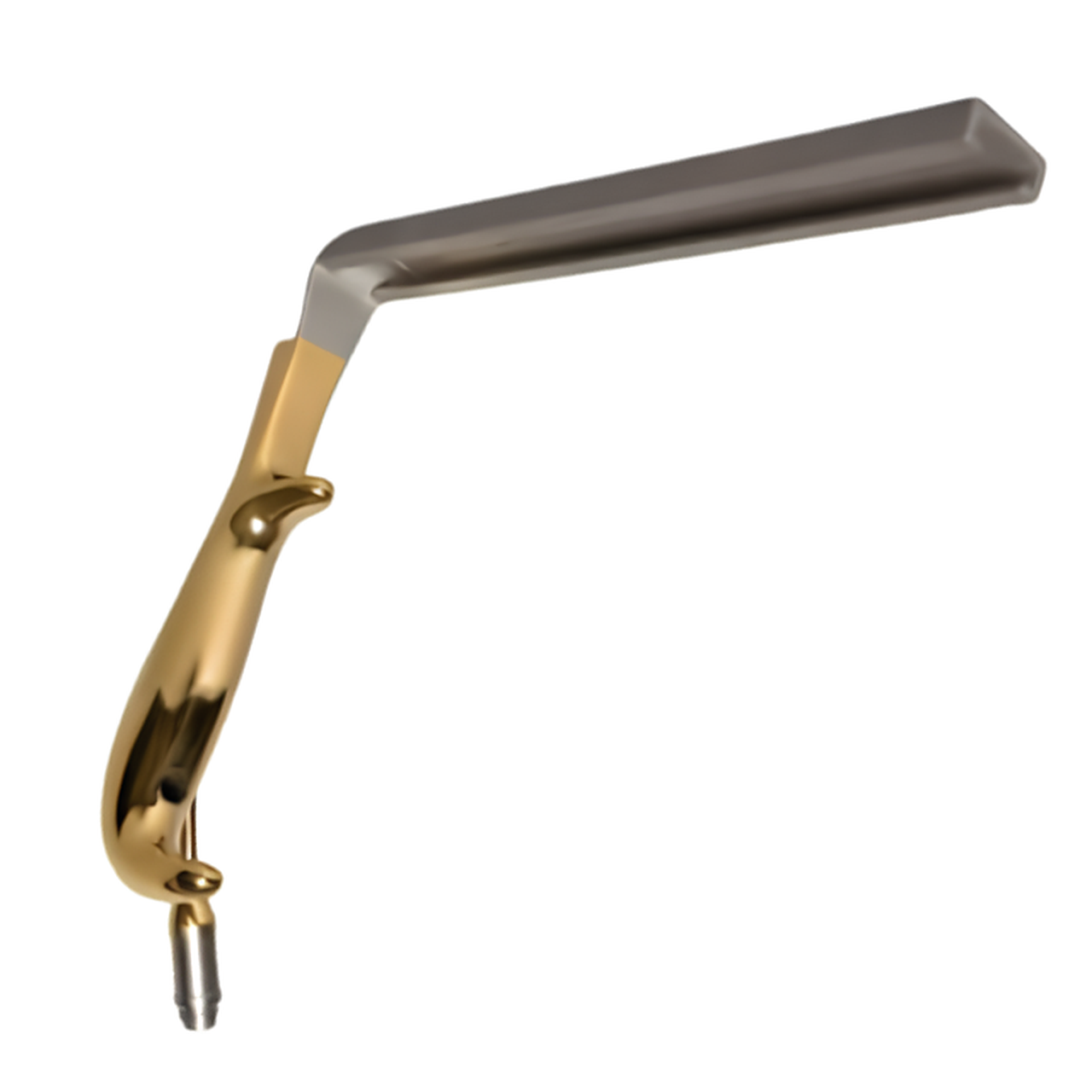 | Hoyos Proximal Retractor | Speziell entwickelt zur Hebung proximaler Bauchmuskellappen und zur Freilegung des Epigastriums während der High-Definition-Abdominoplastik. |
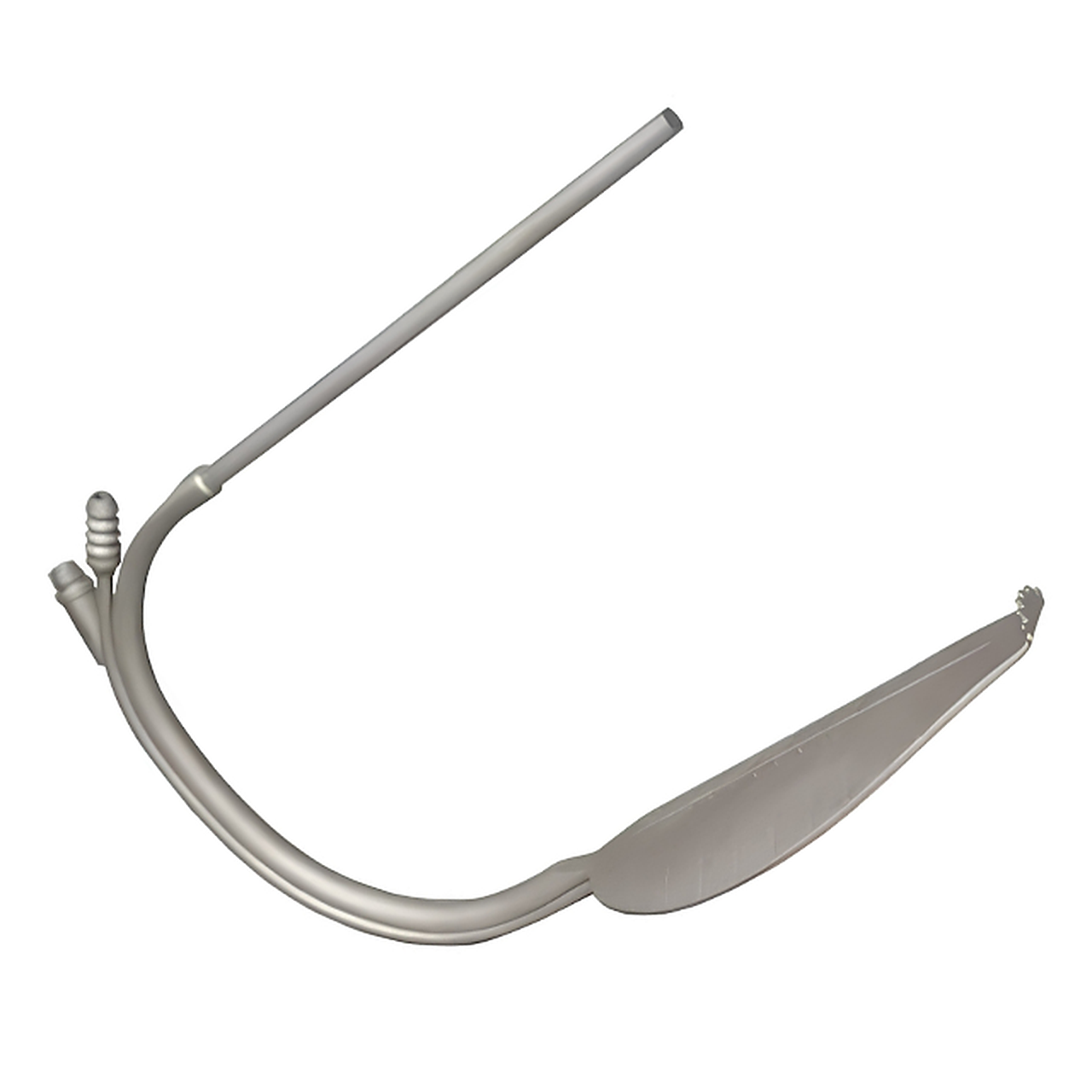 | Hoyos Remora Retractor | Speziell entwickelt für die beleuchtete Weichteilretraktion, Rauchevakuierung und Stabilisierung während der High-Definition-Körperkonturierung. |
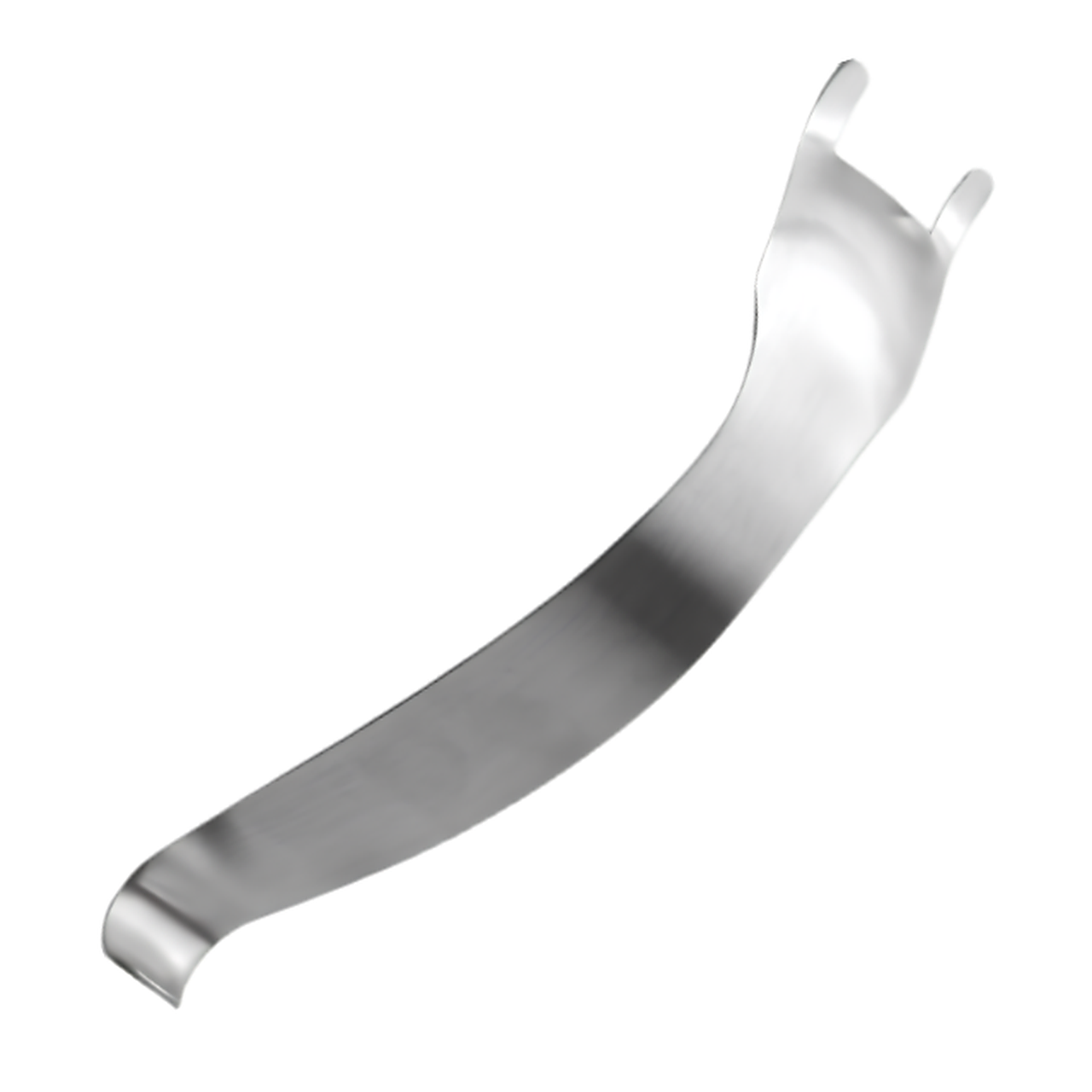 | Humeral Head Retractor | Speziell zur posterioren Verlagerung des Humeruskopfes und zur Freilegung der Gelenkpfanne (Glenoid) während der Schulterarthroplastik entwickelt. |
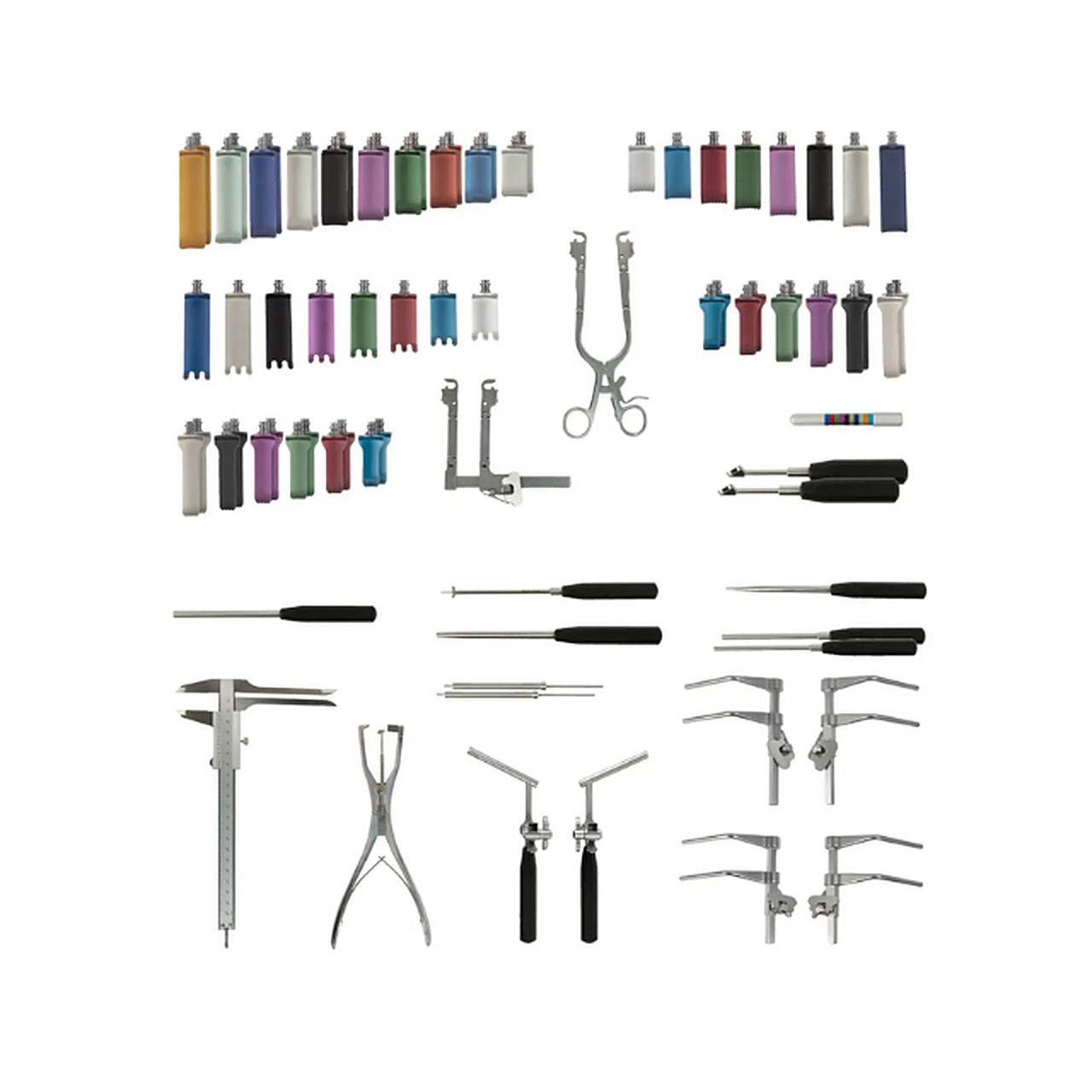 | Image-Line ACF Retractor With Distraction Classic Set | Speziell entwickelt für die Weichteilretraktion, intervertebrale Wirbelkörperdistraktion und die Platzierung von Knochentransplantaten bei anterioren zervikalen Fusionsverfahren (ACF) an der Wirbelsäule. |
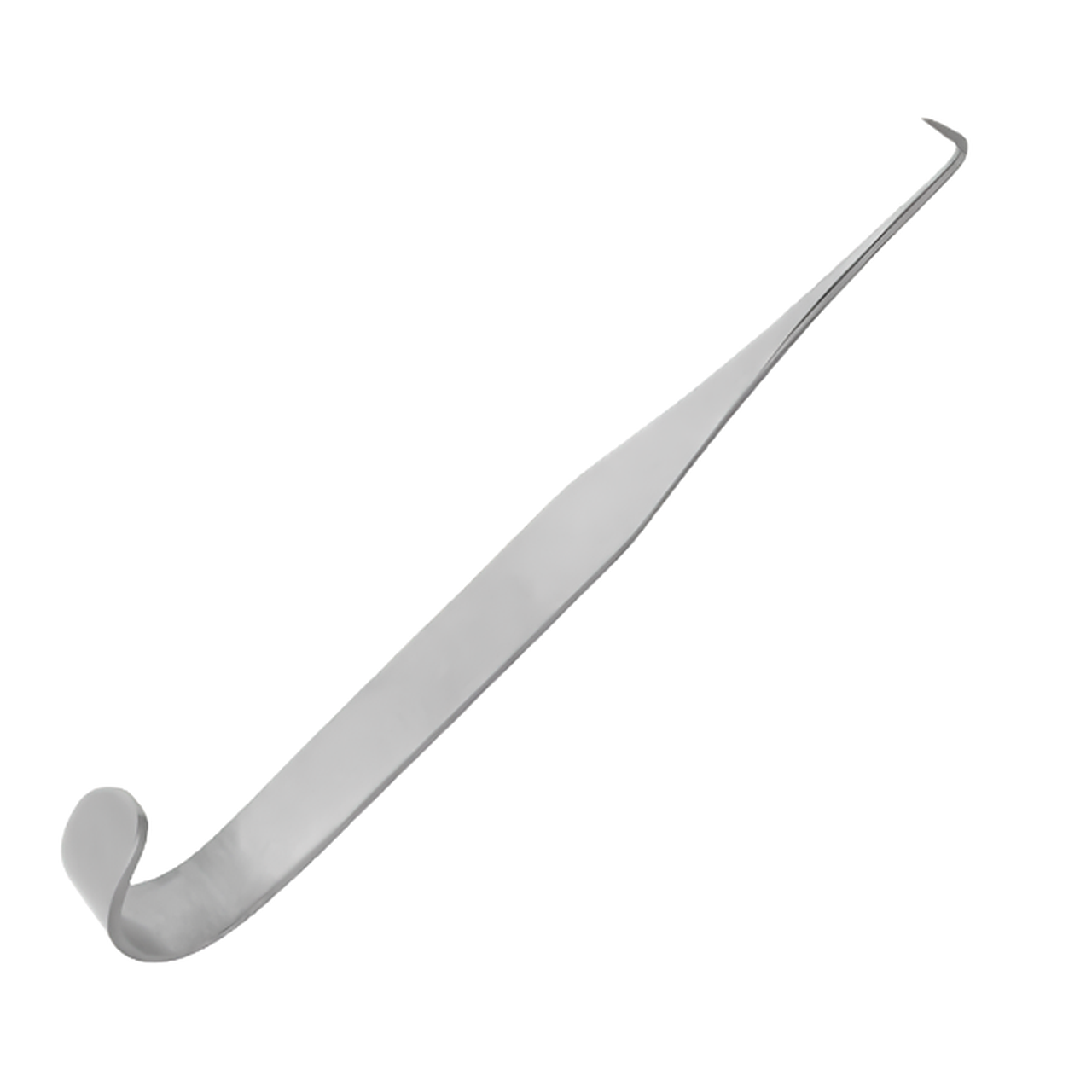 | Jackson Tracheal-Retraktor | Speziell zur Elevation und Stabilisierung der Trachea sowie zur Retraktion von prätrachealem Gewebe während einer Tracheotomie entwickelt. |
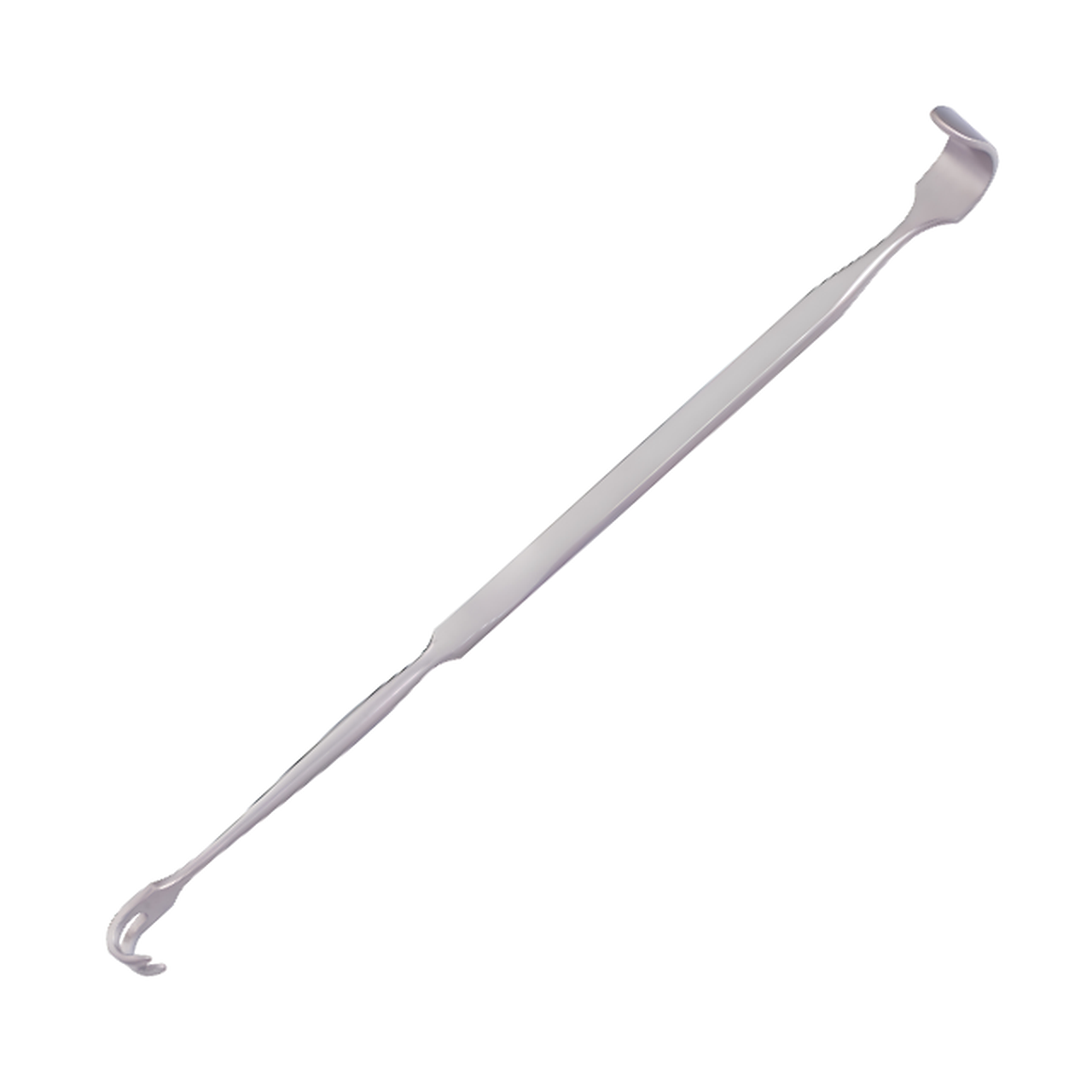 | Jackson Tracheal Retractor-Double Ended | Speziell entwickelt zur Retraktion von prätrachealem Gewebe und zur Anhebung der Trachealknorpel bei Tracheostomien und Atemwegsoperationen. |
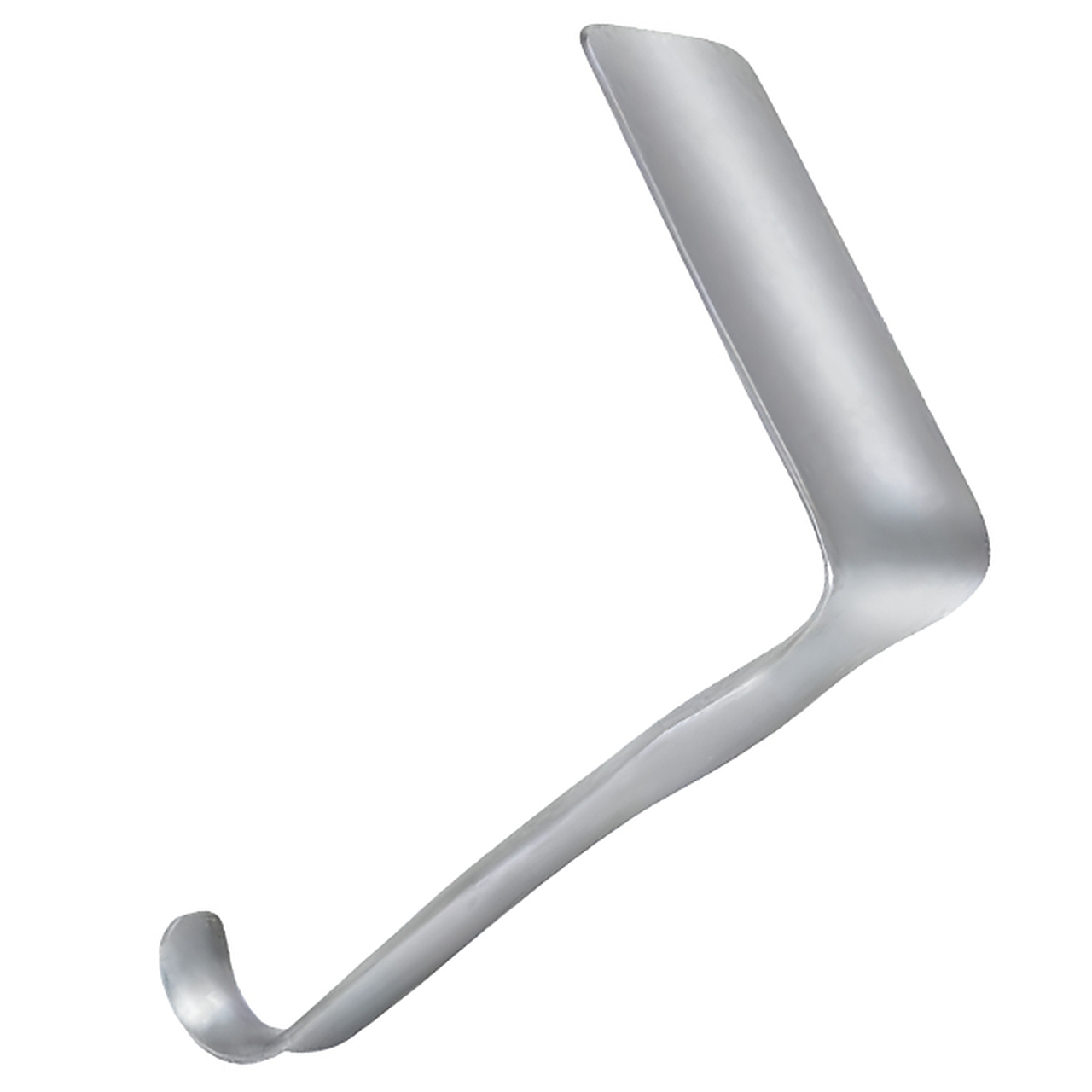 | Jackson Vaginalretraktor | Speziell entwickelt zur Retraktion der Vaginalwände und zur Darstellung des Scheidengewölbes bei gynäkologischen Eingriffen. |
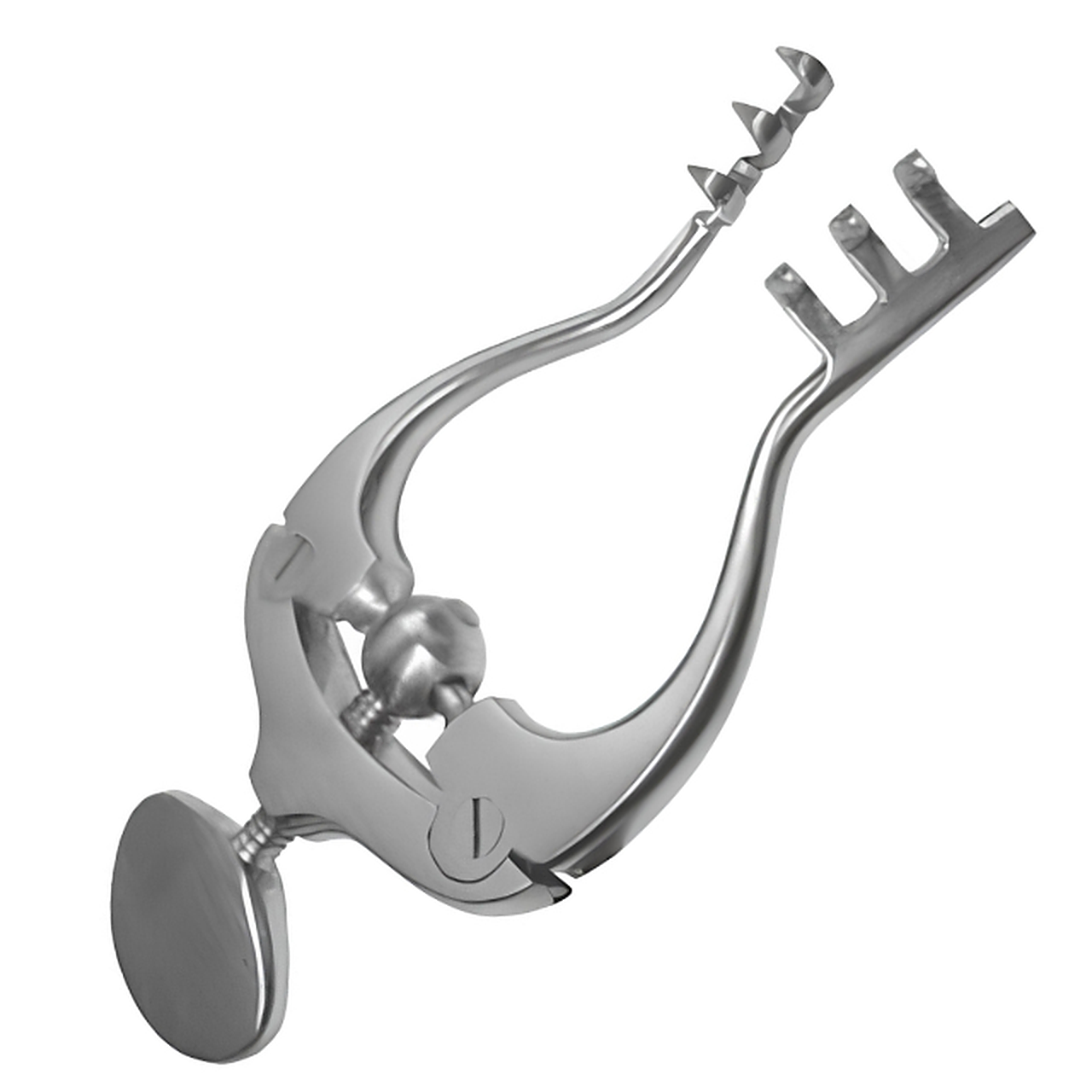 | Jansen Mastoid-Retraktor | Speziell entwickelt für die selbsthaltende Periost- und Wundrandretraktion bei Mastoid- und Kopfhautoperationen. |
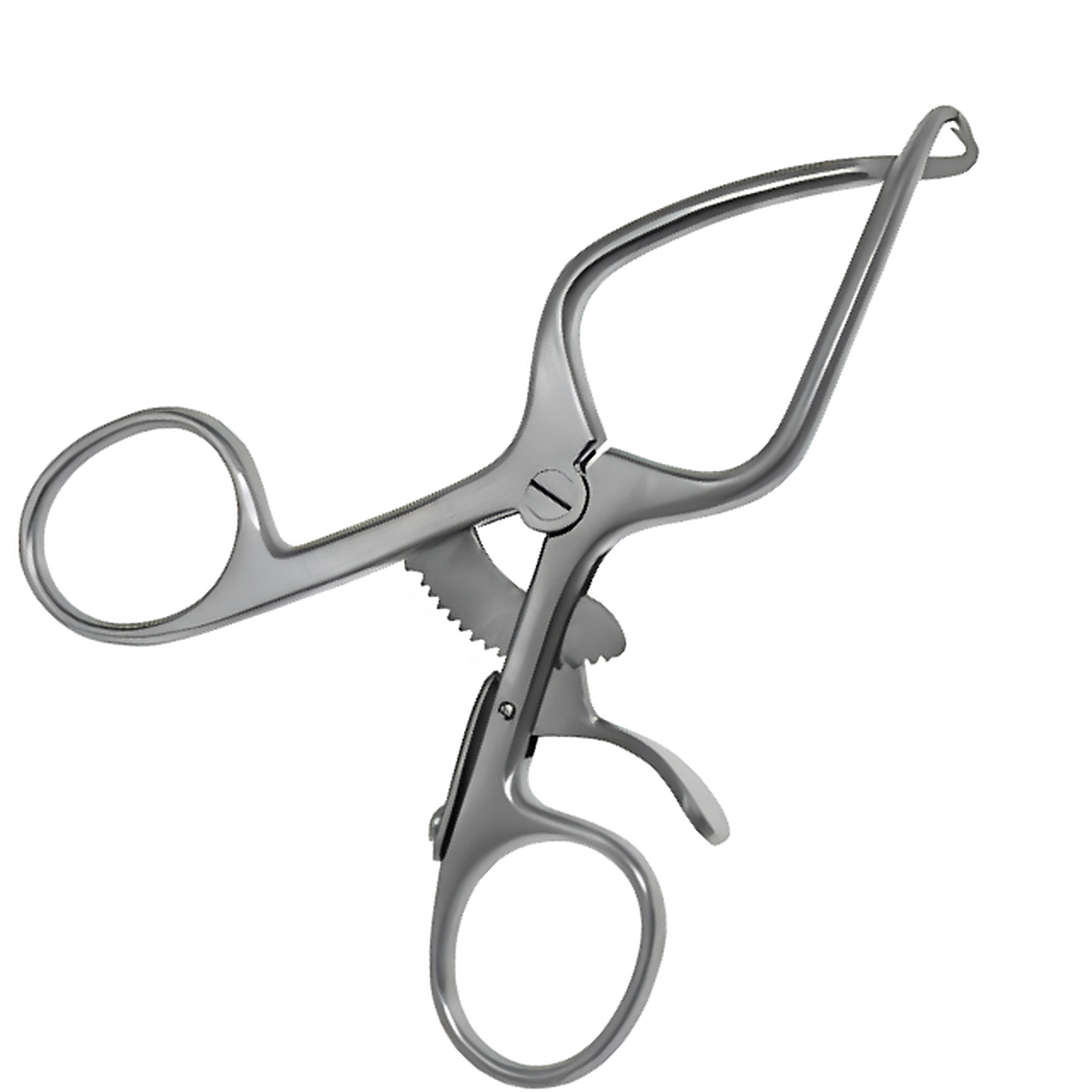 | Johnson Neuroma Retractor | Speziell entwickelt zur Retraktion von intermetatarsalem Gewebe und Metatarsalköpfchen während der Morton-Neurom-Exzision und Fußchirurgie. |
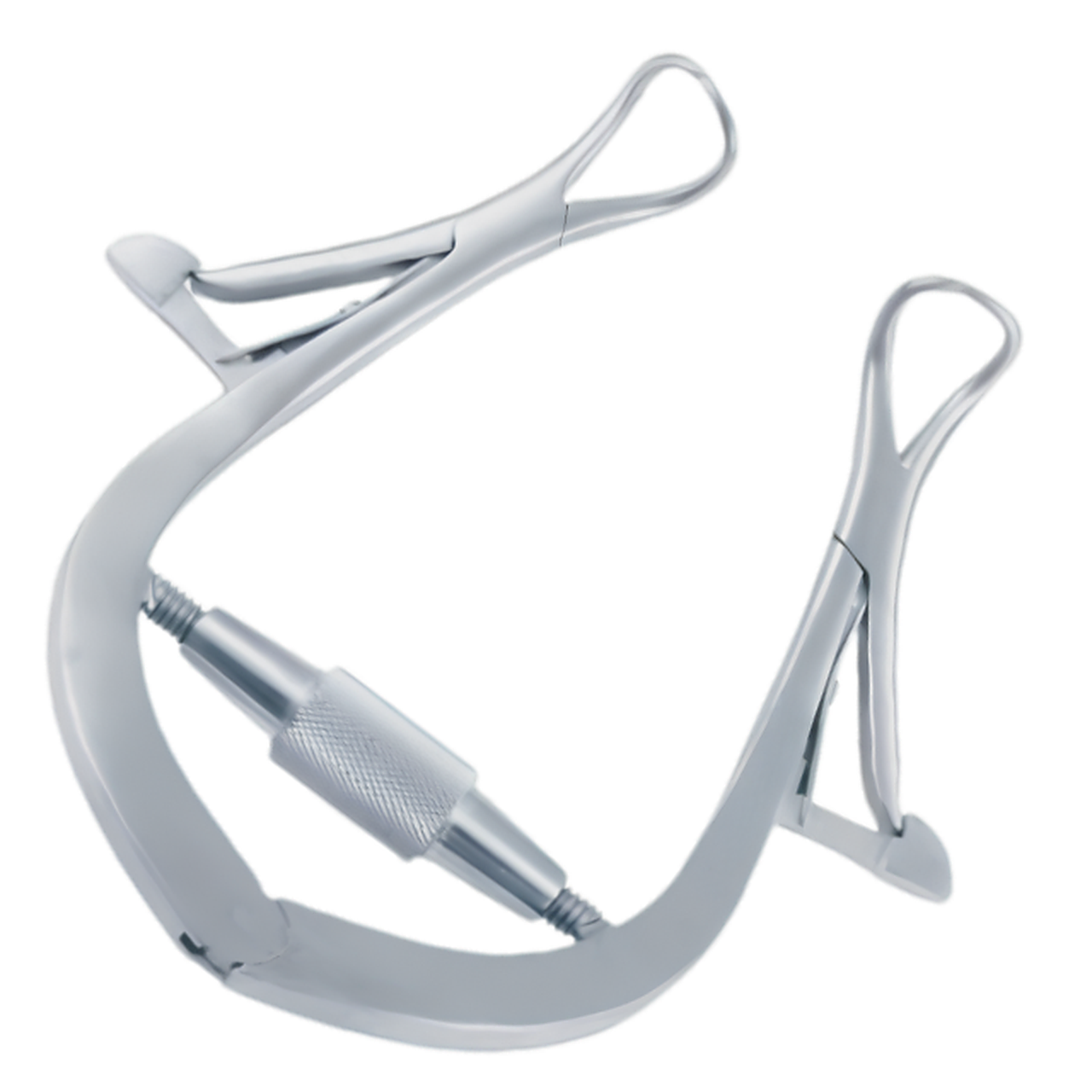 | Jolls Friedman Selbsthaltender Wundspreizer | Speziell entwickelt für die selbsthaltende Retraktion der Halsmuskulatur und des Weichteilgewebes während der Thyreoidektomie und zervikalen Chirurgie. |
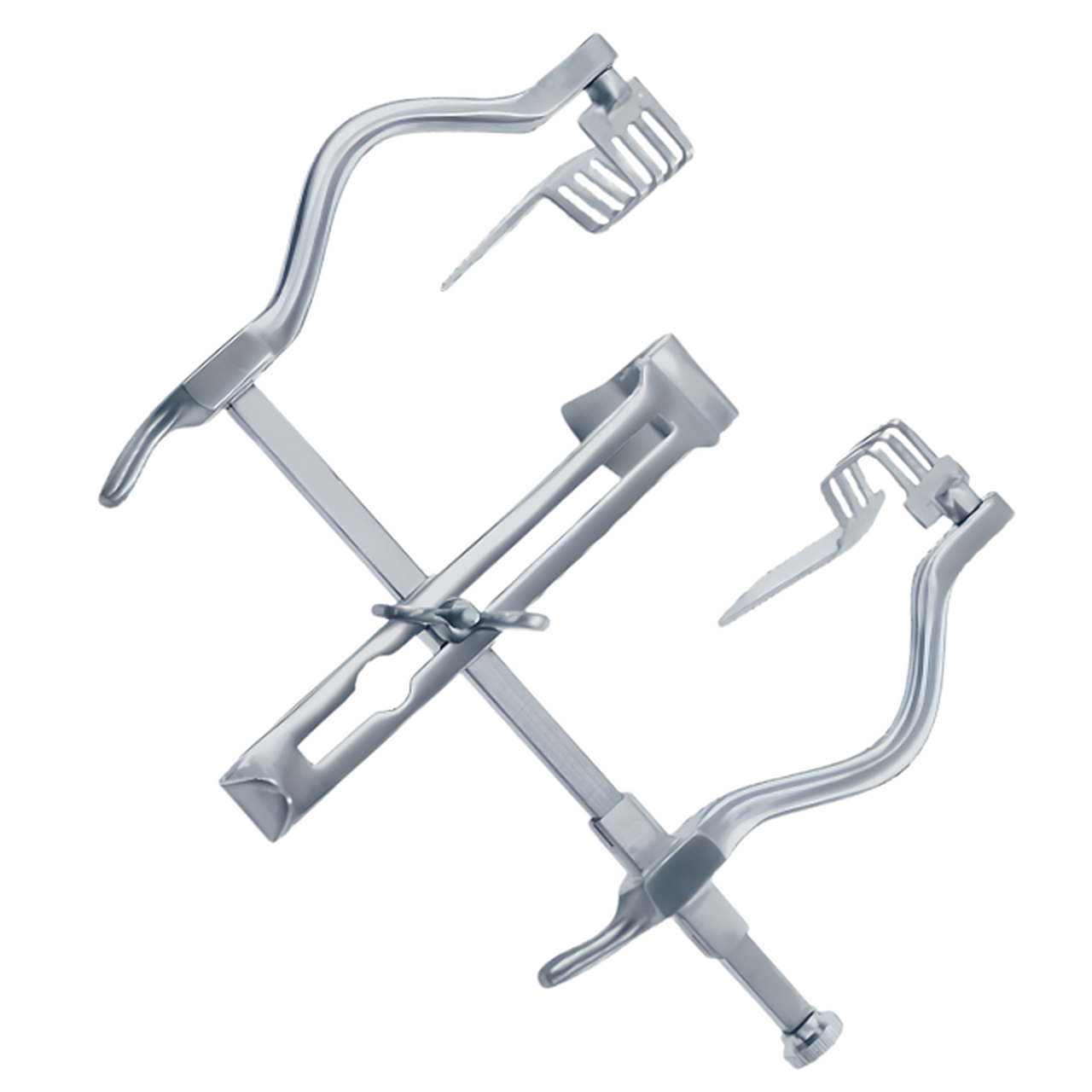 | Judd-Masson Self Retaining Retractor | Speziell entwickelt für die selbsthaltende Wundspreizung bei Operationen an der Blase, der Prostata und im Beckenbereich über einen suprapubischen Zugang. |
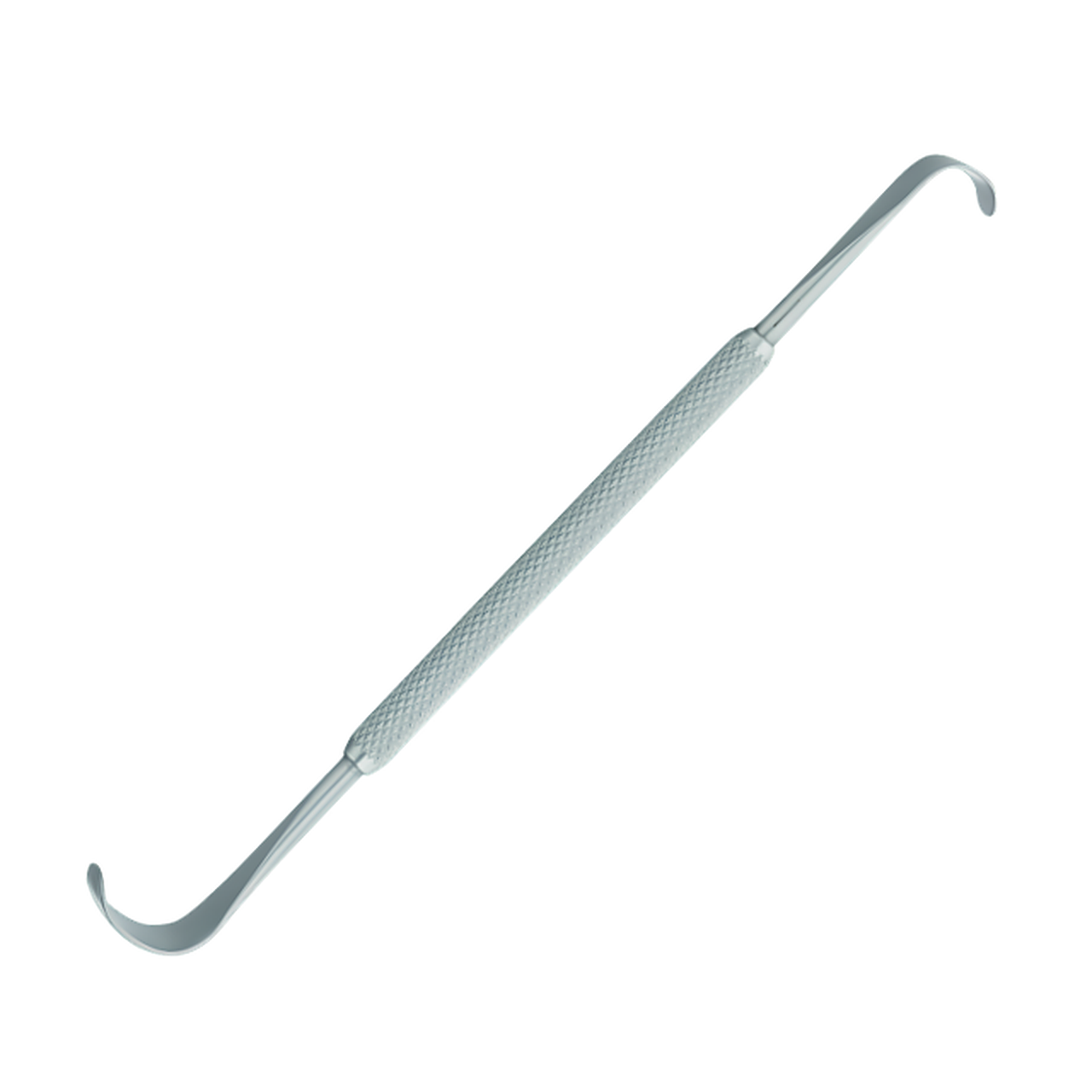 | Kasden Double Ended delicate retractor | Speziell entwickelt zur Retraktion von Wundrändern, empfindlichen Hautlappen und Weichteilen bei plastischen, fazialen und kleineren chirurgischen Eingriffen. |
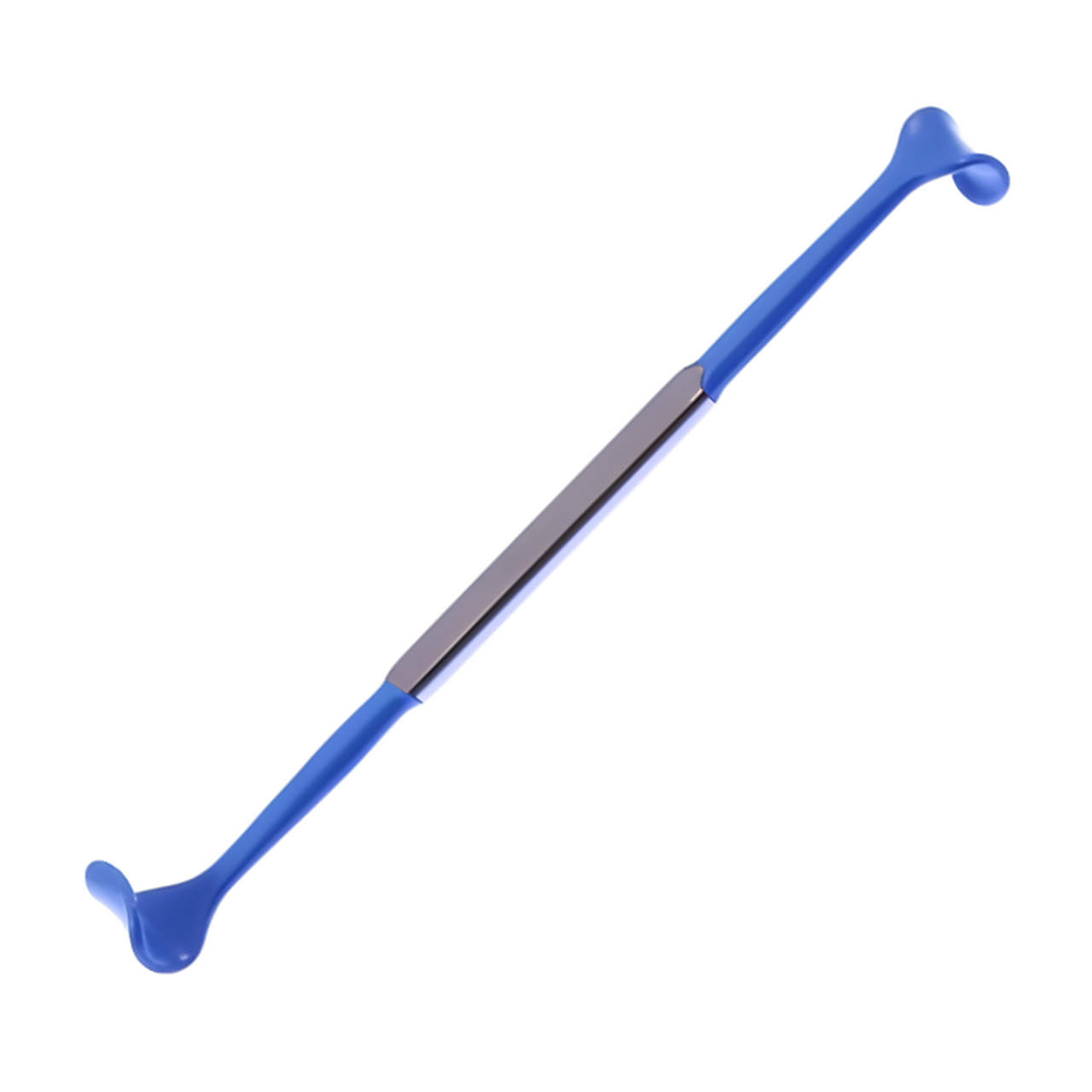 | Kawamoto isolierter Wundhaken, doppelseitig | Speziell entwickelt zur Retraktion von Hautlappen und Schleimhaut bei gleichzeitigem Schutz vor thermischen elektrochirurgischen Verletzungen in der plastischen Chirurgie. |
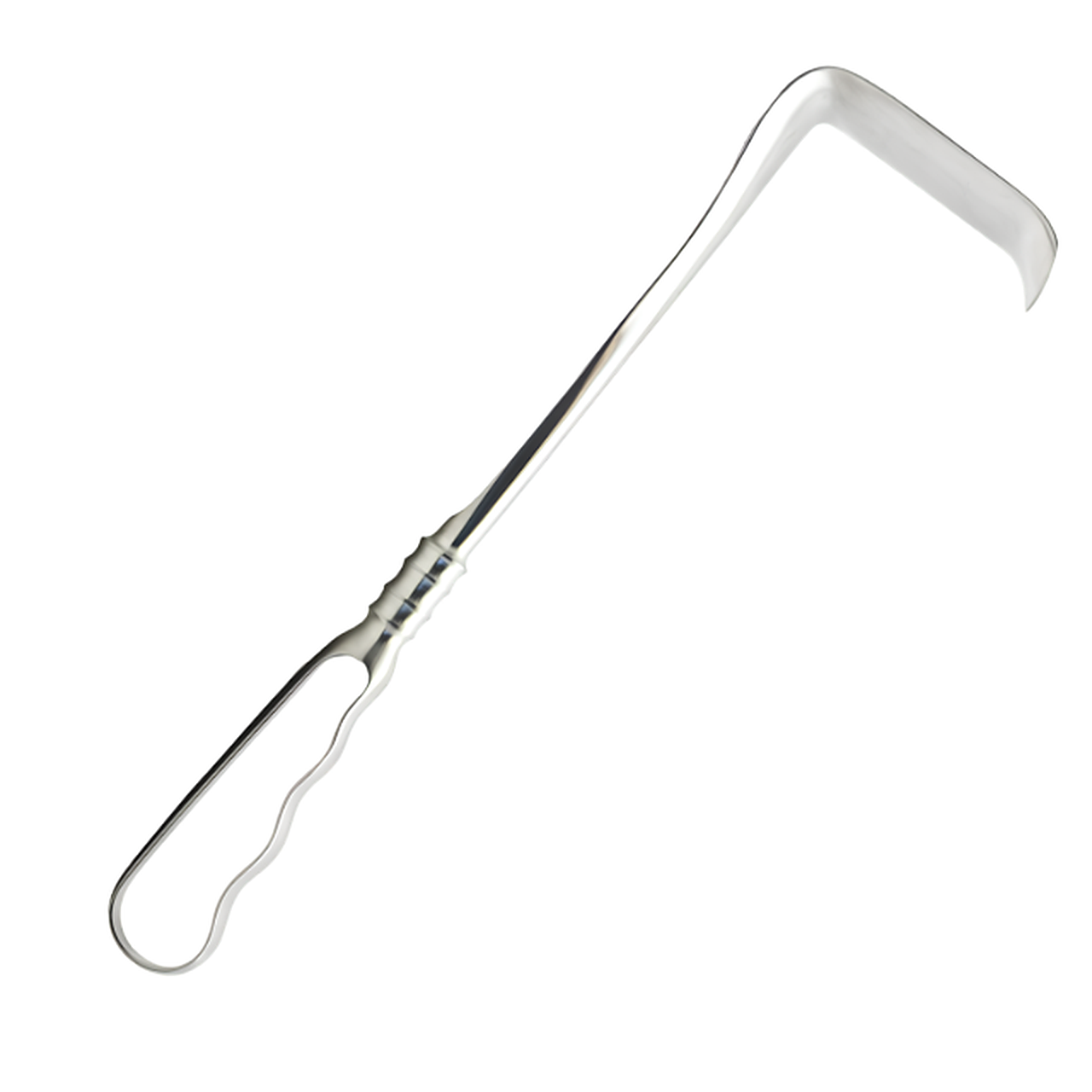 | Kelly Wundhaken | Speziell entwickelt zur Retraktion der Bauchwand, der Eingeweide und starker Muskulatur während der offenen Allgemein- und Gynäkologiechirurgie. |
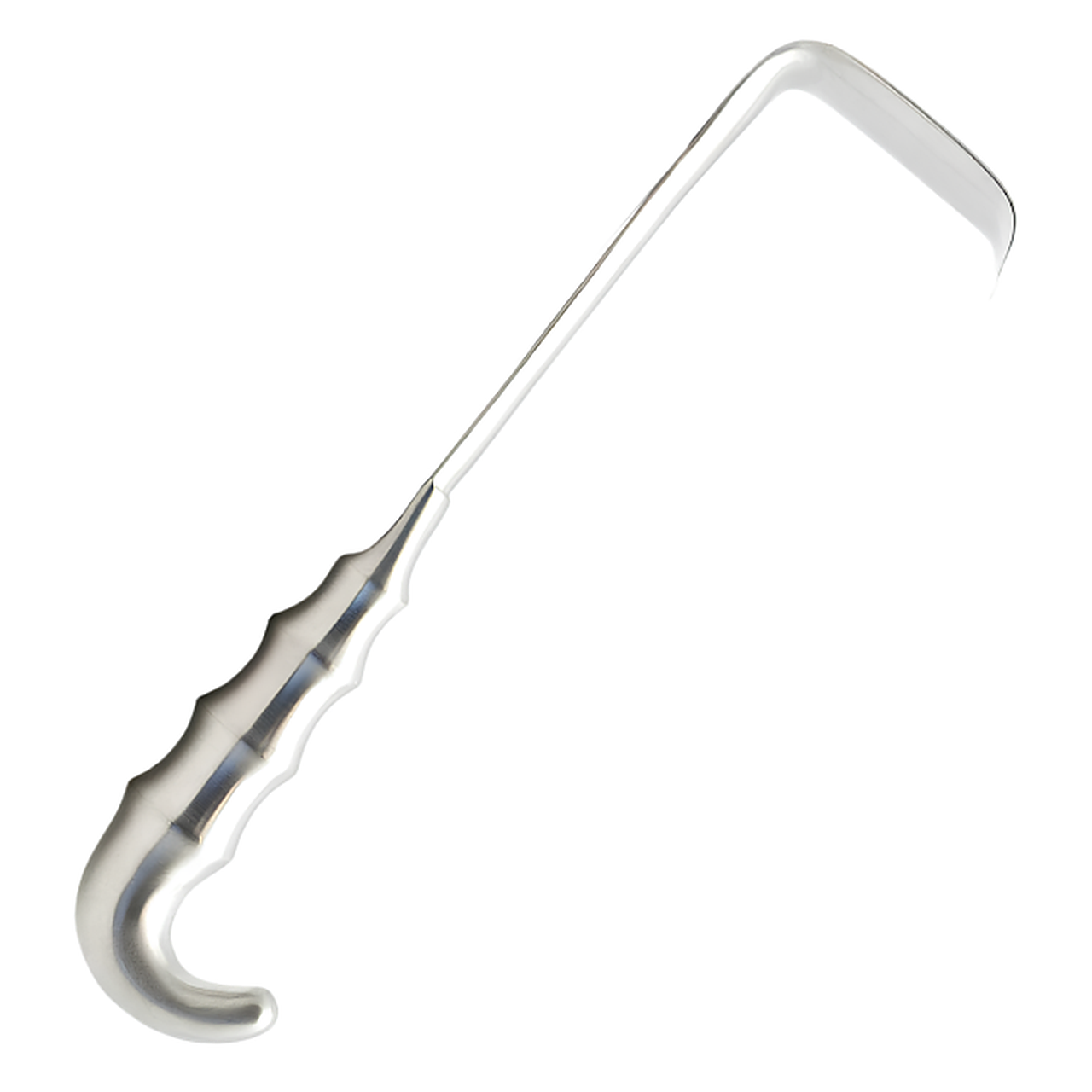 | Kelly Retractor-Grip Handle | Speziell entwickelt zur Retraktion der Bauchwand, der Viszera und dicker Muskulatur bei tiefchirurgischen Eingriffen unter reduzierter Belastung für den Assistenten. |
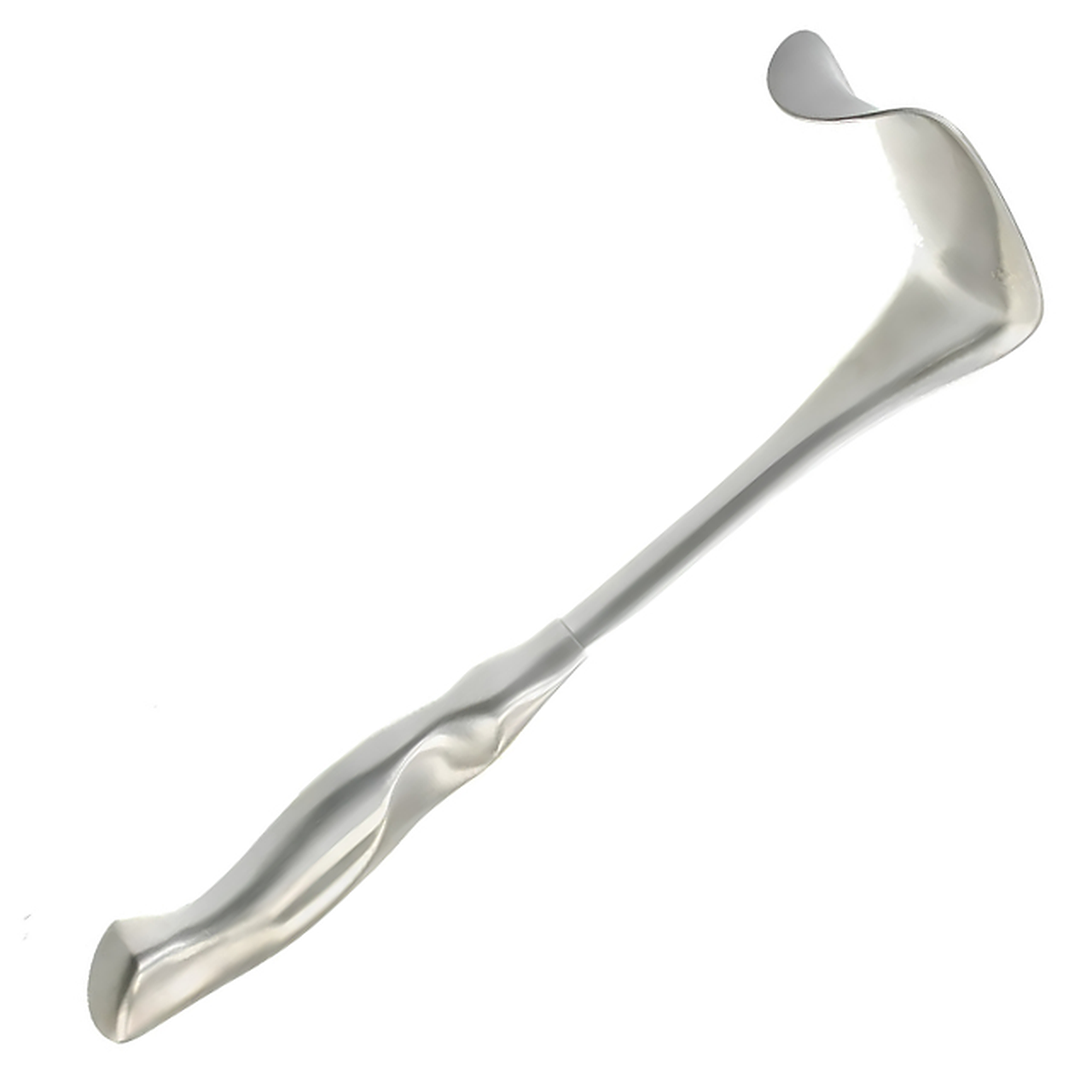 | Kelly Retractor-Lamb Handle | Speziell für die Retraktion der Bauchwand, der Eingeweide und der dicken Muskulatur mit hoher Zugkraft bei offenen chirurgischen Eingriffen konzipiert. |
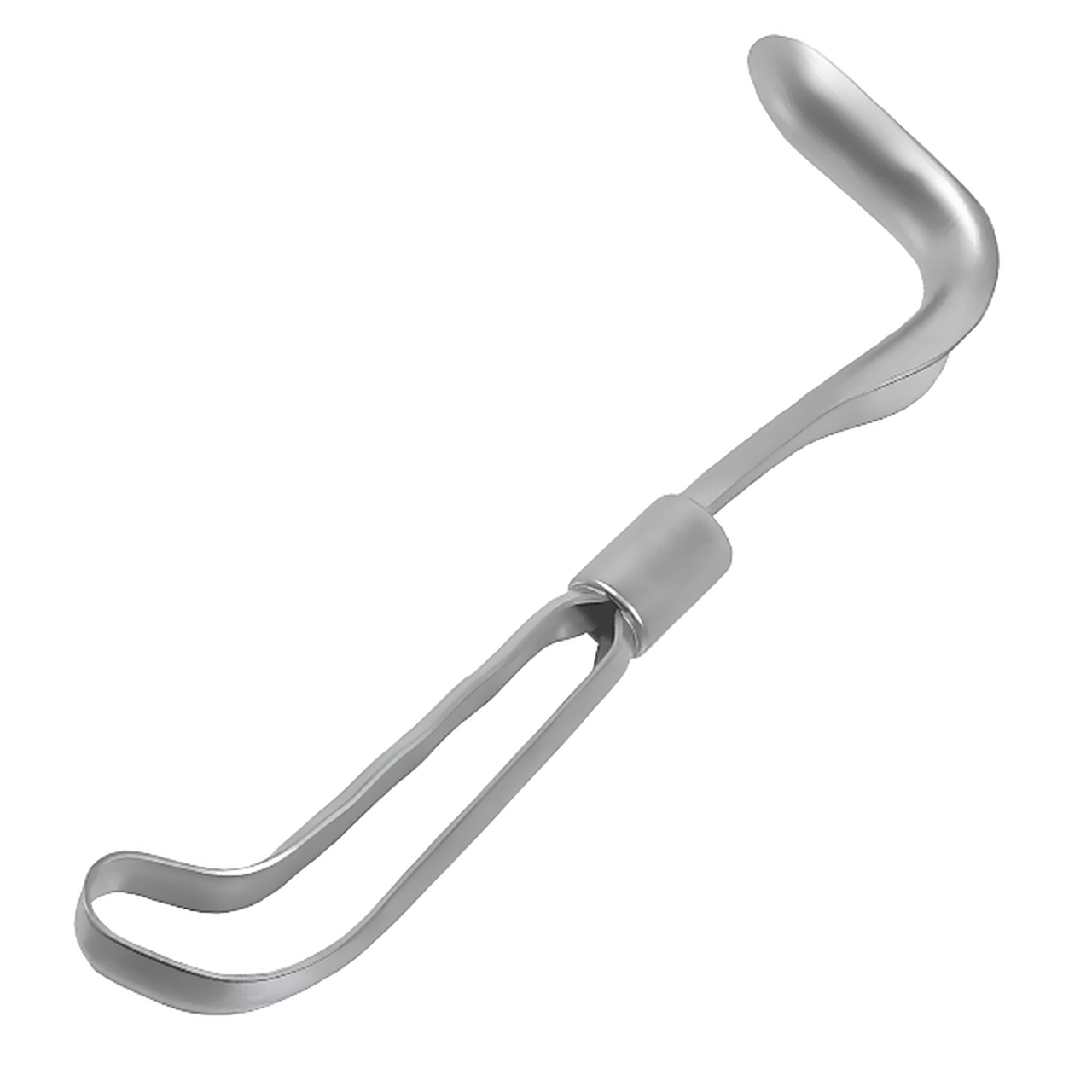 | Kelly Sims Vaginal-Retraktor | Speziell entwickelt zur Retraktion der hinteren und seitlichen Vaginalwände bei vaginalen Hysterektomien und rekonstruktiven Beckenoperationen. |
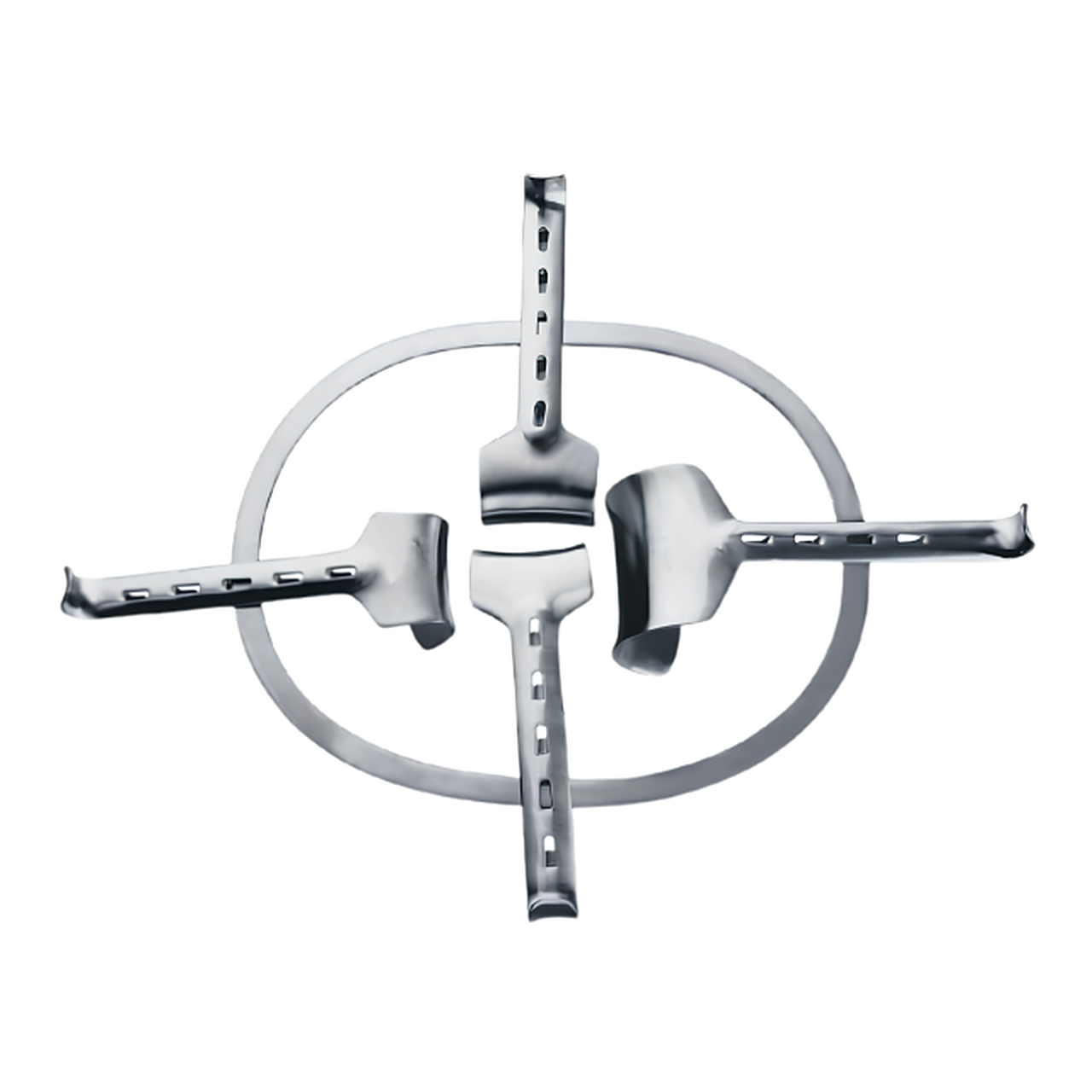 | Kirschner Retractor | Speziell entwickelt für die selbsthaltende, multidirektionale Wundrand- und Viszeralretraktion bei großen Bauchoperationen. |
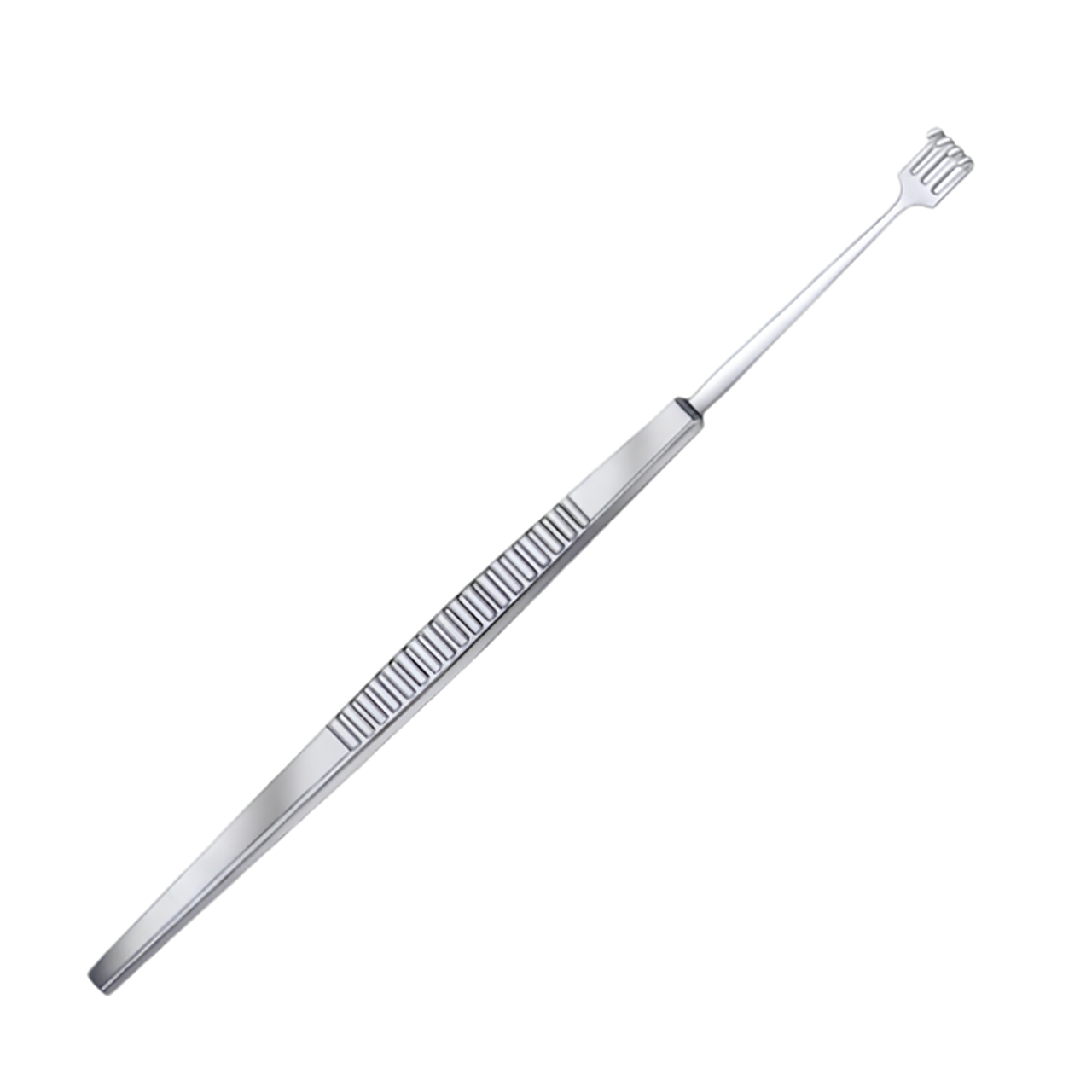 | Knapp Tränensack-Retraktor | Speziell entwickelt zur Retraktion von Hautlappen, Strukturen des medialen Kanthus und des Tränensacks während ophthalmologischer Eingriffe. |
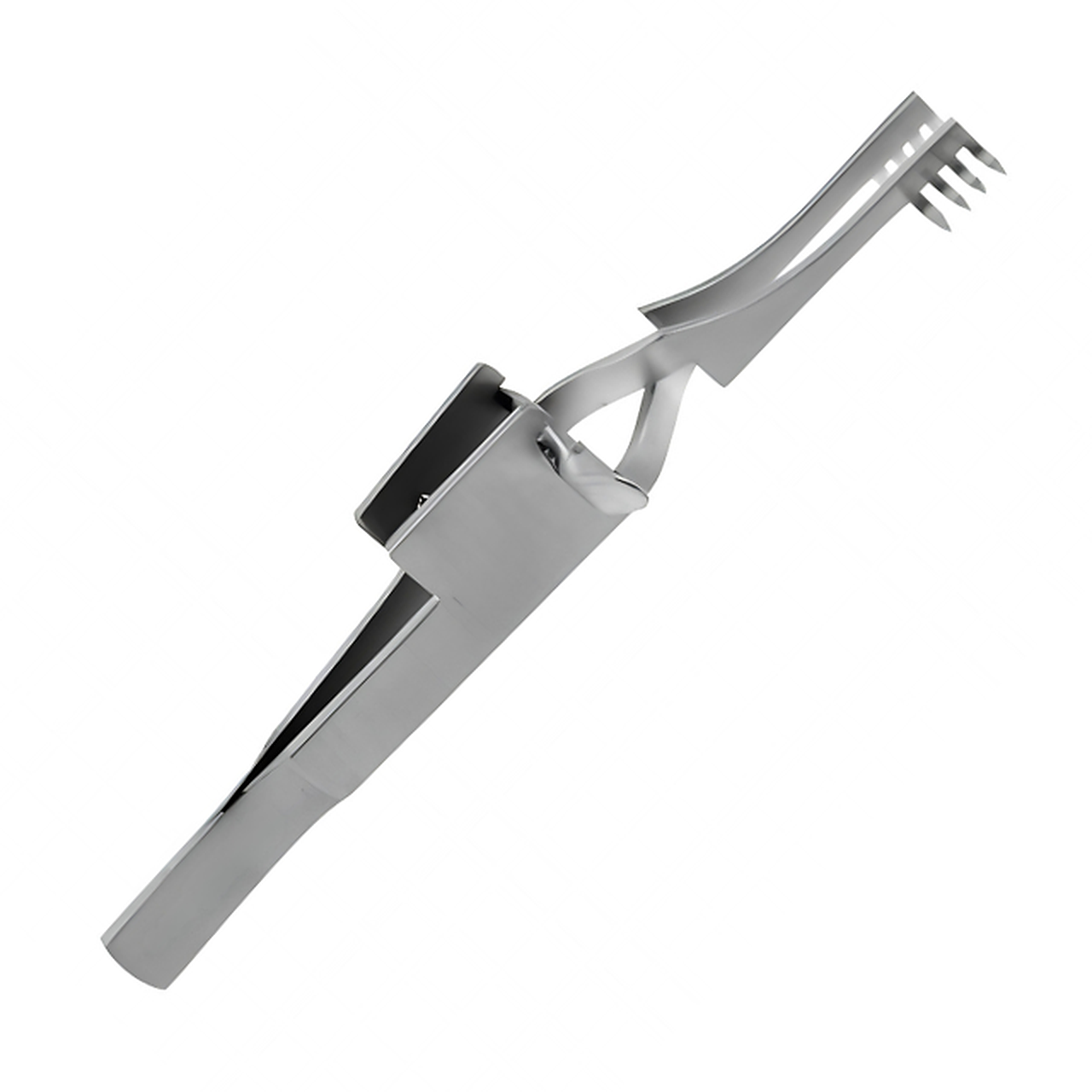 | Knapp Wundspreizer, selbsthaltend | Speziell entwickelt für die selbsthaltende Wundrandseparation bei Eingriffen am Tränenapparat, in der Ophthalmologie und bei kleineren plastischen Operationen. |
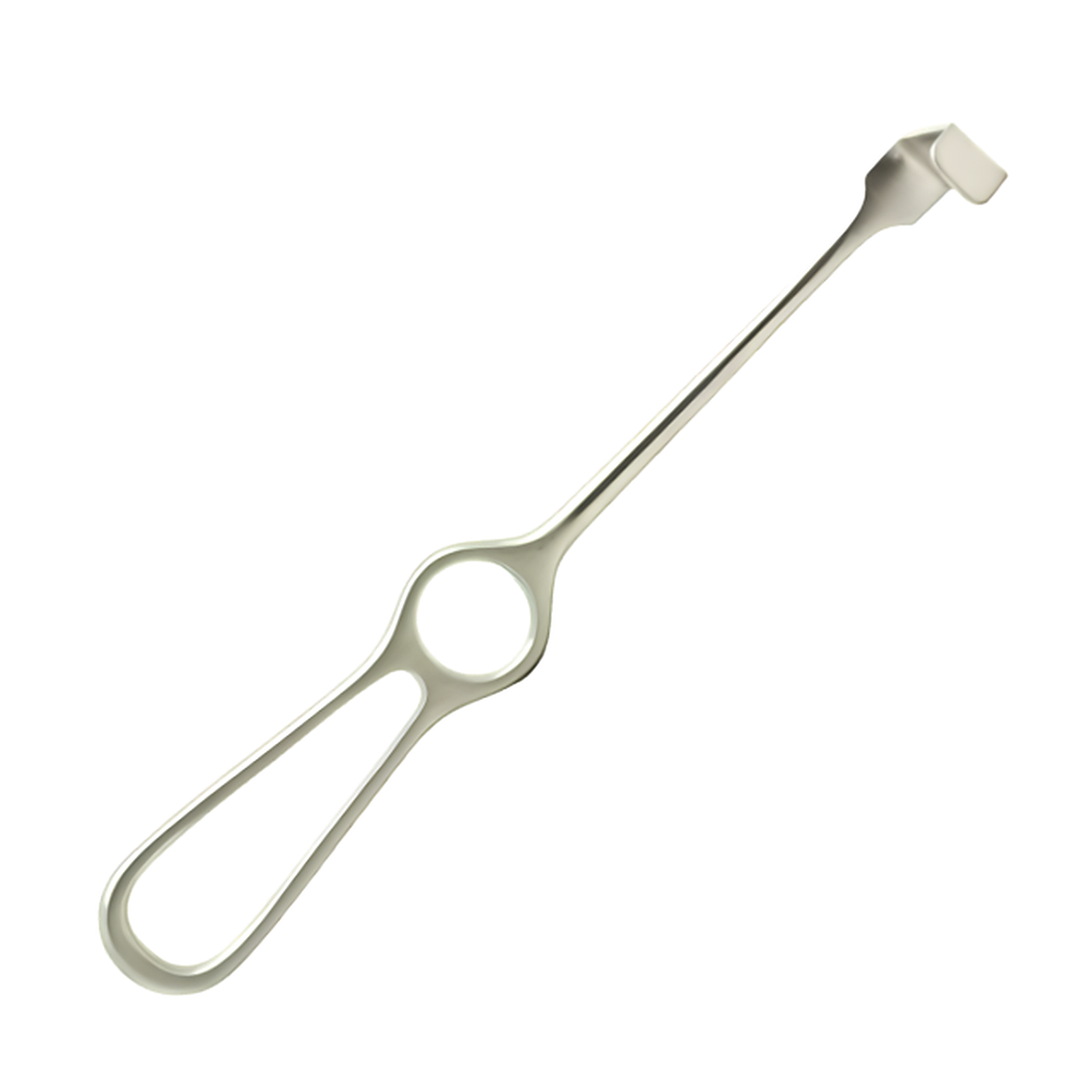 | Kocher Langenbeck Retractor | Speziell entwickelt für die Retraktion von Weichgewebe, Muskelschichten und Wundrändern in der Allgemeinchirurgie, Orthopädie und plastischen Chirurgie. |
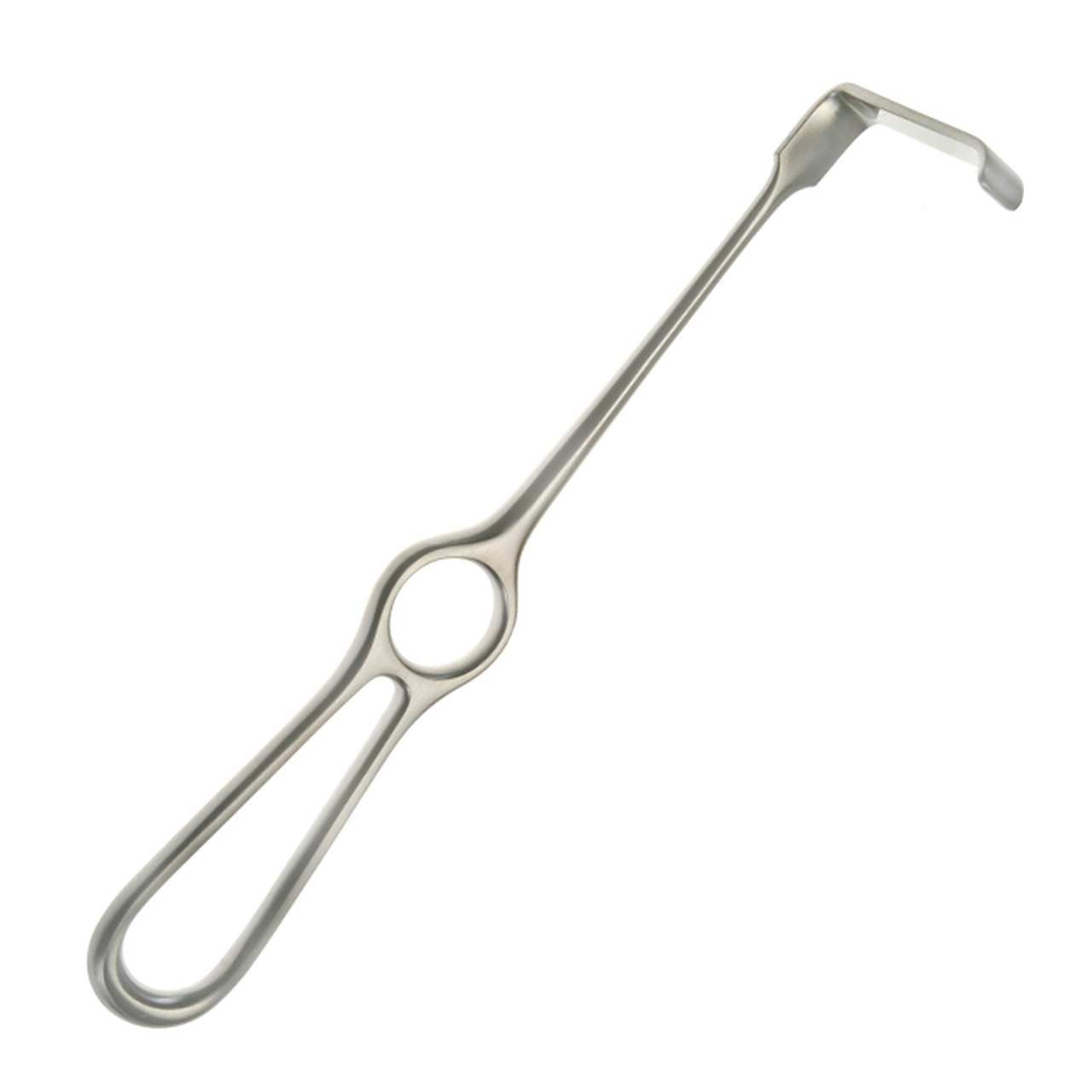 | Kocher Retractor | Speziell entwickelt zur Retraktion von Muskeln, Faszien und Wundrändern in der Schilddrüsen-, Allgemein- und Orthopädiechirurgie. |
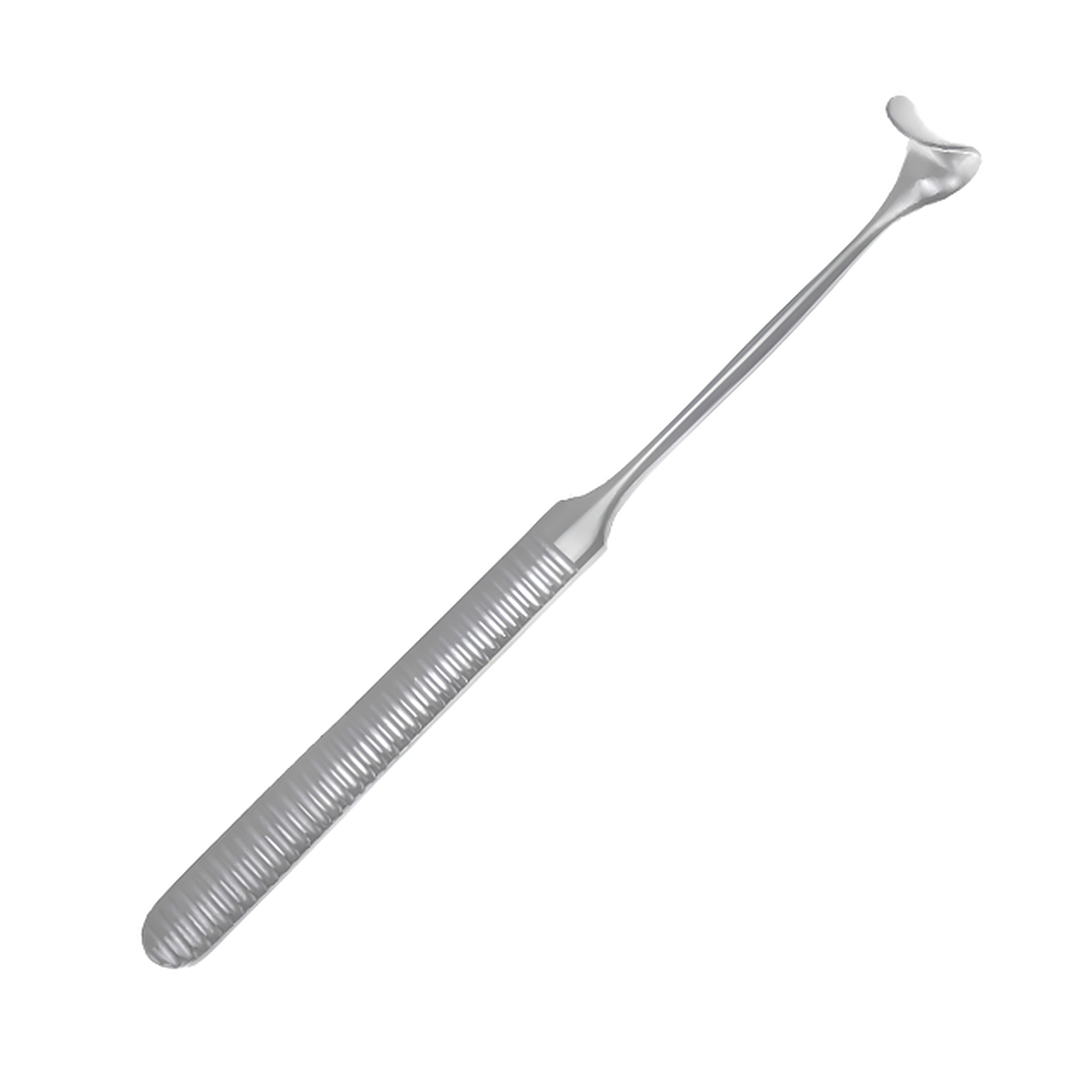 | Koenig Wundhaken | Speziell entwickelt zur Retraktion von Hauträndern, Faszien und oberflächlichen Muskelschichten während allgemeiner, orthopädischer und plastischer chirurgischer Eingriffe. |
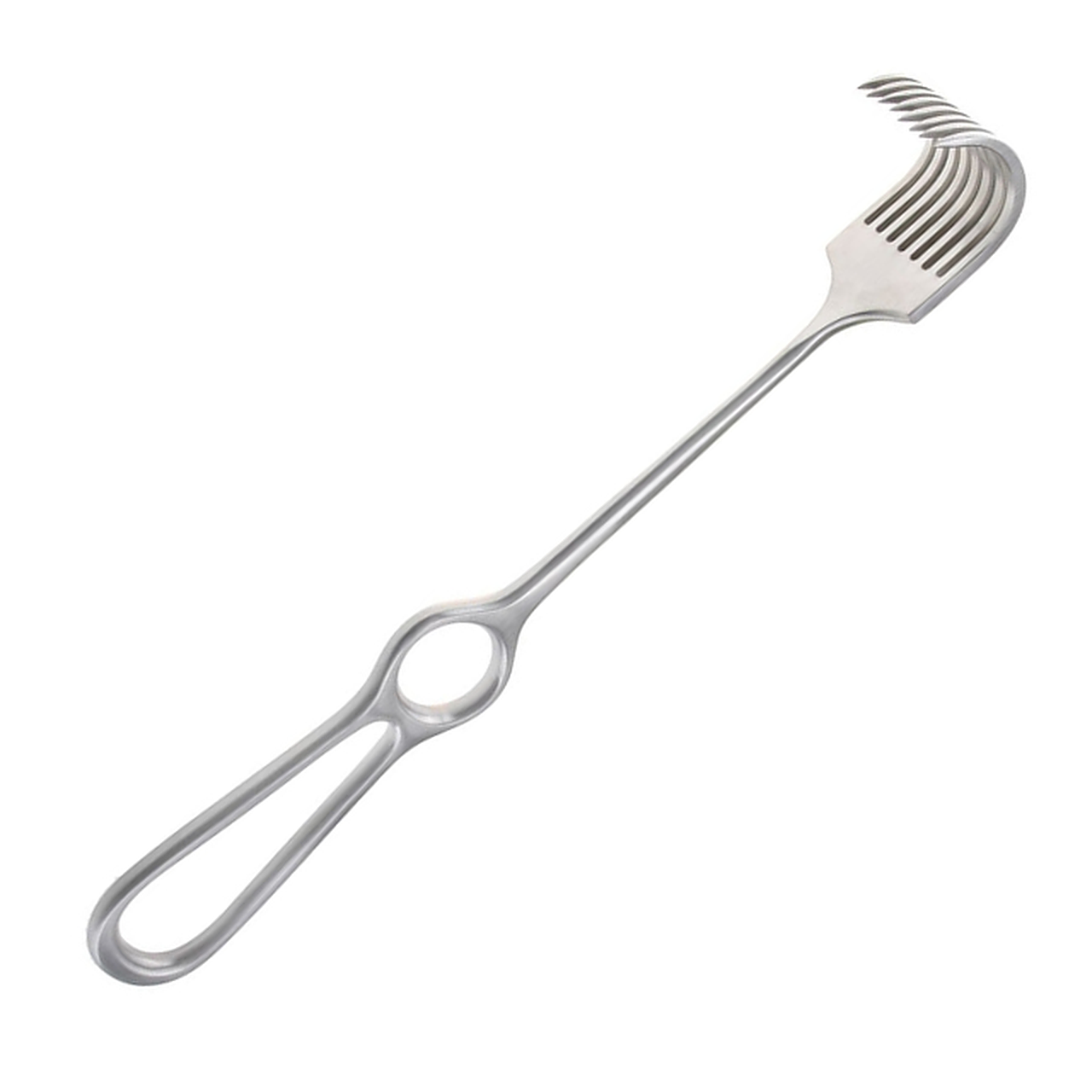 | Koerte Retractor | Speziell entwickelt für die Retraktion dichter Muskelschichten, Faszien und dicker Geweberänder in der Abdominal- und Orthopädiechirurgie. |
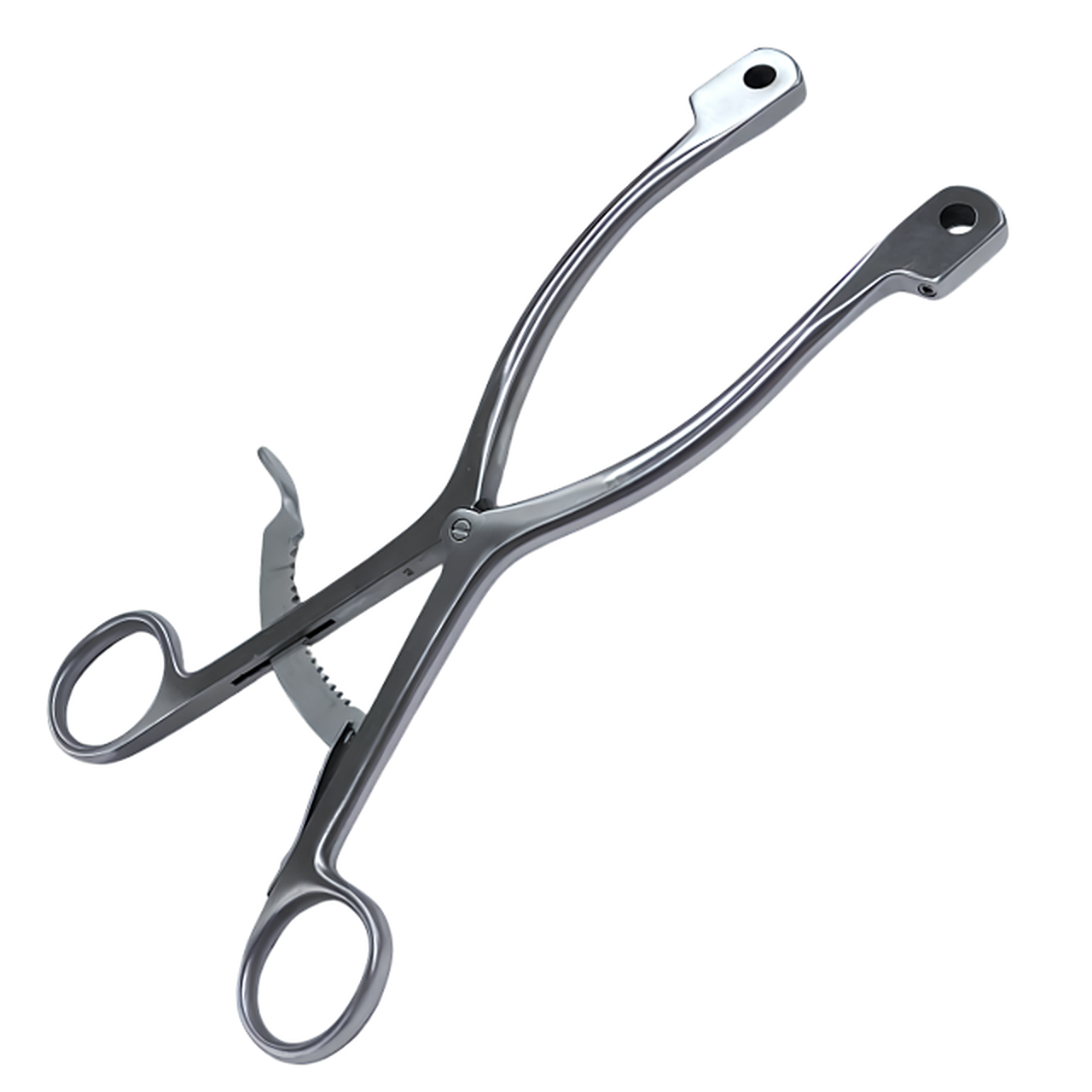 | Kolbel Schulter-Sperrer-Rahmen | Speziell entwickelt zur Aufnahme modularer Valven für die selbsthaltende Weichteilretraktion in der Schulterchirurgie. |
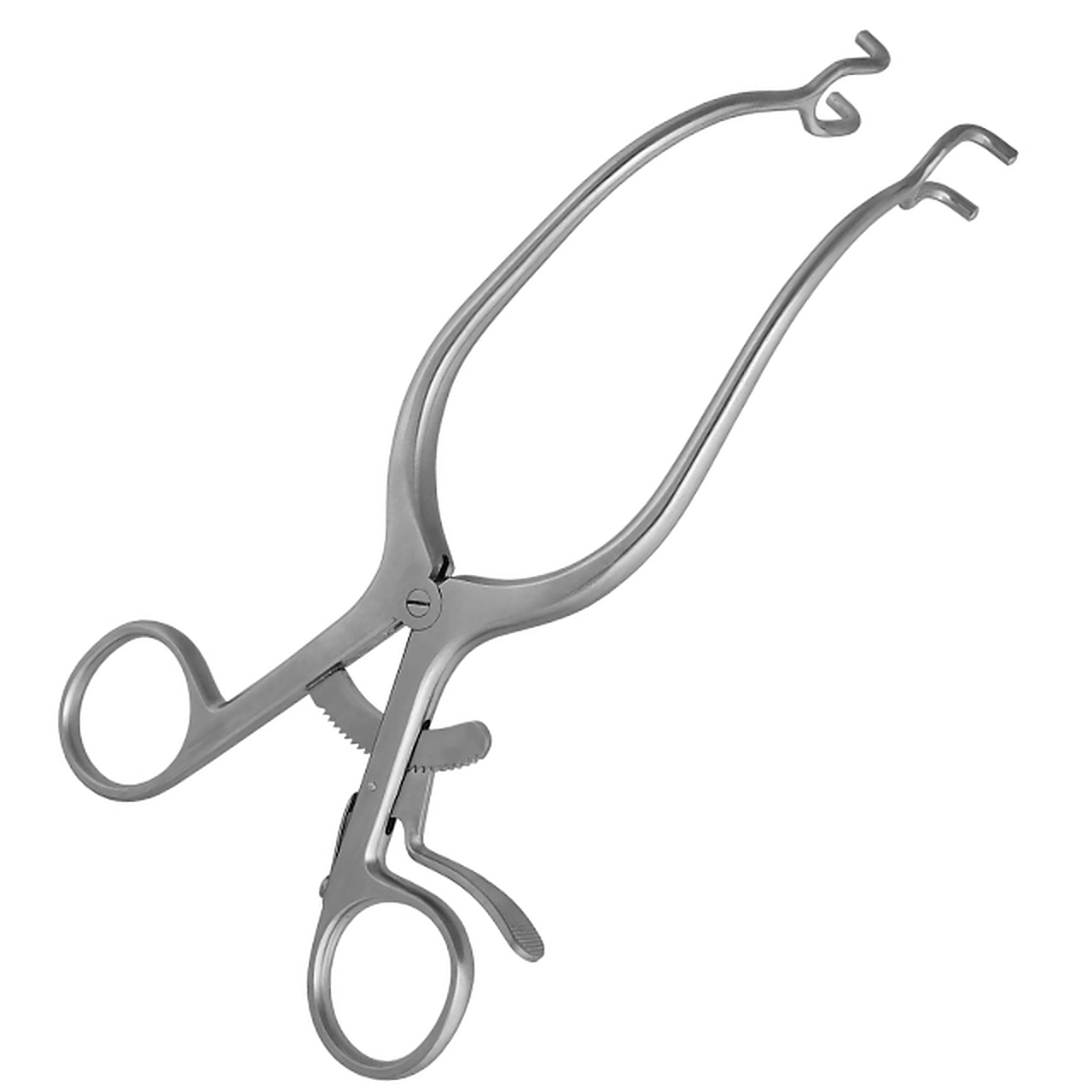 | Kolbel Weichteil-Retraktor | Speziell entwickelt zur Retraktion von Muskeln, Kapseln und Weichteilen während der Schulterendoprothetik und rekonstruktiven Chirurgie. |
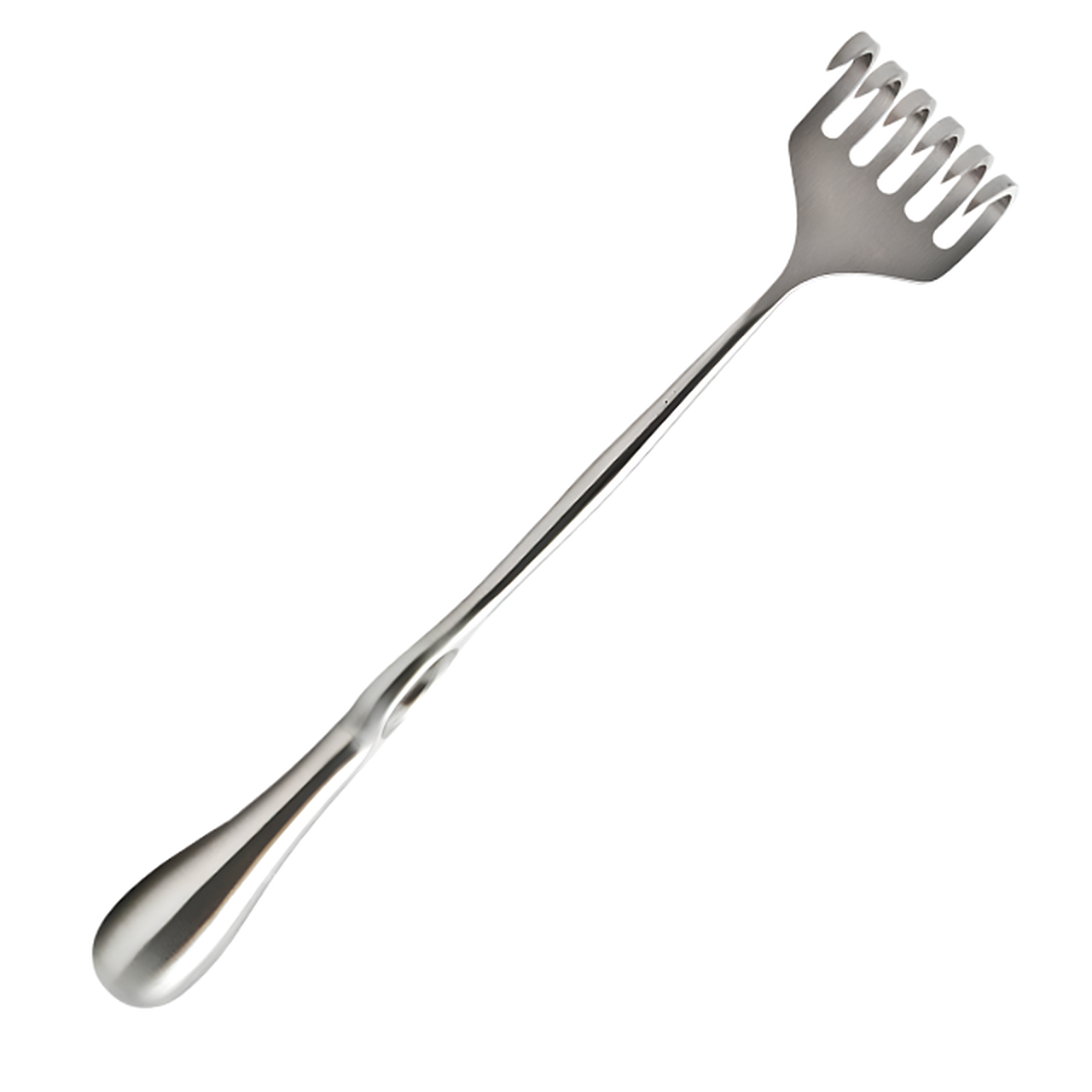 | Krasky Retractor | Speziell entwickelt zur Retraktion dichter Muskelschichten und tiefer Faszien in der offenen Allgemeinchirurgie und Orthopädie. |
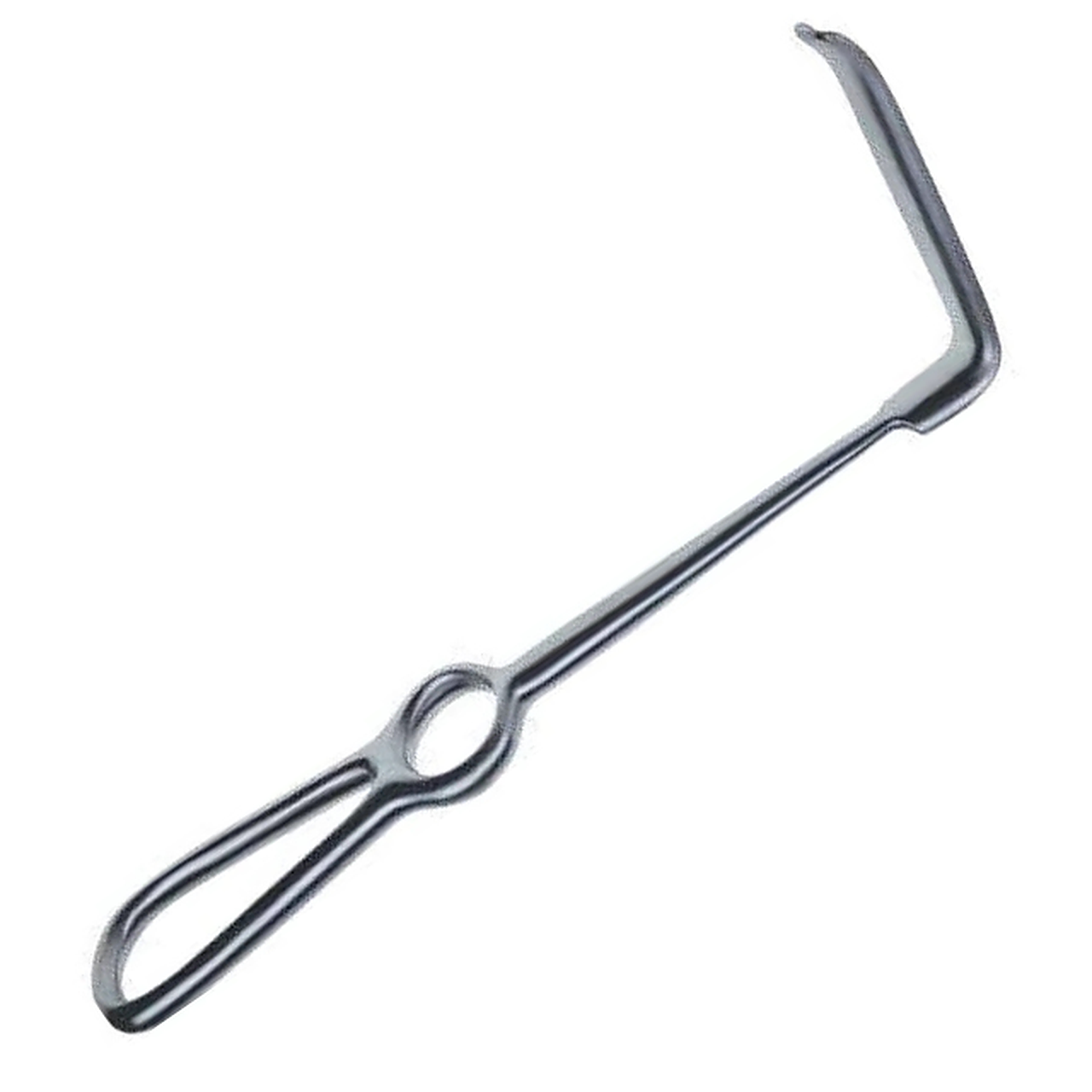 | Kreidler Weichteil-Retraktor | Speziell entwickelt zur Retraktion von Mukoperiostlappen und Weichteilen in der Mund-, Kiefer- und Gesichtschirurgie sowie bei orthognathen Eingriffen. |
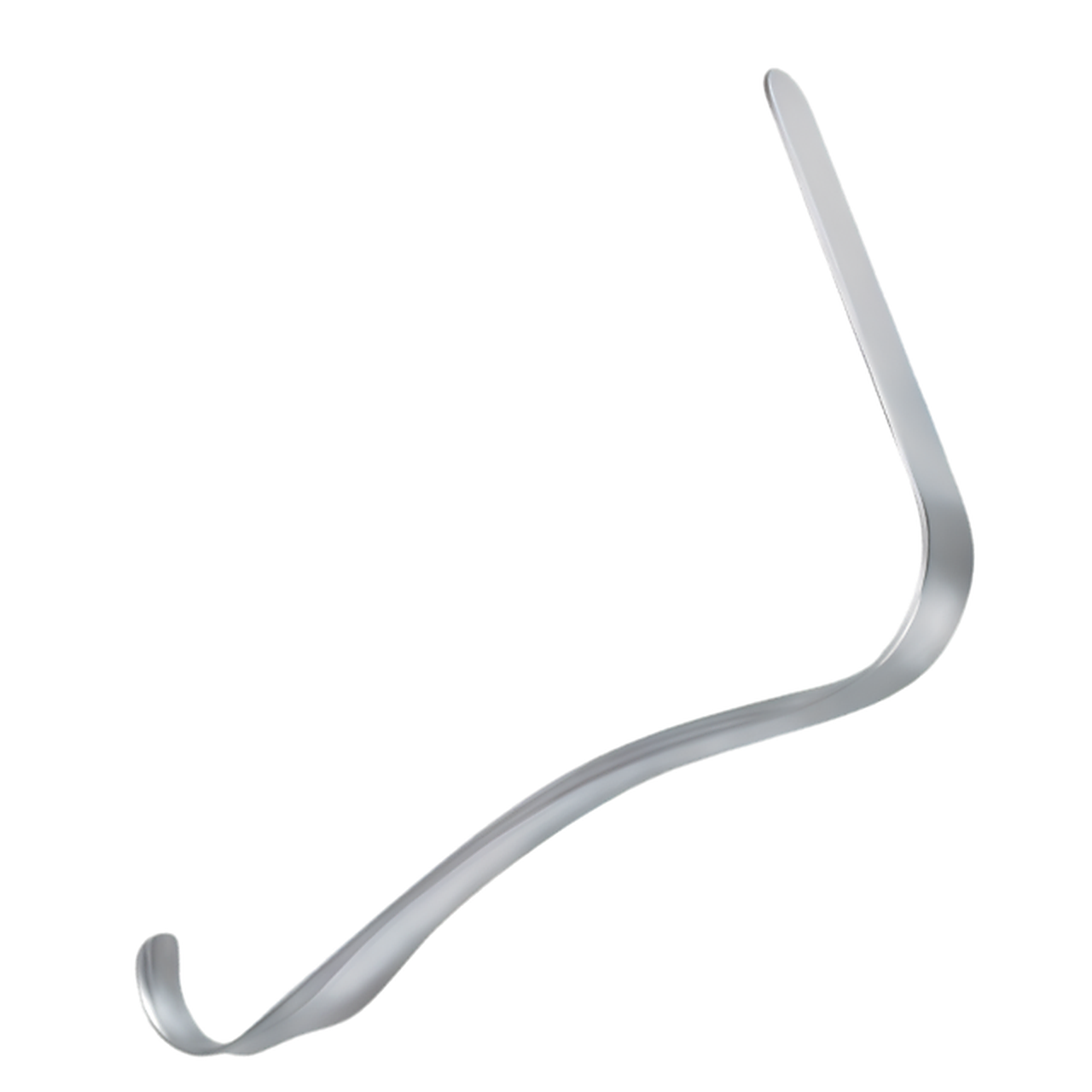 | Kristeller Vaginal-Retraktor | Speziell entwickelt zur Retraktion der Vaginalwände und zur Visualisierung des Beckengewölbes bei gynäkologischen Eingriffen. |
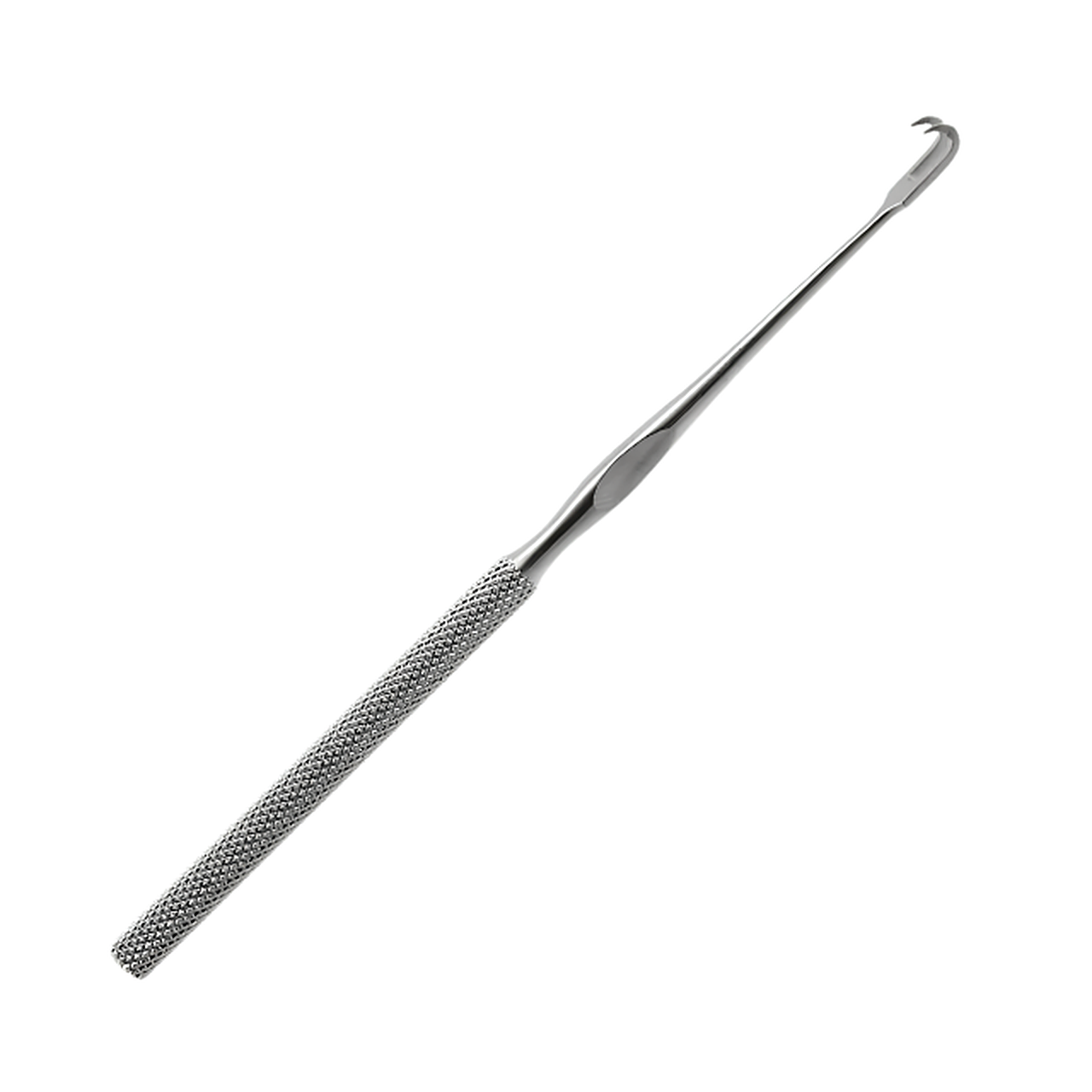 | Lahey Finger Retractor | Speziell entwickelt zur Retraktion von Hautlappen, kutanen Rändern und oberflächlichen Faszien in der plastischen Chirurgie und Handchirurgie. |
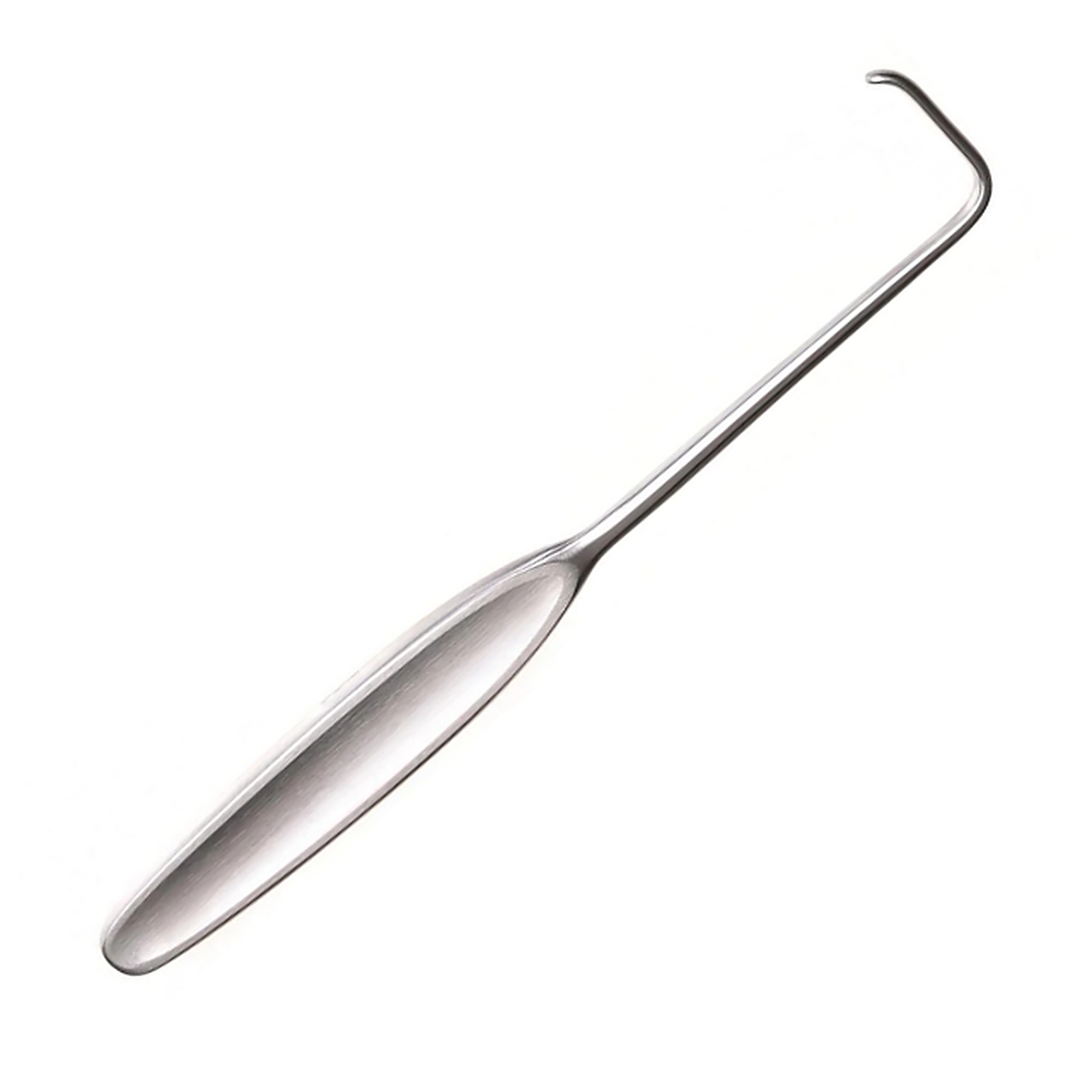 | Lahey Wundhaken | Speziell entwickelt für die atraumatische Weichteilretraktion und strukturierte Exposition bei Schilddrüsen-, Hals- und allgemeinchirurgischen Eingriffen. |
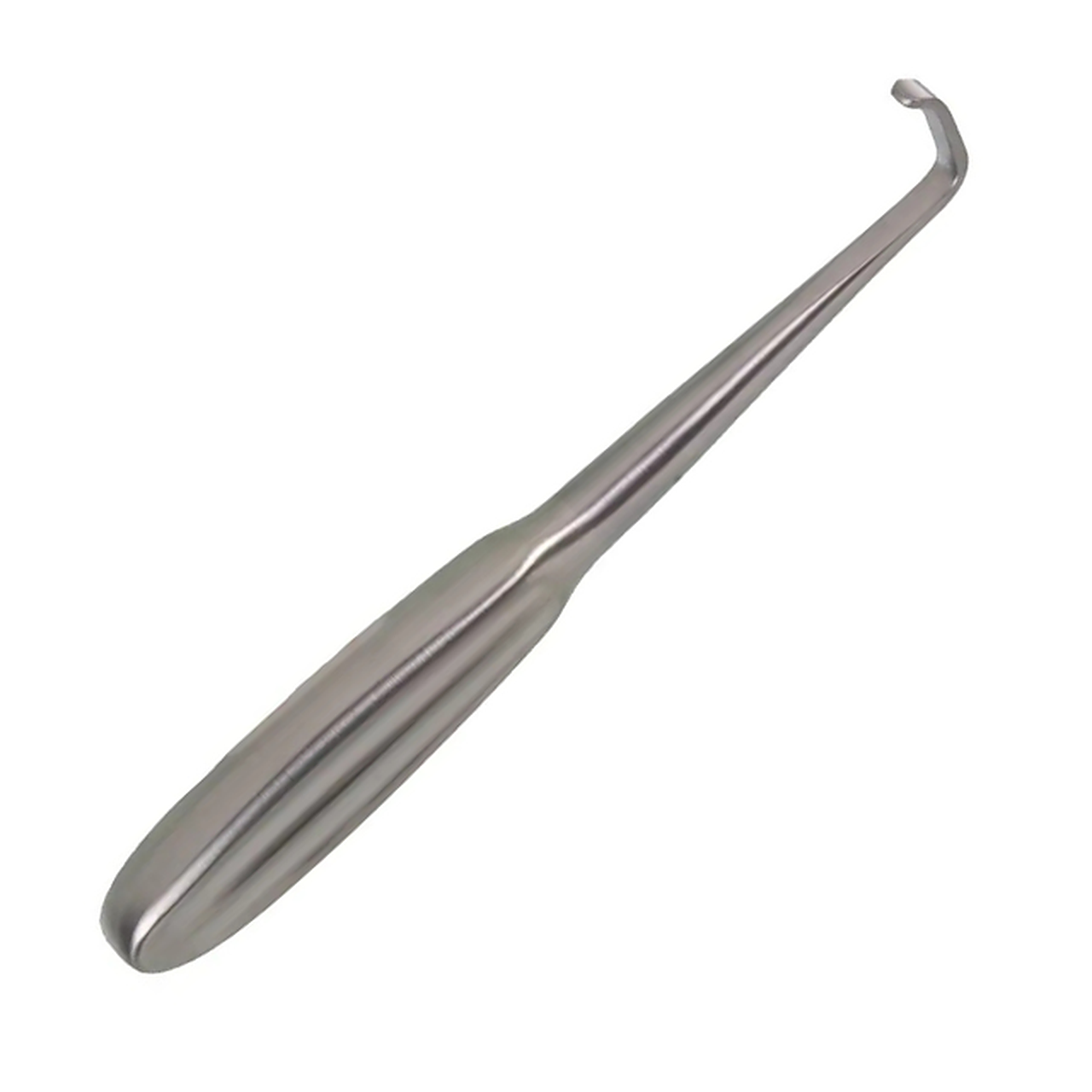 | Lahey Thyroid Retractor | Speziell entwickelt zur Retraktion von Riemenmuskeln, Halsfaszien und Weichgewebe bei der Thyreoidektomie und Nebenschilddrüseneingriffen. |
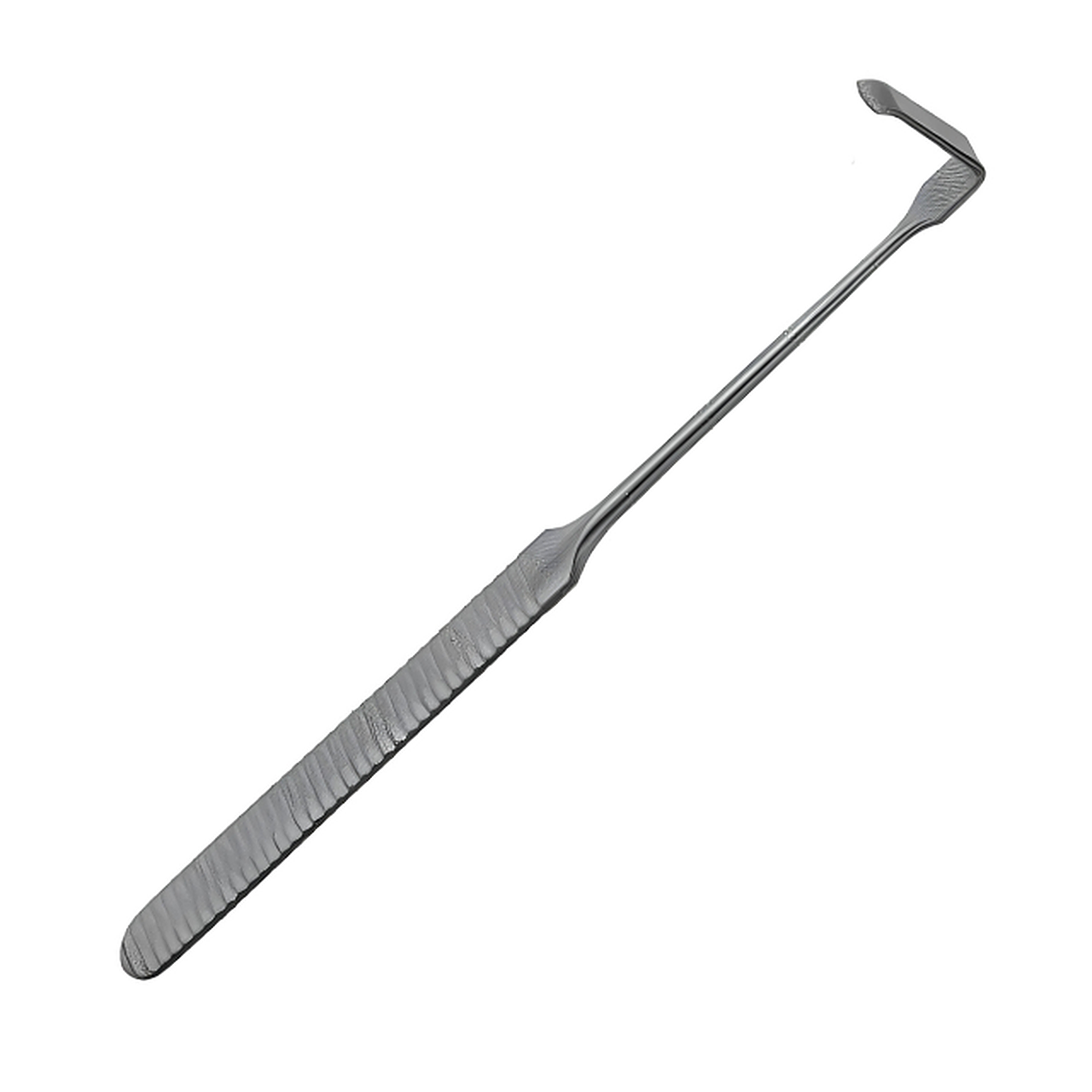 | Langenbeck Green Wundhaken | Speziell entwickelt zur Retraktion von Riemenmuskulatur, Halsfaszien und Wundrändern bei Schilddrüsen-, Hals- und allgemeinchirurgischen Eingriffen. |
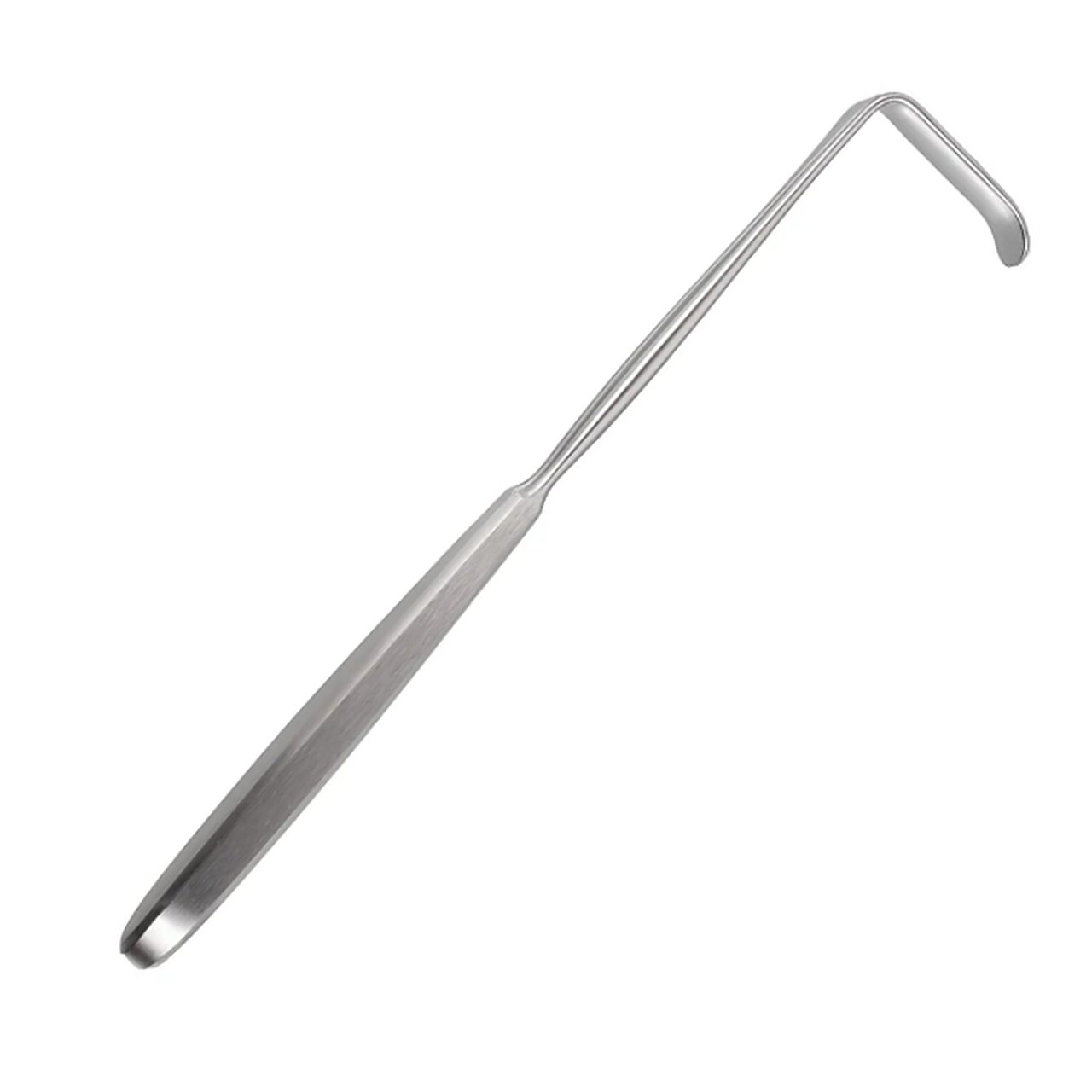 | Langenbeck Retractor-Solid Handle | Speziell entwickelt zur Retraktion von Muskelschichten, Faszien und Wundrändern in der Allgemein-, Orthopädie- und plastischen Chirurgie. |
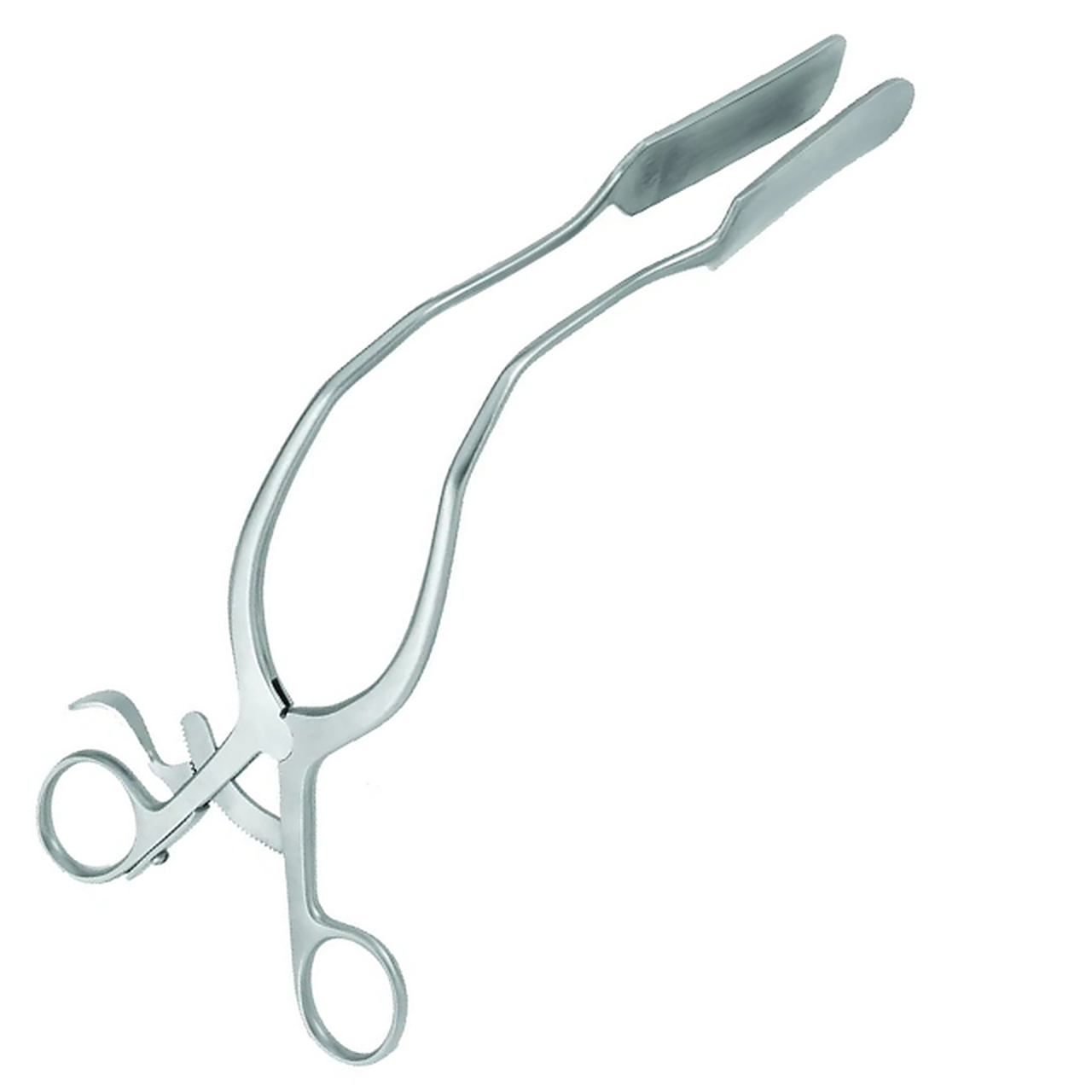 | Laterales ebonisiertes Vaginal-Spekulum | Speziell entwickelt zur Retraktion der lateralen Vaginalwände bei laser- und elektrochirurgischen gynäkologischen Eingriffen. |
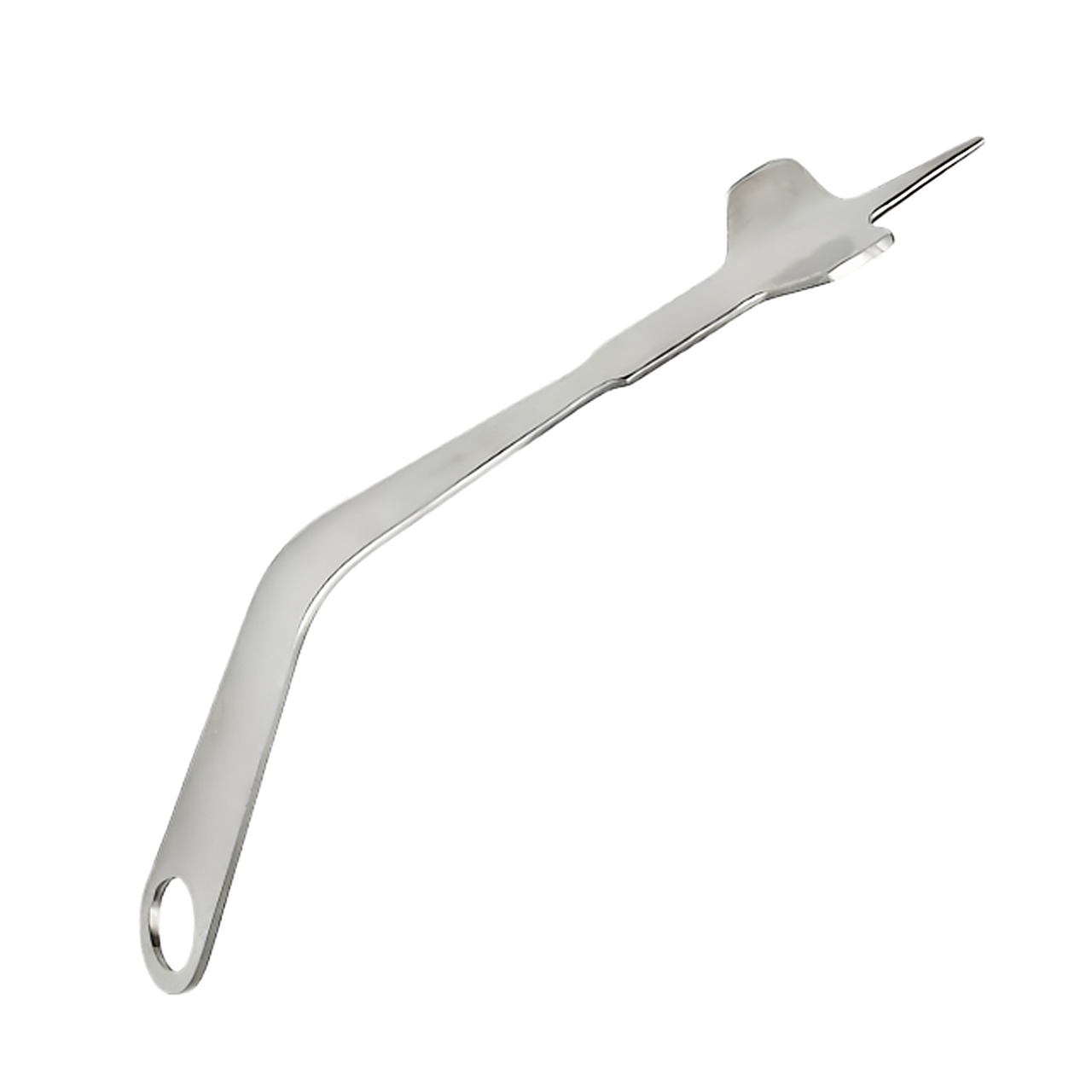 | Lateral Fat Pad Retractor | Speziell entwickelt zur Retraktion des infrapatellaren Fettkörpers und der Weichteile bei totaler Knieendoprothetik und Knie-Rekonstruktionen. |
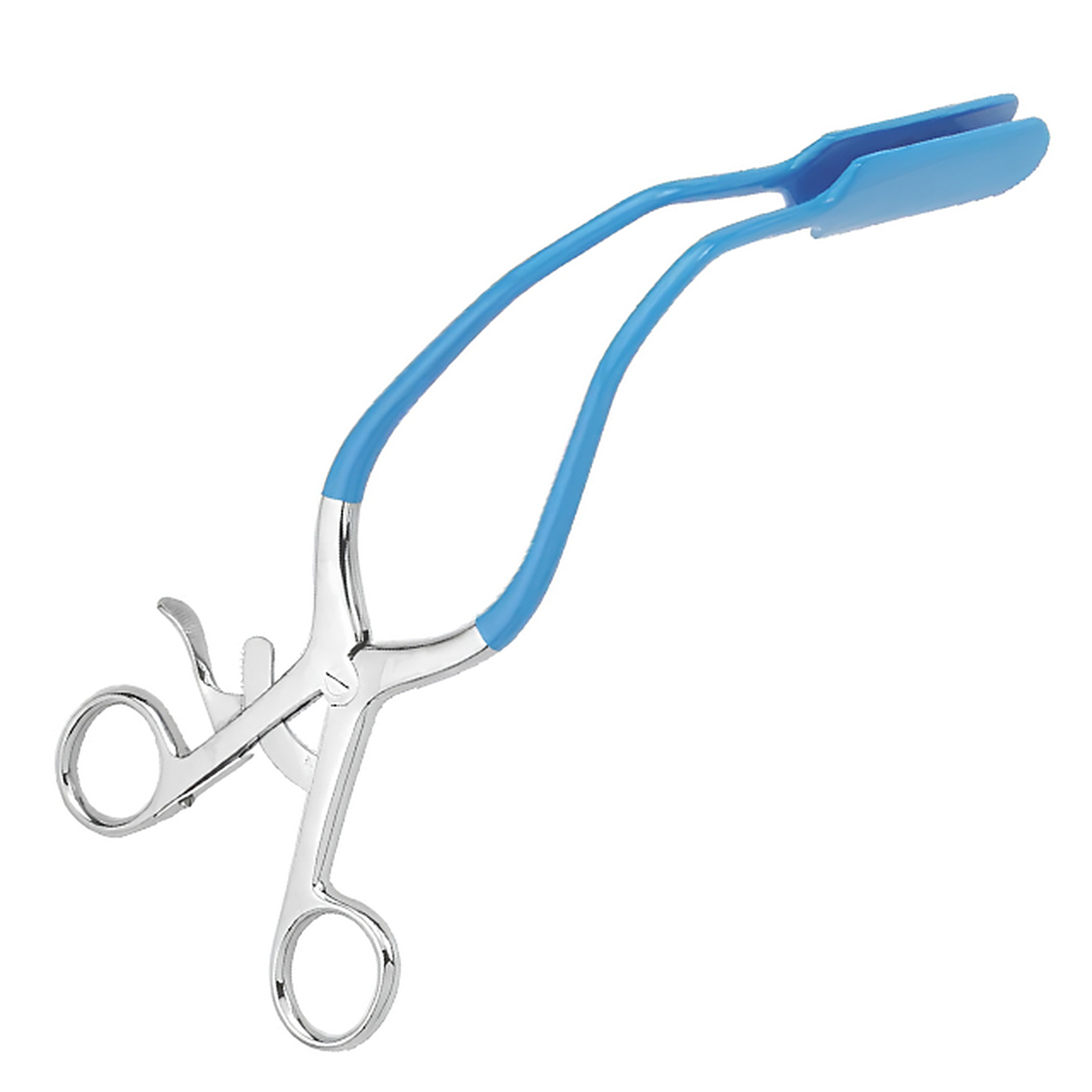 | Lateraler, nicht leitender Vaginal-Retraktor | Speziell entwickelt zur Retraktion der lateralen Vaginalwände bei elektrochirurgischen und lasergestützten gynäkologischen Eingriffen. |
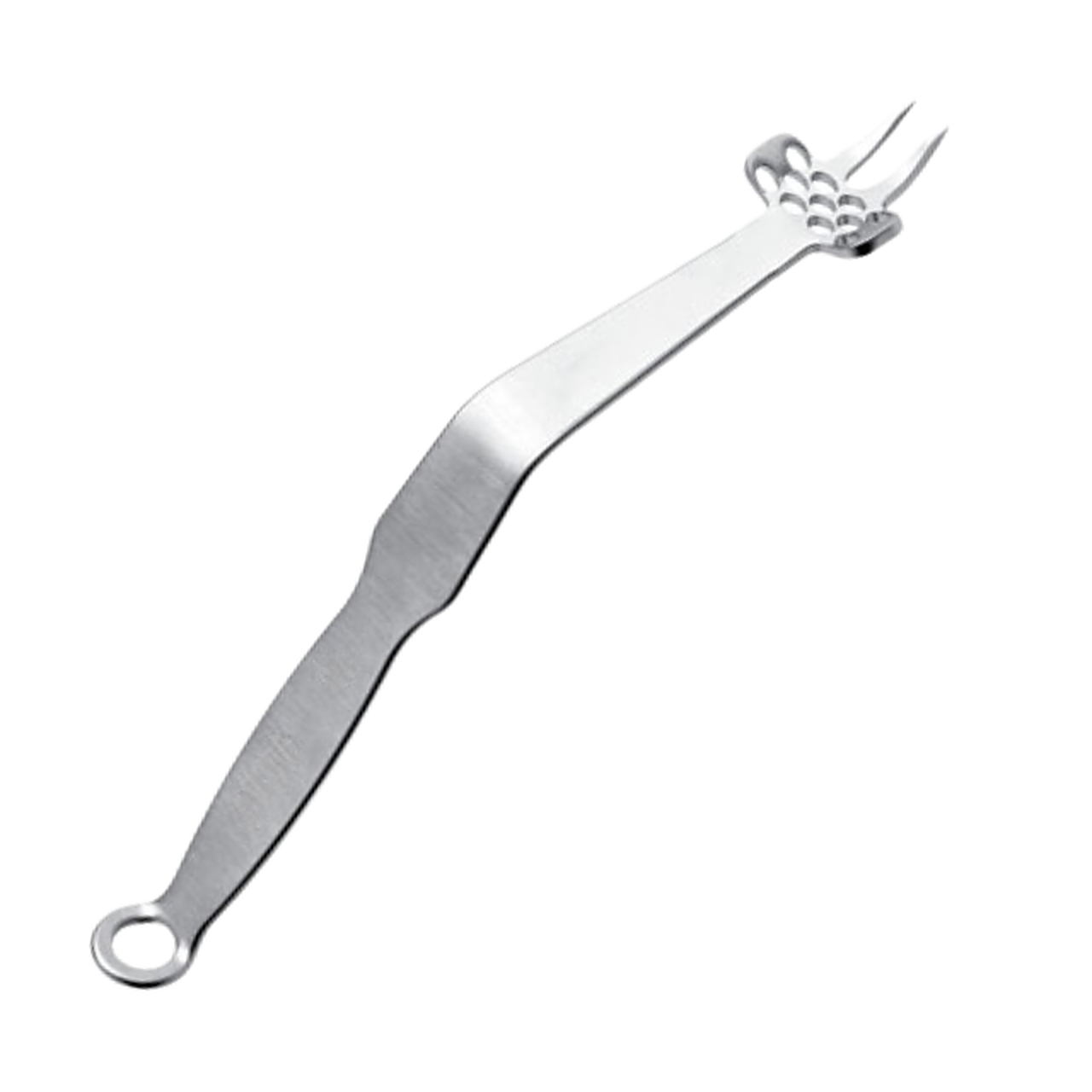 | Laterale Weichteil-Retraktoren | Speziell entwickelt zur Retraktion von lateralem Weichteilgewebe, Kapsel und Kollateralbändern während der totalen Knieendoprothetik. |
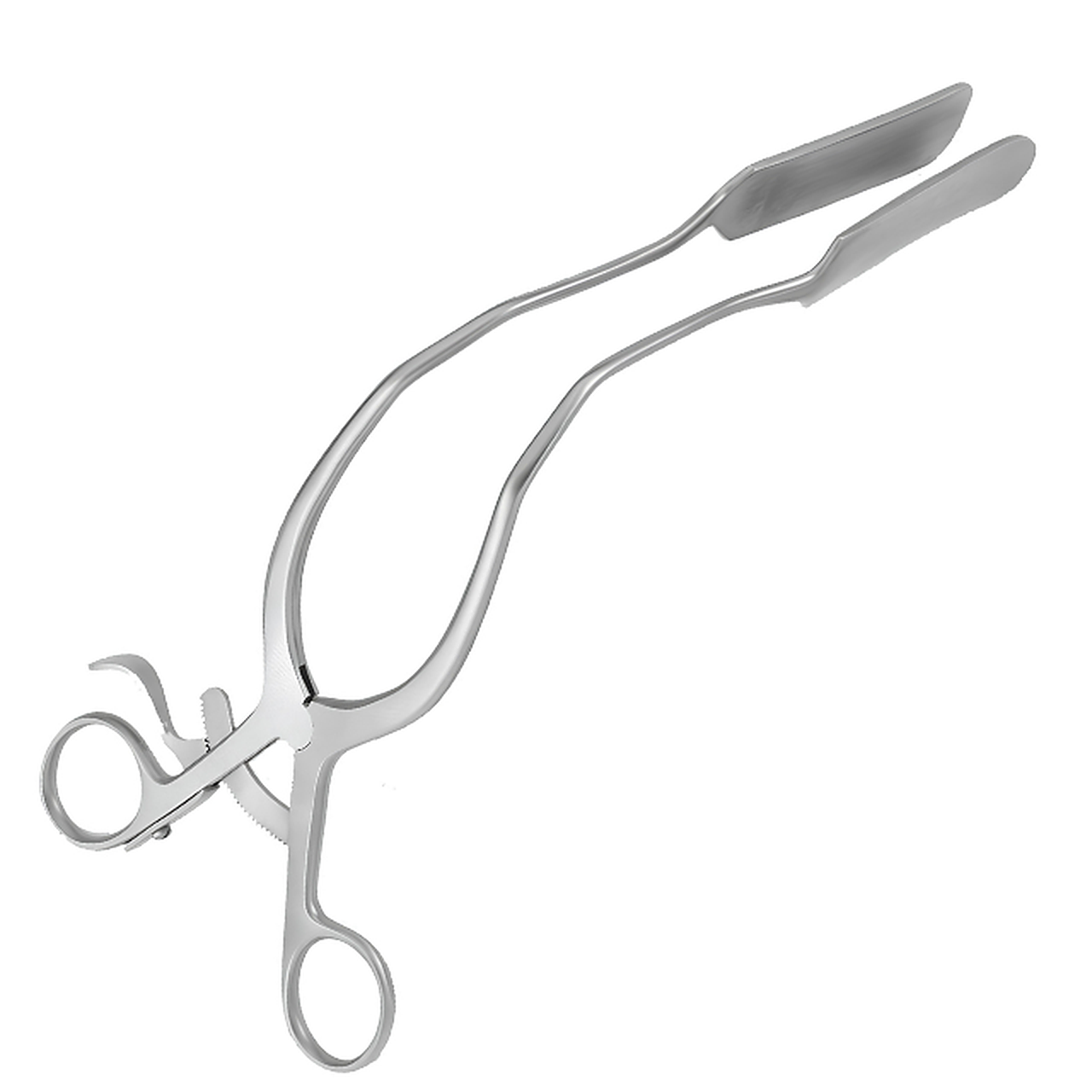 | Lateral-Wall Vaginal Retractor | Speziell entwickelt zur Retraktion der lateralen Vaginalwände und zur Verhinderung von Gewebekollaps während vaginaler chirurgischer und elektroschirurgischer Eingriffe. |
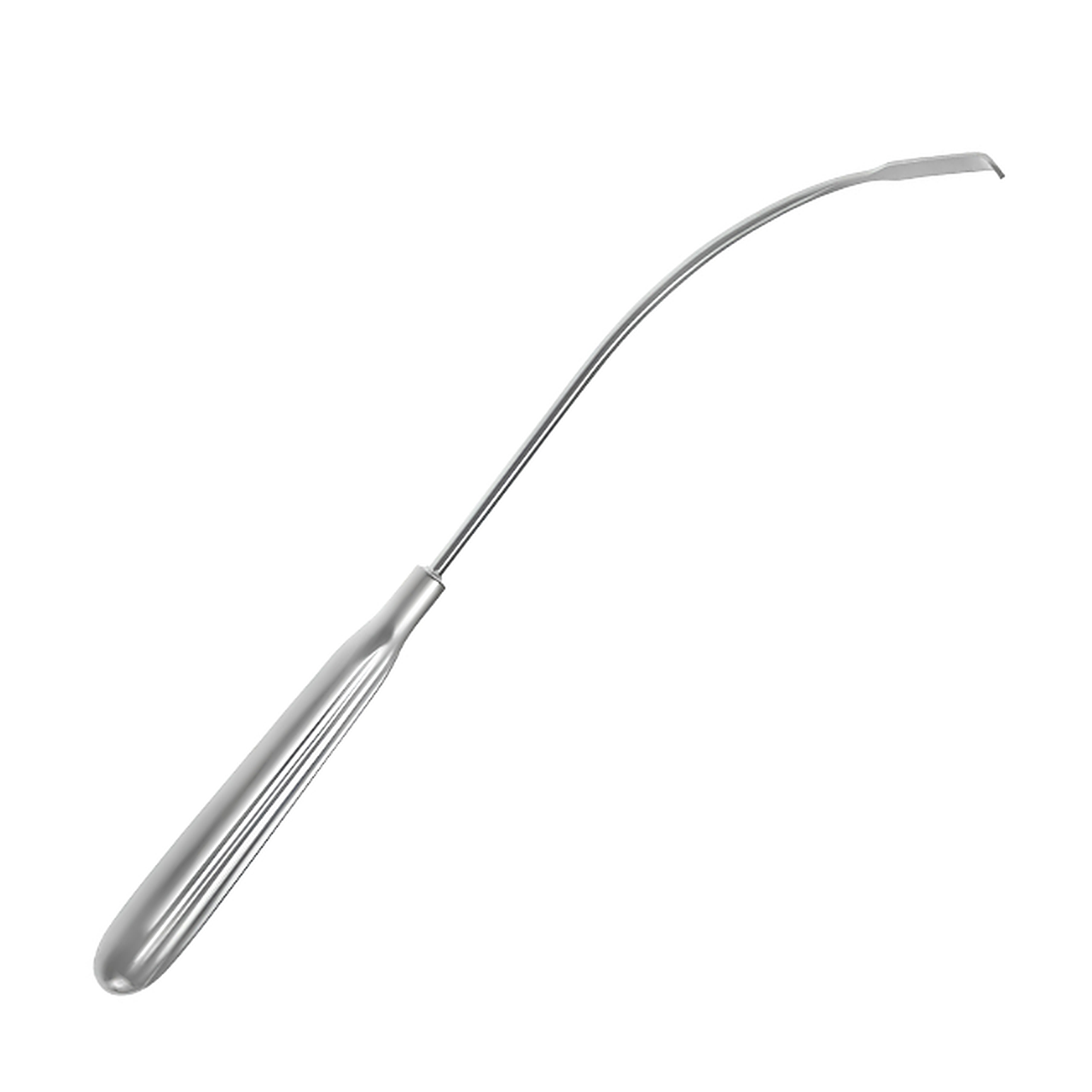 | Leaflet Retractor | Speziell entwickelt zum Zurückhalten und Anheben von Herzklappensegeln während chirurgischer Eingriffe zur Reparatur oder zum Ersatz von Herzklappen. |
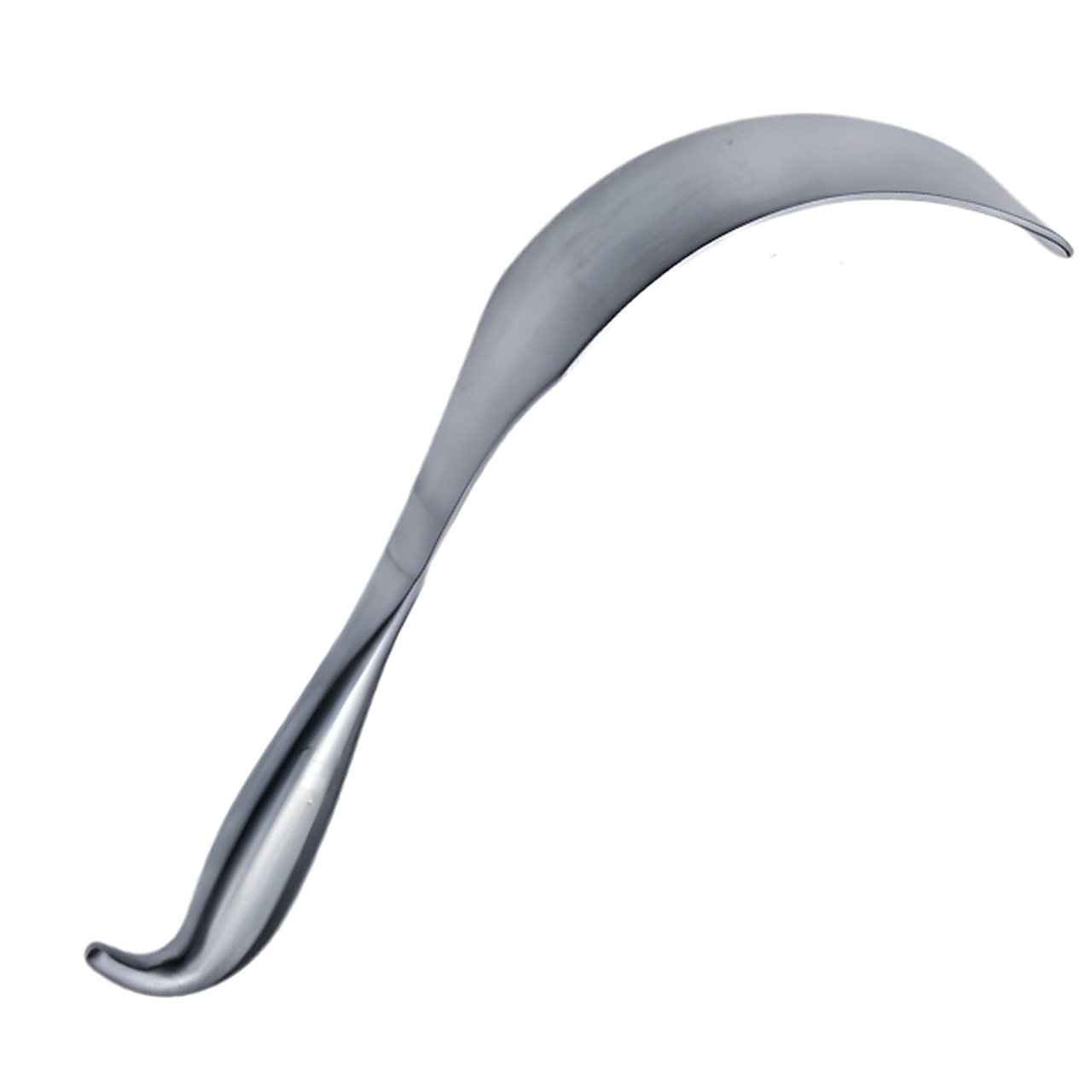 | Leriche Wundhaken – Atraumatisch, Breite Spatel | Speziell entwickelt zur Retraktion der Bauchwand, der Beckenorgane und der starken Muskulatur bei offenen chirurgischen Eingriffen. |
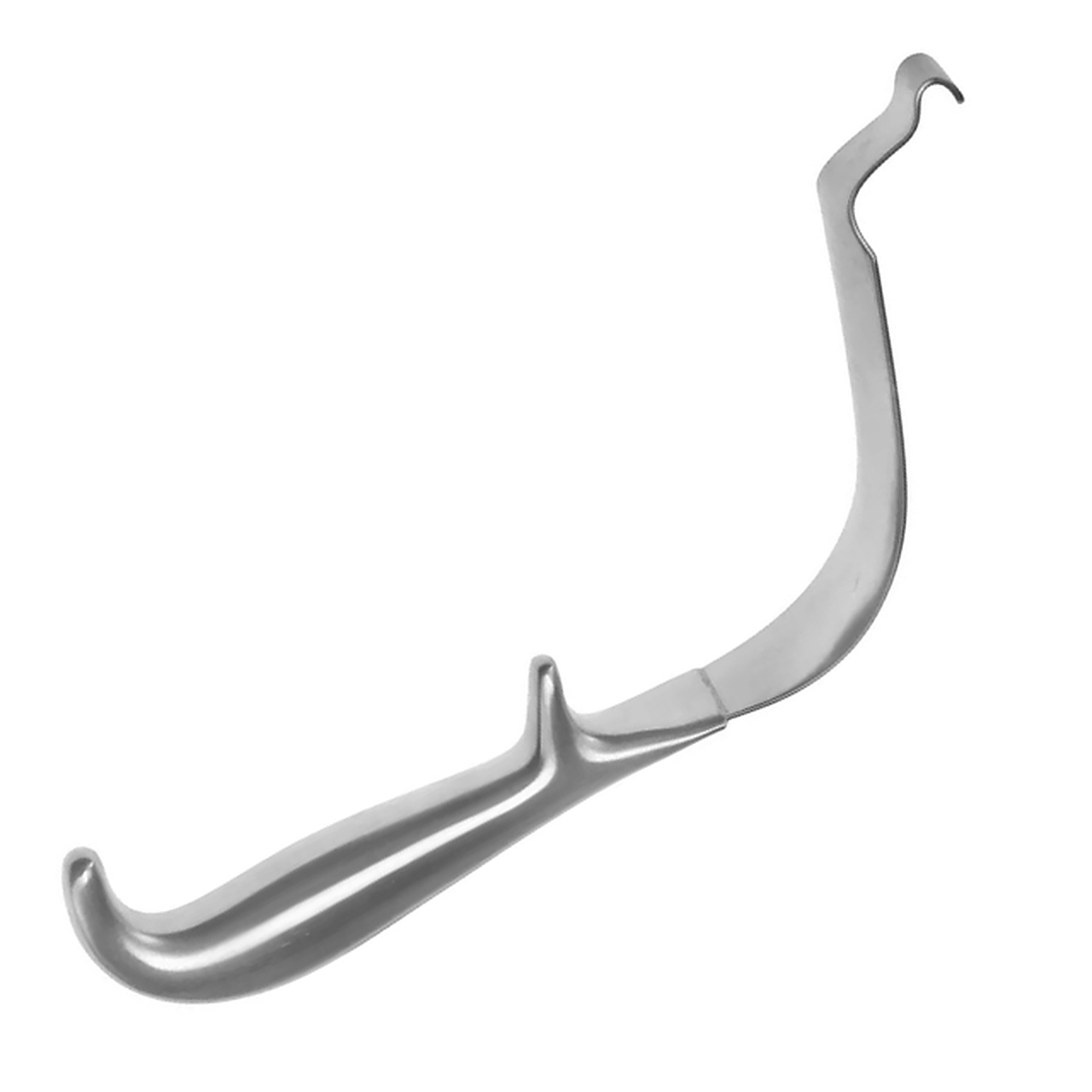 | Levasseur Merril Retractor | Speziell entwickelt zur Retraktion von Weichteilgewebe und zum Schutz neurovaskulärer Strukturen während der vertikalen Ramusosteotomie. |
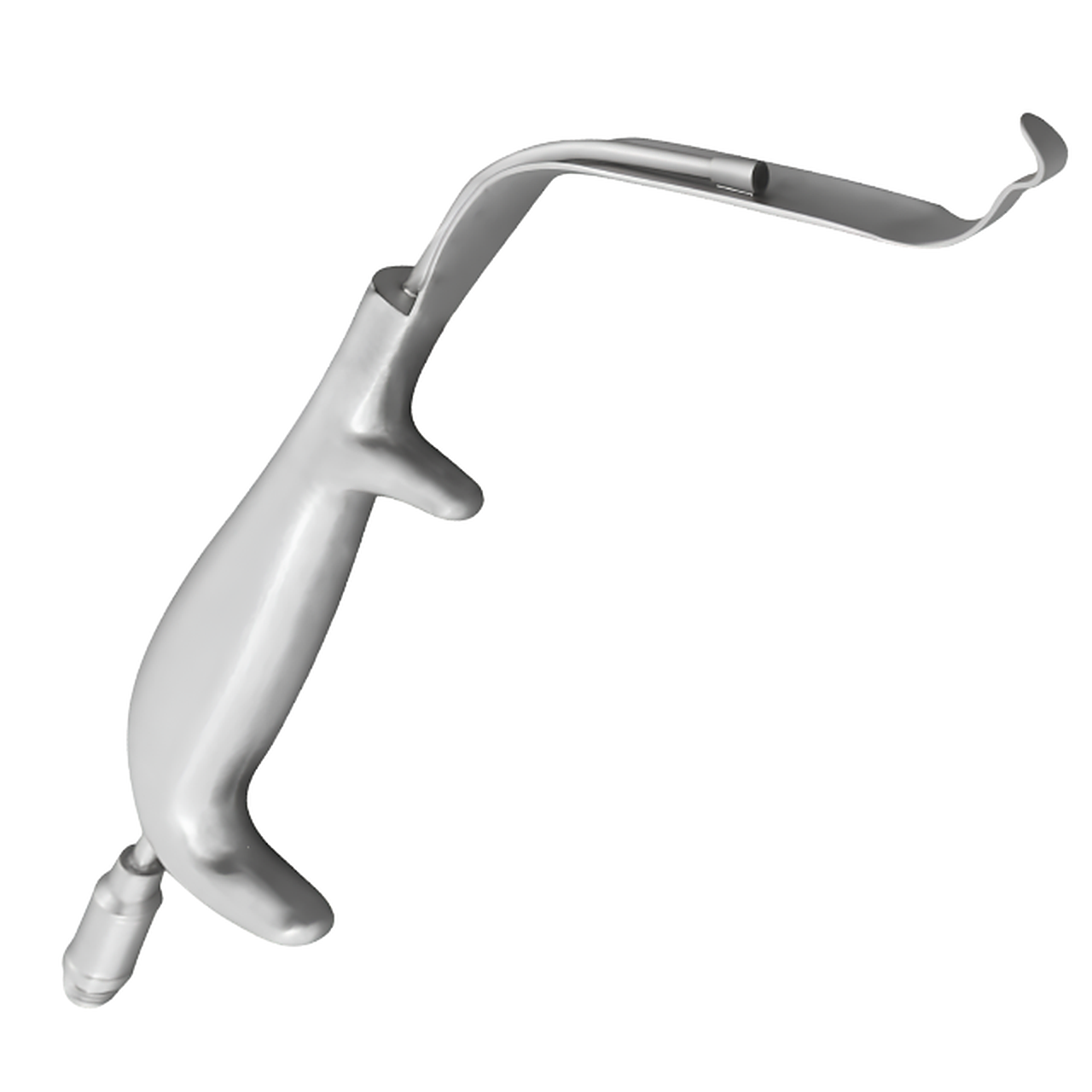 | Levasseur Merril Retractor Fiber Optic | Speziell entwickelt für die beleuchtete Weichteilretraktion und Knochenexposition bei vertikalen Ramus-Osteotomien. |
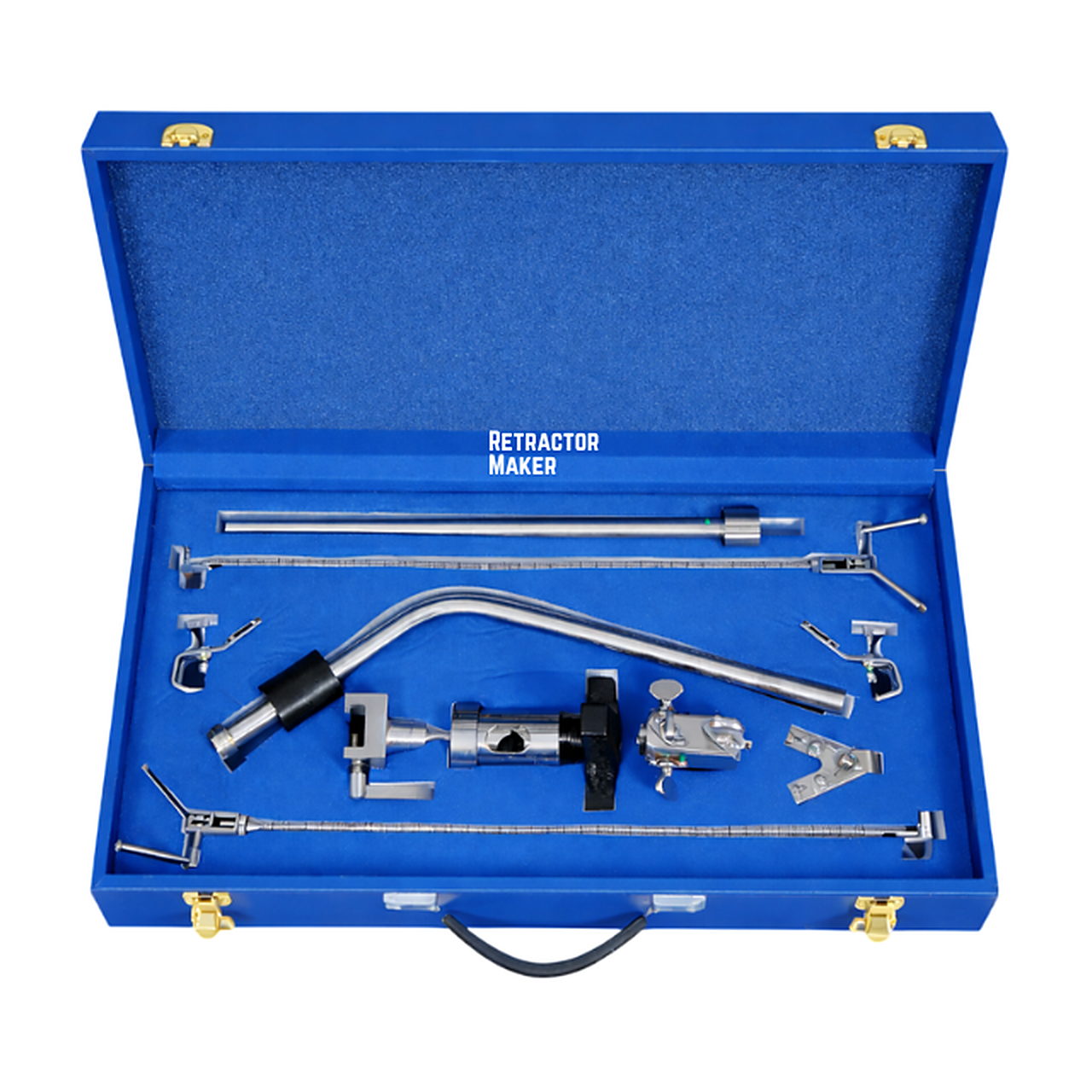 | Leyla Retractor | Speziell entwickelt für die präzise, freihändige und druckarme Hirngewebsretraktion bei empfindlichen kranialen, schädelbasis- und mikroneurochirurgischen Eingriffen. |
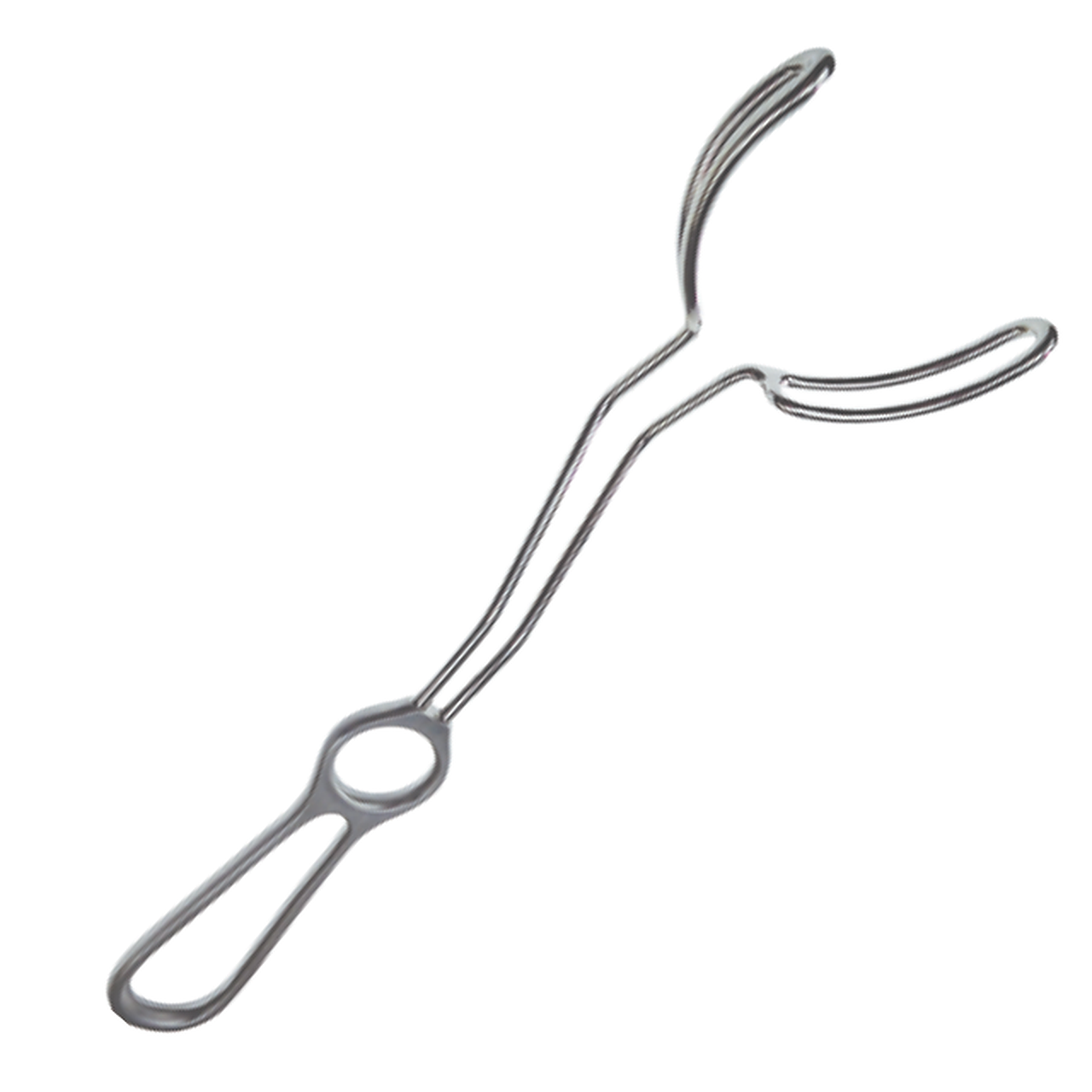 | Lippen- und Wangenretraktor | Speziell entwickelt zur Retraktion von Lippen und Wangen, um eine klare Sicht auf den Unterkiefer während mund-, kiefer- und gesichtschirurgischer Eingriffe zu ermöglichen. |
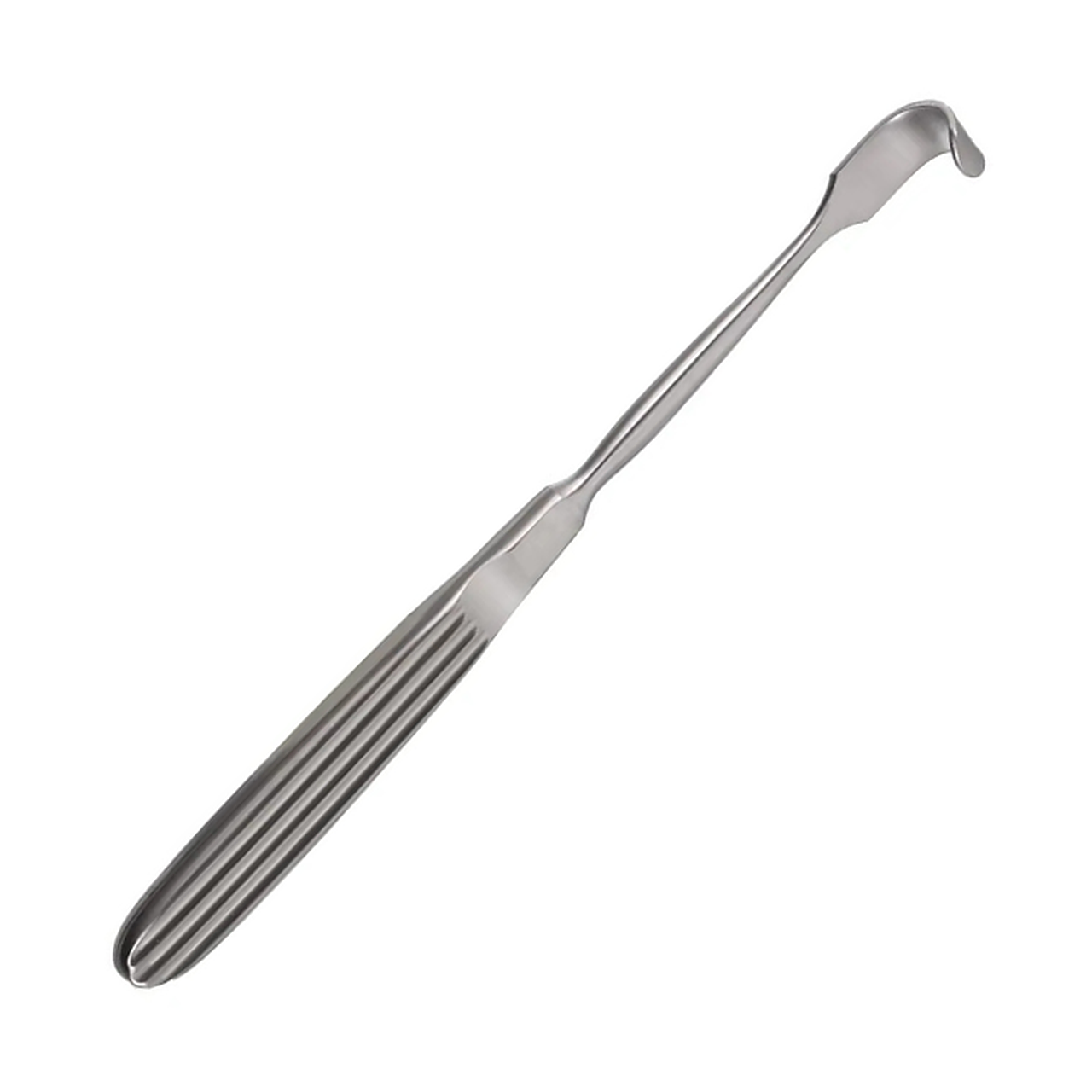 | Little Retractor | Speziell entwickelt zur Retraktion von Hauträndern, feinen Faszien und Weichgewebe bei kleineren chirurgischen und plastischen Eingriffen. |
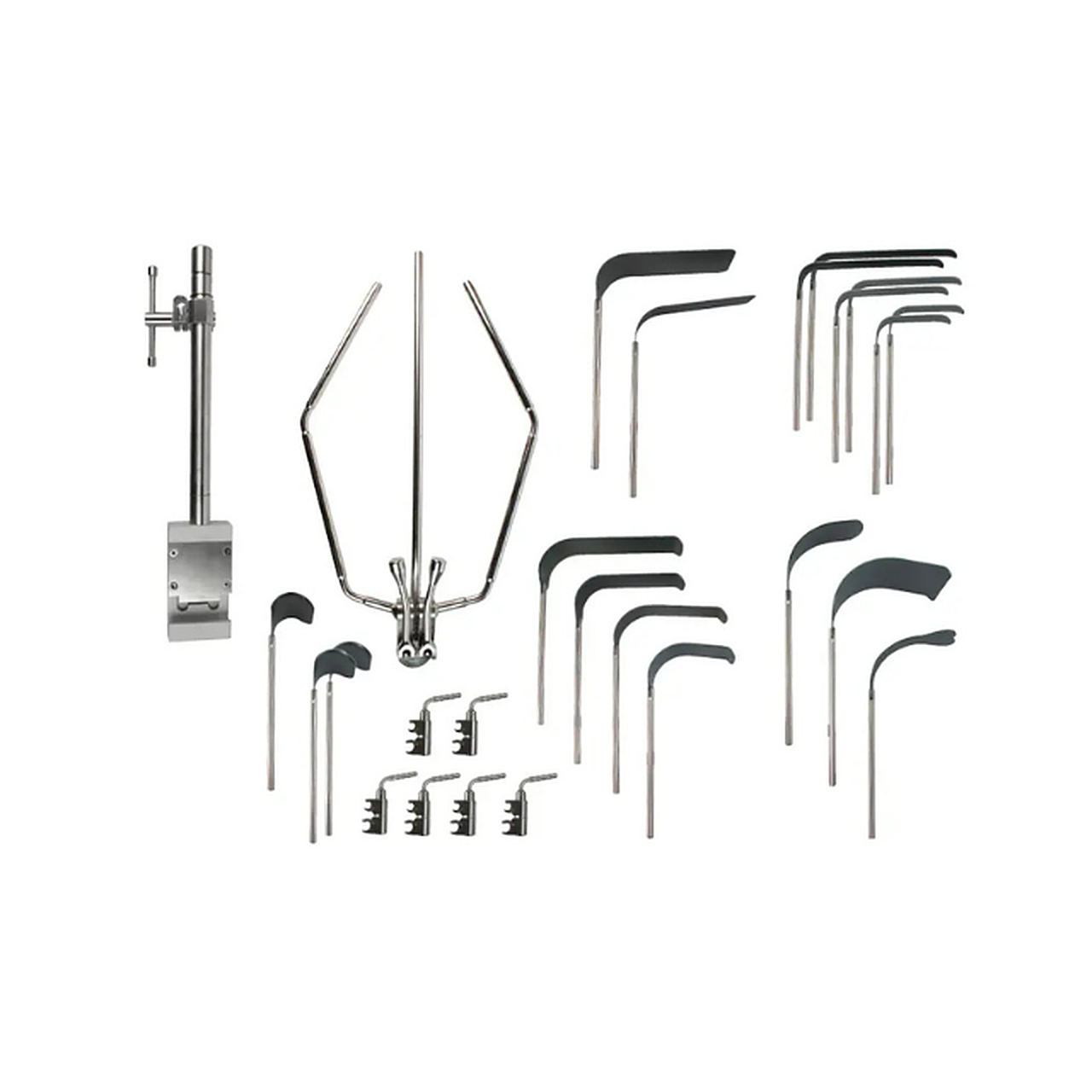 | Lobster Anterior Lumbar Retractor | Speziell konzipiert für die tischmontierte, selbsthaltende Weichteilretraktion und chirurgische Exposition bei anterioren lumbalen Wirbelsäuleneingriffen. |
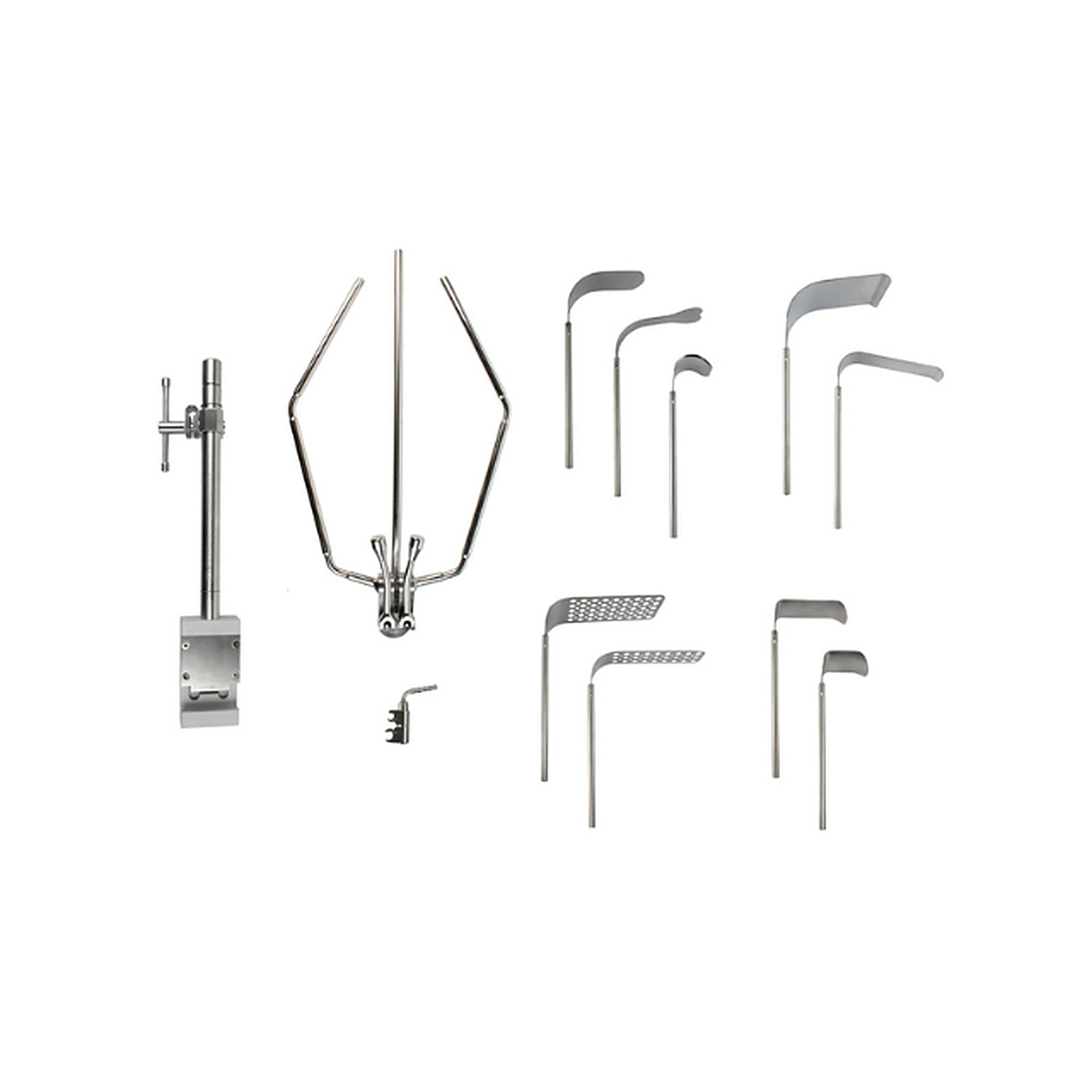 | Lobster General Retractor System | Speziell entwickelt für die tischmontierte, selbsthaltende Weichteilretraktion und Exposition des Operationsfeldes bei allgemein-chirurgischen Eingriffen. |
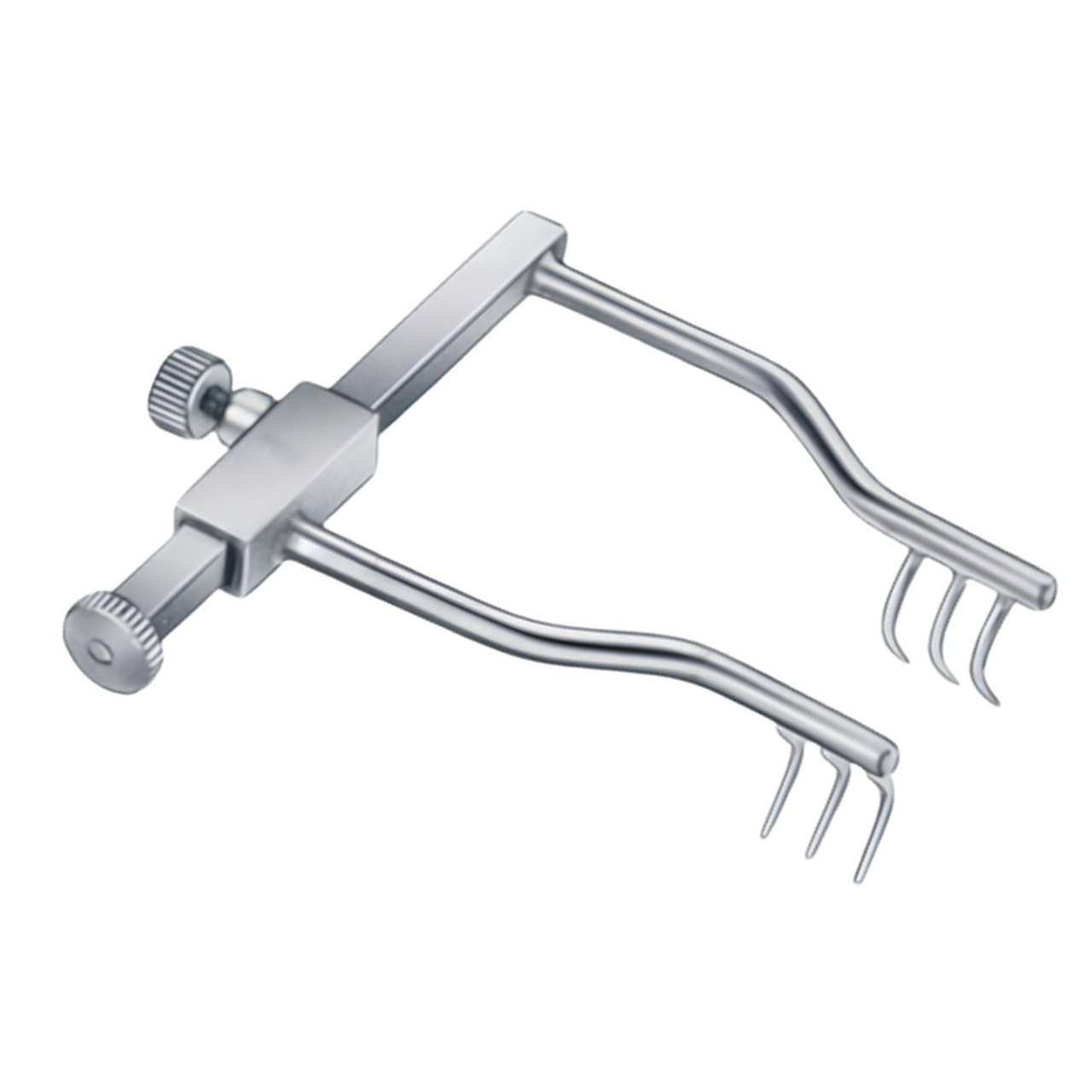 | Logan Wundspreizer | Speziell entwickelt für die selbsthaltende Retraktion von Hauträndern, Aponeurosen und Muskeln bei Mikroinzisionen. |
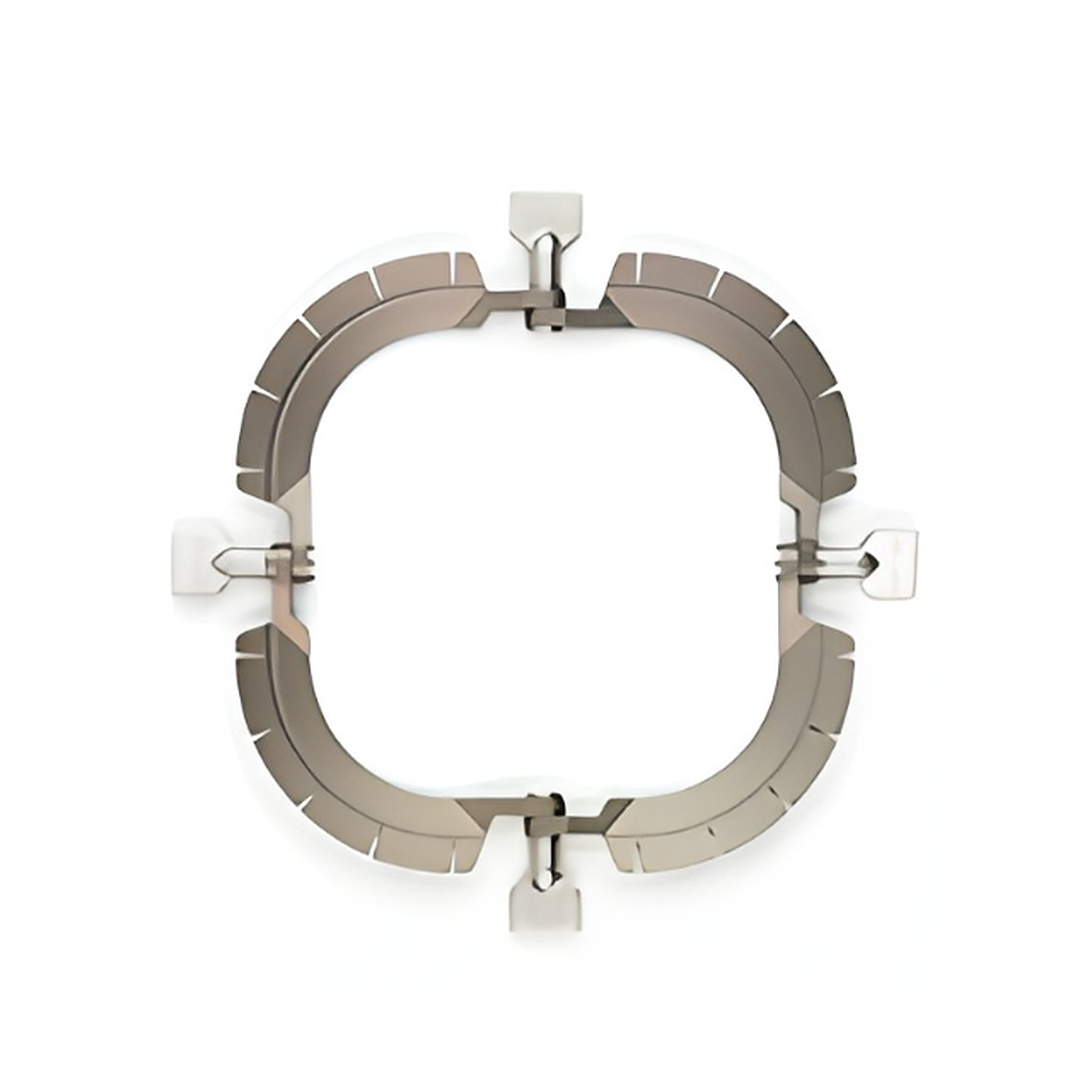 | Lone Star Retractor (Kolon-, Rektal-, Kopf- & Halschirurgie) | Speziell entwickelt für die selbsthaltende, freihändige Weichteilretraktion und Exposition des Operationsfeldes in der Kolon-, Rektal- sowie Kopf- und Halschirurgie. |
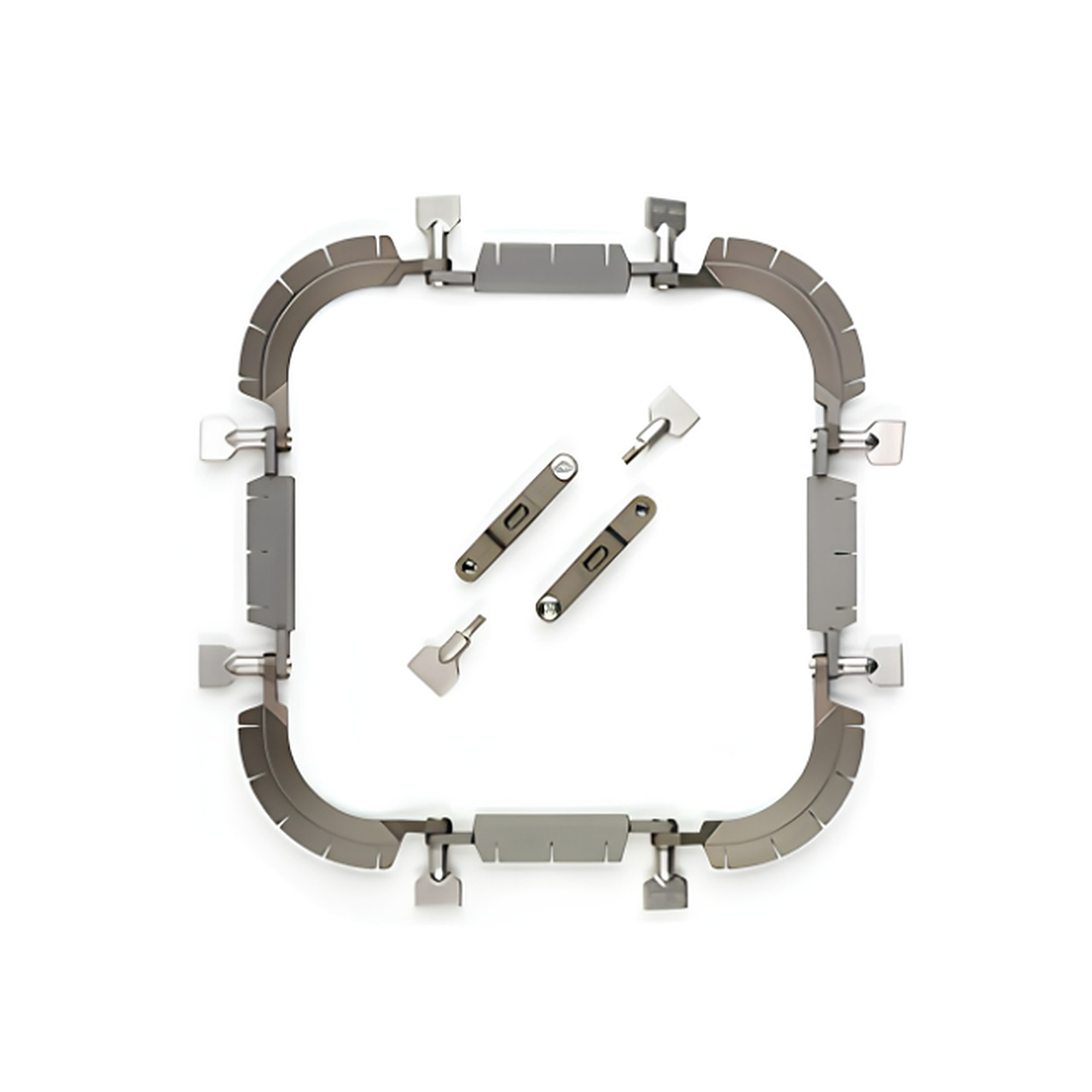 | Lone Star Retractor (Allgemein-, Kopf- & Halschirurgie) | Entwickelt für die selbsthaltende, freihändige Weichteilretraktion und Darstellung des Operationsfeldes in der Allgemeinchirurgie sowie bei Kopf- und Halseingriffen. |
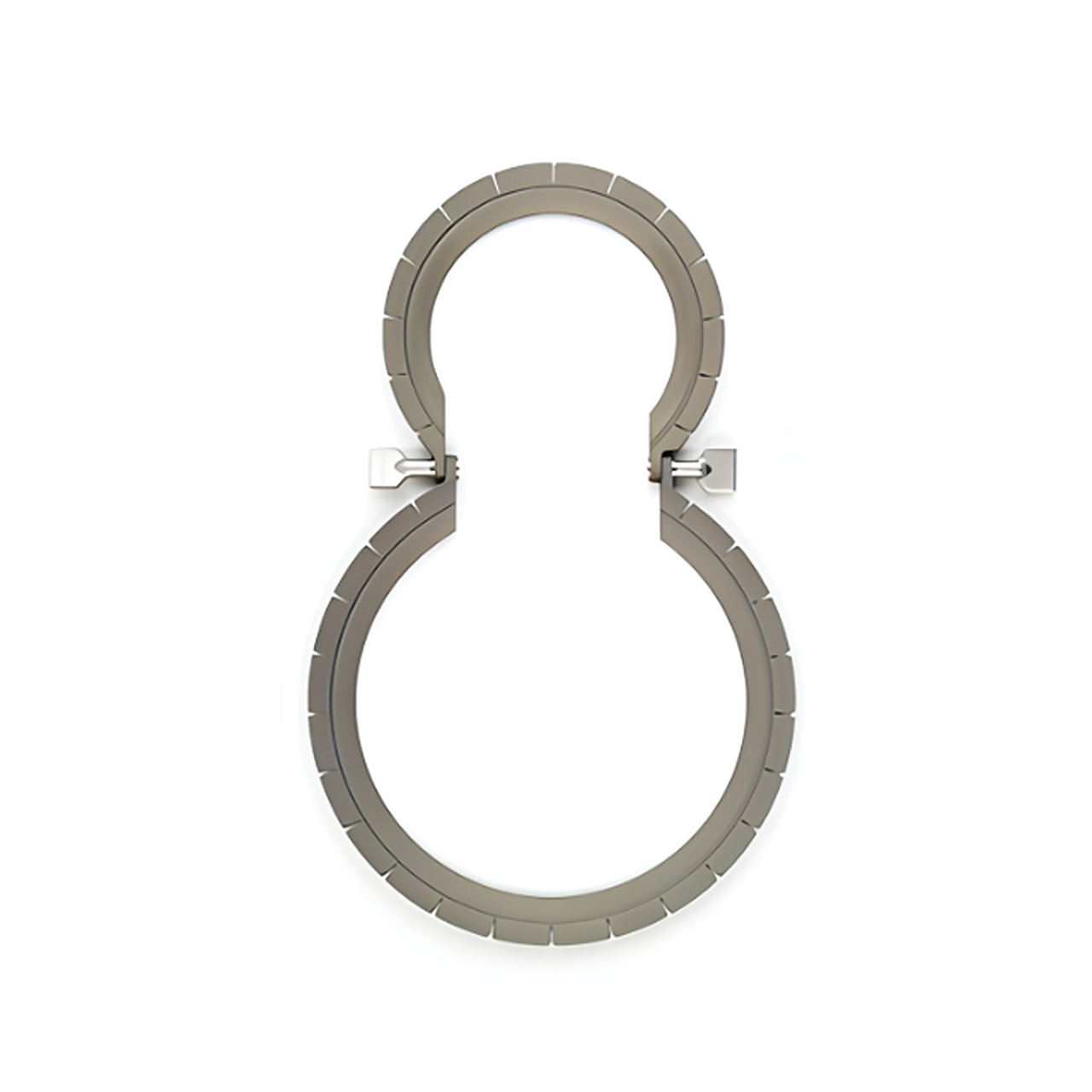 | Lone Star Retractor (Gynäkologie & Urologie für Männer) | Speziell entwickelt für die selbsthaltende, freihändige Weichteilretraktion und Freilegung des Operationsfeldes in der Gynäkologie und der männlichen Urologie. |
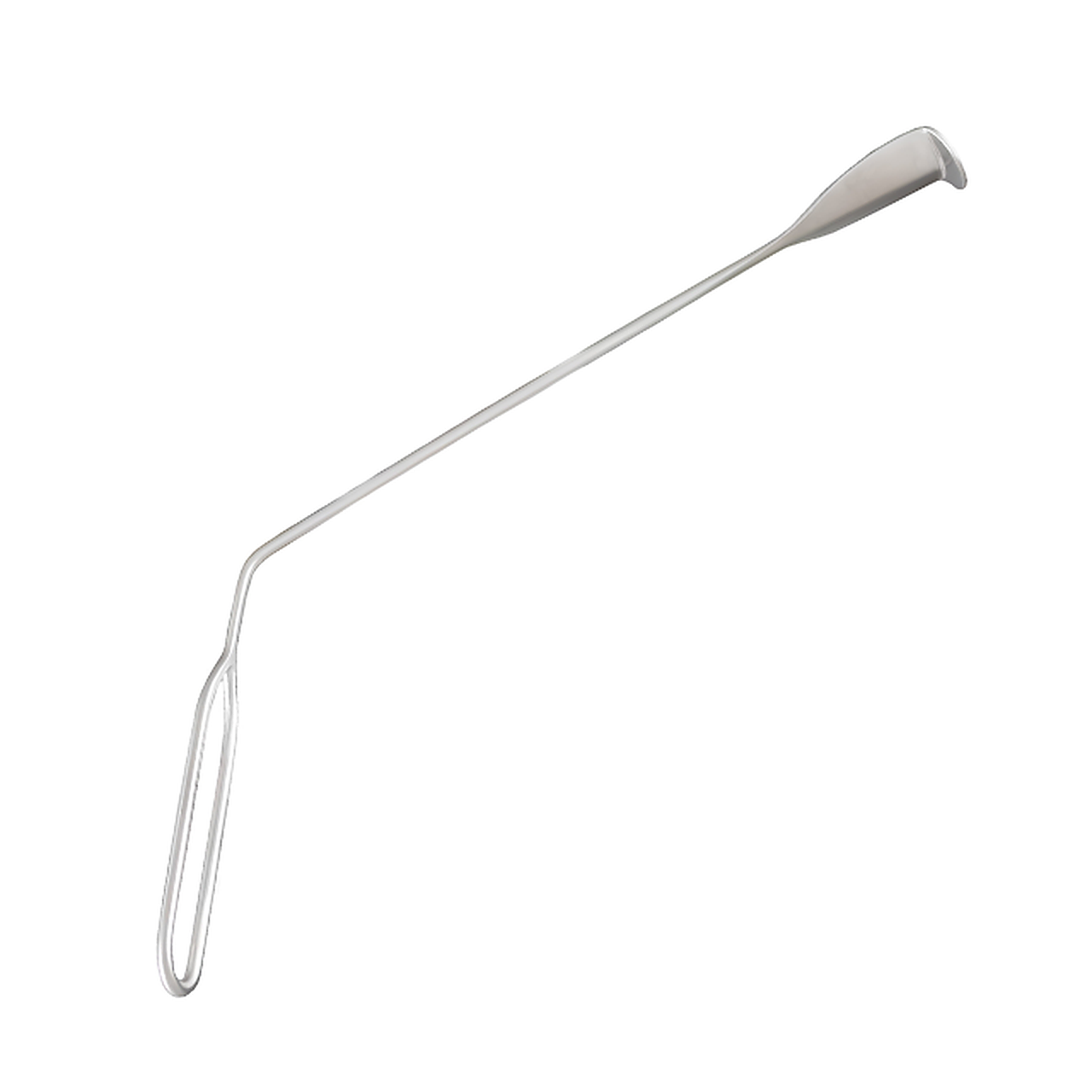 | Lothrop Uvula-Retraktor | Speziell entwickelt zum Retrahieren und Anheben der Uvula und des weichen Gaumens während der Adenoidektomie und Pharynxchirurgie. |
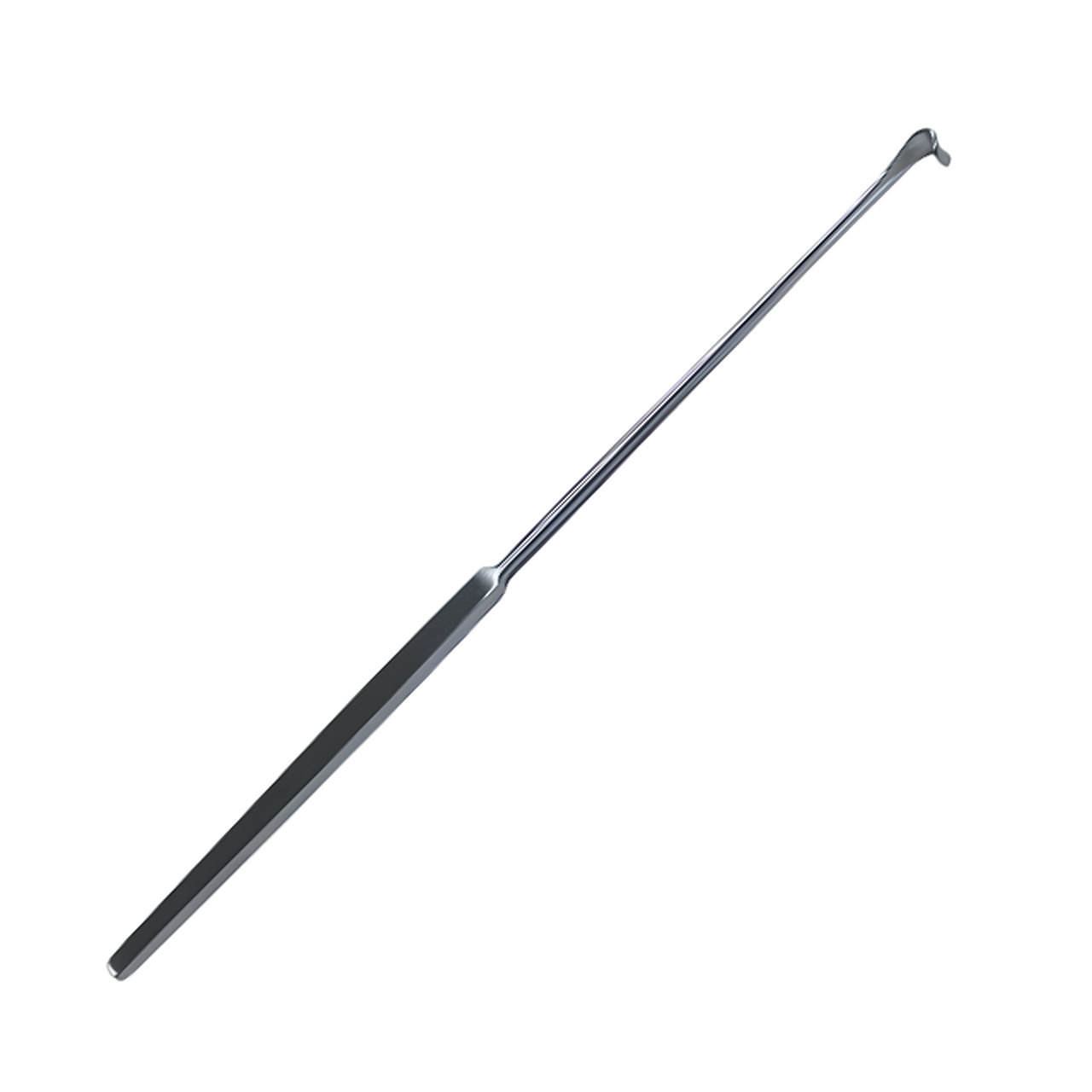 | Love Nervwurzelhaken | Speziell entwickelt zur Retraktion und zum Schutz von Spinalnervenwurzeln und des Duralsacks während der lumbalen Diskektomie und Dekompression. |
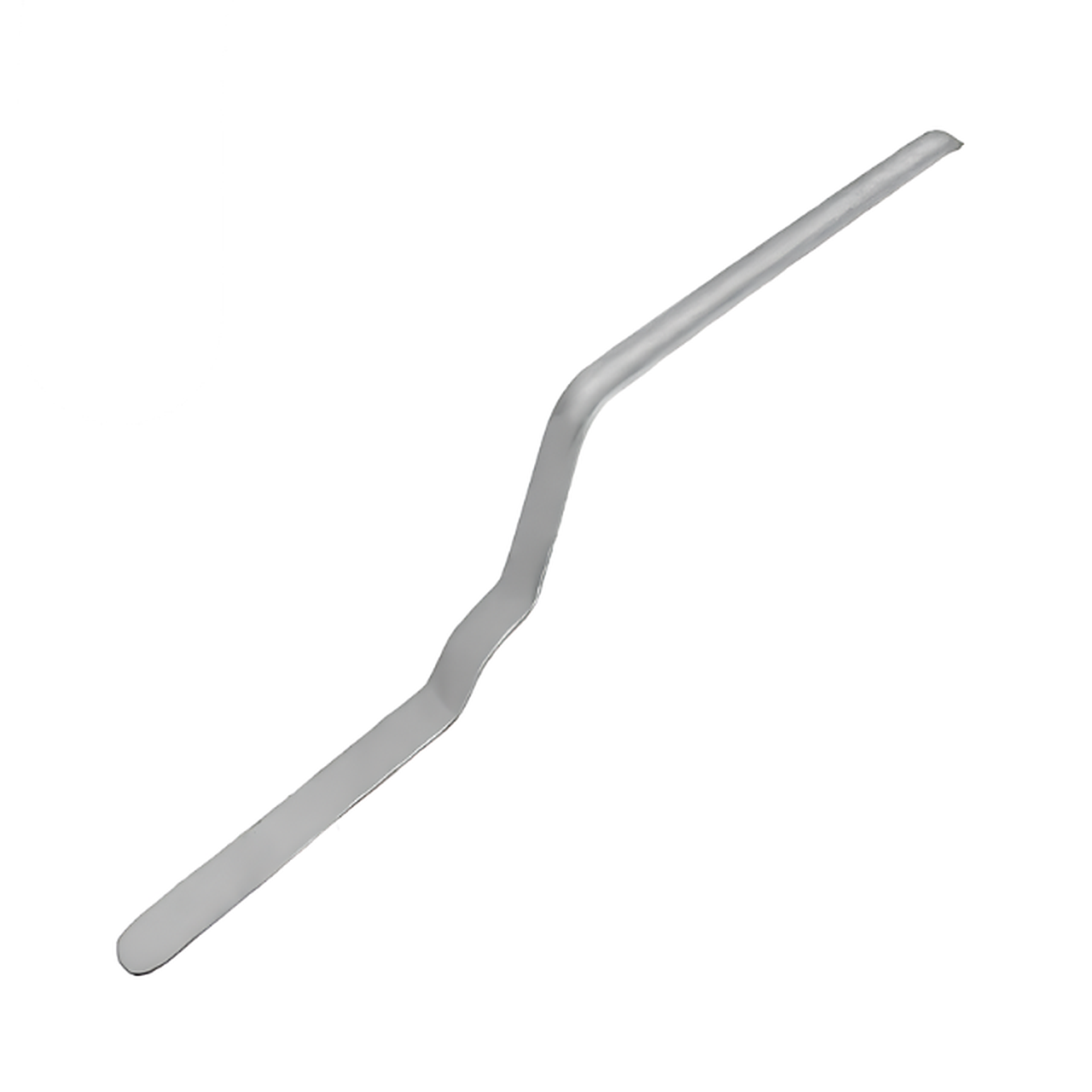 | Love Nervwurzelhaken, Bajonettform | Speziell entwickelt zur Retraktion von Nervwurzeln und dem Duralsack unter Beibehaltung der Sichtlinie unter Operationsmikroskopen. |
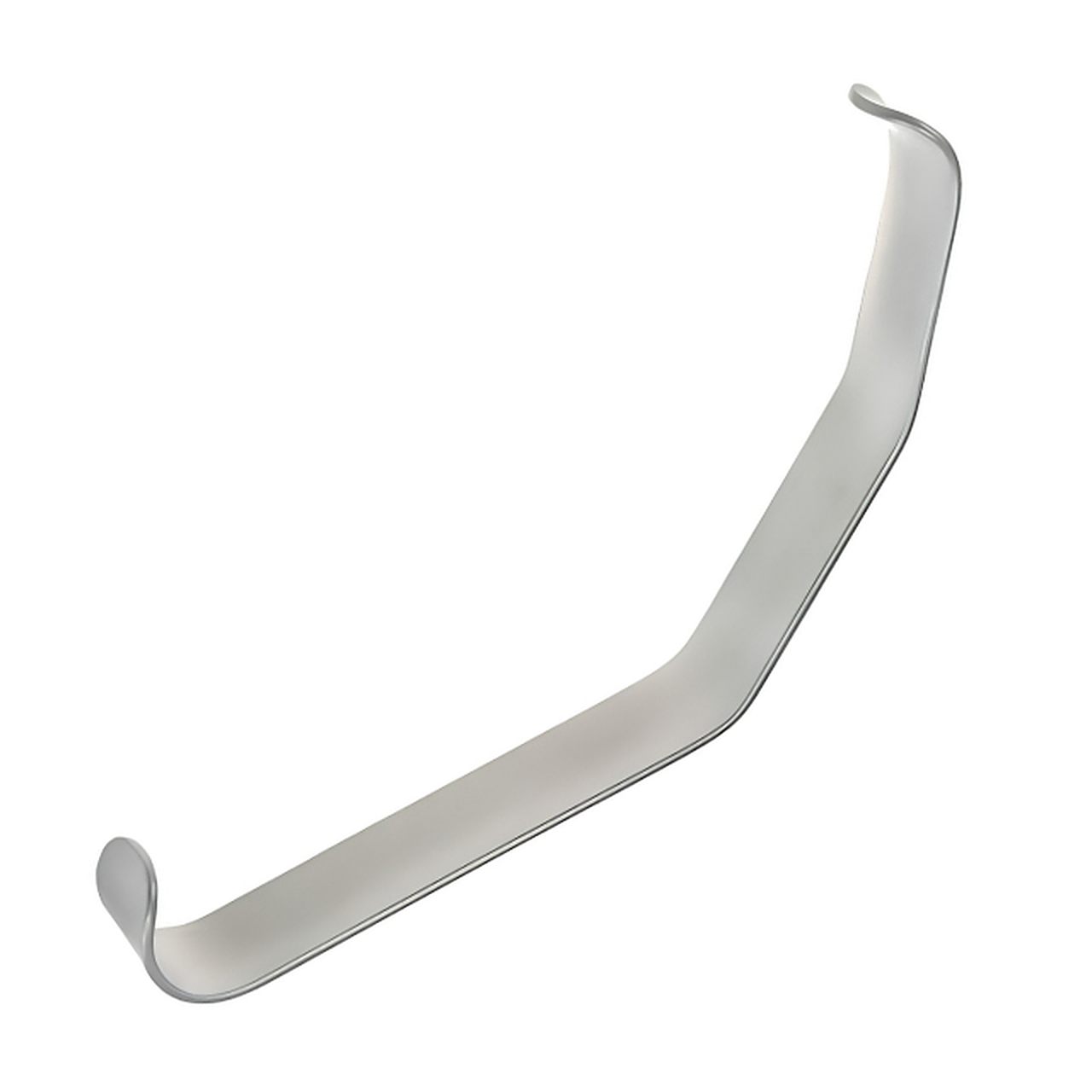 | Love Uvula Retractor | Speziell entwickelt zur Retraktion und Anhebung der Uvula und des weichen Gaumens während Adenotomien und pharyngealen Operationen. |
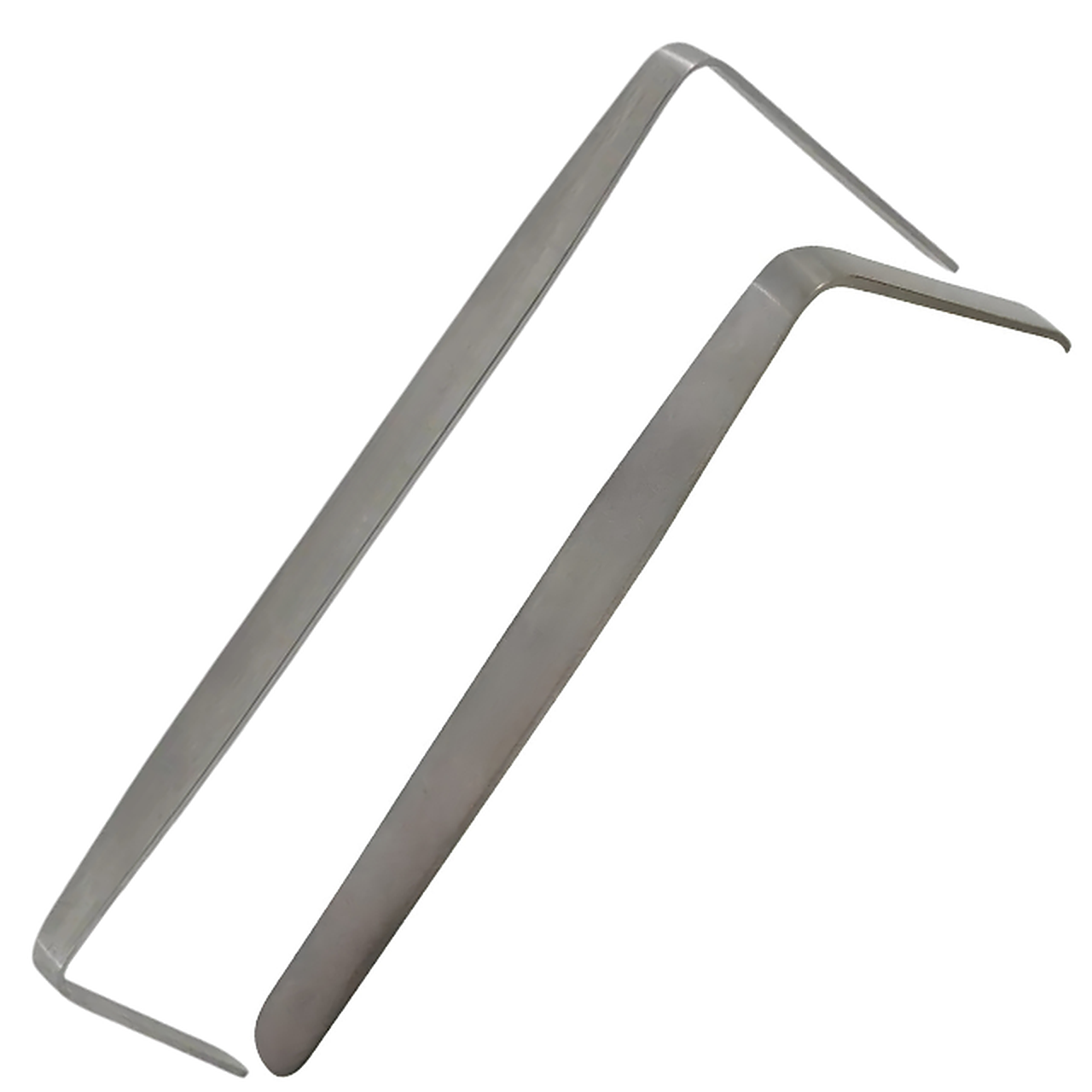 | Low Profile Fuß- und Sprunggelenks-Retraktor | Speziell entwickelt zur Hebelung kleiner Knochen und zur Retraktion von Weichteilgewebe bei rekonstruktiven Eingriffen an Fuß, Sprunggelenk und in der Podologie. |
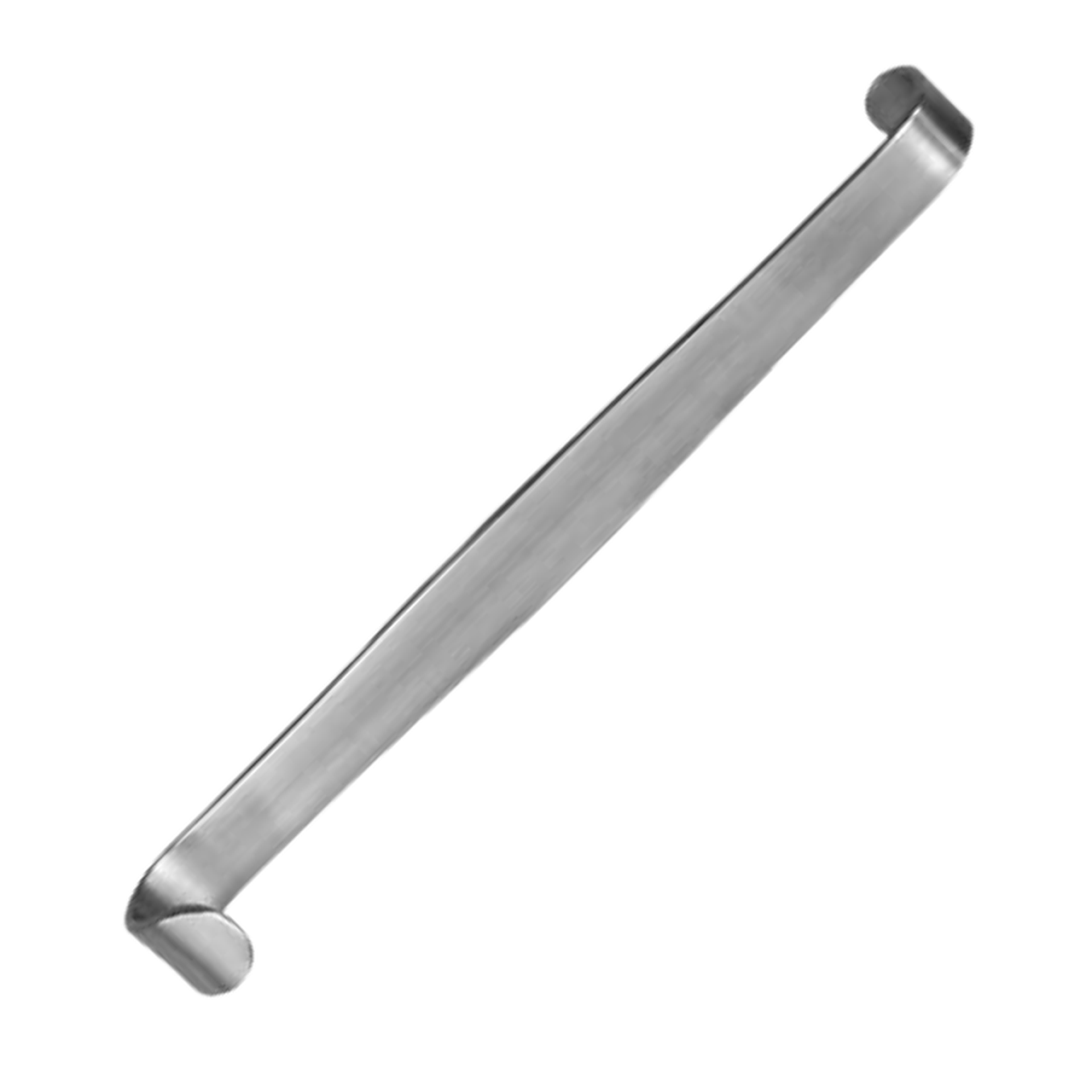 | Luer S Trachea-Retraktor | Speziell zur Retraktion von prätrachealem Gewebe und zur Elevation der Trachealringe bei Tracheostomien und Halseingriffen konzipiert. |
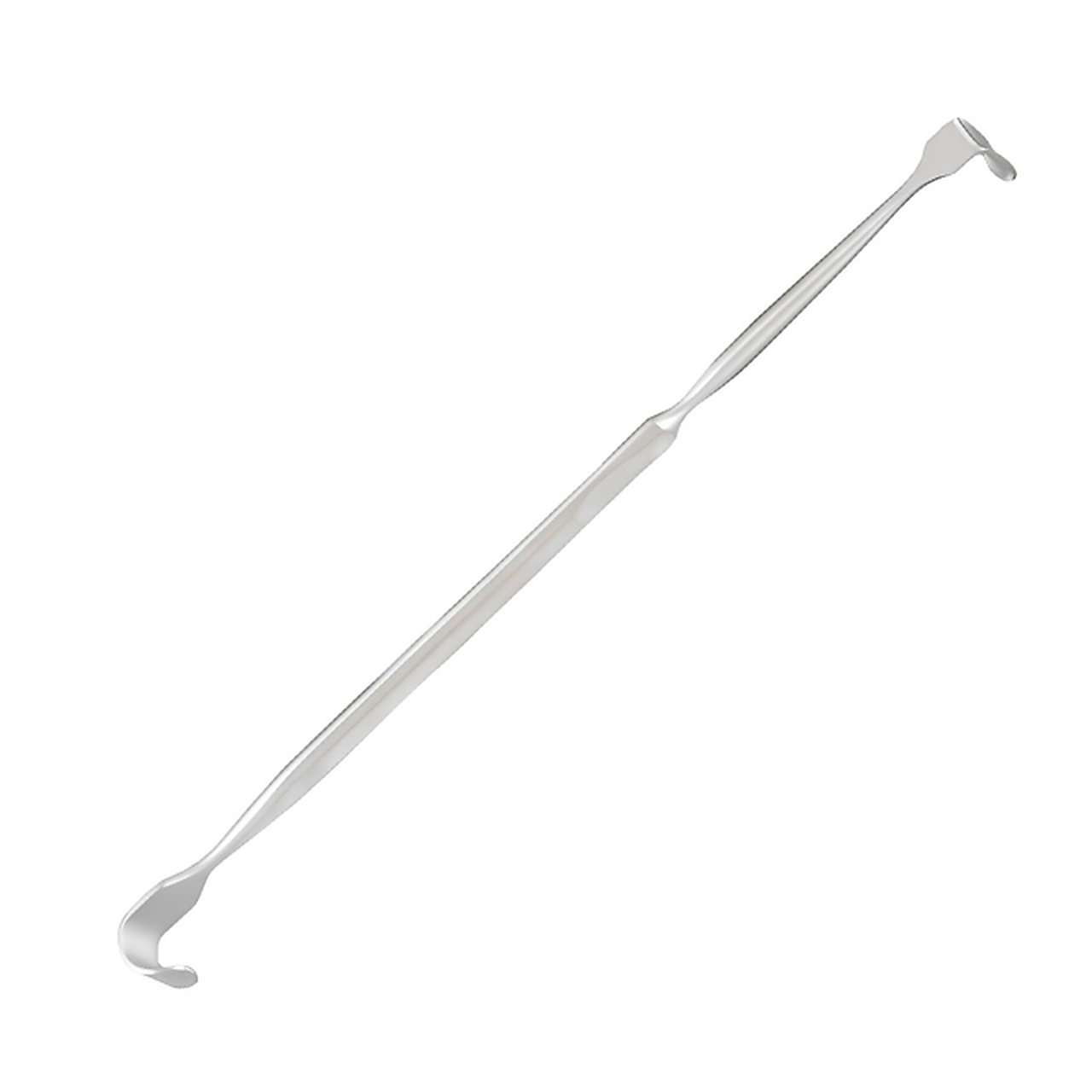 | Lukens Tracheal-Retraktor | Speziell entwickelt zur Retraktion von prätrachealem Gewebe und zur Anhebung der Trachea bei Tracheostomien und Atemwegseingriffen. |
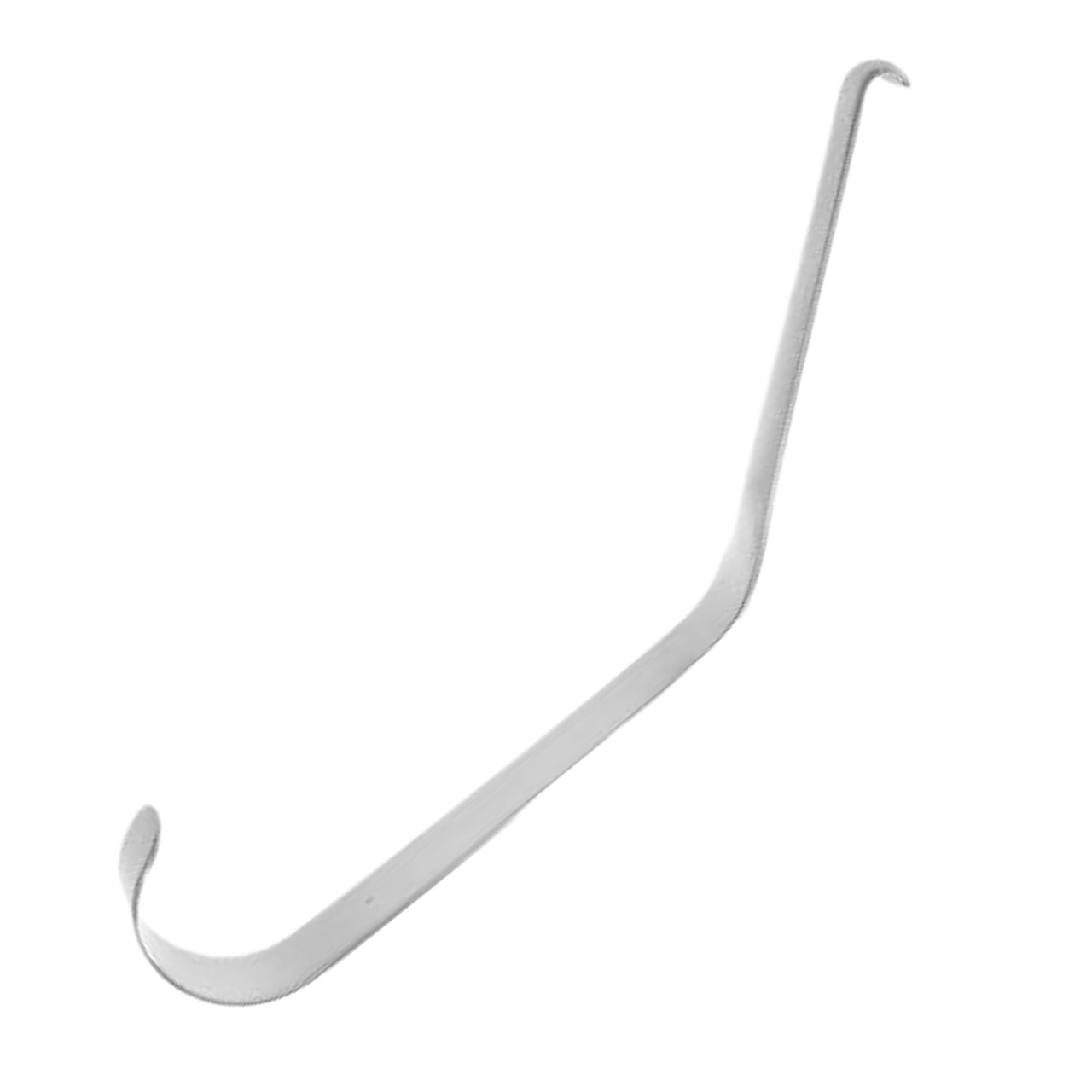 | Mandibular-Channel-Retractor | Speziell entwickelt zum Einhaken über den Unterrand der Mandibula und zum Schutz neurovaskulärer Strukturen während Osteotomien. |
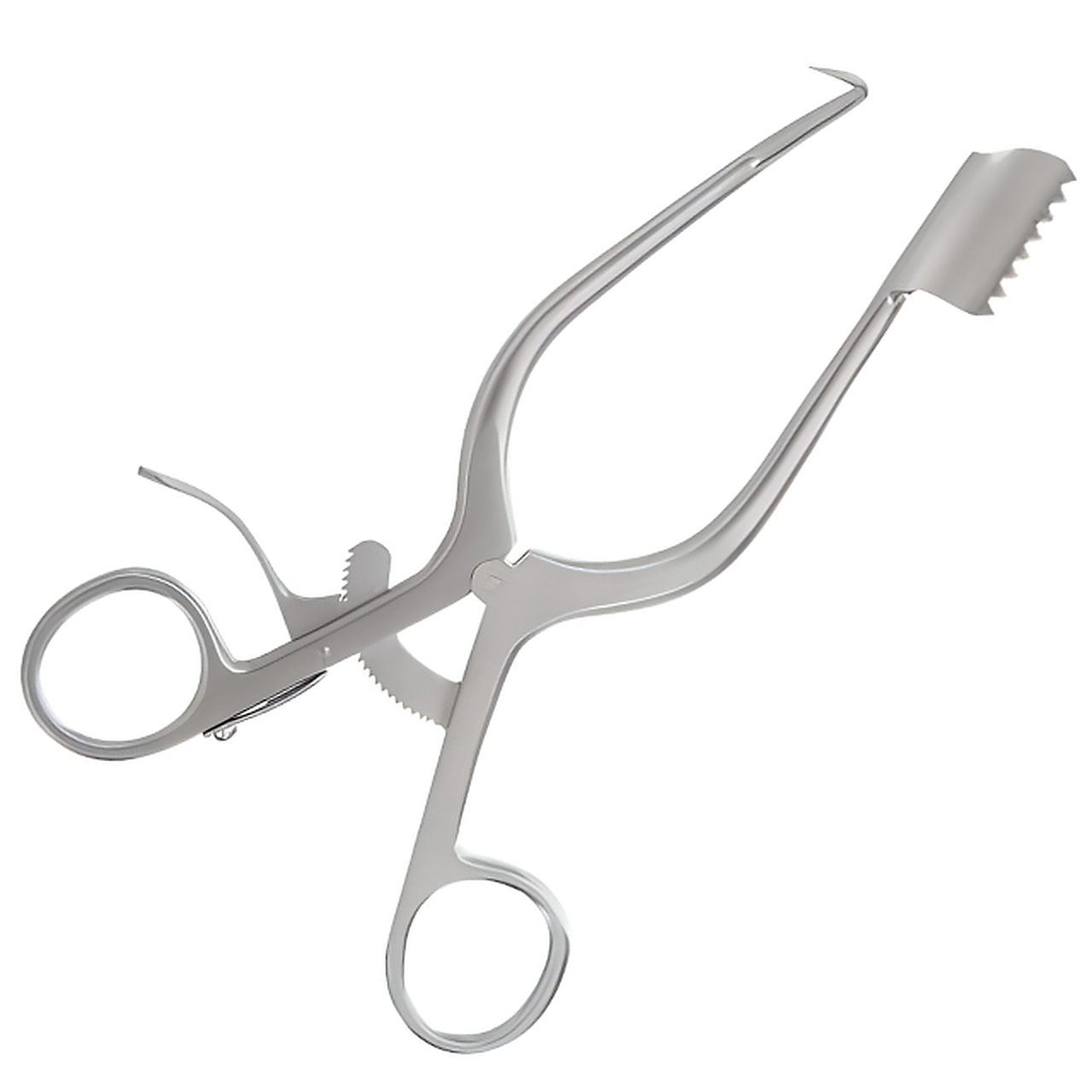 | Markham-Meyerding Hemilaminektomie-Spreizer | Speziell entwickelt für die selbsthaltende Retraktion der paraspinalen Muskulatur und Verankerung am Dornfortsatz während der Hemilaminektomie. |
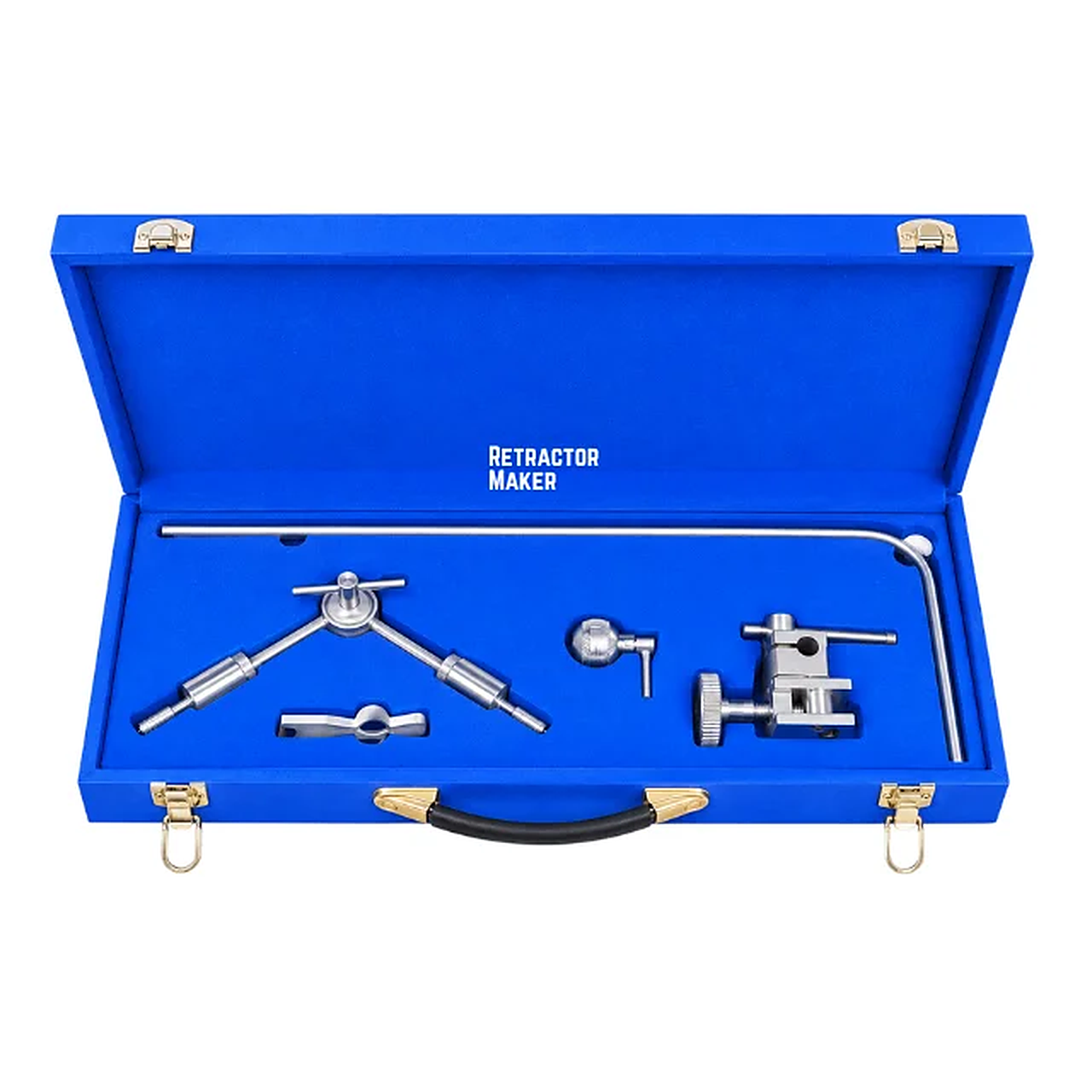 | Martin Arm Retractor | Zur direkten Montage an OP-Tisch-Seitenschienen für das starre, freihändige Halten und Positionieren von chirurgischen Retraktoren und Optiken. |
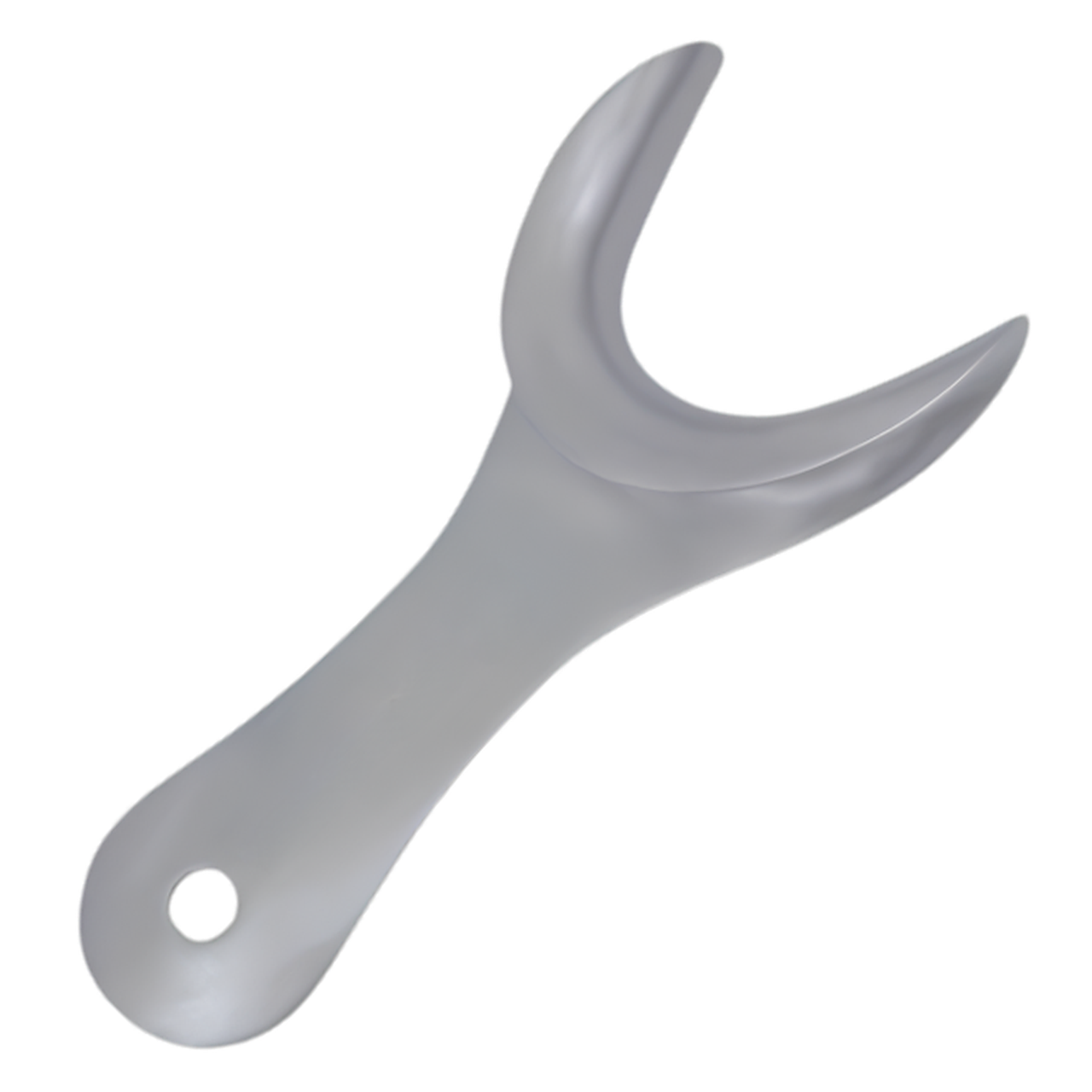 | Martin-Simplex Wangen- und Lippenhalter | Speziell entwickelt zur Retraktion von Wangen und Lippen bei dentalen, alveolären und oralchirurgischen Eingriffen. |
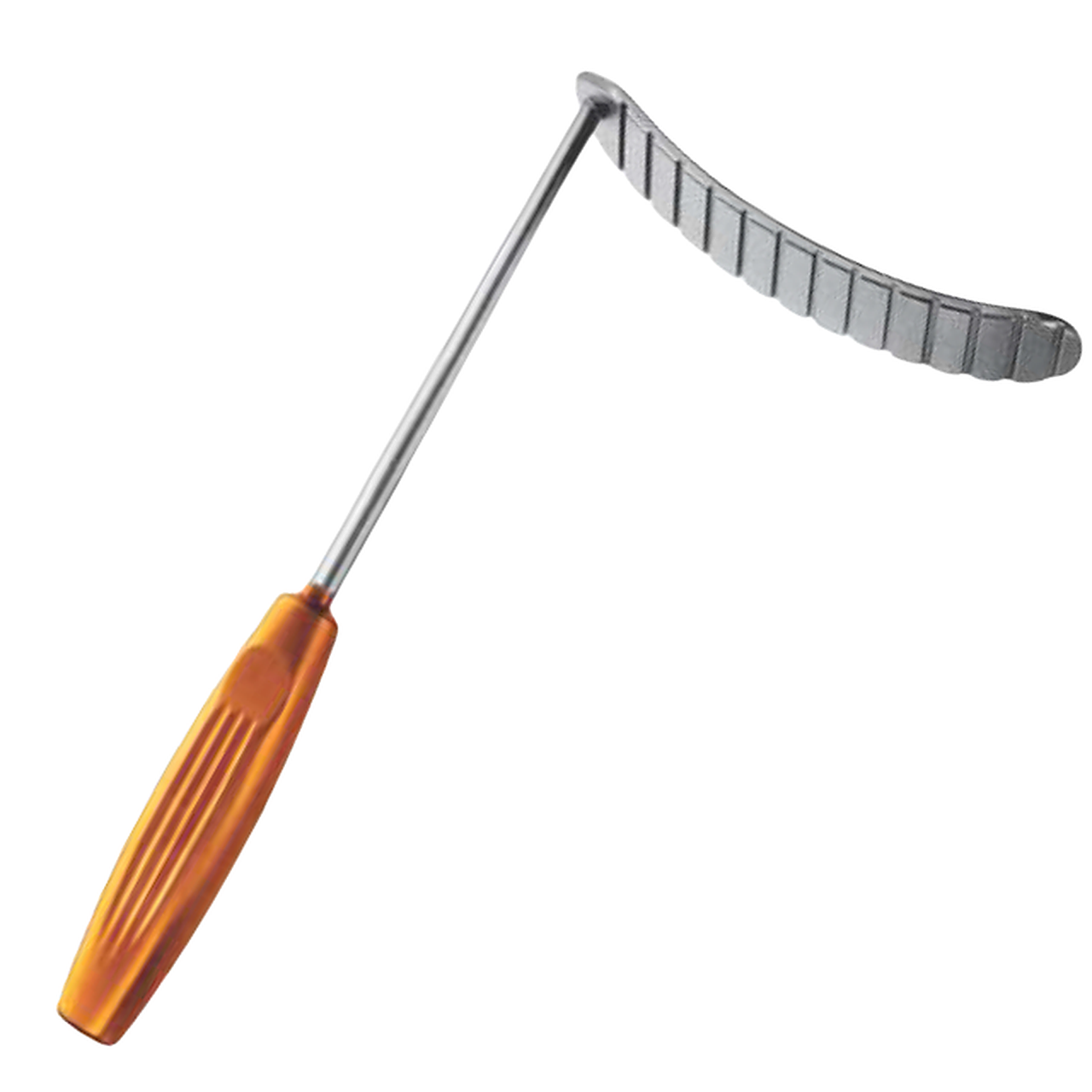 | Marx Mammaretraktor | Speziell entwickelt zum Anheben von Gewebelappen und zur Schaffung submuskulärer oder subglandulärer Taschen bei Brustoperationen. |
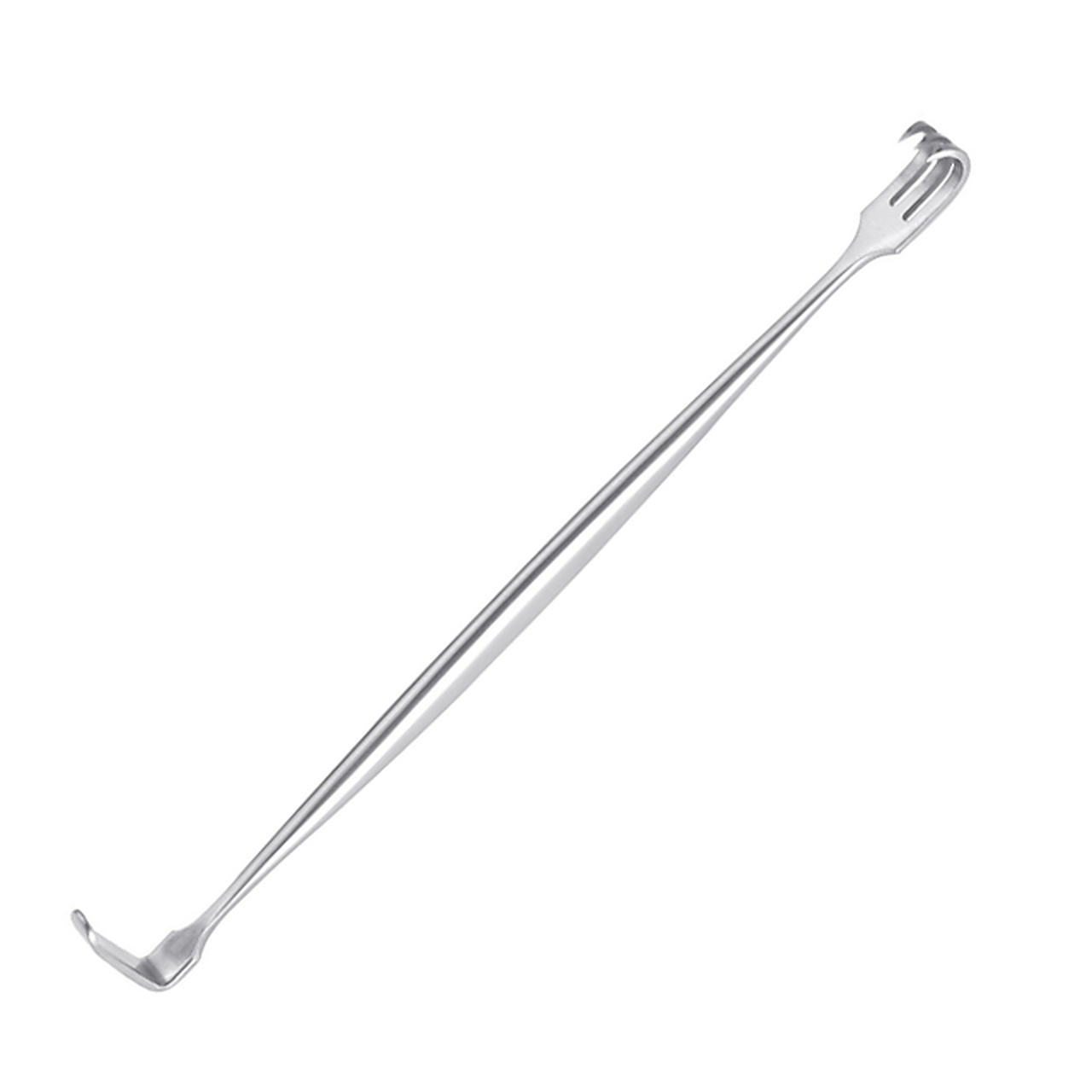 | Mathieu Finger-Wundhaken | Speziell entwickelt für die Retraktion von Hautlappen, Wundrändern und Sehnen bei Operationen an Hand, Fingern sowie in der Plastischen Chirurgie. |
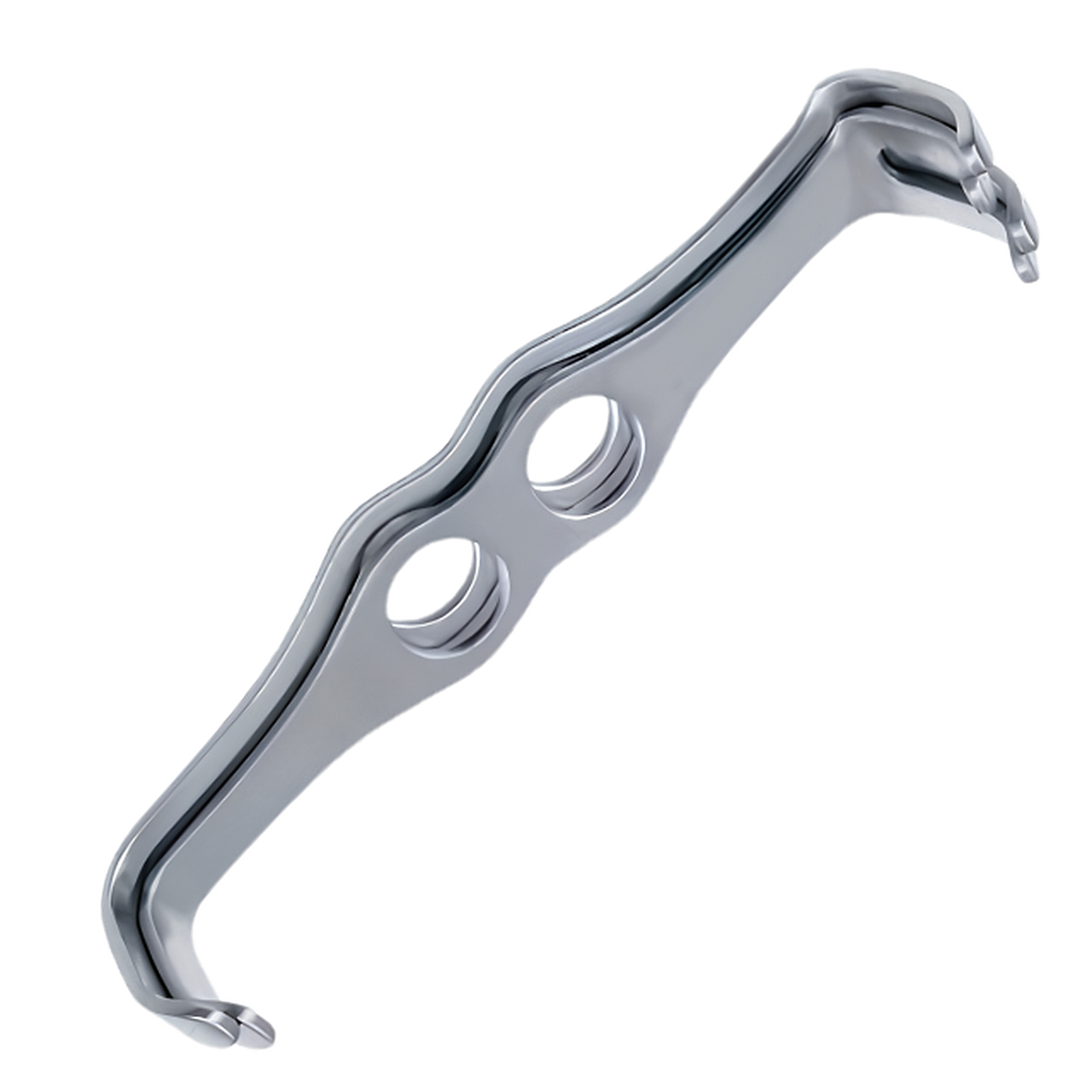 | Mathieu Retractor | Speziell entwickelt zur Retraktion von Hauträndern, Faszien und Weichteilen bei oberflächlichen und mitteltiefen chirurgischen Inzisionen. |
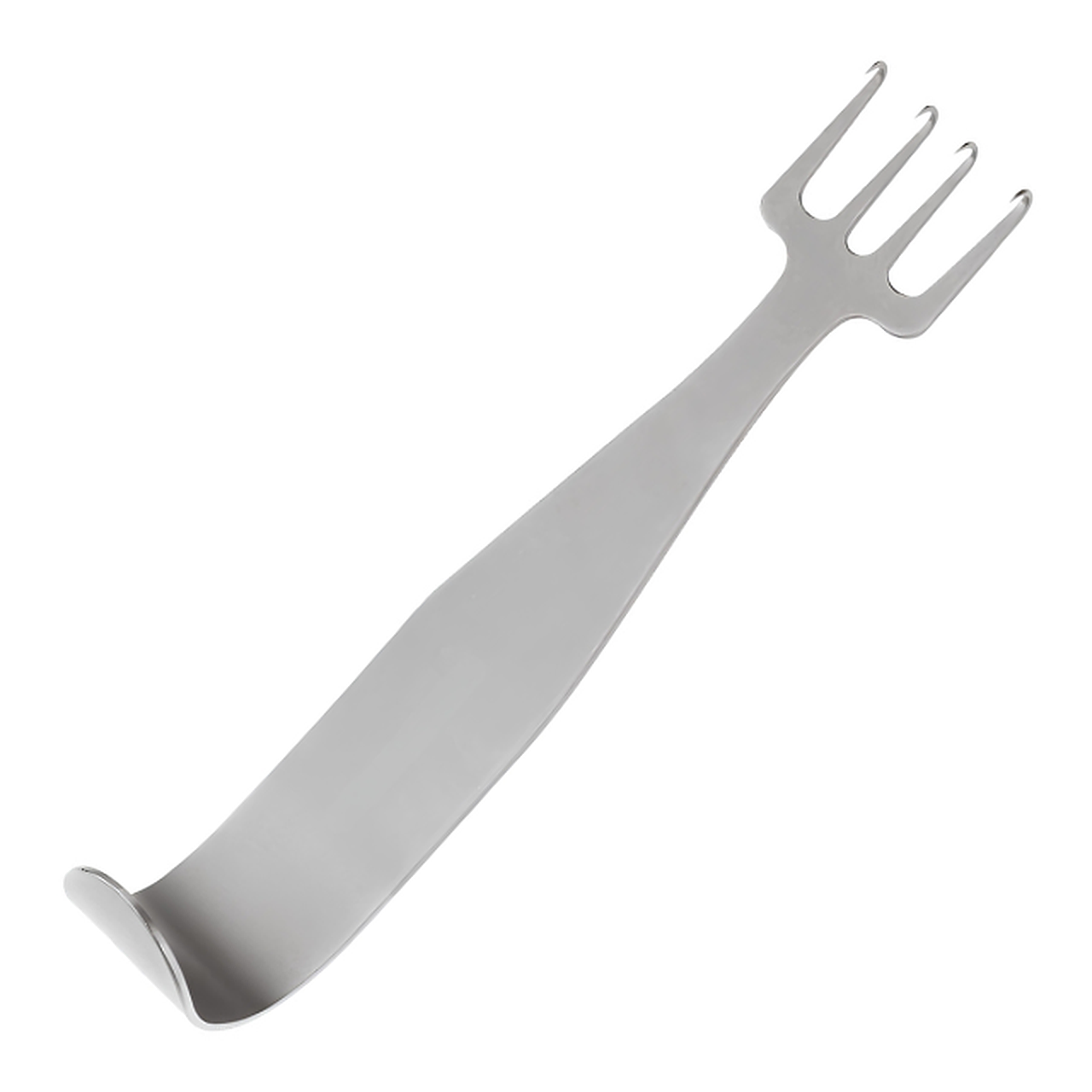 | Maxwell Flap Retractor | Speziell entwickelt zum Anheben und Retrahieren von Hautlappen und subkutanem Gewebe in der plastischen, Gesichts- und rekonstruktiven Chirurgie. |
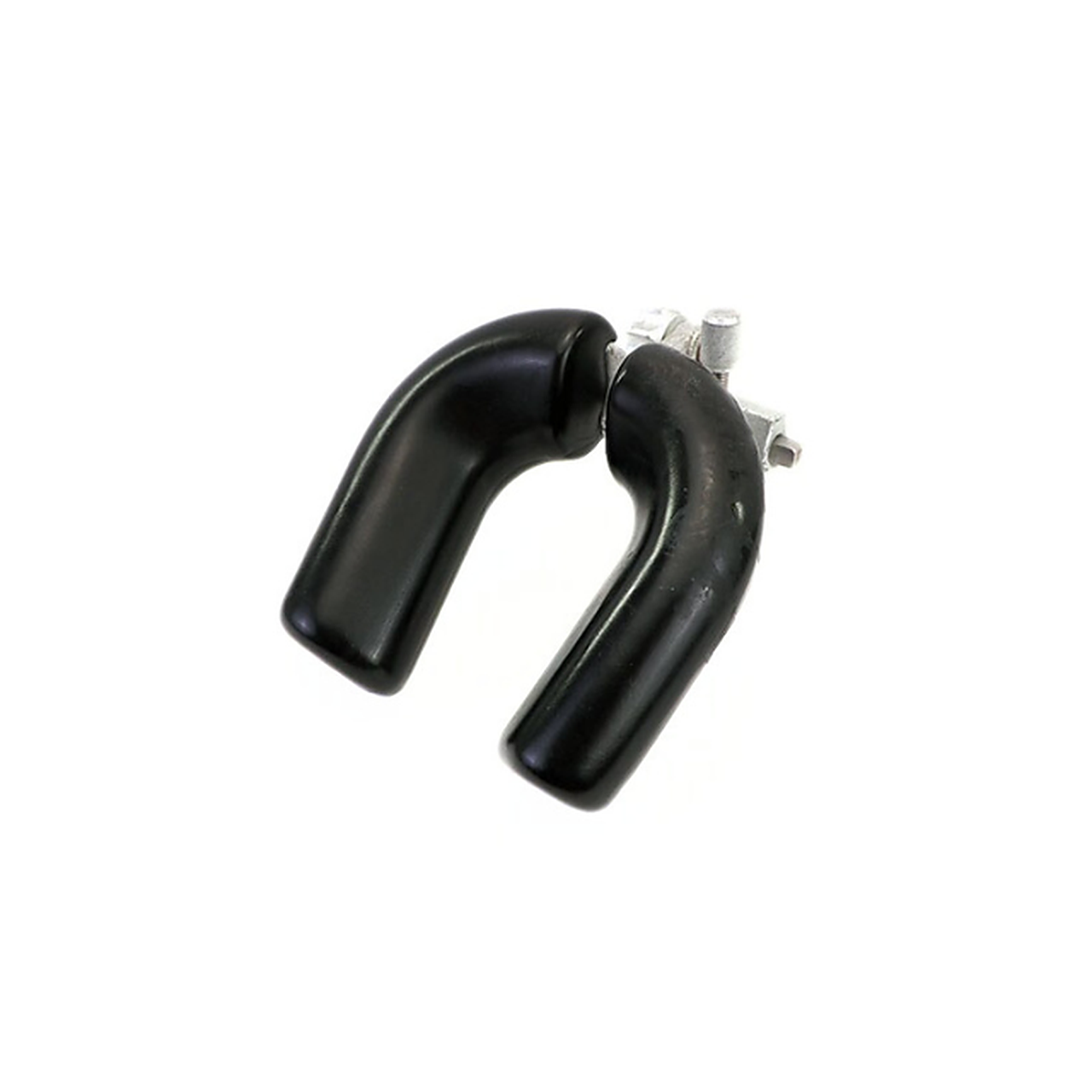 | Mayfield Headrest | Speziell entwickelt für die stabile, nicht-invasive Kopfstützung und gleichmäßige Druckverteilung in der Neurochirurgie, Wirbelsäulenchirurgie, HNO und Ophthalmologie, wenn keine starre Pin-Fixierung erforderlich ist. |
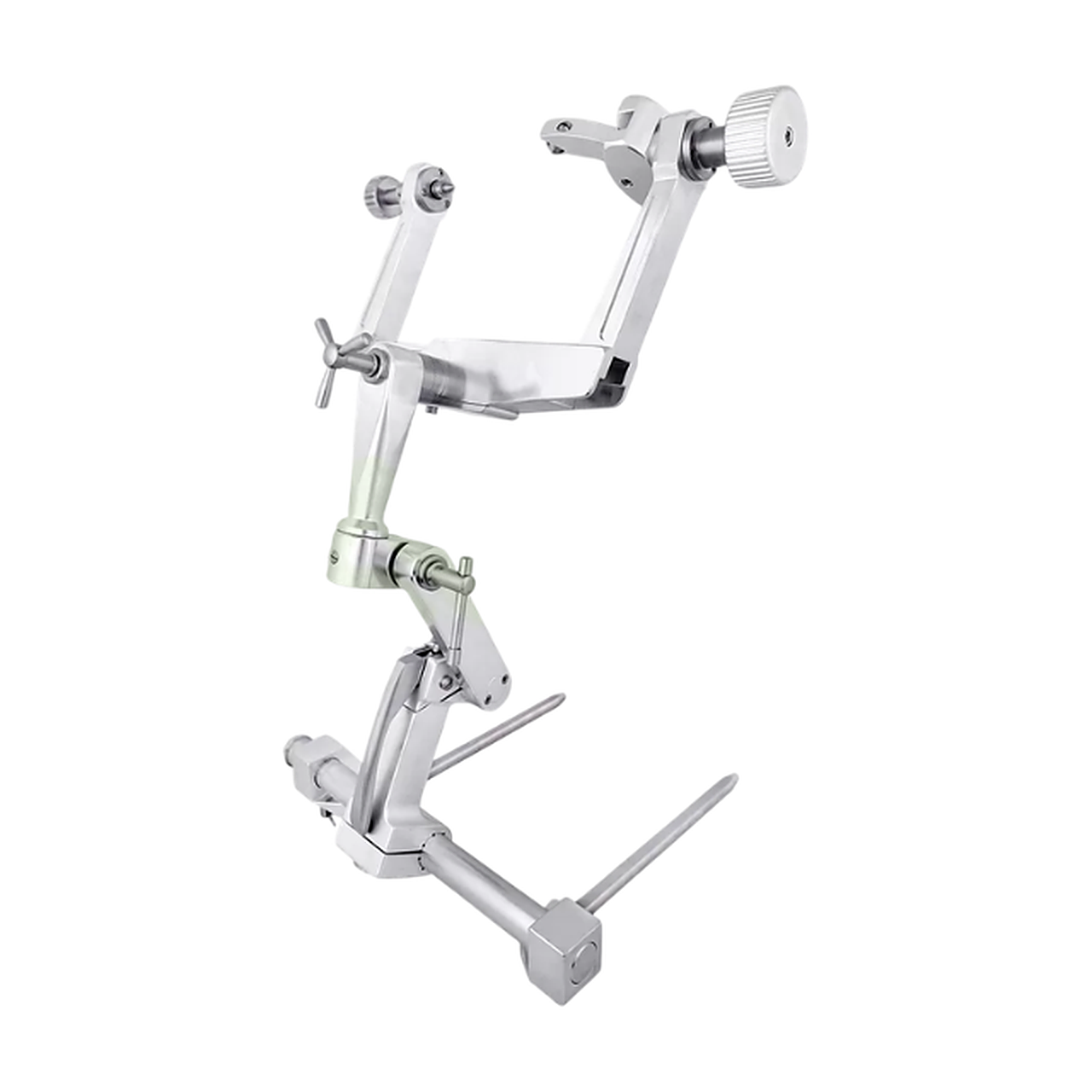 | Mayfield Skull Clamp | Entwickelt für die rigide 3-Pin-Schädelfixierung und Kopfimmobilisierung in der Neurochirurgie, Wirbelsäulenchirurgie, HNO und Augenheilkunde. |
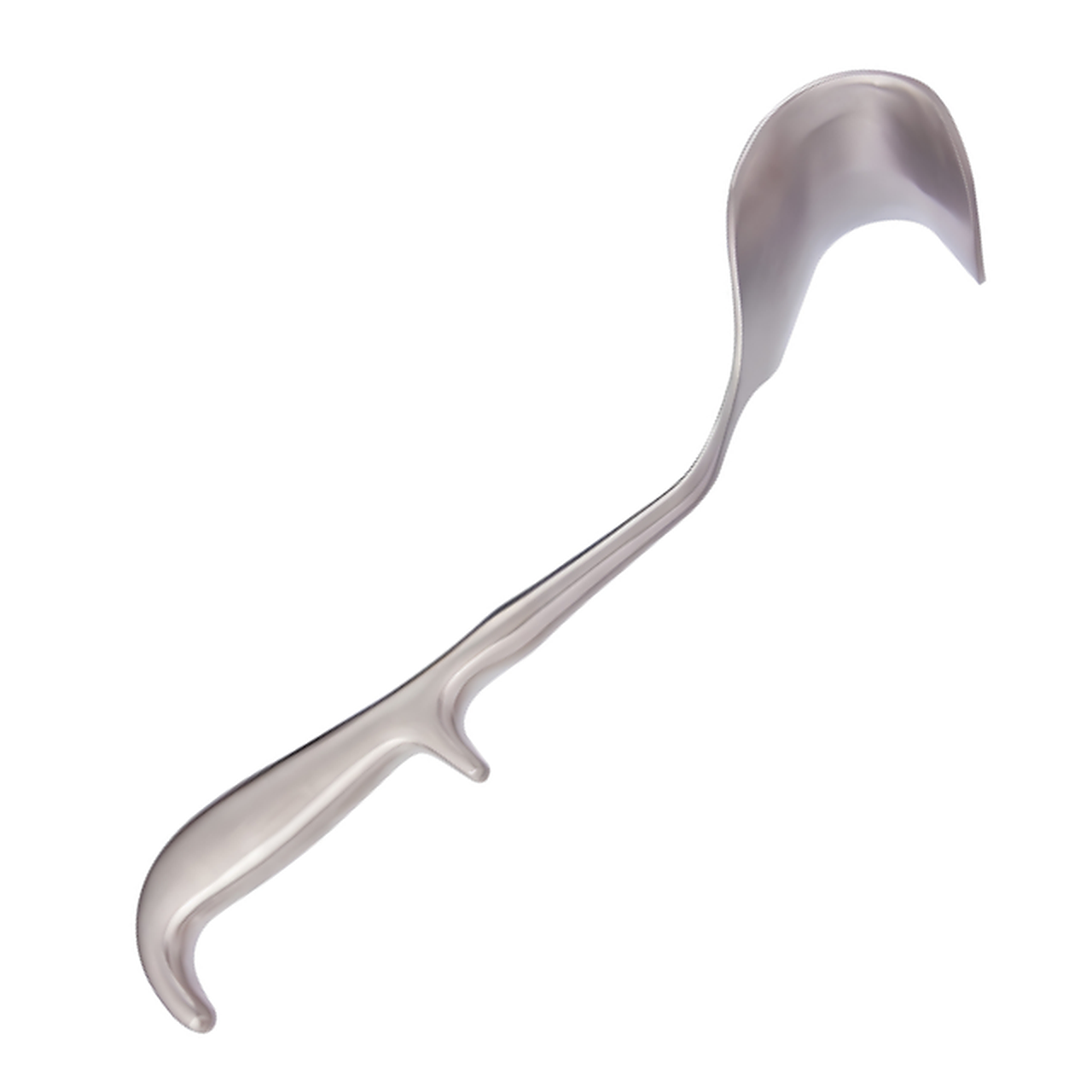 | Mayo Bauchretraktor | Speziell entwickelt zur Retraktion der Bauchwand, der Eingeweide und der dicken Muskulatur bei offenen Laparotomien und Beckenoperationen. |
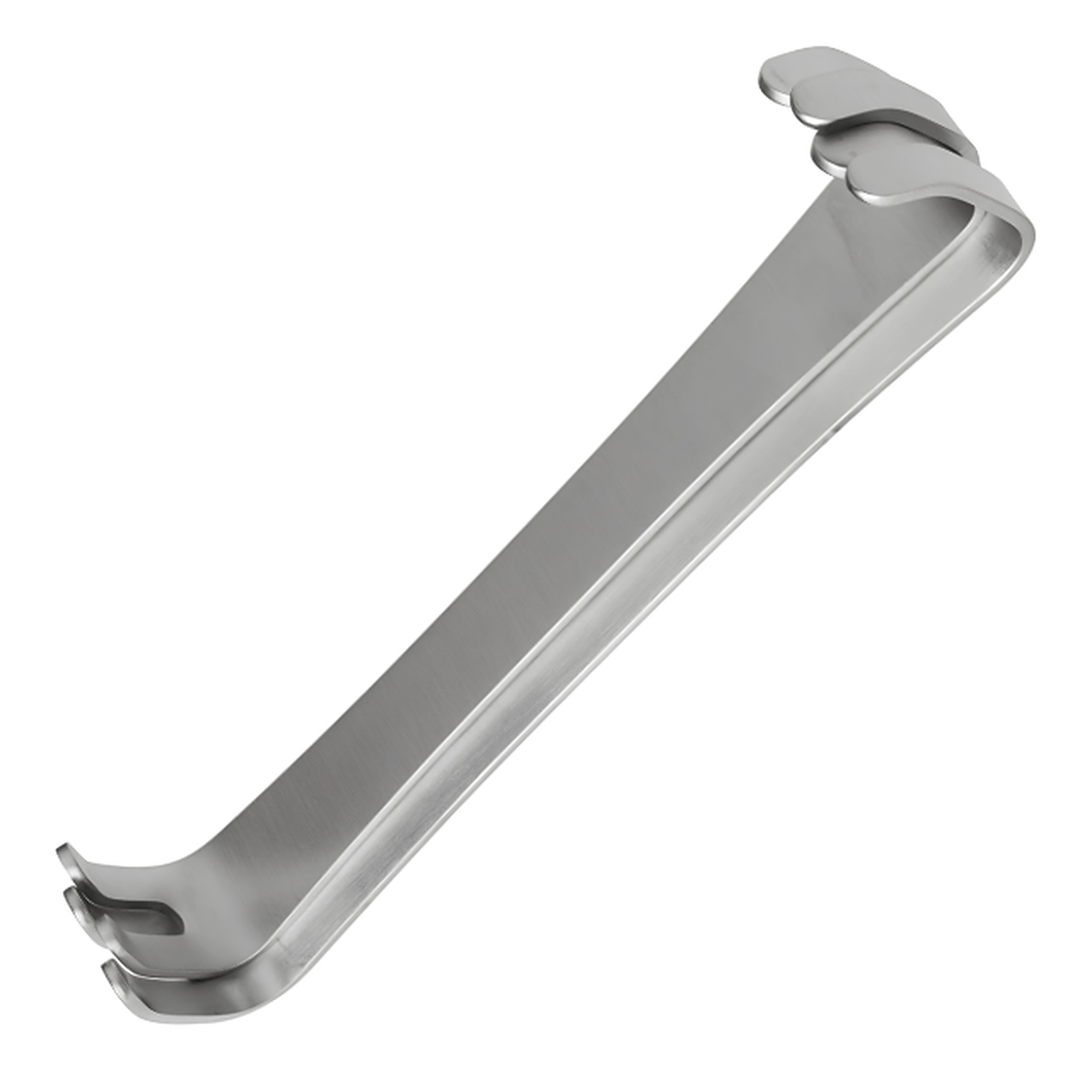 | Mayo-Collins Wundhaken-Set (2er-Pack) | Speziell entwickelt zur Retraktion von Haut, Faszien und Weichteilgewebe bei oberflächlichen und mittleren chirurgischen Inzisionen. |
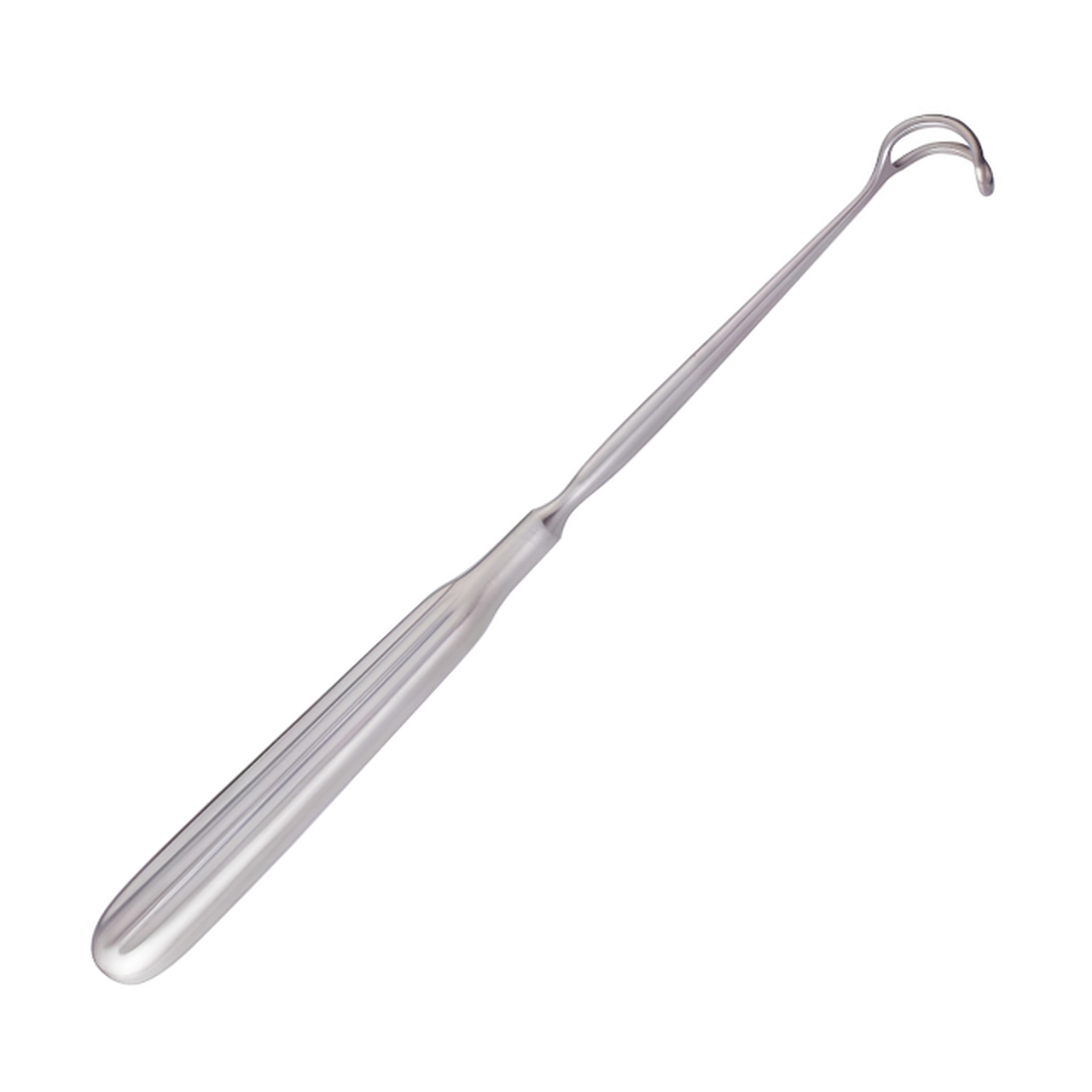 | McBurney Thyroid Retractor | Speziell entwickelt zur Retraktion von Riemenmuskeln, zervikaler Faszie und Wundrändern bei Thyreoidektomien und Nebenschilddrüsenoperationen. |
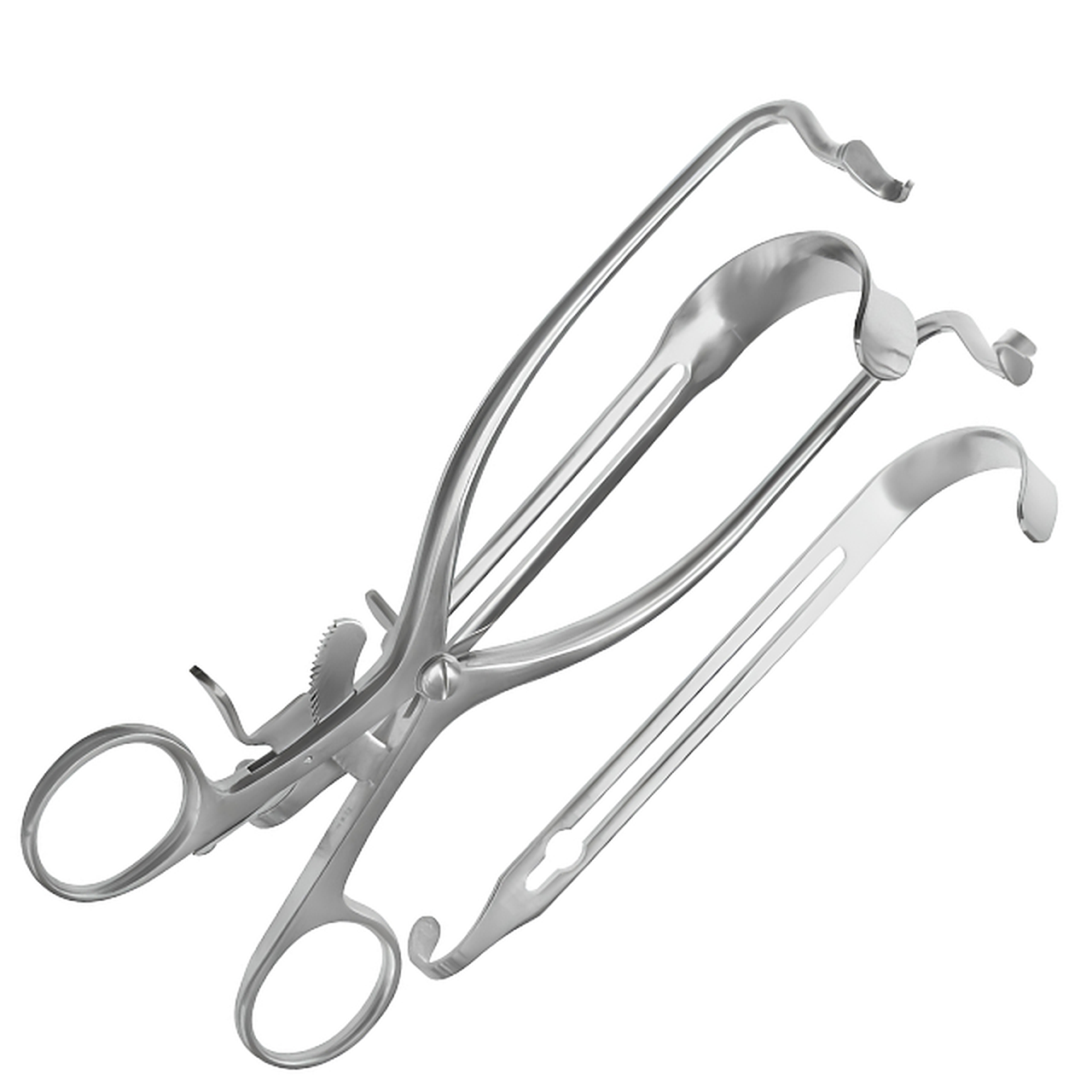 | McCabe Antral Retractor | Speziell entwickelt zur Retraktion von Wange und Oberlippe bei Kieferhöhlenoperationen und Caldwell-Luc-Verfahren. |
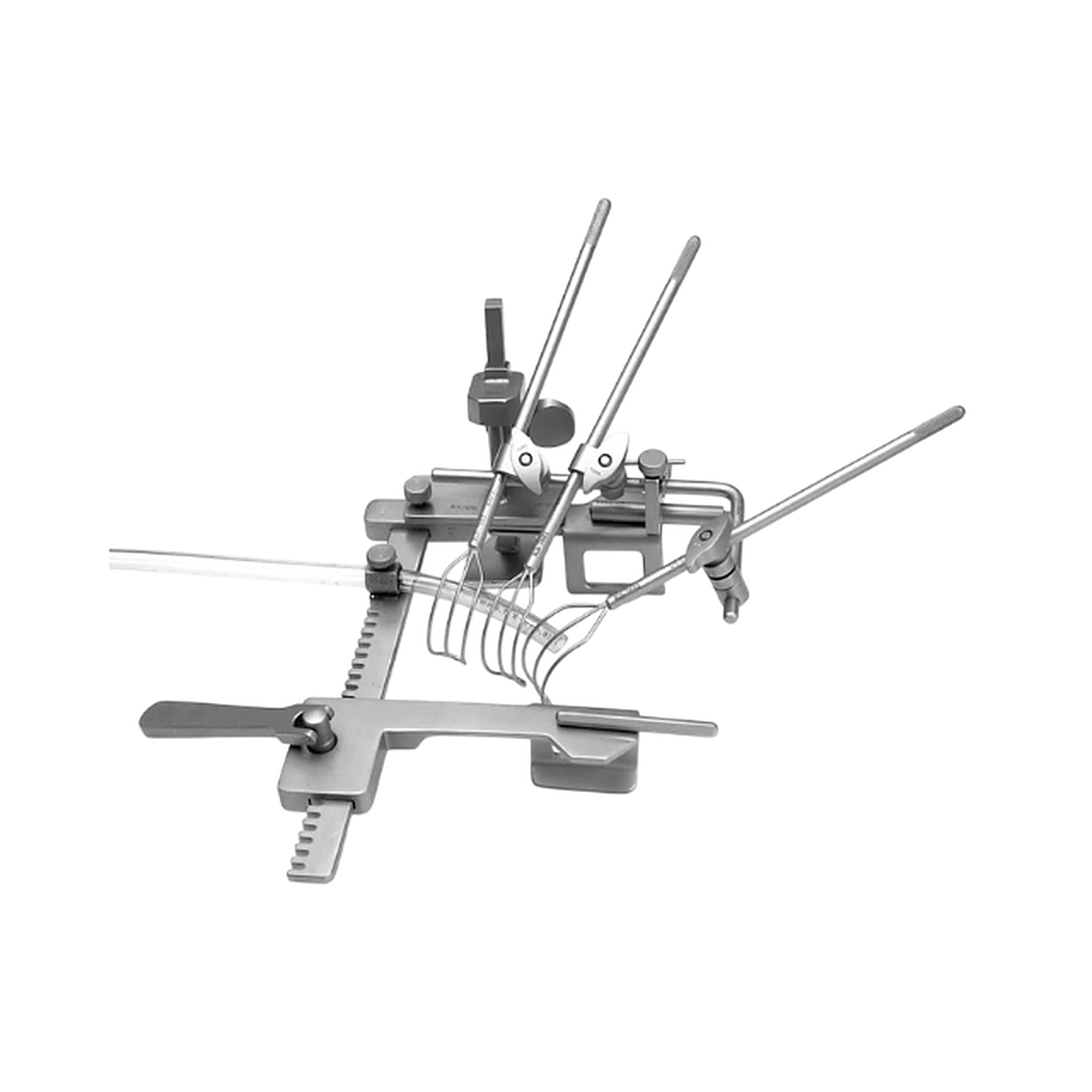 | McCarthy Mini-Sternotomy Retractor with Universal Lift | Speziell entwickelt für die stabile Sternalspreizung und linksseitige Sternalhebung bei Herzklappenoperationen, Maze-Verfahren, Mini-Sternotomien und intrakardialen Eingriffen. |
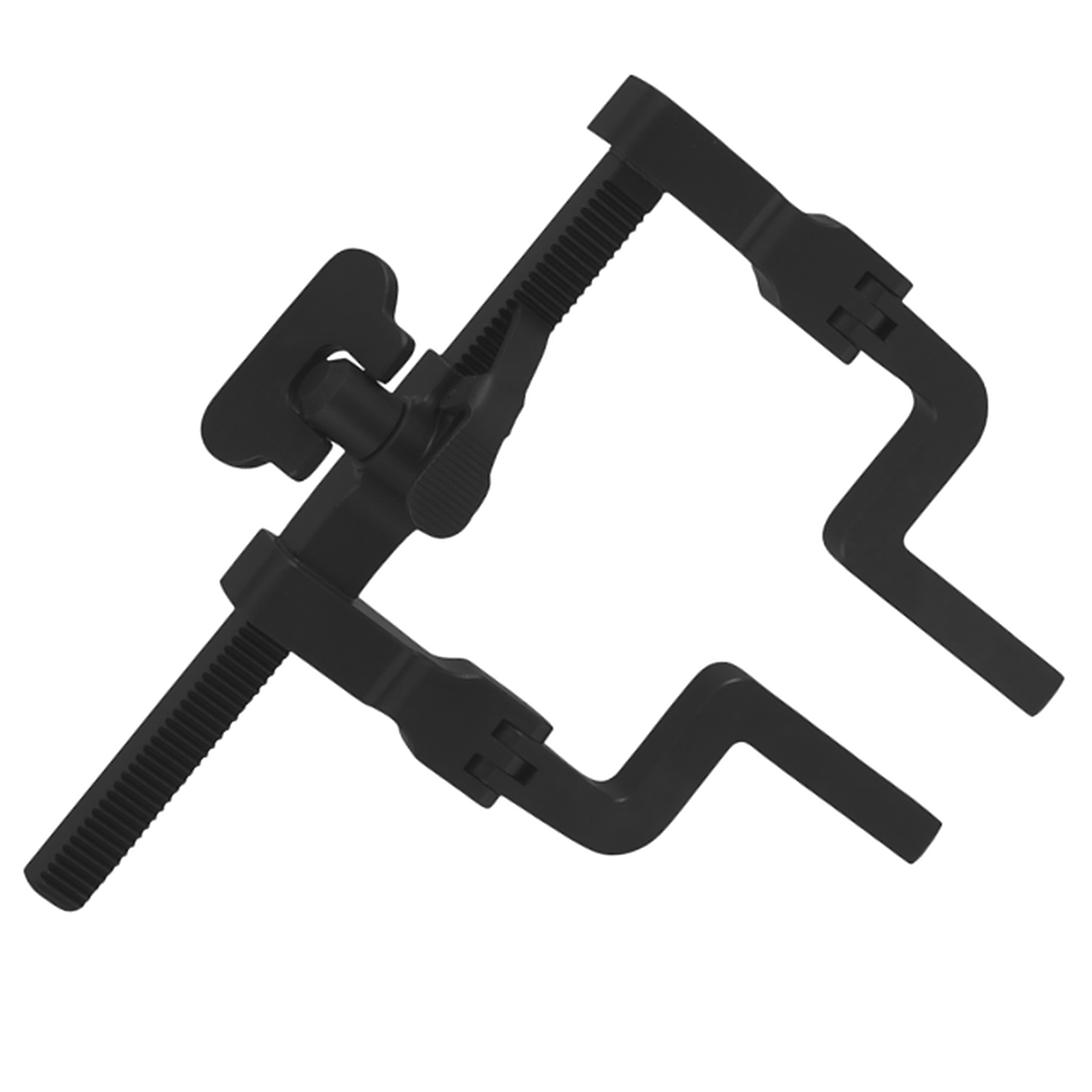 | McCulloch-Type Microdiscectomy Rigid Retractor Frame | Speziell konzipiert als selbsthaltender Basisrahmen zur Montage modularer Valven und Haken bei der lumbalen Mikrodiscektomie. |
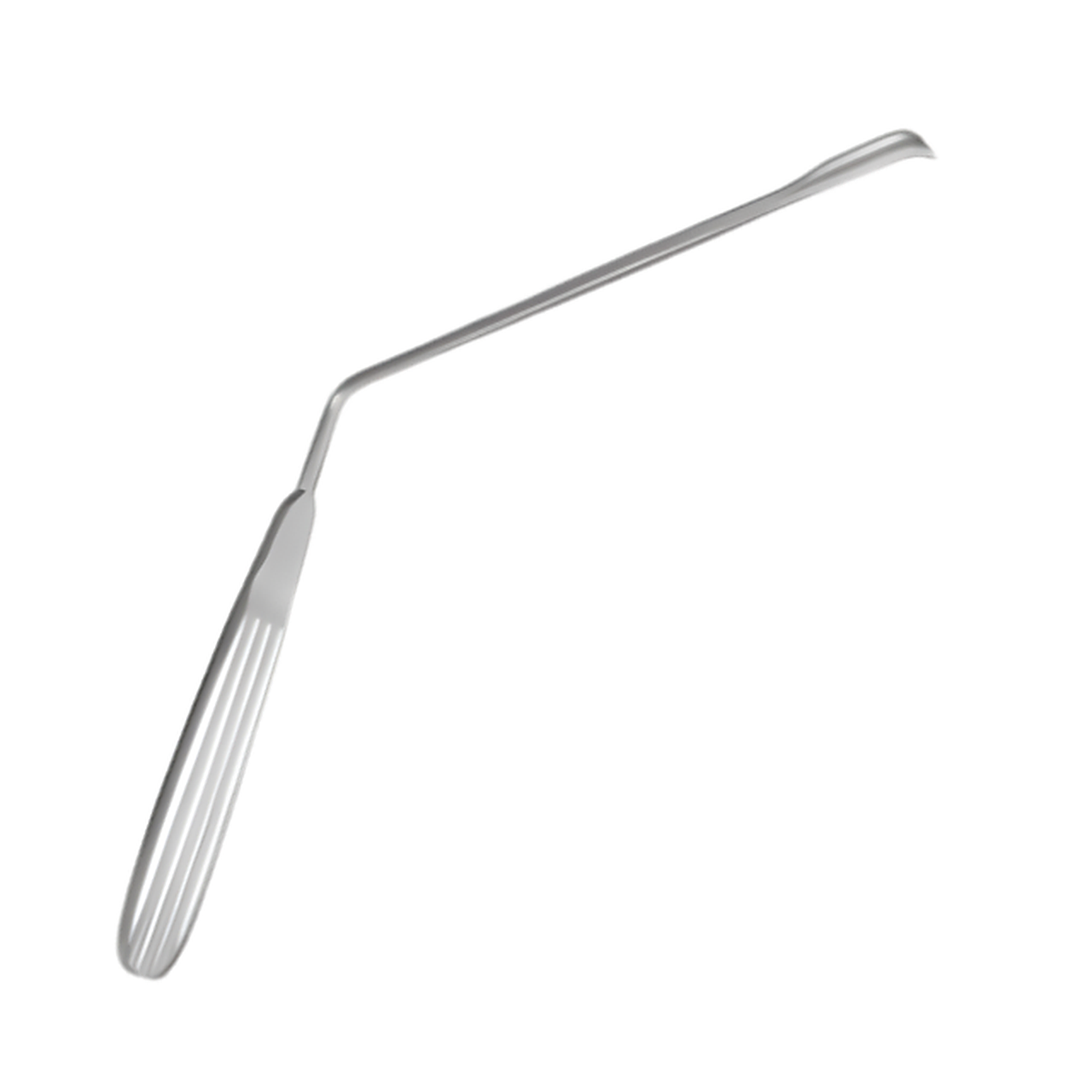 | McCulloch-Type Nervenwurzel-Retraktor | Speziell entwickelt zur Mobilisierung, Halterung und zum Schutz von Spinalnervenwurzeln und des Duralsacks während der mikrosurgischen lumbalen Disktomie. |
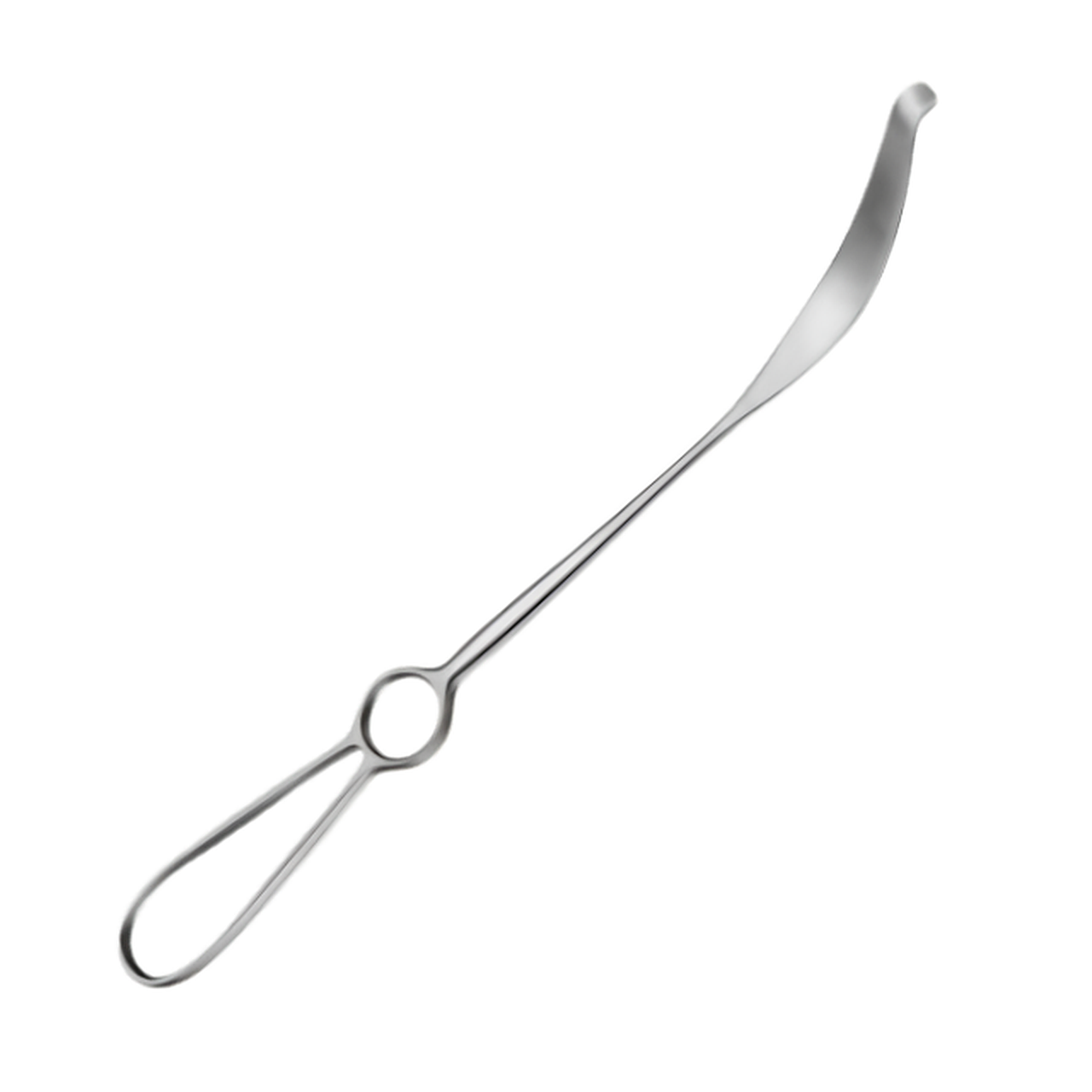 | Medial Ramus & Orbital Rim Retractor | Speziell entwickelt zur Retraktion von Weichteilen und zur Knochenexposition am medialen Ramus und Orbitarand bei kraniofazialen Eingriffen. |
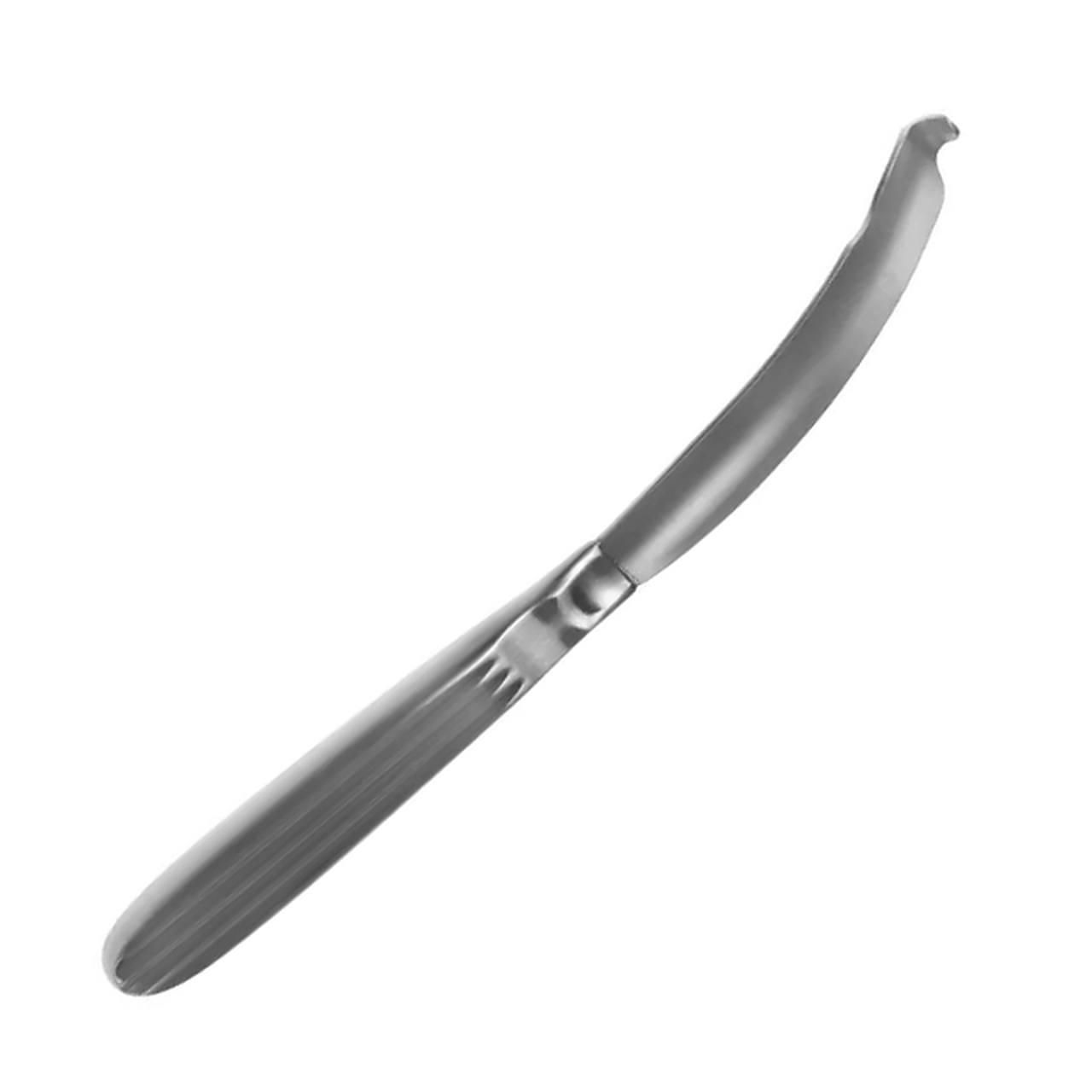 | Medial Ramus Retractor | Speziell entwickelt zur Retraktion des M. |
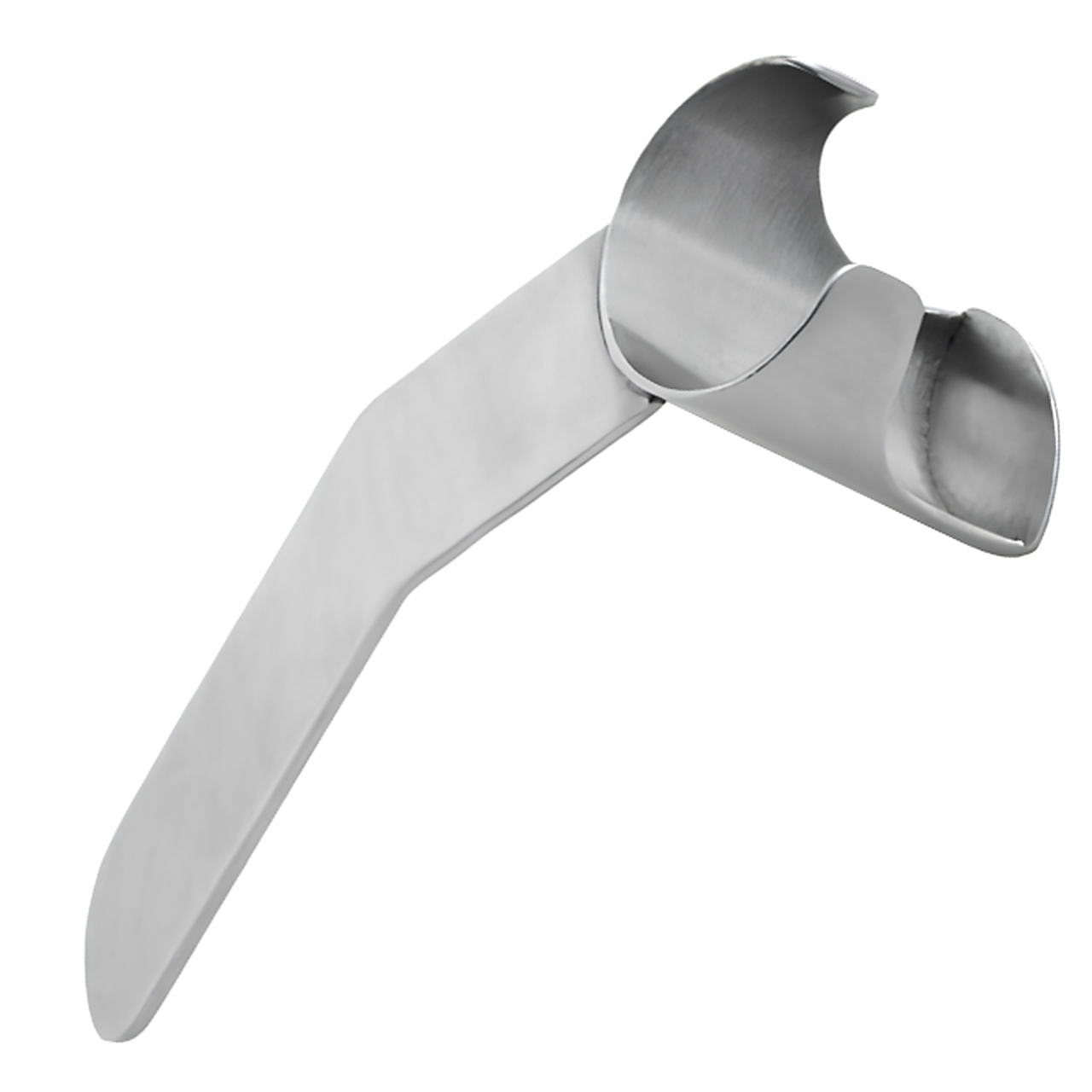 | Meniscal Repair Retractor | Speziell entwickelt zum Schutz der posterioren neurovaskulären Strukturen und zur Deflektion von Nahtnadeln während der arthroskopischen Meniskusreparatur. |
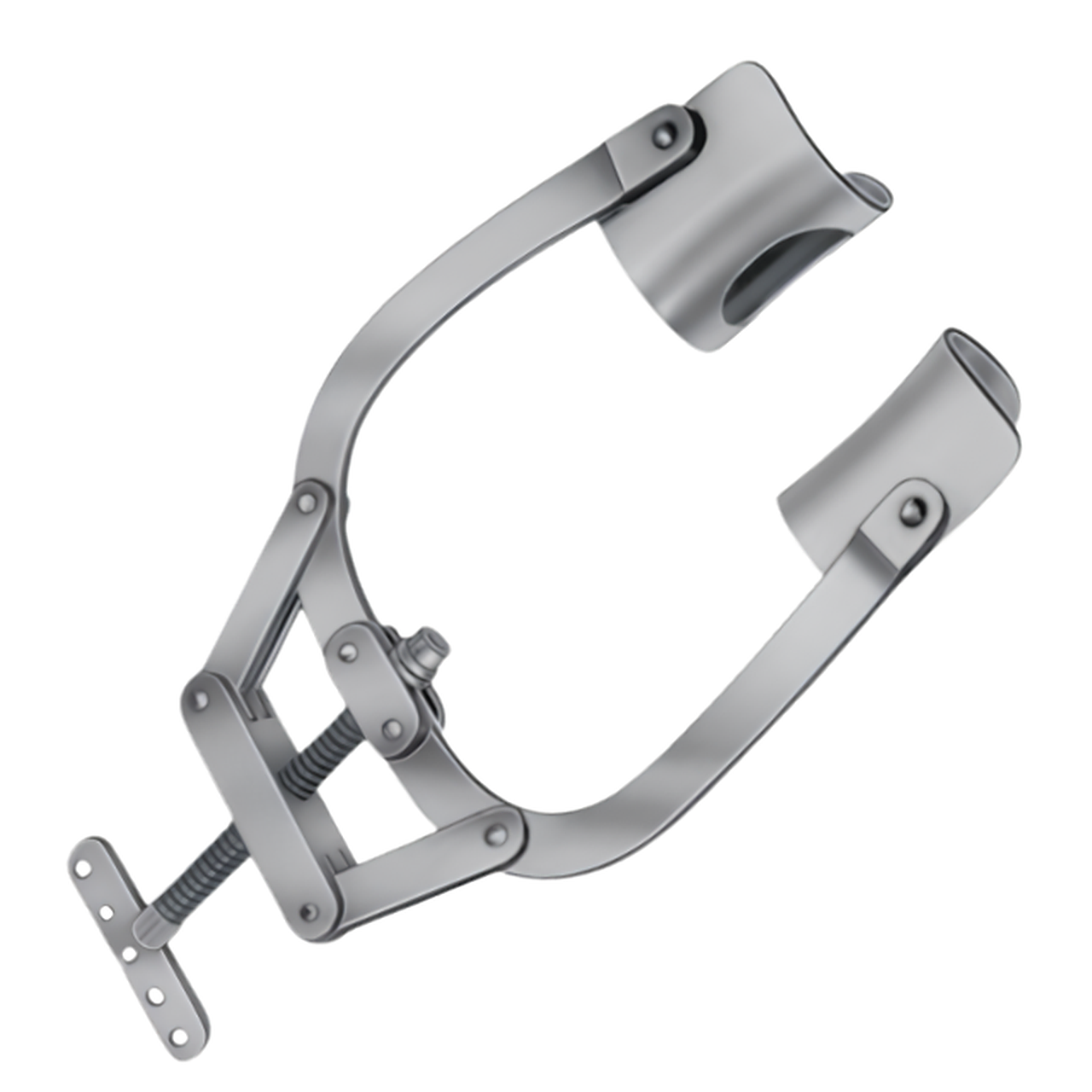 | Mercedes Thoracic Retractor | Speziell entwickelt zur Bereitstellung von mechanischem Drehmoment für die expansive Rippen- und Thoraxwandspreizung in der Thoraxchirurgie. |
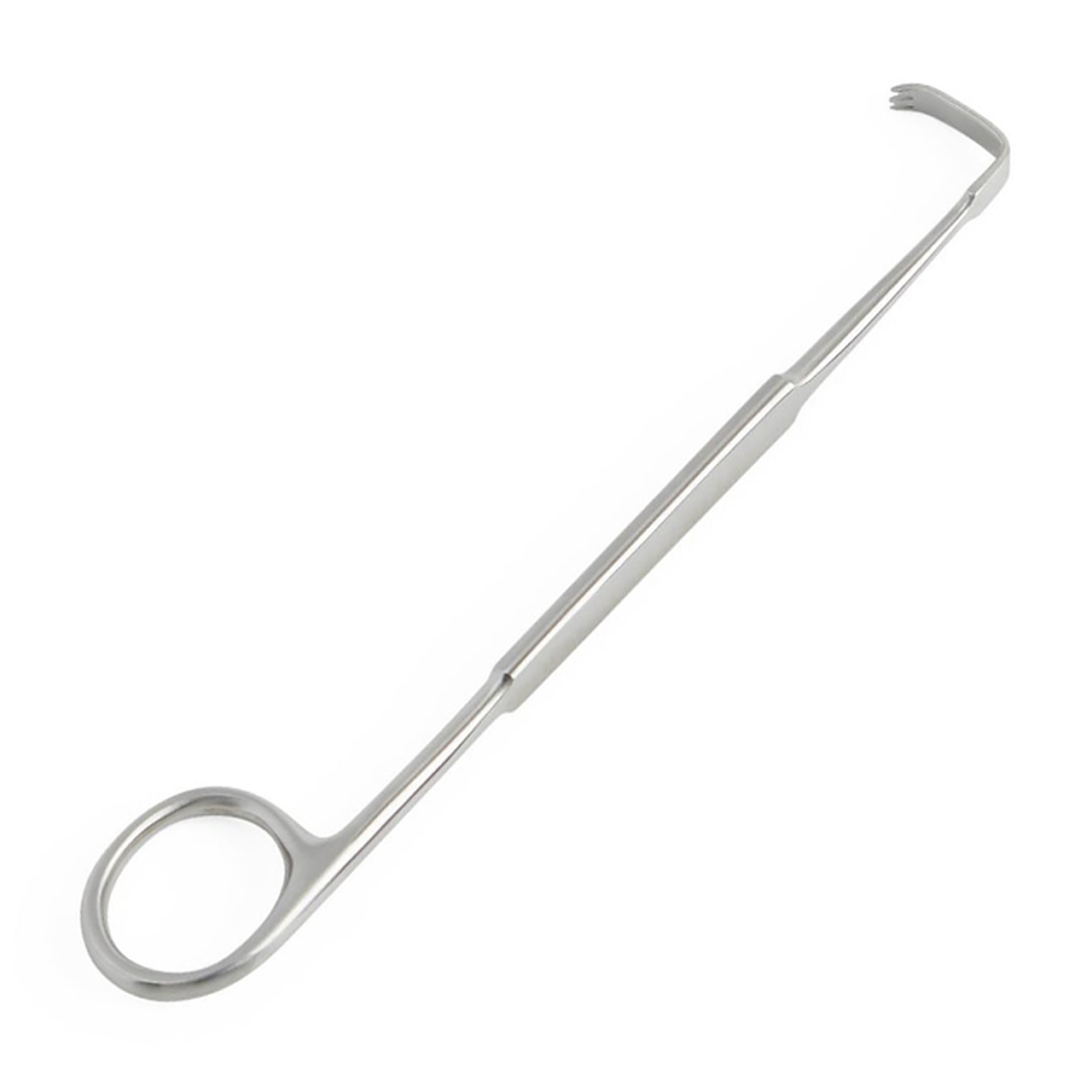 | Meyerding Finger-Wundhaken | Speziell entwickelt zur Retraktion von Hautlappen, Fingernsehnen und empfindlichem Weichgewebe in der Handchirurgie, plastischen Chirurgie und kleinen Chirurgie. |
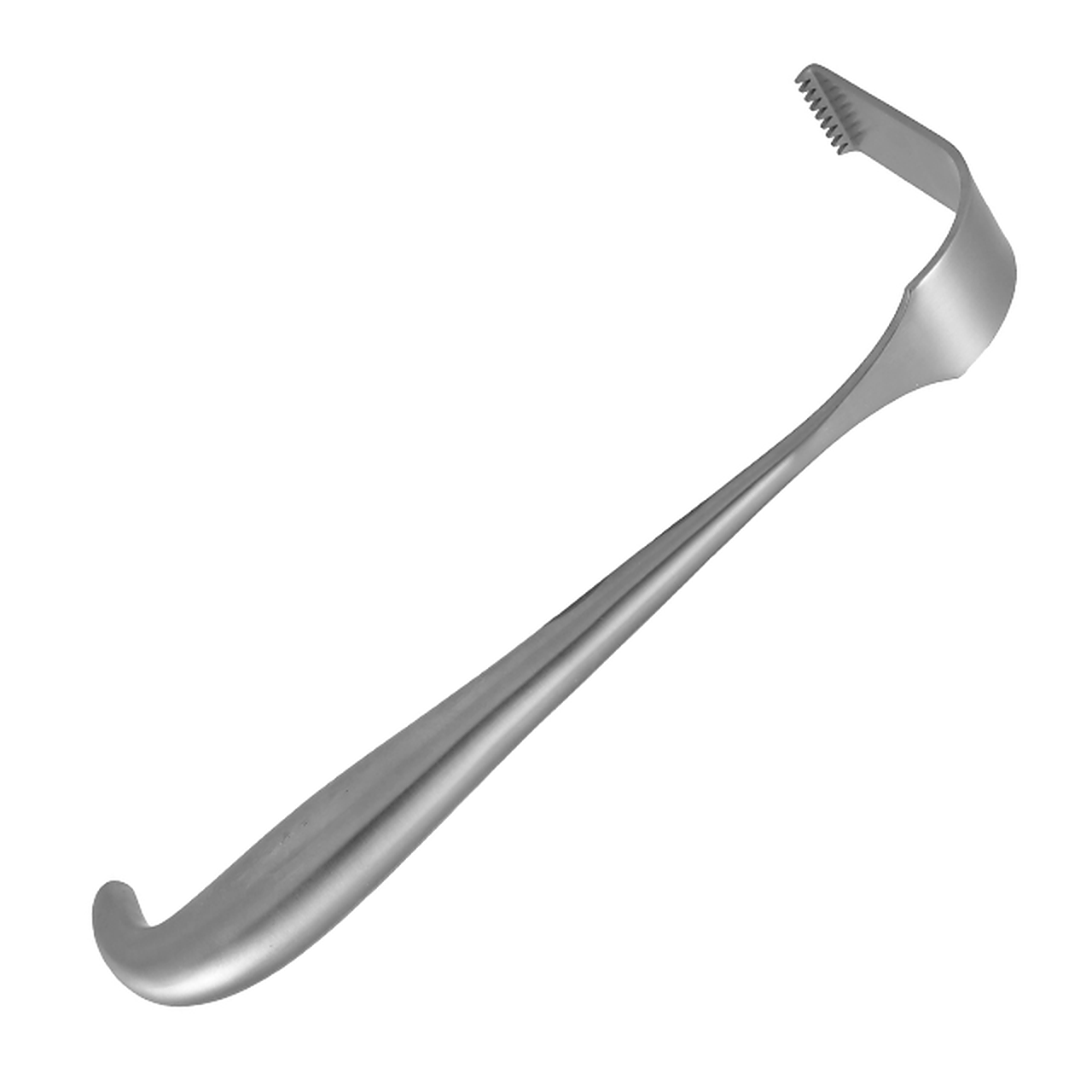 | Meyerding Retractor | Speziell entwickelt für die Retraktion starker paraspinaler Muskulatur und tiefer Weichteile bei spinalen Laminektomien und orthopädischen Eingriffen. |
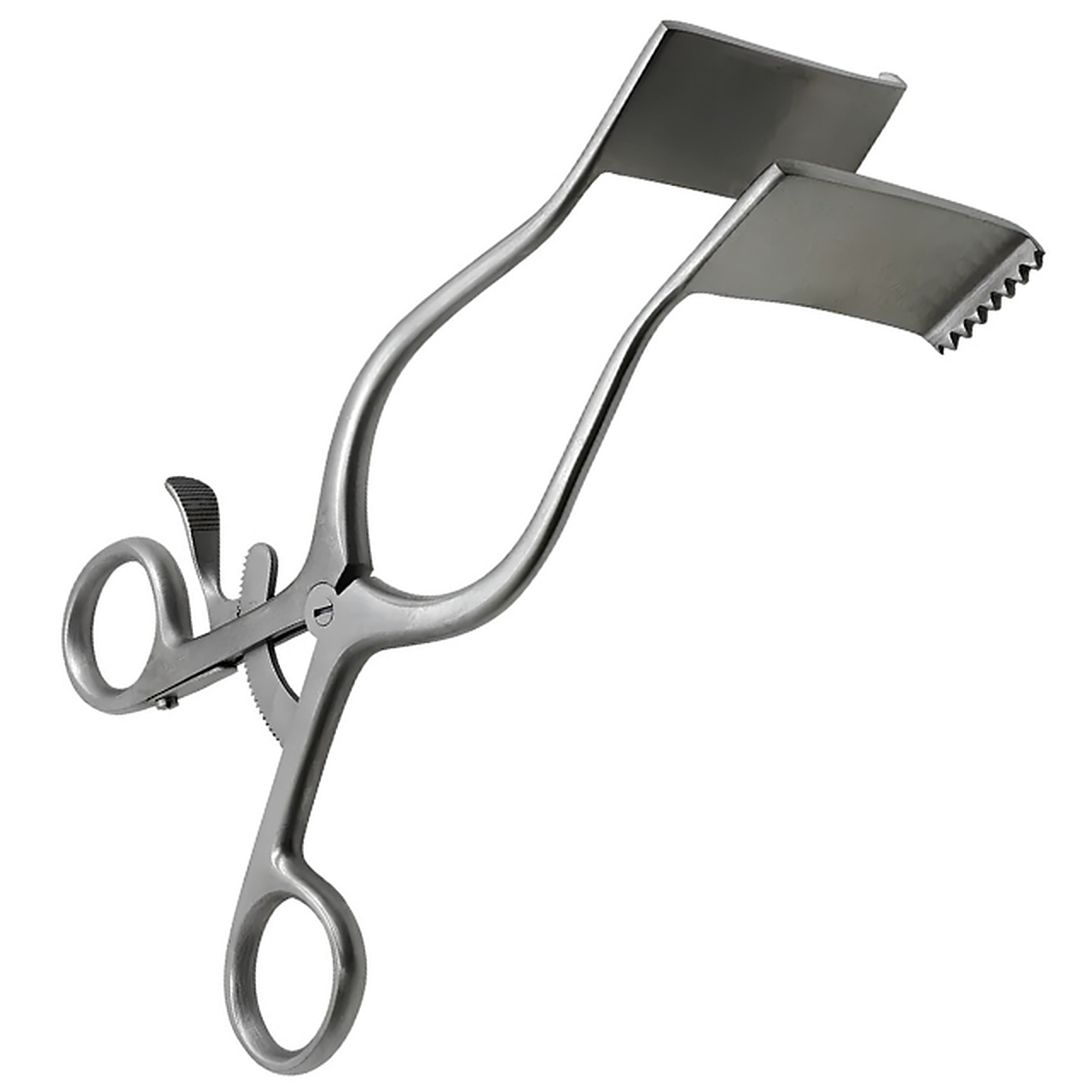 | Meyerding Sperr-Wundspreizer | Speziell entwickelt für die selbsthaltende paraspinale Muskelretraktion und Knochenverankerung während der spinalen Laminektomie. |
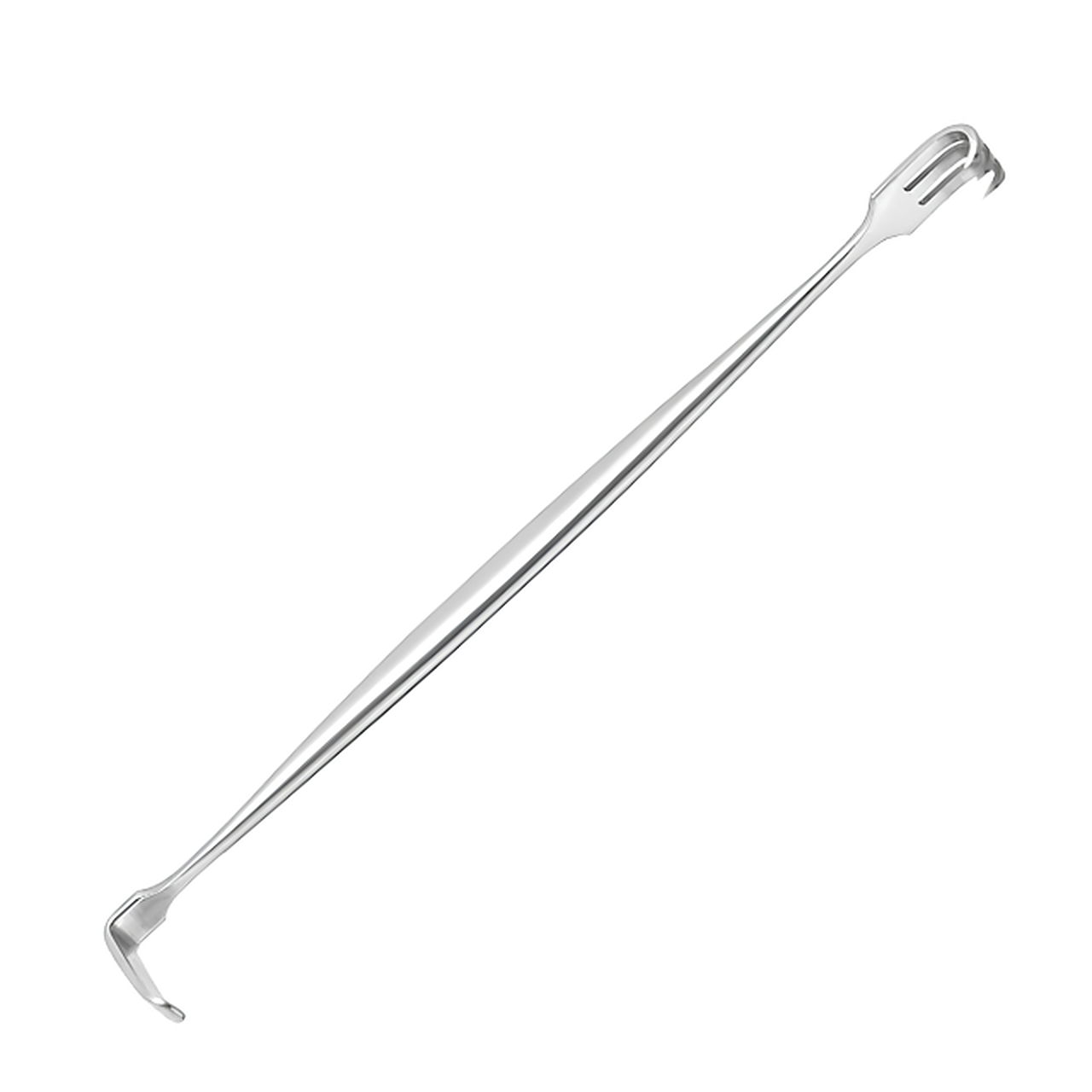 | Meyerding Wundhaken/Hauthäkchen | Speziell entwickelt zum Anheben empfindlicher Hautränder und zur Retraktion von Weichteilgewebe in der plastischen, rekonstruktiven und kleinen Chirurgie. |
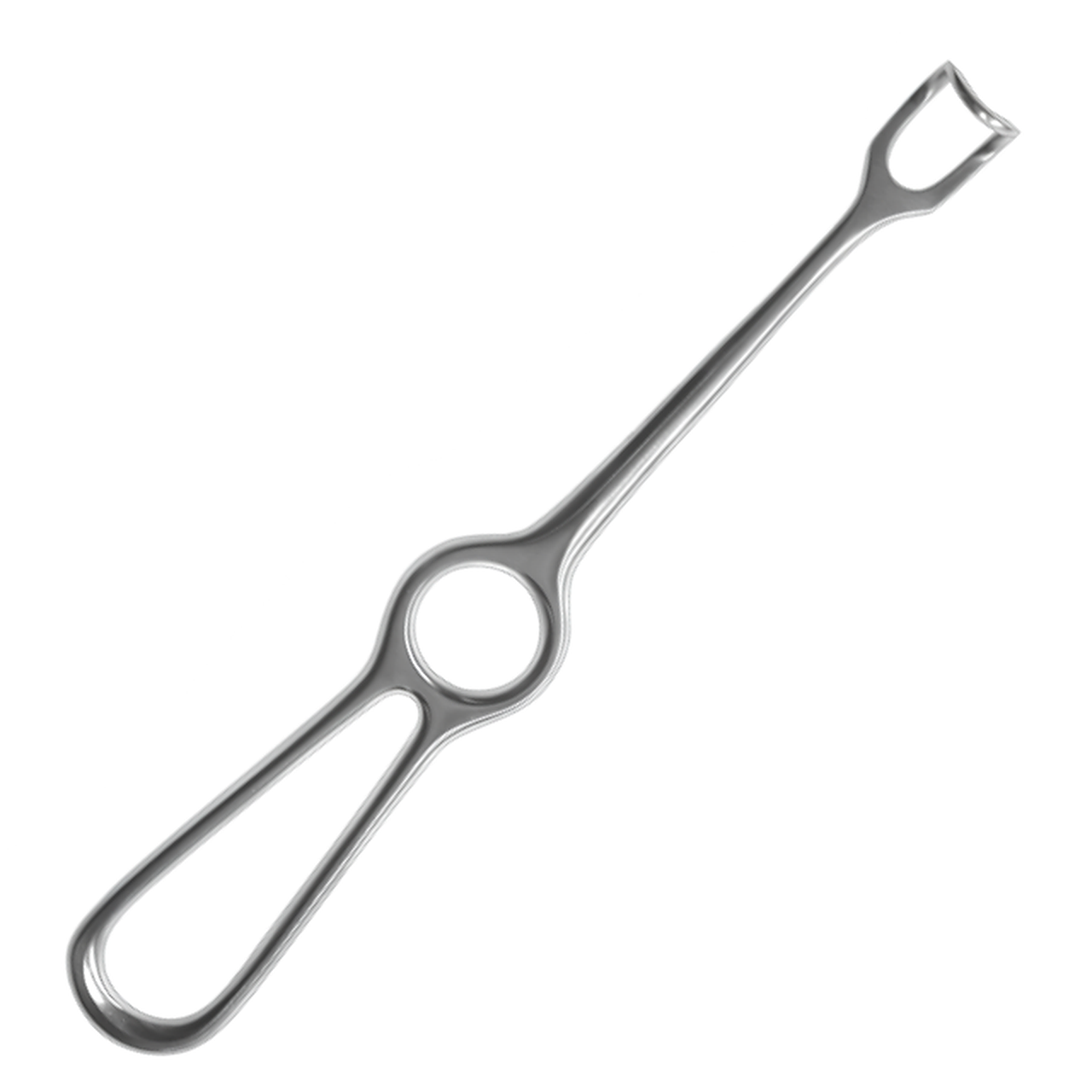 | Middledorpf Wundhaken | Speziell entwickelt zur Retraktion von Muskelschichten, Faszien und Weichgewebe unter Beibehaltung der Sichtlinien bei tiefchirurgischen Eingriffen. |
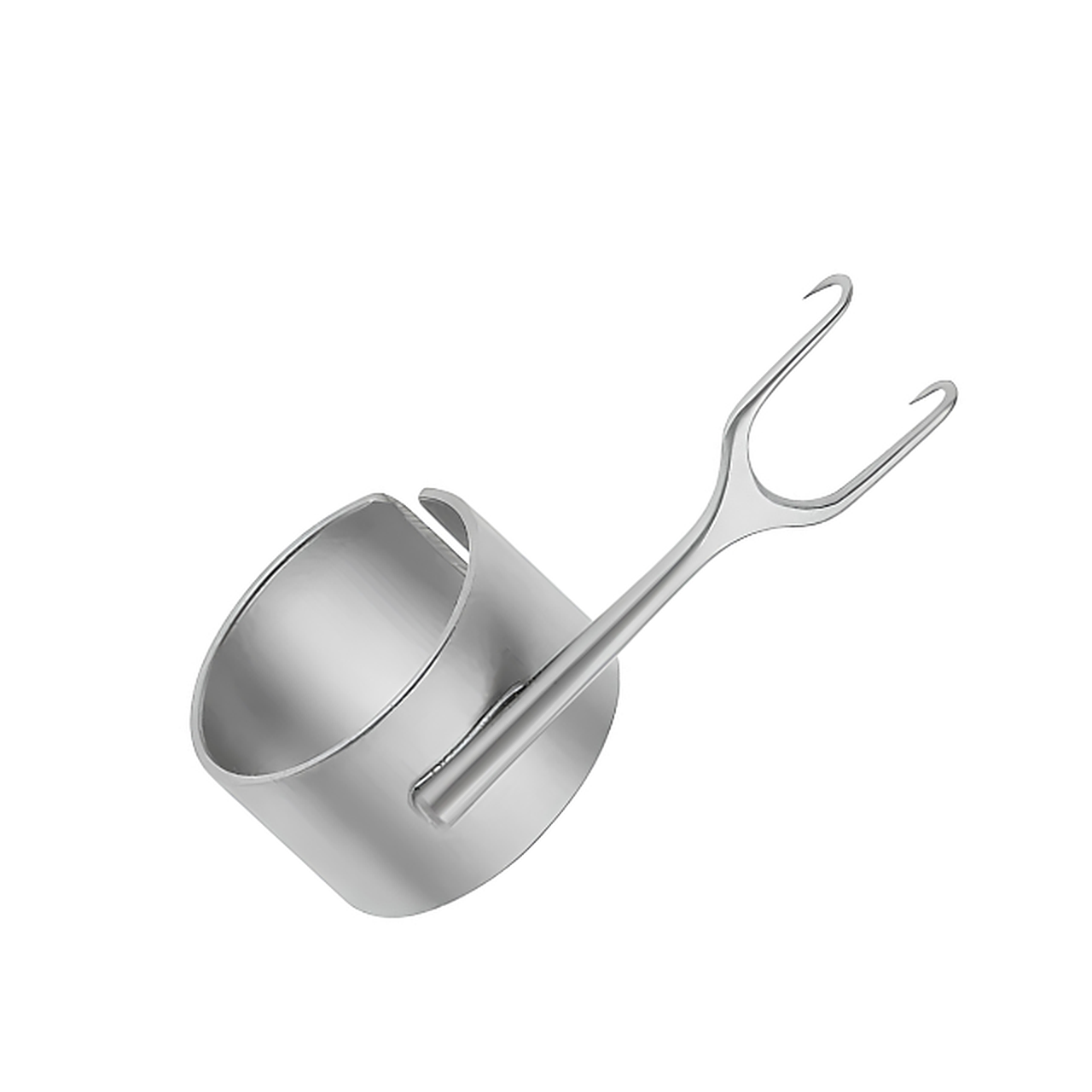 | Millard Cottle Retractor mit Fingerring | Speziell zur Retraktion des Alar-Randes und des unteren Seitenknorpels bei Rhinoplastiken und Korrekturen von Lippen-Kiefer-Gaumenspalten-Nasendeformitäten entwickelt. |
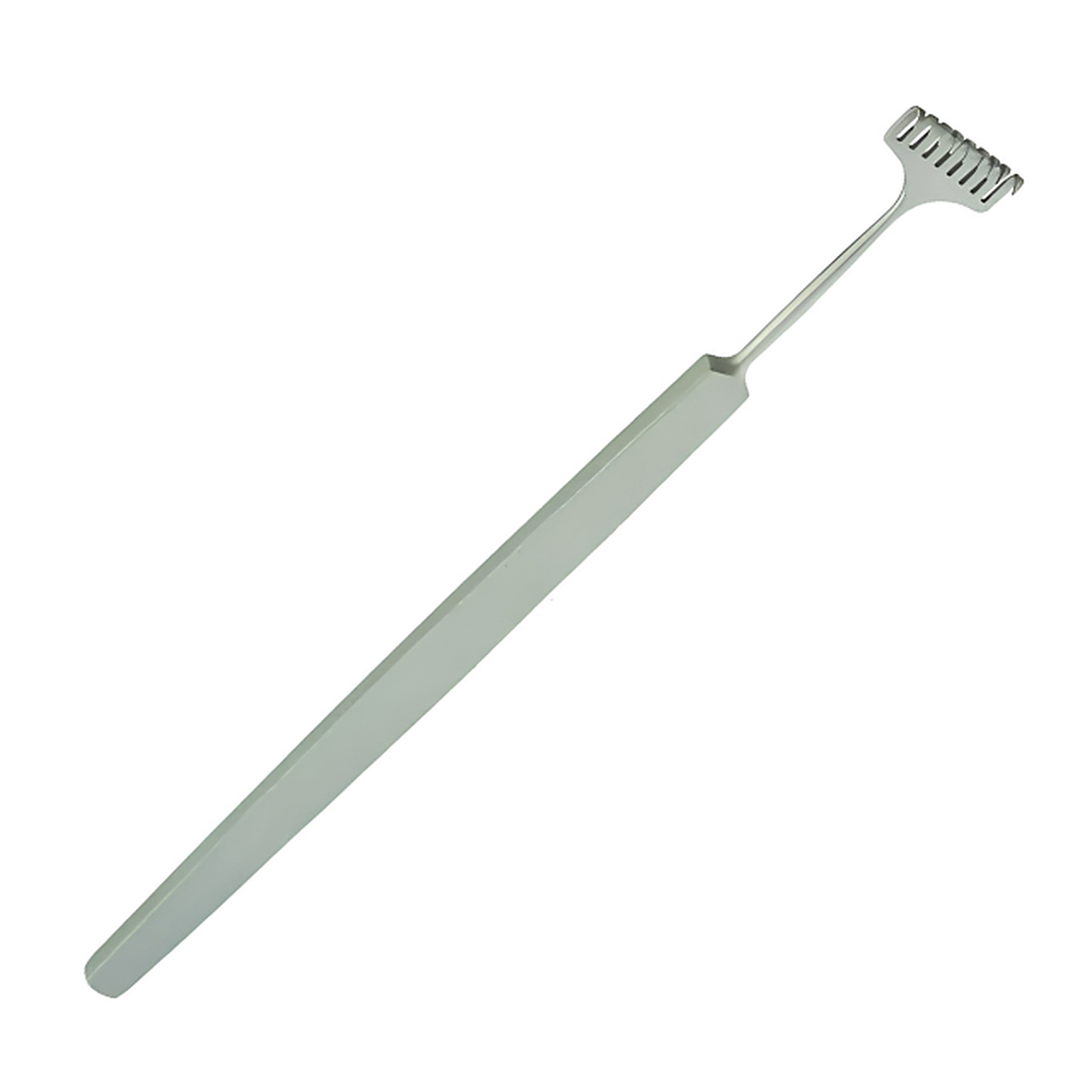 | Miller Rake Retractor | Speziell entwickelt zum Anheben von Hautlappen und zur Retraktion von subkutanem Gewebe während plastischer, dermatologischer und rekonstruktiver Eingriffe. |
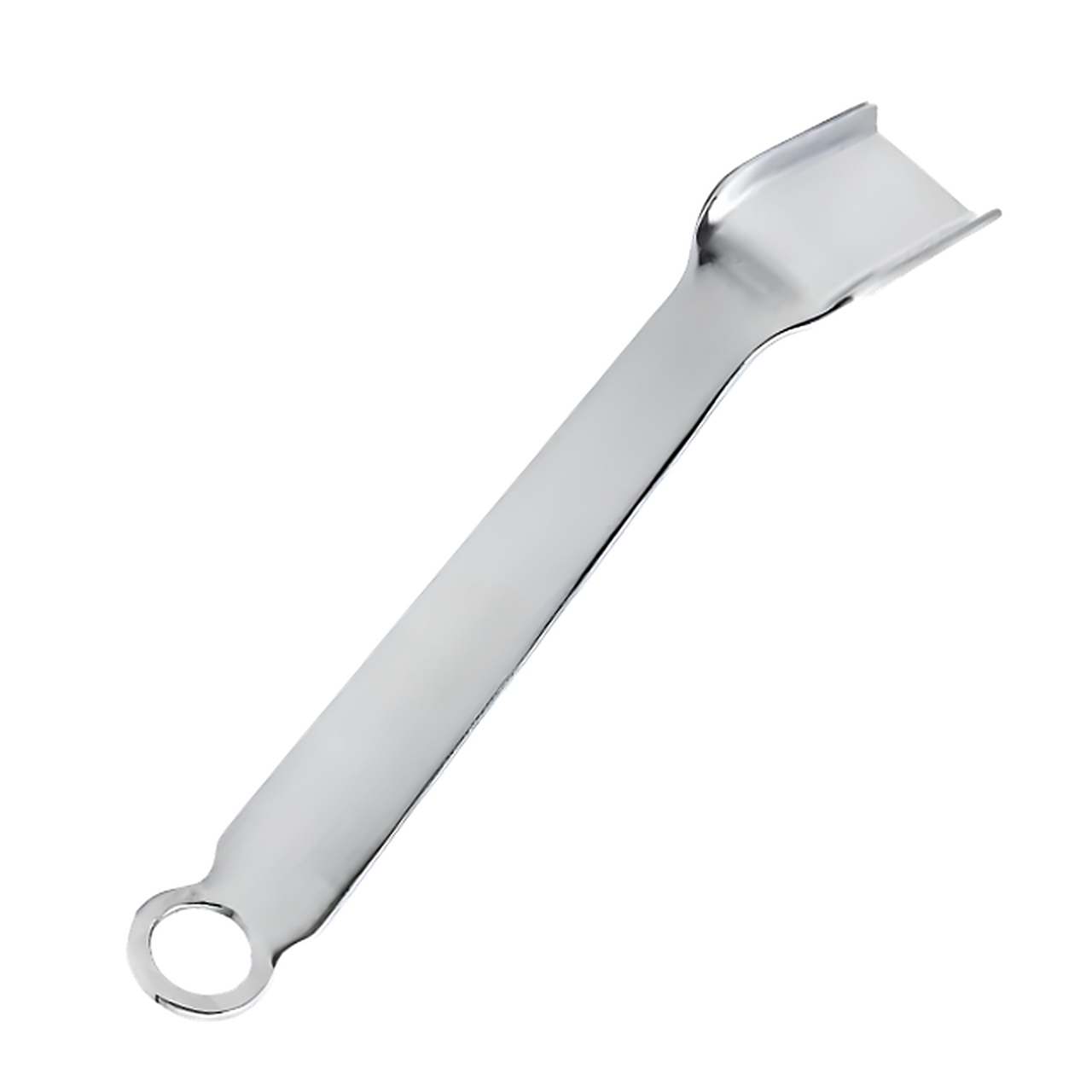 | Minimal-invasive Knie-Retraktoren | Speziell entwickelt zur Knochenhebelung und Weichteilretraktion durch kleine Inzisionen während der minimal-invasiven Knieendoprothetik. |
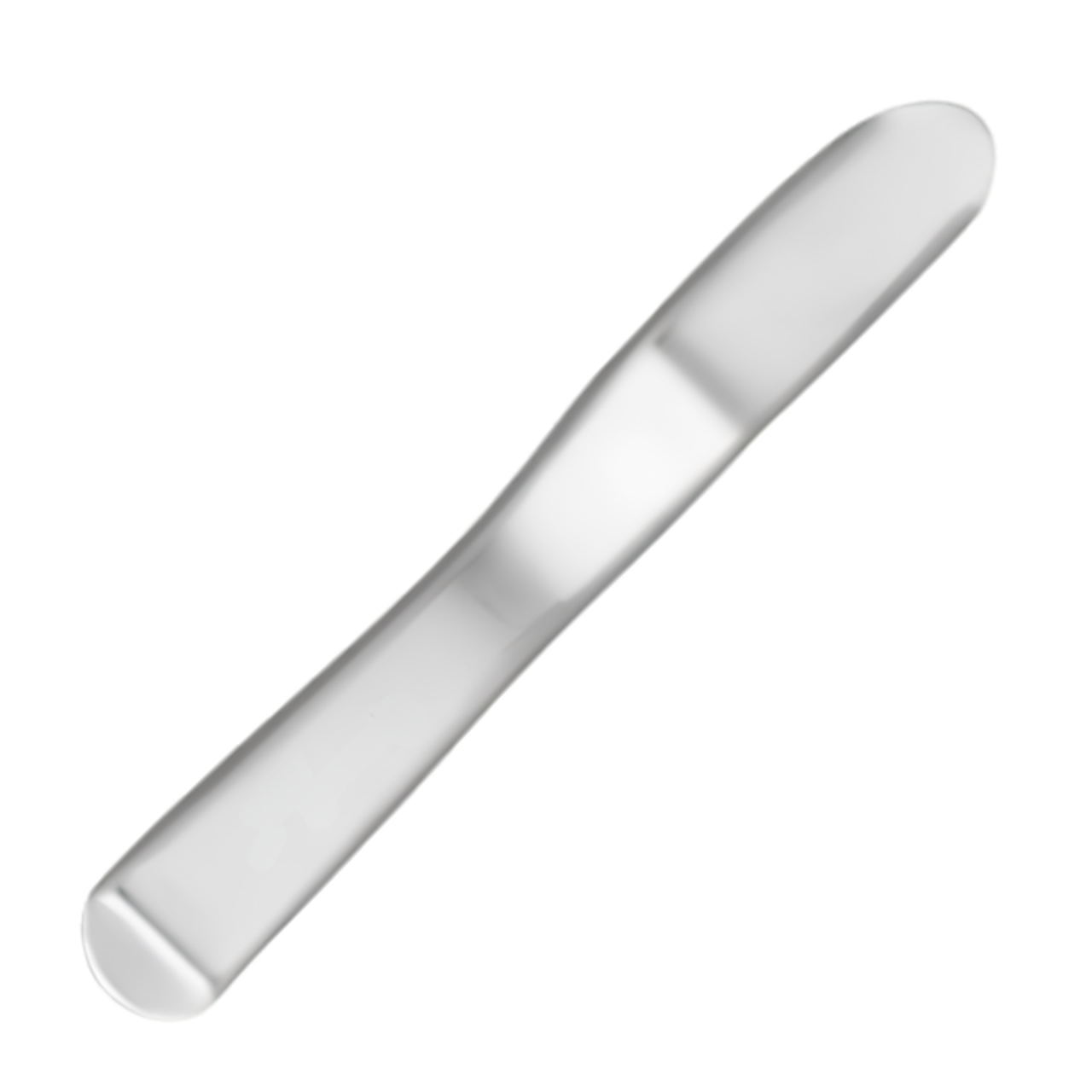 | Minnesota Retractor | Speziell entwickelt zur Retraktion von Wangen, Lippen und Zunge, um den Alveolarkamm und das Gebiss während oralchirurgischer Eingriffe freizulegen. |
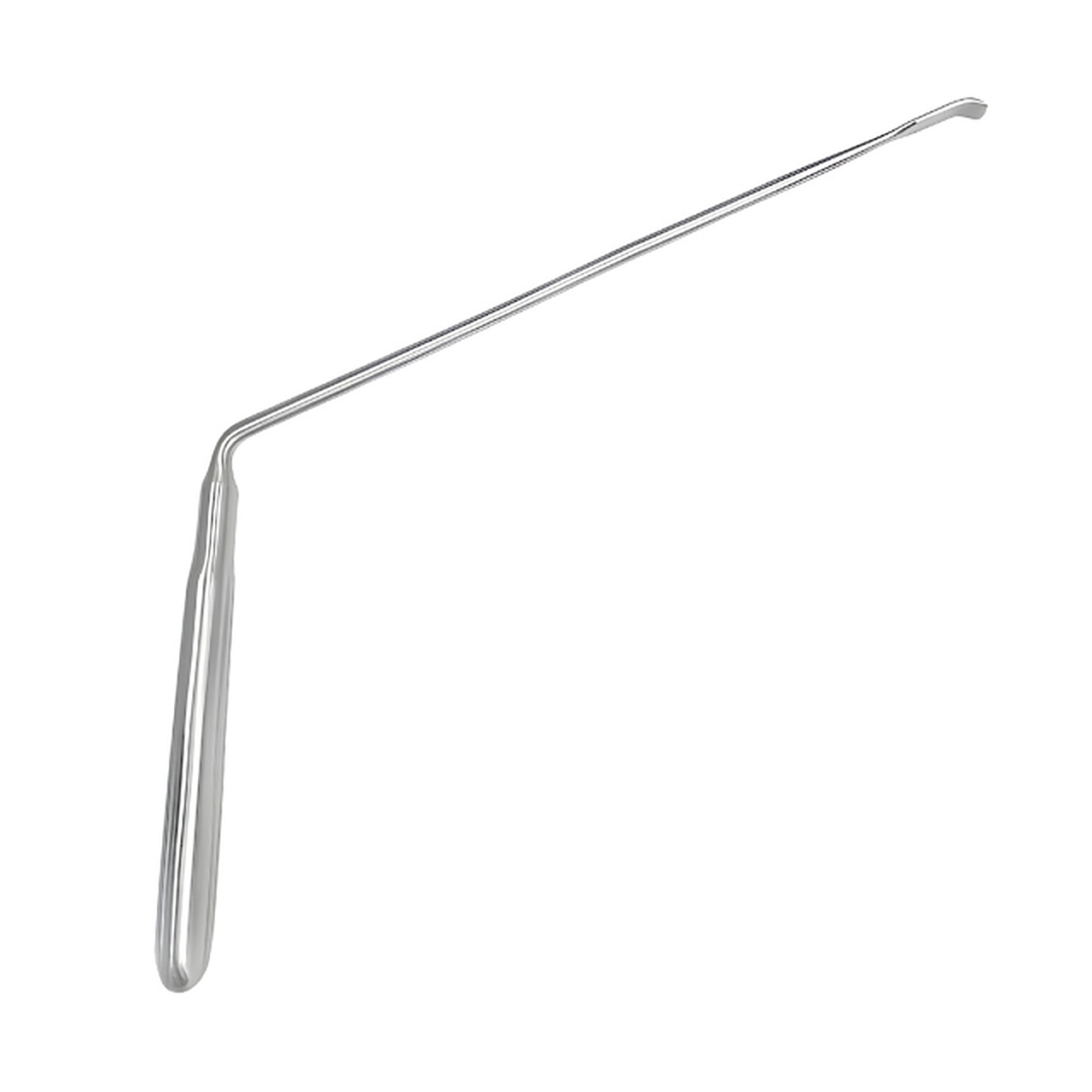 | MIS Nervenwurzelhaken | Speziell entwickelt zur Retraktion und zum Schutz von traversierenden Nervenwurzeln und des Thekalsacks während der minimalinvasiven lumbalen Diskektomie. |
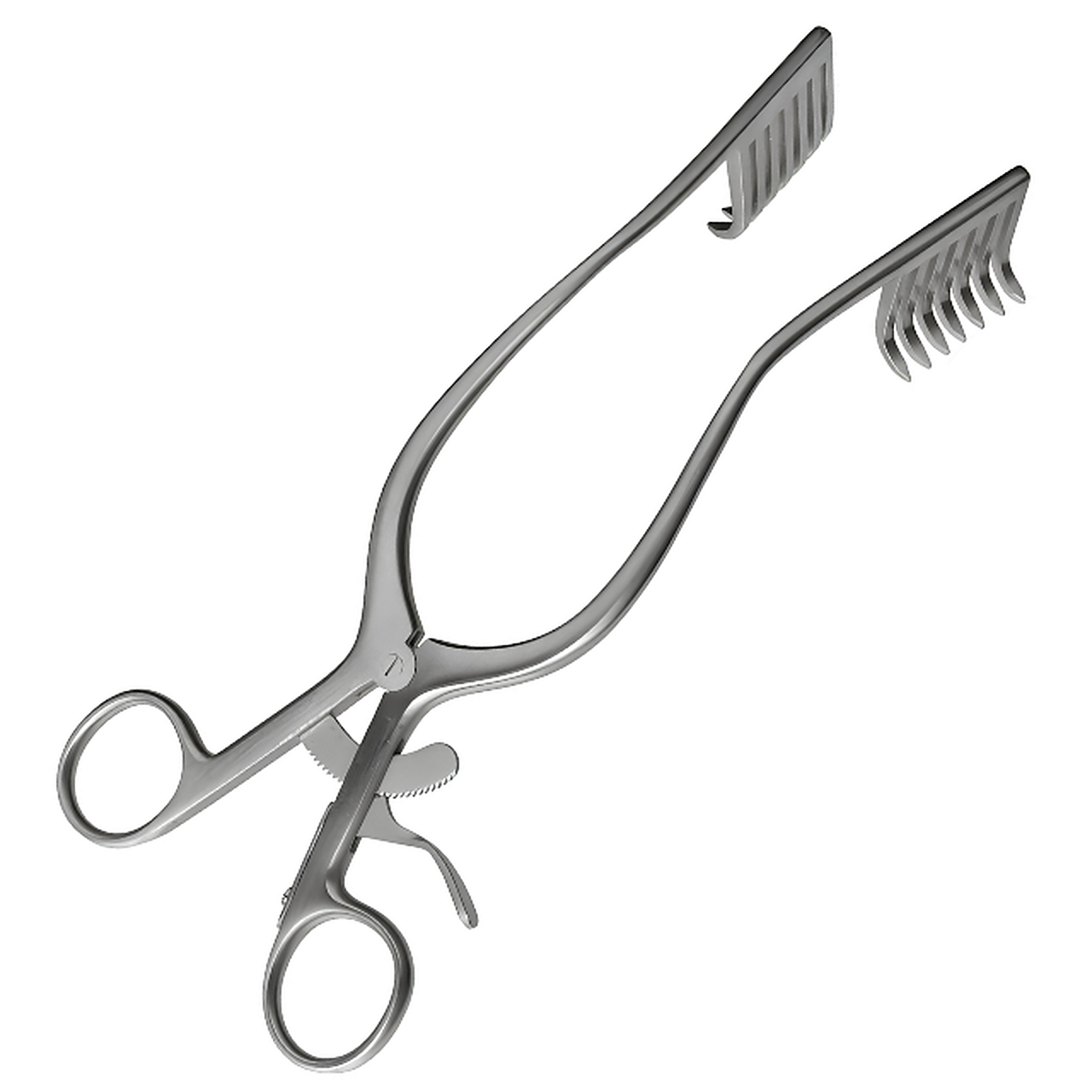 | Miskimon Cerebellar Retractor | Speziell entwickelt für die selbsthaltende Retraktion von Kopfhaut und Nackenmuskulatur bei subokzipitalen und zerebellären Kraniotomien. |
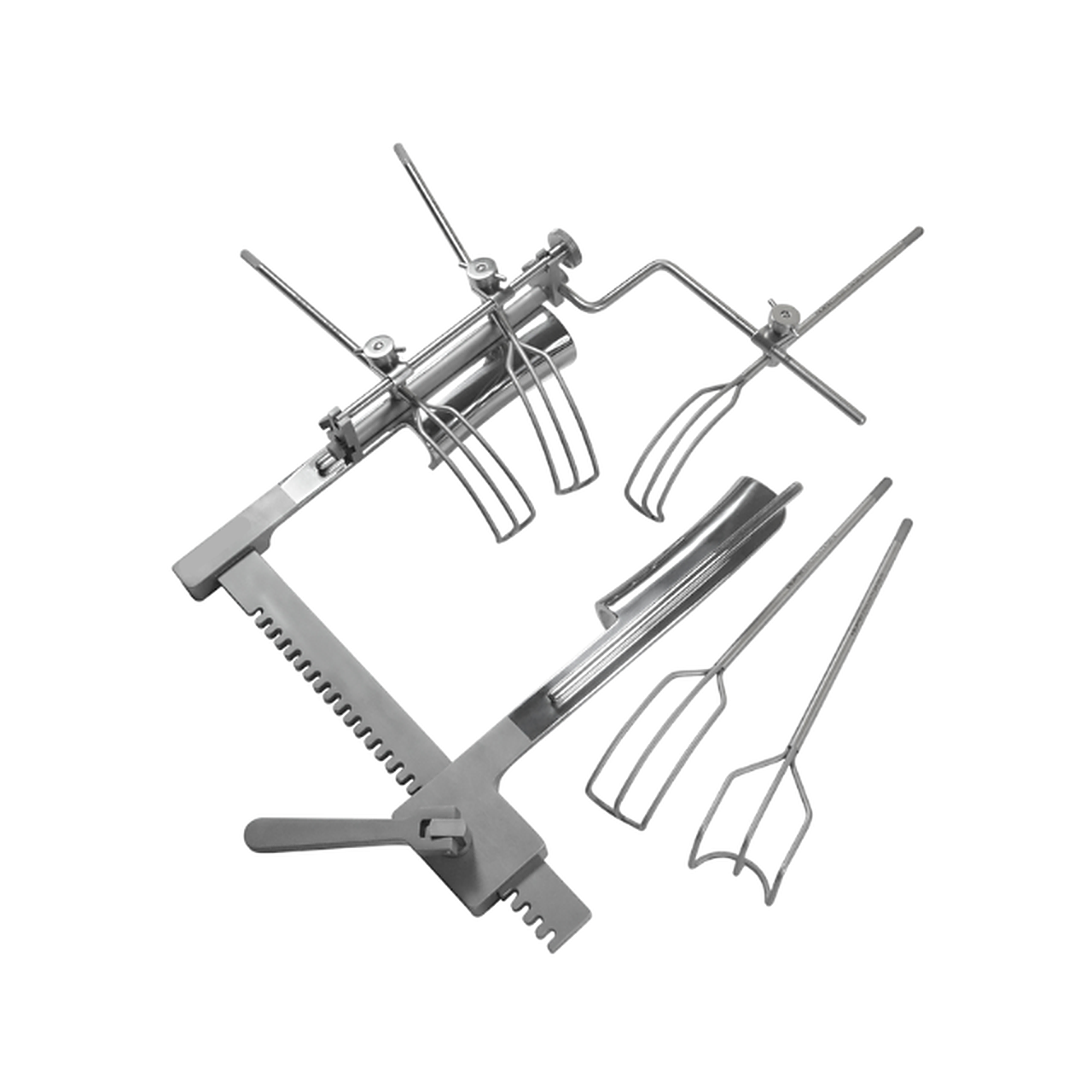 | Mitralklappen-Sperrer | Speziell entwickelt für die strukturierte chirurgische Exposition und Weichteilretraktion bei Herzklappeneingriffen. |
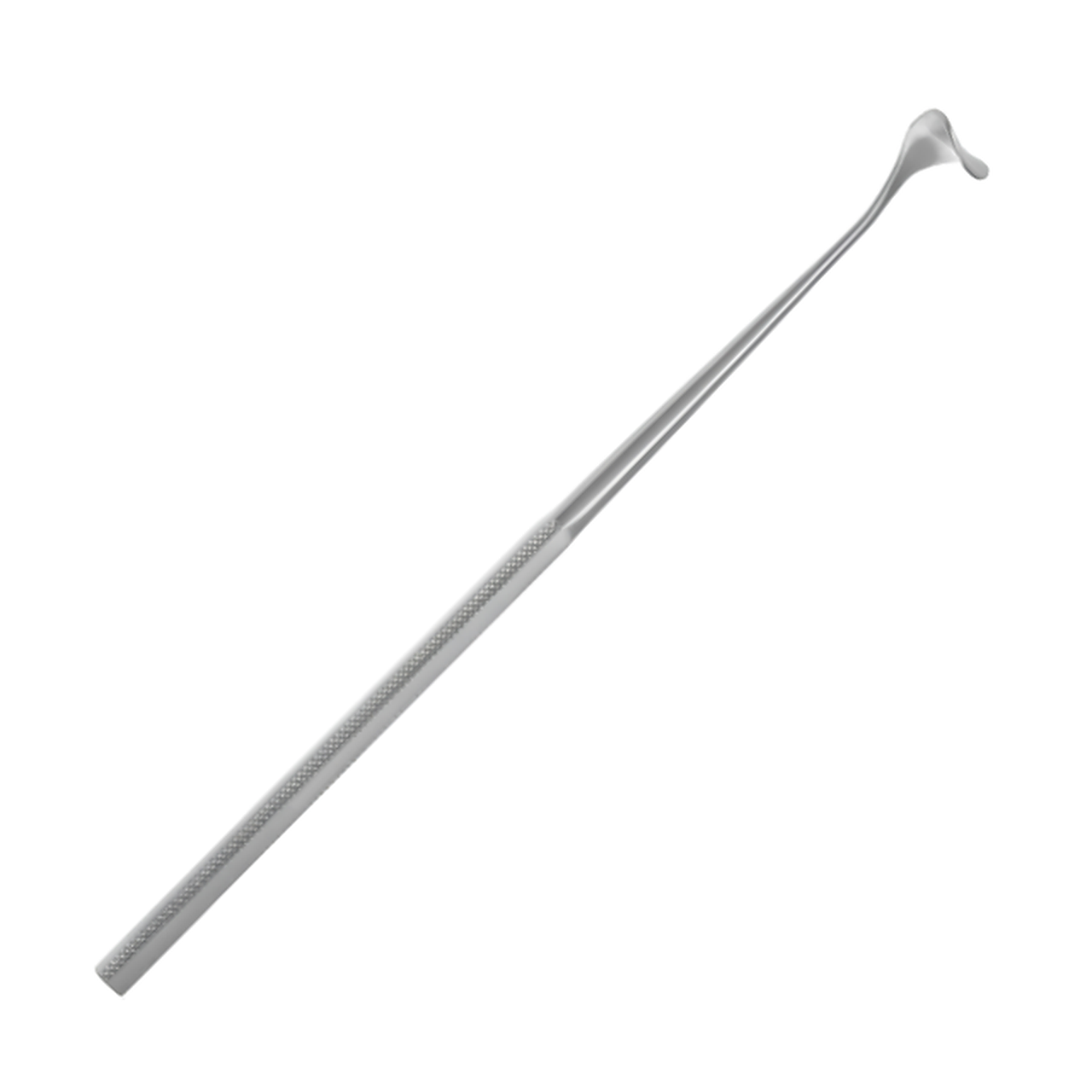 | Moberg Hautretraktor | Speziell entwickelt zur Retraktion von Wundrändern, Hautlappen und empfindlichem Weichgewebe während handchirurgischer und plastischer Eingriffe. |
 | Modified Fukuda Type Wundhaken | Speziell entwickelt für die posteriore Retraktion des Humeruskopfes und die Freilegung der Cavitas glenoidalis bei der Schulterendoprothetik. |
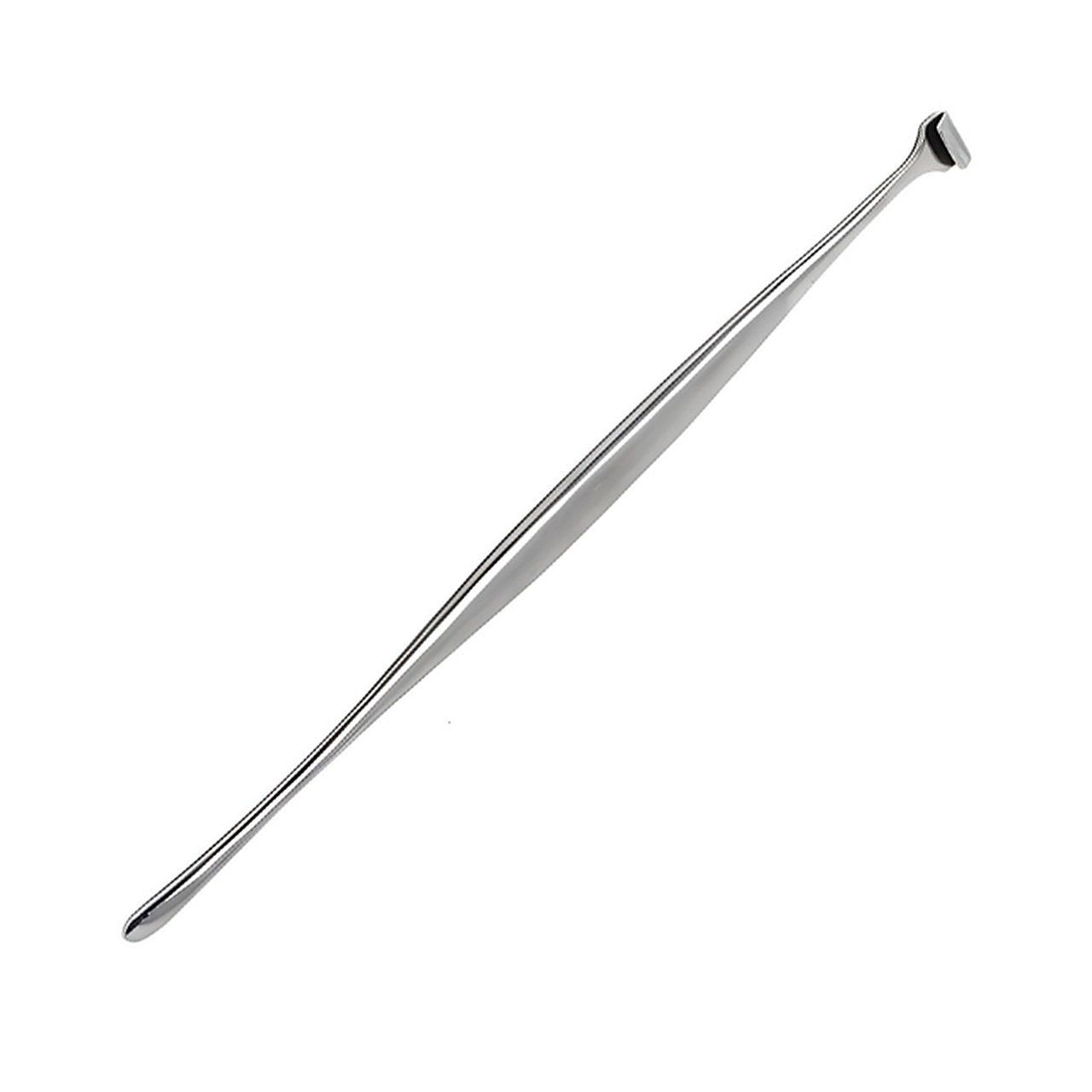 | Mollison Anterior Pillar Retractor | Speziell entwickelt zur Retraktion des vorderen Gaumenbogens und des Arcus palatoglossus während der Tonsillektomie und pharyngealen Chirurgie. |
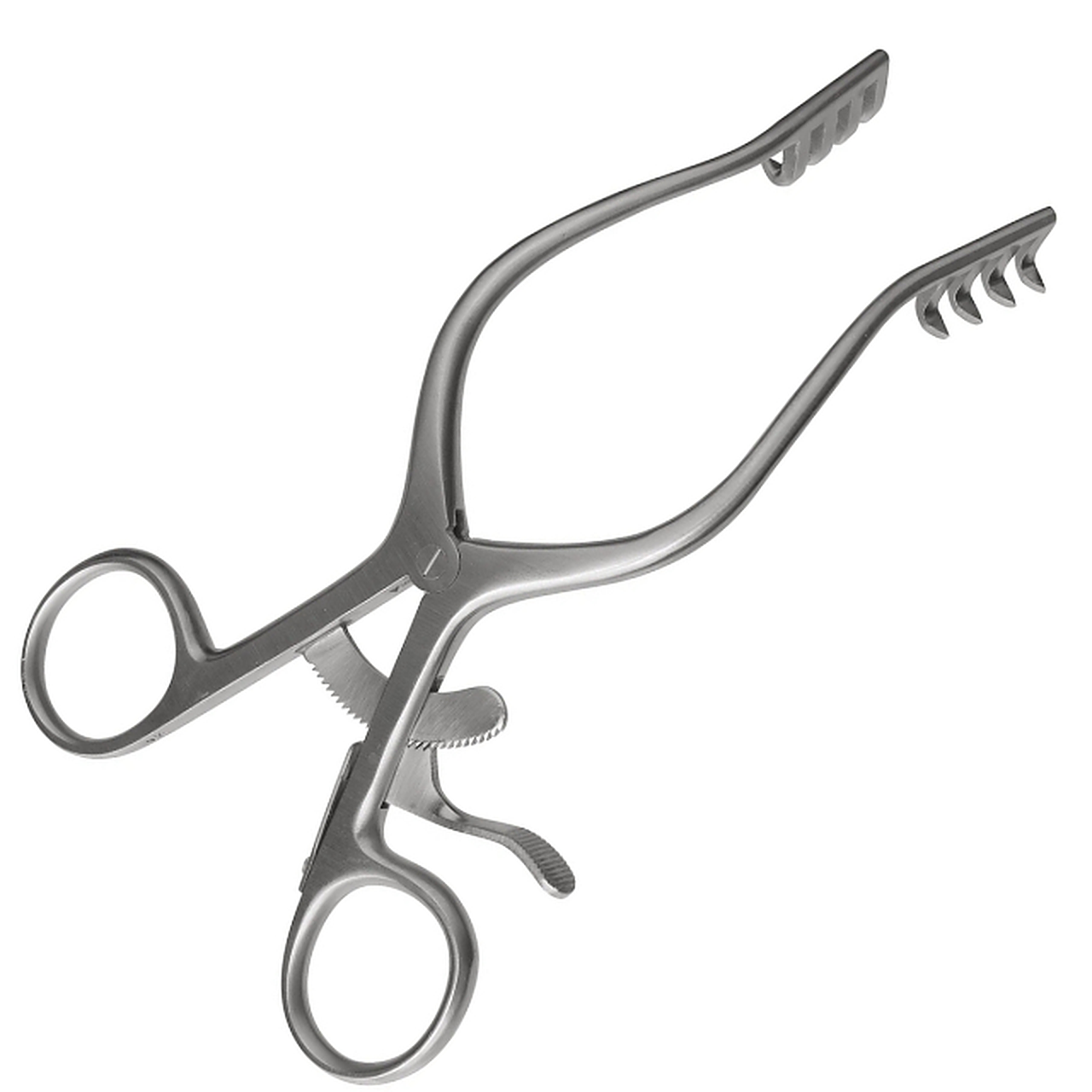 | Mollison Retractor | Speziell entwickelt für die selbsthaltende Wundrand- und Periostretraktion bei Operationen an Mastoid, Ohr und Kopfhaut. |
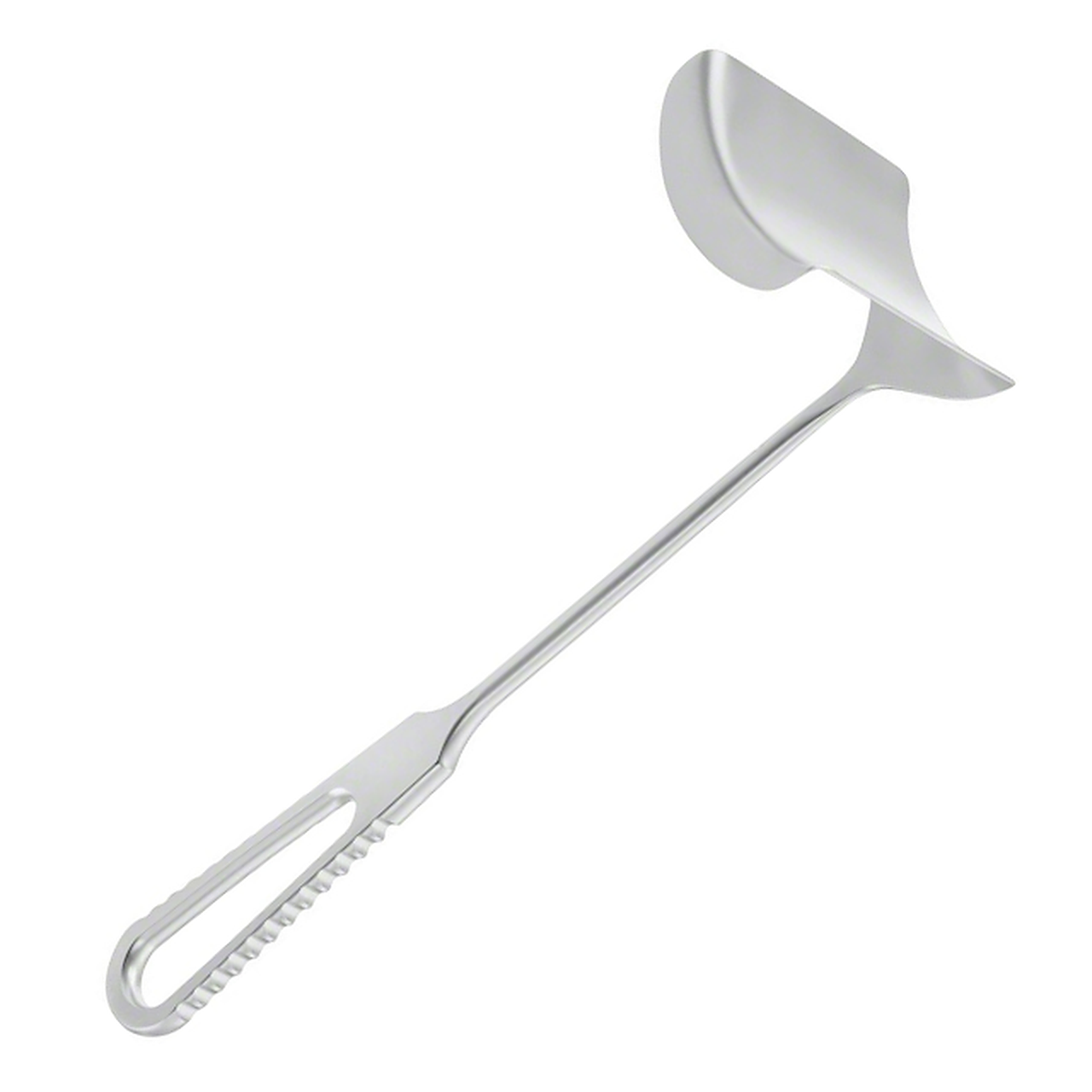 | Morris Retractor einendig | Speziell entwickelt zur Retraktion der Bauchwand, der Viszera und der dicken Muskulatur bei offenen Abdominal- und Beckenoperationen. |
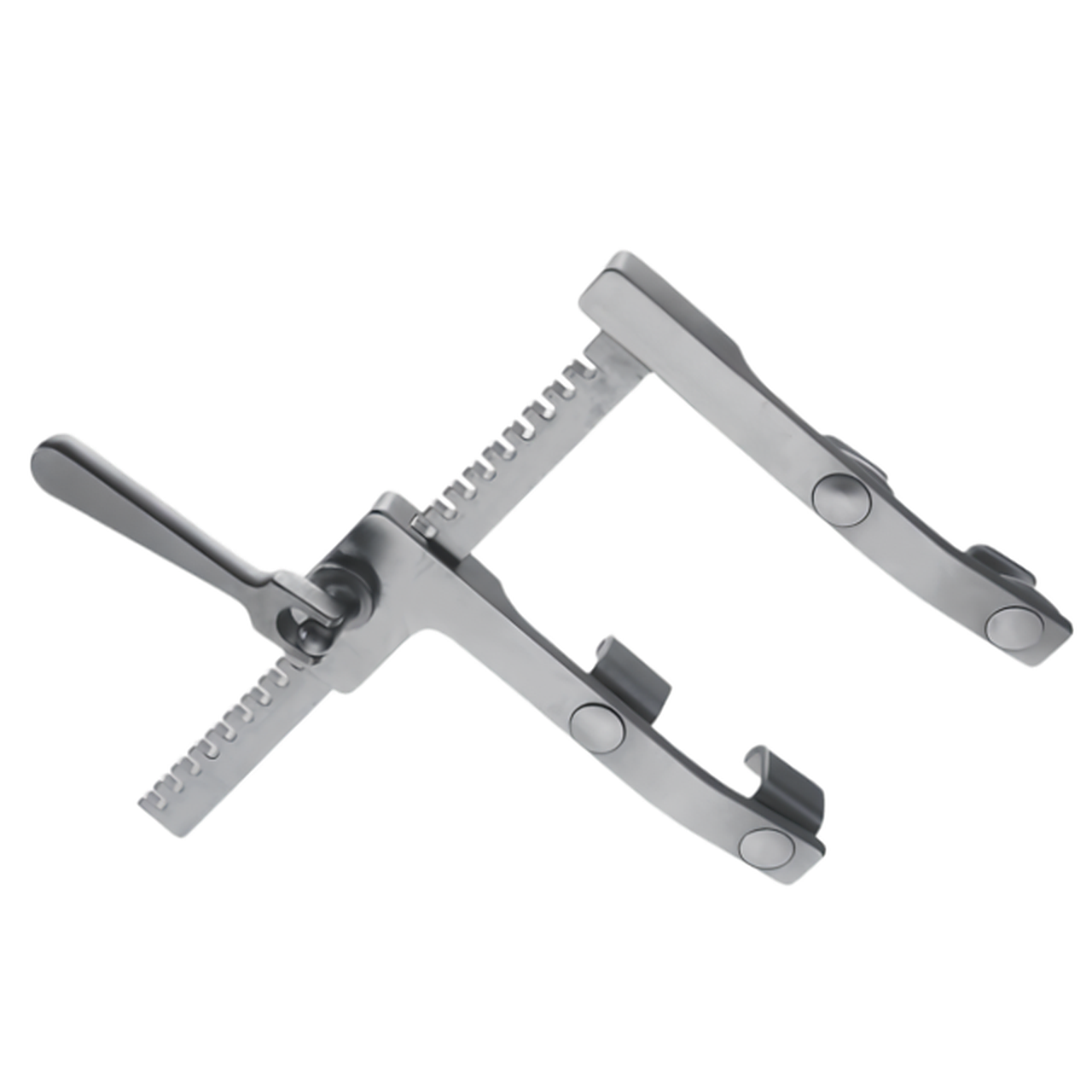 | Morse Rippensperrer | Speziell entwickelt zur Rippenspreizung und Erweiterung der Thoraxhöhle durch anatomisch anpassbare Mehrpositionsblätter. |
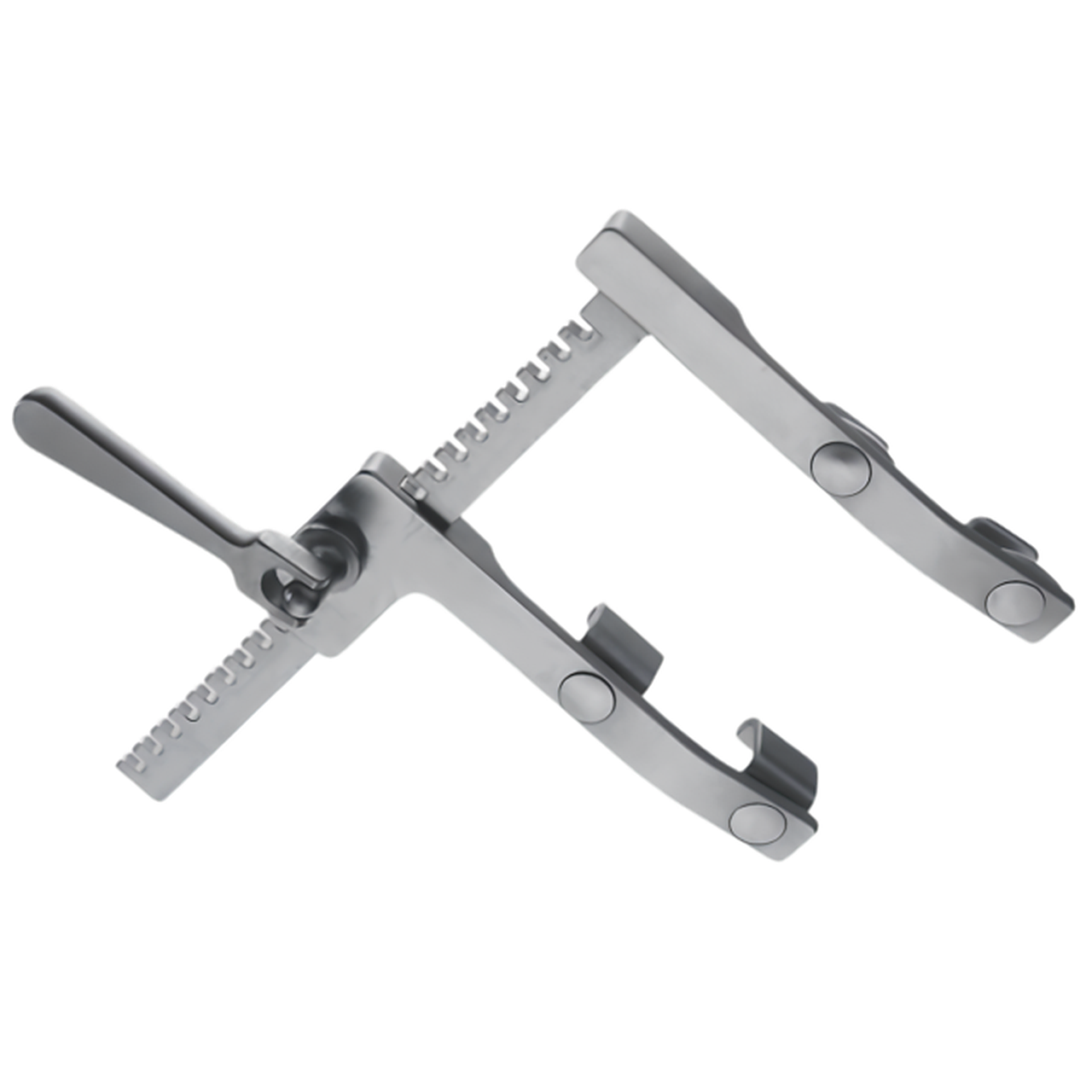 | Morse-Favaloro Rippensperrer | Speziell entwickelt zur Spreizung der Rippen mittels beweglicher Schwenkvalven bei Koronararterien-Bypässen und thoraxchirurgischen Eingriffen. |
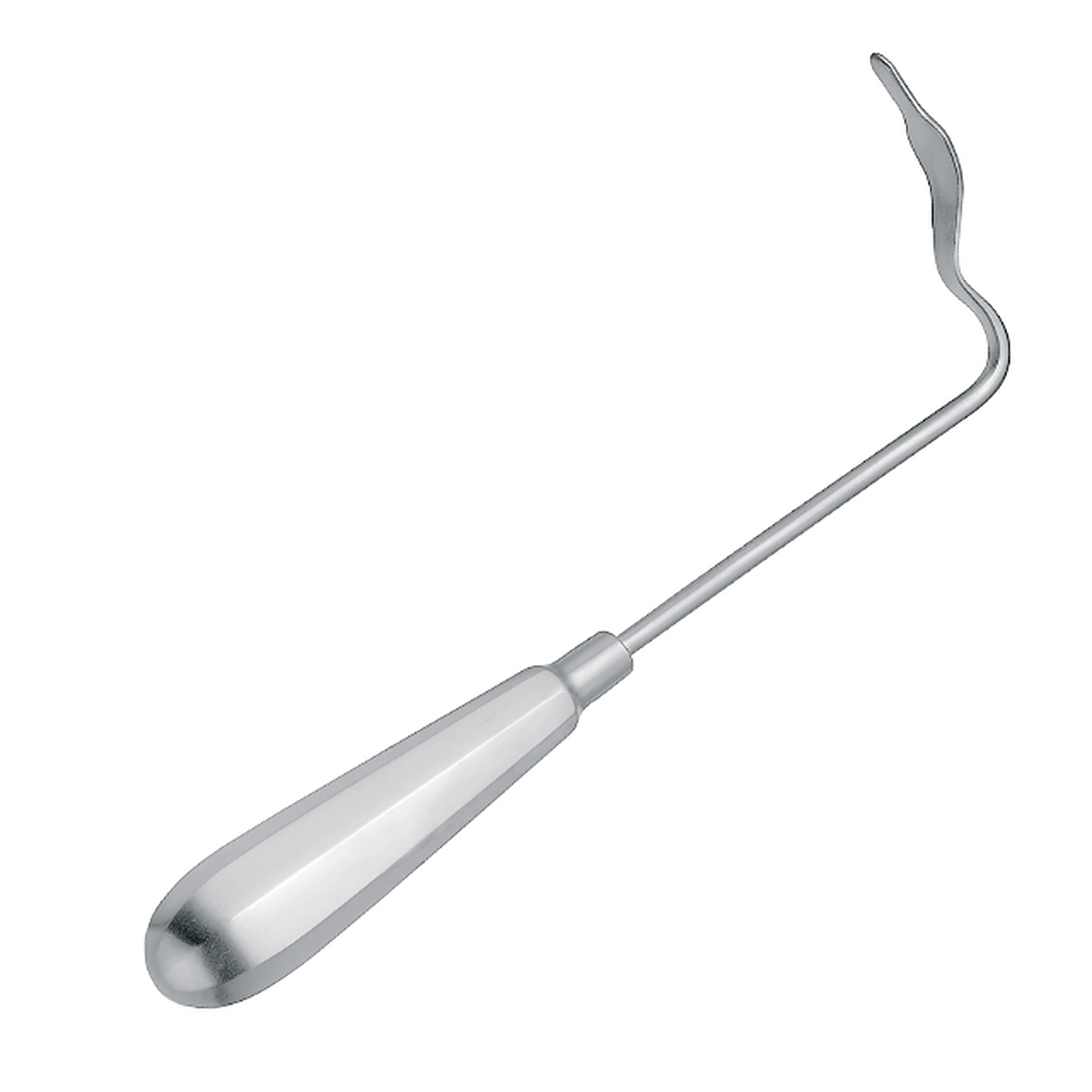 | Mukoperiost-Retraktor | Speziell entwickelt zur Retraktion von Mukoperiostlappen und zur Freilegung von kortikalem Knochen in der Oral-, Zahn- und Kieferchirurgie. |
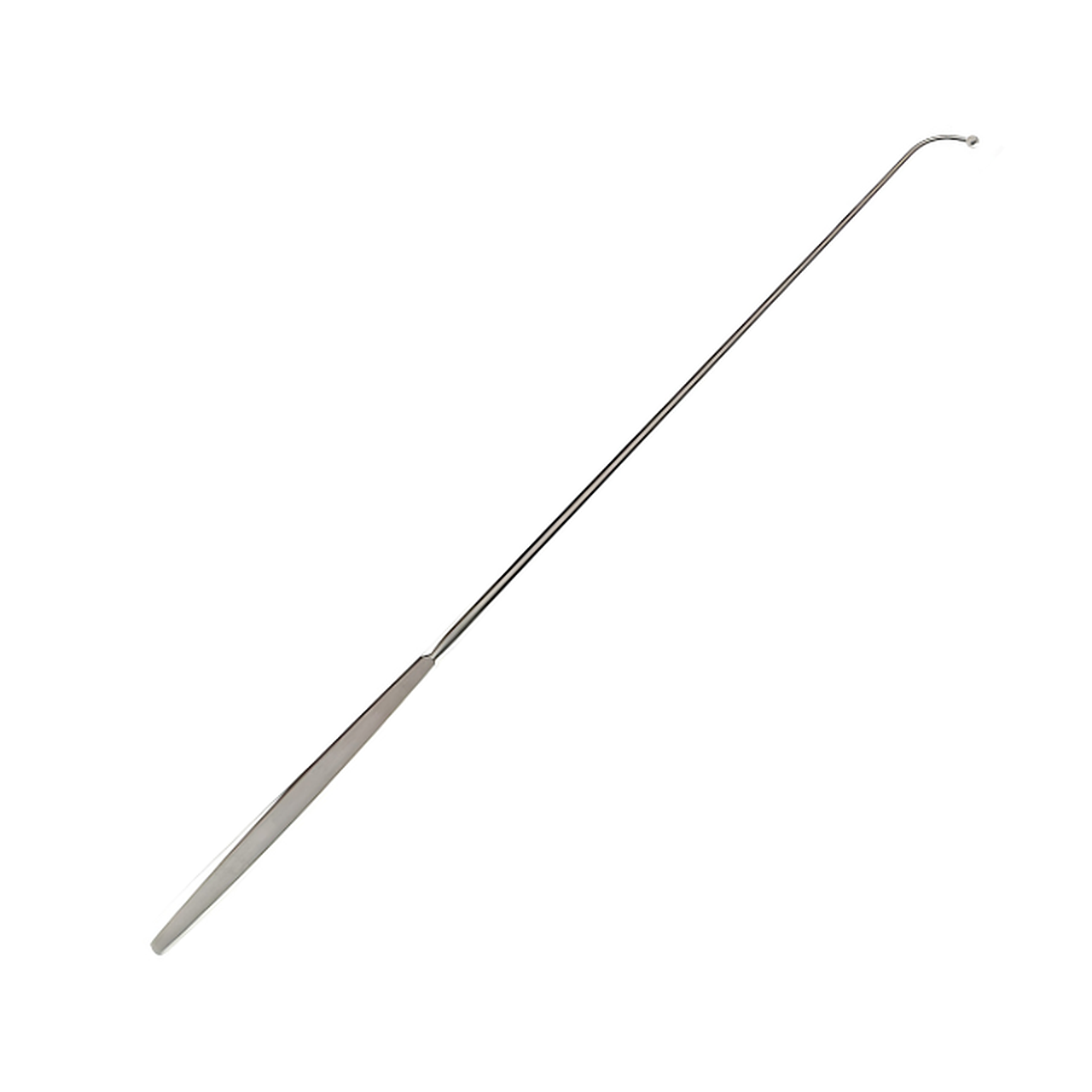 | Murphy Ball Retractor | Speziell entwickelt für die Exploration, Mobilisierung und Retraktion empfindlicher Nerven, Gefäße und Gänge bei tiefchirurgischen Eingriffen. |
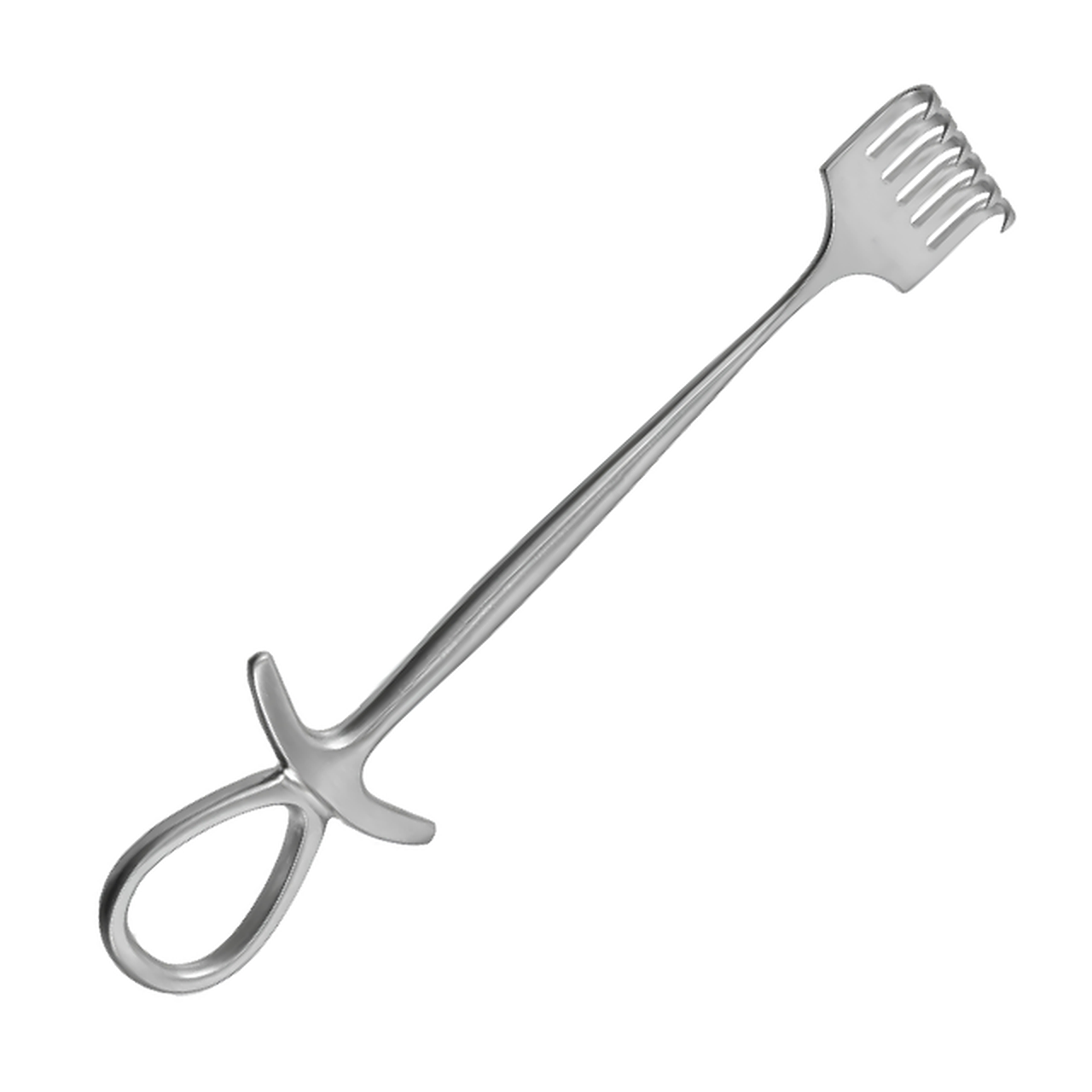 | Murphy Retractor | Speziell entwickelt zur Retraktion von Hauträndern, Faszien und Muskelgewebe in der Allgemein-, Orthopädie- und Plastischen Chirurgie. |
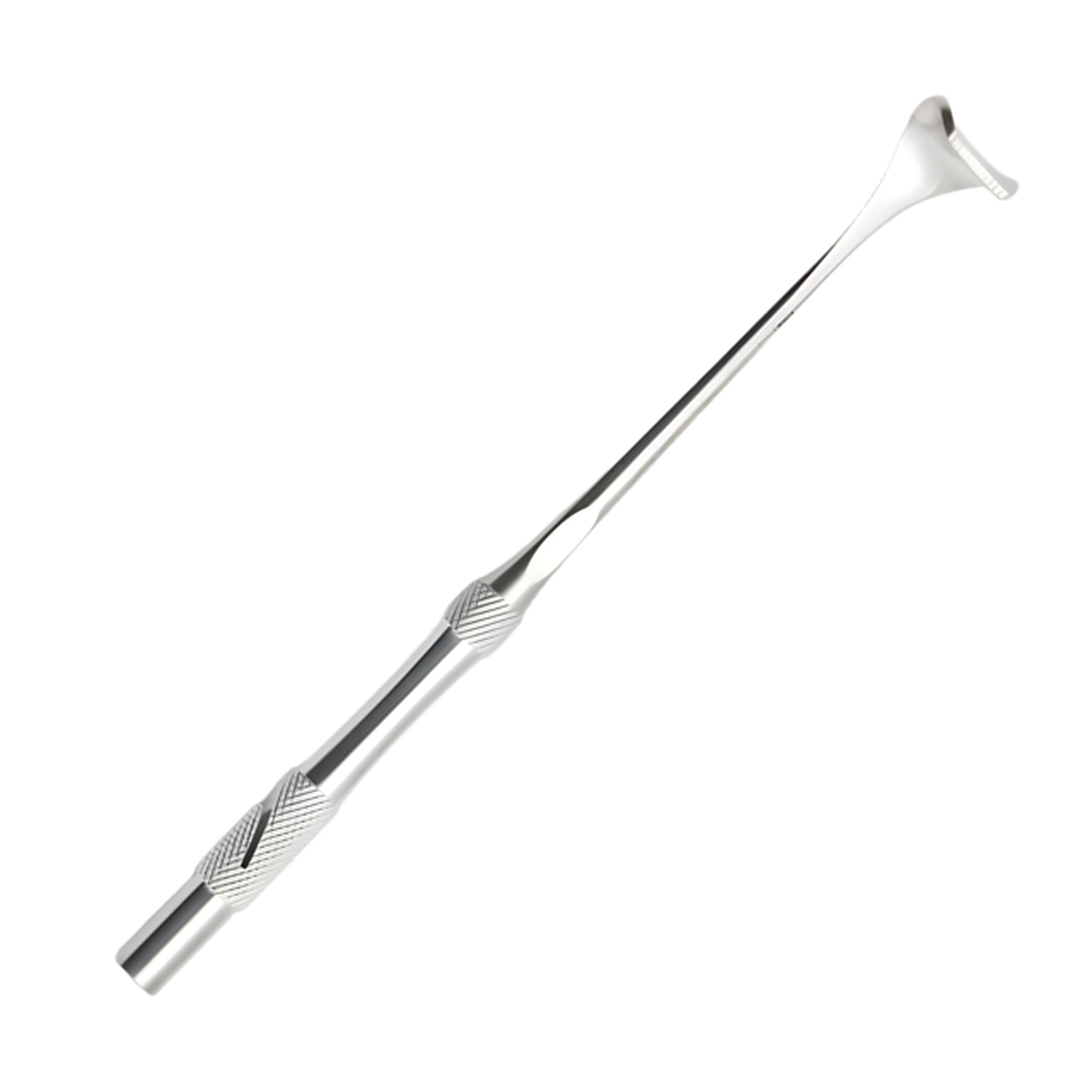 | Nasenhaut-Retraktor | Speziell entwickelt für die Elevation von Nasenhautlappen und die Retraktion von Knorpelgewebe bei Rhinoplastiken und rekonstruktiven Gesichtseingriffen. |
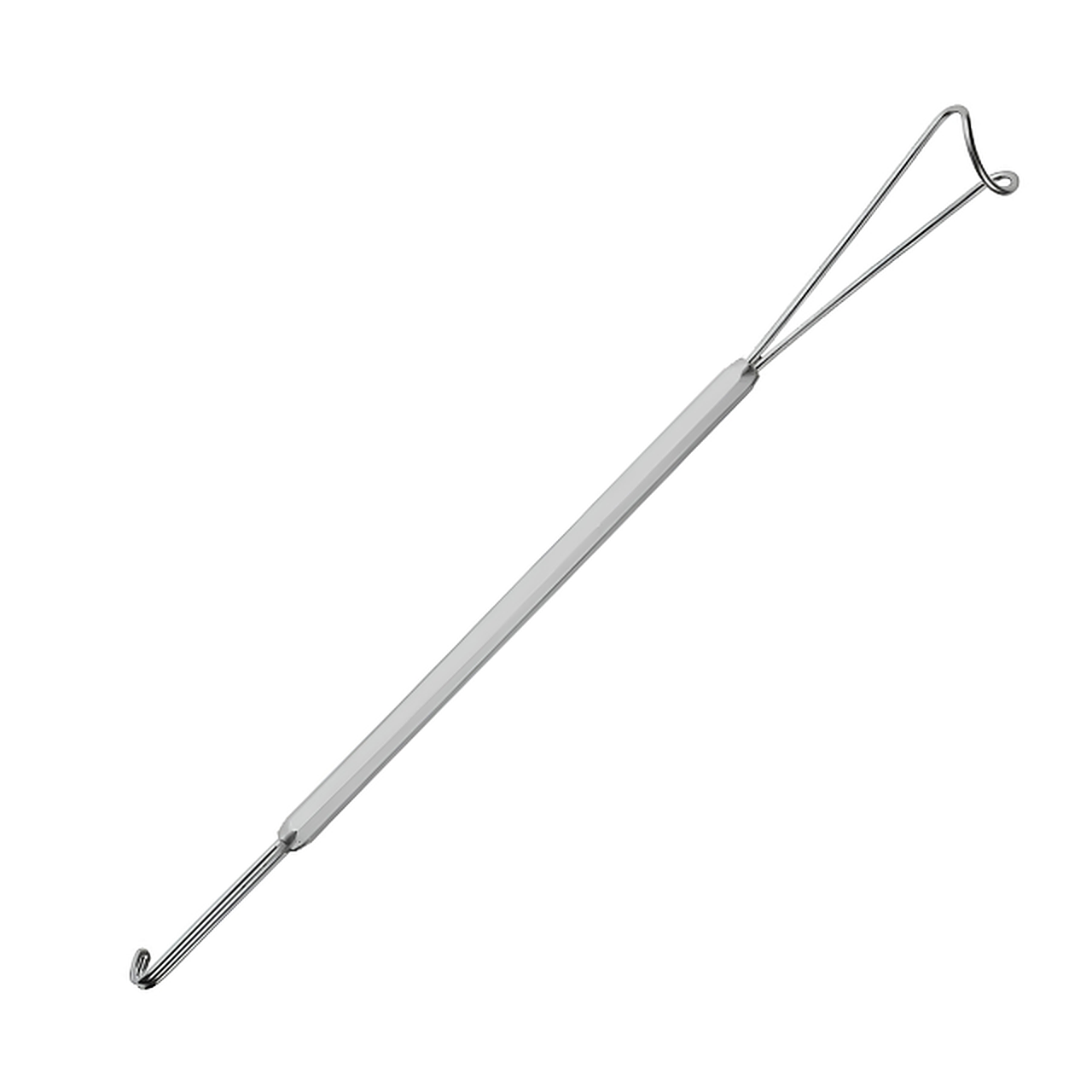 | Neivert Messer- und Führungshaken | Speziell entwickelt zum Retrahieren von Hautlappen und zur Führung von Knorpelmessern bei Rhinoplastiken und nasenrekonstruktiven Eingriffen. |
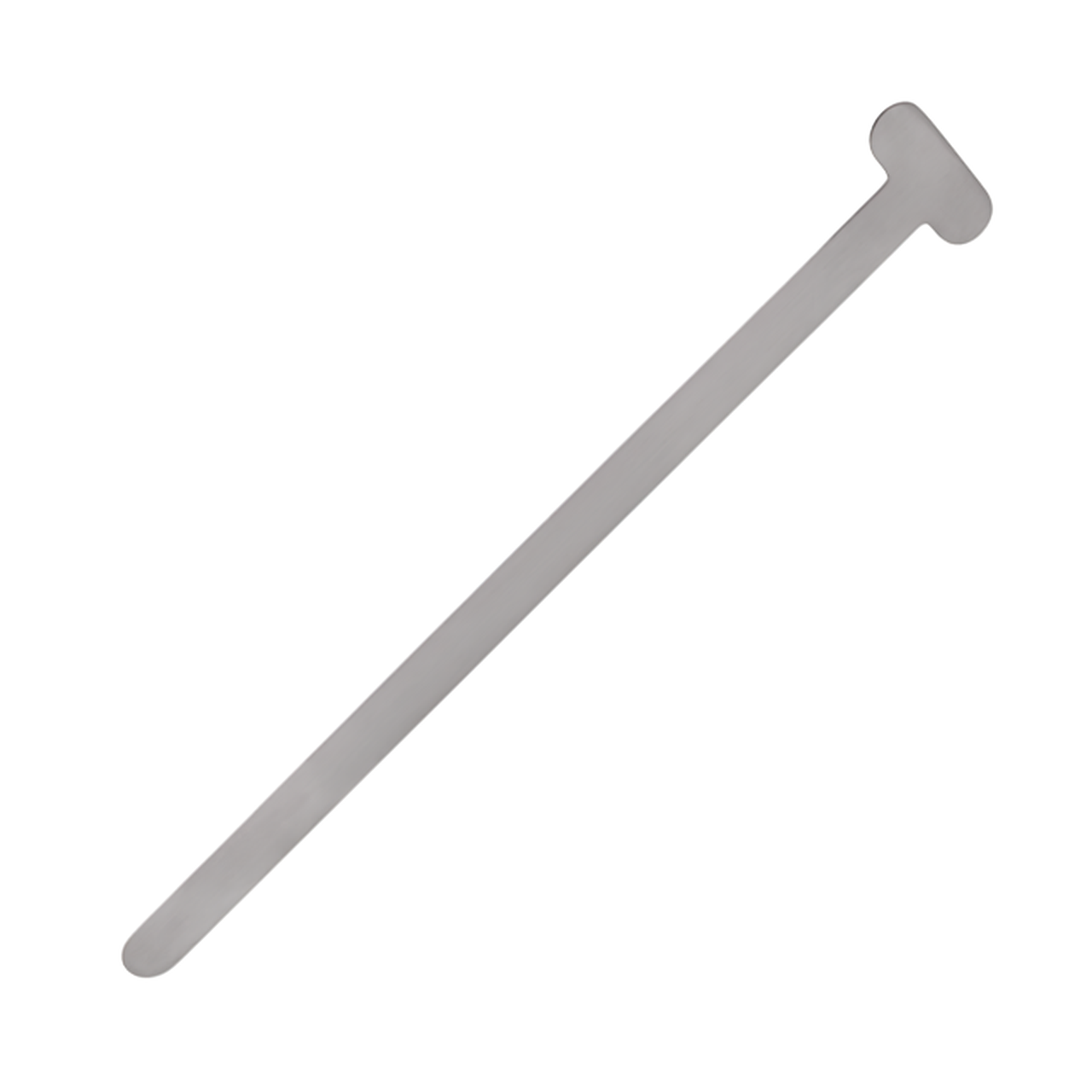 | Neonatal T Ribbon Retractor | Speziell für die Retraktion von empfindlichen Viszera, Darm und Weichgewebe während neonataler und pädiatrischer chirurgischer Eingriffe konzipiert. |
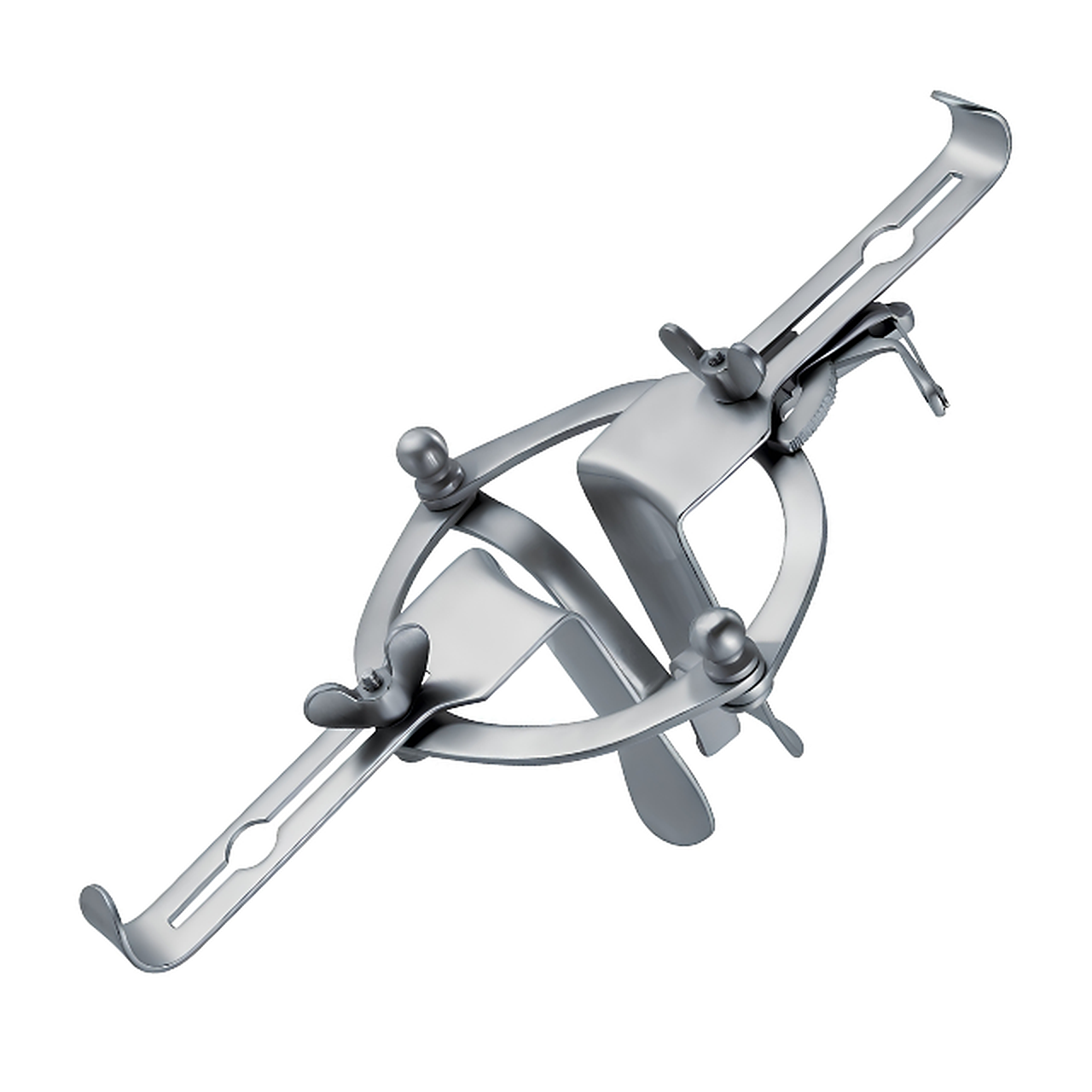 | O'Sullivan-O'Conner Vaginal-Retraktor | Speziell entwickelt für die selbsthaltende Retraktion der Beckenwand und der Viszera bei größeren gynäkologischen und pelvinen Operationen. |
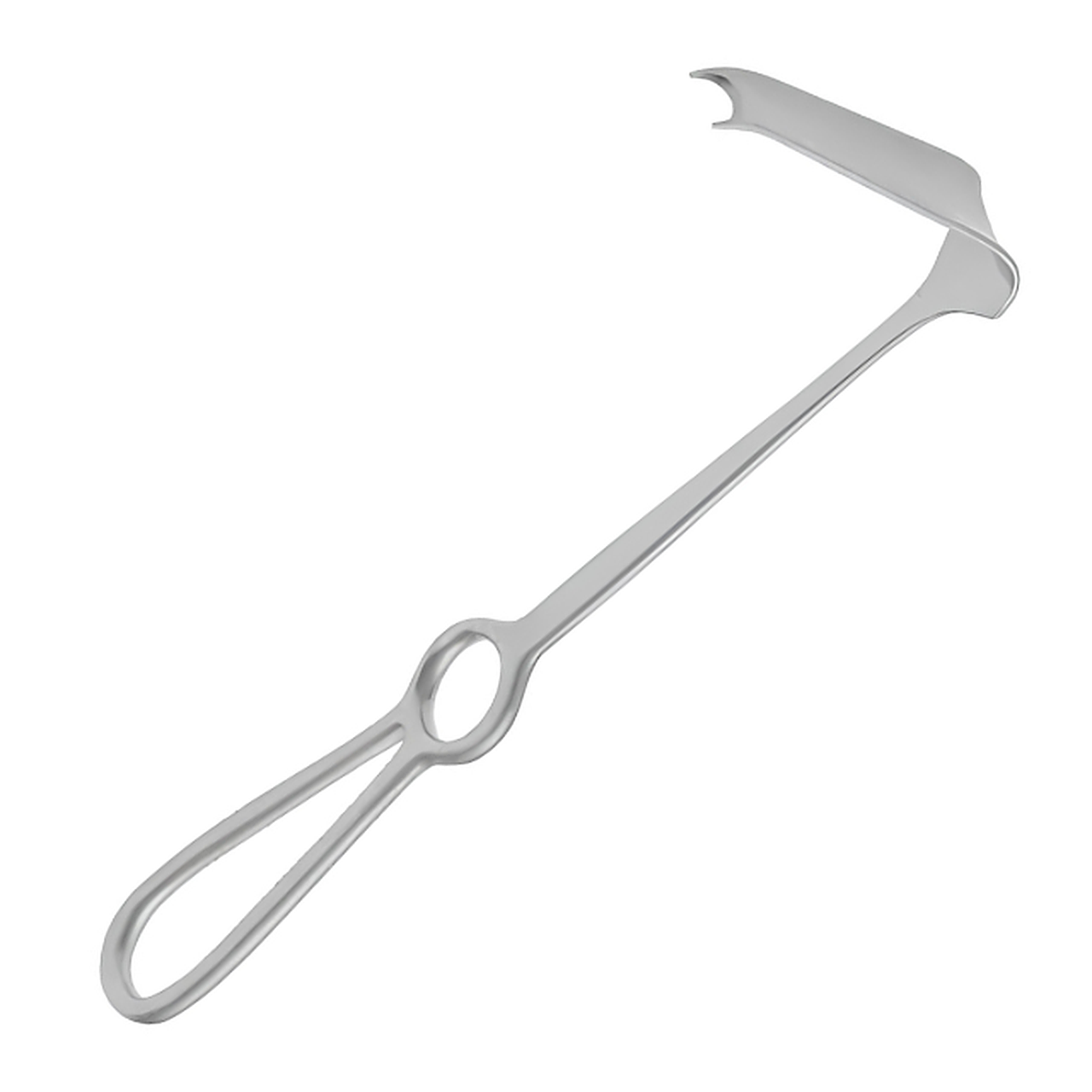 | Obwegeser Alveolar-Retraktor | Speziell entwickelt zur Retraktion von Lippen, Wangen und Mukoperiost zur Freilegung des Alveolarkamms bei orthognathen Operationen. |
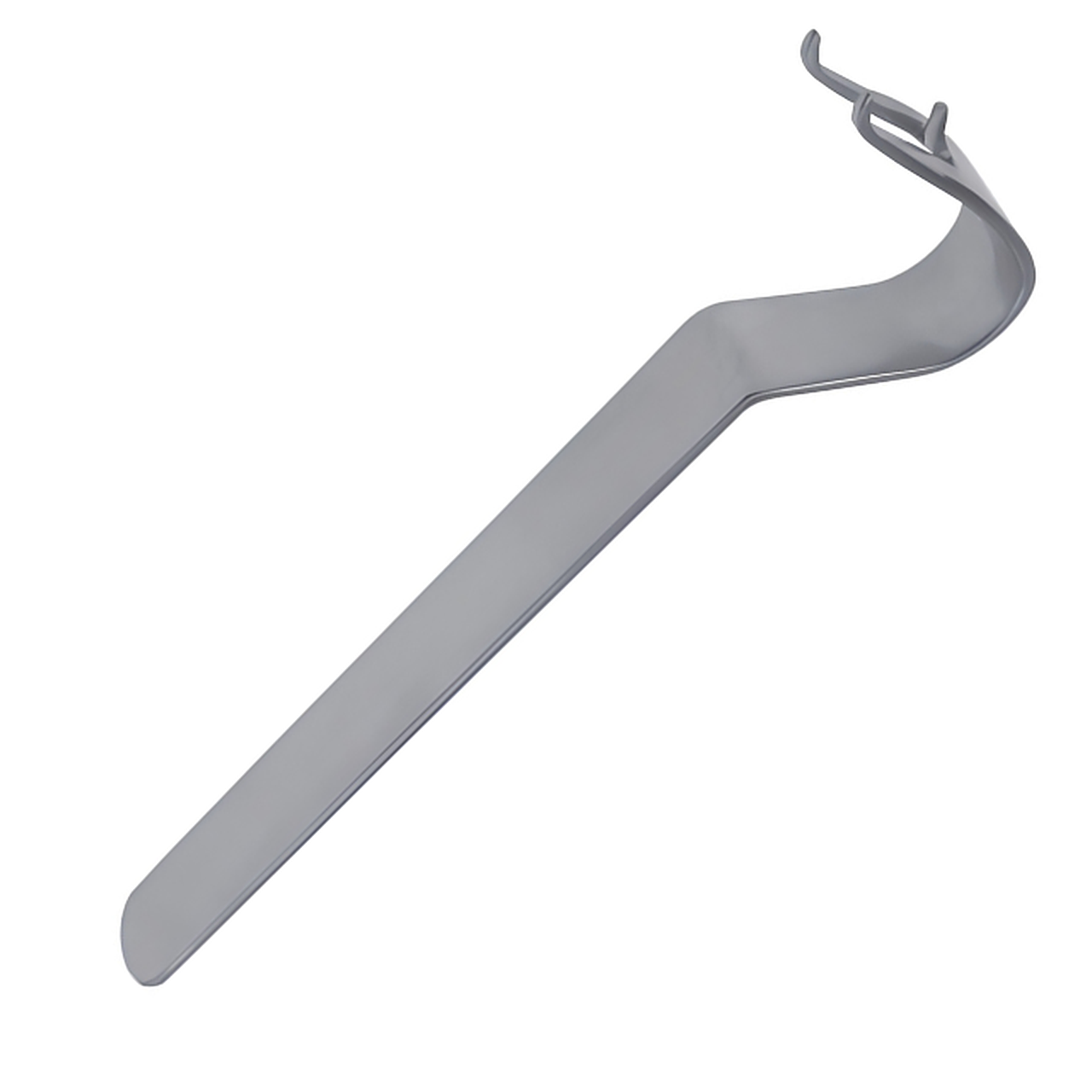 | Obwegeser Kinn-Retraktor | Speziell entwickelt zur Retraktion des Musculus mentalis und des Weichgewebes zur Freilegung der Unterkiefersymphyse während der Genioplastik. |
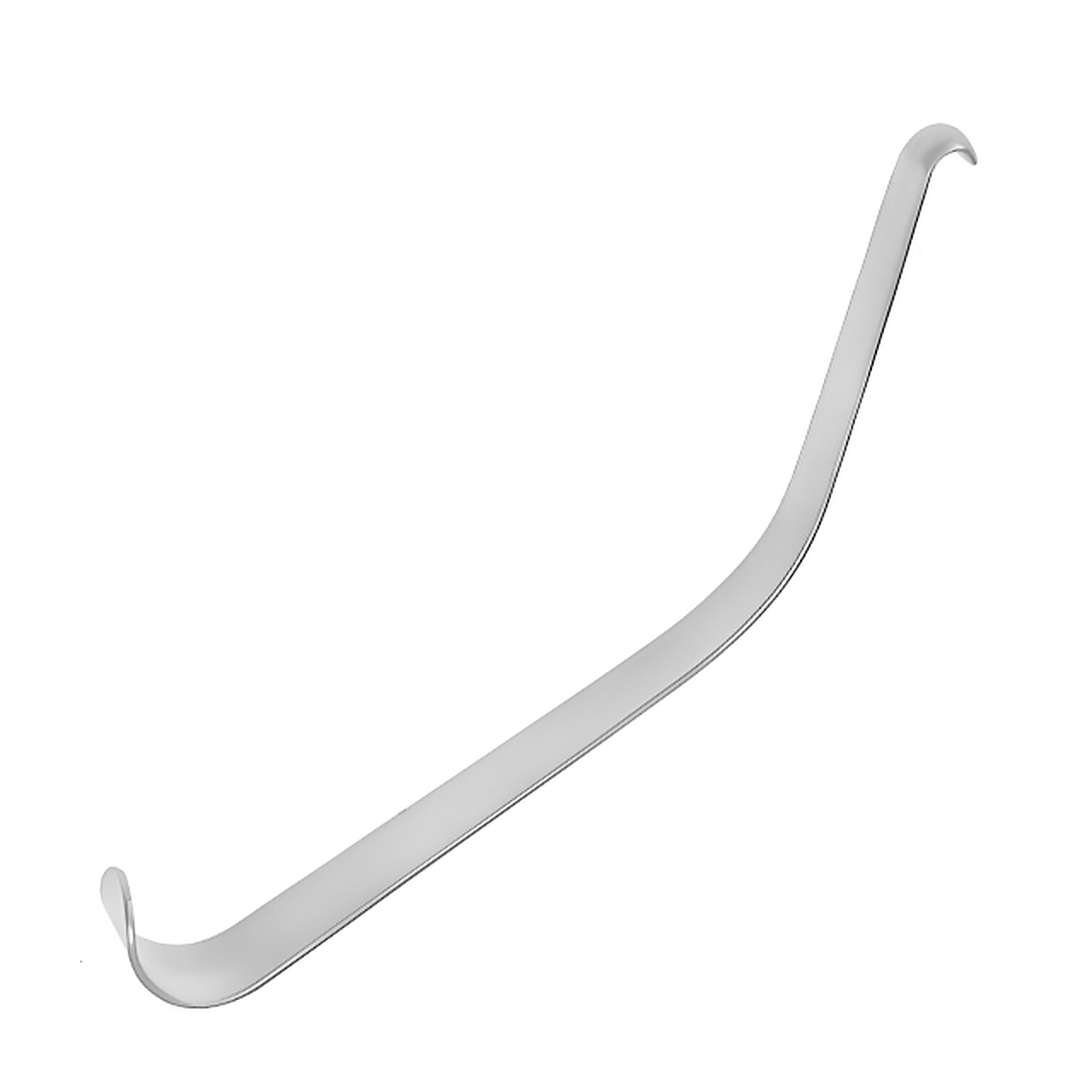 | Obwegeser Mandibular Channel Retractor | Speziell entwickelt, um den unteren Rand des Unterkiefers zu umgreifen und neurovaskuläre Bündel während orthognather Osteotomien zu schützen. |
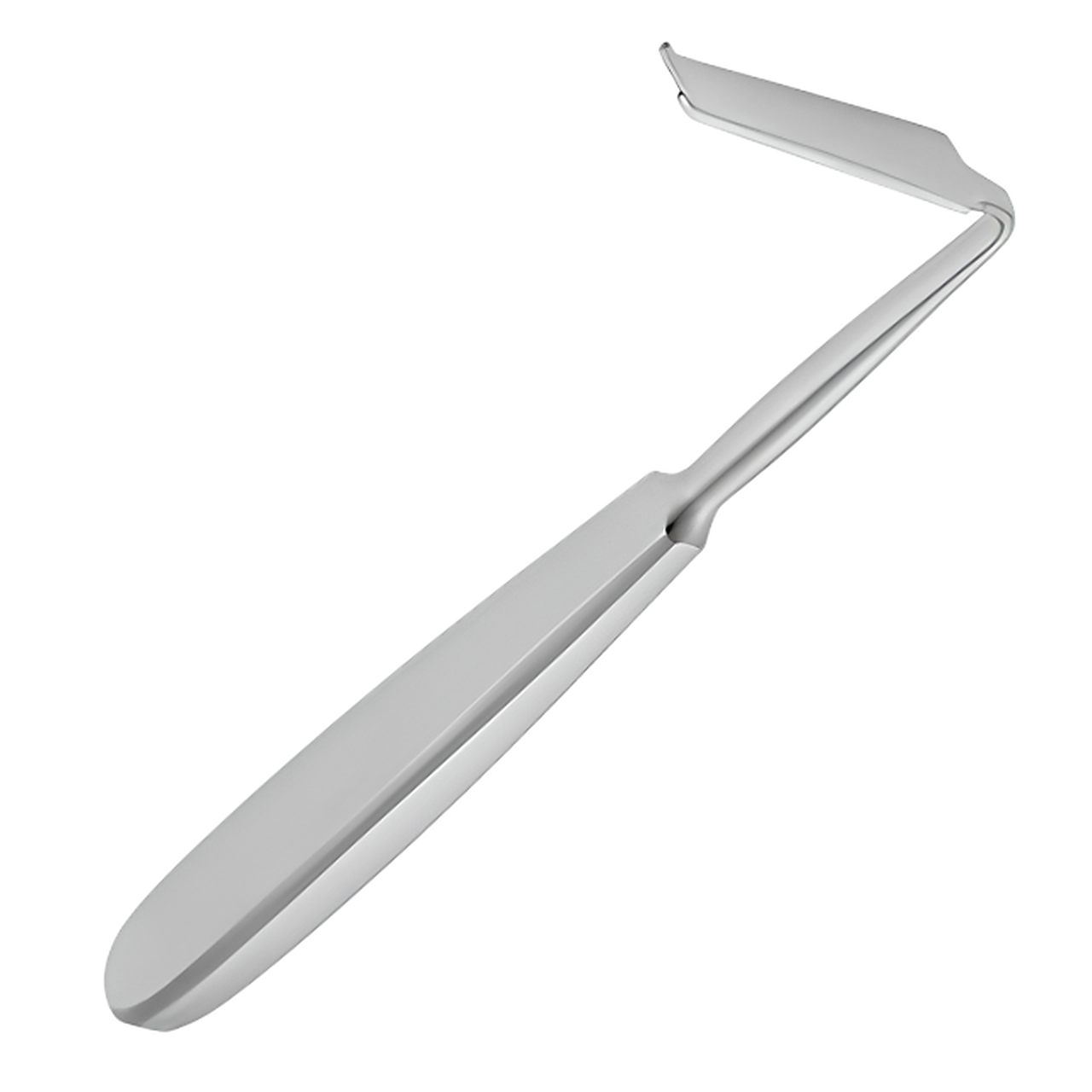 | Obwegeser Mandibular Rim Retractor | Speziell entwickelt zur Retraktion von Weichgewebe und zum Schutz neurovaskulärer Strukturen entlang des Unterkieferrandes in der orthognathen Chirurgie. |
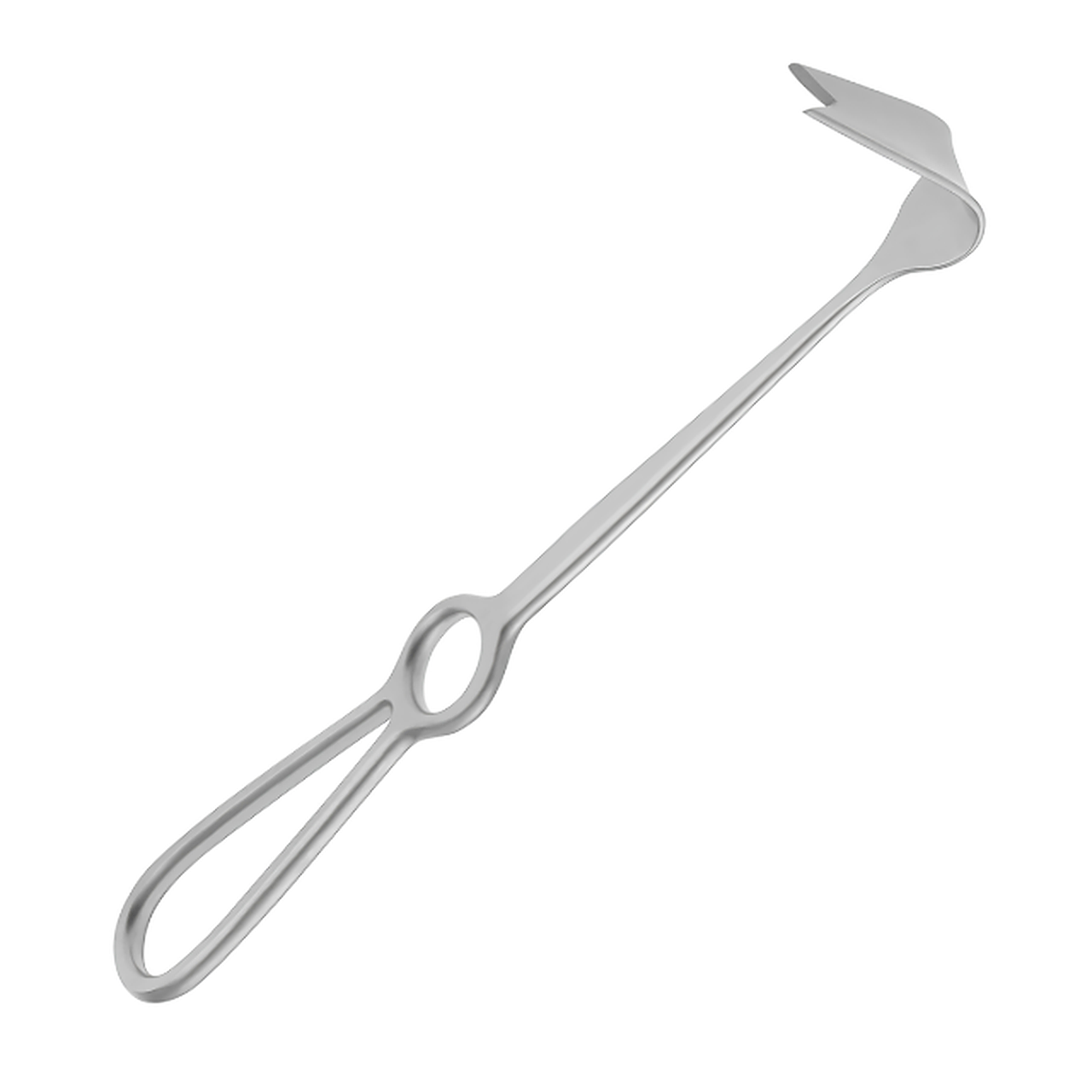 | Obwegeser Nasenspina-Retraktor | Speziell entwickelt zum Einhaken an der Spina nasalis anterior und zum Anheben der Oberlippe bei Le-Fort-Osteotomien und MKG-Eingriffen. |
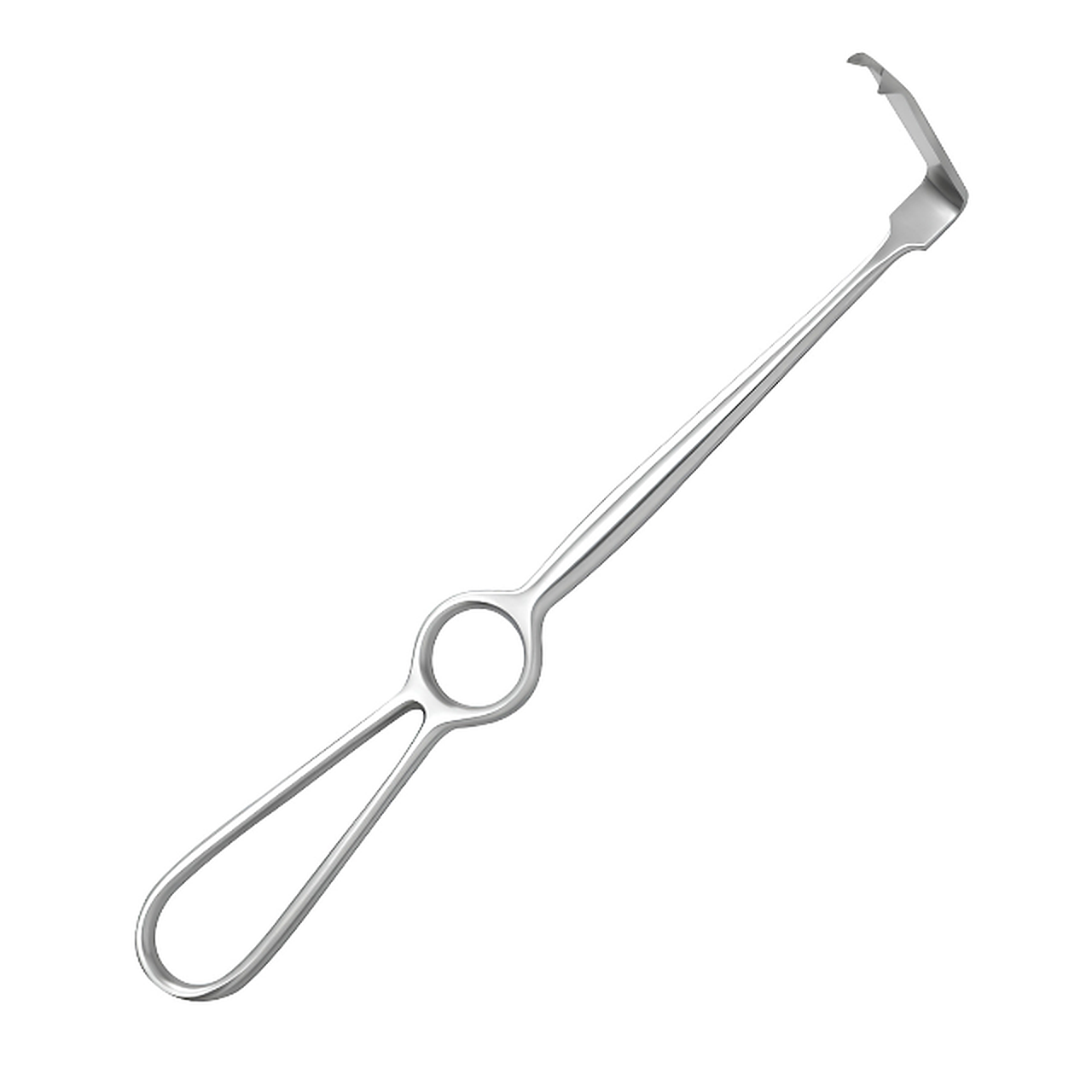 | Obwegeser Ramus Wundhaken | Speziell entwickelt zum Einhaken am aufsteigenden Unterkieferast und zum Schutz des Weichgewebes bei orthognathen Osteotomien. |
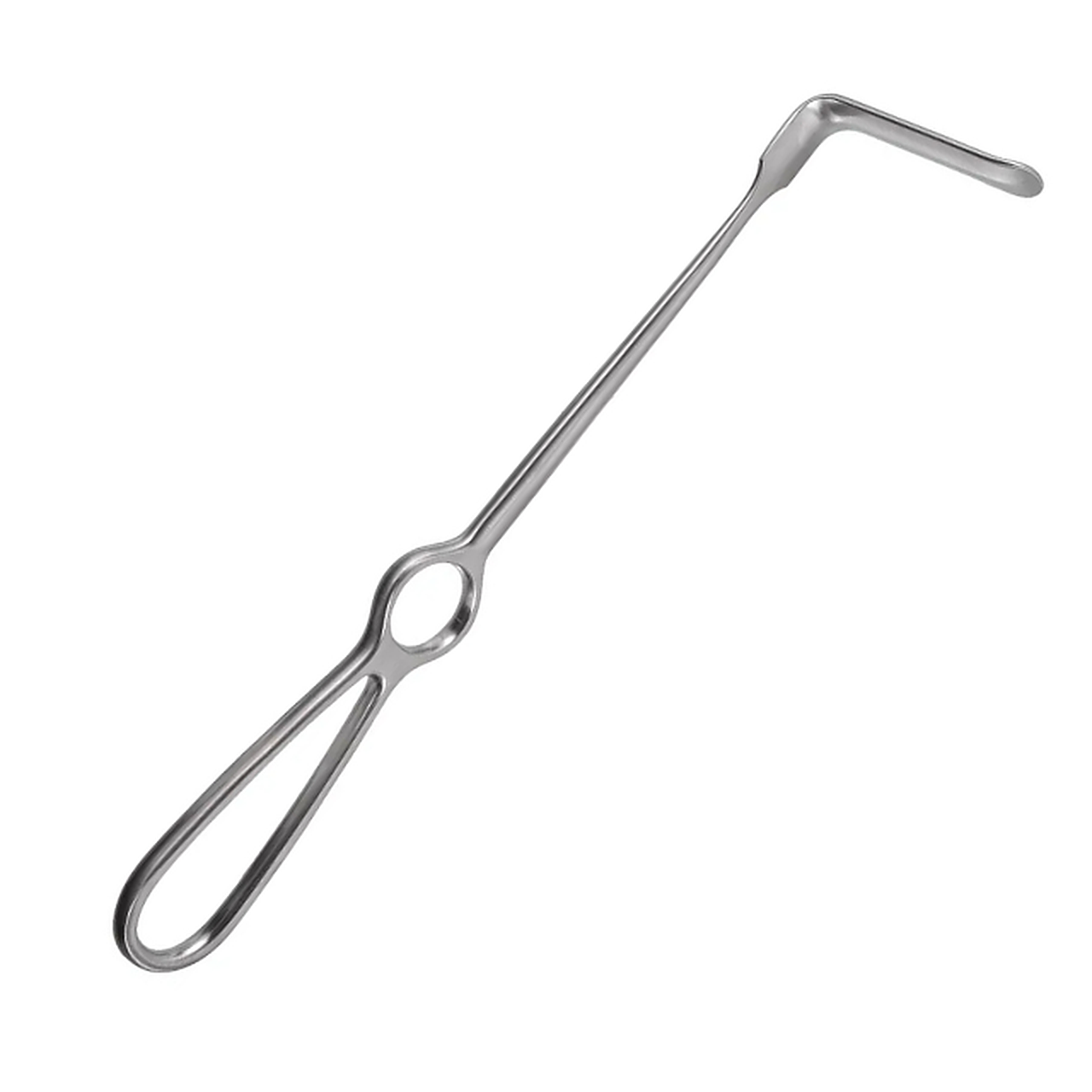 | Obwegeser Weichteil-Retraktor | Speziell entwickelt zur Retraktion und zum Schutz von Mukoperiostlappen, Wangen und Weichteilen während der orthognathen und oralen Kieferchirurgie. |
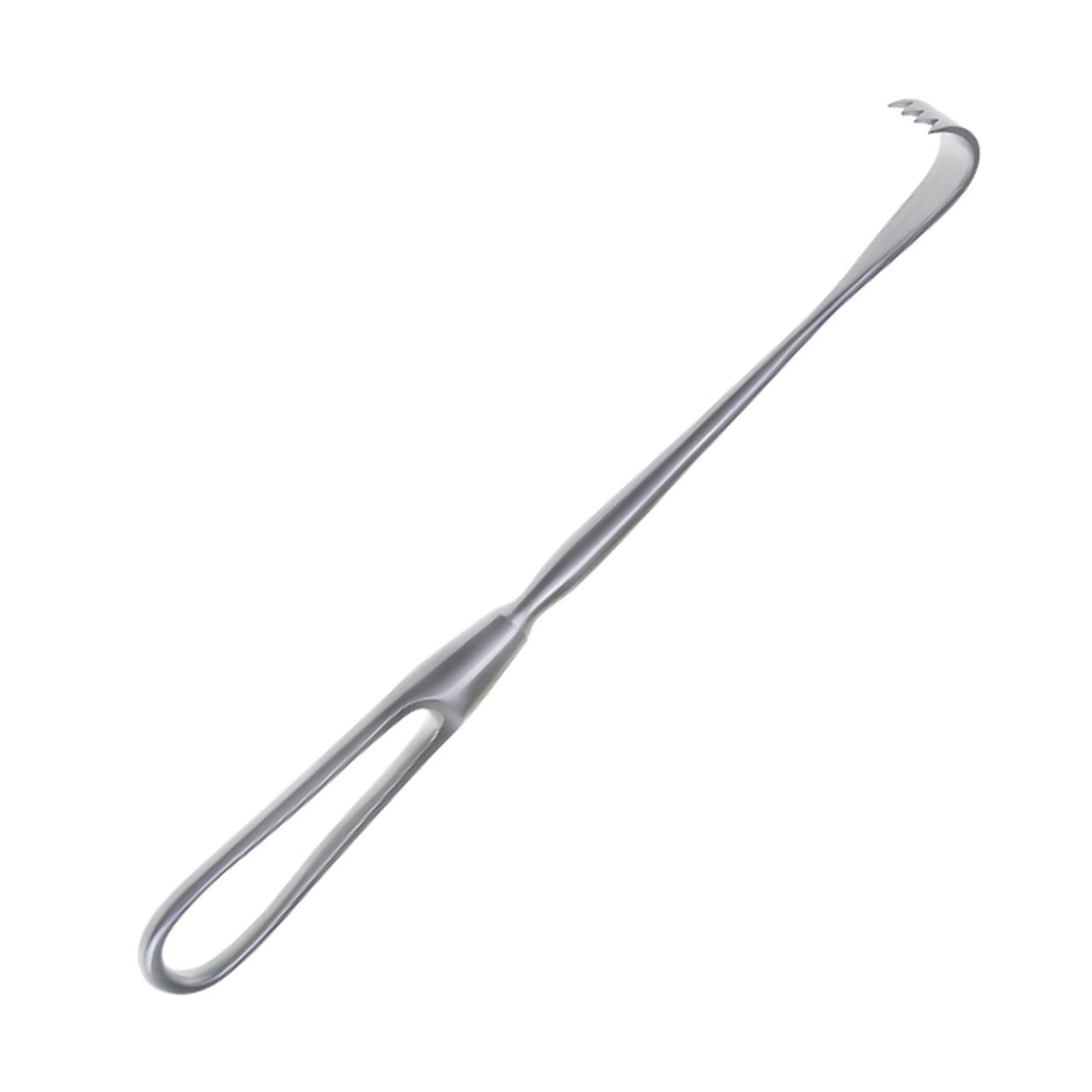 | Oldberg Wundhaken | Speziell entwickelt zur Retraktion von Hautlappen, Muskeln und Faszien bei kranialen, spinalen und orthopädischen Eingriffen. |
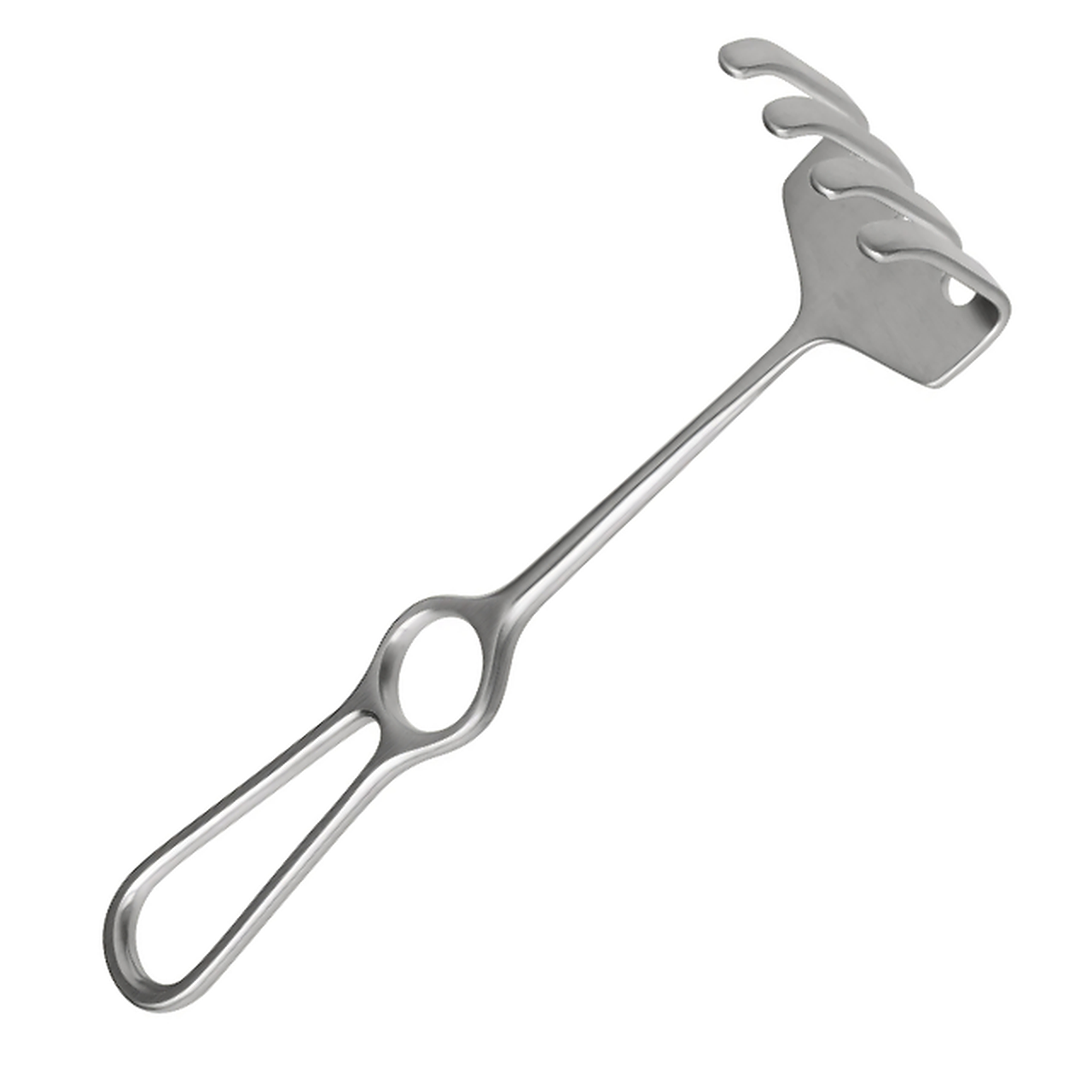 | Ollier Wundhaken | Speziell entwickelt zur Retraktion schwerer Muskelschichten, Faszien und dicker Geweberänder in der Abdominal- und Orthopädiechirurgie. |
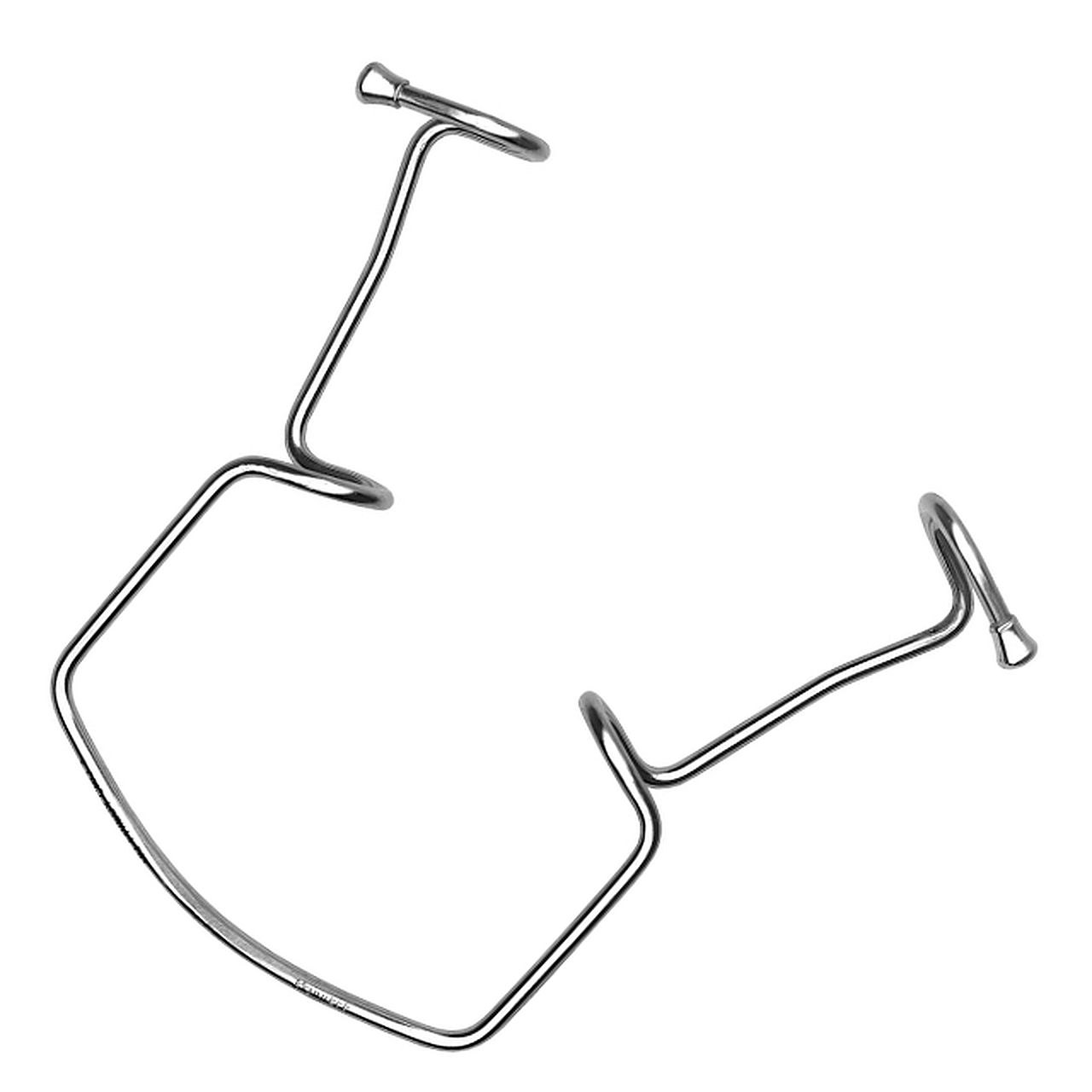 | Orringer Wangenhalter | Speziell entwickelt für die selbsthaltende bilaterale Retraktion von Wangen und Lippen während oral- und zahnchirurgischer Eingriffe. |
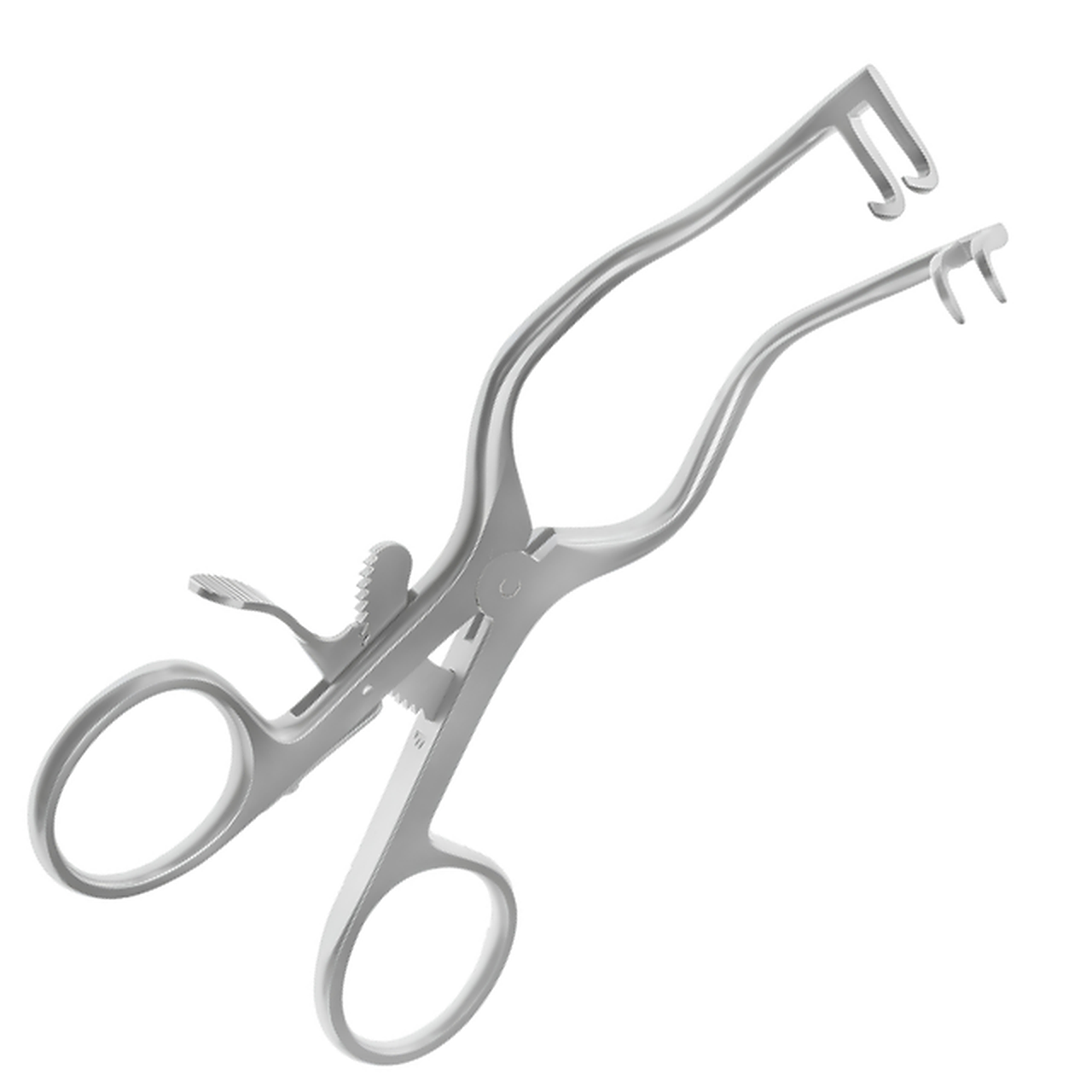 | Paparella-Weitlaner Wundsperrer, selbsthaltend | Speziell entwickelt für die selbsthaltende Retraktion von Periost und Wundrändern bei Mastoid-, Ohr- und Kopfhautoperationen. |
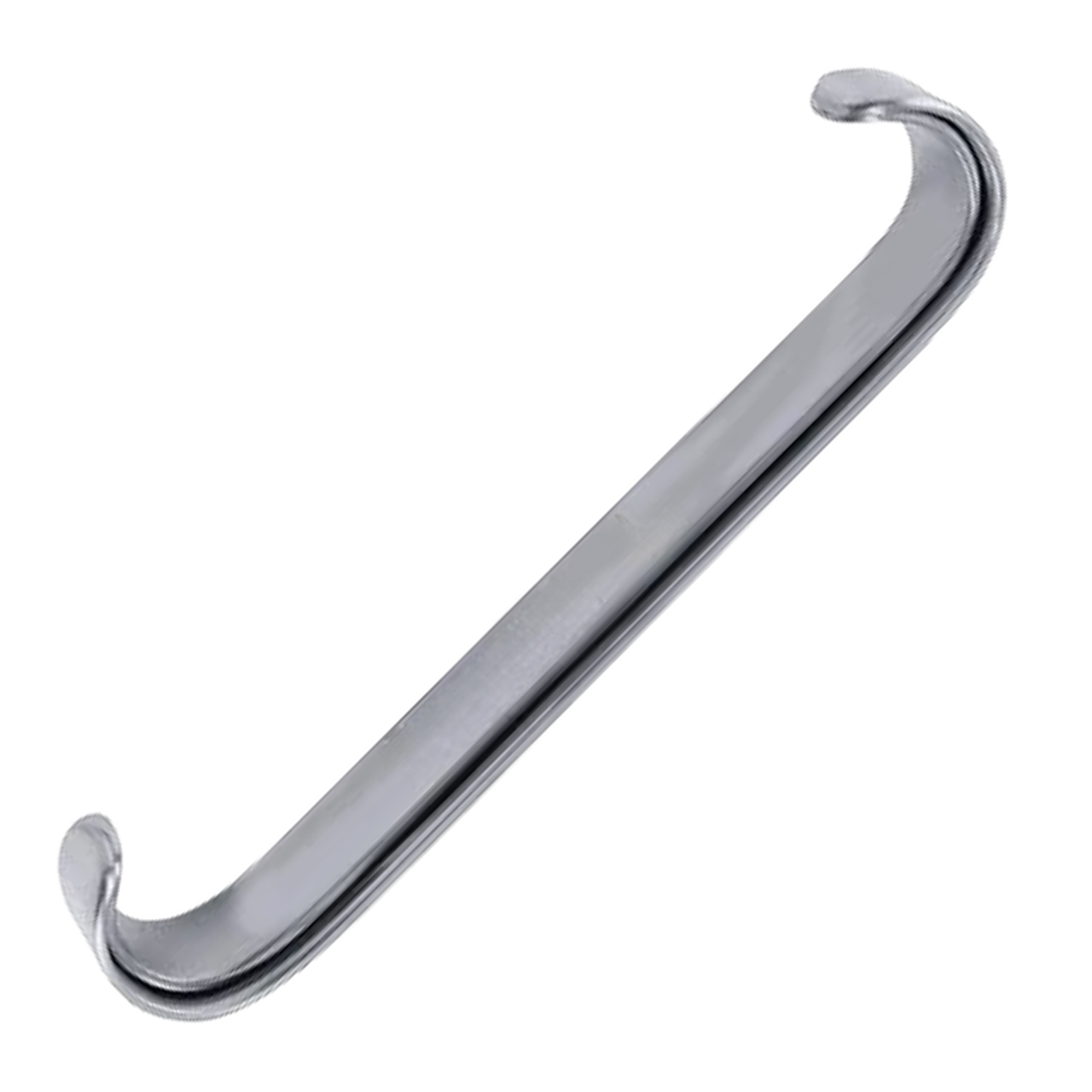 | Parker Retractor - 2er-Set | Speziell entwickelt zur Retraktion von Hauträndern, Faszien und oberflächlichen Muskelschichten in der kleinen und allgemeinen Chirurgie. |
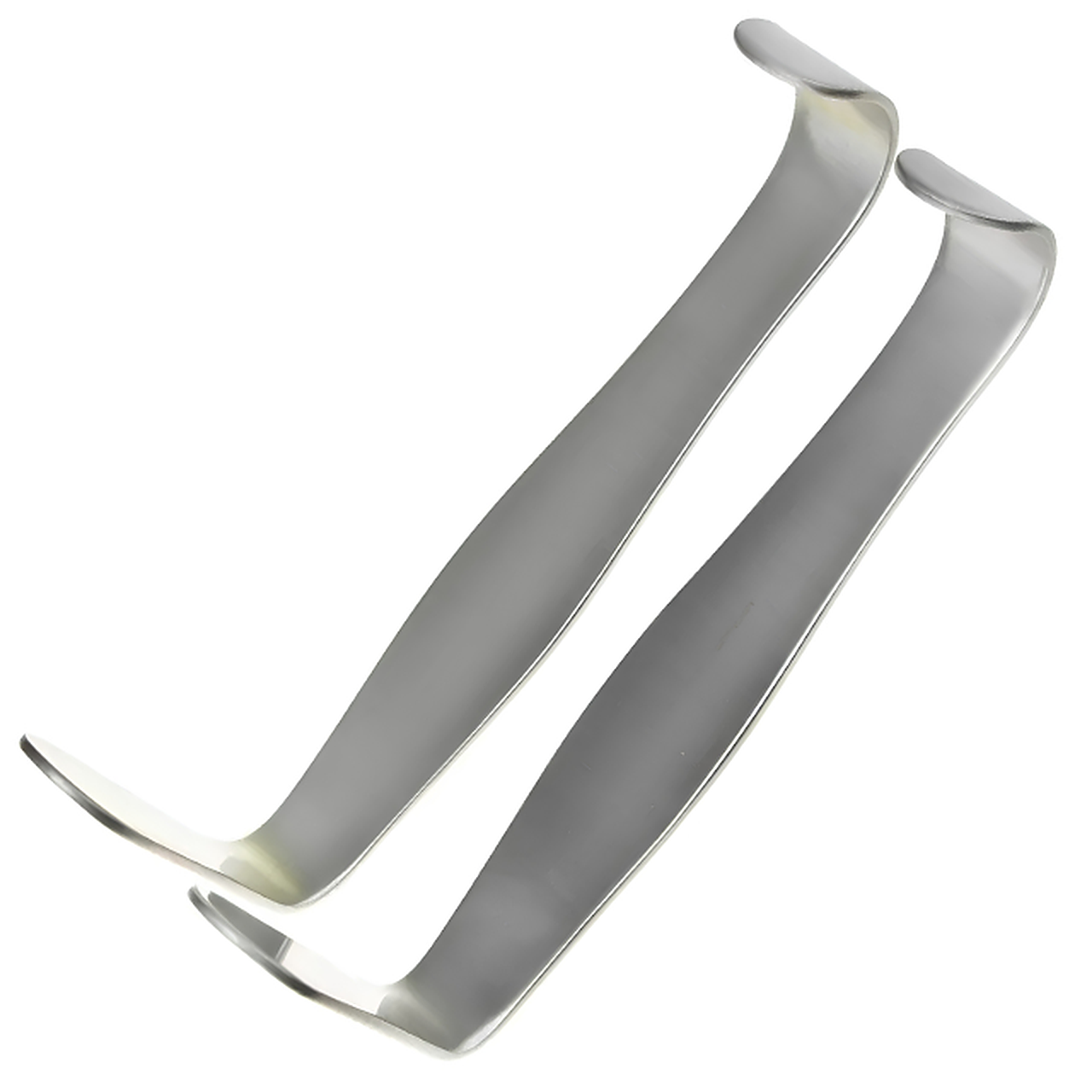 | Parker-Mott Wundhaken-Set (Zweiteilig) | Speziell entwickelt zur Retraktion von Haut, Faszien und Weichteilen bei oberflächlichen und mitteltiefen chirurgischen Inzisionen. |
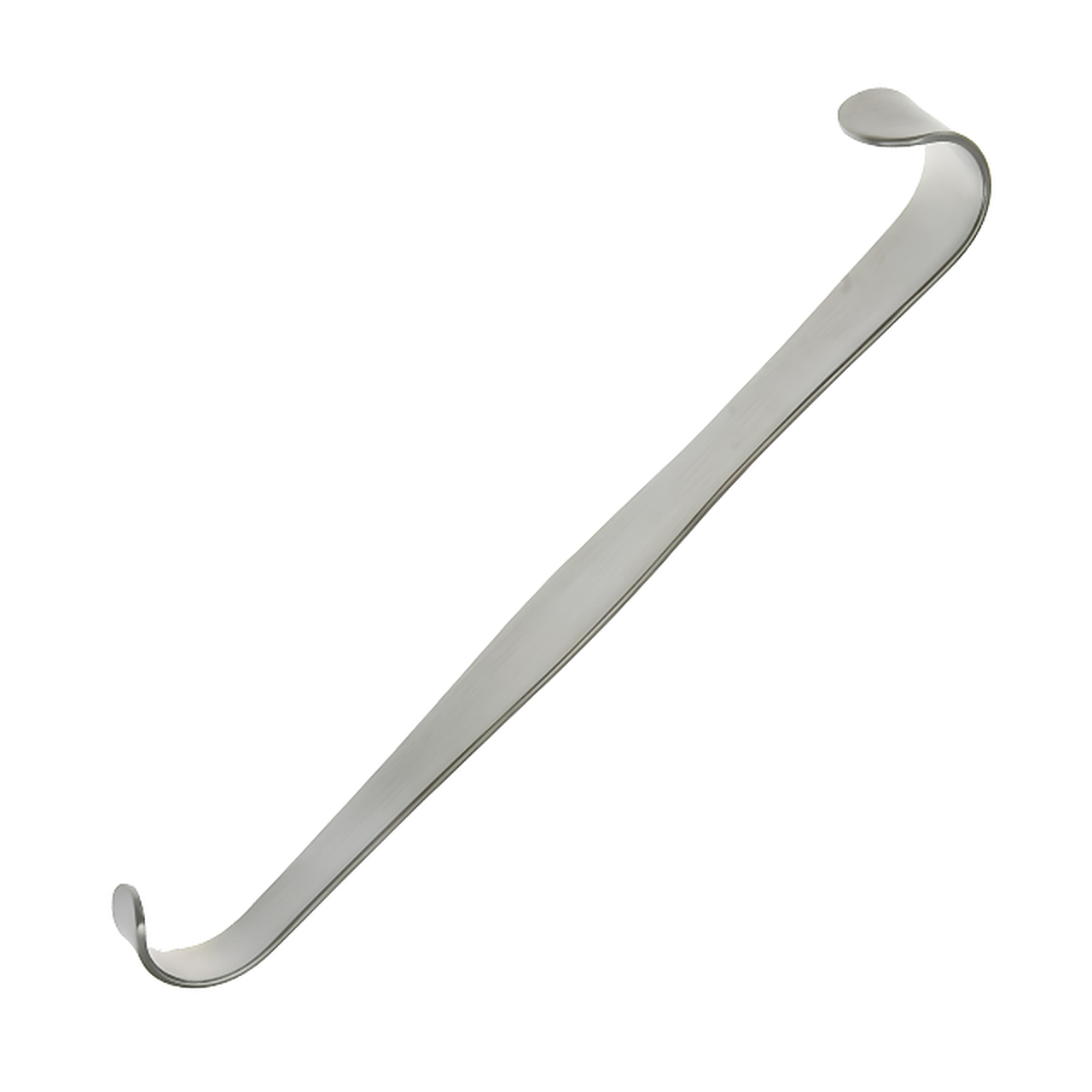 | Parker-Tommy Wundhaken | Speziell entwickelt zur Retraktion von Hauträndern, Faszien und Weichteilen bei oberflächlichen und mittleren chirurgischen Inzisionen. |
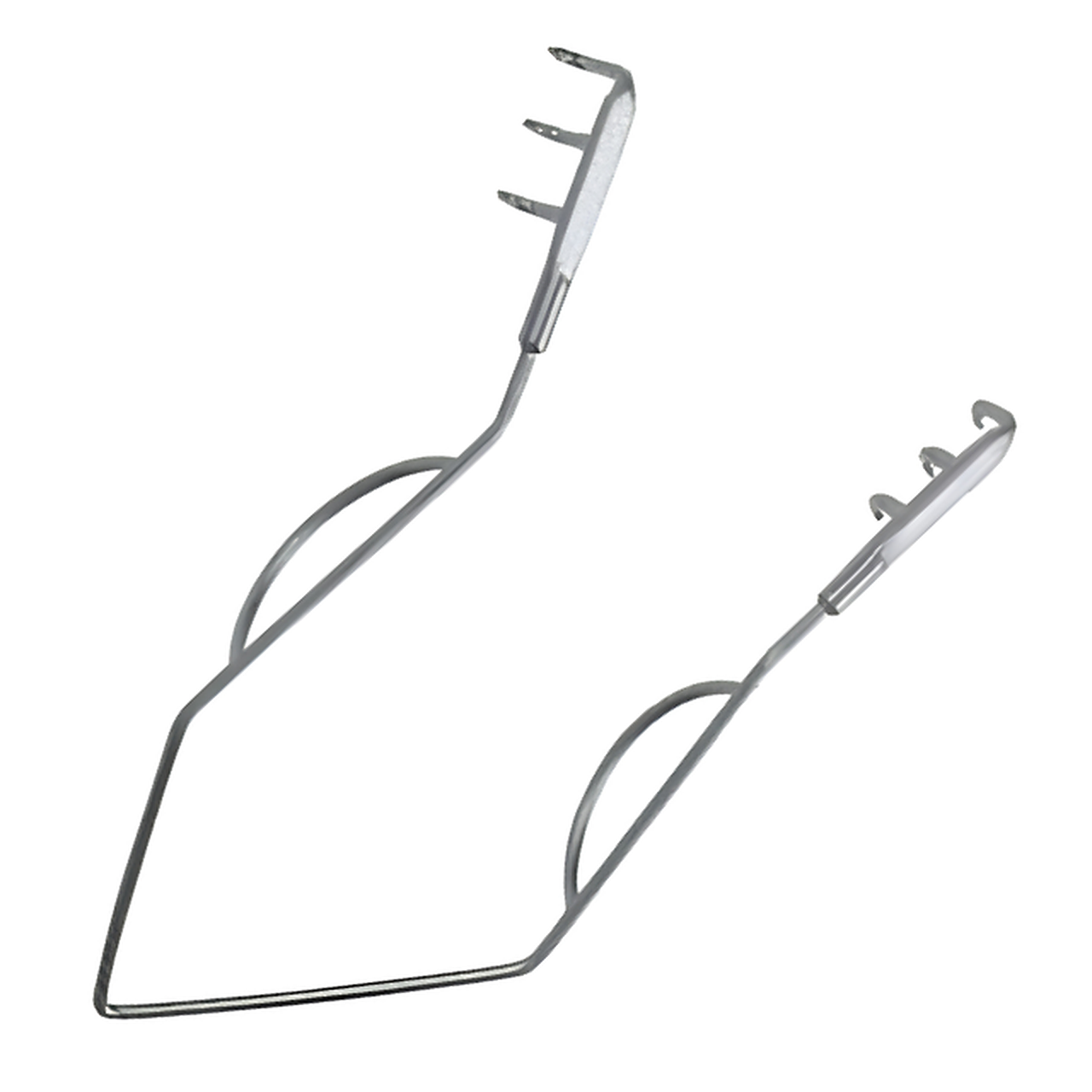 | Parsonnet Epikardial-Retraktor | Speziell entwickelt zur Retraktion von epikardialem Fett und Myokard, um Koronararterien während der Bypass-Grafting-Operation zu isolieren. |
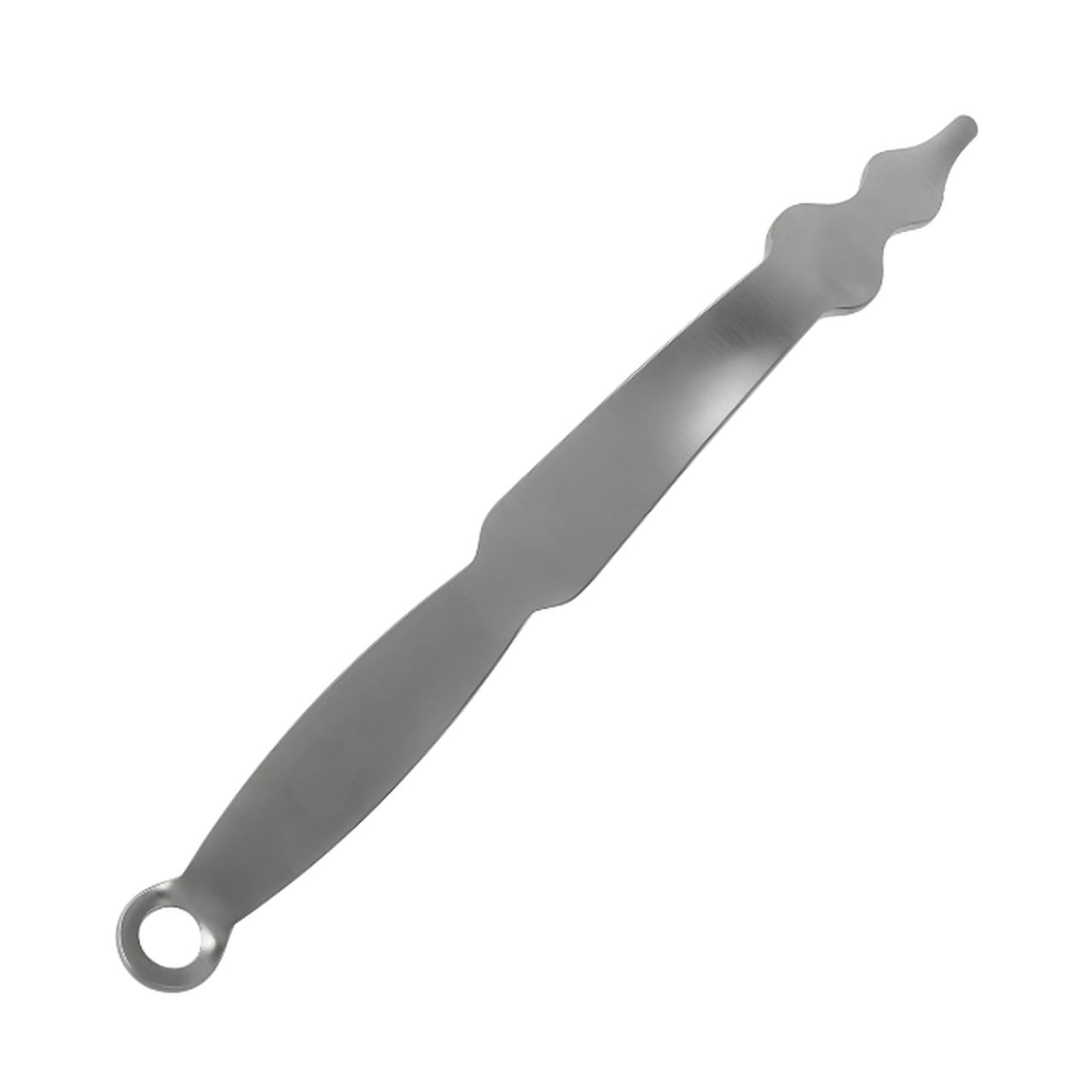 | Patella-Retraktor | Speziell entwickelt zum Anheben, Evertieren und Retrahieren der Patella und Patellasehne während der Knieendoprothetik. |
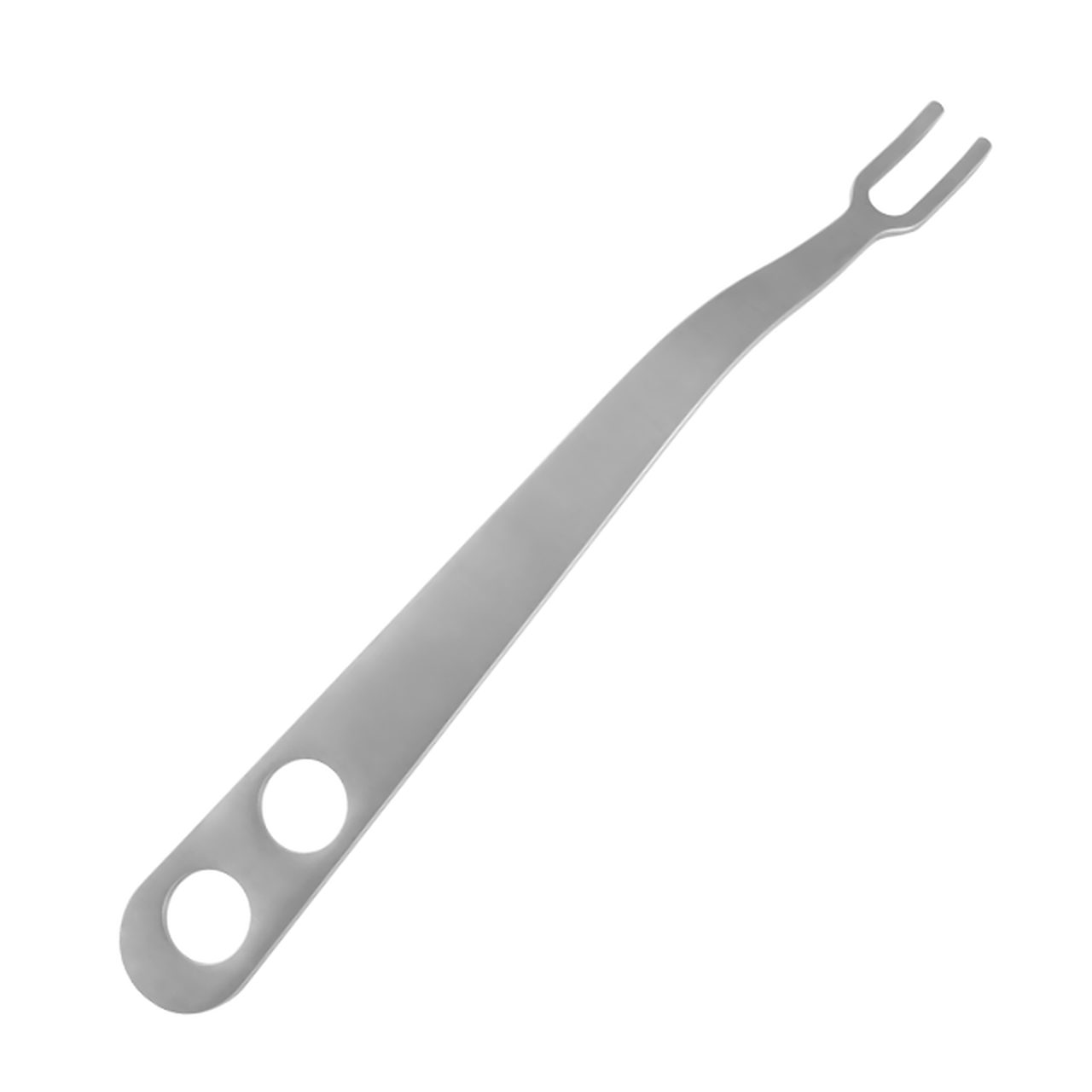 | PCL Retractor | Speziell entwickelt zur Retraktion des PCL, zur anterioren Dislokation der Tibia und zum Schutz der posterioren Gefäße bei Knieendoprothetik. |
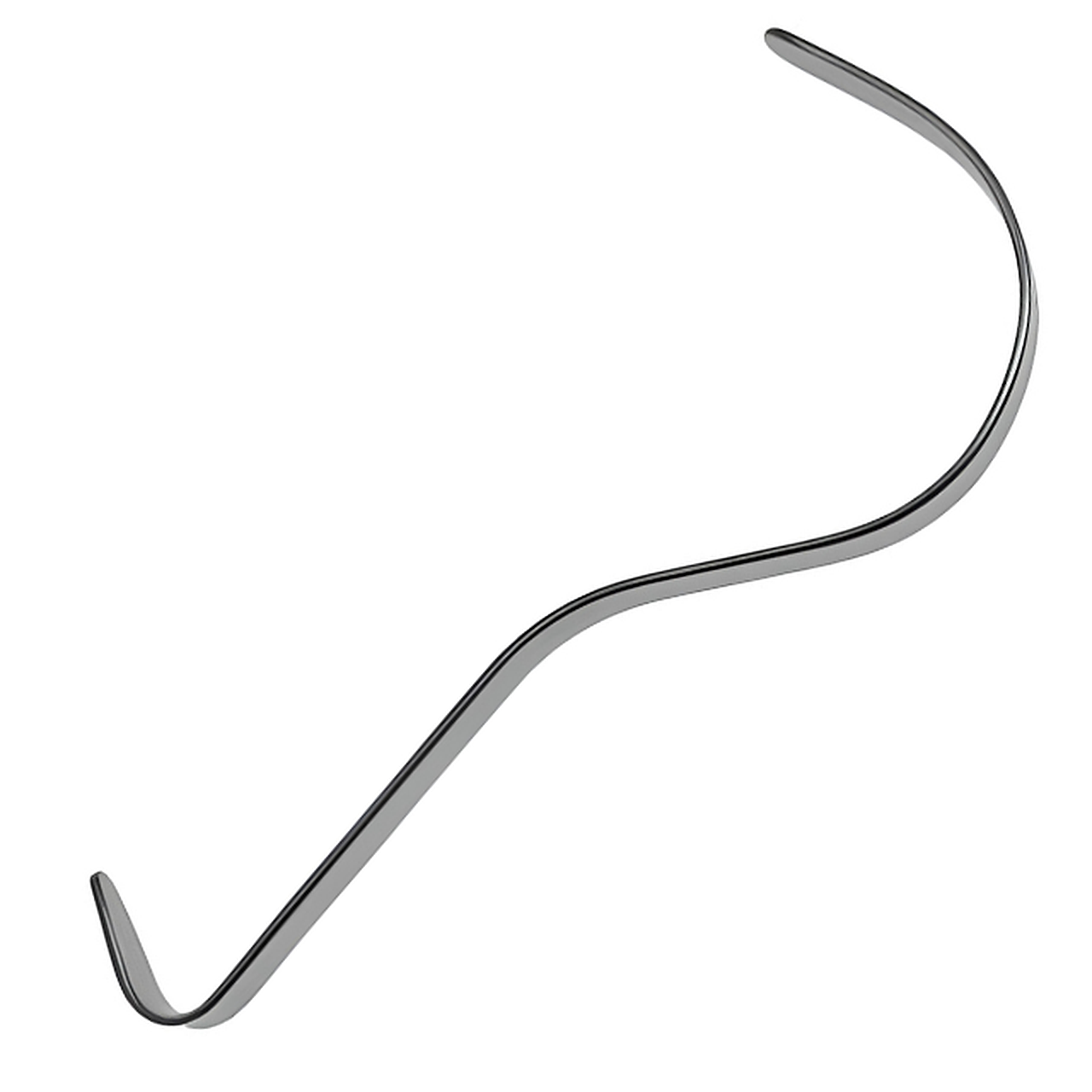 | Pädiatrische Deaver Retraktoren | Speziell entwickelt zur Retraktion von Viszeralorganen und der Bauchwand während pädiatrischer und neonataler Operationen. |
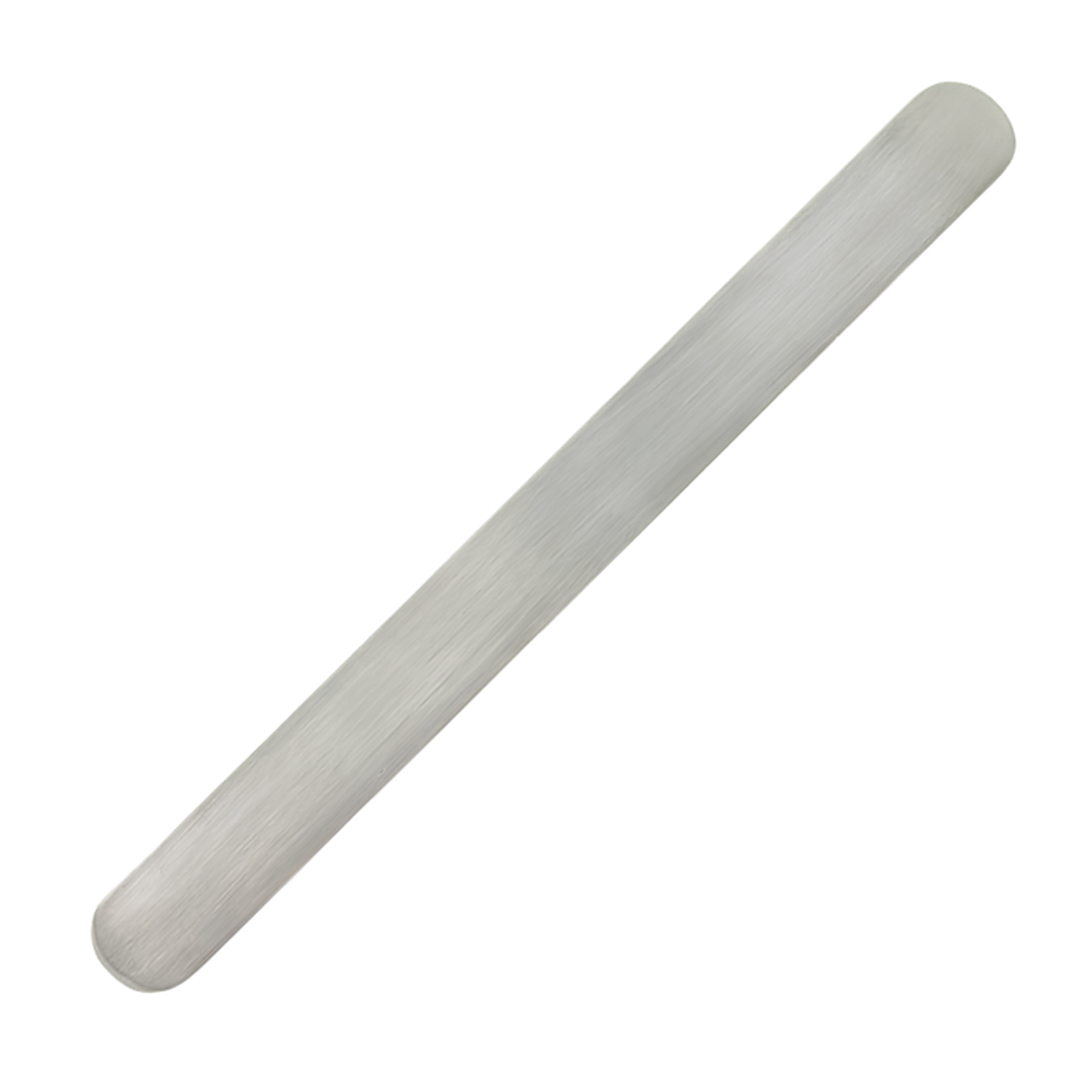 | Biegsames Bauchspatel für die Pädiatrie | Speziell für die individuelle Formgebung zur Retraktion von Eingeweiden, Darm und Gewebe während pädiatrischer Operationen konzipiert. |
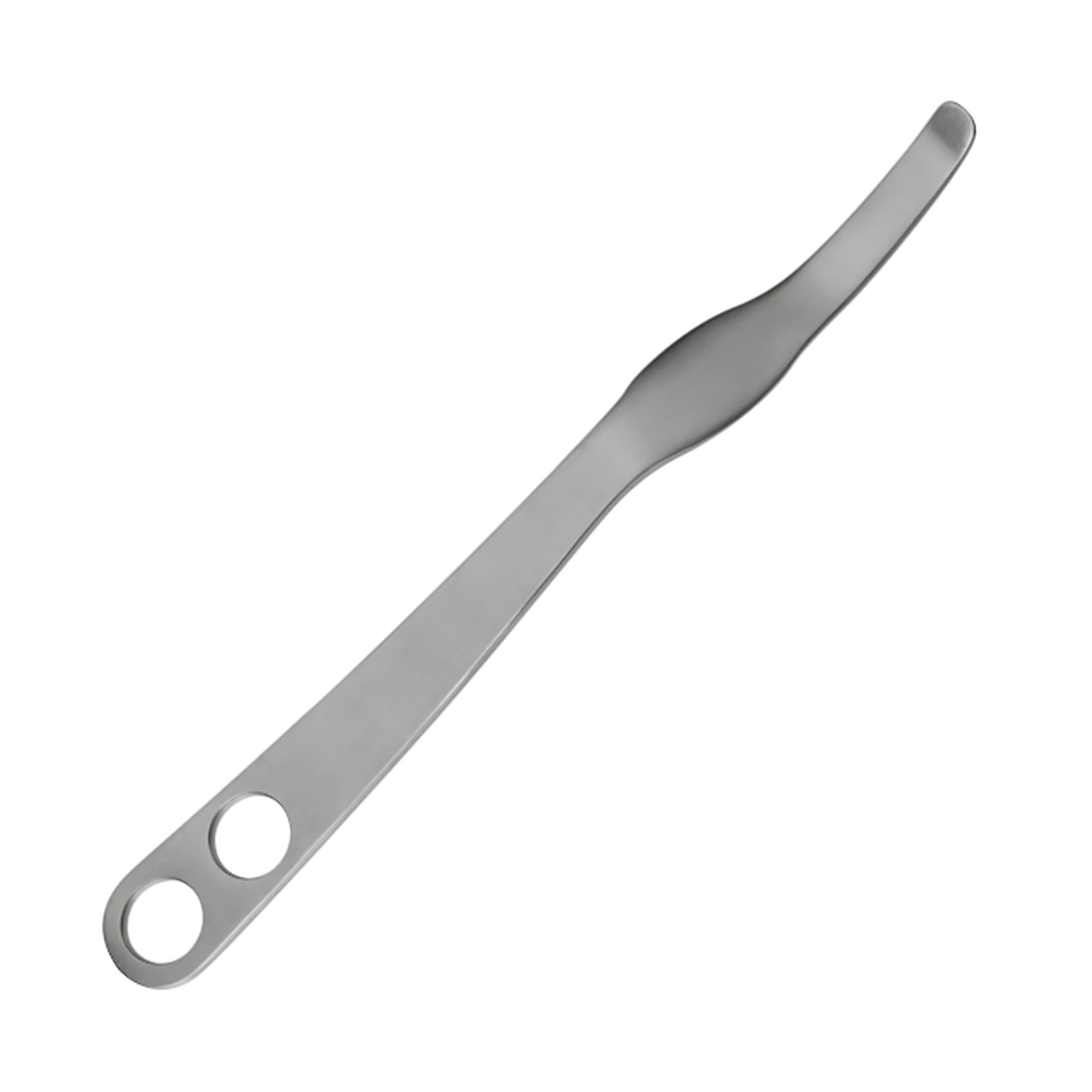 | Pelvic Retractor Blunt | Speziell entwickelt zur Retraktion von Beckeneingeweiden, Blase und Weichteilgewebe bei tiefchirurgischen Eingriffen im Becken- und Bauchraum. |
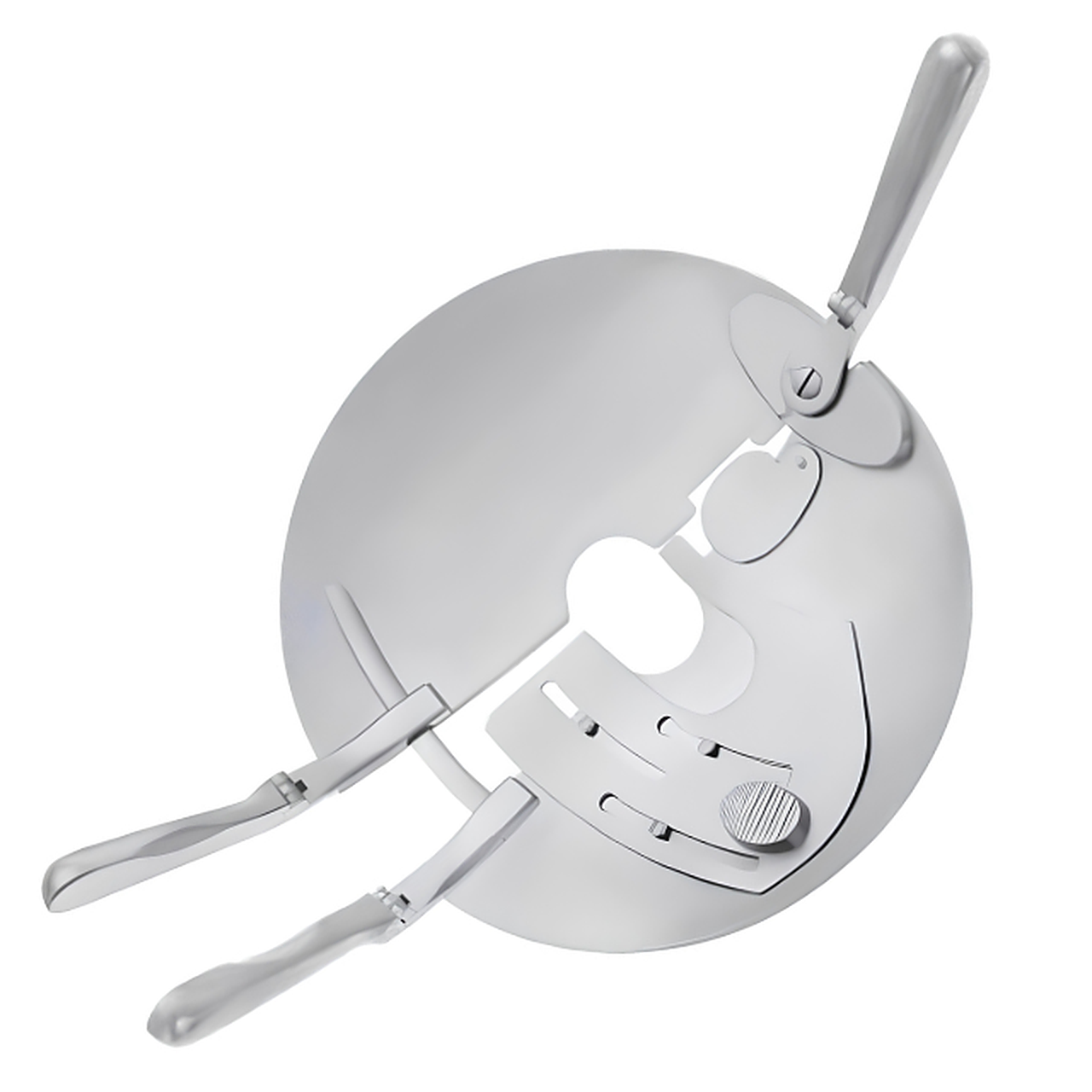 | PERCY AMPUTATIONS-WUNDHAKEN | Speziell entwickelt zur Retraktion von Muskelmassen und zum Schutz von Weichteilen während der Knochendurchtrennung bei Amputationsoperationen. |
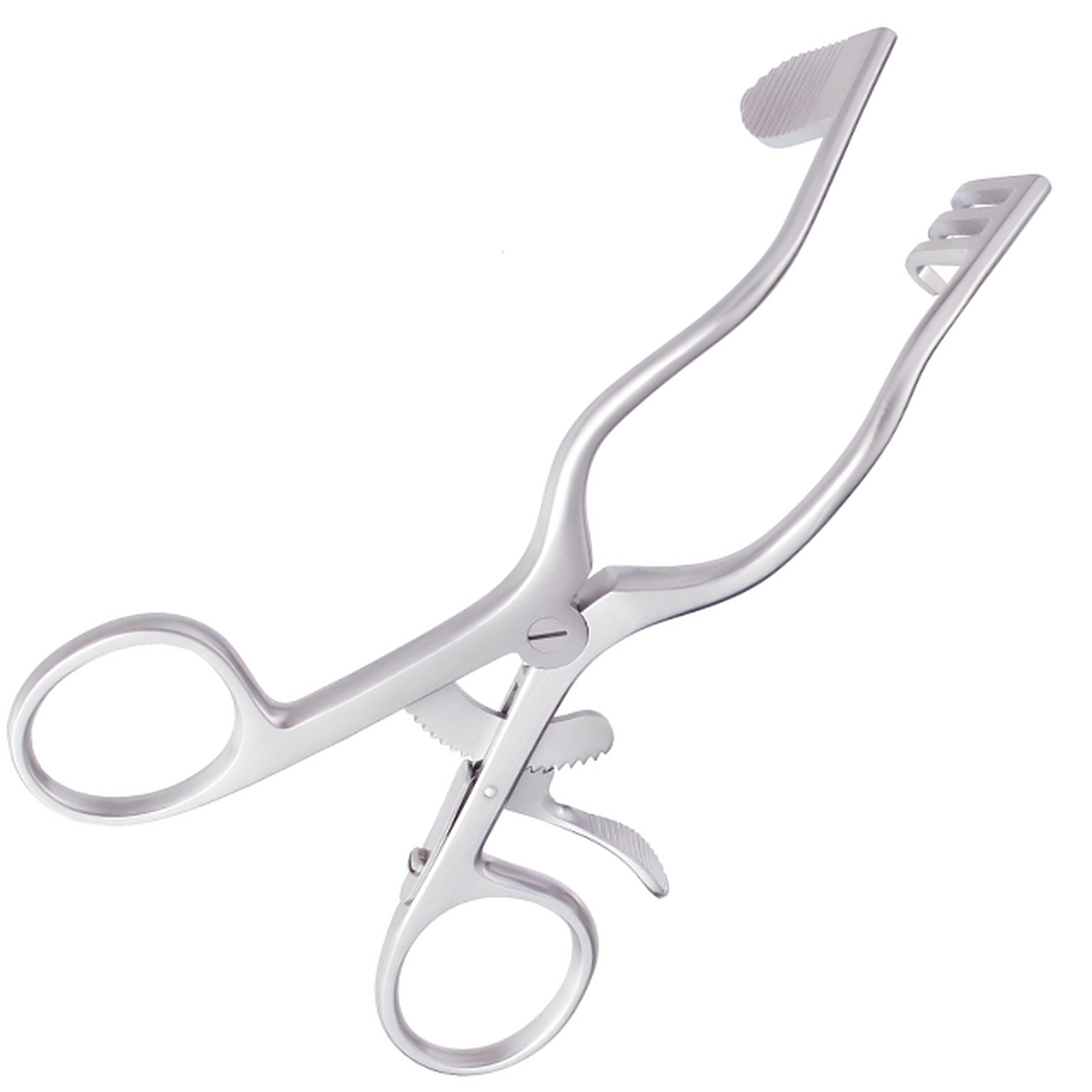 | Perkins Wundsperrer, selbsthaltend | Speziell für die selbsthaltende Geweberetraktion in der Gefäß-, Neuro- und Orthopädischen Chirurgie entwickelt. |
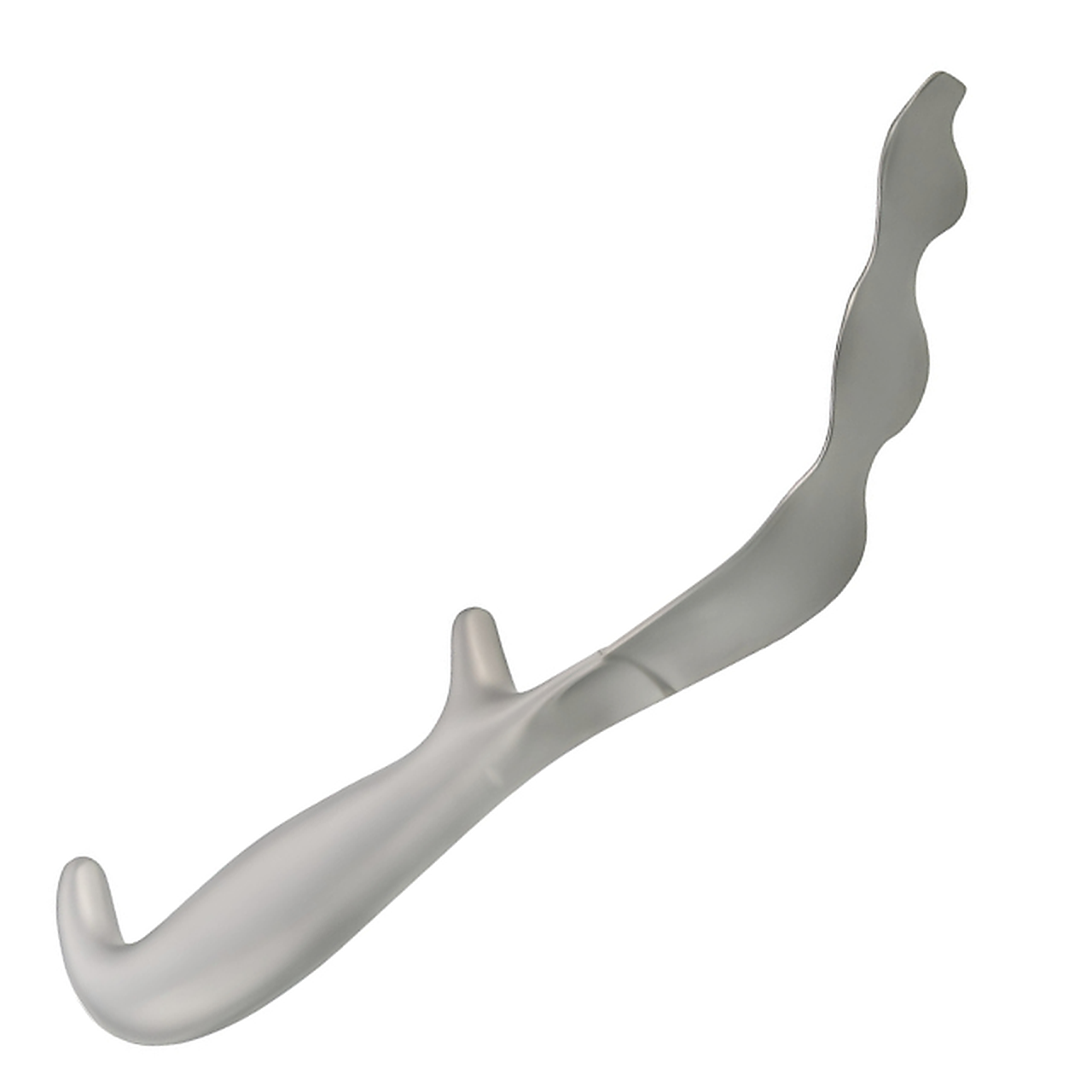 | Petri Pterygoid Intra Oral Retractor | Speziell entwickelt zum Schutz neurovaskulärer Strukturen und zur Retraktion von Weichteilgewebe während der pterygomaxillären Disjunktion bei Le-Fort-Osteotomien. |
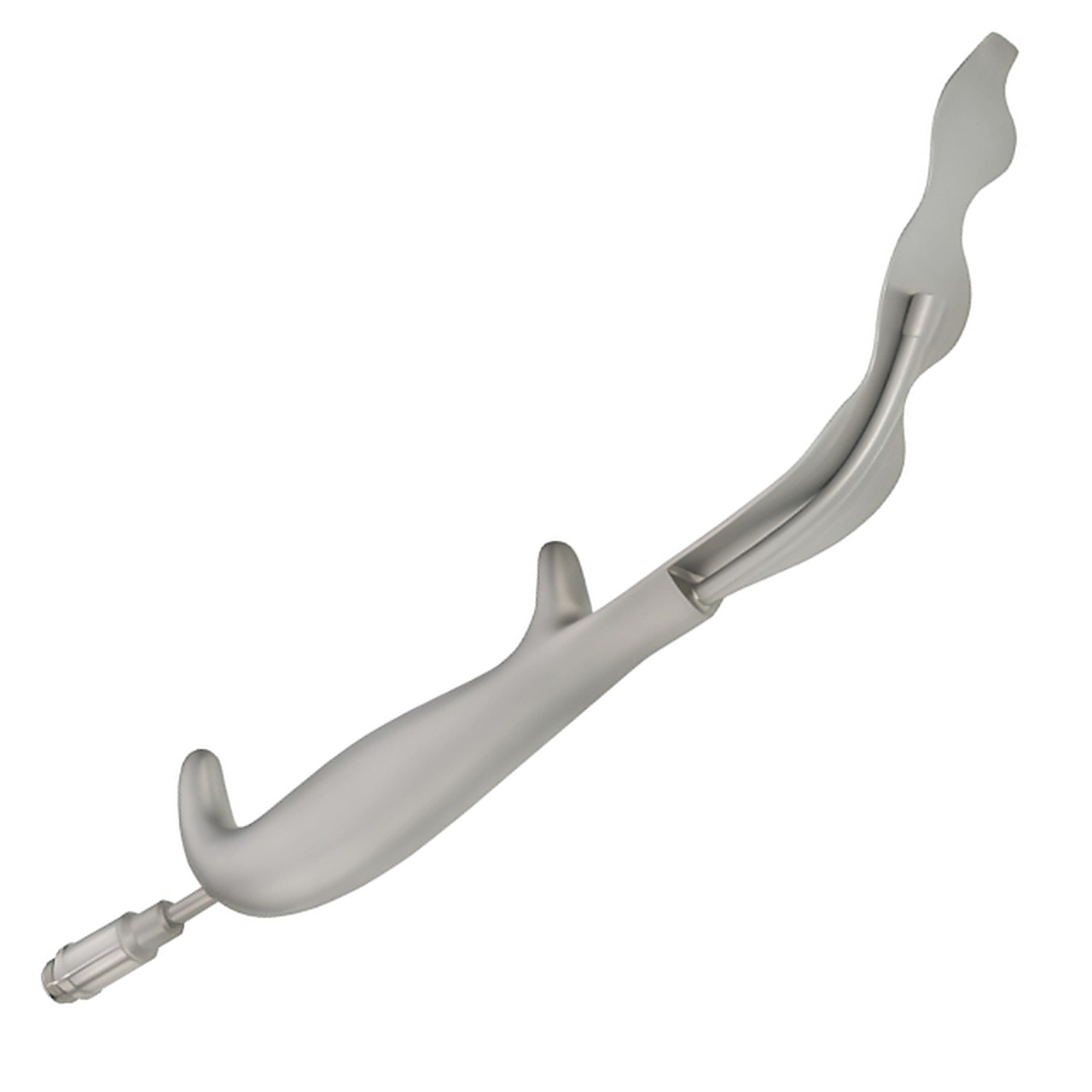 | Petri Pterygoid Intra Oral Retractor With Fiber Optic | Speziell entwickelt für die beleuchtete Weichteilretraktion und den neurovaskulären Schutz bei Le-Fort-Osteotomien. |
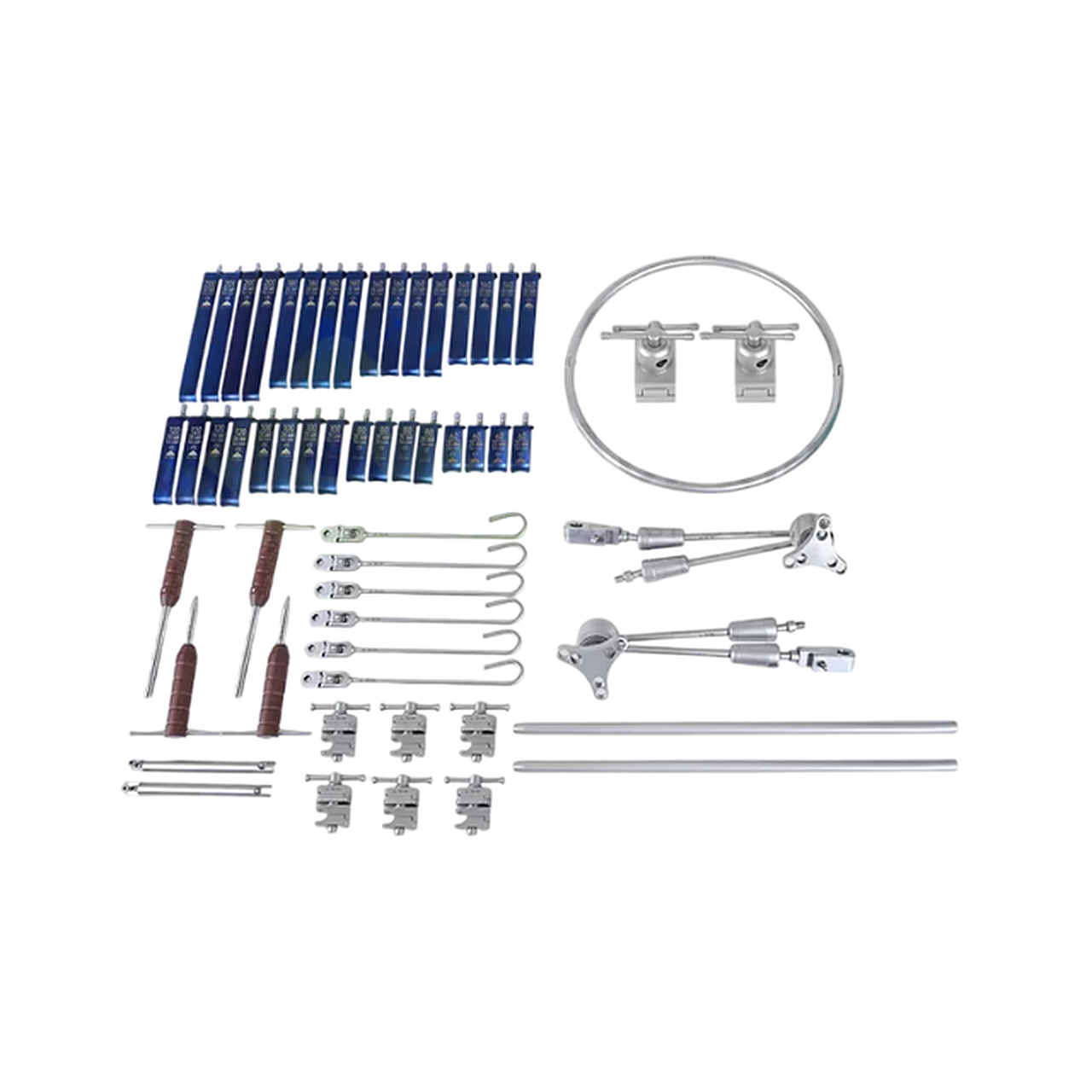 | Phantom AL Anterior Lumbar Surgical Access System | Speziell entwickelt für einen stabilen, freihändigen chirurgischen Zugang und eine kontrollierte Weichteilretraktion bei Wirbelsäuleneingriffen mit anteriorem Zugang. |
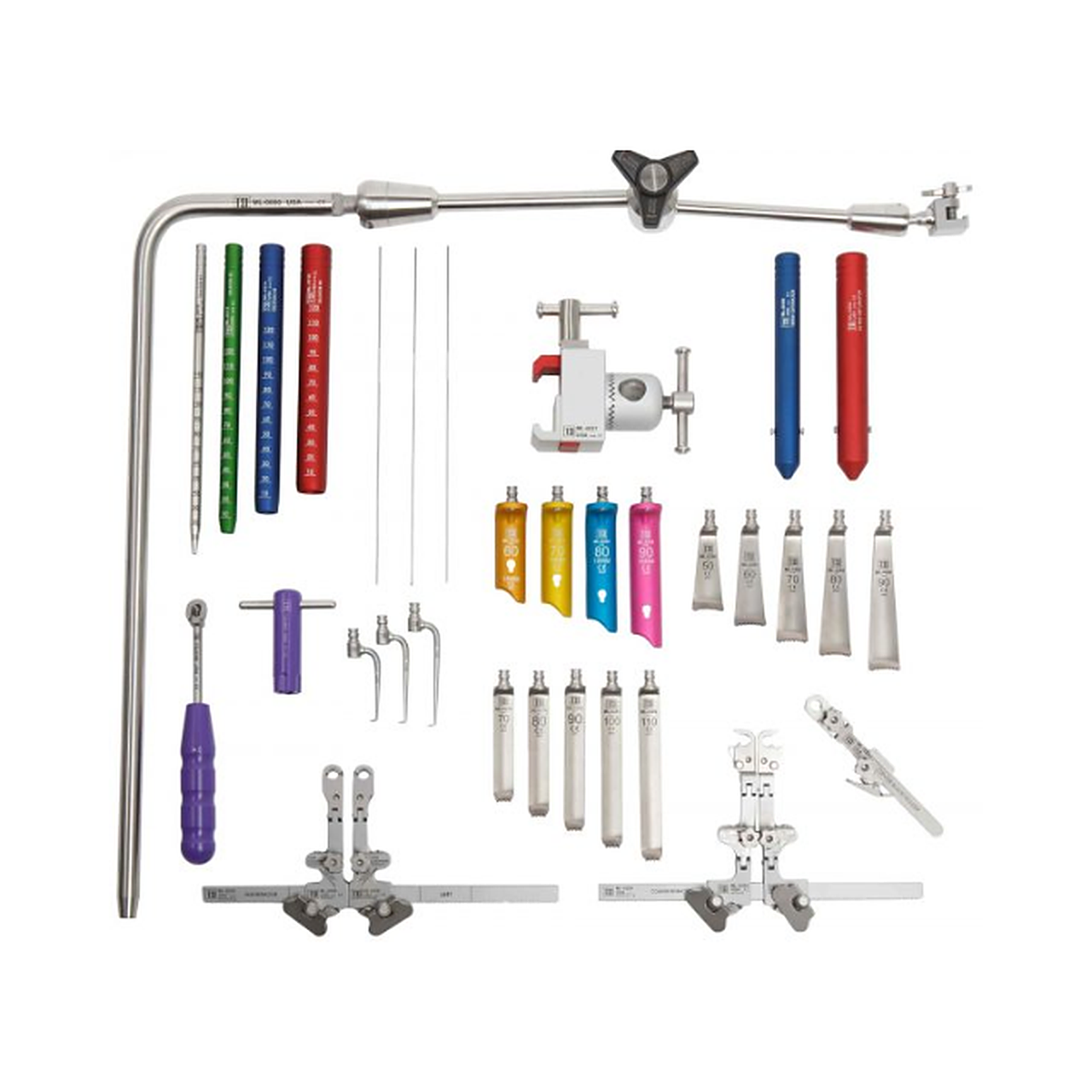 | Phantom ML MIS Lumbar Surgical Access System | Speziell entwickelt für den minimalinvasiven lumbalen chirurgischen Zugang, kontrollierte Geweberetraktion und direkte Kanalbeleuchtung bei posterioren Wirbelsäuleneingriffen. |
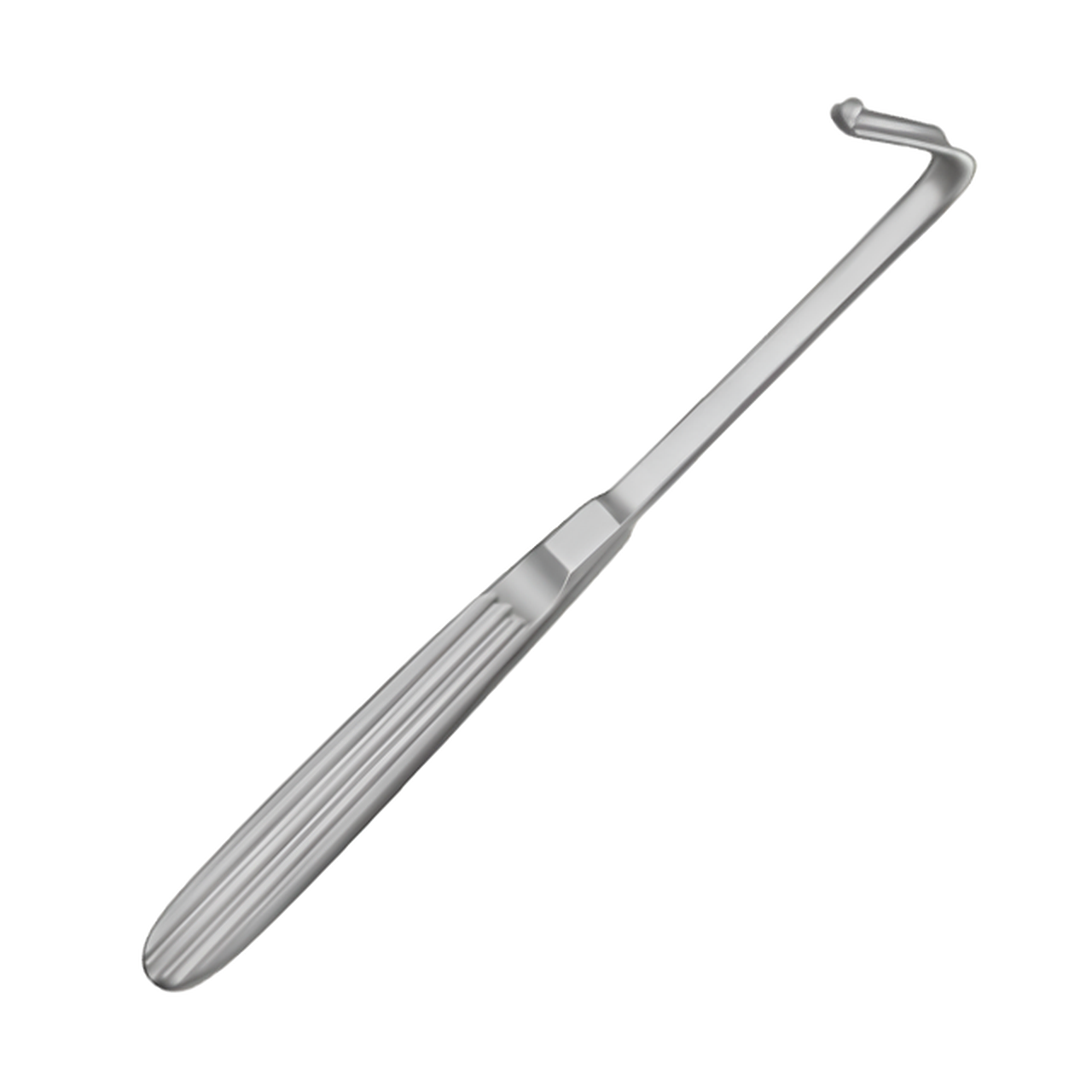 | Piriform Rim Retractor | Der Piriform Rim Retractor ist ein spezialisiertes, 17 cm langes Instrument für die Mund-, Kiefer- und Gesichtschirurgie (MKG), das speziell für das sichere Einhaken an der Apertura piriformis bei Le-Fort-Osteotomien und Rhinoplastiken entwickelt wurde. |
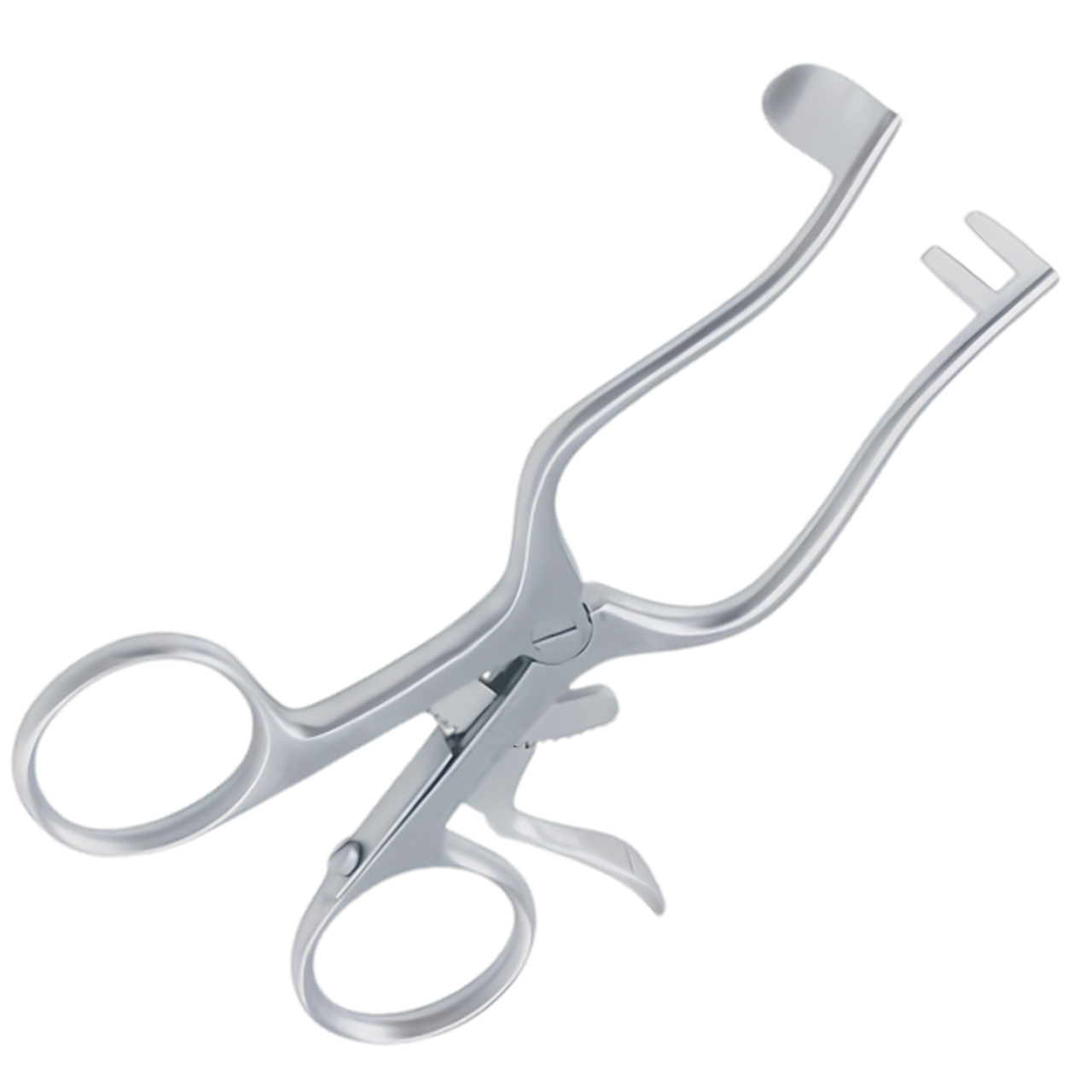 | Plester Wundsperrer, selbsthaltend | Speziell entwickelt für die selbsthaltende Retraktion von Periost und Weichteilgewebe bei Mastoid-, Ohr- und Schädeloperationen. |
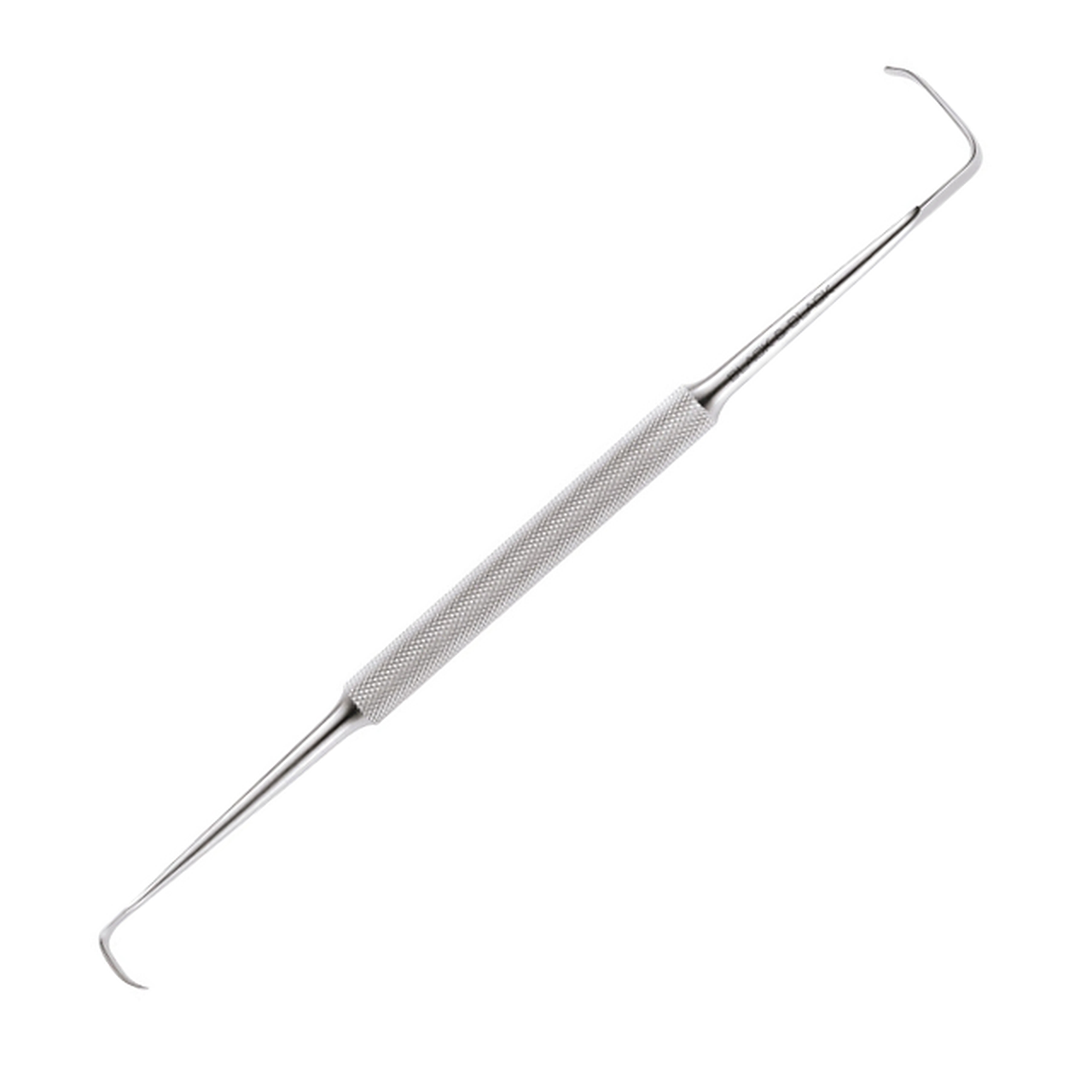 | Ragnell-Davis Wundhaken doppelseitig | Der Ragnell-Davis Wundhaken doppelseitig ist ein chirurgisches Instrument zur präzisen Wundrand- und Weichteilretraktion in der plastischen Chirurgie sowie der Hand- und Gesichtschirurgie. |
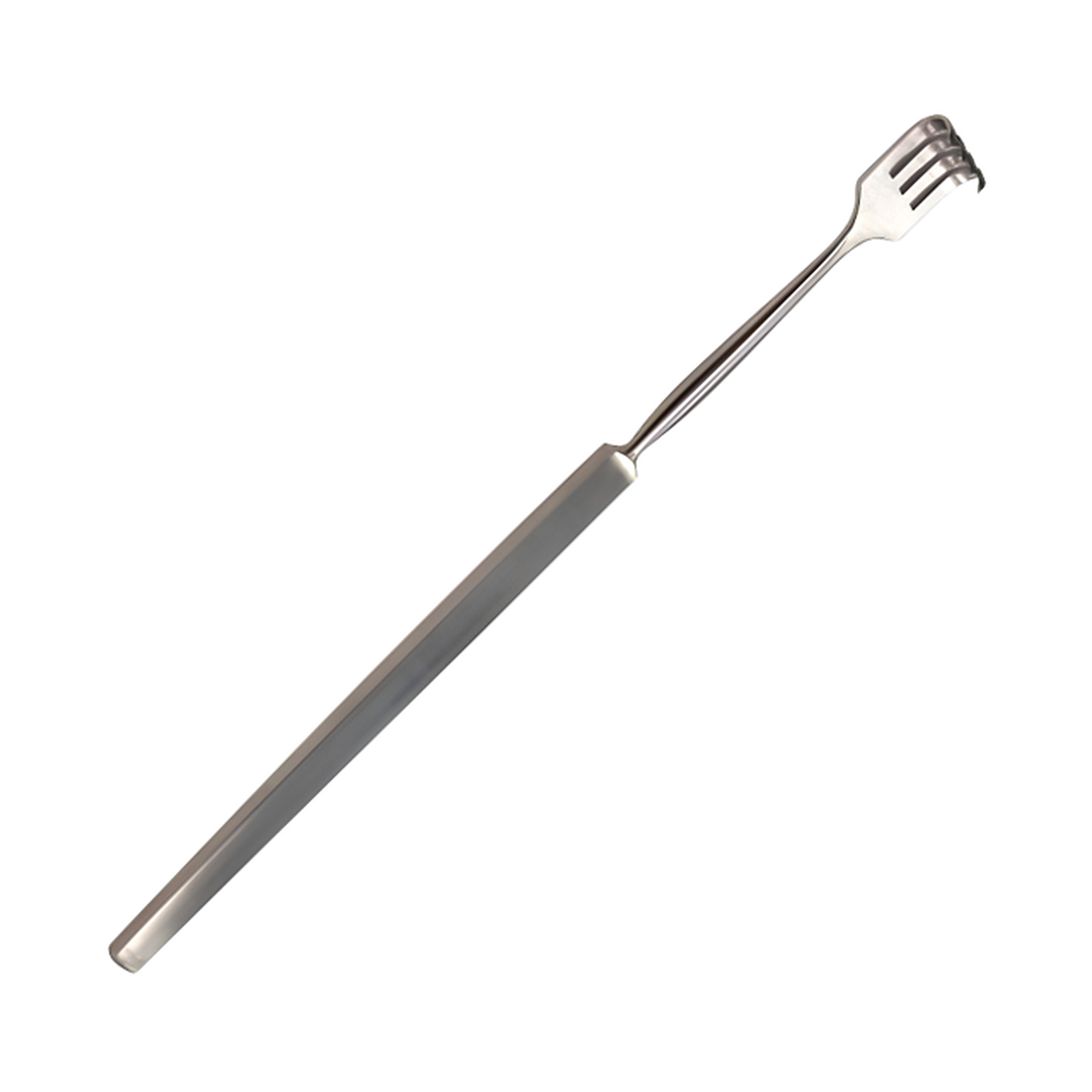 | Rake Finger Retractor | Der Rake Finger Retractor ist ein 15.3 cm langes chirurgisches Instrument zur präzisen Hautlappen-Elevation und Sehnenexposition in der Handchirurgie und plastischen Chirurgie. |
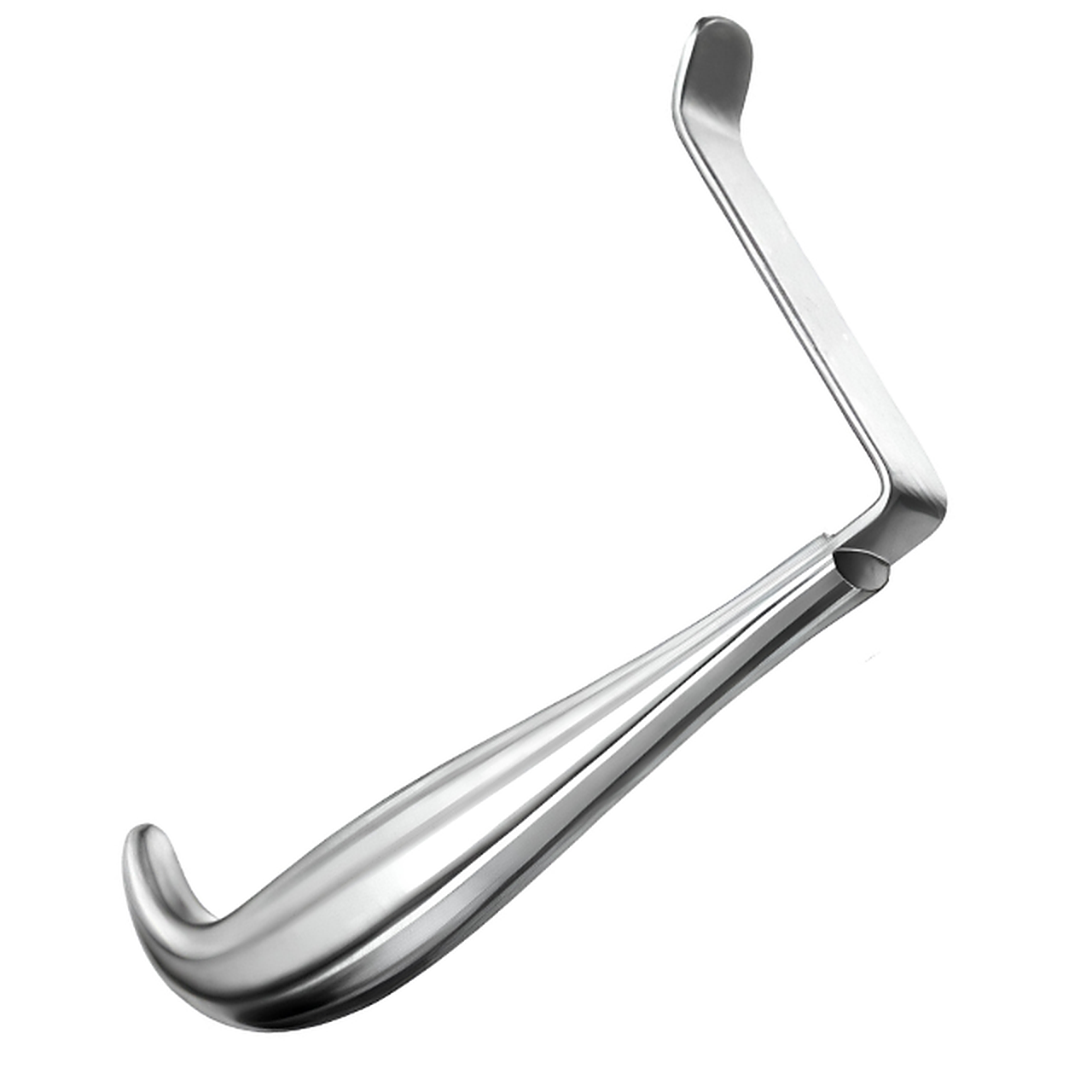 | Ramus-Retraktor | Speziell entwickelt zur Retraktion der Pterygomasseter-Schlinge und zur Darstellung des aufsteigenden Unterkieferastes in der orthognathen Chirurgie. |
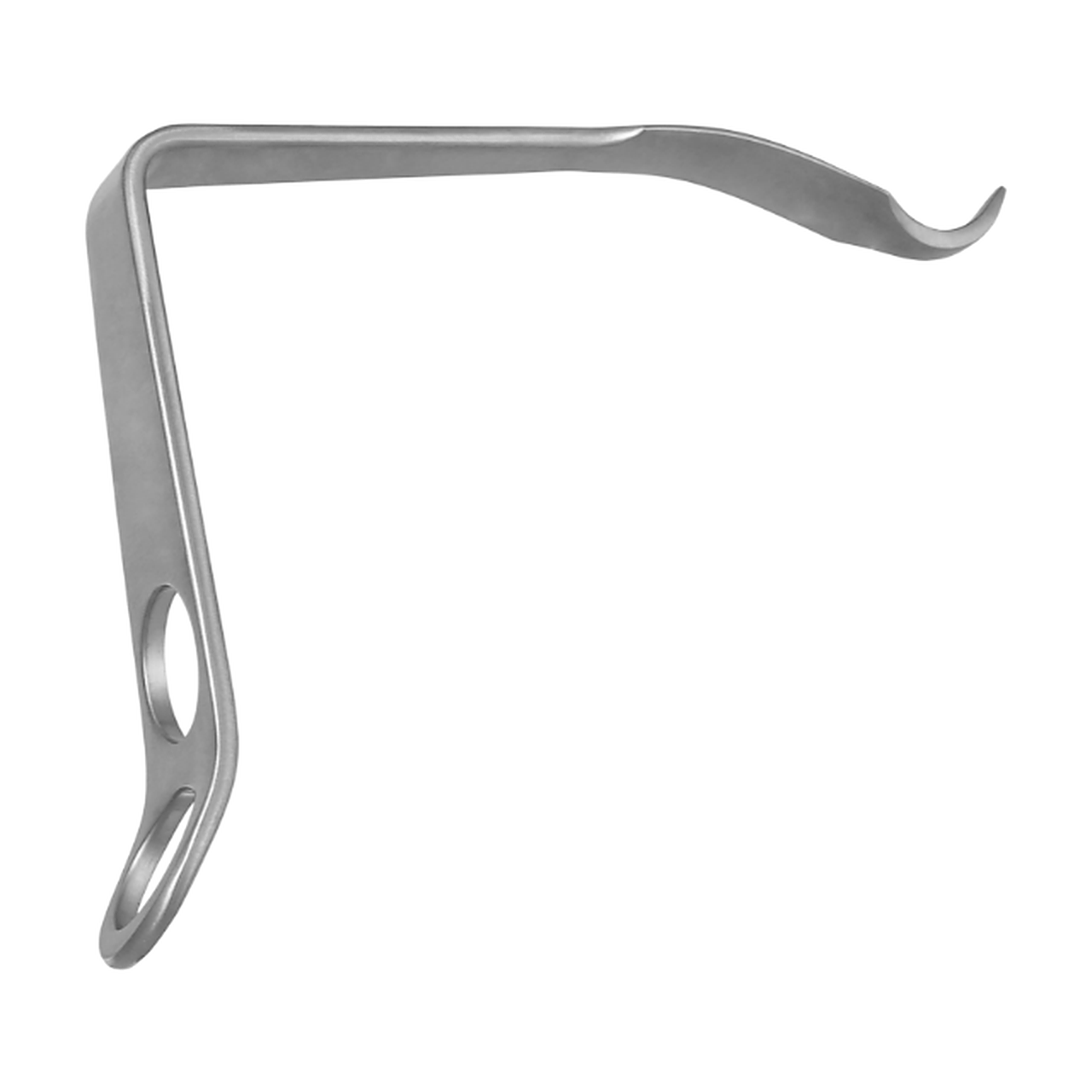 | Ranawat Knie-Retraktor | Der Ranawat Knie-Retraktor ist ein 9 ½″ (24.13 cm) großes orthopädisches Instrument, das für die Retraktion von Kollateralbändern und Gelenkkapseln während der Knie-Totalendoprothetik entwickelt wurde. |
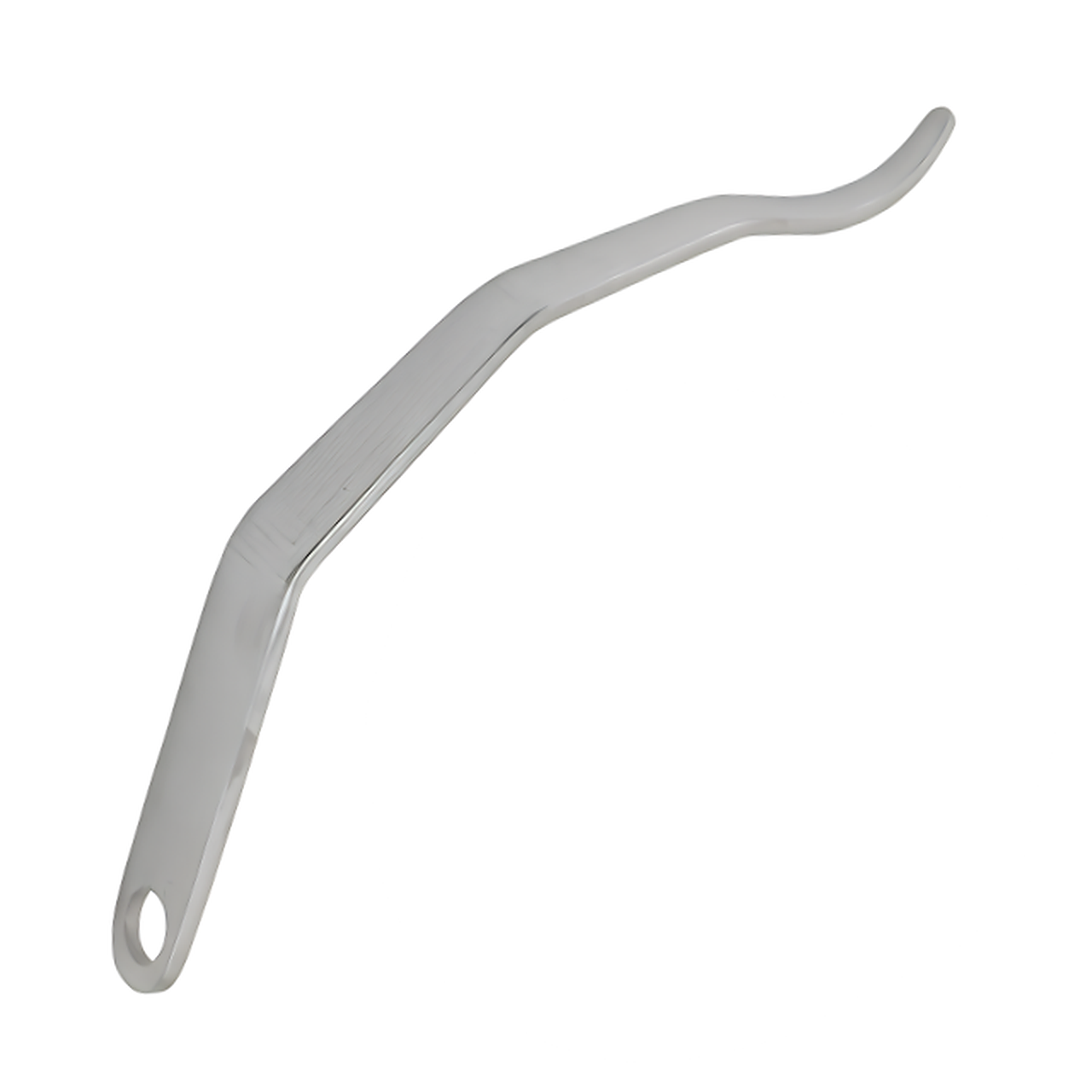 | Redler Retractor | Der Redler Retractor ist ein 5″ (12.7 cm) großes chirurgisches Instrument, das für die präzise Wundrand- und Weichteilretraktion entwickelt wurde. |
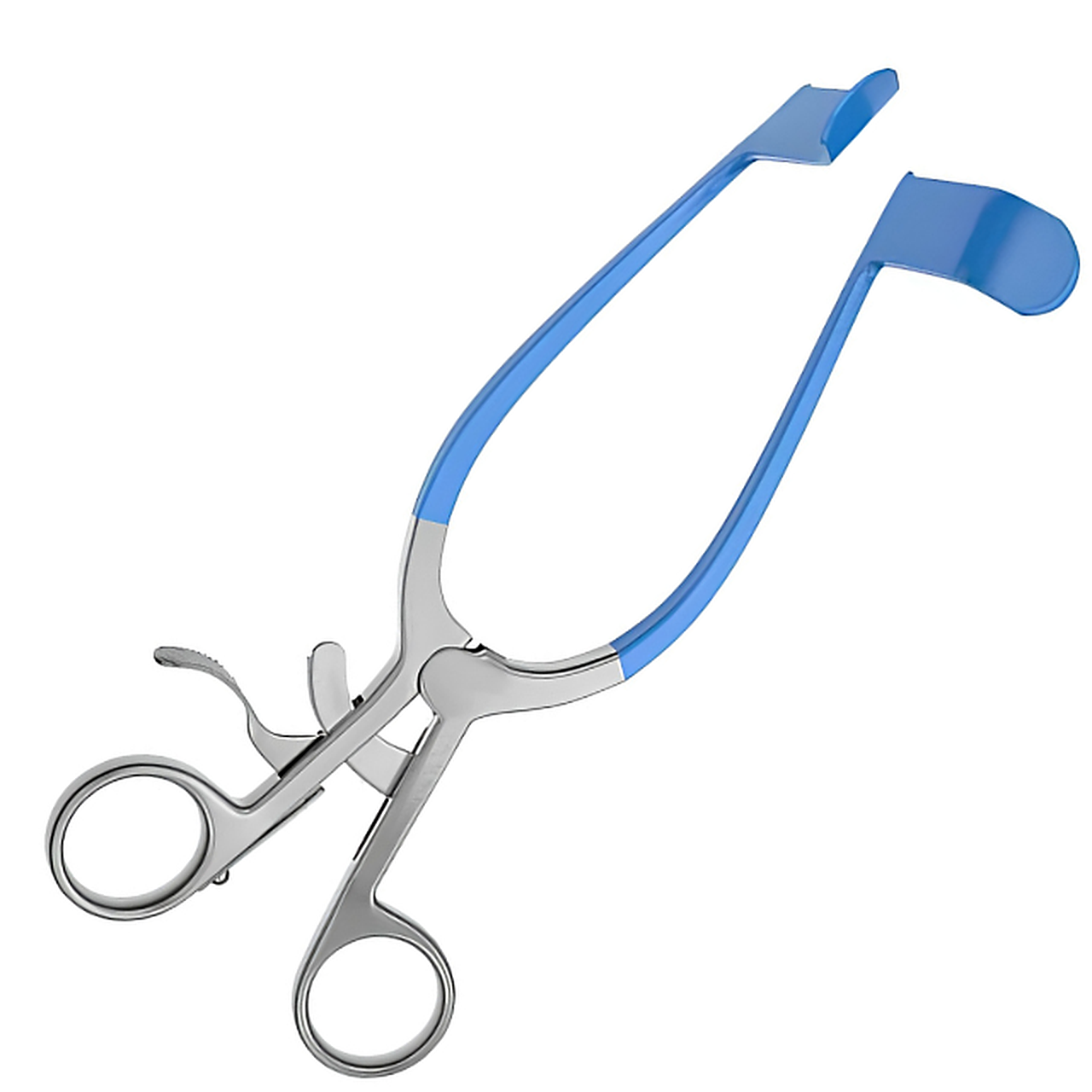 | Isolierter Redundant Nonconductive Wall Retractor | Zur Retraktion lateraler Vaginalwände bei elektroschirurgischen Eingriffen. |
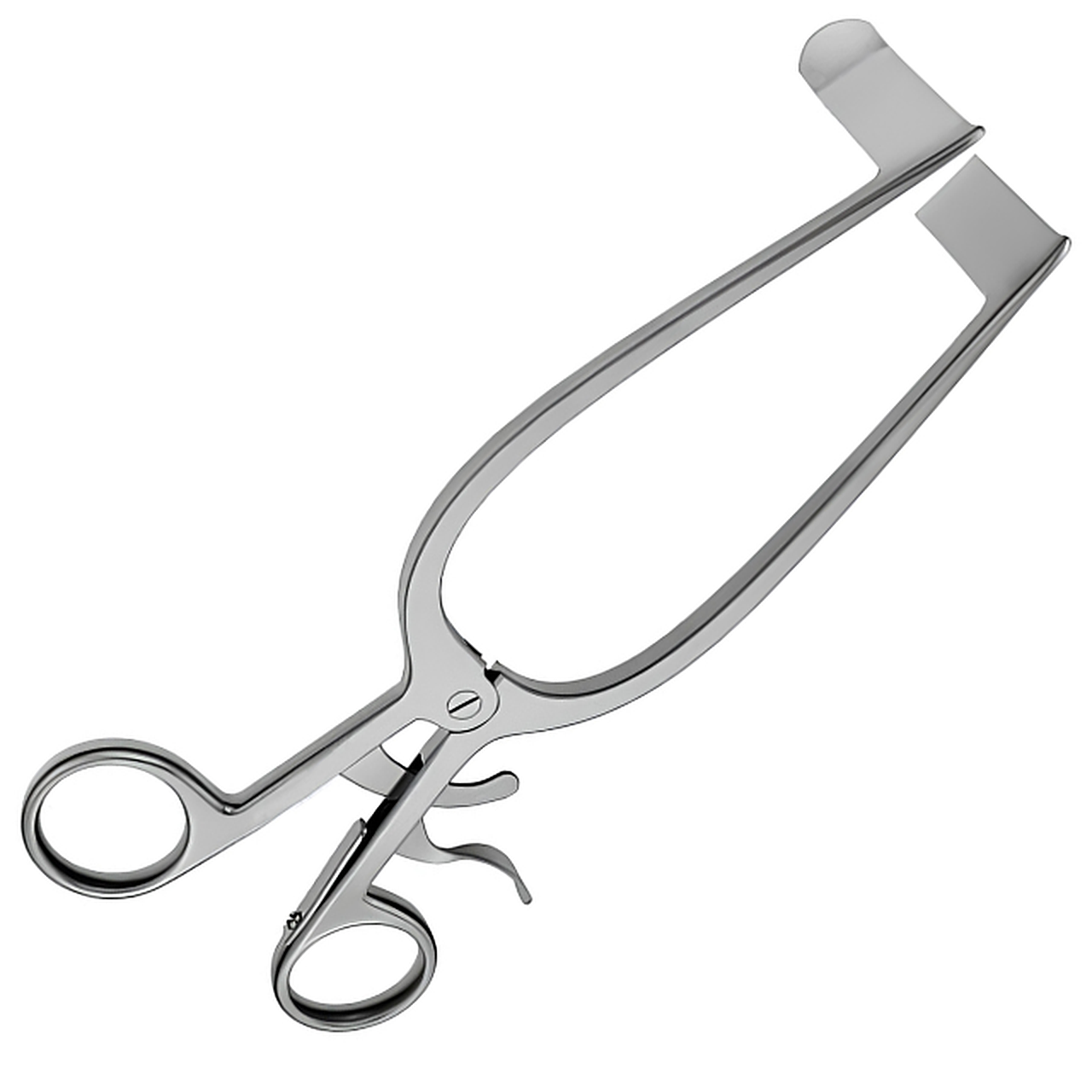 | Redundant Wall Retractor | Der Redundant Wall Retractor ist ein 18 cm langes gynäkologisches Instrument zur Verdrängung redundanter lateraler Vaginalwände bei Beckenuntersuchungen und Operationen. |
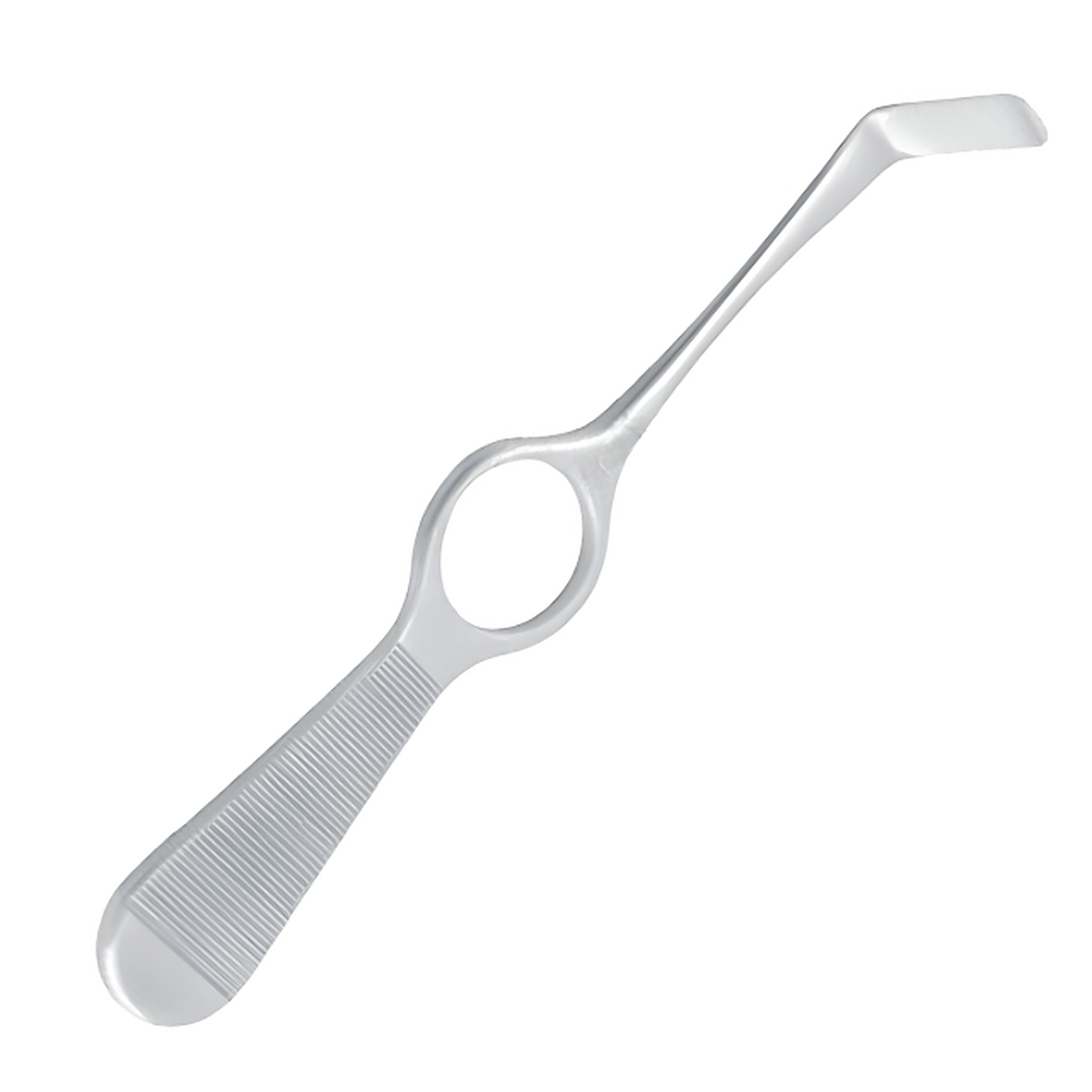 | Reich Condyle Retractor | Der Reich Condyle Retractor ist ein Mund-, Kiefer- und Gesichtschirurgie-Instrument, das für das Einhaken um den Processus condylaris bei Kiefergelenksoperationen (TMJ) entwickelt wurde. |
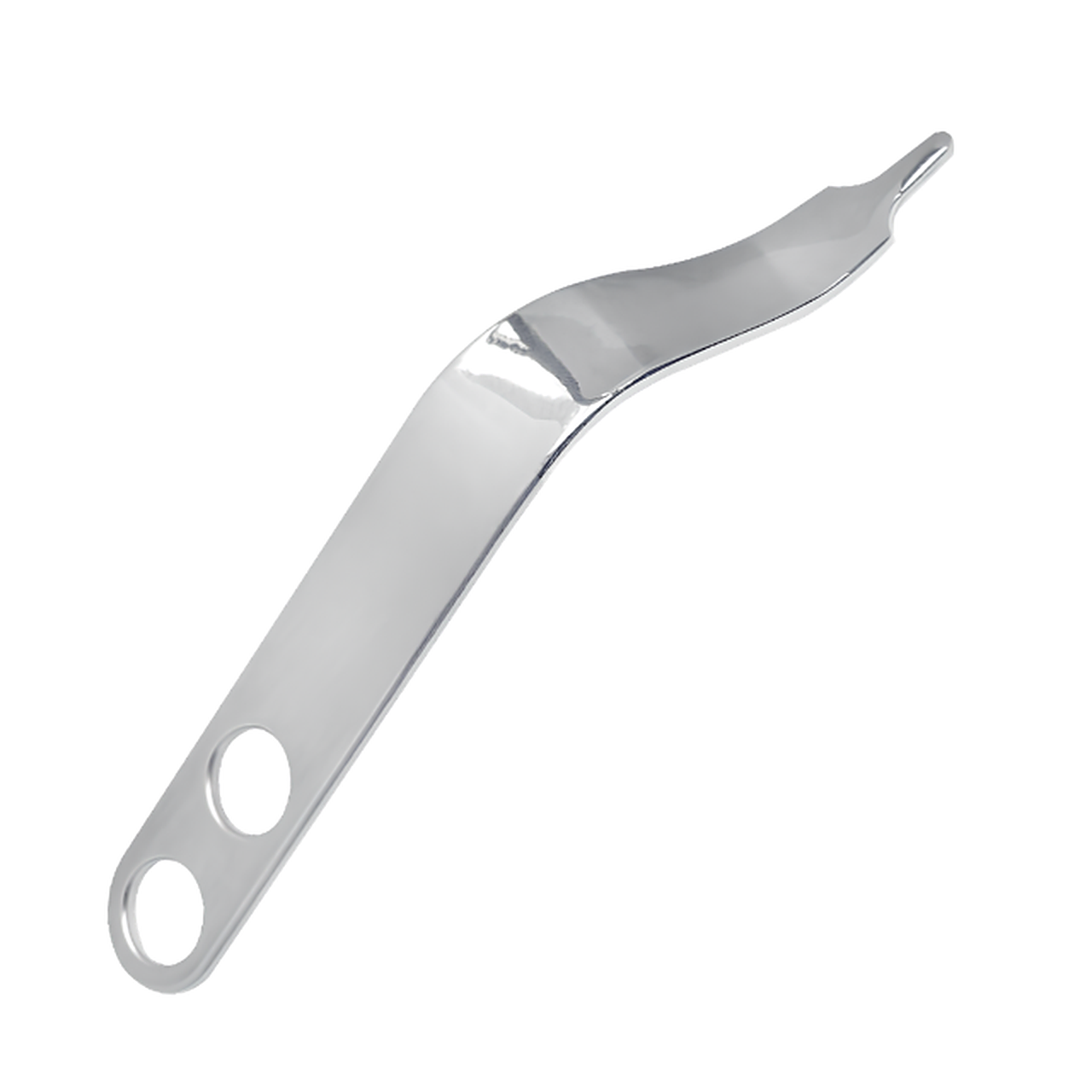 | Reverse Hohmann Wundhaken | Speziell entwickelt für die Hebelwirkung an Knochenkortizes und die Retraktion von Weichteilen während Hüft-, Knie- und Trauma-Operationen. |
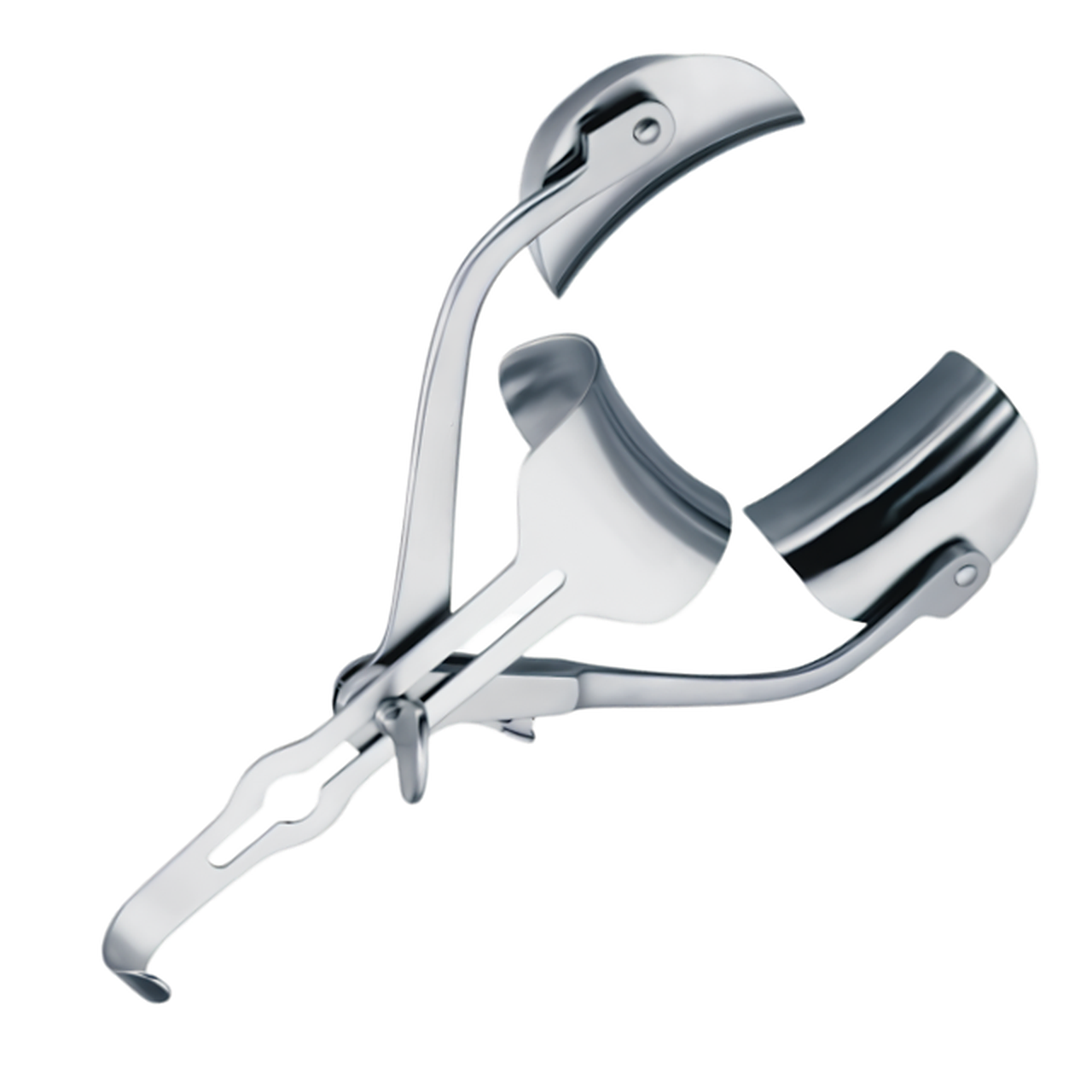 | Ricard Abdominal Retractor | Speziell konzipiert für die selbsthaltende, dreiblättrige Retraktion von Bauchwand und Viszera während der Laparotomie. |
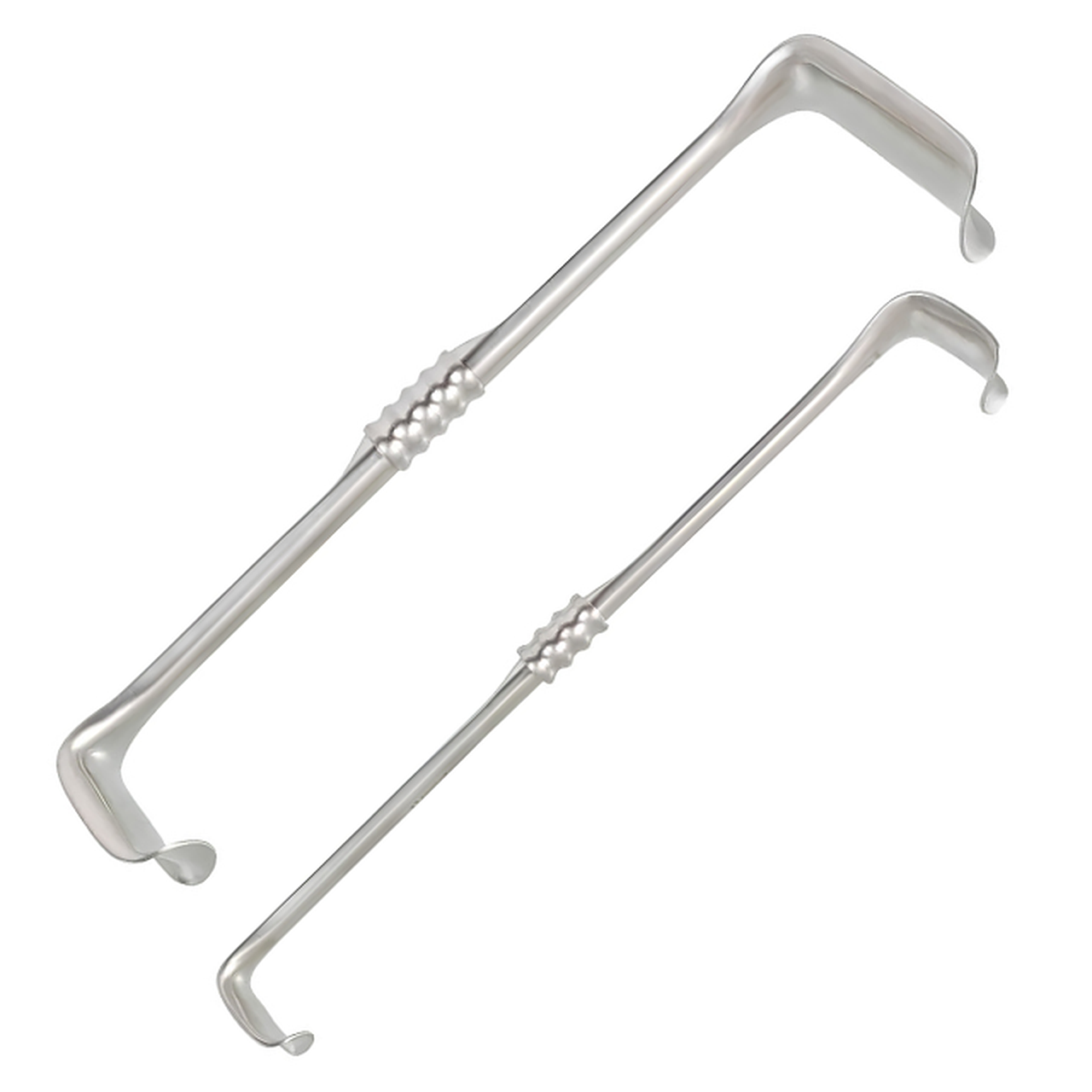 | Richardson Eastman Retractor | Speziell entwickelt zur Retraktion der Bauchwand, Faszie und Eingeweide bei unterschiedlichen Inzisionstiefen in der offenen Chirurgie. |
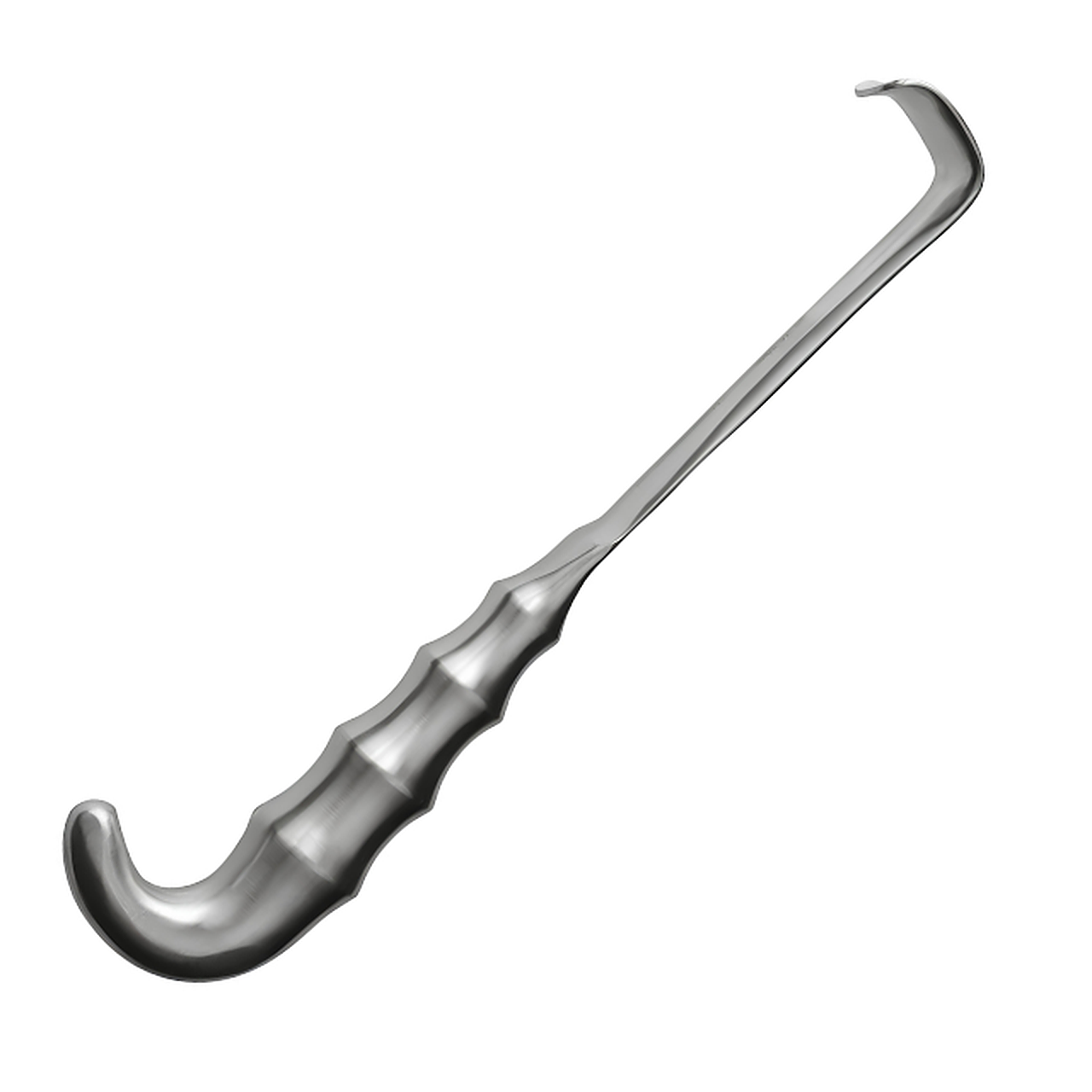 | Richardson Retractor Grip Handle | Speziell entwickelt für die Retraktion der Bauchwand, Faszien und dicken Muskelschichten bei reduzierter Ermüdung des Assistenten während offener Operationen. |
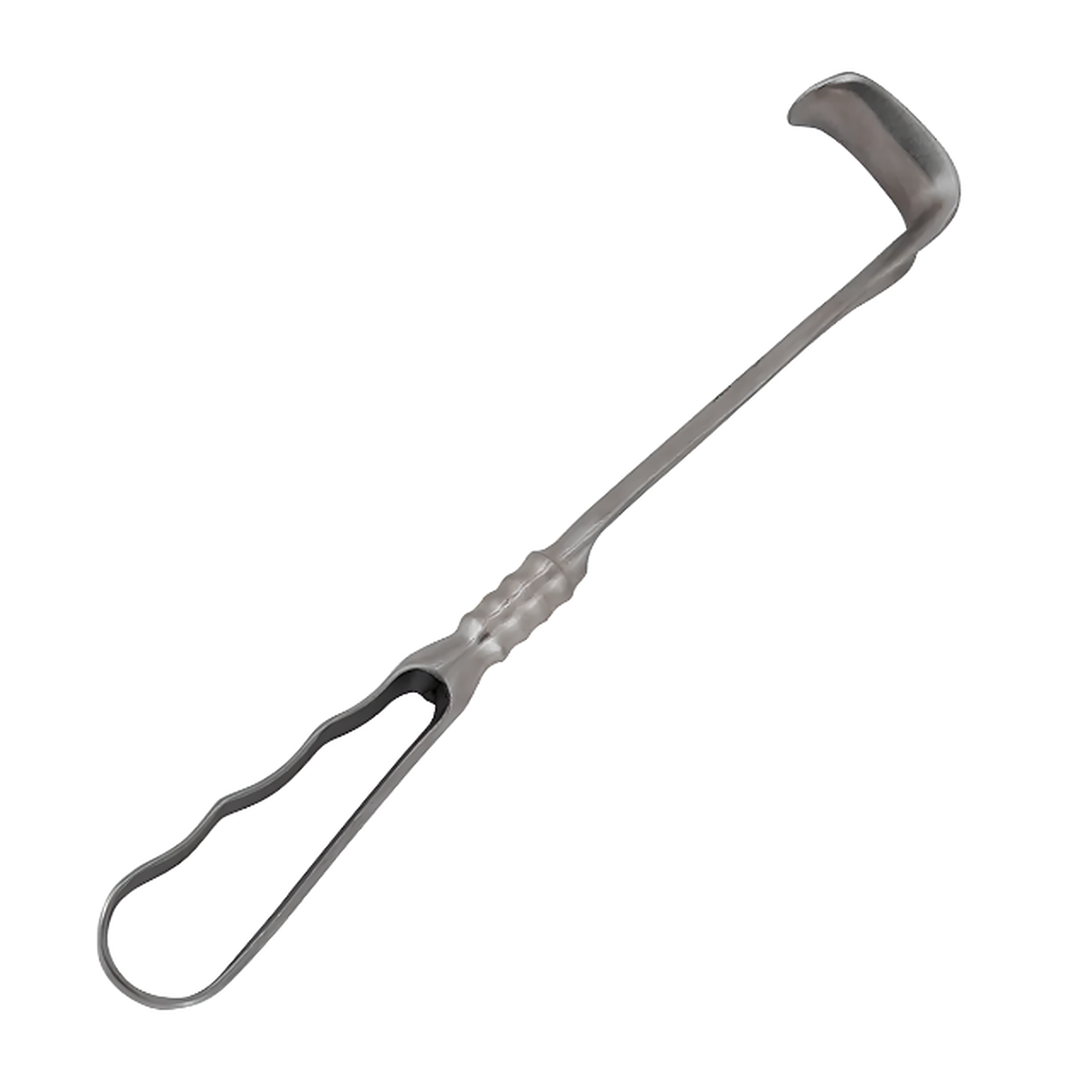 | Richardson Retractor mit Ringgriff | Speziell entwickelt zur Retraktion der Bauchwand, Muskelschichten und Viszera bei offenen Laparotomien und Beckenoperationen. |
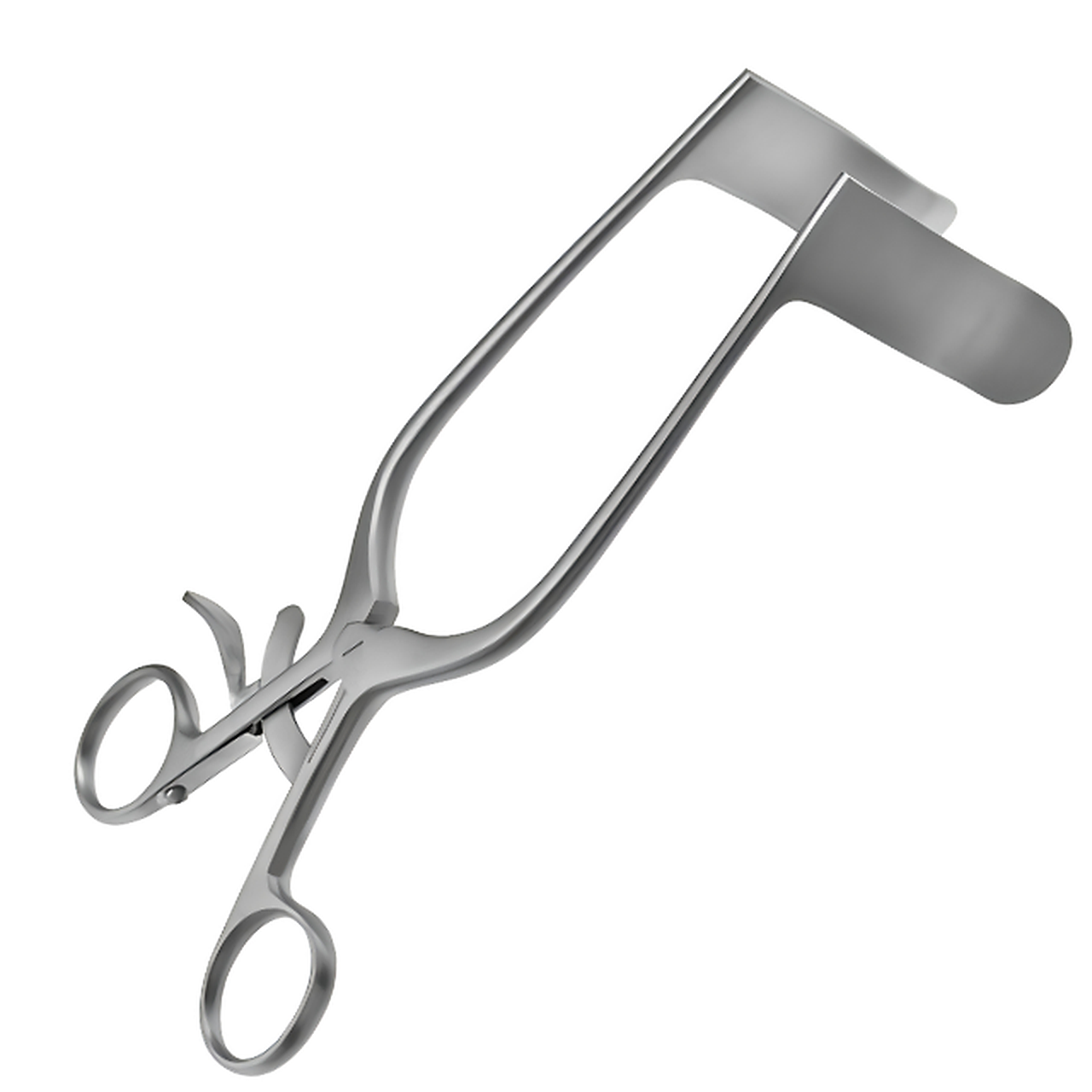 | Rigby Selbsthaltender Vaginalspreizer | Speziell entwickelt für die selbsthaltende Retraktion der lateralen und posterioren Vaginalwand bei Beckenoperationen. |
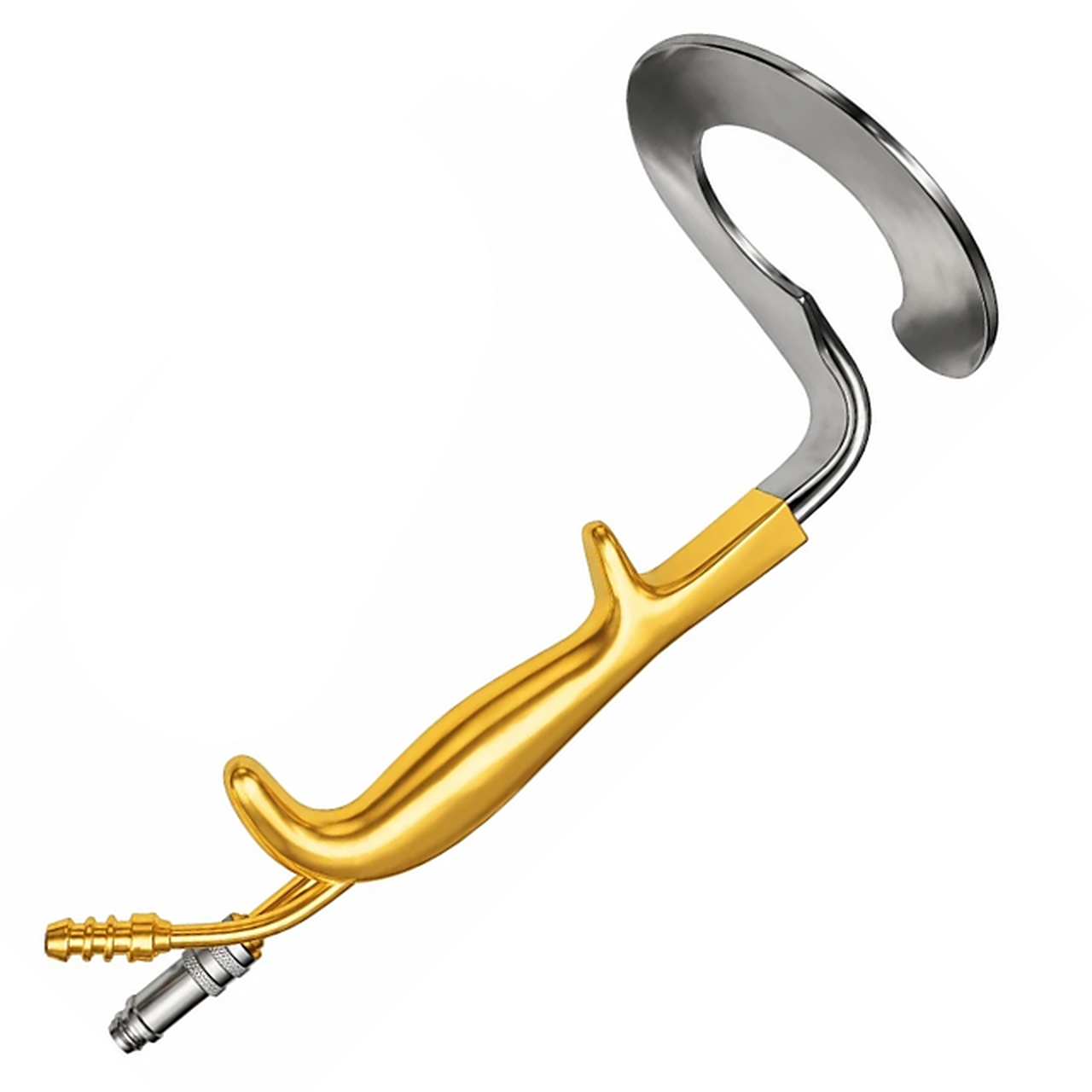 | Ring Breast Retractor mit Kaltlichtbeleuchtung | Speziell entwickelt zum Anheben von Gewebelappen, zur Ausleuchtung tiefer Taschen und zur Kontrolle der Hämostase während der Mamma-OP. |
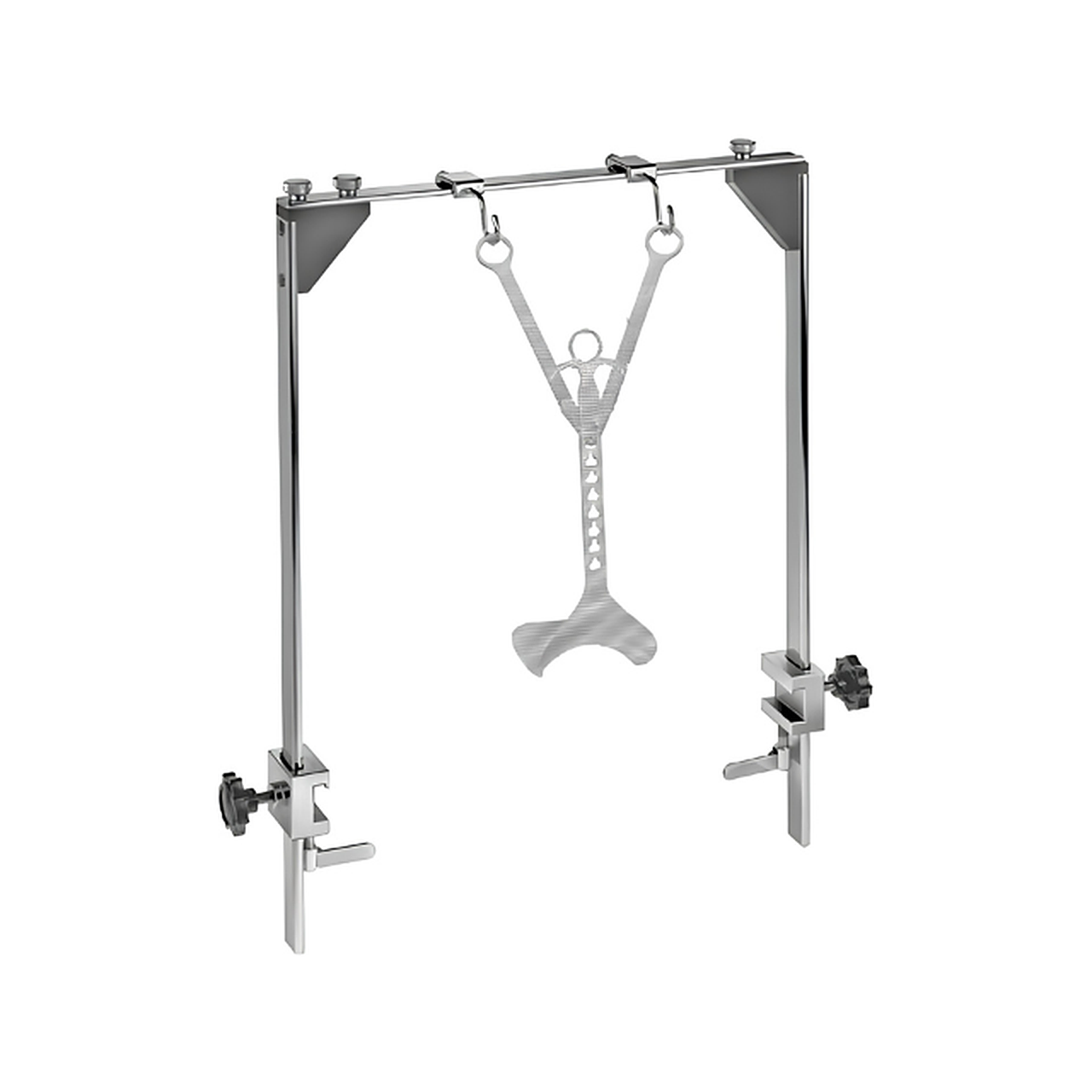 | Rochard Retractor | Entwickelt für die starre, tischmontierte abdominelle Weichteilretraktion und eine stabile operative Exposition bei chirurgischen Eingriffen. |
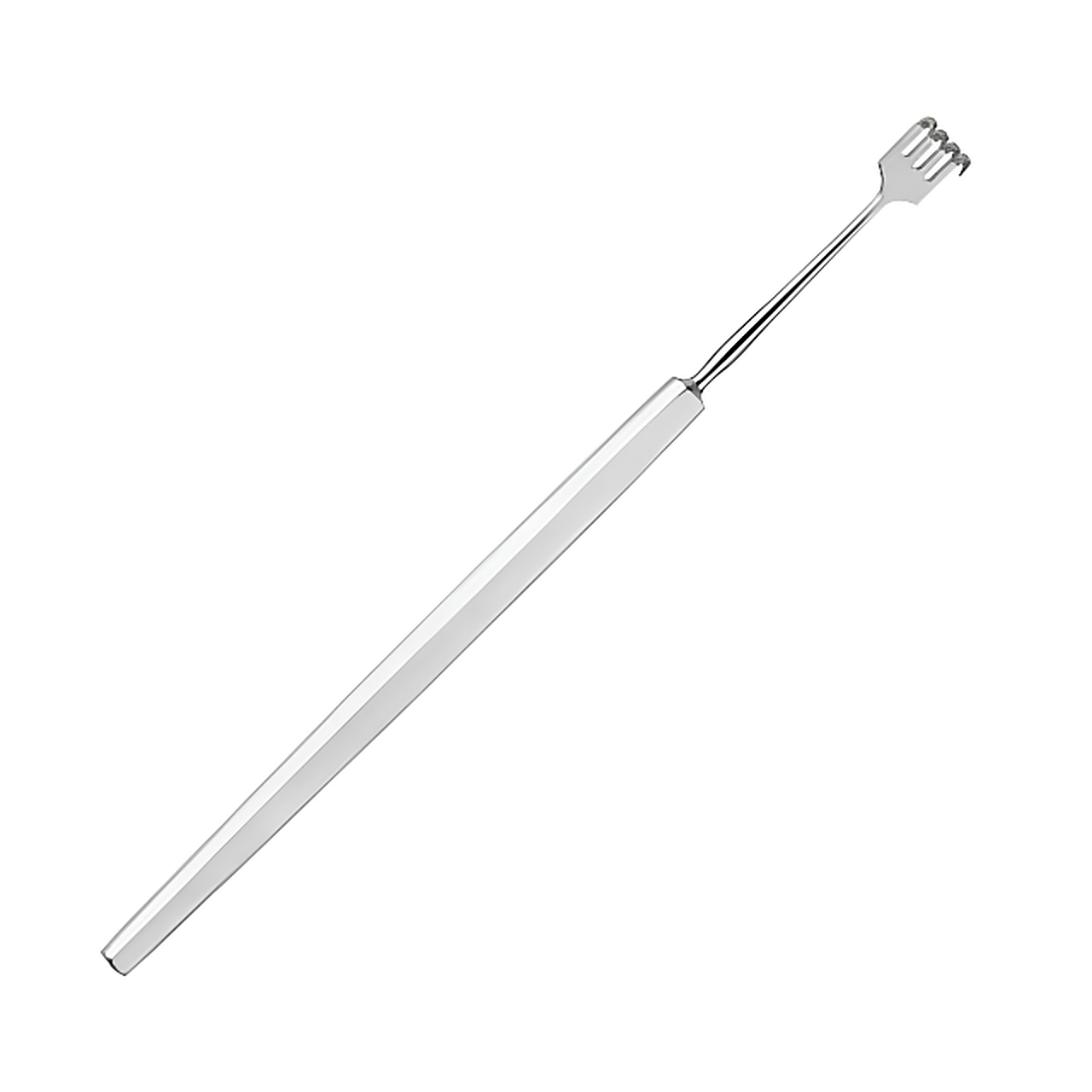 | Rollet Retractor | Speziell entwickelt zur Retraktion von Hautlappen, medialem Kanthalgewebe und Faszien in der Ophthalmo- und plastischen Chirurgie. |
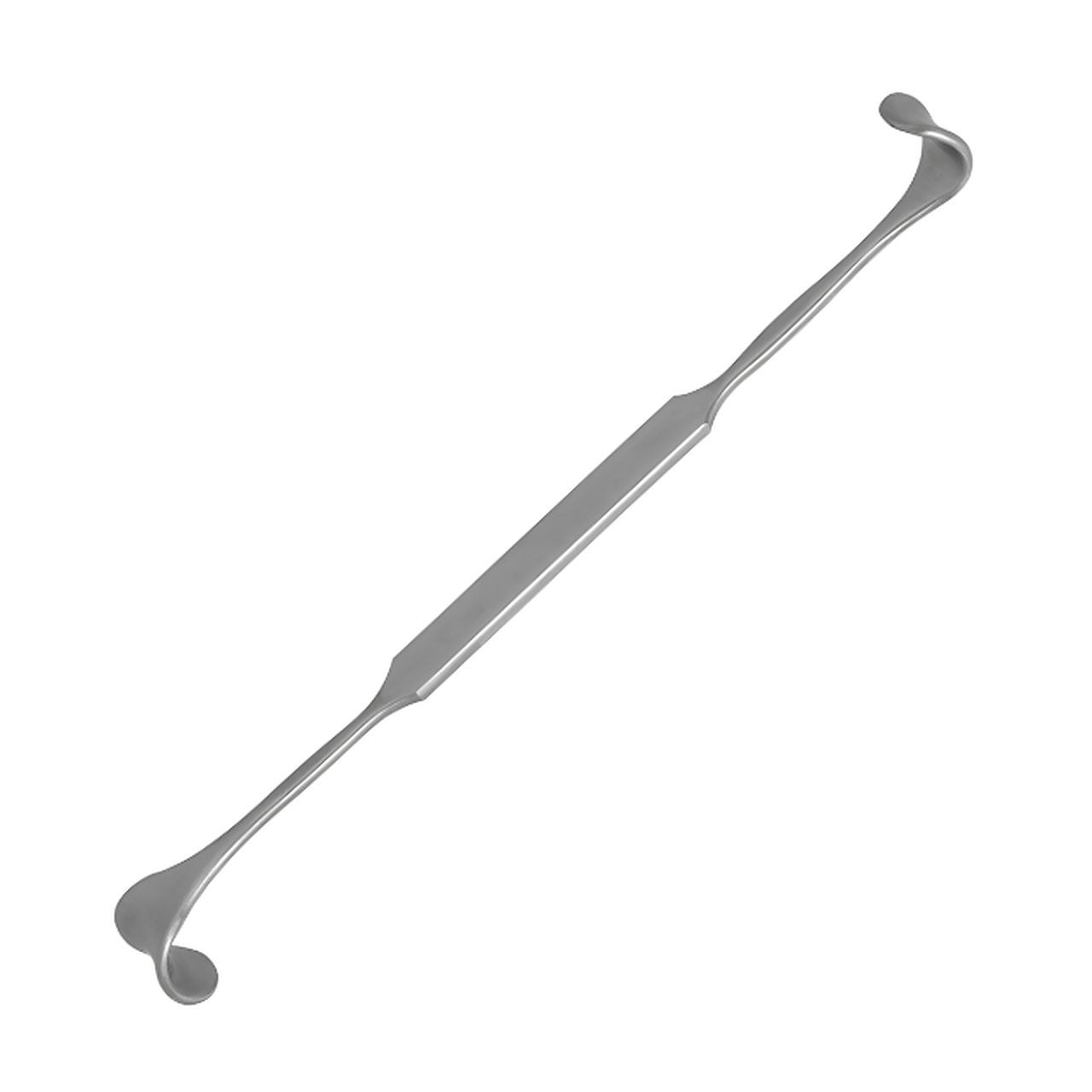 | Rose Retractor Double Ended | Speziell entwickelt zur Retraktion von Hauträndern, Faszien und Weichteilen bei oberflächlichen und mittleren chirurgischen Inzisionen. |
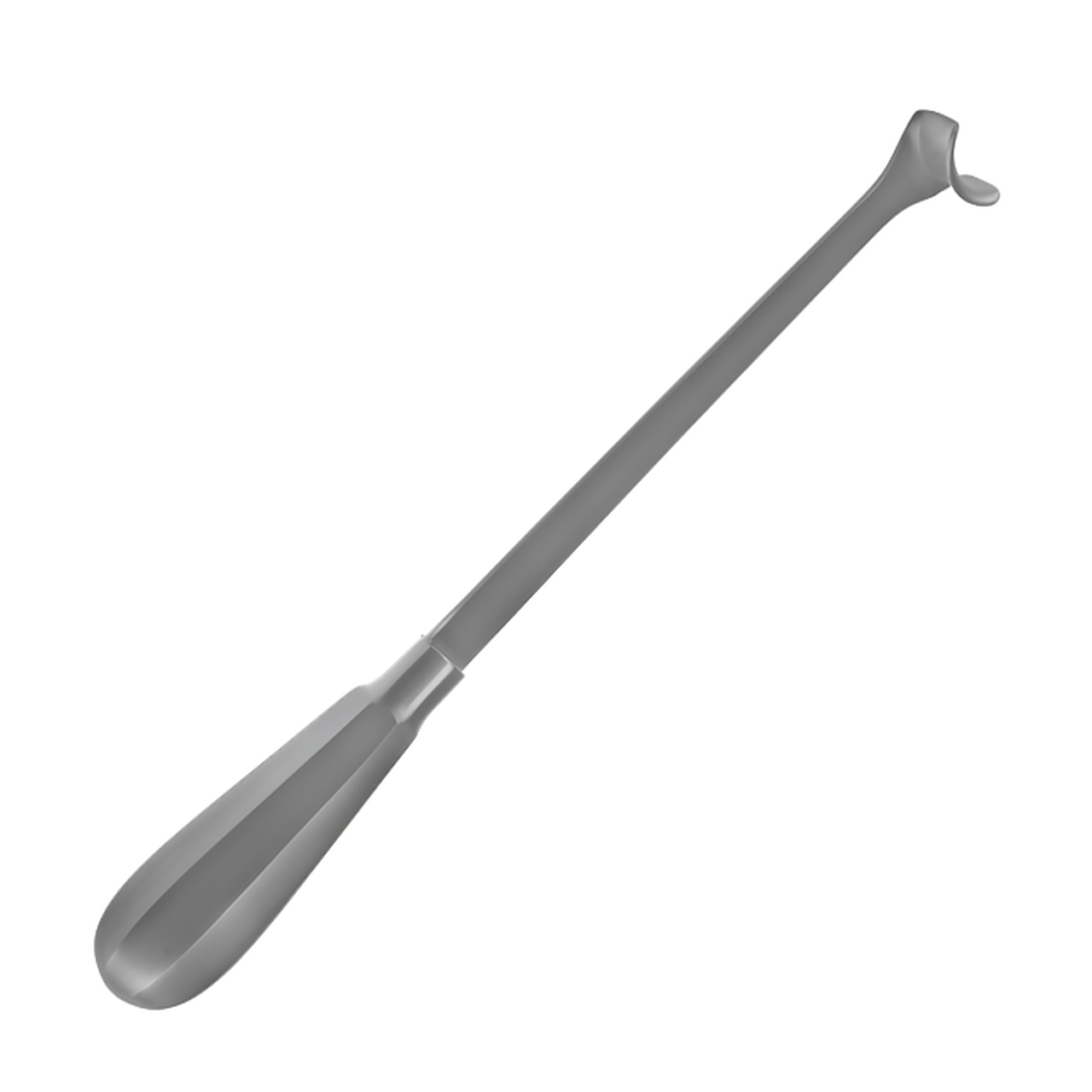 | Ross Aortic Valve Retractor | Speziell entwickelt zur Retraktion von Aortenklappensegeln und der Aortenwand während des Aortenklappenersatzes und der Rekonstruktion. |
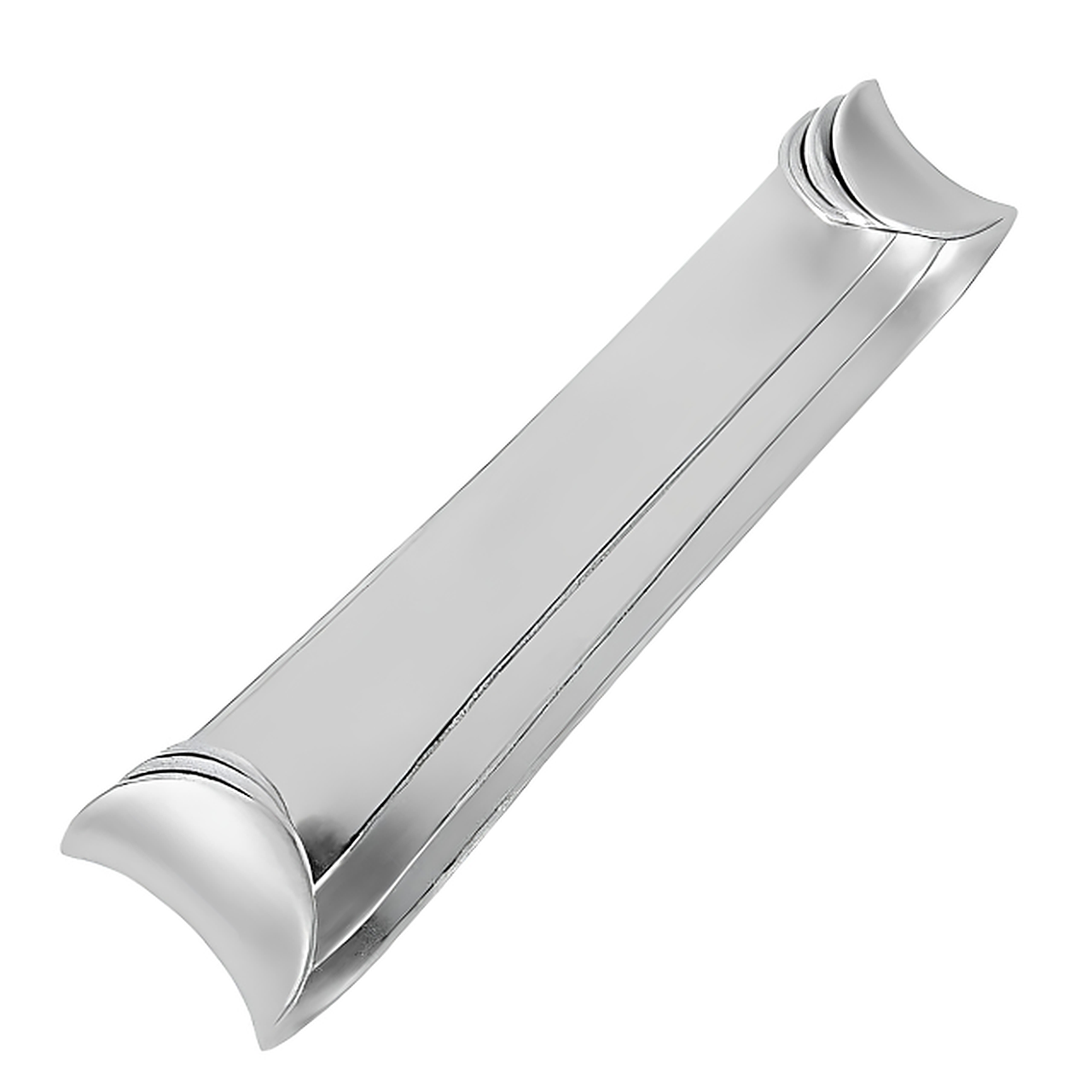 | Roux Retractor - Doppelendig | Speziell entwickelt zur Retraktion von Hauträndern, Faszien und oberflächlichen Muskelschichten in der Allgemeinchirurgie und plastischen Chirurgie. |
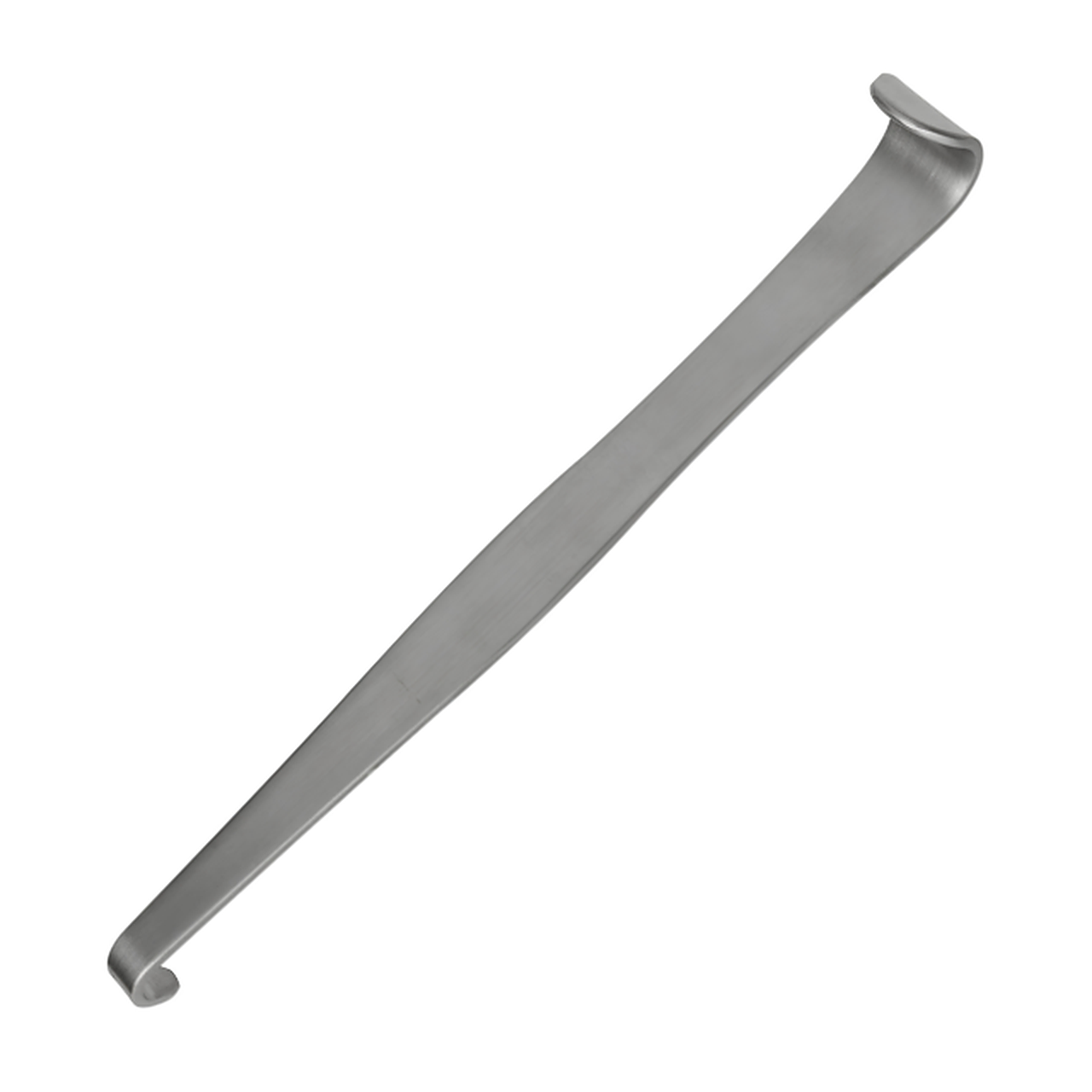 | S-Form Wundhaken doppelseitig | Speziell entwickelt für die Retraktion von Wundrändern, empfindlichen Faszien und Weichteilen bei kleineren chirurgischen, plastischen und HNO-Eingriffen. |
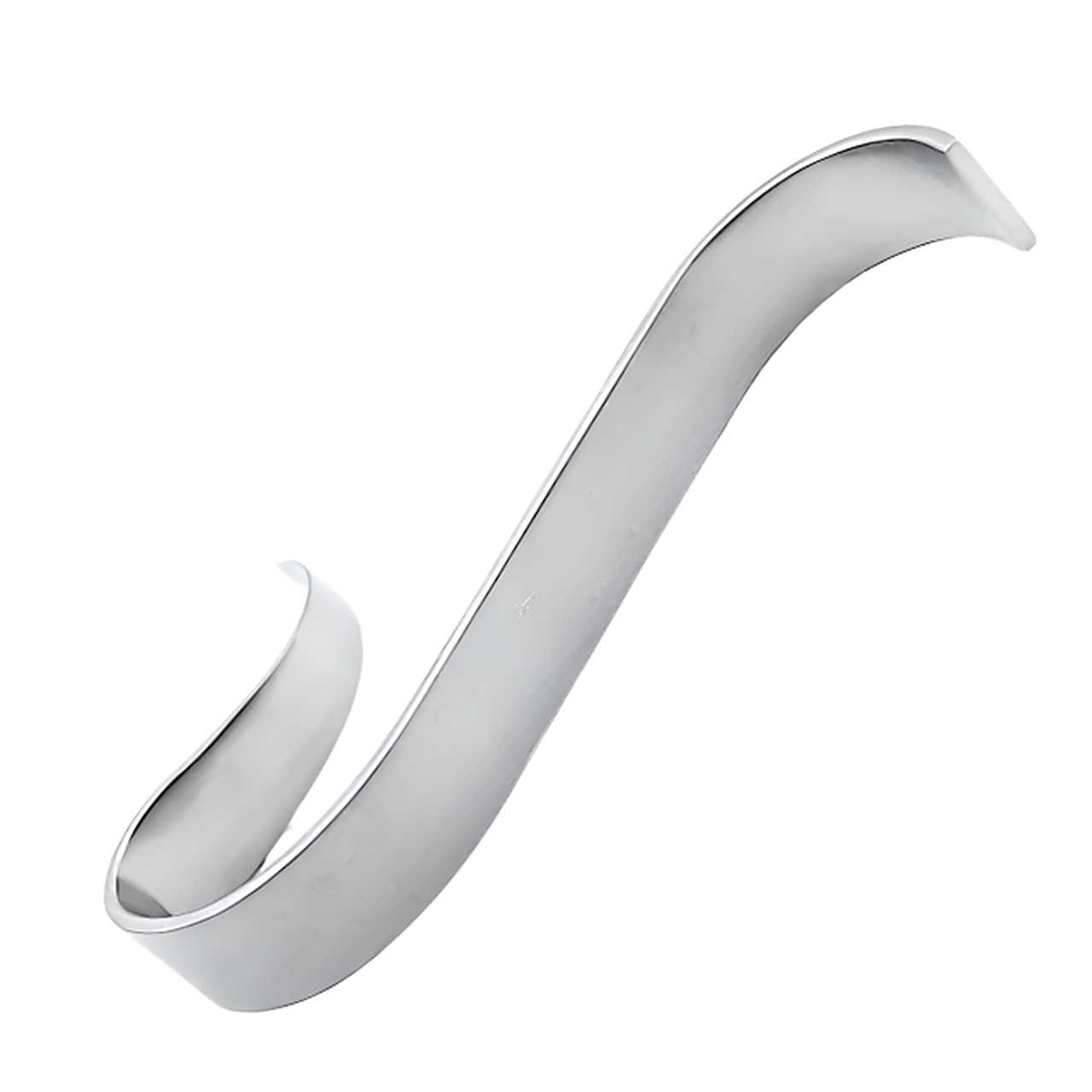 | S Total Knee Retractor | Speziell entwickelt zur Retraktion von Kollateralbändern, Gelenkkapsel und Weichteilen während der totalen Knieendoprothetik. |
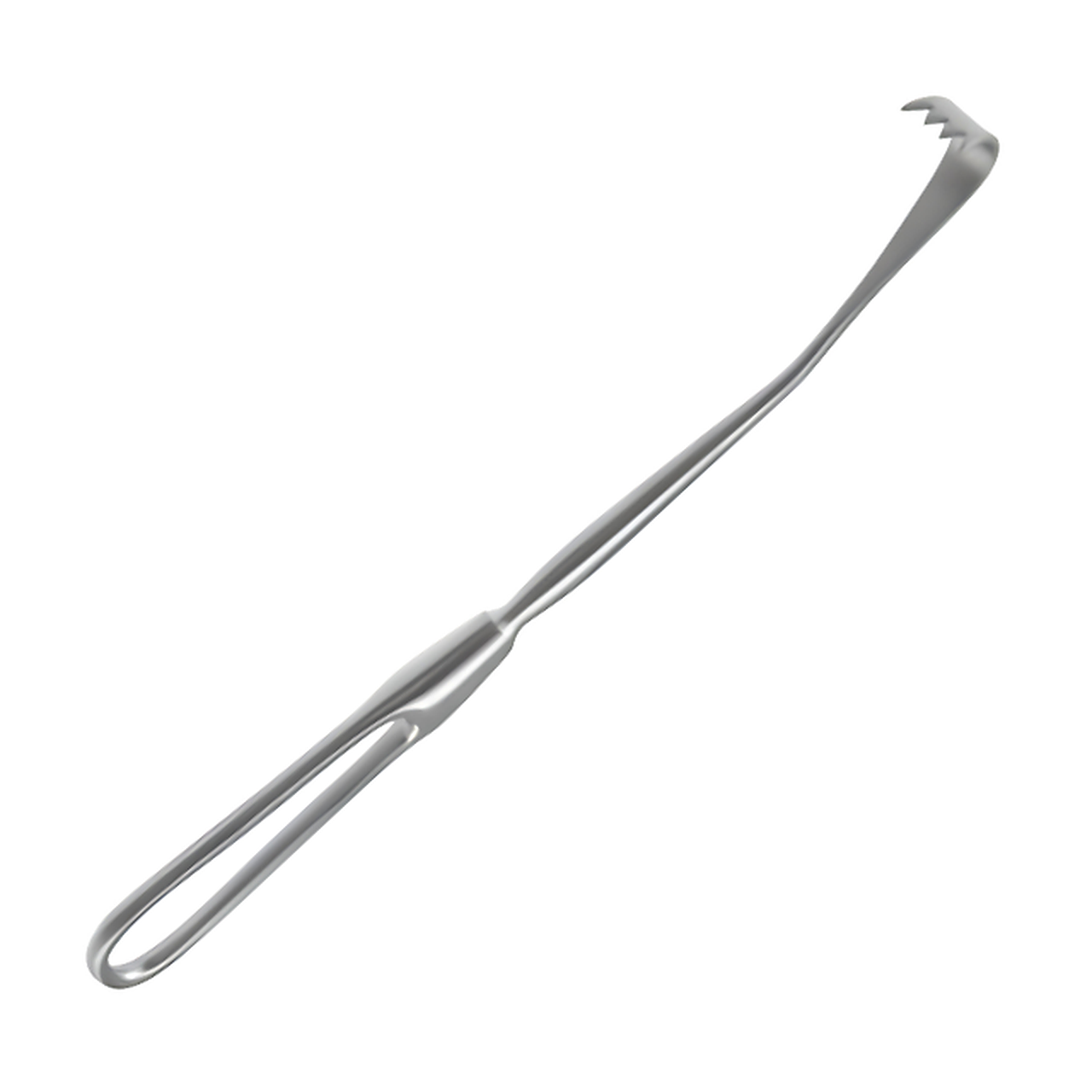 | Sachs Venenhaken | Speziell entwickelt zur Retraktion und Mobilisierung empfindlicher Venen, Nervenwurzeln und Gefäßbündel in der Gefäß- und Neurochirurgie. |
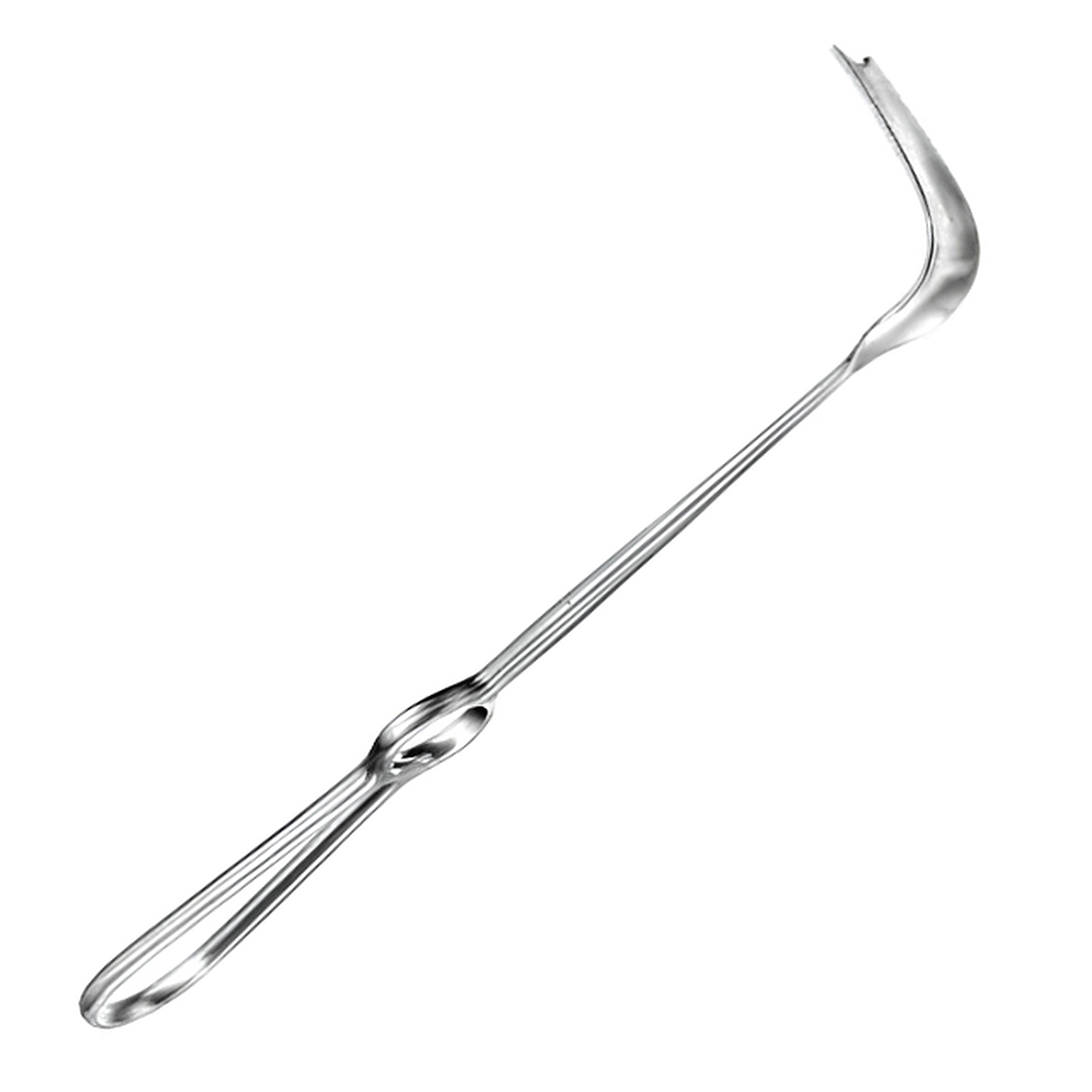 | Sailer Nasenrücken-Retraktor | Speziell entwickelt zur Elevation und Retraktion des Weichteilmantels entlang des Nasenrückens bei Rhinoplastiken und Mittelgesichtsosteotomien. |
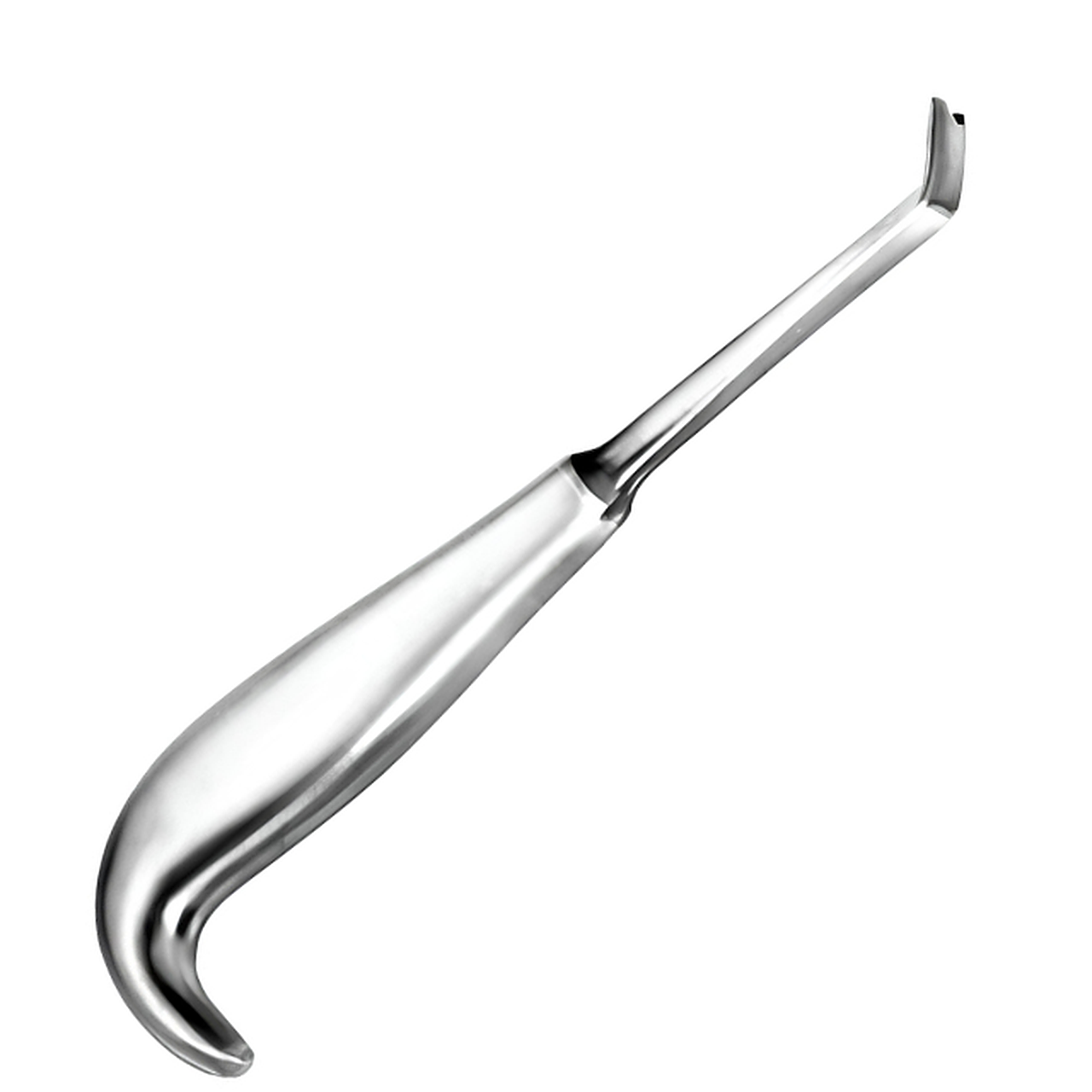 | Sailer Nasal-Spine-Retractor | Speziell entwickelt zum Einhaken über der Spina nasalis anterior und zum Anheben der Oberlippe bei Le-Fort-I-Osteotomien. |
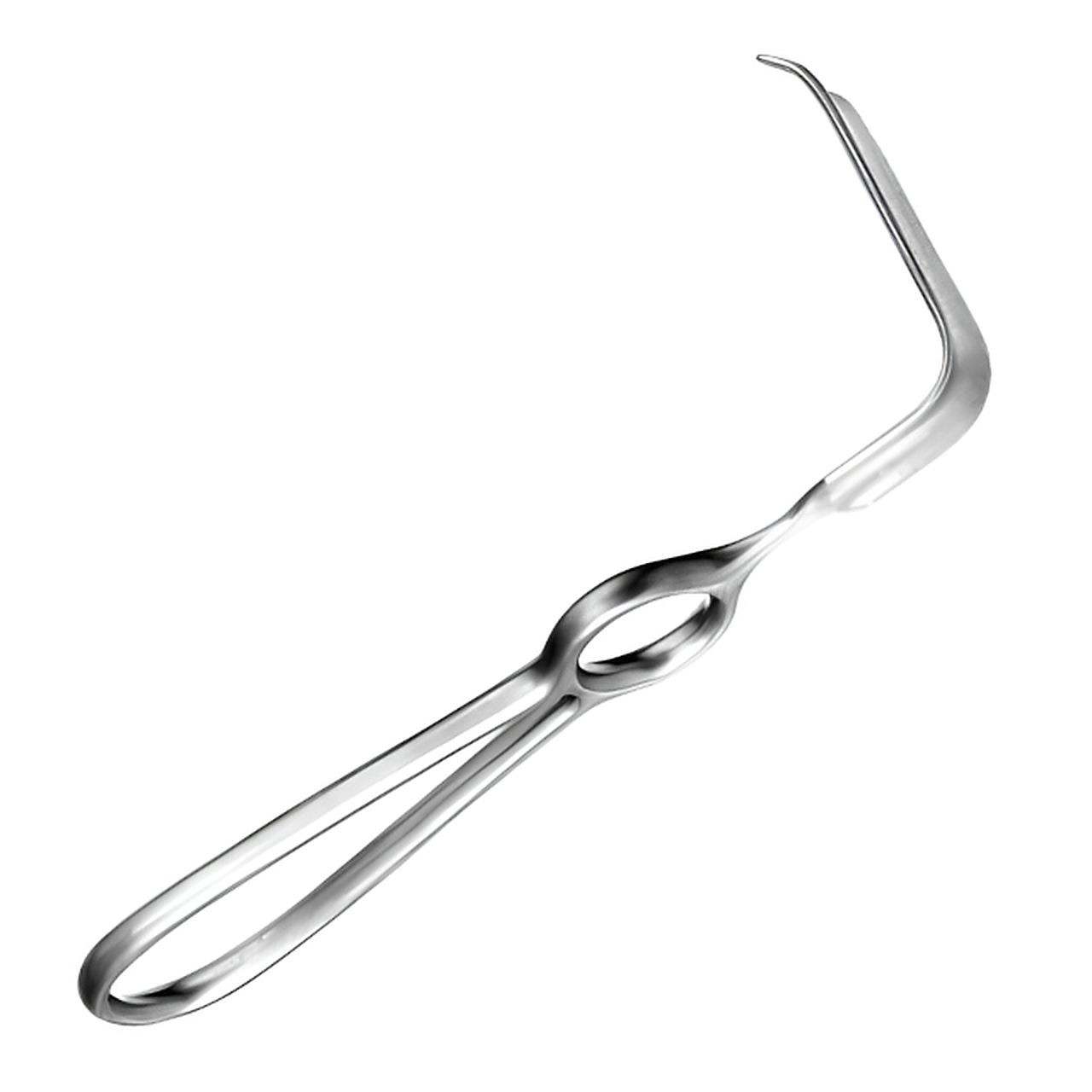 | Sailer Weichteilretraktor | Speziell entwickelt zum Abhalten von Mukoperiostlappen und Weichgewebe in engen intraoralen und fazialen Räumen. |
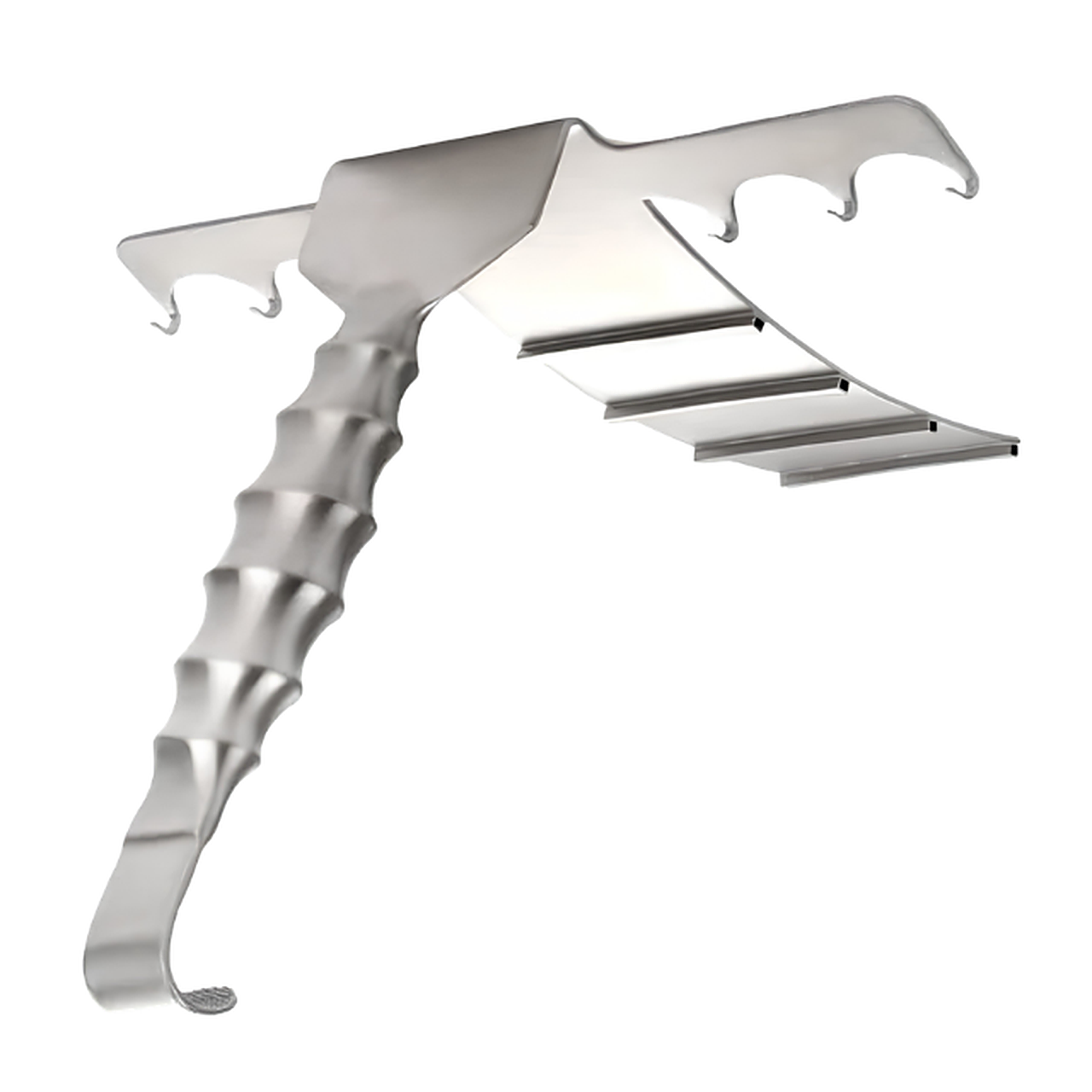 | Saldanha-Solz Abdominal-Retraktor | Speziell entwickelt zur Elevation abdominaler Hautlappen und zum Gewebeschutz während der Lipoabdominoplastik und Rektusplikatur. |
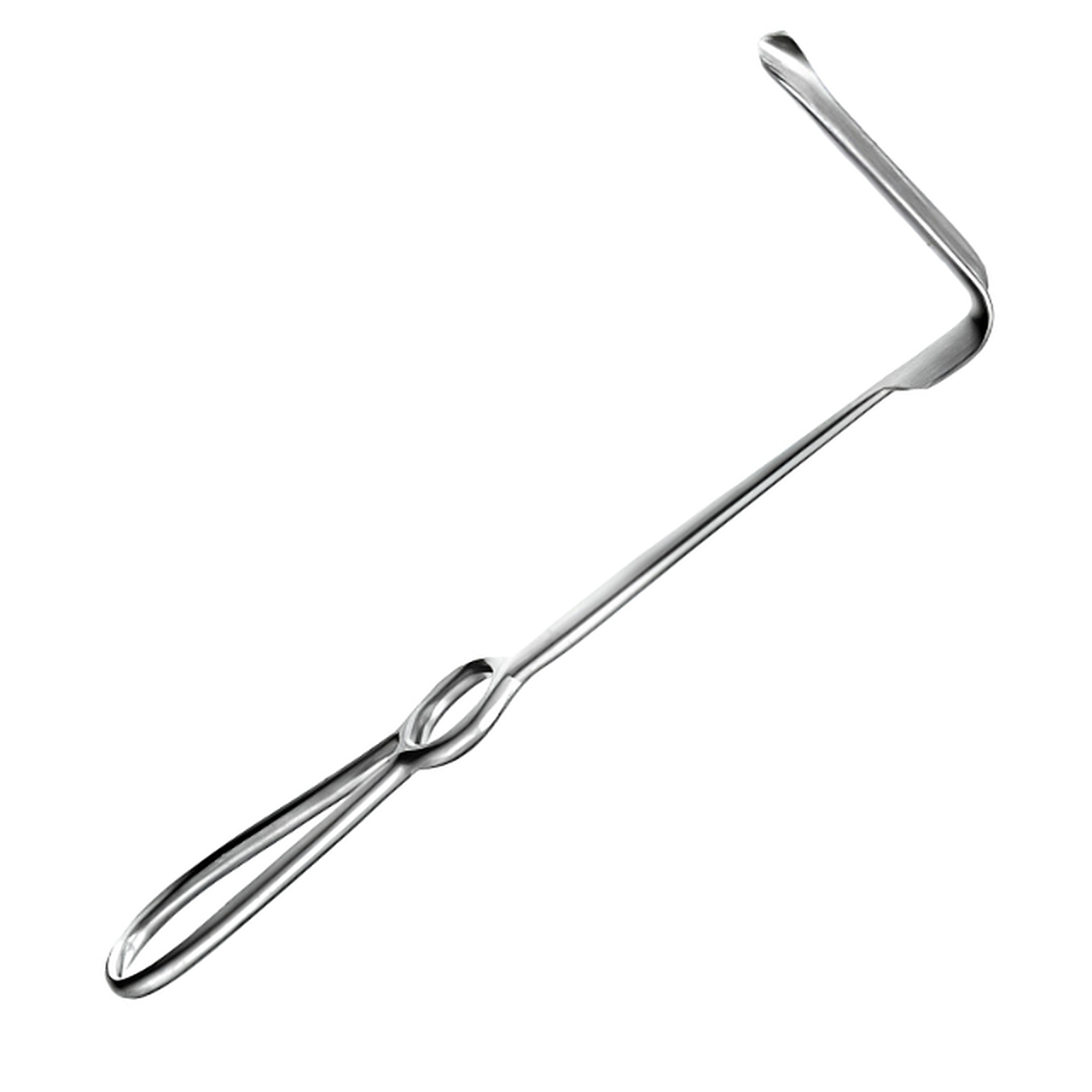 | Salzburg Condylar Neck Retractor | Speziell entwickelt zum Einhaken um den Kondylenhals und zum Schutz von Weichteilen während Kiefergelenksoperationen und Kondylusfrakturfixationen. |
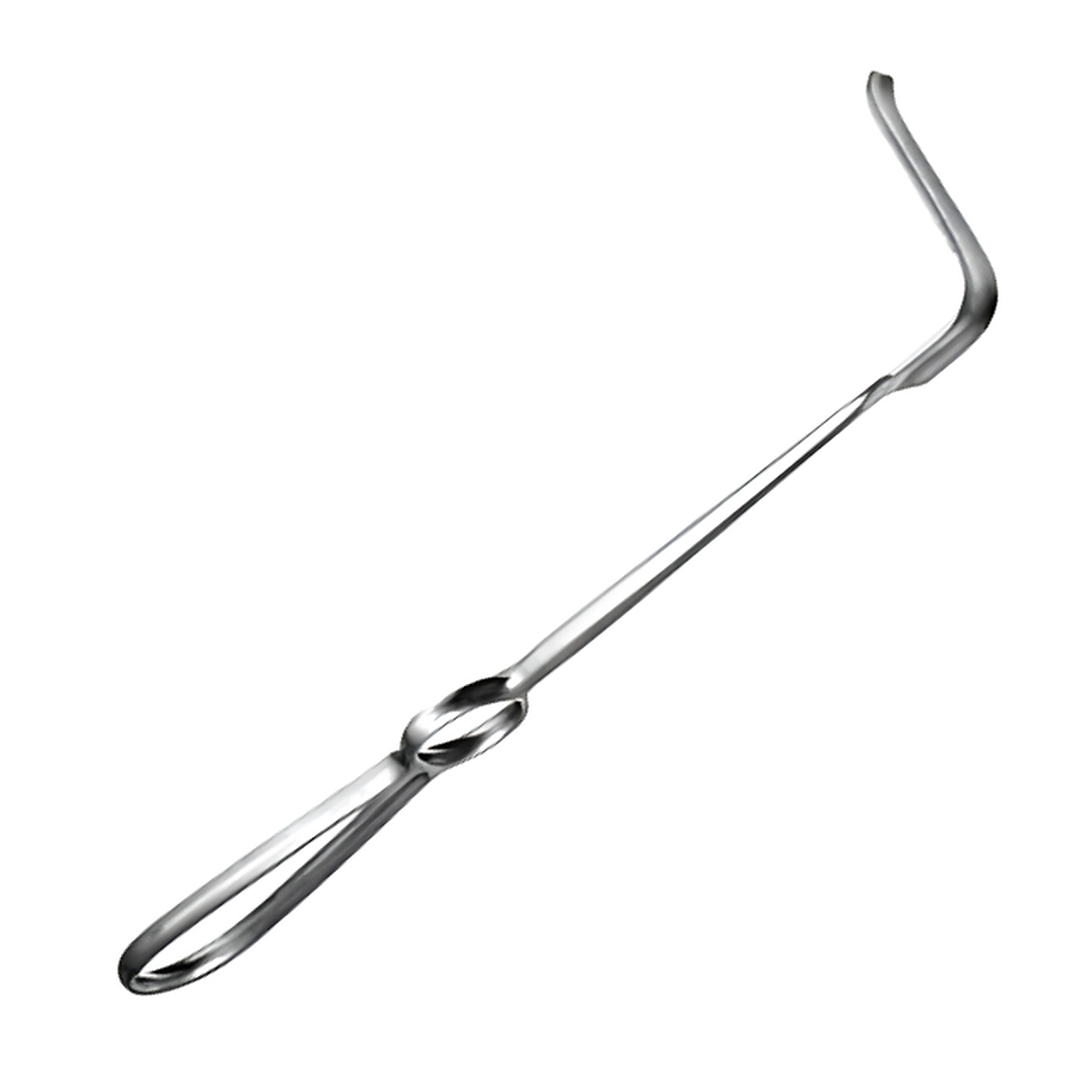 | Salzburg Mandibular-Rim-Retraktor | Speziell entwickelt zum Einhaken über den Mandibularrand und zum Schutz von Weichteilen und Gefäßen bei orthognathen Osteotomien. |
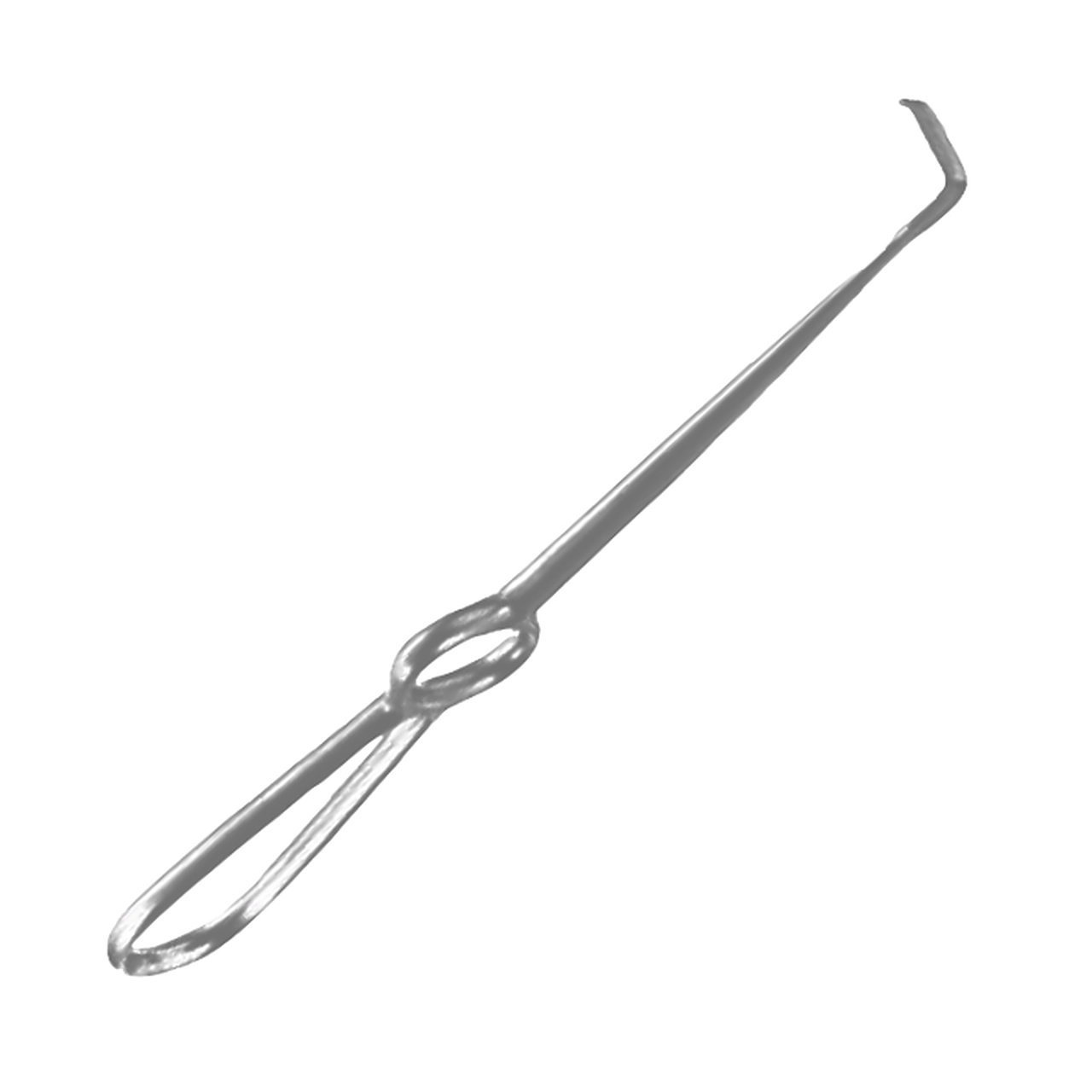 | Salzburg Weichteil-Retraktor | Speziell entwickelt für die Retraktion von Mukoperiostlappen und Weichteilgewebe in engen oralen und maxillofazialen Korridoren. |
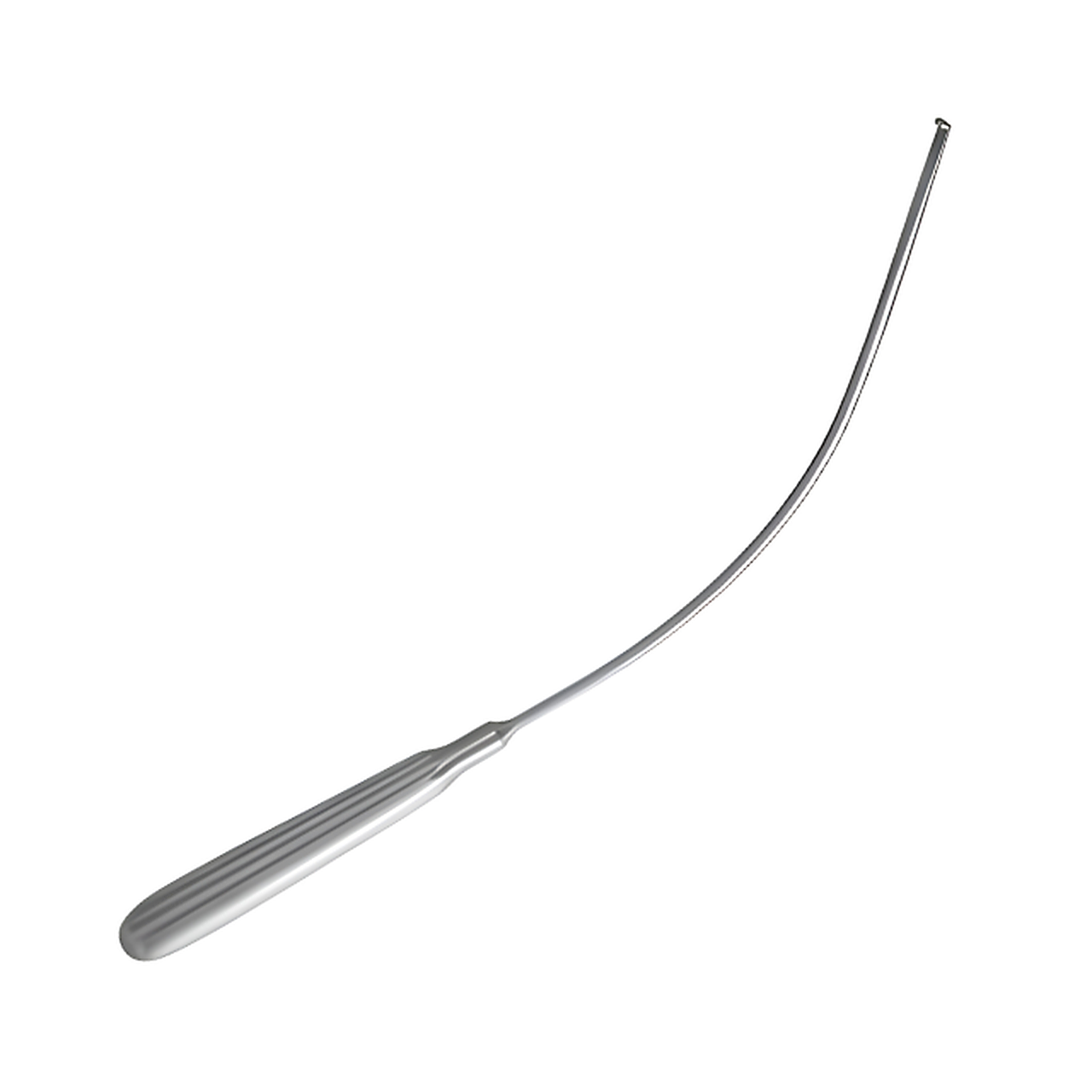 | Sandhu Nervenwurzelhaken | Speziell entwickelt zur Mobilisierung, Halterung und zum Schutz verlaufender spinaler Nervenwurzeln und des Duraschlauchs während der lumbalen Disketomie. |
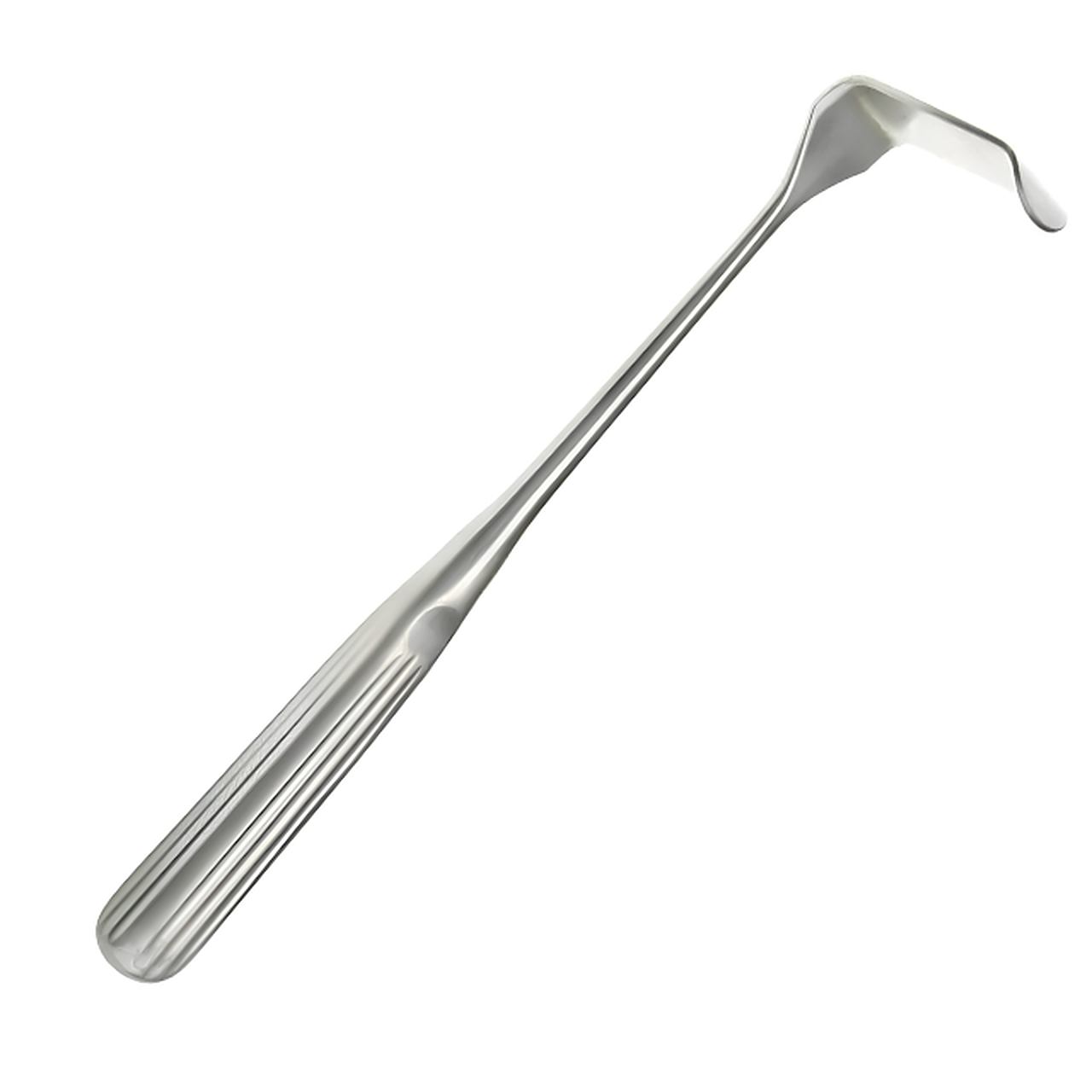 | Sauerbruch Wundhaken | Speziell entwickelt zur Retraktion von Muskelschichten, Faszien und Wundrändern während thorax-, abdominal- und orthopädisch-chirurgischer Eingriffe. |
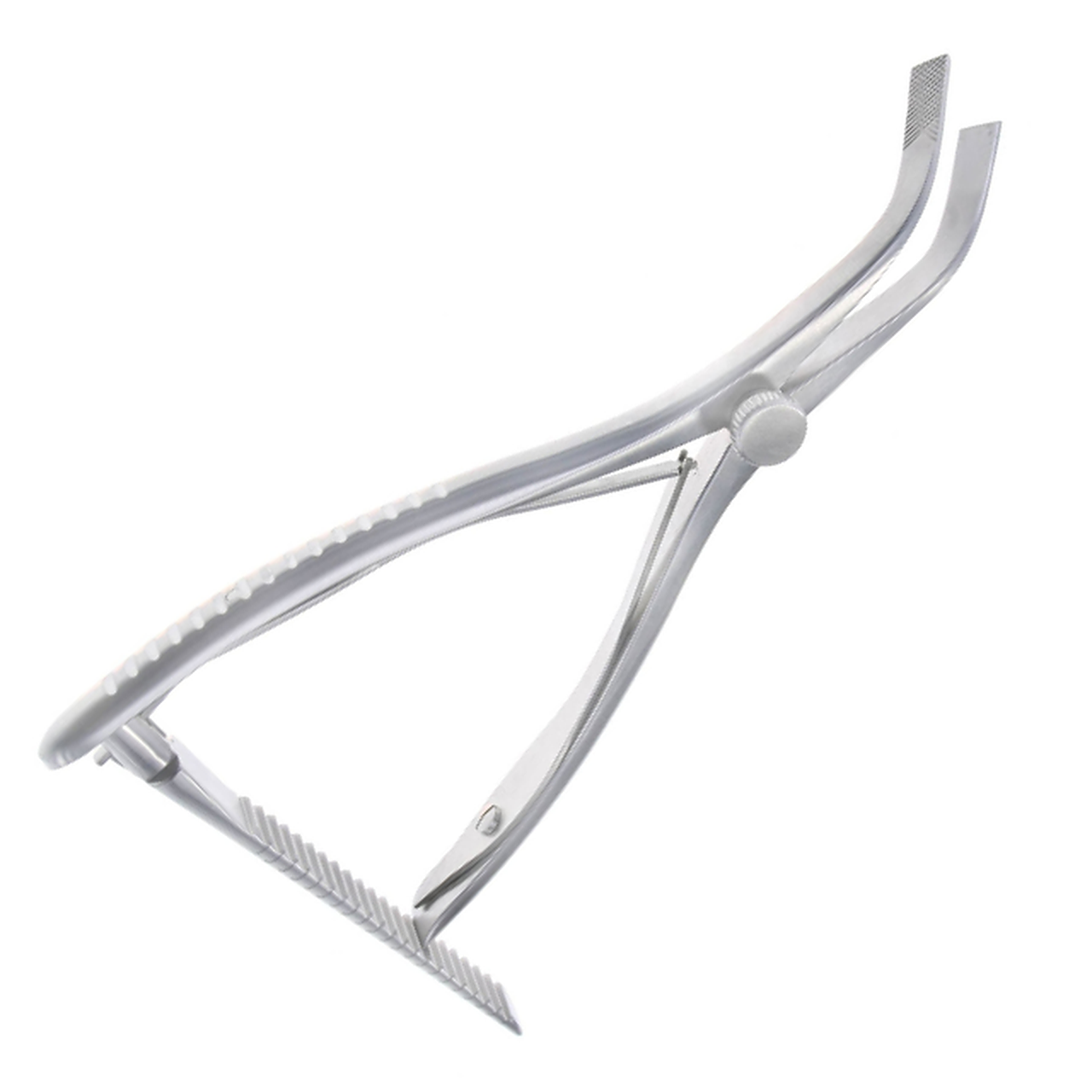 | Saxena Bone Grafting Retractor | Speziell entwickelt zur Retraktion von Weichteilgewebe und zur Stabilisierung der Knochenkortikalis bei der Entnahme von autologen Knochentransplantaten. |
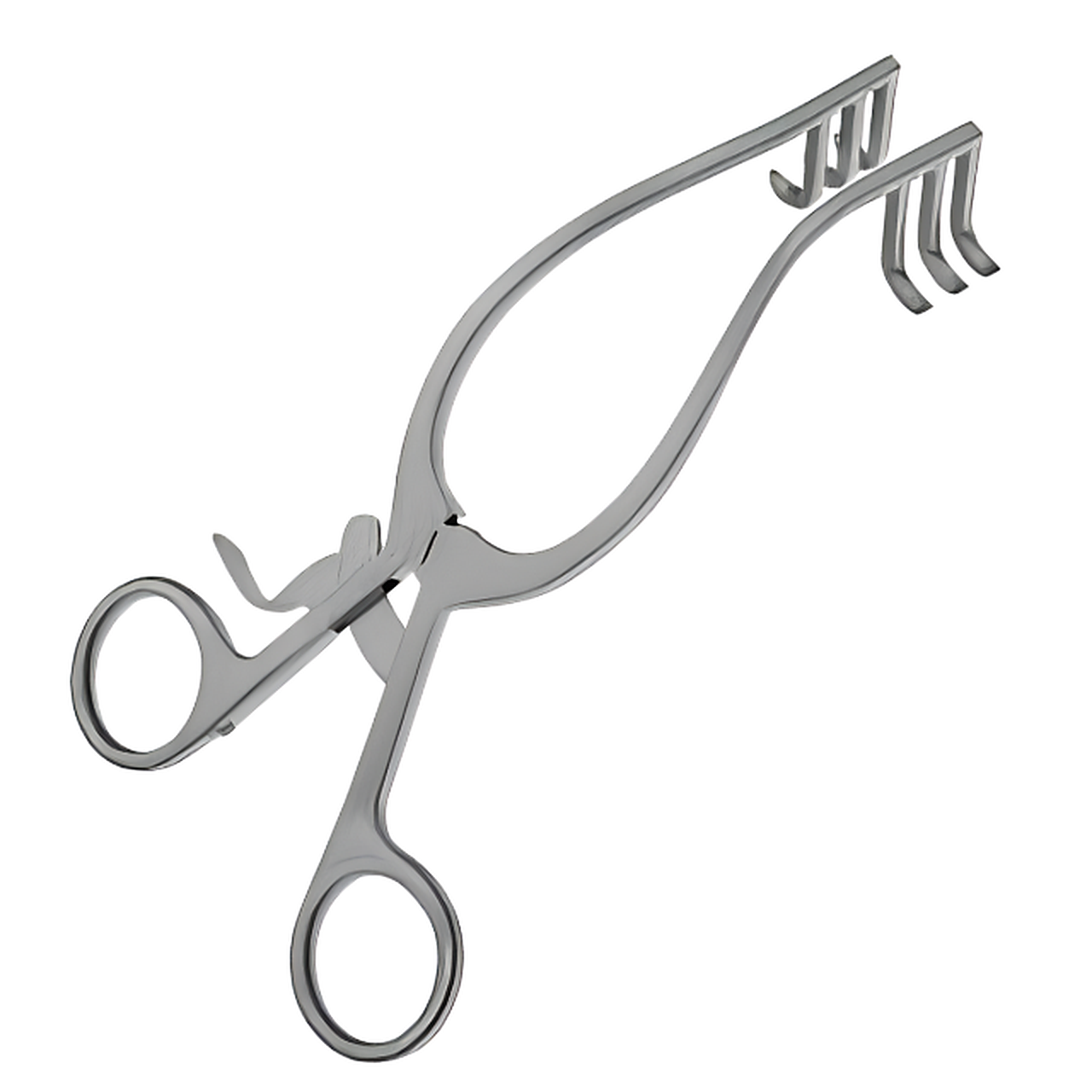 | Schuknecht Fisch Sperrer | Speziell entwickelt für die selbsthaltende Periost- und Weichteilretraktion bei Mastoid- und Ohr-Operationen. |
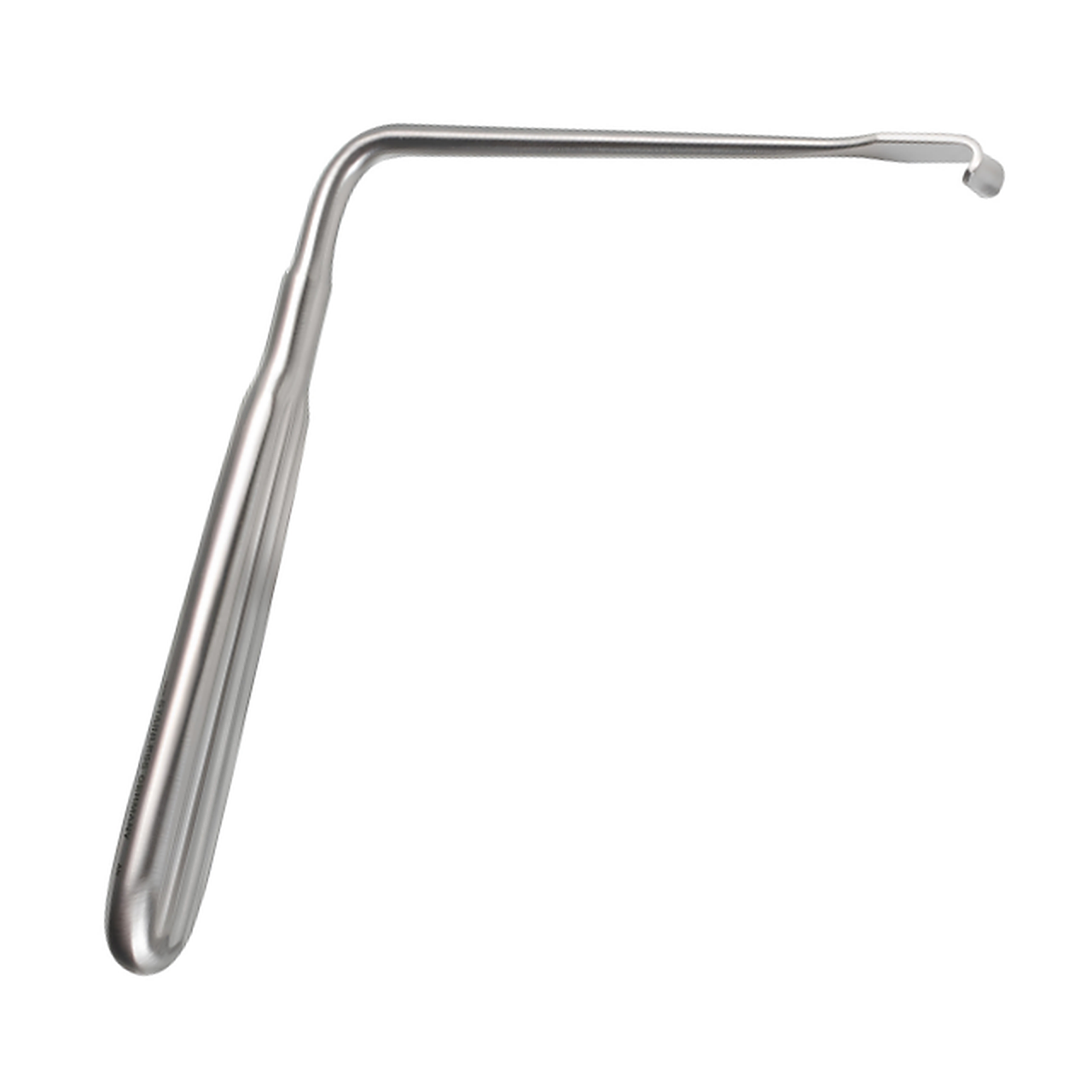 | Scoville Nervenhaken | Speziell entwickelt zur Mobilisierung und zum Schutz empfindlicher Nervenwurzeln und peripherer Nerven in kompakten chirurgischen Korridoren. |
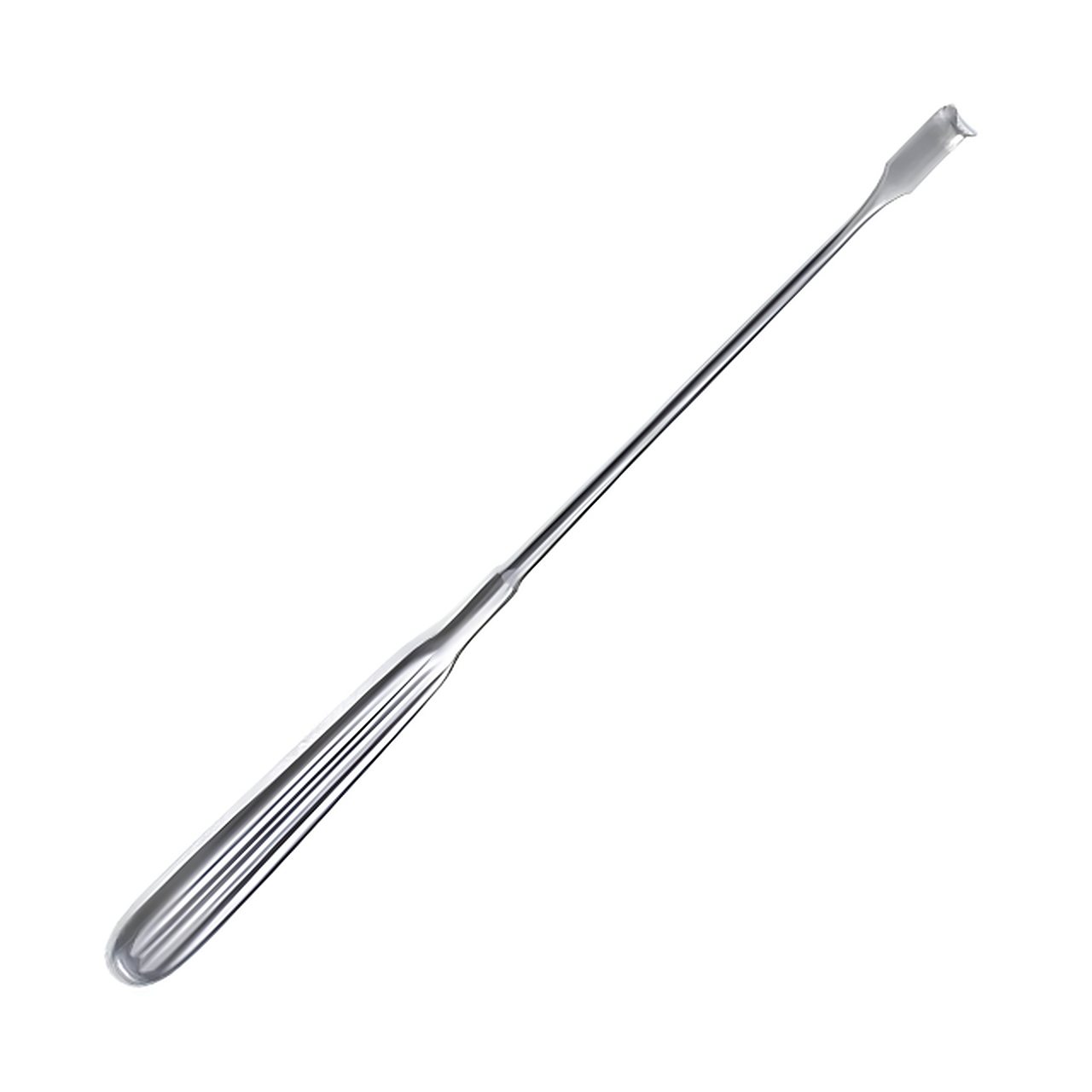 | Scoville Nervenwurzelhaken | Speziell entwickelt zum Mobilisieren, Halten und Schützen verlaufender Spinalnervenwurzeln und des Durasacks während der lumbalen Disketomie. |
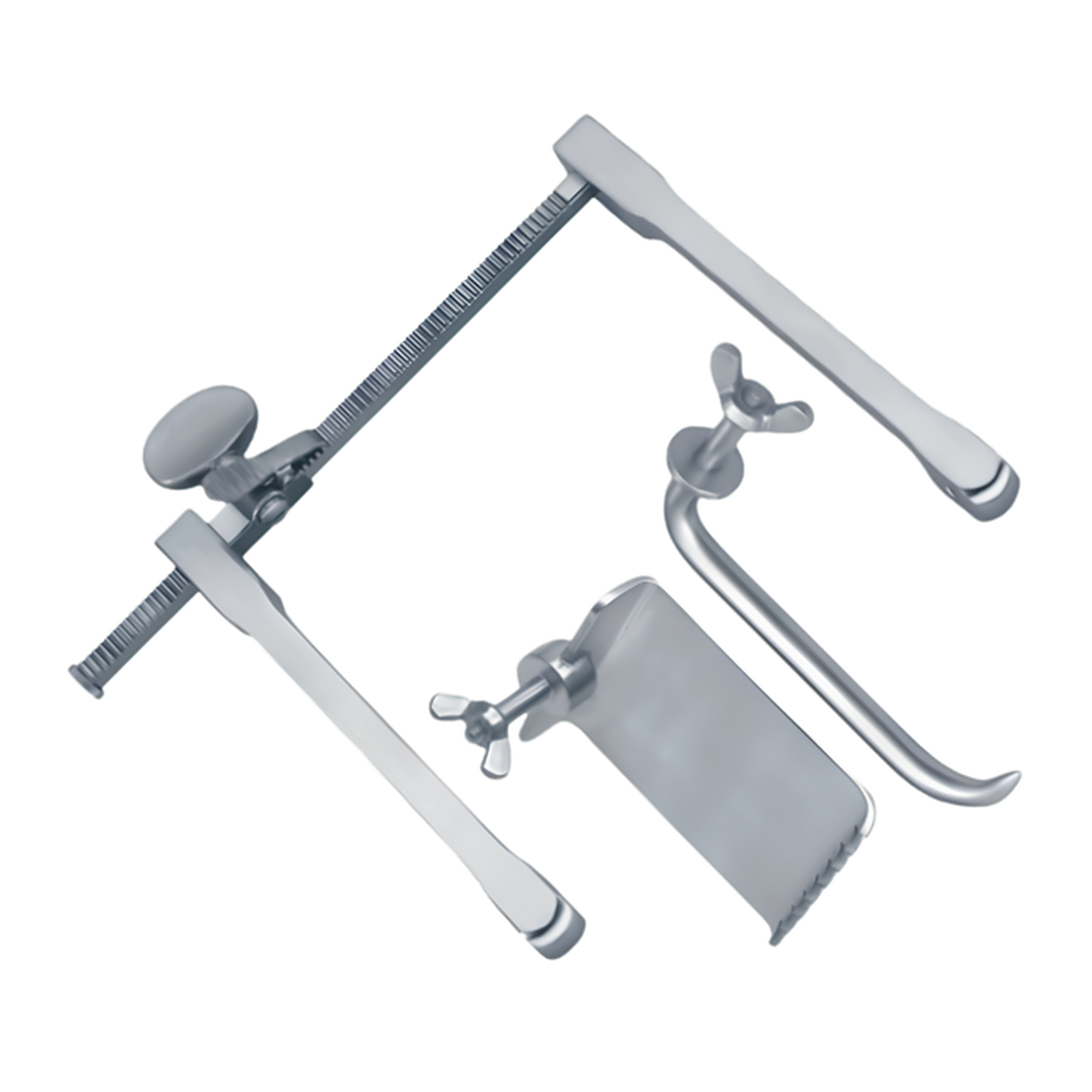 | Scoville Self Retaining Retractor | Speziell entwickelt zur Retraktion schwerer paraspinaler Muskulatur und zur Freilegung der Wirbellamina bei lumbalen Wirbelsäuleneingriffen. |
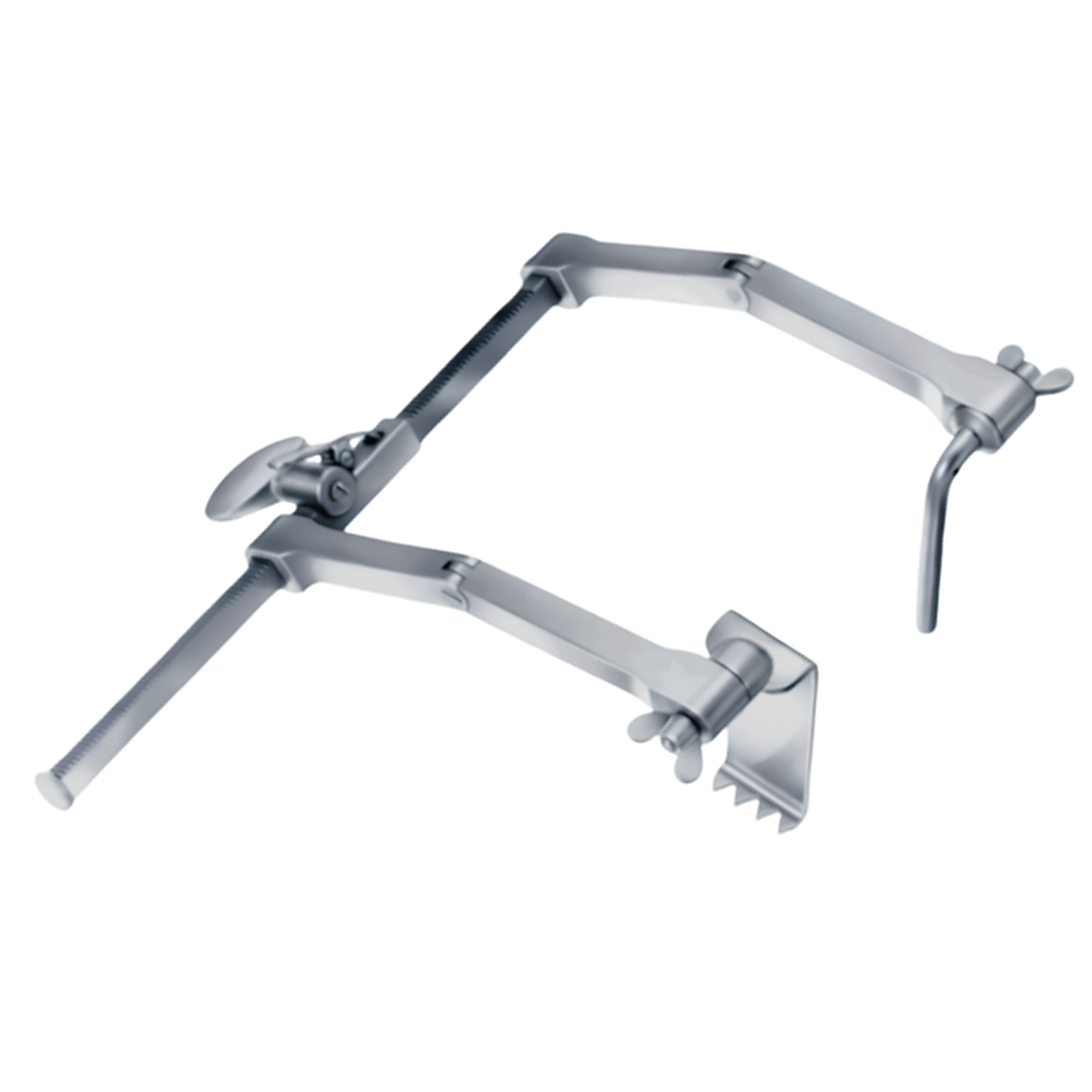 | Scoville-Haverfield Self Retaining Retractor | Speziell konzipiert zur Retraktion schwerer paraspinaler Muskulatur mit freier Sichtlinie durch abgewinkelte Schenkel bei Wirbelsäuleneingriffen. |
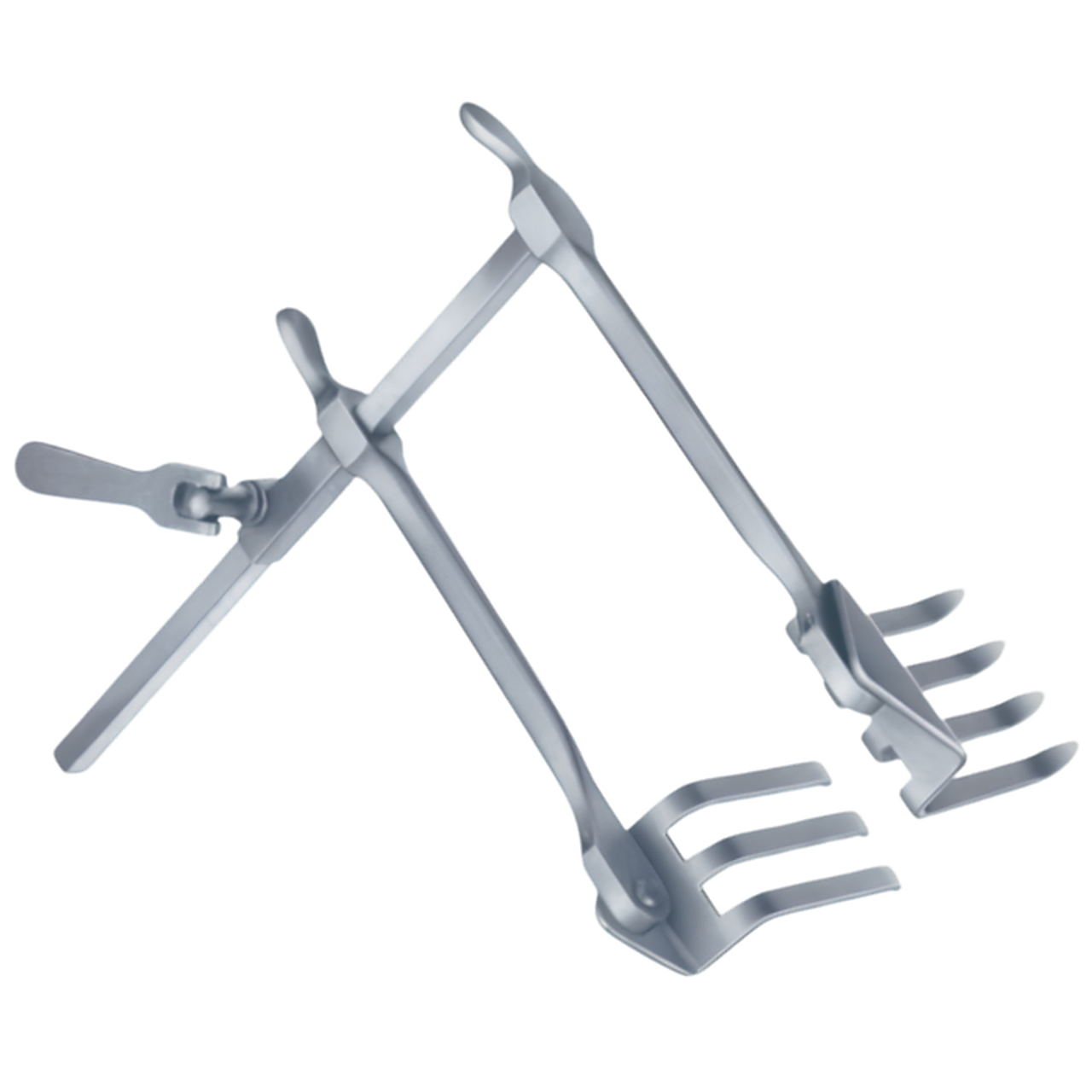 | Scoville-Richter Self Retaining Retractor | Speziell entwickelt für die Retraktion schwerer paraspinaler Muskulatur und zur Aufrechterhaltung einer breiten Exposition bei lumbalen Wirbelsäulenoperationen. |
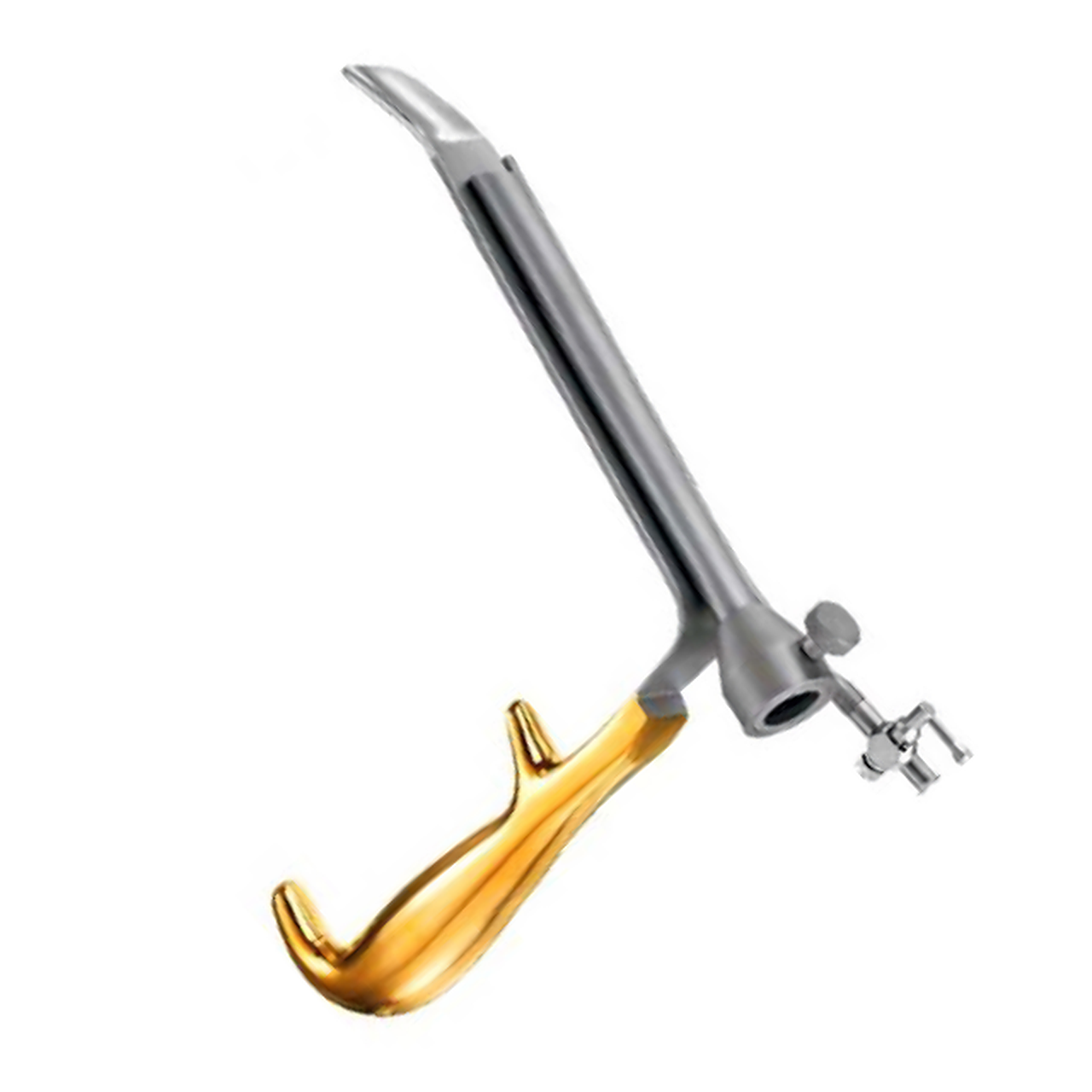 | Sculpo Endoscopic Retractor | Speziell entwickelt zum Anheben von Gewebelappen und zur Stabilisierung eines Endoskops während der minimalinvasiven plastischen Chirurgie. |
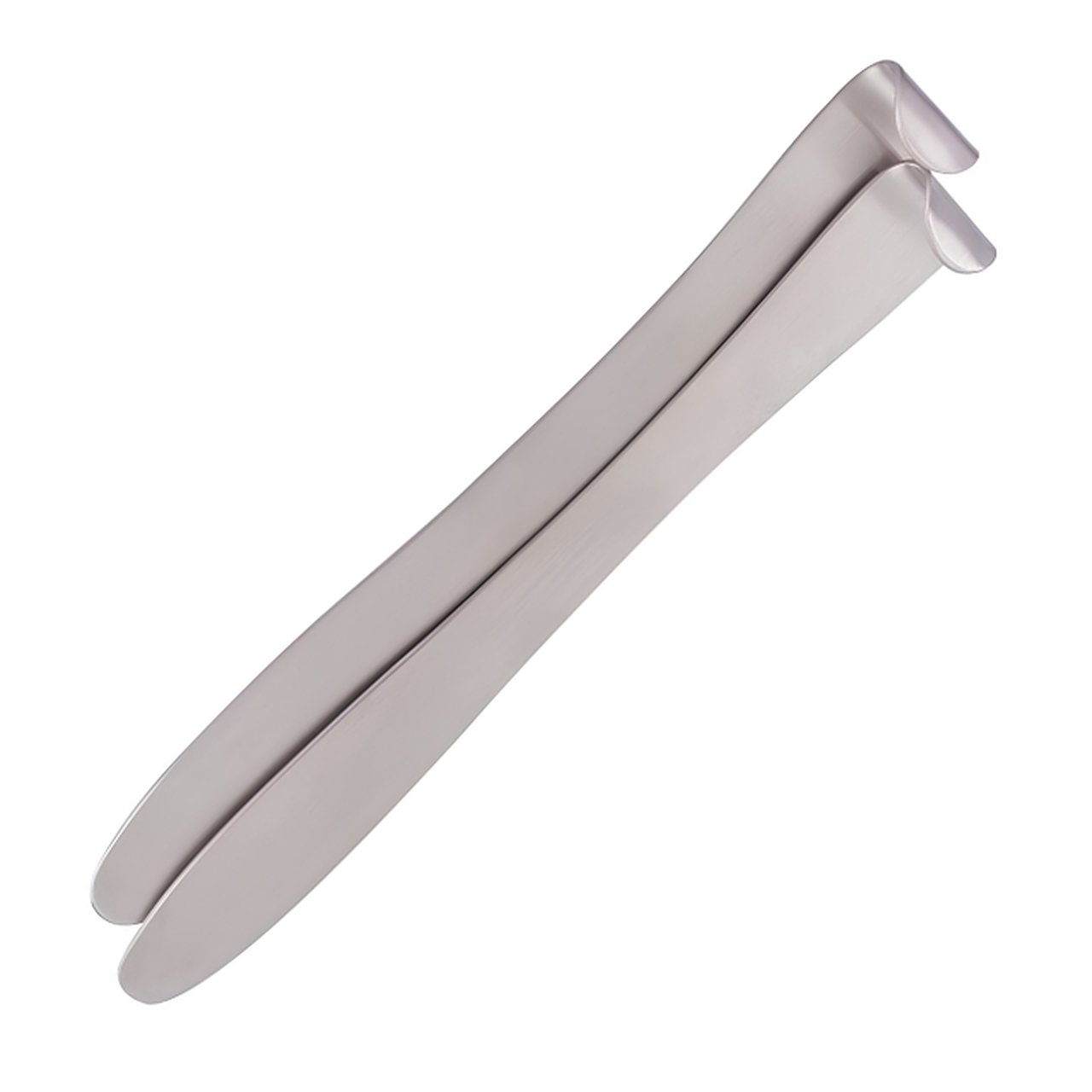 | Seeburger Retractor-Zweierset | Speziell entwickelt für die Retraktion von Hauträndern, Faszien und oberflächlichem Weichgewebe in der kleinen und allgemeinen Chirurgie. |
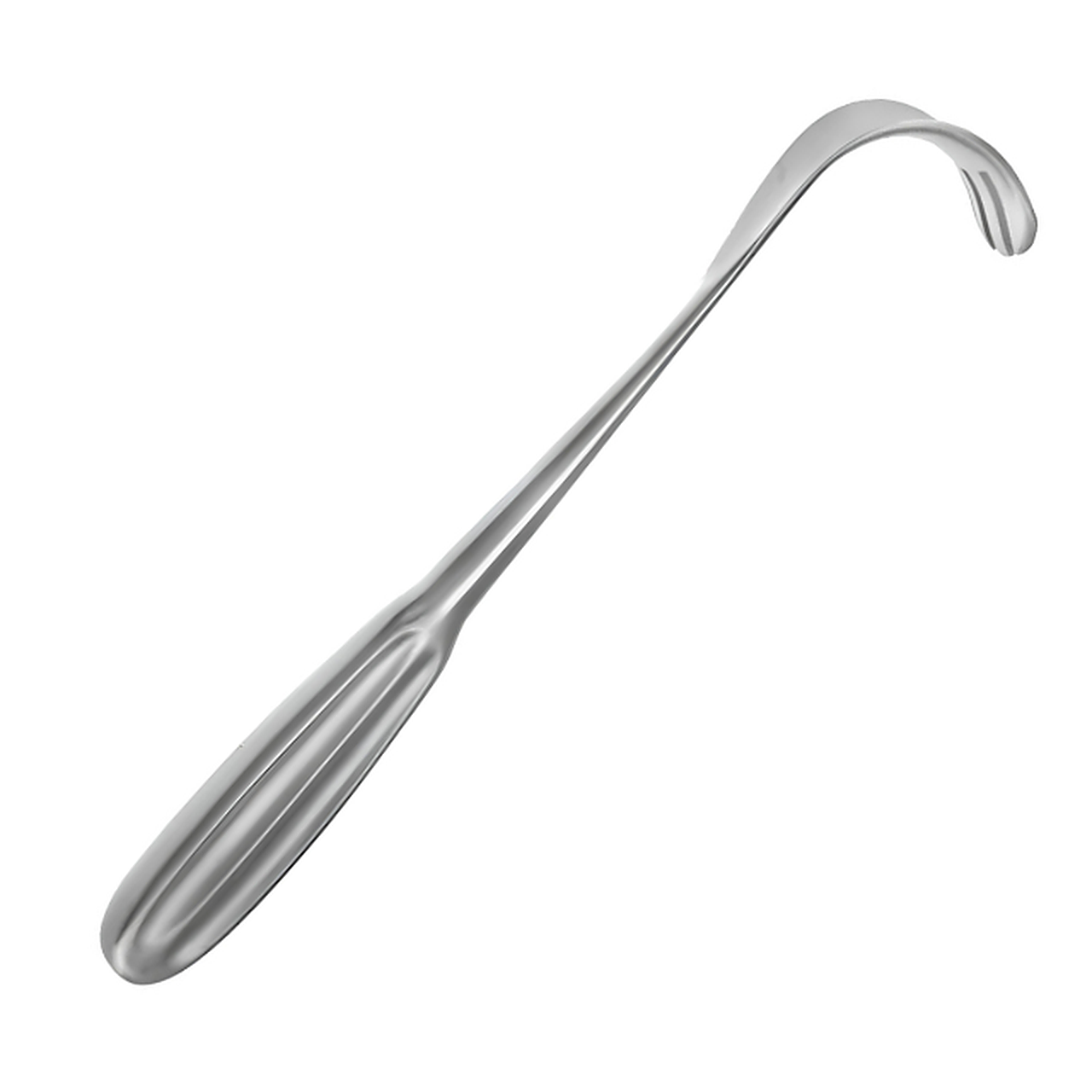 | Semb Lungen- und Muskelretraktor | Speziell entwickelt zur Retraktion von Lungenparenchym, Brustwandmuskulatur und tiefen thorakalen Eingeweiden bei Thorakotomien und Lungenoperationen. |
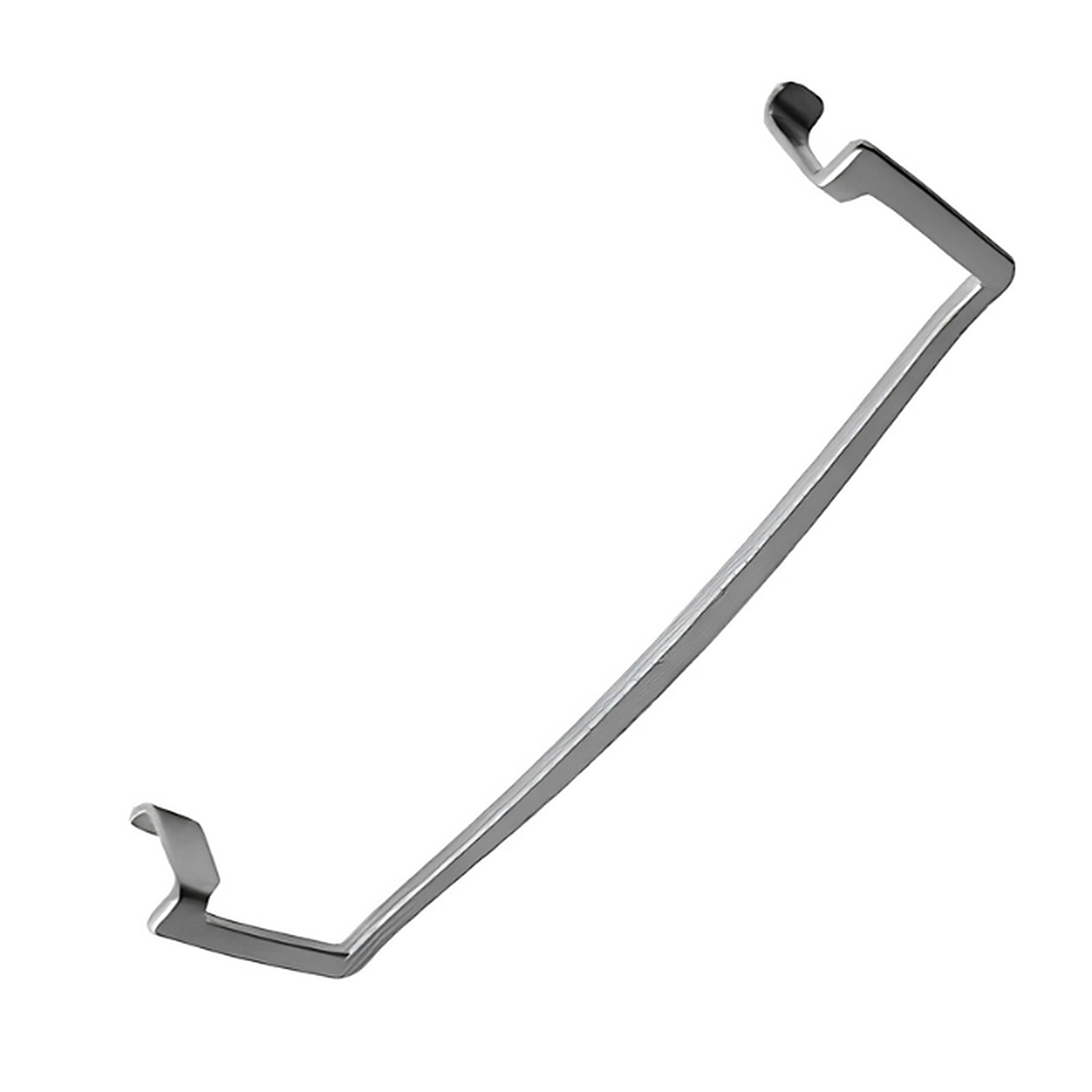 | Senn Forward Retractor | Speziell entwickelt für die Retraktion von Hauträndern, Hautlappen und Faszien bei kleineren, plastischen und handchirurgischen Eingriffen. |
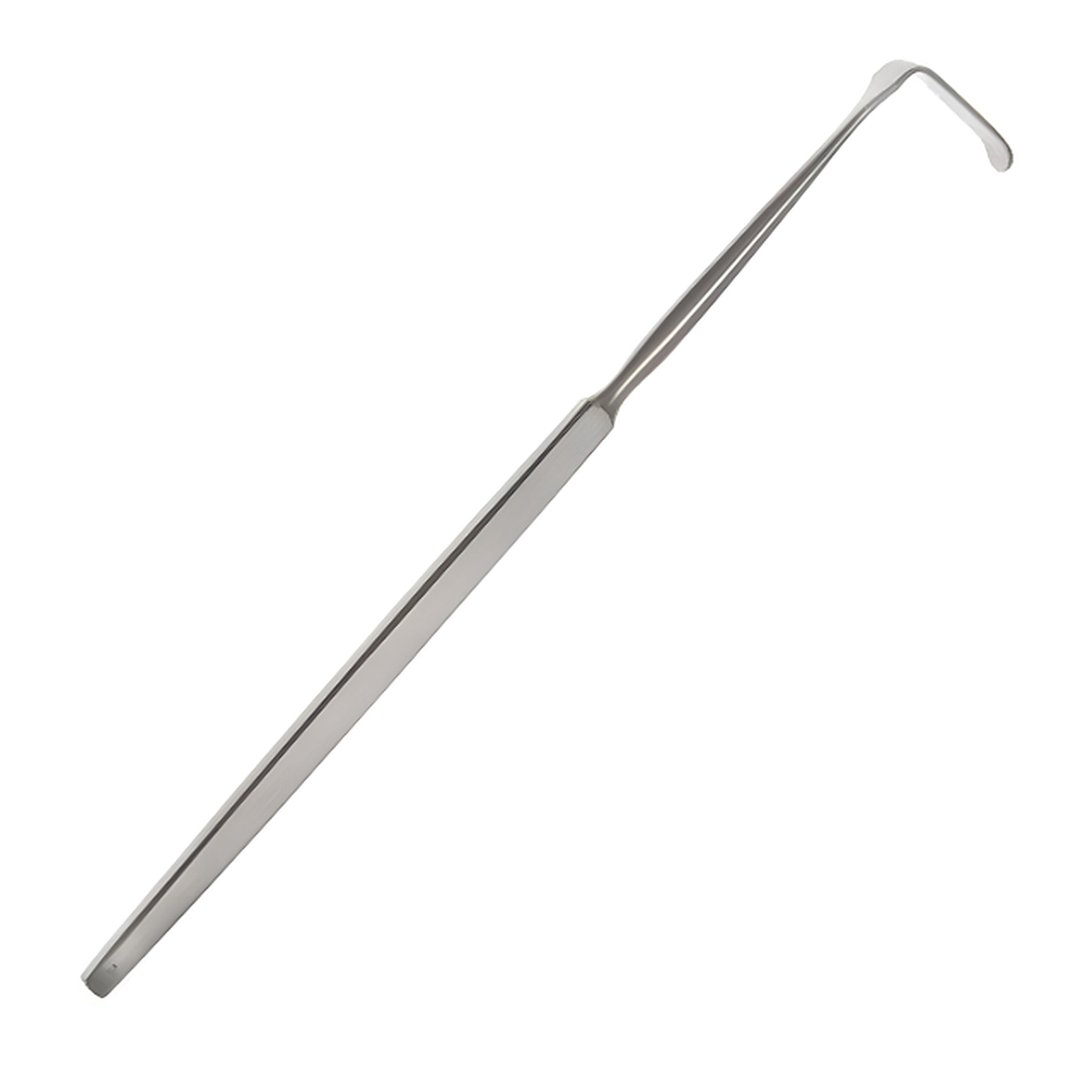 | Senn Green Wundhaken | Speziell entwickelt zur Retraktion der Halsmuskulatur, der Zervikalfaszie und der Wundränder bei Schilddrüsenoperationen und kleineren chirurgischen Eingriffen. |
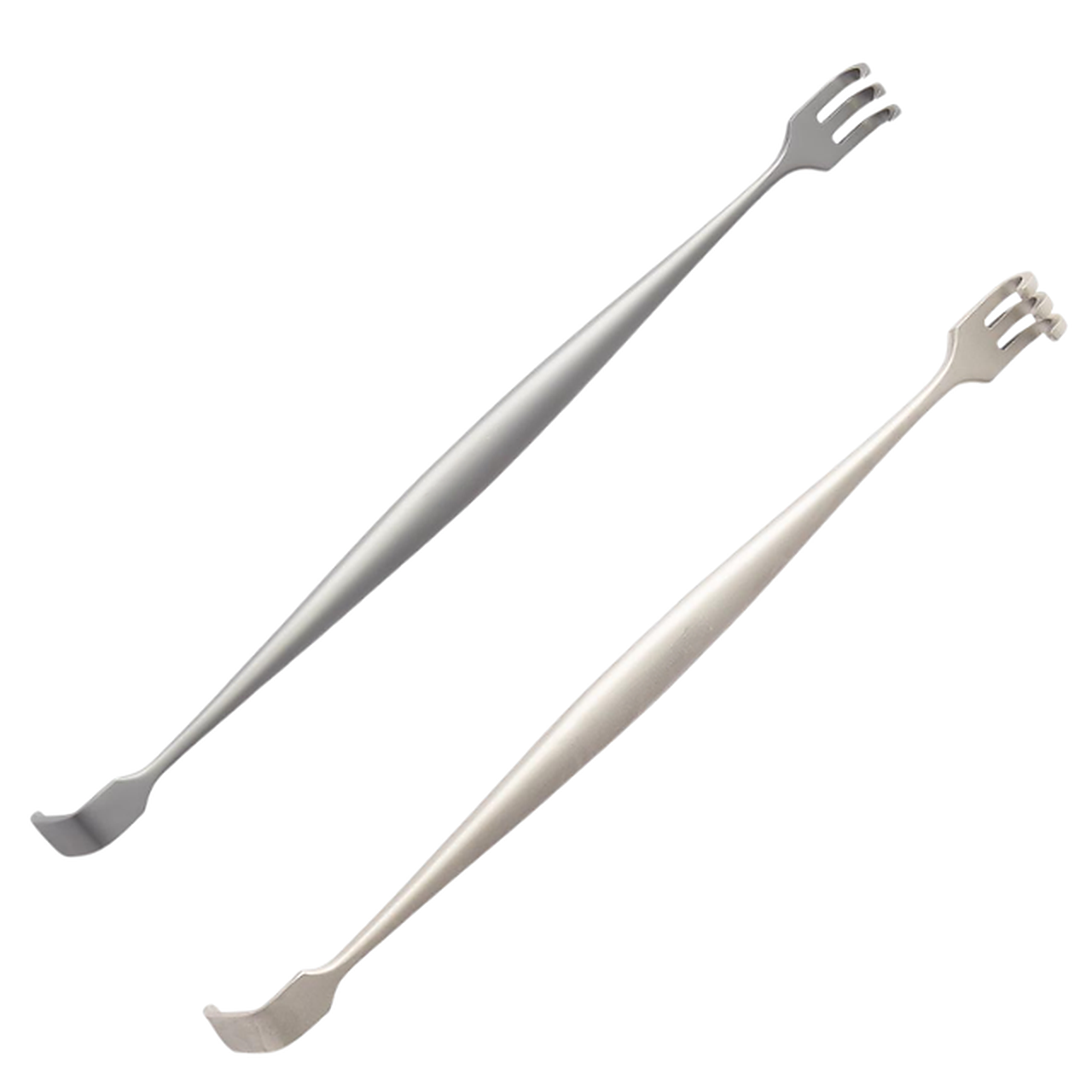 | Senn Miller Retractor | Speziell entwickelt für die Retraktion von Wundrändern, Faszien und subkutanem Gewebe bei oberflächlichen und mitteltiefen chirurgischen Inzisionen. |
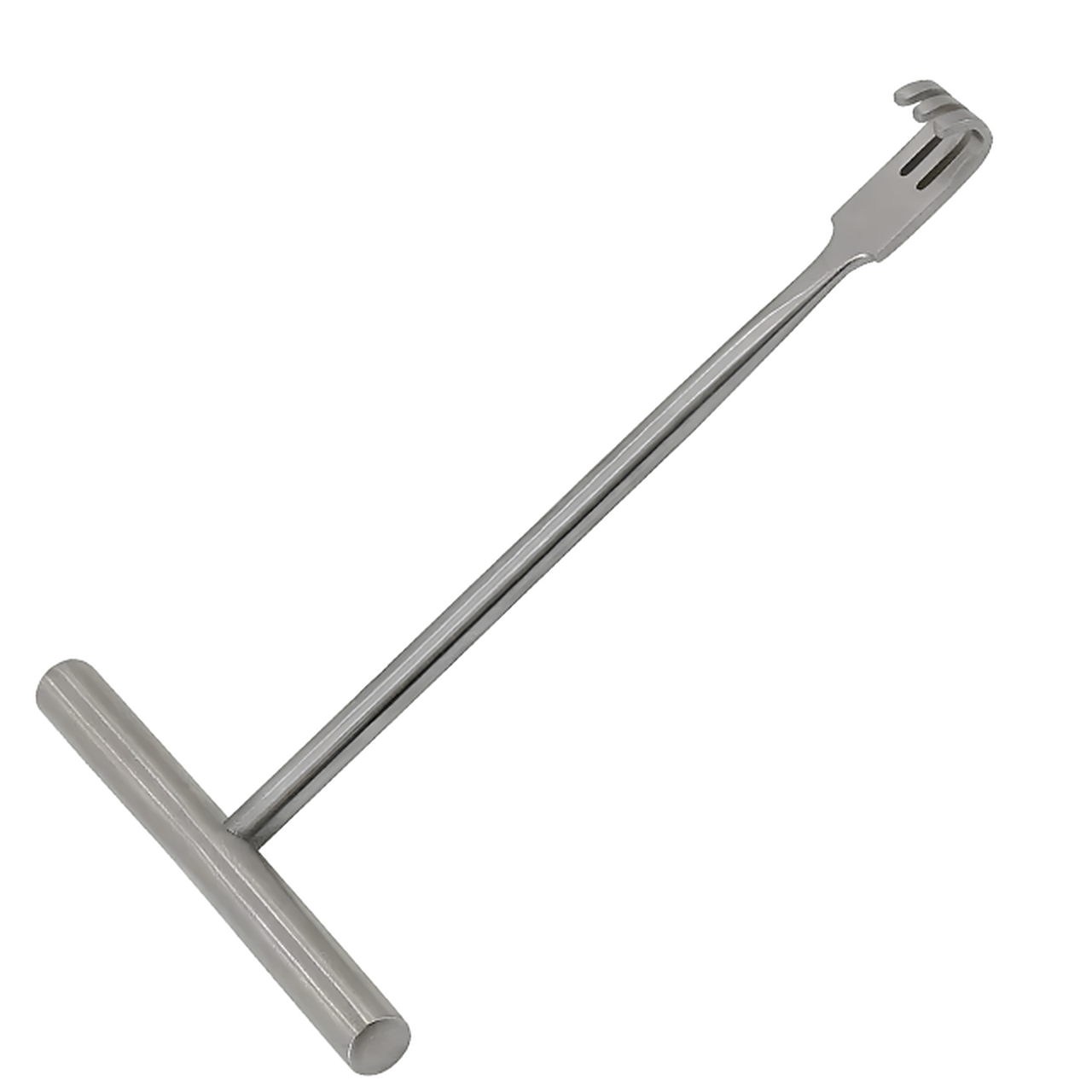 | Senn T-Handle Wundhaken | Speziell entwickelt zur Retraktion von Hautlappen, Faszien und dichten Geweberändern mit hoher manueller Zugkraft. |
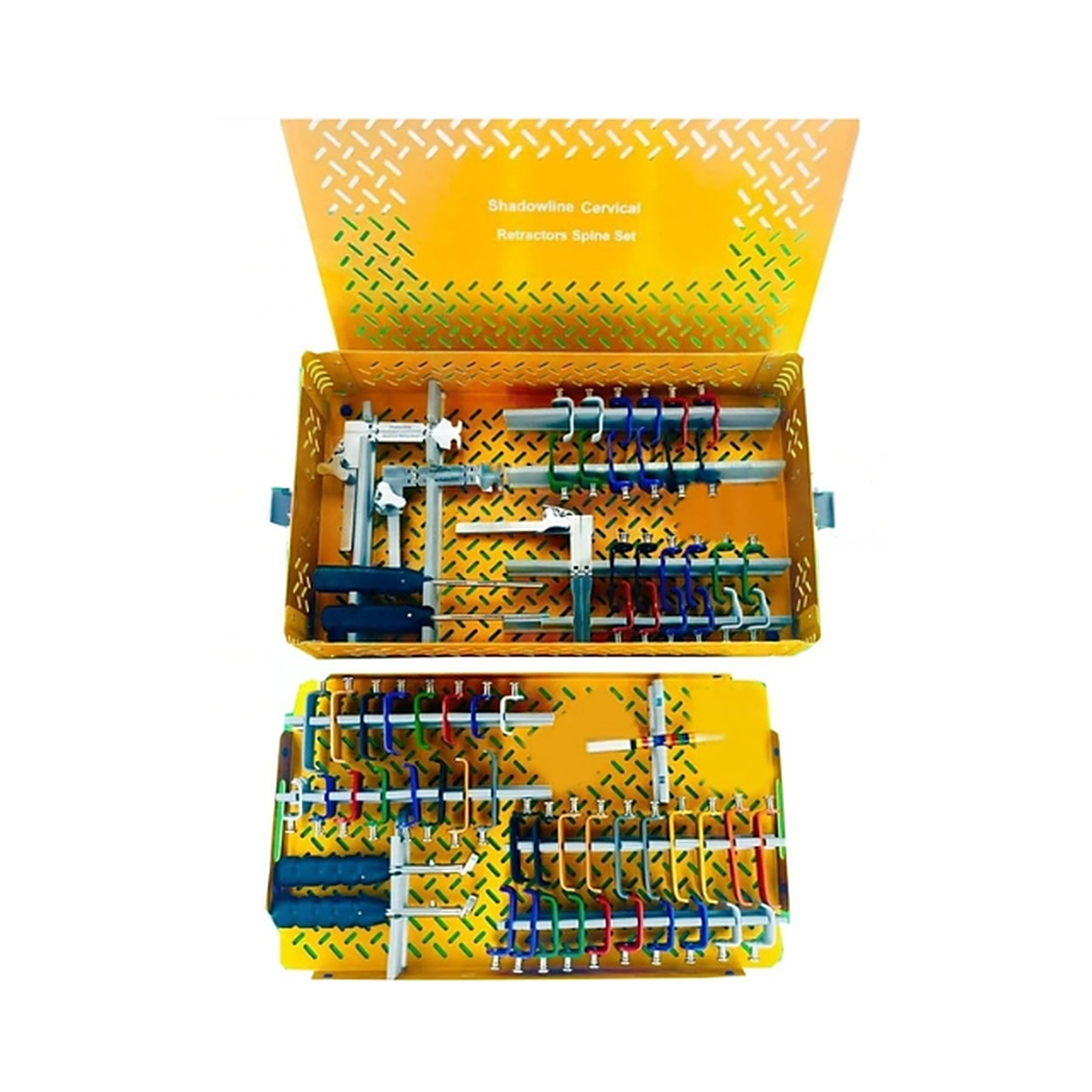 | SHADOWLINE Trimline Zervikales Wirbelsäulen-Retraktor-Set | Speziell entwickelt für eine stabile Geweberetraktion und klare Visualisierung bei chirurgischen Eingriffen an der anterioren Halswirbelsäule. |
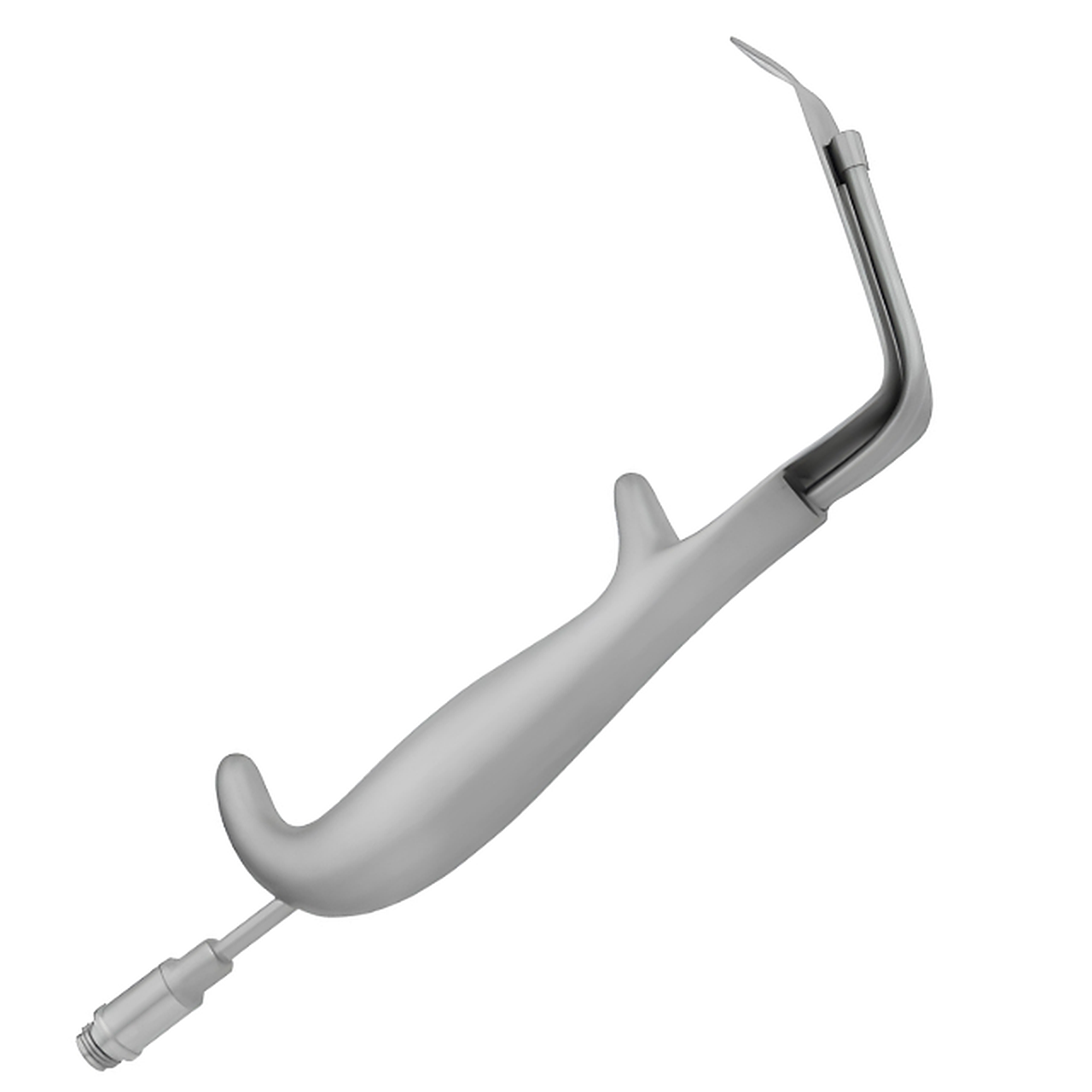 | Shea Retractor With Fiber Optic Guide | Speziell entwickelt zur Retraktion von Gewebelappen und zur Beleuchtung tiefer Operationshöhlen in der HNO- und Gesichtschirurgie. |
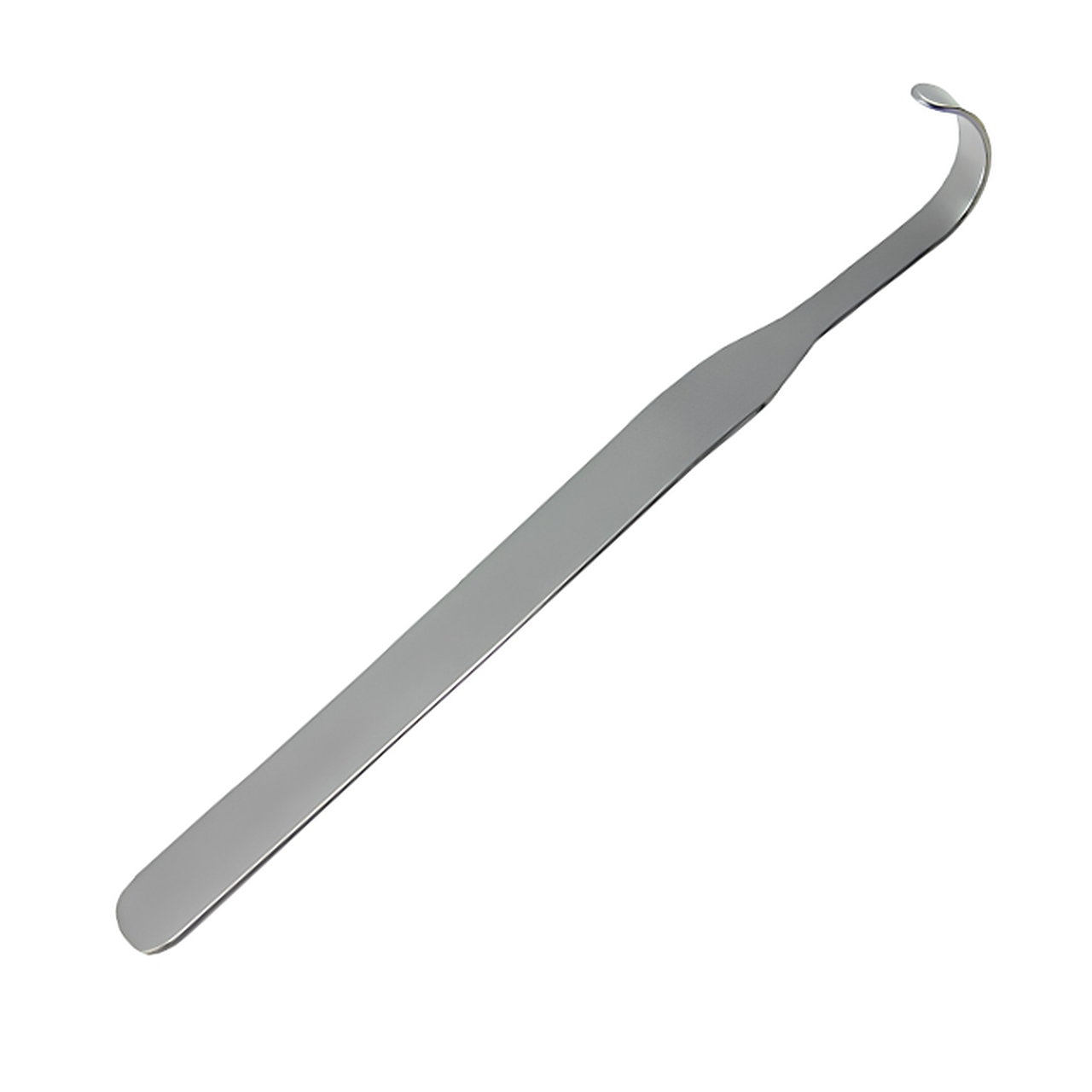 | Sheen Nasenhaken Abgewinkelt | Speziell entwickelt zur Elevation von Nasenhautlappen und zur Retraktion von Knorpel während der ästhetischen und rekonstruktiven Rhinoplastik. |
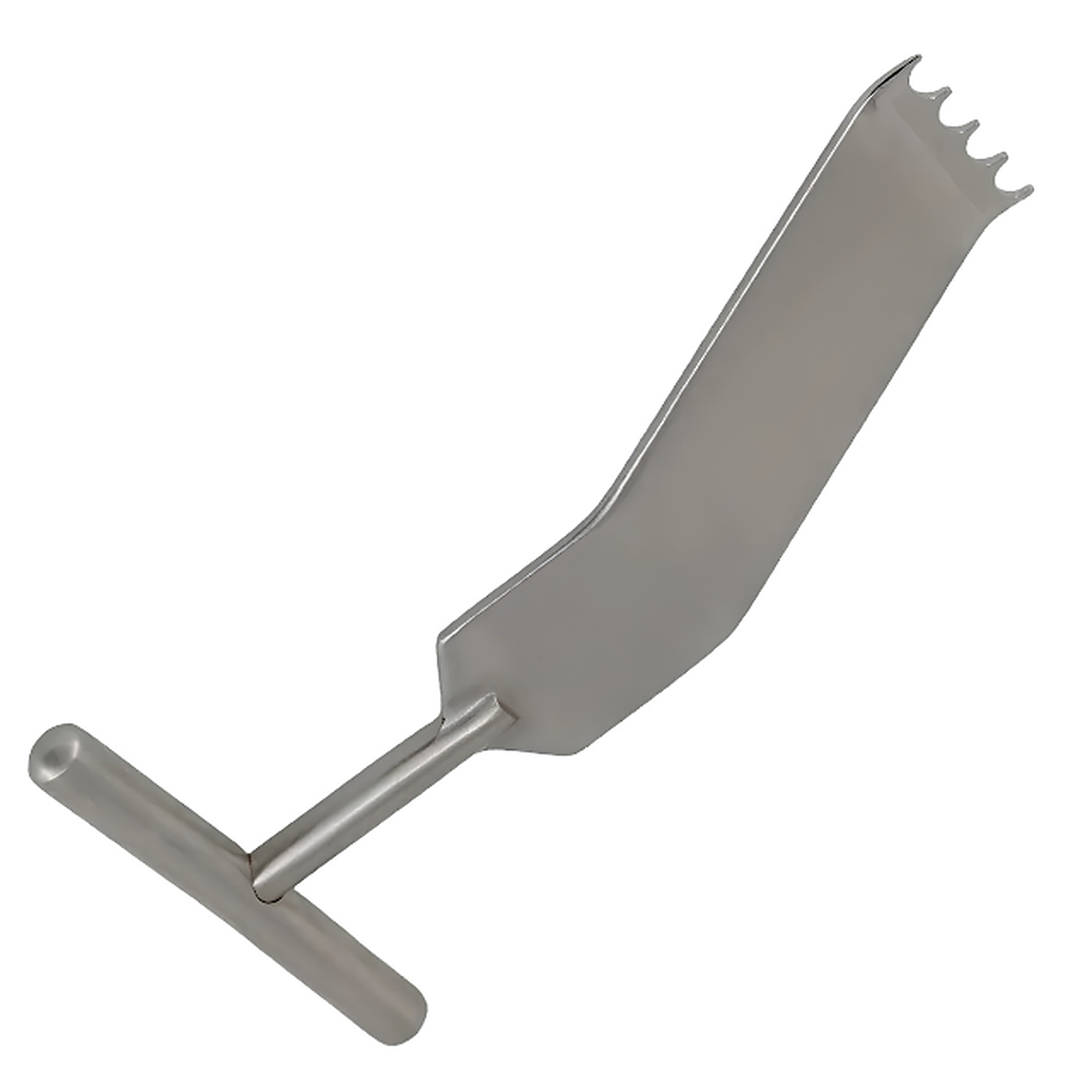 | Shoulder Arthroplasty Retractor Glenoid Exposure | Speziell entwickelt zur posterioren Verlagerung des Humerus und zur Freilegung der Gelenkpfanne bei der Schulterarthroplastik. |
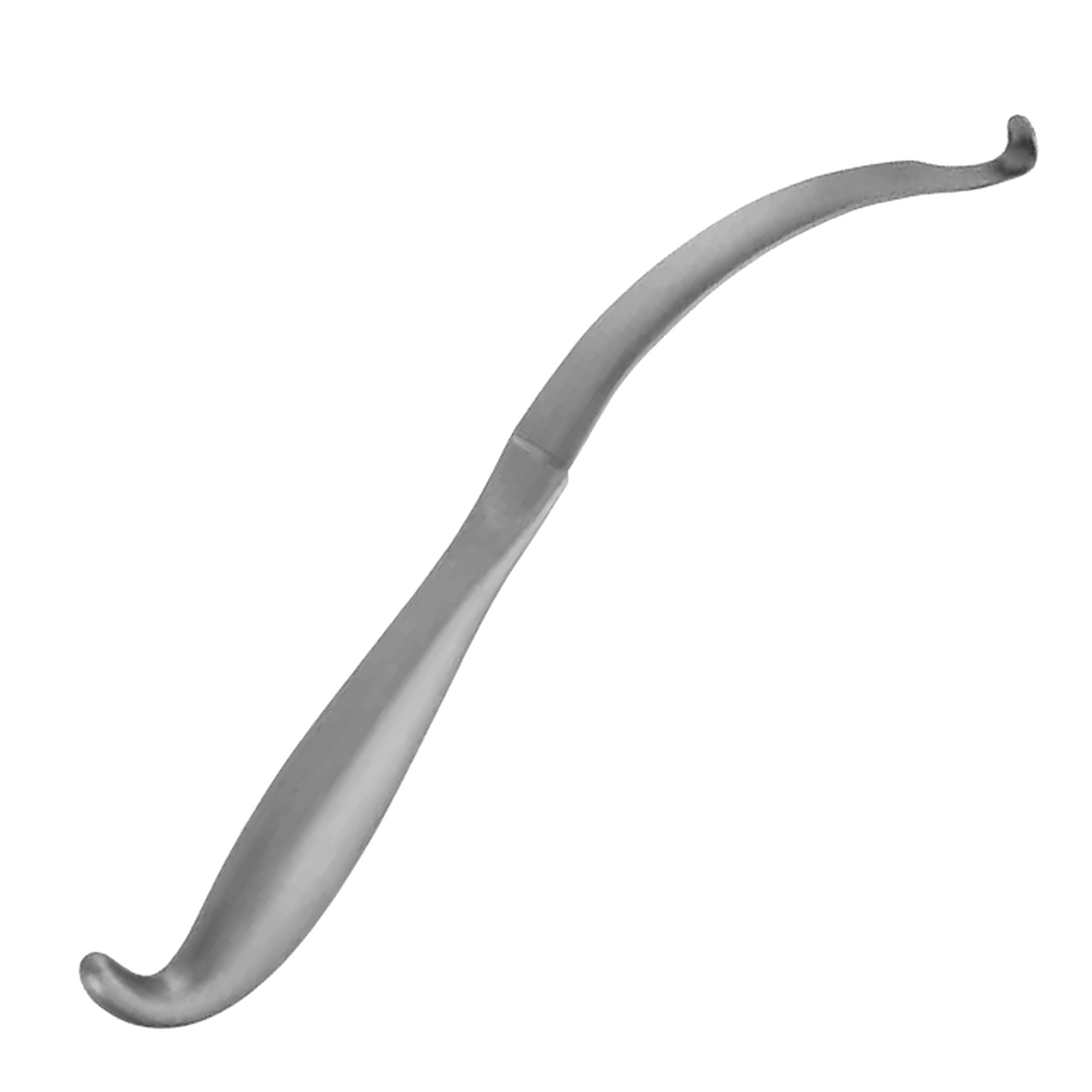 | Sigmoid Notch Wundhaken | Speziell zum Einhaken in die Incisura mandibulae und zum Schutz neurovaskulärer Bündel während der orthognathen Ramus-Chirurgie entwickelt. |
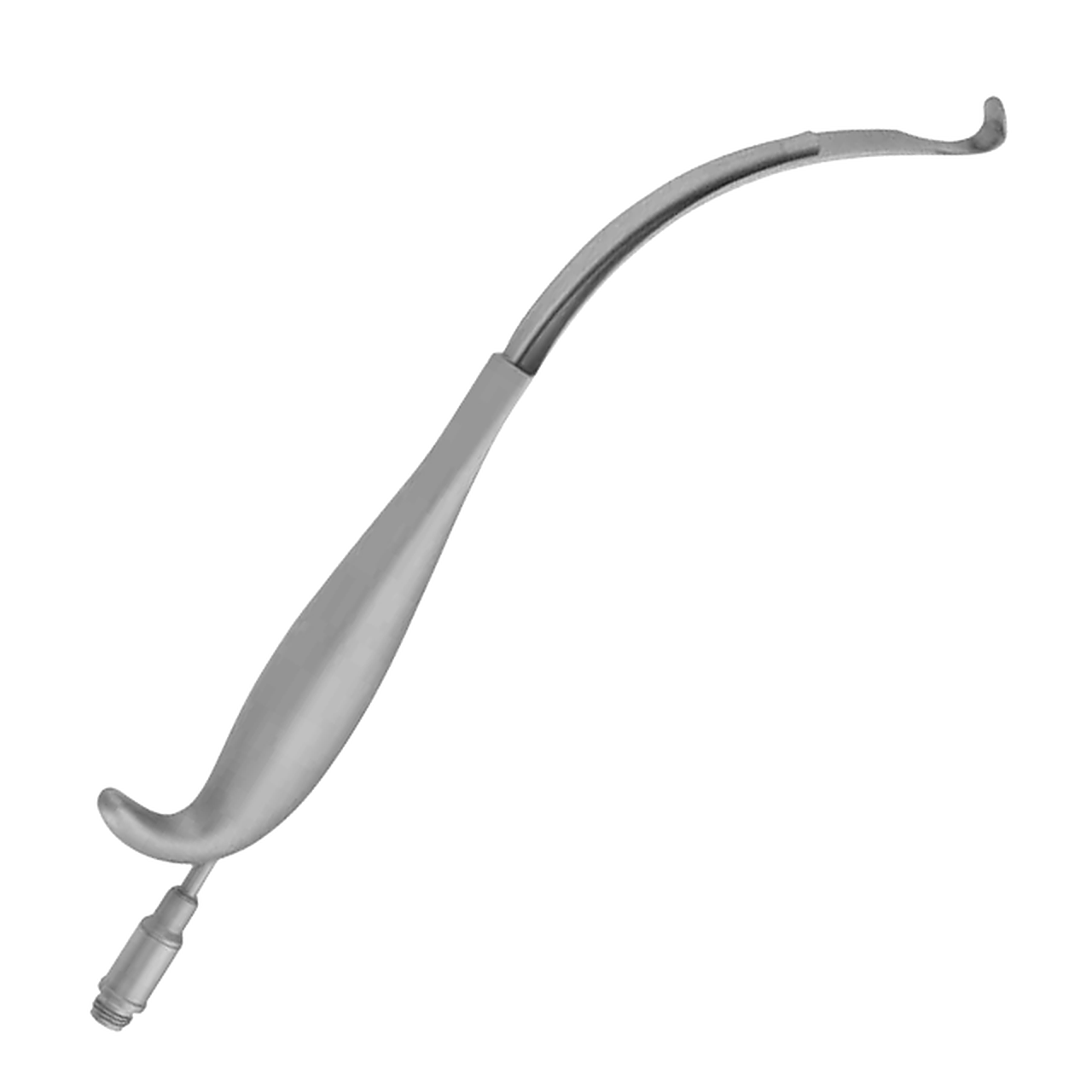 | Sigmoid Notch Retractor With Fiber Optic Guide | Speziell entwickelt für die beleuchtete Weichteilretraktion und Knochenstabilisierung an der Incisura mandibulae während Ramus-Eingriffen. |
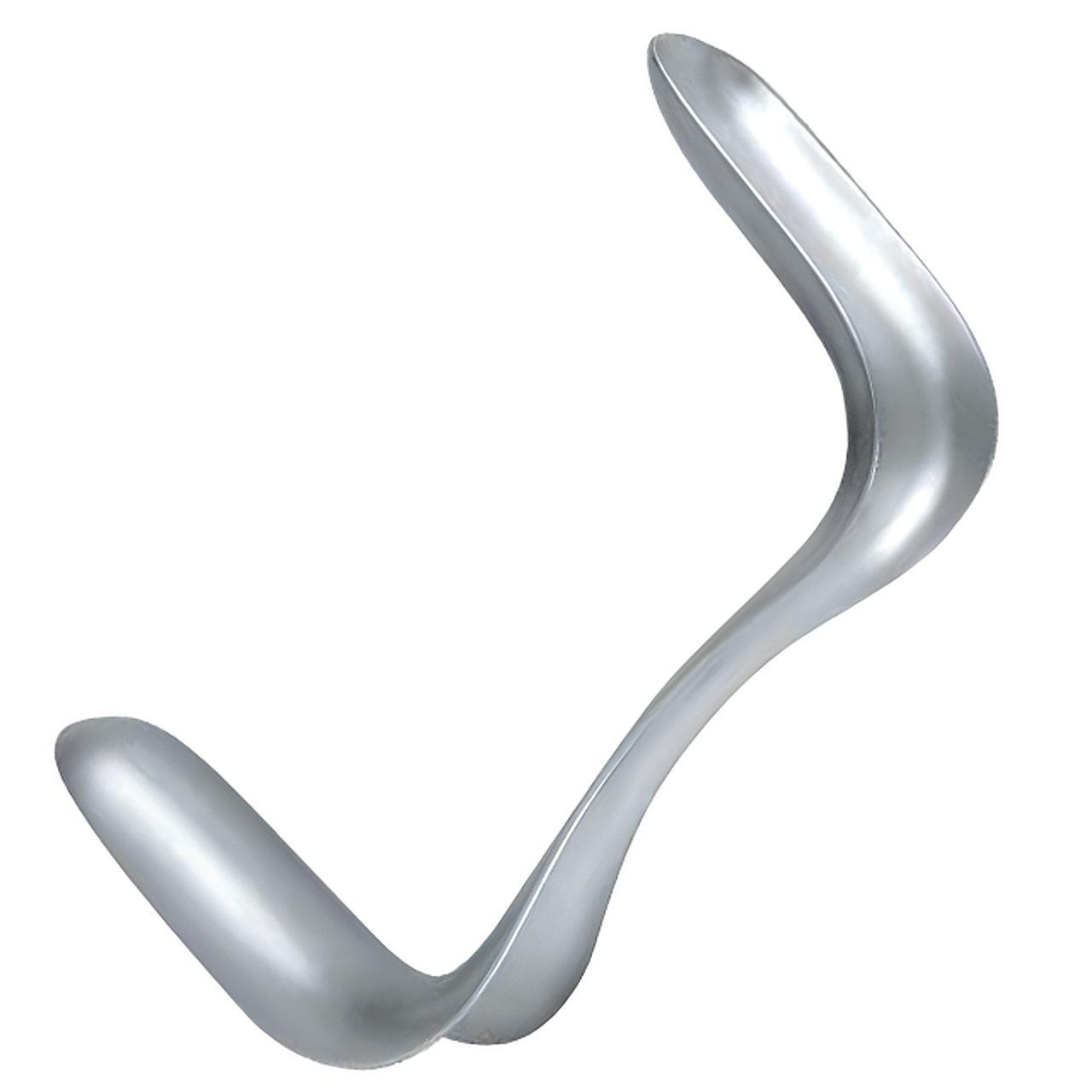 | Sims Vaginal-Retraktor | Speziell entwickelt zur Retraktion der hinteren oder vorderen Vaginalwand und zur Visualisierung des Beckengewölbes. |
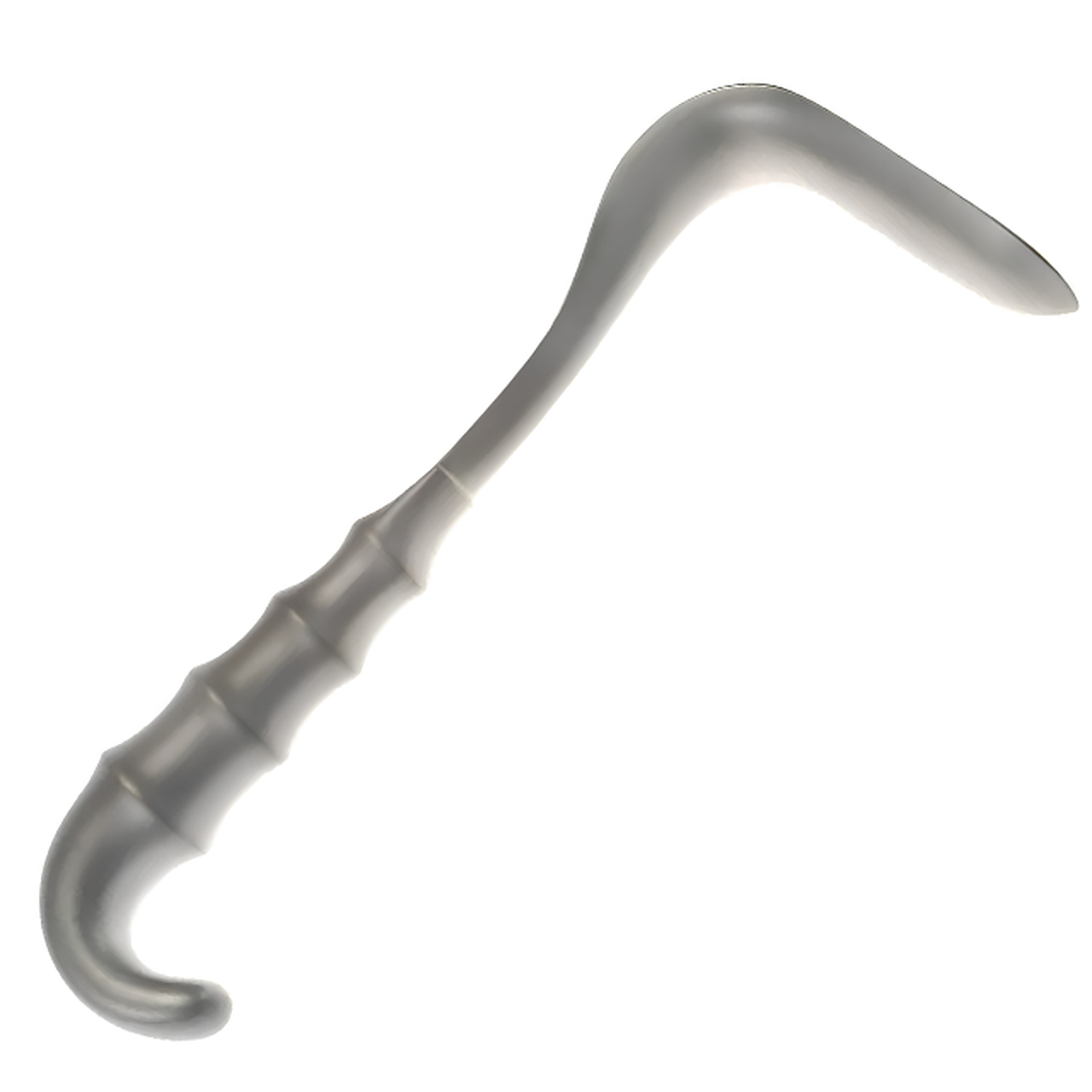 | Sims Vaginal-Retraktor — Hohlgriff | Speziell für die Retraktion der Vaginalwände mit reduzierter Belastung der Hand des Assistenten während beckenchirurgischer und gynäkologischer Eingriffe konzipiert. |
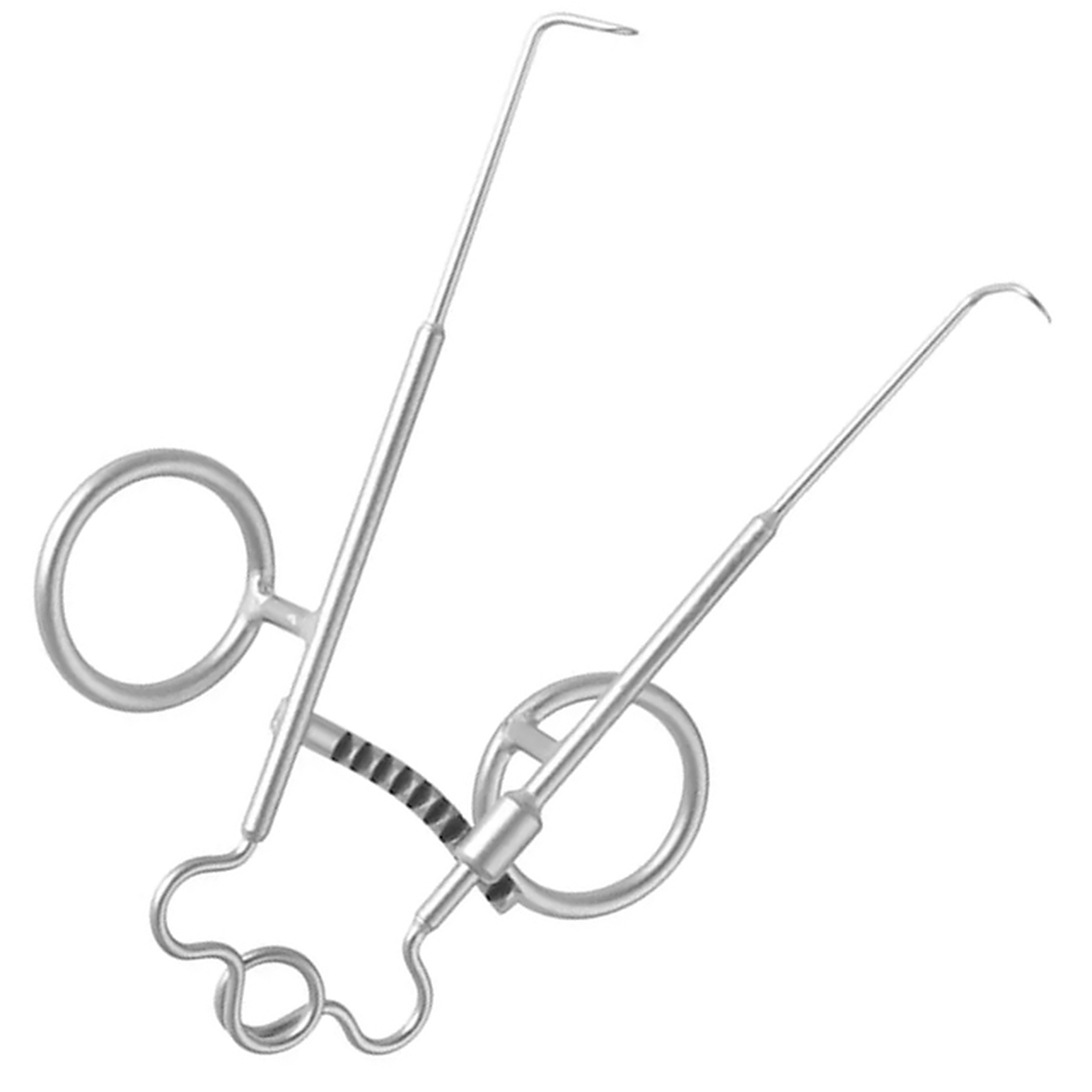 | Sisson Wundhaken | Speziell entwickelt für die Retraktion von Hauträndern, kutanen Lappen und empfindlichem Weichteilgewebe in der Mikrochirurgie auf engem Raum. |
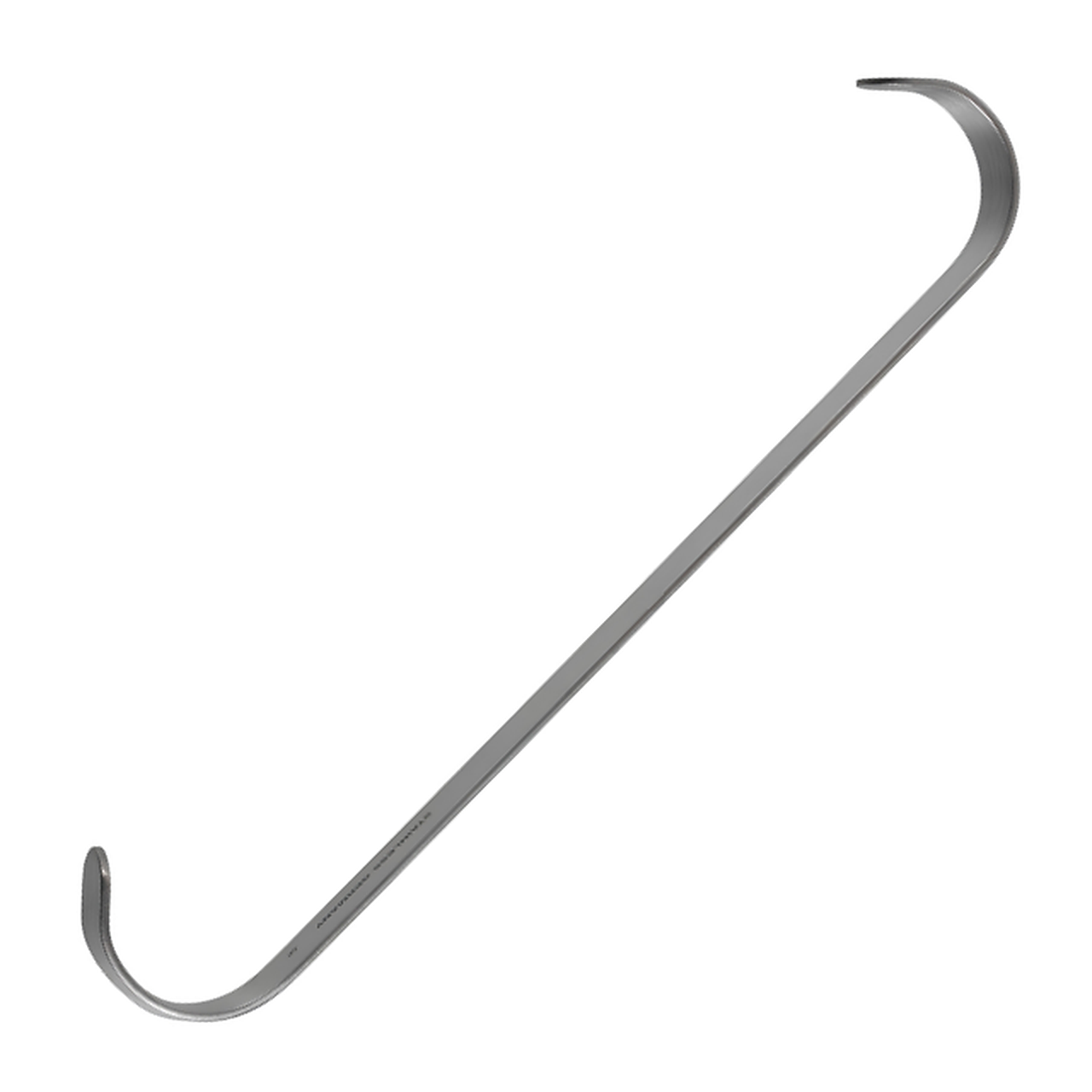 | Sistrunk Wundhaken | Speziell entwickelt zur Retraktion von Strap-Muskeln, Halsfaszien und Haut während der Exzision von Thyreoglossuszysten und Halseingriffen. |
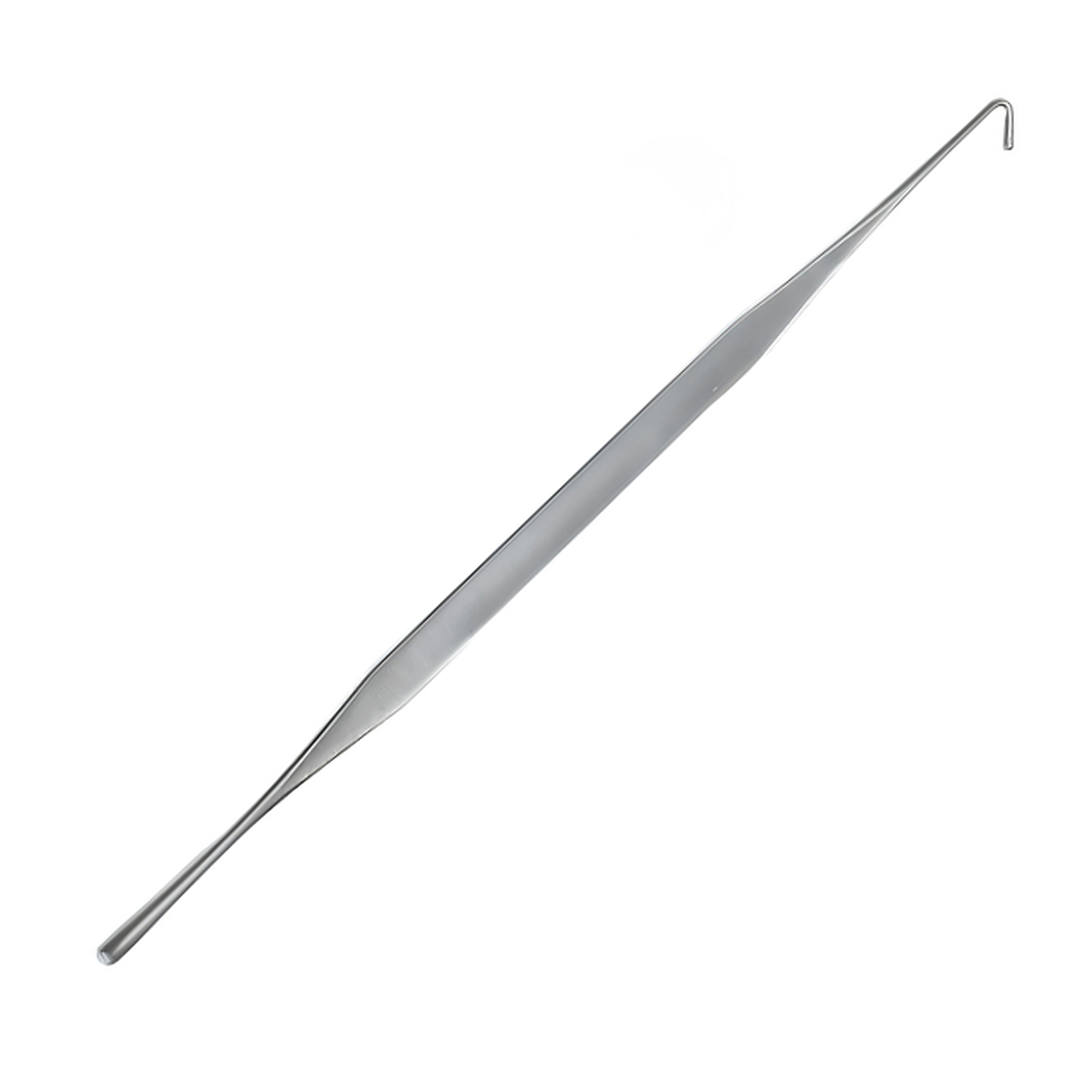 | Smithwick Nerve Retractor | Speziell entwickelt für die Exploration, Mobilisierung und Retraktion von Nervenwurzeln und sympathischen Ketten während tiefer wirbelsäulenchirurgischer und gefäßchirurgischer Eingriffe. |
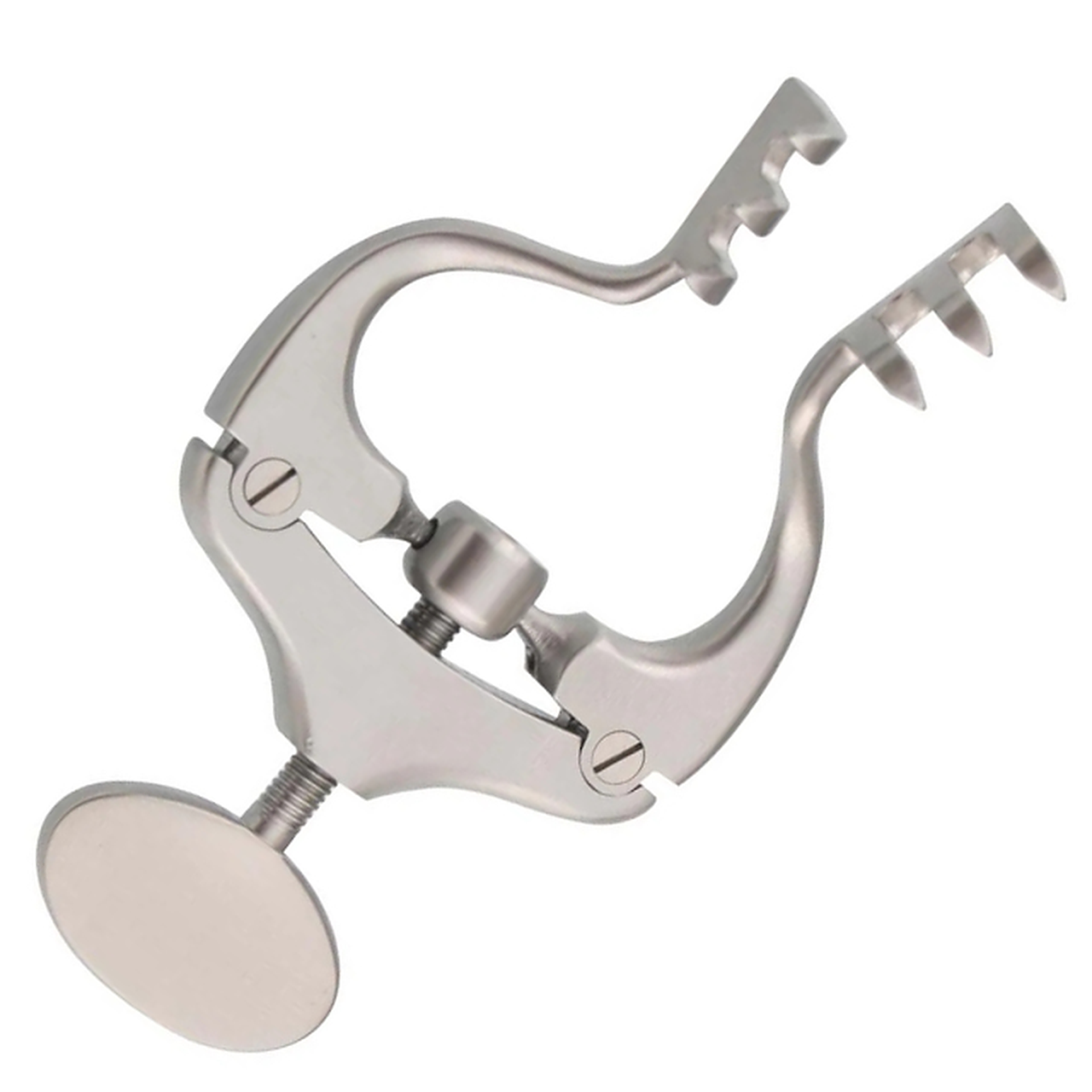 | Snitman Selbsthaltender Endeural-Retraktor | Speziell entwickelt für die selbsthaltende Geweberetraktion während endaurale, otologische und meatale Mikrochirurgie. |
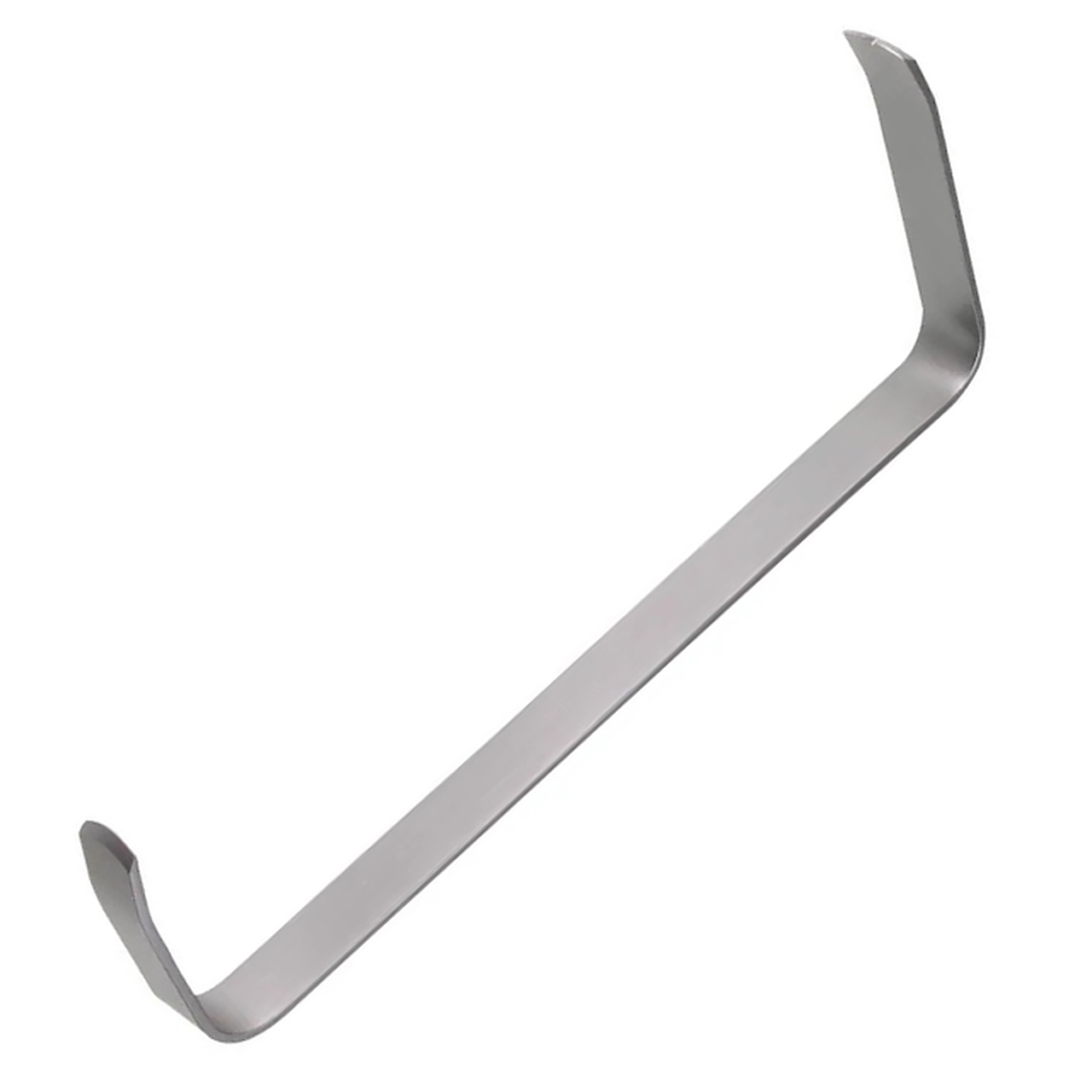 | Sofield Wundhaken | Speziell entwickelt zur Retraktion von Muskeln und Periost zur Freilegung von Röhrenknochen-Diaphysen bei Osteotomien und Frakturfixationen. |
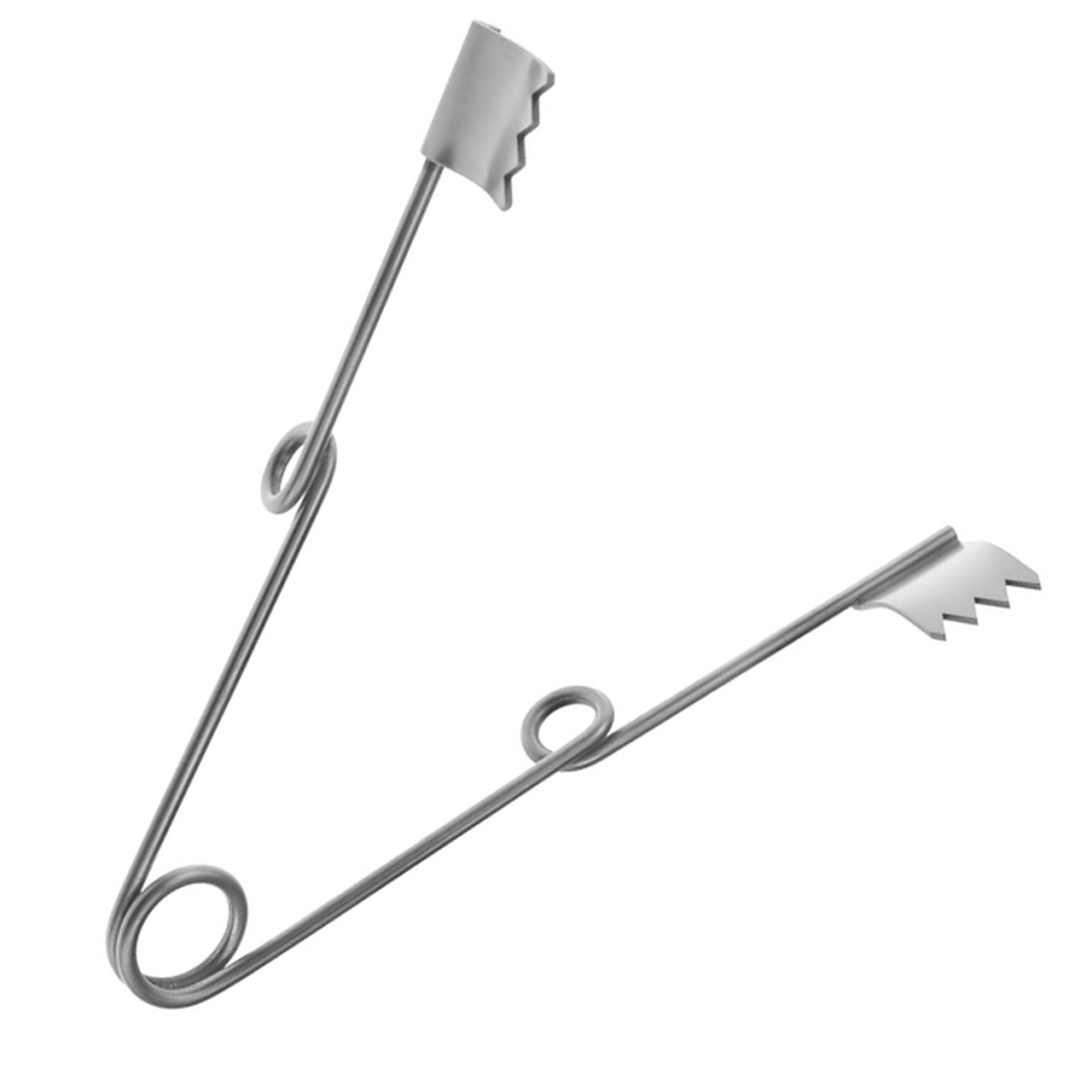 | Spring Wire Retractor | Speziell entwickelt für die selbsthaltende, freihändige Retraktion von Wundrändern bei mikrochirurgischen und plastischen Eingriffen. |
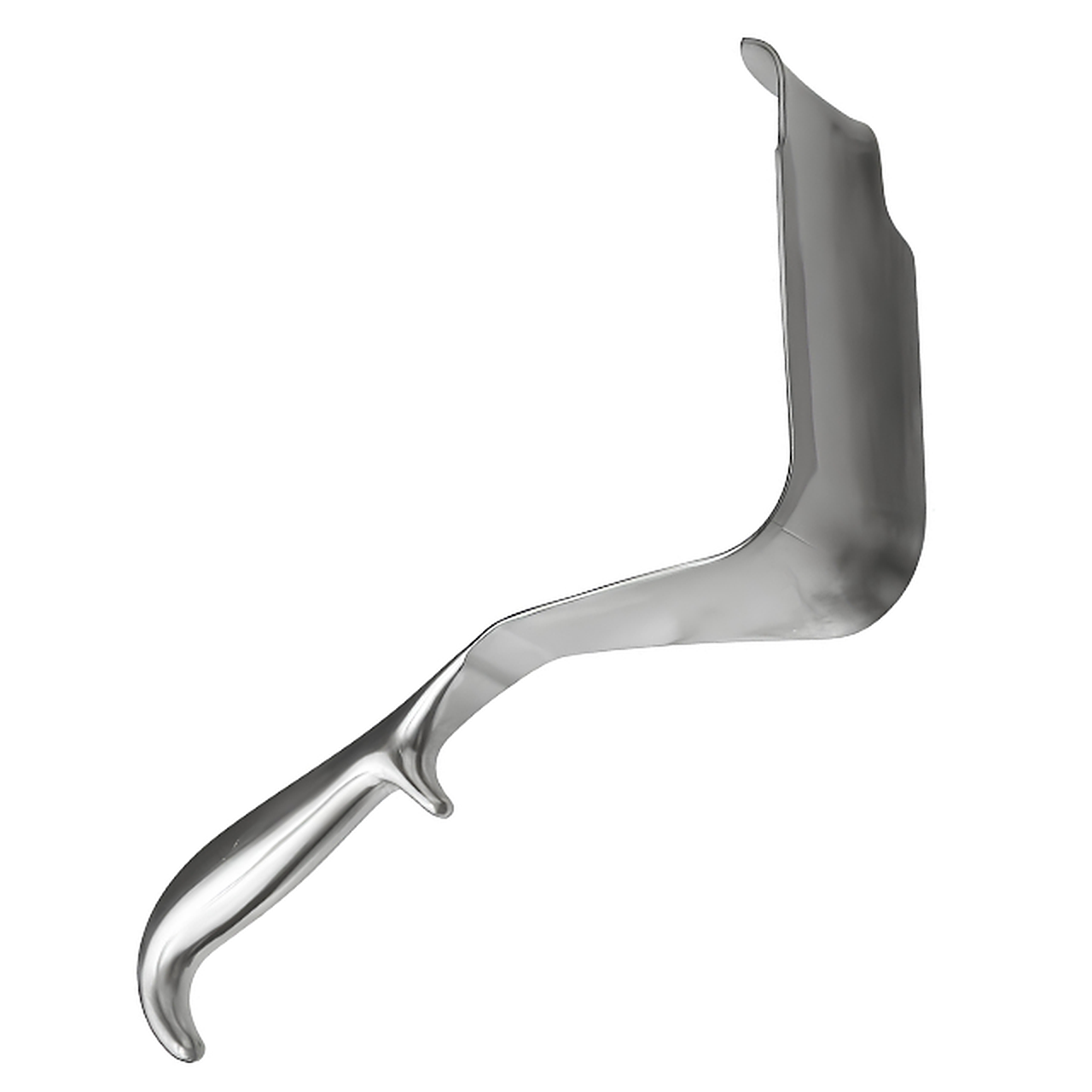 | St. Marks Pelvic Retractor | Speziell entwickelt zur Retraktion von Beckenorganen, Blase und Peritoneum während tiefer kolorektaler und pelviner Eingriffe. |
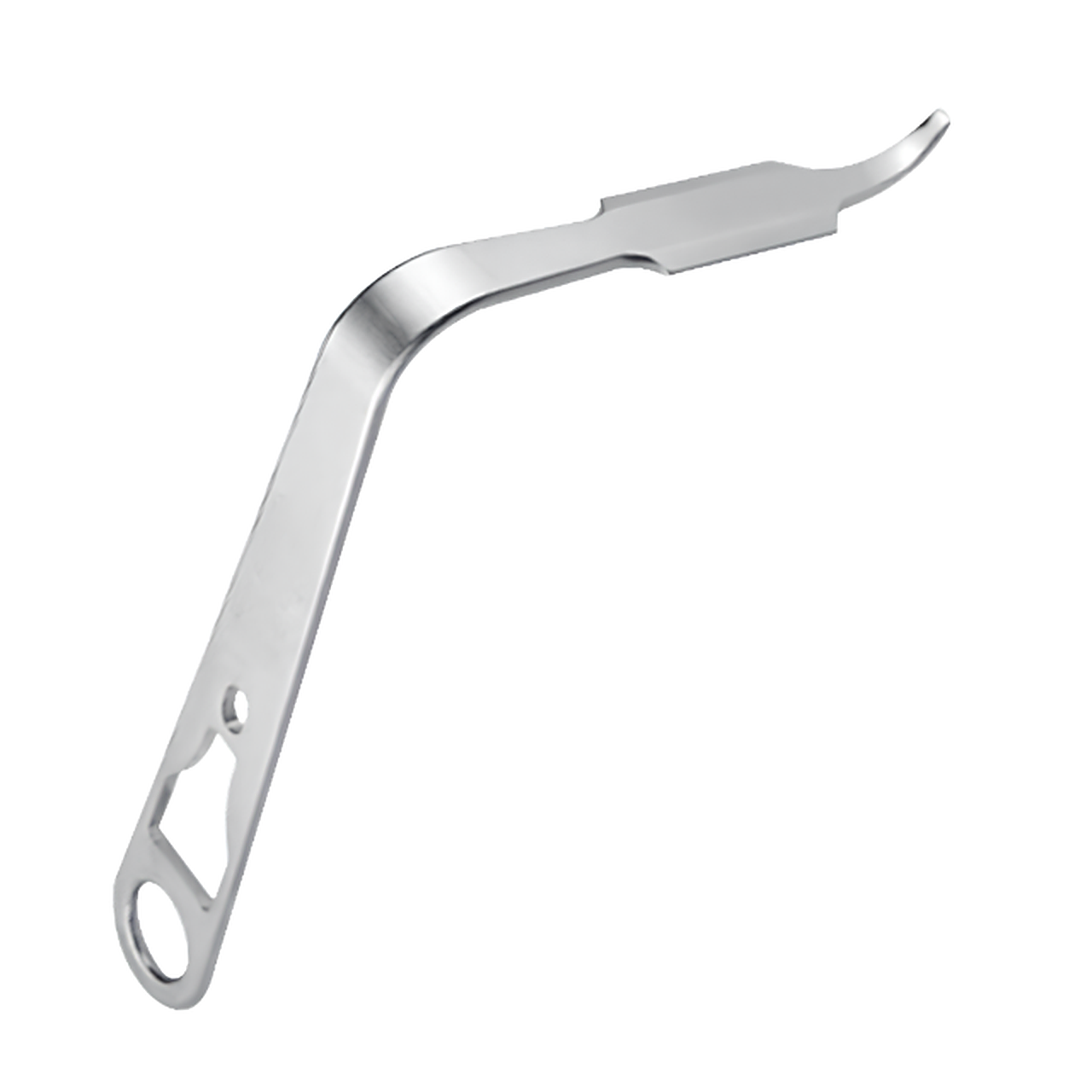 | Stackable Hohmann-Hebel | Speziell entwickelt für die Hebelwirkung an Knochenkortizes und die Retraktion dichter Muskelschichten durch koppelbare Griffe bei Gelenkeingriffen. |
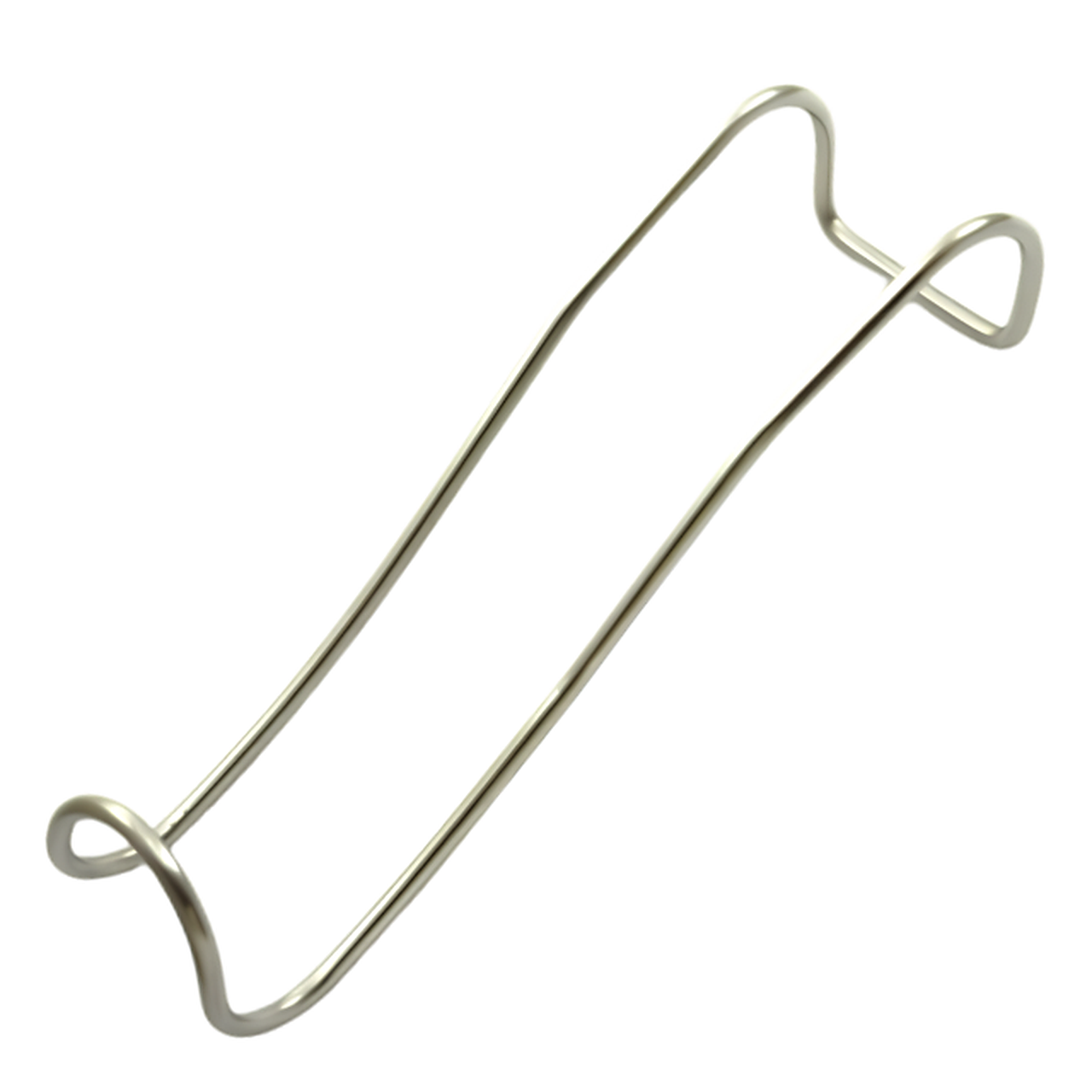 | Sternberg Double Ended Retractor | Speziell entwickelt zur Retraktion von Lippen, Wangen und Mundschleimhaut während zahnärztlicher, oralchirurgischer und pharyngealer Eingriffe. |
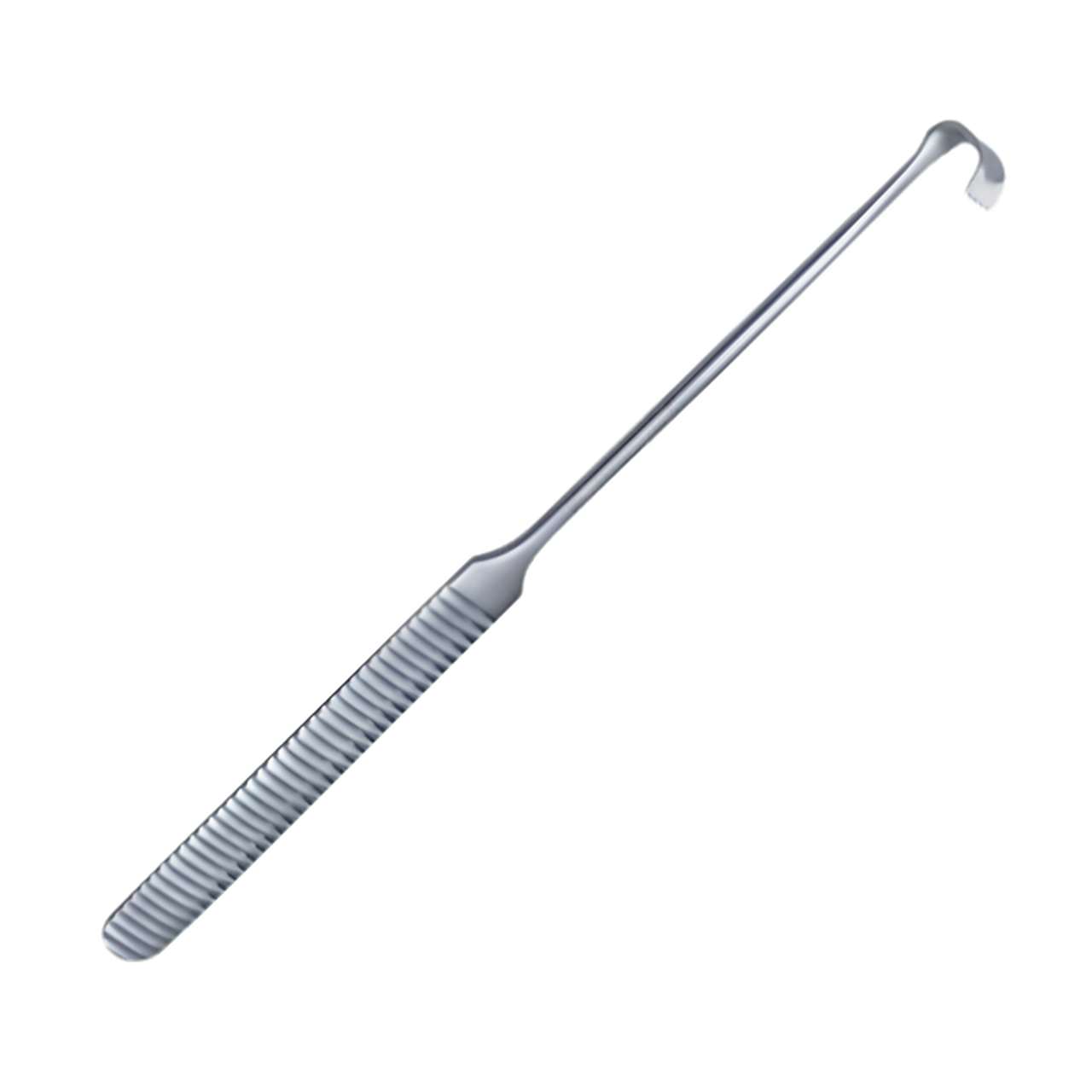 | Strandell Stille Retractor | Speziell entwickelt für die Retraktion von Hauträndern, Faszien und Weichteilen in der plastischen Chirurgie, Handchirurgie und bei kleineren operativen Eingriffen. |
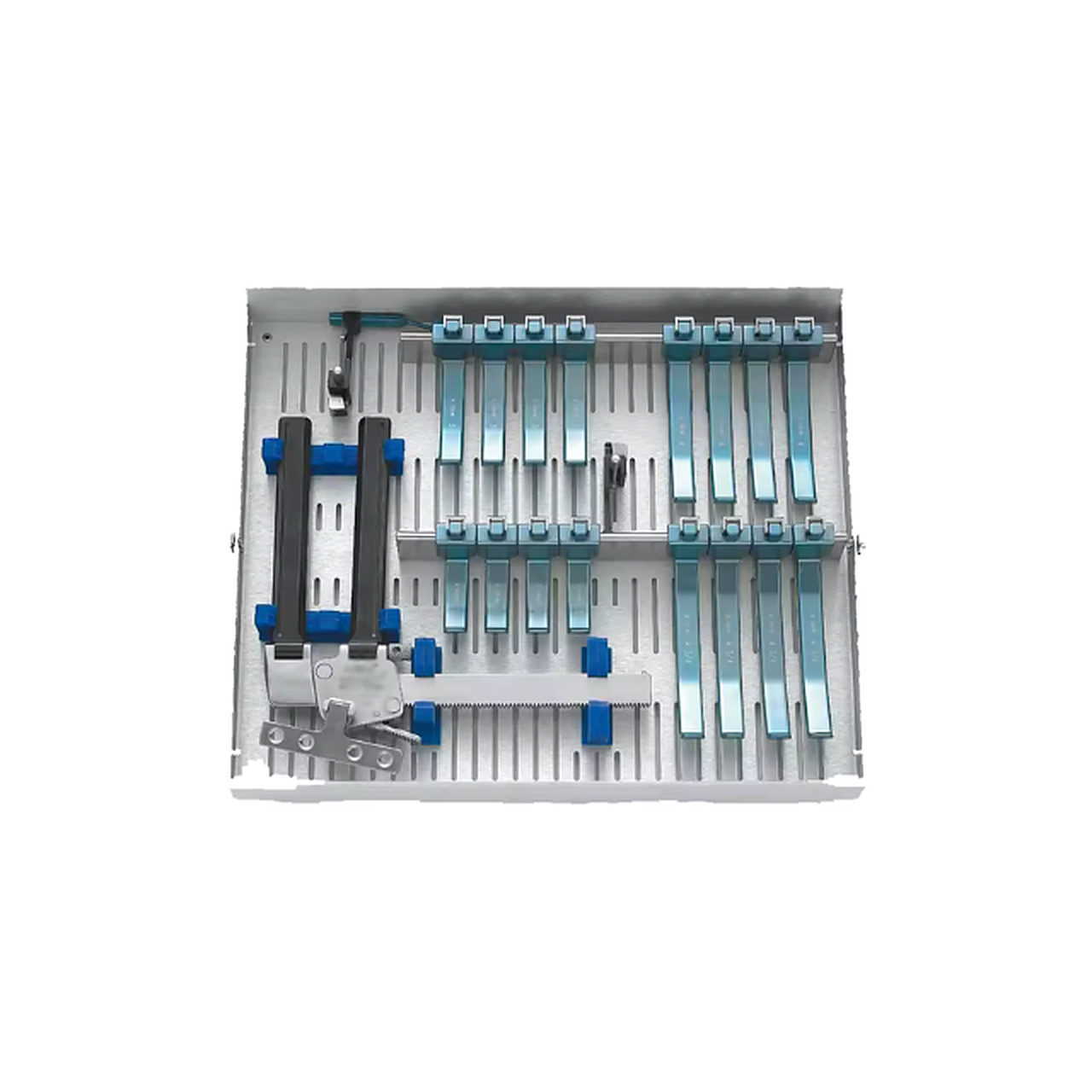 | Super-Slide Laminektomie-Spreizer | Speziell entwickelt für die kontrollierte Geweberetraktion und chirurgische Exposition bei Laminektomien und verwandten Wirbelsäuleneingriffen. |
 | Surgical Lead Hand Retractor Plate | Speziell zur Immobilisierung und Positionierung von Hand und Fingern während der plastischen, orthopädischen und rekonstruktiven Handchirurgie entwickelt. |
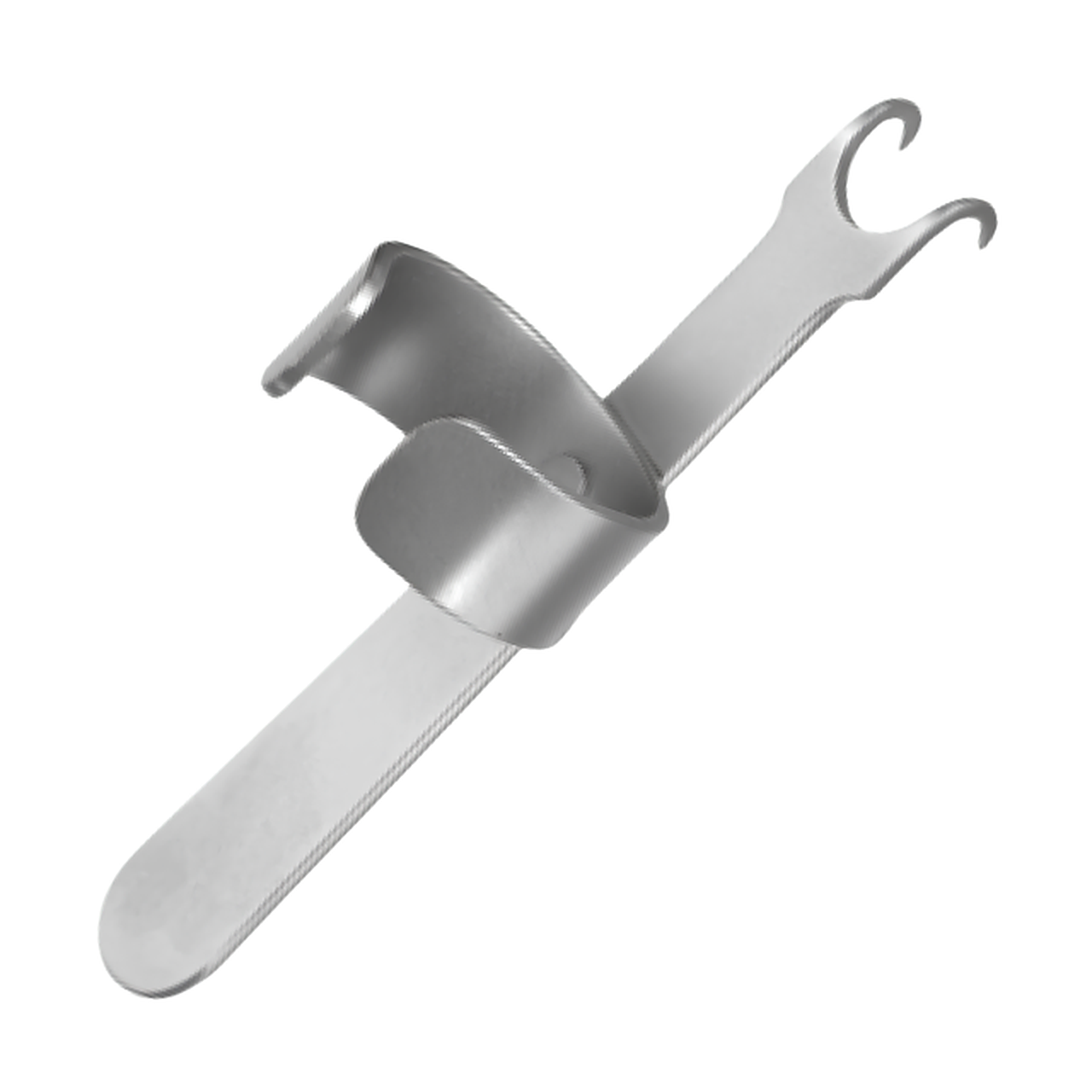 | Swivel Ring Nasal Retractor | Speziell entwickelt zur Anhebung von Nasenhautlappen und zur dynamischen Retraktion des Flügelknorpels während der Rhinoplastik. |
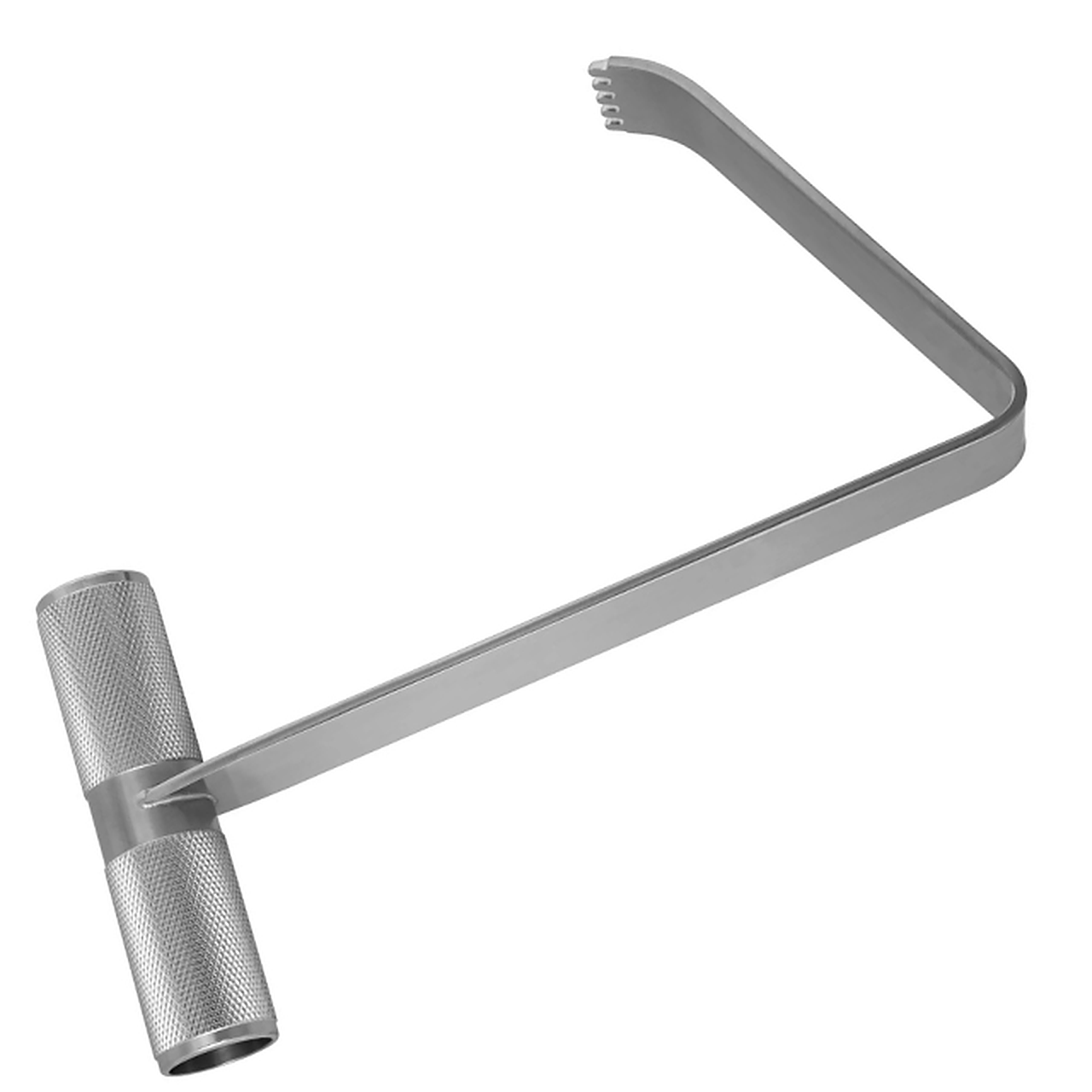 | T-Griff Wundhaken mit abgewinkeltem Blatt | Speziell entwickelt für die Retraktion schwerer Muskelschichten, Faszien und Weichteile mit maximaler manueller Zugkraft während orthopädischer Eingriffe. |
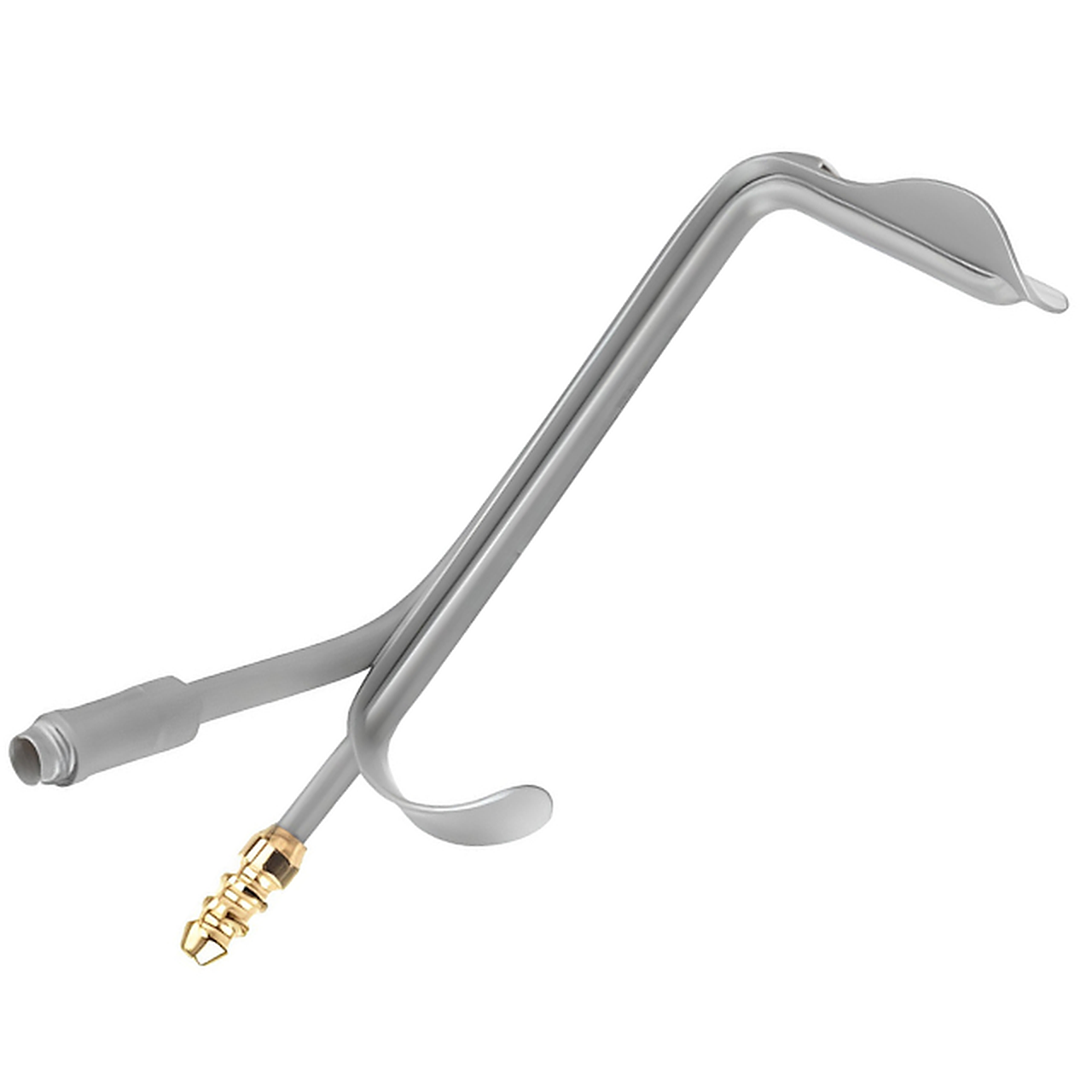 | Talei Necklift Retractor "Benetrator 2" | Speziell entwickelt zum Anheben zervikaler Lappen, zum Absaugen chirurgischer Flüssigkeiten und zur Retraktion des Platysmas bei Deep-Plane-Halslifts und Platysmaplastiken. |
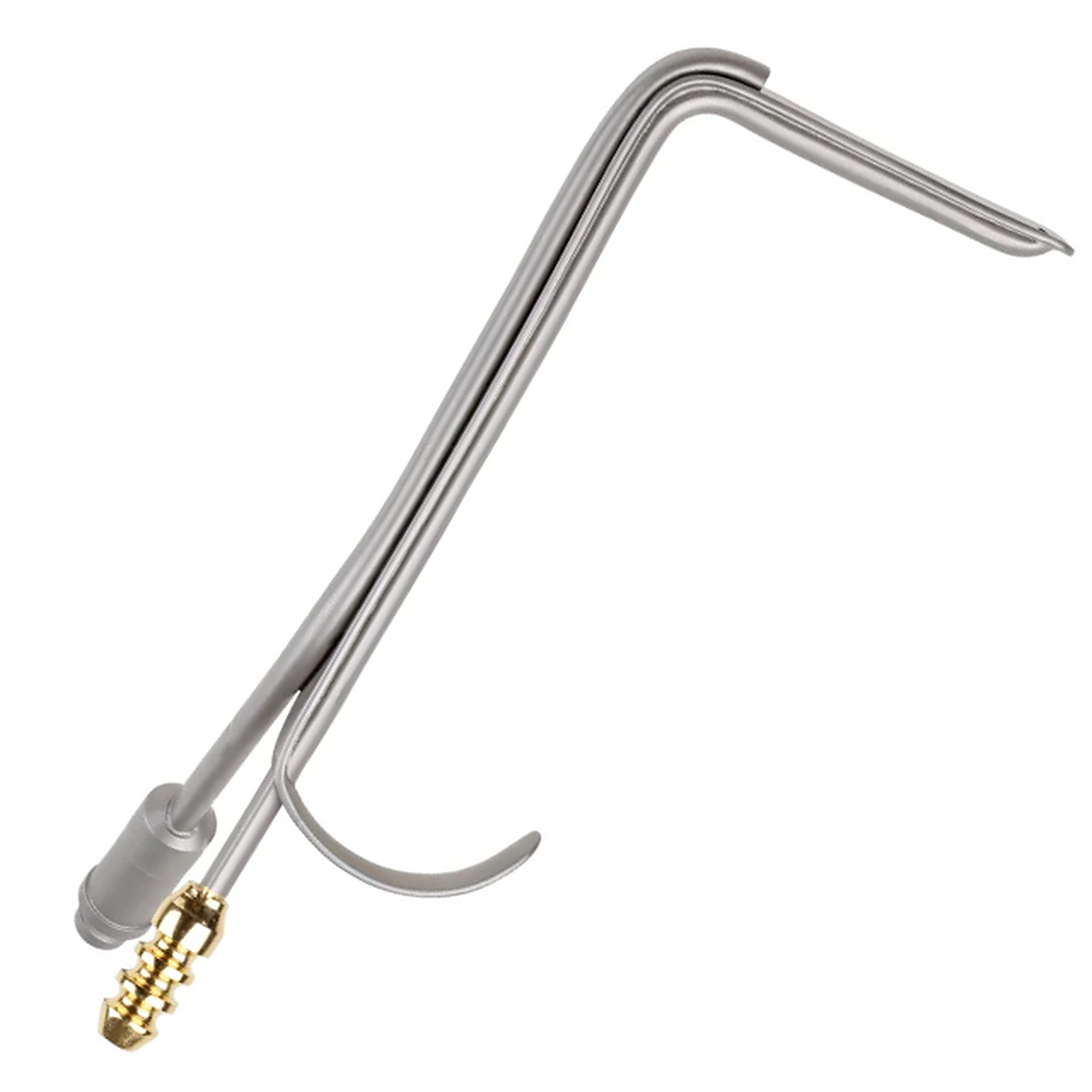 | Talei Necklift Retractor Narrow “Le Petit Benetrator” | Speziell entwickelt zum Anheben von zervikalen Lappen und zur Retraktion des Platysmamuskels während Deep-Plane-Necklifts und Platysmaplastiken. |
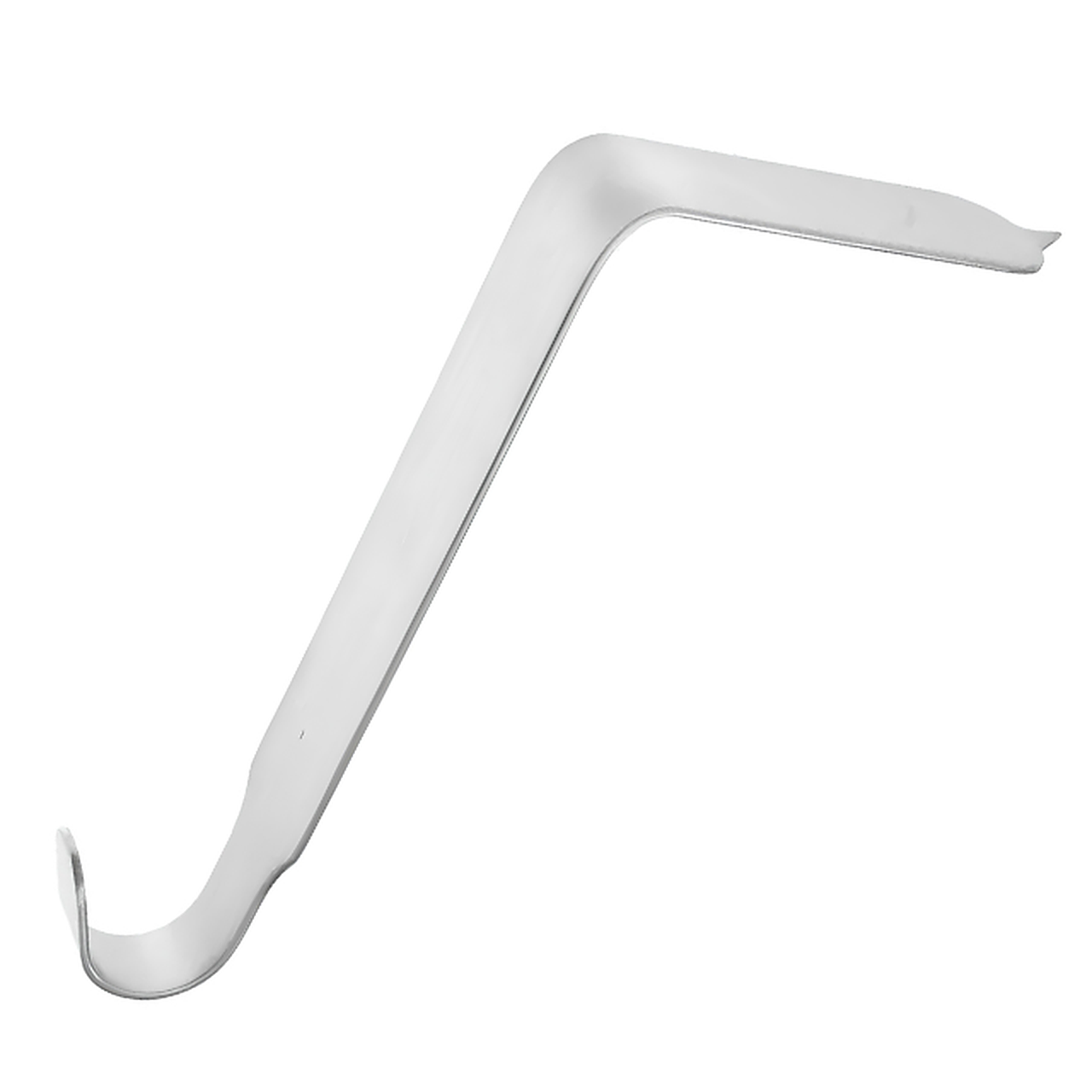 | Taylor Wirbelsäulen-Retraktor | Speziell entwickelt zur Retraktion schwerer paraspinaler Muskulatur und zur Verankerung gegen den Dornfortsatz während der spinalen Laminektomie. |
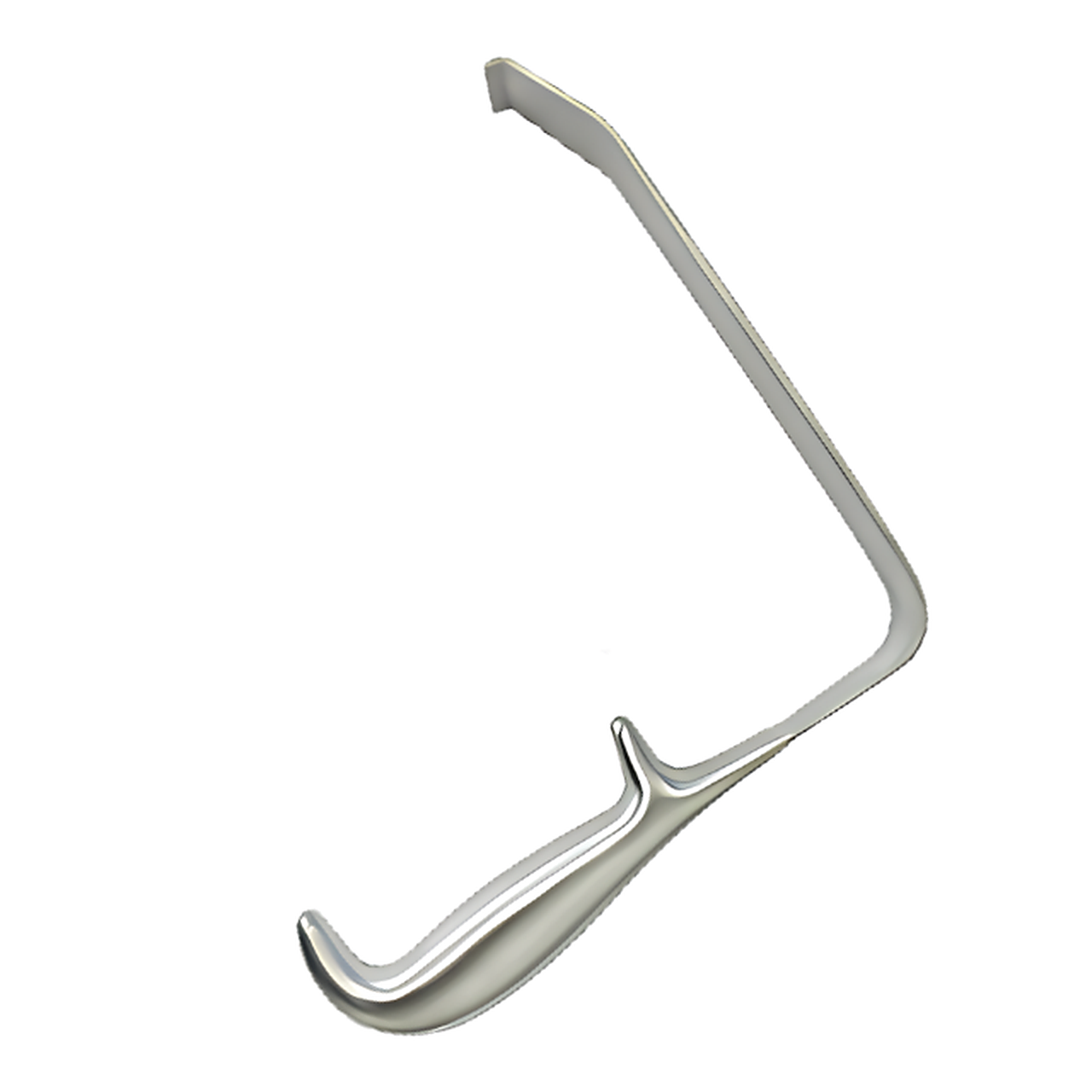 | Tebbetts Breast Retractor | Speziell entwickelt zur Elevation von Gewebelappen und zur Schaffung submuskulärer oder subglandulärer Taschen bei Brusteingriffen. |
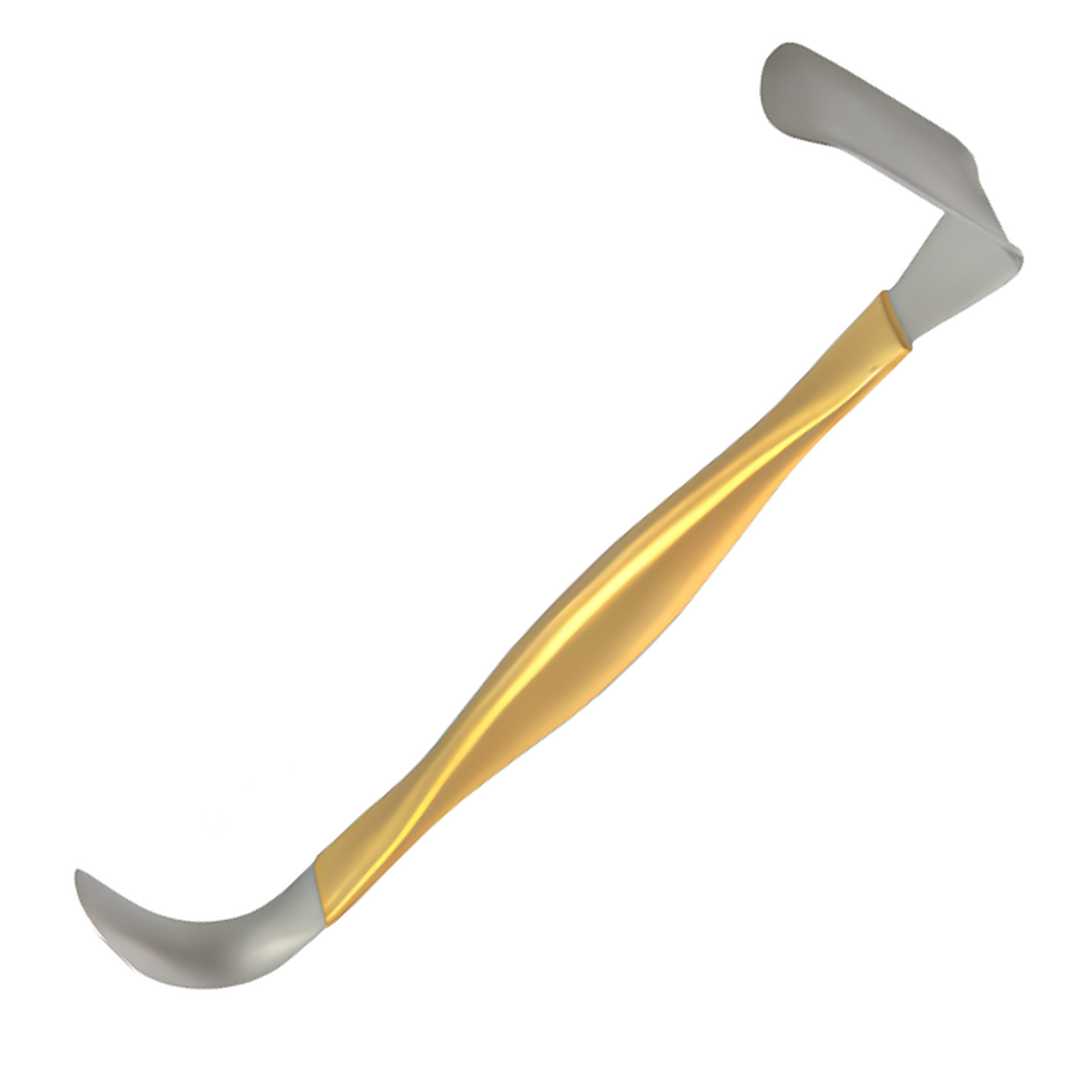 | Tebbetts Double-Ended Breast Retractor | Speziell entwickelt für die doppelendige Geweberetraktion und Taschenexposition bei Brustvergrößerungen und -rekonstruktionen. |
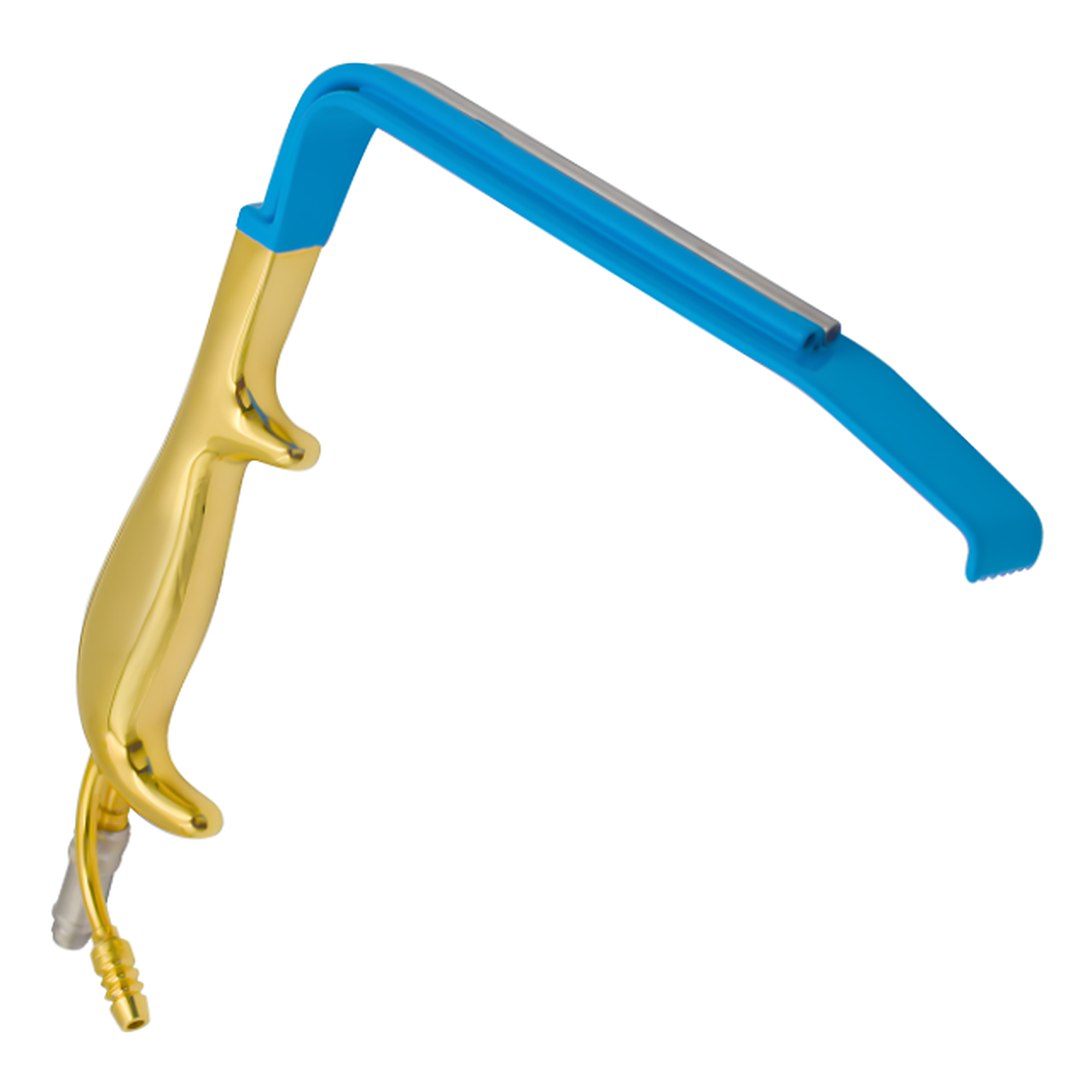 | Tebbetts Glasfaser-Brustvergrößerungs-Wundhaken | Speziell konzipiert zum Anheben von Gewebelappen, zur Ausleuchtung tiefer Brusttaschen und zur Kontrolle der Hämostase während der Brustchirurgie. |
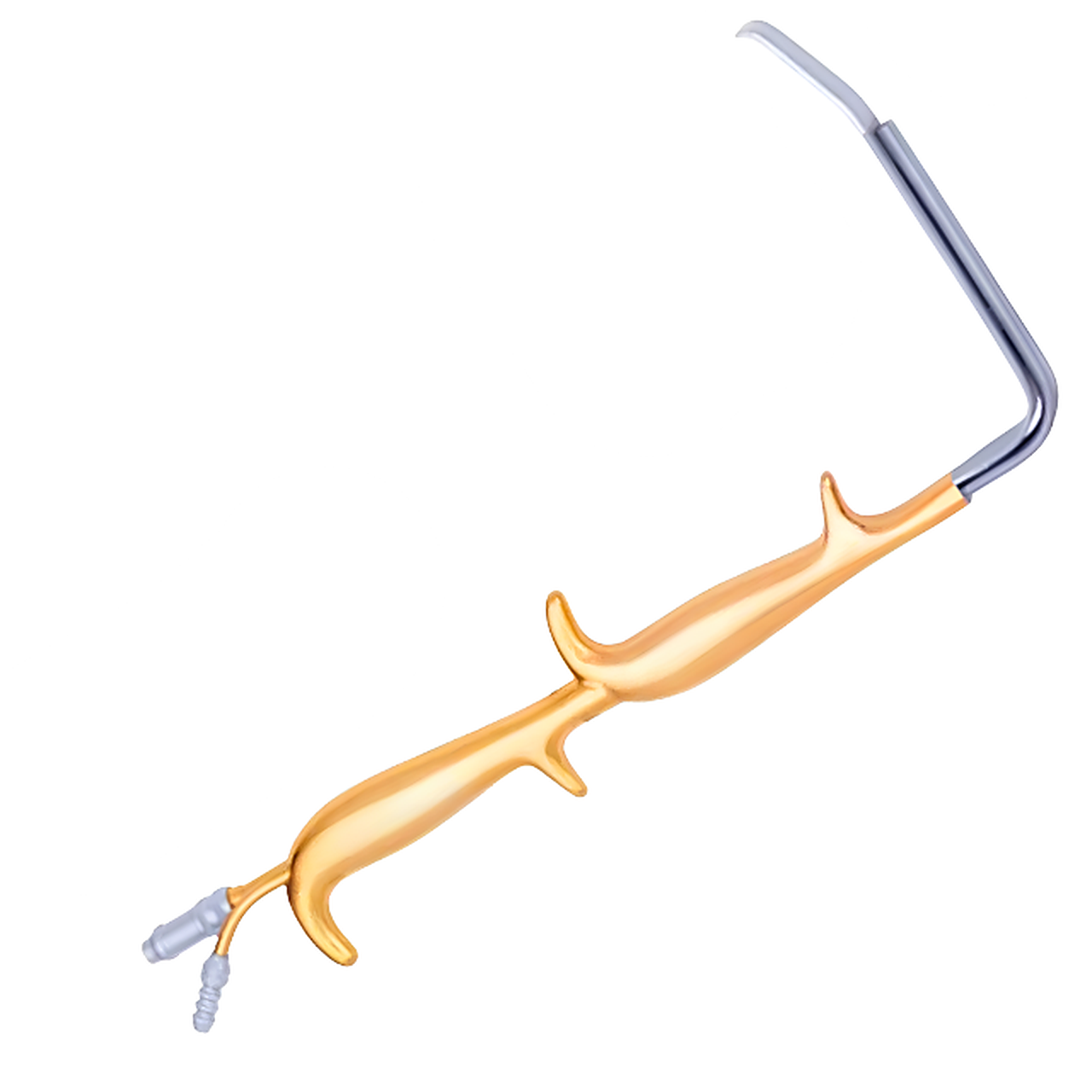 | Tebbetts Fiber Optic Breast Augmentation Retractor, Doppelgriff | Speziell entwickelt für die beleuchtete Geweberetraktion mit zweihändiger Hebelwirkung bei Brustvergrößerungen und Rekonstruktionen. |
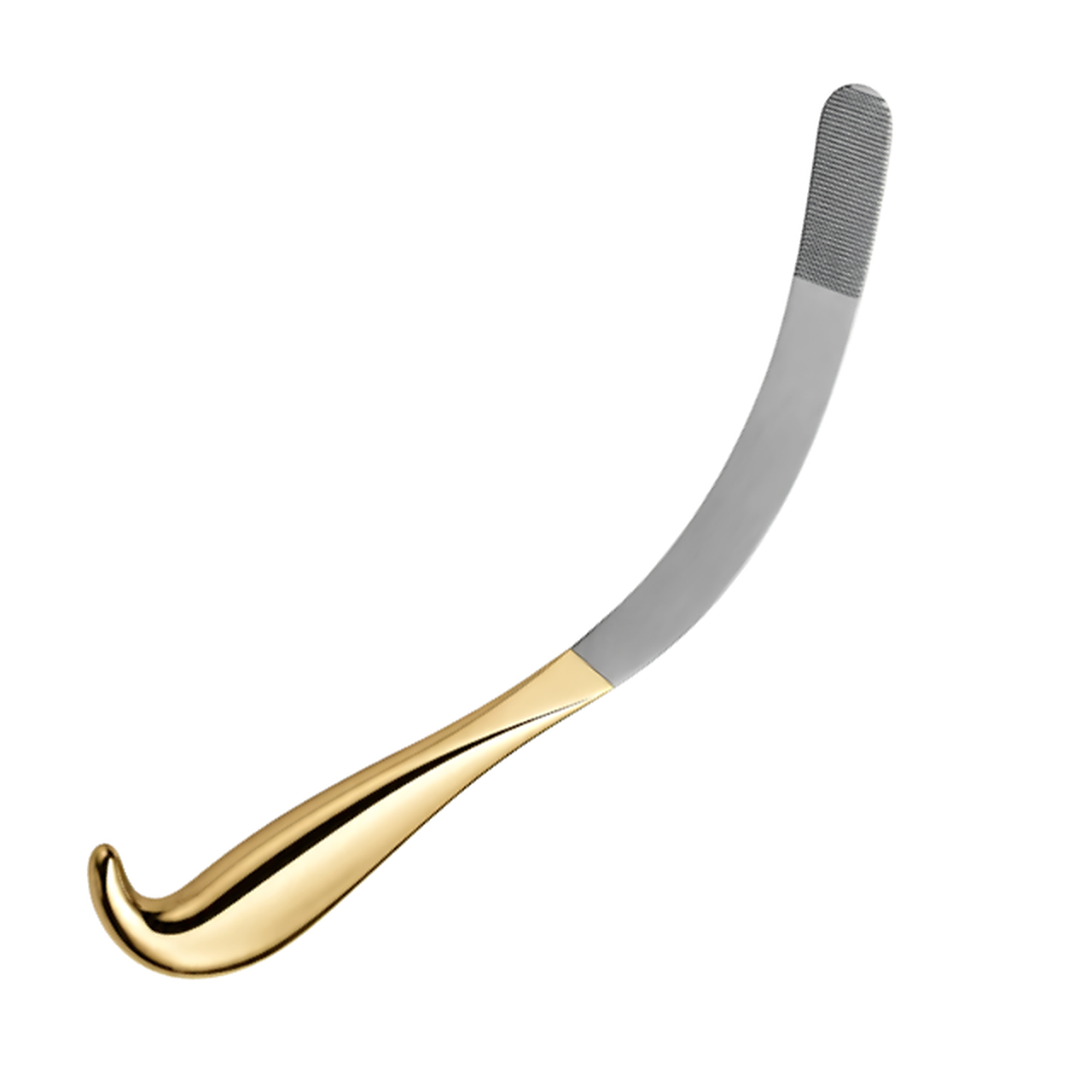 | Tebbetts Spatula Brust-Wundhaken | Speziell entwickelt zum Anheben von Gewebelappen und zur Schaffung subpektoraler Taschen bei der Brustvergrößerung und Rekonstruktion. |
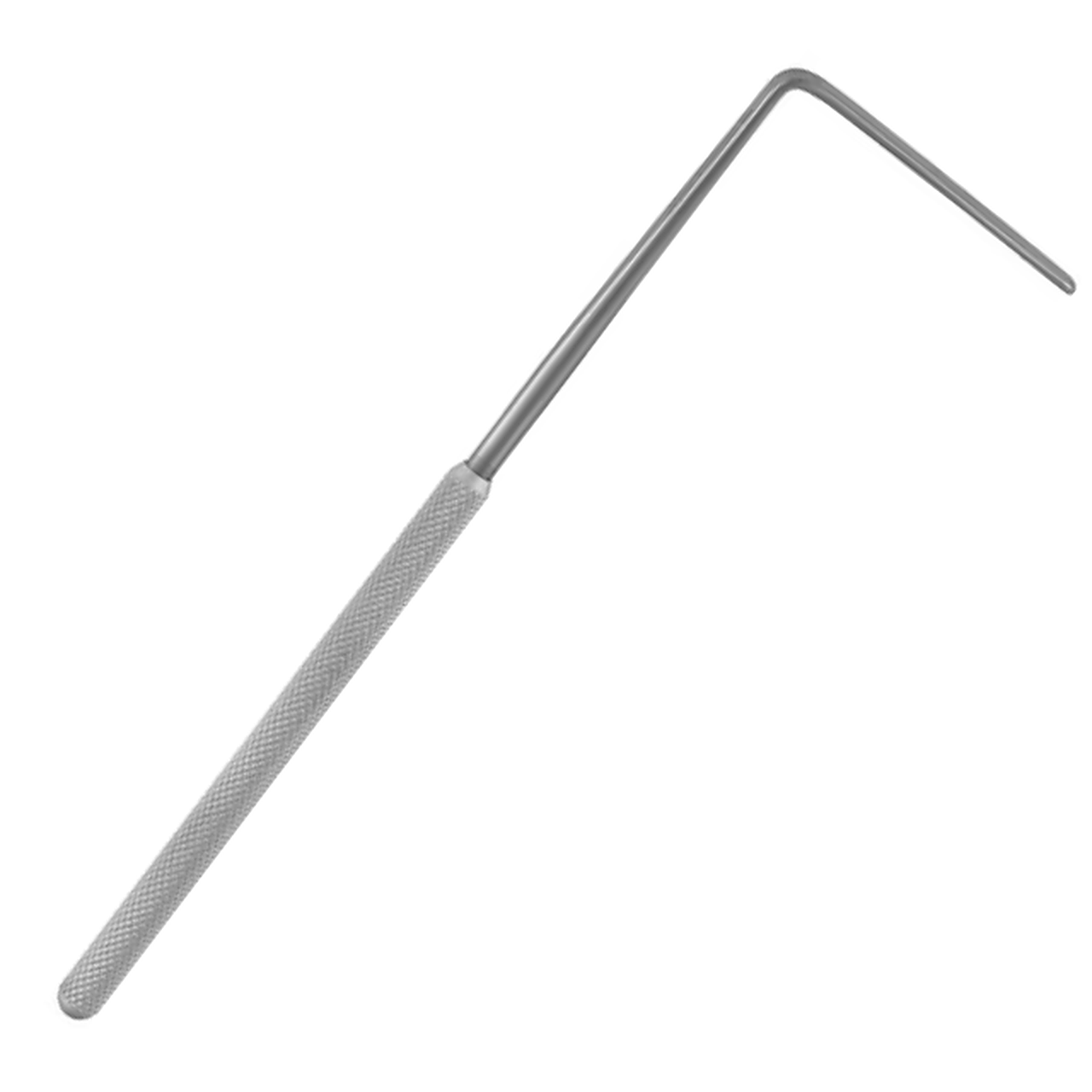 | Terry Nasal Retractor | Speziell entwickelt zur Anhebung von Nasenhautlappen und zur Retraktion von Knorpel während der ästhetischen und rekonstruktiven Rhinoplastik. |
 | Tessier Biegbarer Bandretraktor | Speziell entwickelt, um in individuelle Formen gebogen zu werden, um periokuläres Weichteilgewebe zu retrahieren und den Bulbus während kraniofazialer Eingriffe zu schützen. |
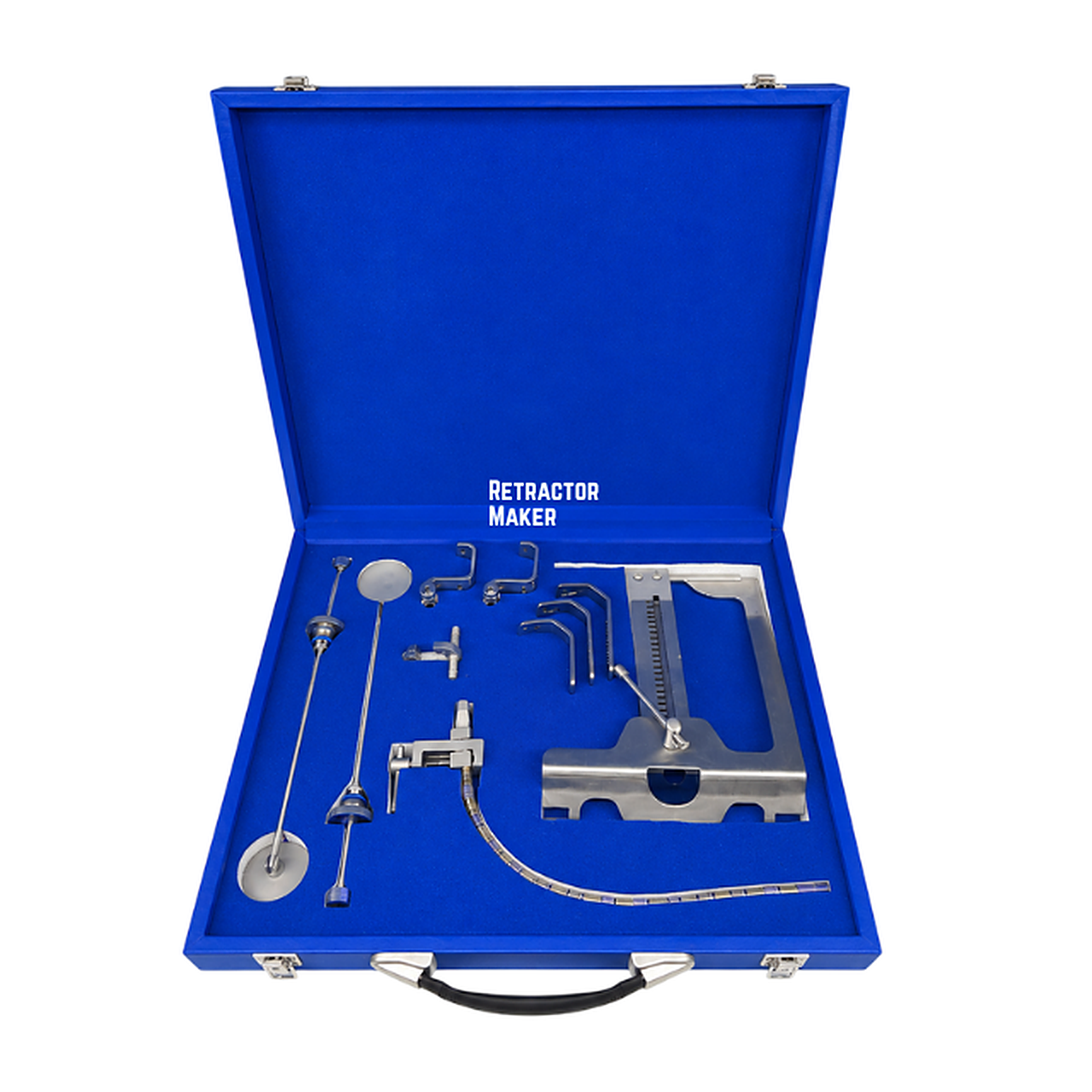 | ThoraGate Rib Up Retractor-System | Speziell entwickelt für die stabile interkostale Elevation und chirurgische Exposition bei thorakalen Eingriffen und minimalinvasiven Herzoperationen, einschließlich MIDCAB-Zugängen via Minithorakotomie. |
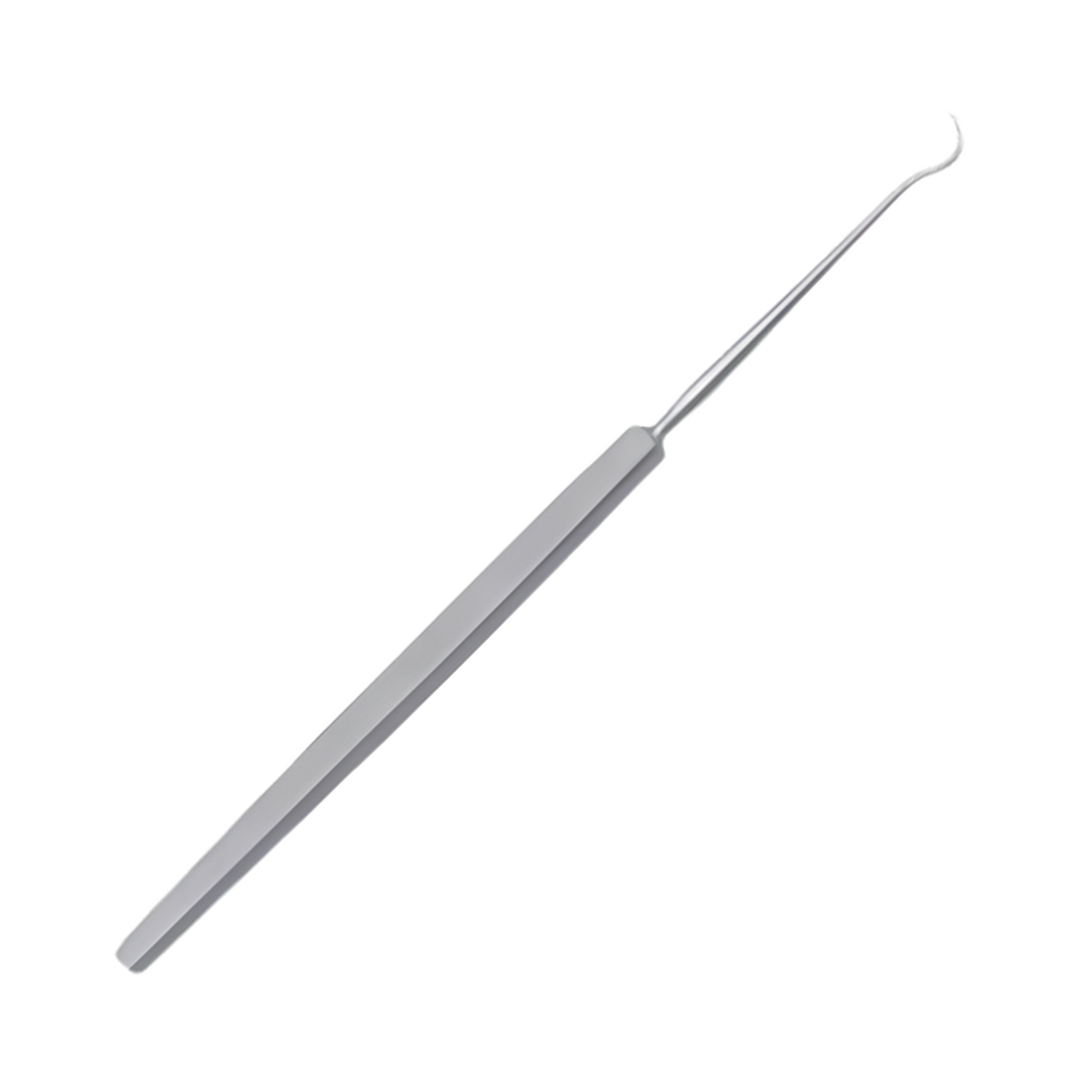 | Toennis Nervwurzelhaken | Speziell entwickelt zur Mobilisierung, Aufnahme und zum Schutz verlaufender spinaler Nervwurzeln und des Thekalsacks während der lumbalen Diskektomie. |
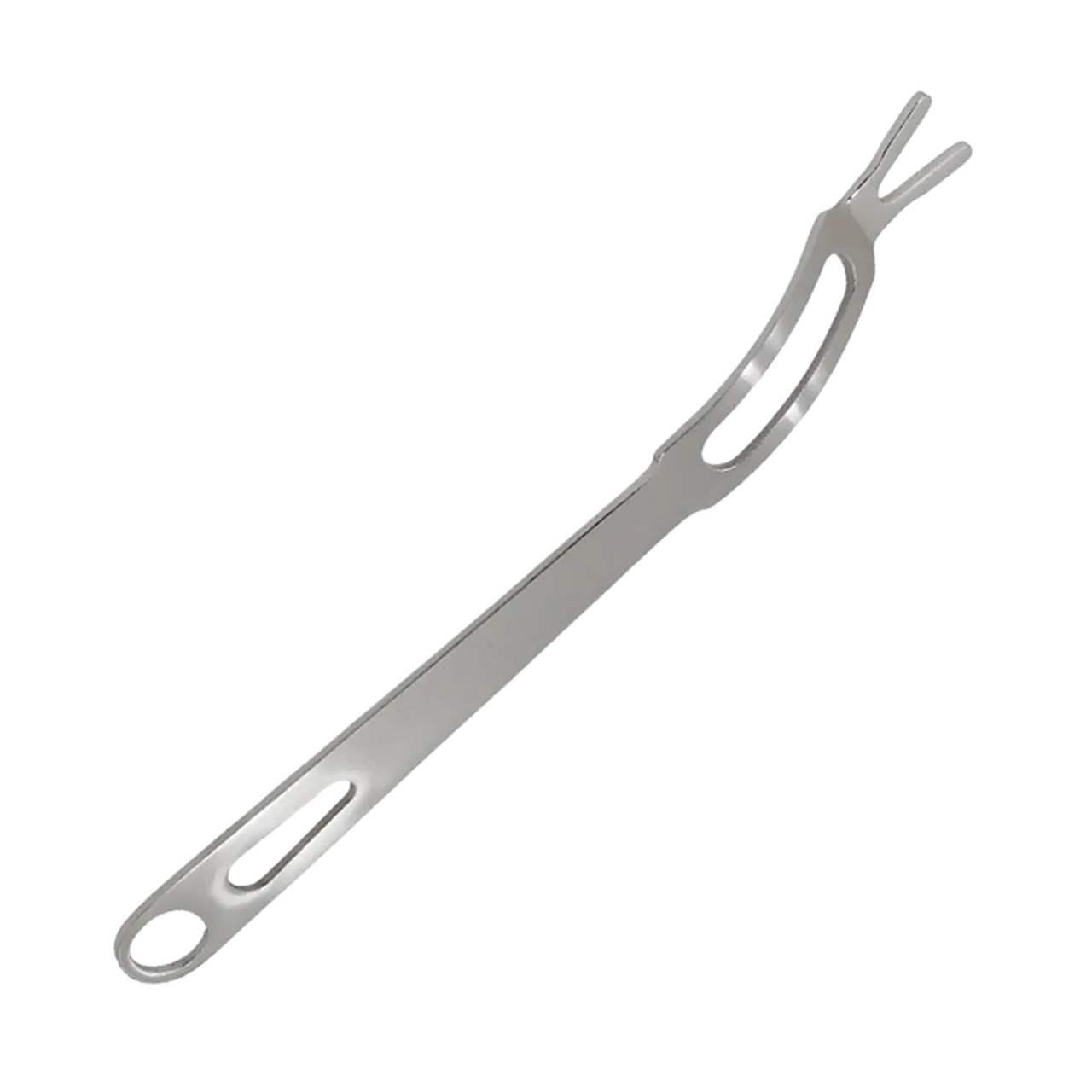 | Glenosphären-Komponenten-Hebel für die totale und inverse Schulterarthroplastik | Speziell entwickelt, um den Humerus nach posterior zu verlagern und das Glenoid während der inversen und totalen Schulterarthroplastik freizulegen. |
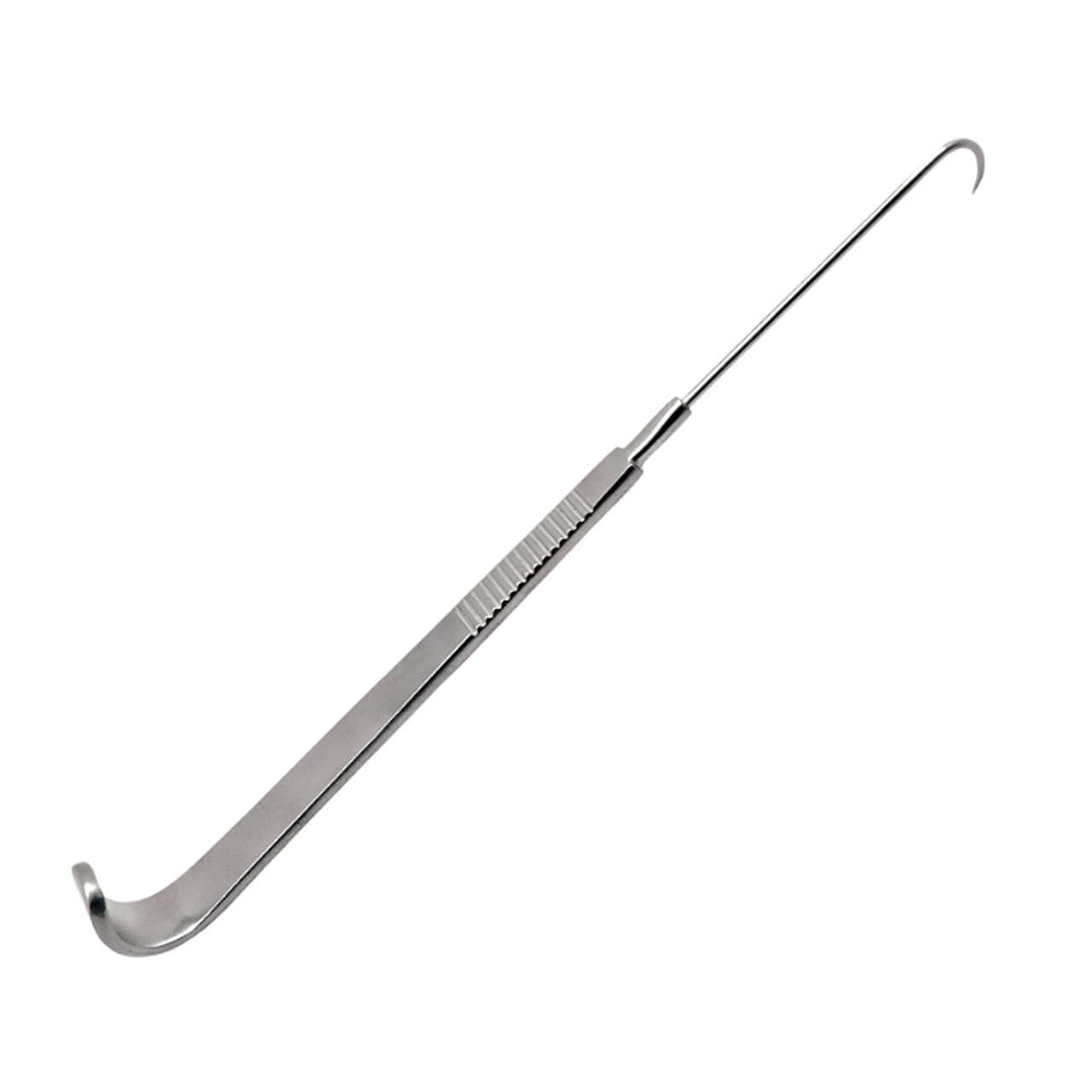 | Tracheal-Haken/Retraktor | Speziell entwickelt zur Elevation und Stabilisierung der Trachea bei notfallmäßigen und elektiven Tracheotomien. |
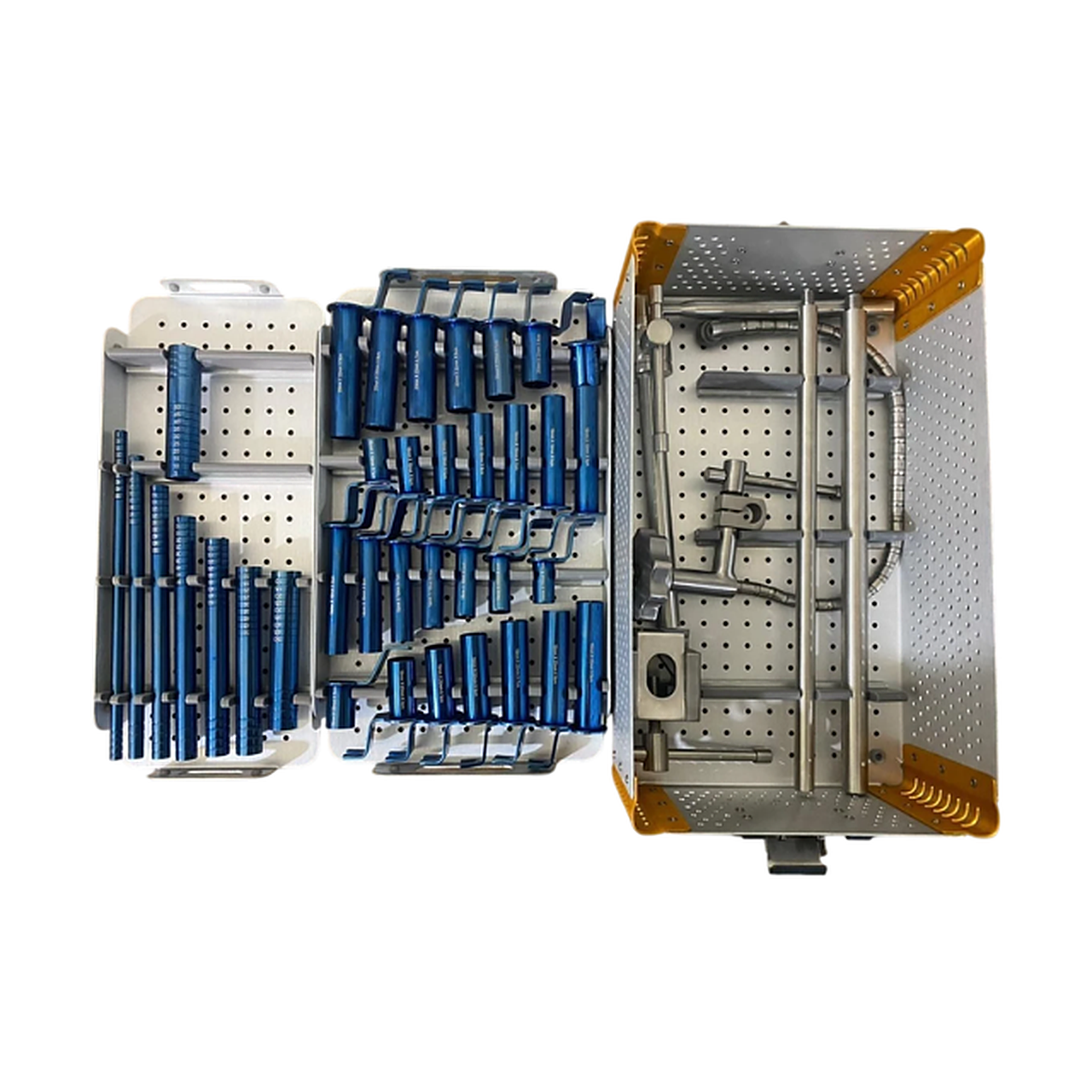 | Tubular Retractor System | Erleichtert den Zugang bei Disketomie, Laminektomie, Stenosebehandlung, MIS PLIF, MIS TLIF und zervikaler Foraminotomie. |
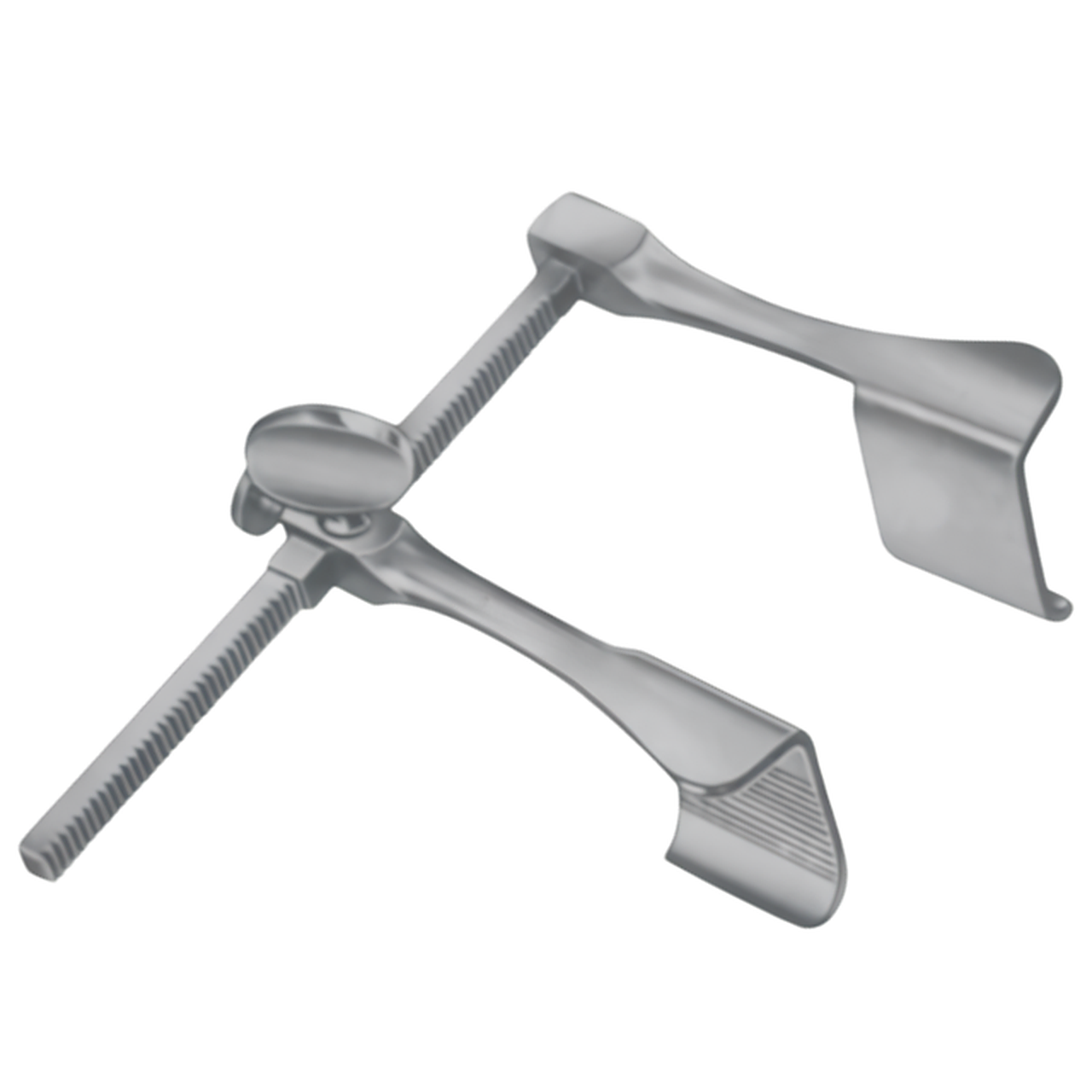 | Tuffier Rippensperrer | Speziell entwickelt zur Spreizung der Rippen bei Erwachsenen und zur Aufrechterhaltung der Thoraxexposition bei offenen Thorakotomien. |
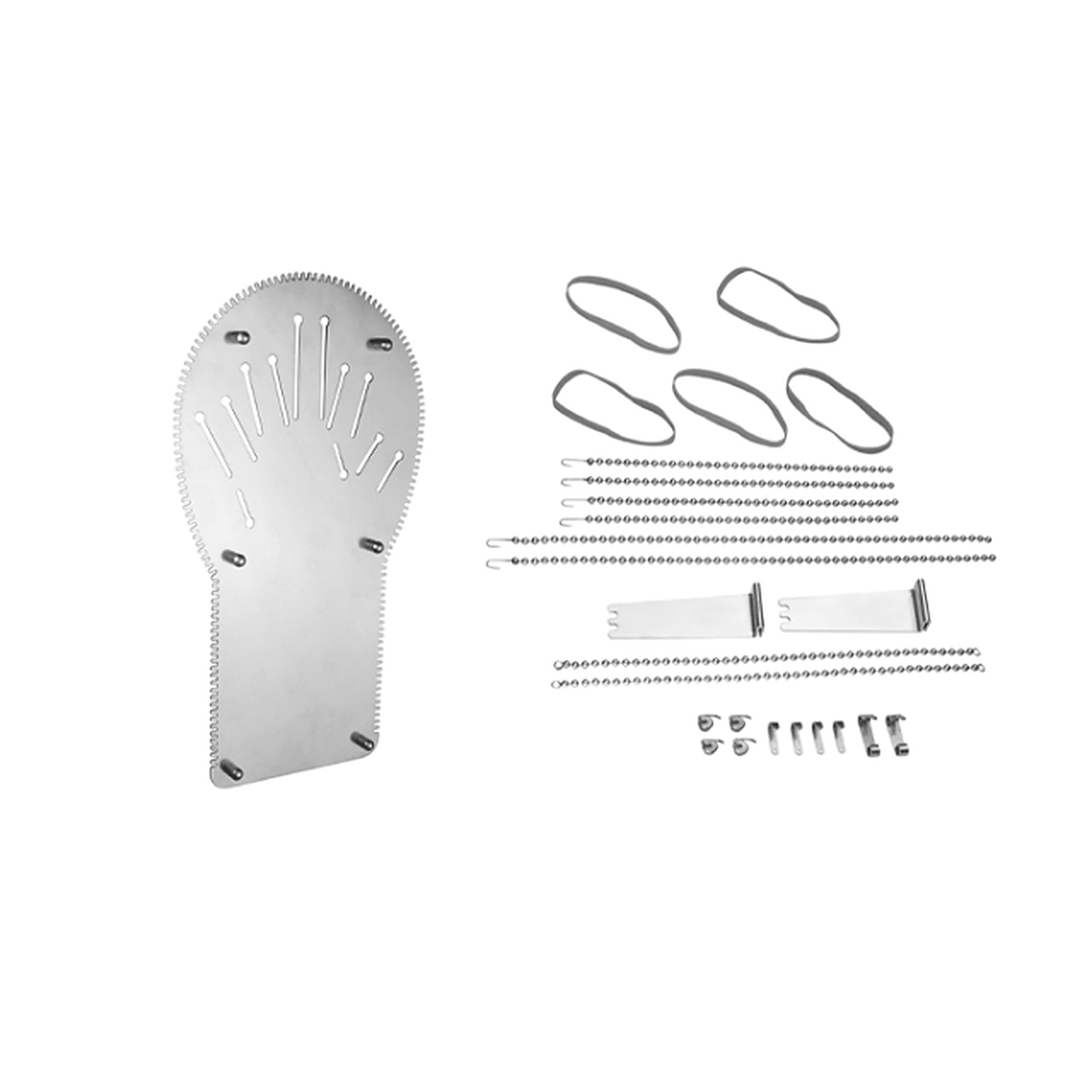 | Tupper’s Universal Hand Retractor | Speziell entwickelt für die kontrollierte Geweberetraktion, Gliedmaßenstabilisierung und freihändige chirurgische Exposition bei hand- und mikrochirurgischen Eingriffen. |
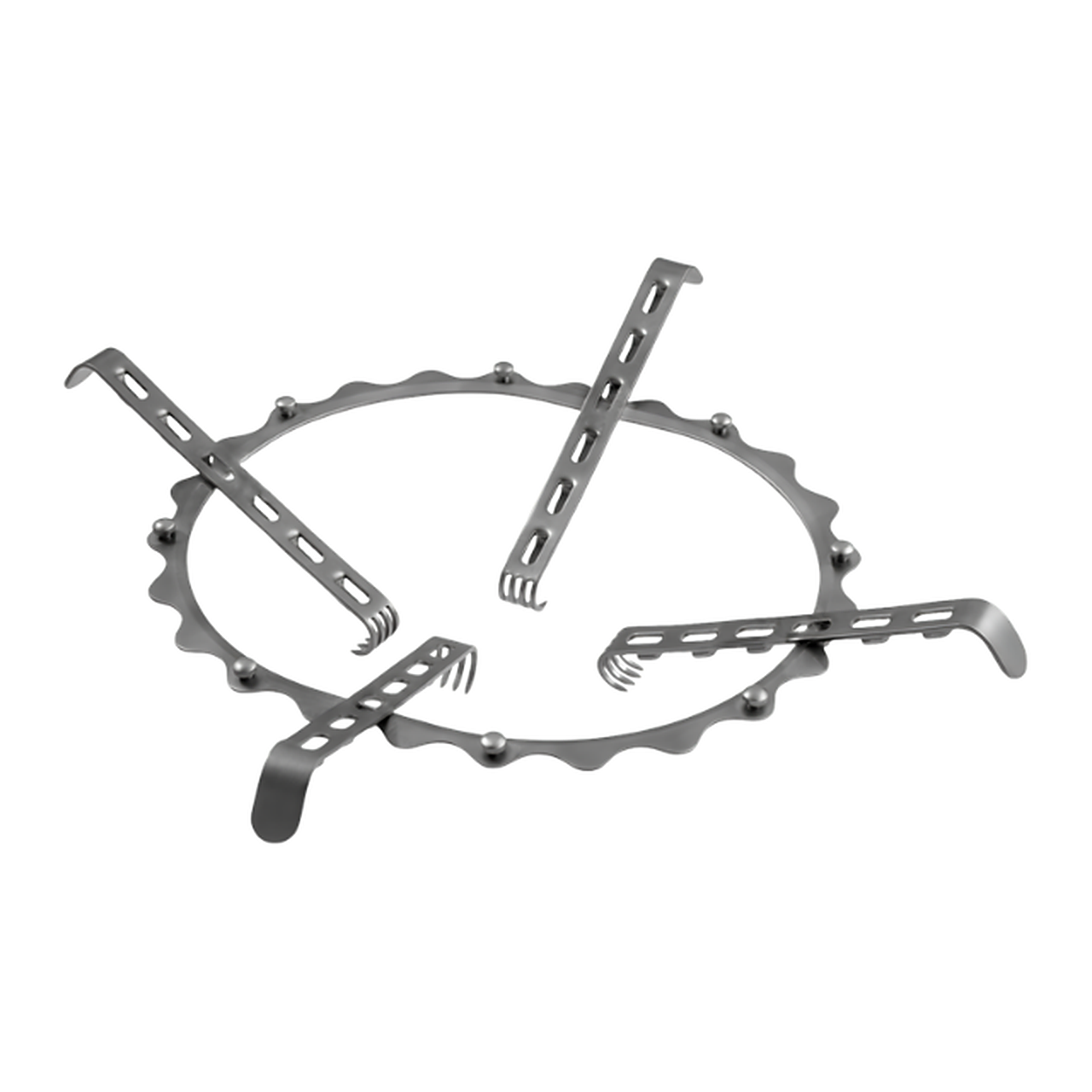 | Turner-Warwick Urologie-Retraktor | Speziell entwickelt für die 360-Grad-selbsthaltende Wundrand- und Viszeralretraktion während urologischer und pelviner Eingriffe. |
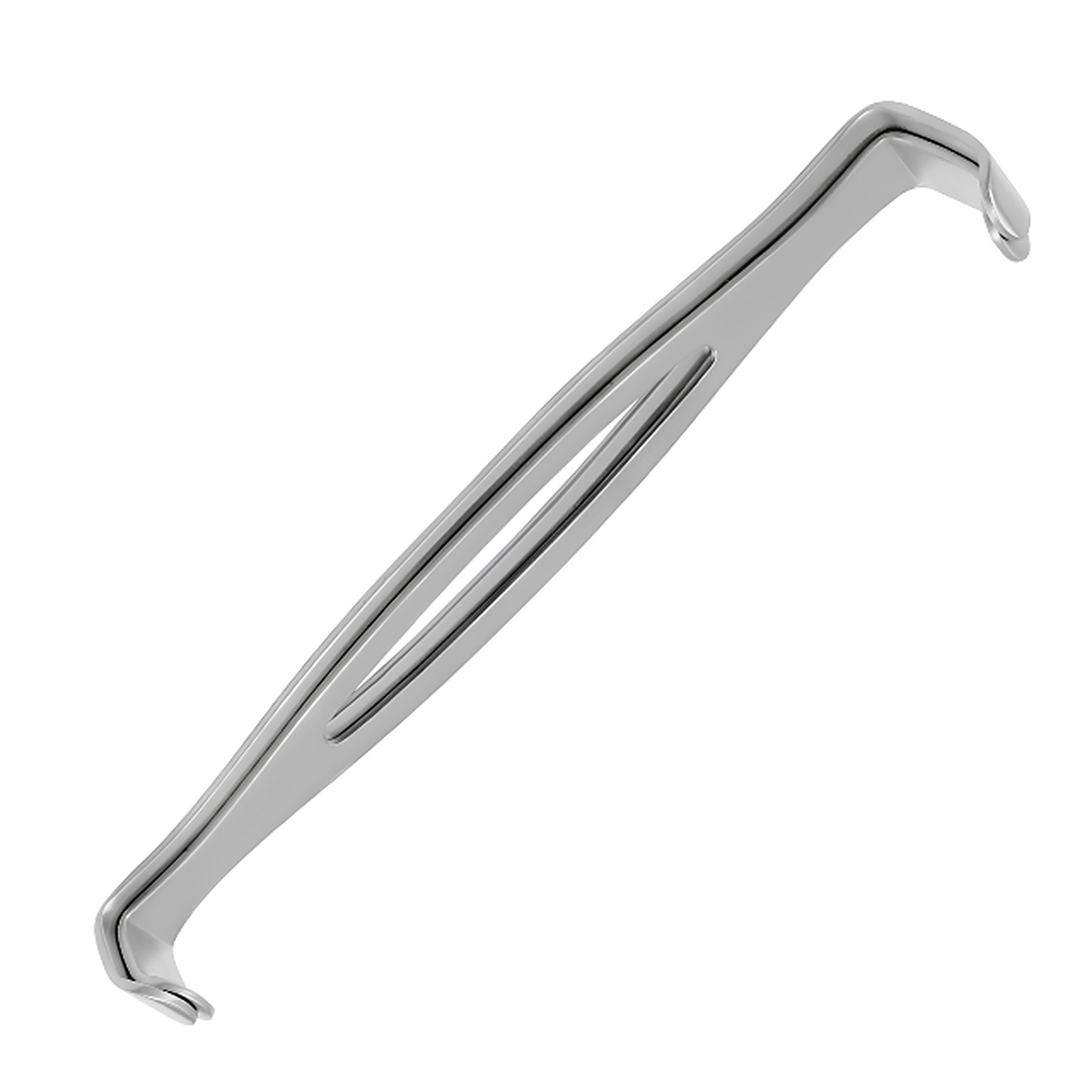 | US Army Retractor, 2er-Set | Speziell entwickelt für die Retraktion von Hauträndern, Faszien und Muskelgewebe bei oberflächlichen und mitteltiefen chirurgischen Inzisionen. |
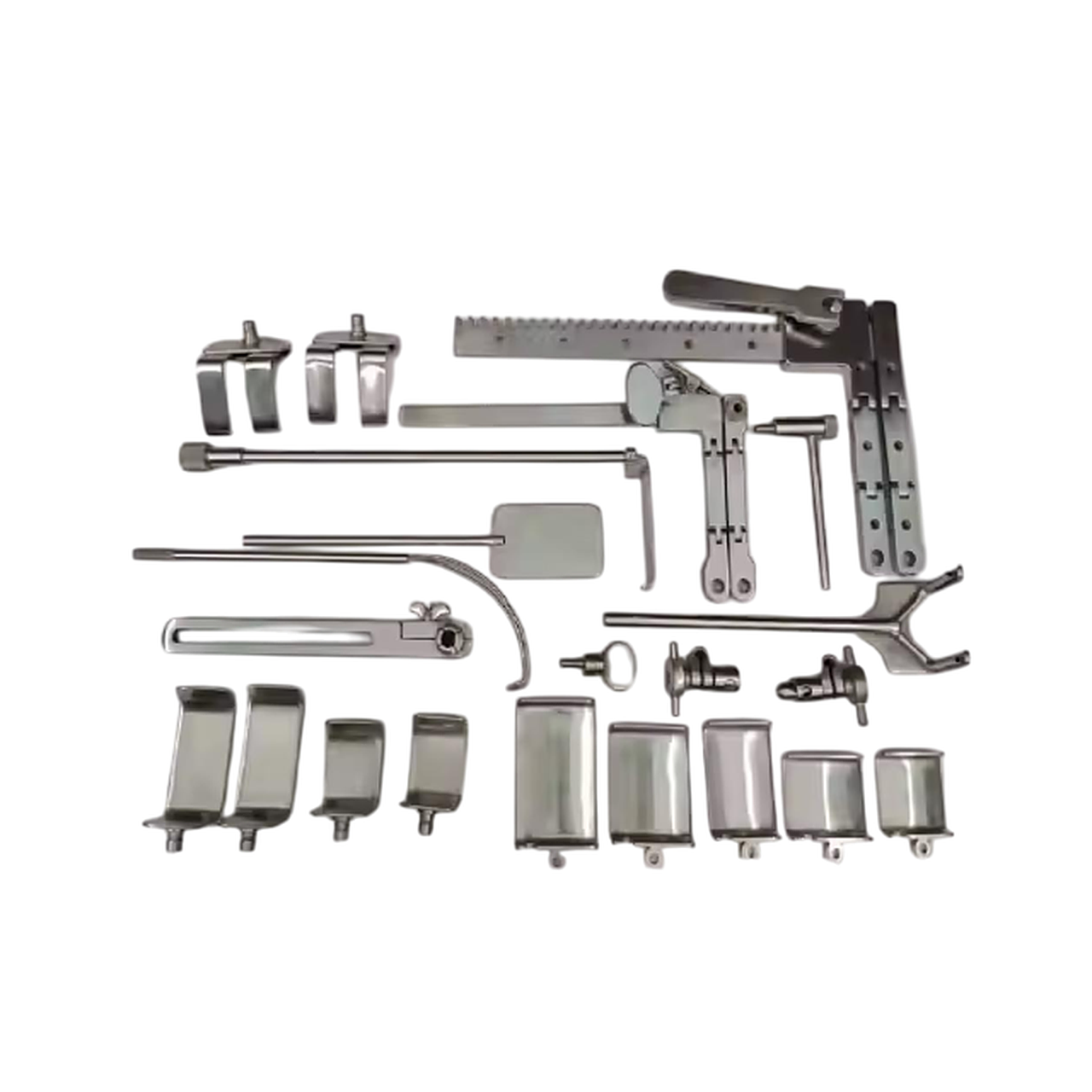 | Valve XS Retractor System | Speziell entwickelt für eine stabile Geweberetraktion und chirurgische Exposition bei herzchirurgischen Eingriffen mit lateralem Zugang, MICS CABG und Atrium-Lift-Konfigurationen. |
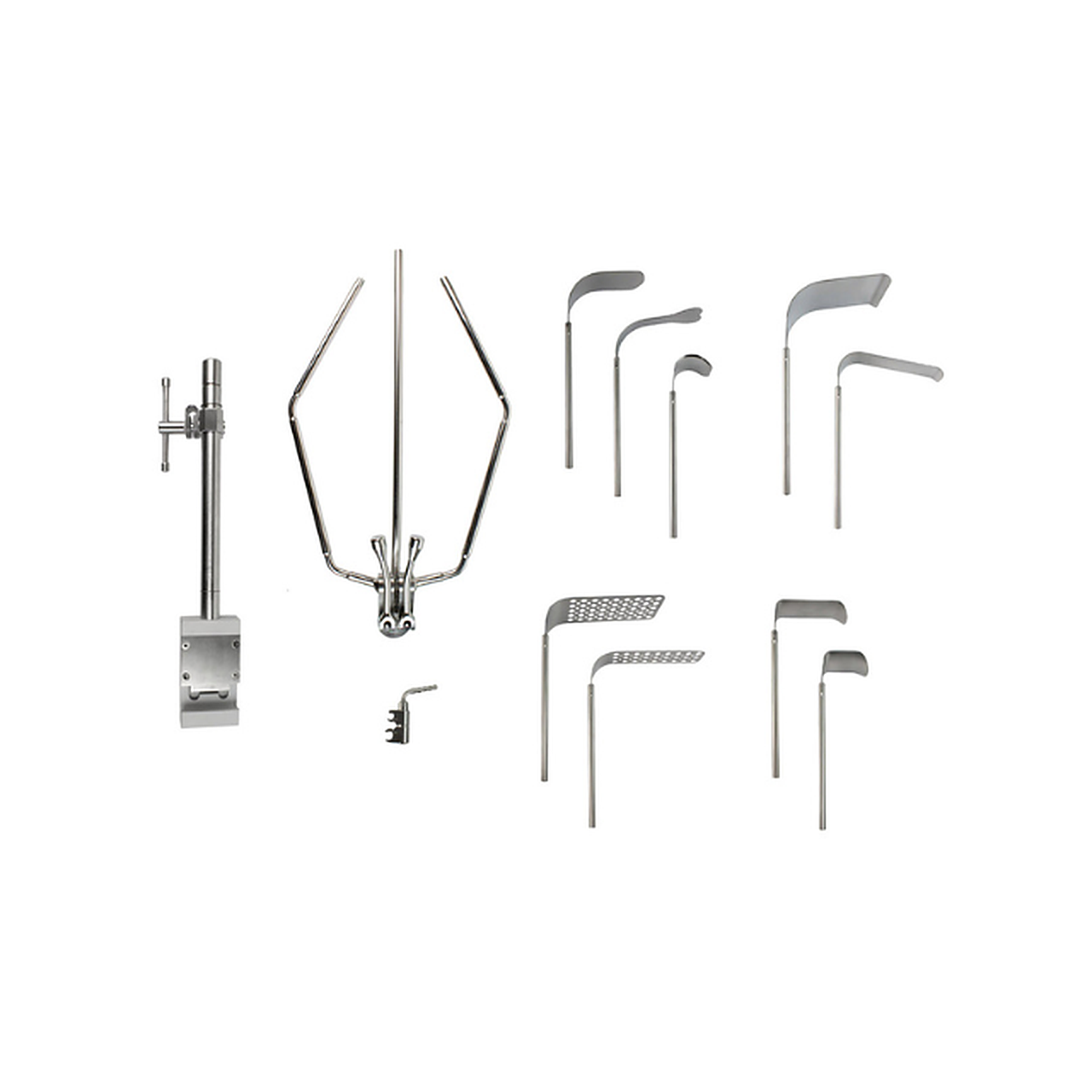 | Vascular Lobster System | Speziell entwickelt für die tischmontierte, selbsthaltende Geweberetraktion und Exposition des Operationsfeldes bei Gefäßeingriffen. |
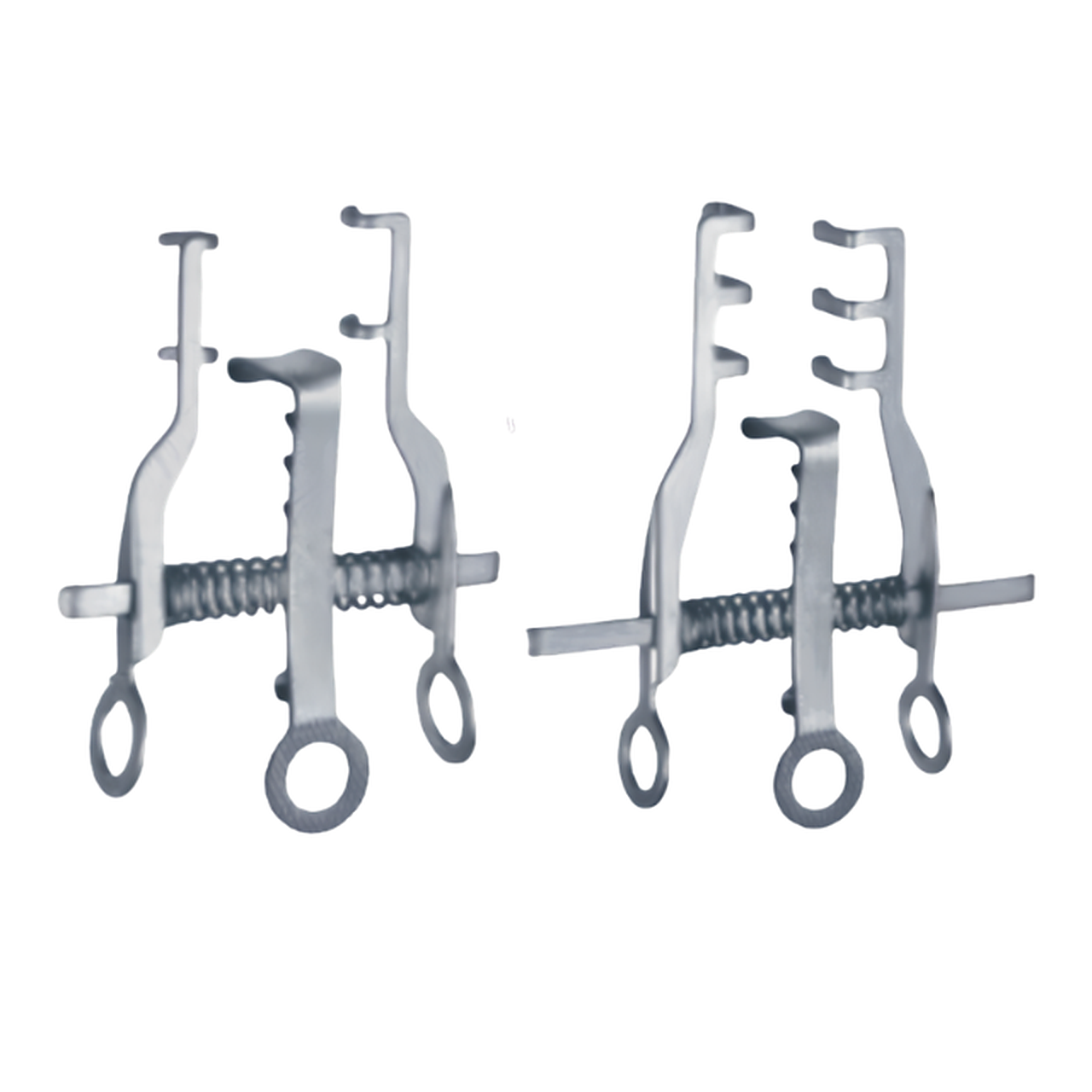 | Vickers Low Profile Retractor | Speziell entwickelt für die flache, selbsthaltende Weichteilretraktion in der Hand-, Handgelenks- und Mikrochirurgie. |
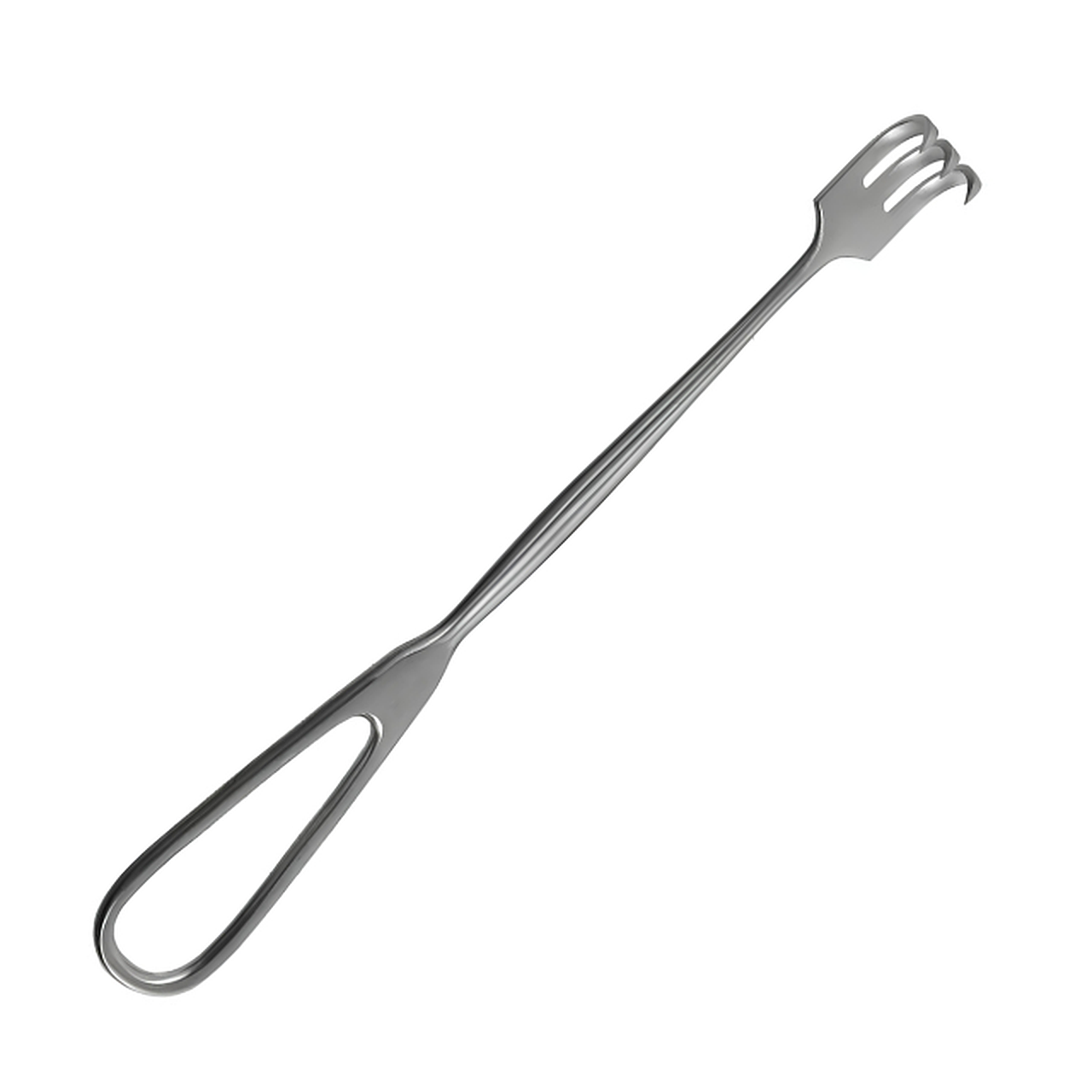 | Volkman Retractor-USA Pattern | Speziell entwickelt für die Retraktion von Hautlappen, Faszien und Muskelgewebe in der Allgemeinchirurgie, Plastischen Chirurgie und Orthopädie. |
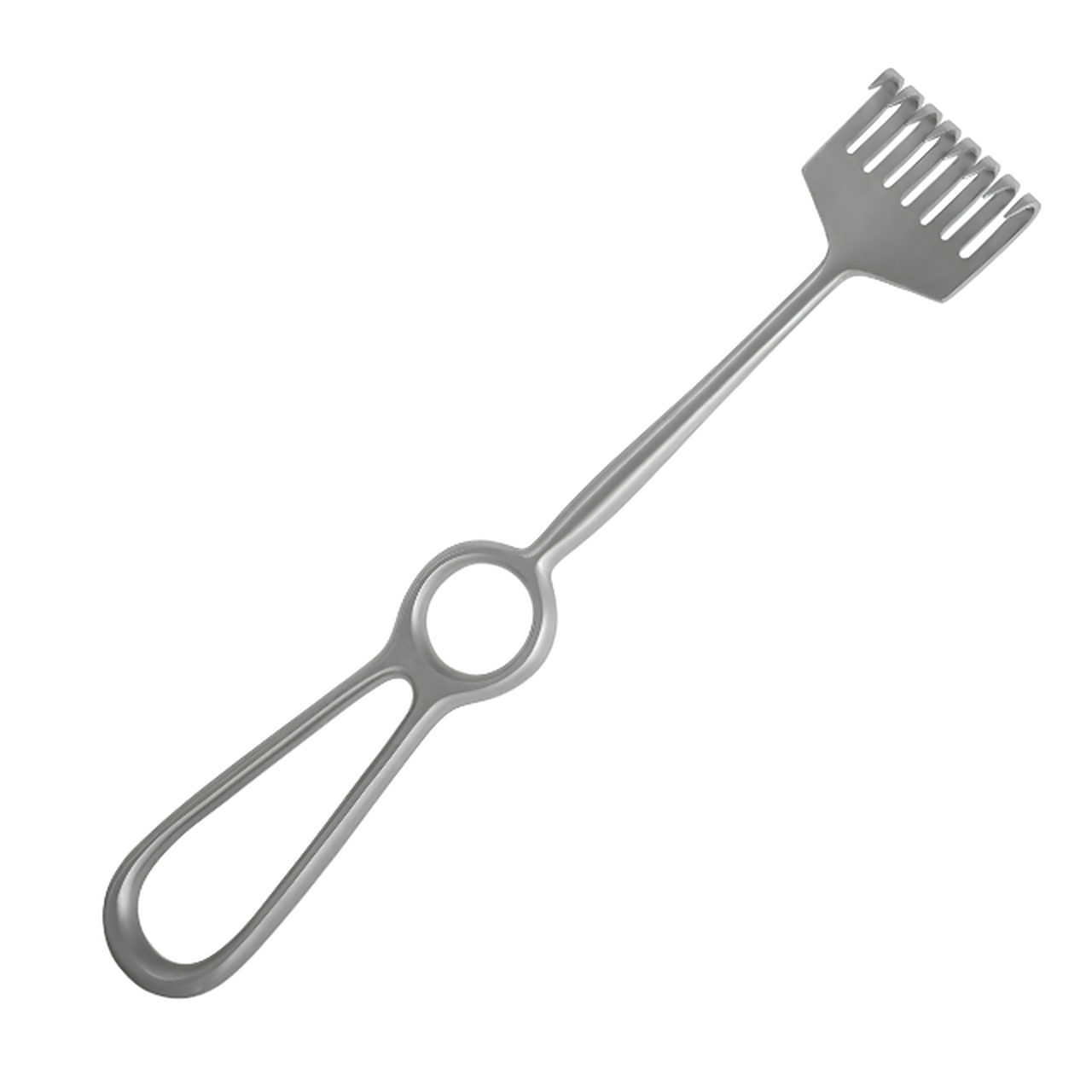 | Volkmann Wundhaken | Speziell entwickelt zur Retraktion von Hautlappen, Faszien und dichten Geweberändern in der Allgemein-, Kunststoff- und Orthopädiechirurgie. |
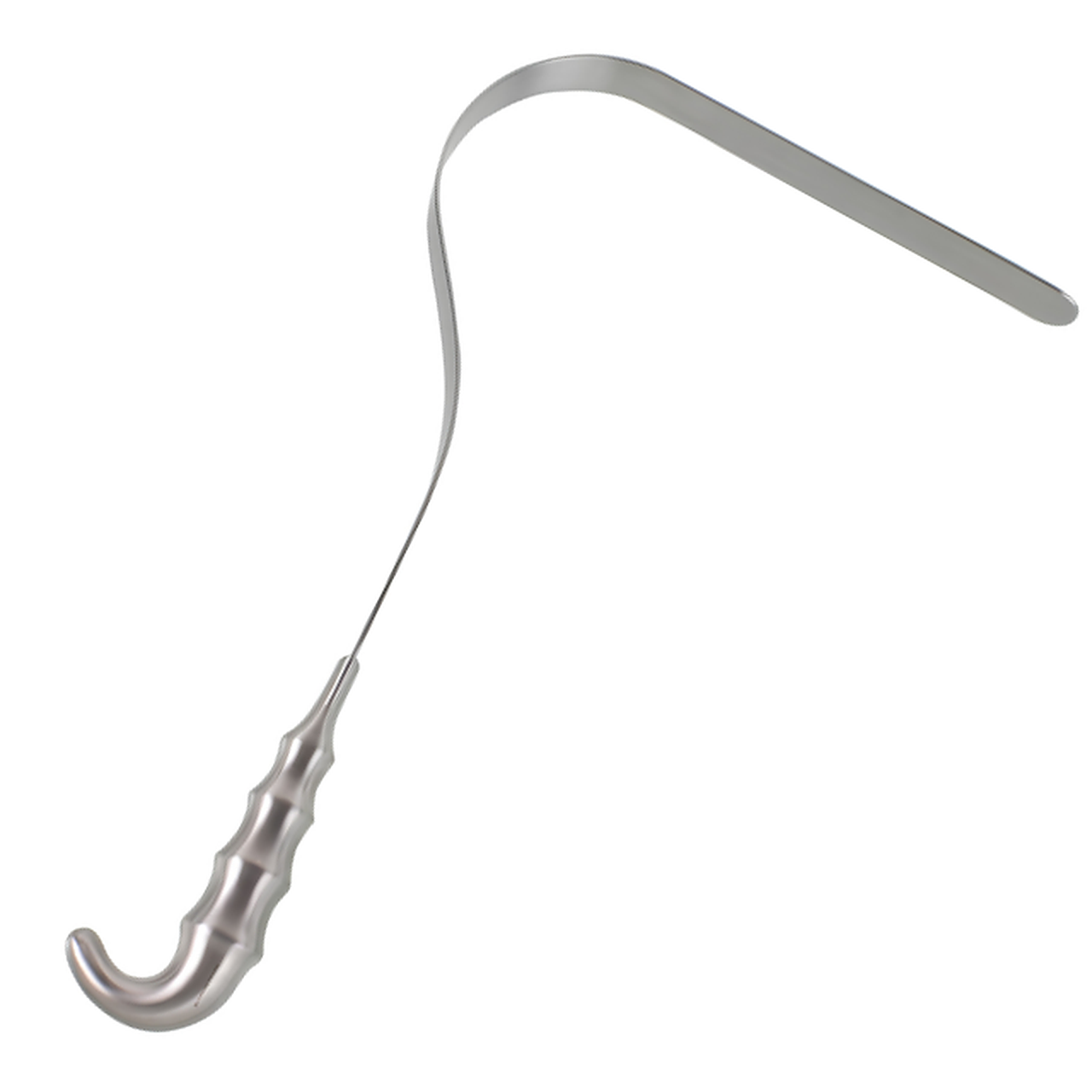 | W.M. Lemmon Deaver Wundhaken | Speziell entwickelt zur Retraktion von tiefen Viszera, Darm, Leber und Bauchwand bei großen thorakalen und abdominalen Operationen. |
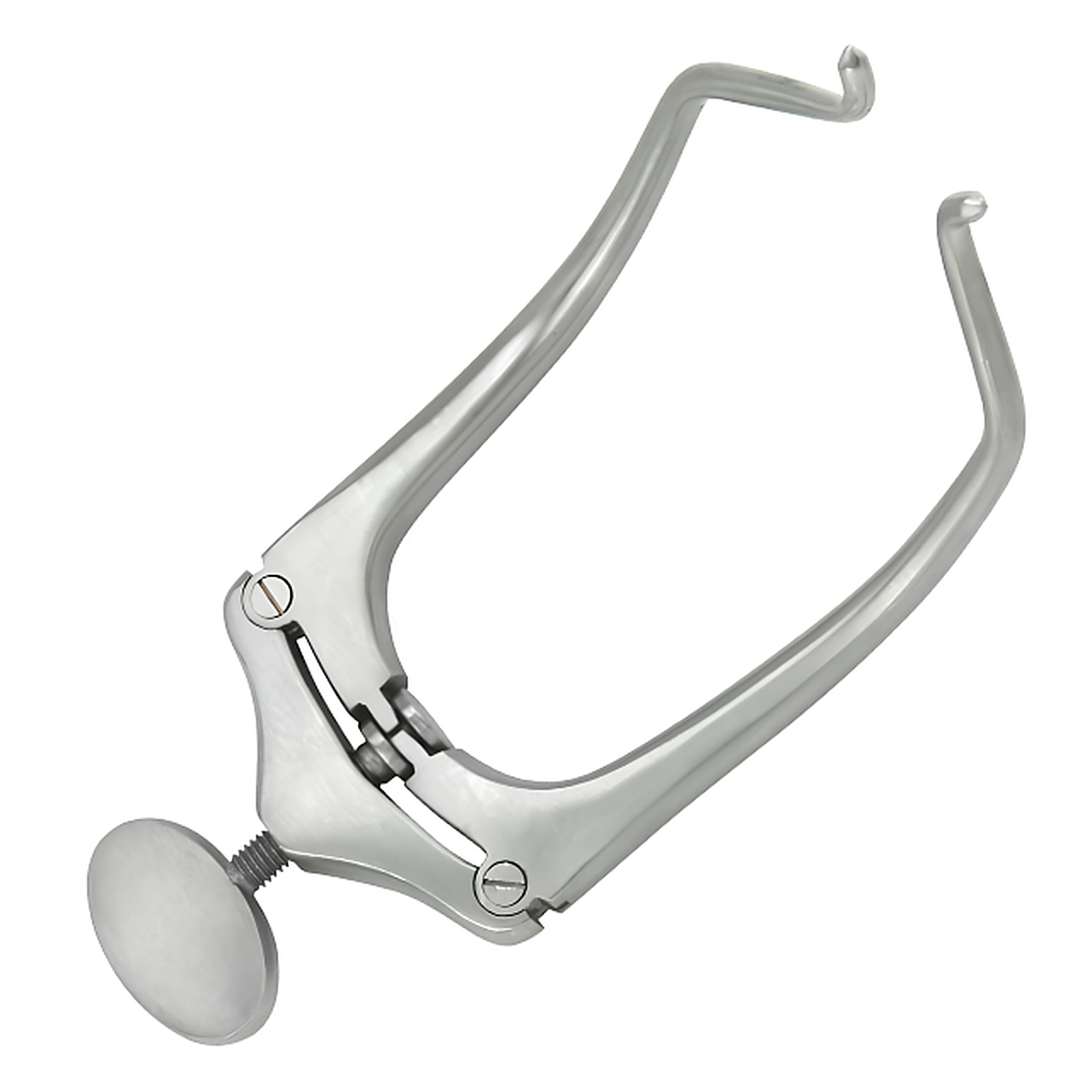 | Wallace Knee Retractor | Speziell entwickelt für die selbsthaltende Kapsel- und Weichteilretraktion bei Kniearthrotomien und rekonstruktiven Operationen. |
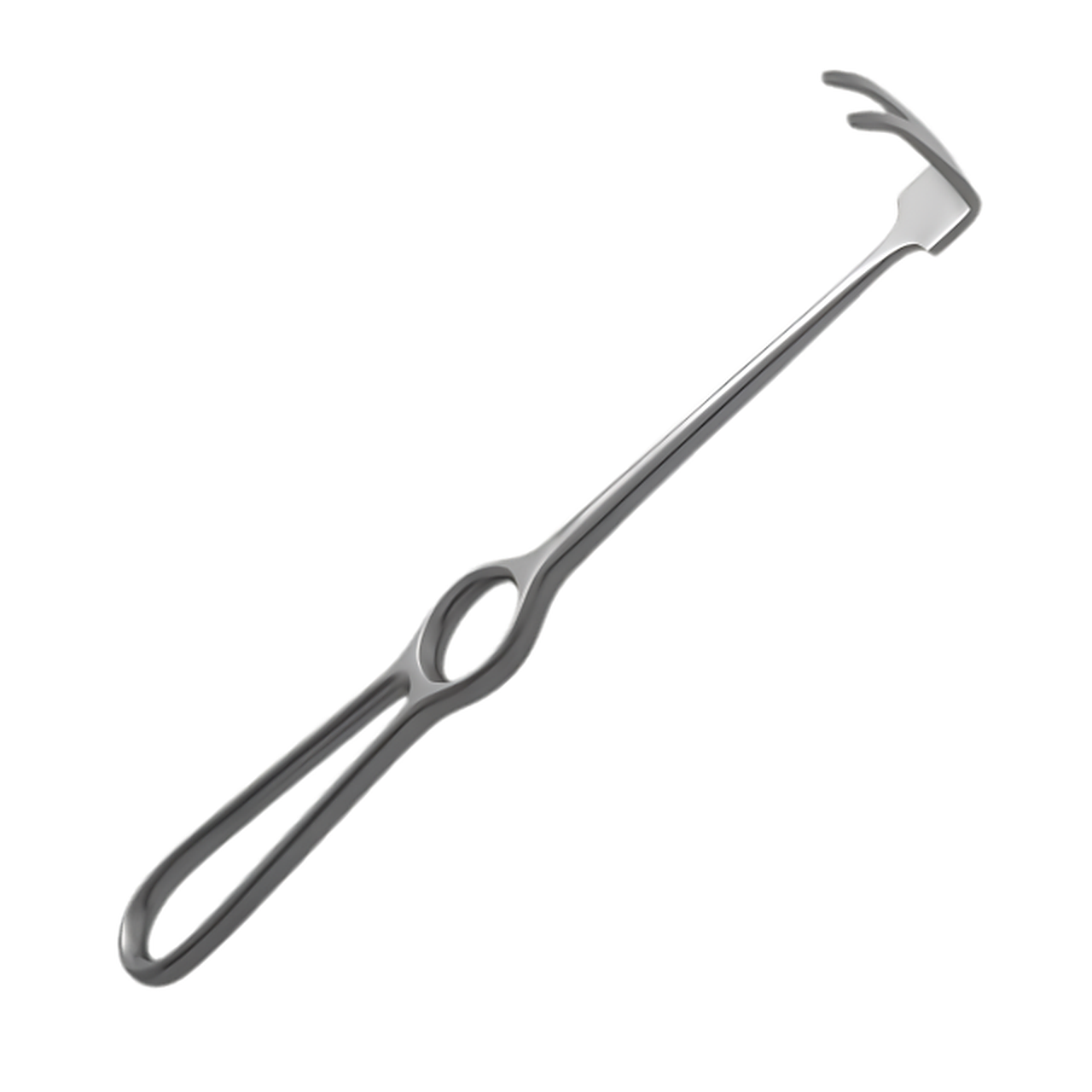 | Wassmund Weichteil-Retraktor | Speziell entwickelt zur Retraktion von Wangen, Lippen und Mukoperiost bei mund-, kiefer- und gesichtschirurgischen Eingriffen. |
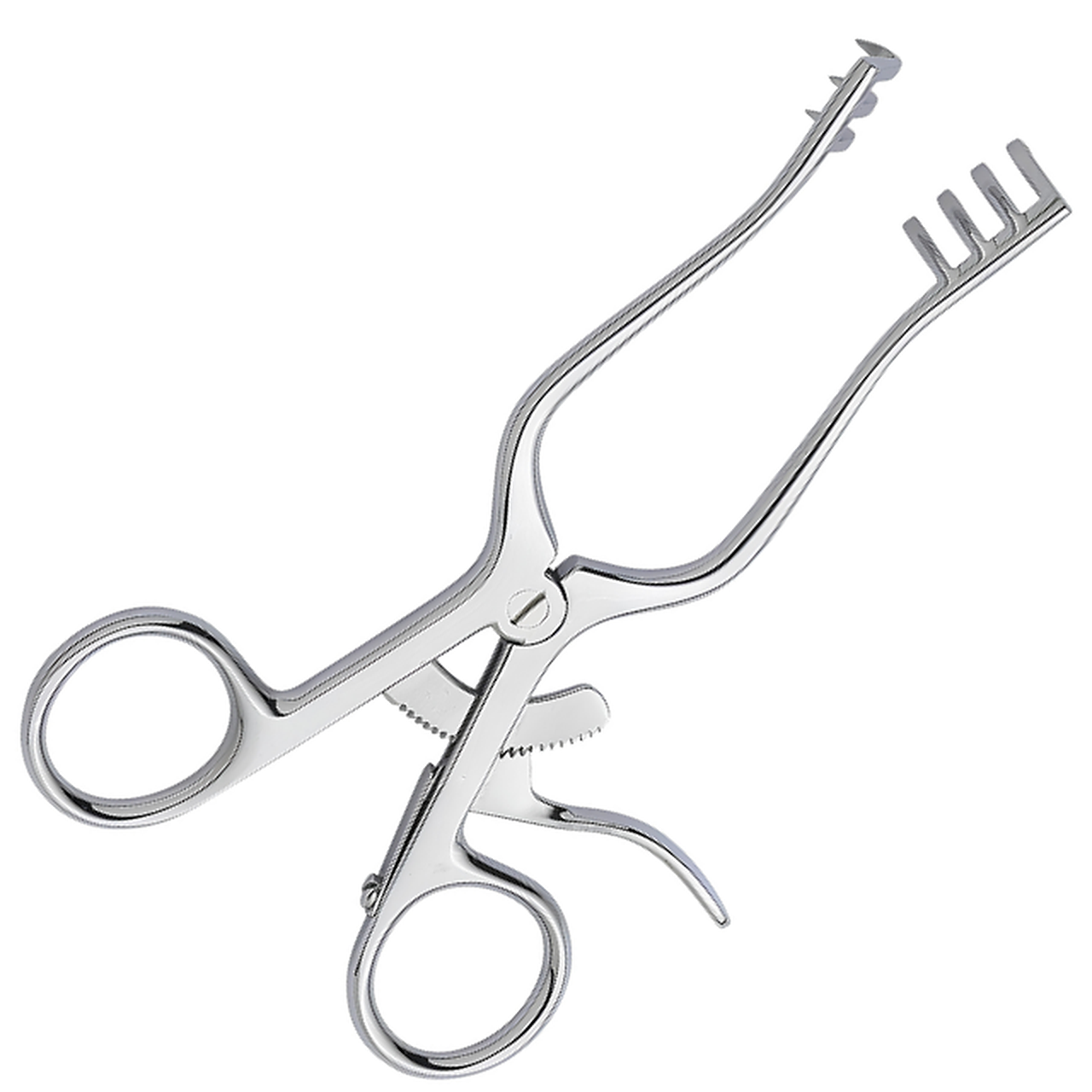 | Weitlaner Wundsperrer | Speziell entwickelt für die selbsthaltende, freihändige Wundrandretraktion in der kleinen, allgemeinen und tiefen orthopädischen Chirurgie. |
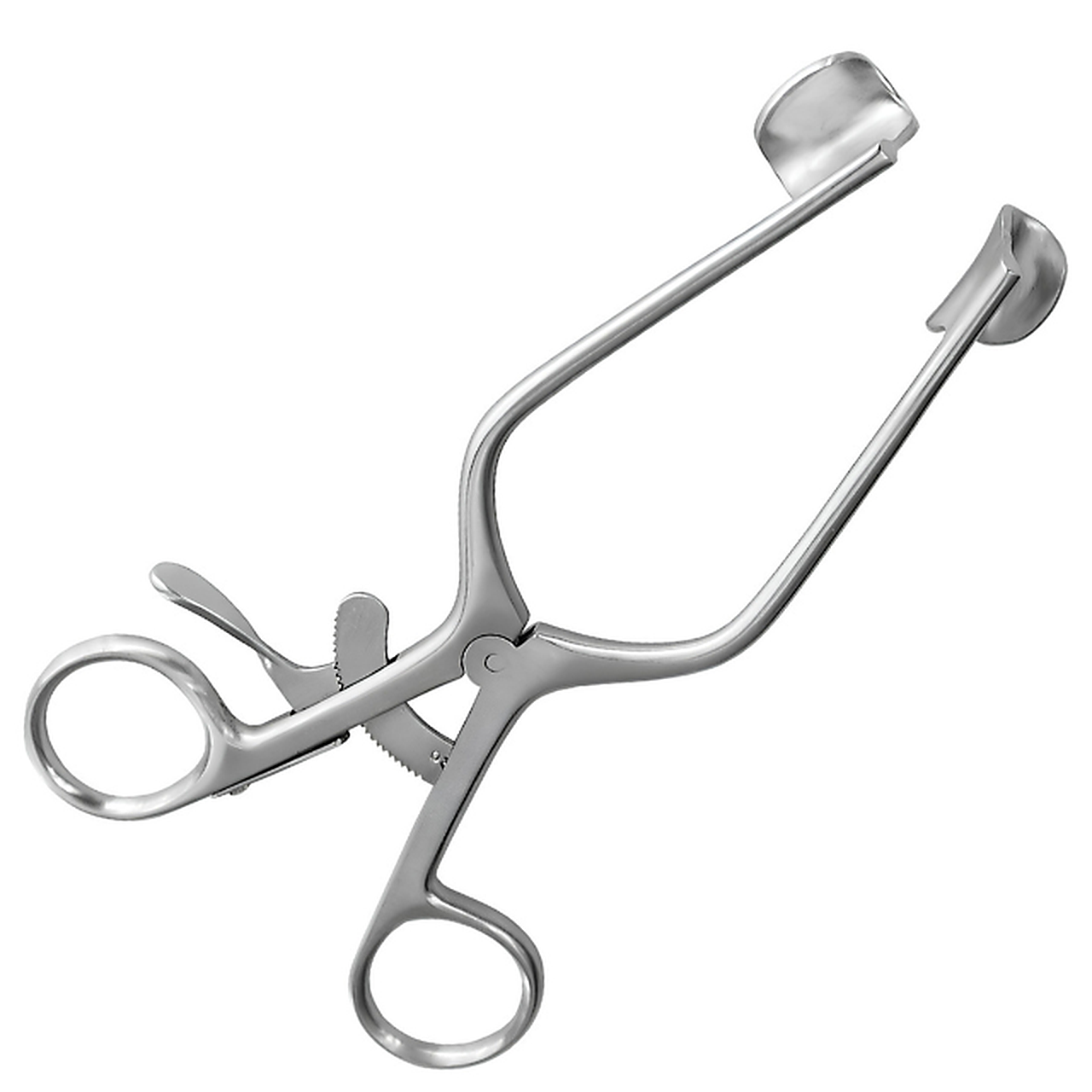 | Breiter selbsthaltender Wundsperrer | Speziell entwickelt für die selbsthaltende, großflächige Wundrandretraktion ohne Gewebeherniation. |
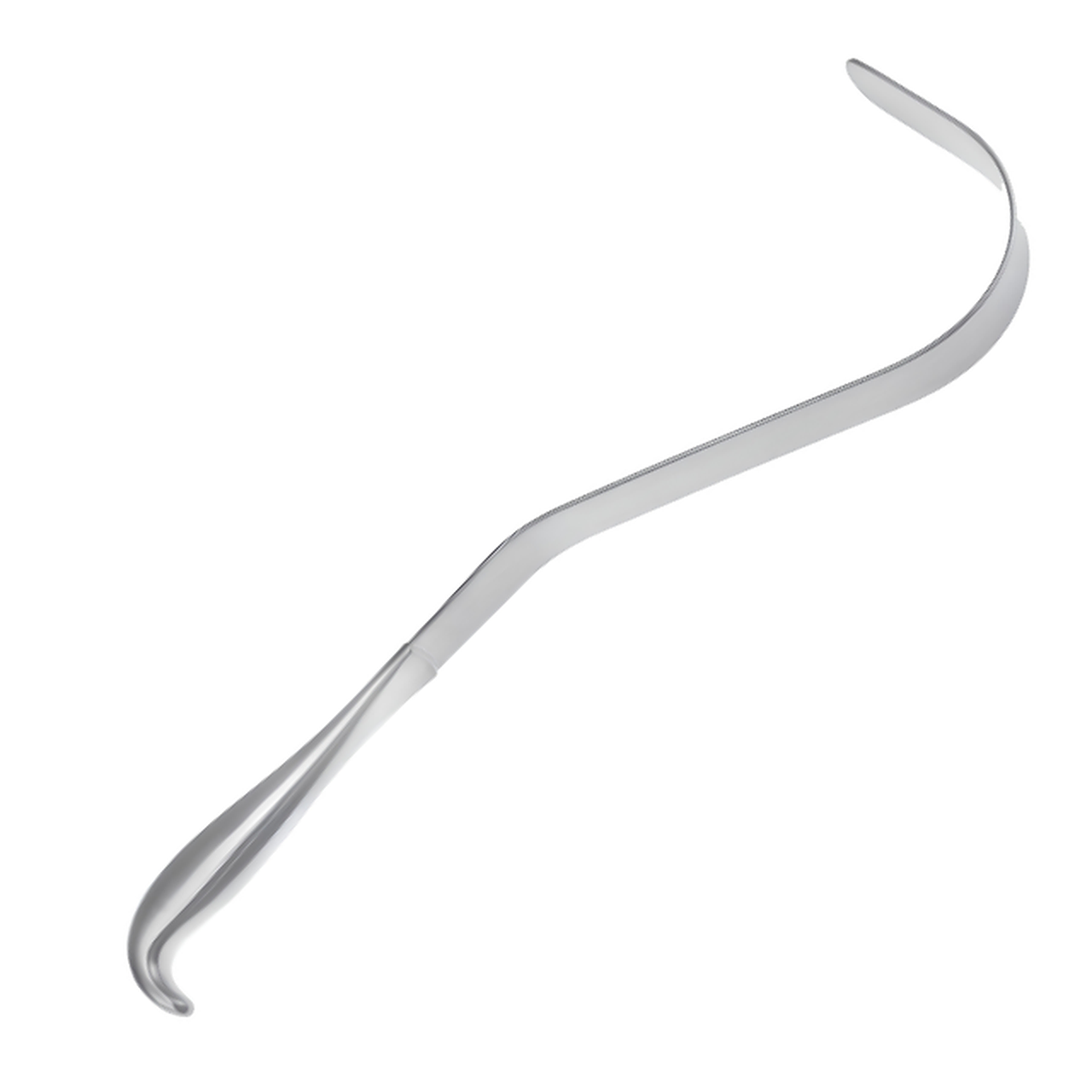 | Willauer-Deaver Retractor | Speziell entwickelt zur Retraktion von Lungenparenchym, Viszera und tiefen Geweberändern während thorax- und abdominalchirurgischer Eingriffe. |
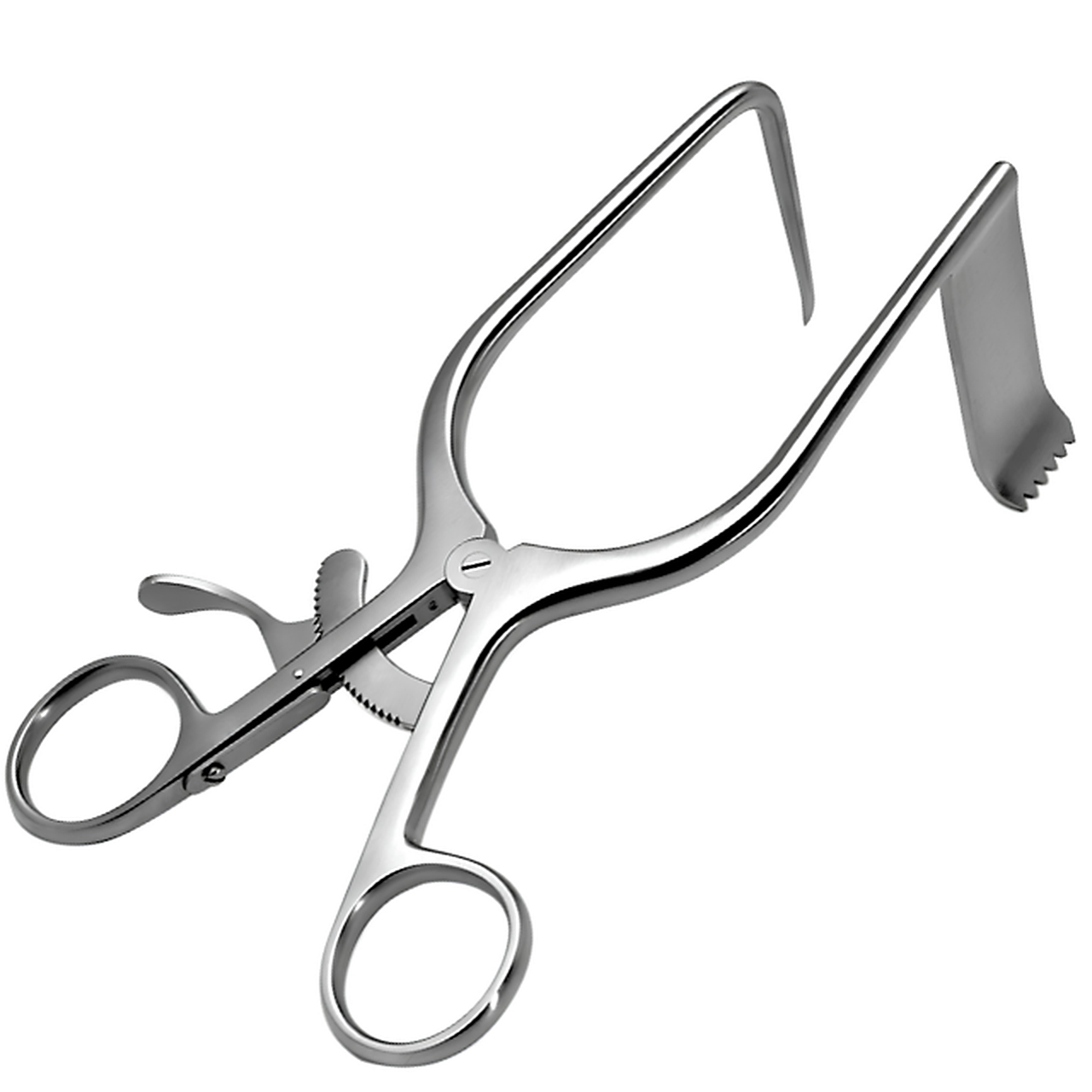 | Williams Discectomy Retractor | Speziell entwickelt zur Retraktion von paraspinalen Muskel- und Geweberändern während der mikrochirurgischen lumbalen Dissektomie und Laminotomie. |
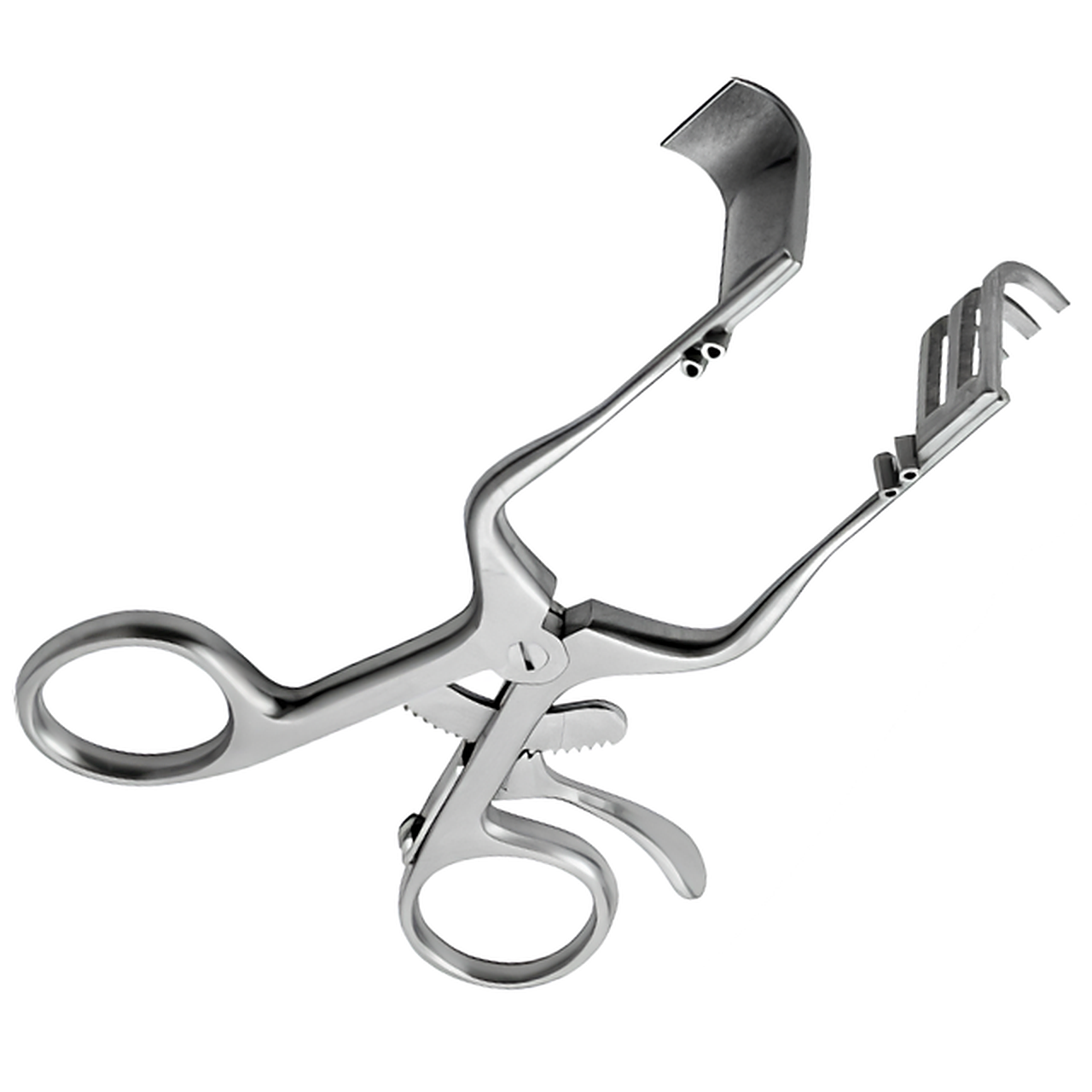 | Williams Distal Radius Fraktur-Retraktor | Speziell entwickelt zur Retraktion des M. |
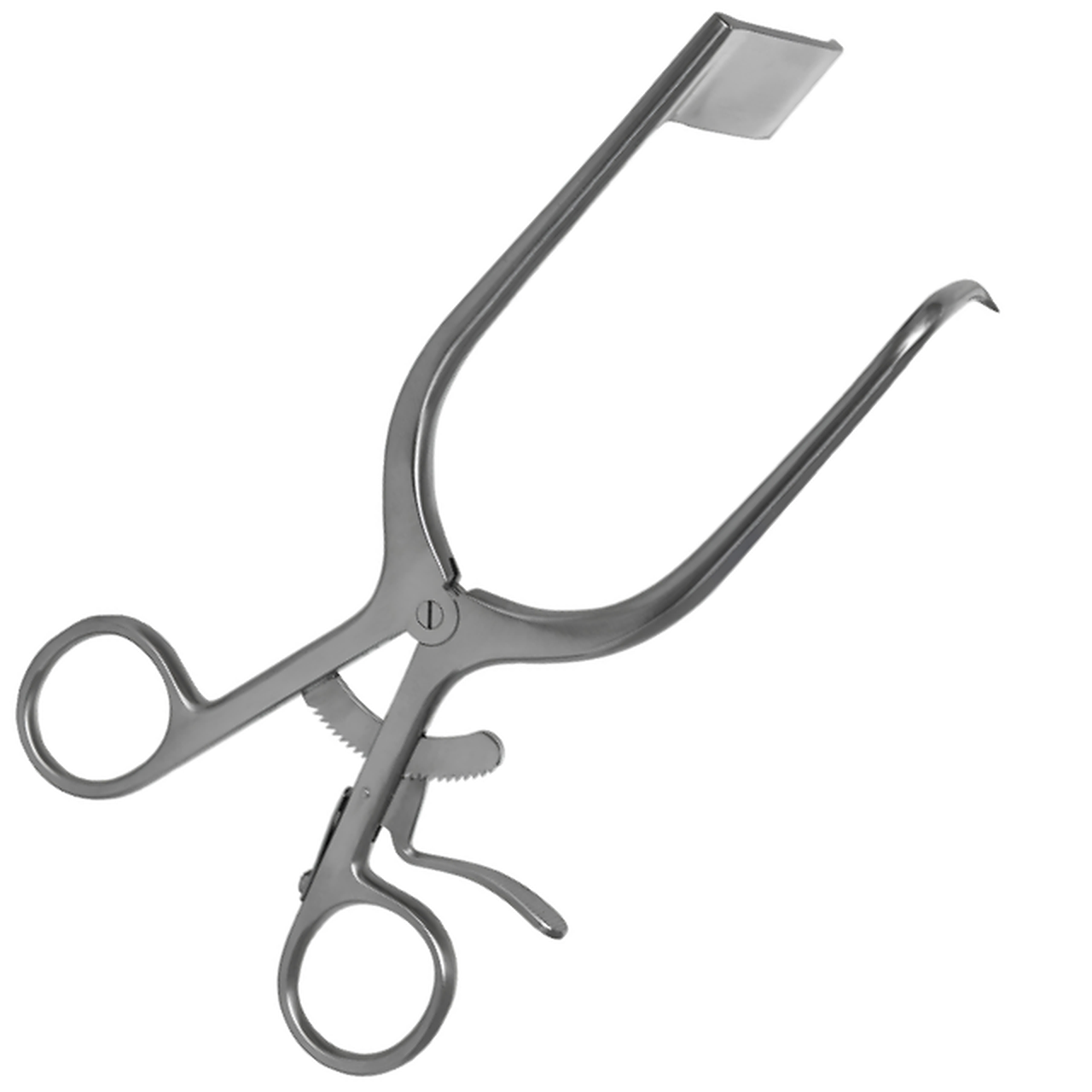 | Williams Spinal Discectomy Wundsperrer | Speziell entwickelt zur Retraktion der paraspinalen Muskulatur und zur Freilegung der Lamina bei lumbalen Mikrodispektomien. |
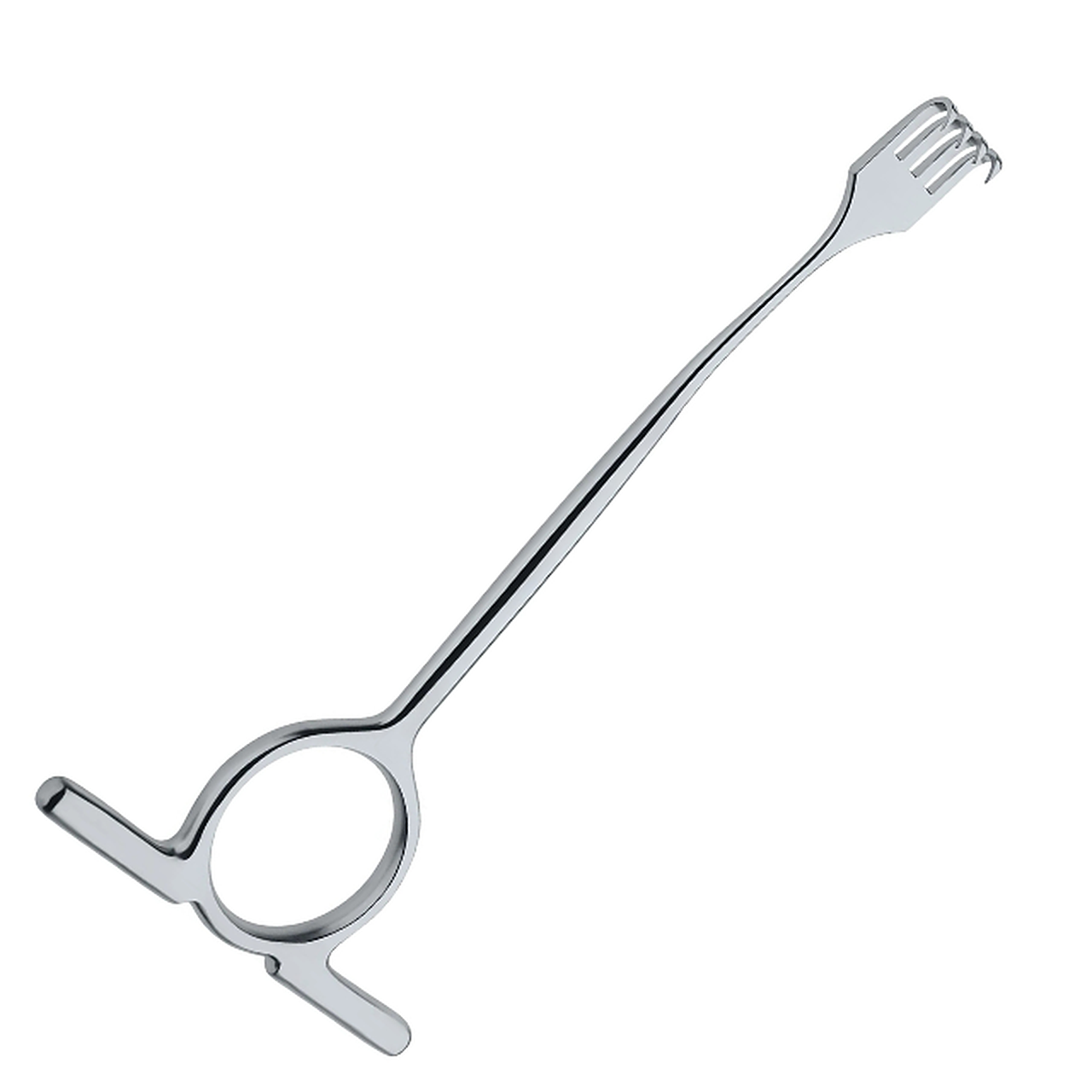 | Williger Wundhaken | Speziell entwickelt zur Retraktion von Mukoperiostlappen und Weichgewebe zur Freilegung von Knochen in der Oral-, Dental- und Mund-Kiefer-Gesichtschirurgie. |
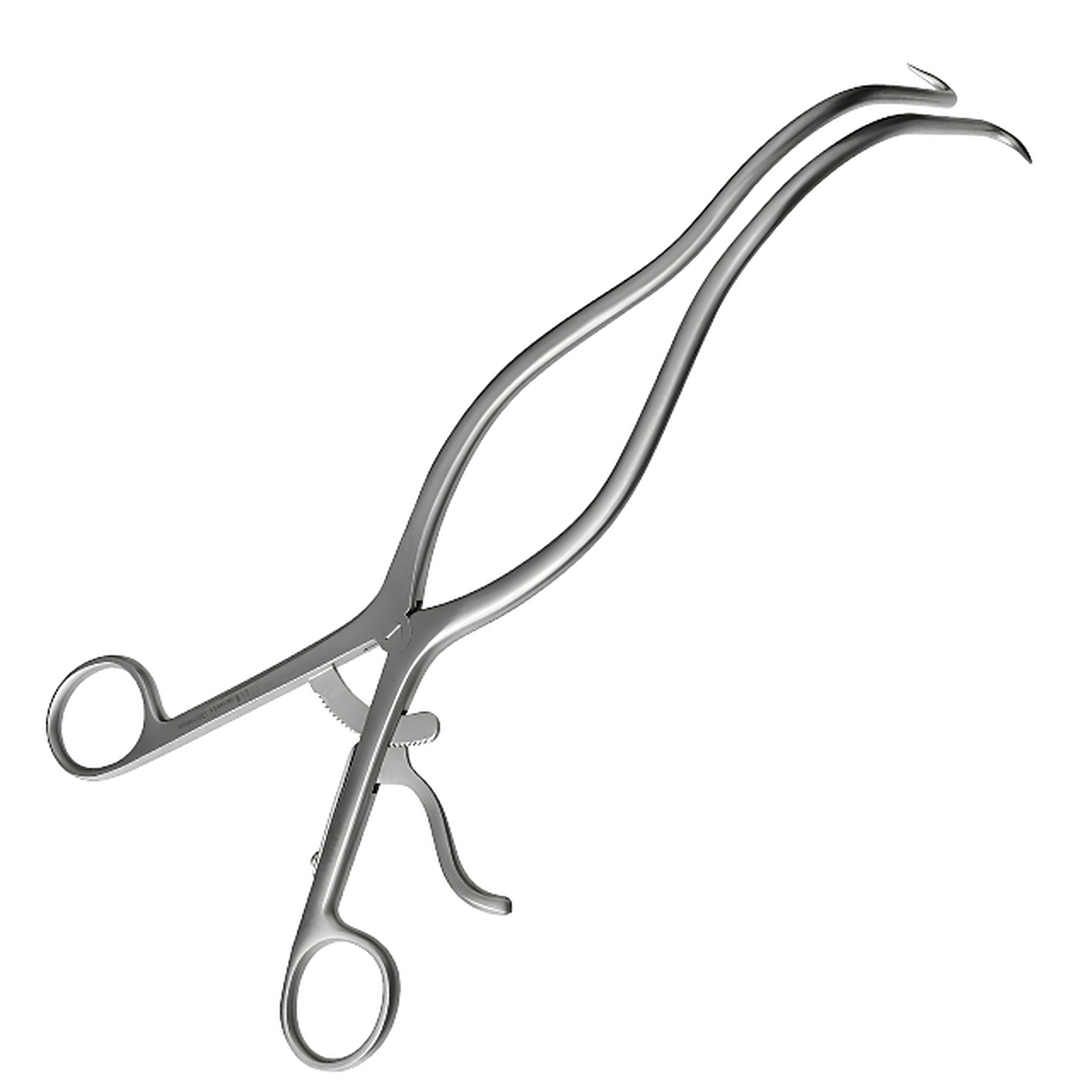 | Wiltse-Gelpi selbsthaltender Wundspreizer | Speziell entwickelt zur Retraktion der schweren paraspinalen Muskulatur während posterolateraler Wirbelsäulenfusionen und Dekompressionen. |
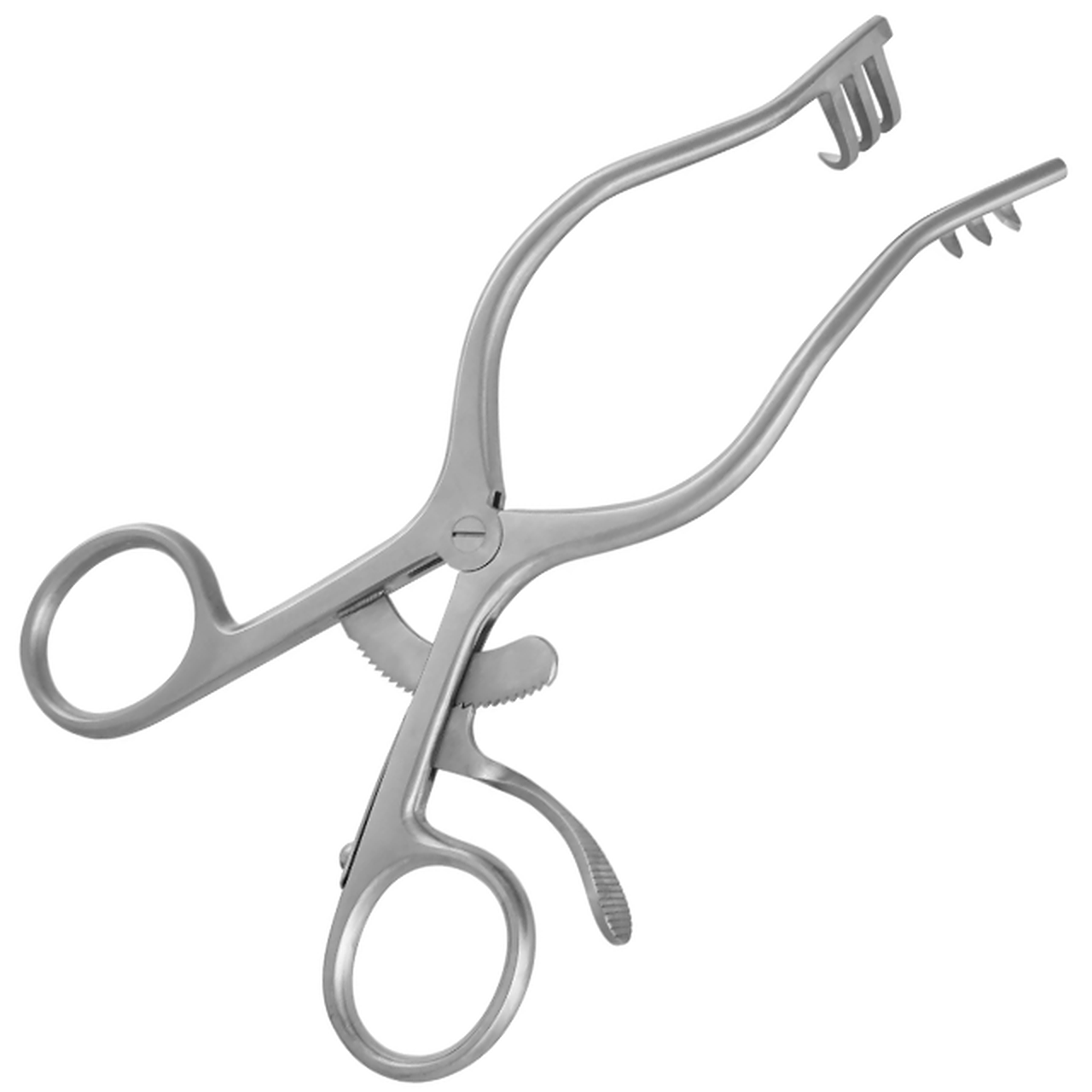 | Wullstein Weitlaner Wundspreizer, selbsthaltend | Speziell entwickelt für die selbsthaltende Wundrand- und Weichgeweberetraktion bei Ohroperationen, Kopfhaut-Eingriffen und kleineren chirurgischen Prozeduren. |
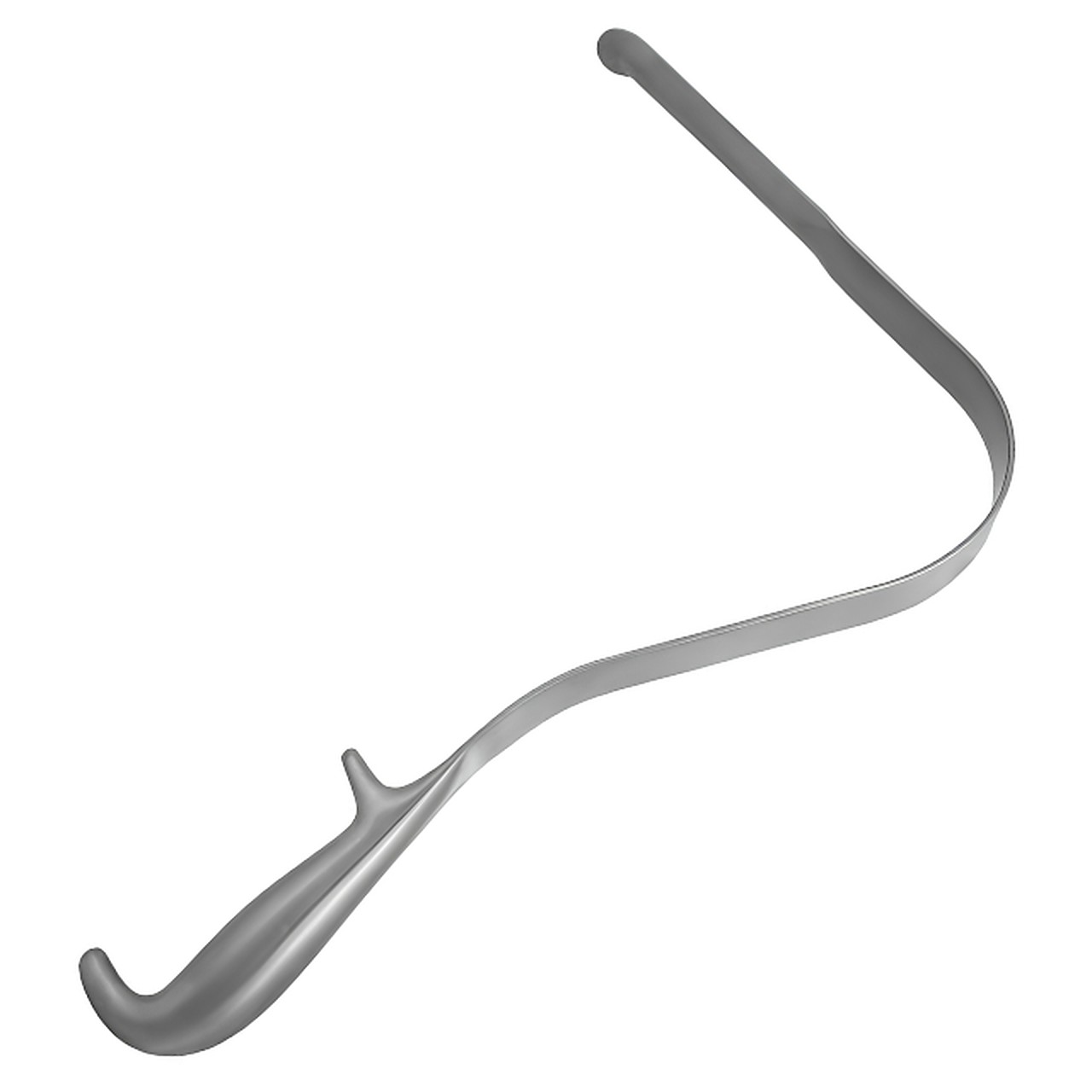 | Wylie Renal Vein Retractor | Speziell entwickelt zum Zurückhalten und Schutz der Nierenvene, der Vena cava und großer retroperitonealer Gefäße während gefäßchirurgischer und urologischer Eingriffe. |
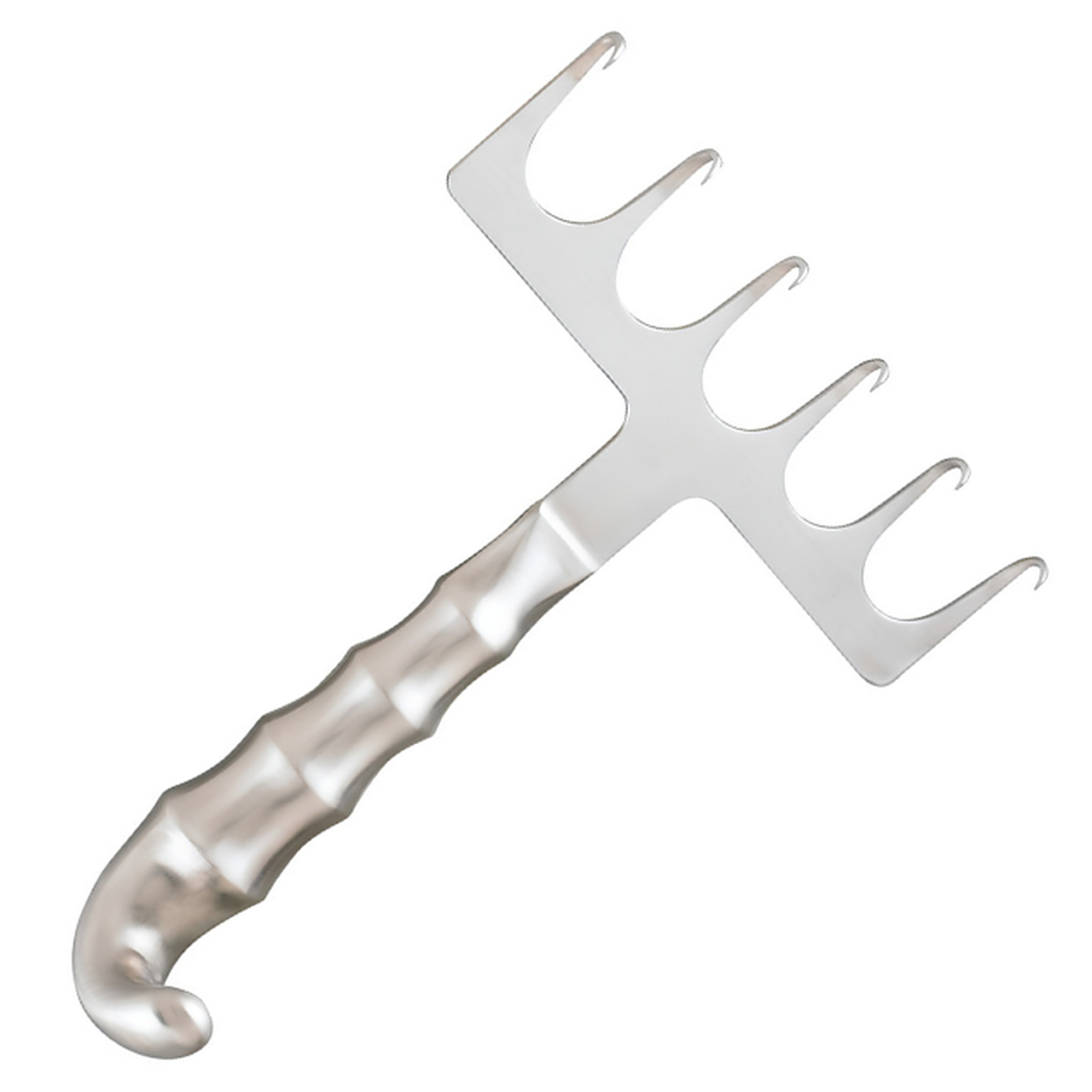 | Yancoskie Abdominoplasty Retractor | Speziell entwickelt zur Anhebung großer Bauchhautlappen und zur Freilegung der Rektusscheide bei Abdominoplastik und Pannikulektomie. |
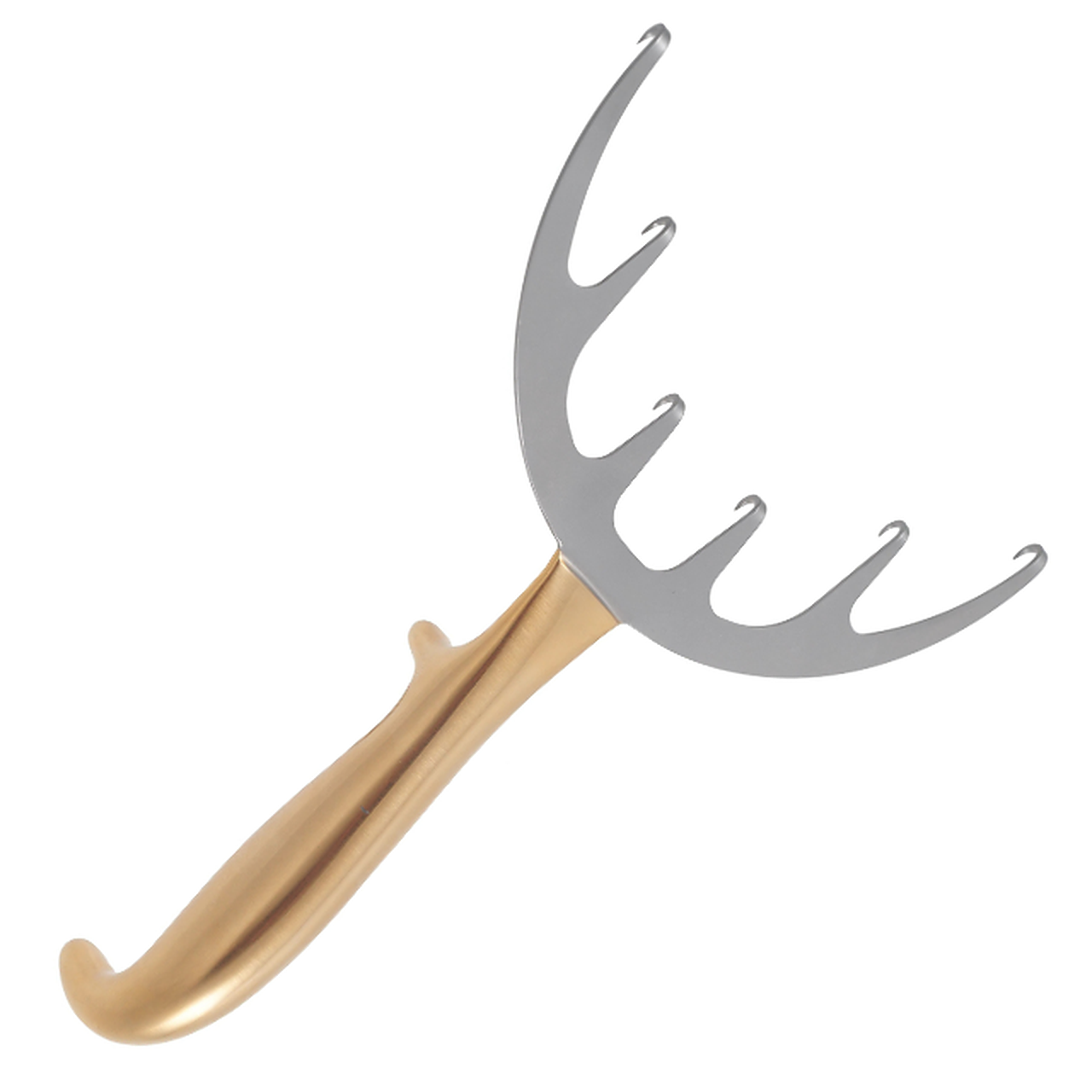 | Yancoskie Coronal Lift Retractor | Speziell entwickelt zum Anheben und Retrahieren des Skalp- und Stirnlappens bei koronalen Brauenlifts und kraniofazialen Eingriffen. |
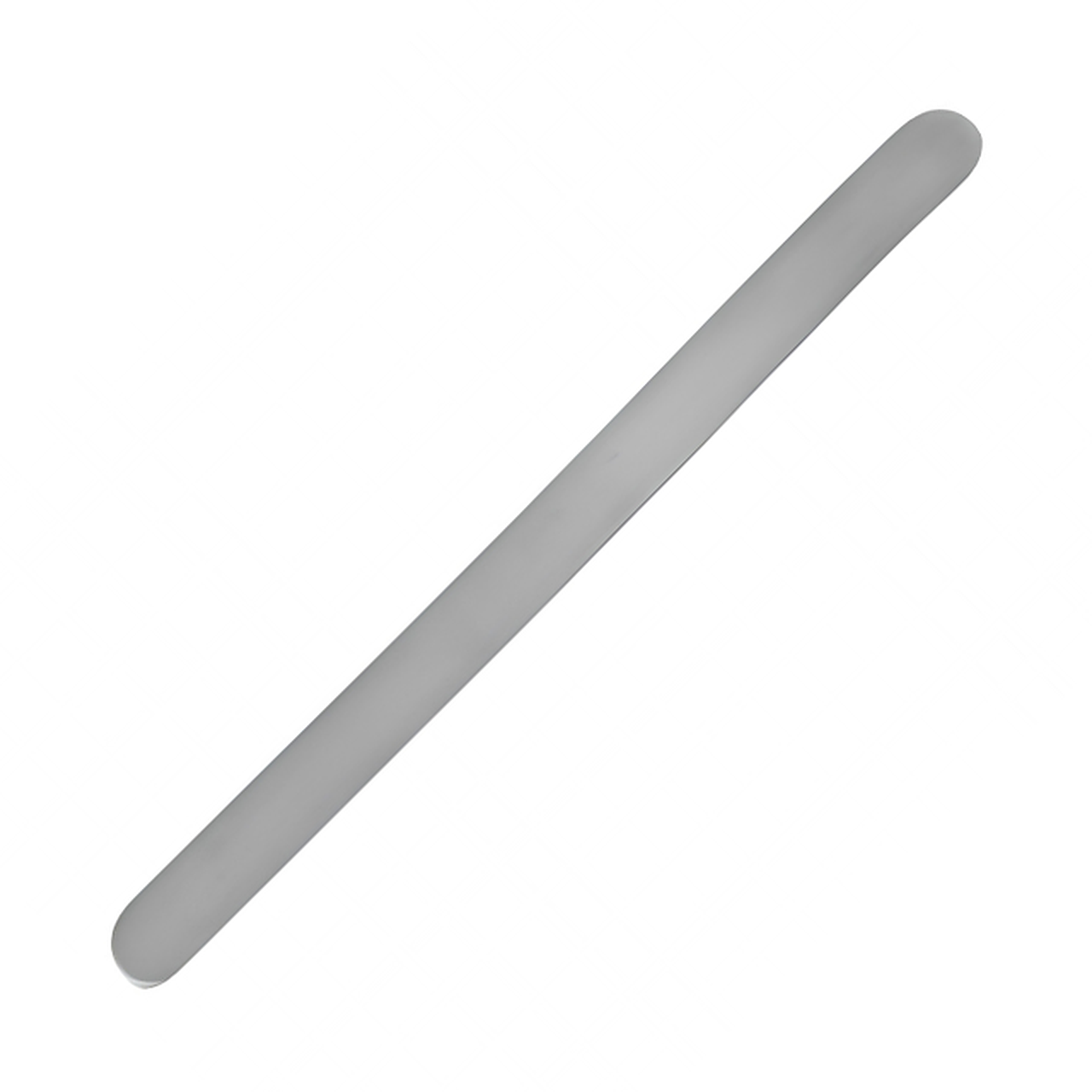 | Zalkind Biegsamer Biegespatel (Malleable) | Speziell für die intraoperative Formgebung entwickelt, um Eingeweide, Darm und tiefes Weichteilgewebe ohne Rückfederung zu retinieren. |
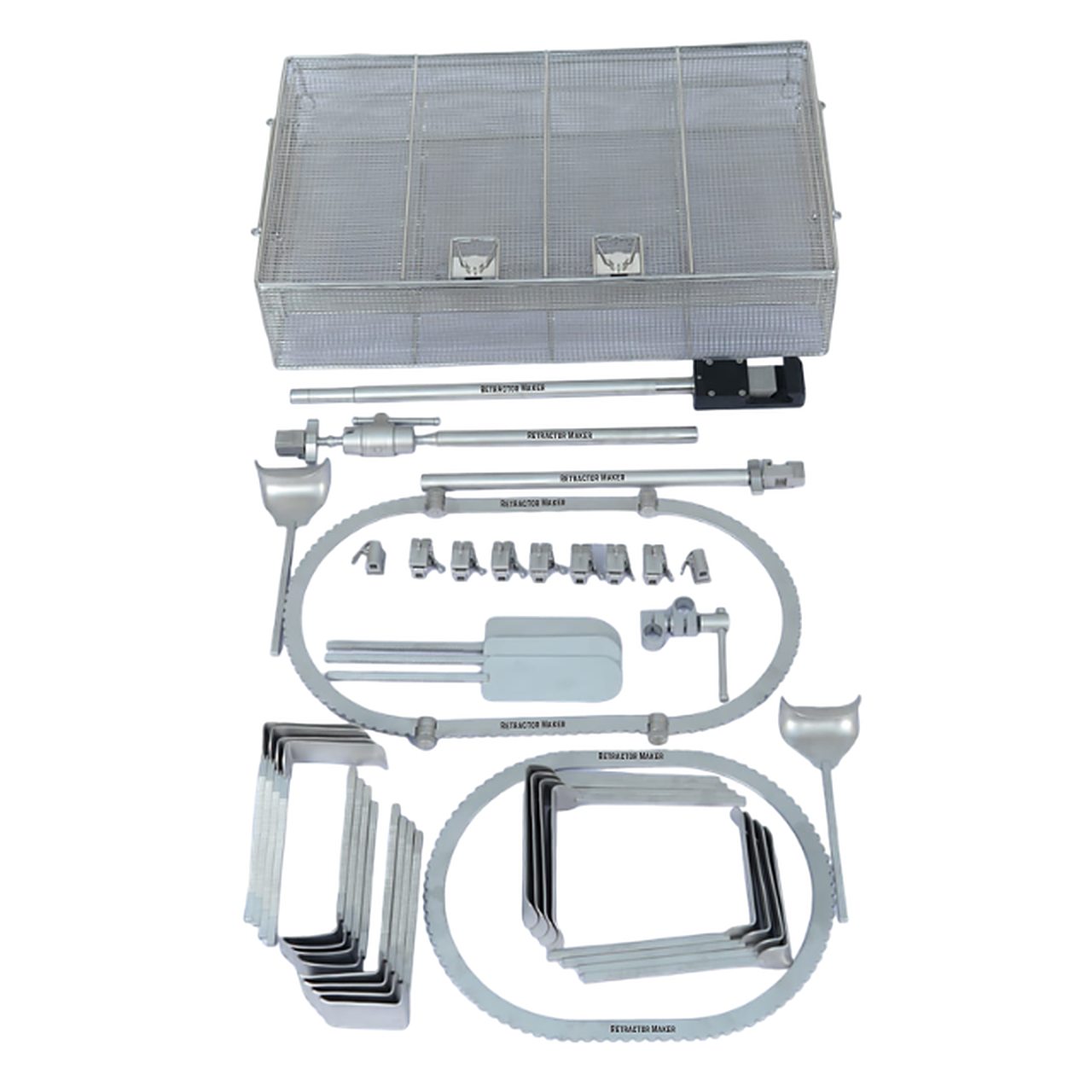 | Bookwalter Retractor (Standard) | Bietet eine stabile, freihändige Wundexposition bei großen offenen Operationen, einschließlich Eingriffen wie Nephrektomie, Prostatektomie und explorativer Laparotomie. |
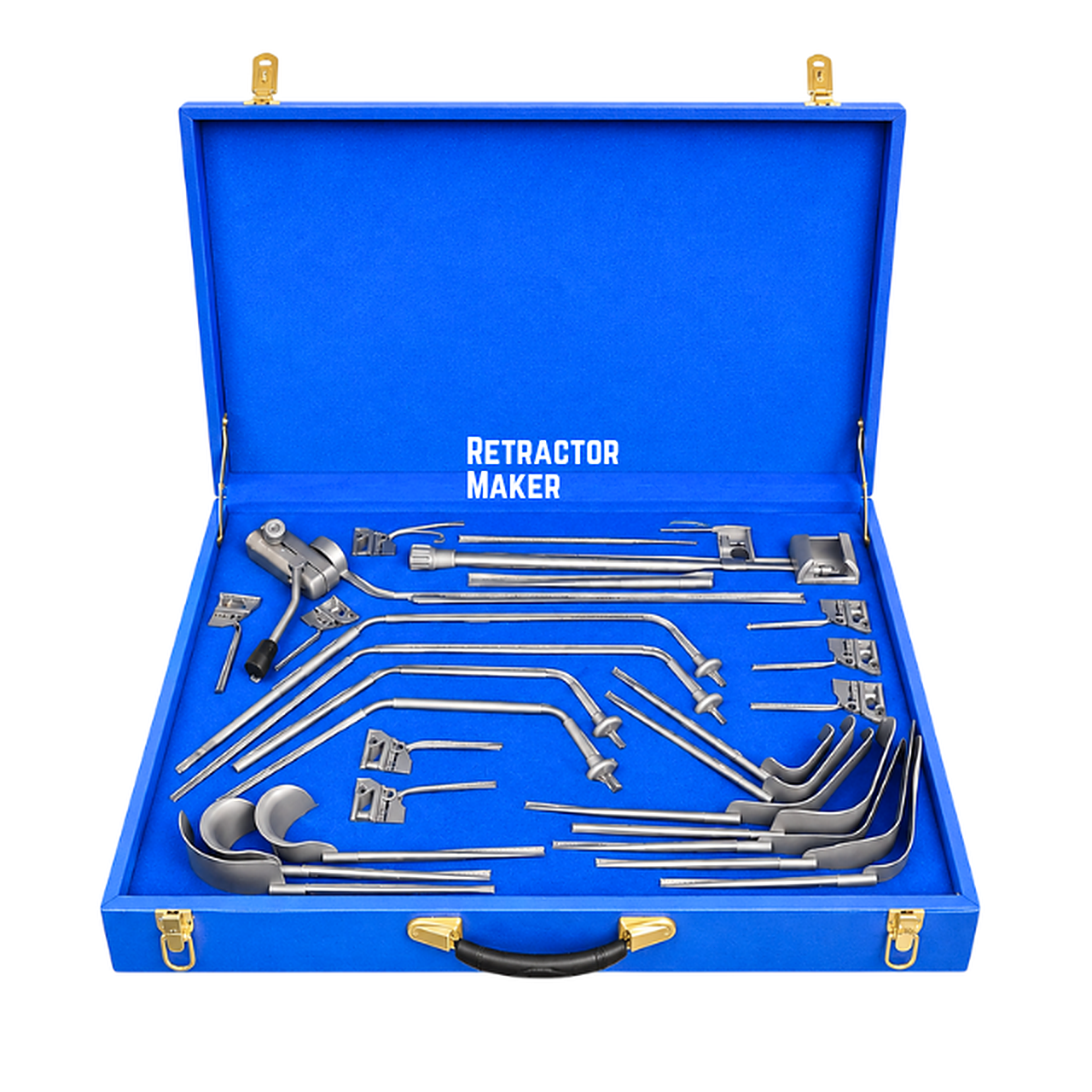 | Omni Retractor System | Bietet eine hochadaptive, flache und freihändige Exposition bei komplexen offenen Operationen. |
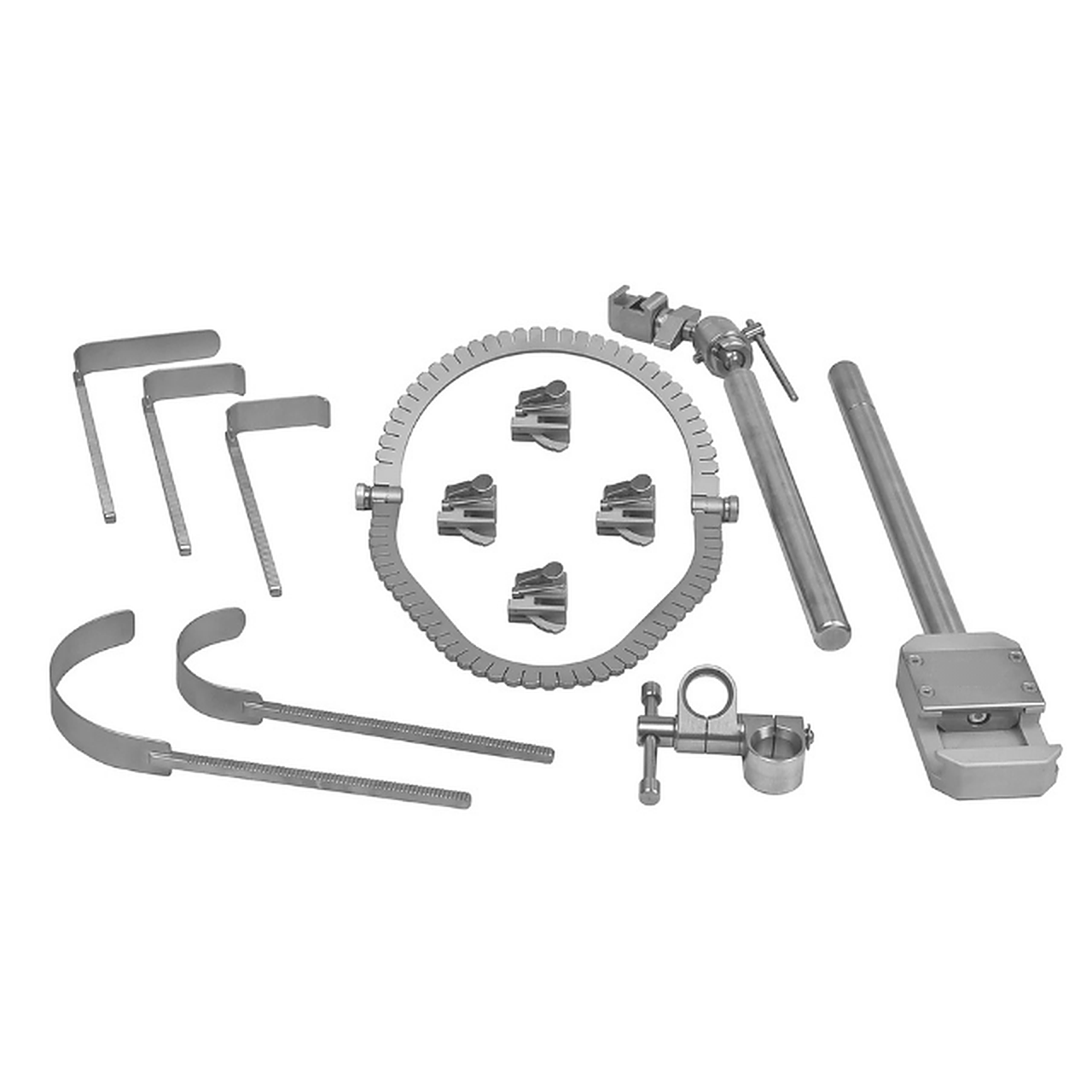 | Bookwalter GYN Retractor System | Zur Gewährleistung einer stabilen, freihändigen chirurgischen Exposition bei gynäkologischen und vaginalen Eingriffen mittels eines tischmontierten, selbsthaltenden Retraktorsystems. |
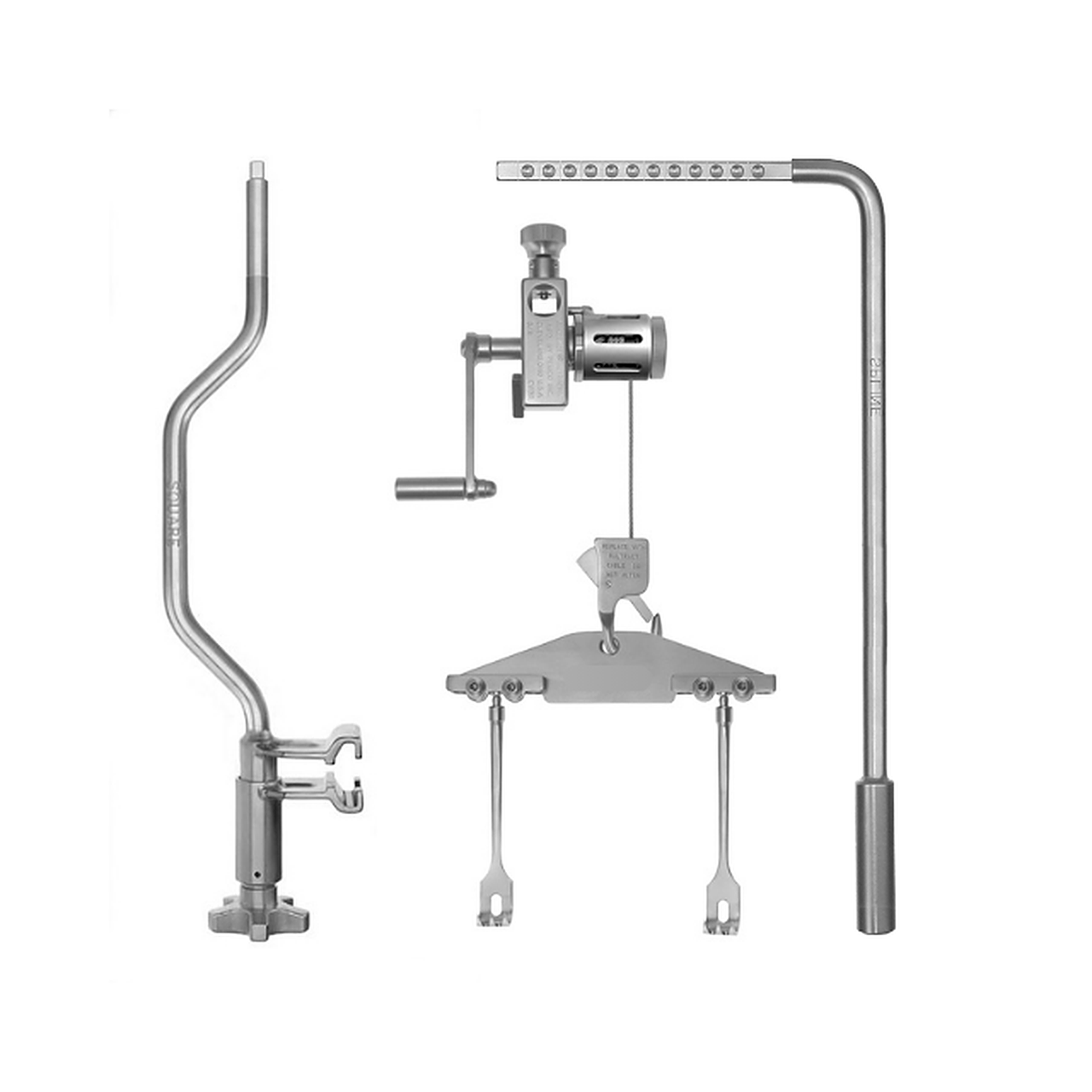 | Rultract Retractor System | Entwickelt für eine stabile, freihändige Gewebeverdrängung und konsistente chirurgische Exposition zur Unterstützung der operativen Effizienz. |
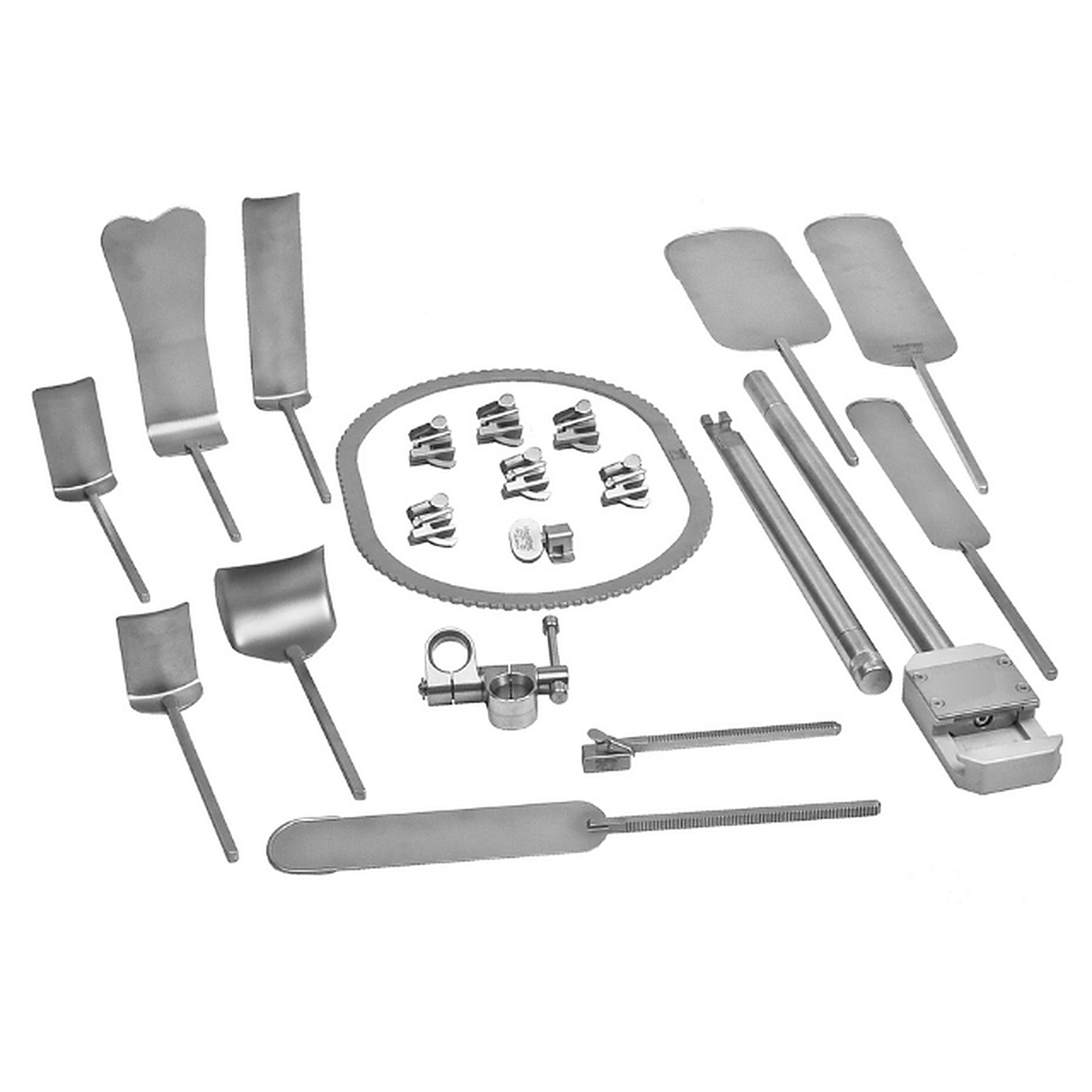 | Bookwalter Bariatric Retractor System | Zur händefreien chirurgischen Exposition bei offenen bariatrischen Eingriffen, die eine spezialisierte Retraktion erfordern. |
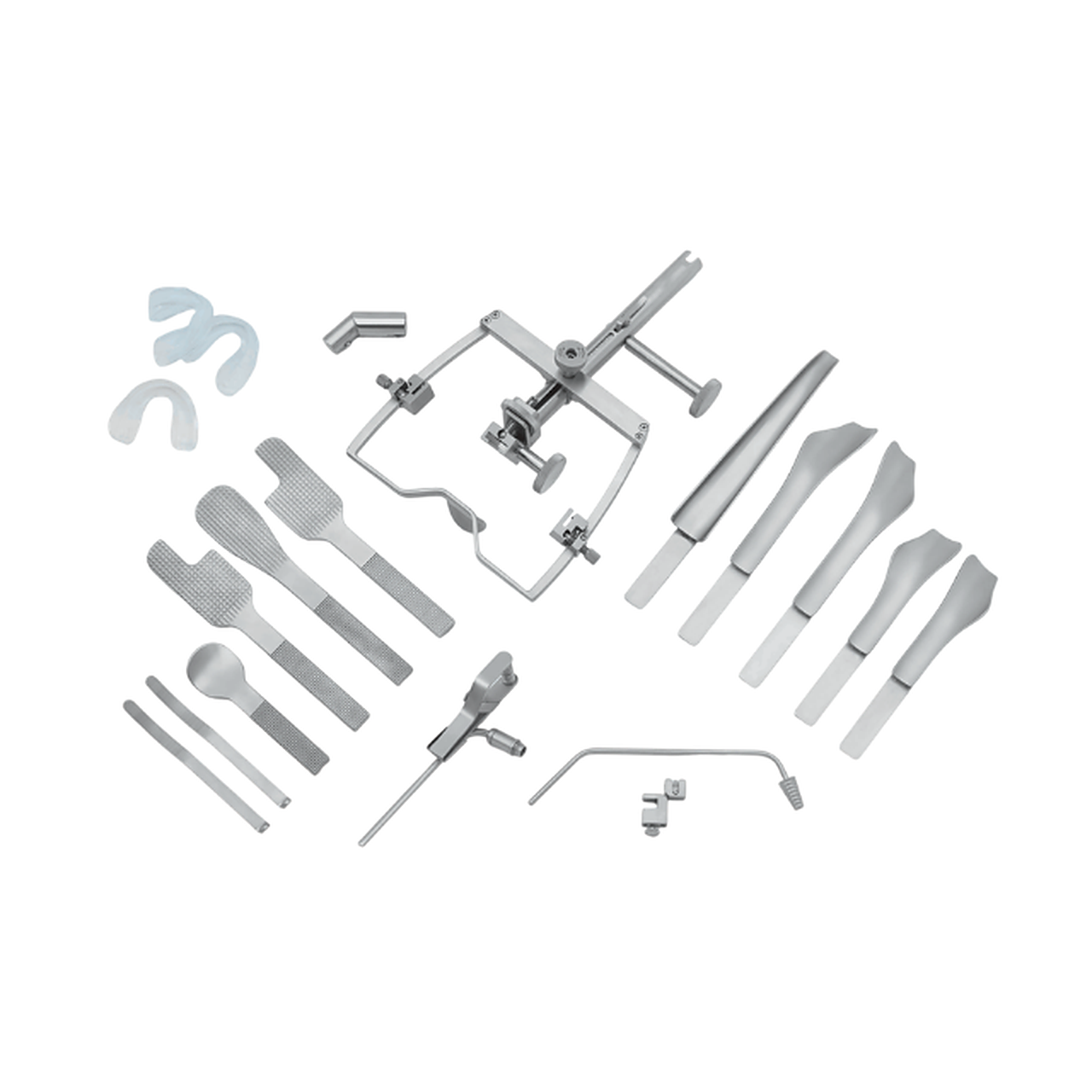 | FK Retractor (Feyh-Kastenbauer) | Speziell entwickelt für die Exposition des oberen Aerodigestivtraktes bei der transoralen Roboterchirurgie (TORS), Mikrochirurgie und Laserverfahren an Zungengrund, Larynx, Supraglottis und Hypopharynx. |
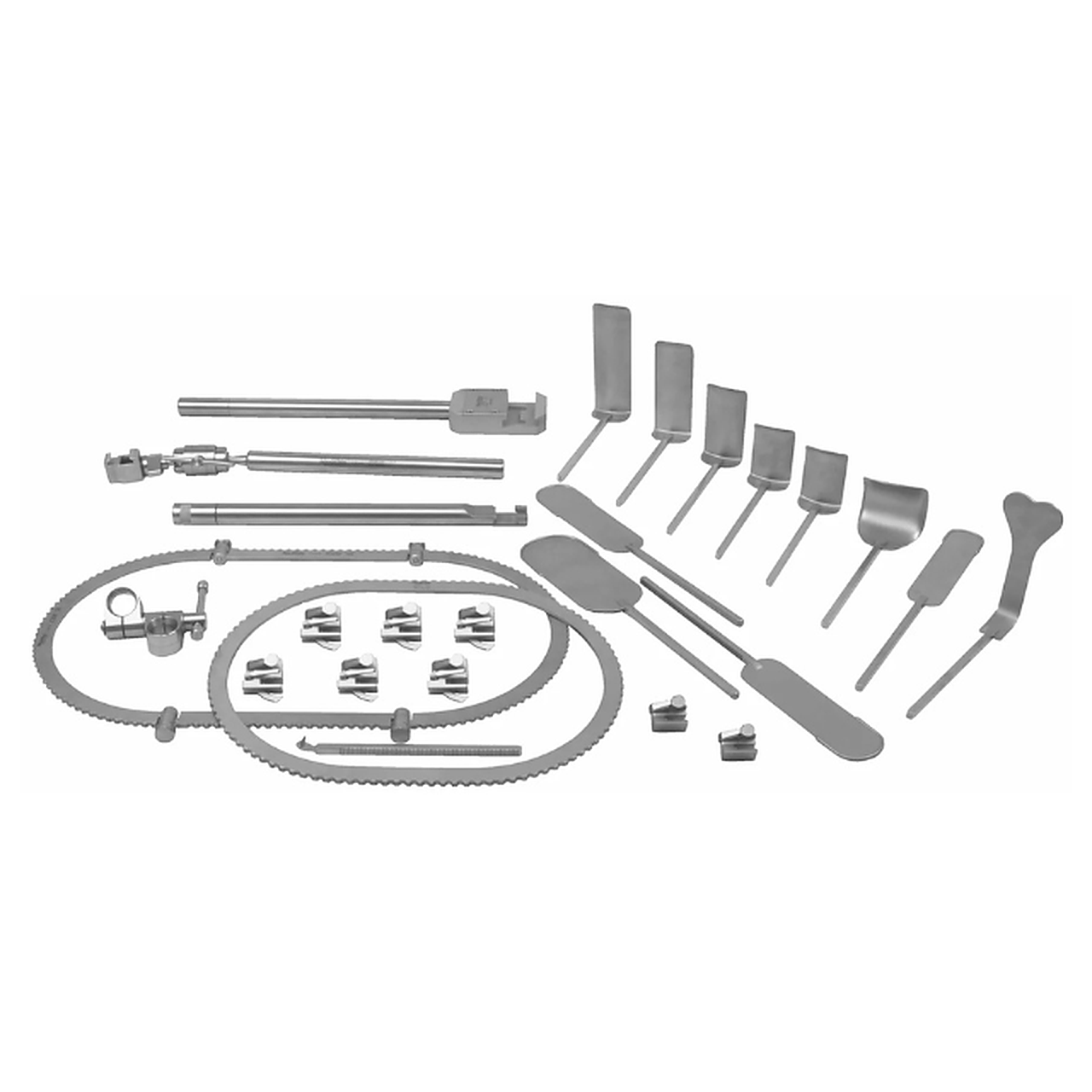 | Bookwalter Allgemeinchirurgie-Retraktorsystem | Gewährleistet eine stabile, freihändige chirurgische Exposition bei offenen abdominalen und allgemeinchirurgischen Eingriffen mittels eines tischmontierten, selbsthaltenden Retraktorsystems. |
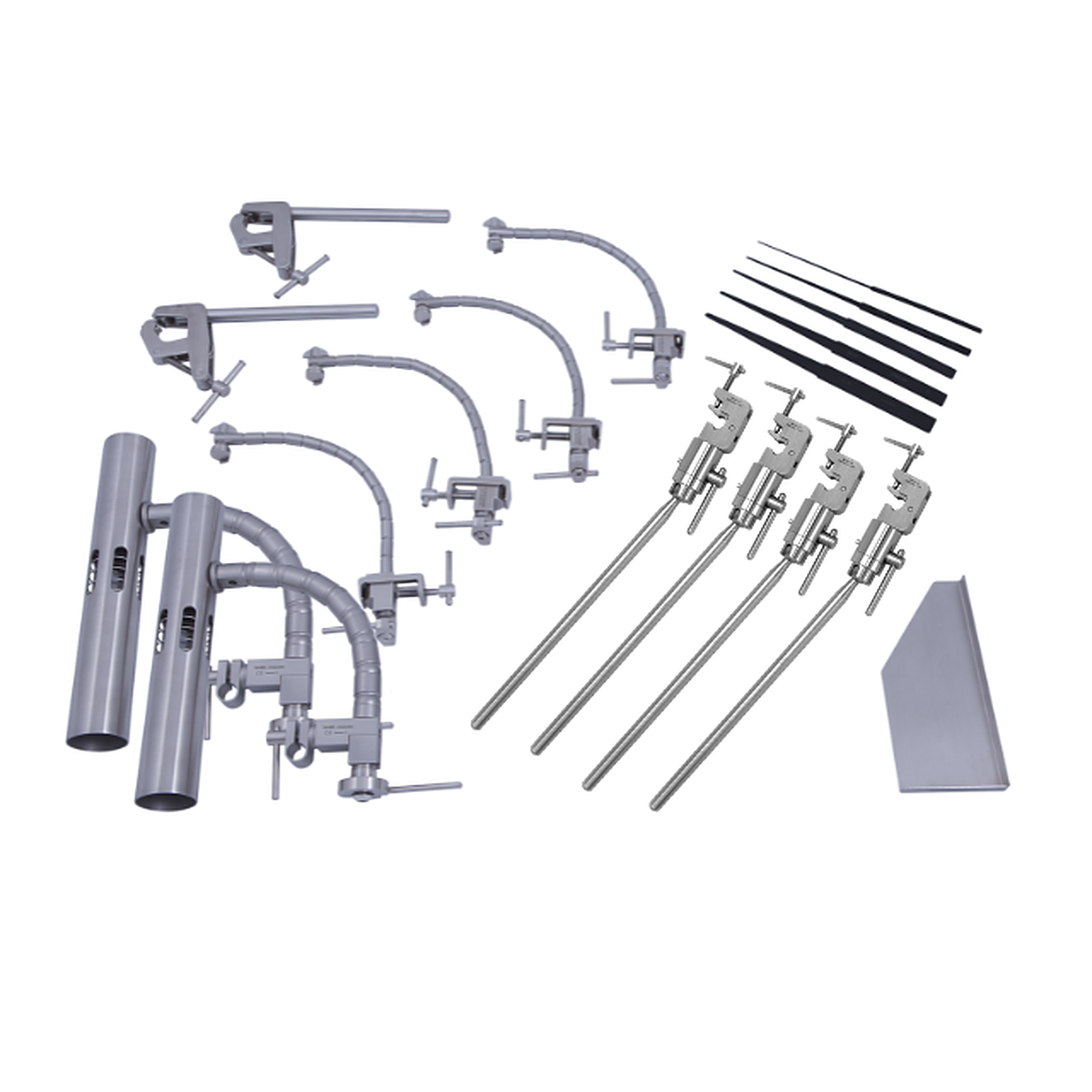 | Greenberg Retractor | Entwickelt für die präzise, selbsthaltende und freihändige Geweberetraktion bei komplexen Eingriffen an der Schädelbasis, im Schädelinneren und in der Mikroneurochirurgie. |
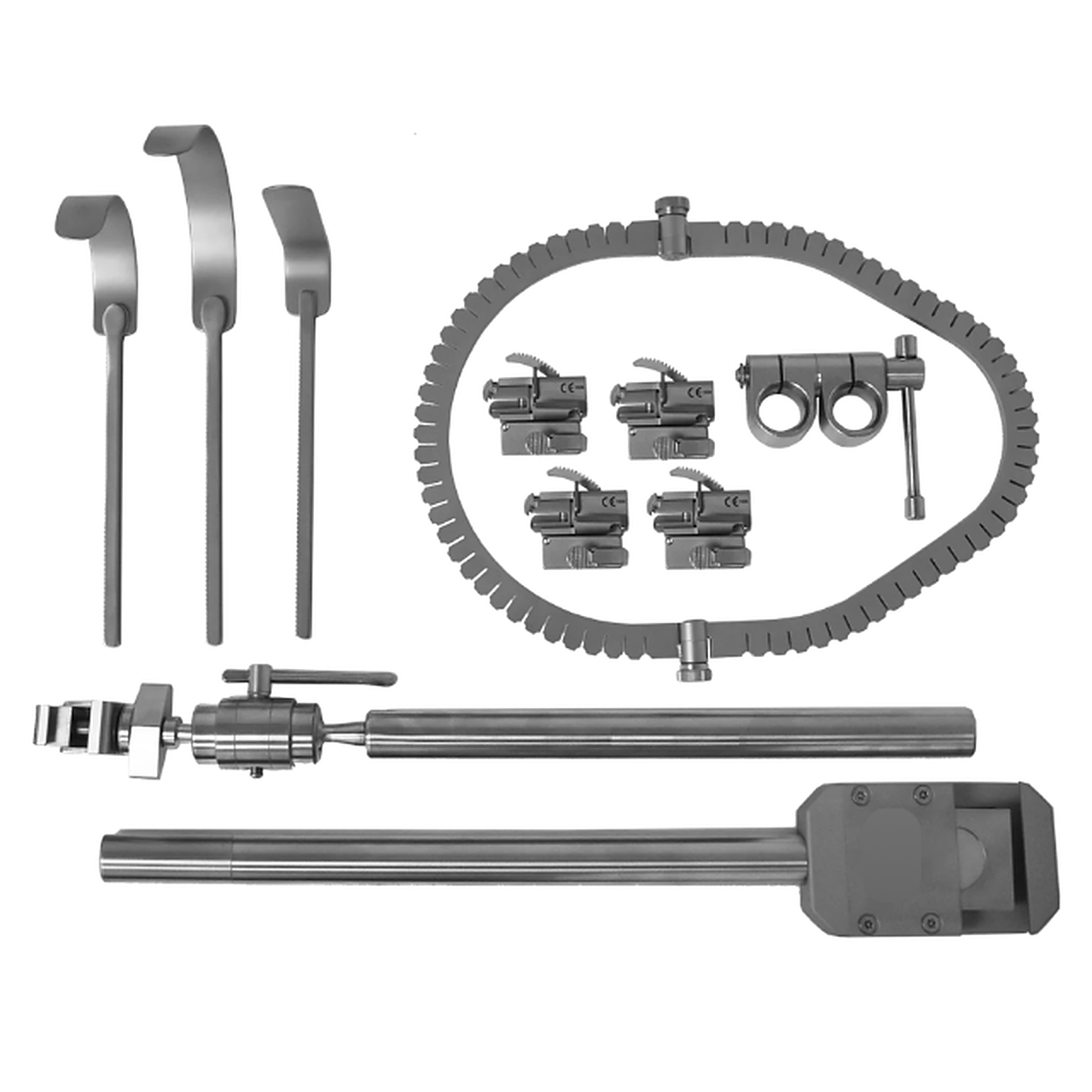 | Bookwalter GYN Magrina Beckenchirurgie-Retraktorsystem | Entwickelt für eine stabile, freihändige Exposition bei gynäkologischen, vaginalen und pelvinen chirurgischen Eingriffen unter Verwendung eines tischmontierten, selbsthaltenden Retraktorsystems mit rotierenden Kippratschen. |
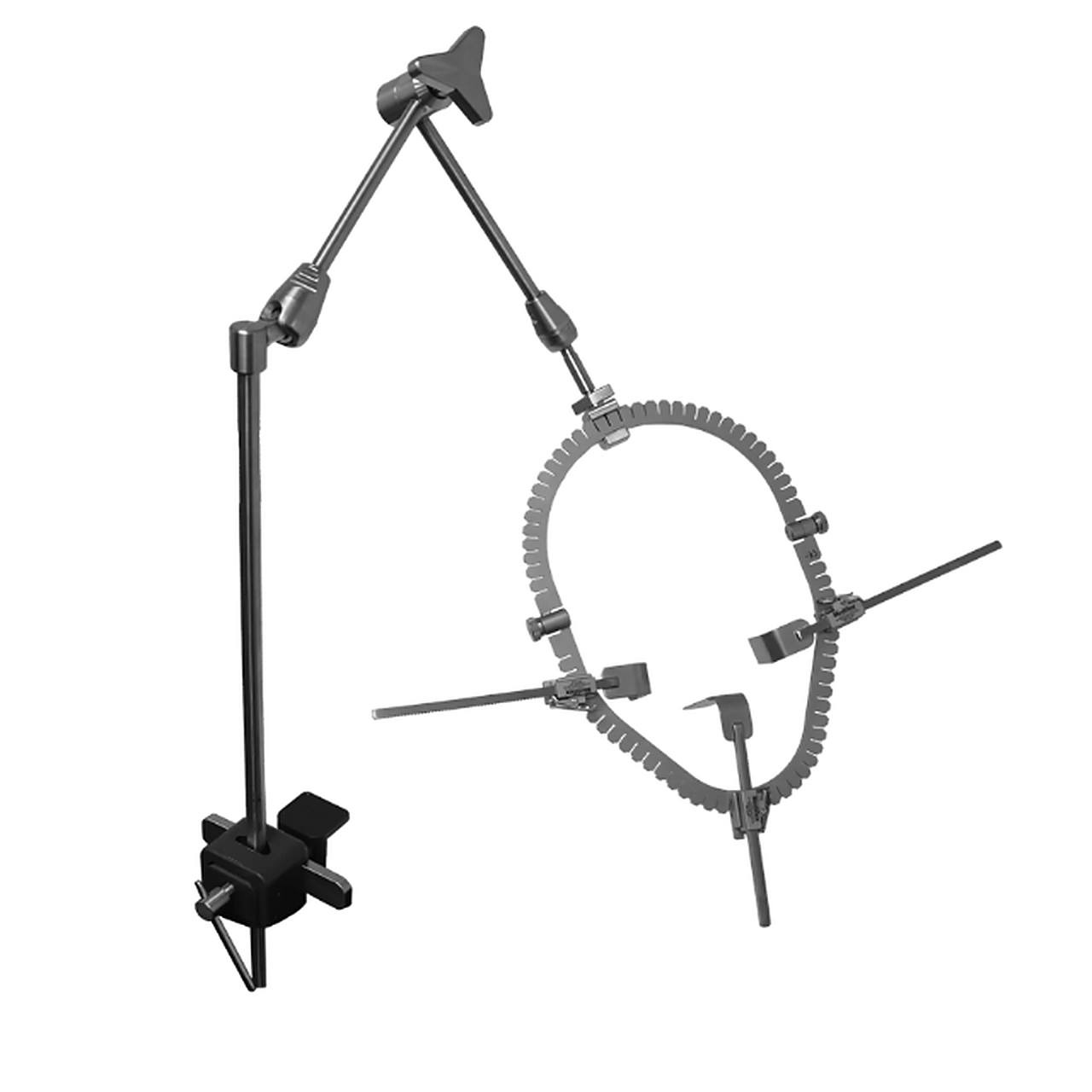 | Bookwalter StrongArm GYN-Chirurgiesystem | Entwickelt für eine stabile, freihändige Exposition bei gynäkologischen, vaginalen und pelvinen Operationen unter Verwendung des StrongArm Plus-Montagesystems. |
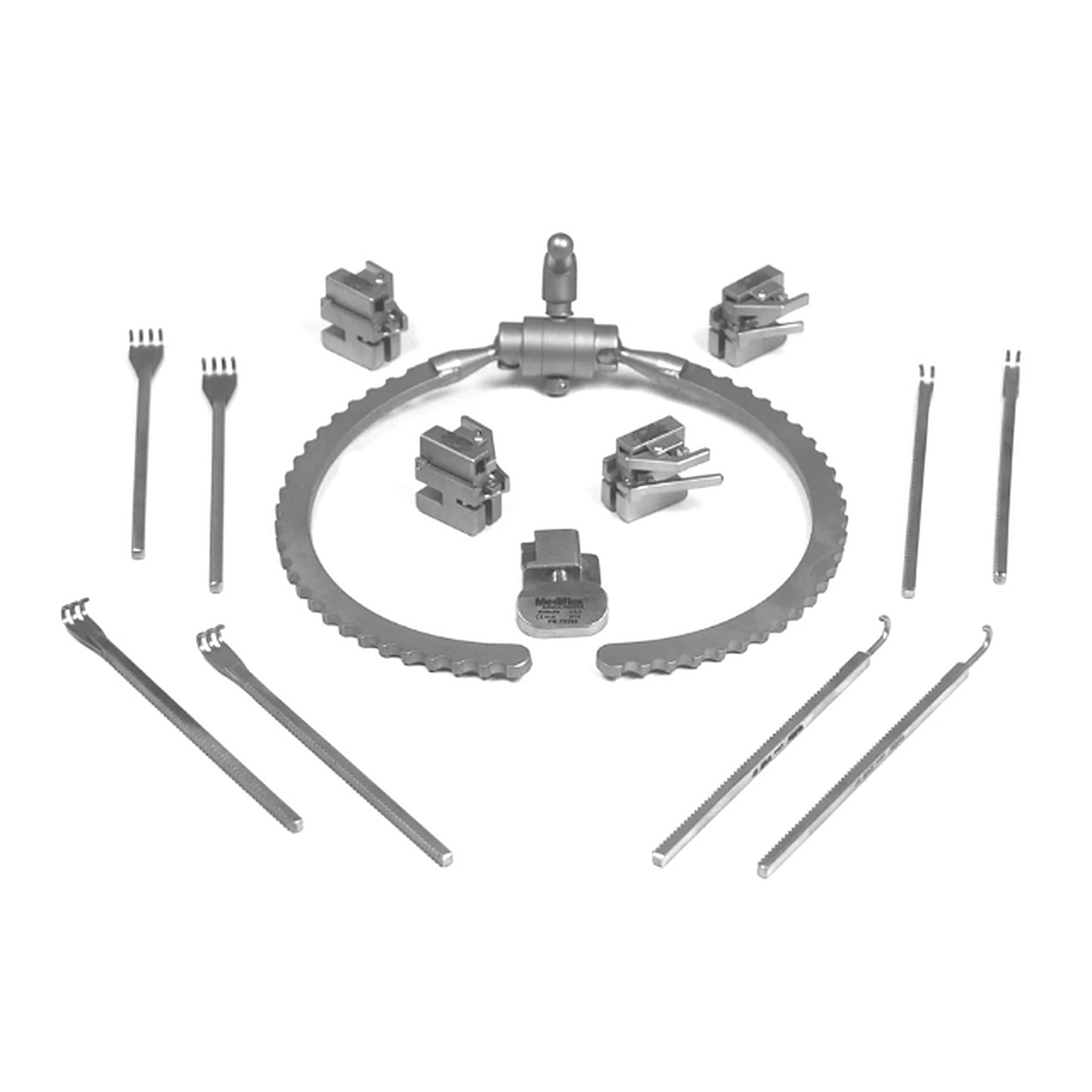 | Bookwalter Handchirurgie-Retraktorsystem | Ermöglicht eine stabile, freihändige Retraktion für präzise chirurgische Eingriffe an Hand, Handgelenk und oberen Extremitäten mittels eines kompakten, selbsthaltenden Mini-Retraktorsystems. |
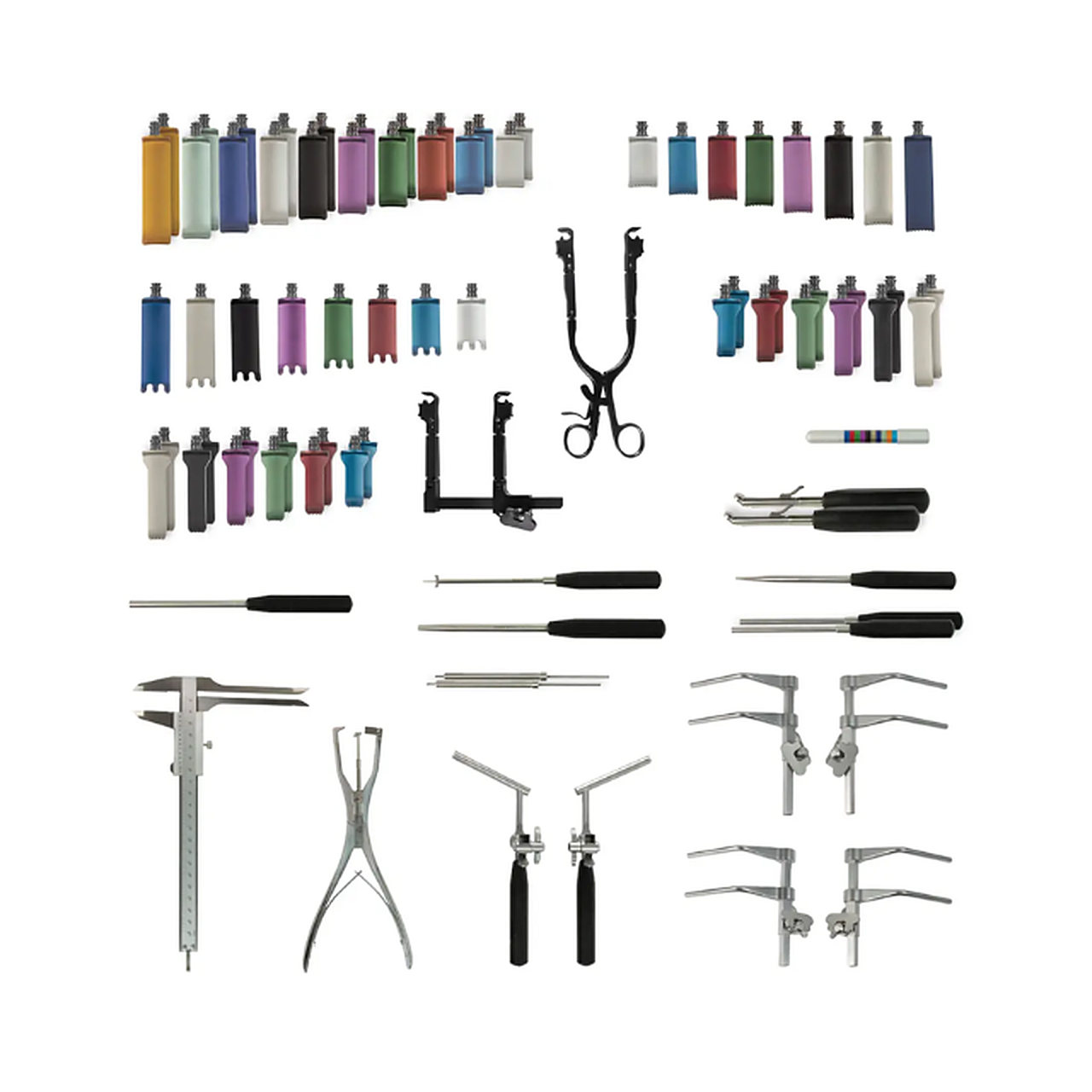 | Image-Line ACF Retractor mit Distraktions-Schnellverschluss-Set | Speziell entwickelt für die Weichteilretraktion, die Wirbelkörperdistraktion und die Platzierung von Knochentransplantaten bei anterioren zervikalen Wirbelsäuleneingriffen (ACF). |
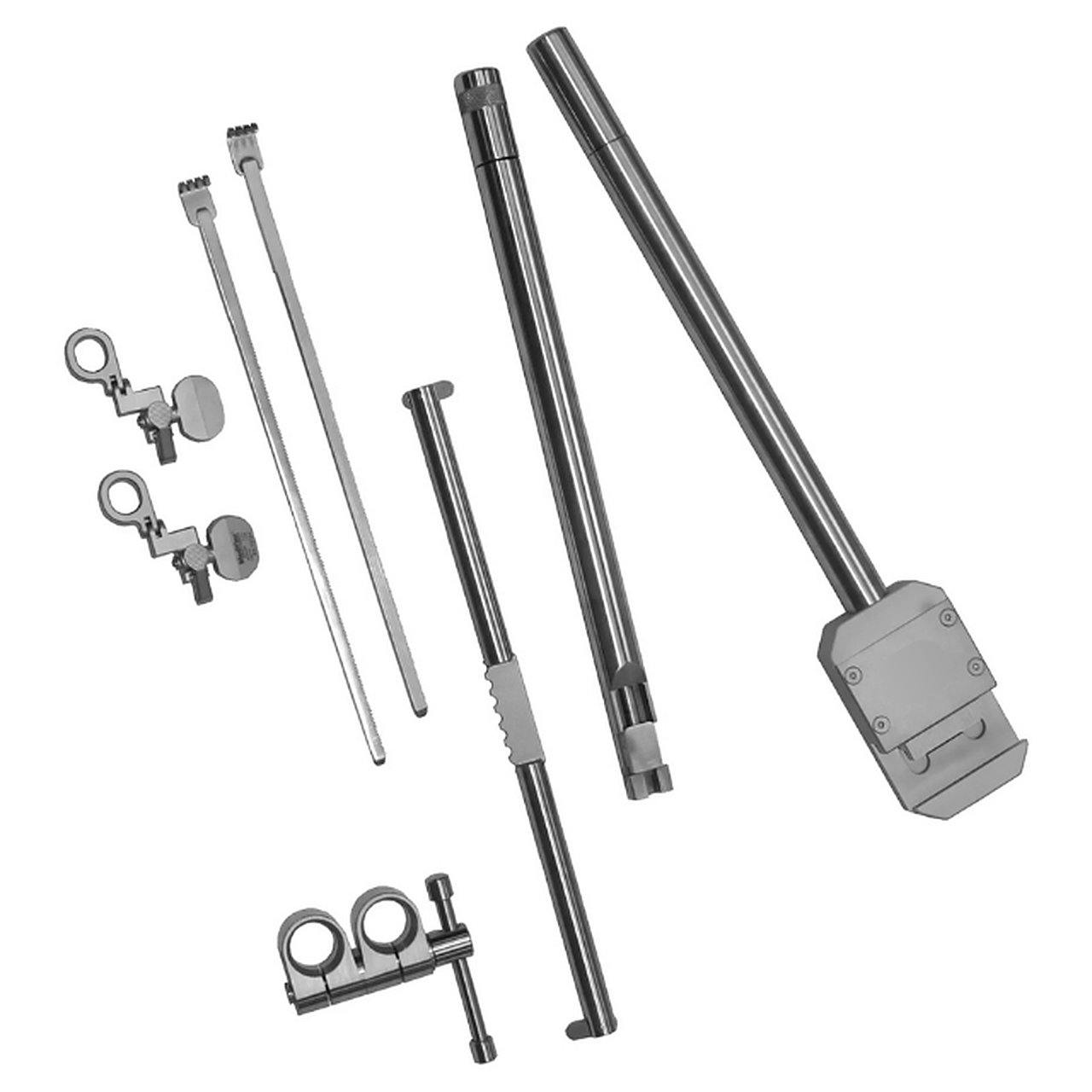 | Bookwalter IMA Retraktorsystem | Entwickelt für die sanfte, kontrollierte Anhebung der Thoraxwand bei der Entnahme der Arteria mammaria interna (IMA) mittels unabhängig einstellbarer Ratschenmechanismen. |
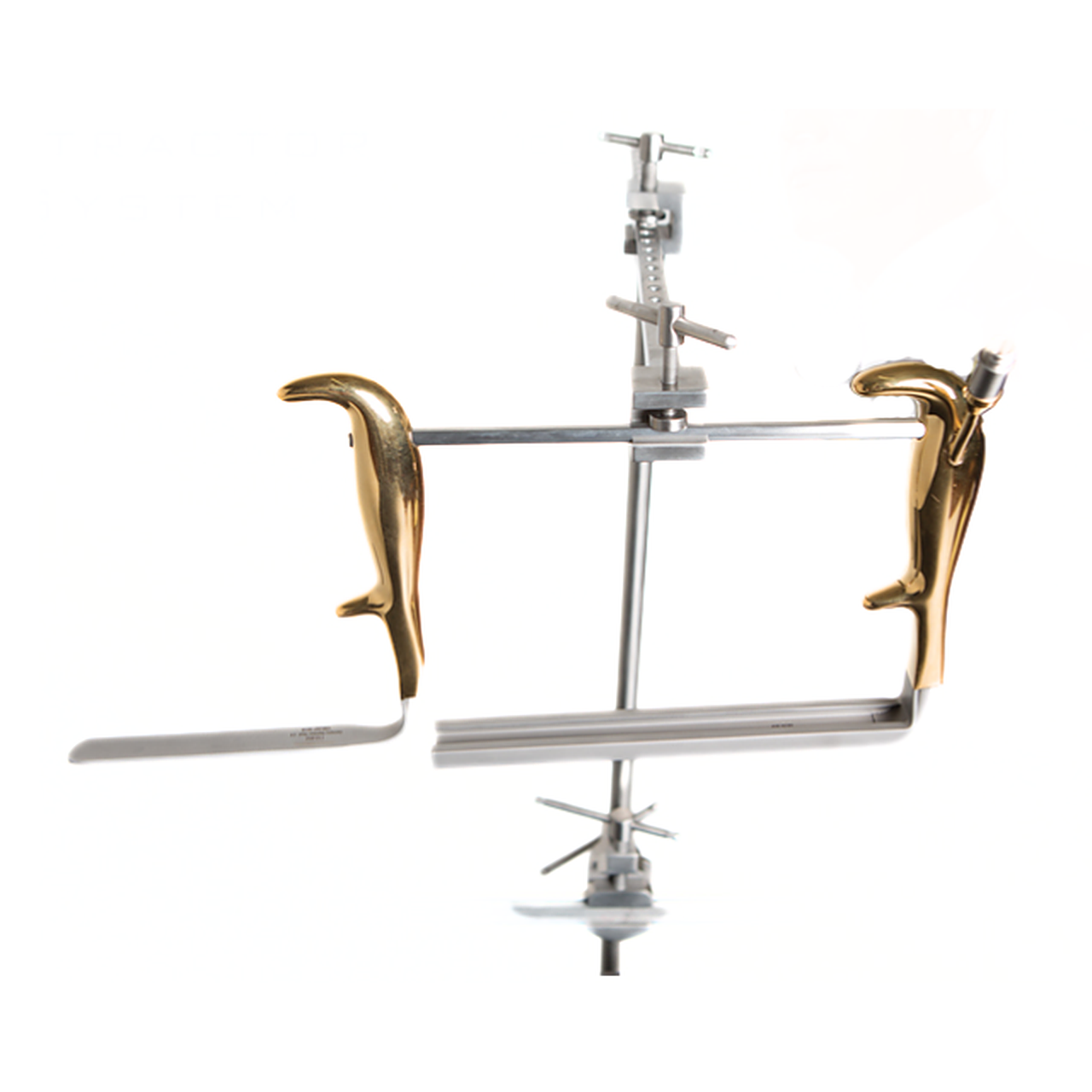 | Hoyos Retractor System | Speziell entwickelt für die kontrollierte, freihändige Gewebeverlagerung und stabile chirurgische Exposition bei plastischer Chirurgie, Mini-Lipoabdominoplastik und fortgeschrittenen Körperkonturierungsverfahren. |
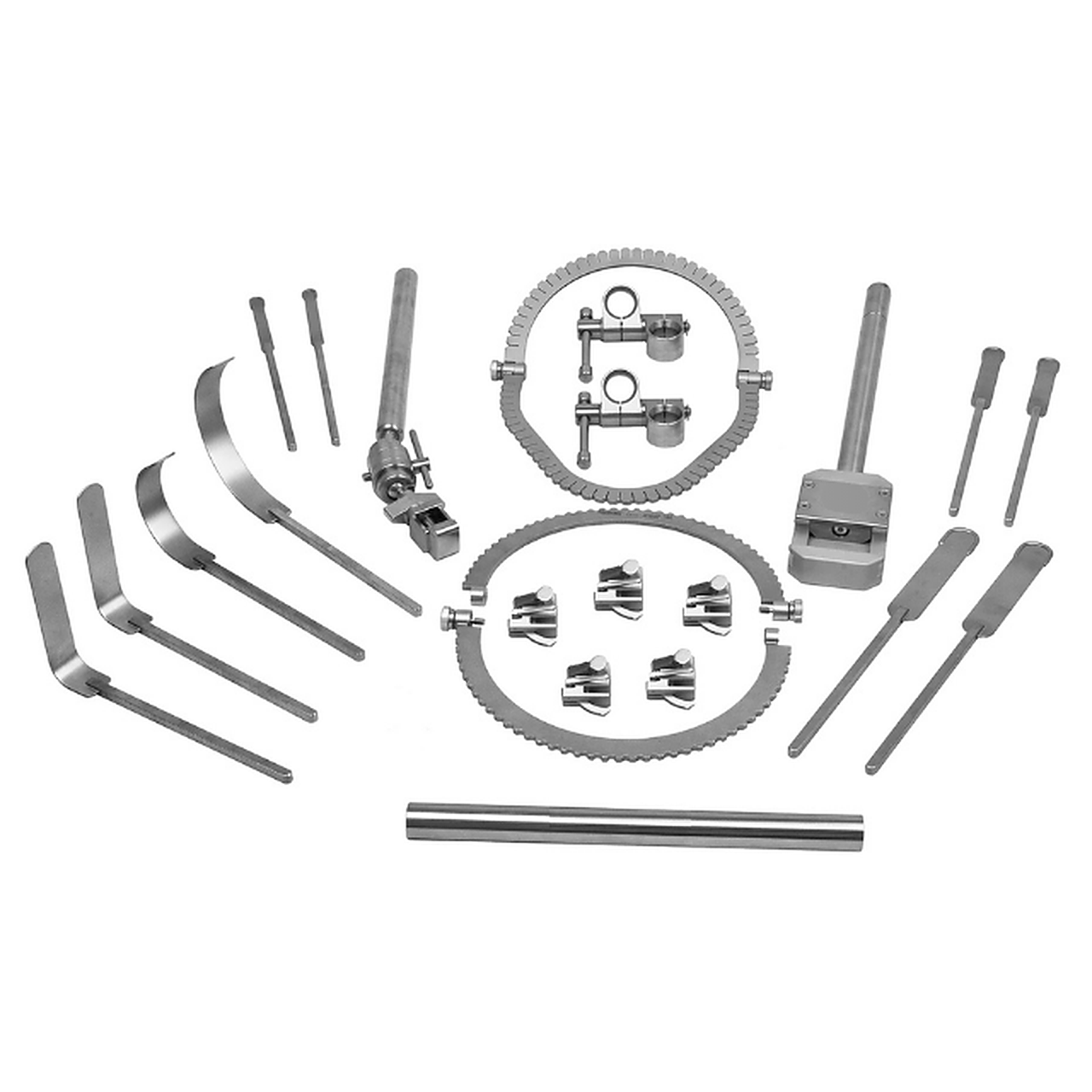 | Bookwalter Perineal Surgery Retractor | Bietet eine stabile, freihändige Exposition bei perinealen, kolorektalen, gynäkologischen und pelvinen chirurgischen Eingriffen mit vielfältigen Montage- und Positionierungsoptionen. |
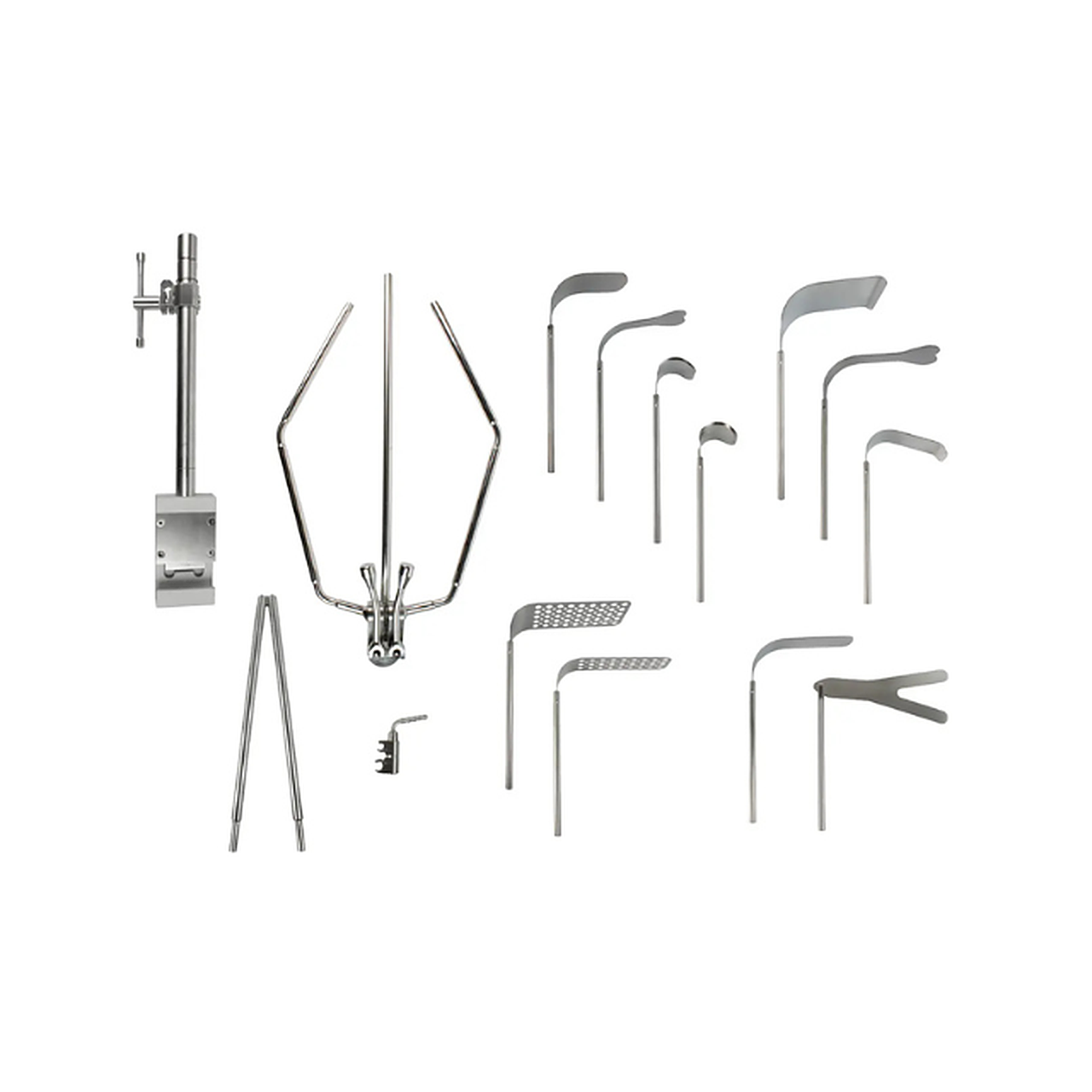 | Urology Lobster Expanded Retractor | Speziell entwickelt für die tischmontierte, selbsthaltende Geweberetraktion und Exposition des Operationsfeldes bei urologischen Eingriffen. |
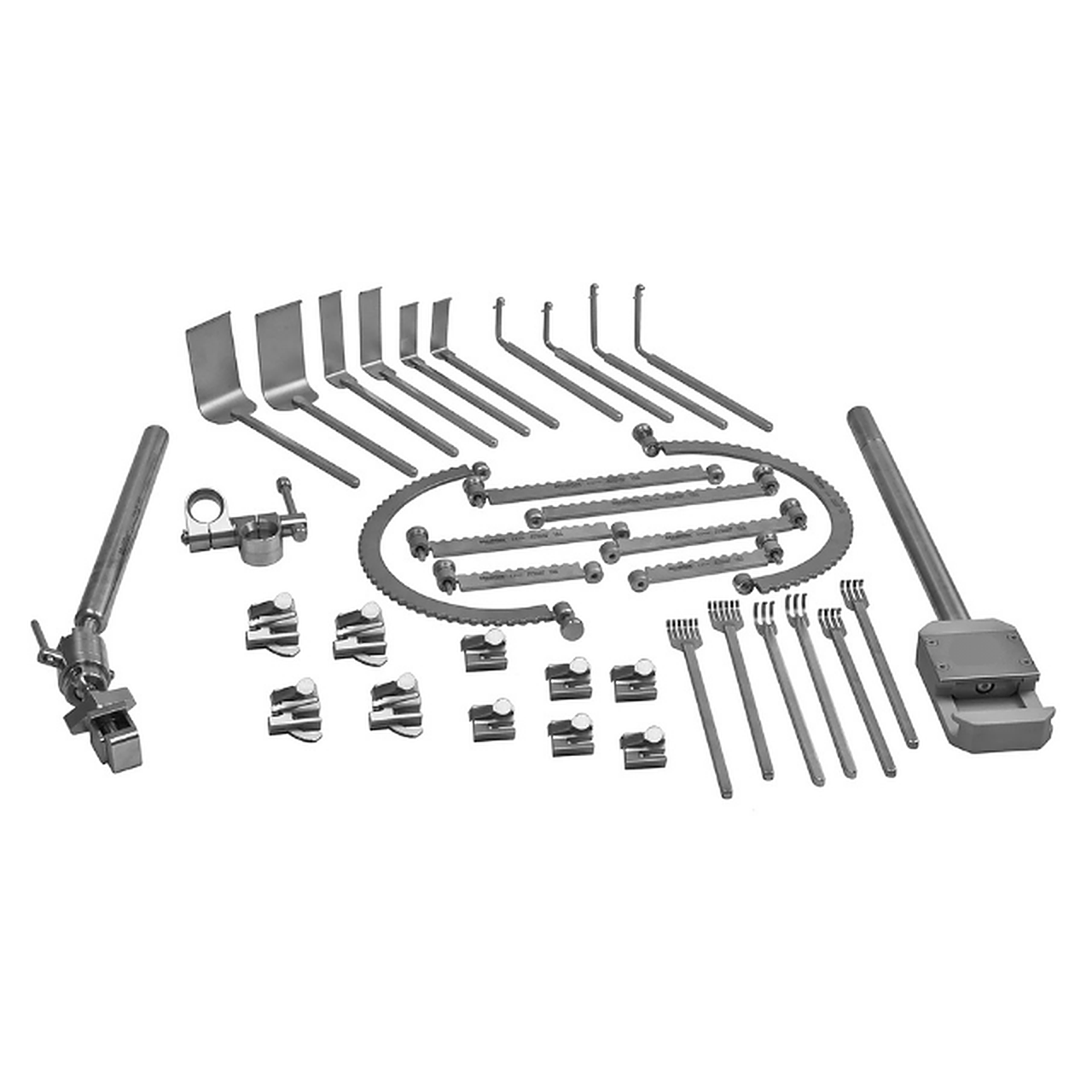 | Bookwalter Posterior Spinal Retractor | Entwickelt für die stabile, freihändige chirurgische Exposition bei posterioren Zugängen zur Hals-, Brust- und Lendenwirbelsäule. |
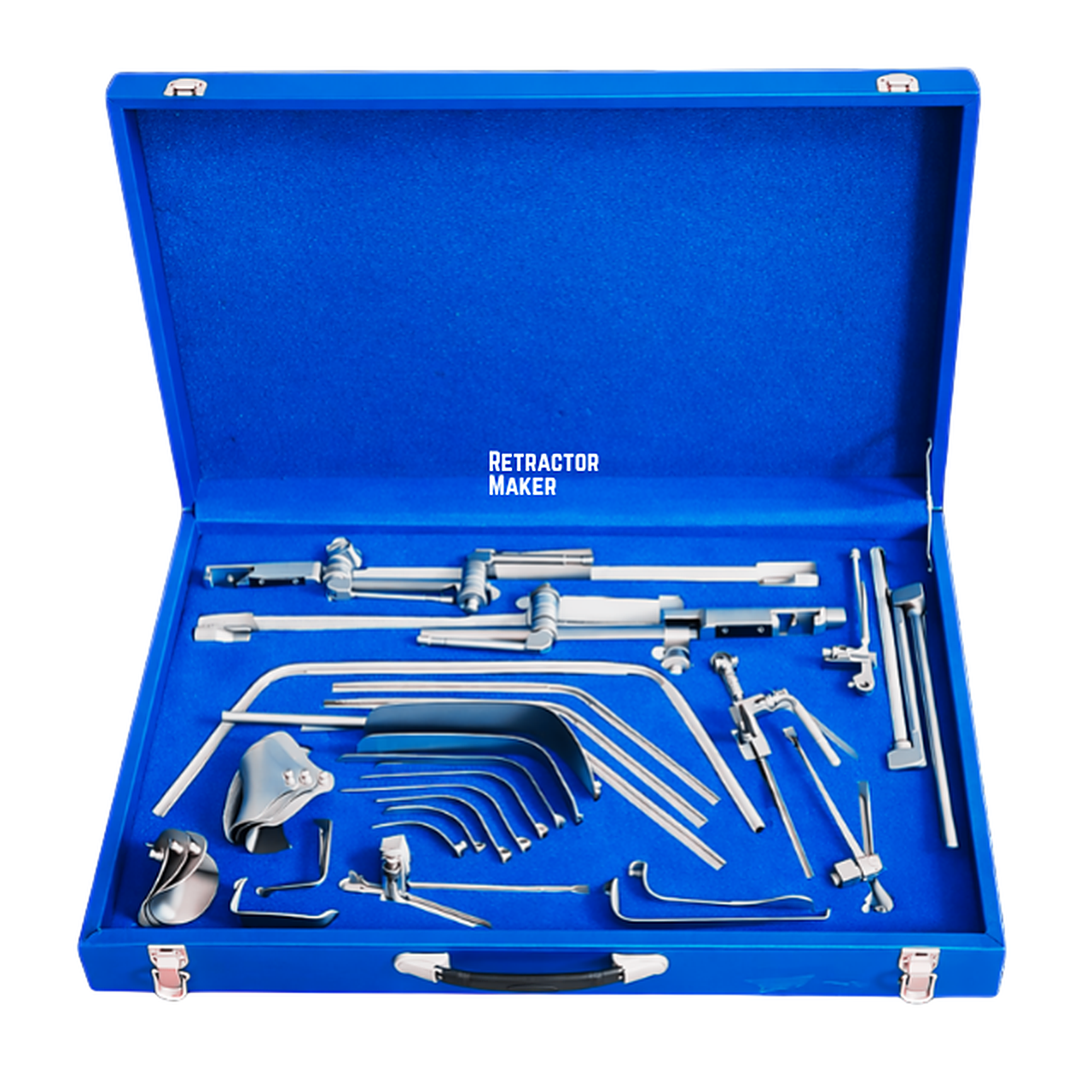 | Thompson Retractor System | Bietet eine hochgradig modulare, freihändige Exposition bei komplexen offenen chirurgischen Eingriffen. |
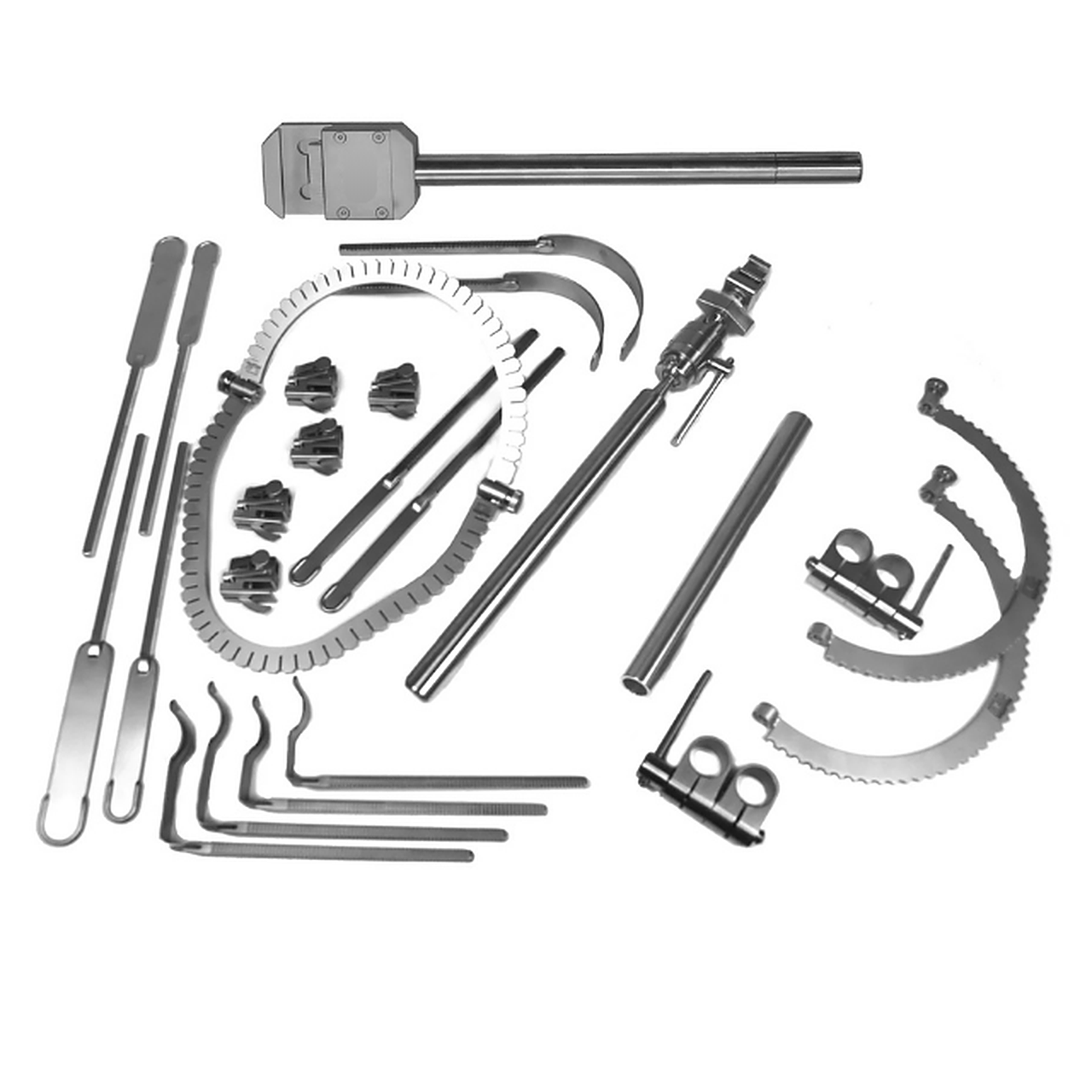 | Bookwalter Rectal/Trans-Anal Surgery Retractor | Entwickelt für eine stabile, freihändige chirurgische Exposition bei kolorektalen, transanalen, rektalen und perinealen Eingriffen mit flexiblen Montagekonfigurationen. |
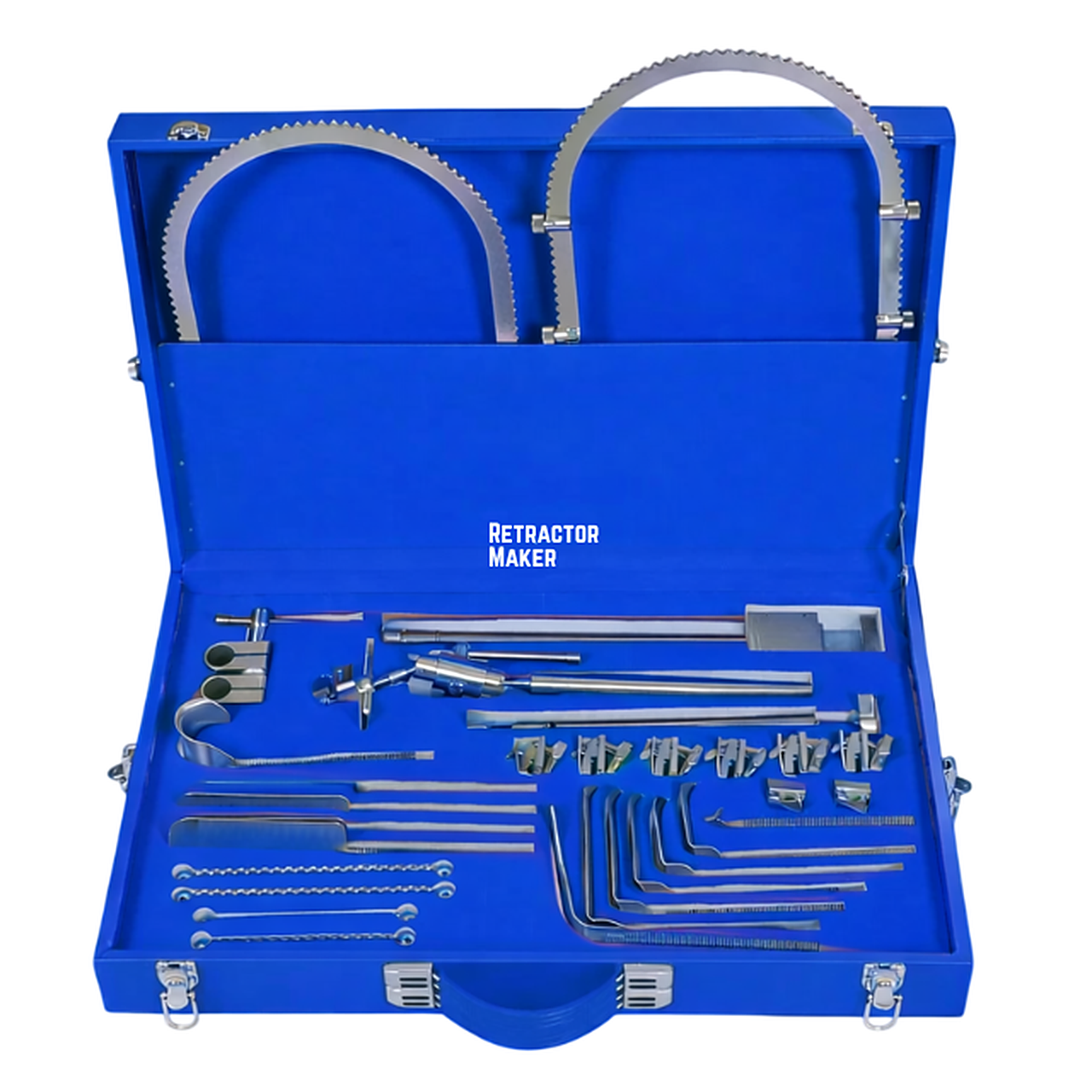 | Bookwalter Retractor | Bietet eine stabile, freihändige Exposition und Sichtbarkeit des Operationsfeldes bei großen offenen abdominellen Eingriffen wie Nephrektomie, Prostatektomie und Laparotomie. |
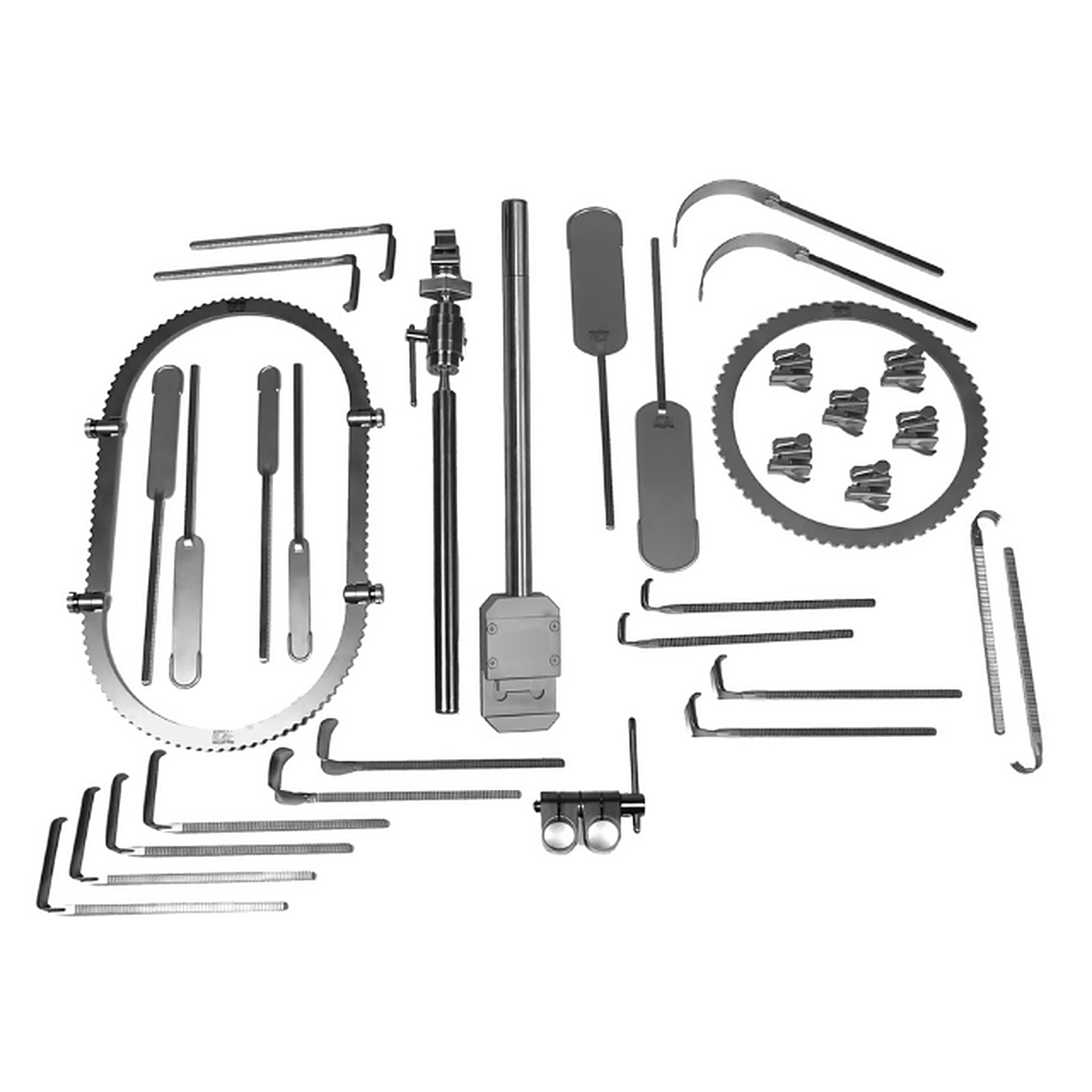 | Bookwalter Small Incision Retractor System | Entwickelt für eine stabile, freihändige chirurgische Exposition bei Eingriffen durch begrenzte Inzisionen, bei denen ein präziser Zugang bei minimaler Gewebeschädigung erforderlich ist. |
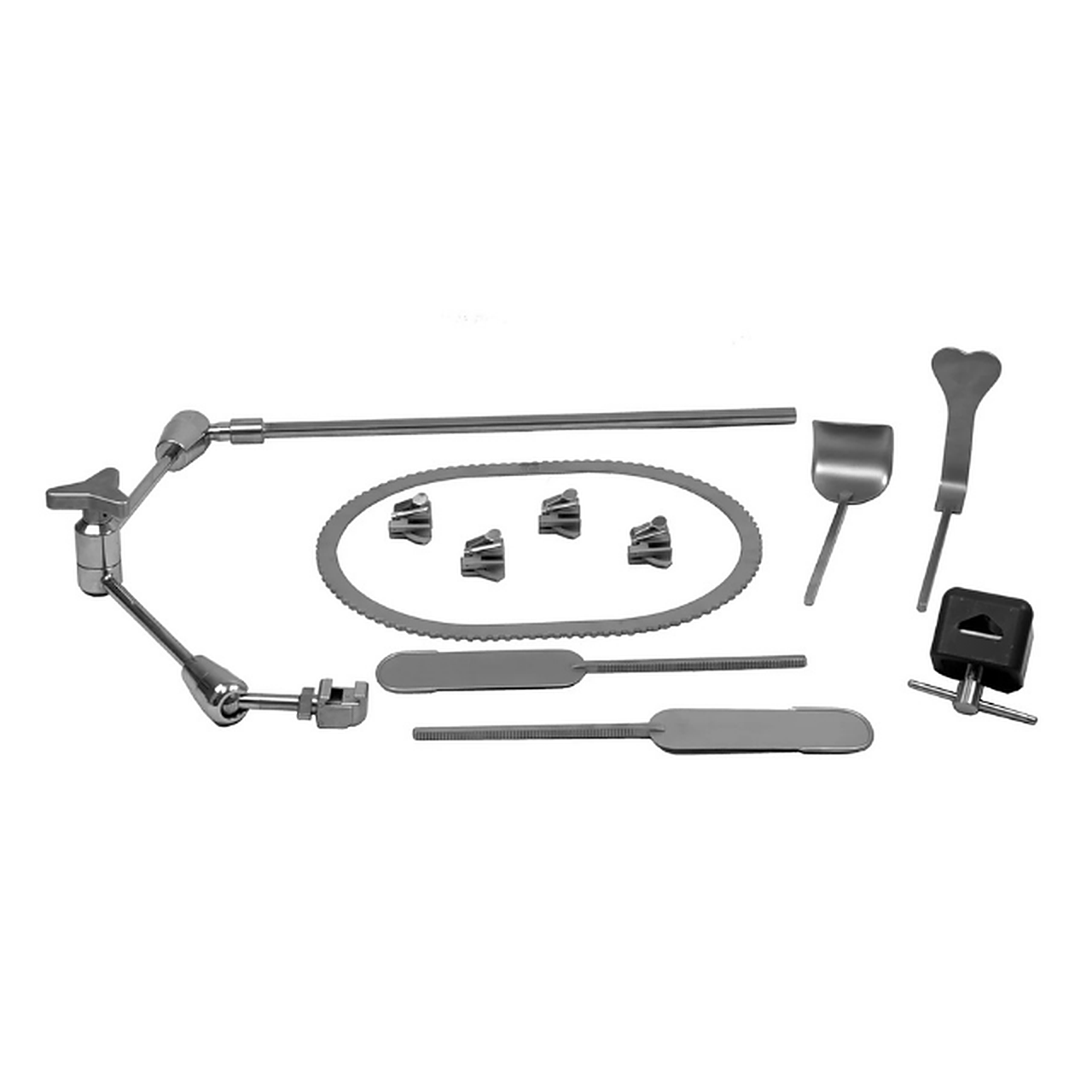 | Bookwalter StrongArm Basic General Retractor System | Entwickelt für eine stabile, freihändige chirurgische Exposition bei offenen allgemeinchirurgischen Eingriffen unter Verwendung des StrongArm PLUS Holder and Positioner. |
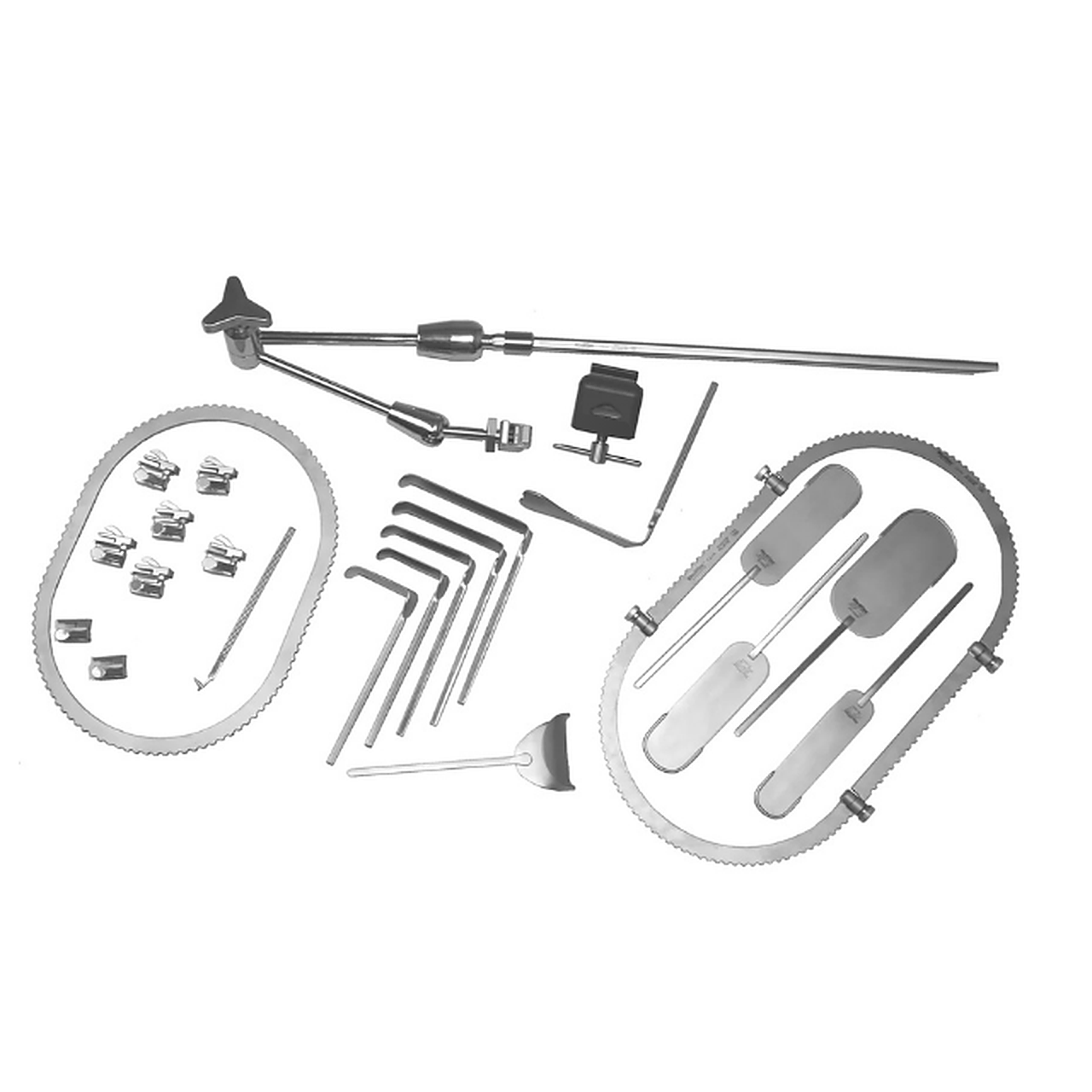 | Bookwalter StrongArm General Surgery Retractor System | Entwickelt für eine stabile, freihändige chirurgische Exposition bei offenen allgemeinchirurgischen Eingriffen unter Verwendung des StrongArm PLUS Halters und der Segmentring-Konfiguration. |
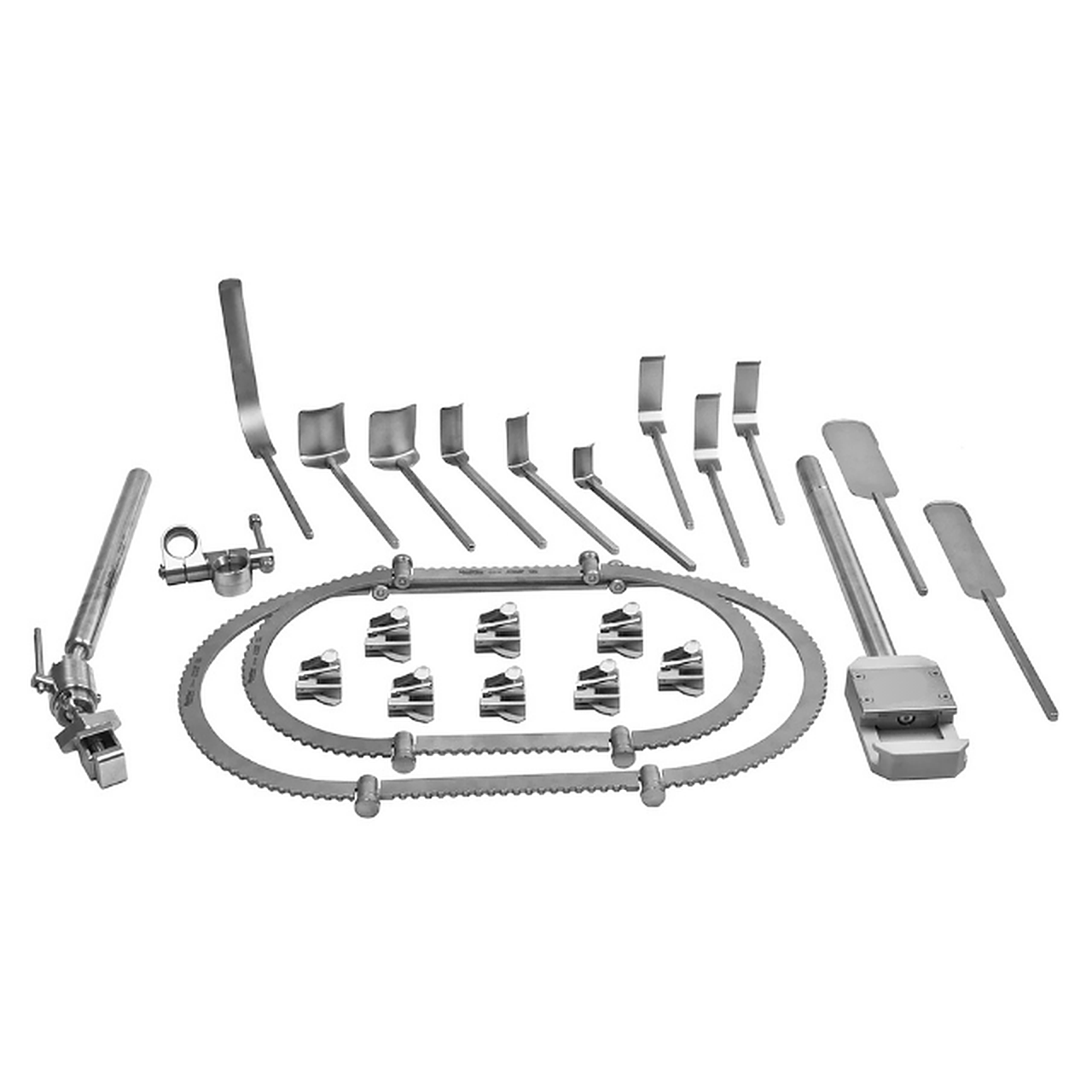 | Bookwalter Urology Retractor System | Entwickelt für eine stabile, freihändige chirurgische Exposition bei abdominalen und flankenseitigen Zugängen zu Nieren, Ureteren, Blase und retroperitonealen urologischen Strukturen. |
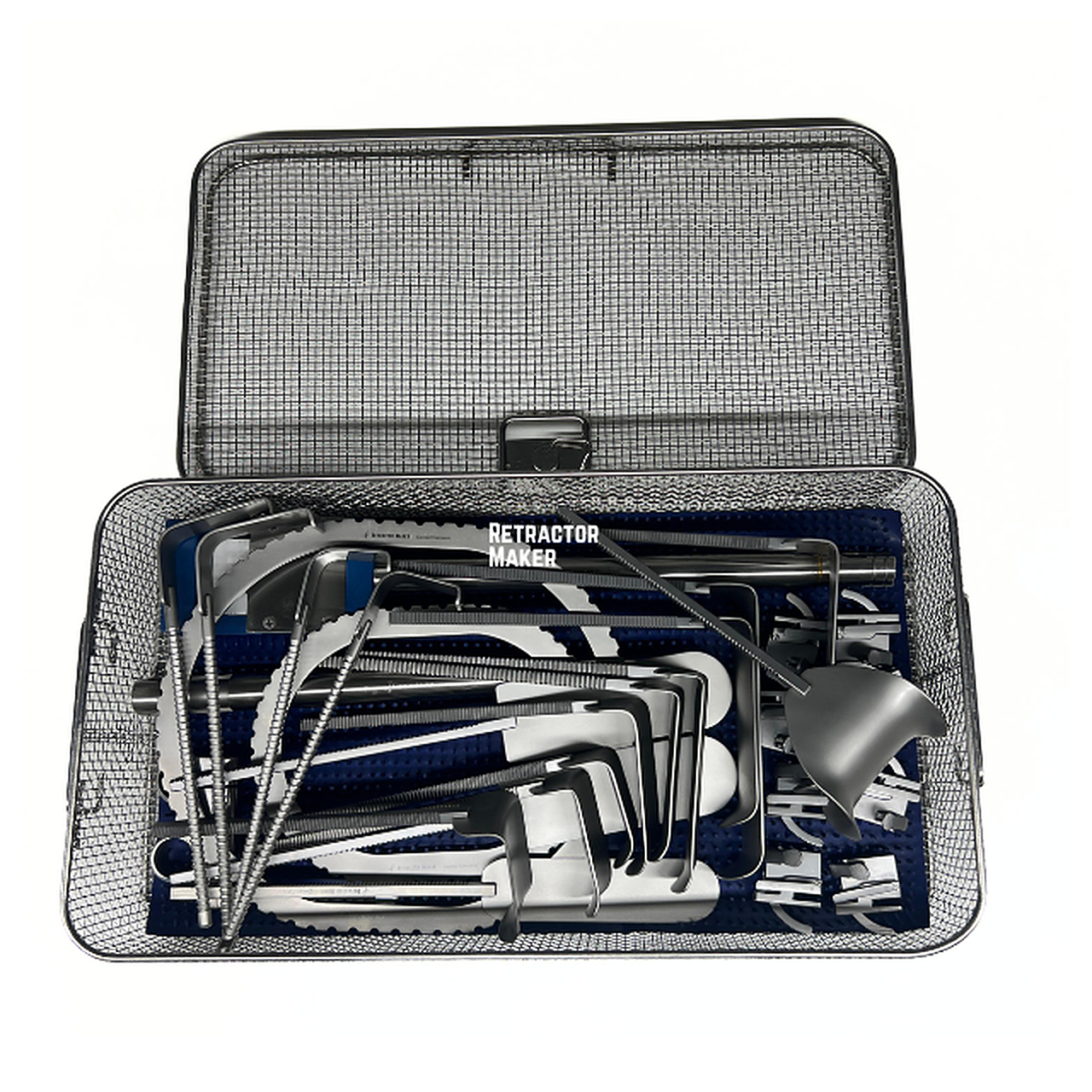 | Individueller Bookwalter Retractor | Gefertigt nach chirurgischem Fachgebiet, bevorzugten Komponenten und Verfahrensanforderungen des Kunden. |
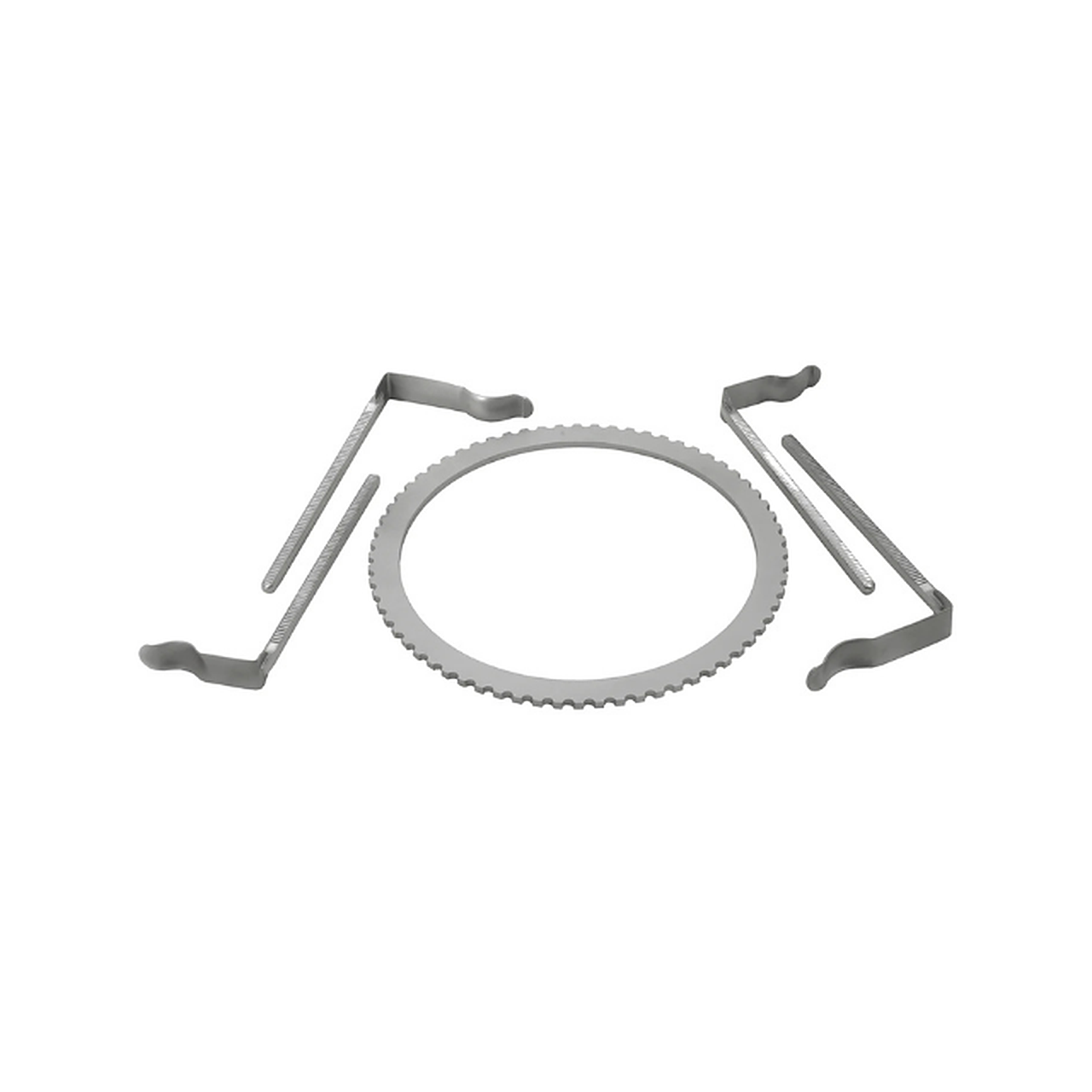 | Rektal/Transanal-Zubehörset | Zur Erweiterung eines bestehenden Bookwalter Allgemeinchirurgie-Retraktorsystems für transanale und rektale chirurgische Eingriffe durch Bereitstellung spezialisierter Rektalvalven und eines kleinen Rundrings. |
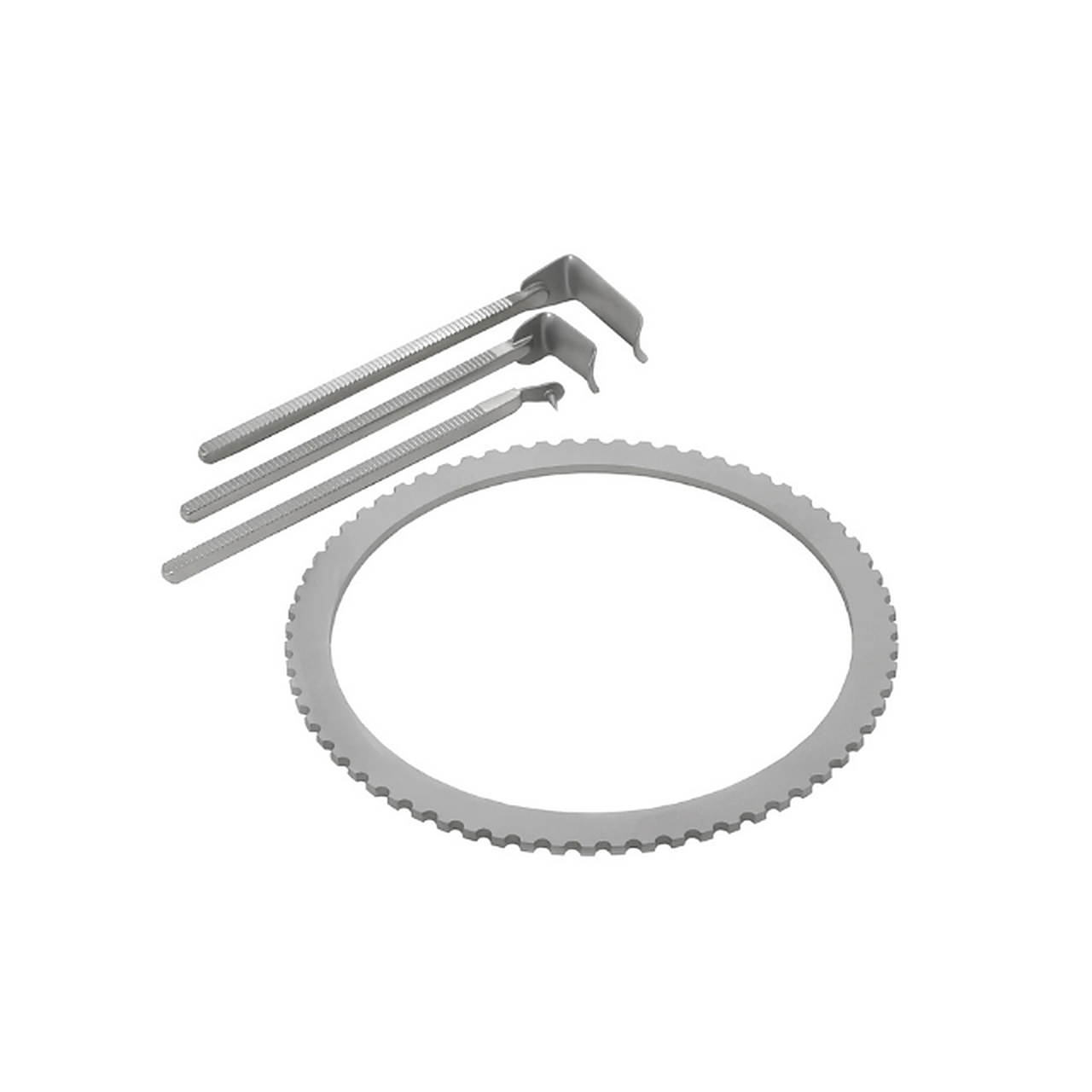 | Zubehör-Set für kleine Inzisionen | Zur Erweiterung eines bestehenden Bookwalter General Surgery Retractor Systems für Operationen mit begrenztem Zugang und kleinen Inzisionen durch Bereitstellung eines kompakten Vollrings und spezieller flacher Valven. |
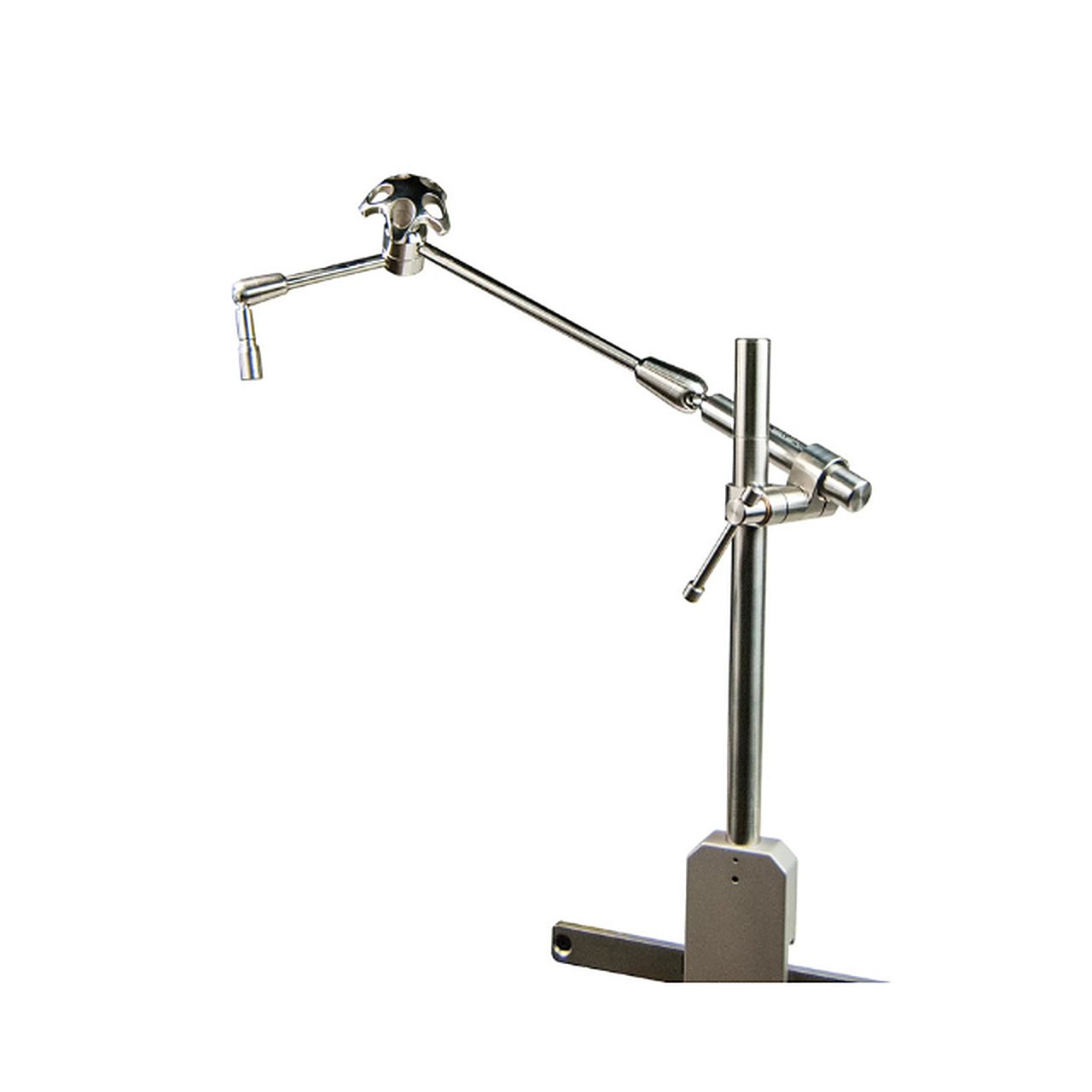 | Bookwalter StrongArm System | Entwickelt für die stabile, verstellbare und freihändige Unterstützung von Bookwalter- und kompatiblen selbsthaltenden Retraktorsystemen bei einer Vielzahl chirurgischer Eingriffe. |
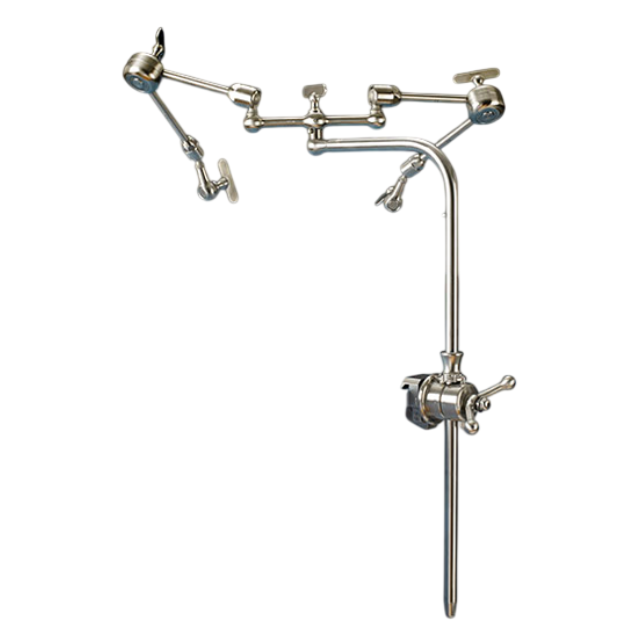 | Iron Intern Hydra Doppelarm | Speziell entwickelt für die bilaterale, freihändige viszerale Retraktion in mehreren Quadranten bei komplexen Abdominal- und Beckenoperationen. |
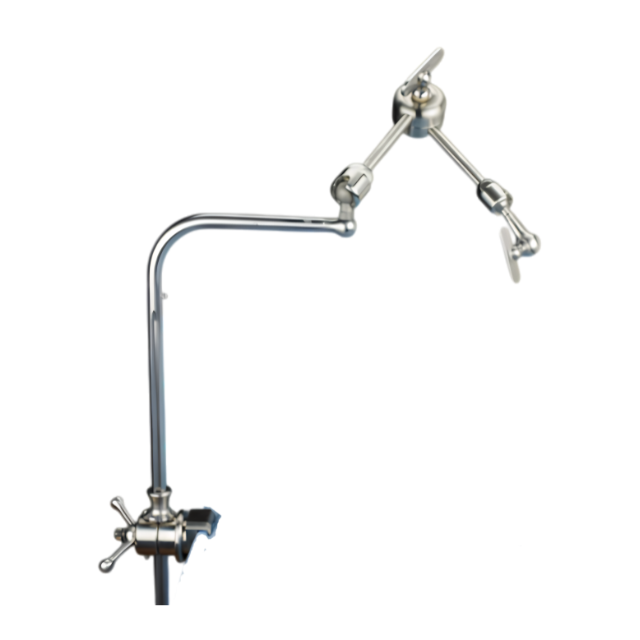 | Iron Intern Einarm | Speziell entwickelt, um eine starre, händefreie mechanische Retraktion von Bauchorganen, Brustwänden und Weichteilen zu ermöglichen. |
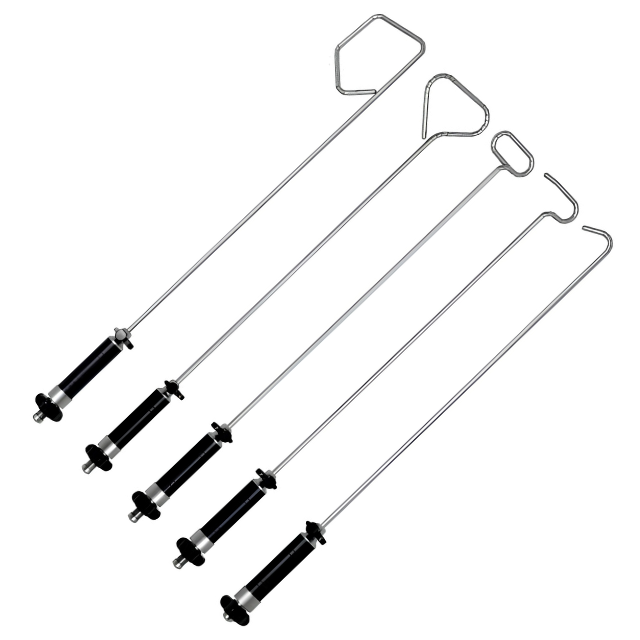 | Snake Leber-Retraktoren | Speziell entwickelt für die laparoskopische Leberlappenanhebung und viszerale Verdrängung während Eingriffen am oberen GI-Trakt und in der bariatrischen Chirurgie. |
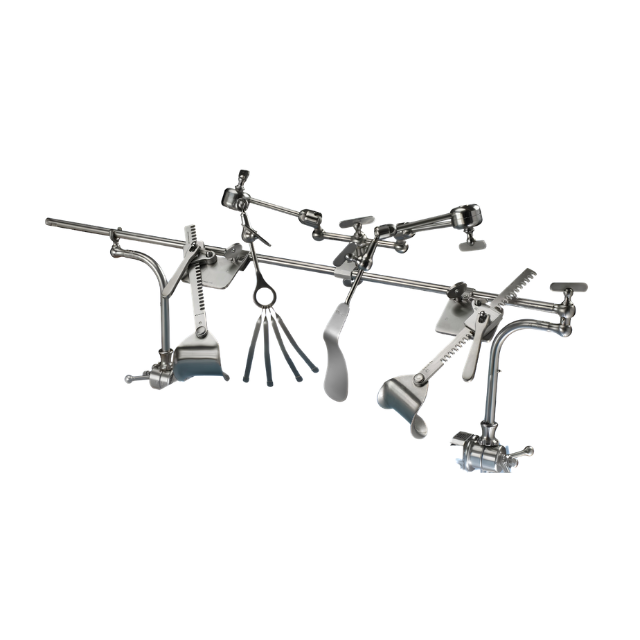 | Stieber Rib Grip Retractor Kit | Speziell entwickelt für die bilaterale Rippenbogenanhebung und obere Bauchfreilegung bei hepatobiliären und Transplantationsoperationen. |
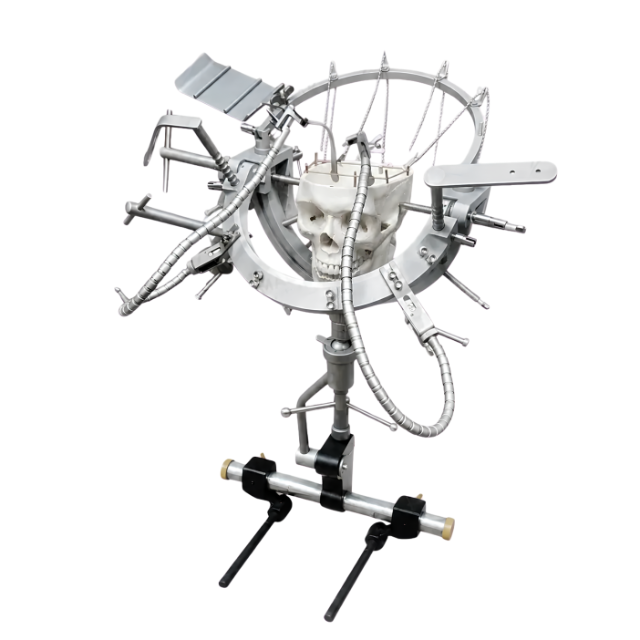 | Sugita Mehrzweck-Kopfframe | Speziell entwickelt für starre Schädelfixierung und multivektorielle mikrochirurgische Hirnretraktion. |
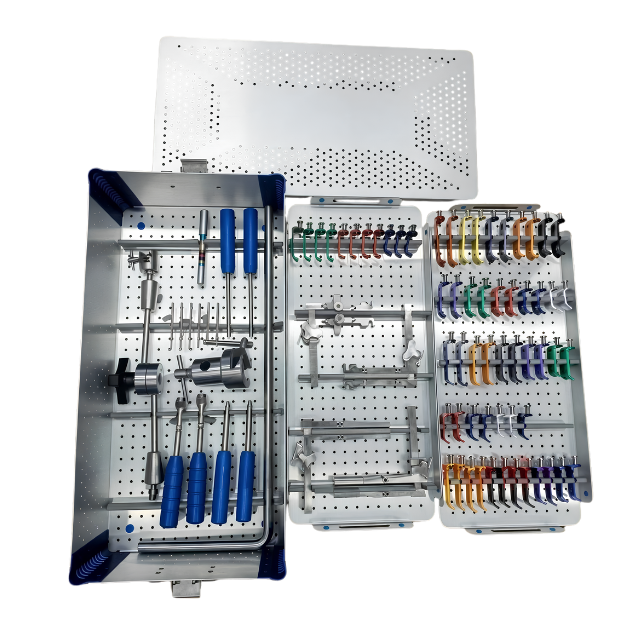 | Tedan Phantom CS-1600 Zervikales Retraktor-Set | Speziell entwickelt für die Weichteilretraktion und Wirbelkörperdistraktion während der anterioren zervikalen Wirbelsäulenchirurgie (ACDF). |
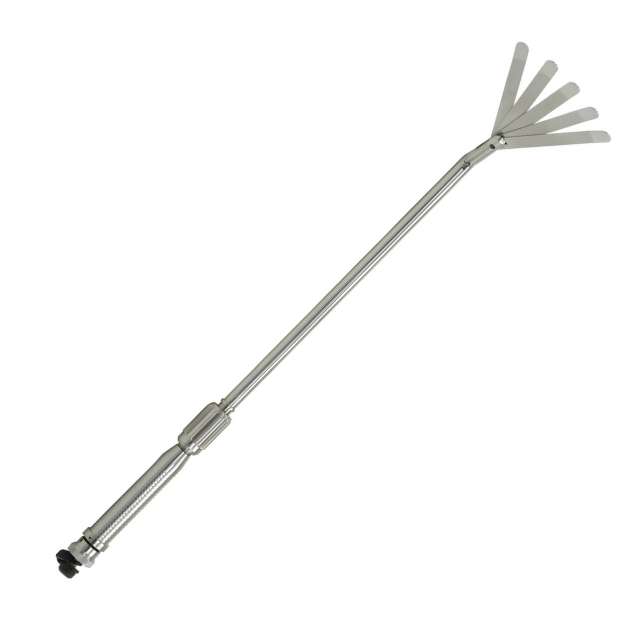 | Fächerretraktor mit 5 Fingern | Speziell entwickelt für eine breite laparoskopische viszerale Retraktion, Leberanhebung und Darmverlagerung. |
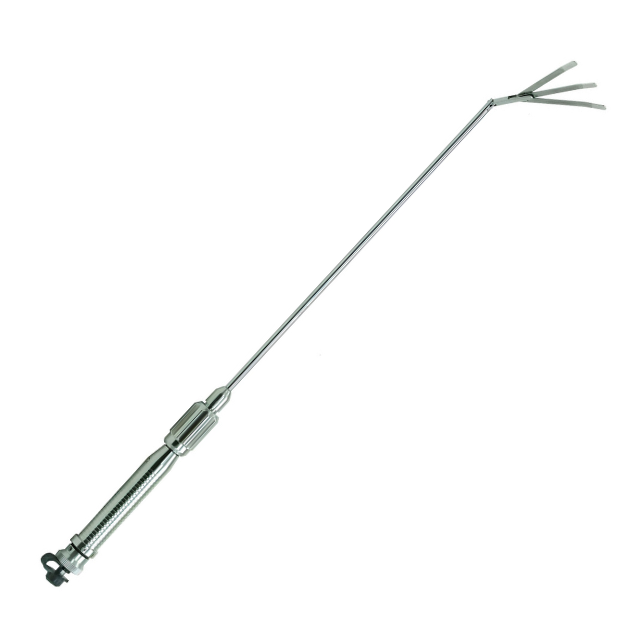 | Fächerretraktor mit 3 Fingern | Speziell entwickelt für gezielte laparoskopische Organverdrängung, Leberanhebung und Darmhaltung. |
 | Ösophagus-Artikulationsretraktor | Speziell entwickelt für die Ösophagusmobilisierung, retrogastrische Tunnelbildung und bariatrische Bandführung während der laparoskopischen Chirurgie. |
 | Fächer-Retraktor im Drachenstil | Speziell entwickelt für eine expansive, atraumatische laparoskopische Organunterstützung und Leber-/Viszeralretraktion. |
How Do You Choose a Surgical Retractor?
Retractor selection is a clinical decision for the surgical team and facility. The factors below are commonly considered when building trays or specifying instruments. They are general considerations, not recommendations for a particular patient or procedure.
Which Designs Suit the Surgical Application?
The procedure and specialty narrow the choice first. An abdominal case, spinal fusion, and rhinoplasty require entirely different instrument families. Many patterns were developed for a specific type of operation.
How Does Anatomical Location Affect Selection?
The location and depth of the operative field determine blade length, handle angle, and overall size. Deep fields need longer blades and handles that keep the assistant's hand out of the line of sight. Superficial fields need short, light instruments.
Which Blade Size and Shape Are Needed?
Blade width and depth should match the tissue being held. Flat, curved, lipped, and malleable blades retract tissue differently. Toothed rakes and sharp prongs grip skin and fascia. Smooth, blunt blades are used where tissue should not be punctured.
Handheld or Self-Retaining: Which Design Fits?
A handheld retractor offers continuous, adjustable control but occupies an assistant. A self-retaining retractor provides steady exposure and frees hands, but is less easily adjusted. It must also suit the wound's depth and shape. Many procedures use both designs.
How Much Exposure Is Required?
Selection depends on the width, depth, and direction of the required view. Wide incisions may need multiple blades pulling in several directions. A narrow approach may need one deep blade or a tubular retractor.
Do You Need a Complete System or Individual Instruments?
Some procedures require complete retractor systems; others need only individual handheld retractors. Systems may include a frame or ring, table post, clamps, arms, blades, and accessories. When ordering, confirm the included components and which blades are compatible with an existing frame. Request a quote for a complete retractor system.
How Should Reusable Retractors Be Maintained and Sterilized?
Reusable retractors should be handled, cleaned, inspected, sterilized, and stored according to the applicable manufacturer's instructions for use (IFU) and the healthcare facility's approved procedures. Proper maintenance and reprocessing are important.
General maintenance considerations include:
- Clean instruments after use according to the applicable manufacturer's instructions.
- Pay particular attention to joints, hinges, ratchets, locks, and other moving components.
- Inspect retractors for visible contamination, corrosion, cracks, deformation, or mechanical damage.
- Check that moving components function properly before returning instruments to service.
- Ensure instruments are appropriately cleaned before sterilization.
- Follow the manufacturer's specified sterilization method and parameters.
- Allow processed instruments to dry appropriately before storage.
- Store clean, processed instruments in a suitable environment that protects against contamination and damage.
Do not apply a universal sterilization cycle to every surgical retractor. Requirements vary with the instrument, material, design, and manufacturer's instructions.
For Retractor Maker products, follow the applicable product documentation and the healthcare facility's validated reprocessing procedures.
Related Retractor Maker Resources
Download the full product catalogue for offline reference. Get the Retractor Maker catalogue.
For pricing and lead time, send our team the product name, quantity, and destination country. Enquiries can cover a specific surgical retractor, complete retractor system, replacement blade, or custom configuration. Contact Retractor Maker.
Klinischer Hinweis: Dieser Leitfaden richtet sich an OP-Teams und Krankenhauseinkäufer. Befolgen Sie vor dem klinischen Einsatz stets die Gebrauchsanweisung (IFU) des Herstellers und die Sterilisationsvorgaben Ihres Krankenhauses.
Häufig gestellte Fragen
What is a surgical retractor?
A surgical retractor holds back tissue, organs, or wound edges to provide access and visibility to the surgical field. Retraction can range from lifting a skin edge to holding the abdominal wall open throughout an operation.
What are retractors used for?
Retractors maintain or improve operative exposure by moving or holding tissue away from the area being accessed. They can widen an incision by displacing tissue laterally or hold deeper structures, such as bowel, muscle, or an organ lobe, away from the treatment area.
What are the main types of surgical retractors?
Retractors include handheld designs, self-retaining designs, and larger frame-based systems. Their designs vary with the intended application and required exposure. Handheld designs require manual holding, while self-retaining designs use a mechanism to maintain blade position without continuous manual support.
What is the difference between a handheld and self-retaining retractor?
A handheld retractor is positioned and held manually, while a self-retaining retractor maintains its position through a retaining mechanism. Manual holding allows continuous changes in angle, depth, and tension. Self-retaining designs free hands but usually need manual repositioning when the required view changes.
Are retractors reusable?
Many retractors are designed for reuse, but reusability and reprocessing requirements depend on the specific product. Follow the applicable manufacturer's IFU and healthcare facility procedures for handling, cleaning, inspection, sterilization, and storage rather than assuming all products have the same requirements.
How should retractors be sterilized?
Retractors should be cleaned and sterilized according to the applicable manufacturer's instructions and the healthcare facility's approved, validated reprocessing procedures. Do not assume one sterilization cycle applies to every retractor. Requirements can vary with material, design, and product-specific instructions.
Where can I find surgical retractor names and images?
Retractor Maker's surgical retractor catalogue is a product reference containing names, images, and product information across its range of surgical retractors. The table in this article includes the complete published catalogue, covering the products in that range.
How do I choose the right surgical retractor?
Choosing a surgical retractor depends on the intended surgical application, anatomical area, required exposure, design, dimensions, and other product-specific requirements. Qualified surgical professionals should determine which surgical retractor is appropriate for the intended application, considering these selection requirements.
What is a Deaver retractor used for?
A Deaver retractor is a curved handheld retractor used for deeper abdominal and thoracic exposure. The surgeon or an assistant positions and holds the Deaver retractor manually, adjusting its angle, depth, and tension as the operation progresses.
How does a Balfour retractor differ from a Bookwalter retractor?
A Balfour retractor is a frame-style abdominal retractor, while a Bookwalter retractor is a table-mounted system. The Balfour retractor has lateral blades and a centre blade. The Bookwalter retractor carries multiple adjustable blades around a ring or rail. Both are self-retaining retractors that maintain blade position without someone holding them continuously.
What should be checked when inspecting a reusable surgical retractor?
A reusable surgical retractor should be inspected for visible contamination, corrosion, cracks, deformation, and mechanical damage. Check moving components for proper function before returning the surgical retractor to service. During cleaning, pay particular attention to joints, hinges, ratchets, locks, and other moving parts.
Über den Autor
Saad Shahid · Vertriebs- und Marketingleiter
Saad Shahid ist Vertriebs- und Marketingleiter sowie Gründer von Retractor Maker, das 2023 in Sialkot, Pakistan, gegründet wurde. Außerdem arbeitet er mit seinem Vater bei Hospitech Traders, dem 1989 gegründeten Familienunternehmen für chirurgische Instrumente.
Verwandte Blogs & Leitfäden
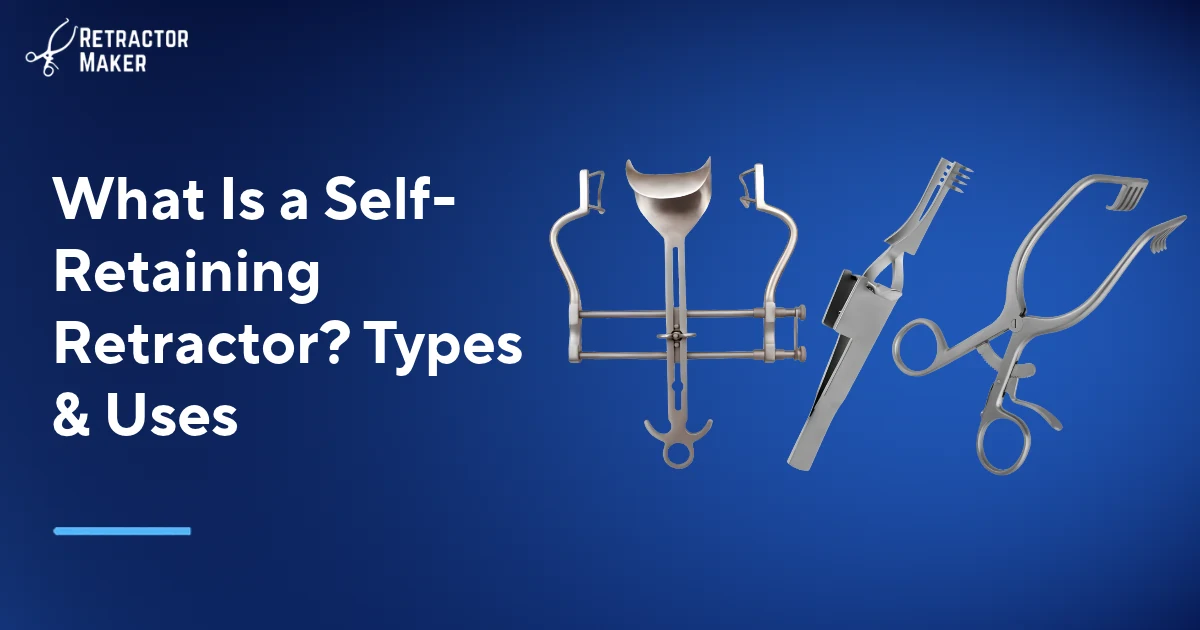

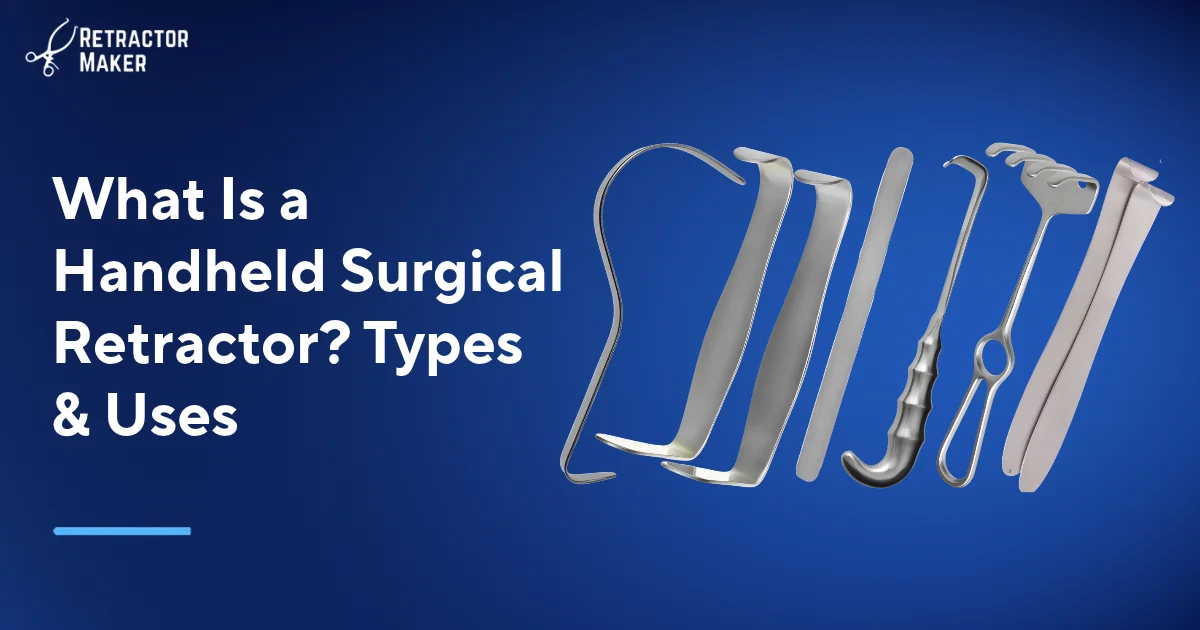
Verwandte Retraktoren
Senn Forward Retractor
$49.00
Brewster Retractor
Ab $159
Langenbeck Retractor-Solid Handle
$49.00
Murphy Retractor
Ab $44.00
Leriche Wundhaken – Atraumatisch, Breite Spatel
Ab $94.00
Lobster General Retractor System
$2,699Free Shipping
Benötigen Sie chirurgische Retraktoren oder Komponenten?
Teilen Sie uns Ihren Bedarf mit, einschließlich Produkt, Konfiguration, Menge und Bestimmungsland. Retractor Maker kann Angaben zu Verfügbarkeit, Spezifikationen und Preisen machen.
Angebot anfordern