
Surgical Retractor Guides
Surgical Retractors Names, Images & Uses
Autor: Saad Shahid · Actualizado · 7 min de lectura

Surgical retractors hold tissue away from the operative field so the surgical team can see and reach the area they are working on. This guide explains what retractors are, how they are classified, and how they are selected and cared for, and it includes a searchable reference table of surgical retractors names, images and general uses drawn directly from the Retractor Maker catalogue.
What Is a Retractor?
A retractor holds skin, fat, muscle, and organs away from the target area to provide controlled surgical exposure. Almost every open procedure depends on this access before the surgeon can dissect, repair, or close. Retractors are among the oldest surgical instrument families and remain among the most frequently handled instruments on any tray.
Retractors share a purpose but differ in size, blade shape and depth, prong number and sharpness, and handle design. Some lock in place or mount on a frame. Designs also vary by specialty. A small double-ended retractor for a skin flap differs greatly from a table-mounted abdominal system. No single design suits every procedure.
This guide covers basic categories, selection factors, and general care principles. Its central section lists names, images, and general uses for the complete published Retractor Maker range. Search the range by name or filter it by specialty.
Contents
What Is a Surgical Retractor?
A surgical retractor holds back or moves tissue away from the operative field to give the surgical team visibility and access. Retraction may involve gently lifting a skin edge or holding the abdominal wall open throughout an operation.
Retractors create exposure by moving tissue laterally to widen an incision or holding deeper structures away from the treatment area. These structures may include bowel, muscle, or an organ lobe. Blade or prong shape determines how the load spreads across contacted tissue. Available forms include flat, curved, lipped, malleable, toothed, and smooth blades.
Size and shape follow anatomy. A shallow hand incision needs a short, narrow blade. A deep pelvic or abdominal field needs a longer, wider blade. Specialty designs address each region's depth, angle, and tissue type. Nasal and ear retractors are small and fine. Spinal retractors hold back heavy paraspinal muscle. Cardiac retractors are shaped around the sternum and chest wall.
How Do Handheld Retractors Work?
Handheld retractors are positioned and held manually by a surgeon or assistant for as long as exposure is needed. They allow moment-by-moment changes in angle, depth, and tension as the operation progresses. The trade-off is continuous manual holding, which occupies a pair of hands and can cause fatigue during a long case.
Common handheld patterns include the double-ended Senn retractor for superficial tissue and the curved Deaver retractor for deeper abdominal and thoracic exposure. Others include the right-angled Langenbeck retractor, the broad Richardson retractor for the abdominal wall, and the double-ended Army-Navy retractor for shallow incisions. The small Ragnell retractor is used in plastic and hand surgery.
How Do Self-Retaining Retractors Work?
Self-retaining retractors use a ratchet, screw, spring, or frame to keep blades in position without continuous manual holding. They free the surgical team's hands and provide steady exposure. If the required view changes, manual repositioning is usually necessary.
Examples include the Gelpi and Weitlaner retractors, which spread tissue with pointed tips or toothed rakes secured by a ratchet. The Balfour retractor is a frame-style abdominal retractor with lateral blades and a centre blade. Table-mounted Bookwalter and Thompson retractors attach to the operating table and support multiple adjustable blades around a ring or rail.
Retractor Names, Images, and General Uses
The table below presents the complete Retractor Maker product catalogue. Each entry includes a product image, name, and general use. Search by product name or filter by specialty.
Mostrando 507 separadores quirúrgicos
| Foto del producto | Nombre del separador quirúrgico | Uso general |
|---|---|---|
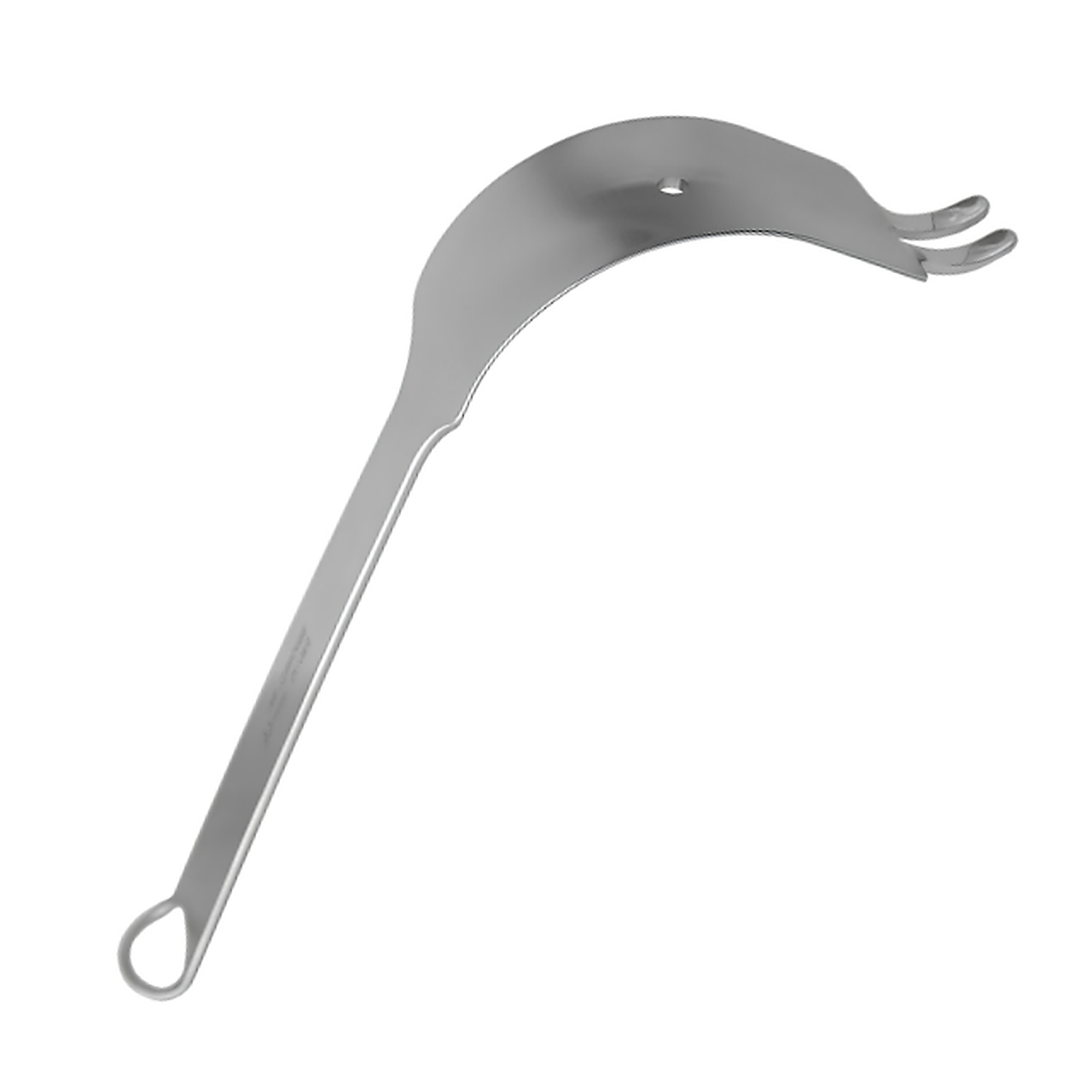 | Separador Acetabular de Doble Punta Estrecho | Diseñado específicamente para exponer el borde acetabular y desplazar los tejidos circundantes durante los procedimientos de reconstrucción y artroplastia de cadera. |
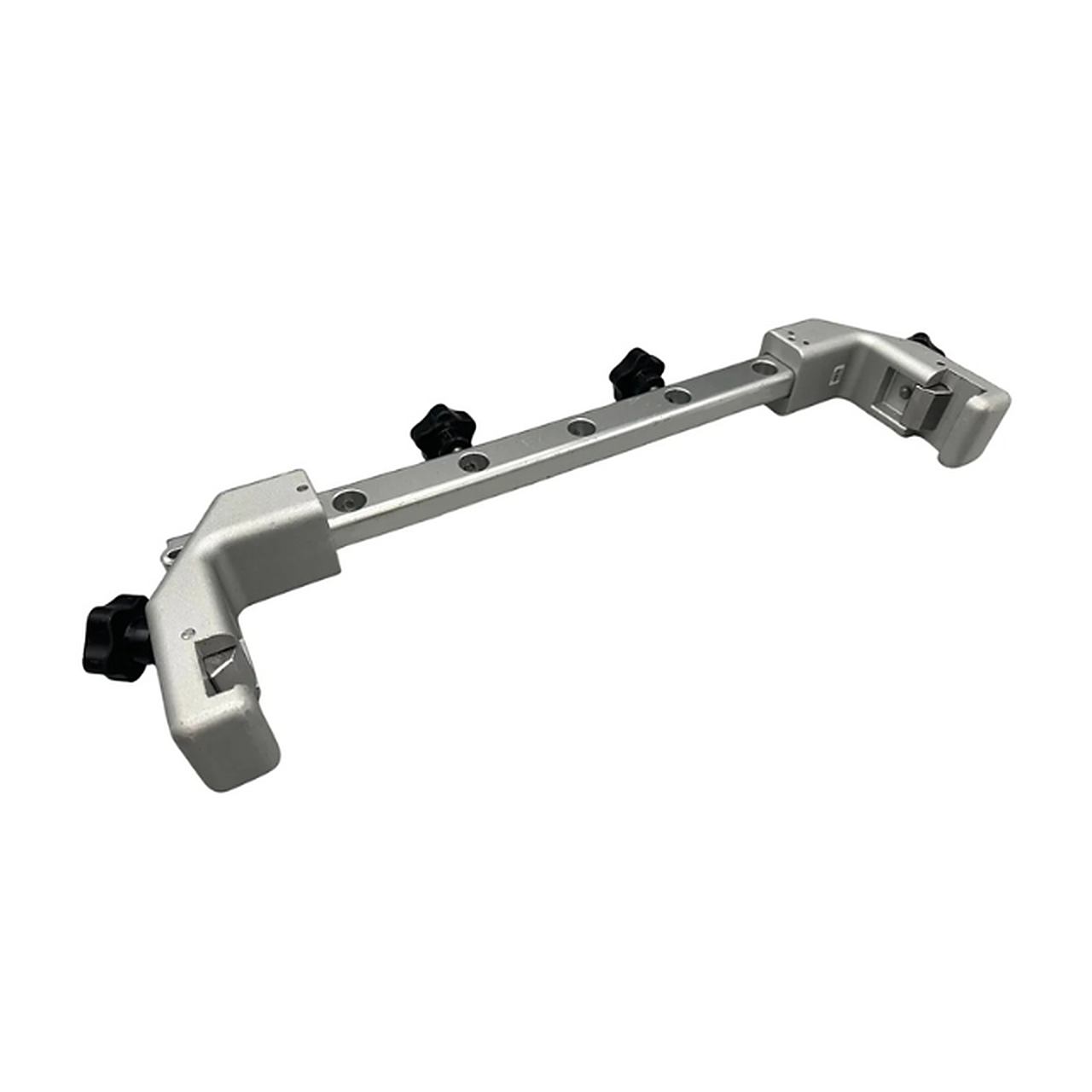 | Adaptador Mayfield Ajustable | Diseñado específicamente para montar de forma segura sistemas de fijación craneal tipo Mayfield en mesas de operaciones que carecen de orificios receptores integrados o que requieren un posicionamiento con desplazamiento lateral. |
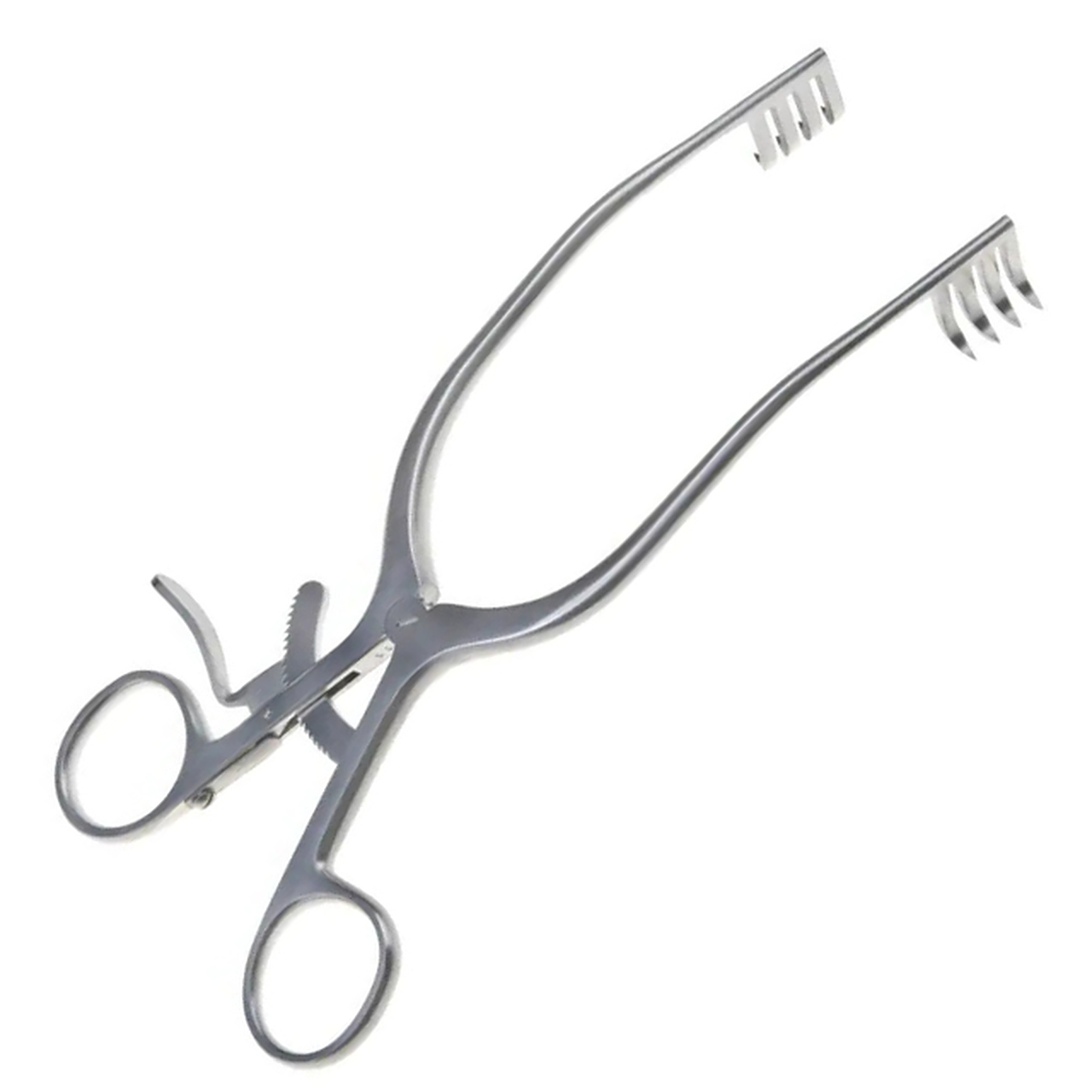 | Separador Adson-Cerebellum | Específicamente diseñado para proporcionar retracción estática de músculos y tejidos blandos durante procedimientos neuroquirúrgicos y de la fosa craneal posterior. |
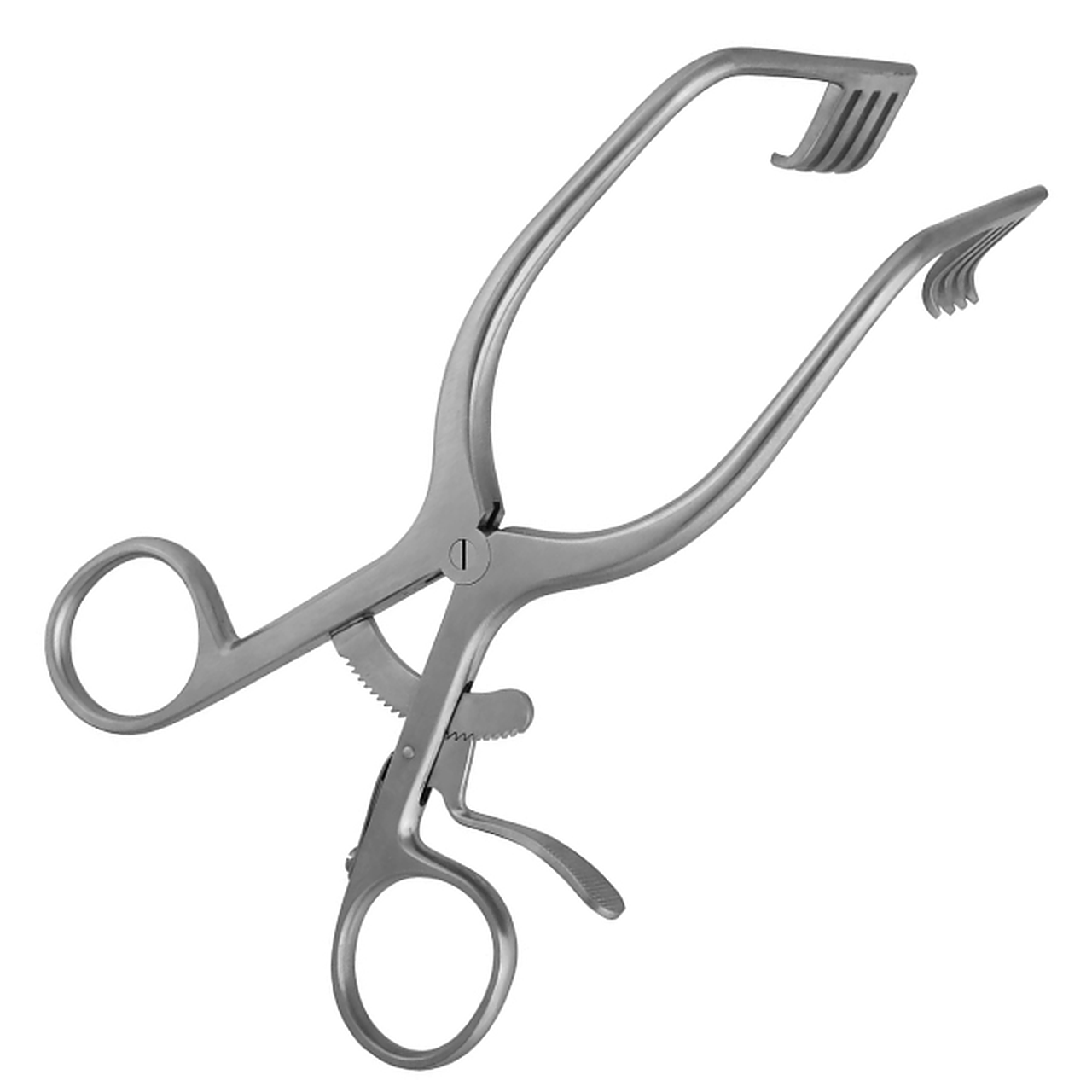 | Separador Cerebeloso Adson Autoestático | Específicamente diseñado para proporcionar retracción tisular autoestática y mantener una exposición quirúrgica estructurada durante procedimientos craneales y espinales. |
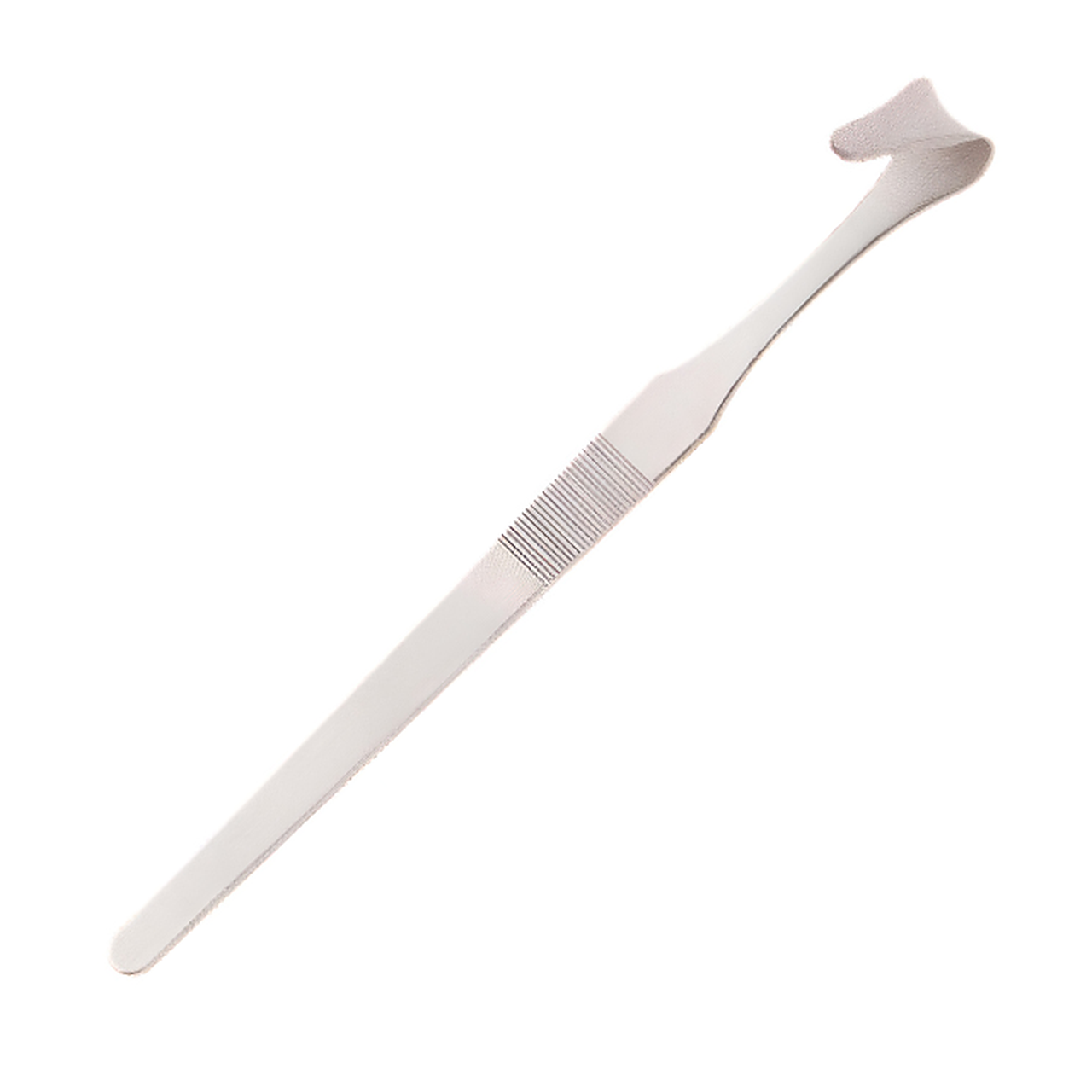 | Separador Alar | Específicamente diseñado para la retracción del ala nasal y la exposición del cartílago alar durante procedimientos de rinoplastia y otorrinolaringología. |
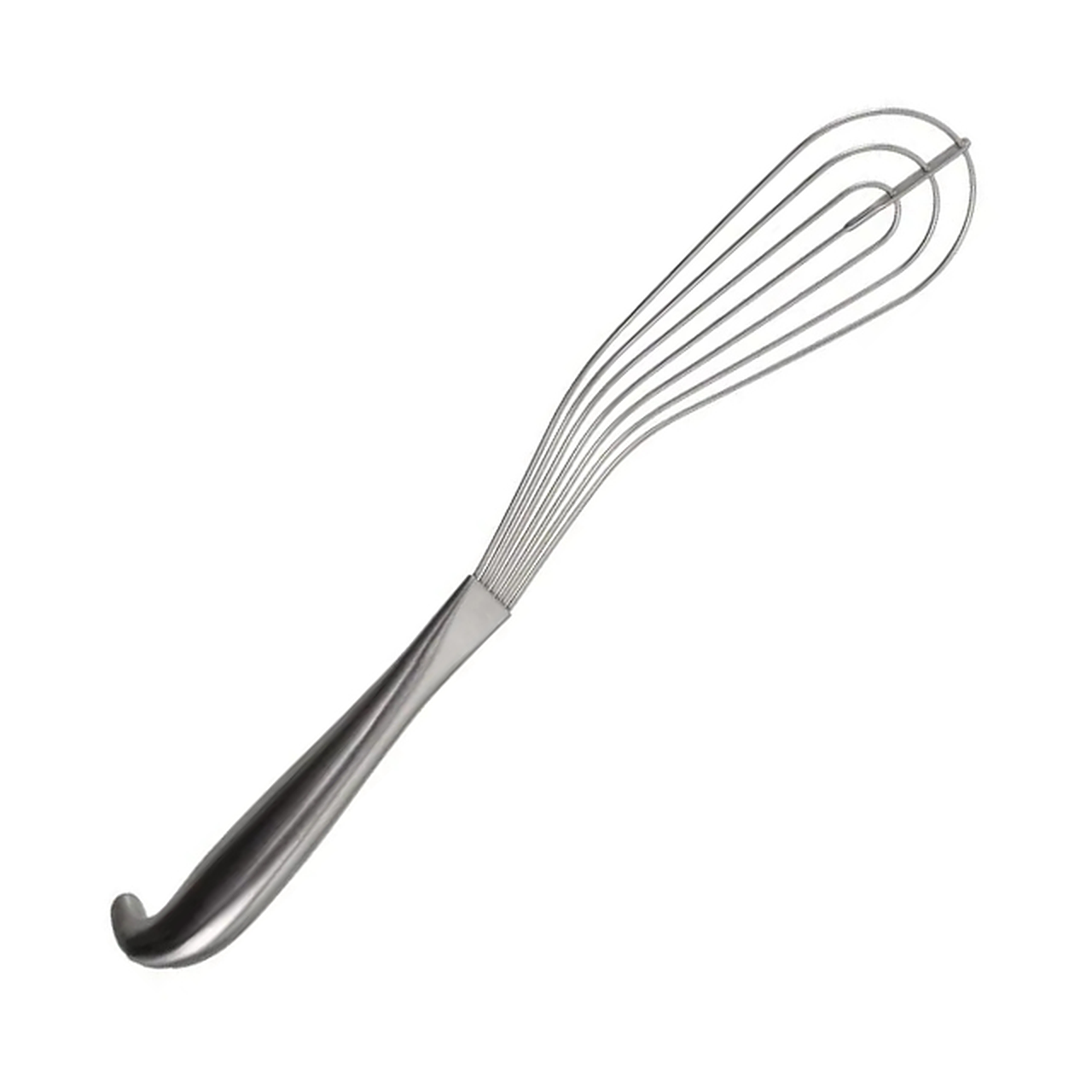 | Separador de Pulmón Allison | Diseñado para deprimir y desplazar el parénquima pulmonar de forma atraumática durante intervenciones quirúrgicas torácicas y cardiovasculares. |
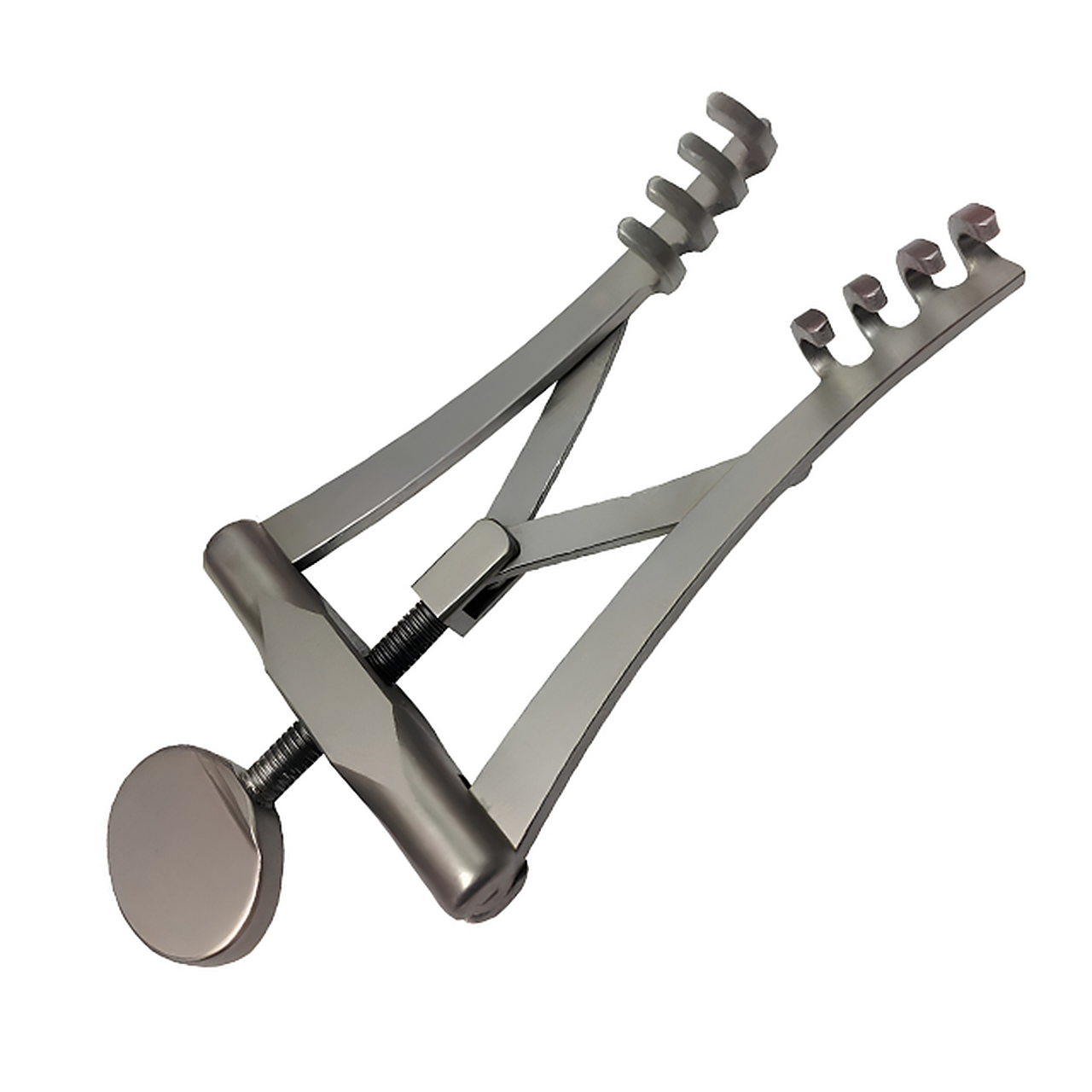 | Separador Mastoides Allport | Específicamente diseñado para proporcionar retracción autoestática de tejidos blandos sobre la apófisis mastoides durante procedimientos otológicos y neuroquirúrgicos. |
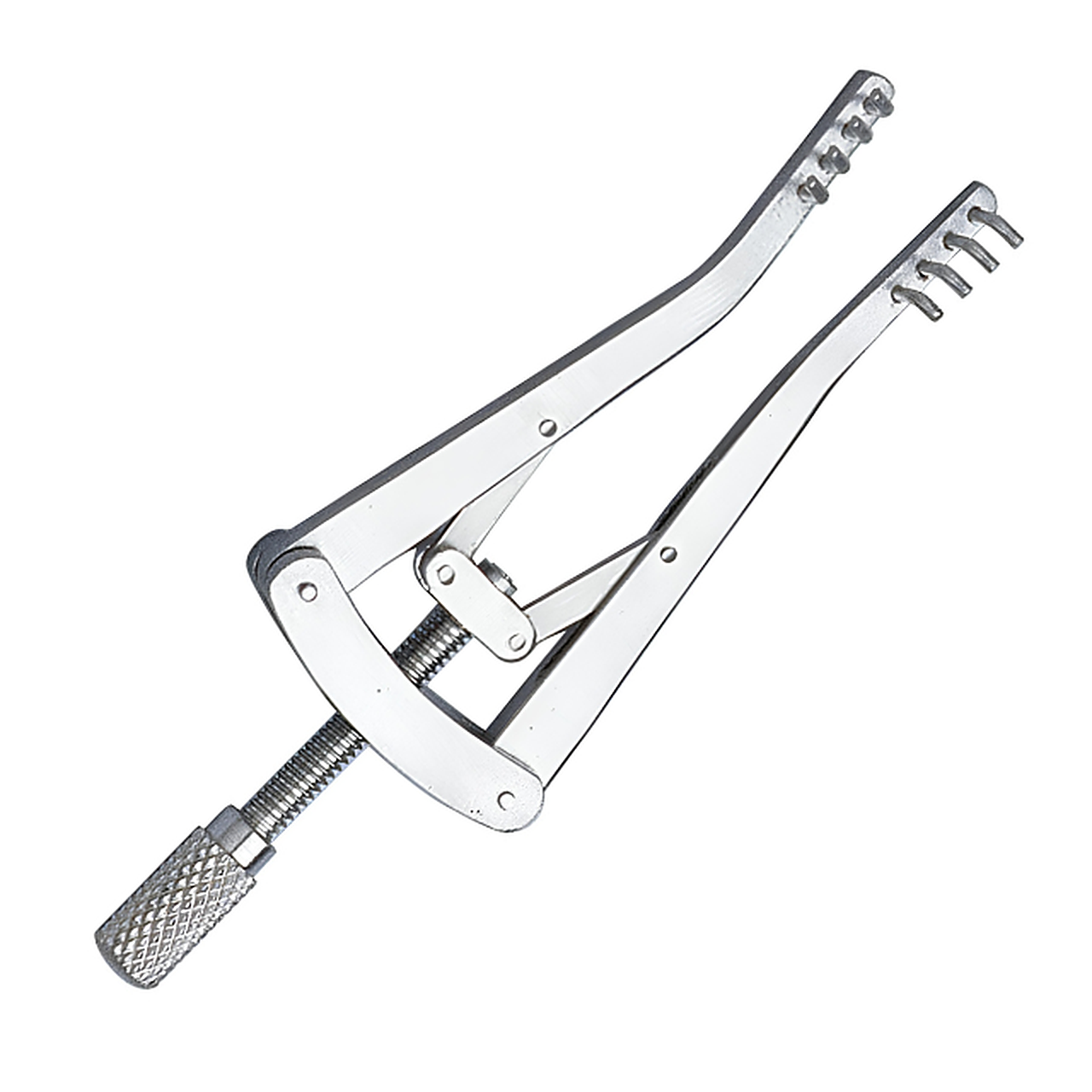 | Separador Autoestático ALM | Específicamente diseñado para proporcionar retracción tisular autoestática durante procedimientos de cirugía menor, oftalmológicos, plásticos y de mano. |
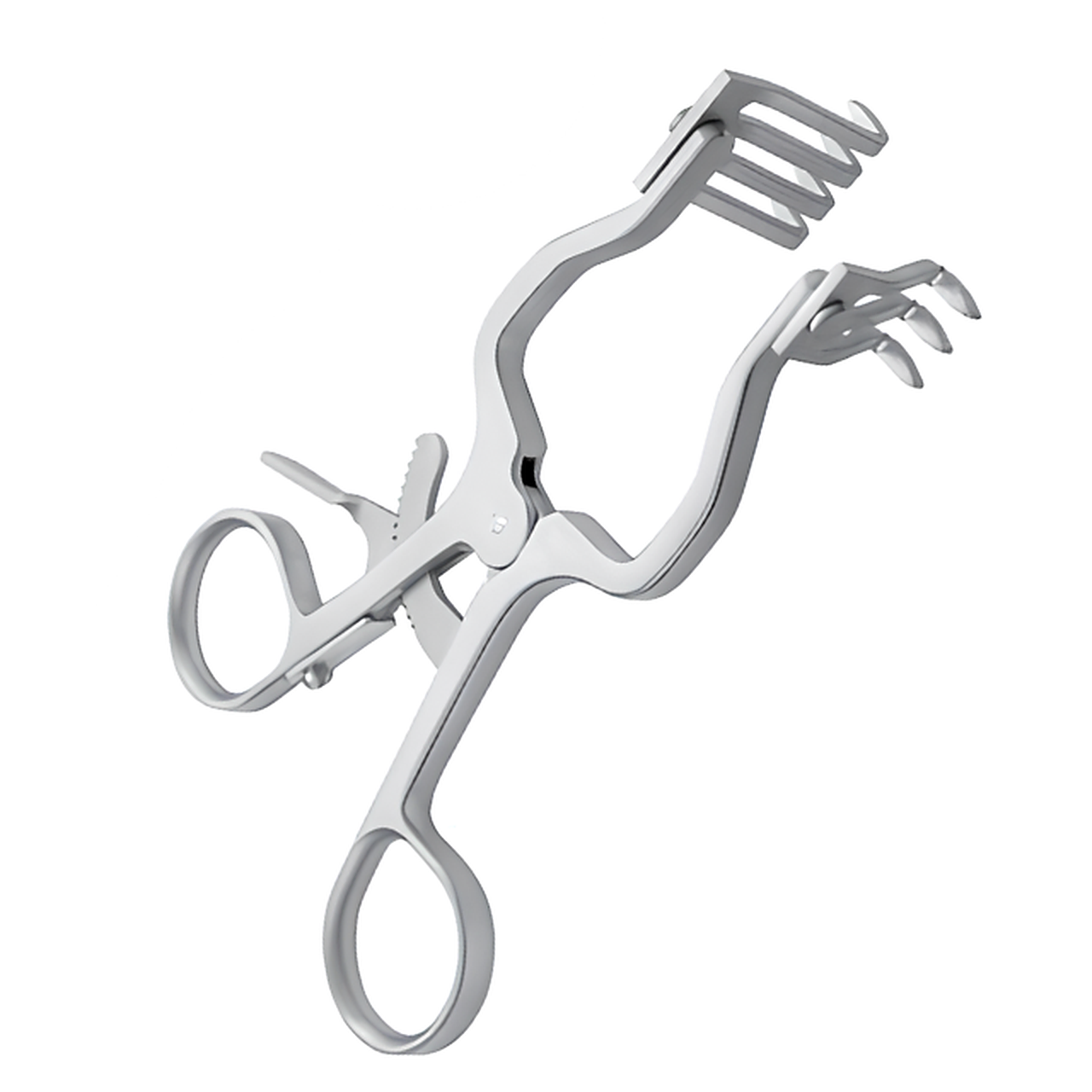 | Separadores Autoestáticos Amidiestros | Diseñado específicamente para proporcionar una retracción de tejidos blandos reversible y manos libres, operable desde cualquier lado del campo estéril. |
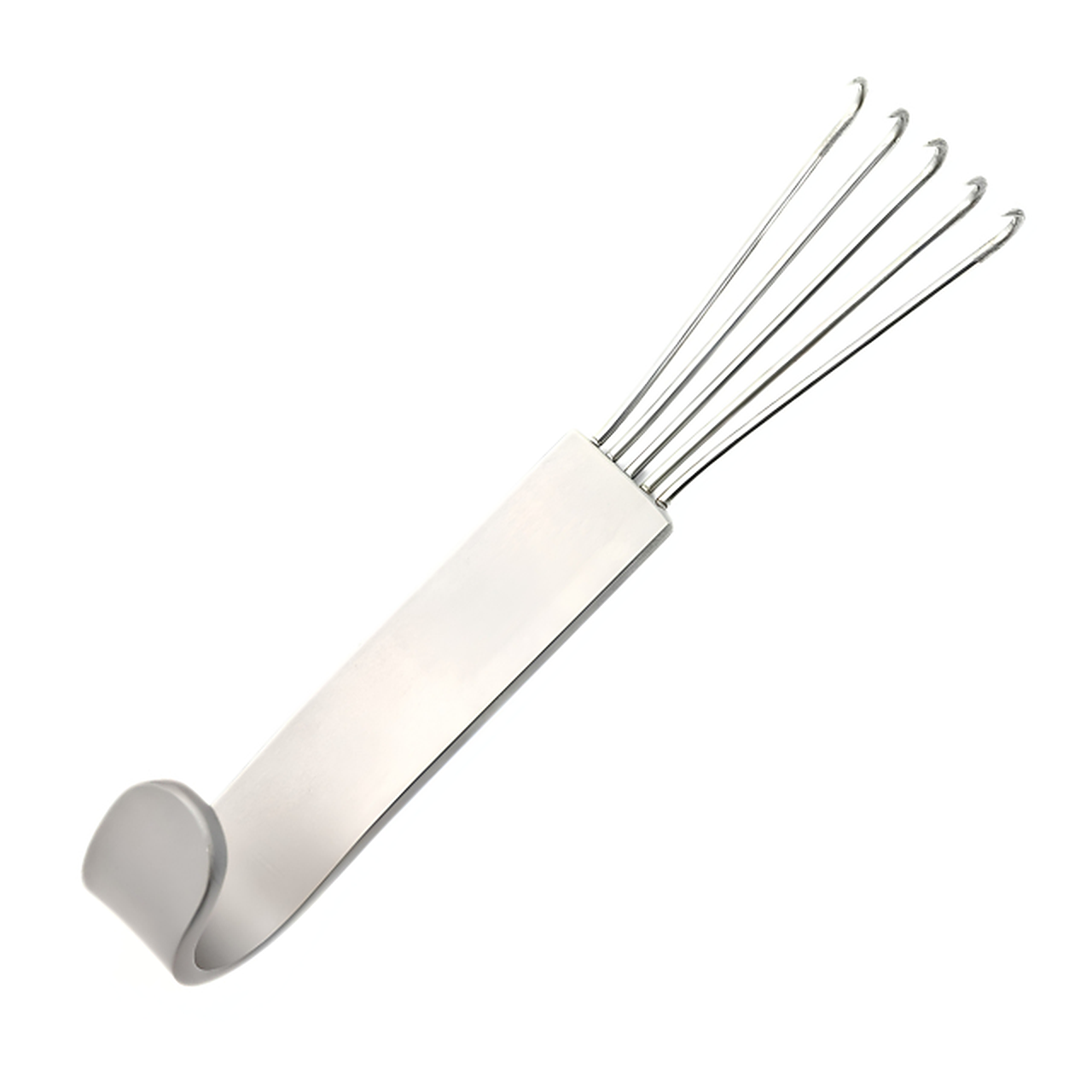 | Separador Anderson Bear Claw | Diseñado específicamente para la tracción cutánea firme, la elevación de colgajos de piel y la retracción de tejidos blandos durante la cirugía plástica y reconstructiva. |
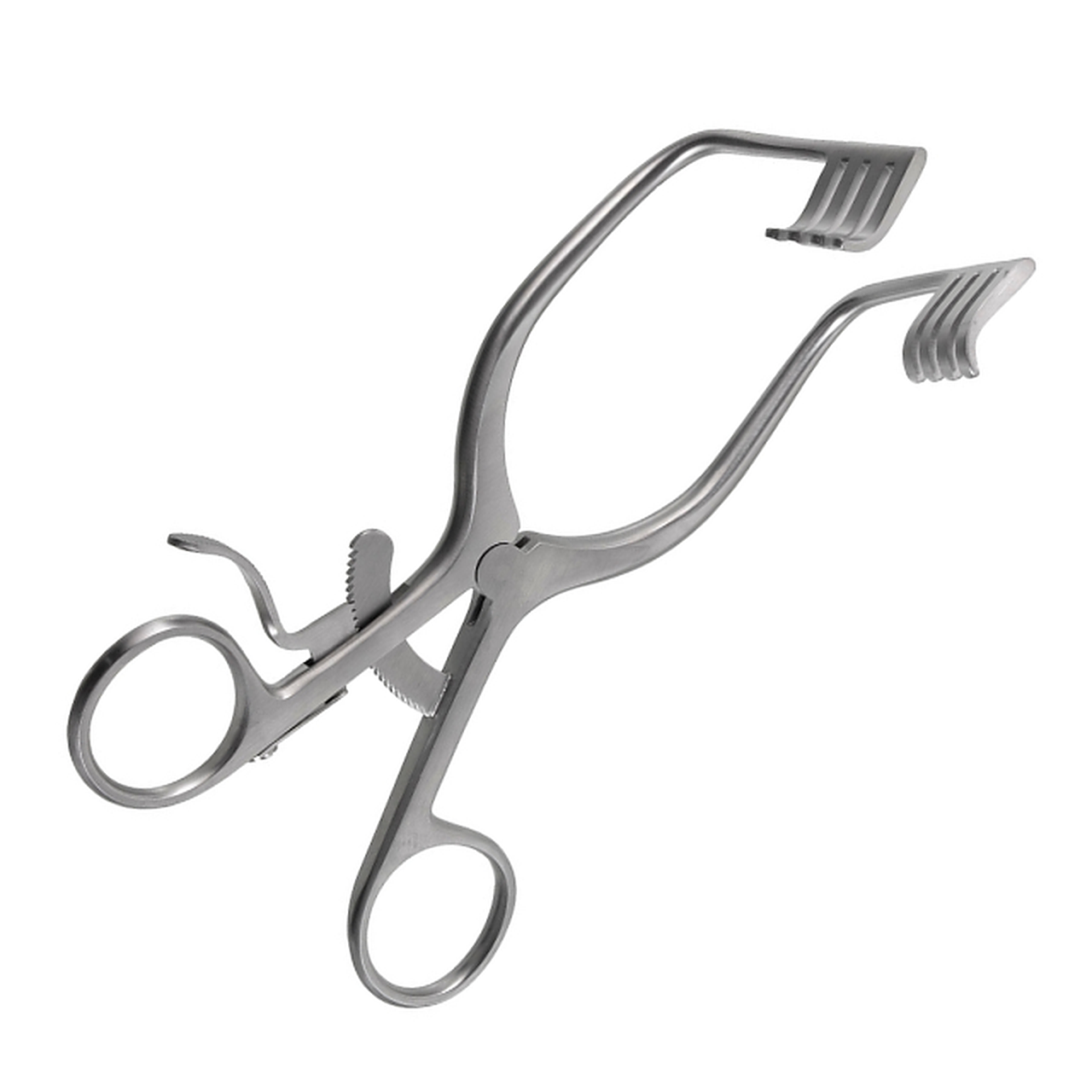 | Separador Cerebelar Autoestático Anderson-Adson | Diseñado específicamente para proporcionar retracción autoestática de músculos y tejidos durante procedimientos neuroquirúrgicos de la fosa craneal posterior y suboccipital. |
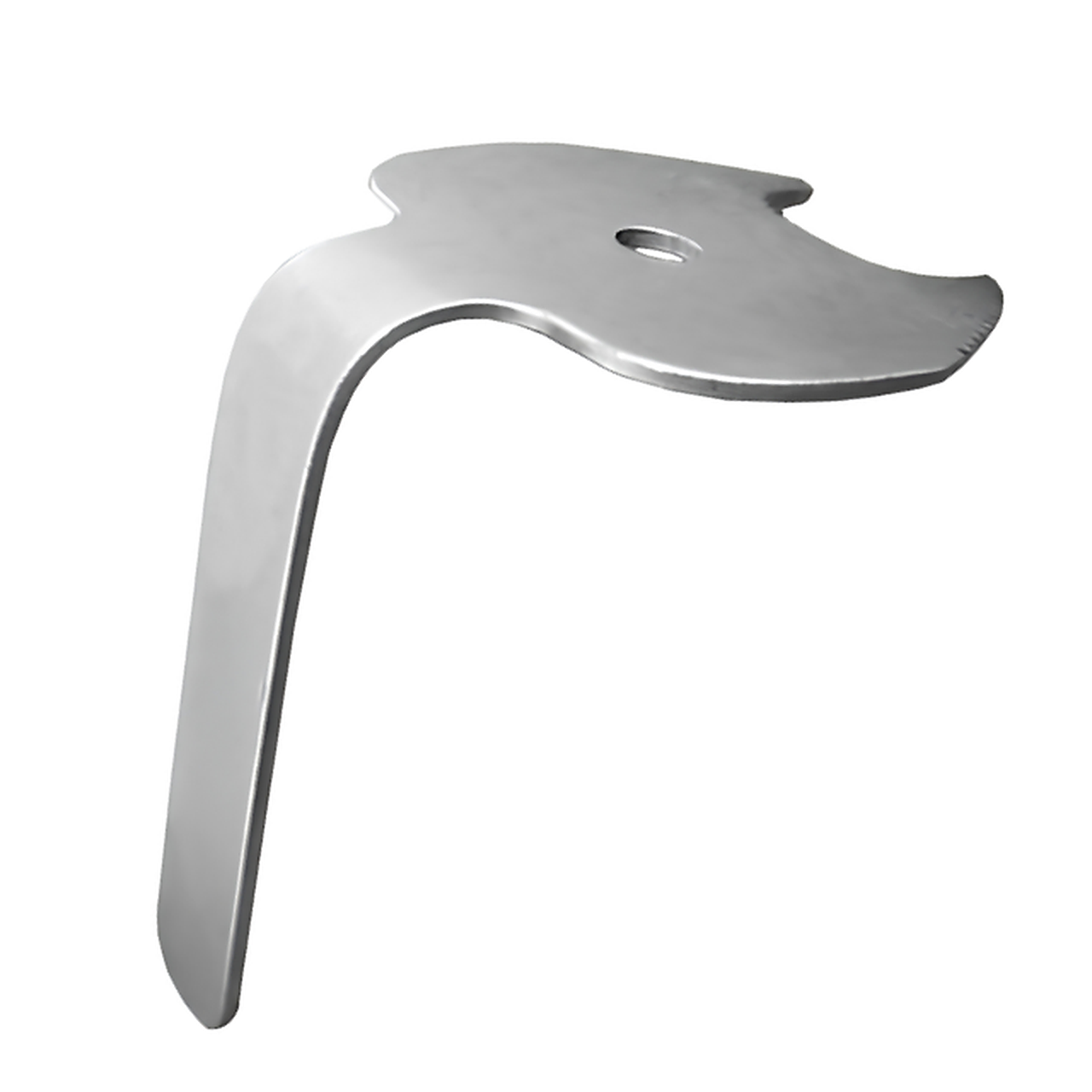 | Separador Femoral Anterior de Cóndilos | Diseñado específicamente para exponer los cóndilos femorales anteriores y retraer el mecanismo extensor durante la artroplastia total de rodilla. |
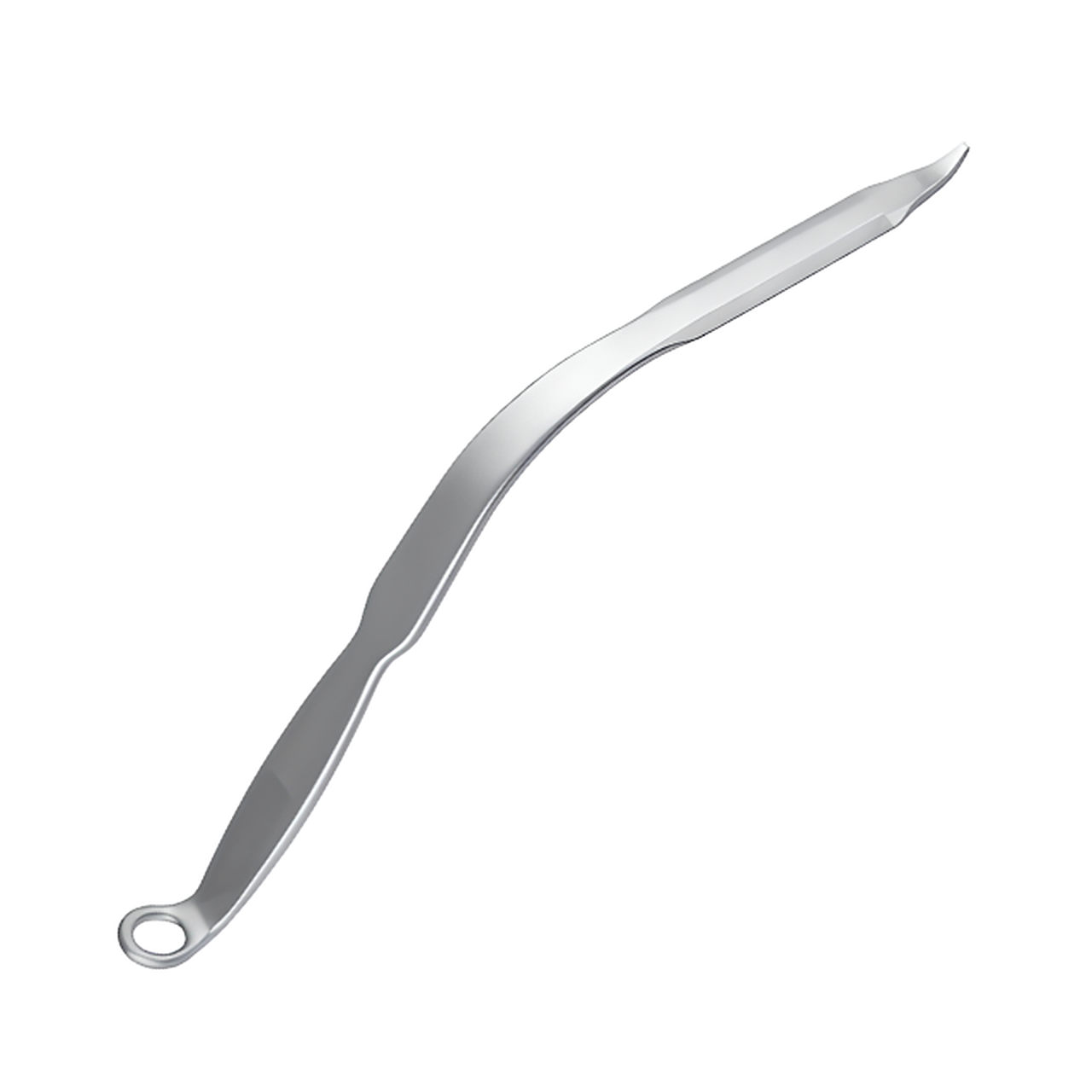 | Separador de cuello femoral anterior y borde anteromedial | Diseñado específicamente para exponer el cuello femoral anterior y el borde anteromedial durante la artroplastia de cadera y la osteotomía de la cabeza femoral. |
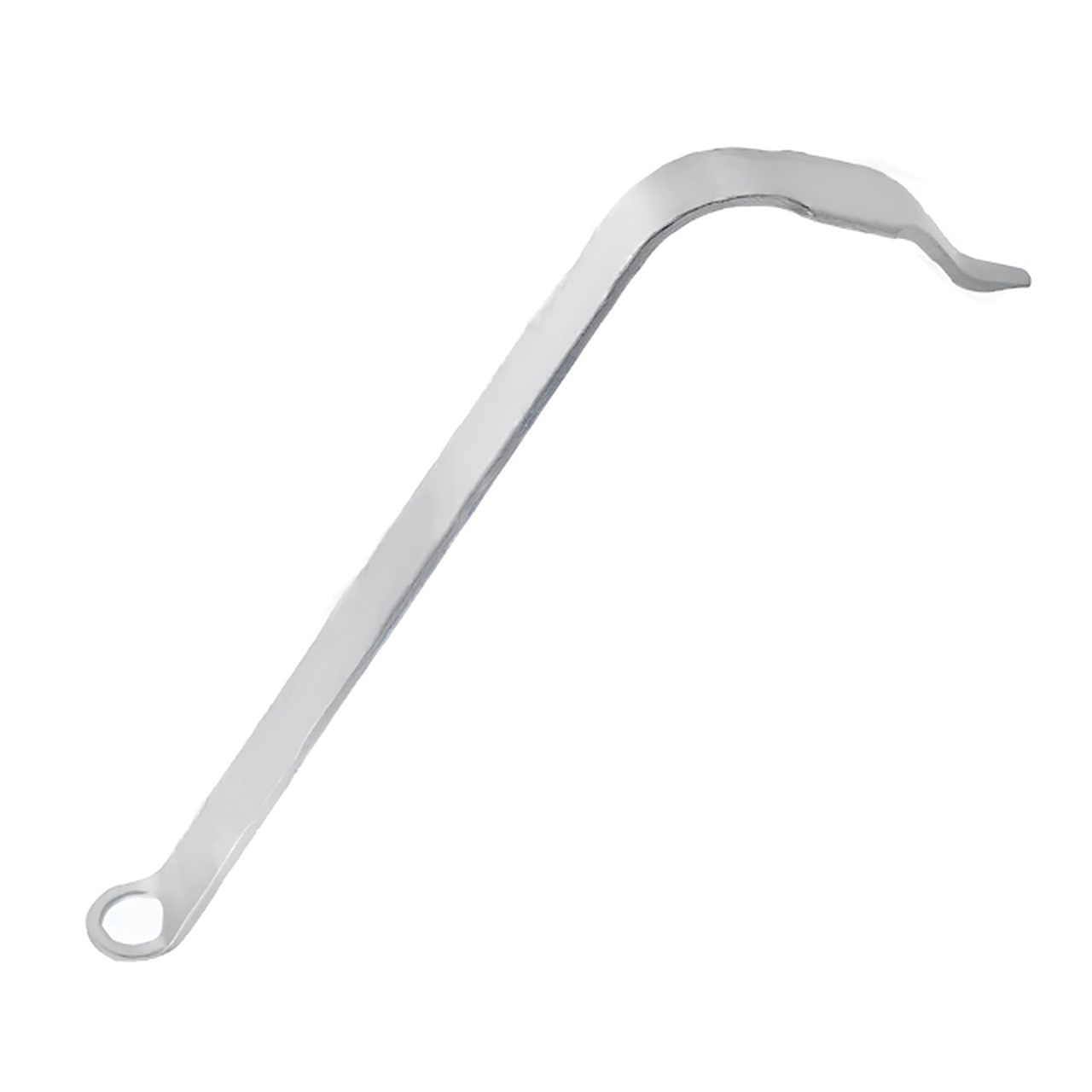 | Separador del Borde Acetabular Anterolateral | Específicamente diseñado para exponer el borde acetabular anterolateral y desplazar los tejidos blandos circundantes durante la artroplastia de cadera. |
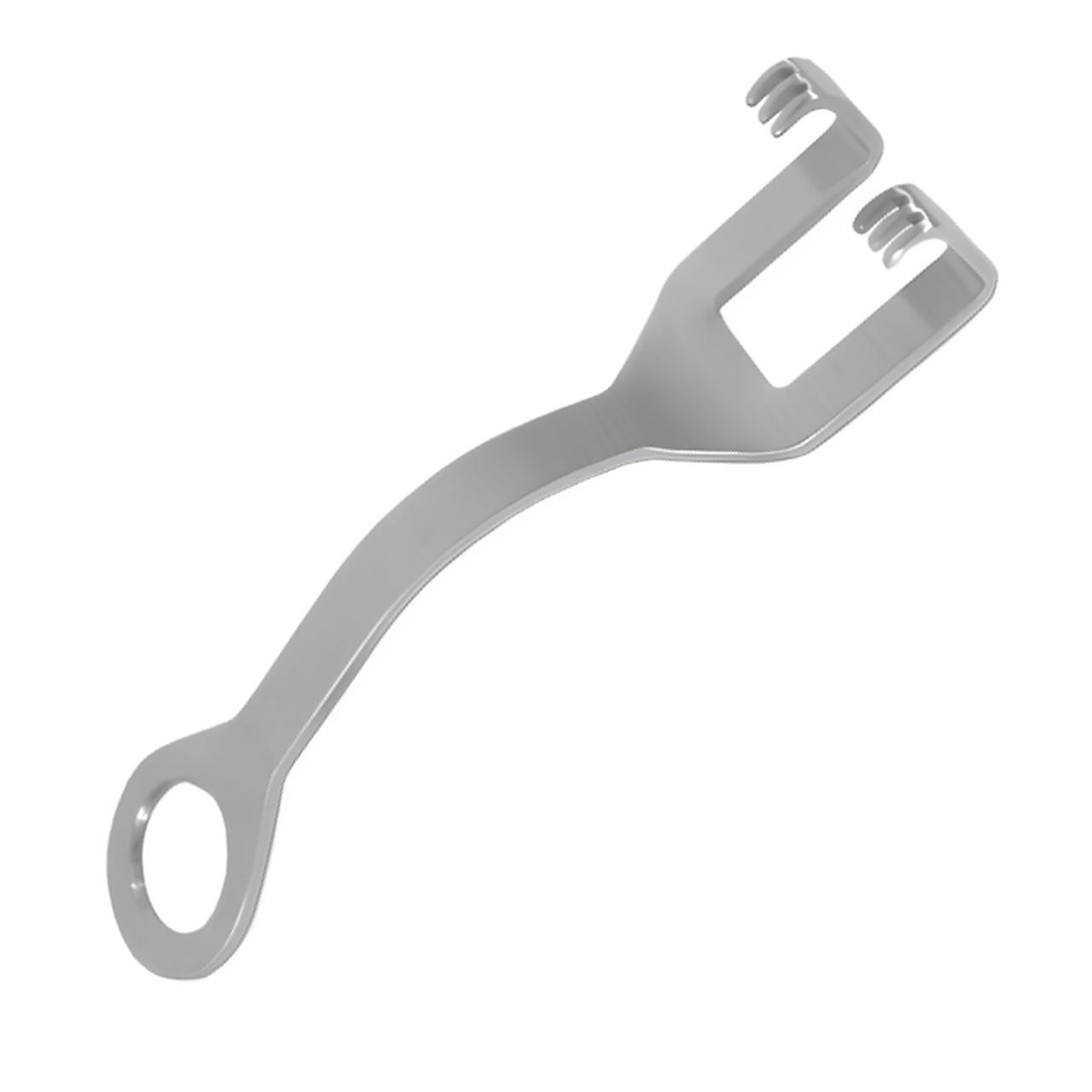 | Separador rotuliano AORI | Específicamente diseñado para retraer y evertir la rótula durante procedimientos de artroplastia total de rodilla primaria y de revisión. |
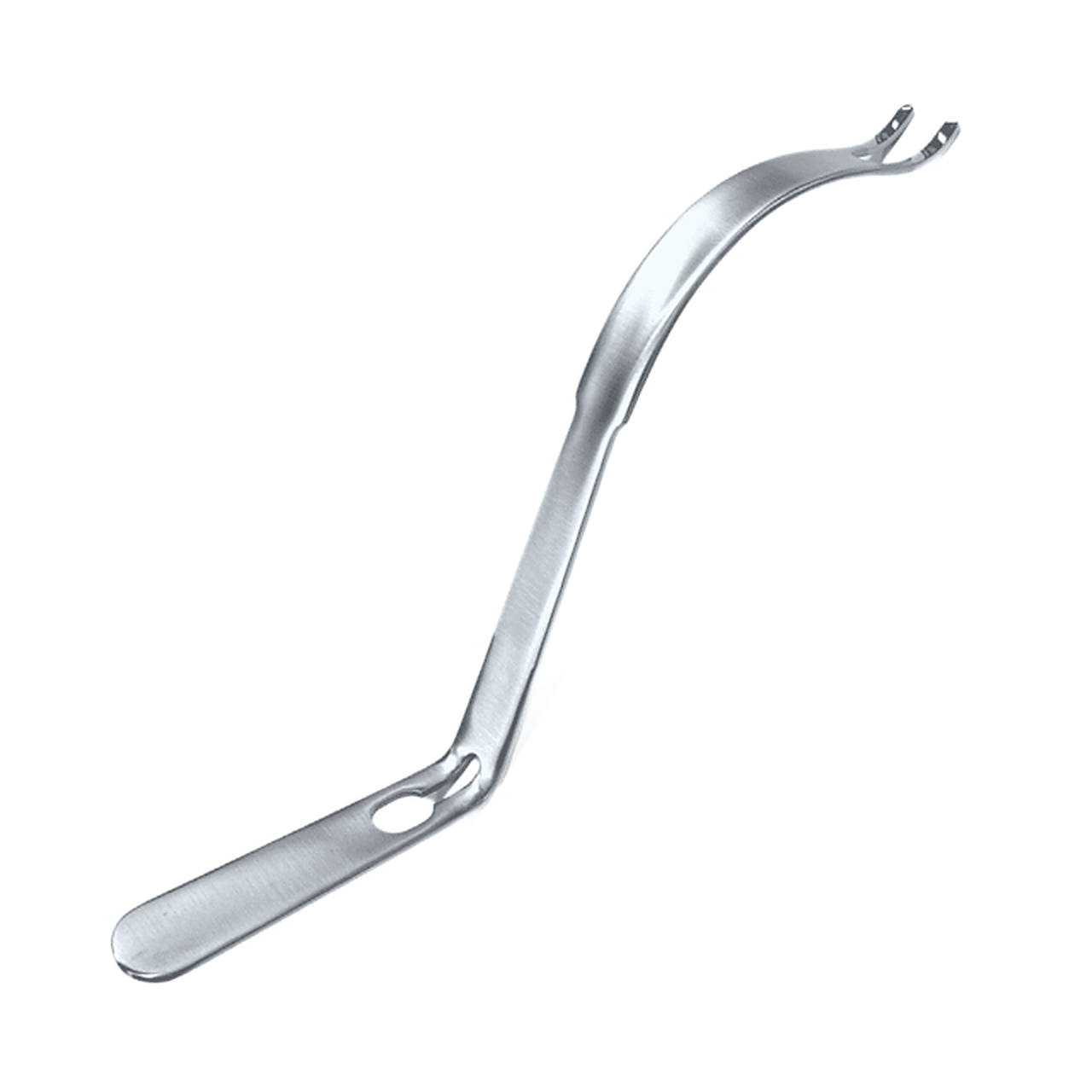 | Separador de Cadera APC | Diseñado específicamente para exponer el margen acetabular y el cuello femoral durante la artroplastia de cadera y la cirugía reconstructiva. |
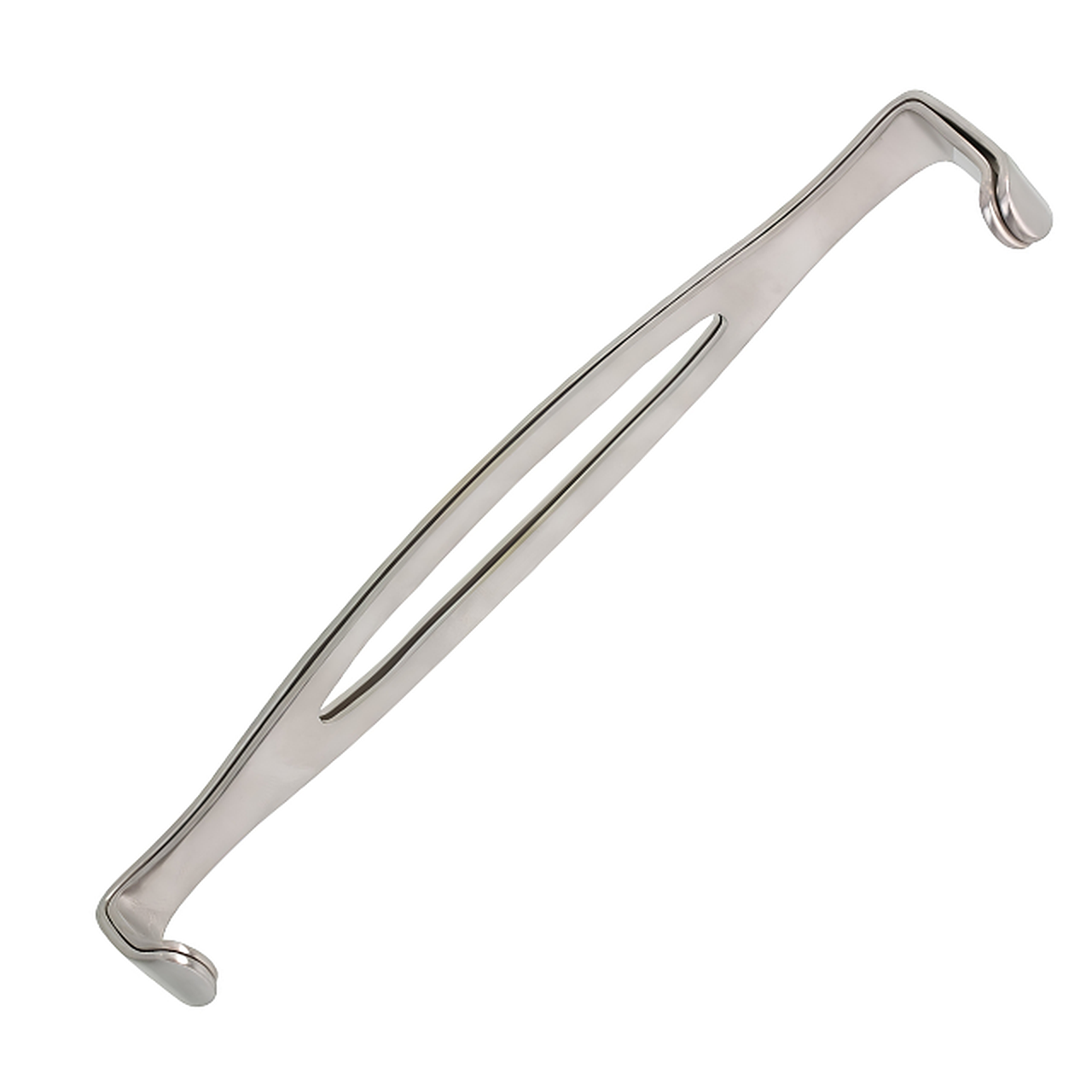 | Juego de dos Separadores Army-Navy | Diseñado para proporcionar retracción manual de tejidos blandos y márgenes de heridas en campos operatorios superficiales e intermedios. |
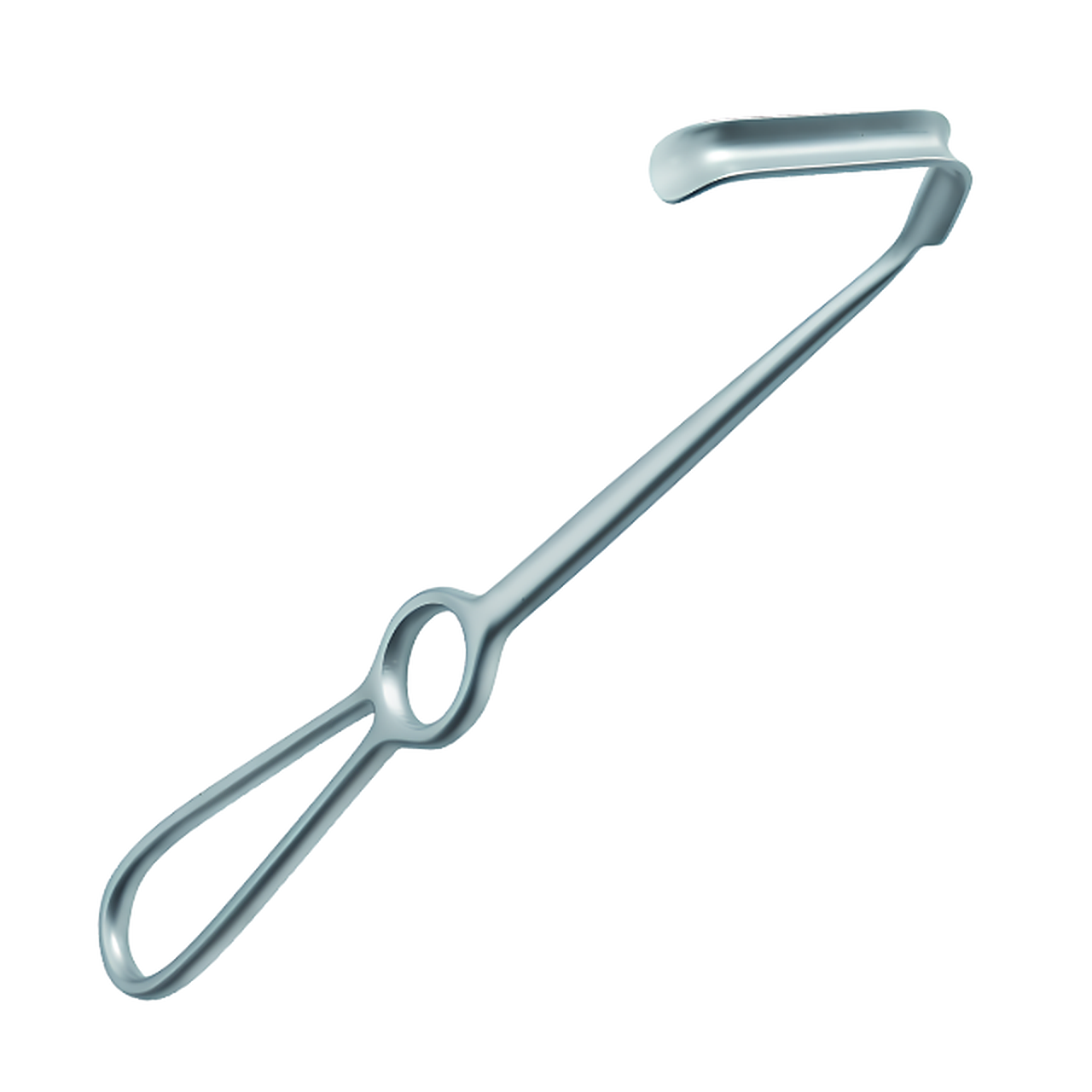 | Separador de Labio Superior Arnett Le Fort | Diseñado específicamente para elevar y proteger el labio superior y la mucosa vestibular durante osteotomías Le Fort y cirugía ortognática. |
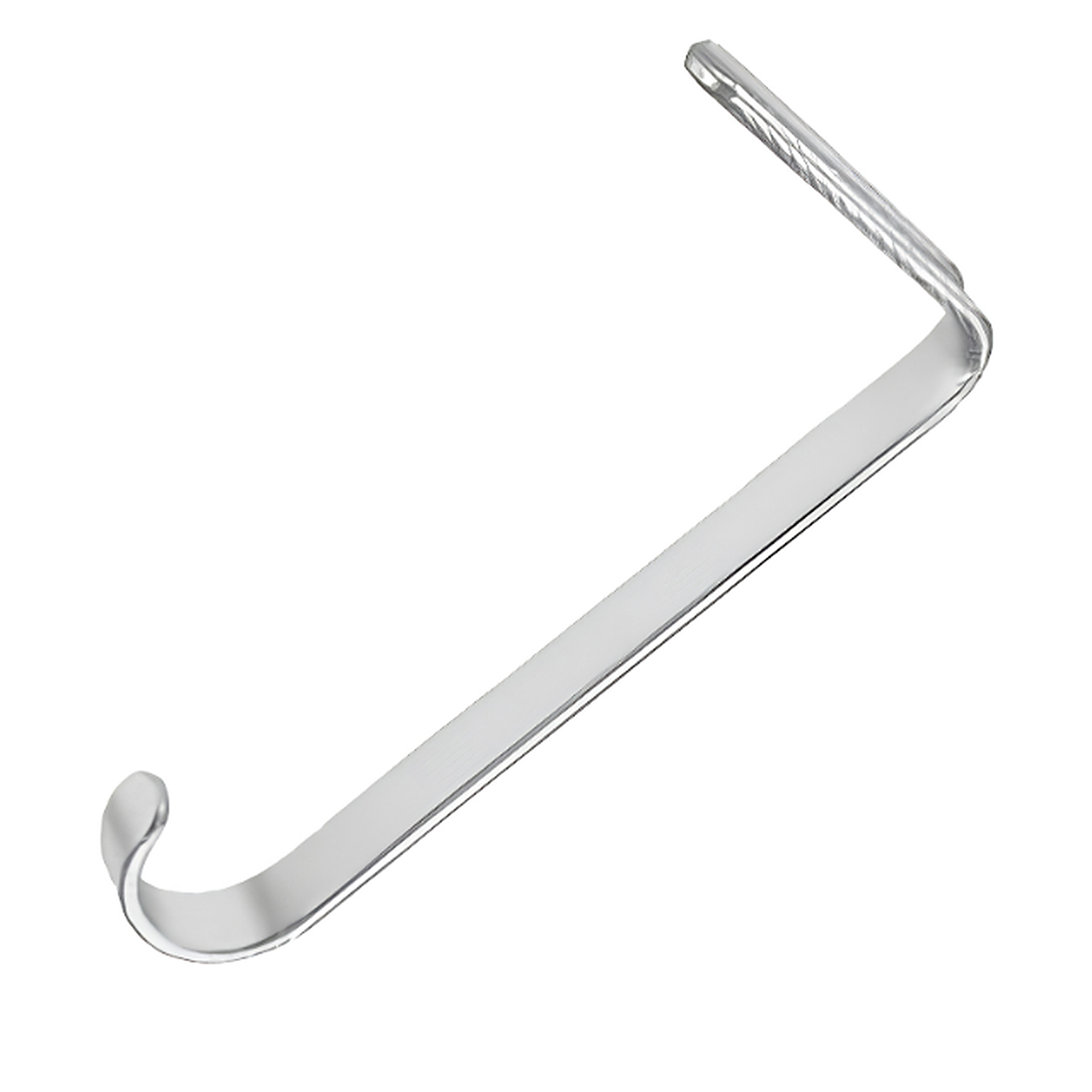 | Separador Nasal Aufricht Daniel | Específicamente diseñado para elevar la cubierta de tejido blando y piel dorsal nasal durante rinoplastias estéticas y reconstructivas. |
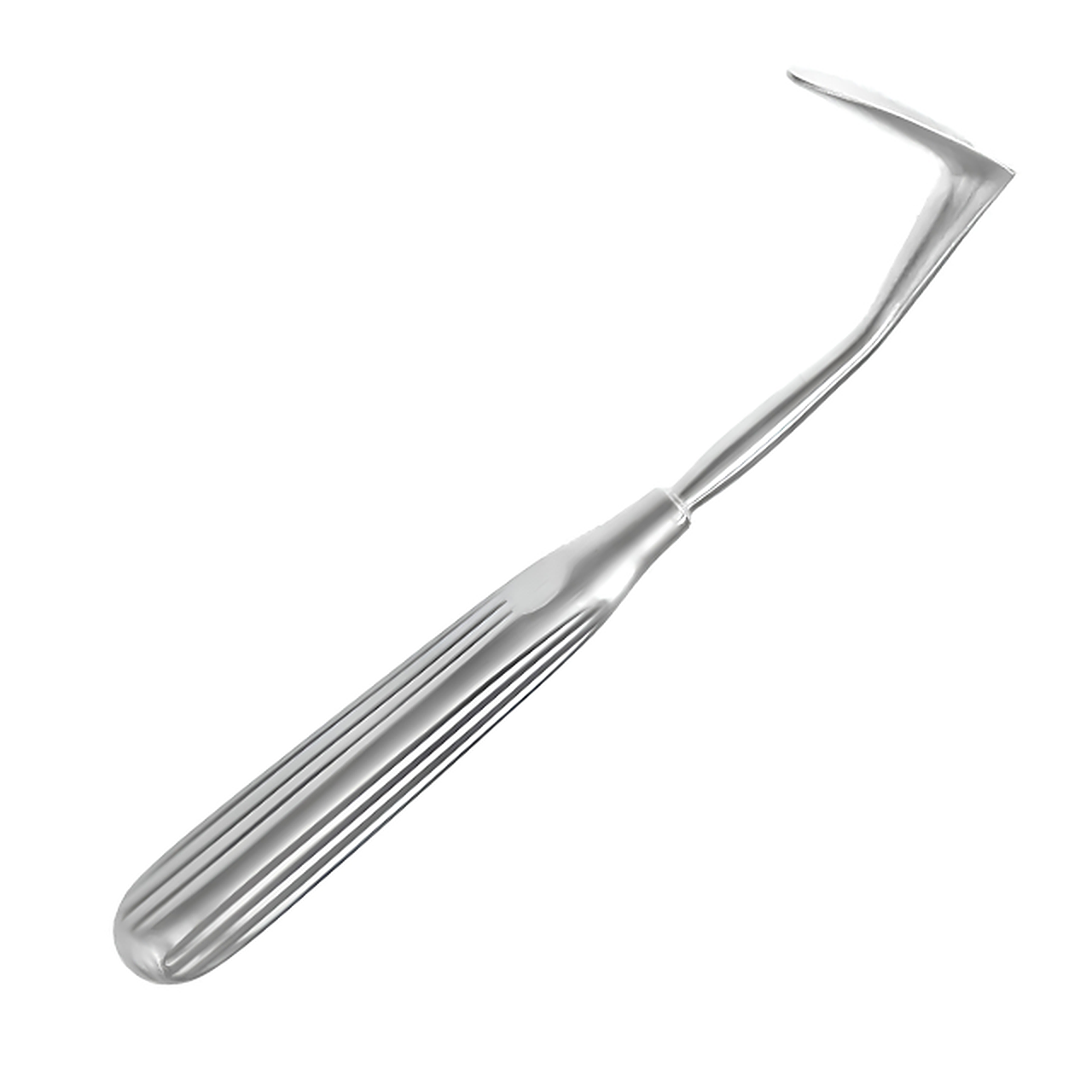 | Separador Nasal Aufricht | Diseñado específicamente para elevar los colgajos cutáneos nasales y mantener una visualización clara del puente nasal durante los procedimientos de rinoplastia. |
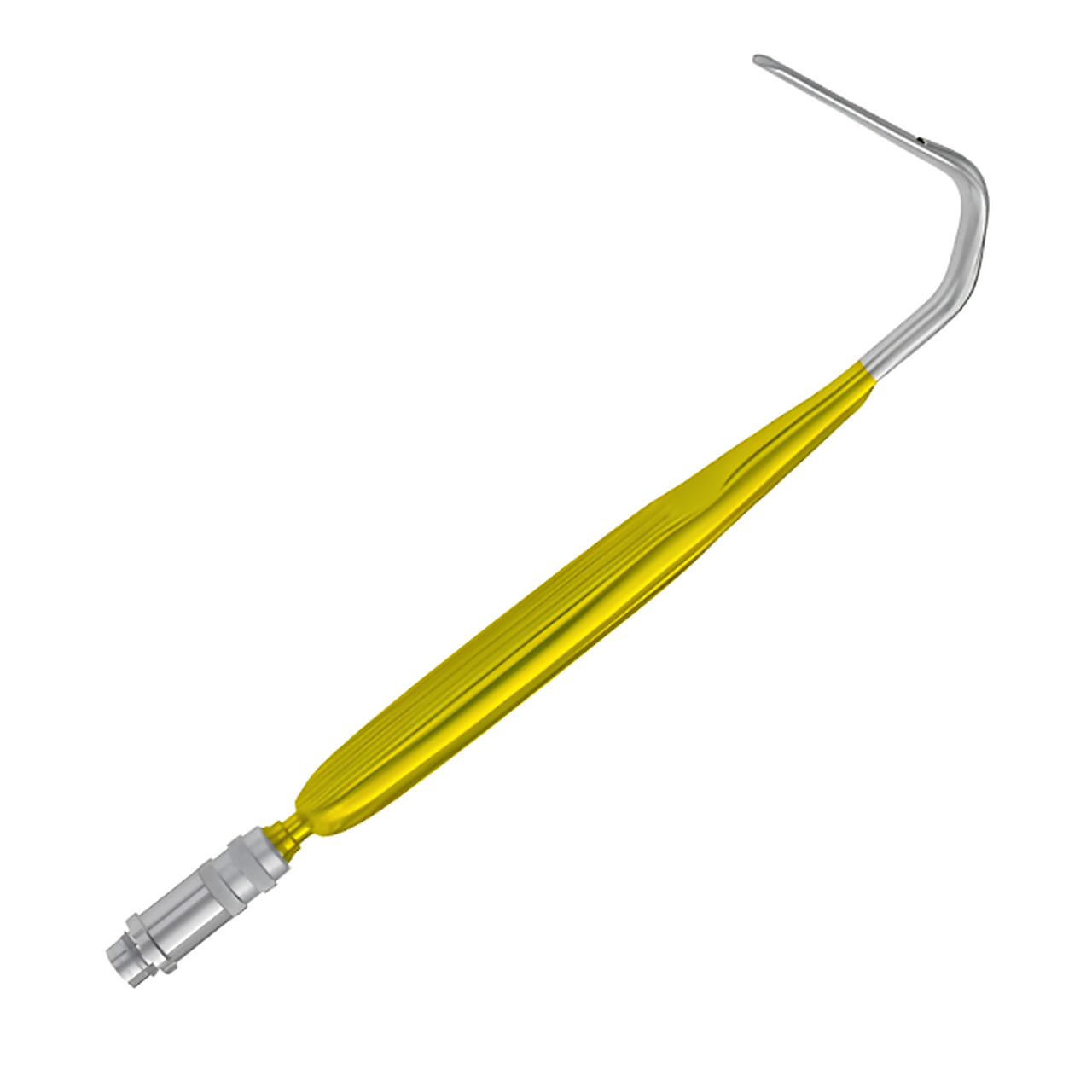 | Separador Nasal Aufricht - Fibra Óptica | Específicamente diseñado para proporcionar retracción de tejidos blandos e iluminación del dorso durante rinoplastias y cirugías nasales reconstructivas. |
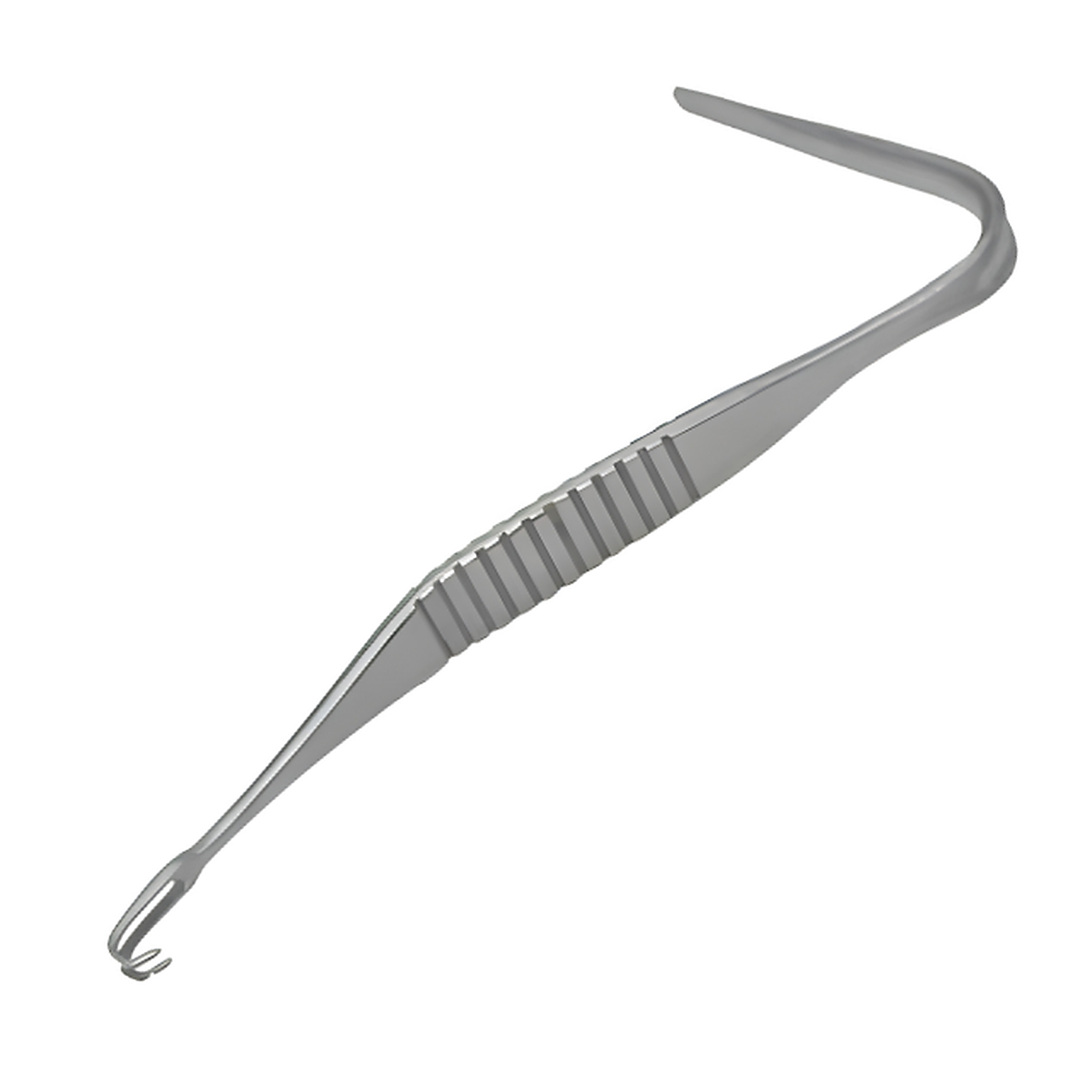 | Separador Nasal Aufricht Walter | Específicamente diseñado para proporcionar retracción de tejidos blandos de doble extremo y elevación de colgajos mucosos durante la rinoplastia y la reconstrucción nasal. |
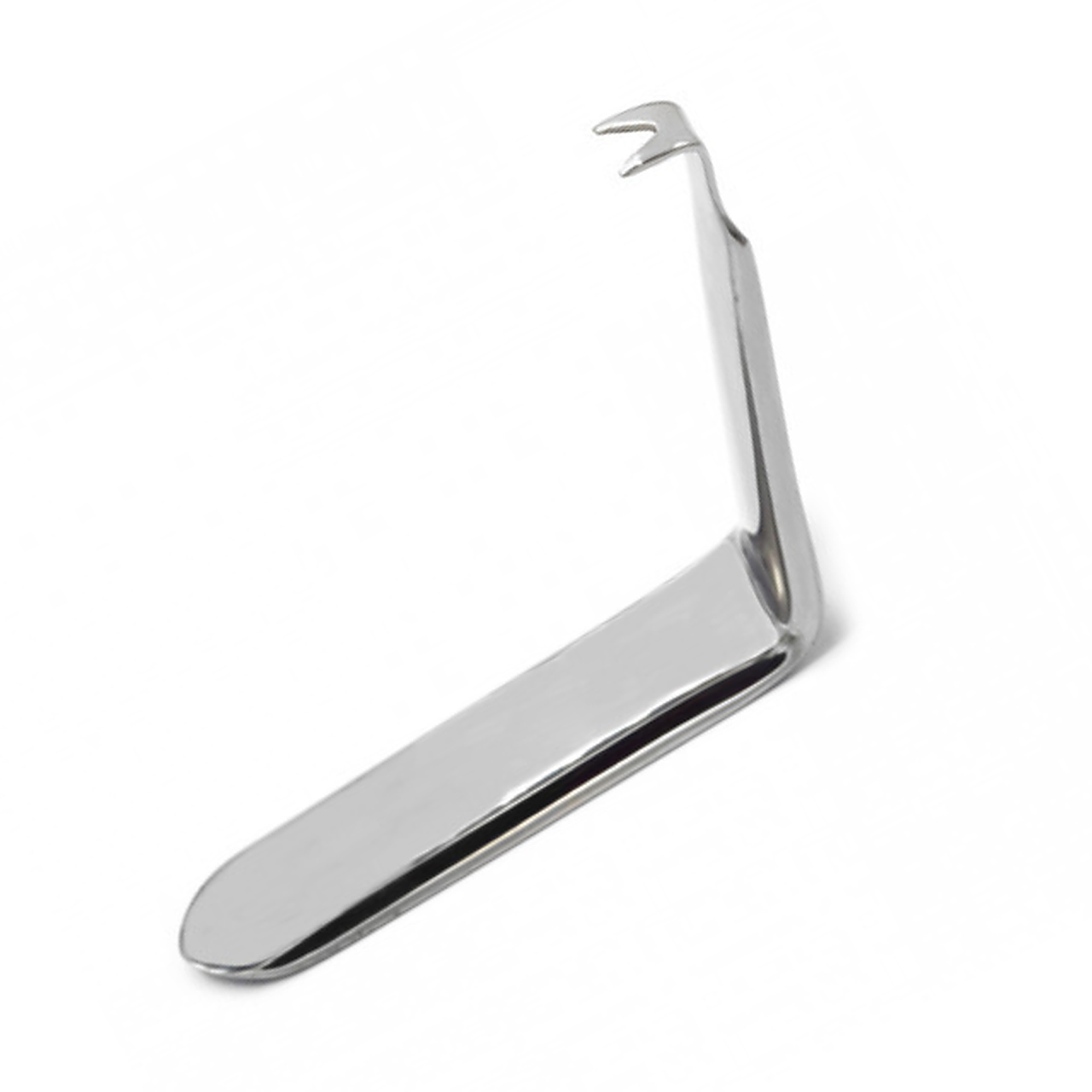 | Separador Austin para Tejidos y Mejillas | Diseñado específicamente para retraer las mejillas, los labios y los colgajos mucoperiósticos durante procedimientos quirúrgicos intraorales, maxilofaciales y dentales. |
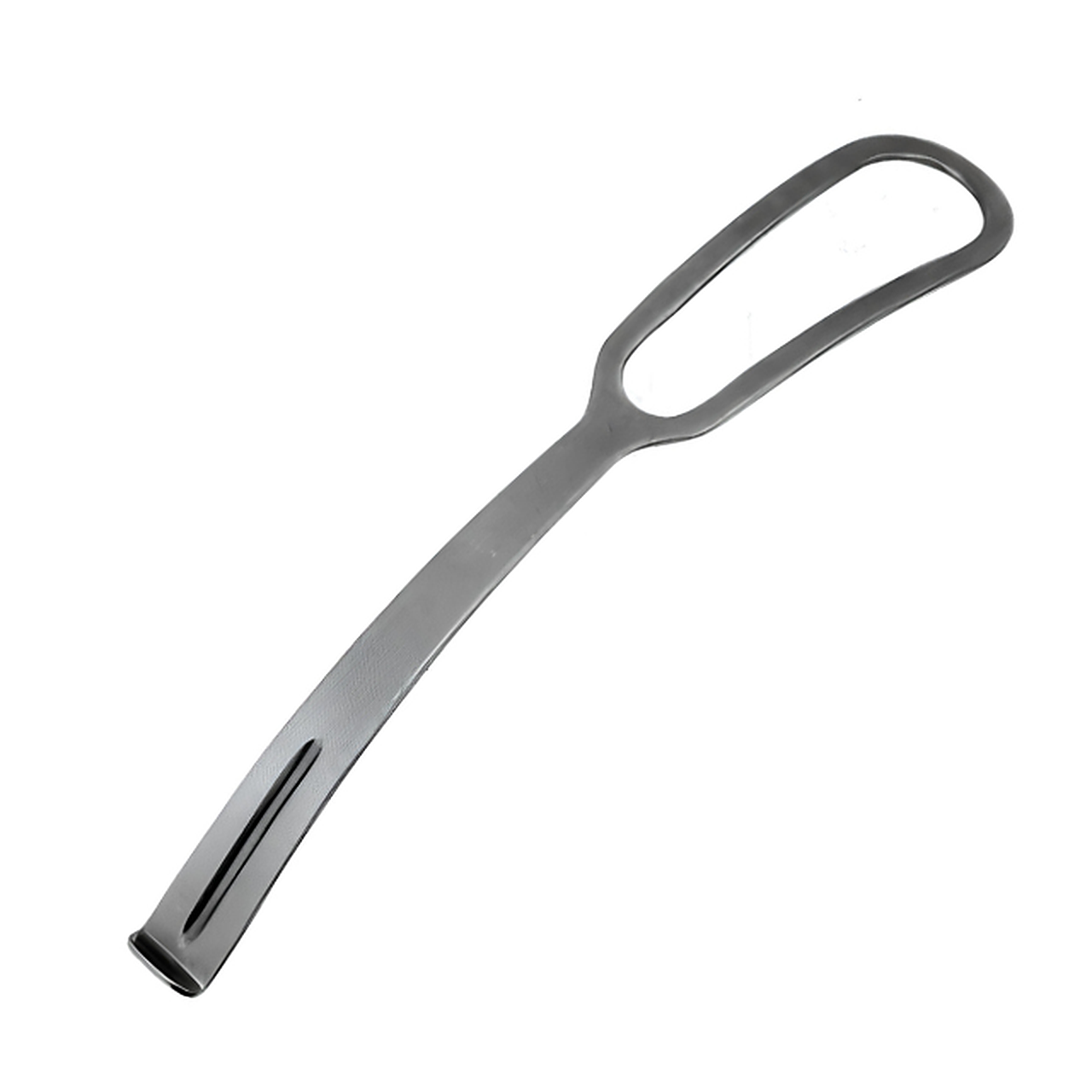 | Separador de cuello condilar Awty | Específicamente diseñado para exponer y proteger el cuello condilar mandibular durante osteotomías ortognáticas y de traumatismo. |
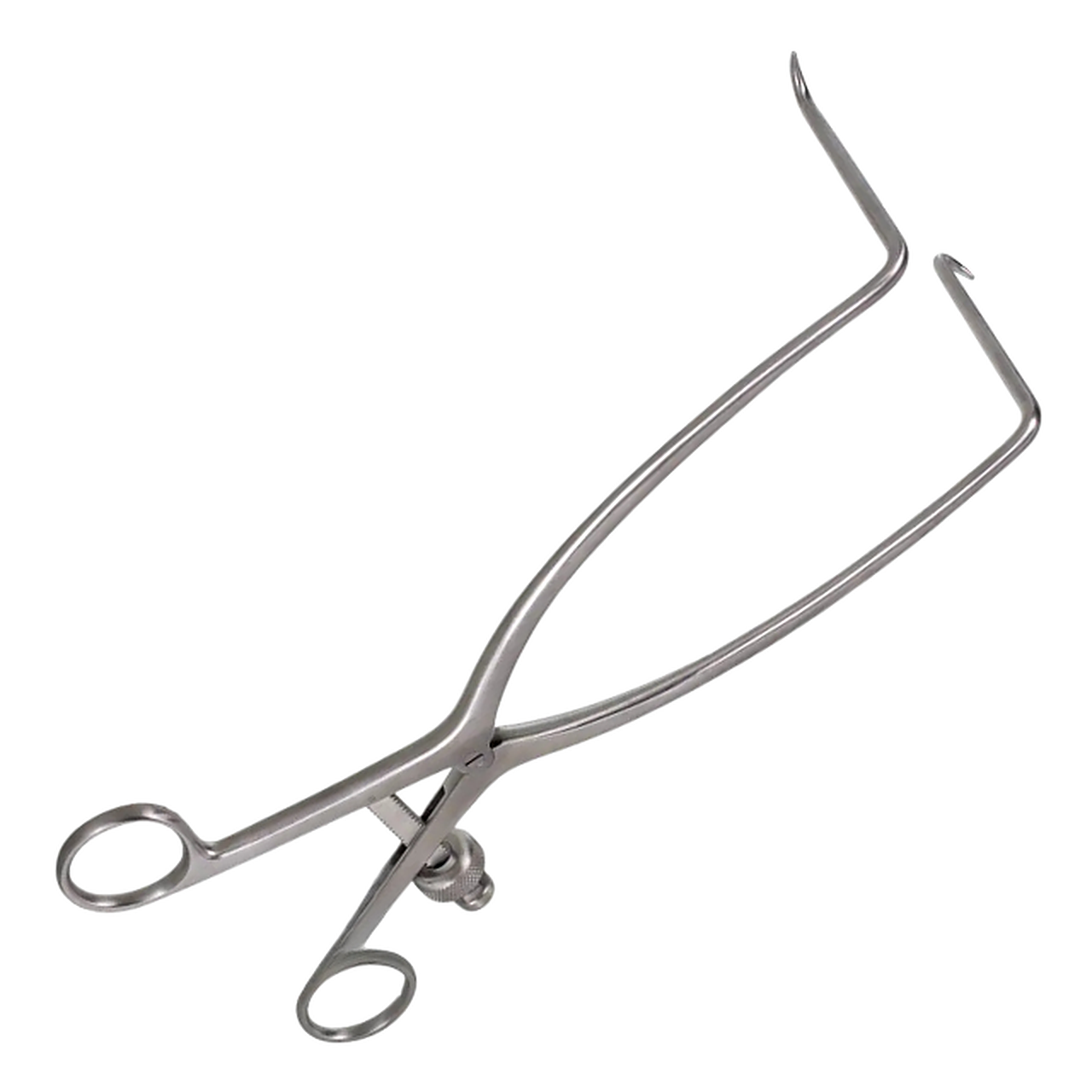 | Separador B-Z | Específicamente diseñado para proporcionar retracción estática de tejidos blandos profundos y músculo paraespinal durante cirugía ortopédica, de columna y pélvica. |
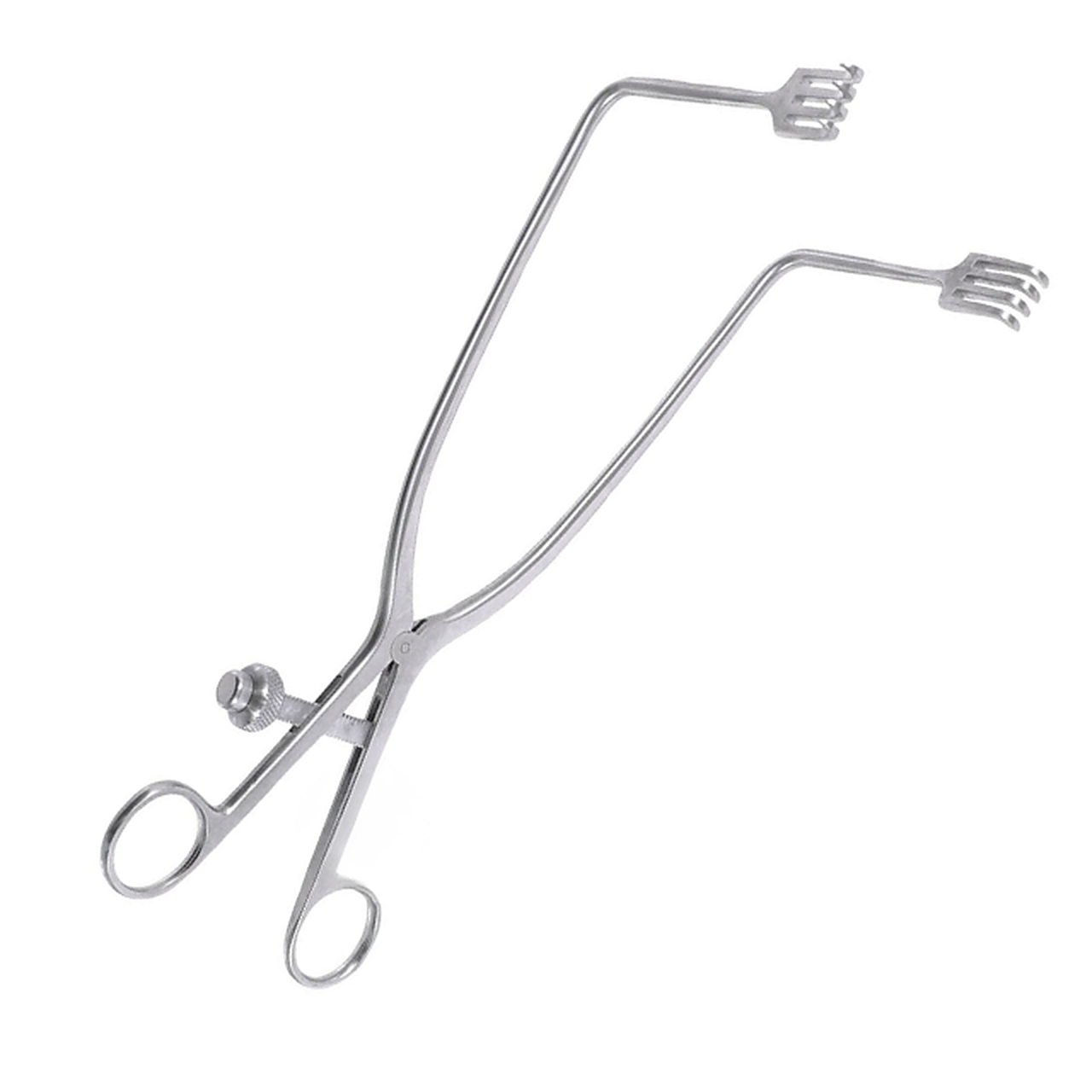 | Separador B-Z Weitlaner | Diseñado específicamente para proporcionar retracción autorretentiva profunda de tejidos blandos y músculos durante cirugías de columna, ortopédicas y pélvicas. |
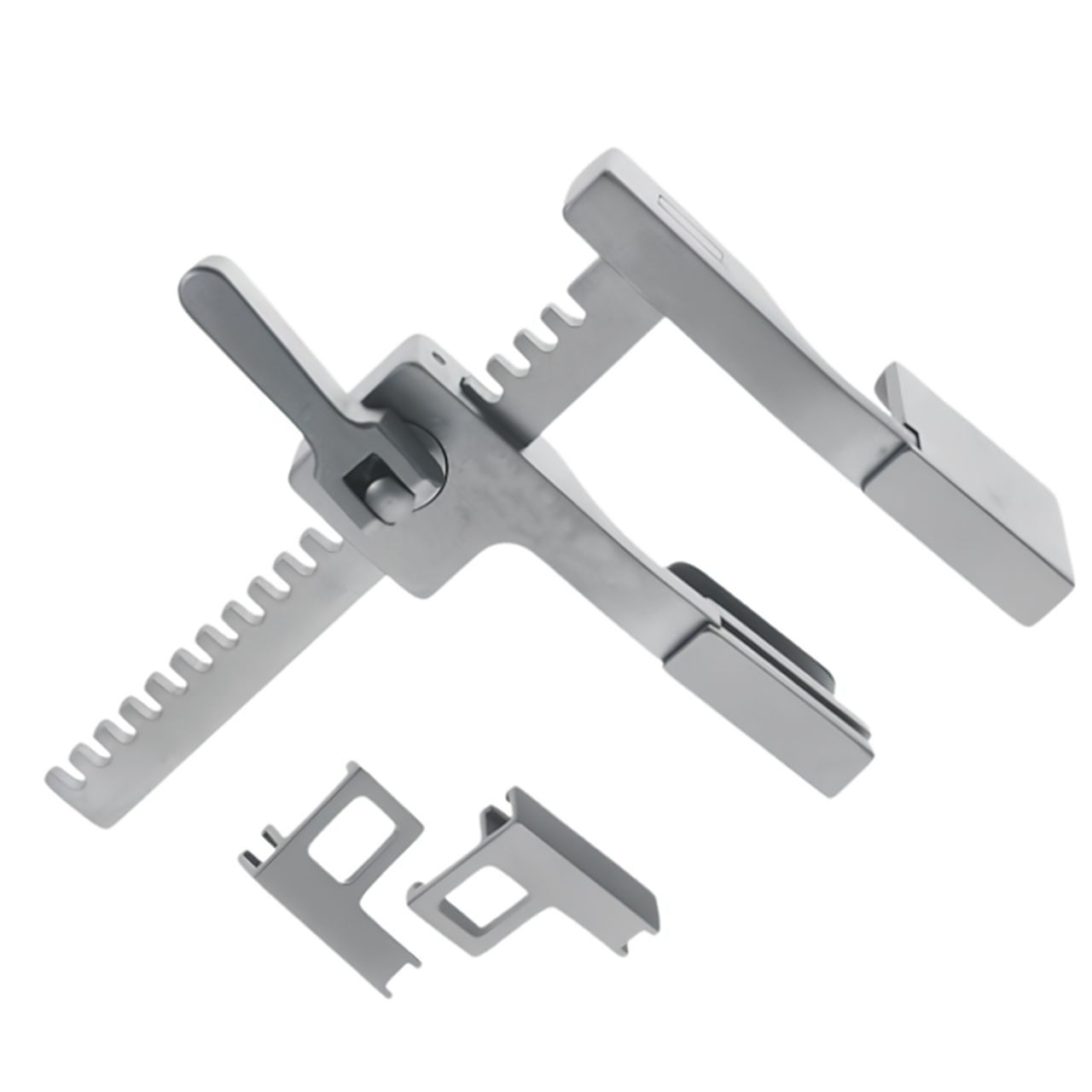 | Separador Costal Baby-Haight | Diseñado específicamente para separar las costillas y proporcionar acceso torácico durante la cirugía cardiotorácica neonatal e infantil. |
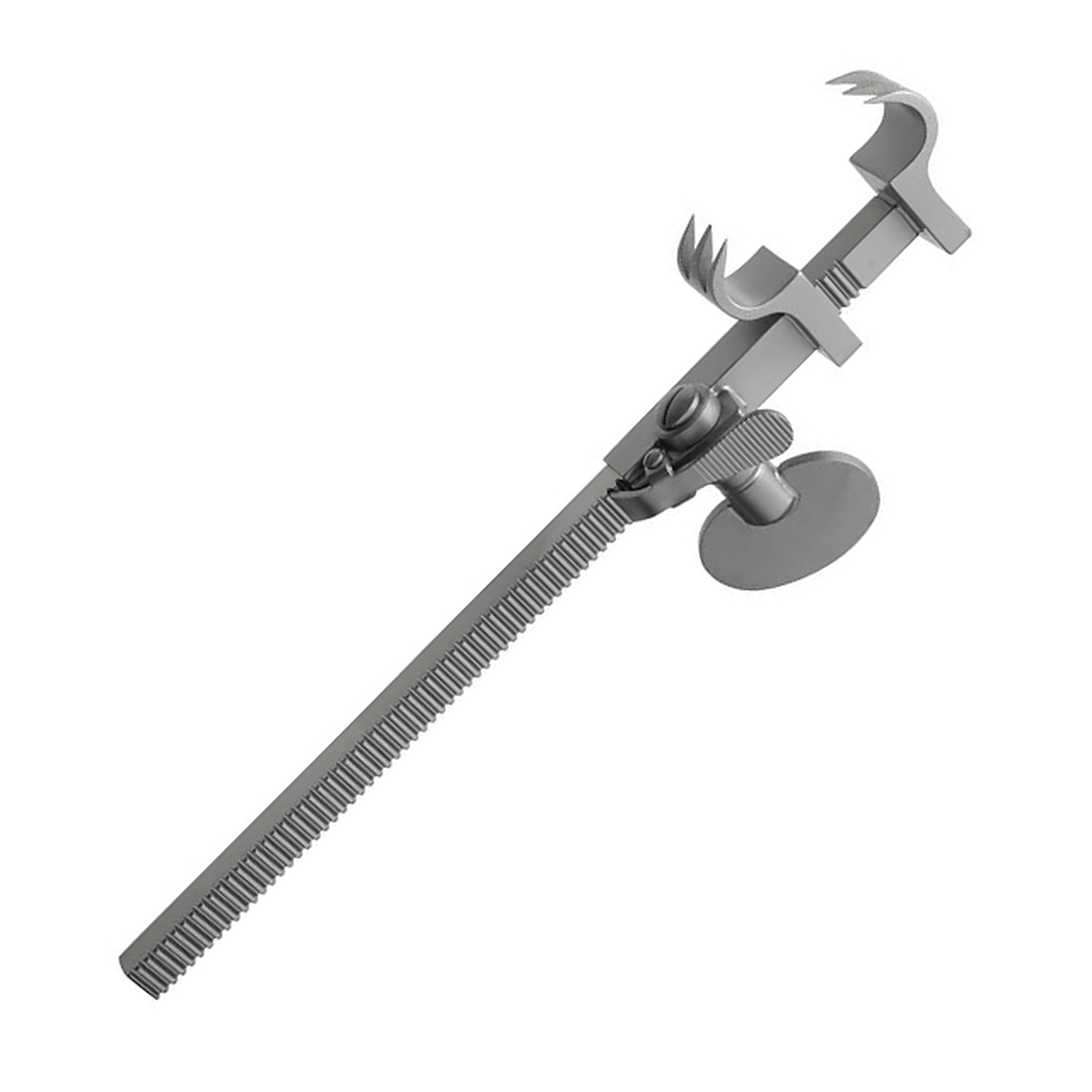 | Aproximador de Costillas Bailey | Diseñado específicamente para aproximar las costillas y estabilizar la caja torácica durante el cierre de heridas de toracotomía. |
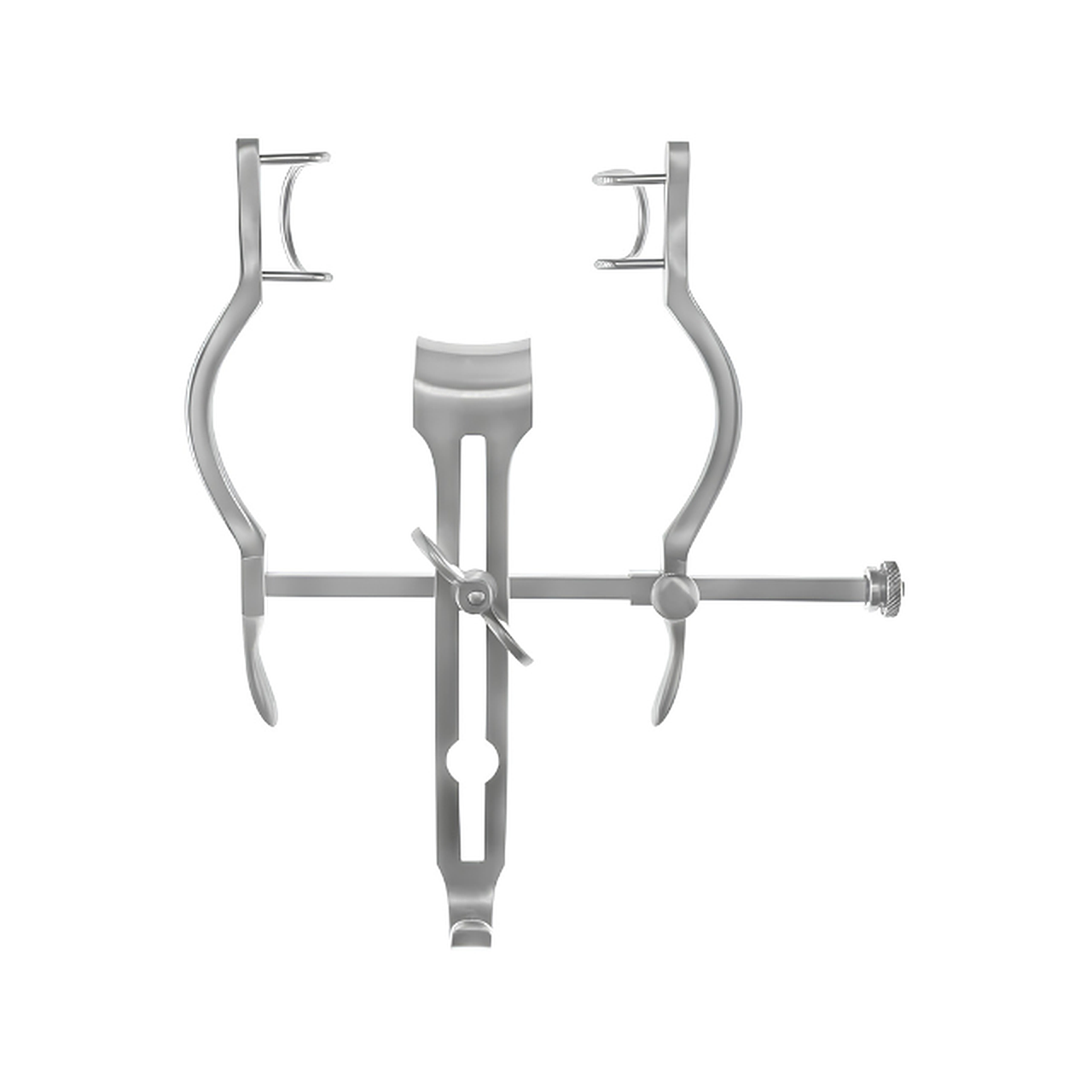 | Separador Autoestático Balfour Baby | Específicamente diseñado para proporcionar retracción tisular autoestática y mantener una exposición quirúrgica estructurada durante procedimientos operatorios. |
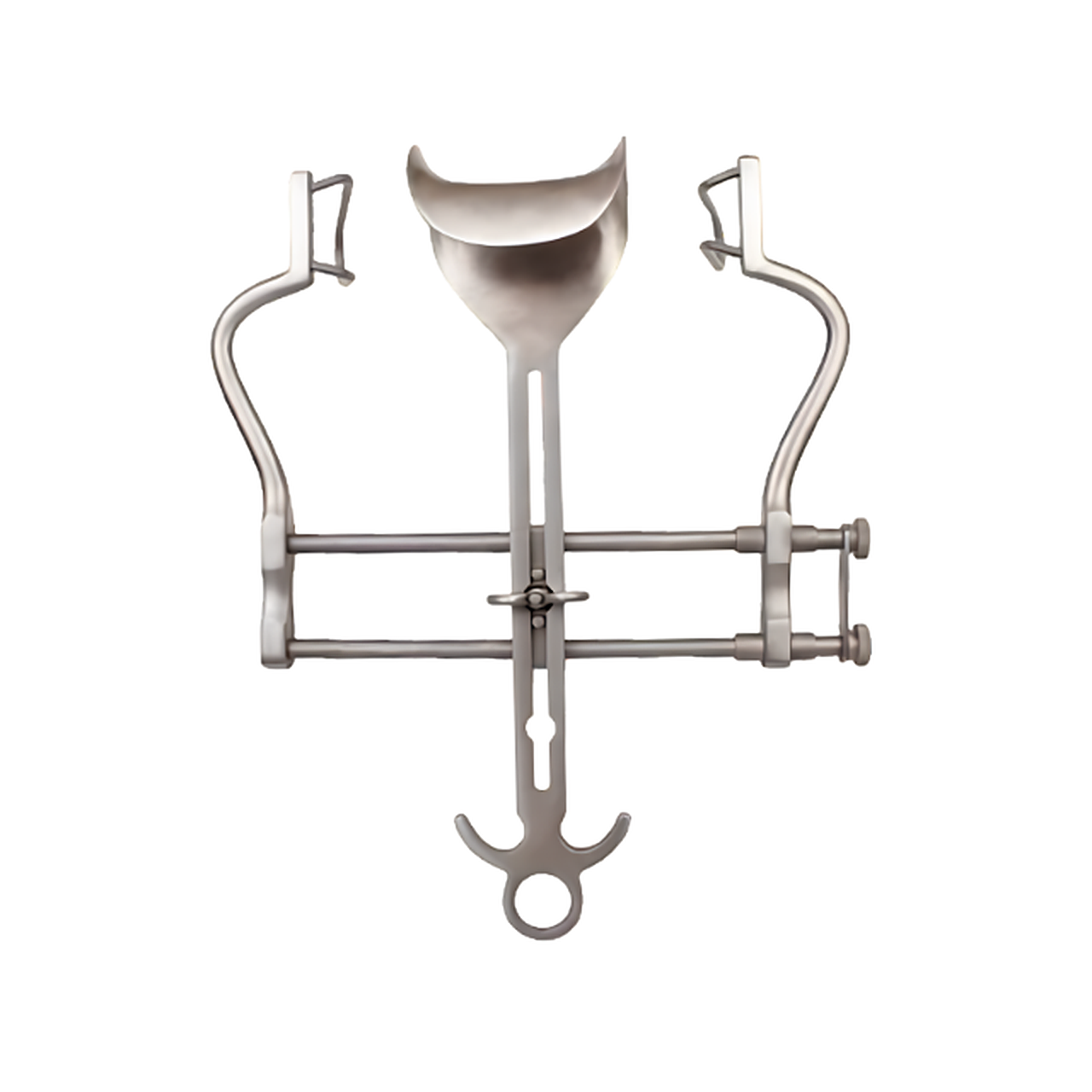 | Separador Balfour | Diseñado para proporcionar retracción autoestática de tejidos blandos y mantener una exposición continua y manos libres del campo quirúrgico. |
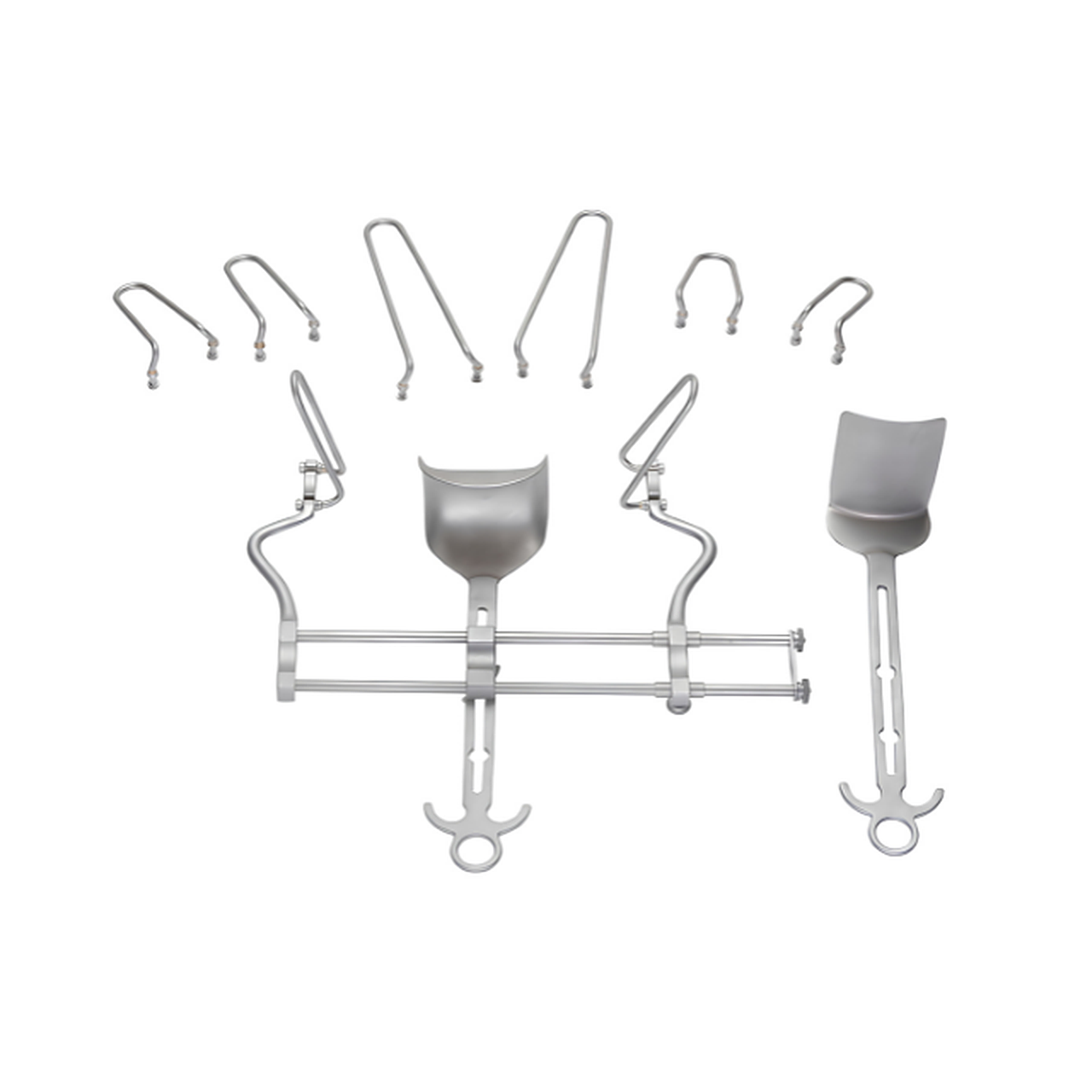 | Separador Autoestático Balfour USA | Específicamente diseñado para proporcionar retracción autoestática de tejidos blandos y mantener una exposición quirúrgica estructurada durante procedimientos operatorios. |
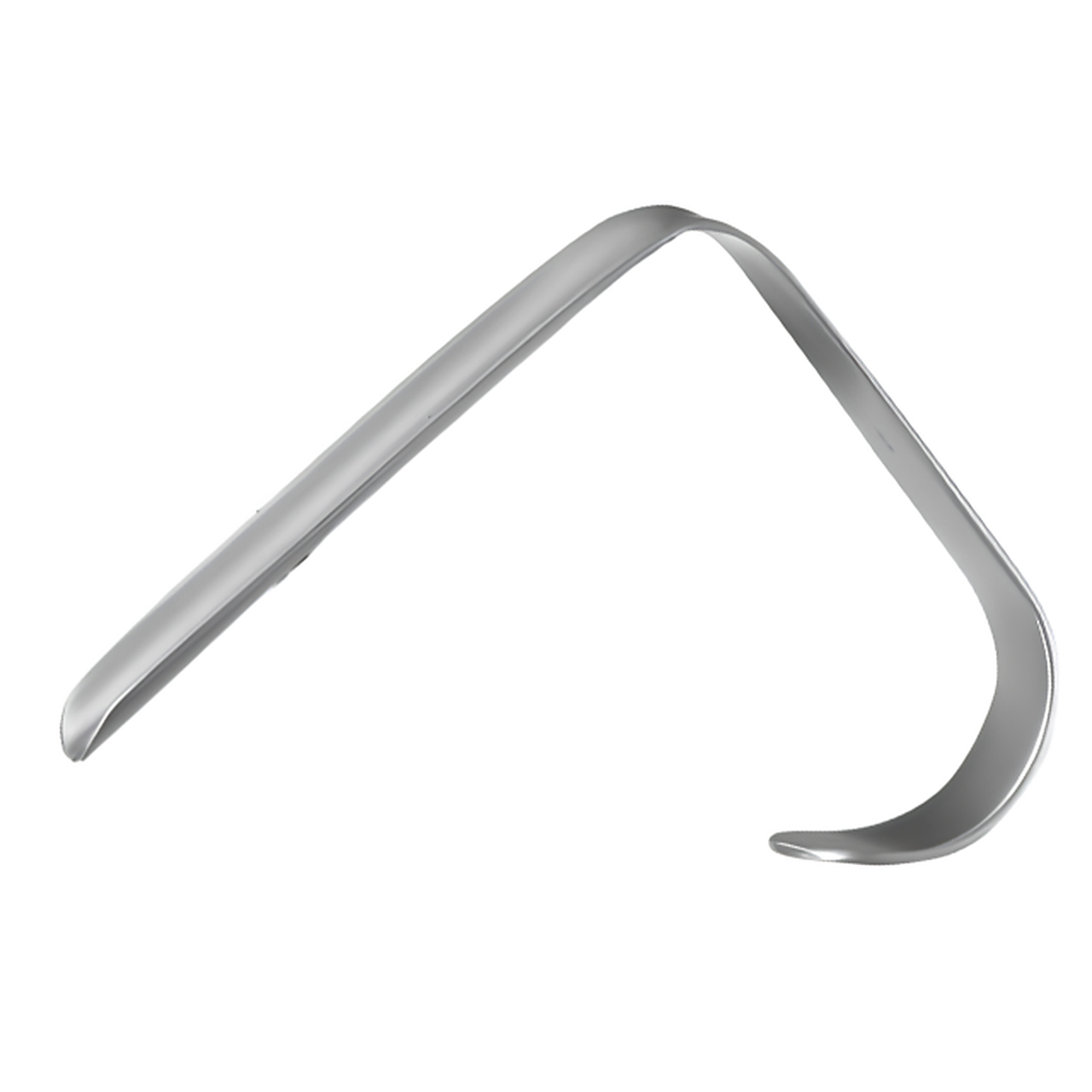 | Separador Nasal Barsky | Específicamente diseñado para la retracción de tejidos blandos de la pared nasal y el ala nasal durante rinoplastias y reconstrucción nasal o de labio leporino. |
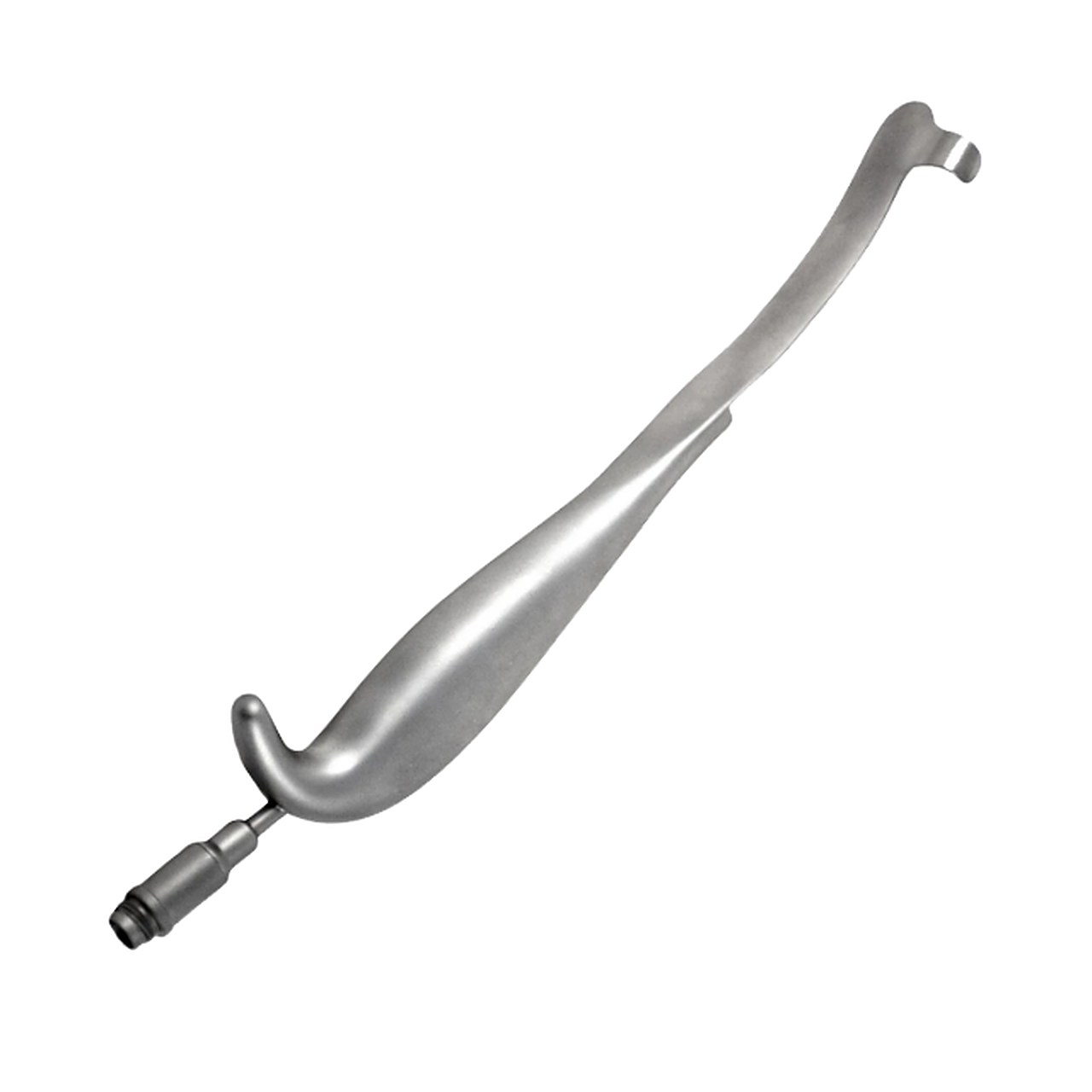 | Separador Intraoral Bauer para Escotadura Sigmoidea | Específicamente diseñado para enganchar la escotadura sigmoidea mandibular y retraer el tejido blando durante osteotomías de rama y cirugía de la ATM. |
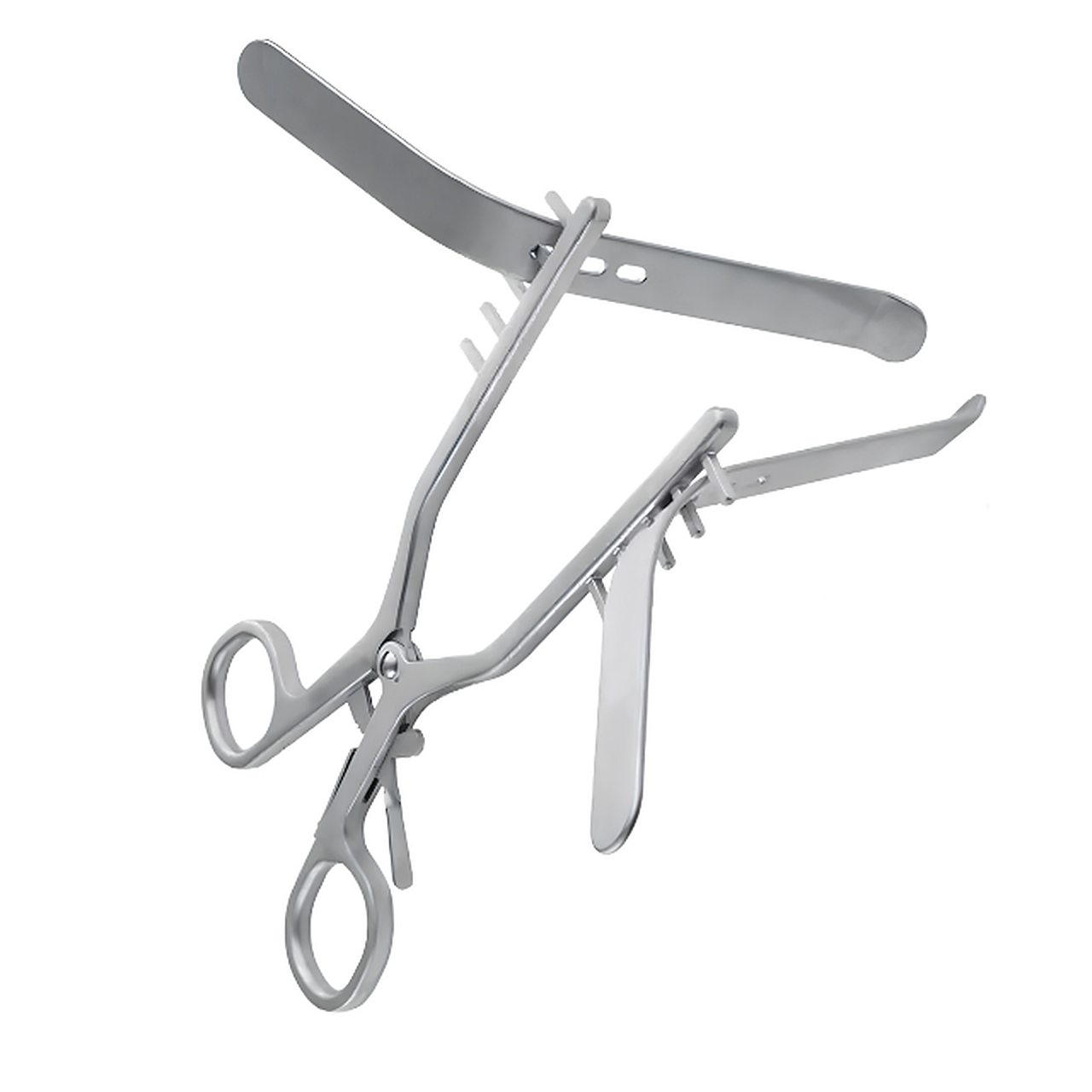 | Separador Autoestático Beard para Bíceps Distal | Diseñado específicamente para la retracción de tejidos blandos manos libres y la exposición de la tuberosidad radial durante las reparaciones del tendón del bíceps distal. |
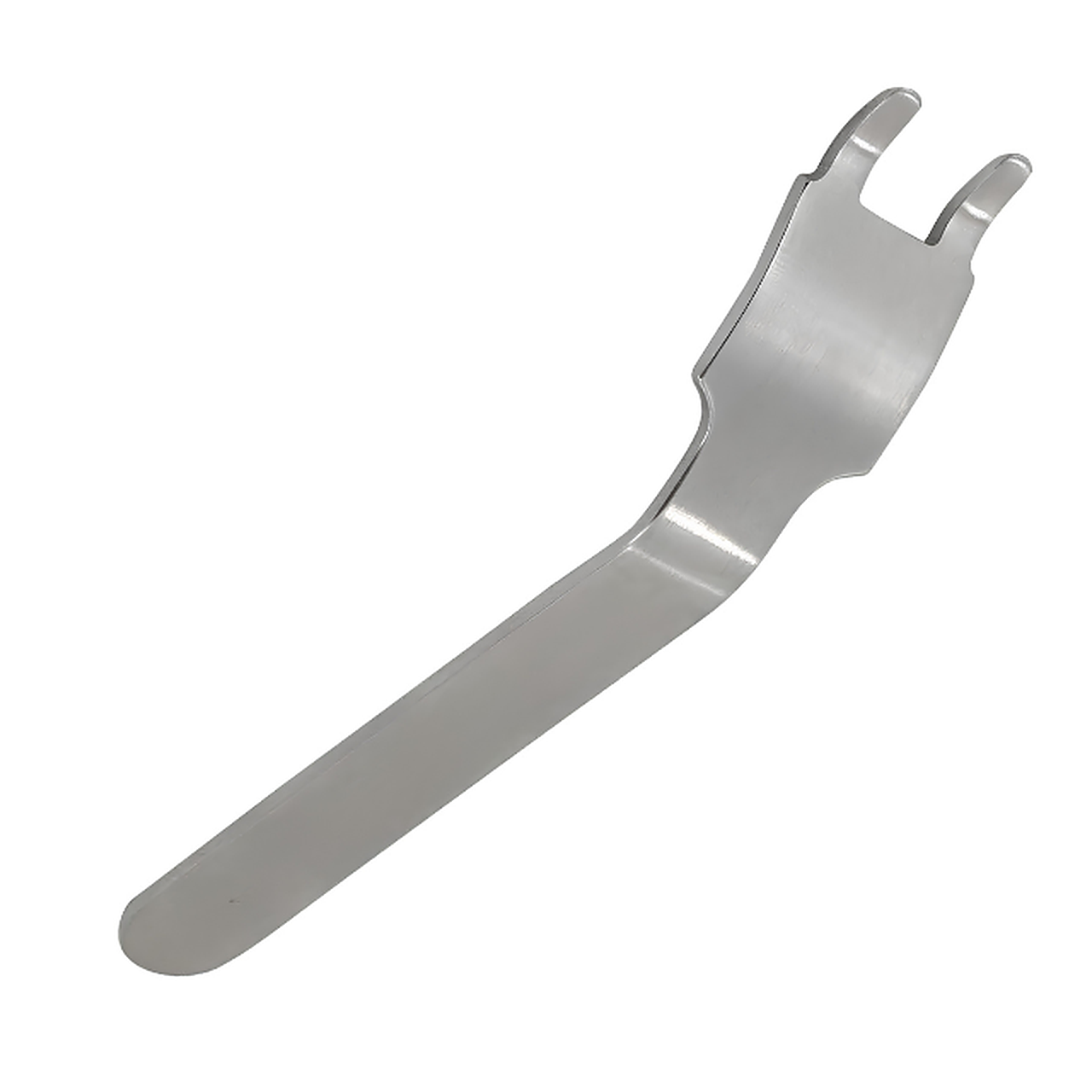 | Separador Beard Distal Radius Wide Hohmann | Específicamente diseñado para exponer el radio distal y retraer el tejido blando y el pronador cuadrado durante el plaqueado de fracturas de muñeca. |
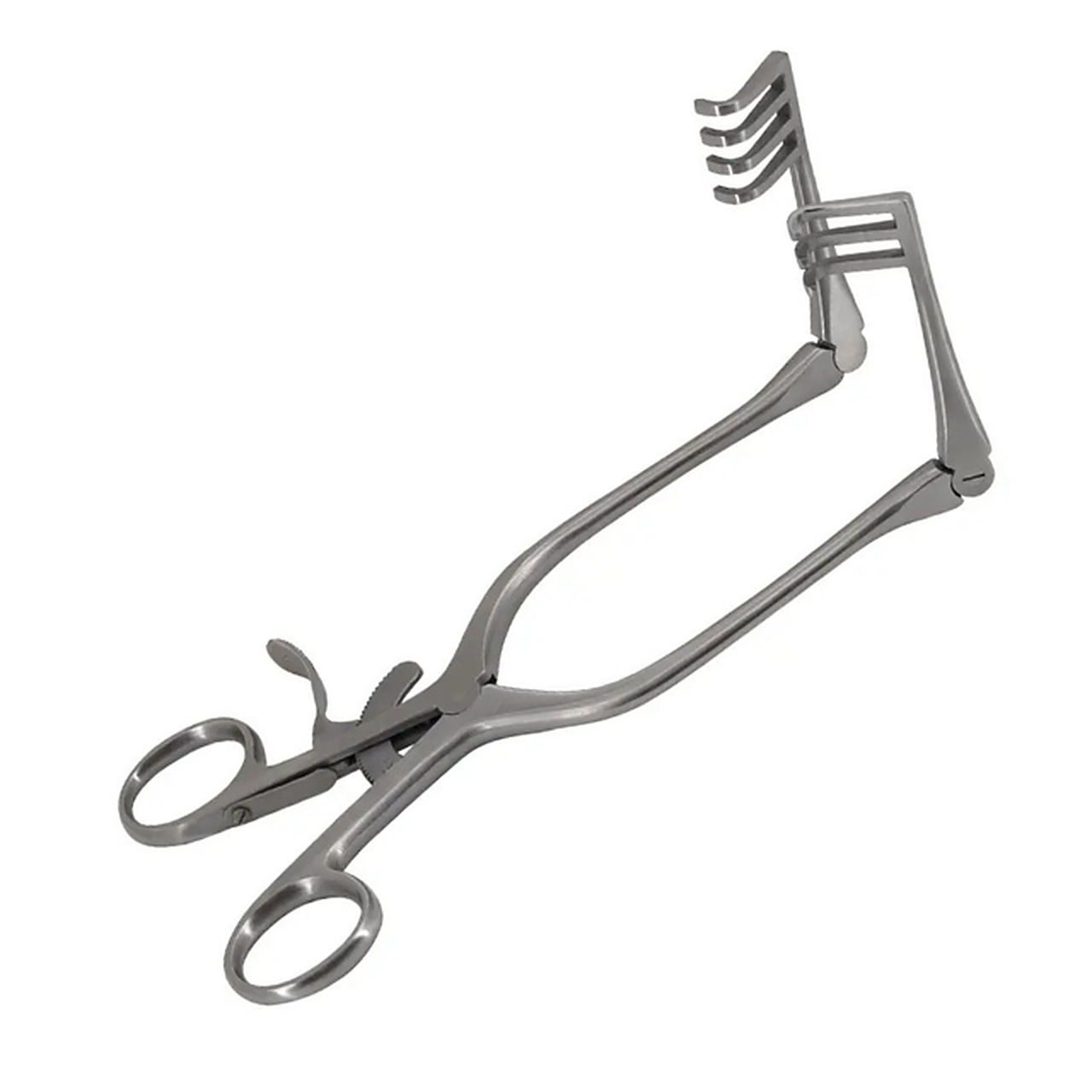 | Separador Autoestático Beckman-Weitlaner | Diseñado específicamente para proporcionar retracción autoestática y articulada de músculos y tejidos blandos durante cirugía espinal y ortopédica. |
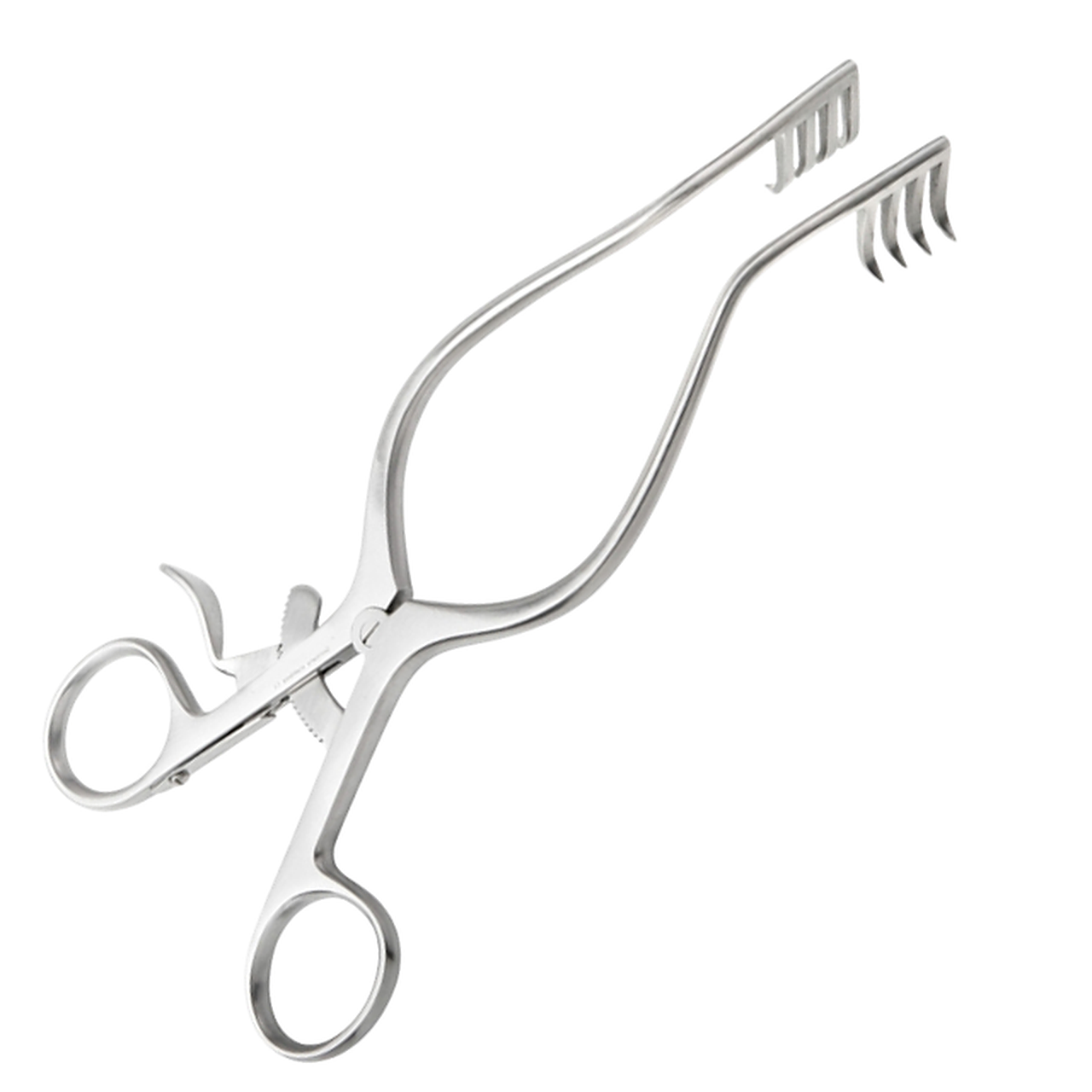 | Separador Autoestático Beckmann Adson | Diseñado específicamente para proporcionar retracción autoestática de los músculos paravertebrales y tejidos blandos durante operaciones de columna y neurocirugía. |
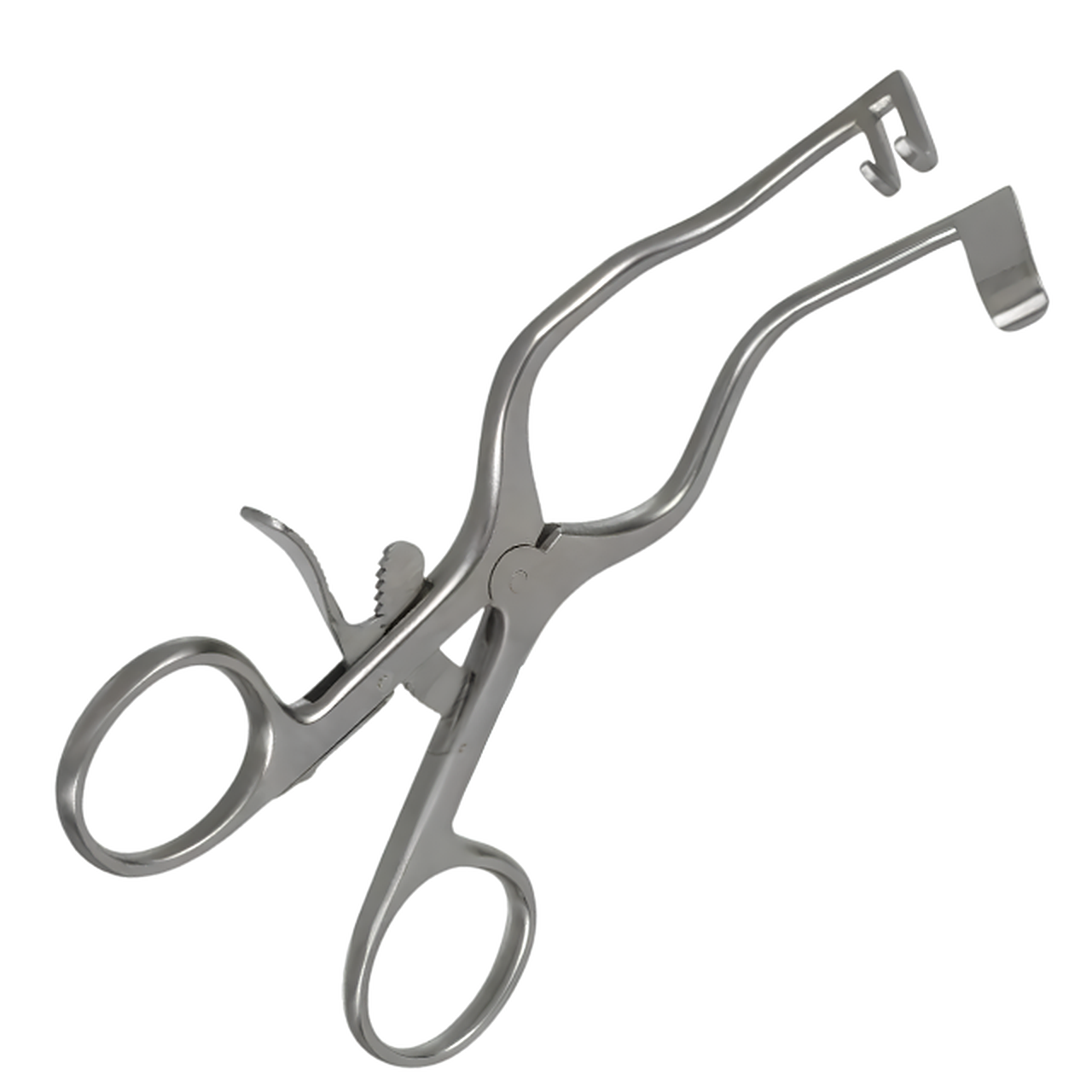 | Separadores Endaurales de Bellucci | Específicamente diseñado para exponer el conducto auditivo externo y el anillo timpánico durante la cirugía de oído por vía endaural. |
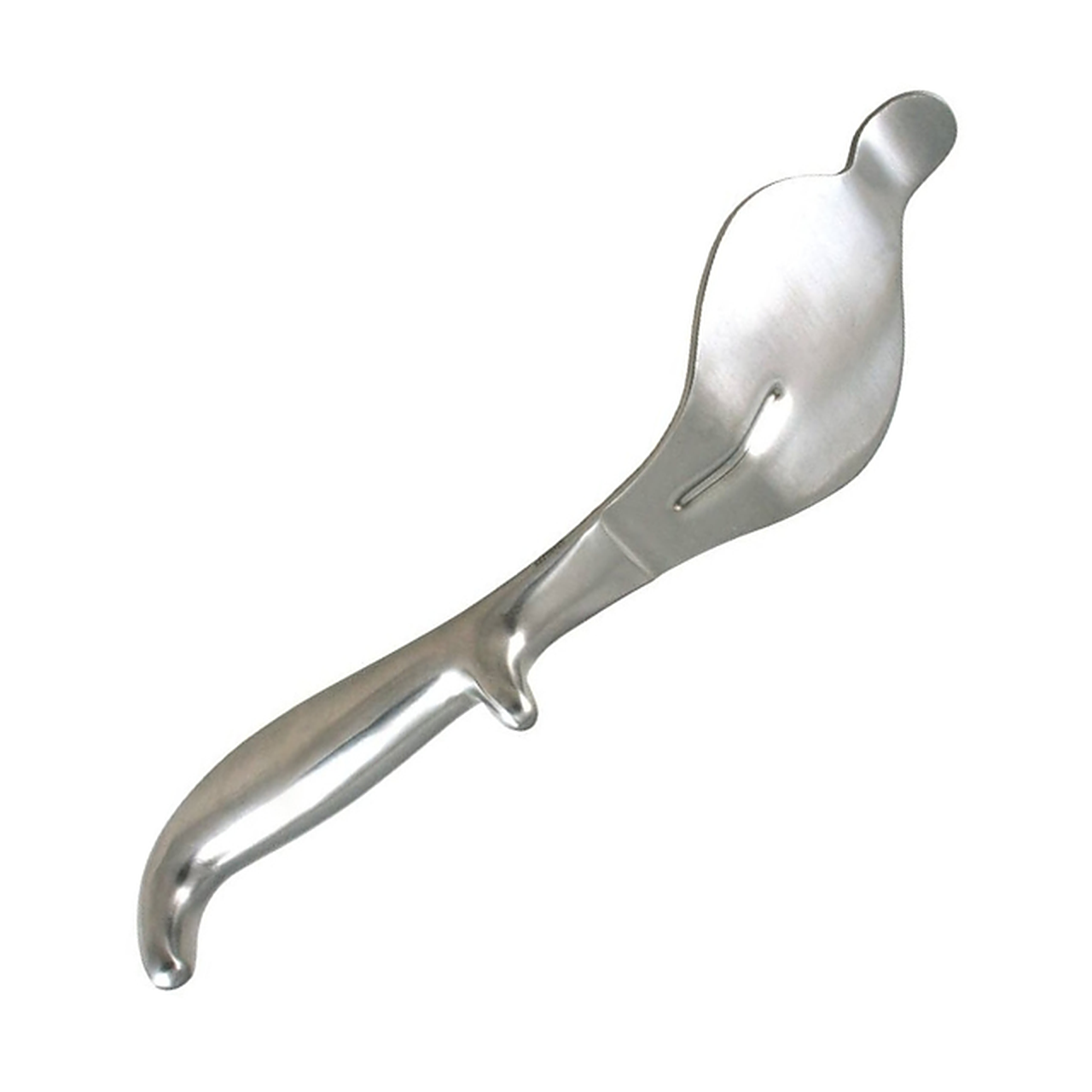 | Separador de Tibia Bennett | Diseñado específicamente para separar músculos voluminosos y tejidos blandos de la tibia durante la artroplastia de rodilla y la fijación de fracturas tibiales. |
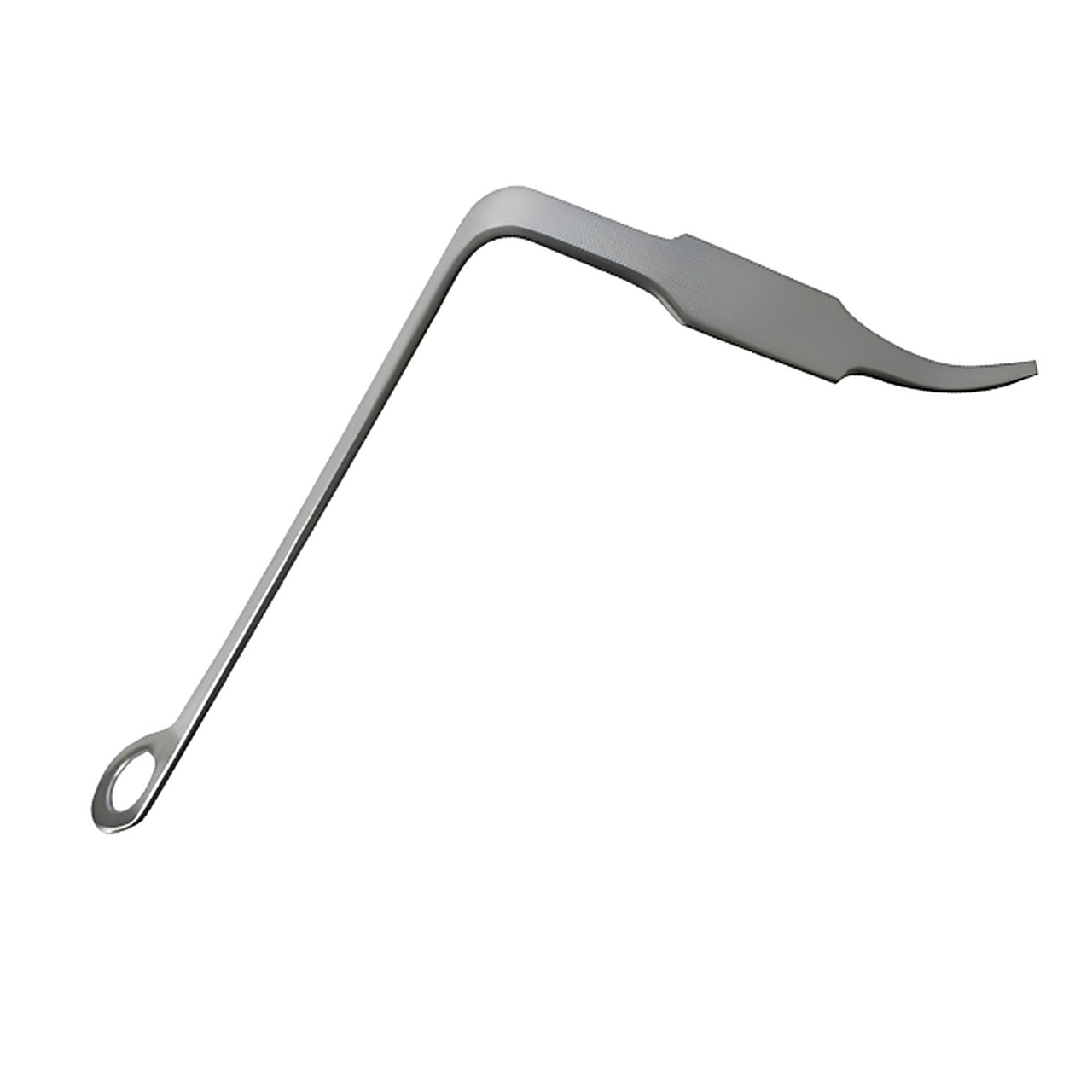 | Separador Hohmann Acodado | Específicamente diseñado para separar tejidos blandos y músculos del hueso durante procedimientos ortopédicos de cadera, rodilla y huesos largos. |
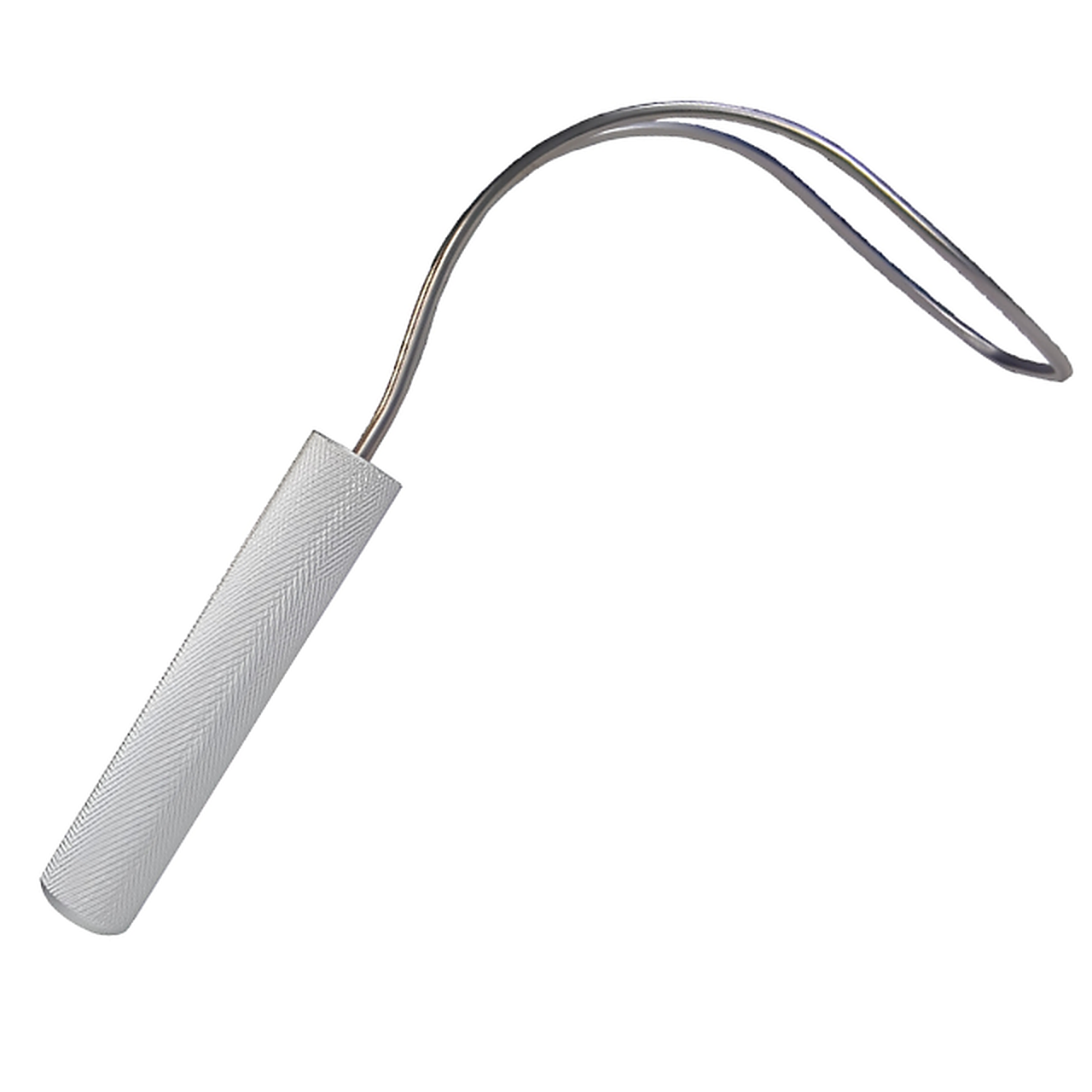 | Separador Biggs Face Lift (Ritidectomía) | Específicamente diseñado para elevar colgajos cutáneos faciales y proporcionar una exposición estable durante la ritidectomía y la cirugía plástica estética. |
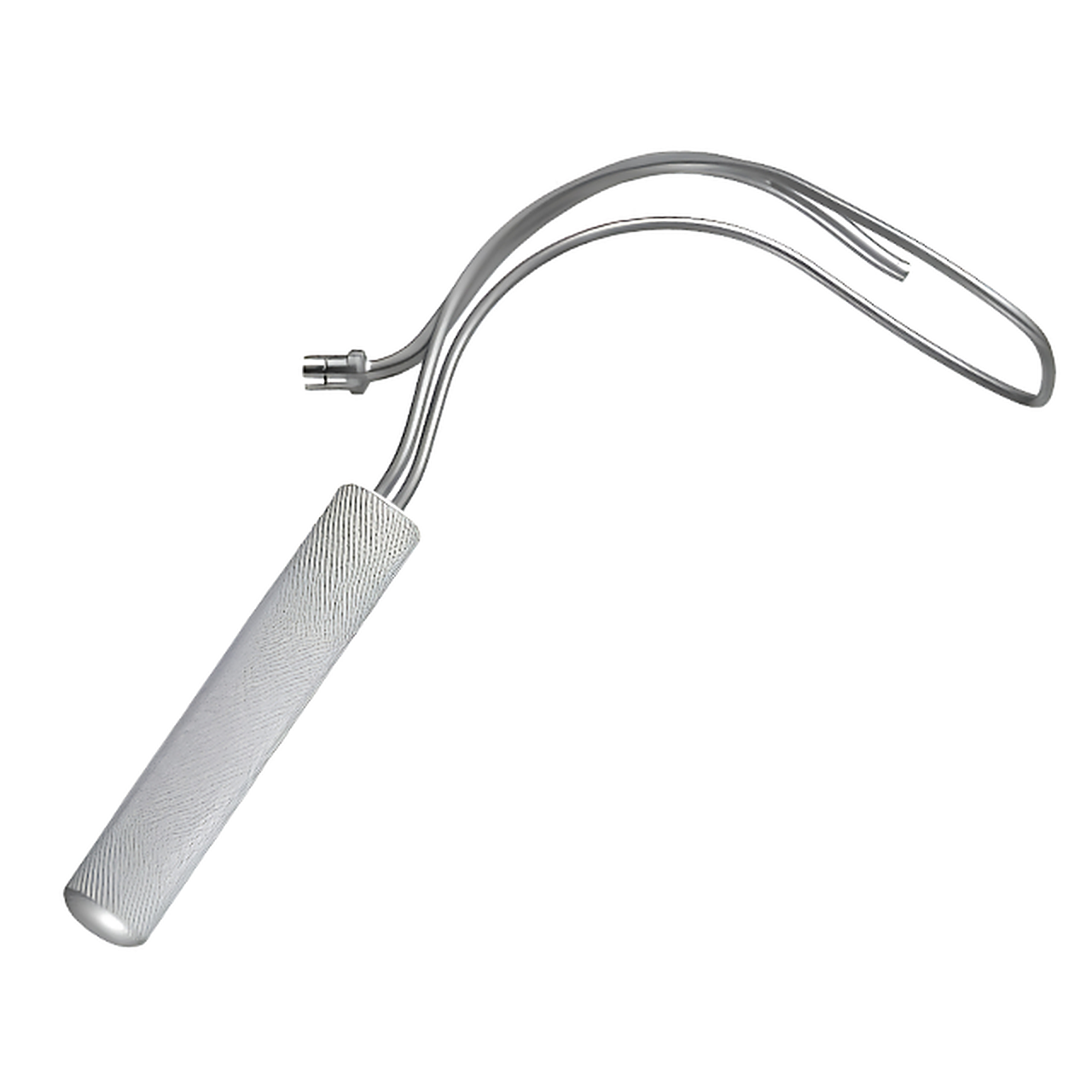 | Separador Biggs para Ritidectomía con Fibra Óptica | Diseñado específicamente para proporcionar retracción de tejidos blandos iluminada y elevación de colgajos cutáneos durante ritidectomías y cirugía plástica facial. |
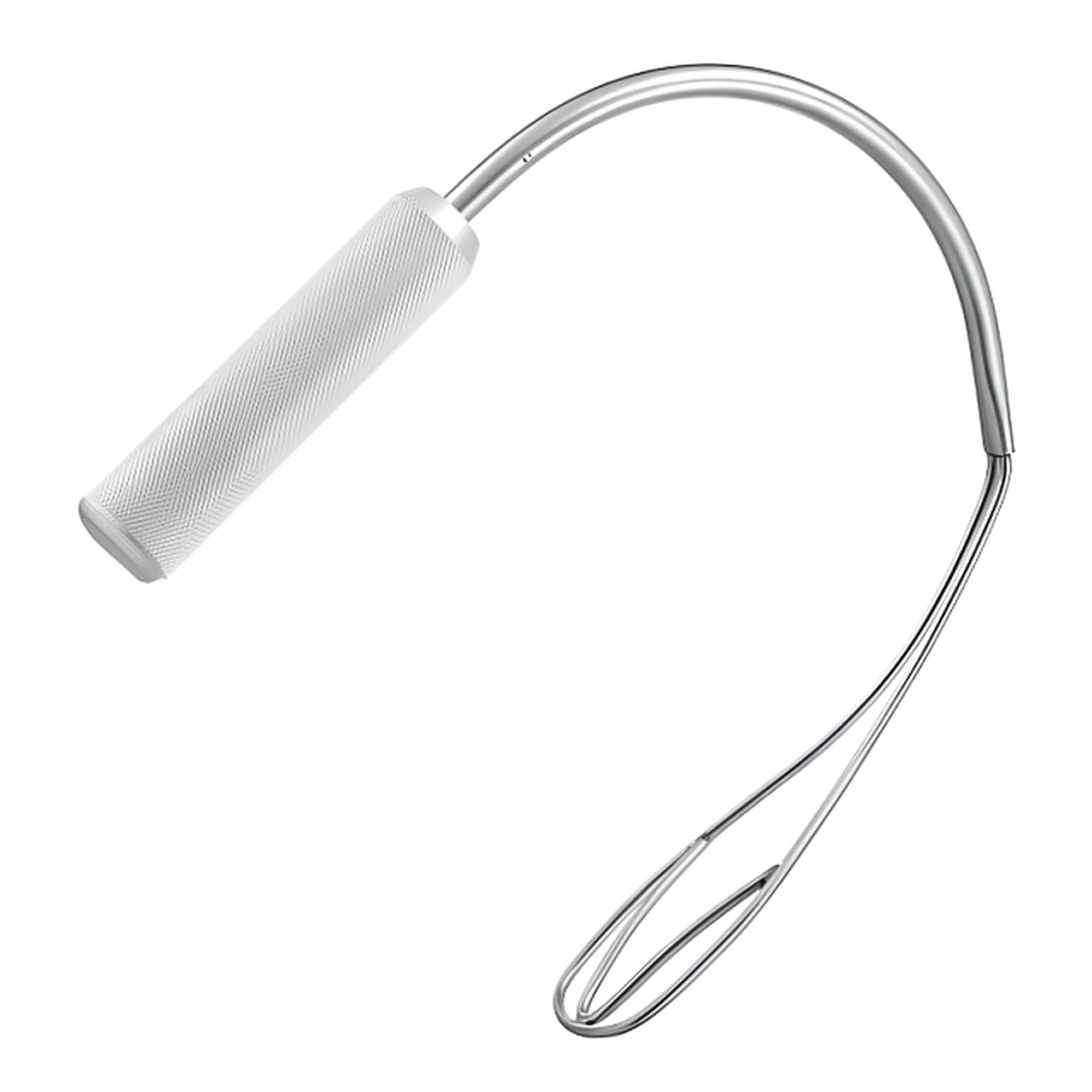 | Separador para mamoplastia Biggs estrecho | Diseñado específicamente para elevar el parénquima mamario y los colgajos del músculo pectoral durante la mamoplastia y la reconstrucción mamaria. |
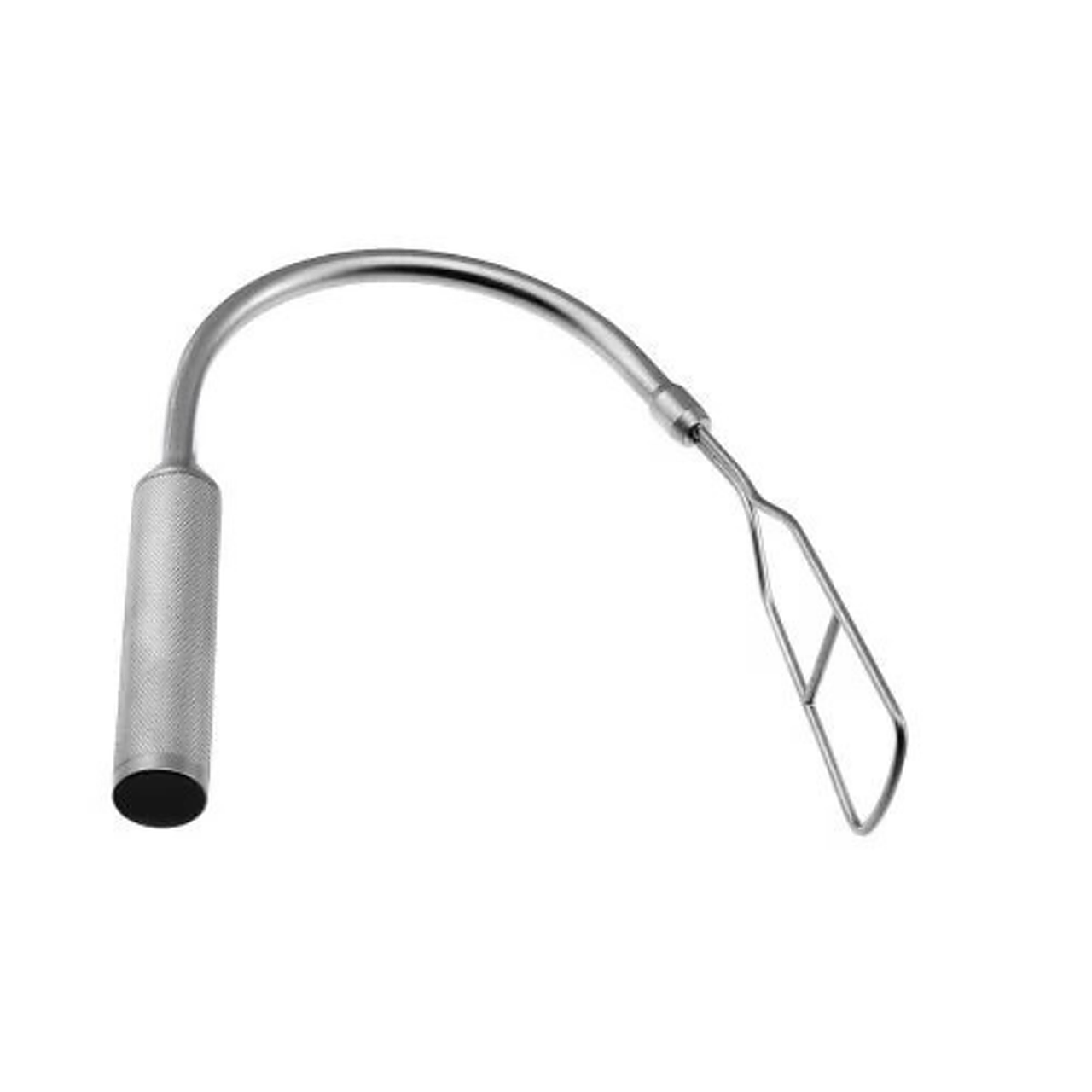 | Separador para Mamoplastia Biggs estándar | Diseñado específicamente para elevar el parénquima mamario y los colgajos del músculo pectoral durante la mamoplastia y la reconstrucción mamaria. |
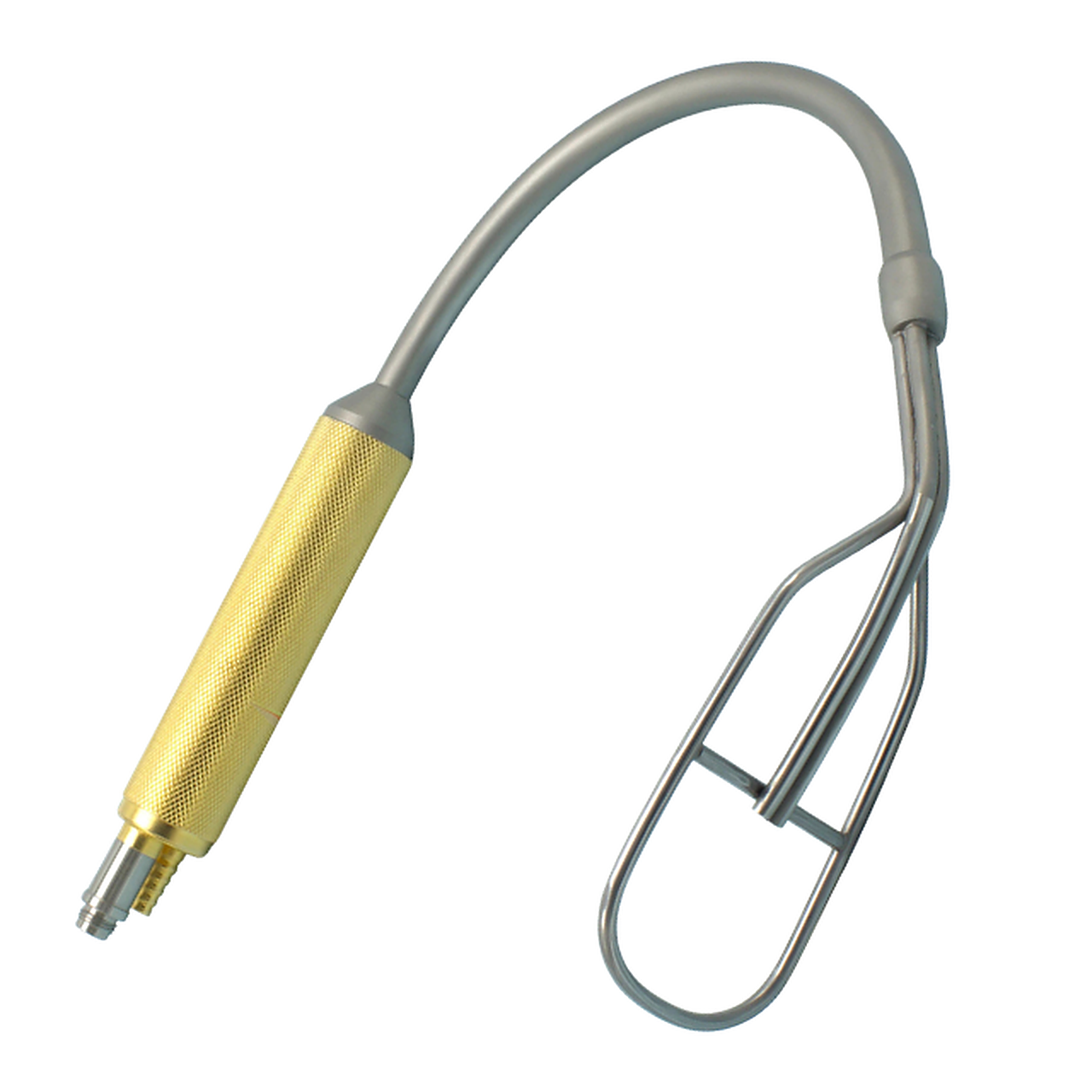 | Separador Biggs para Mamoplastia, con Fibra Óptica | Específicamente diseñado para proporcionar retracción de tejidos blandos con iluminación, evacuación de humo y visualización de bolsillos durante la mamoplastia. |
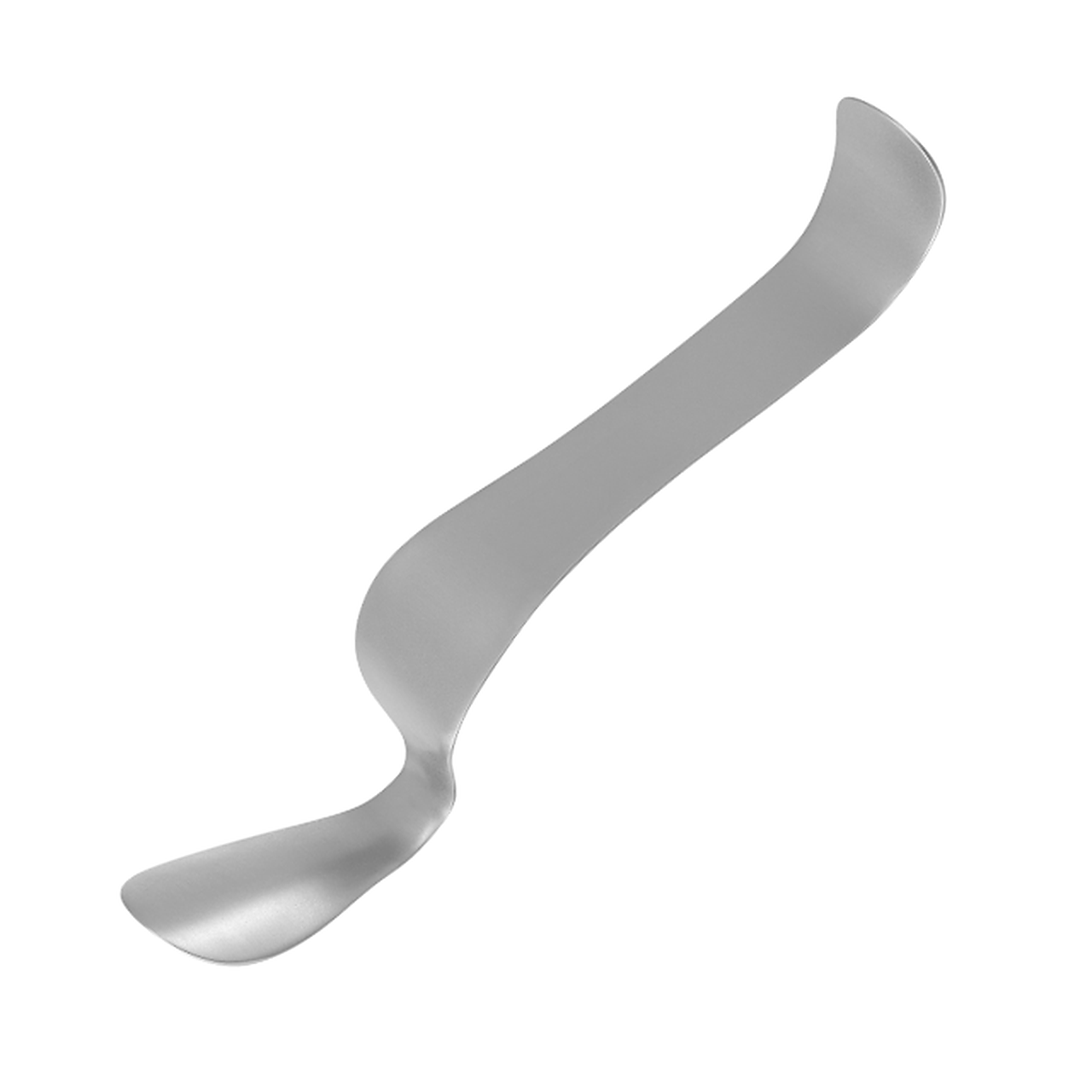 | Separador de Labios y Mejillas Bishop | Diseñado específicamente para retraer y proteger labios, mejillas y mucosa bucal durante procedimientos quirúrgicos intraorales y dentales. |
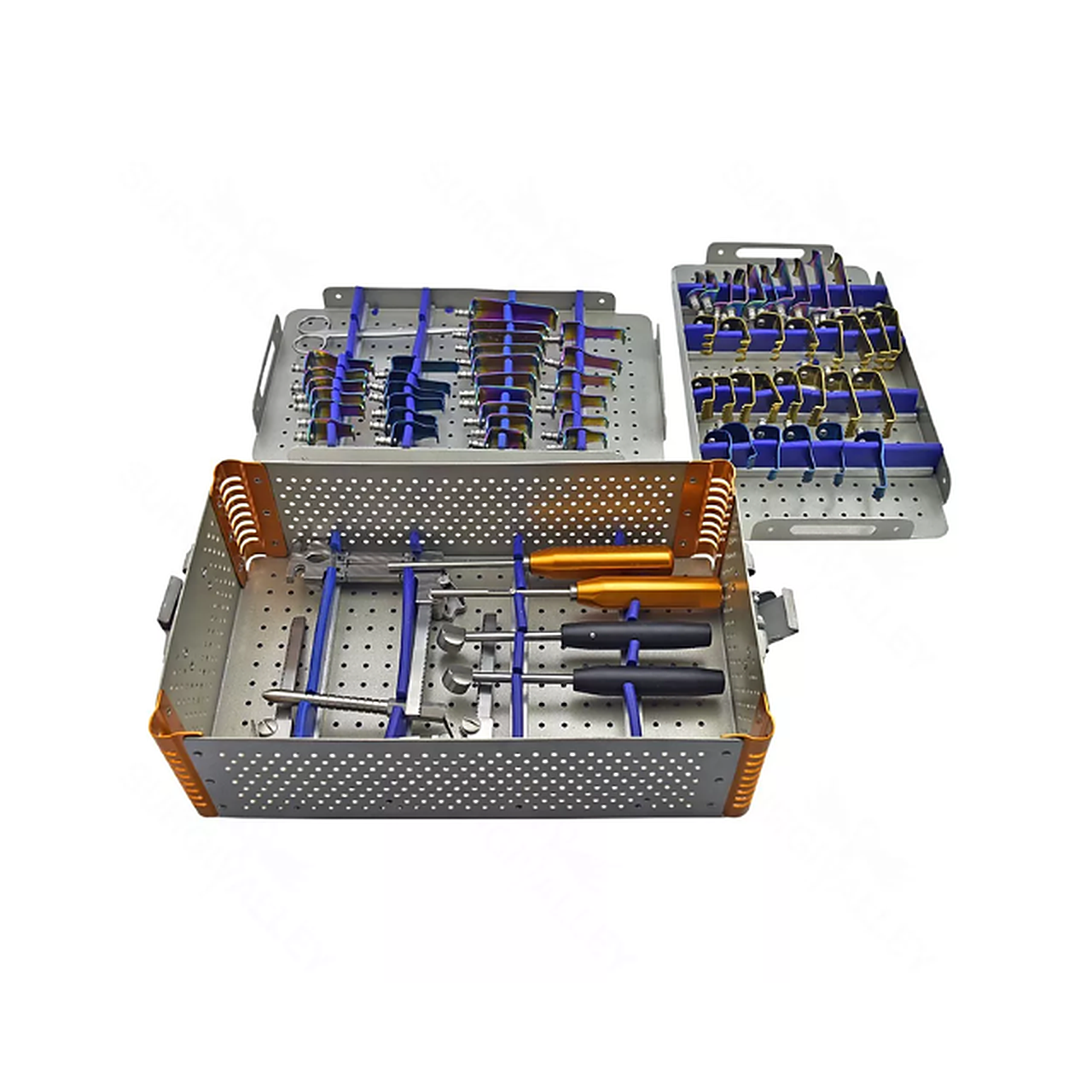 | Sistema Separador Cervical Black Belt | Específicamente diseñado para proporcionar una retracción tisular controlada y una exposición quirúrgica precisa durante procedimientos de columna cervical. |
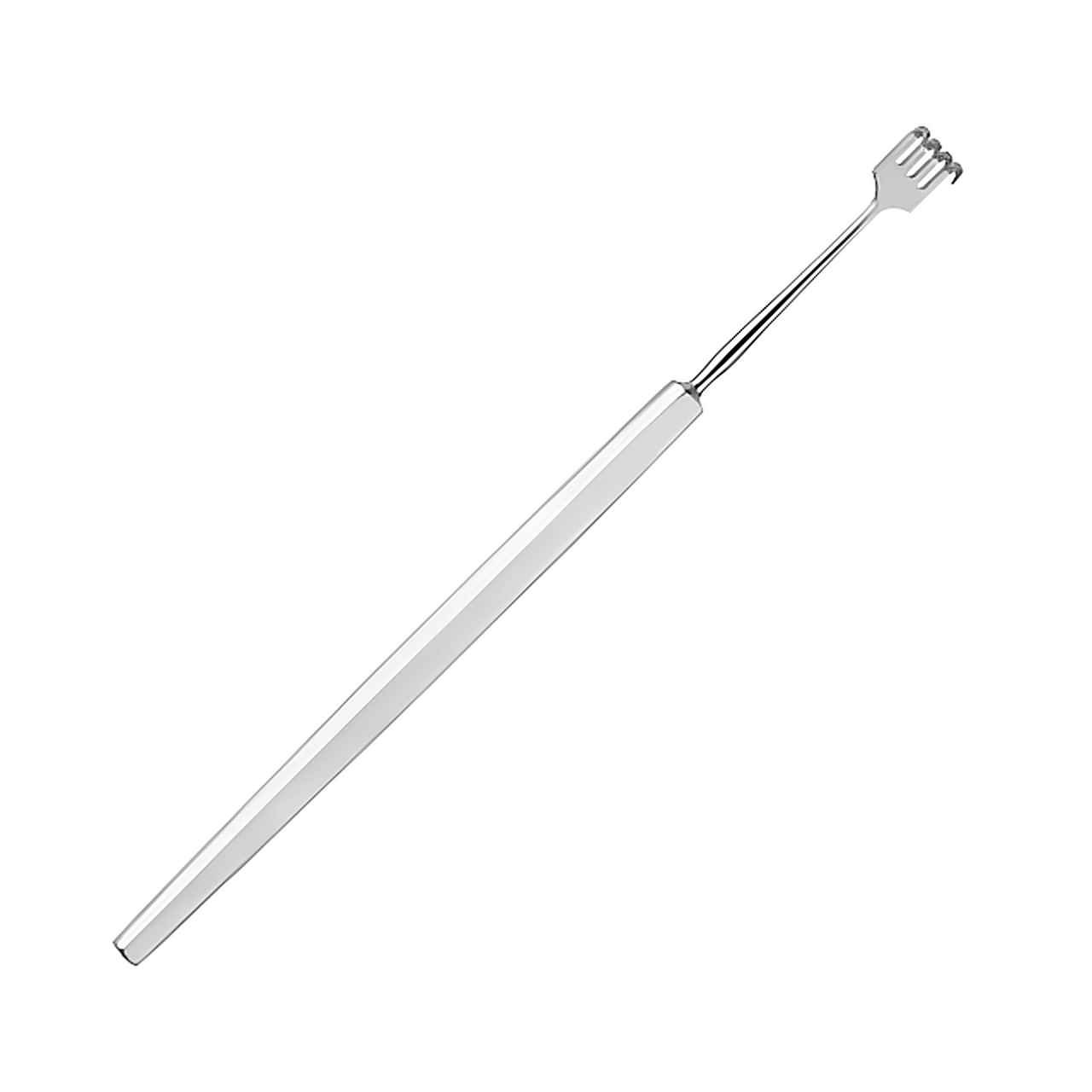 | Separador de Dedos Blair | Diseñado específicamente para la elevación delicada de colgajos cutáneos, retracción de tejidos blandos y estabilización de márgenes de heridas en cirugía plástica y de mano. |
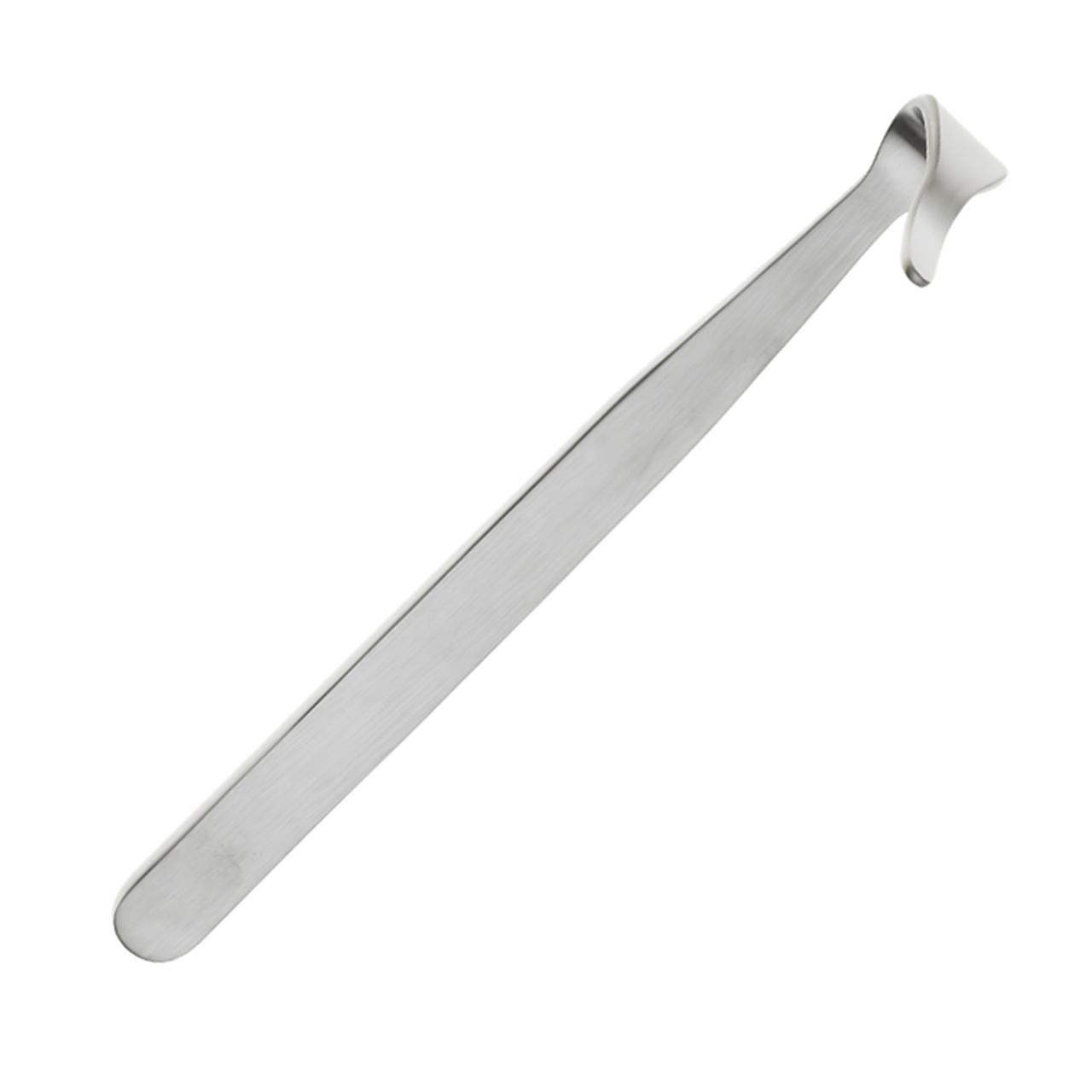 | Separador de Rodilla Blount | Diseñado específicamente para retraer los ligamentos colaterales y los tejidos blandos durante la artroplastia de rodilla y procedimientos reconstructivos de rodilla. |
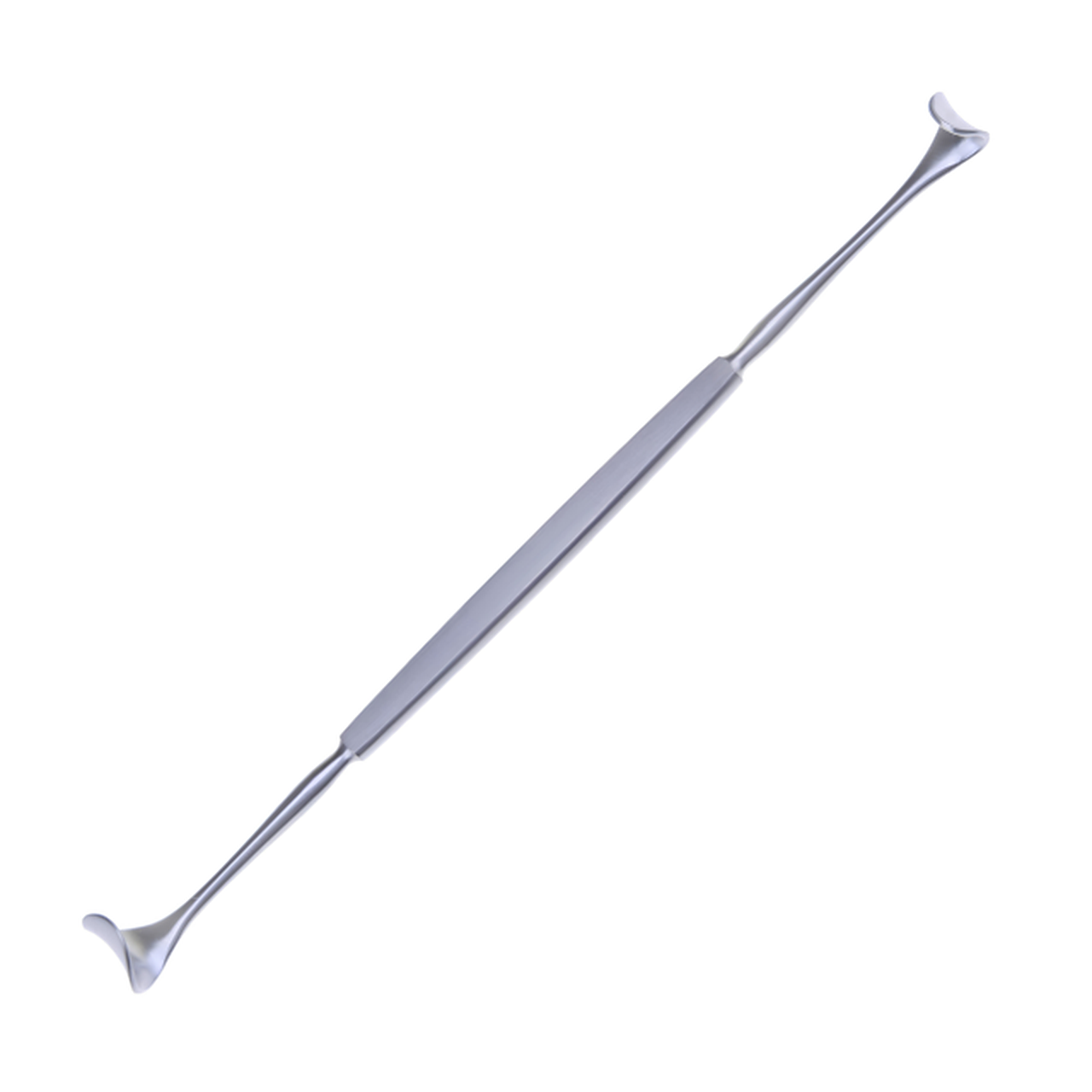 | Separador Boley | Diseñado para proporcionar retracción manual de tejidos blandos y bordes de heridas en procedimientos generales, plásticos y ortopédicos. |
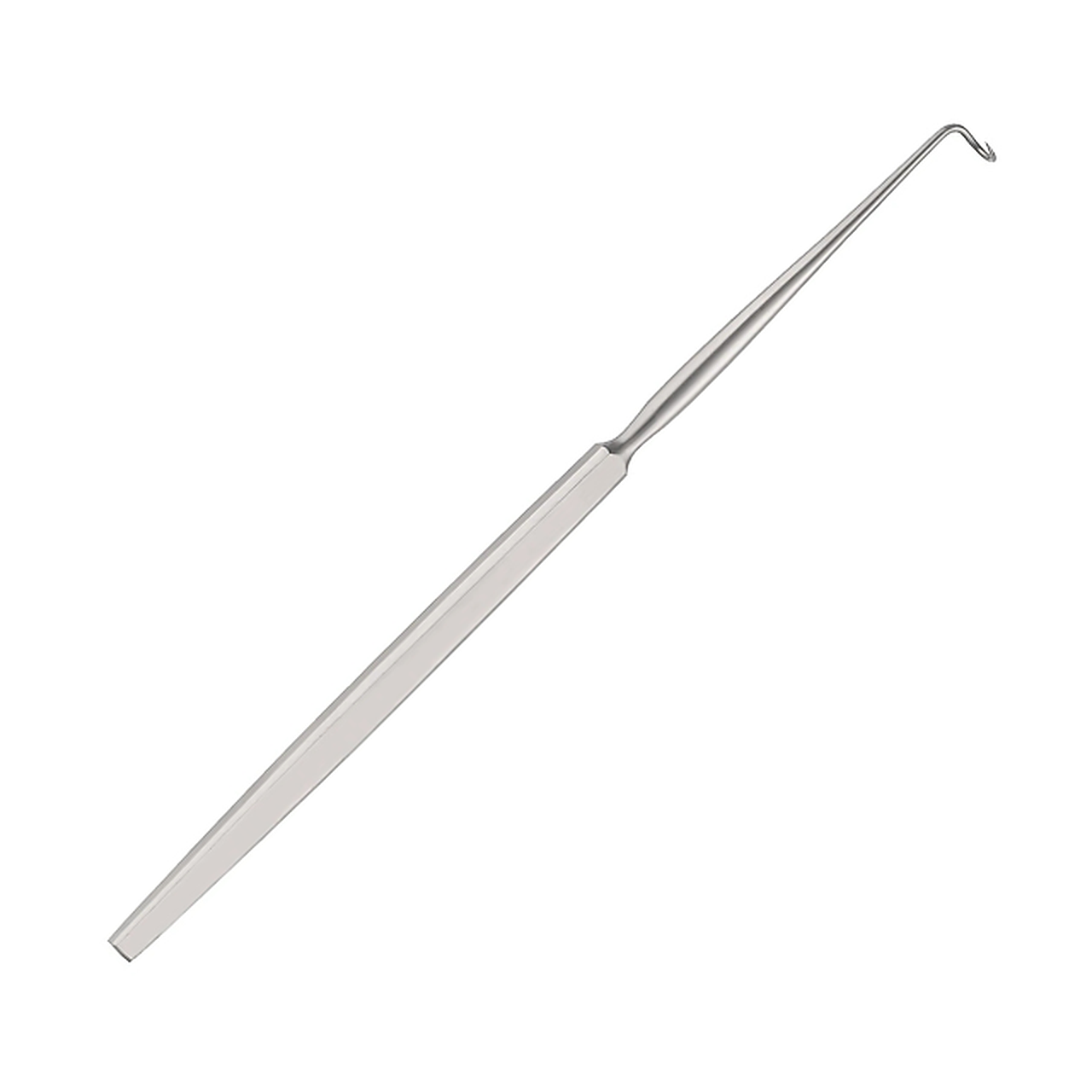 | Separador Traqueal Bose | Diseñado específicamente para separar los tejidos pretraqueales y estabilizar los cartílagos traqueales durante los procedimientos de traqueostomía. |
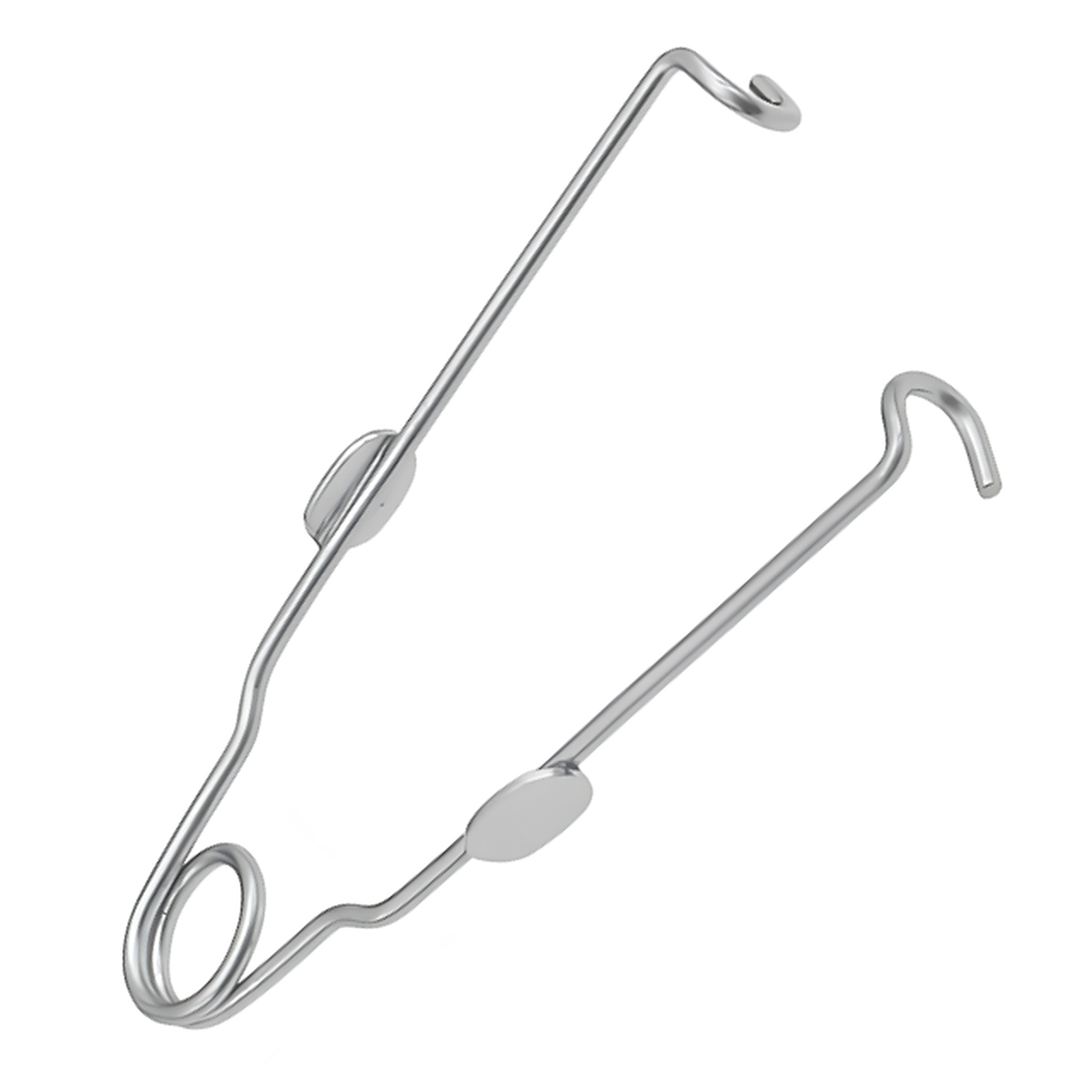 | Separador Traqueal Bose Tipo Resorte | Específicamente diseñado para proporcionar retracción y estabilización autoestática asistida por resorte de los márgenes traqueales durante la traqueostomía. |
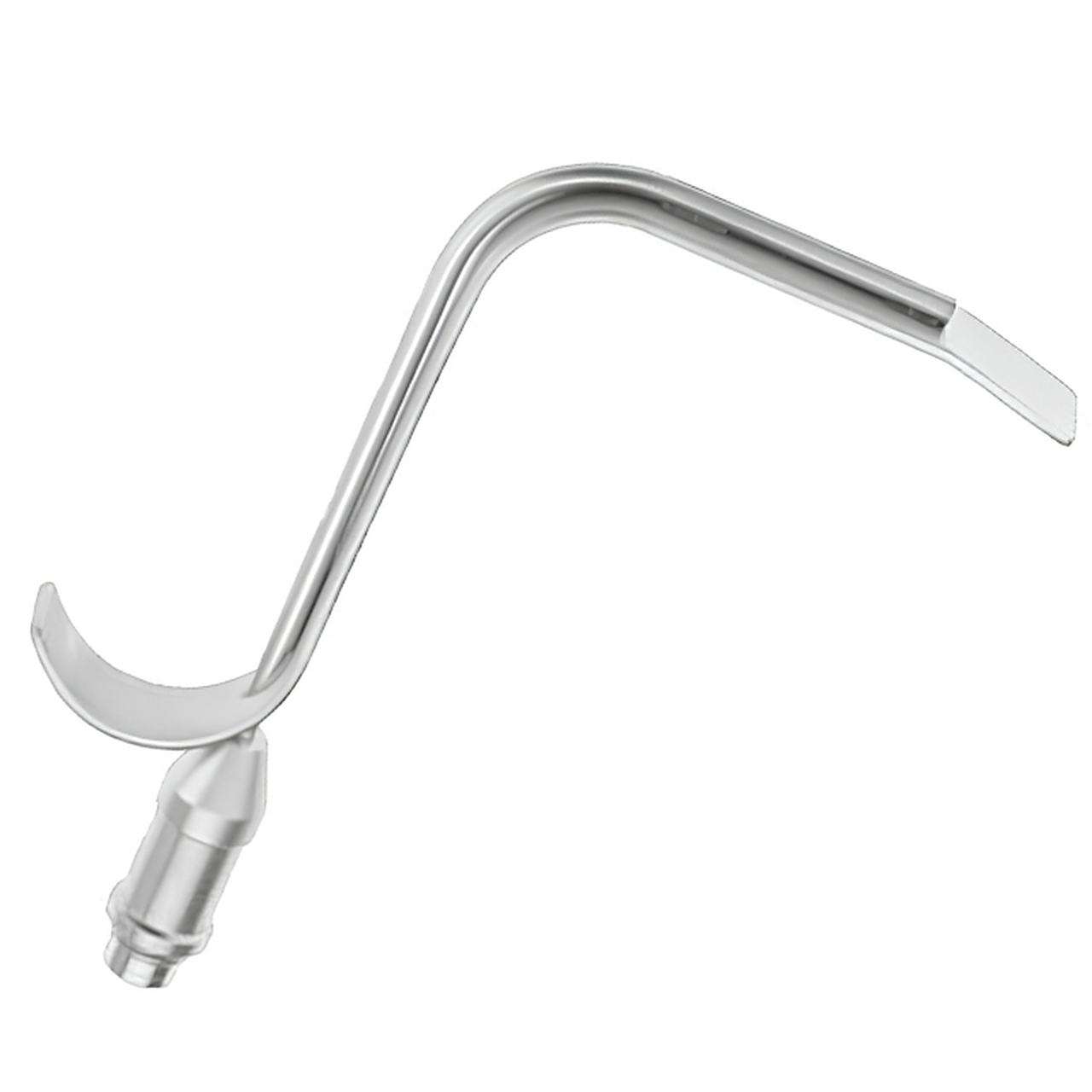 | Separador Breast Engler Retractor | Diseñado específicamente para iluminar cavidades quirúrgicas profundas y elevar colgajos de tejido durante el aumento y la reconstrucción mamaria. |
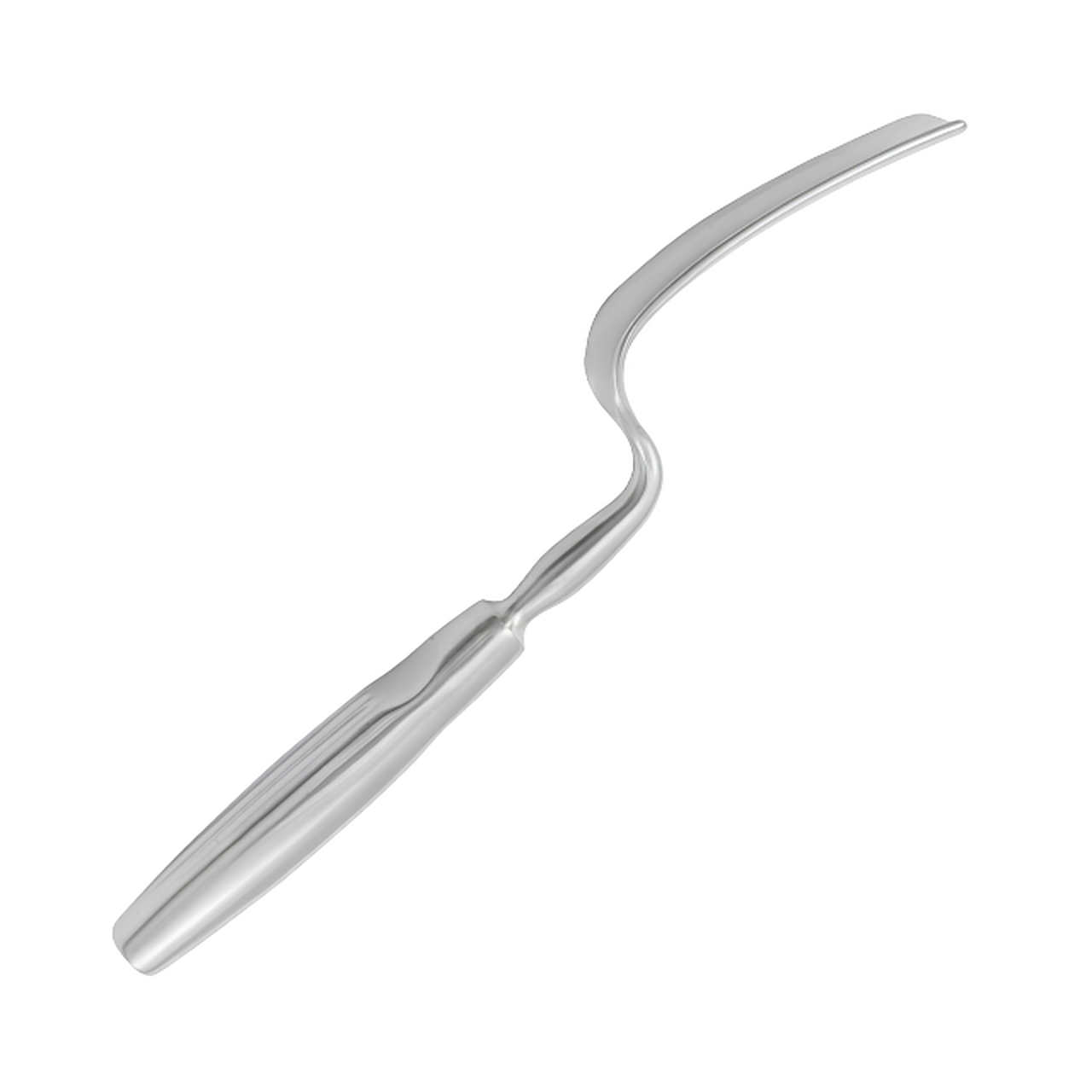 | Separador Vaginal Breisky | Diseñado específicamente para separar las paredes vaginales y proporcionar una visualización pélvica profunda durante intervenciones ginecológicas. |
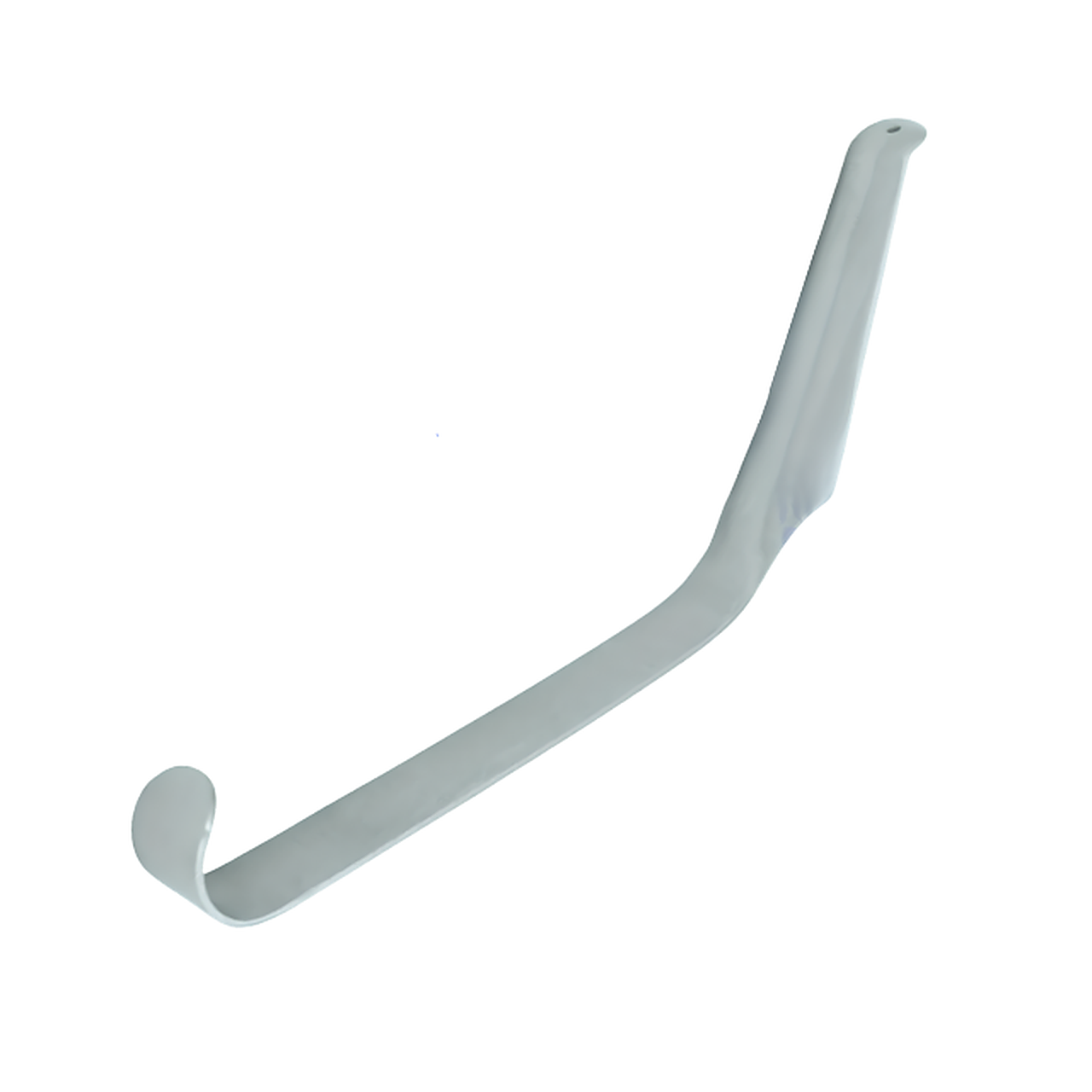 | Separador de Canal Mandibular Bremerich | Específicamente diseñado para retraer el tejido mucoperióstico y proteger las estructuras neurovasculares a lo largo del borde mandibular durante la cirugía de rama. |
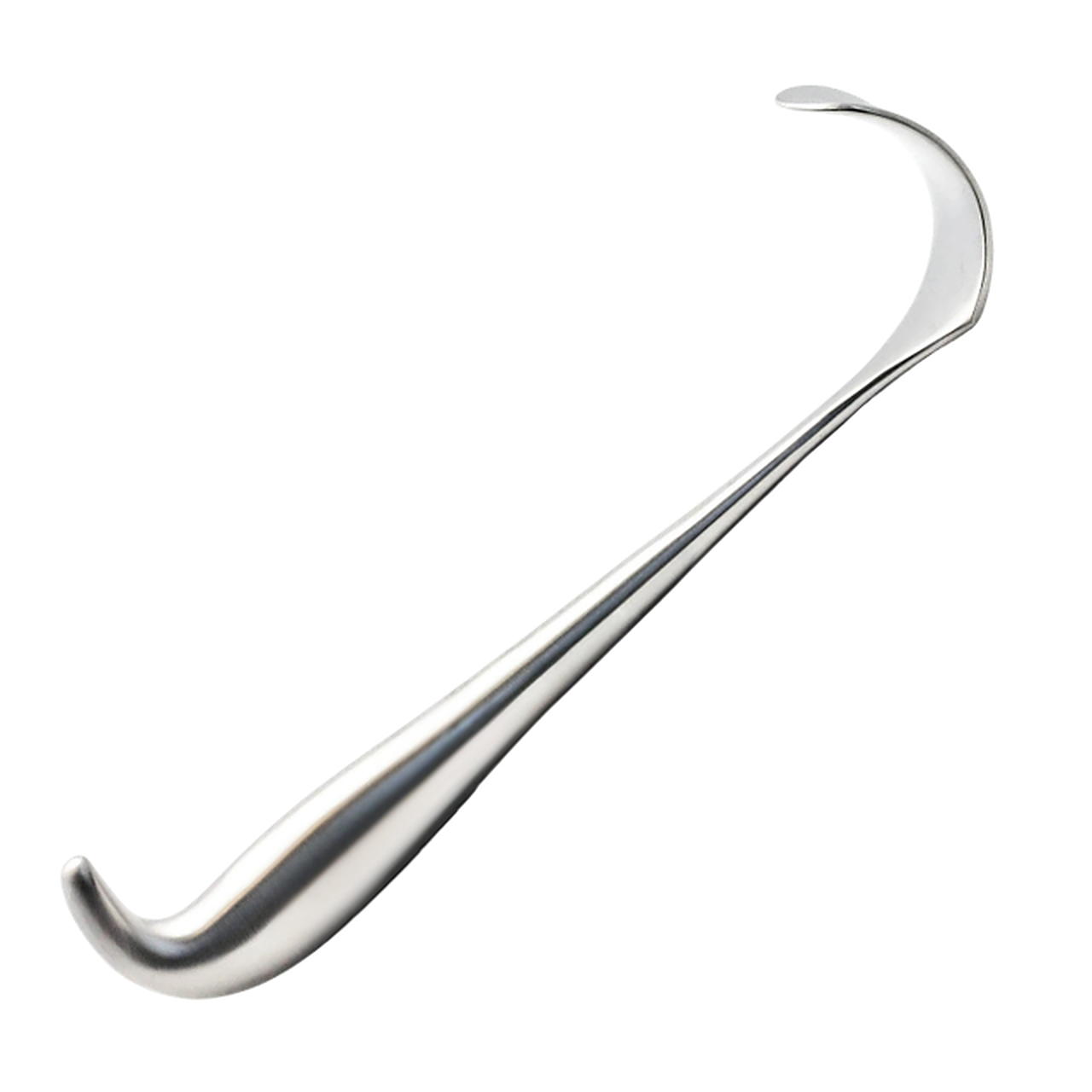 | Separador Brewster | Diseñado específicamente para retraer músculo, fascia y tejido blando durante cirugías generales, abdominales y reconstructivas. |
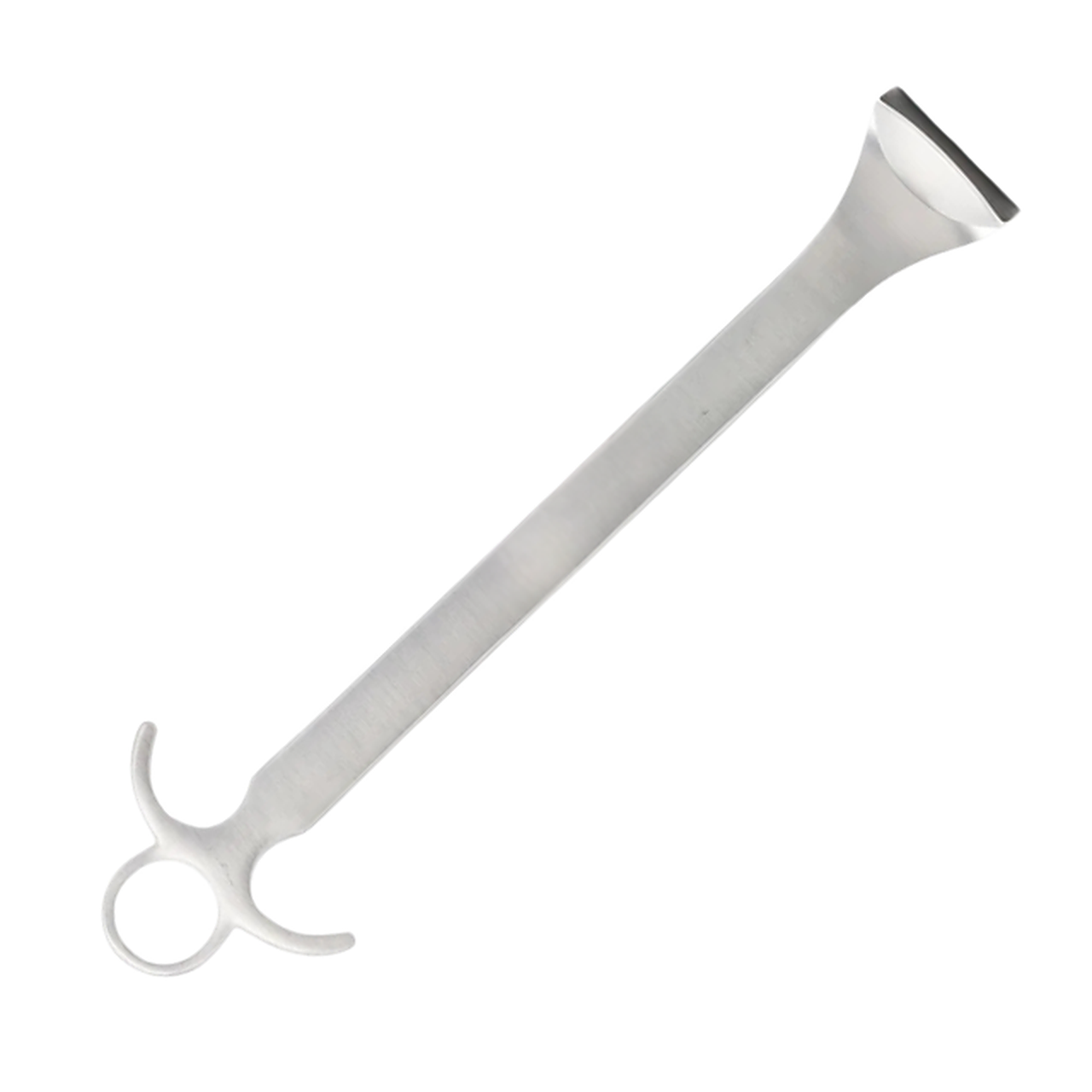 | Separadores deltoides Browne | Específicamente diseñado para retraer el músculo deltoides y el tejido blando durante la artroplastia total de hombro y la reparación de fracturas humerales. |
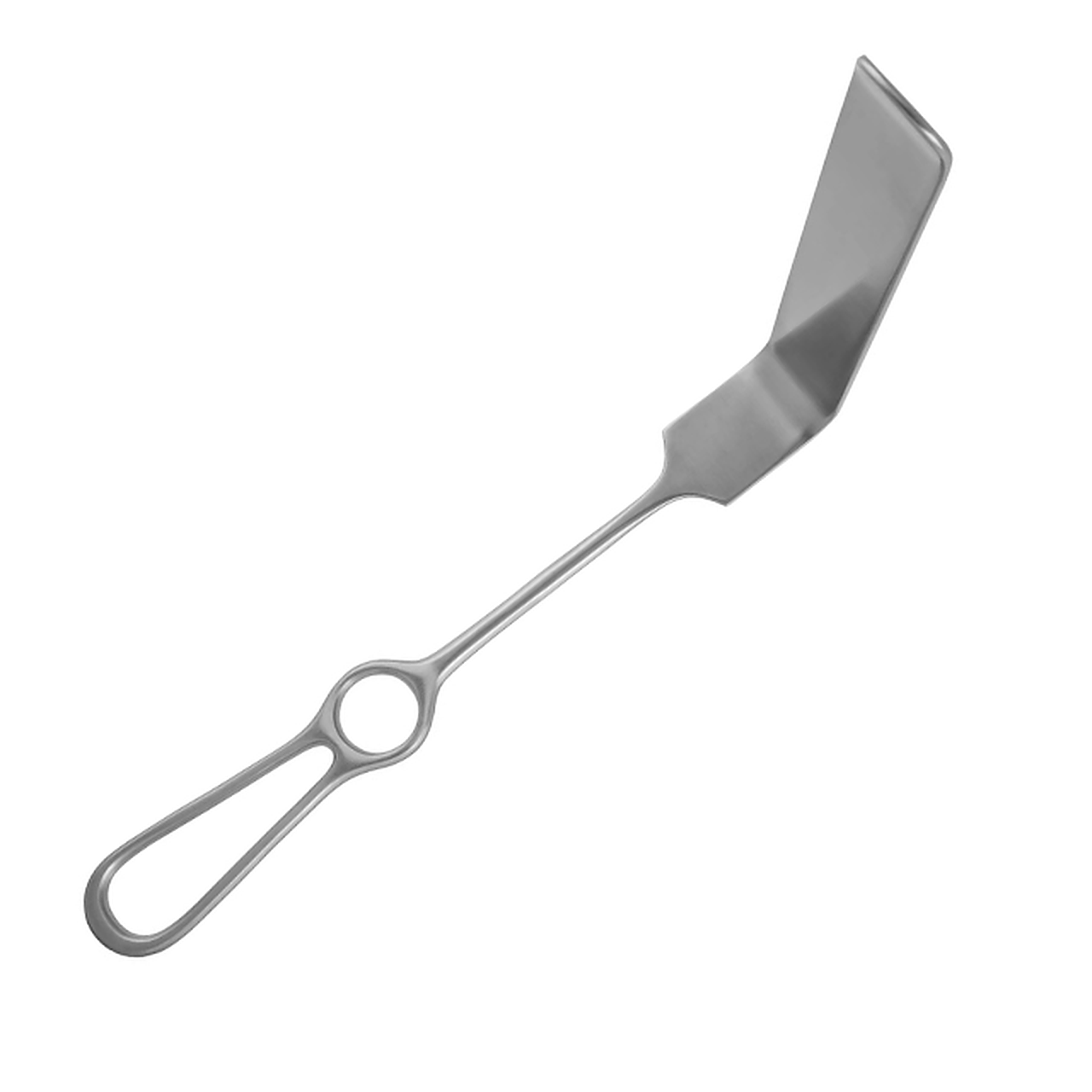 | Separador Brunner | Específicamente diseñado para retraer músculos, vísceras y tejidos blandos profundos durante cirugía abdominal, pélvica y torácica. |
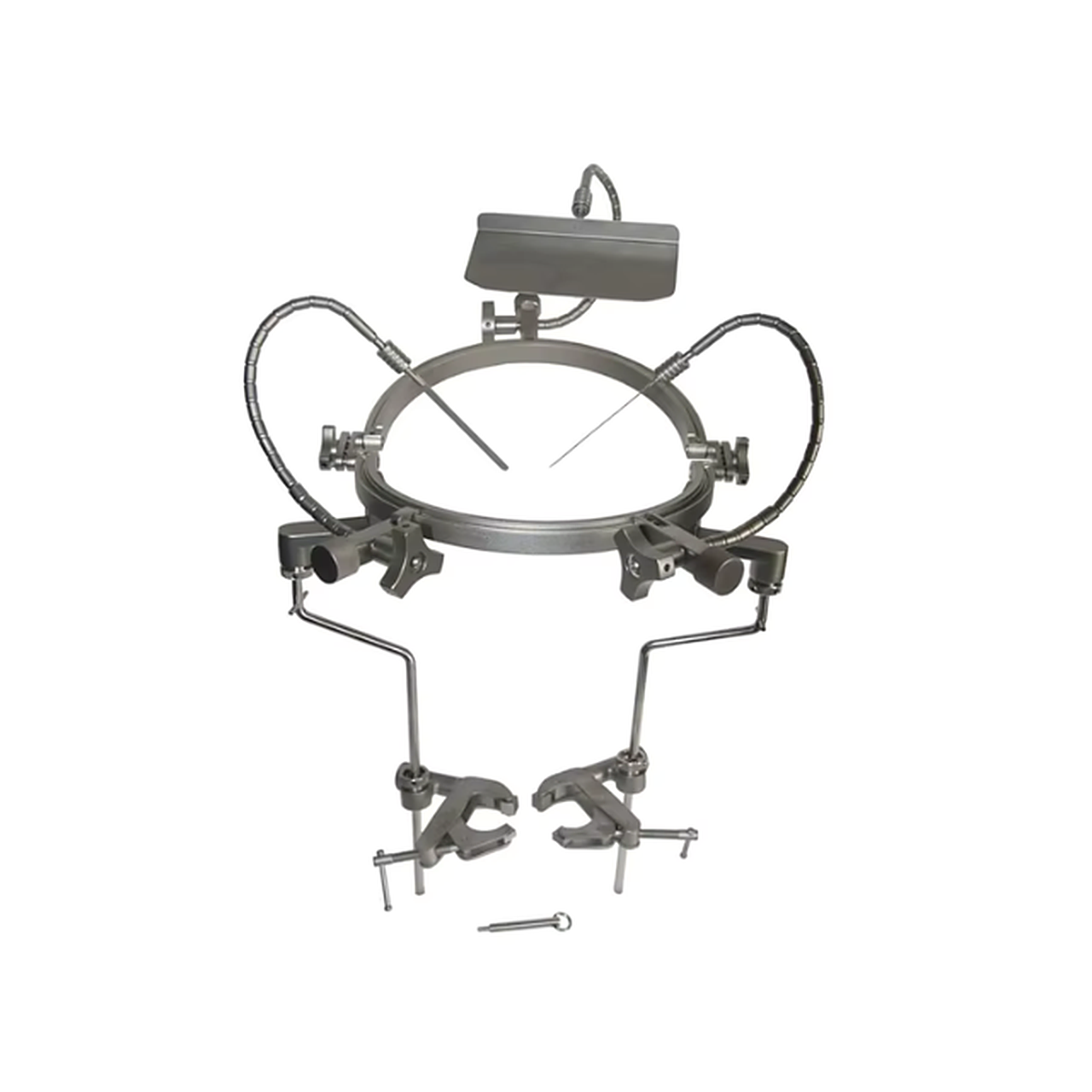 | Budde Halo Retractor | Diseñado específicamente para acoplarse directamente a los cabezales Mayfield o a los rieles laterales de la mesa de operaciones, proporcionando una retracción del tejido cerebral estable y manos libres, junto con un reposamanos integrado para el apoyo del antebrazo del… |
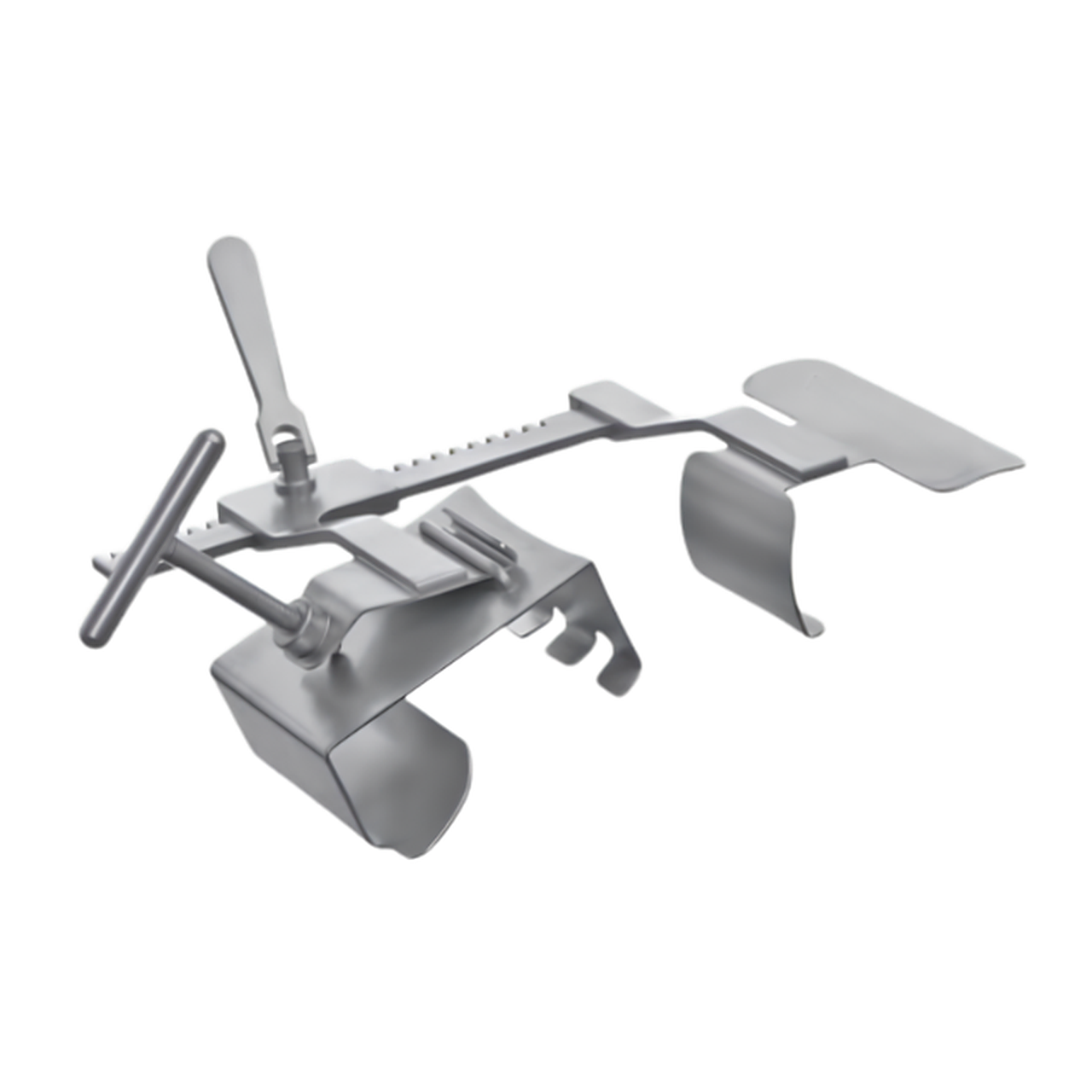 | Separador Mamario Bugge Takedown I.M.A | Diseñado específicamente para la elevación unilateral del esternón y la pared torácica durante la obtención de la arteria mamaria interna. |
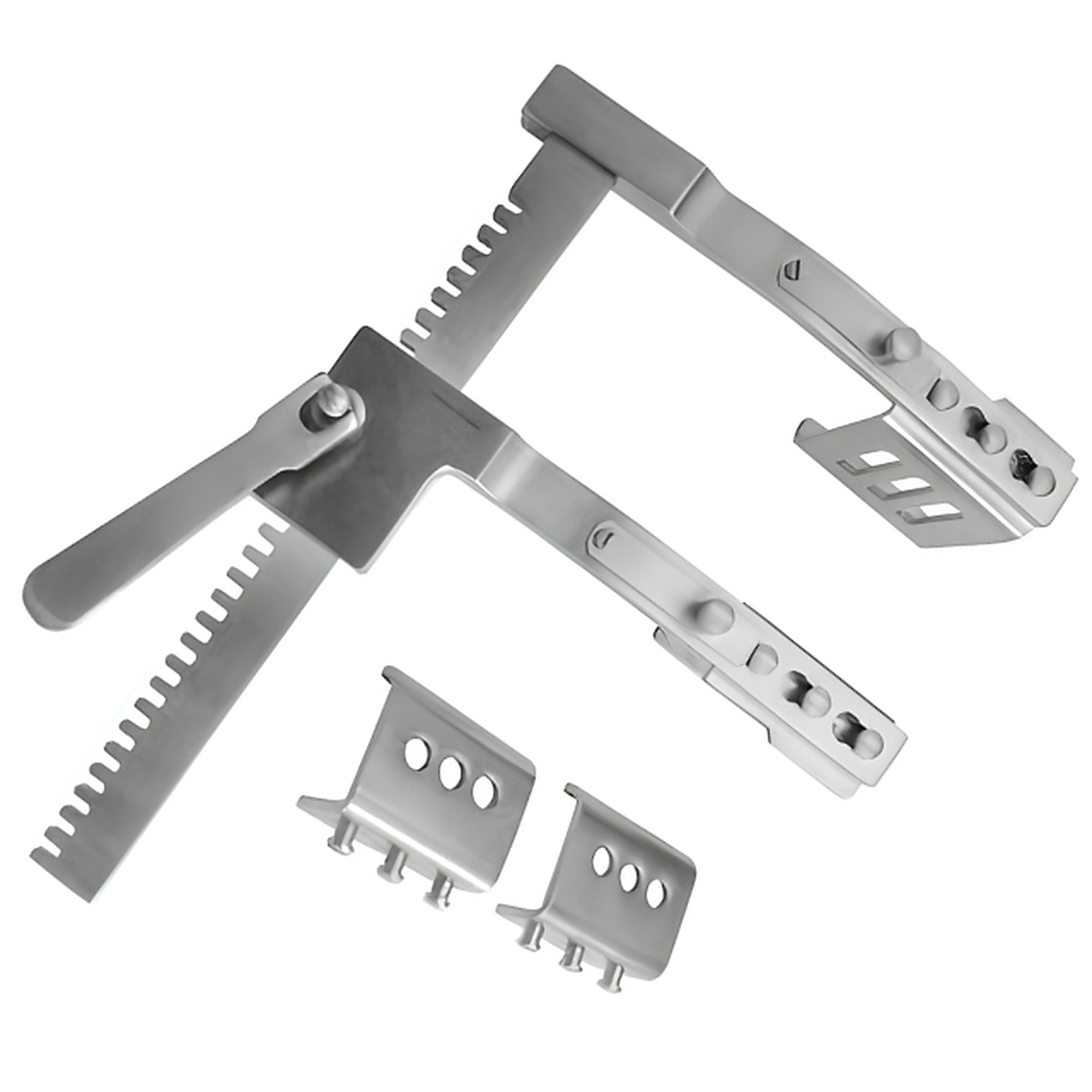 | Separador Costal Burford | Diseñado específicamente para separar costillas adyacentes y expandir el espacio intercostal durante una toracotomía abierta. |
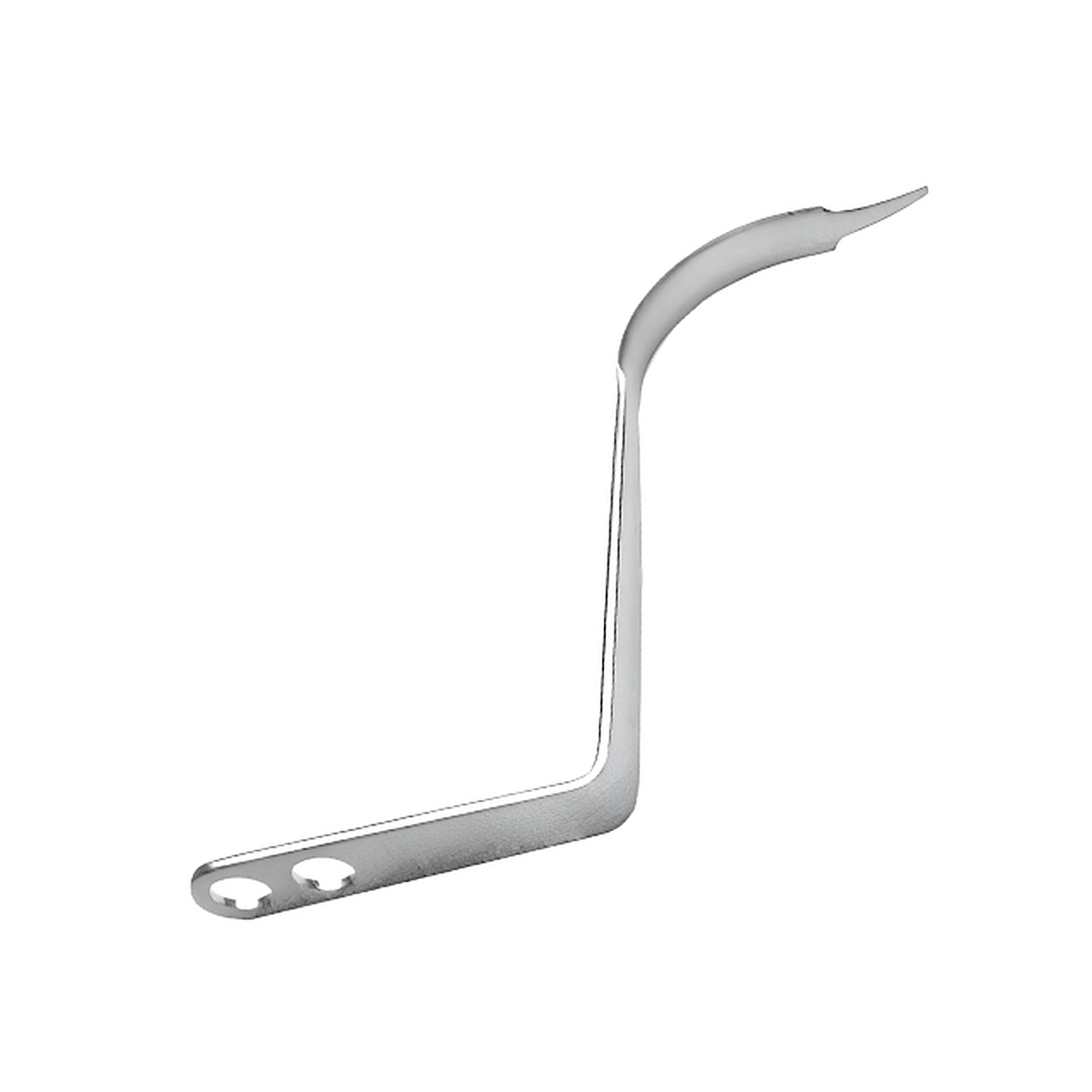 | Separadores C | Específicamente diseñado para hacer palanca en músculos y tejidos blandos lejos del hueso durante la artroplastia de cadera, osteotomía pélvica y reconstrucción de trauma. |
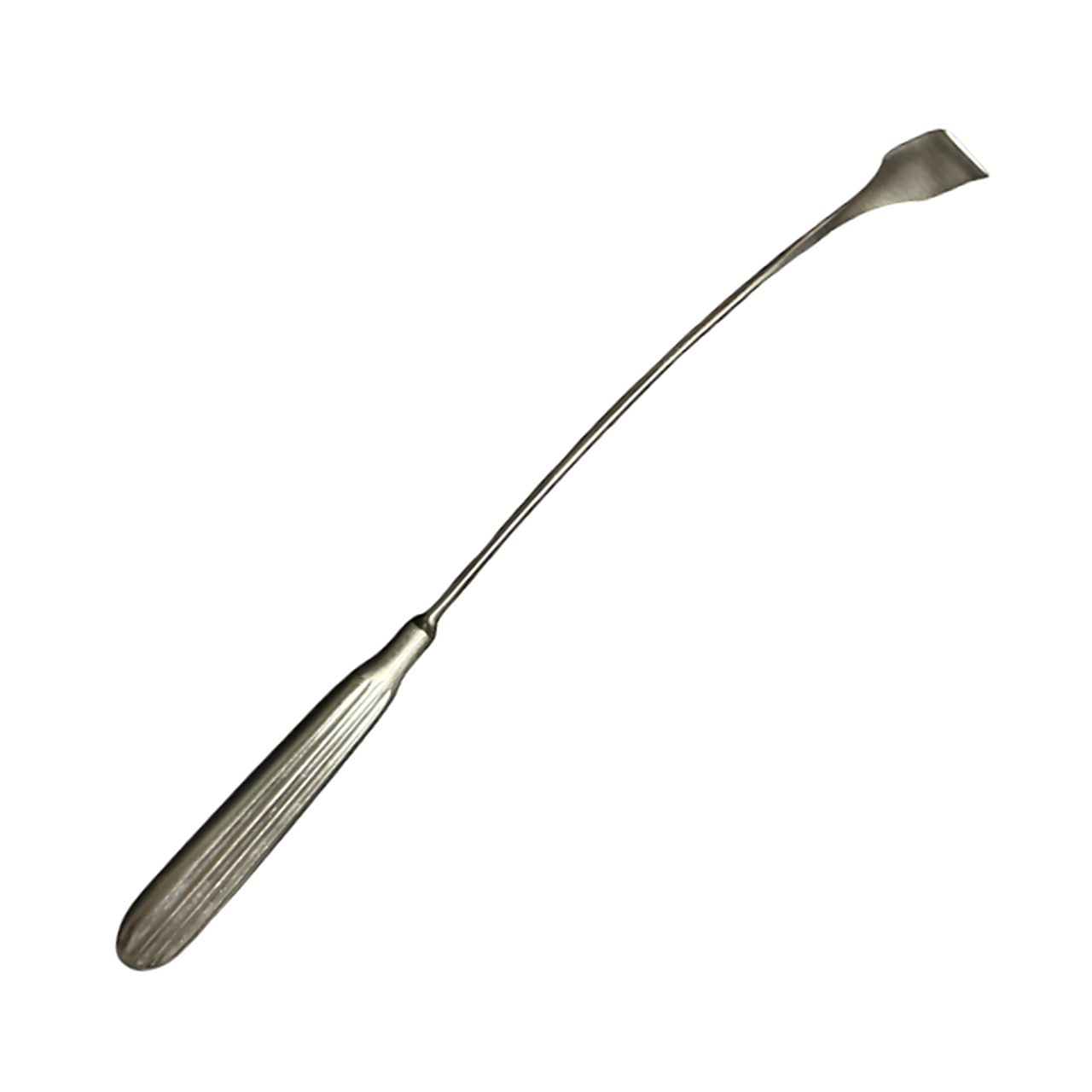 | Separador de Raíz Nerviosa Campbell | Diseñado específicamente para retraer y proteger las raíces nerviosas espinales y el saco tecal durante procedimientos de discectomía y laminectomía. |
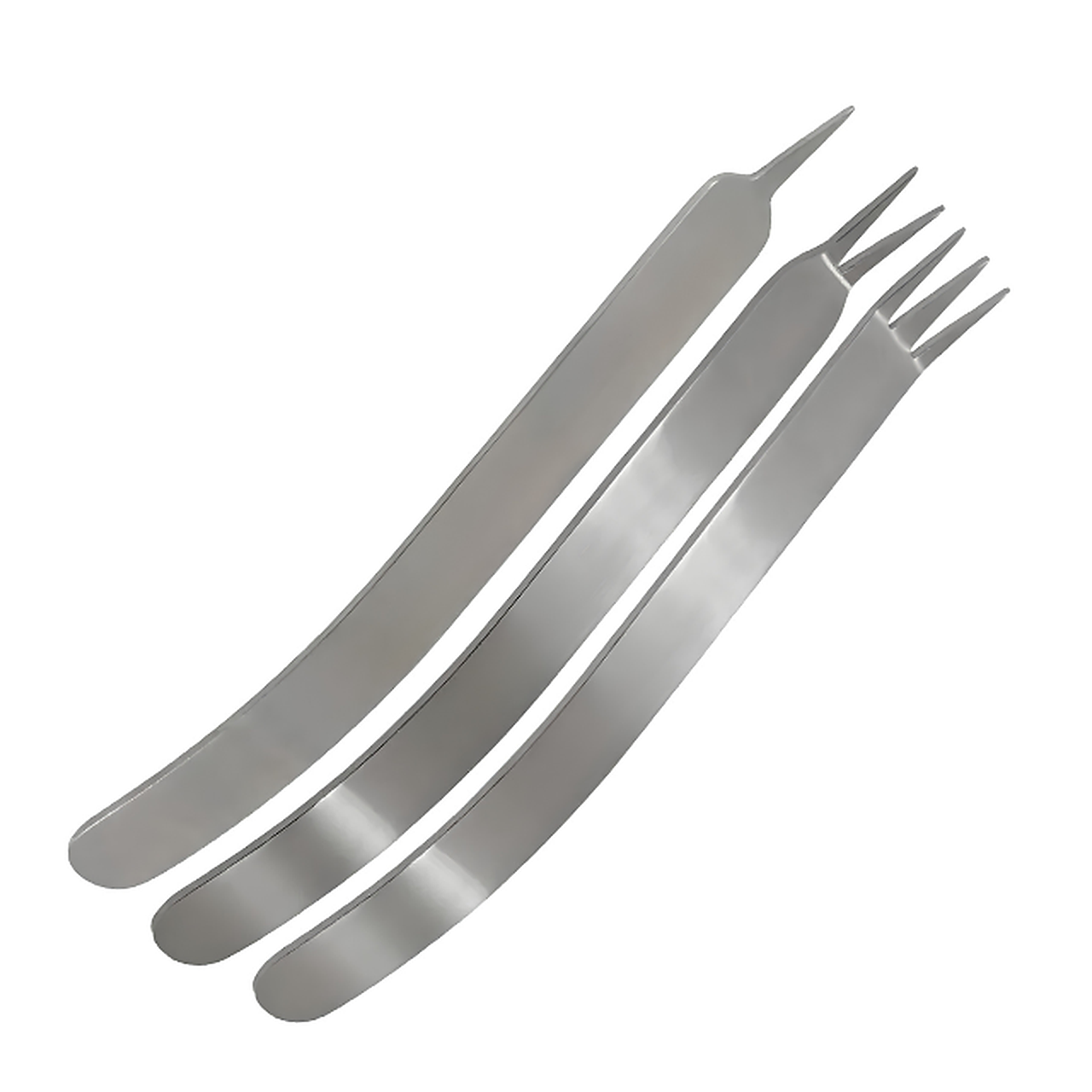 | Separadores Capsulares | Diseñado específicamente para retraer cápsulas articulares fibrosas, ligamentos y tejidos blandos durante la artroplastia de cadera, rodilla y hombro. |
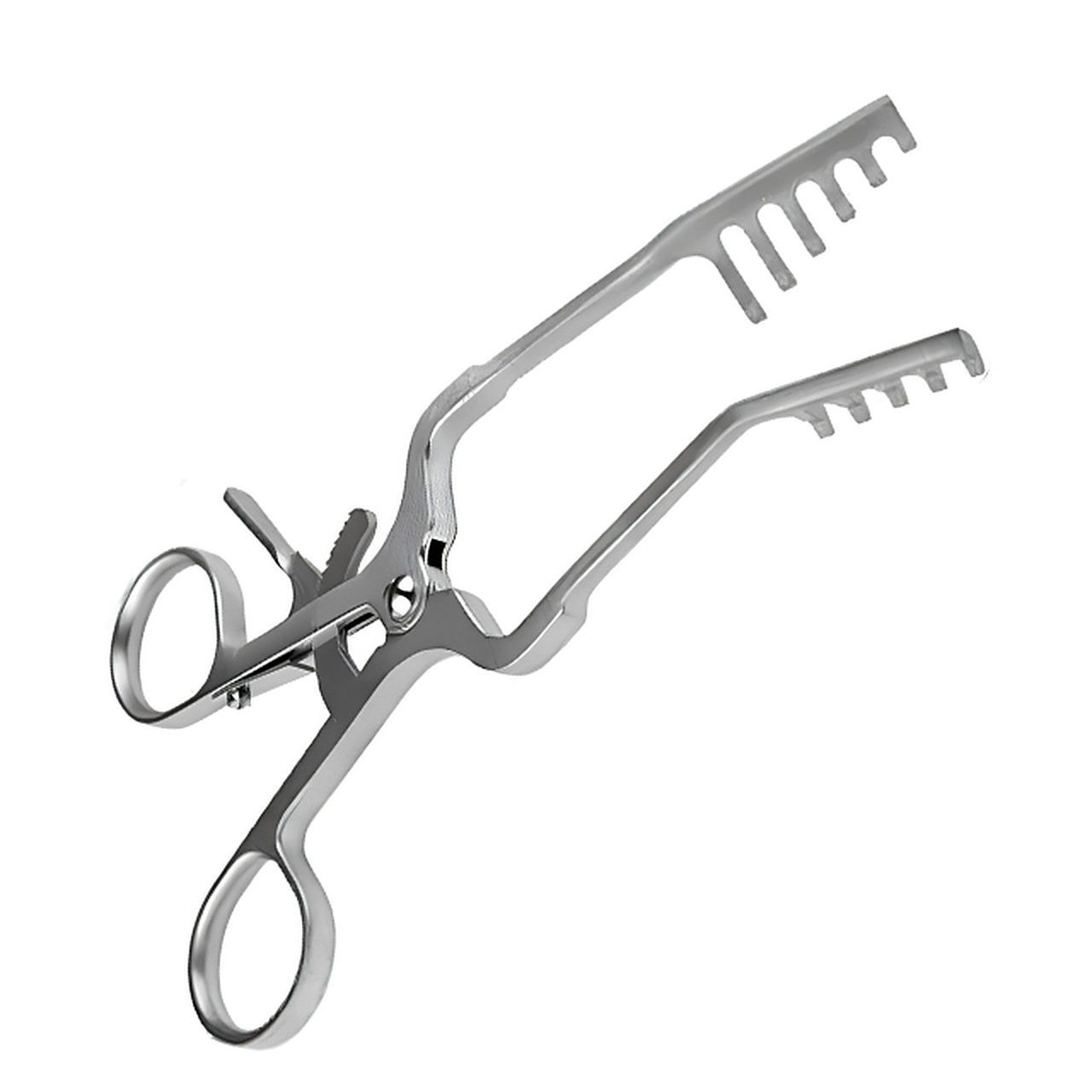 | Separador Estático para Túnel Carpiano | Diseñado específicamente para proporcionar retracción tisular estática y visualización del nervio mediano durante la cirugía de liberación de túnel carpiano abierta. |
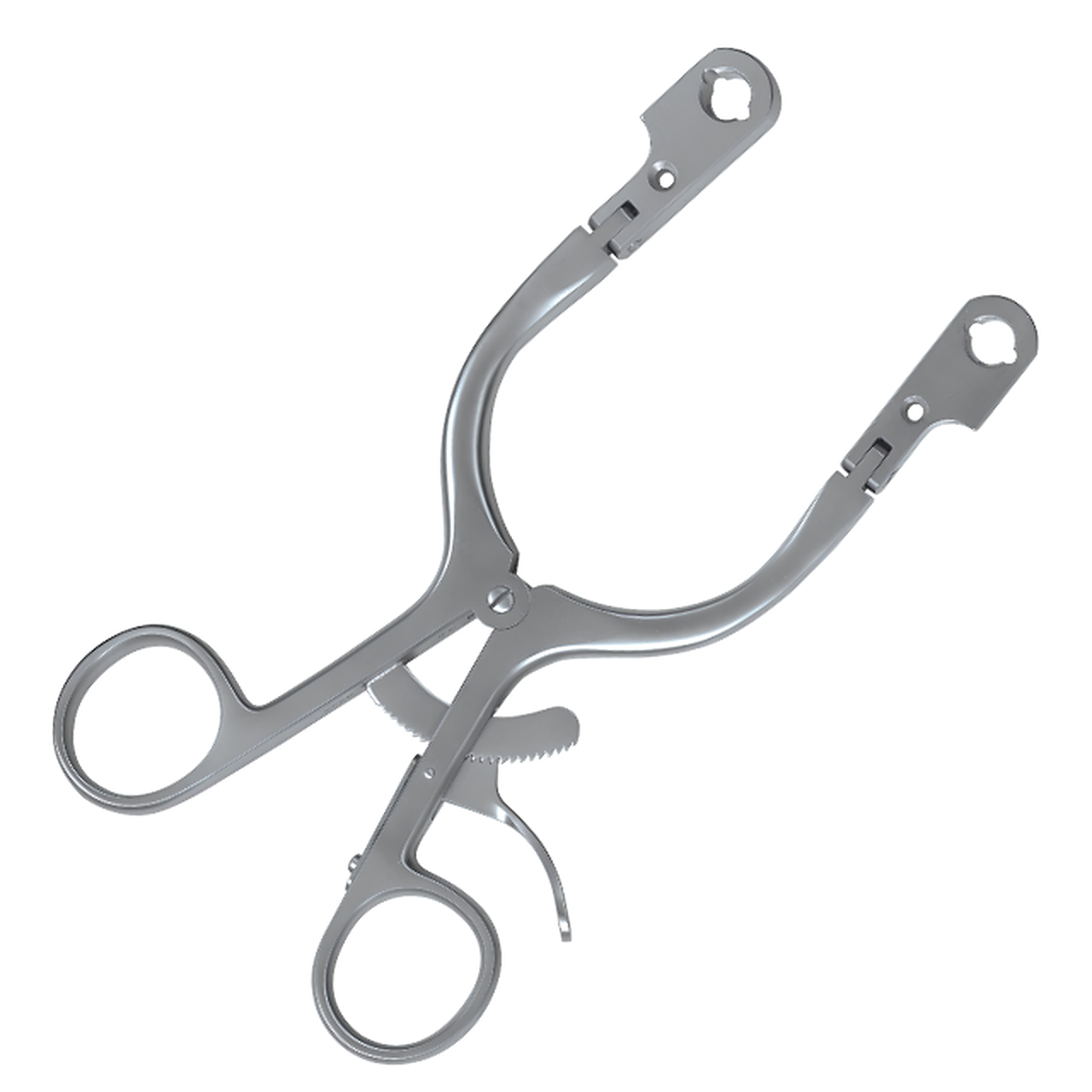 | Separador Cervical Caspar con Cremallera | Específicamente diseñado para proporcionar retracción autoestática de tejidos blandos y exposición vertebral durante la discectomía y fusión cervical anterior (ACDF). |
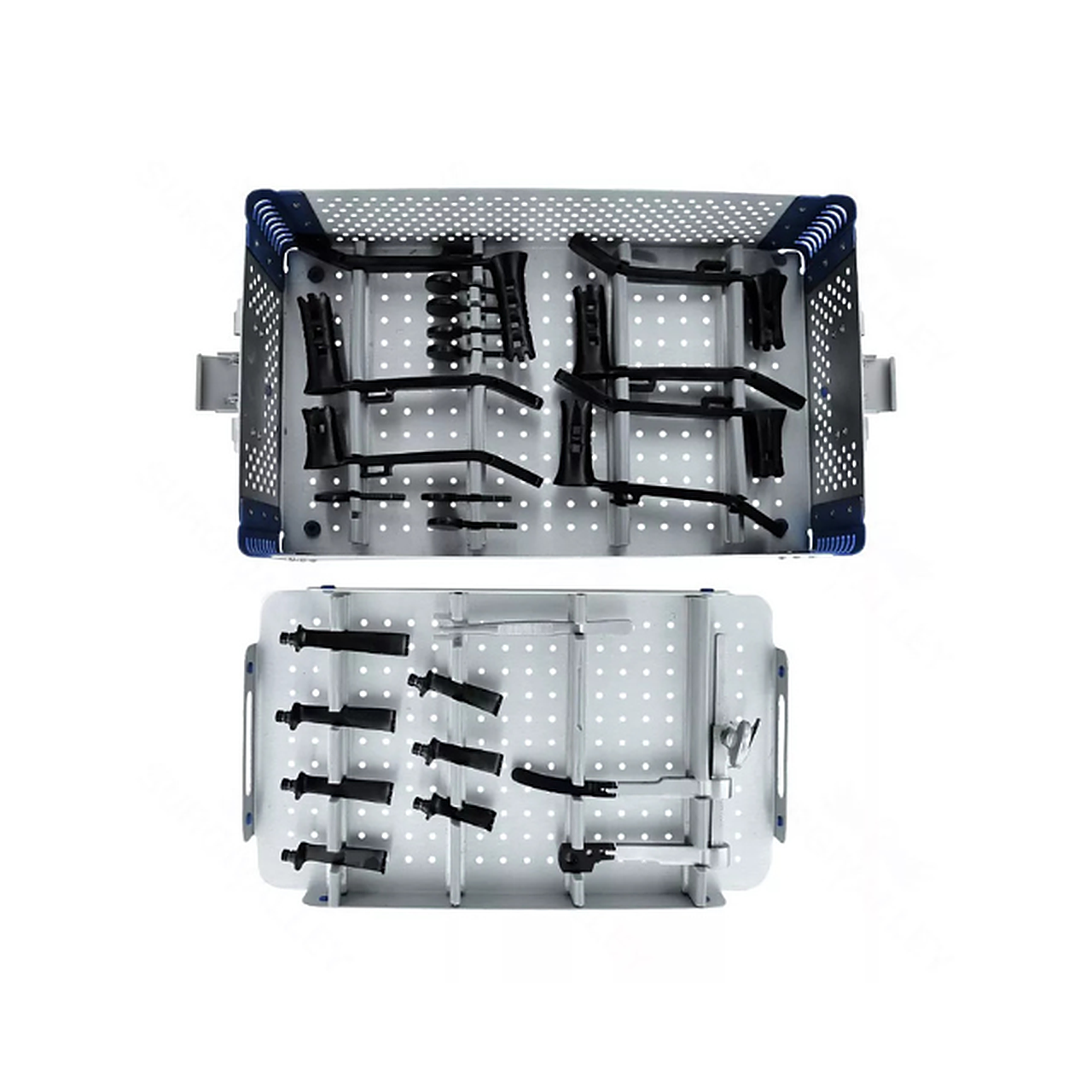 | Sistema de Separador para Microdiscectomía Lumbar Caspar | Diseñado específicamente para proporcionar una retracción tisular estable y exposición quirúrgica durante procedimientos de microdiscectomía lumbar. |
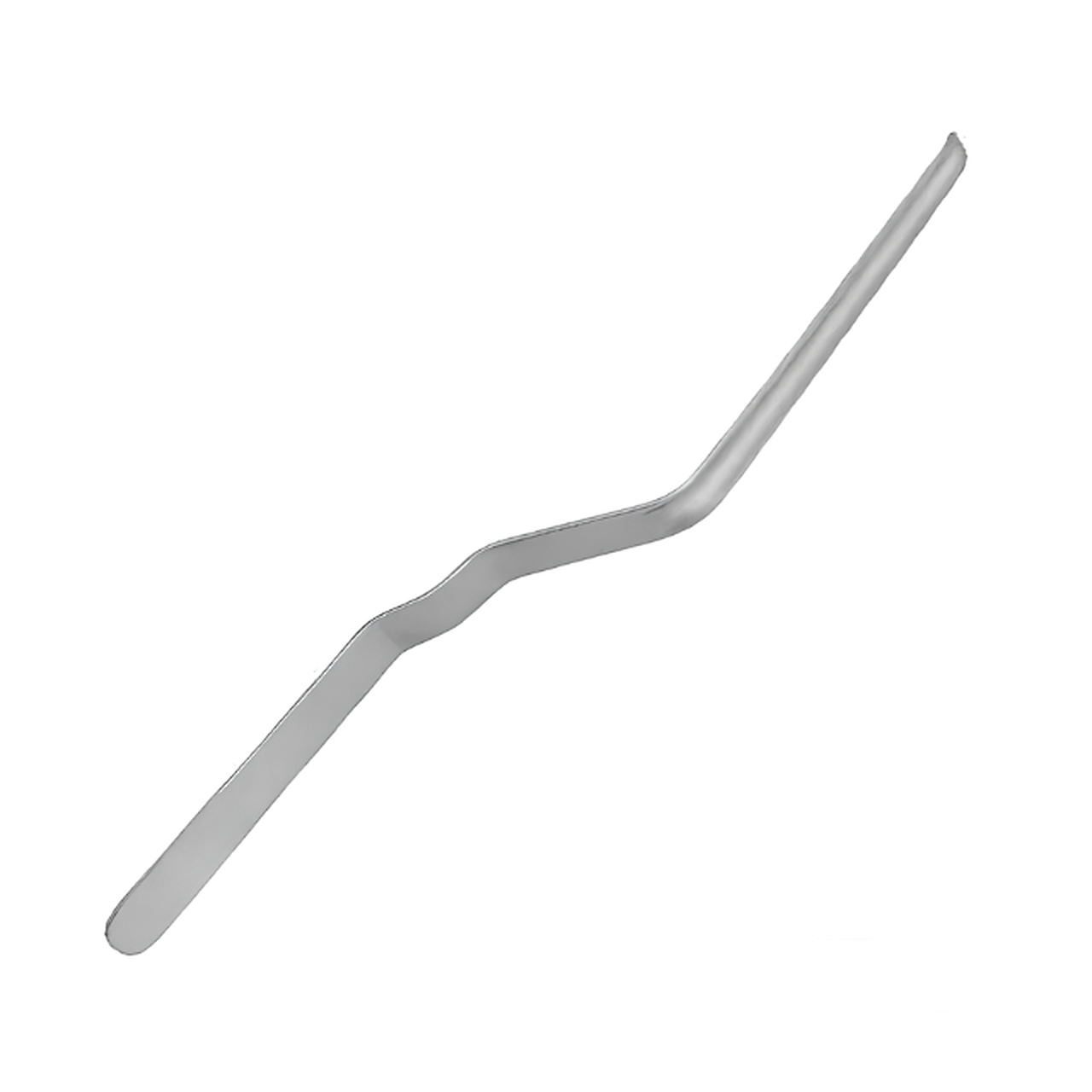 | Separadores de Raíz Nerviosa Caspar | Específicamente diseñado para movilizar, sostener y proteger las raíces de los nervios espinales y el saco tecal durante la microdiscectomía lumbar. |
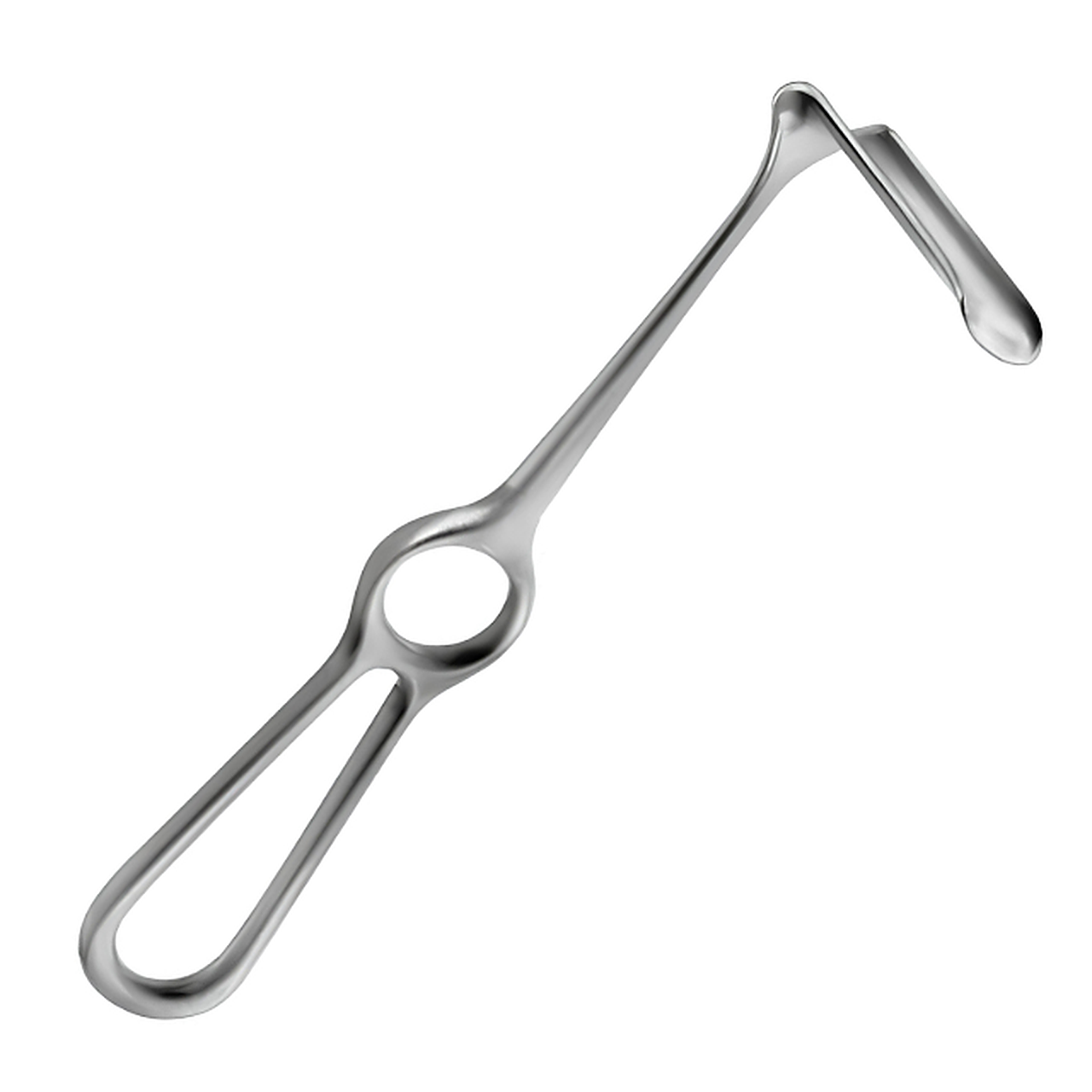 | Separador Caspar | Específicamente diseñado para retraer músculo, fascia y tejido blando durante cirugías de columna, ortopédicas y reconstructivas. |
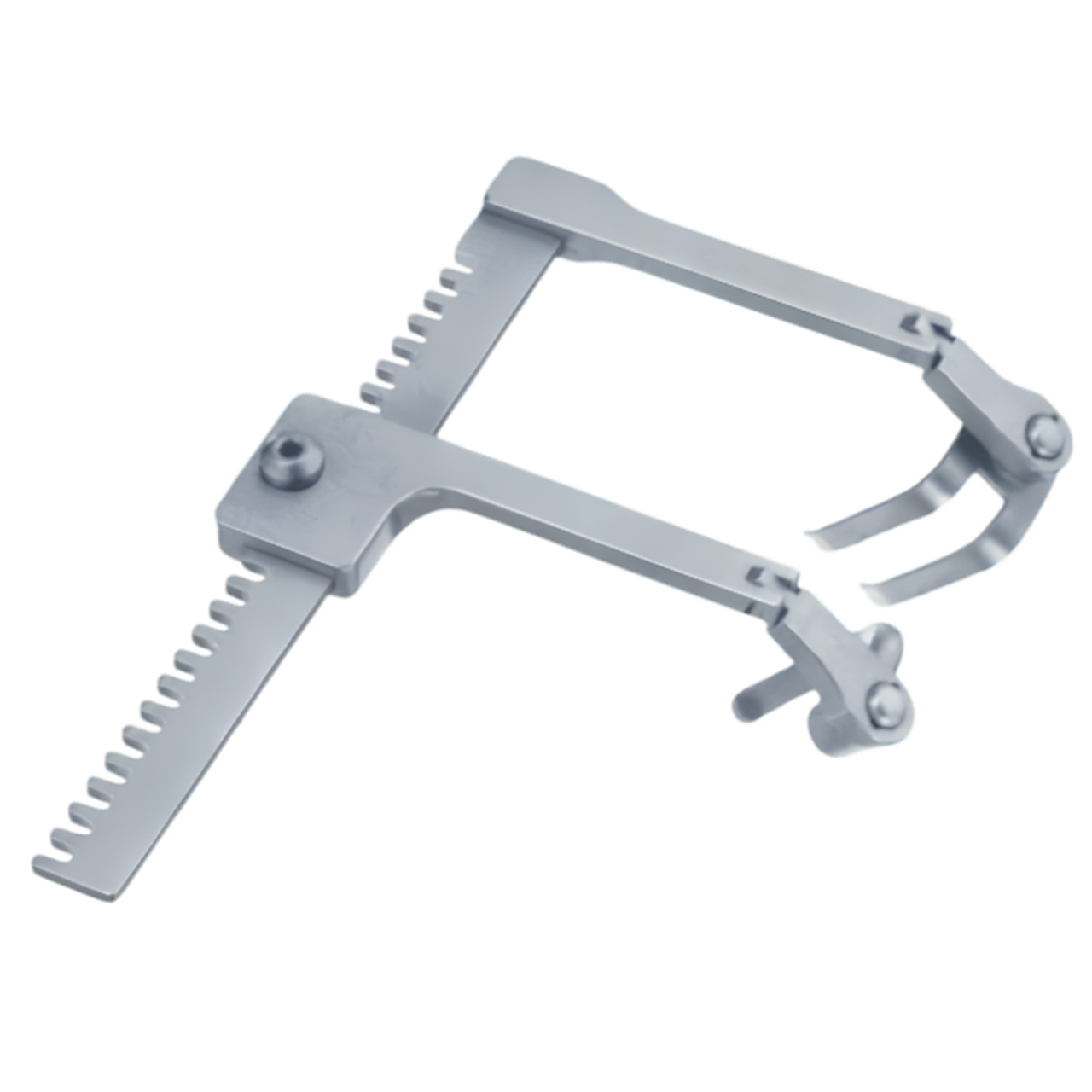 | Separador Autoestático Caspar | Diseñado específicamente para retraer la tráquea, el esófago y los músculos largos del cuello durante la cirugía de columna cervical anterior. |
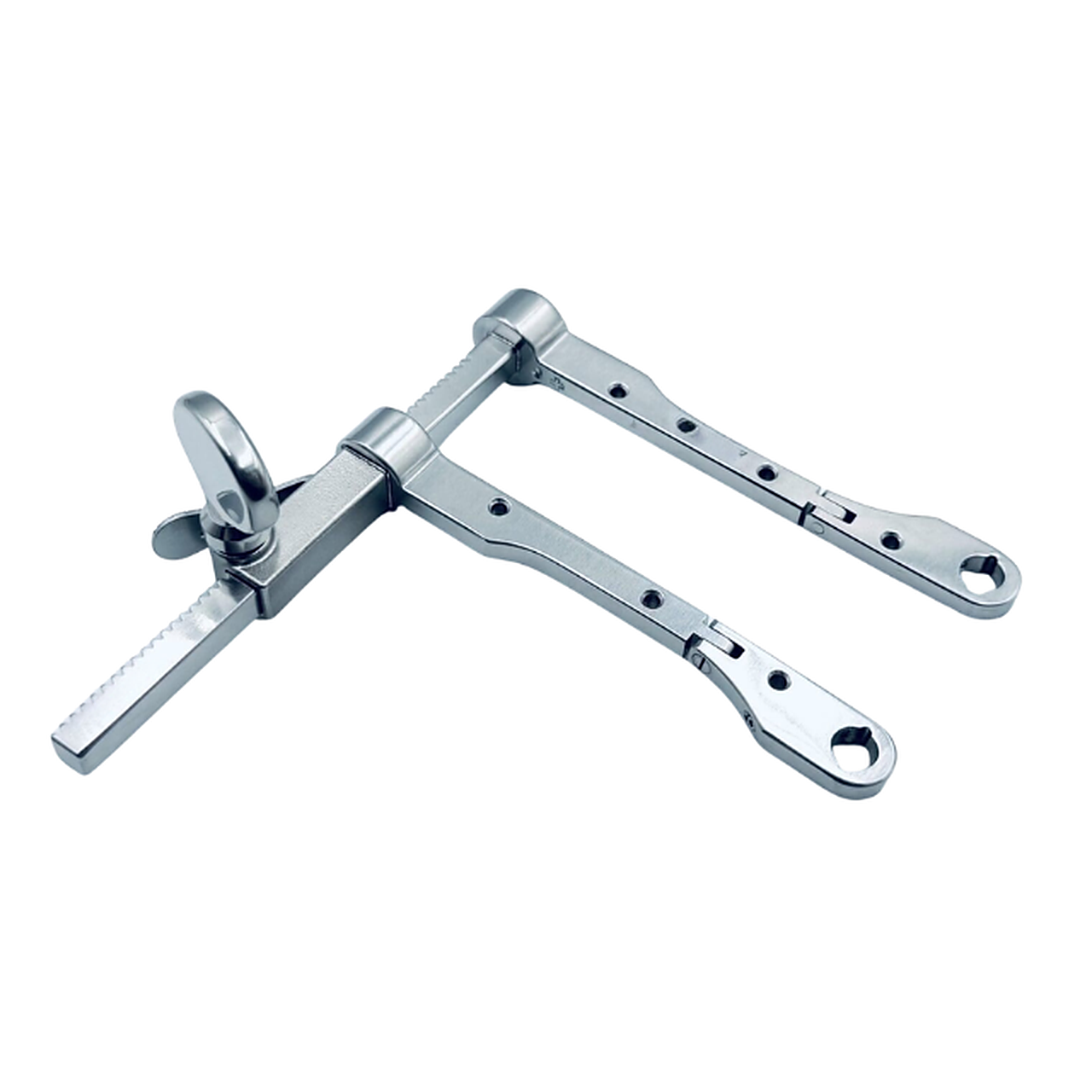 | Separador Cervical Casper | Diseñado específicamente para proporcionar retracción de tejidos blandos articulada y autoestática, y exposición vertebral durante cirugía cervical anterior. |
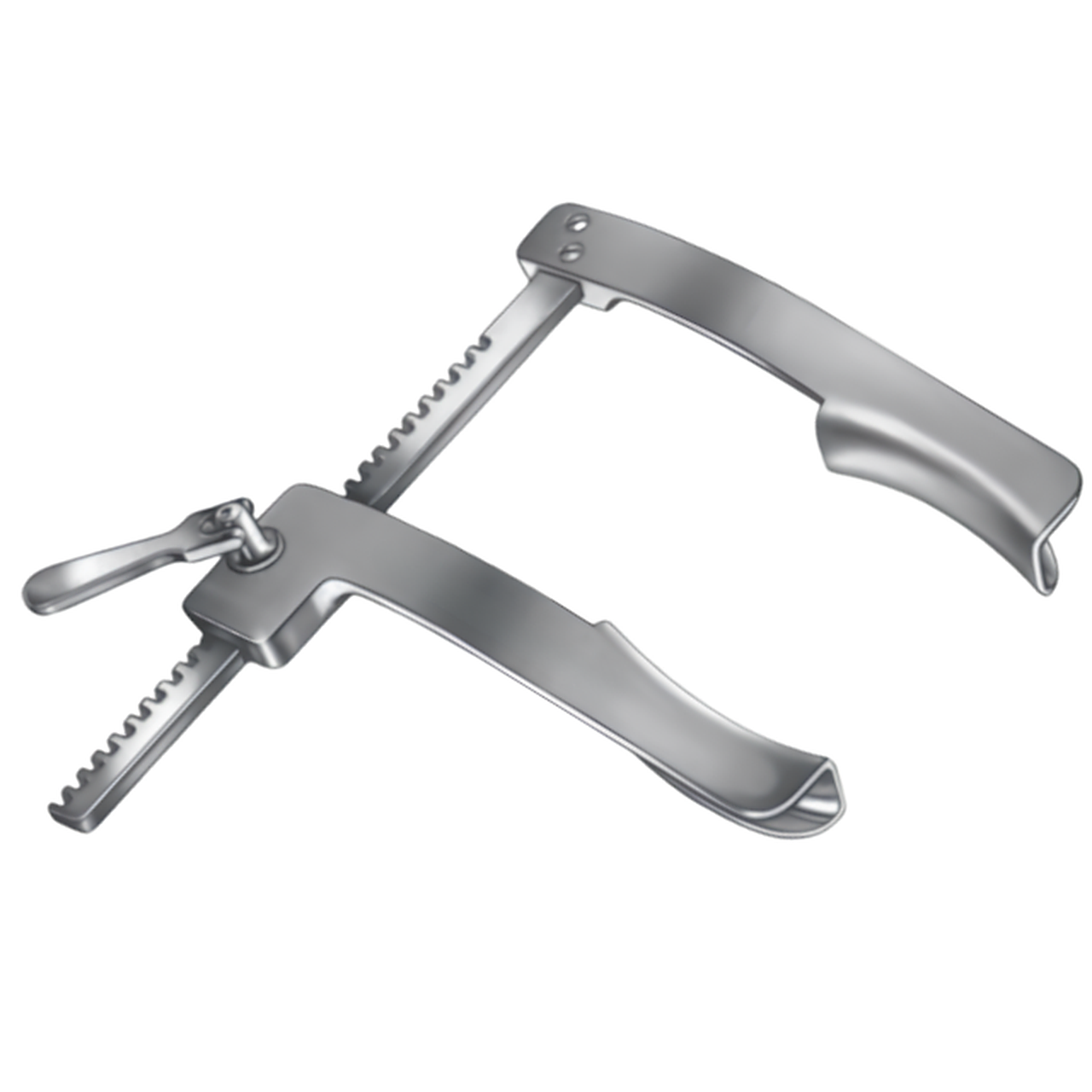 | Separador Costal Castaneda | Diseñado específicamente para separar las costillas y proporcionar exposición de la cavidad torácica durante la cirugía cardiotorácica neonatal y pediátrica. |
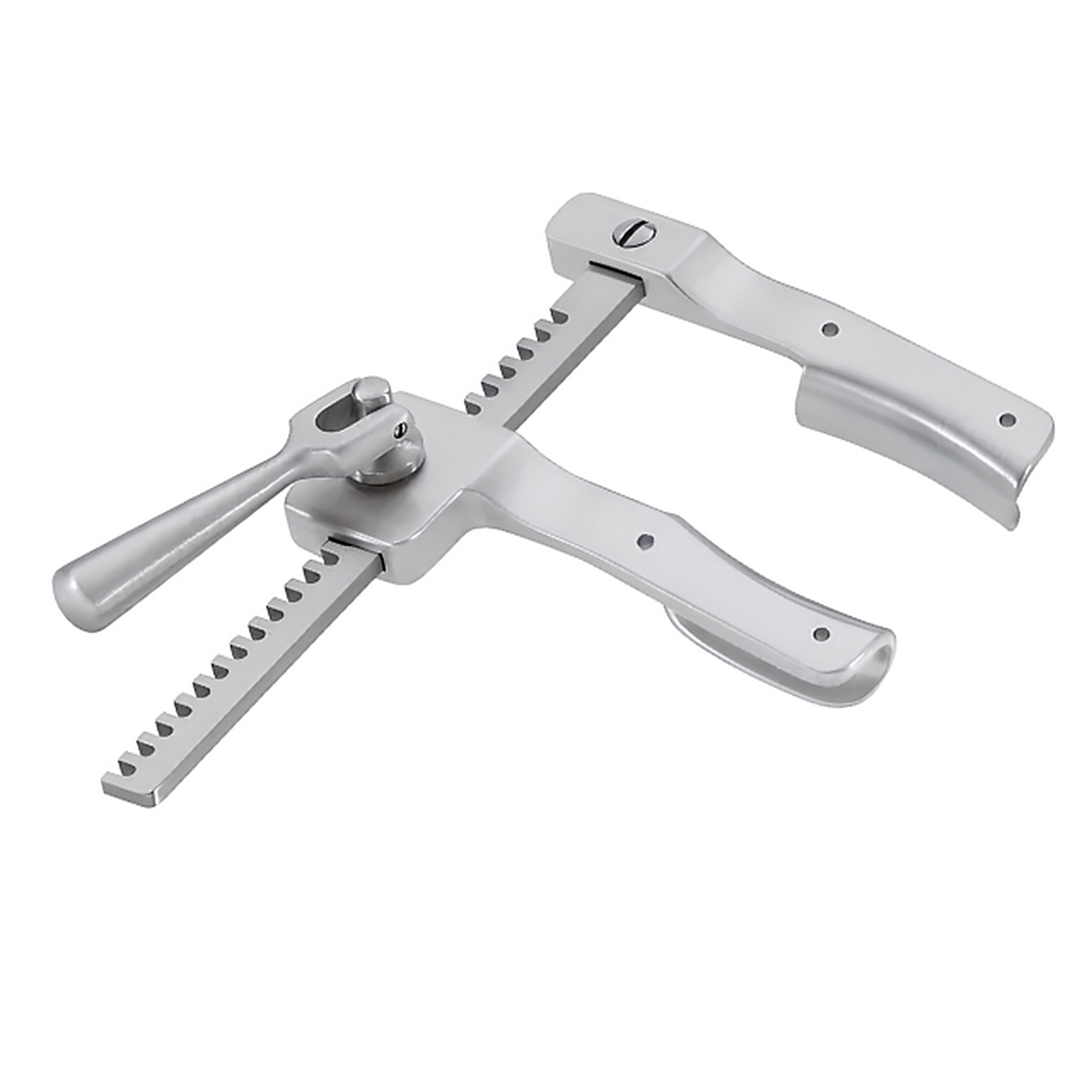 | Separador Esternal Castaneda | Diseñado específicamente para la separación esternal y exposición mediastínica durante cirugía cardíaca pediátrica, neonatal y de adultos. |
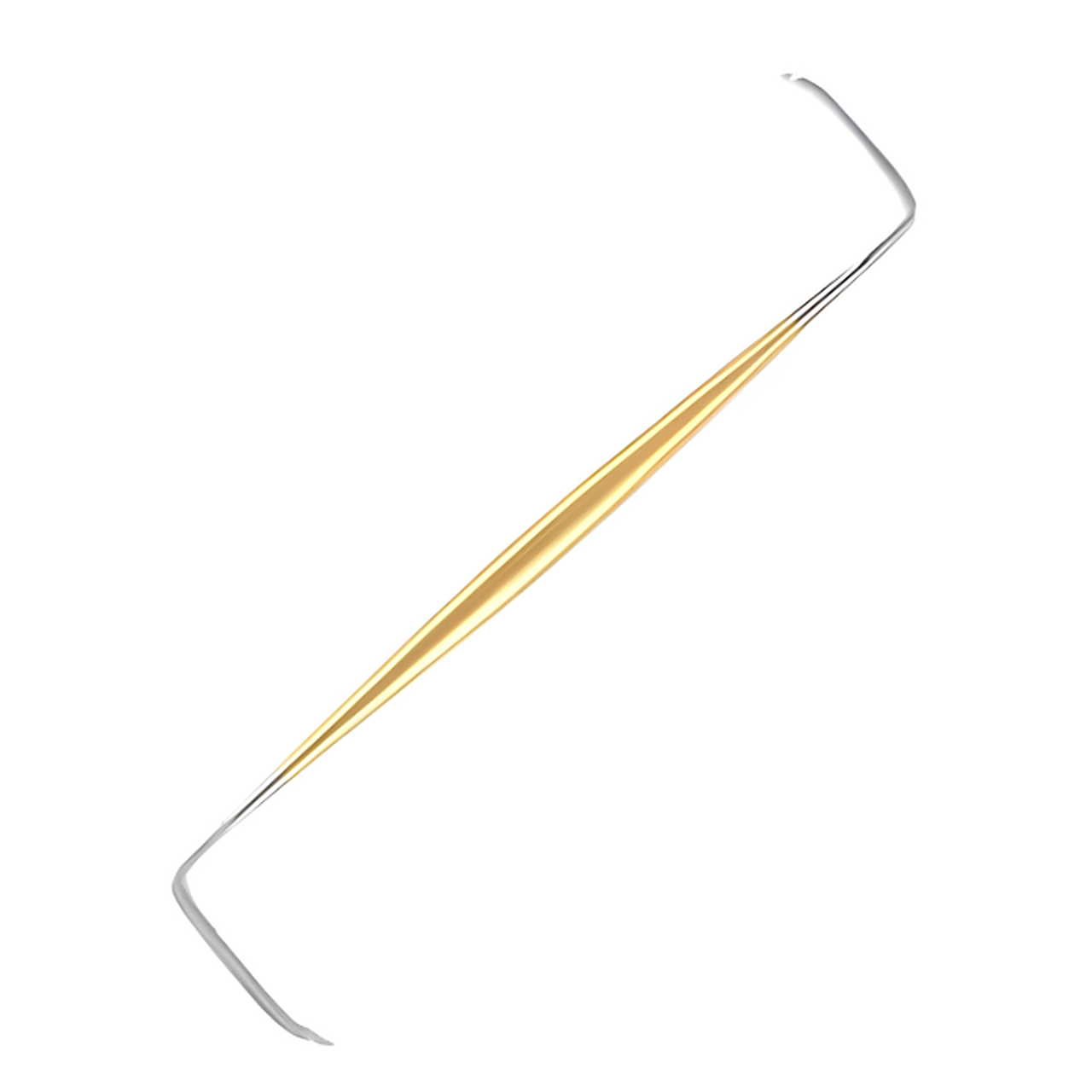 | Separador Nasal de Doble Extremo Cerkes | Diseñado específicamente para elevar la cubierta de tejido blando nasal y retraer cartílagos durante rinoplastias abiertas y cerradas. |
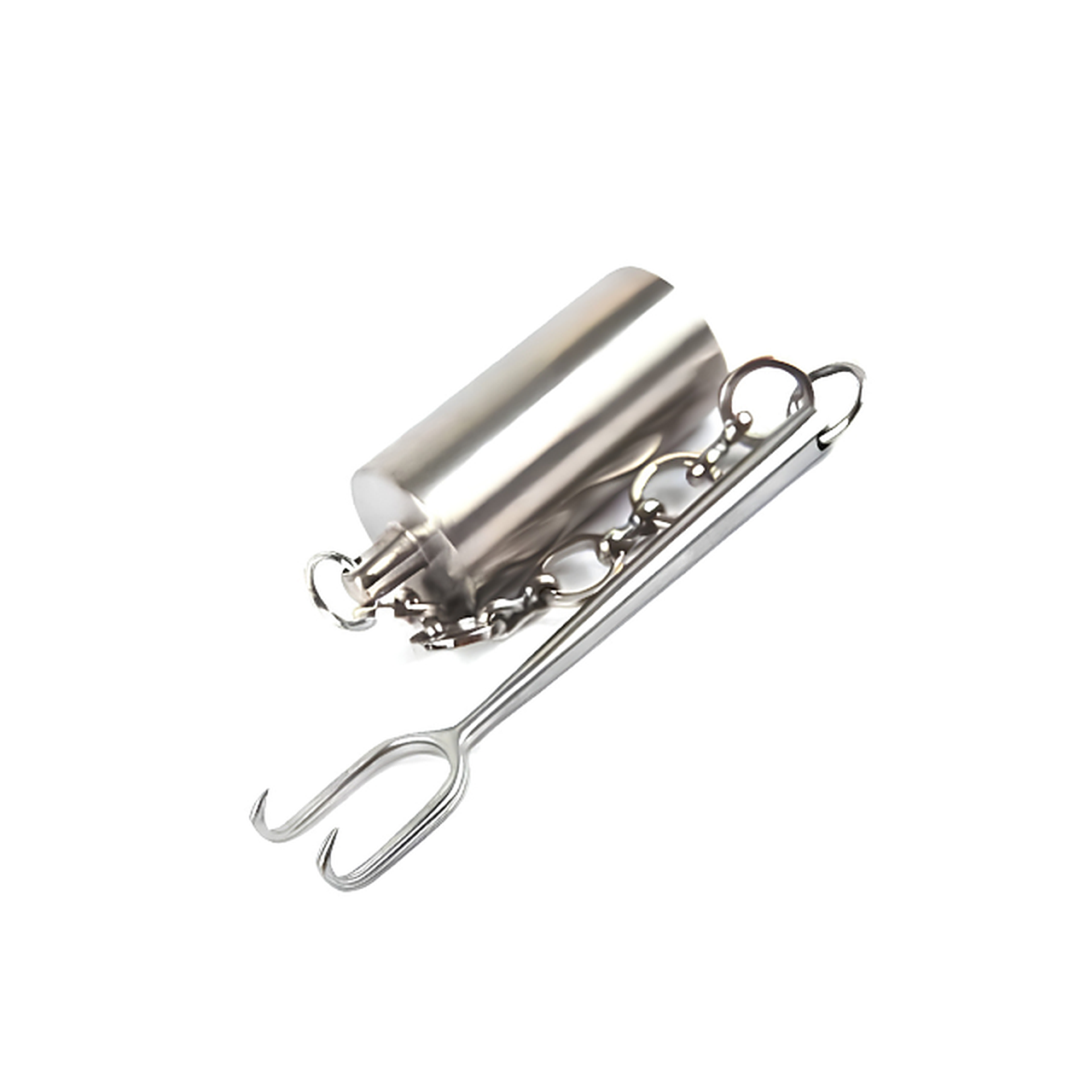 | Separador Nasal Cerkes con Peso - Separador de Columela Gruber | Específicamente diseñado para proporcionar separación contrapesada y manos libres de la columela y el tabique caudal durante la rinoplastia abierta. |
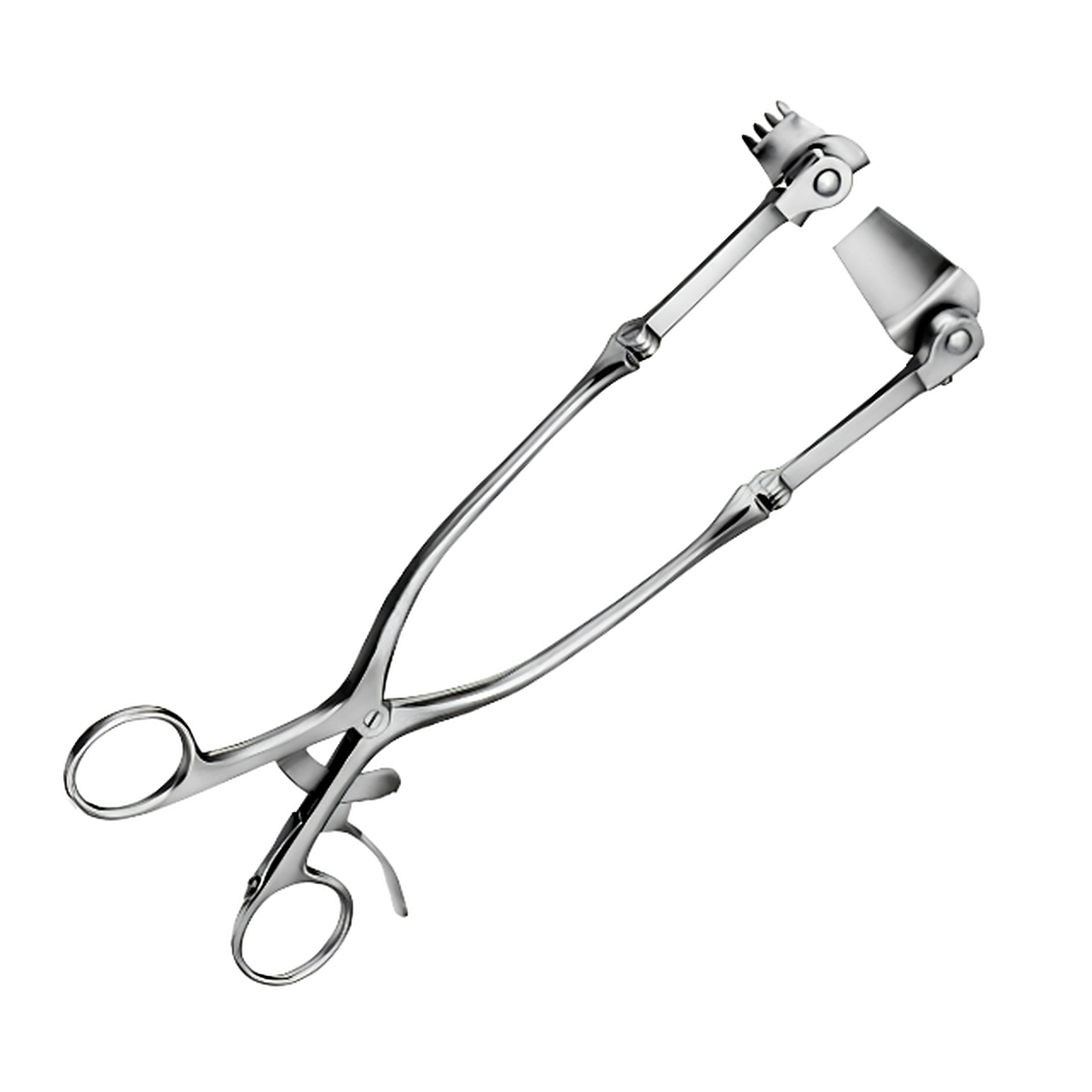 | Marco de Retractor Cervical | Diseñado específicamente para sujetar valvas de retractor intercambiables y proporcionar exposición longitudinal durante la cirugía de columna cervical anterior. |
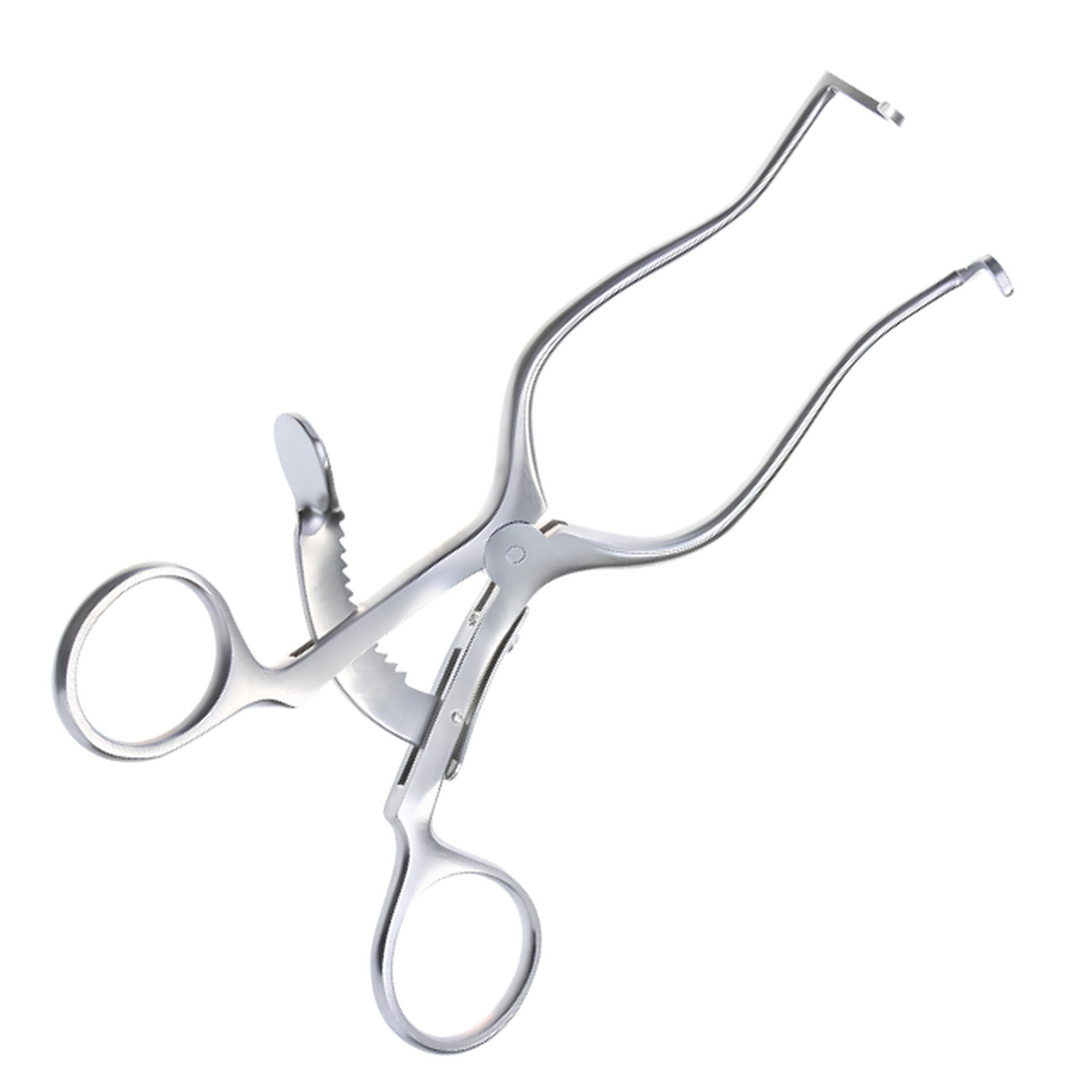 | Separador Cervical de Tejidos Blandos | Específicamente diseñado para retraer y movilizar tejidos blandos delicados y planos fasciales durante la cirugía de columna cervical anterior. |
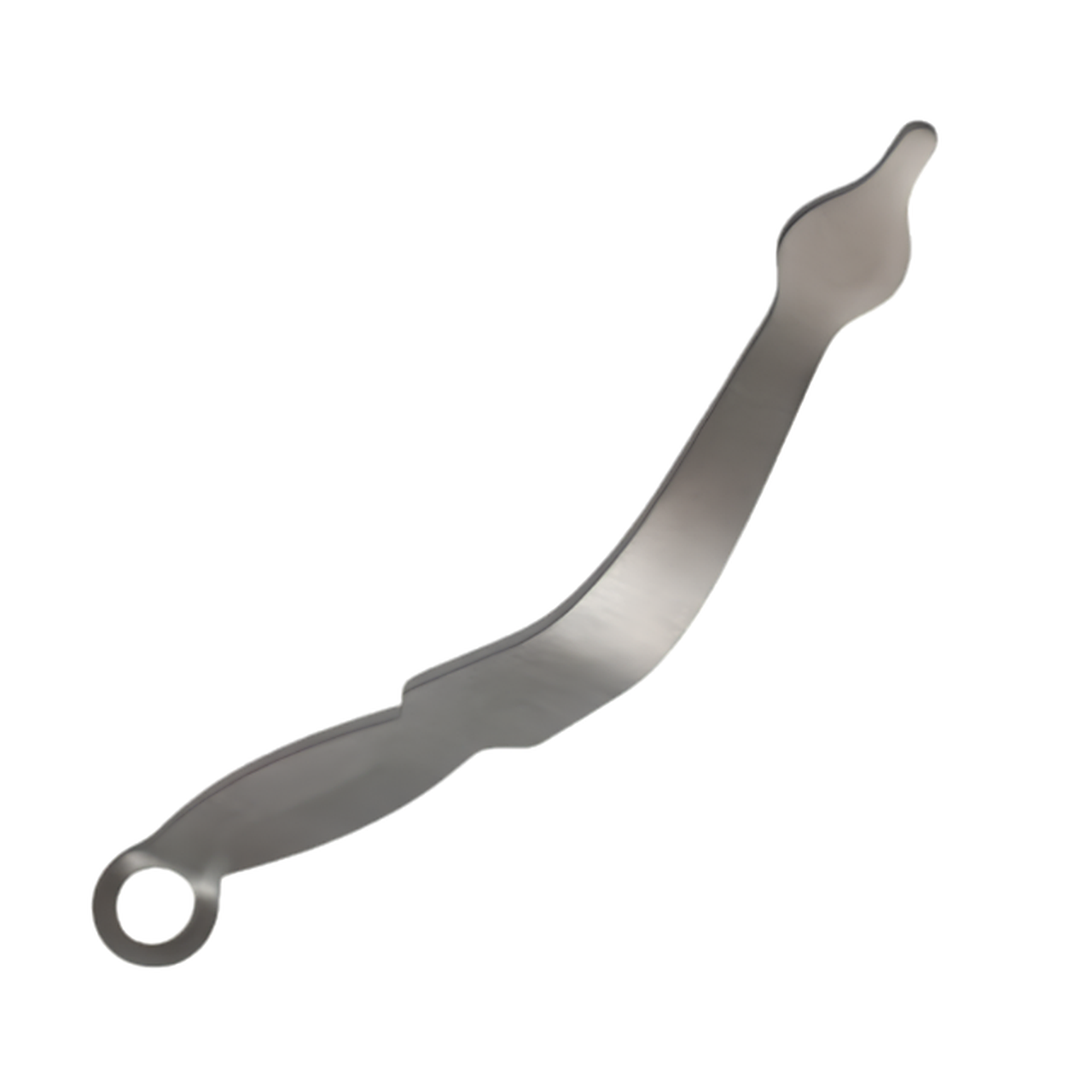 | Separador Chandler | Diseñado específicamente para realizar palanca ósea y retraer musculatura pesada durante la artroplastia total de cadera y procedimientos reconstructivos femorales. |
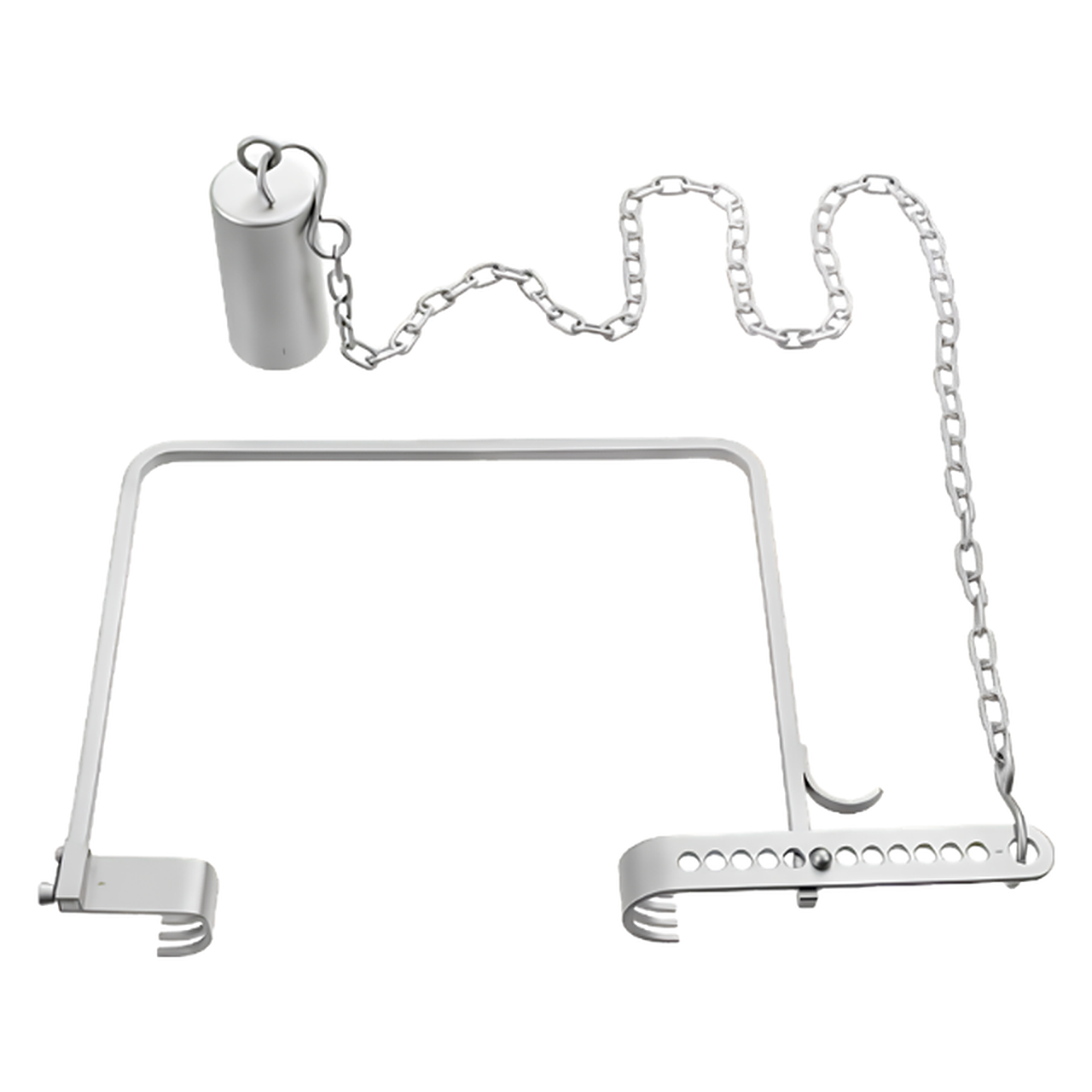 | Separador de Incisión Inicial Charnley | Específicamente diseñado para retraer los márgenes de la piel y el tejido adiposo subcutáneo durante la exposición inicial en la artroplastia de cadera. |
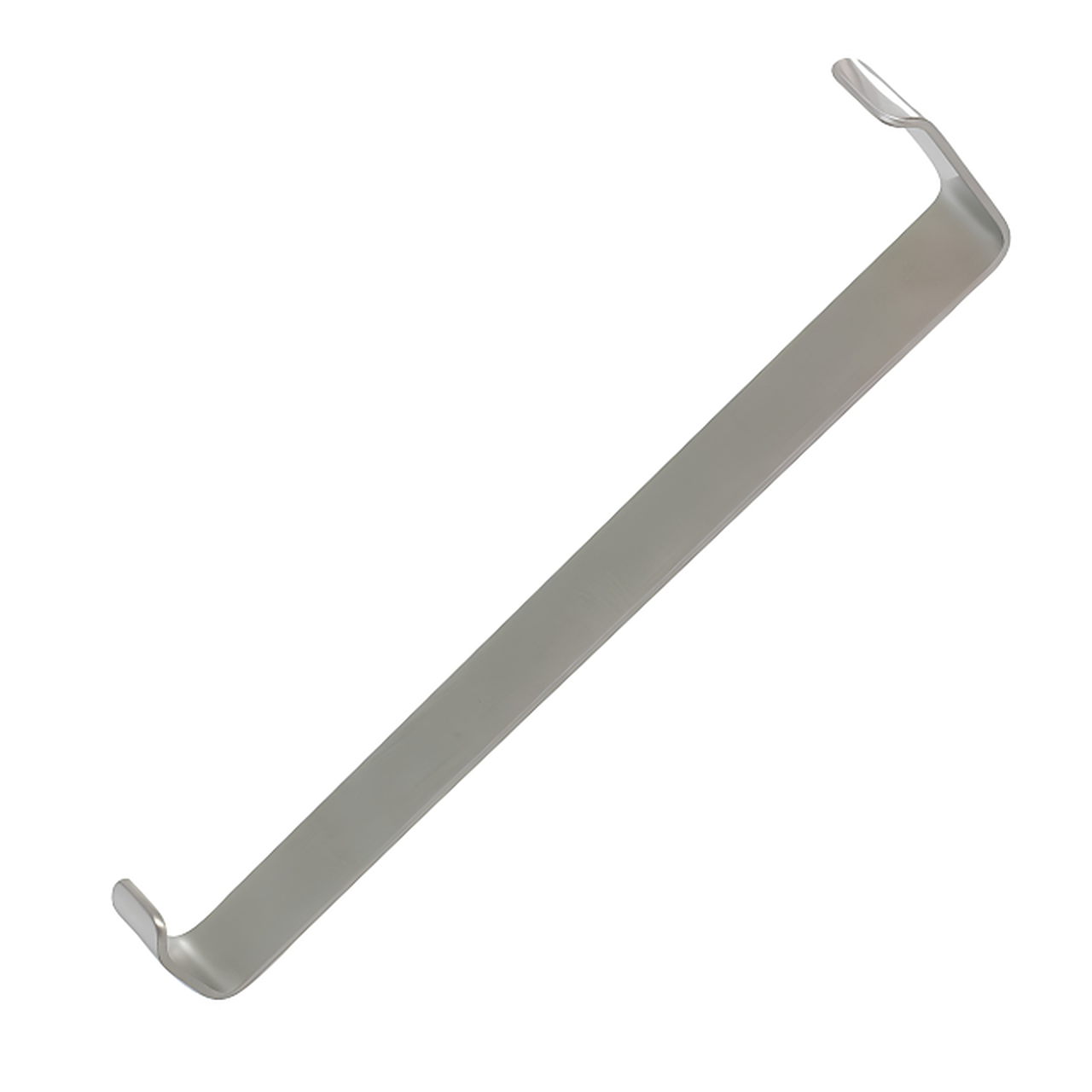 | Separador Children's Hospital | Diseñado específicamente para retraer piel delicada, músculo y tejido blando durante procedimientos quirúrgicos pediátricos y menores. |
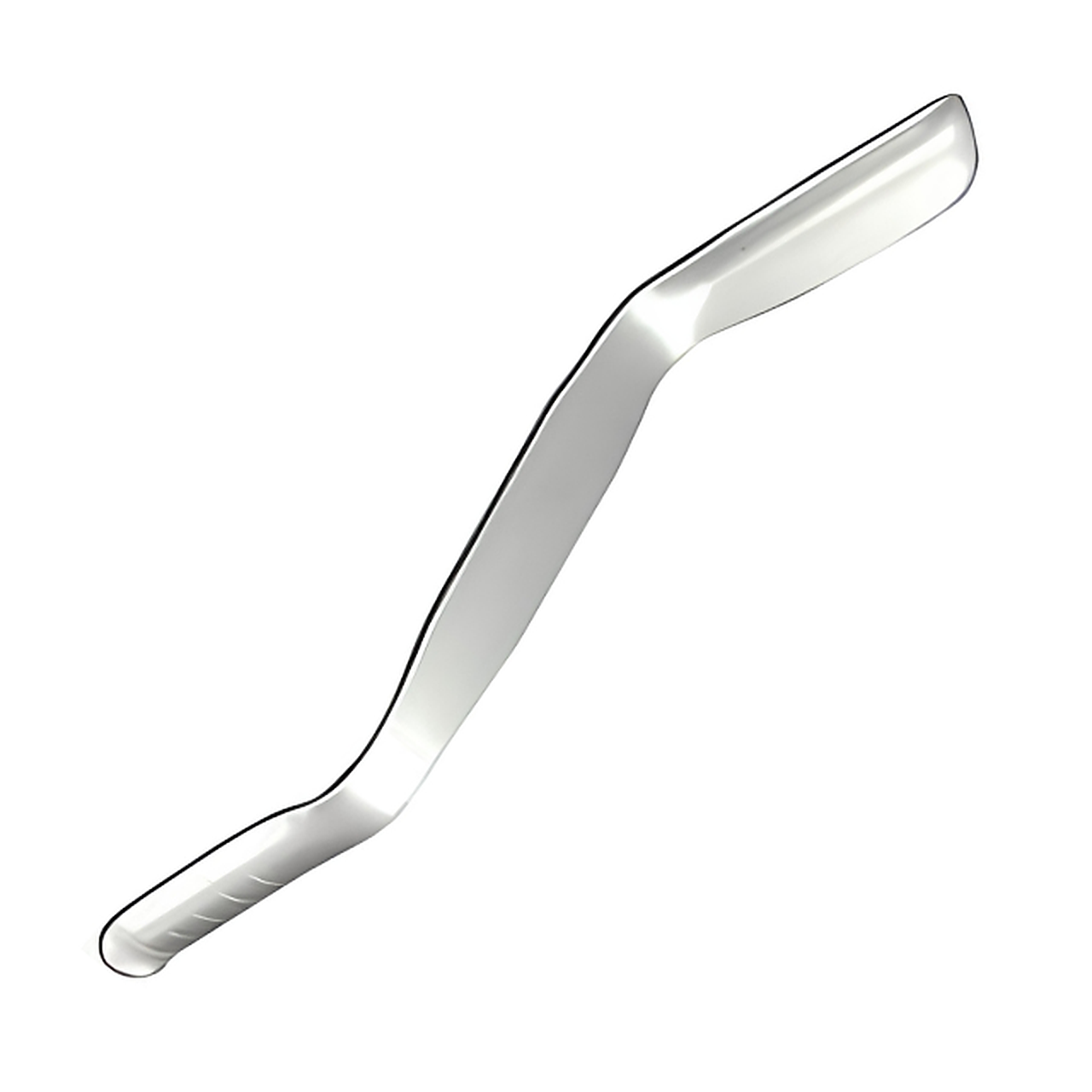 | Separador Orbital Clodius | Específicamente diseñado para retraer la grasa orbital, elevar los colgajos del párpado y proteger el globo ocular durante la blefaroplastia y la cirugía periorbital. |
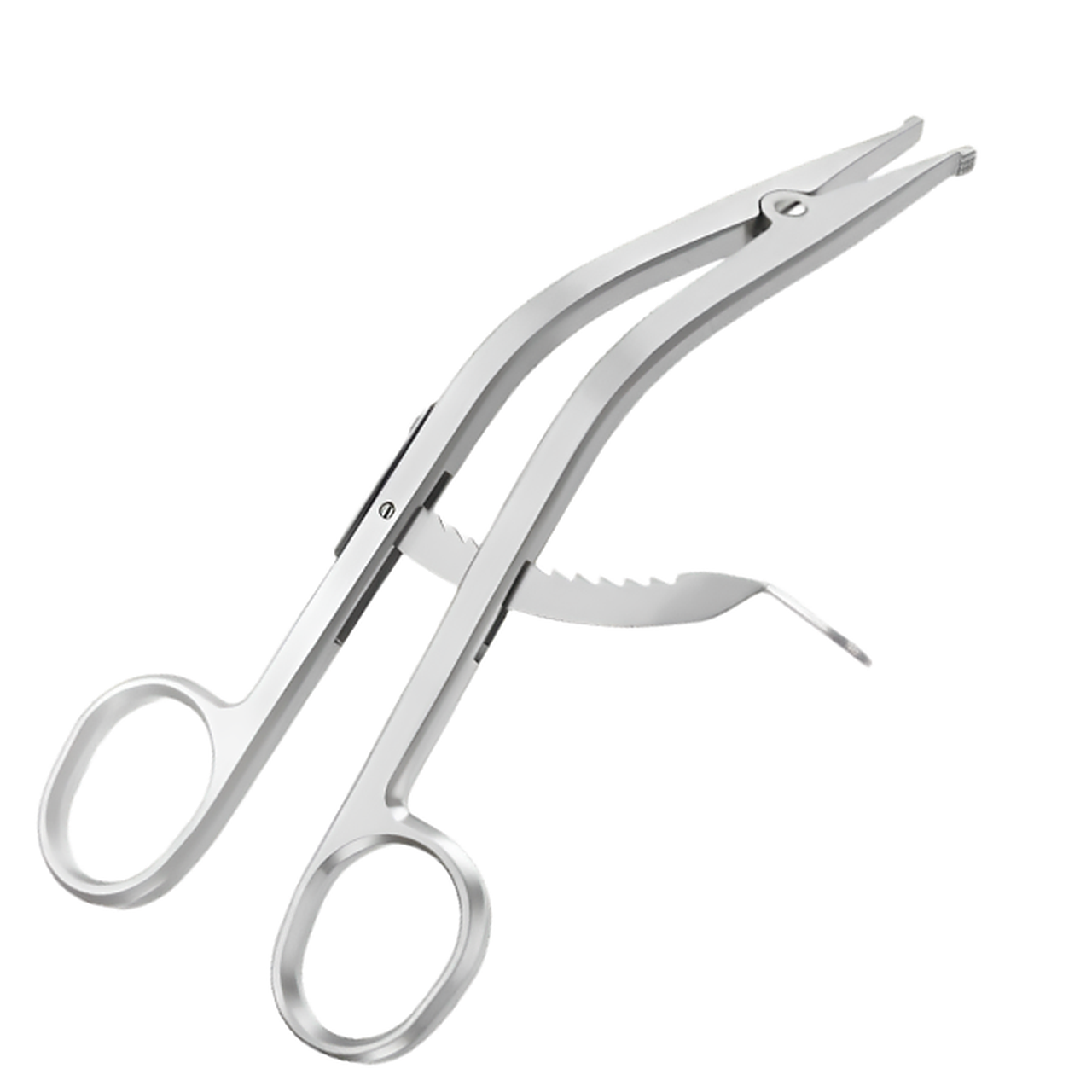 | Separador Cervical/Lámina Cloward | Diseñado específicamente para retraer los músculos paraespinales y exponer la lámina y las articulaciones facetarias durante cirugías de columna cervical y torácica superior. |
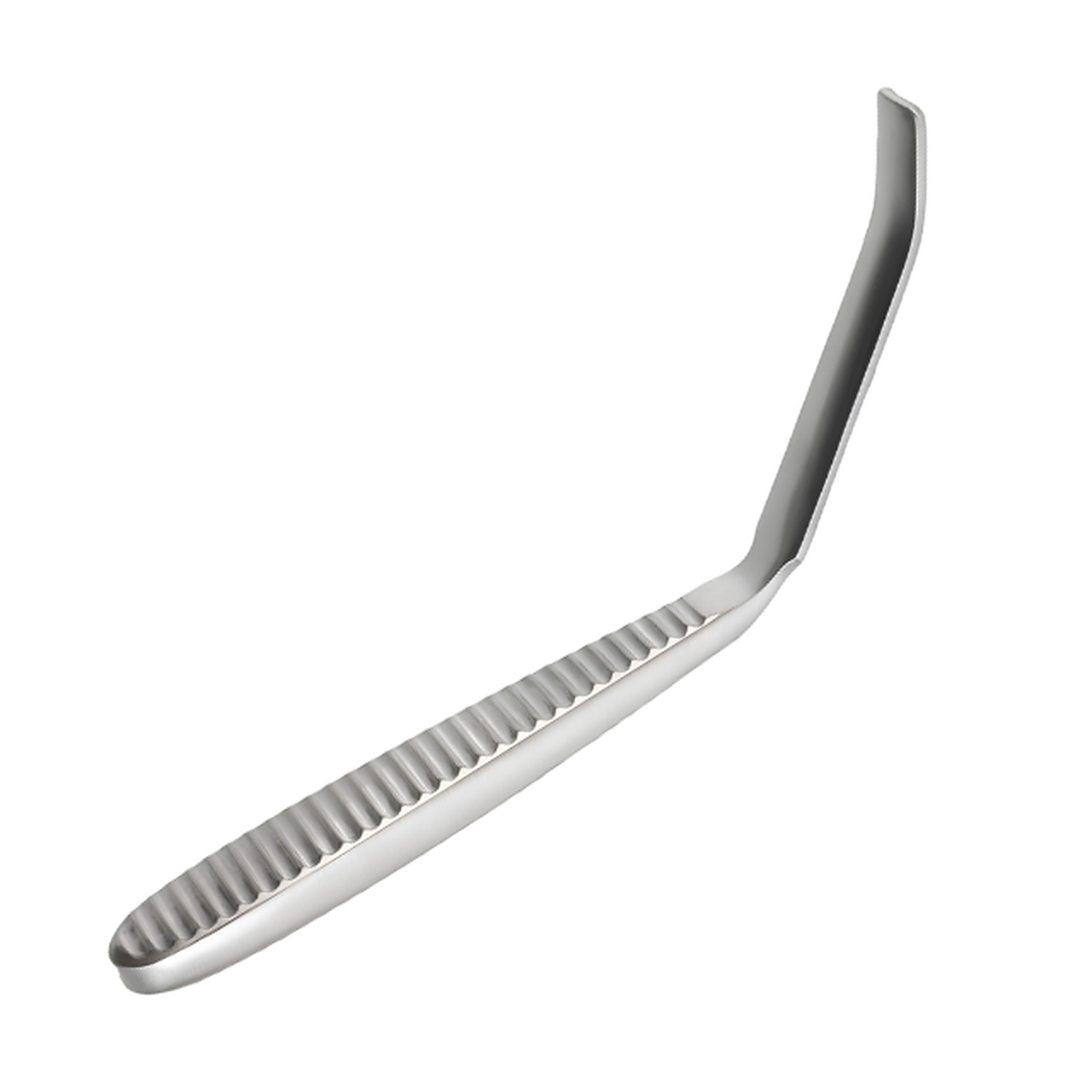 | Separador de Valva Estilo Cloward | Diseñado específicamente para retraer músculo, fascia y tejido blando visceral durante la cirugía de columna cervical anterior. |
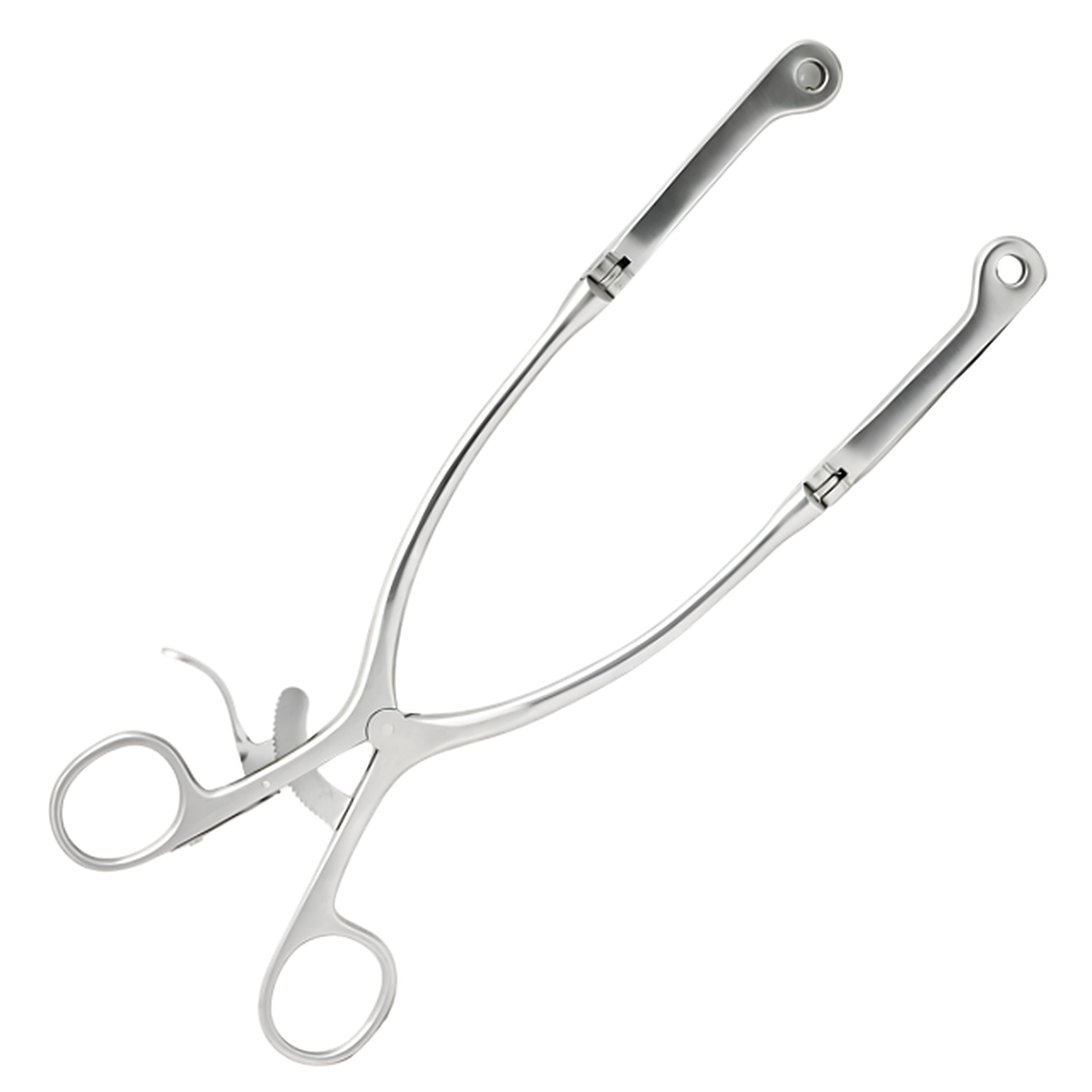 | Separador cervical tipo Cloward | Específicamente diseñado para proporcionar retracción de tejidos blandos y exposición vertebral autorretentiva durante la discectomía y fusión cervical anterior. |
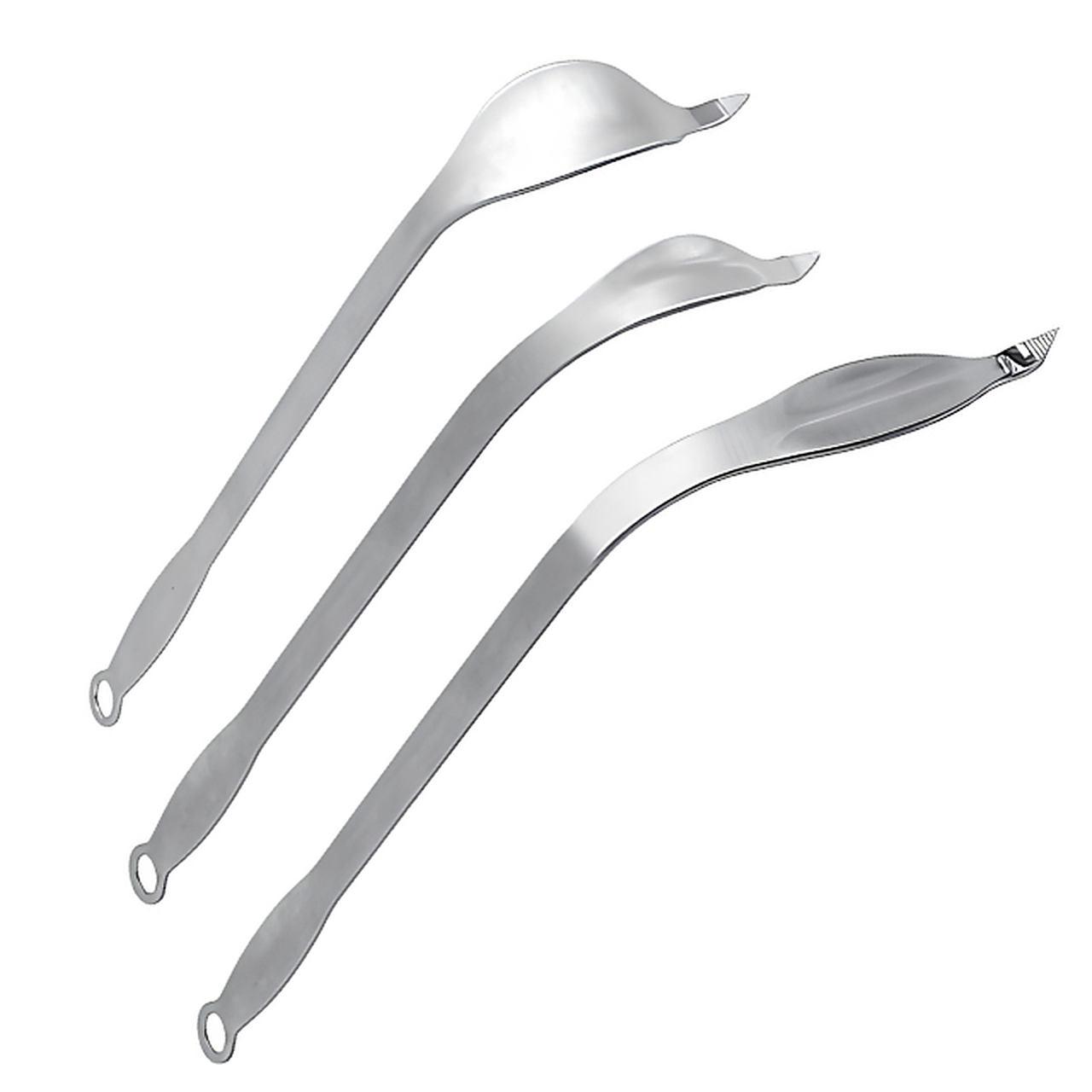 | Separador Cobra | Diseñado específicamente para hacer palanca en el hueso y retraer musculatura pesada durante artroplastias totales de cadera, osteotomías pélvicas y cirugía de fémur. |
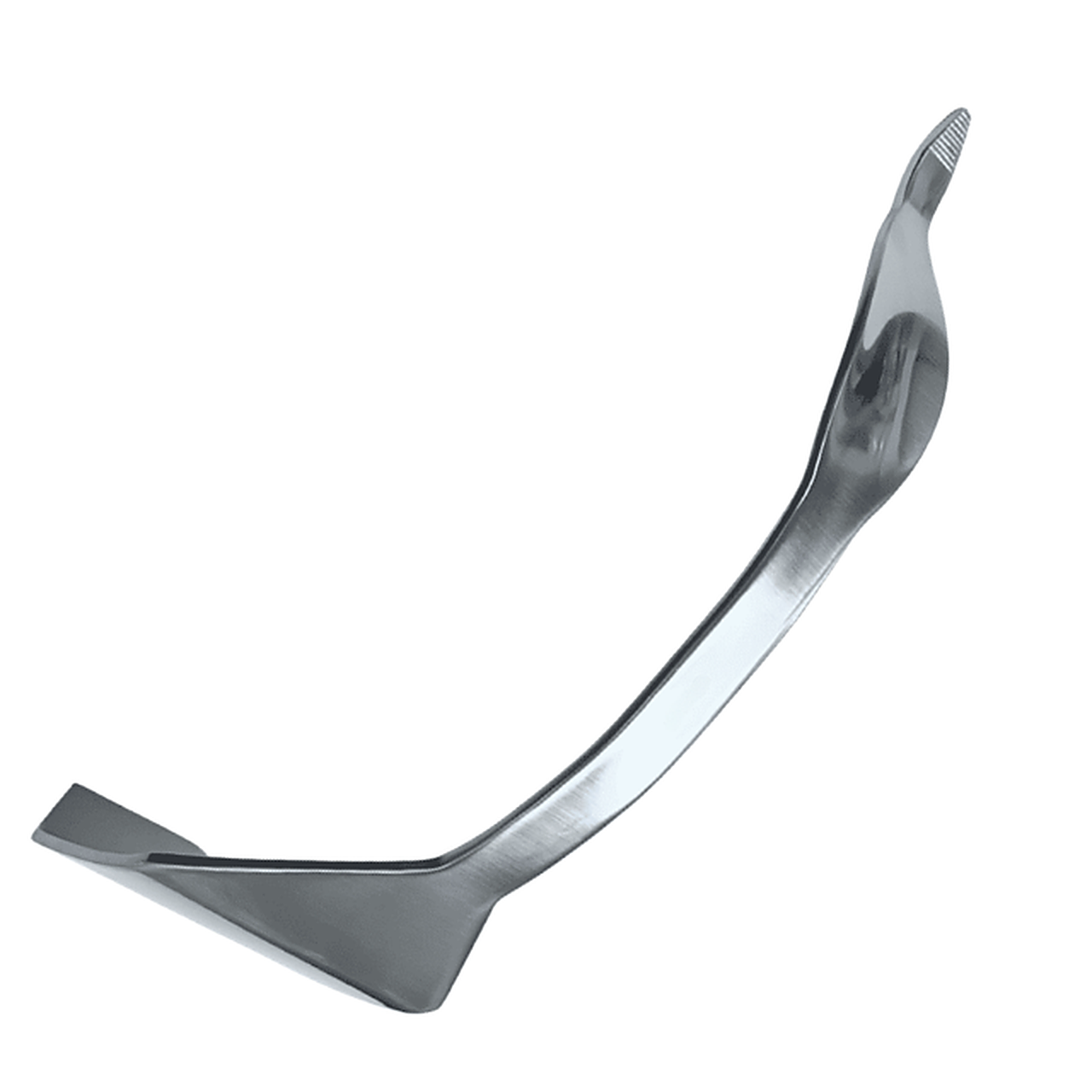 | Separador Cobra con Apoyo para la Mano | Diseñado específicamente para hacer palanca en el hueso y retraer la musculatura pesada, reduciendo al mismo tiempo la tensión en la mano del ayudante durante la artroplastia de cadera. |
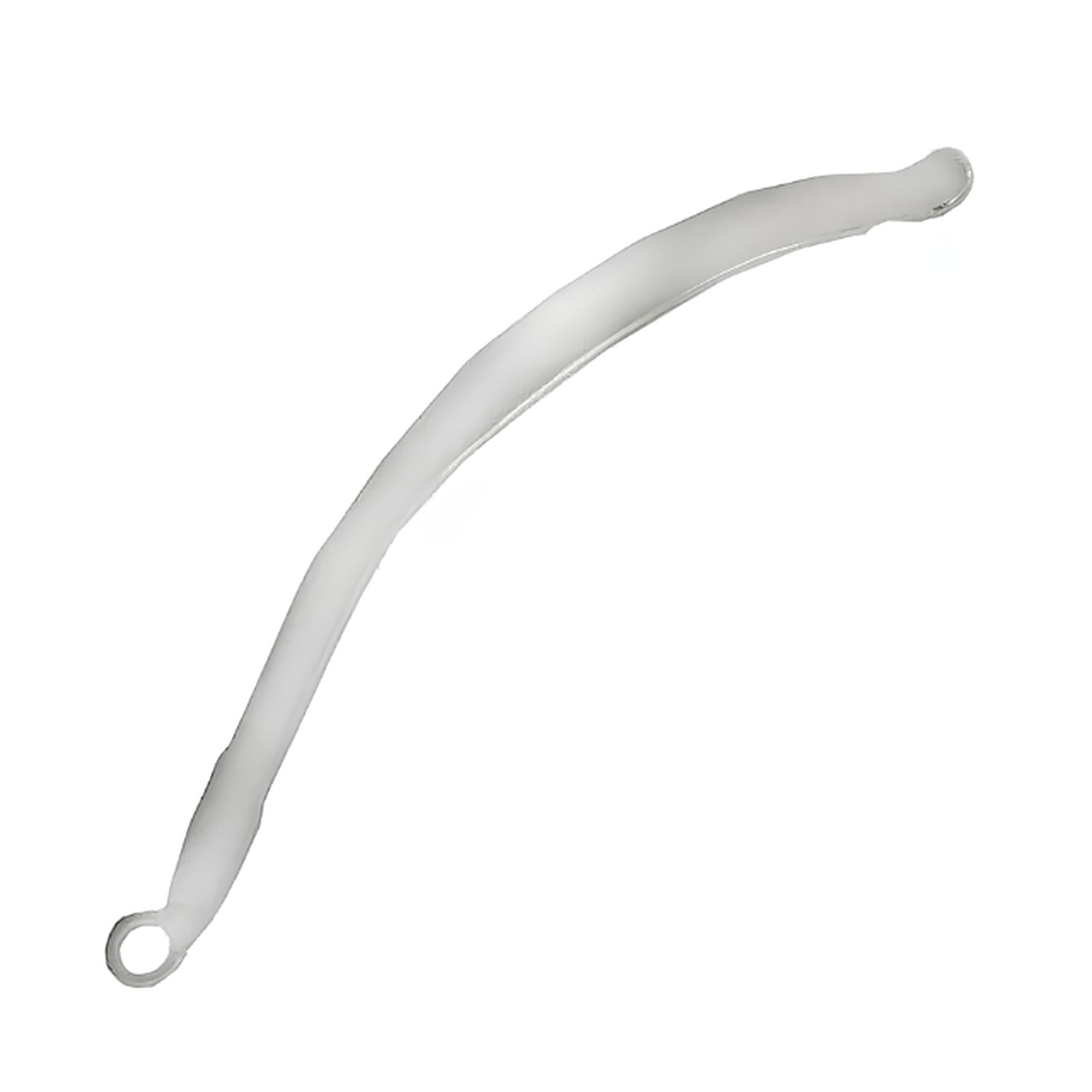 | Separador de Fémur Tipo Cobra | Diseñado específicamente para retraer la musculatura pesada y exponer la diáfisis femoral durante la artroplastia de cadera y la reparación de fracturas femorales. |
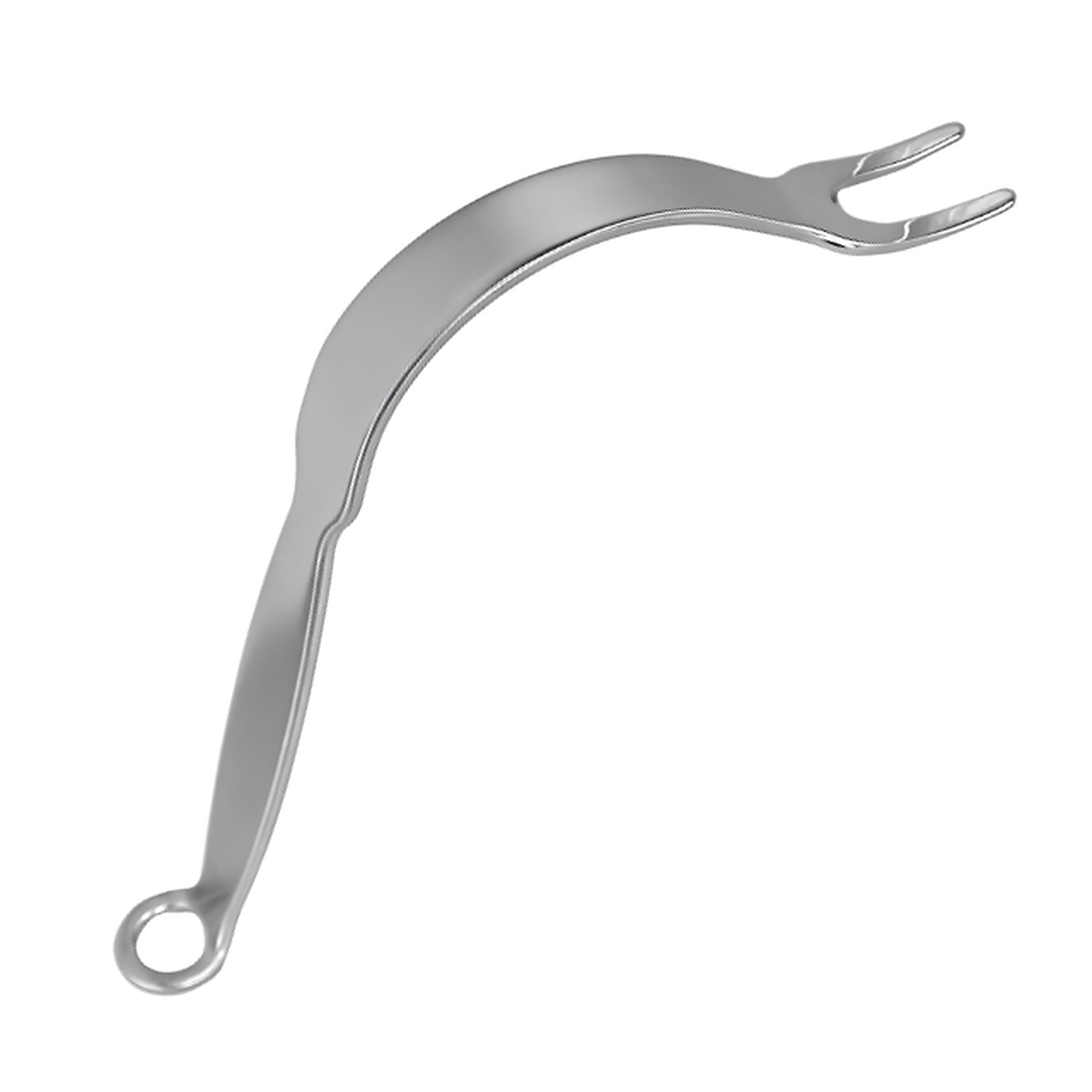 | Separadores para Ligamentos Colaterales | Diseñado específicamente para retraer y proteger los ligamentos colaterales y la cápsula durante la artroplastia total de rodilla. |
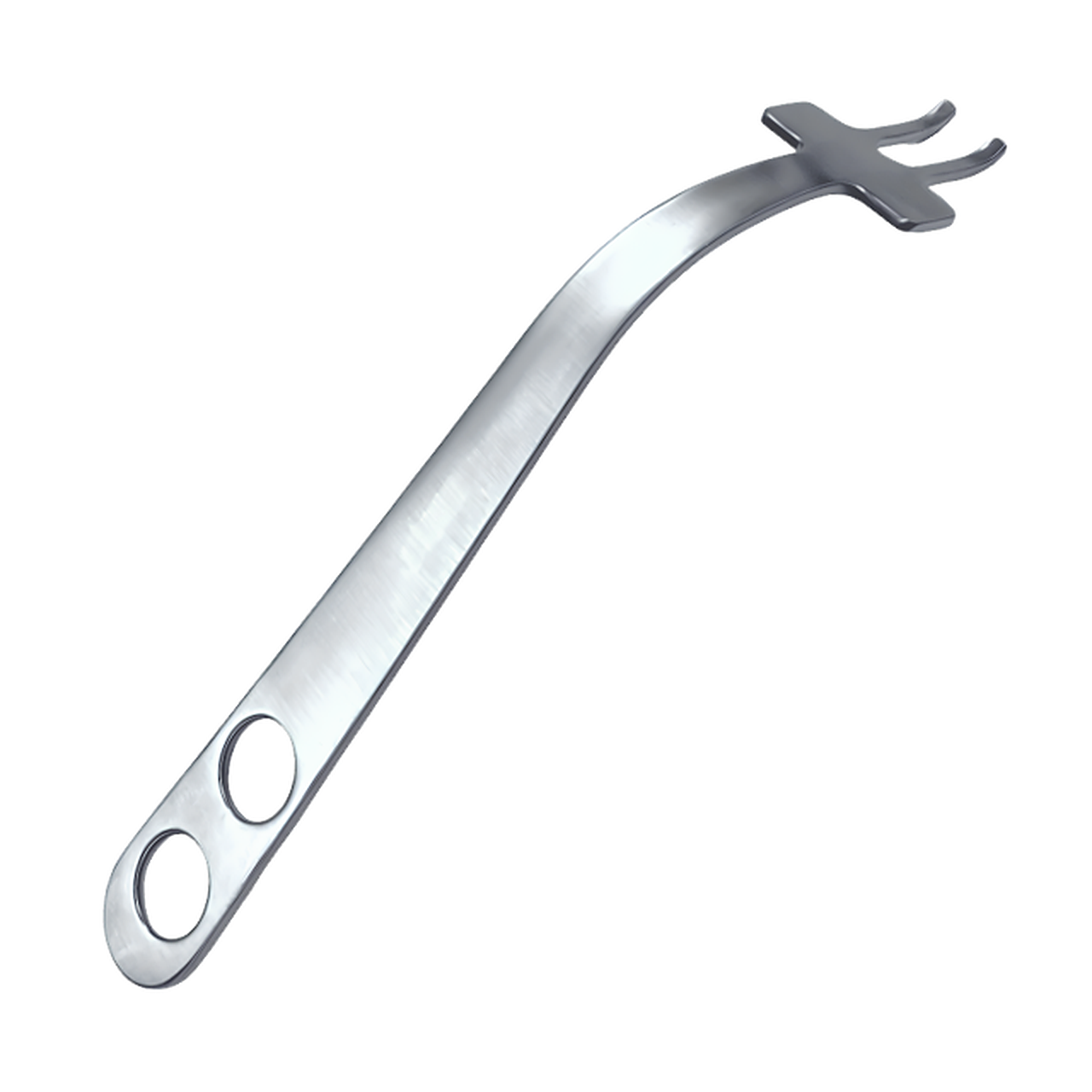 | Separador de Tejidos Blandos Colaterales | Diseñado específicamente para retraer los ligamentos colaterales y los tejidos blandos periarticulares durante la artroplastia de rodilla y la cirugía reconstructiva. |
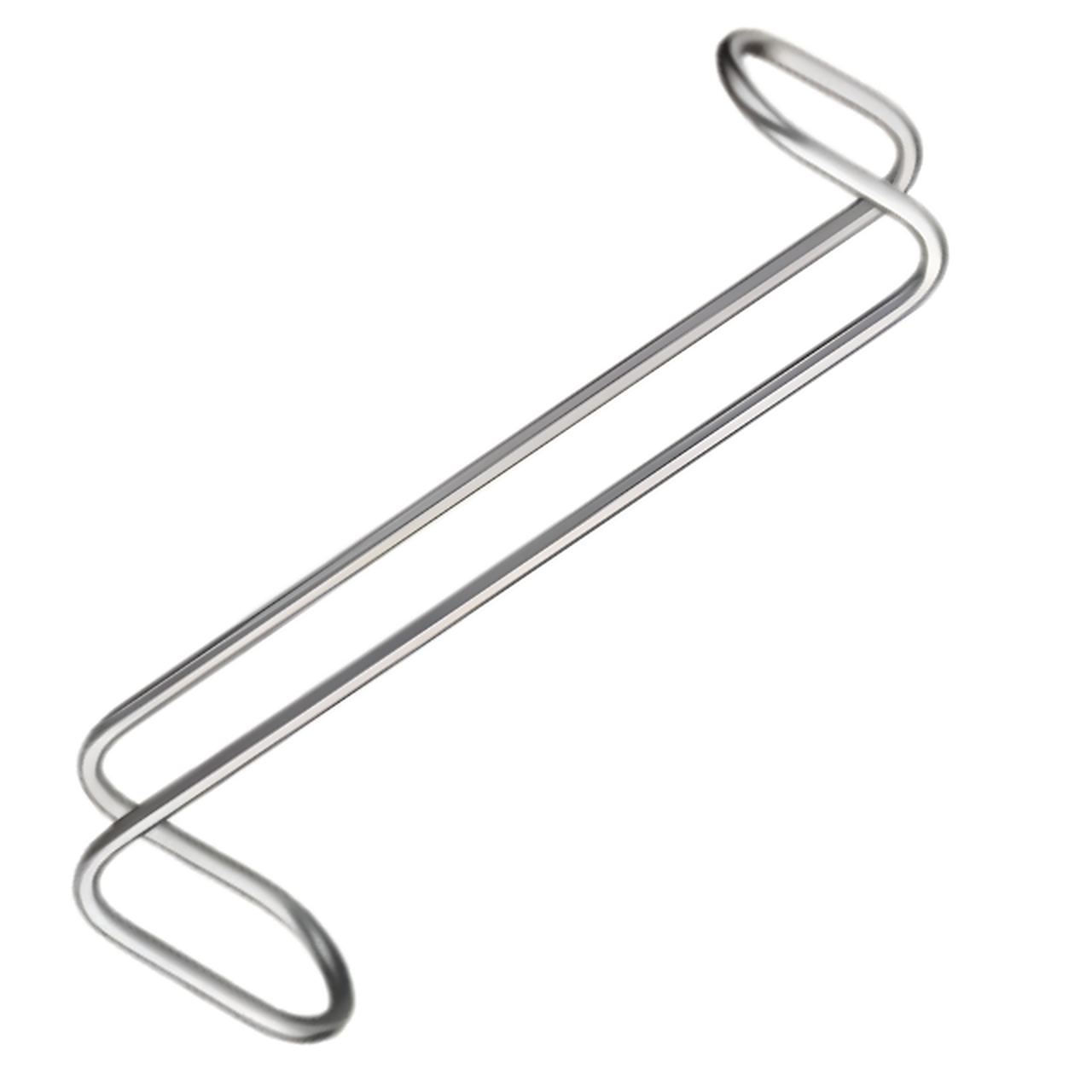 | Separador Collin Hartmann en forma de S | Específicamente diseñado para retraer músculos, fascias y márgenes de heridas durante cirugía general, ginecológica y plástica. |
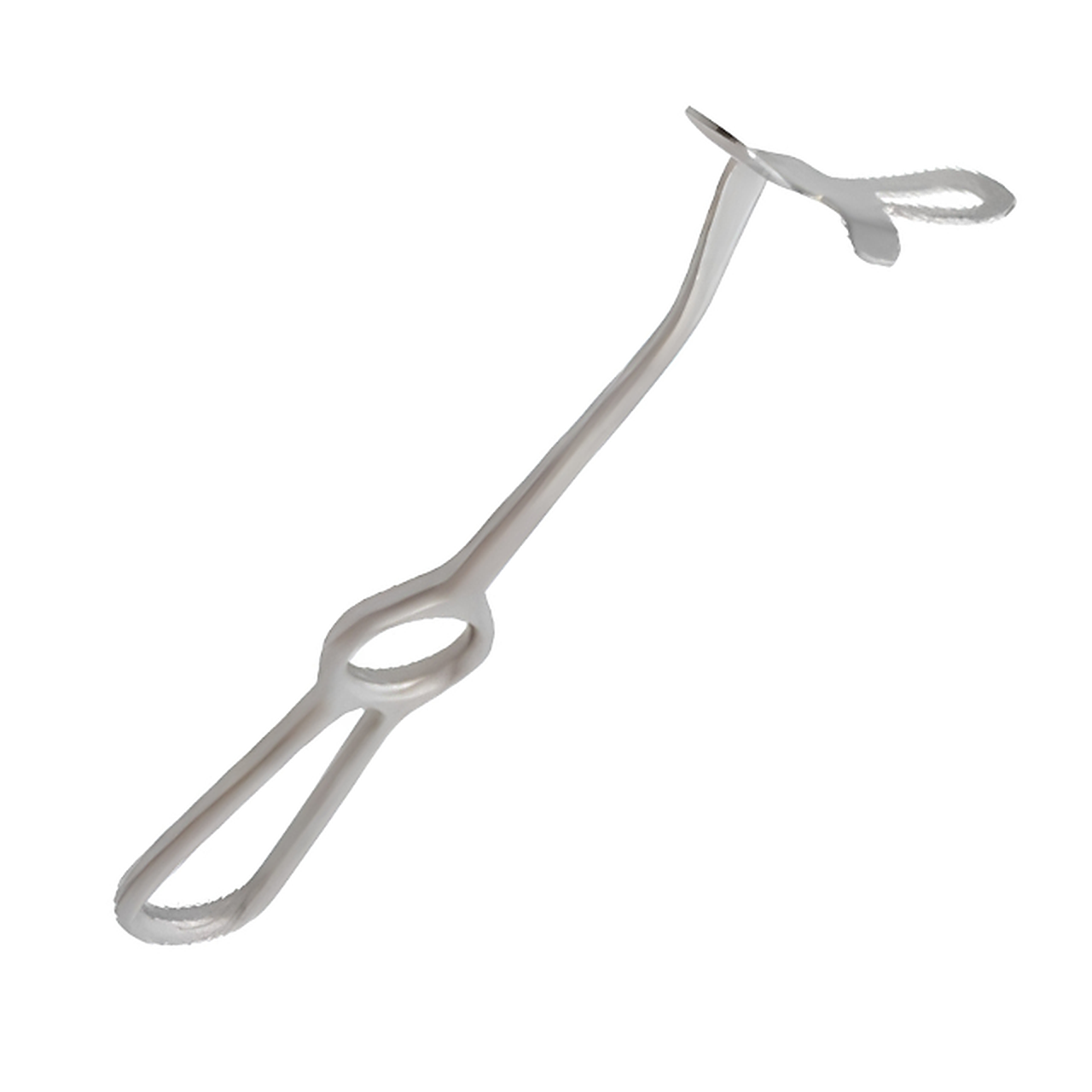 | Separador Combinado de Mejillas y Heridas | Diseñado específicamente para retraer mejillas, labios y márgenes de heridas durante cirugías orales, maxilofaciales y plásticas. |
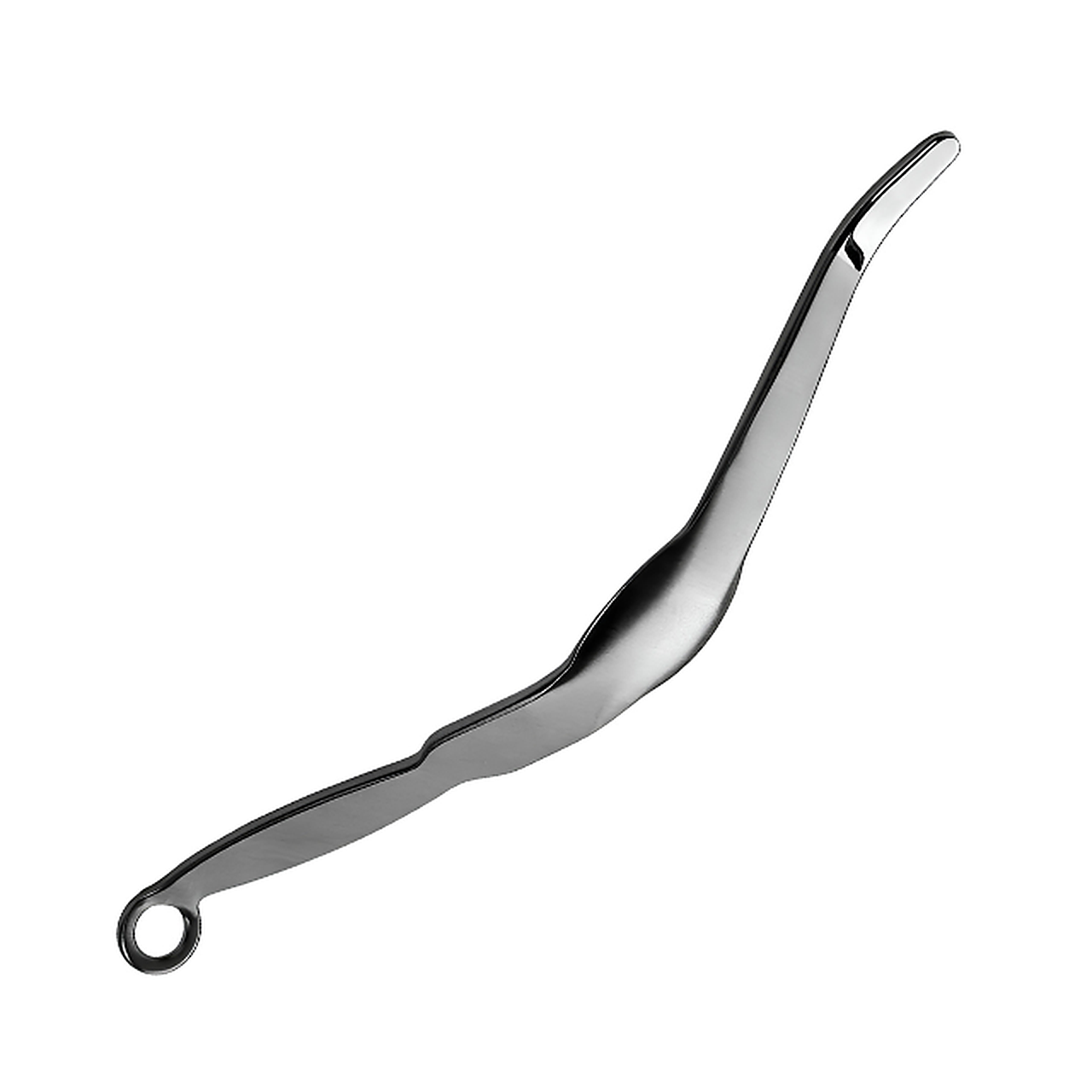 | Separador de Rodilla Cóncavo | Específicamente diseñado para retraer ligamentos colaterales y tejidos blandos periarticulares mientras se realiza palanca ósea durante la artroplastia total de rodilla. |
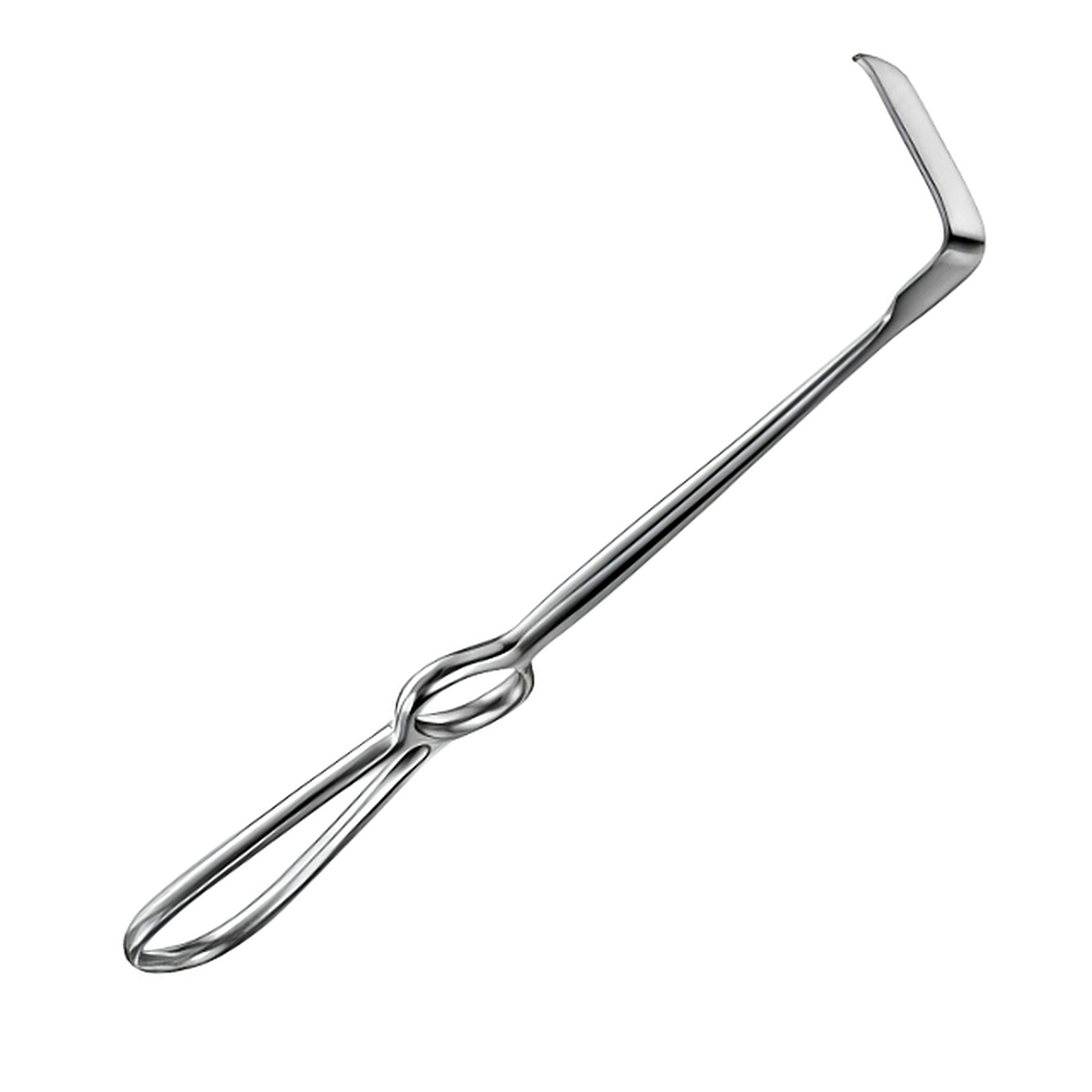 | Separador Condilar | Diseñado específicamente para anclarse en la rama mandibular y el cuello condilar durante la cirugía ortognática y de trauma facial. |
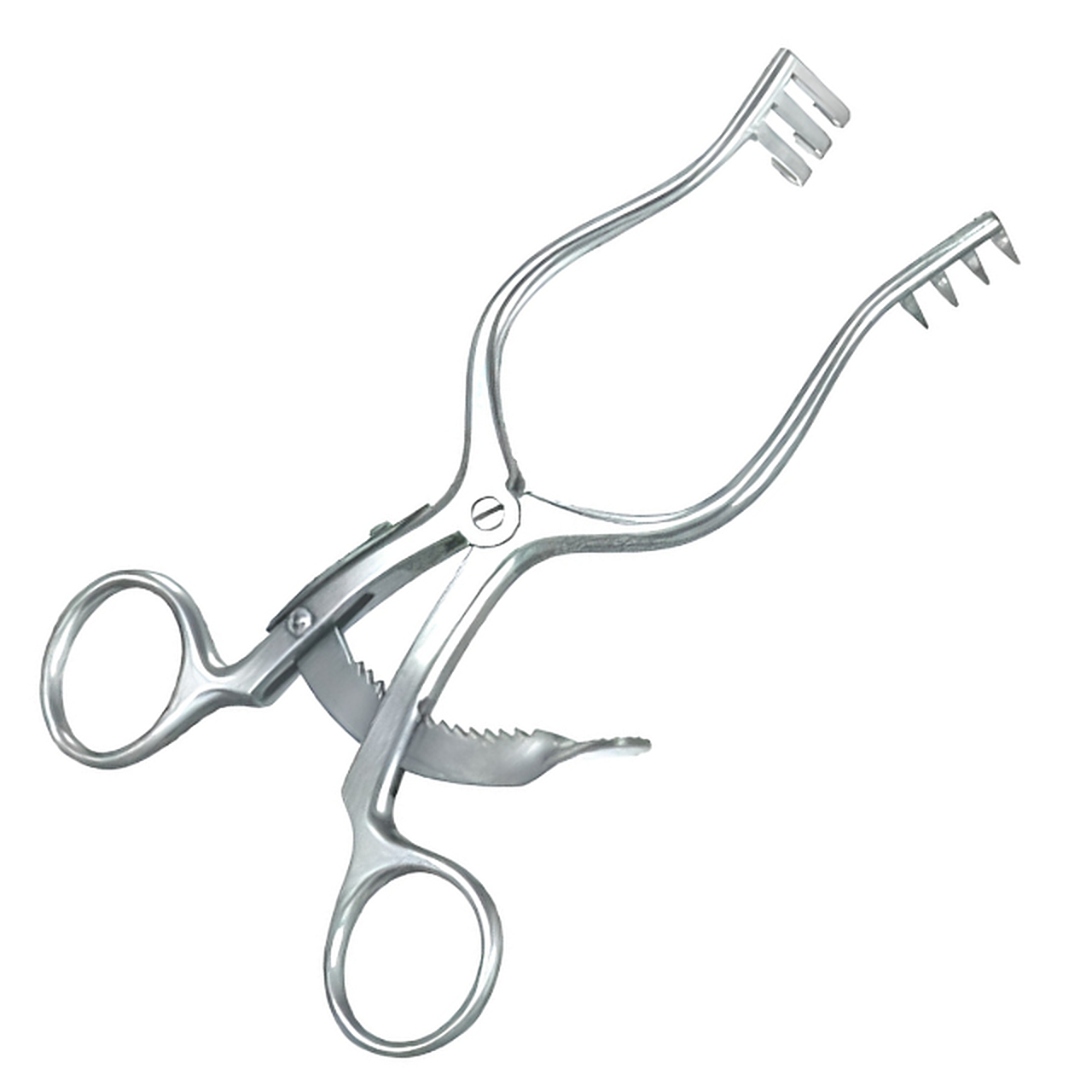 | Separador de Cuero Cabelludo Autoestático Contour | Específicamente diseñado para retraer colgajos de cuero cabelludo, galea y músculo durante craneotomías y cirugía craneal. |
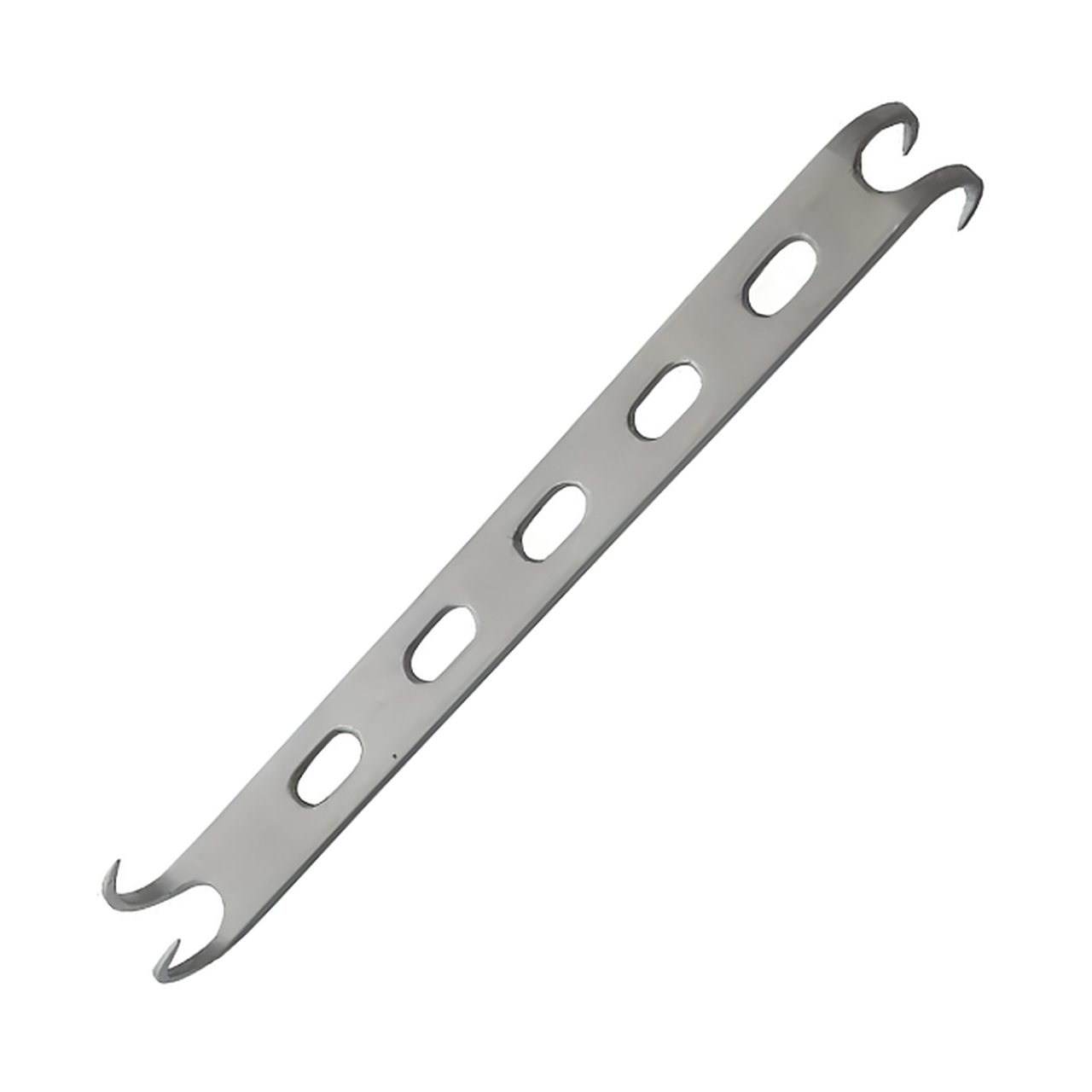 | Separador Alar Converse de Doble Extremo | Diseñado específicamente para retraer el margen alar, el borde de la fosa nasal y el cartílago lateral inferior durante la rinoplastia. |
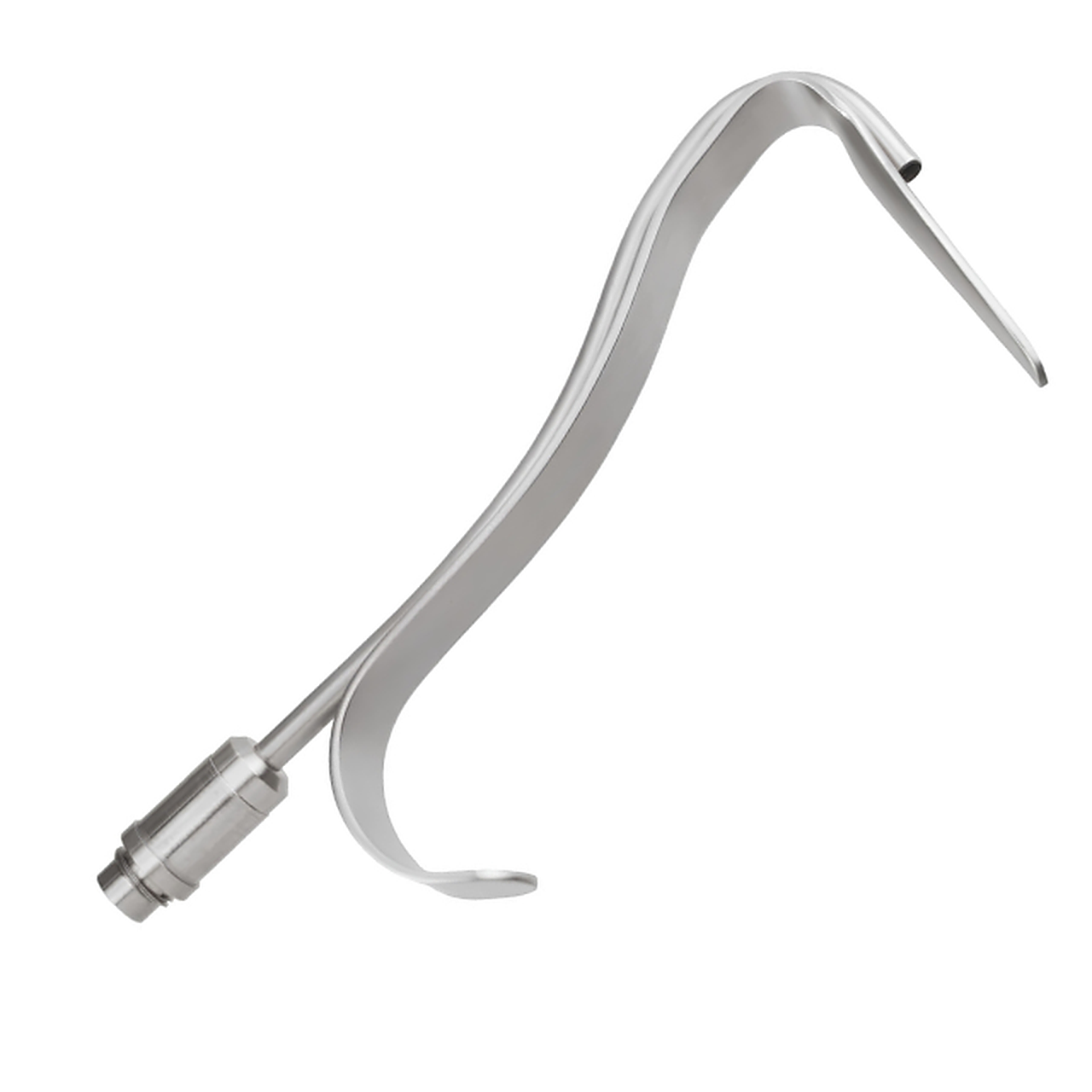 | Separador Nasal Converse | Diseñado específicamente para elevar los colgajos cutáneos nasales y proporcionar visualización directa del dorso nasal durante la rinoplastia. |
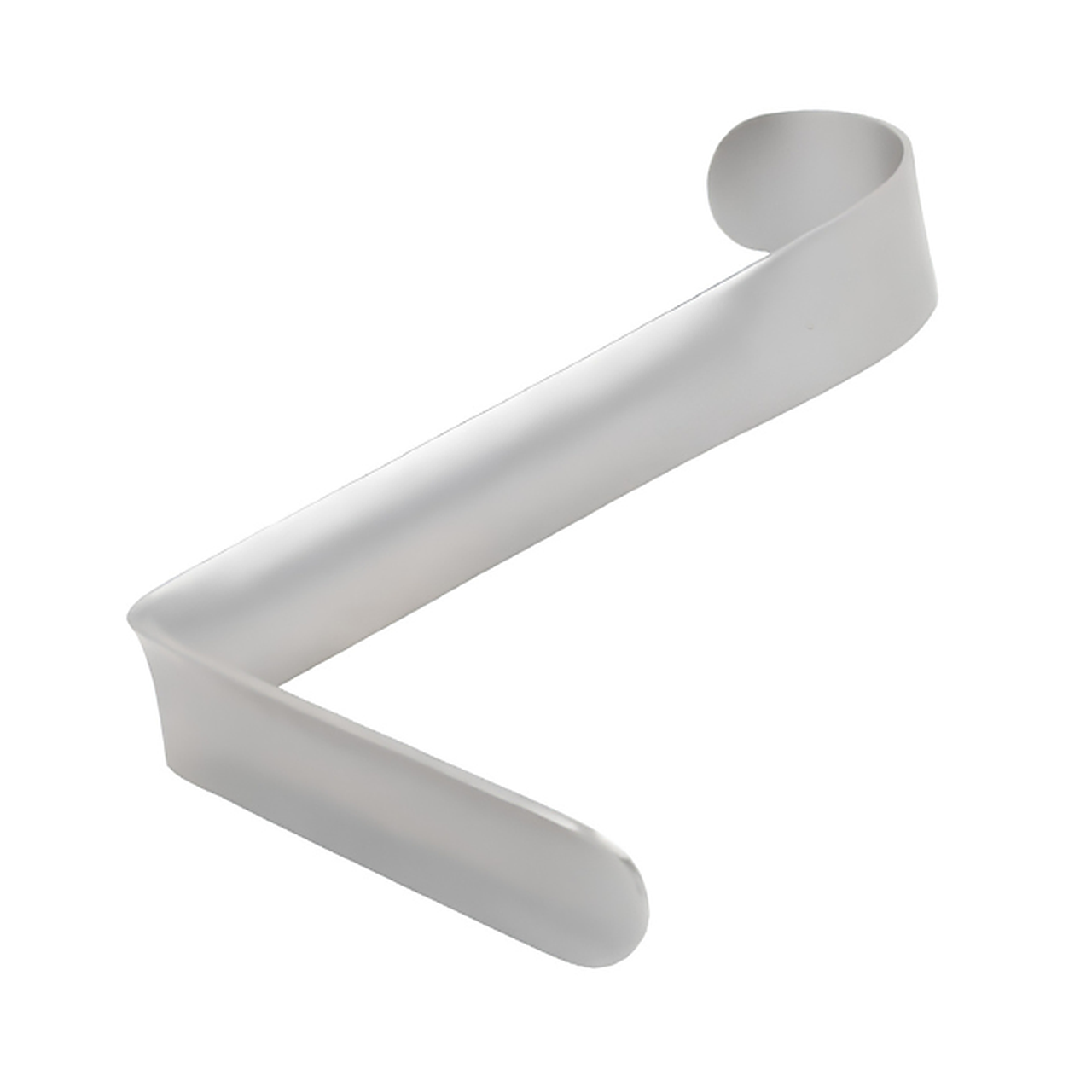 | Separador nasal Converse, 10 cm | Diseñado específicamente para elevar los colgajos de tejido blando nasal y exponer la estructura cartilaginosa durante la rinoplastia. |
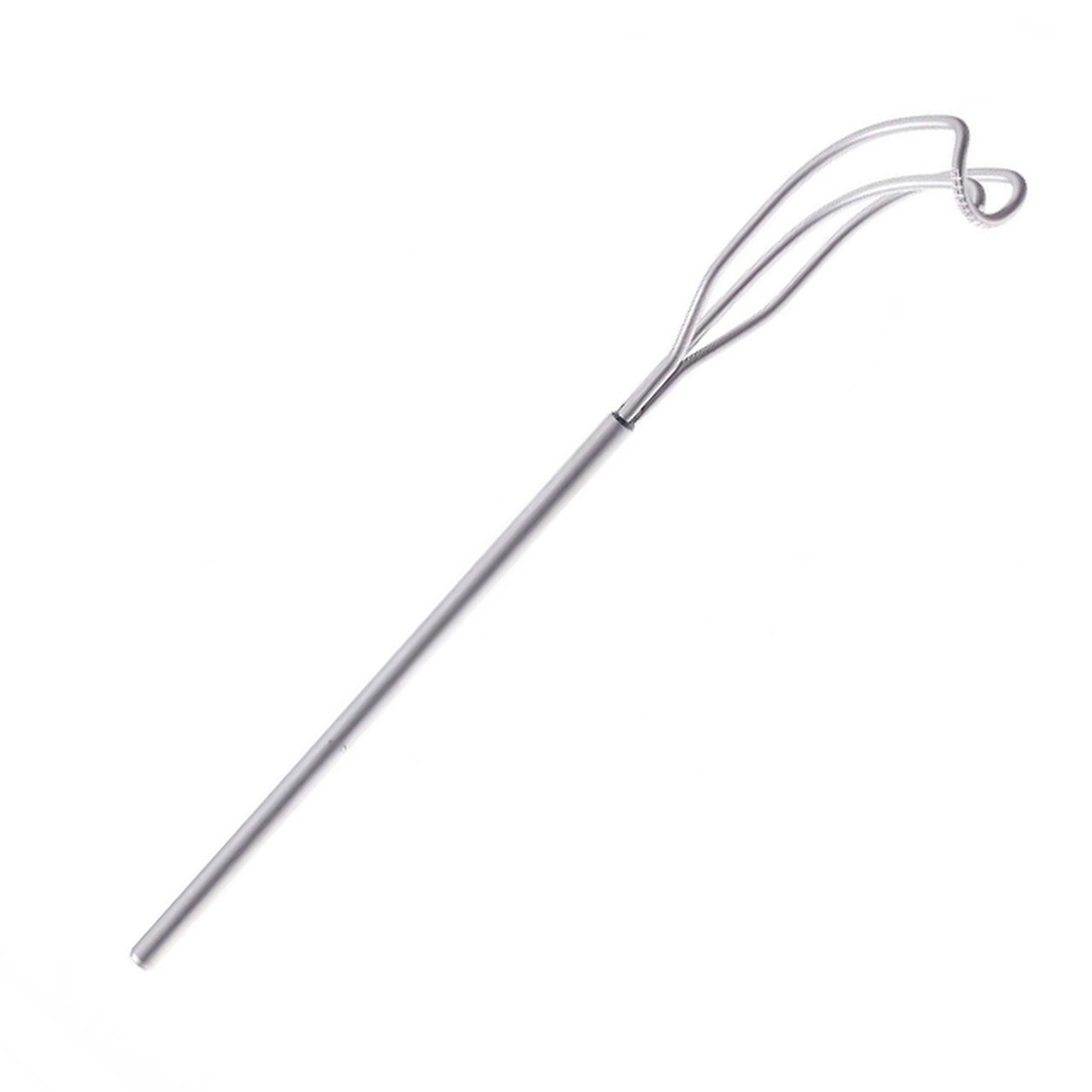 | Separador Atrial Cooley | Diseñado específicamente para retraer la pared atrial y proporcionar una exposición quirúrgica estructurada durante procedimientos de válvulas cardíacas. |
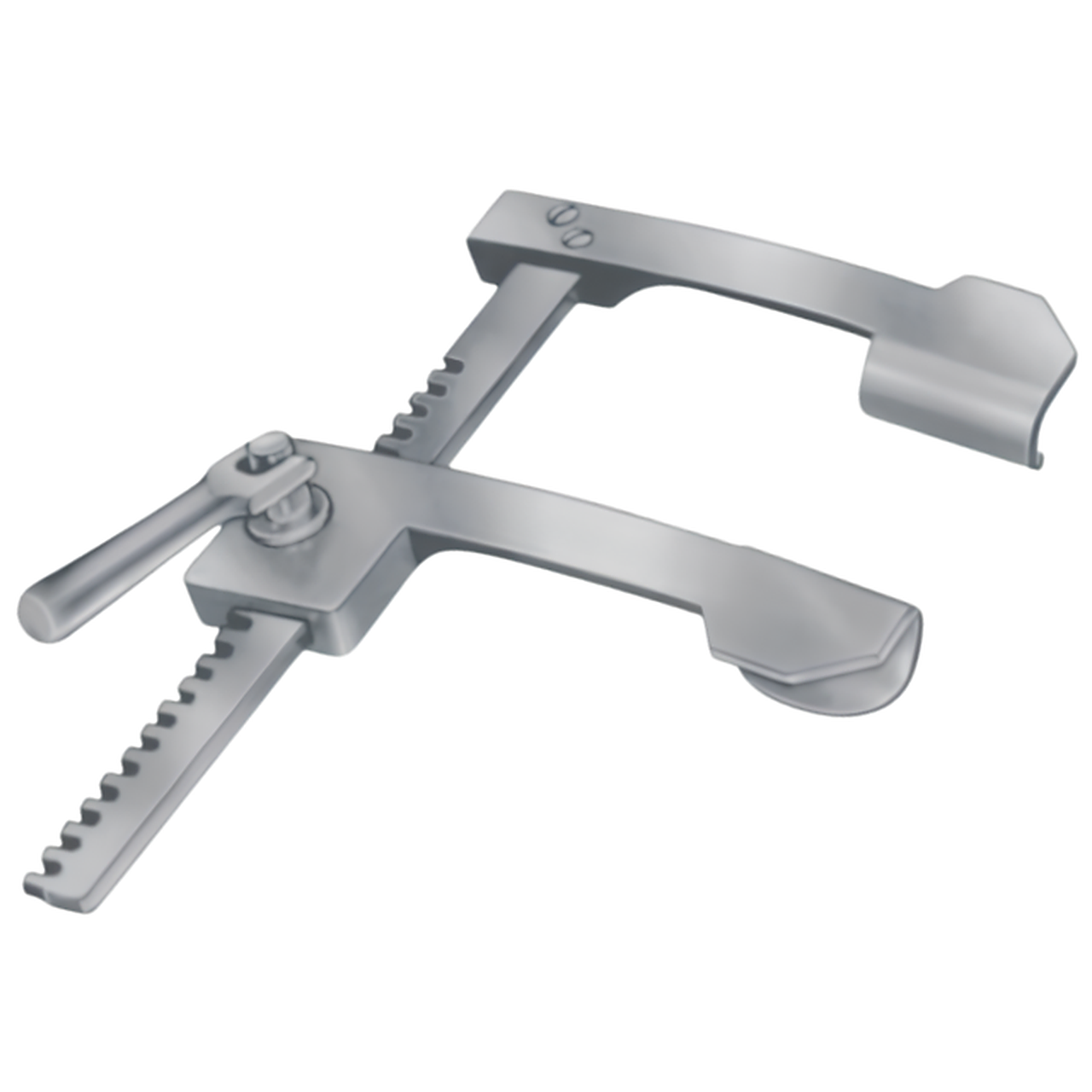 | Separador Costal Cooley | Diseñado específicamente para separar las costillas adyacentes y mantener un corredor torácico abierto durante la cirugía cardiotorácica. |
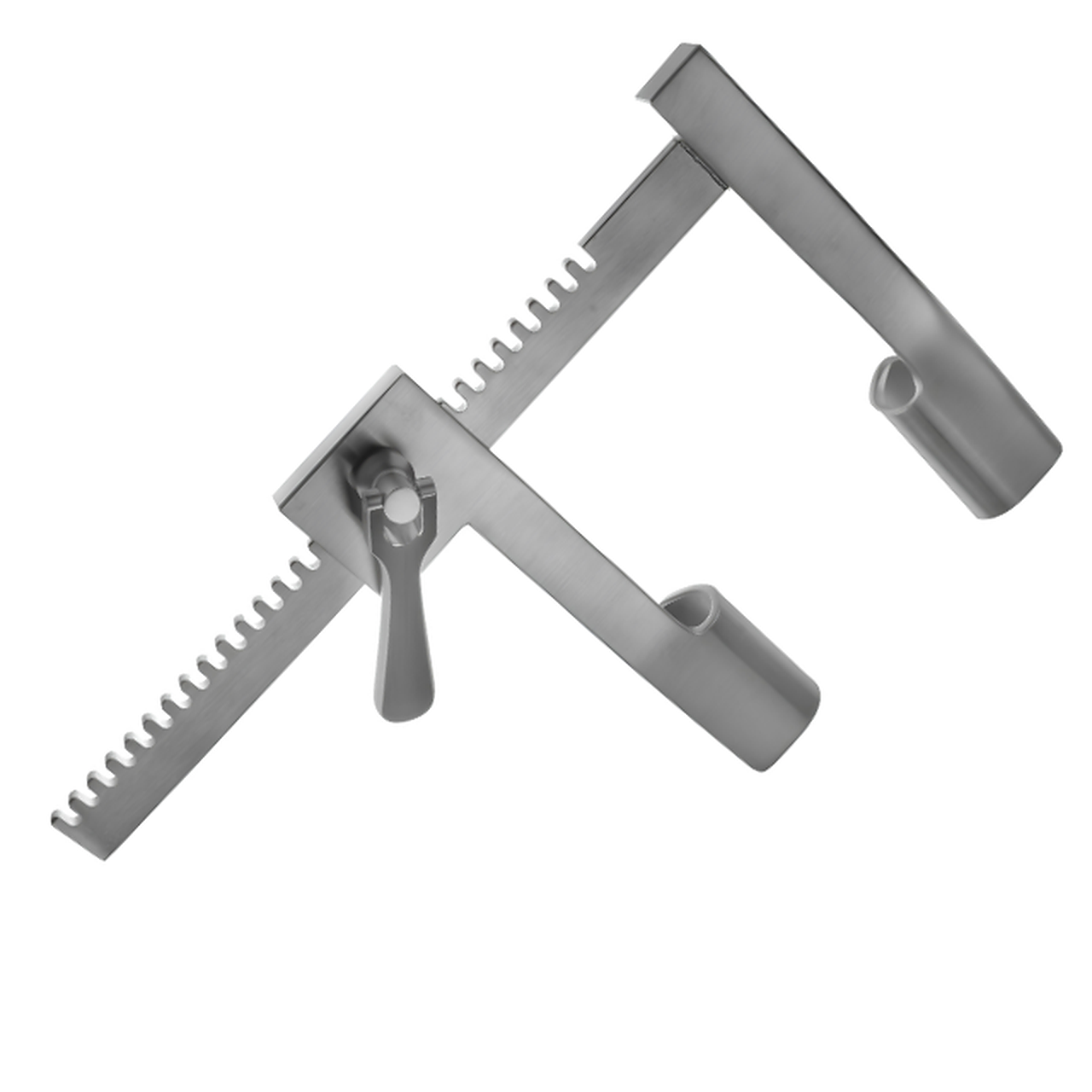 | Separador Esternal Cooley | Específicamente diseñado para separar y retraer el esternón durante procedimientos cardiotorácicos y mediastínicos abiertos. |
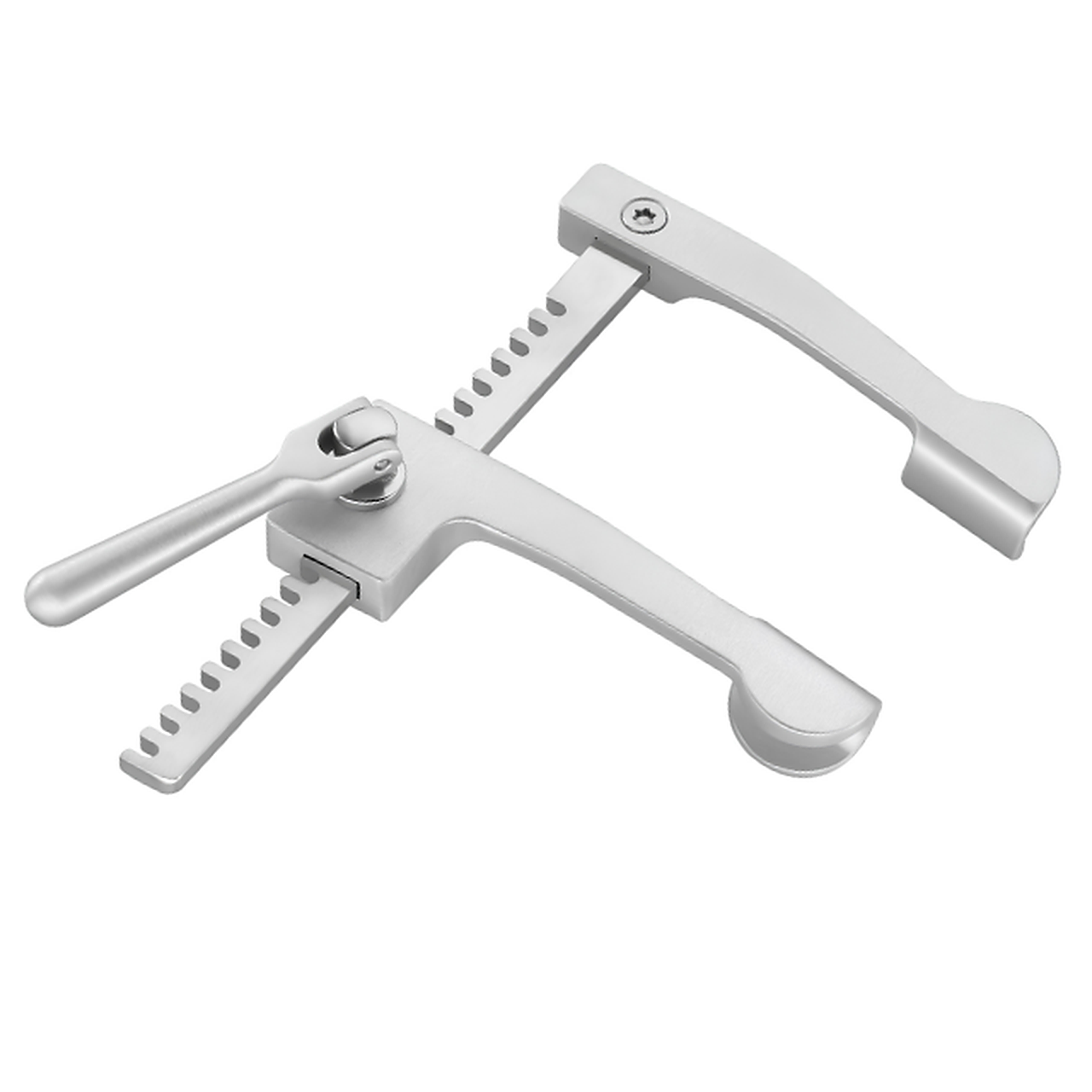 | Separador esternal de Cooley | Diseñado específicamente para la separación y exposición esternal precisa durante la cirugía cardíaca neonatal y pediátrica. |
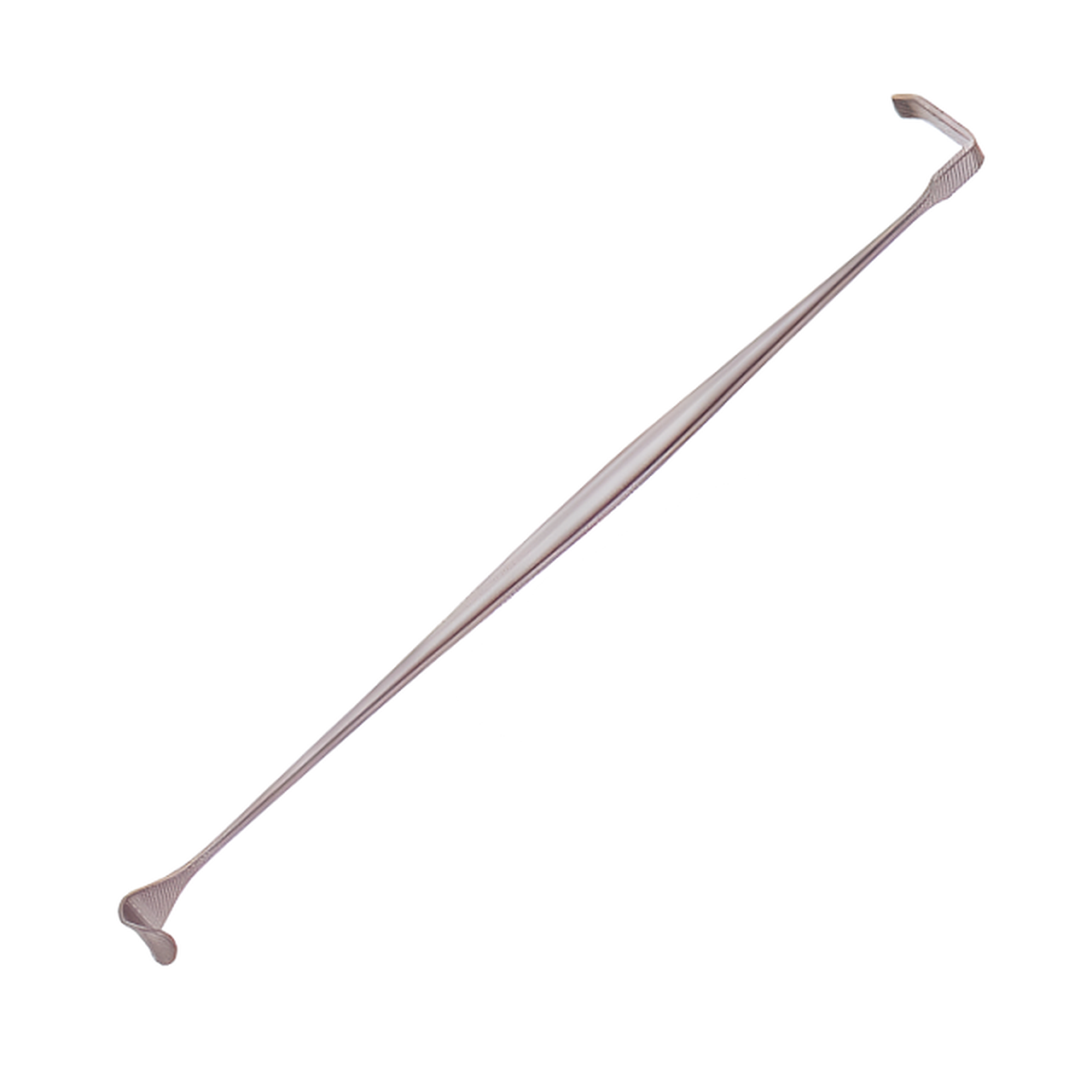 | Separador Cope de Doble Extremo | Diseñado específicamente para retraer piel, fascia y tejidos blandos durante procedimientos quirúrgicos generales, plásticos y de otorrinolaringología. |
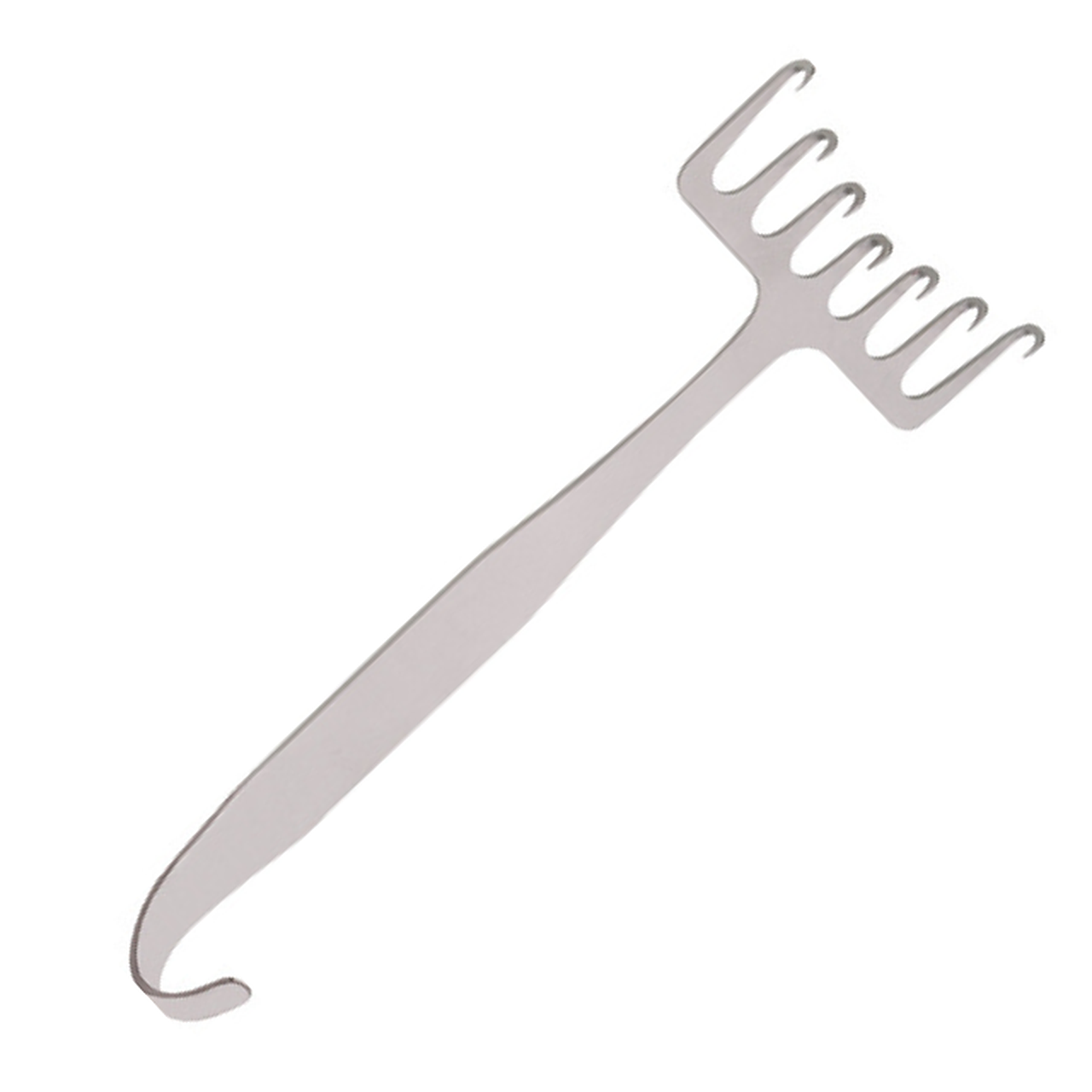 | Separador para Levantamiento de Cejas Coronal | Diseñado específicamente para retraer colgajos densos de cuero cabelludo, galea y tejidos frontales durante procedimientos de levantamiento de cejas coronales abiertos. |
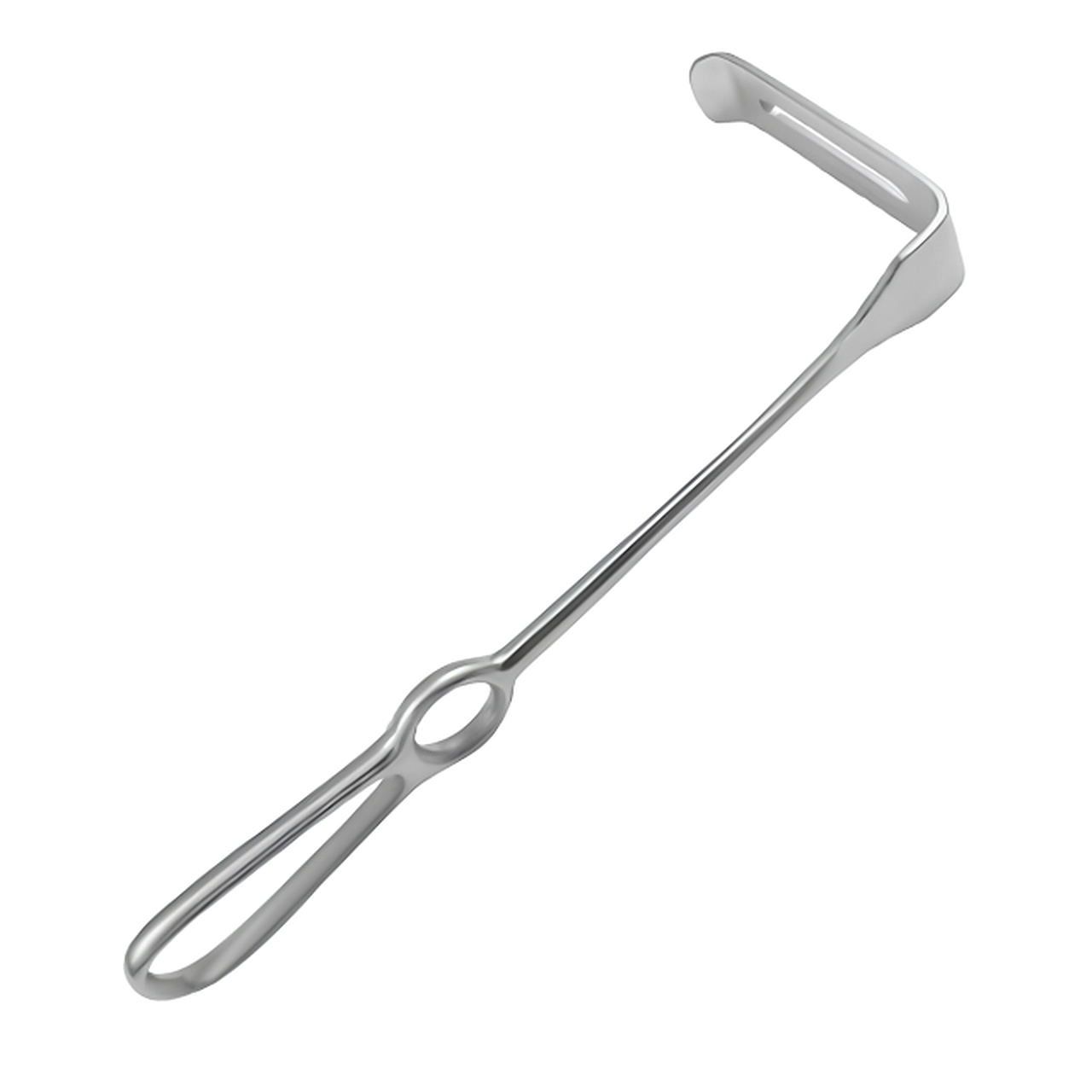 | Separadores Coryllos | Diseñado específicamente para retraer la musculatura de la pared torácica, las costillas y el tejido pulmonar durante la cirugía torácica abierta. |
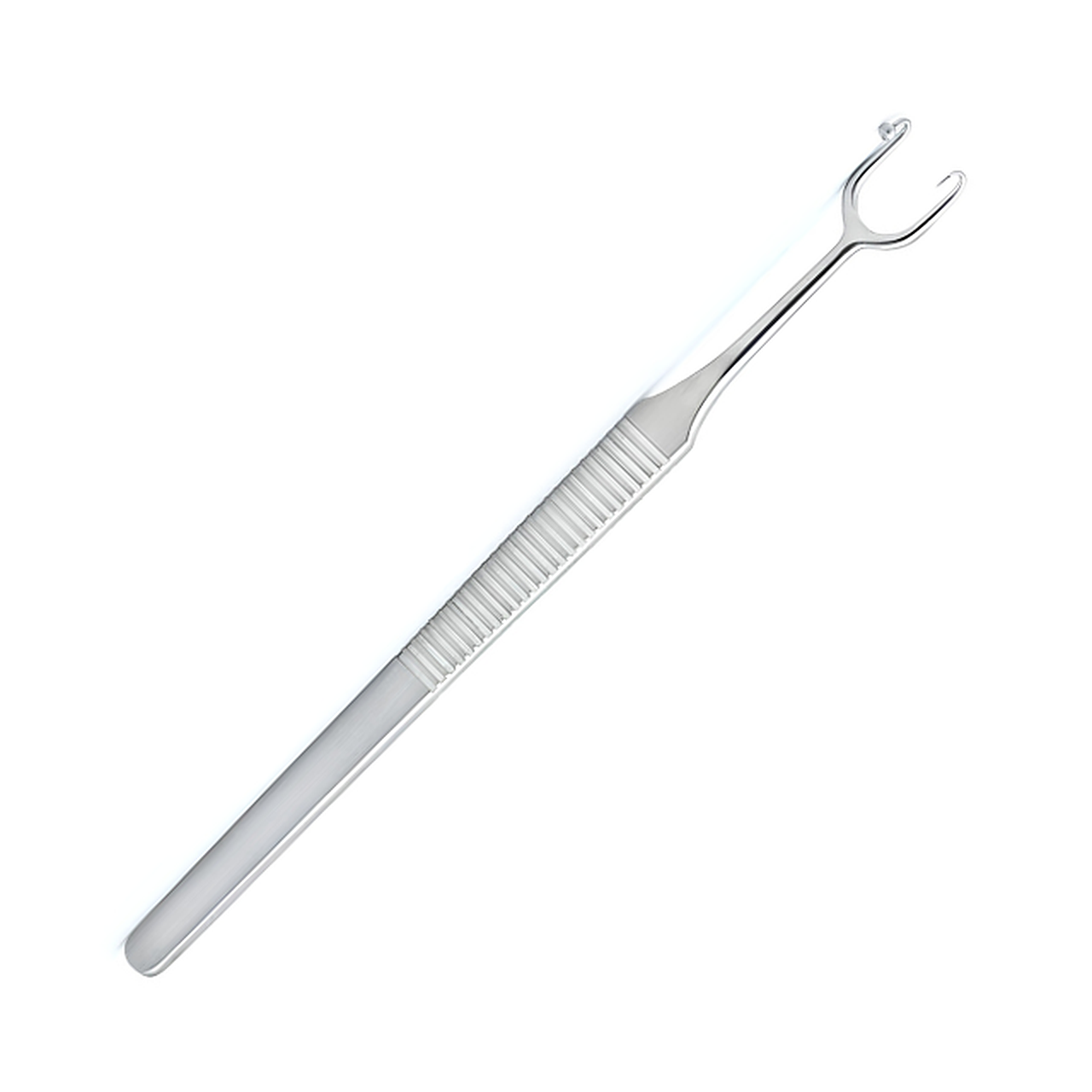 | Separador Alar Nasal Cottle / Gancho | Específicamente diseñado para retraer el borde alar y los márgenes de la narina durante rinoplastias estéticas y reconstructivas. |
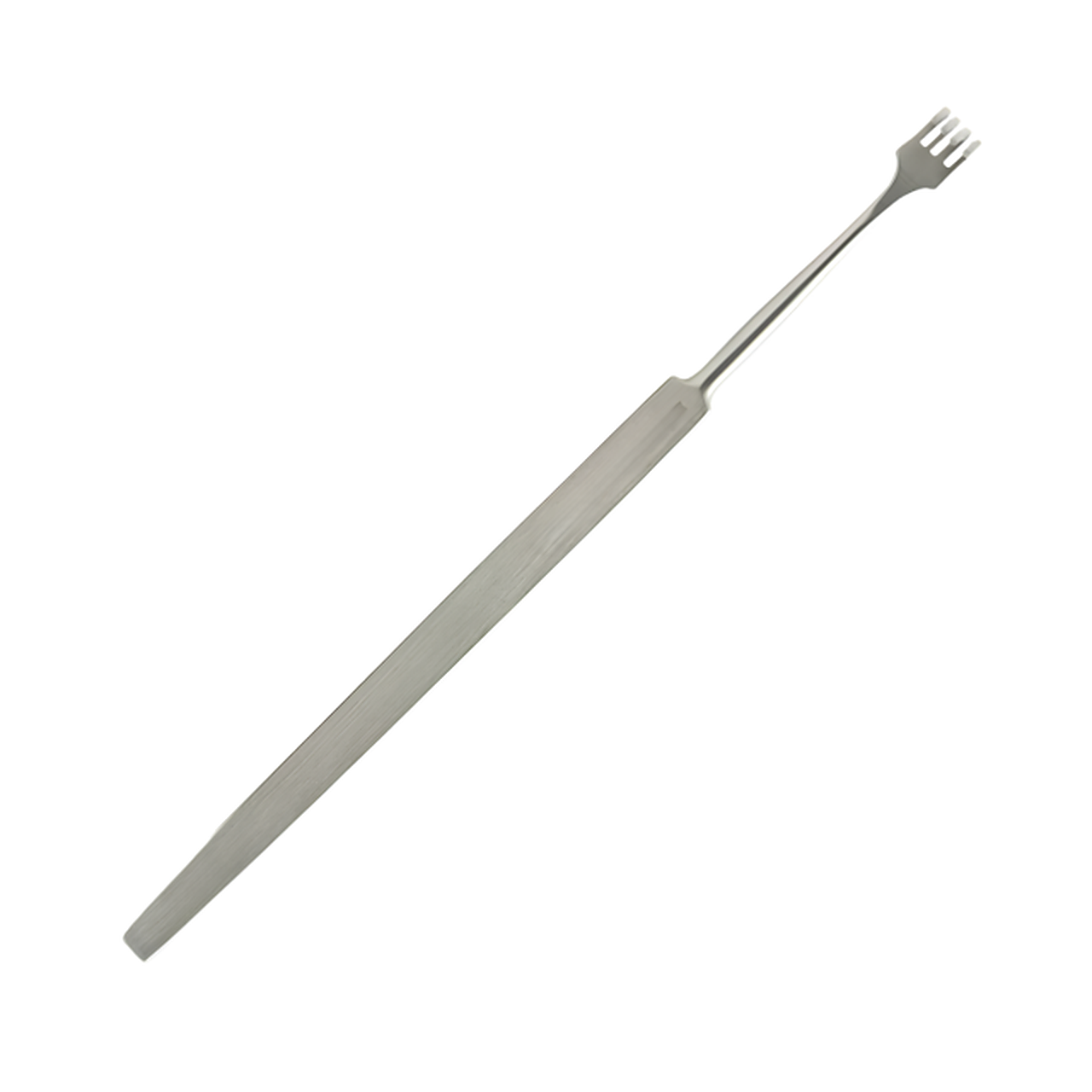 | Separador Nasal Cottle - 4 Dientes Romos | Diseñado específicamente para retraer el borde alar, la columela y la mucosa vestibular durante rinoplastias y septoplastias. |
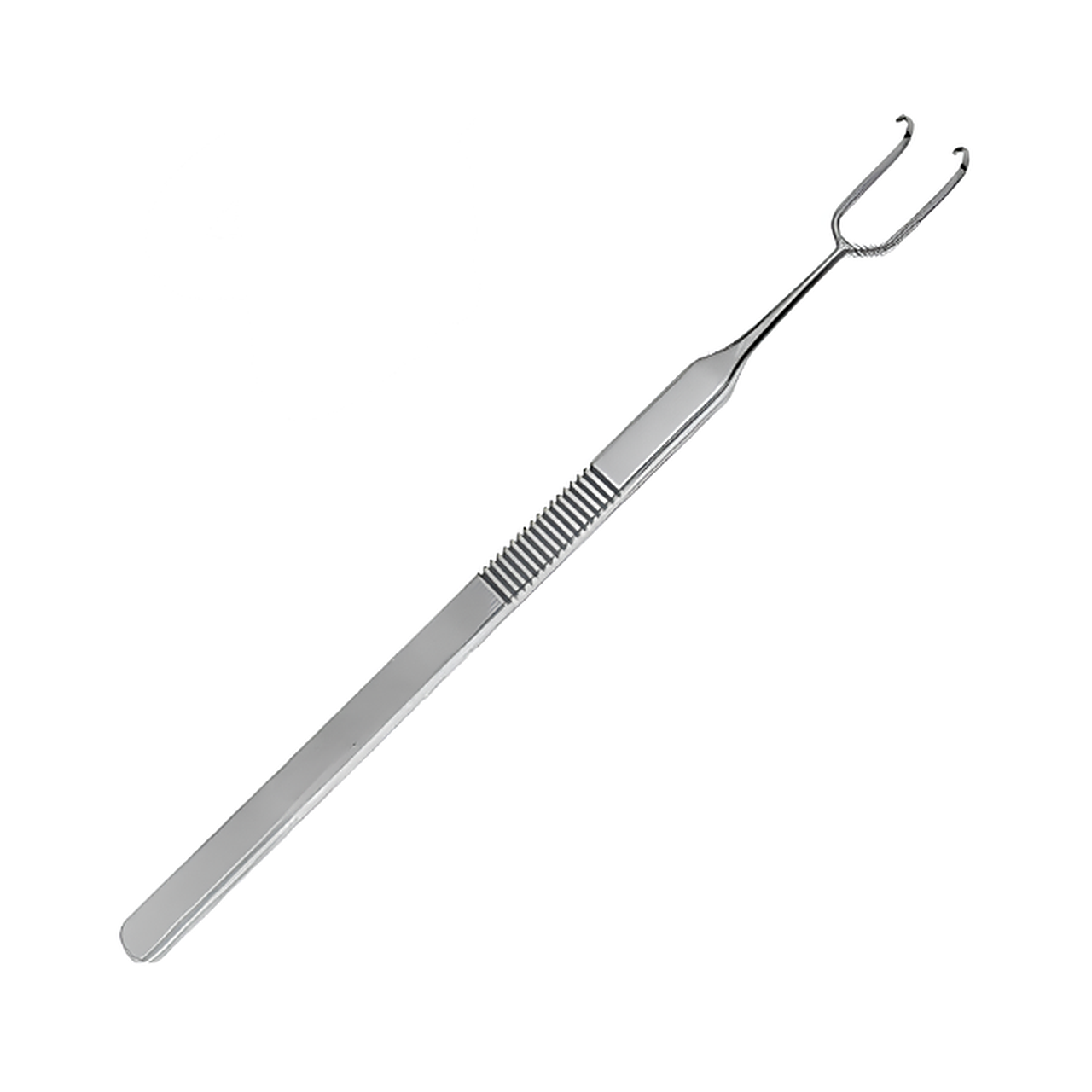 | Separador Cottle tipo Gancho de 2 Puntas | Diseñado específicamente para retraer colgajos de piel, mucosa y cartílagos durante rinoplastias y cirugía plástica facial. |
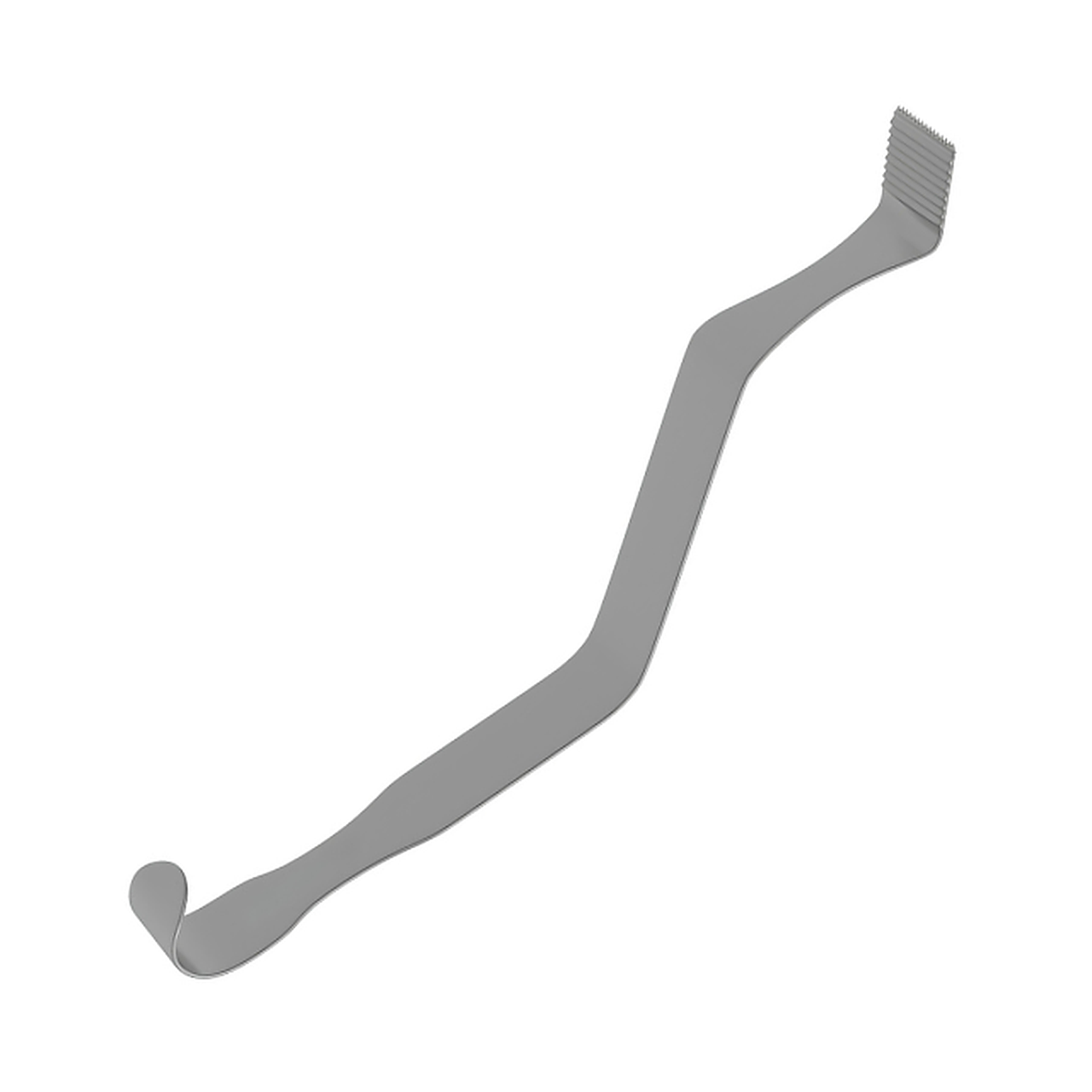 | Separador Aórtico Crawford | Diseñado específicamente para retraer la aorta, la vena cava y los grandes vasos durante la reconstrucción vascular y la cirugía de aneurismas. |
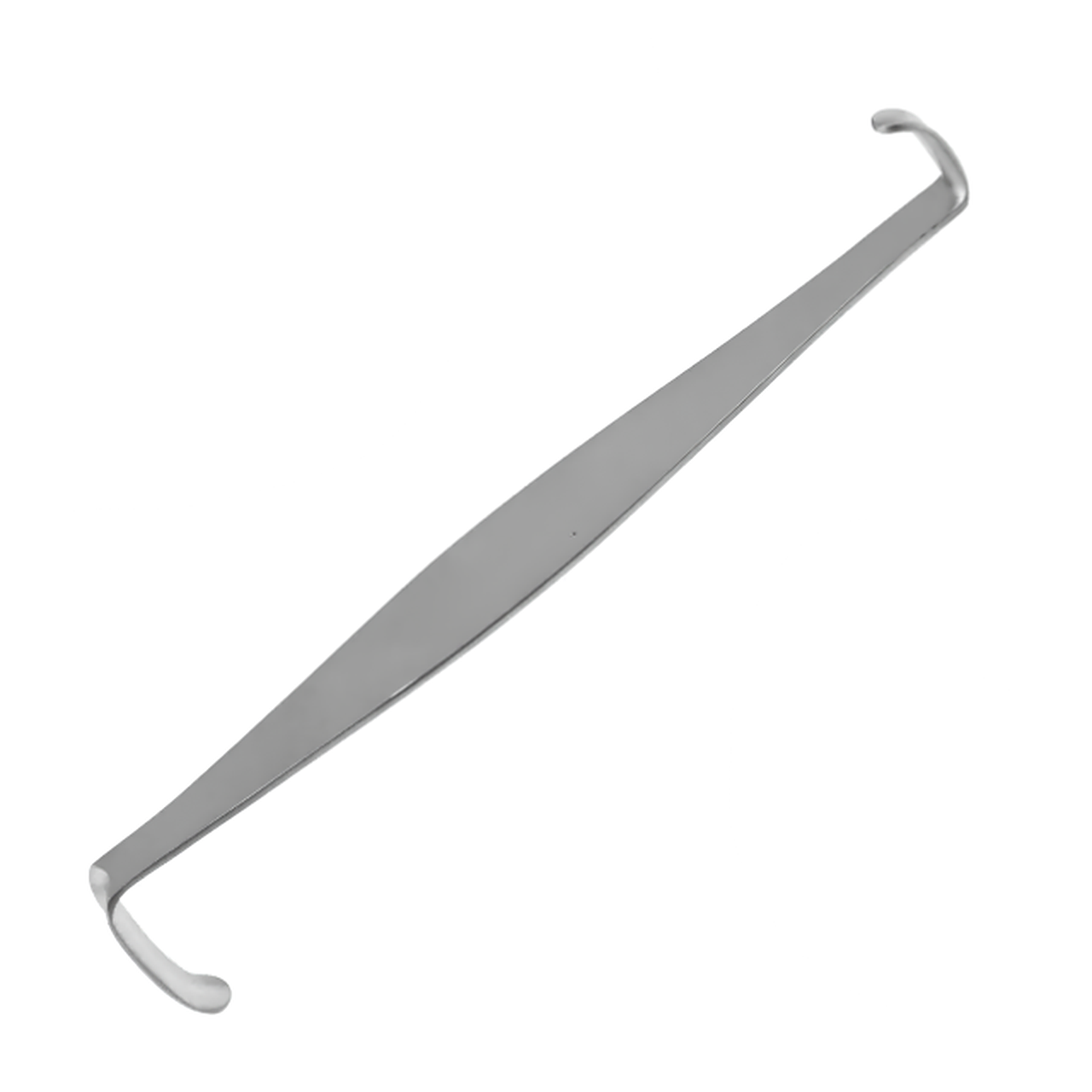 | Separador Crile de Doble Extremo | Diseñado específicamente para retraer bordes de piel, fascia y tejido blando subcutáneo durante procedimientos quirúrgicos menores y plásticos. |
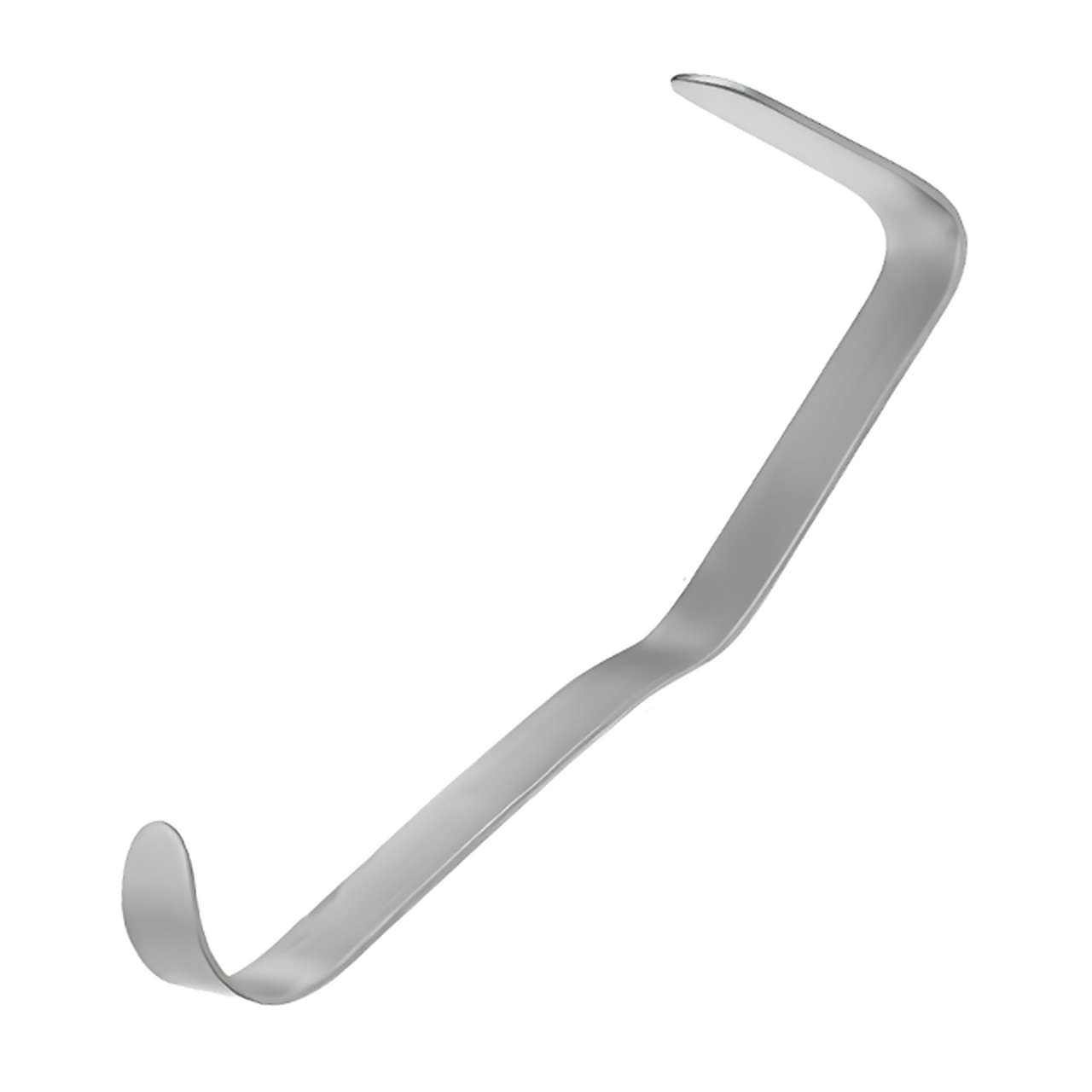 | Separador de Mejilla Cronin | Específicamente diseñado para retraer las mejillas, los labios y la mucosa bucal durante cirugías orales, maxilofaciales y de fisura palatina. |
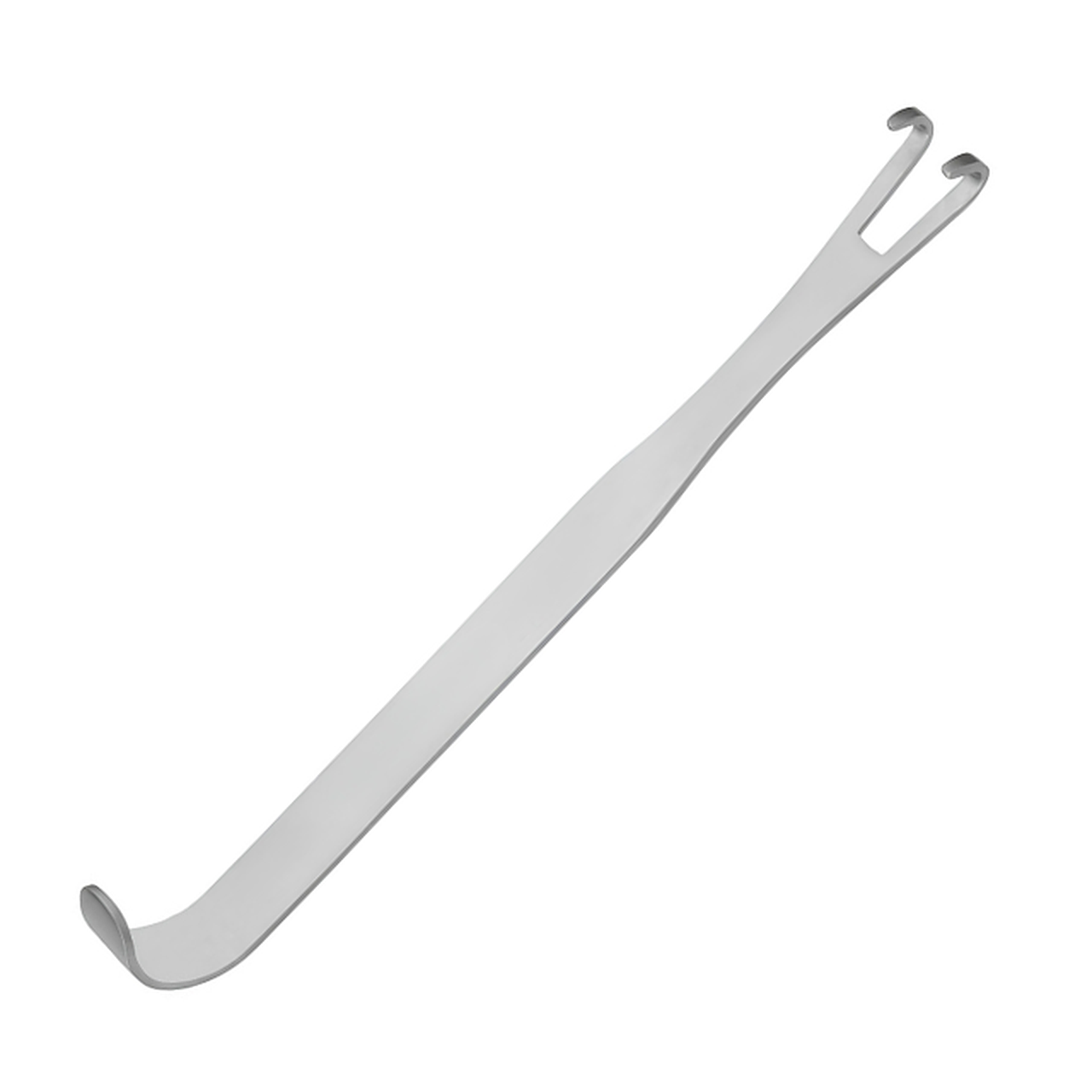 | Separador para Labio y Nariz Cronin | Diseñado específicamente para retraer las fosas nasales y elevar el labio superior durante la reparación de labio leporino y rinoplastia. |
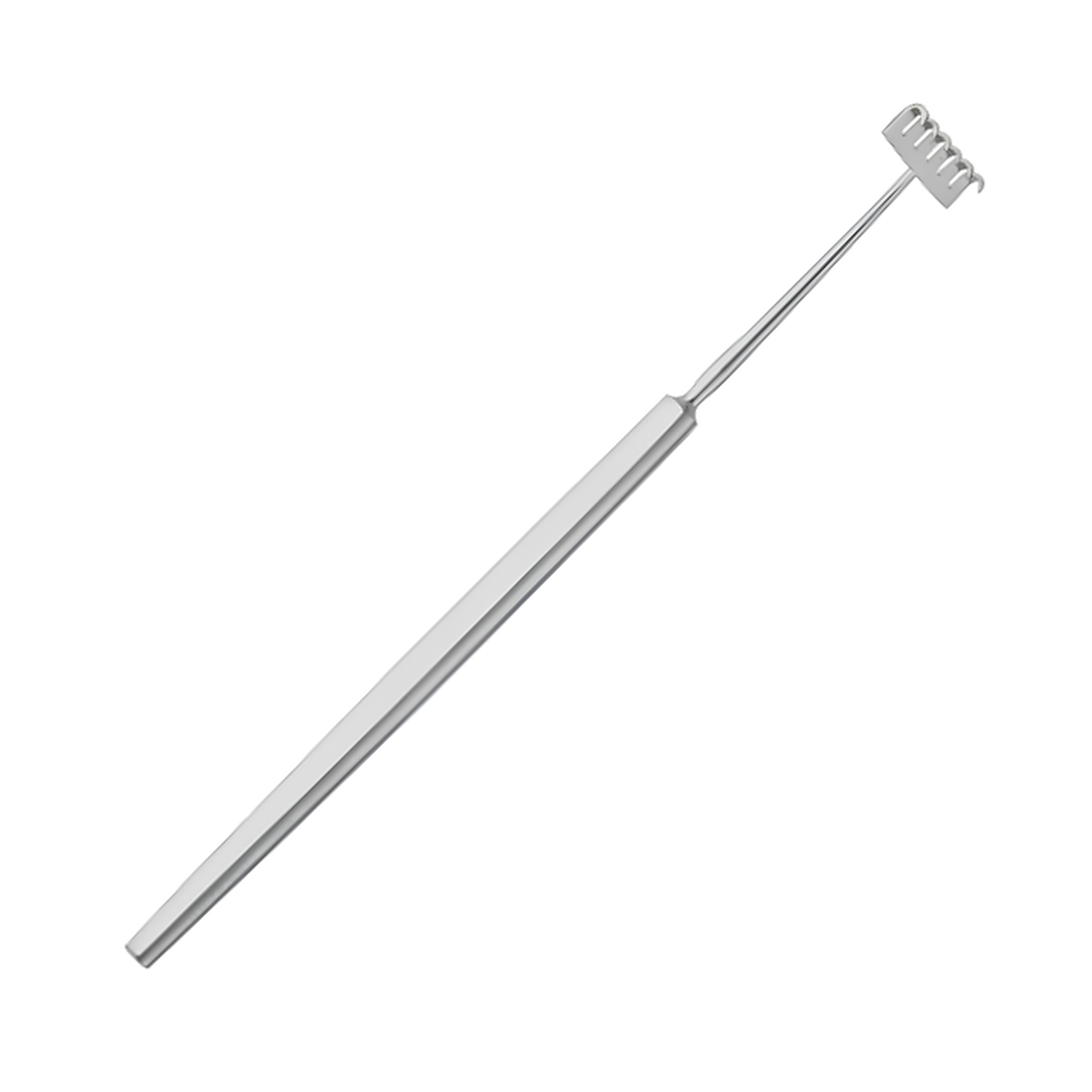 | Separador de Piel y Tejido Curtin | Diseñado específicamente para la elevación de colgajos cutáneos, tracción cutánea y retracción de tejido blando subcutáneo durante cirugía plástica. |
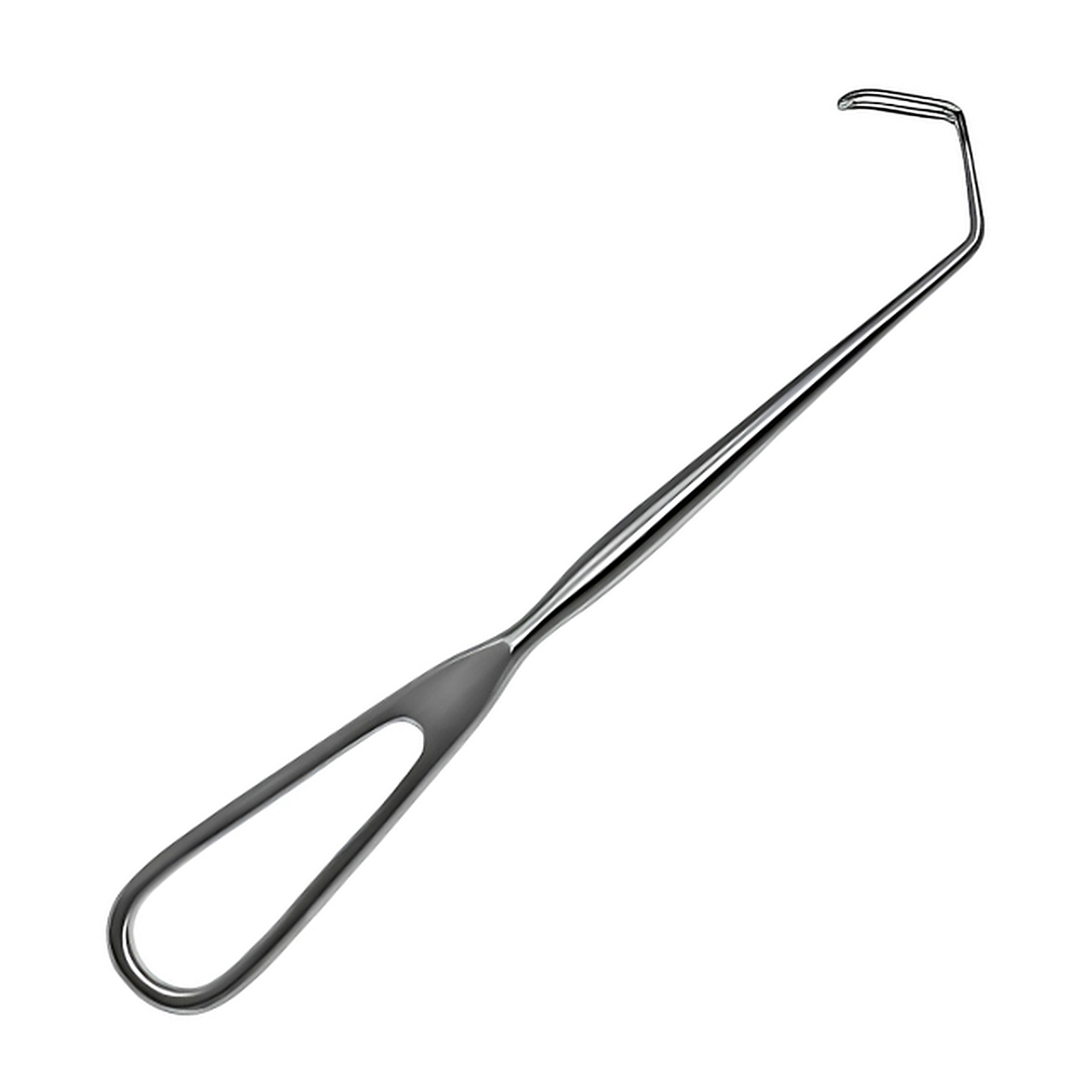 | Separador de Descompresión Cushing | Diseñado específicamente para retraer las raíces nerviosas, el saco tecal y la duramadre, maximizando la línea de visión durante la descompresión craneal y espinal. |
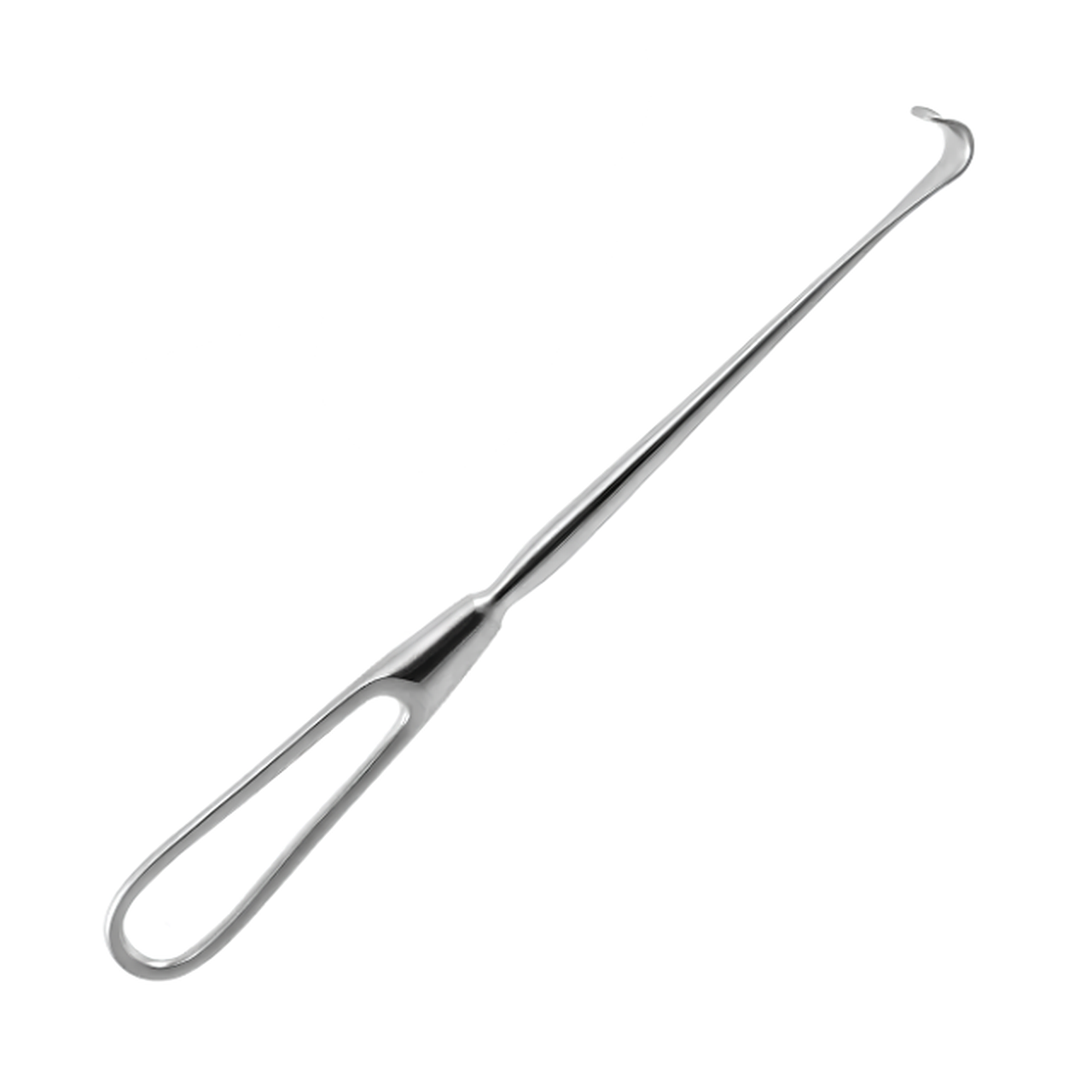 | Separador de Venas Cushing | Específicamente diseñado para movilizar, aislar y retraer venas, arterias y troncos nerviosos delicados durante cirugías vasculares, espinales y generales. |
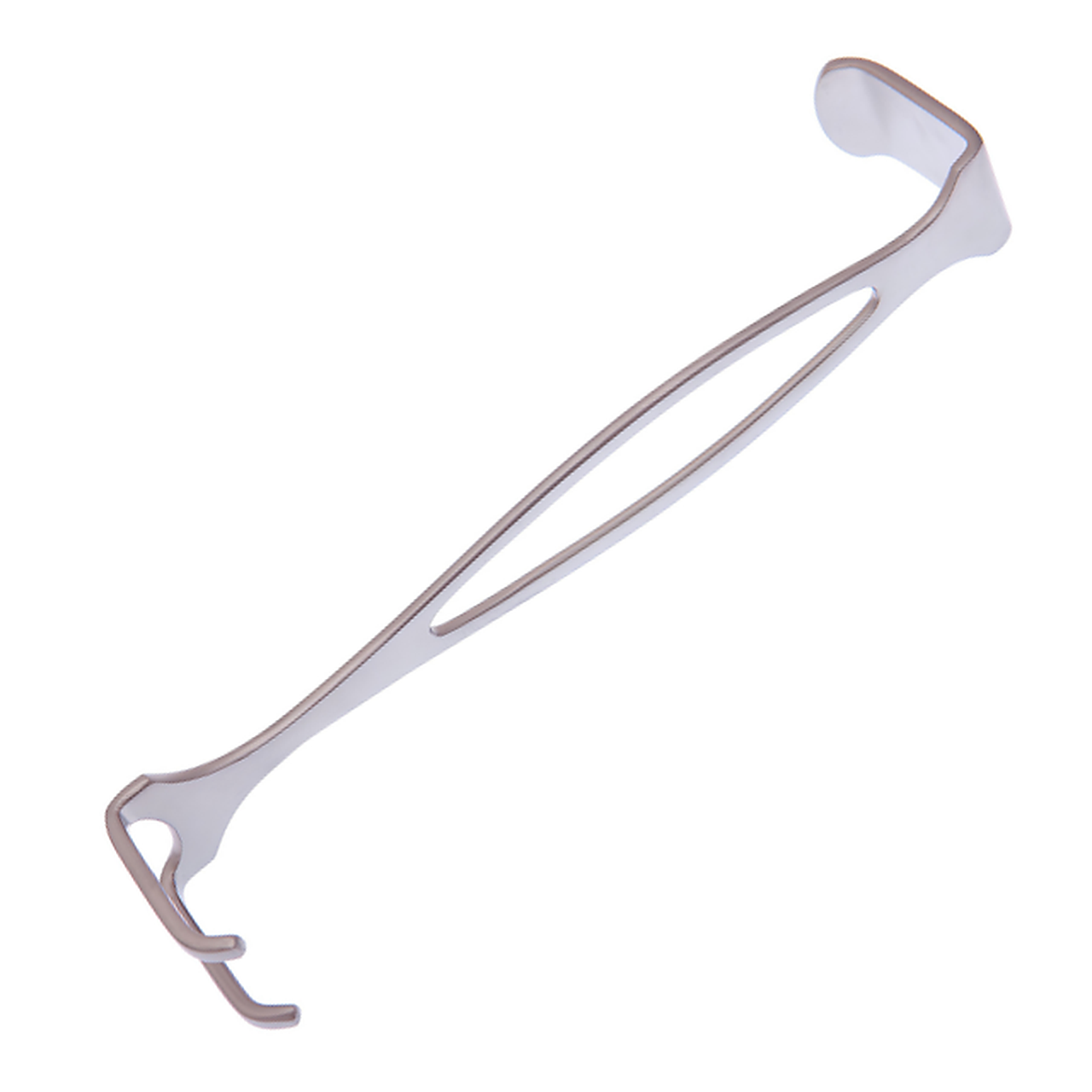 | Separador Czerny de Doble Extremo | Diseñado específicamente para retraer la piel, la fascia y la musculatura de la pared abdominal durante laparotomías y procedimientos pélvicos. |
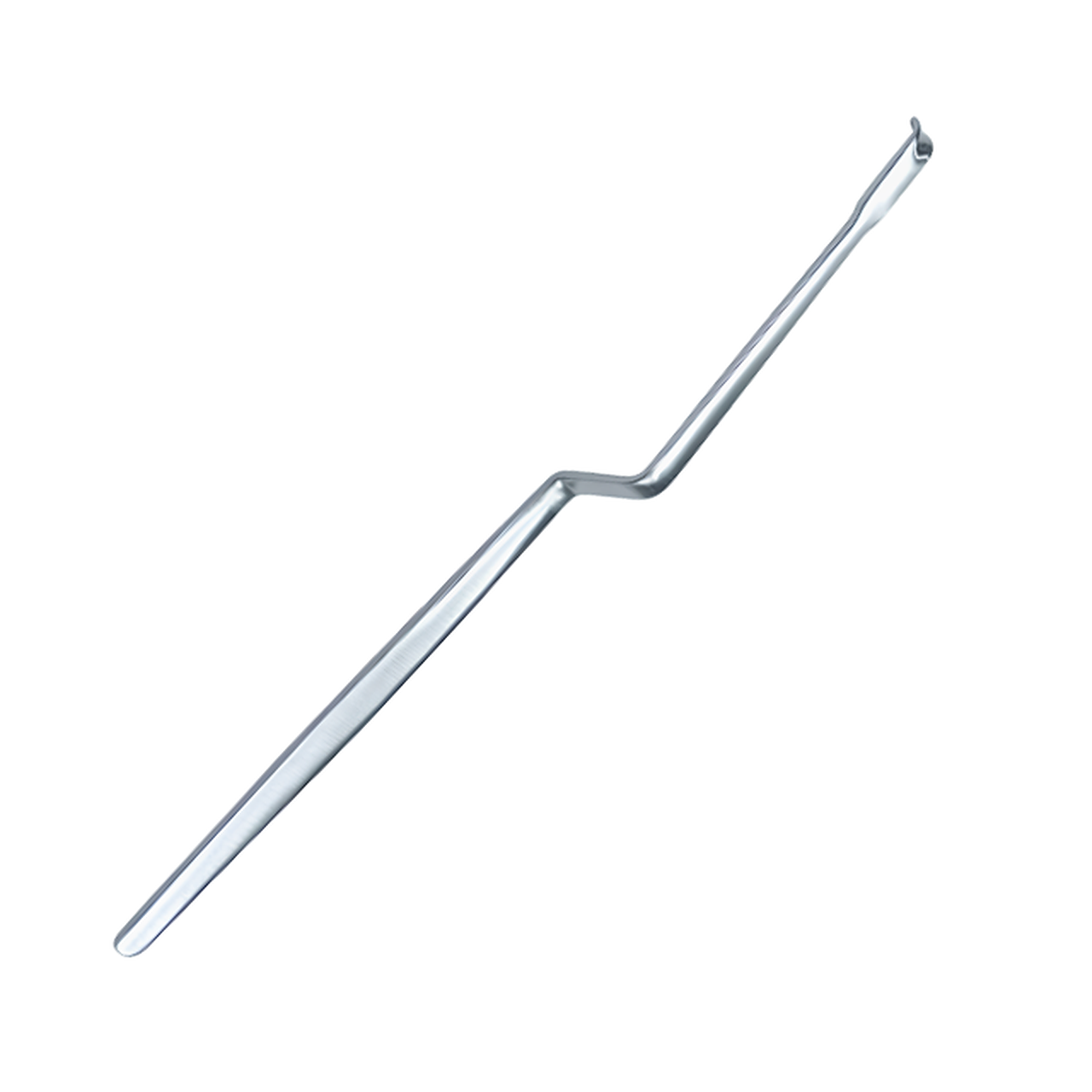 | Separador de Raíz Nerviosa D'Errico | Específicamente diseñado para movilizar, proteger y resguardar las raíces nerviosas espinales y el saco tecal durante la microdiscectomía lumbar. |
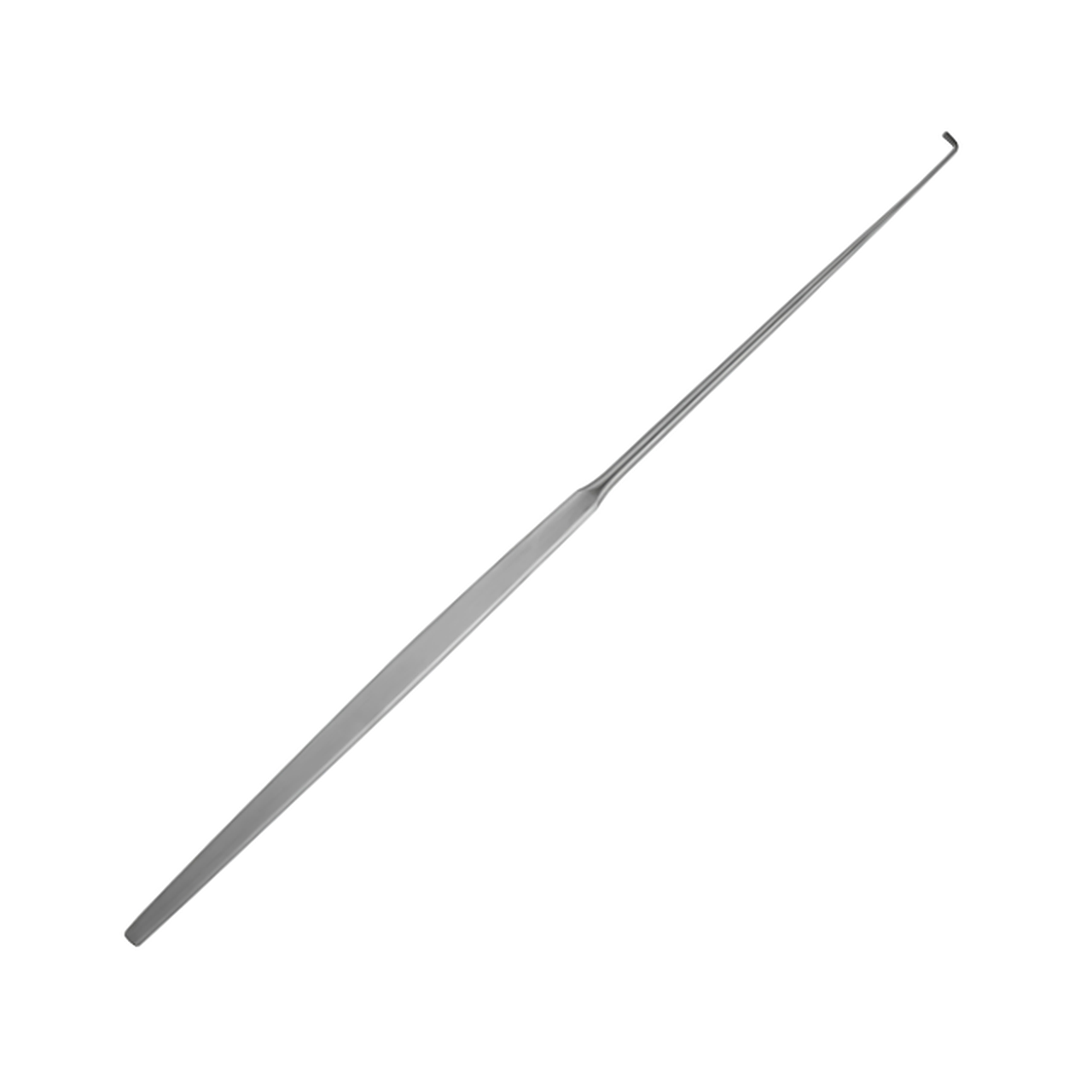 | Separador de Nervios Dandy | Diseñado específicamente para manipular, explorar y retraer nervios craneales y haces vasculares durante microneurocirugías. |
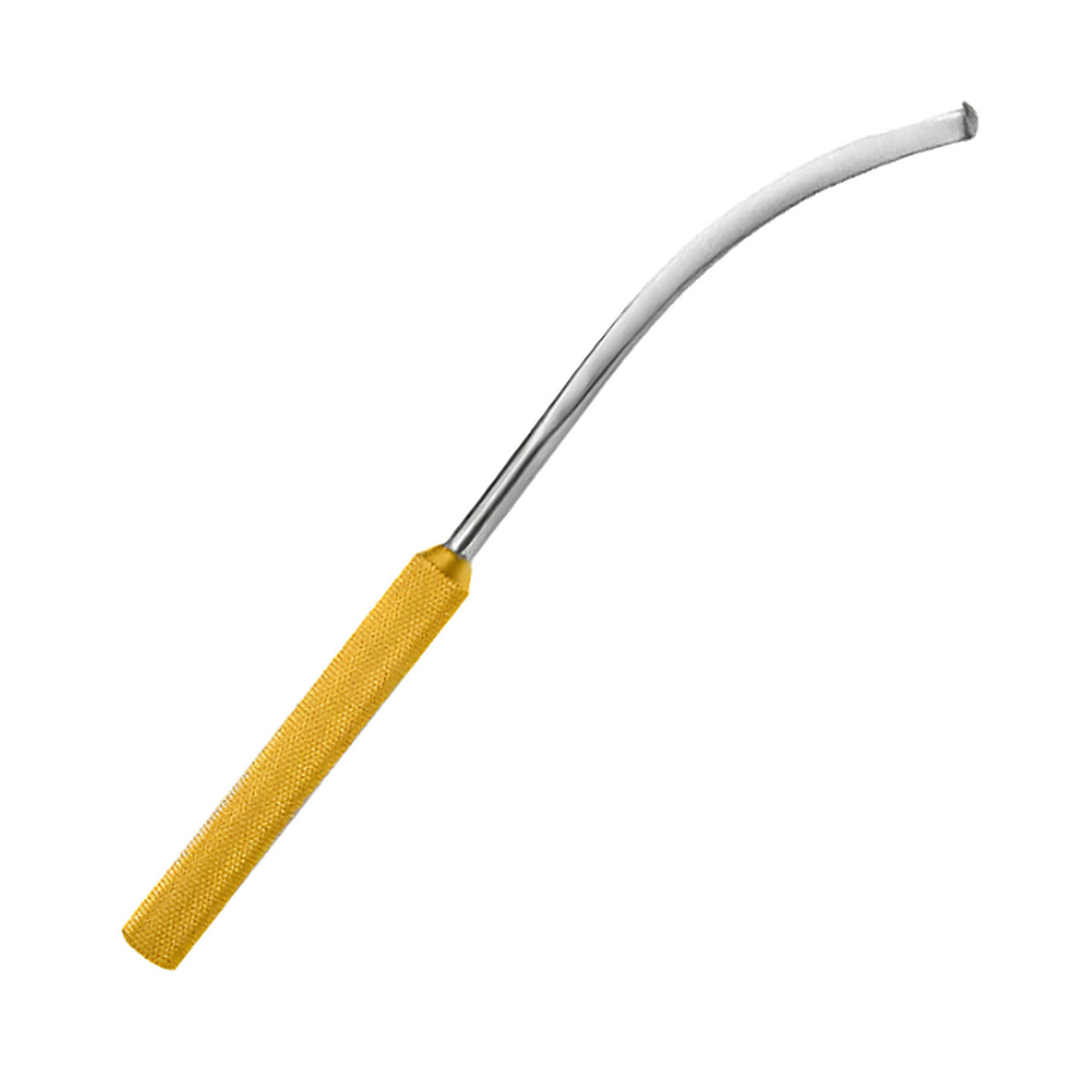 | Separador de Nervios Daniel para Frente Endoscópica | Diseñado específicamente para retraer tejidos blandos y proteger los haces neurovasculares durante el levantamiento endoscópico de frente y cejas. |
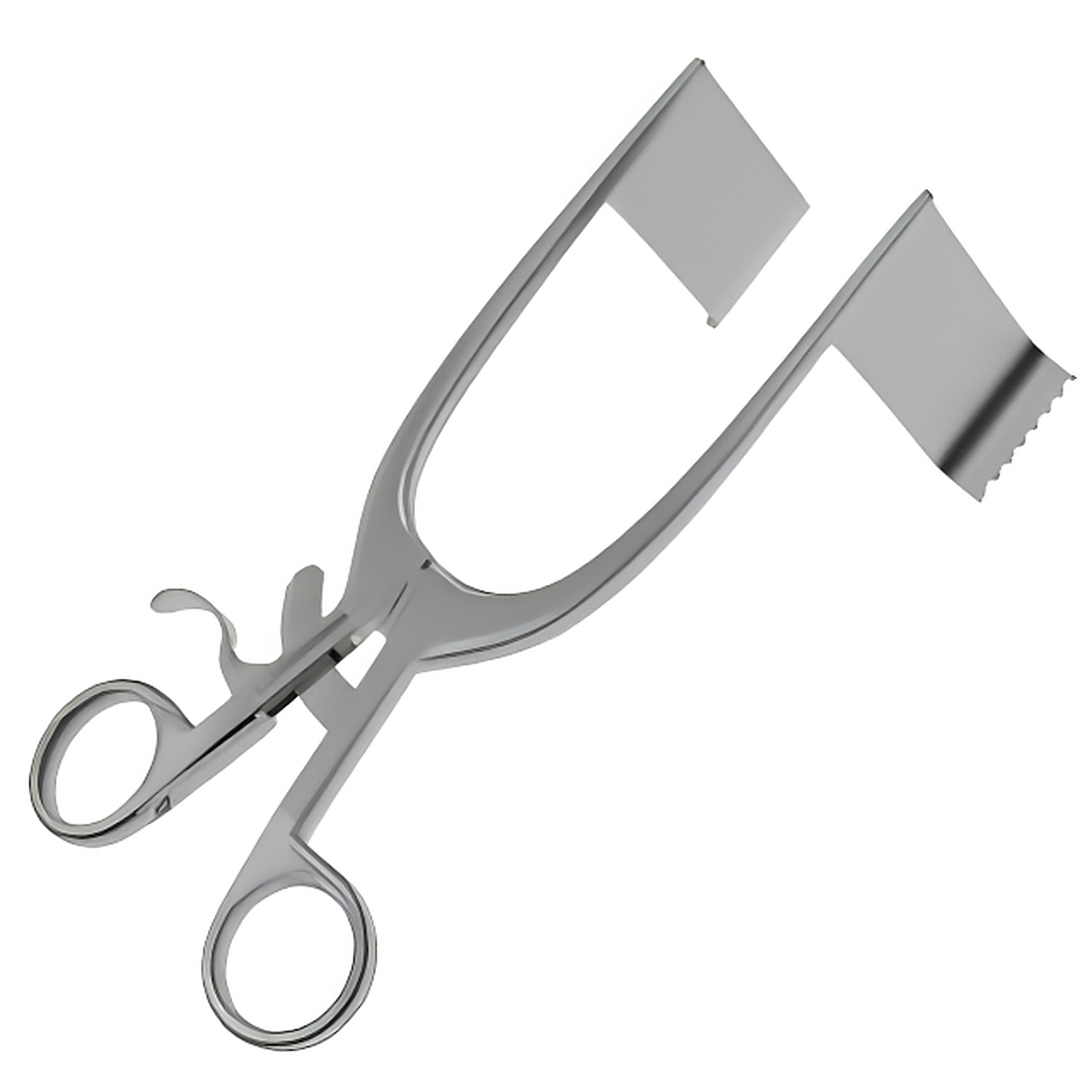 | Separador autoestático Darling Popliteal | Diseñado específicamente para proporcionar separación autoestática de tejidos blandos y músculos en el espacio poplíteo durante procedimientos vasculares. |
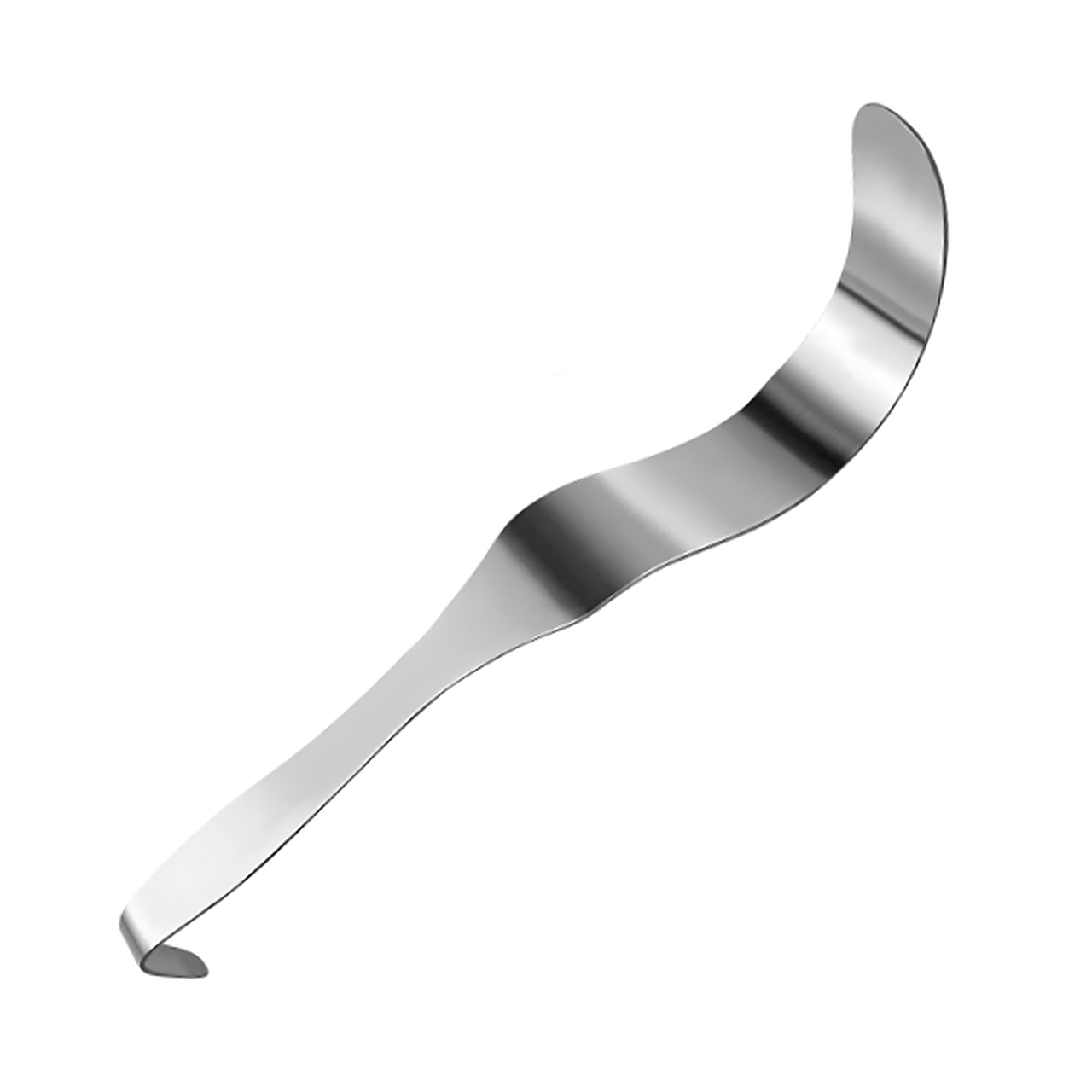 | Separador Deaver | Específicamente diseñado para retraer órganos viscerales profundos, musculatura de la pared abdominal y tejidos pélvicos durante cirugía abierta. |
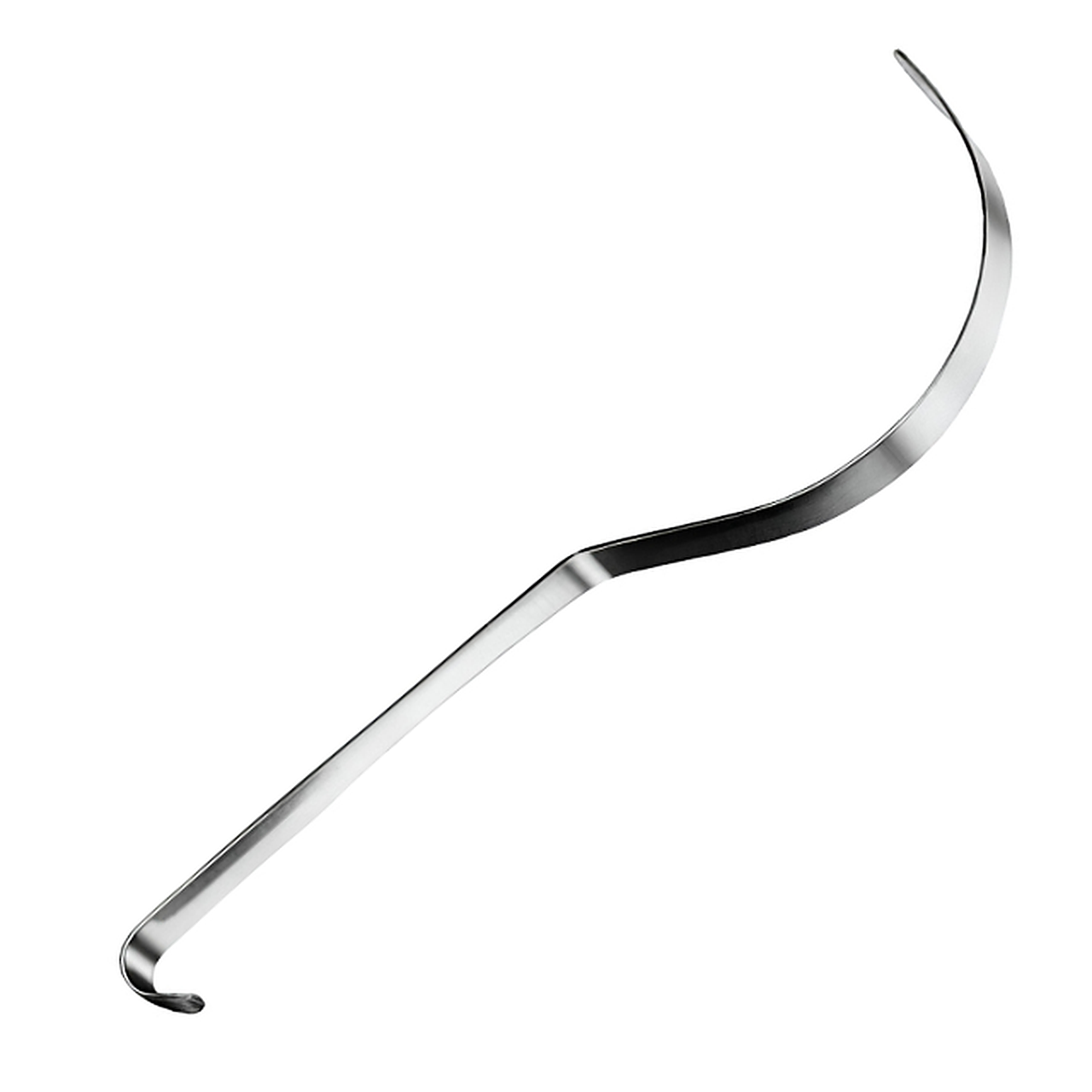 | Separador Deaver con Mango Delgado | Específicamente diseñado para retraer tejido blando profundo, órganos viscerales y músculo, reduciendo la fatiga del usuario mediante un mango ligero. |
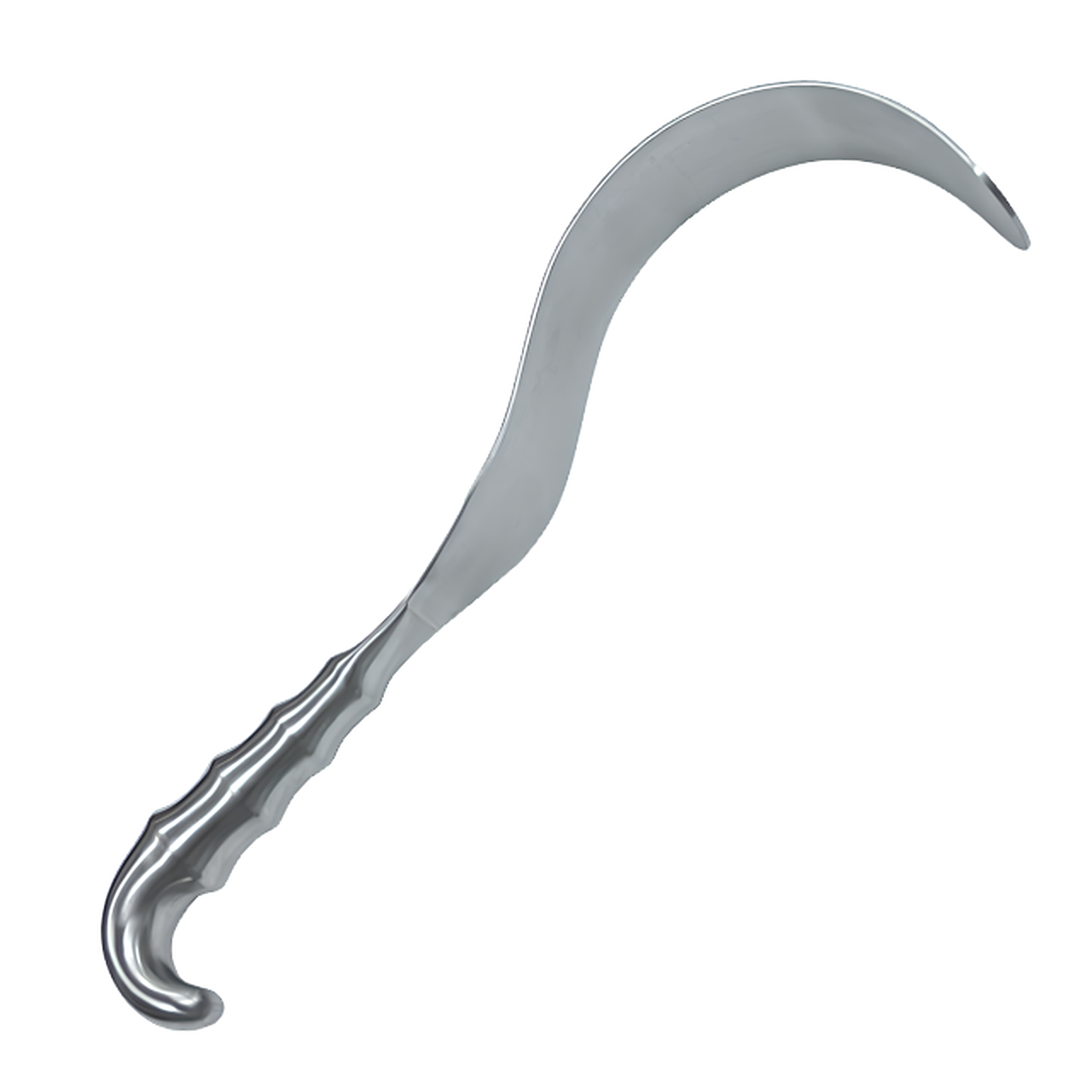 | Separadores Deaver con Mango Hueco | Diseñado específicamente para retraer órganos viscerales y capas musculares durante cirugía abdominal profunda, pélvica y torácica, minimizando la fatiga manual. |
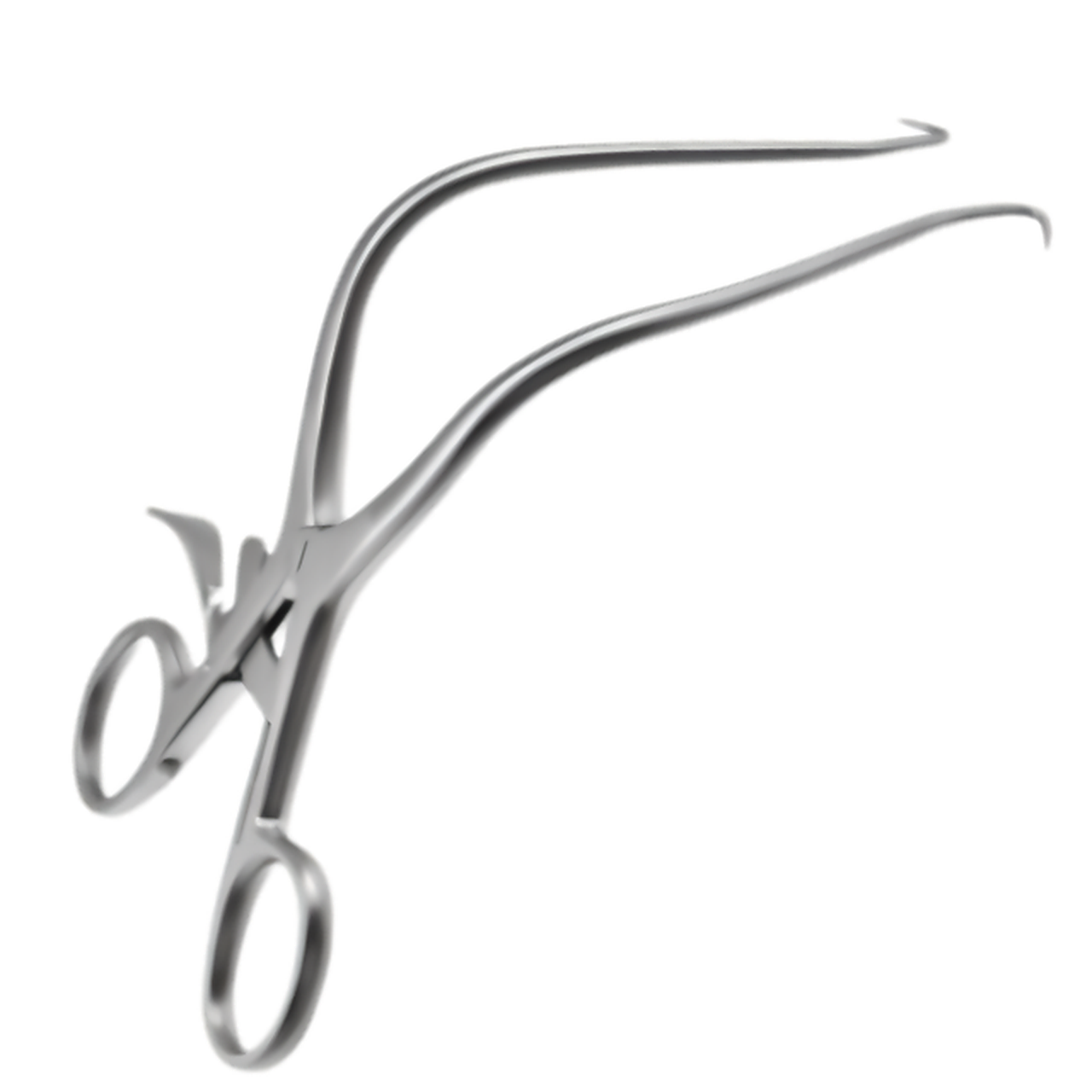 | Separador DeBakey | Diseñado específicamente para retraer márgenes cutáneos, fascia y tejido blando vascular durante procedimientos quirúrgicos. |
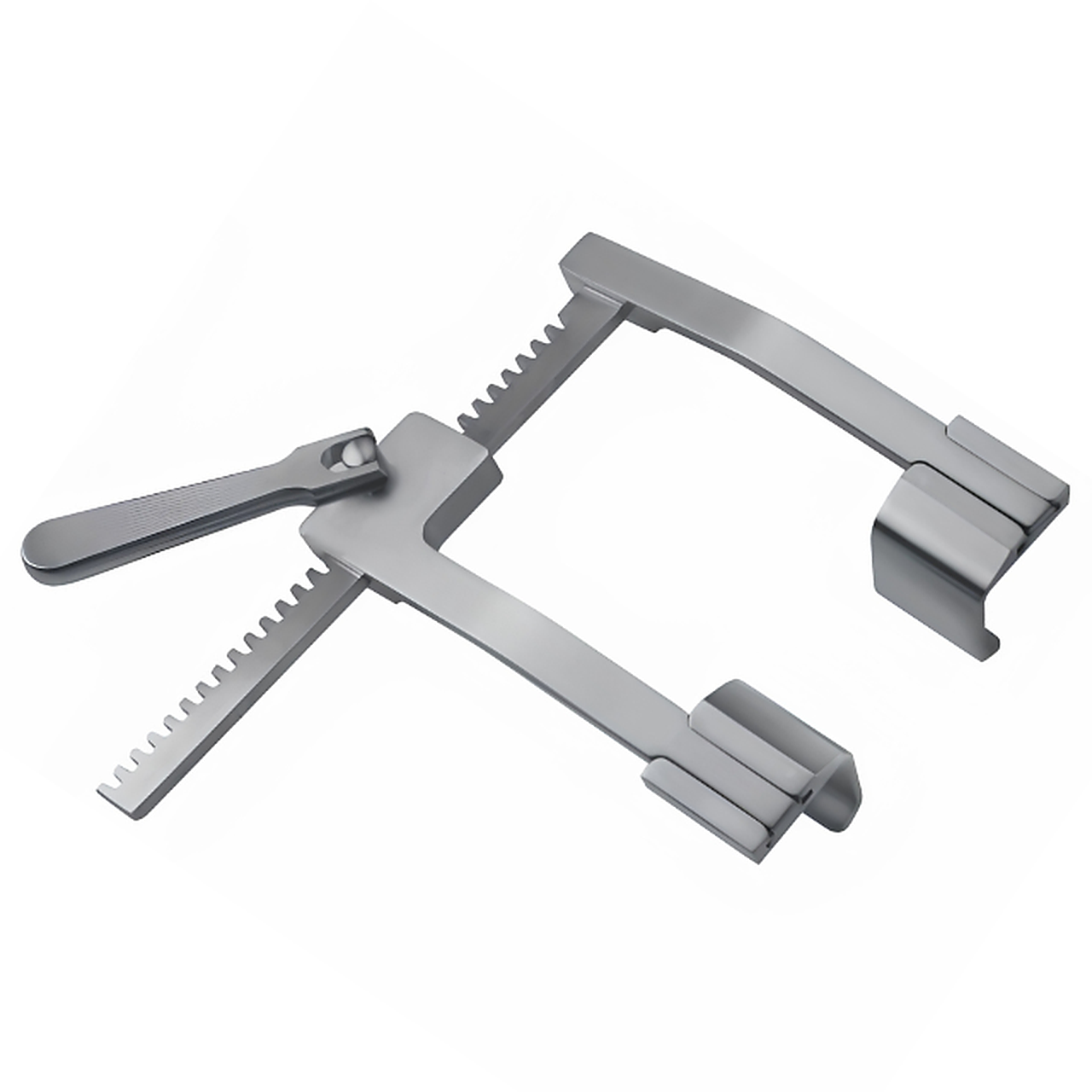 | Separador Costal DeBakey | Diseñado específicamente para separar costillas adyacentes y expandir el espacio intercostal durante cirugías cardíacas y torácicas. |
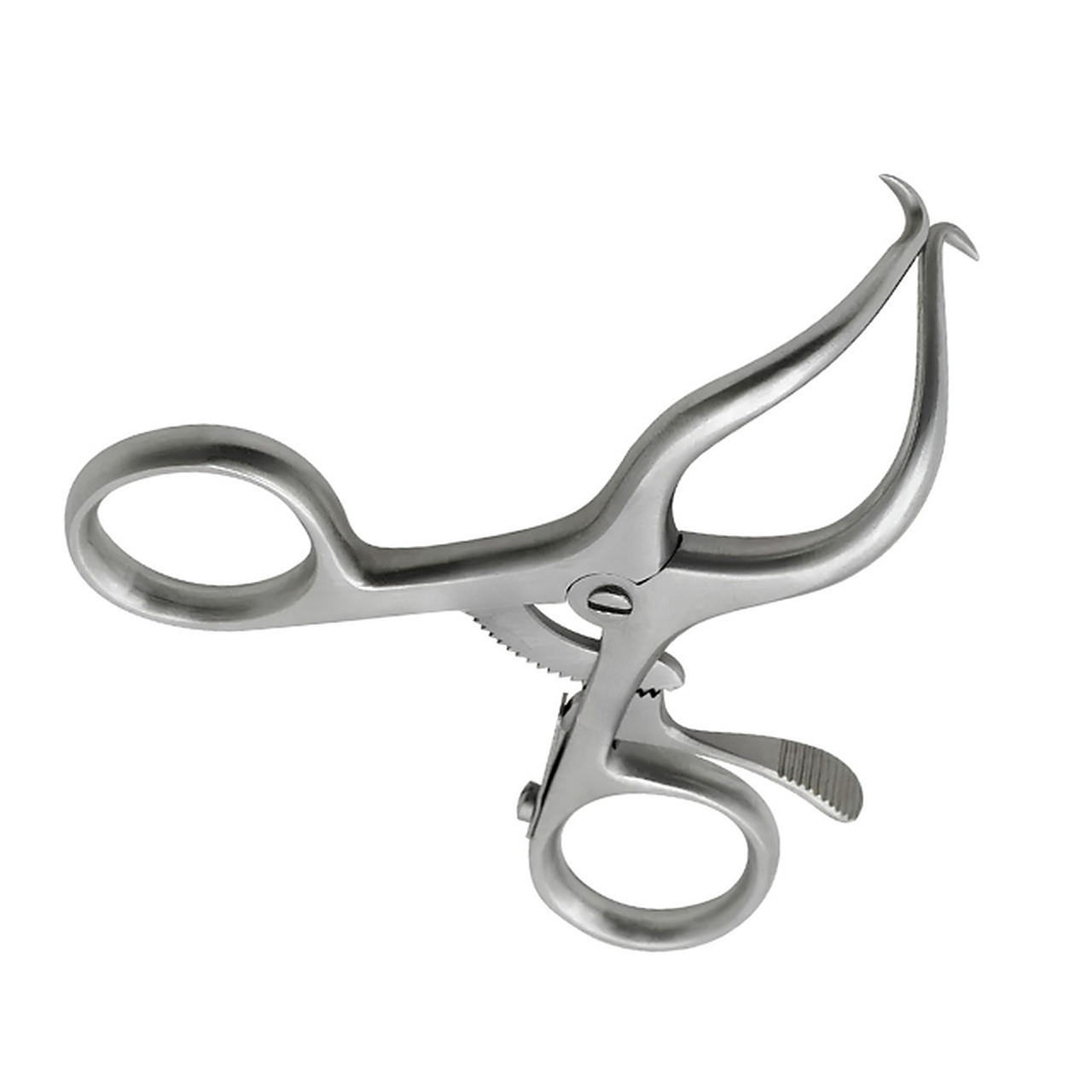 | Separador Gelpi Profundo | Específicamente diseñado para proporcionar retracción autoestática de tejidos blandos y musculares durante procedimientos espinales, ortopédicos y neuroquirúrgicos. |
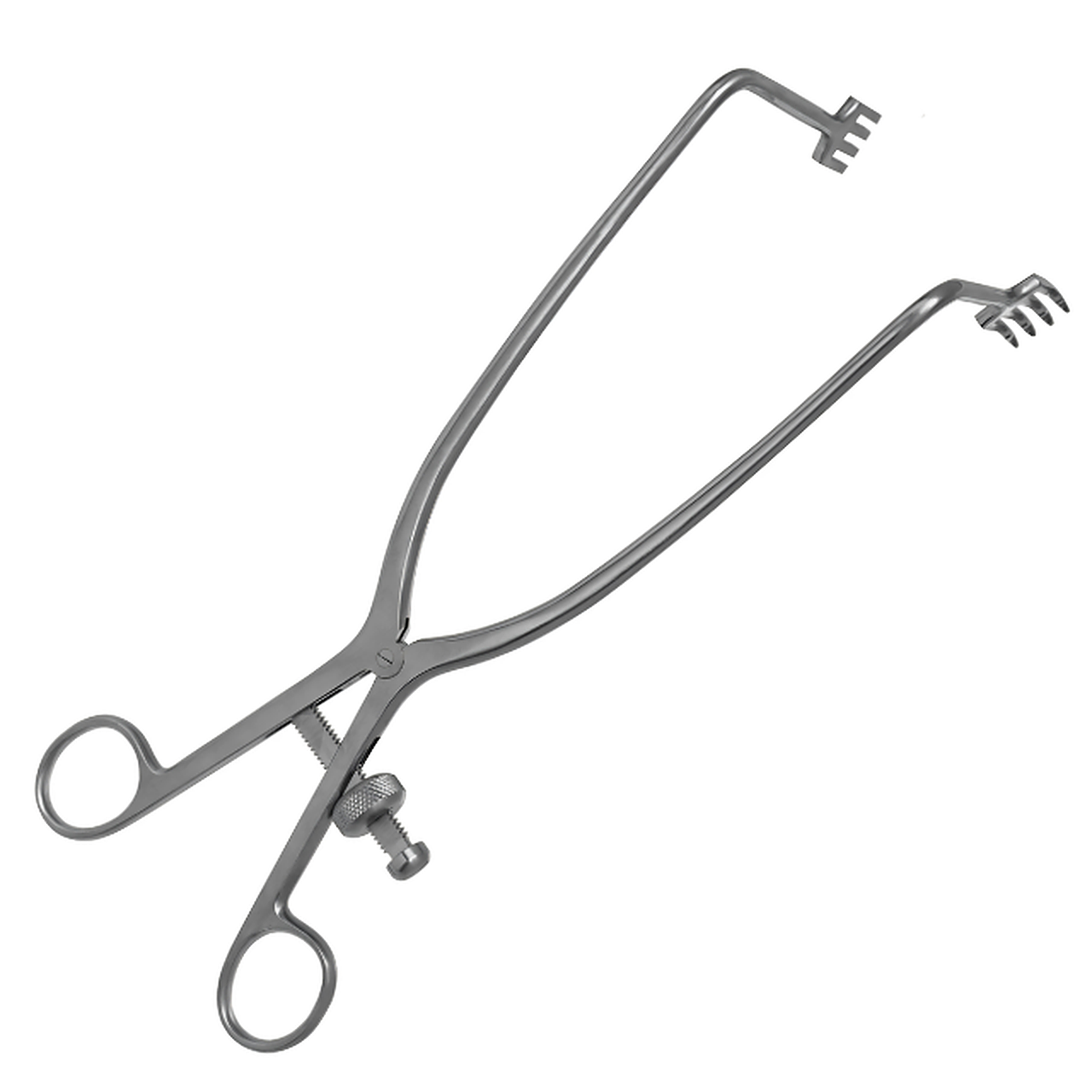 | Separador Autoestático Deep Gelpi | Diseñado específicamente para proporcionar retracción autoestática de músculos y tejidos en heridas quirúrgicas profundas durante procedimientos espinales y ortopédicos. |
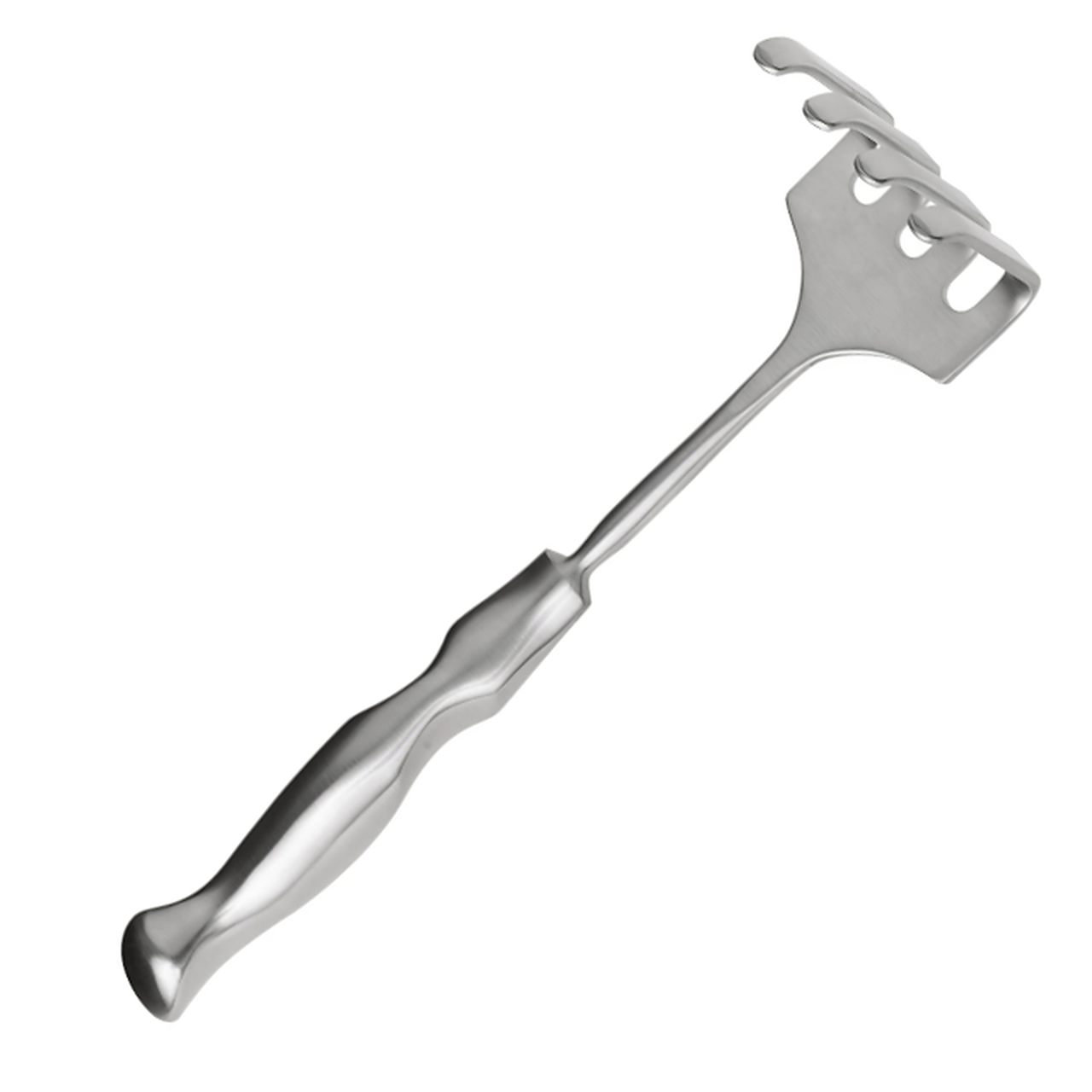 | Separador de Garra Profunda (Deep Rake) | Diseñado específicamente para retraer músculo pesado, fascia y tejido blando profundo durante cirugías abiertas abdominales, pélvicas y ortopédicas. |
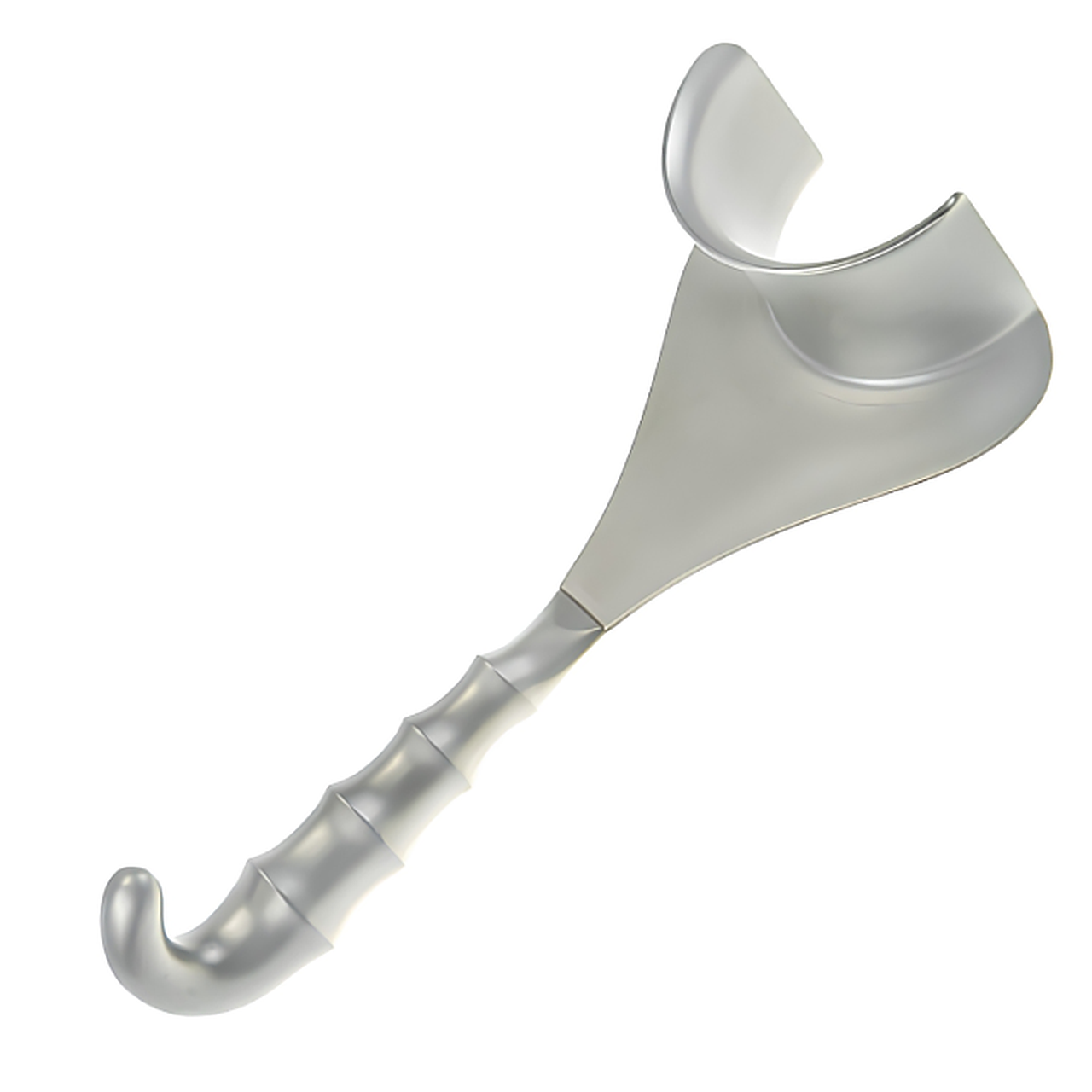 | Separador Universal Delee | Diseñado específicamente para retraer y proteger la vejiga y la pared abdominal durante cesáreas y cirugía ginecológica. |
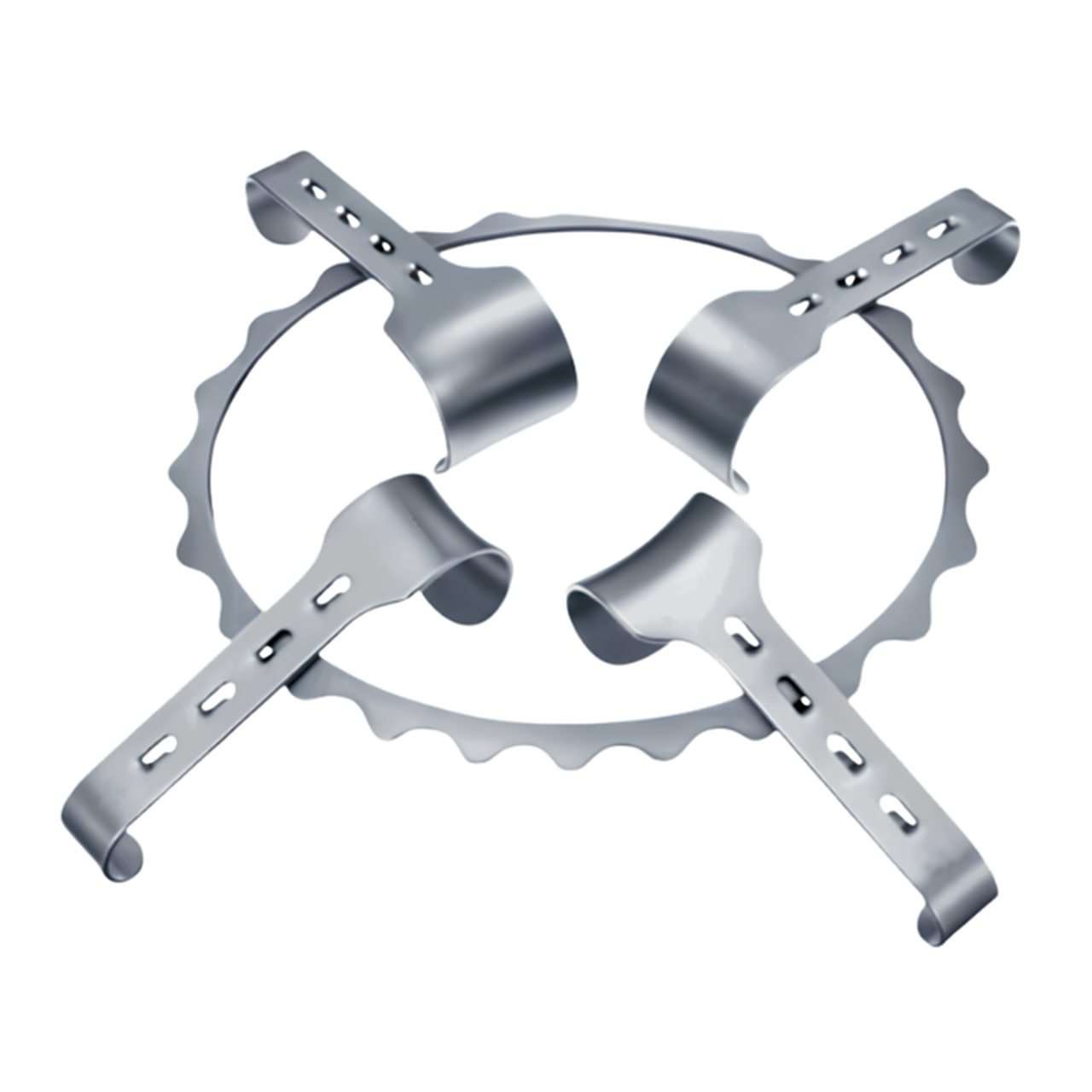 | Separador Denis-Browne | Específicamente diseñado para proporcionar una retracción visceral y de los márgenes de la herida autoestática de 360 grados durante la cirugía abdominal y pélvica. |
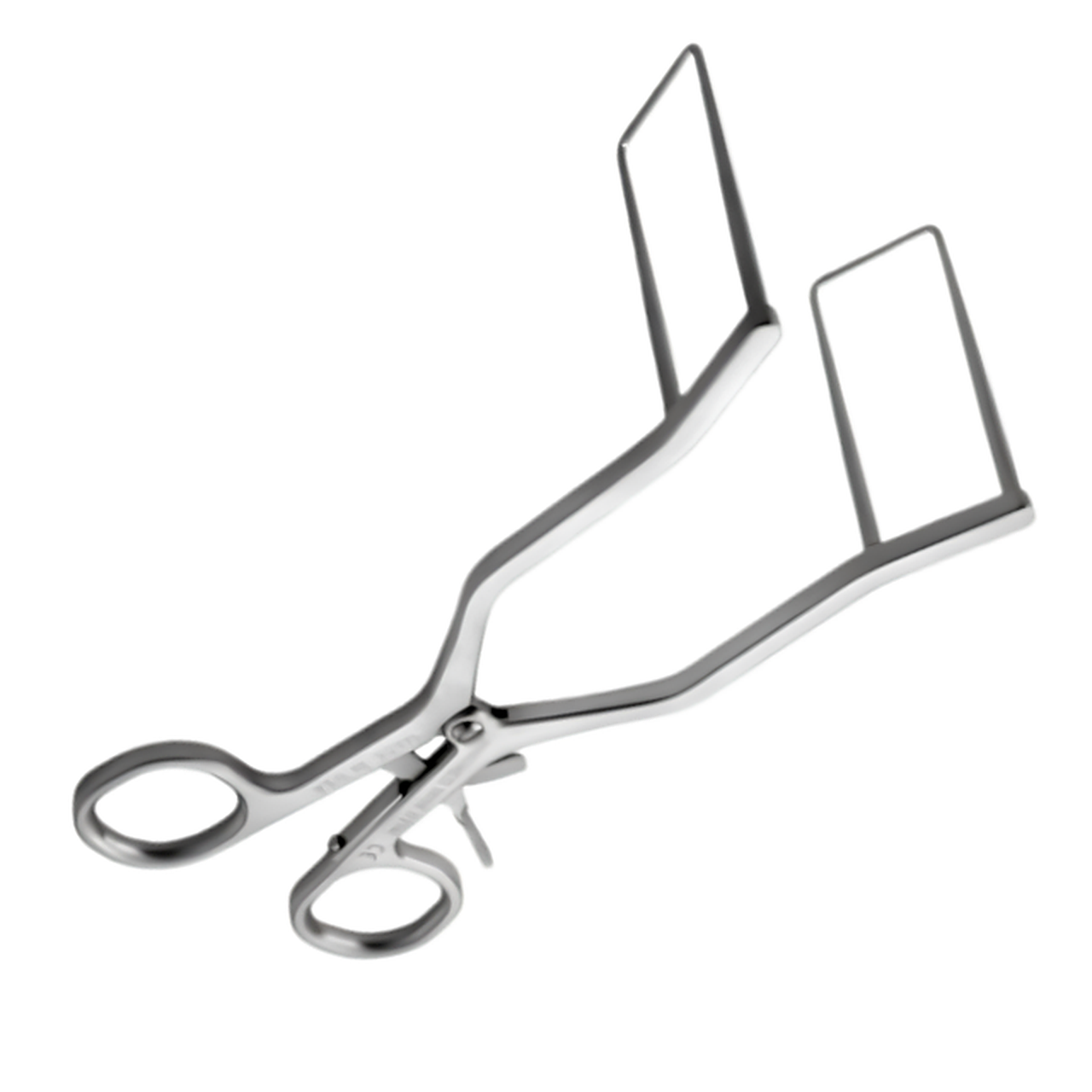 | Separador Autoestático Desai | Diseñado específicamente para proporcionar retracción autoestática de los márgenes de la herida con visibilidad de acceso directo a través de su ventana durante cirugías abdominales y pélvicas. |
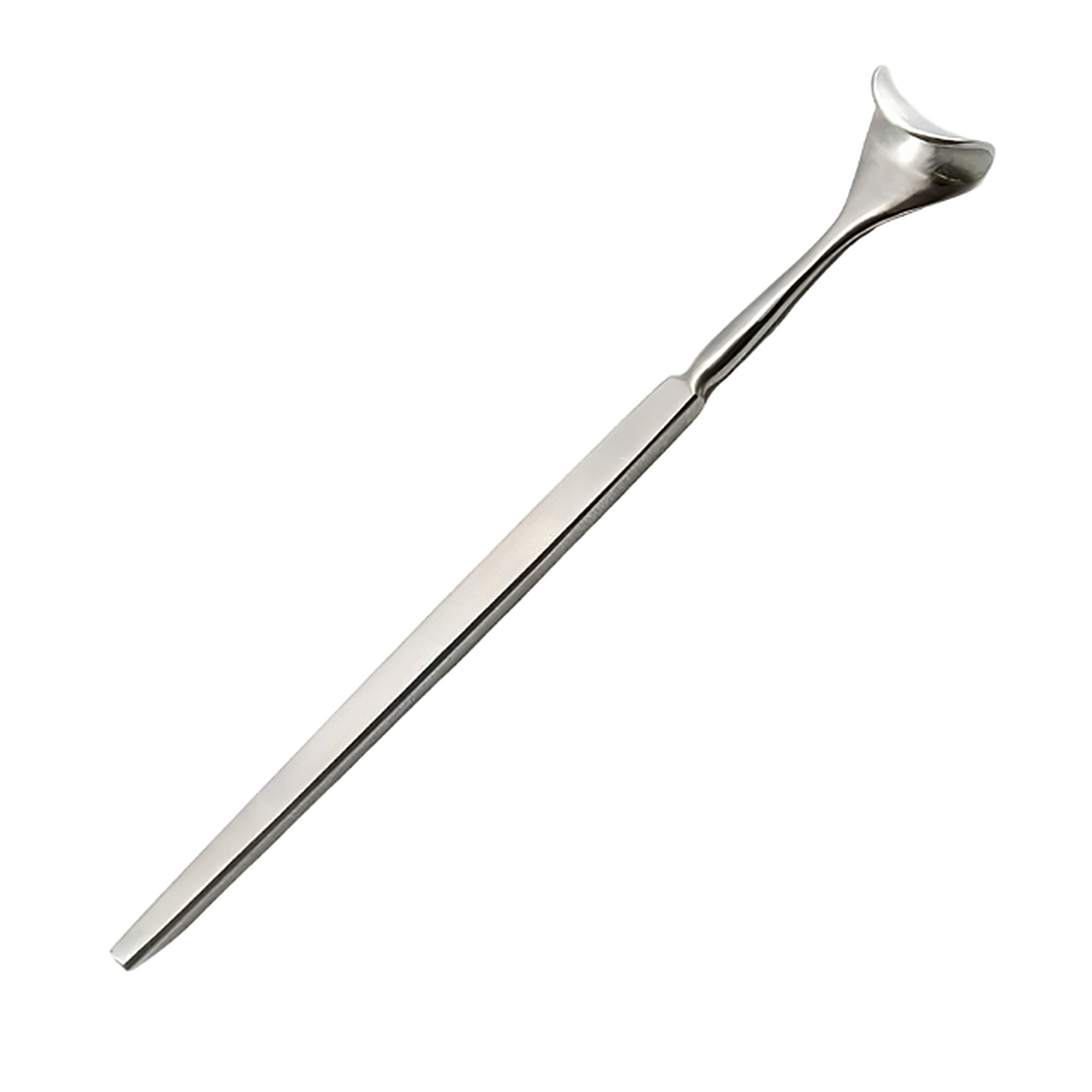 | Separador Palpebral Desmarres | Diseñado específicamente para retraer los párpados, movilizar las placas tarsales y proteger el globo ocular durante blefaroplastias y cirugía ocular. |
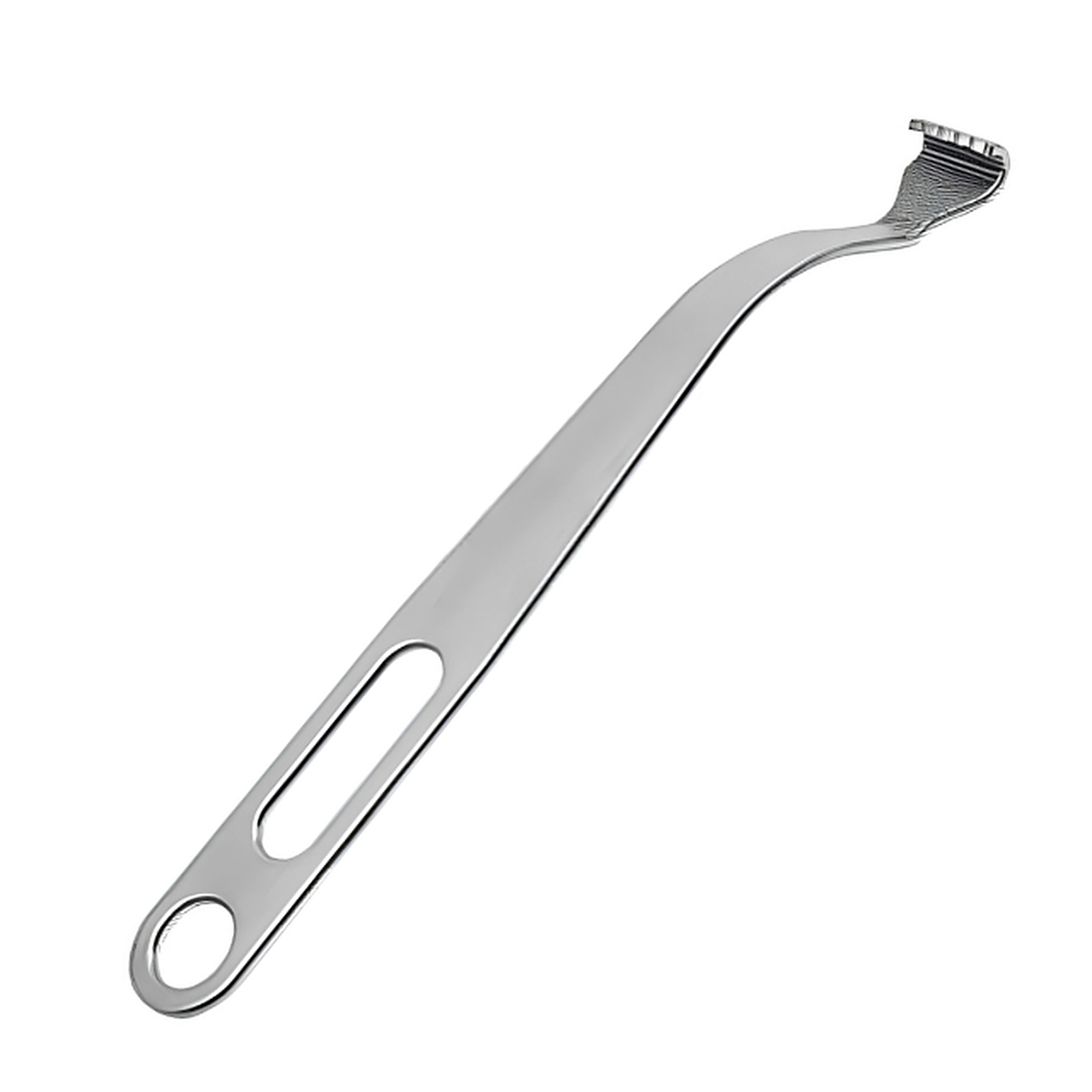 | Separadores Humerales Dingo Modified | Diseñado específicamente para hacer palanca en la cabeza humeral y exponer la cavidad glenoidea durante la artroplastia de hombro y cirugía reconstructiva. |
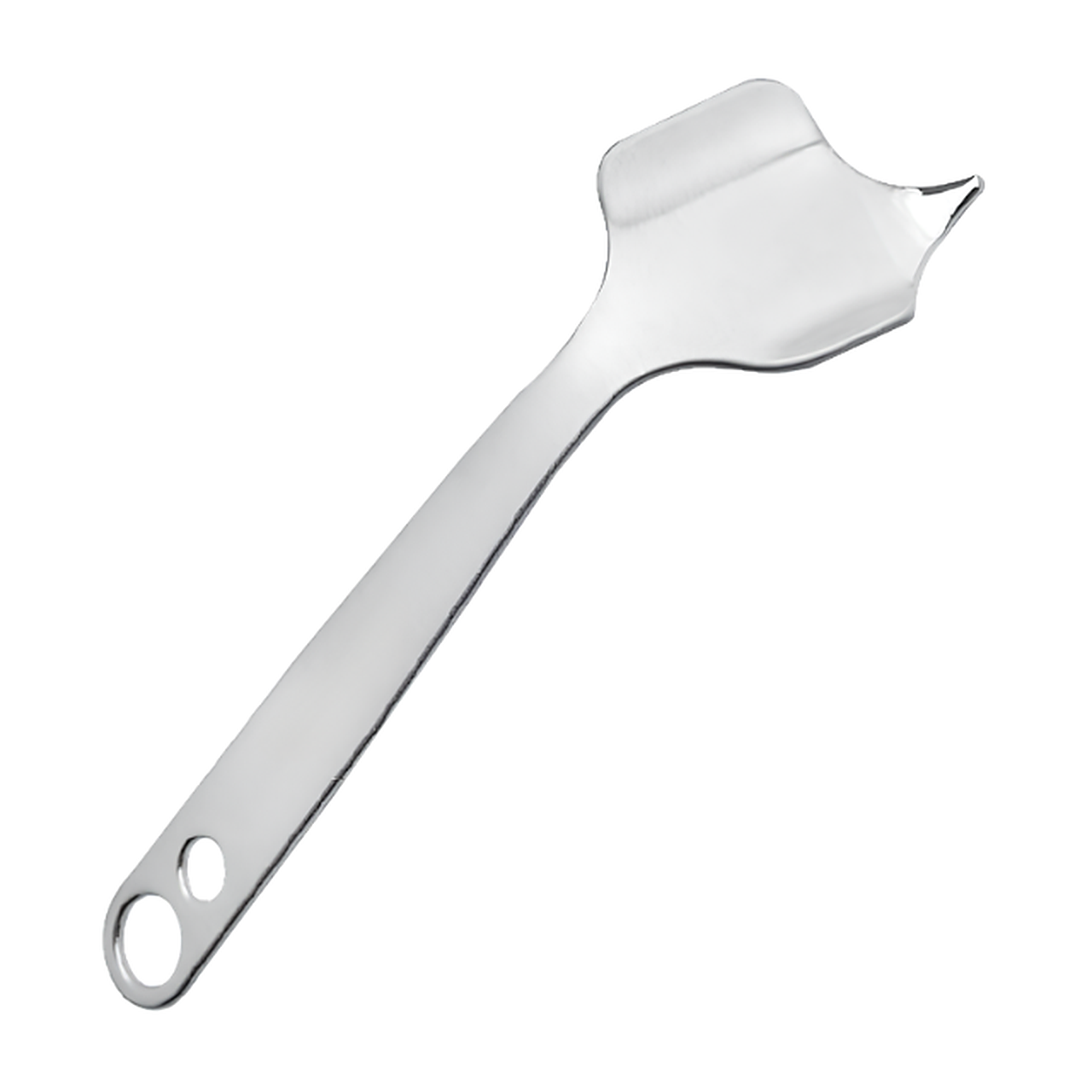 | Separador para Escariado Anterior Direct Access | Diseñado específicamente para elevar el fémur proximal y retraer el tejido blando durante el escariado femoral en la artroplastia de cadera por abordaje anterior directo. |
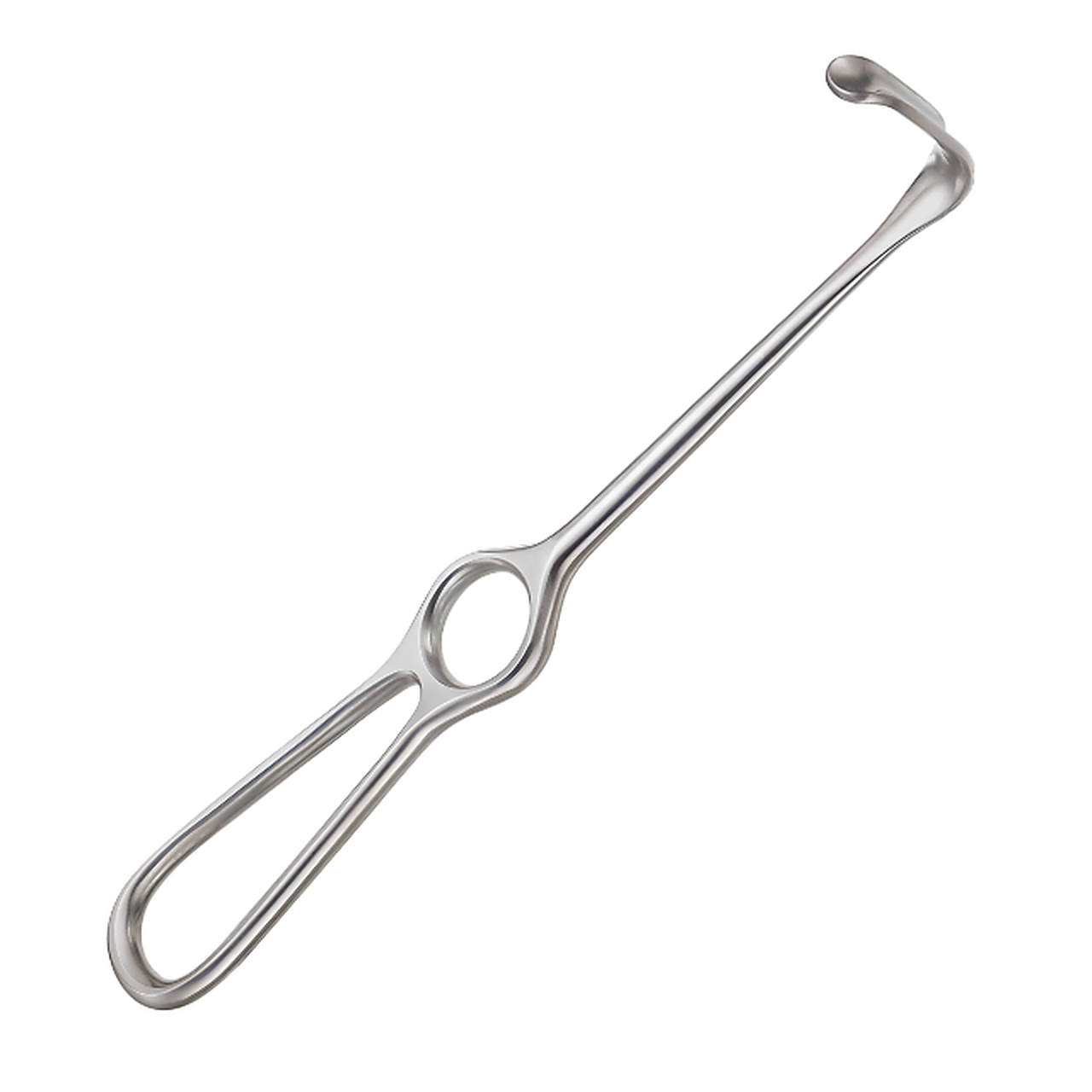 | Separador Dockhorn | Específicamente diseñado para retraer bordes de heridas, fascias y tejidos blandos durante cirugías orales, maxilofaciales y generales. |
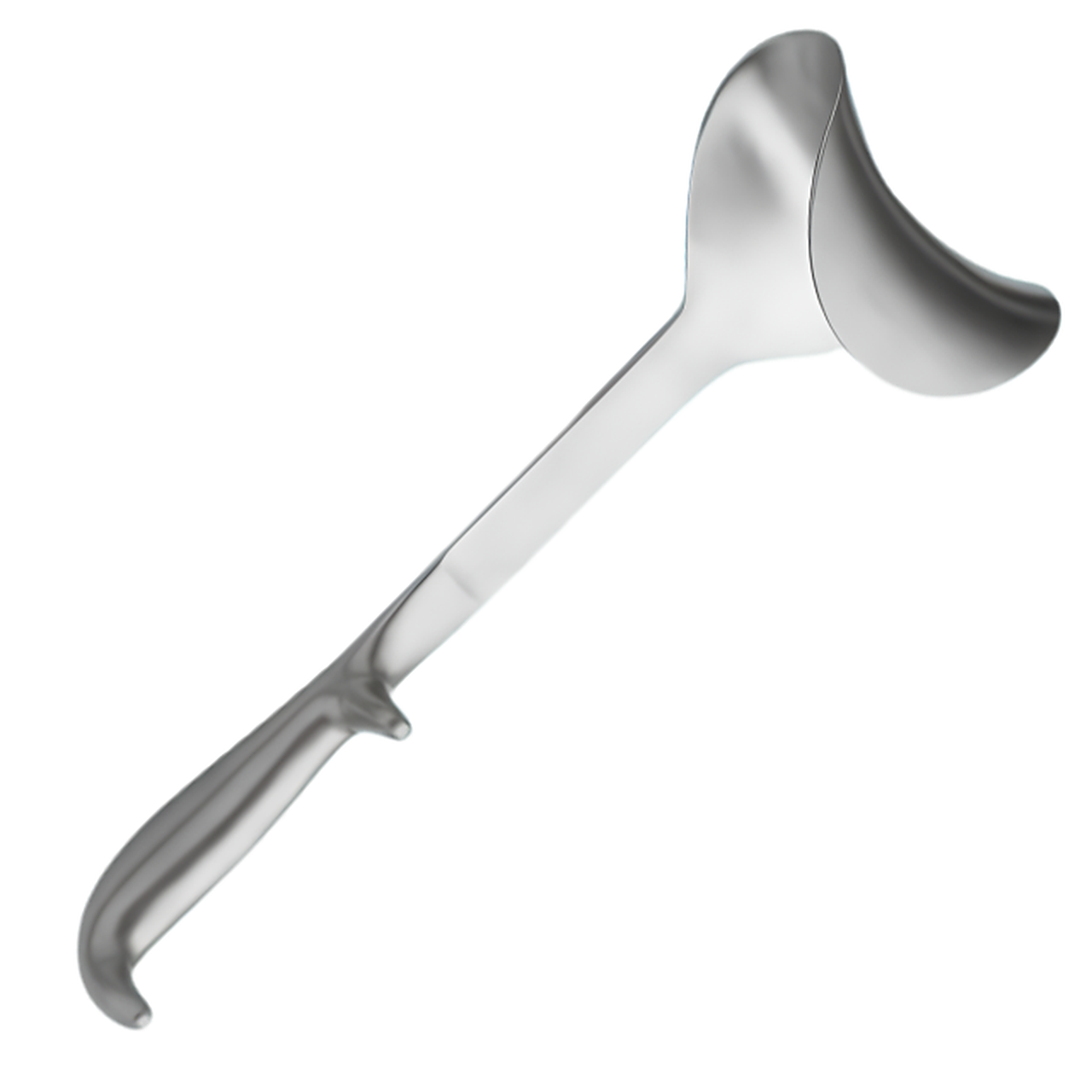 | Separador Abdominal Doyen | Diseñado específicamente para retraer la pared abdominal, órganos viscerales y musculatura pélvica durante procedimientos de laparotomía abierta. |
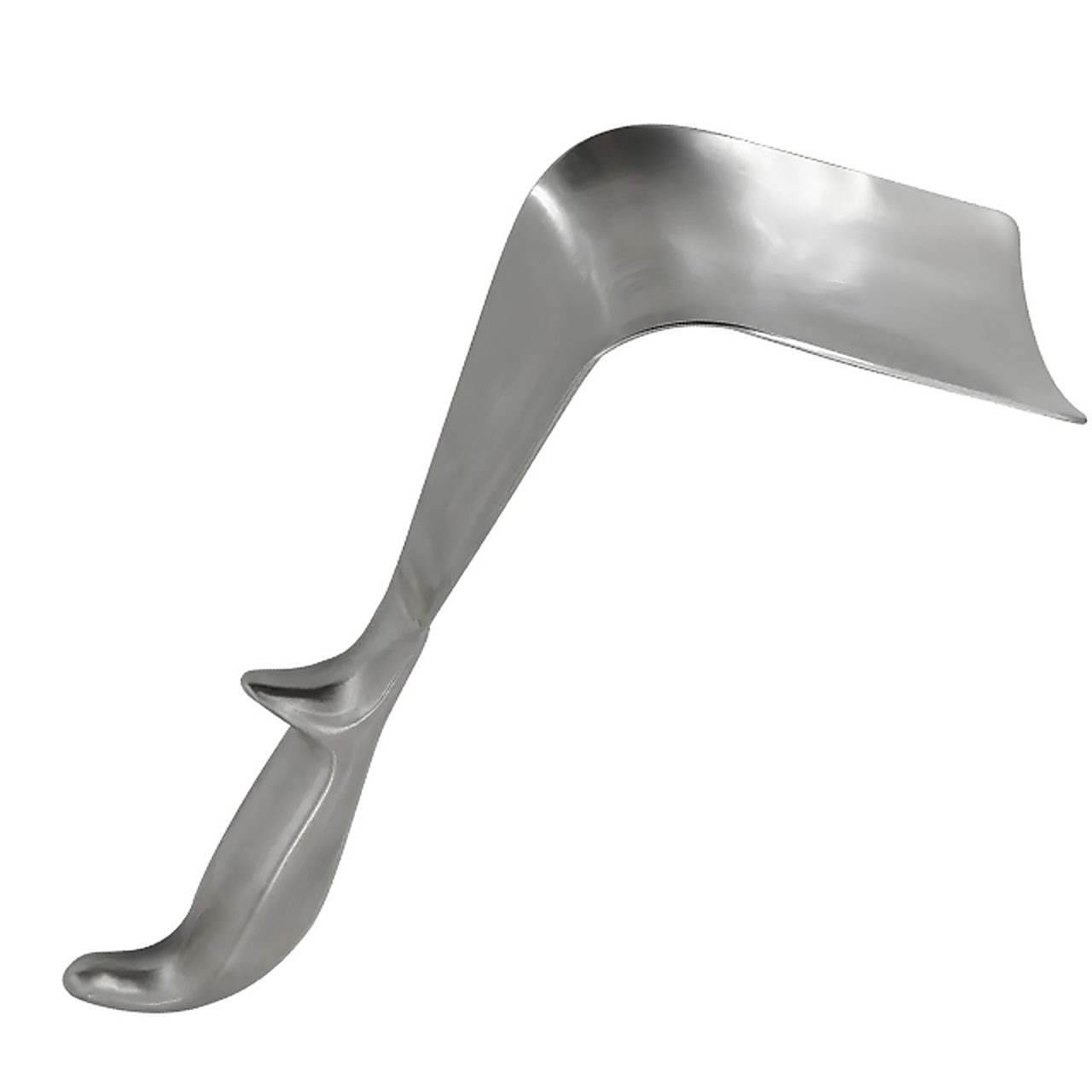 | Separador Doyen | Diseñado específicamente para desplazar la pared abdominal y proteger las vísceras durante cirugía general abierta y ginecológica. |
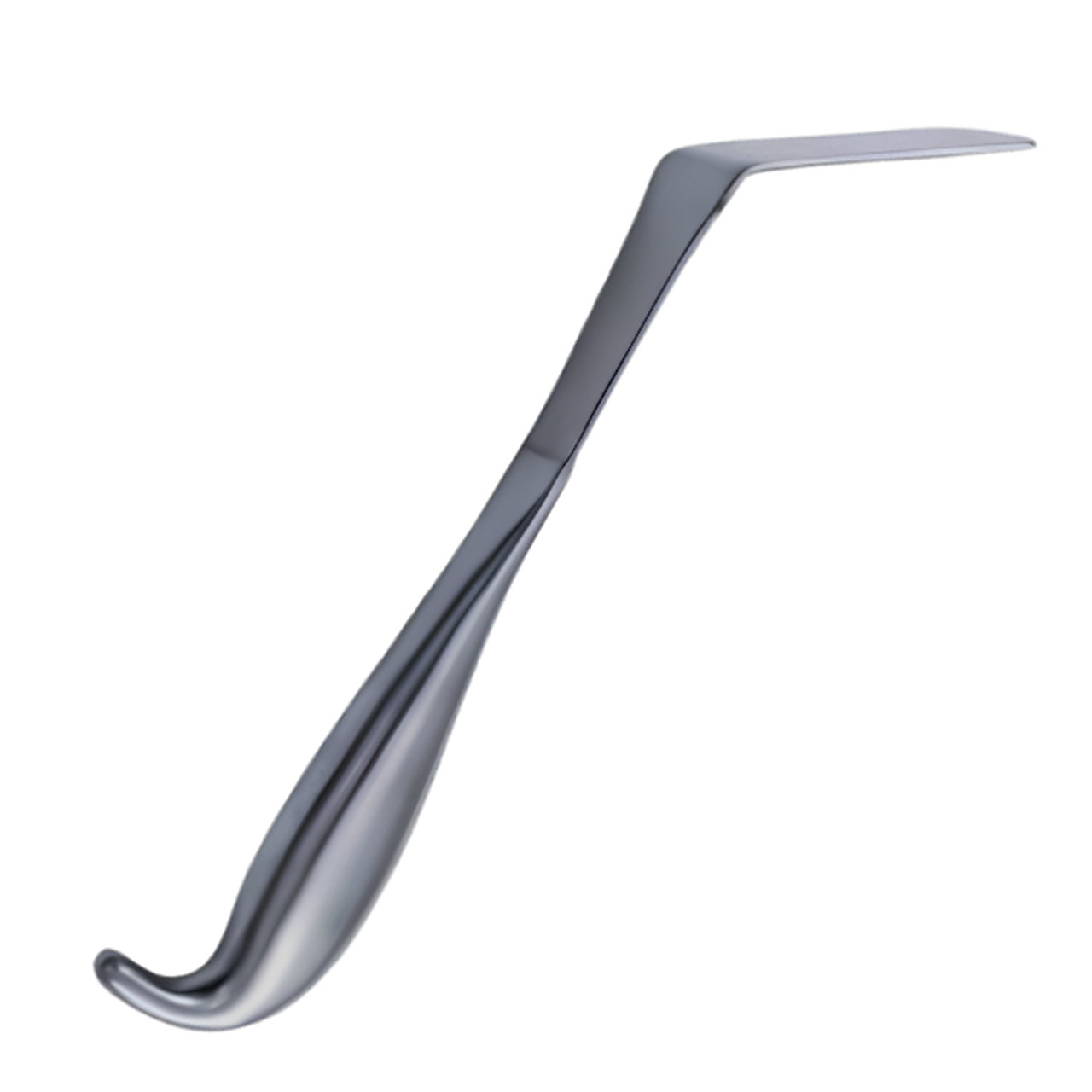 | Separador Vaginal Doyen | Diseñado específicamente para retraer la pared vaginal y exponer el cuello uterino y el suelo pélvico durante procedimientos ginecológicos. |
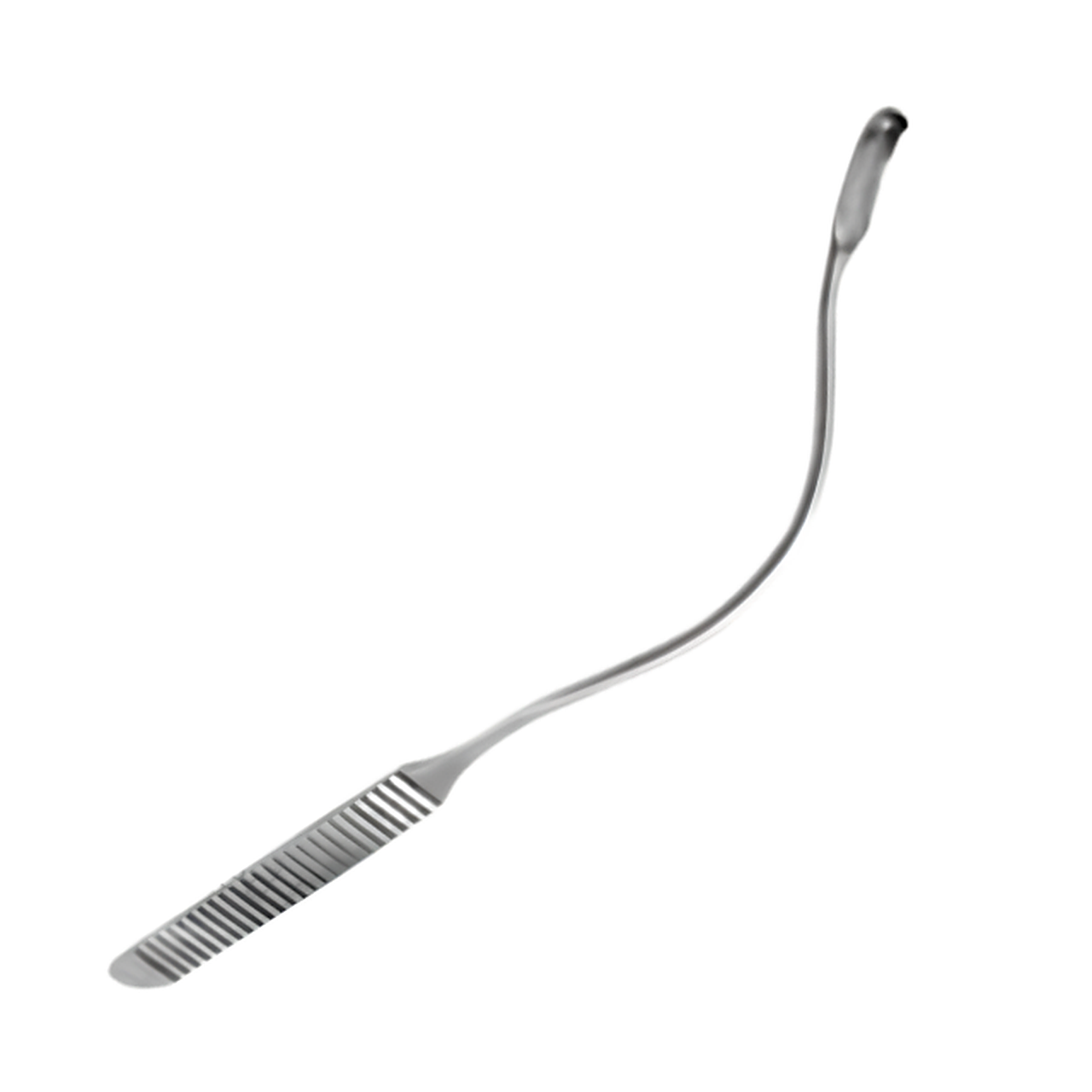 | Separador de Canal Mandibular Dumbach | Diseñado específicamente para separar tejidos blandos y proteger estructuras neurovasculares a lo largo del borde mandibular durante osteotomías de rama. |
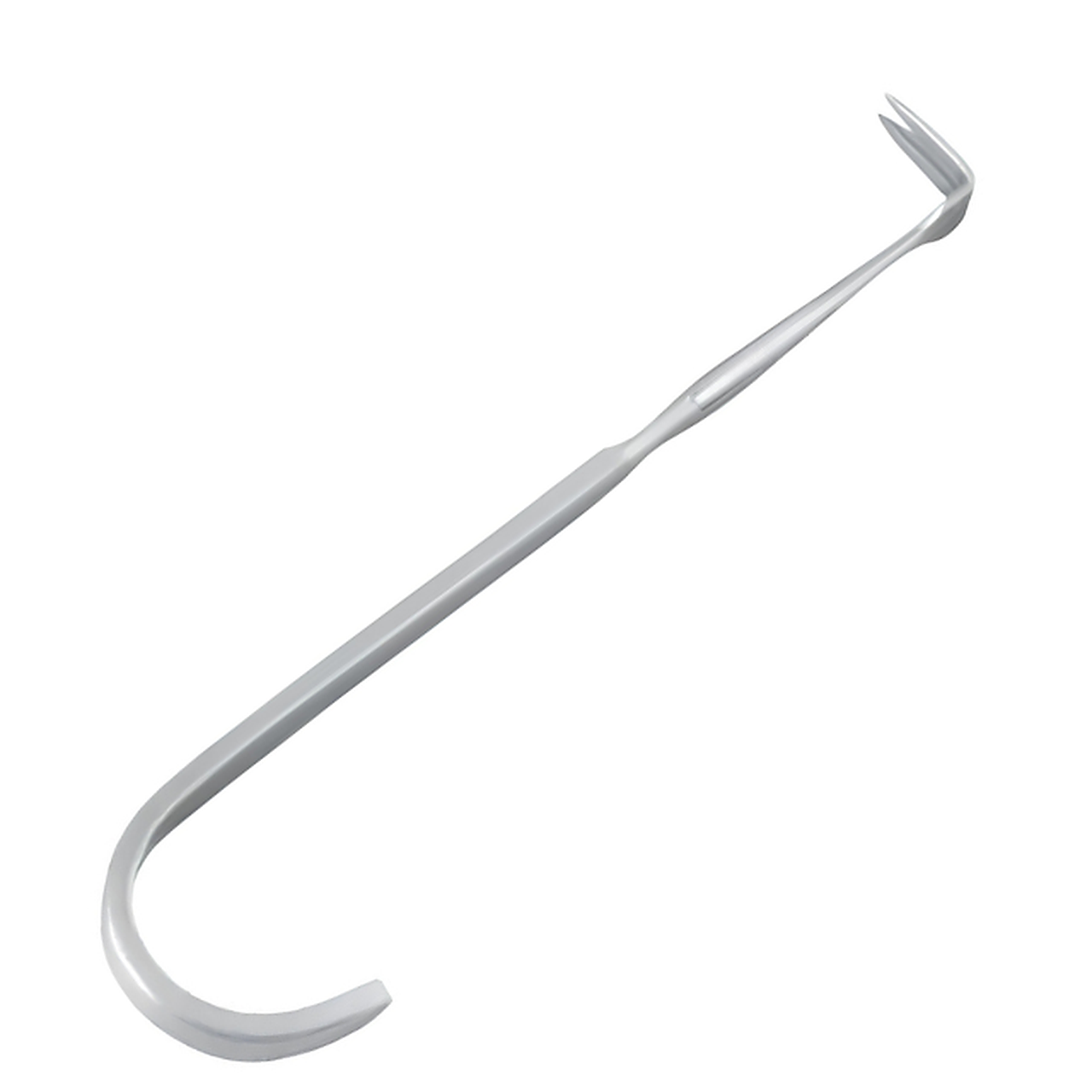 | Separador Lateral Dunn Dautrey | Específicamente diseñado para retraer el tejido blando lateral y exponer la rama mandibular durante la cirugía ortognática y oral. |
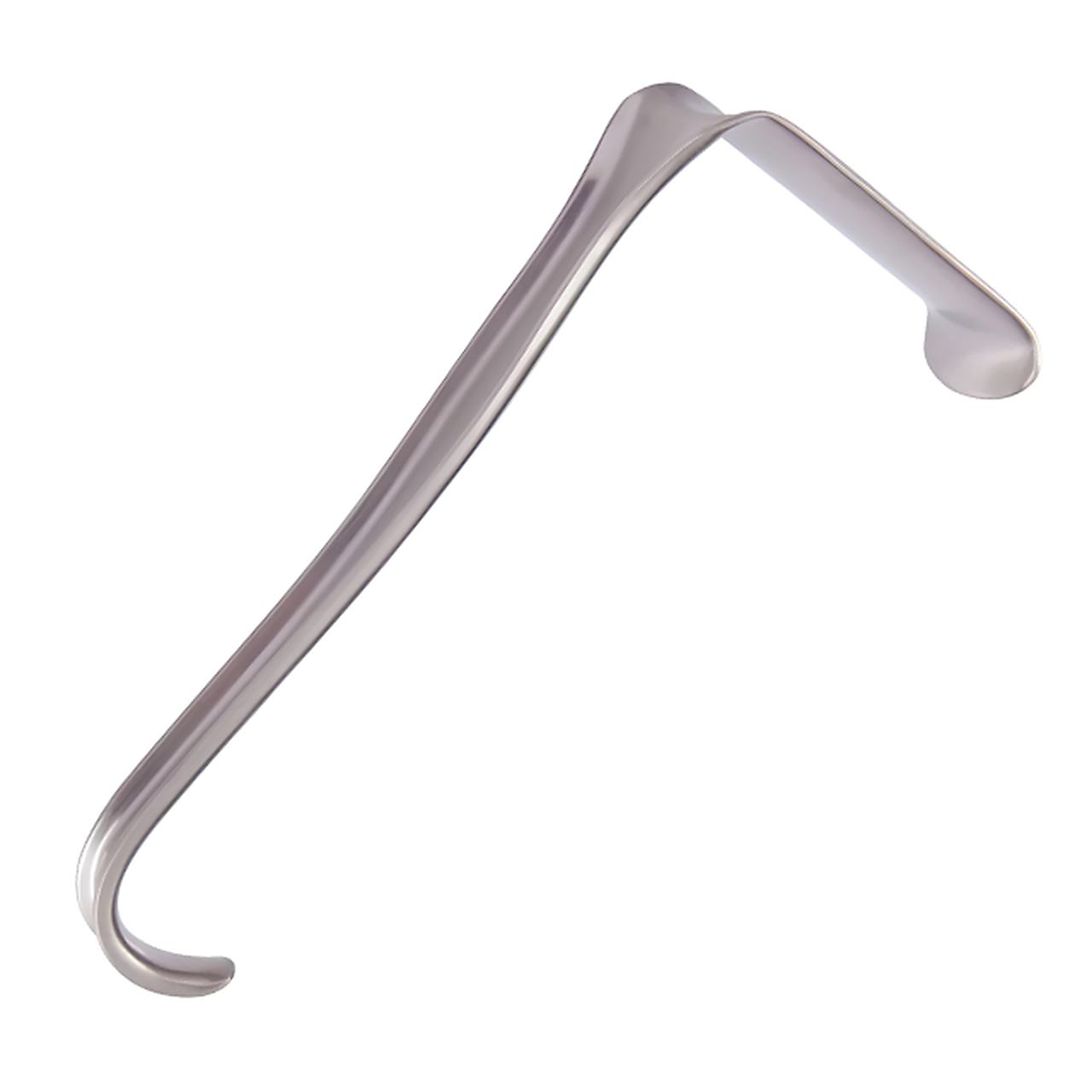 | Separador Vaginal Eastman | Diseñado específicamente para retraer las paredes vaginales y proporcionar una visualización profunda durante la cirugía ginecológica y reconstructiva pélvica. |
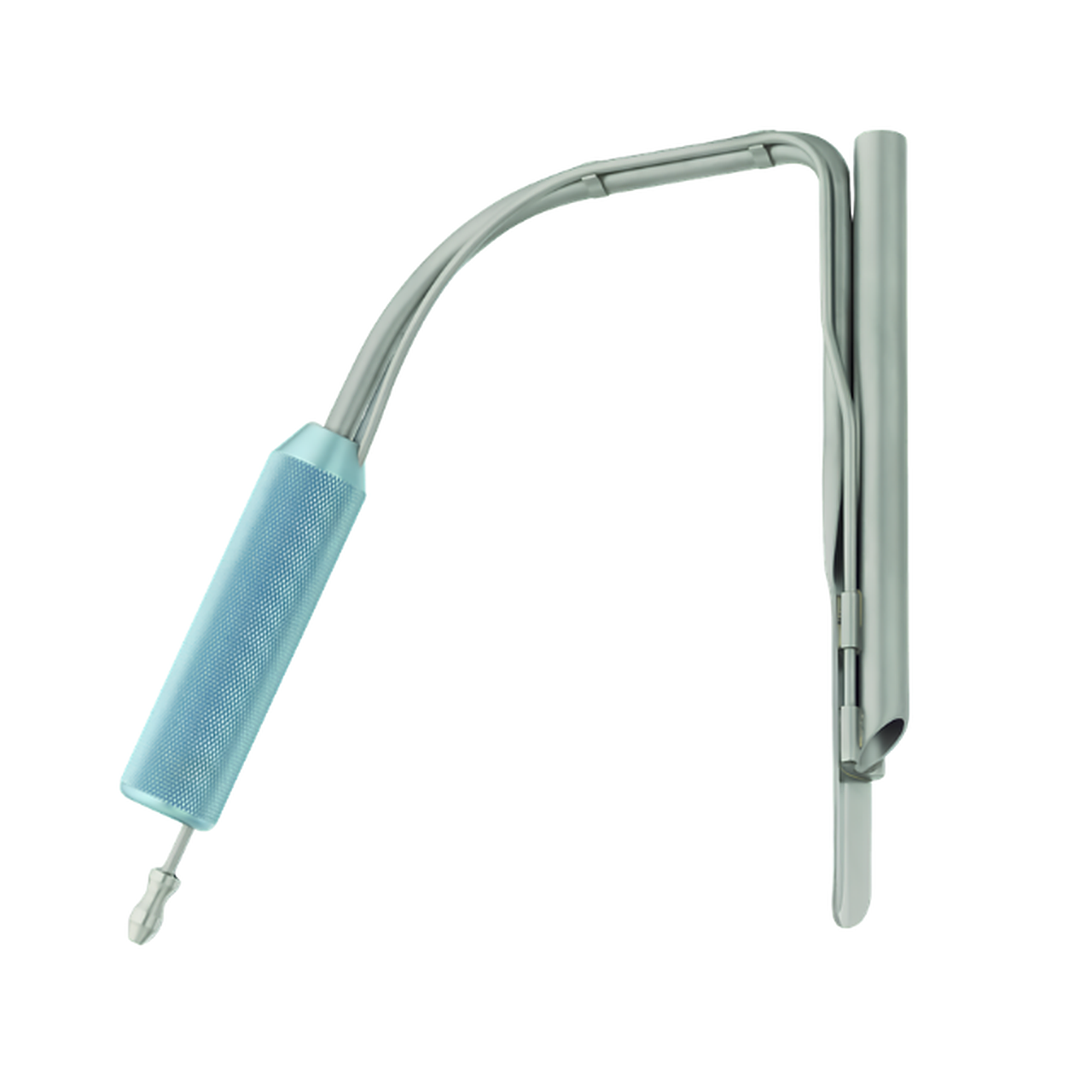 | Separador EMORY Endo-Plastic Retractor | Diseñado específicamente para elevar colgajos de tejido y guiar un endoscopio de 10 mm durante cirugías estéticas y plásticas endoscópicas. |
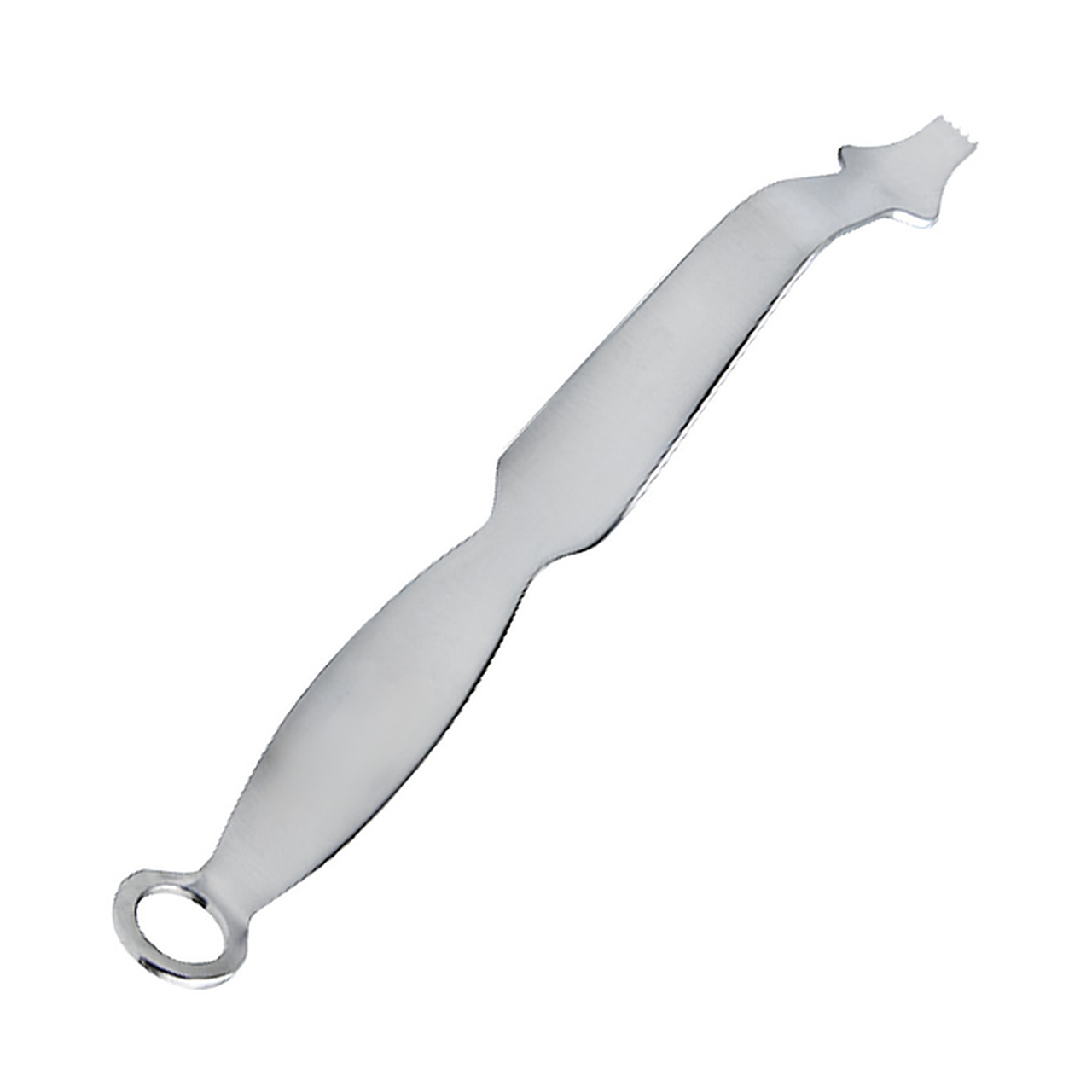 | Separador Engh para Escotadura Intercondílea | Diseñado específicamente para exponer la escotadura intercondílea y proteger las estructuras posteriores de la rodilla durante la artroplastia total de rodilla. |
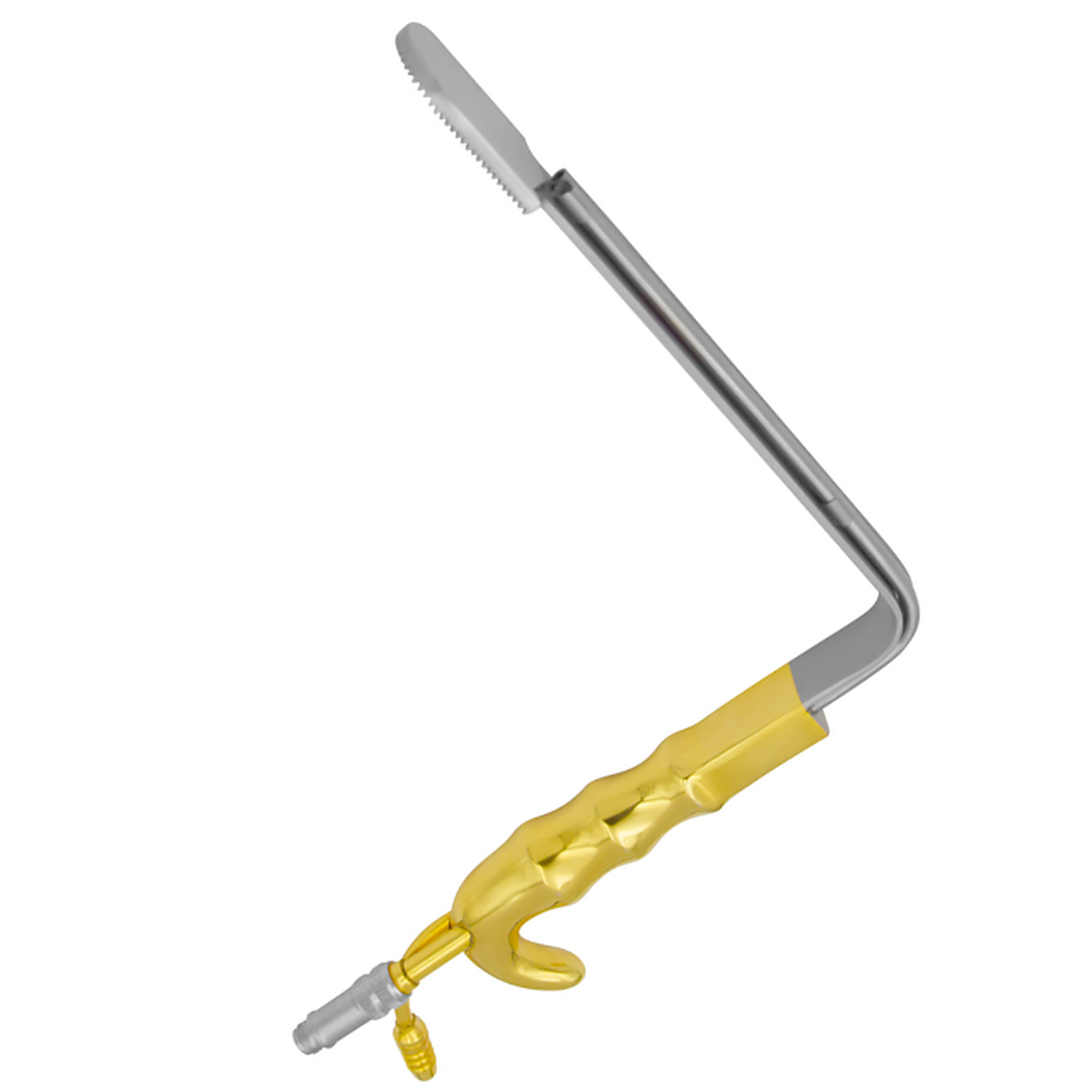 | Separador Mamario Epstein | Específicamente diseñado para elevar colgajos de tejido y crear bolsillos subpectorales o subglandulares durante el aumento y la reconstrucción mamaria. |
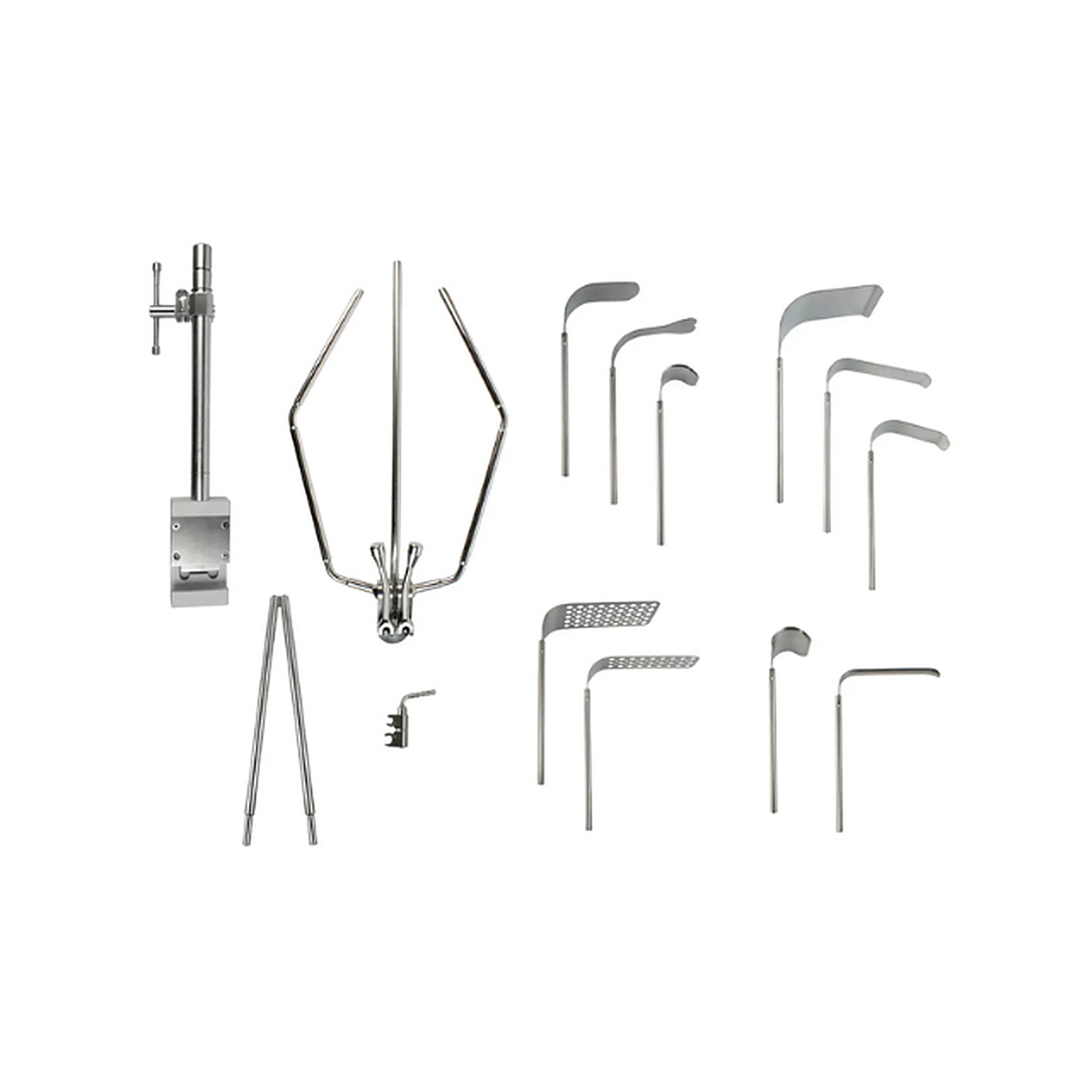 | Separador Vascular Lobster Expandido | Específicamente diseñado para proporcionar separación de tejidos blandos y exposición del campo quirúrgico de forma autoestática y montada en mesa durante procedimientos quirúrgicos vasculares. |
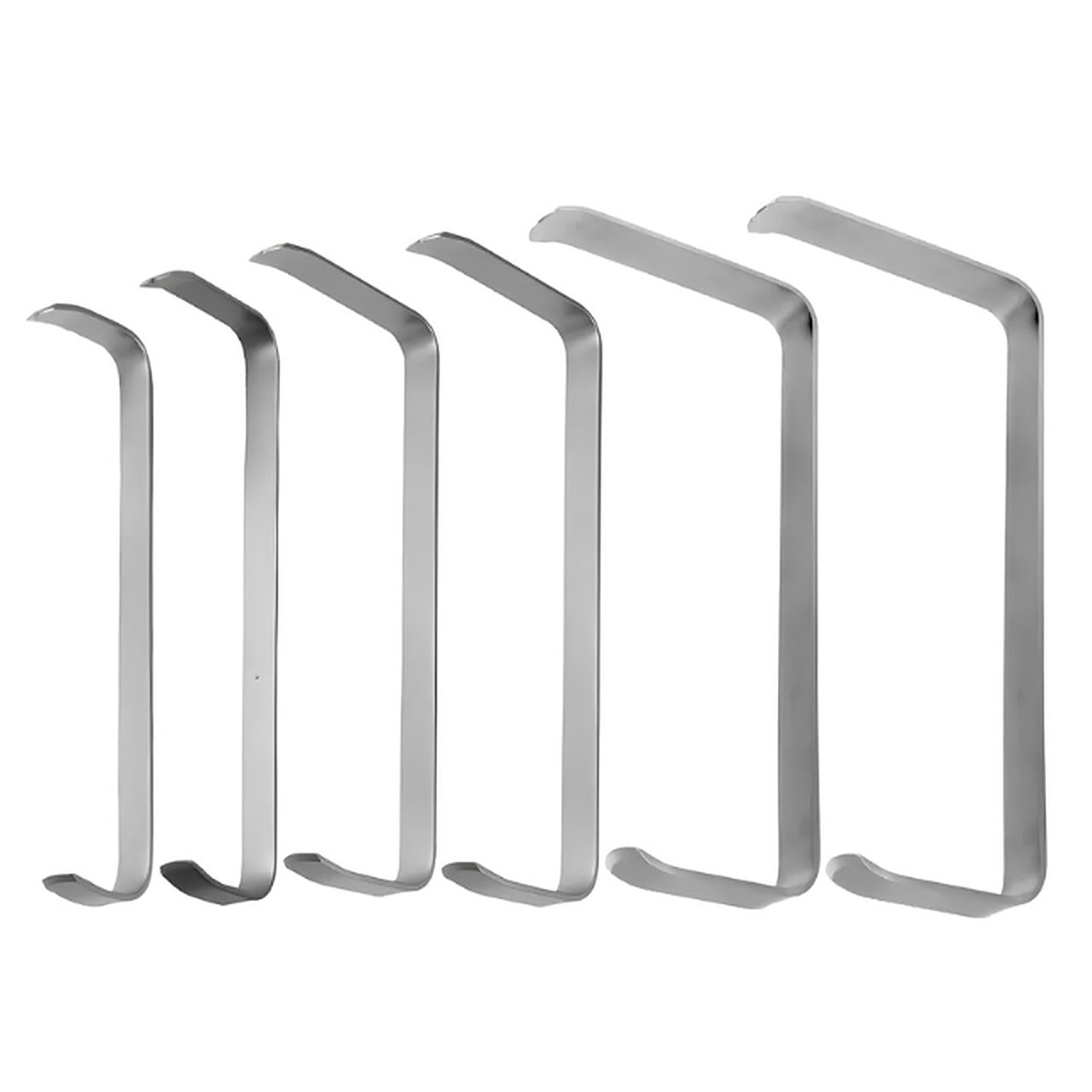 | Separador Farabeuf | Específicamente diseñado para retraer piel, fascia y tejidos blandos en incisiones quirúrgicas superficiales e intermedias. |
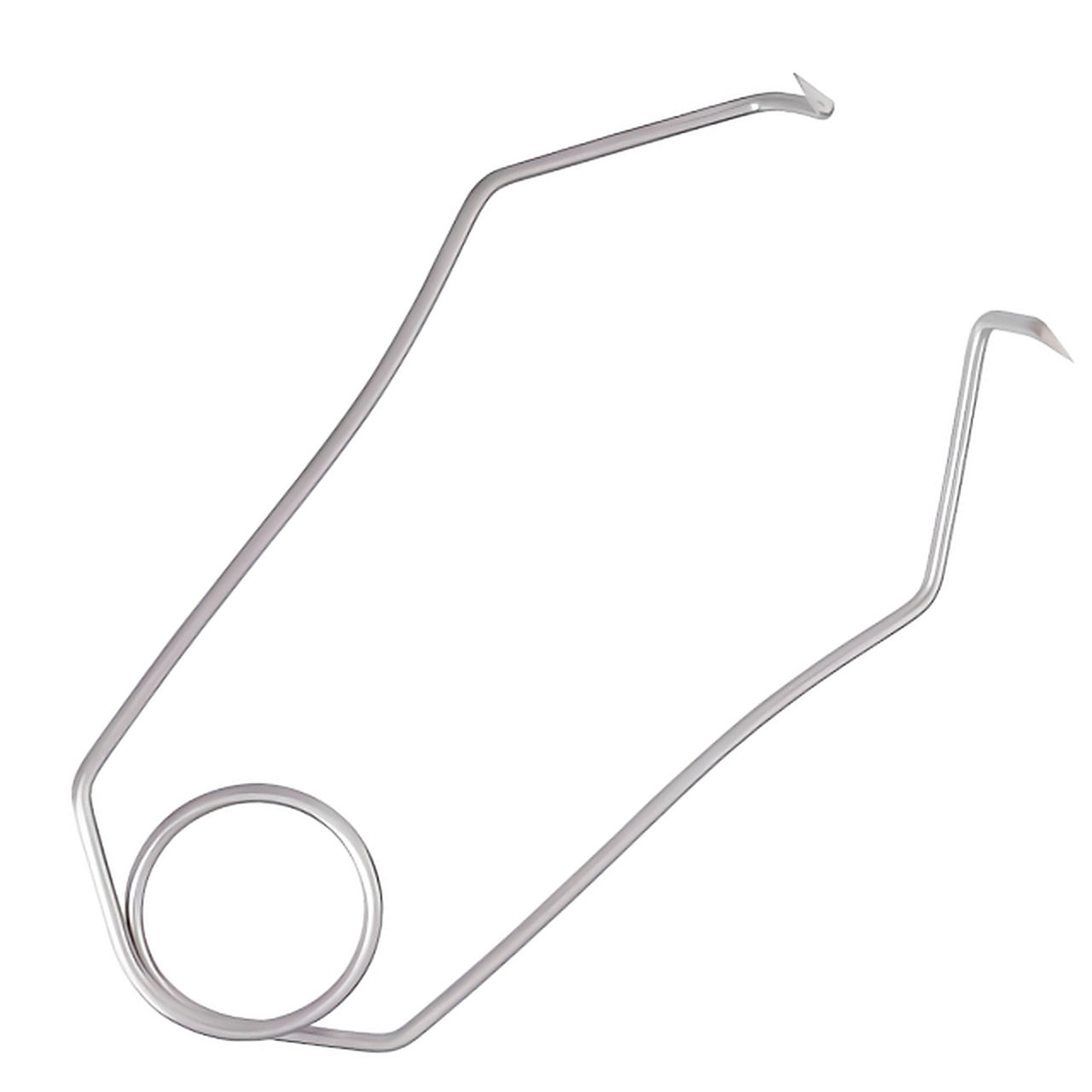 | Separador de Farr | Diseñado específicamente para proporcionar retracción tisular asistida por resorte y autorretentiva durante procedimientos de cirugía plástica, pediátrica y cirugía menor. |
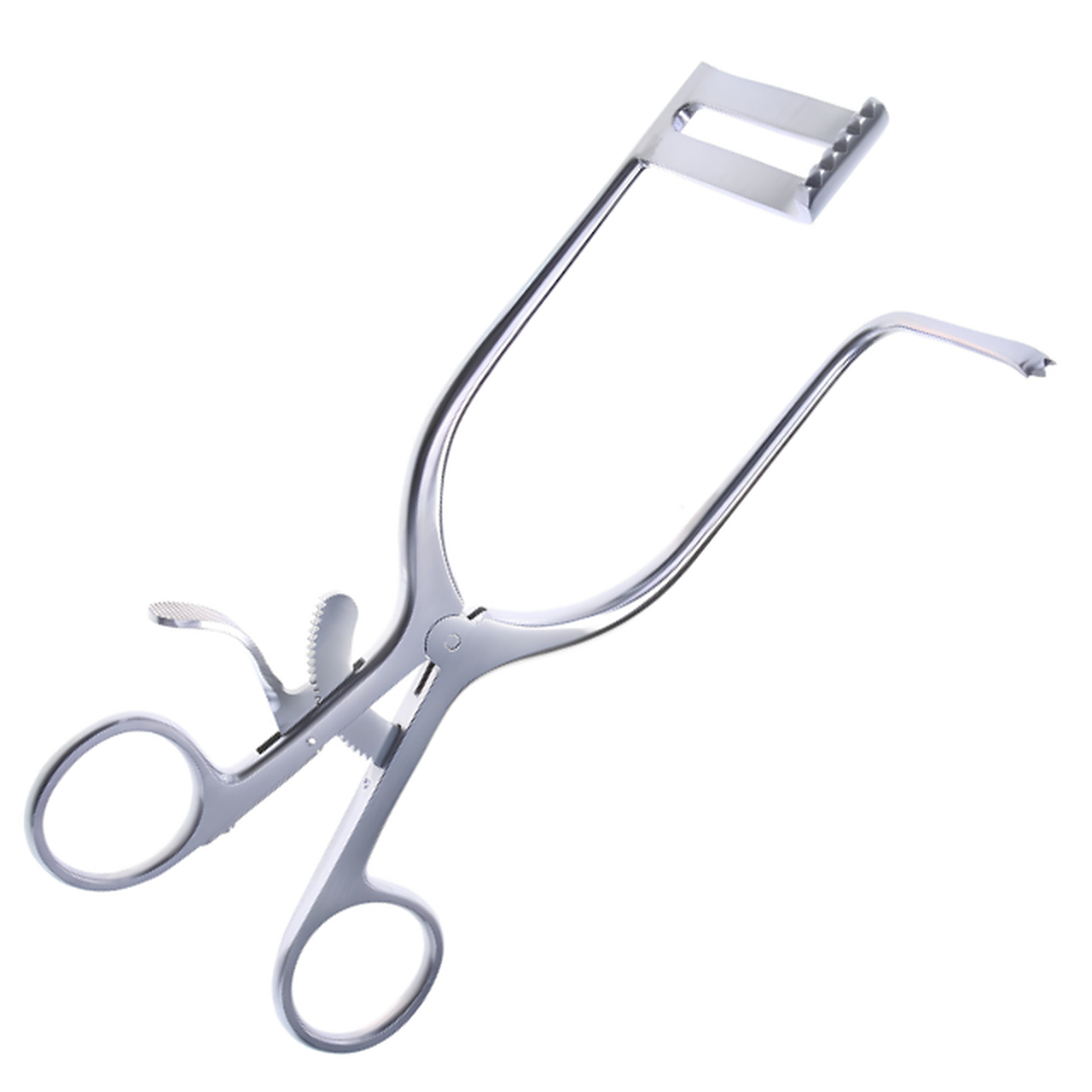 | Separador Feler-Ducker | Específicamente diseñado para proporcionar retracción estática de músculos paravertebrales y tejidos blandos durante laminectomías espinales e implantación de electrodos. |
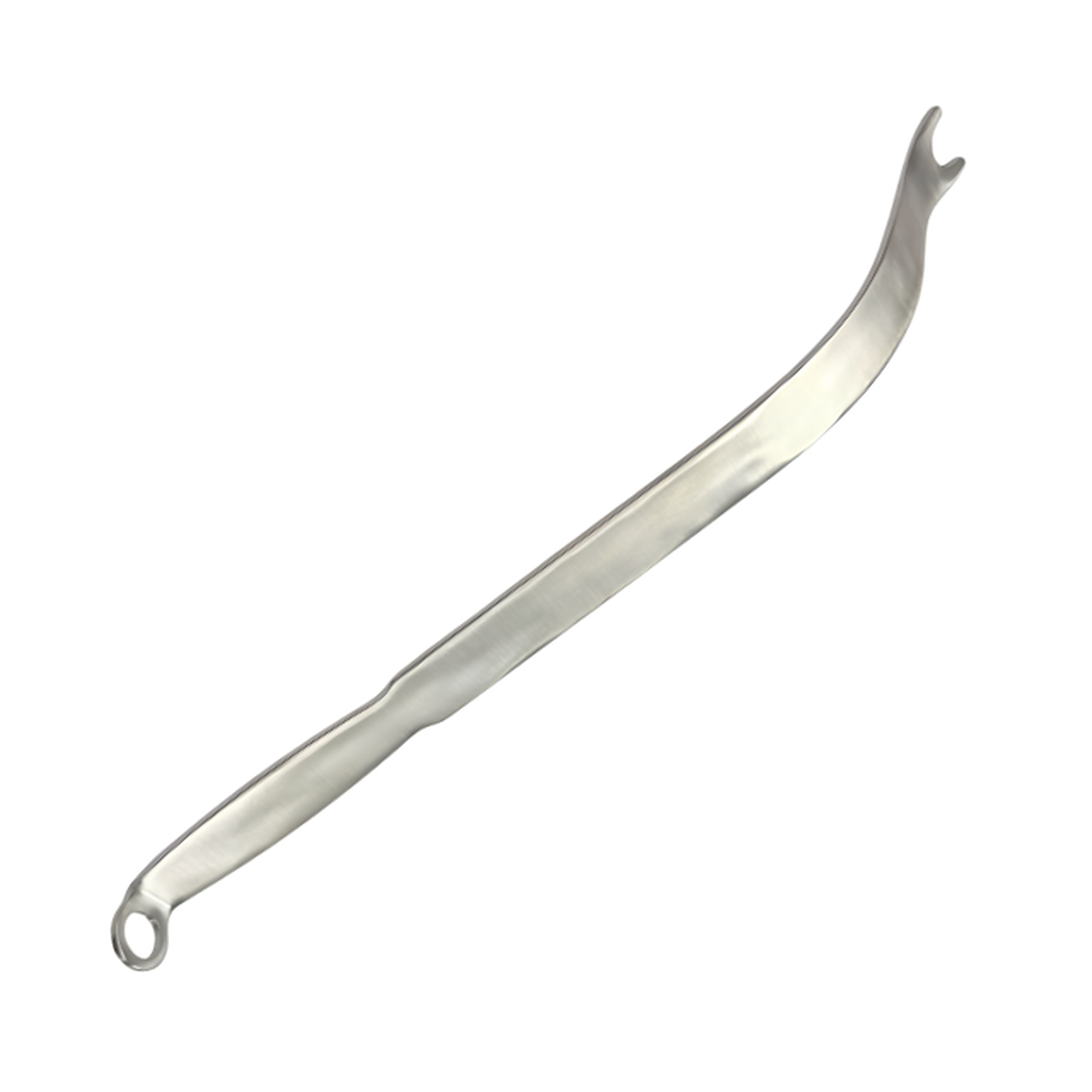 | Separador de Calcar Femoral | Diseñado específicamente para exponer el calcar femorale y retraer el tejido blando durante la preparación del canal femoral en artroplastia de cadera. |
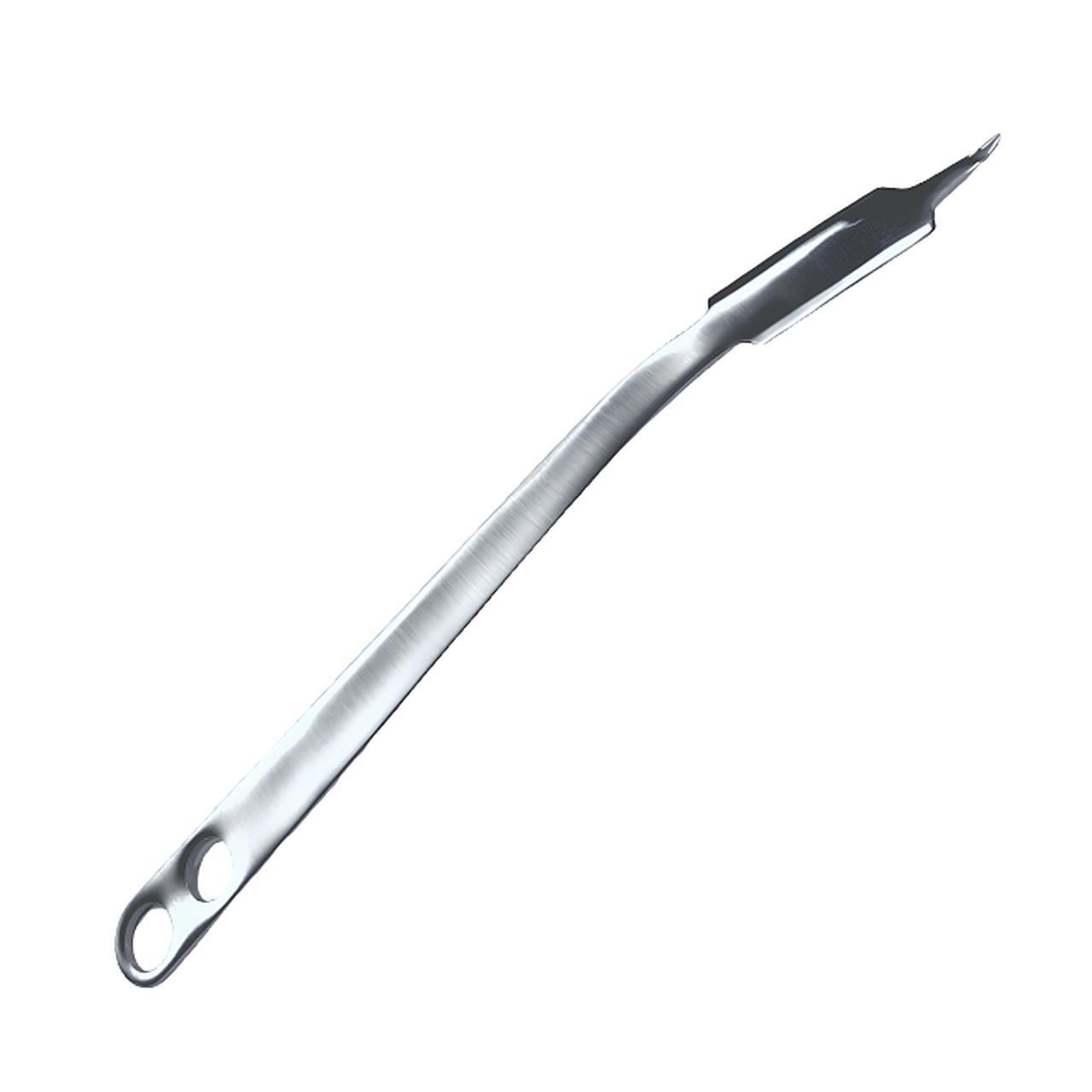 | Separador Femoral/Glúteo Medio y Menor | Diseñado específicamente para retraer la musculatura glútea pesada y exponer el acetábulo y el fémur durante la artroplastia de cadera. |
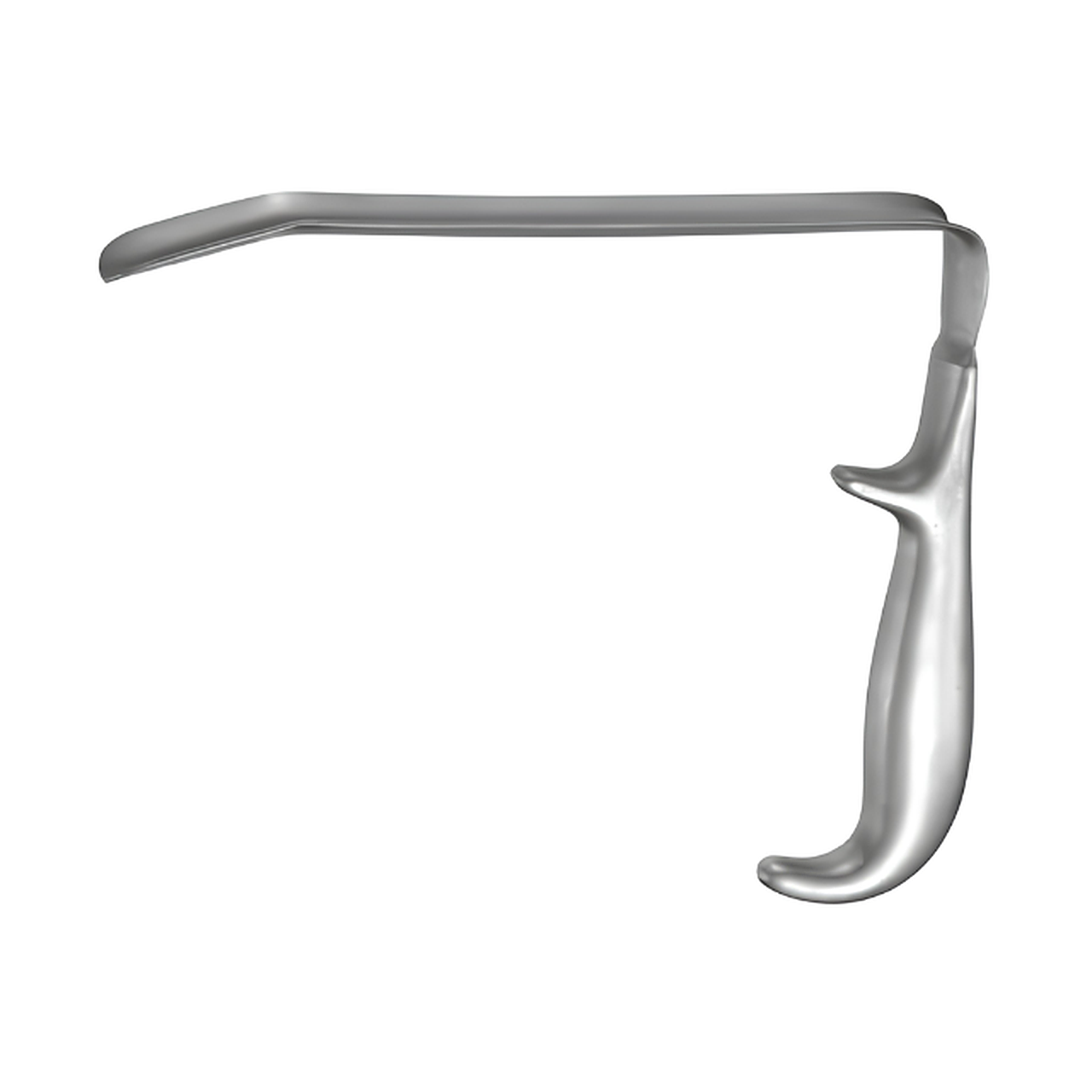 | Separador Ferreira breast augmentation Retractor | Diseñado específicamente para elevar colgajos de tejido y crear bolsillos submusculares o subglandulares durante el aumento y la reconstrucción mamaria. |
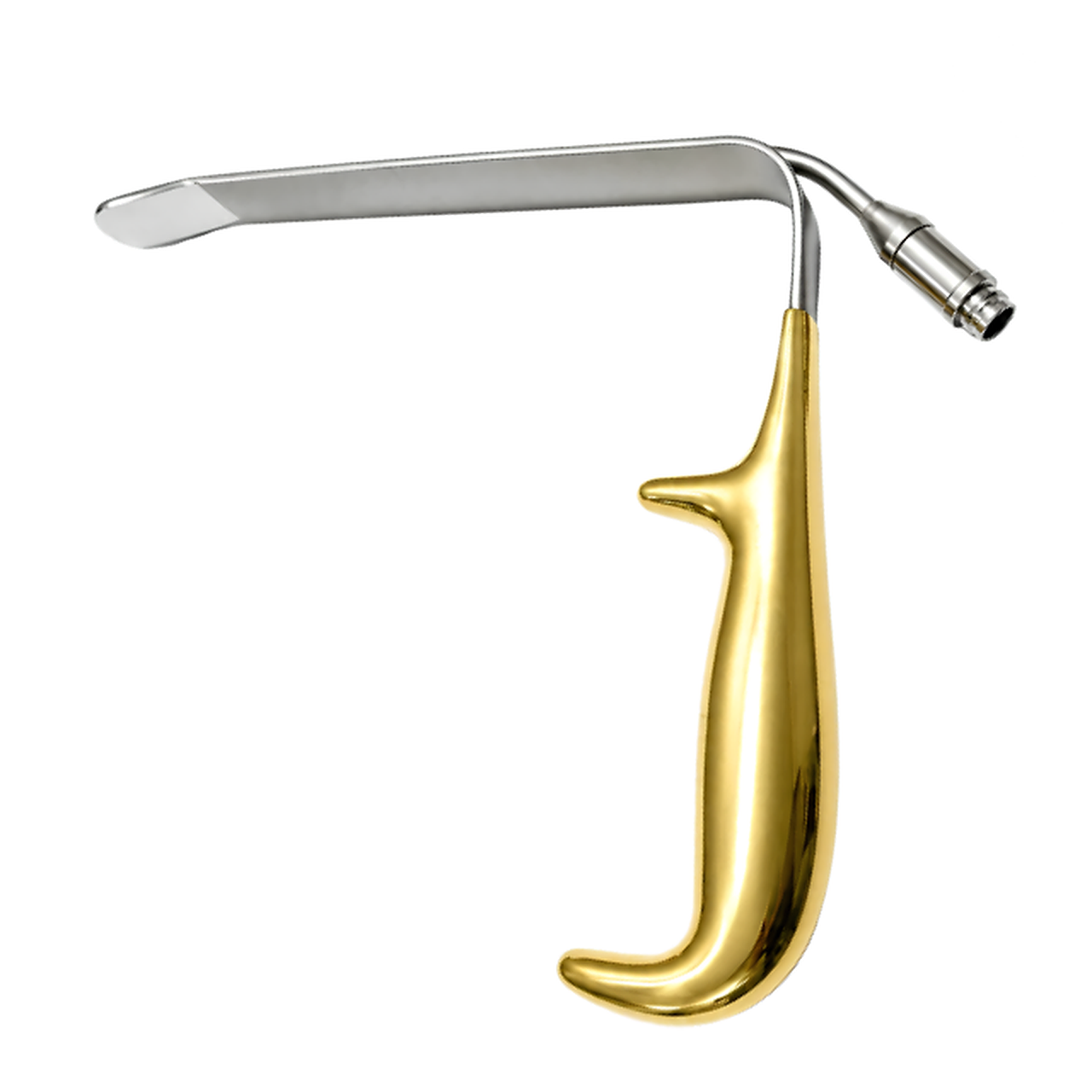 | Separador para Aumento Mamario Ferreira - Fibra Óptica | Diseñado específicamente para proporcionar retracción iluminada de tejidos blandos y visualización de bolsillos durante el aumento y la reconstrucción mamaria. |
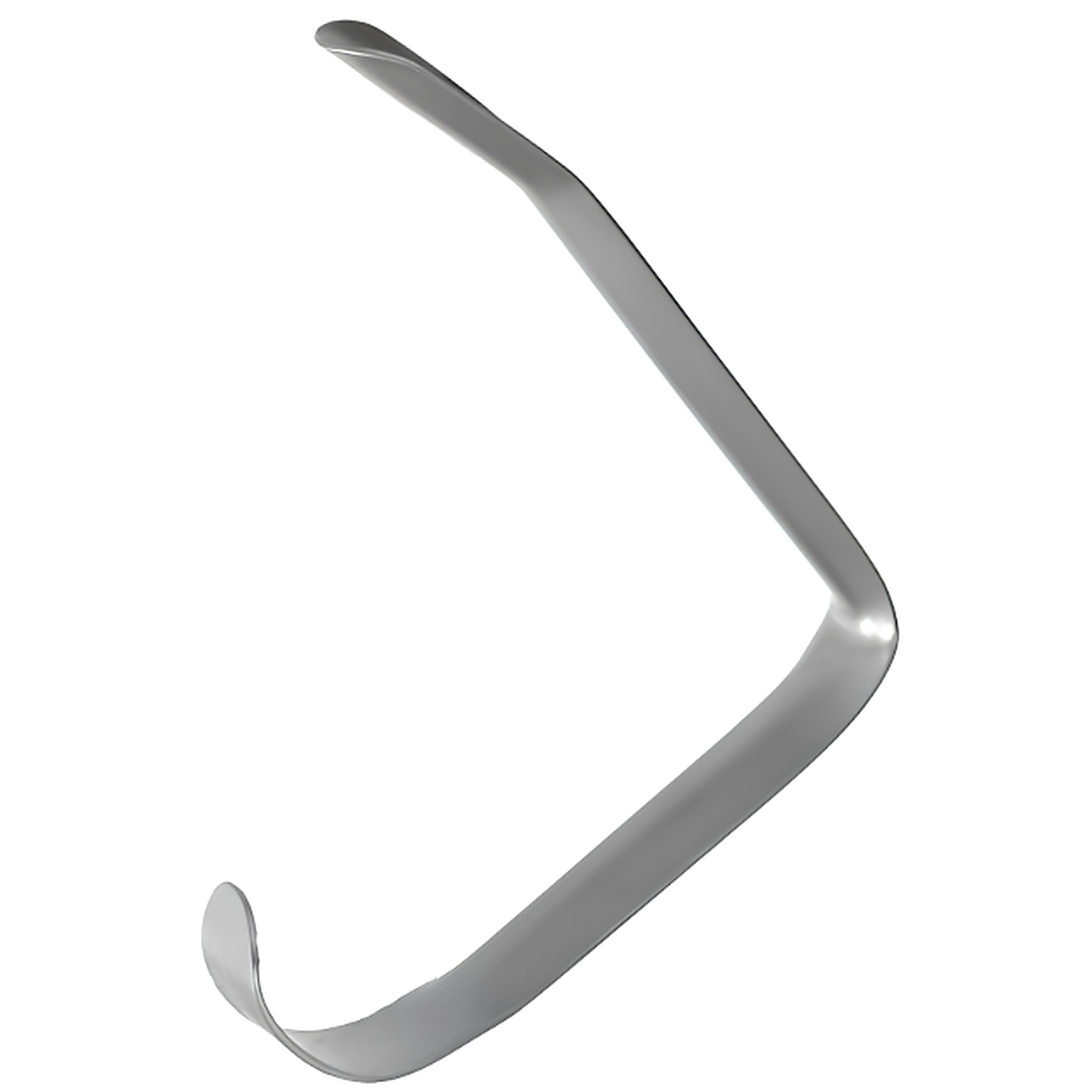 | Separador Facial Ferreira Face Lift Retractor | Diseñado específicamente para elevar colgajos de piel facial y capas de SMAS durante ritidectomías y cirugía facial estética. |
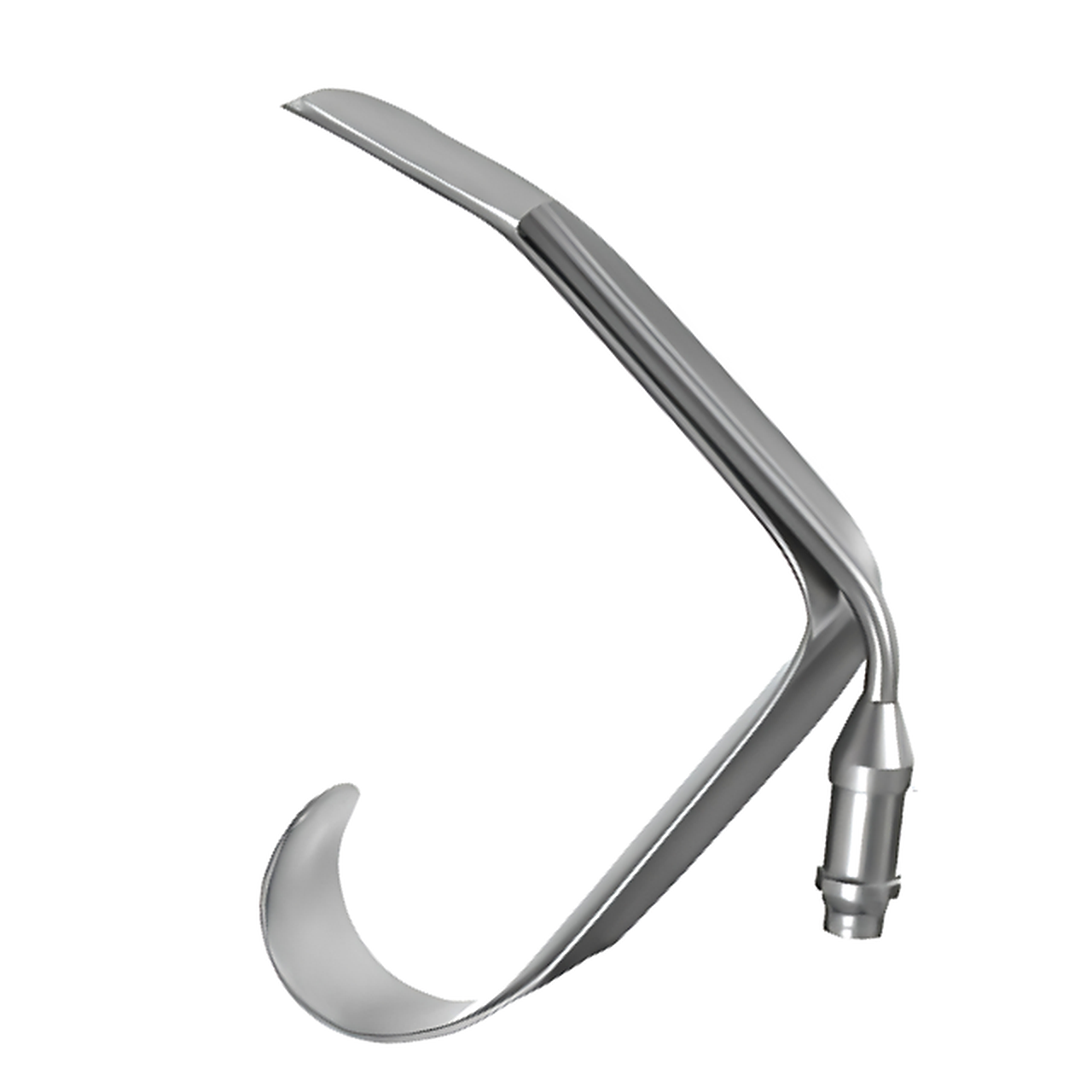 | Separador para Lifting Facial de Fibra Óptica Ferreira | Diseñado específicamente para proporcionar retracción iluminada de tejidos blandos y elevación del colgajo de piel facial durante la ritidectomía. |
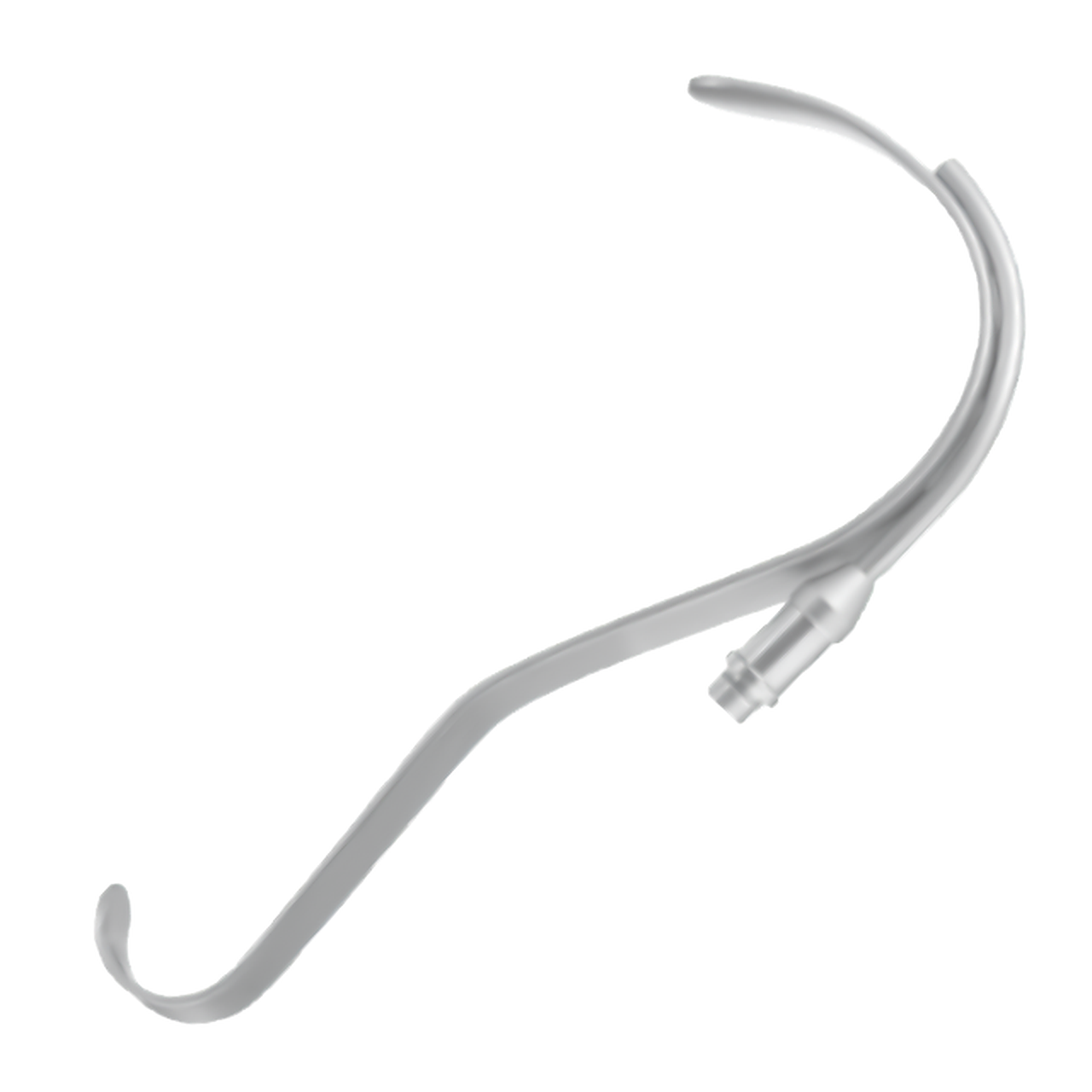 | Separador Deaver de fibra óptica | Específicamente diseñado para retraer órganos viscerales y proporcionar iluminación directa durante cirugías abdominales y pélvicas profundas. |
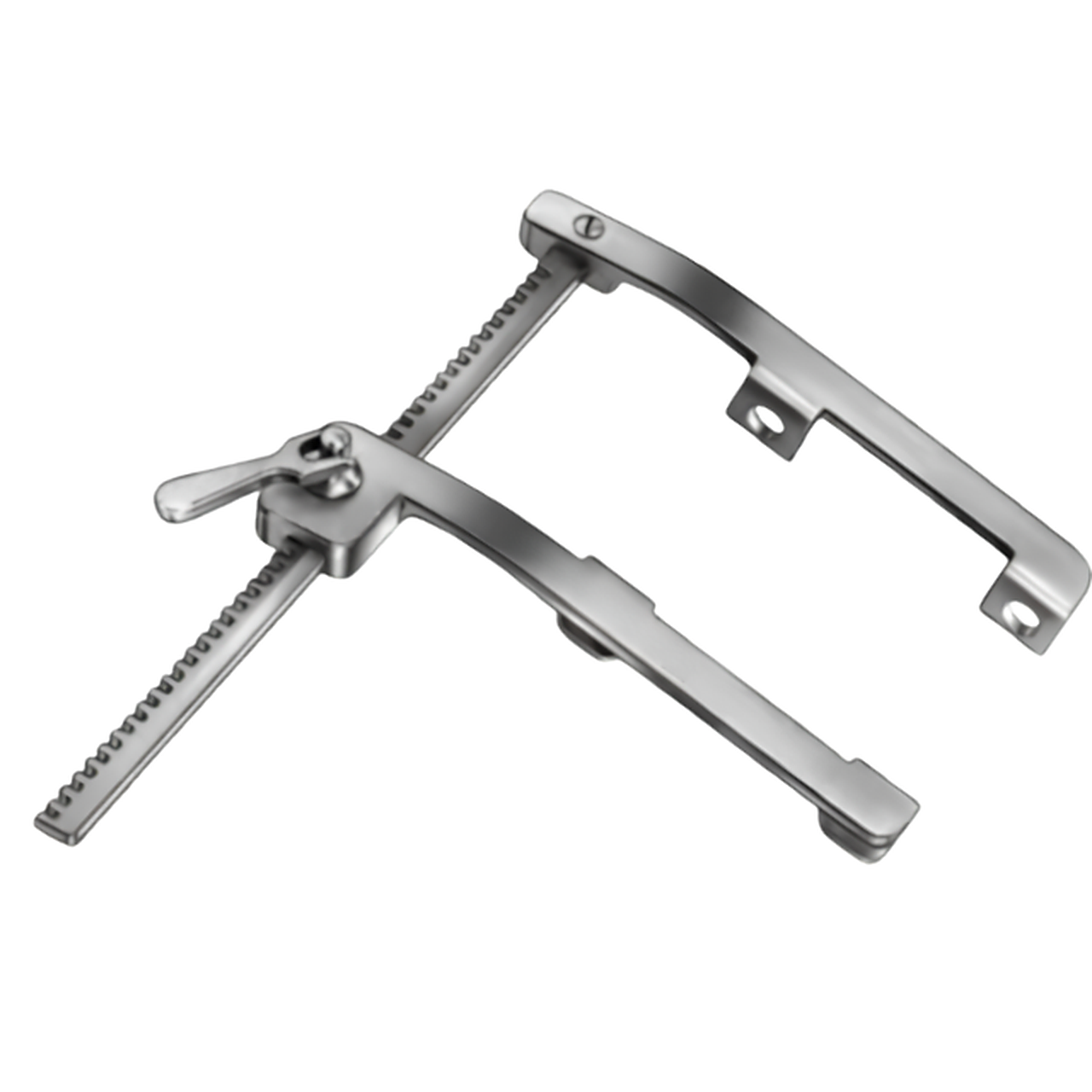 | Separador Costal Finochietto (Modif) | Específicamente diseñado para separar las costillas y proporcionar acceso torácico durante la toracotomía anterior y lateral. |
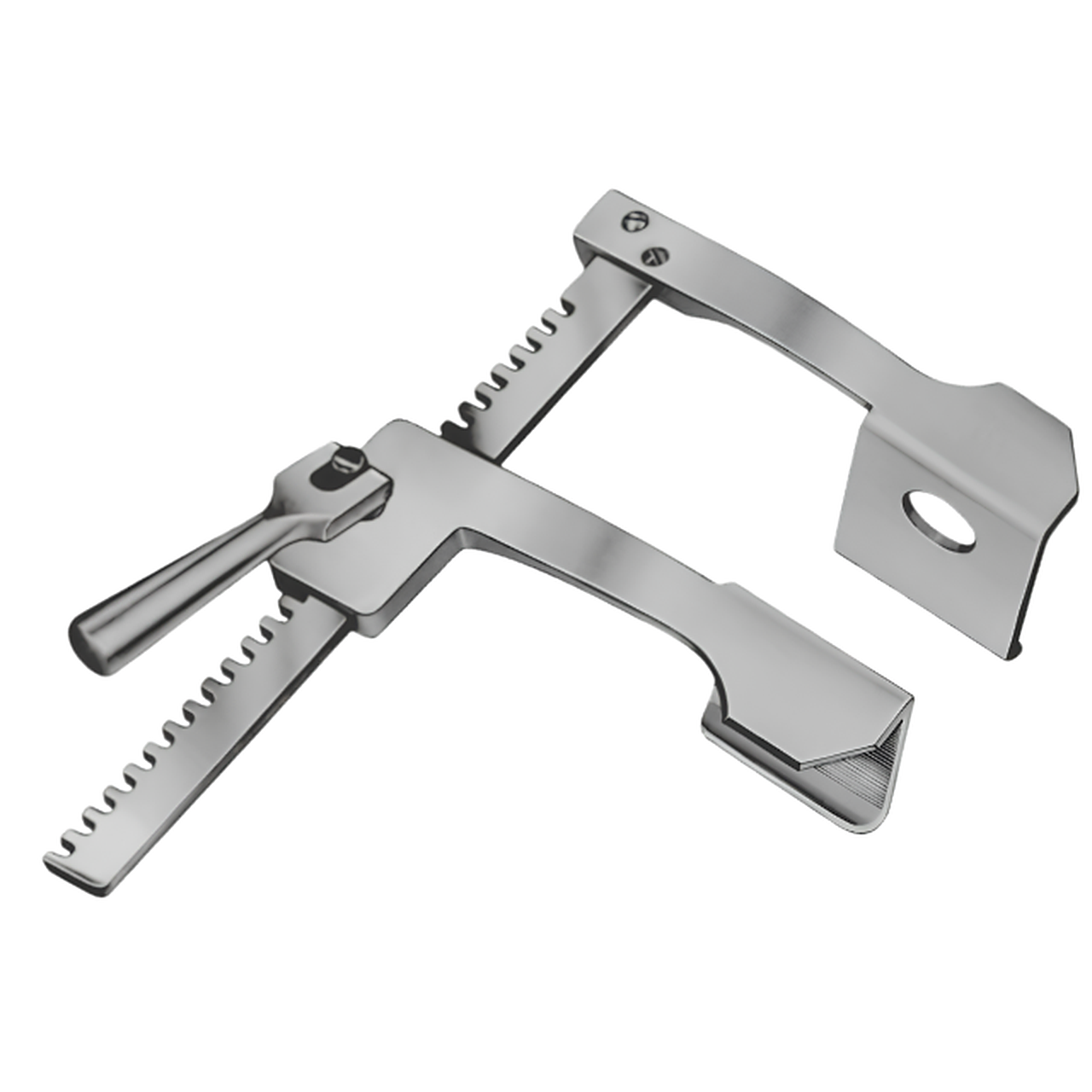 | Separador Costal Finochietto | Específicamente diseñado para separar las costillas y expandir la cavidad torácica durante procedimientos de toracotomía abierta. |
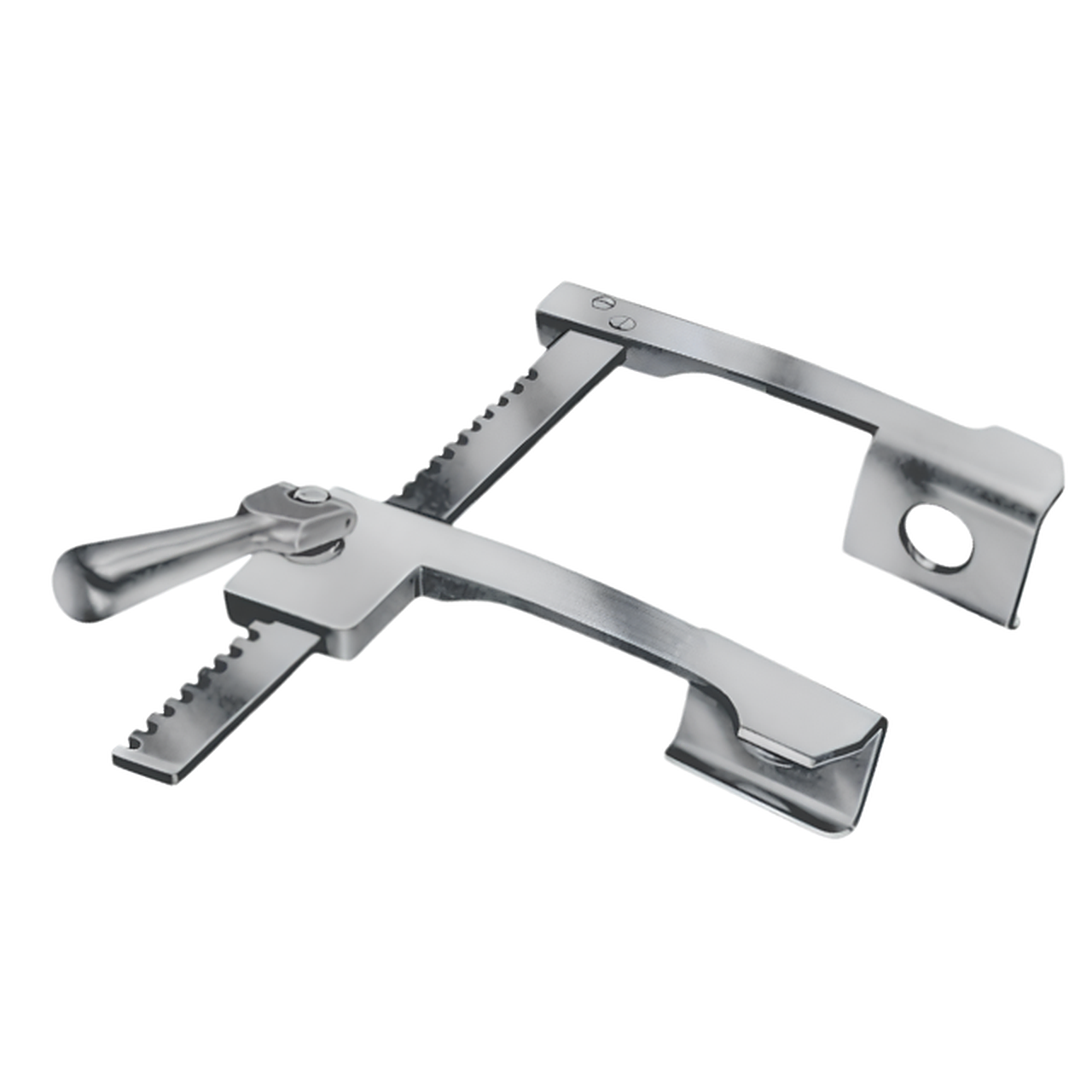 | Separador Costal Finochietto-Baby | Diseñado específicamente para separar las costillas y proporcionar acceso torácico durante la cirugía cardiotorácica neonatal y pediátrica. |
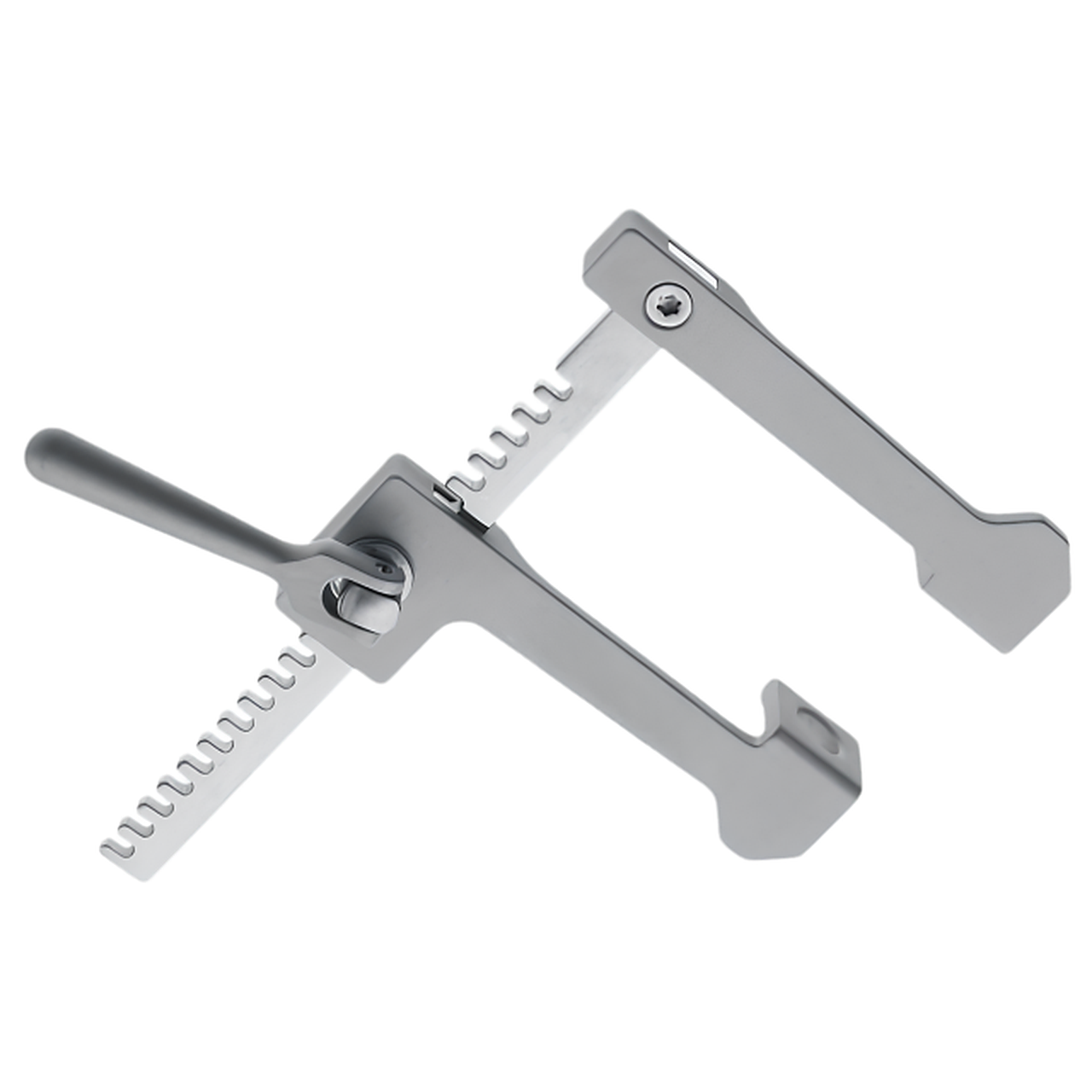 | Separador Costal Finochietto-Infant | Diseñado específicamente para separar las delicadas costillas de lactantes durante cirugía cardiotorácica neonatal e infantil. |
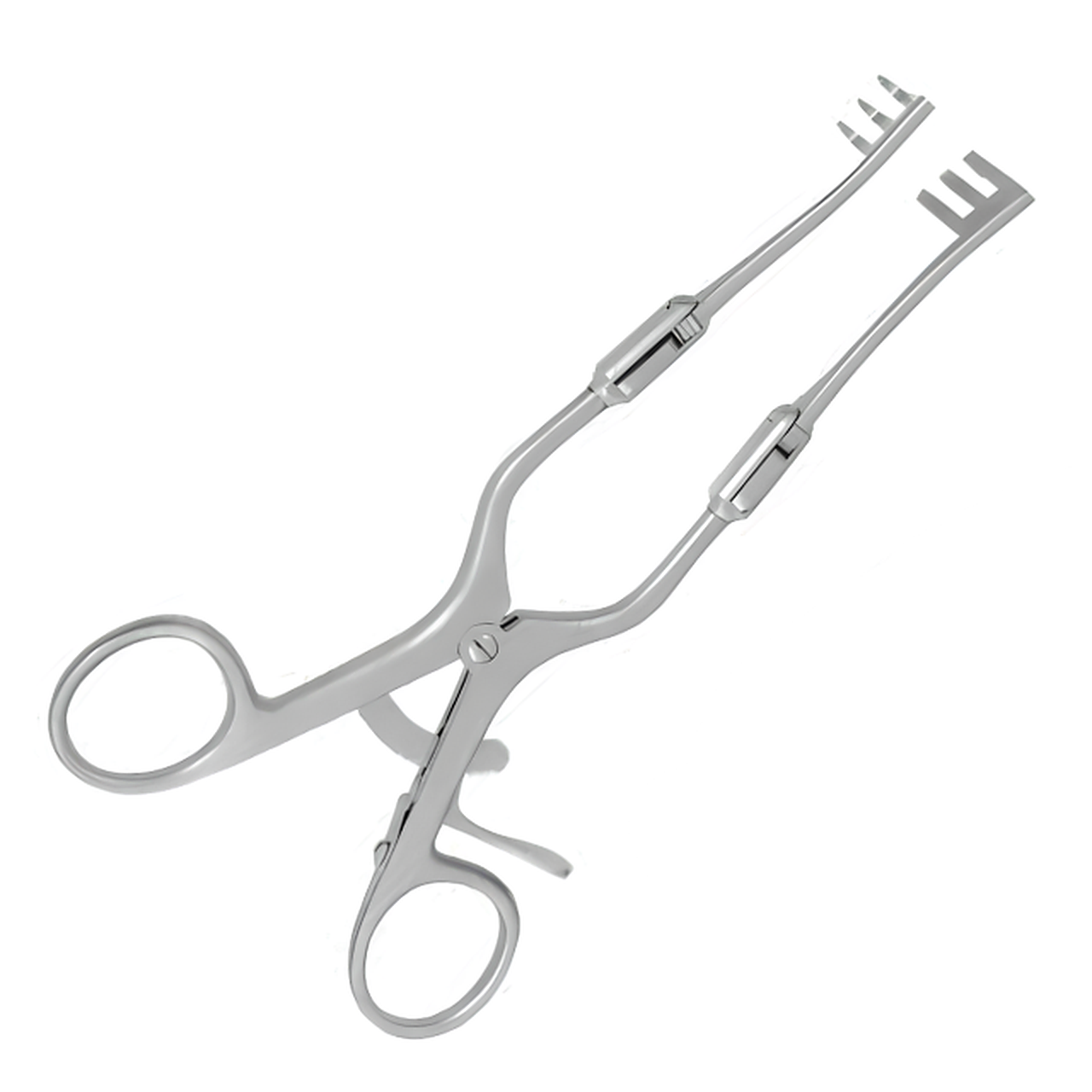 | Separador Fisch con Articulación | Diseñado específicamente para retraer el colgajo de tejido blando retroauricular y el periostio durante la cirugía de mastoides y de la base lateral del cráneo. |
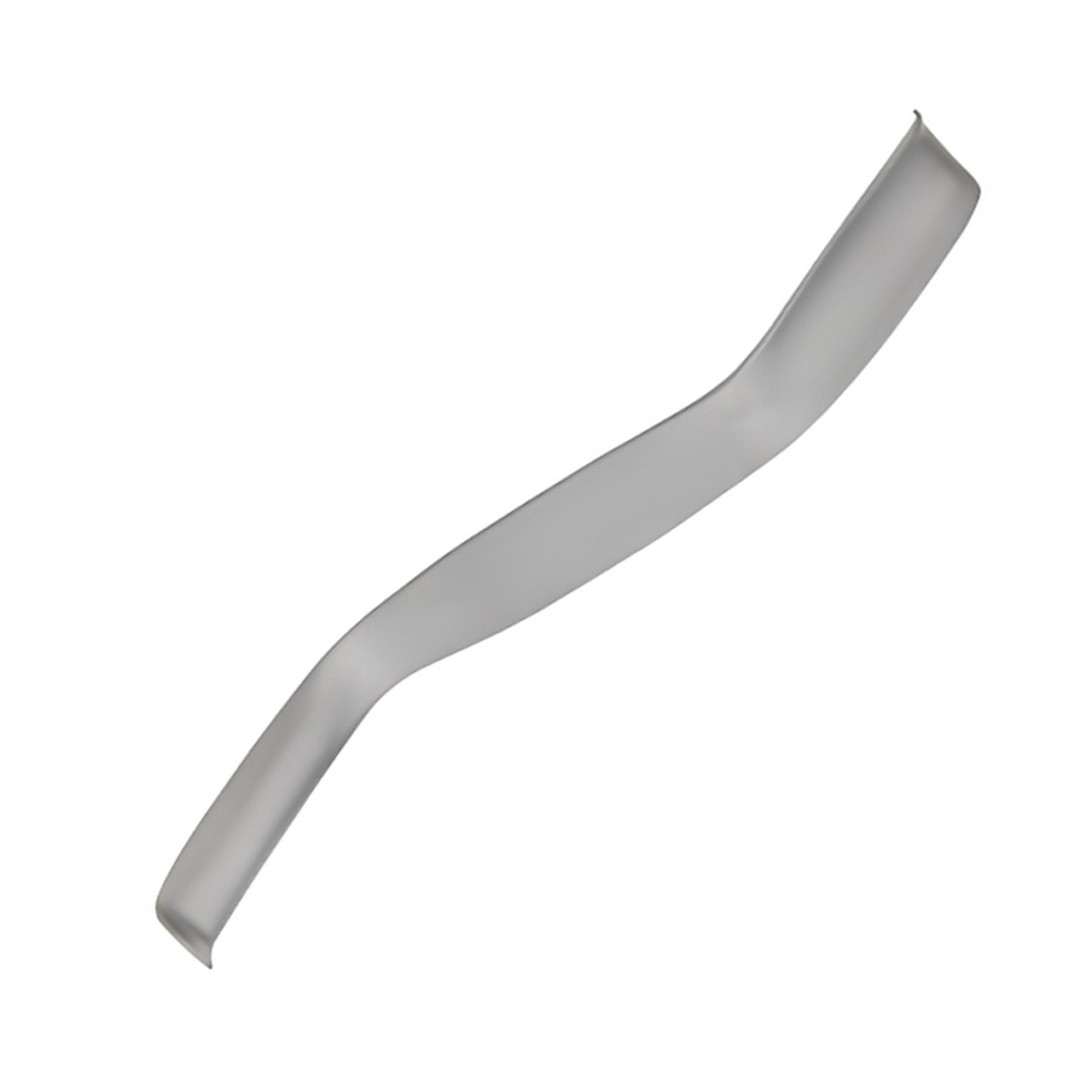 | Separador Fischl Shoe Horn | Diseñado específicamente para retraer colgajos cutáneos, guiar prótesis y separar planos tisulares durante cirugía plástica y general. |
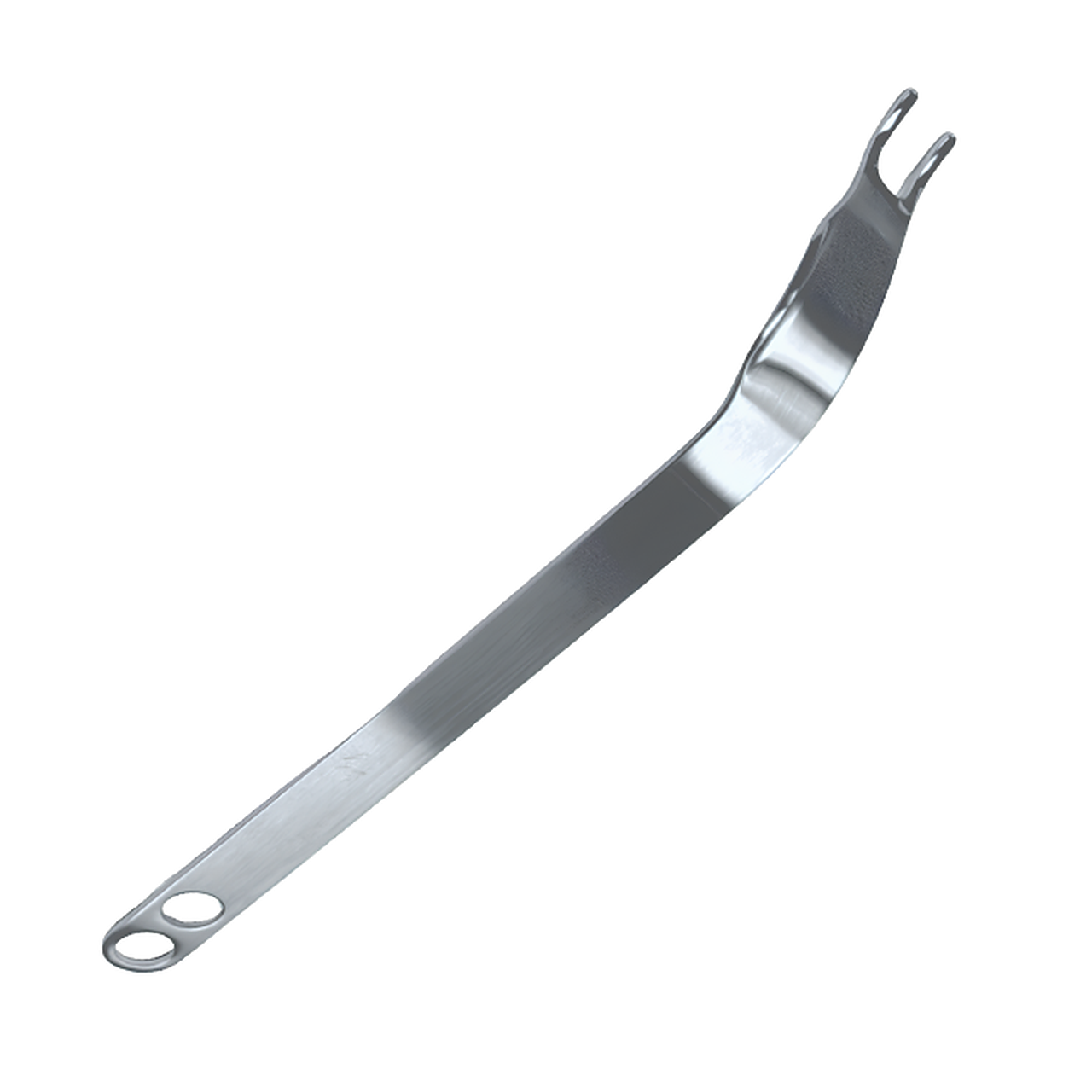 | Separadores Flared Cobra | Diseñado específicamente para hacer palanca en el hueso y retraer musculatura pesada durante la artroplastia total de cadera, la osteotomía pélvica y la reconstrucción de fémur. |
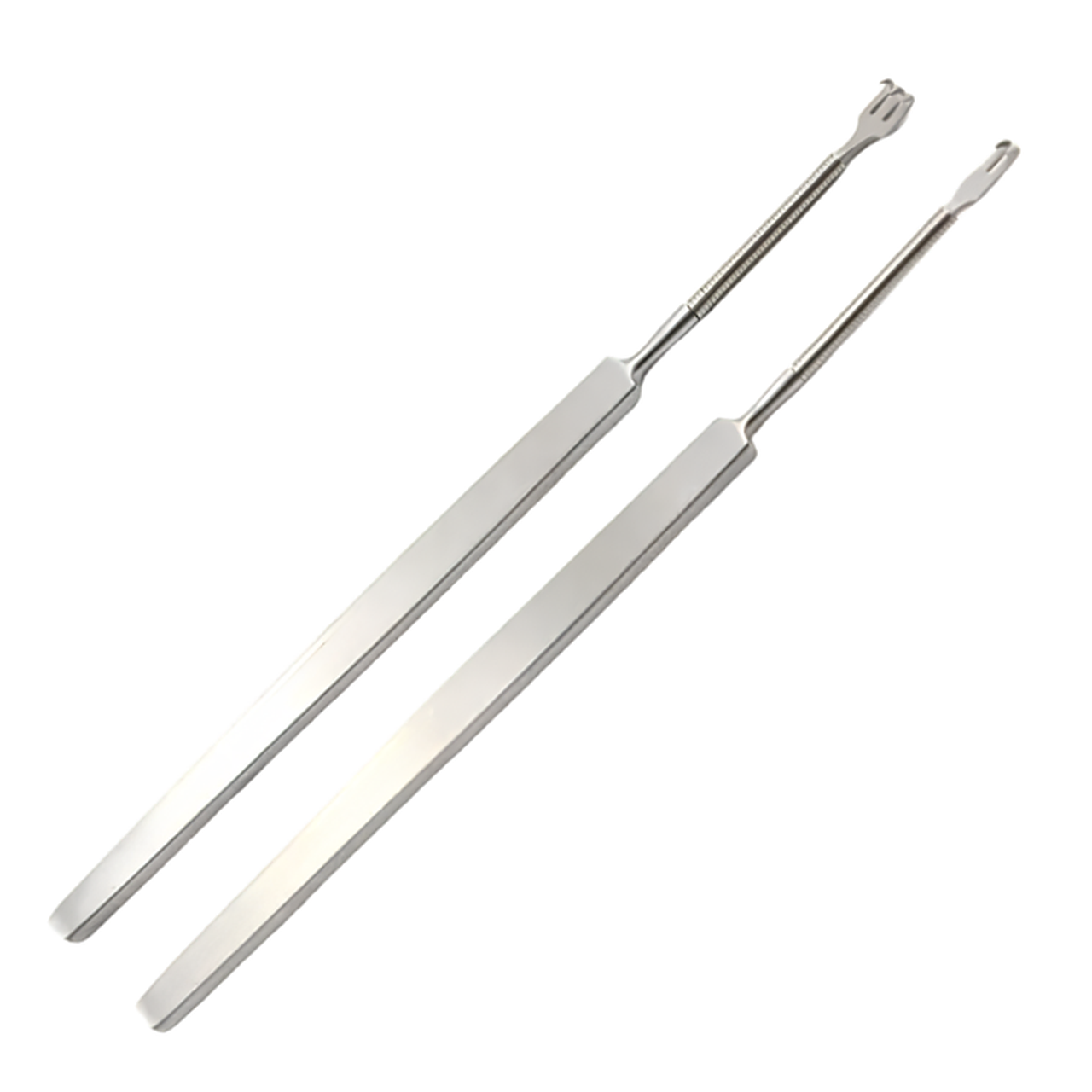 | Separador de Cuello Flexible | Diseñado específicamente para retraer colgajos cutáneos, músculos infrahioideos y tejido fascial durante cirugías de tiroides, cuello y plástica. |
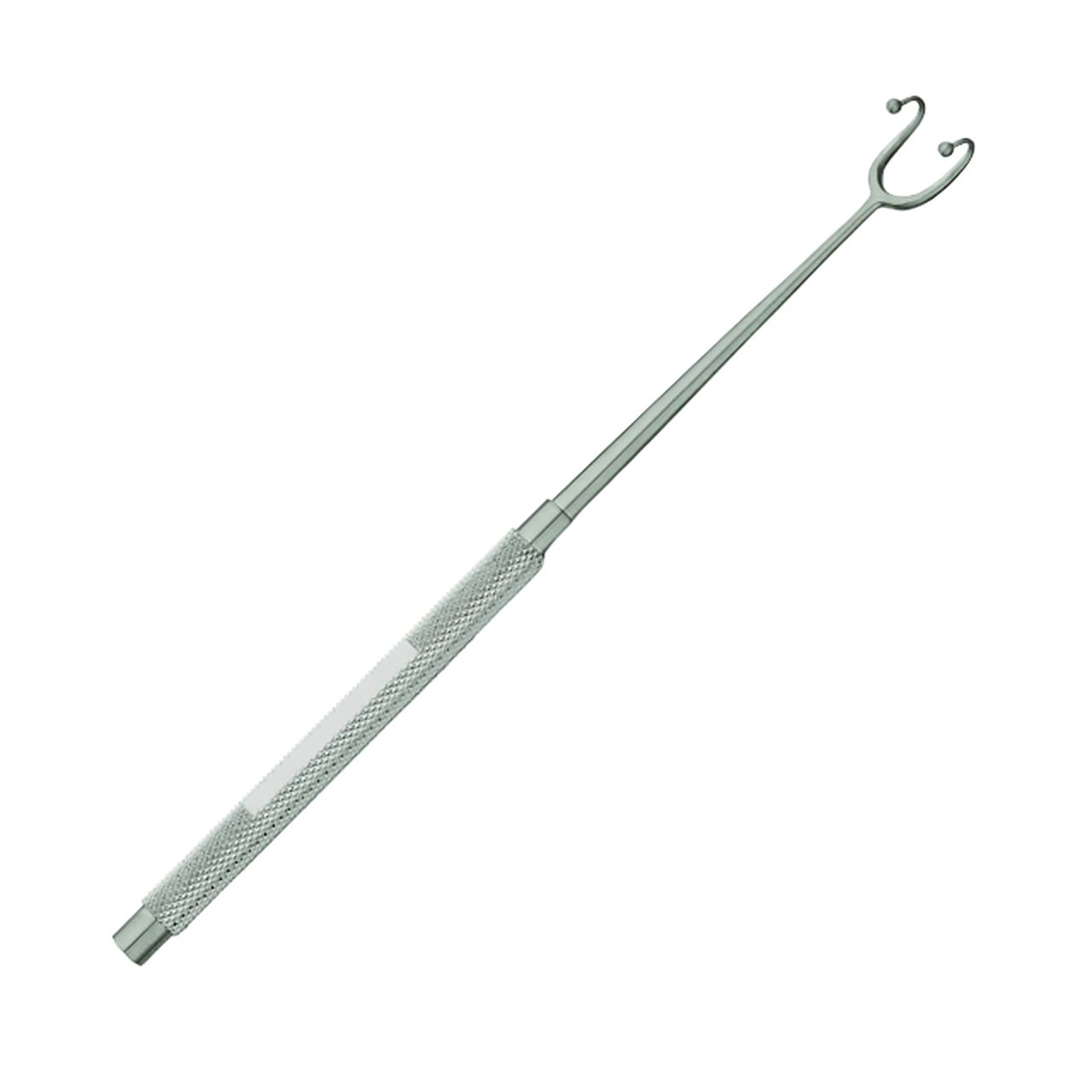 | Separador Fomon | Diseñado específicamente para retraer el reborde alar, el cartílago lateral inferior y los márgenes de las fosas nasales durante la rinoplastia. |
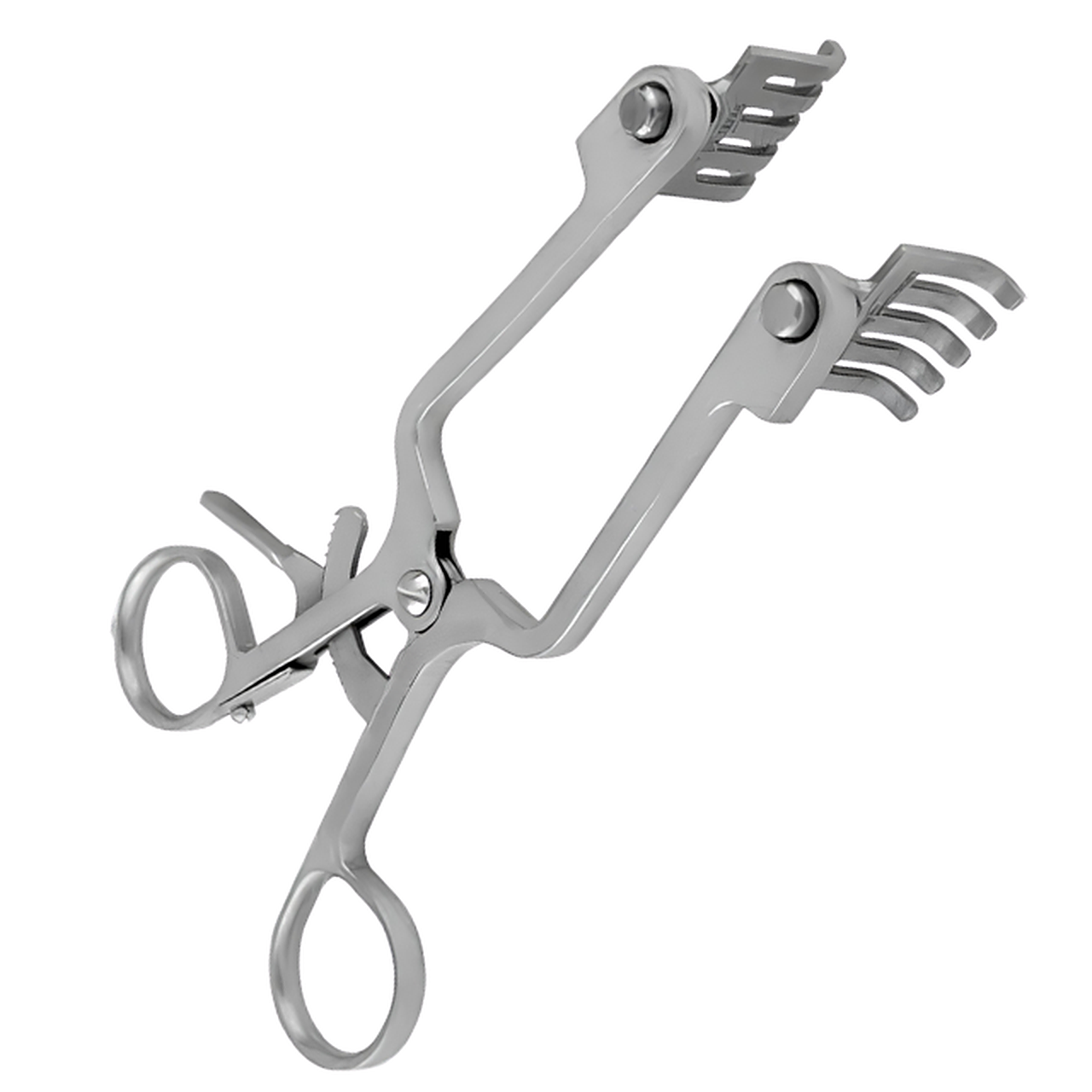 | Separador de Antebrazo con Hojas Giratorias | Específicamente diseñado para proporcionar retracción de tejidos blandos y distracción ósea autorretentiva durante cirugías de antebrazo y muñeca. |
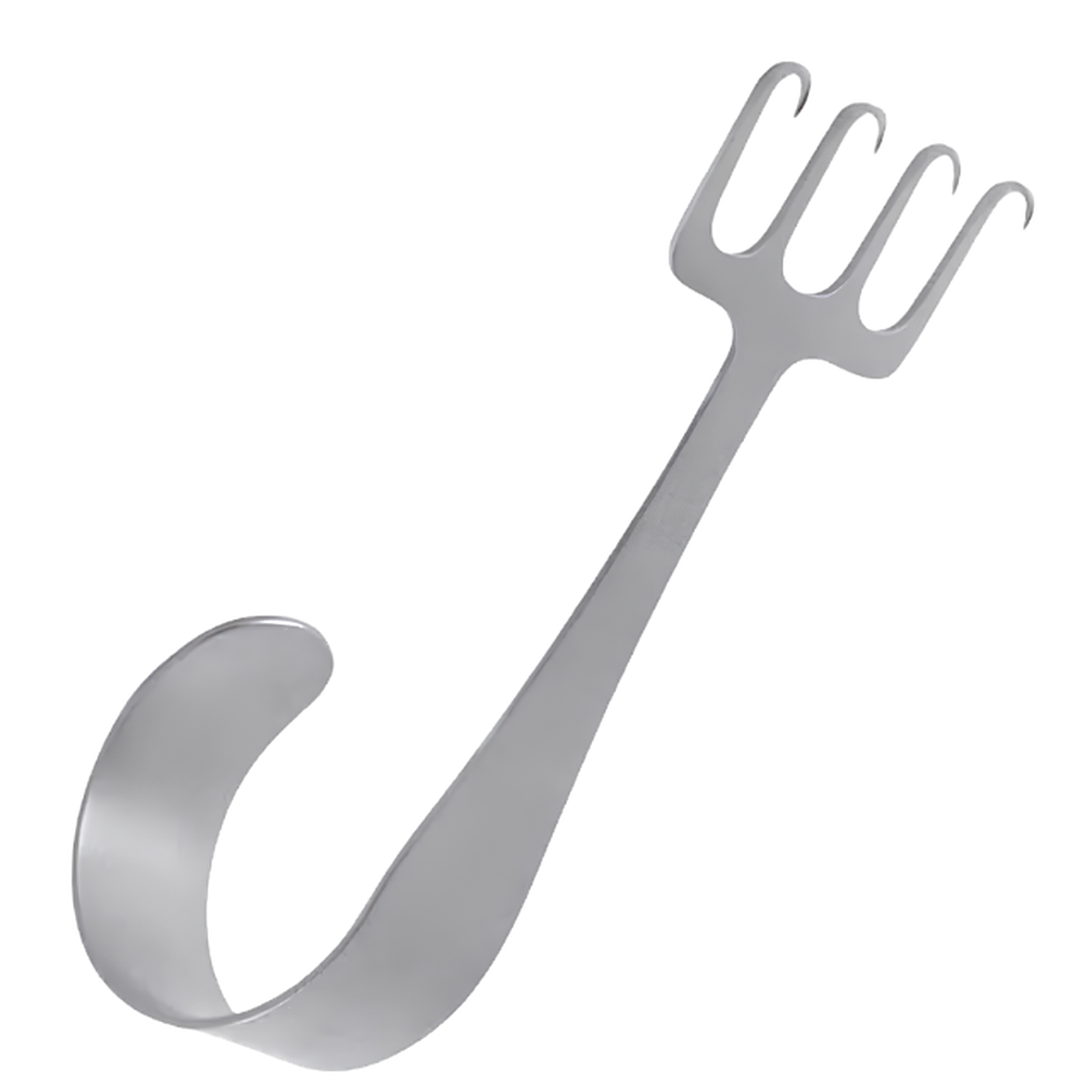 | Separadores Freeman Face Lift | Específicamente diseñados para elevar los colgajos de piel facial y la capa del SMAS durante la ritidectomía y la cirugía estética facial. |
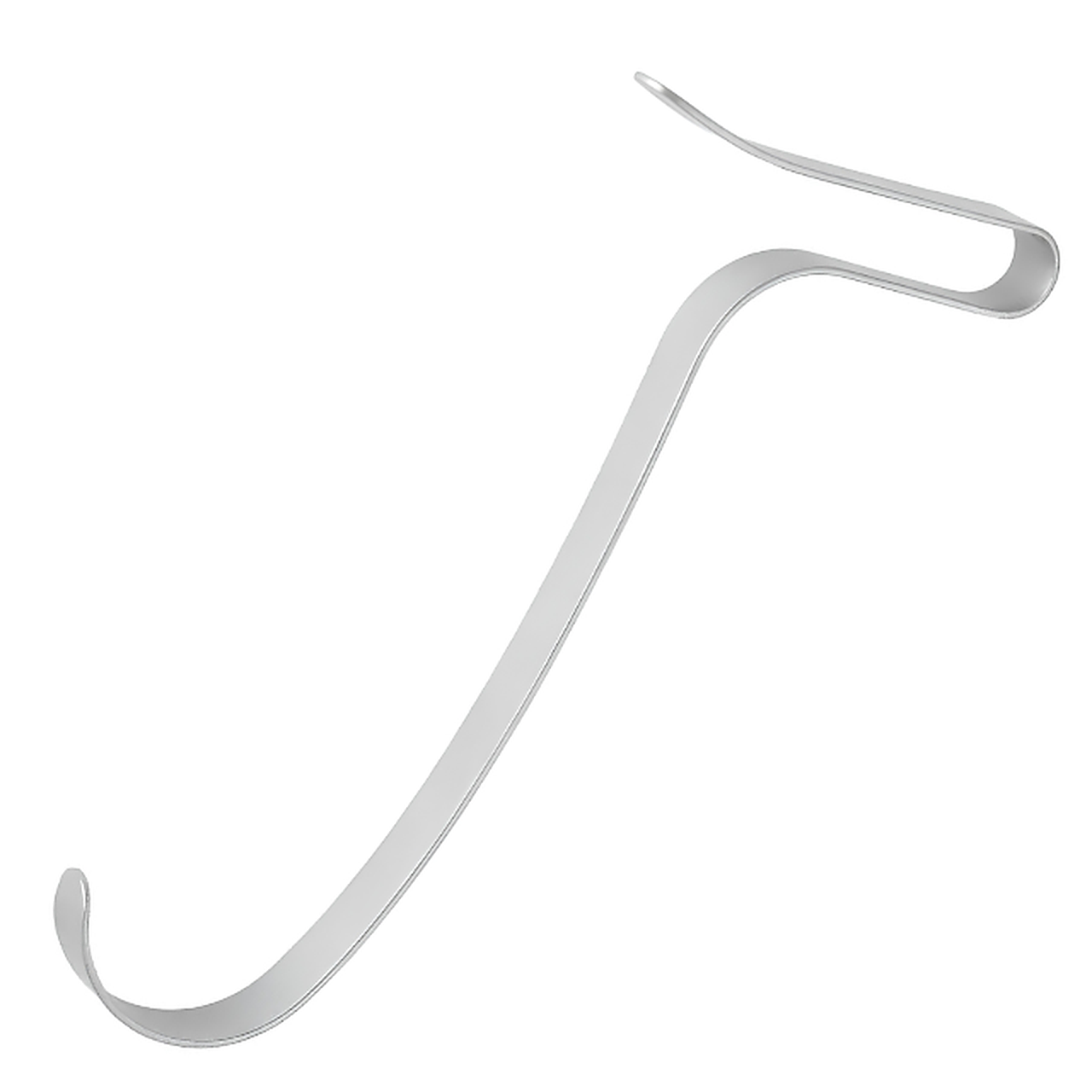 | Separador de Colgajos Freeman | Diseñado específicamente para elevar y retraer colgajos cutáneos y tejido subcutáneo durante cirugías plásticas, mamarias y reconstructivas. |
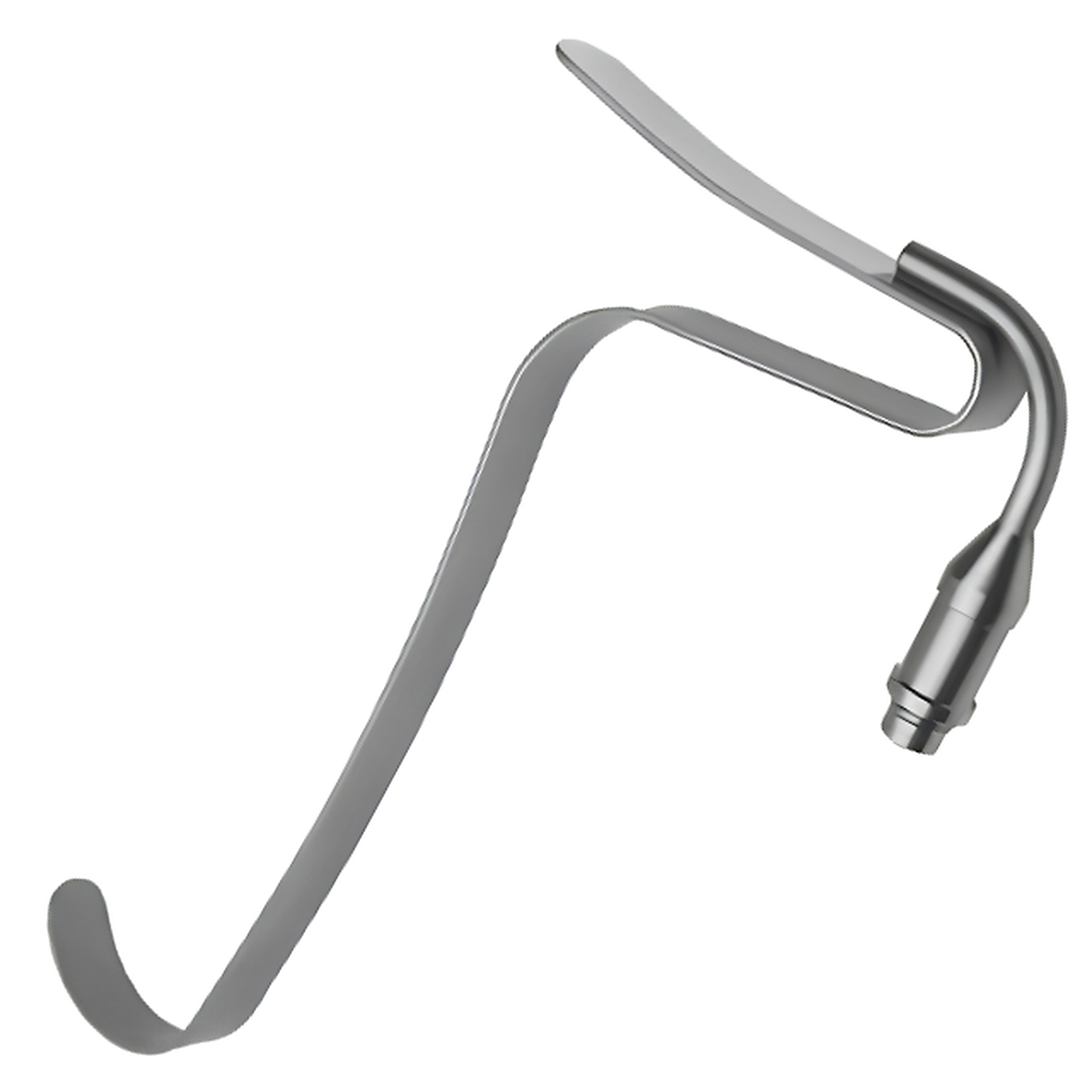 | Freeman Flap Retractor With Fiber Optic Illumination | Diseñado específicamente para proporcionar retracción de tejidos blandos iluminada y elevación de colgajos durante cirugía plástica estética y reconstructiva. |
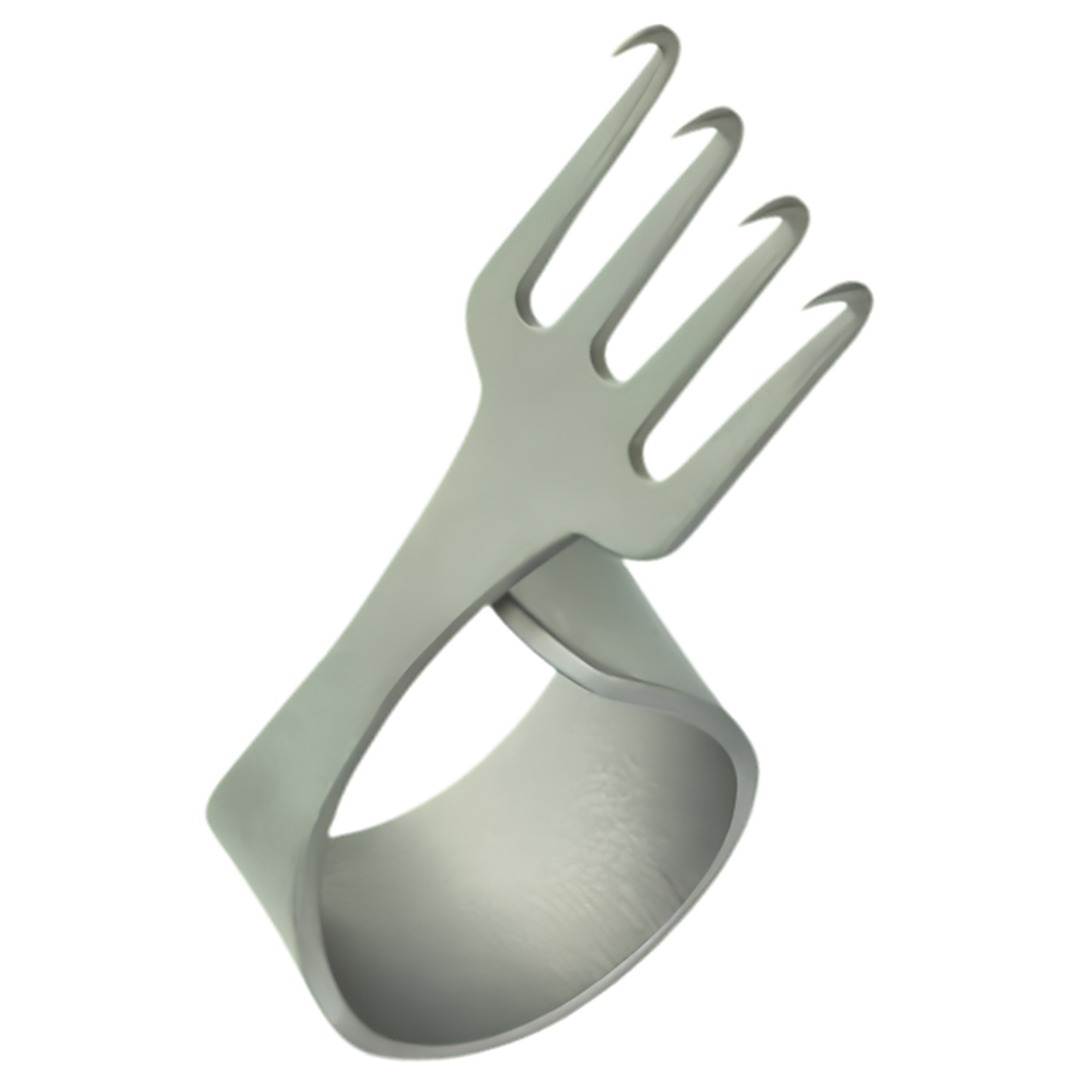 | Separador Freeman Mini Rake | Diseñado específicamente para la elevación minuciosa de colgajos cutáneos y tracción delicada de tejidos blandos en bolsillos anatómicos estrechos. |
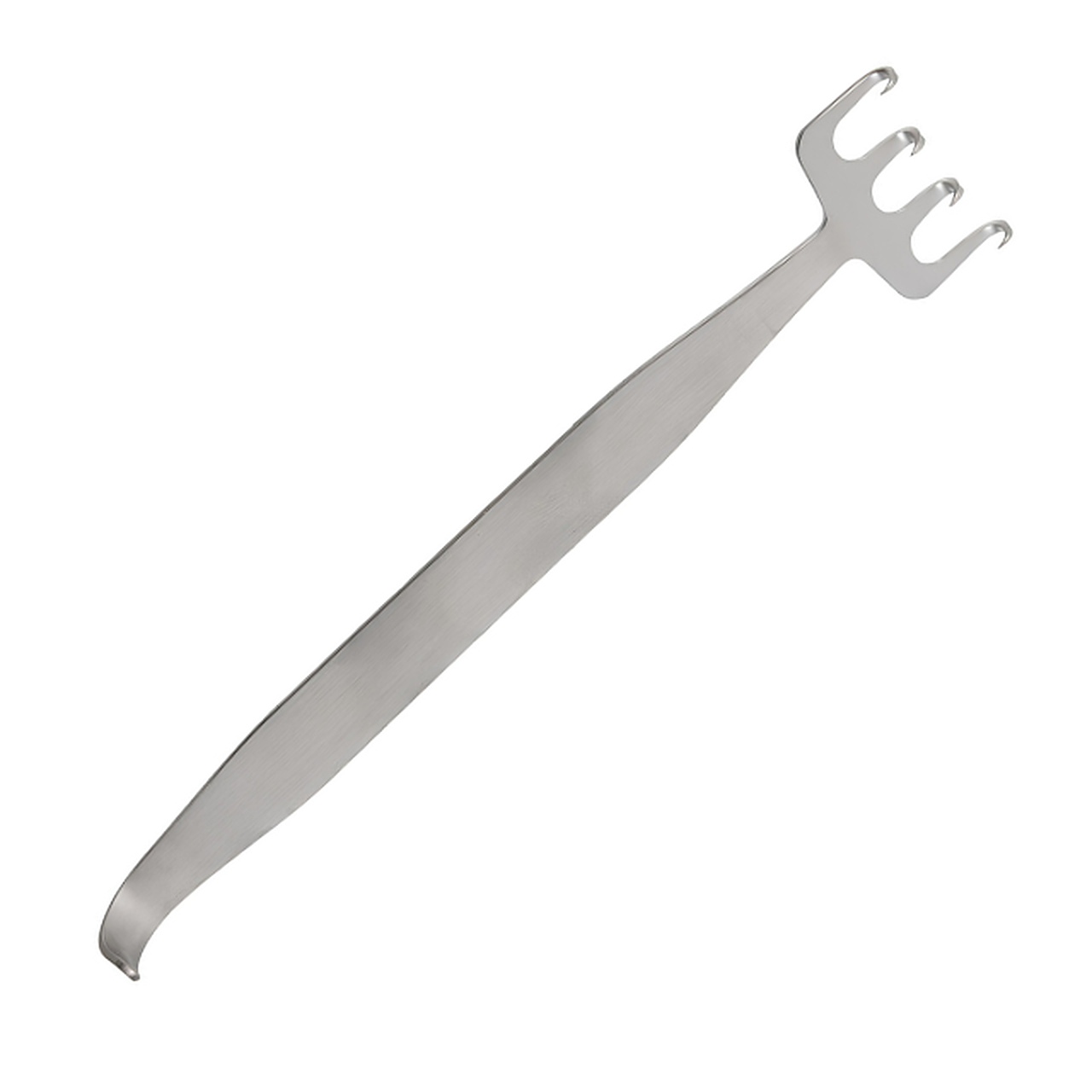 | Separador Freeman Rake Retractor | Específicamente diseñado para elevar y retraer colgajos de piel durante ritidectomías y cirugía plástica reconstructiva. |
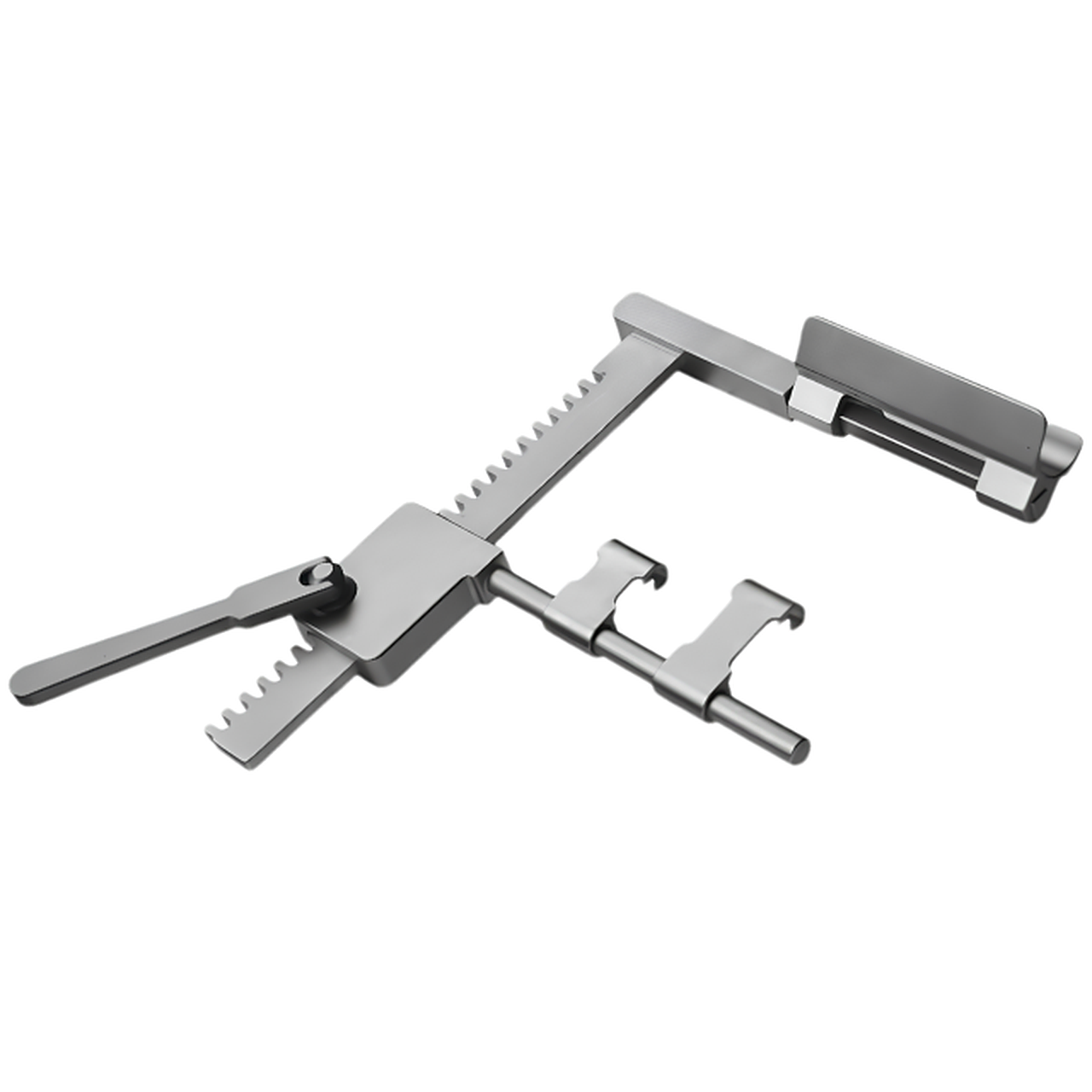 | Separador Esternal I.M.A Modelo Francés | Diseñado específicamente para la elevación esternal unilateral durante la disección de la arteria mamaria interna en cirugía de bypass coronario (CABG). |
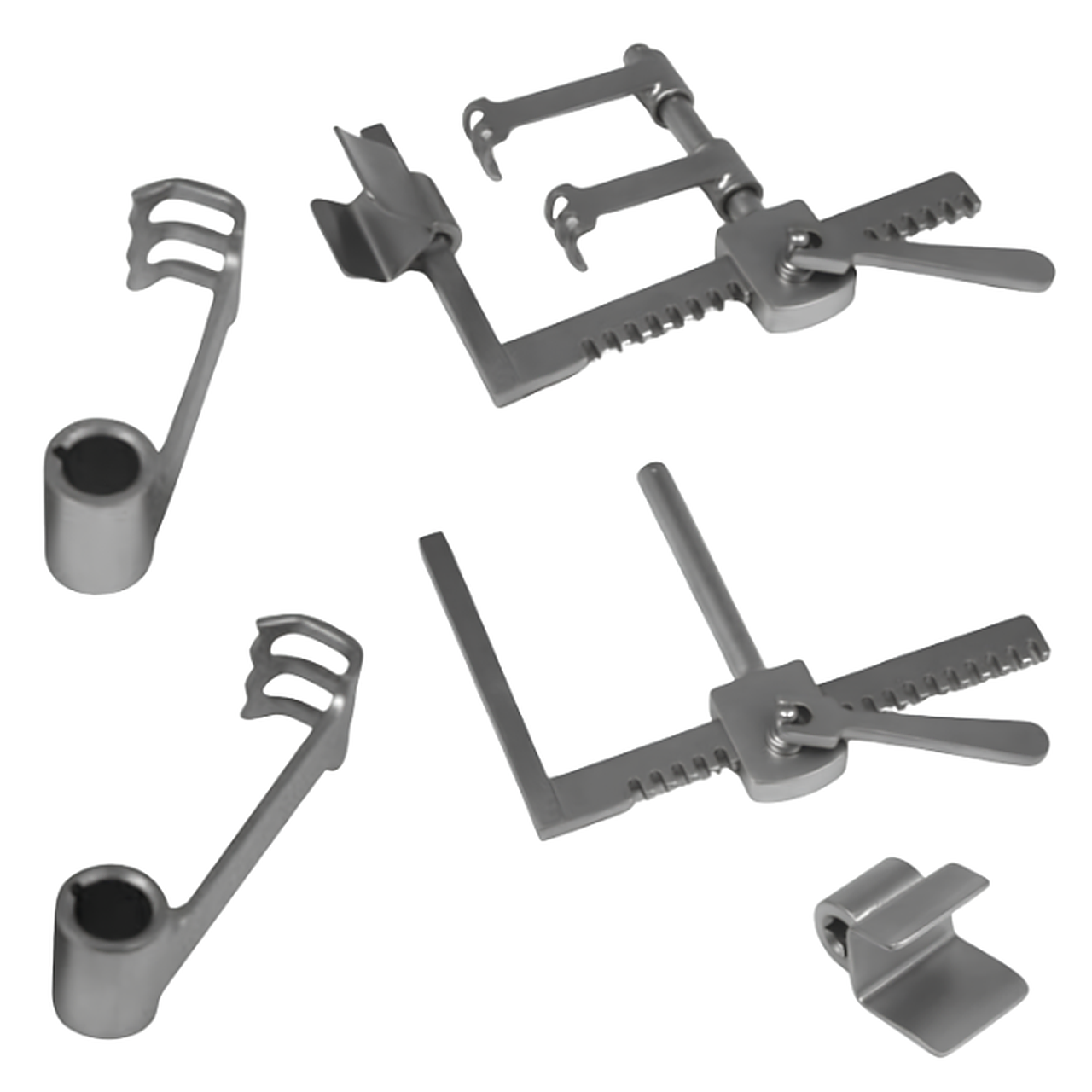 | Separador Esternal I.M.A. Modelo Francés para Miniesternotomía | Diseñado específicamente para la elevación esternal unilateral durante miniesternotomía y cirugía cardíaca mínimamente invasiva. |
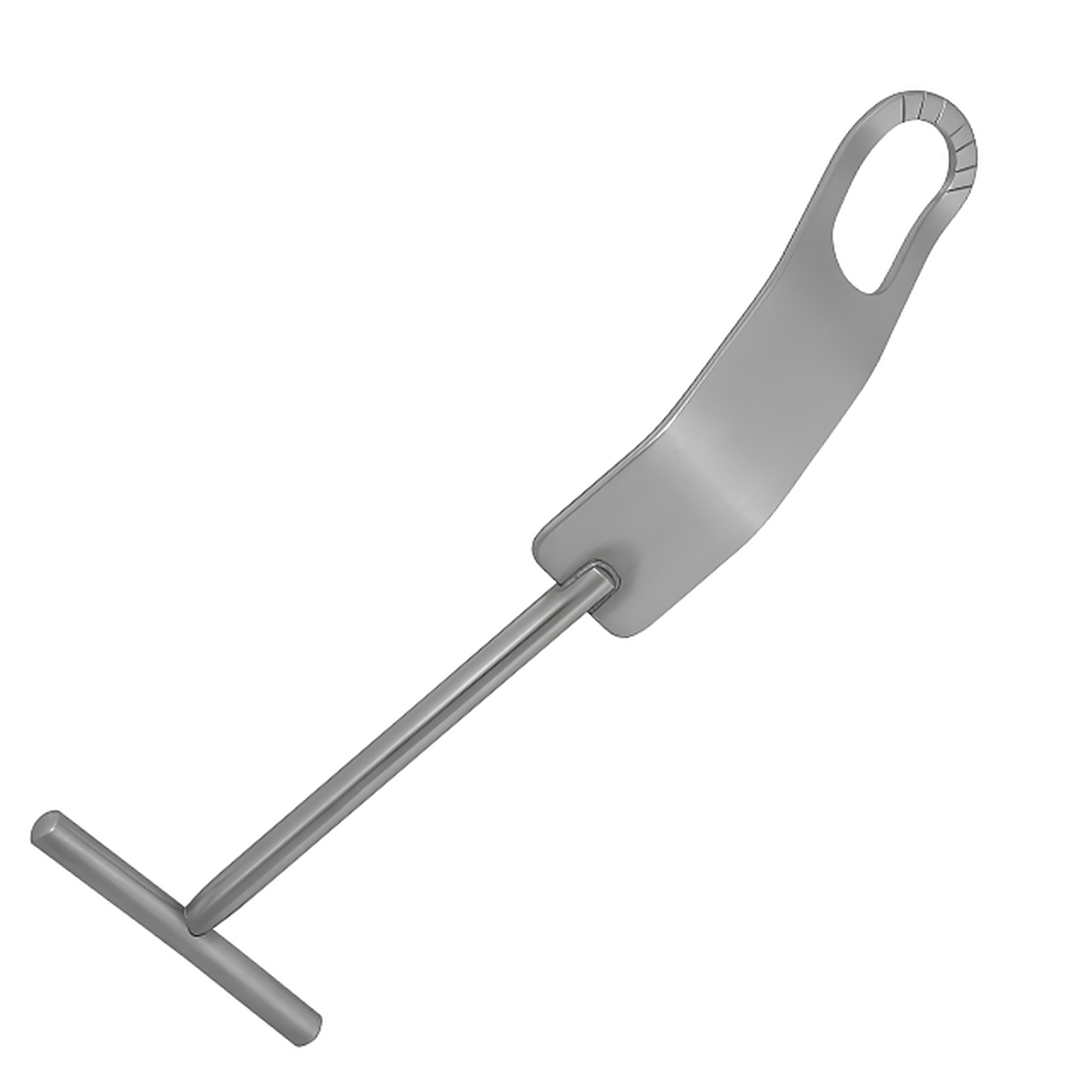 | Separador Fukuda Kujat Style | Diseñado específicamente para desplazar la cabeza humeral posteriormente y exponer la cavidad glenoidea durante la artroplastia de hombro. |
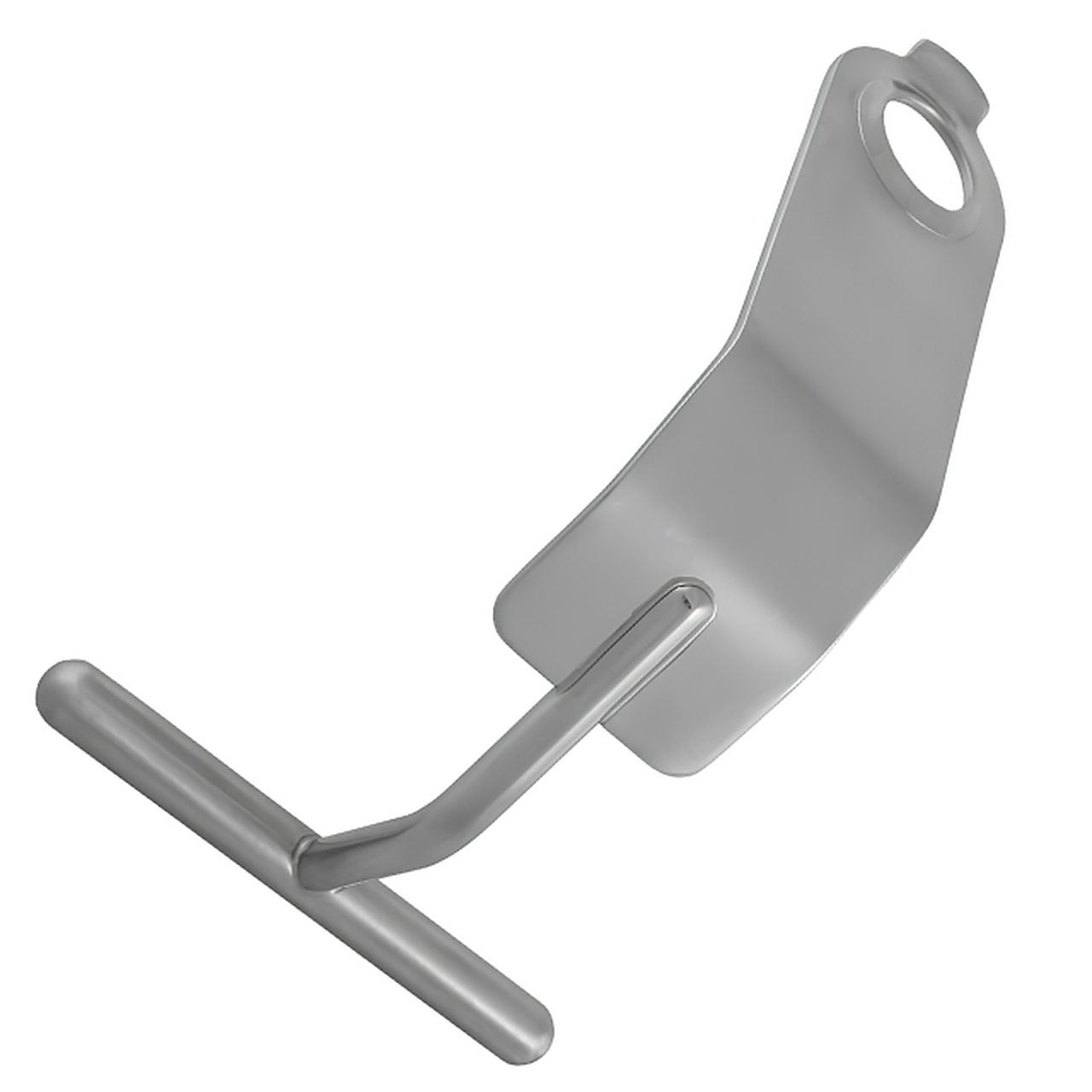 | Separadores Estilo Fukuda | Diseñado específicamente para retraer la cabeza humeral y exponer la cavidad glenoidea durante la artroplastia de hombro y procedimientos reconstructivos. |
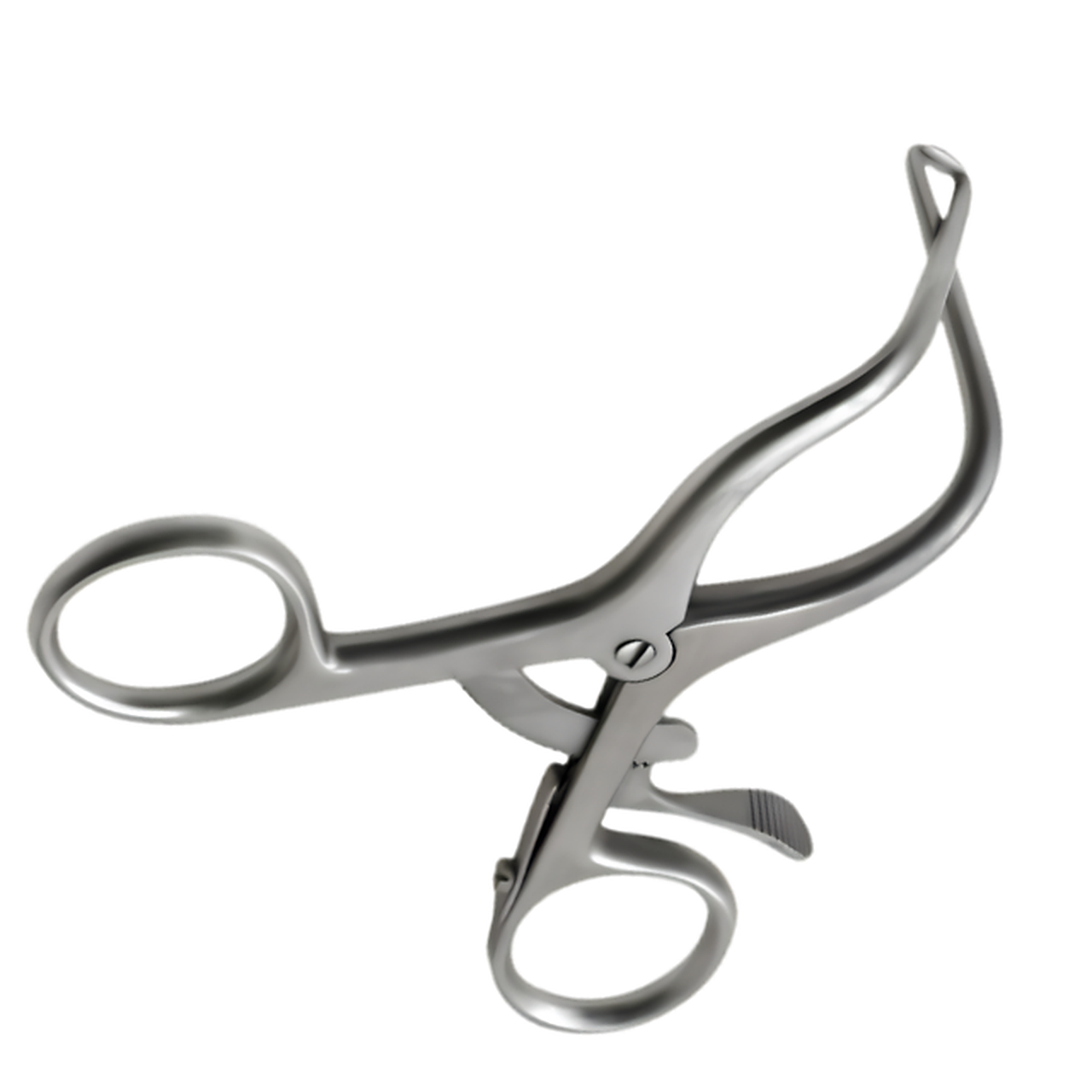 | Separador Gelpi Crossover - Ángulos Profundos | Diseñado específicamente para proporcionar retracción autoestática de tendones, músculos y tejidos blandos durante cirugías de extremidades y columna. |
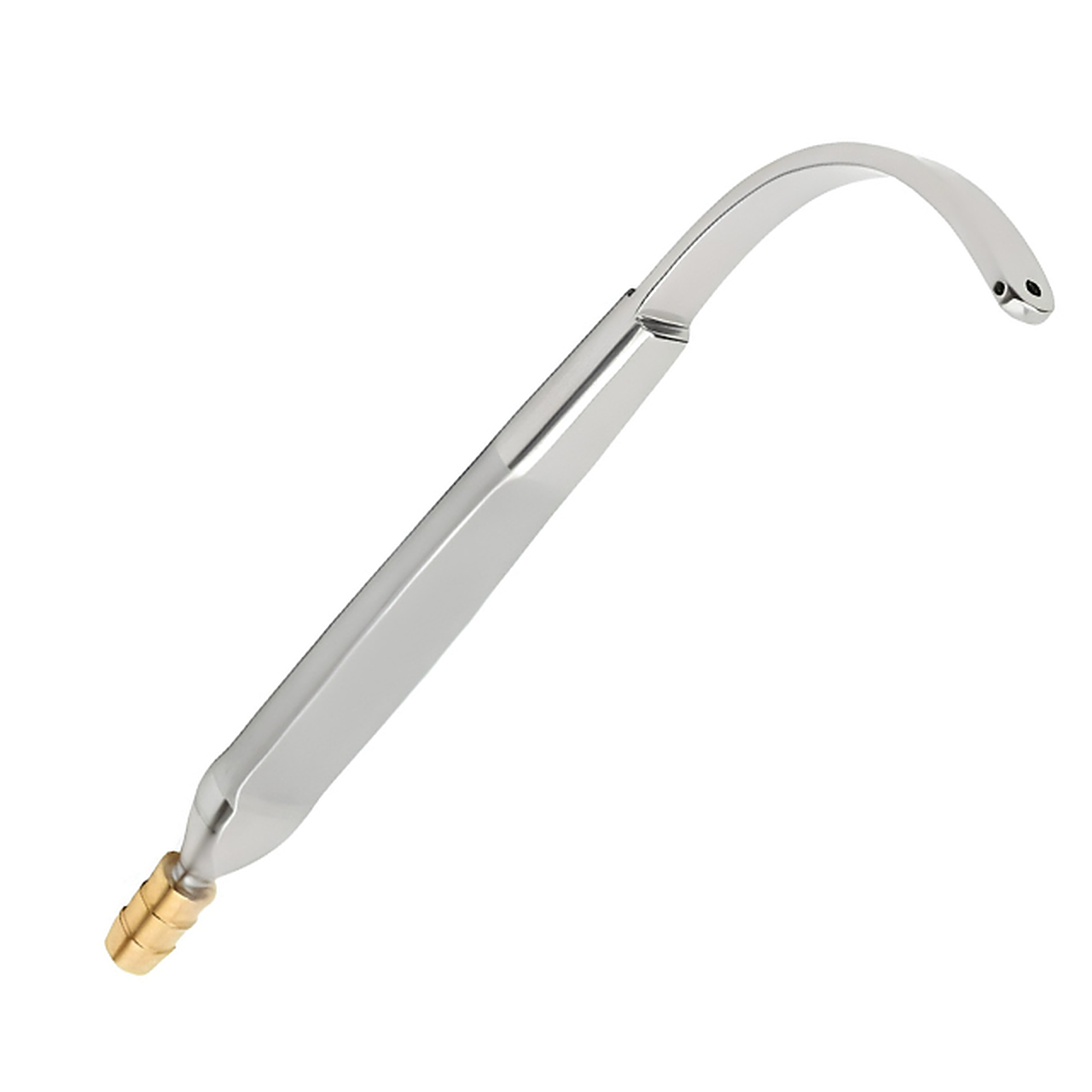 | Separador de Succión Gerbault Tebbett’s | Diseñado específicamente para elevar la envoltura de tejido blando nasal mientras proporciona evacuación de humo/fluidos e iluminación simultánea durante la rinoplastia. |
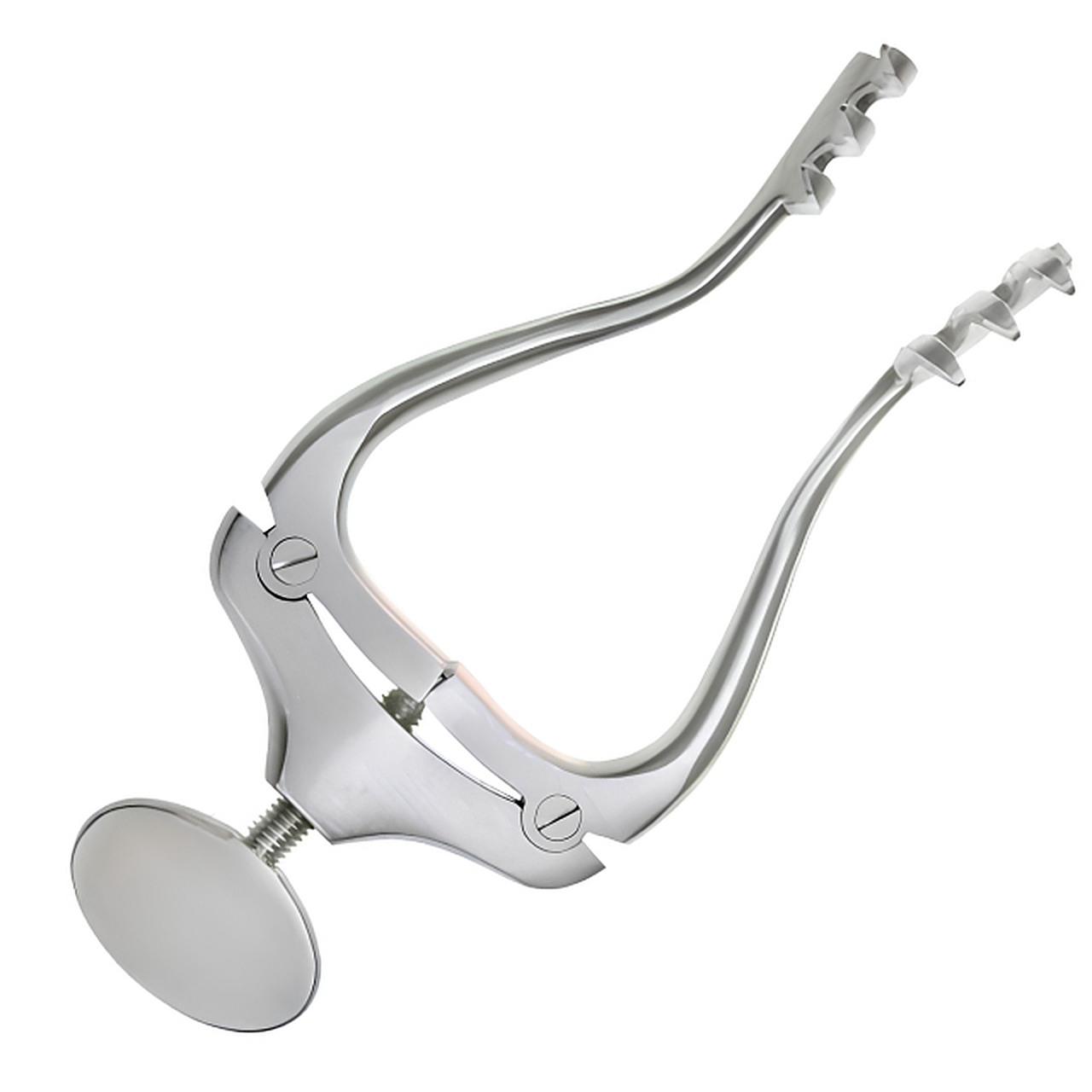 | Separador Gifford-Jansen | Diseñado específicamente para proporcionar retracción autorretentiva de bordes de herida y periostio durante cirugías de mastoides, oído y cuero cabelludo. |
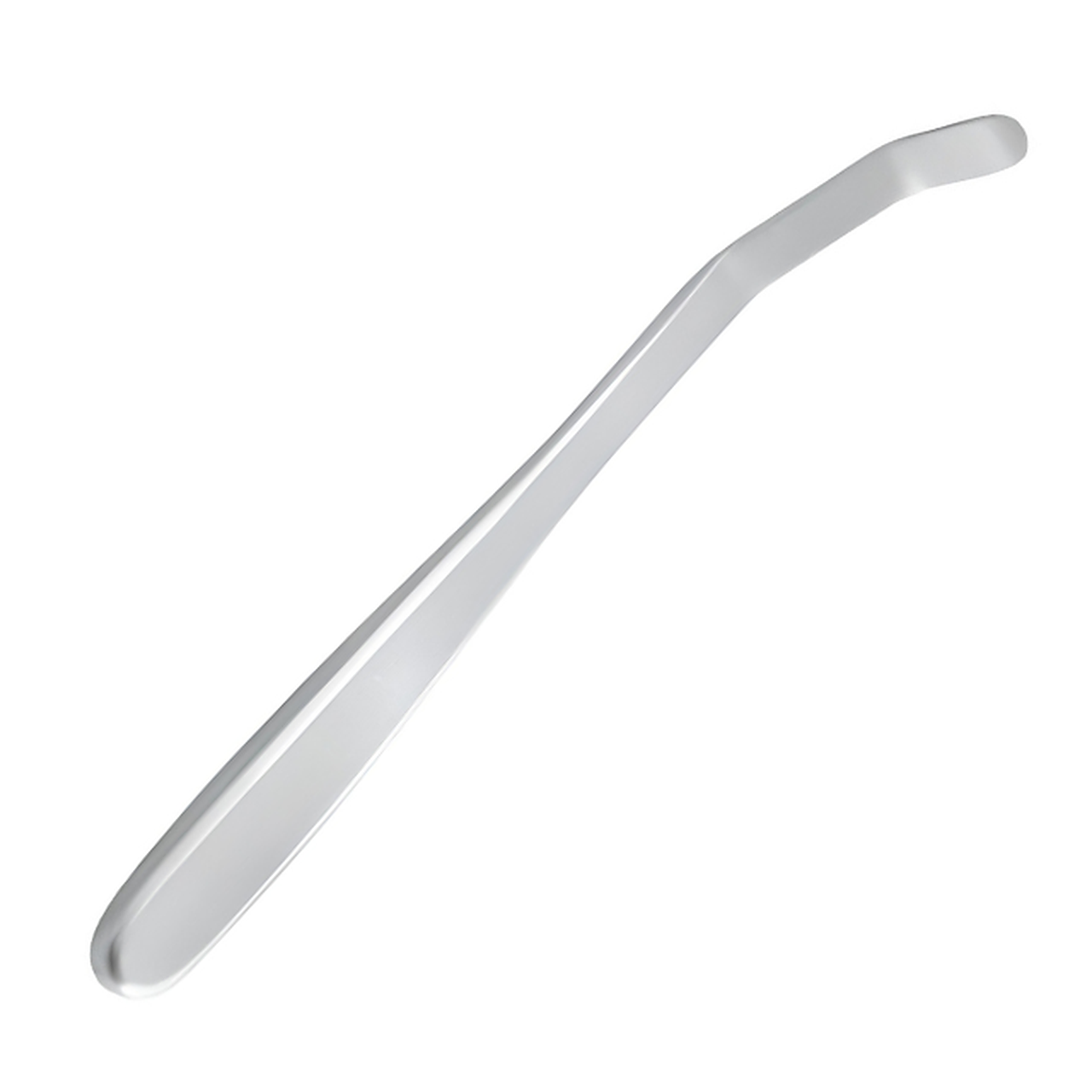 | Separador de Glenoides y Cóndilos | Diseñado específicamente para hacer palanca en los márgenes óseos y retraer las cápsulas articulares durante procedimientos ortopédicos, condilares y de hombro. |
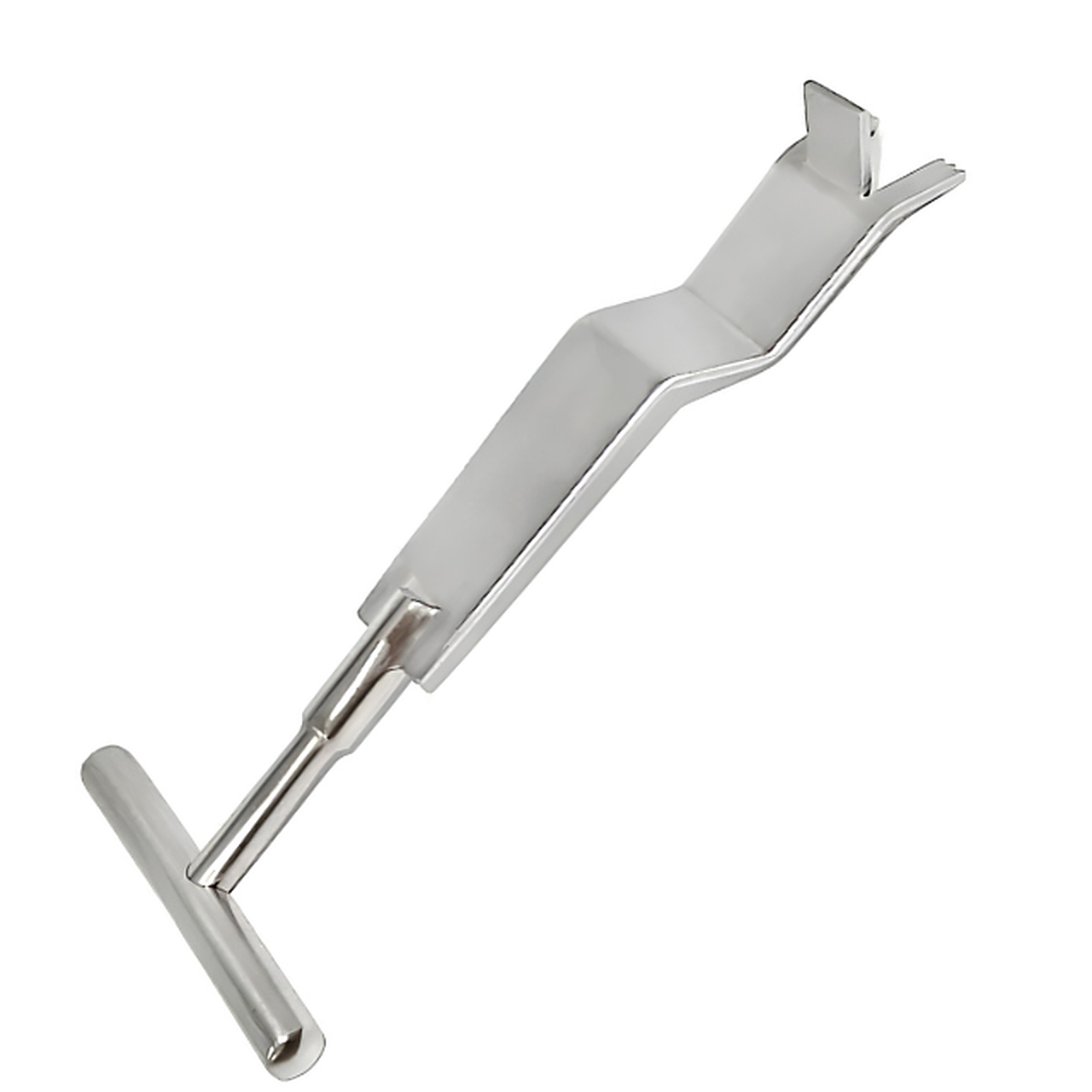 | Separadores para Glenoides | Diseñado específicamente para exponer el borde glenoideo y retraer el tejido blando capsular durante la artroplastia total e inversa de hombro. |
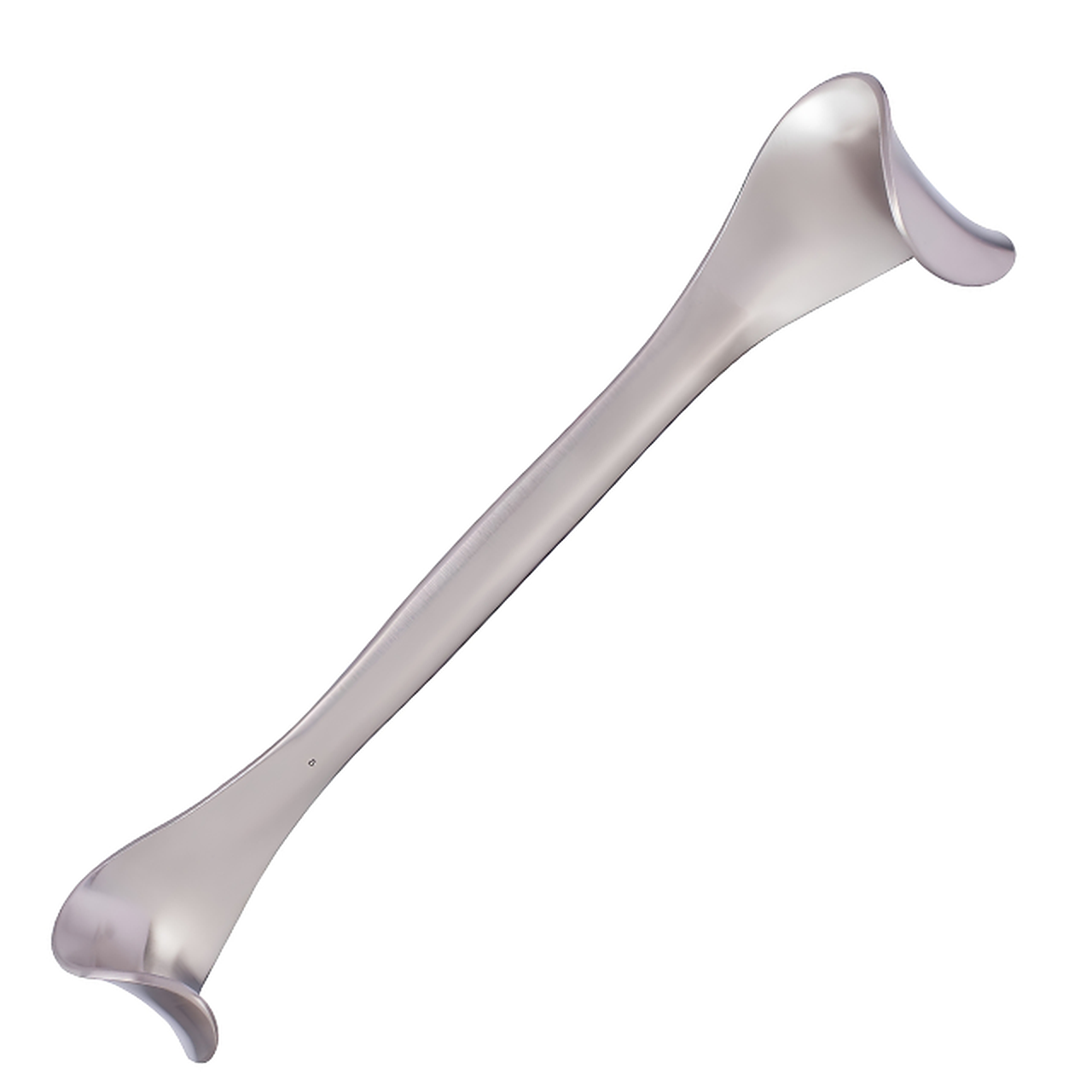 | Separador Goelet | Diseñado específicamente para retraer la piel, la grasa subcutánea y el tejido muscular durante procedimientos quirúrgicos superficiales e intermedios. |
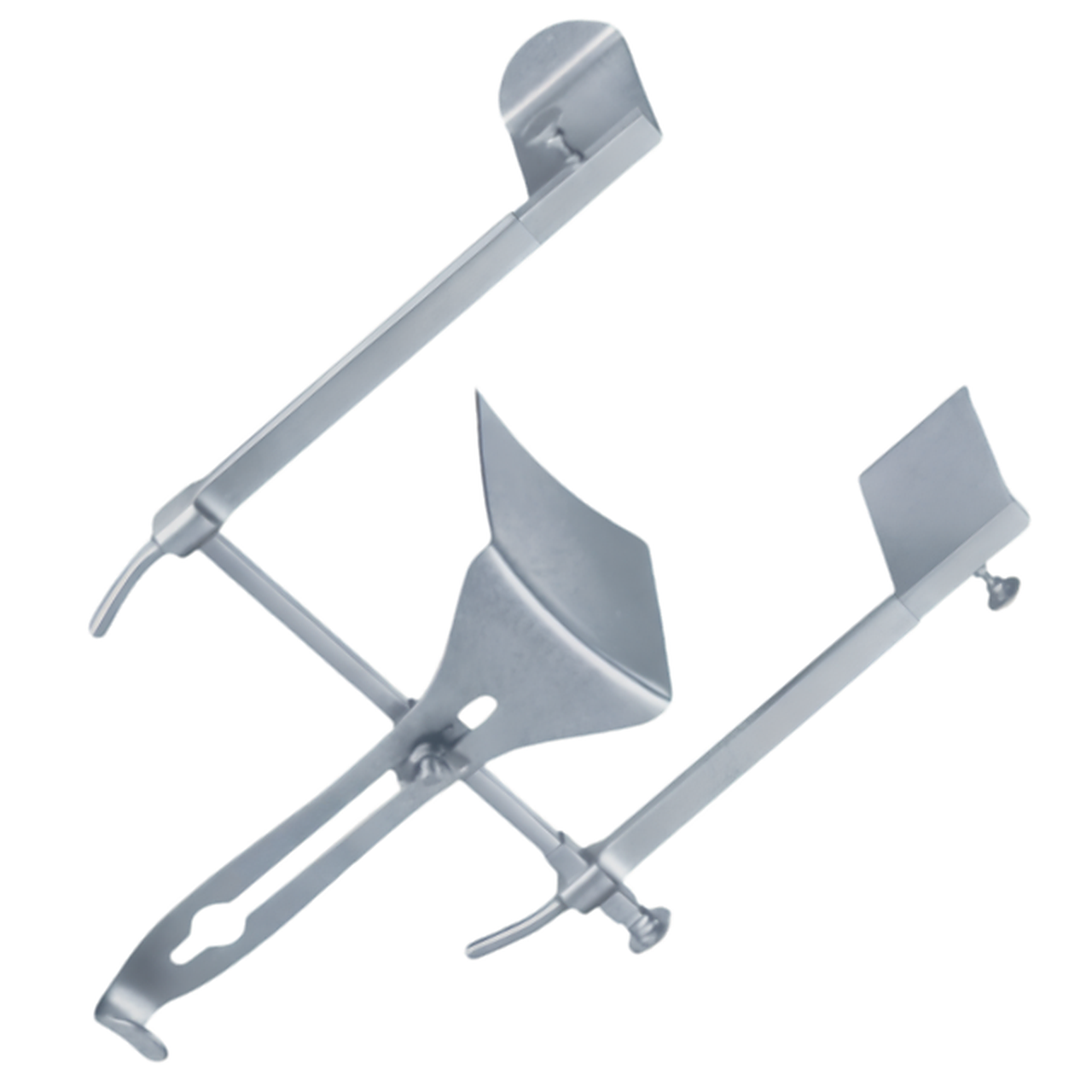 | Separador Autoestático Golligher | Específicamente diseñado para proporcionar retracción multidireccional autoestática de la pared abdominal y las vísceras durante la cirugía colorrectal. |
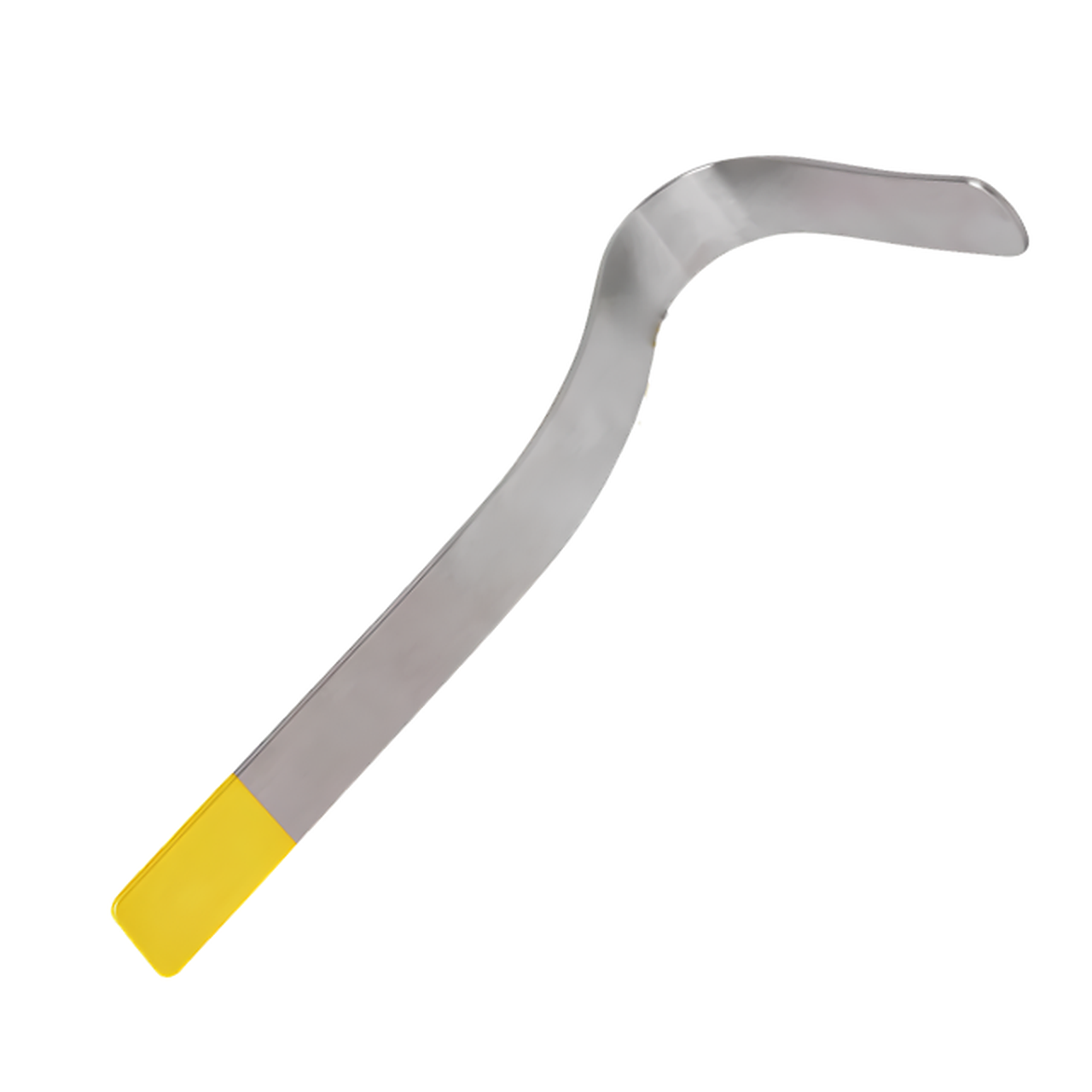 | Separador de Gonzalez Gluteal en L | Diseñado específicamente para elevar y retraer capas musculares glúteas y tejidos blandos durante el aumento y la reconstrucción de glúteos. |
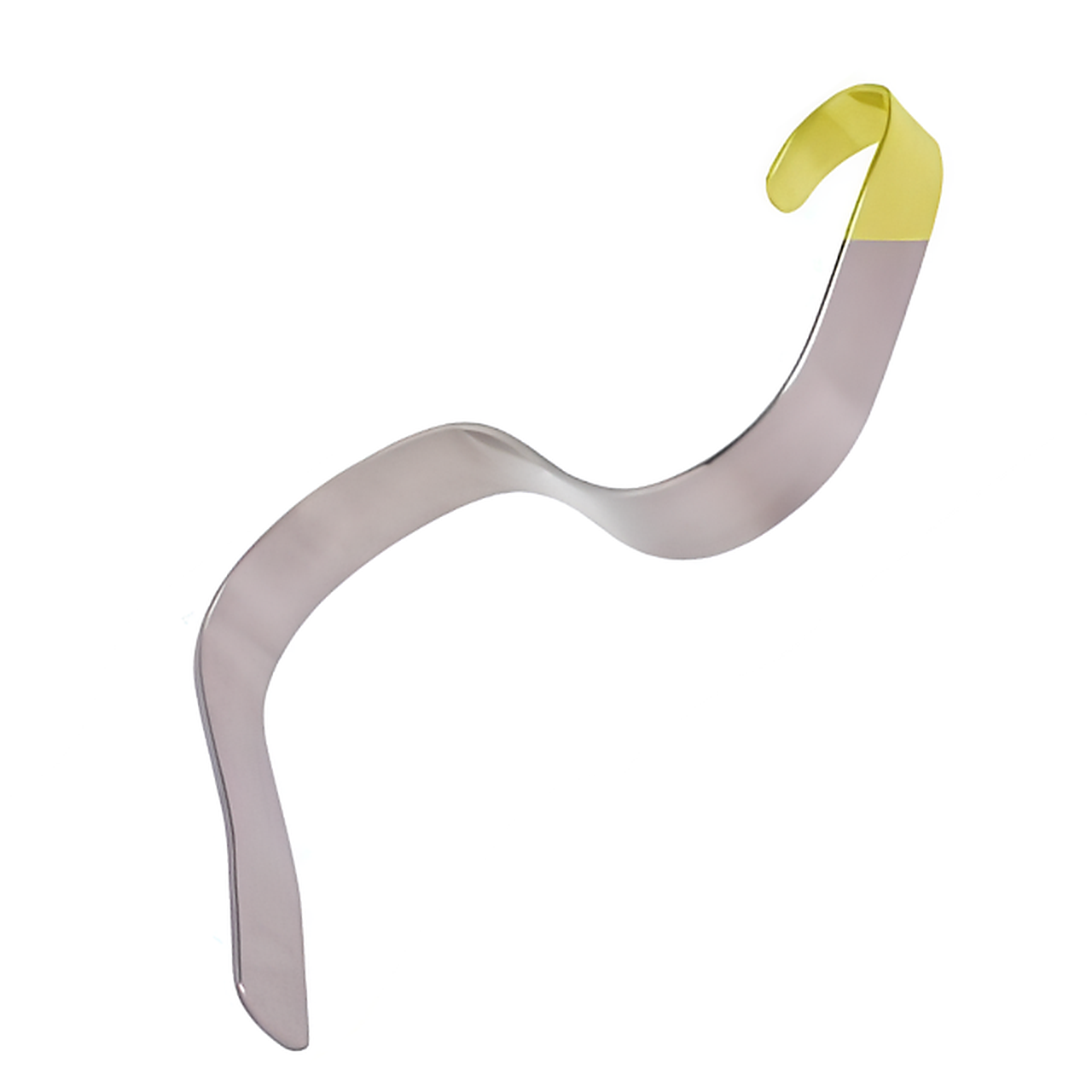 | Separador Glúteo de Gonzalez en Forma de S | Diseñado específicamente para elevar y retraer el músculo glúteo mayor y los tejidos blandos durante la cirugía de implantes glúteos. |
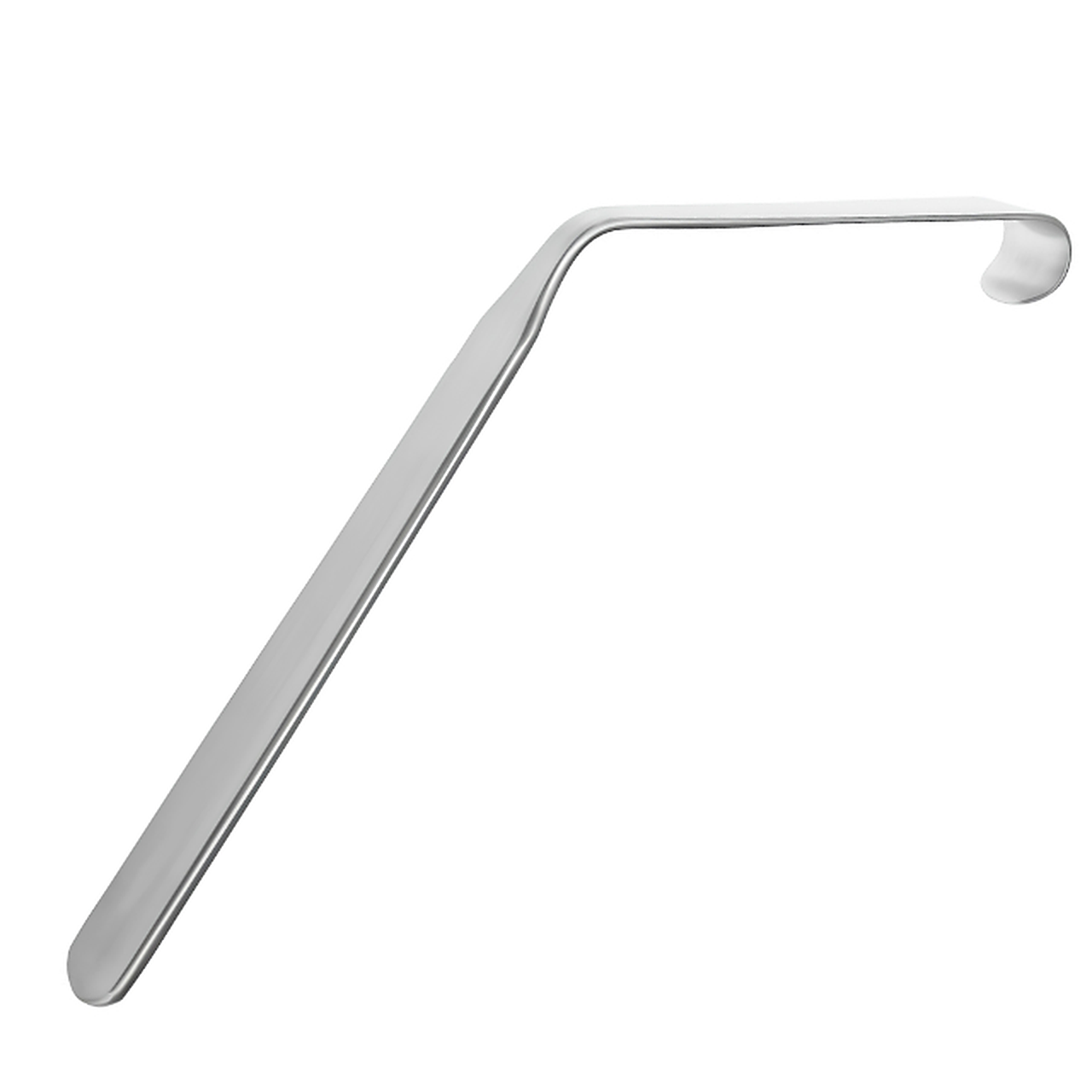 | Separador de úvula Goodyear | Diseñado específicamente para retraer y elevar la úvula y el paladar blando durante procedimientos quirúrgicos faríngeos y de adenoides. |
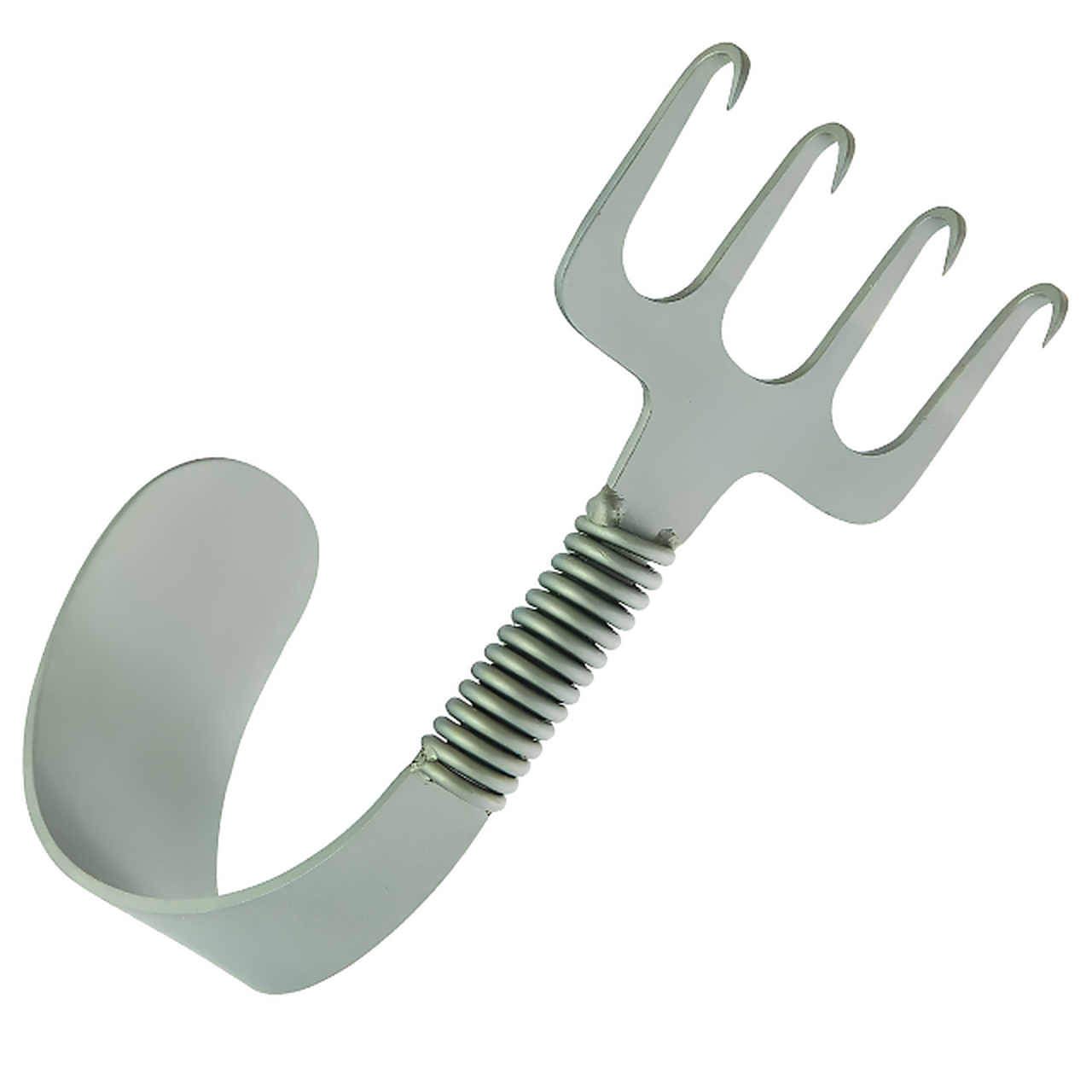 | Separador Gorney Rake | Diseñado específicamente para elevar y retraer colgajos cutáneos y tejido subcutáneo durante ritidectomías y cirugía estética. |
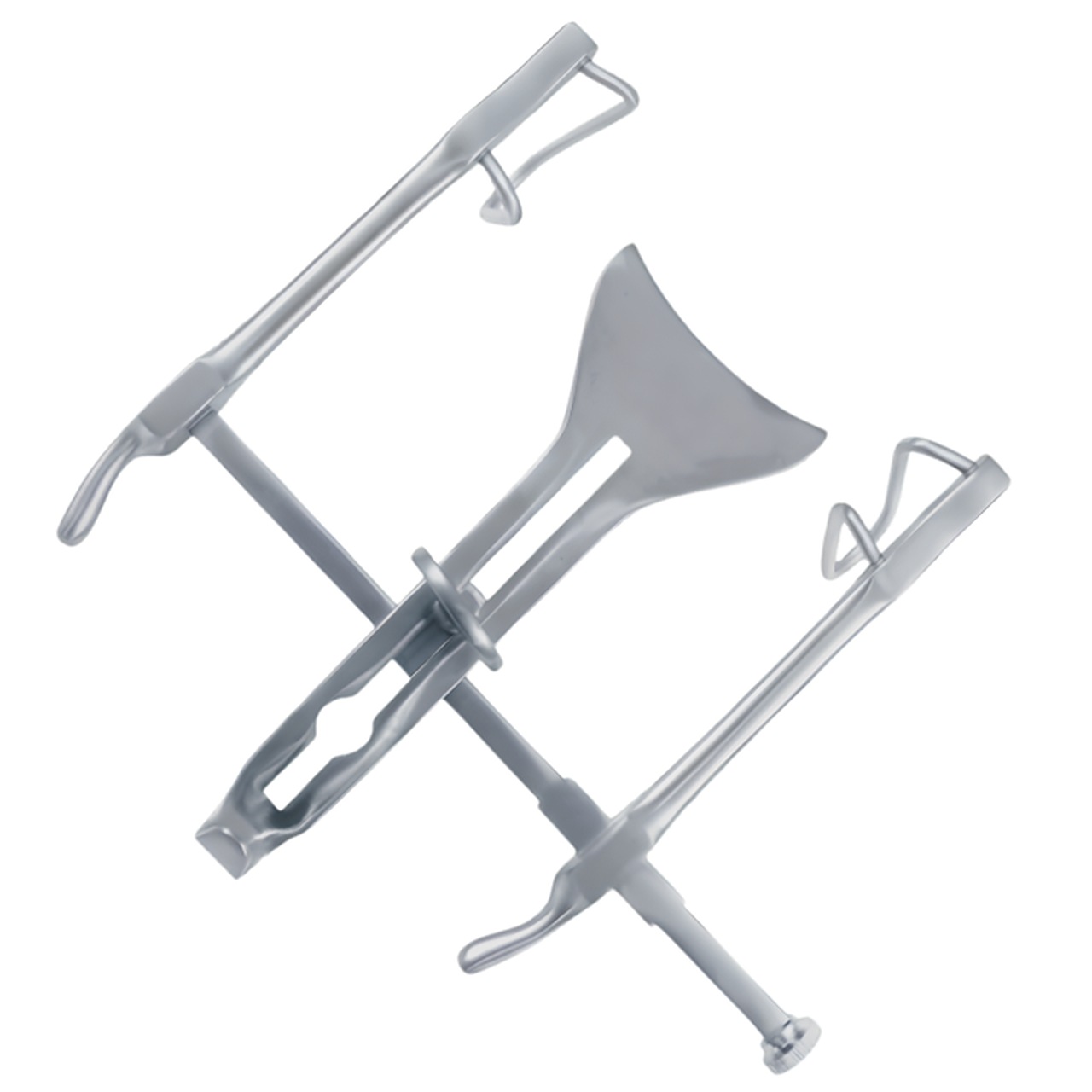 | Separador Autoestático Gosset | Diseñado específicamente para proporcionar retracción autoestática de la pared abdominal durante cirugías pélvicas y laparotomías abiertas. |
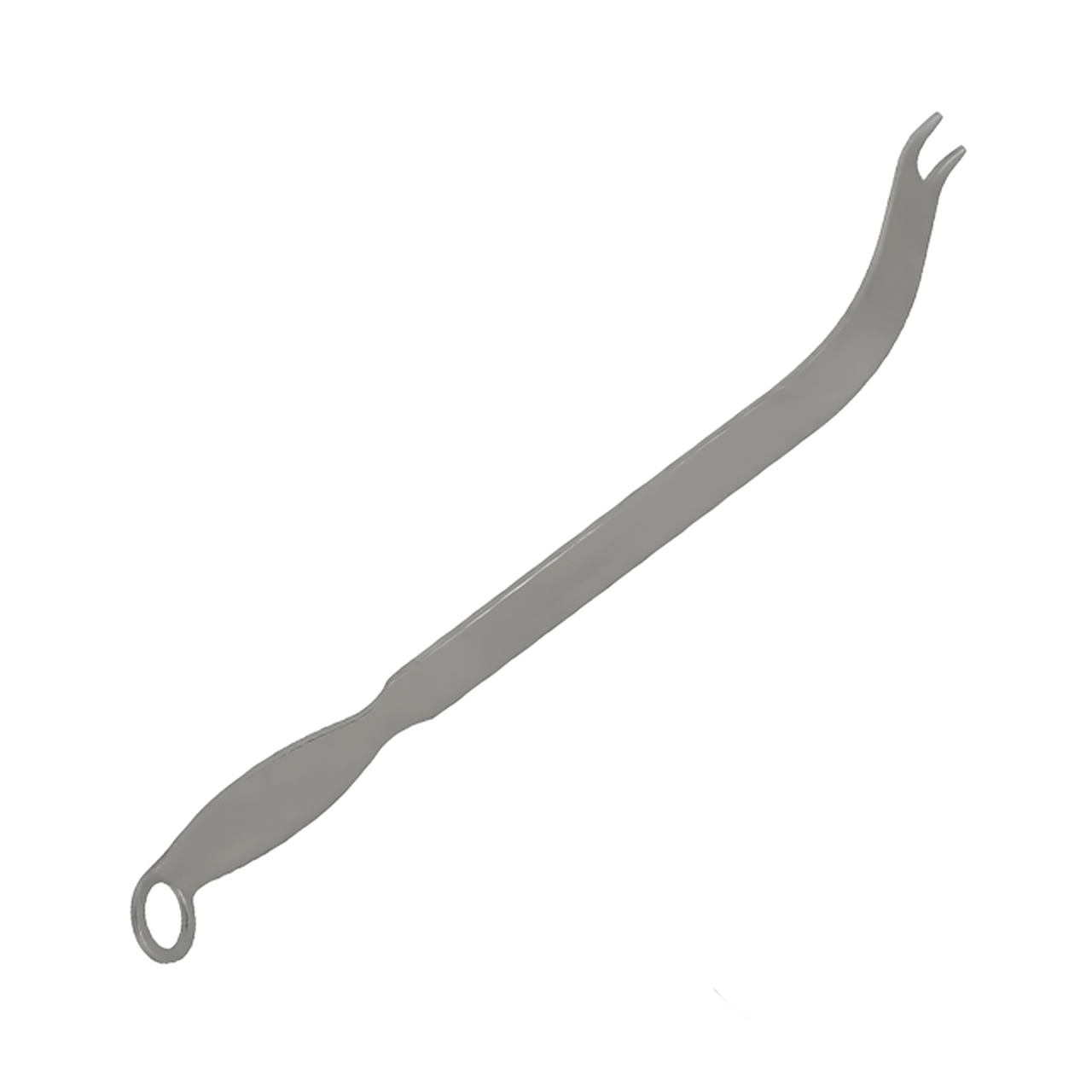 | Separador de Trocánter Mayor | Diseñado específicamente para separar la musculatura glútea y exponer el trocánter mayor durante la artroplastia total de cadera y osteotomías femorales. |
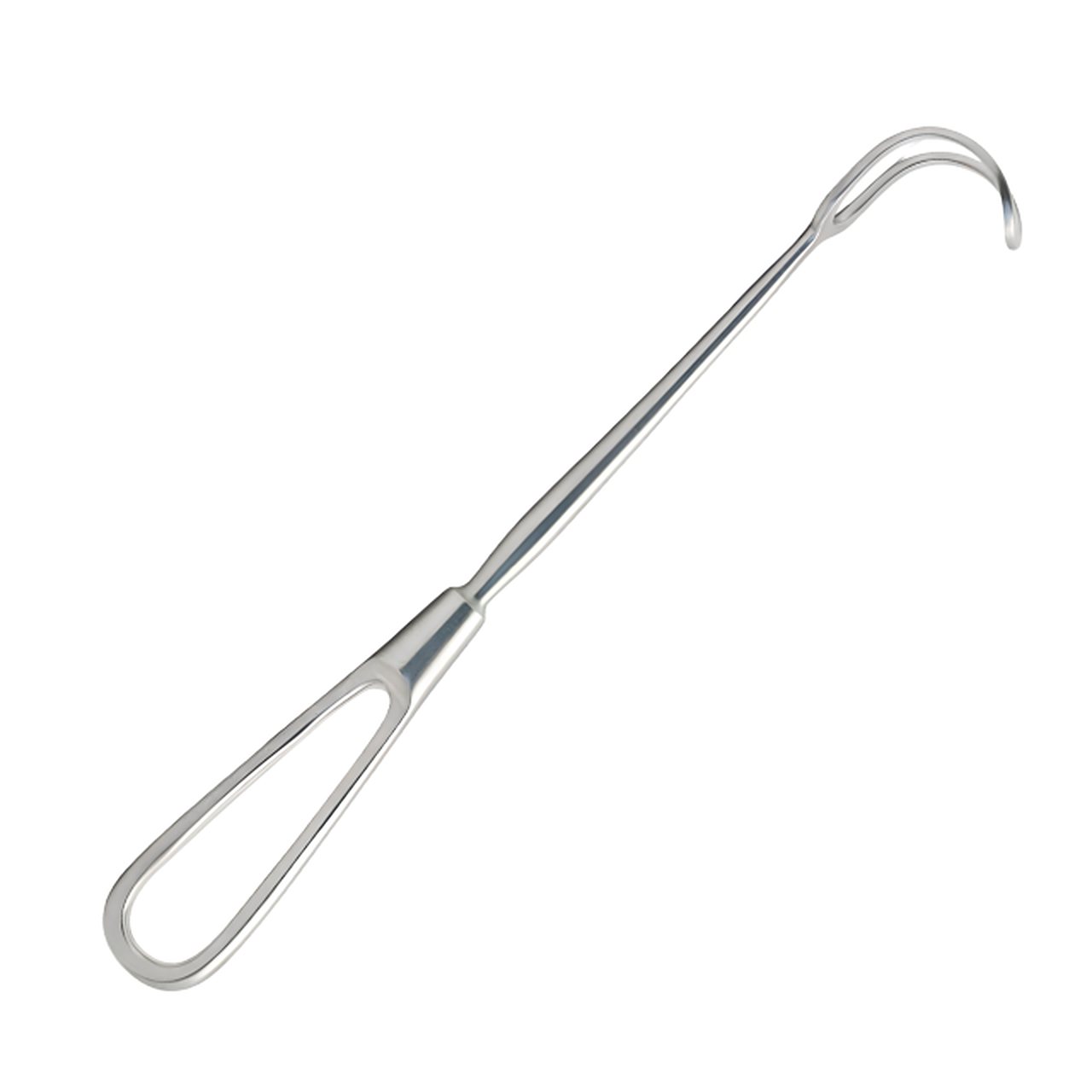 | Separador de Tiroides Green | Diseñado específicamente para retraer los músculos pretiroideos, el tejido tiroideo y la fascia cervical durante la cirugía endocrina de cuello. |
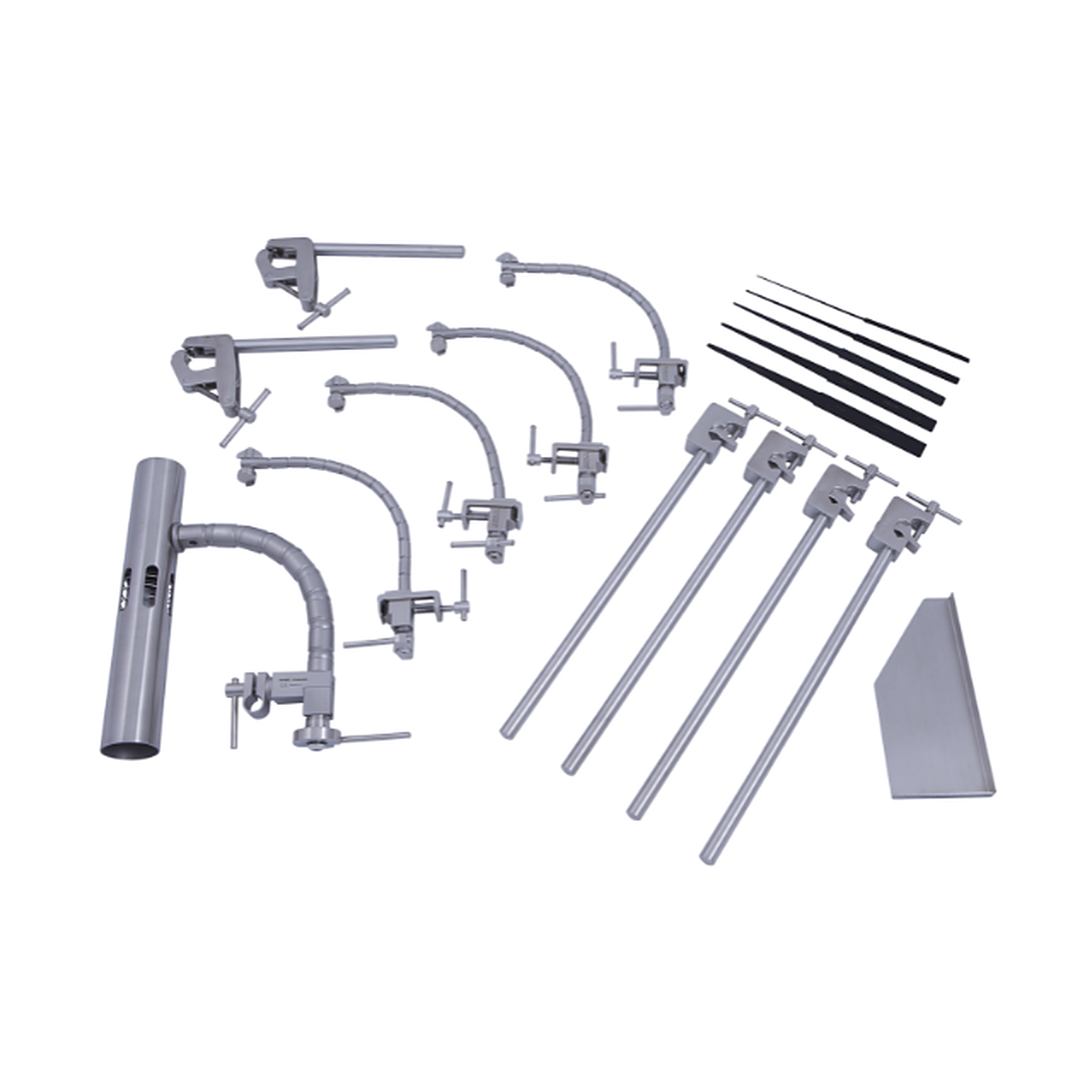 | Set de Separador Greenberg | Diseñado para proporcionar una retracción estable, precisa y autorretentiva de tejido cerebral delicado y estructuras craneales durante procedimientos intracraneales, de base de cráneo y microneuroquirúrgicos. |
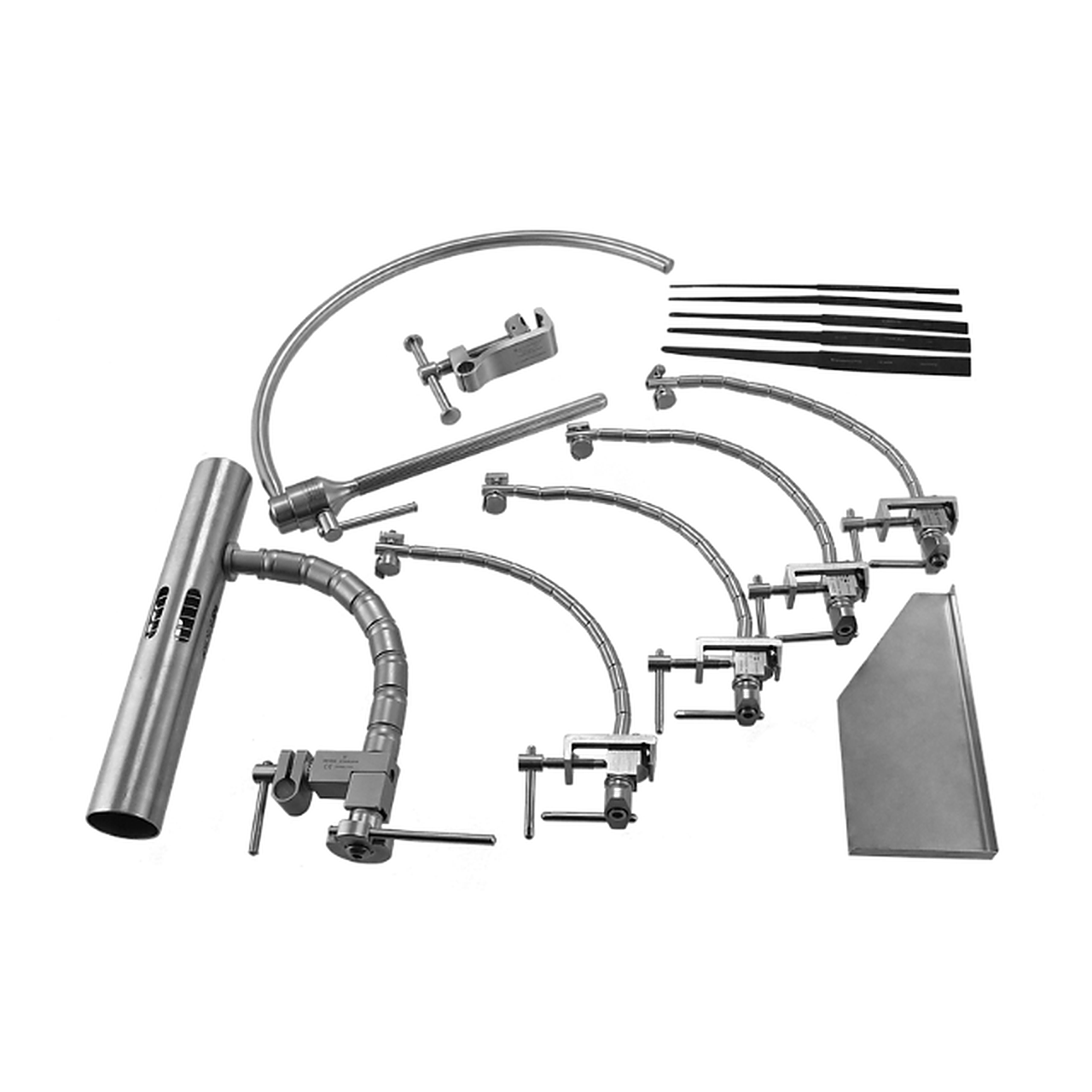 | Separador Greenberg Simplicity | Diseñado específicamente para una configuración rápida, tamaño compacto y retracción de tejido precisa y autorretentiva durante craneotomías focalizadas, descompresiones microvasculares (DMV) y procedimientos microquirúrgicos de ojo de cerradura (keyhole). |
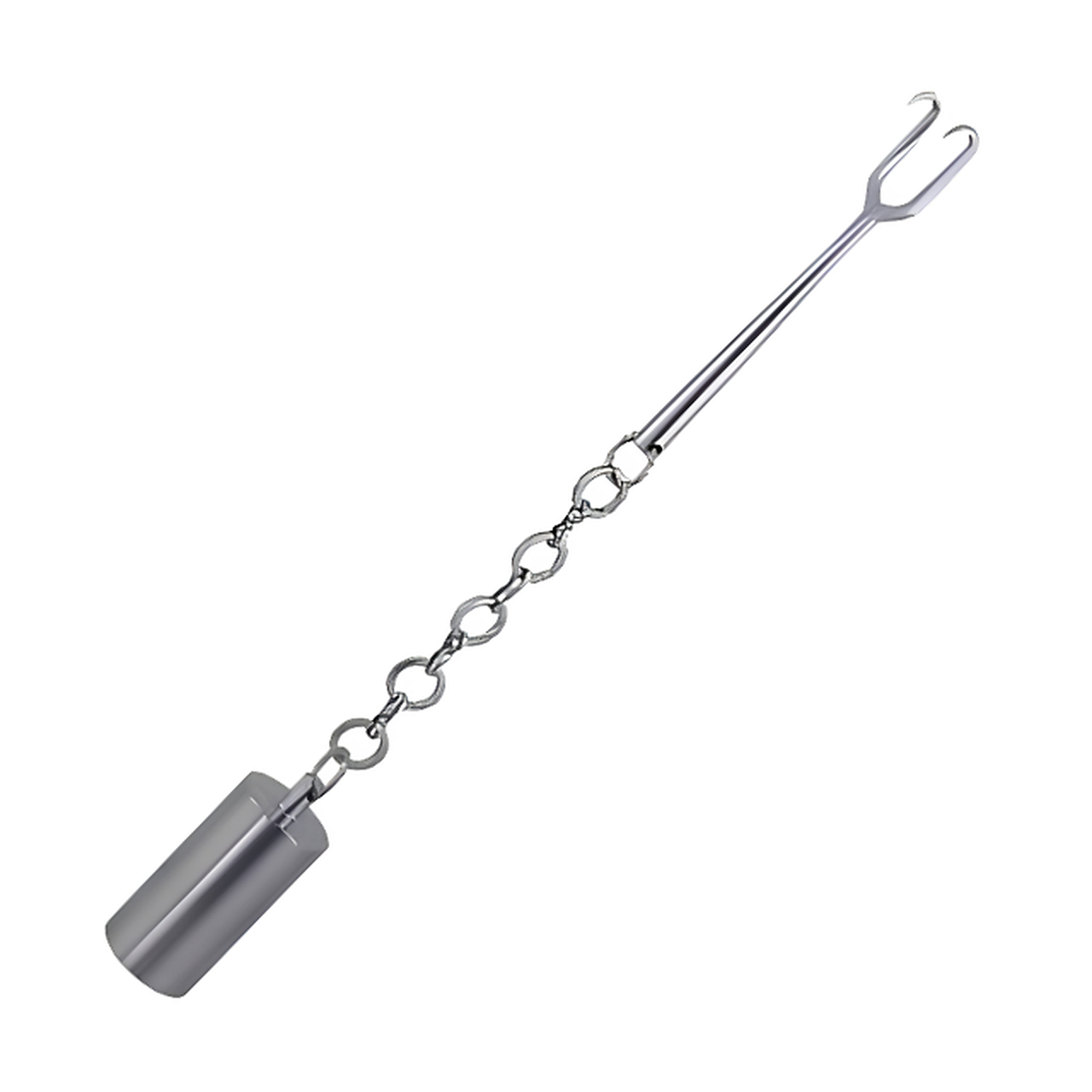 | Separador para Rinoplastia Gruber | Diseñado específicamente para sujetar y retraer colgajos de piel nasal y cartílagos durante procedimientos de rinoplastia. |
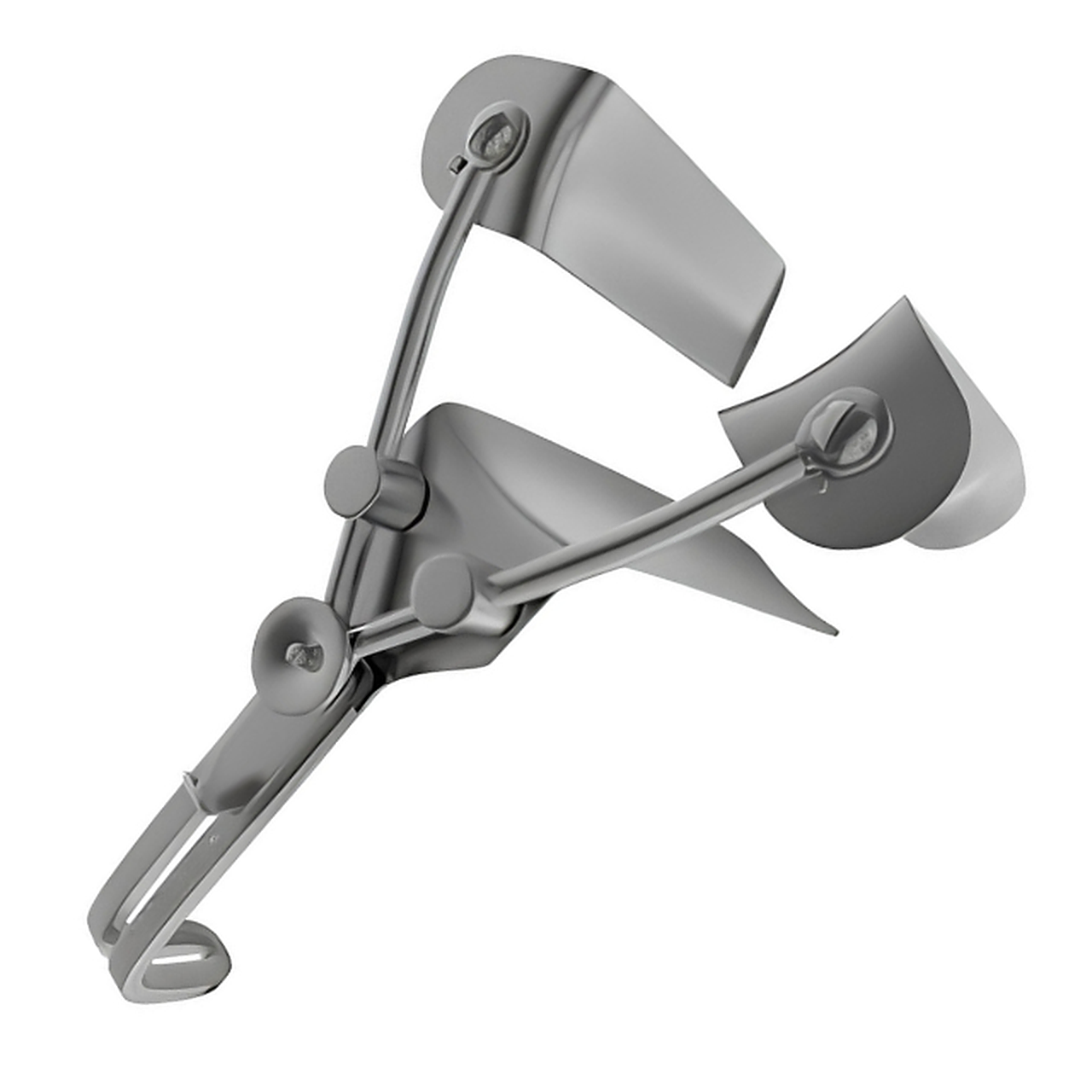 | Separador Obstétrico Guttman | Específicamente diseñado para retraer y proteger la vejiga y la pared abdominal inferior durante cesáreas y cirugía pélvica. |
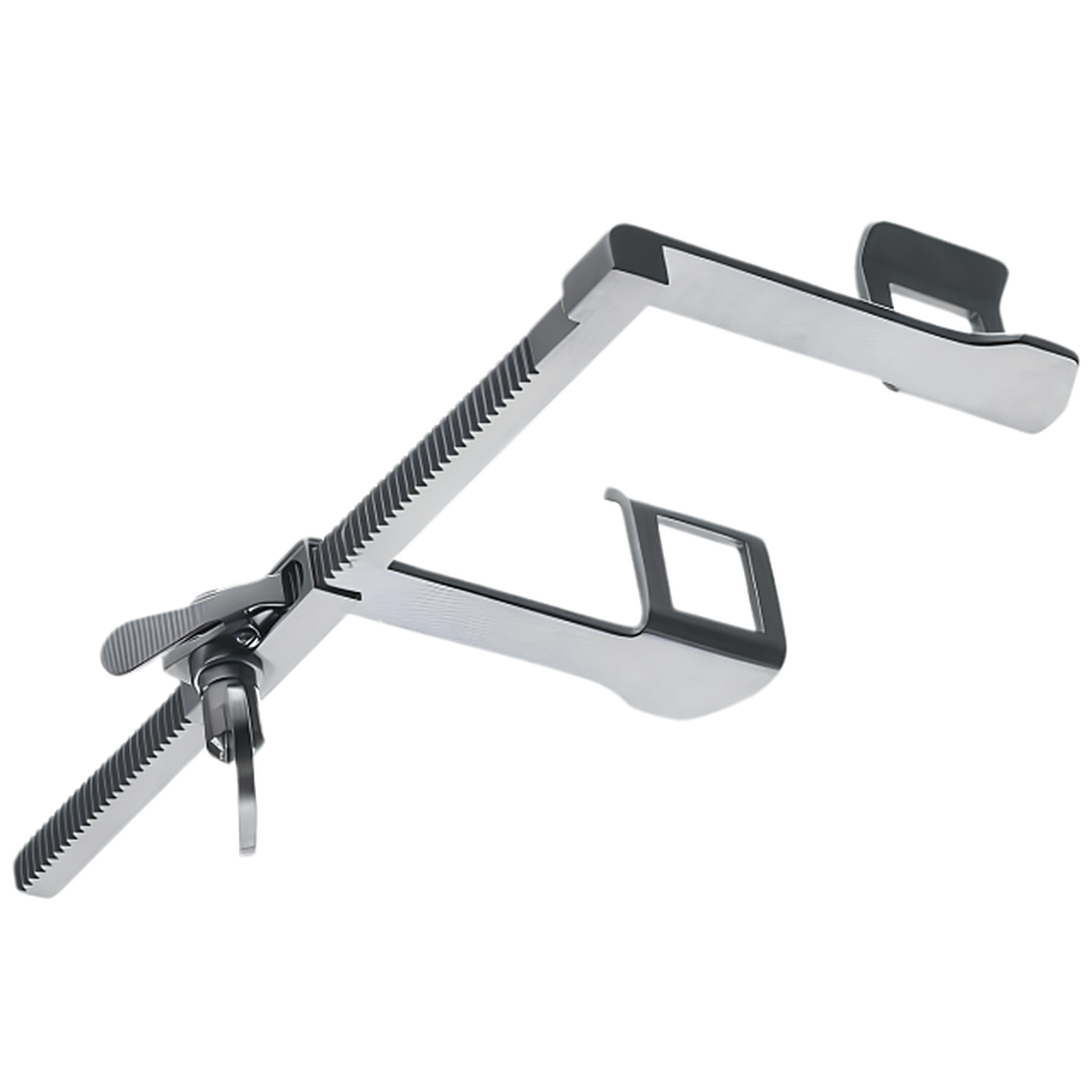 | Separador Costal Haight | Diseñado específicamente para separar las costillas adultas y expandir la cavidad torácica durante una toracotomía abierta. |
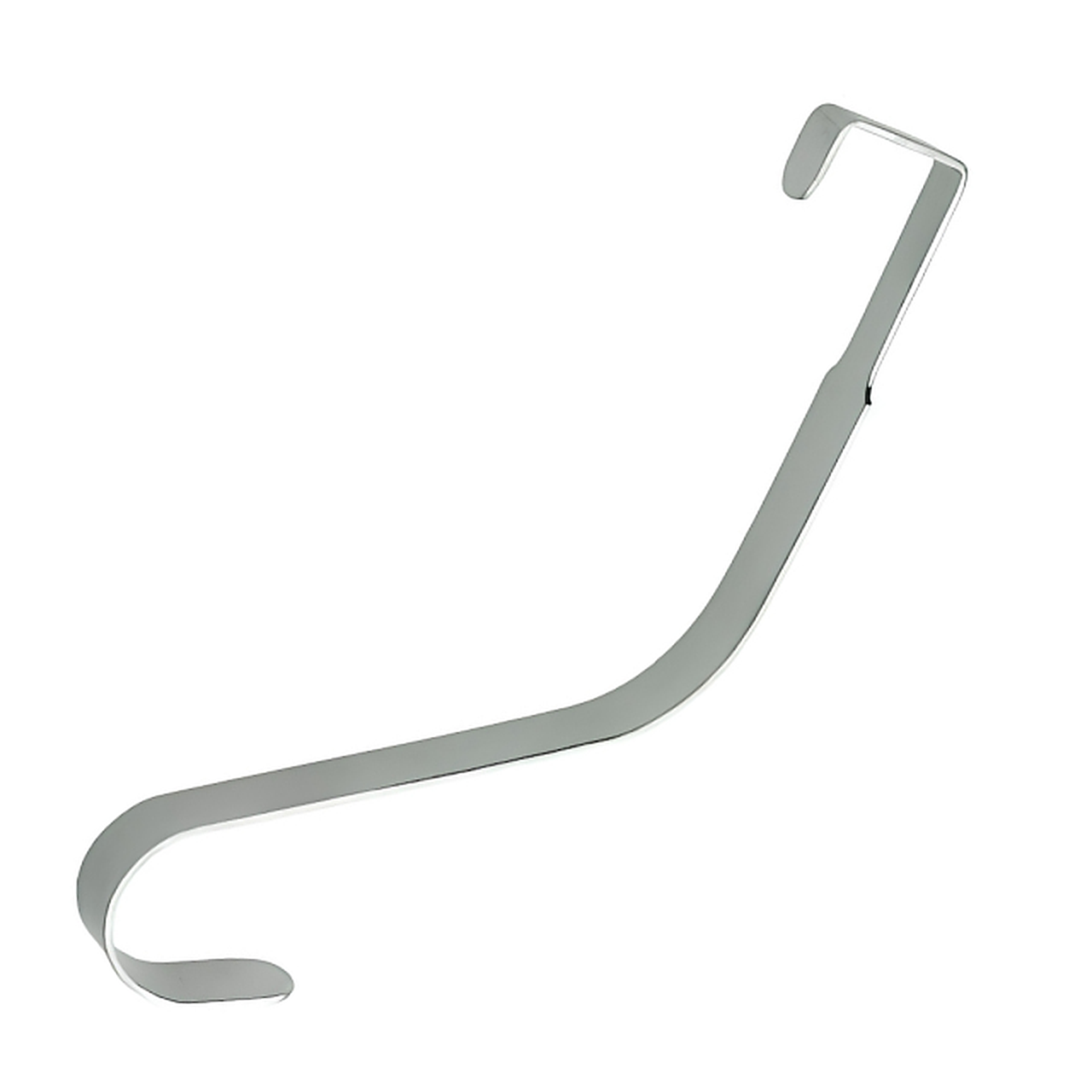 | Separador de Mejillas Hajek | Diseñado específicamente para retraer las mejillas, los labios y la mucosa bucal durante procedimientos quirúrgicos orales, maxilofaciales y dentales. |
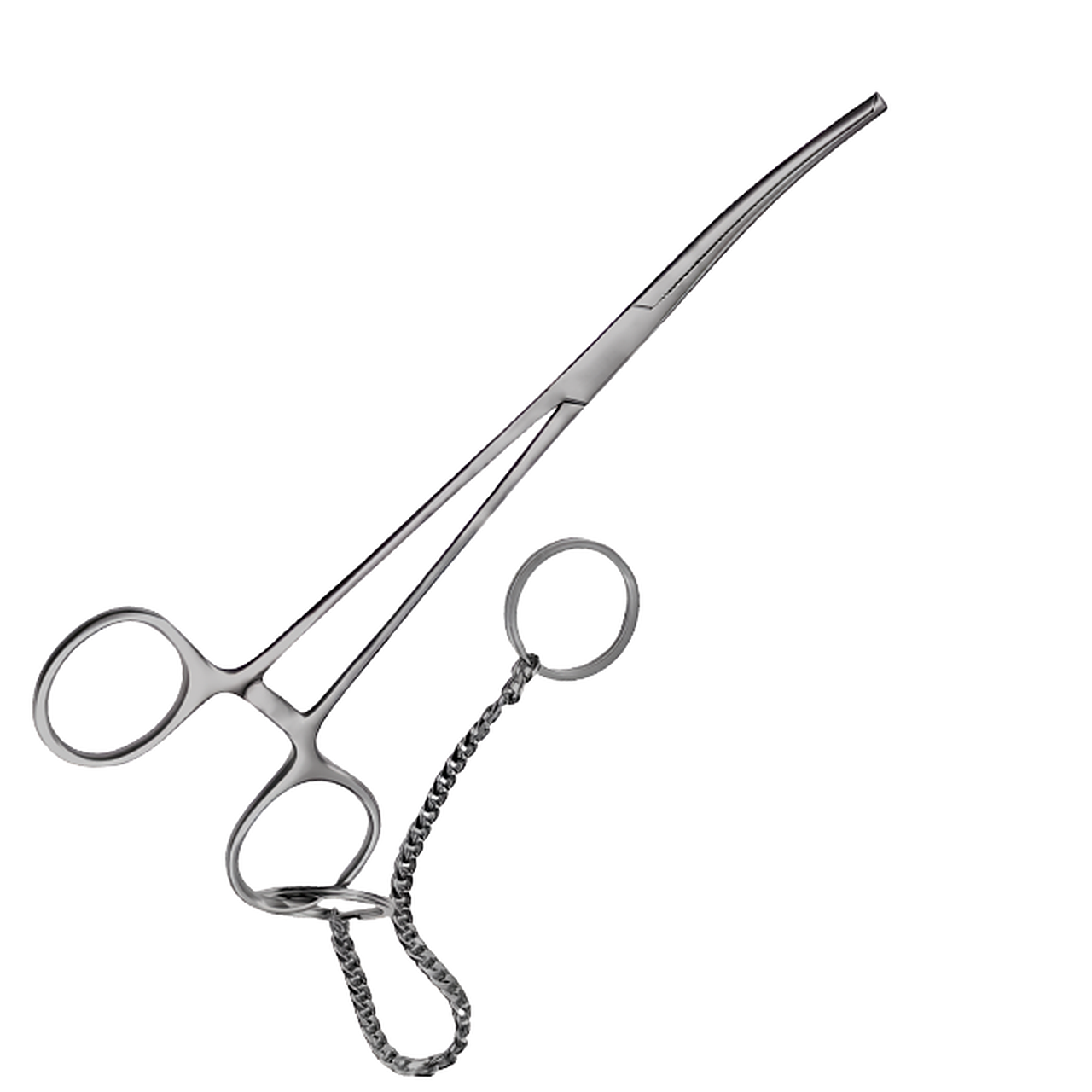 | Separador Coronoides de Hargis con Cadena | Específicamente diseñado para retraer la apófisis coronoides y el tendón del temporal durante procedimientos de osteotomía de rama y ortognáticos. |
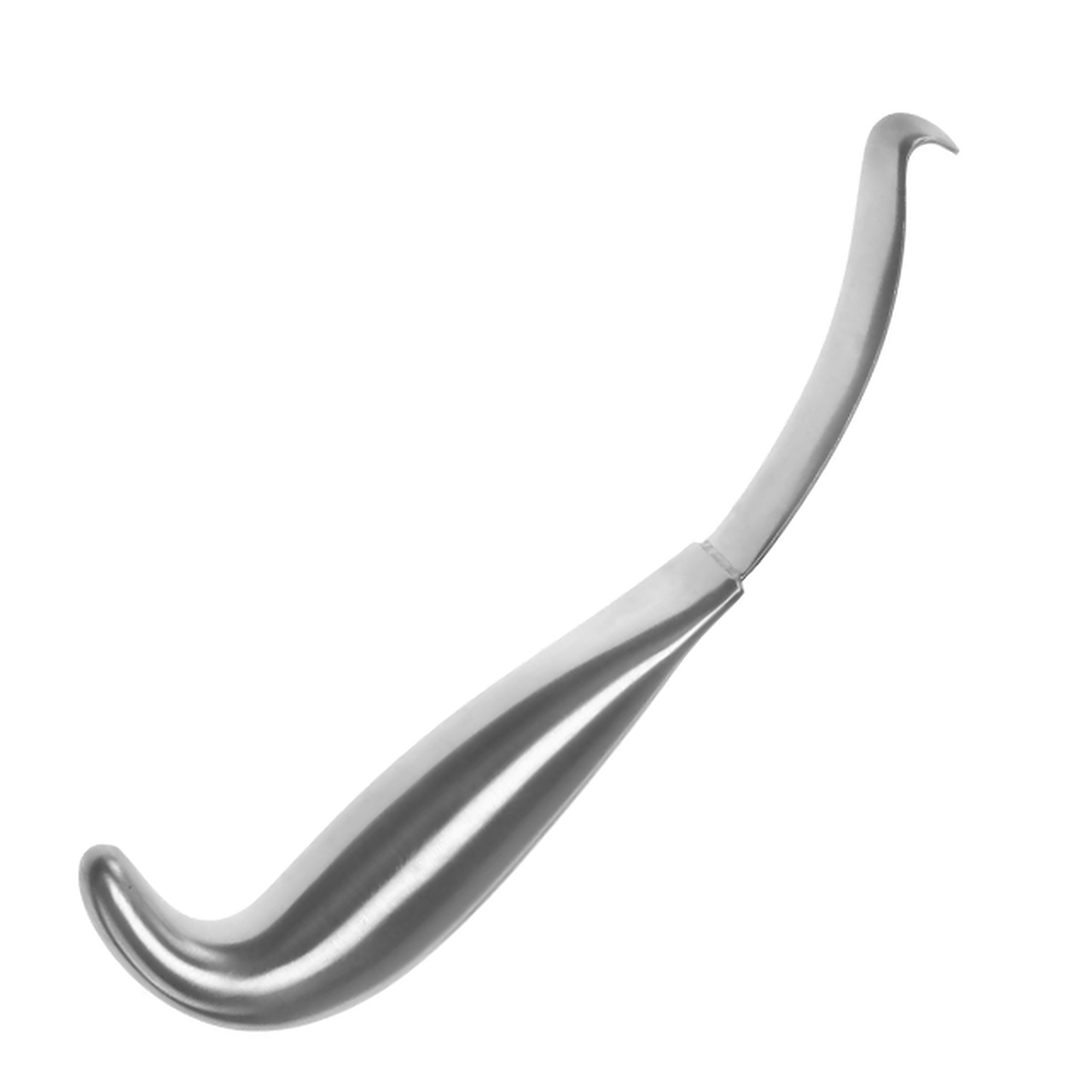 | Separador del Cuerpo Mandibular de Hargis | Específicamente diseñado para retraer tejidos blandos y proteger los haces neurovasculares a lo largo del cuerpo mandibular durante procedimientos ortognáticos. |
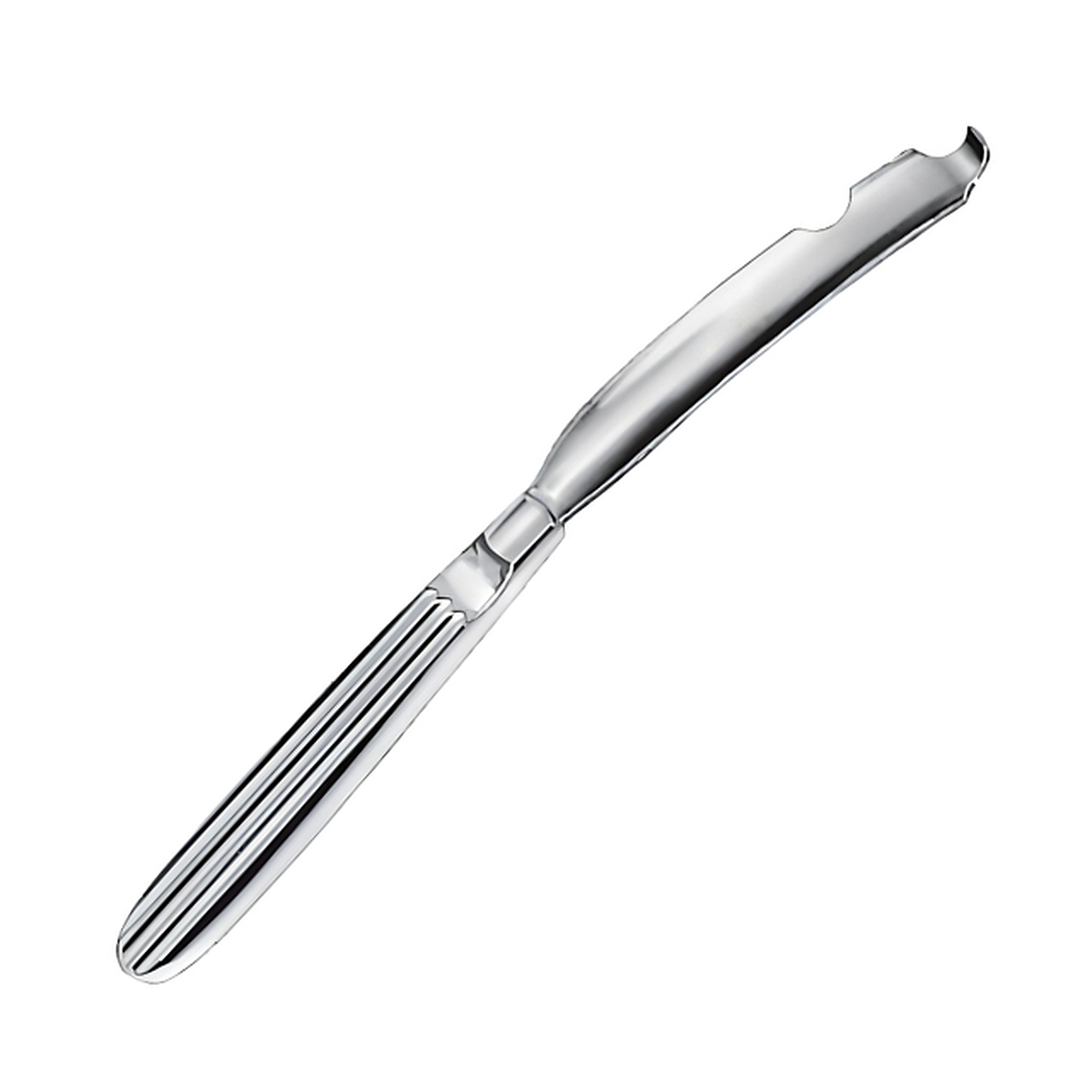 | Separador de Rama Medial de Hargis | Específicamente diseñado para retraer el músculo pterigoideo medial y proteger el nervio alveolar inferior durante osteotomías de rama por división sagital. |
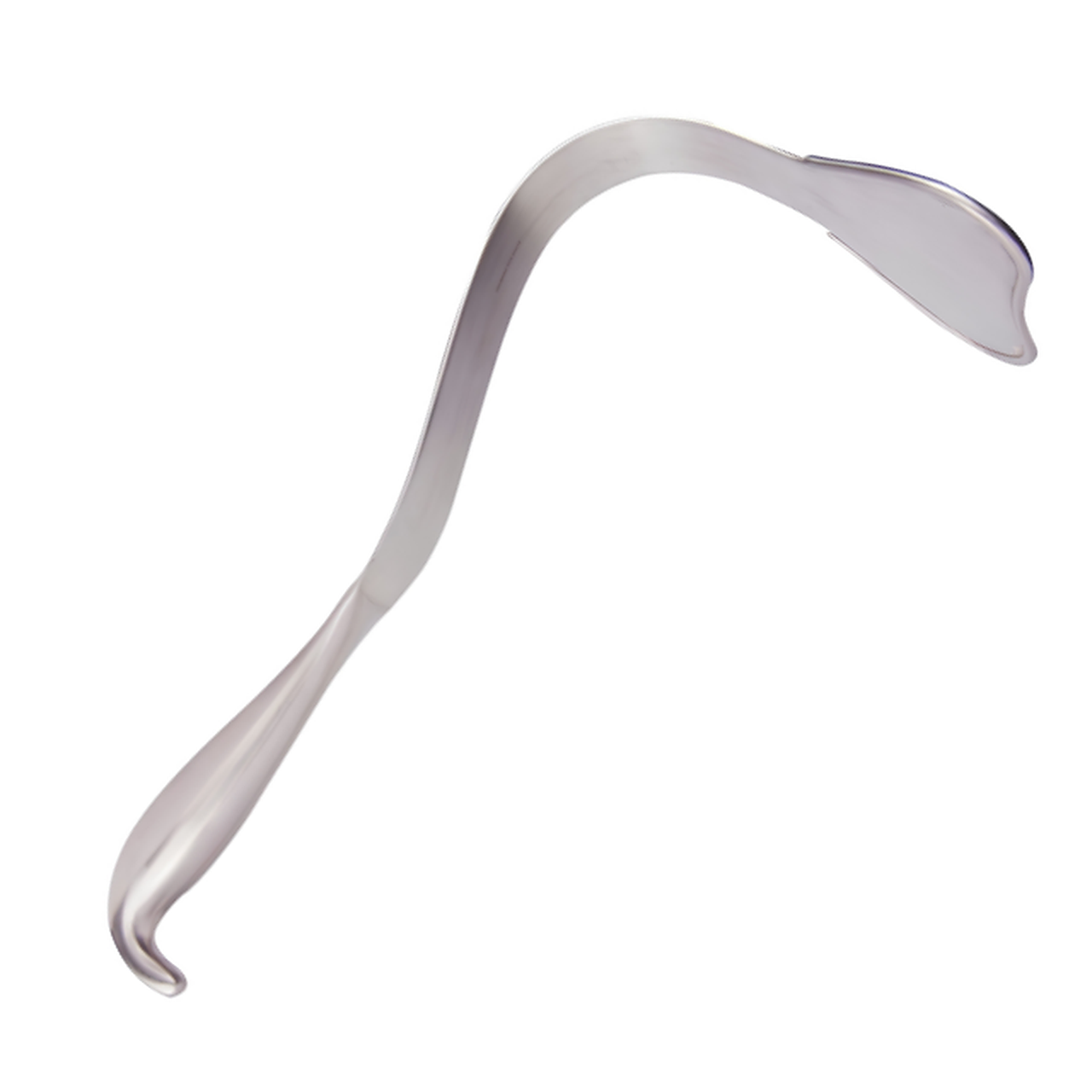 | Separador Esplácnico Harrington | Diseñado específicamente para retraer y proteger las vísceras abdominales, el hígado, el bazo y las estructuras pélvicas durante cirugías abiertas profundas. |
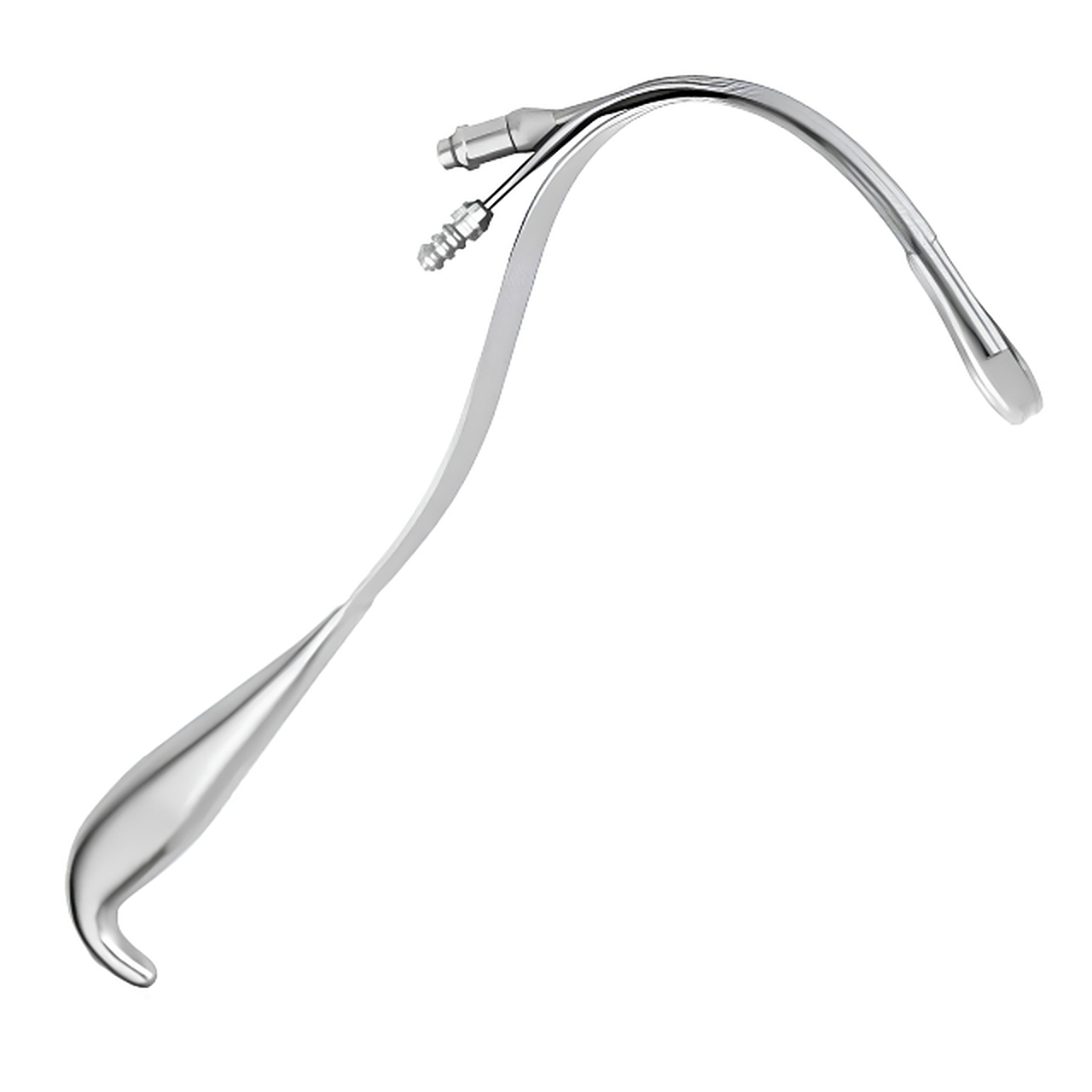 | Harrington Splanchnic Retractor With Fiber Optic | Diseñado específicamente para proporcionar retracción visceral iluminada y succión-irrigación continua durante cirugías abdominales y pélvicas profundas. |
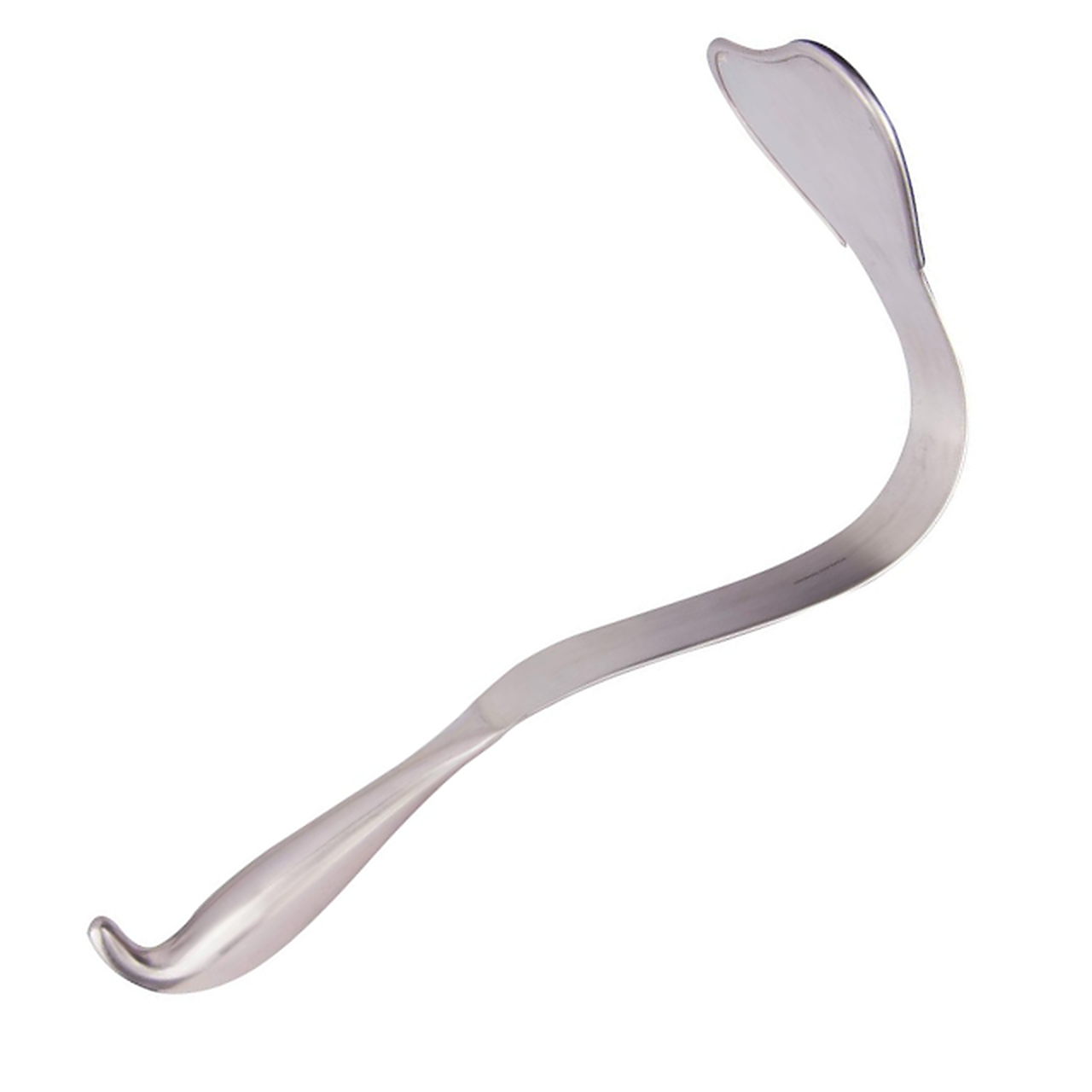 | Separador Harrington Sweetheart | Específicamente diseñado para retraer y proteger las vísceras abdominales, los lóbulos hepáticos, el bazo y la vejiga durante la cirugía abdominal y pélvica profunda. |
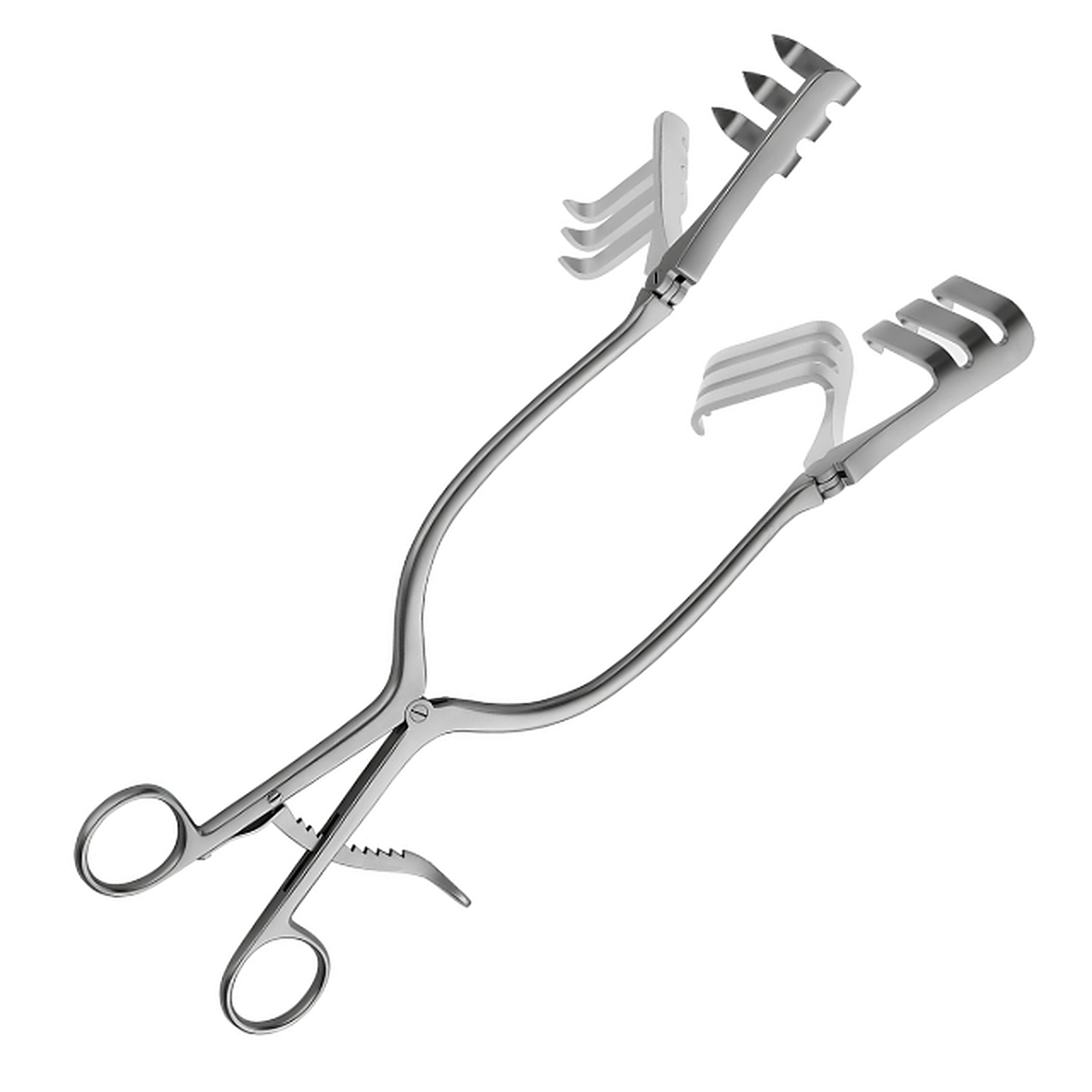 | Separador autoestático Harvey Jackson Self Retaining Retractor | Específicamente diseñado para proporcionar retracción autoestática de músculos paraespinales y tejidos blandos durante procedimientos espinales y ortopédicos. |
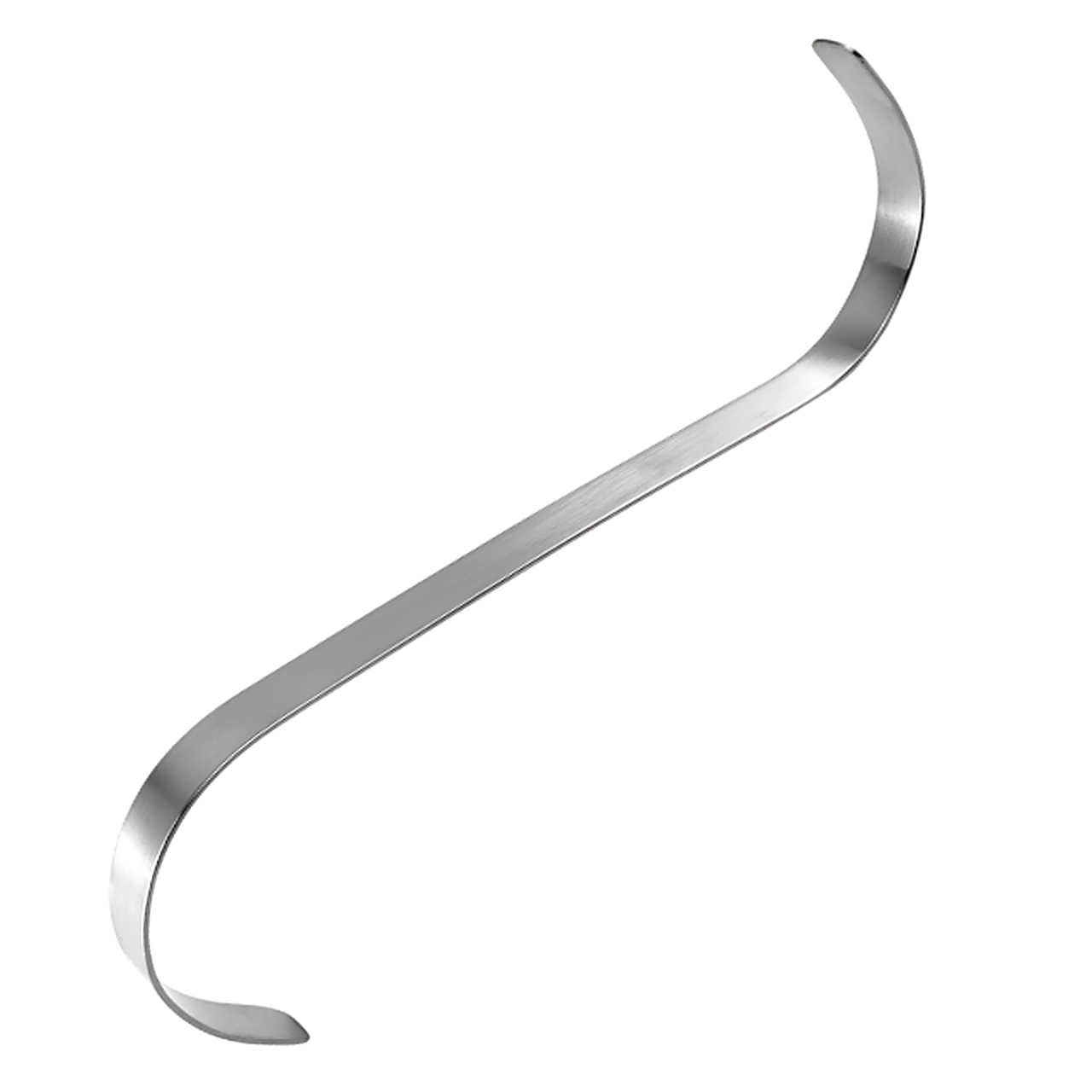 | Separador Hasson en S | Específicamente diseñado para retraer los márgenes fasciales umbilicales y elevar la pared abdominal durante los procedimientos de laparoscopia abierta por técnica de Hasson. |
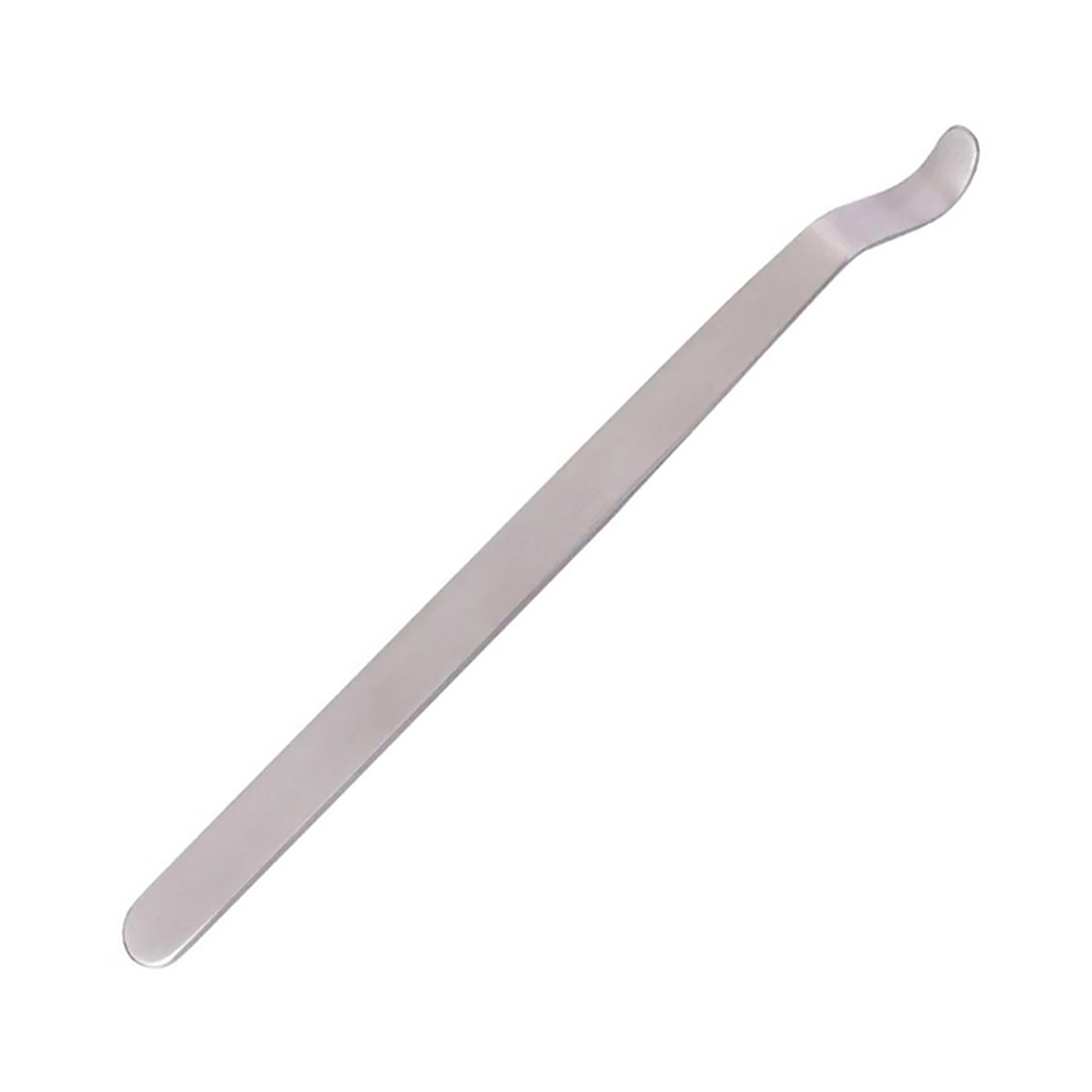 | Separadores de Mano Hayes | Diseñados específicamente para proporcionar retracción atraumática de tejidos blandos y exposición quirúrgica durante procedimientos de mano, muñeca y reconstrucción plástica. |
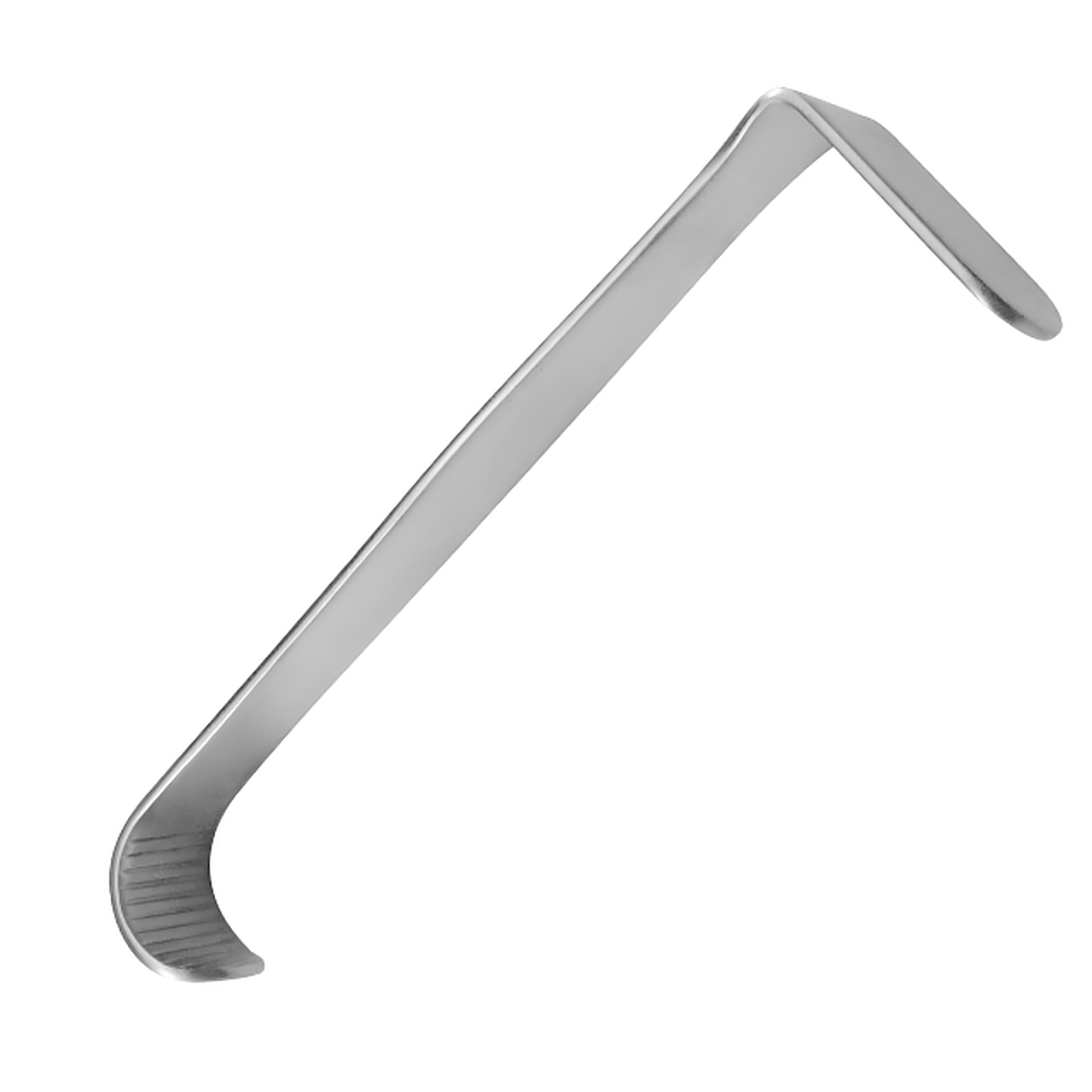 | Separador para Histerectomía Heaney | Diseñado específicamente para retraer la pared vaginal y el tejido pélvico durante la histerectomía vaginal y la cirugía reconstructiva del suelo pélvico. |
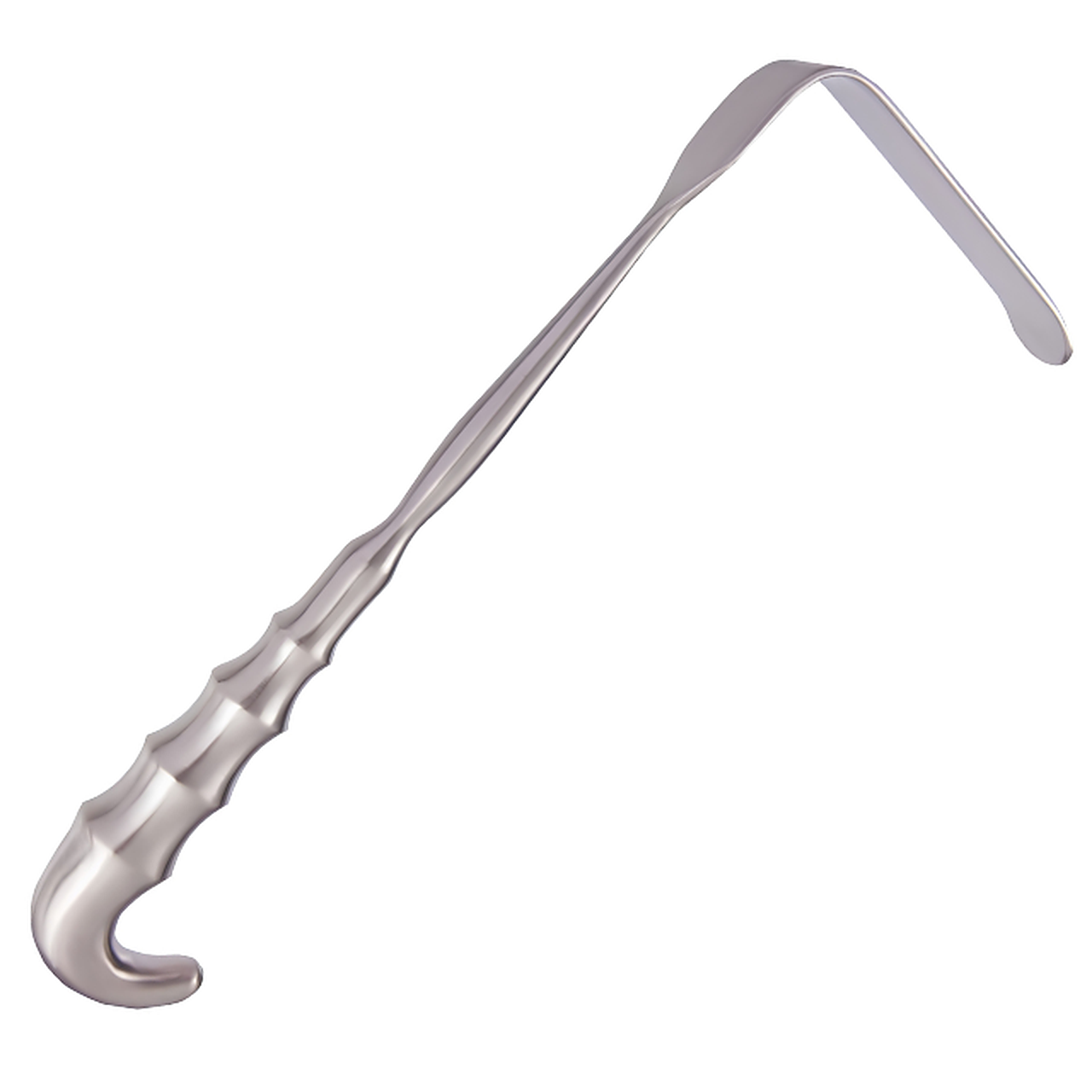 | Separador Vaginal Heaney Simon | Específicamente diseñado para retraer las paredes vaginales posterior y lateral durante la histerectomía vaginal y la cirugía del suelo pélvico. |
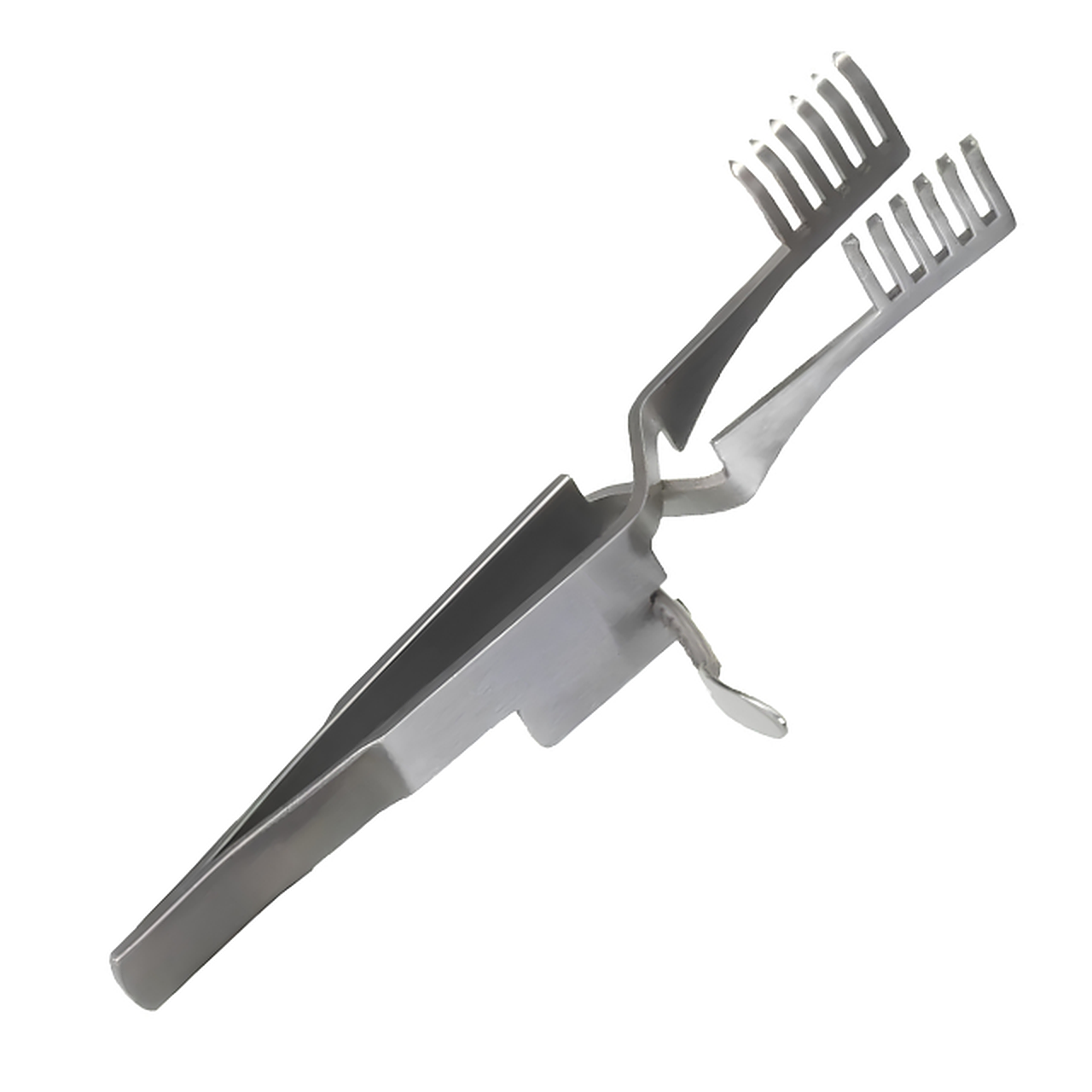 | Separador de Heridas Heiss | Diseñado específicamente para proporcionar retracción tisular autoestática durante procedimientos de cirugía menor, oftalmología, plástica y de mano. |
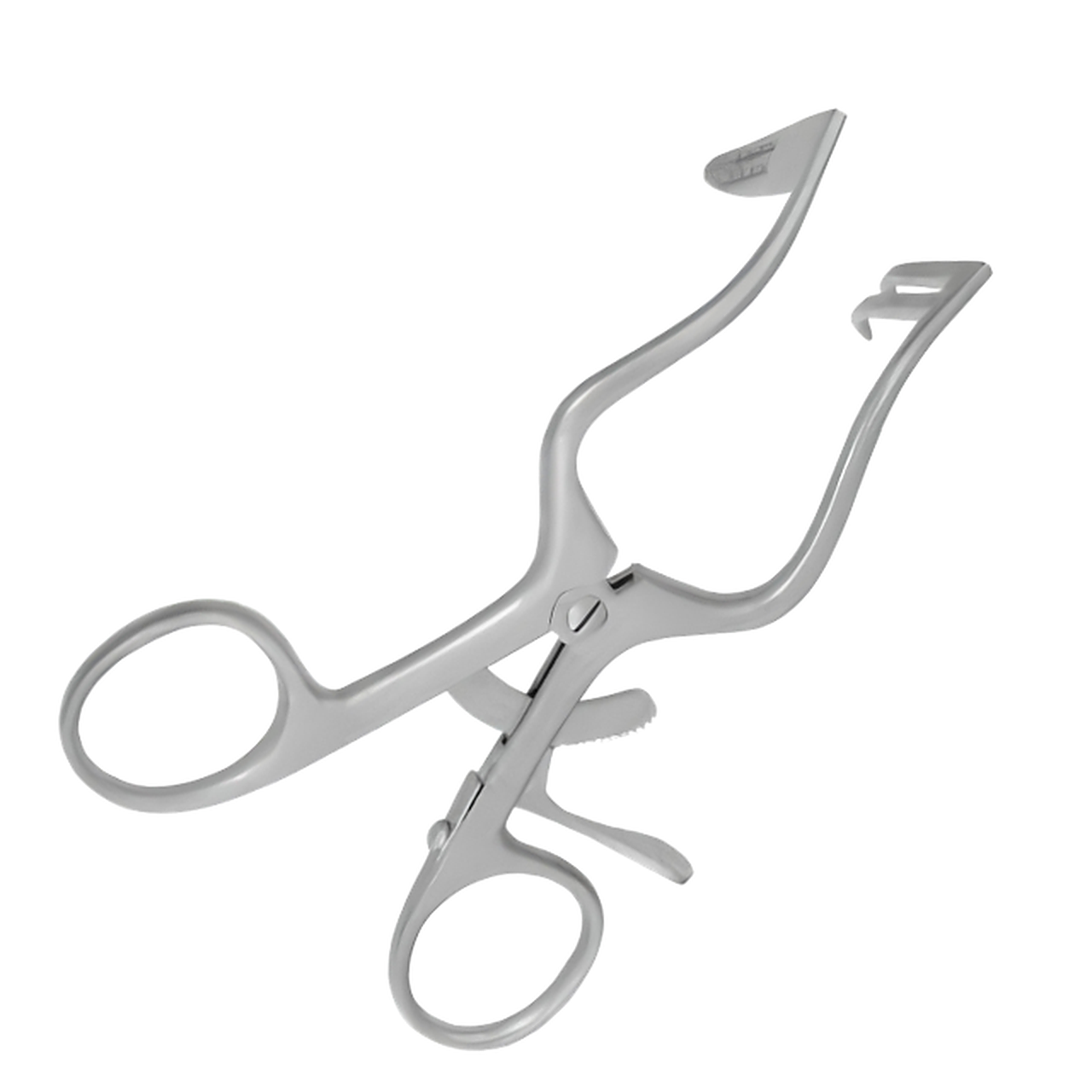 | Separador Helms | Diseñado específicamente para proporcionar una retracción tisular autorretentiva y atraumática en campos otológicos y microquirúrgicos estrechos. |
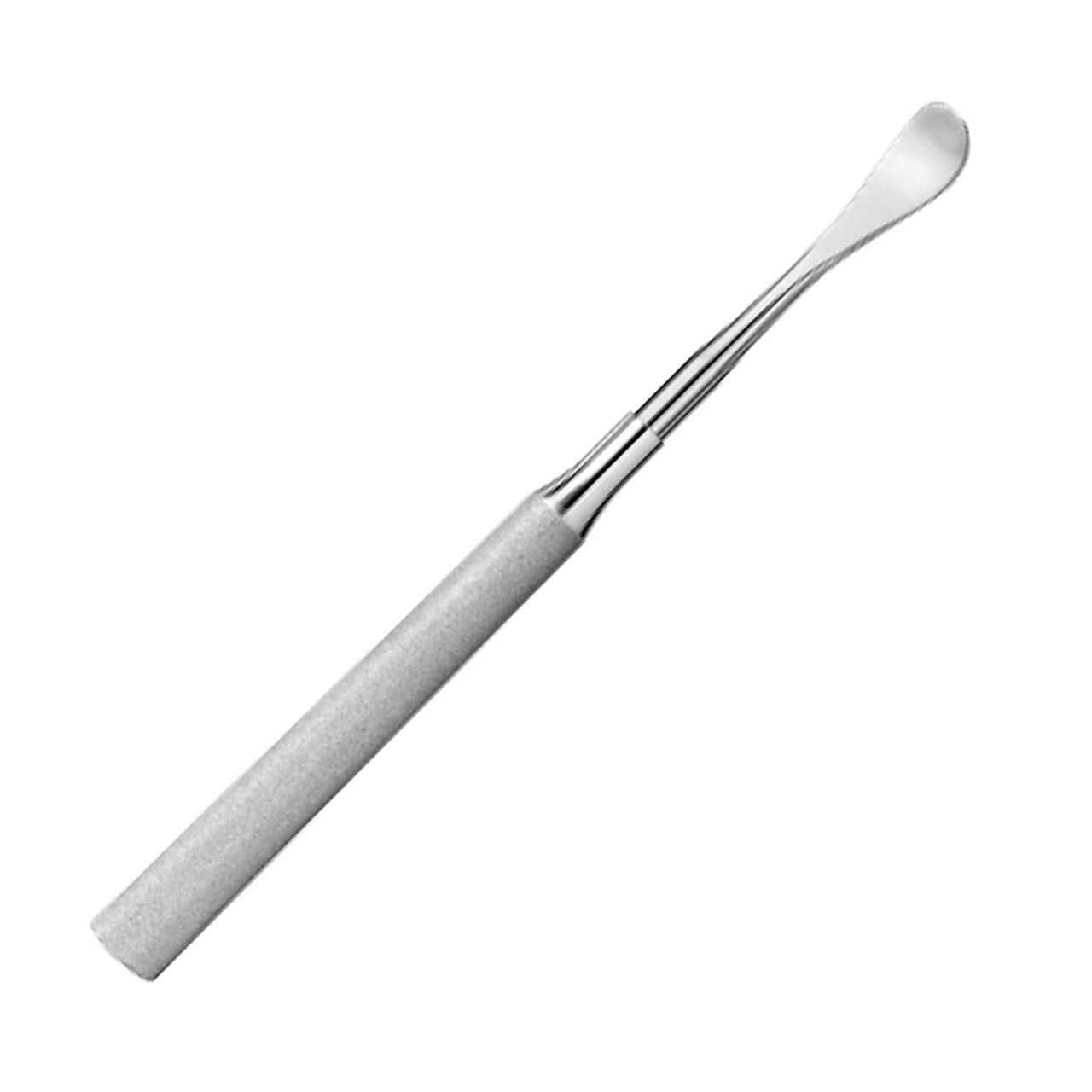 | Separador Henahan | Diseñado específicamente para retraer mejillas, labios y tejido mucoperióstico durante cirugía oral, dental y maxilofacial. |
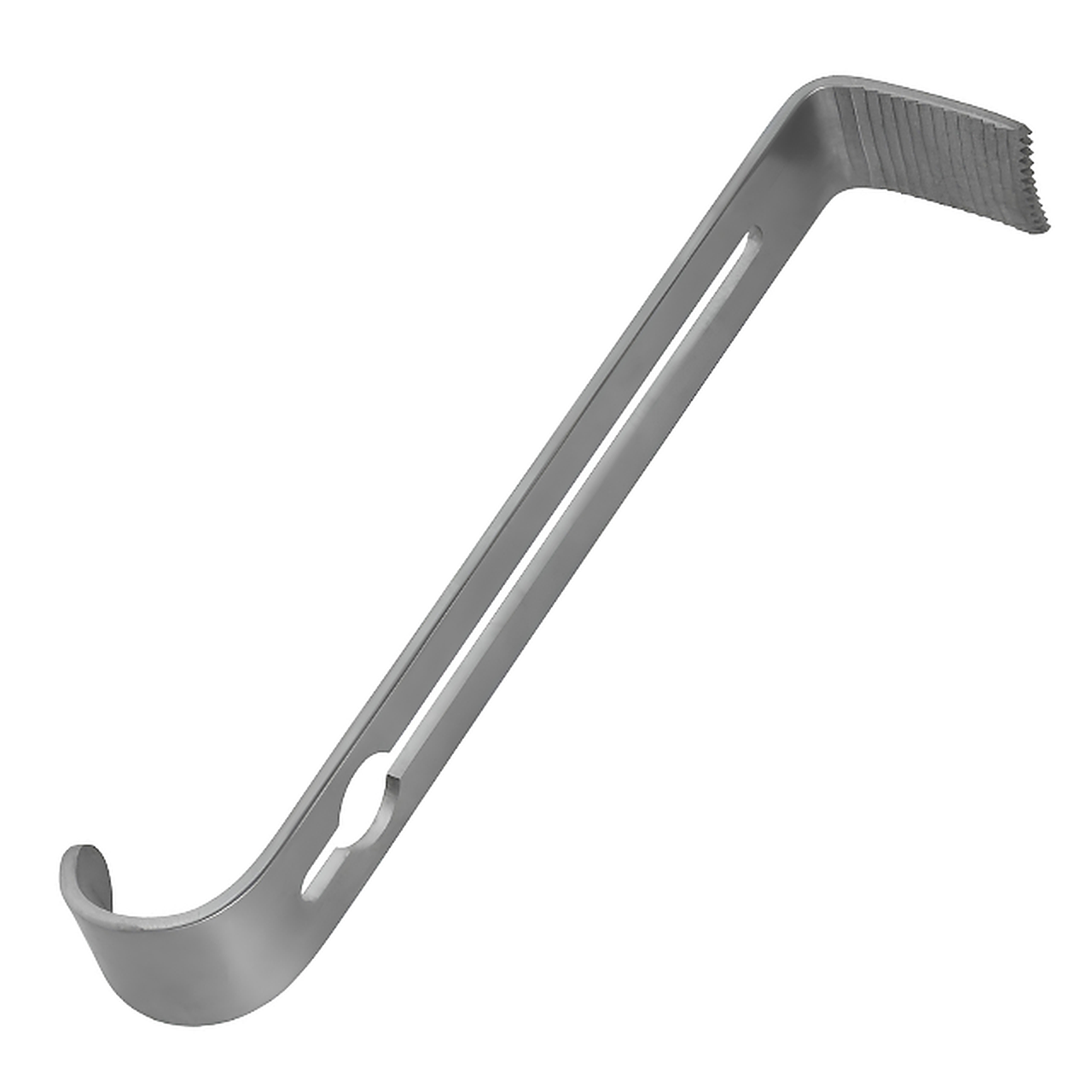 | Valva Central para Separador Henly | Diseñada específicamente para montarse en un marco de separador Henly para proporcionar retracción de tejido en la pared central en cirugía vascular y general. |
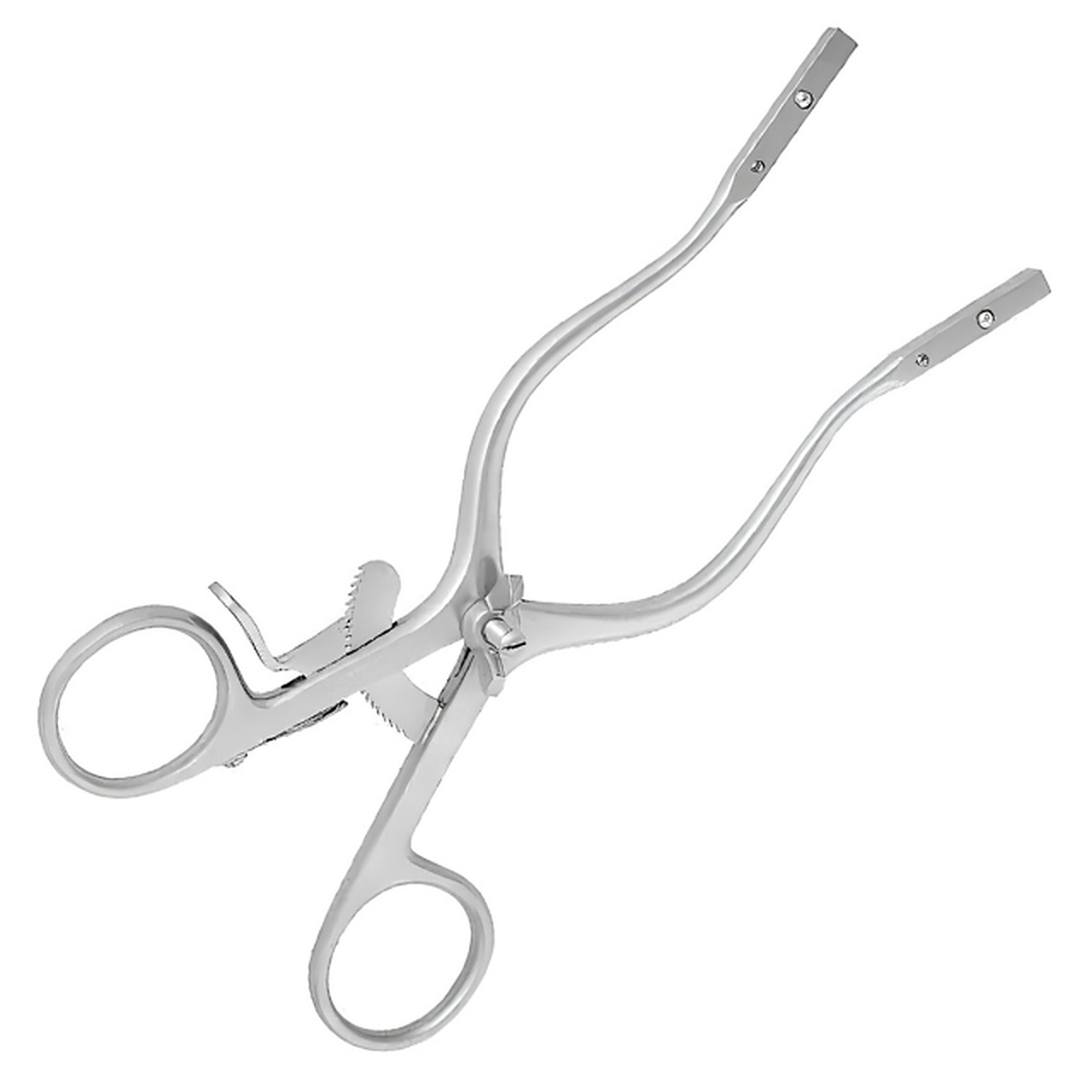 | Chasis de Separador Henly | Diseñado específicamente para el montaje de valvas laterales y centrales intercambiables para retracción manos libres en cirugía vascular y ortopédica. |
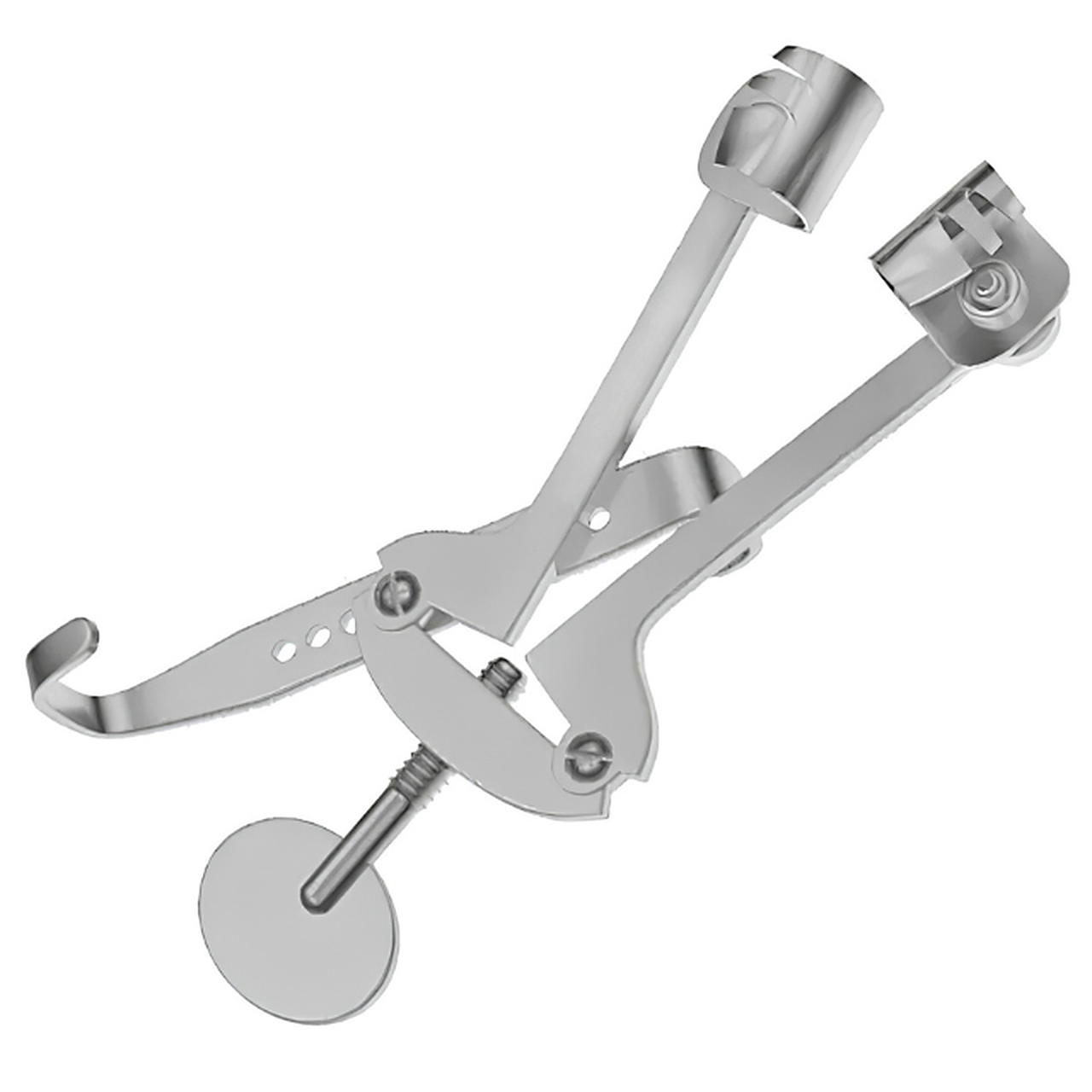 | Separador Endaural Henner | Diseñado específicamente para retraer los márgenes de la incisión endaural y el conducto auditivo externo durante la cirugía otológica. |
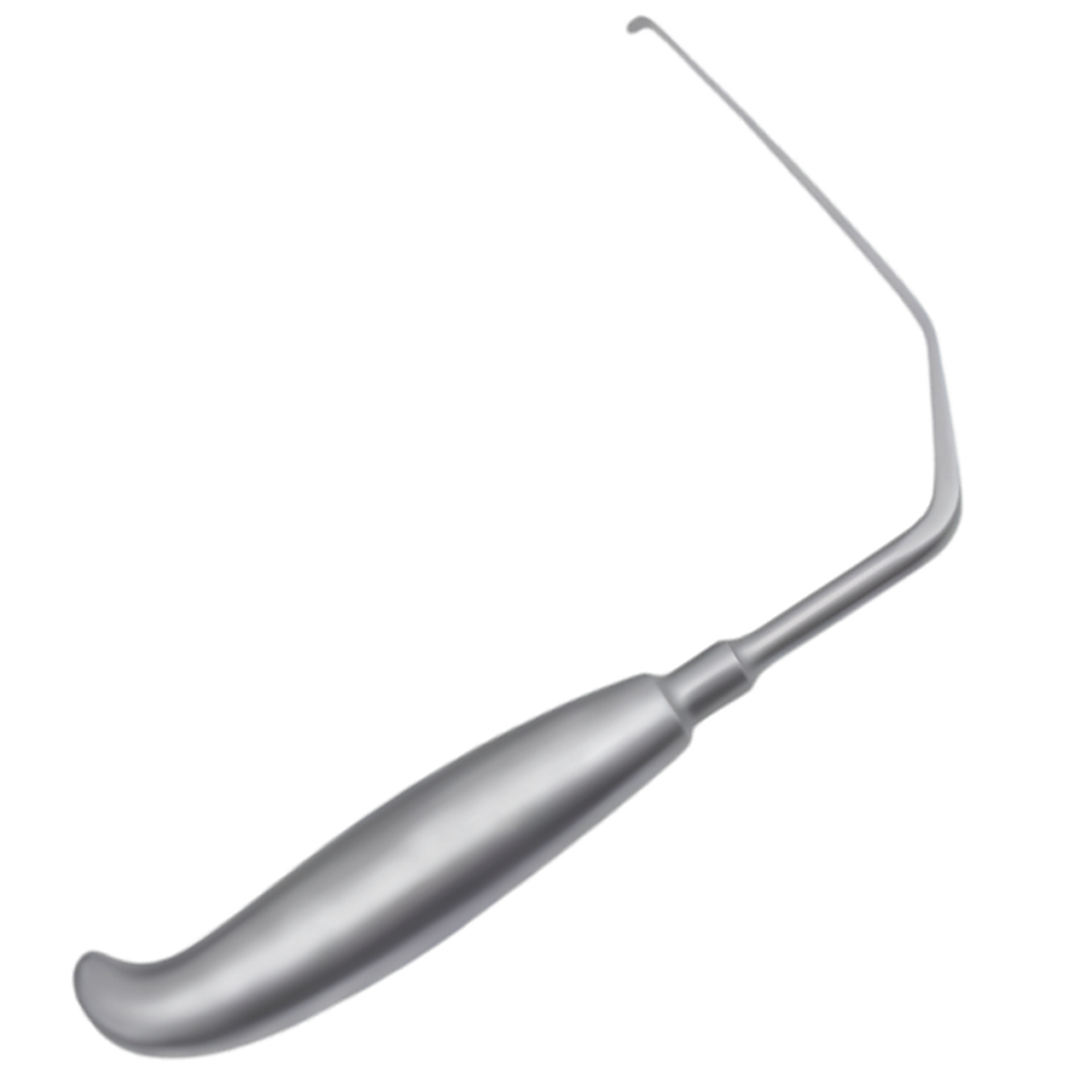 | Separador de Raíz Nerviosa Hess | Diseñado específicamente para retraer y proteger las raíces nerviosas espinales y el saco dural durante la microdiscectomía lumbar. |
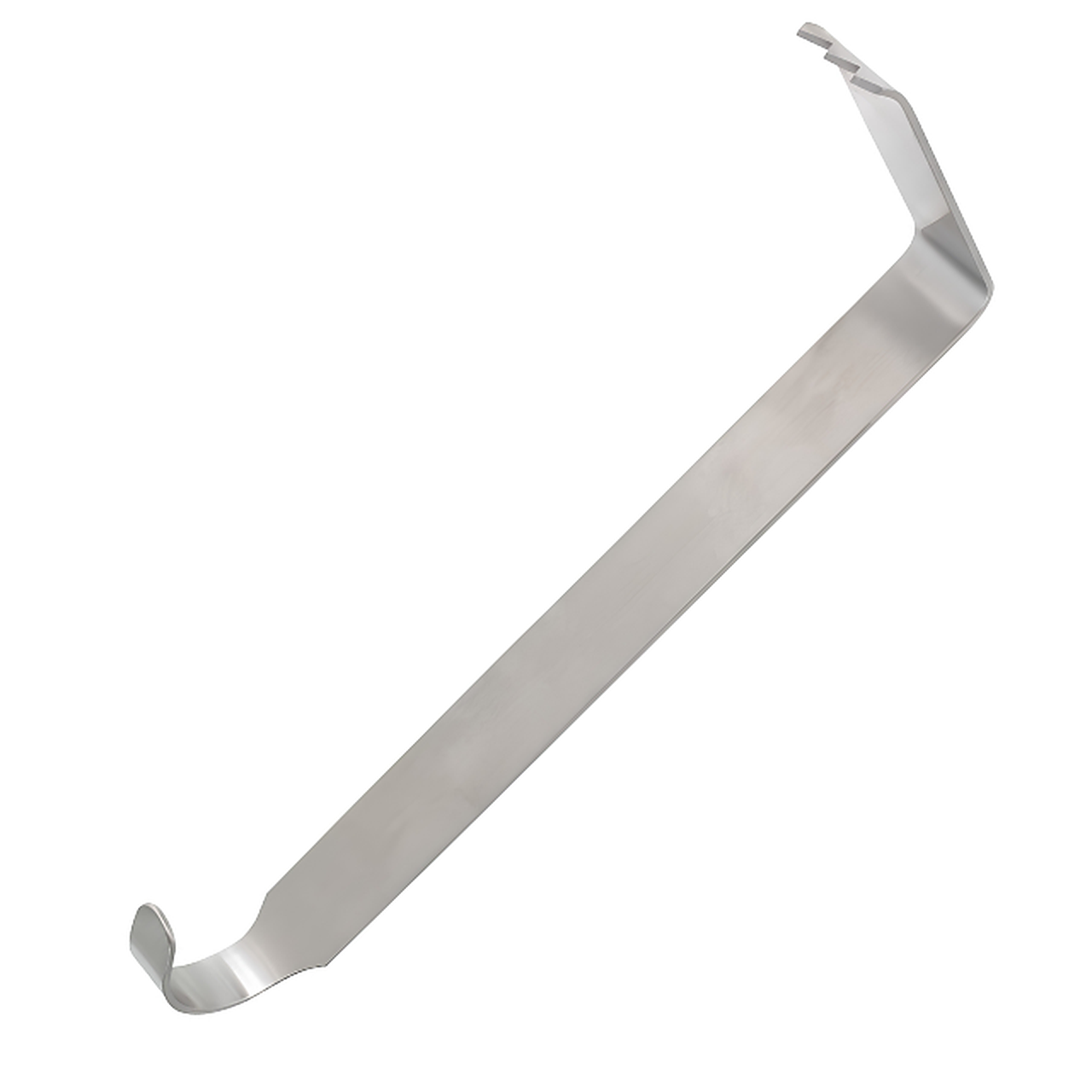 | Separador Hibbs | Diseñado específicamente para retraer la musculatura paraespinal pesada y el tejido blando profundo durante cirugías espinales y ortopédicas. |
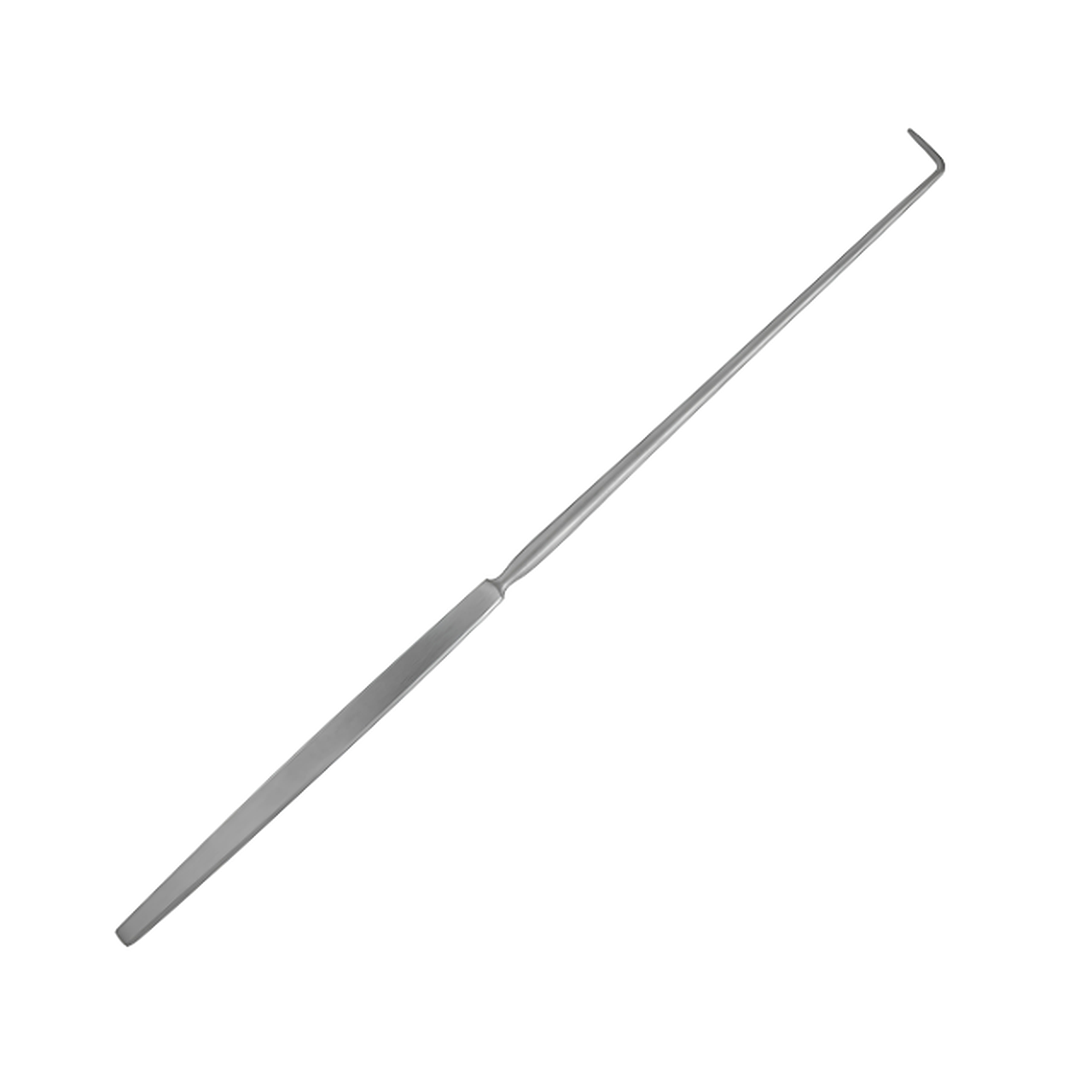 | Separador de Nervios Hoen | Diseñado específicamente para movilizar, explorar y retraer las raíces nerviosas espinales y el saco tecal durante microcirugías. |
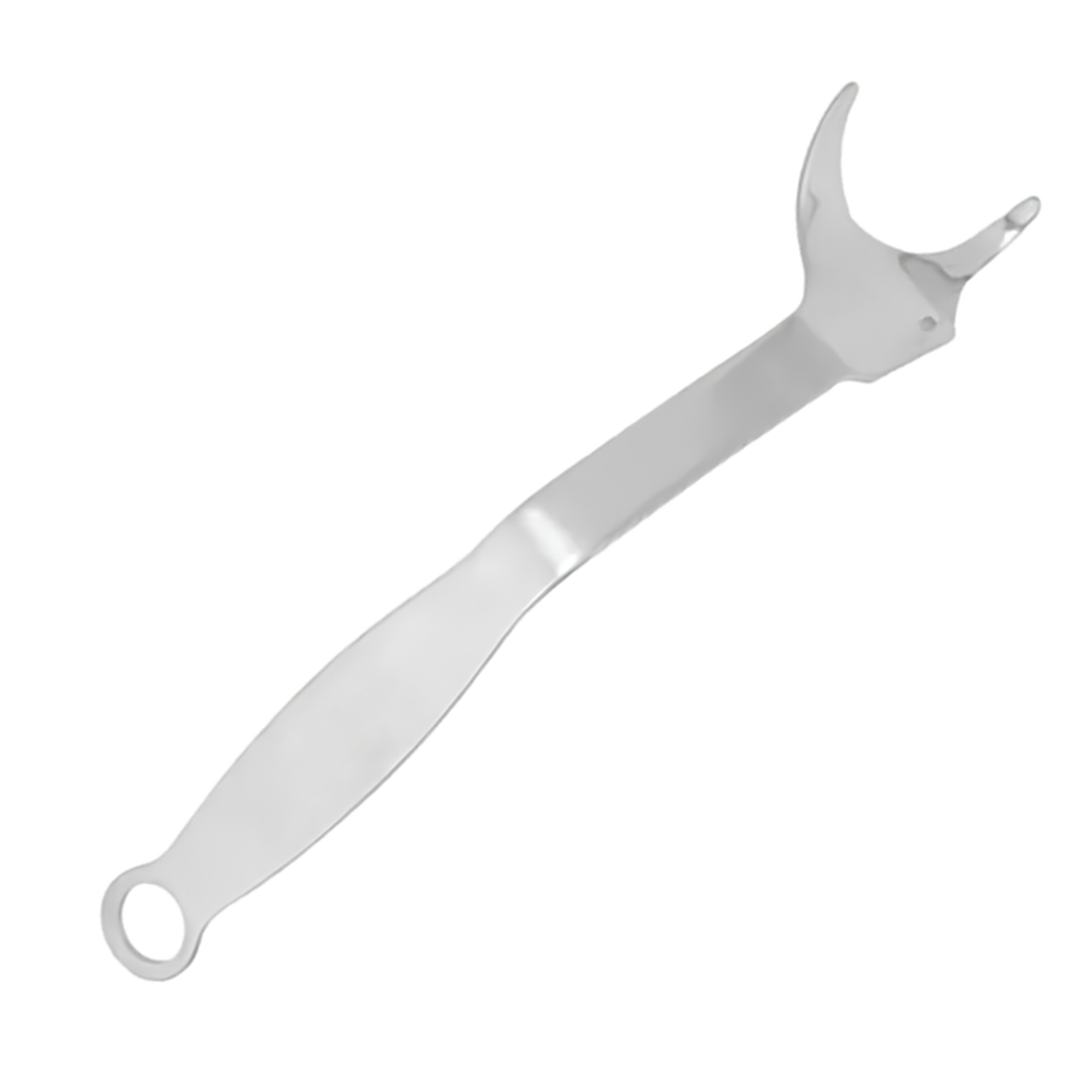 | Separador Hohmann Posterior Inferior | Diseñado específicamente para exponer el borde acetabular posterior-inferior y retraer el tejido capsular durante la artroplastia total de cadera. |
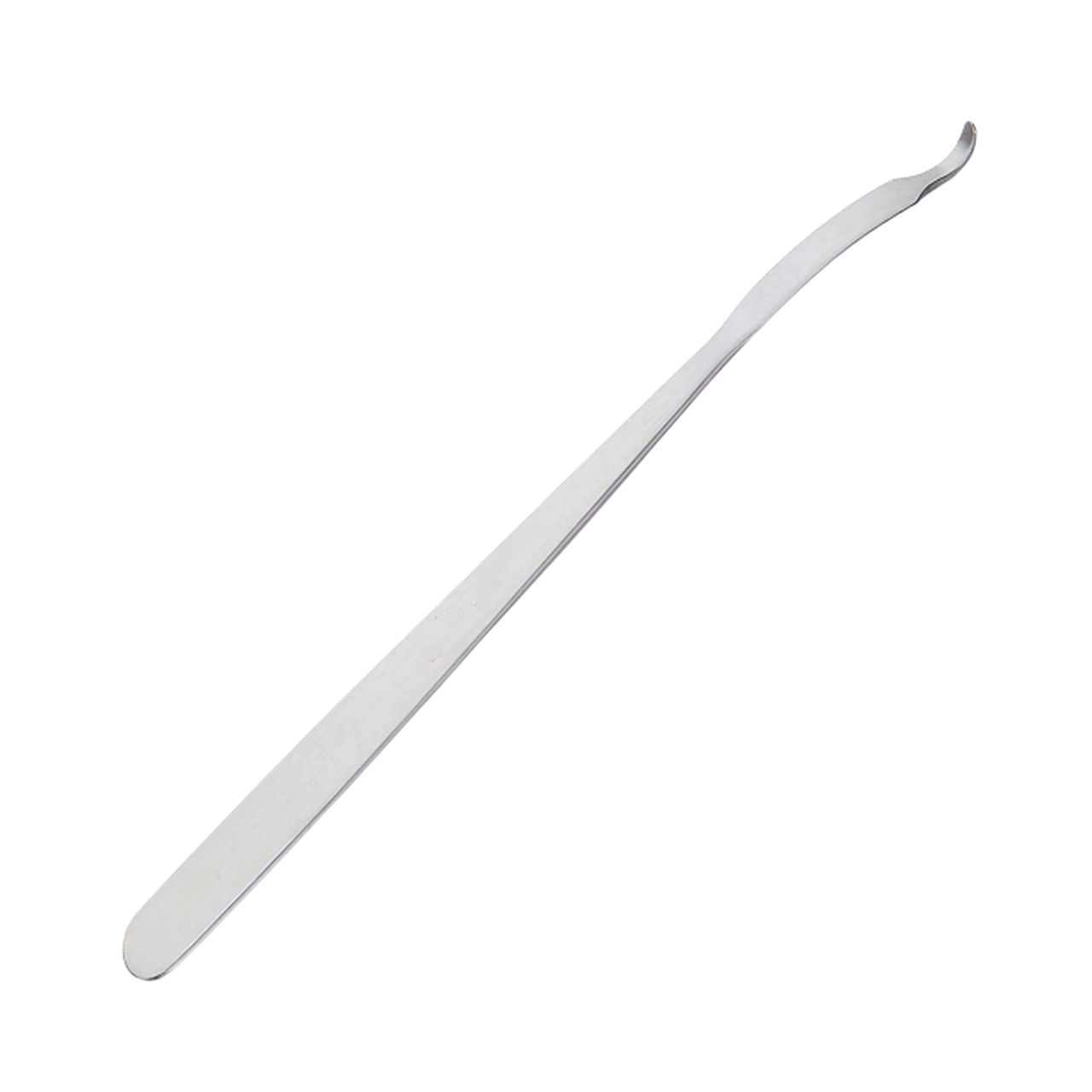 | Separador Hohmann | Diseñado específicamente para apalancar hueso y retraer musculatura pesada durante procedimientos ortopédicos de cadera, rodilla y huesos largos. |
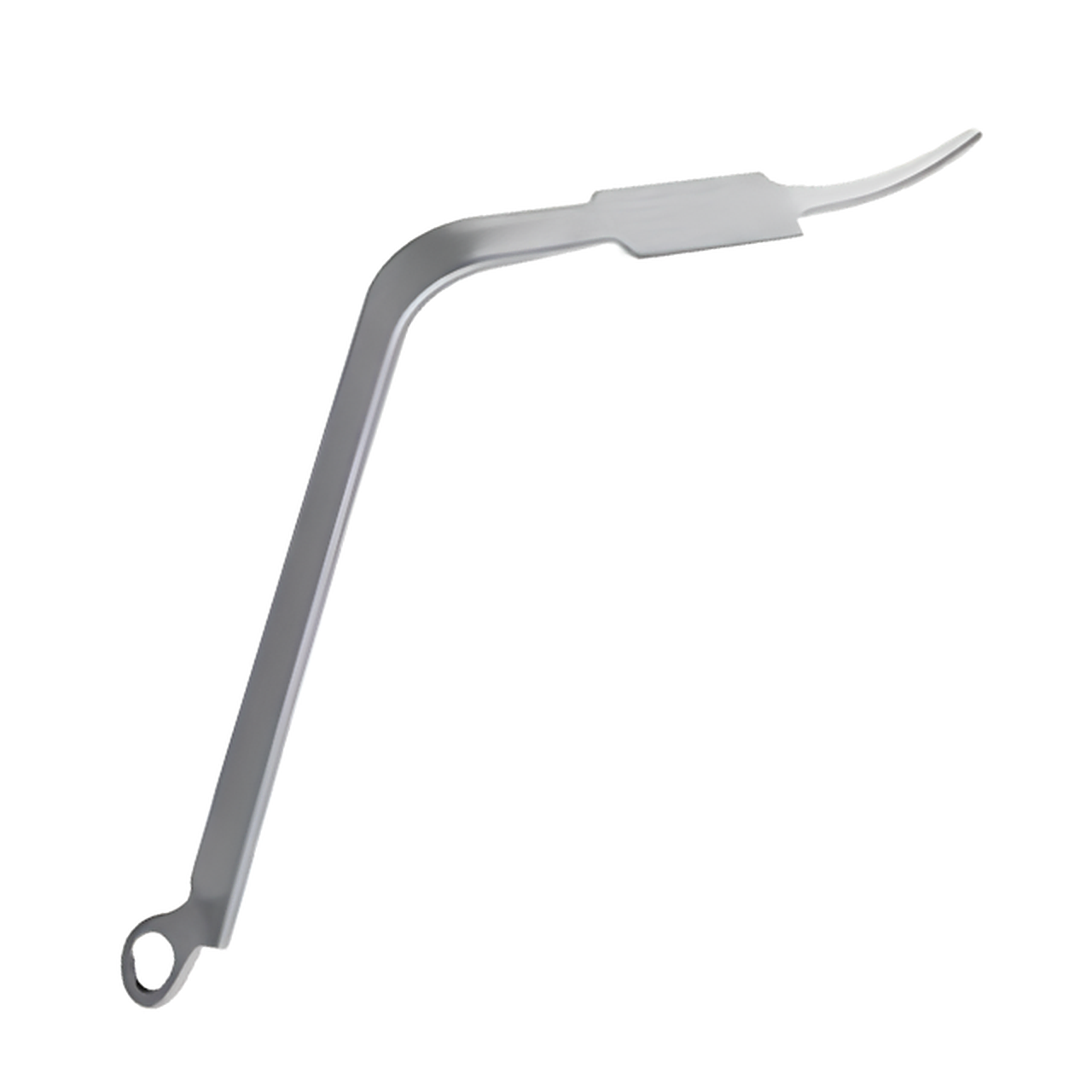 | Separador Hohmann Mango Extra Largo Curvado | Específicamente diseñado para hacer palanca en el hueso y retraer musculatura pesada, alejando el mango de los campos quirúrgicos profundos durante la cirugía ortopédica. |
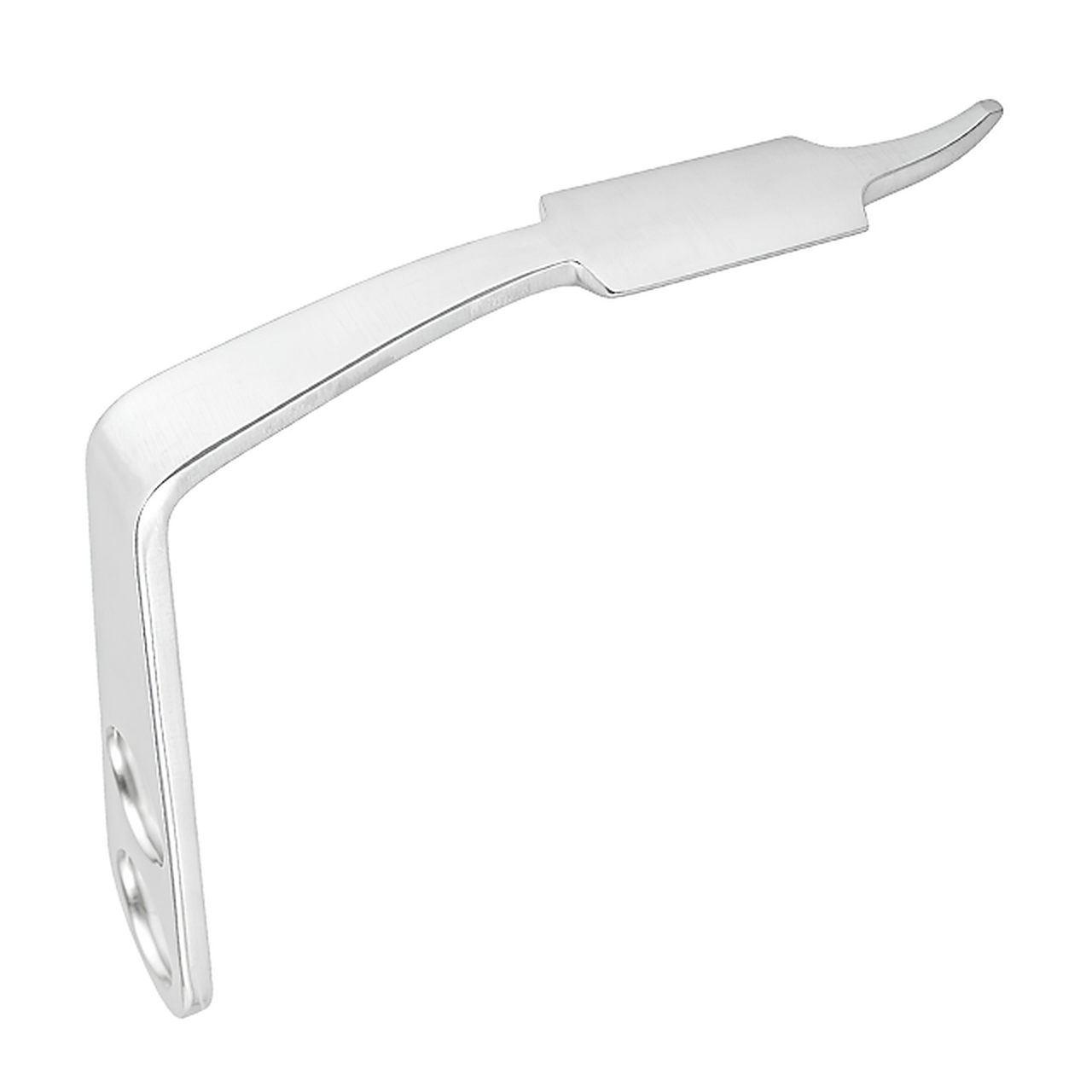 | Separador Hohmann en Ángulo Recto | Diseñado específicamente para hacer palanca en el hueso y retraer el músculo en ángulos rectos durante cirugías profundas de cadera, pelvis y fémur. |
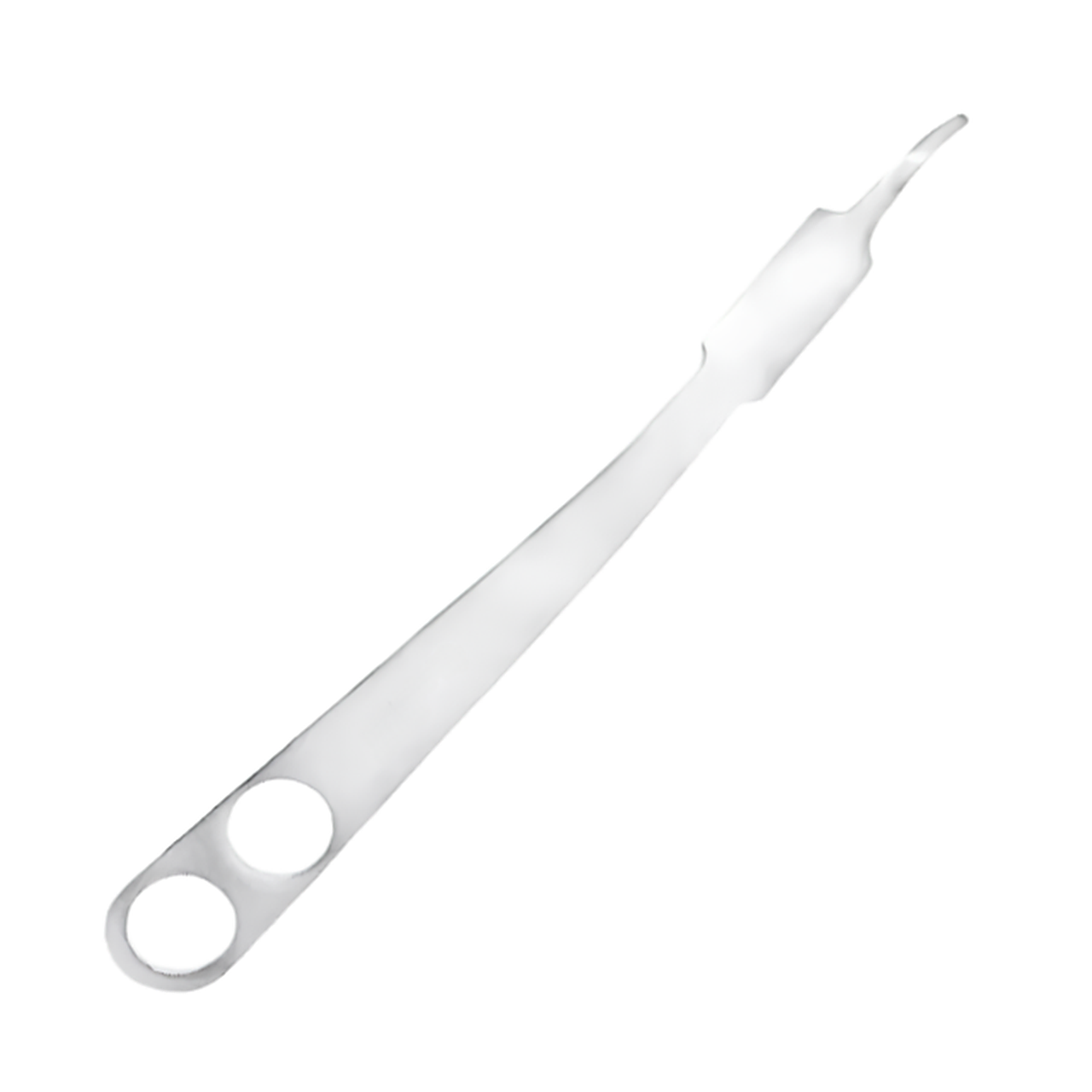 | Separador Hohmann con punta redondeada | Diseñado específicamente para el apalancamiento óseo y la retracción atraumática de tejidos blandos durante cirugías ortopédicas de cadera, rodilla y huesos largos. |
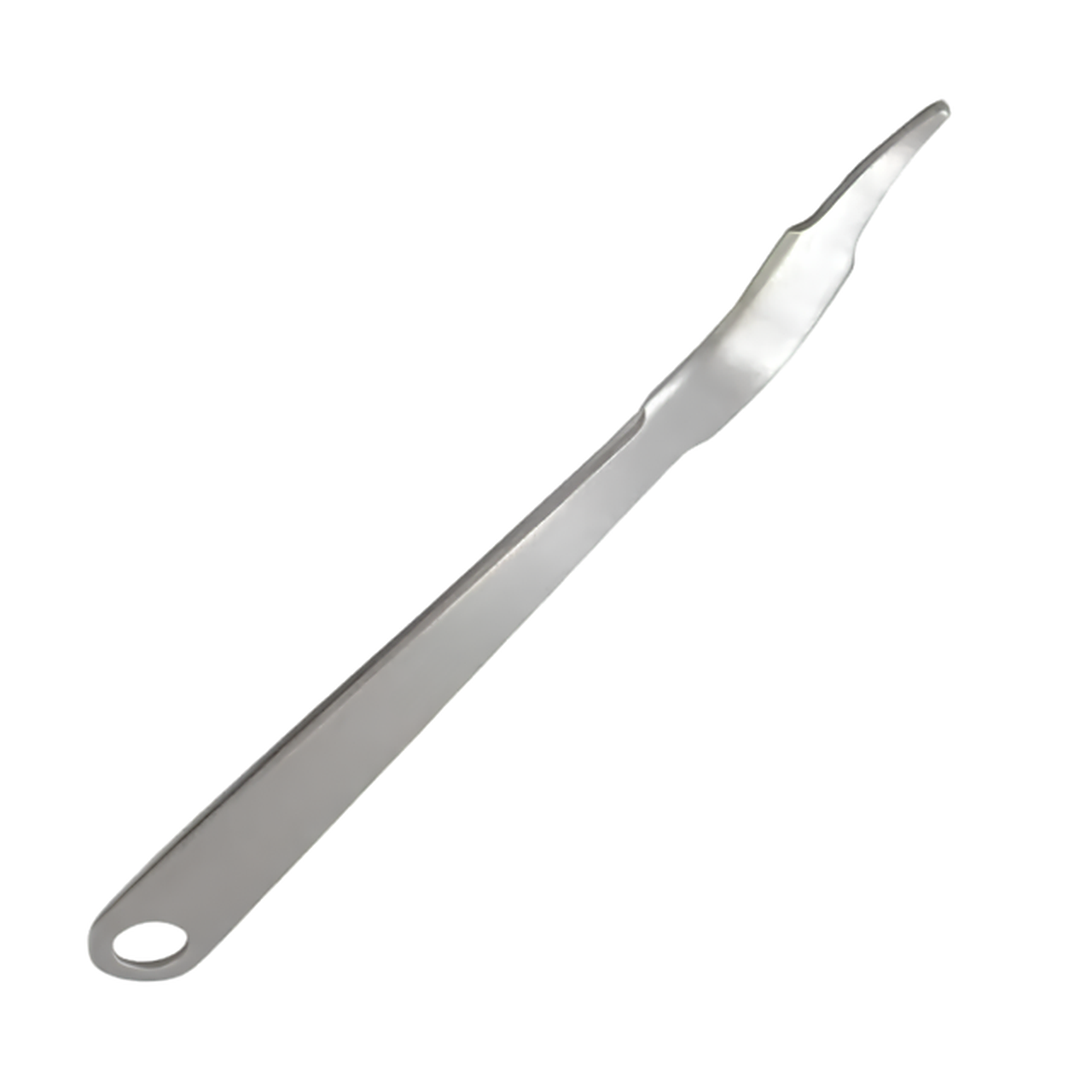 | Separador Hohmann con Punta Cuadrada | Diseñado específicamente para hacer palanca en cortezas óseas planas y retraer tejidos blandos durante cirugías ortopédicas de rodilla, cadera y trauma. |
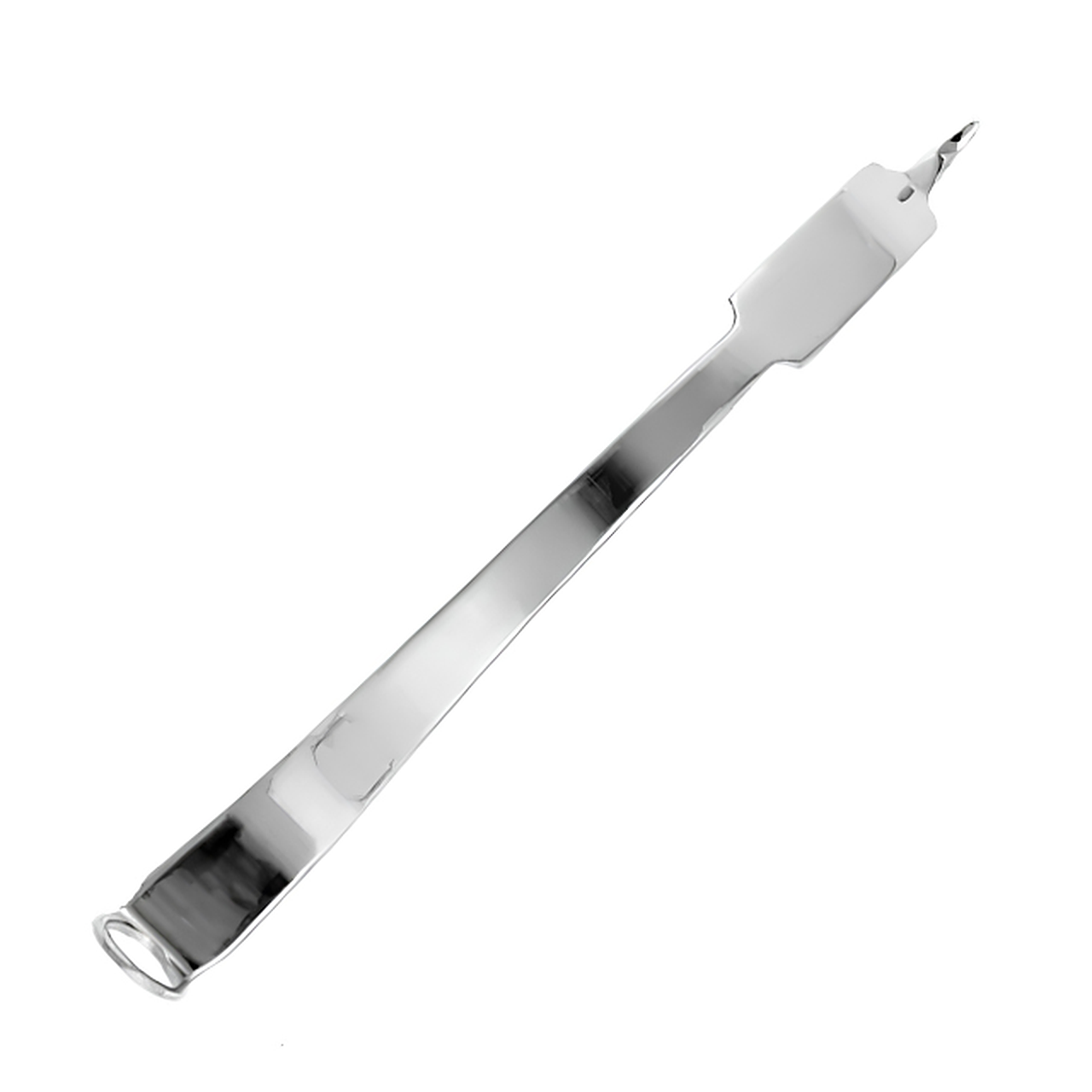 | Separadores Hohmann Angulados | Diseñado específicamente para el apalancamiento óseo y la retracción muscular en articulaciones profundas y huesos largos durante cirugía ortopédica. |
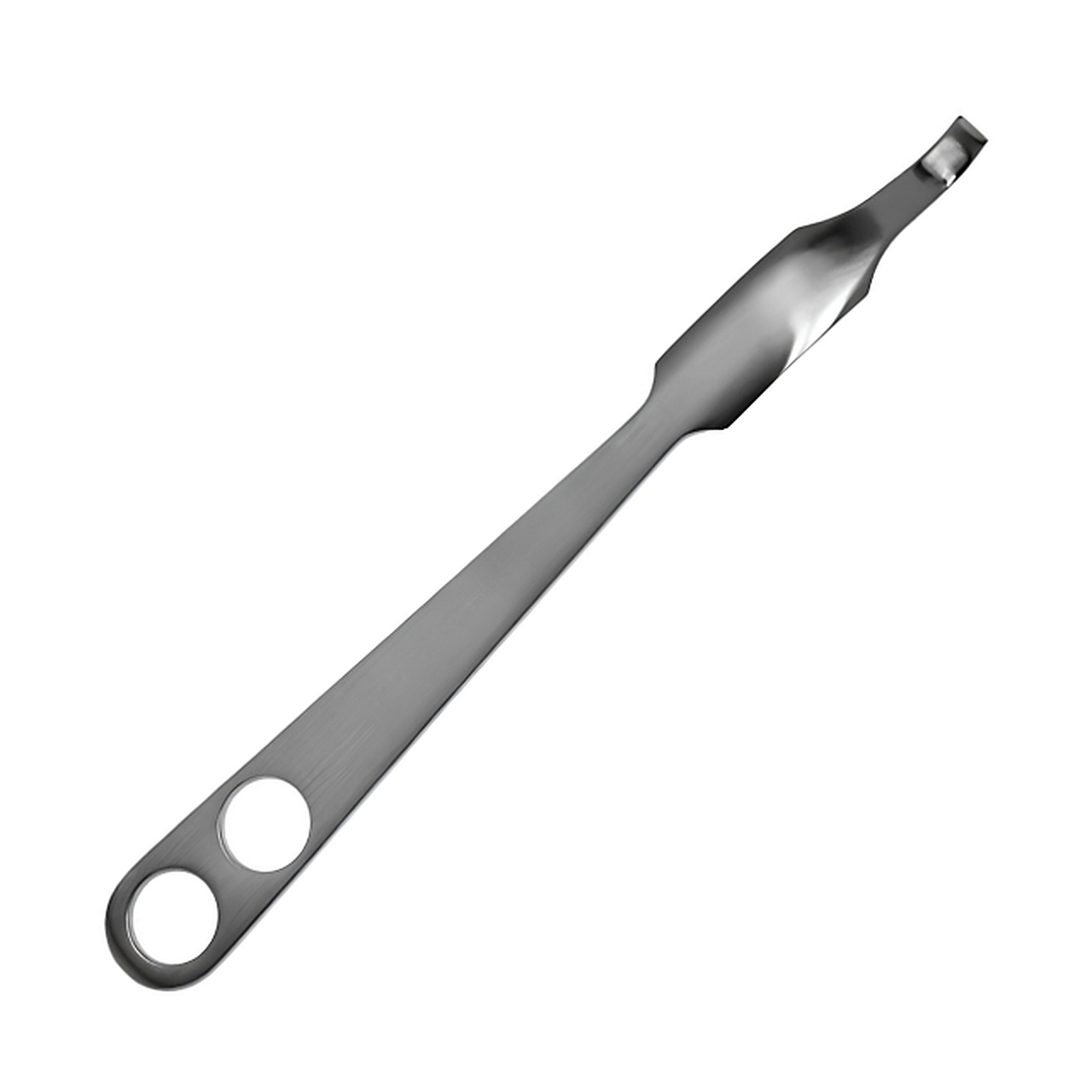 | Separadores Hohmann de Hoja Cuadrada | Diseñado específicamente para hacer palanca en las cortezas óseas y retraer capas musculares densas durante procedimientos ortopédicos de cadera, rodilla y huesos largos. |
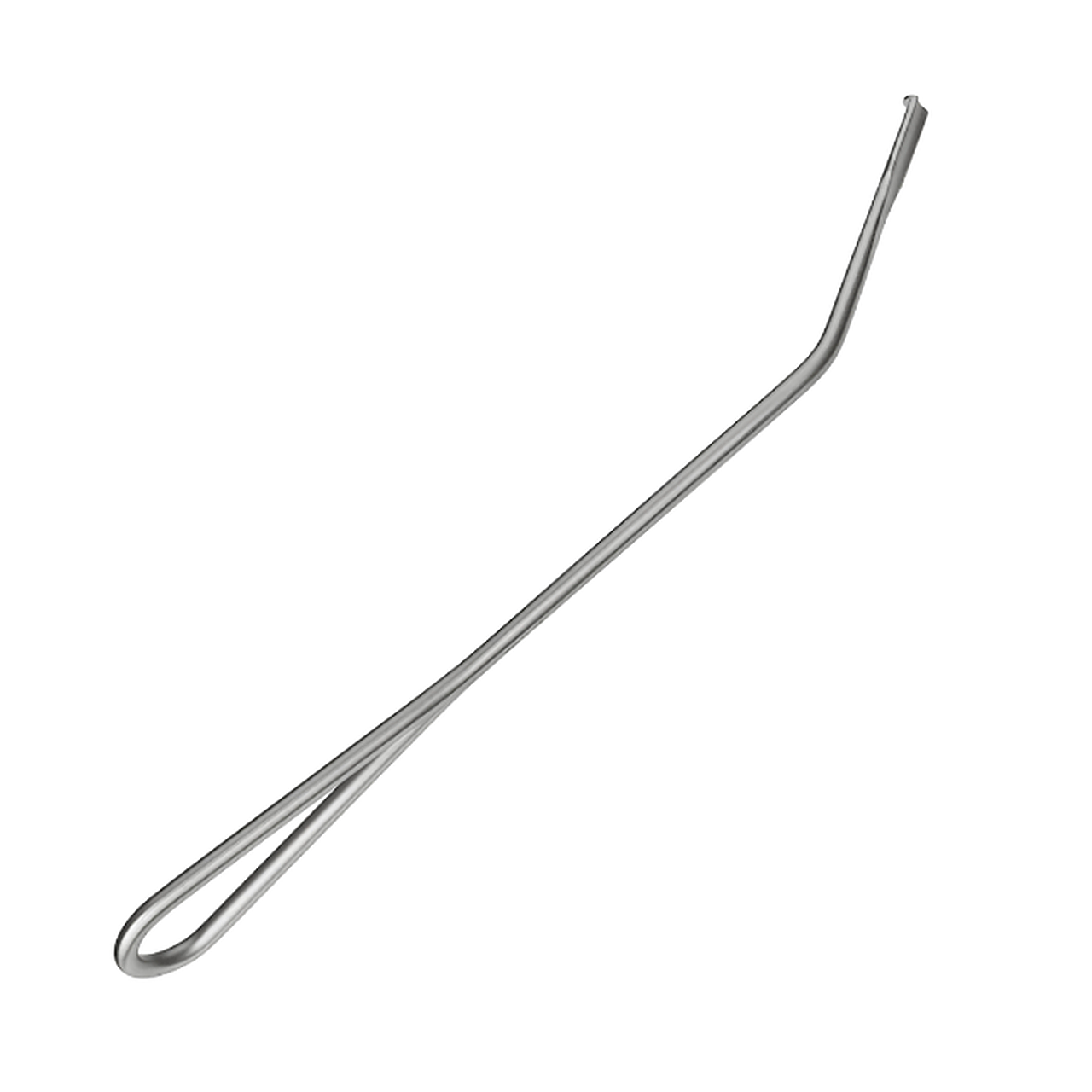 | Separadores Holscher | Específicamente diseñado para retraer y proteger las raíces de los nervios espinales y el saco tecal durante procedimientos de discectomía y laminectomía. |
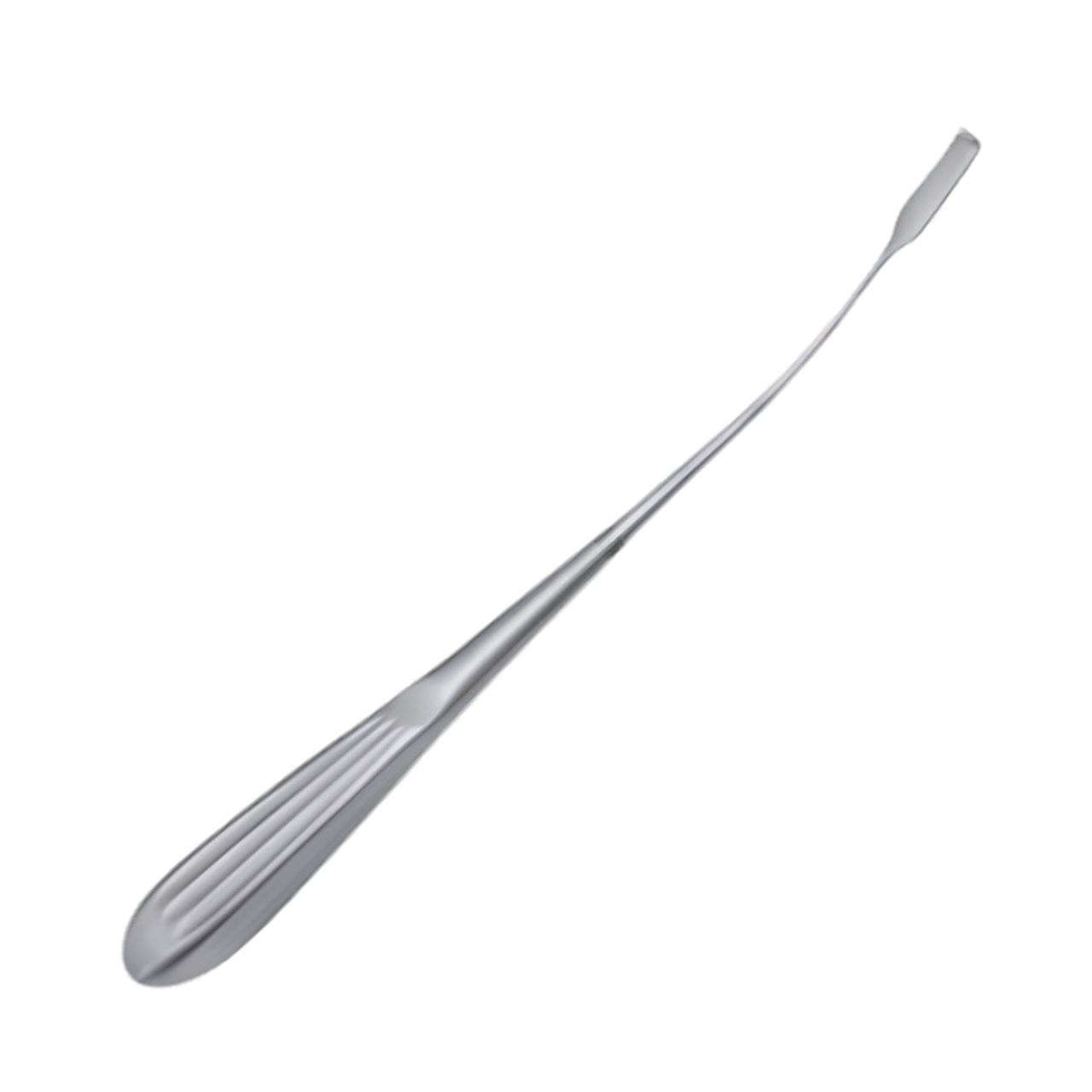 | Separador de Raíz Nerviosa Holsher | Diseñado específicamente para retraer y proteger las raíces nerviosas espinales y el saco tecal durante la microdiscectomía lumbar. |
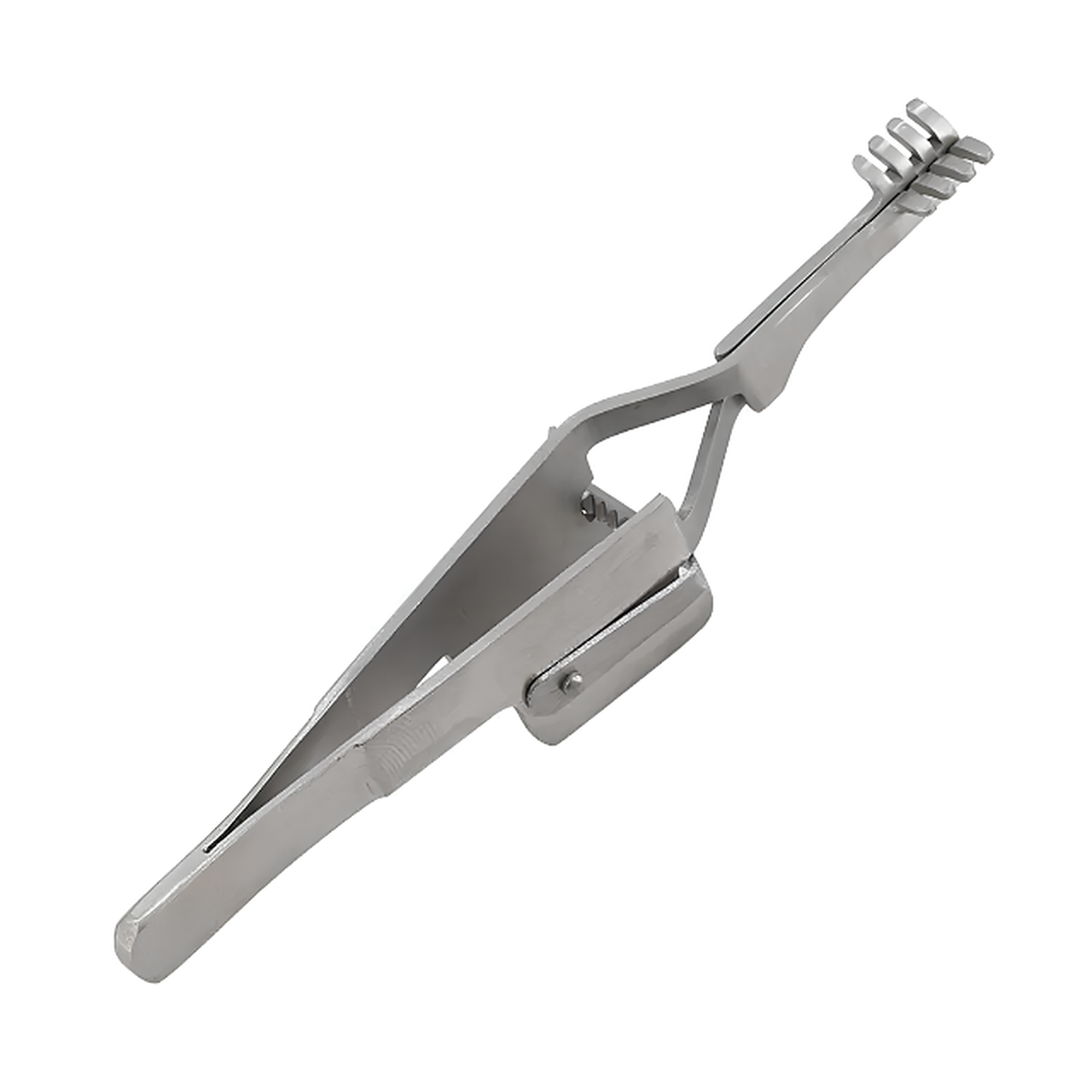 | Separador Autoestático Holzhimer | Diseñado específicamente para proporcionar retracción tisular autoestática durante procedimientos quirúrgicos menores, oftálmicos, plásticos y de mano. |
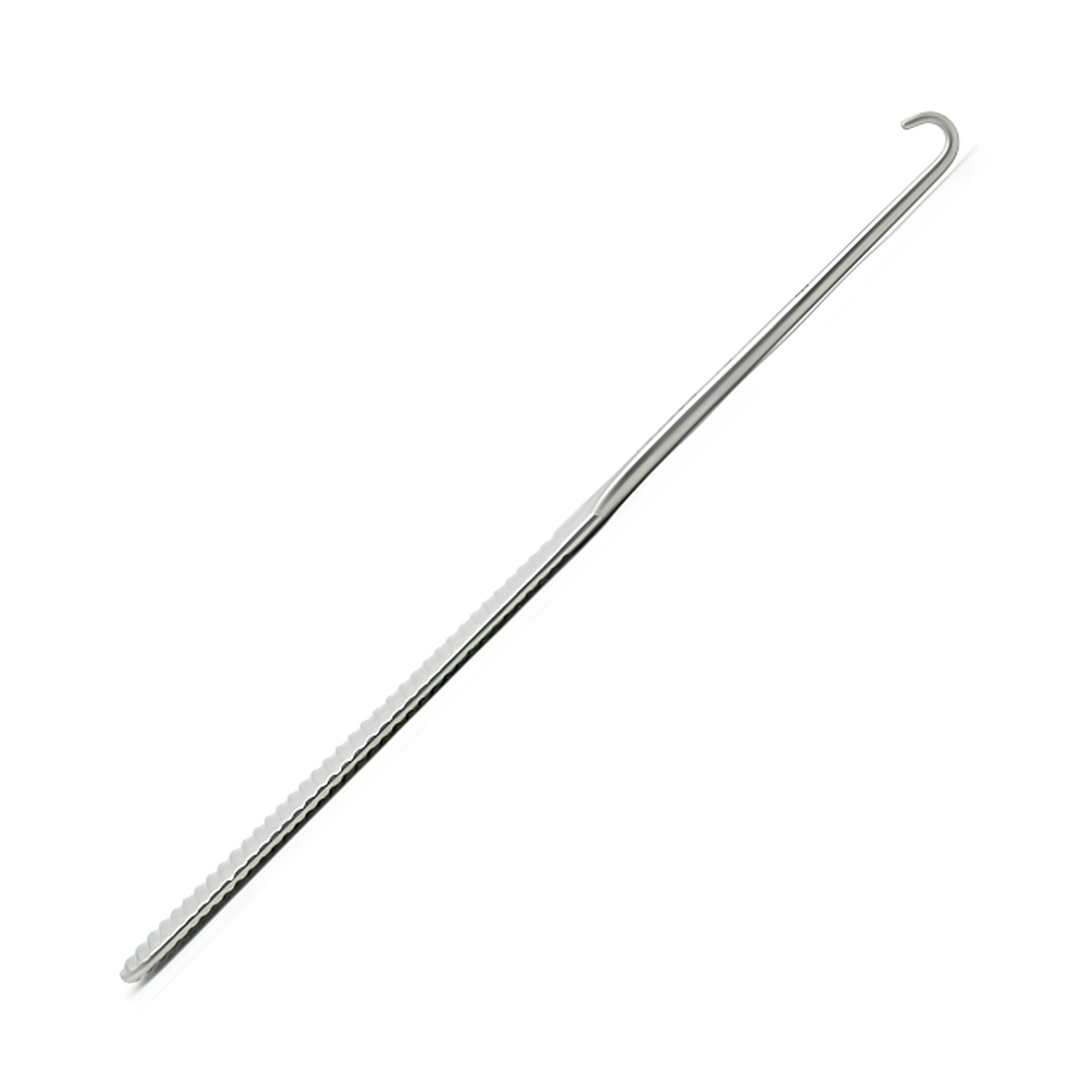 | Separador de Garfio (Hook Retractor) | Diseñado específicamente para retraer colgajos cutáneos, márgenes cutáneos y tejidos blandos superficiales durante procedimientos quirúrgicos. |
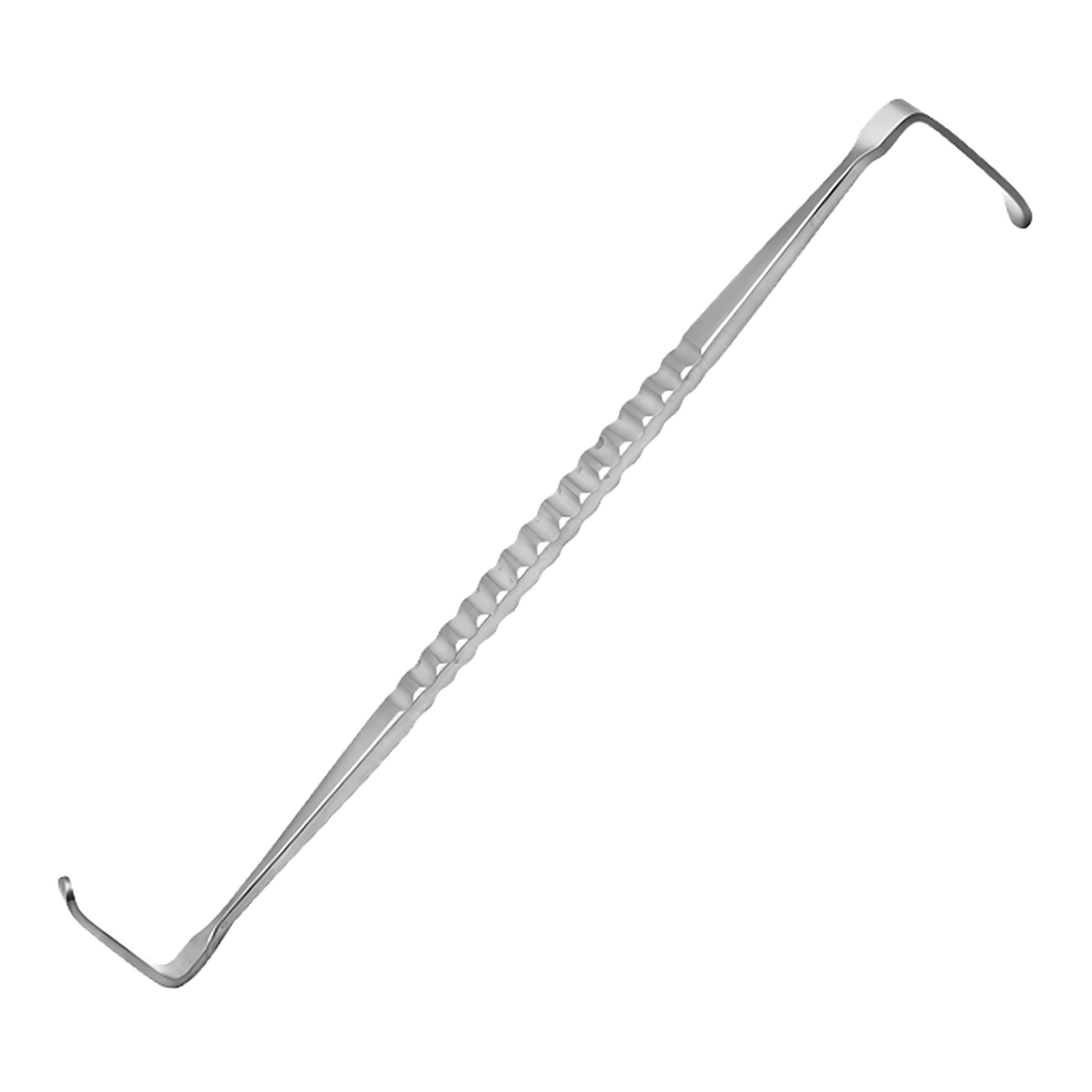 | Separador House Hand | Diseñado específicamente para retraer márgenes de piel, tejido meatal y fascia durante cirugías otológicas, ORL y plásticas. |
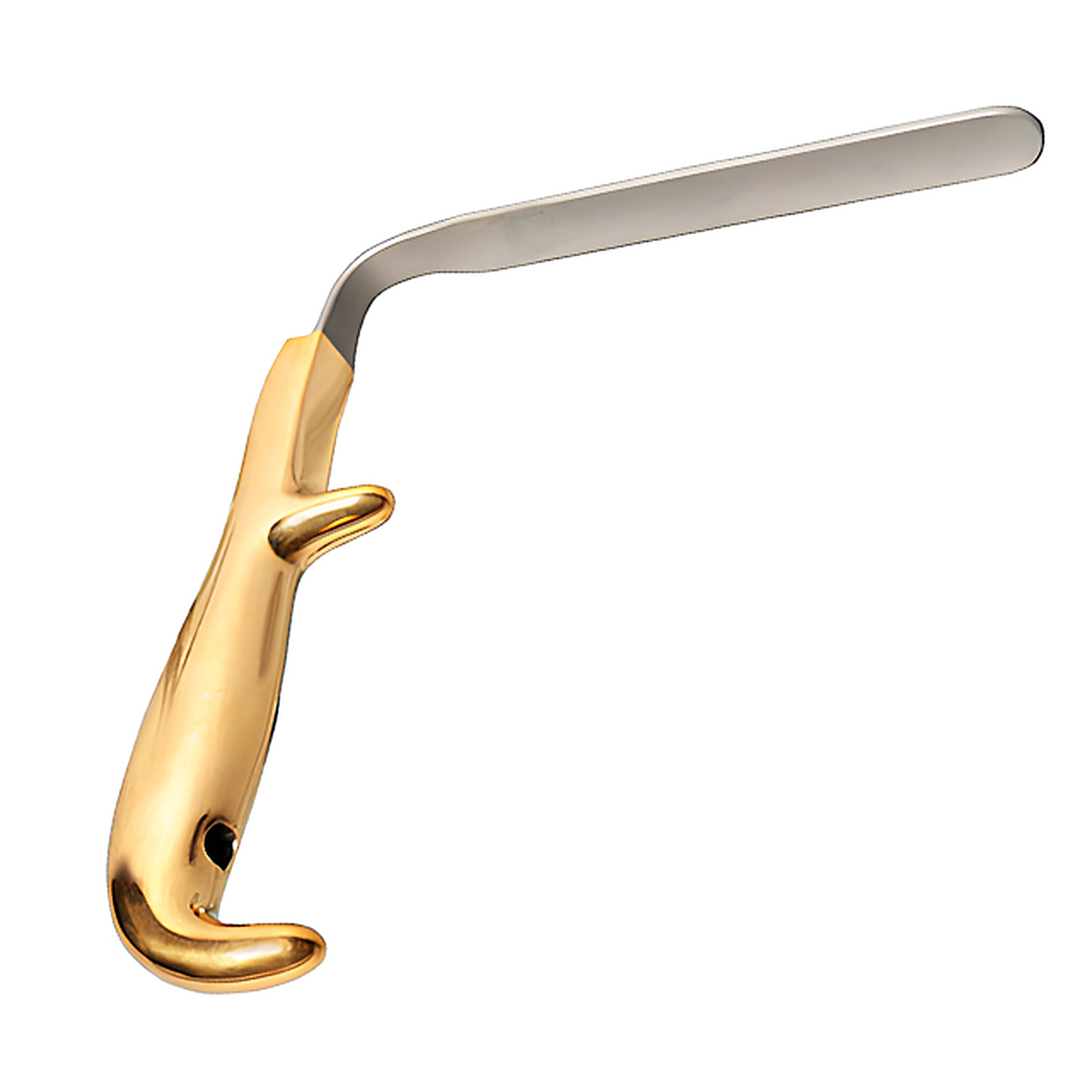 | Separador Hoyos Distal | Diseñado específicamente para elevar los colgajos cutáneos abdominales y proporcionar exposición del bolsillo distal durante la abdominoplastia de alta definición. |
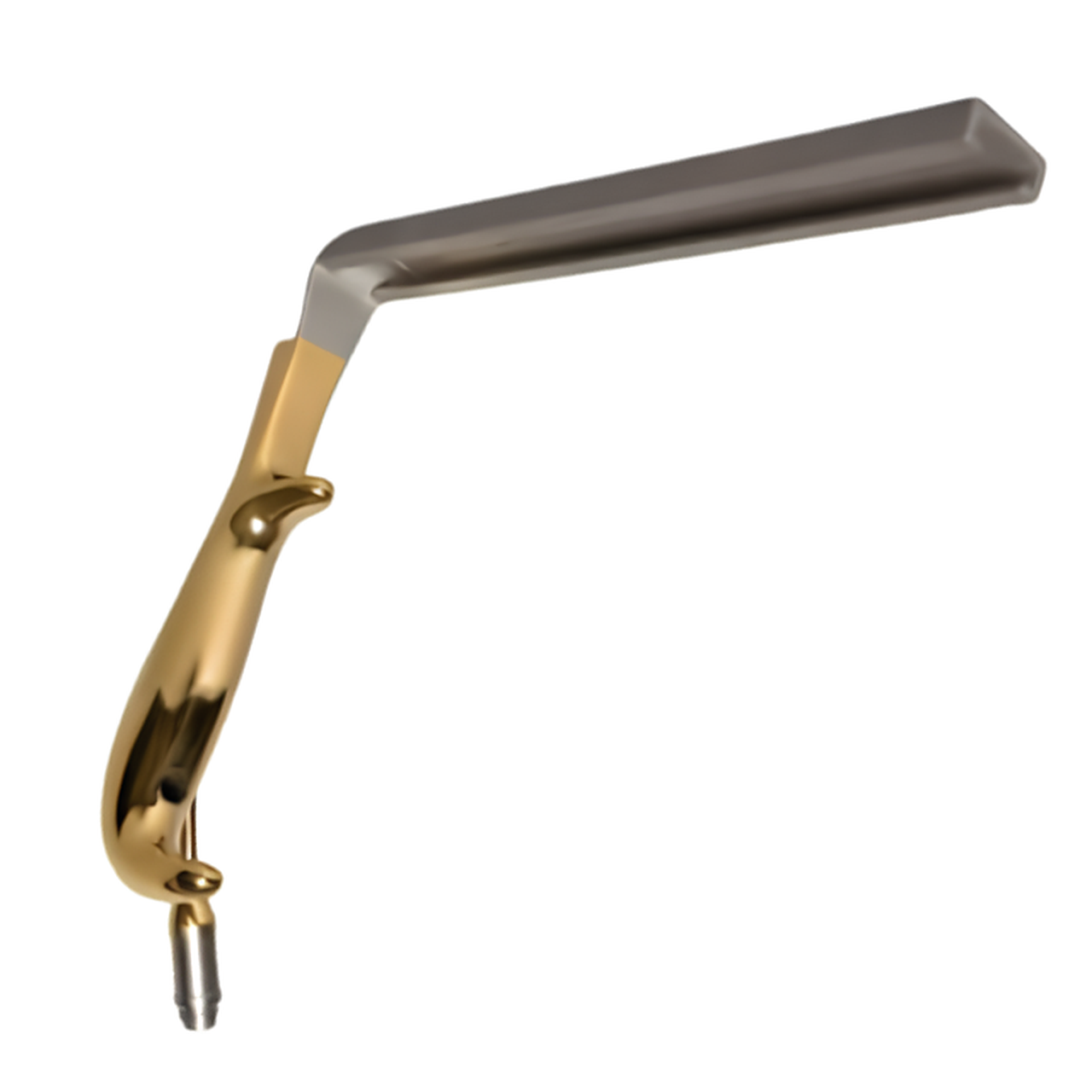 | Separador Proximal de Hoyos | Específicamente diseñado para elevar colgajos abdominales proximales y exponer el epigastrio durante la abdominoplastia de alta definición. |
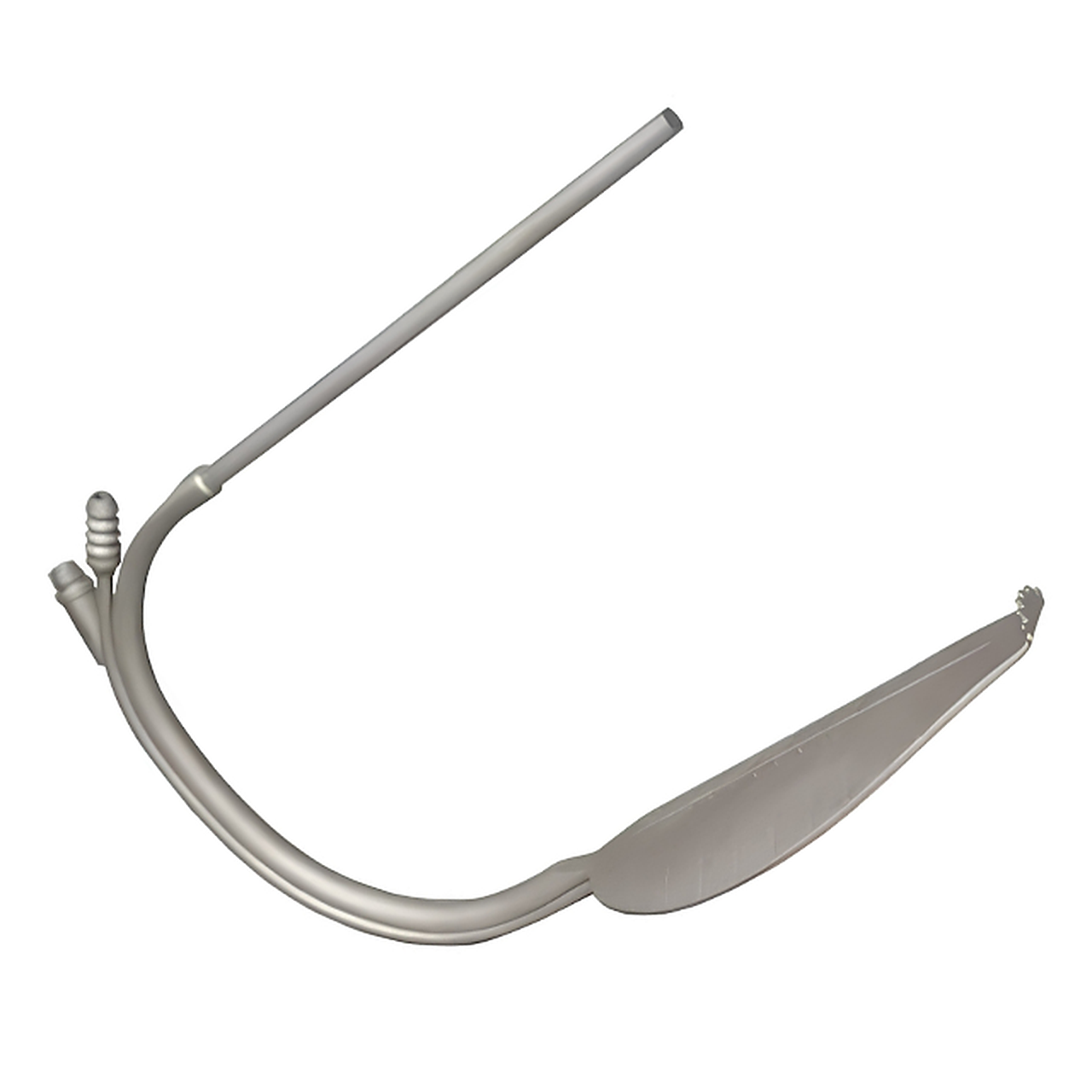 | Separador Hoyos Remora | Diseñado específicamente para proporcionar retracción de tejidos blandos con iluminación, evacuación de humo y estabilización durante la remodelación corporal de alta definición. |
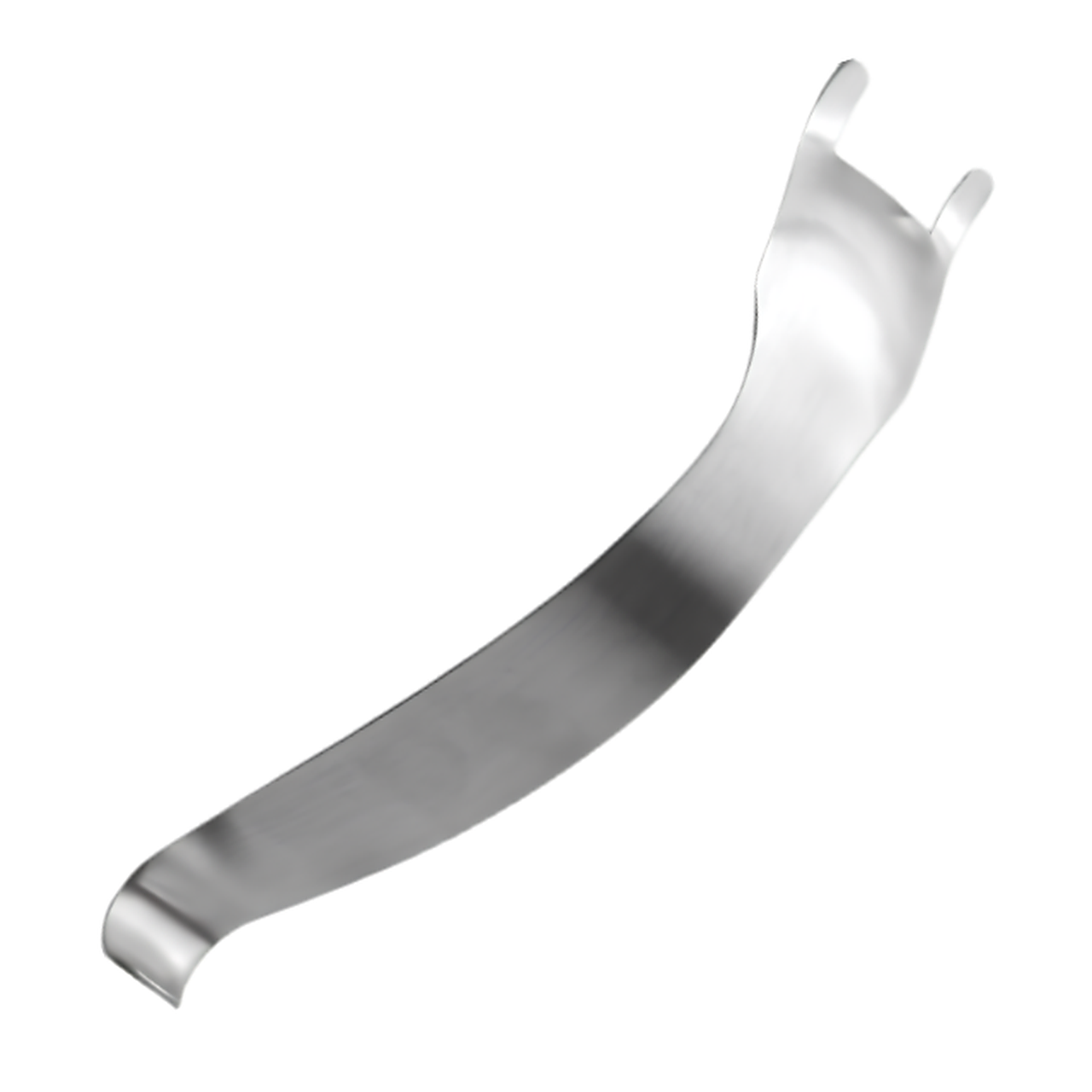 | Separador de cabeza humeral | Diseñado específicamente para desplazar la cabeza humeral posteriormente y exponer la cavidad glenoidea durante la artroplastia de hombro. |
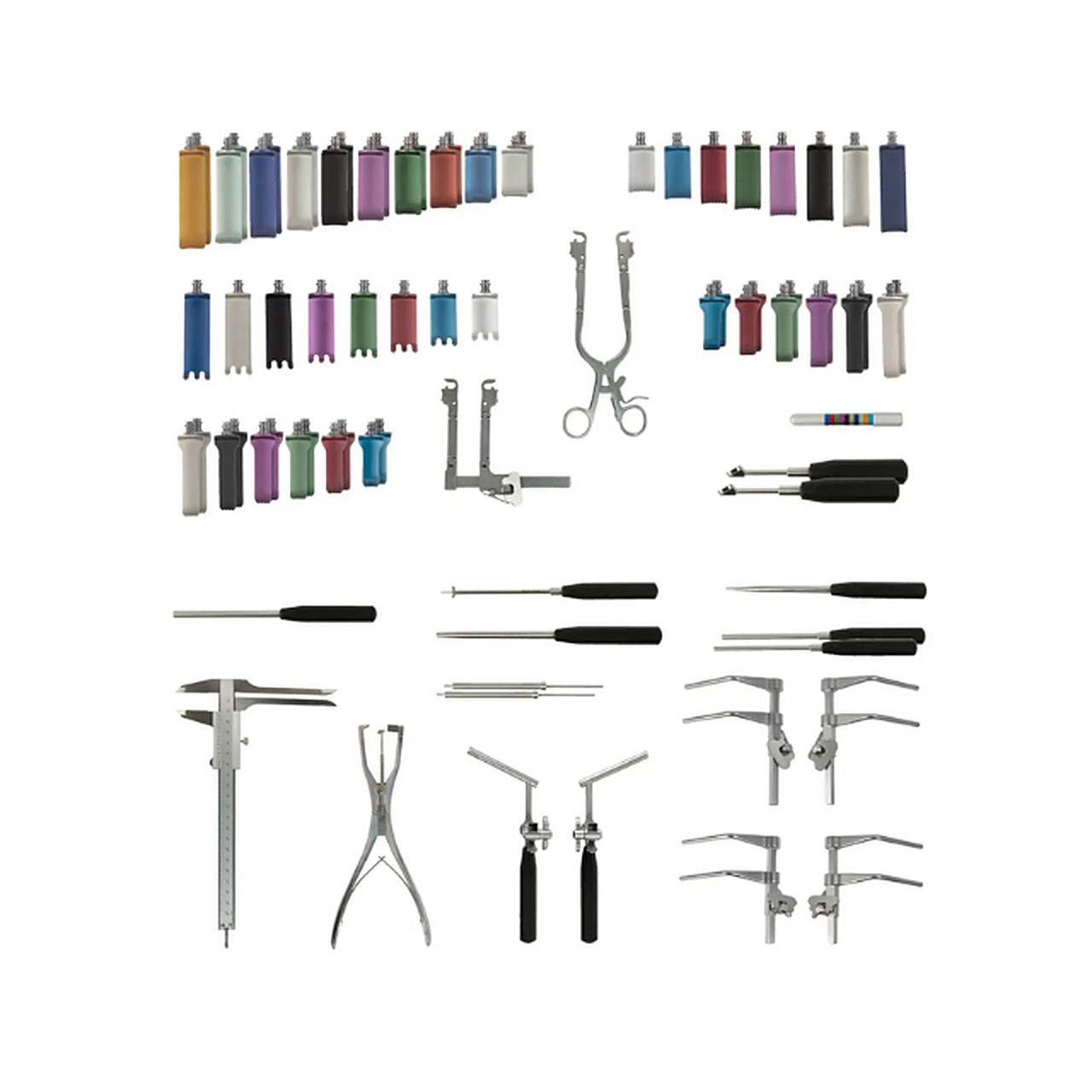 | Image-Line ACF Retractor With Distraction Classic Set | Específicamente diseñado para la retracción de tejidos blandos, distracción de cuerpos intervertebrales y colocación de injertos óseos durante procedimientos de fusión cervical anterior (ACF) en columna. |
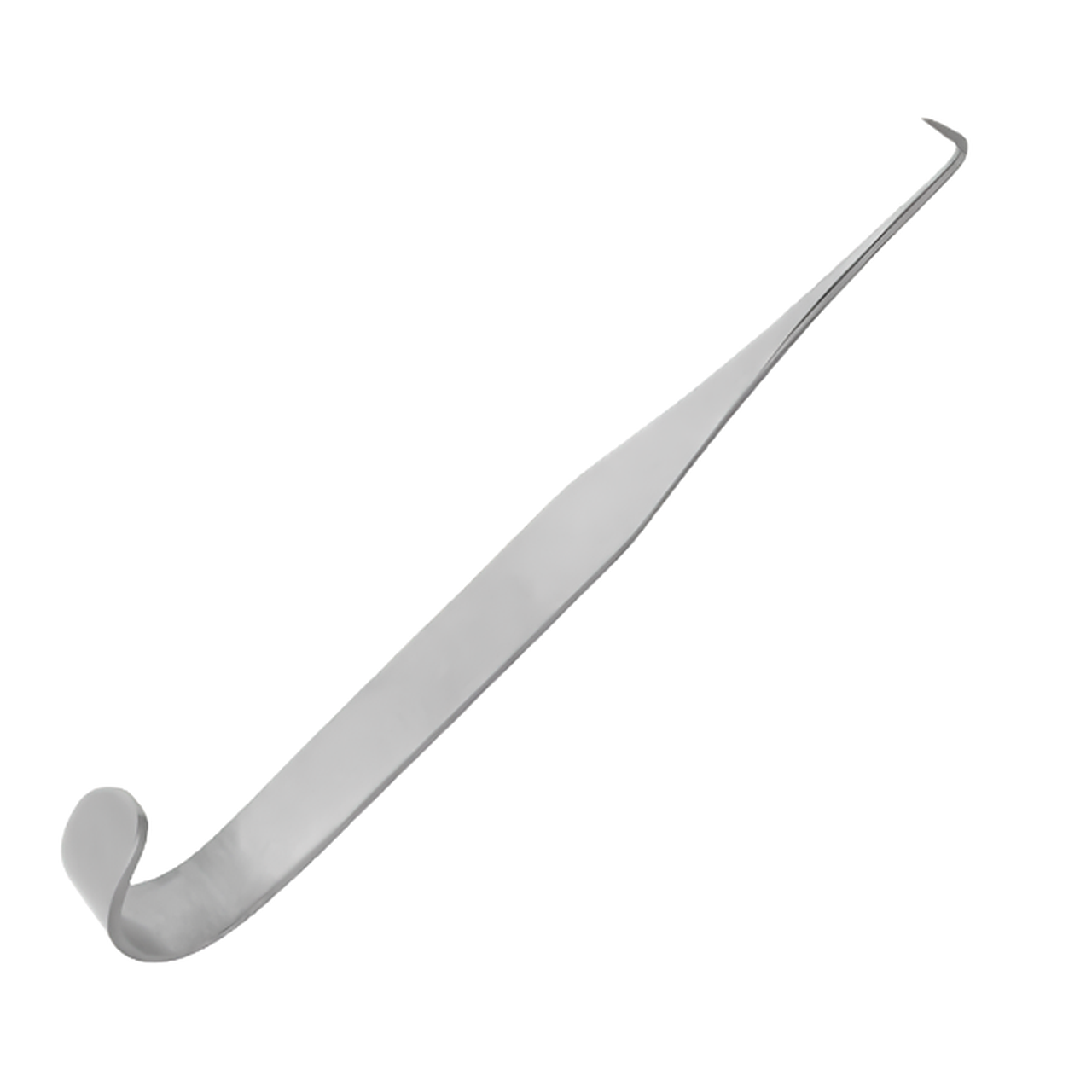 | Separador Traqueal Jackson | Diseñado específicamente para elevar y estabilizar la tráquea y retraer los tejidos pretraqueales durante la traqueotomía. |
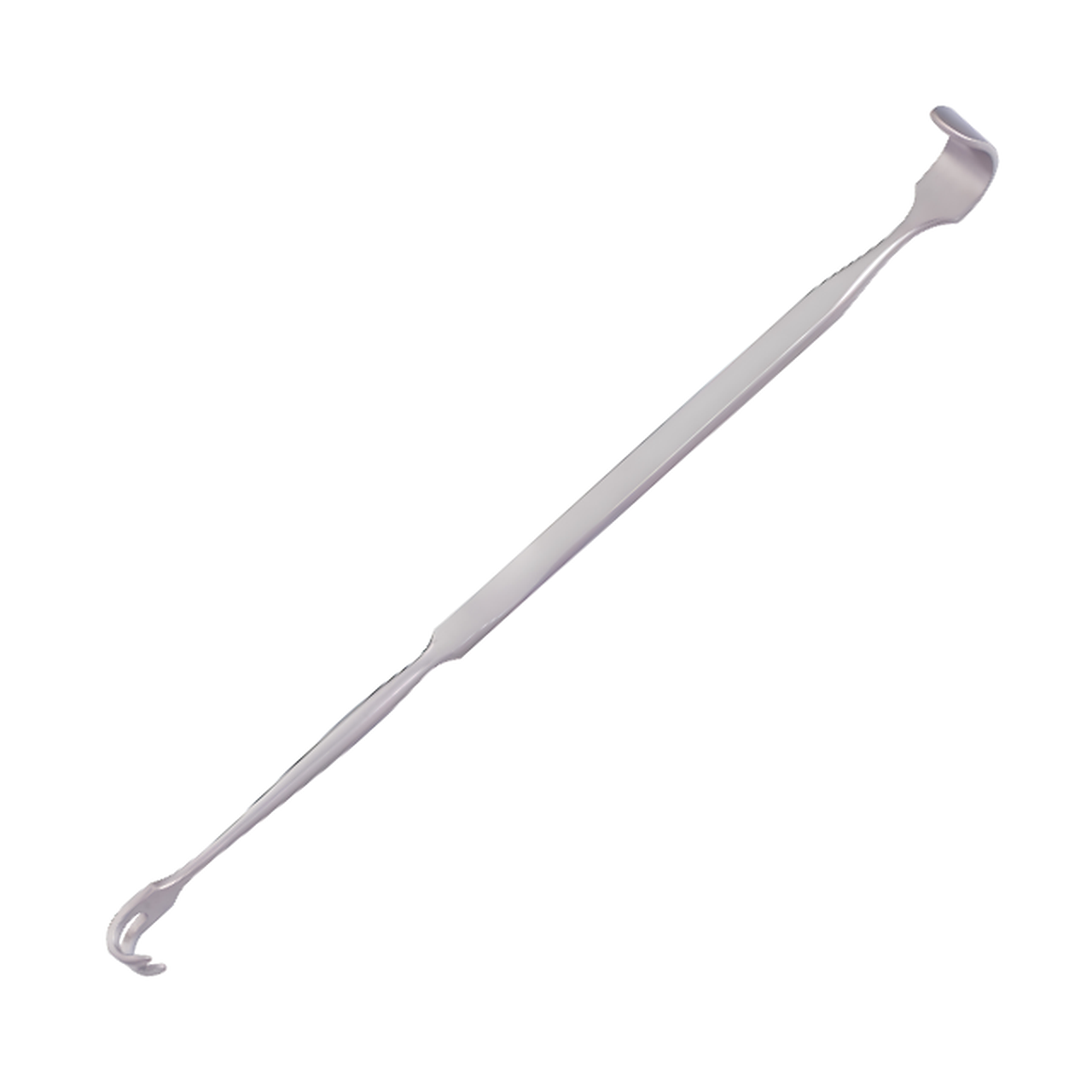 | Separador Traqueal Jackson de Doble Extremo | Diseñado específicamente para retraer el tejido pretraqueal y elevar los cartílagos traqueales durante cirugías de vía aérea y traqueostomías. |
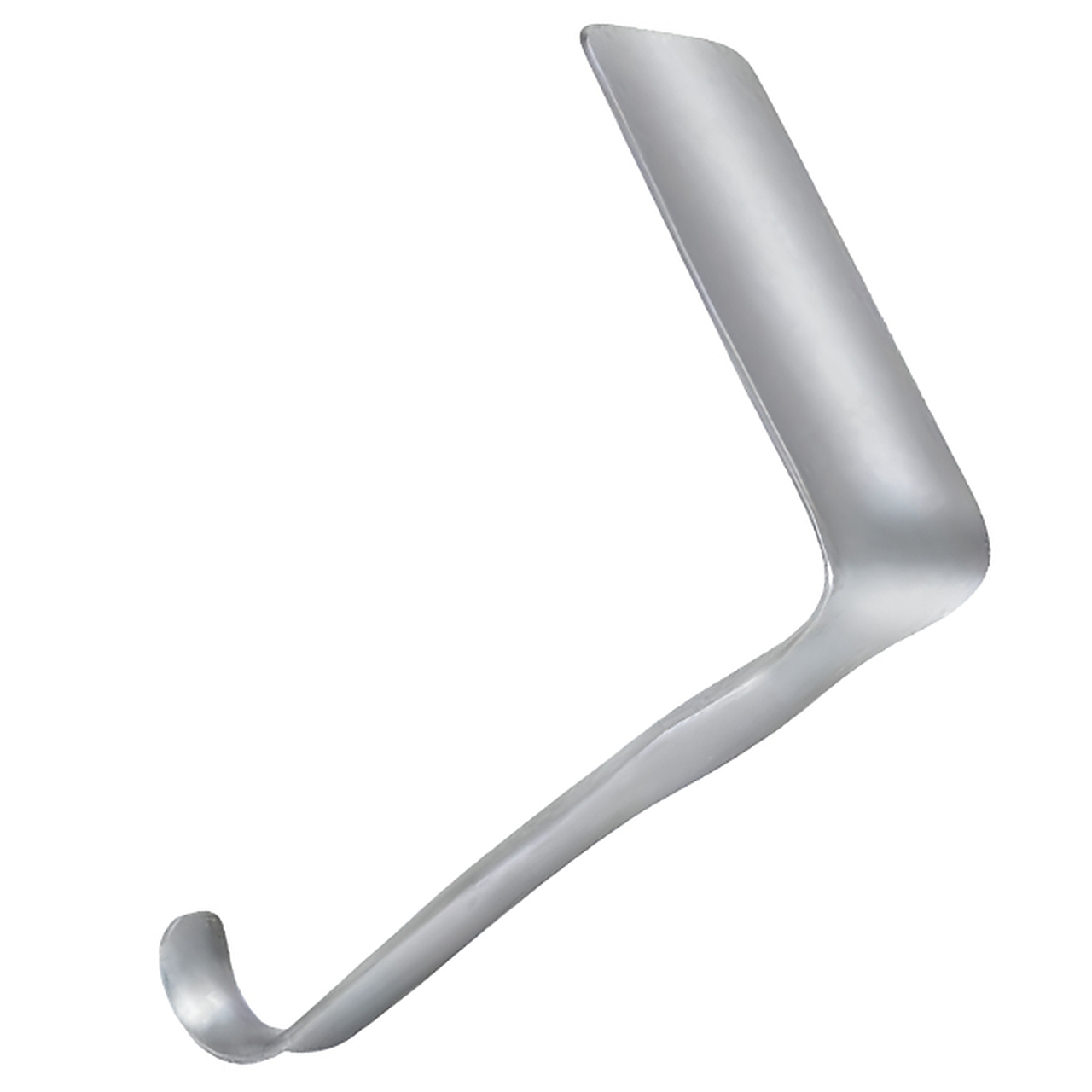 | Separador Vaginal Jackson | Diseñado específicamente para retraer las paredes vaginales y proporcionar visualización de la cúpula pélvica durante procedimientos ginecológicos. |
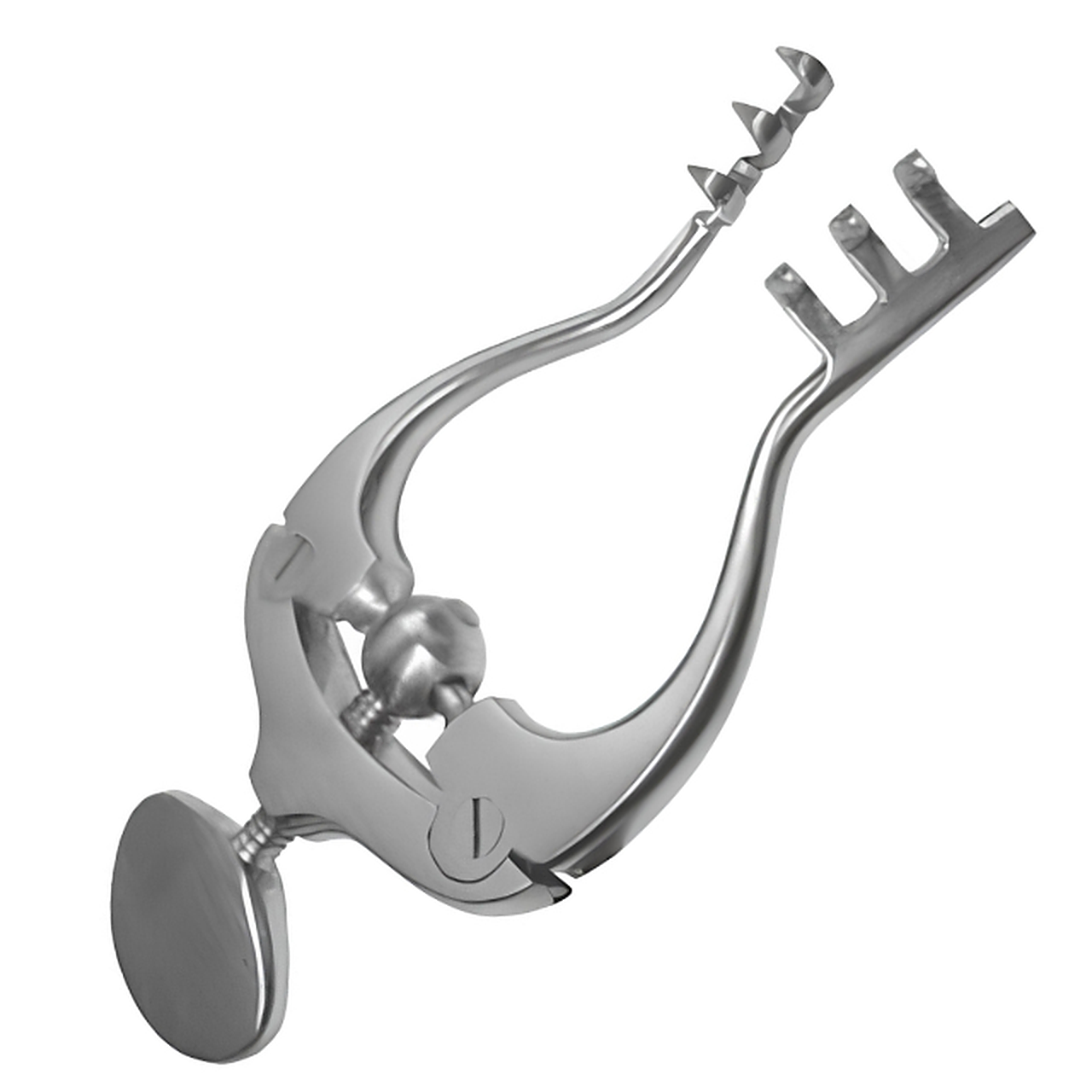 | Separador Mastoides Jansen | Diseñado específicamente para proporcionar retracción autorretentiva del periostio y los márgenes de la herida durante cirugías de mastoides y cuero cabelludo. |
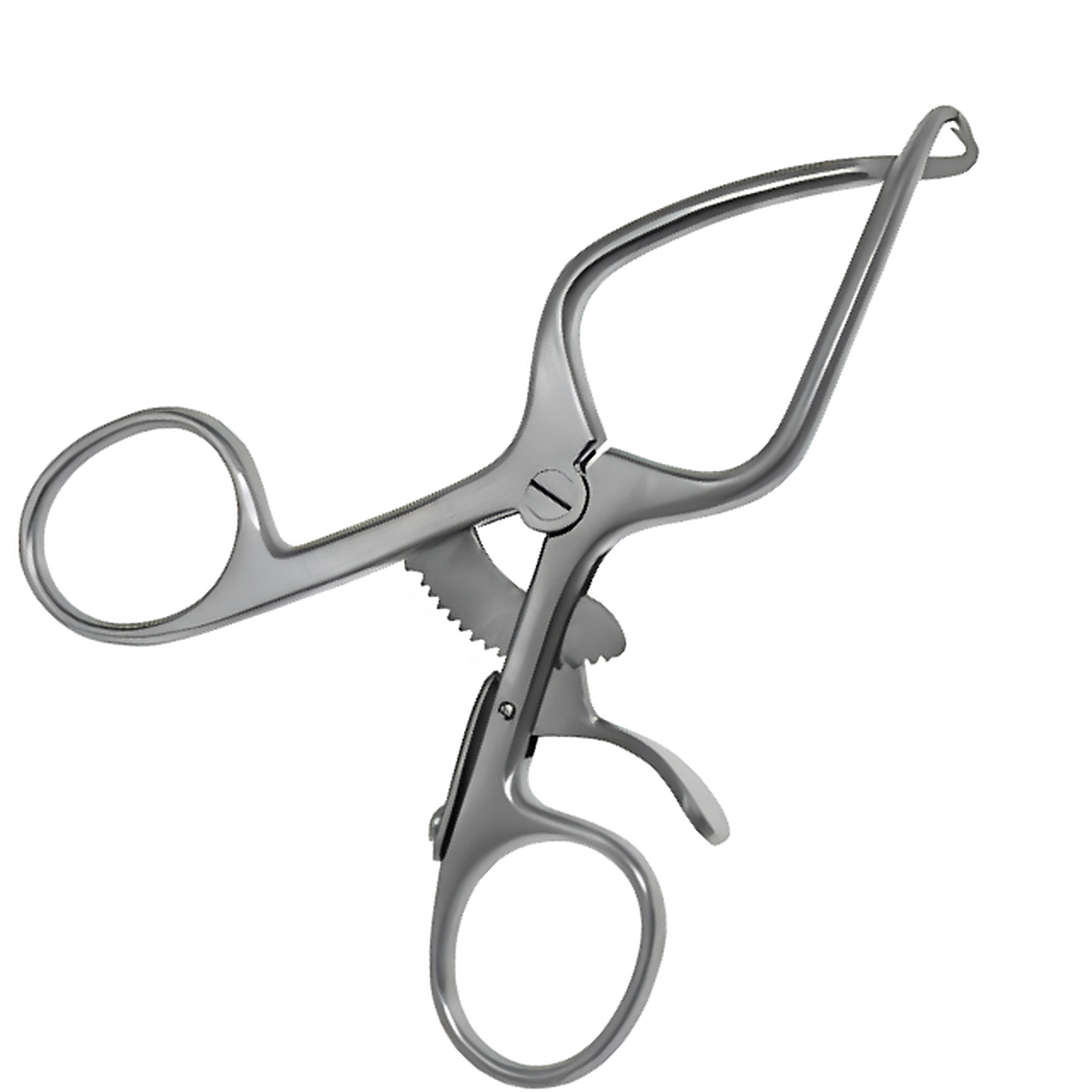 | Separador de Johnson para Neuroma | Específicamente diseñado para retraer tejidos intermetatarsianos y cabezas metatarsianas durante la escisión del neuroma de Morton y cirugía del pie. |
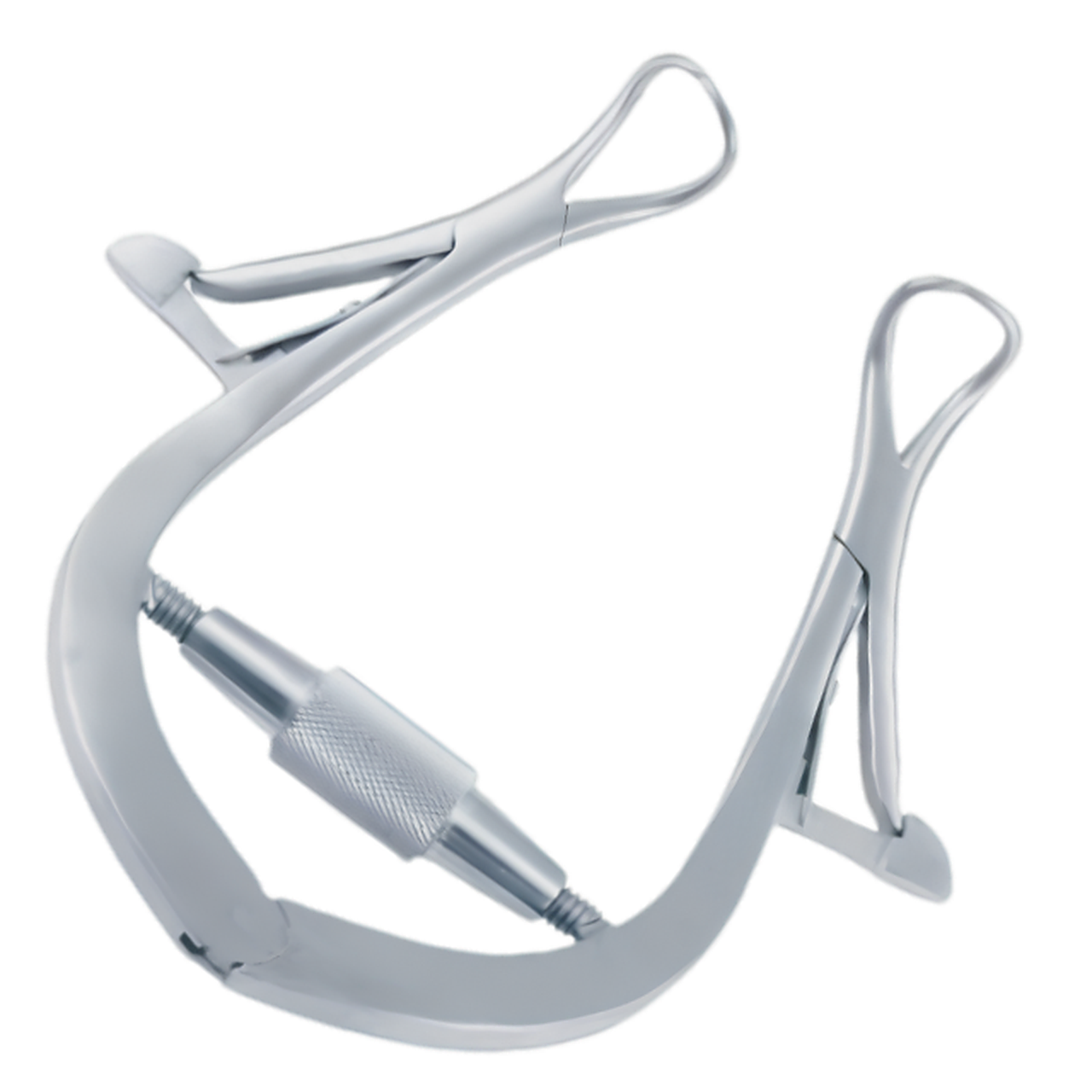 | Separador Autoestático Jolls Friedman | Diseñado específicamente para proporcionar retracción autoestática de los músculos pretiroideos y tejidos blandos durante tiroidectomías y cirugía cervical. |
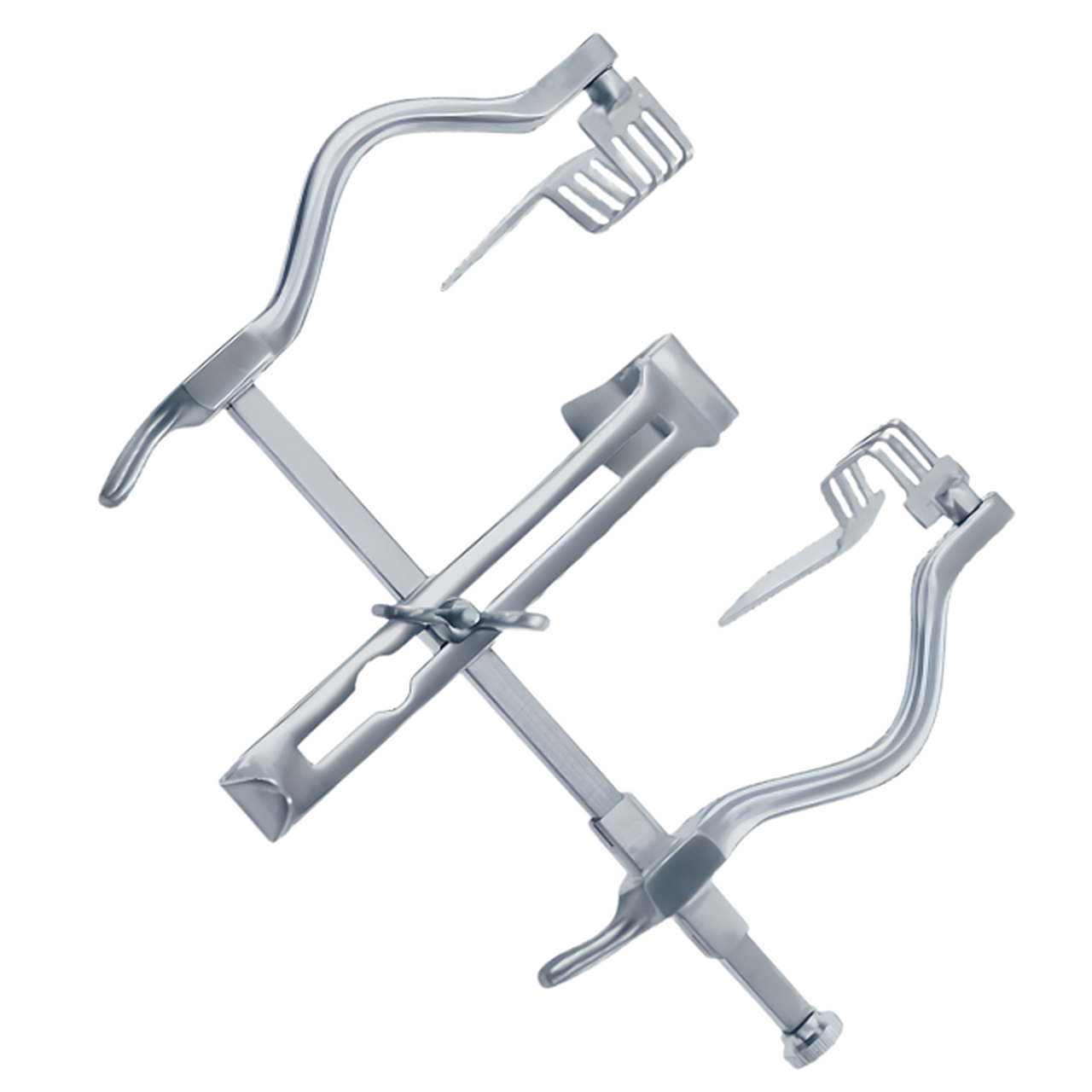 | Separador Autoestático Judd-Masson | Diseñado específicamente para proporcionar retracción autoestática durante cirugía pélvica, prostática y vesical suprapúbica. |
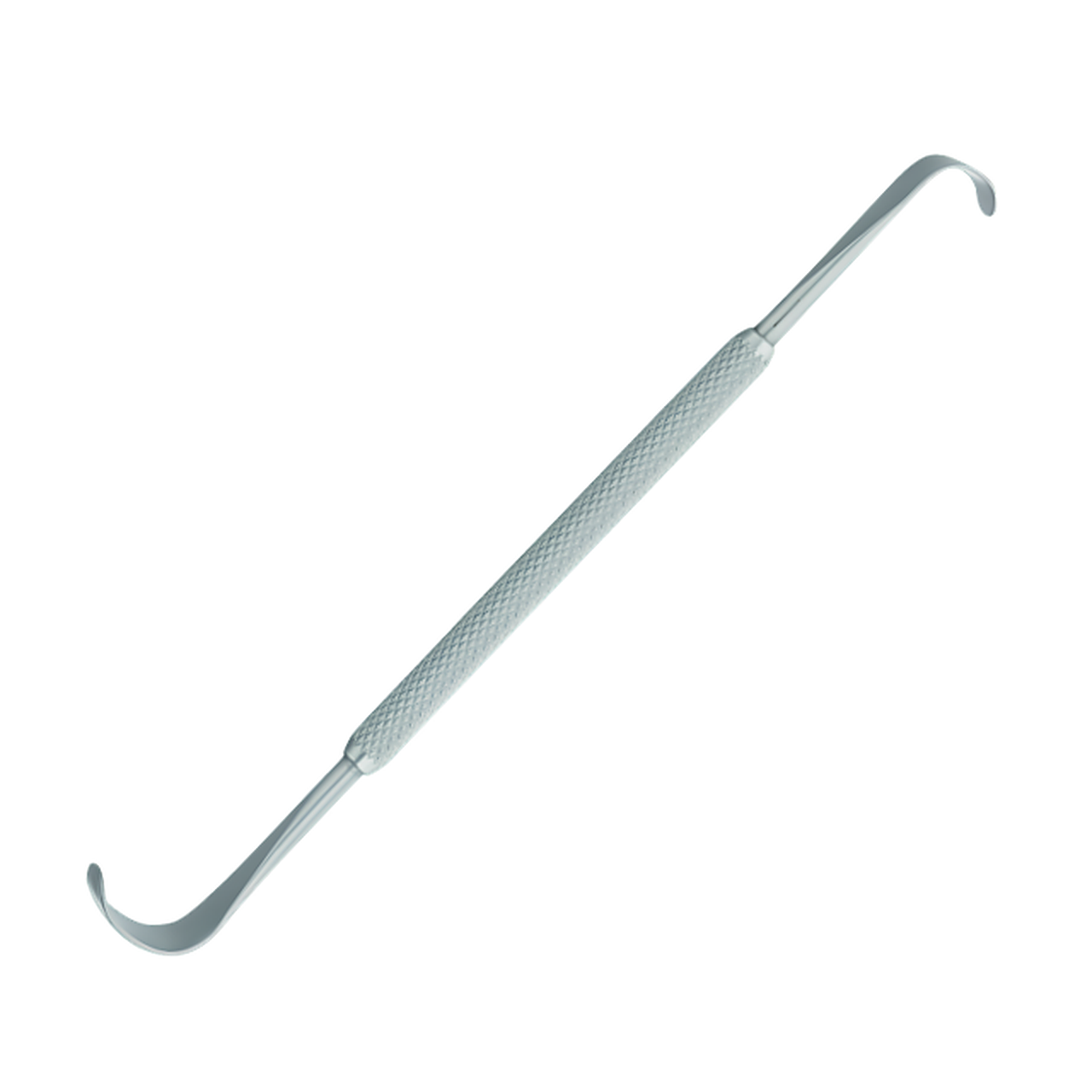 | Separador delicado de doble extremo Kasden | Diseñado específicamente para retraer márgenes cutáneos, colgajos cutáneos delicados y tejidos blandos durante cirugías plásticas, faciales y menores. |
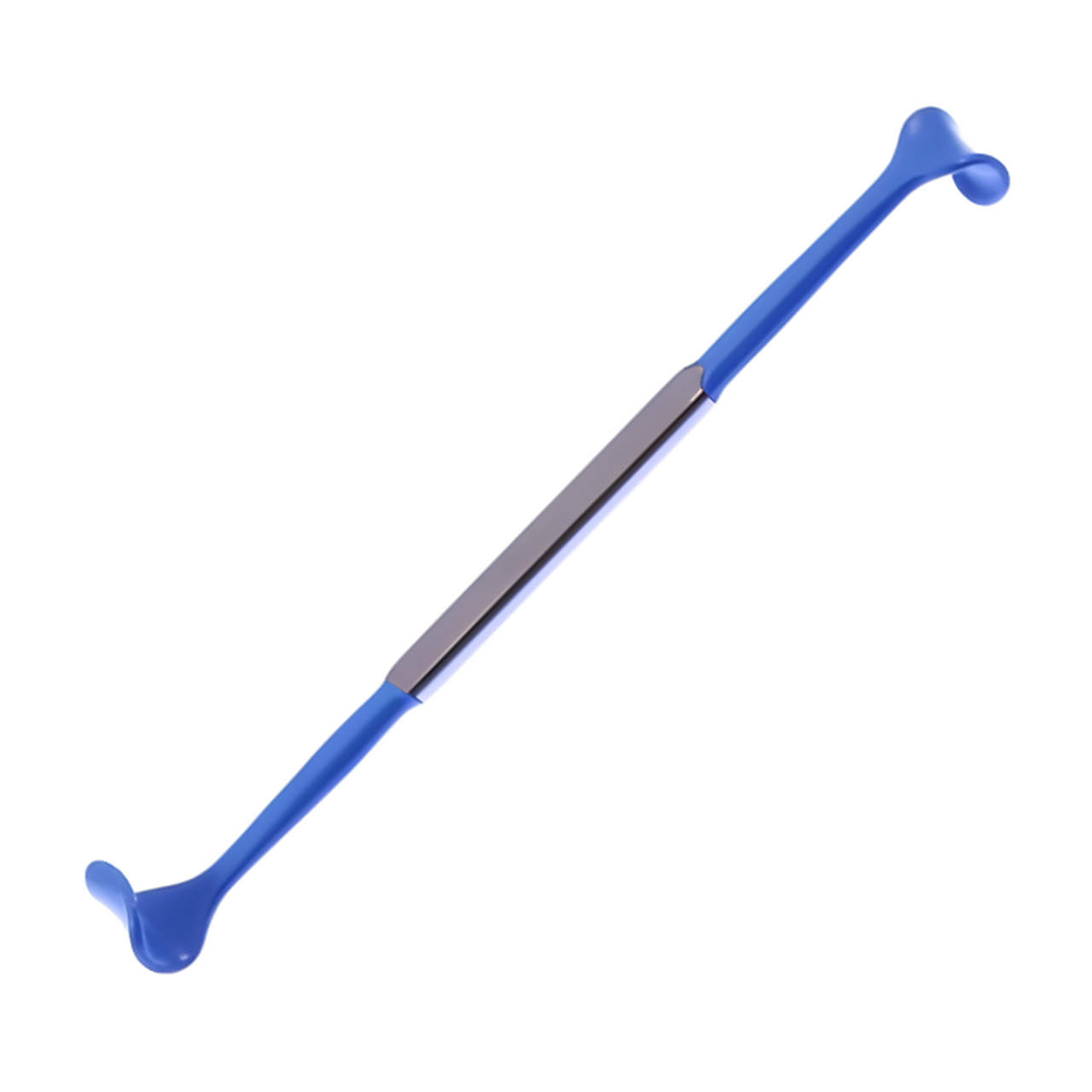 | Separador Aislado de Doble Extremo Kawamoto | Específicamente diseñado para retraer colgajos de piel y mucosa mientras aísla contra lesiones térmicas electroquirúrgicas durante la cirugía plástica. |
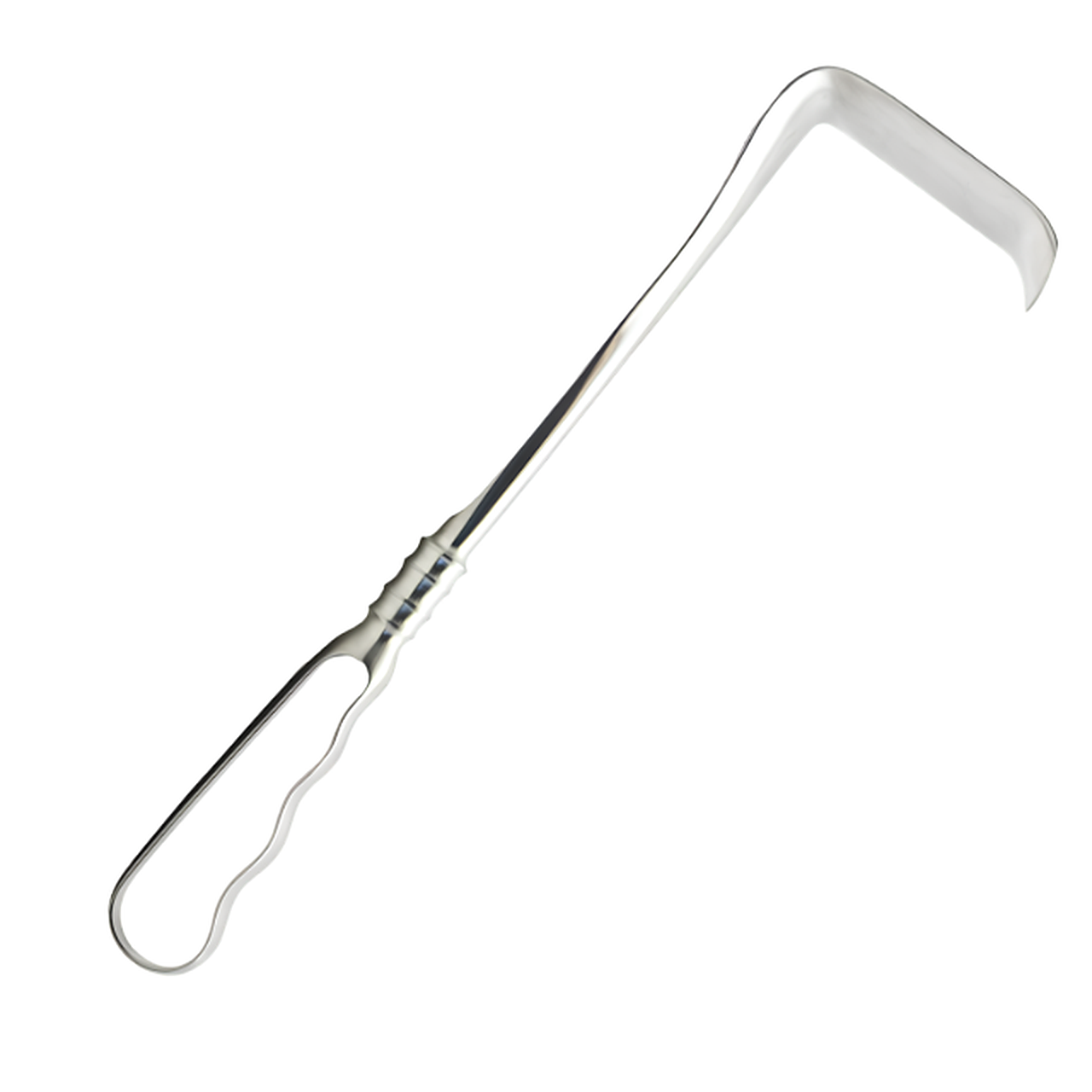 | Separador Kelly | Específicamente diseñado para retraer la pared abdominal, las vísceras y la musculatura gruesa durante cirugía general abierta y ginecológica. |
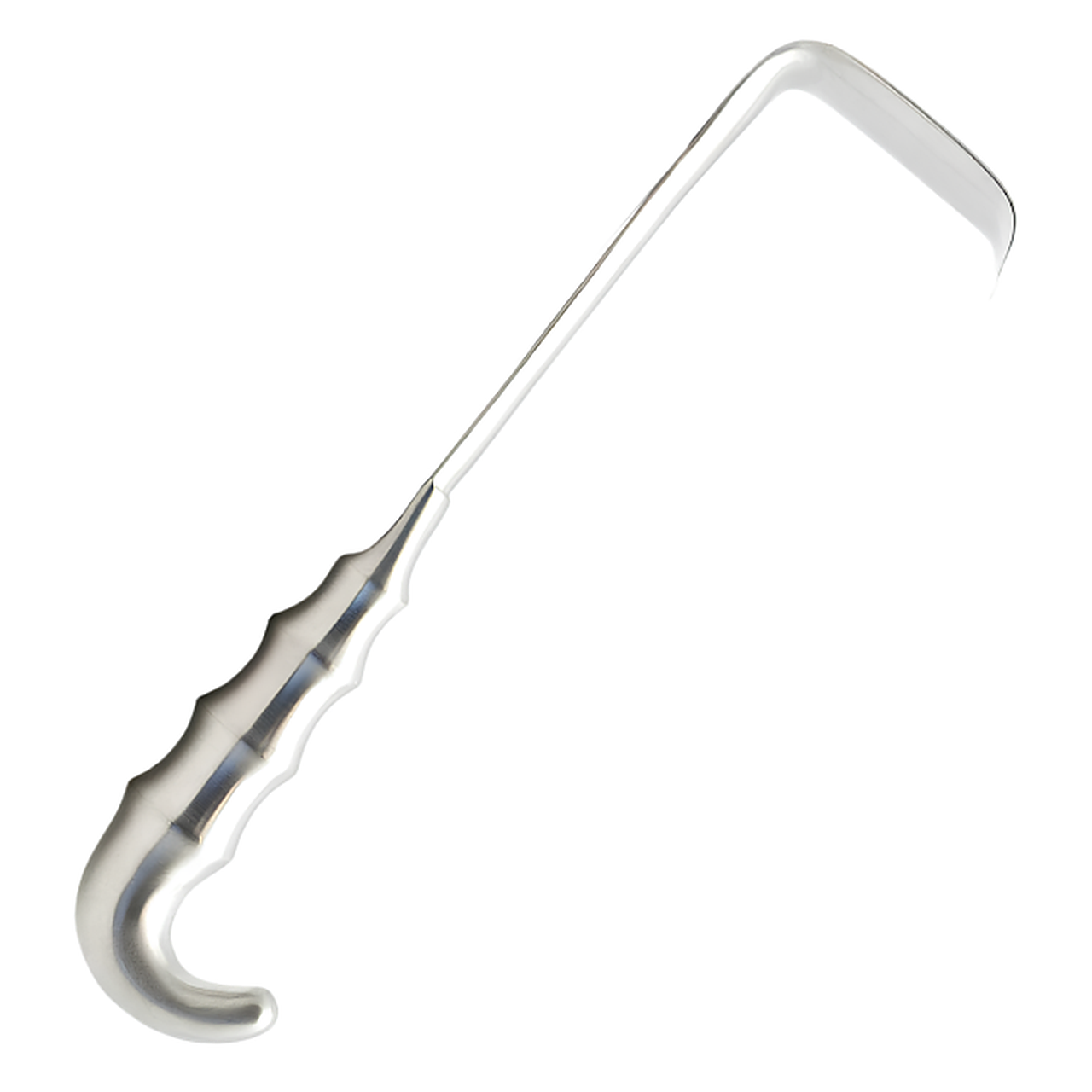 | Separador Kelly con Mango Ergonómico | Específicamente diseñado para retraer la pared abdominal, las vísceras y la musculatura gruesa con una menor fatiga del asistente durante cirugías profundas. |
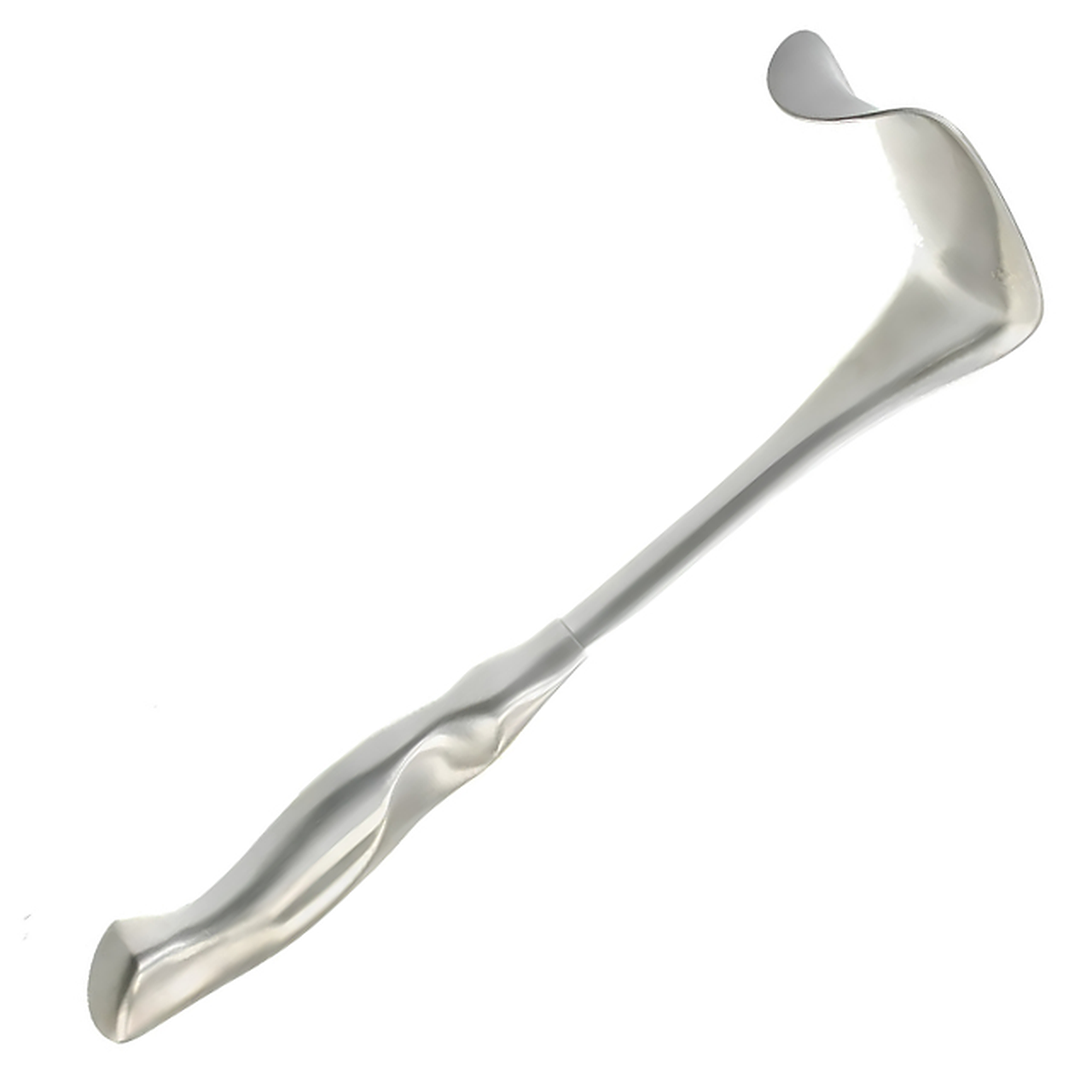 | Separador Kelly-Mango Lamb | Diseñado específicamente para retraer la pared abdominal, las vísceras y la musculatura gruesa con una alta palanca de tracción durante la cirugía abierta. |
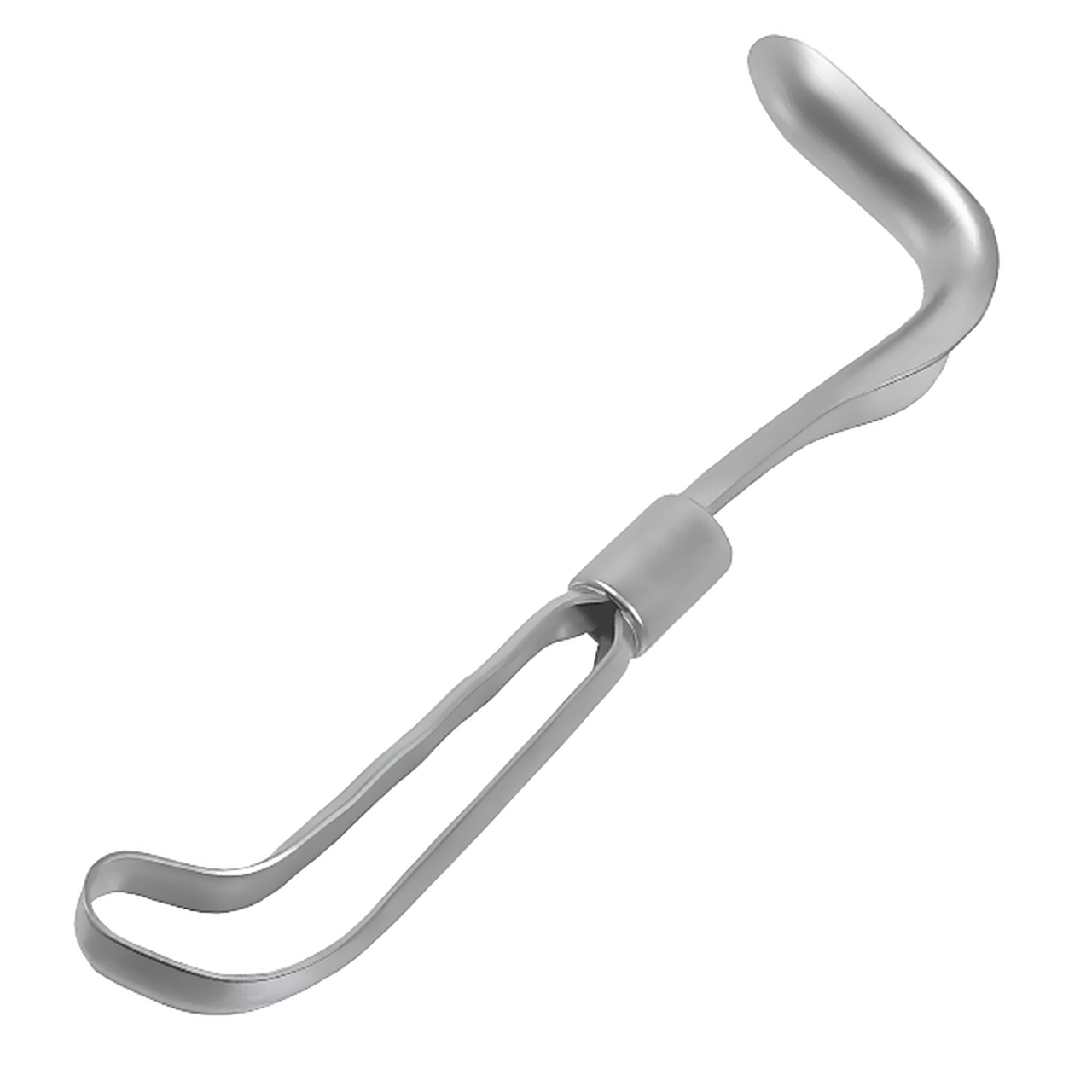 | Separador Vaginal Kelly Sims | Diseñado específicamente para retraer las paredes vaginales posterior y lateral durante la histerectomía vaginal y la cirugía reconstructiva pélvica. |
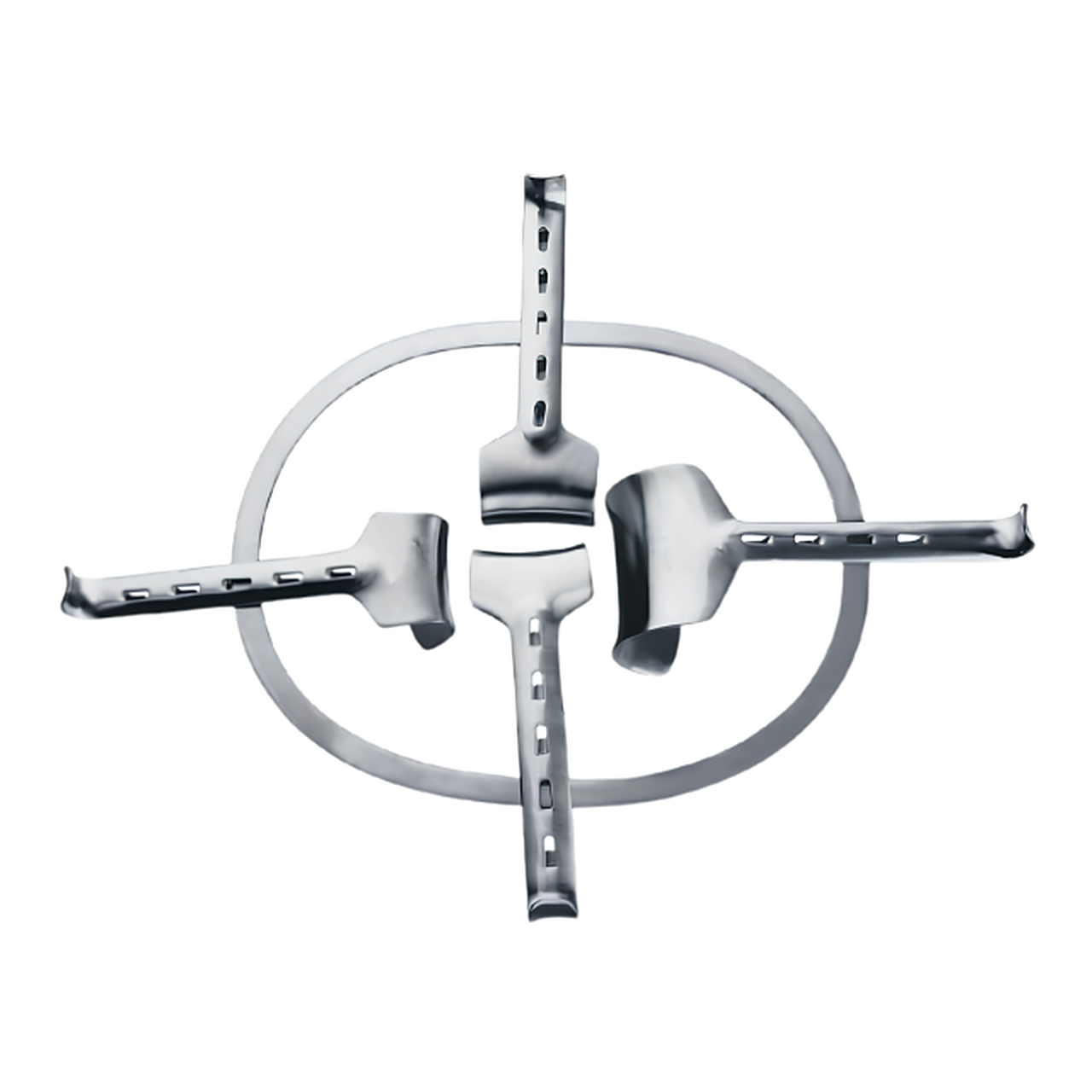 | Separador Kirschner | Específicamente diseñado para proporcionar retracción visceral y de los márgenes de la herida de forma autoestática y multidireccional durante cirugías abdominales mayores. |
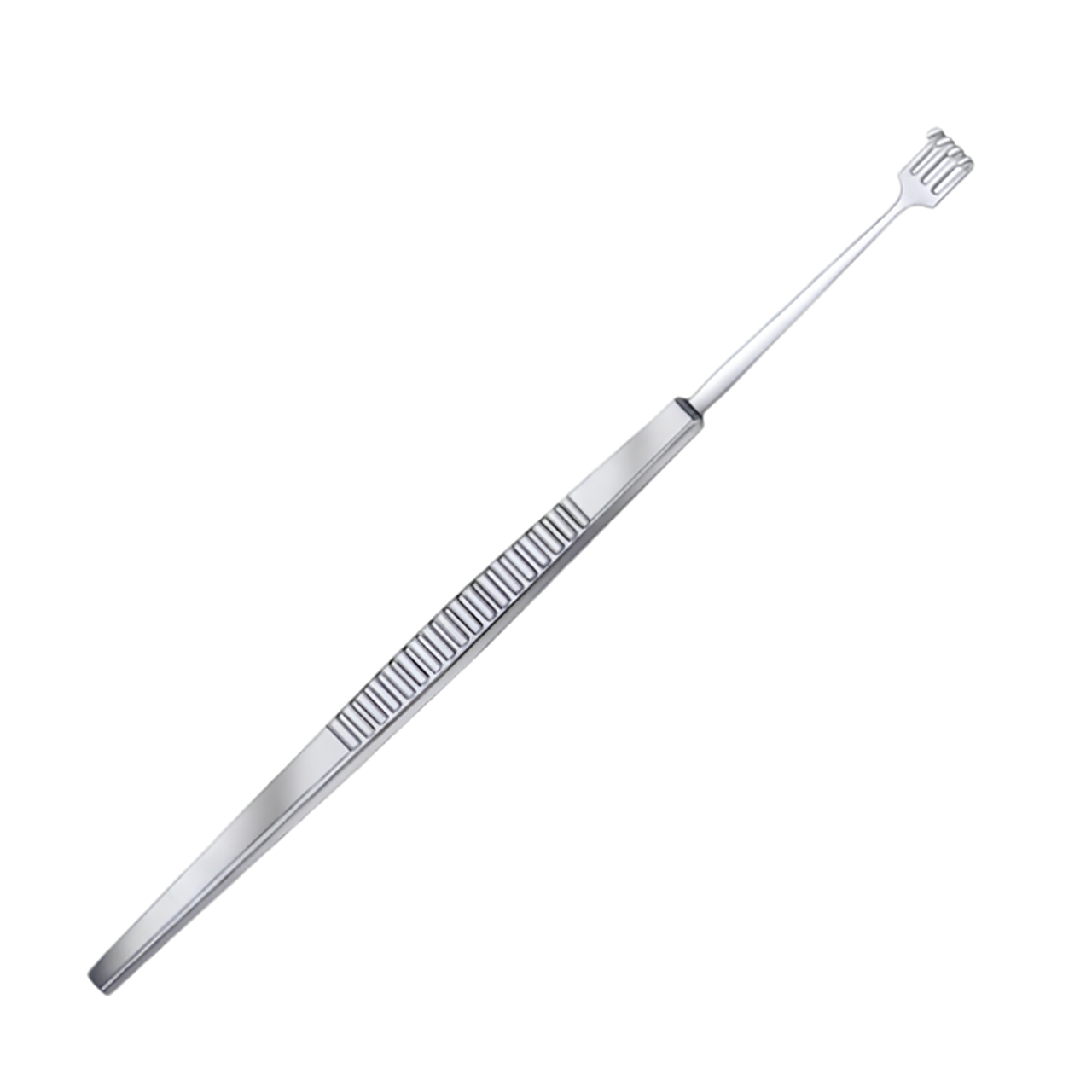 | Separador de Saco Lagrimal Knapp | Diseñado específicamente para retraer colgajos cutáneos, estructuras del canto medial y el saco lagrimal durante la cirugía oftálmica. |
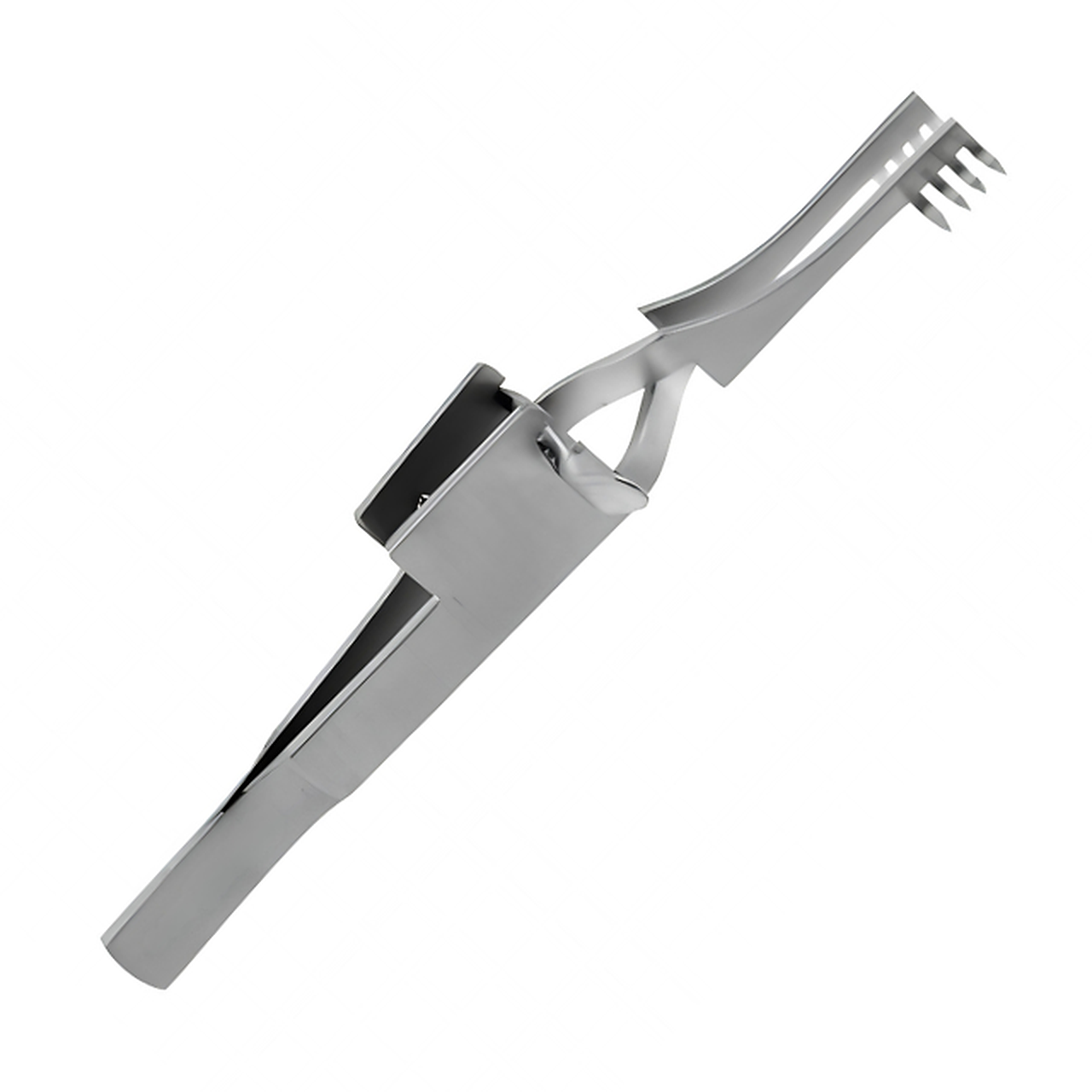 | Separador Autoestático Knapp | Diseñado específicamente para proporcionar separación autoestática de los márgenes de la herida durante procedimientos lagrimales, oftalmológicos y de cirugía plástica menor. |
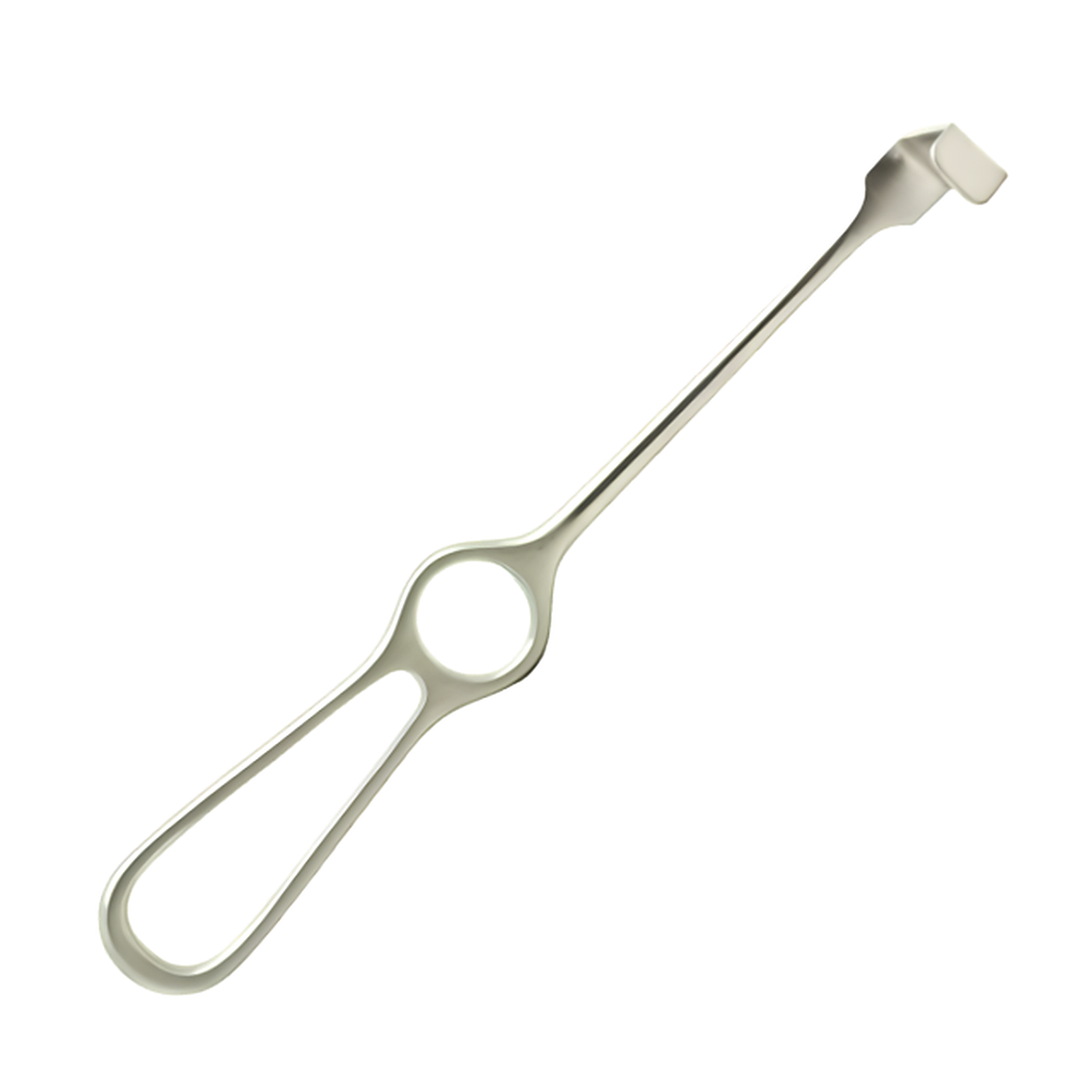 | Separador Kocher Langenbeck | Específicamente diseñado para retraer tejidos blandos, capas musculares y bordes de heridas en cirugía general, ortopédica y plástica. |
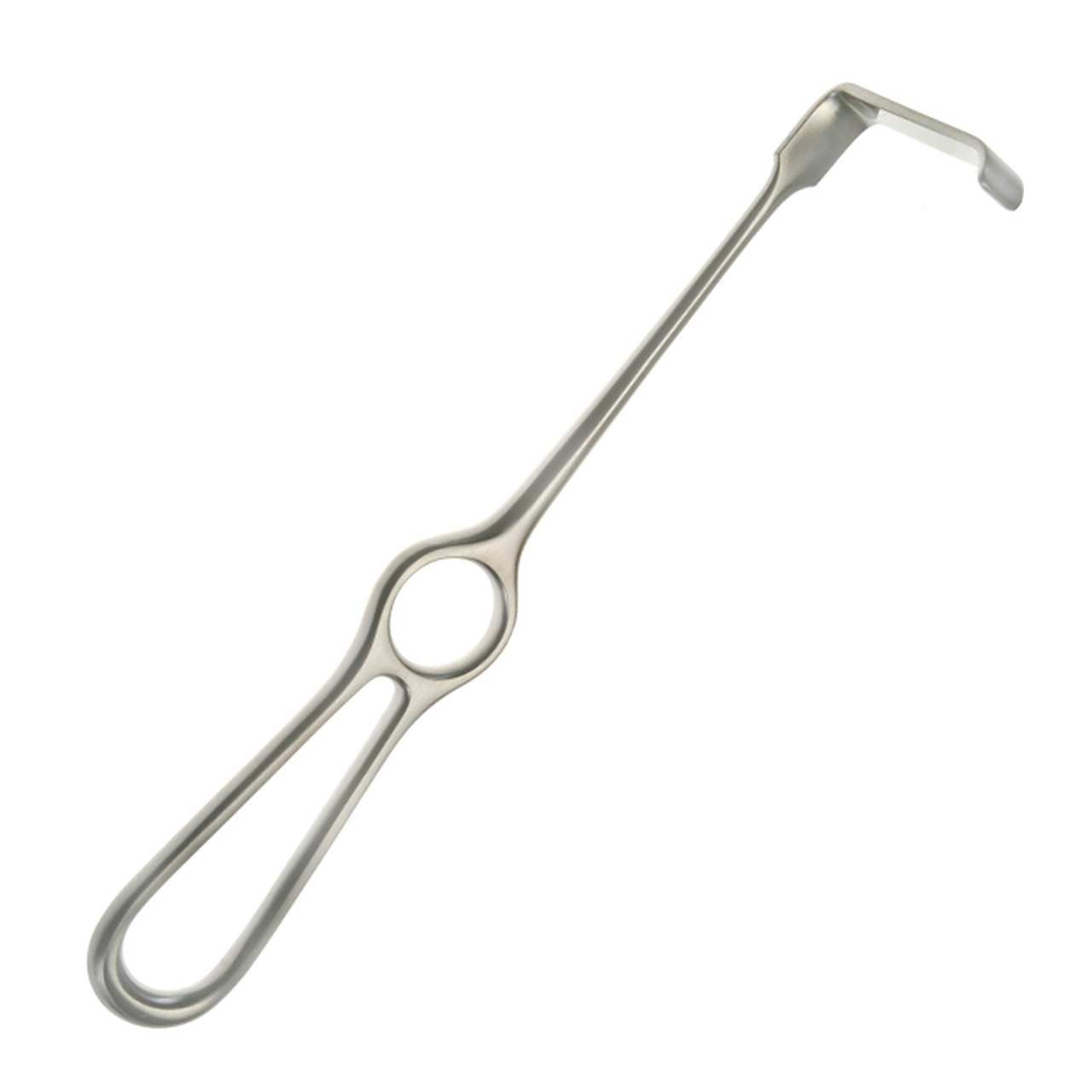 | Separador Kocher | Diseñado específicamente para retraer músculos, fascias y bordes de heridas durante cirugías de tiroides, generales y ortopédicas. |
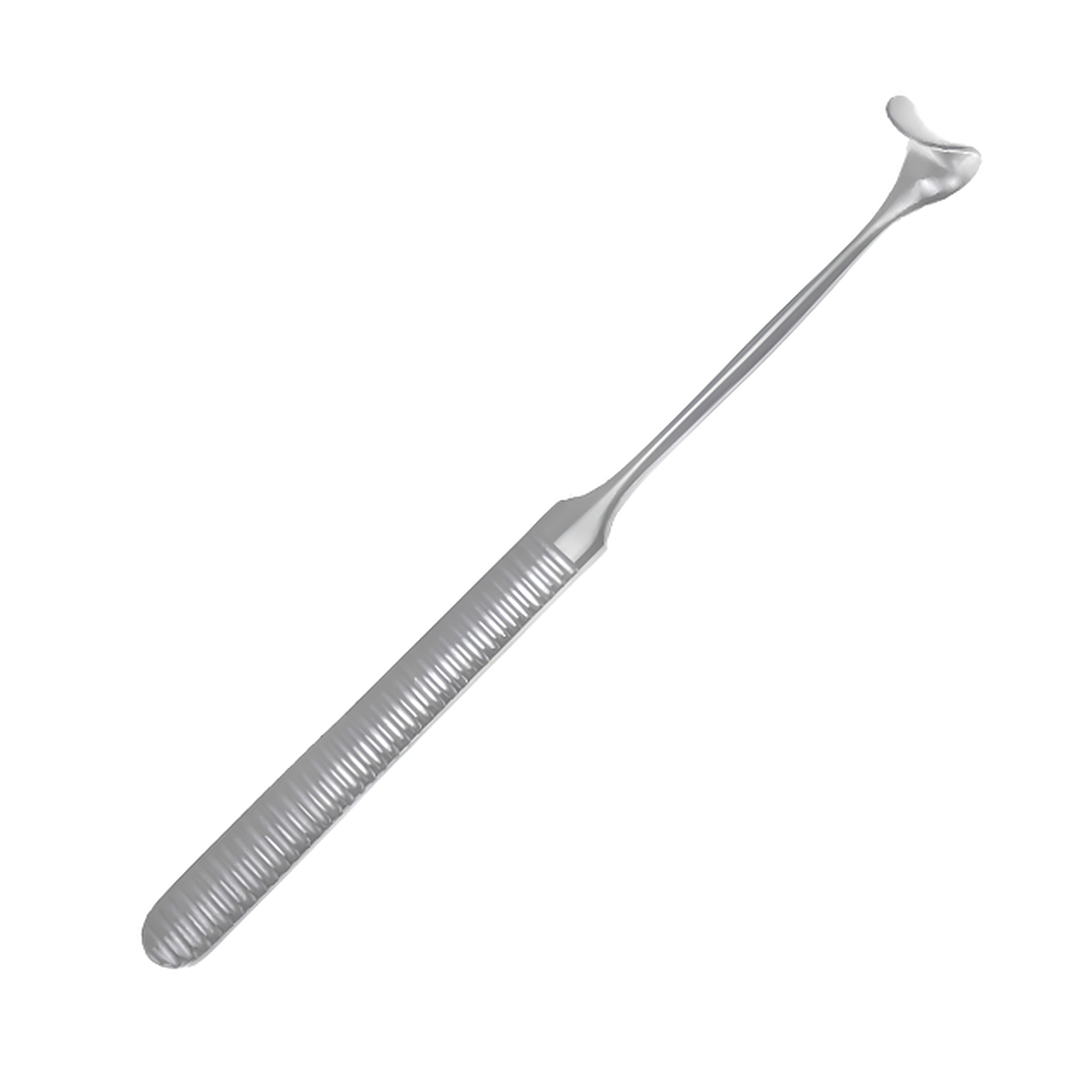 | Separador Koenig | Diseñado específicamente para retraer bordes de piel, fascia y capas musculares superficiales durante cirugía general, ortopédica y plástica. |
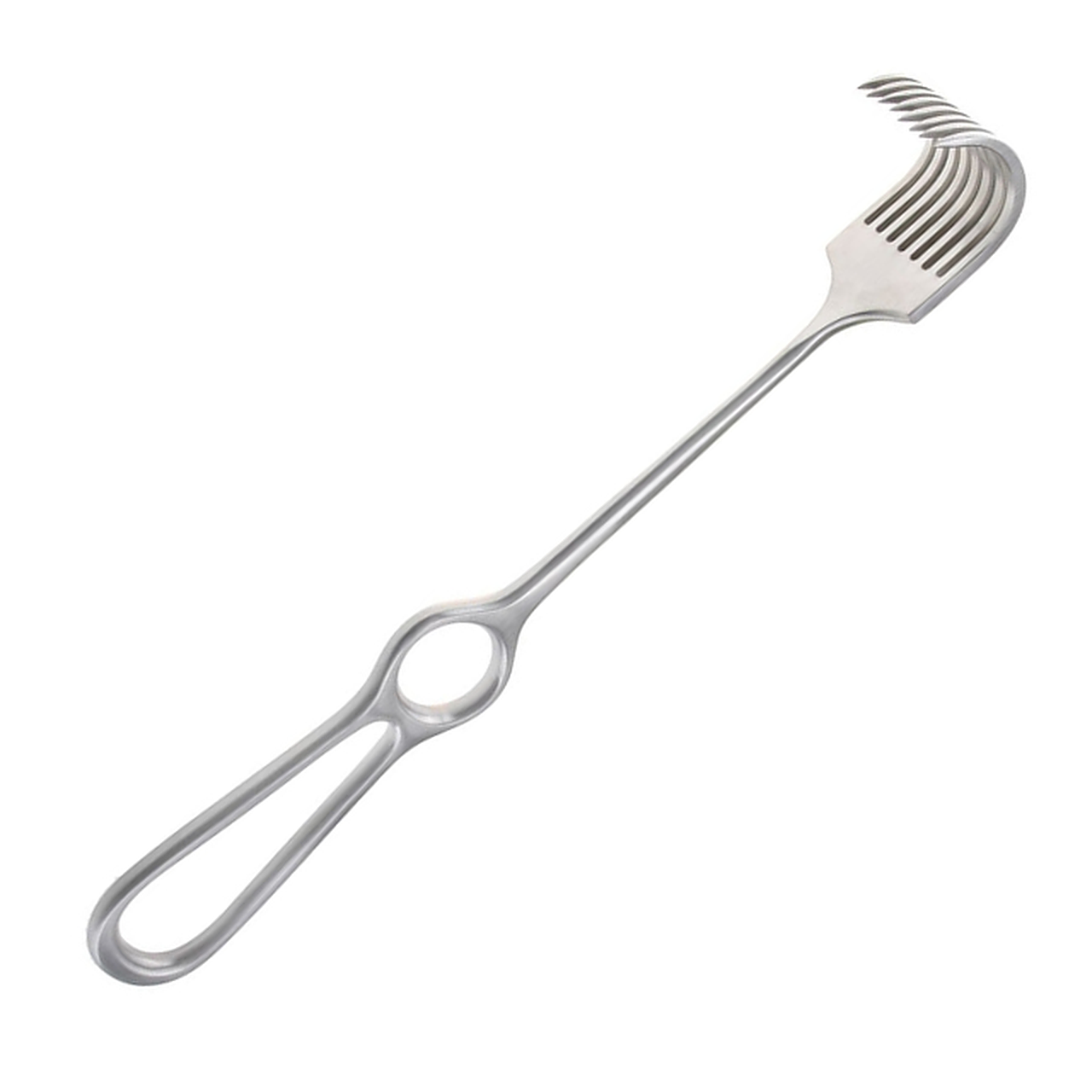 | Separador Koerte | Diseñado específicamente para retraer capas musculares densas, fascia y bordes de tejido grueso durante cirugías abdominales y ortopédicas. |
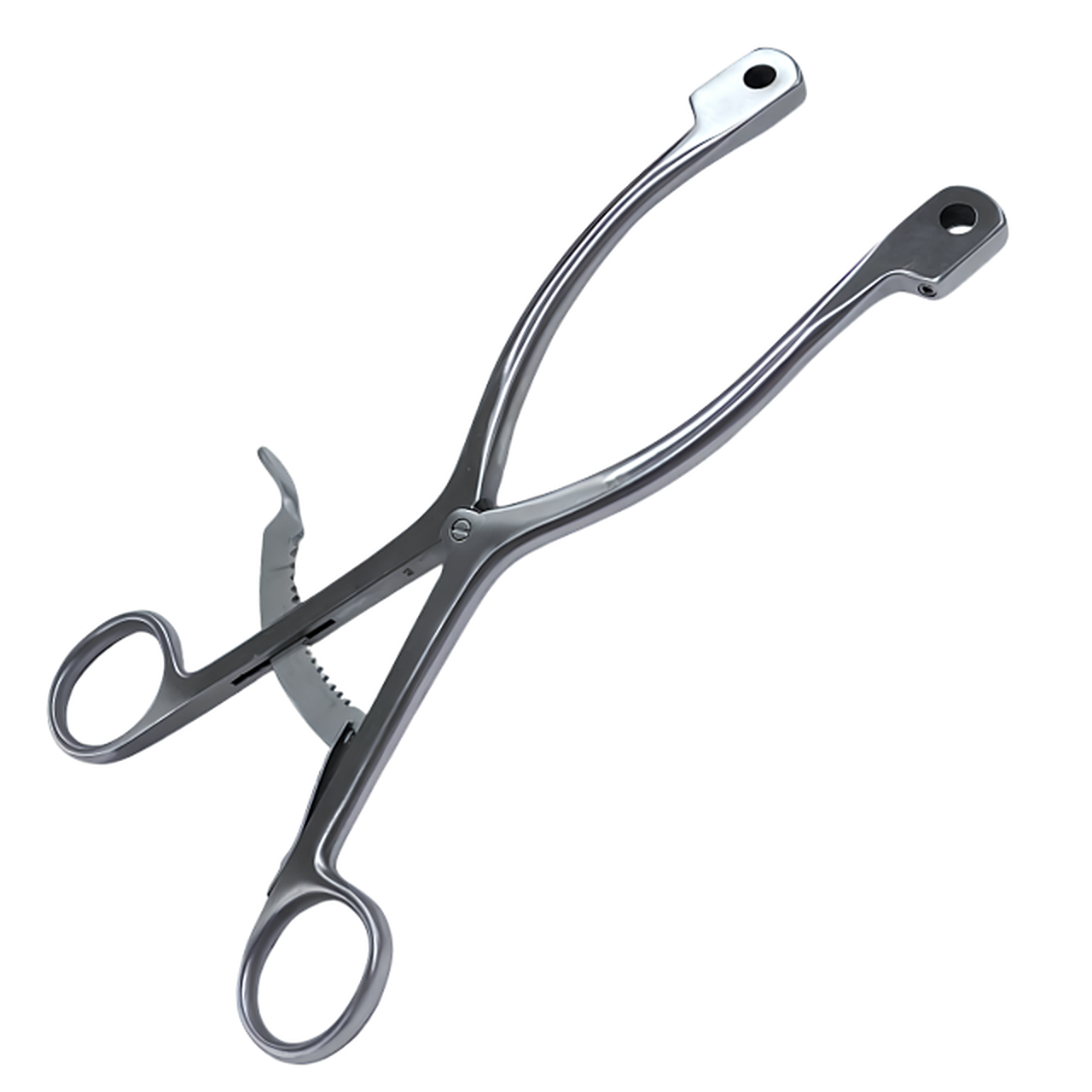 | Cuadro separador de hombro Kolbel | Diseñado específicamente para montar valvas modulares y proporcionar separación estática de tejidos blandos durante la artroplastia de hombro. |
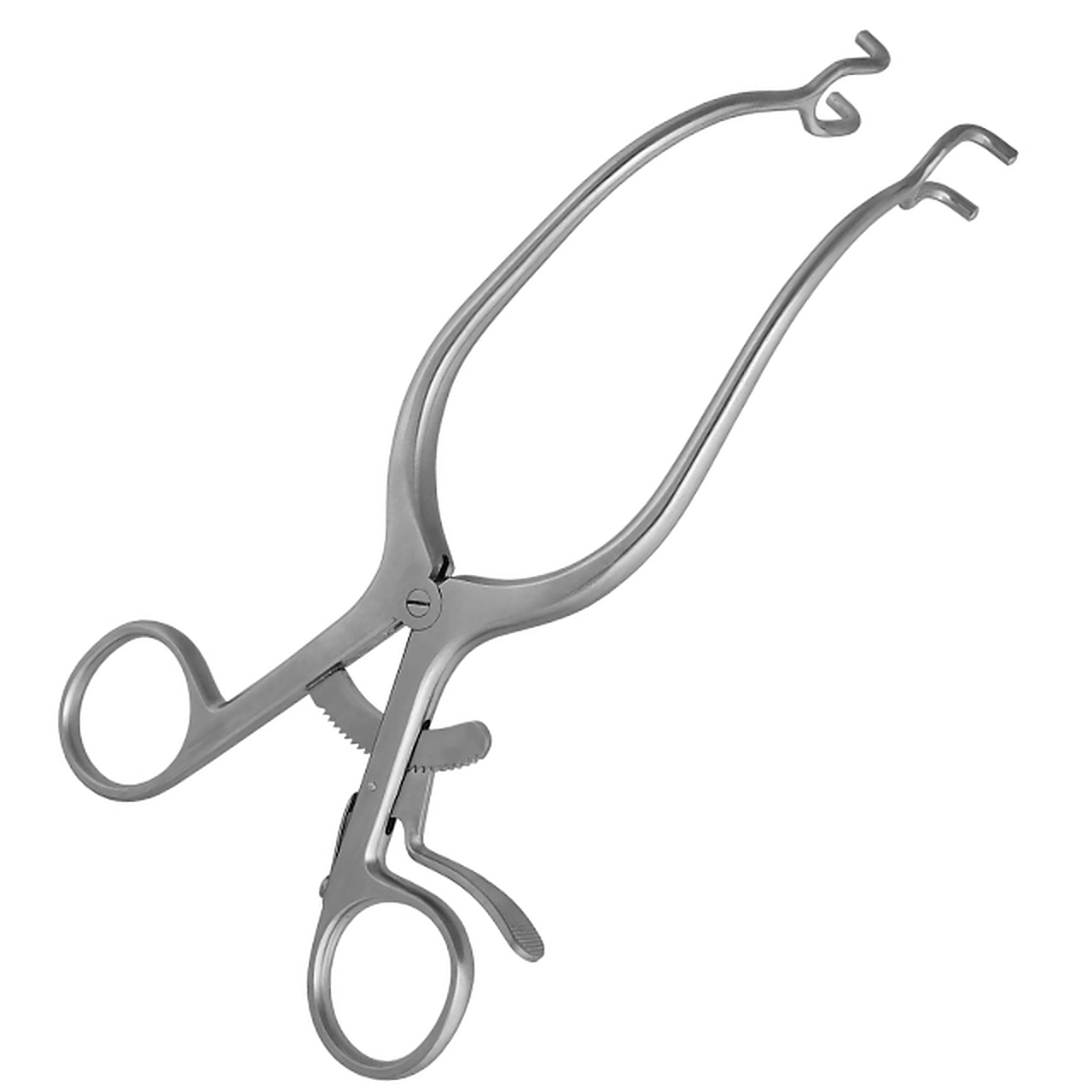 | Separador de tejidos blandos Kolbel | Diseñado específicamente para retraer músculos, cápsula y tejidos blandos durante la artroplastia de hombro y la cirugía reconstructiva. |
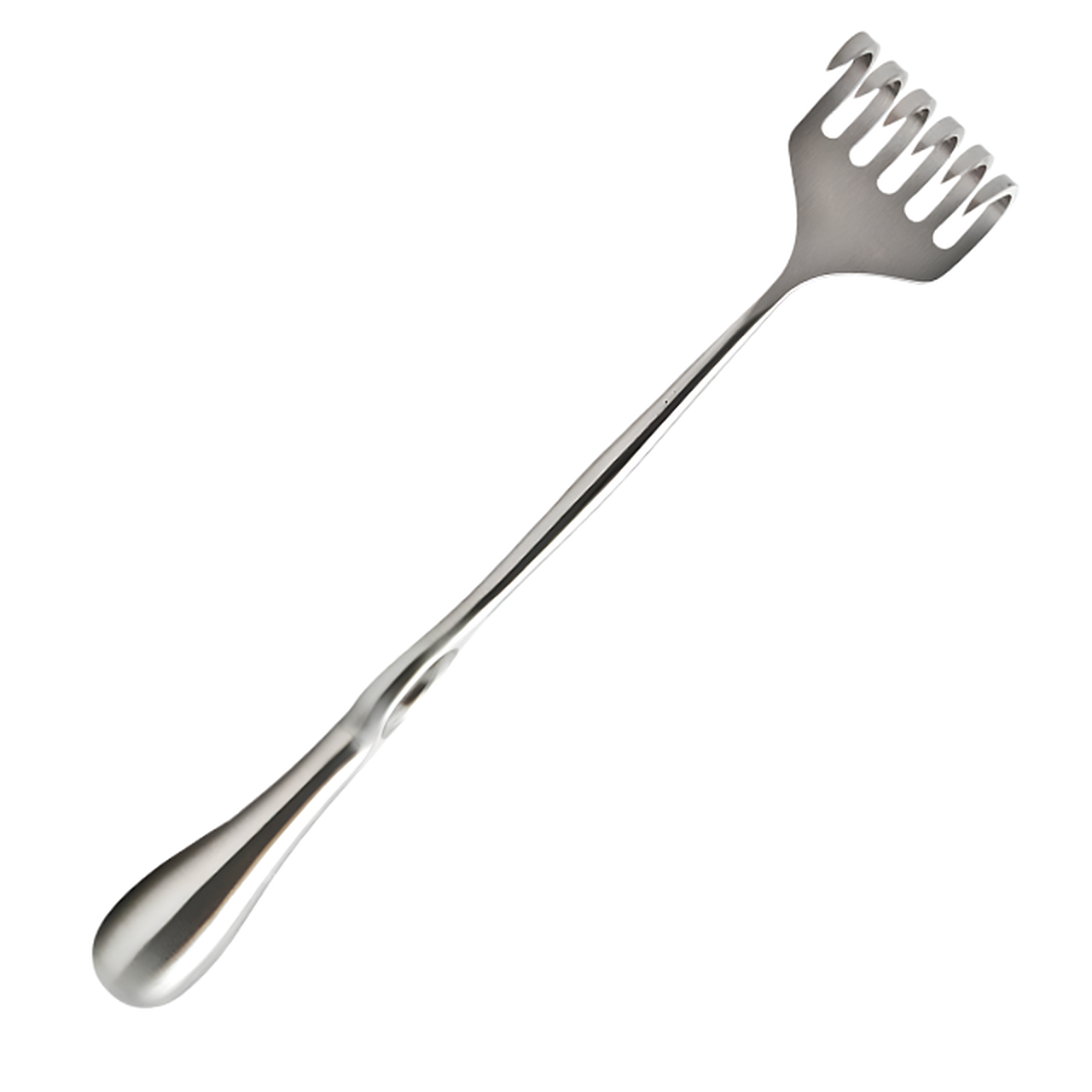 | Separador Krasky | Diseñado específicamente para retraer capas musculares densas y fascia profunda durante cirugía abierta general y ortopédica. |
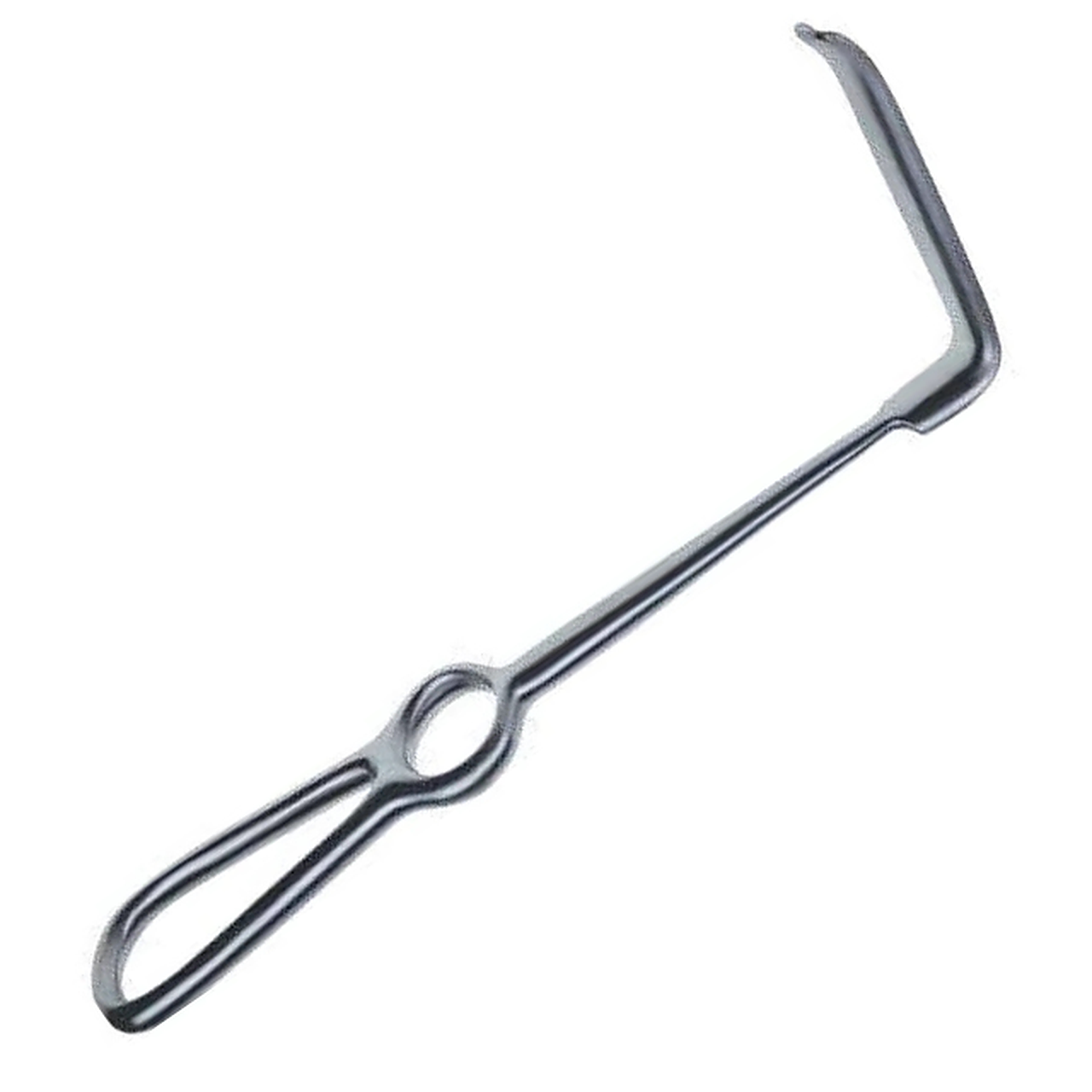 | Separador de tejidos blandos Kreidler | Diseñado específicamente para retraer colgajos mucoperiósticos y tejidos blandos durante cirugía oral, maxilofacial y ortognática. |
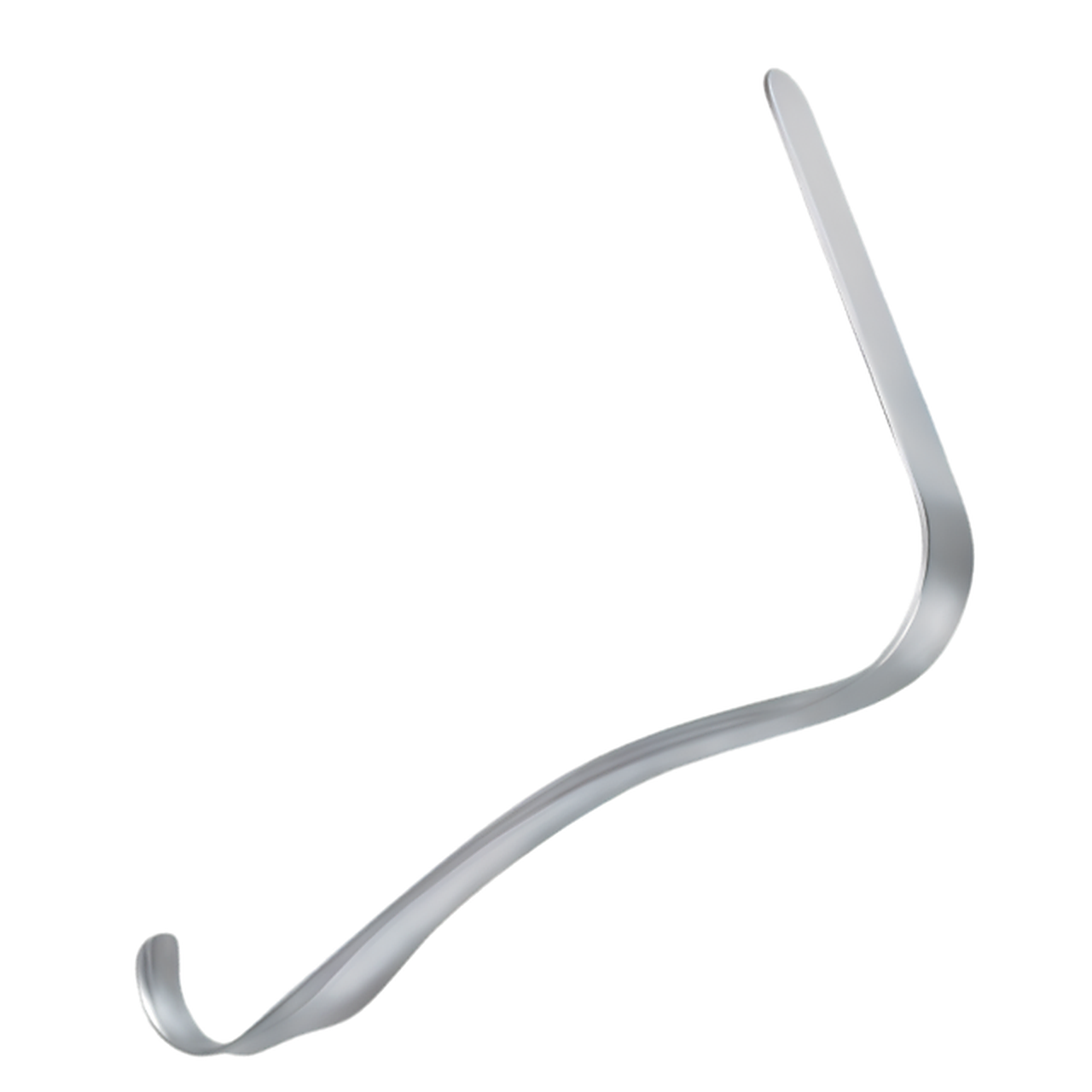 | Separador Vaginal Kristeller | Diseñado específicamente para retraer las paredes vaginales y proporcionar visualización de la bóveda pélvica durante procedimientos ginecológicos. |
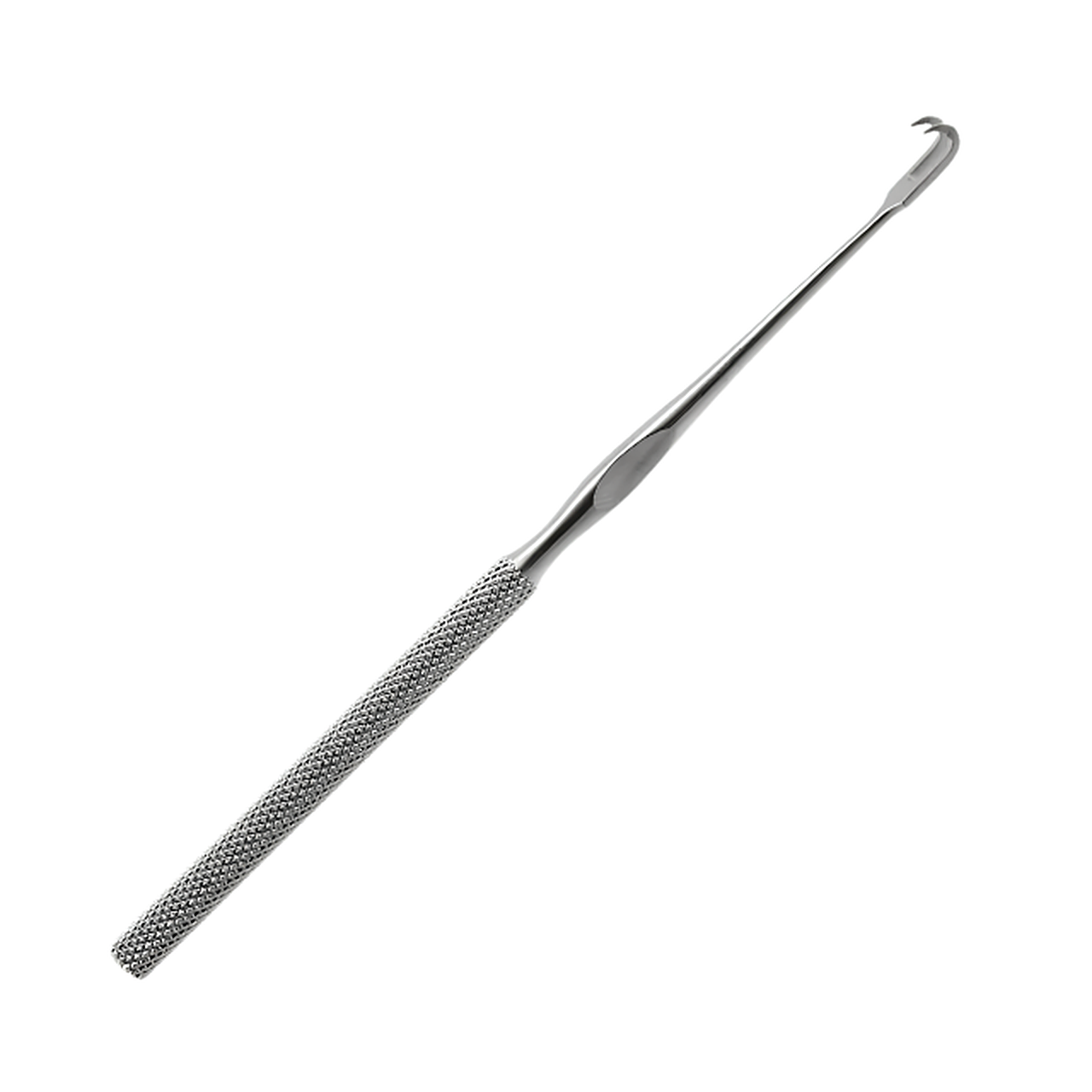 | Separador Digital Lahey Finger Retractor | Diseñado específicamente para retraer colgajos de piel, márgenes cutáneos y fascia superficial durante cirugías plásticas y de mano. |
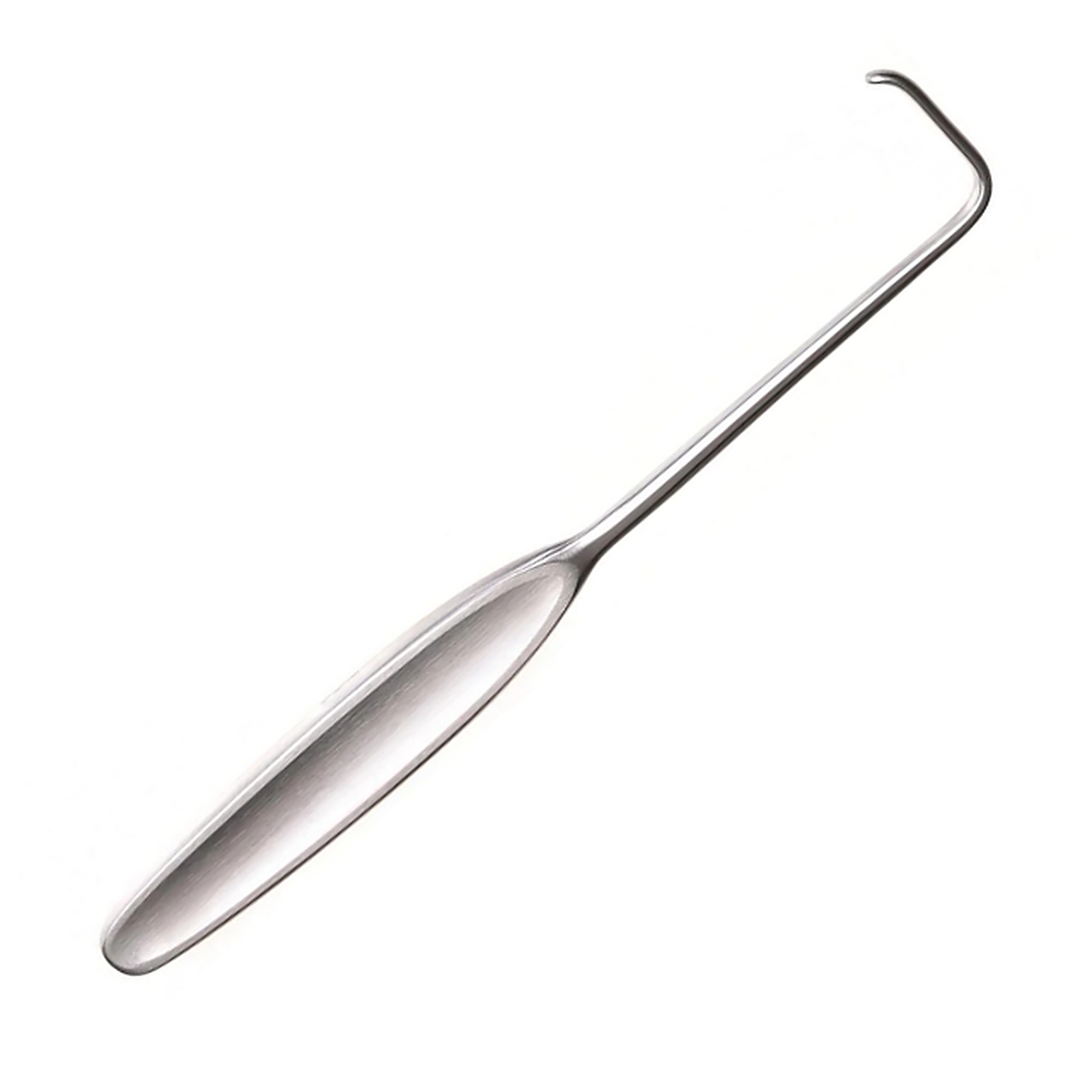 | Separador Lahey | Diseñado específicamente para proporcionar retracción atraumática de tejidos blandos y exposición estructurada durante procedimientos quirúrgicos de tiroides, cuello y cirugía general. |
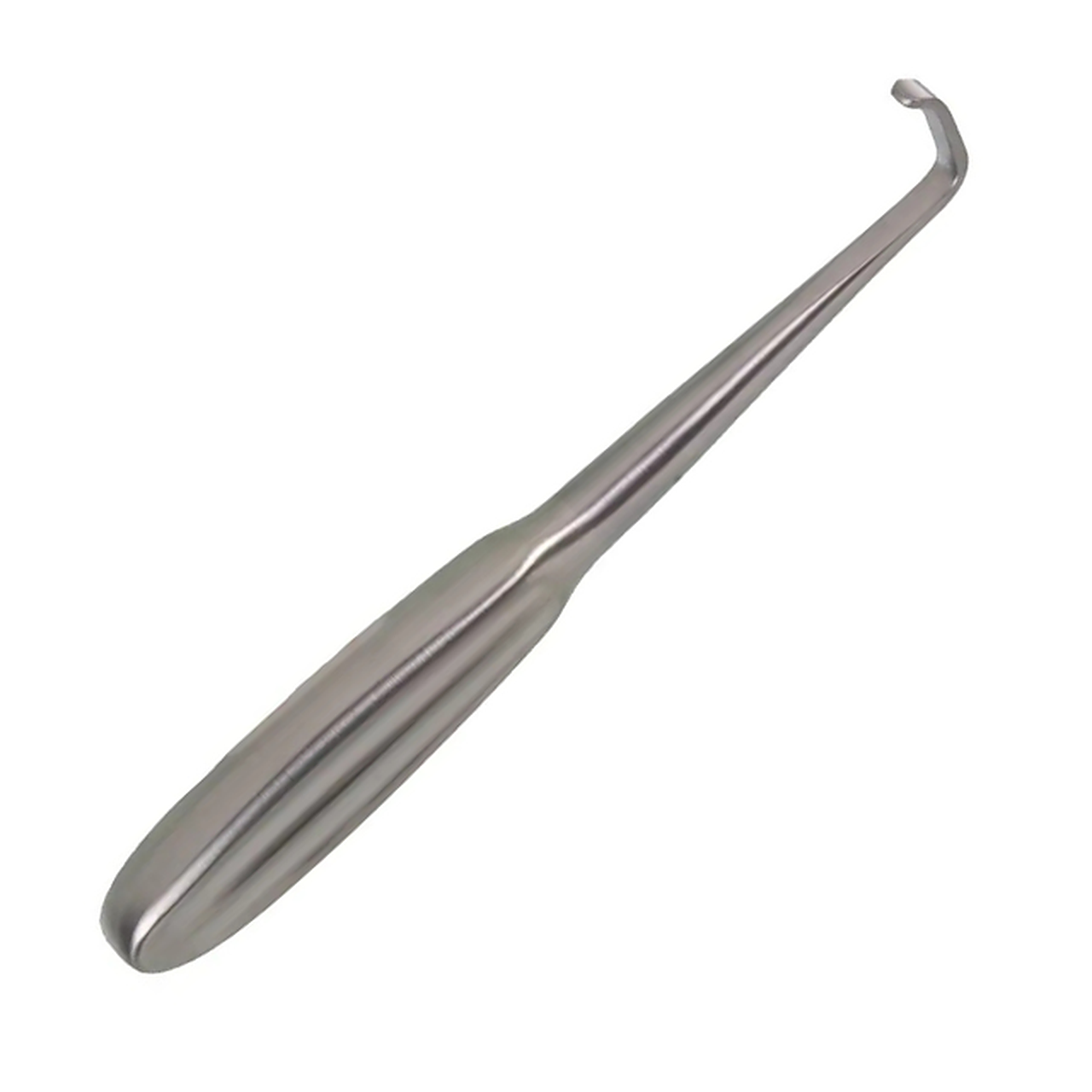 | Separador de Tiroides Lahey | Diseñado específicamente para retraer los músculos pretiroideos, la fascia cervical y los tejidos blandos durante procedimientos de tiroidectomía y paratiroidectomía. |
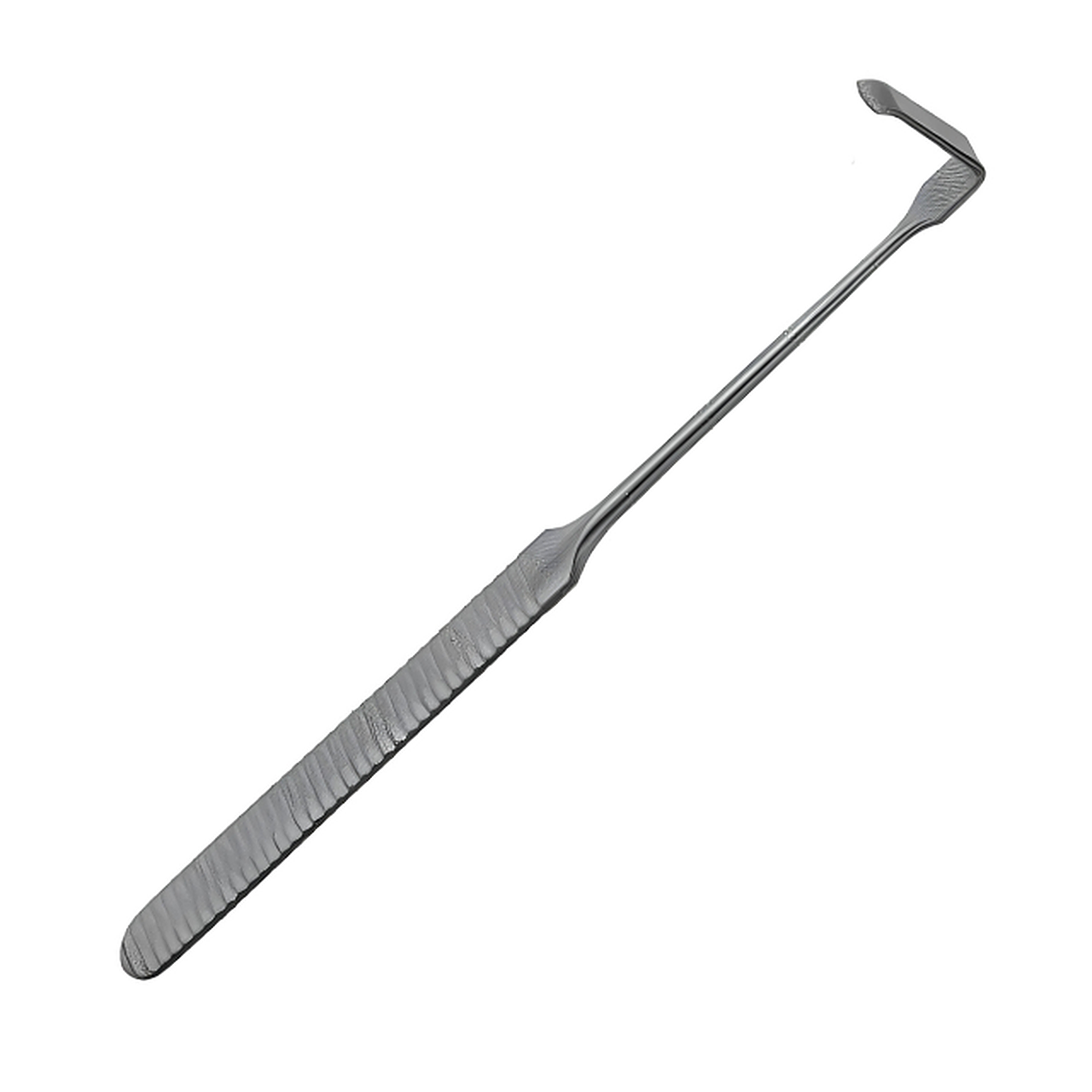 | Separador Langenbeck Green | Diseñado específicamente para retraer los músculos infrahioideos, la fascia cervical y los bordes de la herida durante cirugías de tiroides, cuello y cirugía general. |
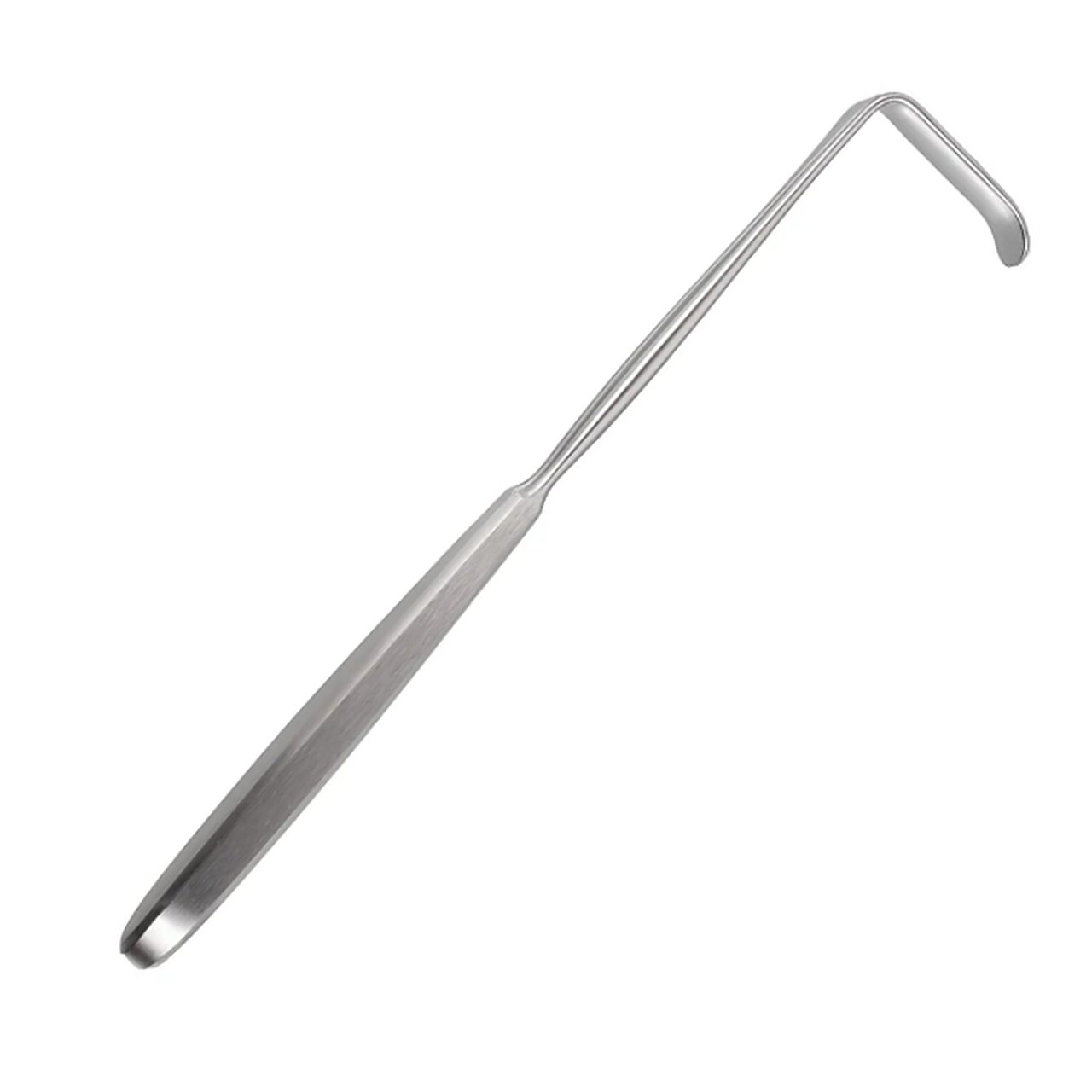 | Separador Langenbeck-Mango Sólido | Diseñado específicamente para retraer capas musculares, fascias y bordes de heridas durante cirugía general, ortopédica y plástica. |
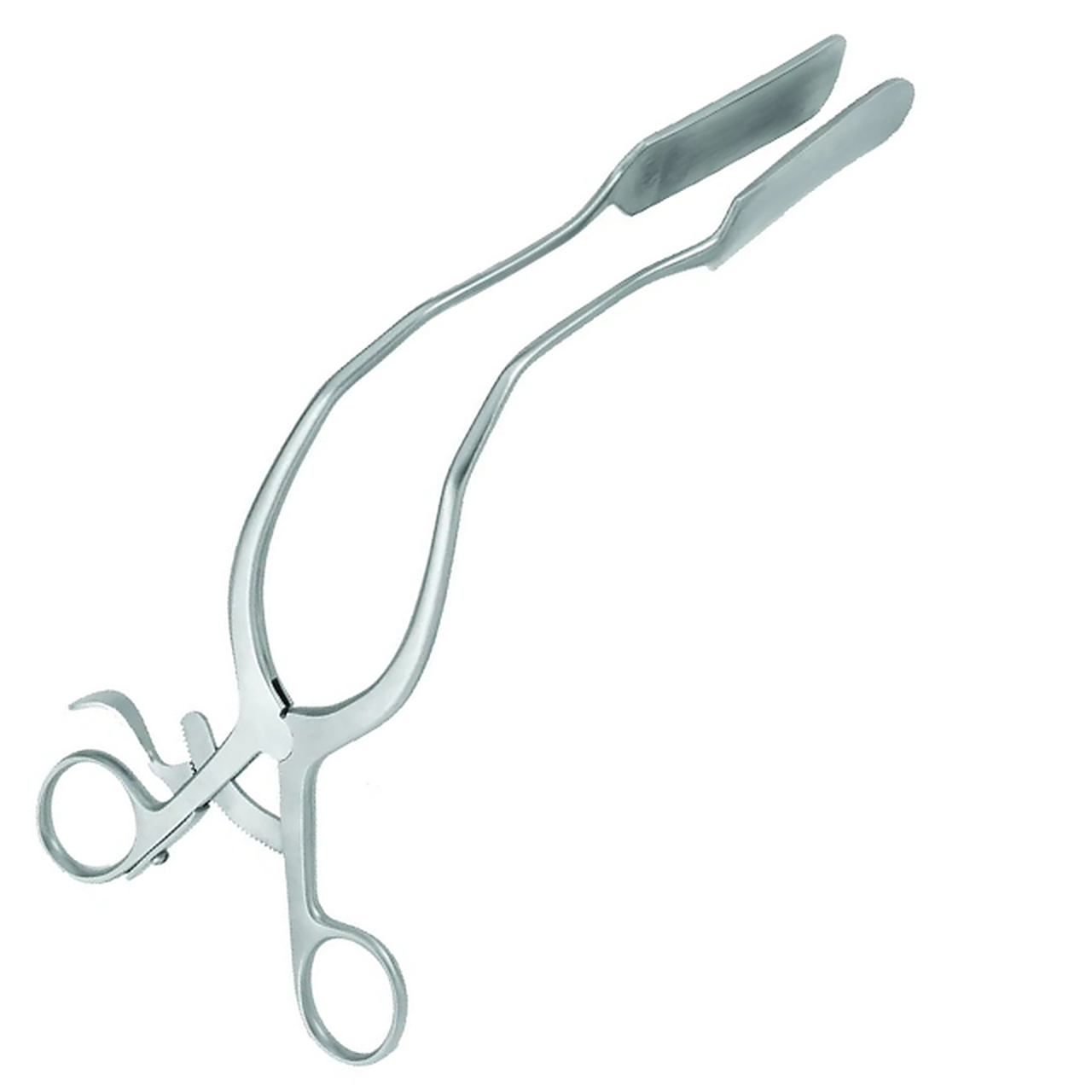 | Separador Vaginal Lateral Ebonizado | Diseñado específicamente para retraer las paredes vaginales laterales durante procedimientos ginecológicos láser y electroquirúrgicos. |
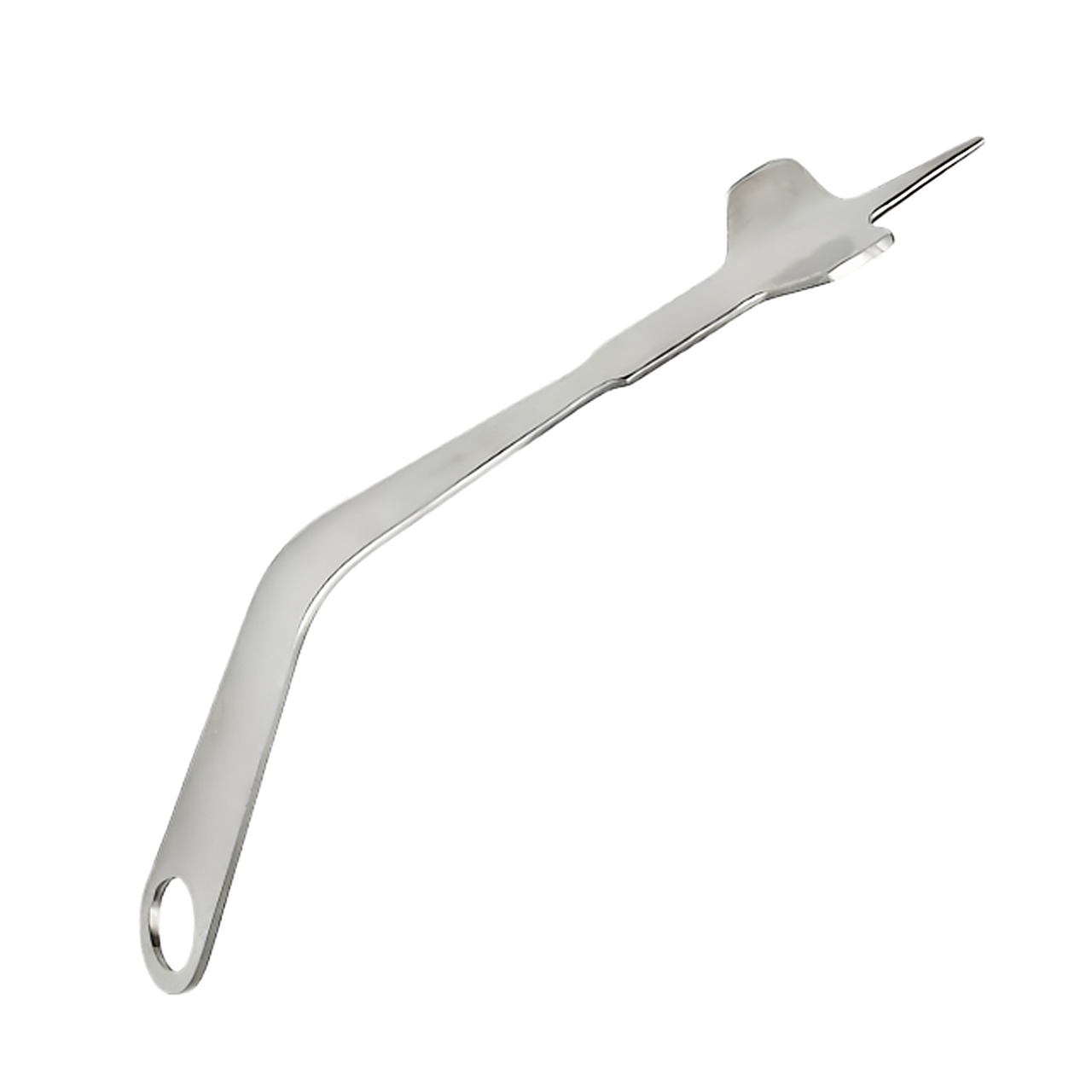 | Separador Lateral para la Almohadilla Adiposa | Diseñado específicamente para retraer la almohadilla grasa infrapatelar y los tejidos blandos durante la artroplastia total y reconstrucción de rodilla. |
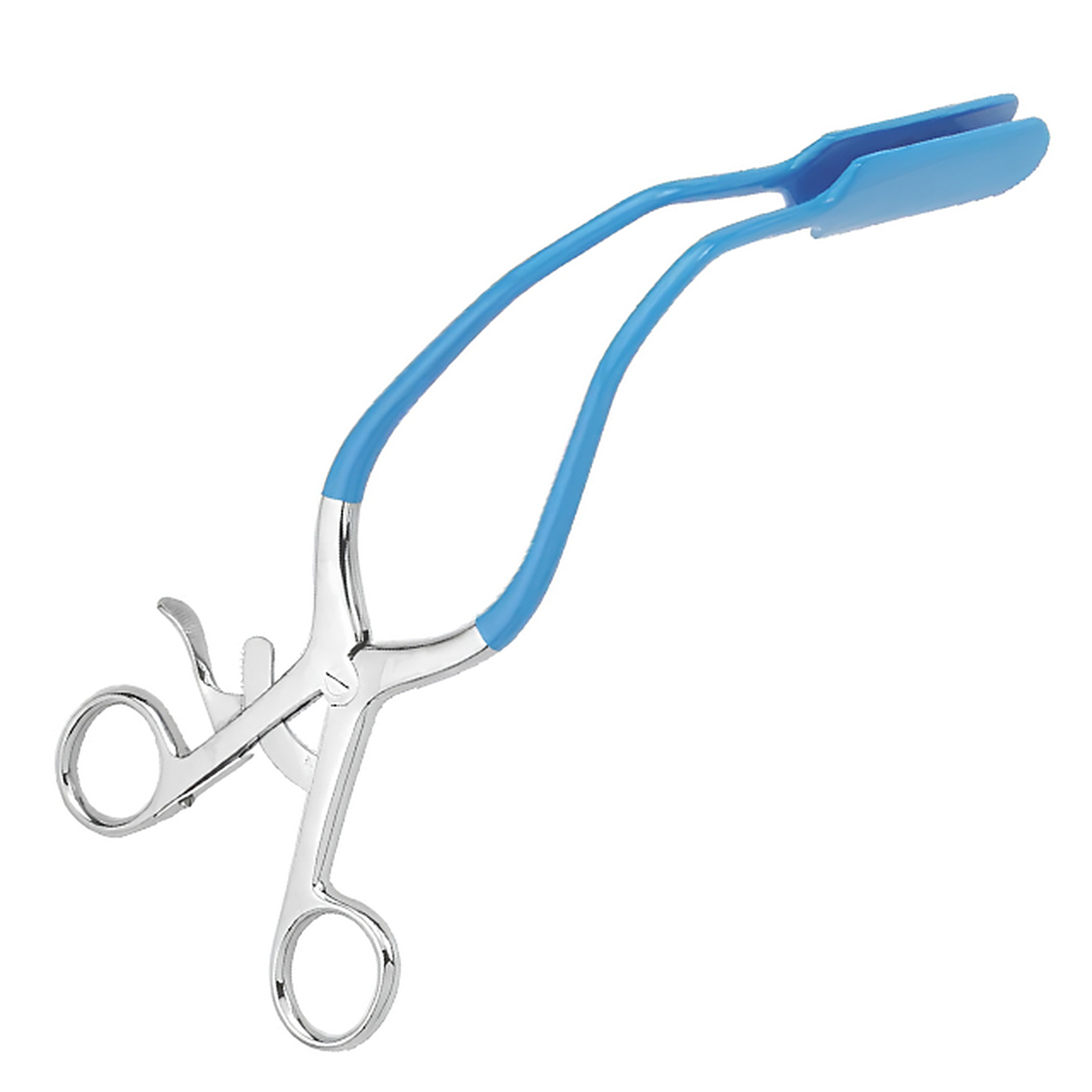 | Separador Vaginal Lateral No Conductor | Diseñado específicamente para retraer las paredes vaginales laterales durante procedimientos ginecológicos por láser y electrocirugía. |
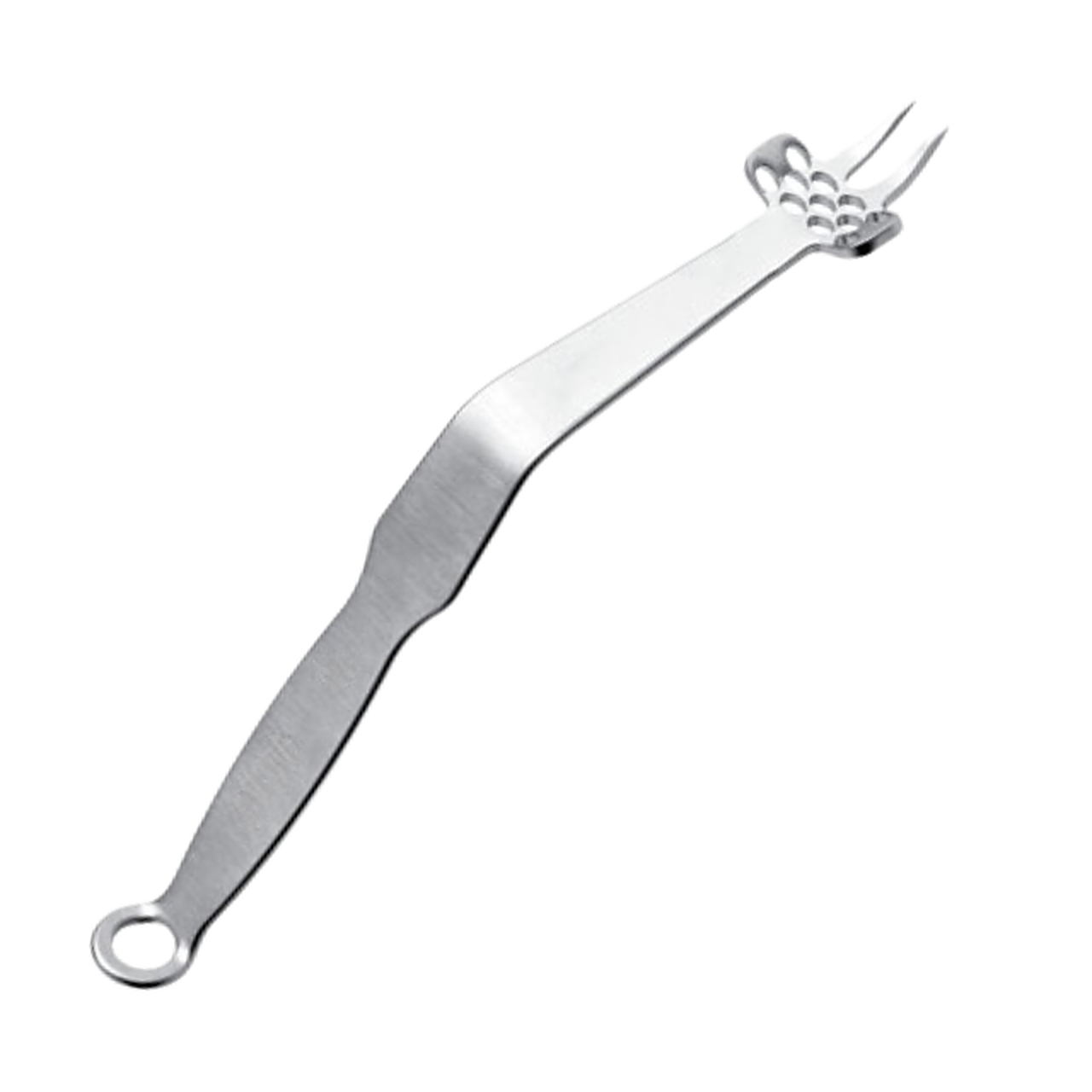 | Separadores Laterales para Tejidos Blandos | Específicamente diseñado para retraer el tejido blando lateral, la cápsula y los ligamentos colaterales durante la artroplastia total de rodilla. |
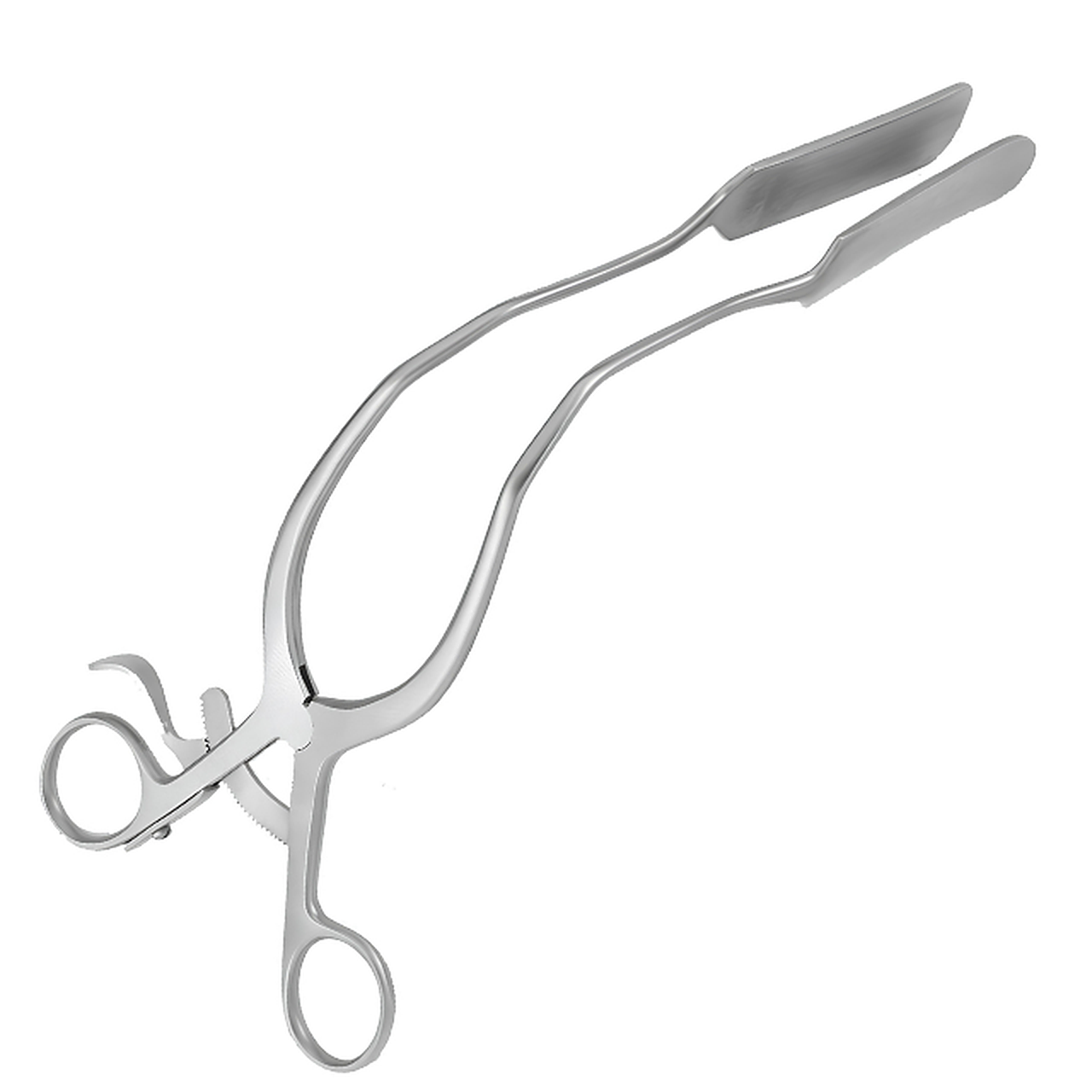 | Separador Vaginal de Paredes Laterales | Diseñado específicamente para retraer las paredes vaginales laterales y prevenir el colapso del tejido durante la cirugía vaginal y procedimientos electroquirúrgicos. |
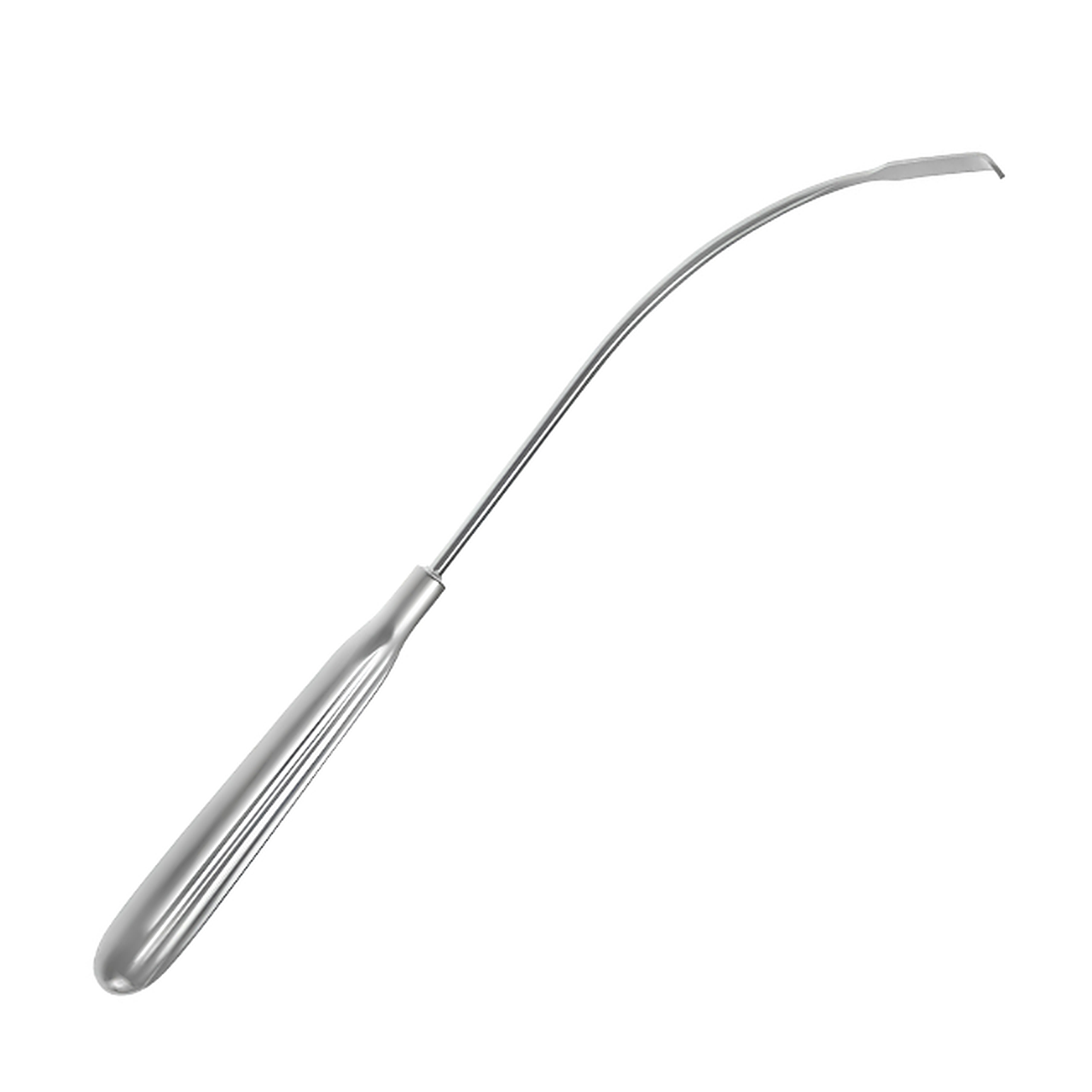 | Separador de Valvas Leaflet Retractor | Diseñado específicamente para retraer y elevar las valvas de las válvulas cardíacas durante las reparaciones y reemplazos valvulares cardíacos abiertos. |
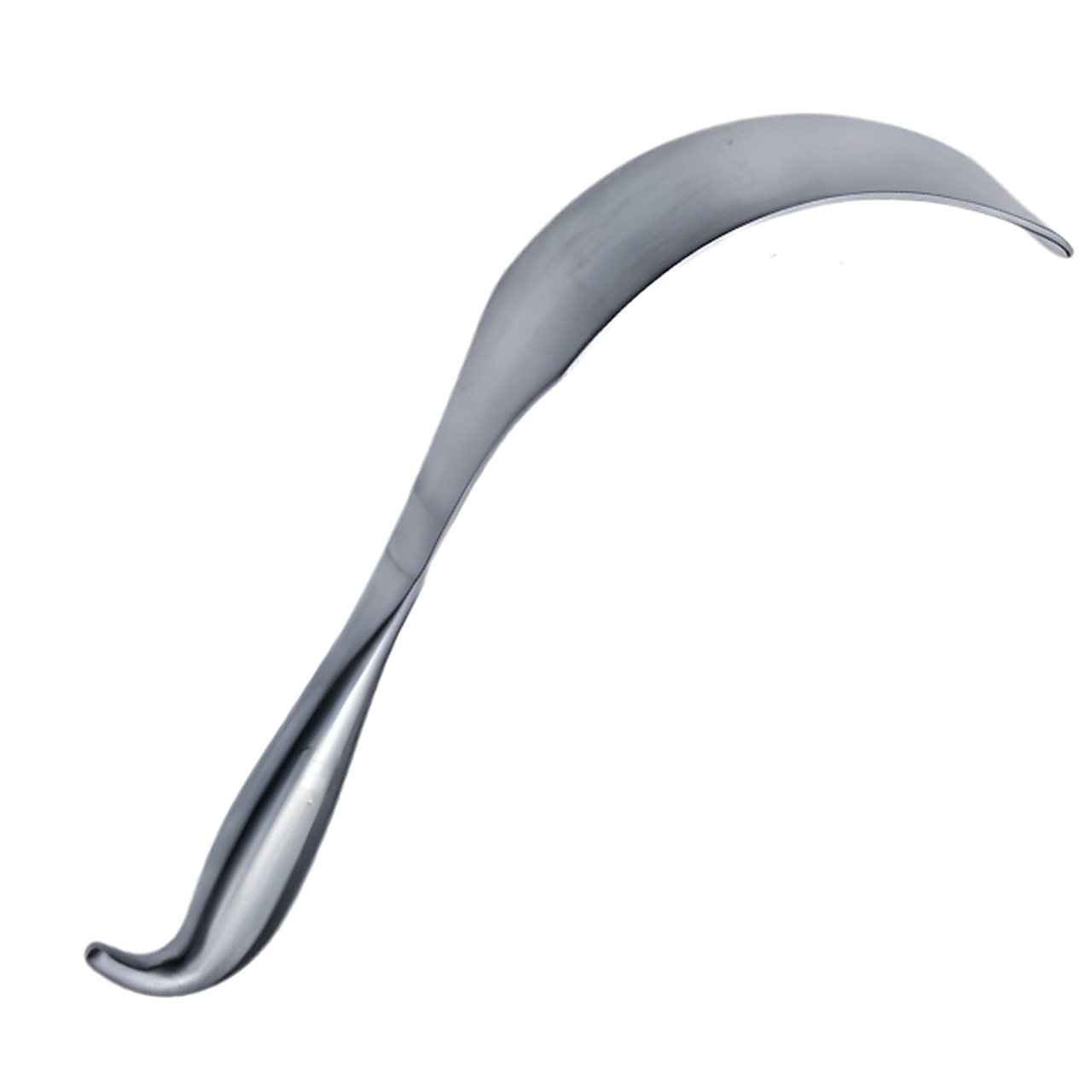 | Separador Leriche Retractor-Atraumatic Wide Blade | Específicamente diseñado para retraer la pared abdominal, las vísceras pélvicas y la musculatura gruesa durante cirugía abierta. |
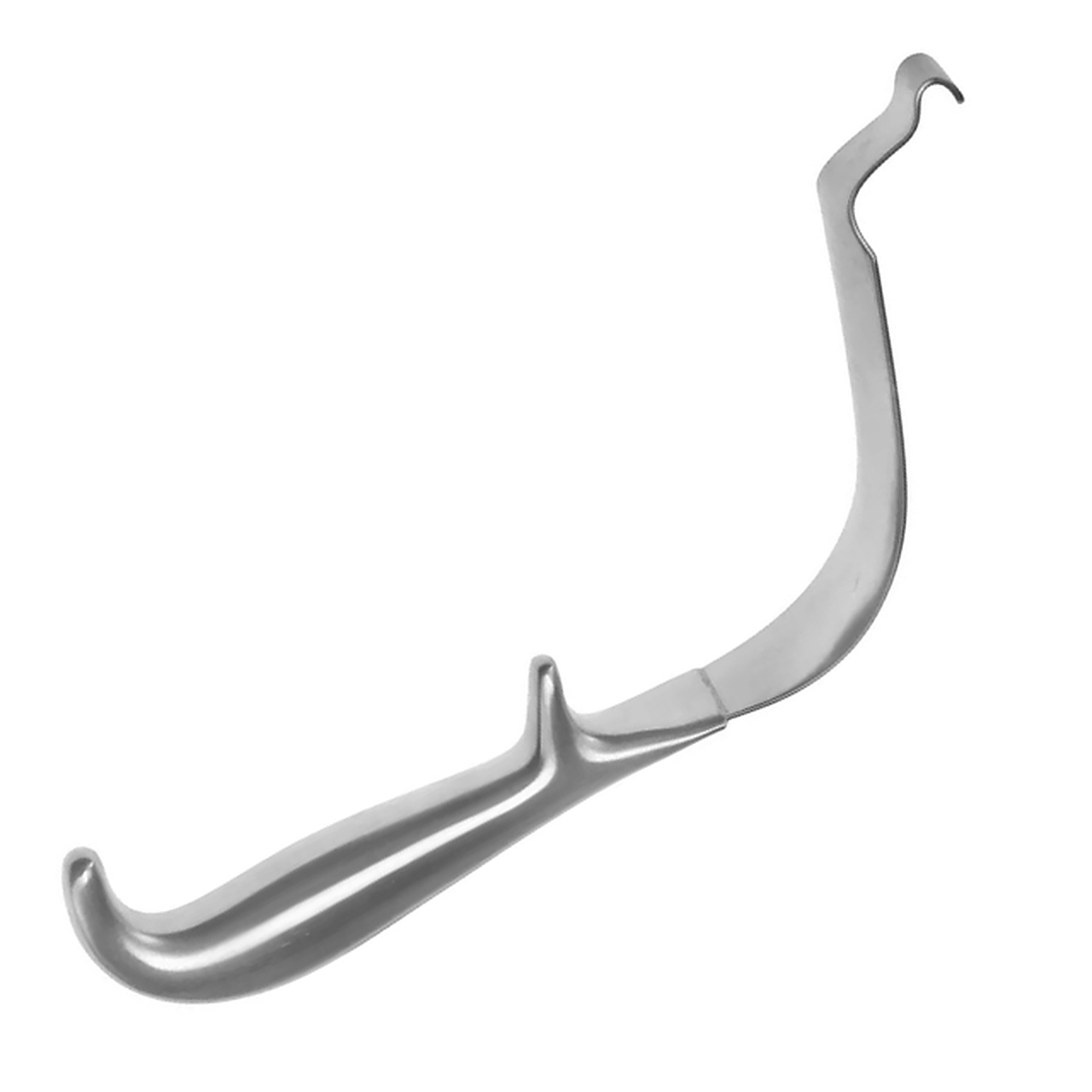 | Separador Levasseur Merril | Específicamente diseñado para retraer tejidos blandos y proteger estructuras neurovasculares durante osteotomías de la rama vertical. |
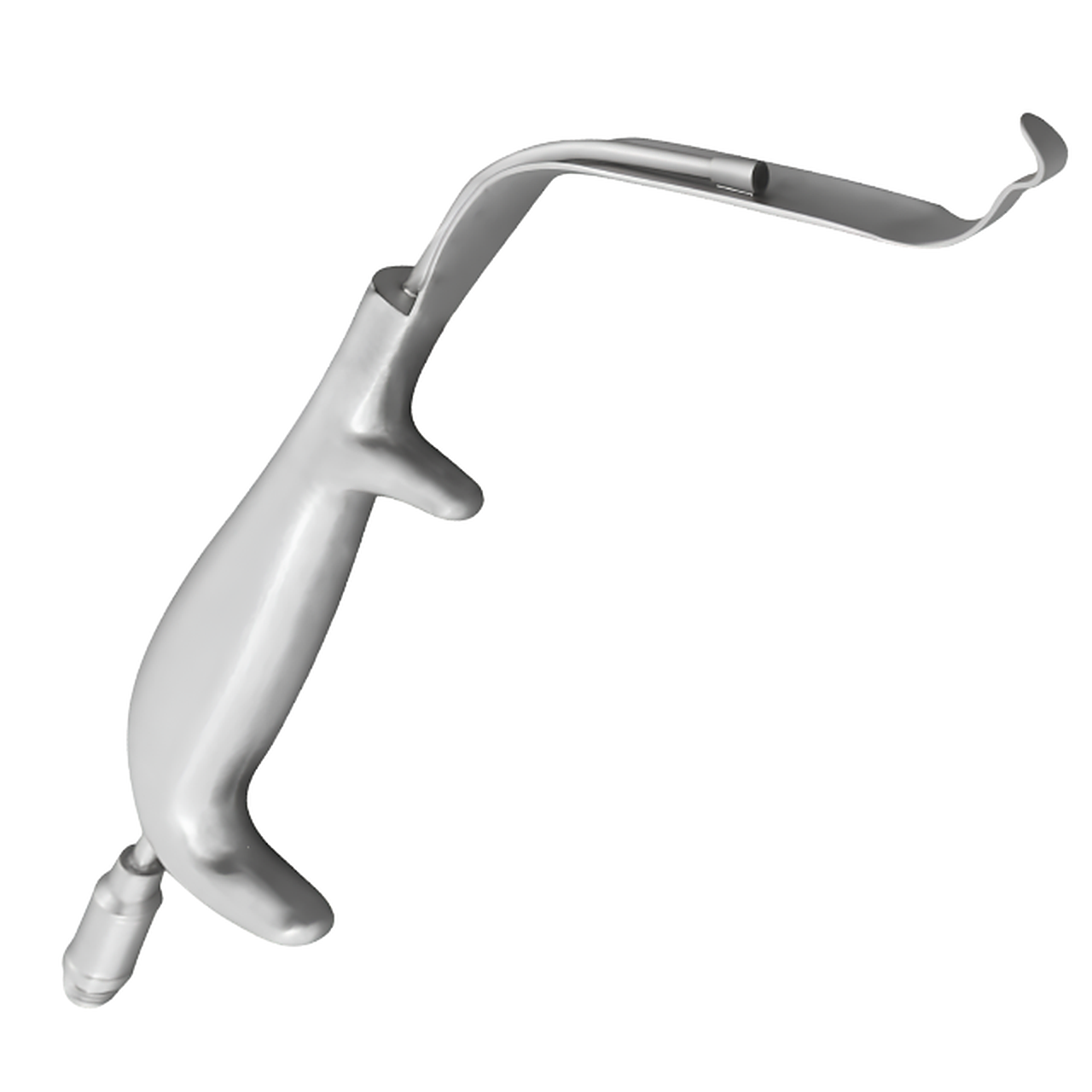 | Separador Levasseur Merril de Fibra Óptica | Específicamente diseñado para proporcionar separación de tejidos blandos con iluminación y exposición ósea durante las osteotomías de rama vertical. |
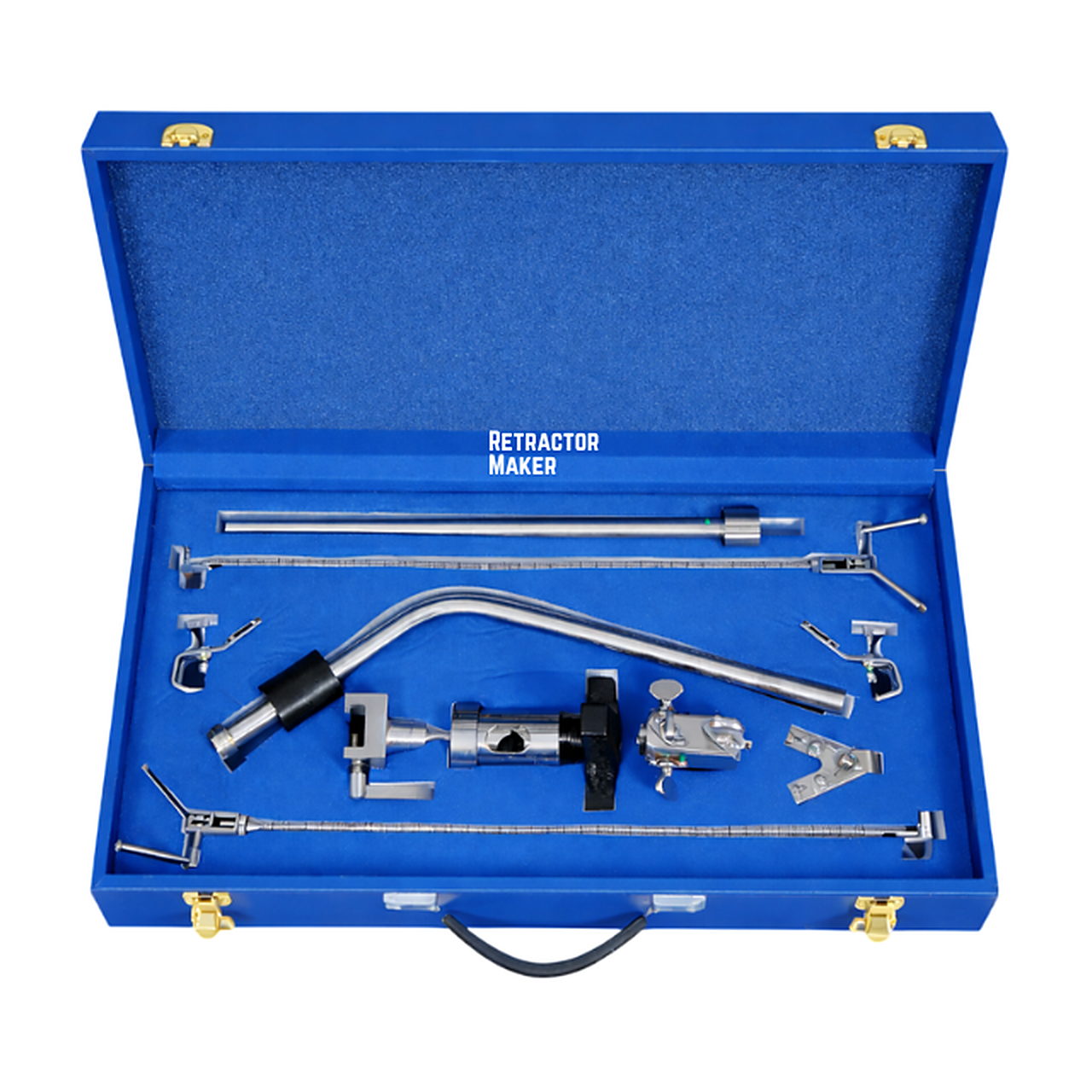 | Separador de Leyla | Específicamente diseñado para proporcionar una retracción del tejido cerebral precisa, manos libres y de baja presión durante procedimientos craneales, de base de cráneo y microneuroquirúrgicos delicados. |
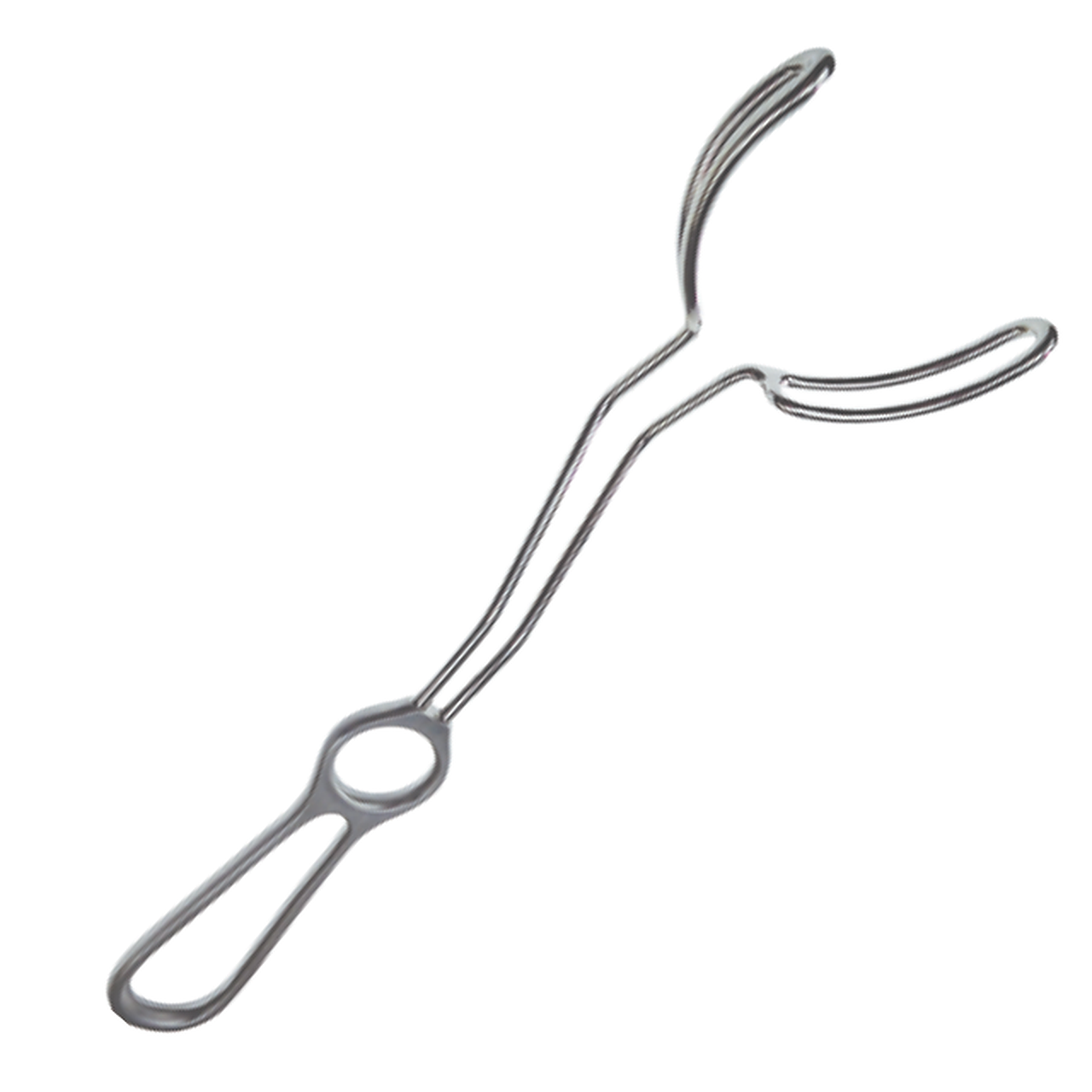 | Separador de Labios y Mejillas | Diseñado específicamente para retraer labios y mejillas, proporcionando una exposición clara del maxilar inferior durante la cirugía oral y maxilofacial. |
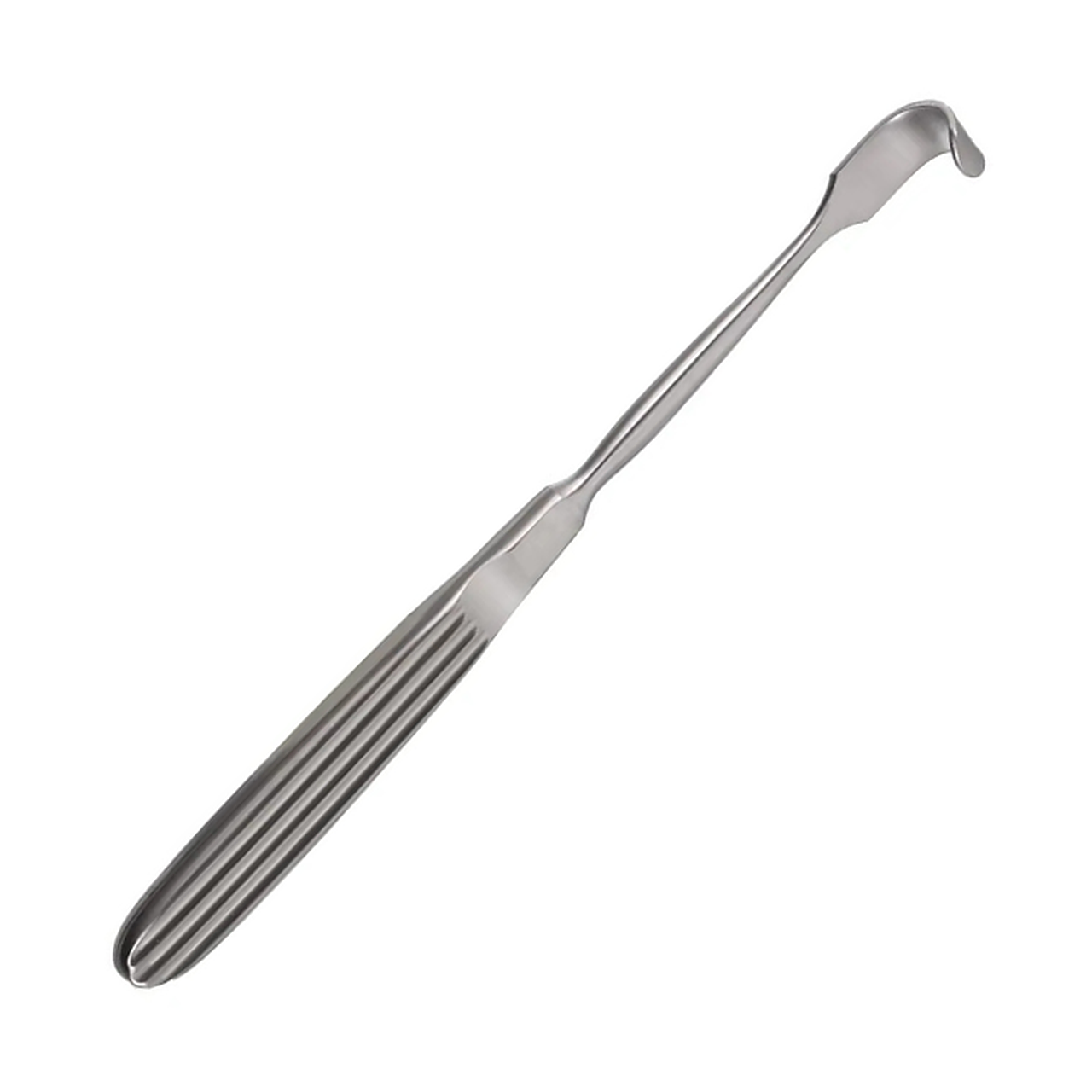 | Separador Little | Diseñado específicamente para retraer bordes de piel, fascia delicada y tejidos blandos durante procedimientos quirúrgicos menores y plásticos. |
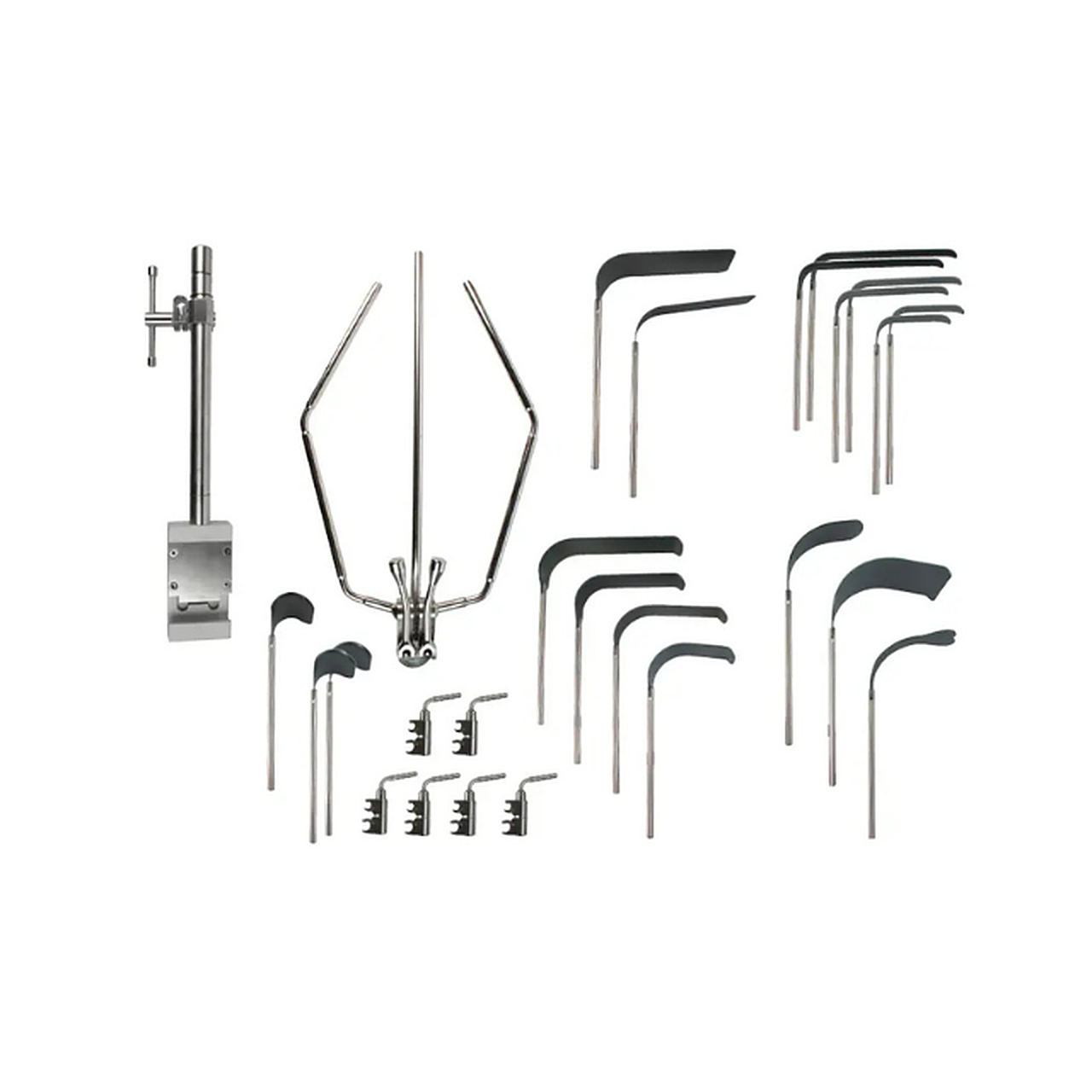 | Separador Lumbar Anterior Lobster | Diseñado específicamente para la retracción de tejidos blandos y exposición quirúrgica autoestática, montado en mesa, durante procedimientos de columna lumbar anterior. |
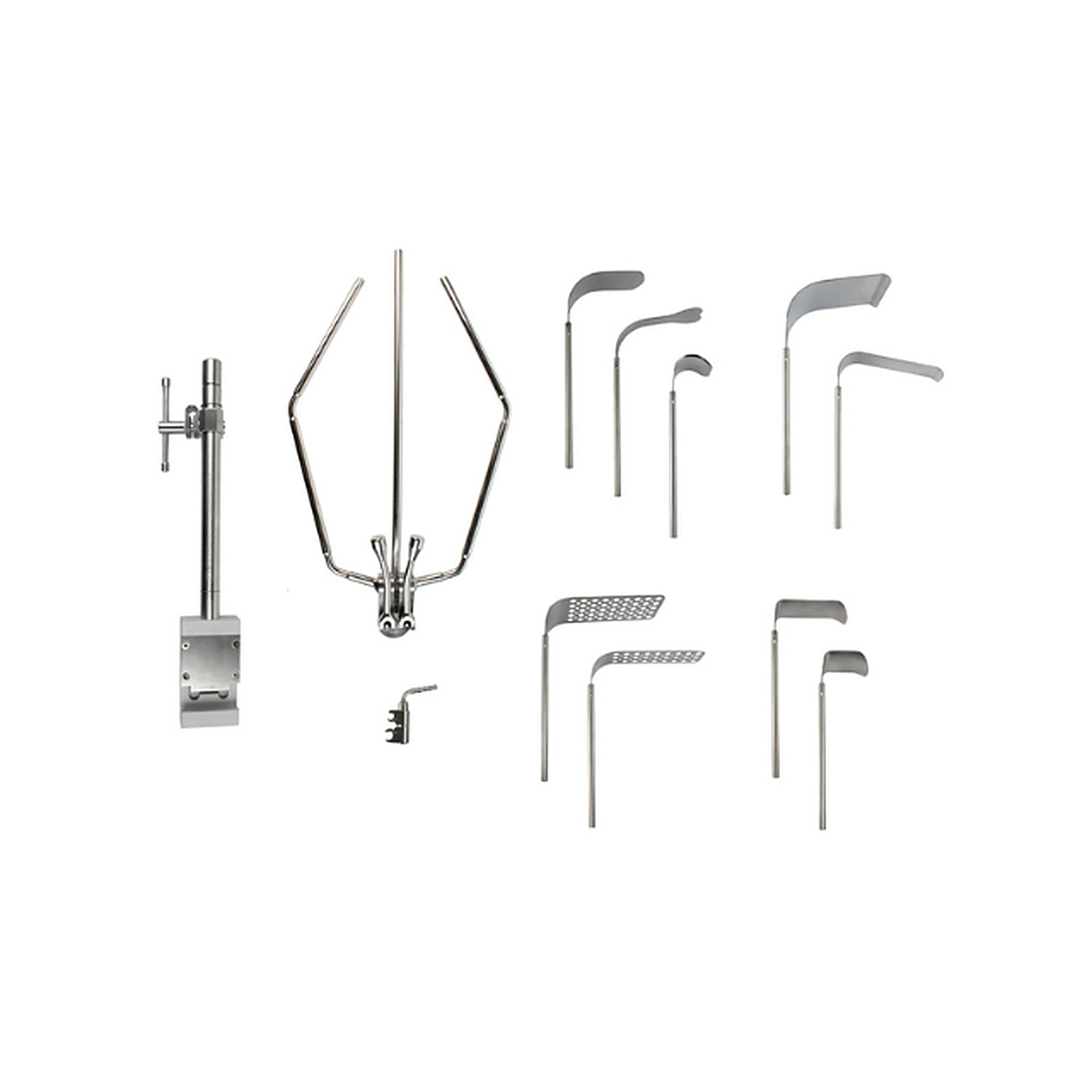 | Sistema Separador General Lobster | Diseñado específicamente para proporcionar retracción de tejidos blandos y exposición del campo quirúrgico de forma autoestática y montada en mesa durante procedimientos de cirugía general. |
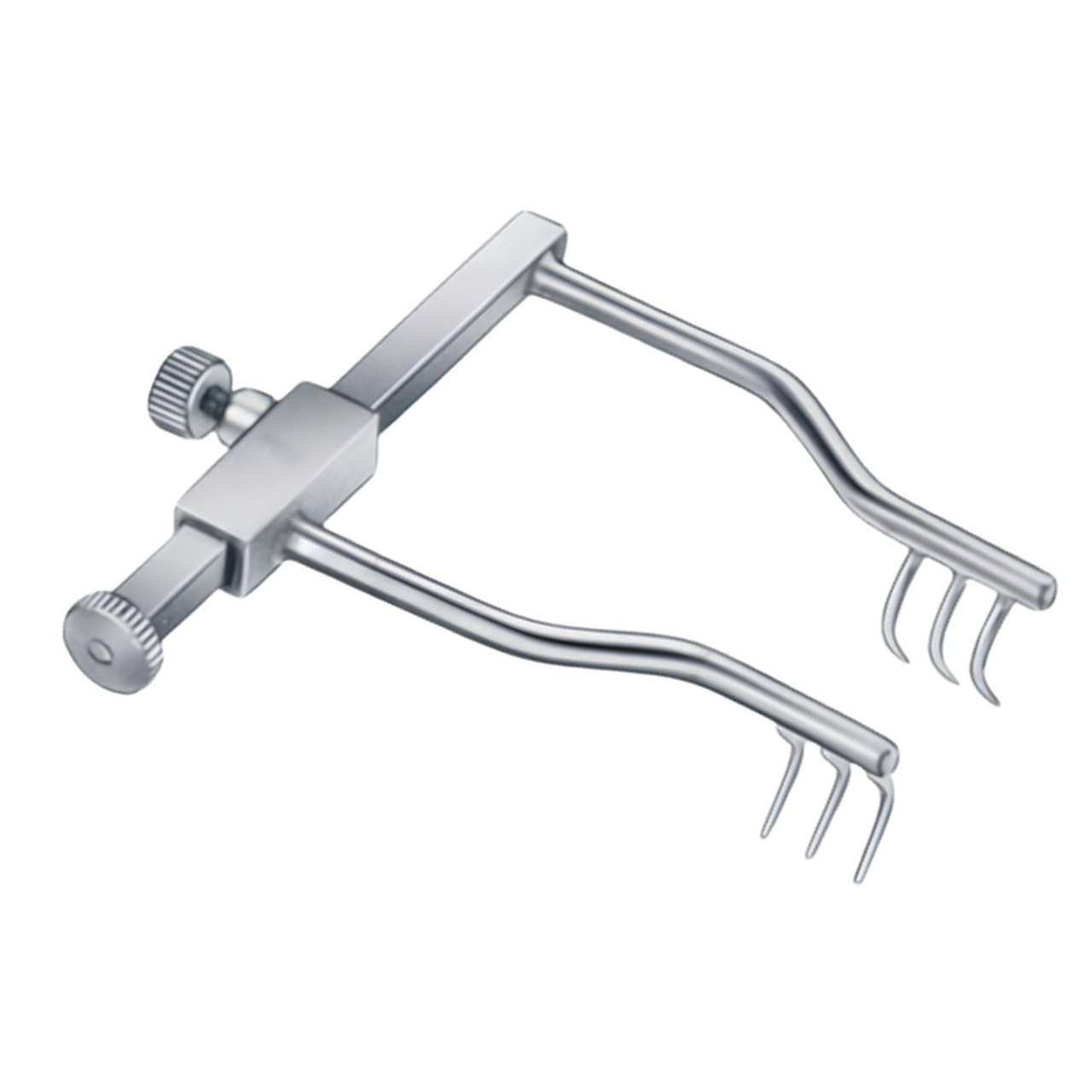 | Separador de Heridas Logan | Diseñado específicamente para proporcionar retracción autorretentiva de bordes cutáneos, aponeurosis y músculos durante microincisiones. |
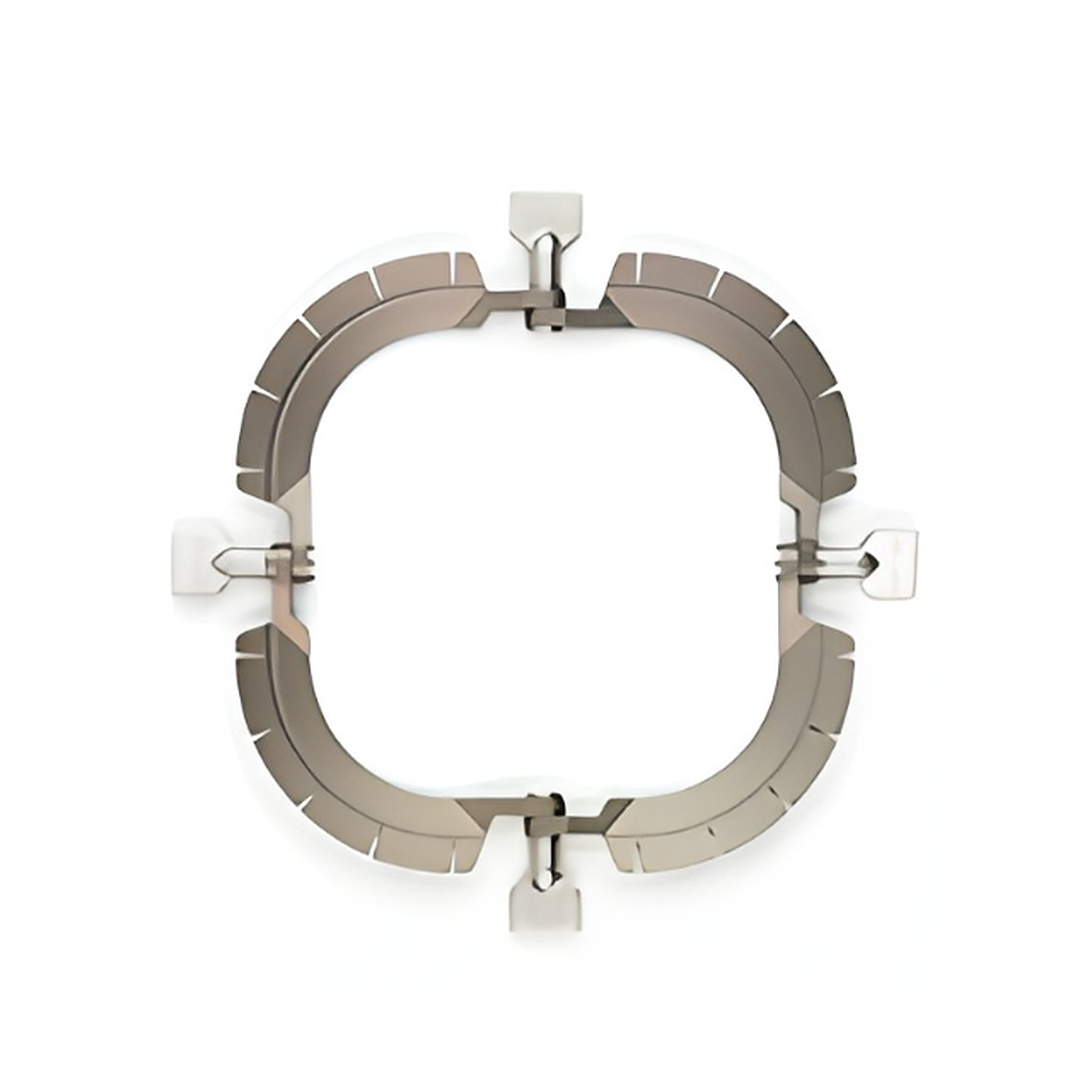 | Lone Star Retractor (Cirugía de Colon, Recto, Cabeza y Cuello) | Específicamente diseñado para proporcionar retracción autoestática de tejidos blandos y exposición del campo quirúrgico manos libres en cirugías de colon, recto, cabeza y cuello. |
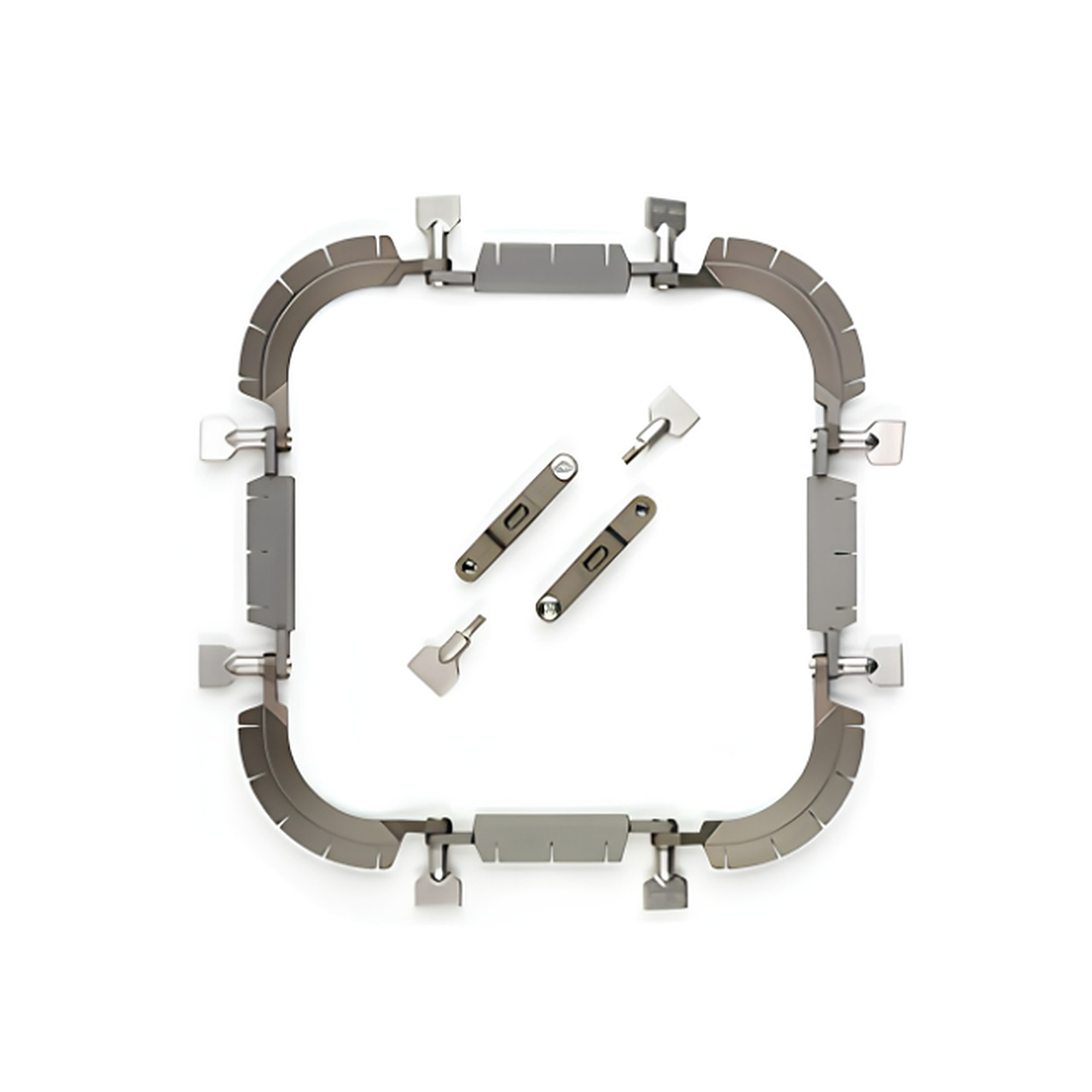 | Separador Lone Star (Cirugía General, Cabeza y Cuello) | Diseñado para proporcionar retracción autoestática de tejidos blandos y exposición del campo quirúrgico manos libres en procedimientos de cirugía general y cirugía de cabeza y cuello. |
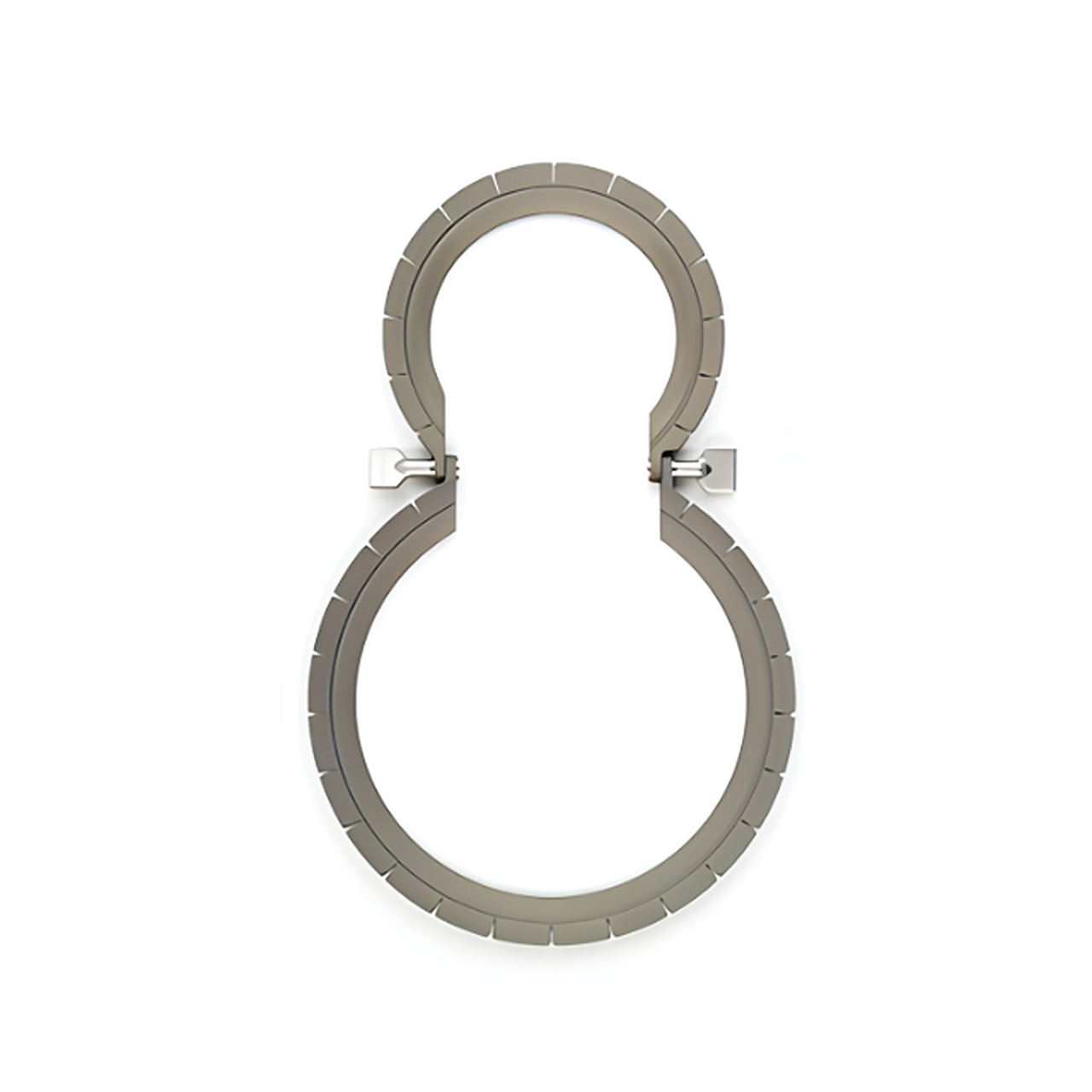 | Separador Lone Star Retractor (Ginecología y Urología Masculina) | Diseñado específicamente para proporcionar retracción de tejidos blandos autoestática, manos libres y exposición del campo quirúrgico en procedimientos de ginecología y urología masculina. |
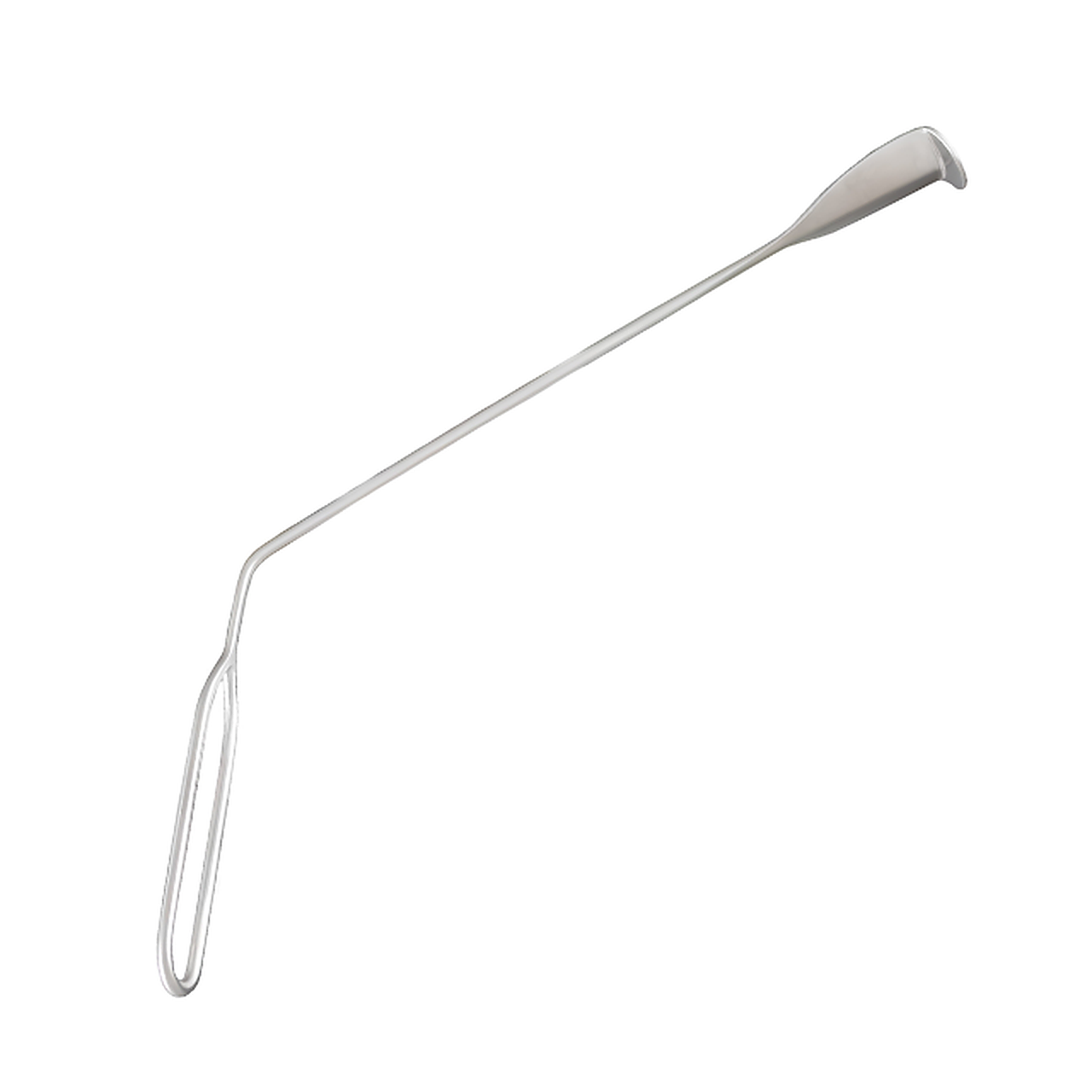 | Separador de Úvula Lothrop | Diseñado específicamente para retraer y elevar la úvula y el paladar blando durante la adenoidectomía y la cirugía faríngea. |
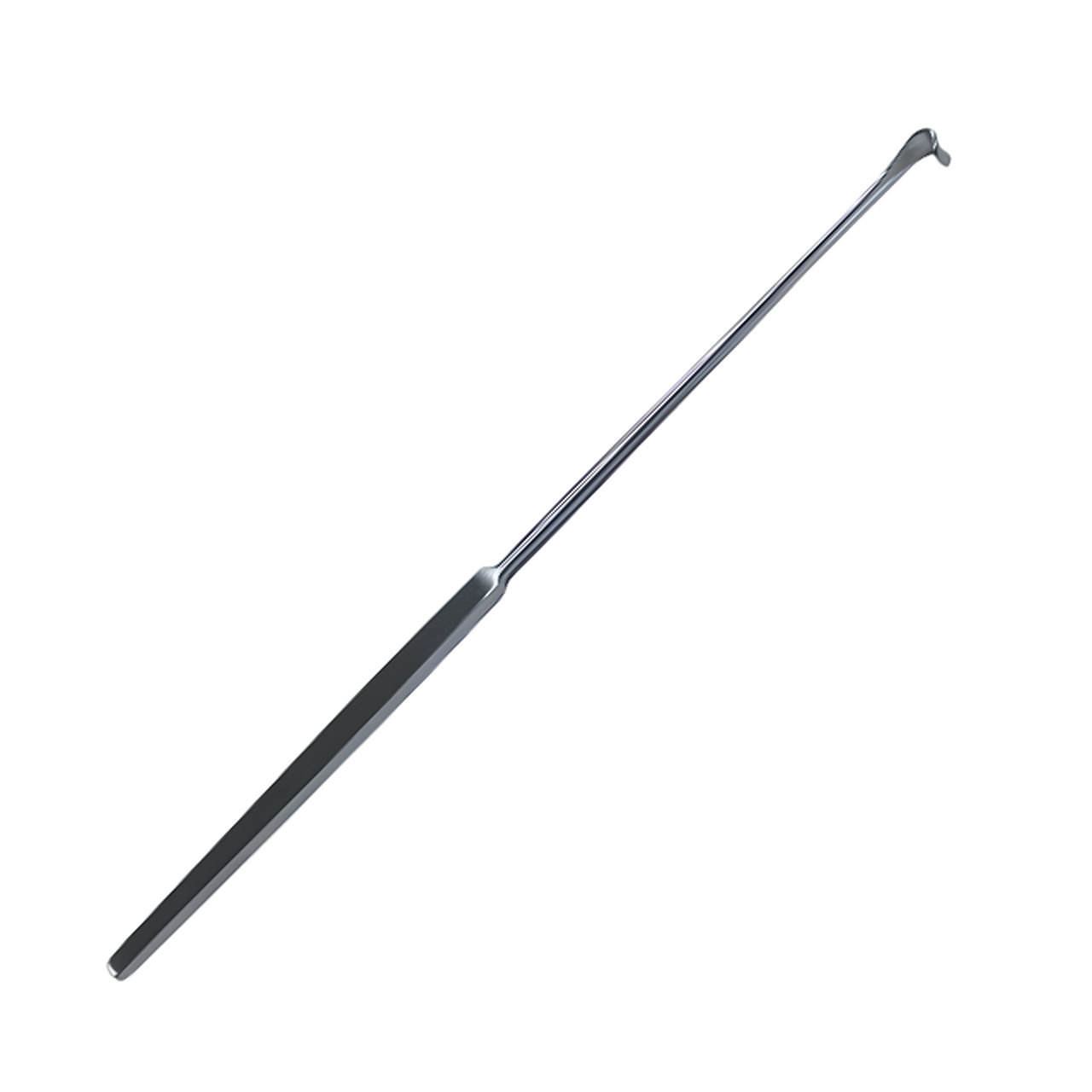 | Separador de Raíz Nerviosa Love | Diseñado específicamente para retraer y proteger las raíces nerviosas espinales y el saco dural durante la discectomía y descompresión lumbar. |
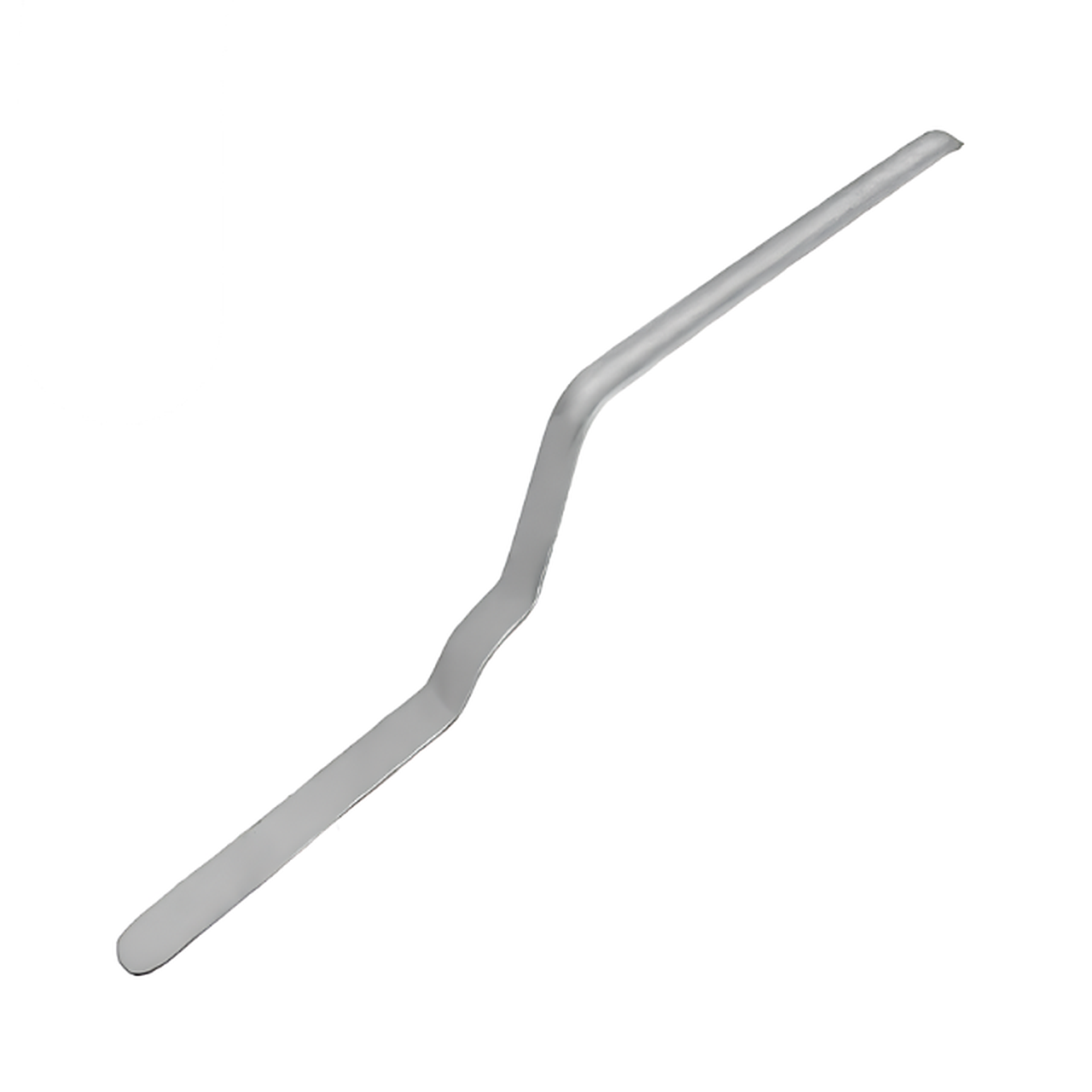 | Separador de Raíz Nerviosa Love, Bayoneta | Diseñado específicamente para retraer las raíces nerviosas y el saco tecal preservando la línea de visión bajo microscopios quirúrgicos. |
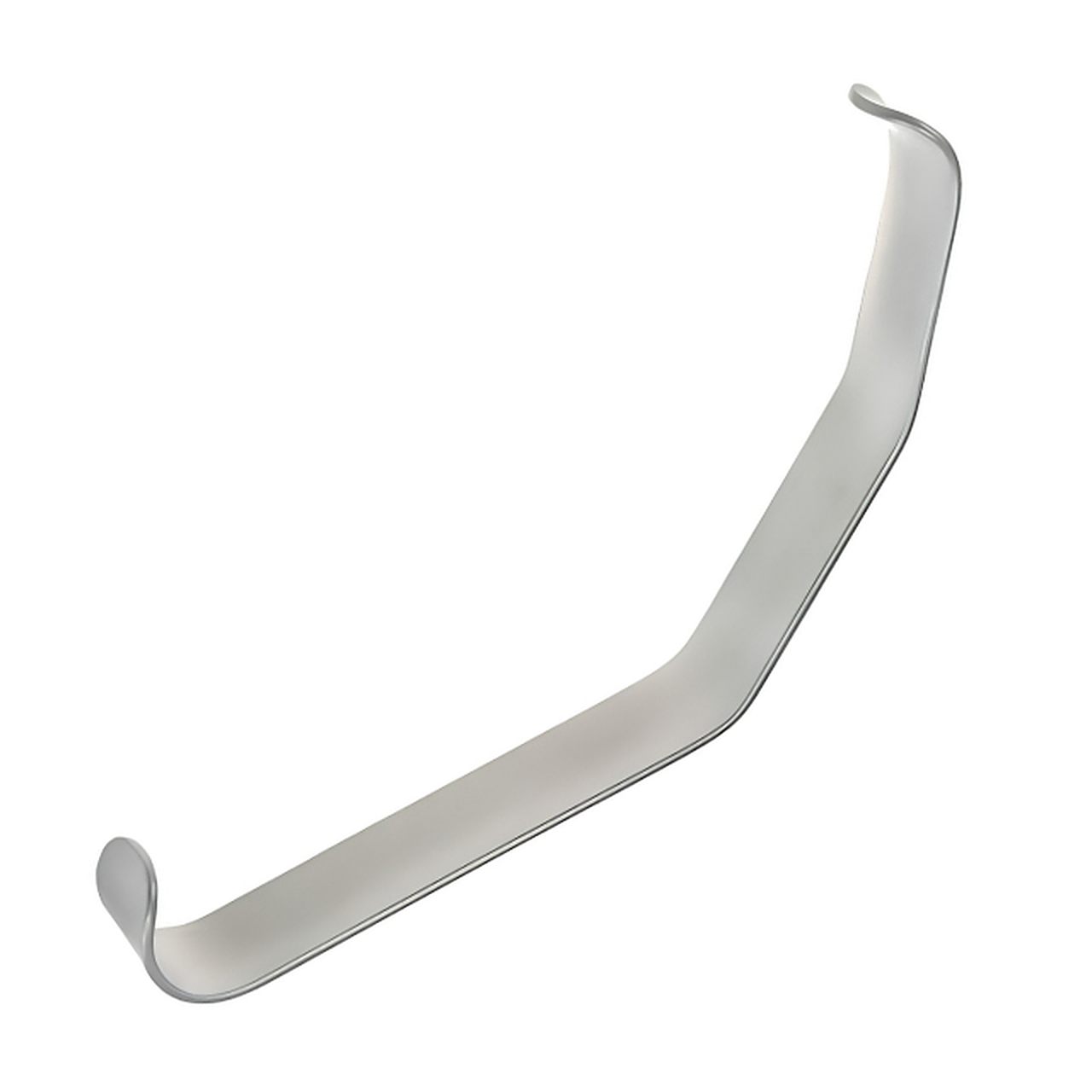 | Separador de Úvula Love | Diseñado específicamente para retraer y elevar la úvula y el paladar blando durante la adenoidectomía y la cirugía faríngea. |
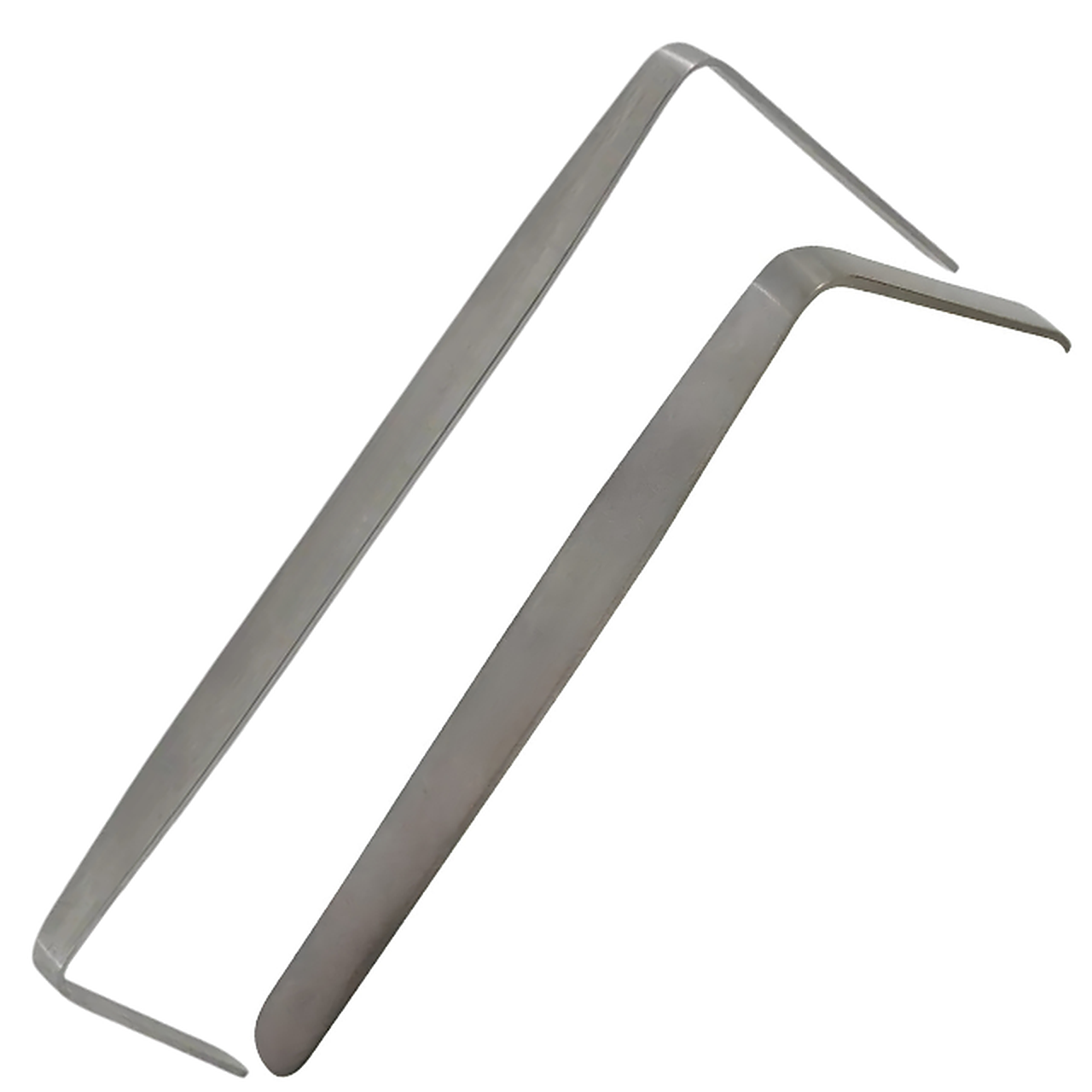 | Separador de Pie y Tobillo de Perfil Bajo | Específicamente diseñado para hacer palanca en huesos pequeños y retraer tejidos blandos durante cirugías reconstructivas de pie, tobillo y podología. |
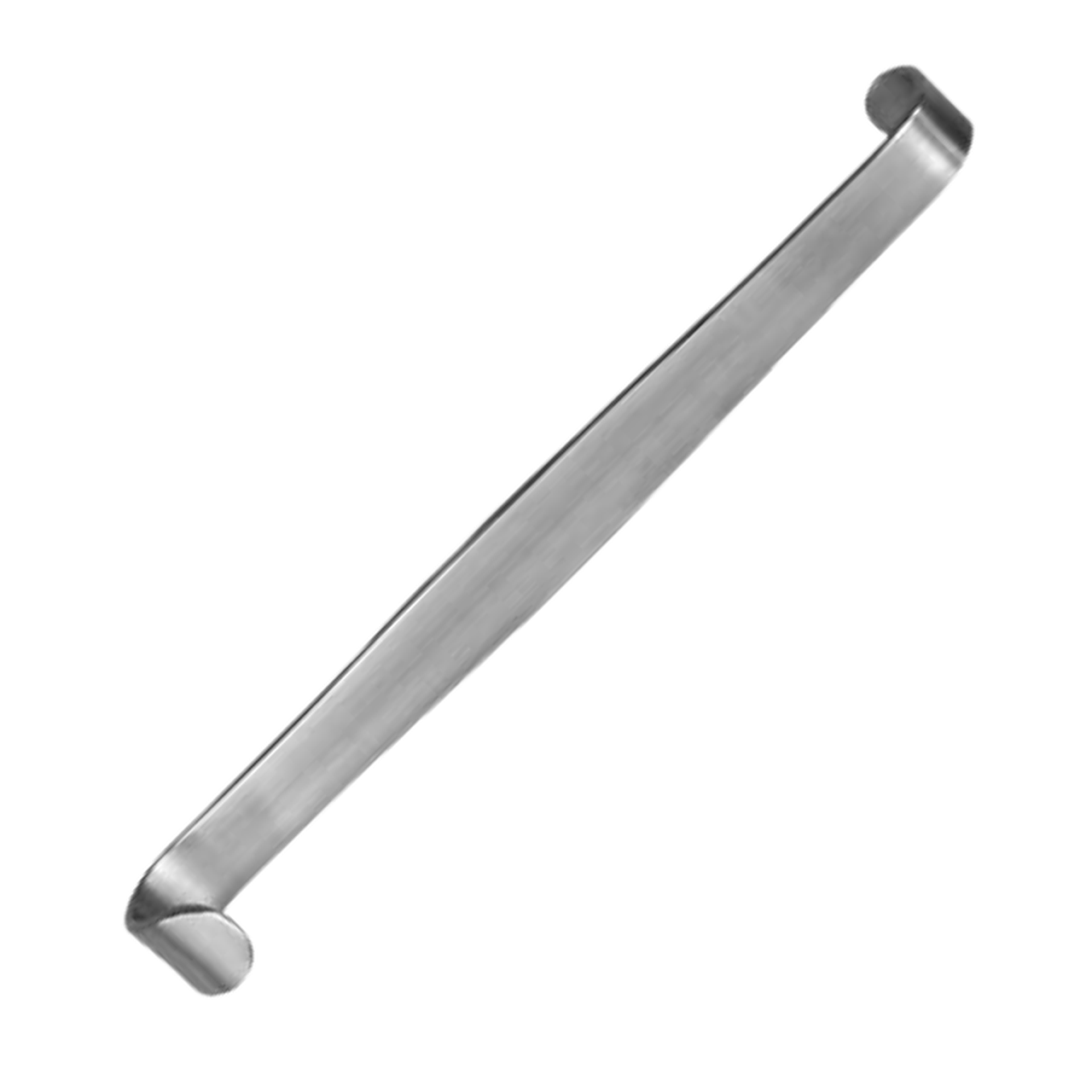 | Separador Traqueal Luer S | Diseñado específicamente para retraer tejidos pretraqueales y elevar los anillos traqueales durante la traqueotomía y cirugía de cuello. |
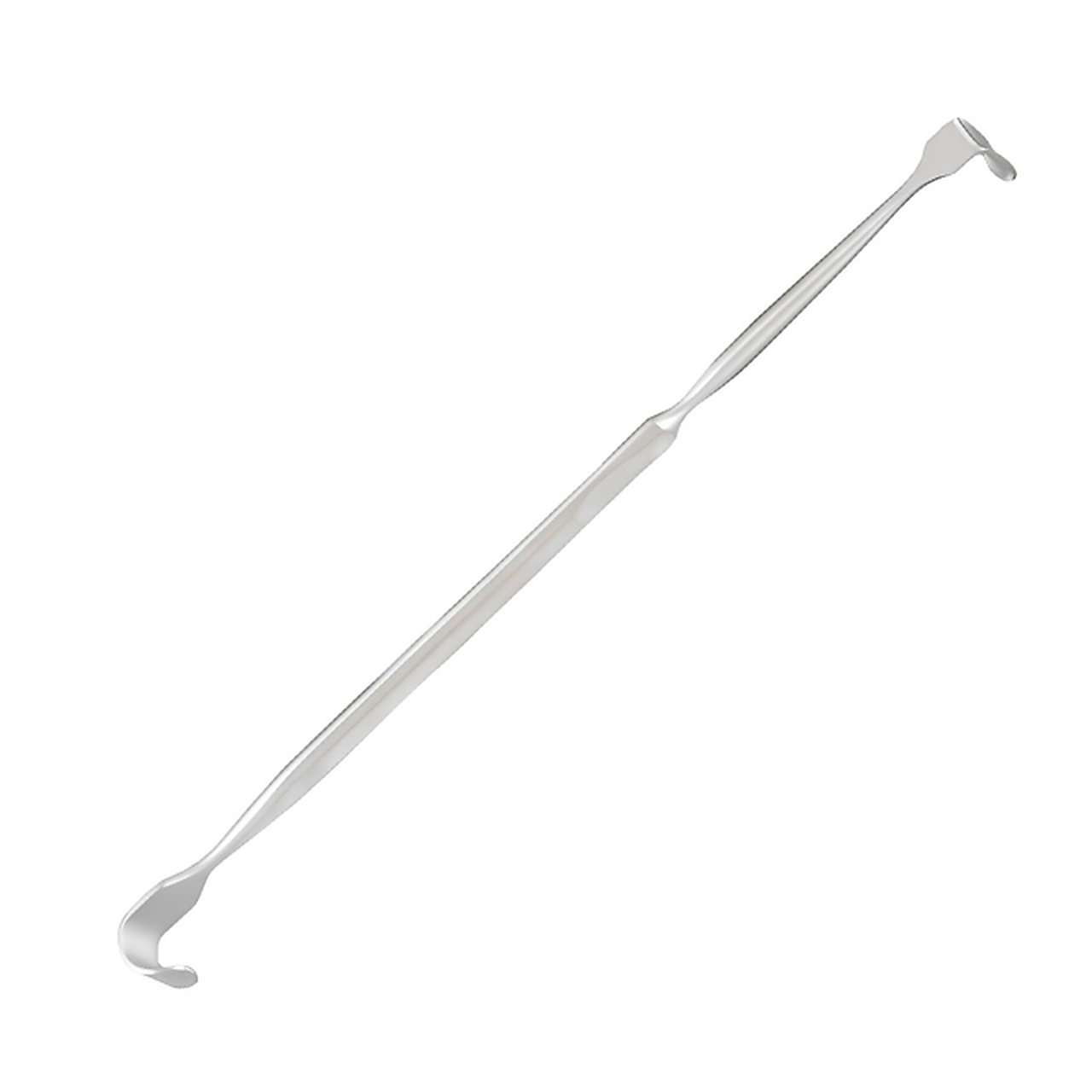 | Separador Traqueal Lukens | Específicamente diseñado para retraer tejidos pretraqueales y elevar la tráquea durante traqueostomías y procedimientos de vías respiratorias. |
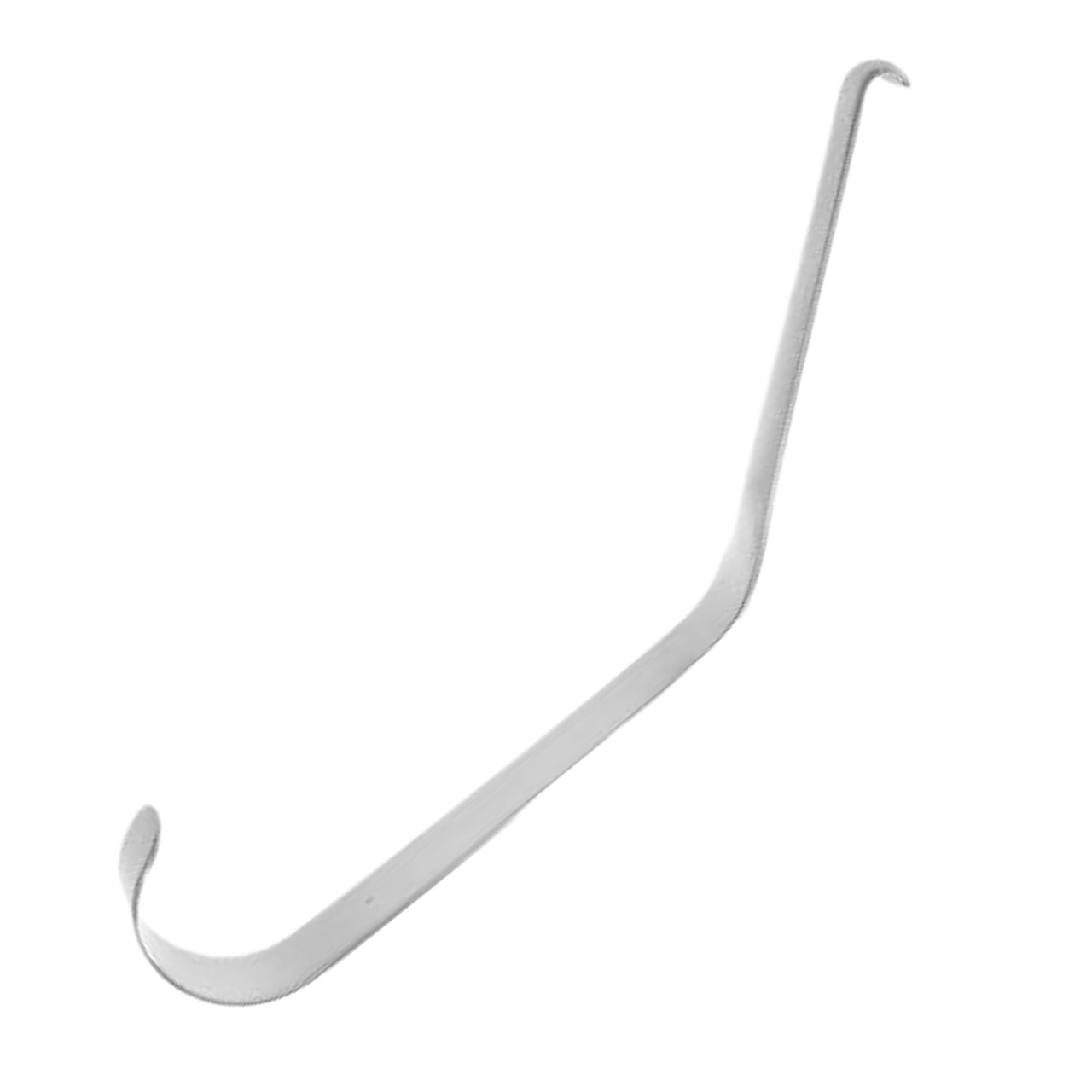 | Separador de Canal Mandibular | Diseñado específicamente para engancharse sobre el borde inferior de la mandíbula y proteger las estructuras neurovasculares durante las osteotomías. |
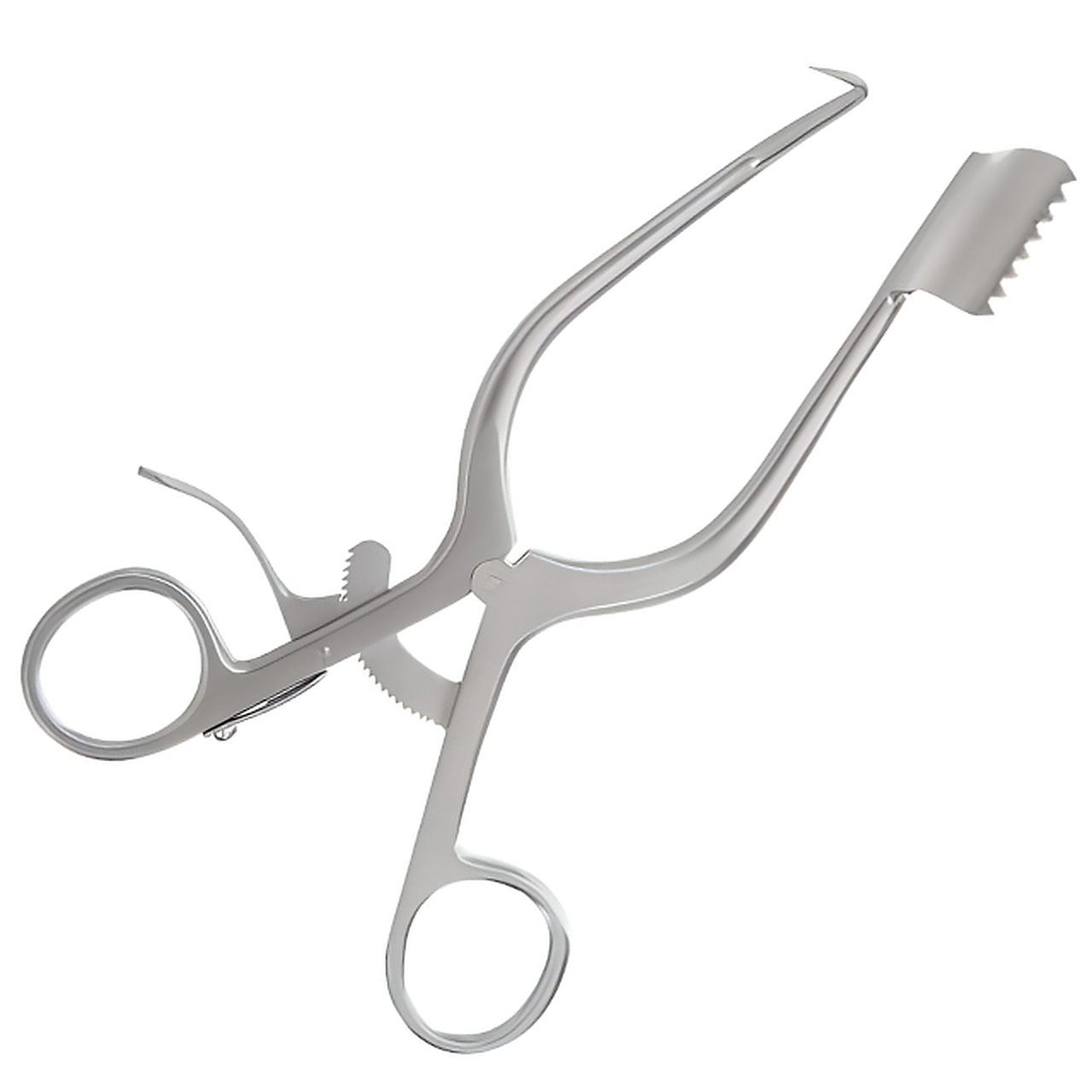 | Separador para Hemilaminectomía Markham-Meyerding | Diseñado específicamente para proporcionar retracción autorretentiva del músculo paraespinal y anclaje en la apófisis espinosa durante la hemilaminectomía. |
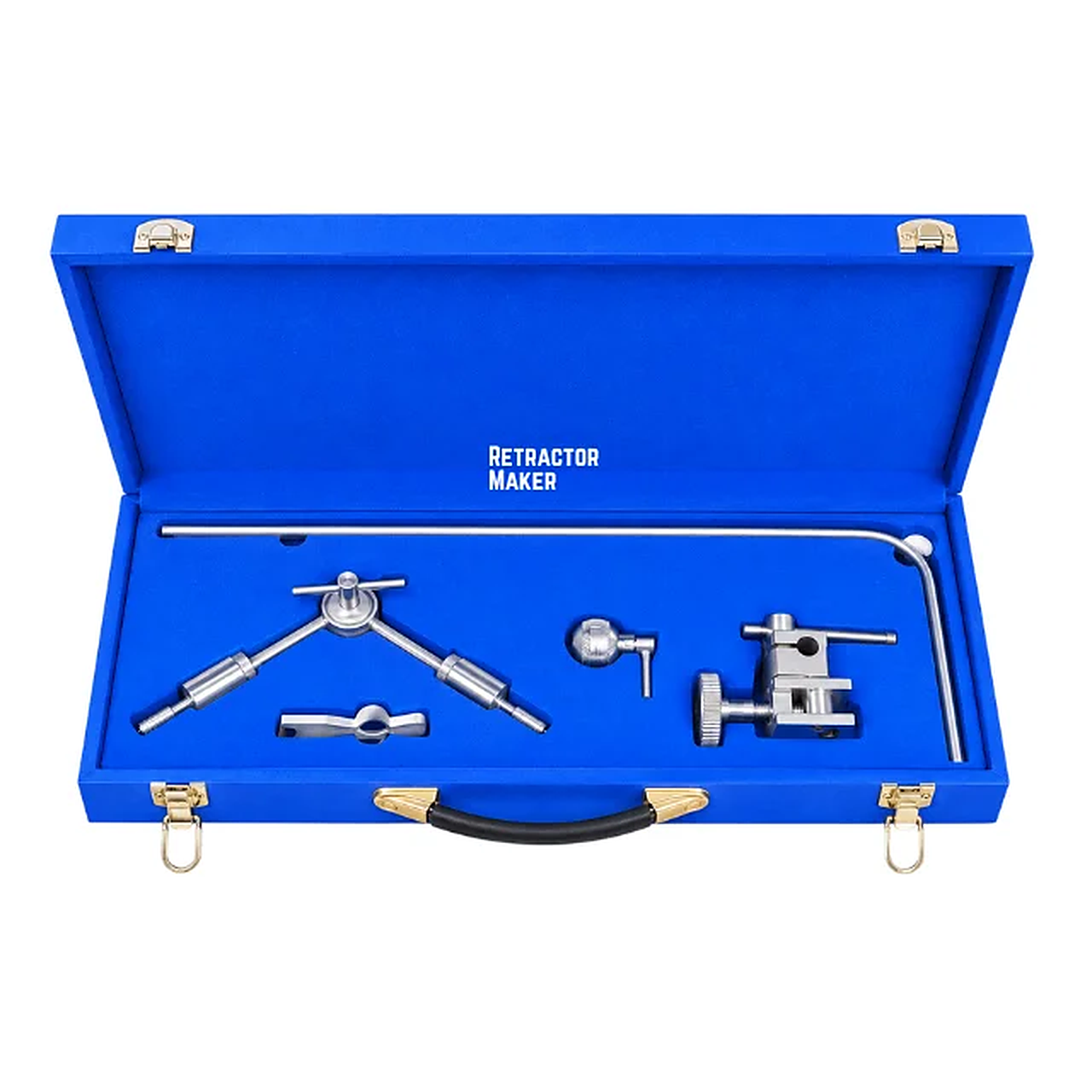 | Separador de Brazo Martin | Se monta directamente en los rieles laterales de la mesa de operaciones para proporcionar sujeción y posicionamiento rígidos y manos libres para separadores y ópticas quirúrgicas. |
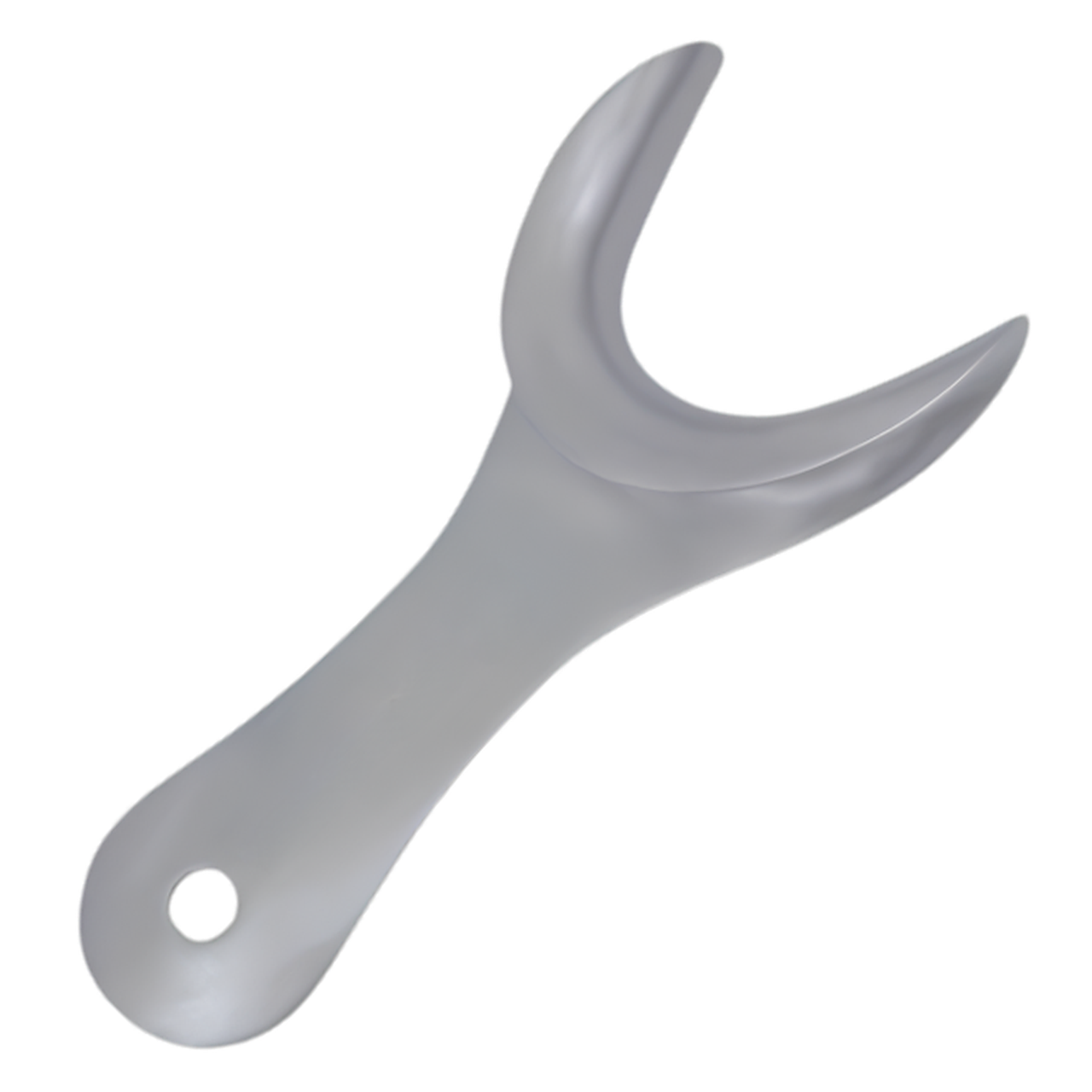 | Separador de Labios y Mejillas Martin-Simplex | Diseñado específicamente para retraer las mejillas y los labios durante procedimientos quirúrgicos dentales, alveolares y orales. |
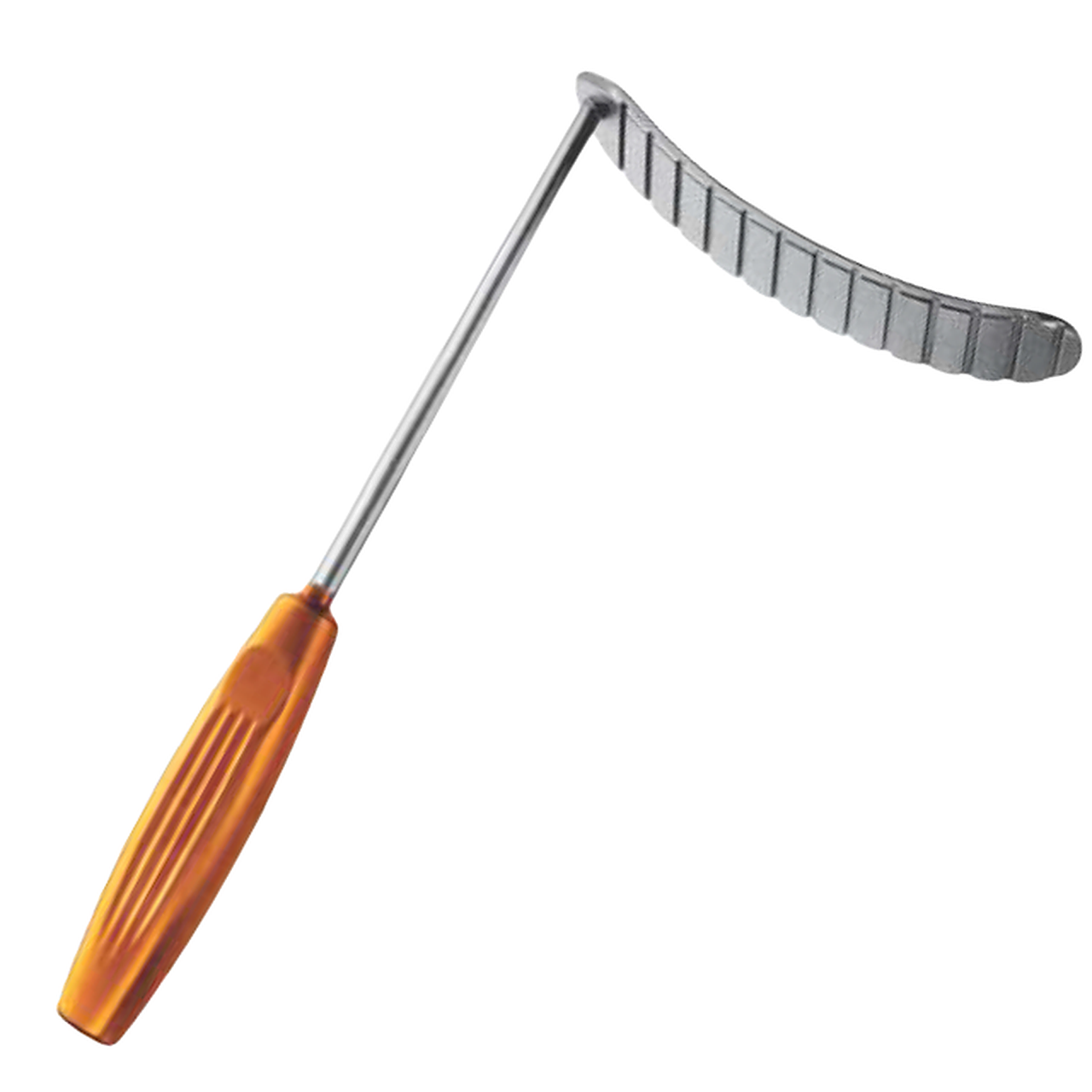 | Separador Mamario Marx | Diseñado específicamente para elevar colgajos de tejido y crear bolsillos submusculares o subglandulares durante la cirugía de mama. |
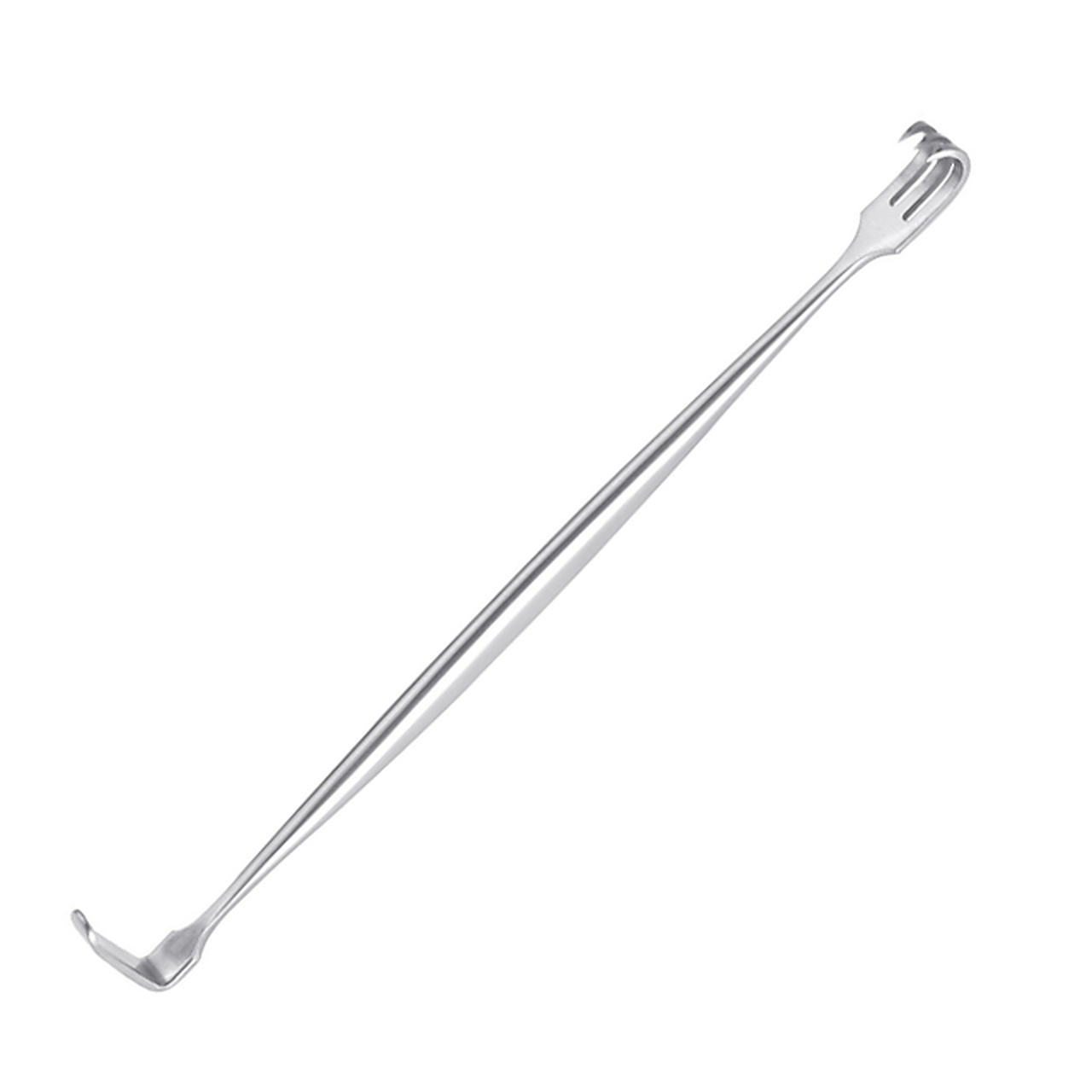 | Separador Digital Mathieu | Específicamente diseñado para retraer colgajos cutáneos, márgenes cutáneos y tendones durante cirugía de mano, dedos y plástica. |
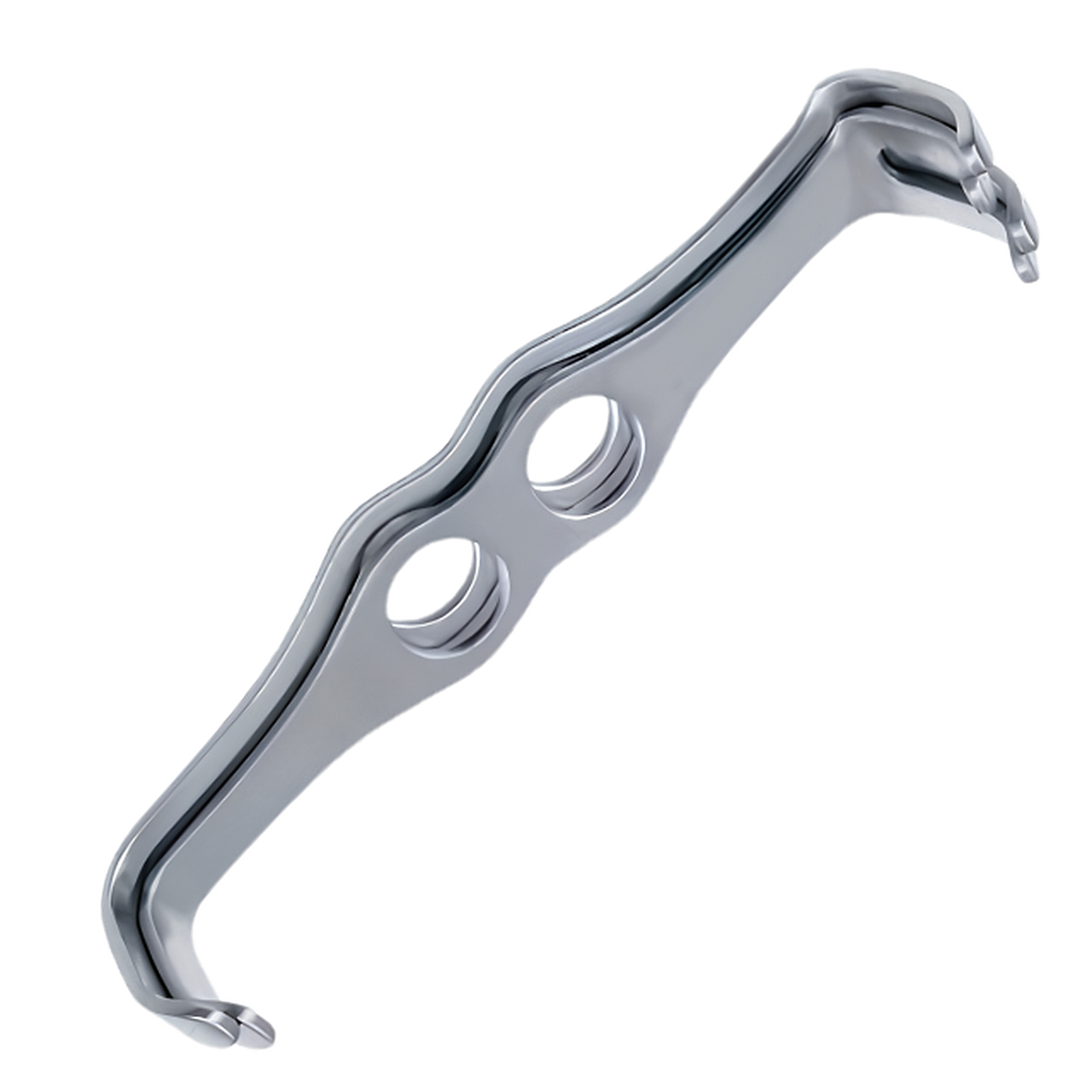 | Separador Mathieu | Diseñado específicamente para retraer márgenes cutáneos, fascia y tejidos blandos en incisiones quirúrgicas superficiales e intermedias. |
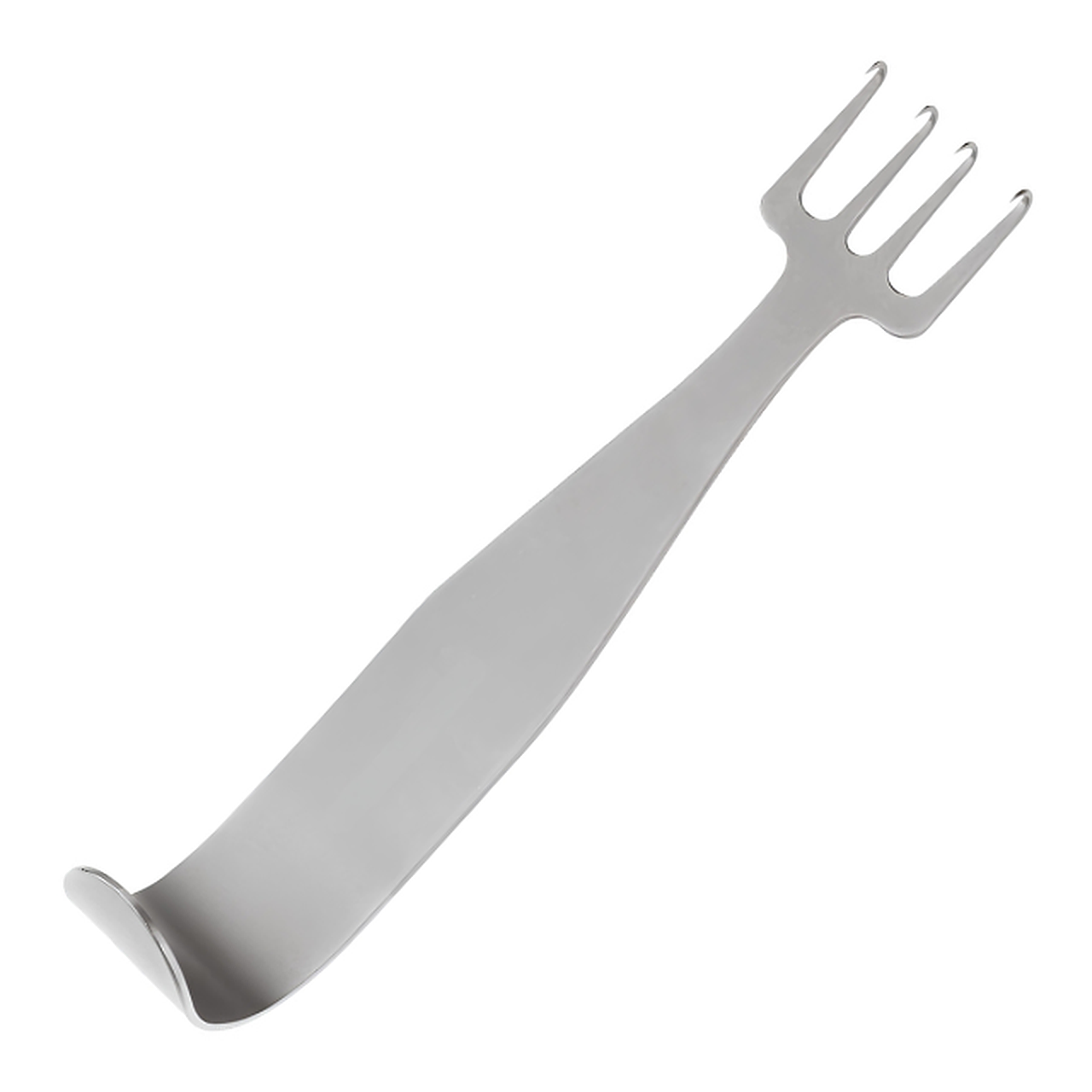 | Separador Maxwell Flap Retractor | Diseñado específicamente para elevar y retraer colgajos de piel y tejido subcutáneo durante cirugía plástica, facial y reconstructiva. |
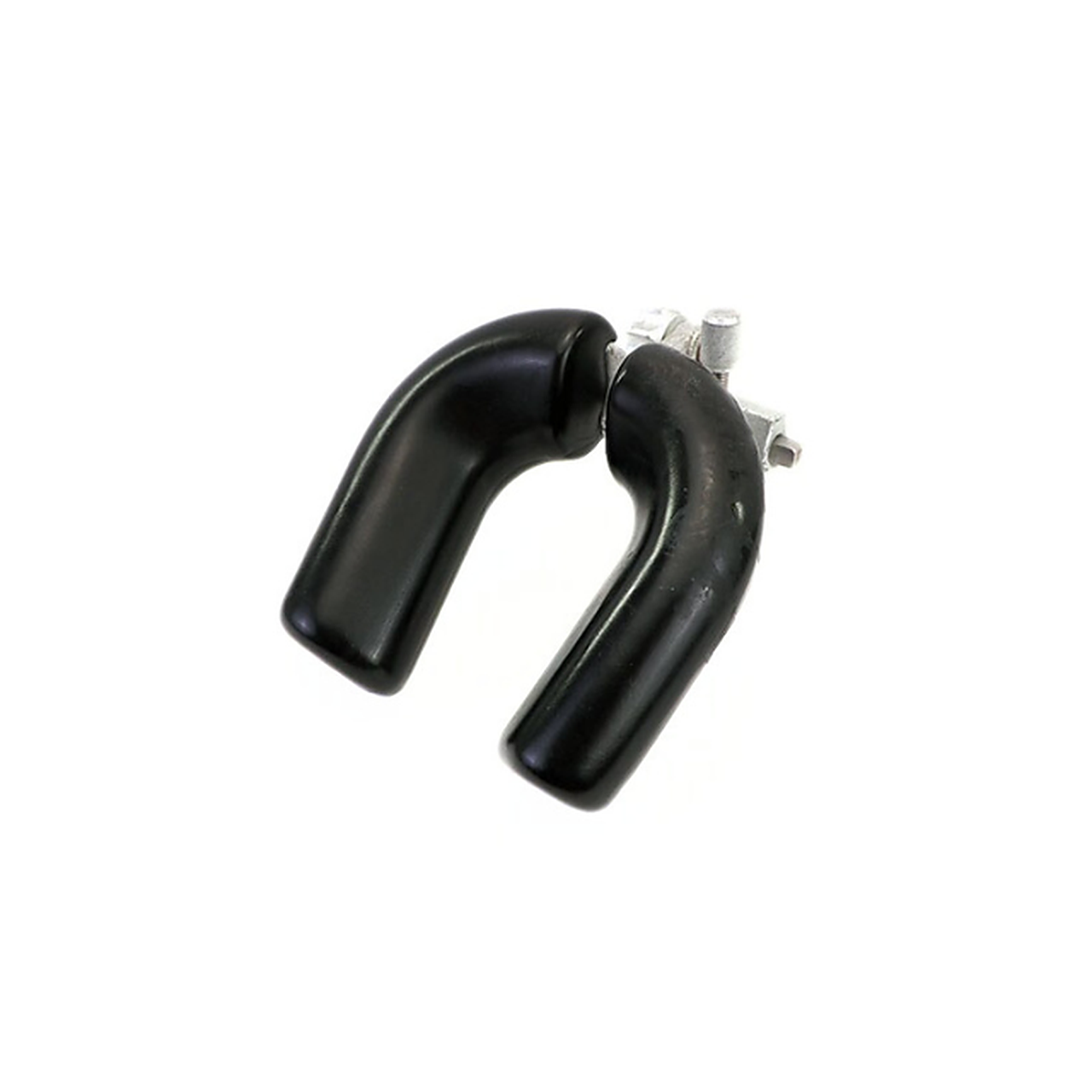 | Cabezal Mayfield | Específicamente diseñado para proporcionar un soporte estable y no invasivo de la cabeza y una distribución uniforme de la presión durante procedimientos de neurocirugía, columna, otorrinolaringología y oftalmología cuando no se requiere la fijación rígida con pines. |
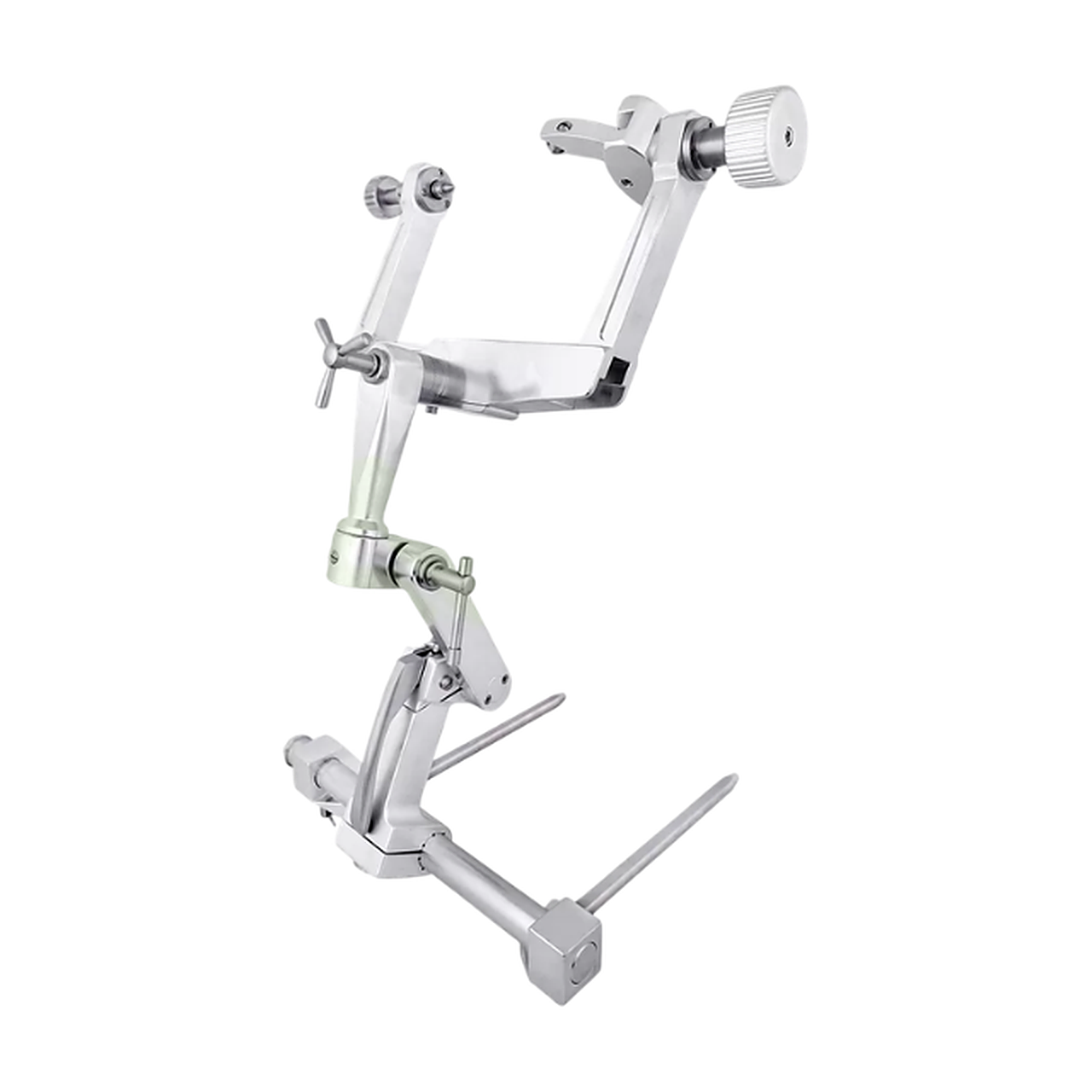 | Cabezal Mayfield Skull Clamp | Diseñado para proporcionar fijación craneal rígida de 3 pines e inmovilización de la cabeza durante procedimientos de neurocirugía, cirugía de columna, otorrinolaringología y oftalmología. |
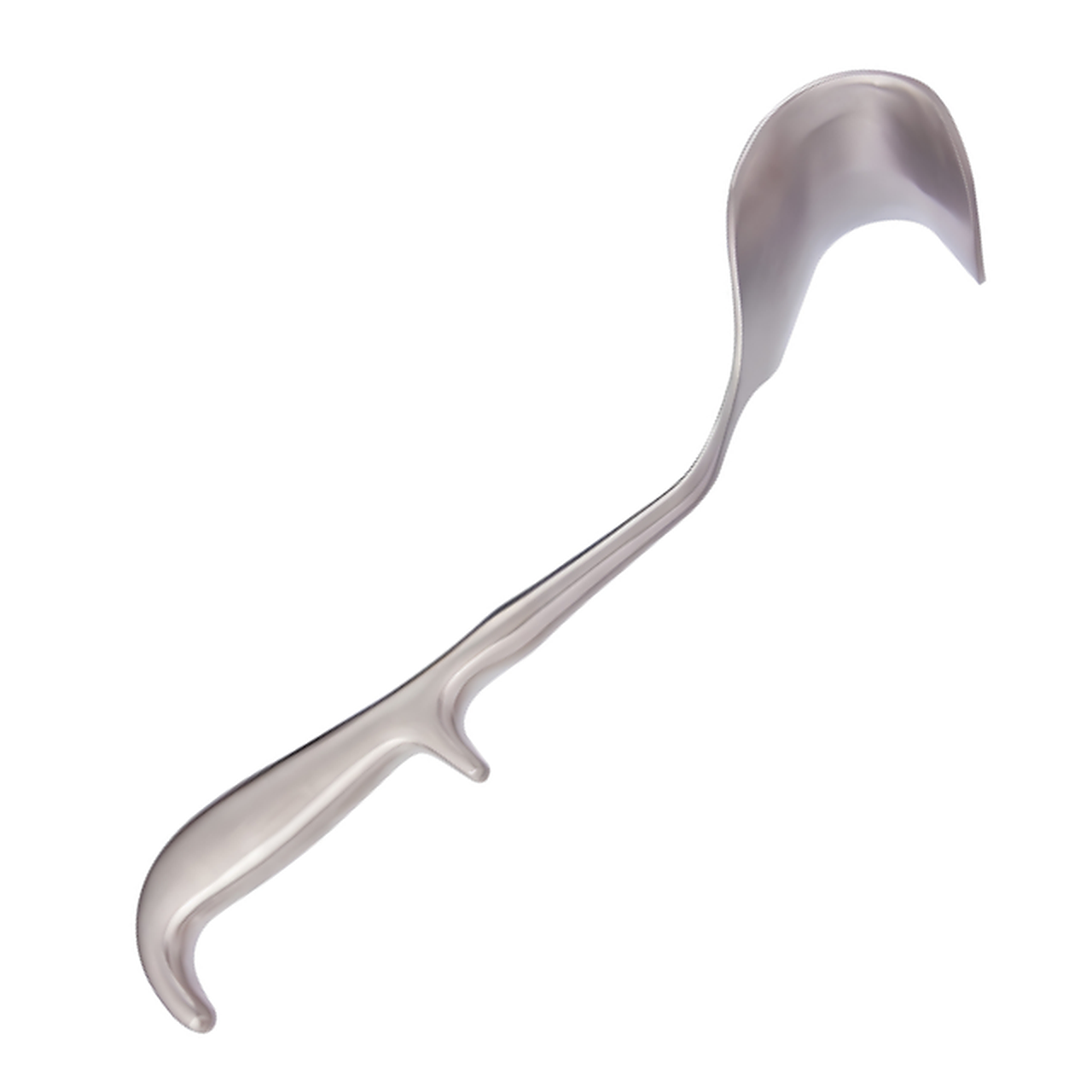 | Separador Abdominal Mayo | Diseñado específicamente para retraer la pared abdominal, las vísceras y la musculatura gruesa durante laparotomías abiertas y cirugía pélvica. |
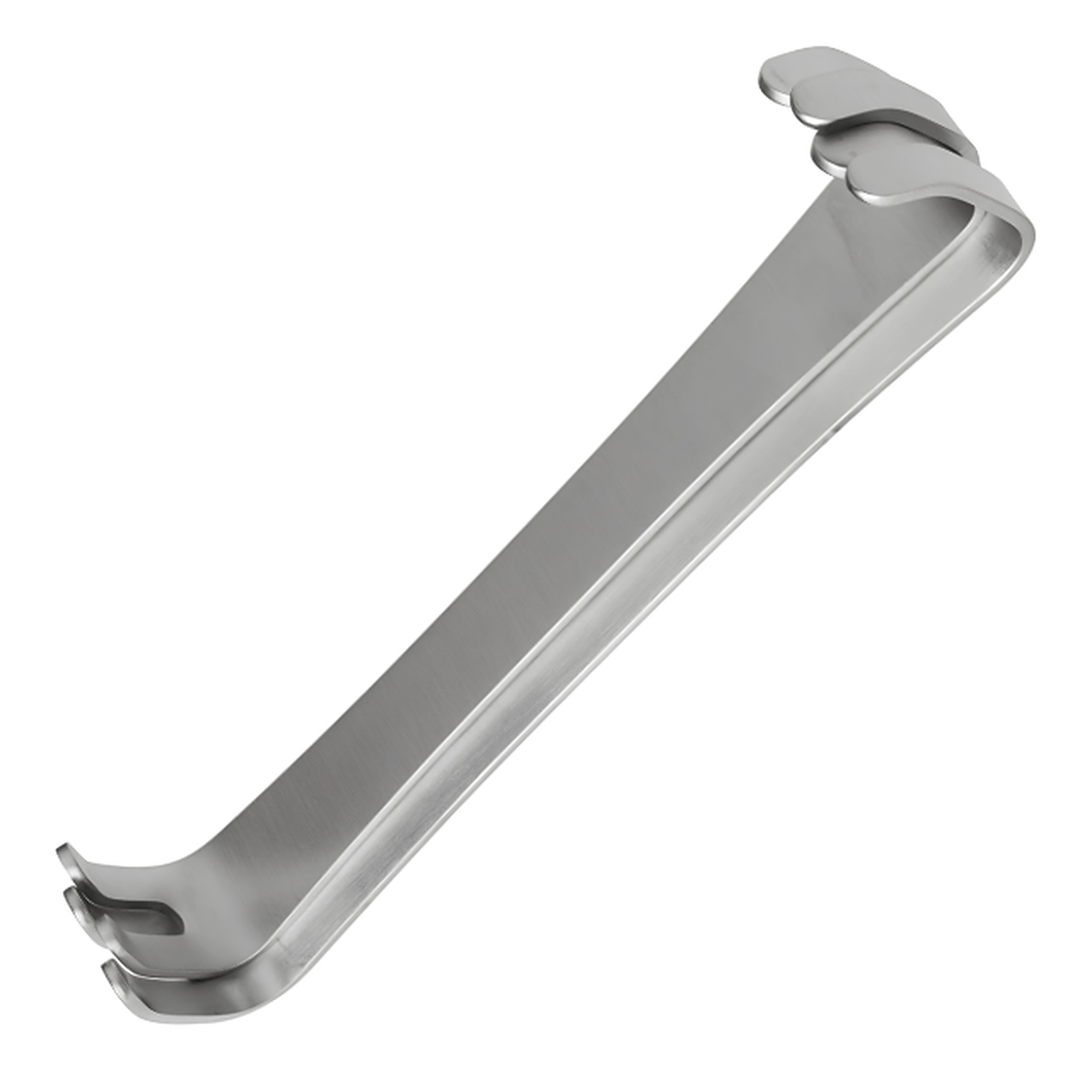 | Juego de dos Separadores Mayo-Collins | Diseñado específicamente para retraer piel, fascia y tejidos blandos en incisiones quirúrgicas superficiales e intermedias. |
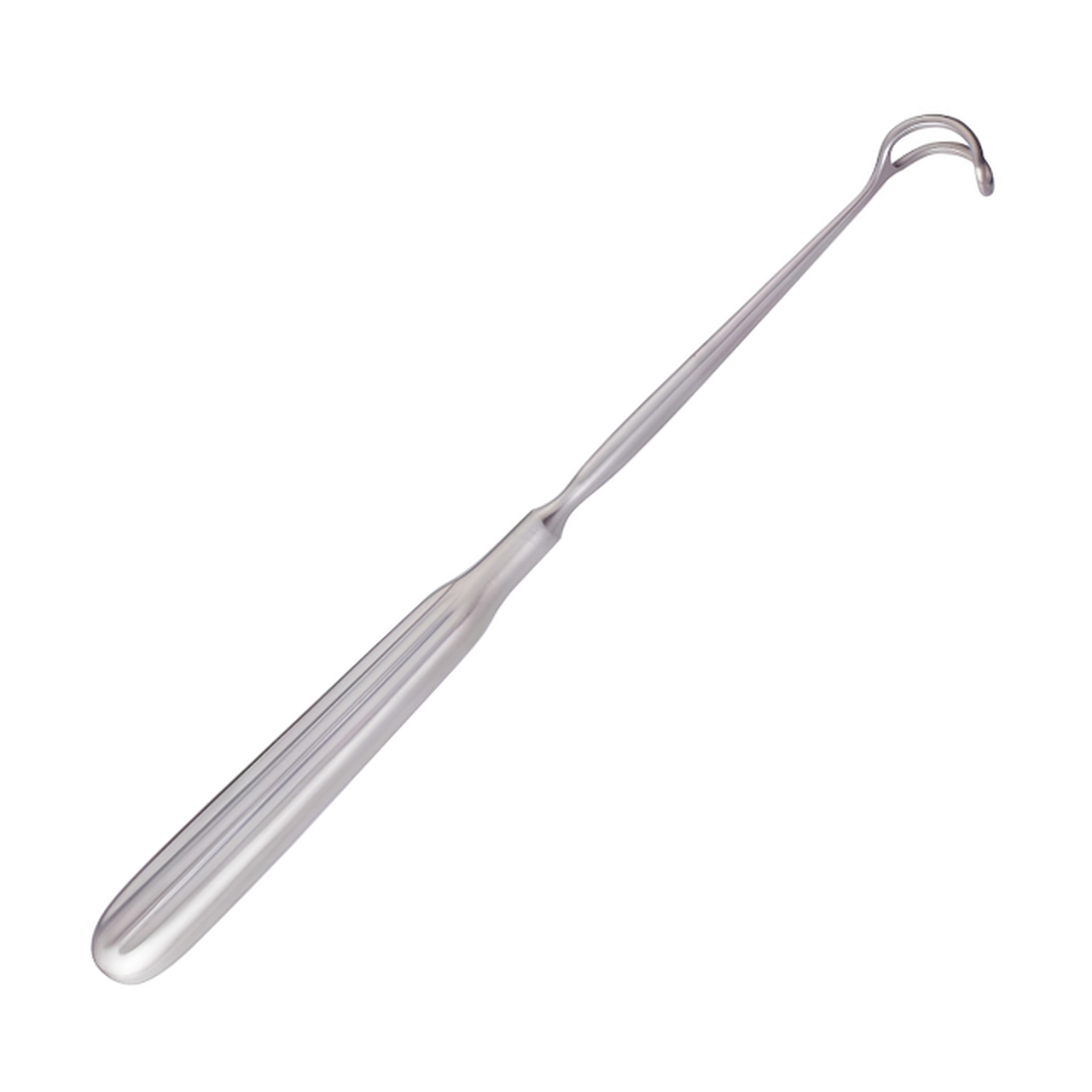 | Separador de Tiroides McBurney | Diseñado específicamente para retraer los músculos infrahioideos, la fascia cervical y los márgenes de la herida durante la tiroidectomía y la cirugía de paratiroides. |
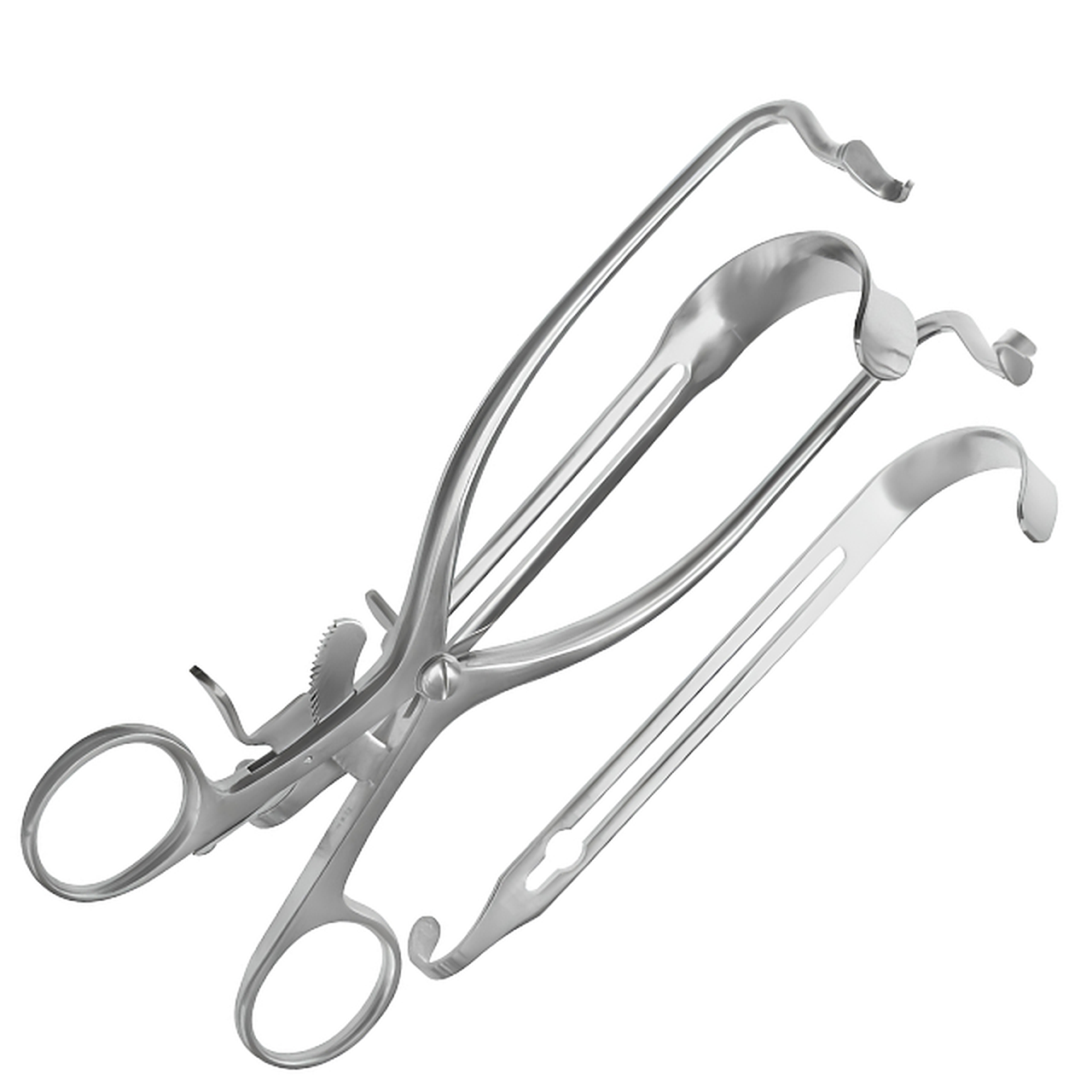 | Separador Antral McCabe | Diseñado específicamente para retraer la mejilla y el labio superior durante la cirugía del seno maxilar y procedimientos de Caldwell-Luc. |
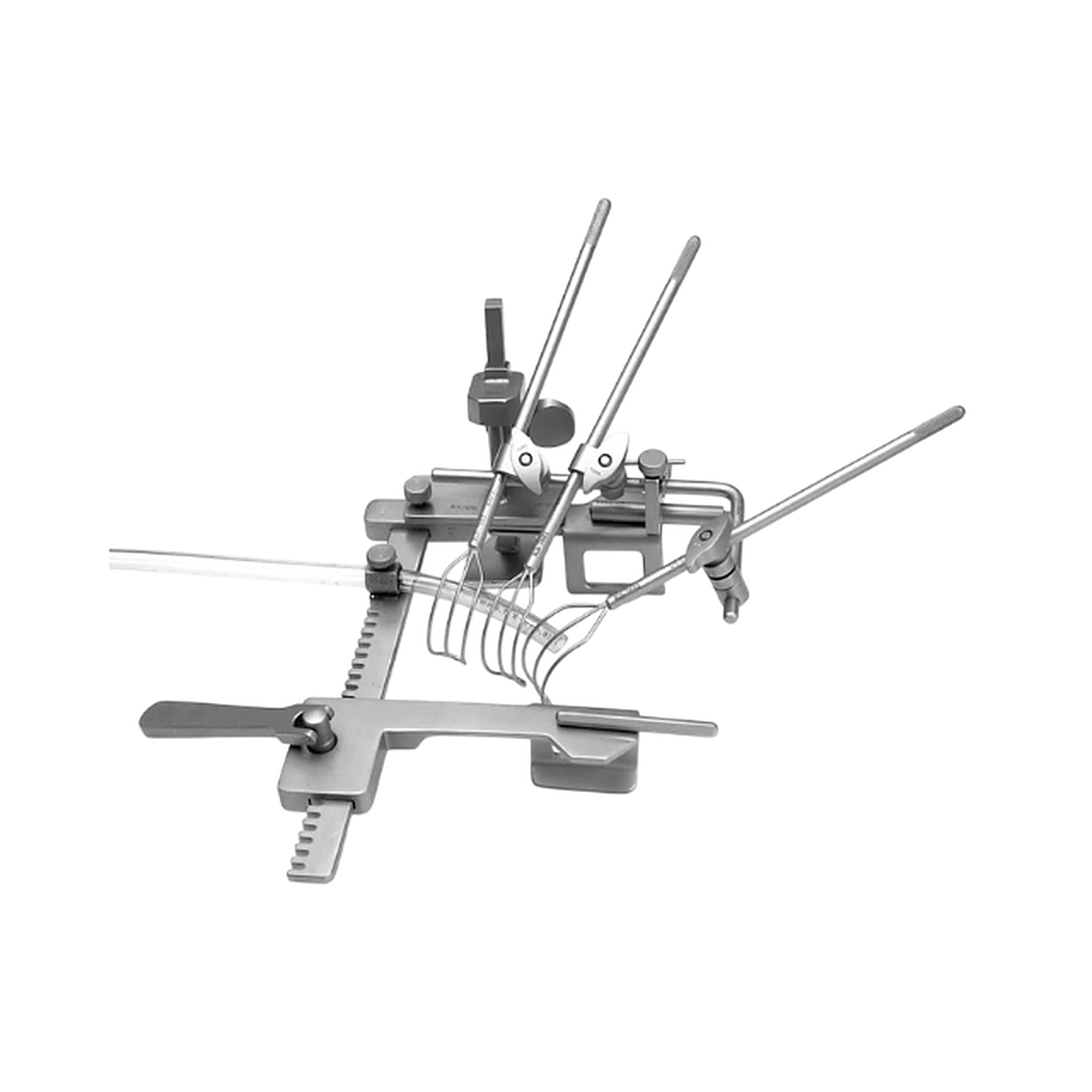 | Separador para Mini-esternotomía McCarthy con Elevador Universal | Diseñado específicamente para proporcionar una separación esternal estable y una elevación esternal izquierda durante operaciones valvulares, procedimientos de Maze, mini-esternotomías y procedimientos intracardíacos. |
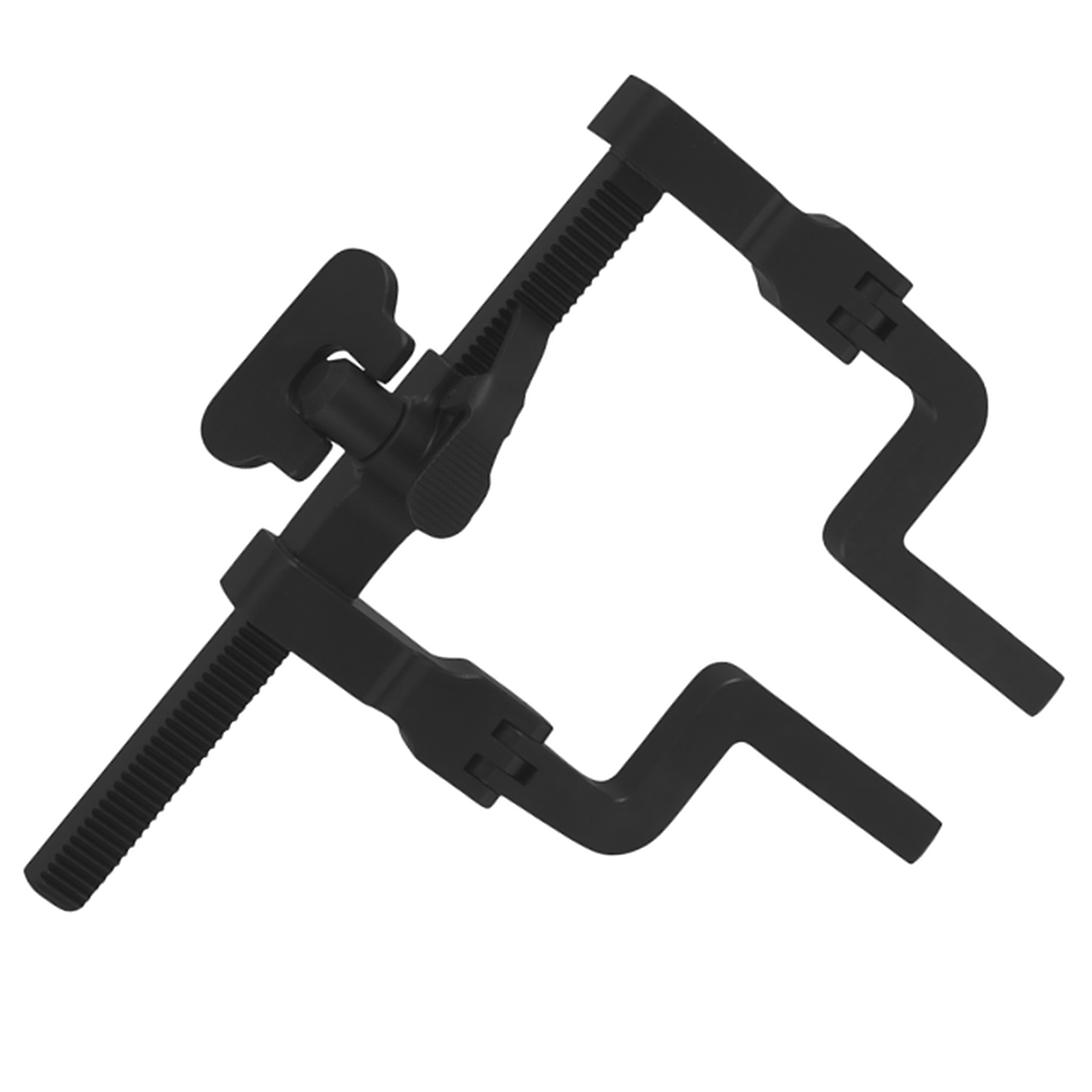 | Separador Rígido para Microdiscectomía tipo McCulloch | Diseñado específicamente para servir como marco base autoestático para montar valvas y ganchos modulares durante la microdiscectomía lumbar. |
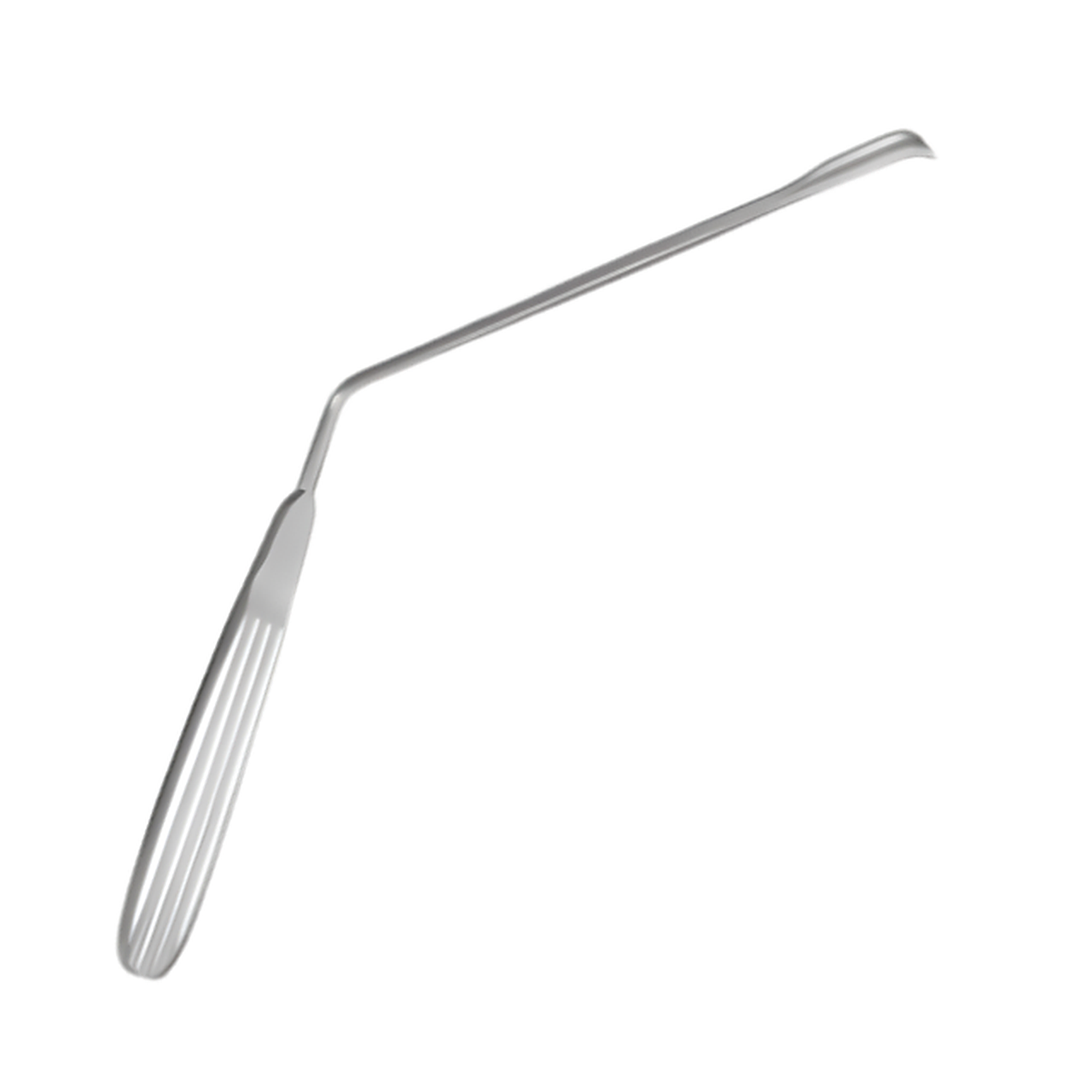 | Separador de Raíz Nerviosa Tipo McCulloch | Diseñado específicamente para movilizar, acunar y proteger las raíces nerviosas espinales y el saco tecal durante la microdiscectomía lumbar. |
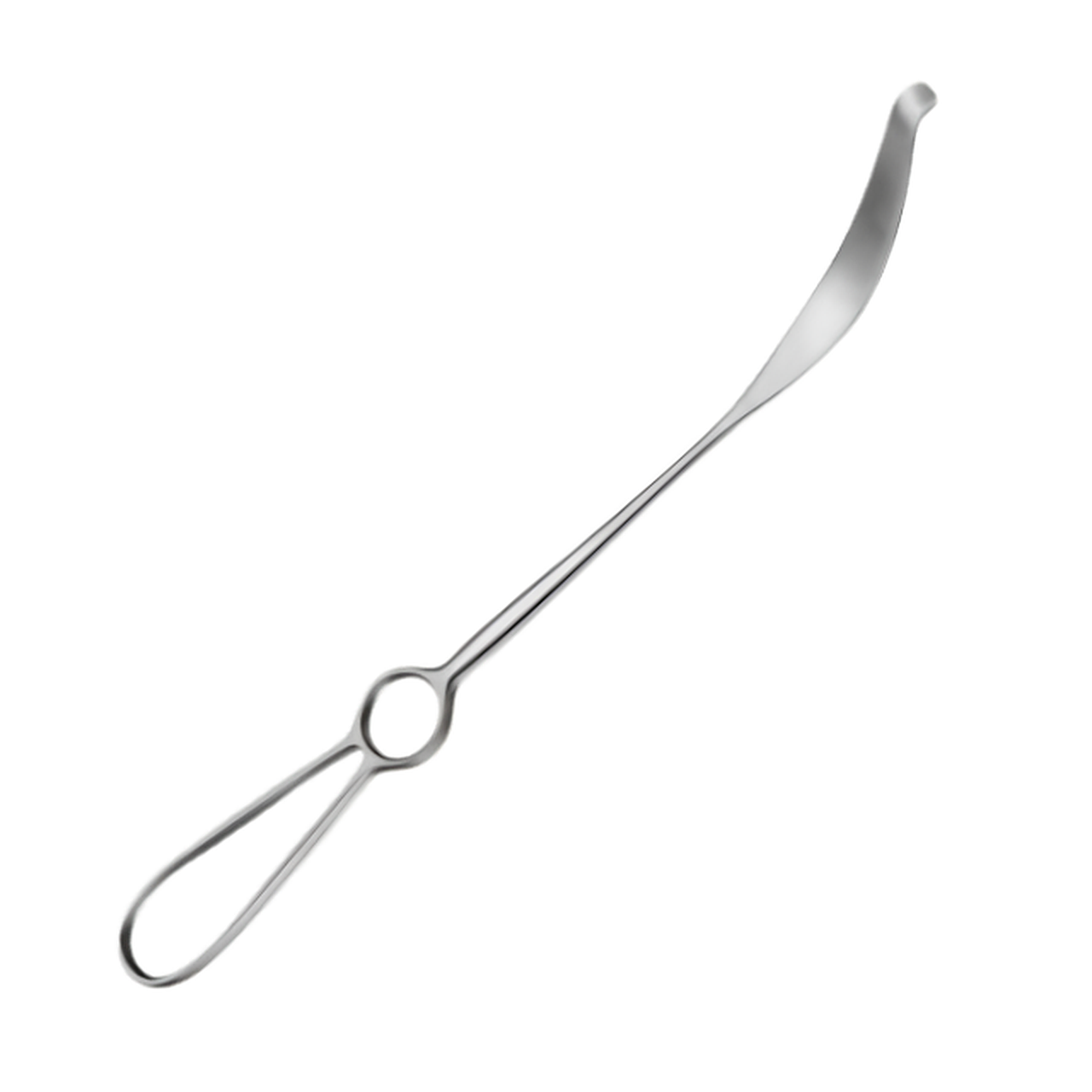 | Separador para Rama Medial y Reborde Orbitario | Diseñado específicamente para retraer tejidos blandos y exponer el hueso a lo largo de la rama medial y el reborde orbitario durante procedimientos craneofaciales. |
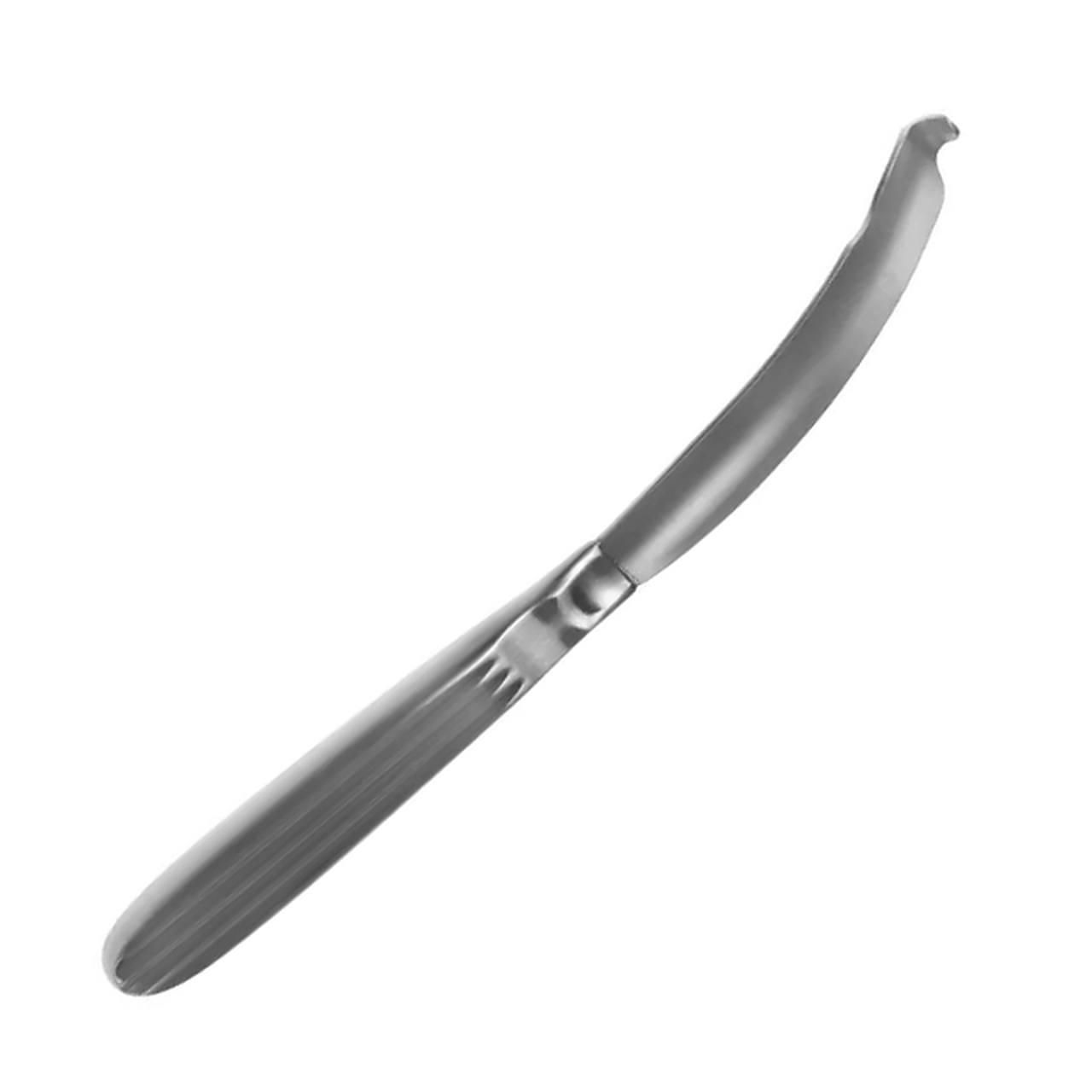 | Separador de Rama Medial | Diseñado específicamente para retraer el músculo pterigoideo medial y proteger el nervio alveolar inferior durante las osteotomías sagitales de la rama mandibular. |
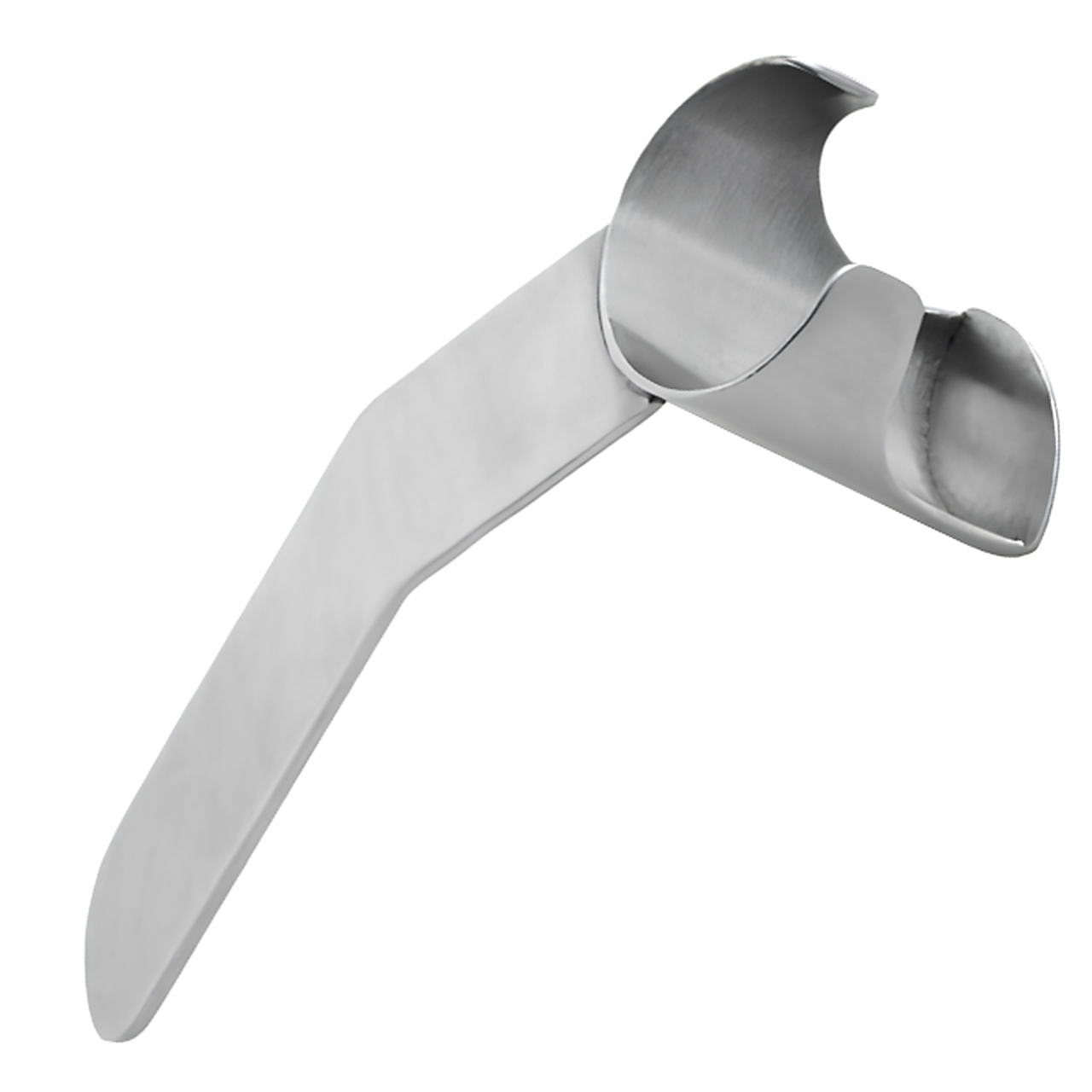 | Separador para Reparación de Meniscos | Diseñado específicamente para proteger las estructuras neurovasculares posteriores y desviar las agujas de sutura durante la reparación artroscópica de meniscos. |
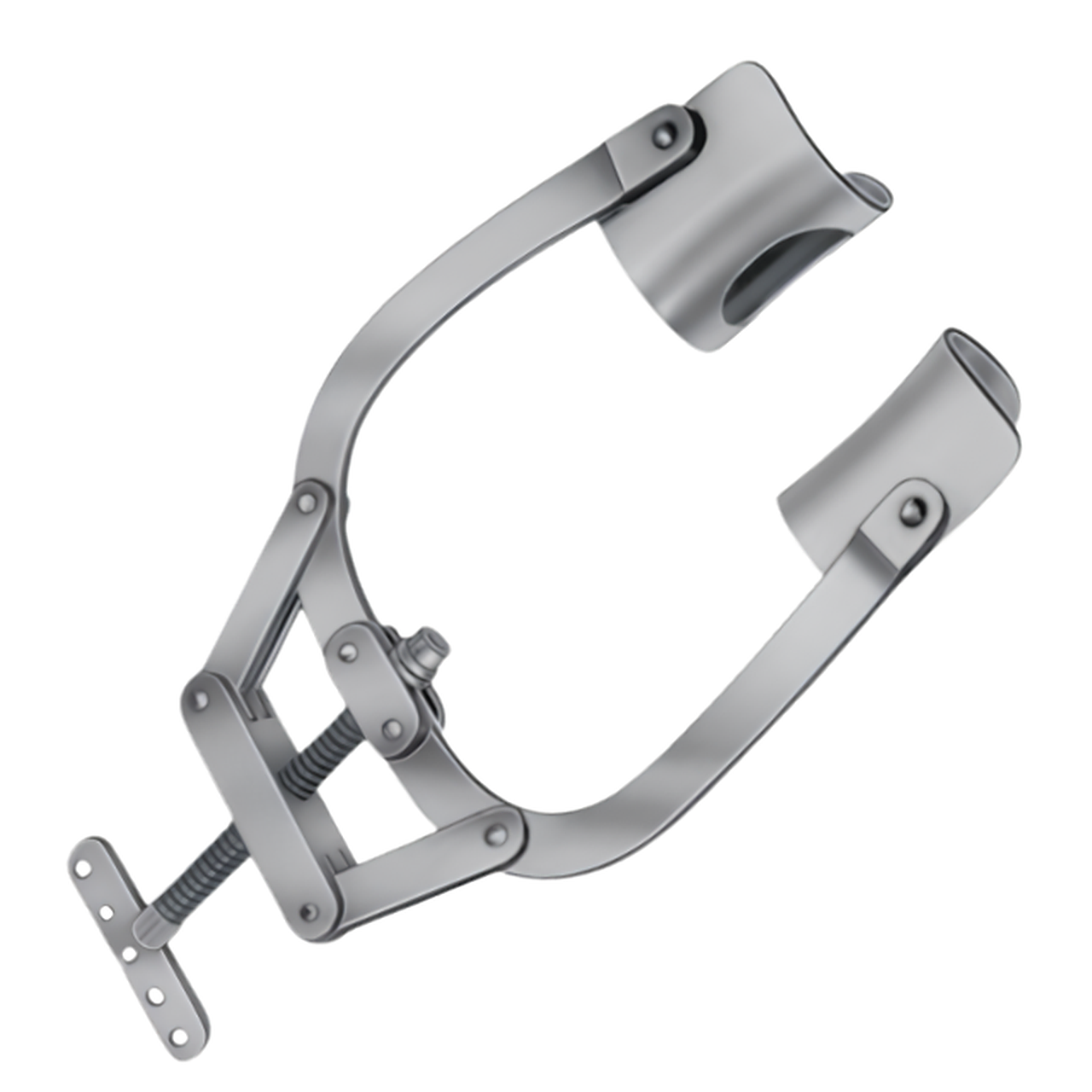 | Separador Torácico Mercedes | Diseñado específicamente para proporcionar torque mecánico compuesto para la separación expansiva de costillas y pared torácica durante la cirugía torácica. |
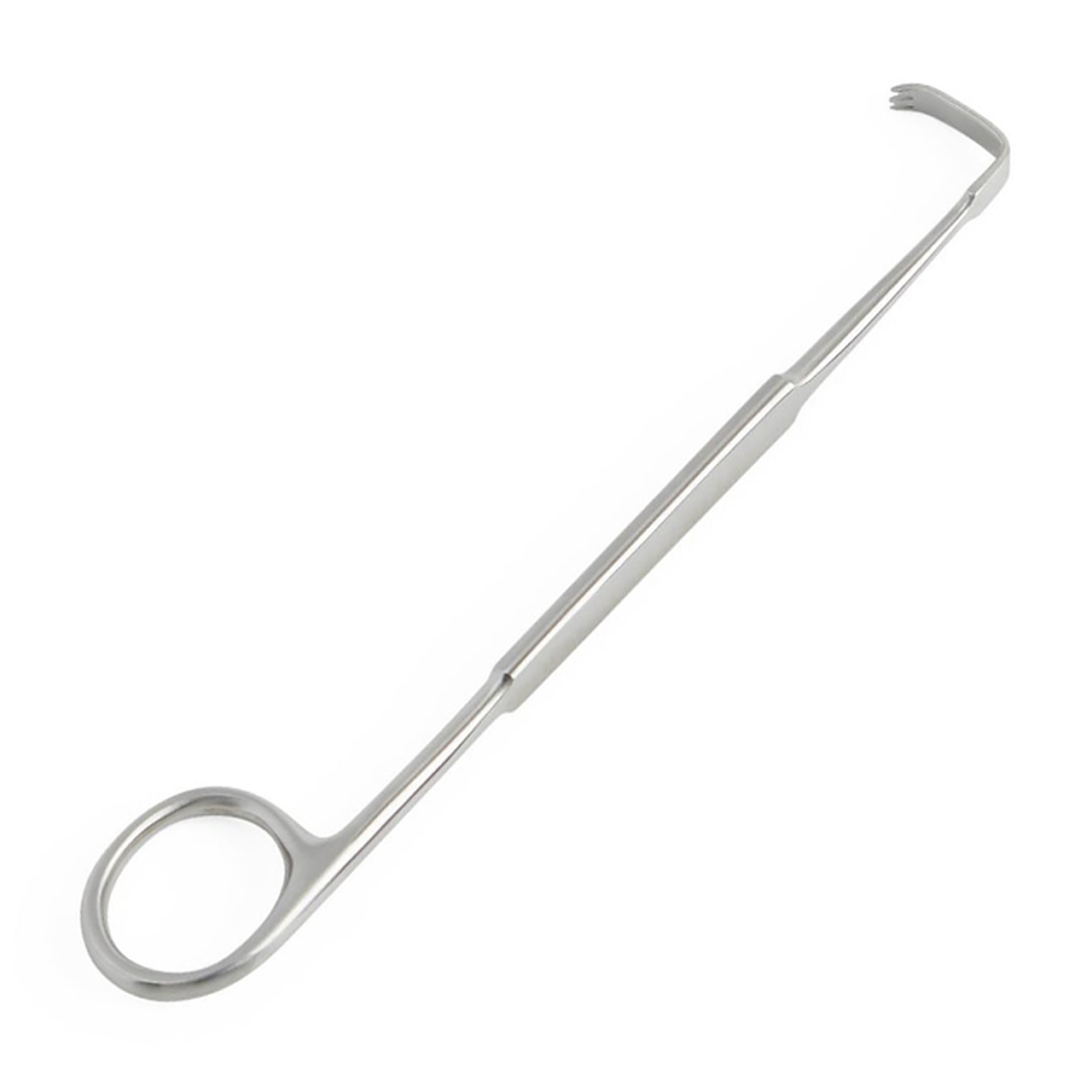 | Separador Digital Meyerding | Diseñado específicamente para retraer colgajos de piel, tendones digitales y tejidos blandos delicados durante cirugías de mano, plásticas y menores. |
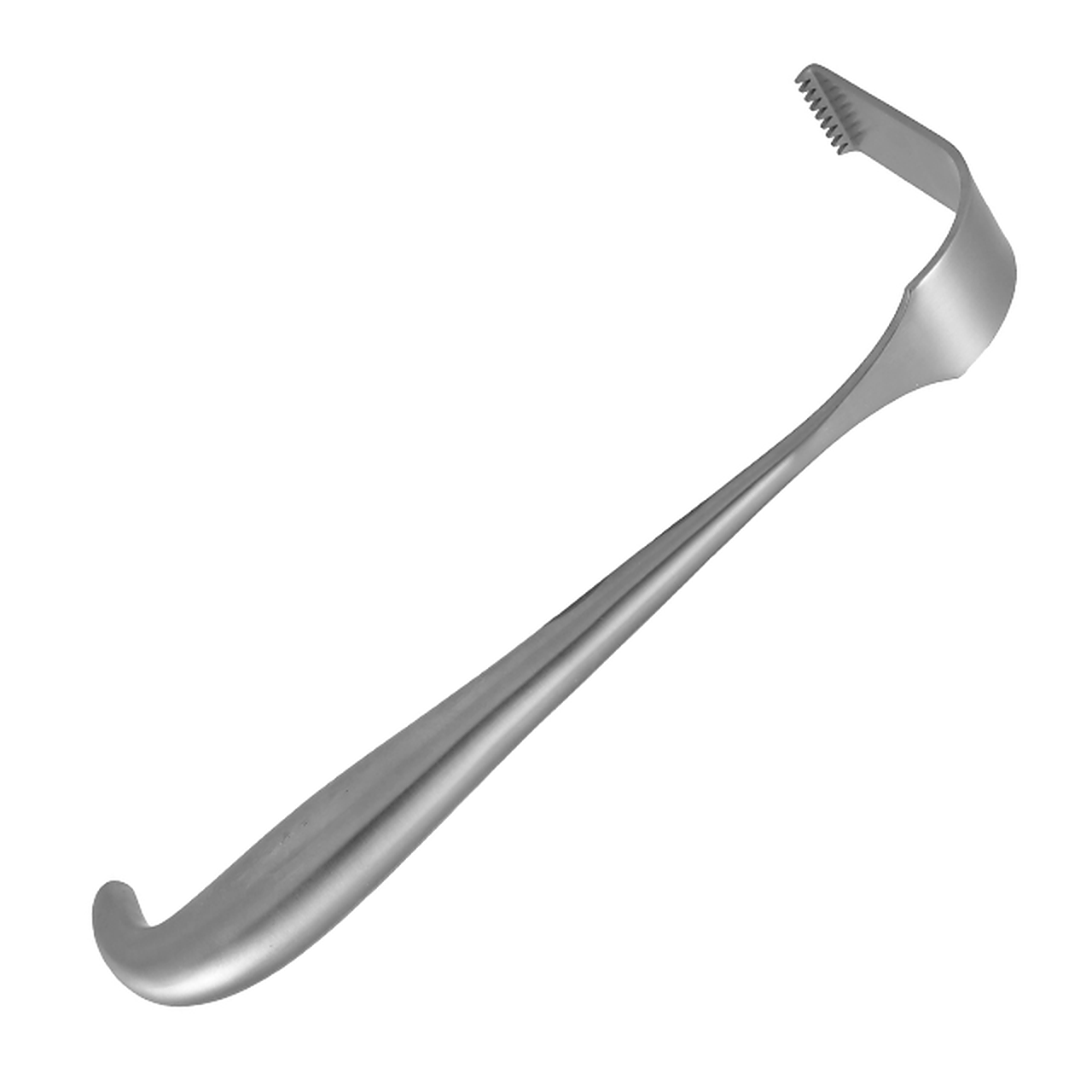 | Separador Meyerding | Diseñado específicamente para retraer la musculatura paraespinal pesada y el tejido blando profundo durante la laminectomía espinal y la cirugía ortopédica. |
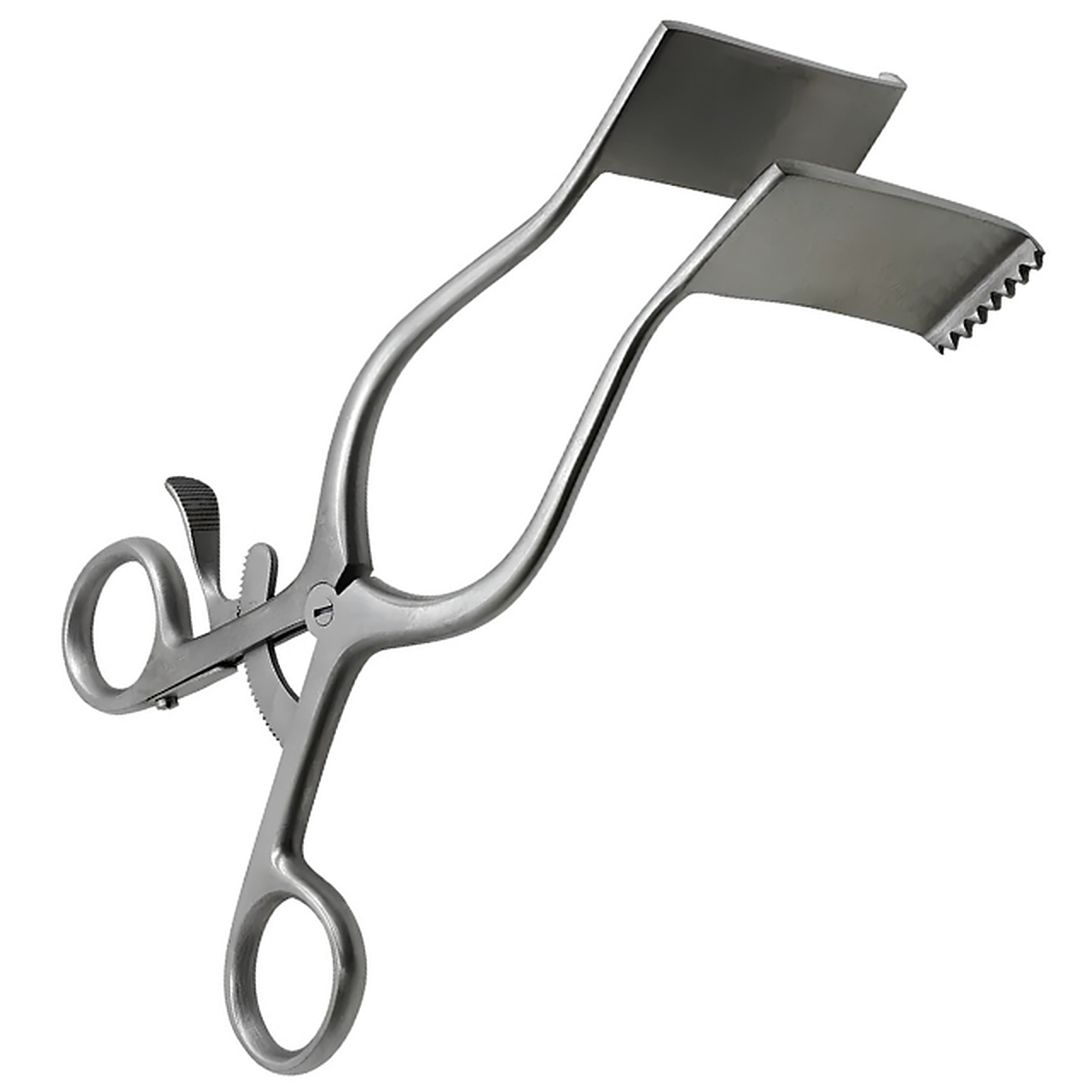 | Separador Meyerding con Cremallera | Diseñado específicamente para proporcionar retracción autorretentiva del músculo paravertebral y anclaje óseo durante la laminectomía espinal. |
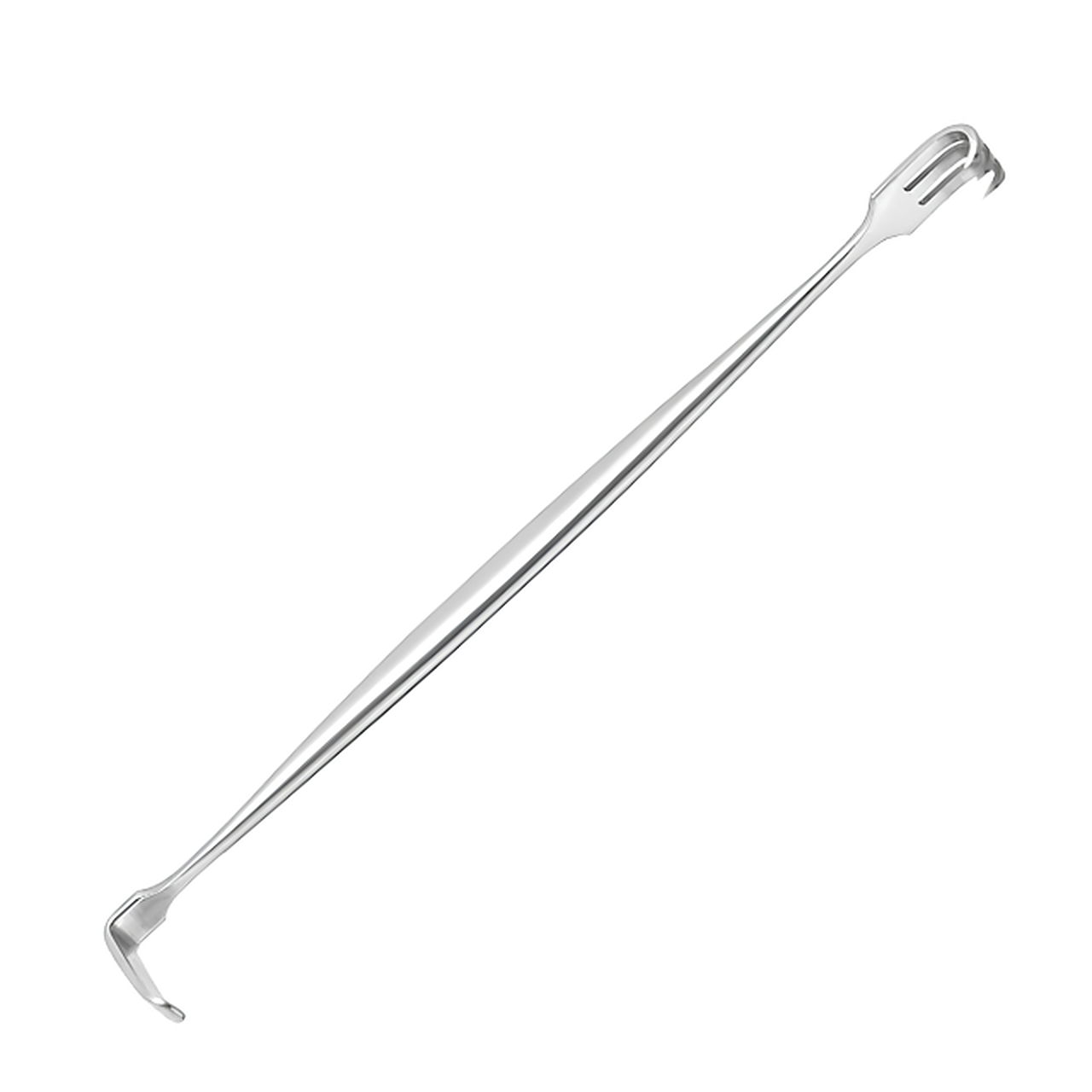 | Separador Meyerding con Gancho Cutáneo | Específicamente diseñado para elevar bordes de piel delicados y retraer tejido blando durante cirugías plásticas, reconstructivas y menores. |
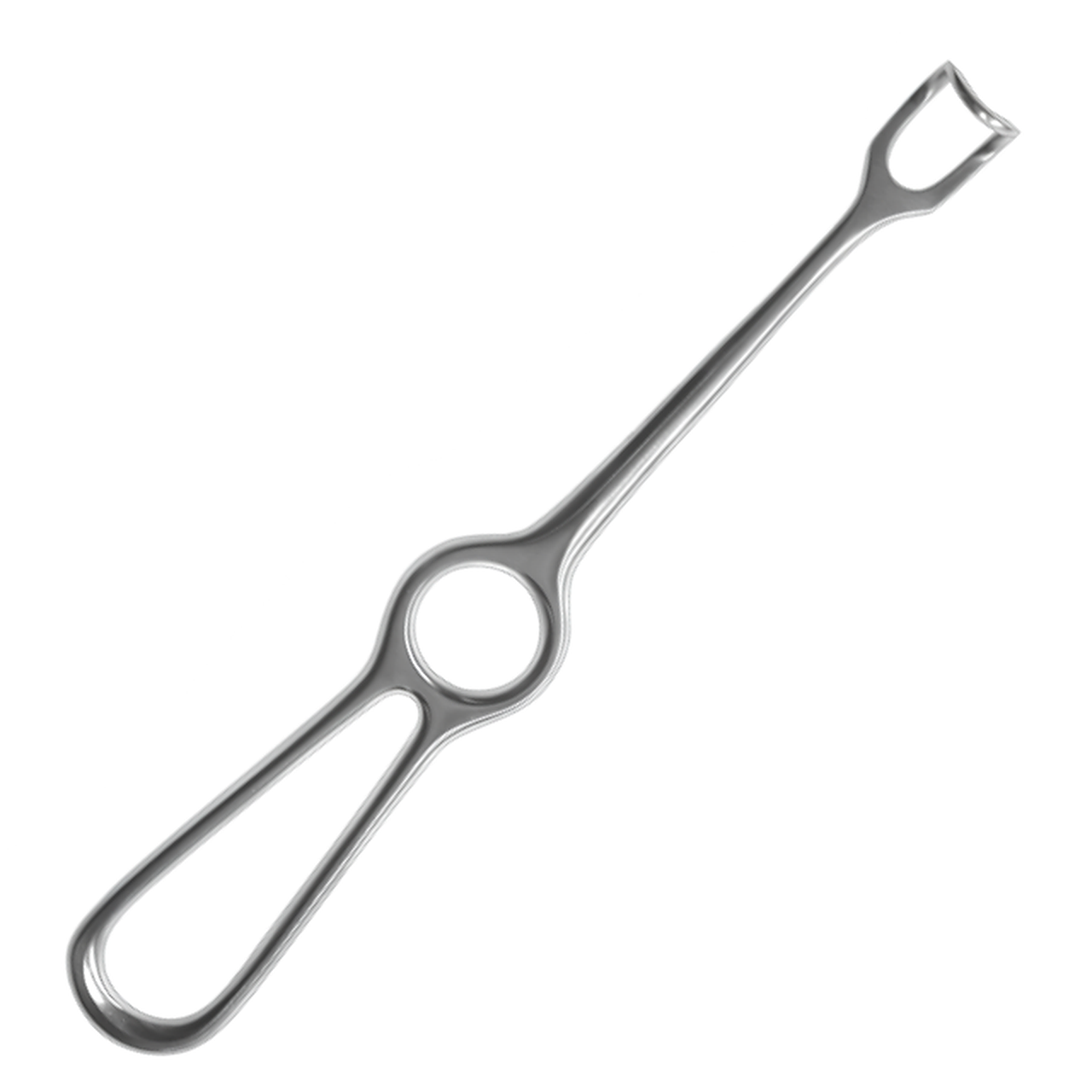 | Separador Middledorpf | Específicamente diseñado para retraer capas musculares, fascias y tejidos blandos preservando las líneas de visión durante cirugías profundas. |
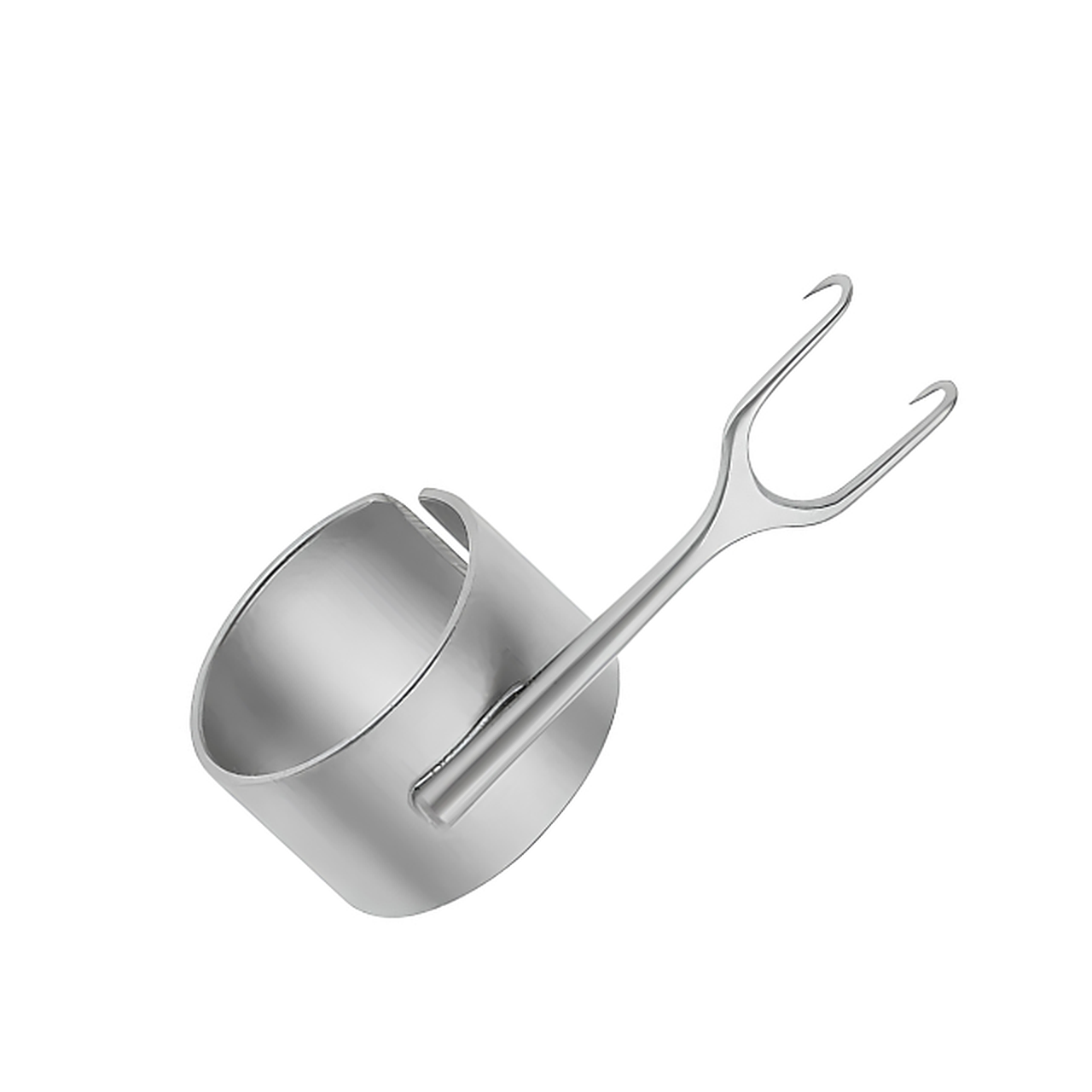 | Separador Millard Cottle con Anillo para Dedo | Diseñado específicamente para retraer el borde alar y el cartílago lateral inferior durante la rinoplastia y las reparaciones nasales de labio leporino. |
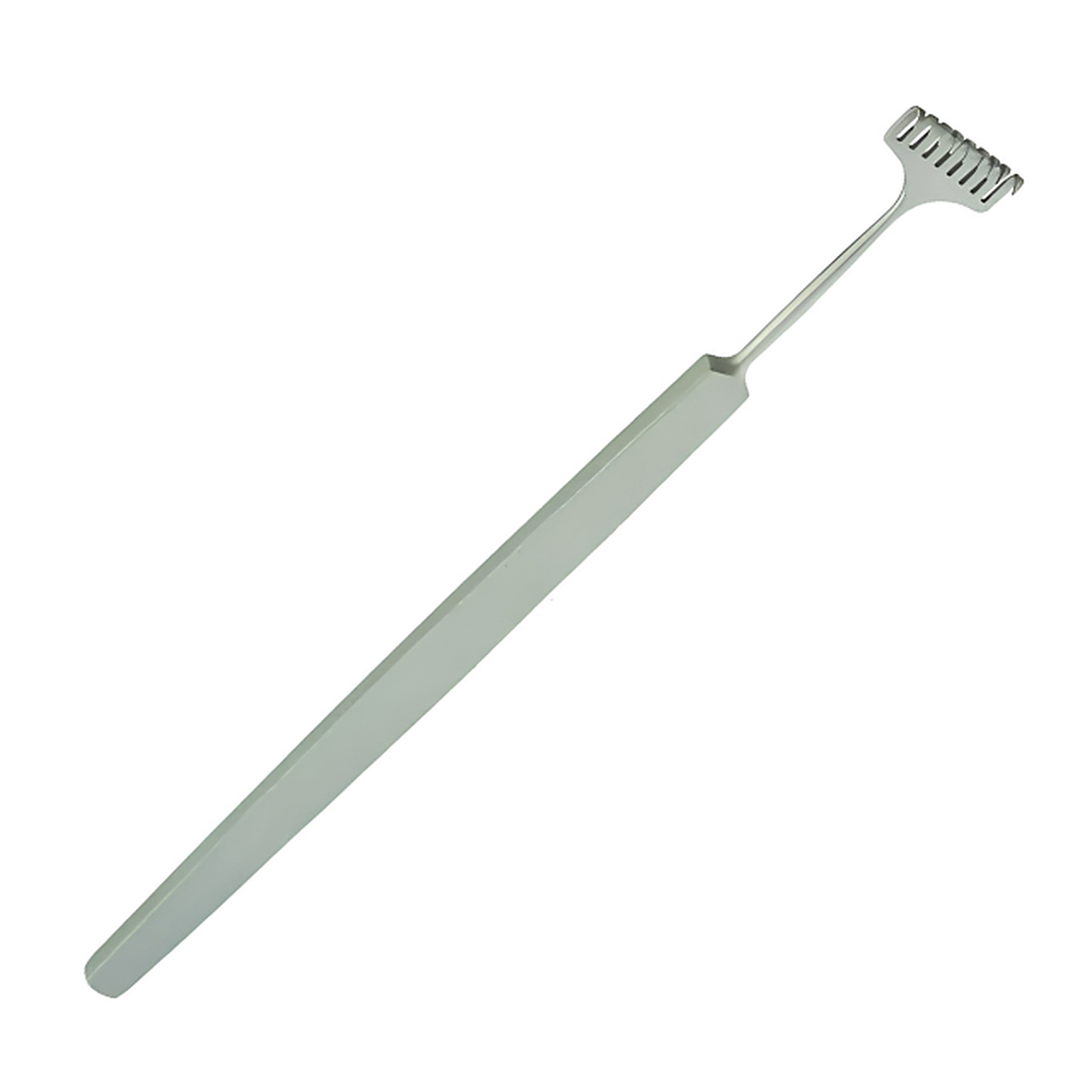 | Separador Miller Rake | Diseñado específicamente para elevar colgajos de piel y retraer tejido subcutáneo durante cirugías plásticas, dermatológicas y reconstructivas. |
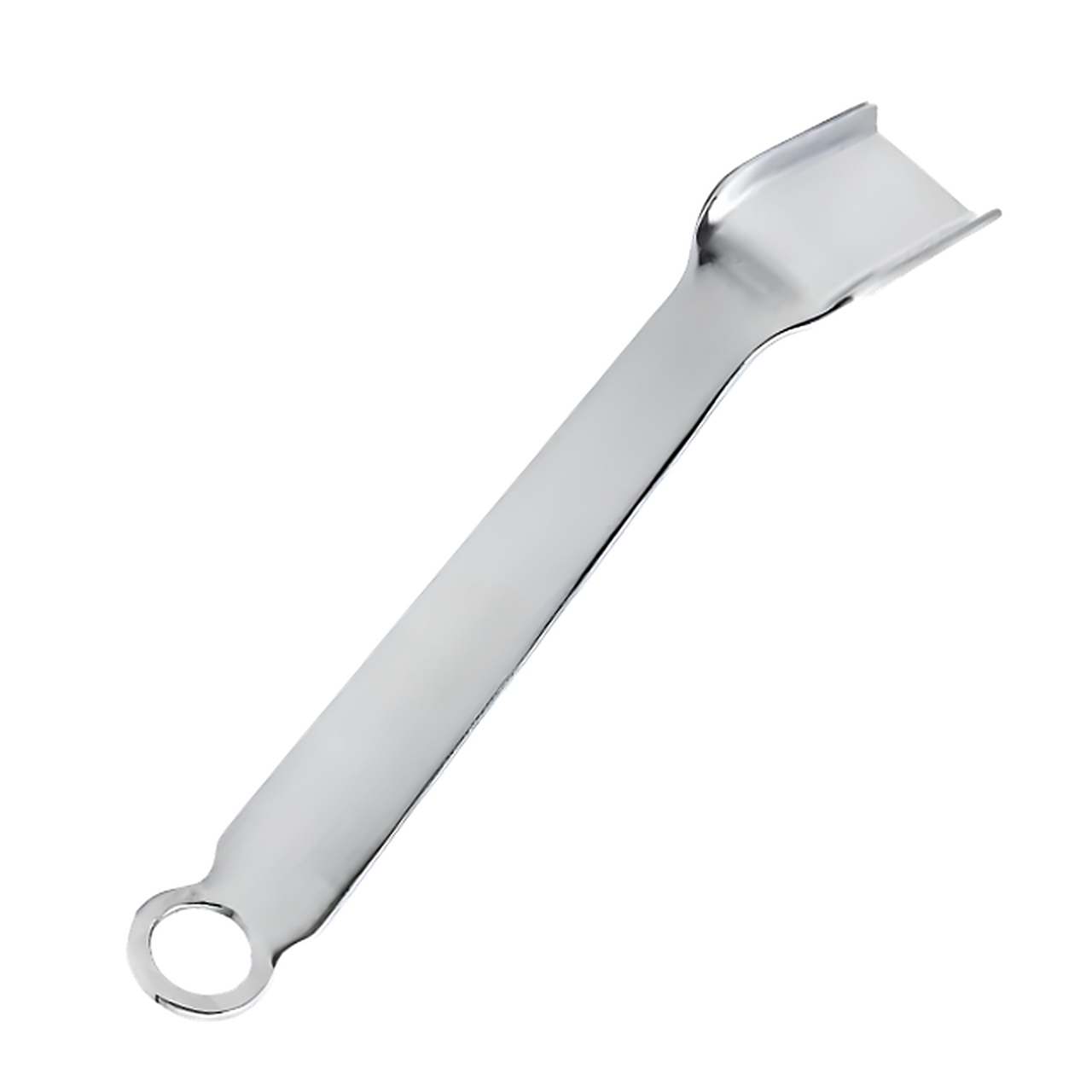 | Separadores para Rodilla Mínimamente Invasivos | Diseñado específicamente para hacer palanca en el hueso y retraer tejidos blandos a través de incisiones pequeñas durante la artroplastia de rodilla mínimamente invasiva. |
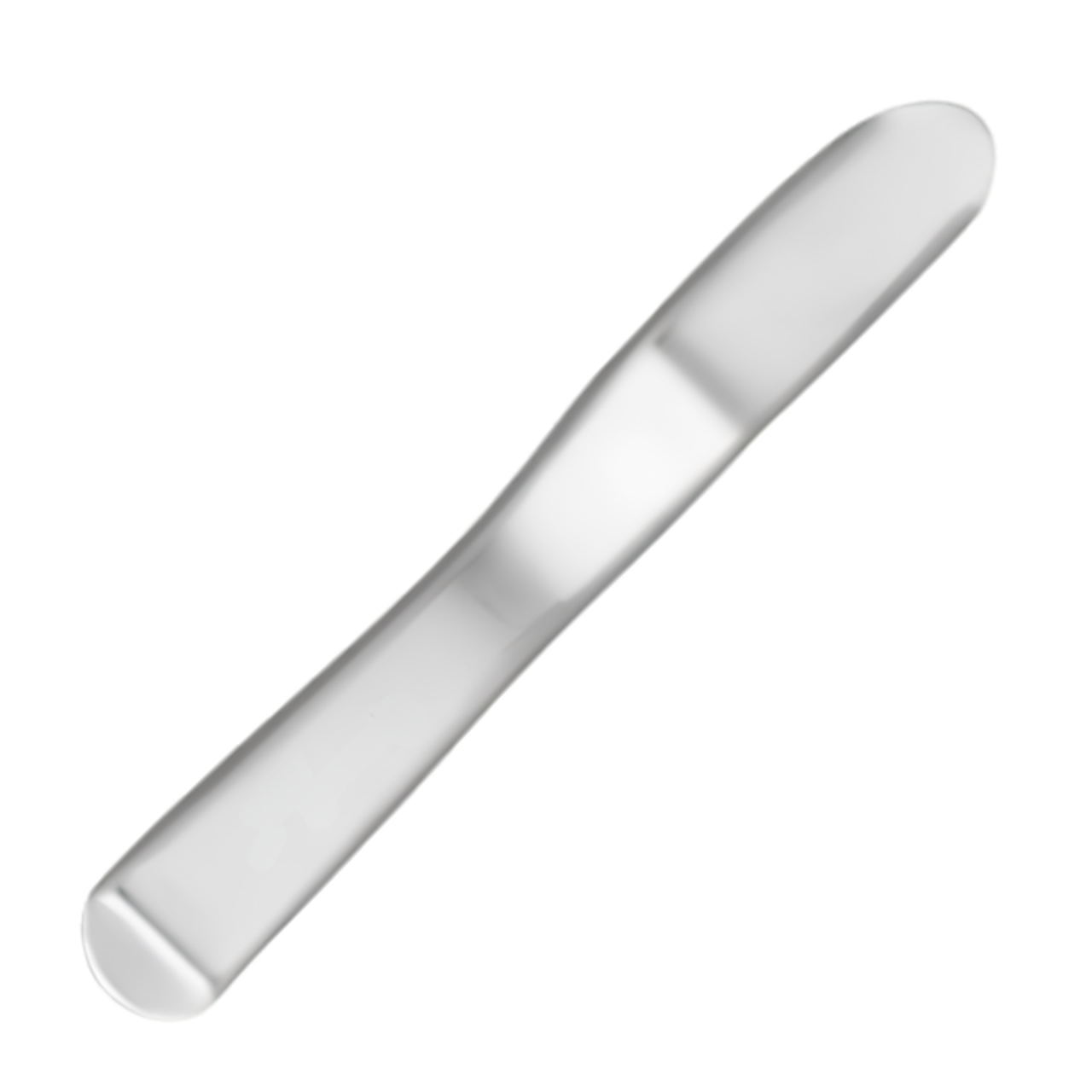 | Separador Minnesota | Diseñado específicamente para retraer mejillas, labios y lengua para exponer la cresta alveolar y la dentición durante cirugía oral. |
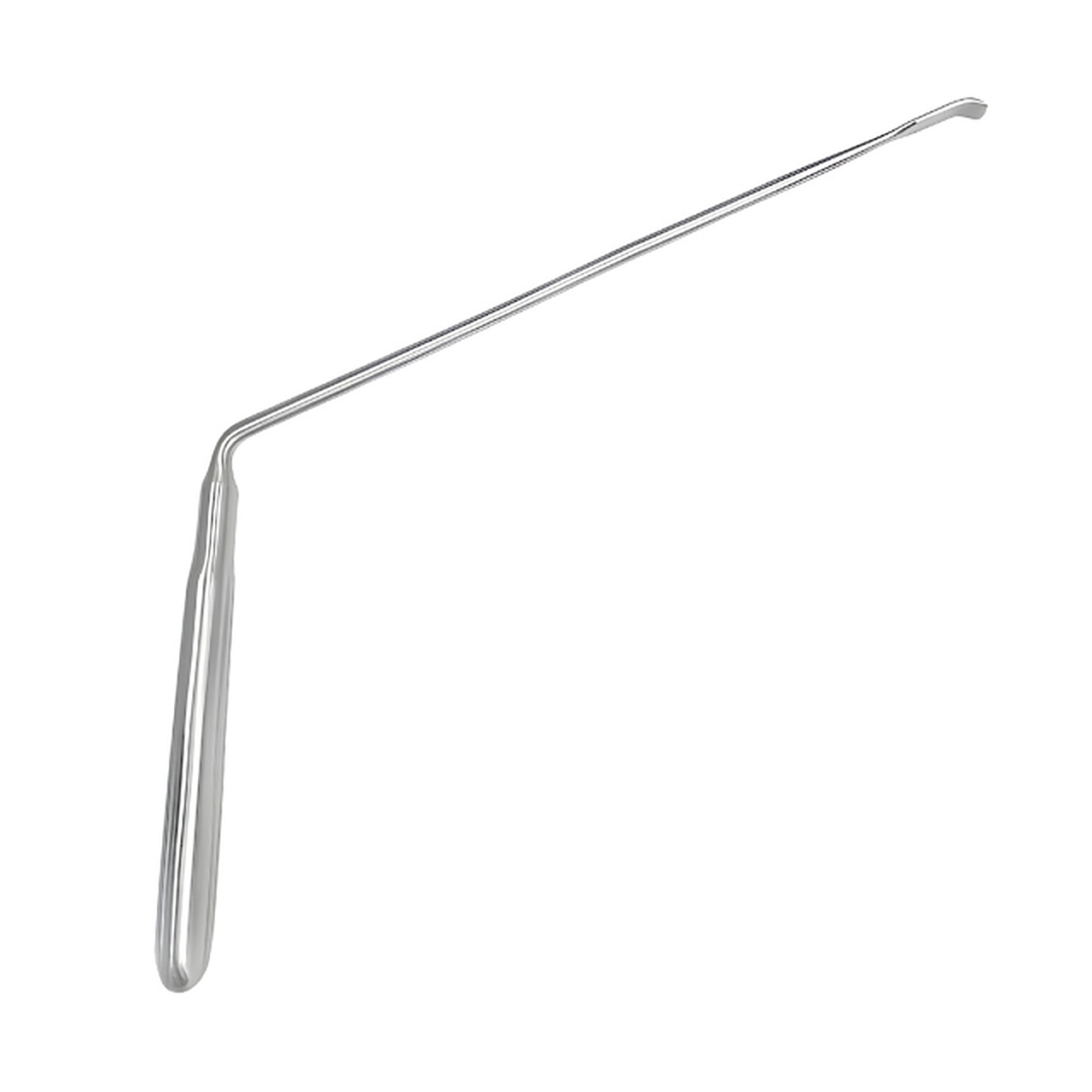 | Separador de Raíz Nerviosa MIS | Diseñado específicamente para retraer y proteger las raíces nerviosas transcurrentes y el saco tecal durante la discectomía espinal mínimamente invasiva. |
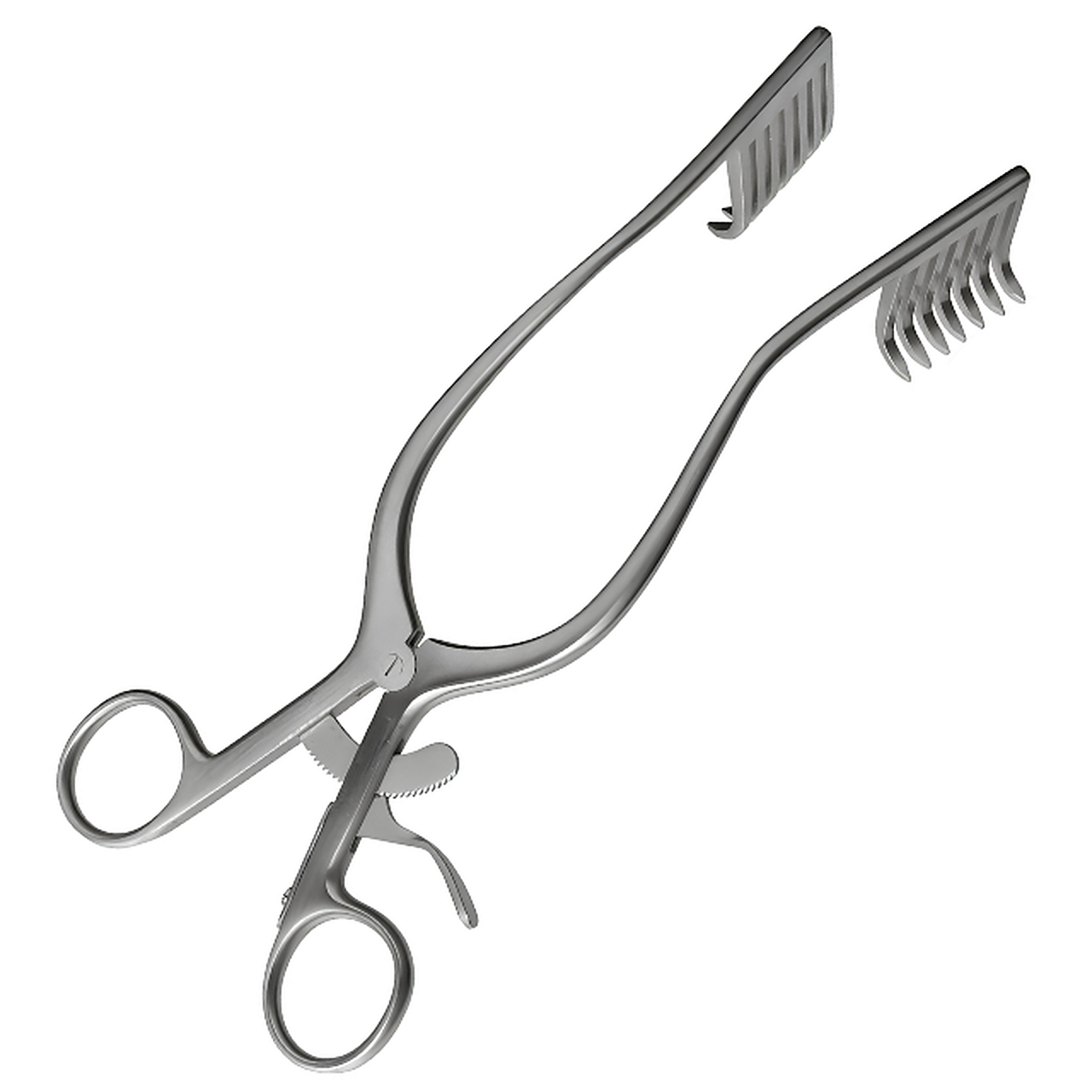 | Separador Cerebelar Miskimon | Diseñado específicamente para proporcionar retracción autoestática del cuero cabelludo y del músculo nucal durante las craneotomías suboccipitales y cerebelosas. |
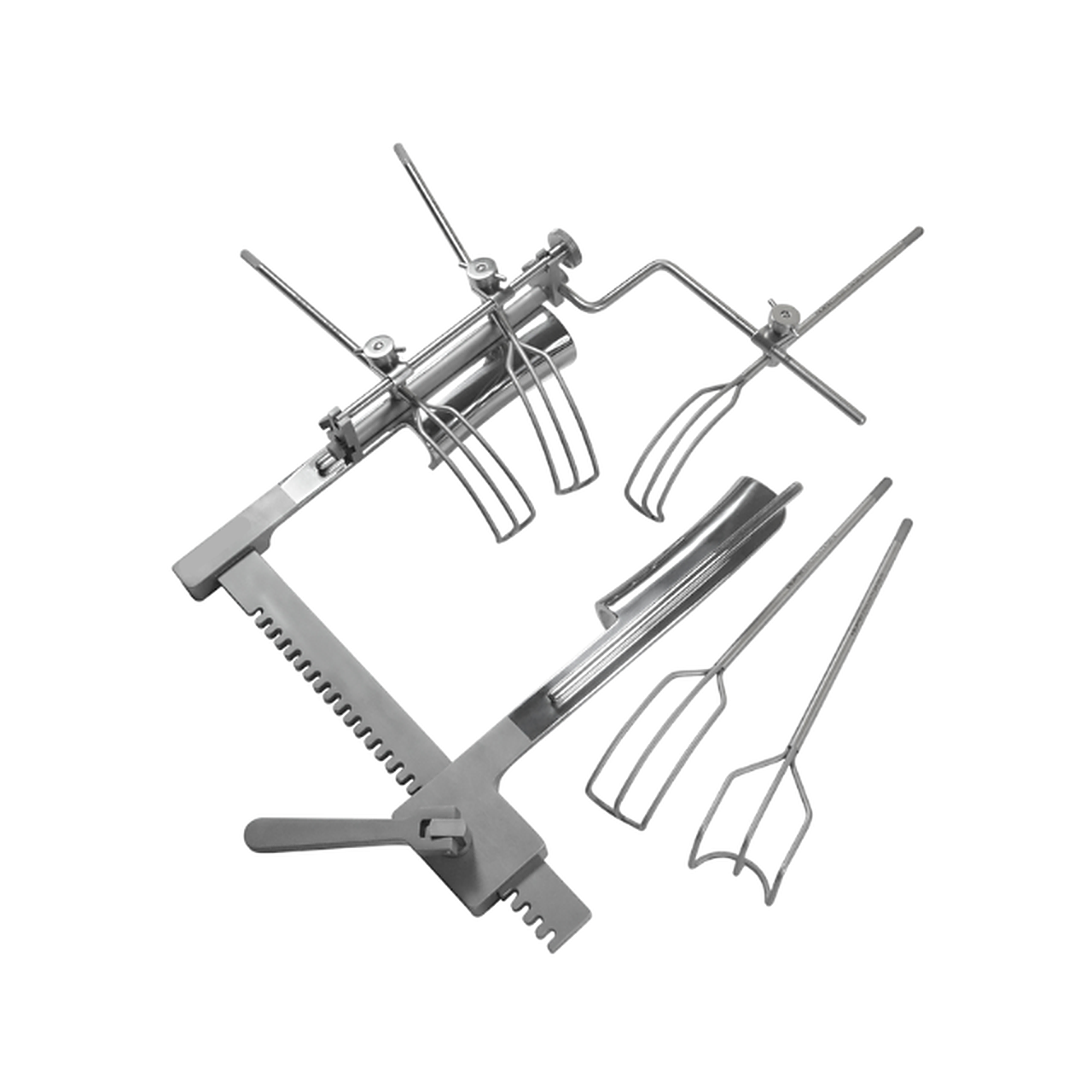 | Separador de Válvula Mitral | Diseñado específicamente para proporcionar exposición quirúrgica estructurada y retracción de tejidos blandos durante procedimientos de válvulas cardíacas. |
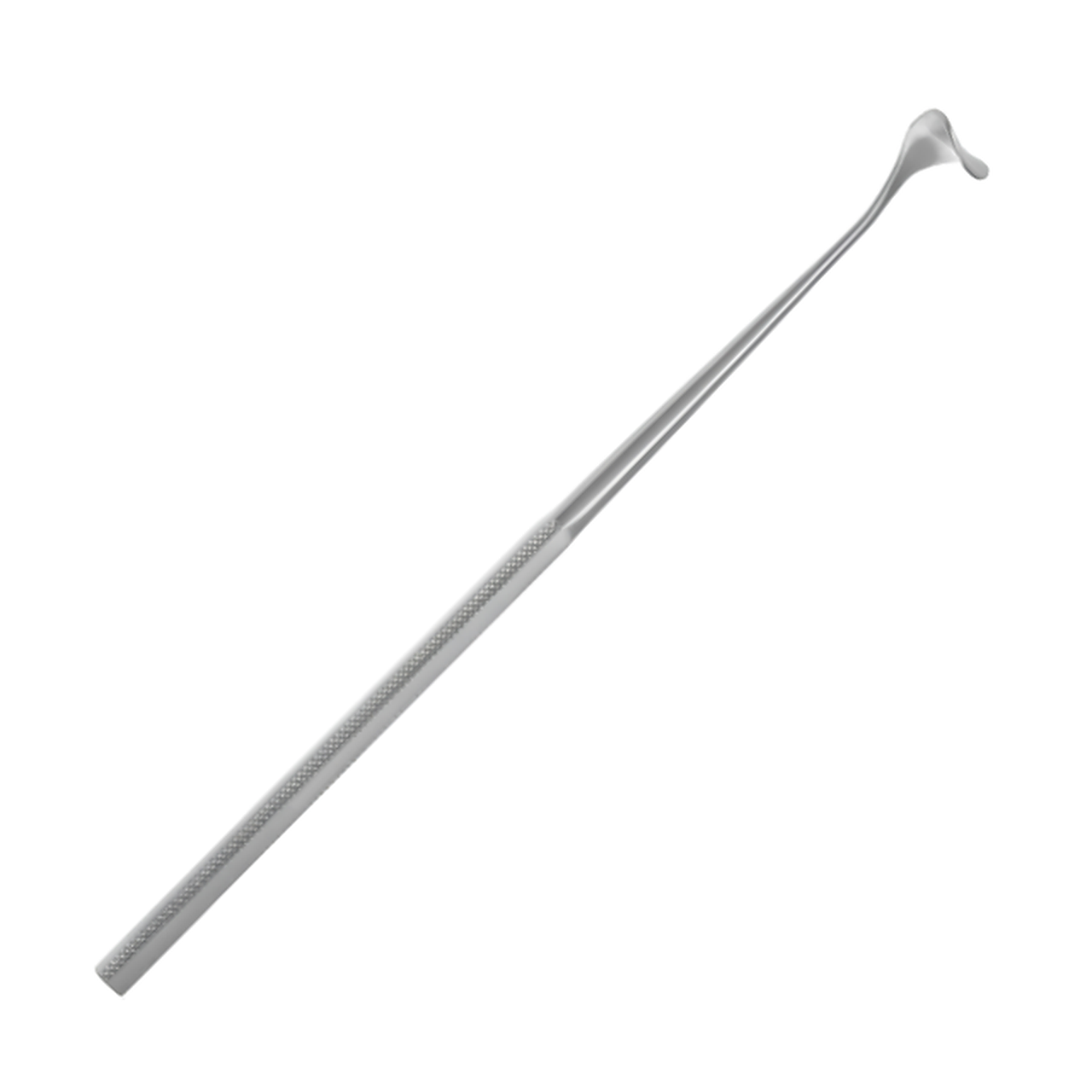 | Retractor de Piel Moberg | Diseñado específicamente para retraer bordes de piel, colgajos cutáneos y tejidos blandos delicados durante cirugía plástica y de mano. |
 | Separadores Tipo Modified Fukuda Type Retractors | Diseñado específicamente para retraer la cabeza humeral posteriormente y exponer la cavidad glenoidea durante la artroplastia de hombro. |
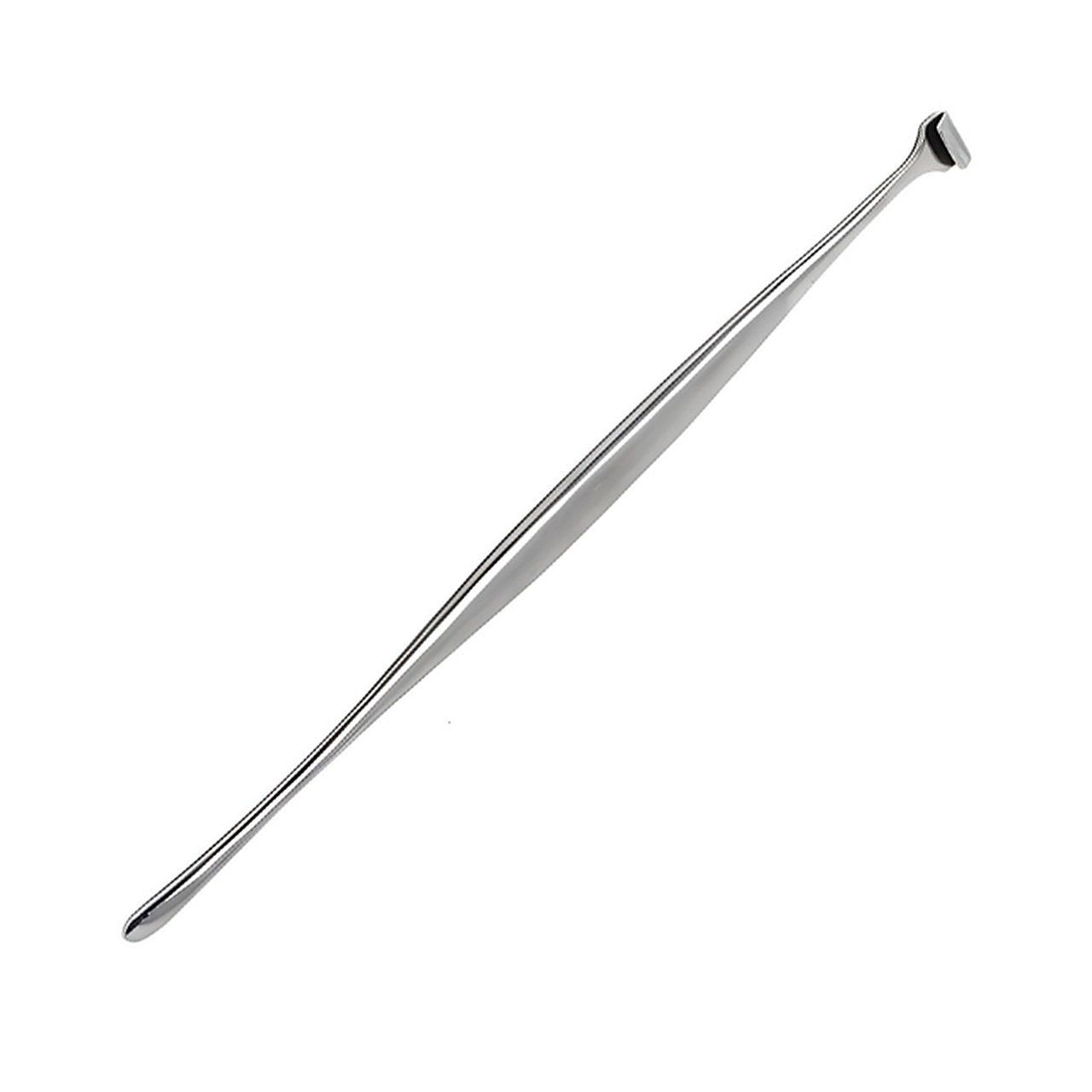 | Separador de Pilar Anterior Mollison | Diseñado específicamente para retraer el pilar amigdalino anterior y el arco palatogloso durante la amigdalectomía y la cirugía faríngea. |
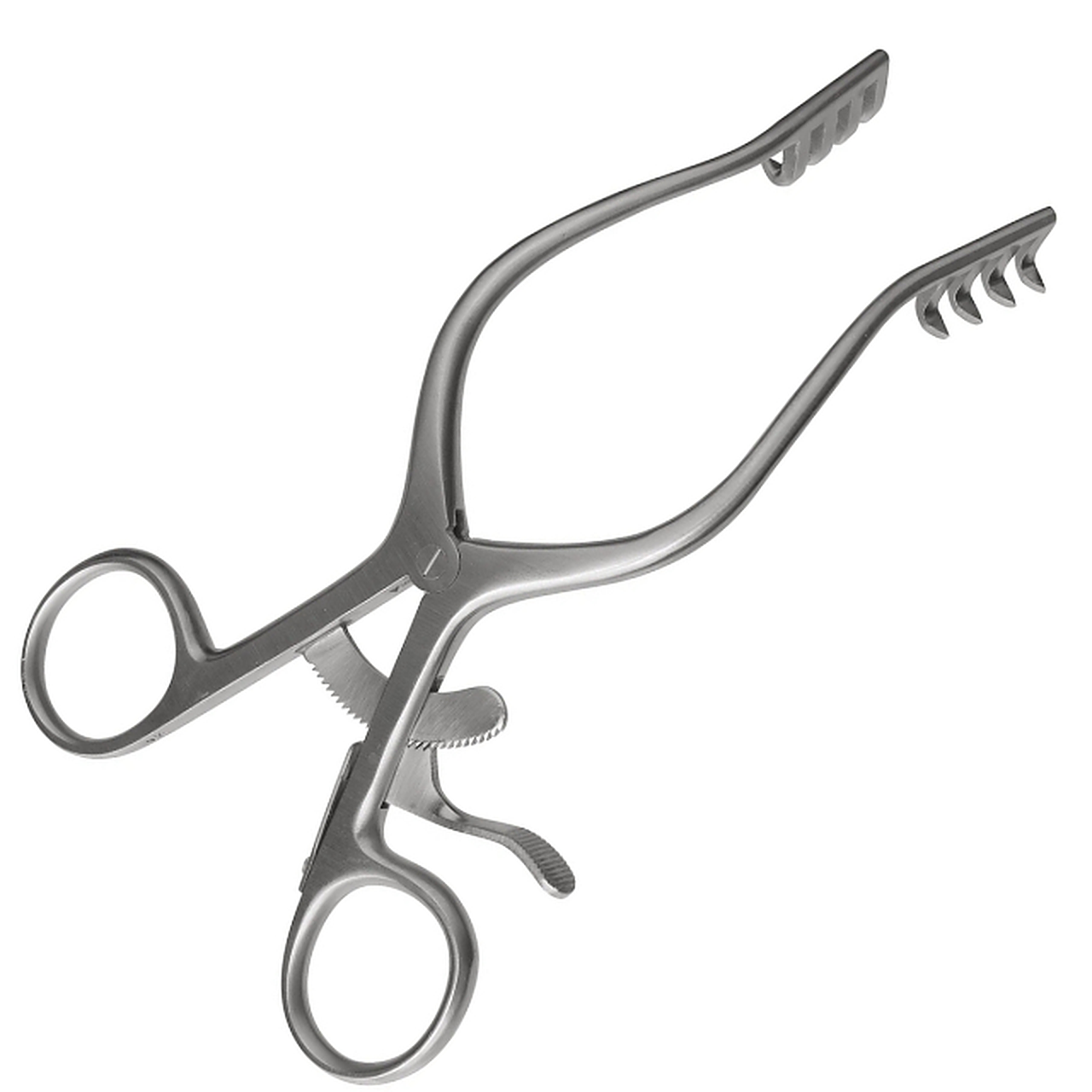 | Separador Mollison | Específicamente diseñado para proporcionar retracción autoestática del periostio y los márgenes de la herida durante cirugías de mastoides, oído y cuero cabelludo. |
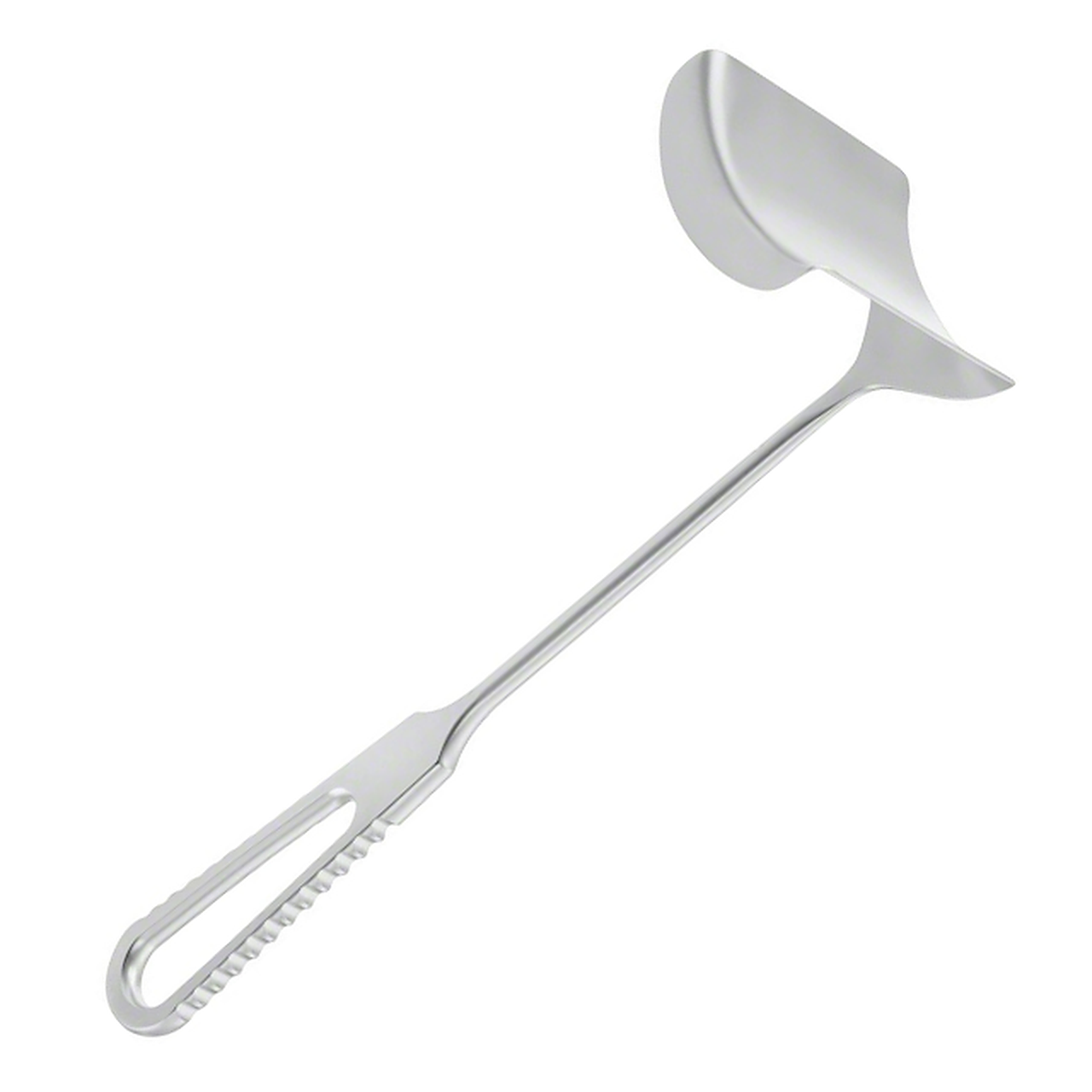 | Separador Morris Sencillo | Diseñado específicamente para retraer la pared abdominal, las vísceras y la musculatura gruesa durante cirugías abdominales y pélvicas abiertas. |
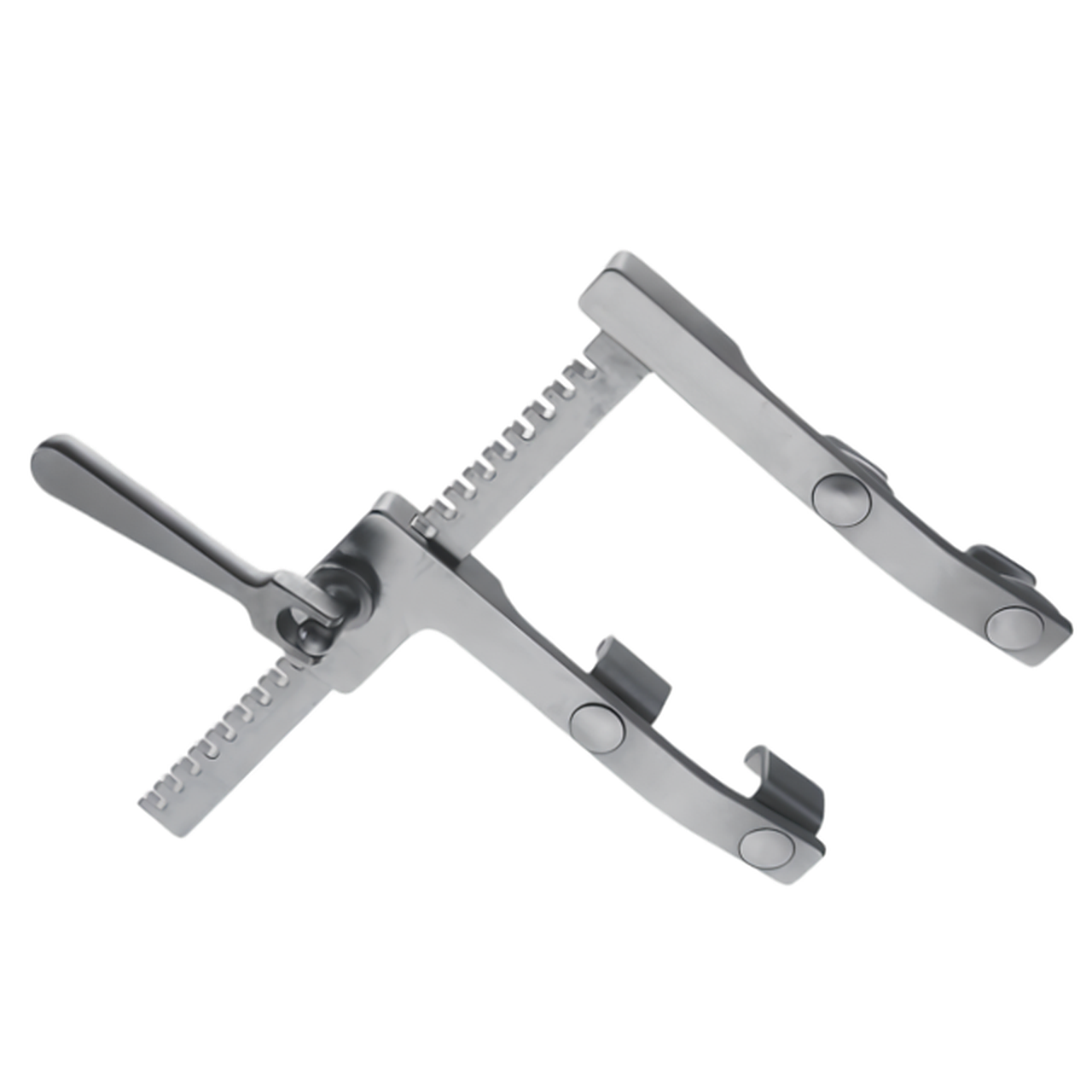 | Separador Costal Morse | Diseñado específicamente para separar las costillas y expandir la cavidad torácica con ajuste anatómico de valvas en múltiples posiciones. |
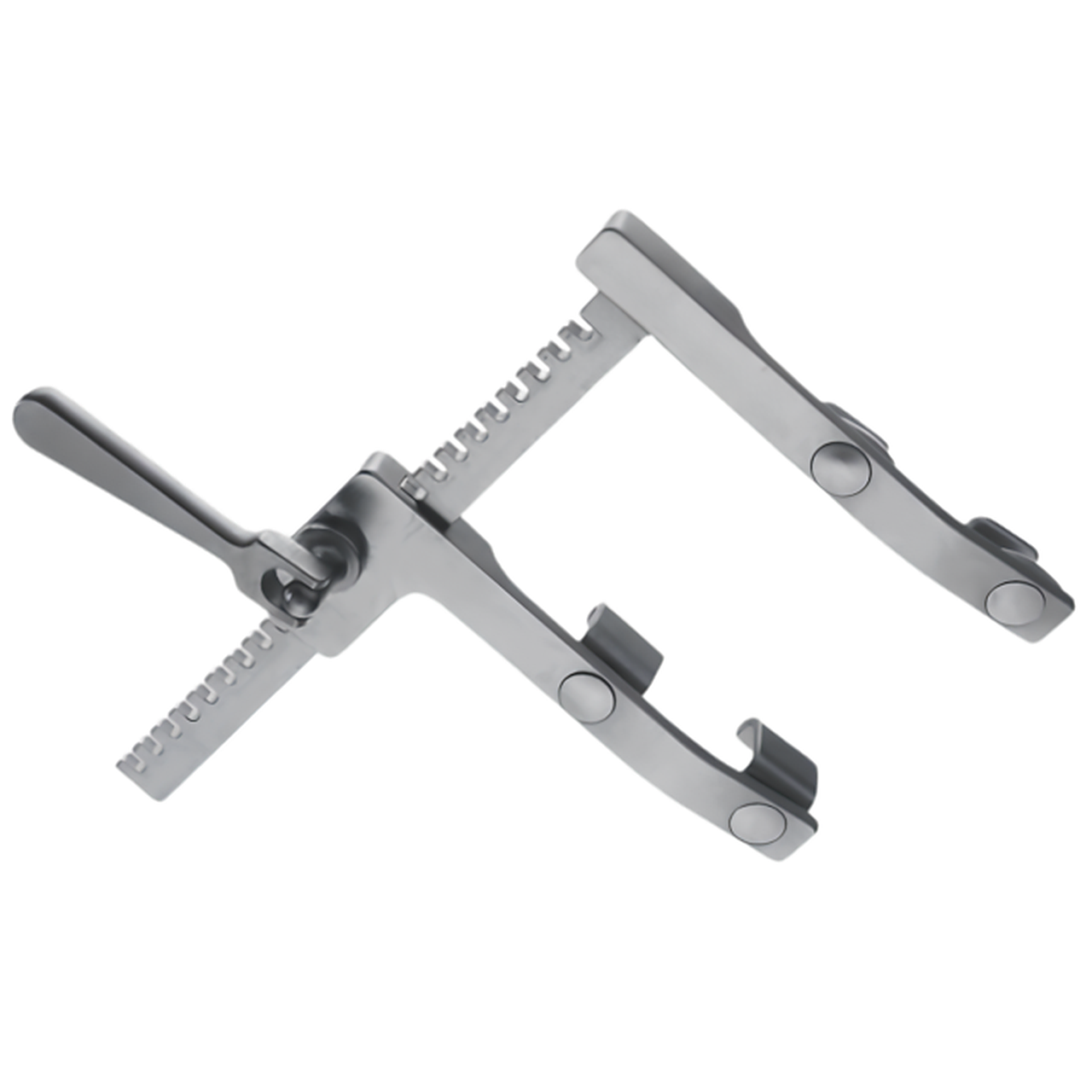 | Separador Costal Morse-Favaloro | Diseñado específicamente para separar las costillas con valvas pivotantes móviles durante bypass de arteria coronaria y cirugía torácica. |
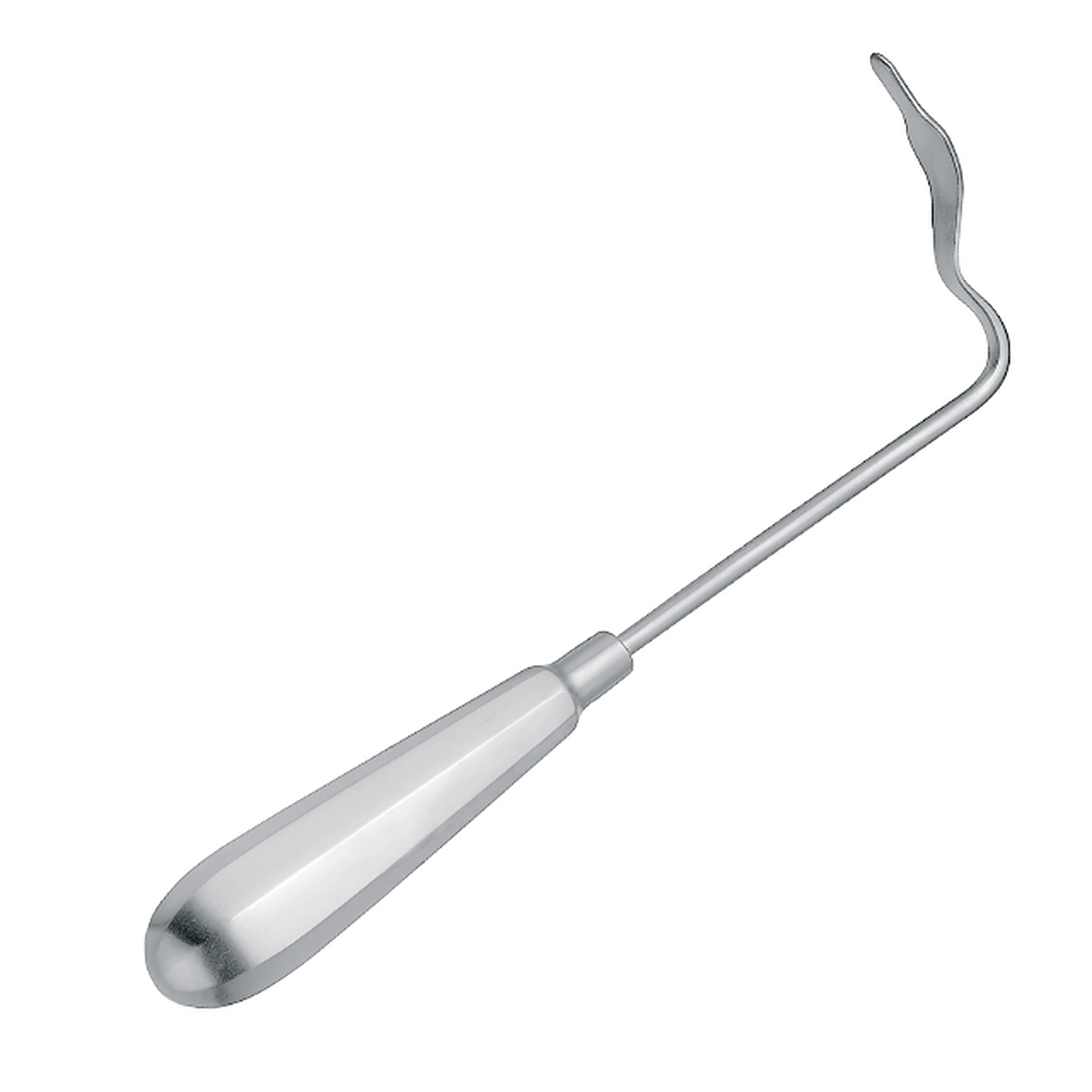 | Separador Muco-perióstico | Diseñado específicamente para retraer colgajos mucoperiósticos y exponer el hueso cortical durante cirugías orales, dentales y maxilofaciales. |
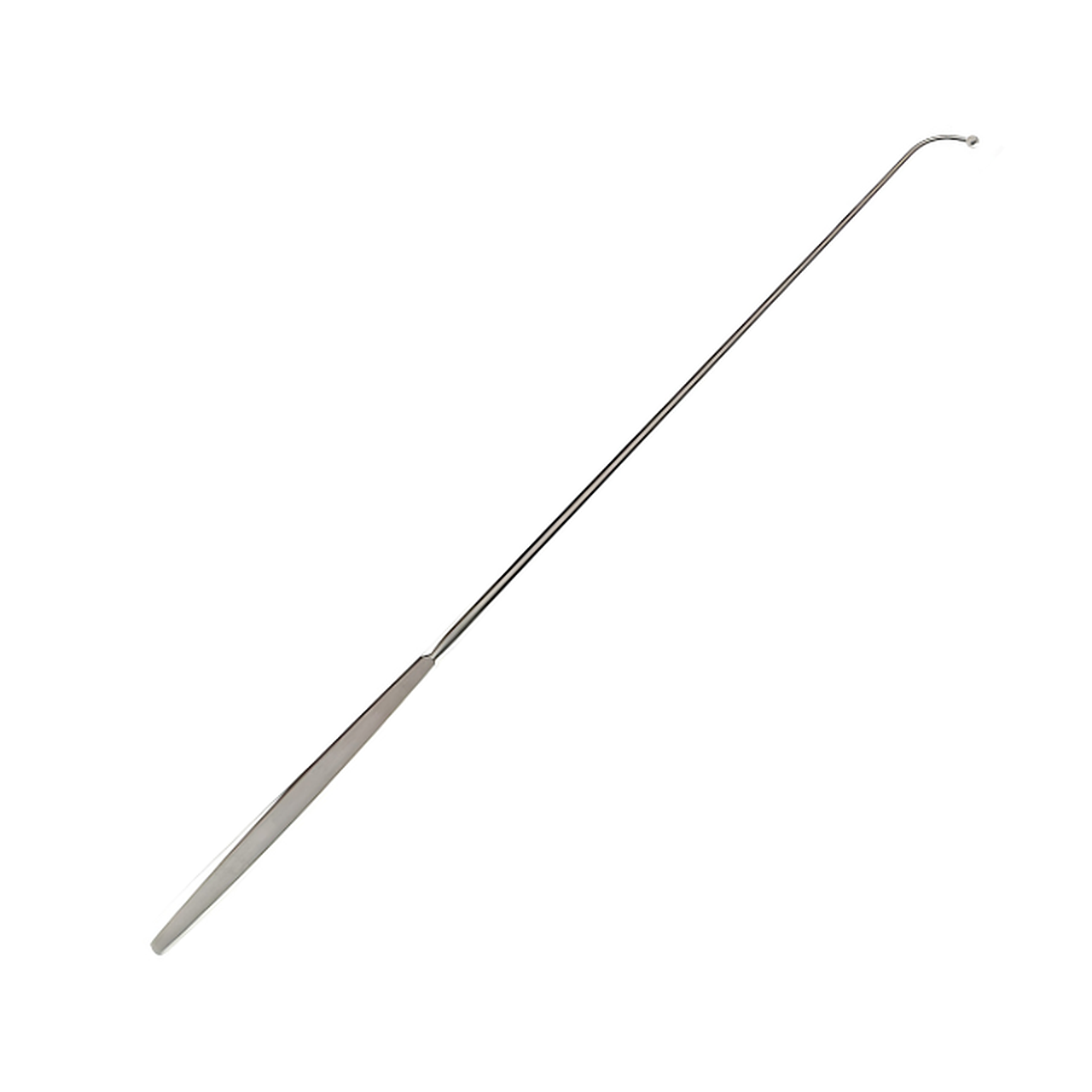 | Separador de Murphy de Punta Esférica | Diseñado específicamente para explorar, movilizar y retraer nervios, vasos y conductos delicados durante procedimientos quirúrgicos profundos. |
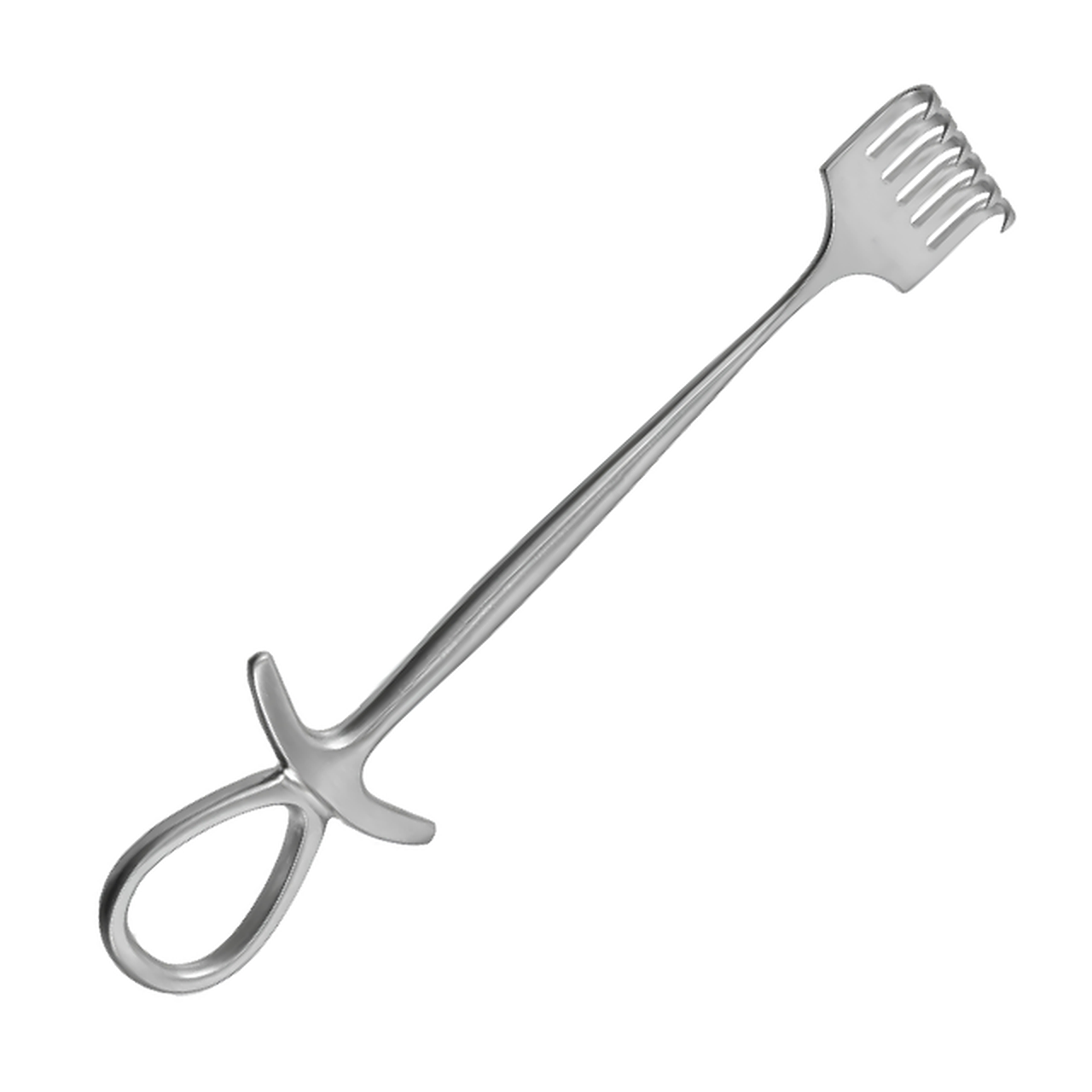 | Separador Murphy | Específicamente diseñado para retraer bordes de piel, fascia y tejido muscular en cirugía general, ortopédica y plástica. |
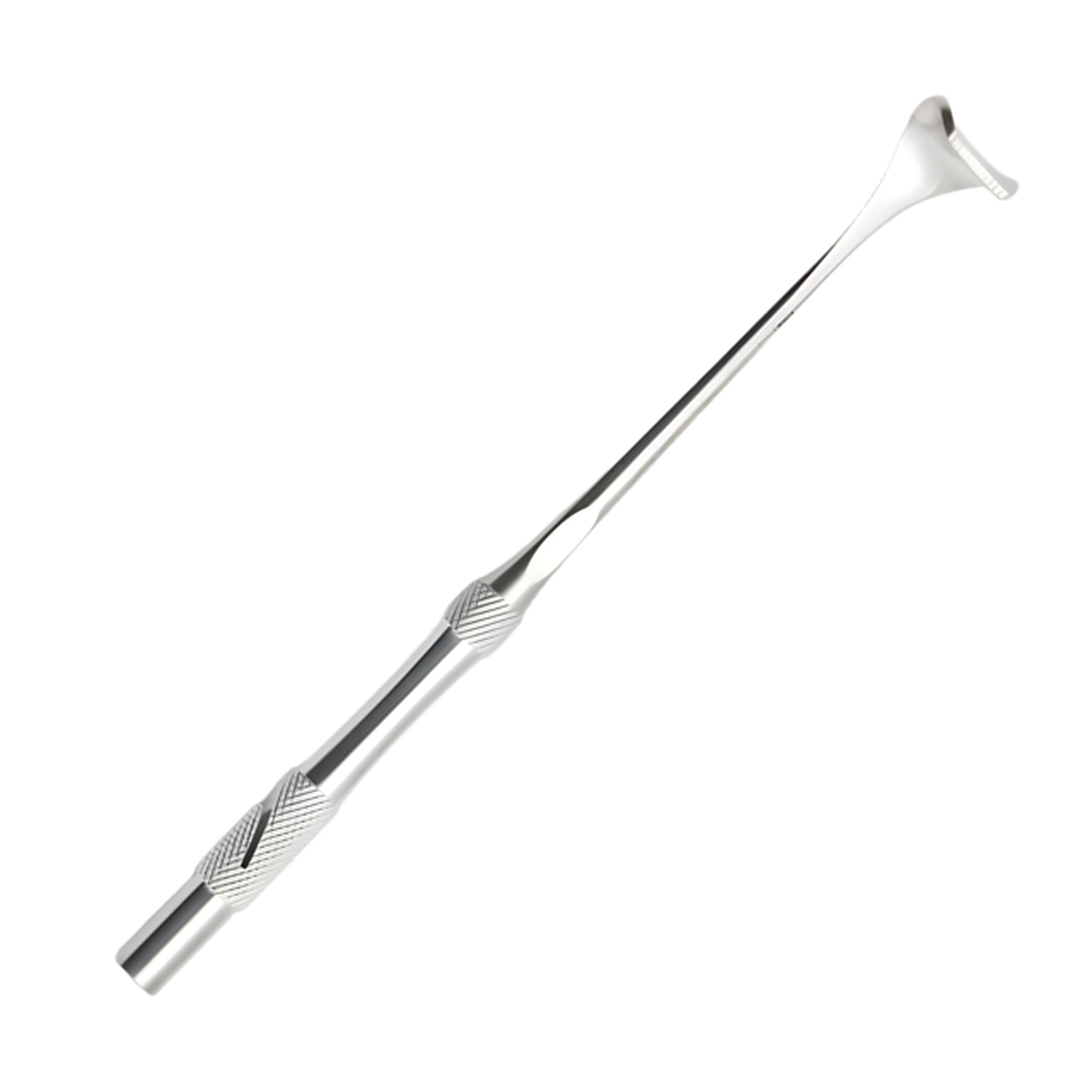 | Separador de Piel Nasal | Diseñado específicamente para elevar colgajos de piel nasal y retraer cartílago durante rinoplastias y cirugía reconstructiva facial. |
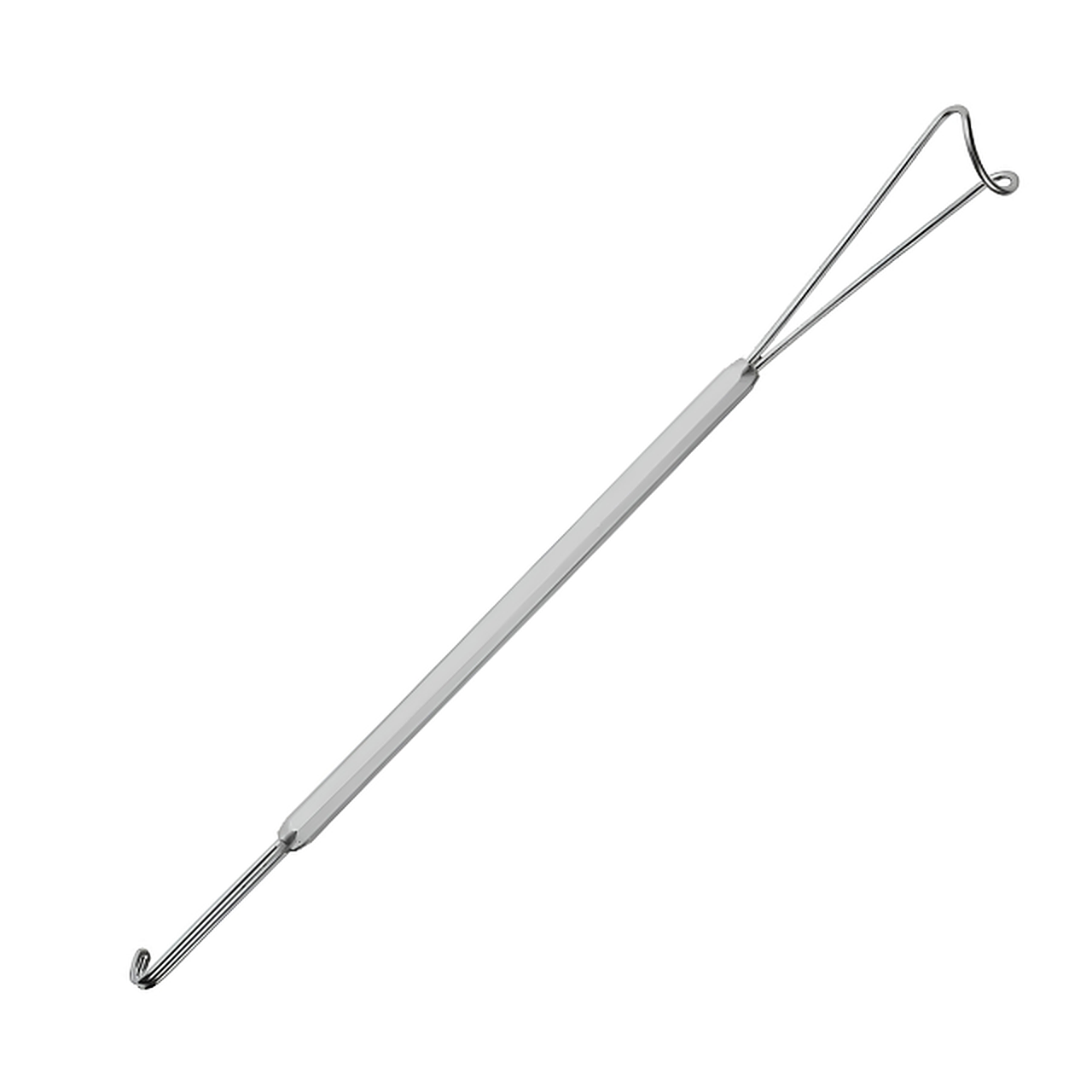 | Separador y Guía de Bisturí Neivert | Diseñado específicamente para separar colgajos cutáneos y guiar bisturíes de cartílago durante procedimientos de rinoplastia y reconstrucción nasal. |
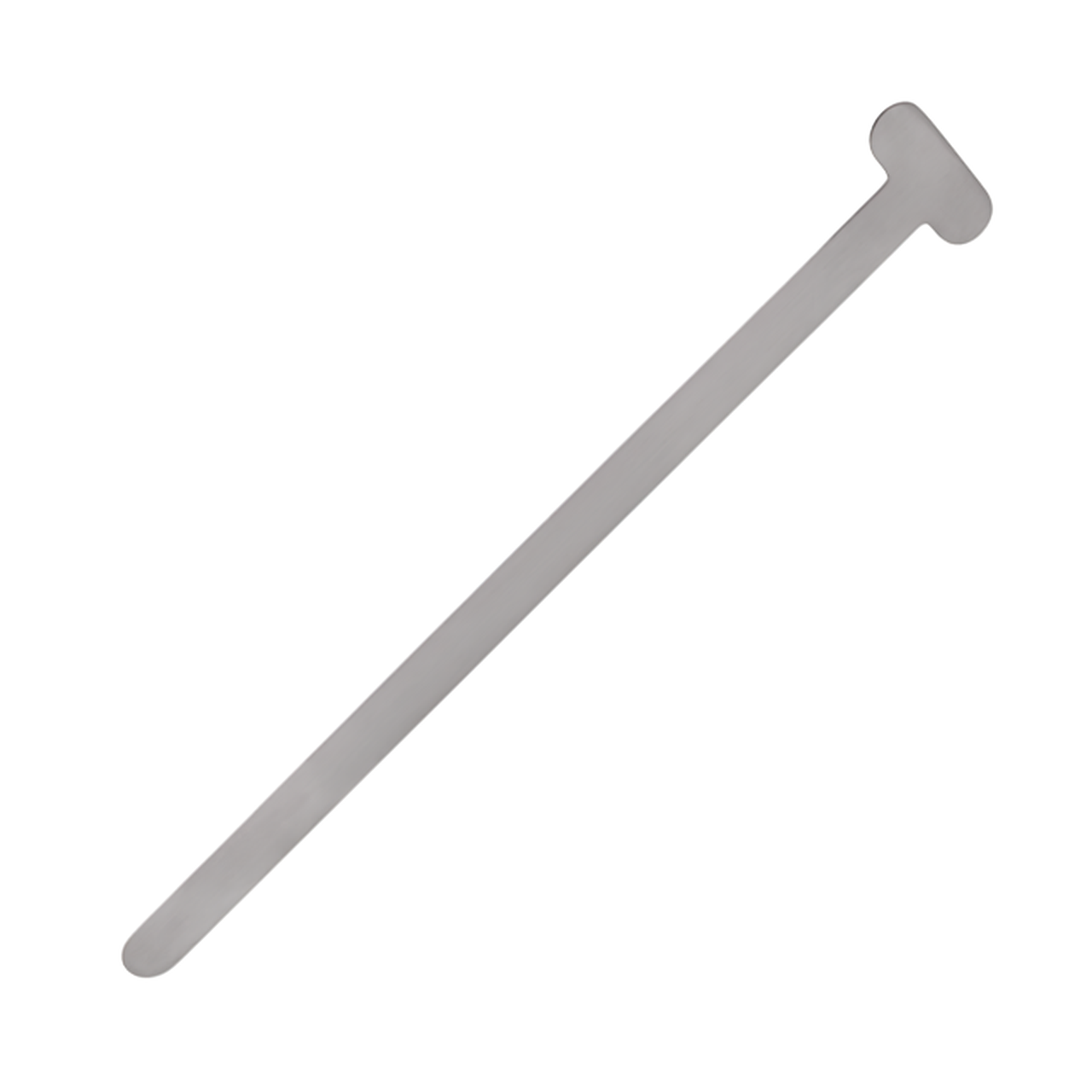 | Separador Neonatal T Ribbon | Diseñado específicamente para retraer vísceras delicadas, intestinos y tejidos blandos durante procedimientos quirúrgicos neonatales y pediátricos. |
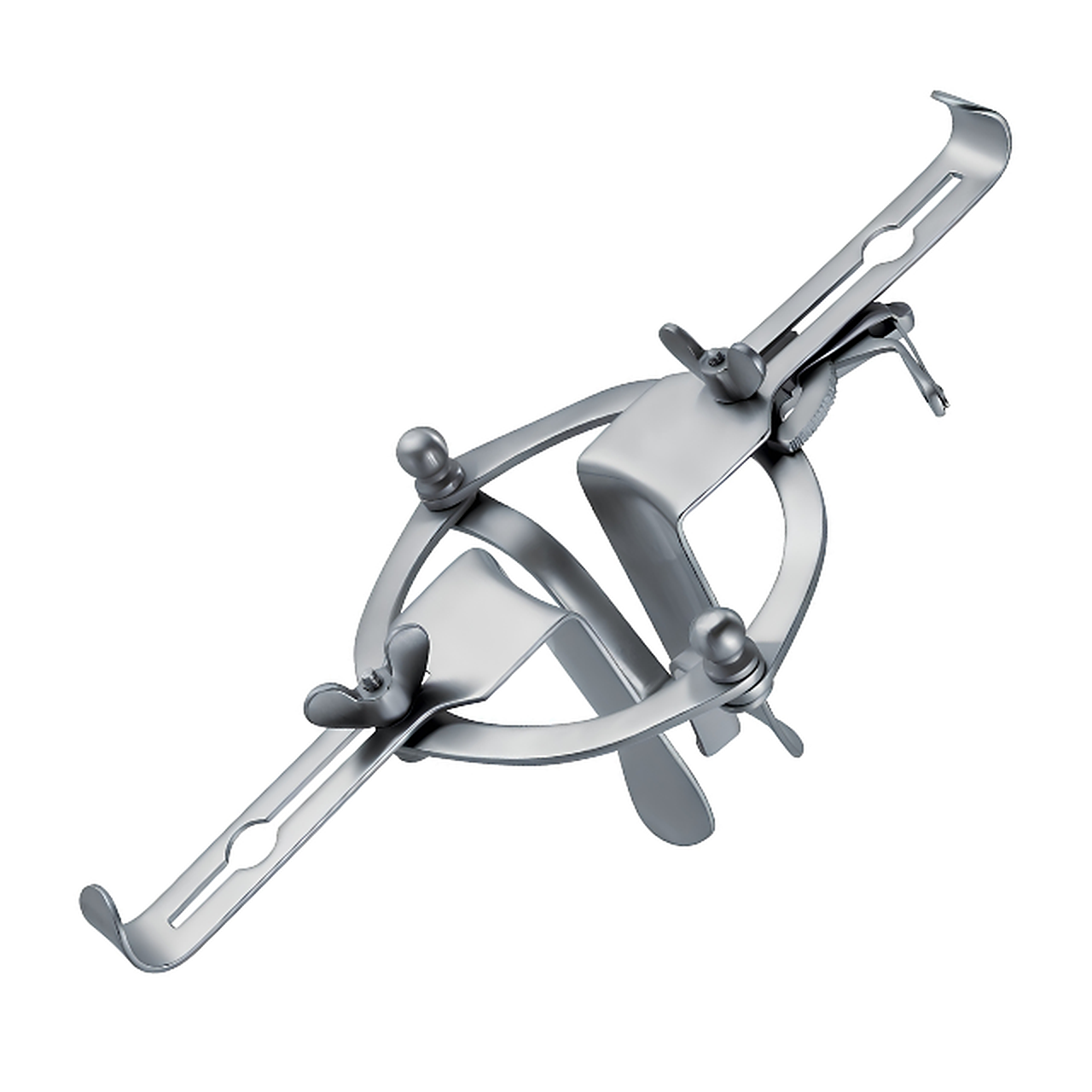 | Separador Vaginal O'Sullivan-O'Conner | Diseñado específicamente para proporcionar retracción autoestática de la pared pélvica y visceral durante cirugías ginecológicas y pélvicas mayores. |
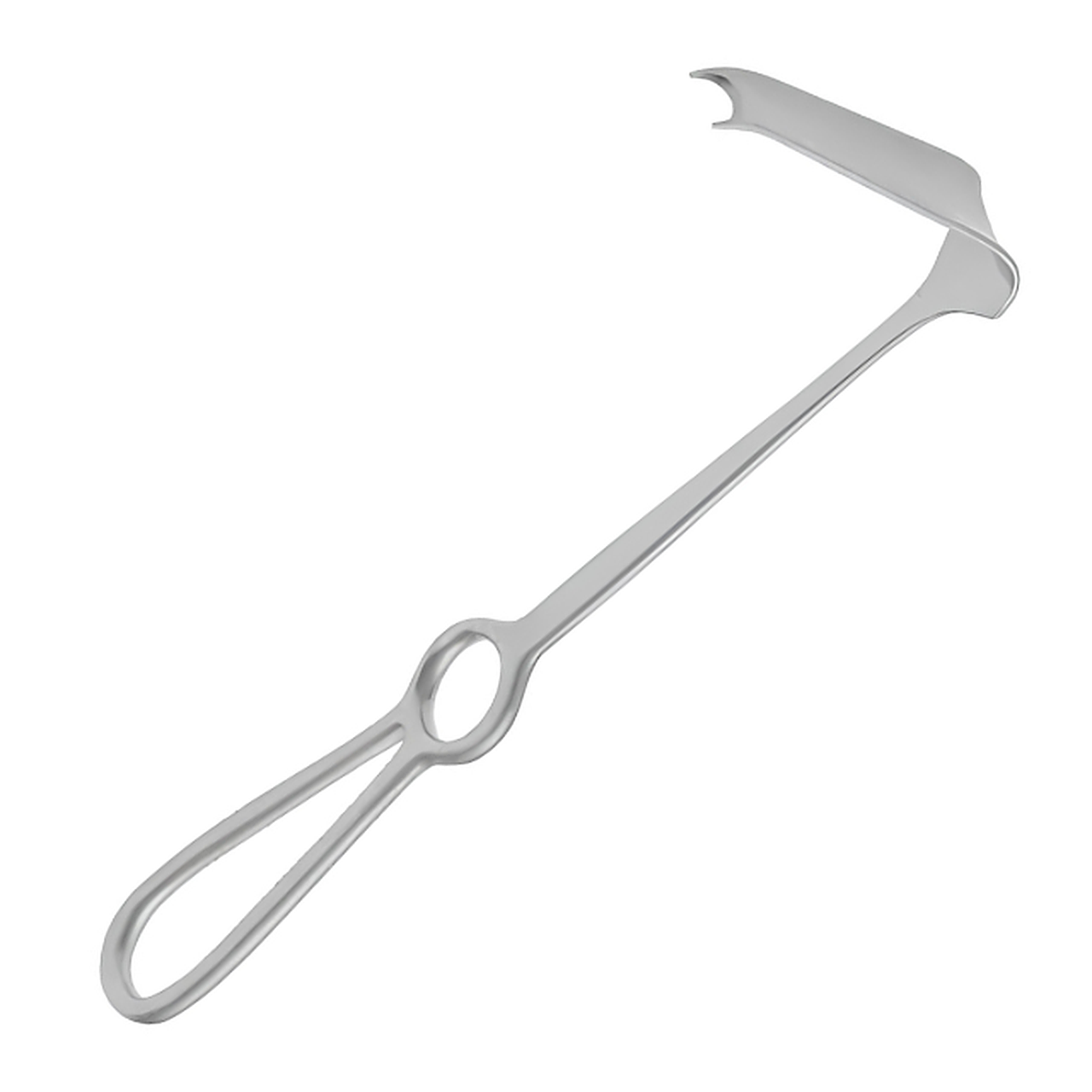 | Separador Alveolar Obwegeser | Diseñado específicamente para retraer los labios, las mejillas y el mucoperiostio para exponer la cresta alveolar durante la cirugía ortognática. |
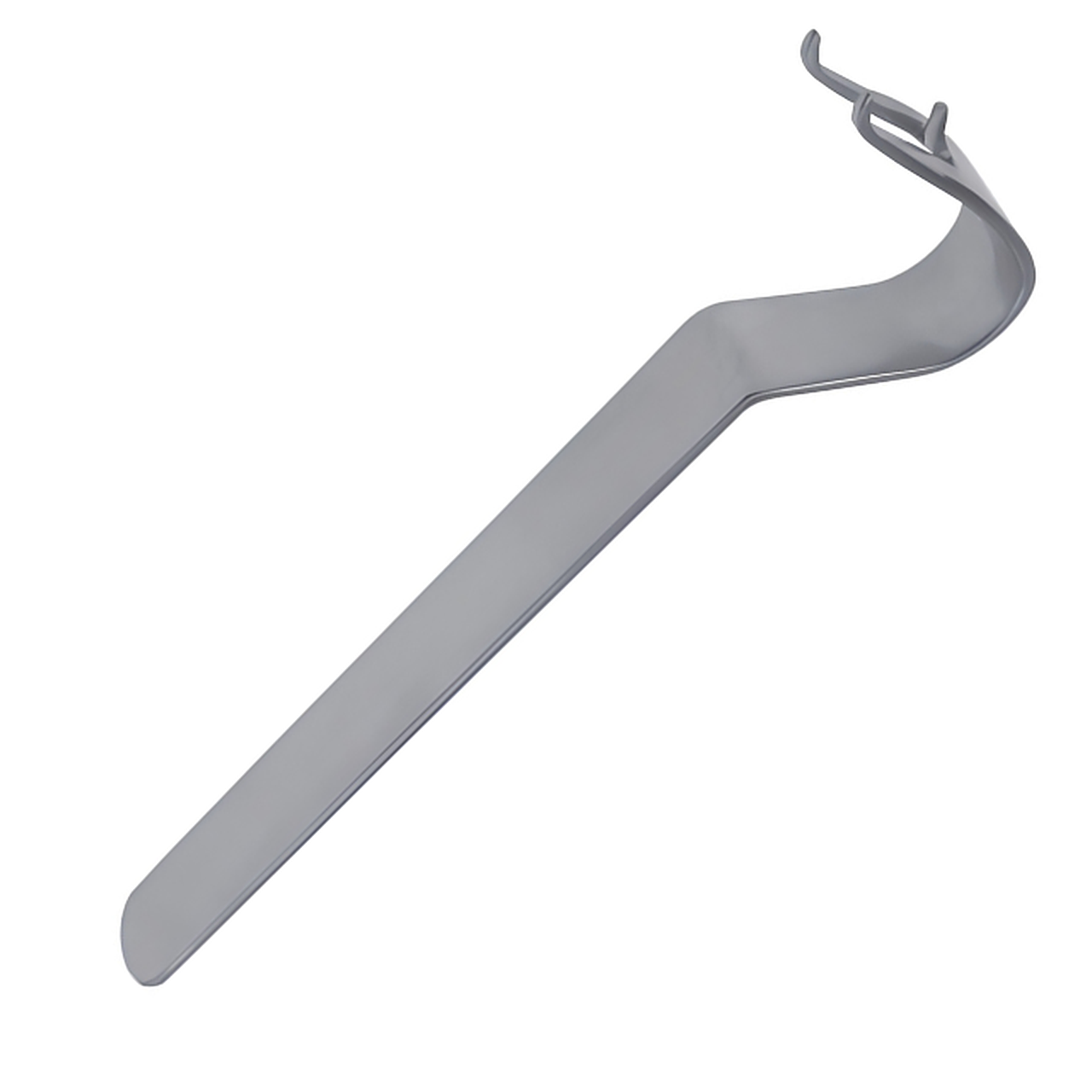 | Separador de Mentón Obwegeser | Específicamente diseñado para retraer el músculo mentoniano y los tejidos blandos para exponer la sínfisis mandibular durante la mentoplastia. |
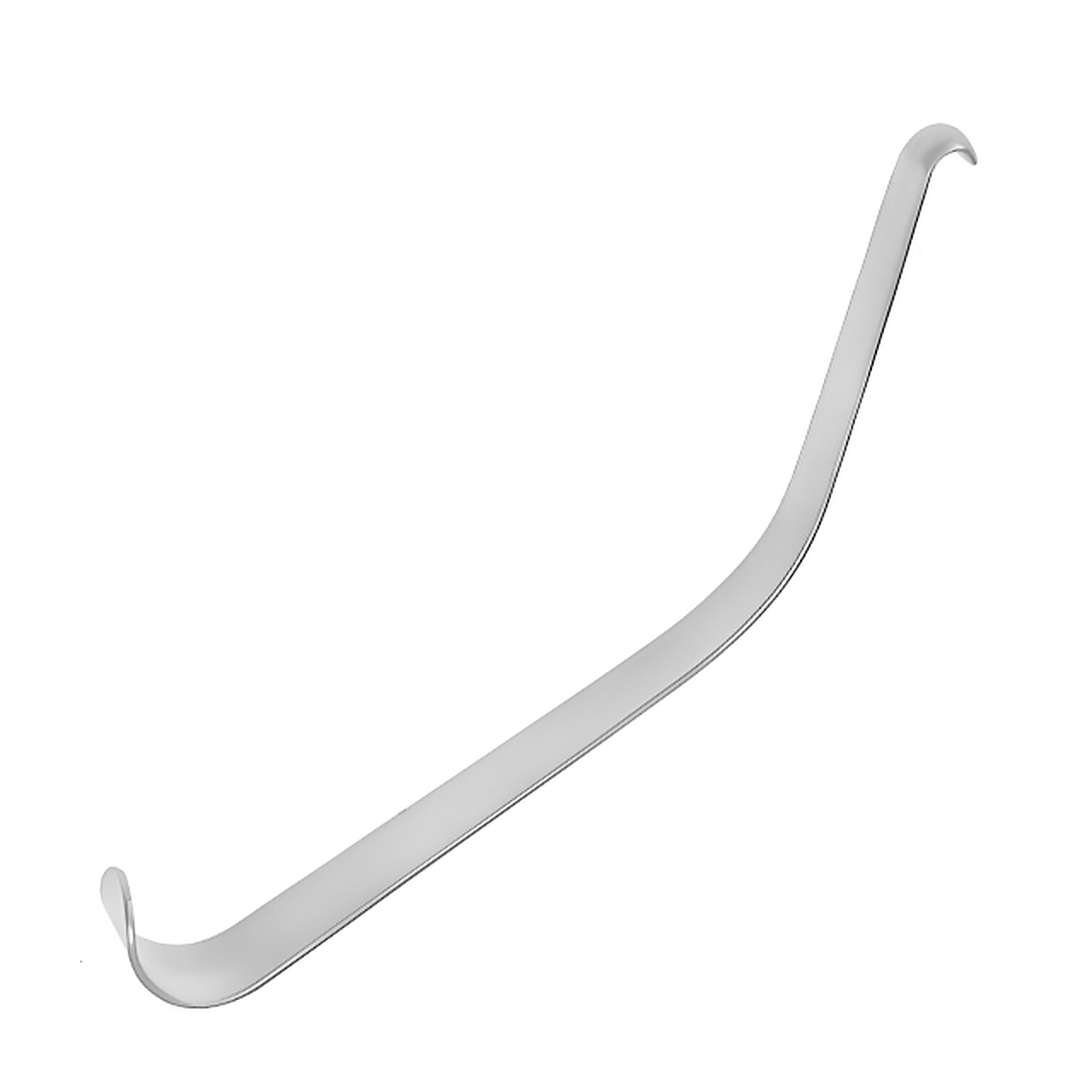 | Separador de Canal Mandibular de Obwegeser | Diseñado específicamente para engancharse alrededor del borde inferior de la mandíbula y proteger los haces neurovasculares durante las osteotomías ortognáticas. |
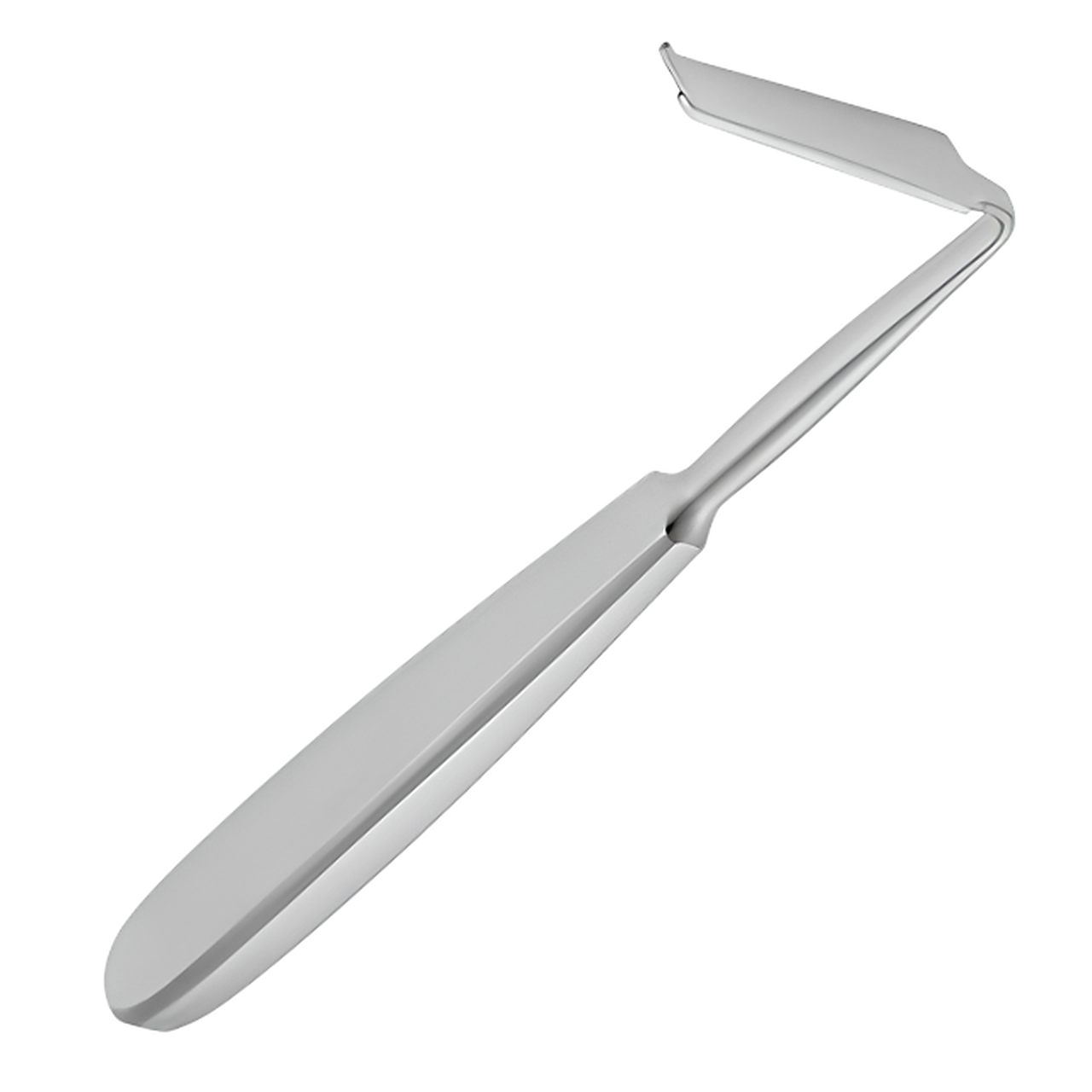 | Separador del Borde Mandibular de Obwegeser | Diseñado específicamente para retraer tejidos blandos y proteger estructuras neurovasculares a lo largo del borde mandibular durante la cirugía ortognática. |
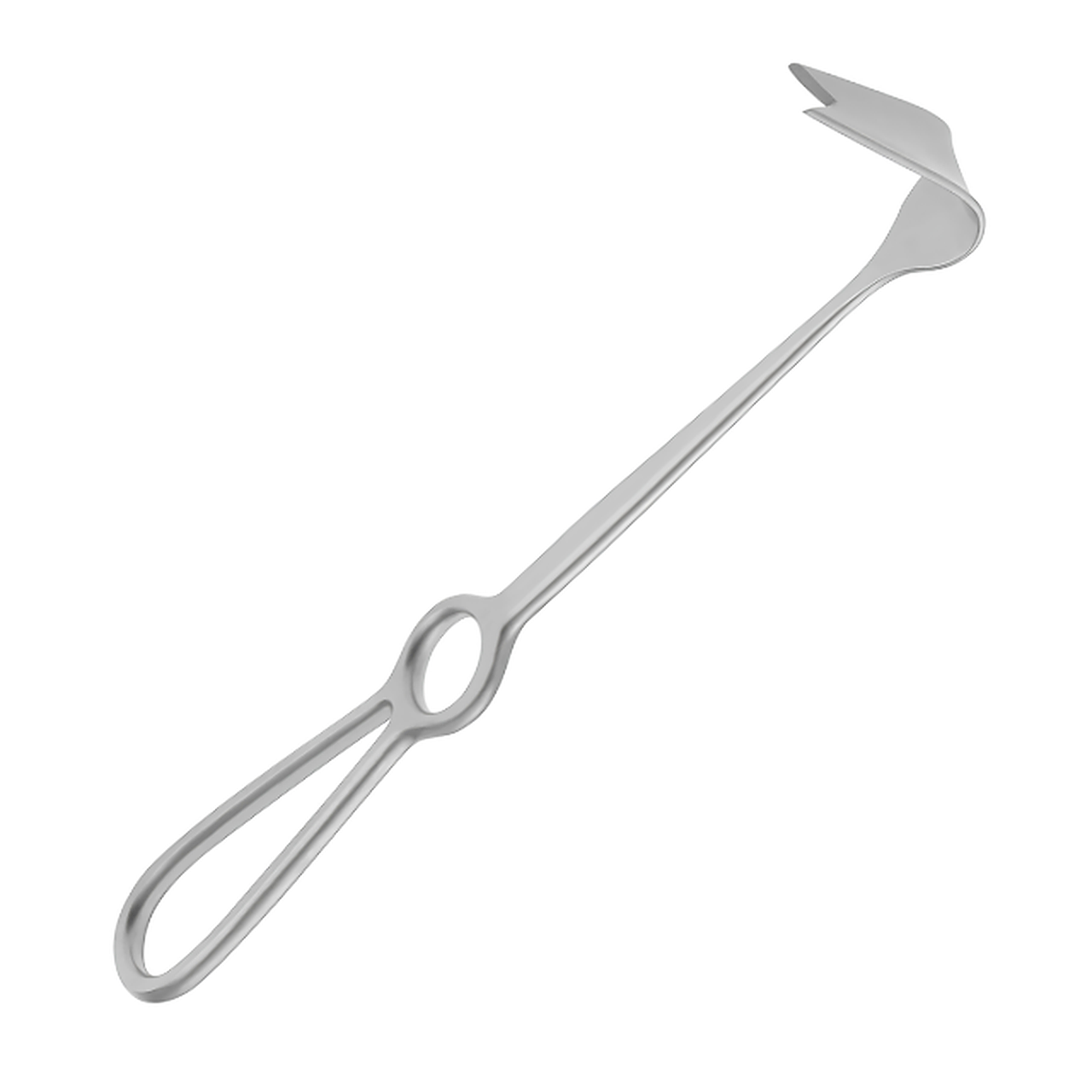 | Separador para Espina Nasal de Obwegeser | Específicamente diseñado para engancharse en la espina nasal anterior y elevar el labio superior durante osteotomías Le Fort y cirugía maxilofacial. |
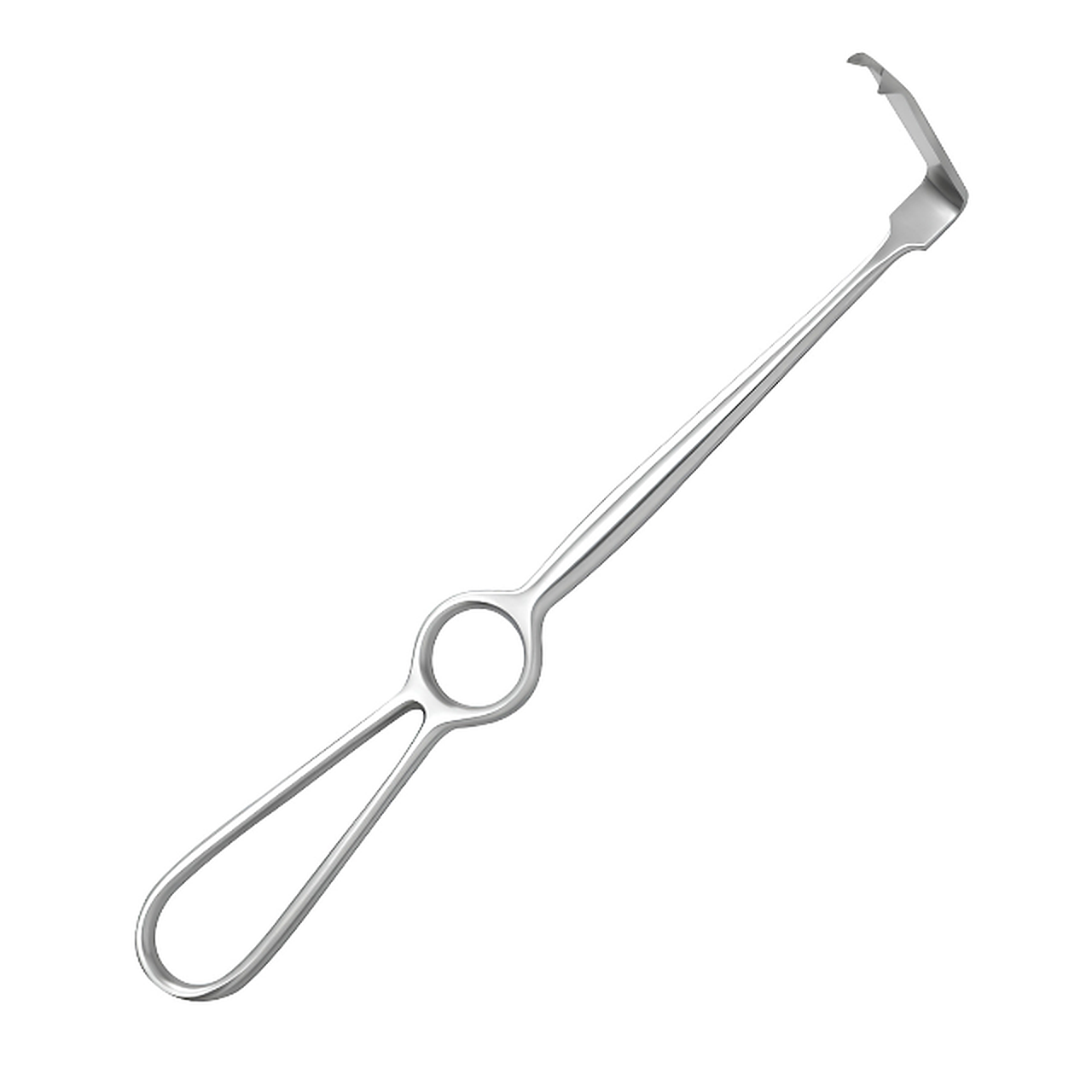 | Separador de Ramas Obwegeser | Específicamente diseñado para engancharse alrededor de la rama mandibular ascendente y proteger los tejidos blandos durante osteotomías ortognáticas. |
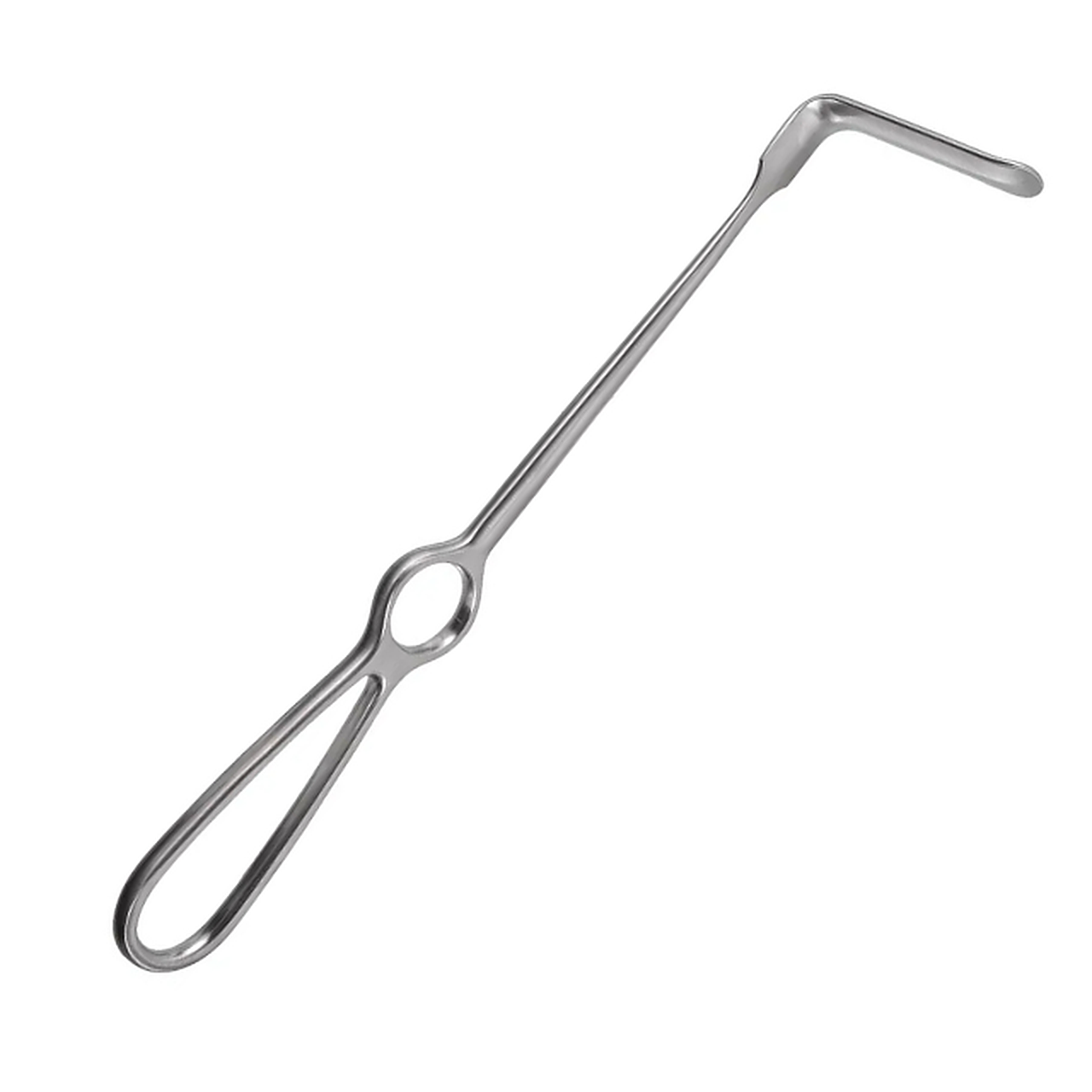 | Separador de Tejidos Blandos Obwegeser | Específicamente diseñado para retraer y proteger colgajos mucoperiósticos, mejillas y tejidos blandos durante la cirugía maxilofacial oral y ortognática. |
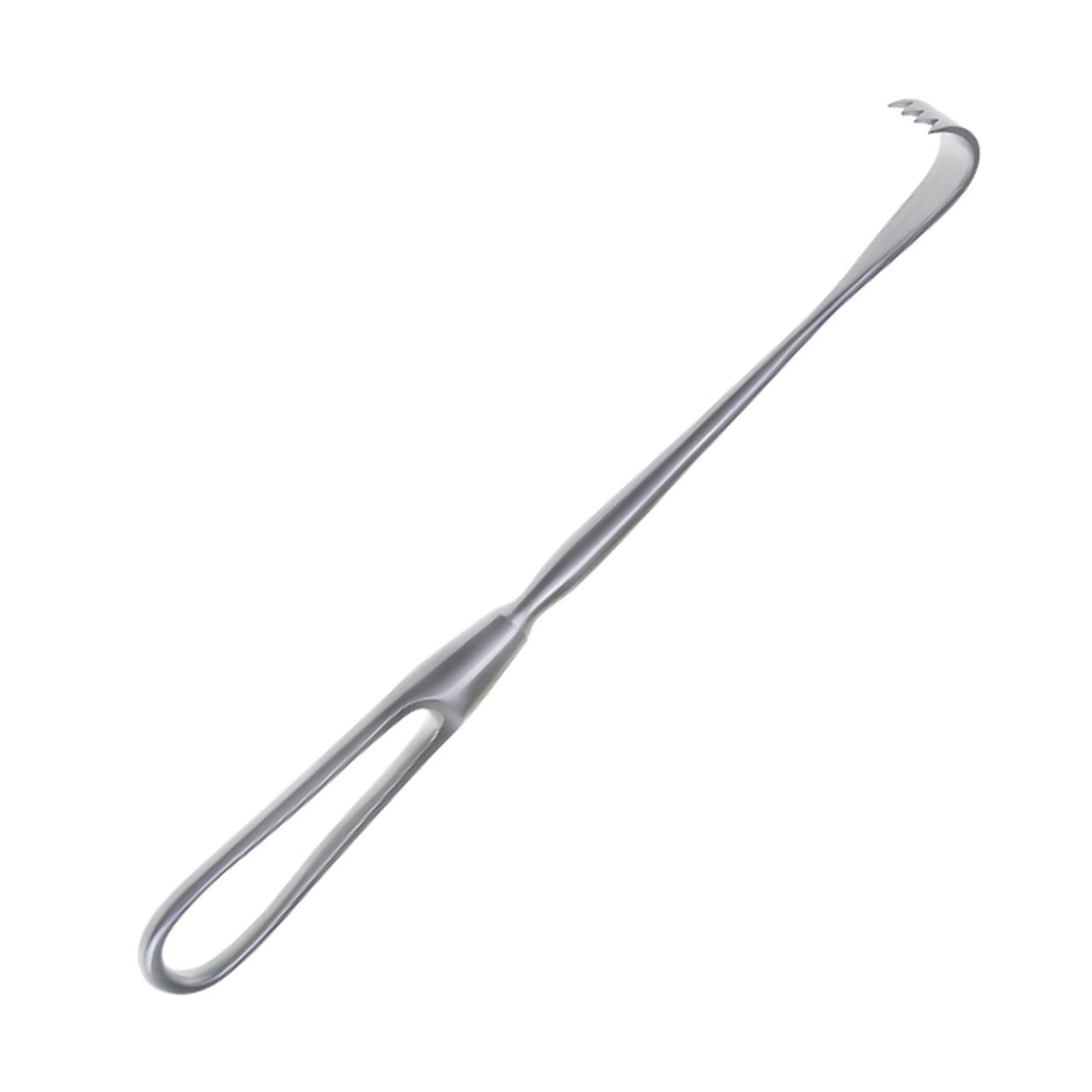 | Separador Oldberg | Específicamente diseñado para retraer colgajos cutáneos, músculo y fascia durante cirugías craneales, espinales y ortopédicas. |
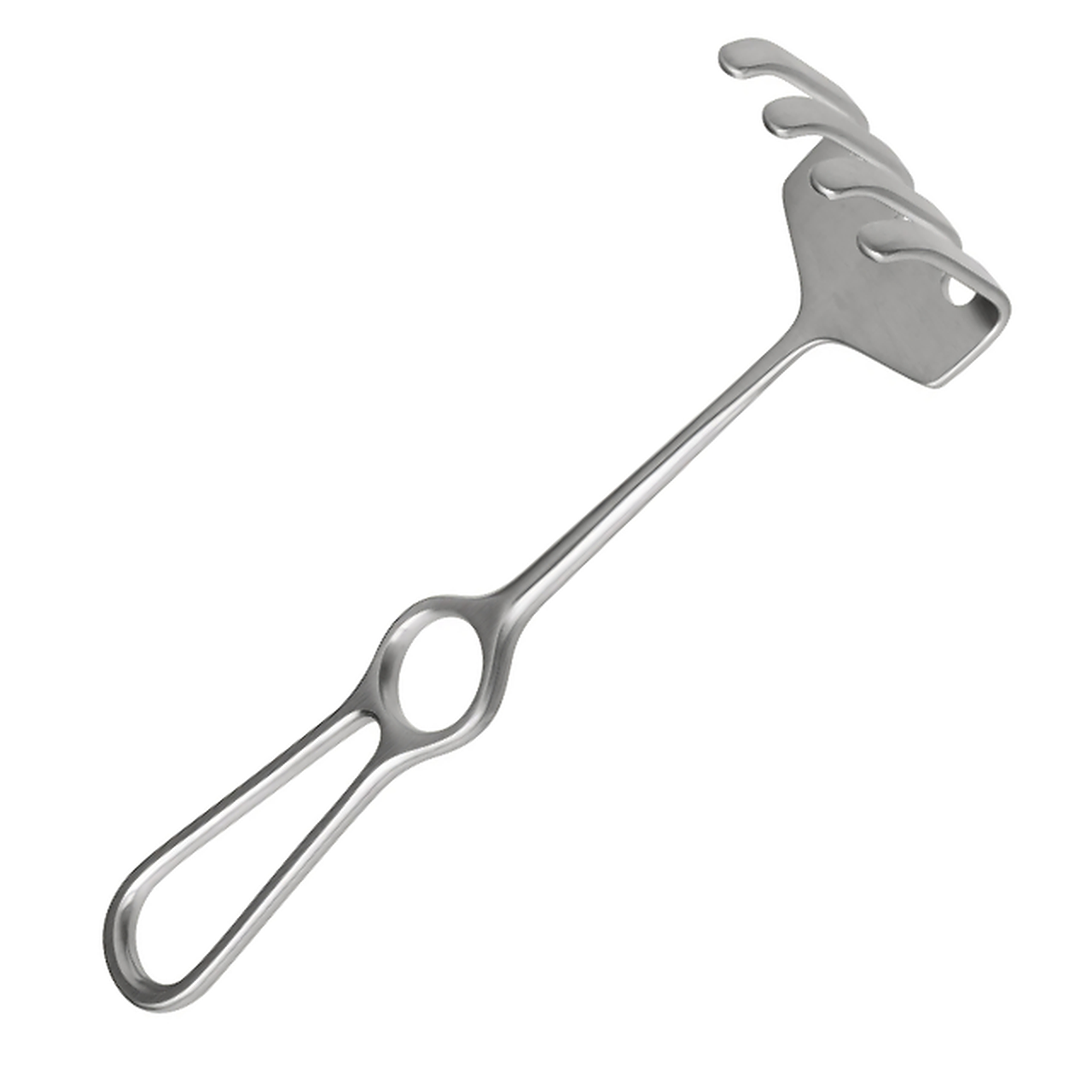 | Separadores Ollier | Específicamente diseñado para retraer capas musculares pesadas, fascias y márgenes de tejido grueso durante cirugías abdominales y ortopédicas. |
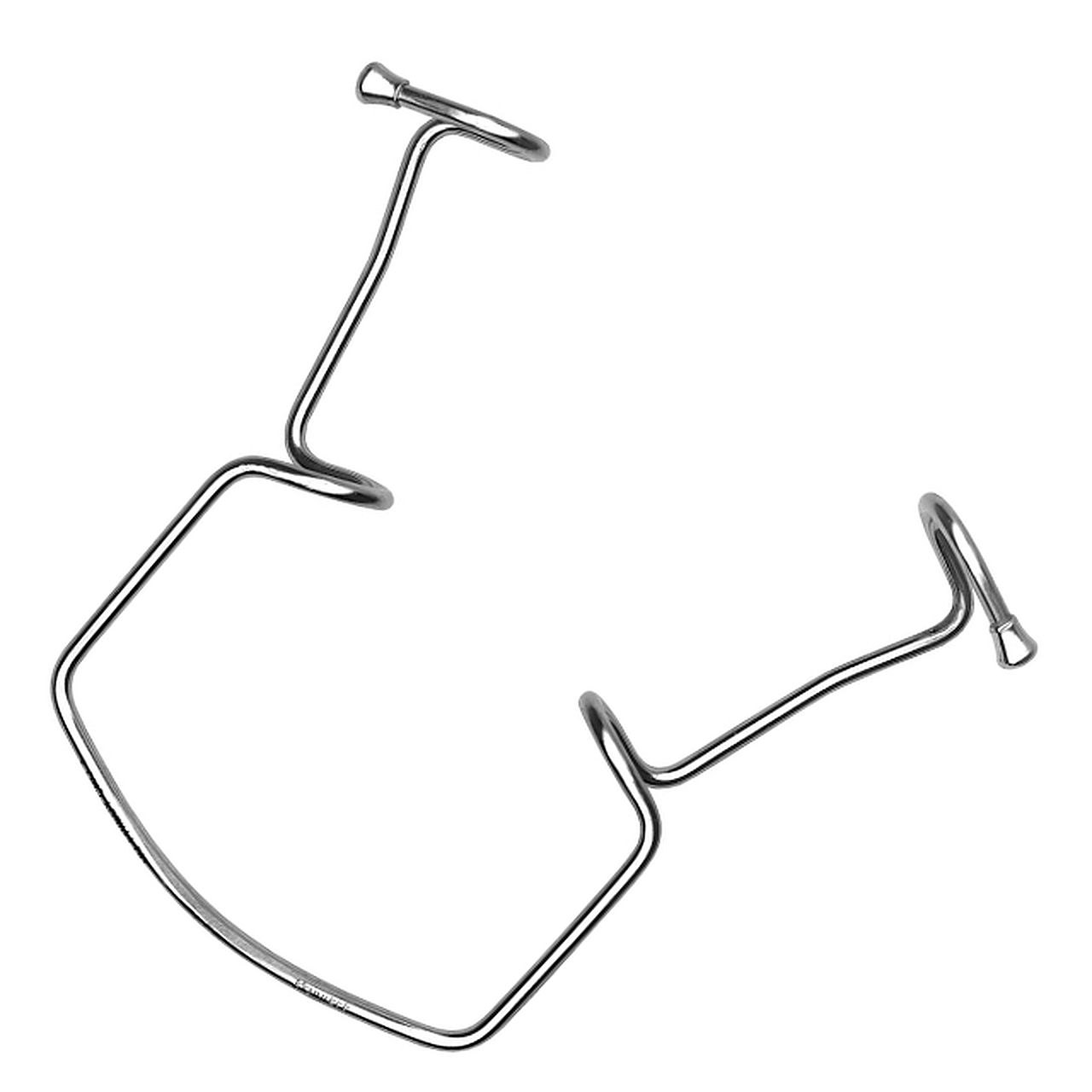 | Separador de Mejillas Orringer | Diseñado específicamente para proporcionar retracción bilateral autorretentiva de mejillas y labios durante cirugía oral y dental. |
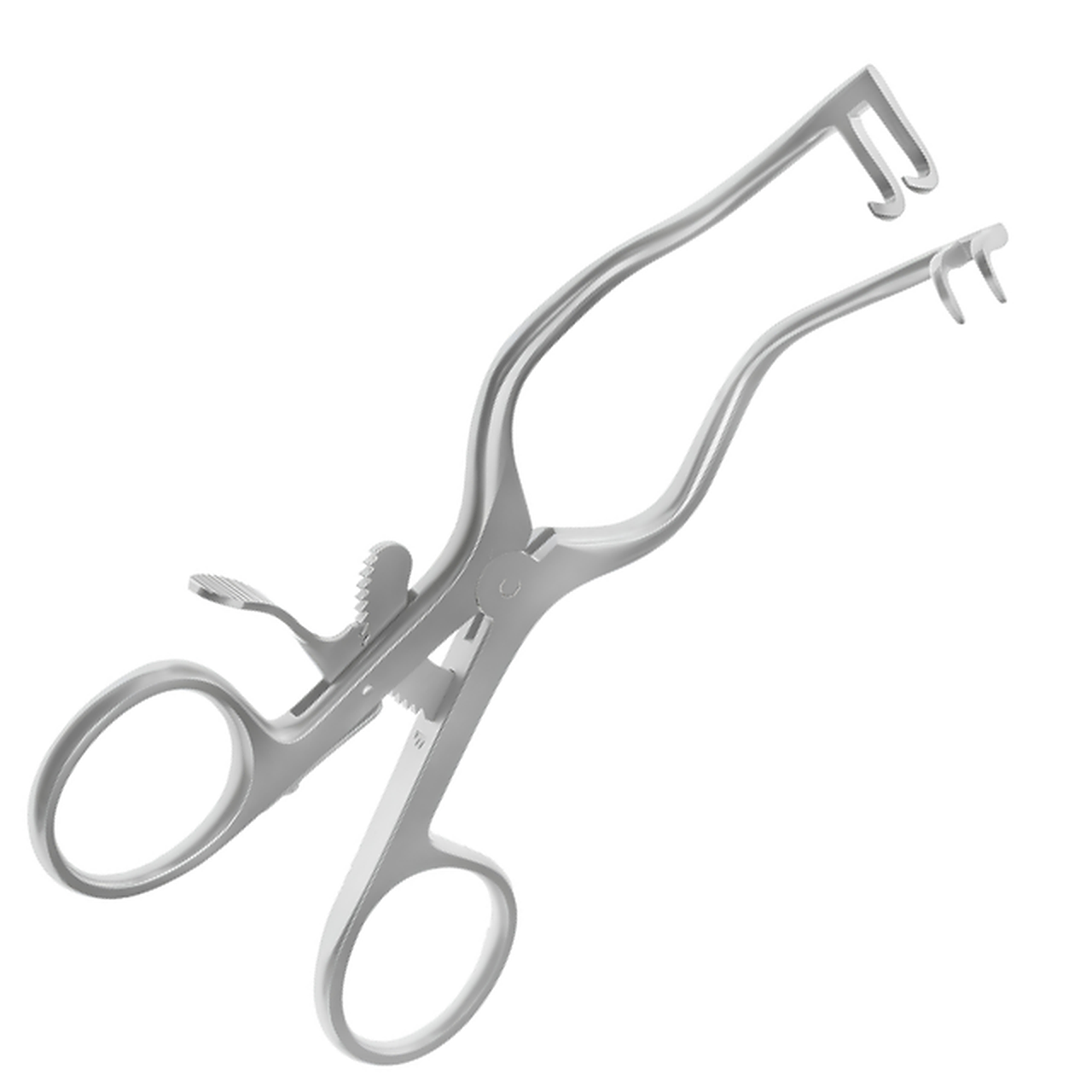 | Separador autoestático Paparella-Weitlaner | Específicamente diseñado para proporcionar retracción autoestática del periostio y de los bordes de la herida durante cirugías de mastoides, oído y cuero cabelludo. |
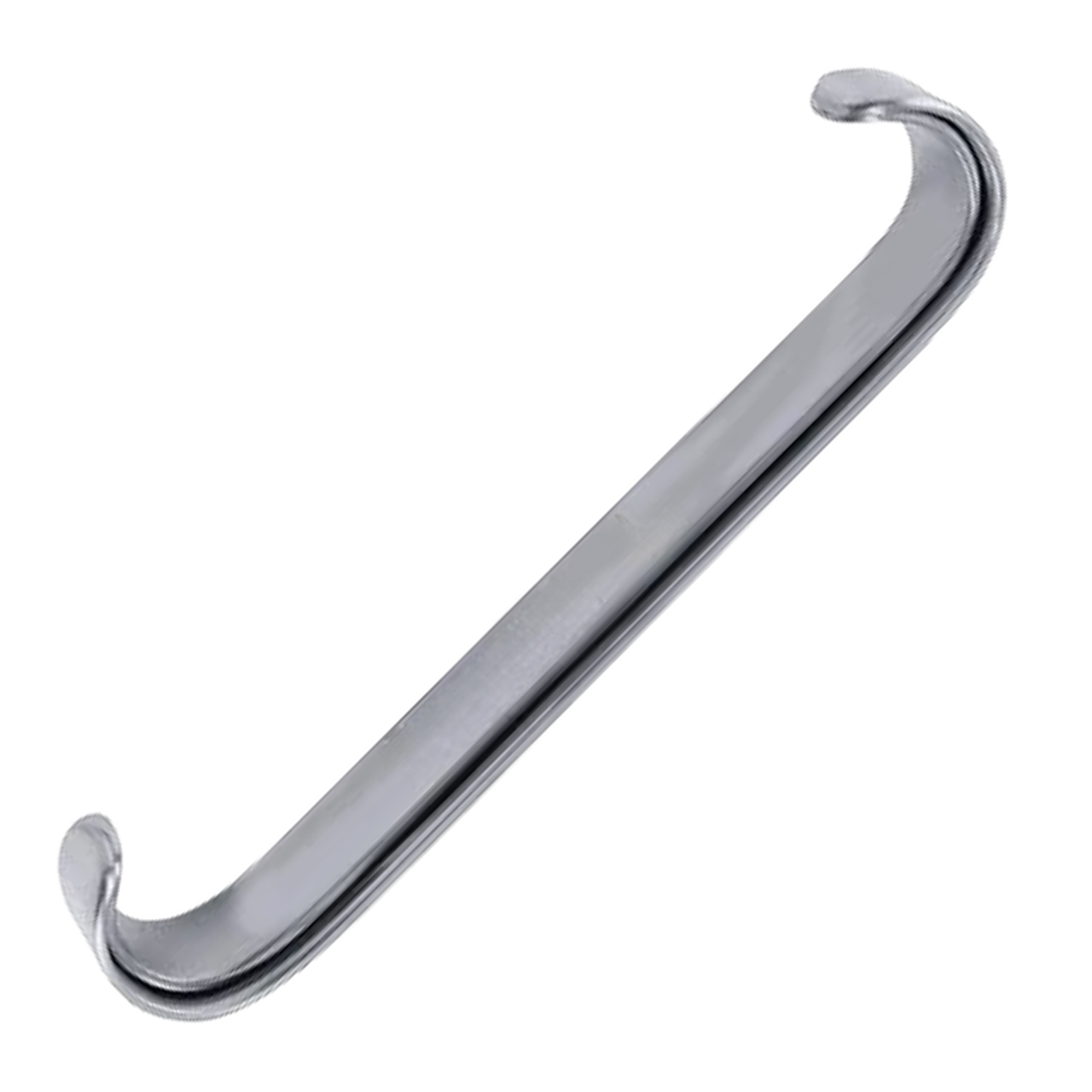 | Separador Parker - Juego de Dos | Diseñado específicamente para retraer márgenes cutáneos, fascia y capas musculares superficiales durante cirugía menor y general. |
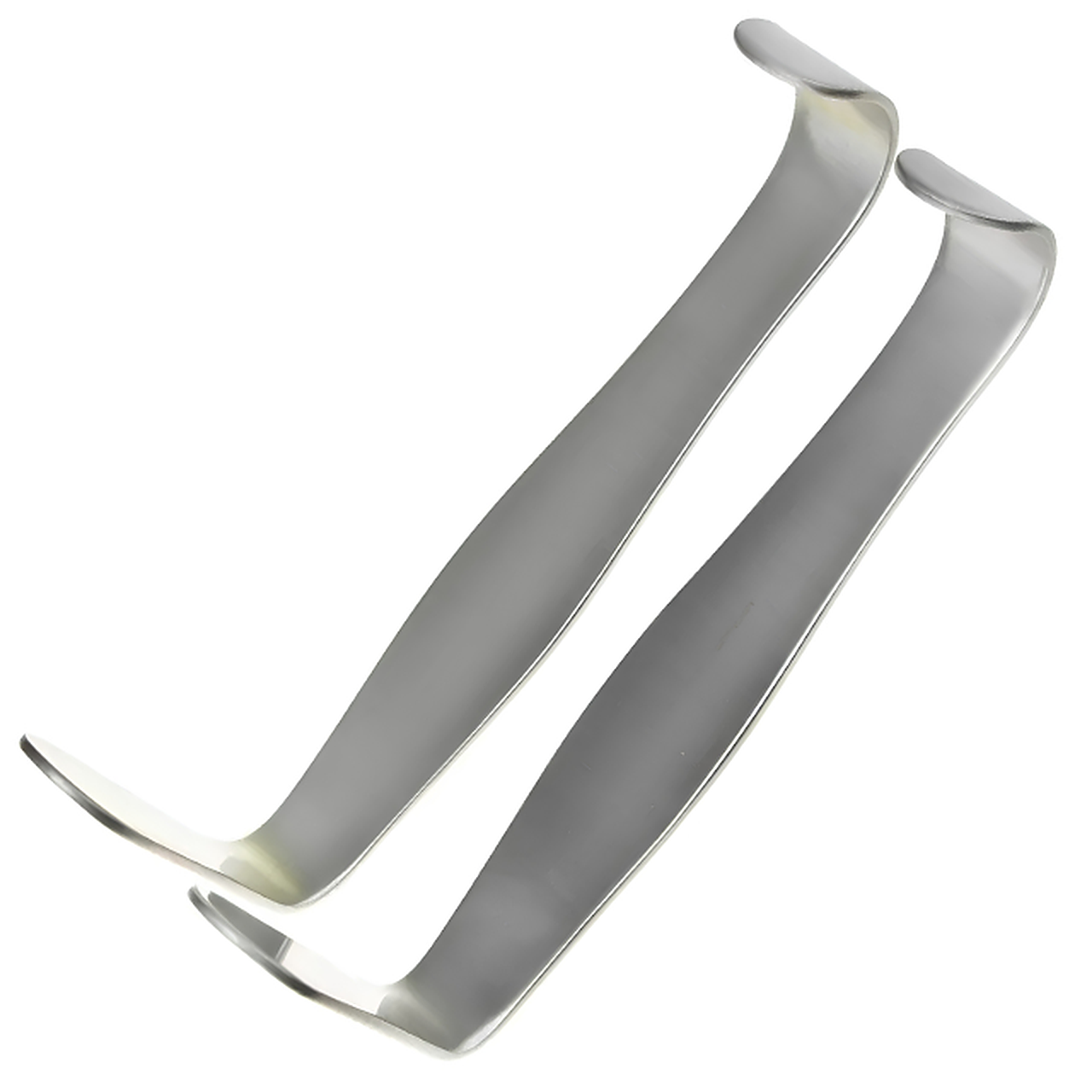 | Separador Parker-Mott - Juego de Dos | Específicamente diseñado para retraer piel, fascia y tejidos blandos en incisiones quirúrgicas superficiales e intermedias. |
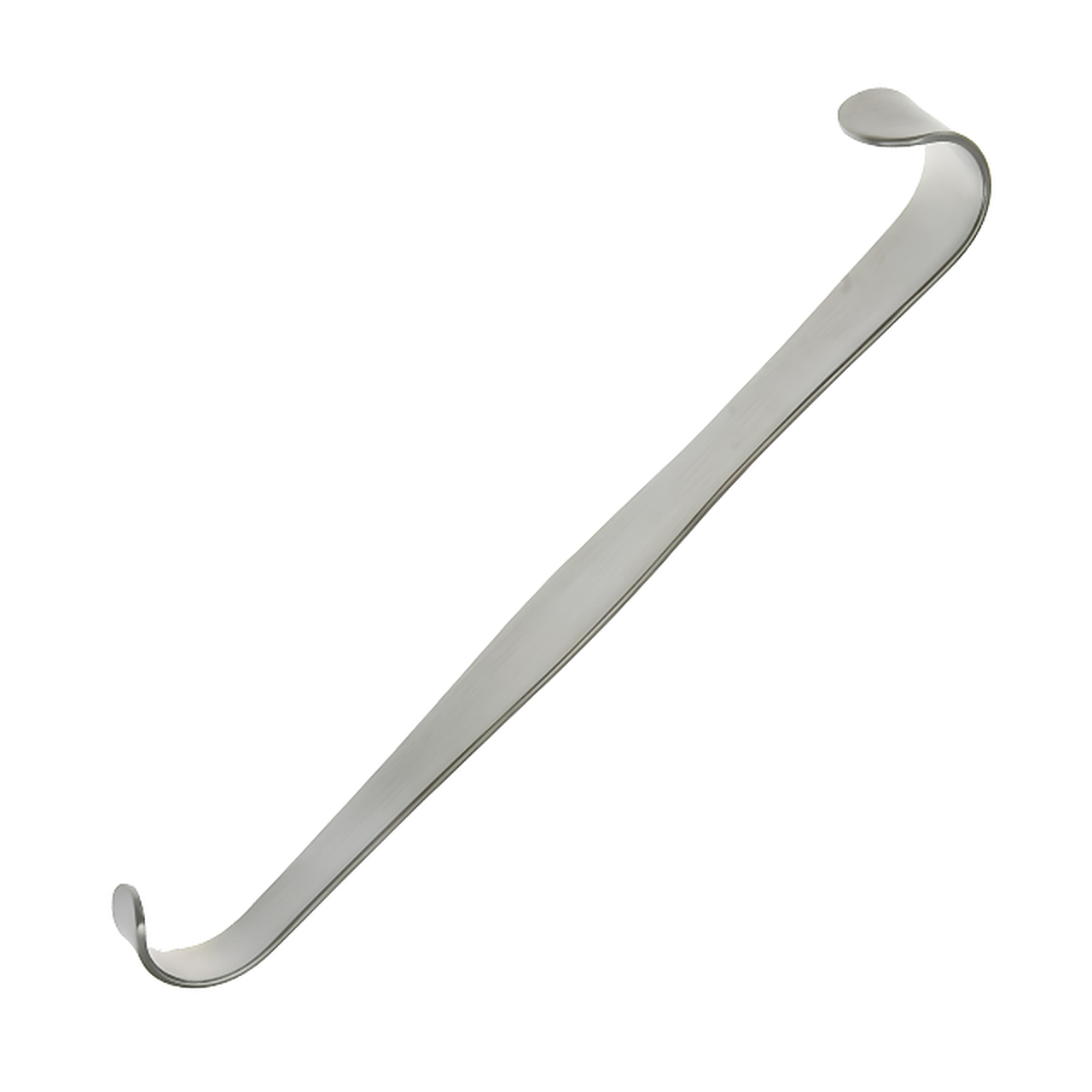 | Separador Parker-Tommy | Diseñado específicamente para retraer bordes cutáneos, fascia y tejidos blandos en incisiones quirúrgicas superficiales e intermedias. |
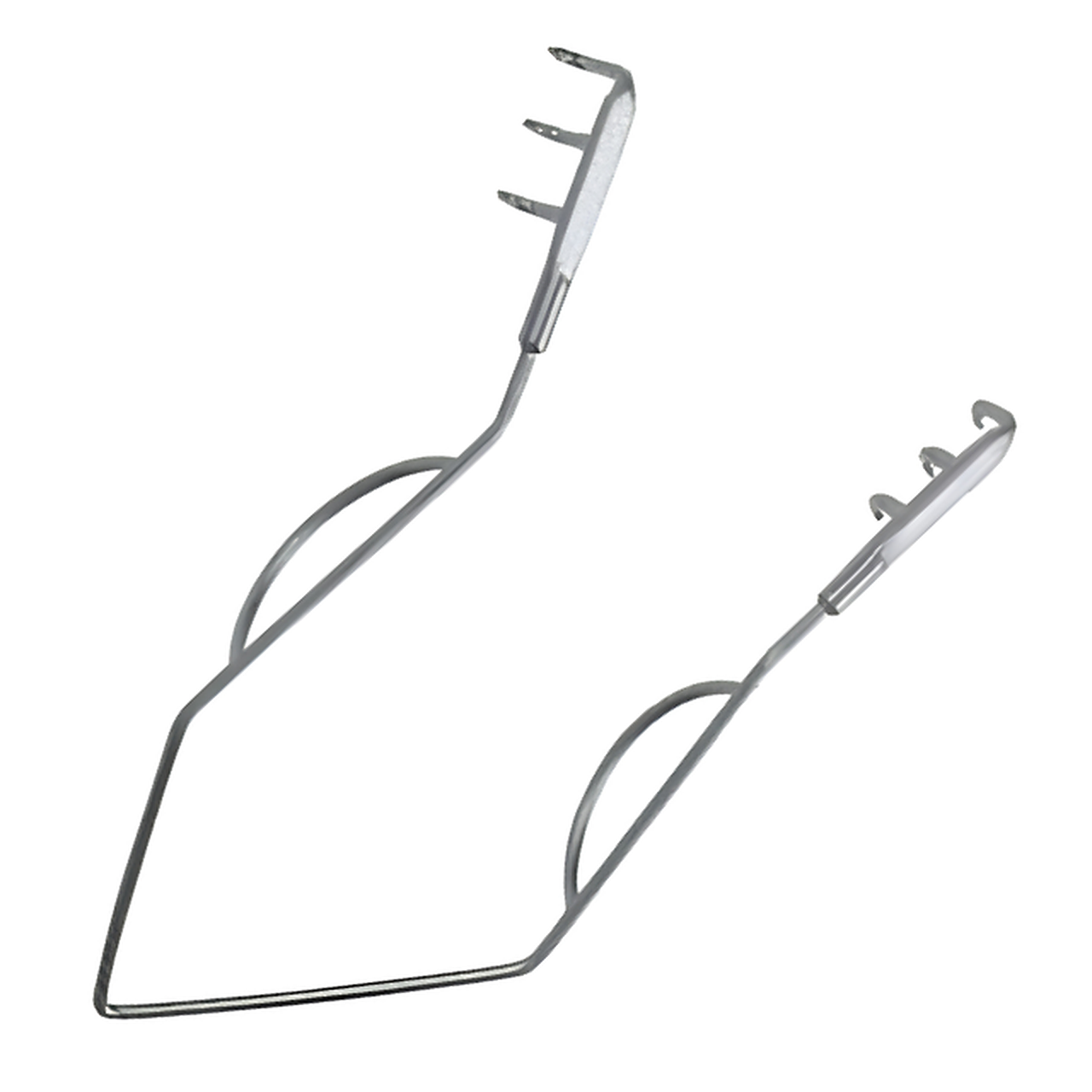 | Separador Epicárdico Parsonnet | Diseñado específicamente para retraer la grasa epicárdica y el miocardio para aislar las arterias coronarias durante injertos de bypass. |
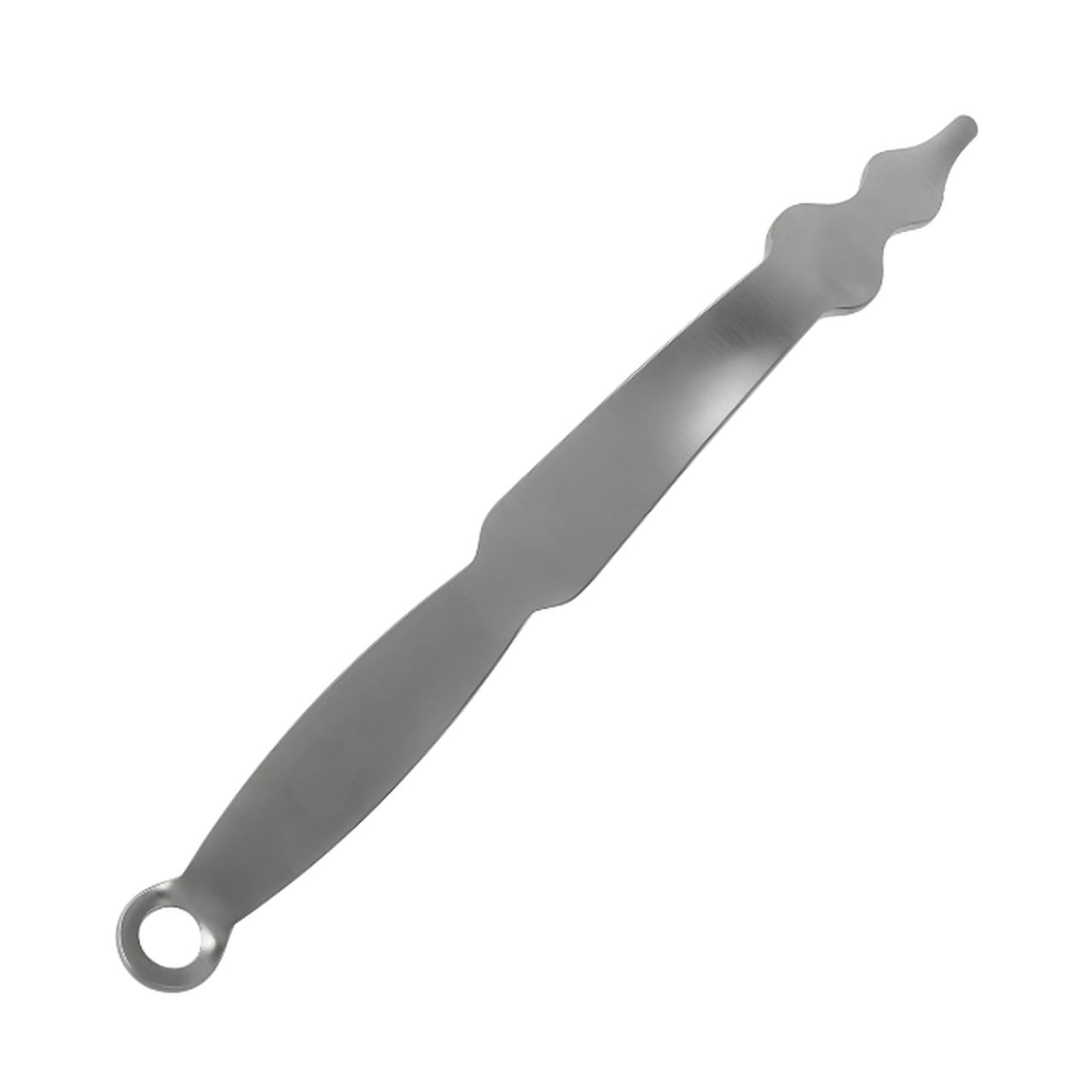 | Separador de Rótula | Diseñado específicamente para elevar, evertir y retraer la rótula y el tendón rotuliano durante la artroplastia de rodilla. |
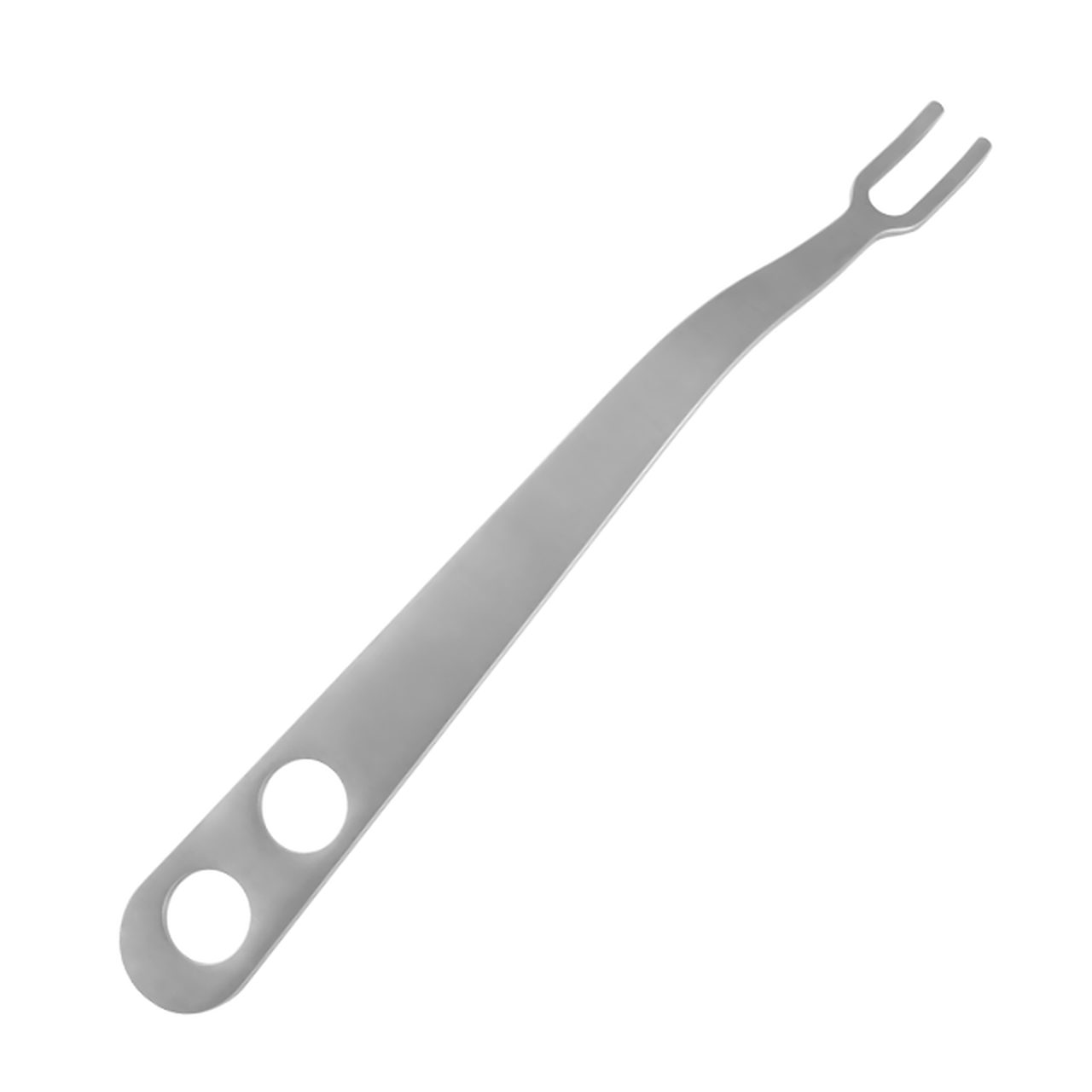 | Separador PCL | Diseñado específicamente para retraer el LCP, desplazar la tibia anteriormente y proteger los vasos posteriores durante la artroplastia de rodilla. |
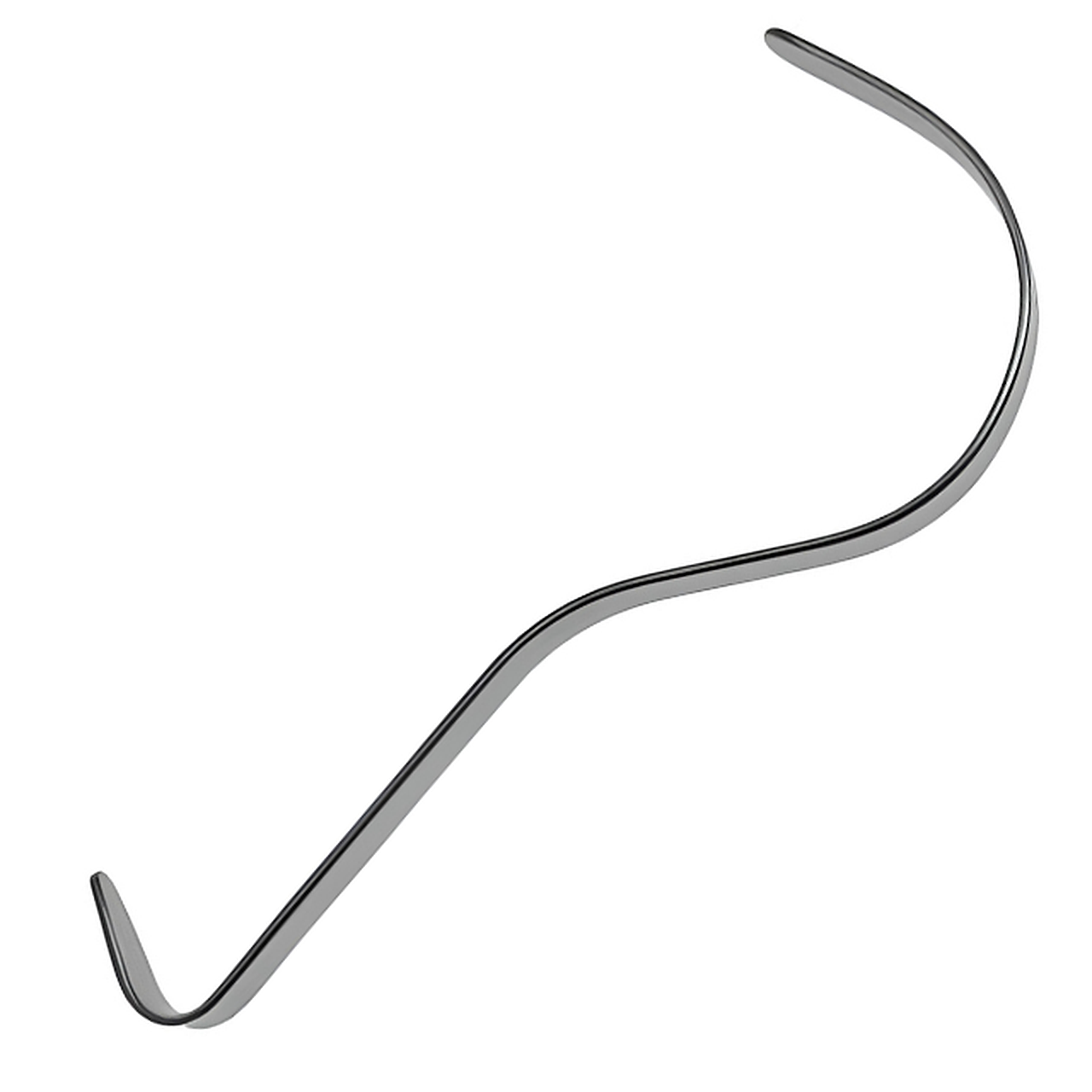 | Separadores Deaver Pediátricos | Específicamente diseñado para retraer órganos viscerales y la pared abdominal durante cirugía pediátrica y neonatal. |
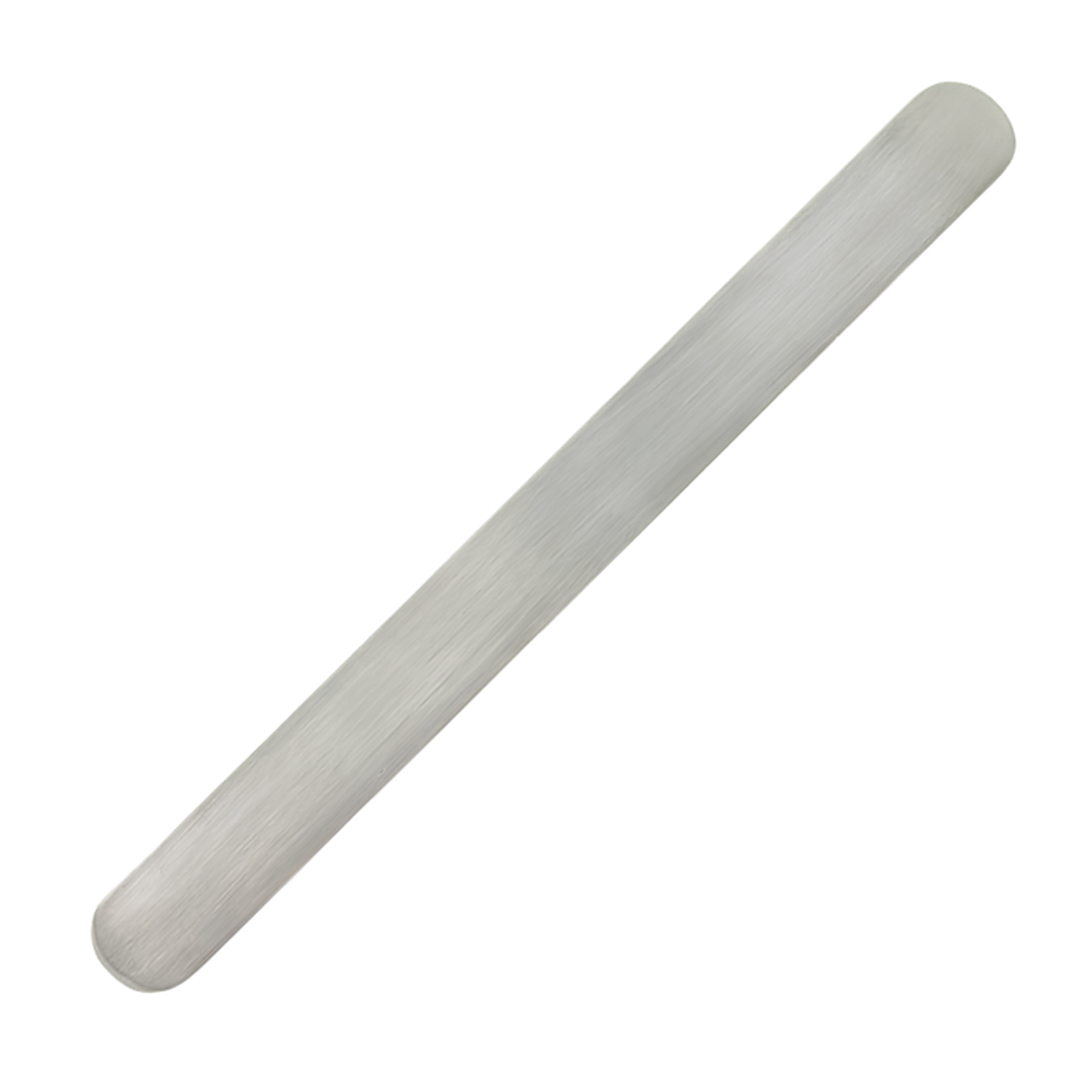 | Separador Maleable Pediátrico (Ribbon) | Diseñado específicamente para moldearse en formas personalizadas para retraer vísceras, intestinos y tejido durante la cirugía pediátrica. |
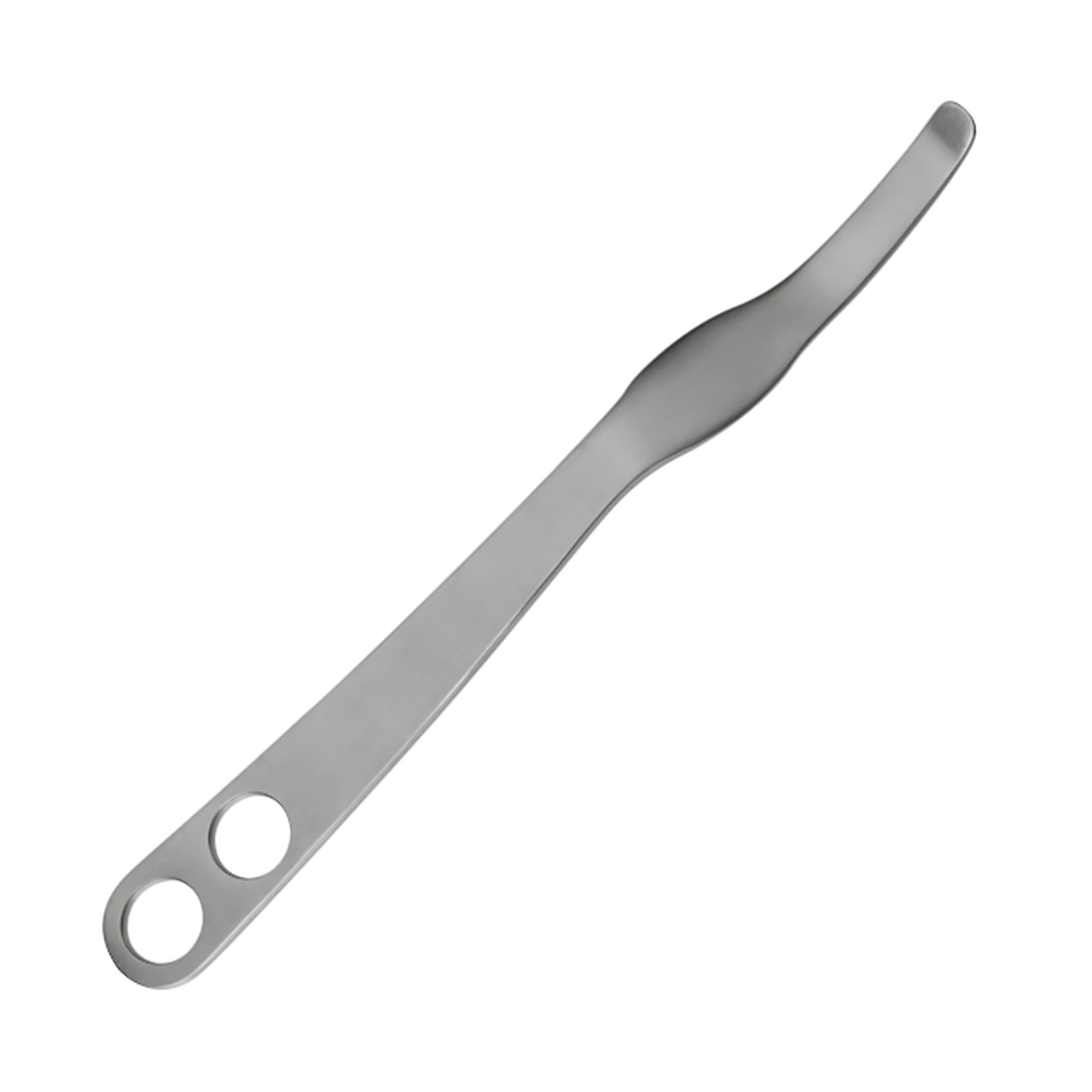 | Separador Pélvico Romo | Diseñado específicamente para retraer vísceras pélvicas, vejiga y tejidos blandos durante cirugías abdominales y pélvicas profundas. |
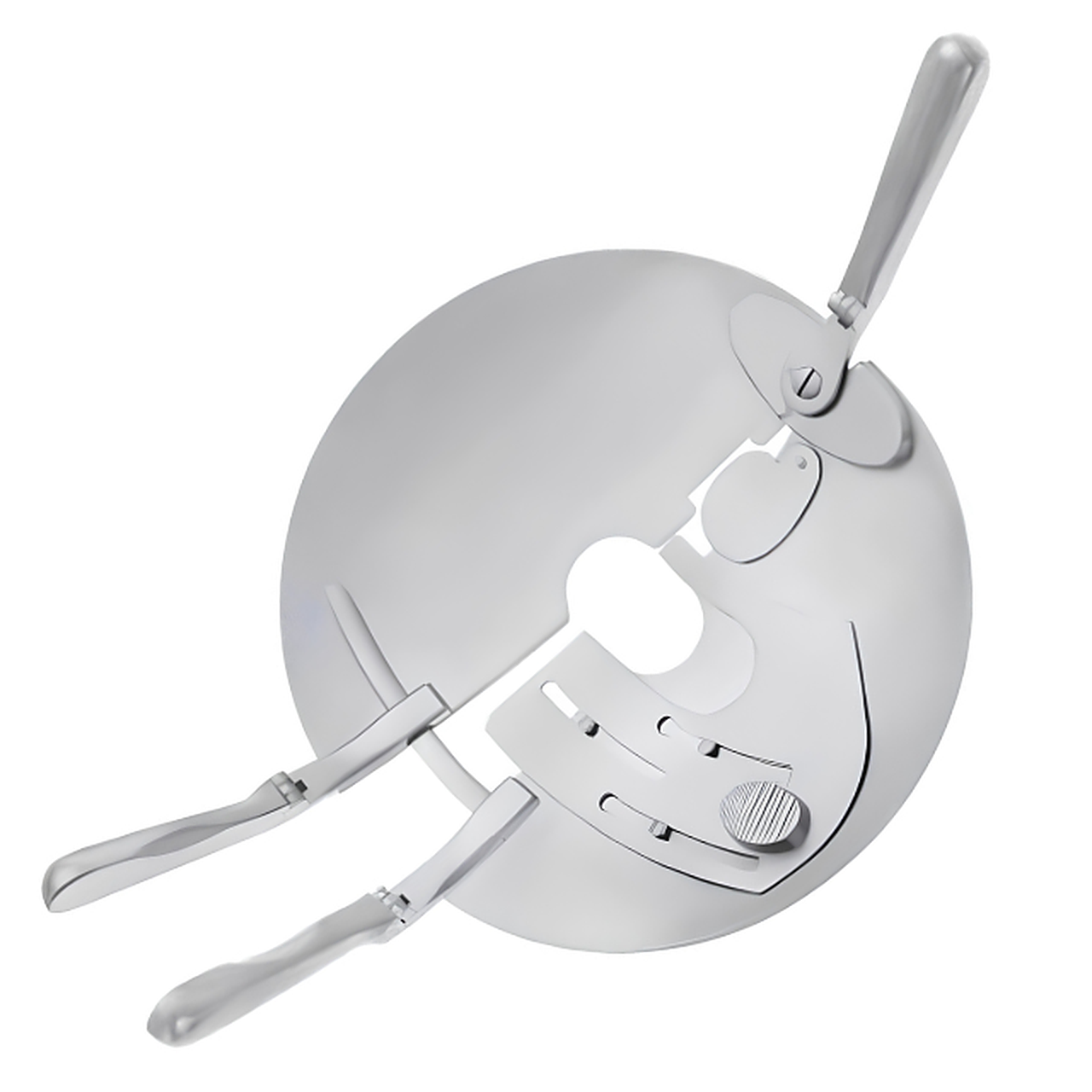 | SEPARADOR DE AMPUTACIÓN PERCY | Diseñado específicamente para retraer masas musculares y proteger los tejidos blandos durante la división ósea en cirugías de amputación de extremidades. |
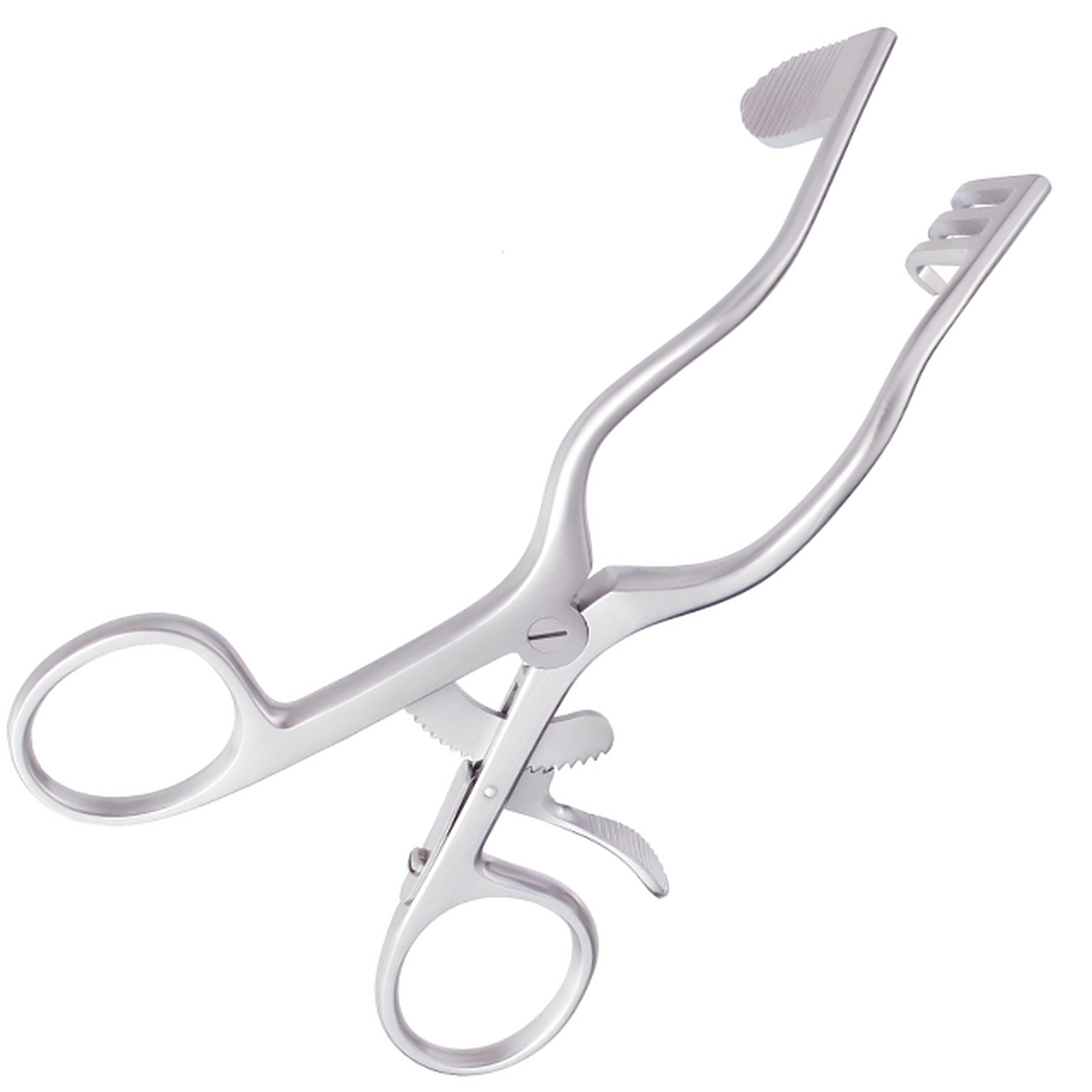 | Separador Autoestático Perkins | Diseñado específicamente para proporcionar retracción tisular autoestática en cirugía vascular, neurológica y ortopédica. |
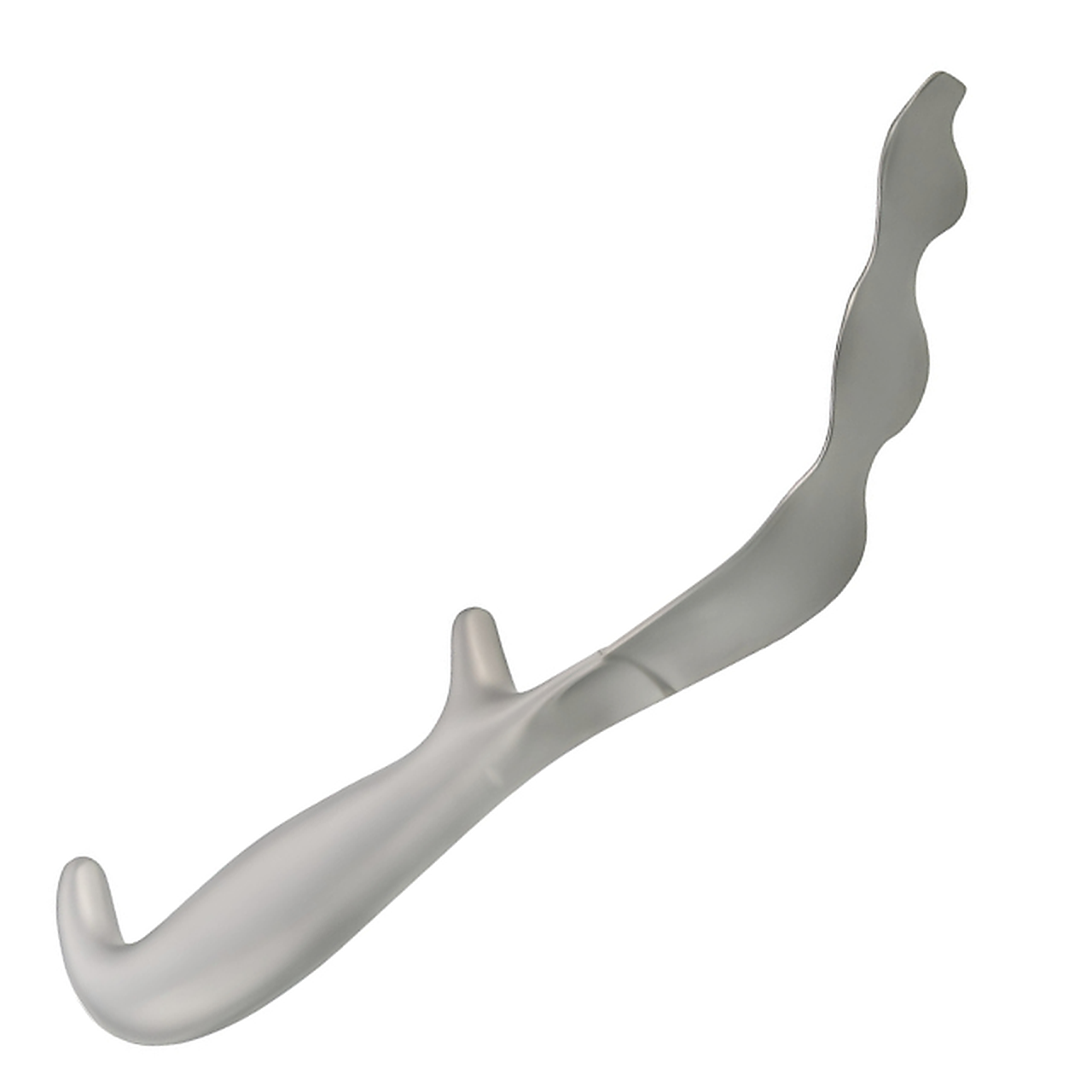 | Separador Intraoral Pterigoideo Petri | Diseñado específicamente para proteger estructuras neurovasculares y retraer tejidos blandos durante la disyunción pterigomaxilar en osteotomías Le Fort. |
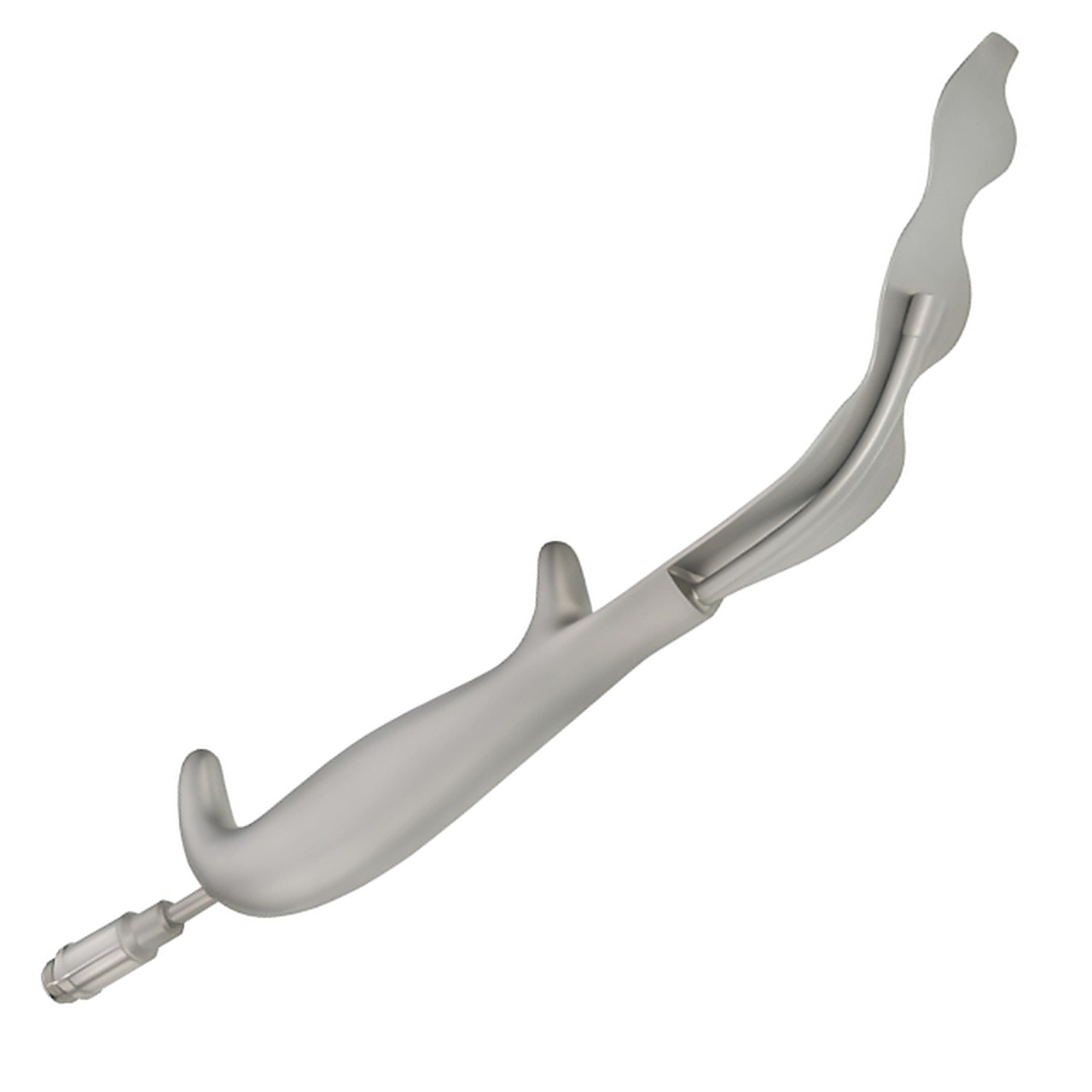 | Separador Intraoral Petri Pterygoid con Fibra Óptica | Diseñado específicamente para proporcionar retracción de tejidos blandos con iluminación y protección neurovascular durante las osteotomías Le Fort. |
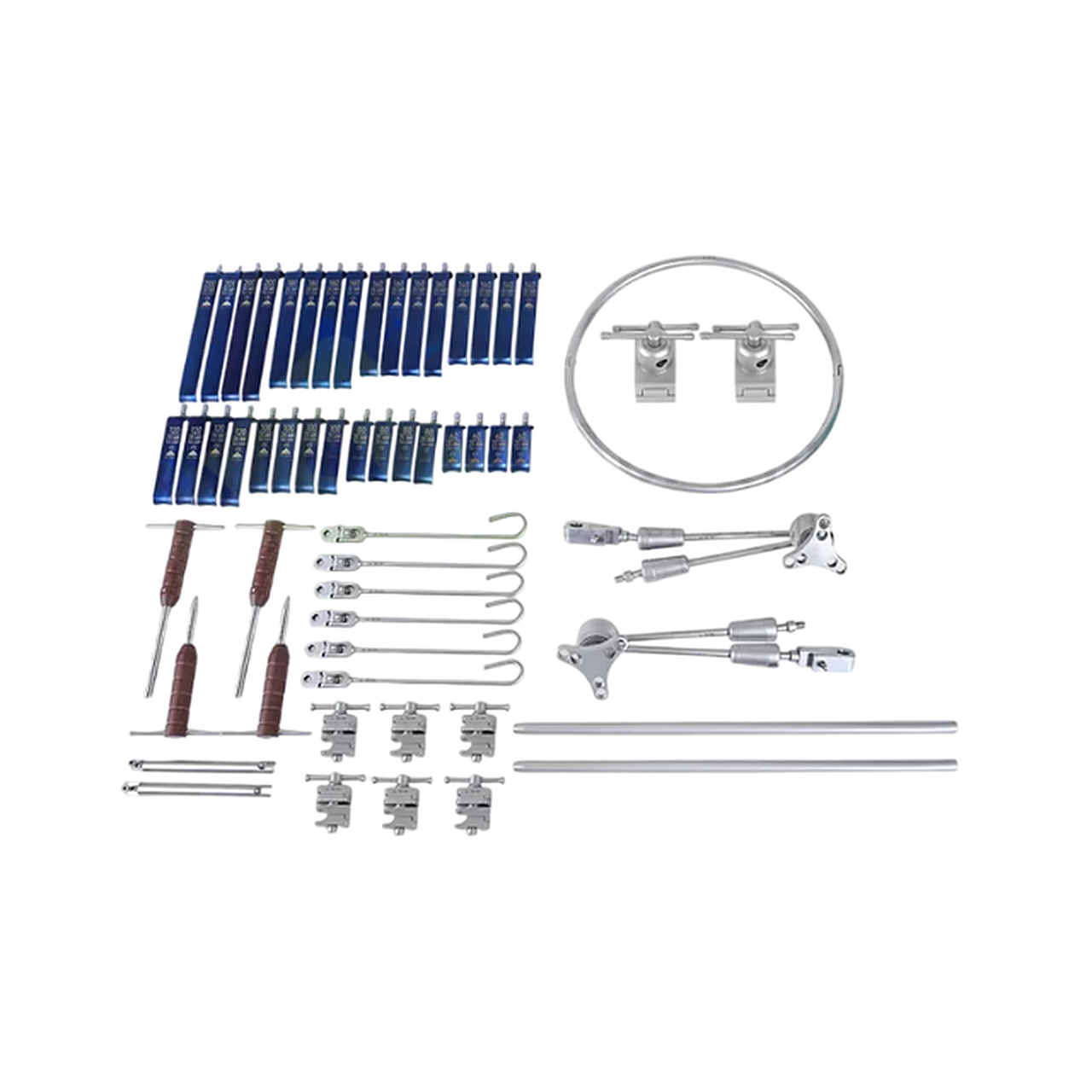 | Sistema de Acceso Quirúrgico Lumbar Anterior Phantom AL | Específicamente diseñado para proporcionar un acceso quirúrgico estable y manos libres, así como una retracción controlada de tejidos blandos durante procedimientos de columna lumbar mediante abordaje anterior. |
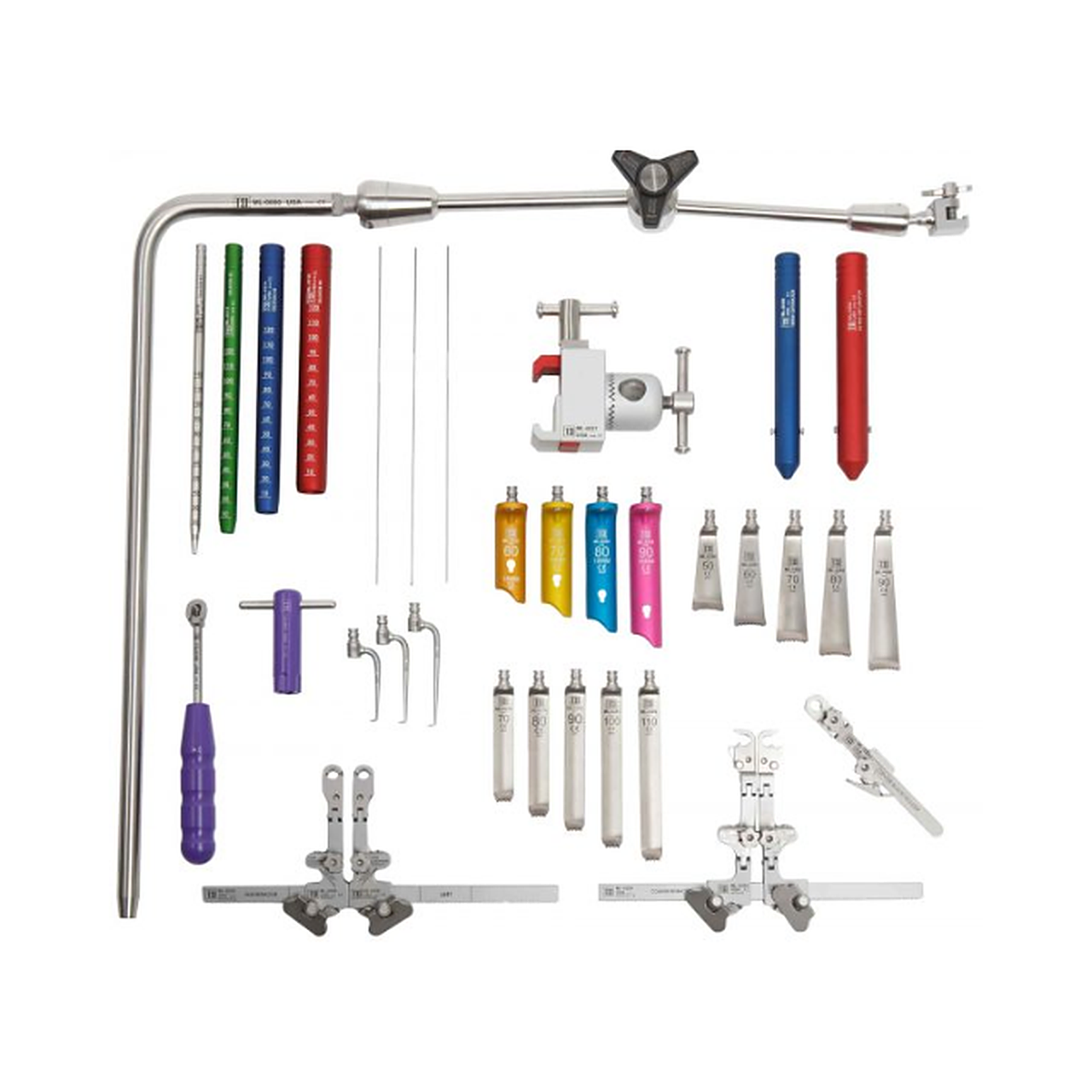 | Sistema de acceso quirúrgico lumbar Phantom ML MIS | Específicamente diseñado para el acceso quirúrgico lumbar mínimamente invasivo, la retracción tisular controlada y la iluminación directa del canal durante procedimientos de columna posterior. |
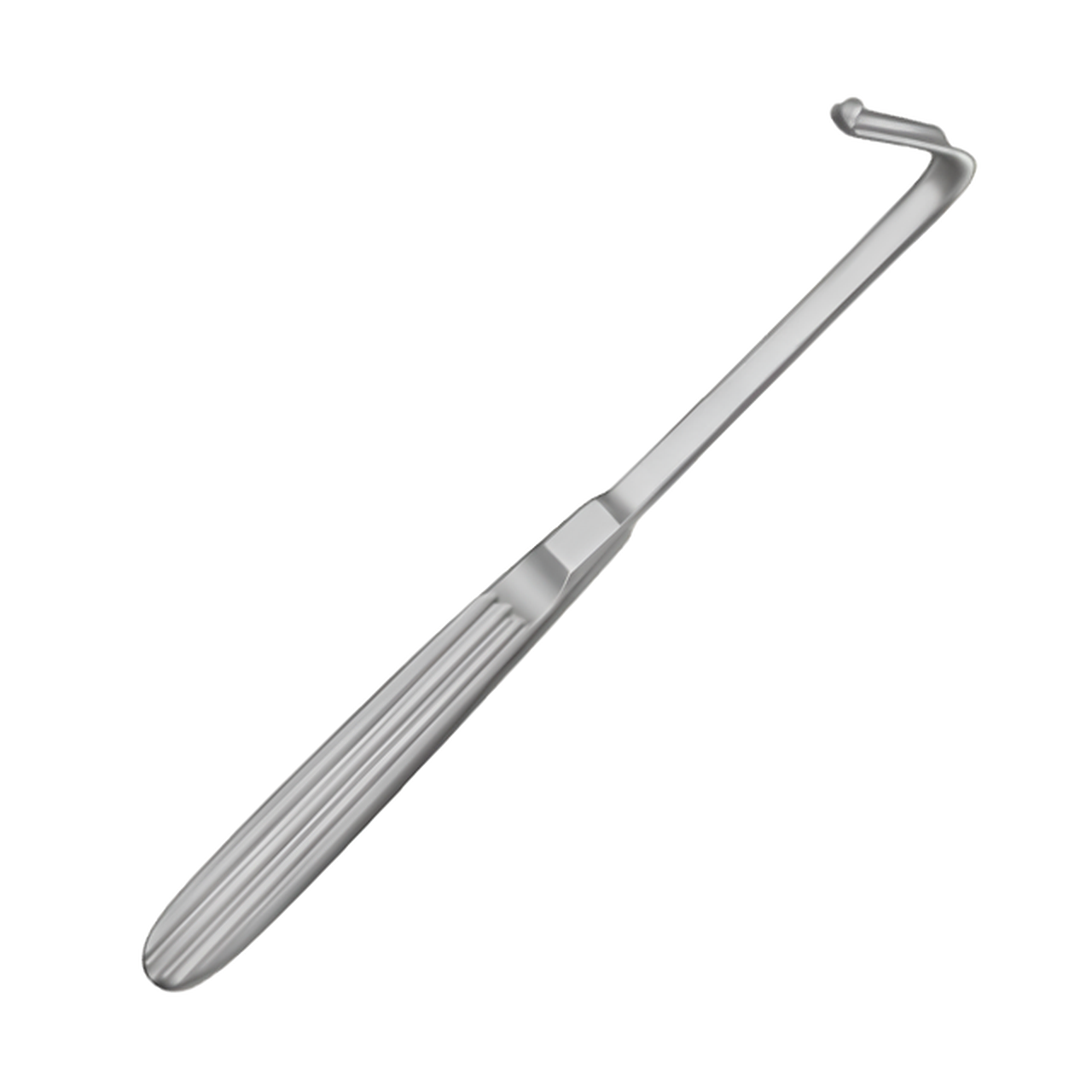 | Separador del Borde Piriforme | El Separador del Borde Piriforme es un instrumento especializado de 17 cm para cirugía oral y maxilofacial, diseñado para anclarse de forma segura sobre la apertura piriforme durante osteotomías Le Fort y rinoplastias. |
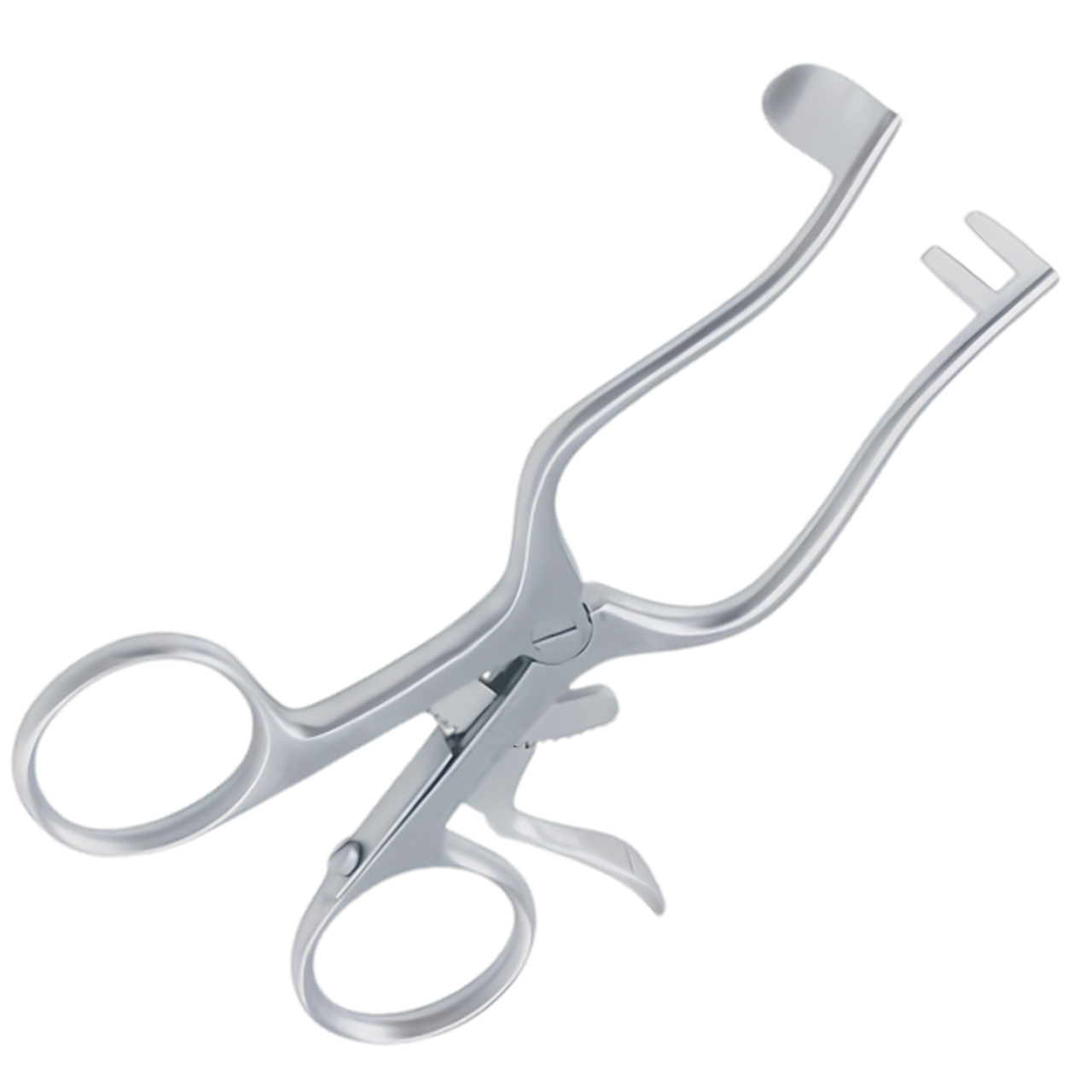 | Separador Autoestático Plester | Proporcionar retracción autoestática de tejidos blandos y periostio durante cirugías de oído y base de cráneo. |
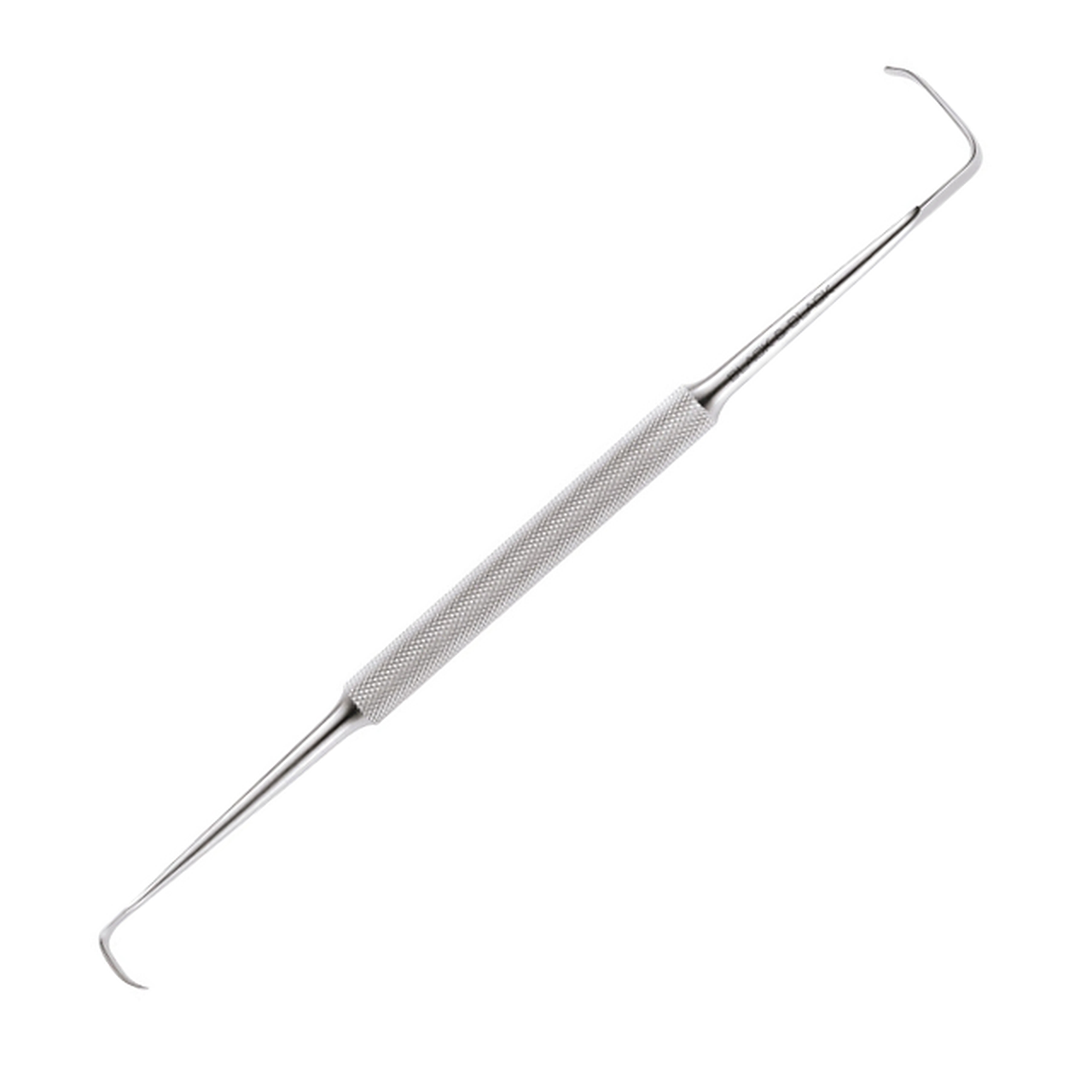 | Separador Ragnell-Davis de doble extremo | El separador Ragnell-Davis de doble extremo es un instrumento quirúrgico diseñado para la retracción delicada de tejidos cutáneos y blandos en cirugía plástica, de mano y facial. |
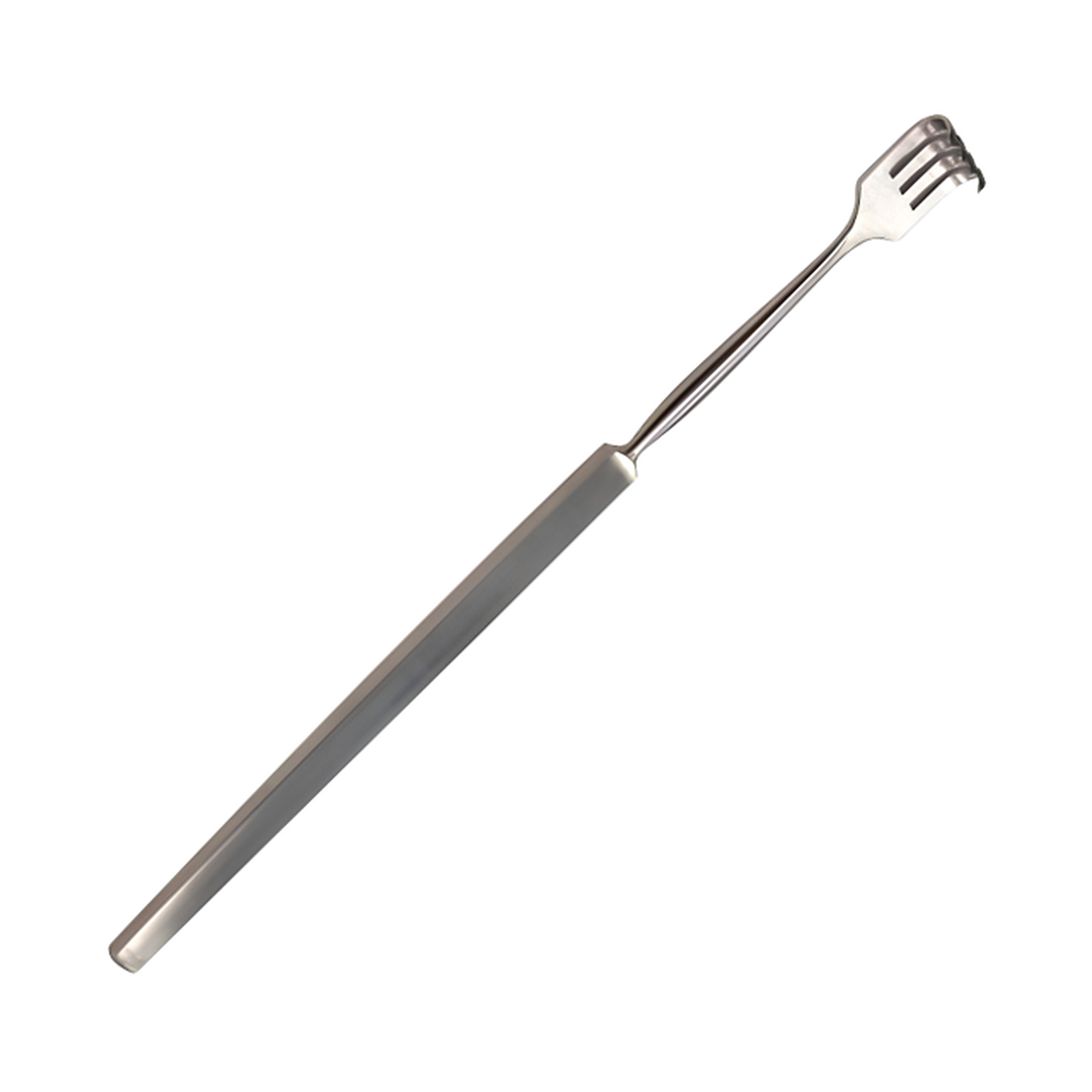 | Separador Digital Rake Finger Retractor | El Rake Finger Retractor es un instrumento quirúrgico de 15.3 cm diseñado para la elevación delicada de colgajos cutáneos y exposición de tendones durante cirugía plástica y de mano. |
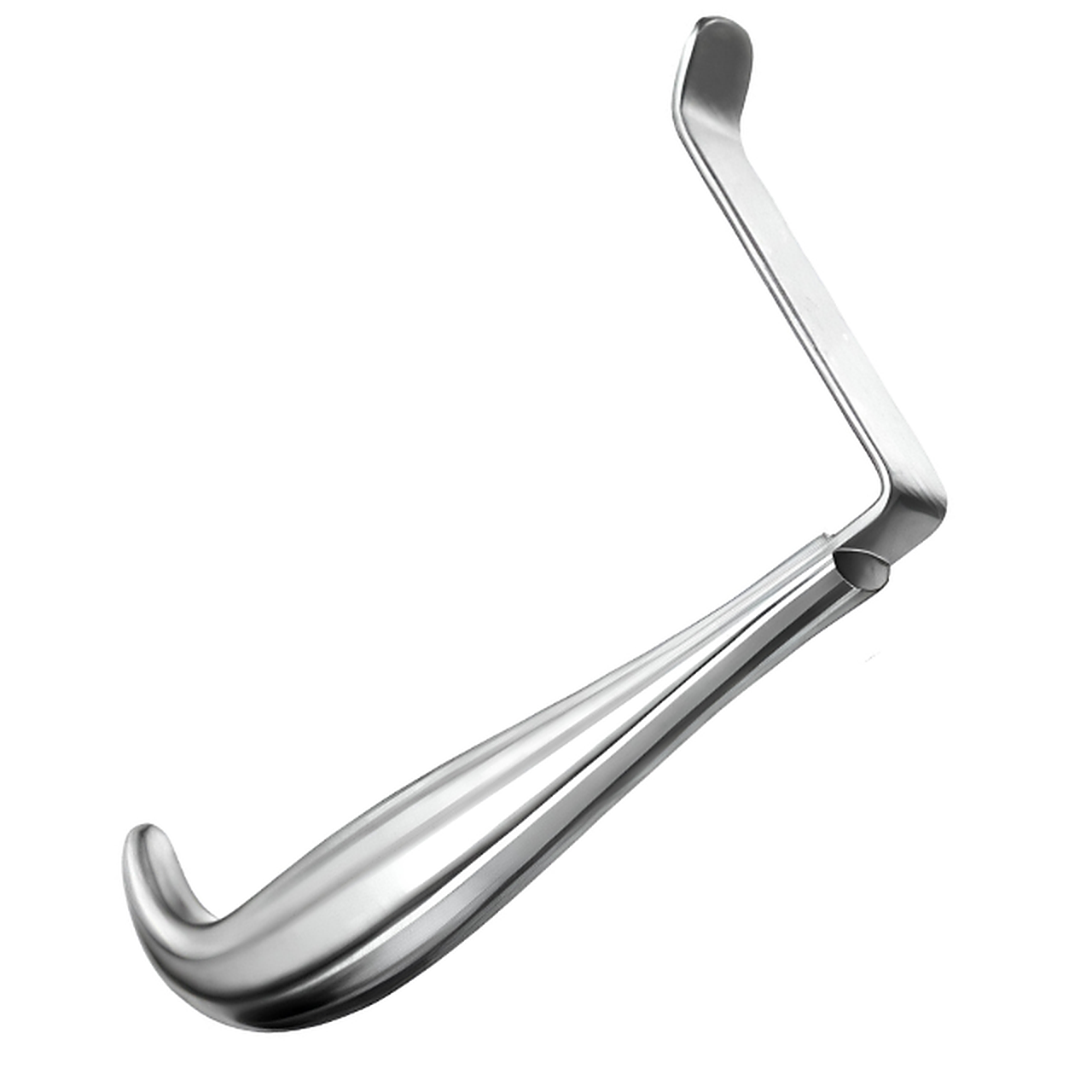 | Separador para Rama Mandibular | Diseñado específicamente para retraer el cabestrillo pterigomaseterino y exponer la rama mandibular ascendente durante la cirugía ortognática. |
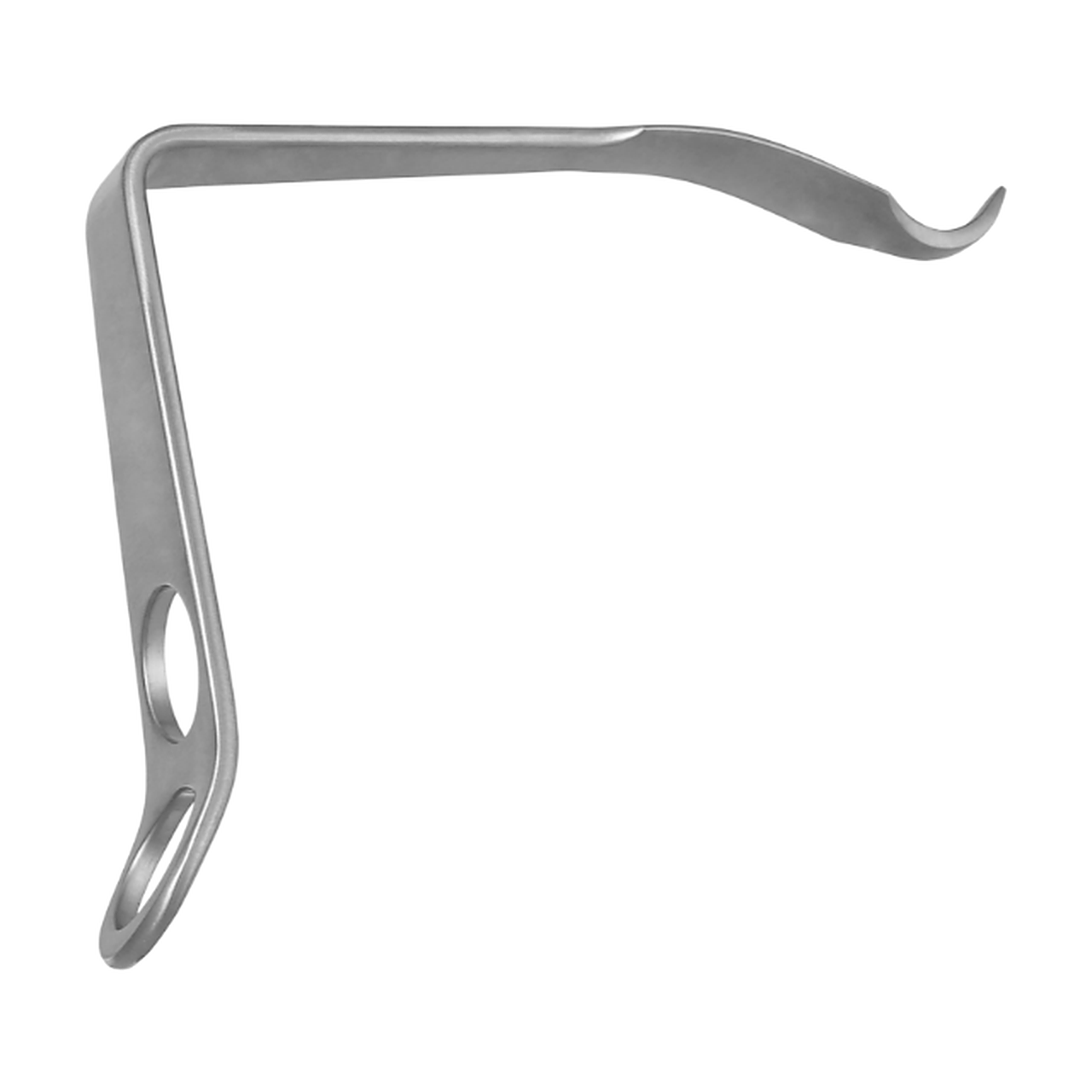 | Separador de Rodilla Ranawat | El Separador de Rodilla Ranawat es un instrumento ortopédico de 9 ½″ (24.13 cm) diseñado para la retracción del ligamento colateral y la cápsula articular durante la artroplastia total de rodilla. |
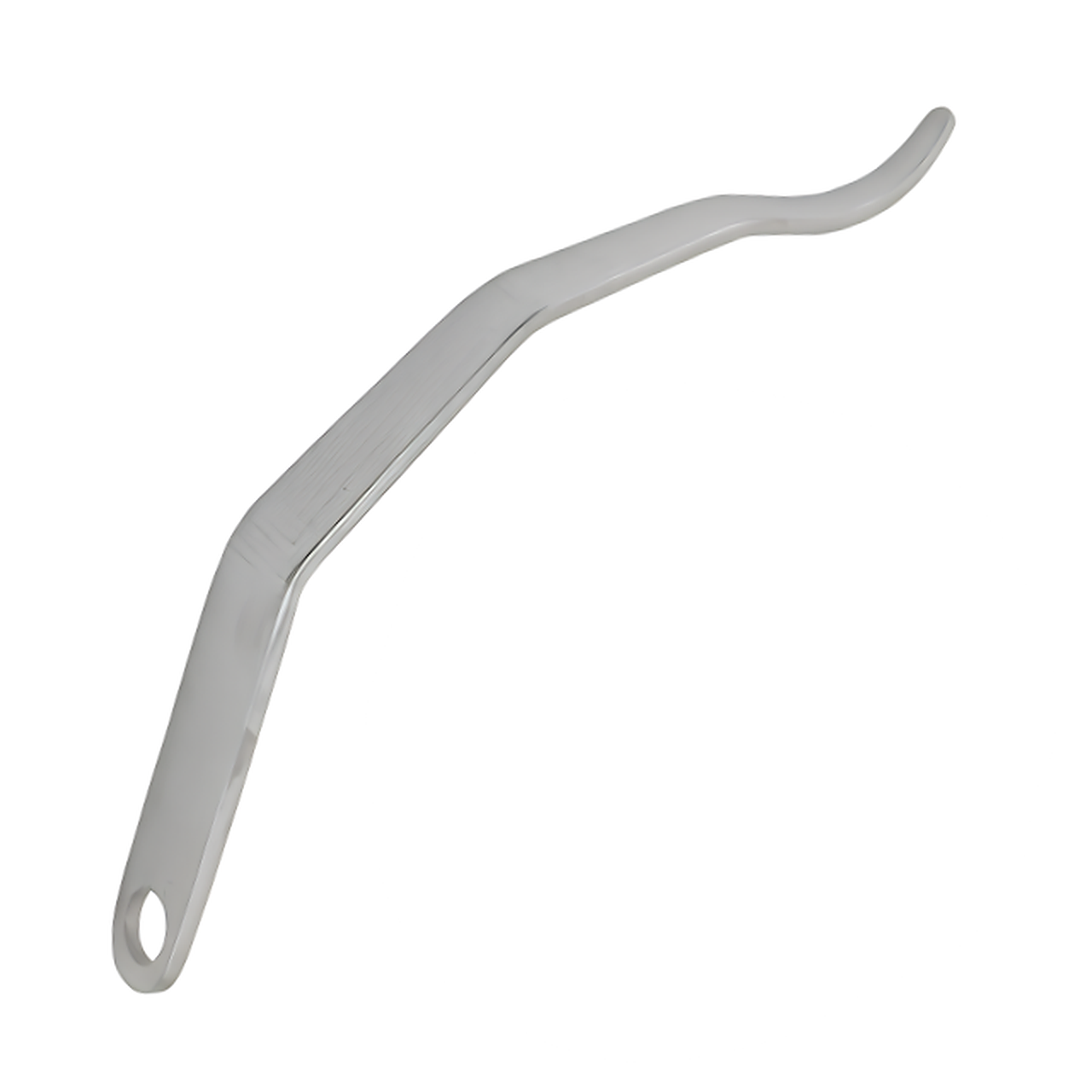 | Separador Redler | El Separador Redler es un instrumento quirúrgico de 5″ (12.7 cm) diseñado para la retracción delicada de tejidos blandos y bordes de heridas. |
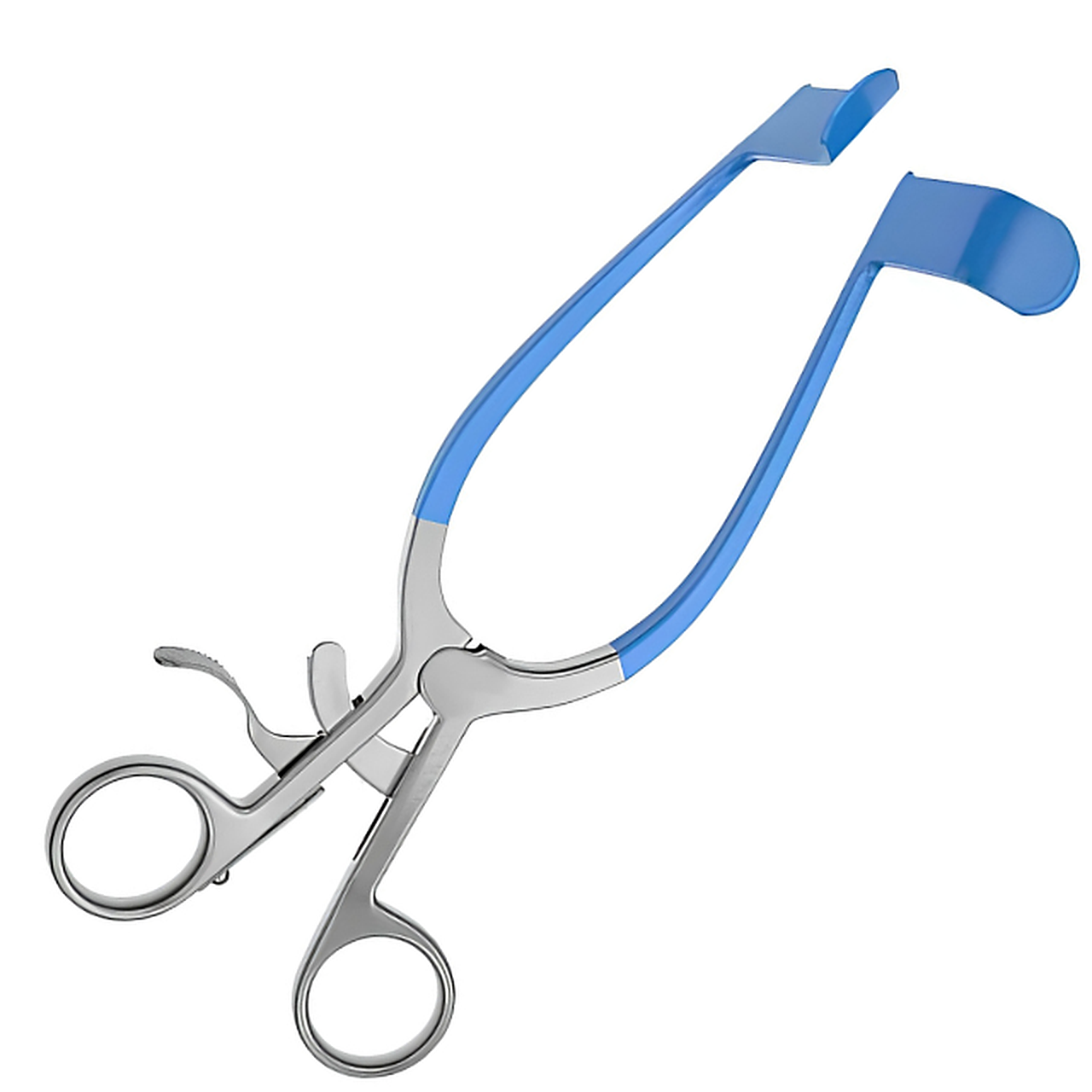 | Separador de Pared Vaginal Redundante No Conductor | El Separador de Pared Vaginal Redundante No Conductor es un instrumento ginecológico aislado de 7″ (17.8 cm) diseñado para desplazar las paredes vaginales laterales redundantes durante procedimientos electrosúrgicos y láser. |
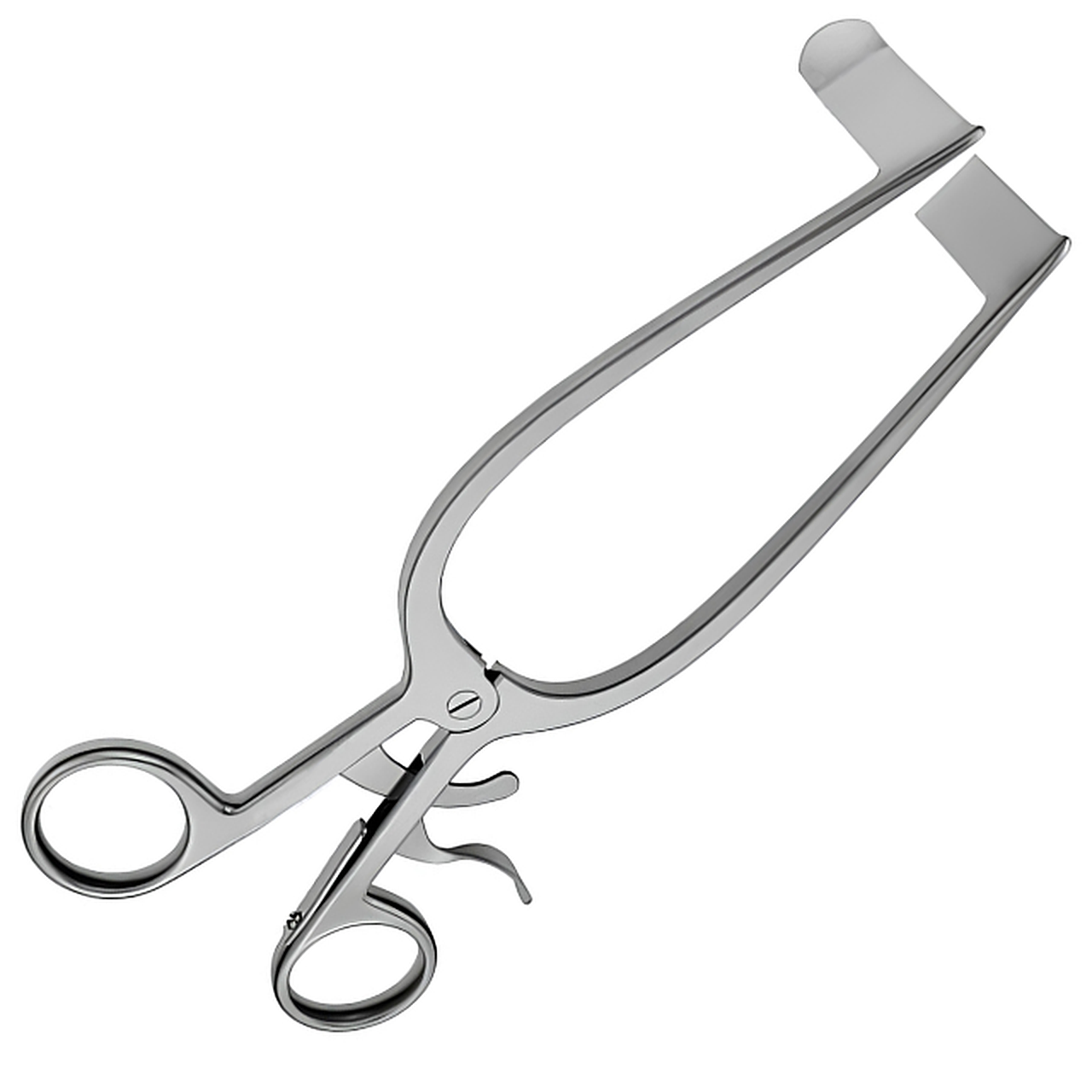 | Separador de Pared Vaginal Redundante | El Separador de Pared Vaginal Redundante es un instrumento ginecológico de 18 cm diseñado para desplazar las paredes vaginales laterales redundantes durante exámenes pélvicos y cirugía. |
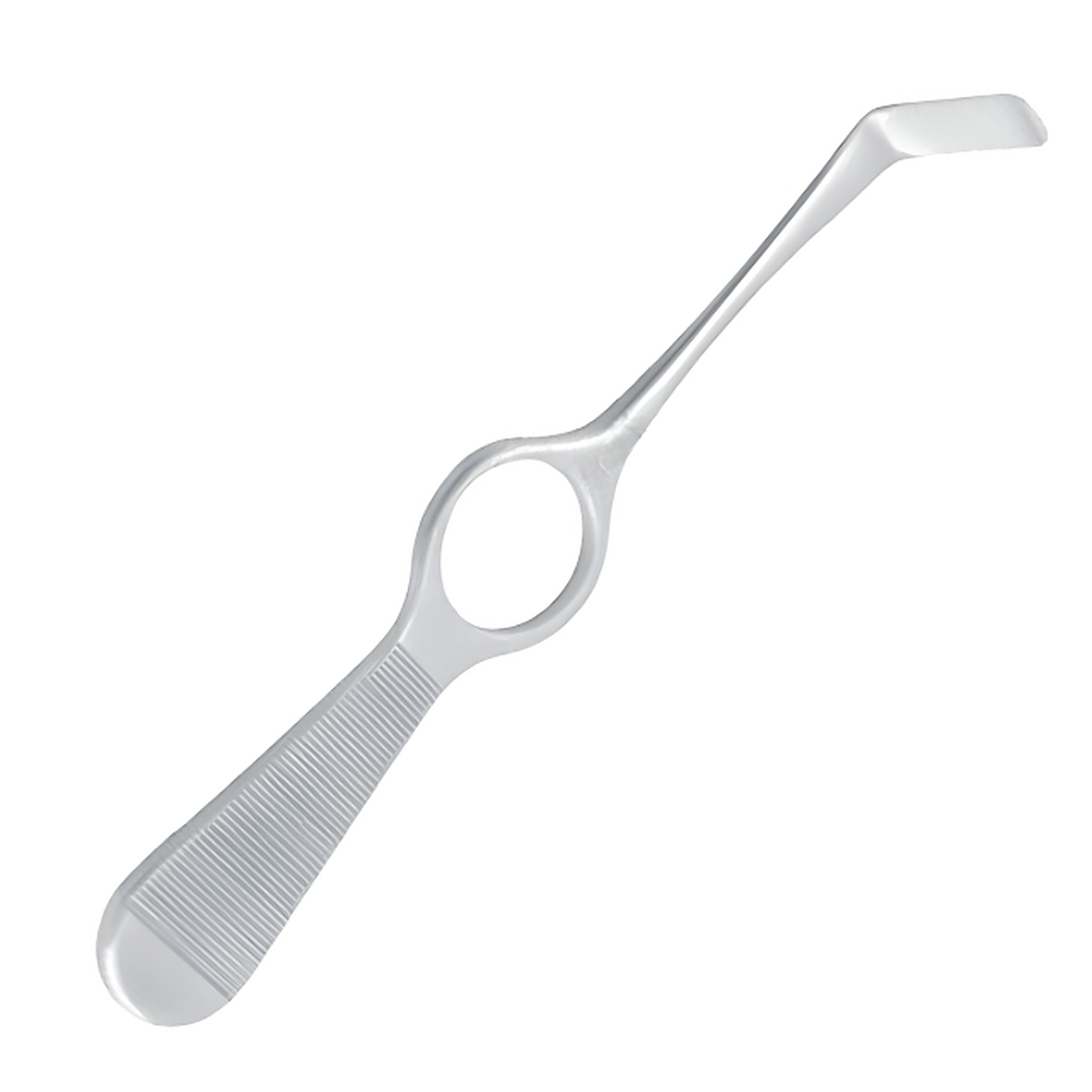 | Separador de Cóndilo Reich | El Separador de Cóndilo Reich es un instrumento maxilofacial diseñado para engancharse alrededor del cuello condilar mandibular durante la cirugía de la articulación temporomandibular (ATM). |
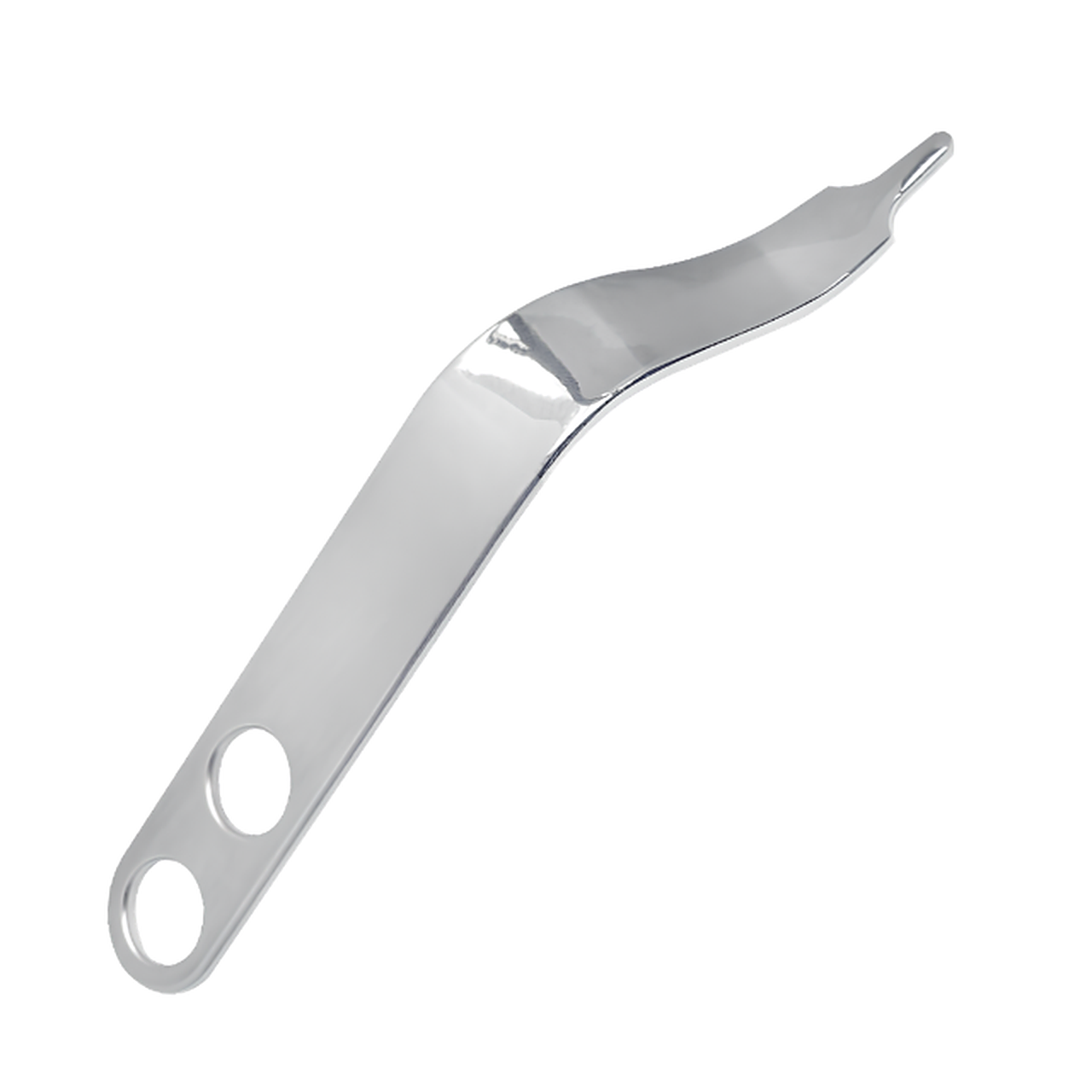 | Separador Hohmann Inverso | Diseñado específicamente para hacer palanca en las corticales óseas y retraer tejidos blandos durante cirugías ortopédicas de cadera, rodilla y traumatismos. |
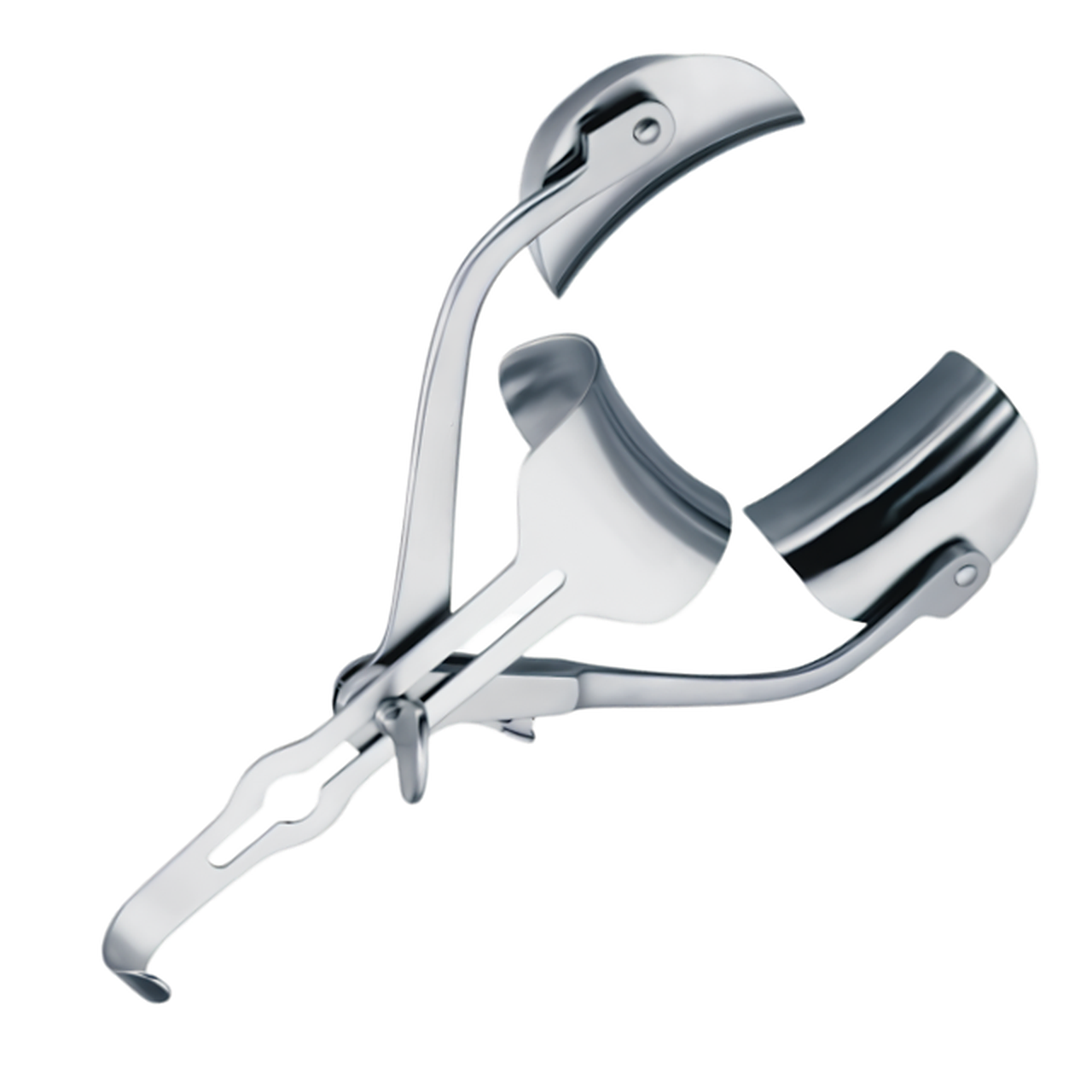 | Separador Abdominal Ricard | Específicamente diseñado para proporcionar retracción autoestática de tres valvas de las paredes abdominales y vísceras durante la laparotomía. |
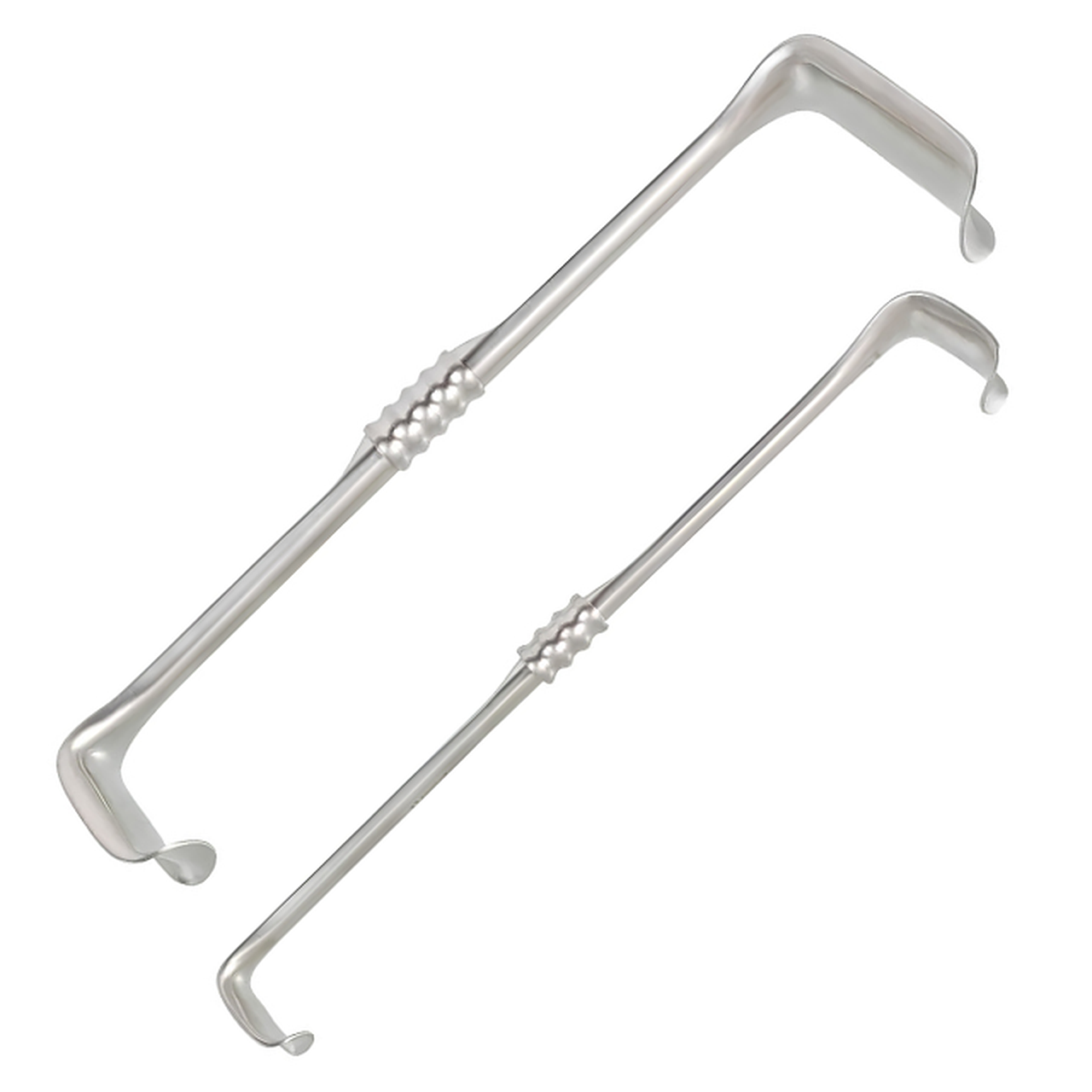 | Separador Richardson Eastman | Específicamente diseñado para retraer la pared abdominal, la fascia y las vísceras en diferentes profundidades de incisión durante la cirugía abierta. |
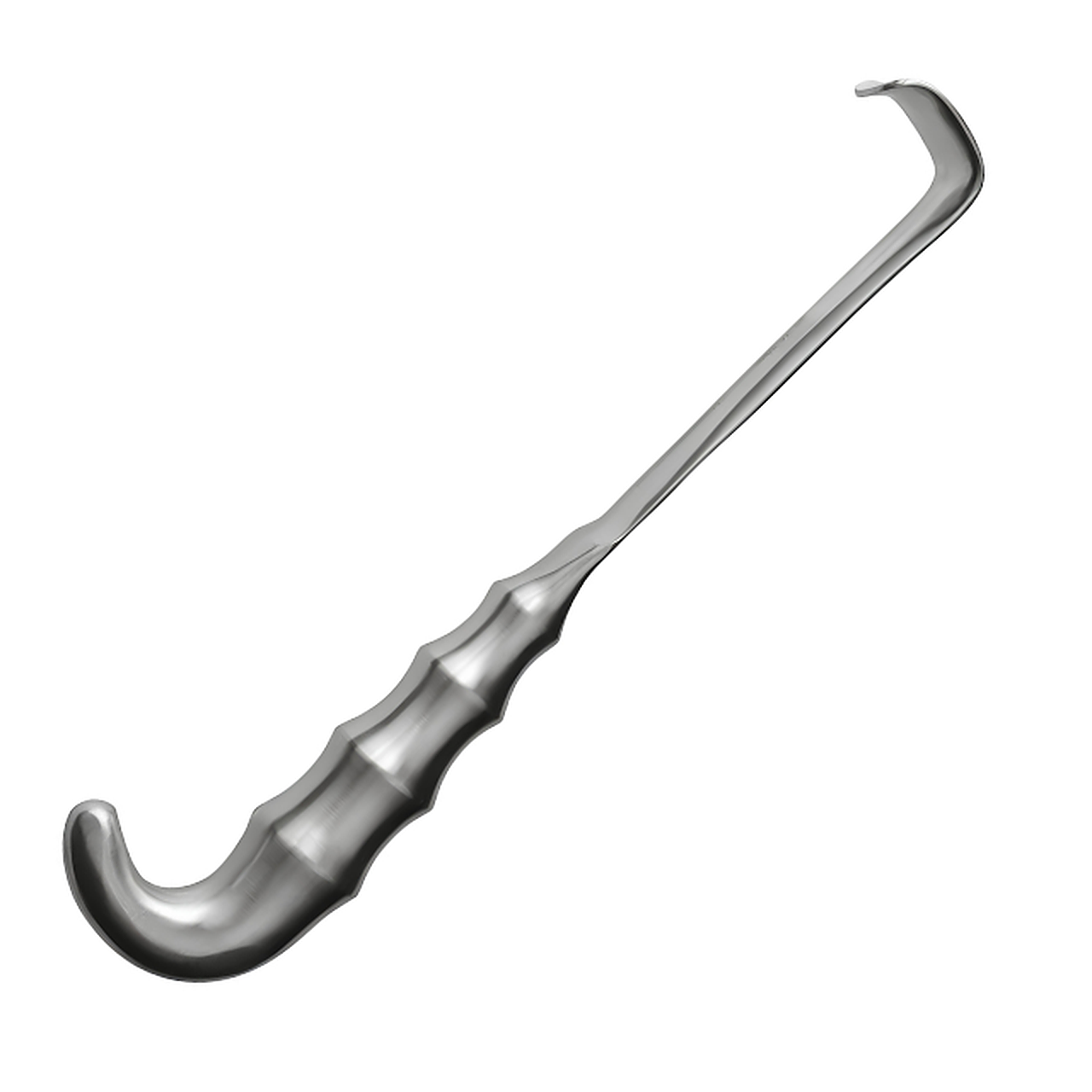 | Separador Richardson con Mango Ergonómico | Específicamente diseñado para retraer la pared abdominal, la fascia y capas musculares gruesas reduciendo la fatiga del asistente durante la cirugía abierta. |
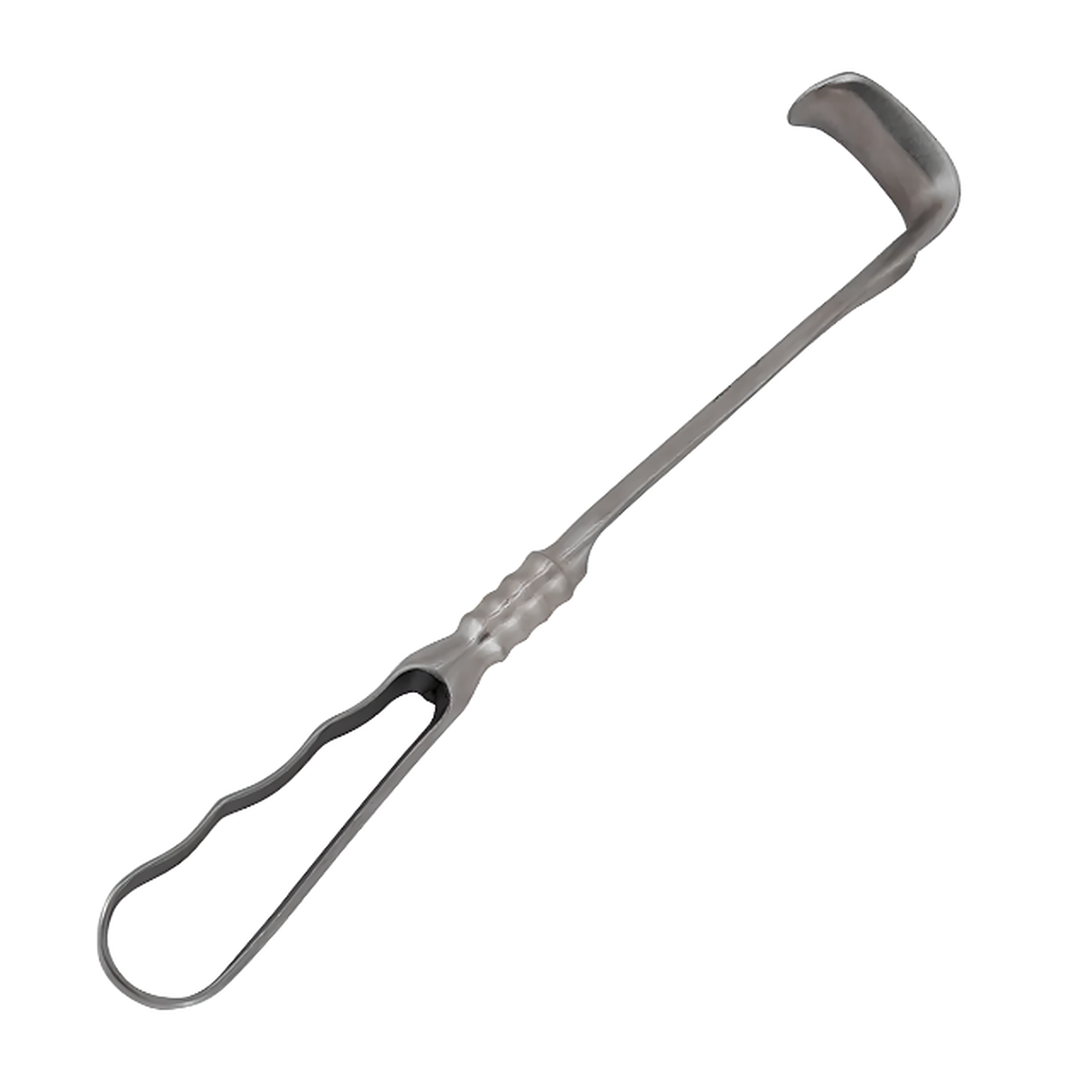 | Separador Richardson con Mango en Anillo | Diseñado específicamente para retraer la pared abdominal, las capas musculares y las vísceras durante laparotomías abiertas y cirugía pélvica. |
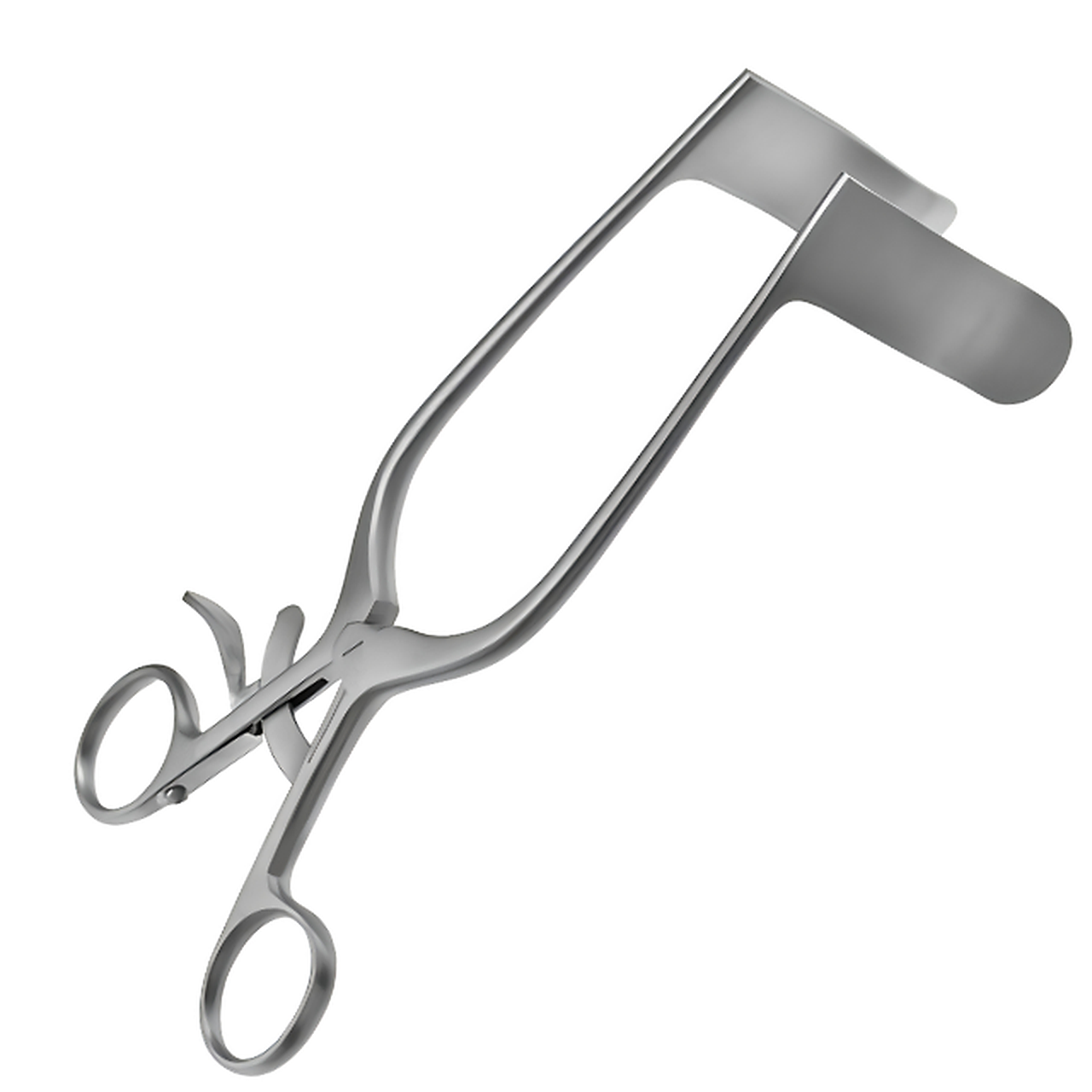 | Separador Vaginal Autoestático Rigby | Diseñado específicamente para proporcionar retracción autoestática de la pared vaginal lateral y posterior durante la cirugía pélvica. |
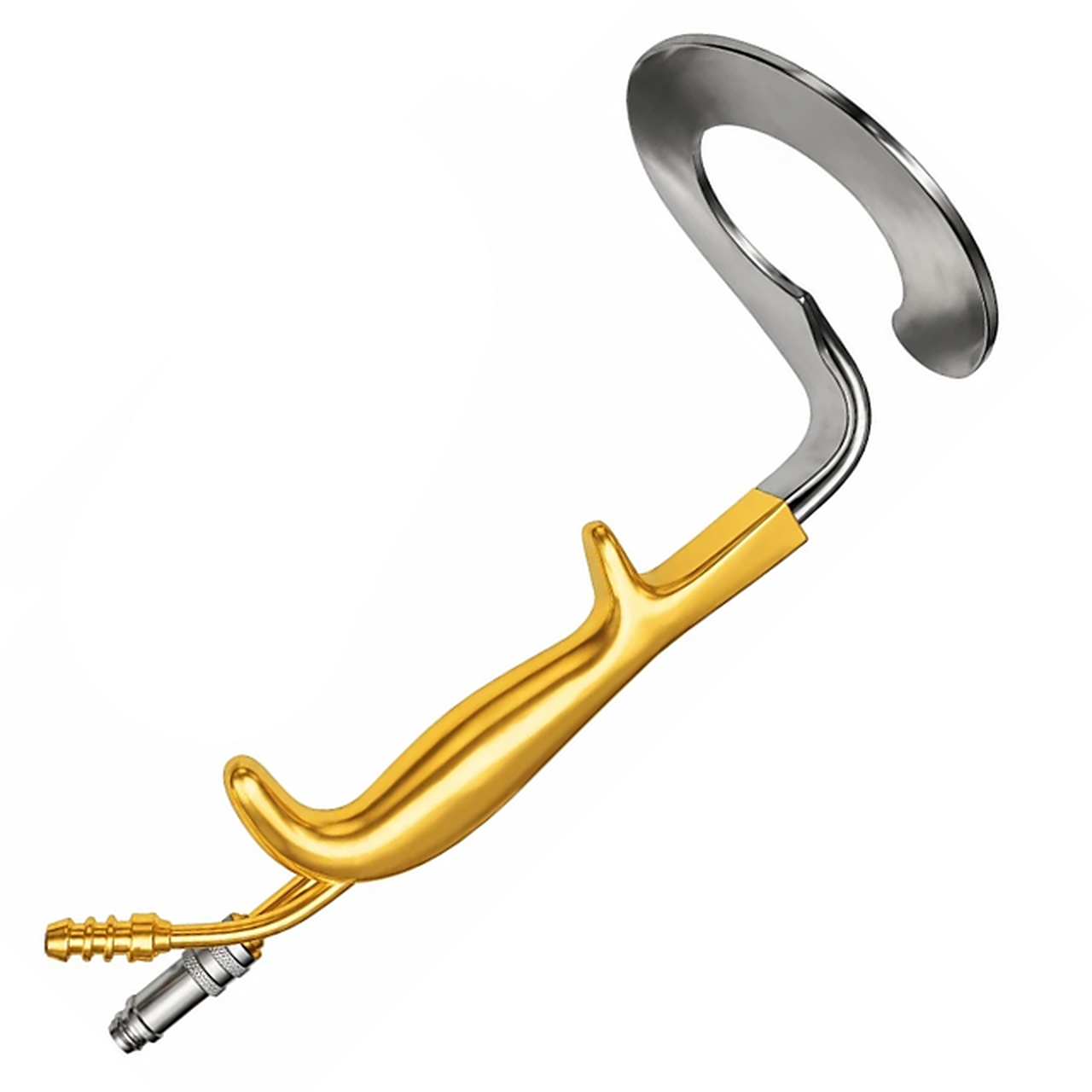 | Separador Mamario Ring con Iluminación por Fibra Óptica | Diseñado específicamente para elevar colgajos de tejido, iluminar bolsillos profundos y verificar la hemostasia durante la cirugía de mama. |
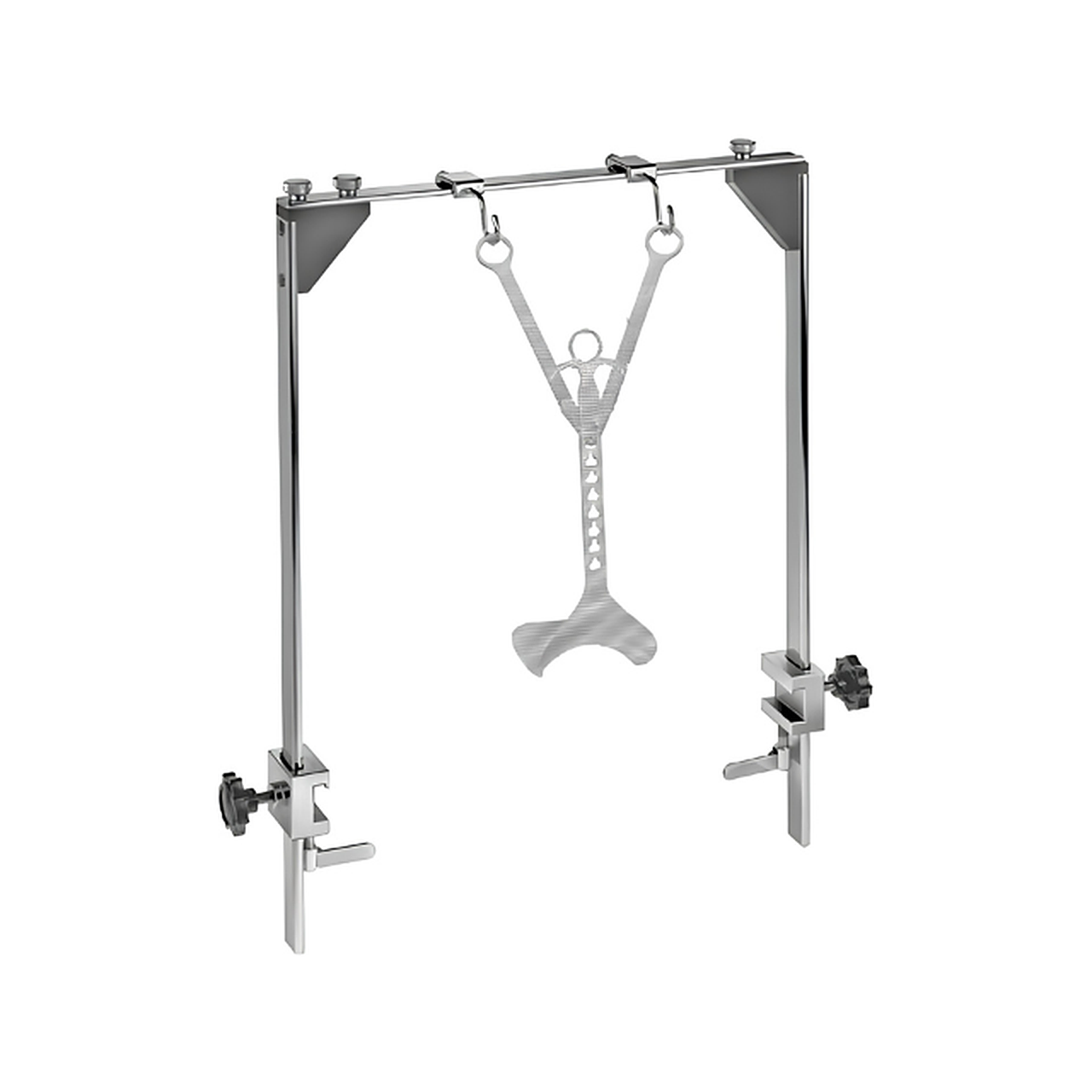 | Separador Rochard | Diseñado para proporcionar retracción rígida de tejidos blandos abdominales mediante montaje en mesa y una exposición quirúrgica estable durante intervenciones quirúrgicas. |
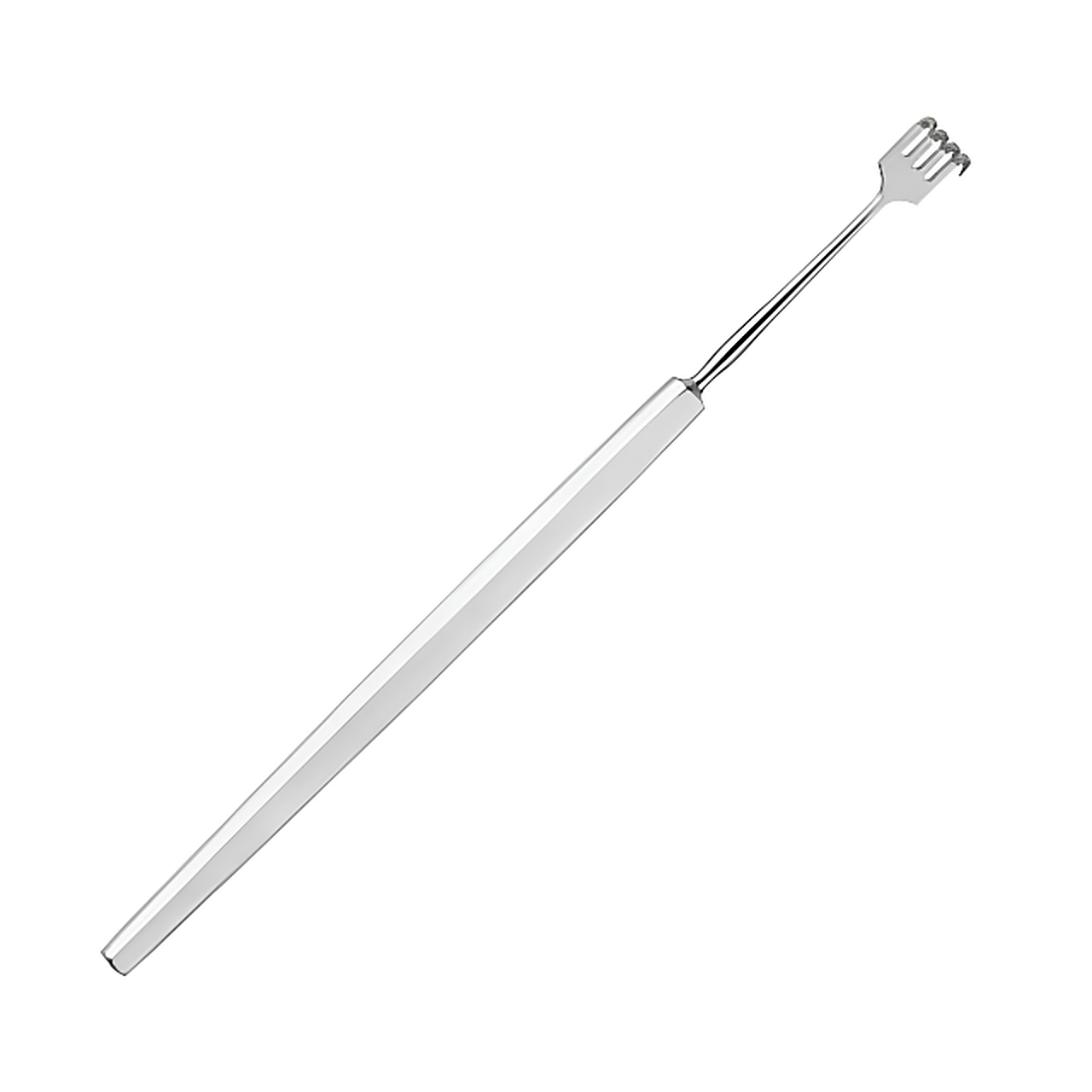 | Separador Rollet | Diseñado específicamente para retraer colgajos de piel, tejido del canto medial y fascia durante cirugías oftálmicas y plásticas. |
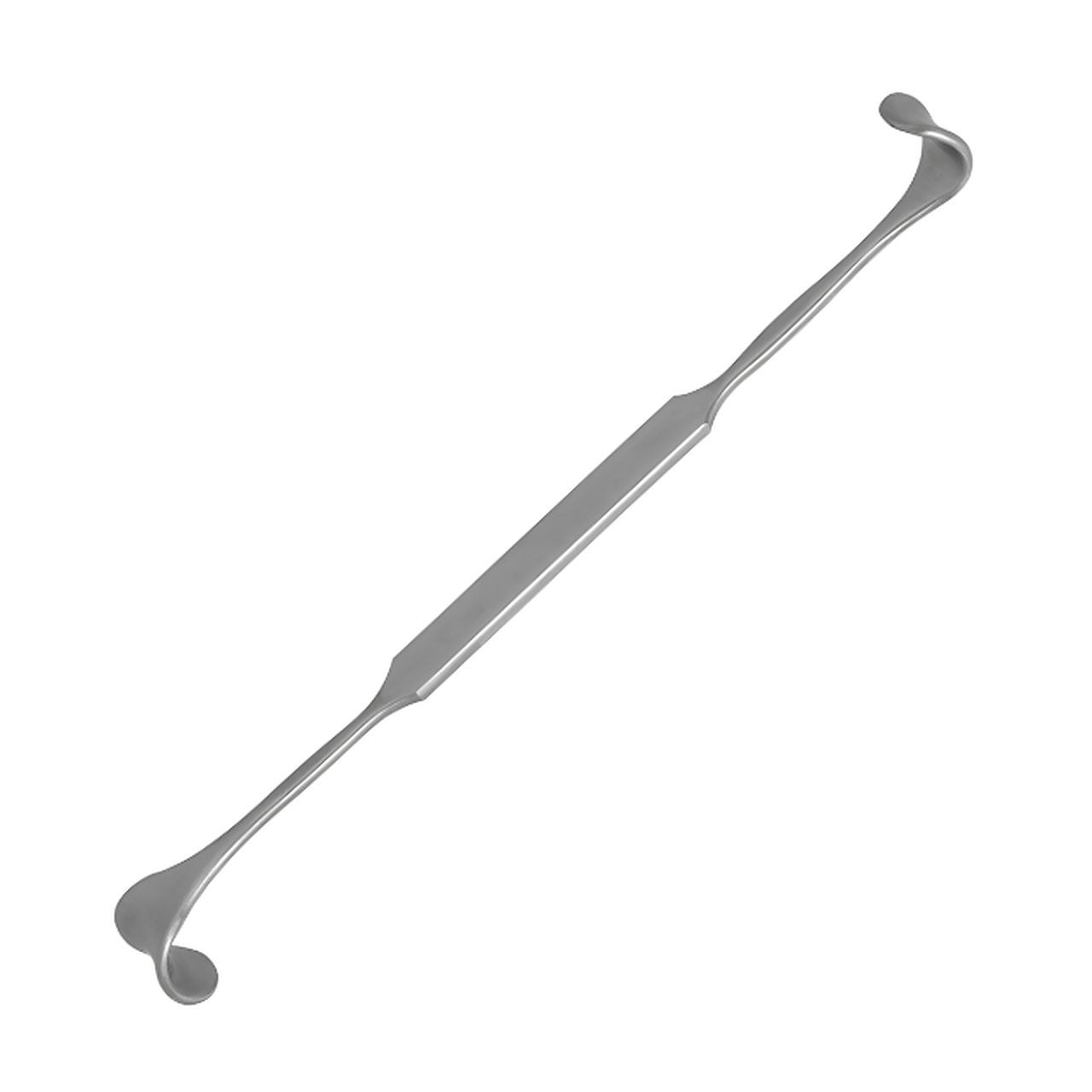 | Separador Rose de Doble Extremo | Diseñado específicamente para retraer márgenes cutáneos, fascia y tejidos blandos en incisiones quirúrgicas superficiales e intermedias. |
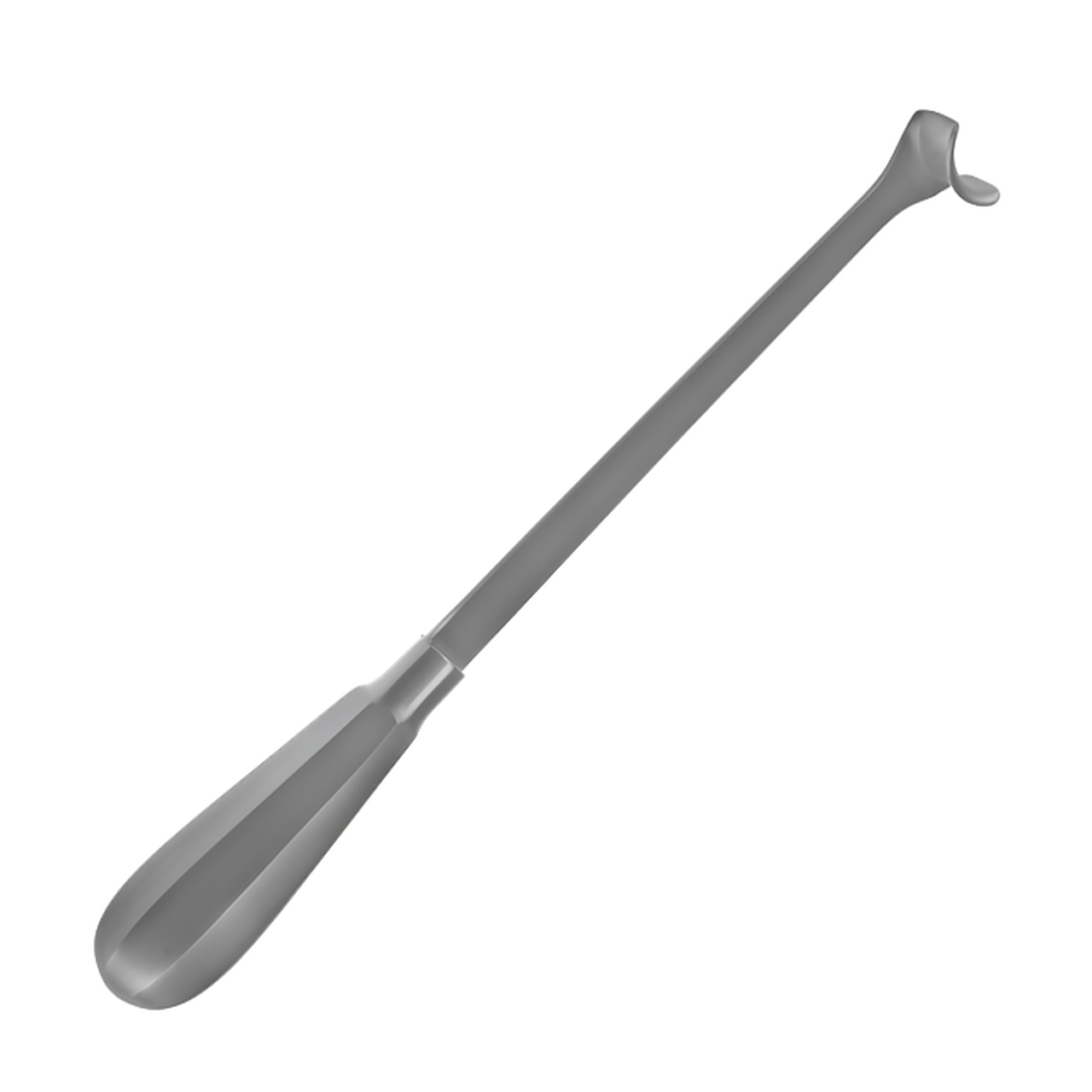 | Separador de Válvula Aórtica Ross | Diseñado específicamente para retraer las valvas de la válvula aórtica y la pared aórtica durante el reemplazo y la reconstrucción de la válvula aórtica. |
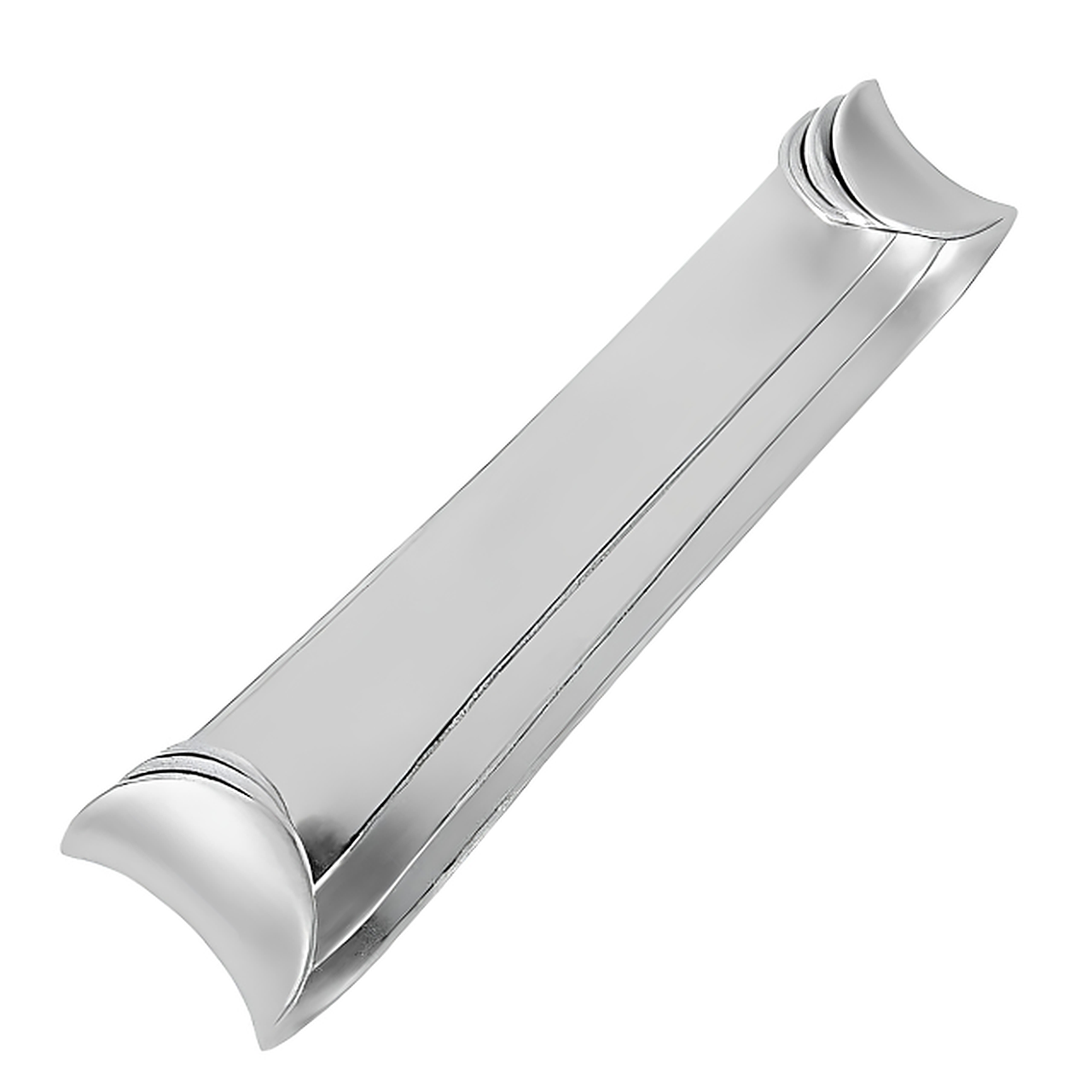 | Separador Roux - Doble Extremo | Diseñado específicamente para retraer márgenes cutáneos, fascia y capas musculares superficiales durante cirugía general y plástica. |
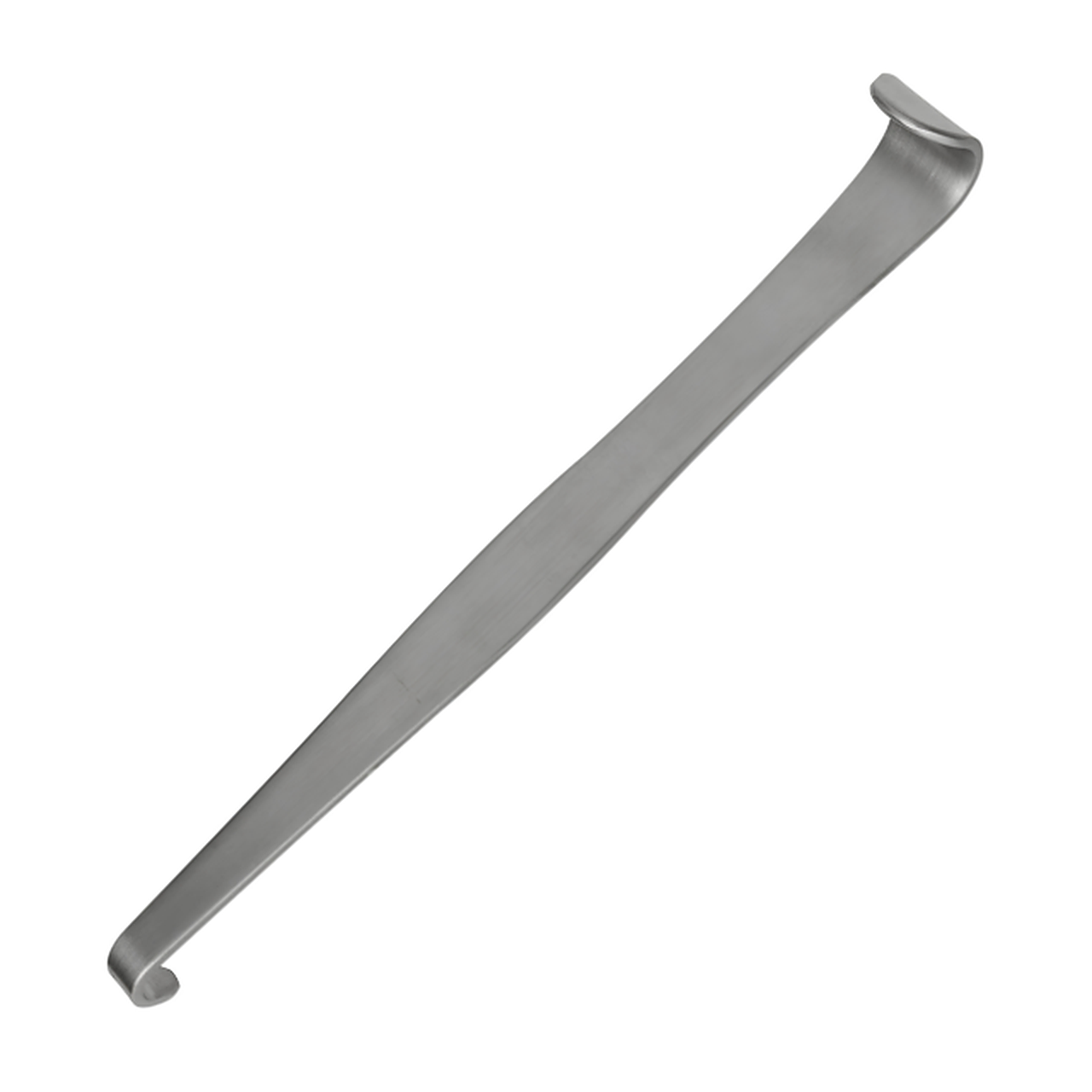 | Separador S de doble extremo | Diseñado específicamente para separar bordes de piel, fascia delicada y tejidos blandos durante procedimientos quirúrgicos menores, de cirugía plástica y otorrinolaringología. |
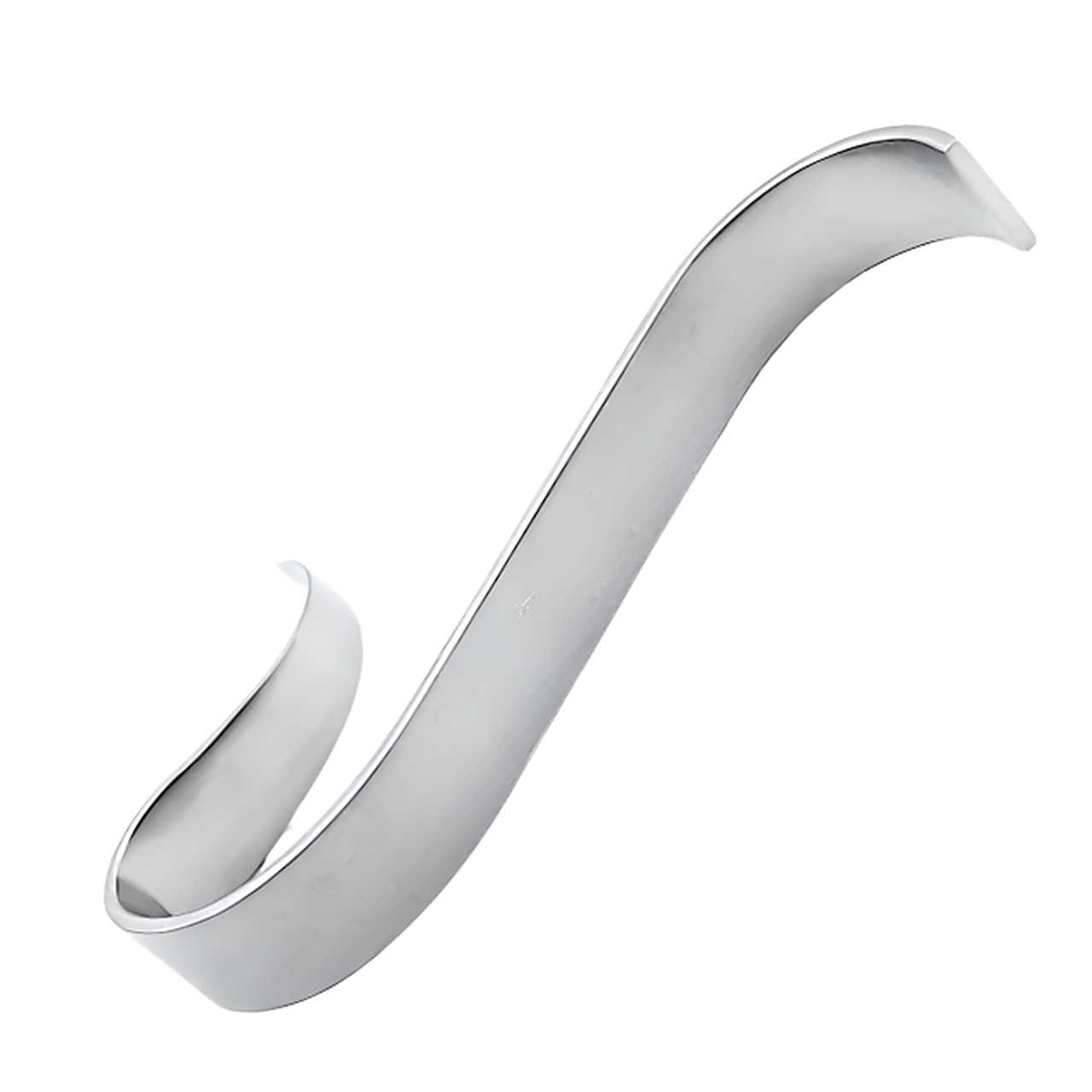 | Separador para Rodilla Total en S | Diseñado específicamente para retraer los ligamentos colaterales, la cápsula articular y los tejidos blandos durante la artroplastia total de rodilla. |
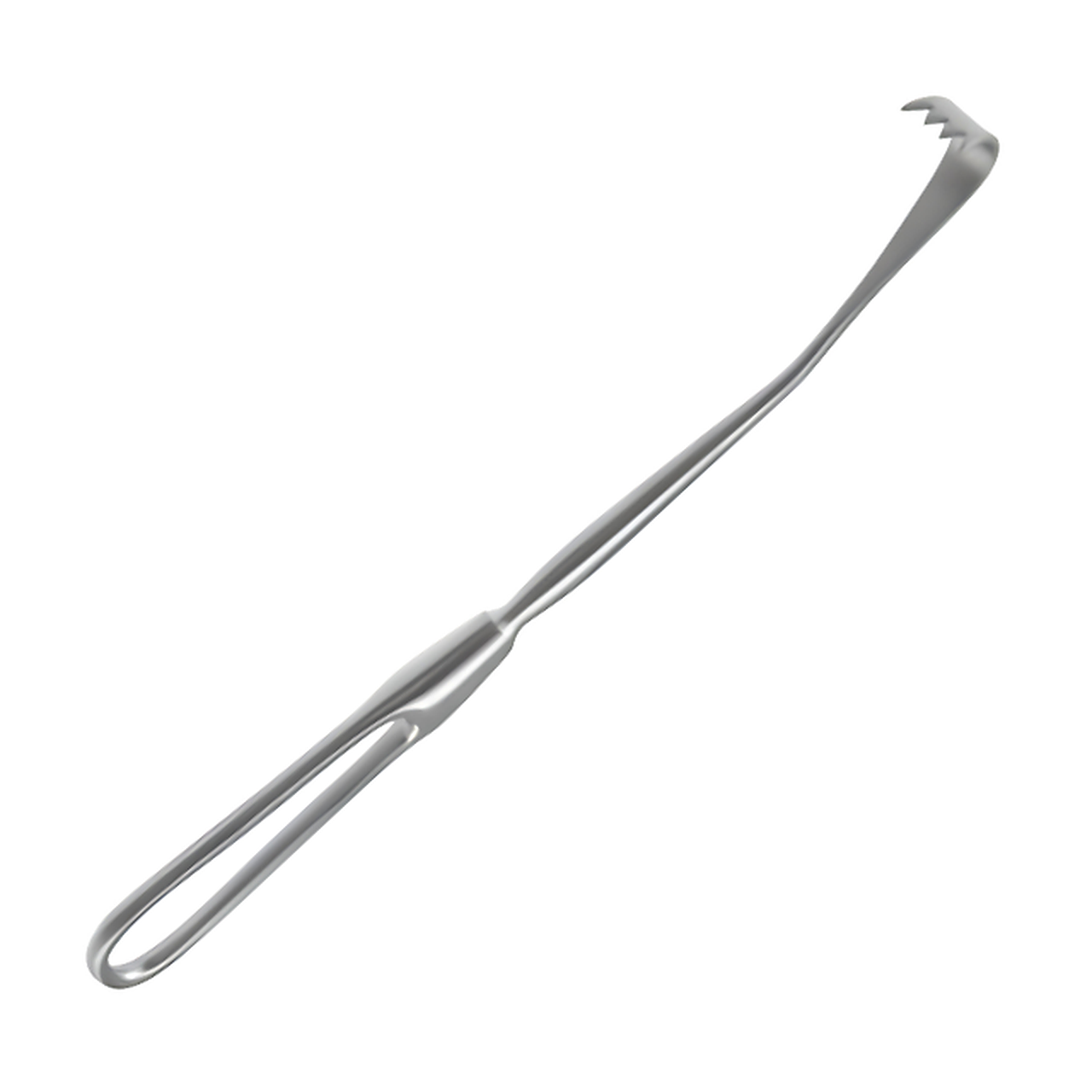 | Separador de Venas Sachs | Específicamente diseñado para retraer y movilizar venas delicadas, raíces nerviosas y paquetes vasculares durante cirugía vascular y neurocirugía. |
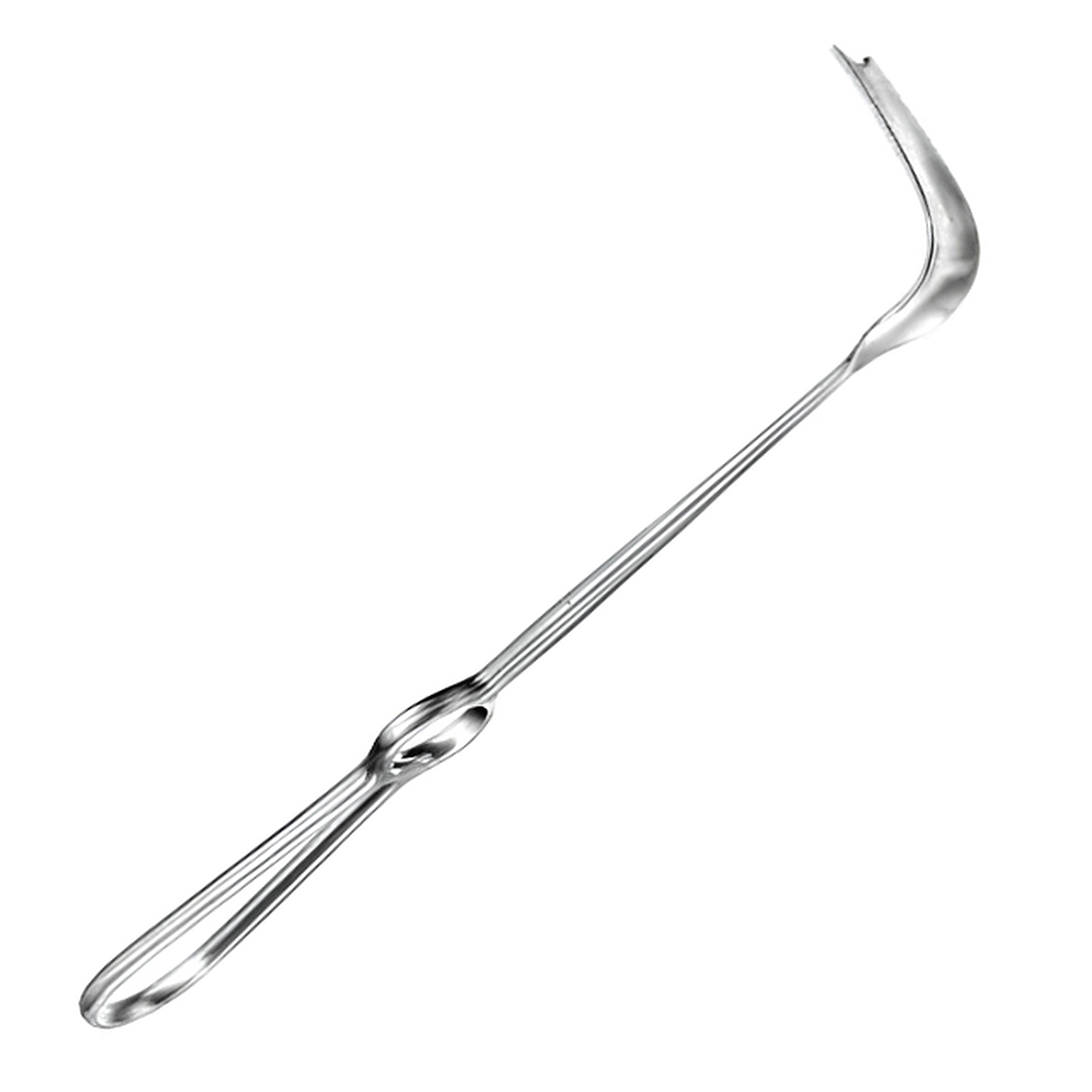 | Separador del Puente Nasal Sailer | Diseñado específicamente para elevar y retraer el envoltorio de tejido blando a lo largo del puente nasal durante rinoplastias y osteotomías del tercio medio facial. |
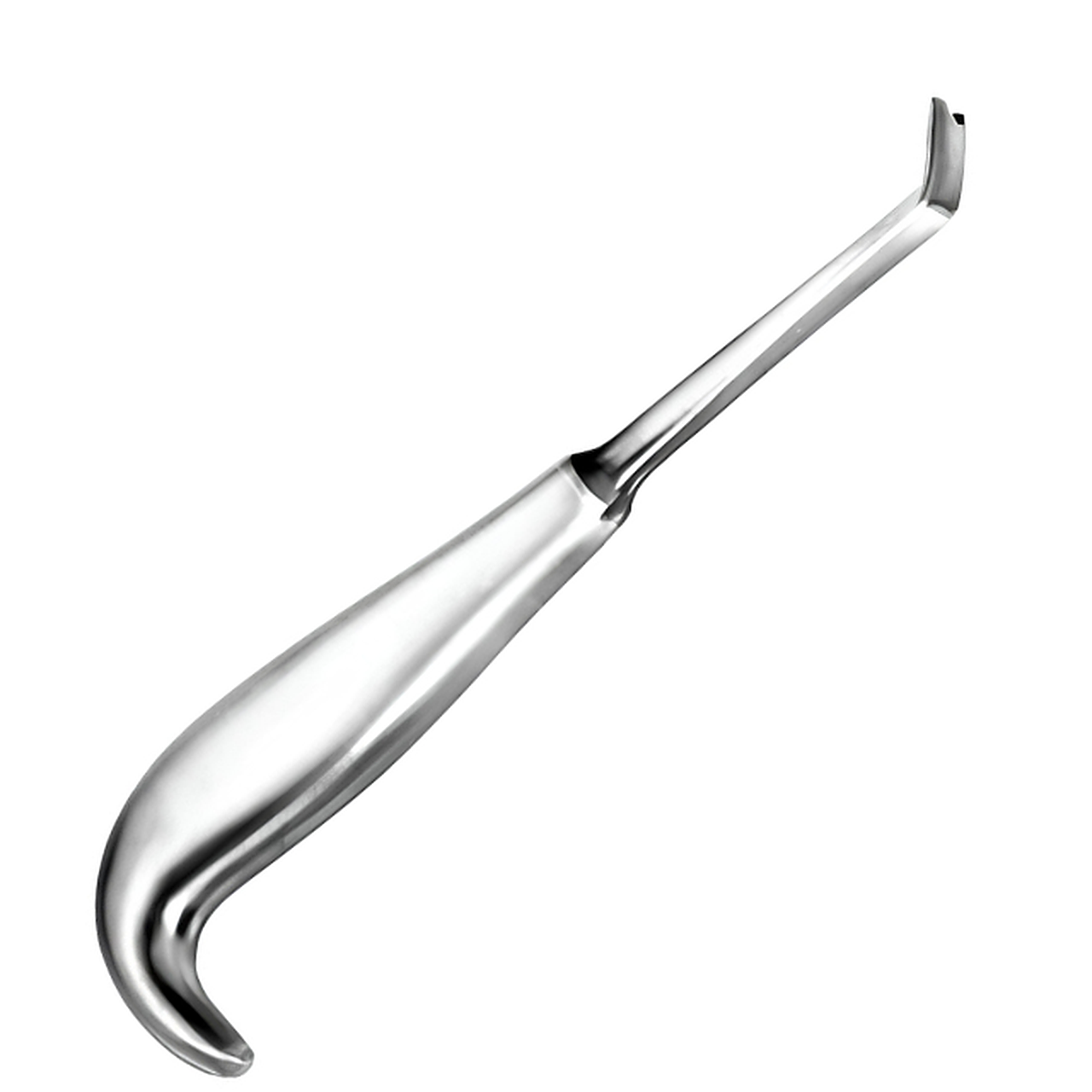 | Separador para Espina Nasal Sailer | Diseñado específicamente para engancharse sobre la espina nasal anterior y elevar el labio superior durante las osteotomías Le Fort I. |
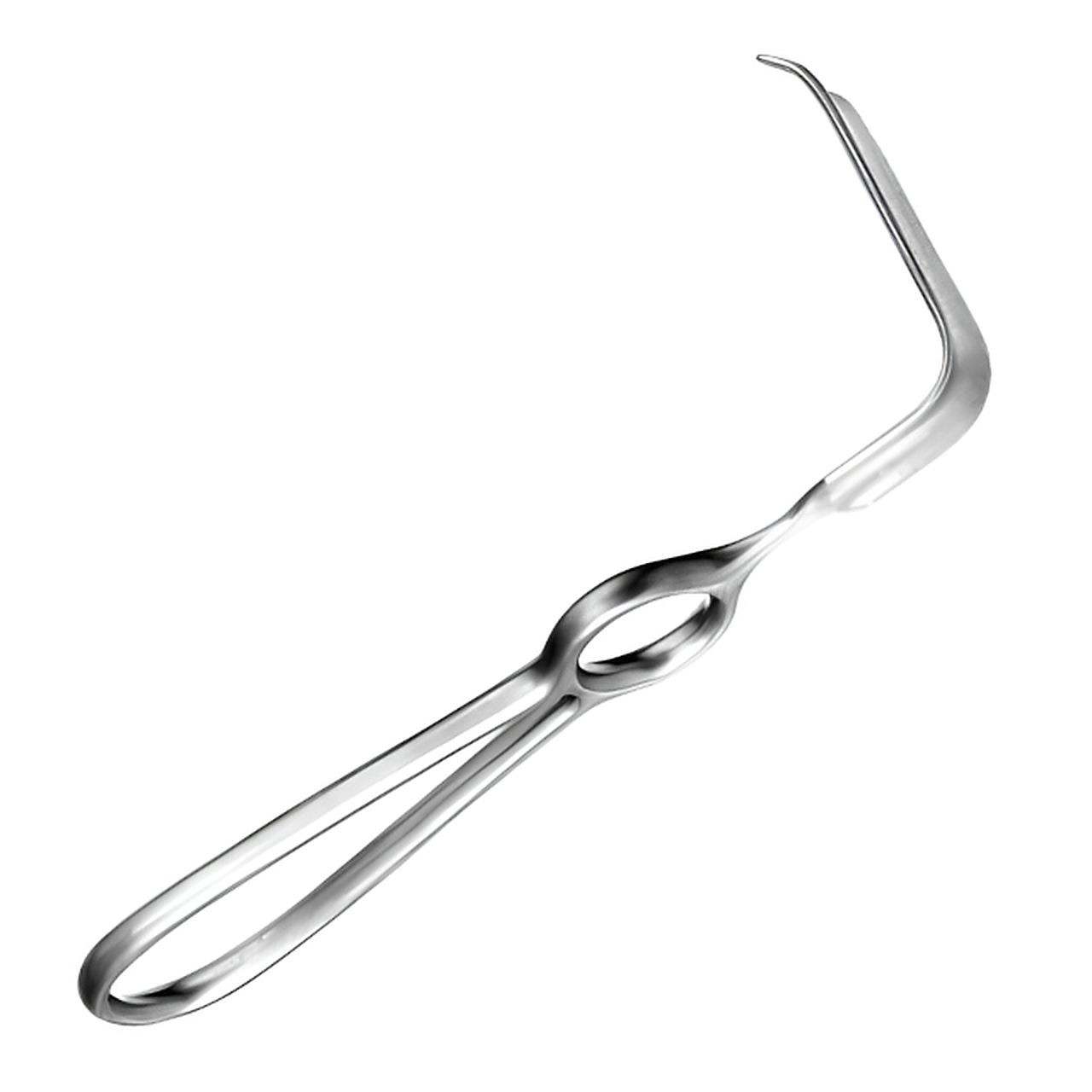 | Separador de Tejidos Blandos Sailer | Diseñado específicamente para retraer colgajos mucoperiósticos y tejidos blandos en espacios intraorales y faciales reducidos. |
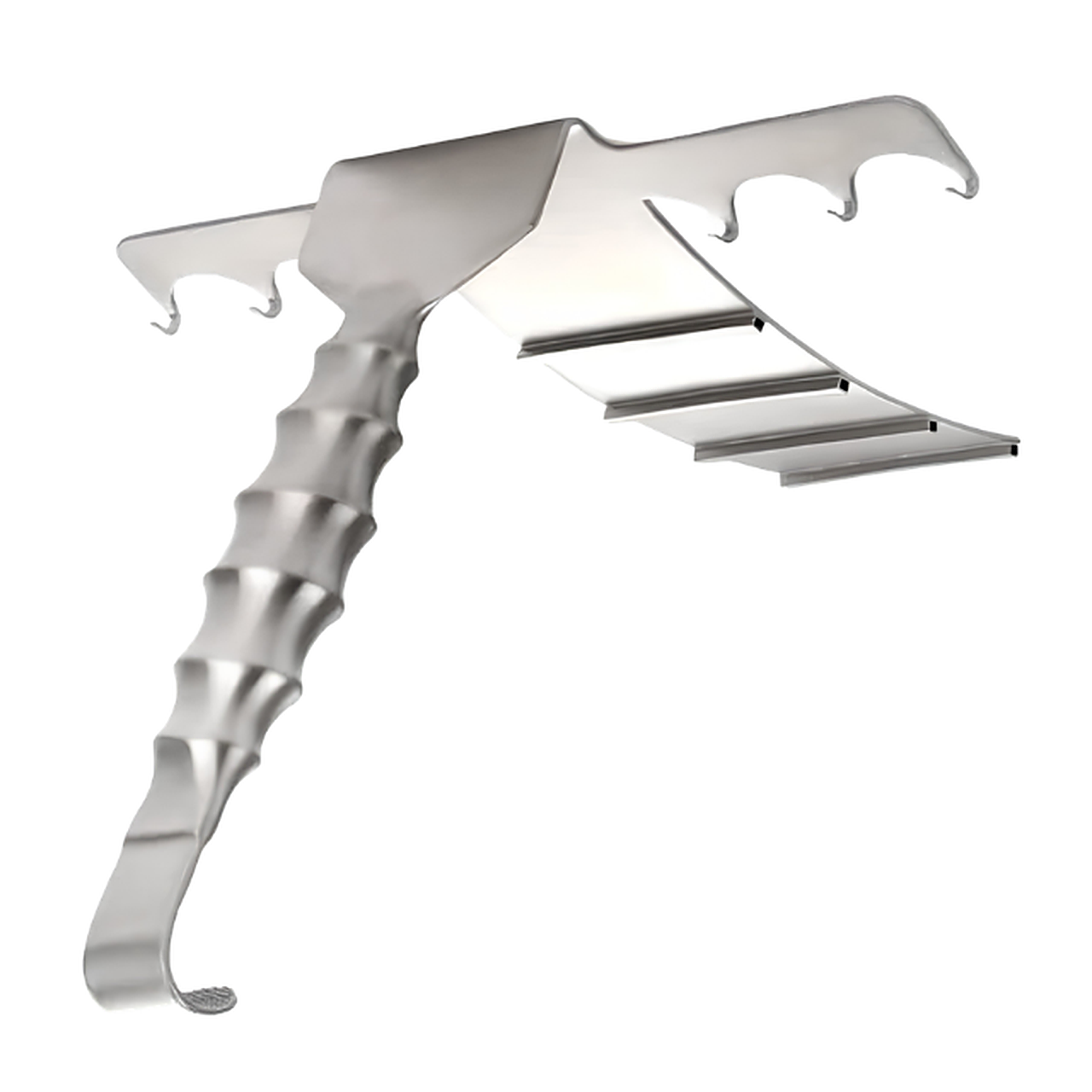 | Separador Abdominal Saldanha-Solz | Diseñado específicamente para elevar colgajos cutáneos abdominales y proteger el tejido durante la lipoabdominoplastia y la plicatura de rectos. |
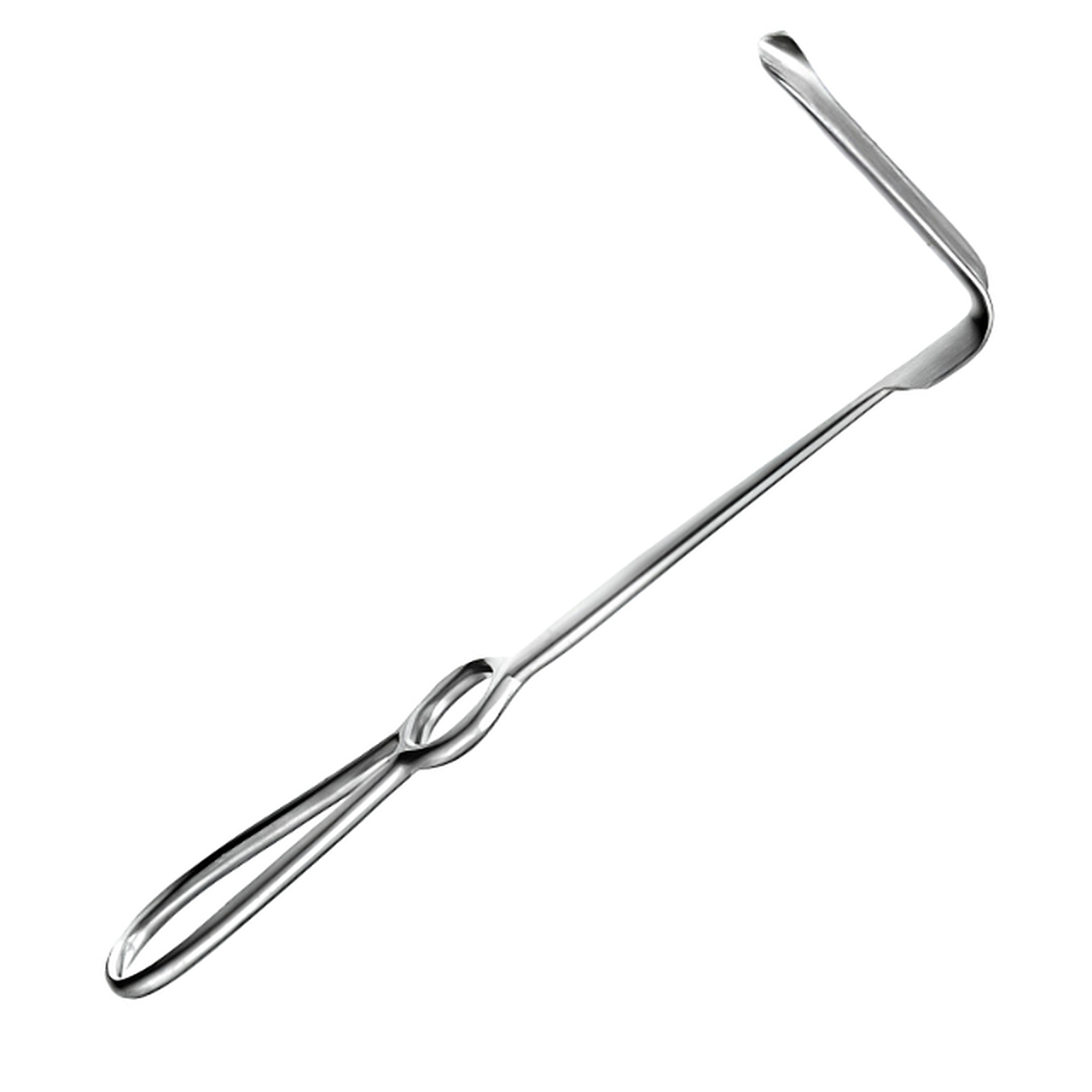 | Separador de cuello condilar Salzburg | Diseñado específicamente para engancharse alrededor del cuello condilar y proteger los tejidos blandos durante la cirugía de ATM y la fijación de fracturas condilares. |
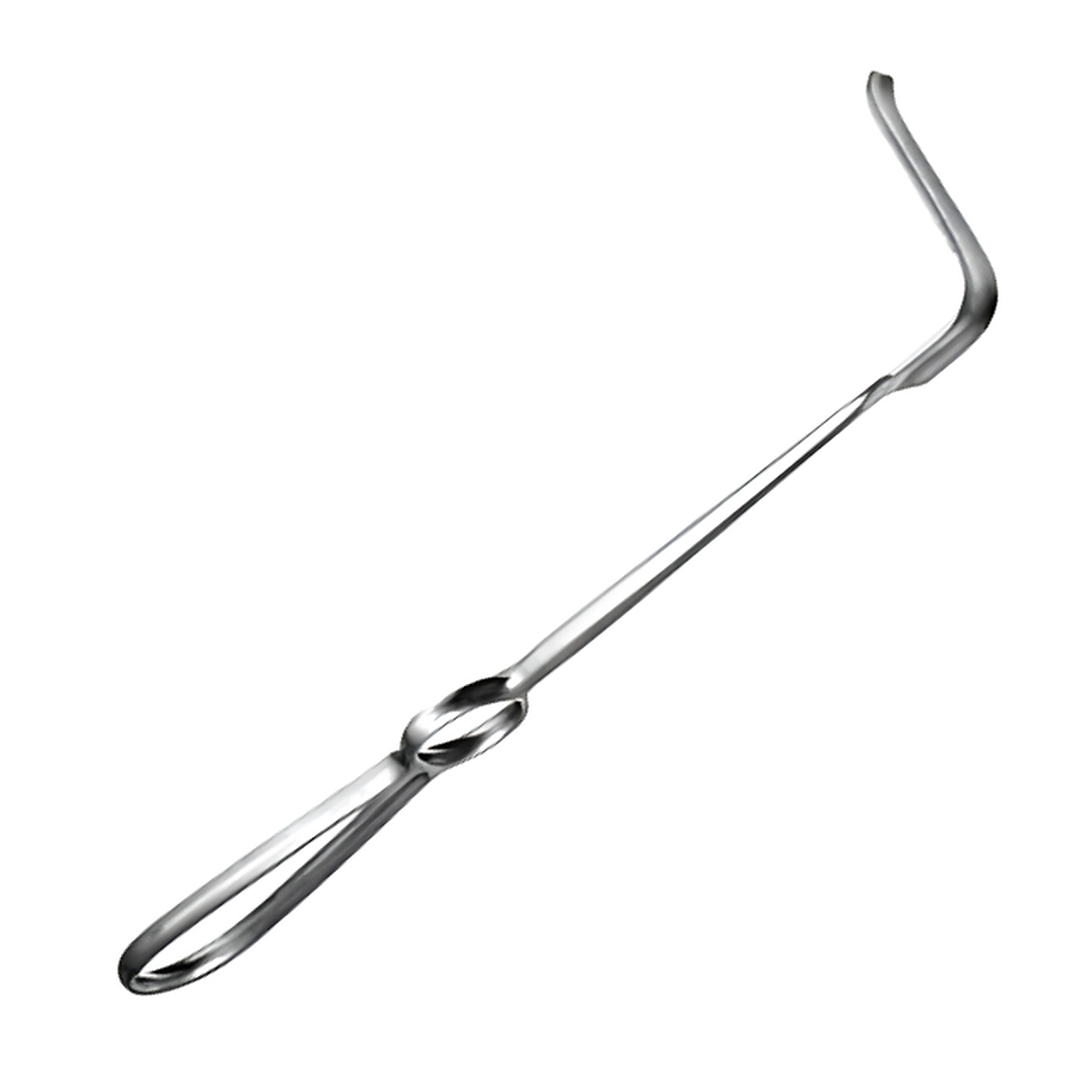 | Separador del Borde Mandibular Salzburg | Diseñado específicamente para engancharse sobre el borde mandibular y proteger los tejidos blandos y los vasos durante las osteotomías ortognáticas. |
 | Separador de Tejidos Blandos Salzburg | Diseñado específicamente para retraer colgajos mucoperiósticos y tejidos blandos en corredores orales y maxilofaciales confinados. |
 | Separador de Raíz Nerviosa Sandhu | Diseñado específicamente para movilizar, sostener y proteger las raíces nerviosas espinales transversales y el saco tecal durante la discectomía lumbar. |
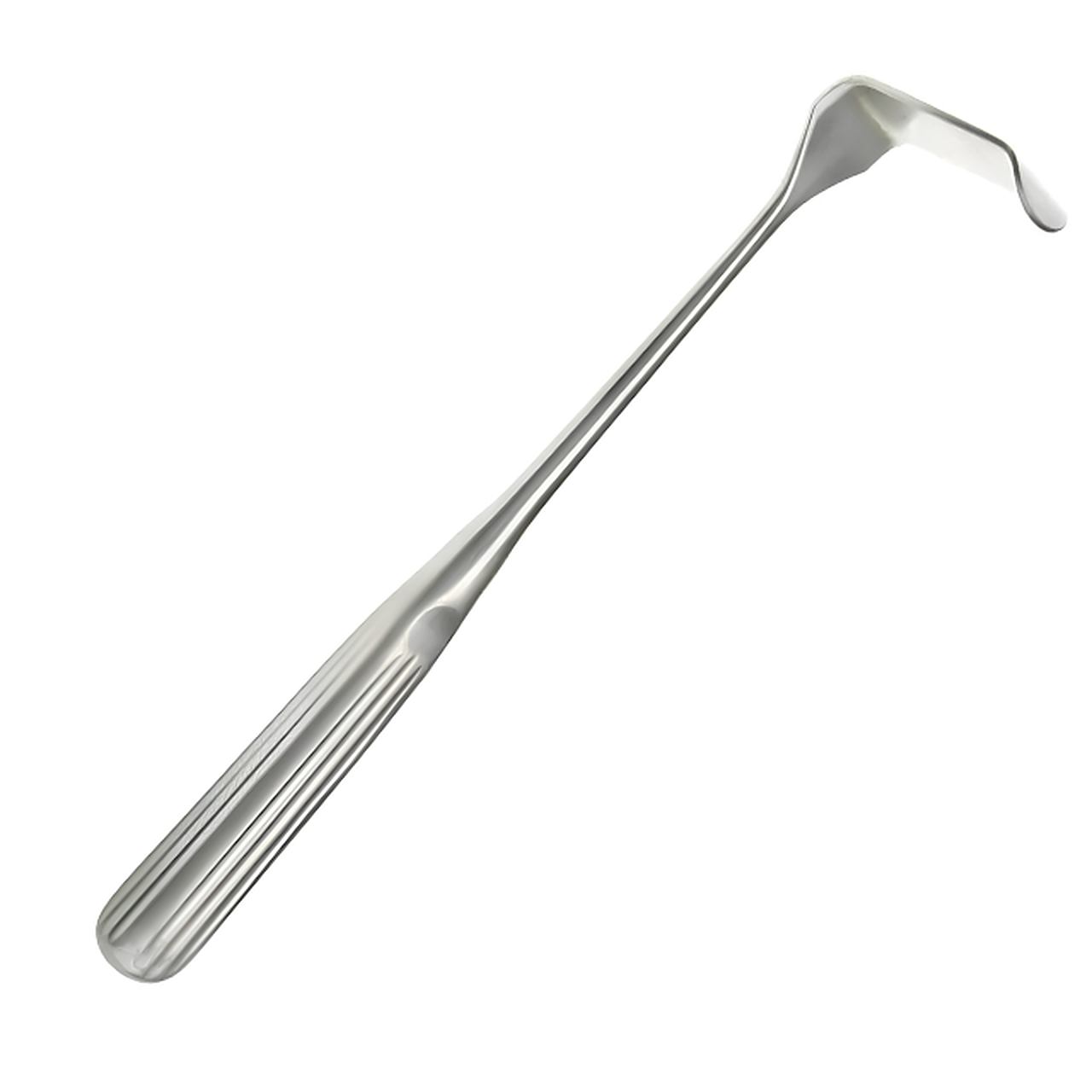 | Separador Sauerbruch | Diseñado específicamente para retraer capas musculares, fascia y bordes de heridas durante cirugía torácica, abdominal y ortopédica. |
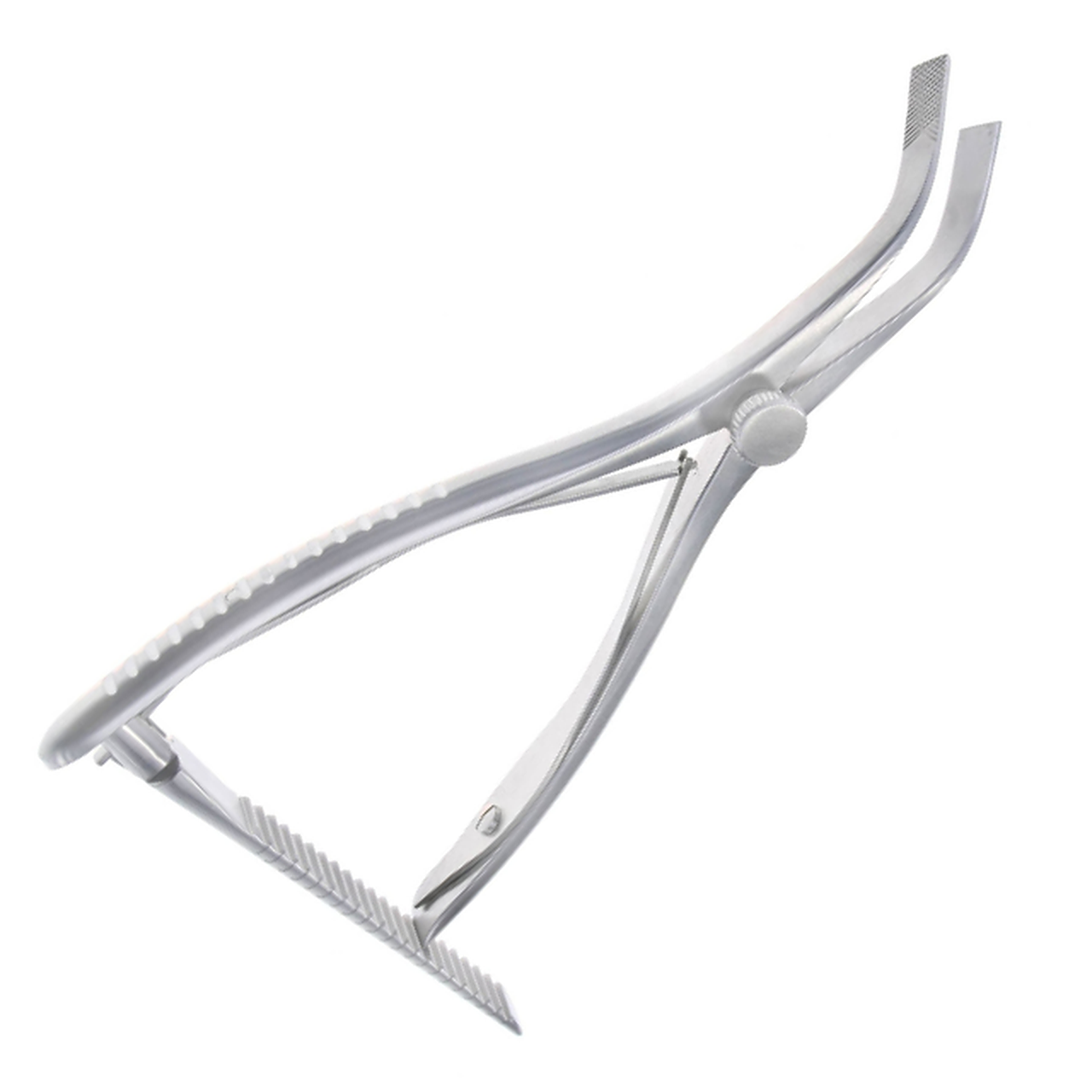 | Separador de Saxena para Injerto Óseo | Diseñado específicamente para retraer tejidos blandos y estabilizar las cortezas óseas durante la obtención de injertos óseos autólogos. |
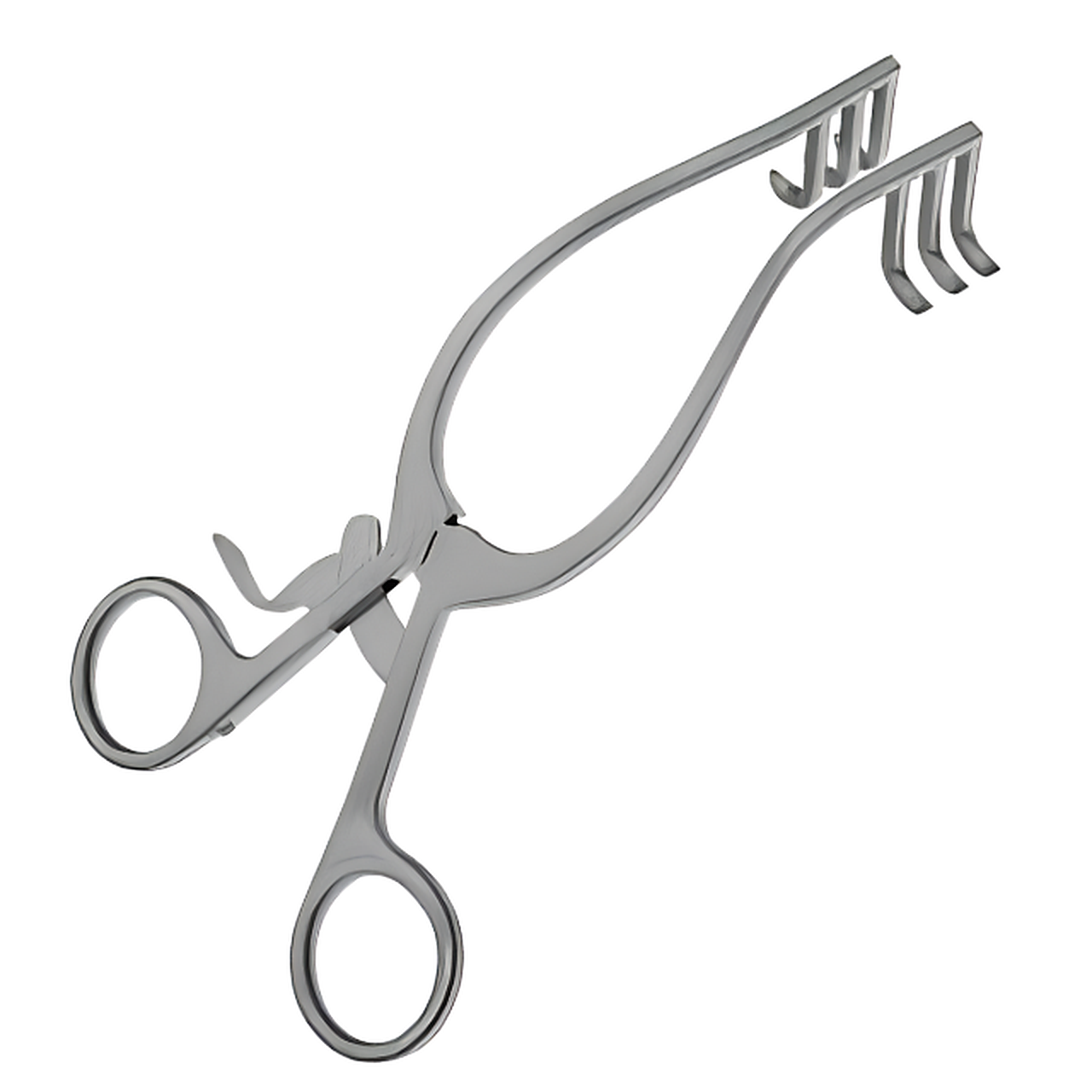 | Separador Schuknecht Fisch | Diseñado específicamente para proporcionar retracción perióstica y de tejidos blandos autostática durante cirugía de mastoides y otológica. |
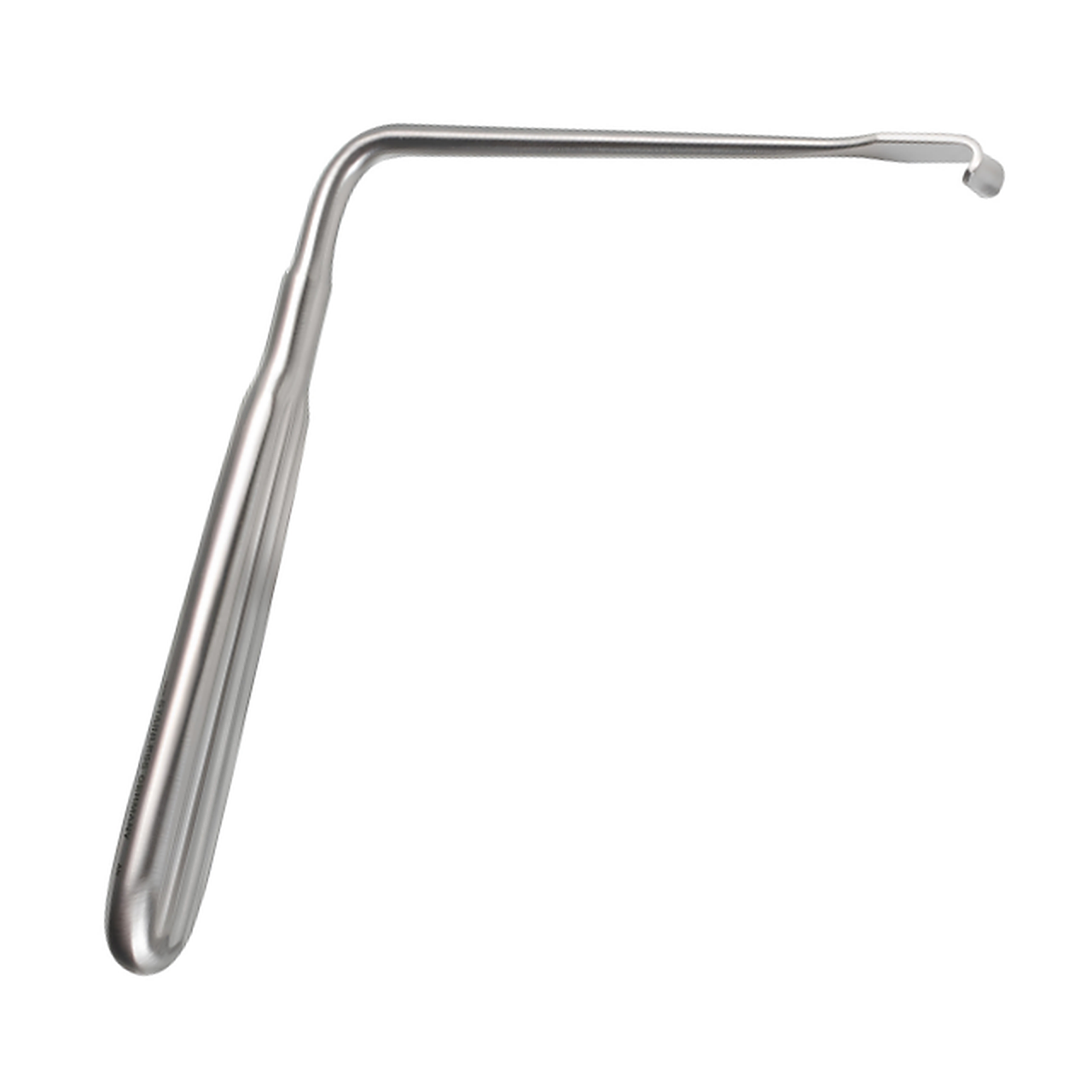 | Separador de Nervios Scoville | Diseñado específicamente para movilizar y proteger raíces nerviosas delicadas y nervios periféricos en corredores quirúrgicos compactos. |
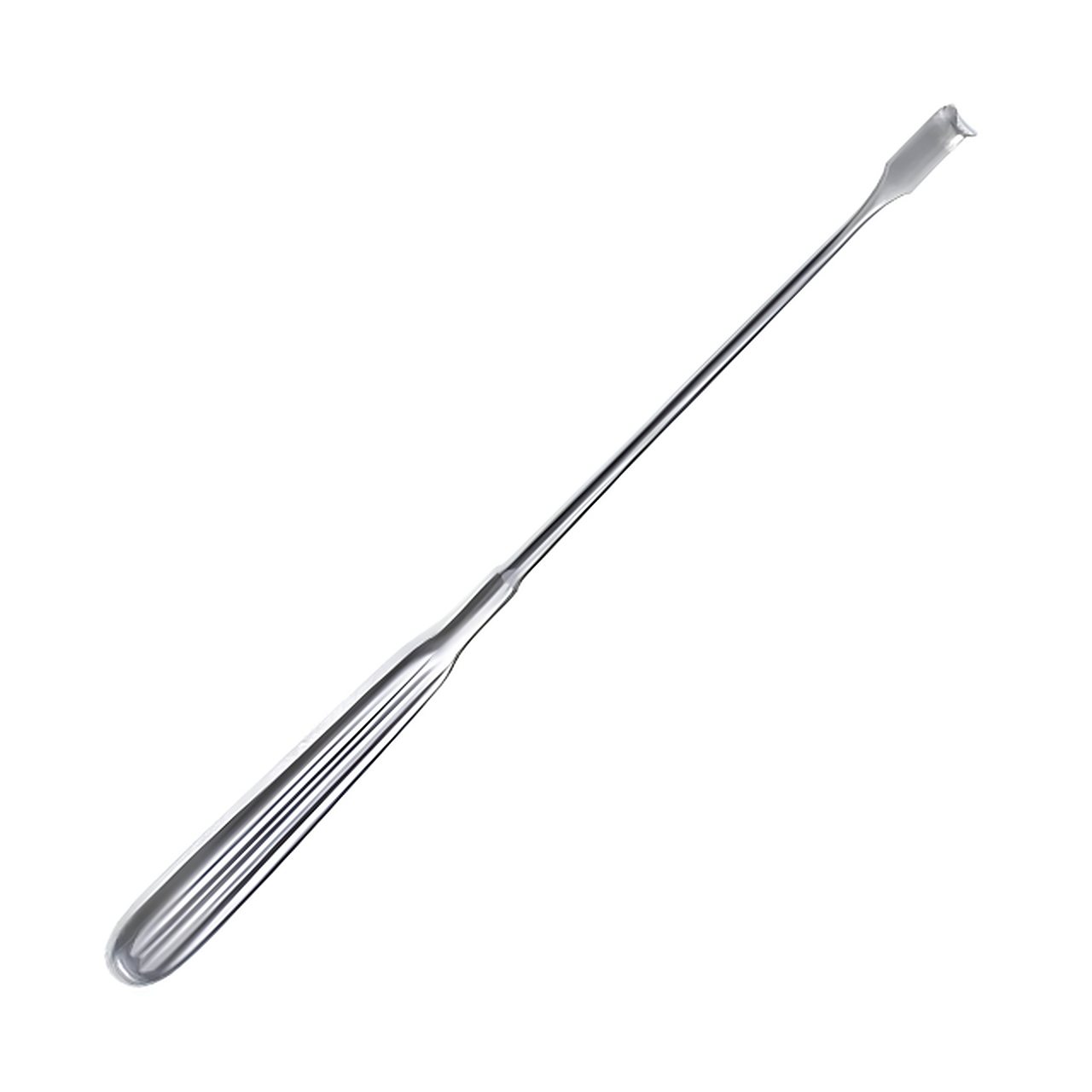 | Separador de Raíz Nerviosa Scoville | Diseñado específicamente para movilizar, acunar y proteger las raíces nerviosas espinales transversales y el saco dural durante la discectomía lumbar. |
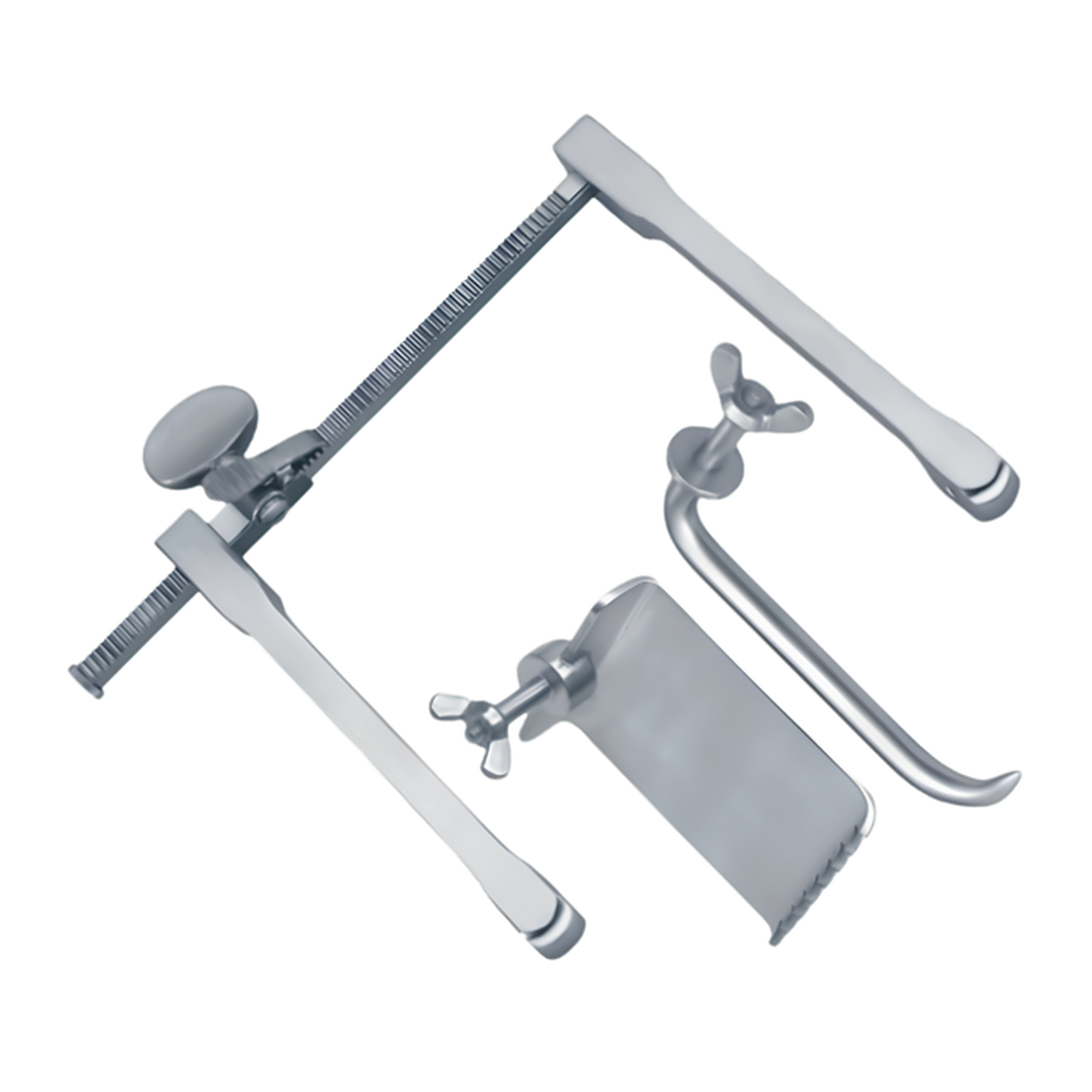 | Separador Autoestático Scoville | Diseñado específicamente para retraer la musculatura paraespinal pesada y exponer la lámina vertebral durante la cirugía de columna lumbar. |
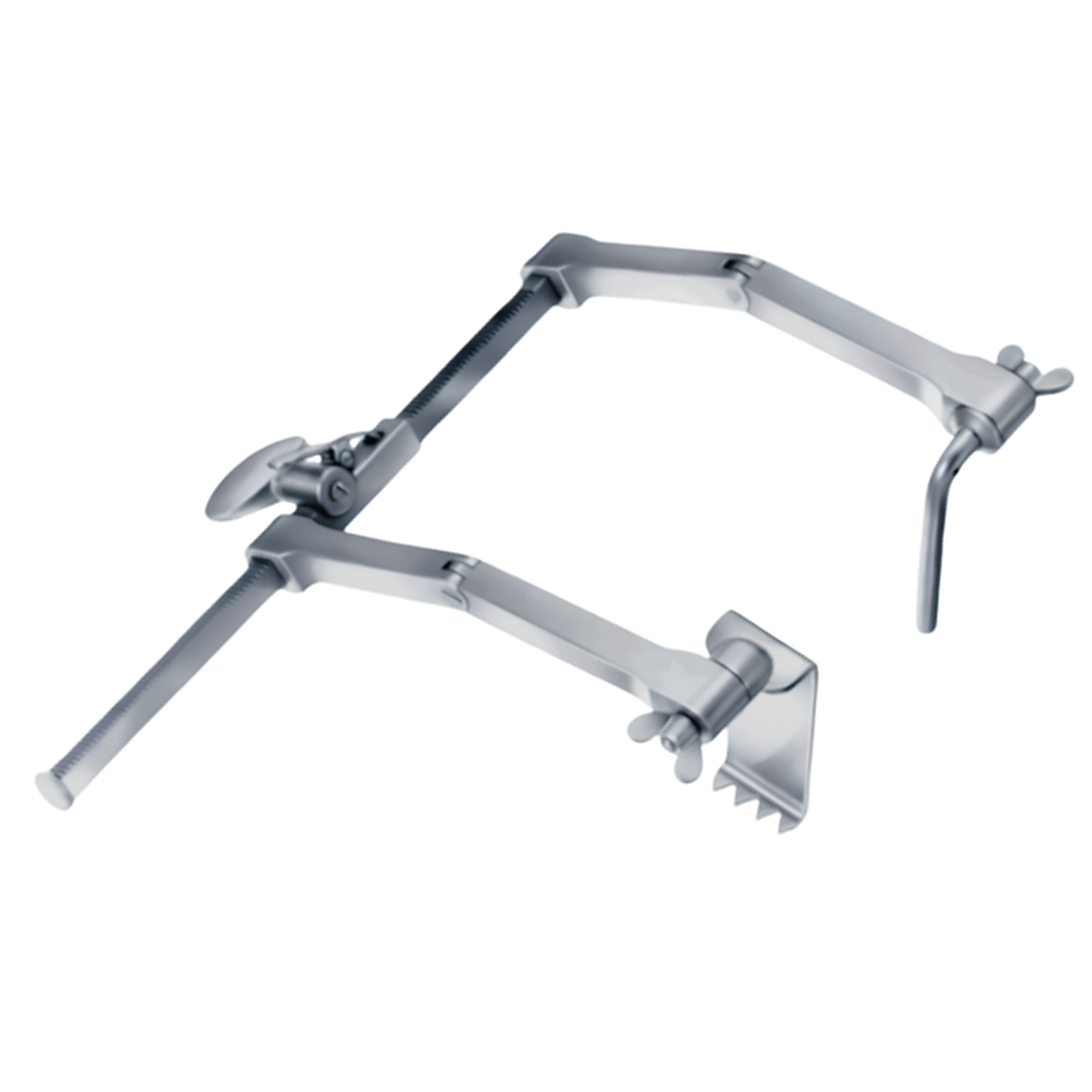 | Separador autoestático Scoville-Haverfield | Específicamente diseñado para retraer la musculatura paraespinal pesada con despeje de la línea de visión mediante ramas articuladas durante la cirugía de columna. |
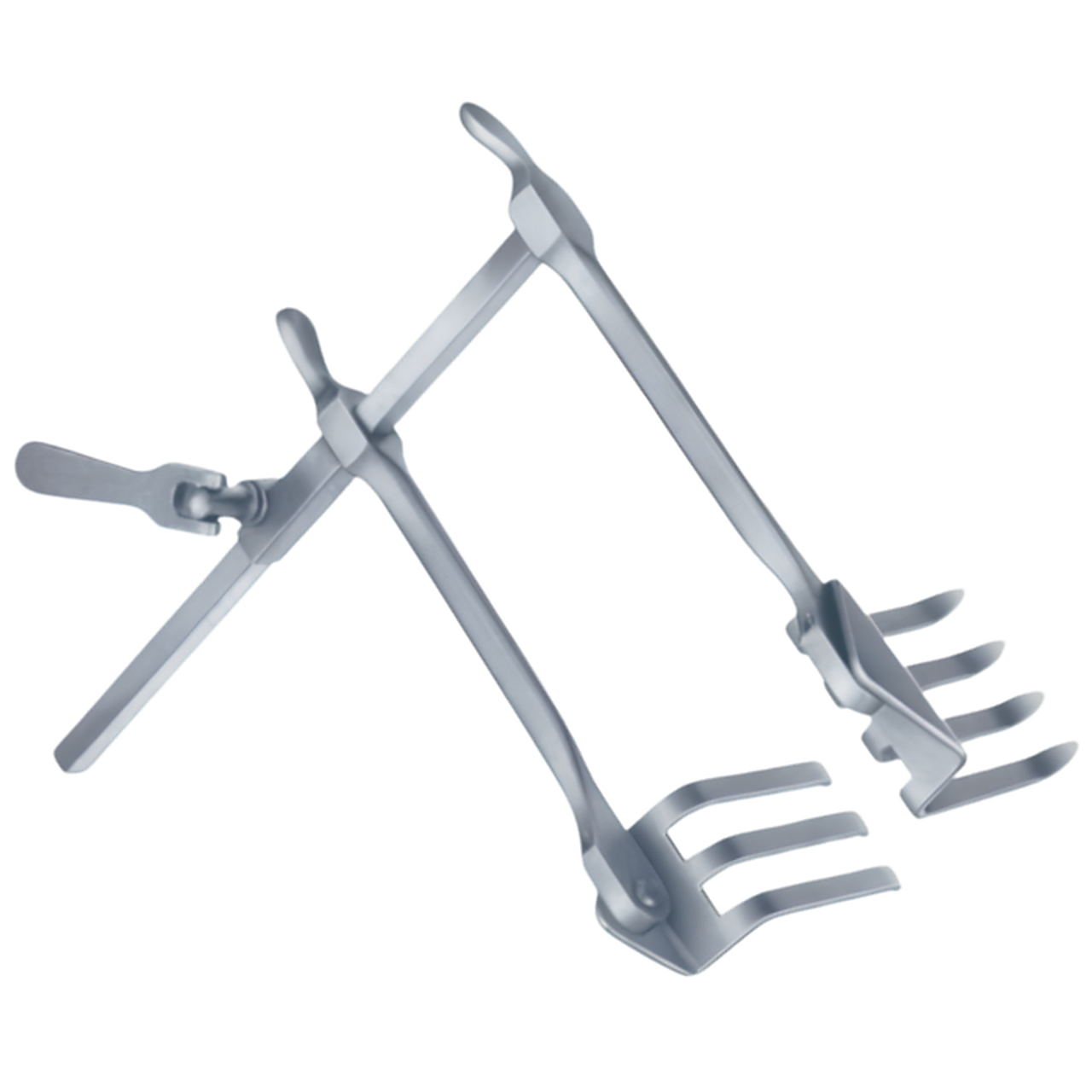 | Separador Autoestático Scoville-Richter | Diseñado específicamente para retraer la musculatura paravertebral pesada y mantener una exposición amplia durante la cirugía de columna lumbar. |
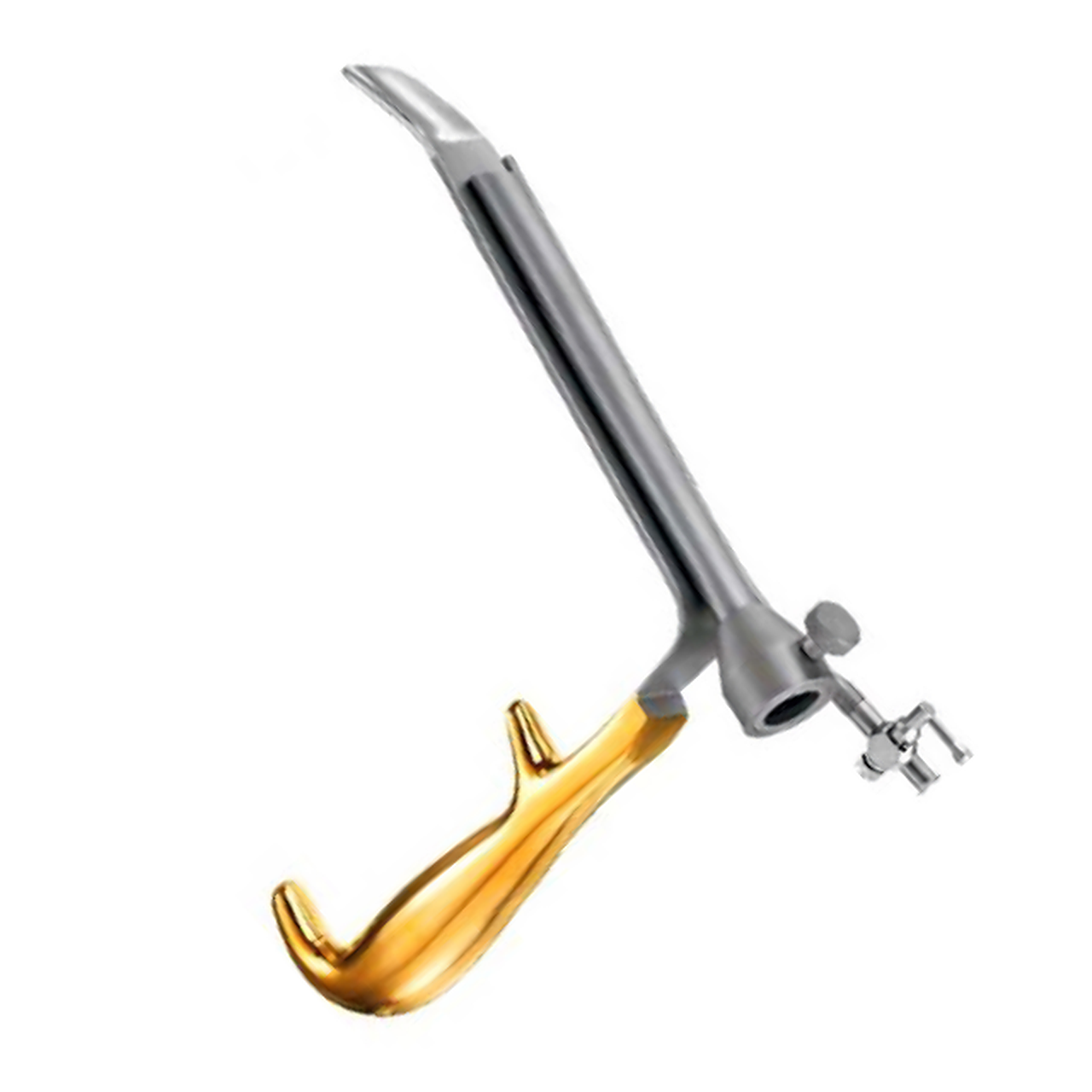 | Separador Endoscópico Sculpo | Específicamente diseñado para elevar colgajos de tejido y estabilizar un endoscopio durante cirugías plásticas mínimamente invasivas. |
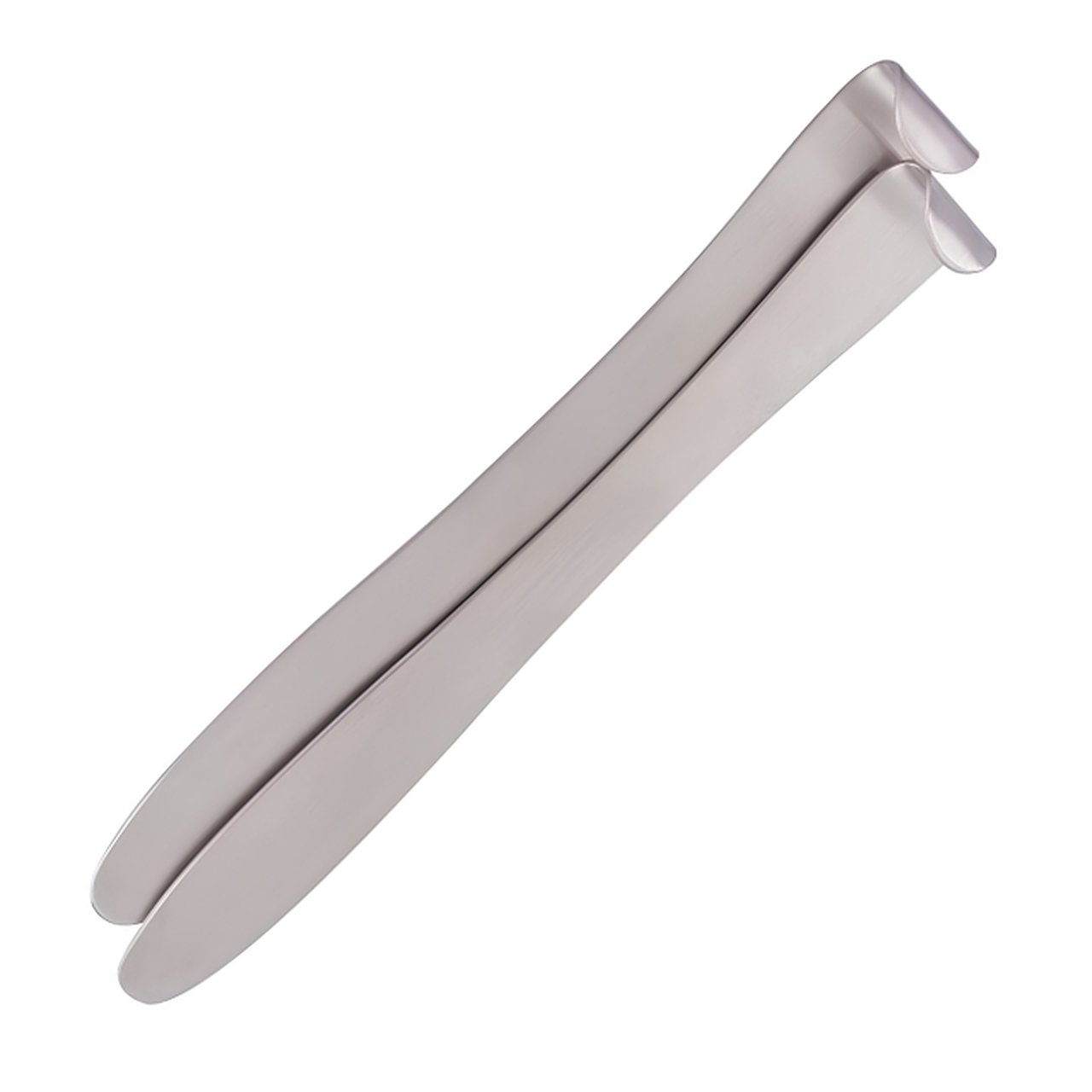 | Juego de dos Separadores Seeburger | Diseñado específicamente para retraer bordes de piel, fascia y tejidos blandos superficiales en cirugía menor y general. |
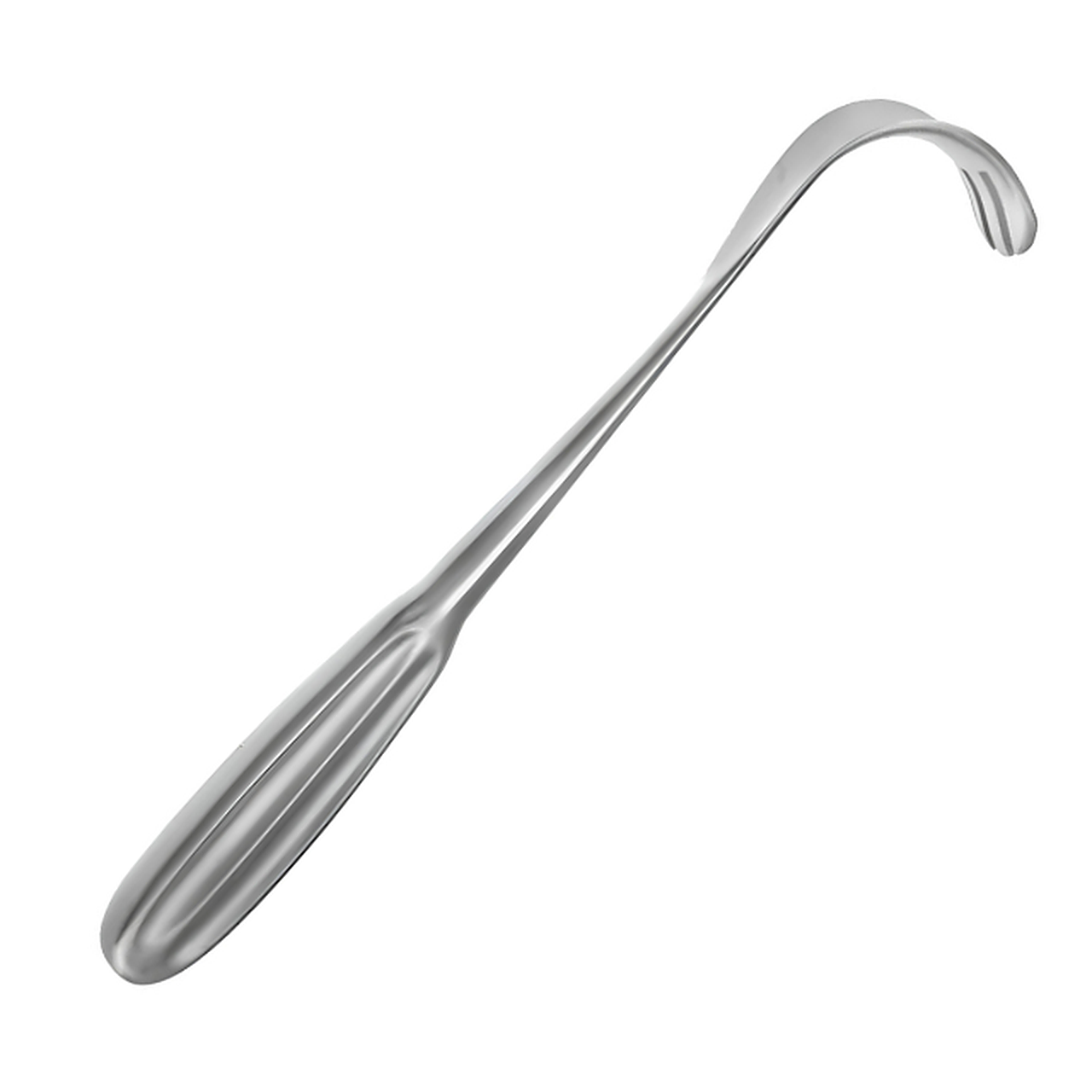 | Separador de Pulmón y Músculo Semb | Diseñado específicamente para retraer el parénquima pulmonar, los músculos de la pared torácica y las vísceras torácicas profundas durante la toracotomía y la cirugía pulmonar. |
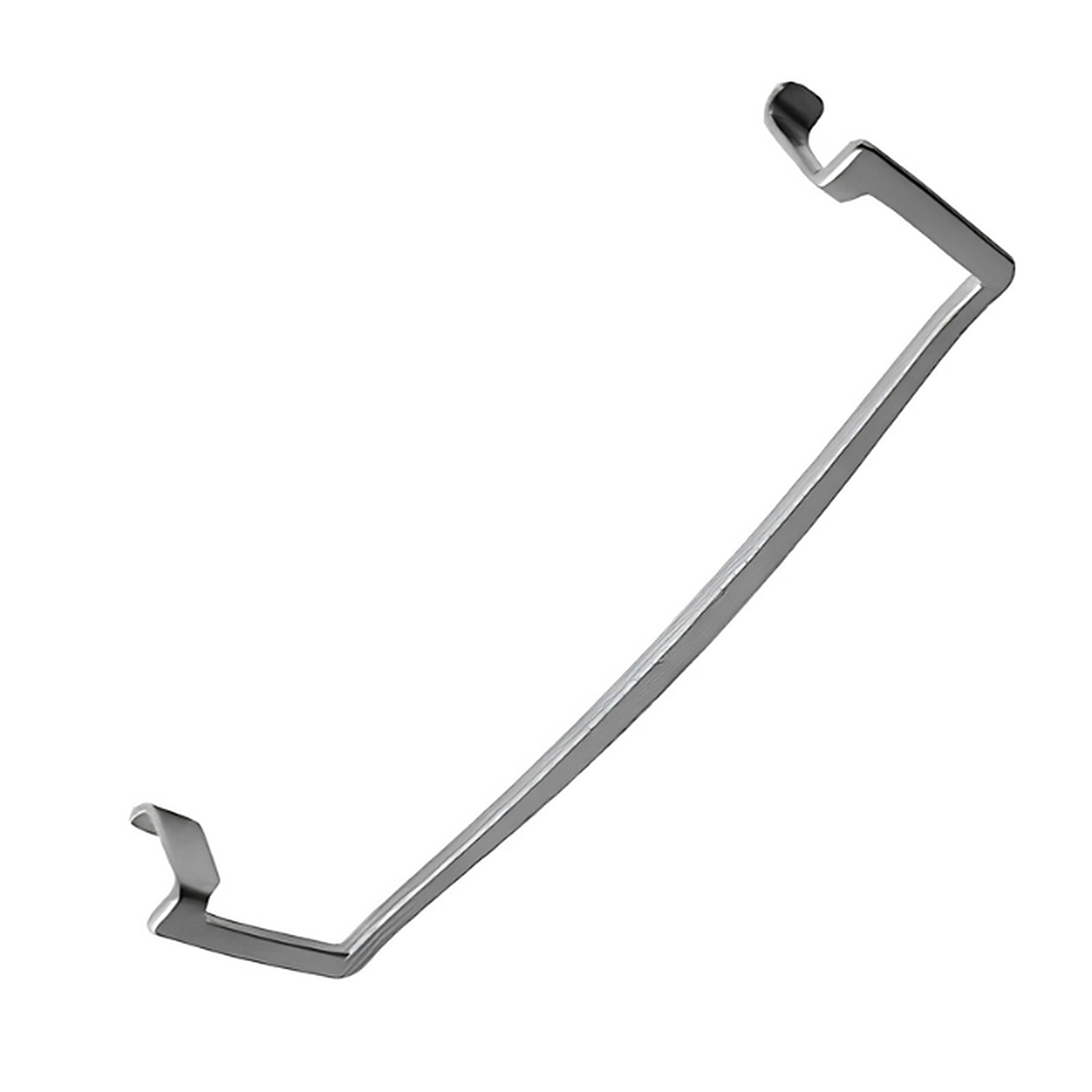 | Separador Senn Forward | Específicamente diseñado para retraer bordes cutáneos, colgajos de piel y fascia durante cirugías menores, plásticas y de mano. |
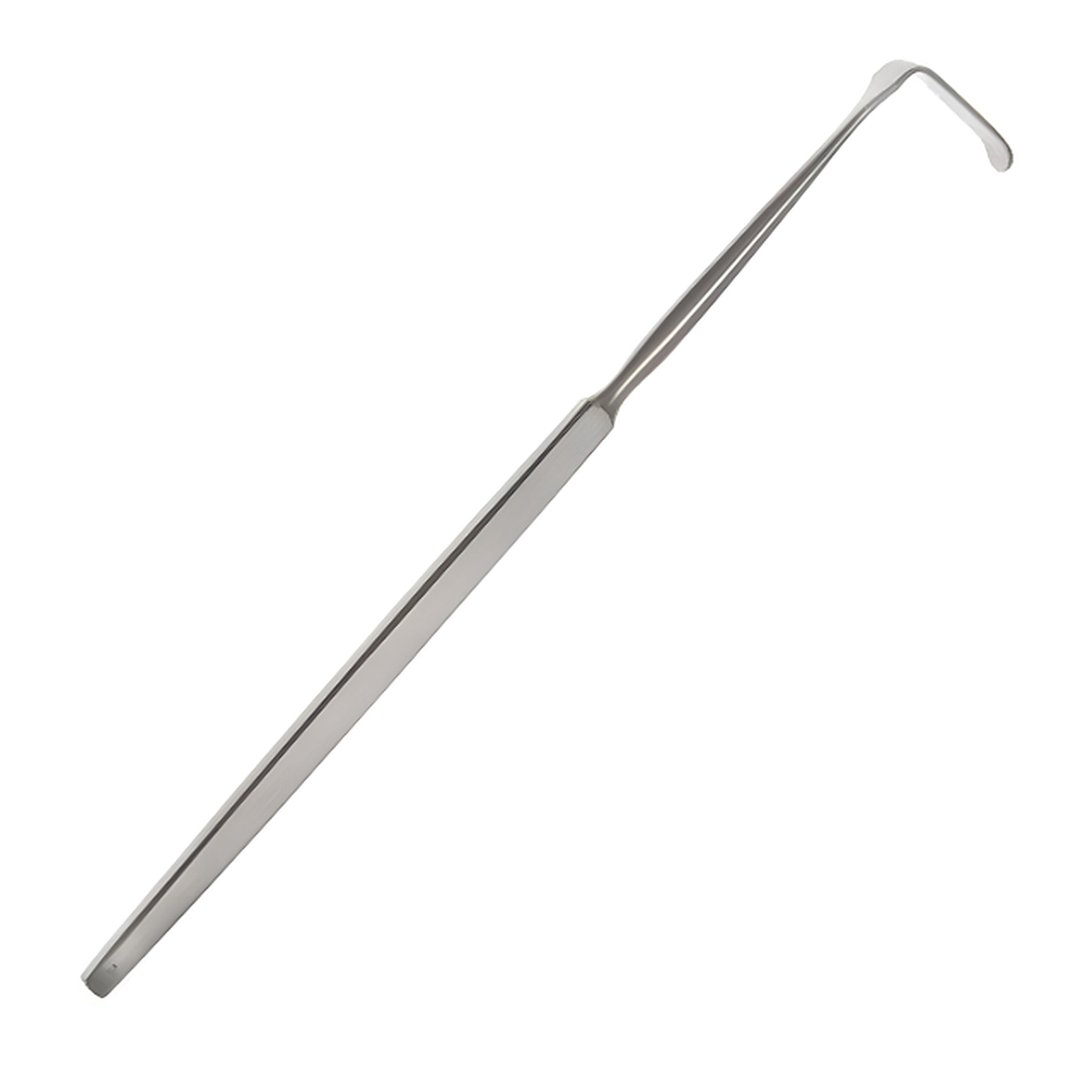 | Separador Senn Green | Diseñado específicamente para retraer músculos infrahioideos, fascia cervical y márgenes de heridas durante cirugías de tiroides y procedimientos menores. |
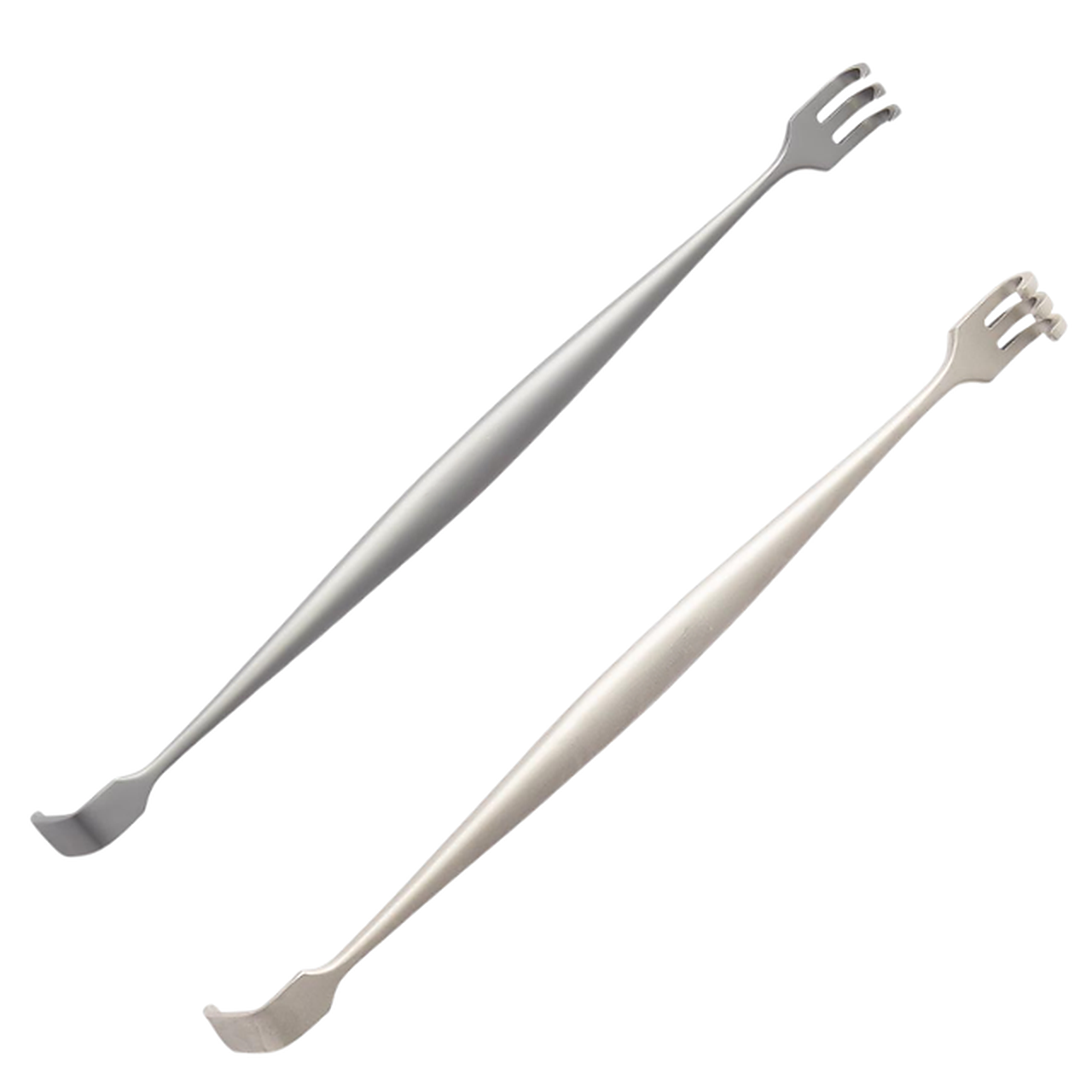 | Separador Senn Miller | Diseñado específicamente para retraer márgenes de piel, fascia y tejidos subcutáneos en incisiones quirúrgicas superficiales e intermedias. |
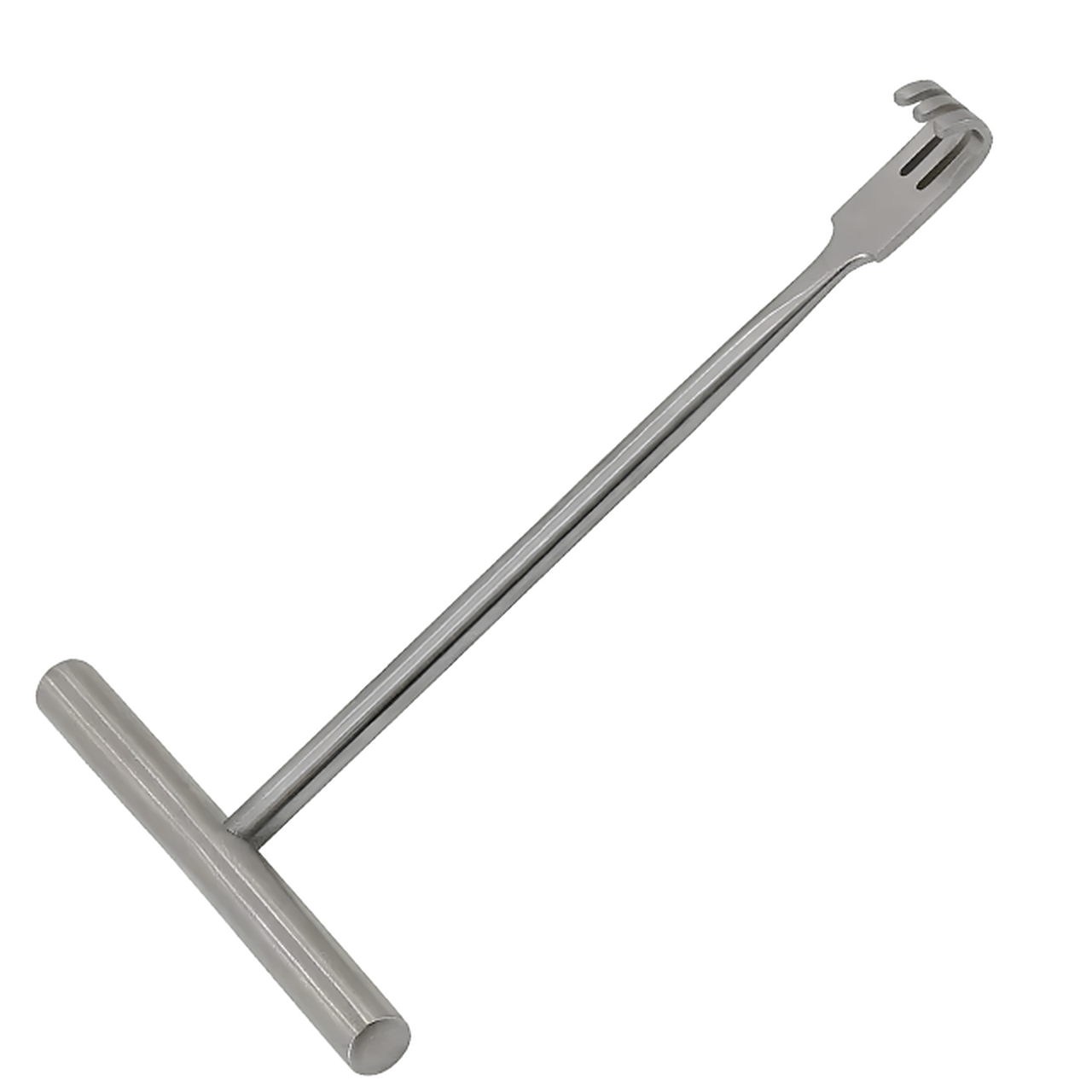 | Separador Senn con Mango en T | Específicamente diseñado para retraer colgajos cutáneos, fascia y márgenes de tejido denso con un alto apalancamiento de tracción manual. |
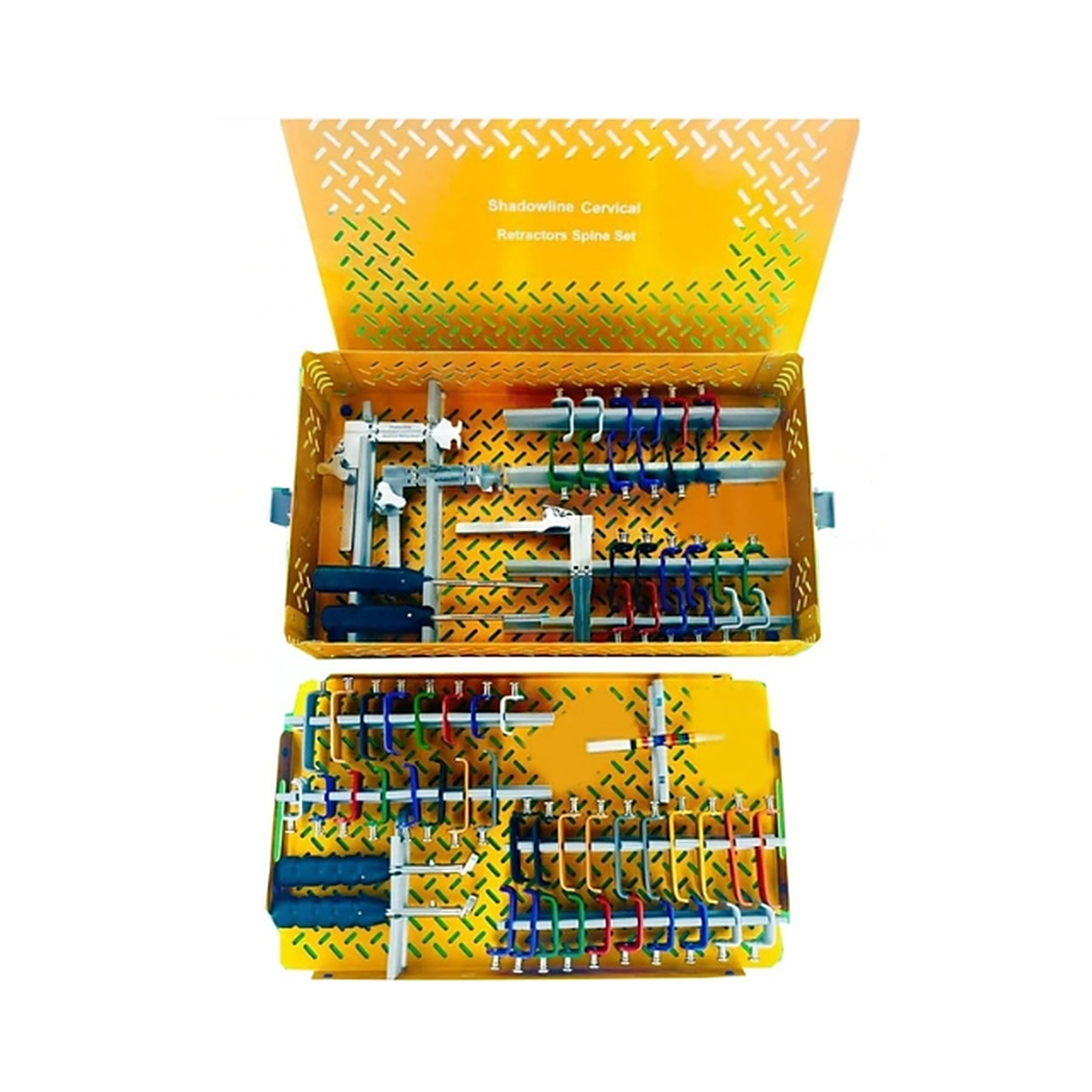 | Juego de Separadores Cervicales SHADOWLINE Trimline | Específicamente diseñado para proporcionar una retracción tisular estable y una visualización clara durante procedimientos quirúrgicos de columna cervical anterior. |
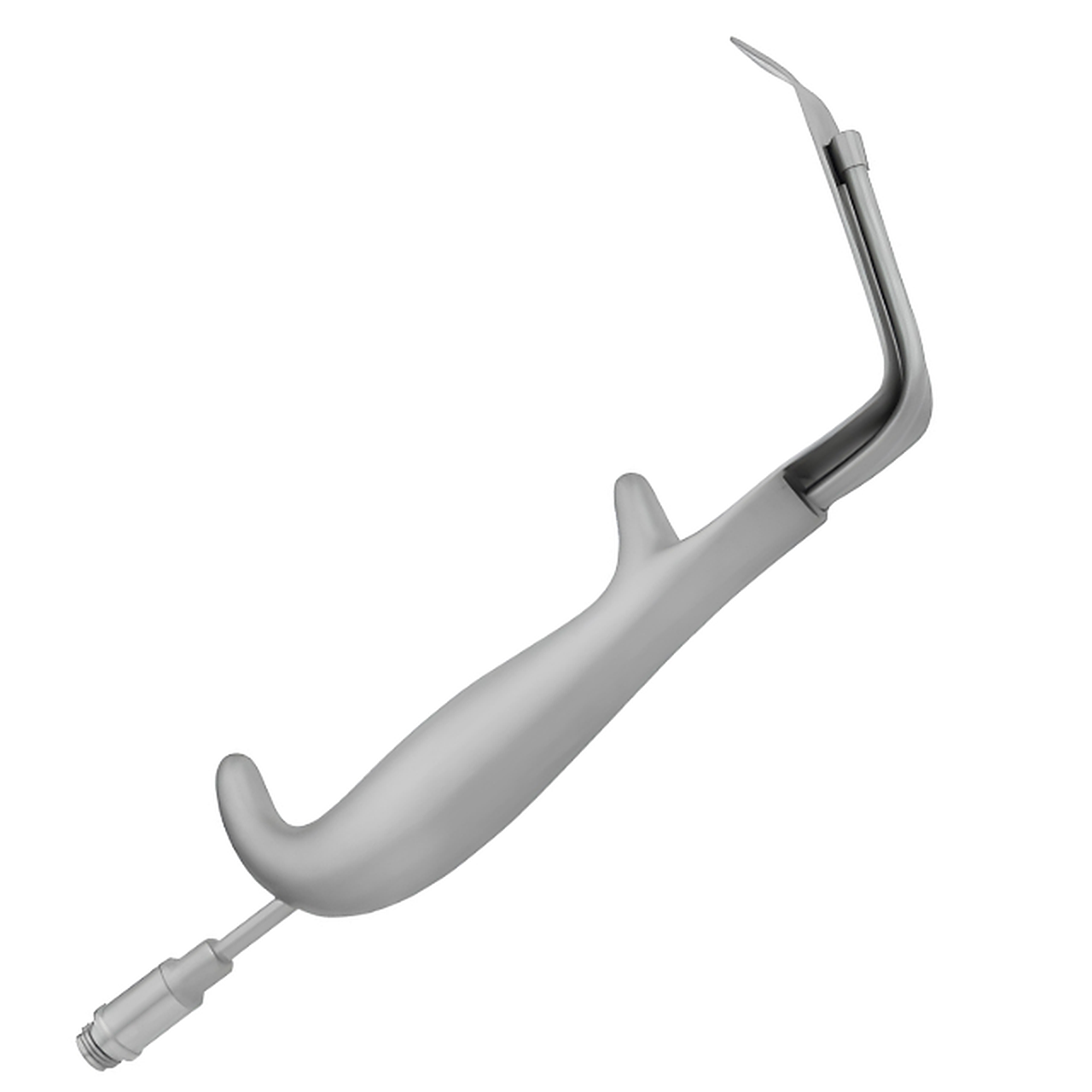 | Separador Shea con guía de fibra óptica | Diseñado específicamente para retraer colgajos de tejido e iluminar cavidades operatorias profundas durante cirugías otorrinolaringológicas y plásticas faciales. |
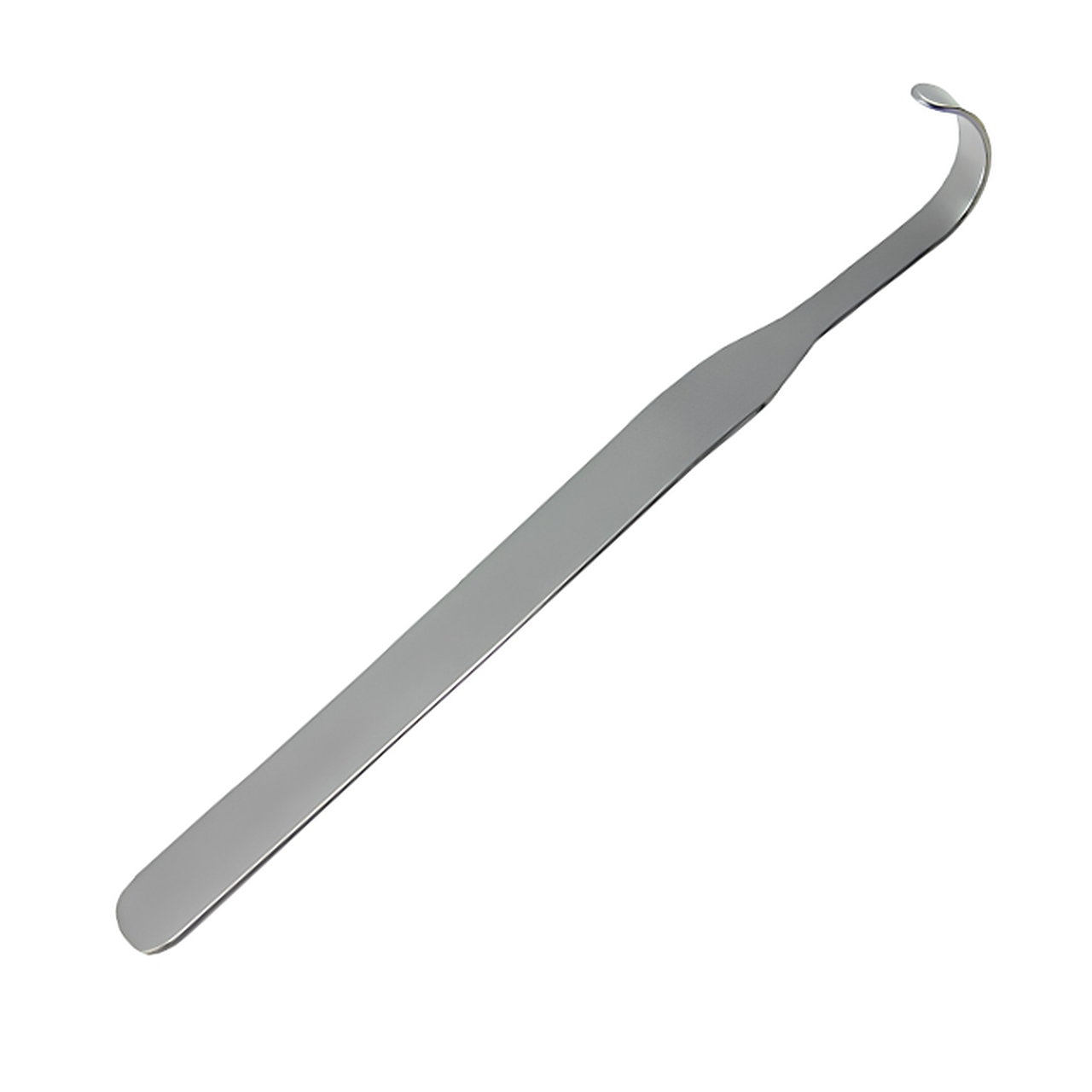 | Separador Nasal Sheen Angulado | Diseñado específicamente para elevar colgajos de piel nasal y retraer cartílago durante rinoplastias estéticas y reconstructivas. |
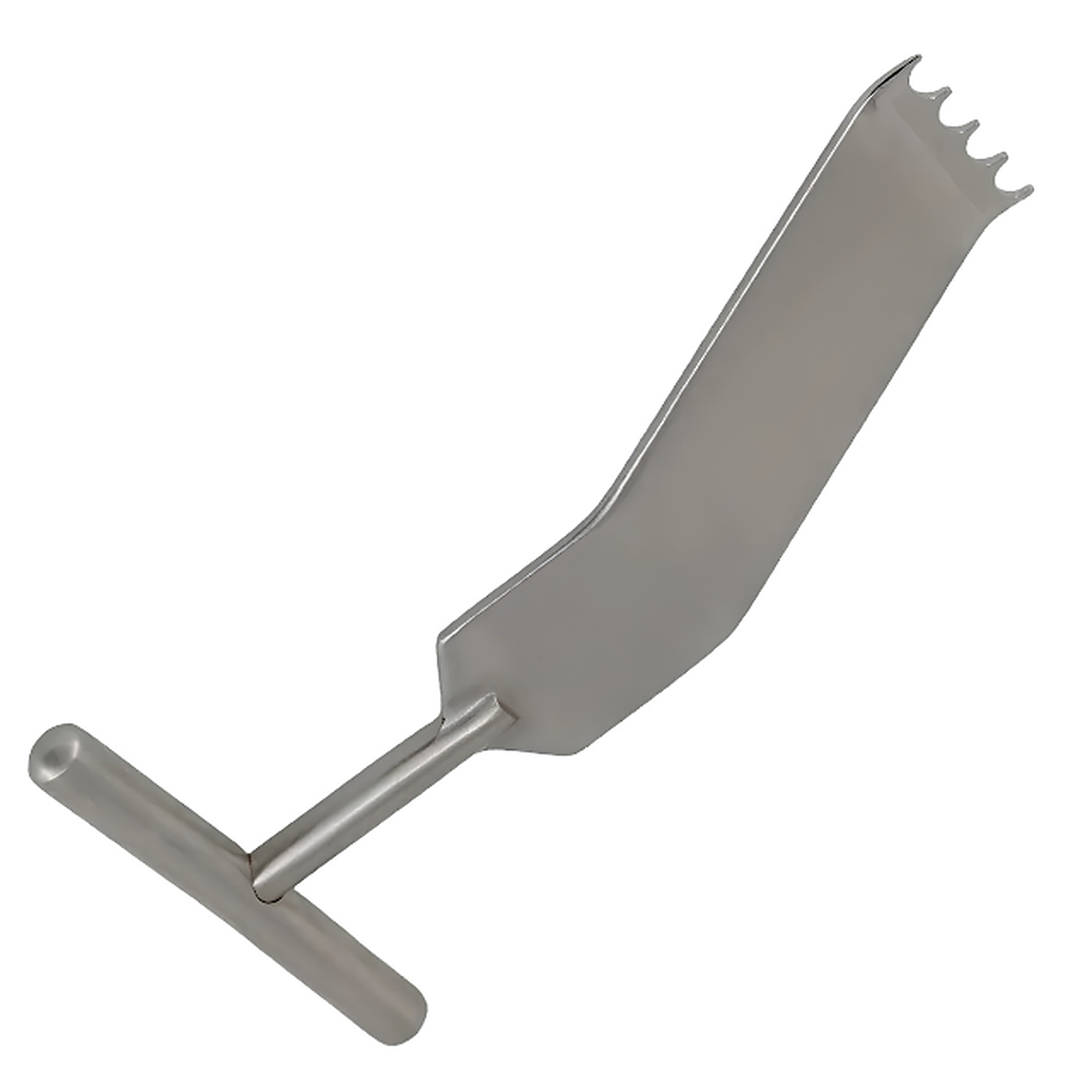 | Separador para Exposición Glenoidea en Artroplastia de Hombro | Diseñado específicamente para desplazar el húmero hacia posterior y exponer la cavidad glenoidea durante la artroplastia de hombro. |
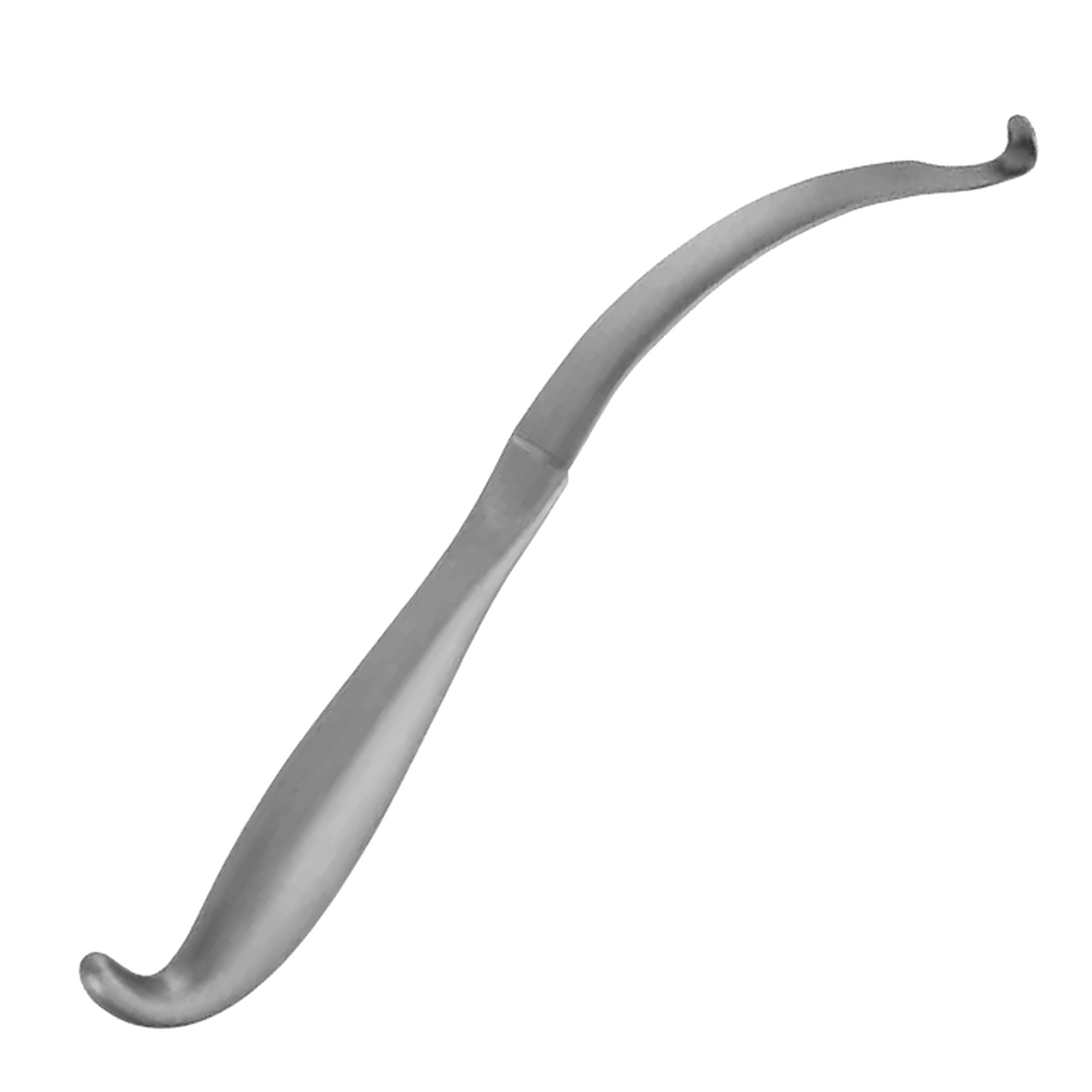 | Separador para Escotadura Sigmoidea | Diseñado específicamente para engancharse en la escotadura sigmoidea mandibular y proteger los haces neurovasculares durante cirugía ortognática de rama. |
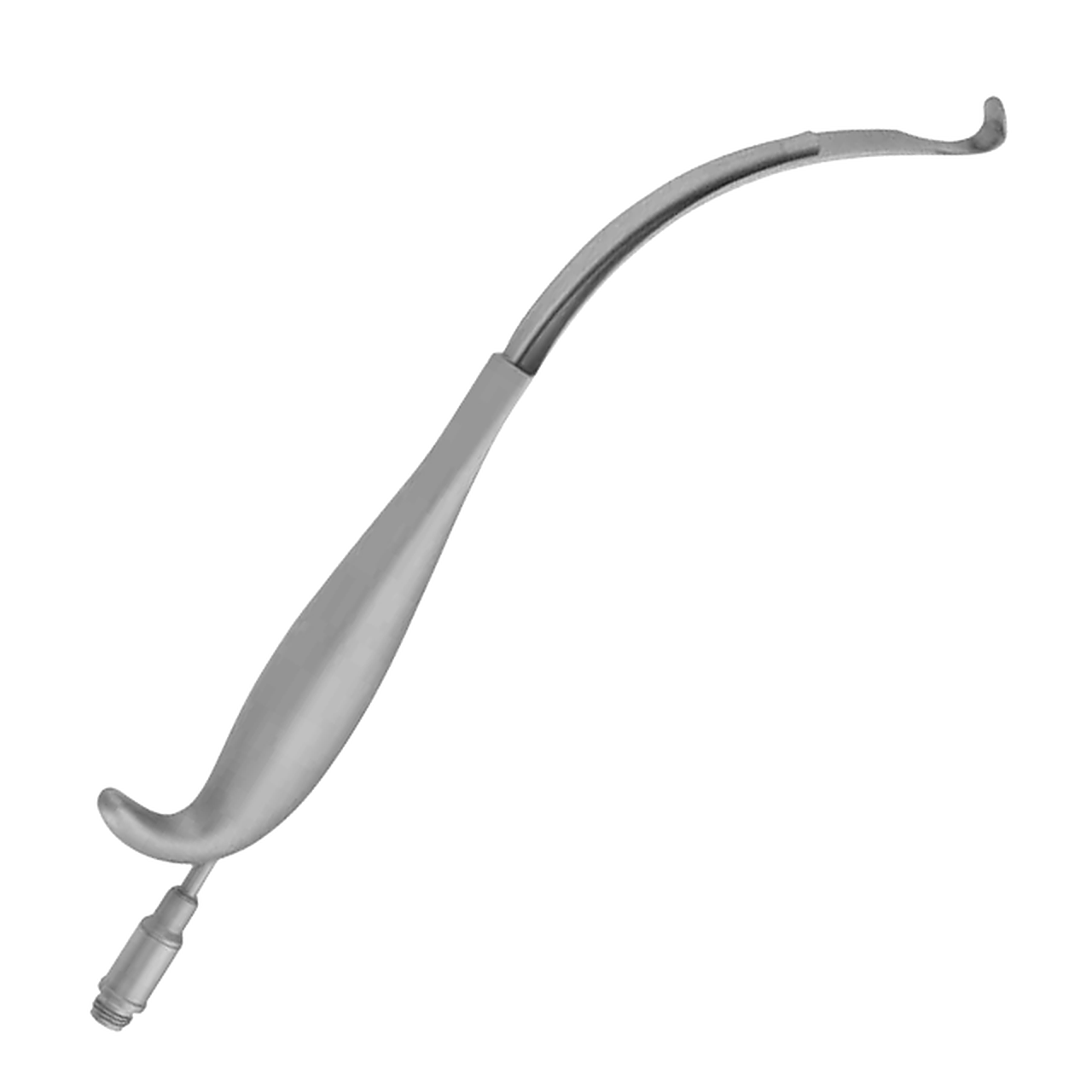 | Separador para Escotadura Sigmoidea con Guía de Fibra Óptica | Diseñado específicamente para proporcionar retracción de tejidos blandos iluminada y estabilización ósea en la escotadura sigmoidea durante la cirugía de rama. |
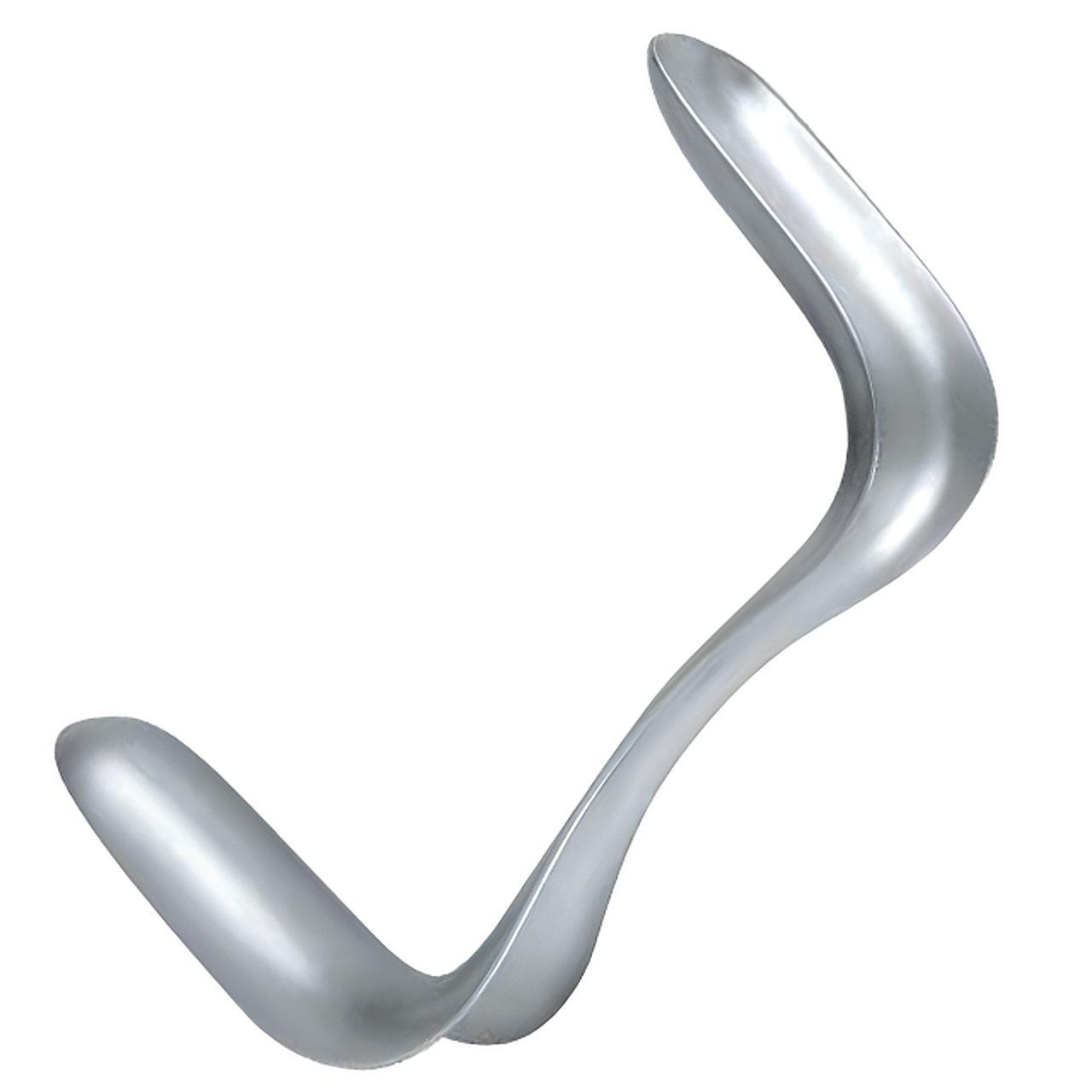 | Separador Vaginal Sims | Diseñado específicamente para retraer la pared vaginal posterior o anterior y proporcionar visualización de la bóveda pélvica. |
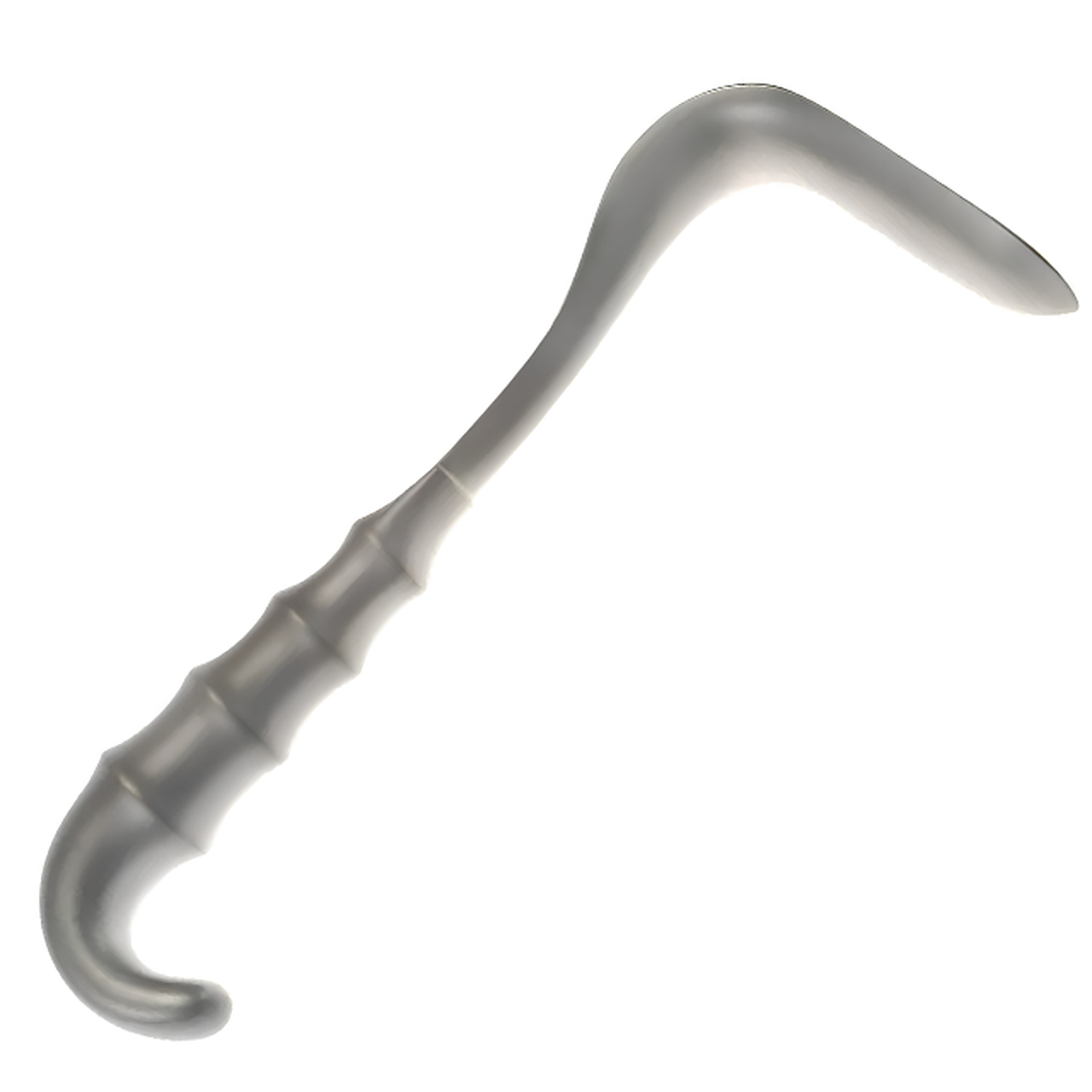 | Separador Vaginal Sims — Mango Hueco Ergonómico | Diseñado específicamente para retraer las paredes vaginales reduciendo la tensión manual del asistente durante la cirugía pélvica y ginecológica. |
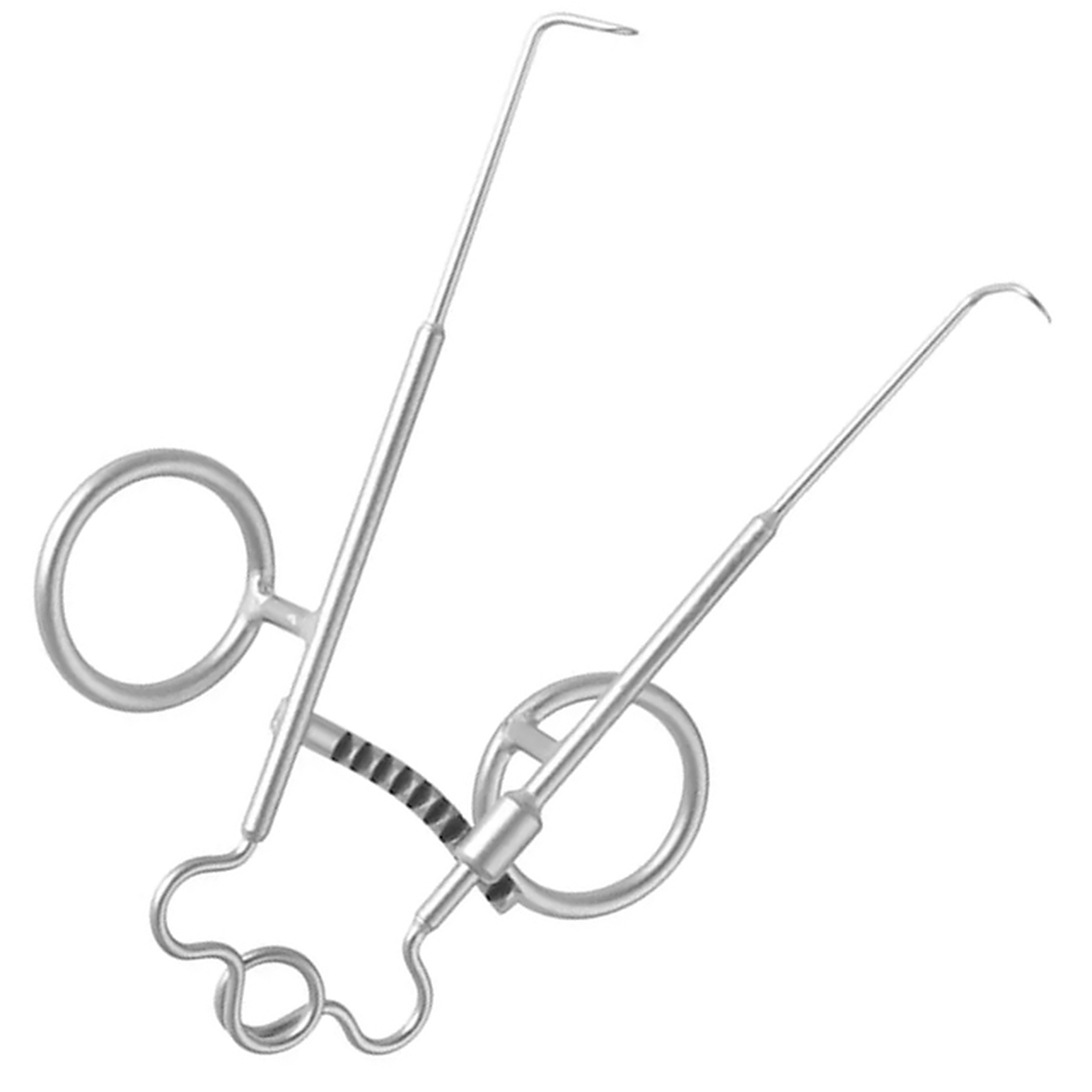 | Separador de Piel Sisson | Diseñado específicamente para retraer márgenes cutáneos, colgajos y tejidos blandos delicados en microcirugía de espacios reducidos. |
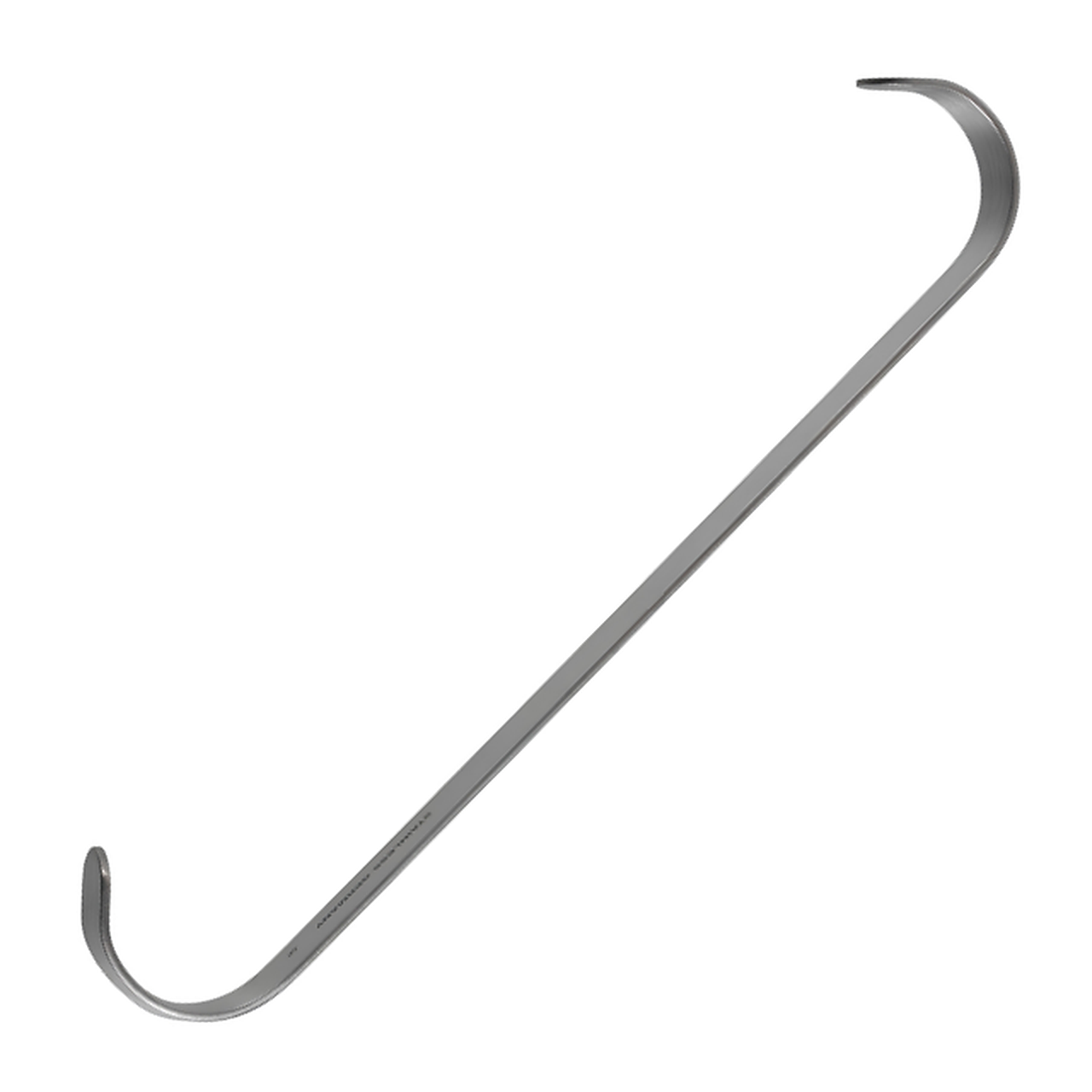 | Separador Sistrunk | Diseñado específicamente para separar los músculos infrahioideos, la fascia cervical y la piel durante la escisión de quistes tiroglosos y cirugía de cuello. |
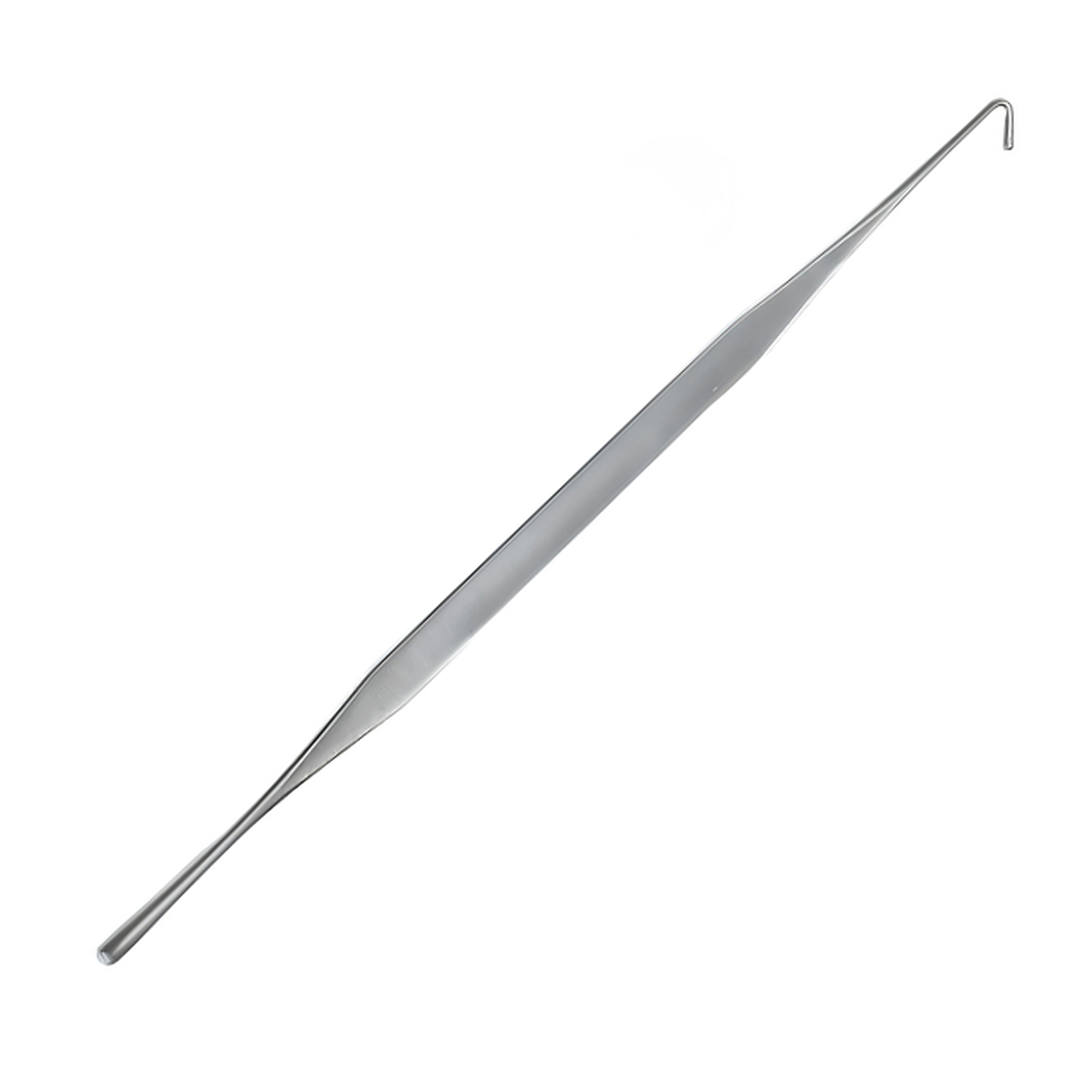 | Separador de Nervios Smithwick | Específicamente diseñado para explorar, movilizar y retraer raíces nerviosas y cadenas simpáticas durante cirugías vasculares y espinales profundas. |
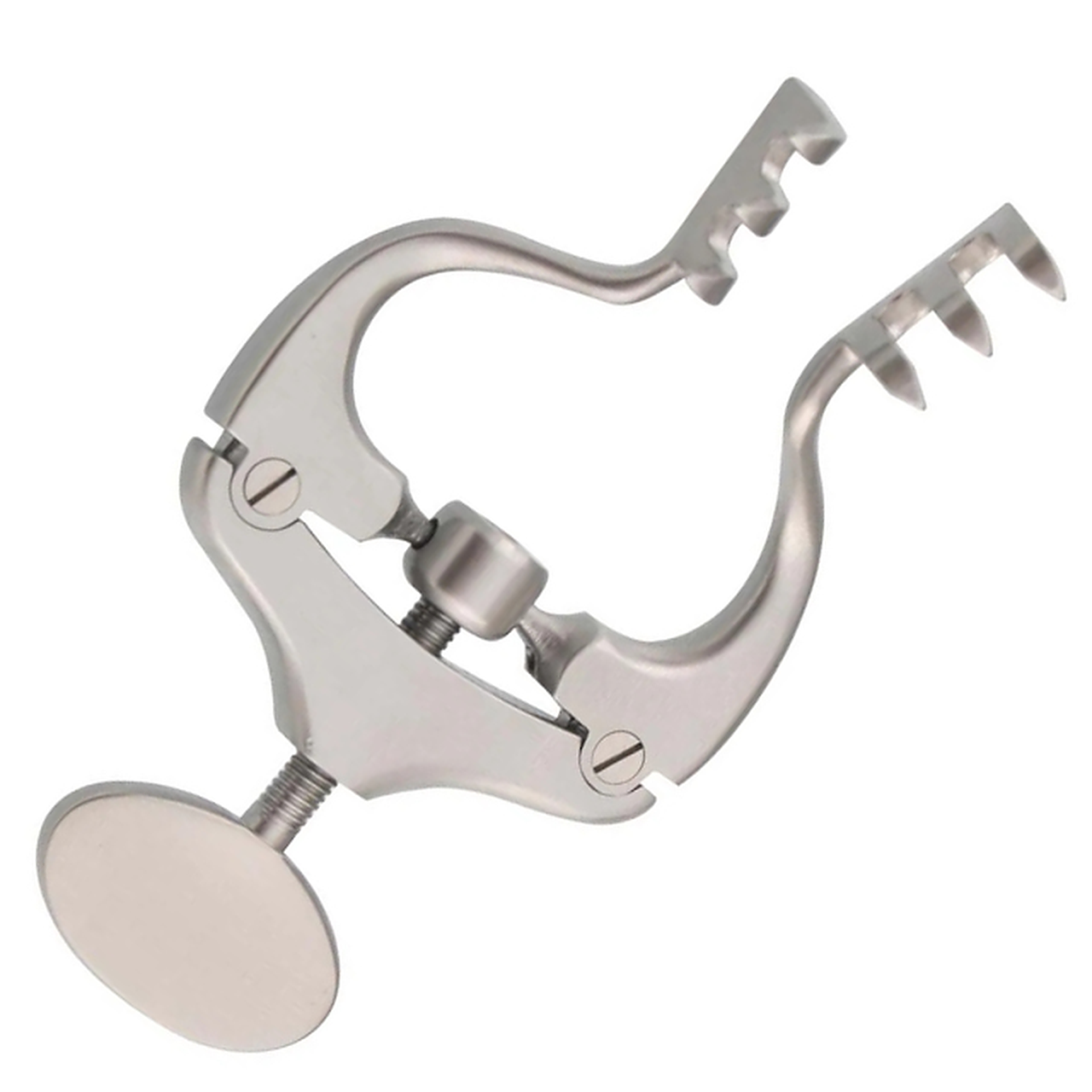 | Separador Endeural Autoestático Snitman | Específicamente diseñado para proporcionar retracción tisular autoestática durante microcirugía endaural, otológica y meatal. |
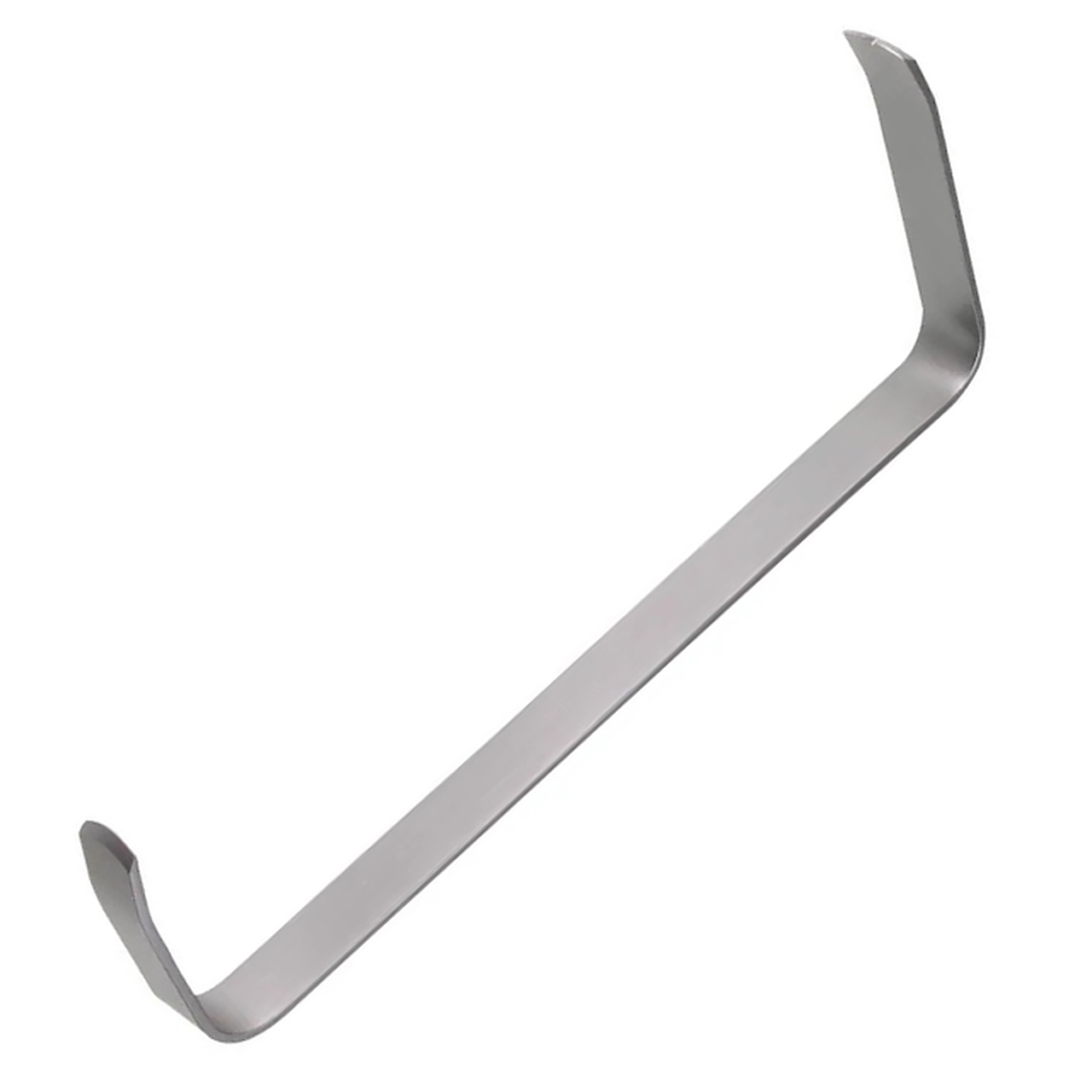 | Separador Sofield | Diseñado específicamente para retraer el músculo y el periostio con el fin de exponer las diáfisis de los huesos largos durante osteotomías y fijación de fracturas. |
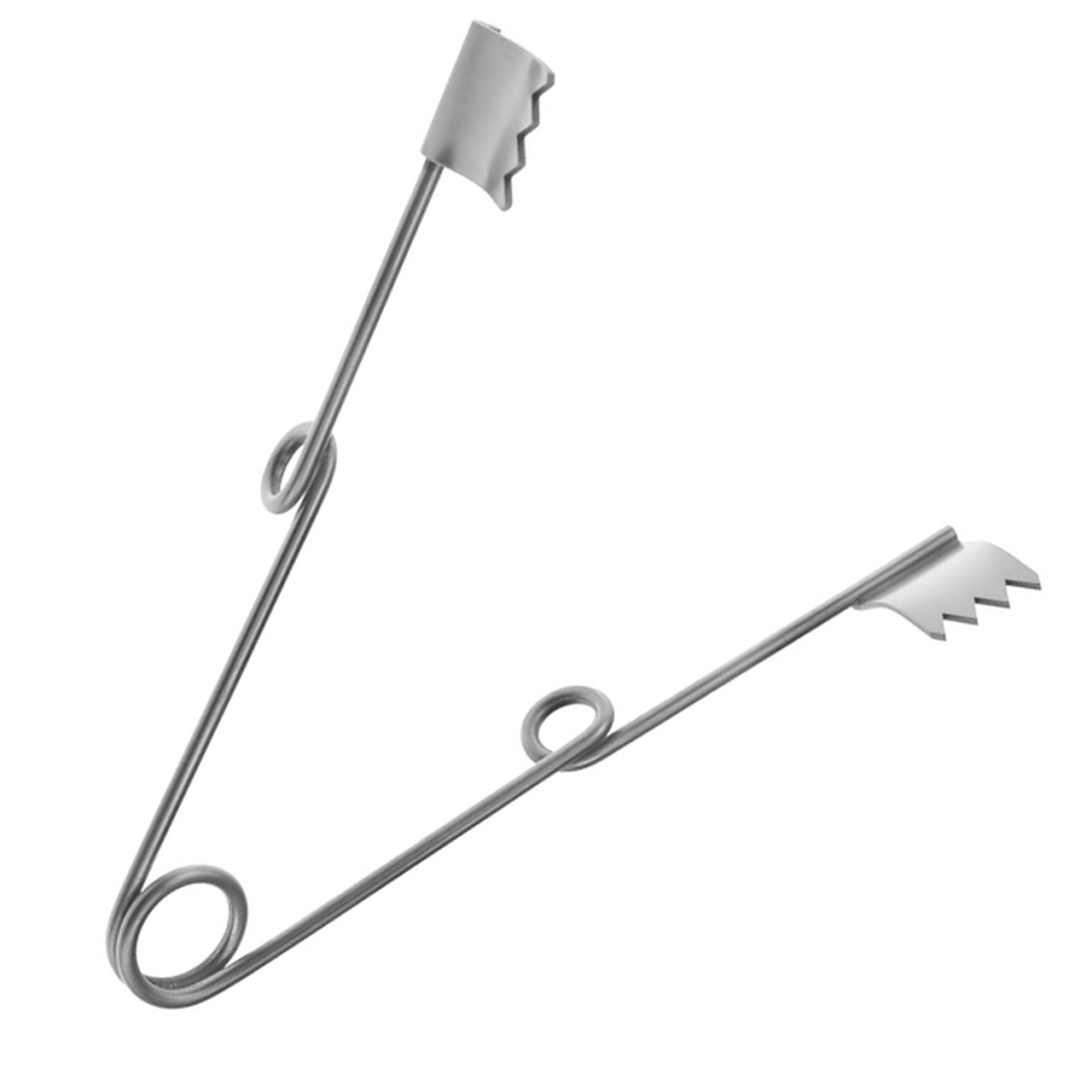 | Separador Spring Wire | Diseñado específicamente para proporcionar retracción autorretentiva y manos libres de los márgenes de la herida durante procedimientos microquirúrgicos y plásticos. |
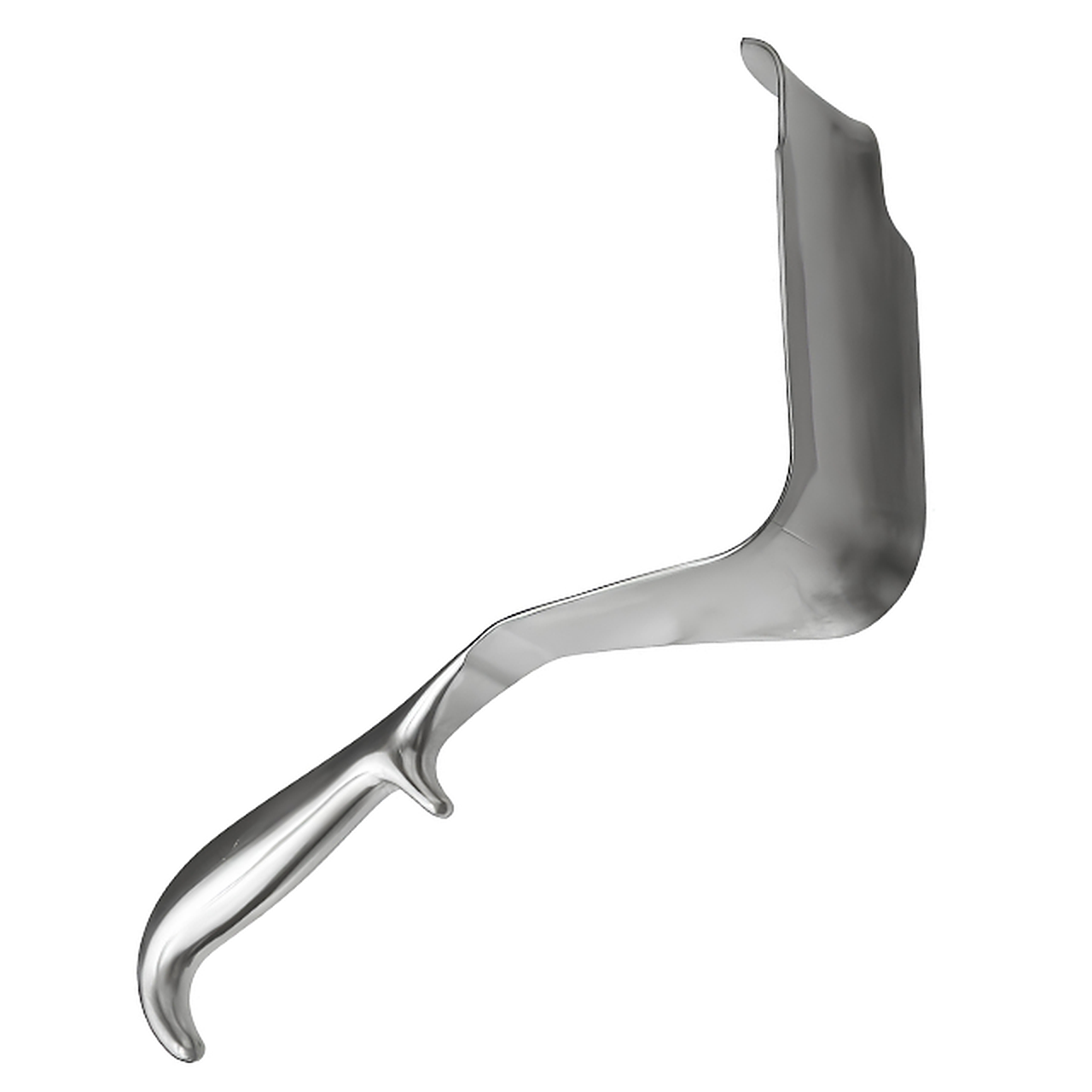 | Separador Pélvico St. Marks | Diseñado específicamente para retraer las vísceras pélvicas, la vejiga y el peritoneo durante cirugía colorrectal y pélvica profunda. |
 | Separadores Hohmann Apilables | Diseñados específicamente para hacer palanca en las cortezas óseas y retraer capas musculares densas con capacidad de mango entrelazado durante la cirugía articular. |
 | Separador Sternberg de Doble Extremo | Diseñado específicamente para retraer los labios, las mejillas y la mucosa oral durante cirugías dentales, orales y faríngeas. |
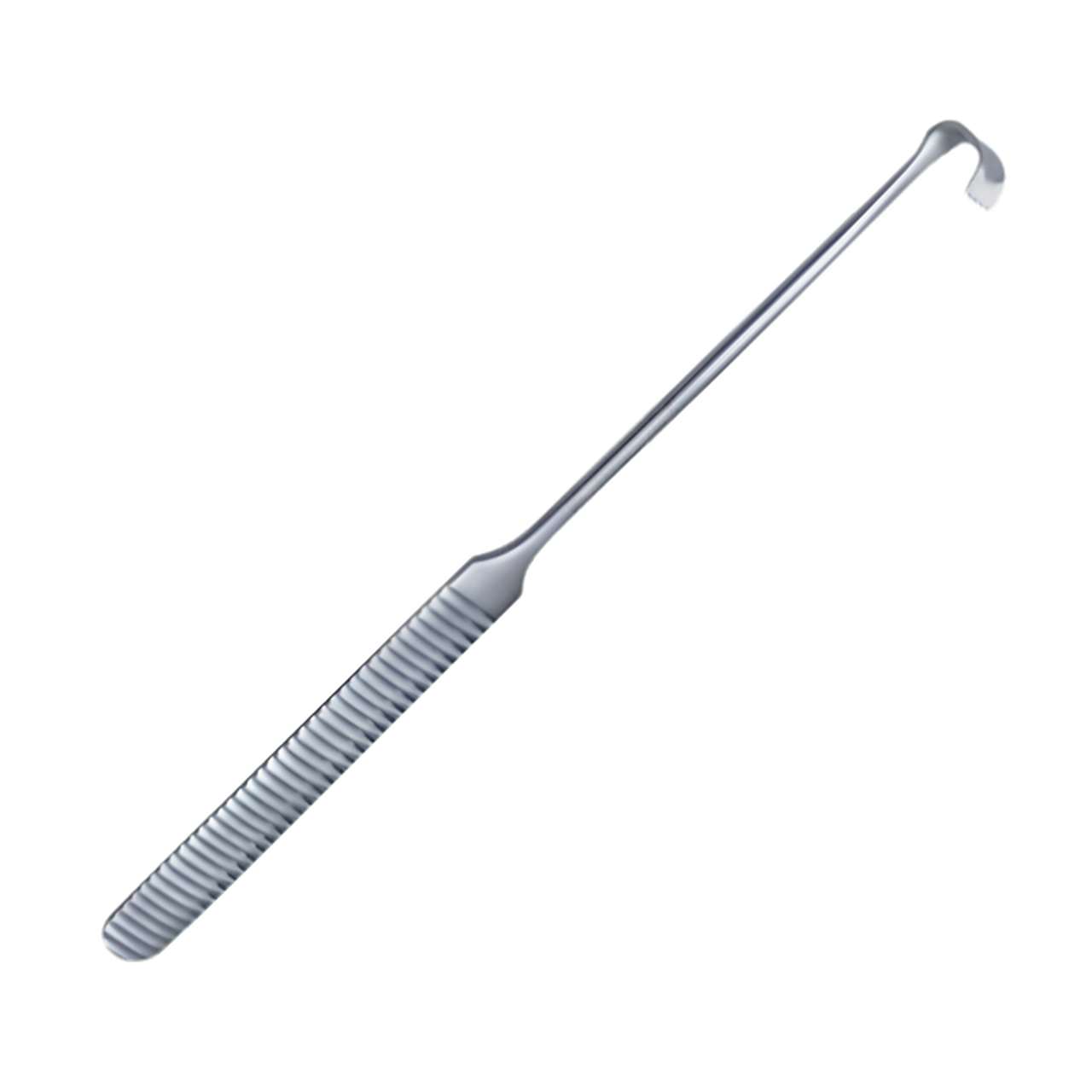 | Separador Strandell Stille | Específicamente diseñado para retraer márgenes de piel, fascia y tejidos blandos durante cirugía plástica, de mano y menor. |
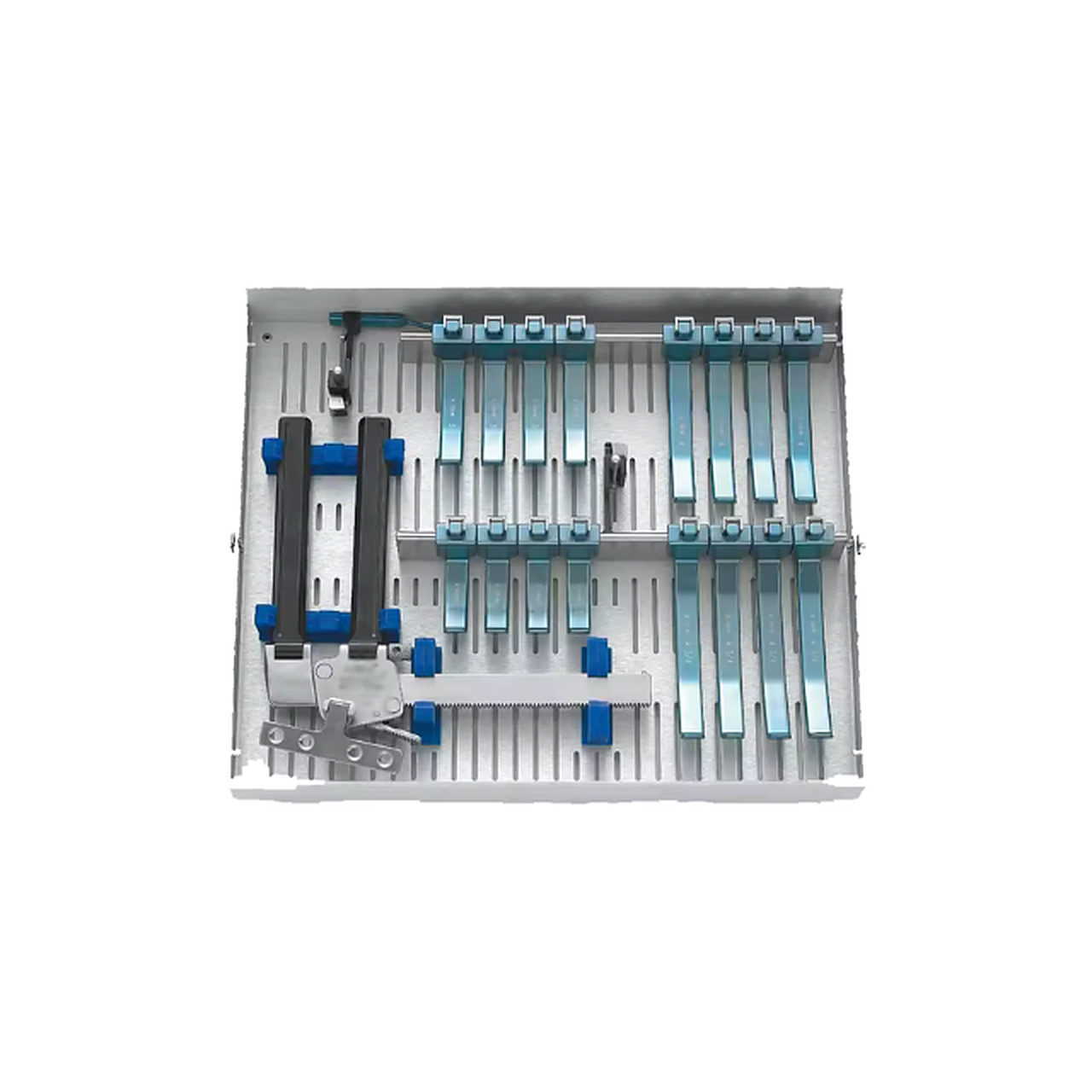 | Separador para Laminectomía Super-Slide | Diseñado específicamente para proporcionar retracción de tejido controlada y exposición quirúrgica durante laminectomías y procedimientos espinales relacionados. |
 | Placa Retractora Quirúrgica de Plomo para Mano | Específicamente diseñada para inmovilizar y posicionar la mano y los dedos durante cirugías plásticas, ortopédicas y reconstructivas de mano. |
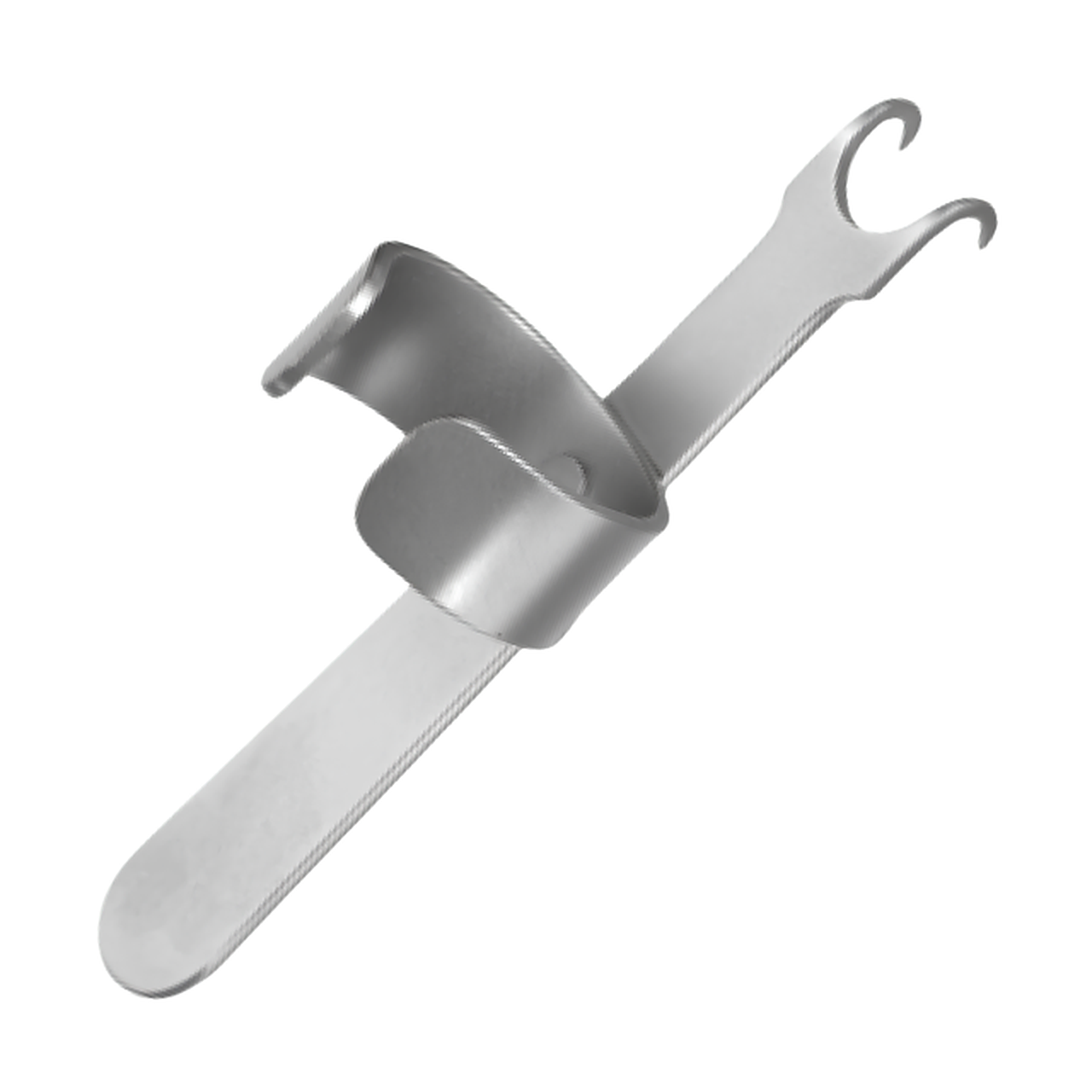 | Separador Nasal Swivel Ring | Diseñado específicamente para elevar los colgajos de piel nasal y retraer el cartílago alar de forma dinámica durante la rinoplastia. |
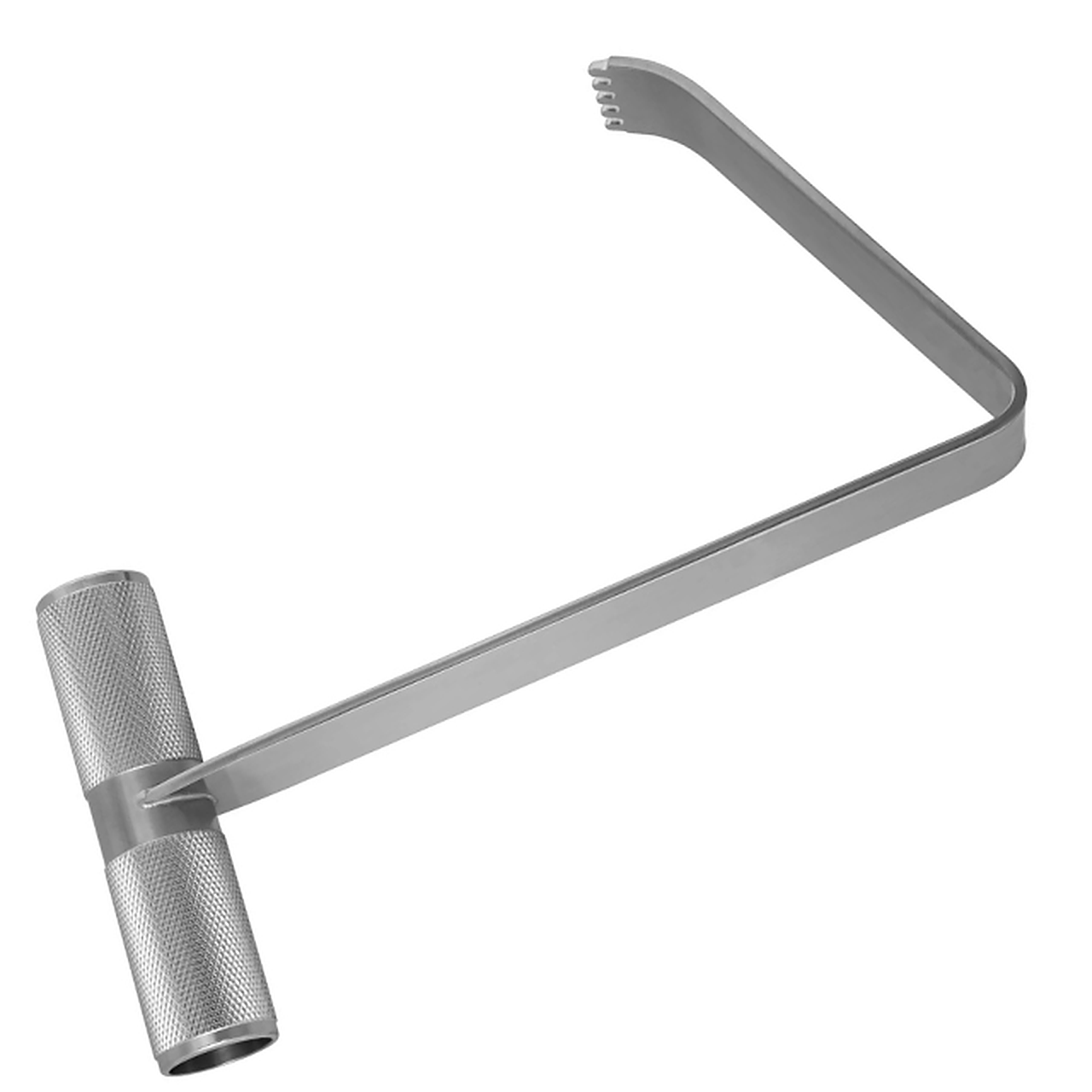 | Separador con Mango en T y Hoja Angulada | Diseñado específicamente para retraer capas musculares pesadas, fascia y tejido blando con la máxima palanca de tracción manual durante la cirugía ortopédica. |
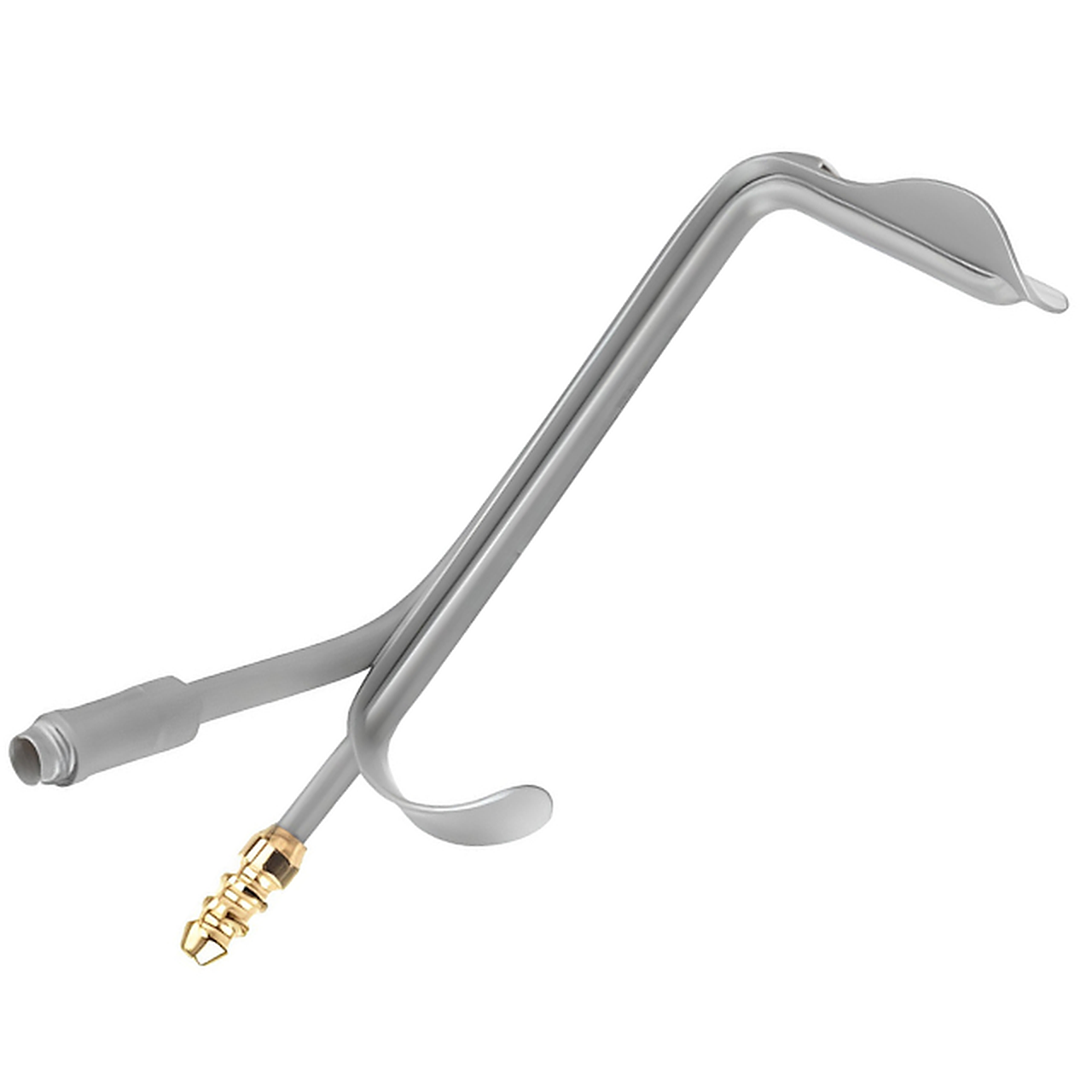 | Separador para Lifting Cervical Talei "Benetrator 2" | Diseñado específicamente para elevar colgajos cervicales, eliminar fluidos quirúrgicos y retraer el platisma durante el lifting cervical de plano profundo y la platismoplastia. |
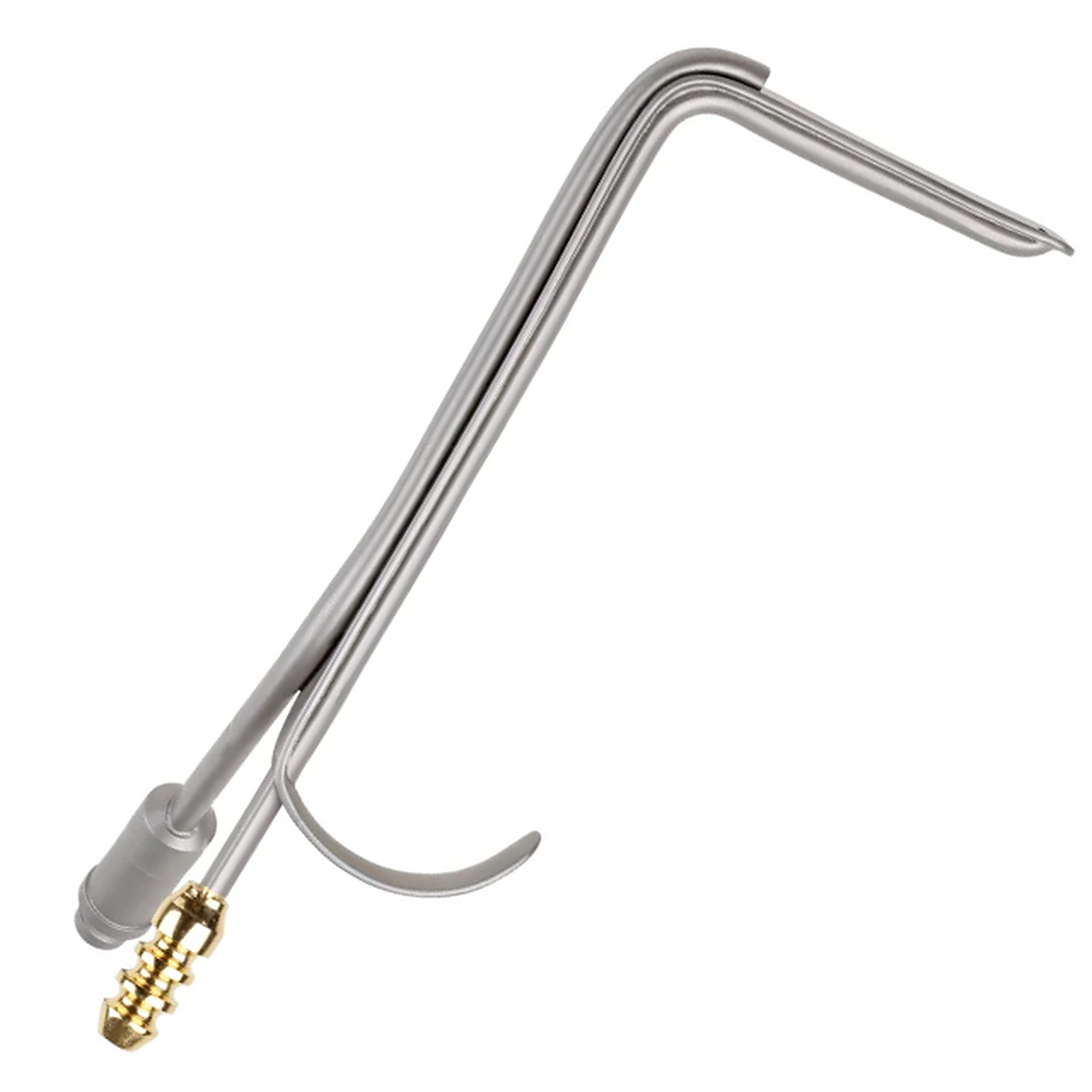 | Separador Talei Necklift Retractor Narrow “Le Petit Benetrator” | Diseñado específicamente para elevar colgajos cervicales y retraer el músculo platisma durante el estiramiento cervical de plano profundo y la platismoplastia. |
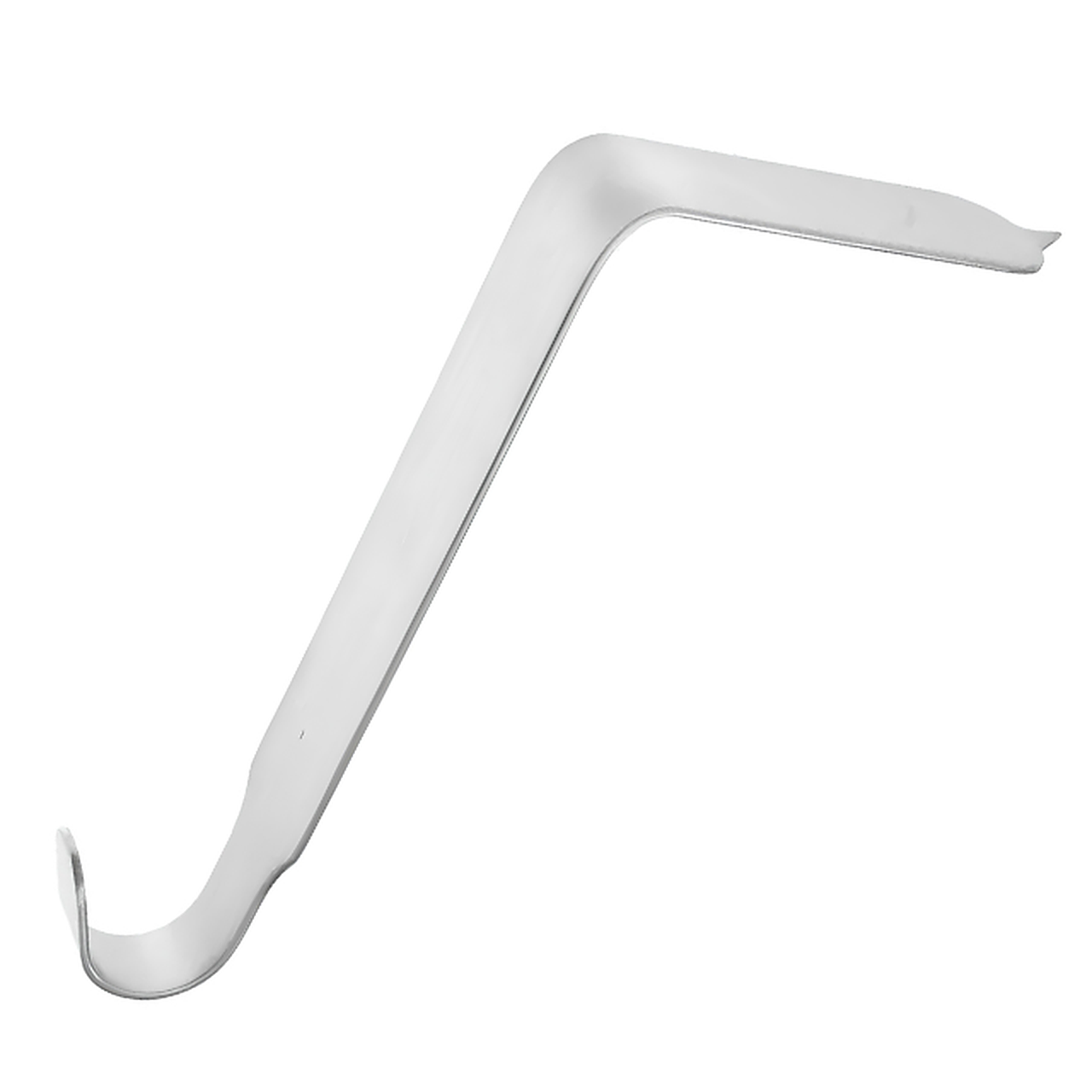 | Separador Espinal Taylor | Específicamente diseñado para retraer la musculatura paraespinal pesada y anclarse contra la apófisis espinosa durante la laminectomía espinal. |
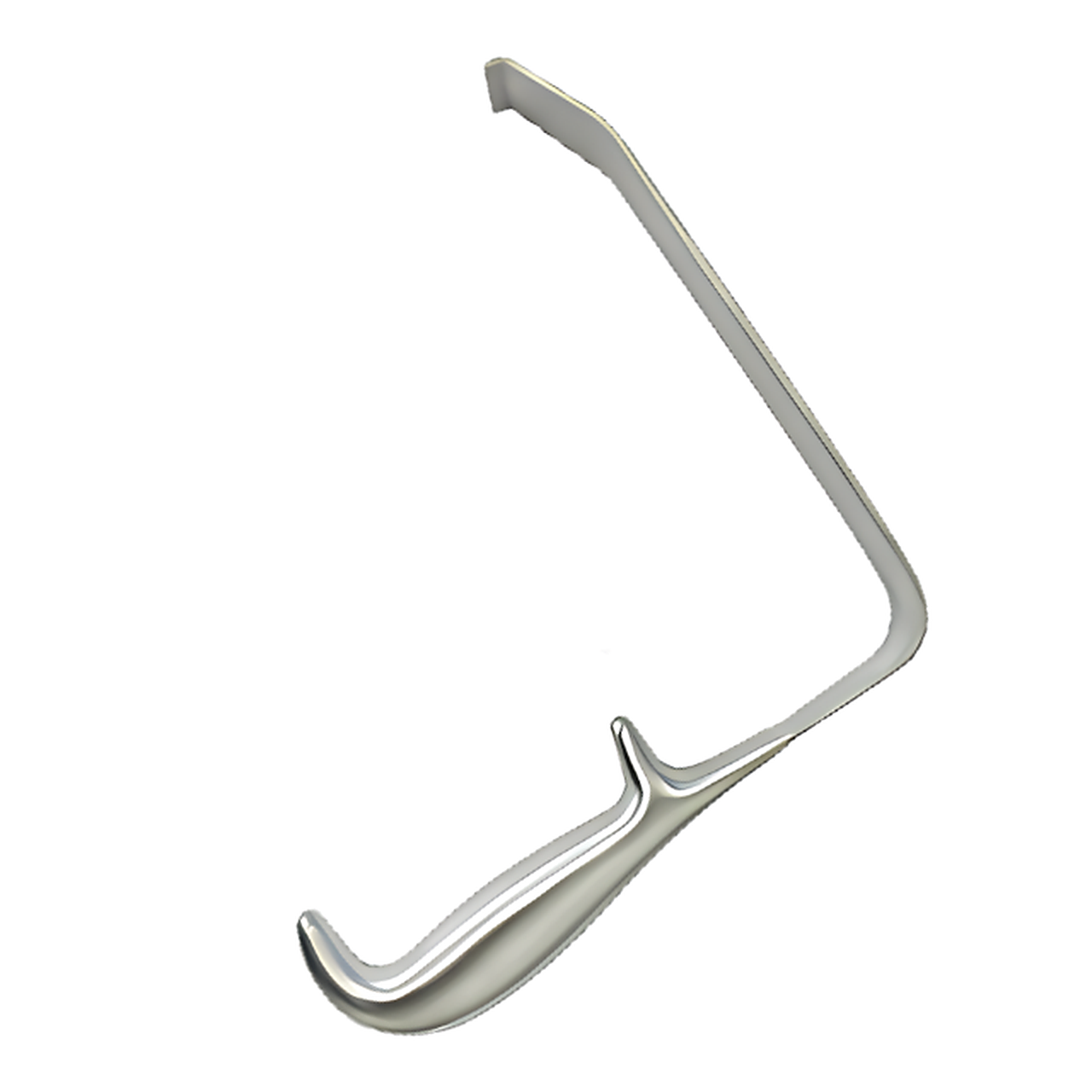 | Separador Mamario Tebbetts | Diseñado específicamente para elevar colgajos de tejido y crear bolsillos submusculares o subglandulares durante la cirugía mamaria. |
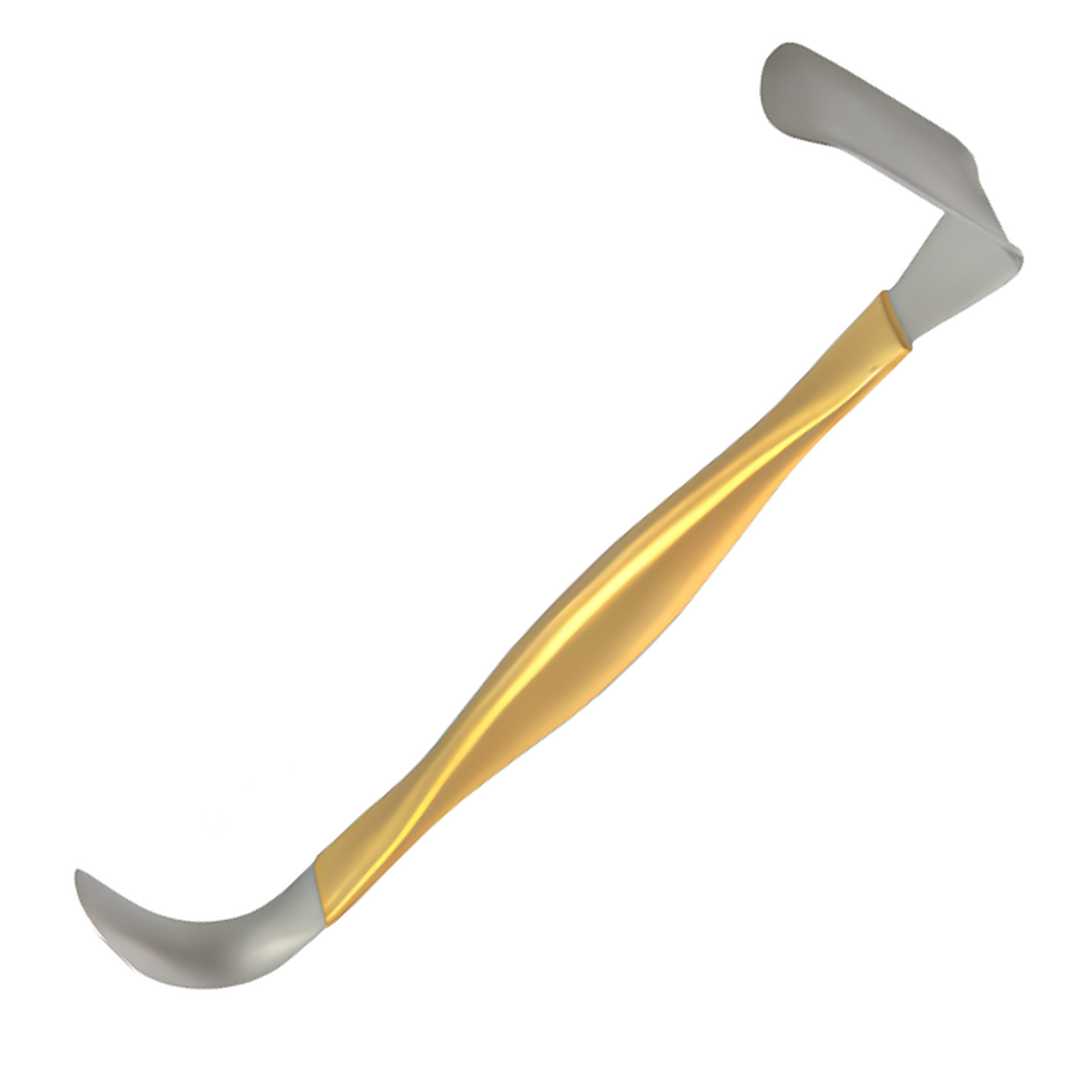 | Separador Mamario Tebbetts de Doble Extremo | Diseñado específicamente para proporcionar retracción de tejido de doble extremo y exposición del bolsillo durante el aumento y la reconstrucción mamaria. |
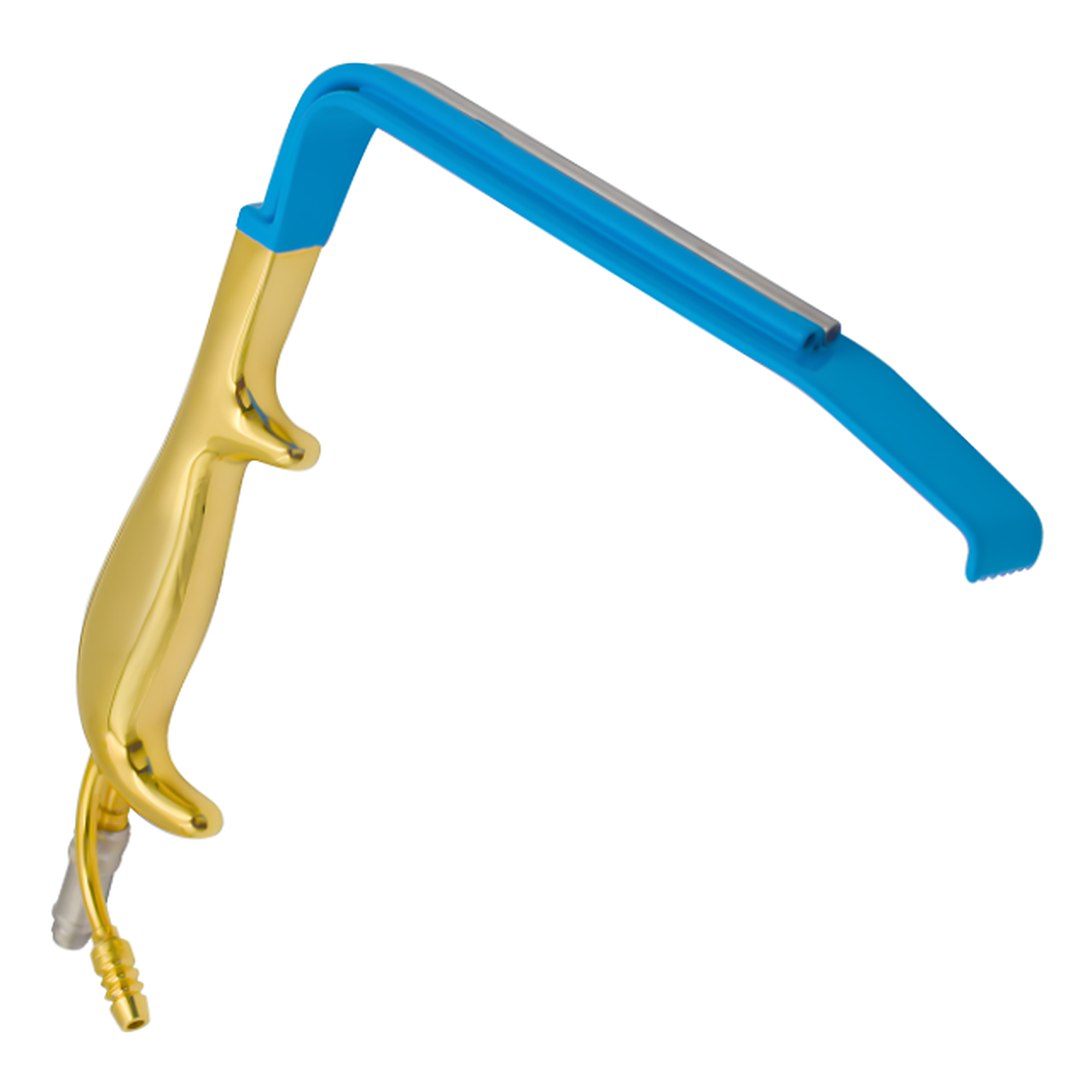 | Separador de aumento mamario Tebbetts Fiber Optic | Diseñado específicamente para elevar colgajos de tejido, iluminar bolsillos mamarios profundos y verificar la hemostasia durante la cirugía de mama. |
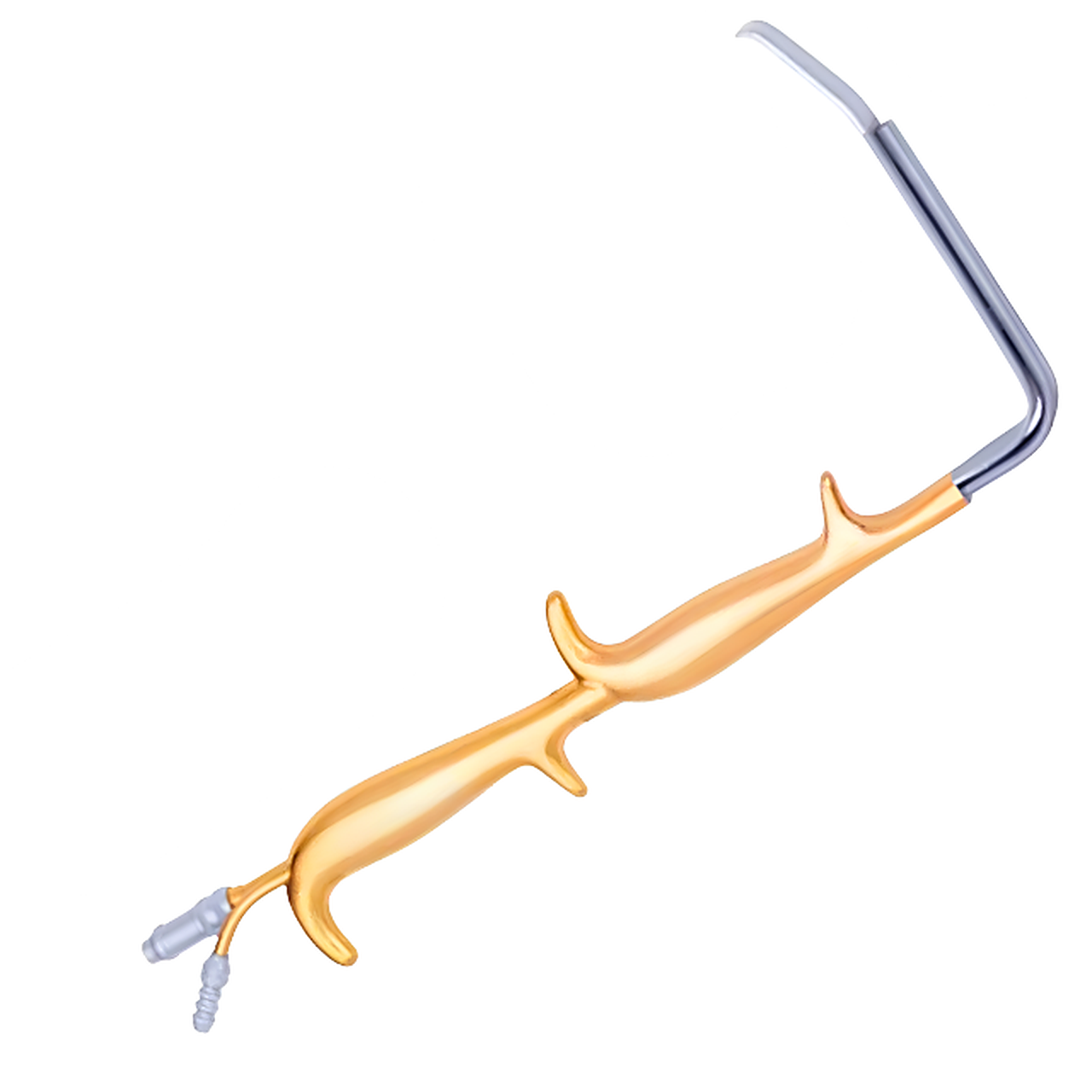 | Separador de aumento de pecho de fibra óptica Tebbetts, mango doble | Específicamente diseñado para proporcionar retracción tisular iluminada con apalancamiento a dos manos durante el aumento y la reconstrucción mamaria. |
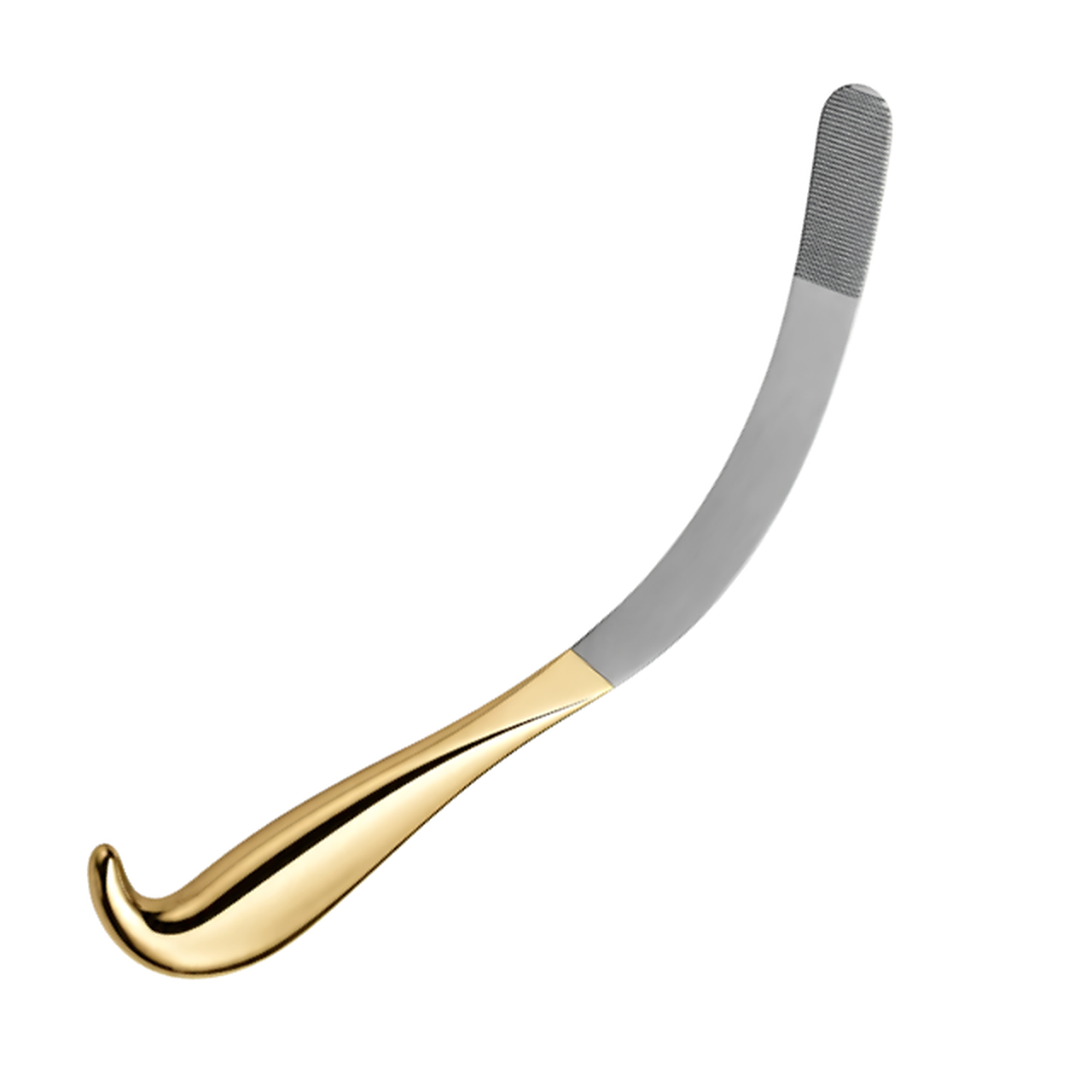 | Separador Mamario Tebbetts tipo Espátula | Diseñado específicamente para elevar colgajos de tejido y crear bolsillos subpectorales durante el aumento y la reconstrucción mamaria. |
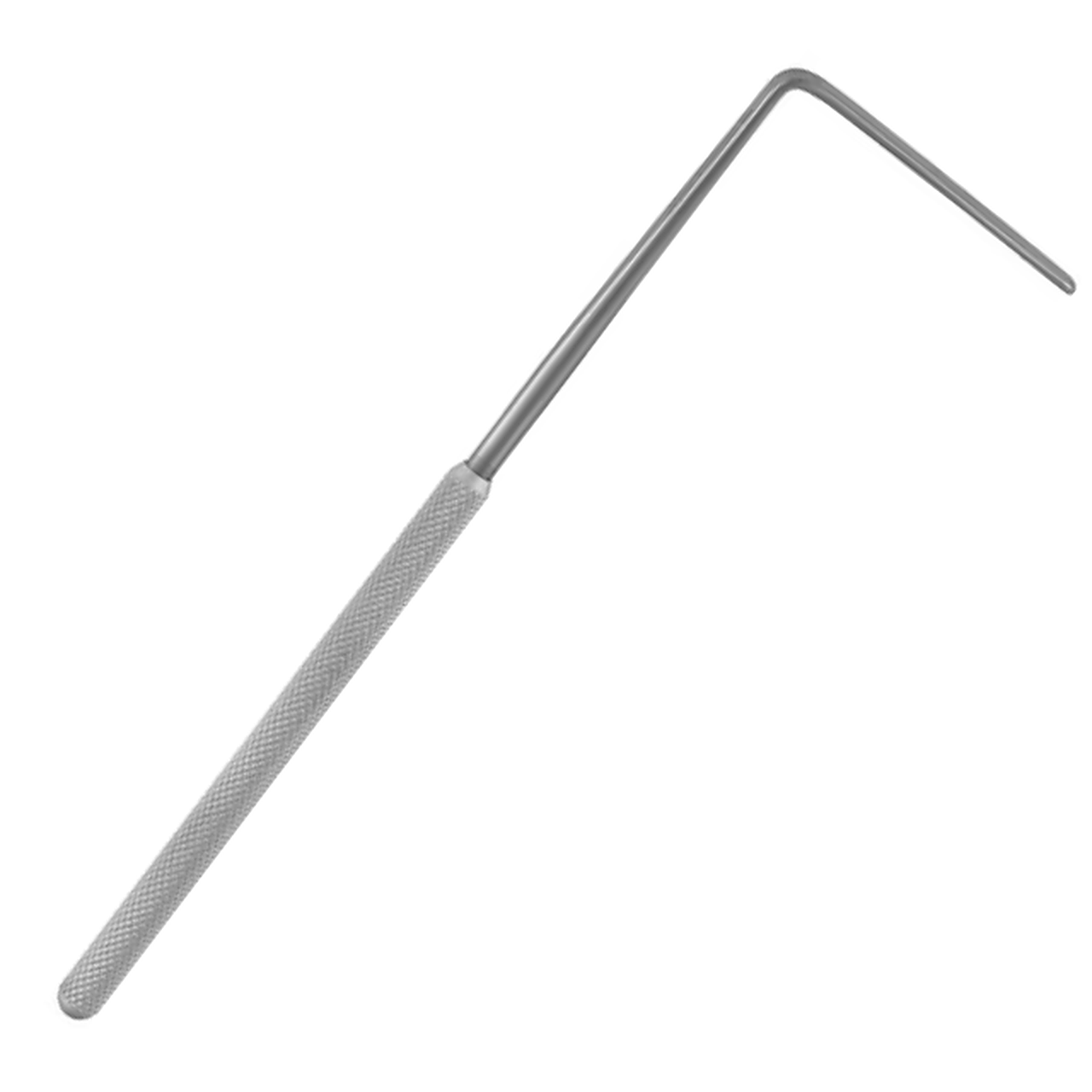 | Separador Nasal Terry | Diseñado específicamente para elevar colgajos de piel nasal y retraer el cartílago durante la rinoplastia estética y reconstructiva. |
 | Separador Maleable Tessier (Cinta) | Diseñado específicamente para doblarse en formas personalizadas para retraer tejidos blandos perioculares y proteger el globo ocular durante la cirugía craneofacial. |
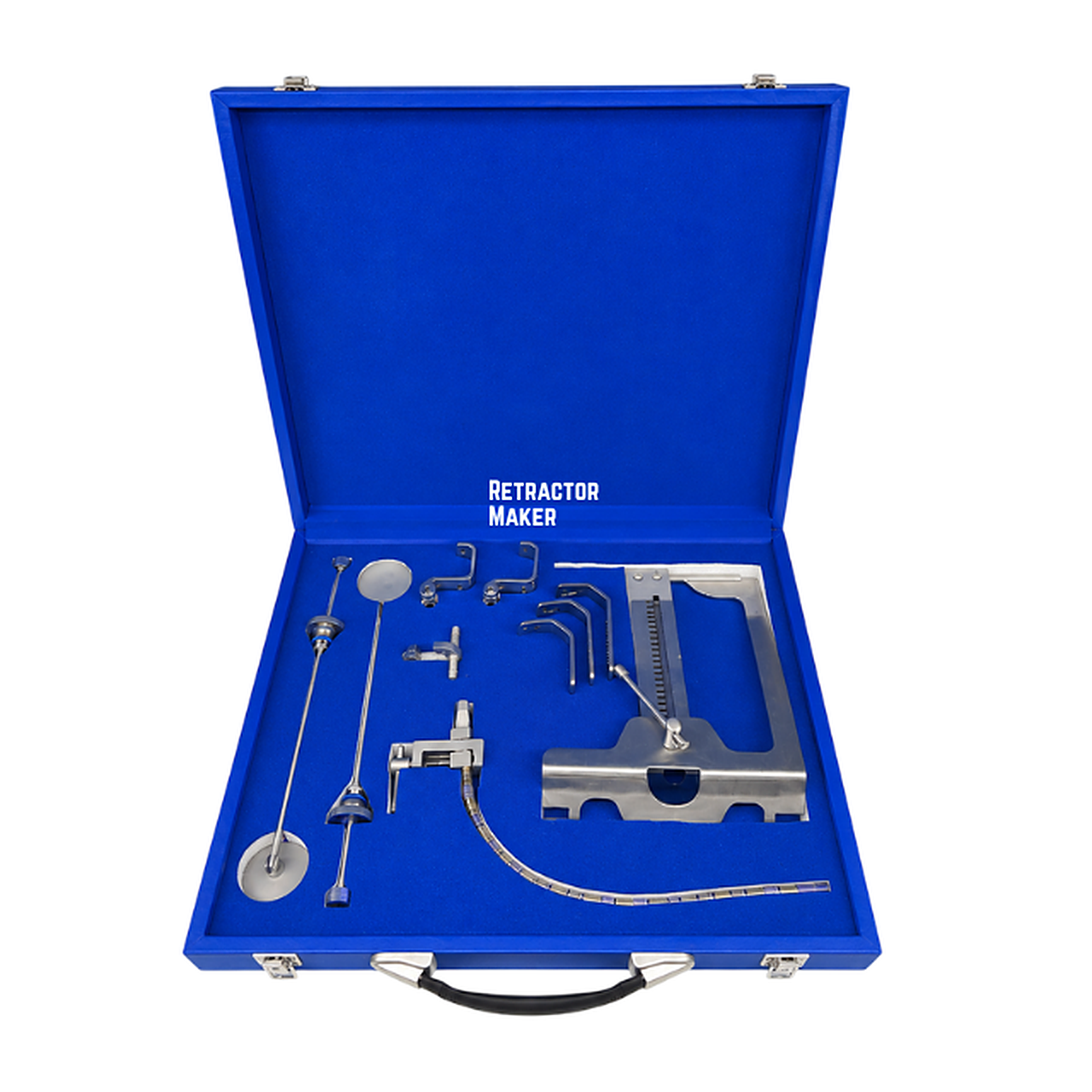 | Sistema Separador ThoraGate Rib Up | Específicamente diseñado para proporcionar una elevación intercostal estable y exposición quirúrgica durante procedimientos torácicos y cirugías cardíacas mínimamente invasivas, incluidos los abordajes MIDCAB a través de una minitoracotomía. |
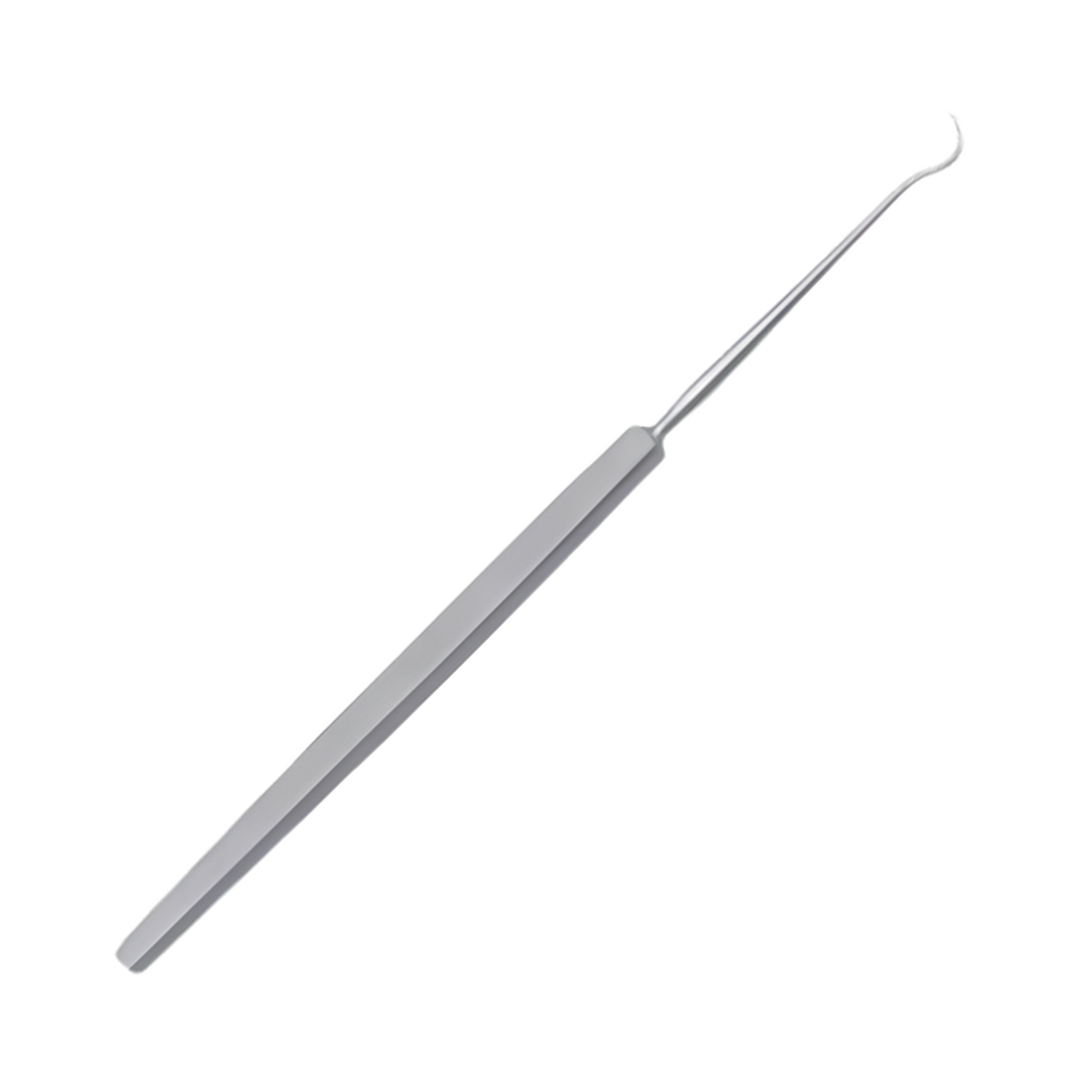 | Separador de Raíz Nerviosa Toennis | Específicamente diseñado para movilizar, sostener y proteger las raíces nerviosas espinales transversales y el saco tecal durante la discectomía lumbar. |
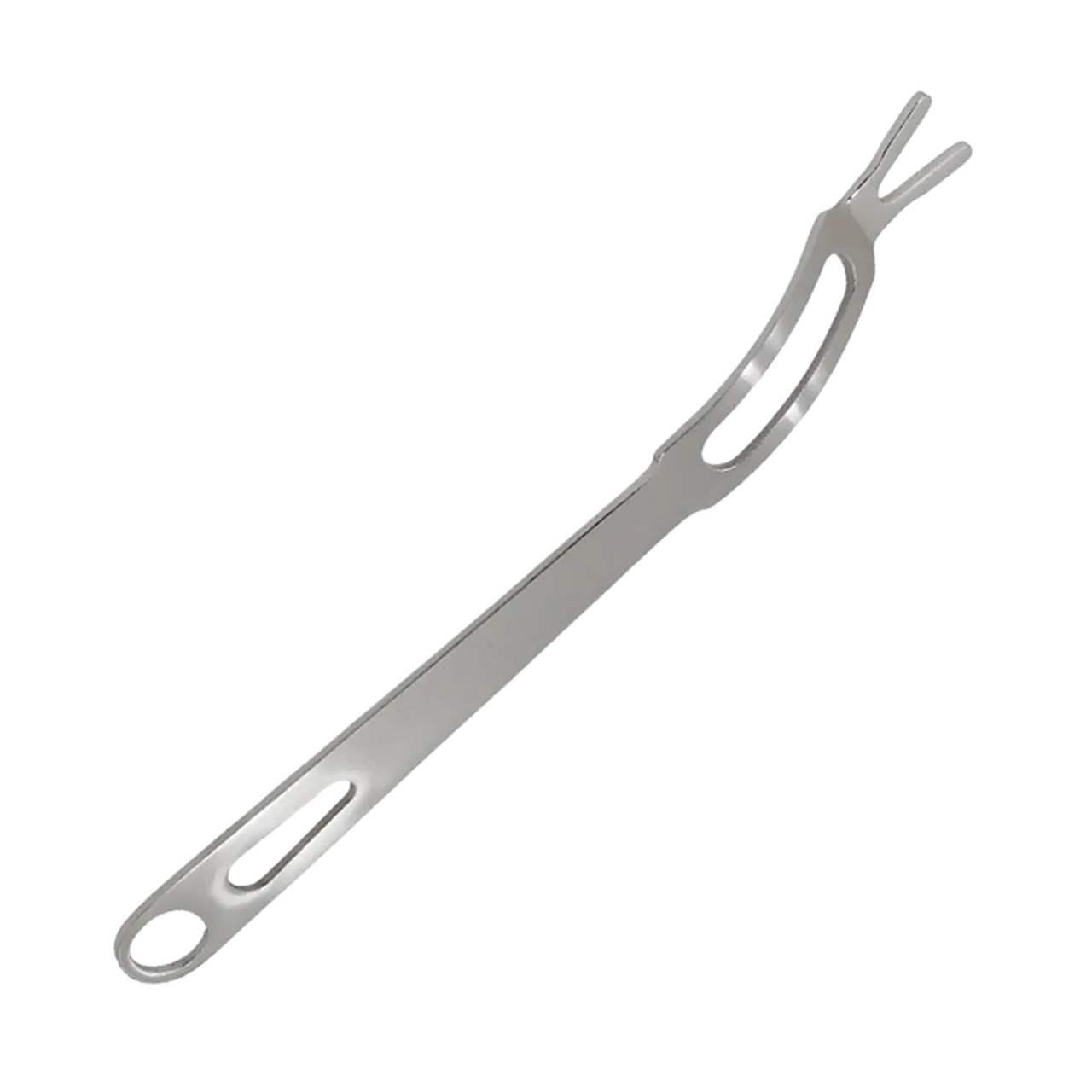 | Separador del componente glenoesférico para artroplastia de hombro total y reversa | Diseñado específicamente para desplazar el húmero posteriormente y exponer la bóveda glenoidea durante la artroplastia de hombro total y reversa. |
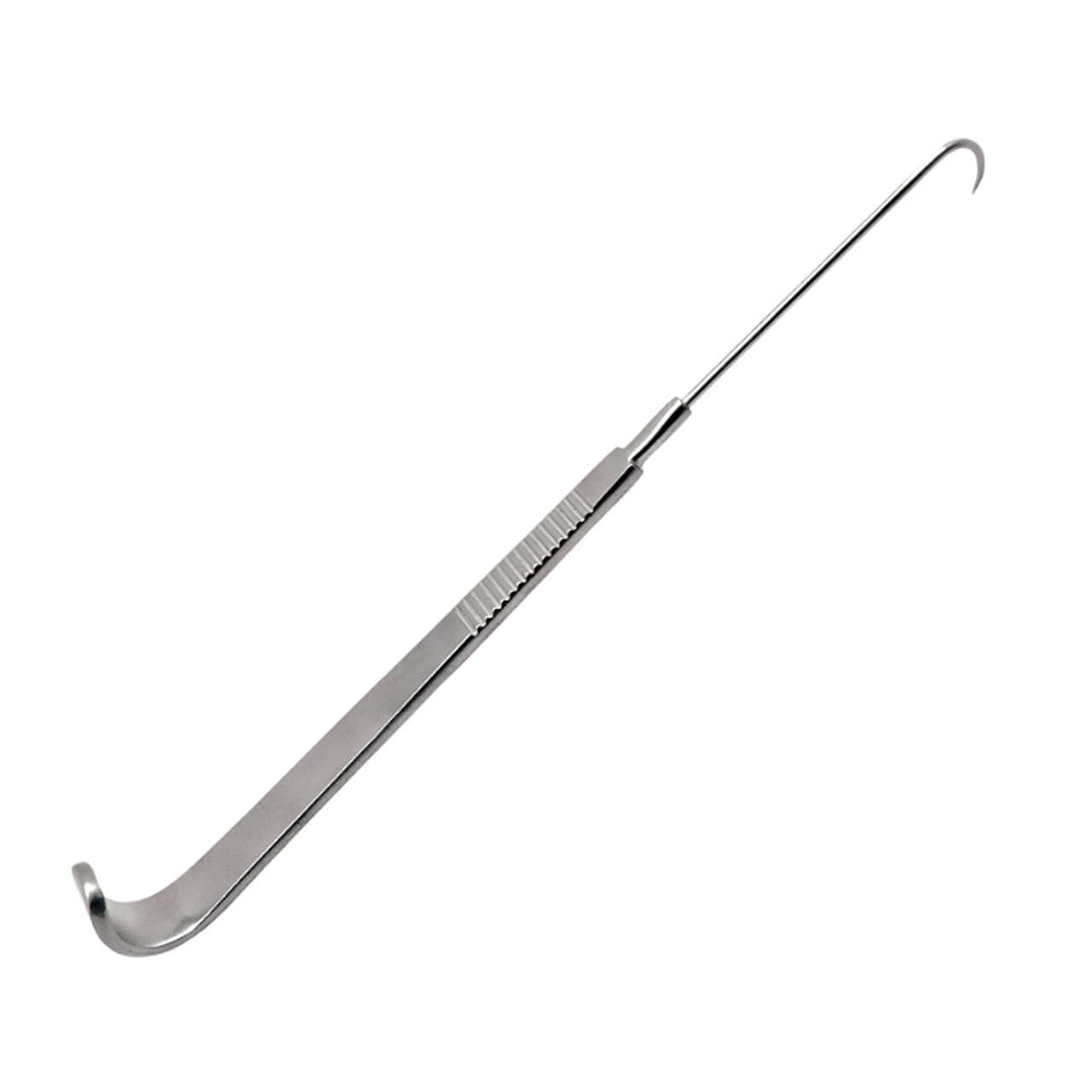 | Gancho Traqueal / Retractor | Diseñado específicamente para elevar y estabilizar la tráquea durante procedimientos de traqueotomía electivos y de emergencia. |
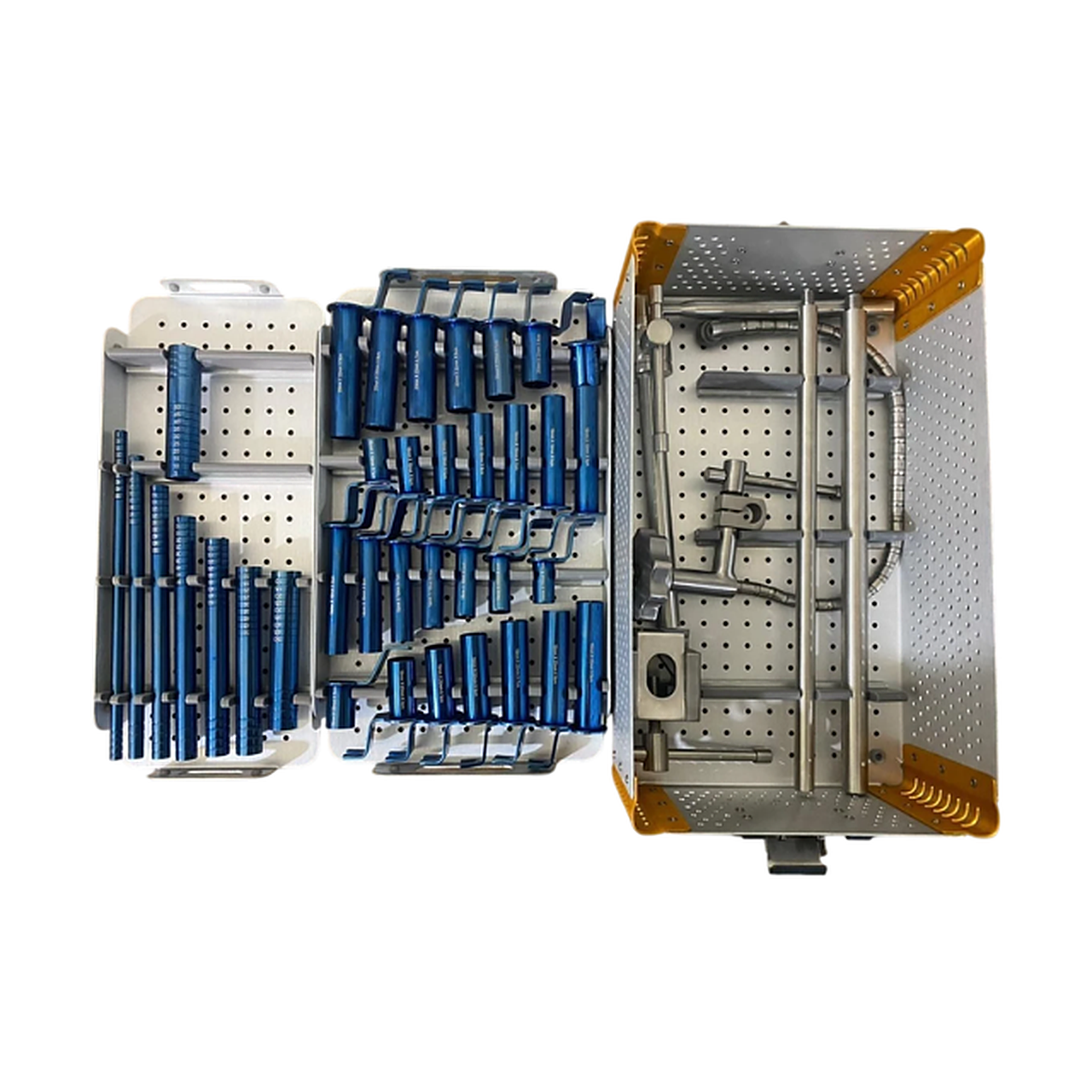 | Sistema de Separador Tubular | Facilita el acceso durante discectomía, laminectomía, tratamiento de estenosis, MIS PLIF, MIS TLIF y foraminotomía cervical. |
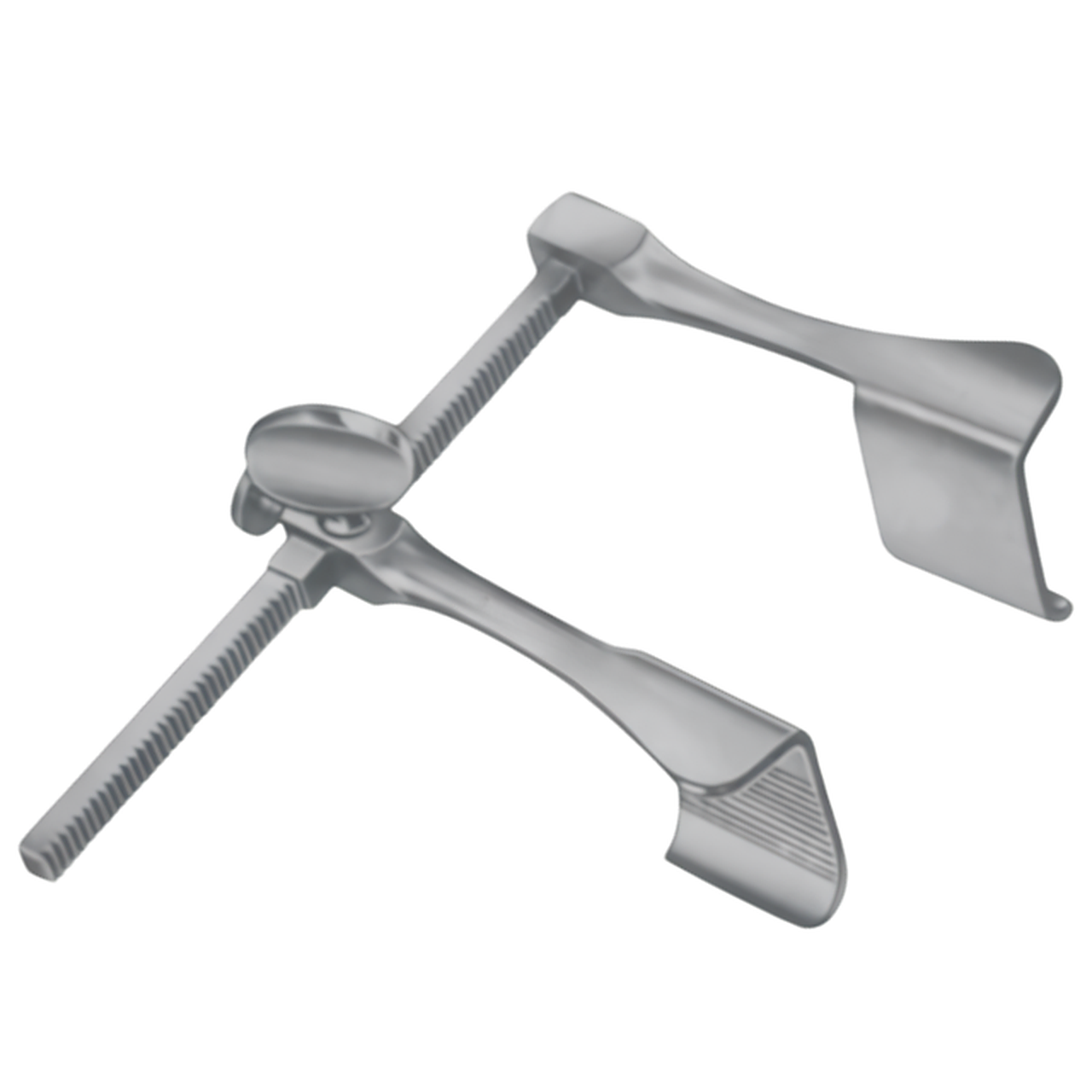 | Separador Costal Tuffier | Diseñado específicamente para separar las costillas en adultos y mantener la exposición de la cavidad torácica durante una toracotomía abierta. |
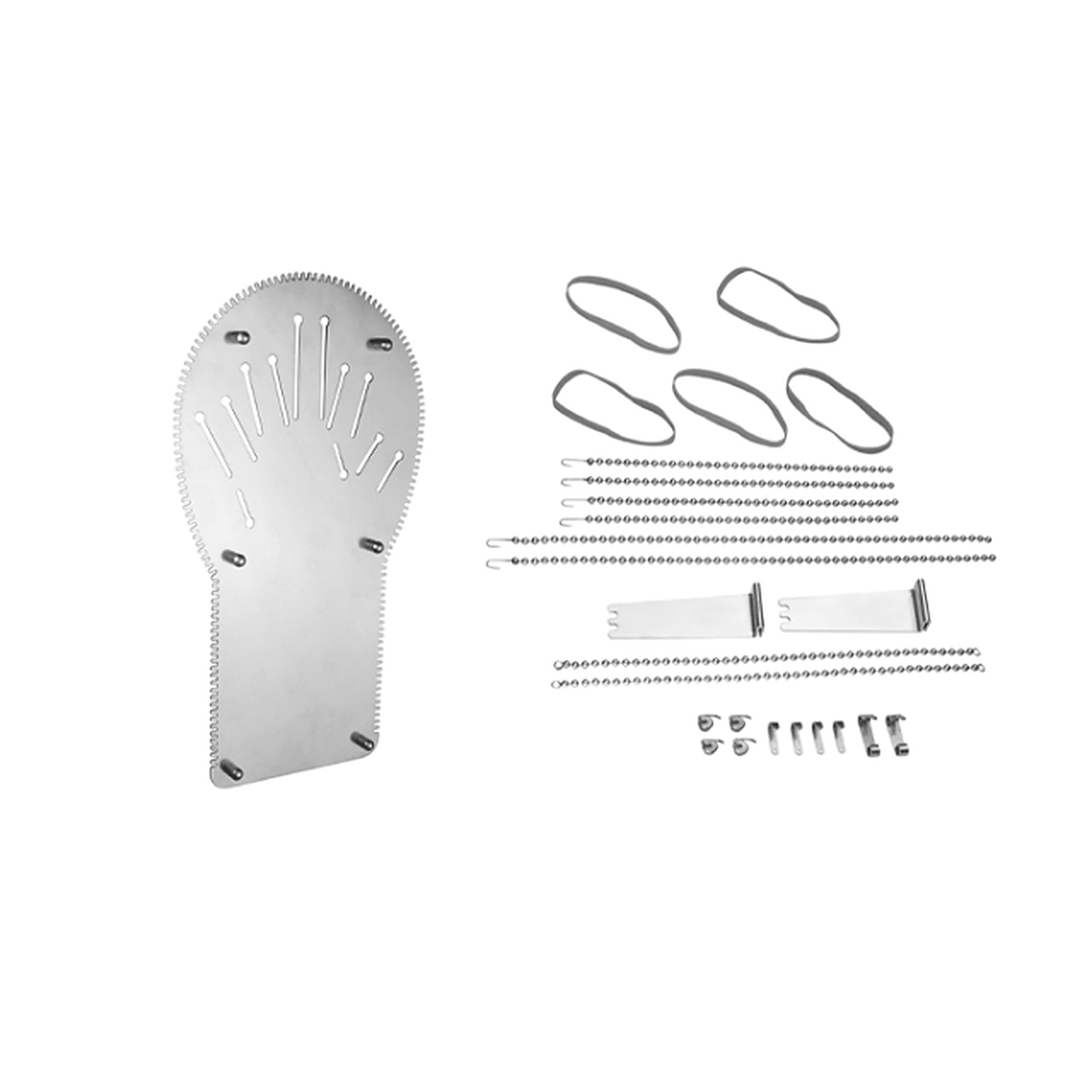 | Separador de mano universal de Tupper | Específicamente diseñado para proporcionar retracción tisular controlada, estabilización de extremidades y exposición quirúrgica manos libres durante procedimientos de mano y microcirugía. |
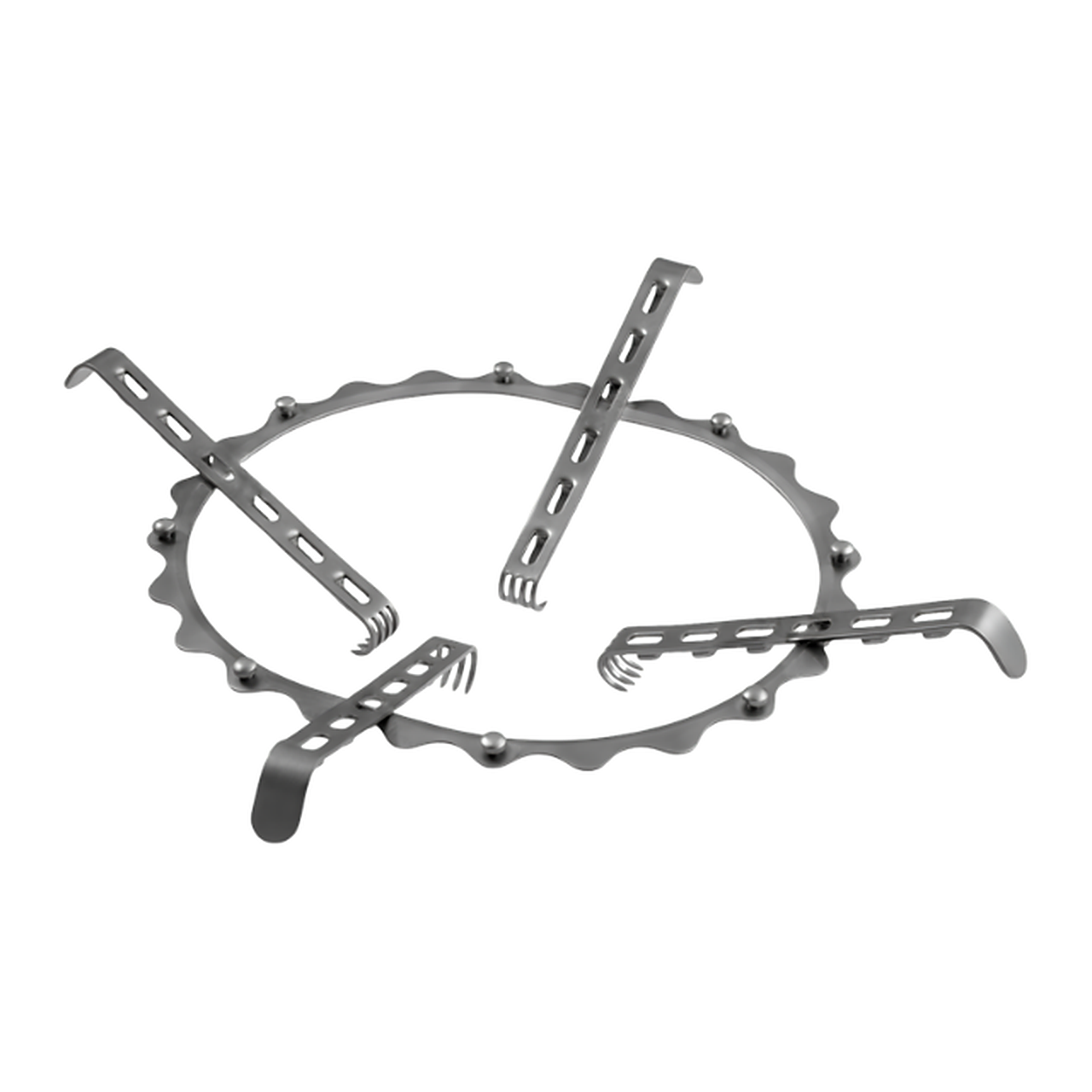 | Separador Urológico Turner-Warwick | Diseñado específicamente para proporcionar separación visceral y de los bordes de la herida autoestática de 360 grados durante cirugía urológica y pélvica. |
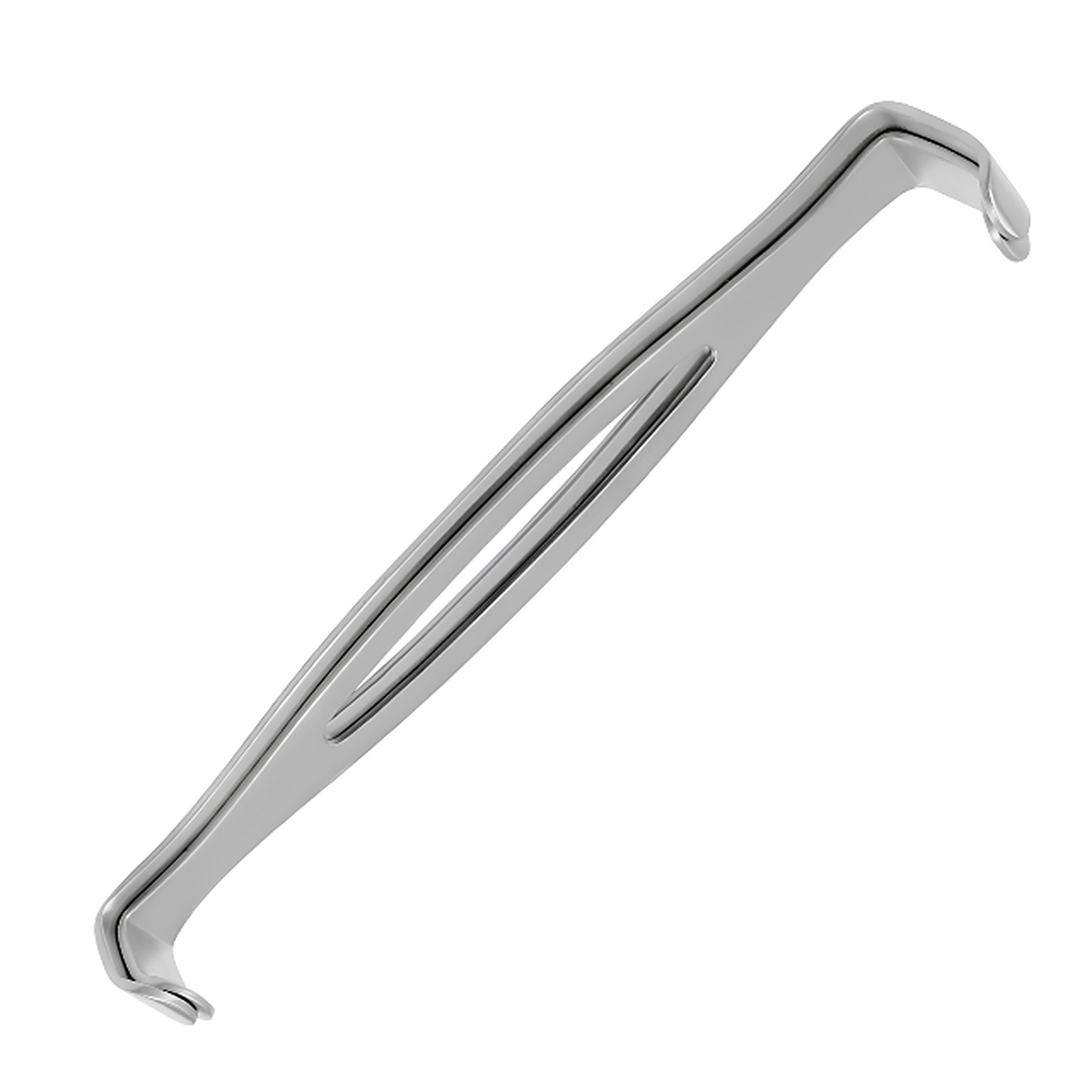 | Separadores US Army, Juego de Dos | Diseñado específicamente para retraer bordes de piel, fascia y tejido muscular en incisiones quirúrgicas superficiales e intermedias. |
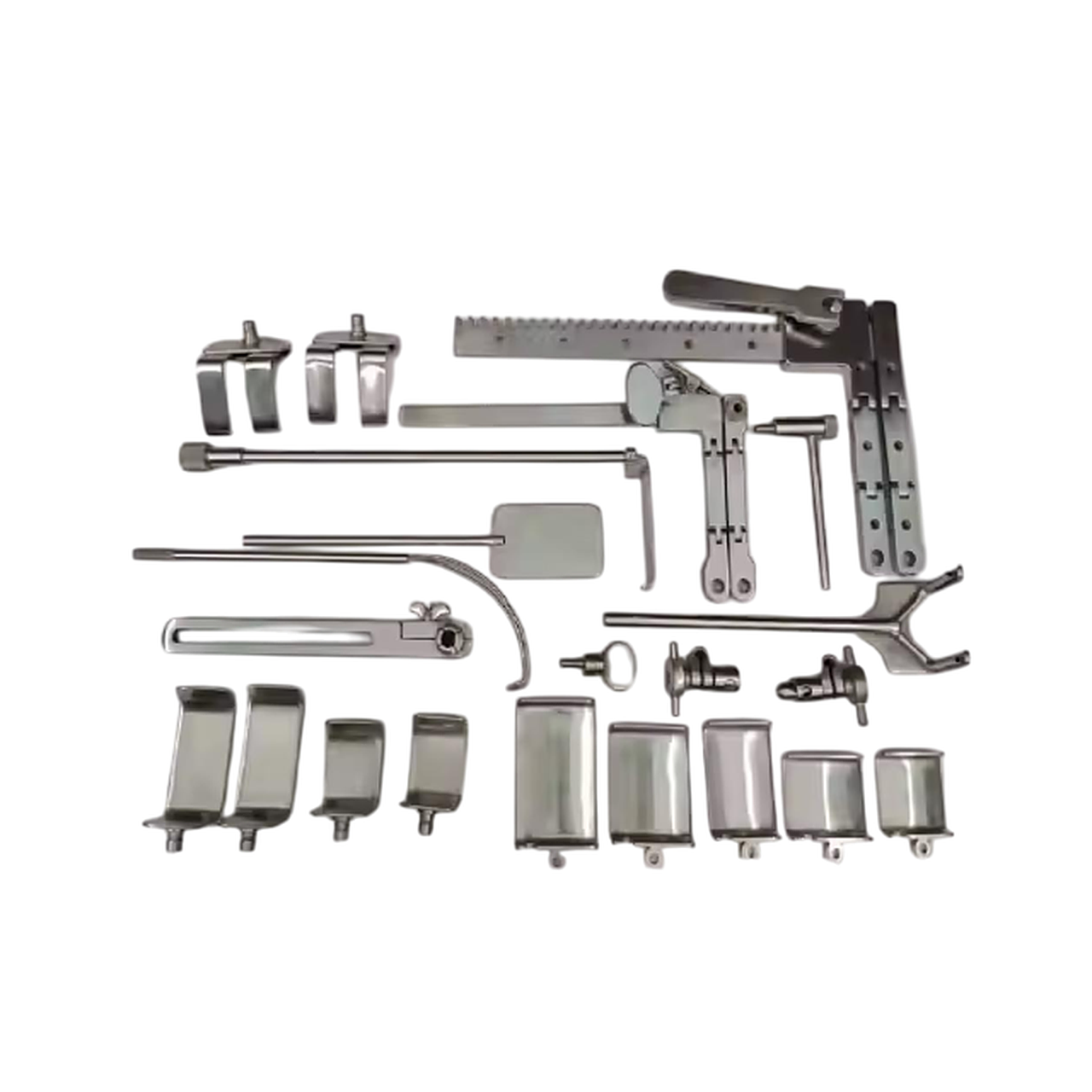 | Sistema Separador Valve XS | Diseñado específicamente para proporcionar una retracción tisular estable y exposición quirúrgica durante procedimientos cardíacos de abordaje lateral, MICS CABG y configuraciones de elevación del atrio. |
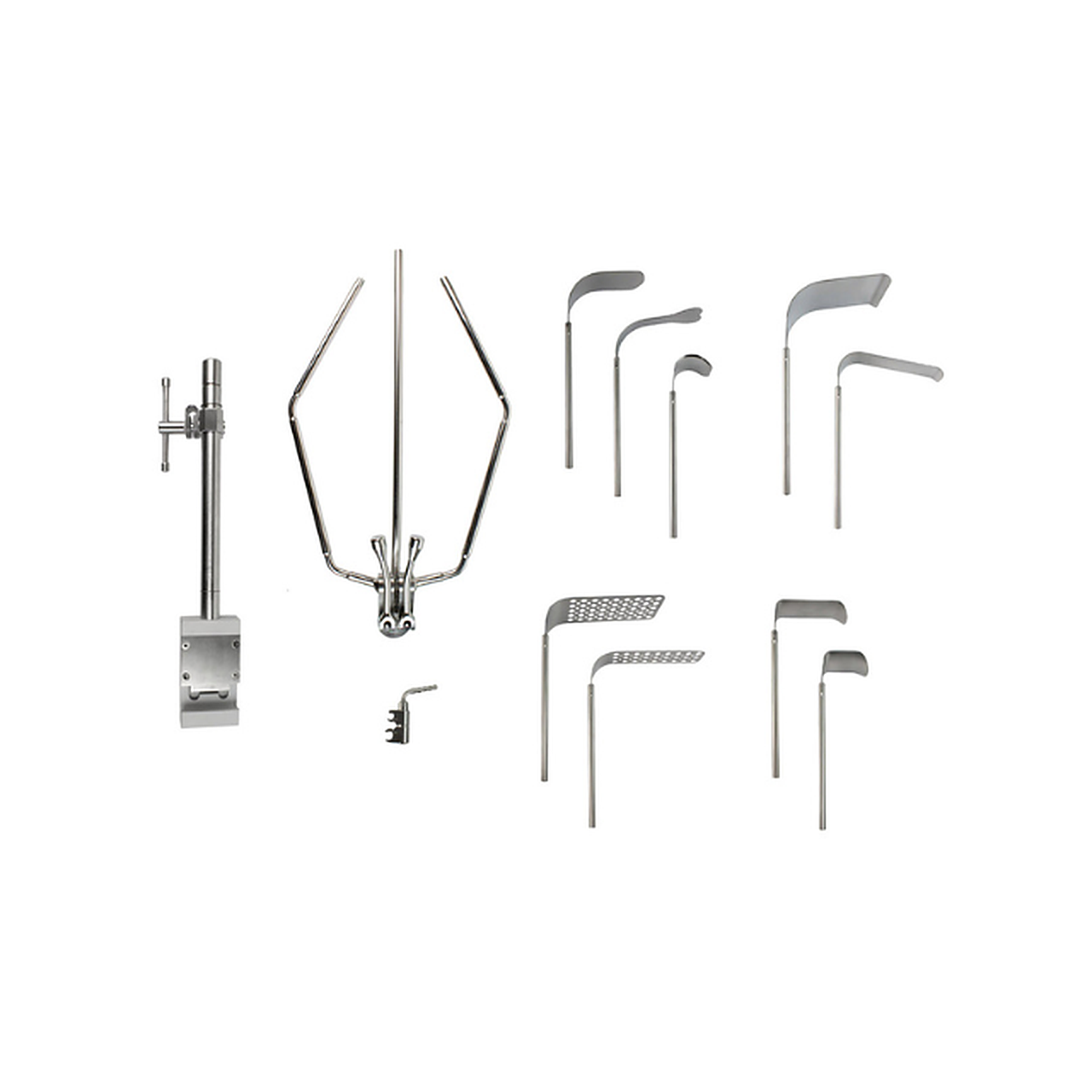 | Vascular Lobster System | Diseñado específicamente para la retracción de tejidos autoestática y exposición del campo quirúrgico en procedimientos vasculares mediante montaje en mesa. |
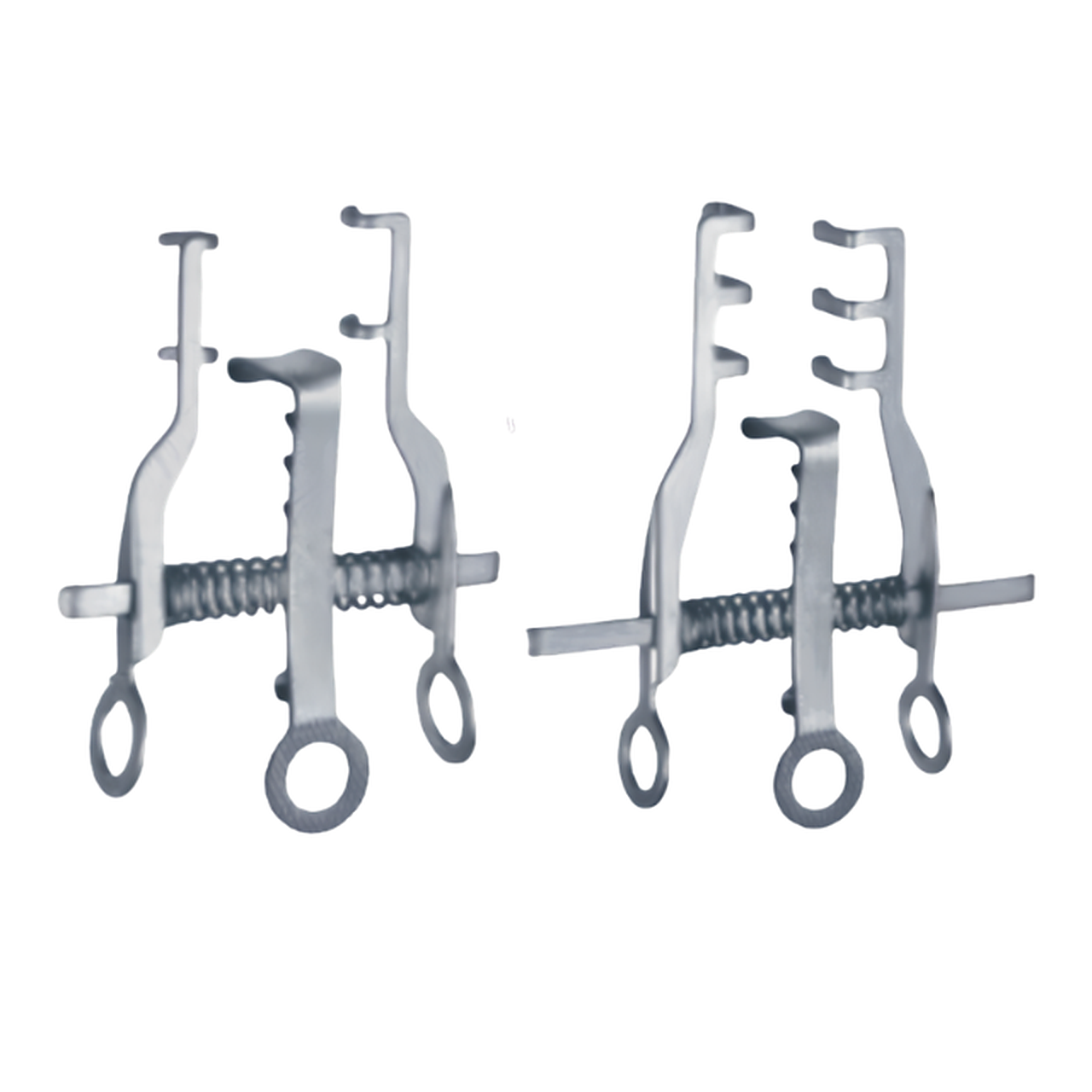 | Separador Vickers de Bajo Perfil | Diseñado específicamente para proporcionar una retracción de tejidos blandos autoestática y de bajo perfil durante cirugías de mano, muñeca y microcirugía. |
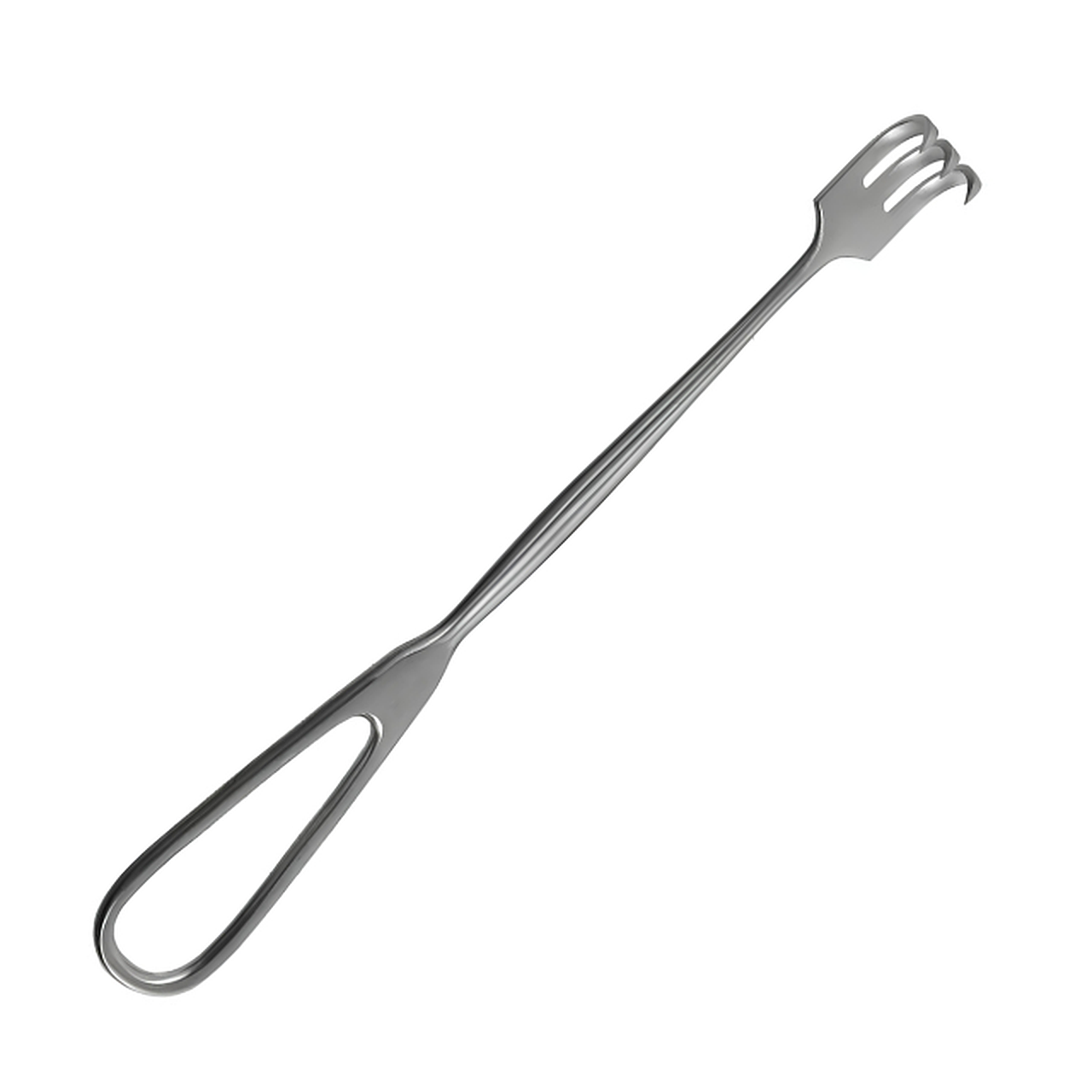 | Separador Volkman Retractor-USA Pattern | Diseñado específicamente para retraer colgajos cutáneos, fascia y tejido muscular durante cirugías generales, plásticas y ortopédicas. |
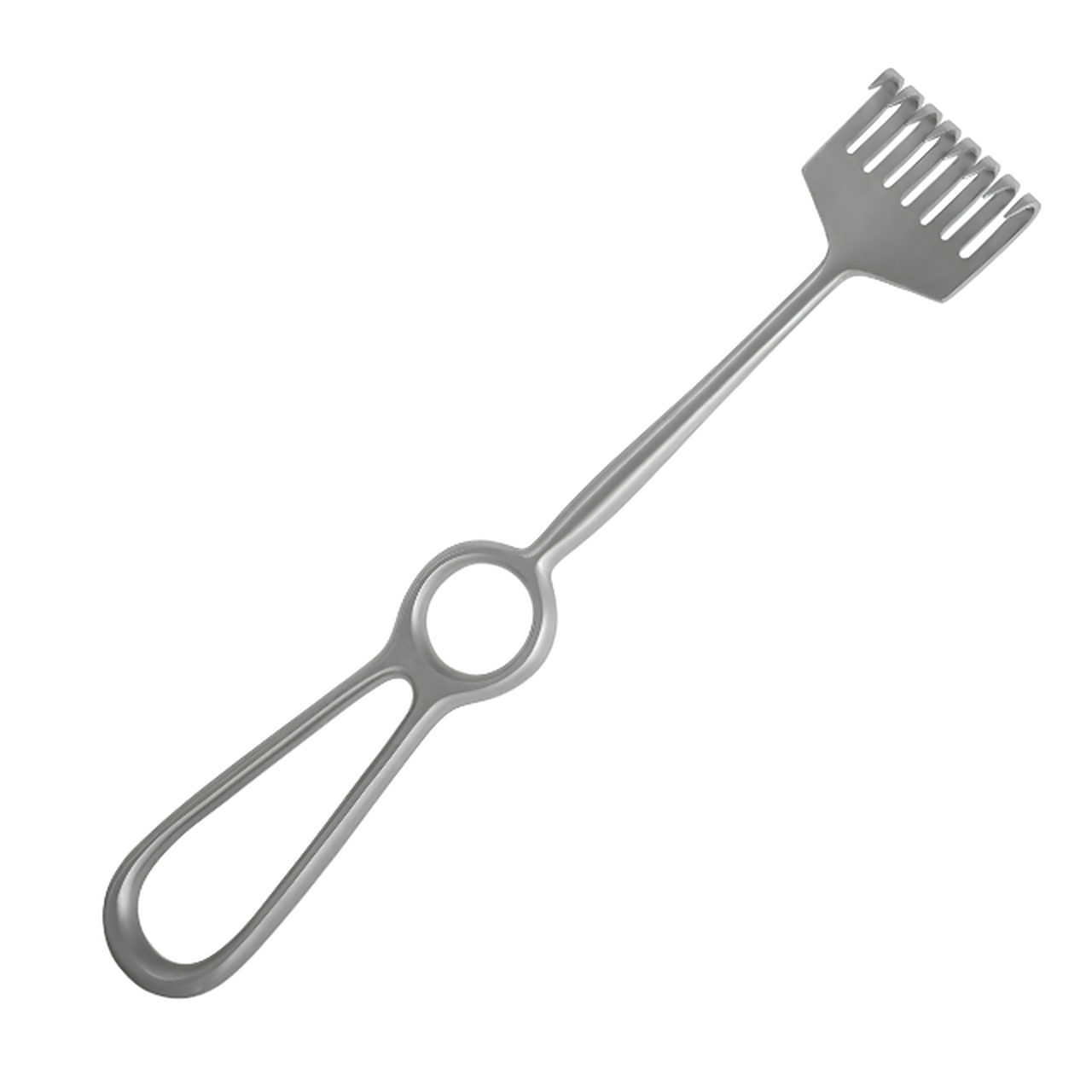 | Separador Volkmann | Diseñado específicamente para retraer colgajos de piel, fascia y márgenes de tejido denso durante cirugías generales, plásticas y ortopédicas. |
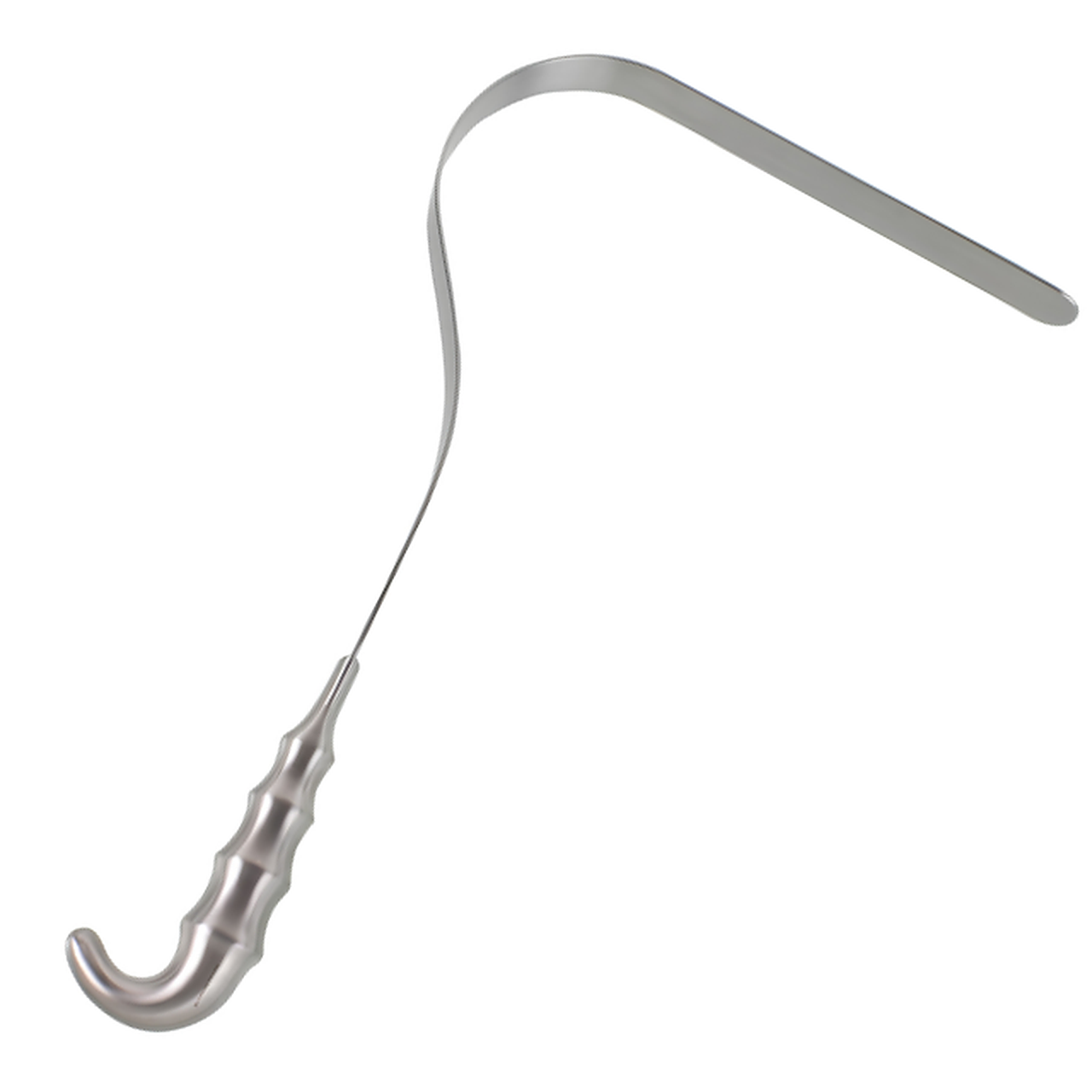 | Separador W.M. Lemmon Deaver | Diseñado específicamente para retraer vísceras profundas, intestino, hígado y paredes abdominales durante cirugías torácicas y abdominales mayores. |
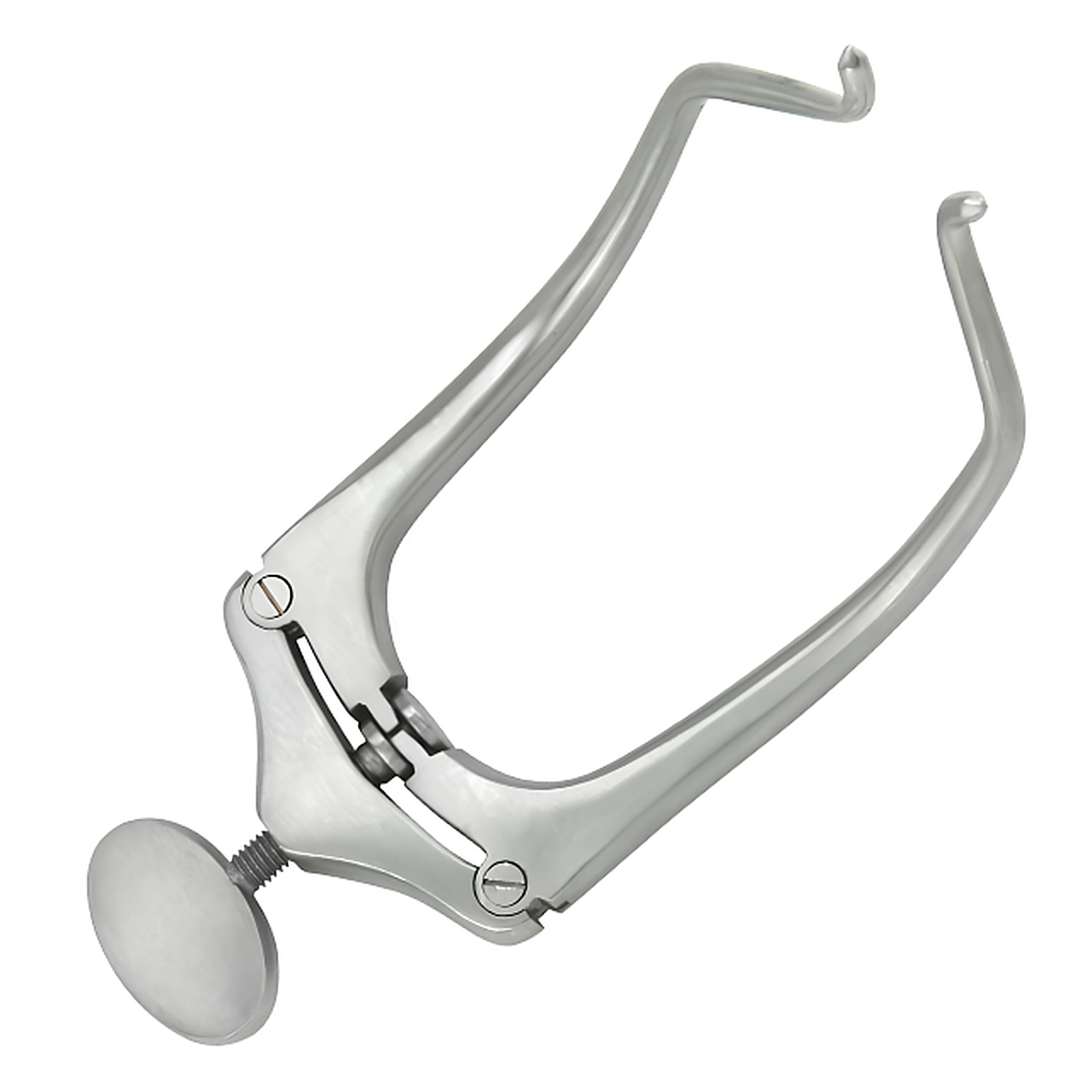 | Separador de Rodilla Wallace | Específicamente diseñado para proporcionar retracción autorretentiva de la cápsula y tejidos blandos durante la artrotomía de rodilla y cirugía reconstructiva. |
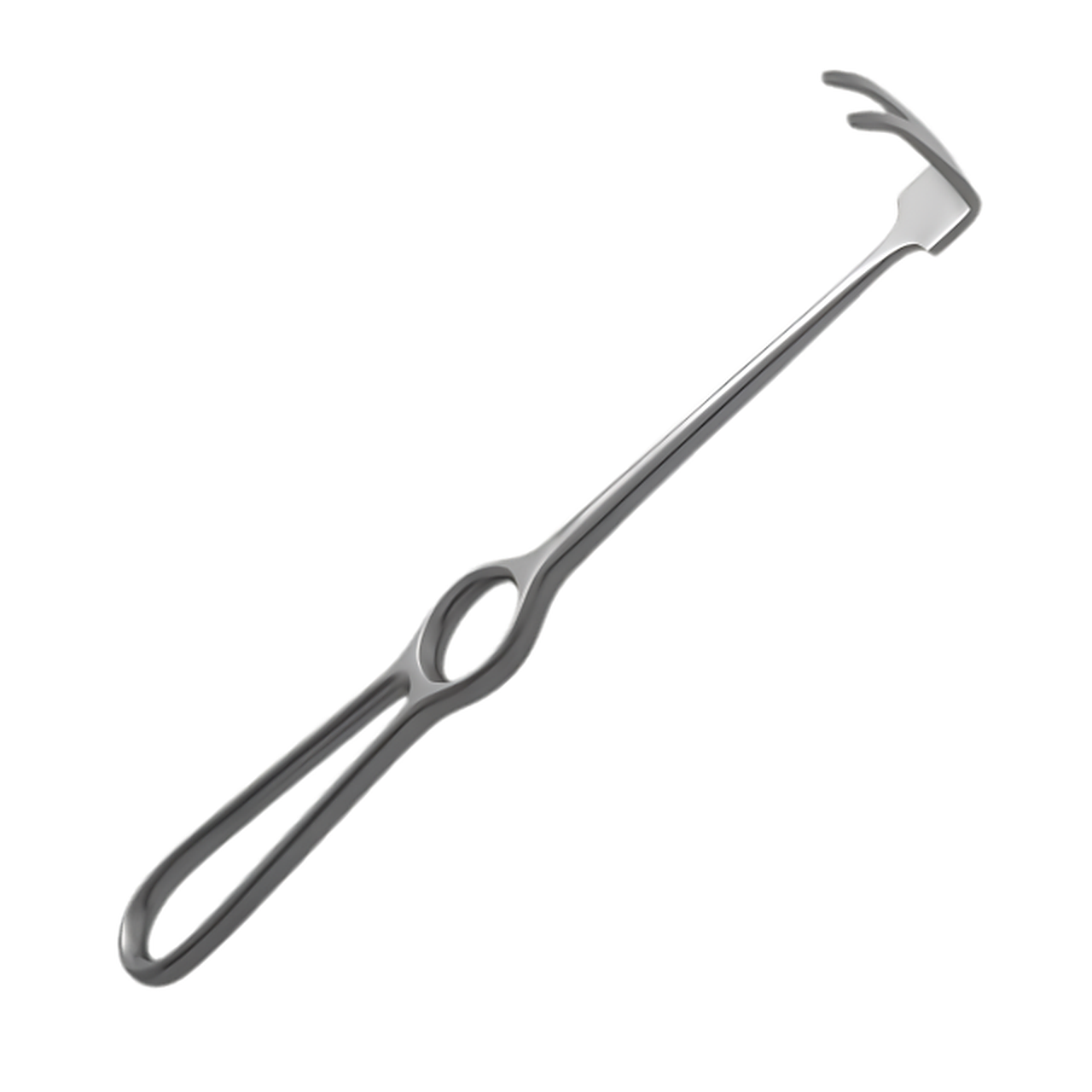 | Separador de tejidos blandos Wassmund | Diseñado específicamente para retraer las mejillas, los labios y el mucoperiostio durante la cirugía oral y maxilofacial. |
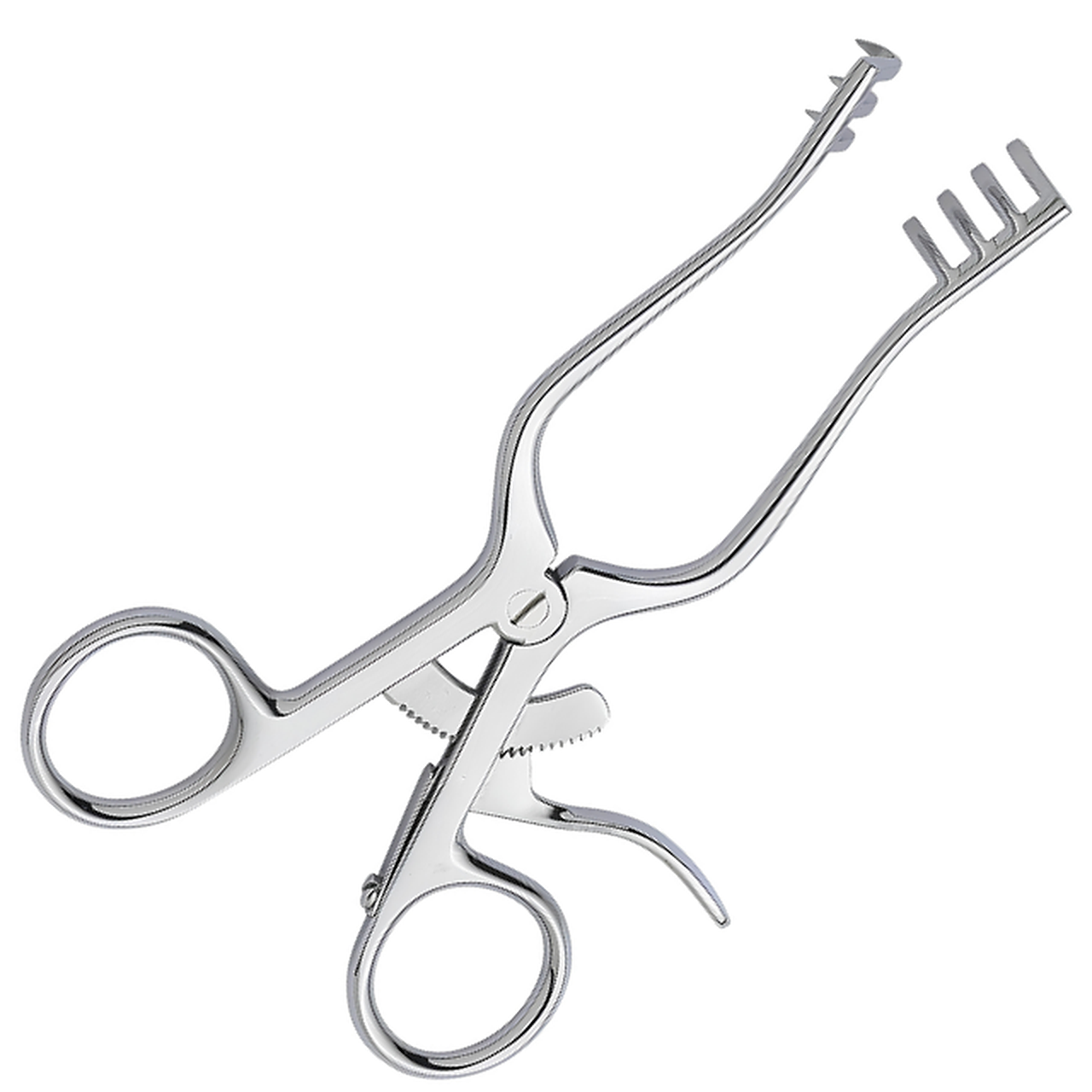 | Separador Weitlaner | Específicamente diseñado para proporcionar retracción estática y manos libres de los márgenes de la herida en cirugías menores, generales y ortopédicas profundas. |
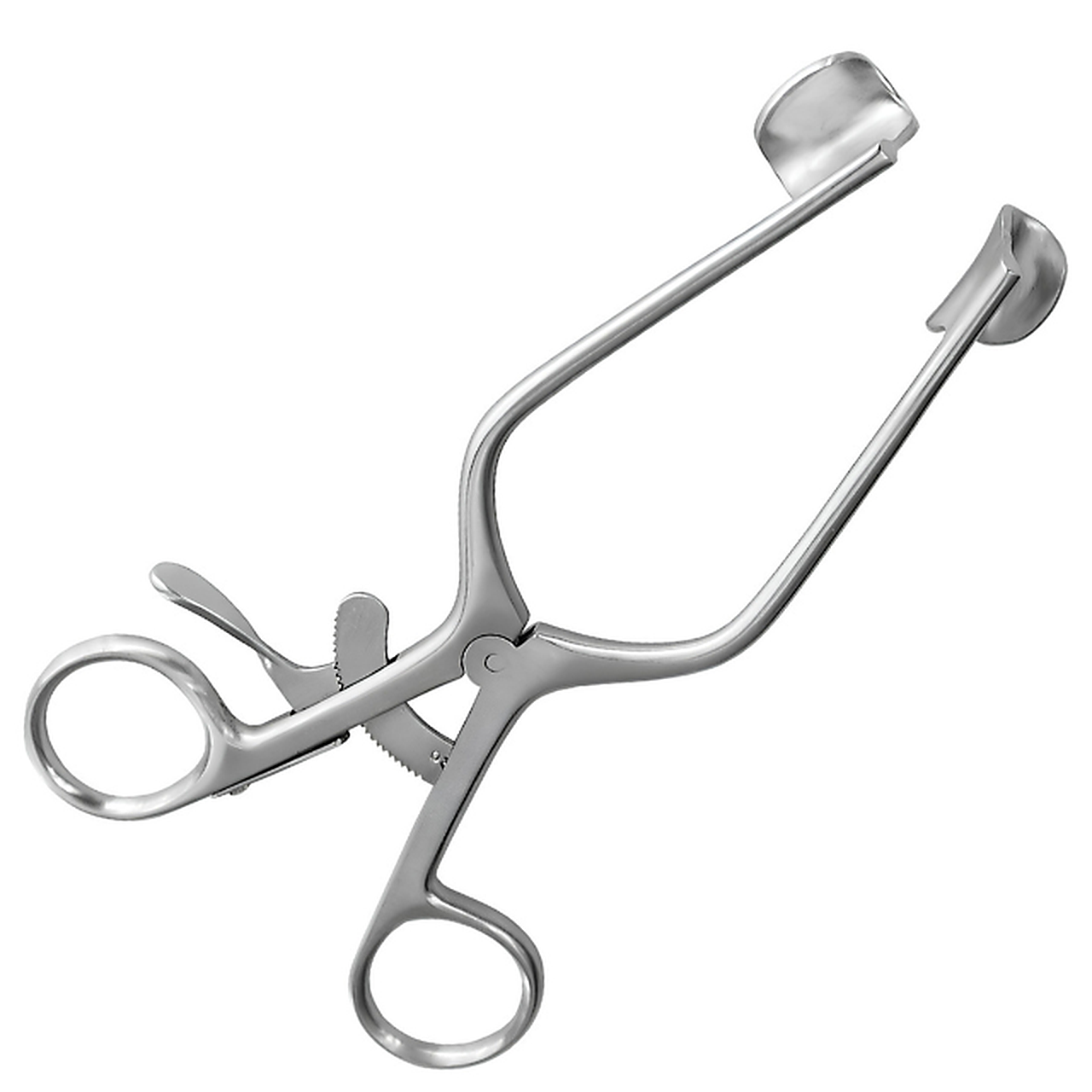 | Separador Autoestático Ancho | Diseñado específicamente para proporcionar una retracción de los márgenes de la herida de superficie amplia y autoestática sin herniación de tejido. |
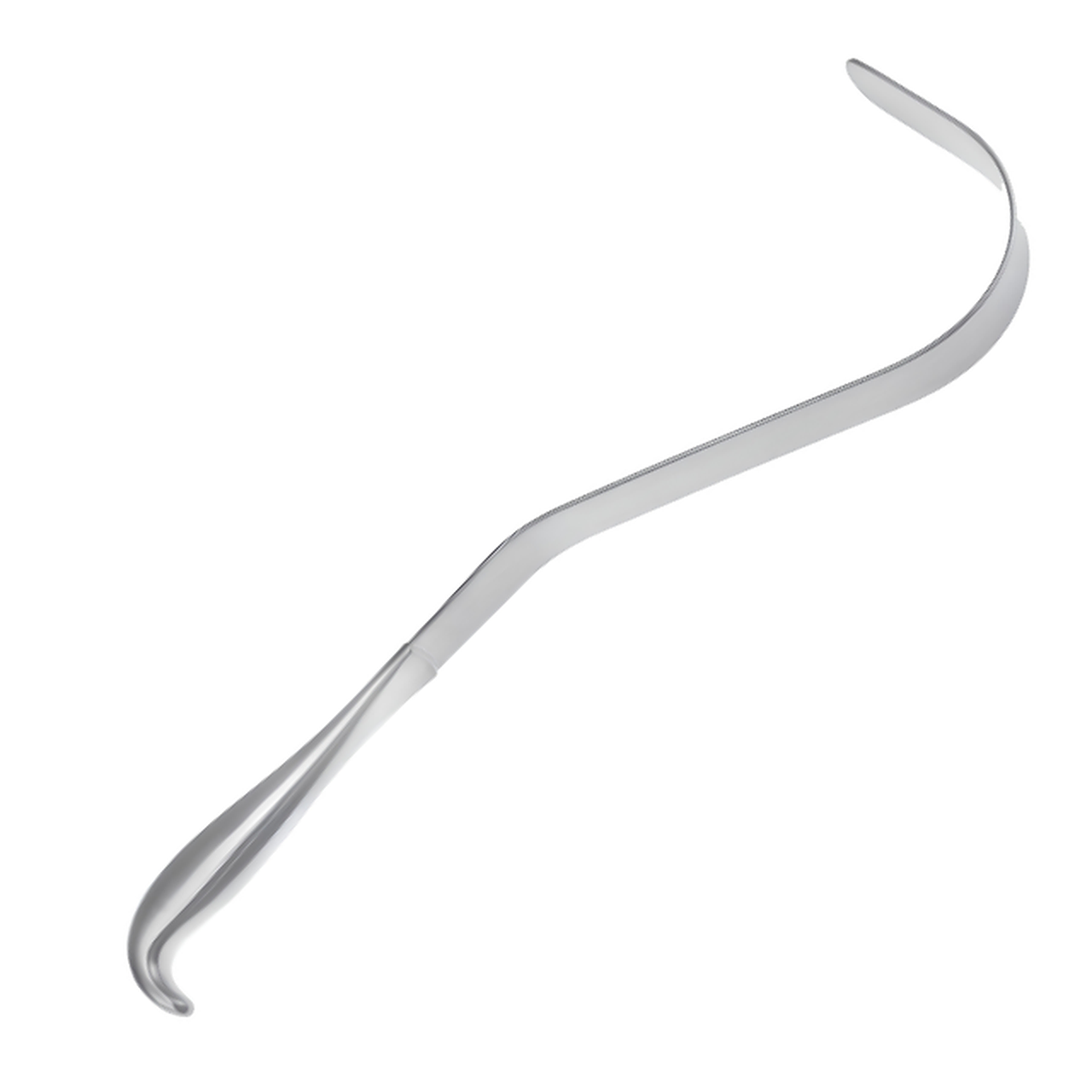 | Separador Willauer-Deaver | Específicamente diseñado para retraer el parénquima pulmonar, las vísceras y los márgenes de tejido profundo durante la cirugía torácica y abdominal. |
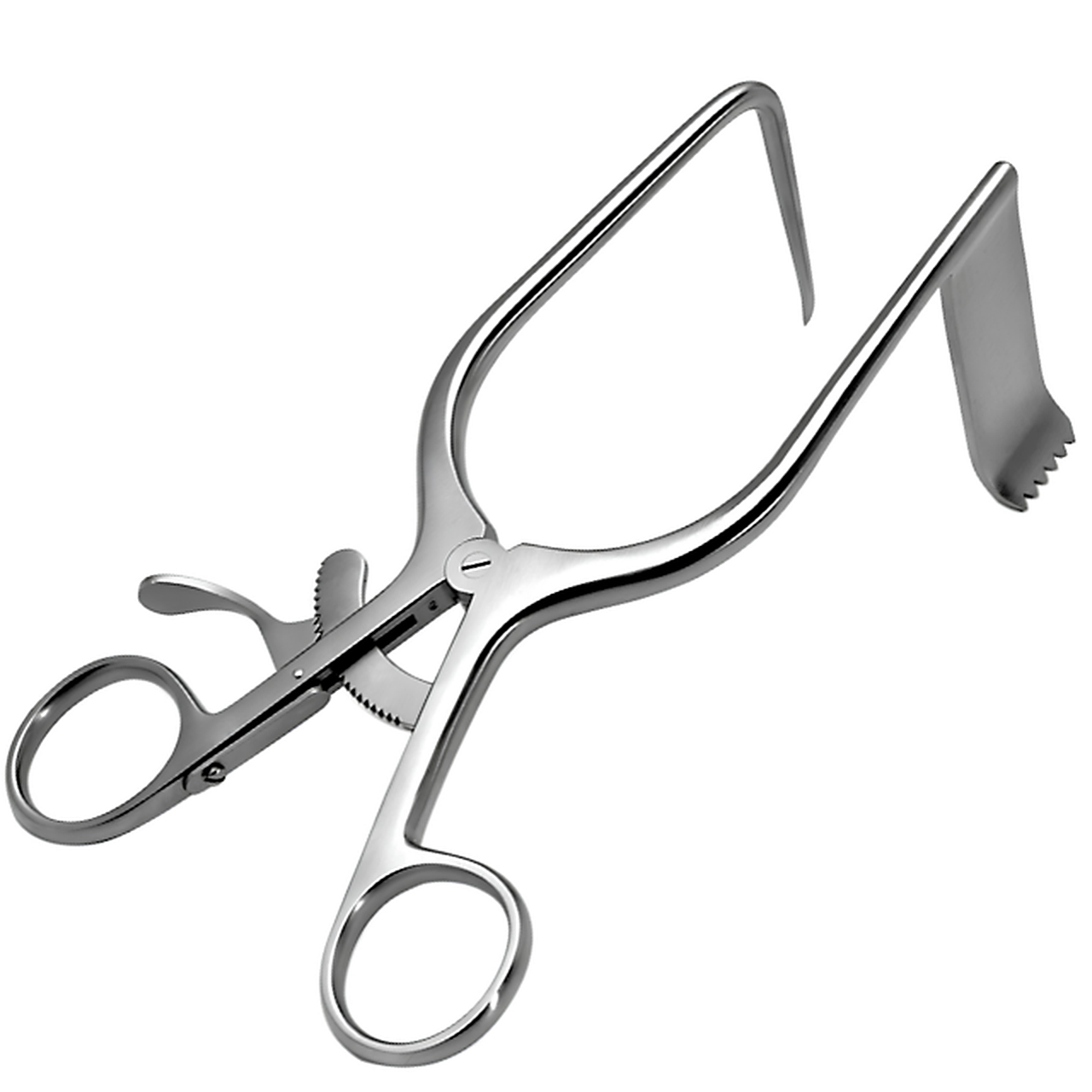 | Separador de Discectomía Williams | Diseñado específicamente para retraer los márgenes del músculo y tejido paravertebral durante la discectomía lumbar microquirúrgica y la laminotomía. |
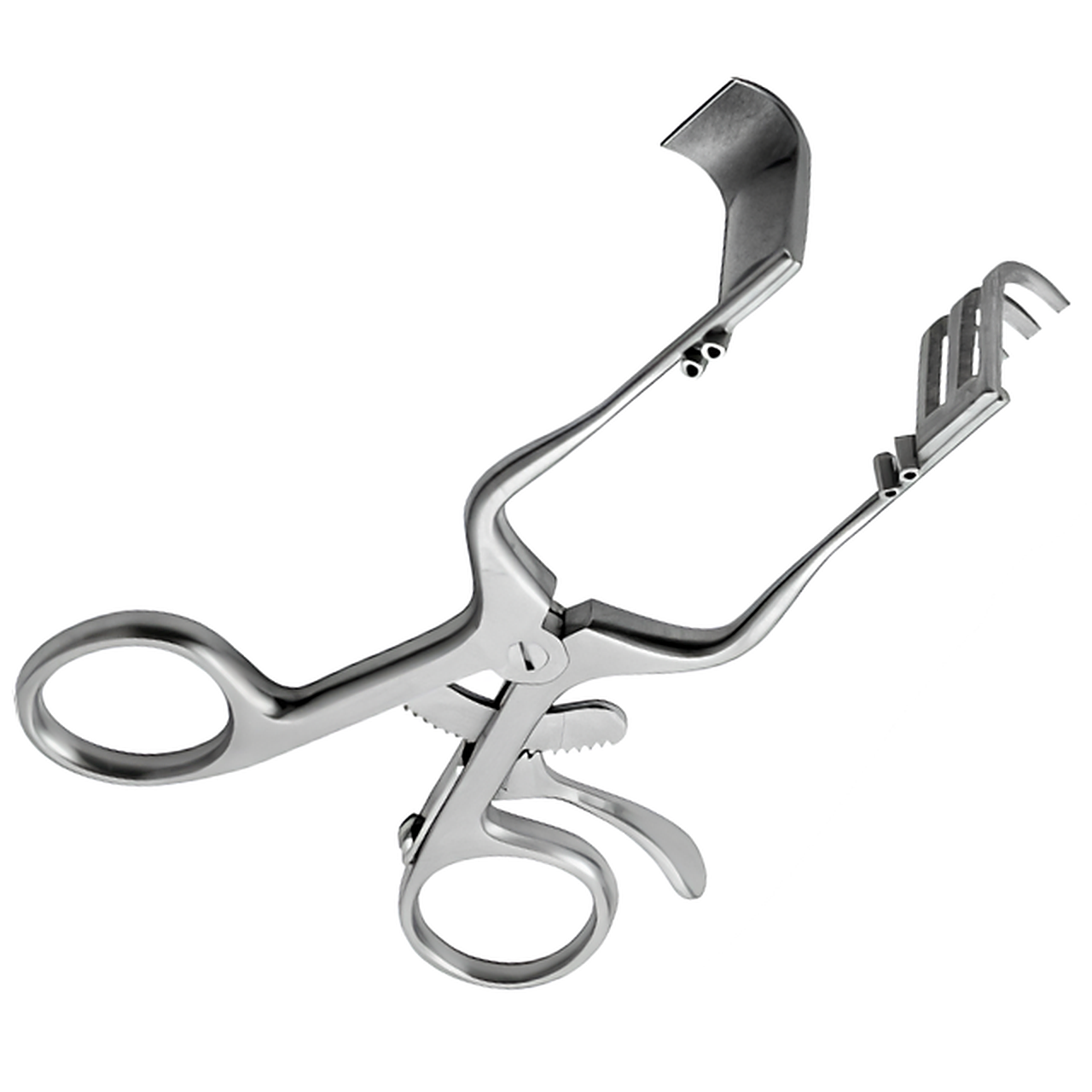 | Separador para Fractura de Radio Distal Williams | Diseñado específicamente para separar el pronador cuadrado y los tendones flexores para exponer el radio distal volar durante la colocación de placas de fractura. |
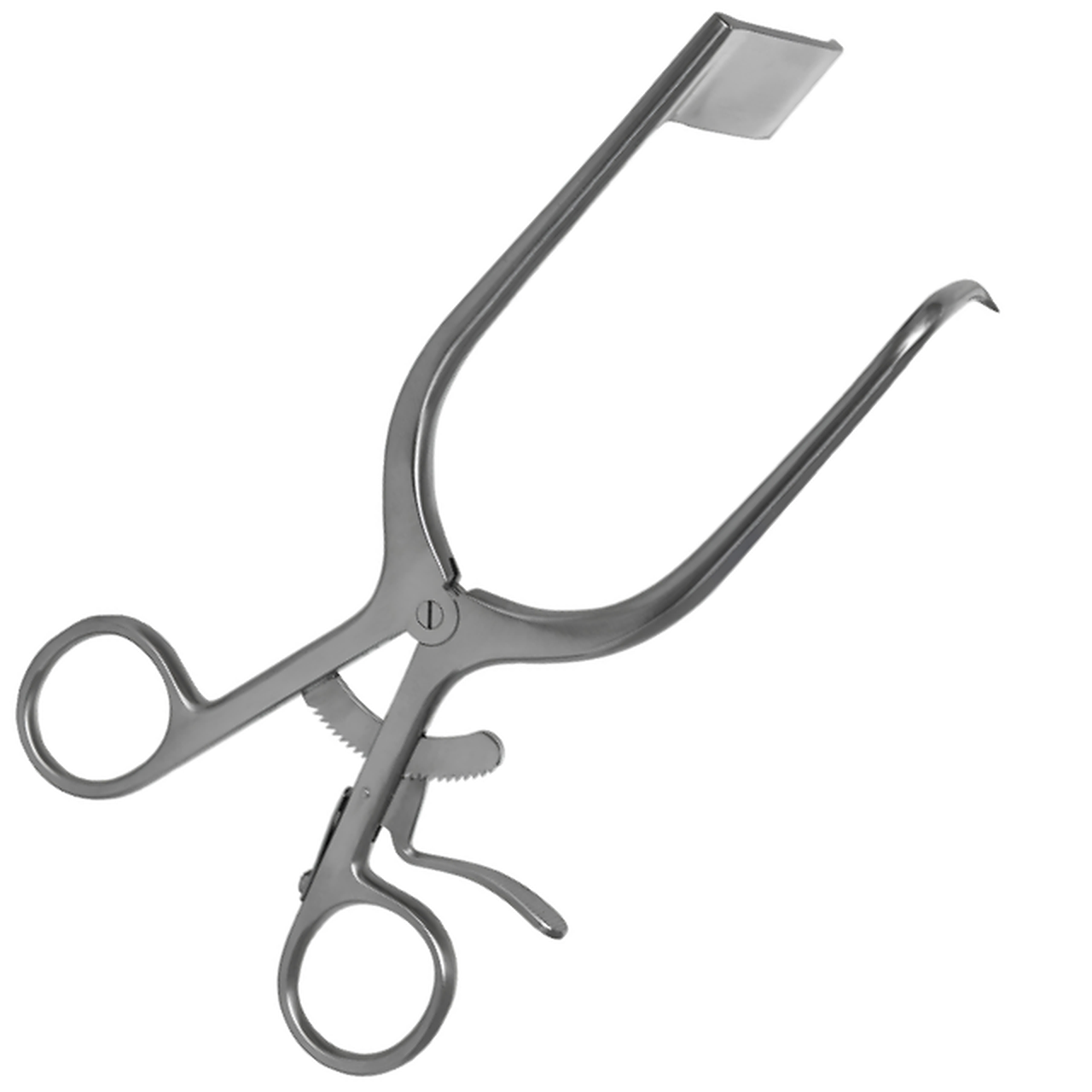 | Separador para Microdiscectomía Lumbar Williams | Específicamente diseñado para retraer la musculatura paravertebral y exponer la lámina durante la microdiscectomía lumbar. |
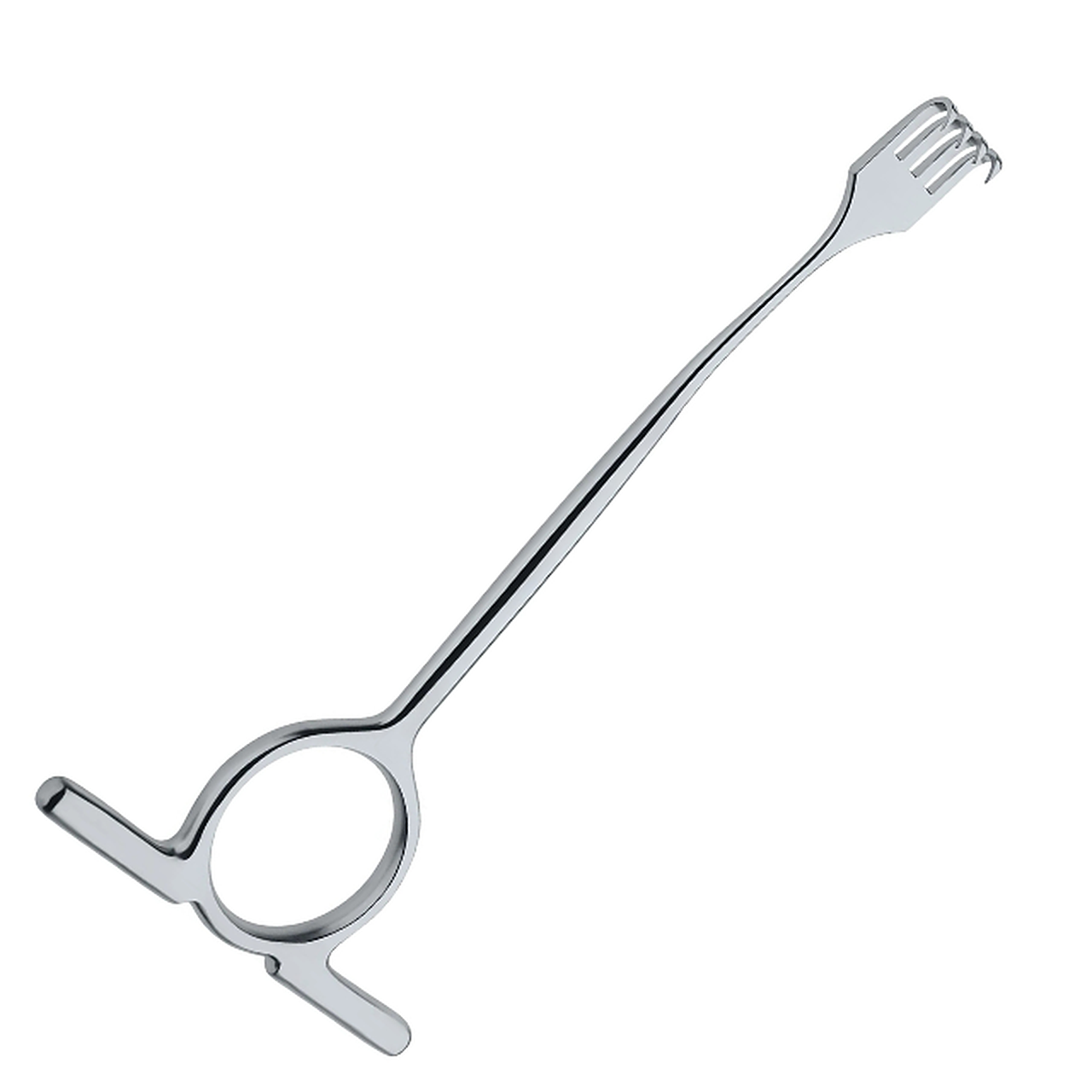 | Separador Williger | Diseñado específicamente para retraer colgajos mucoperiósticos y tejidos blandos para exponer el hueso durante cirugías orales, dentales y maxilofaciales. |
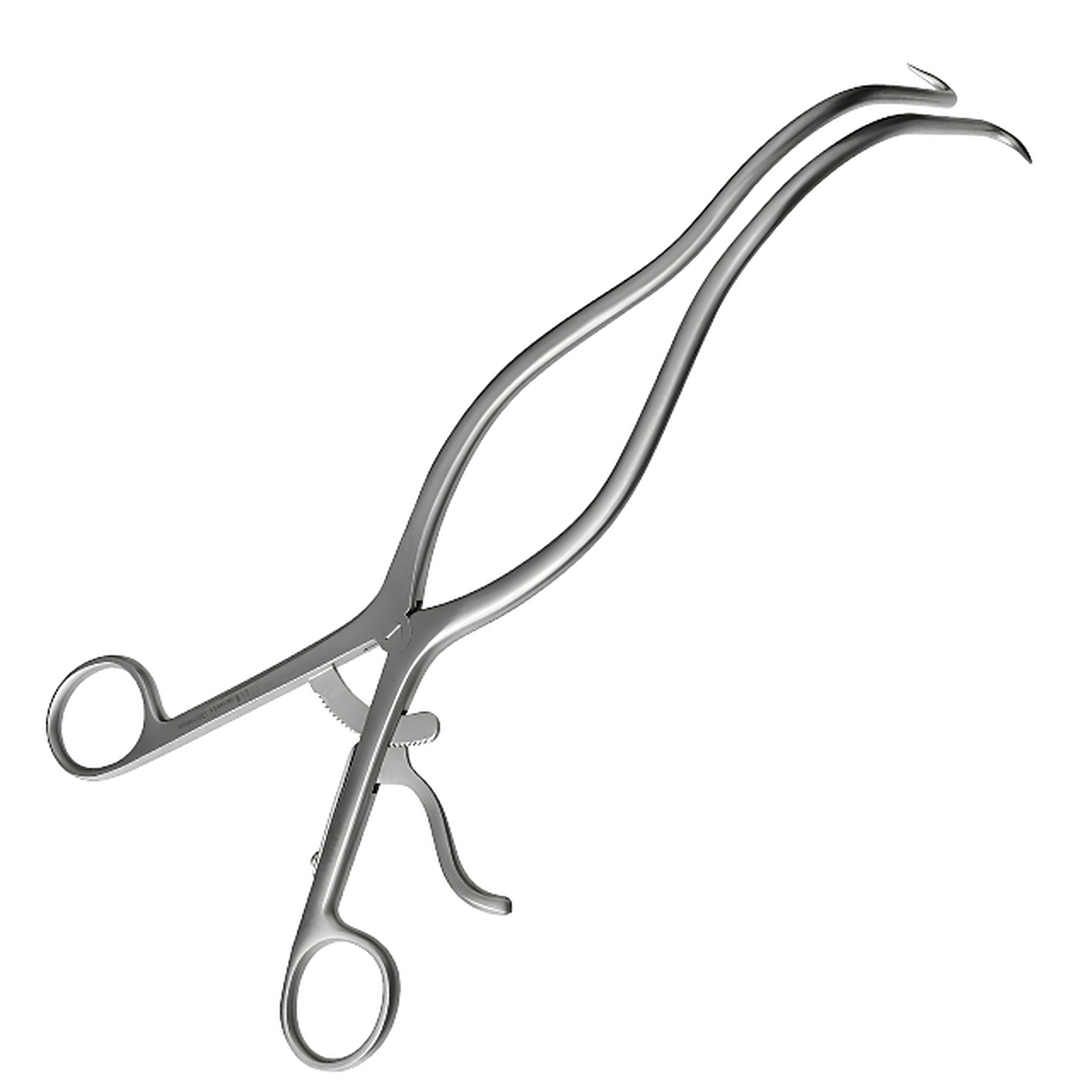 | Separador Autoestático Wiltse-Gelpi | Específicamente diseñado para retraer la musculatura paraespinal pesada durante la fusión y descompresión espinal posterolateral. |
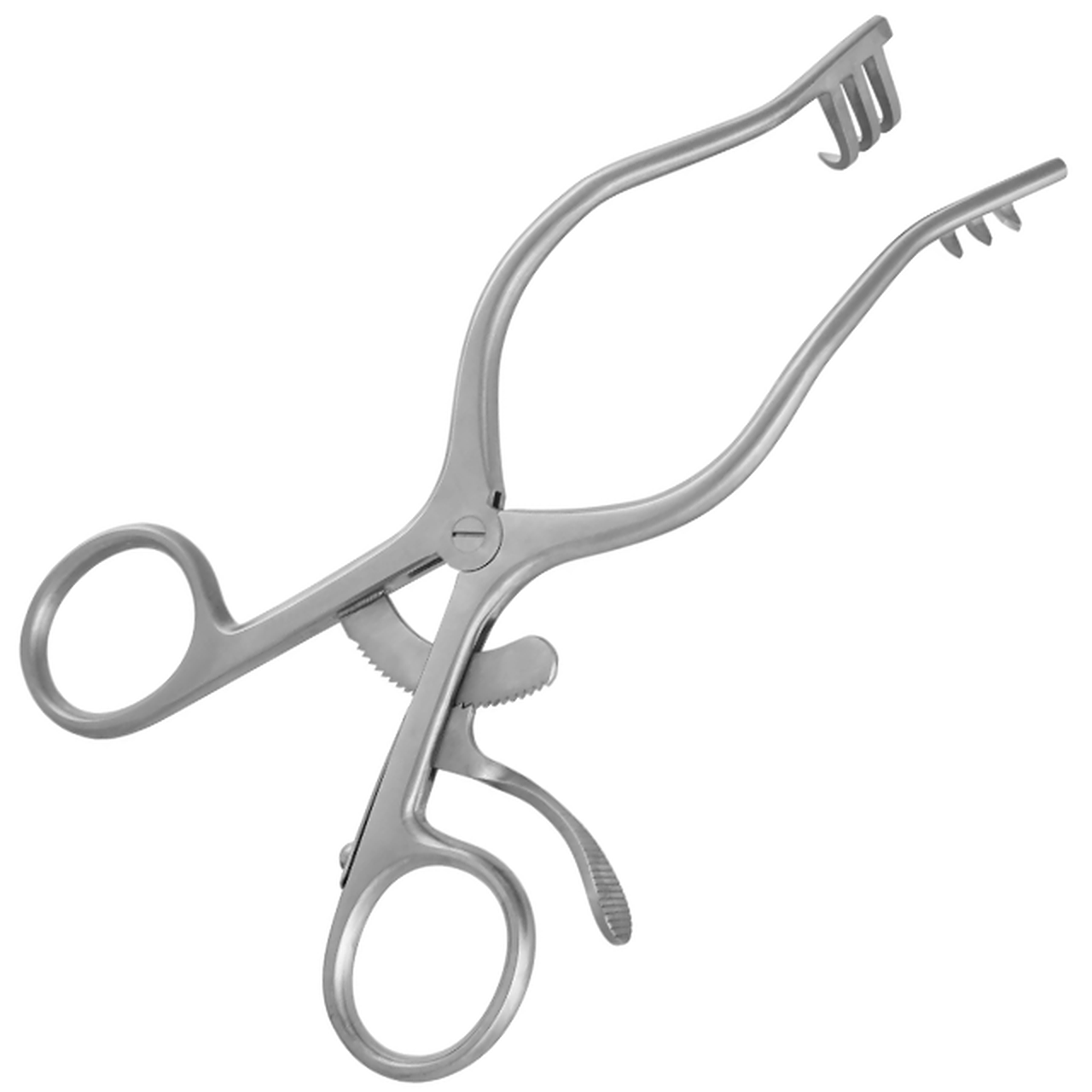 | Separador Autoestático Wullstein Weitlaner | Diseñado específicamente para proporcionar retracción autoestática de los márgenes de la herida y tejidos blandos durante cirugías de oído, cuero cabelludo y cirugías menores. |
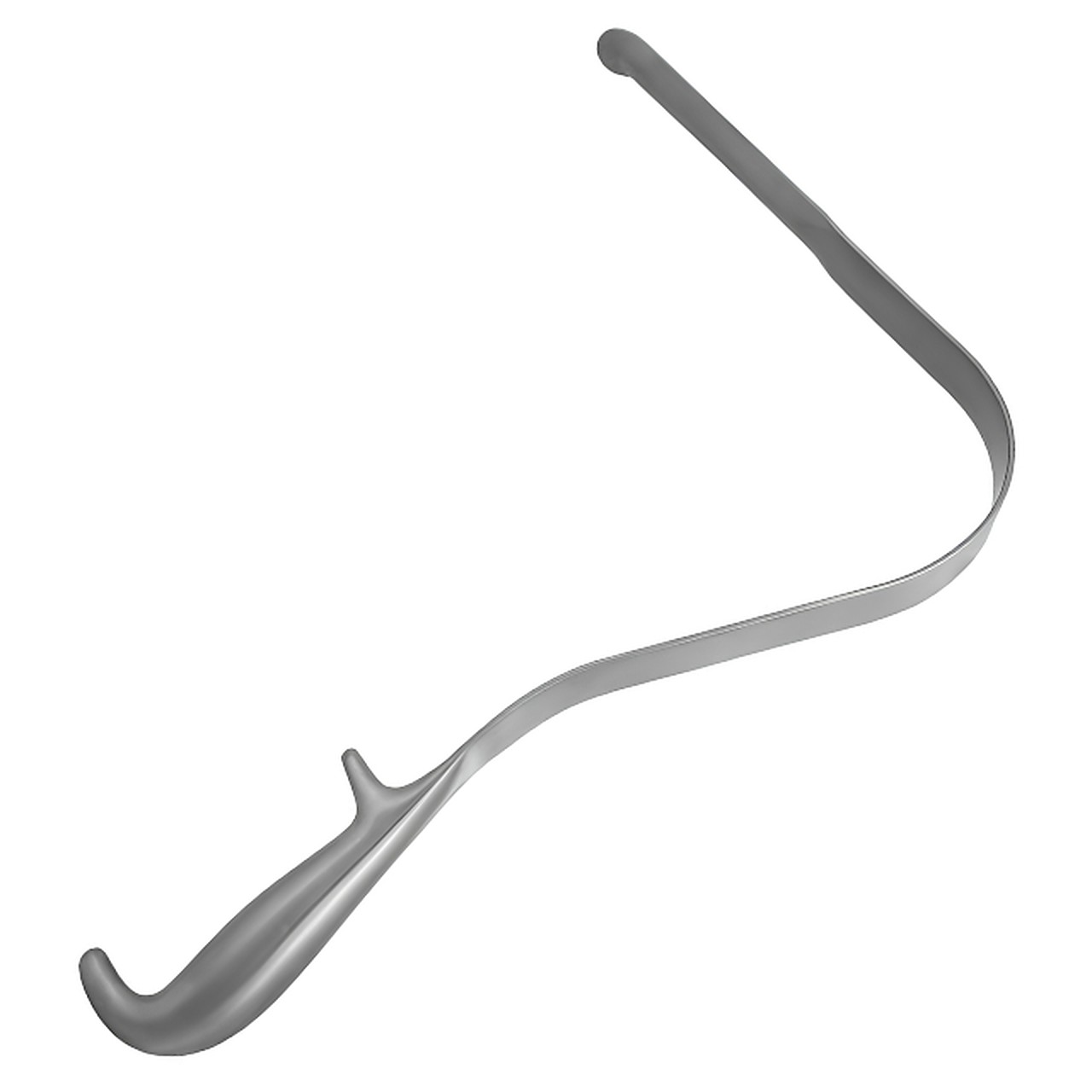 | Separador de Vena Renal Wylie | Diseñado específicamente para retraer y proteger la vena renal, la vena cava y los principales vasos retroperitoneales durante cirugía vascular y urológica. |
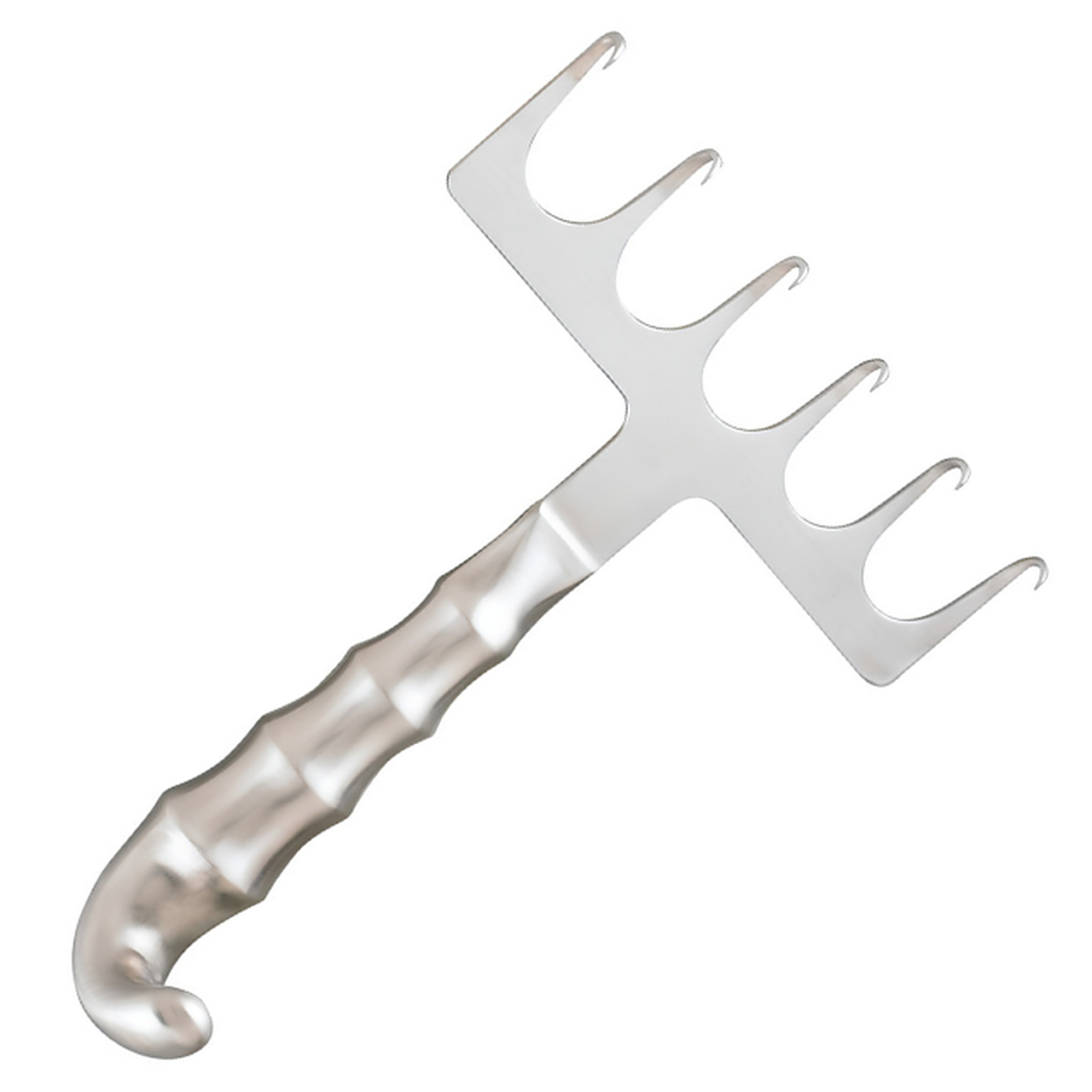 | Separador para Abdominoplastia Yancoskie | Específicamente diseñado para elevar grandes colgajos de piel abdominal y exponer la vaina del recto durante la abdominoplastia y la paniculectomía. |
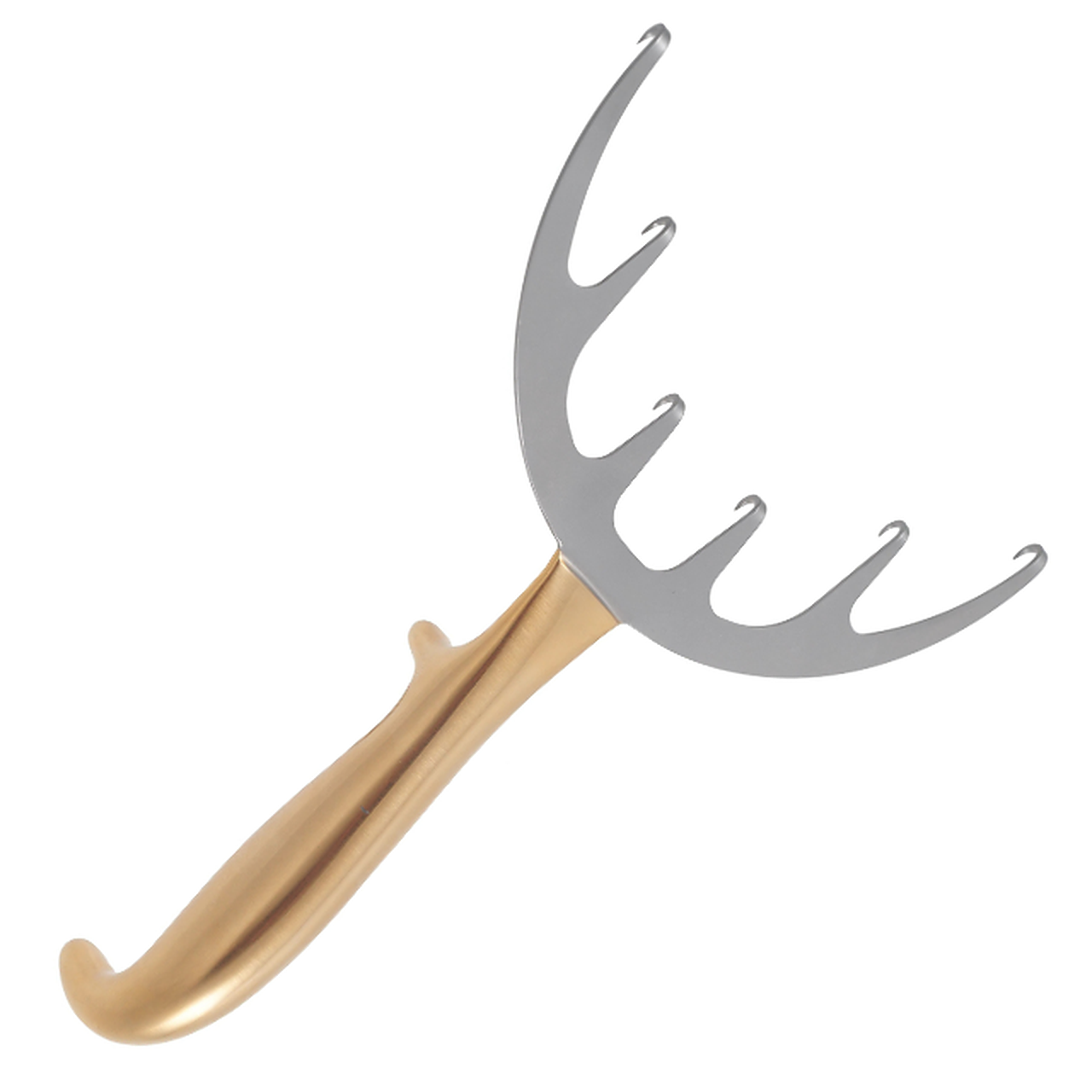 | Separador Yancoskie Coronal Lift | Específicamente diseñado para elevar y retraer el colgajo del cuero cabelludo y la frente durante levantamientos de cejas coronales y cirugía craneofacial. |
 | Separador Maleable en Cinta Zalkind | Diseñado específicamente para doblarse en formas intraoperatorias personalizadas para retraer vísceras, intestinos y tejidos blandos profundos sin efecto rebote. |
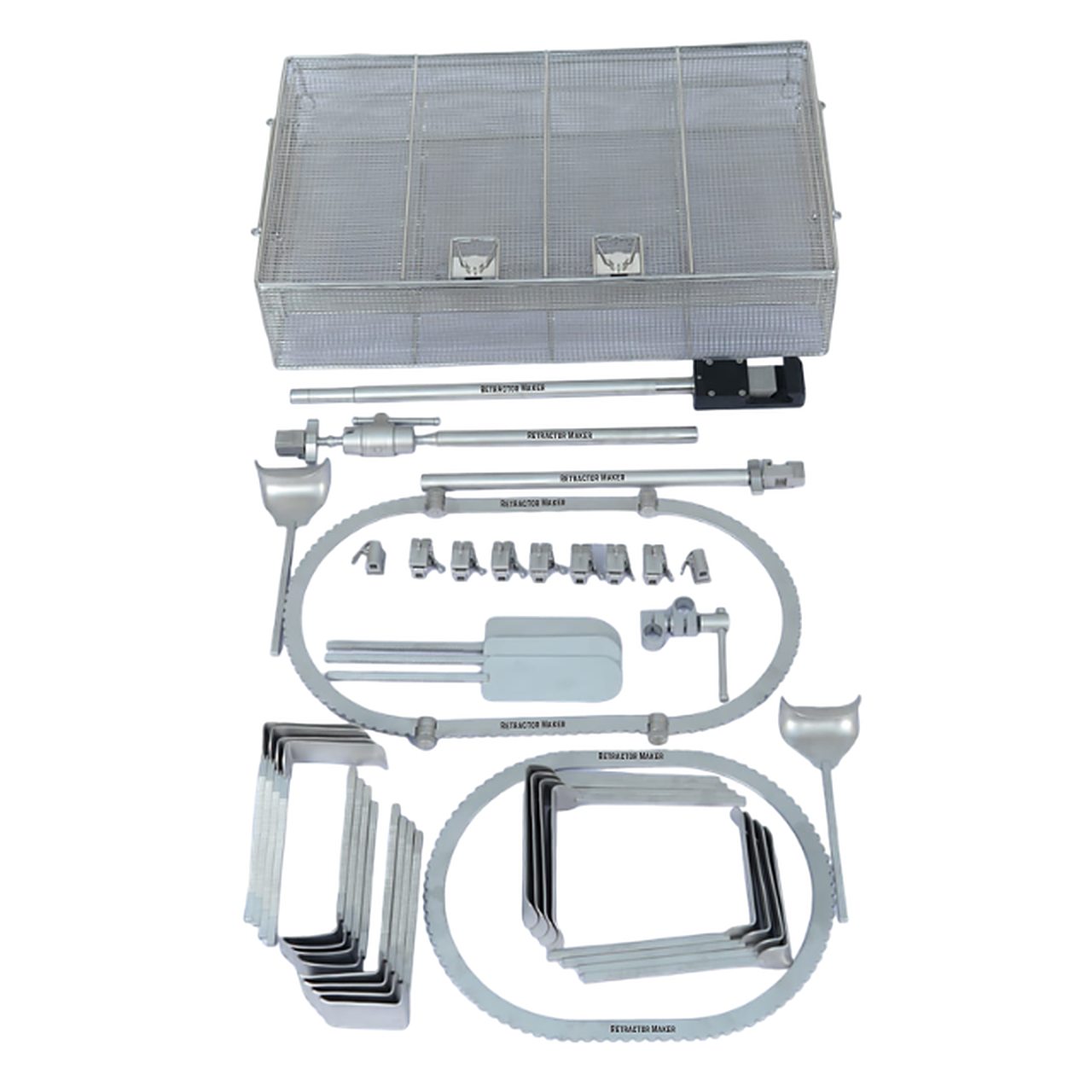 | Separador Bookwalter (Estándar) | Proporciona una exposición estable y manos libres de la herida durante cirugías abiertas mayores, incluyendo procedimientos como nefrectomía, prostatectomía y laparotomía exploratoria. |
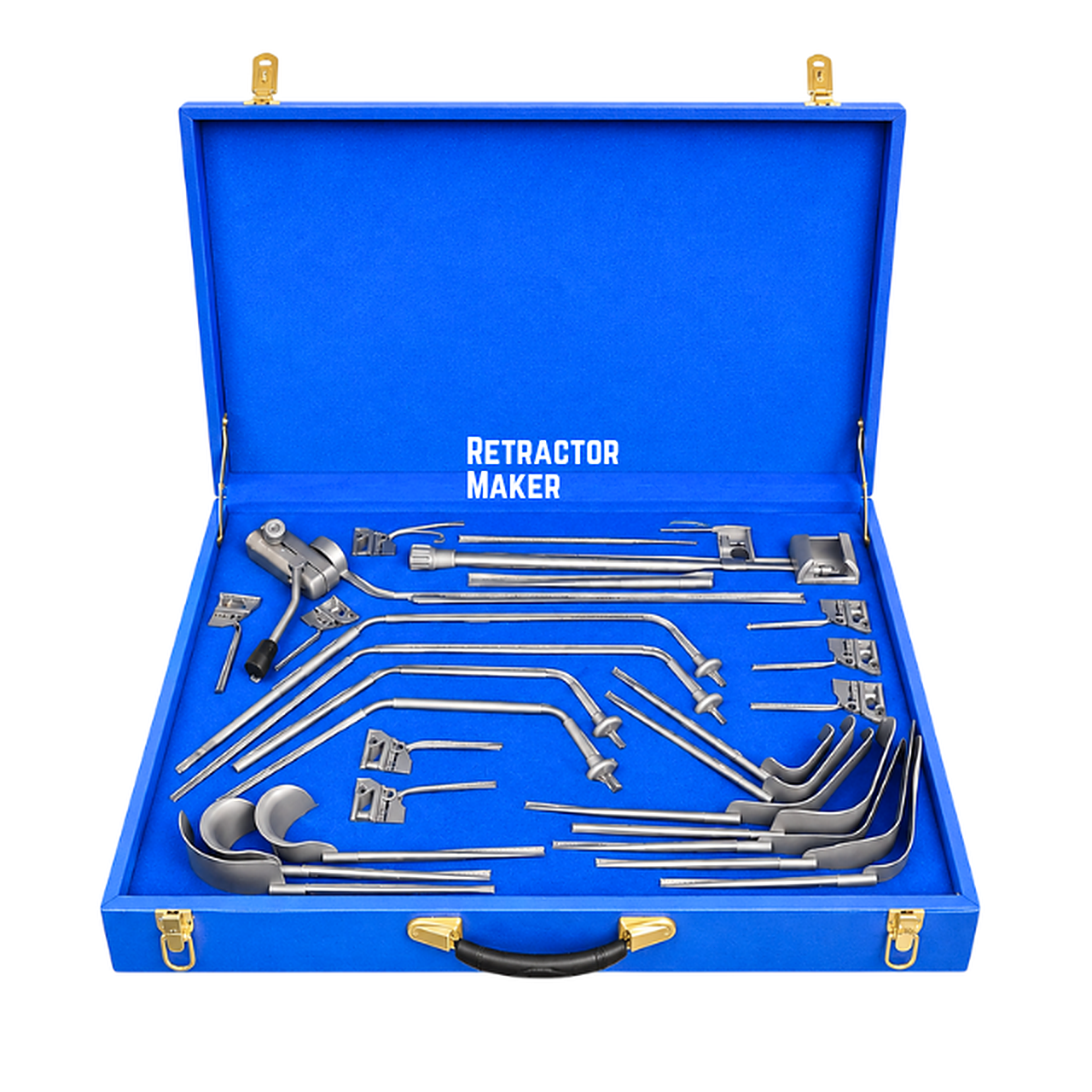 | Sistema de Retractores Omni | Proporciona una exposición altamente adaptable, de bajo perfil y manos libres durante cirugías abiertas complejas. |
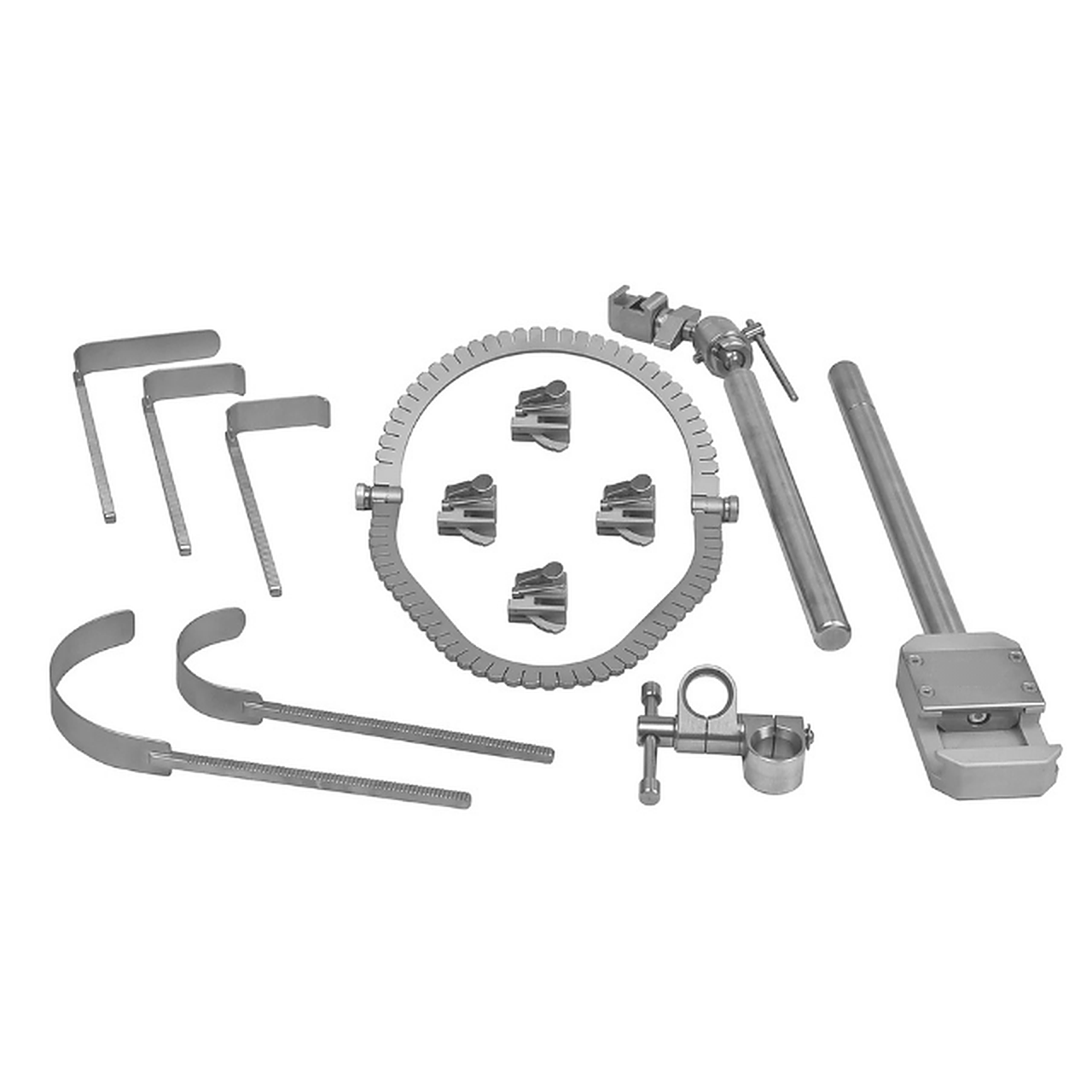 | Sistema de Separador Bookwalter GYN | Diseñado para proporcionar una exposición quirúrgica estable y manos libres durante procedimientos ginecológicos y vaginales mediante un sistema de separación autoestático montado en mesa. |
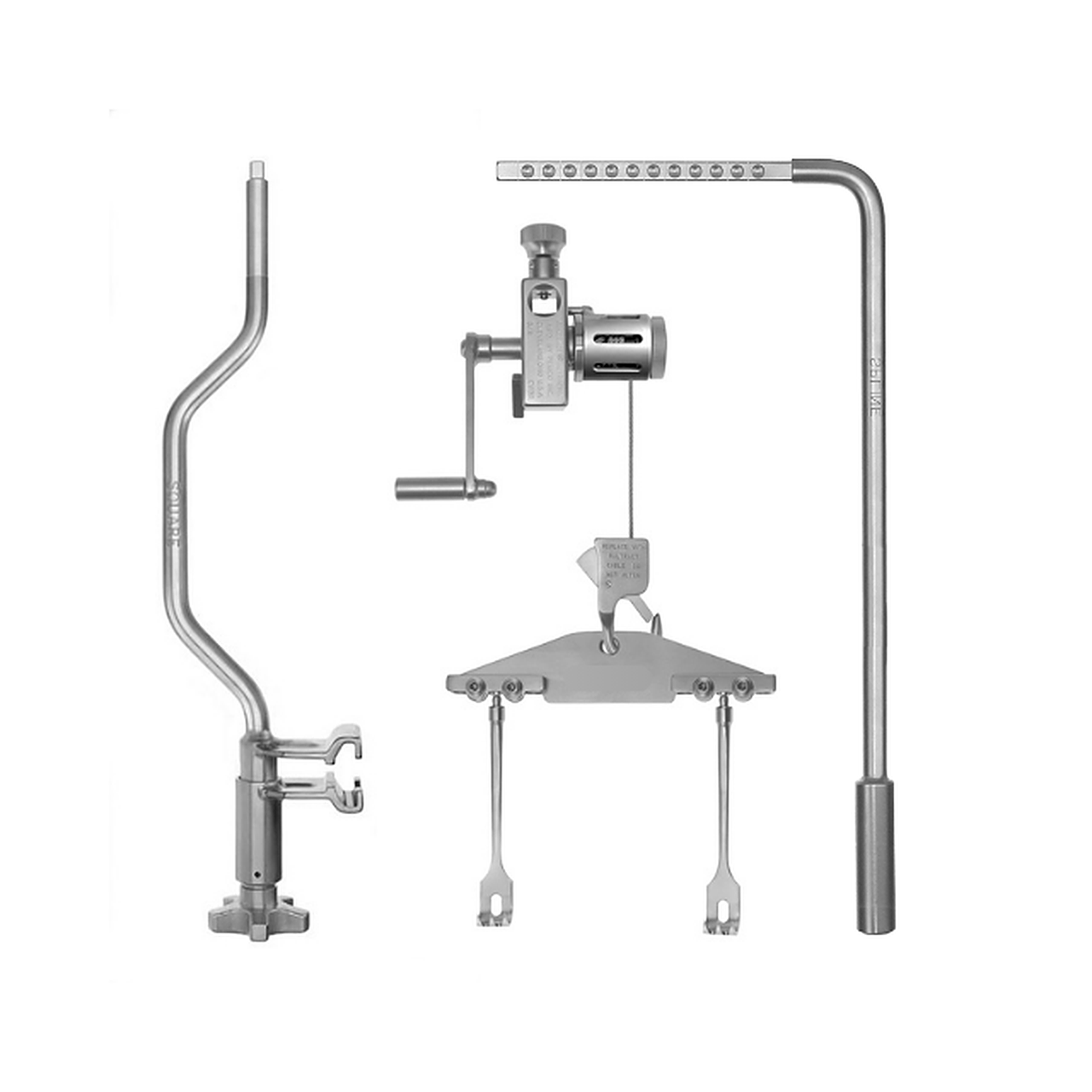 | Sistema Separador Rultract | Diseñado para proporcionar un desplazamiento tisular estable y manos libres, y una exposición quirúrgica constante, apoyando la eficiencia quirúrgica durante los procedimientos operativos. |
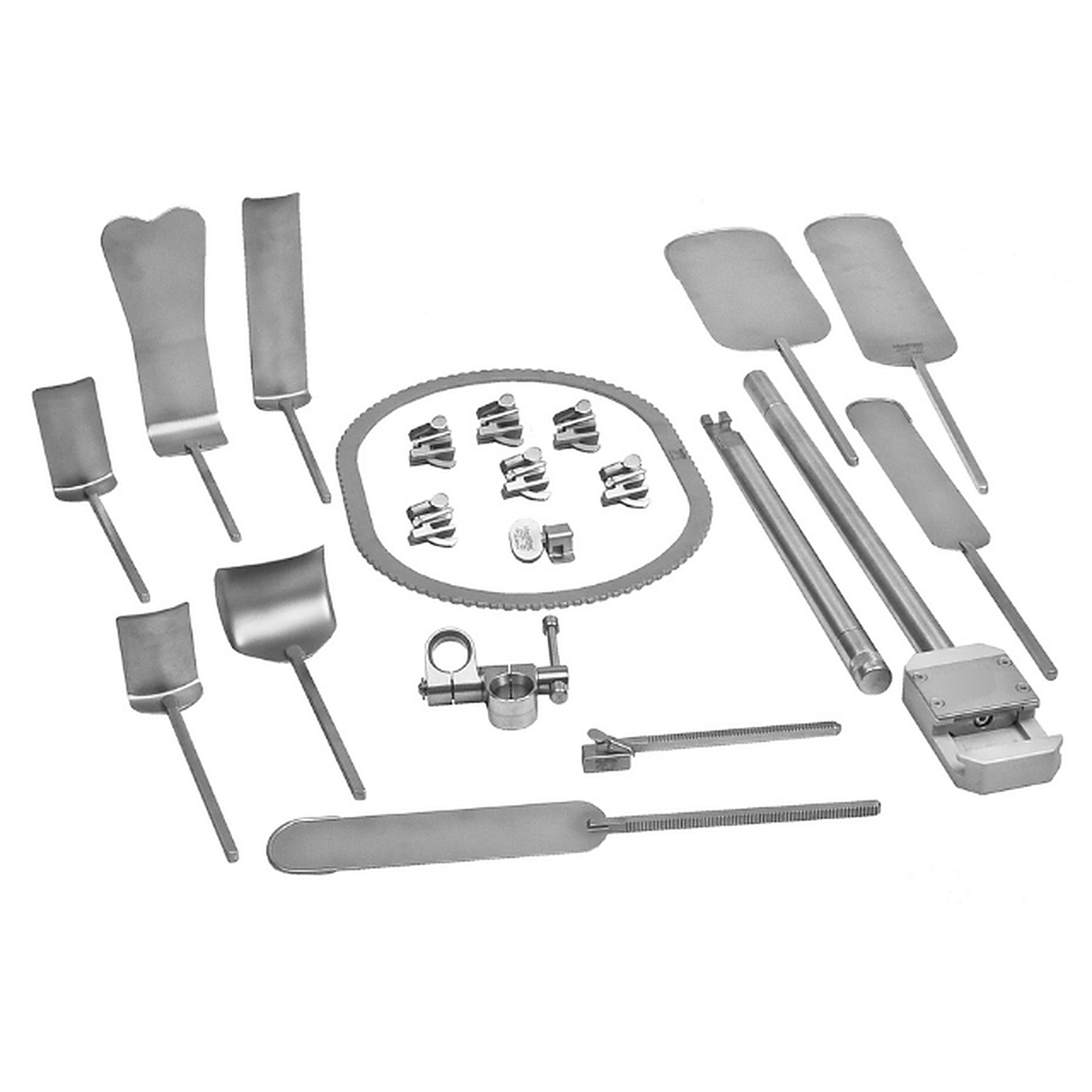 | Sistema de Separador Bariátrico Bookwalter | Diseñado para proporcionar exposición quirúrgica manos libres durante procedimientos bariátricos abiertos que requieren retracción especializada. |
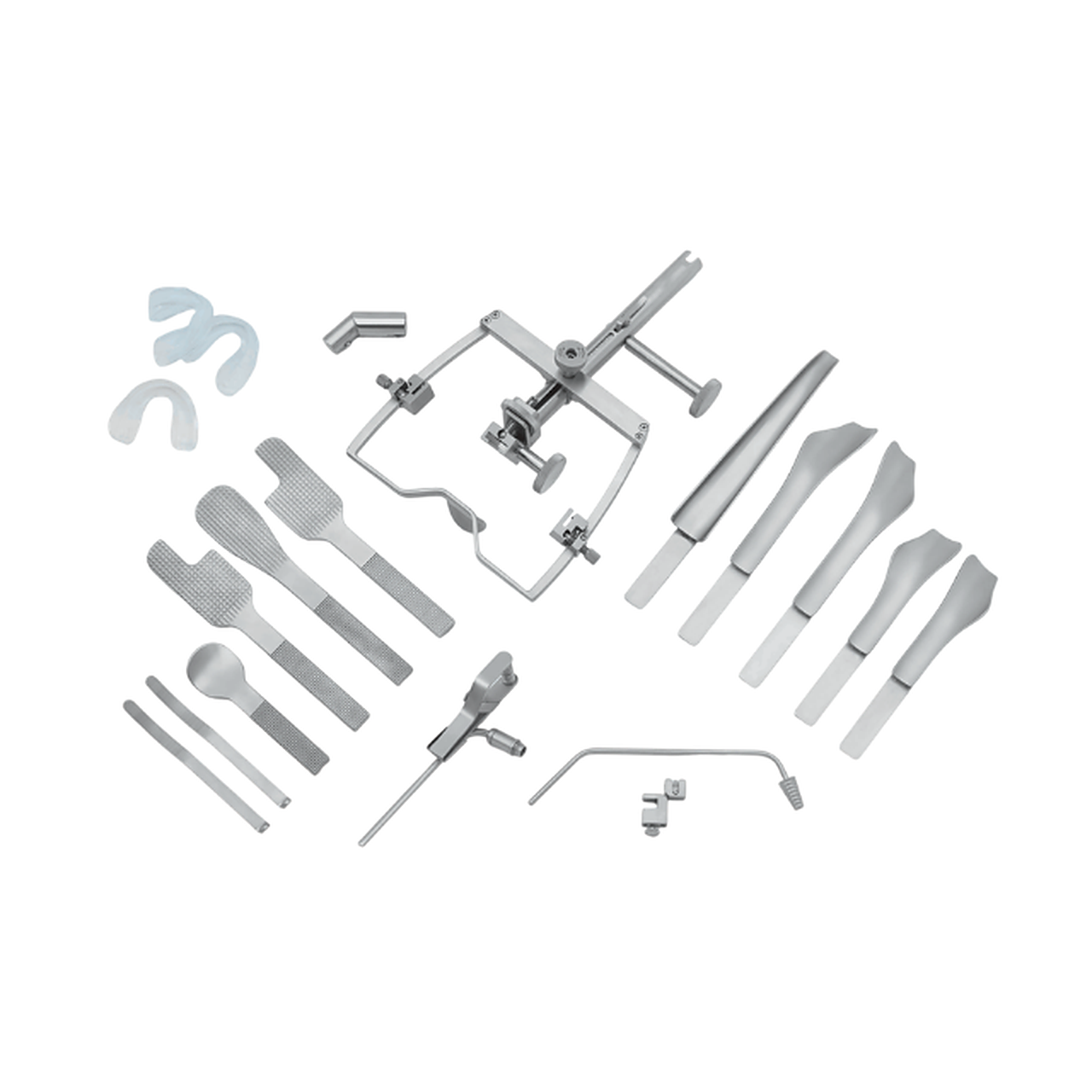 | Retractor FK (Feyh-Kastenbauer) | Diseñado específicamente para la exposición del tracto aerodigestivo superior durante la Cirugía Robótica Transoral (TORS), microcirugía y procedimientos láser que involucran la base de la lengua, la laringe, la supraglotis y la hipofaringe. |
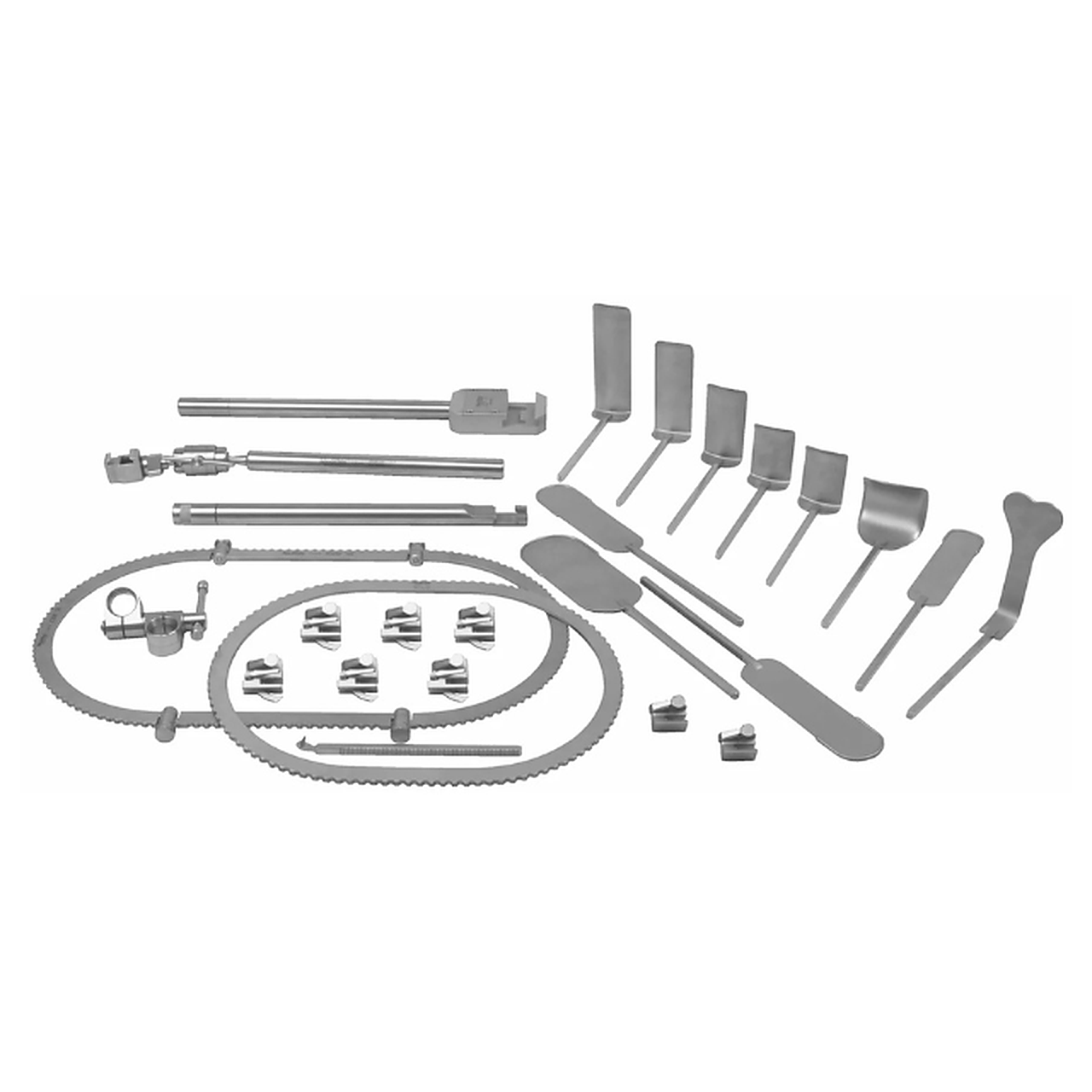 | Separador Quirúrgico Bookwalter para Cirugía General | Proporciona una exposición quirúrgica estable y manos libres durante procedimientos abdominales abiertos y de cirugía general mediante un sistema separador autoestático fijado a la mesa. |
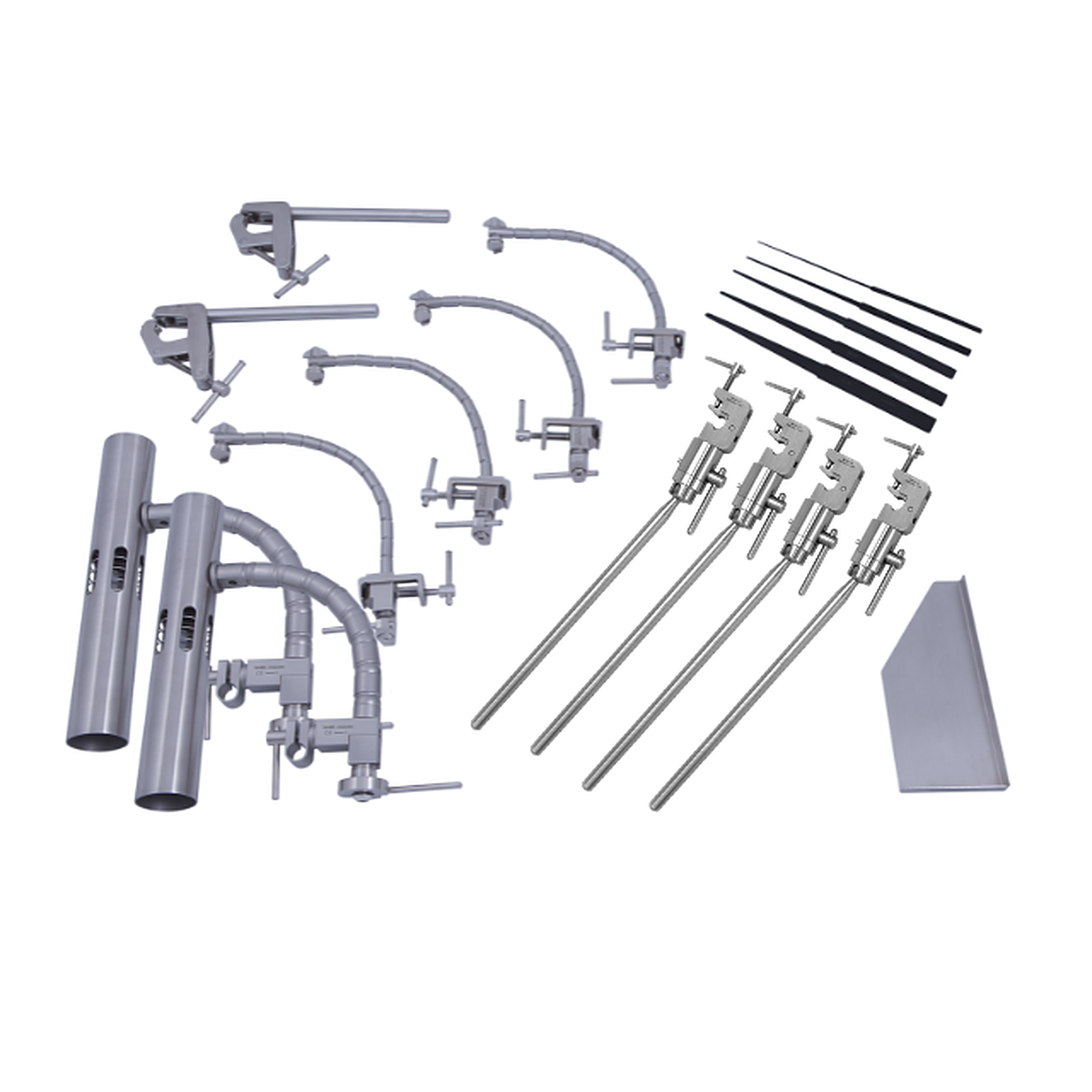 | Greenberg Retractor | Diseñado para proporcionar una retracción de tejidos precisa, autoestática y manos libres durante procedimientos craneales, de base de cráneo y microneuroquirúrgicos complejos. |
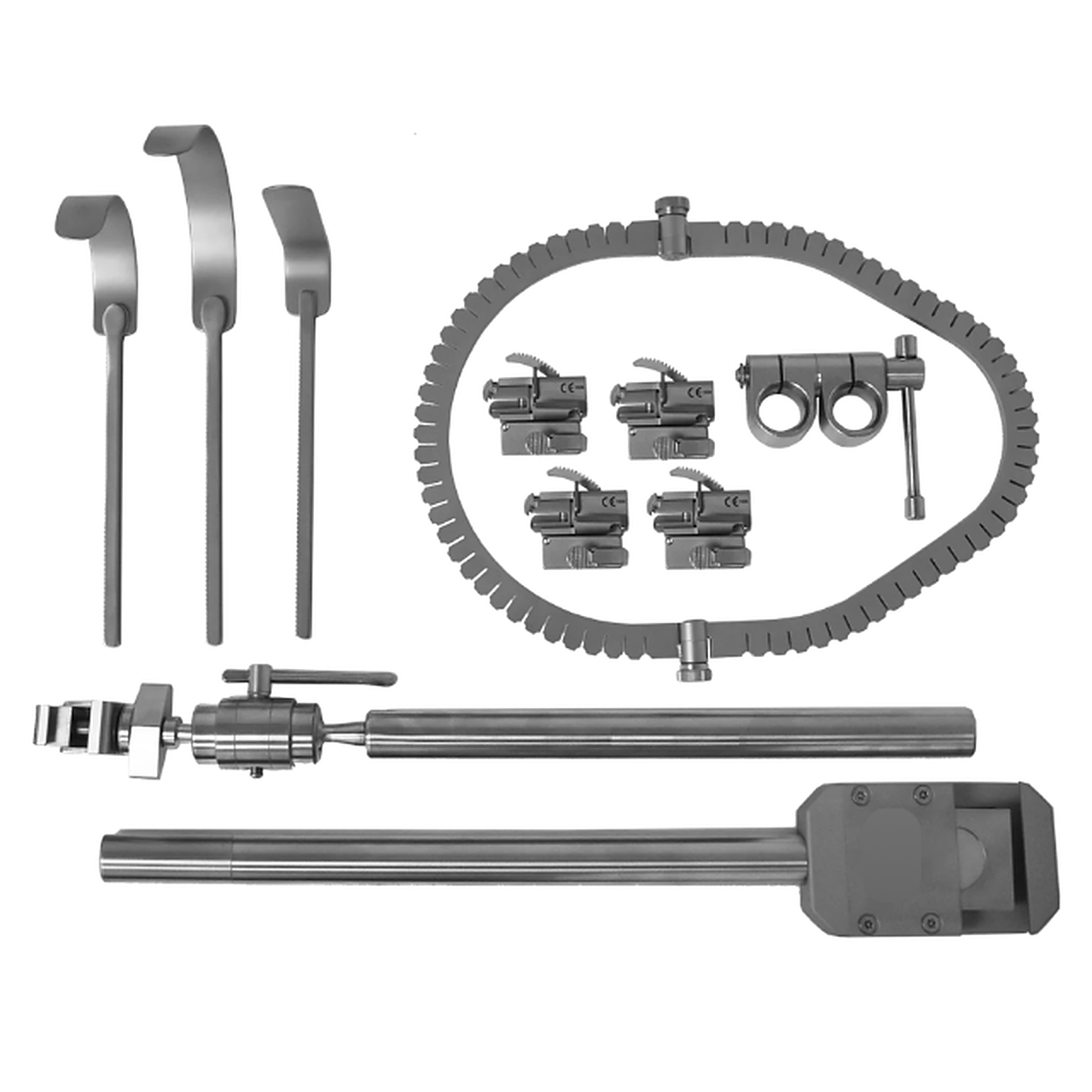 | Sistema Separador de Cirugía Pélvica Bookwalter GYN Magrina | Diseñado para proporcionar una exposición estable y manos libres durante procedimientos quirúrgicos ginecológicos, vaginales y pélvicos mediante un sistema separador autoestático montado en la mesa con trinquetes de inclinación giratorios. |
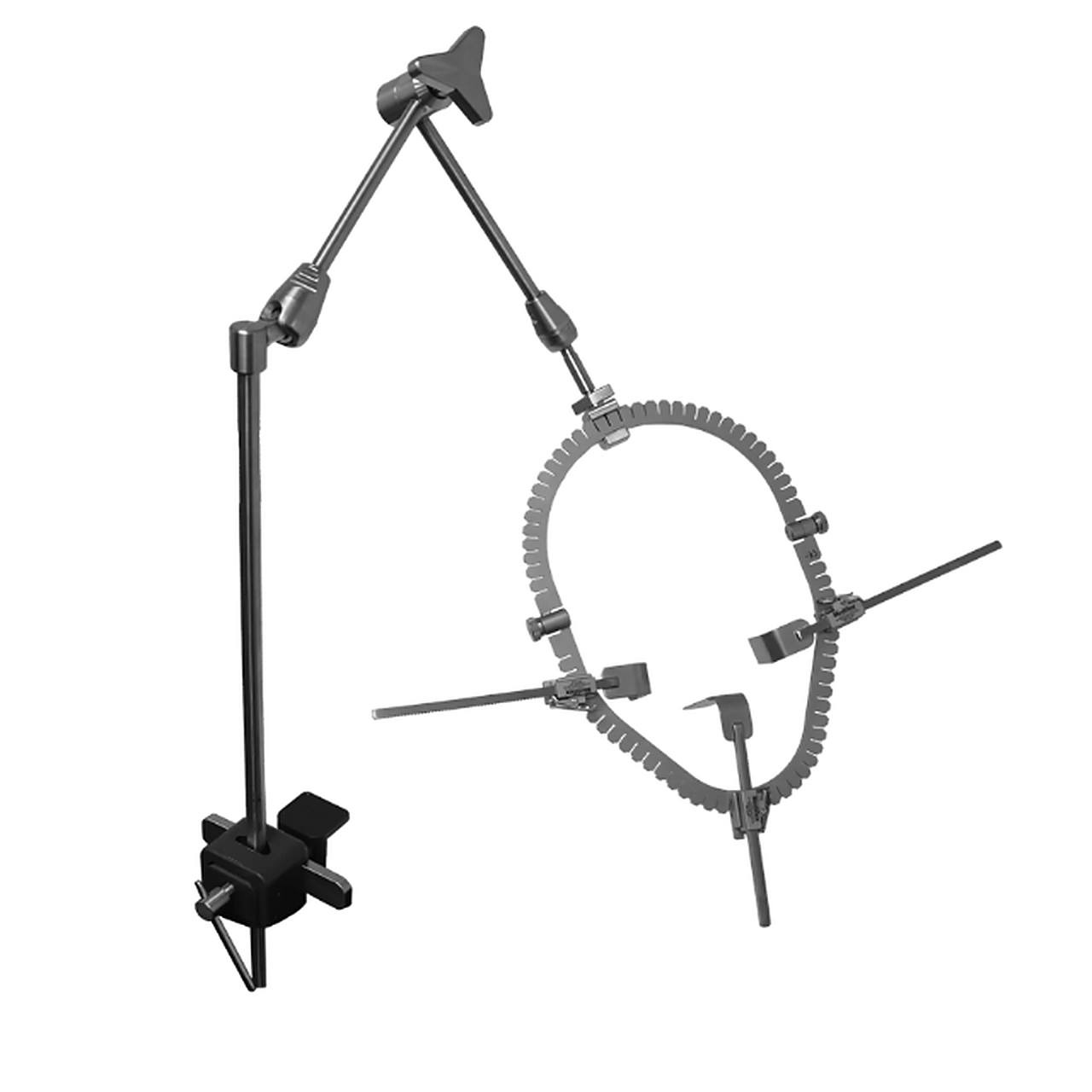 | Sistema de Cirugía Ginecológica Bookwalter StrongArm | Diseñado para proporcionar una exposición estable y libre de manos durante procedimientos quirúrgicos ginecológicos, vaginales y pélvicos utilizando el sistema de montaje StrongArm Plus. |
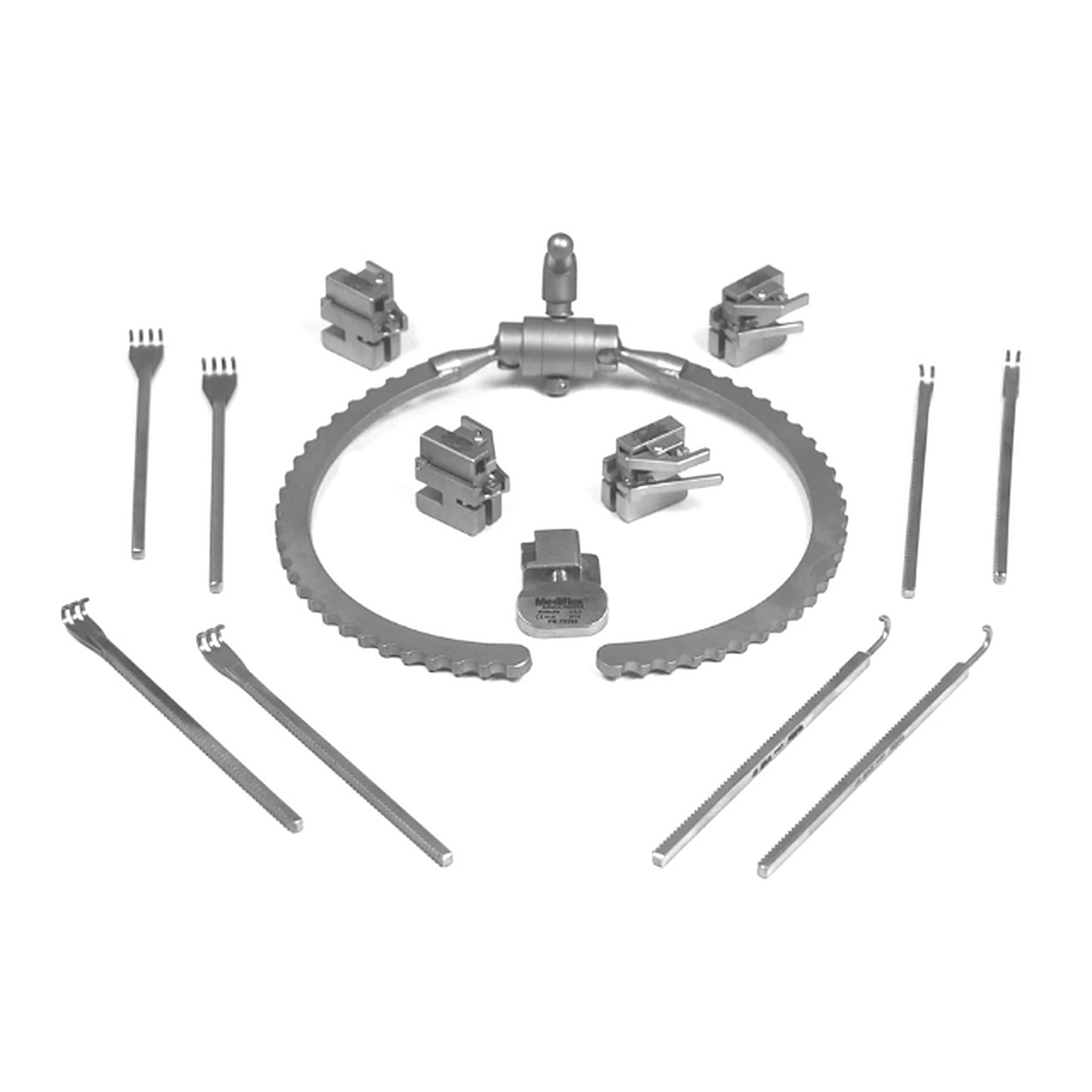 | Sistema de Separador Quirúrgico de Mano Bookwalter | Proporciona una separación estable y manos libres para procedimientos quirúrgicos delicados de mano, muñeca y extremidad superior utilizando un sistema mini separador autoestático compacto. |
 | Set de Separador Image-Line ACF con Sistema de Distracción y Liberación Rápida | Diseñado específicamente para la separación de tejidos blandos, distracción de cuerpos intervertebrales y colocación de injertos óseos durante procedimientos espinales de fusión cervical anterior (ACF). |
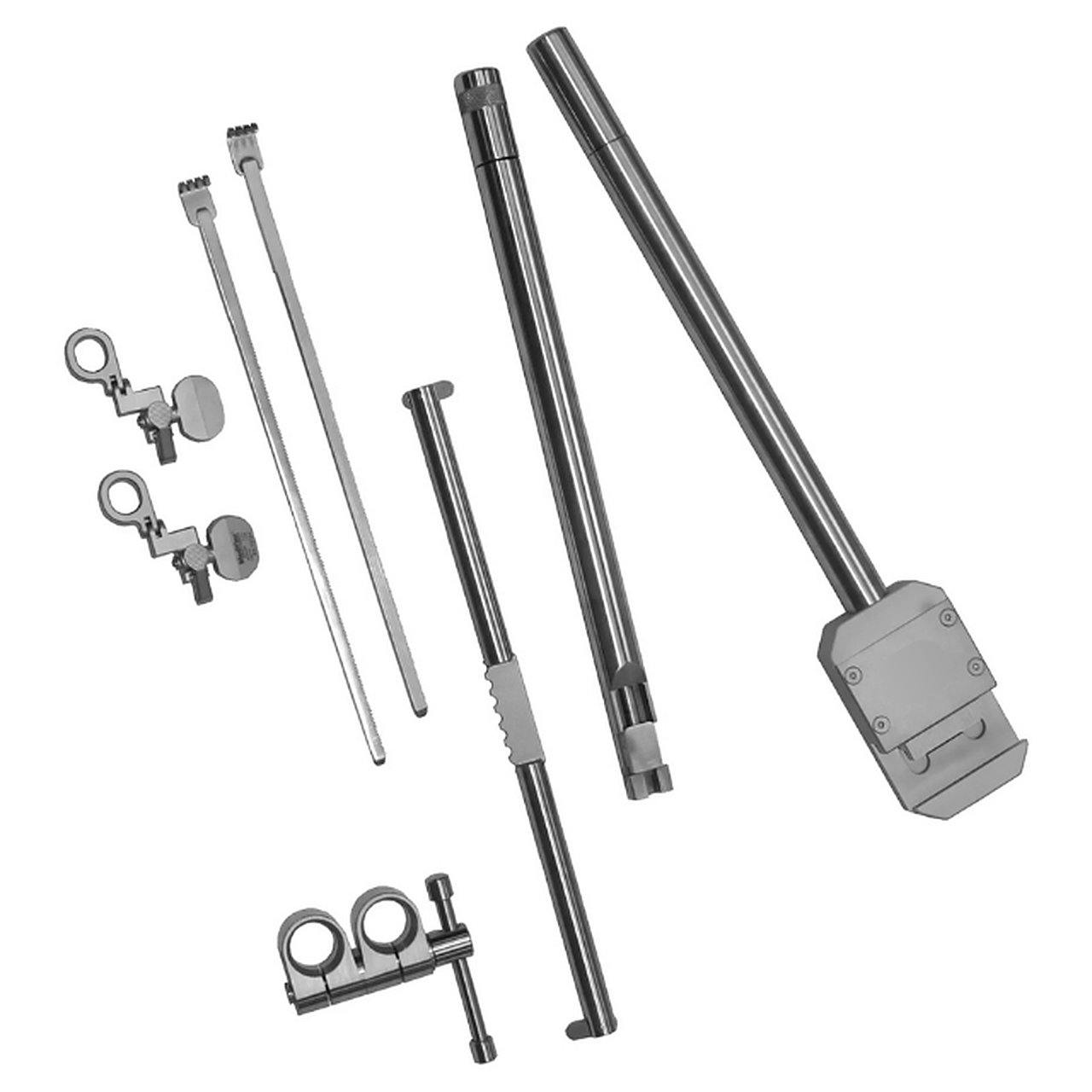 | Sistema de Separador IMA Bookwalter | Diseñado para proporcionar una elevación suave y controlada de la pared torácica durante los procedimientos de obtención de la arteria mamaria interna (IMA) mediante mecanismos de cremallera ajustables de forma independiente. |
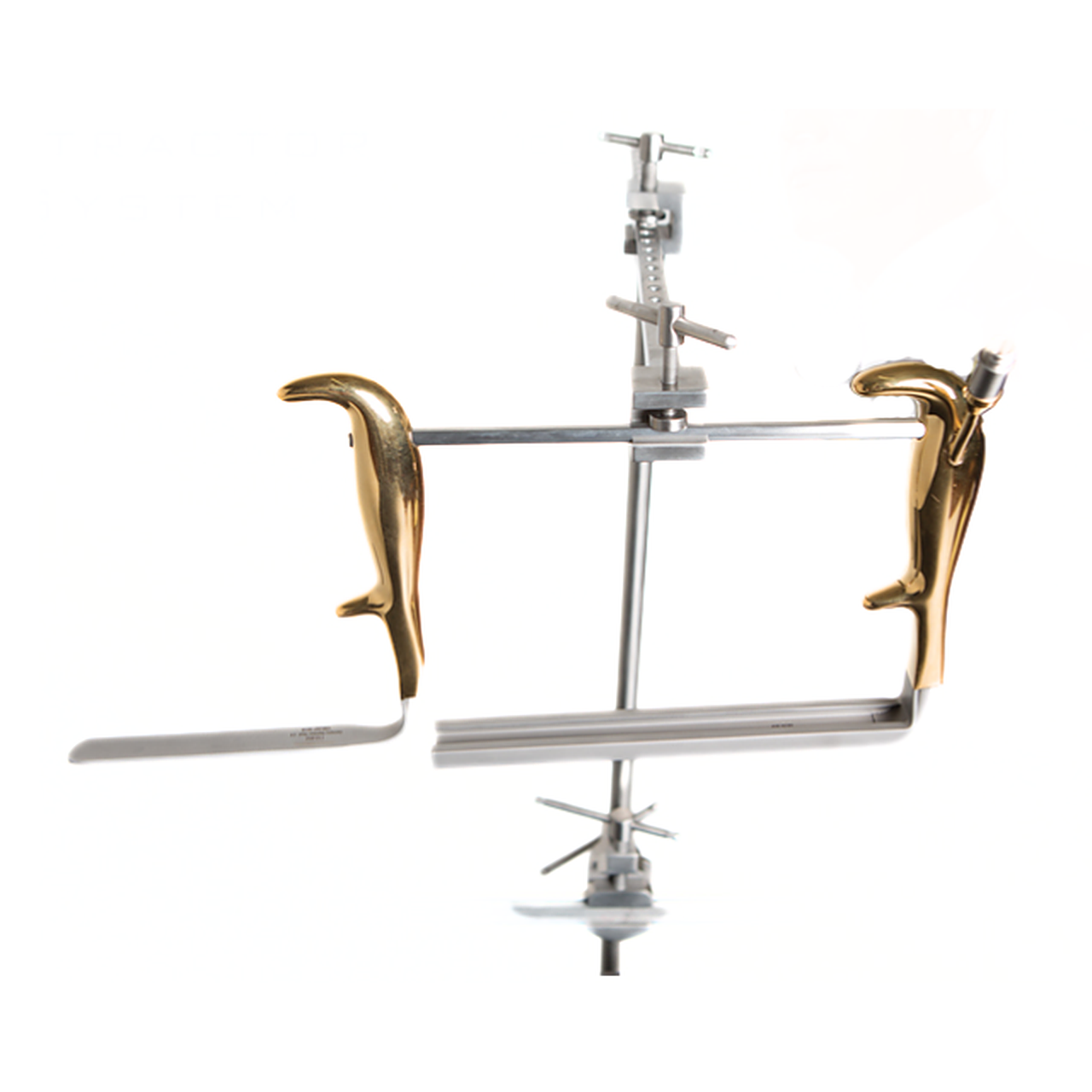 | Sistema Separador Hoyos Retractor System | Específicamente diseñado para proporcionar un desplazamiento tisular controlado y manos libres, y una exposición quirúrgica estable durante cirugías plásticas, minilipoabdominoplastias y procedimientos avanzados de contorno corporal. |
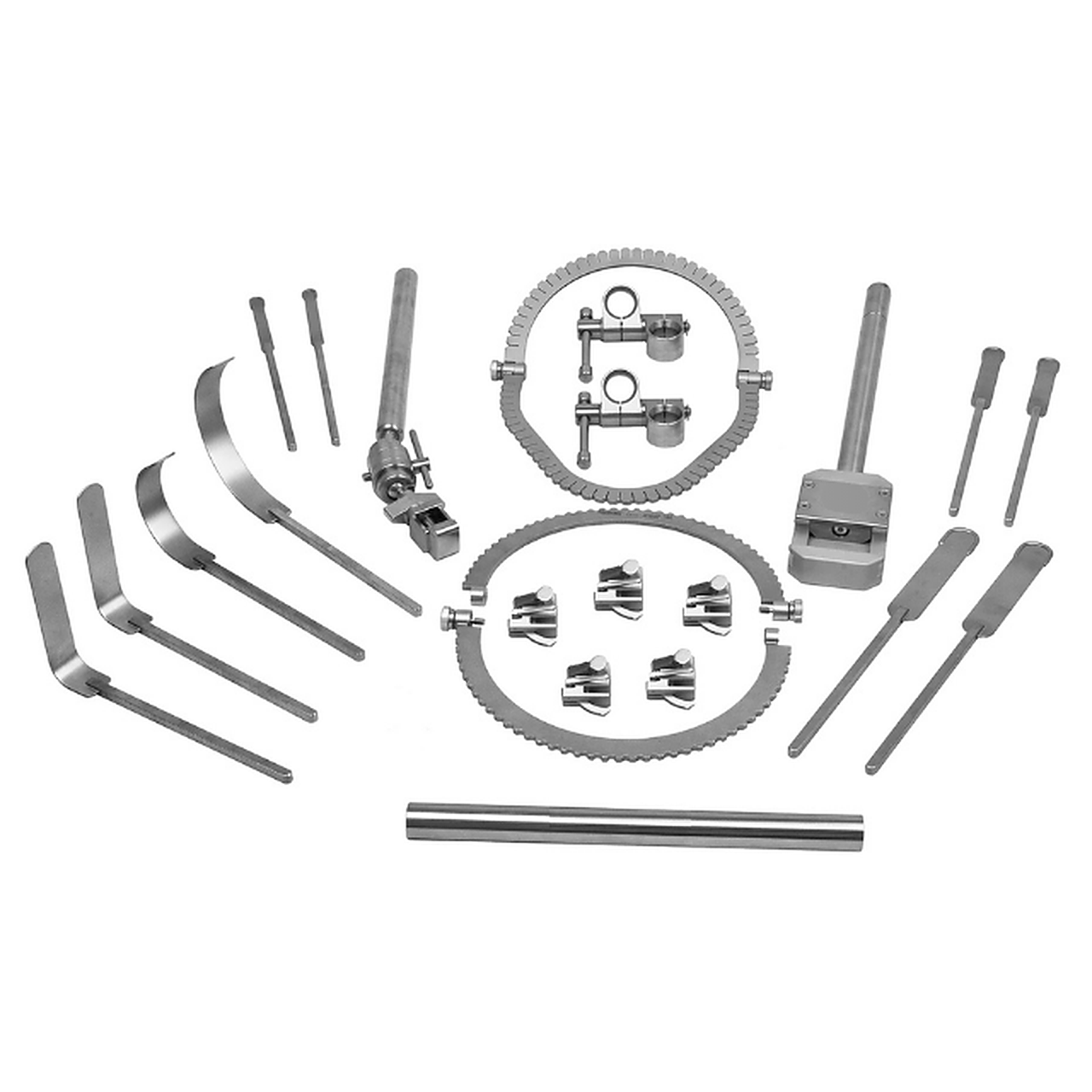 | Separador para Cirugía Perineal Bookwalter | Proporciona una exposición estable y manos libres durante procedimientos quirúrgicos perineales, colorrectales, ginecológicos y pélvicos con múltiples opciones de montaje y posicionamiento. |
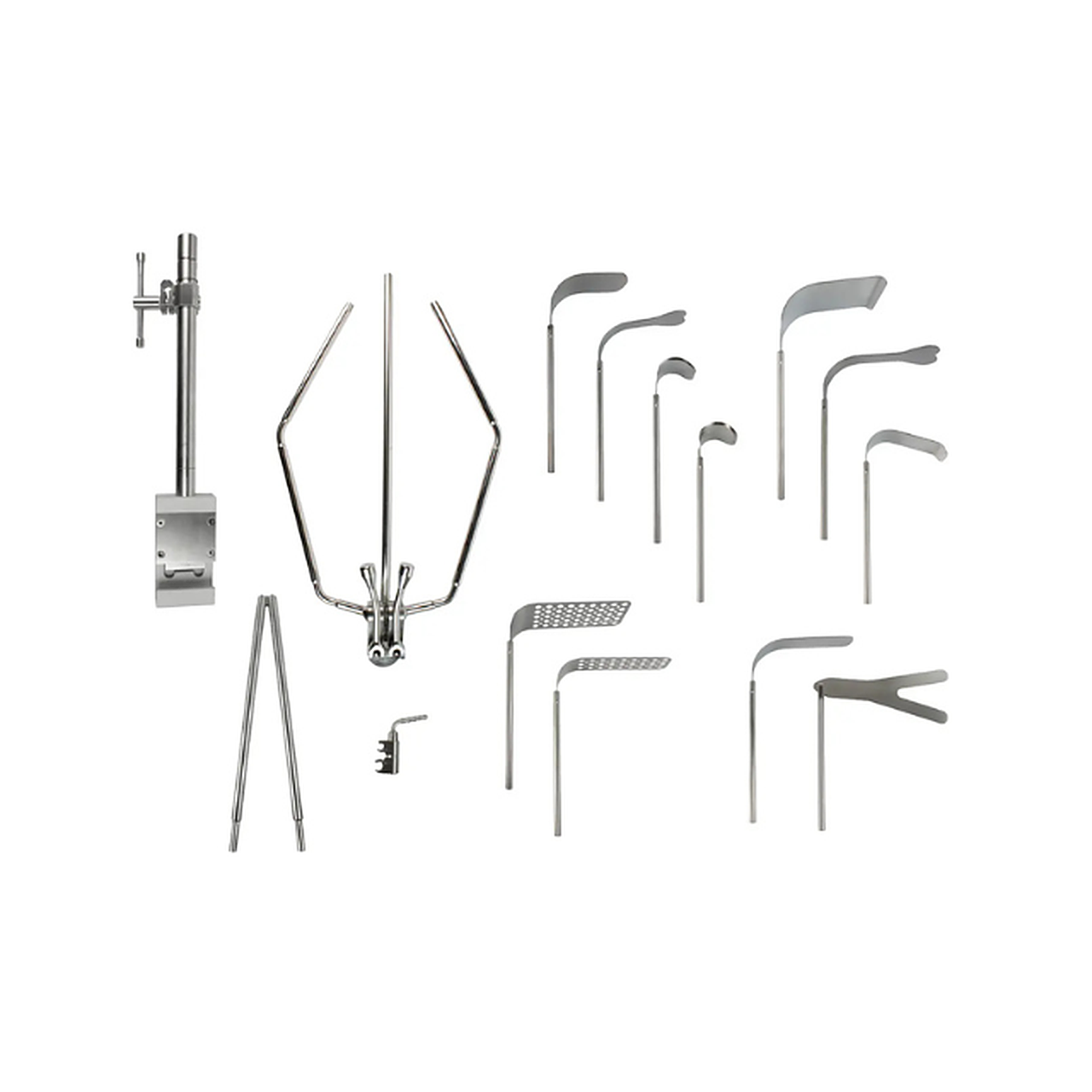 | Separador Urology Lobster Expanded Retractor | Diseñado específicamente para la retracción de tejidos y exposición del campo quirúrgico de forma autoestática y montada en mesa durante procedimientos urológicos. |
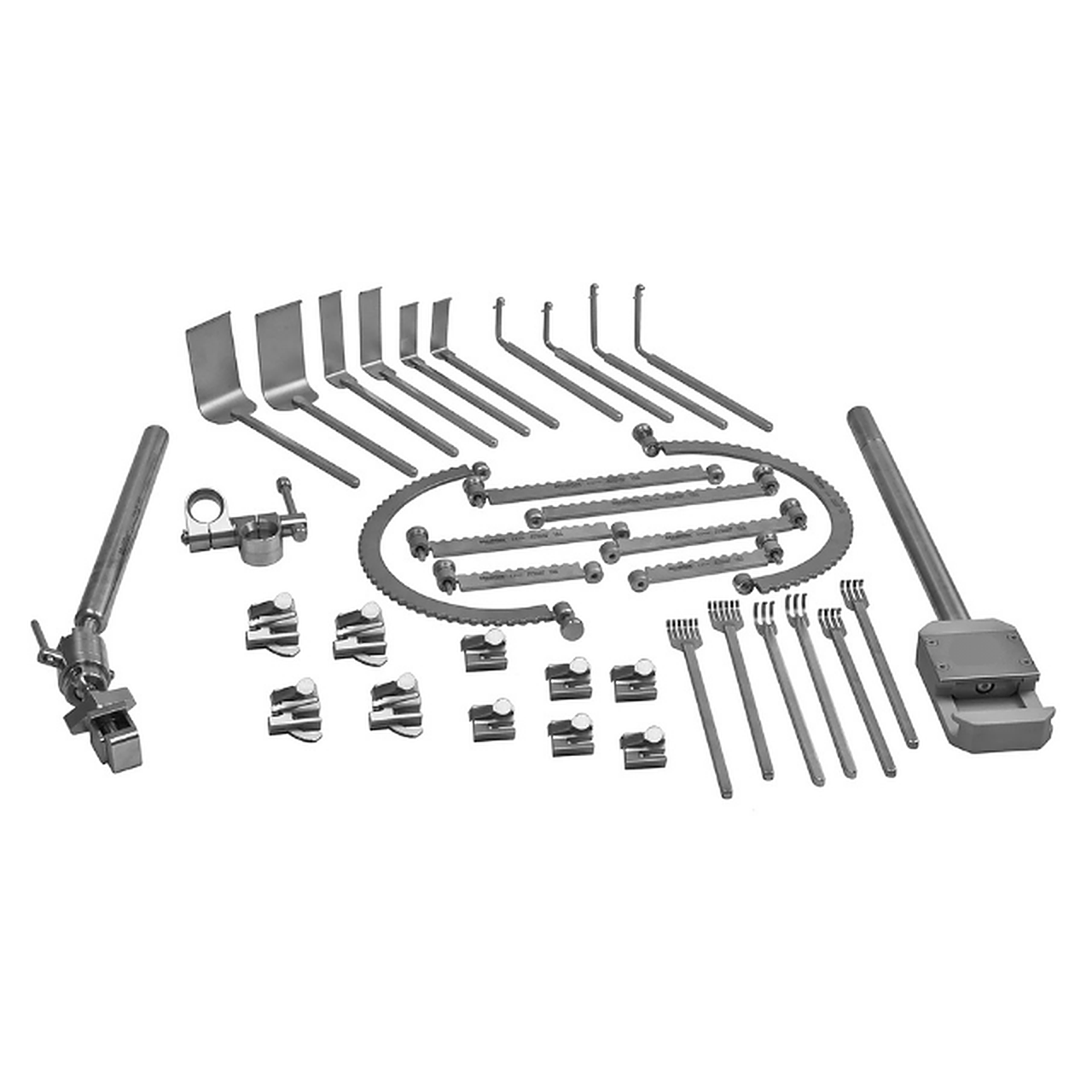 | Separador para Columna Posterior Bookwalter | Diseñado para proporcionar una exposición quirúrgica estable y manos libres durante abordajes posteriores de la columna cervical, torácica y lumbar. |
 | Sistema Separador Thompson | El Sistema Separador Thompson es un marco quirúrgico avanzado de fijación a la mesa, diseñado para proporcionar una exposición manos libres inquebrantable en procedimientos abiertos de alta complejidad. |
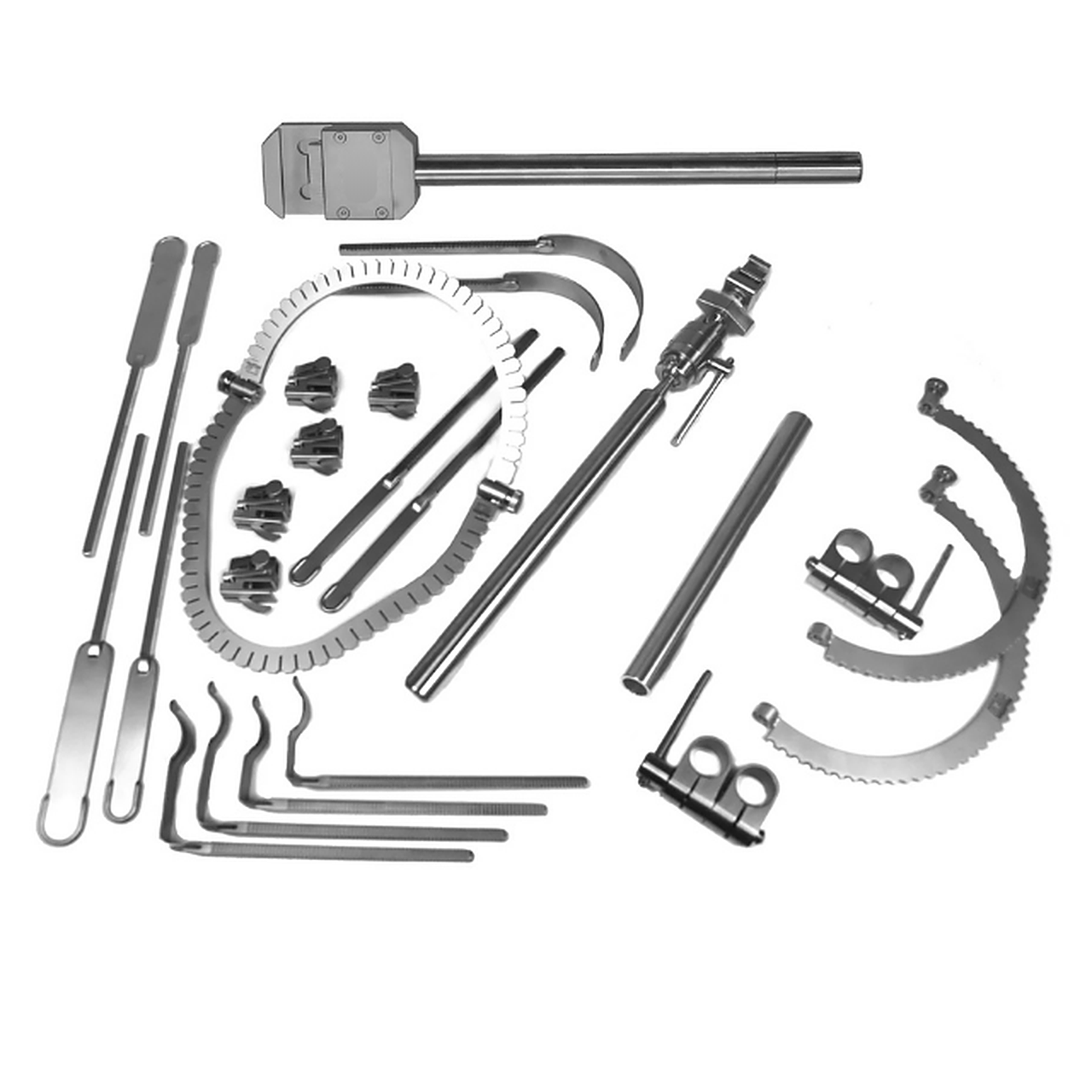 | Separador para Cirugía Rectal/Transanal Bookwalter | Diseñado para proporcionar una exposición quirúrgica estable y manos libres durante procedimientos colorrectales, transanales, rectales y perineales con configuraciones de montaje flexibles. |
 | Separador Bookwalter | Proporciona una exposición constante, manos libres y visibilidad del campo quirúrgico durante procedimientos abdominales abiertos mayores, como nefrectomía, prostatectomía y laparotomía. |
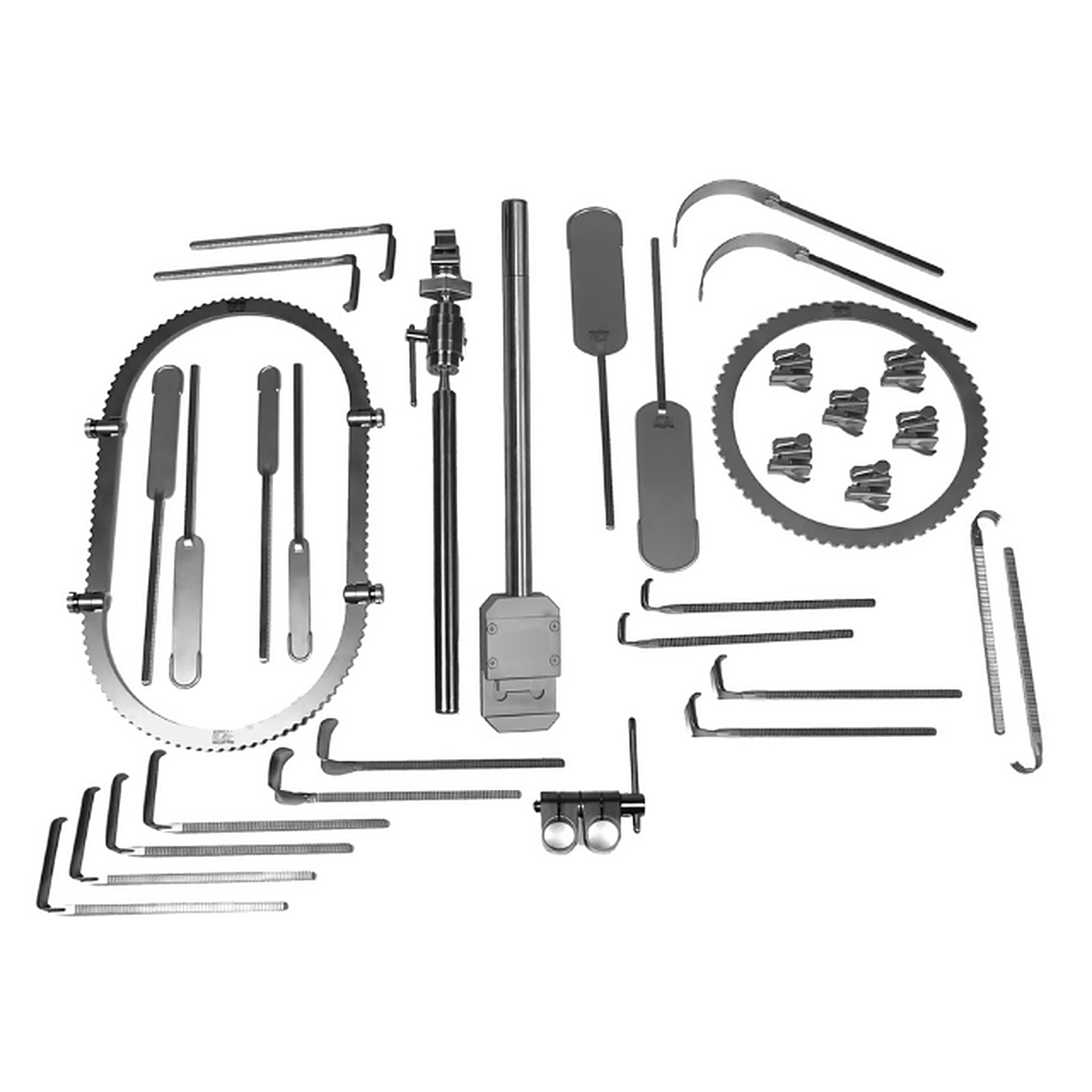 | Sistema Separador Bookwalter para Incisiones Pequeñas | Diseñado para proporcionar una exposición quirúrgica estable y manos libres durante procedimientos realizados a través de incisiones limitadas donde se requiere un acceso preciso minimizando la disrupción del tejido. |
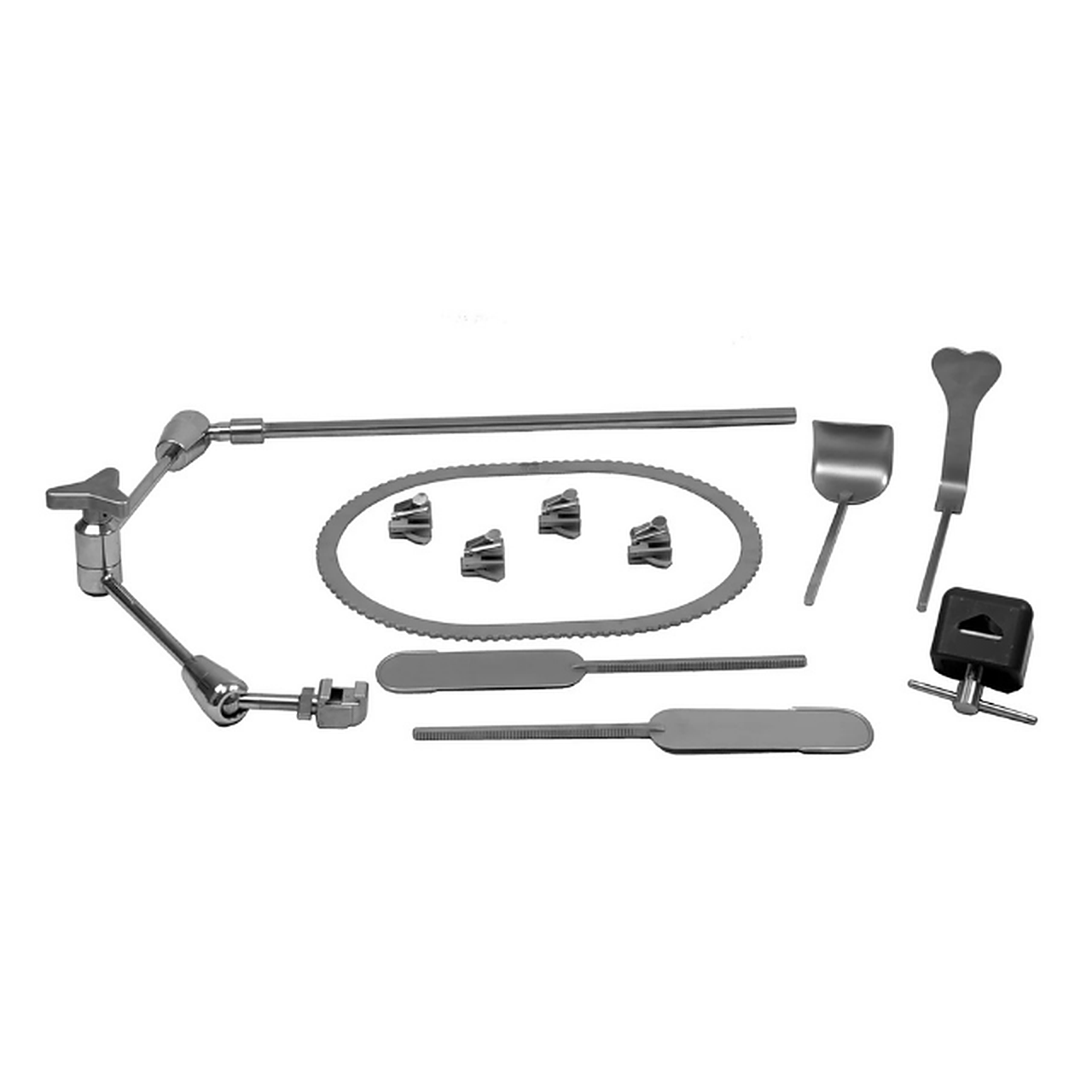 | Sistema Separador de Cirugía General Básica Bookwalter StrongArm | Diseñado para proporcionar una exposición quirúrgica estable y manos libres durante procedimientos de cirugía general abierta utilizando el soporte y posicionador StrongArm PLUS. |
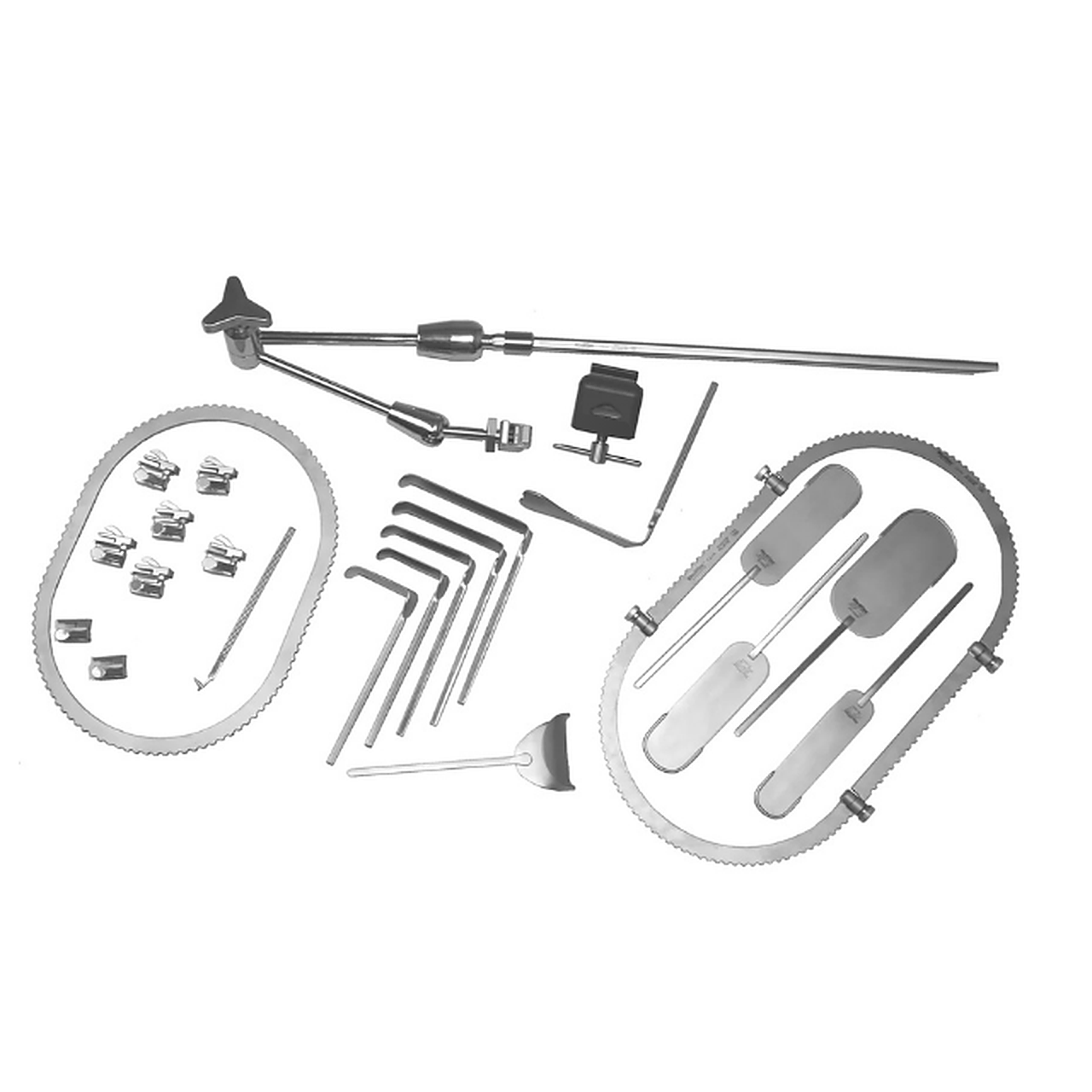 | Sistema de Separación para Cirugía General Bookwalter StrongArm | Diseñado para proporcionar una exposición quirúrgica estable y manos libres durante procedimientos de cirugía general abierta utilizando el soporte StrongArm PLUS y la configuración de anillo segmentado. |
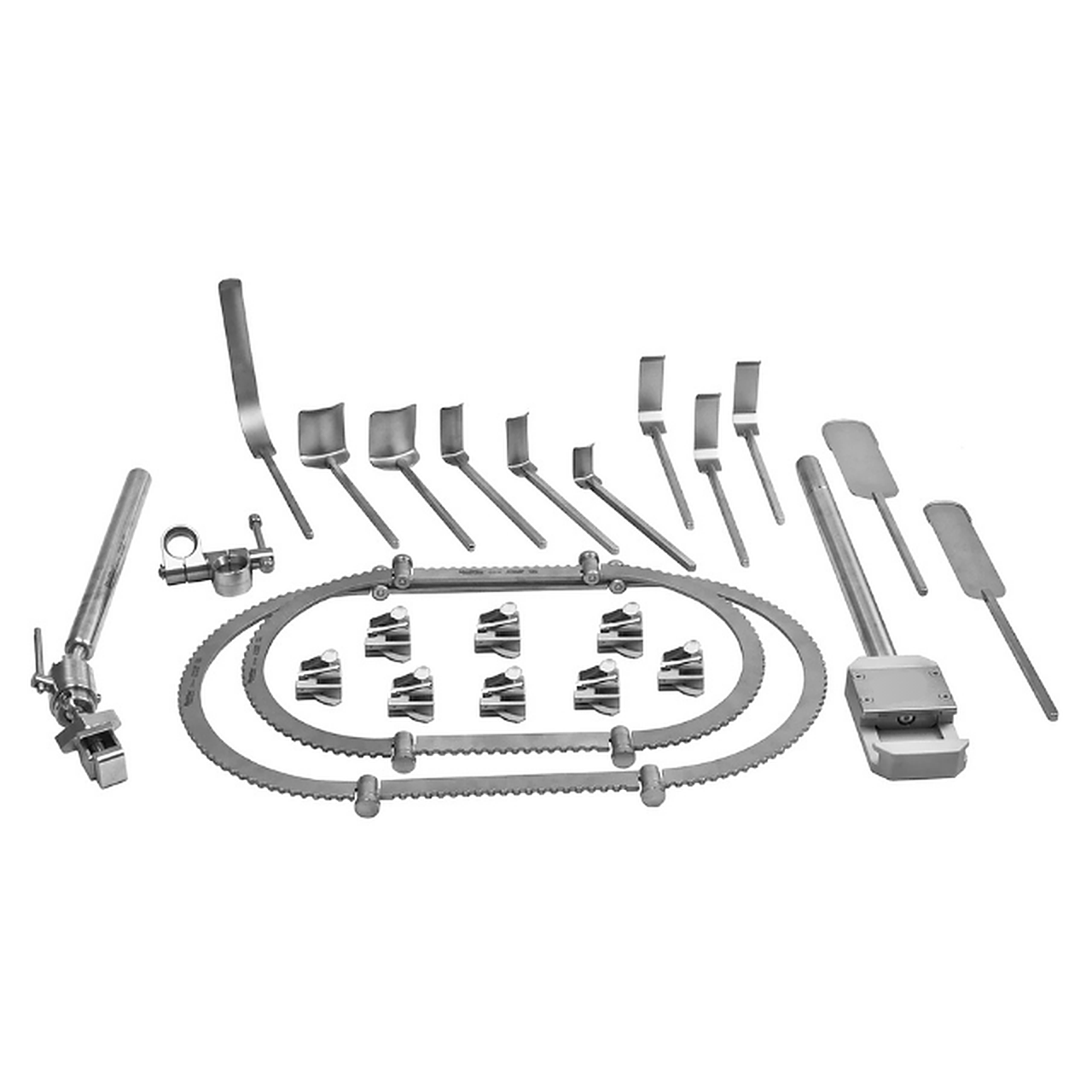 | Sistema Separador de Urología Bookwalter | Diseñado para proporcionar una exposición quirúrgica estable y manos libres durante abordajes abdominales y de flanco a los riñones, uréteres, vejiga y estructuras urológicas retroperitoneales. |
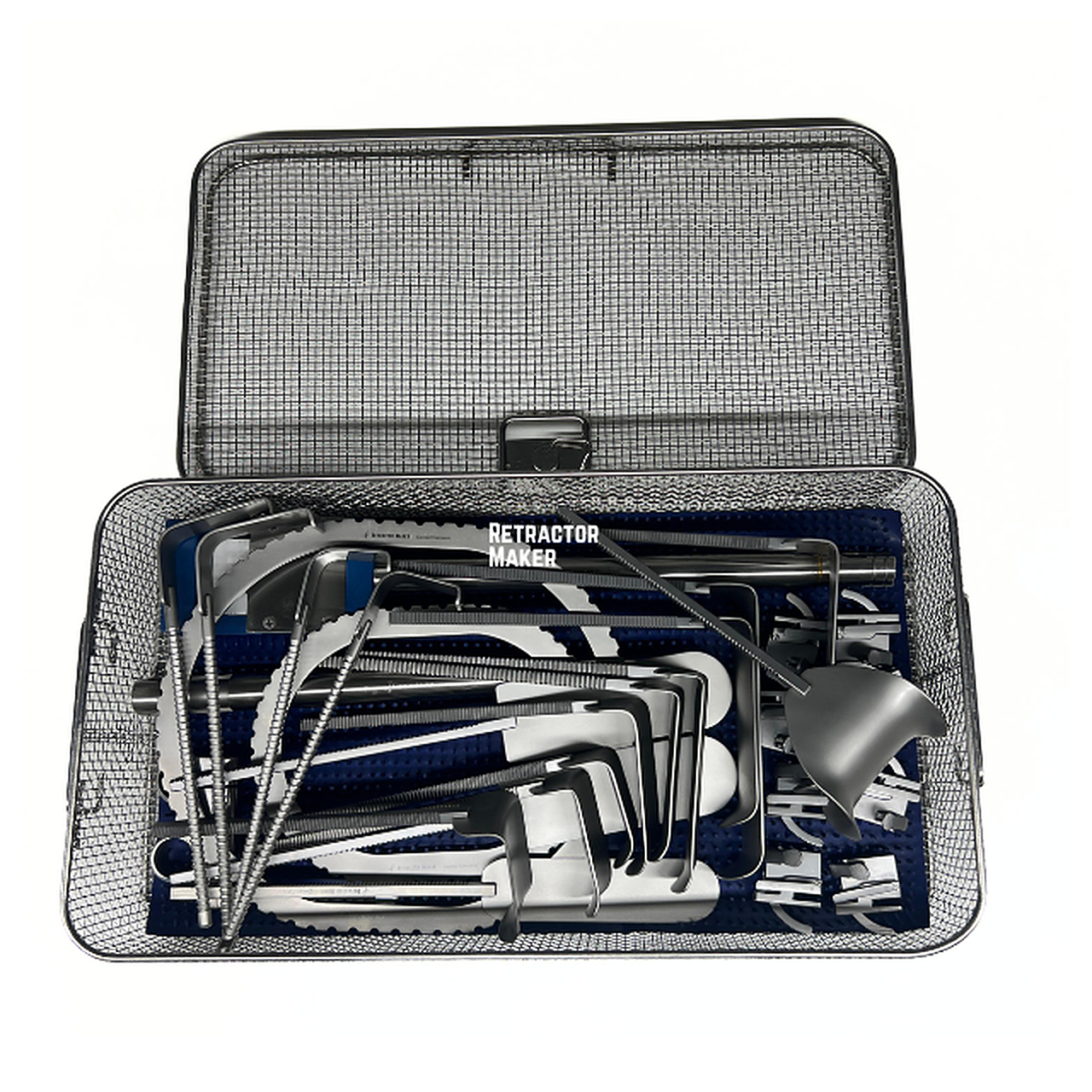 | Separador Bookwalter Personalizado | Fabricado según la especialidad quirúrgica, los componentes preferidos y los requisitos procedimentales del cliente. |
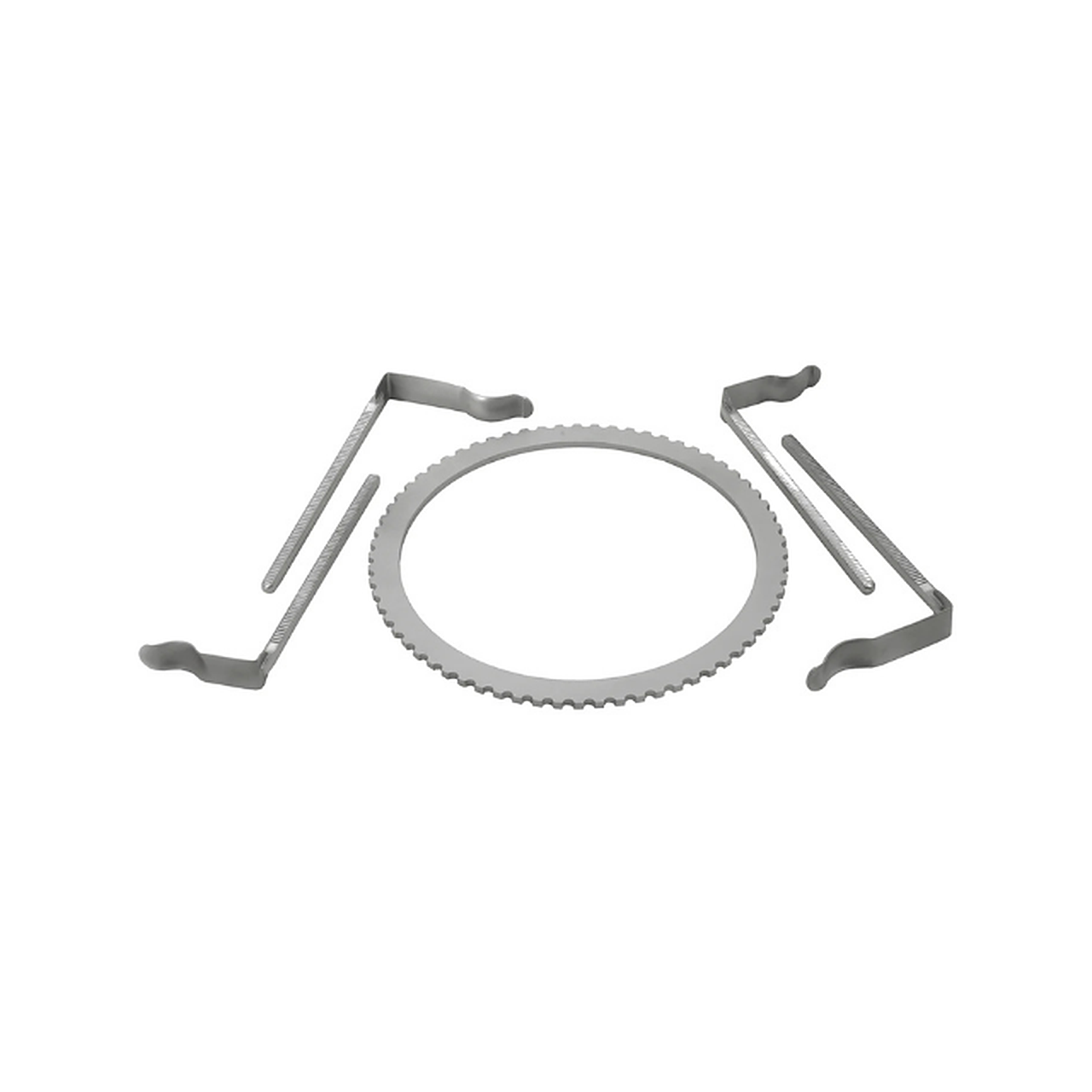 | Juego de Accesorios Rectal/Trans-Anal | Diseñado para ampliar un Sistema de Separador Bookwalter General Surgery existente en procedimientos quirúrgicos transanales y rectales mediante la provisión de valvas rectales especializadas y un aro redondo pequeño. |
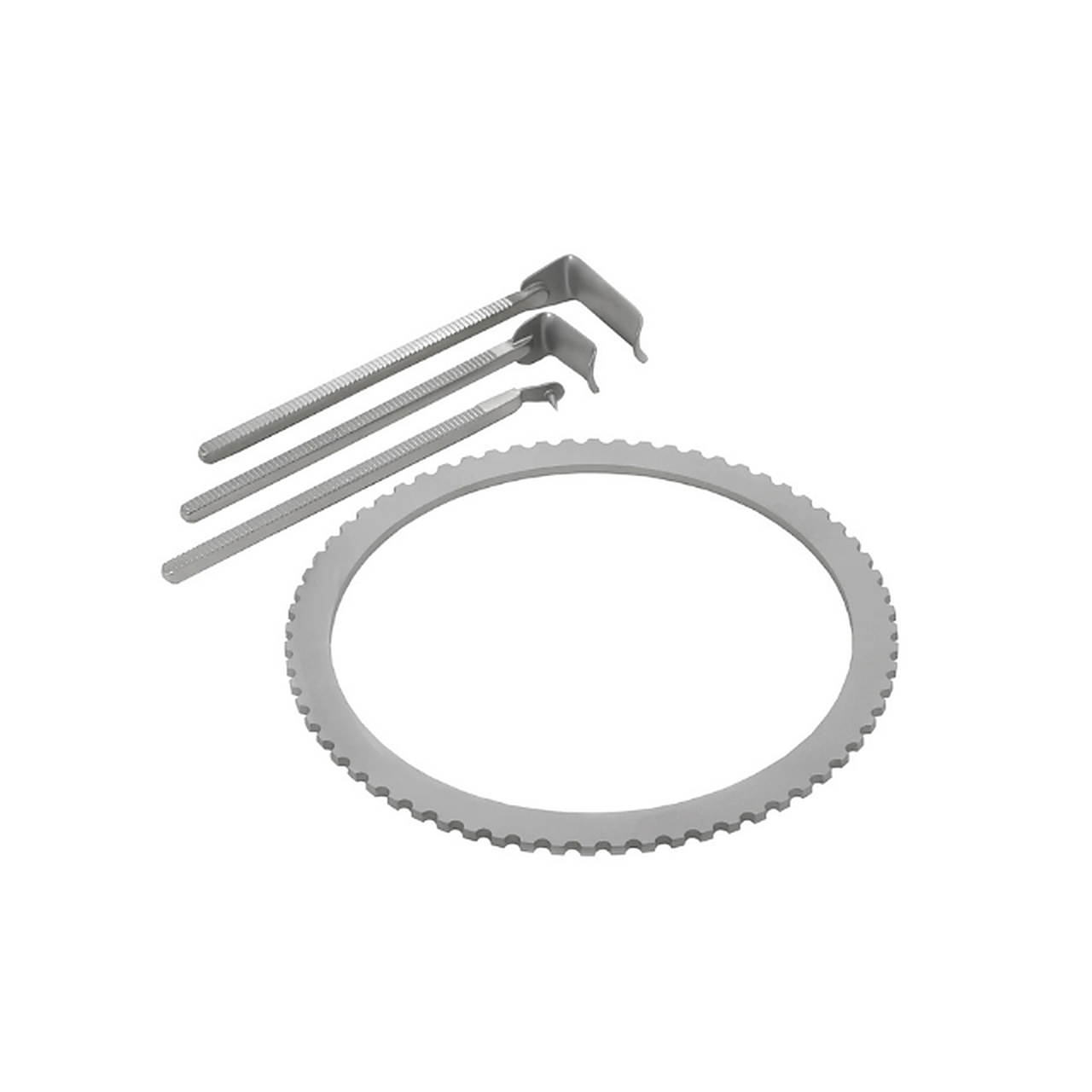 | Juego de Accesorios para Incisiones Pequeñas | Diseñado para ampliar un sistema de separación para cirugía general Bookwalter en operaciones de incisión pequeña y exposición limitada, proporcionando un aro circular sólido compacto y valvas superficiales especializadas. |
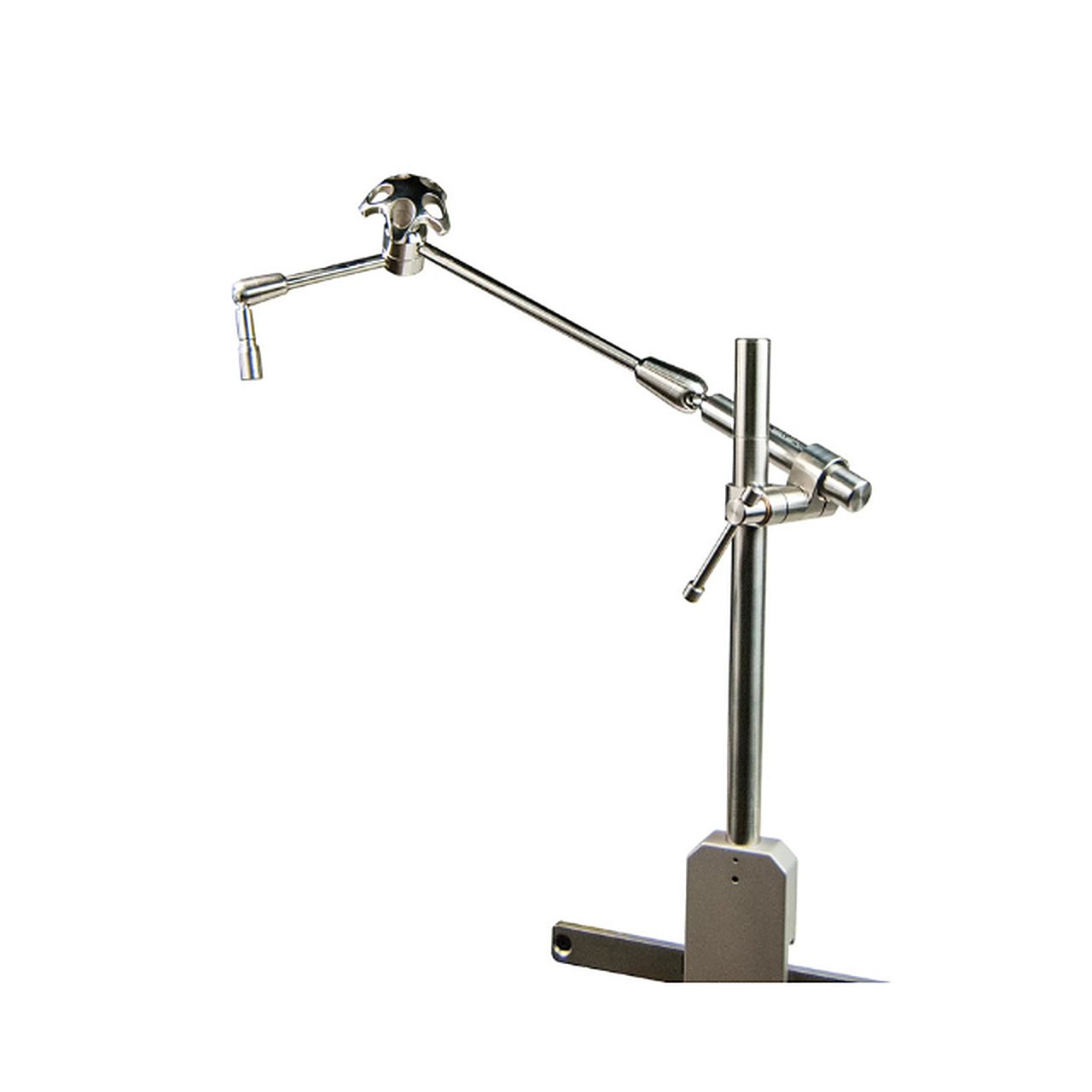 | Sistema Bookwalter StrongArm | Diseñado para proporcionar un soporte estable, ajustable y manos libres para sistemas de retractores autoestáticos Bookwalter y compatibles durante una amplia gama de procedimientos quirúrgicos. |
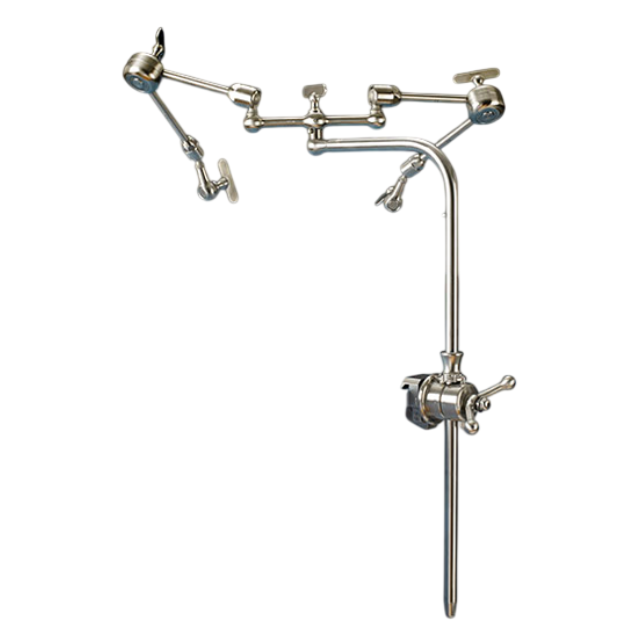 | Iron Intern Hydra Doble Brazo | Diseñado específicamente para la retracción visceral bilateral, multi-cuadrante y manos libres durante cirugías abdominales y pélvicas complejas. |
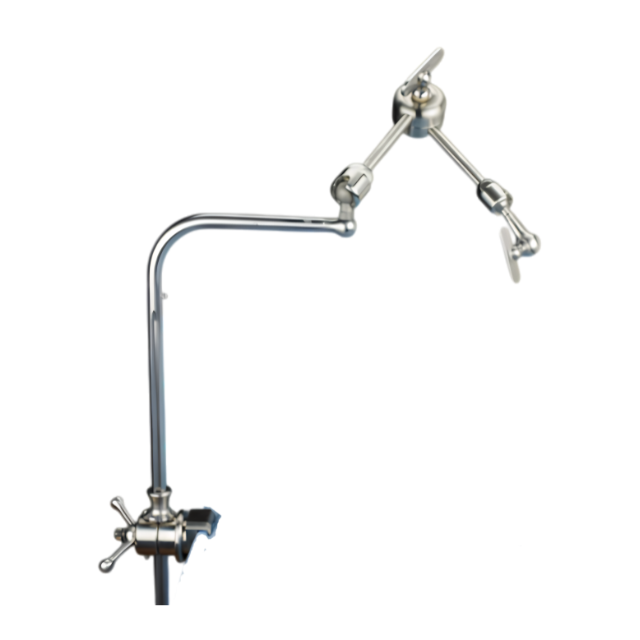 | Brazo Único Iron Intern | Diseñado específicamente para proporcionar una retracción mecánica rígida y sin usar las manos de las vísceras abdominales, las paredes torácicas y los tejidos blandos. |
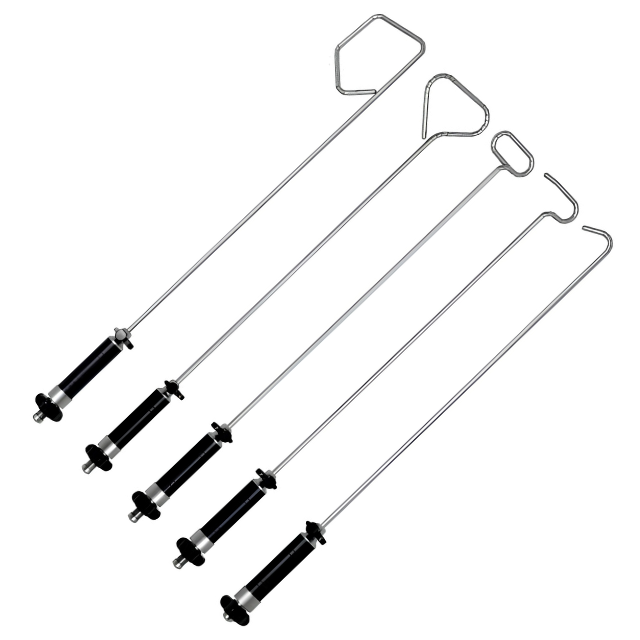 | Separadores Hepáticos Snake | Diseñado específicamente para la elevación del lóbulo hepático y el desplazamiento visceral durante cirugías gastrointestinales superiores y bariátricas laparoscópicas. |
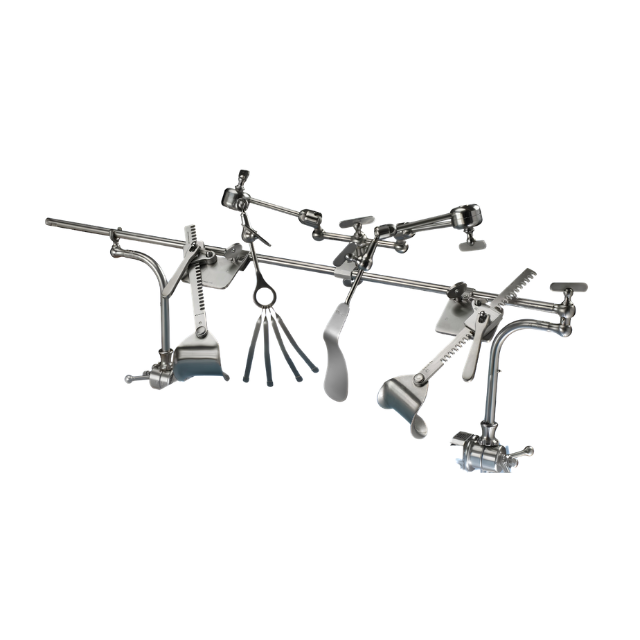 | Kit Retractor Stieber Rib Grip | Diseñado específicamente para la elevación bilateral del margen costal y la exposición abdominal superior durante la cirugía hepatobiliar y de trasplante. |
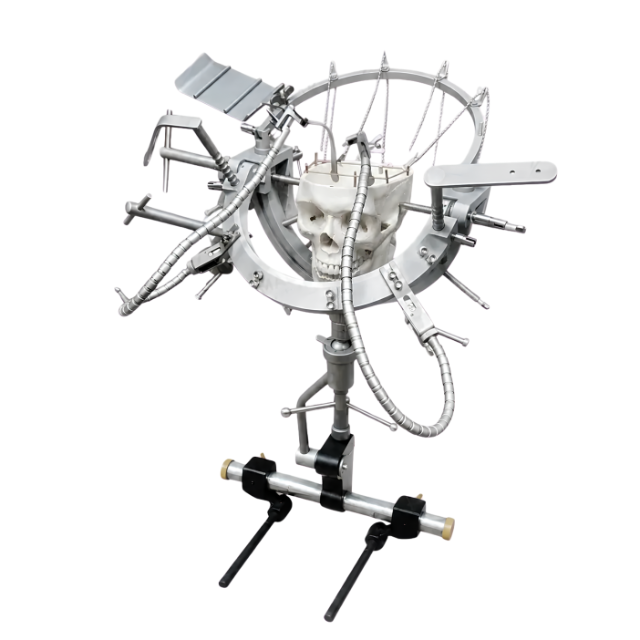 | Marco craneal multipropósito Sugita | Diseñado específicamente para la fijación craneal rígida del cráneo y la retracción cerebral microquirúrgica multivectorial. |
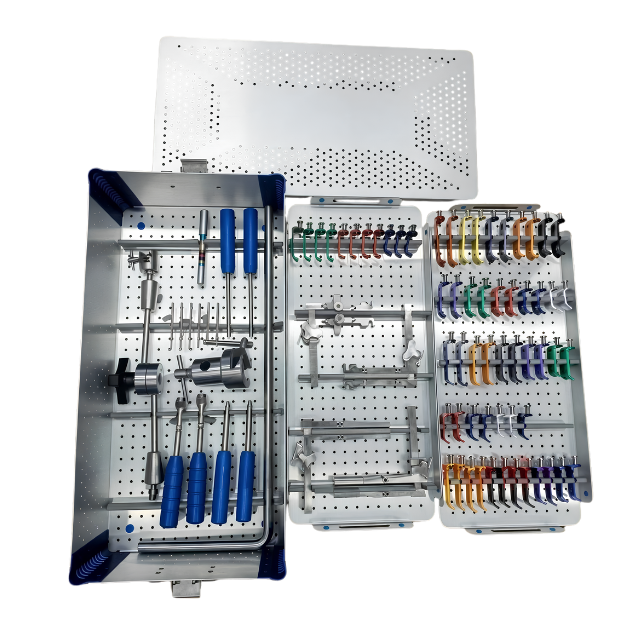 | Tedan Phantom CS-1600 Juego de Retractor Cervical | Diseñado específicamente para la retracción de tejidos blandos y la distracción del cuerpo vertebral durante la cirugía de columna cervical anterior (ACDF). |
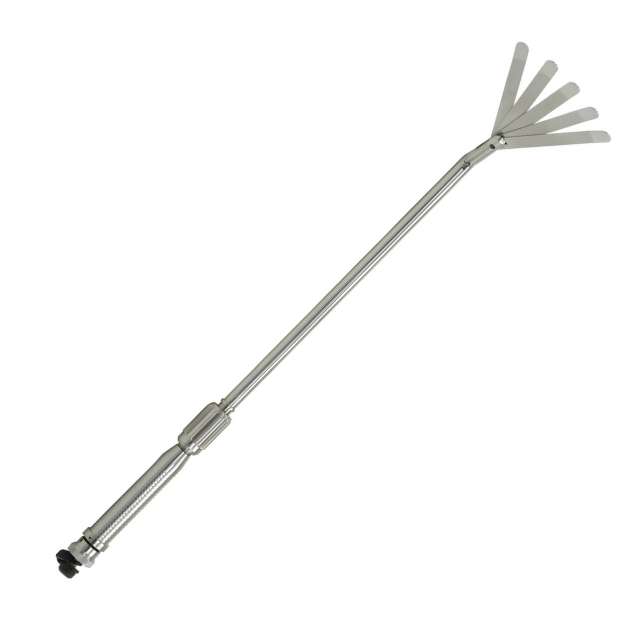 | Separador en Abanico con 5 Dedos | Diseñado específicamente para retracción visceral laparoscópica amplia, elevación del hígado y desplazamiento intestinal. |
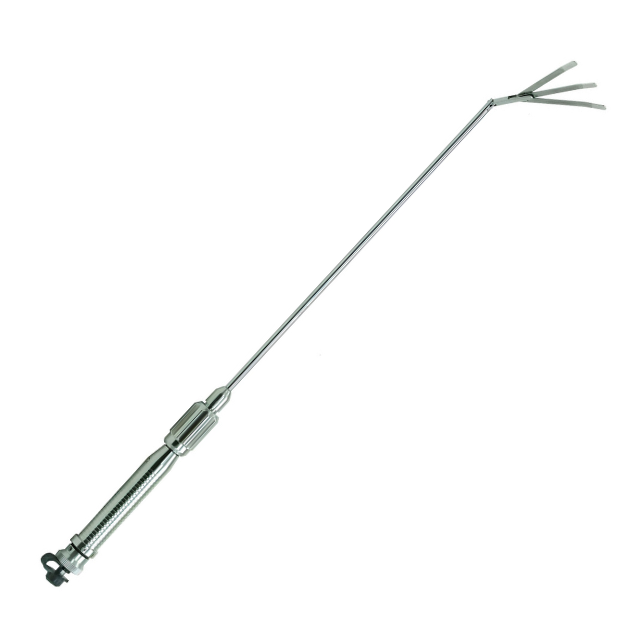 | Separador en Abanico de 3 Dedos | Diseñado específicamente para el desplazamiento enfocado de órganos laparoscópicos, elevación hepática y sujeción intestinal. |
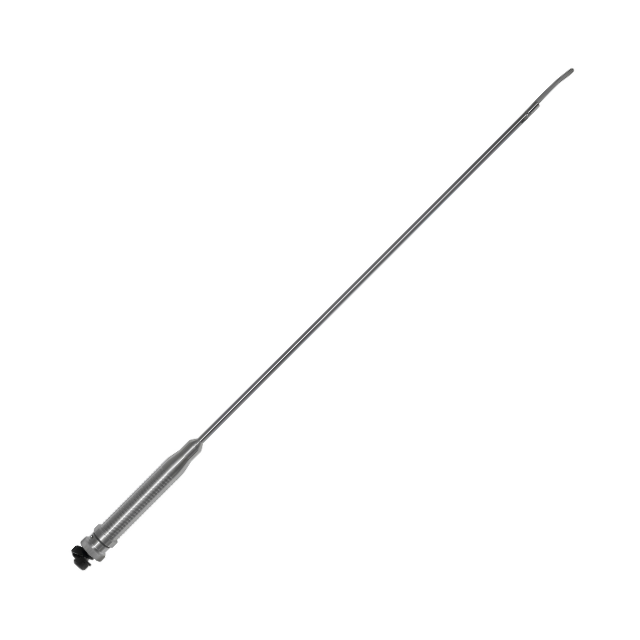 | Retractor Articulado Esofágico | Diseñado específicamente para la movilización esofágica, la tunelización retrogástrica y la guía de bandas bariátricas durante la cirugía laparoscópica. |
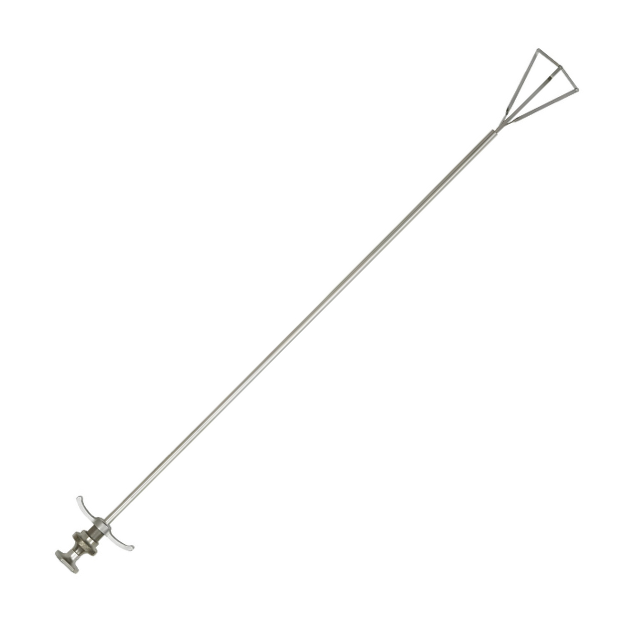 | Retractor de Abanico Estilo Cometa | Diseñado específicamente para el soporte laparoscópico expansivo y no traumático de órganos, y la retracción hepática/visceral. |
How Do You Choose a Surgical Retractor?
Retractor selection is a clinical decision for the surgical team and facility. The factors below are commonly considered when building trays or specifying instruments. They are general considerations, not recommendations for a particular patient or procedure.
Which Designs Suit the Surgical Application?
The procedure and specialty narrow the choice first. An abdominal case, spinal fusion, and rhinoplasty require entirely different instrument families. Many patterns were developed for a specific type of operation.
How Does Anatomical Location Affect Selection?
The location and depth of the operative field determine blade length, handle angle, and overall size. Deep fields need longer blades and handles that keep the assistant's hand out of the line of sight. Superficial fields need short, light instruments.
Which Blade Size and Shape Are Needed?
Blade width and depth should match the tissue being held. Flat, curved, lipped, and malleable blades retract tissue differently. Toothed rakes and sharp prongs grip skin and fascia. Smooth, blunt blades are used where tissue should not be punctured.
Handheld or Self-Retaining: Which Design Fits?
A handheld retractor offers continuous, adjustable control but occupies an assistant. A self-retaining retractor provides steady exposure and frees hands, but is less easily adjusted. It must also suit the wound's depth and shape. Many procedures use both designs.
How Much Exposure Is Required?
Selection depends on the width, depth, and direction of the required view. Wide incisions may need multiple blades pulling in several directions. A narrow approach may need one deep blade or a tubular retractor.
Do You Need a Complete System or Individual Instruments?
Some procedures require complete retractor systems; others need only individual handheld retractors. Systems may include a frame or ring, table post, clamps, arms, blades, and accessories. When ordering, confirm the included components and which blades are compatible with an existing frame. Request a quote for a complete retractor system.
How Should Reusable Retractors Be Maintained and Sterilized?
Reusable retractors should be handled, cleaned, inspected, sterilized, and stored according to the applicable manufacturer's instructions for use (IFU) and the healthcare facility's approved procedures. Proper maintenance and reprocessing are important.
General maintenance considerations include:
- Clean instruments after use according to the applicable manufacturer's instructions.
- Pay particular attention to joints, hinges, ratchets, locks, and other moving components.
- Inspect retractors for visible contamination, corrosion, cracks, deformation, or mechanical damage.
- Check that moving components function properly before returning instruments to service.
- Ensure instruments are appropriately cleaned before sterilization.
- Follow the manufacturer's specified sterilization method and parameters.
- Allow processed instruments to dry appropriately before storage.
- Store clean, processed instruments in a suitable environment that protects against contamination and damage.
Do not apply a universal sterilization cycle to every surgical retractor. Requirements vary with the instrument, material, design, and manufacturer's instructions.
For Retractor Maker products, follow the applicable product documentation and the healthcare facility's validated reprocessing procedures.
Related Retractor Maker Resources
Download the full product catalogue for offline reference. Get the Retractor Maker catalogue.
For pricing and lead time, send our team the product name, quantity, and destination country. Enquiries can cover a specific surgical retractor, complete retractor system, replacement blade, or custom configuration. Contact Retractor Maker.
Aviso clínico: esta guía está dirigida a equipos quirúrgicos y compradores hospitalarios. Siga siempre las instrucciones de uso (IFU) del fabricante y las normas de esterilización de su hospital antes del uso clínico.
Preguntas frecuentes
What is a surgical retractor?
A surgical retractor holds back tissue, organs, or wound edges to provide access and visibility to the surgical field. Retraction can range from lifting a skin edge to holding the abdominal wall open throughout an operation.
What are retractors used for?
Retractors maintain or improve operative exposure by moving or holding tissue away from the area being accessed. They can widen an incision by displacing tissue laterally or hold deeper structures, such as bowel, muscle, or an organ lobe, away from the treatment area.
What are the main types of surgical retractors?
Retractors include handheld designs, self-retaining designs, and larger frame-based systems. Their designs vary with the intended application and required exposure. Handheld designs require manual holding, while self-retaining designs use a mechanism to maintain blade position without continuous manual support.
What is the difference between a handheld and self-retaining retractor?
A handheld retractor is positioned and held manually, while a self-retaining retractor maintains its position through a retaining mechanism. Manual holding allows continuous changes in angle, depth, and tension. Self-retaining designs free hands but usually need manual repositioning when the required view changes.
Are retractors reusable?
Many retractors are designed for reuse, but reusability and reprocessing requirements depend on the specific product. Follow the applicable manufacturer's IFU and healthcare facility procedures for handling, cleaning, inspection, sterilization, and storage rather than assuming all products have the same requirements.
How should retractors be sterilized?
Retractors should be cleaned and sterilized according to the applicable manufacturer's instructions and the healthcare facility's approved, validated reprocessing procedures. Do not assume one sterilization cycle applies to every retractor. Requirements can vary with material, design, and product-specific instructions.
Where can I find surgical retractor names and images?
Retractor Maker's surgical retractor catalogue is a product reference containing names, images, and product information across its range of surgical retractors. The table in this article includes the complete published catalogue, covering the products in that range.
How do I choose the right surgical retractor?
Choosing a surgical retractor depends on the intended surgical application, anatomical area, required exposure, design, dimensions, and other product-specific requirements. Qualified surgical professionals should determine which surgical retractor is appropriate for the intended application, considering these selection requirements.
What is a Deaver retractor used for?
A Deaver retractor is a curved handheld retractor used for deeper abdominal and thoracic exposure. The surgeon or an assistant positions and holds the Deaver retractor manually, adjusting its angle, depth, and tension as the operation progresses.
How does a Balfour retractor differ from a Bookwalter retractor?
A Balfour retractor is a frame-style abdominal retractor, while a Bookwalter retractor is a table-mounted system. The Balfour retractor has lateral blades and a centre blade. The Bookwalter retractor carries multiple adjustable blades around a ring or rail. Both are self-retaining retractors that maintain blade position without someone holding them continuously.
What should be checked when inspecting a reusable surgical retractor?
A reusable surgical retractor should be inspected for visible contamination, corrosion, cracks, deformation, and mechanical damage. Check moving components for proper function before returning the surgical retractor to service. During cleaning, pay particular attention to joints, hinges, ratchets, locks, and other moving parts.
Sobre el autor
Saad Shahid · Gerente de Ventas y Marketing
Saad Shahid es gerente de ventas y marketing y fundador de Retractor Maker, creada en 2023 en Sialkot (Pakistán). También trabaja con su padre en Hospitech Traders, la empresa familiar de instrumental quirúrgico fundada en 1989.
Blogs y guías relacionados
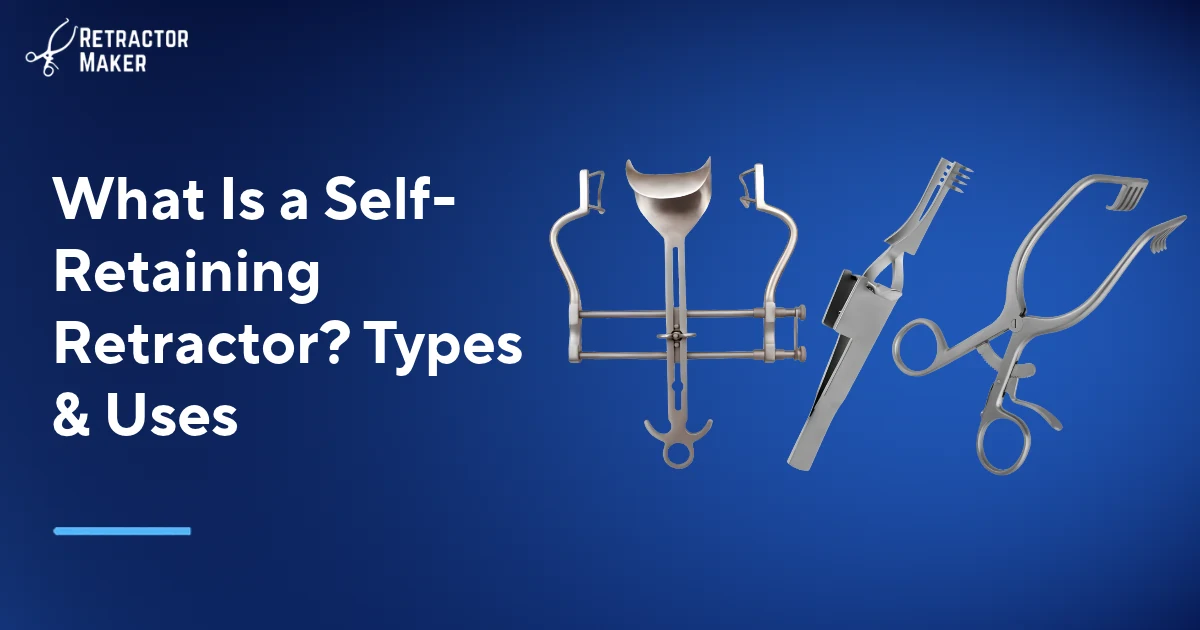

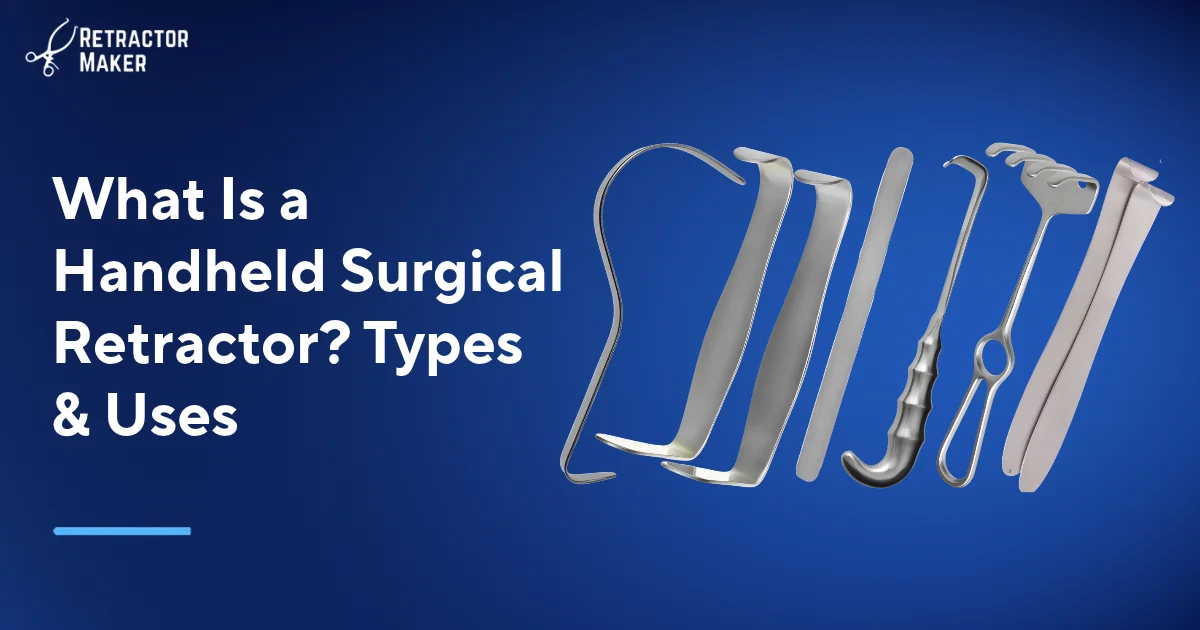
Separadores relacionados
Separador Senn Forward
$49.00
Separador Brewster
Desde $159
Separador Langenbeck-Mango Sólido
$49.00
Separador Murphy
Desde $44.00
Separador Leriche Retractor-Atraumatic Wide Blade
Desde $94.00
Sistema Separador General Lobster
$2,699Free Shipping
¿Necesita separadores quirúrgicos o componentes?
Díganos qué necesita, incluyendo el producto, la configuración, la cantidad y el país de destino. Retractor Maker puede proporcionar disponibilidad, especificaciones y precios.
Solicitar un presupuesto