
Surgical Retractor Guides
Surgical Retractors Names, Images & Uses
Auteur : Saad Shahid · Mis à jour · 7 min de lecture

Surgical retractors hold tissue away from the operative field so the surgical team can see and reach the area they are working on. This guide explains what retractors are, how they are classified, and how they are selected and cared for, and it includes a searchable reference table of surgical retractors names, images and general uses drawn directly from the Retractor Maker catalogue.
What Is a Retractor?
A retractor holds skin, fat, muscle, and organs away from the target area to provide controlled surgical exposure. Almost every open procedure depends on this access before the surgeon can dissect, repair, or close. Retractors are among the oldest surgical instrument families and remain among the most frequently handled instruments on any tray.
Retractors share a purpose but differ in size, blade shape and depth, prong number and sharpness, and handle design. Some lock in place or mount on a frame. Designs also vary by specialty. A small double-ended retractor for a skin flap differs greatly from a table-mounted abdominal system. No single design suits every procedure.
This guide covers basic categories, selection factors, and general care principles. Its central section lists names, images, and general uses for the complete published Retractor Maker range. Search the range by name or filter it by specialty.
Contents
What Is a Surgical Retractor?
A surgical retractor holds back or moves tissue away from the operative field to give the surgical team visibility and access. Retraction may involve gently lifting a skin edge or holding the abdominal wall open throughout an operation.
Retractors create exposure by moving tissue laterally to widen an incision or holding deeper structures away from the treatment area. These structures may include bowel, muscle, or an organ lobe. Blade or prong shape determines how the load spreads across contacted tissue. Available forms include flat, curved, lipped, malleable, toothed, and smooth blades.
Size and shape follow anatomy. A shallow hand incision needs a short, narrow blade. A deep pelvic or abdominal field needs a longer, wider blade. Specialty designs address each region's depth, angle, and tissue type. Nasal and ear retractors are small and fine. Spinal retractors hold back heavy paraspinal muscle. Cardiac retractors are shaped around the sternum and chest wall.
How Do Handheld Retractors Work?
Handheld retractors are positioned and held manually by a surgeon or assistant for as long as exposure is needed. They allow moment-by-moment changes in angle, depth, and tension as the operation progresses. The trade-off is continuous manual holding, which occupies a pair of hands and can cause fatigue during a long case.
Common handheld patterns include the double-ended Senn retractor for superficial tissue and the curved Deaver retractor for deeper abdominal and thoracic exposure. Others include the right-angled Langenbeck retractor, the broad Richardson retractor for the abdominal wall, and the double-ended Army-Navy retractor for shallow incisions. The small Ragnell retractor is used in plastic and hand surgery.
How Do Self-Retaining Retractors Work?
Self-retaining retractors use a ratchet, screw, spring, or frame to keep blades in position without continuous manual holding. They free the surgical team's hands and provide steady exposure. If the required view changes, manual repositioning is usually necessary.
Examples include the Gelpi and Weitlaner retractors, which spread tissue with pointed tips or toothed rakes secured by a ratchet. The Balfour retractor is a frame-style abdominal retractor with lateral blades and a centre blade. Table-mounted Bookwalter and Thompson retractors attach to the operating table and support multiple adjustable blades around a ring or rail.
Retractor Names, Images, and General Uses
The table below presents the complete Retractor Maker product catalogue. Each entry includes a product image, name, and general use. Search by product name or filter by specialty.
Affichage de 507 écarteurs chirurgicaux
| Photo du produit | Nom de l'écarteur chirurgical | Usage général |
|---|---|---|
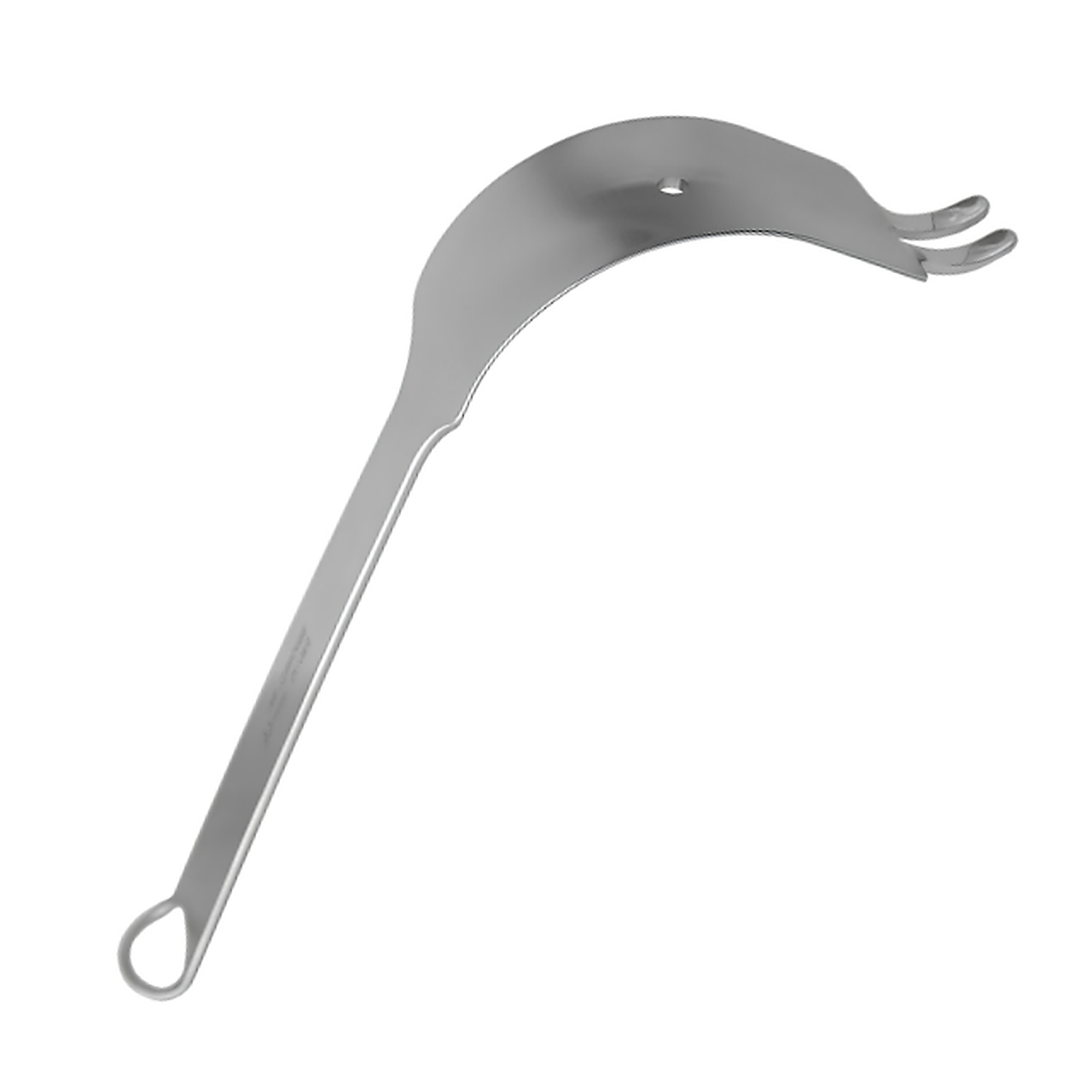 | Écarteur Acétabulaire à Double Pointe Étroite | Spécifiquement conçu pour exposer le rebord acétabulaire et déplacer les tissus environnants lors des procédures de reconstruction et d'arthroplastie de la hanche. |
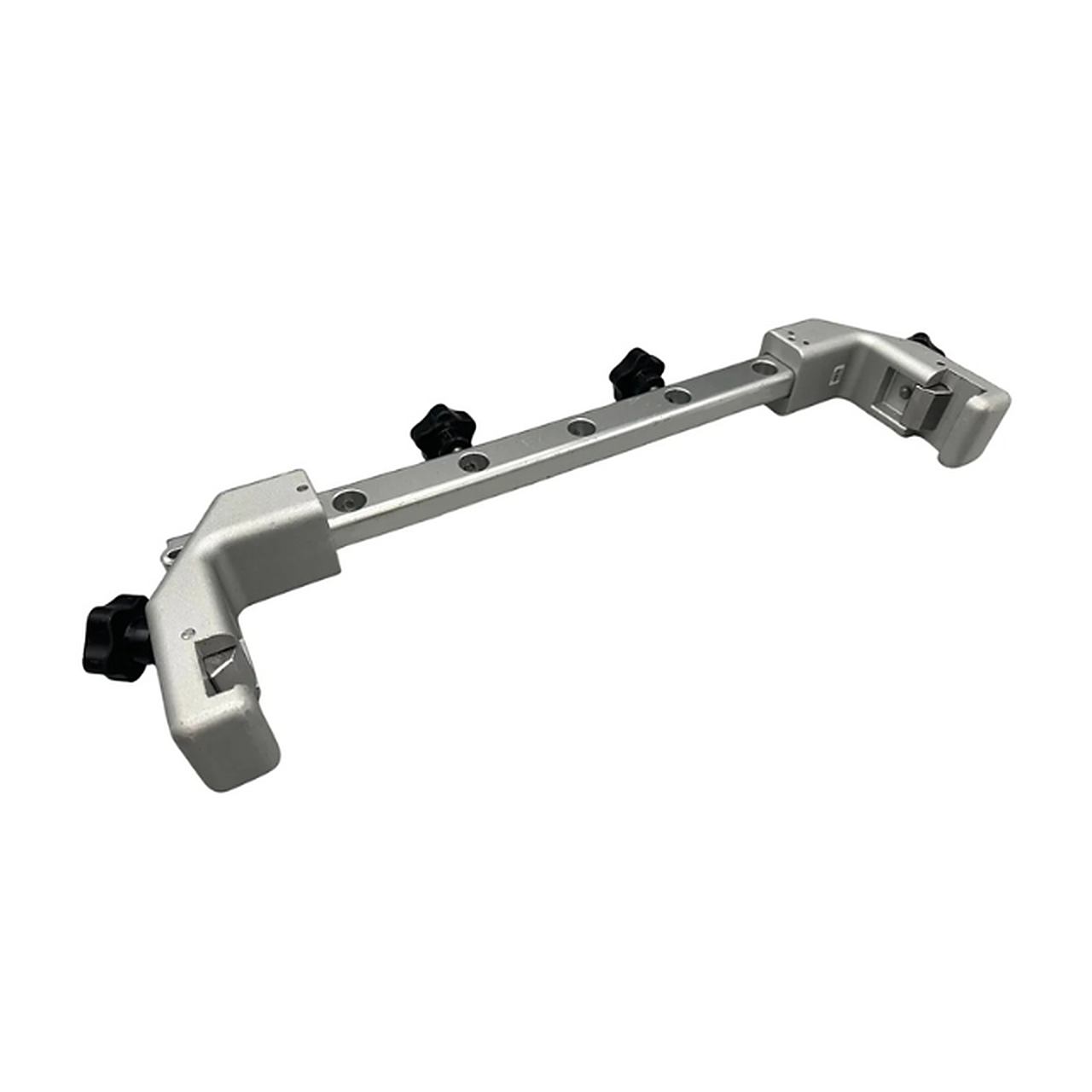 | Adaptateur Mayfield réglable | Spécifiquement conçu pour monter de manière sécurisée les systèmes de fixation crânienne de style Mayfield sur des tables d'opération dépourvues de trous de réception intégrés ou nécessitant un positionnement décalé latéralement. |
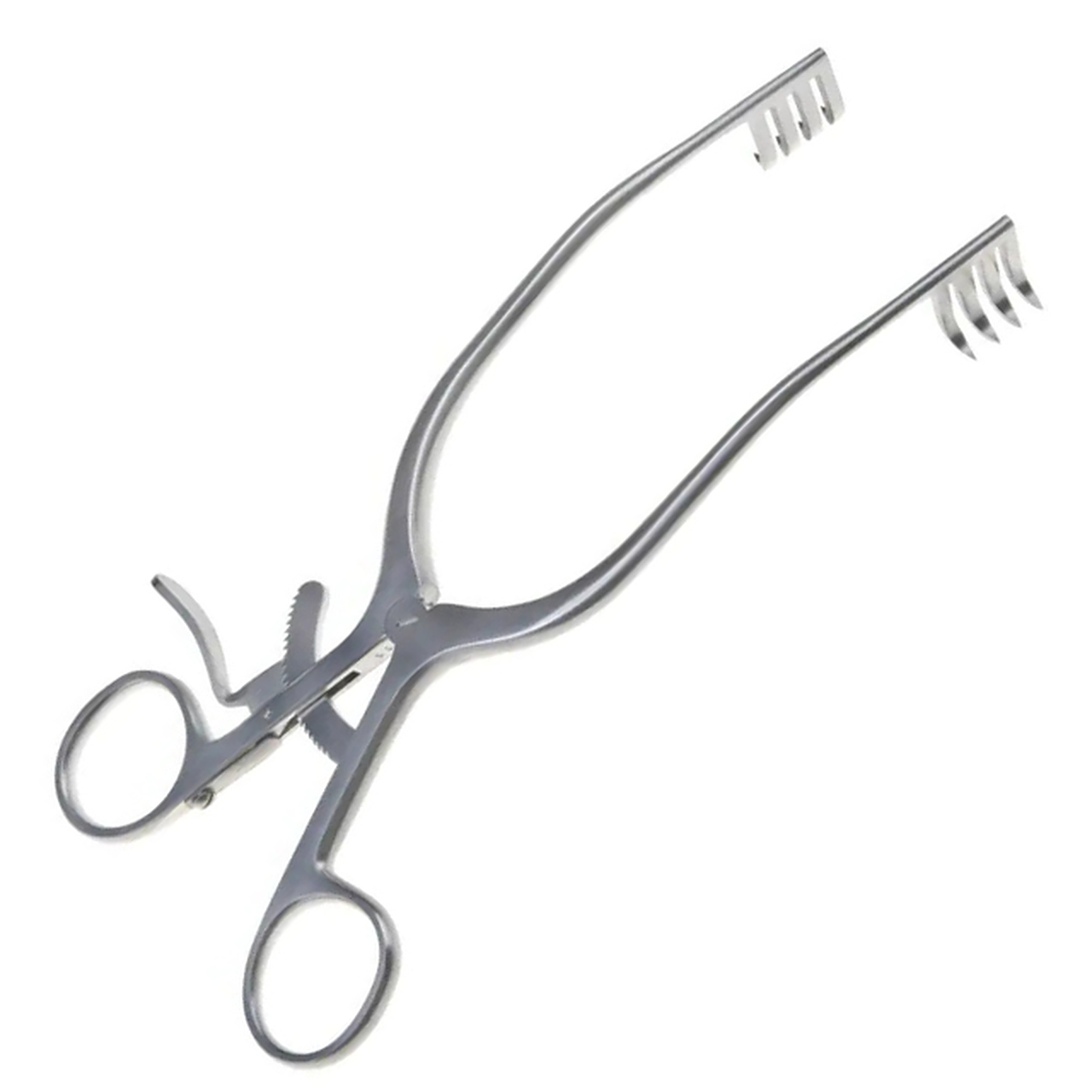 | Écarteur de Adson Cerebellum | Spécifiquement conçu pour assurer la rétraction autostatique des muscles et des tissus mous lors des interventions de la fosse crânienne postérieure et de neurochirurgie. |
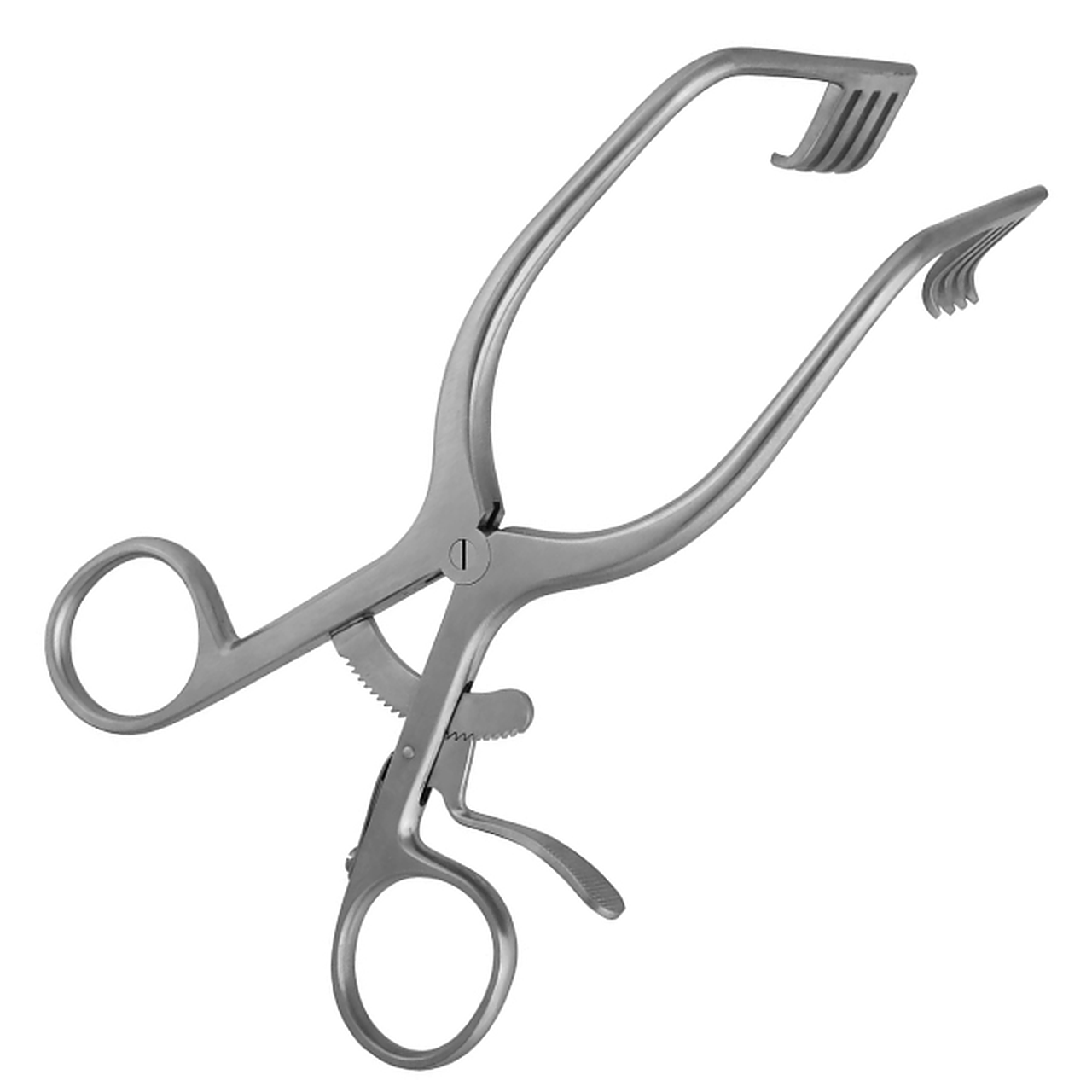 | Écarteur Cérébelleux Autobloquant d'Adson | Spécifiquement conçu pour assurer l'écartement tissulaire autobloquant et maintenir une exposition chirurgicale structurée lors des procédures crâniennes et rachidiennes. |
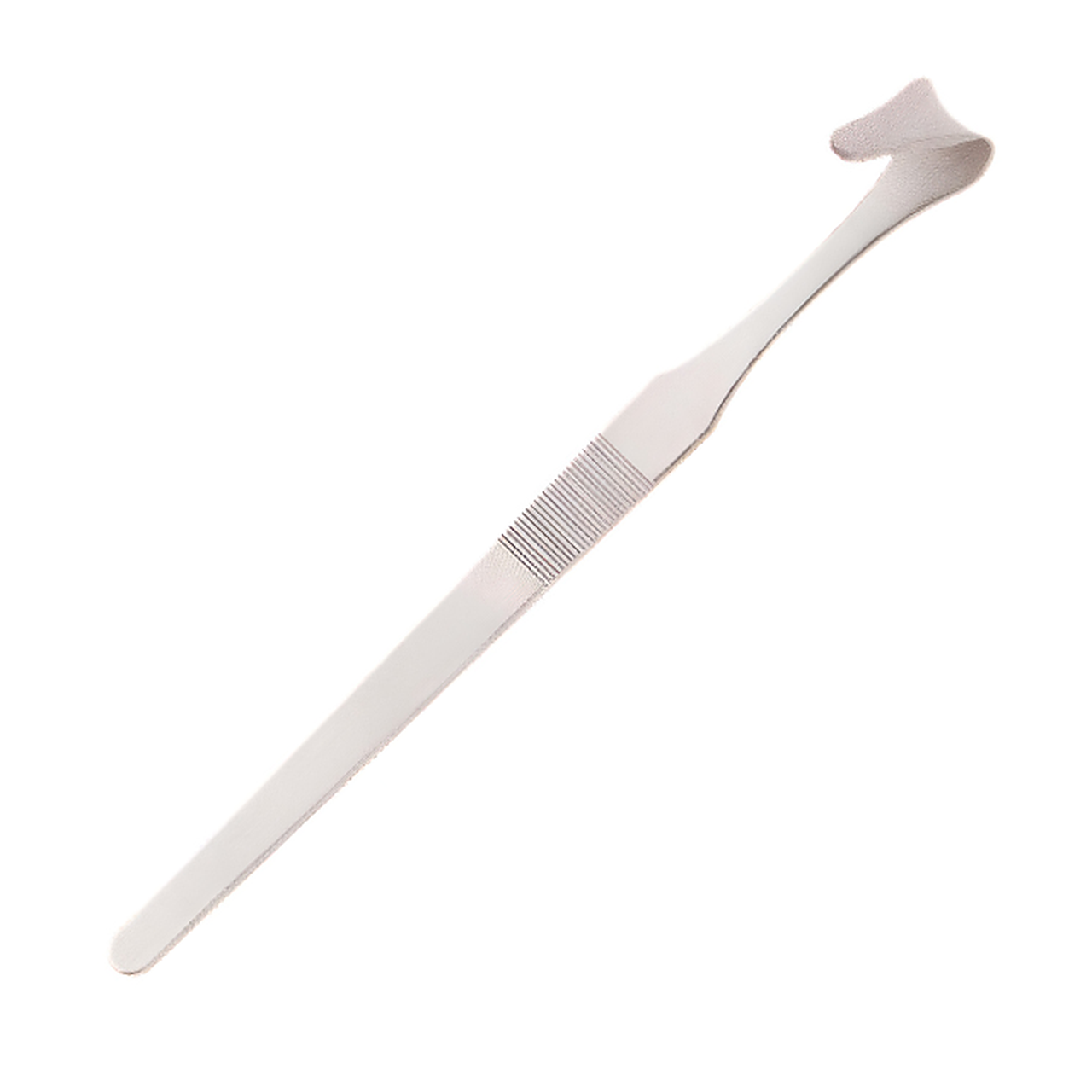 | Écarteur Alaire (Alar Retractor) | Spécifiquement conçu pour la rétraction de l'aile du nez et l'exposition du cartilage alaire lors de rhinoplasties et de procédures ORL. |
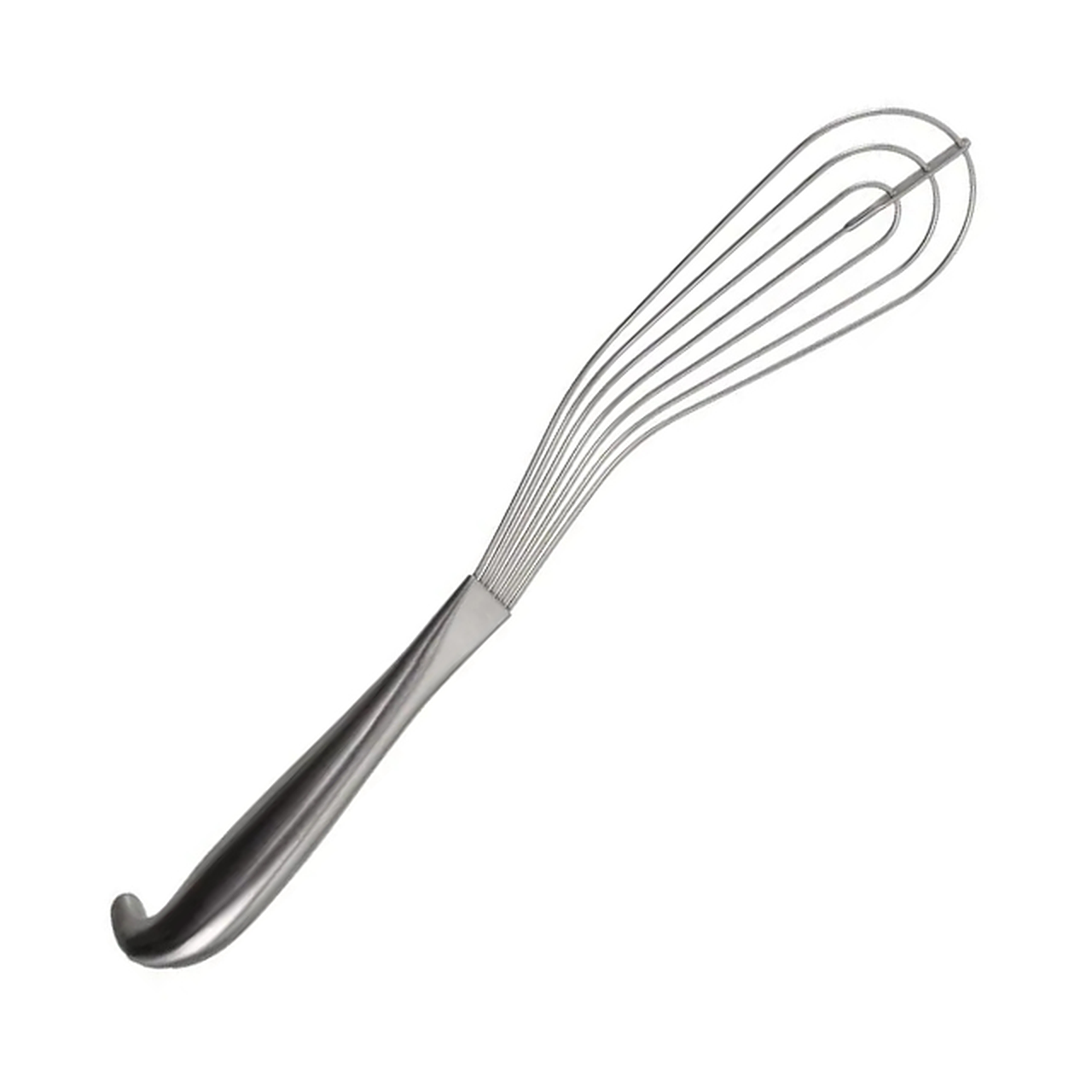 | Écarteur pulmonaire Allison | Conçu pour abaisser et déplacer le parenchyme pulmonaire de manière atraumatique lors d'interventions chirurgicales thoraciques et cardiovasculaires. |
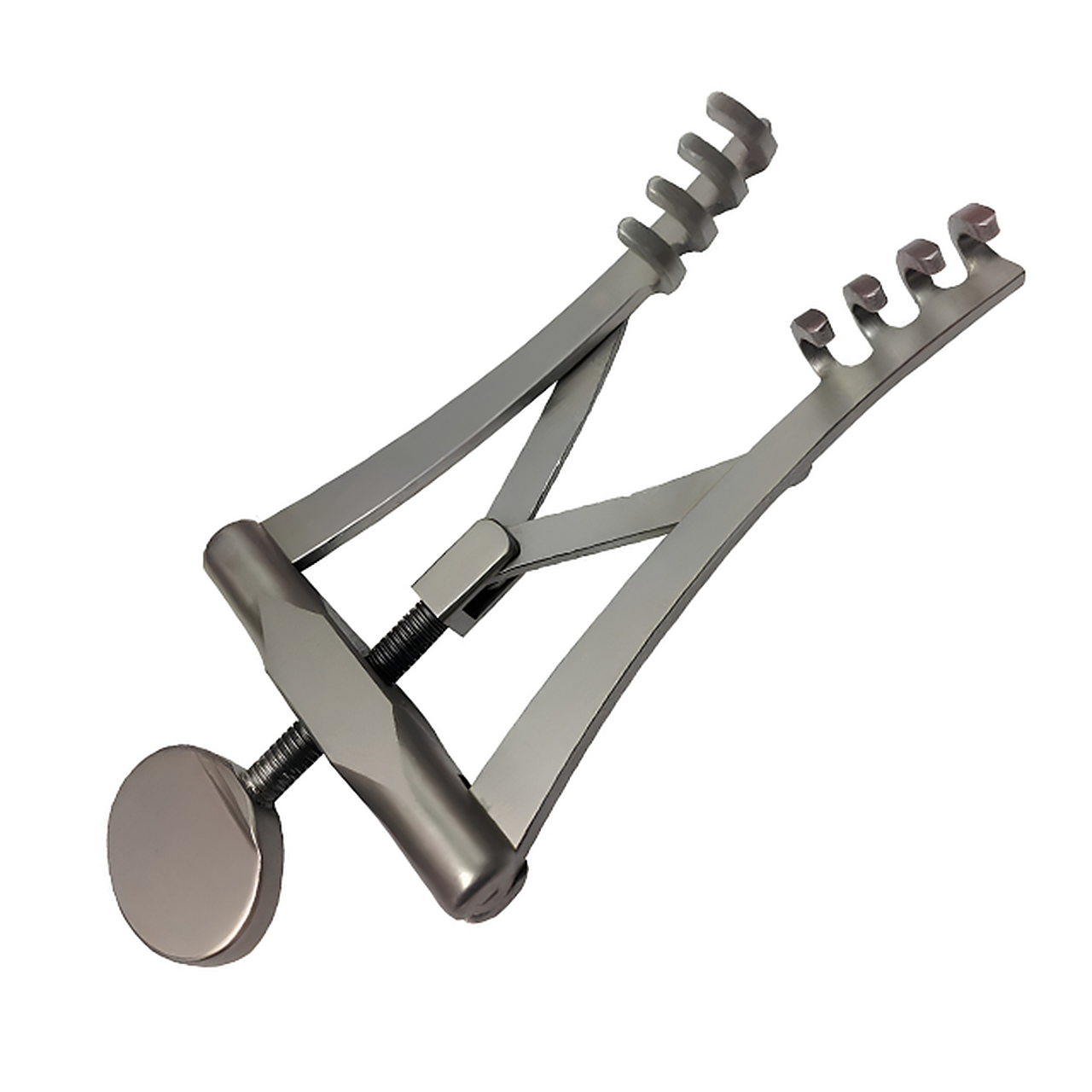 | Écarteur de Mastoidite Allport | Spécifiquement conçu pour assurer la rétraction autostatique des tissus mous sur l'apophyse mastoïde lors de procédures otologiques et neurochirurgicales. |
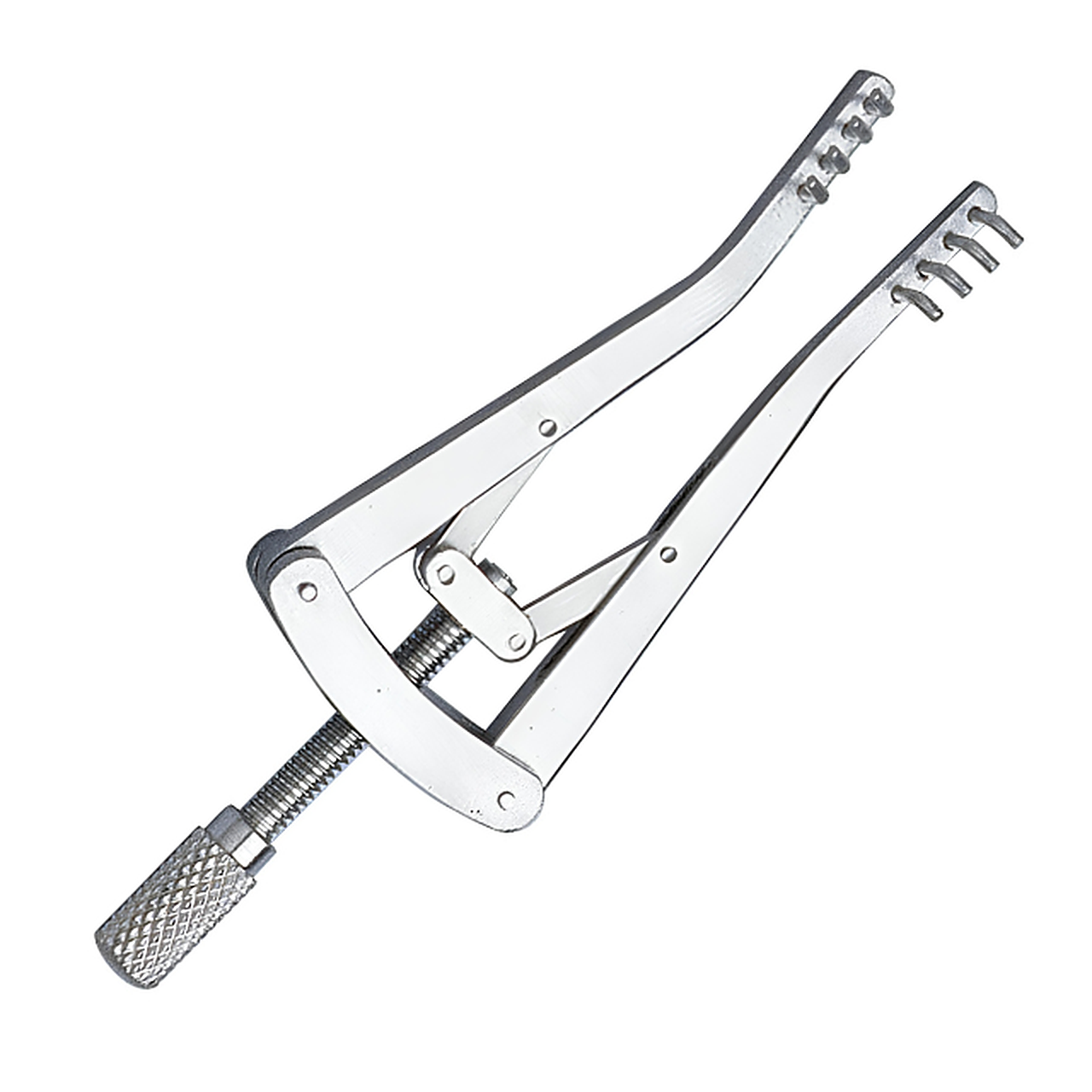 | Écarteur autostatique ALM | Spécifiquement conçu pour assurer la rétraction tissulaire autostatique lors de procédures chirurgicales mineures, ophtalmiques, plastiques et de la main. |
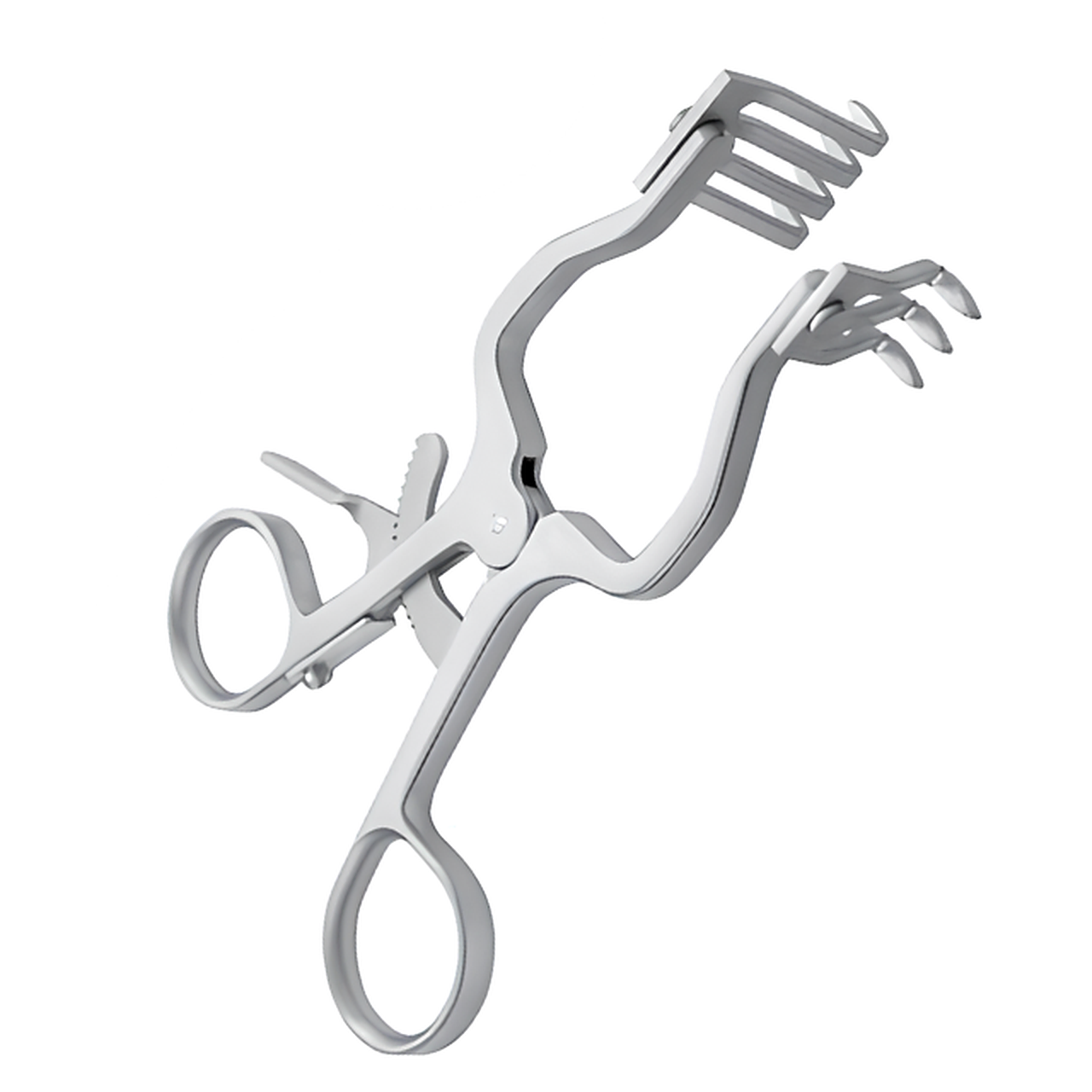 | Écarteurs autostatiques ambidextres | Spécifiquement conçu pour assurer une rétraction réversible et autonome des tissus mous, utilisable de chaque côté du champ stérile. |
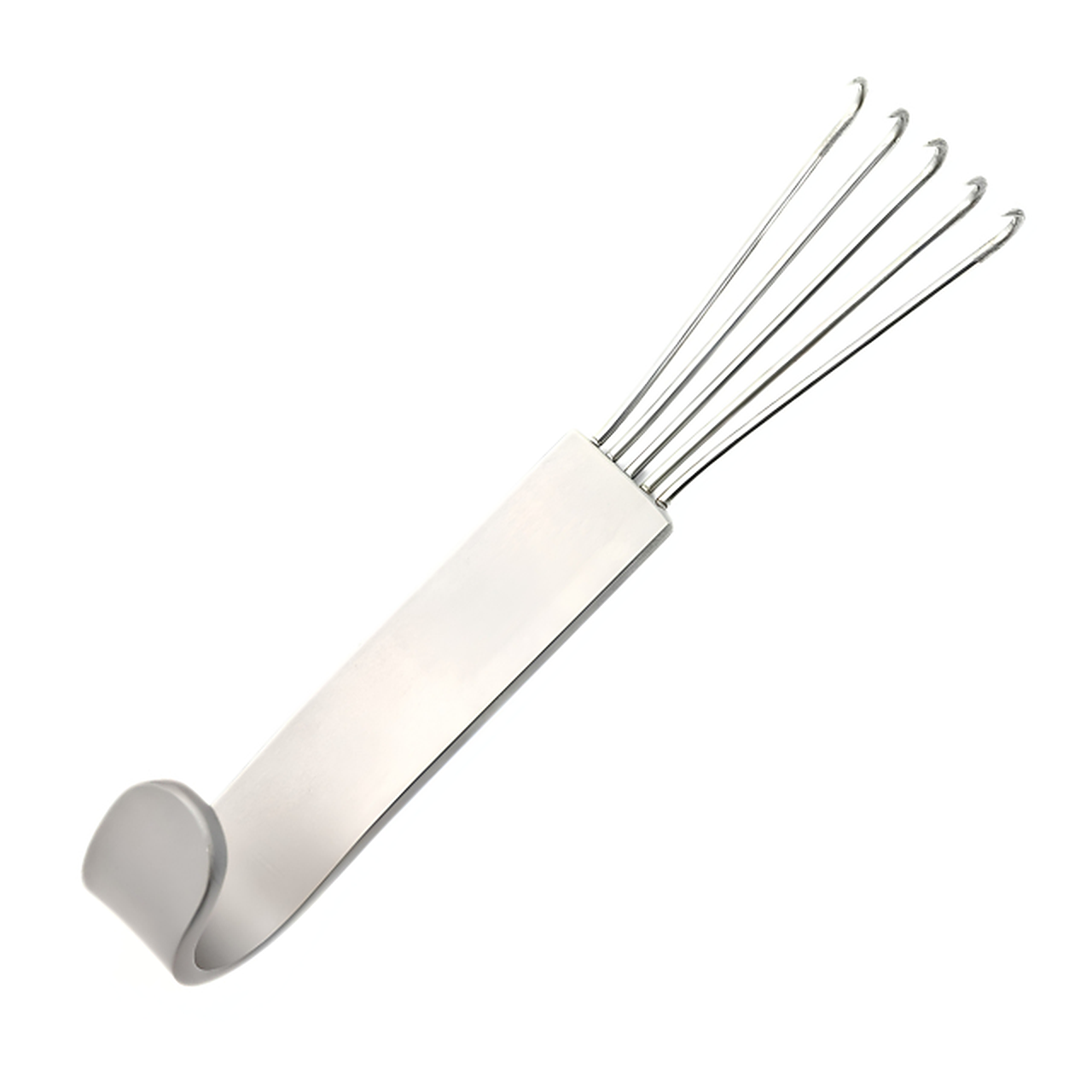 | Écarteur Anderson Bear Claw | Spécifiquement conçu pour une traction cutanée ferme, l'élévation de lambeaux cutanés et la rétraction des tissus mous en chirurgie plastique et reconstructrice. |
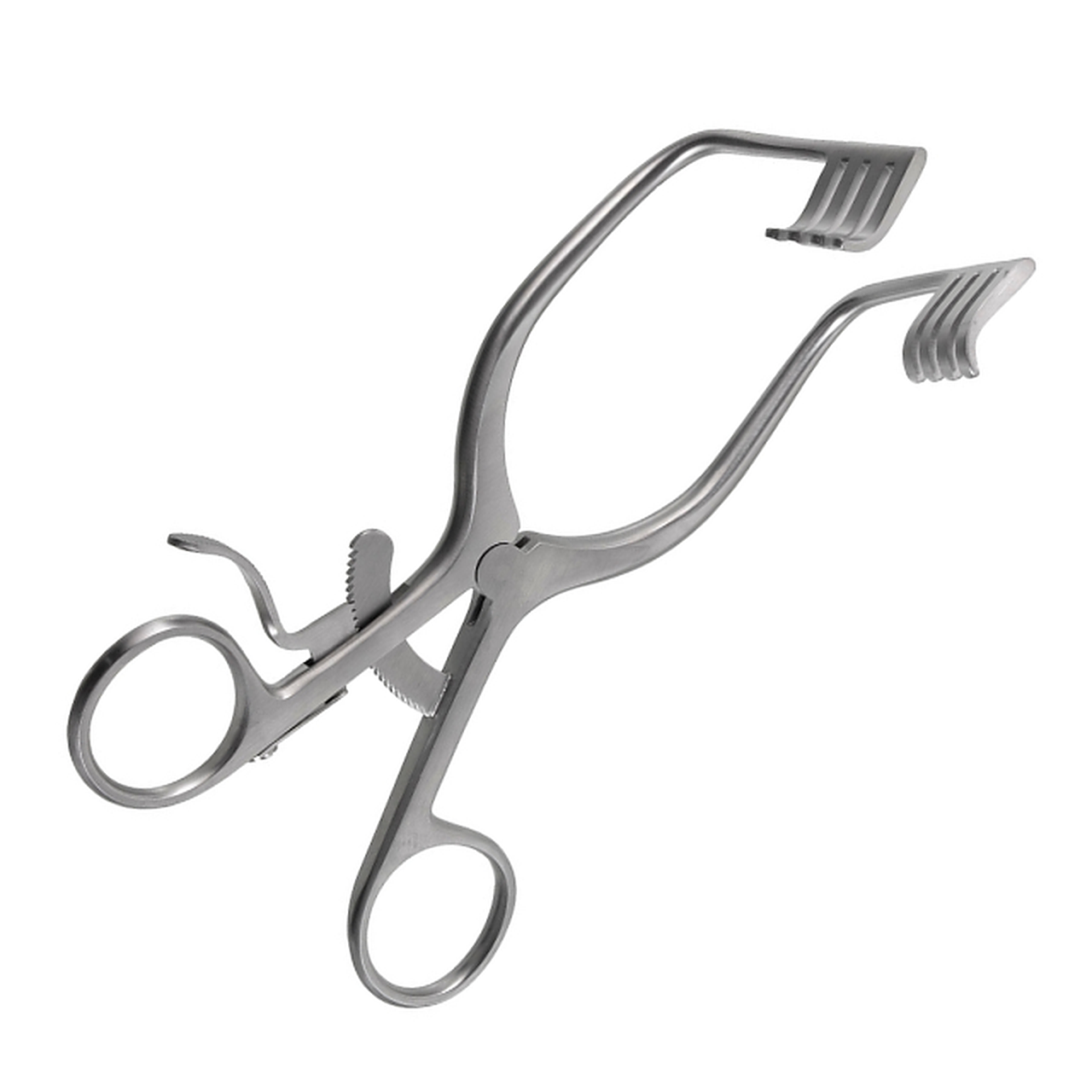 | Écarteur Cérébelleux Autostatique Anderson-Adson | Spécifiquement conçu pour assurer la rétraction autostatique des muscles et des tissus lors des procédures neurochirurgicales de la fosse crânienne postérieure et de la région sous-occipitale. |
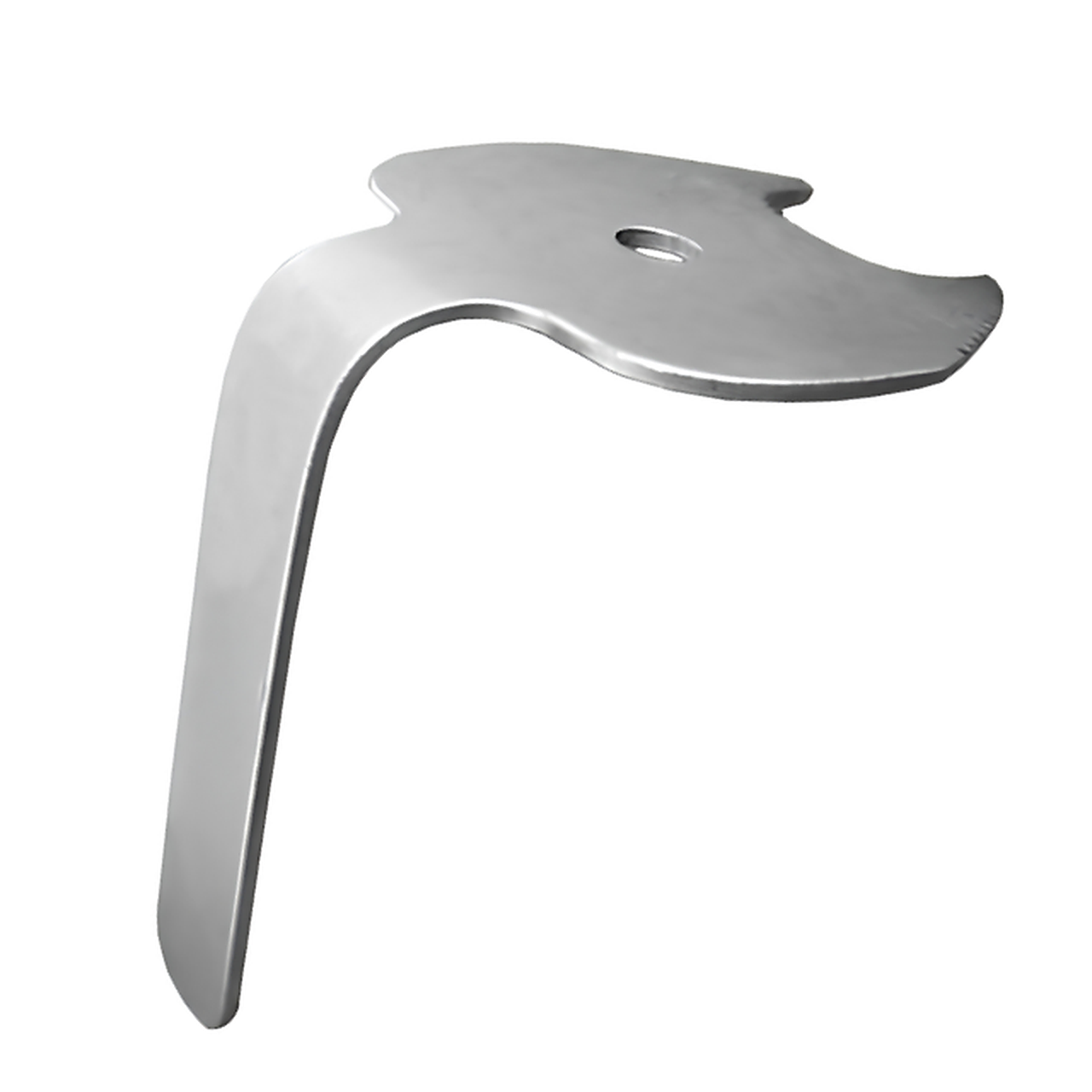 | Écarteur condylien fémoral antérieur | Spécifiquement conçu pour exposer les condyles fémoraux antérieurs et rétracter l'appareil extenseur lors d'une arthroplastie totale du genou. |
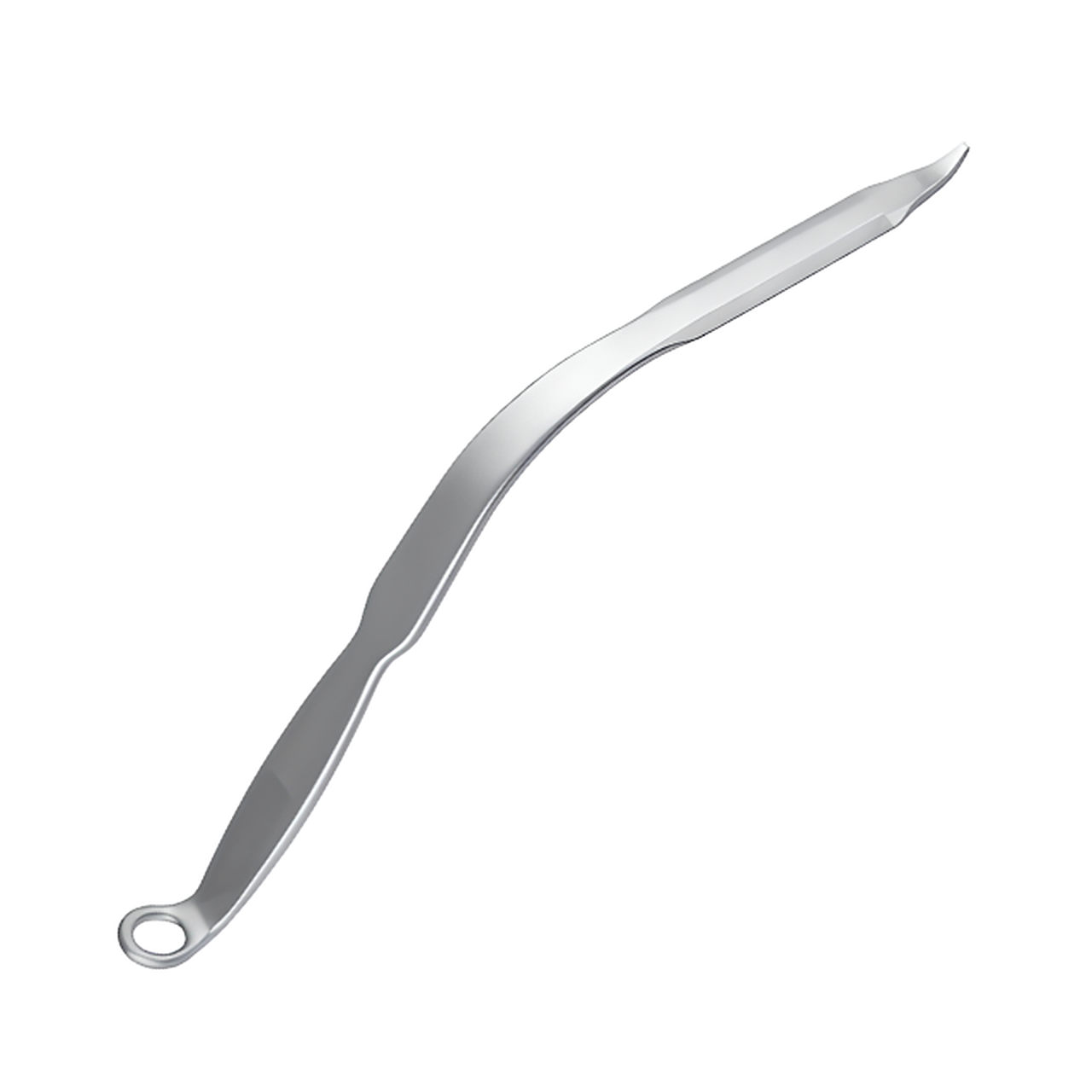 | Écarteur de rebord antéromédial du col fémoral antérieur | Spécifiquement conçu pour exposer le col fémoral antérieur et le rebord antéromédial lors de l'arthroplastie de la hanche et de l'ostéotomie de la tête fémorale. |
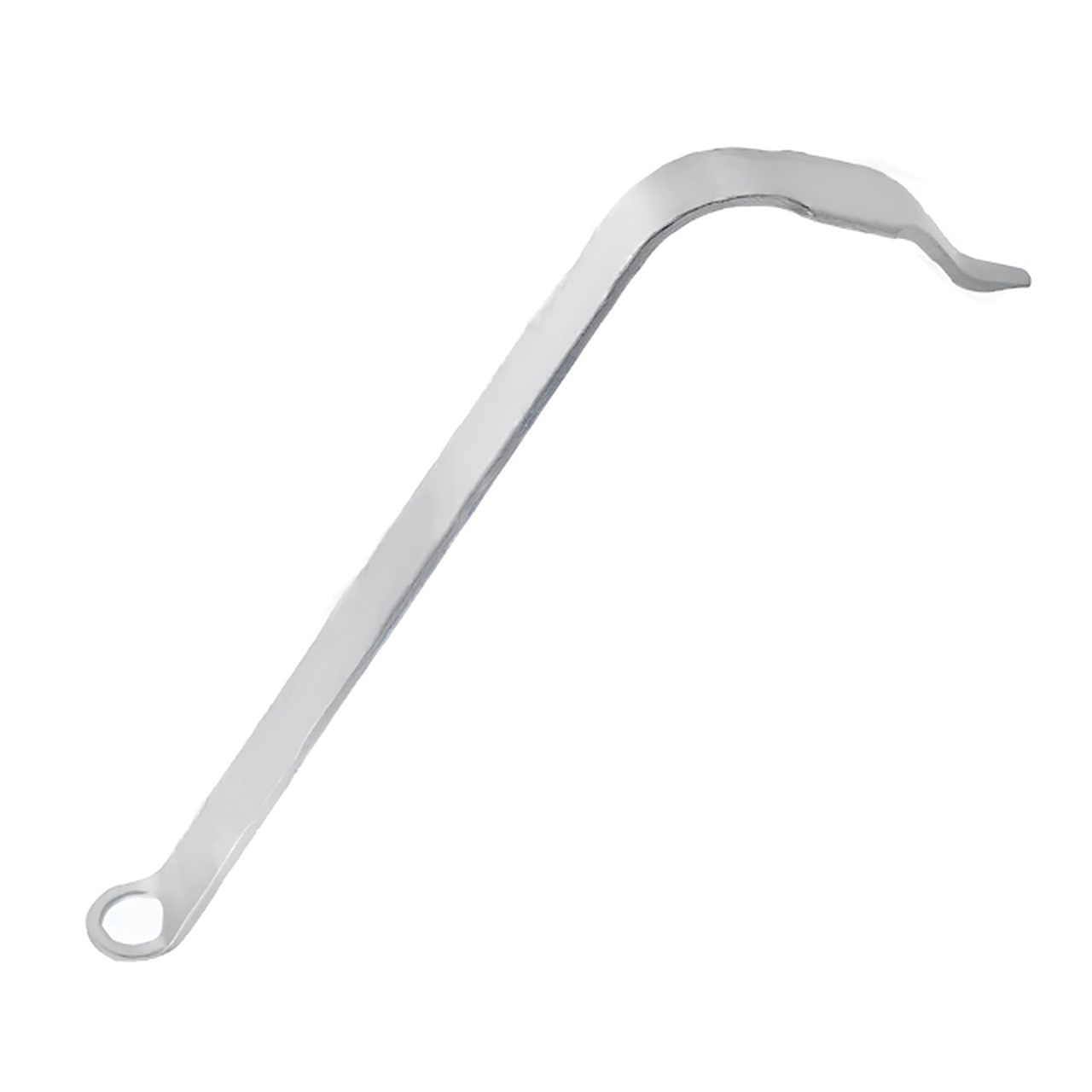 | Écarteur de bord acétabulaire antérolatéral | Spécifiquement conçu pour exposer le rebord acétabulaire antérolatéral et déplacer les tissus mous environnants lors d'une arthroplastie de la hanche. |
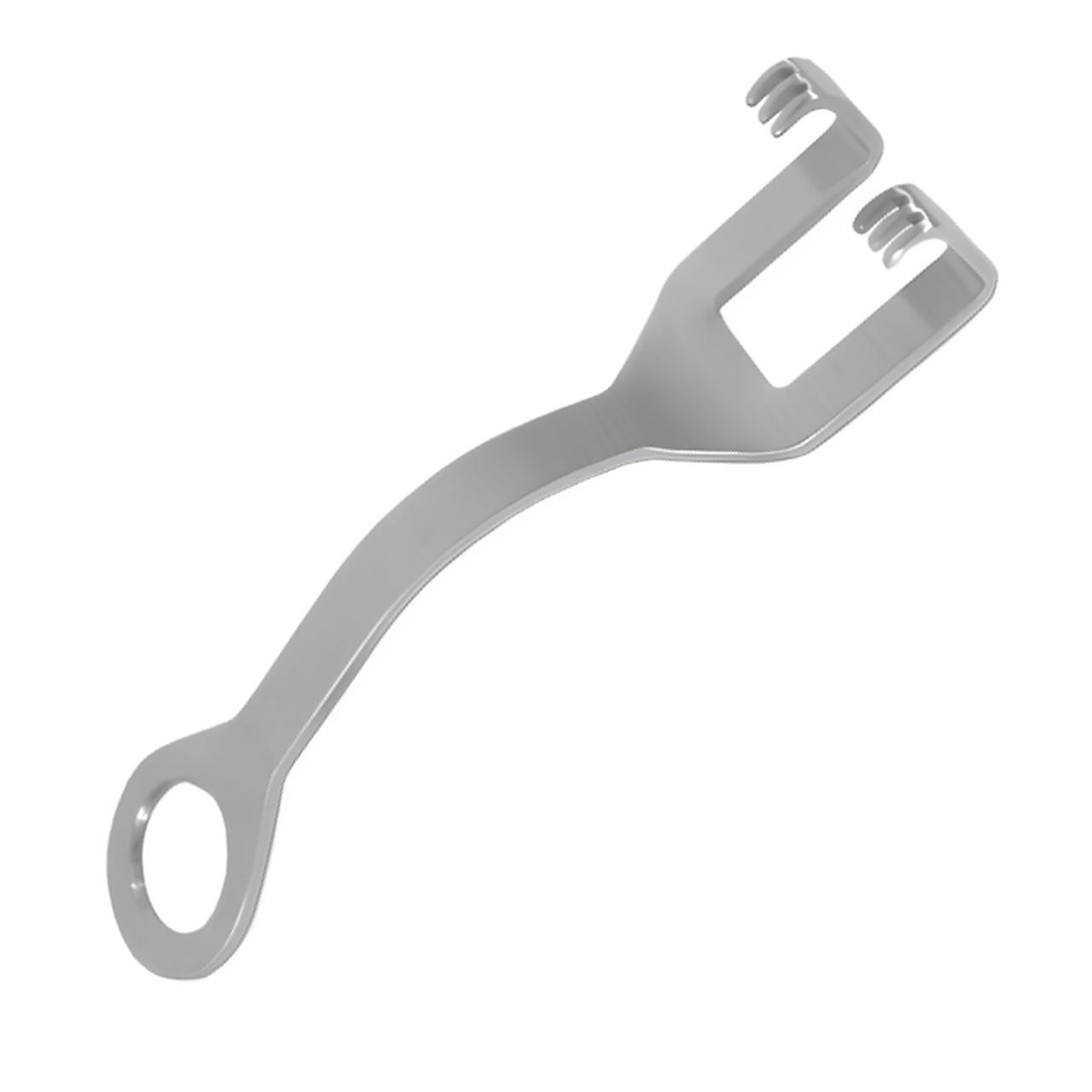 | Écarteur rotulien AORI | Spécifiquement conçu pour écarter et éverser la rotule lors des procédures d'arthroplastie totale du genou primaire et de révision. |
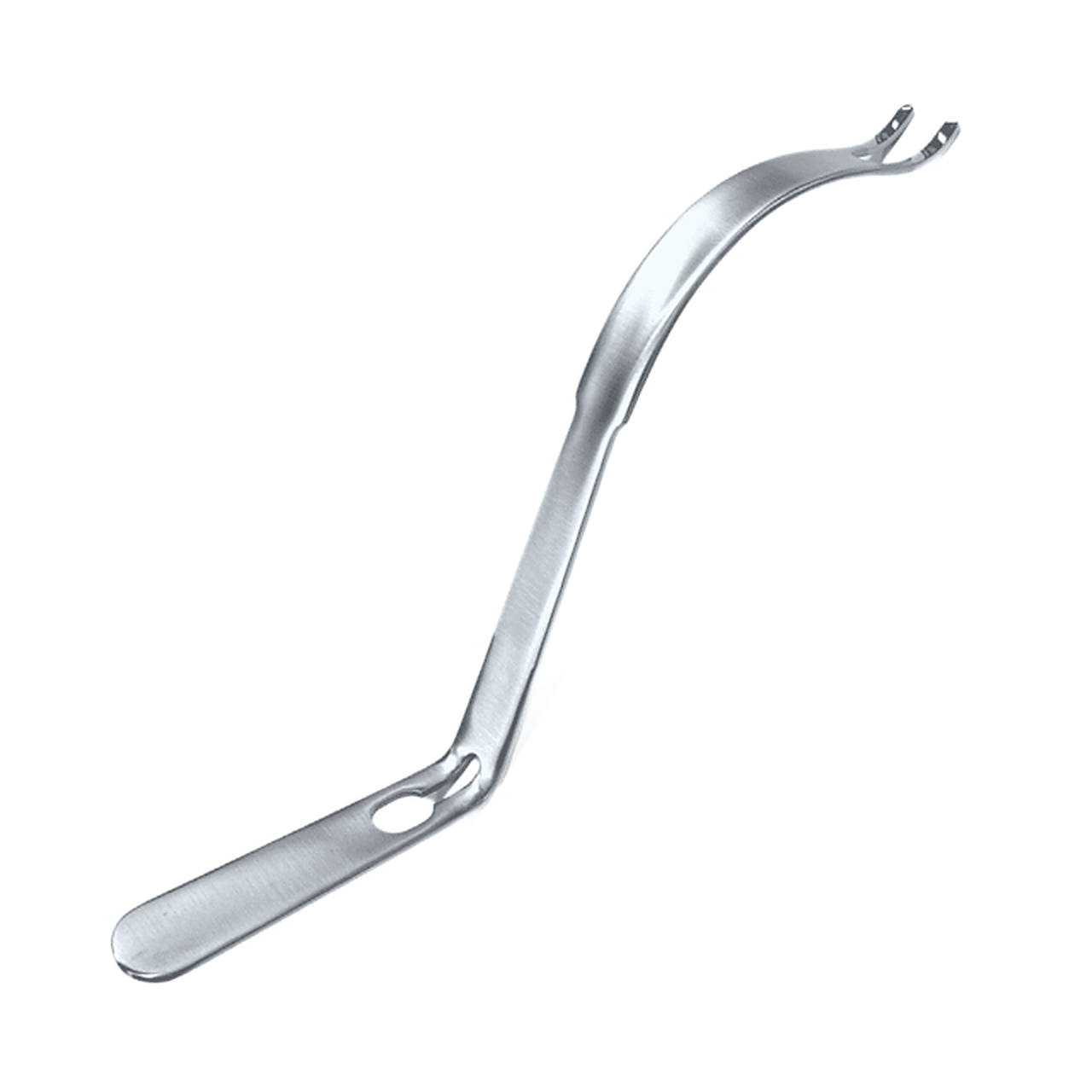 | Écarteur de hanche APC | Spécifiquement conçu pour exposer la marge acétabulaire et le col fémoral lors de l'arthroplastie de la hanche et de la chirurgie reconstructive. |
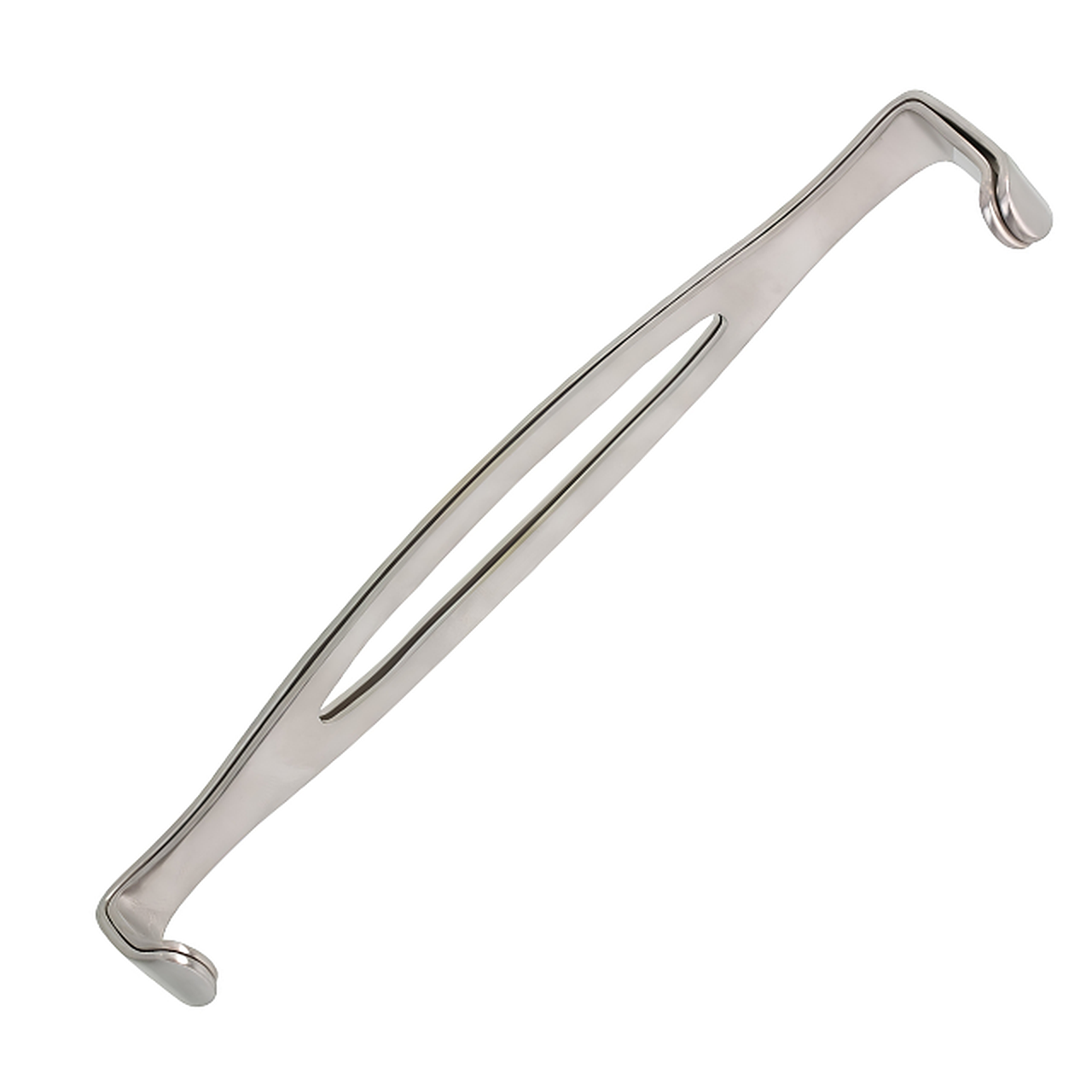 | Écarteurs Army-Navy - Jeu de deux | Conçu pour assurer l'écartement manuel des tissus mous et des berges de la plaie dans les champs opératoires superficiels et intermédiaires. |
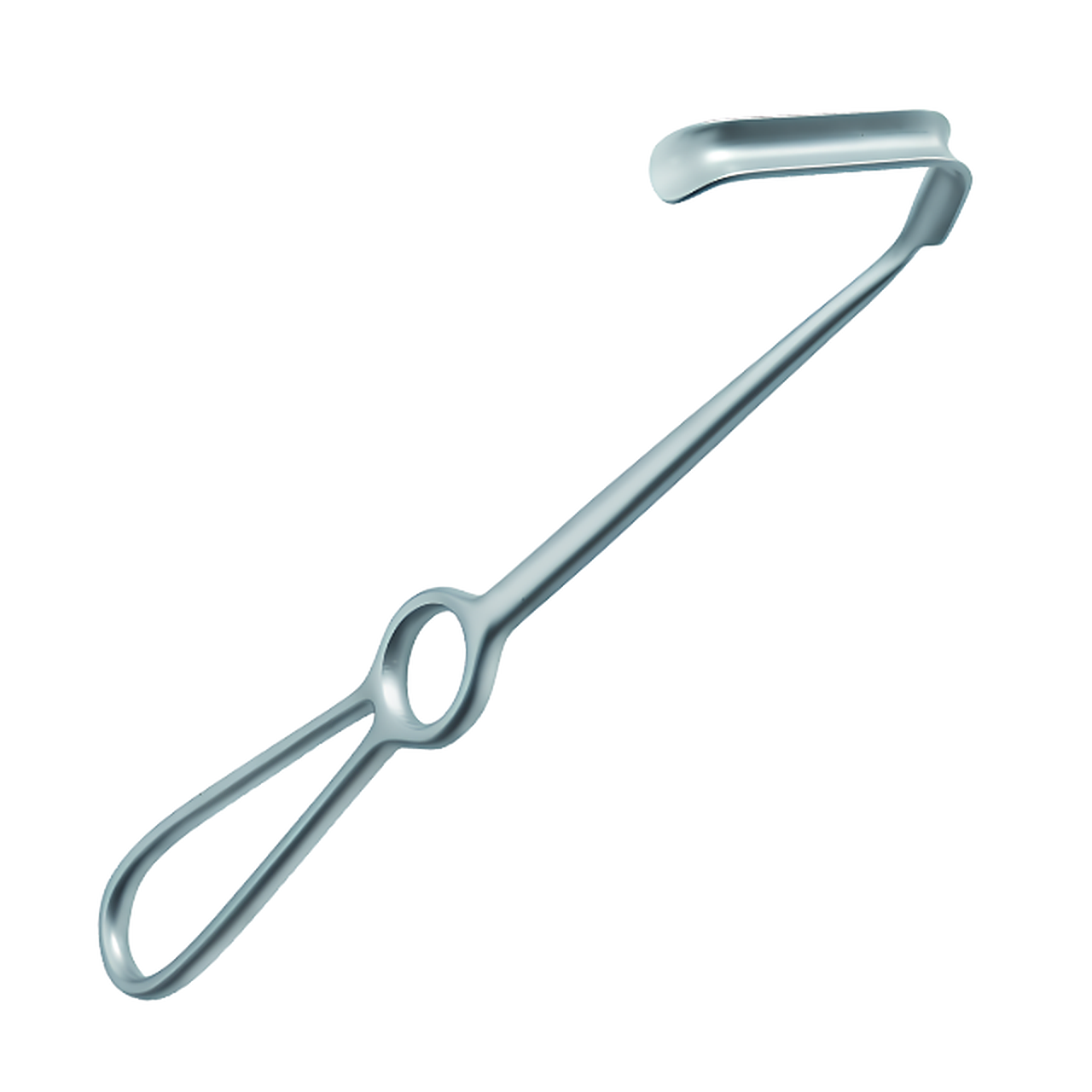 | Écarteur de lèvre supérieure Arnett Le Fort | Spécifiquement conçu pour élever et protéger la lèvre supérieure et la muqueuse vestibulaire lors des ostéotomies de Le Fort et de la chirurgie orthognathique. |
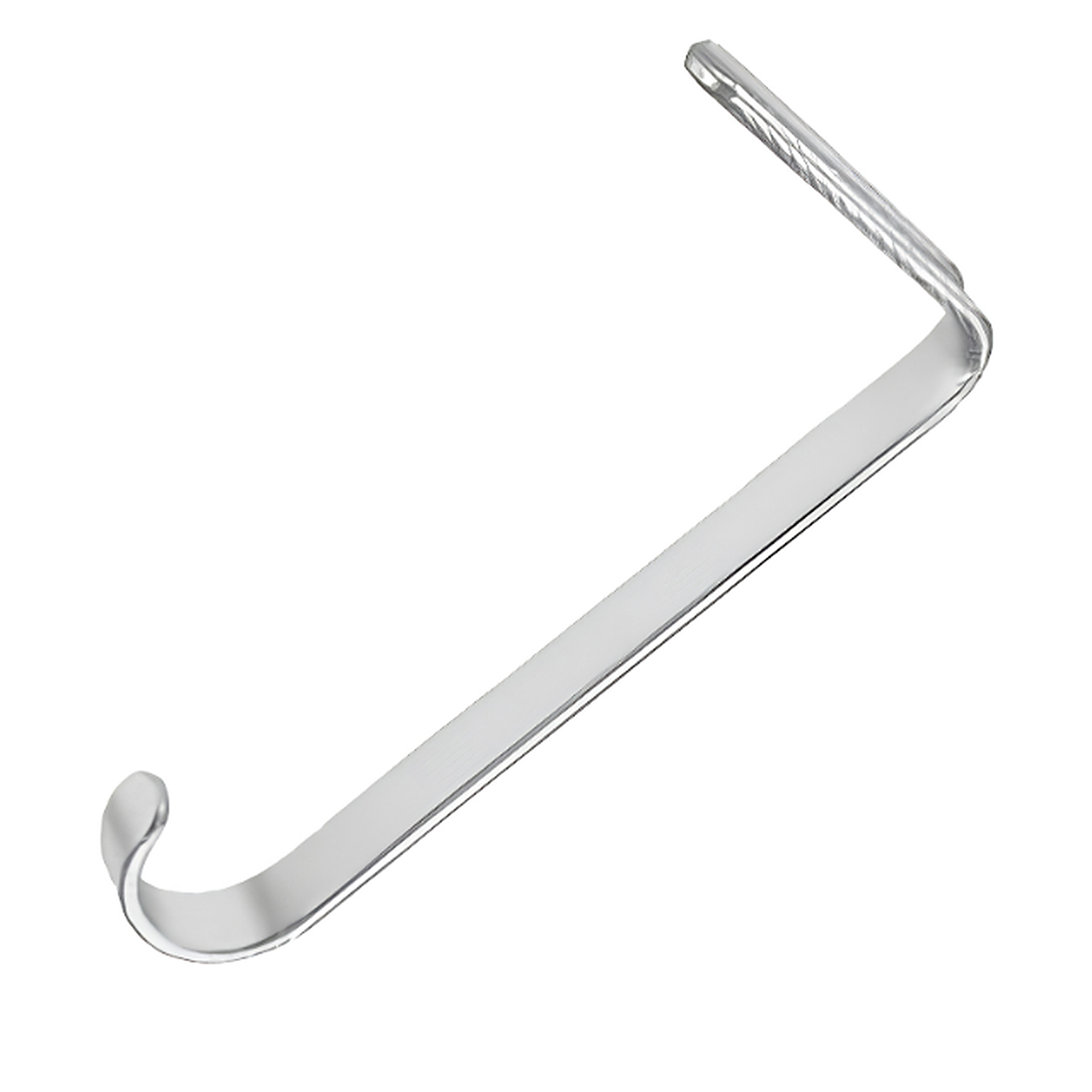 | Écarteur nasal Aufricht Daniel | Spécifiquement conçu pour élever l'enveloppe cutanée et les tissus mous dorsaux du nez lors de rhinoplasties esthétiques et reconstructrices. |
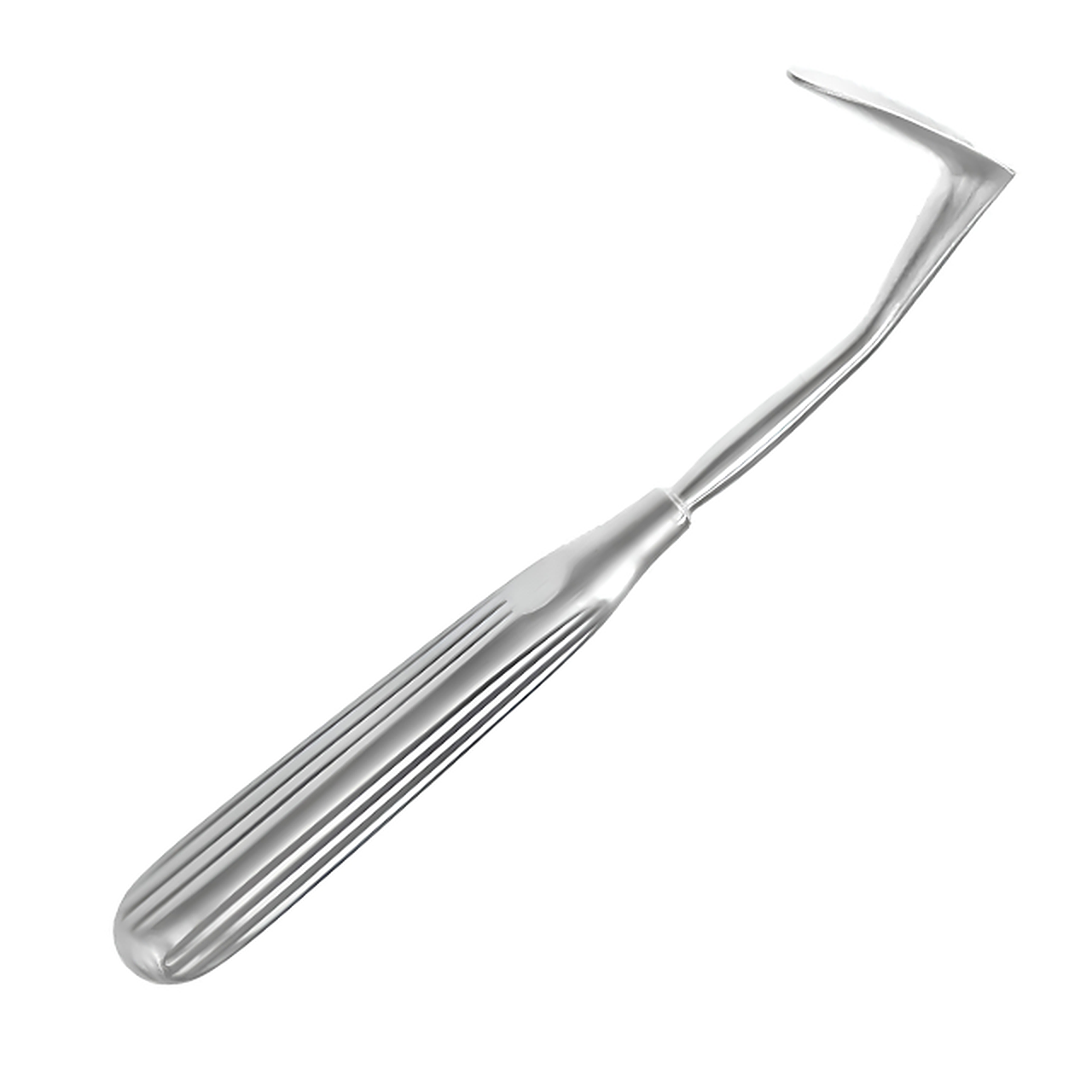 | Écarteur nasal Aufricht | Spécifiquement conçu pour élever les lambeaux cutanés nasaux et maintenir une visualisation claire de l'arête nasale pendant les procédures de rhinoplastie. |
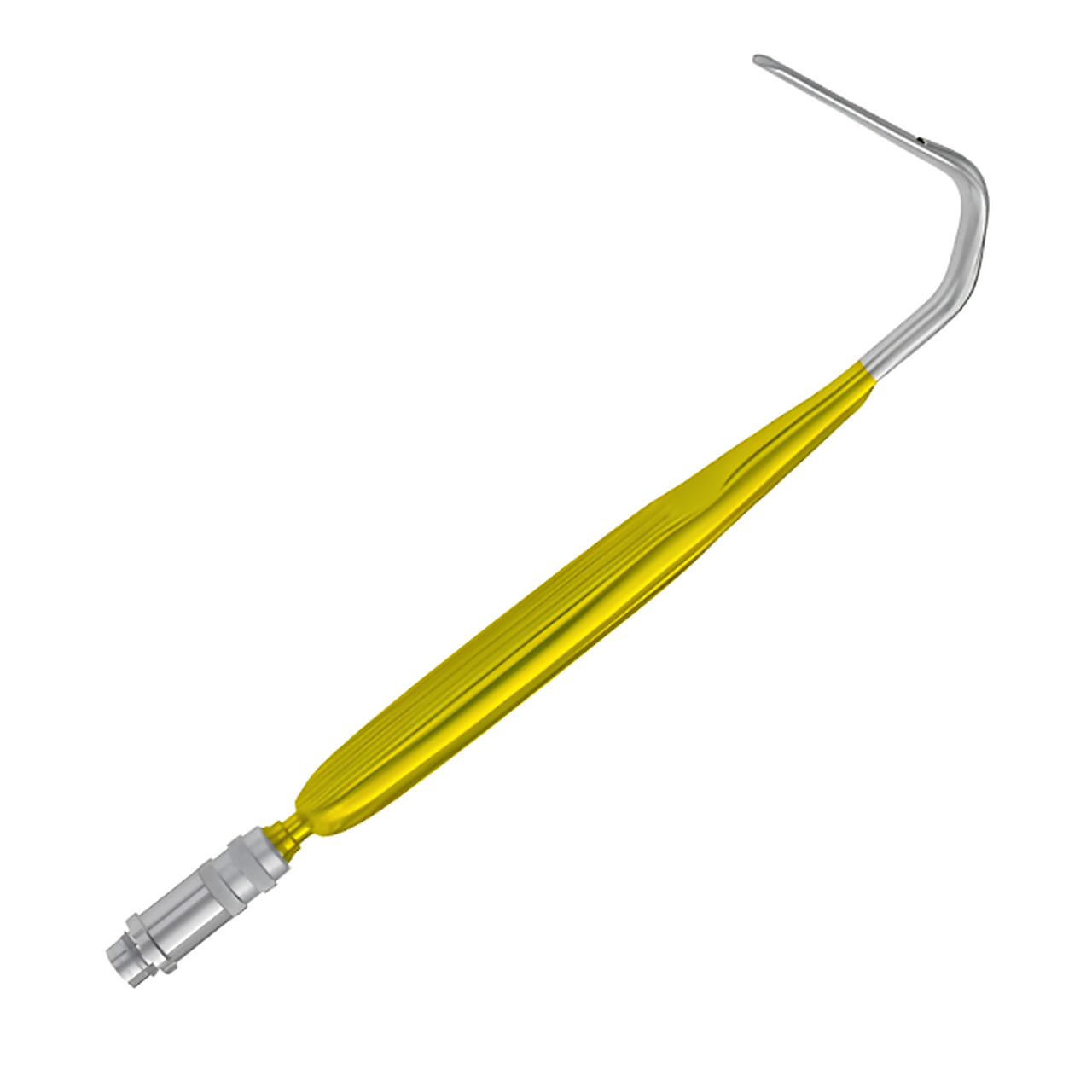 | Écarteur nasal Aufricht Nasal Retractor - Fiber Optic | Spécifiquement conçu pour assurer l'écartement éclairé des tissus mous et l'exposition dorsale lors de la rhinoplastie et de la chirurgie nasale reconstructrice. |
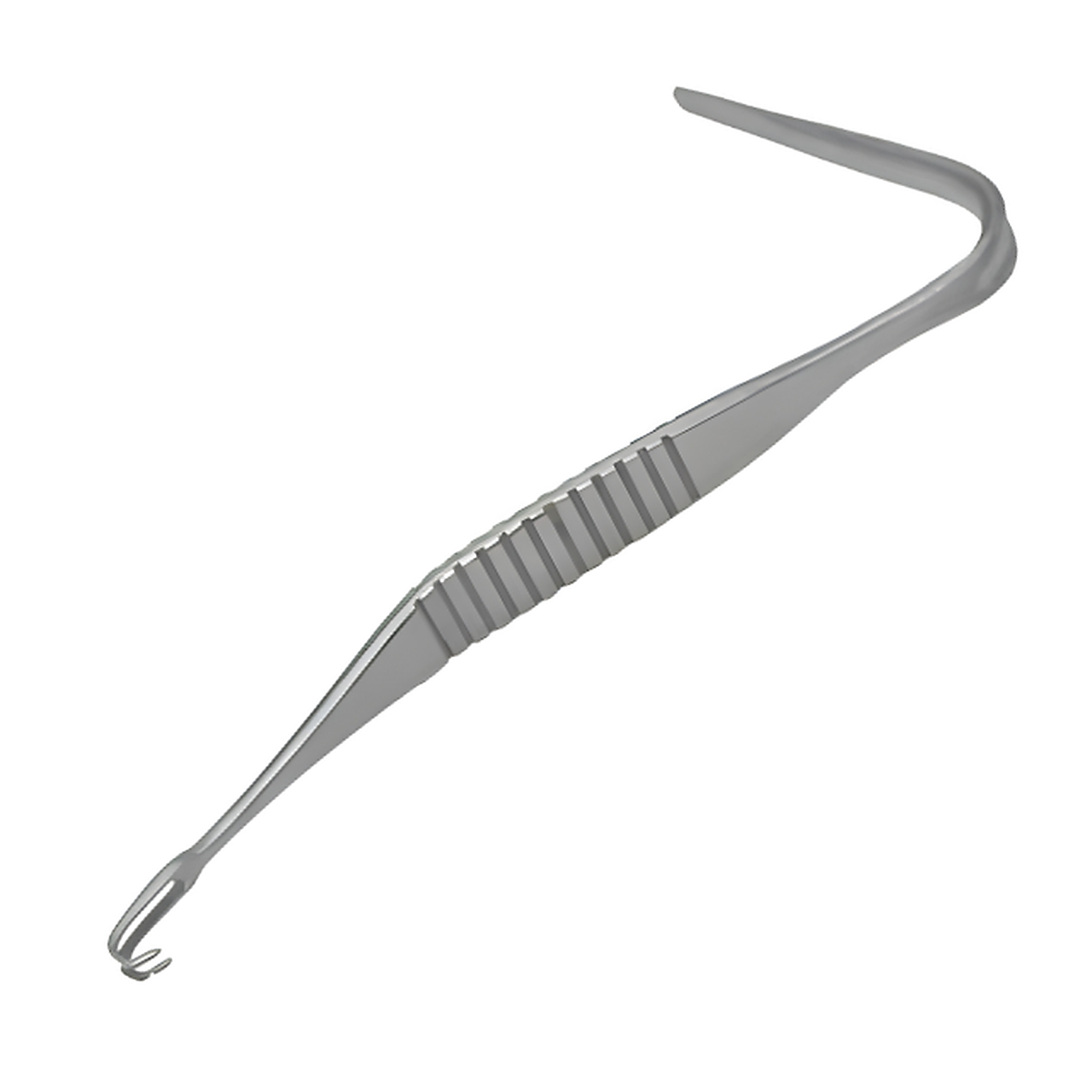 | Écarteur nasal Aufricht Walter | Spécifiquement conçu pour assurer l'écartement des tissus mous à double extrémité et l'élévation des lambeaux muqueux lors de la rhinoplastie et de la reconstruction nasale. |
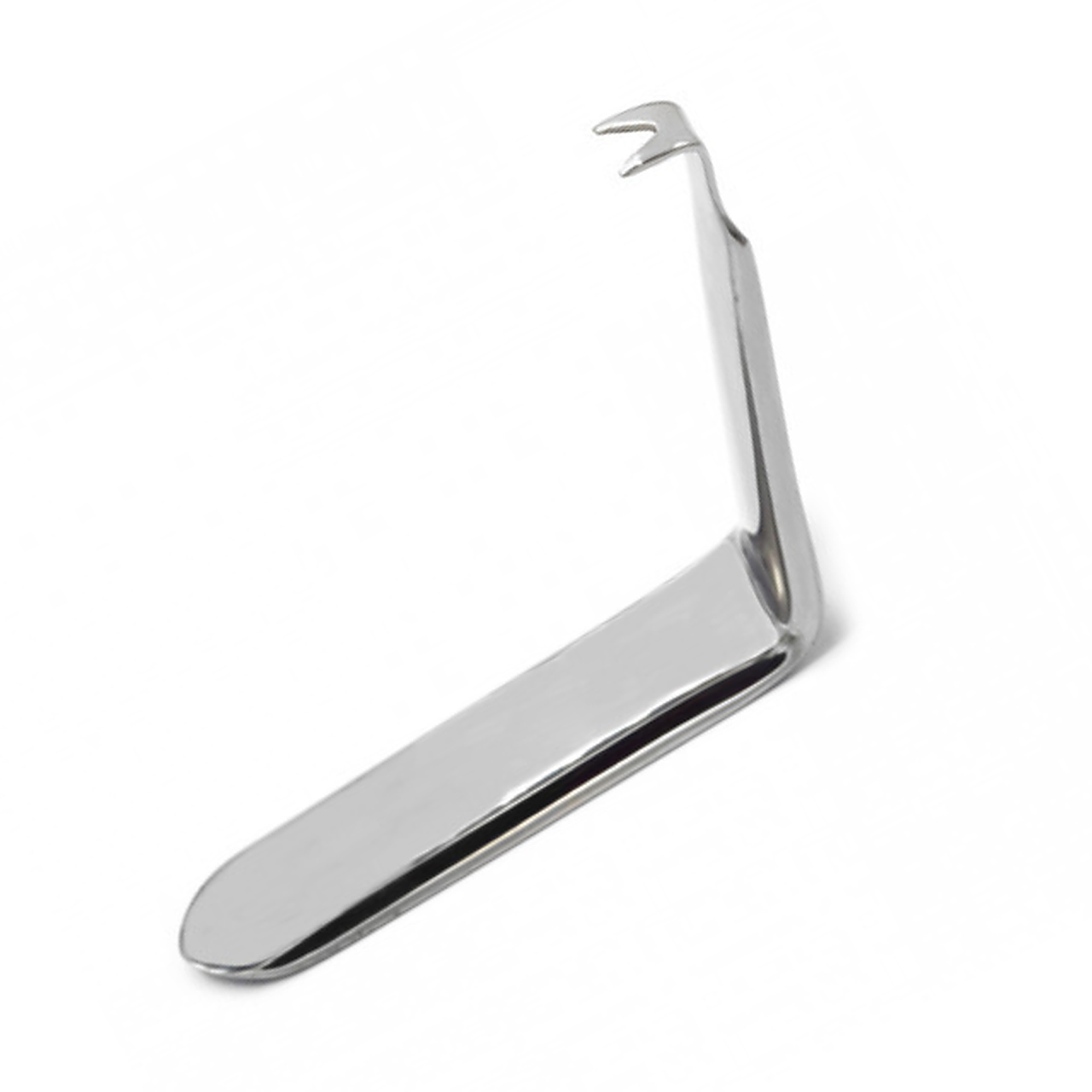 | Écarteur de joues et de tissus Austin | Spécifiquement conçu pour écarter les joues, les lèvres et les lambeaux mucopériostés lors de procédures chirurgicales intrabuccales, maxillofaciales et dentaires. |
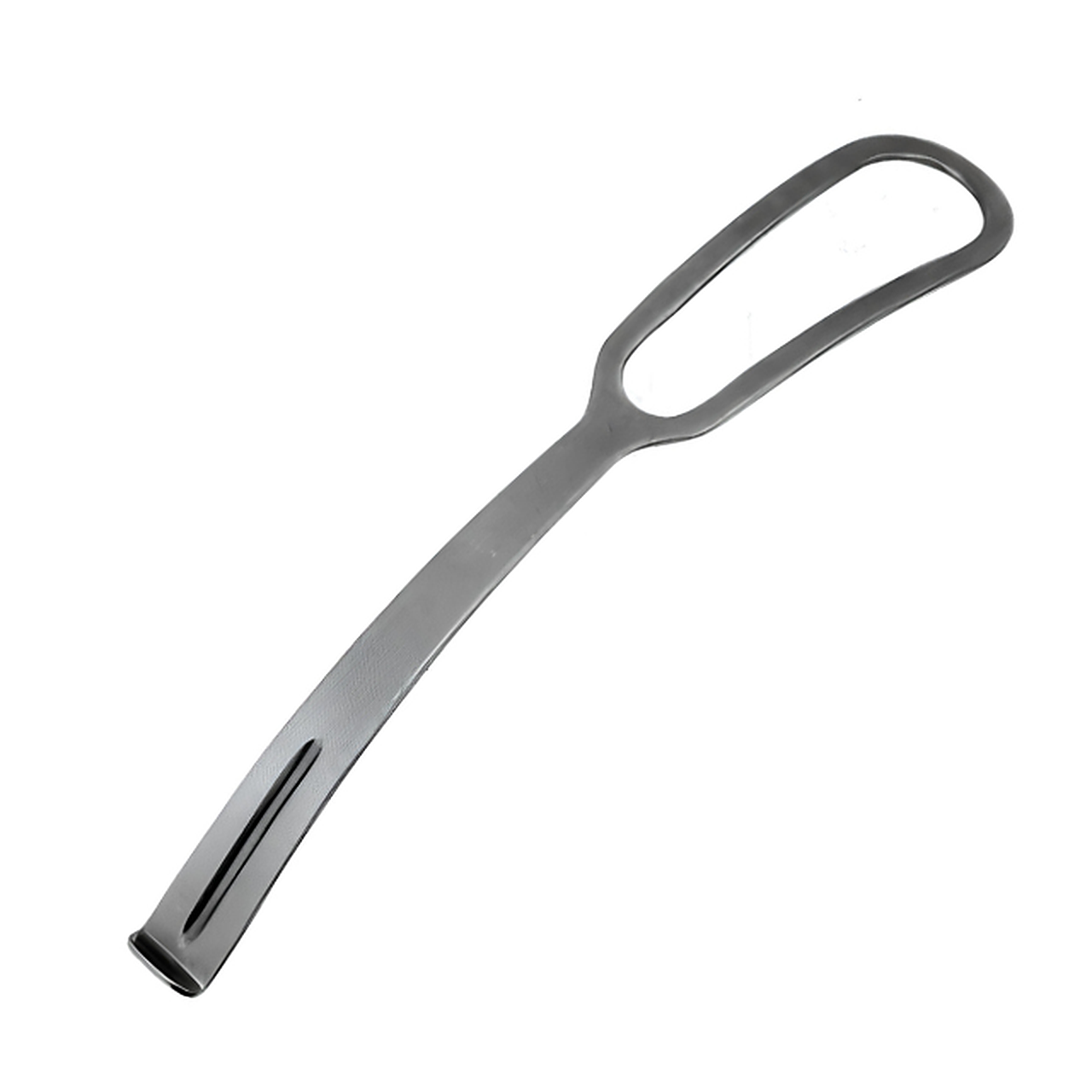 | Écarteur de col condylien Awty | Spécifiquement conçu pour exposer et protéger le col du condyle mandibulaire lors d'ostéotomies orthognathiques et traumatologiques. |
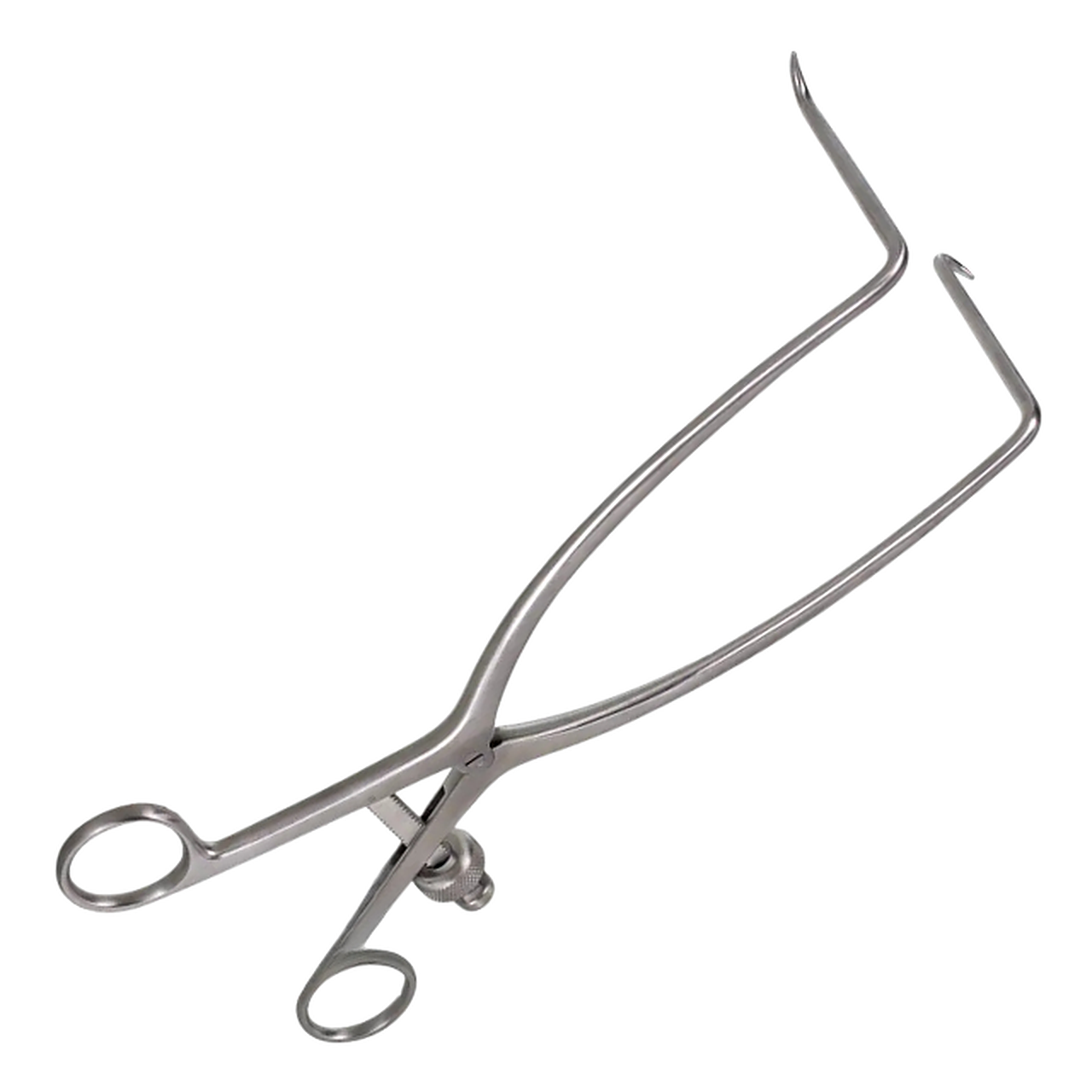 | Écarteur B-Z | Spécifiquement conçu pour assurer la rétraction autostatique des tissus mous profonds et des muscles paraspinal lors de chirurgies orthopédiques, rachidiennes et pelviennes. |
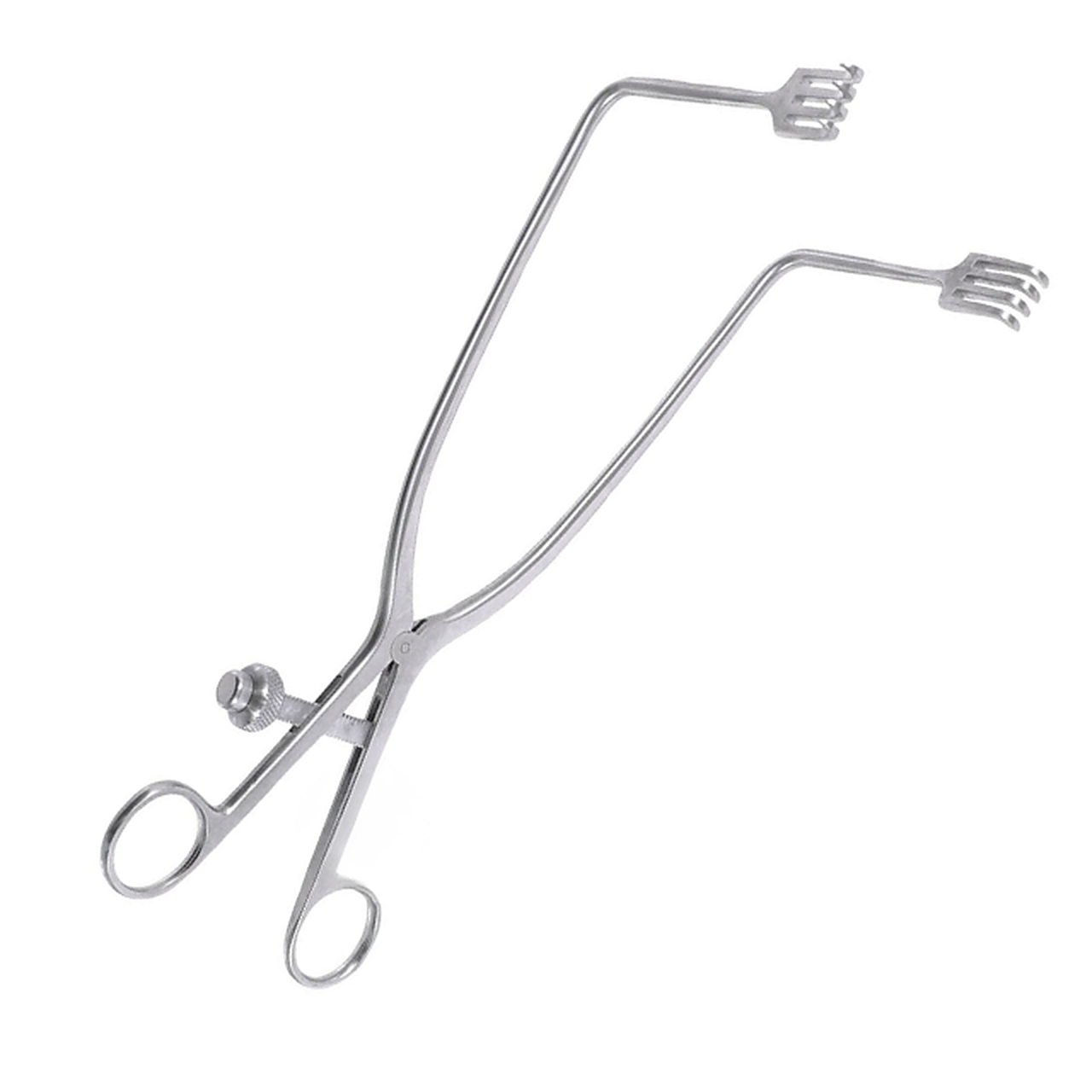 | Écarteur B-Z Weitlaner | Spécifiquement conçu pour assurer une rétraction autostatique profonde des tissus mous et des muscles lors de chirurgies du rachis, orthopédiques et pelviennes. |
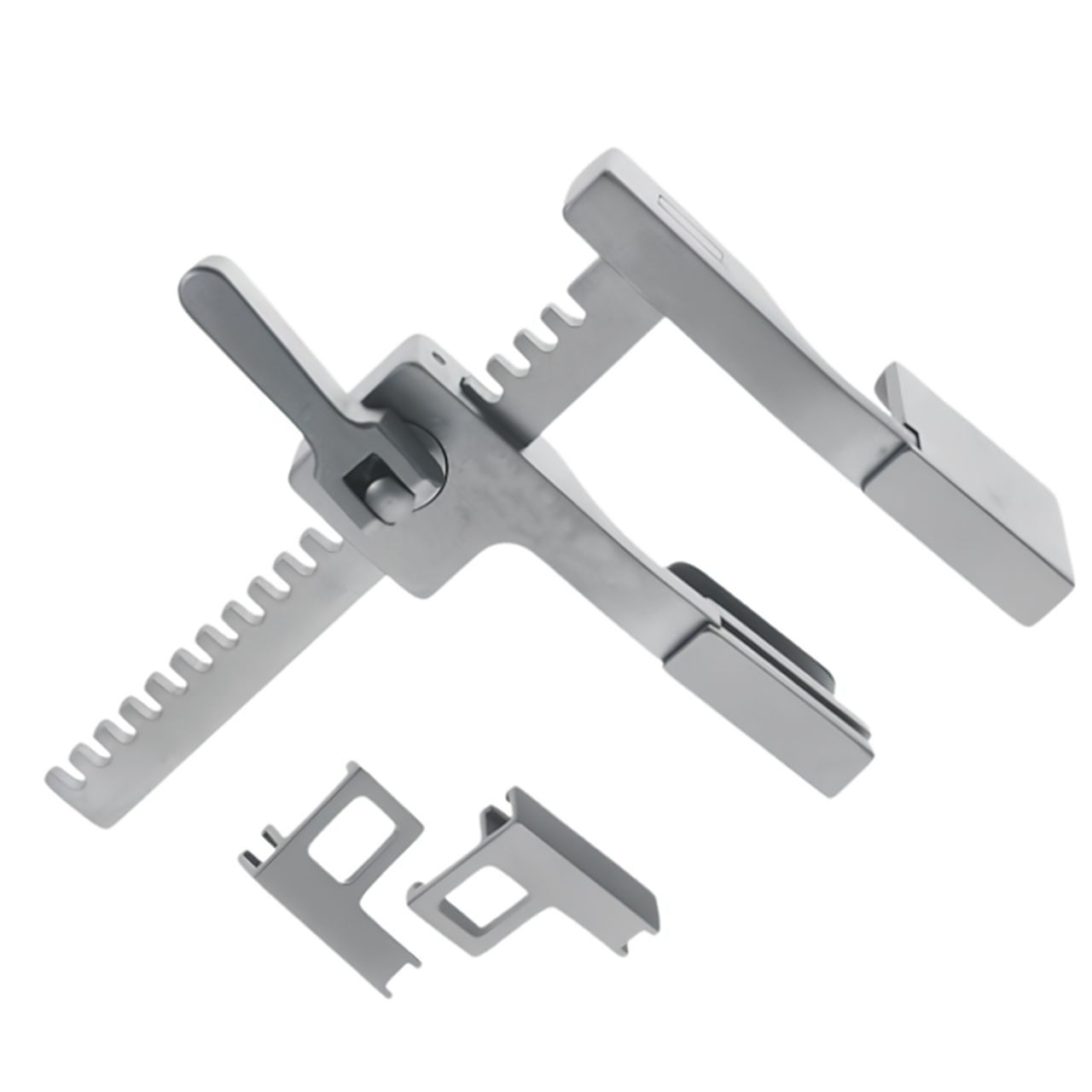 | Écarteur de côtes Baby-Haight | Spécifiquement conçu pour écarter les côtes et assurer l'accès thoracique lors de la chirurgie cardiothoracique néonatale et infantile. |
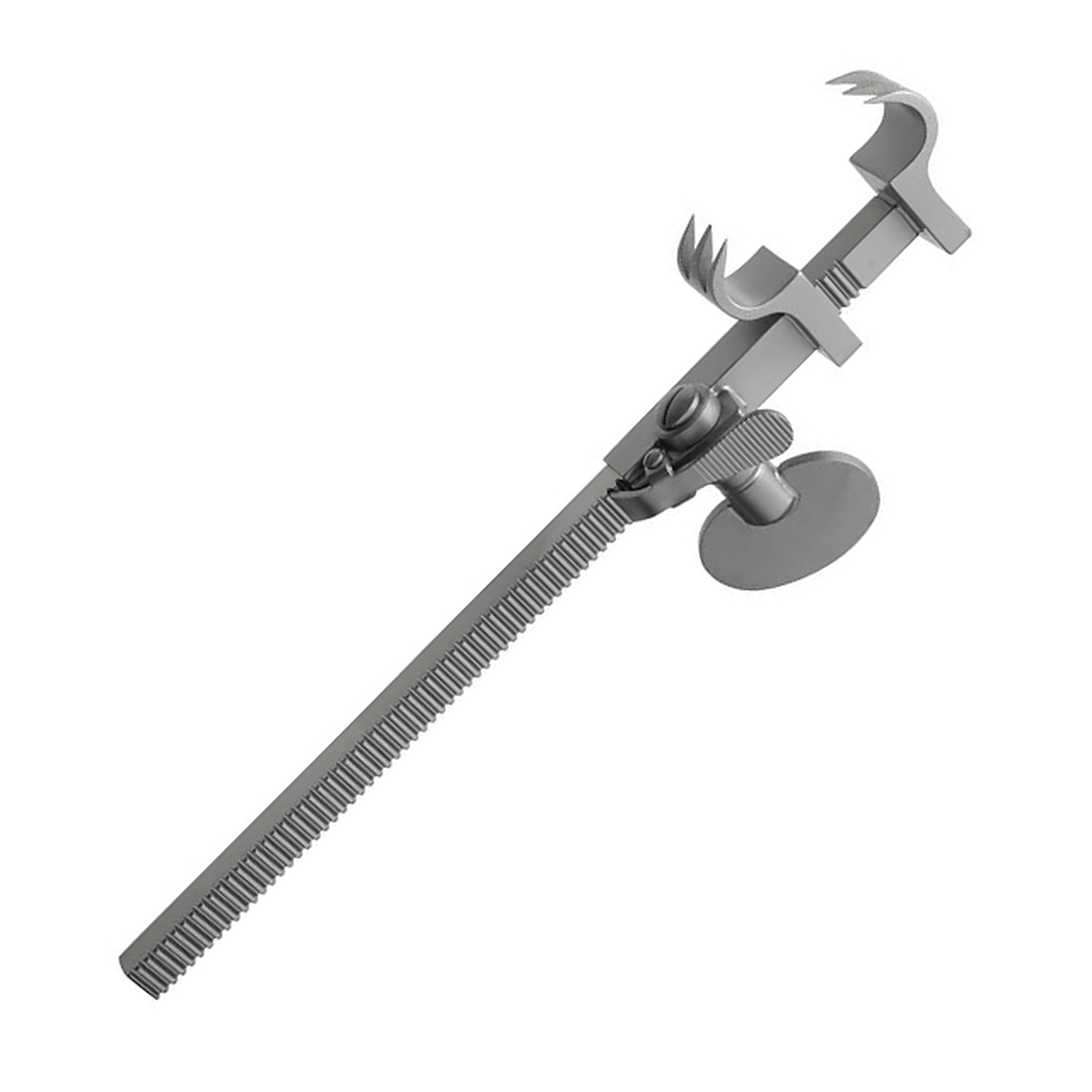 | Rapprocheur de côtes Bailey | Spécifiquement conçu pour rapprocher les côtes et stabiliser la cage thoracique lors de la fermeture de plaies de thoracotomie. |
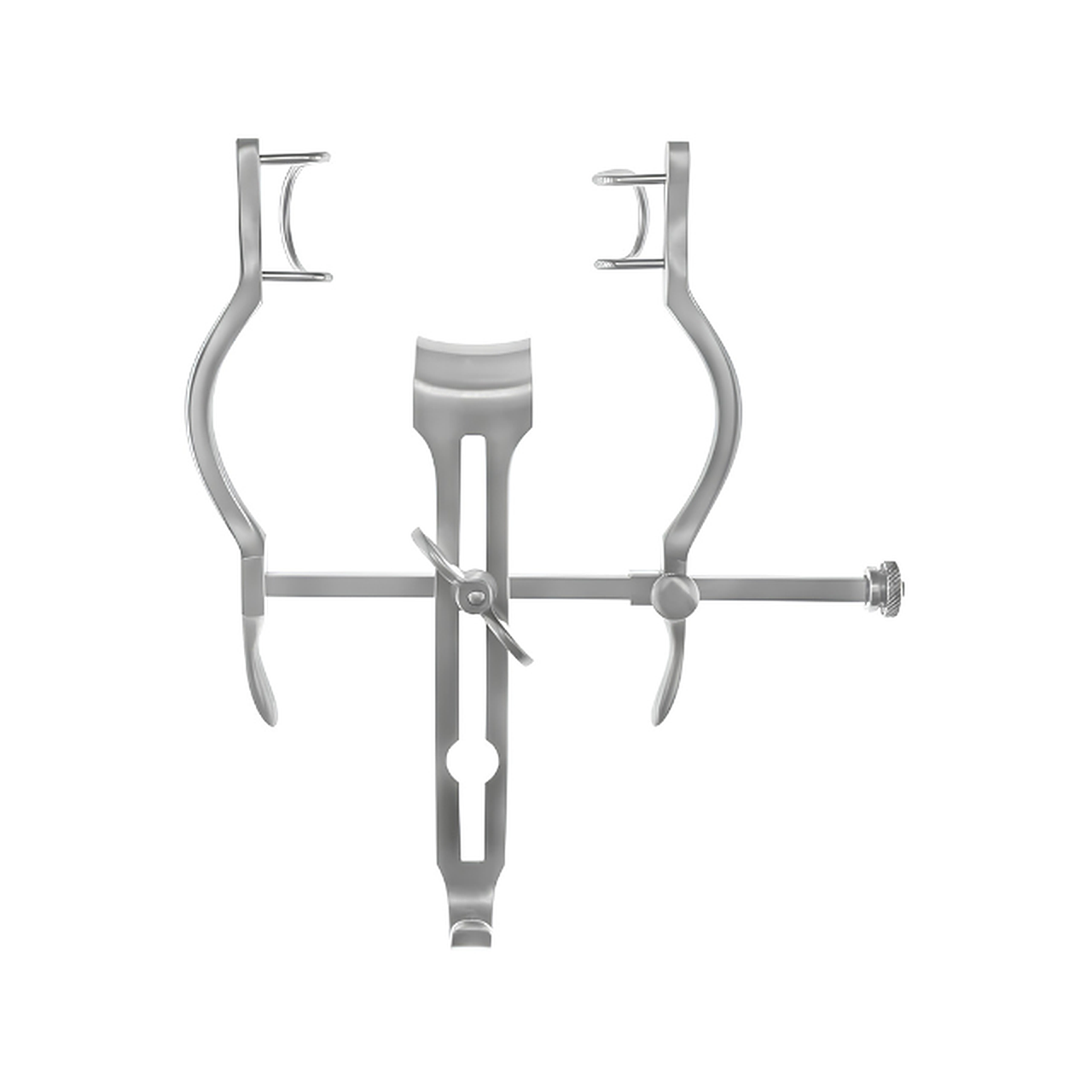 | Écarteur autostatique Balfour Baby | Spécifiquement conçu pour assurer la rétraction autostatique des tissus et maintenir une exposition chirurgicale structurée lors des procédures opératoires. |
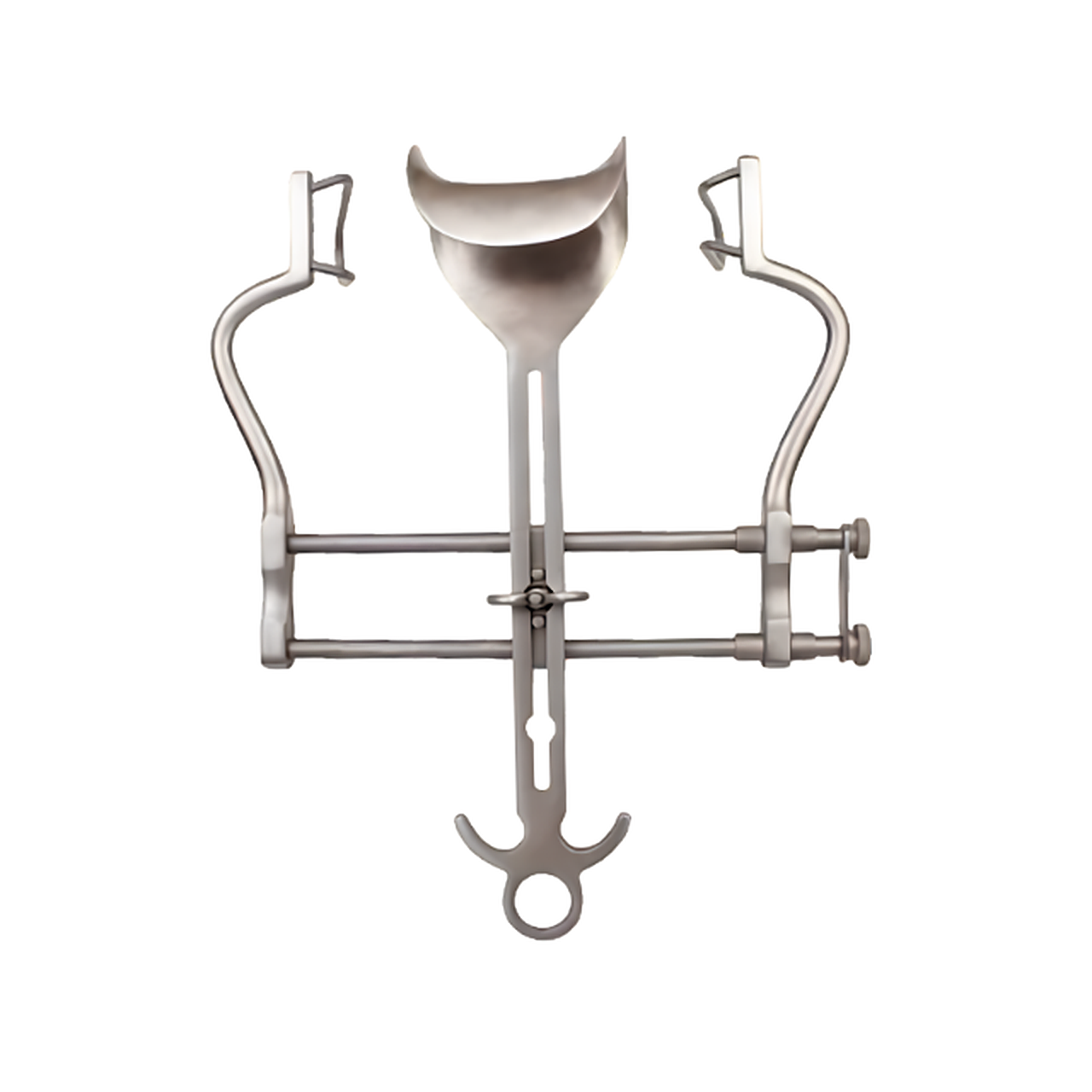 | Écarteur de Balfour | Conçu pour assurer la rétraction autostatique des tissus mous et maintenir une exposition continue et mains libres du champ opératoire. |
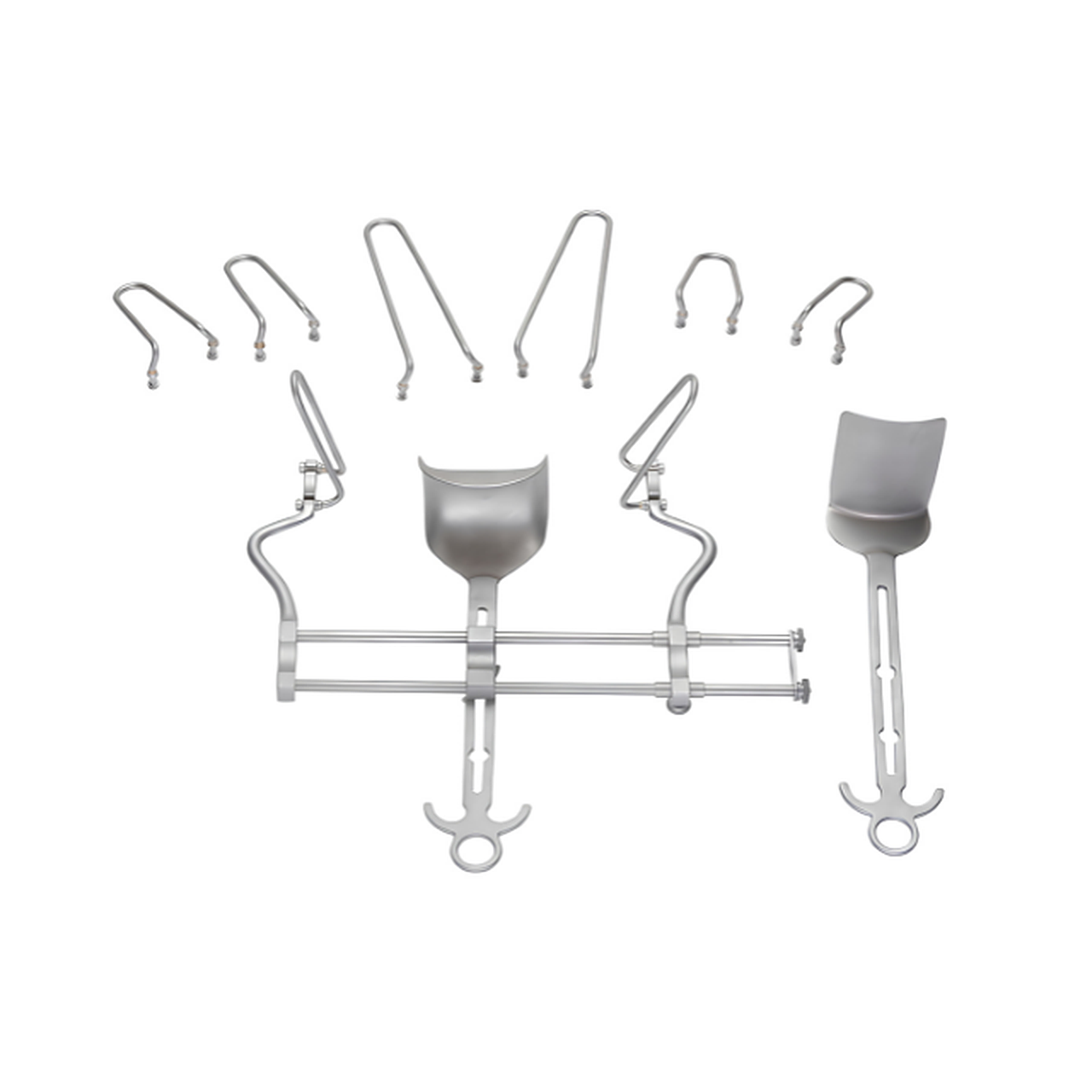 | Écarteur autostatique Balfour USA | Spécifiquement conçu pour assurer la rétraction autostatique des tissus mous et maintenir une exposition chirurgicale structurée lors des interventions opératoires. |
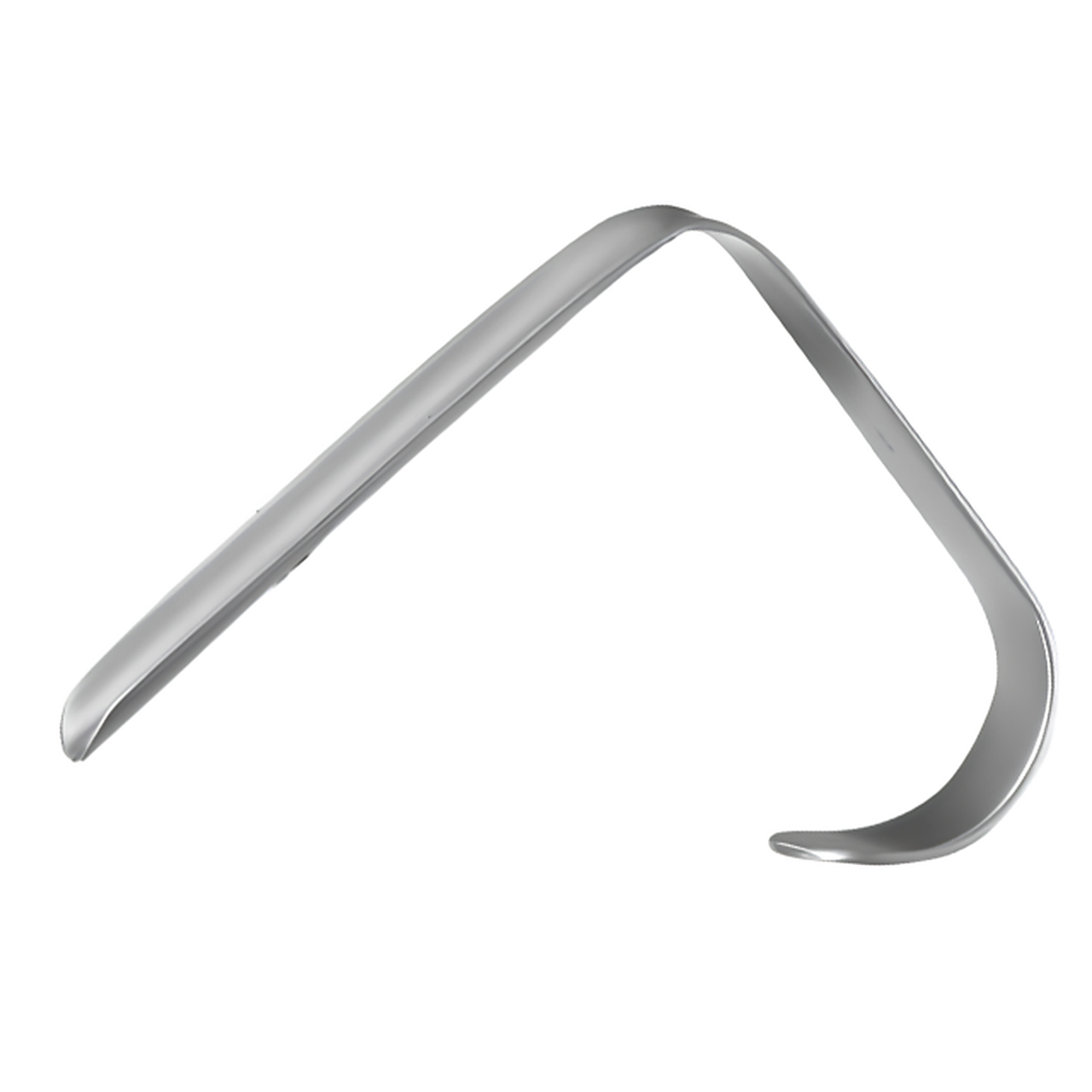 | Écarteur nasal de Barsky | Spécifiquement conçu pour la rétraction des tissus mous de l'aile du nez et de la paroi nasale lors des rhinoplasties et des reconstructions de fentes labiales/nasales. |
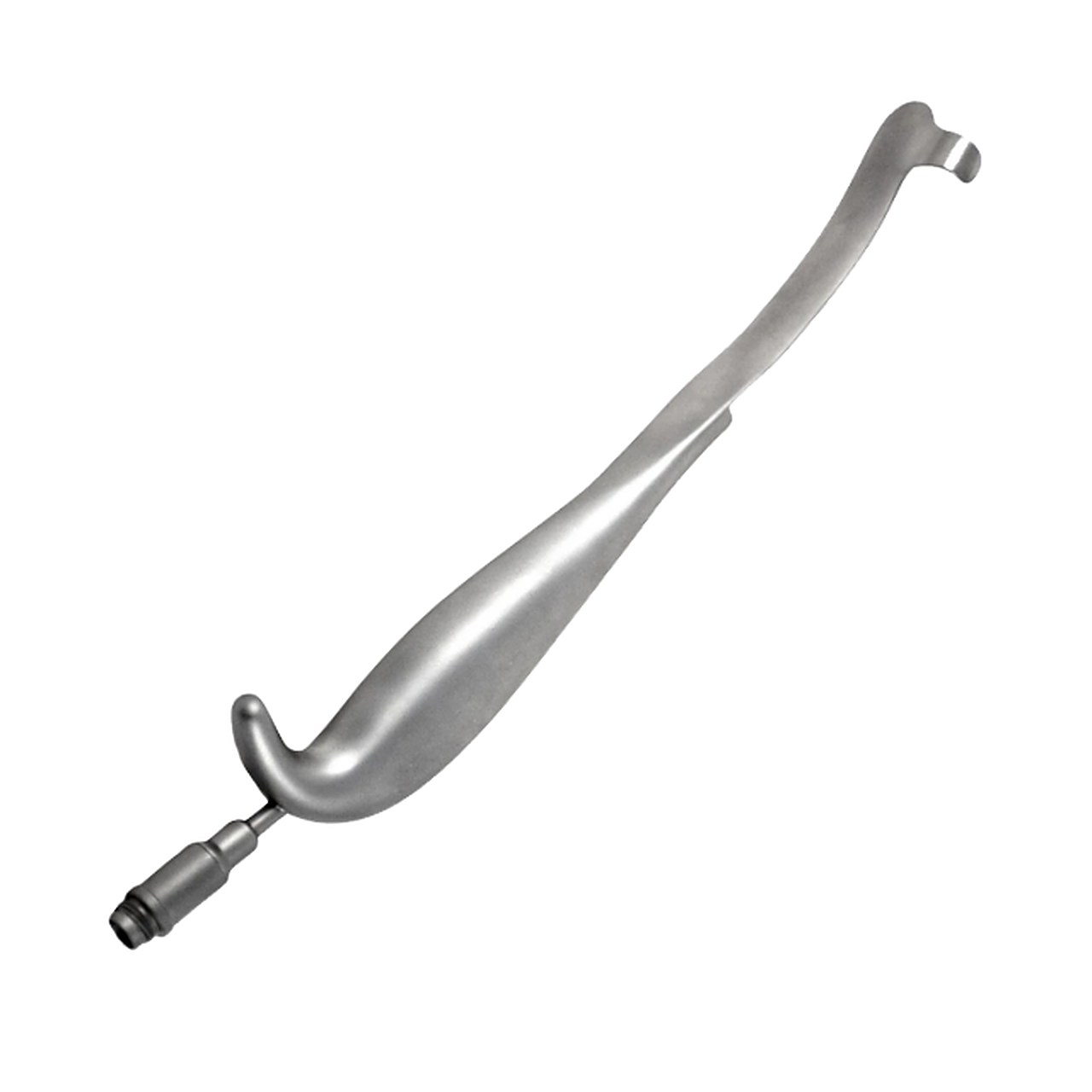 | Écarteur Intra-oral Bauer pour l'Échancrure Sigmoïde | Spécifiquement conçu pour s'engager dans l'échancrure sigmoïde mandibulaire et écarter les tissus mous lors des ostéotomies de la branche montante et de la chirurgie de l'ATM. |
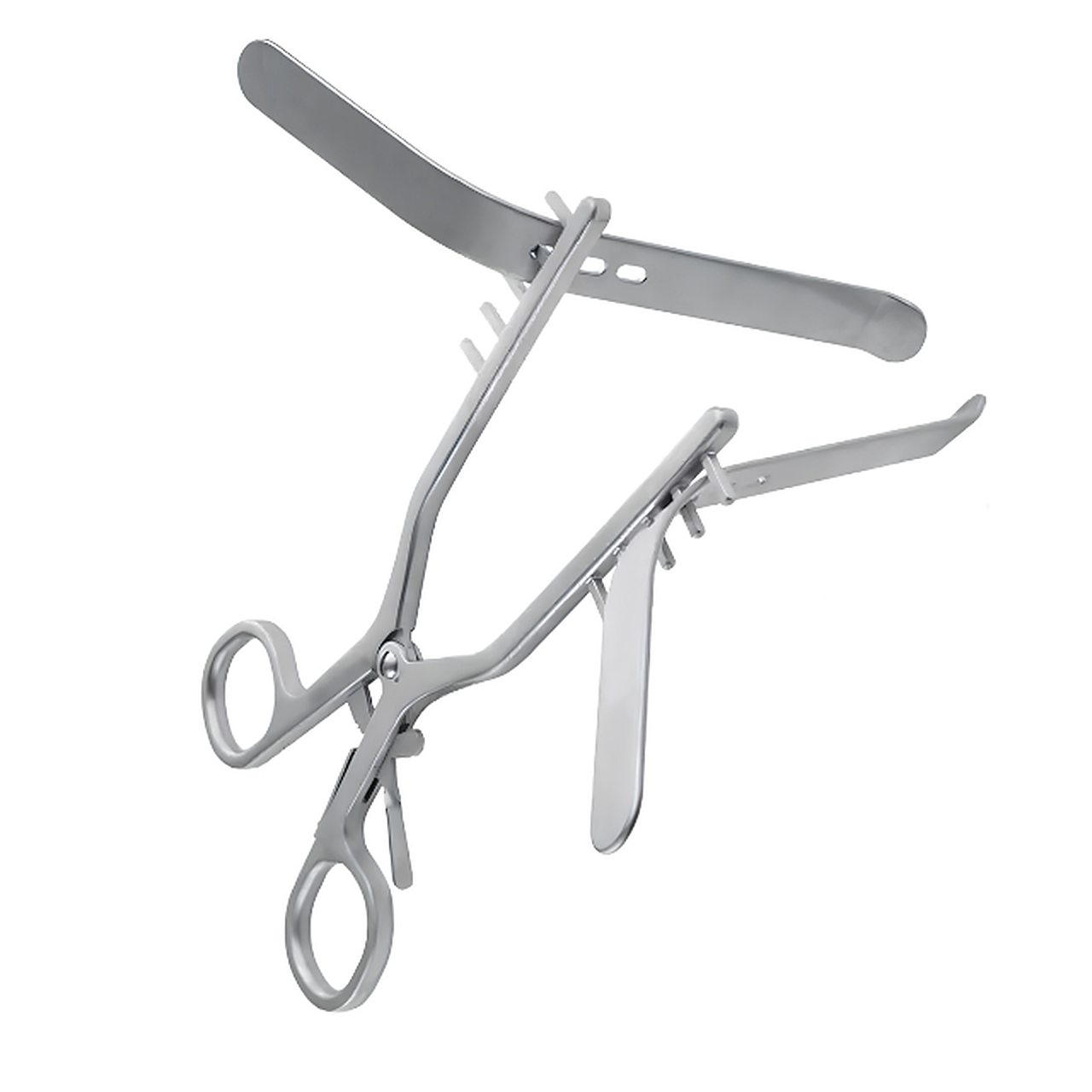 | Écarteur autostatique de Beard pour biceps distal | Spécifiquement conçu pour l'écartement des tissus mous en mode mains libres et l'exposition de la tubérosité radiale lors des réparations du tendon du biceps distal. |
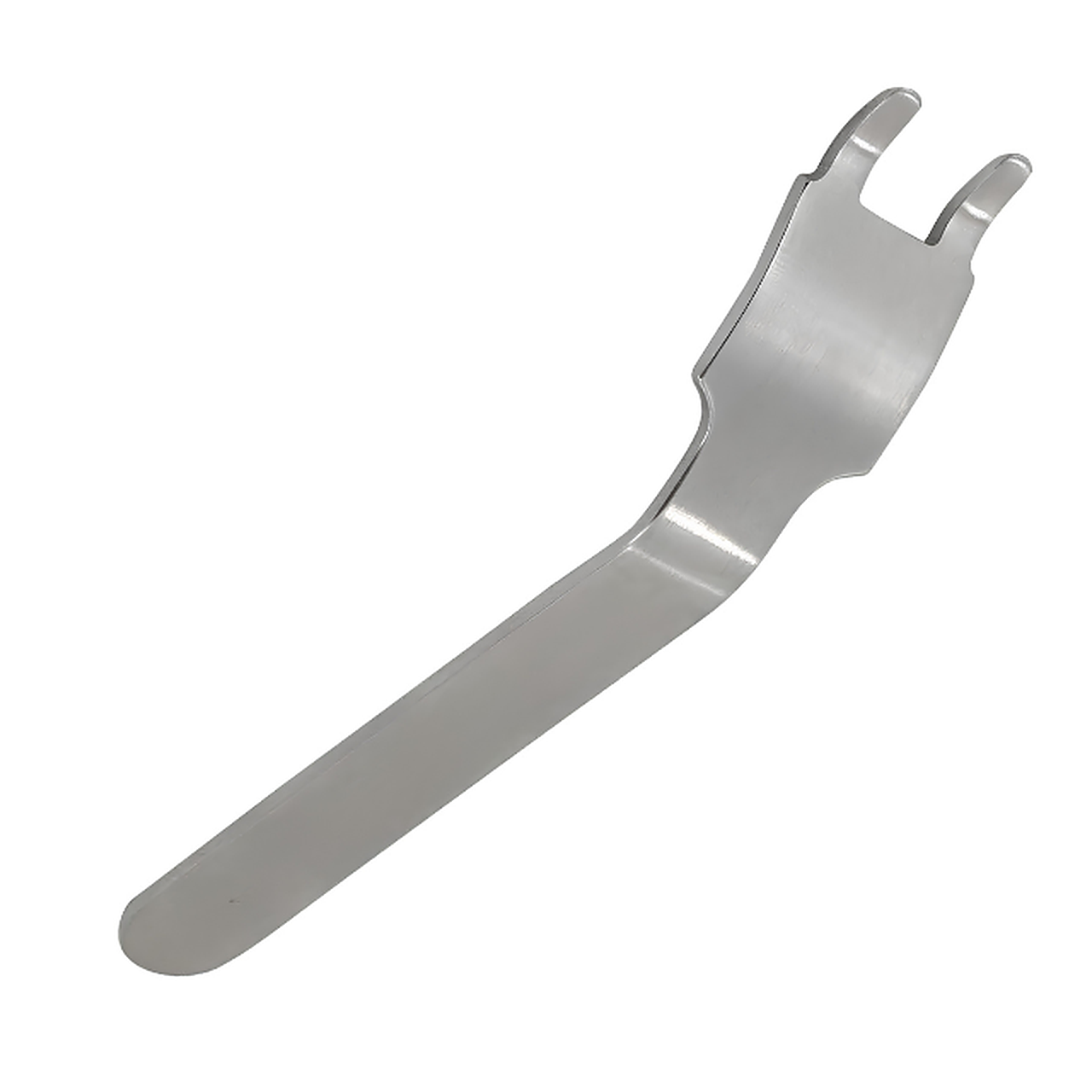 | Écarteur de Hohmann Large Beard pour Radius Distal | Spécifiquement conçu pour exposer le radius distal et rétracter les tissus mous et le muscle carré pronateur pendant l'ostéosynthèse du poignet. |
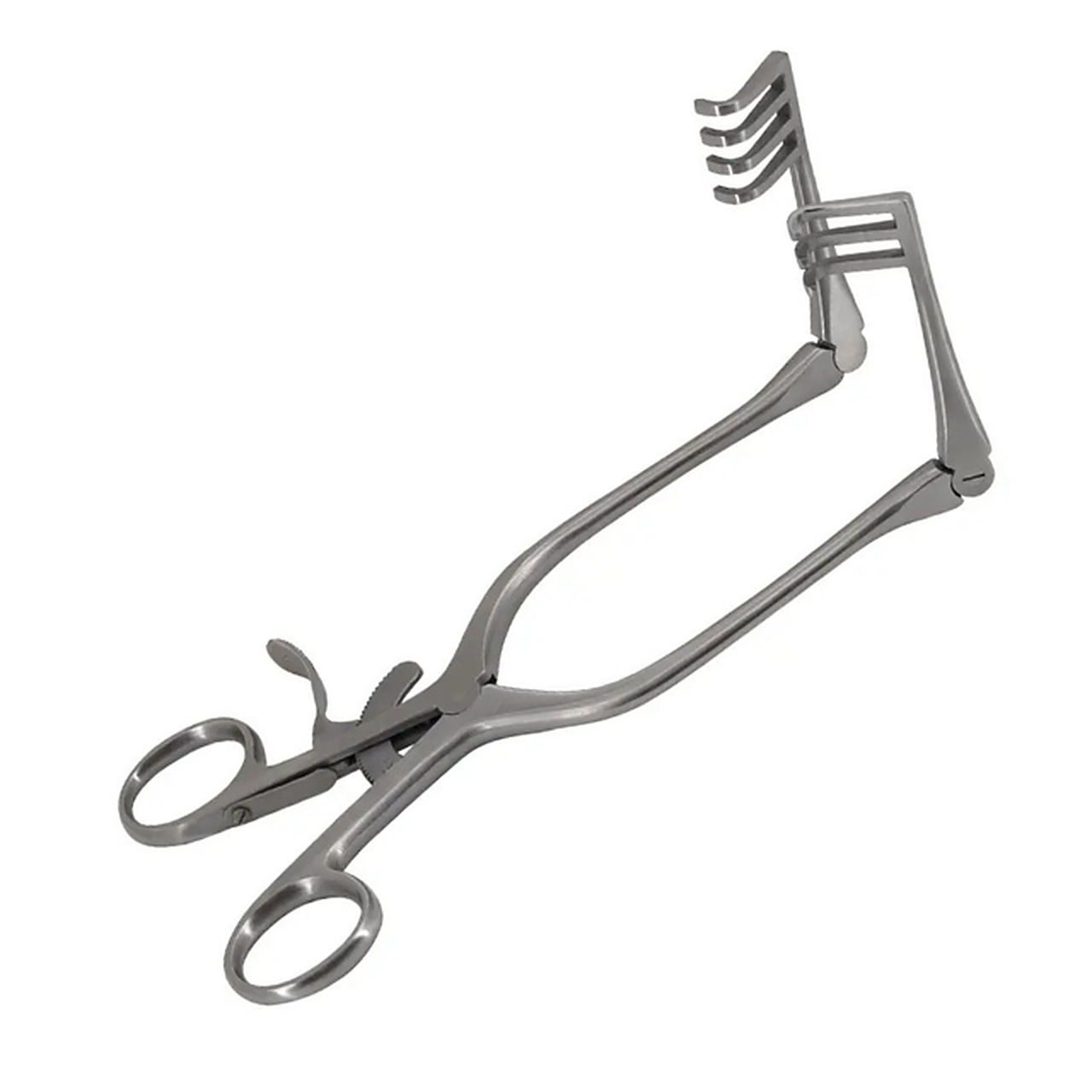 | Écarteur Auto-statique de Beckman-Weitlaner | Spécifiquement conçu pour assurer une rétraction auto-statique et articulée des tissus mous et des muscles lors de chirurgies rachidiennes et orthopédiques. |
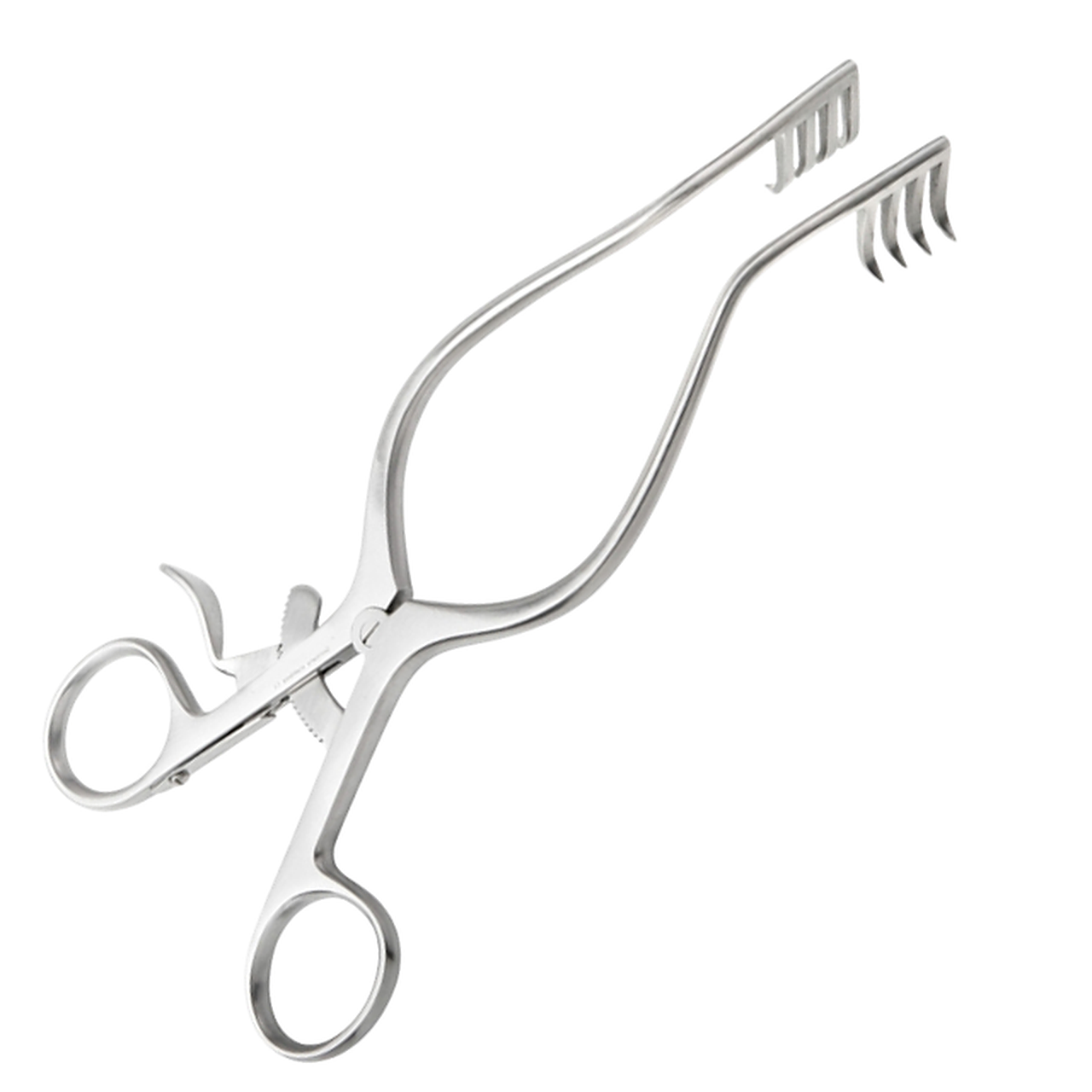 | Écarteur Auto-statique Beckmann-Adson | Spécifiquement conçu pour assurer la rétraction auto-statique des muscles paraspinal et des tissus mous lors des interventions chirurgicales du rachis et de neurochirurgie. |
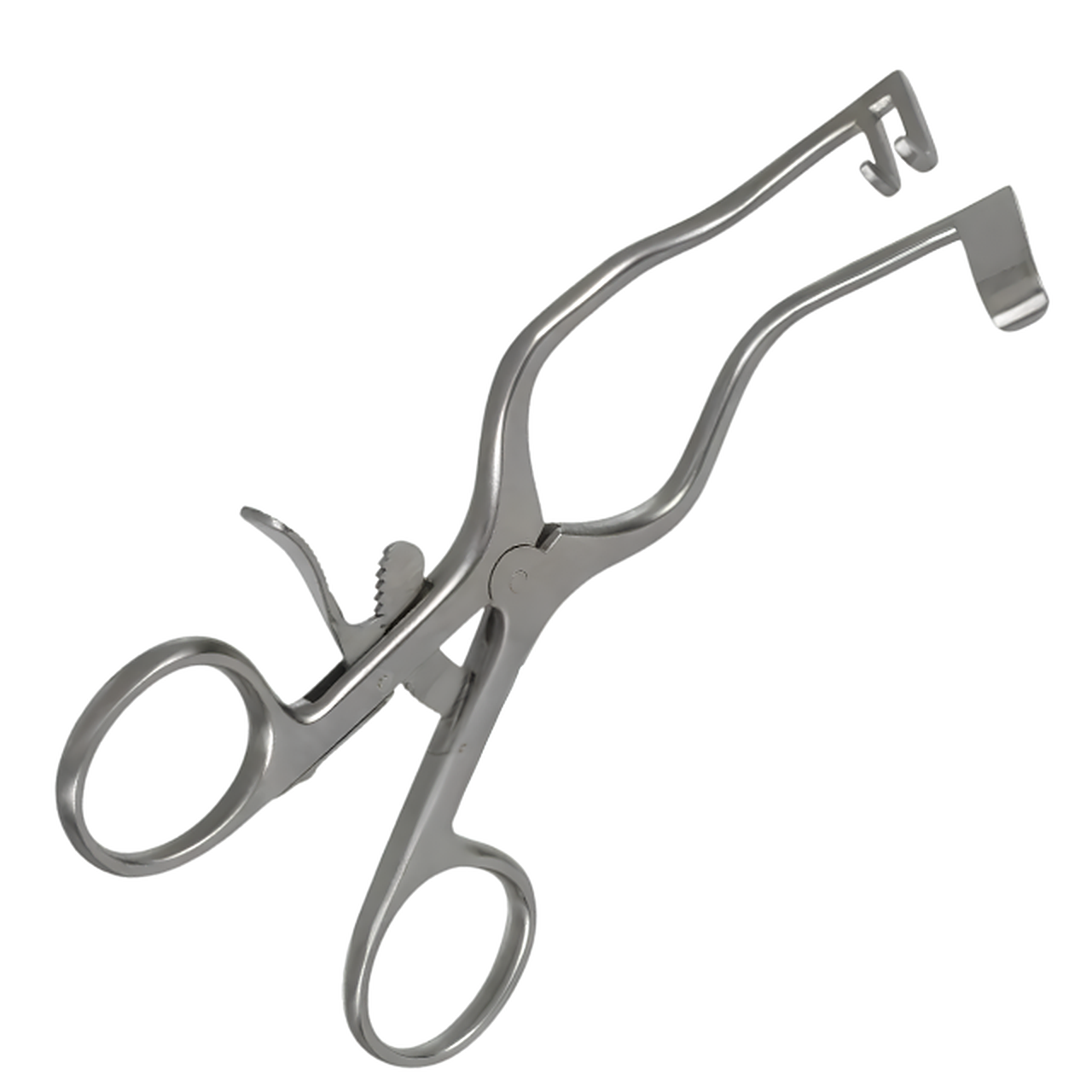 | Écarteurs endaural Bellucci | Spécifiquement conçu pour exposer le conduit auditif externe et l'anneau tympanique lors de la chirurgie de l'oreille par voie endaurale. |
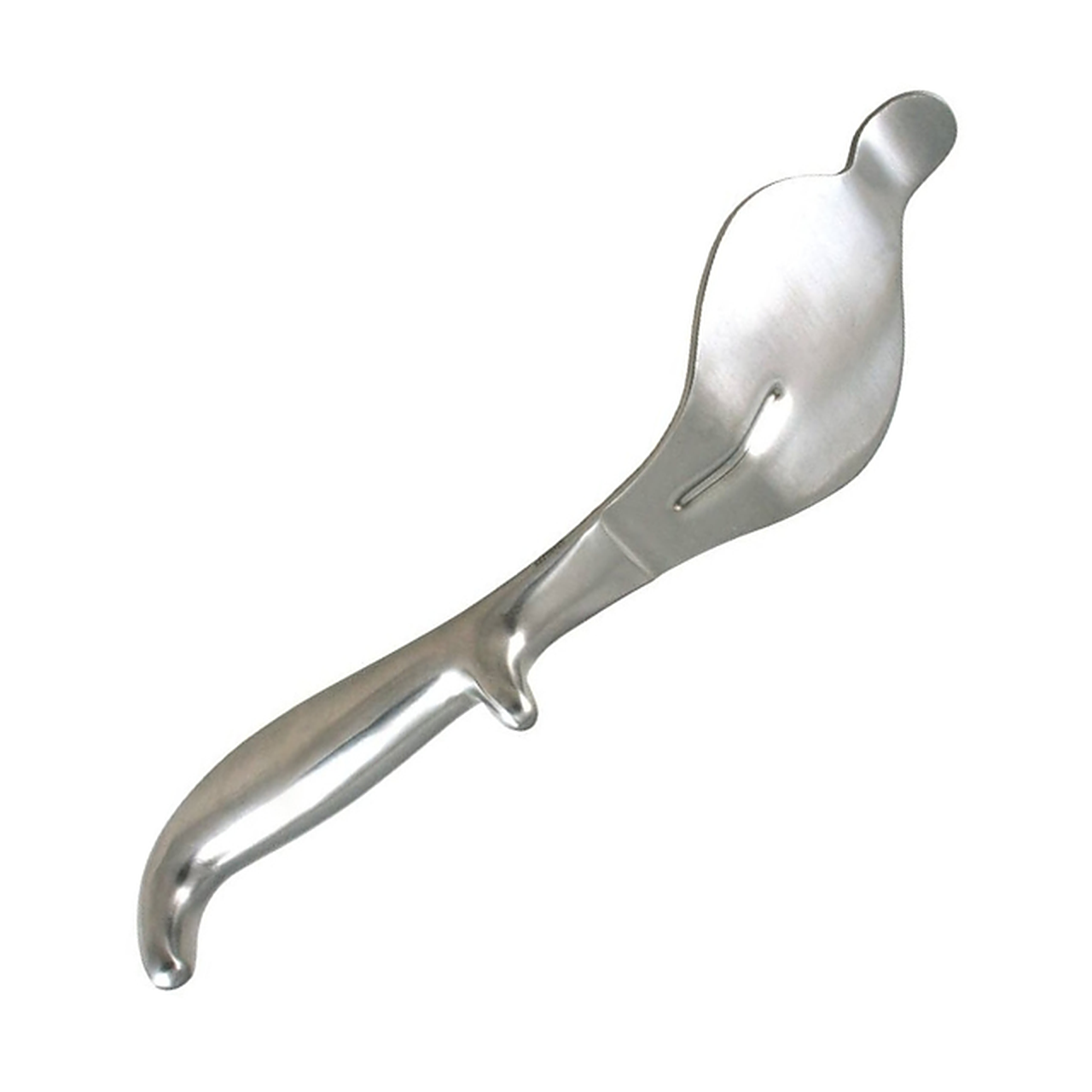 | Écarteur de Bennett pour le tibia | Spécifiquement conçu pour écarter les muscles volumineux et les tissus mous du tibia lors de l'arthroplastie du genou et de la fixation de fractures tibiales. |
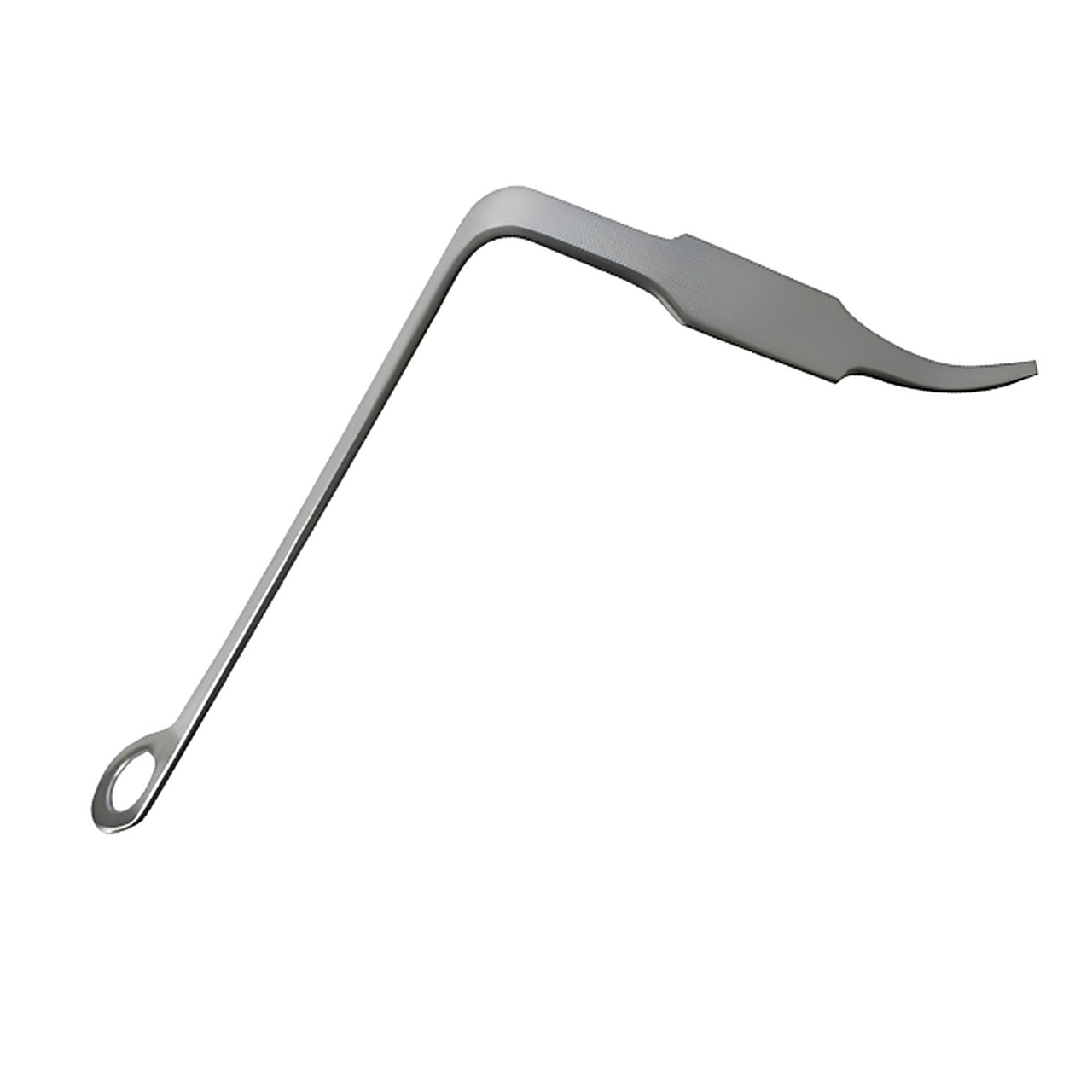 | Écarteur de Hohmann Coudé | Spécifiquement conçu pour faire levier sur les tissus mous et les muscles loin de l'os lors des procédures orthopédiques de la hanche, du genou et des os longs. |
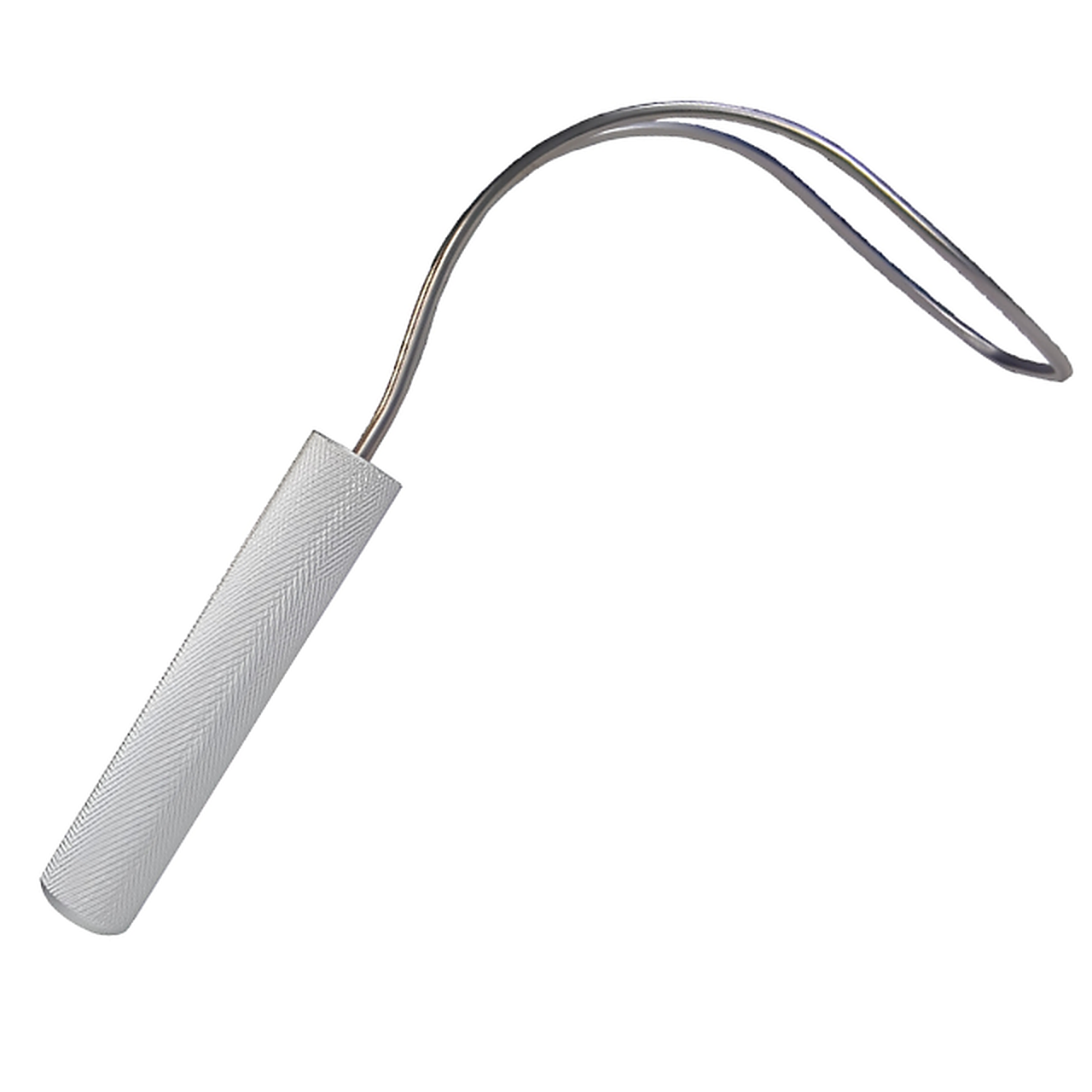 | Écarteur Biggs pour Lifting Facial (Rhytidectomie) | Spécifiquement conçu pour élever les lambeaux cutanés faciaux et assurer une exposition stable lors des rhytidectomies et de la chirurgie plastique esthétique. |
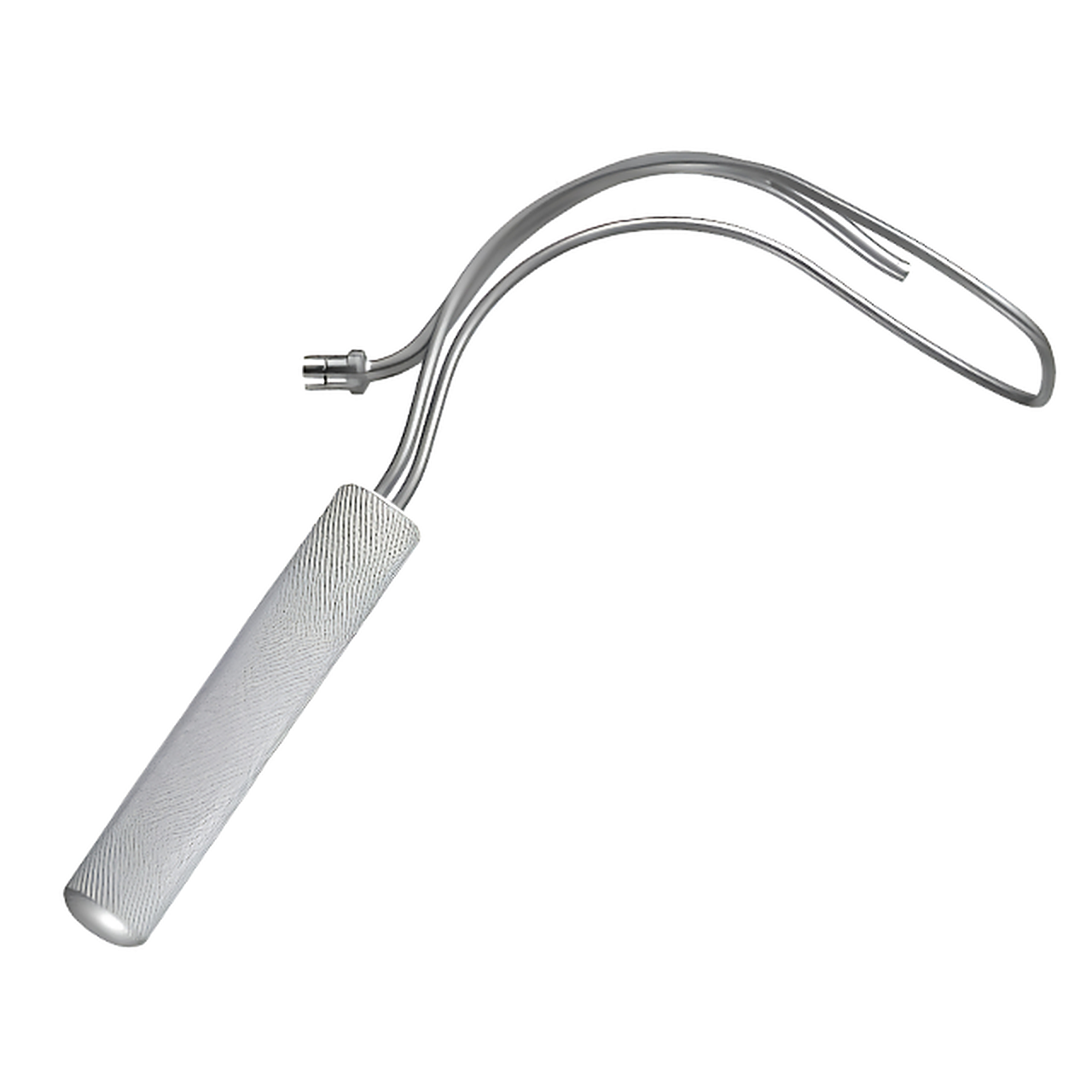 | Écarteur de Biggs pour lifting facial, avec fibre optique | Spécifiquement conçu pour assurer l'écartement des tissus mous et l'élévation des lambeaux cutanés sous éclairage lors des rhytidectomies et de la chirurgie plastique faciale. |
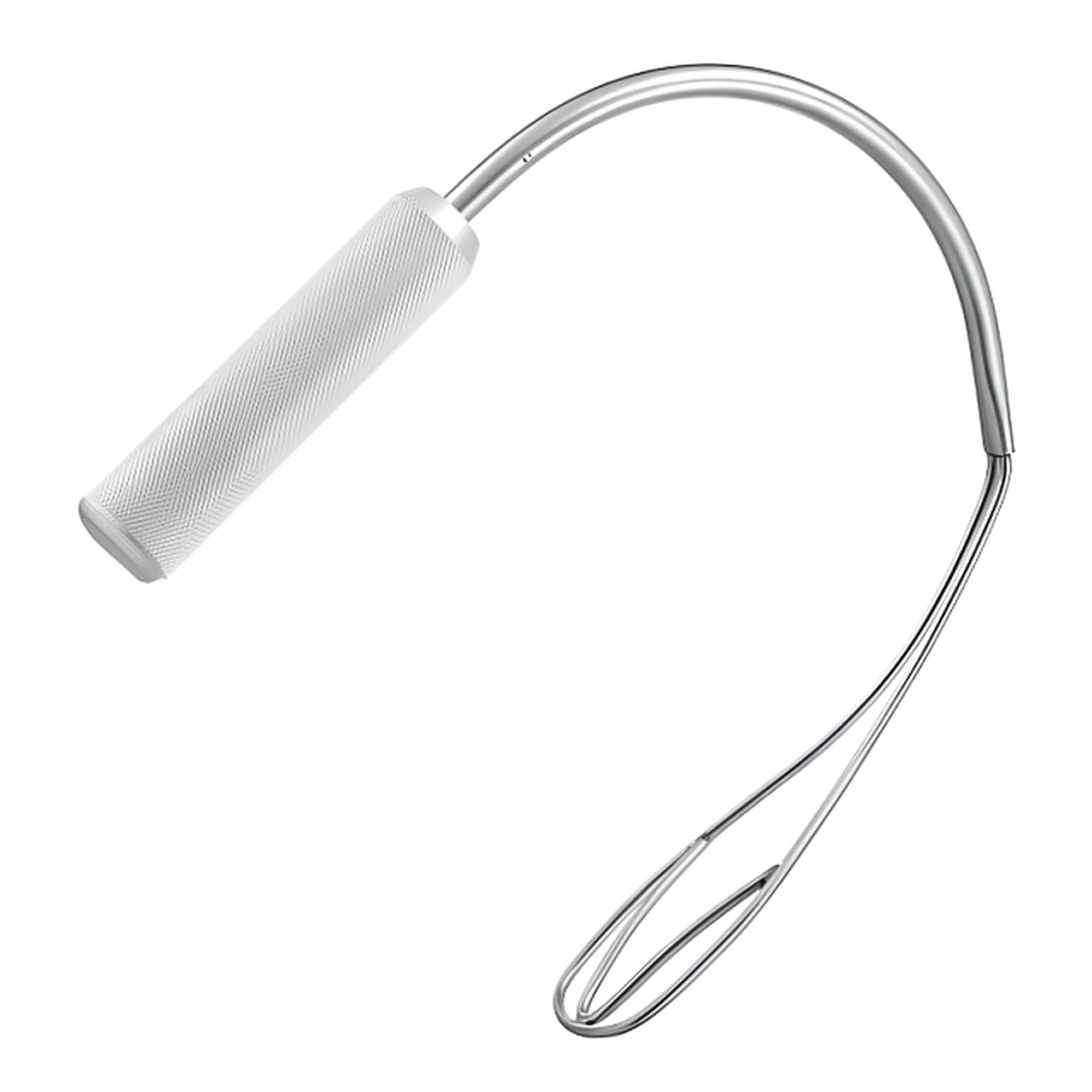 | Écarteur de mammoplastie Biggs étroit | Spécifiquement conçu pour soulever le parenchyme mammaire et les lambeaux de muscle pectoral lors de la mammoplastie et de la reconstruction mammaire. |
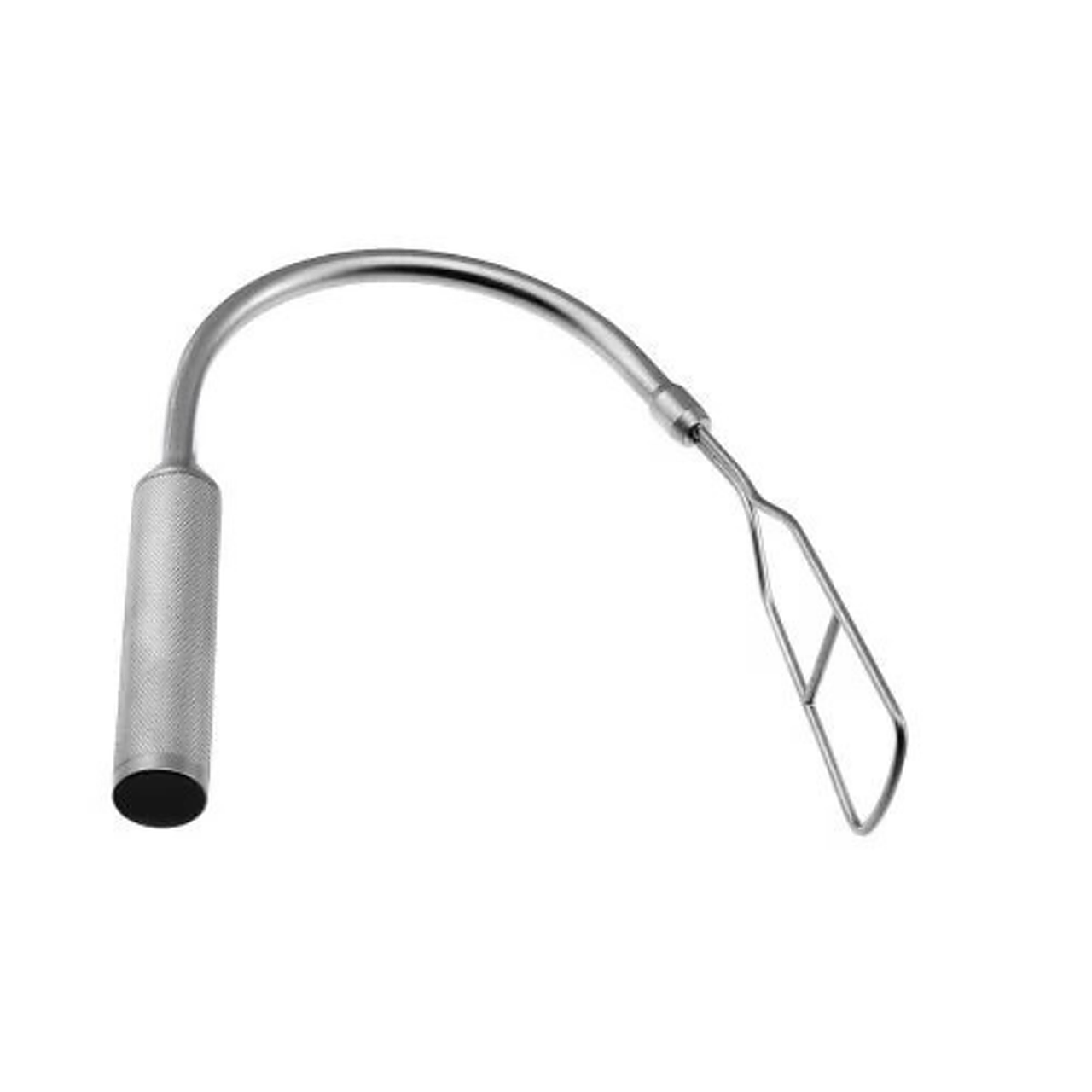 | Écarteur de Biggs standard pour plastie mammaire | Spécifiquement conçu pour élever le parenchyme mammaire et les lambeaux de muscles pectoraux lors de la plastie mammaire et de la reconstruction mammaire. |
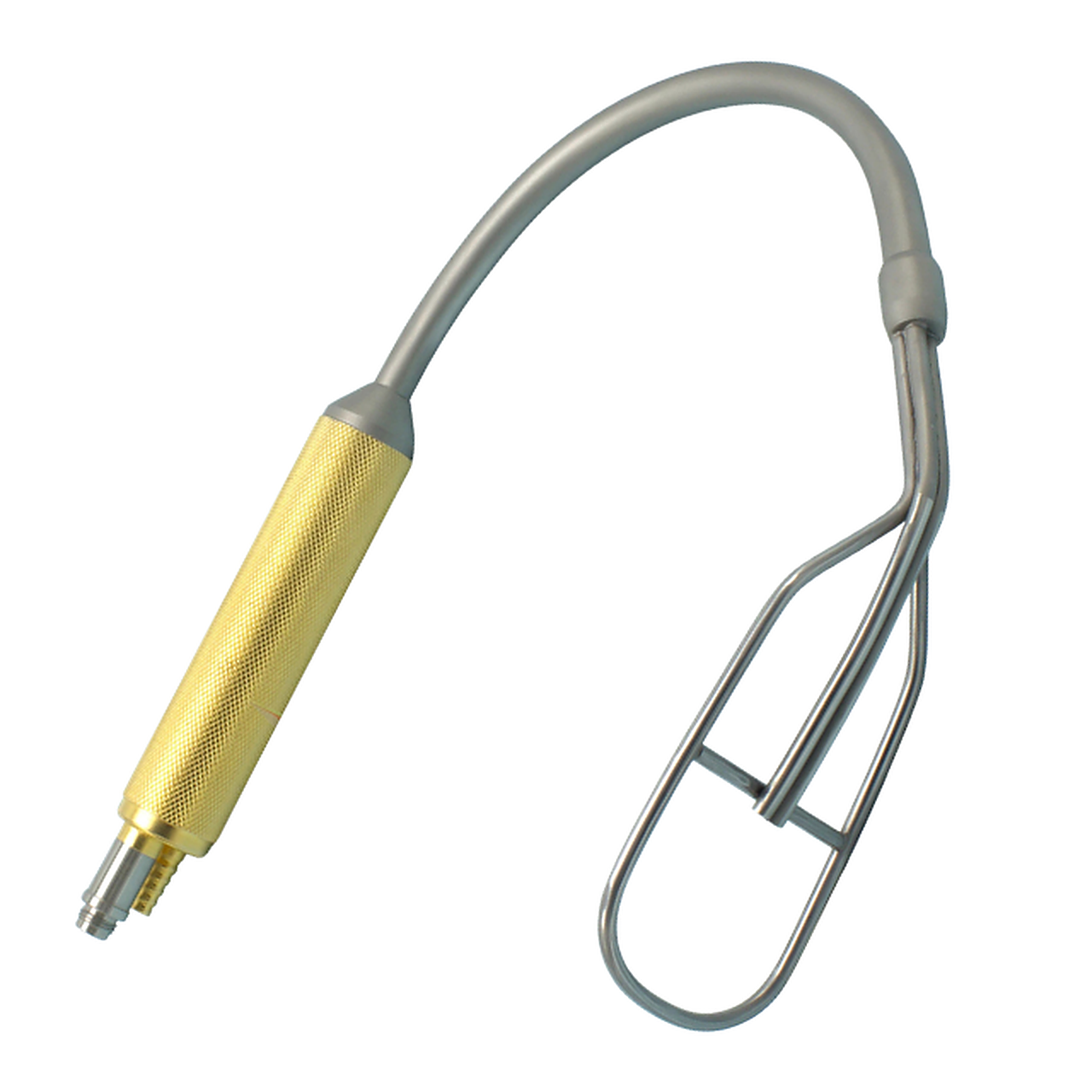 | Écarteur de Biggs pour mammaplastie à fibres optiques | Spécifiquement conçu pour assurer l'écartement éclairé des tissus mous, l'évacuation des fumées et la visualisation des loges lors des mammaplasties. |
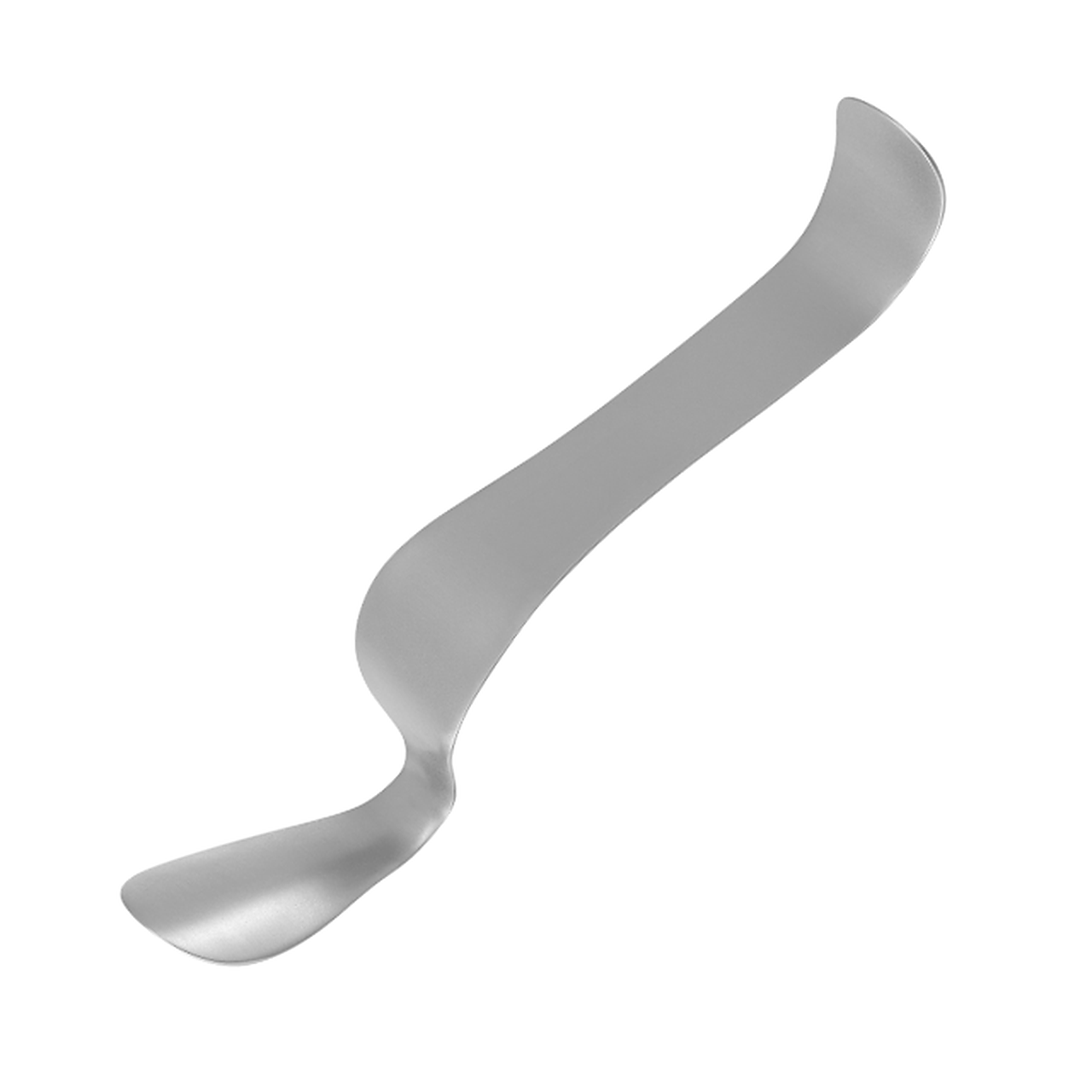 | Écarteur de Bishop pour lèvres et joues | Spécifiquement conçu pour écarter et protéger les lèvres, les joues et la muqueuse buccale lors de procédures chirurgicales intra-orales et dentaires. |
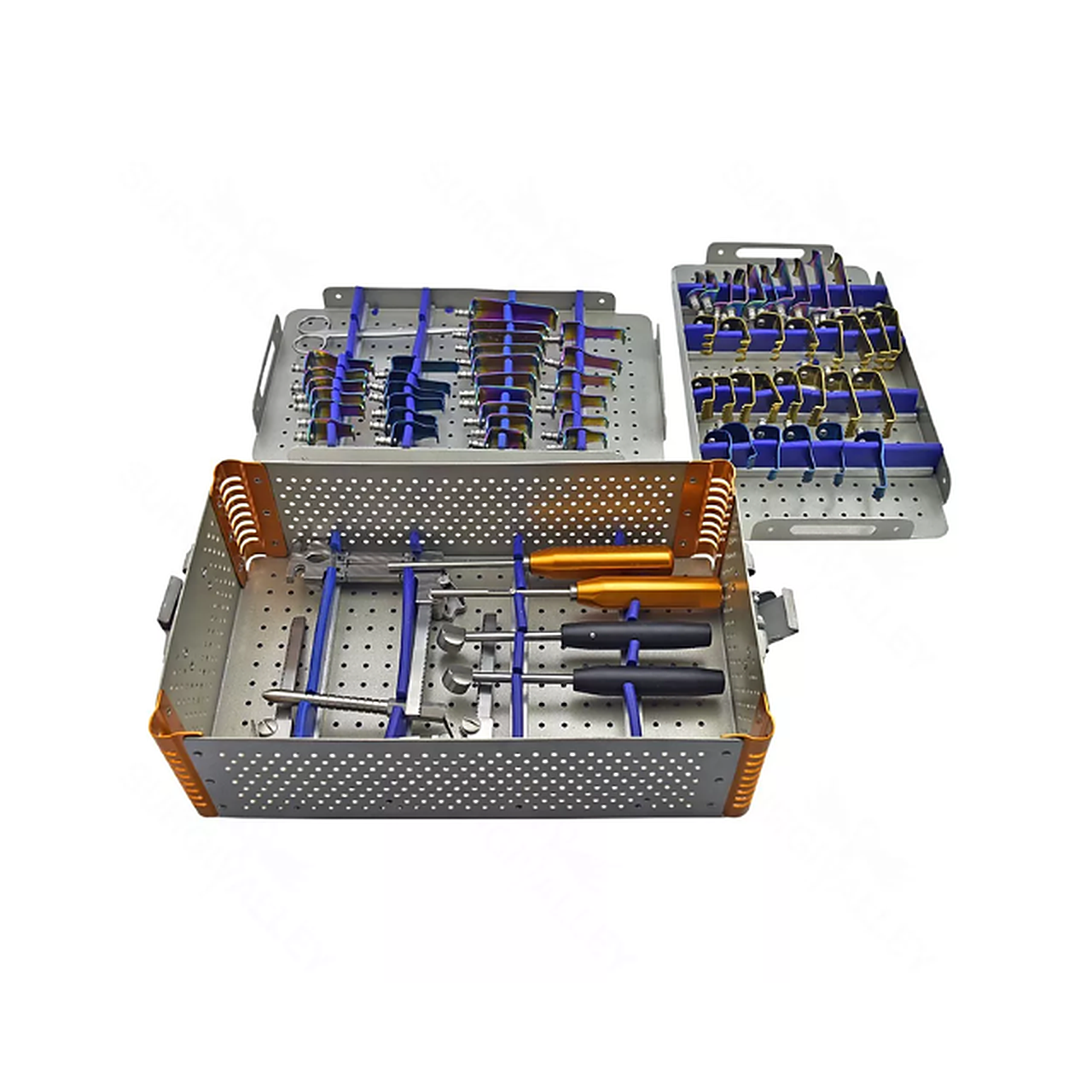 | Système d'écarteur cervical Black Belt | Spécifiquement conçu pour assurer une rétraction contrôlée des tissus et une exposition chirurgicale précise lors des procédures du rachis cervical. |
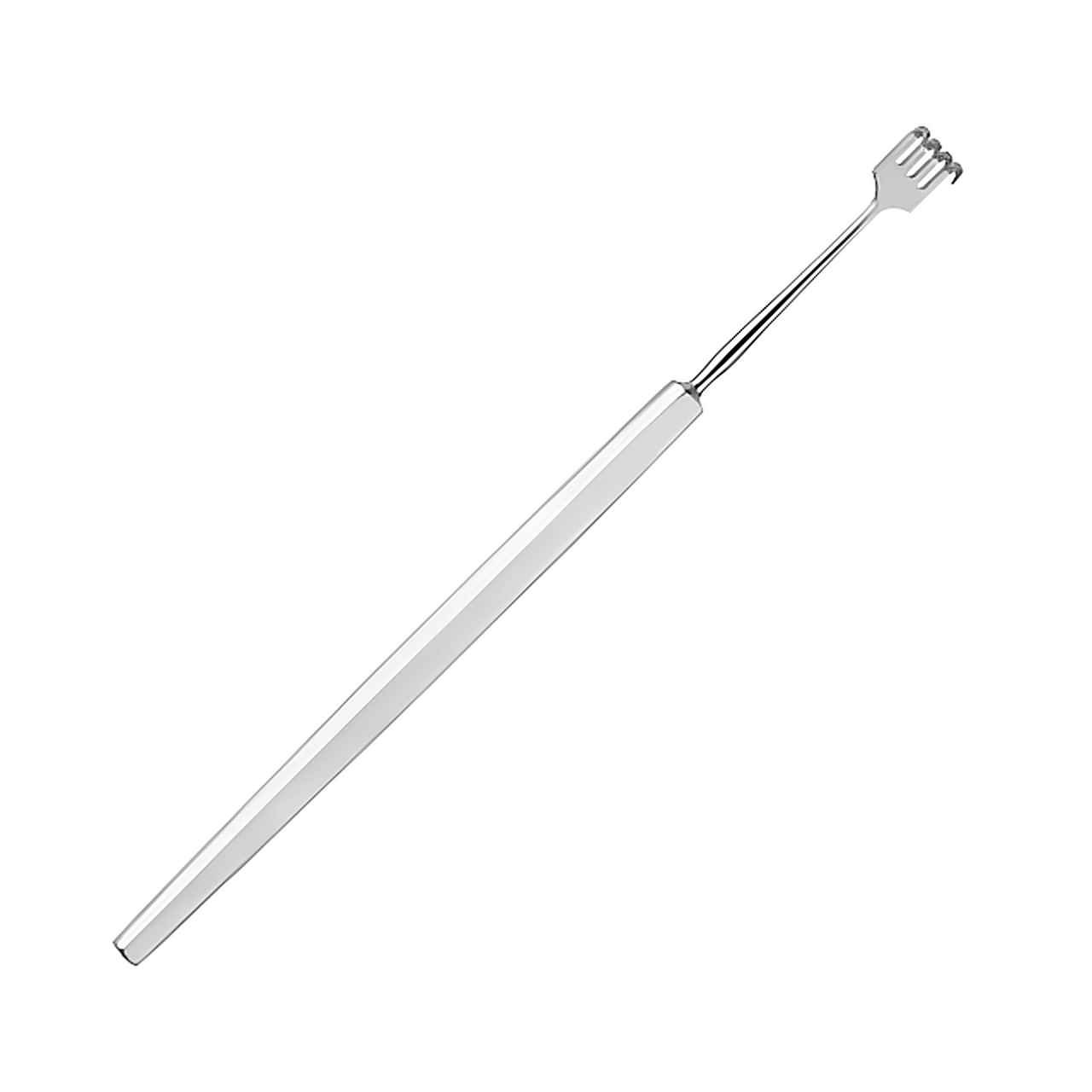 | Écarteur de Blair | Spécifiquement conçu pour l'élévation délicate des lambeaux cutanés, la rétraction des tissus mous et la stabilisation des berges de plaies en chirurgie plastique et de la main. |
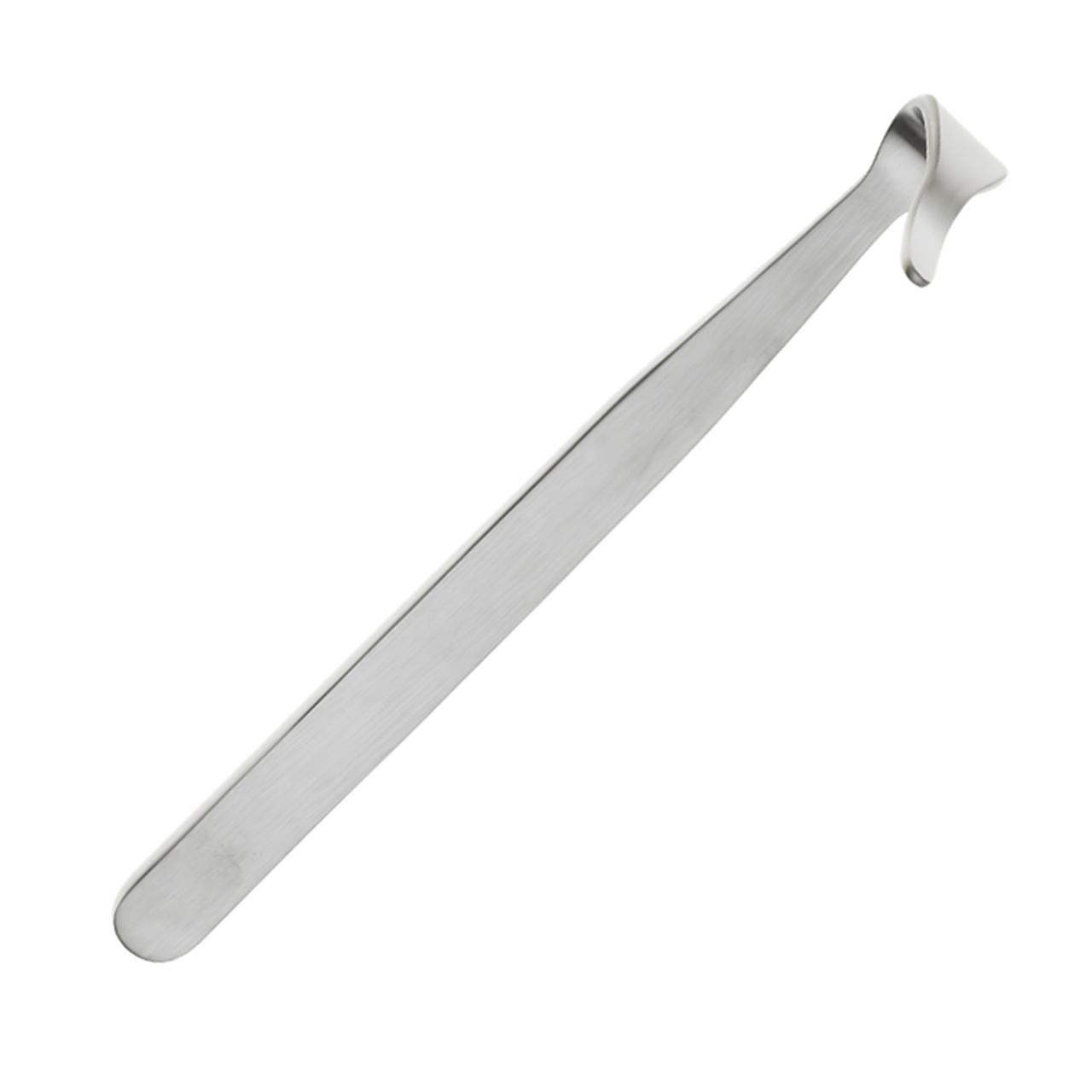 | Écarteur à genou Blount | Spécifiquement conçu pour rétracter les ligaments collatéraux et les tissus mous lors des arthroplasties du genou et des procédures de reconstruction du genou. |
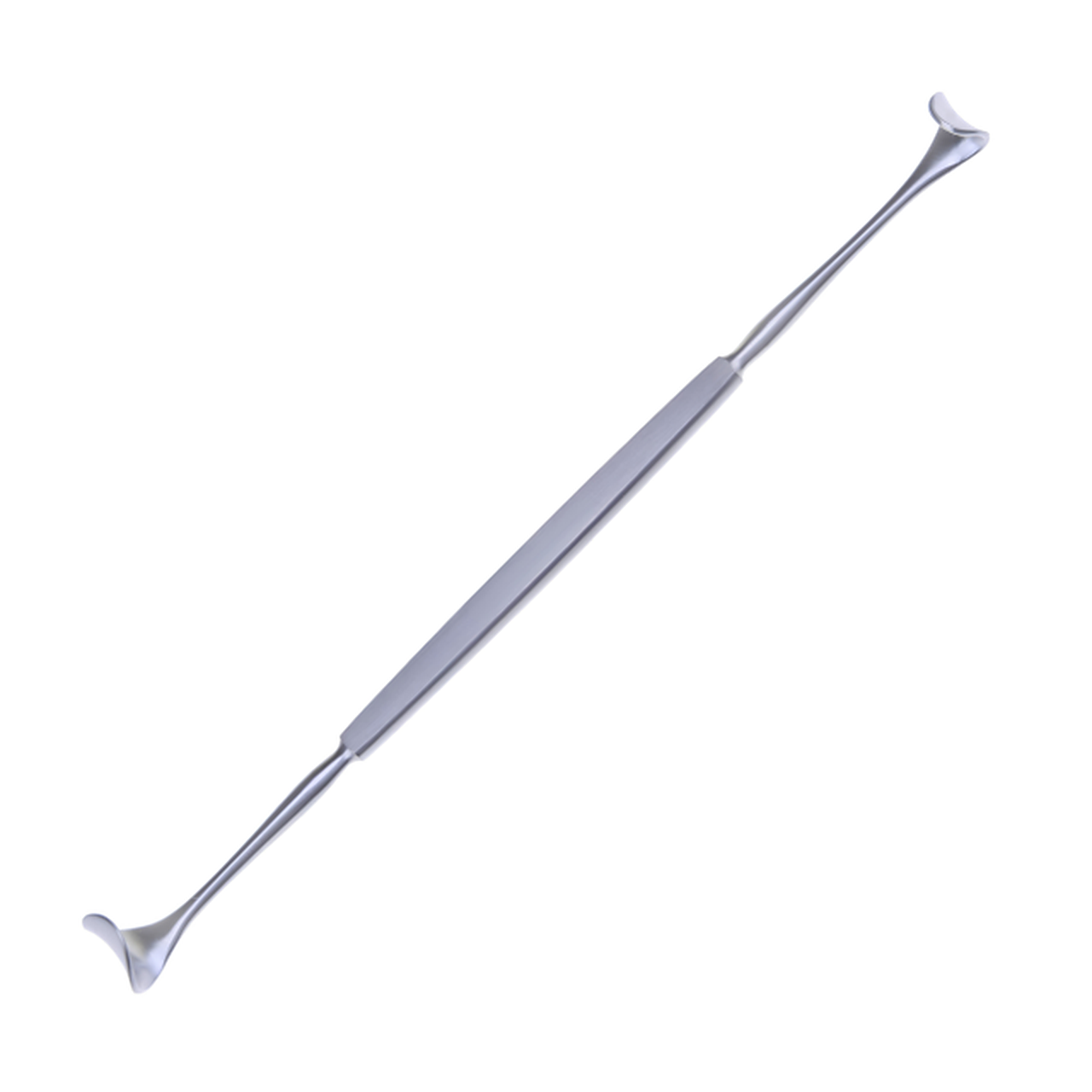 | Écarteur de Boley | Conçu pour assurer l'écartement manuel des tissus mous et des berges de plaies lors de procédures générales, plastiques et orthopédiques. |
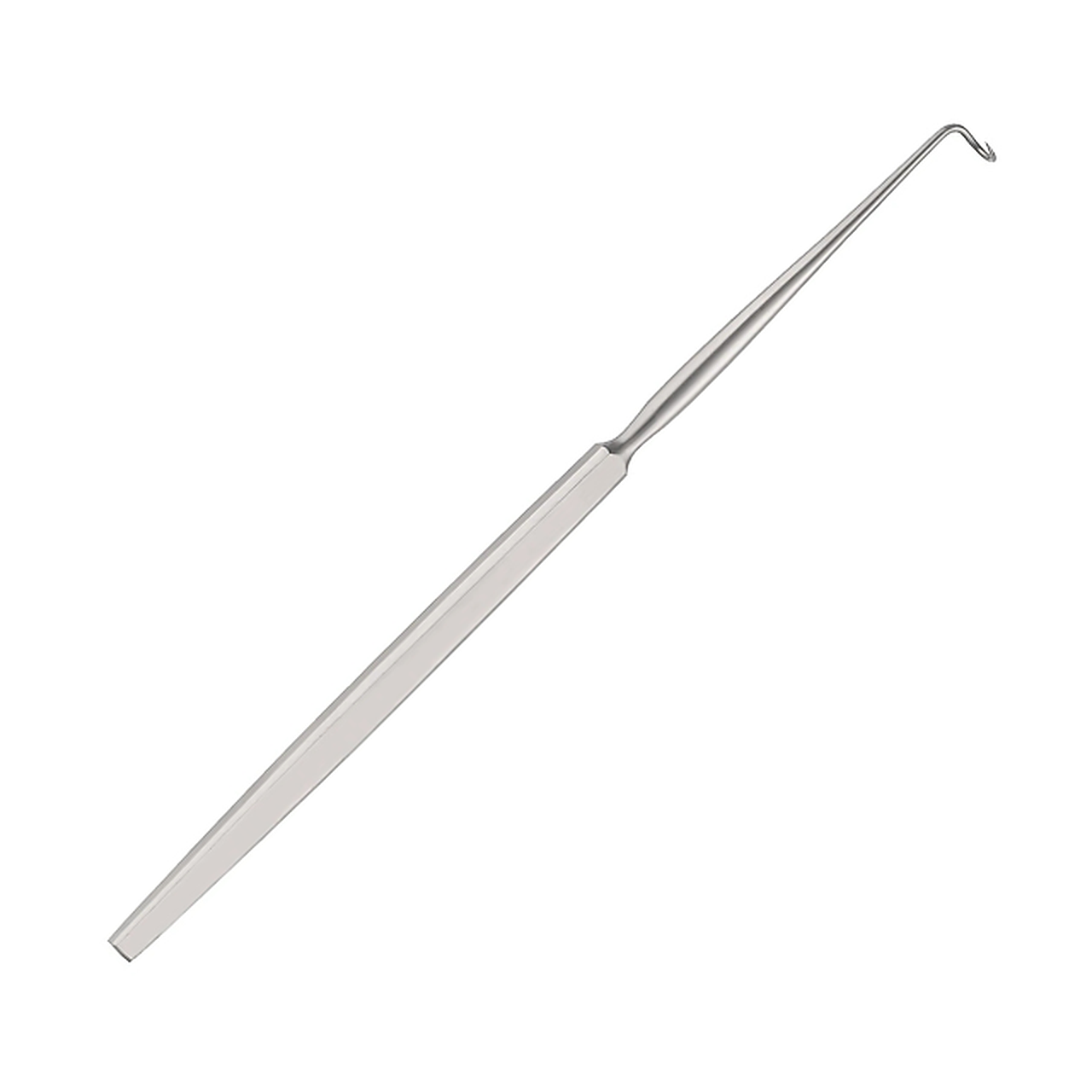 | Écarteur trachéal de Bose | Spécifiquement conçu pour écarter les tissus prétrachéaux et stabiliser les cartilages trachéaux lors des procédures de trachéostomie. |
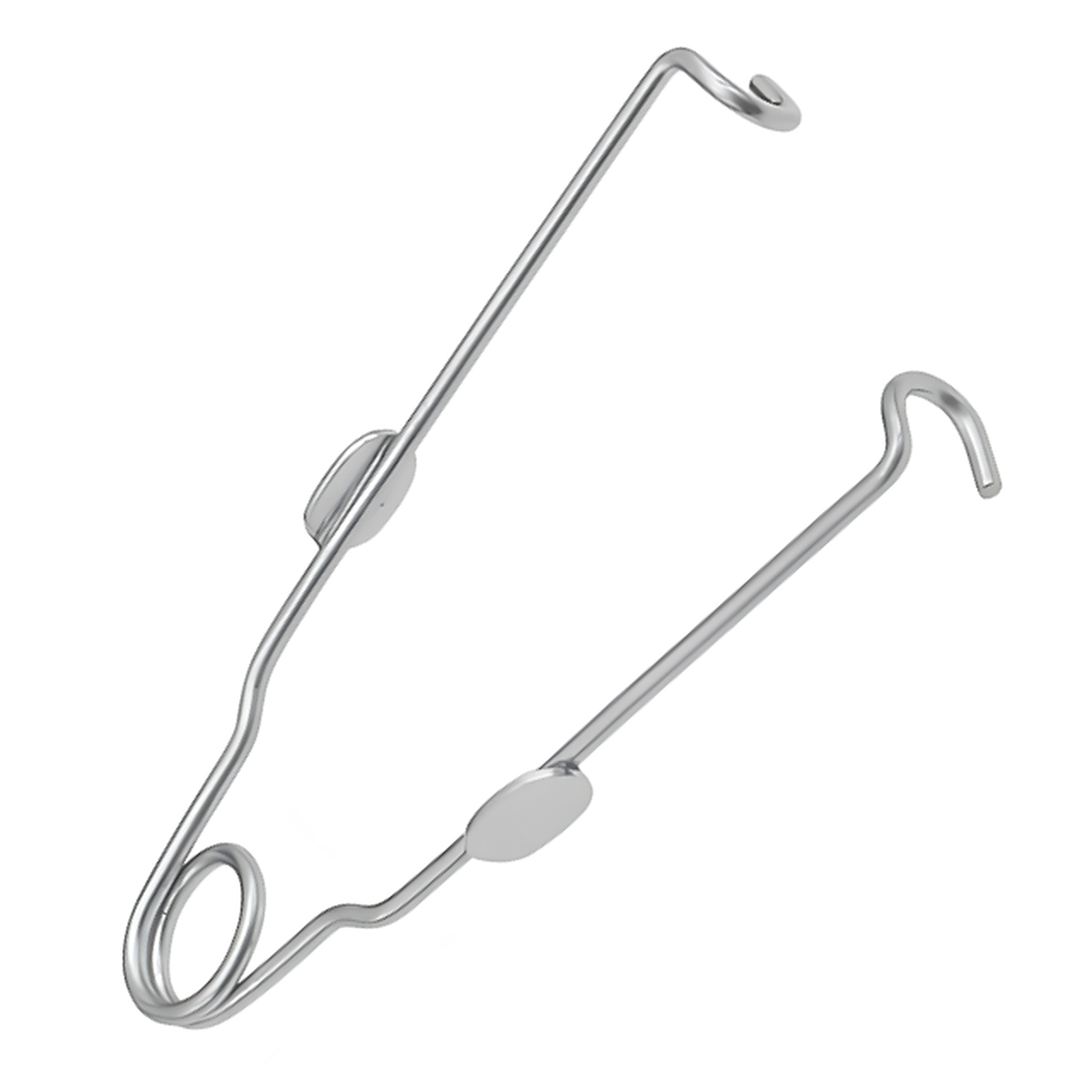 | Écarteur Trachéal Bose Type à Ressort | Spécifiquement conçu pour assurer l'écartement auto-statique assisté par ressort et la stabilisation des berges trachéales lors de la trachéotomie. |
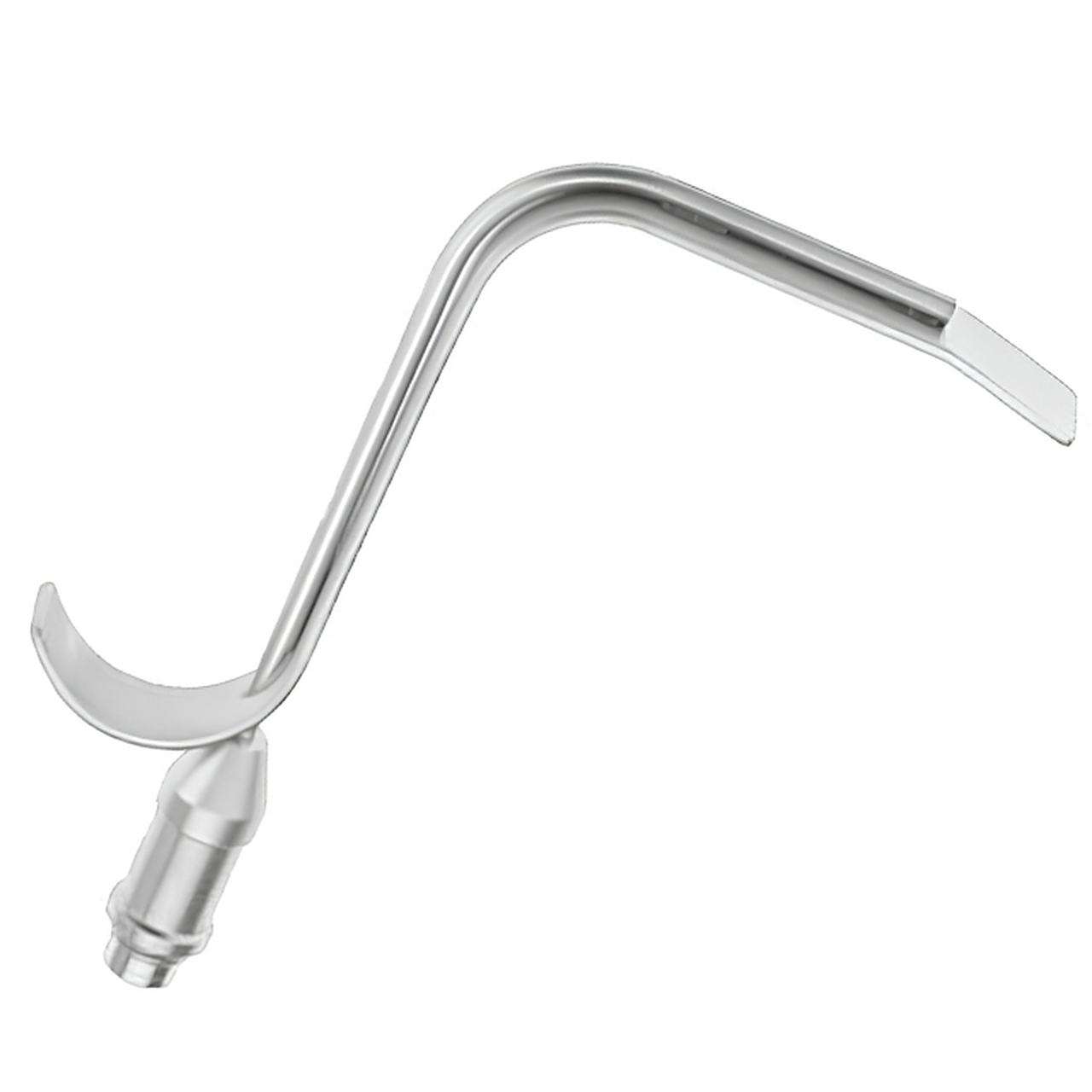 | Écarteur mammaire Breast Engler Retractor | Spécifiquement conçu pour éclairer les cavités chirurgicales profondes et élever les lambeaux tissulaires lors de l'augmentation et de la reconstruction mammaires. |
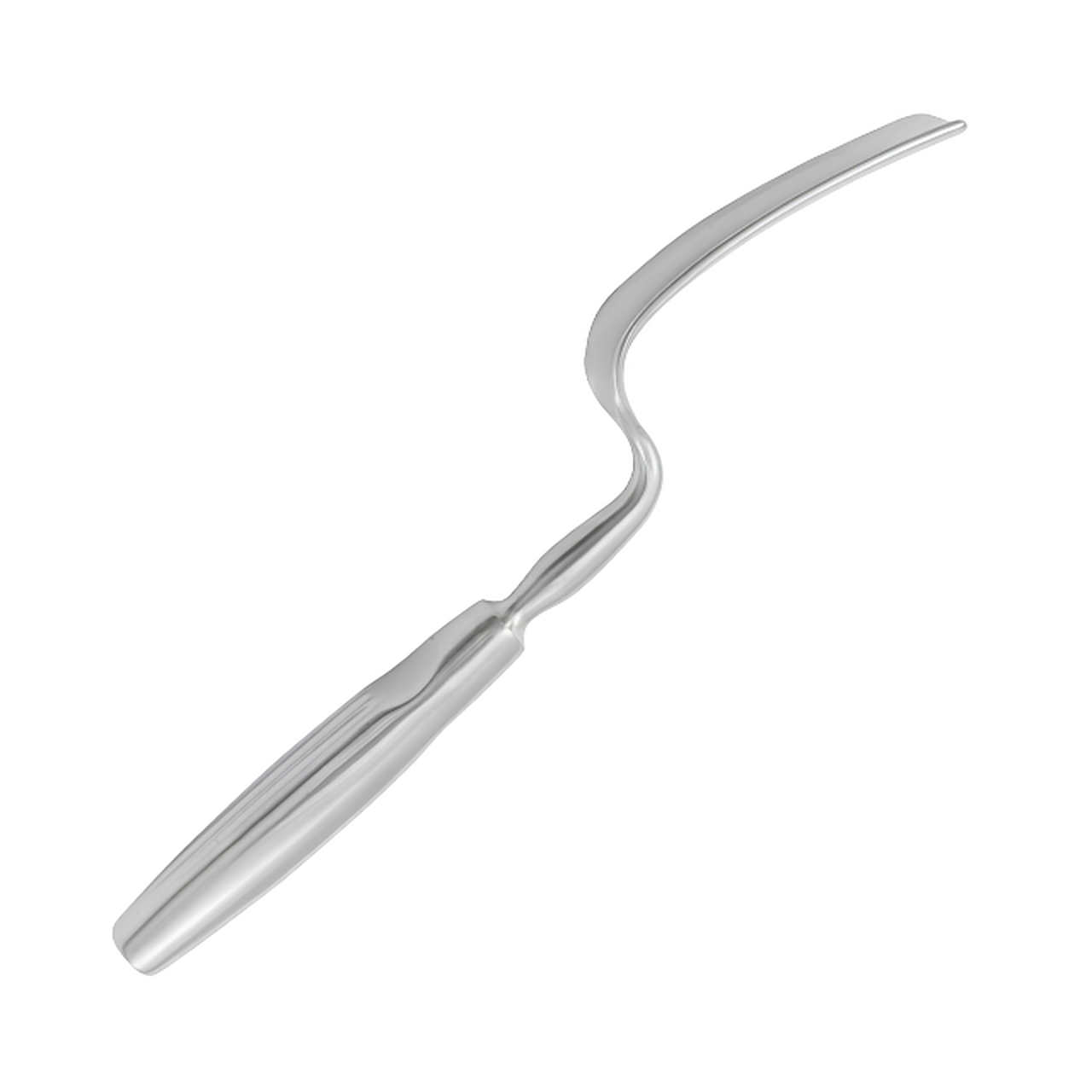 | Écarteur Vaginal de Breisky | Spécifiquement conçu pour écarter les parois vaginales et permettre une visualisation pelvienne profonde lors des interventions gynécologiques. |
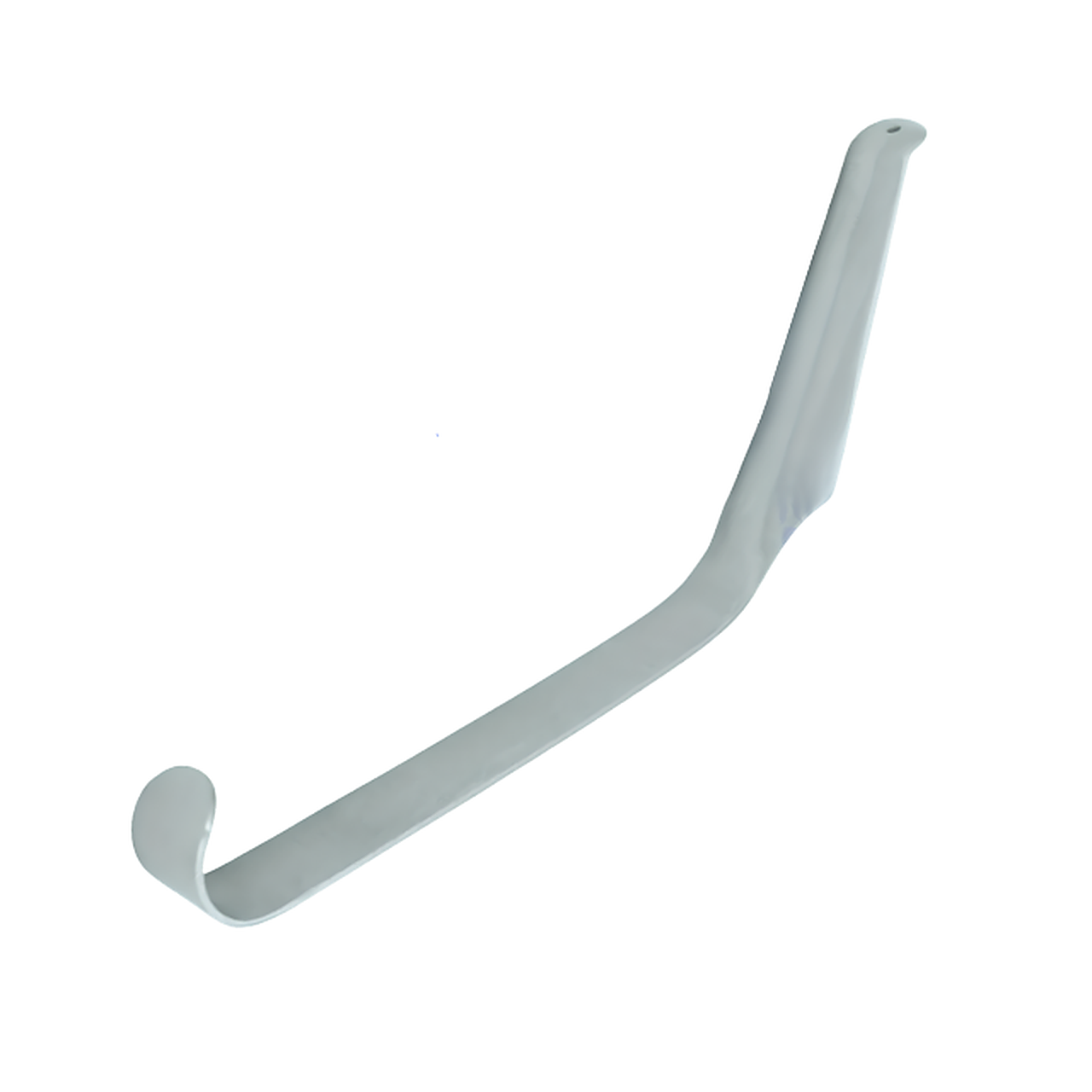 | Écarteur de Bremerich pour le bord mandibulaire | Spécifiquement conçu pour écarter le tissu mucopériosté et protéger les structures neurovasculaires le long du bord mandibulaire pendant la chirurgie de la branche montante. |
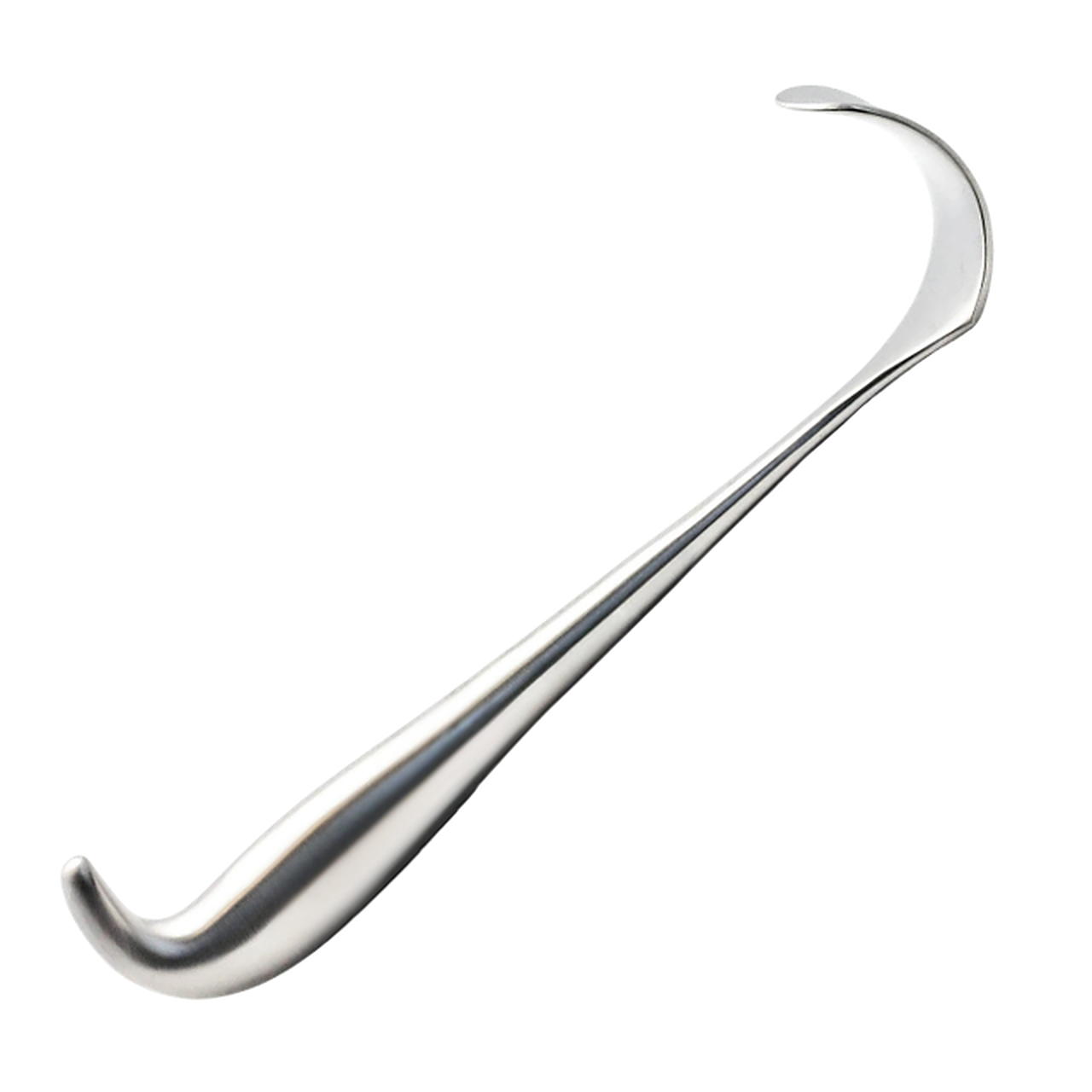 | Écarteur Brewster | Spécifiquement conçu pour écarter les muscles, les fascias et les tissus mous lors de chirurgies générales, abdominales et reconstructrices. |
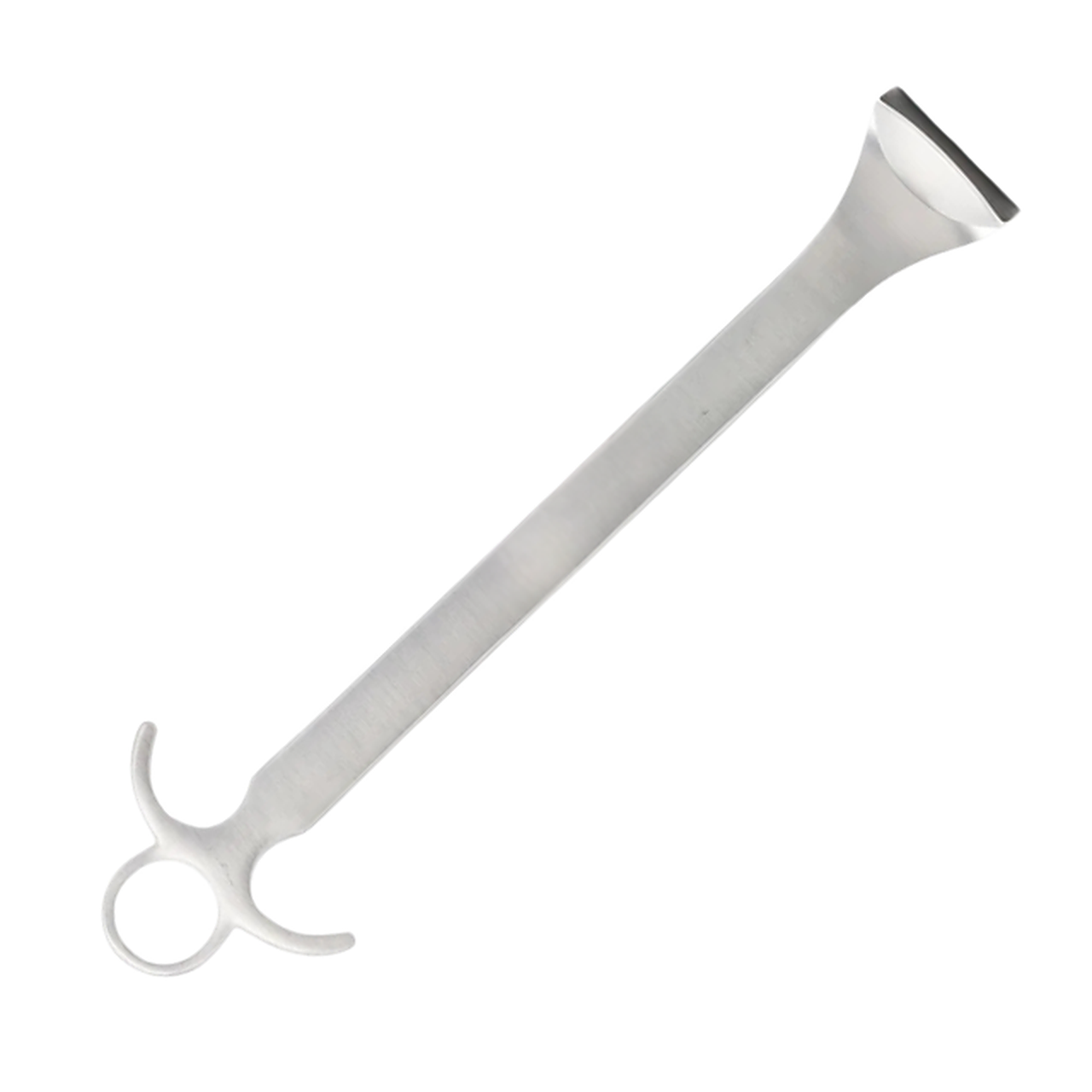 | Écarteurs de Deltoïde Browne | Spécifiquement conçu pour écarter le muscle deltoïde et les tissus mous lors de l'arthroplastie totale d'épaule et de la réparation de fractures humérales. |
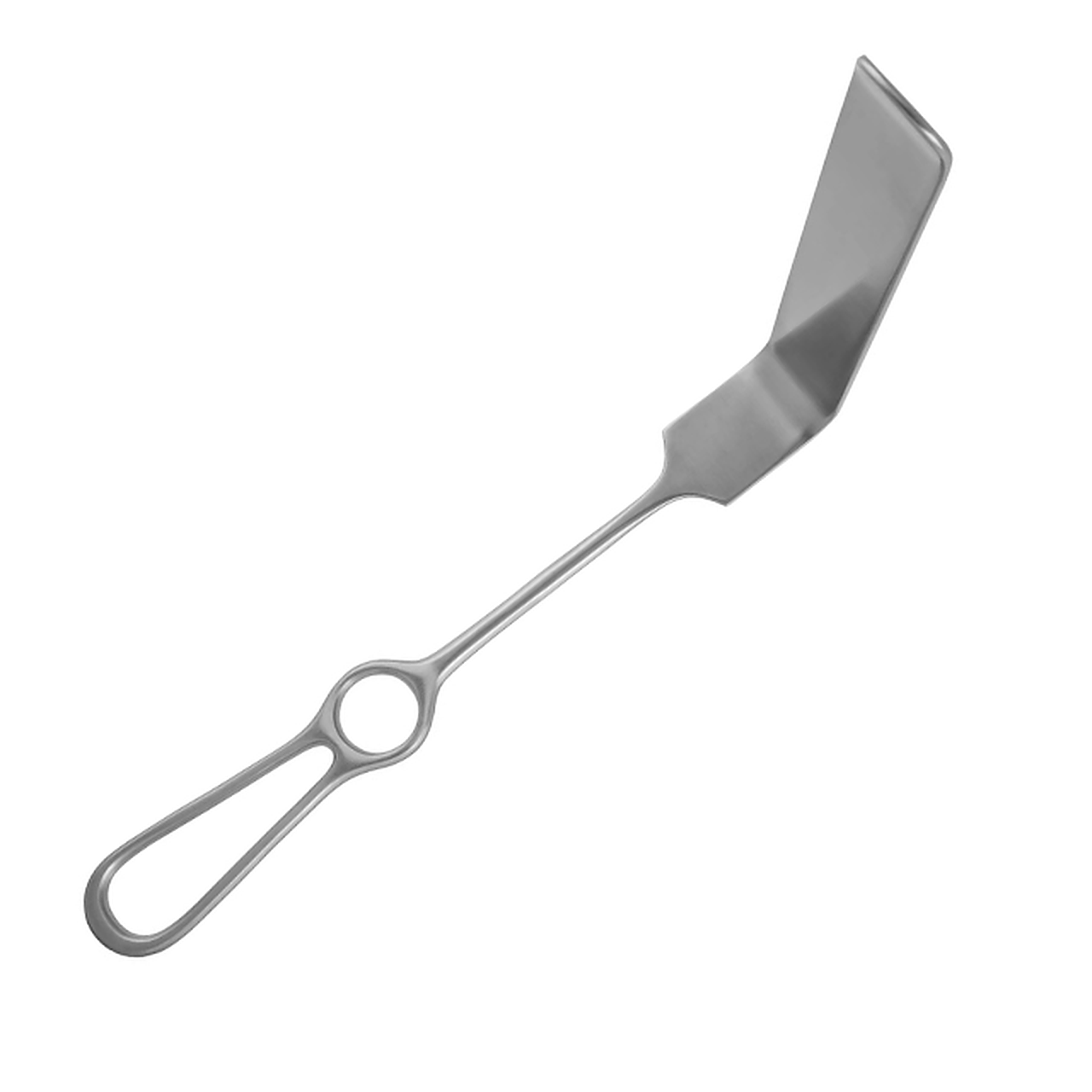 | Écarteur de Brunner | Spécifiquement conçu pour rétracter les muscles, les viscères et les tissus mous profonds lors de chirurgies abdominales, pelviennes et thoraciques. |
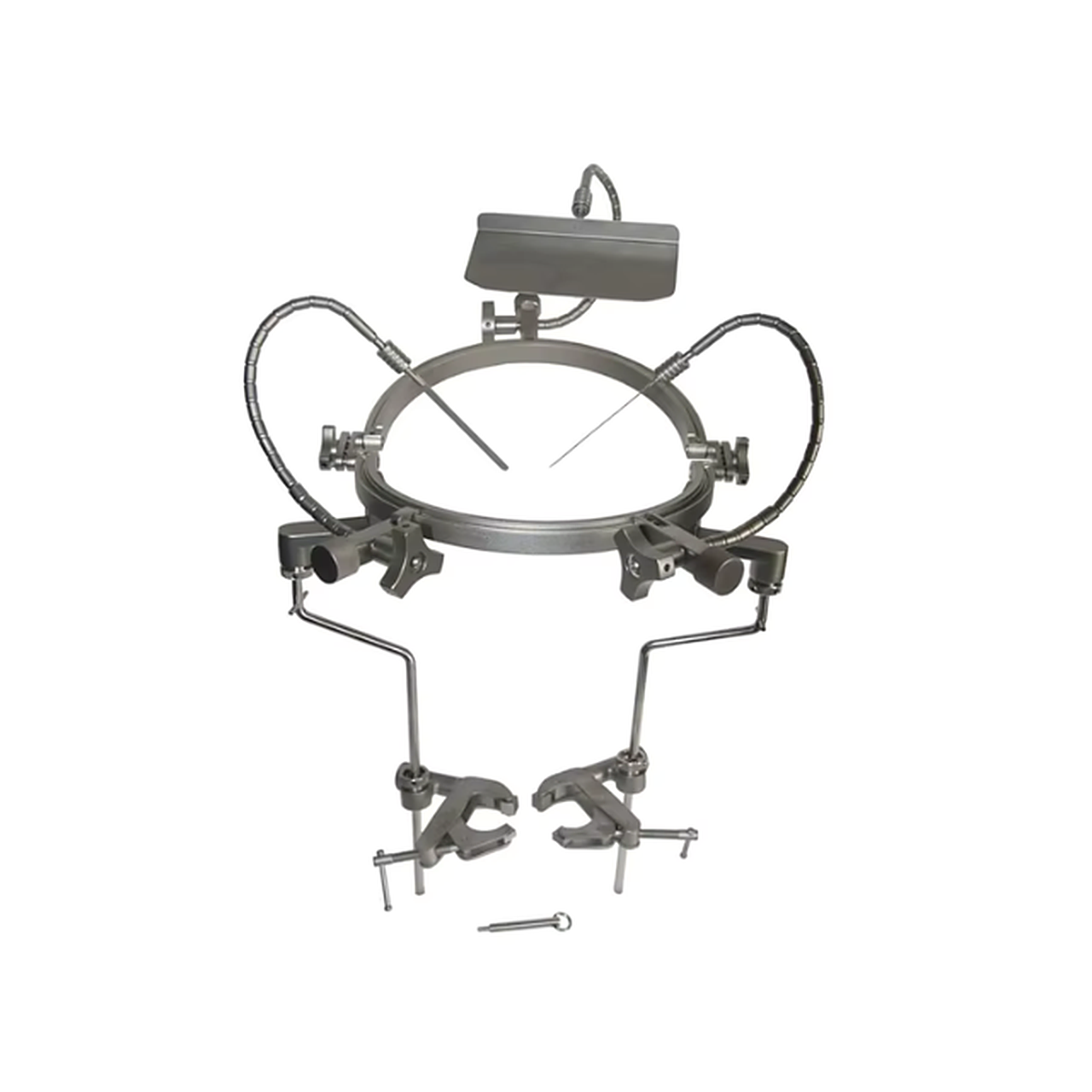 | Écarteur Budde Halo Retractor | Spécifiquement conçu pour se fixer directement sur les têtières Mayfield ou les rails latéraux des tables d'opération, offrant une rétraction stable et mains libres des tissus cérébraux et un repose-main intégré pour le soutien de l'avant-bras du chirurgien lors de… |
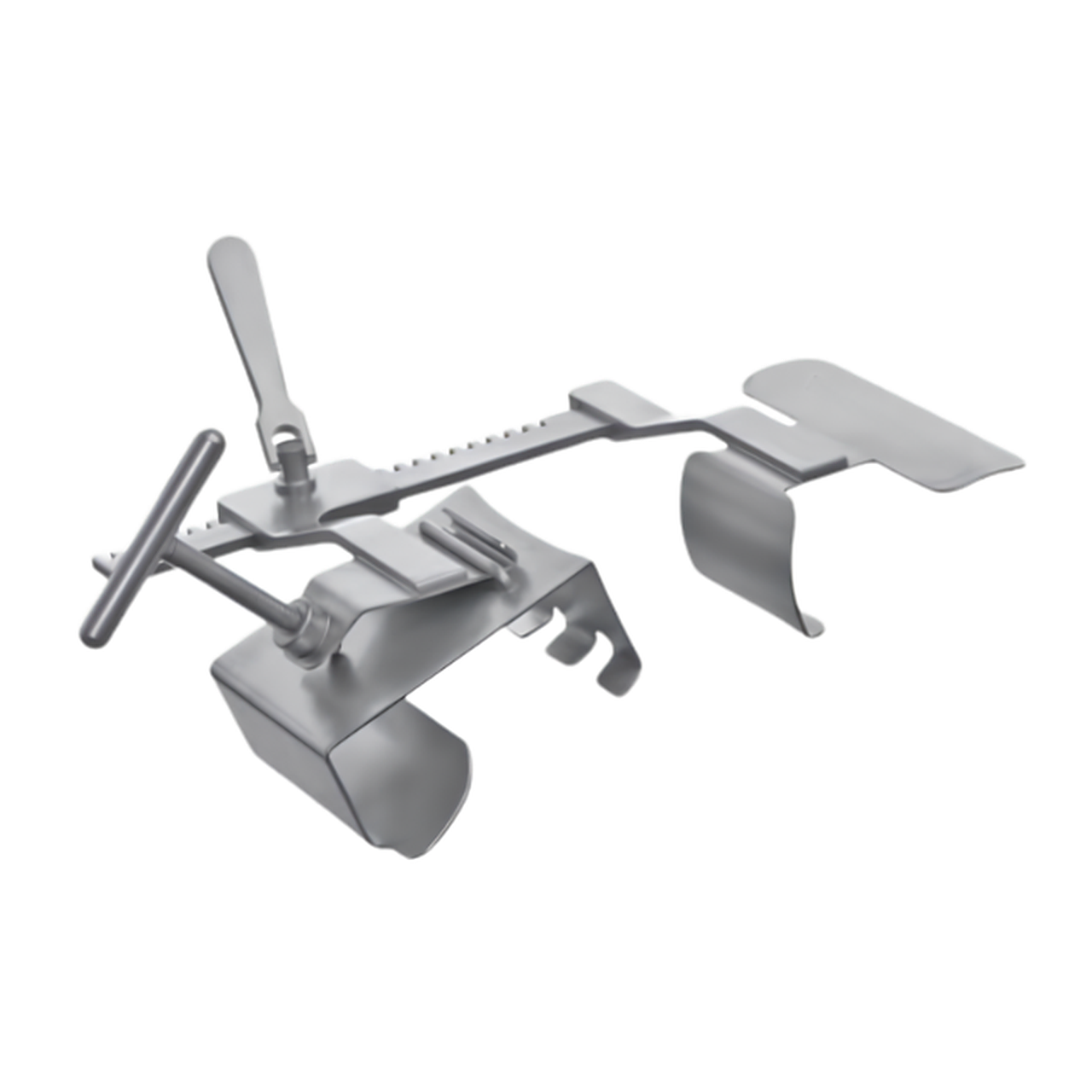 | Écarteur mammaire I.M.A Bugge Takedown | Spécifiquement conçu pour l'élévation unilatérale du sternum et de la paroi thoracique lors du prélèvement de l'artère mammaire interne. |
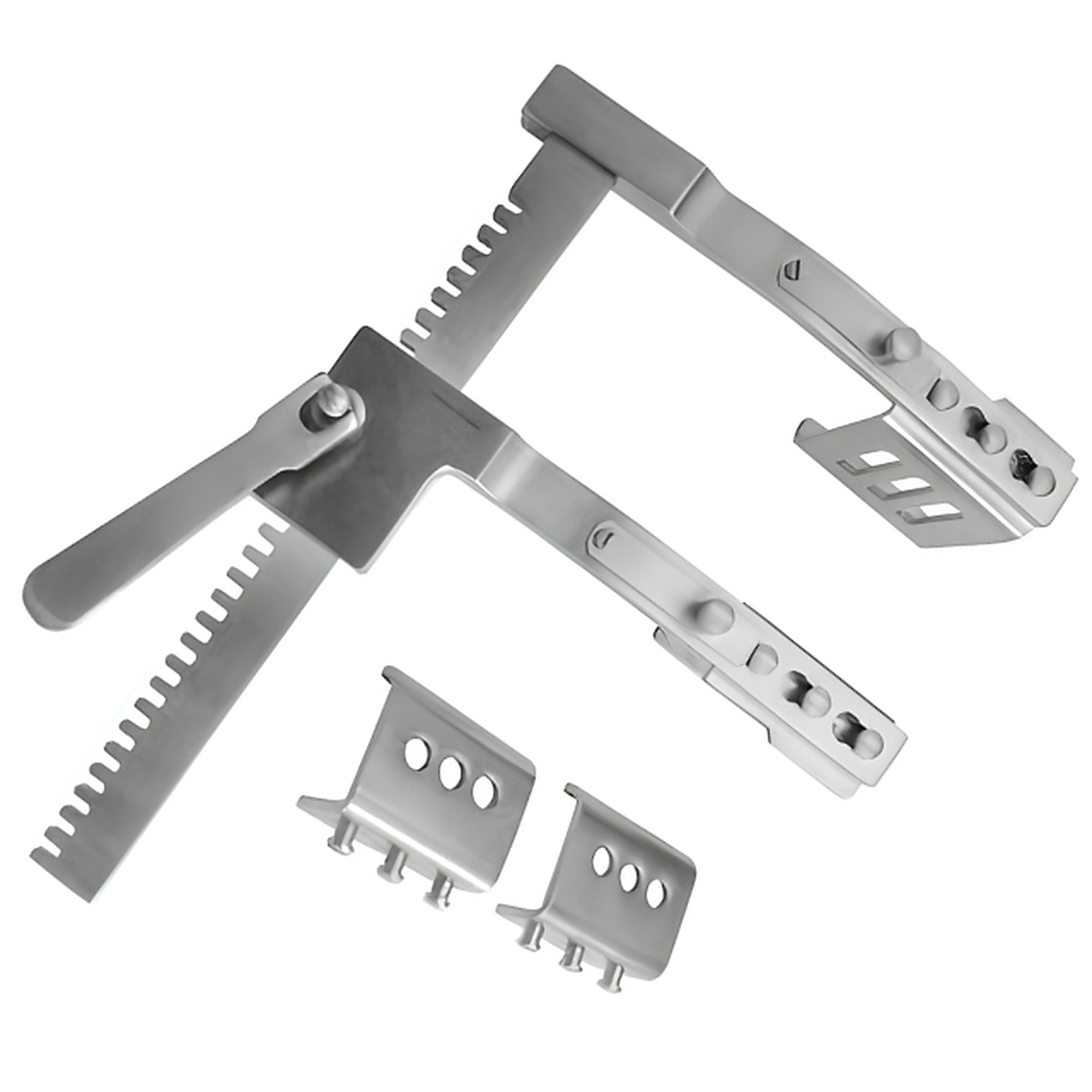 | Écarteur de côtes Burford Rib Spreader | Spécifiquement conçu pour écarter les côtes adjacentes et élargir l'espace intercostal lors d'une thoracotomie ouverte. |
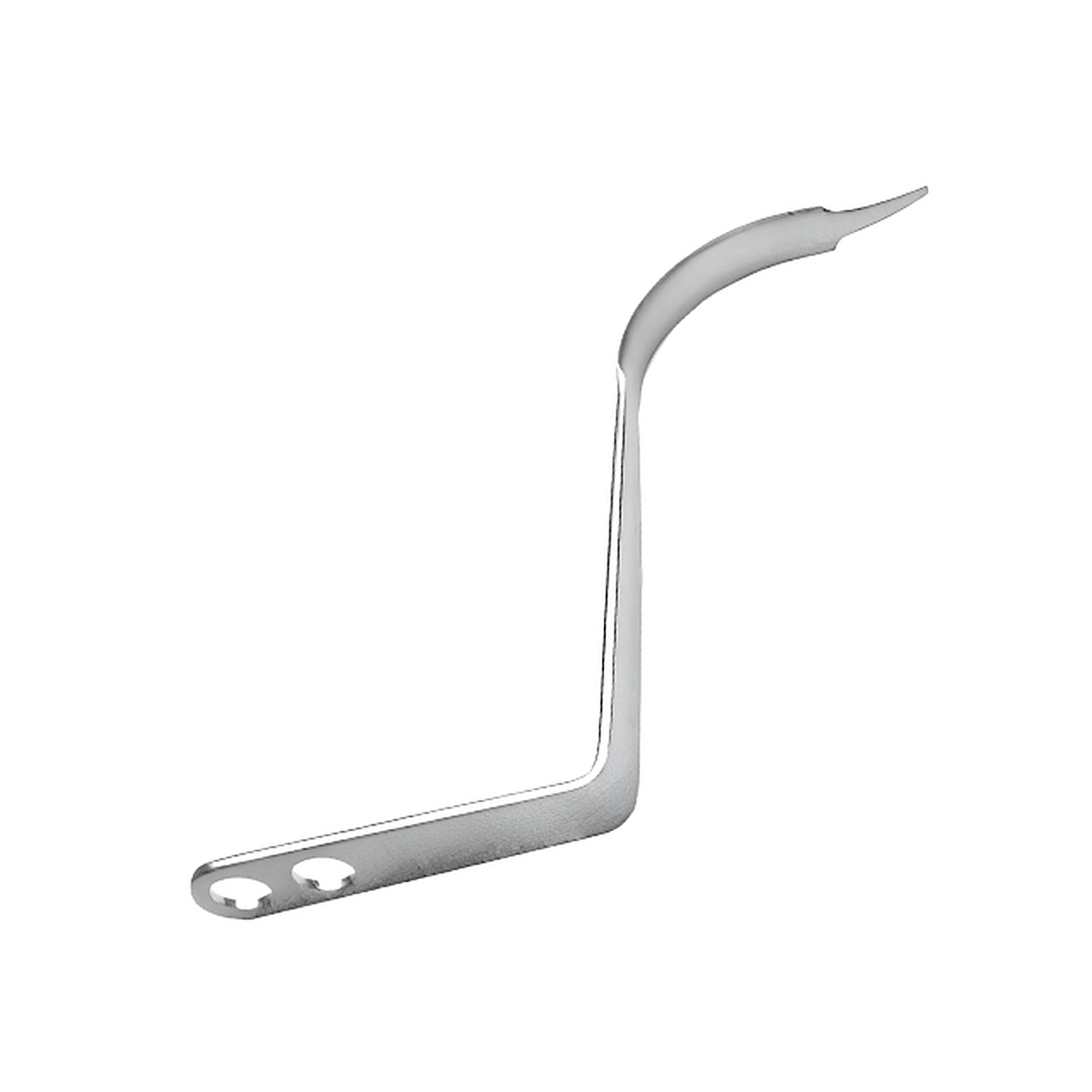 | Écarteurs C Retractors | Spécifiquement conçu pour faire levier sur les muscles et les tissus mous à distance de l'os lors des arthroplasties de la hanche, des ostéotomies pelviennes et des reconstructions traumatiques. |
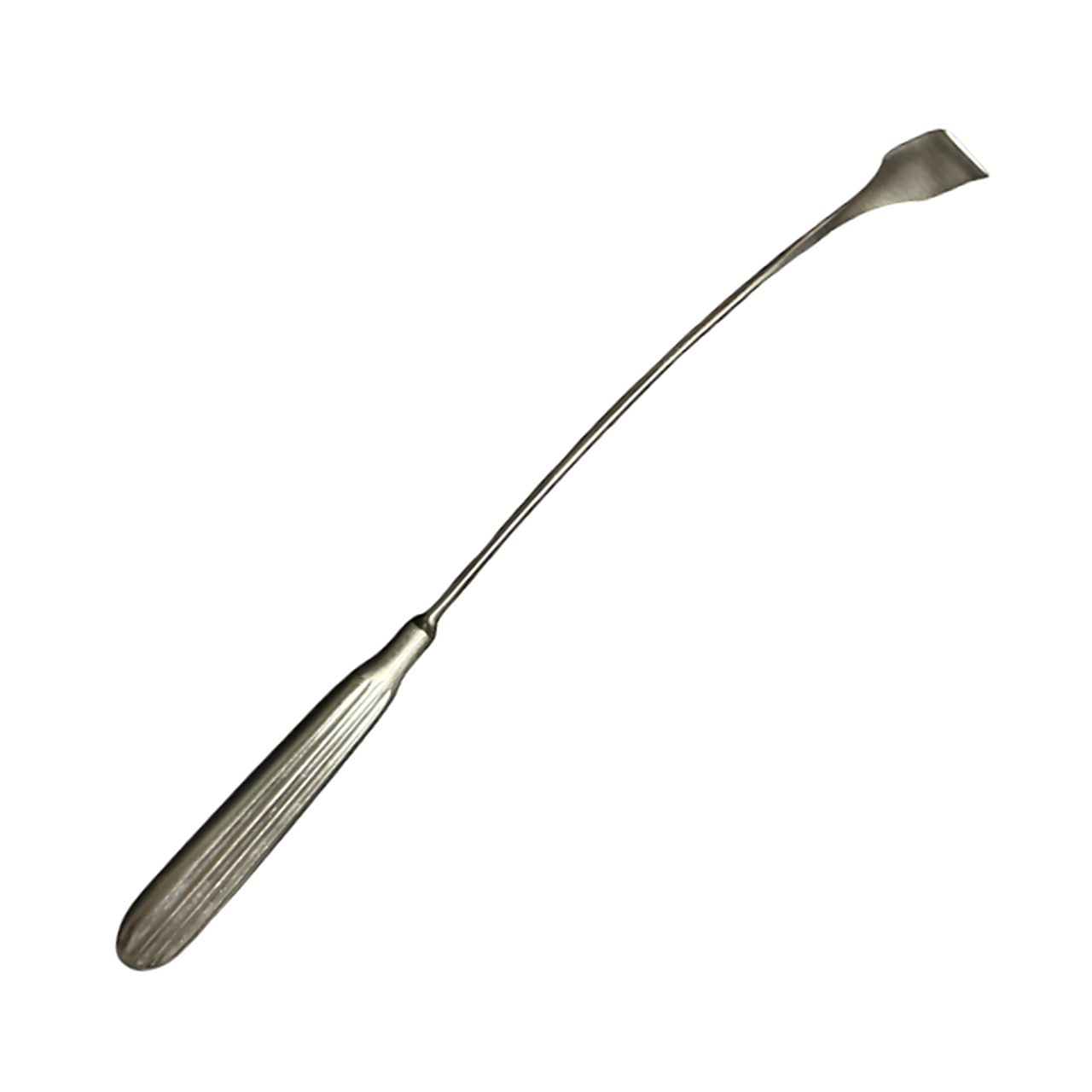 | Écarteur de racine nerveuse Campbell | Spécifiquement conçu pour écarter et protéger les racines nerveuses spinales et le sac thécal pendant les procédures de discectomie et de laminectomie. |
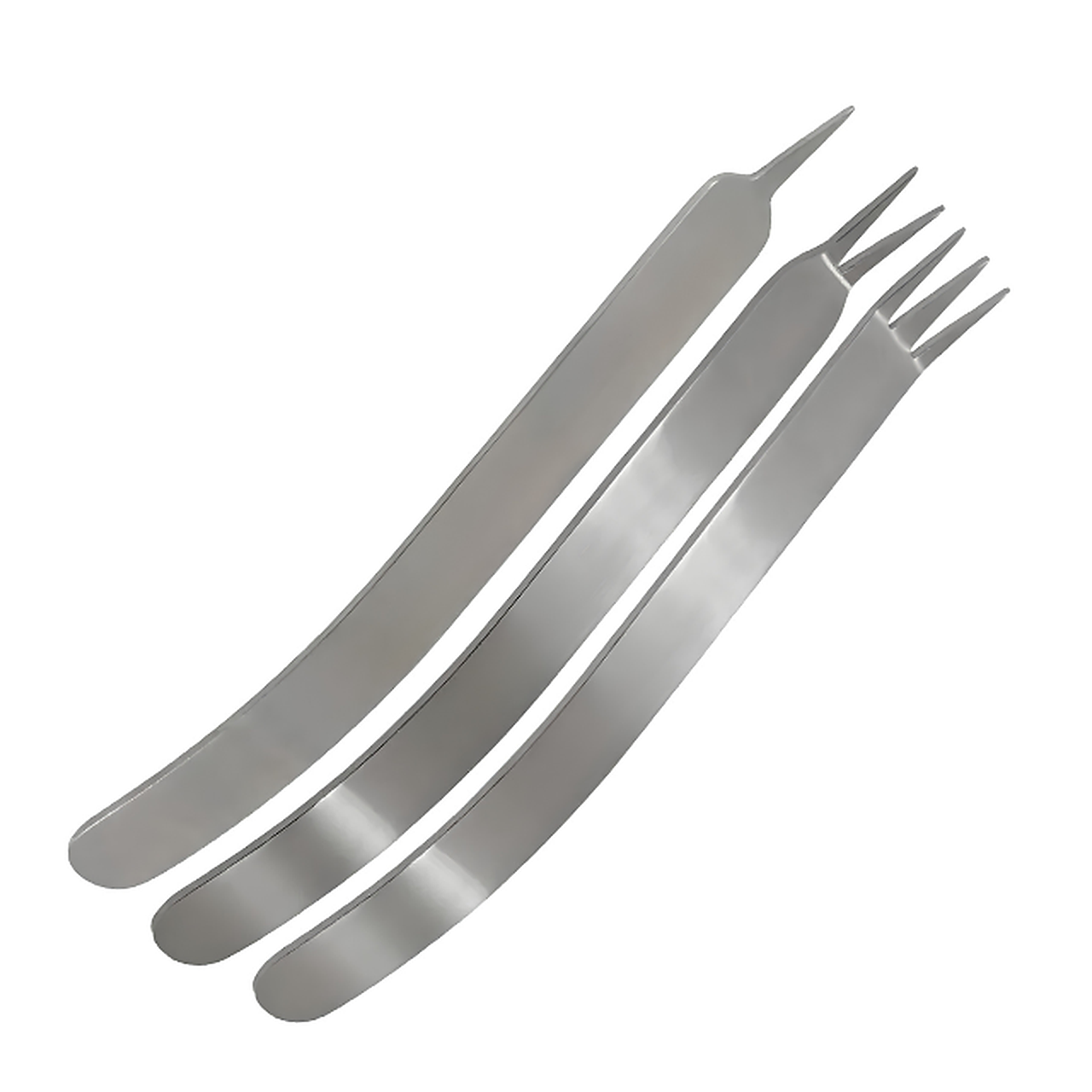 | Écarteurs capsulaires | Spécifiquement conçu pour écarter les capsules articulaires fibreuses, les ligaments et les tissus mous lors des arthroplasties de la hanche, du genou et de l'épaule. |
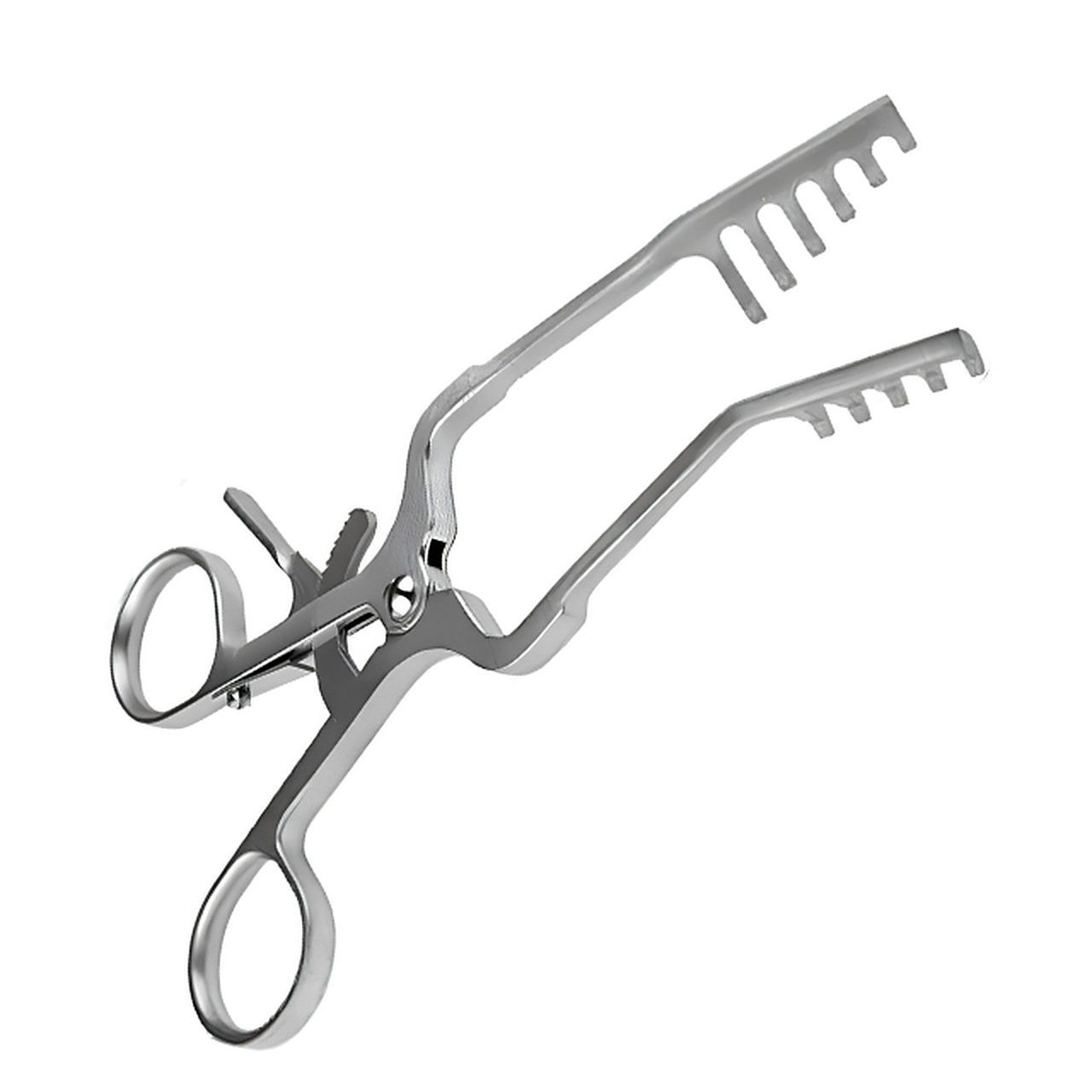 | Écarteur autostatique pour canal carpien | Spécifiquement conçu pour assurer la rétraction autostatique des tissus et la visualisation du nerf médian lors de la chirurgie de libération du canal carpien par voie ouverte. |
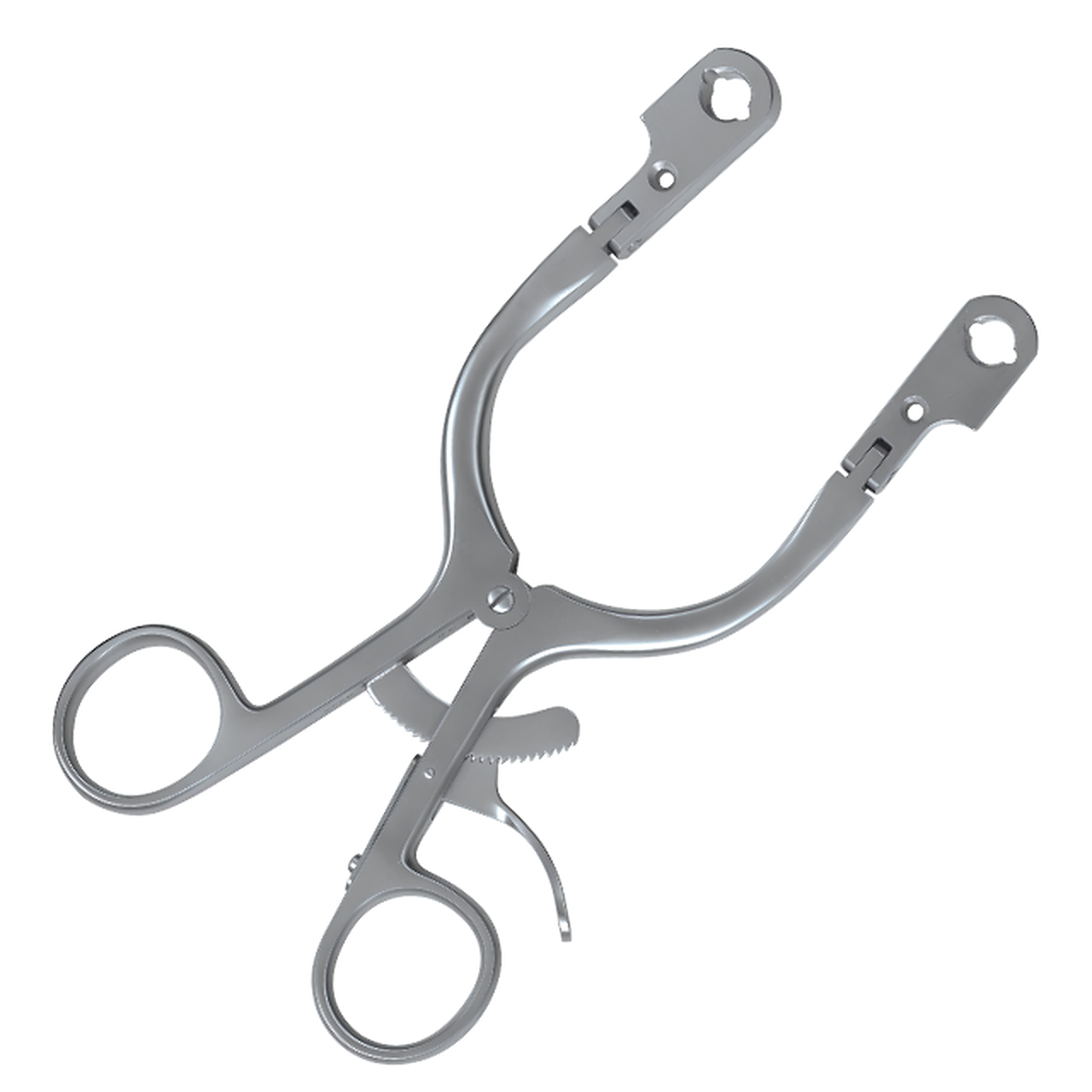 | Écarteur Cervical de Caspar avec Crémaillère | Spécifiquement conçu pour assurer l'écartement autostatique des tissus mous et l'exposition vertébrale lors de la discectomie et de la fusion cervicale antérieure (ACDF). |
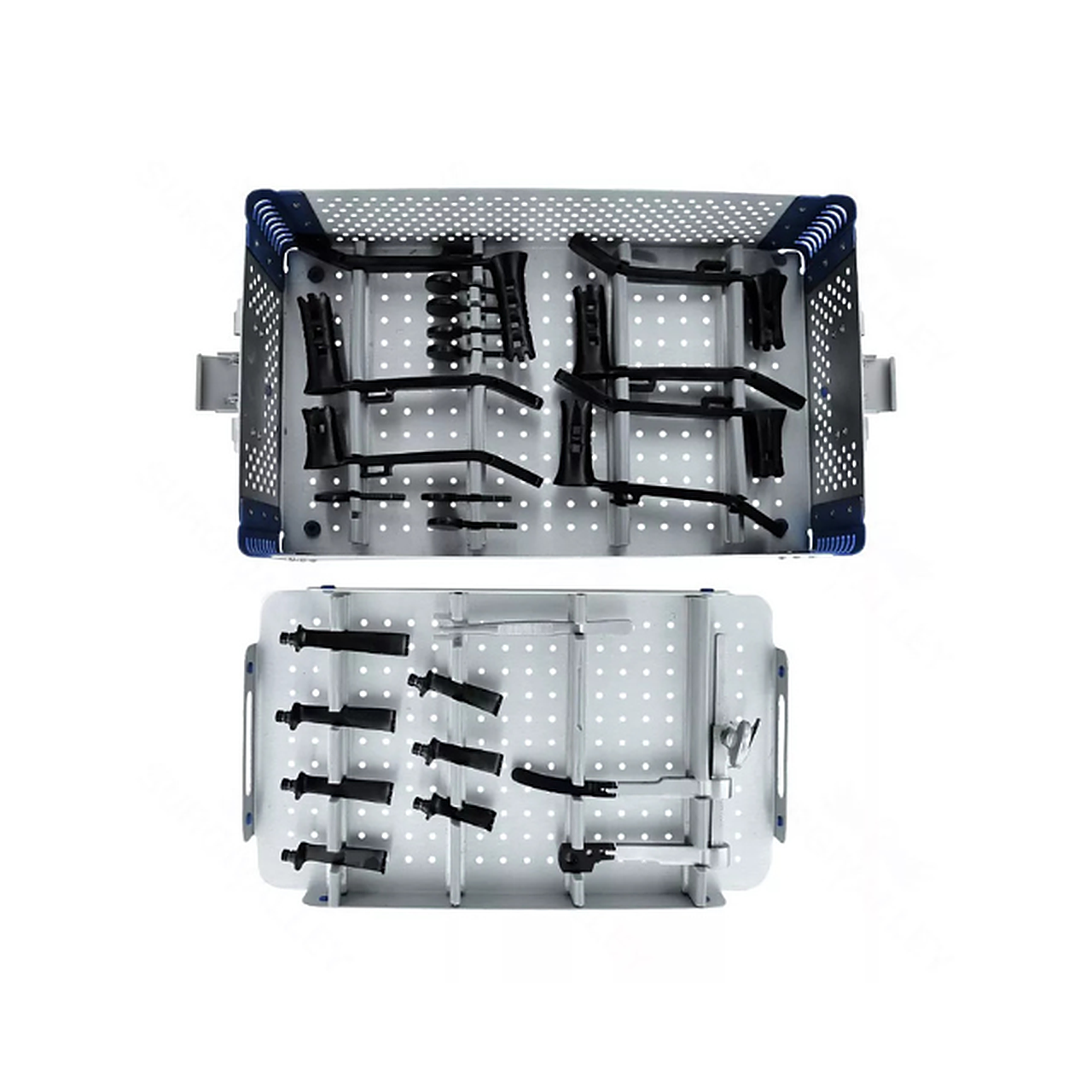 | Système d'écarteur de microdiscectomie lombaire Caspar | Spécifiquement conçu pour assurer une rétraction tissulaire stable et une exposition chirurgicale lors des procédures de discectomie lombaire microsurgicale. |
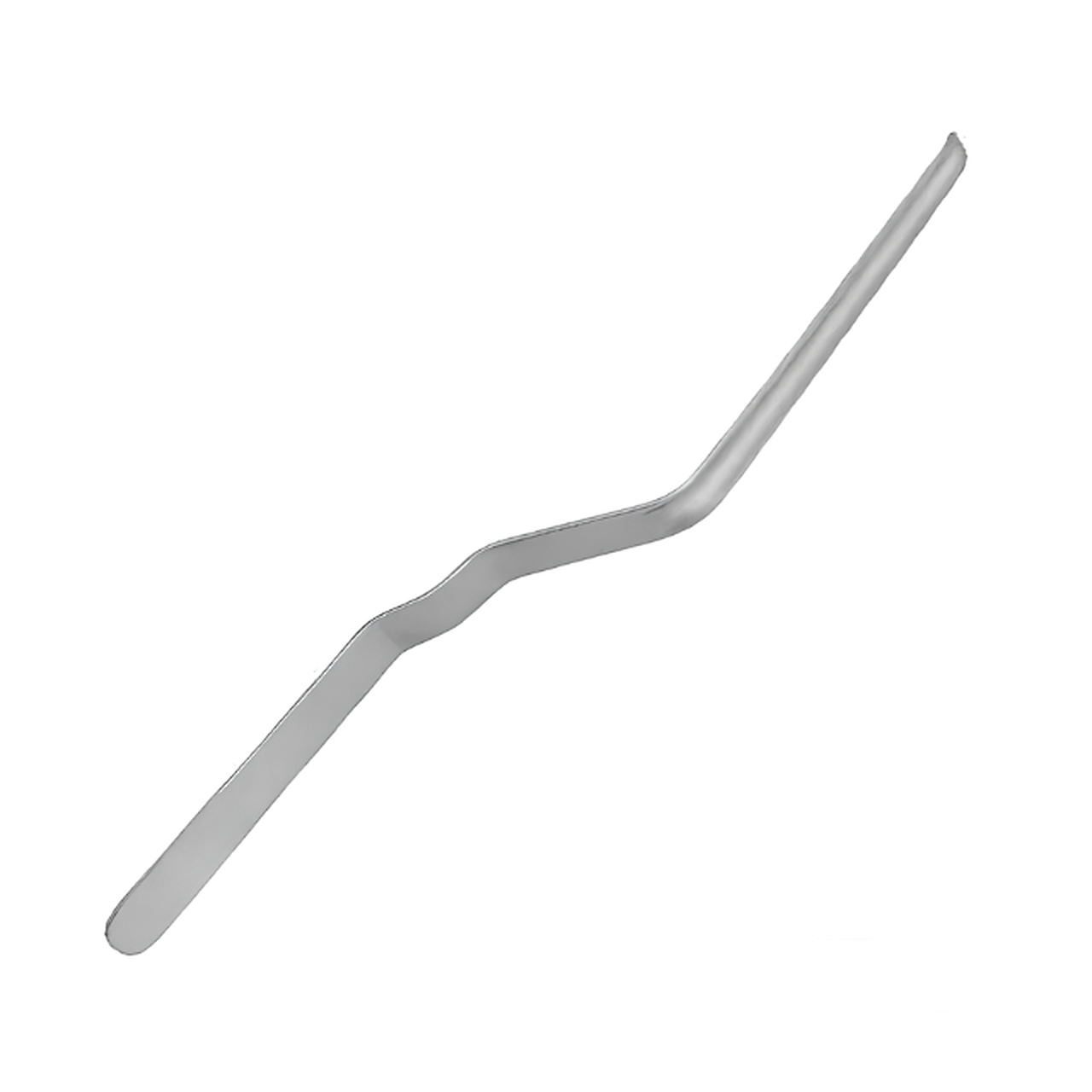 | Écarteurs de racines nerveuses Caspar | Spécifiquement conçu pour mobiliser, soutenir et protéger les racines nerveuses spinales et le sac thécal pendant la microdiscectomie lombaire. |
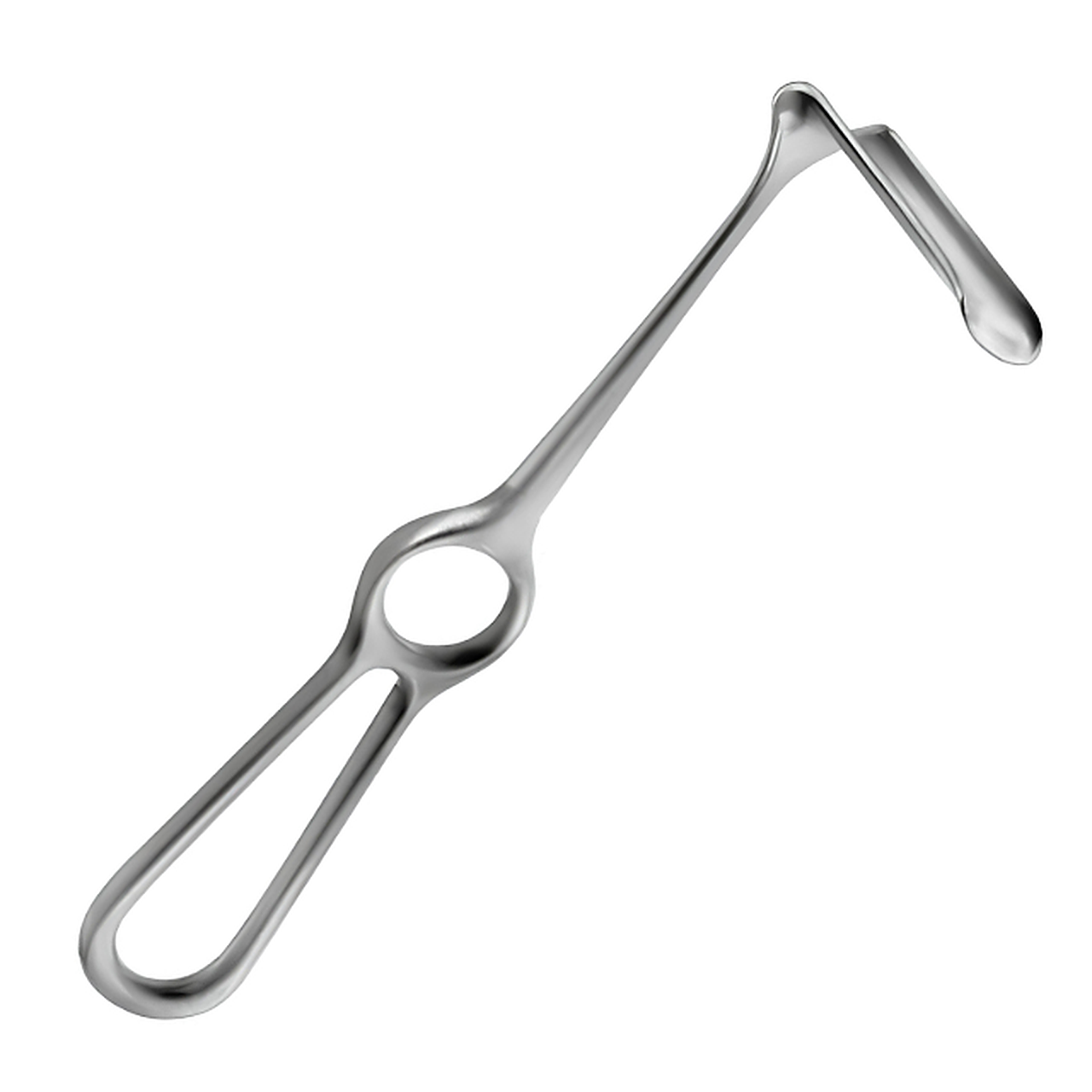 | Écarteur de Caspar | Spécifiquement conçu pour écarter les muscles, les fascias et les tissus mous lors de chirurgies rachidiennes, orthopédiques et reconstructrices. |
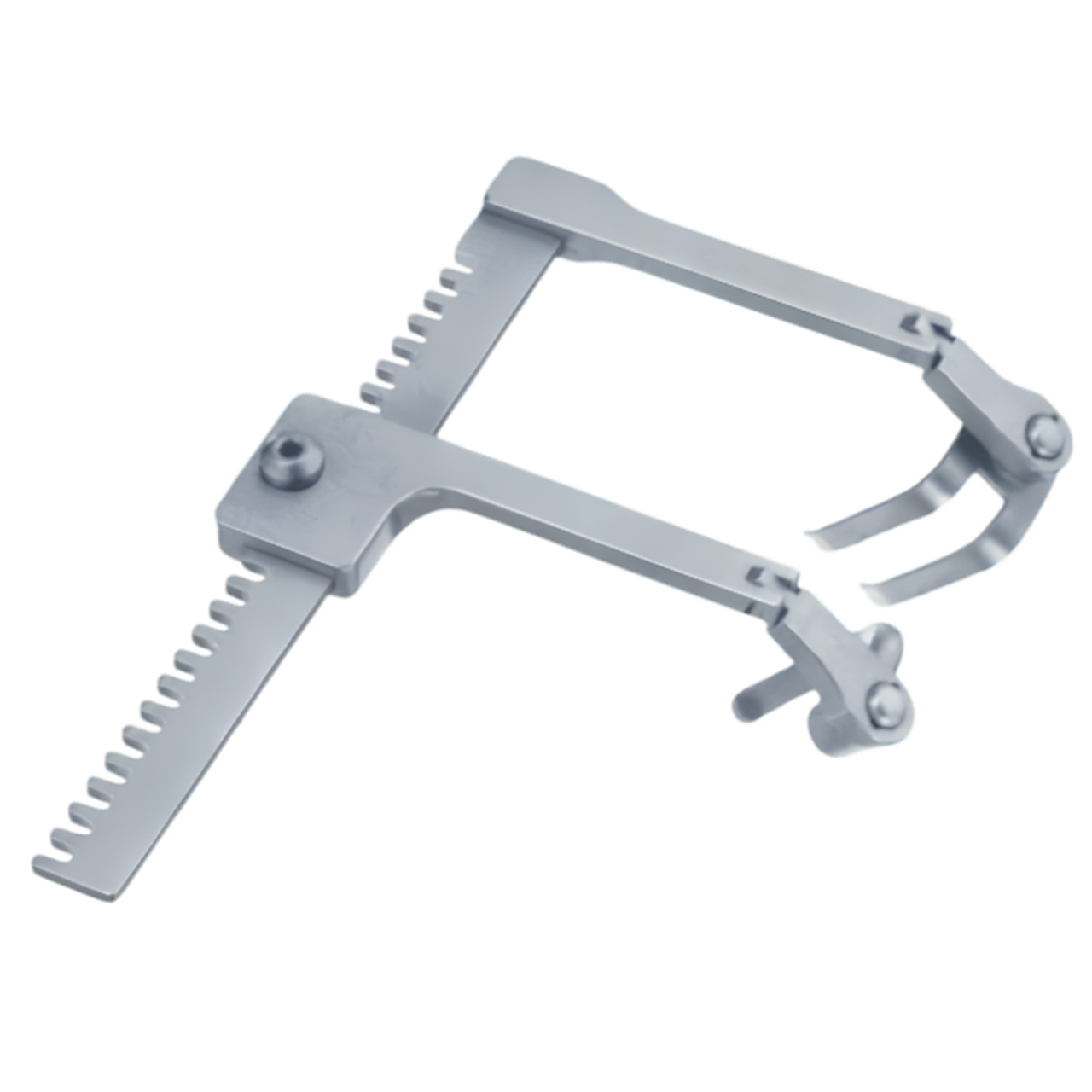 | Écarteur autostatique de Caspar | Spécifiquement conçu pour l'écartement de la trachée, de l'œsophage et des muscles longs du cou lors de la chirurgie du rachis cervical par voie antérieure. |
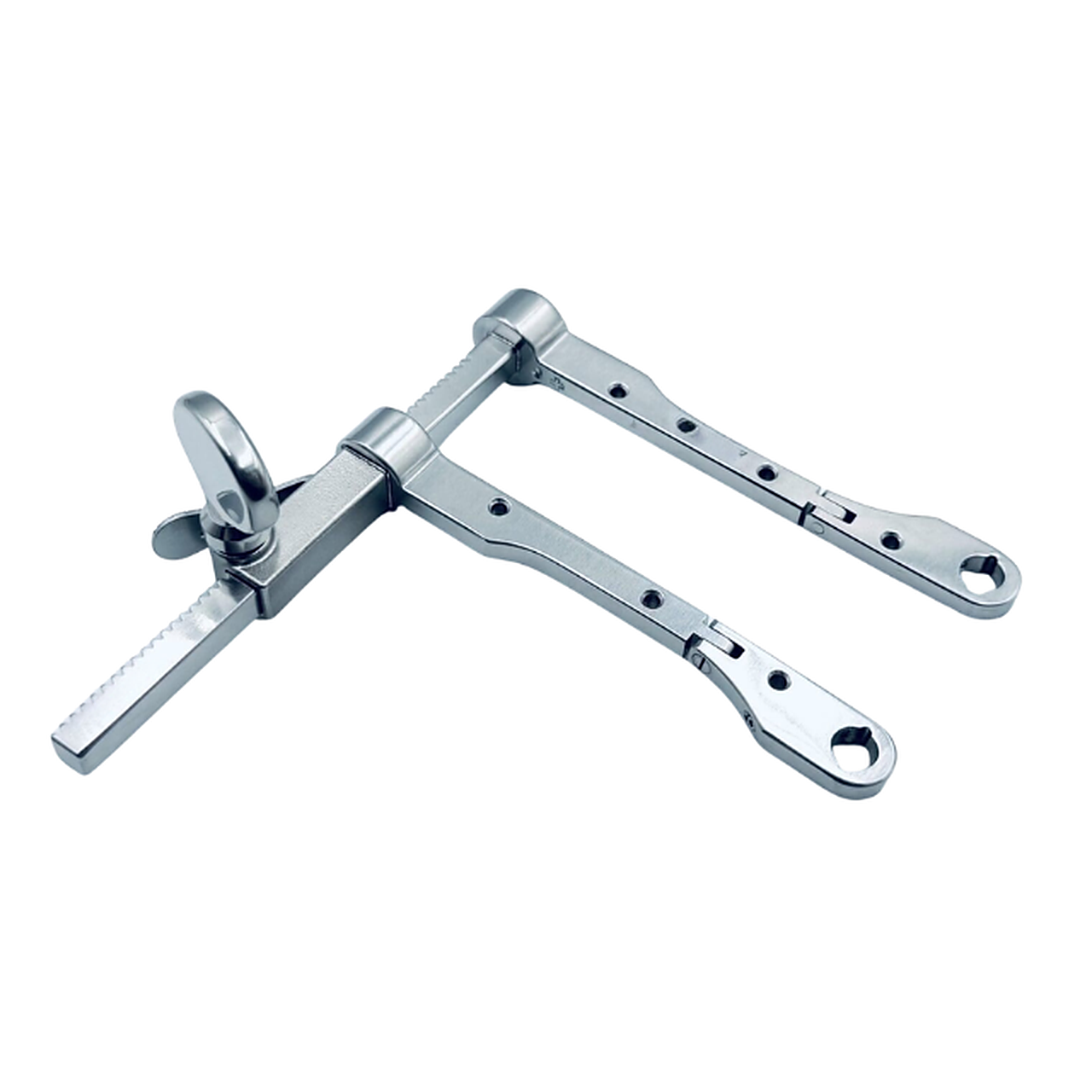 | Écarteur cervical Casper | Spécifiquement conçu pour assurer une rétraction articulée et autostatique des tissus mous ainsi qu'une exposition vertébrale lors de la chirurgie cervicale antérieure. |
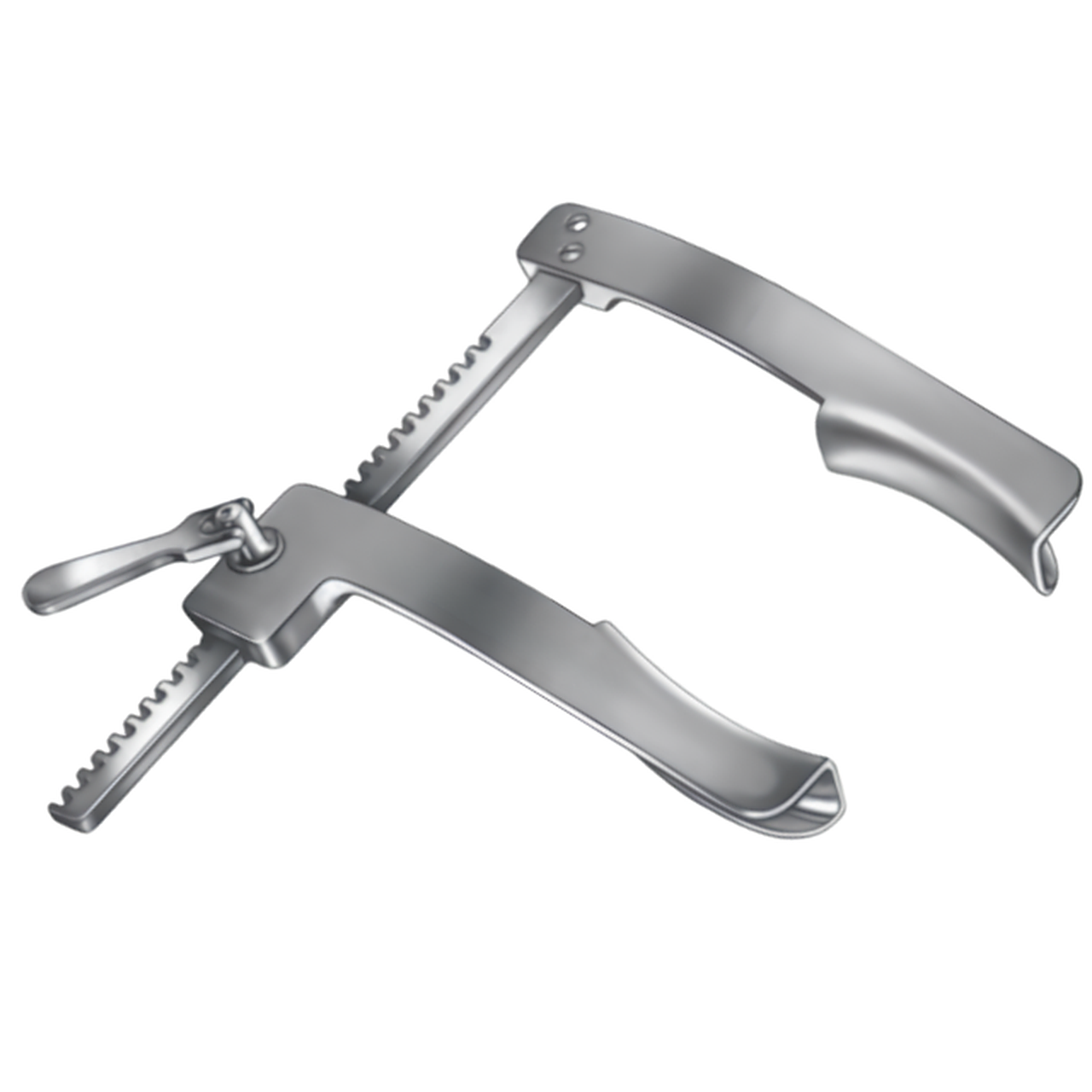 | Écarteur de côtes Castaneda | Spécifiquement conçu pour écarter les côtes et permettre l'exposition de la cavité thoracique lors de chirurgies cardiothoraciques néonatales et pédiatriques. |
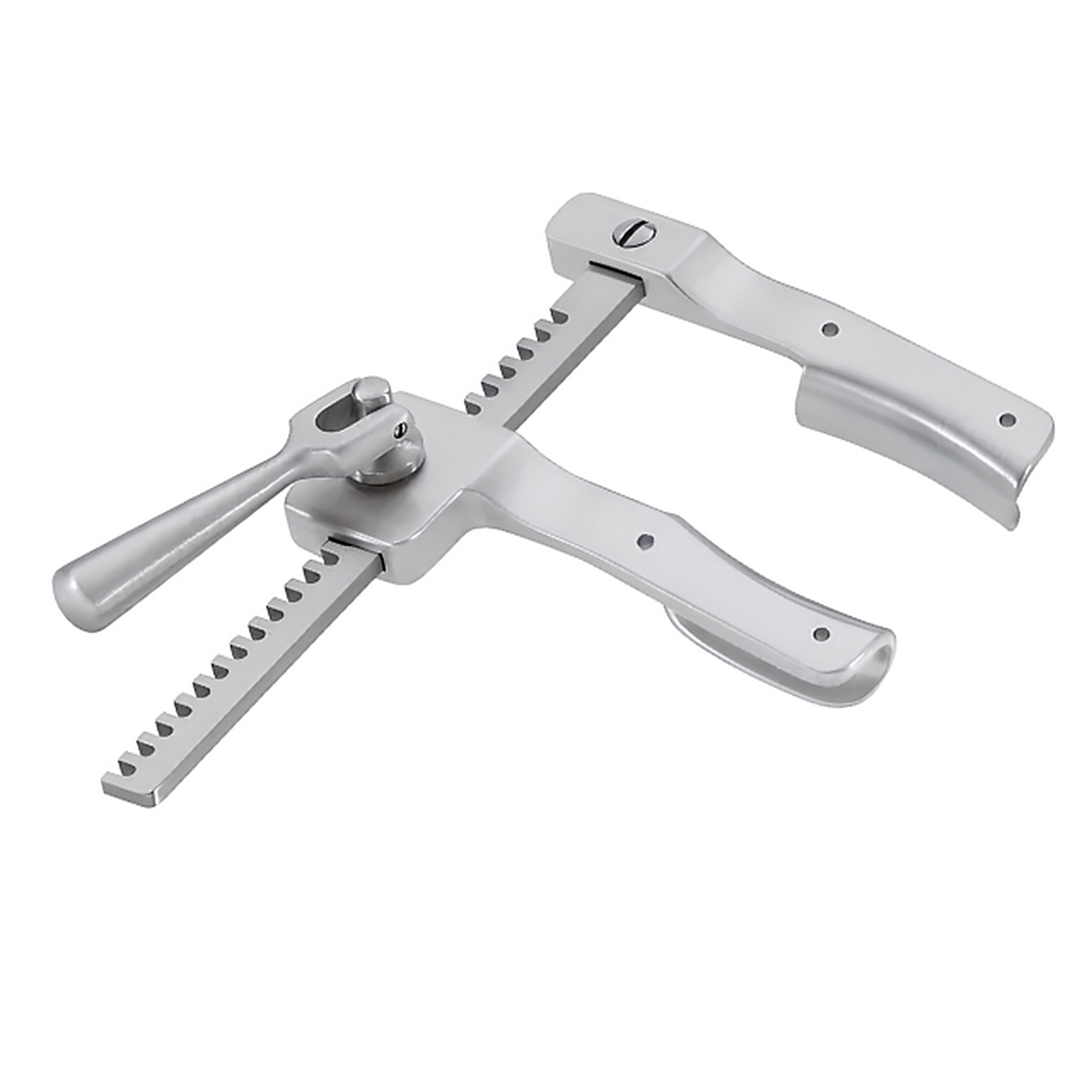 | Écarteur Sternal Castaneda | Spécifiquement conçu pour la séparation sternale et l'exposition médiastinale lors de chirurgies cardiaques pédiatriques, néonatales et adultes. |
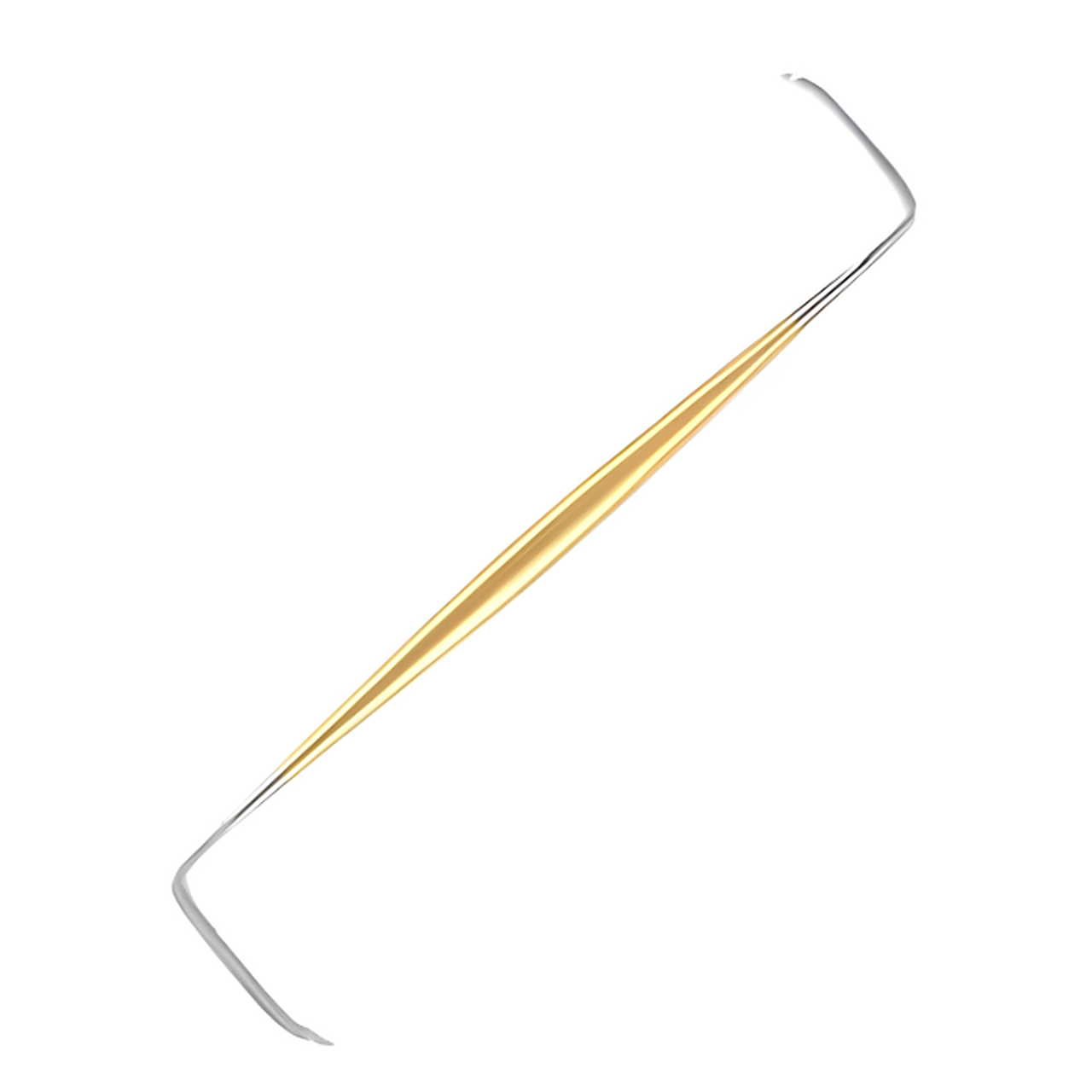 | Écarteur Nasal Double Cerkes | Spécifiquement conçu pour élever les enveloppes de tissus mous nasaux et rétracter les cartilages lors de rhinoplasties ouvertes et fermées. |
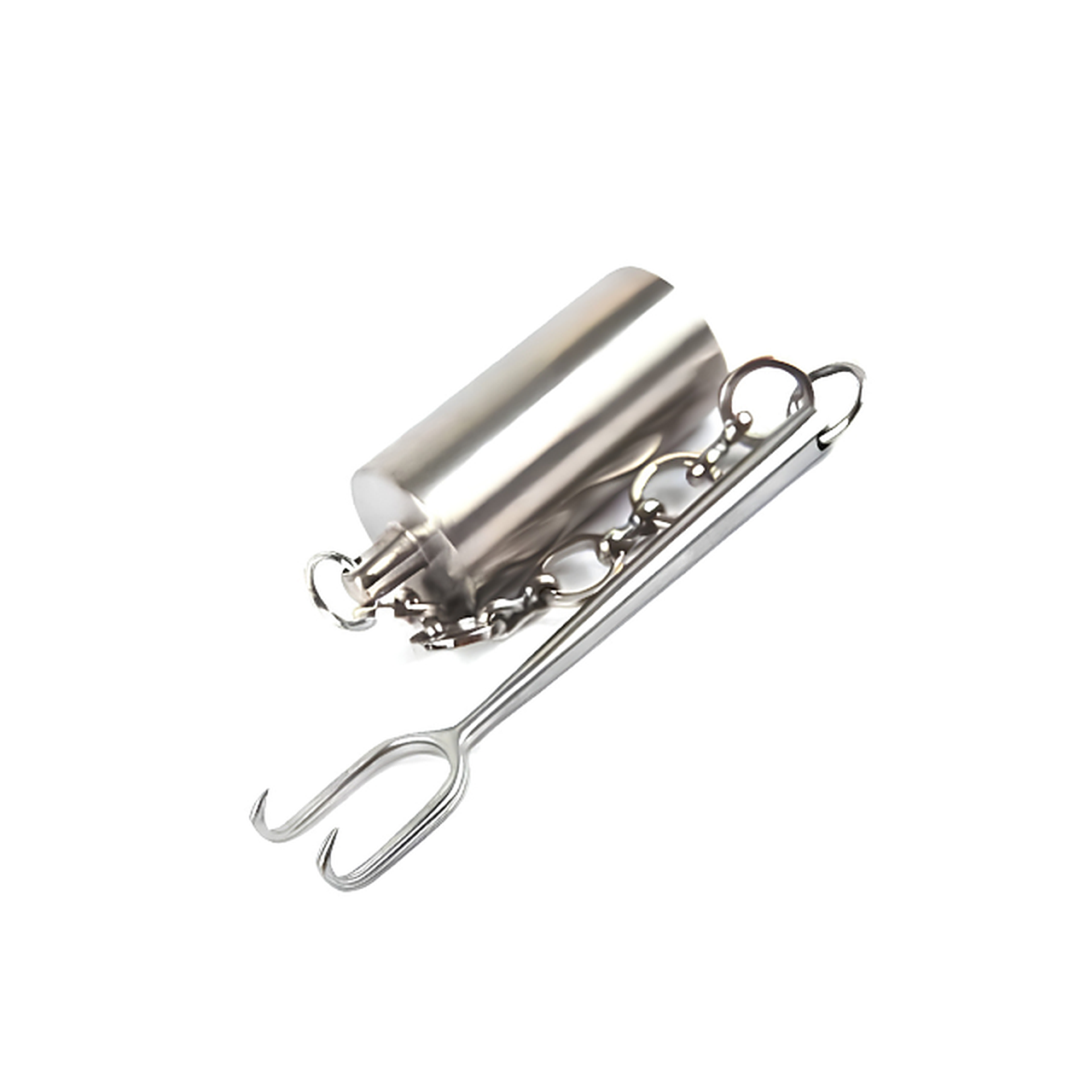 | Écarteur nasal Cerkes avec poids - Écarteur de columelle Gruber | Spécifiquement conçu pour assurer une rétraction lestée et mains libres de la columelle et du septum caudal lors d'une rhinoplastie ouverte. |
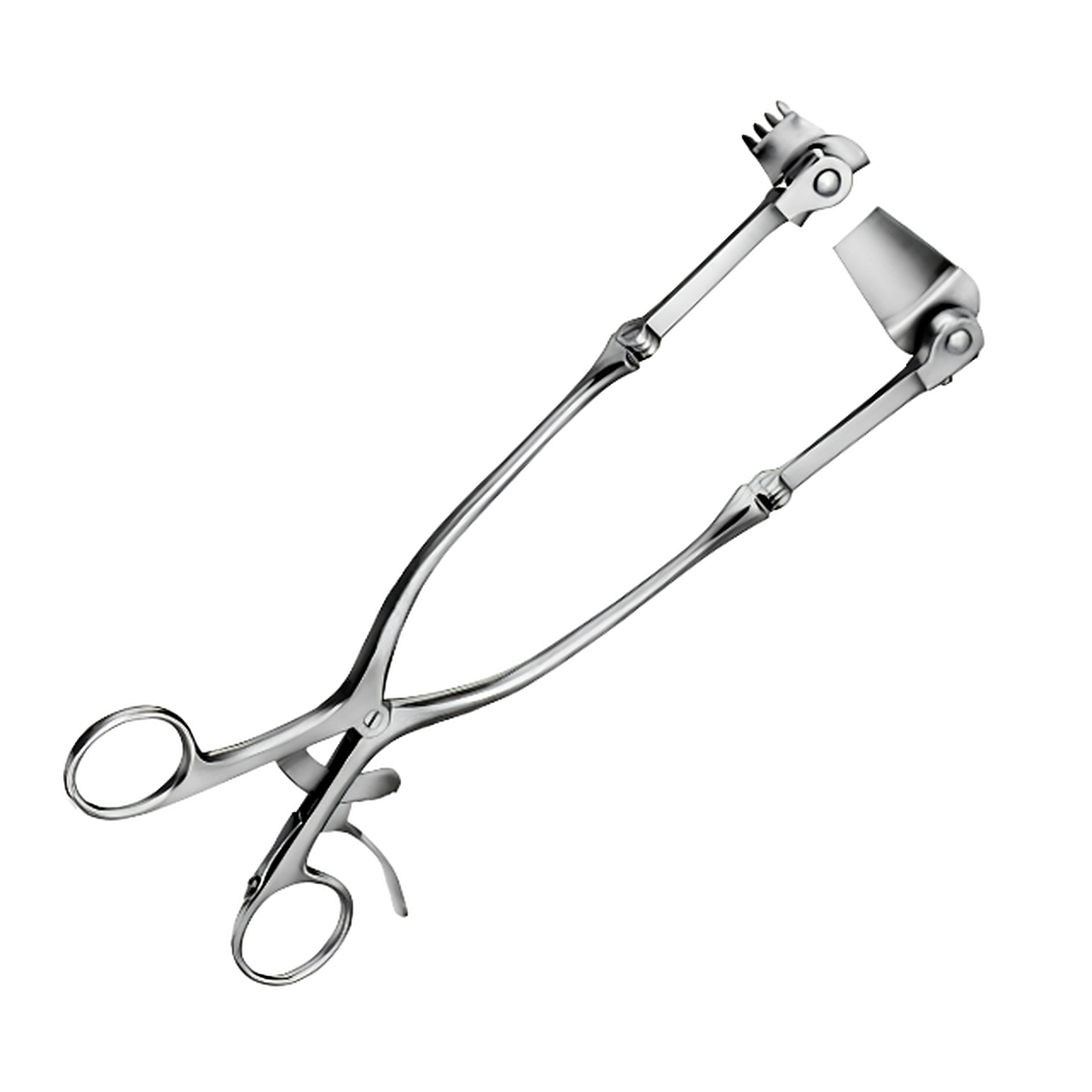 | Cadre d'Écarteur Cervical | Spécifiquement conçu pour maintenir des valves d'écartement interchangeables et assurer une exposition longitudinale lors de la chirurgie du rachis cervical par voie antérieure. |
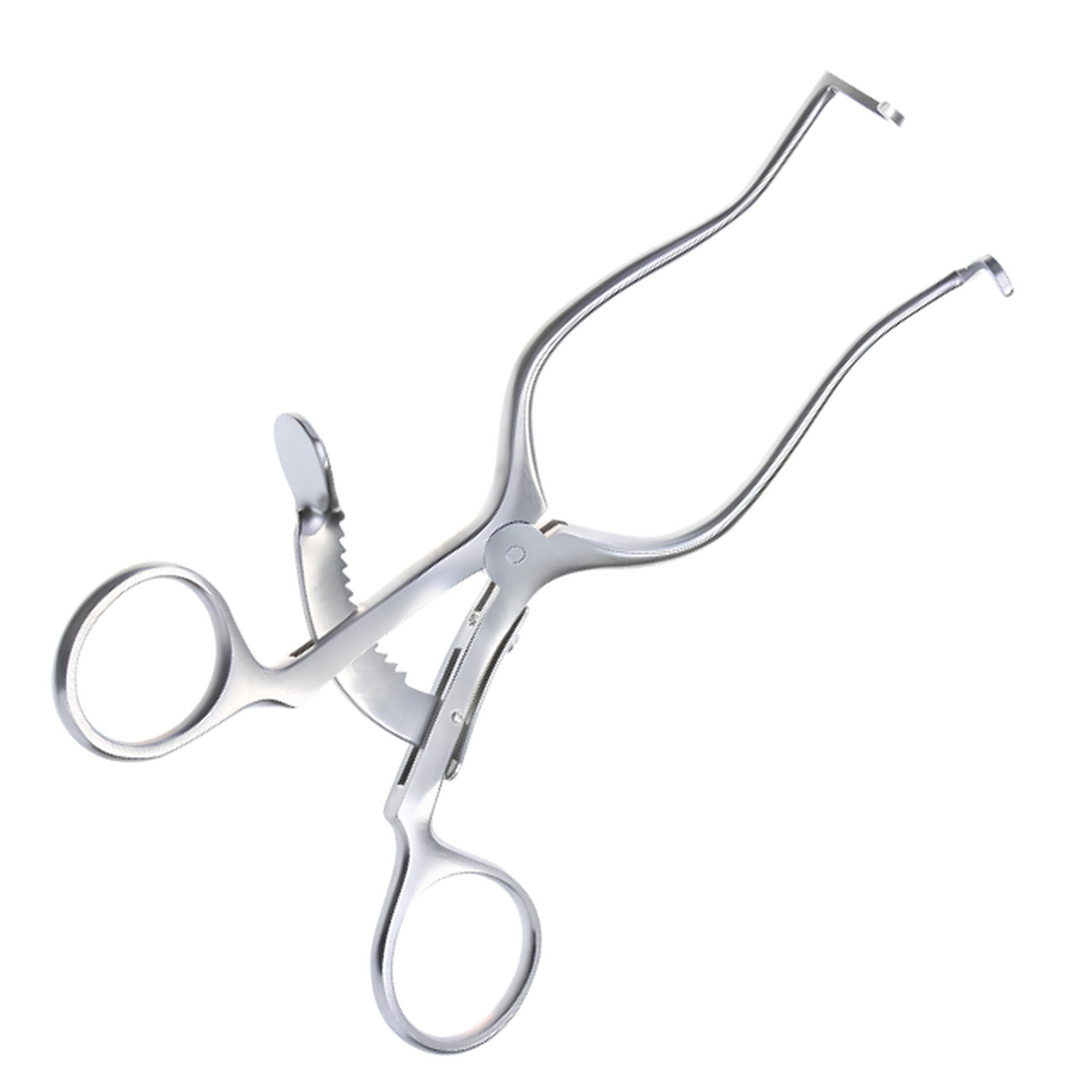 | Écarteur de tissus cervicaux | Spécifiquement conçu pour écarter et mobiliser les tissus mous délicats et les plans fasciaux lors de la chirurgie de la colonne cervicale par voie antérieure. |
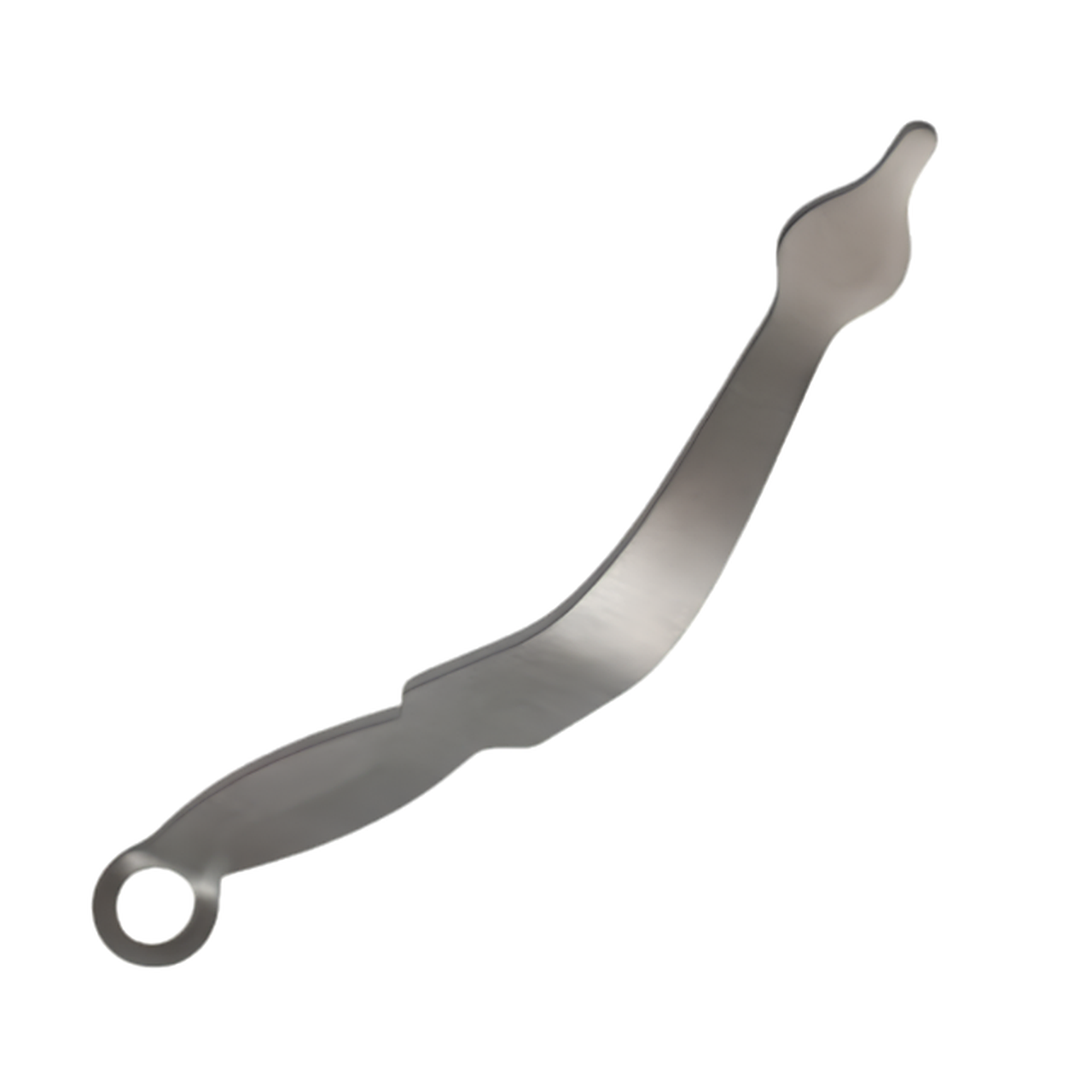 | Écarteur de Chandler | Spécifiquement conçu pour faire levier sur l'os et rétracter la musculature lourde lors des arthroplasties totales de hanche et des procédures de reconstruction fémorale. |
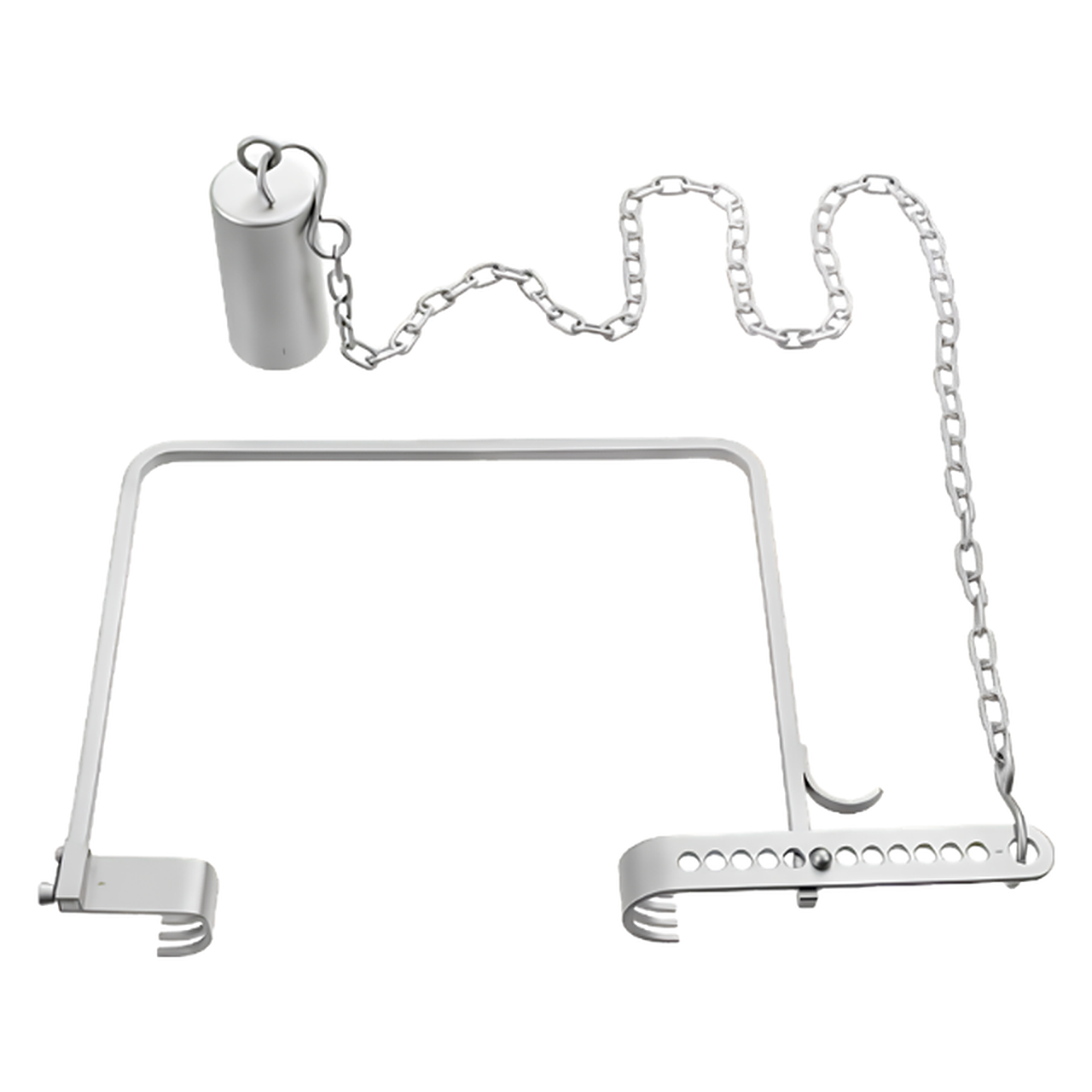 | Écarteur d'incision initiale de Charnley | Spécifiquement conçu pour écarter les berges cutanées et le tissu adipeux sous-cutané lors de l'exposition initiale dans l'arthroplastie de la hanche. |
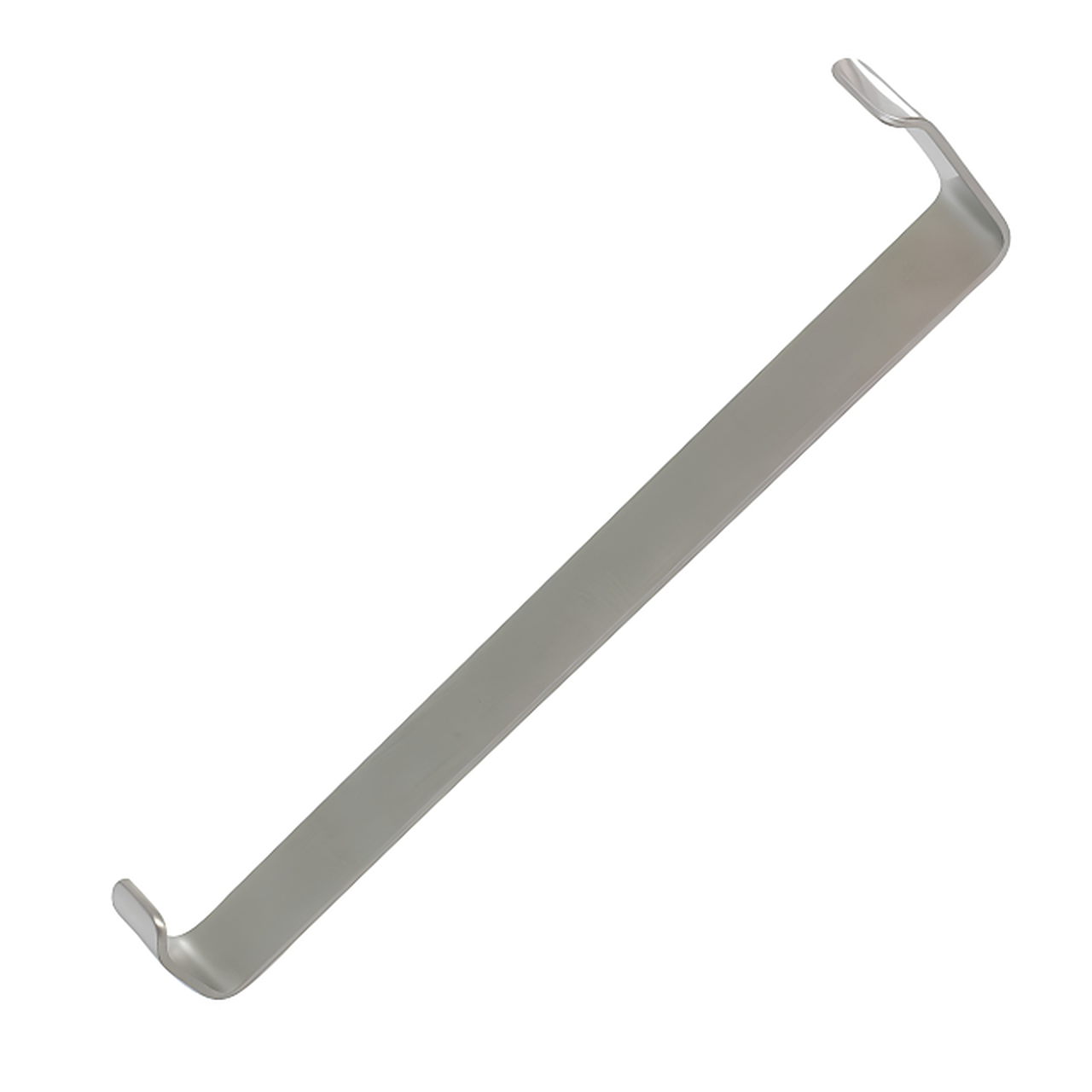 | Écarteur Children's Hospital | Spécifiquement conçu pour écarter la peau, les muscles et les tissus mous délicats lors des interventions chirurgicales pédiatriques et mineures. |
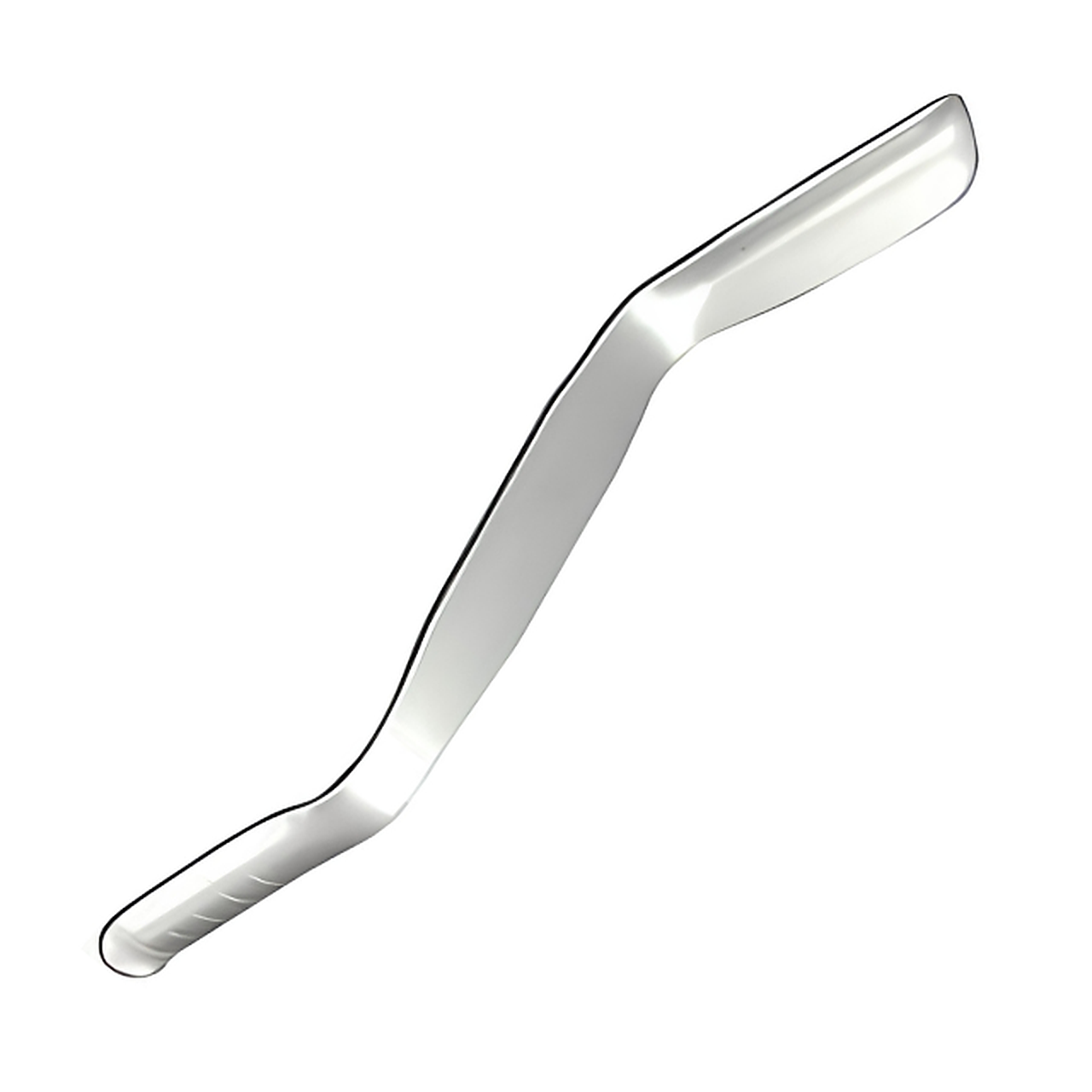 | Écarteur orbital de Clodius | Spécifiquement conçu pour rétracter la graisse orbitaire, soulever les lambeaux palpébraux et protéger le globe pendant la blépharoplastie et la chirurgie périorbitaire. |
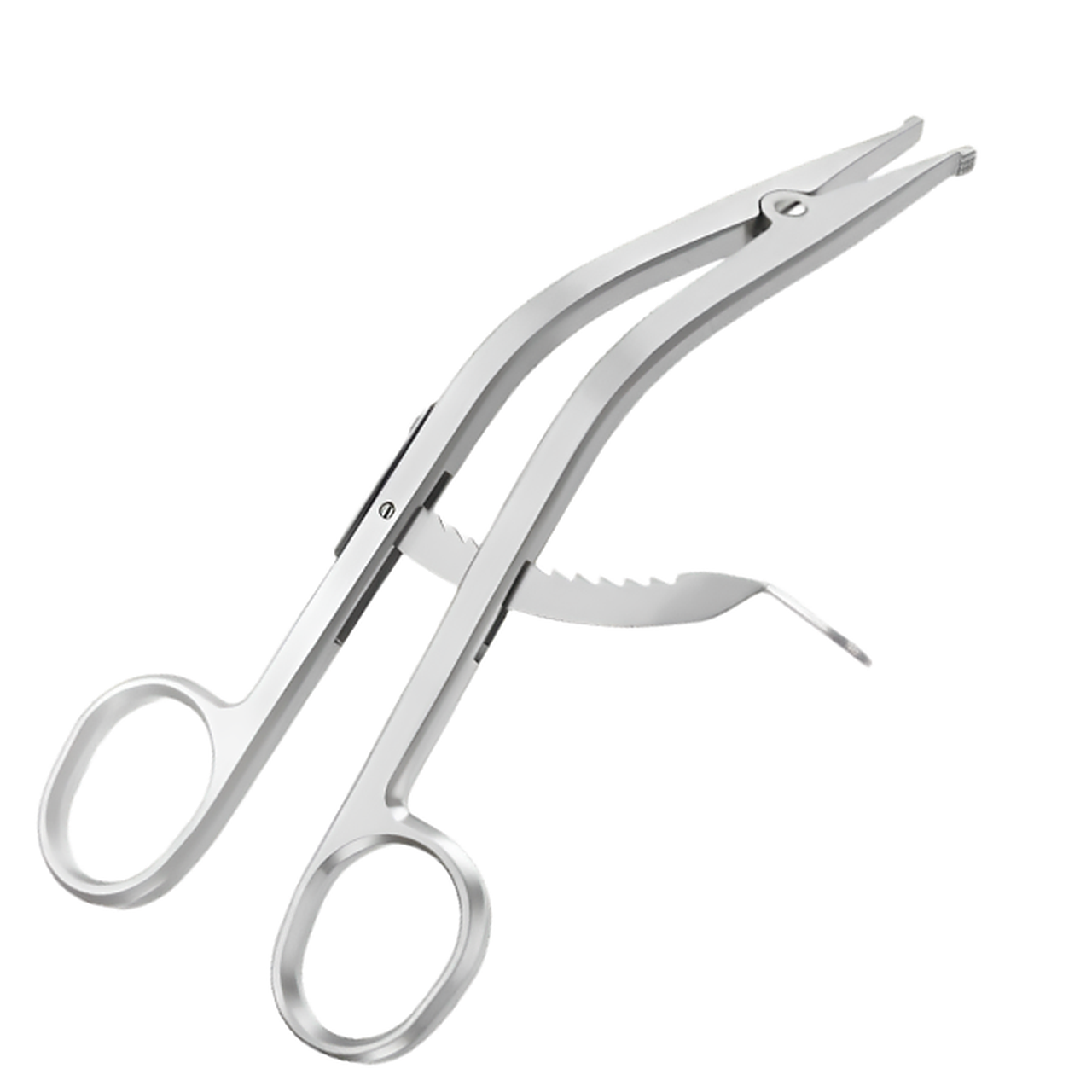 | Écarteur Cloward Cervical/Lamina | Spécifiquement conçu pour écarter les muscles paraspinal et exposer la lame et les articulations facettaires lors de la chirurgie du rachis cervical et thoracique supérieur. |
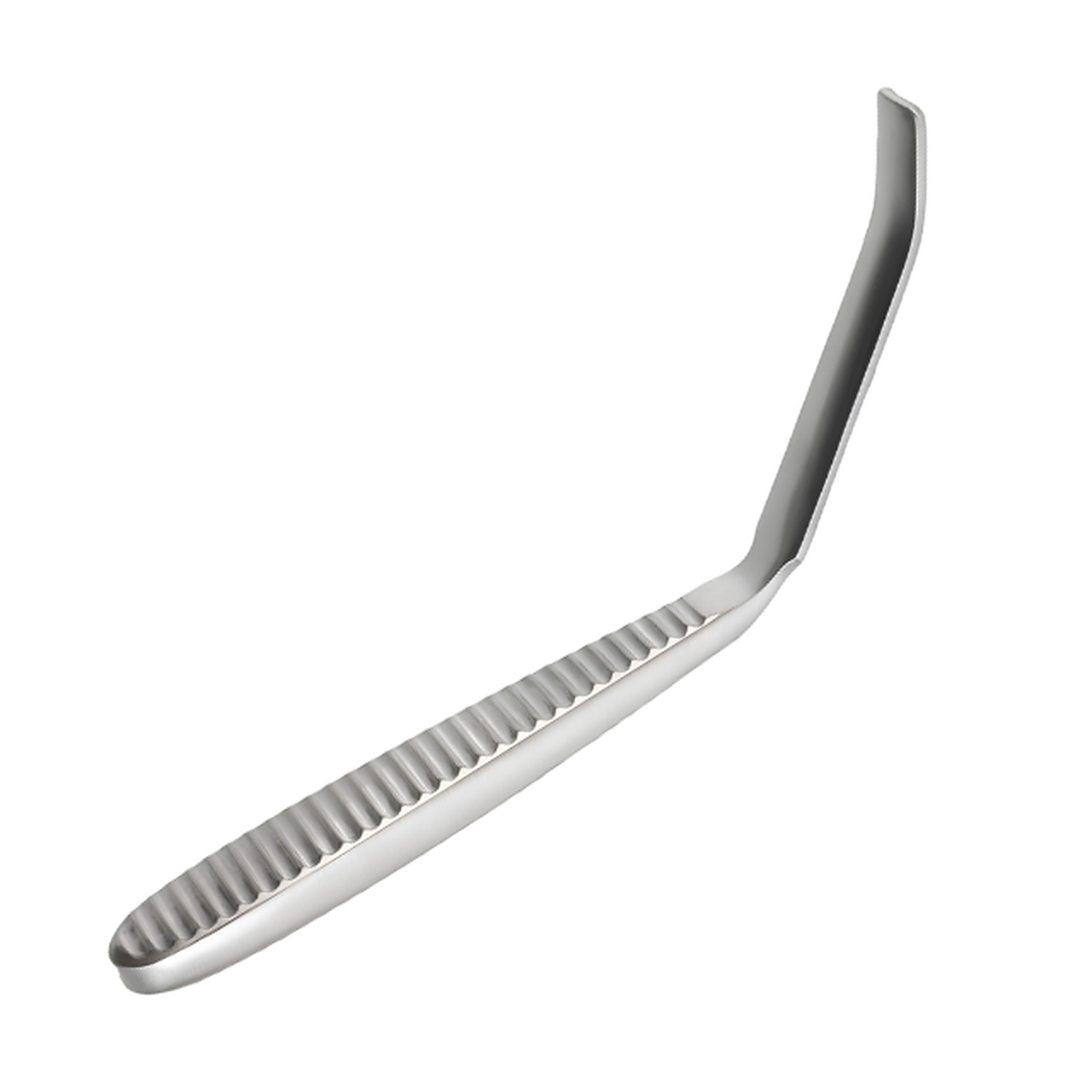 | Écarteur de Cloward à lame | Spécifiquement conçu pour rétracter les muscles, les fascias et les tissus mous viscéraux lors de la chirurgie cervicale antérieure. |
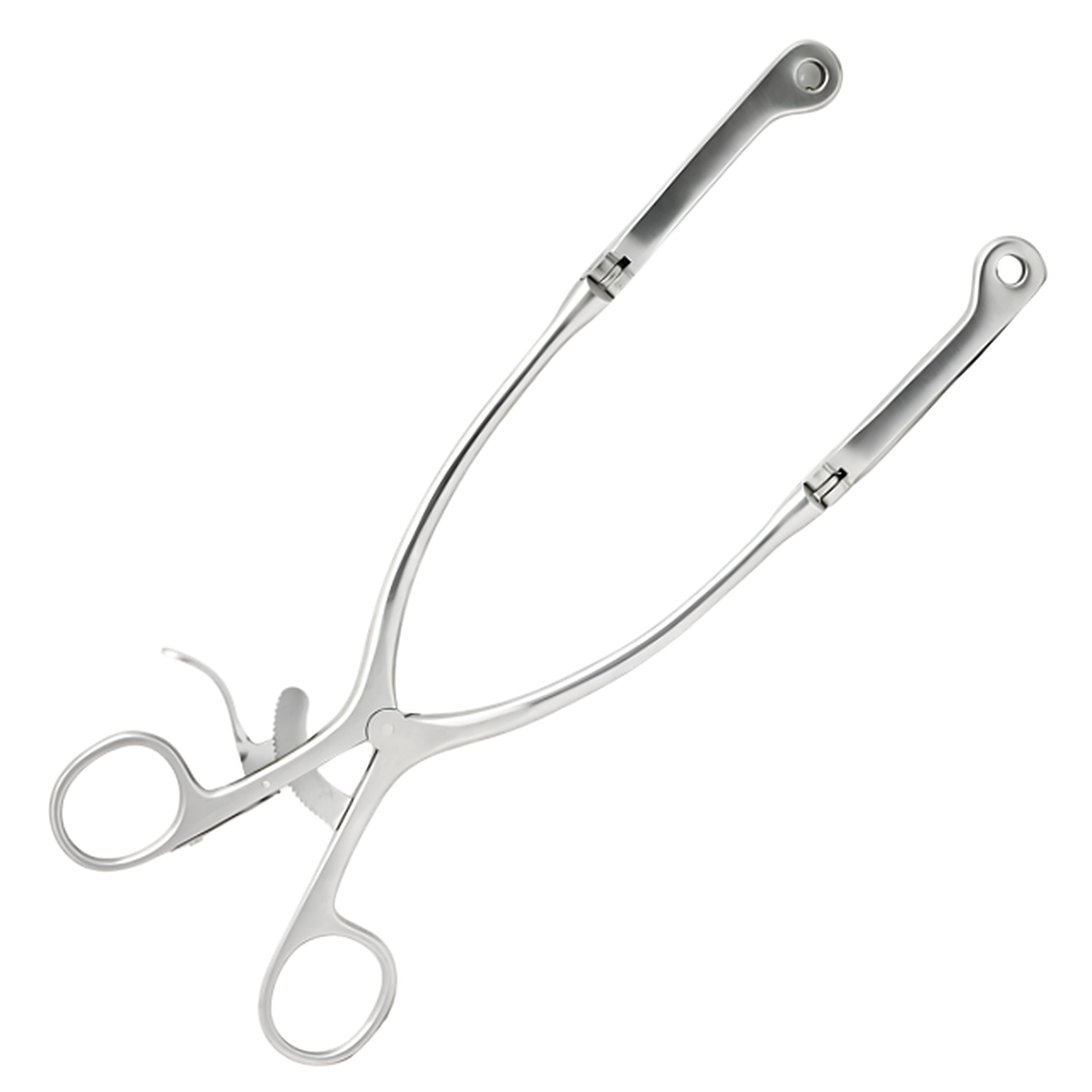 | Écarteur cervical type Cloward | Spécifiquement conçu pour assurer l'écartement auto-statique des tissus mous et l'exposition vertébrale lors des discectomies et fusions cervicales antérieures. |
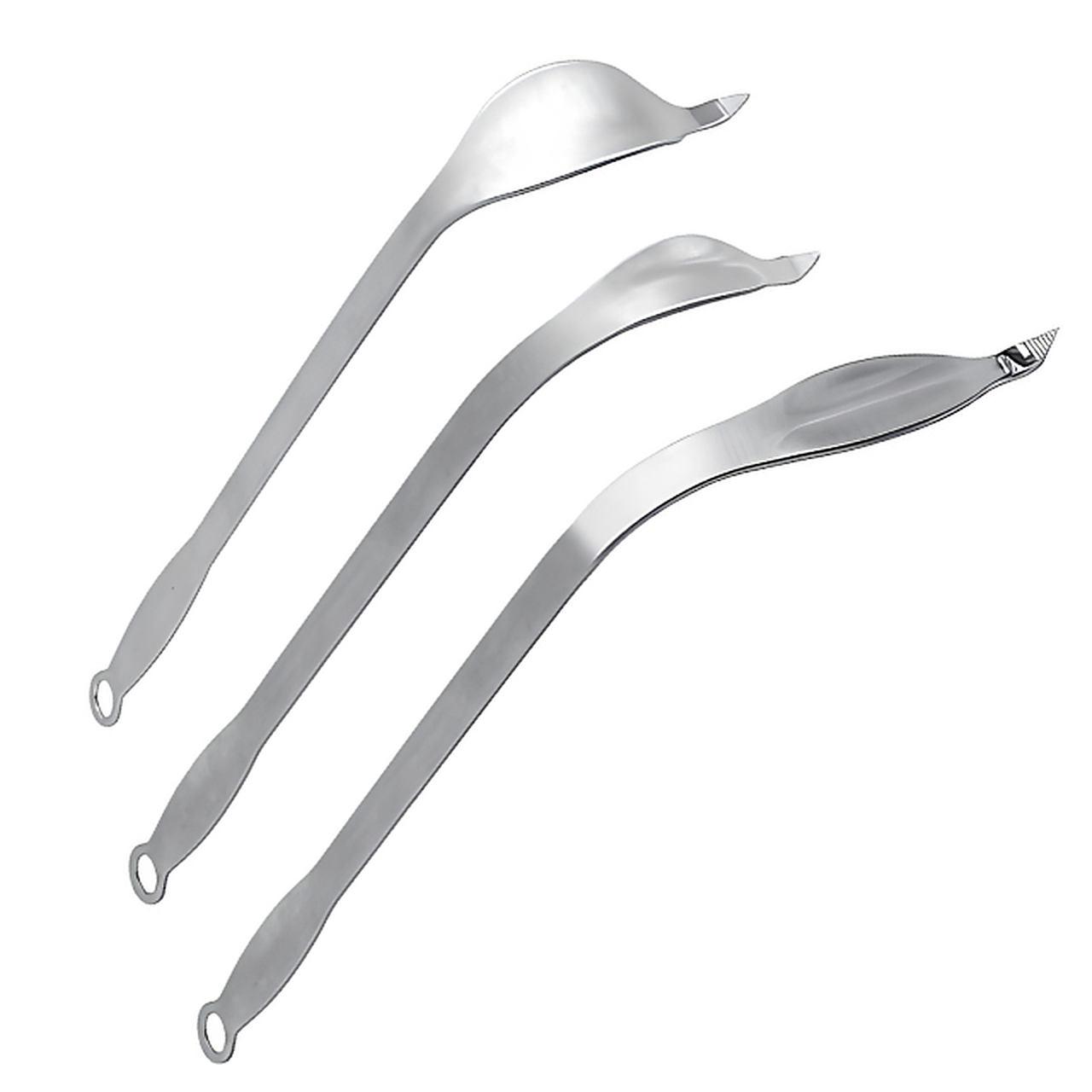 | Écarteur Cobra | Spécifiquement conçu pour faire levier sur l'os et rétracter la musculature lourde lors des arthroplasties totales de hanche, des ostéotomies pelviennes et de la chirurgie du fémur. |
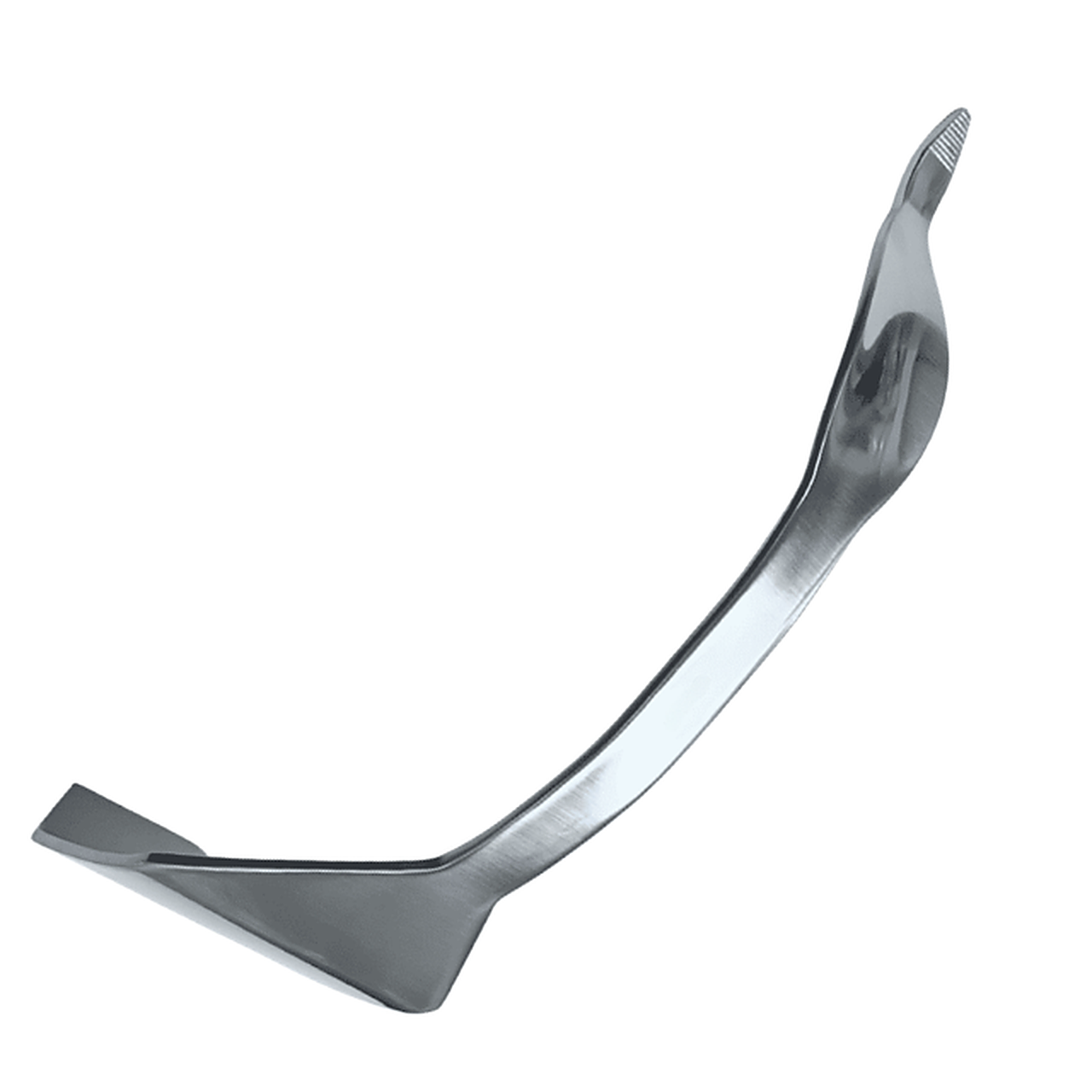 | Écarteur Cobra avec repose-main | Spécifiquement conçu pour faire levier sur l'os et écarter les musculatures lourdes tout en réduisant la tension de la main de l'assistant lors de l'arthroplastie de la hanche. |
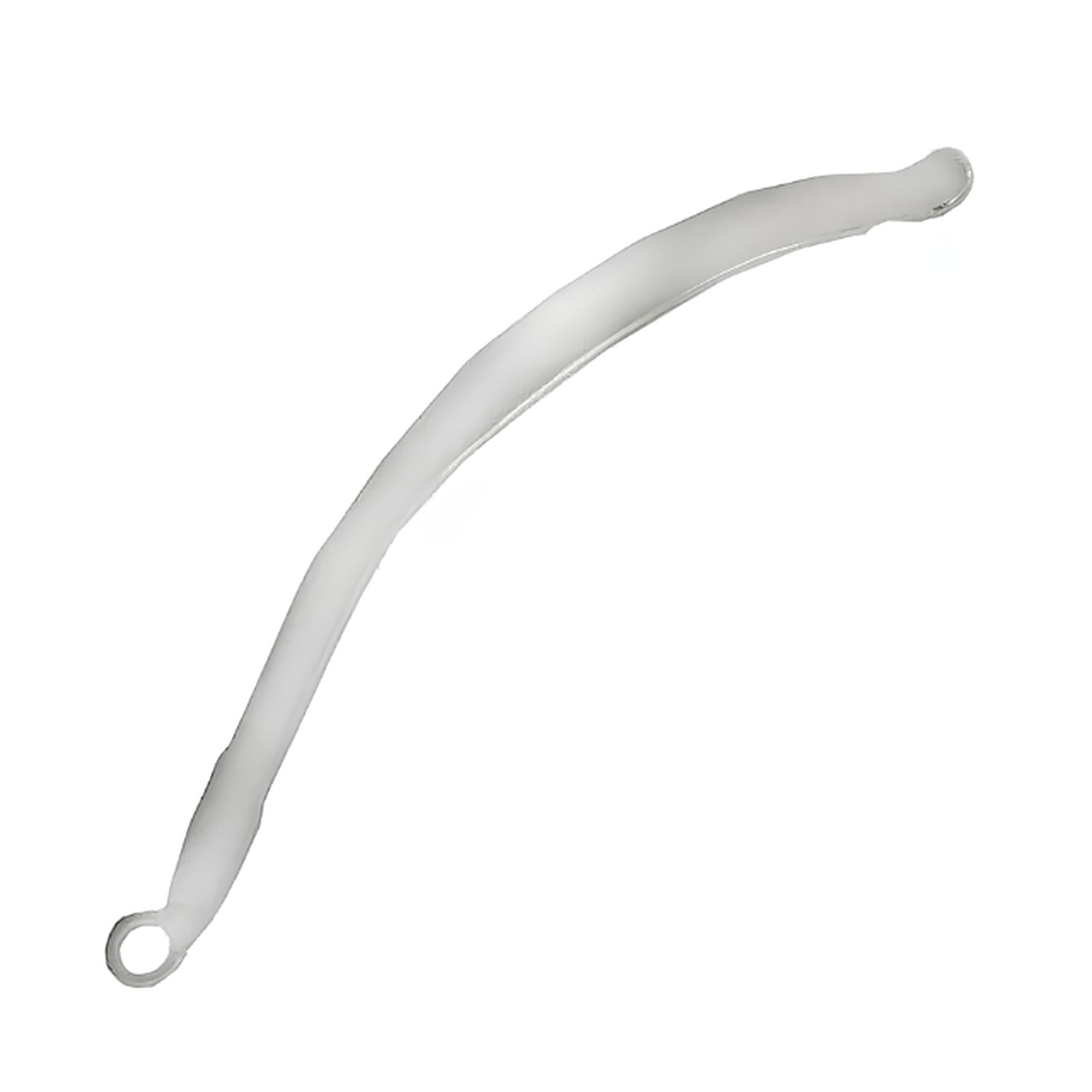 | Écarteur de fémur type Cobra | Spécifiquement conçu pour écarter la musculature lourde et exposer la diaphyse fémorale lors de l'arthroplastie de la hanche et de la réparation de fractures fémorales. |
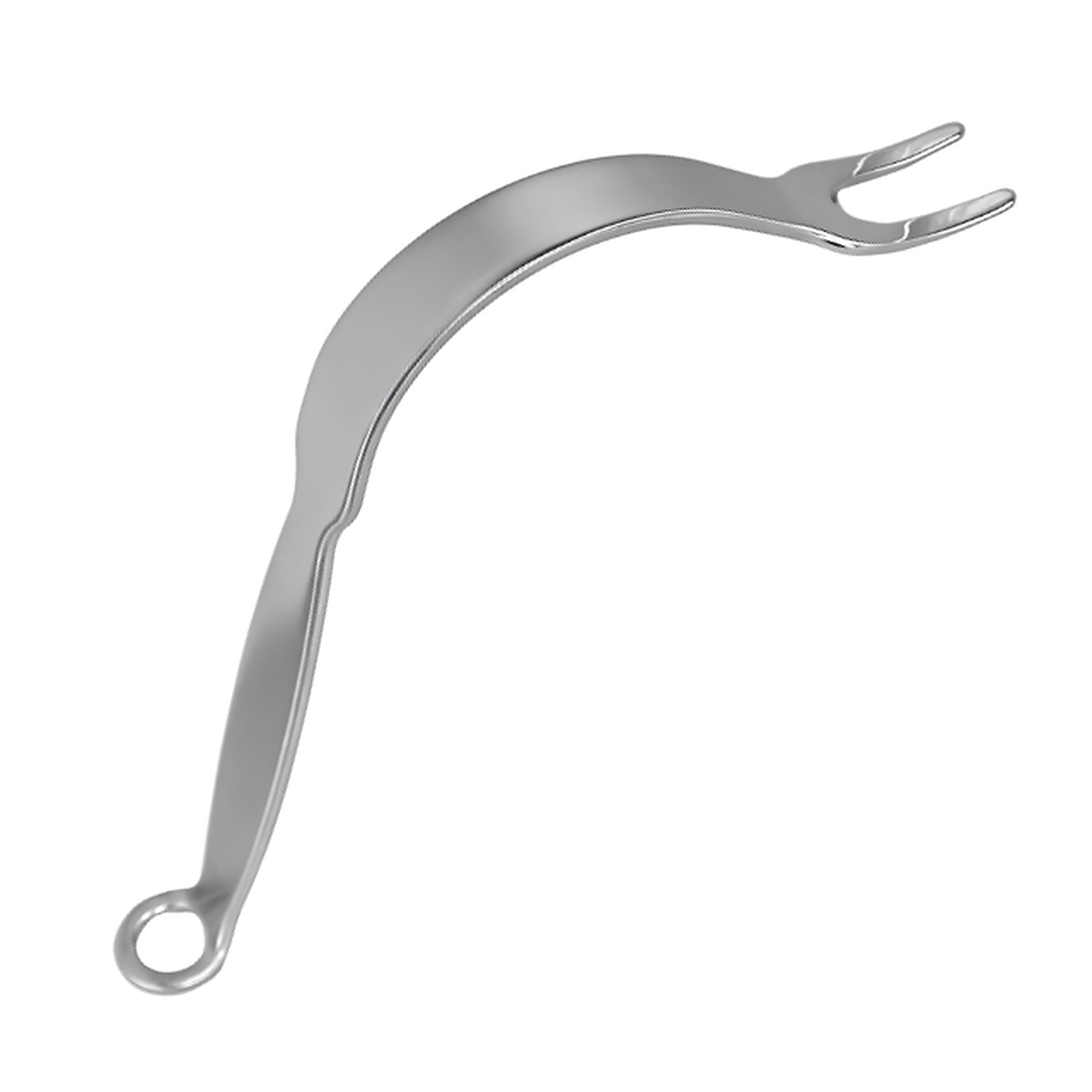 | Écarteurs de Ligaments Collatéraux | Spécifiquement conçu pour écarter et protéger les ligaments collatéraux et la capsule lors de l'arthroplastie totale du genou. |
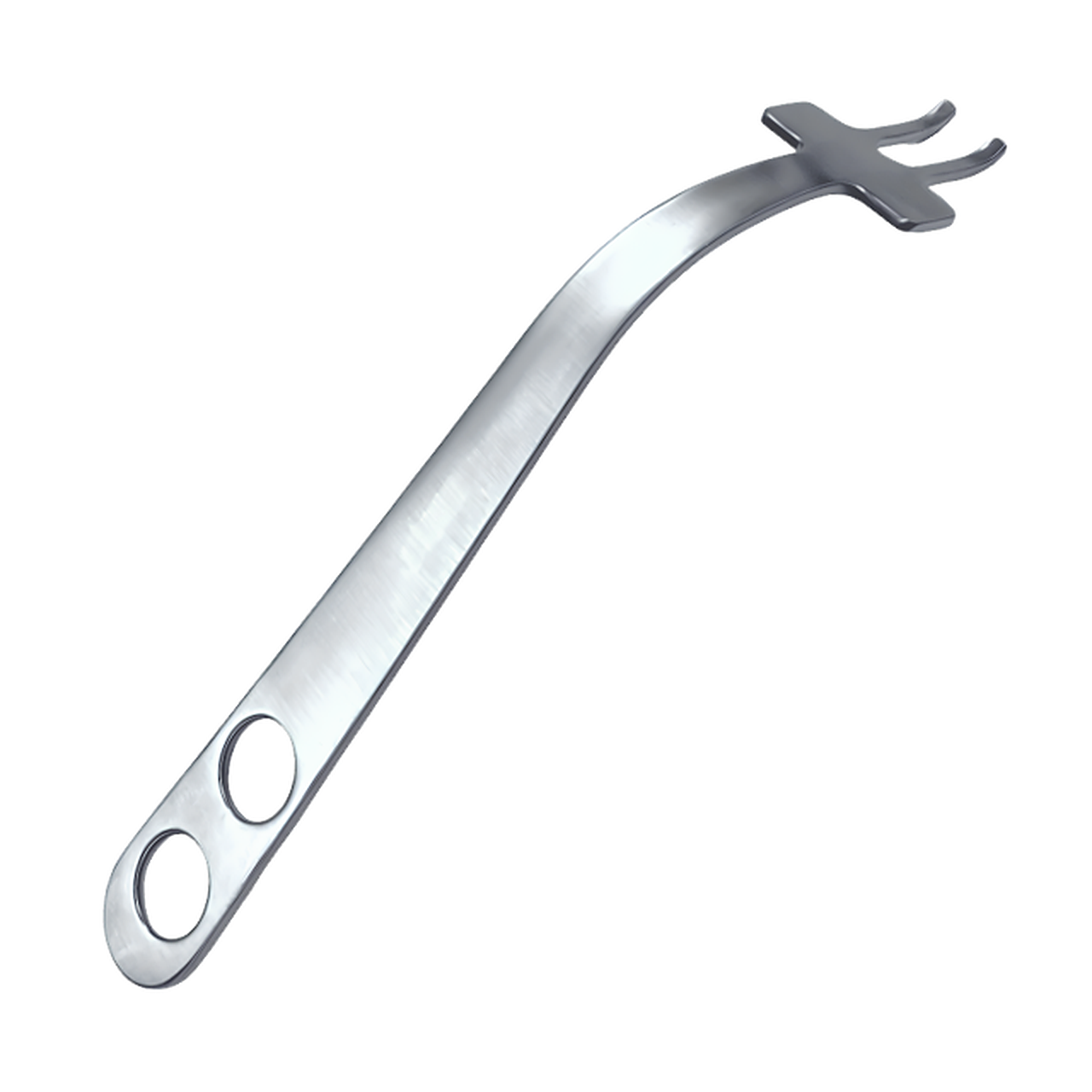 | Écarteur de tissus mous collatéraux | Spécifiquement conçu pour écarter les ligaments collatéraux et les tissus mous périarticulaires lors de l'arthroplastie du genou et de la chirurgie reconstructive. |
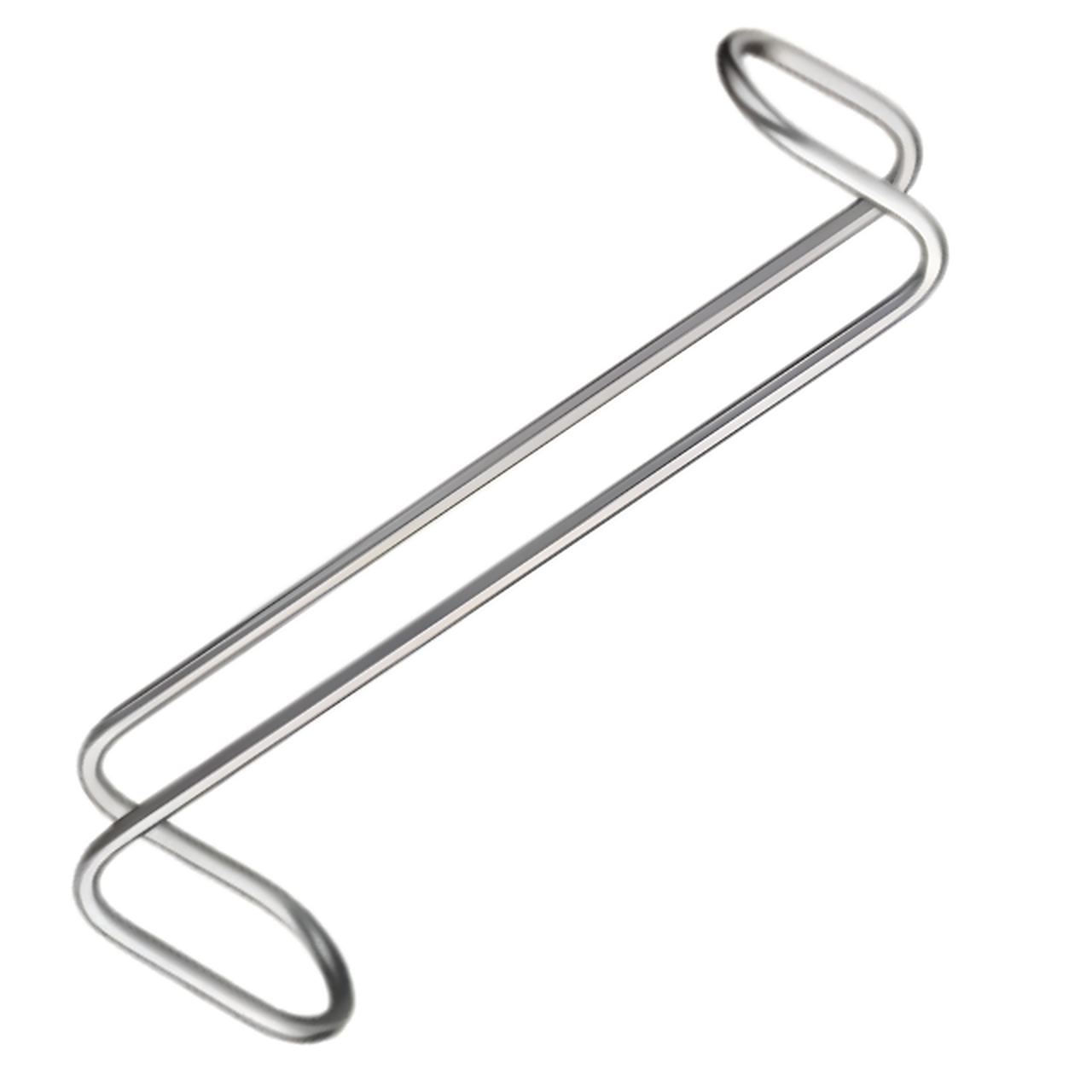 | Écarteur Collin Hartmann en S | Spécifiquement conçu pour écarter les muscles, les fascias et les berges des plaies lors de chirurgies générales, gynécologiques et plastiques. |
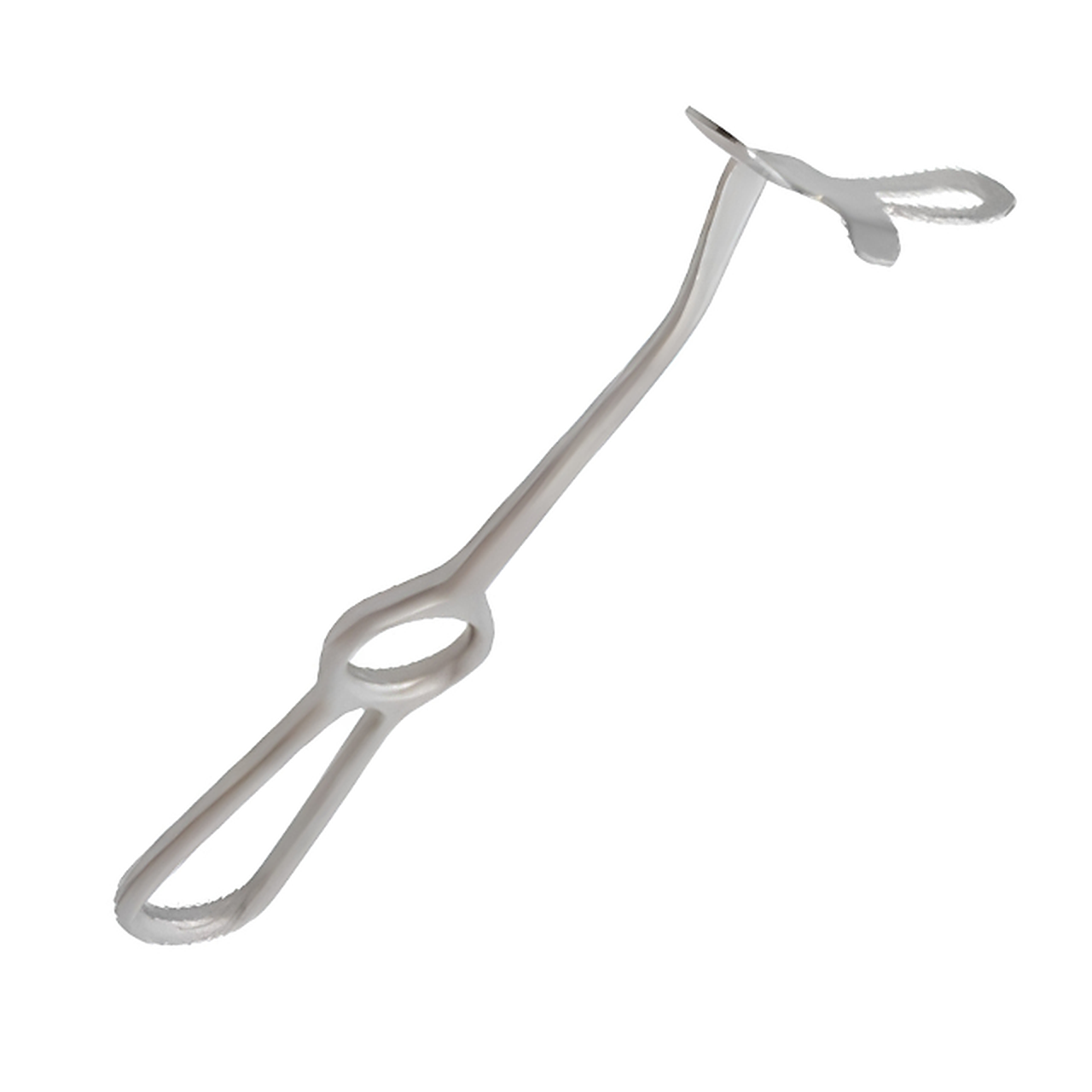 | Écarteur combiné de plaie et de joue | Spécifiquement conçu pour écarter les joues, les lèvres et les berges de plaies lors de chirurgies orales, maxillo-faciales et plastiques. |
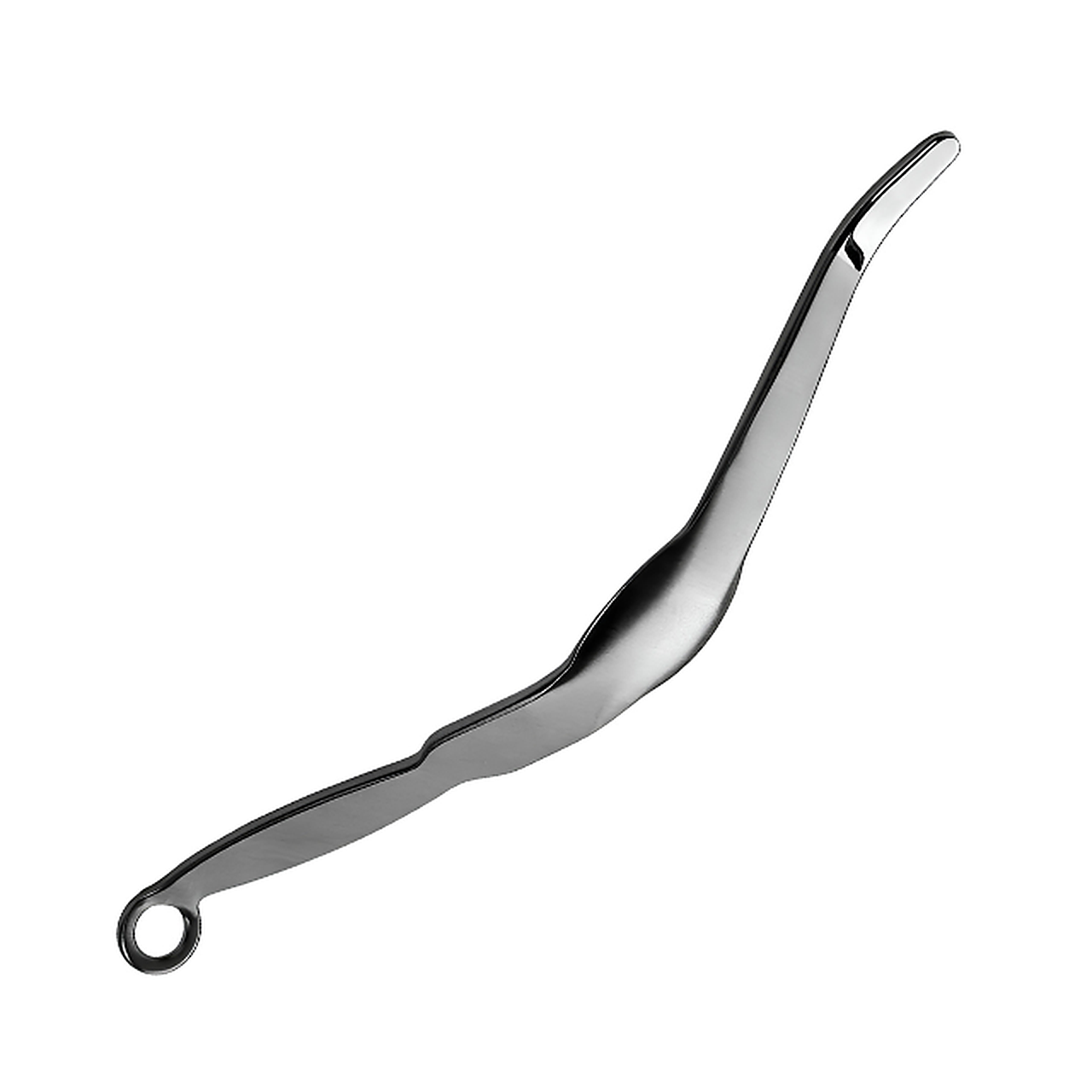 | Écarteur de genou concave | Spécifiquement conçu pour écarter les ligaments collatéraux et les tissus mous périarticulaires tout en faisant levier sur l'os lors de l'arthroplastie totale du genou. |
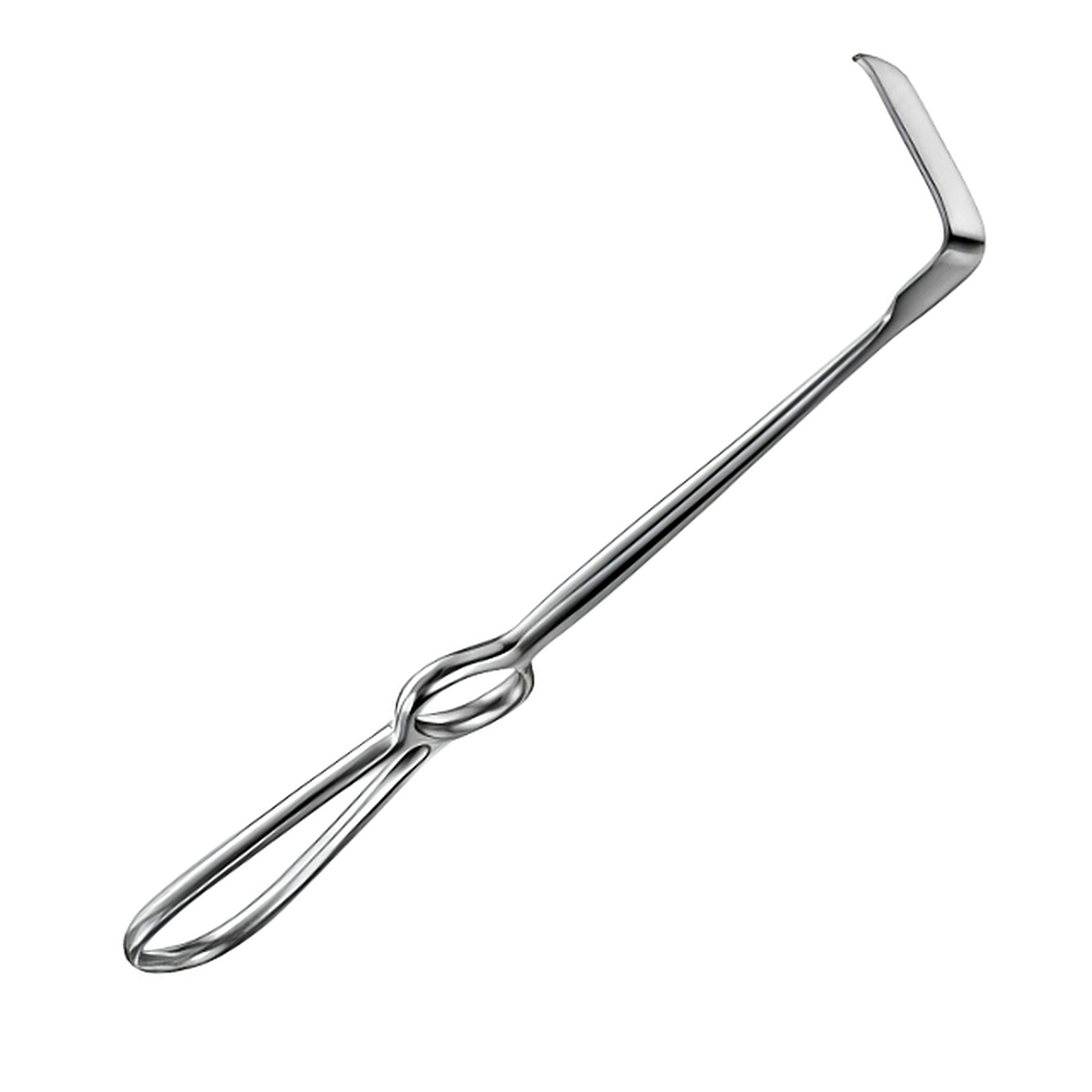 | Écarteur de Condyle | Spécifiquement conçu pour engager la branche mandibulaire et le col condylien lors de la chirurgie orthognathique et des traumatismes faciaux. |
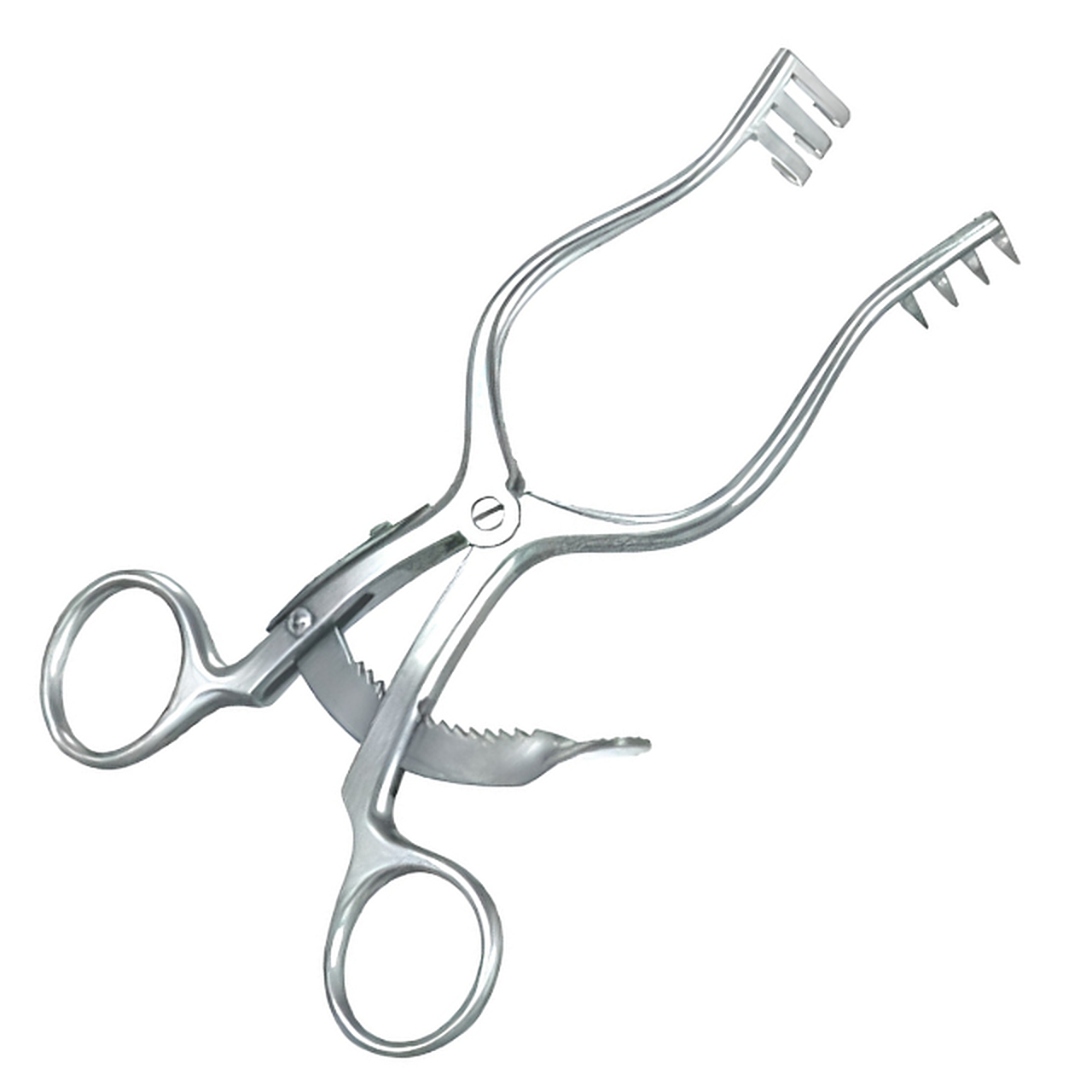 | Écarteur de cuir chevelu autostatique Contour | Spécifiquement conçu pour écarter les lambeaux de cuir chevelu, la galea et les muscles lors des craniotomies et de la chirurgie crânienne. |
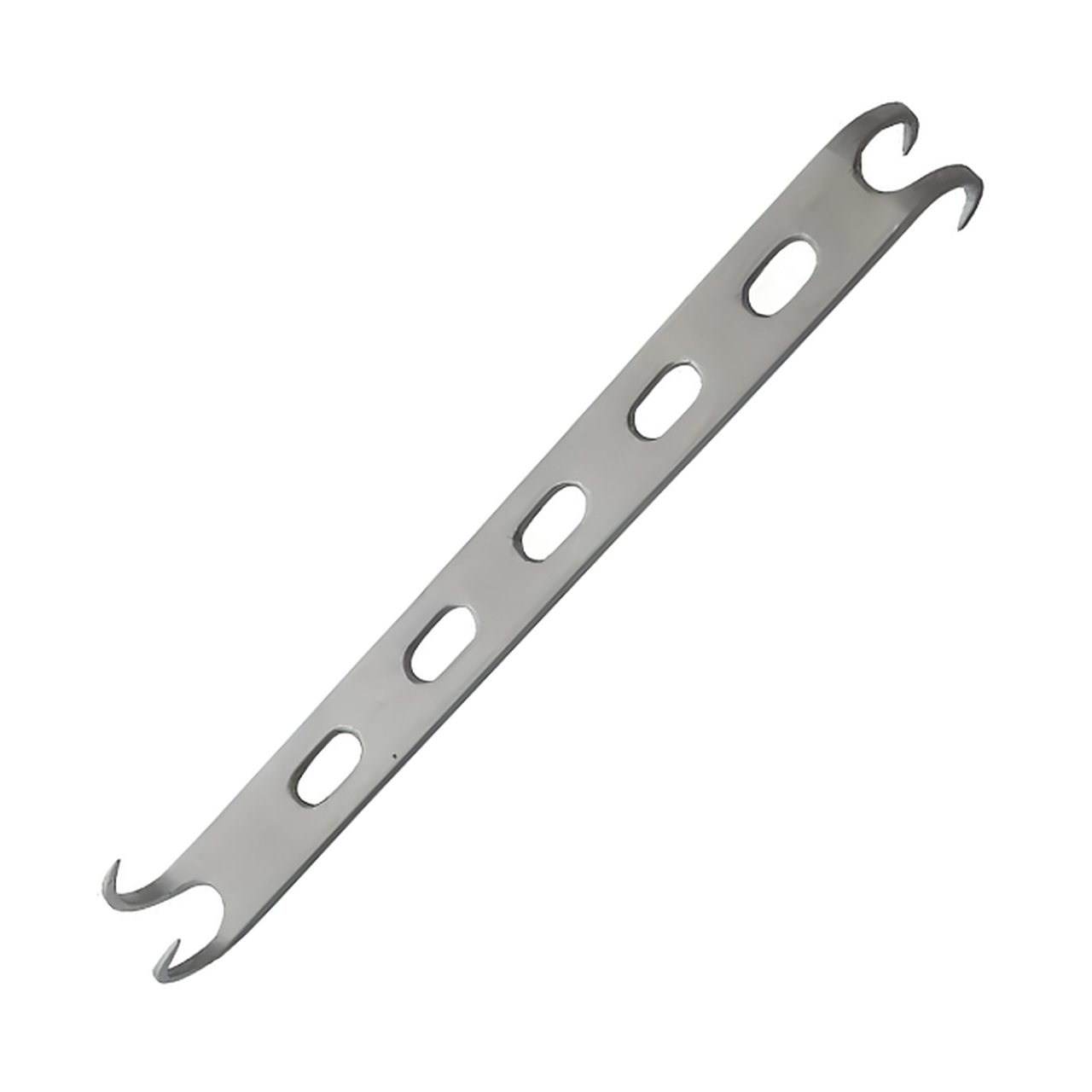 | Écarteur Alaire de Converse à Double Extrémité | Spécifiquement conçu pour rétracter la marge alaire, le rebord de la narine et le cartilage latéral inférieur pendant la rhinoplastie. |
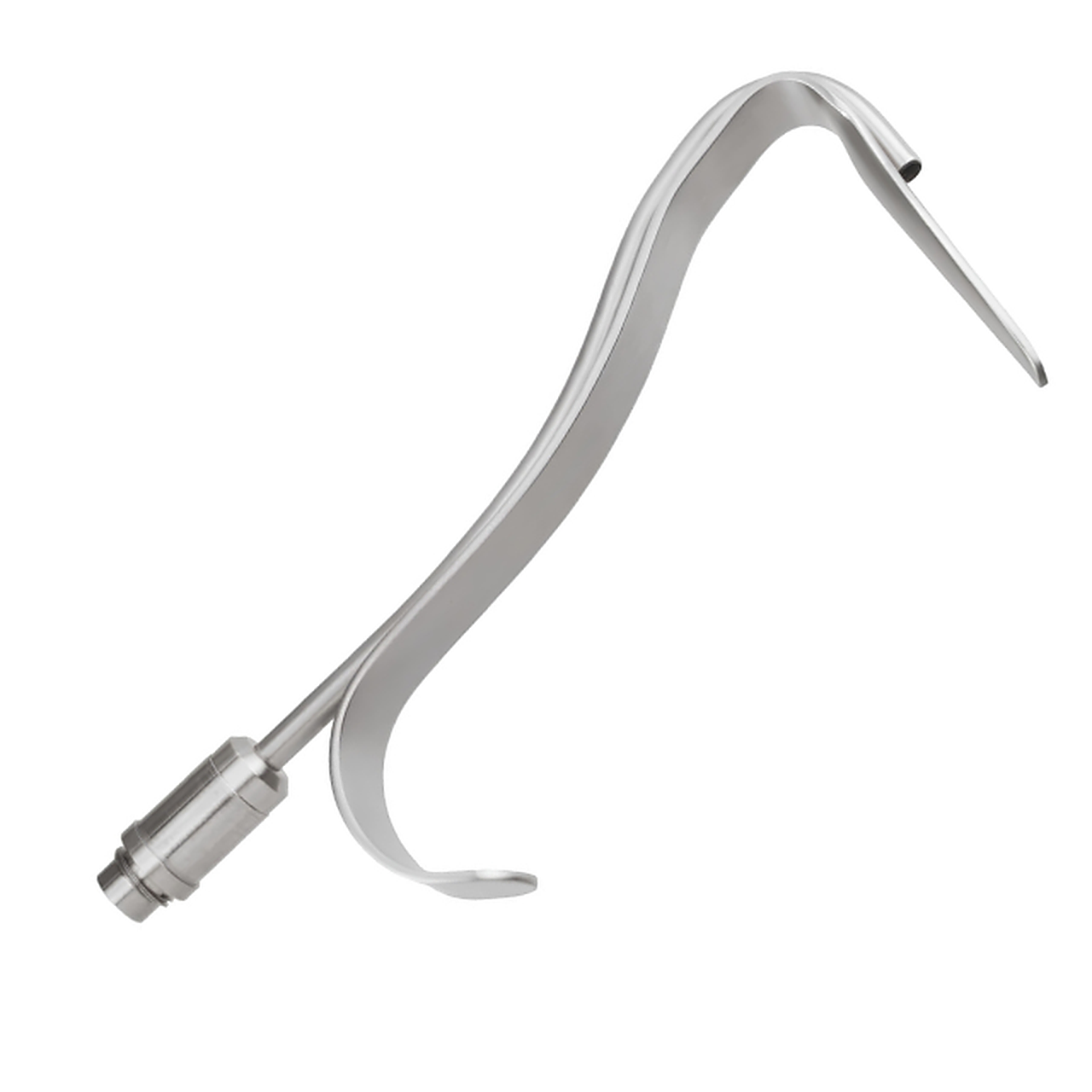 | Écarteur nasal Converse | Spécifiquement conçu pour soulever les lambeaux cutanés nasaux et permettre une visualisation directe du dorsum nasal pendant la rhinoplastie. |
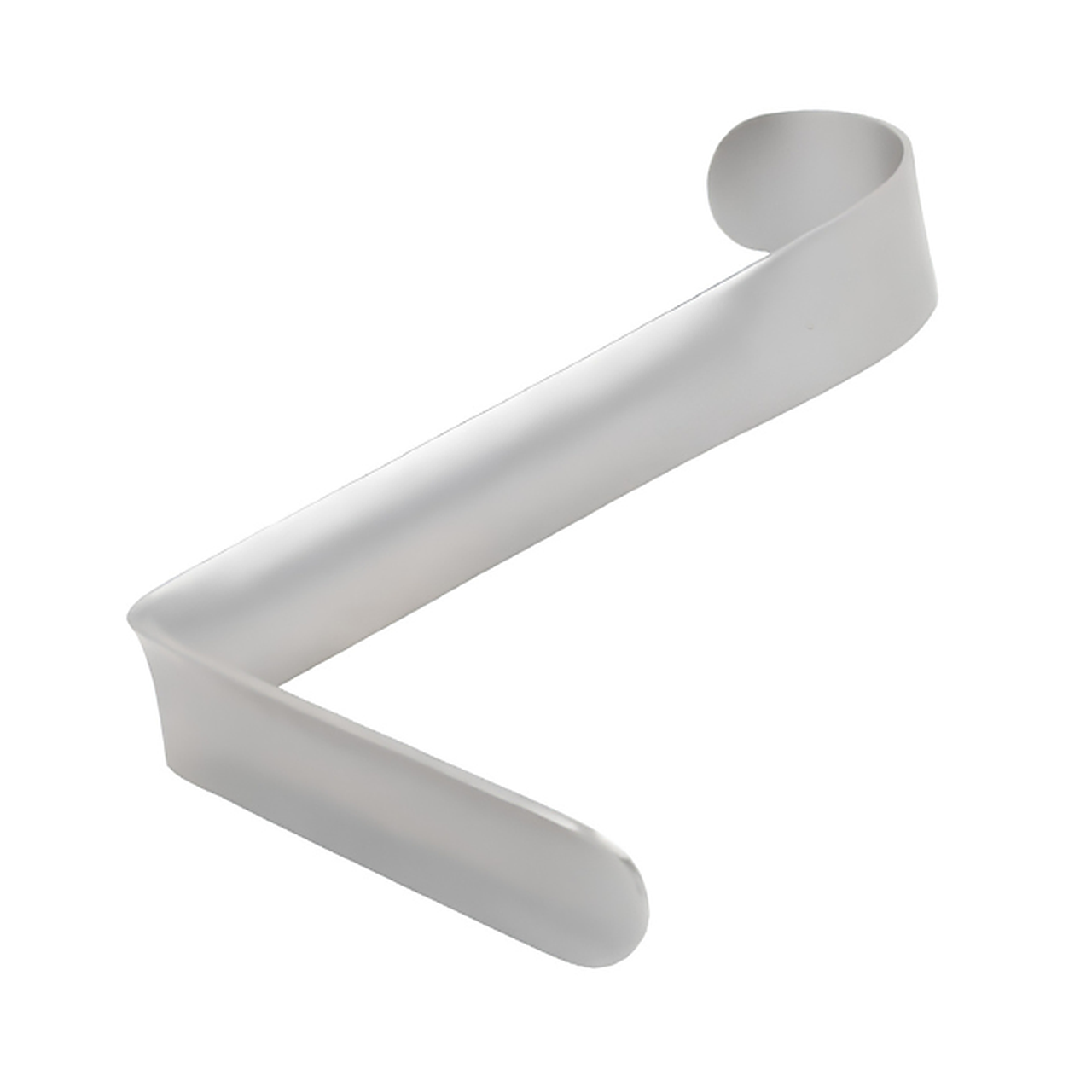 | Écarteur nasal Converse, 10 cm | Spécifiquement conçu pour soulever les lambeaux de tissus mous nasaux et exposer la structure cartilagineuse pendant la rhinoplastie. |
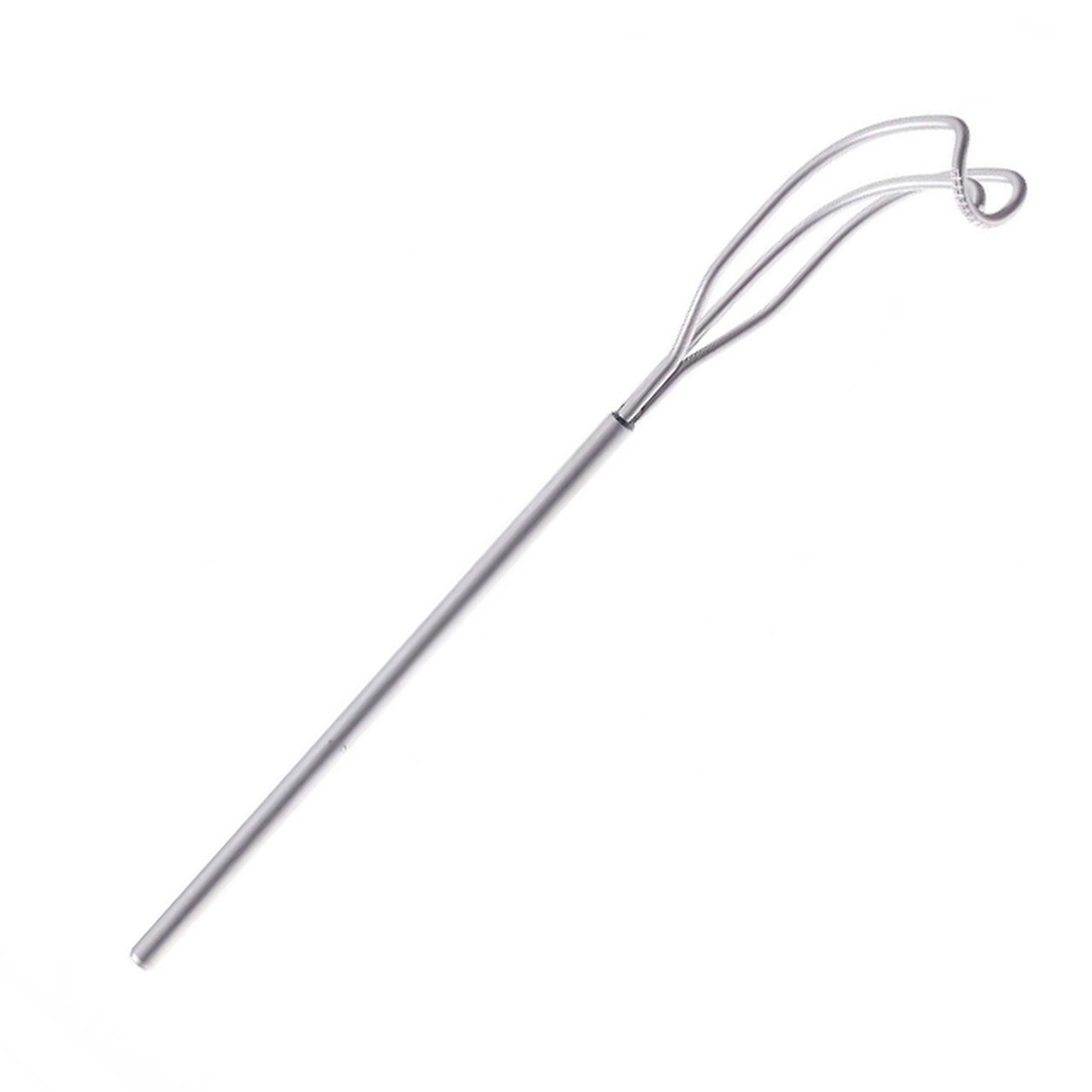 | Écarteur Auriculaire Cooley | Spécifiquement conçu pour rétracter la paroi auriculaire et fournir une exposition opératoire structurée lors des procédures valvulaires cardiaques. |
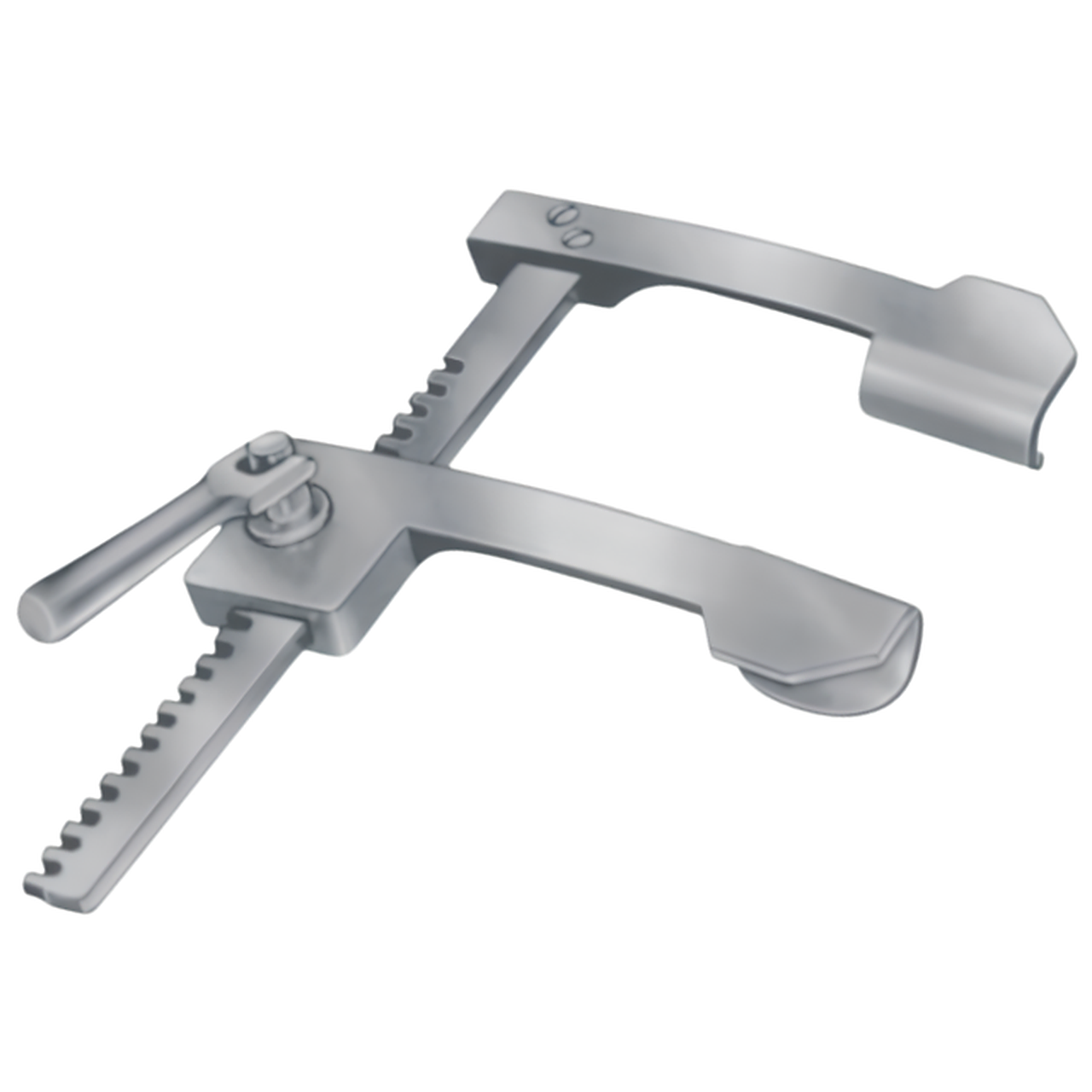 | Écarteur de côtes Cooley | Spécifiquement conçu pour écarter les côtes adjacentes et maintenir un couloir thoracique ouvert pendant la chirurgie cardiothoracique. |
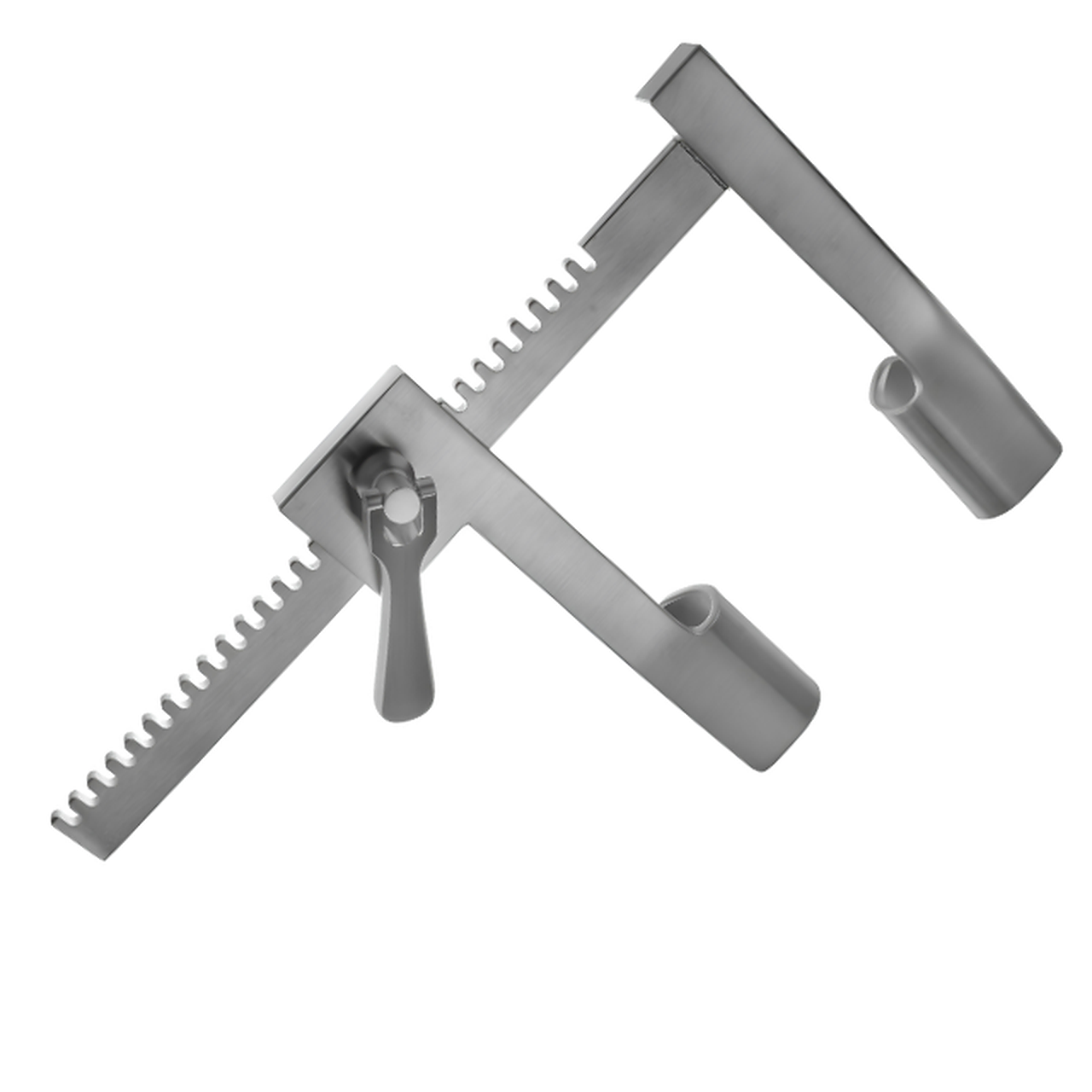 | Écarteur Sternal de Cooley | Spécifiquement conçu pour écarter et rétracter le sternum lors des procédures cardiothoraciques et médiastinales ouvertes. |
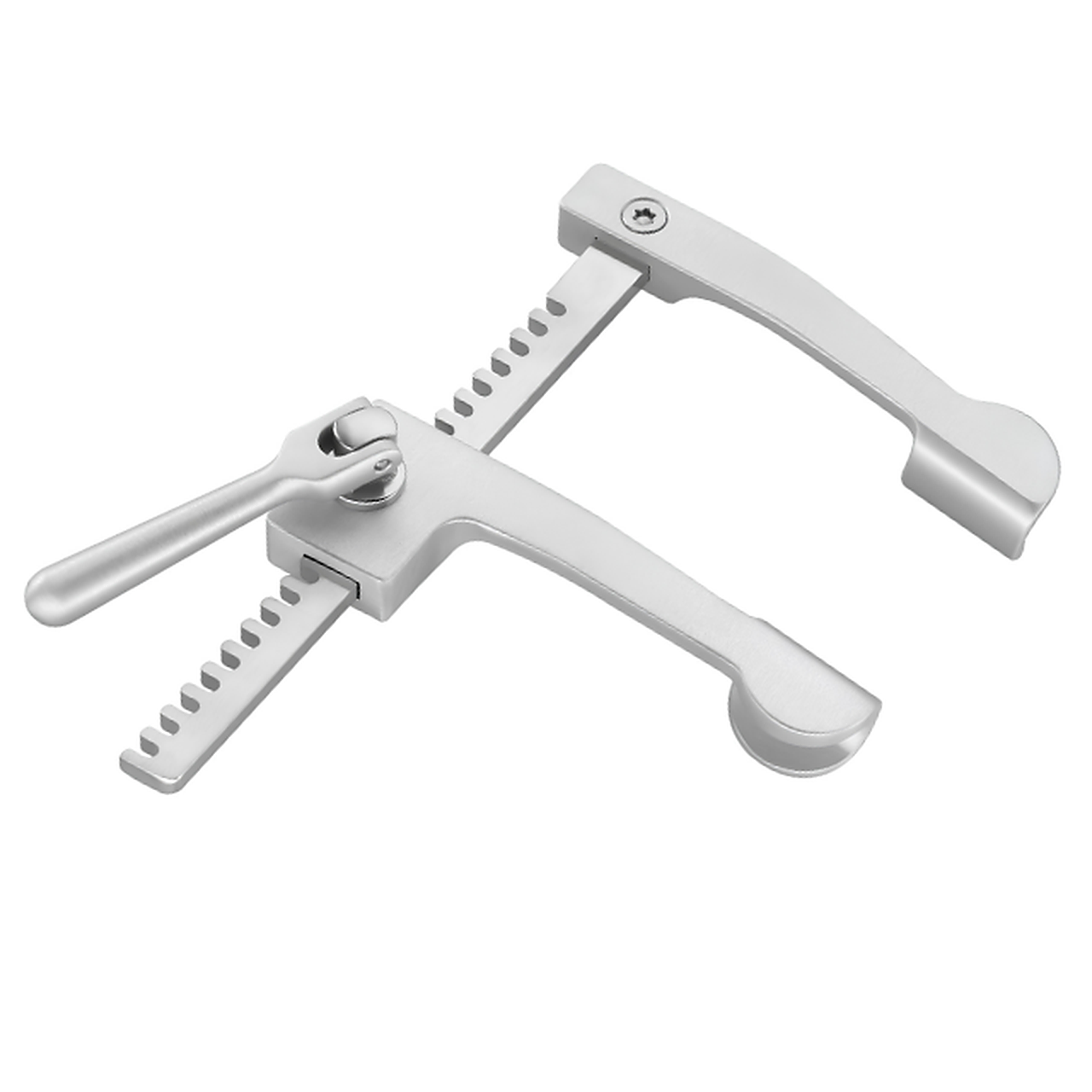 | Écarteur de sternotomie Cooley Sternotomy Retractor | Spécifiquement conçu pour la séparation et l'exposition sternales précises lors de chirurgies cardiaques néonatales et pédiatriques. |
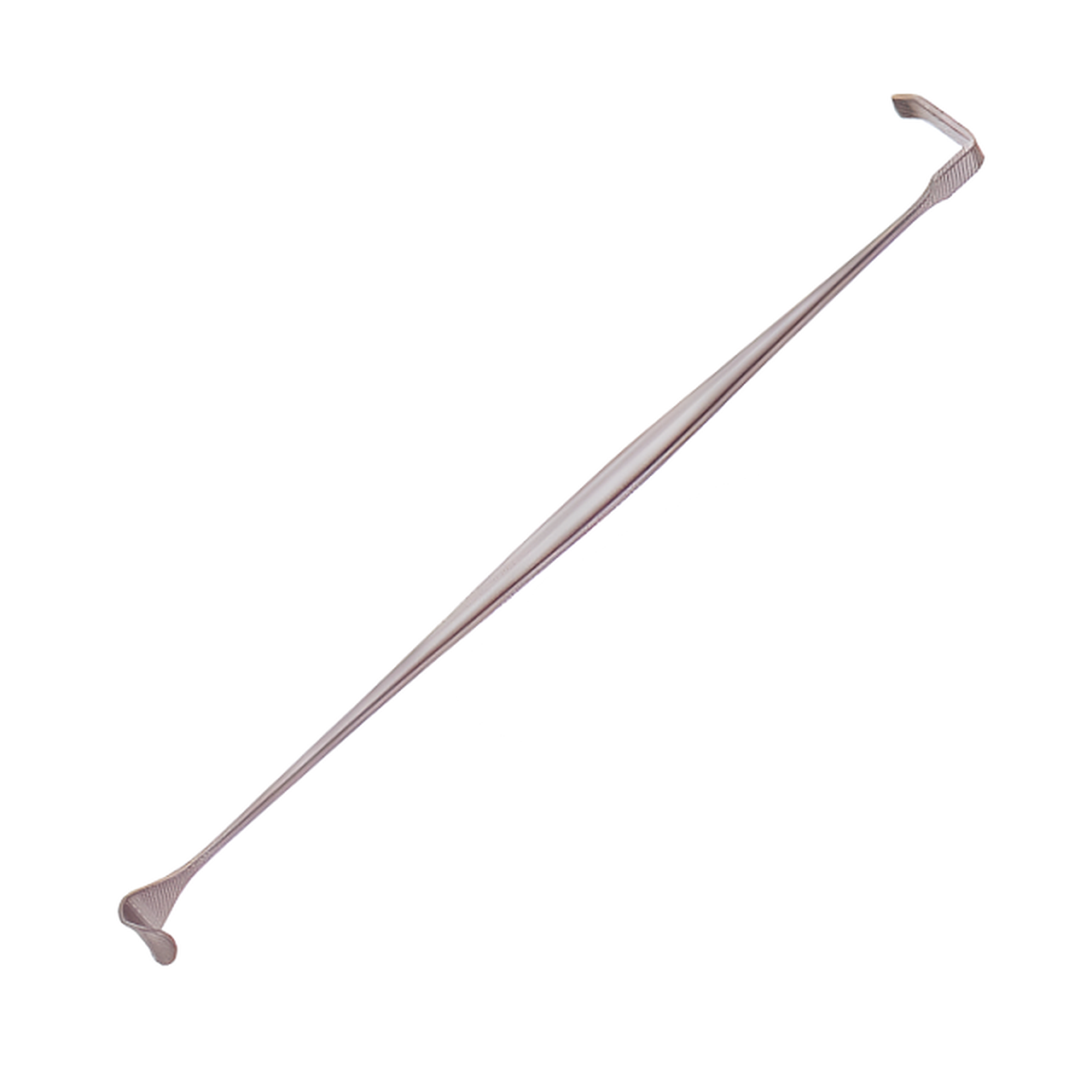 | Écarteur de Cope à double extrémité | Spécifiquement conçu pour écarter la peau, les fascias et les tissus mous lors d'interventions chirurgicales générales, plastiques et ORL. |
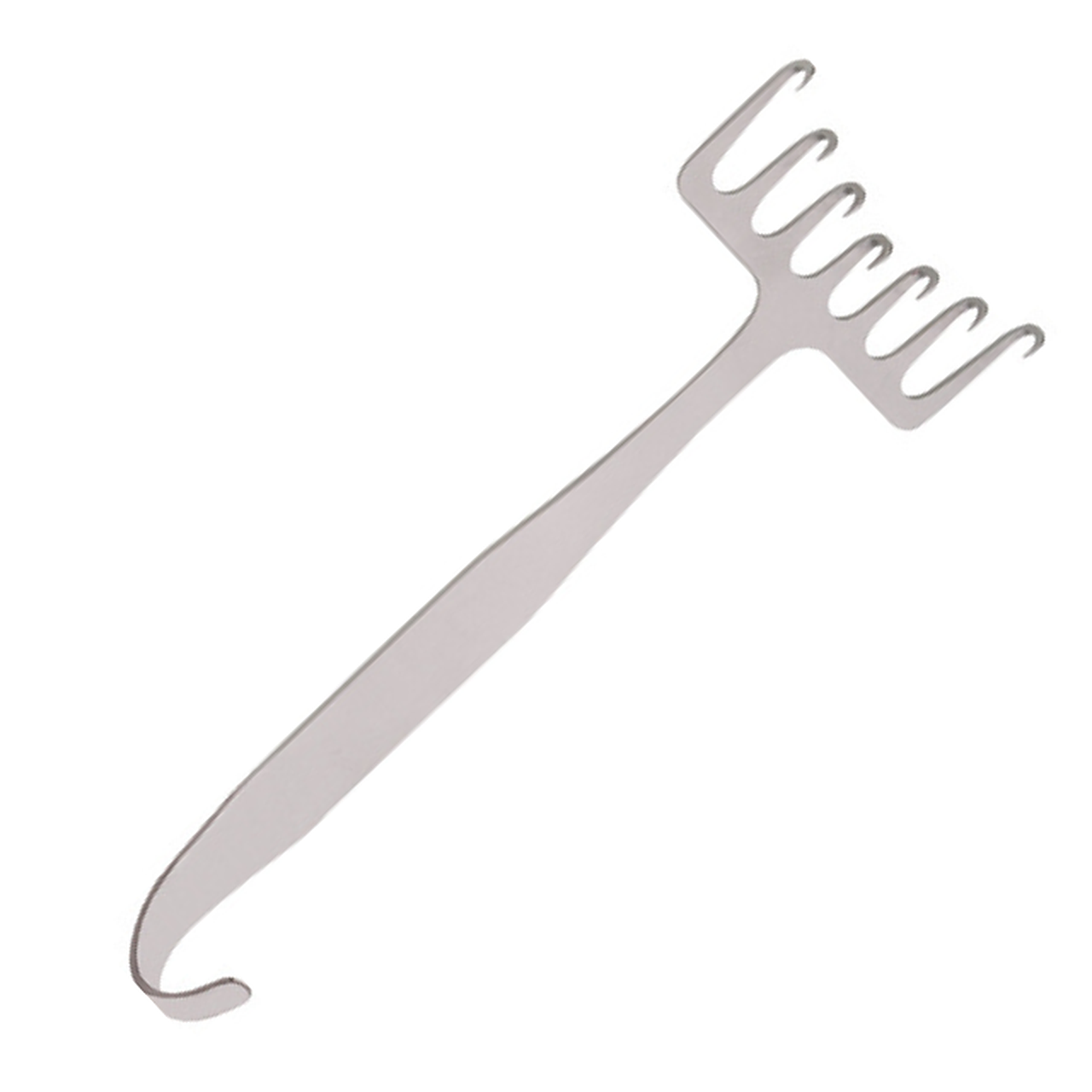 | Écarteur de lifting frontal coronal | Spécifiquement conçu pour rétracter les lambeaux de cuir chevelu denses, la galea et les tissus frontaux lors des procédures de lifting frontal coronal ouvert. |
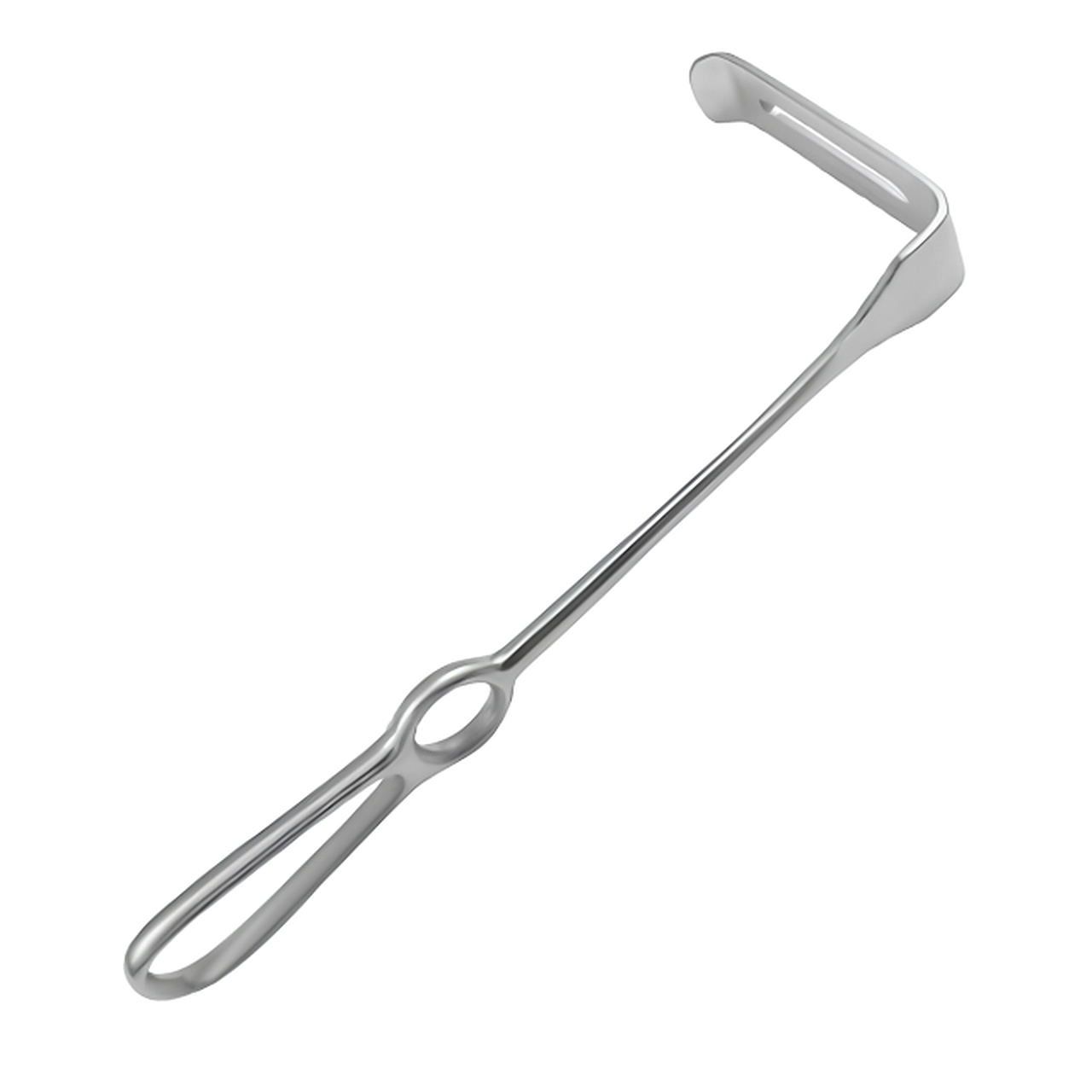 | Écarteurs Coryllos | Spécifiquement conçu pour l'écartement de la musculature de la paroi thoracique, des côtes et du tissu pulmonaire lors de chirurgies thoraciques ouvertes. |
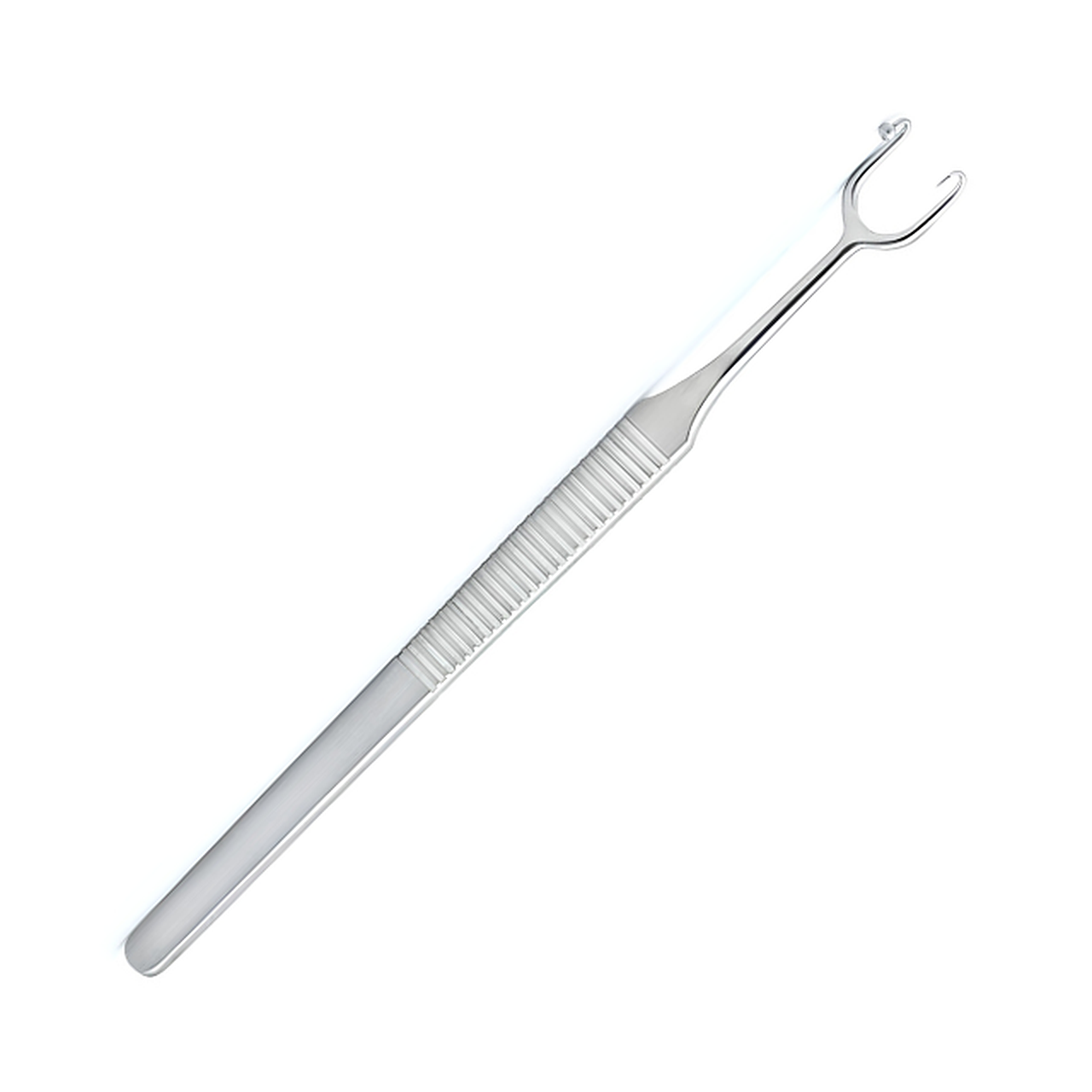 | Écarteur / Crochet nasal alaire Cottle | Spécifiquement conçu pour écarter le rebord alaire et les marges narinaires lors de rhinoplasties esthétiques et reconstructrices. |
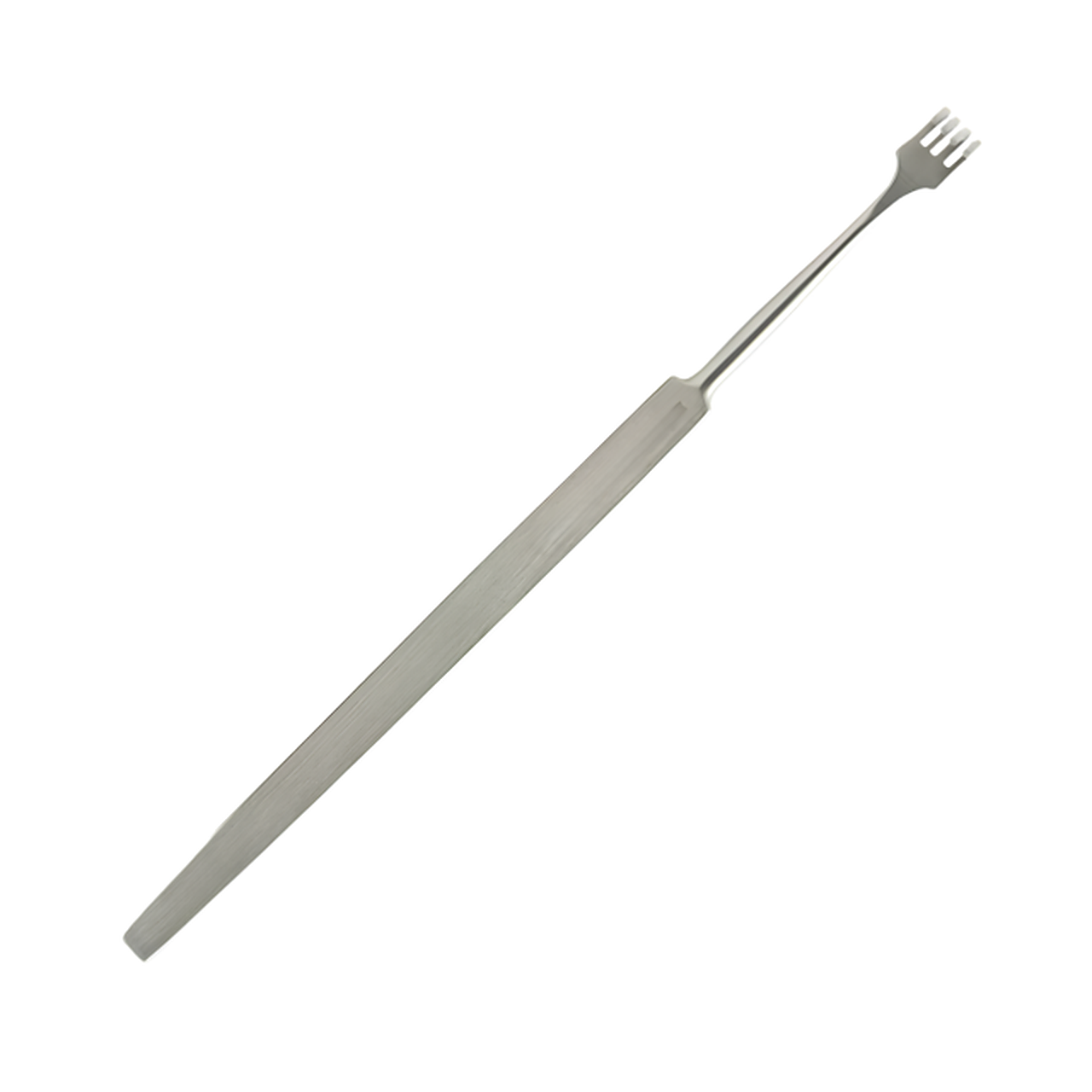 | Écarteur nasal Cottle - 4 griffes mousses | Spécifiquement conçu pour rétracter le rebord alaire, la columelle et la muqueuse vestibulaire lors de la rhinoplastie et de la septoplastie. |
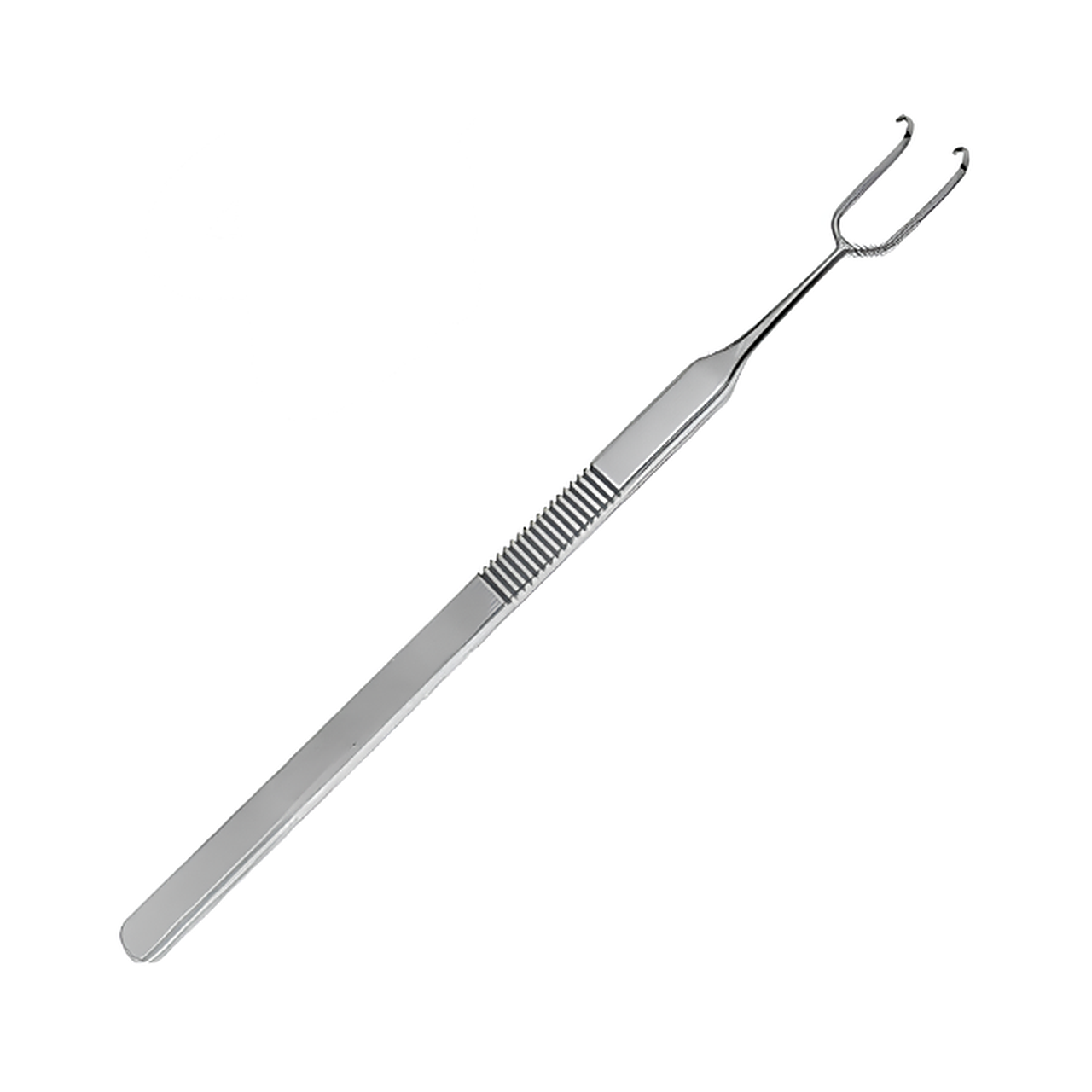 | Écarteur à griffes Cottle 2 branches | Spécifiquement conçu pour rétracter les lambeaux cutanés, les muqueuses et les cartilages lors de rhinoplasties et de chirurgies plastiques faciales. |
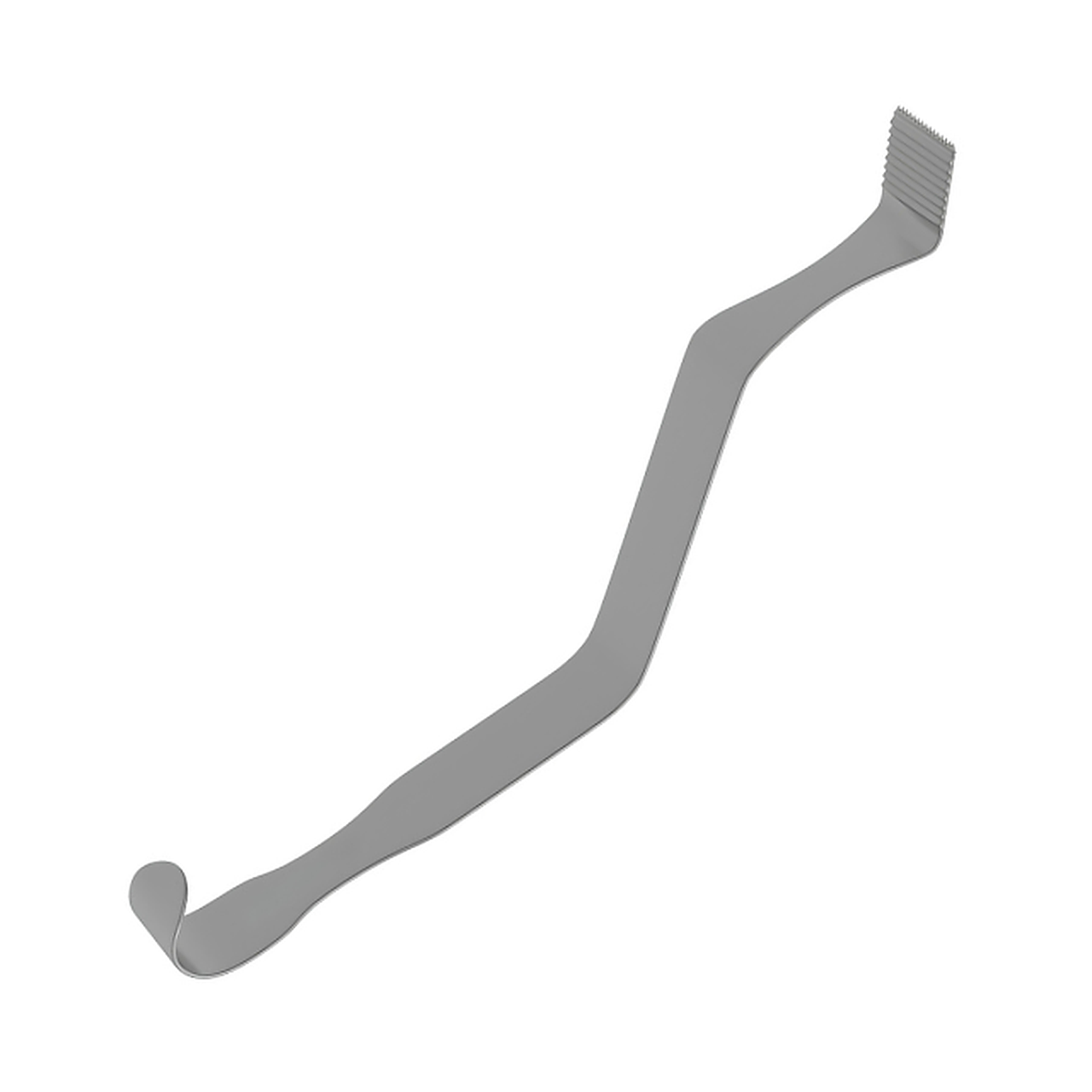 | Écarteur Aortique Crawford | Spécifiquement conçu pour écarter l'aorte, la veine cave et les gros vaisseaux lors de reconstructions vasculaires et de chirurgies d'anévrismes. |
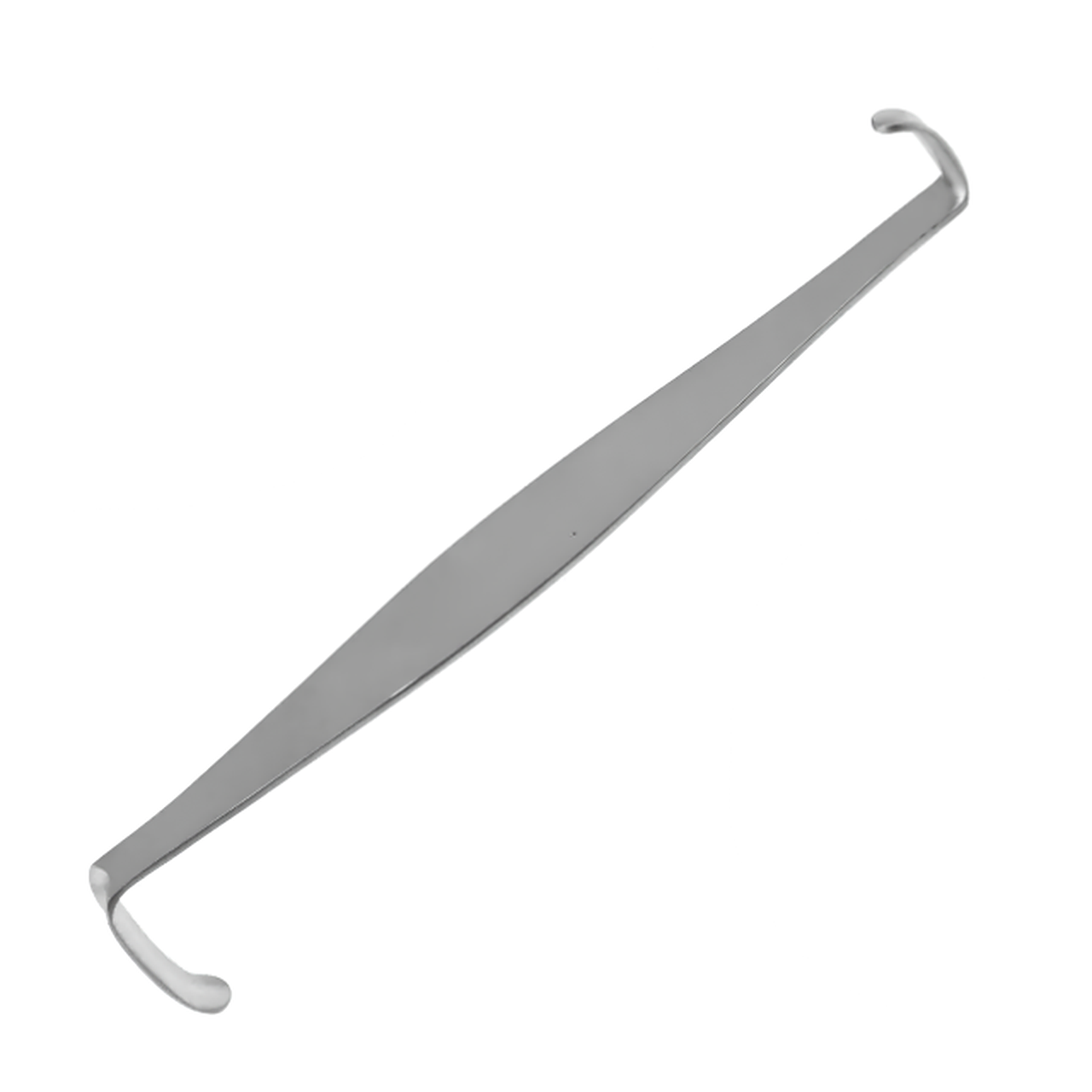 | Écarteur de Crile à double extrémité | Spécifiquement conçu pour rétracter les berges cutanées, les fascias et les tissus mous sous-cutanés lors de procédures de petite chirurgie et de chirurgie plastique. |
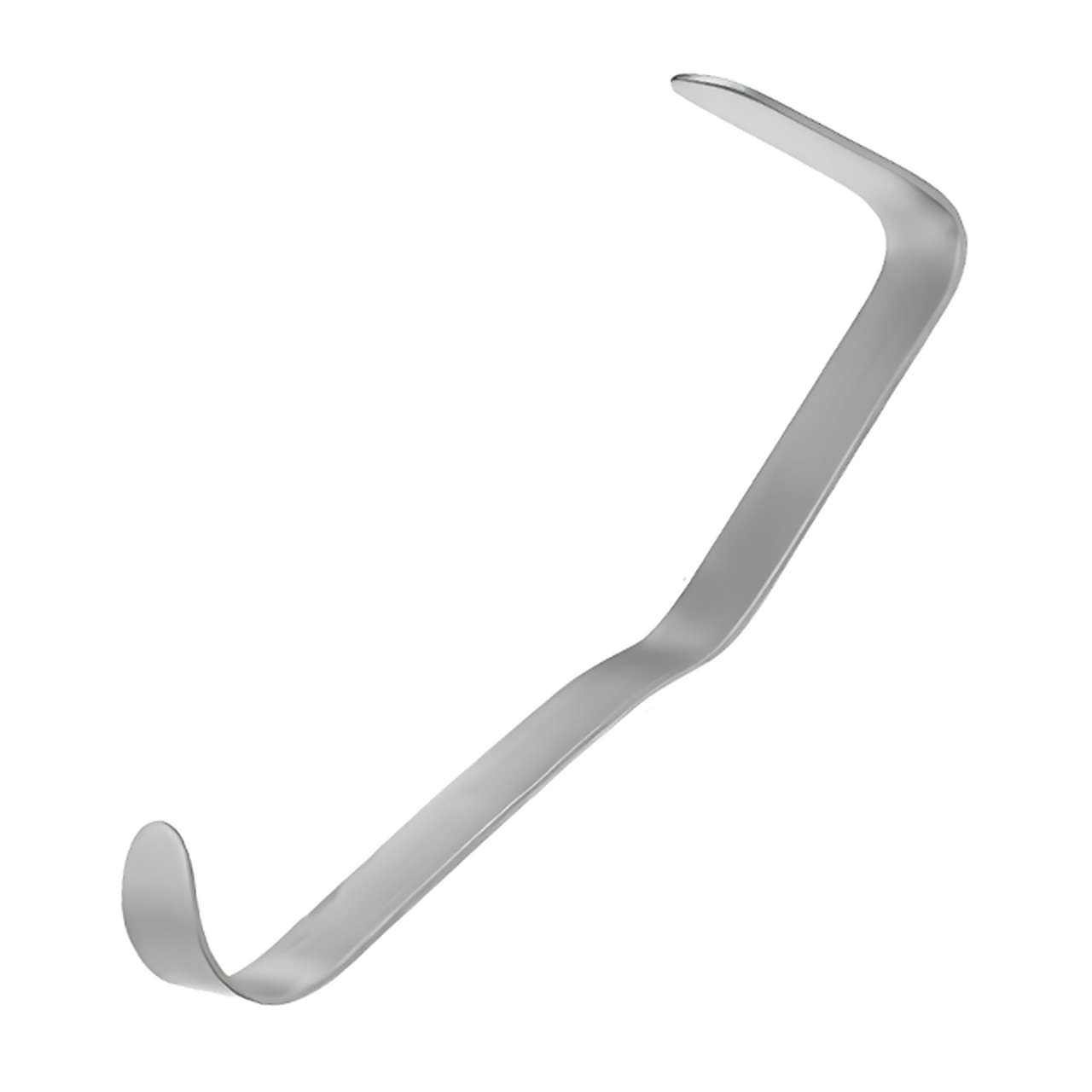 | Écarteur de joues Cronin | Spécifiquement conçu pour écarter les joues, les lèvres et la muqueuse buccale lors de chirurgies orales, maxillofaciales et de la fente palatine. |
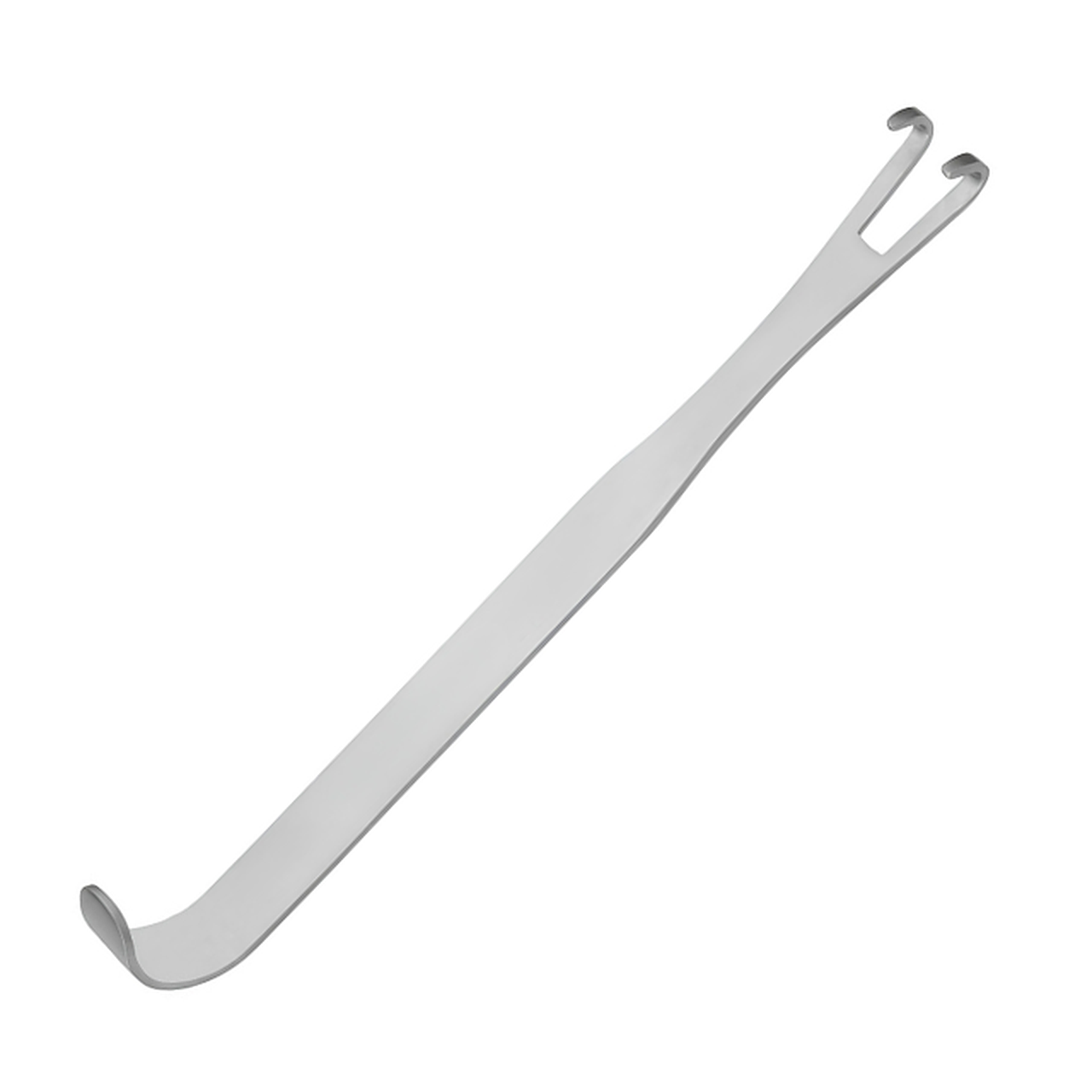 | Écarteur de Cronin pour lèvre et narine | Spécifiquement conçu pour rétracter les narines et élever la lèvre supérieure lors de la réparation des fentes labiales et des rhinoplasties. |
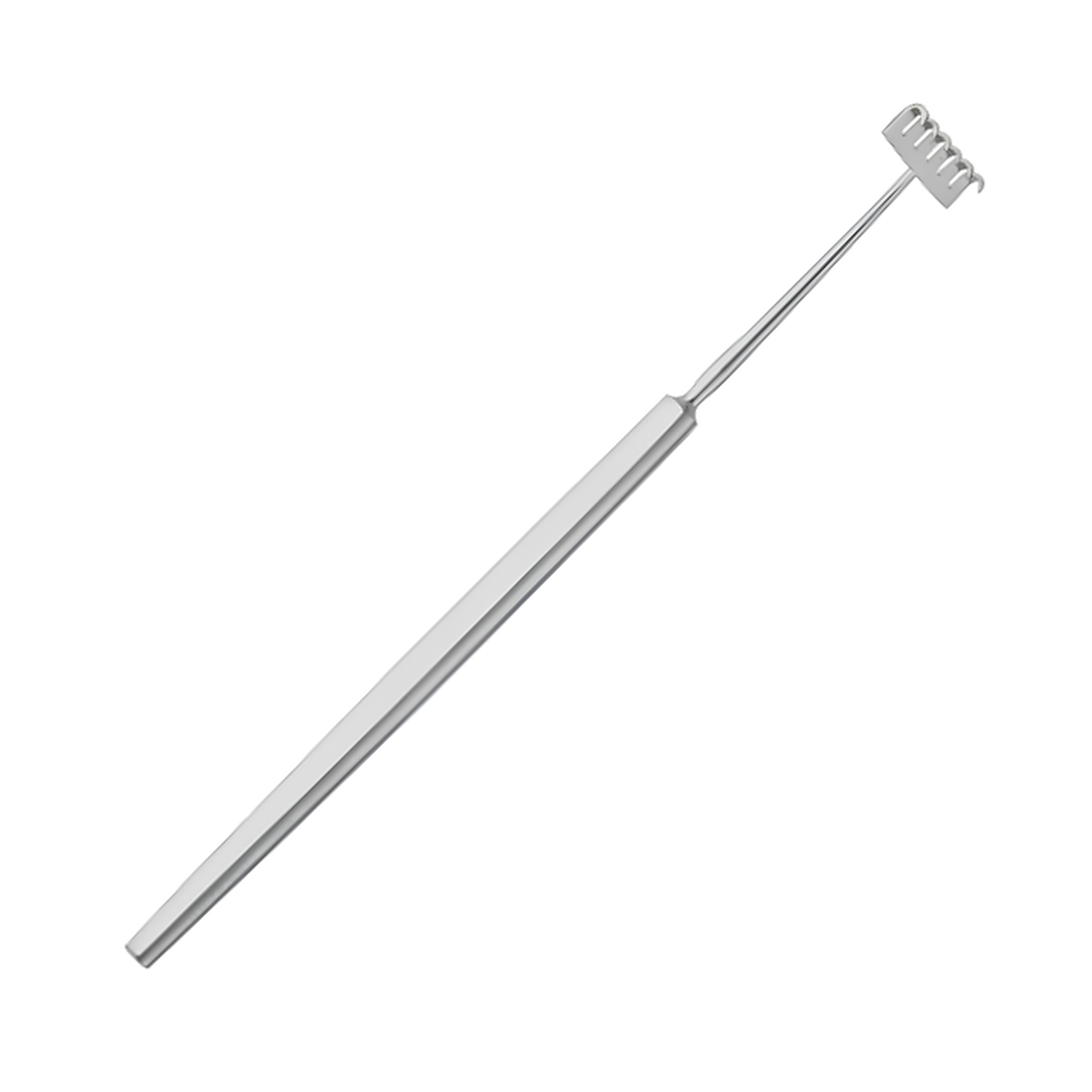 | Écarteur de peau et de tissus Curtin | Spécifiquement conçu pour l'élévation des lambeaux cutanés, la traction cutanée et la rétraction des tissus mous sous-cutanés en chirurgie plastique. |
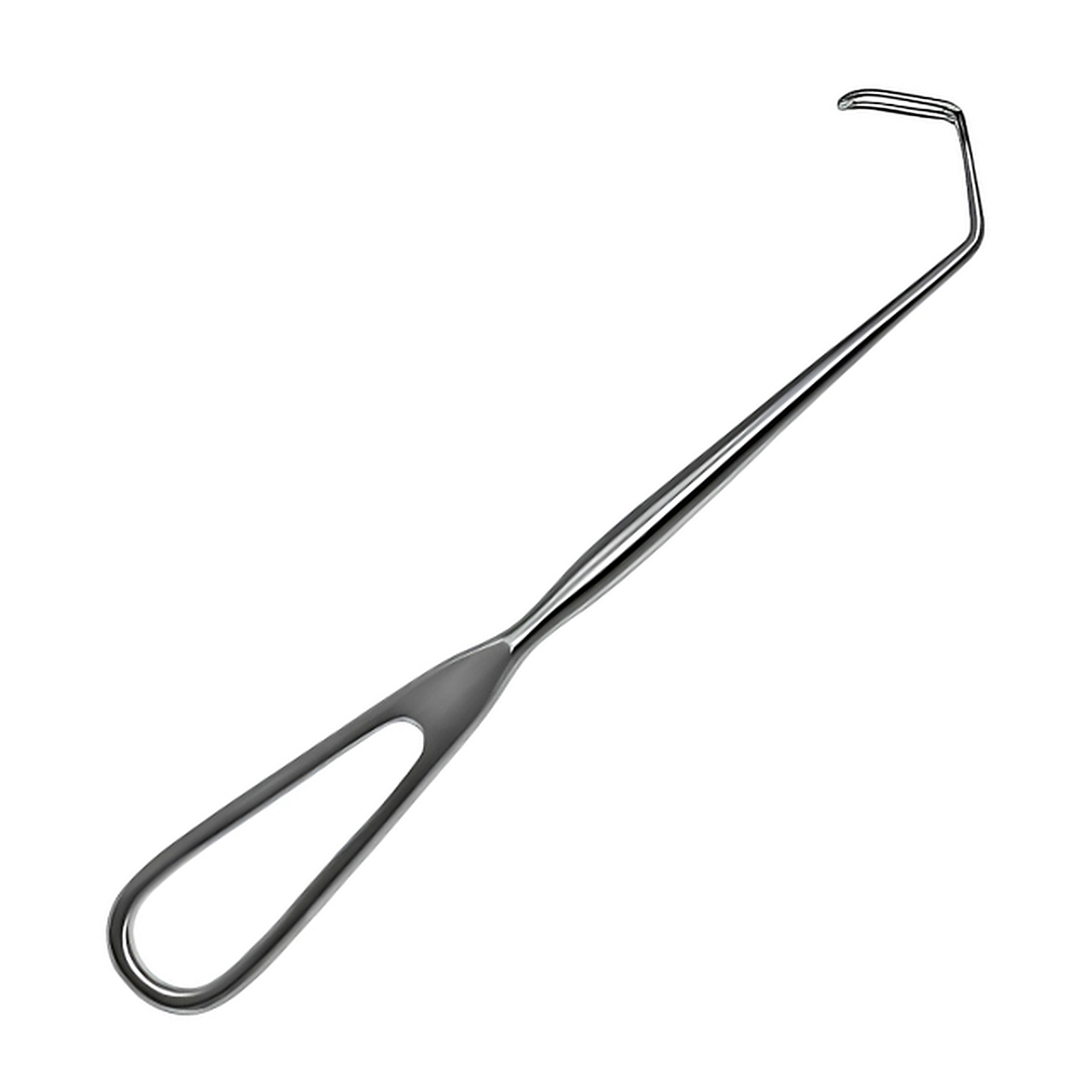 | Écarteur de décompression Cushing | Spécifiquement conçu pour écarter les racines nerveuses, le sac thécal et la dure-mère tout en maximisant la ligne de visée lors de la décompression crânienne et spinale. |
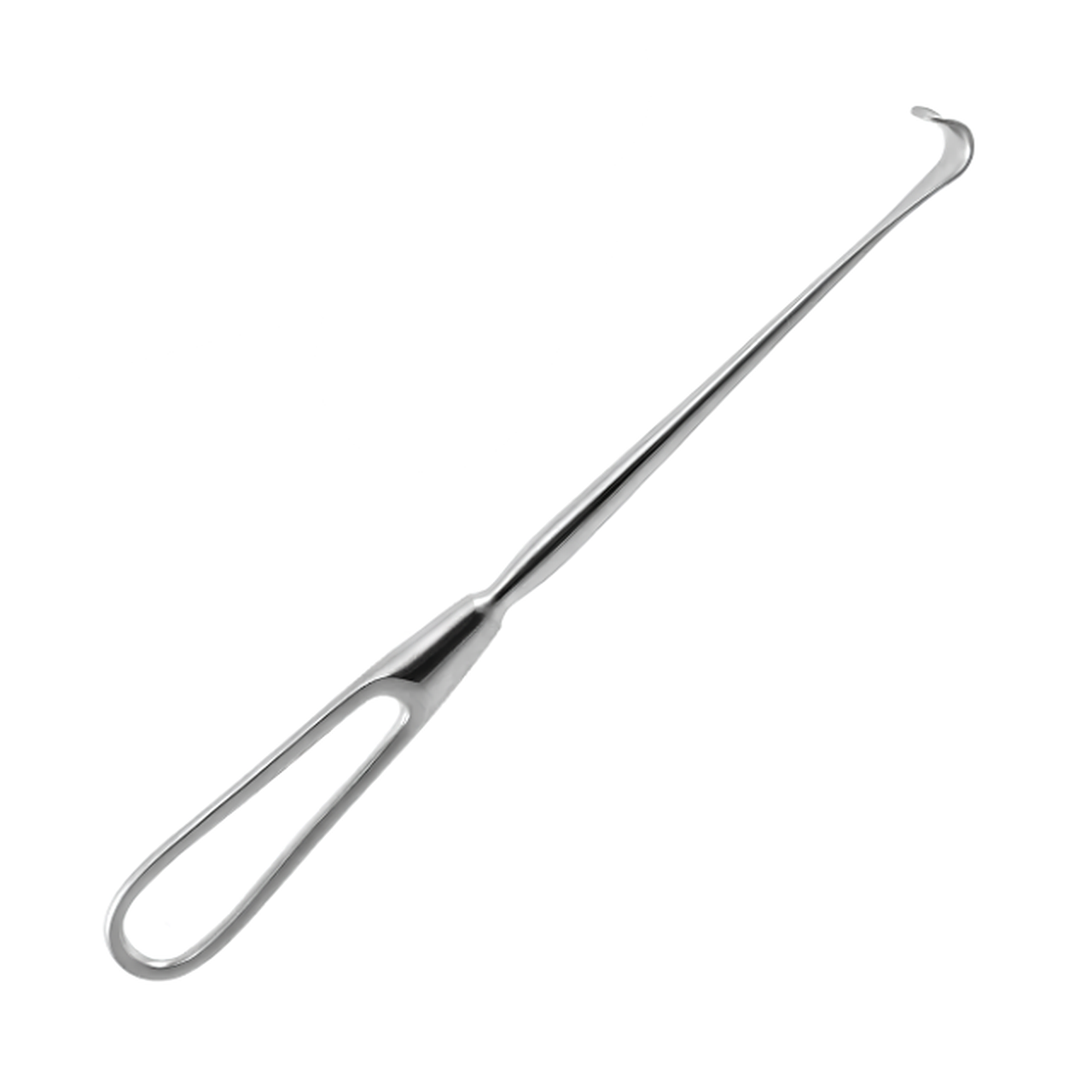 | Écarteur de Cushing pour Veines | Spécifiquement conçu pour mobiliser, isoler et écarter les veines, artères et troncs nerveux délicats lors de chirurgies vasculaires, rachidiennes et générales. |
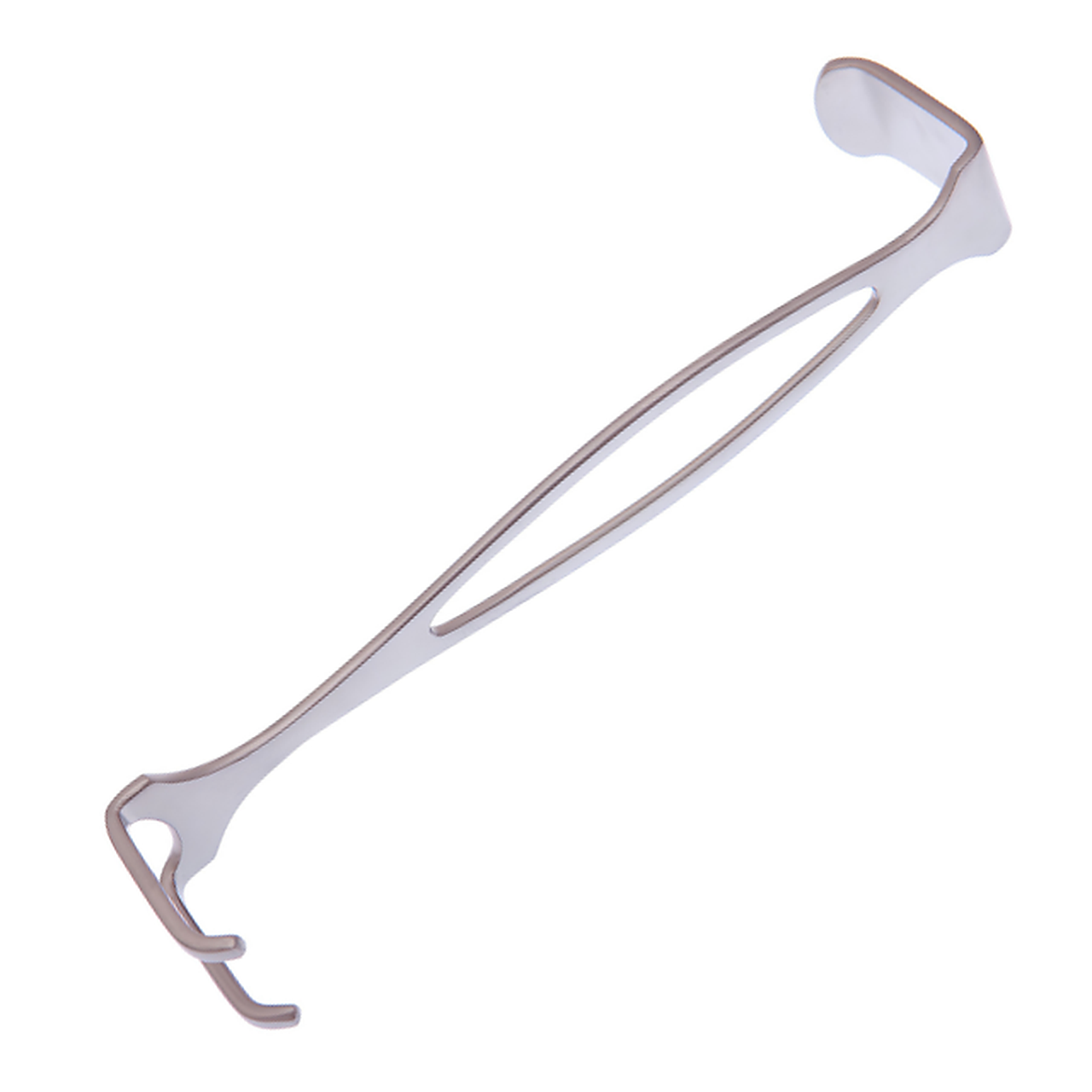 | Écarteur de Czerny à Double Extrémité | Spécifiquement conçu pour écarter la peau, les fascias et la musculature de la paroi abdominale lors de laparotomies et d'interventions pelviennes. |
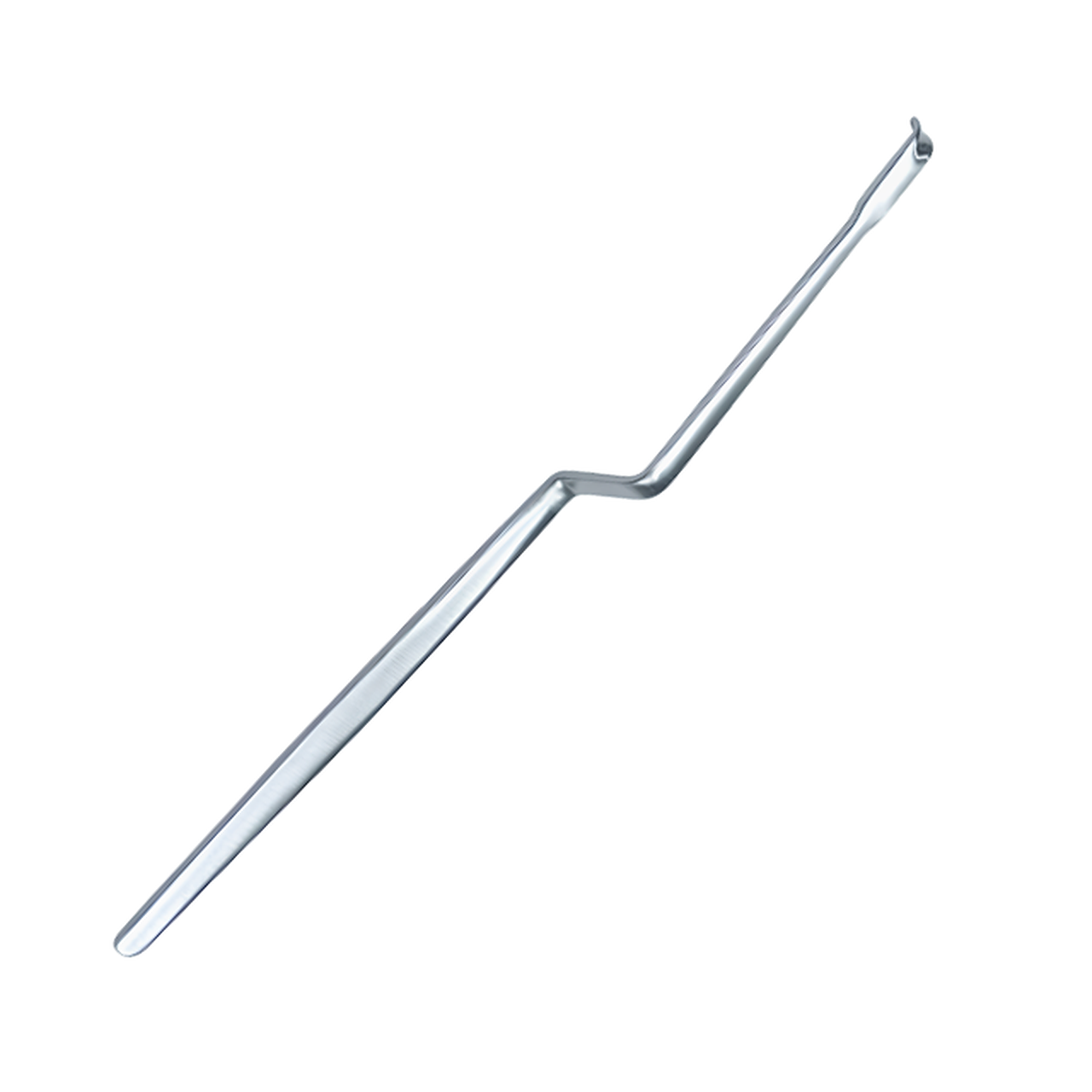 | Écarteur de racine nerveuse D'Errico | Spécifiquement conçu pour mobiliser, soutenir et protéger les racines nerveuses spinales et le sac thécal pendant la microdiscectomie lombaire. |
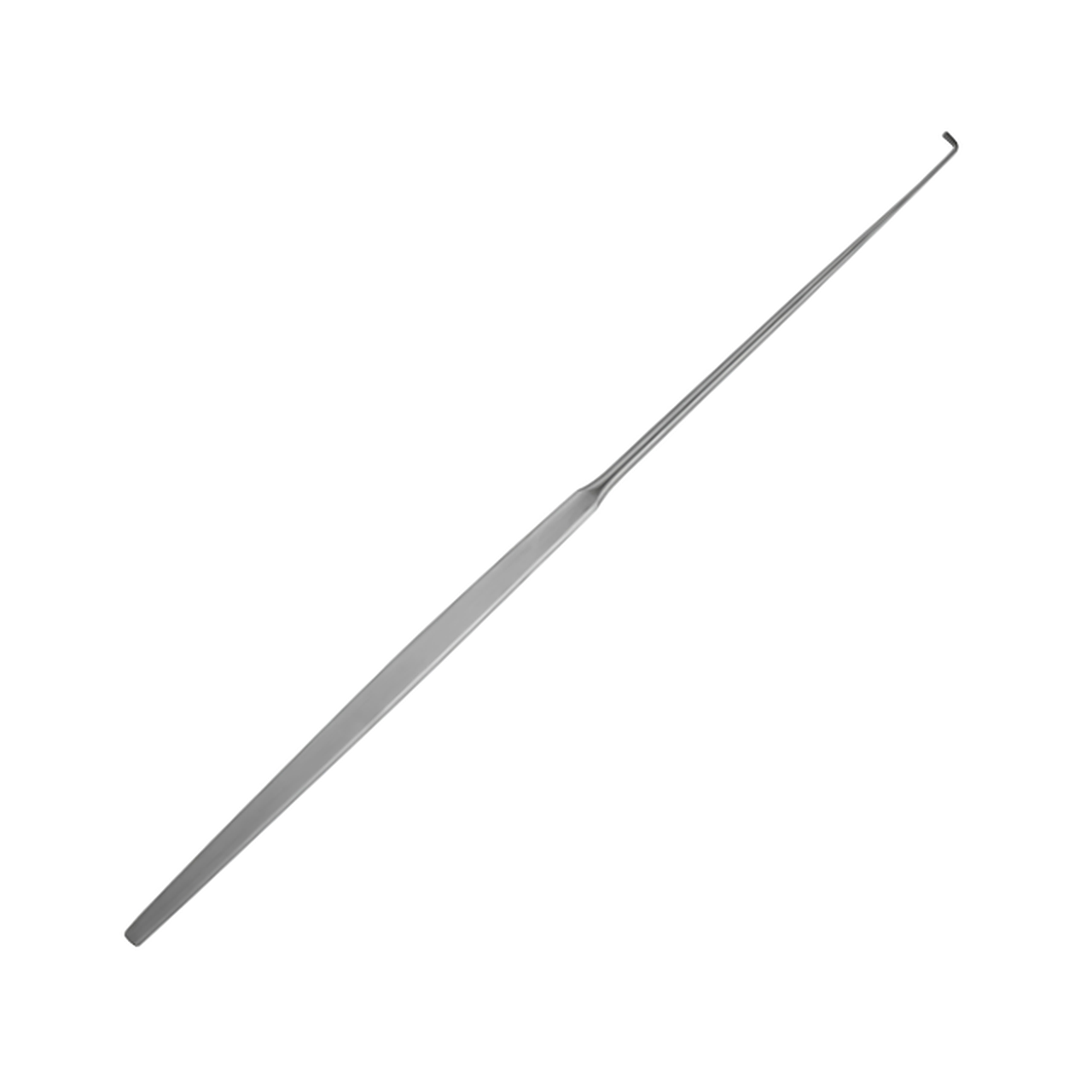 | Écarteur de nerfs Dandy | Spécifiquement conçu pour manipuler, explorer et écarter les nerfs crâniens et les faisceaux vasculaires lors de micro-neurochirurgies. |
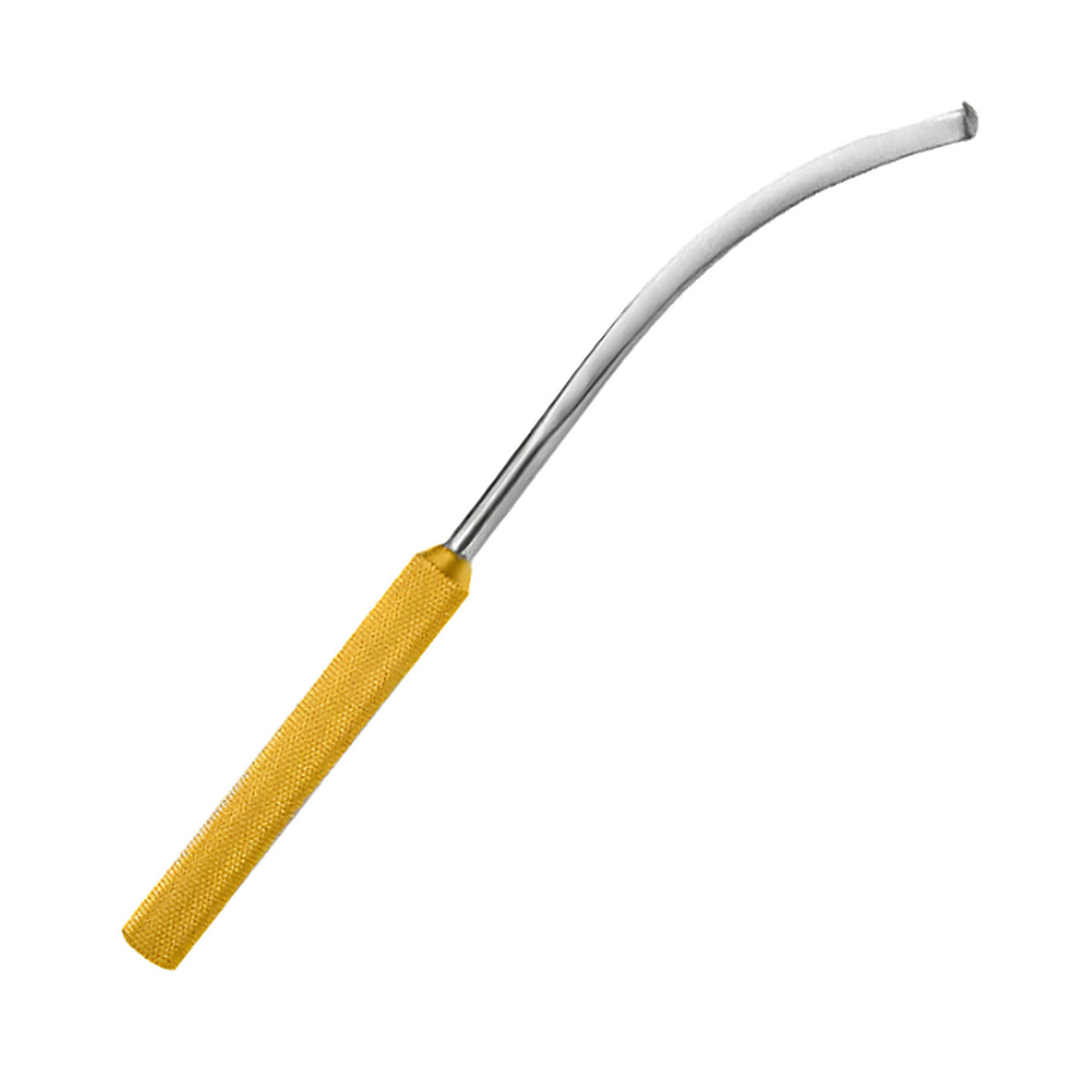 | Écarteur de nerfs Daniel Endoscopic Forehead Nerve Retractor | Spécifiquement conçu pour écarter les tissus mous et protéger les faisceaux neurovasculaires lors des liftings endoscopiques du front et des sourcils. |
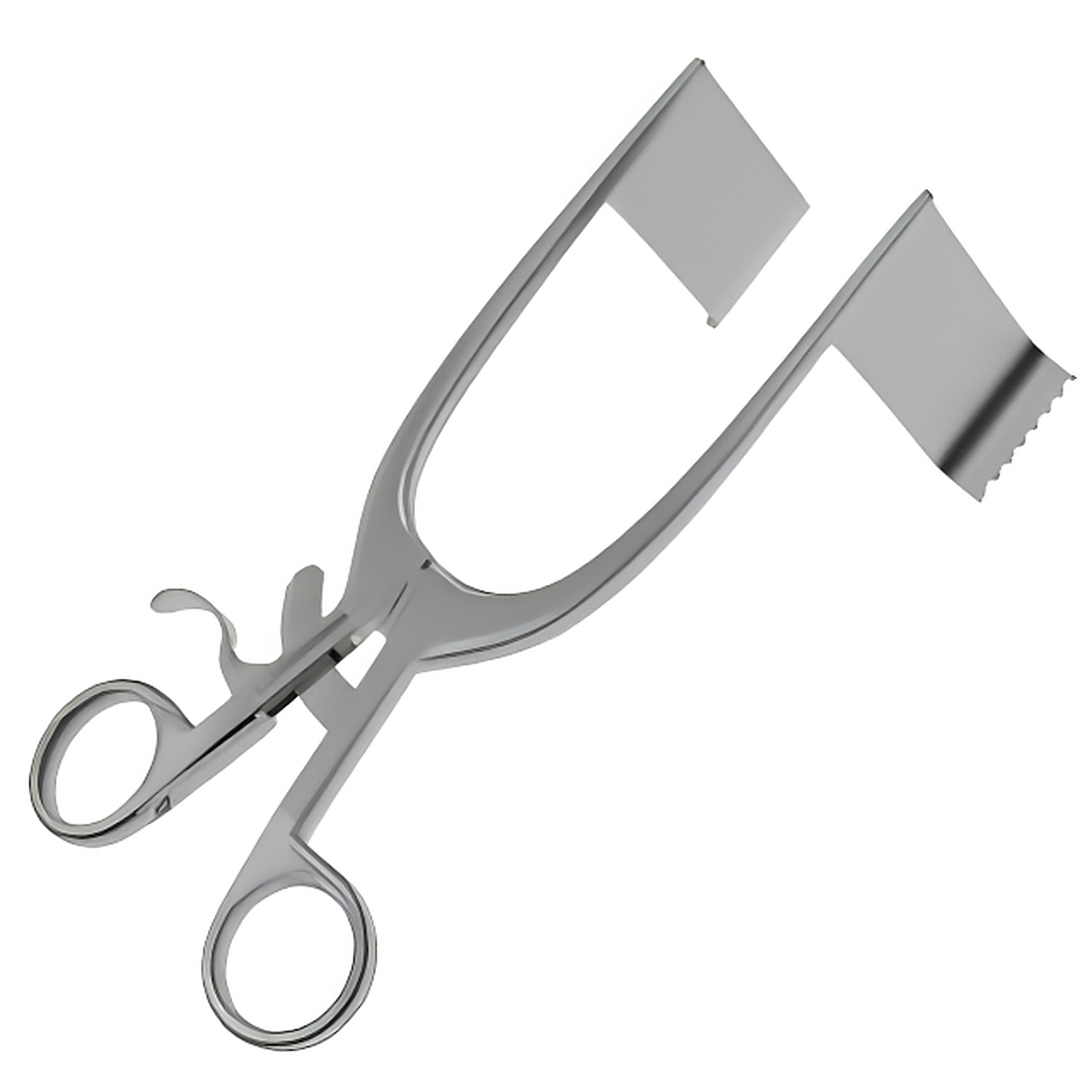 | Écarteur autostatique poplité de Darling | Spécifiquement conçu pour assurer l'écartement autostatique des tissus mous et des muscles dans l'espace poplité lors d'interventions vasculaires. |
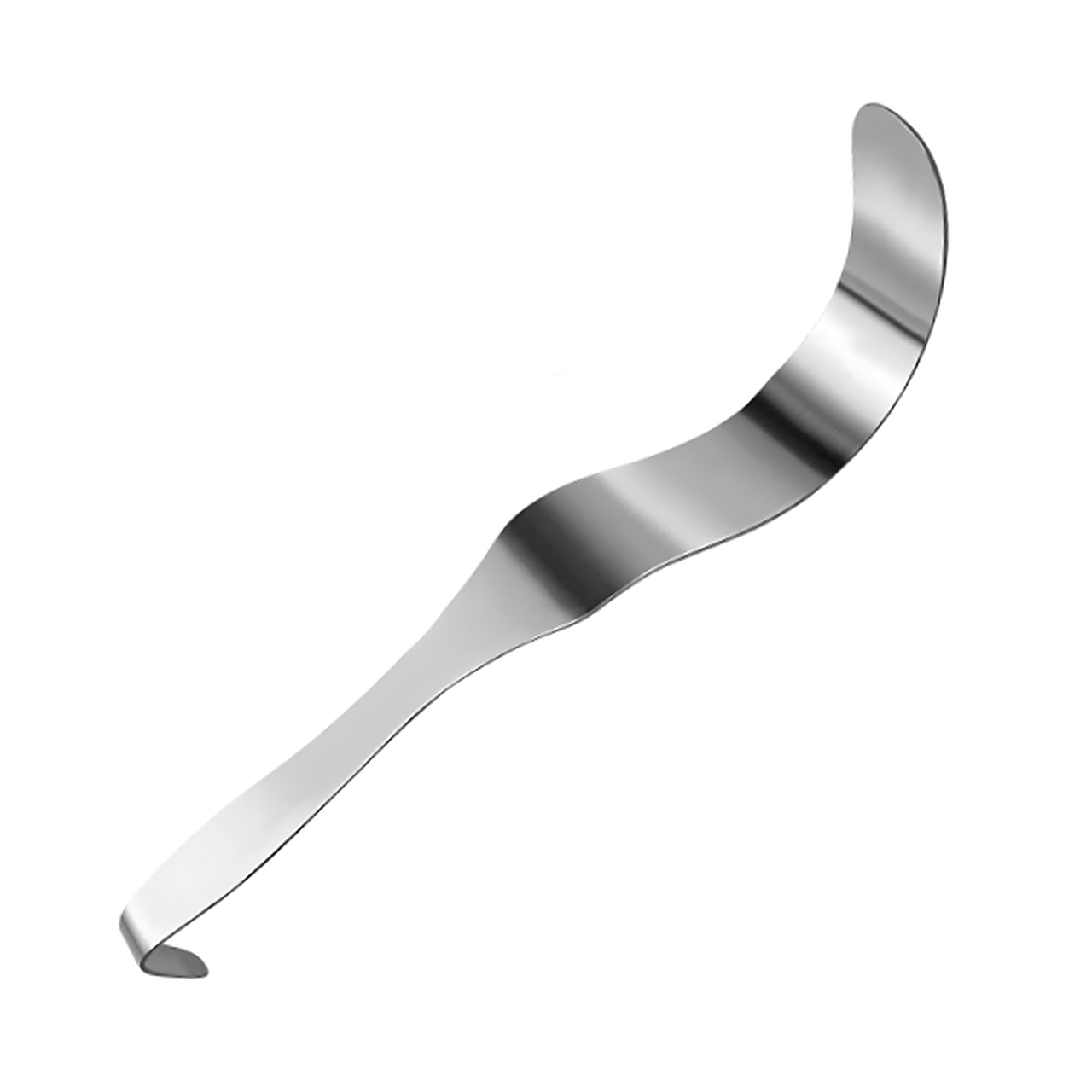 | Écarteur de Deaver | Spécifiquement conçu pour écarter les organes viscéraux profonds, la musculature de la paroi abdominale et les tissus pelviens lors de chirurgies ouvertes. |
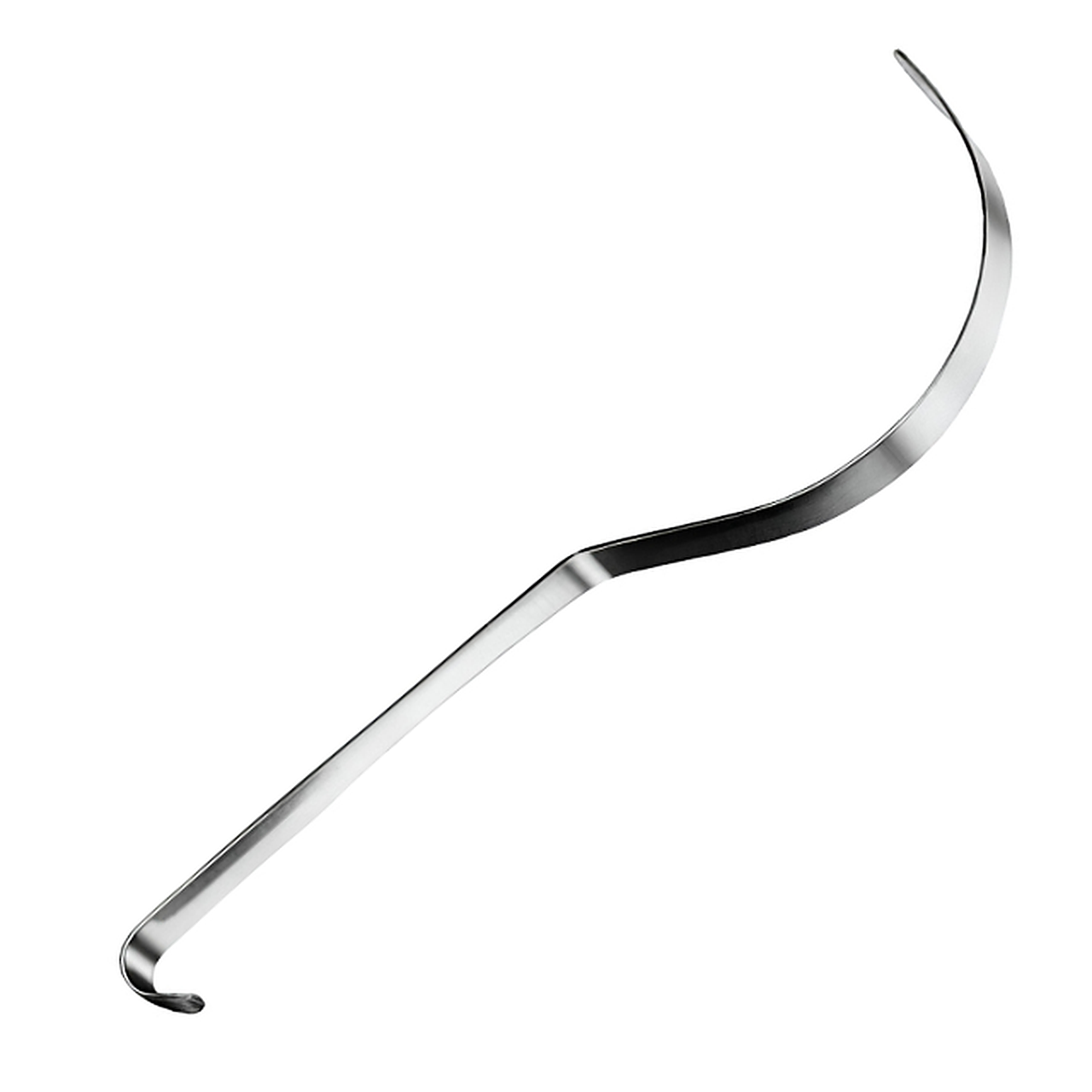 | Écarteur Deaver à manche mince | Spécifiquement conçu pour écarter les tissus mous profonds, les organes viscéraux et les muscles tout en réduisant la fatigue de l'utilisateur grâce à un manche léger. |
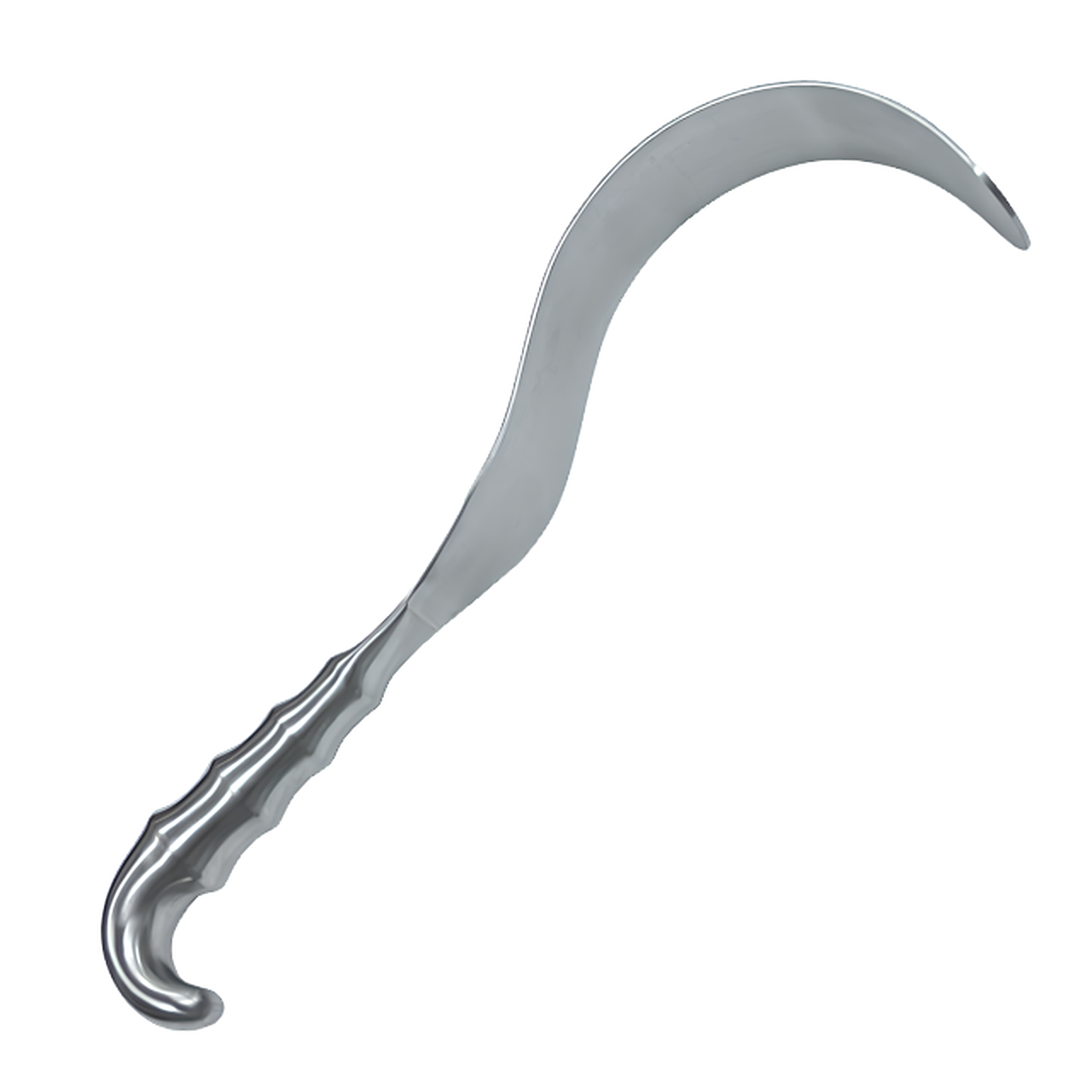 | Écarteurs Deaver à Manche Creux | Spécifiquement conçu pour écarter les organes viscéraux et les couches musculaires lors de chirurgies abdominales, pelviennes et thoraciques profondes tout en minimisant la fatigue manuelle. |
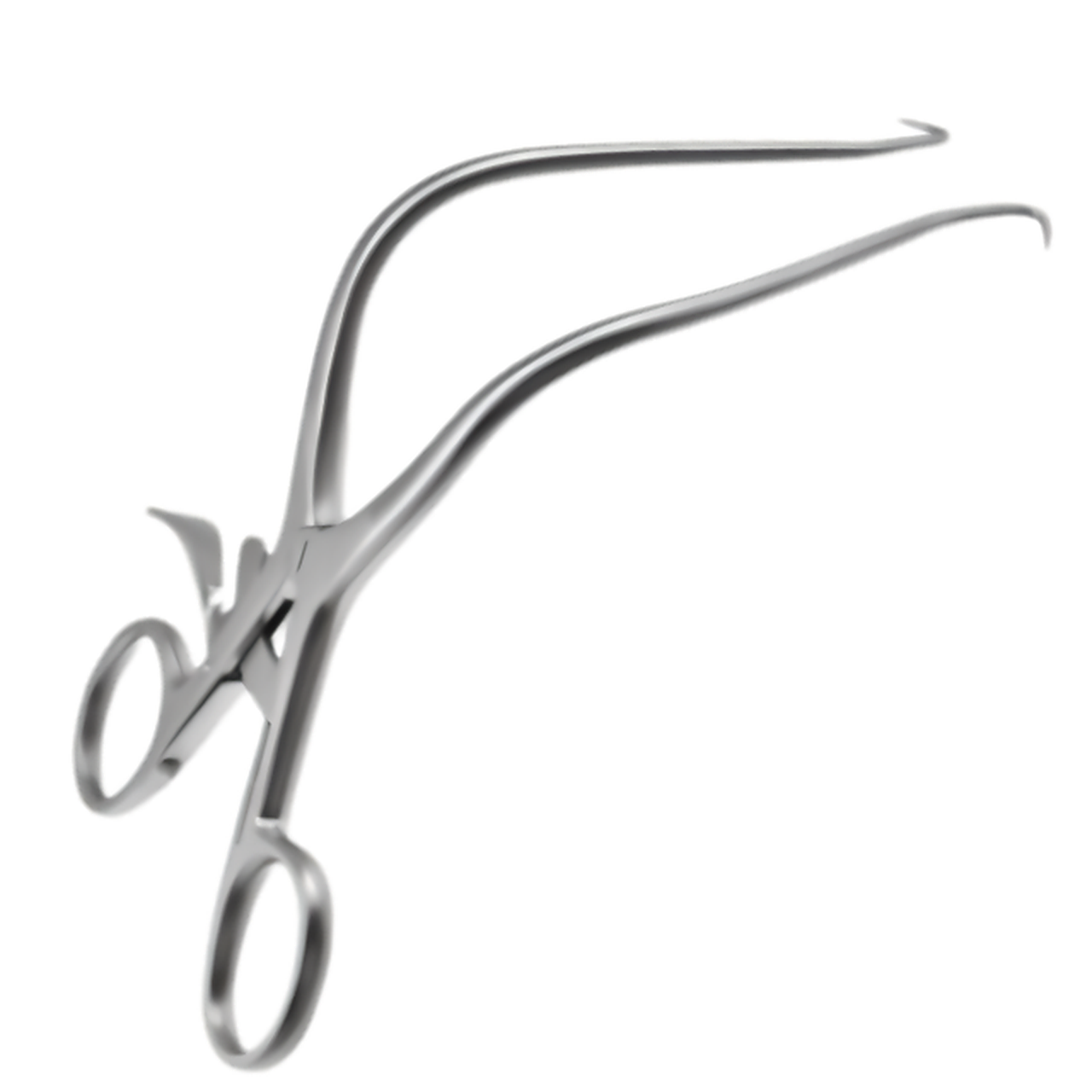 | Écarteur DeBakey | Spécifiquement conçu pour écarter les berges cutanées, les fascias et les tissus mous vasculaires lors des procédures chirurgicales. |
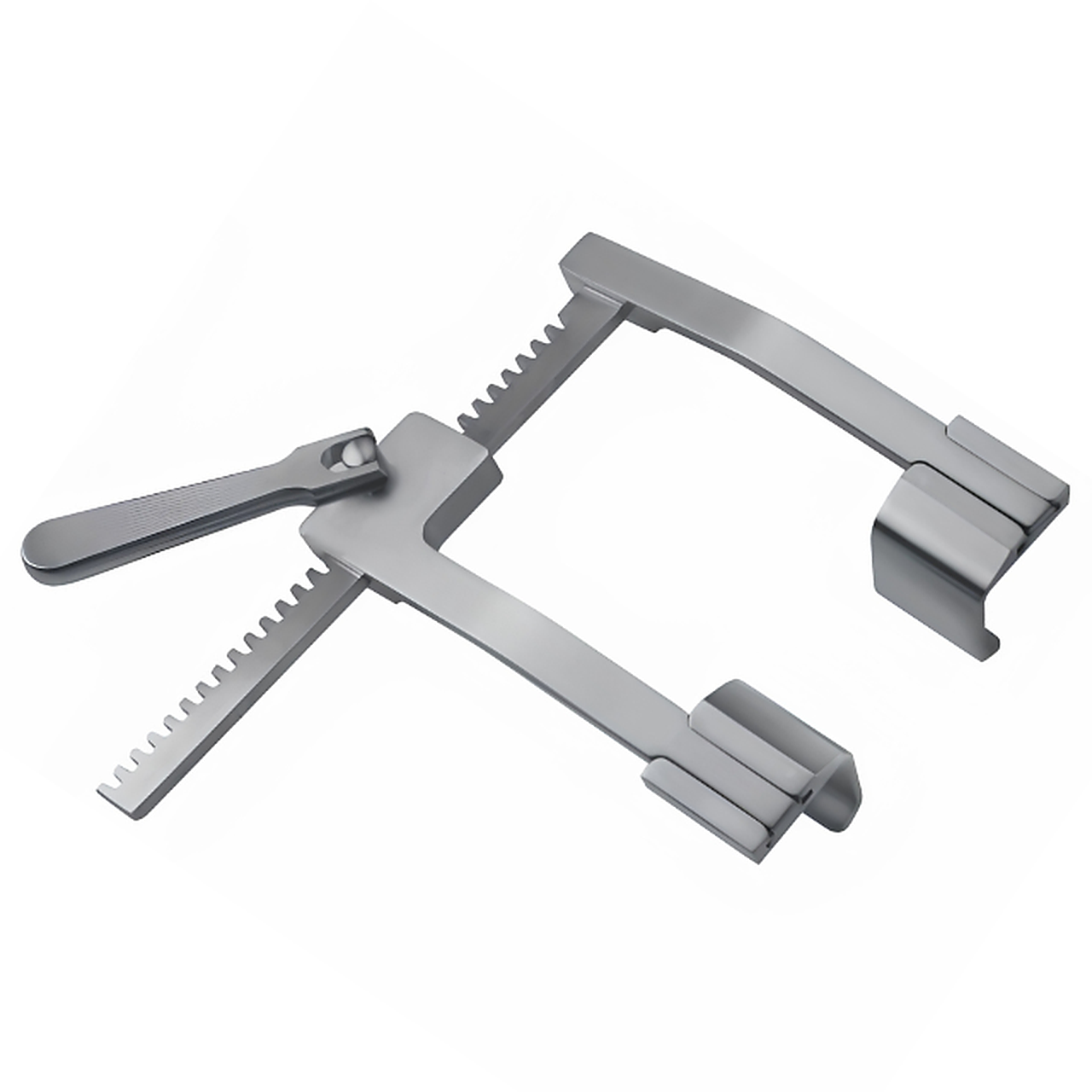 | Écarteur de côtes DeBakey | Spécifiquement conçu pour séparer les côtes adjacentes et élargir l'espace intercostal pendant la chirurgie cardiaque et thoracique. |
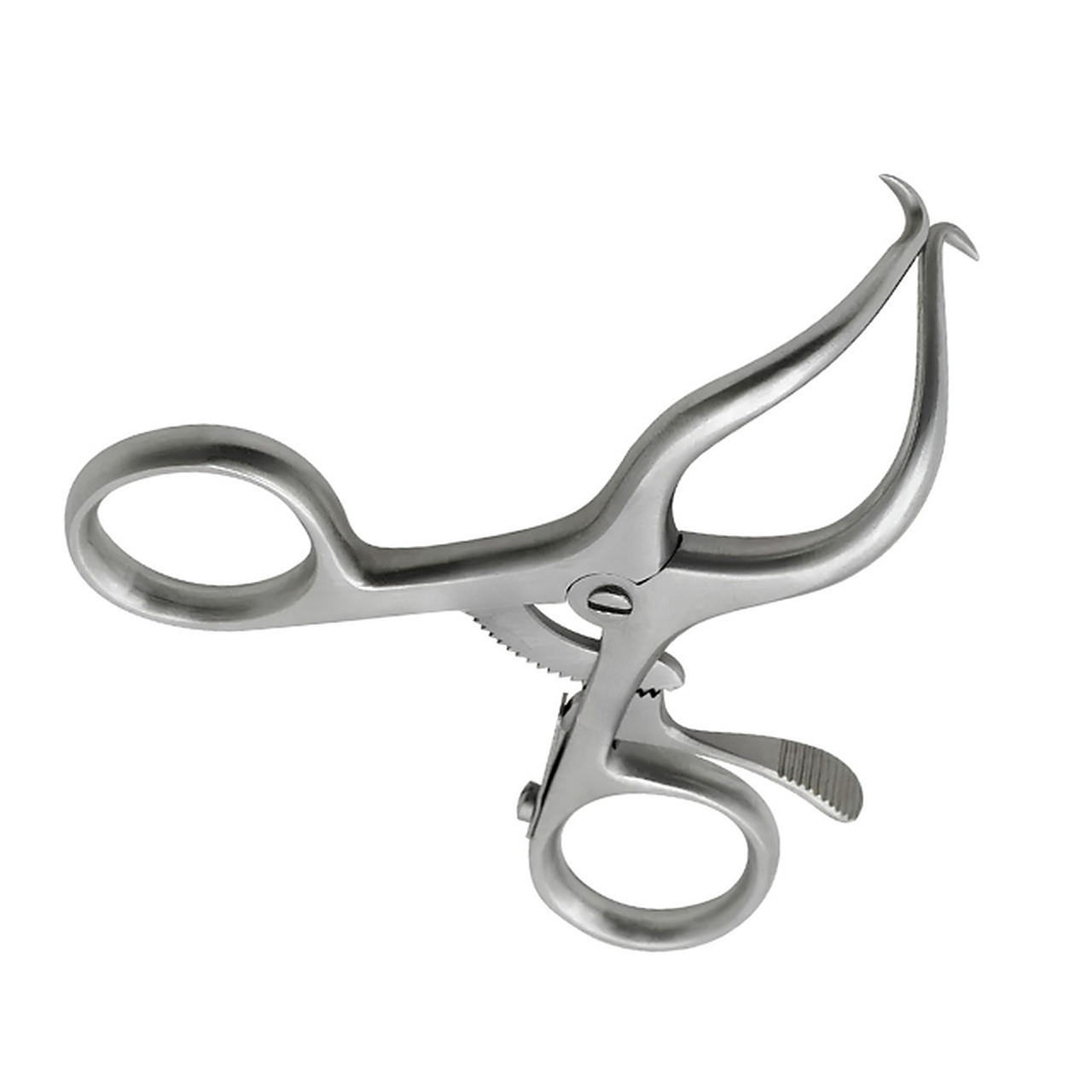 | Écarteur Deep Gelpi | Spécifiquement conçu pour assurer la rétraction autostatique des tissus mous et des muscles lors d'interventions rachidiennes, orthopédiques et neurochirurgicales. |
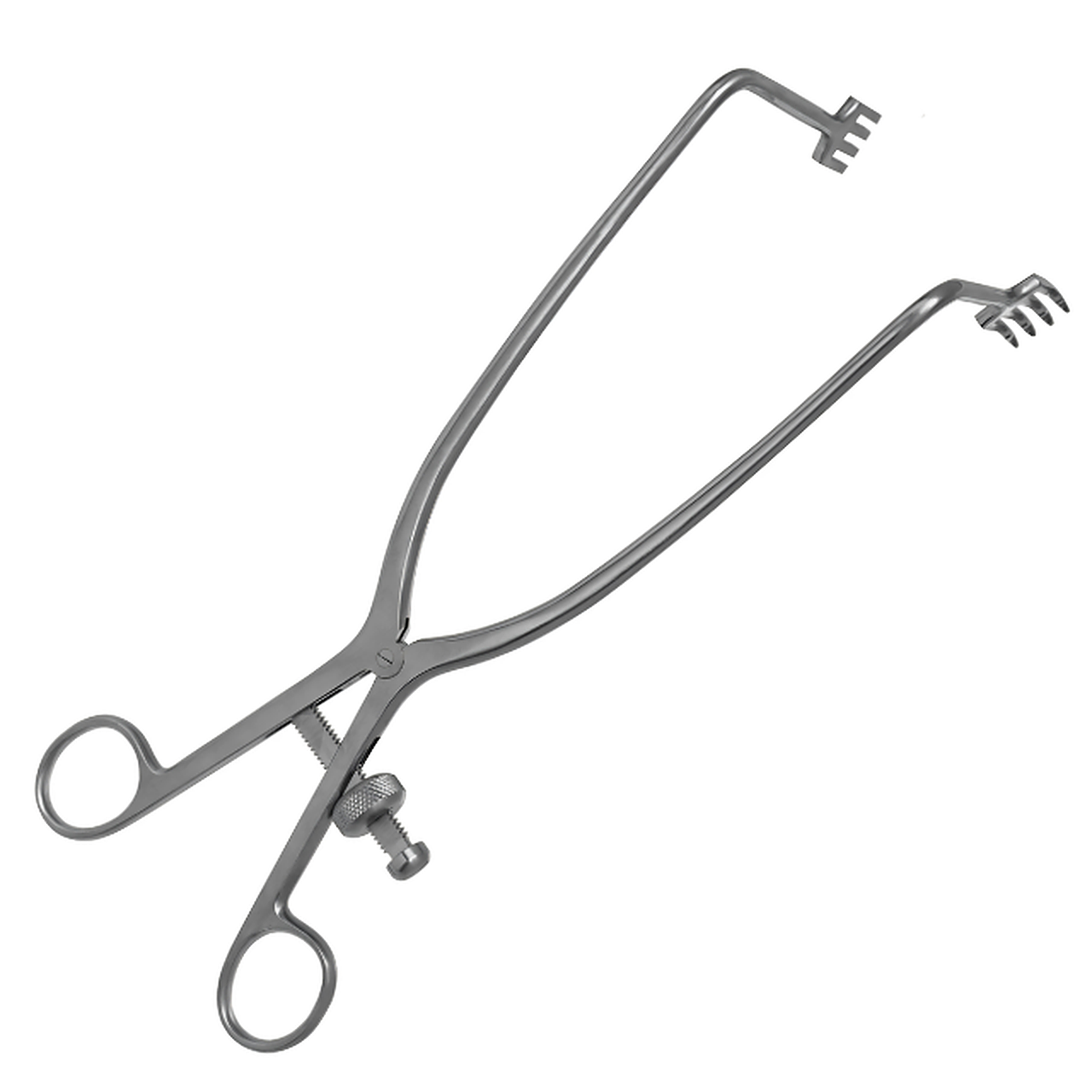 | Écarteur autostatique Deep Gelpi | Spécifiquement conçu pour assurer la rétraction autostatique des muscles et des tissus dans les plaies chirurgicales profondes lors d'interventions spinales et orthopédiques. |
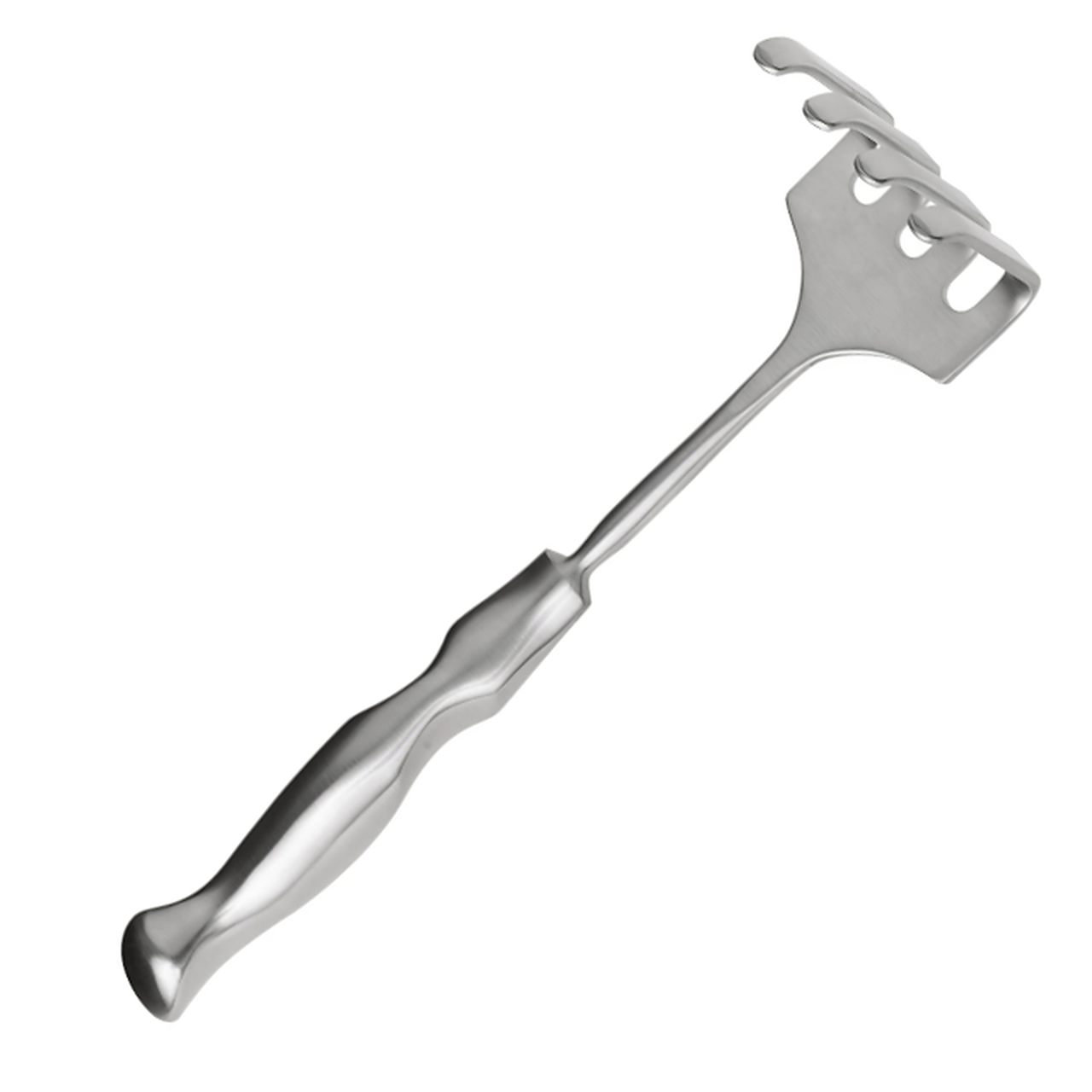 | Écarteur Deep Rake Retractor | Spécifiquement conçu pour écarter les muscles lourds, les fascias et les tissus mous profonds lors de chirurgies abdominales ouvertes, pelviennes et orthopédiques. |
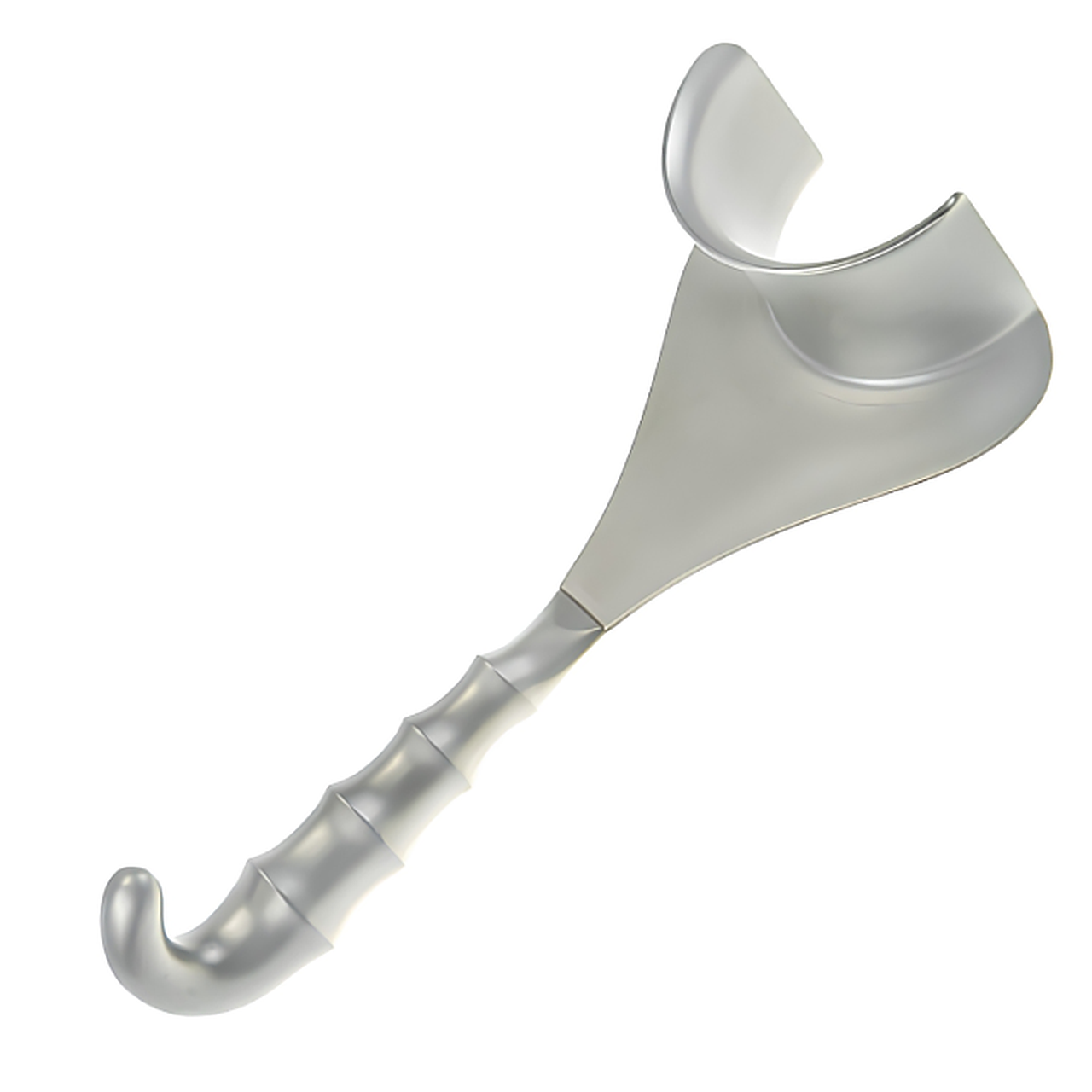 | Écarteur Delee Universal Retractor | Spécifiquement conçu pour écarter et protéger la vessie et la paroi abdominale pendant les césariennes et la chirurgie gynécologique. |
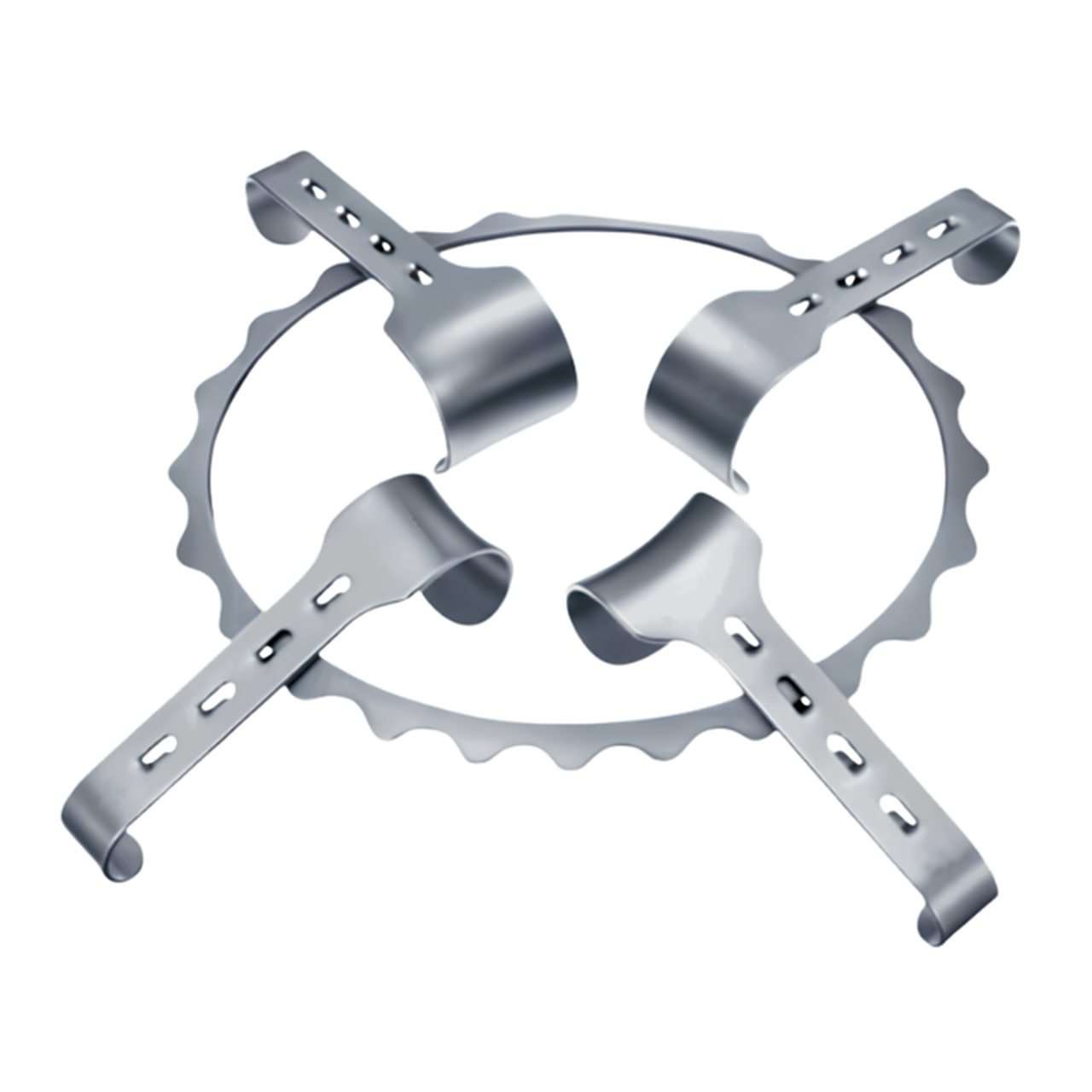 | Écarteur de Denis-Browne | Spécifiquement conçu pour assurer l'écartement viscéral et des berges de la plaie en mode autostatique à 360 degrés lors de chirurgies abdominales et pelviennes. |
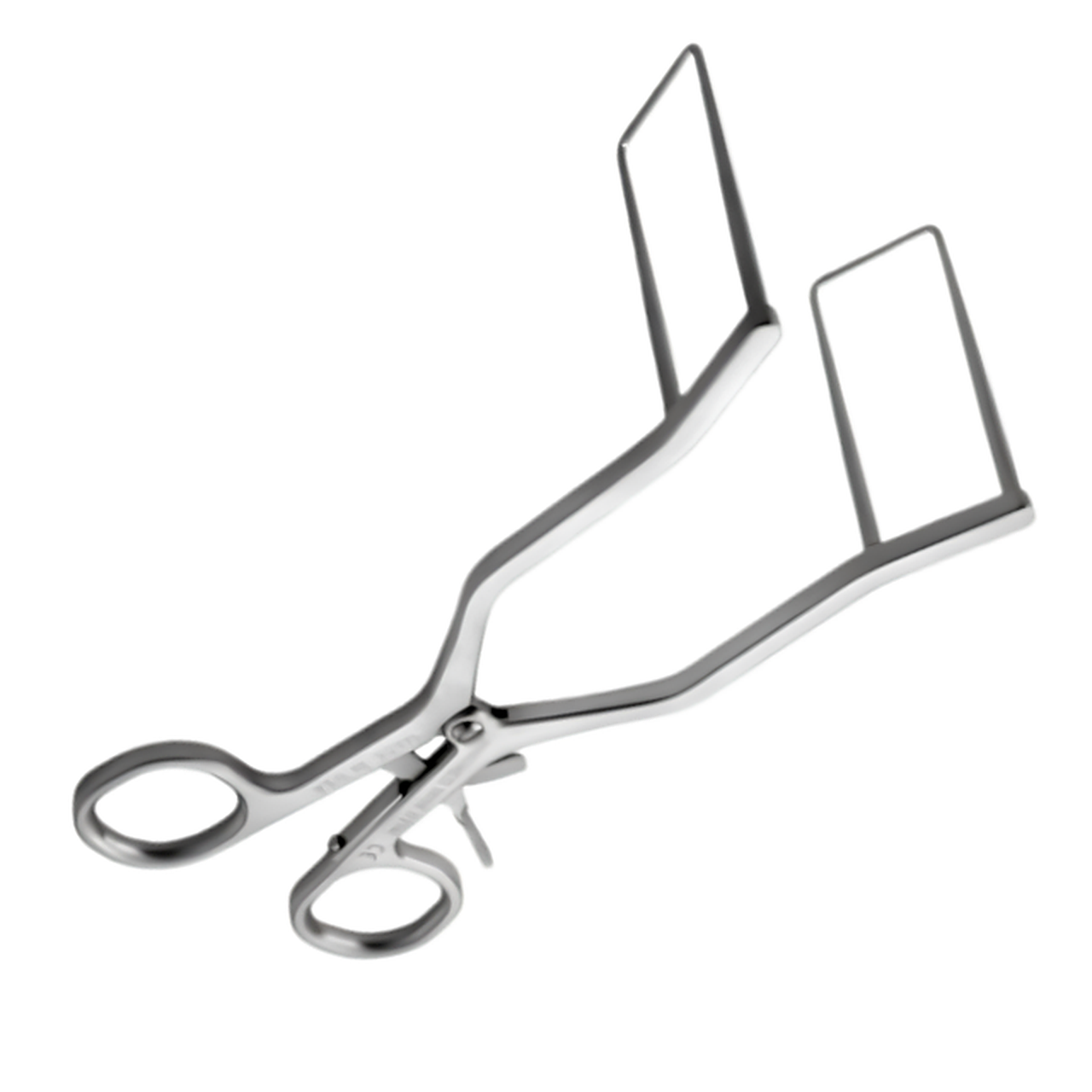 | Écarteur autostatique Desai | Spécifiquement conçu pour assurer l'écartement autostatique des berges de la plaie avec une visibilité par fenêtre d'accès direct lors de chirurgies abdominales et pelviennes. |
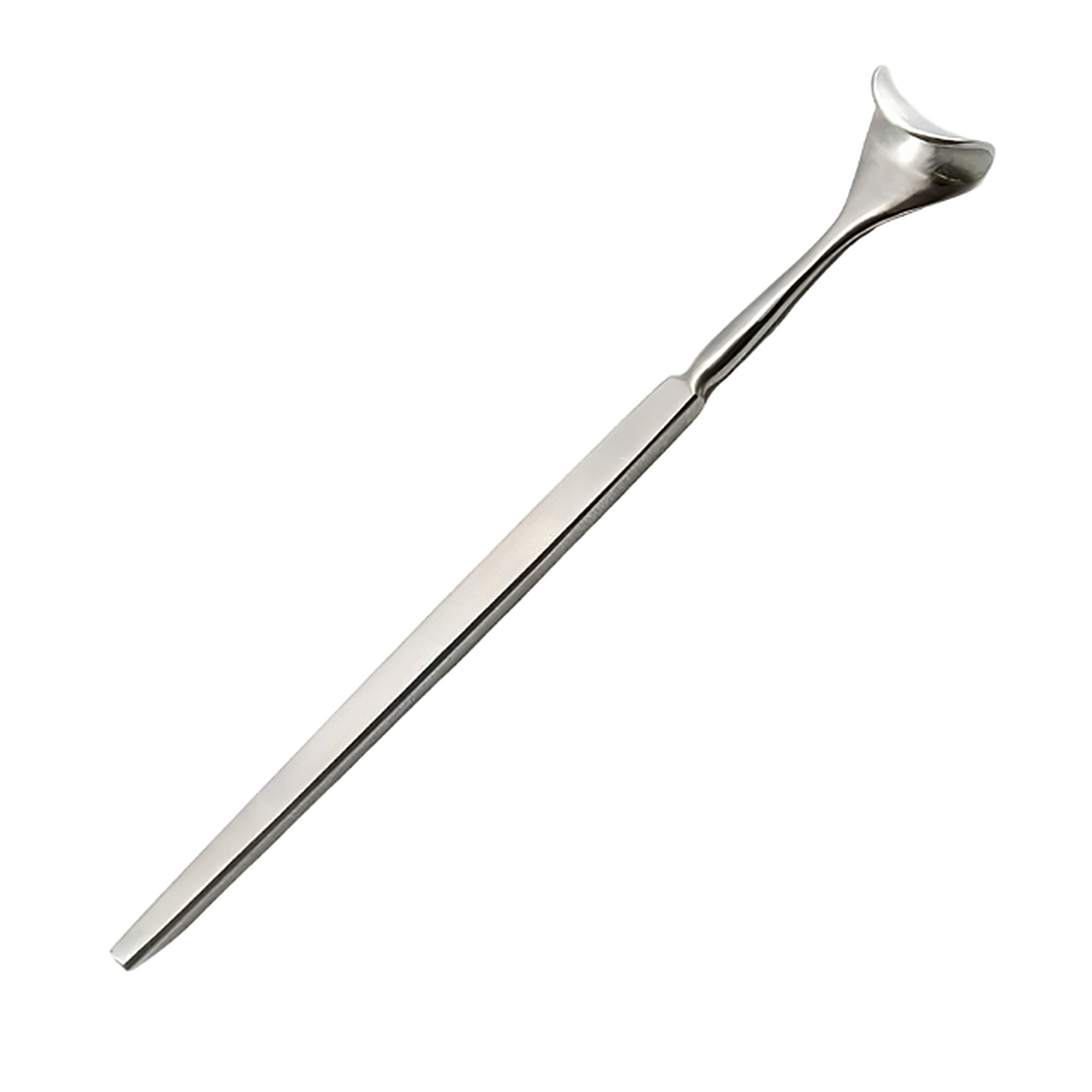 | Écarteur de Desmarres | Spécifiquement conçu pour rétracter les paupières, mobiliser les plaques tarsales et protéger le globe oculaire lors de blépharoplasties et de chirurgies oculaires. |
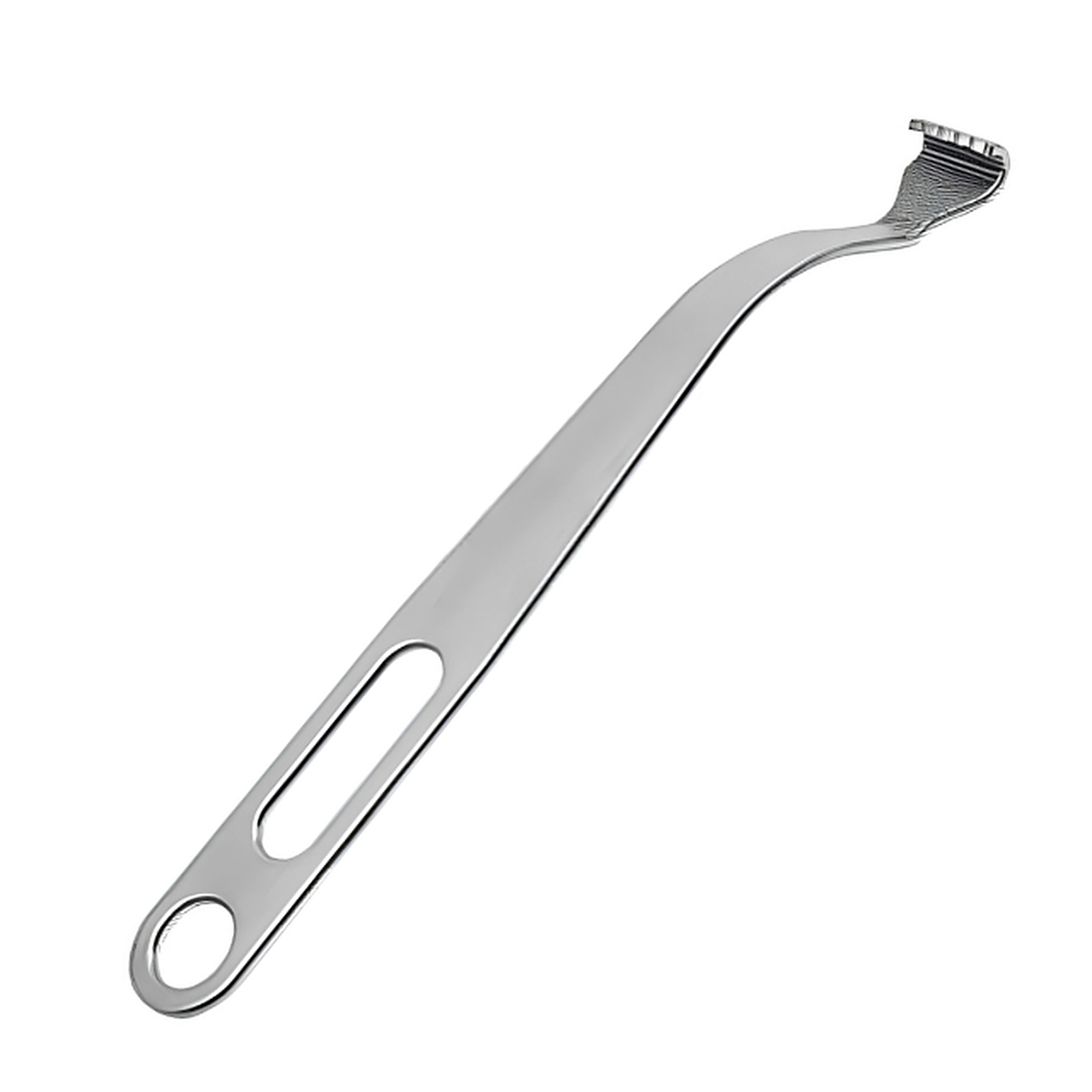 | Écarteurs de tête humérale modifiés Dingo | Spécifiquement conçu pour faire levier sur la tête humérale et exposer la cavité glénoïde lors de l'arthroplastie de l'épaule et de la chirurgie reconstructive. |
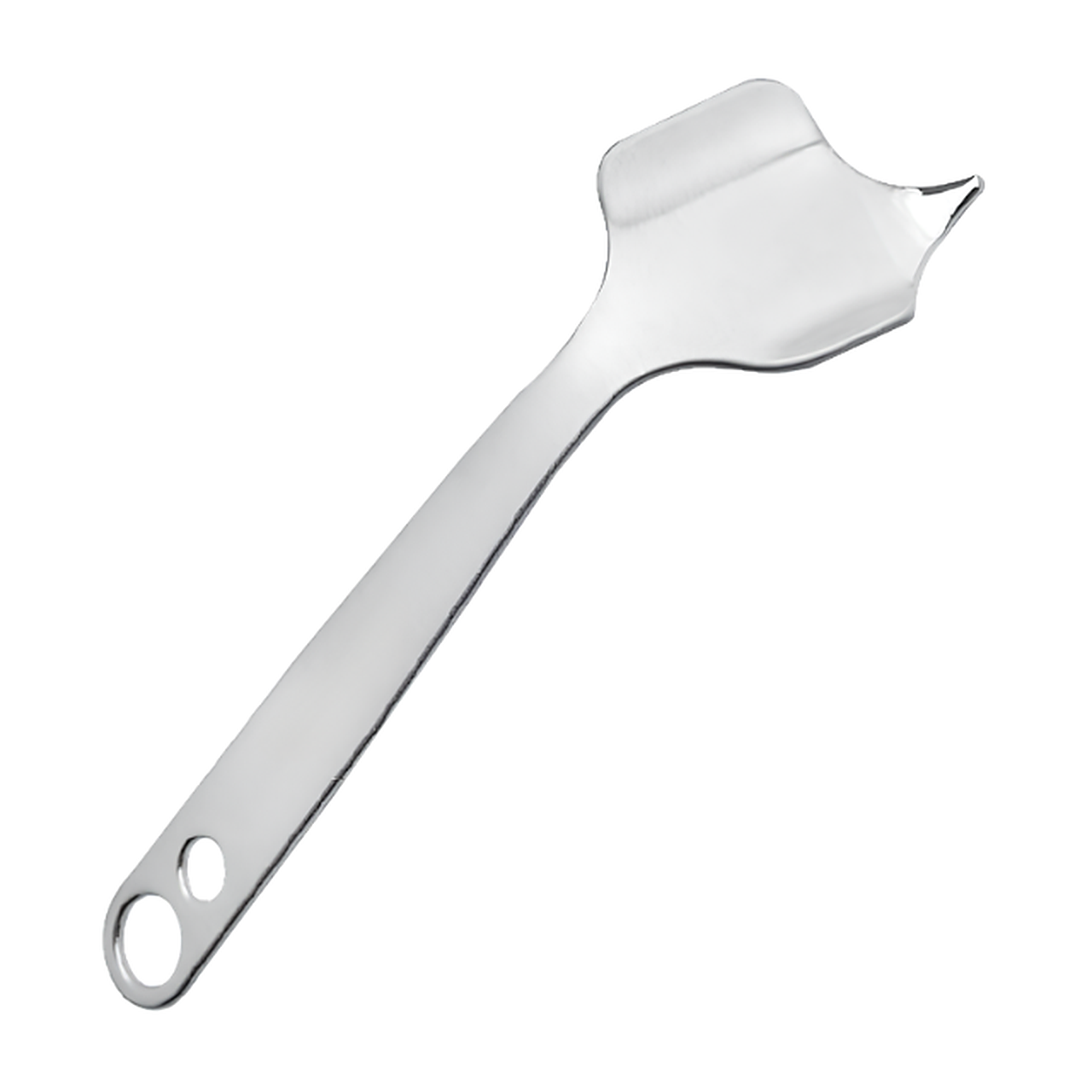 | Écarteur de brochage antérieur à accès direct | Spécifiquement conçu pour élever le fémur proximal et rétracter les tissus mous lors du brochage fémoral dans l'arthroplastie de la hanche par voie antérieure directe. |
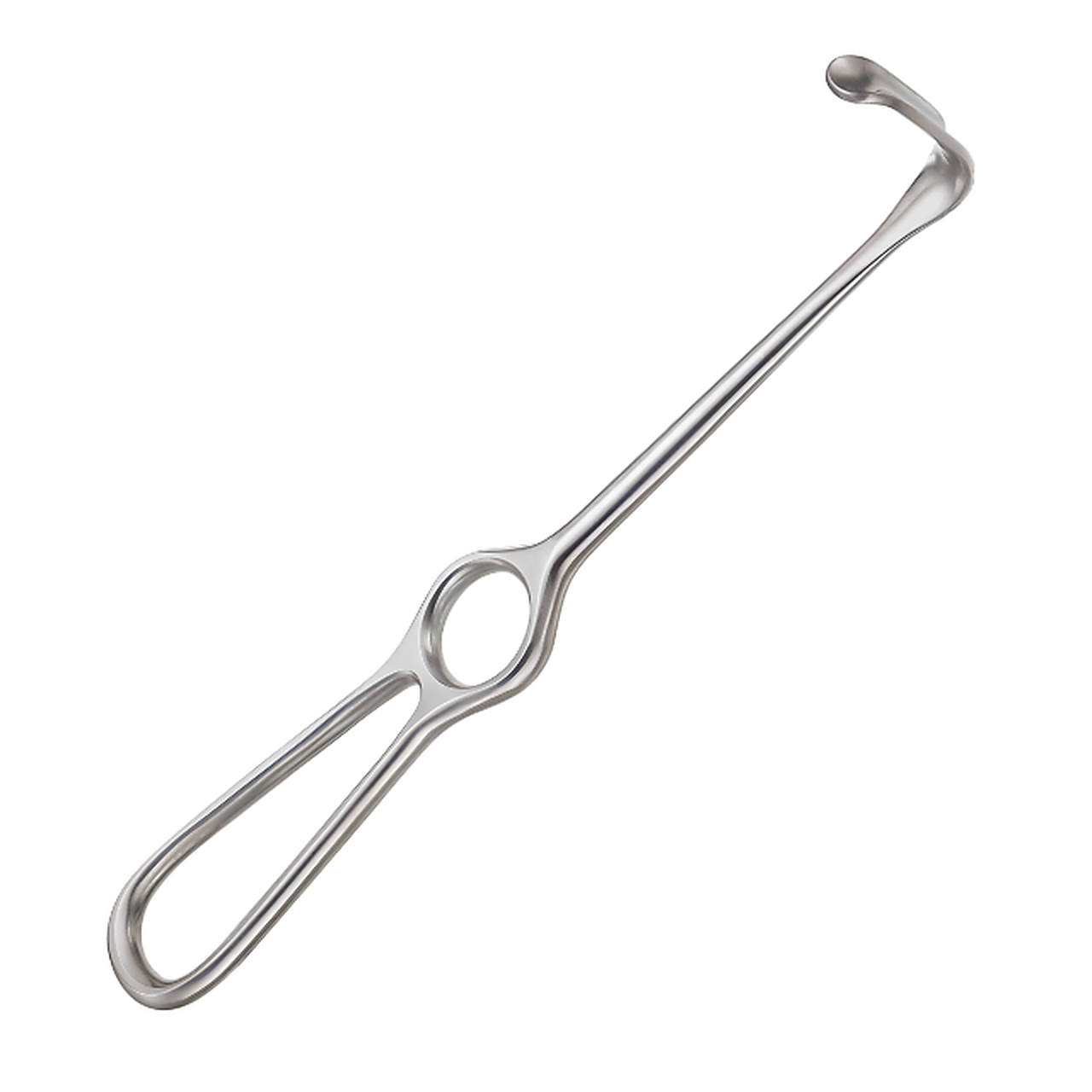 | Écarteur Dockhorn | Spécifiquement conçu pour rétracter les berges de plaies, les fascias et les tissus mous lors de chirurgies orales, maxillofaciales et générales. |
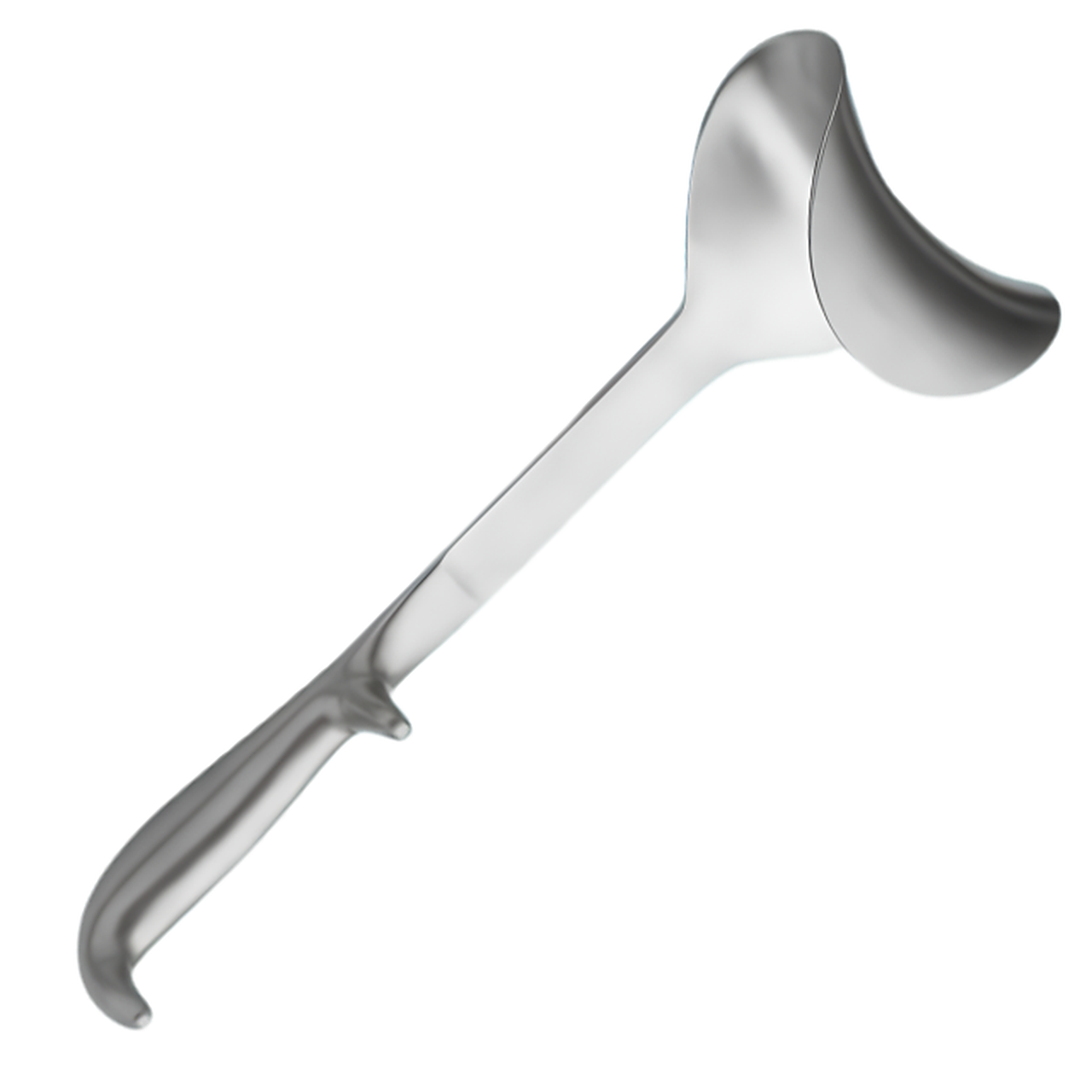 | Écarteur abdominal Doyen | Spécifiquement conçu pour rétracter la paroi abdominale, les organes viscéraux et la musculature pelvienne lors des procédures de laparotomie ouverte. |
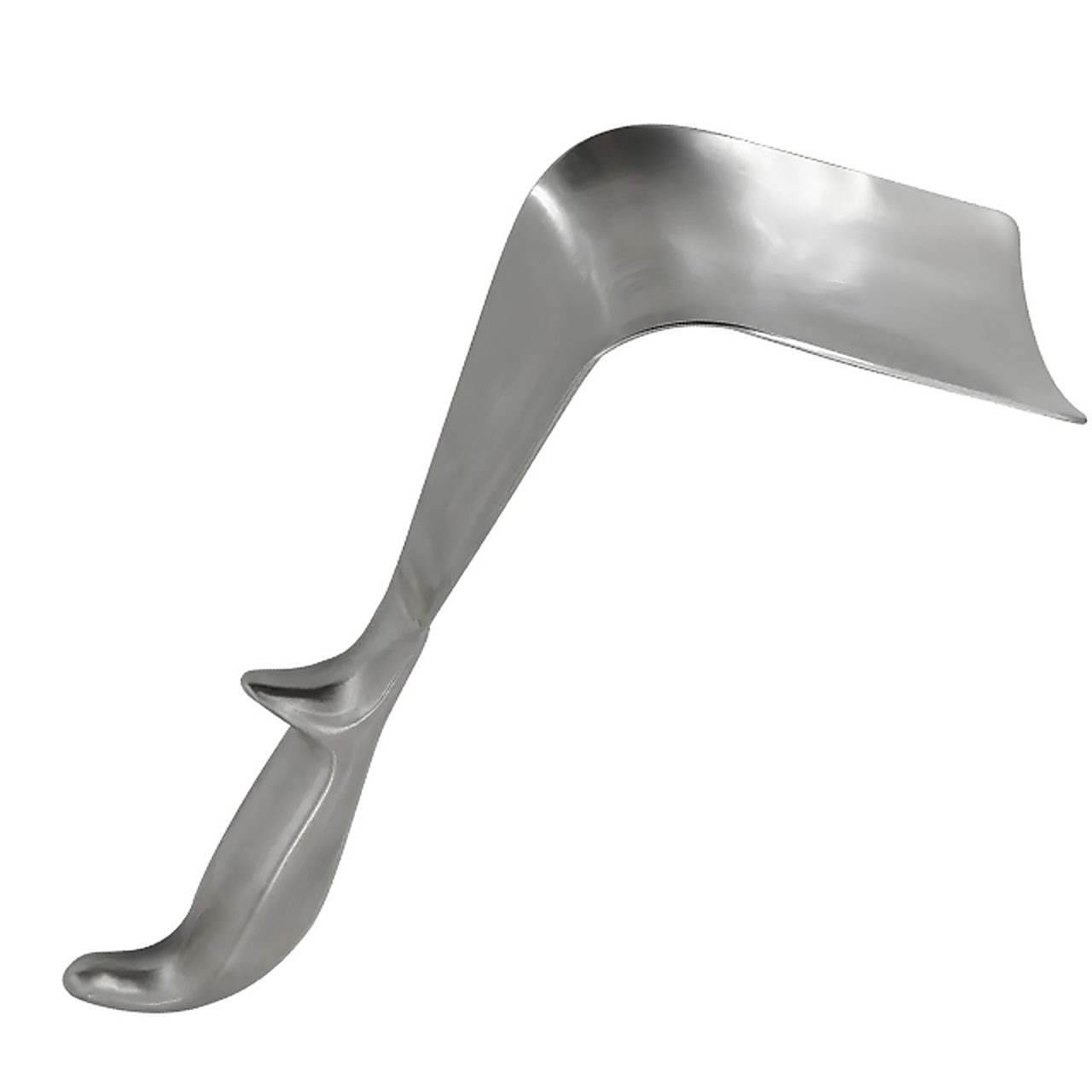 | Écarteur de Doyen | Spécifiquement conçu pour écarter la paroi abdominale et protéger les viscères lors des chirurgies générales et gynécologiques ouvertes. |
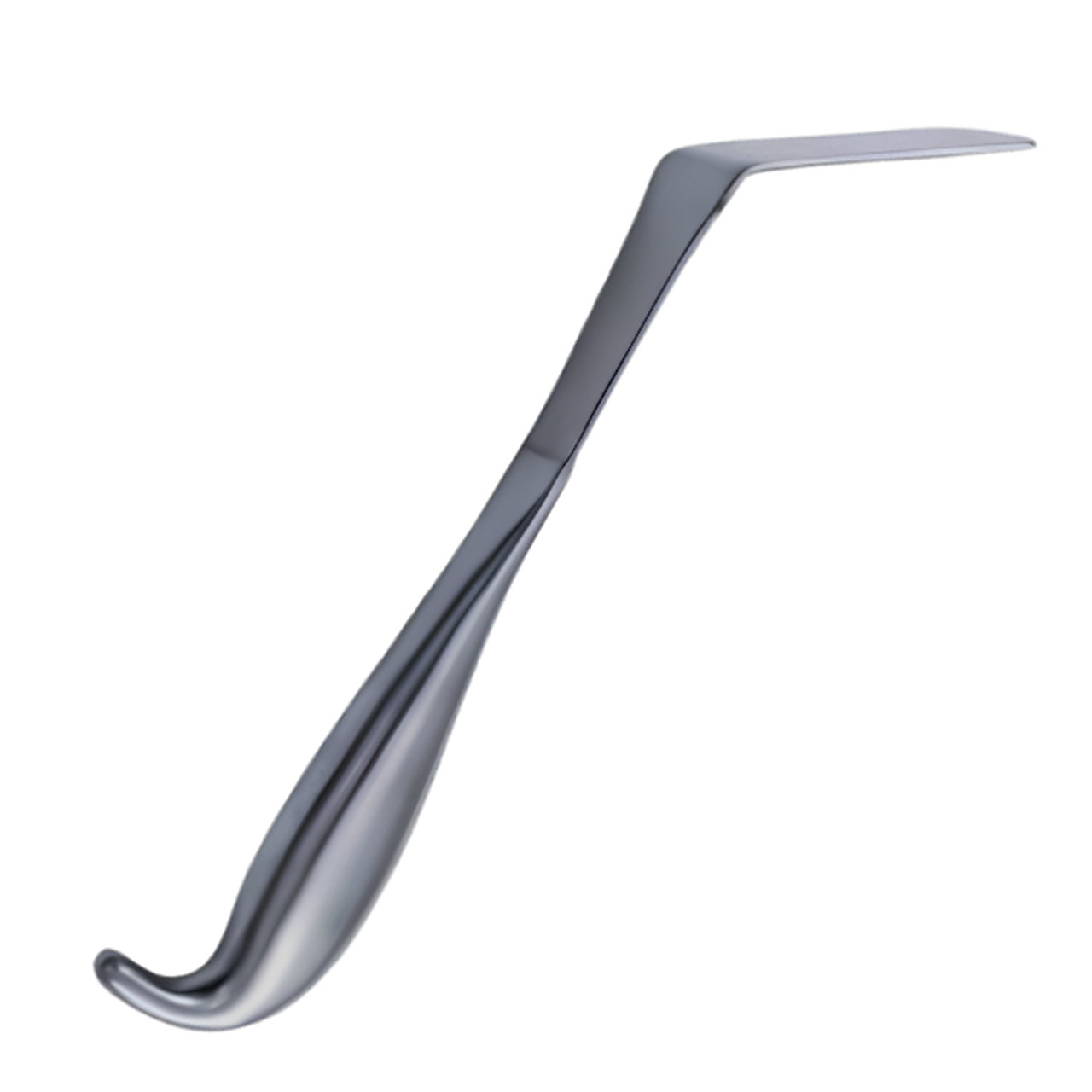 | Écarteur vaginal Doyen | Spécifiquement conçu pour écarter la paroi vaginale et exposer le col de l'utérus et le plancher pelvien lors de procédures gynécologiques. |
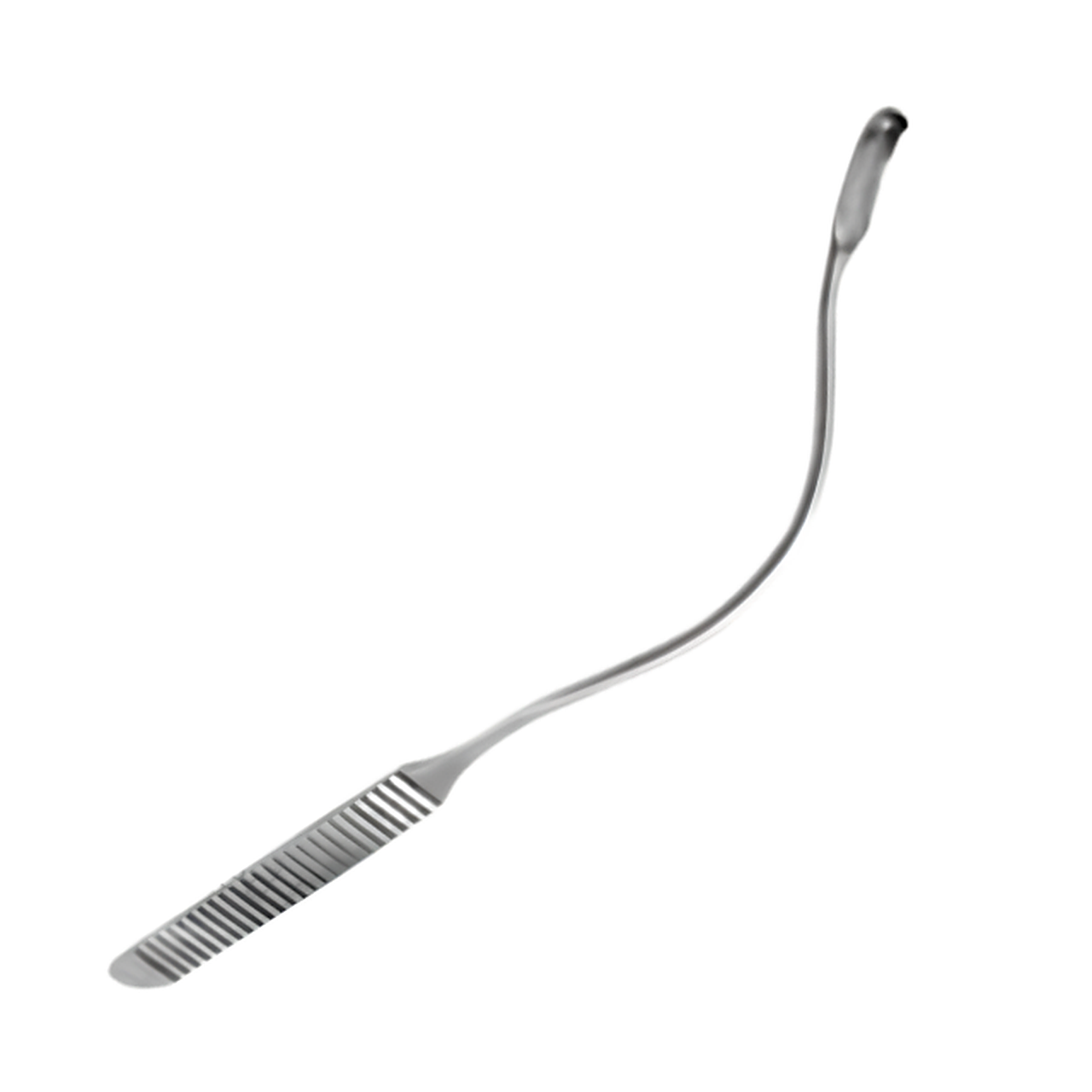 | Écarteur de Dumbach pour le canal mandibulaire | Spécifiquement conçu pour écarter les tissus mous et protéger les structures neurovasculaires le long du bord mandibulaire lors des ostéotomies de la branche. |
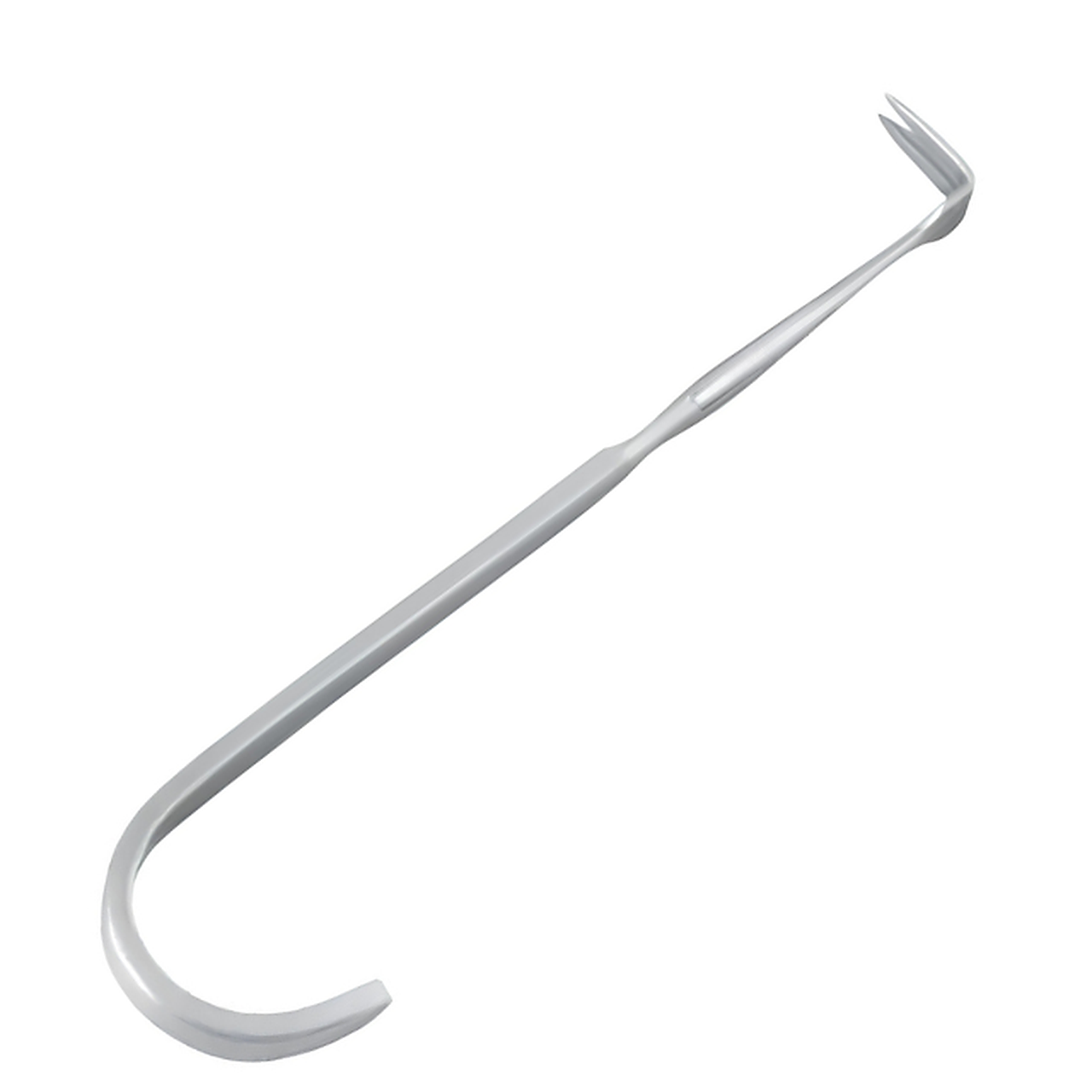 | Écarteur latéral Dunn Dautrey | Spécifiquement conçu pour écarter les tissus mous latéraux et exposer le ramus mandibulaire lors de la chirurgie orthognathique et orale. |
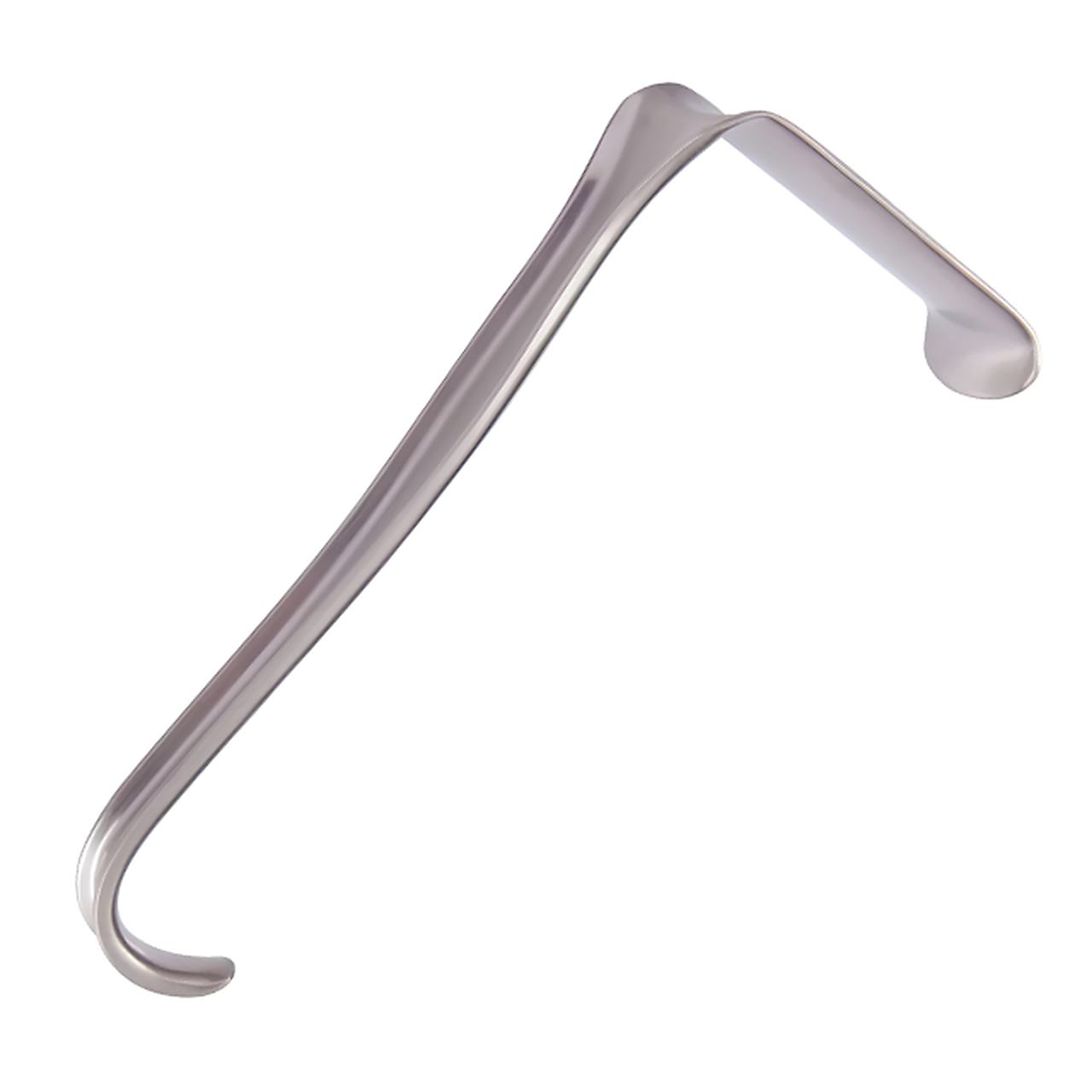 | Écarteur Vaginal Eastman | Spécifiquement conçu pour écarter les parois vaginales et permettre une visualisation profonde lors de chirurgies gynécologiques et reconstructrices pelviennes. |
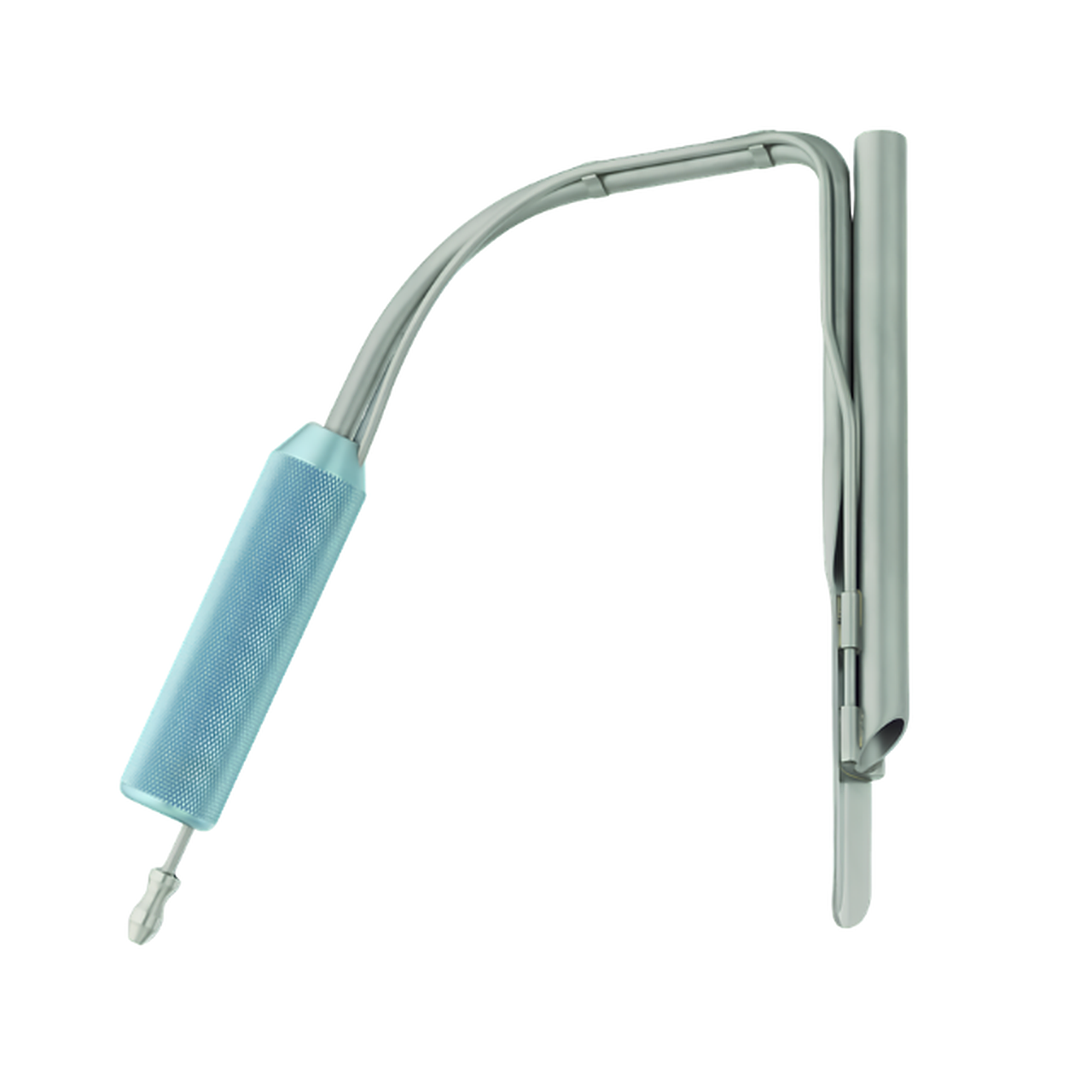 | Écarteur EMORY Endo-Plastic Retractor | Spécifiquement conçu pour élever les lambeaux tissulaires et guider un endoscope de 10 mm pendant la chirurgie esthétique et plastique endoscopique. |
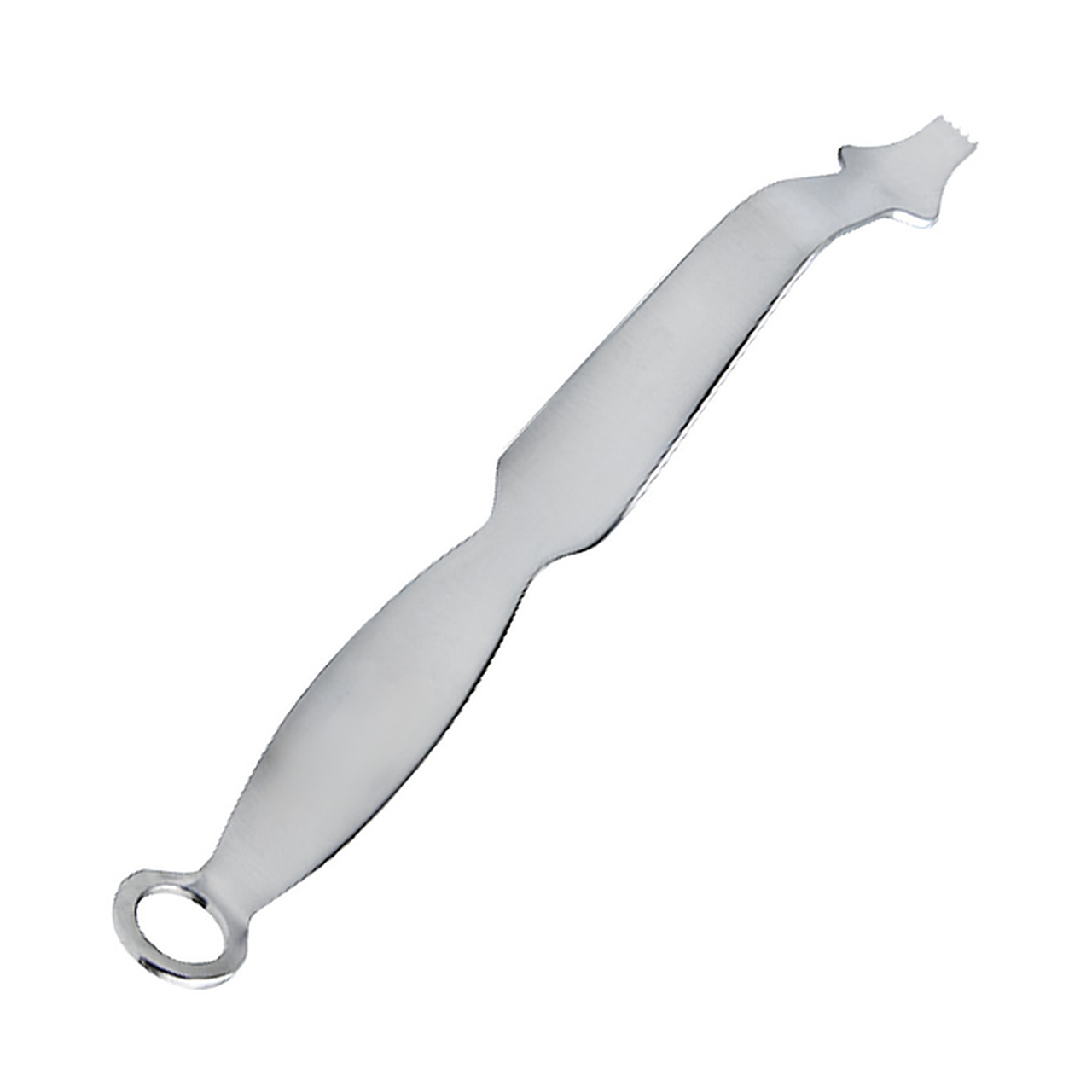 | Écarteur d'échancrure intercondylienne Engh | Spécifiquement conçu pour exposer l'échancrure intercondylienne et protéger les structures postérieures du genou lors de l'arthroplastie totale du genou. |
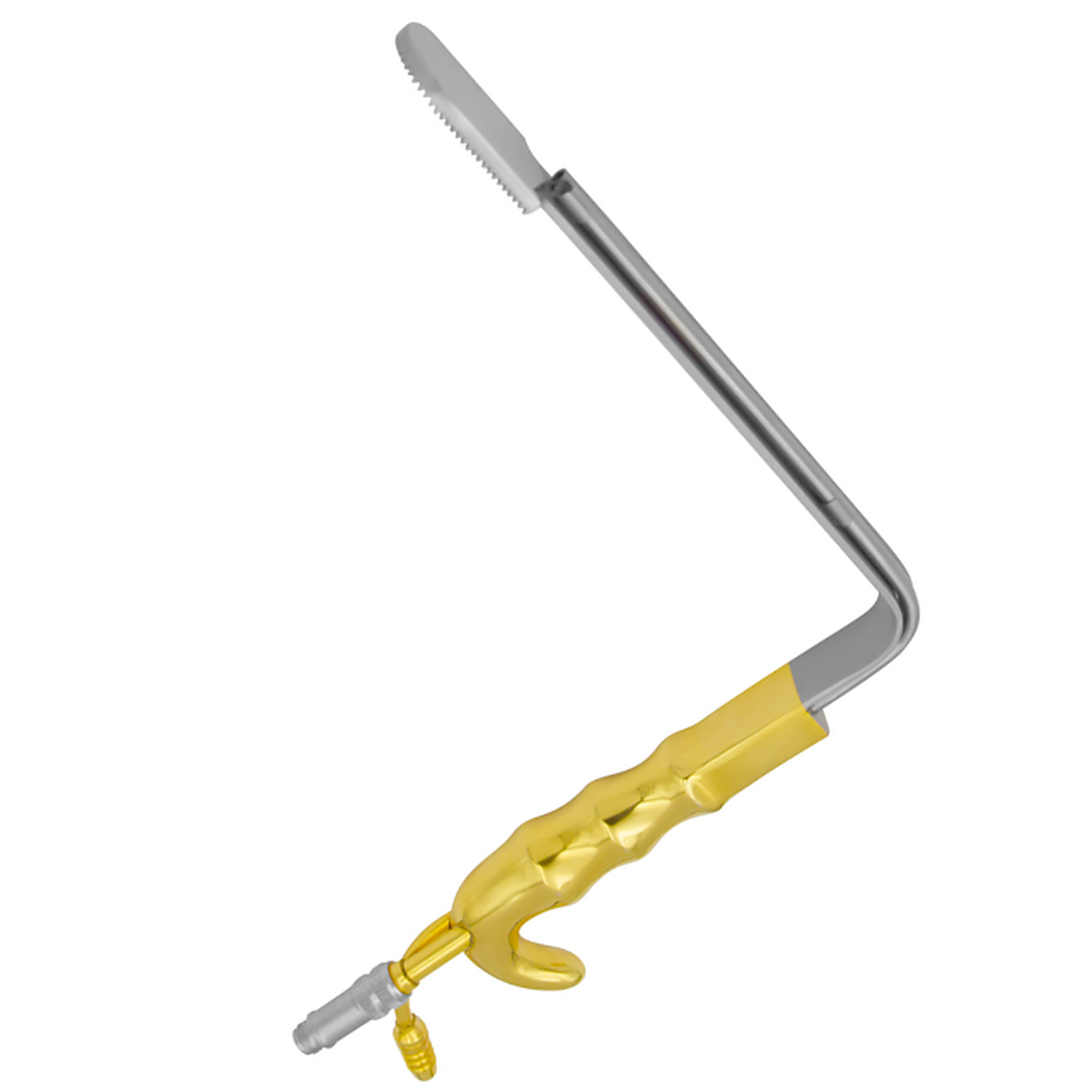 | Écarteur mammaire Epstein | Spécifiquement conçu pour élever les lambeaux tissulaires et créer des loges sous-pectorales ou sous-glandulaires lors d'augmentations et de reconstructions mammaires. |
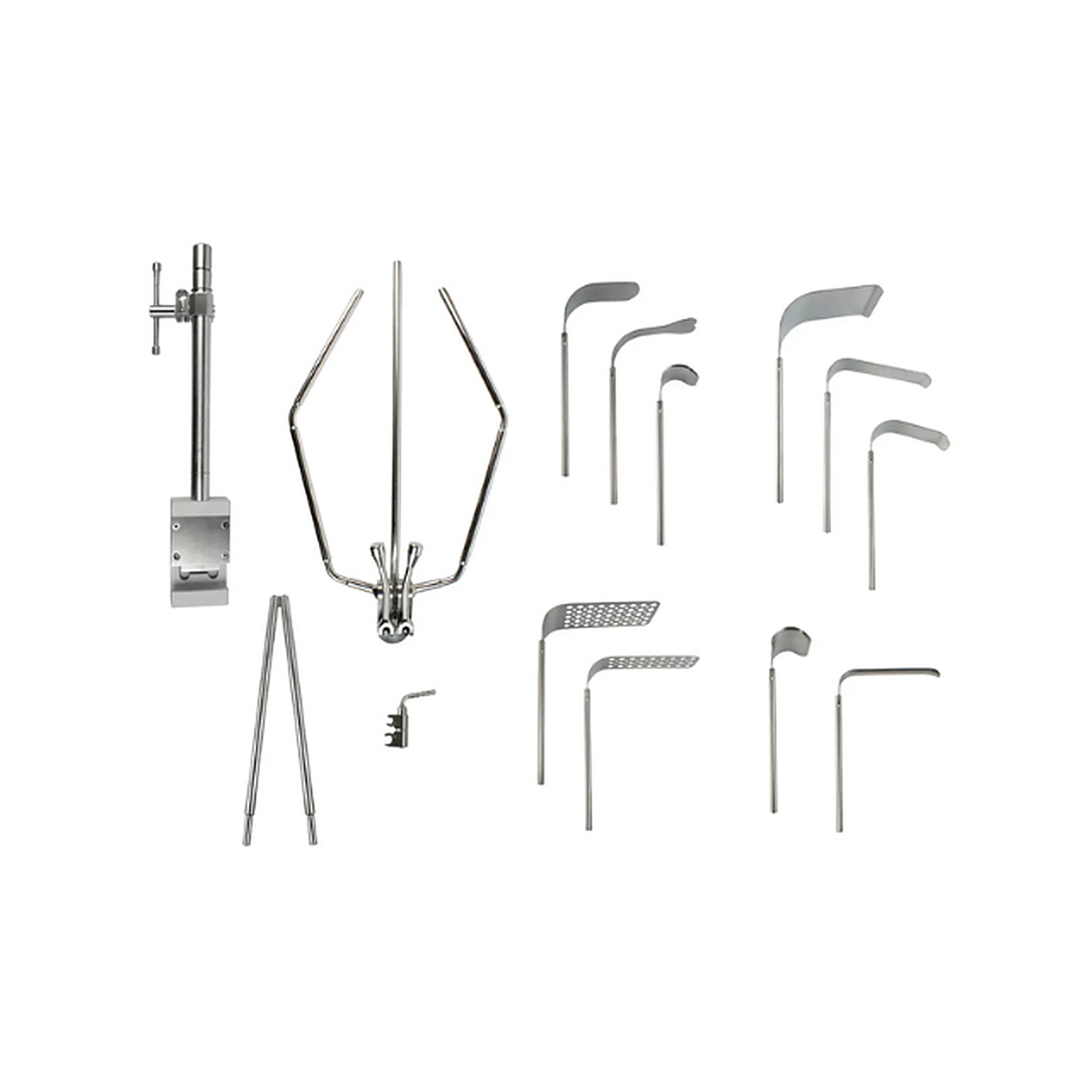 | Écarteur Vasculaire Lobster Étendu | Spécifiquement conçu pour assurer l'écartement des tissus mous et l'exposition du champ opératoire de manière autostatique et fixée à la table lors des procédures chirurgicales vasculaires. |
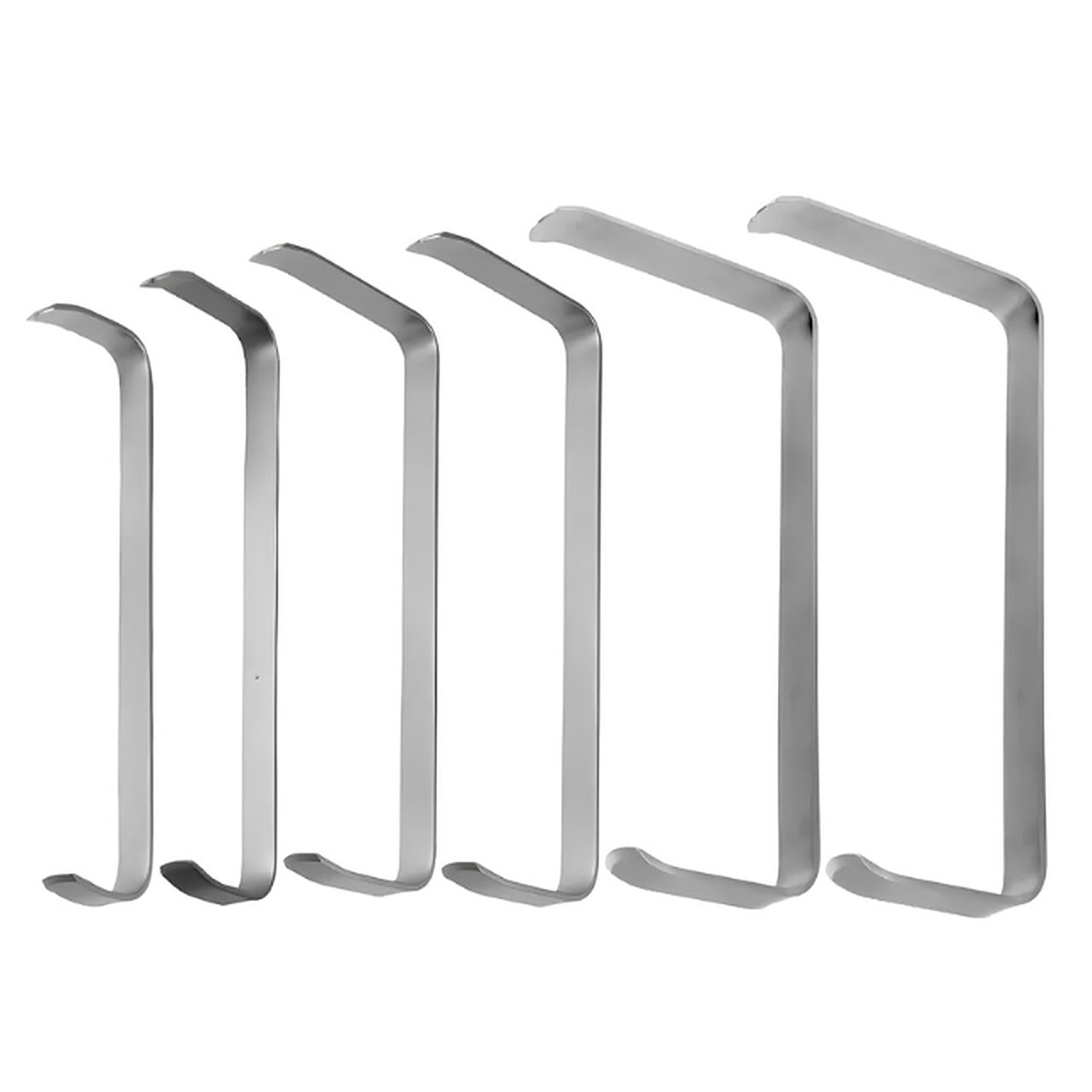 | Écarteur de Farabeuf | Spécifiquement conçu pour écarter la peau, les fascias et les tissus mous lors d'incisions chirurgicales superficielles et intermédia. |
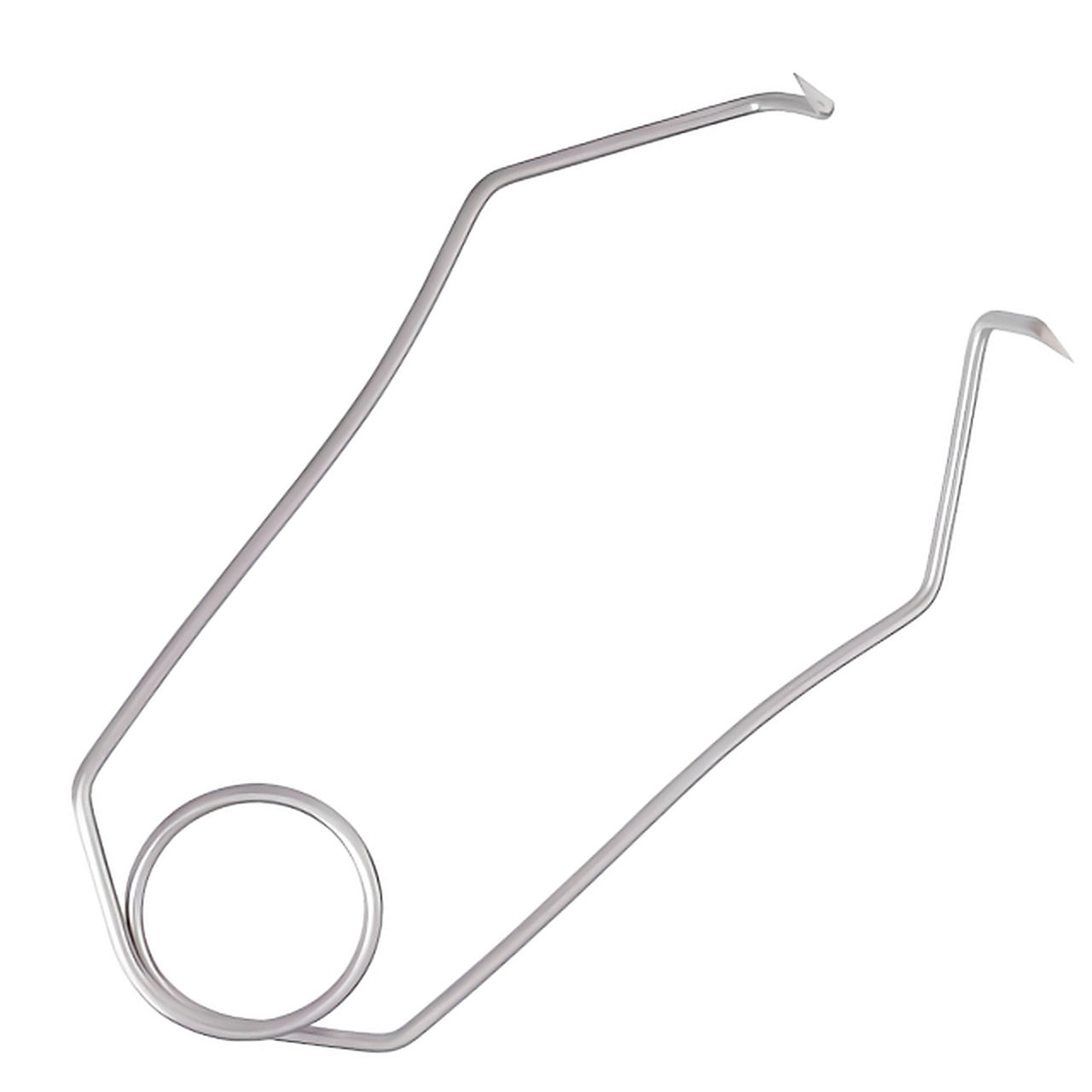 | Écarteur Farr Spring | Spécifiquement conçu pour assurer une rétraction tissulaire auto-statique assistée par ressort lors de procédures de chirurgie plastique, pédiatrique et de petite chirurgie. |
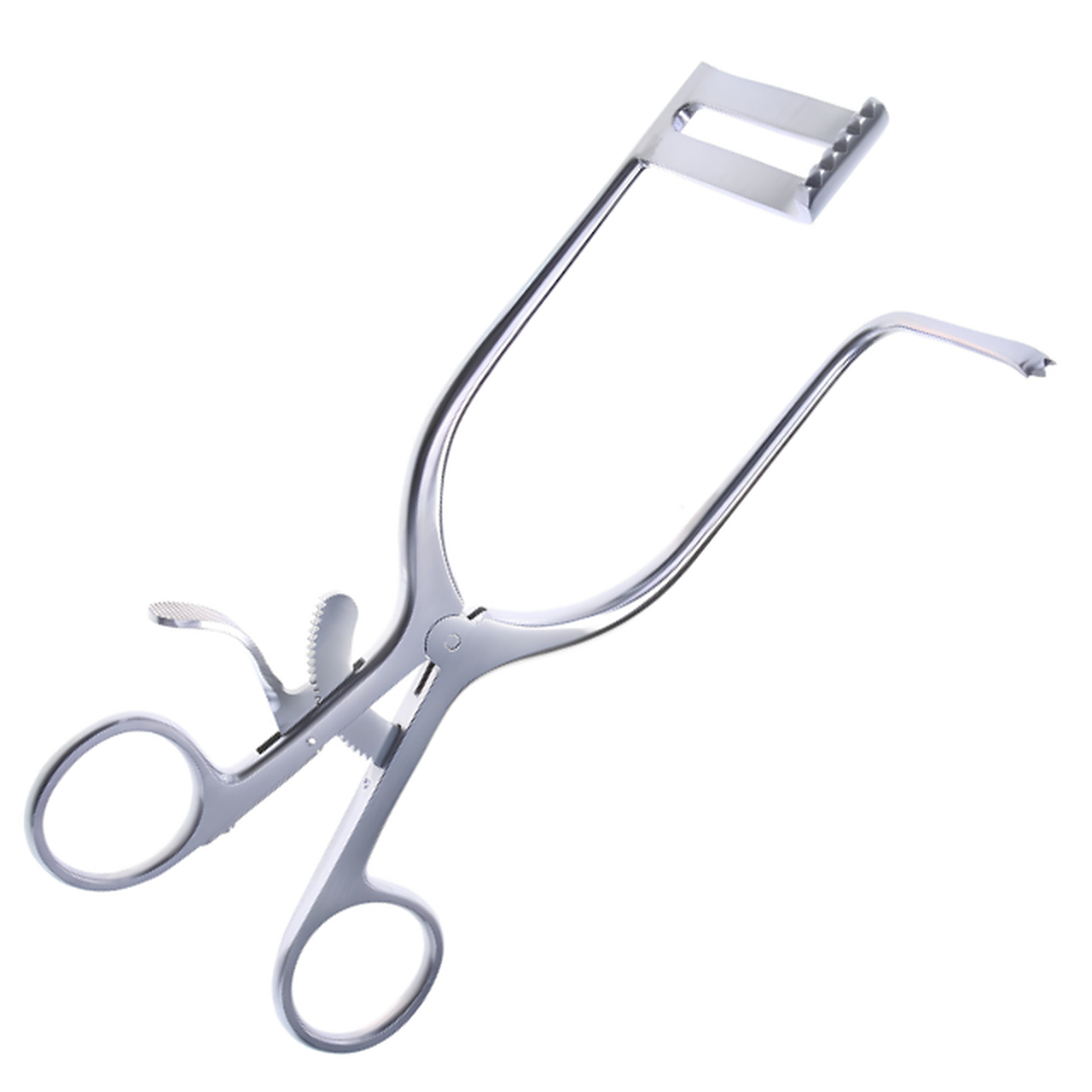 | Écarteur Feler-Ducker | Spécifiquement conçu pour assurer l'écartement autostatique des muscles paraspinal et des tissus mous lors de laminectomies vertébrales et d'implantations d'électrodes. |
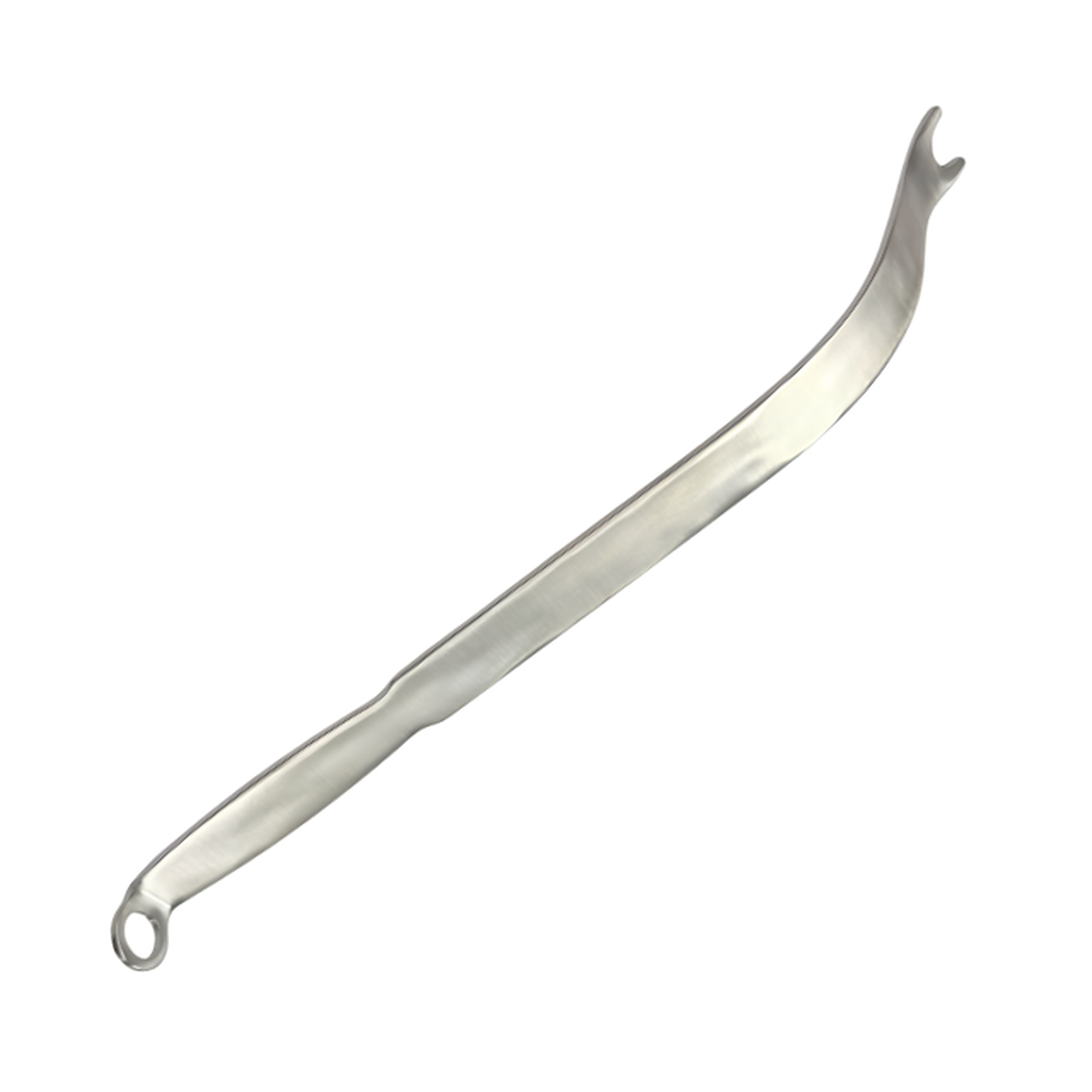 | Écarteur de Calcar Fémoral | Spécifiquement conçu pour exposer le calcar femorale et écarter les tissus mous lors de la préparation du canal fémoral dans l'arthroplastie de la hanche. |
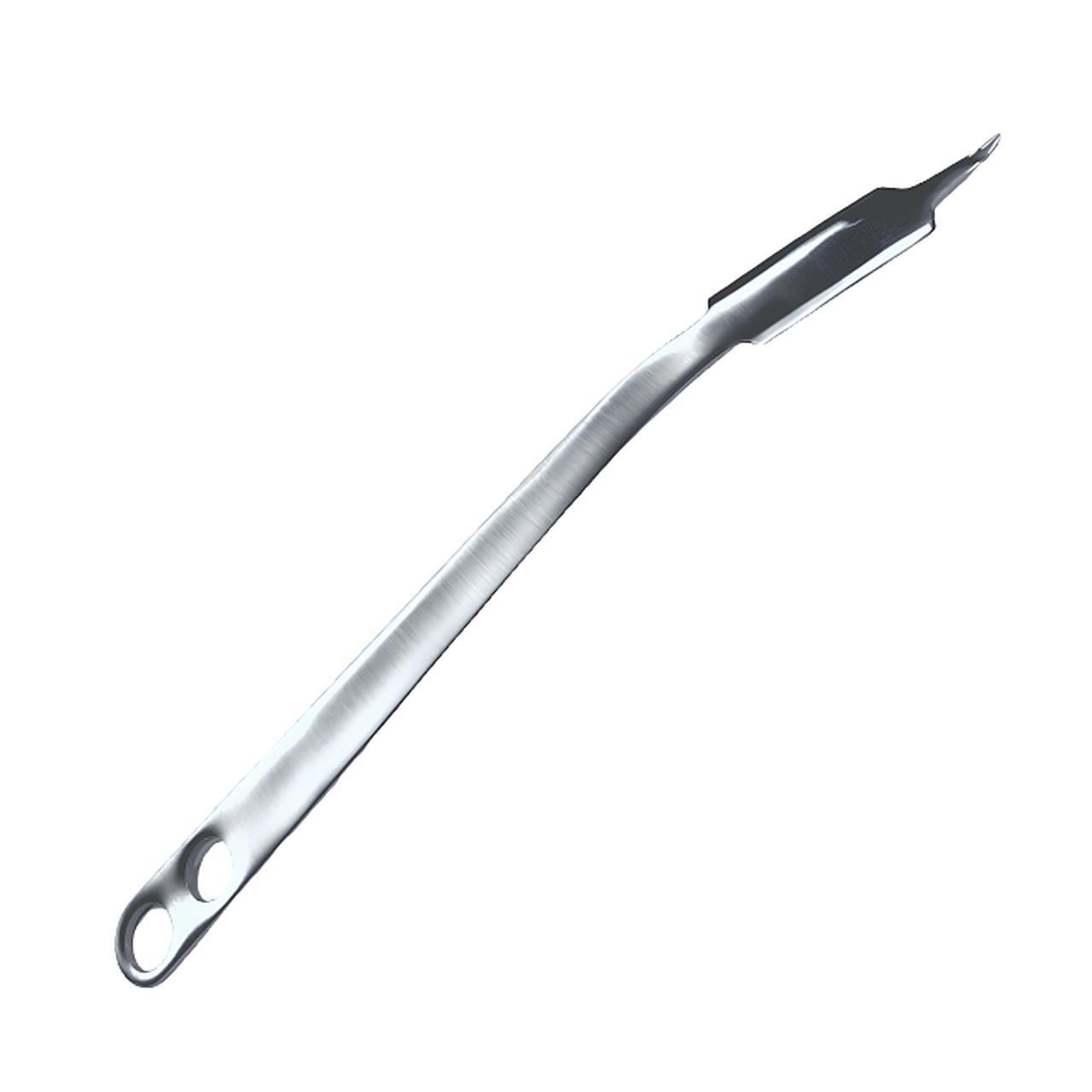 | Écarteur Femoral/Gluteus Medius Minimus Retractor | Spécifiquement conçu pour écarter la musculature fessière lourde et exposer l'acétabulum et le fémur lors de l'arthroplastie de la hanche. |
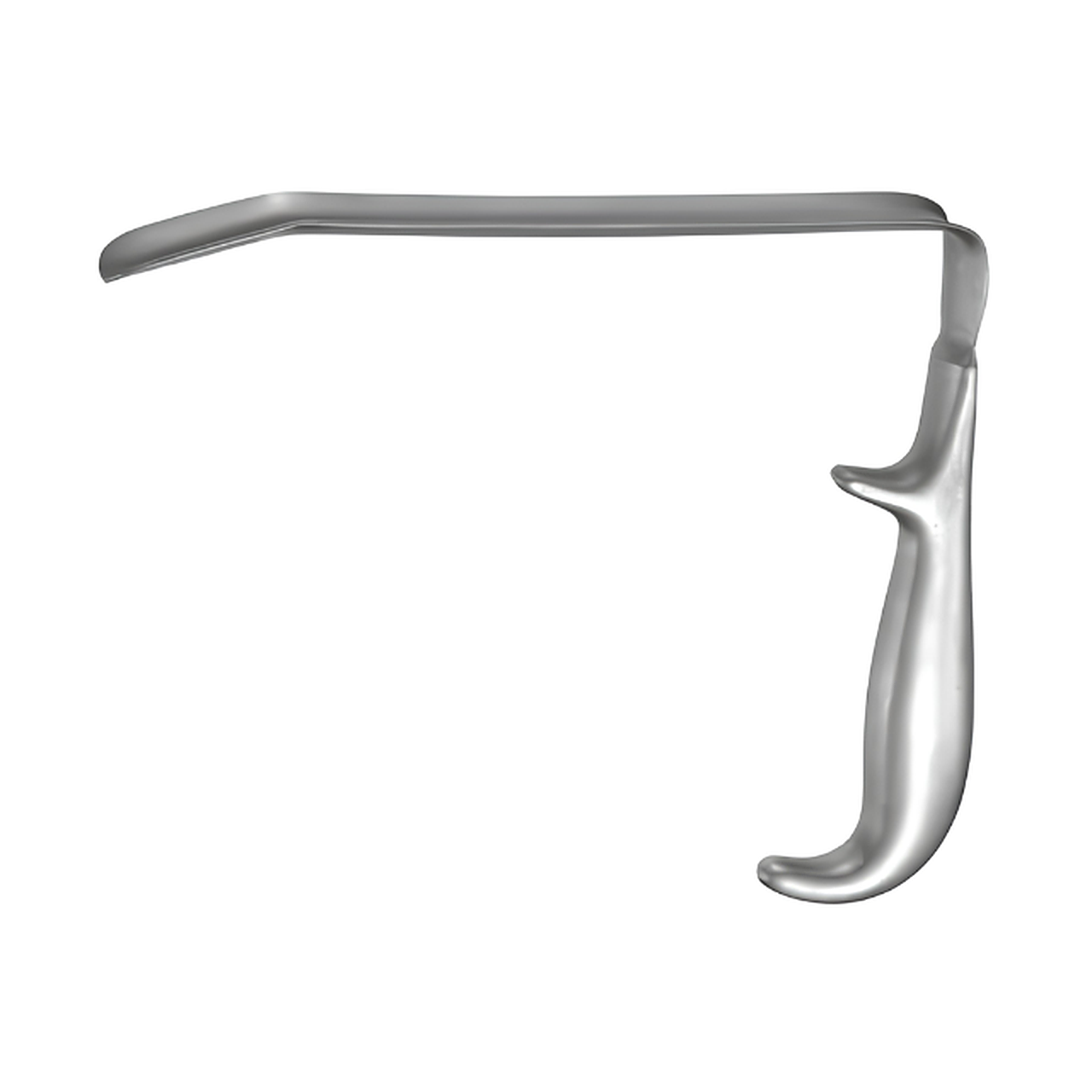 | Écarteur de Ferreira pour augmentation mammaire | Spécifiquement conçu pour élever les lambeaux tissulaires et créer des loges sous-musculaires ou sous-glandulaires lors de l'augmentation et de la reconstruction mammaires. |
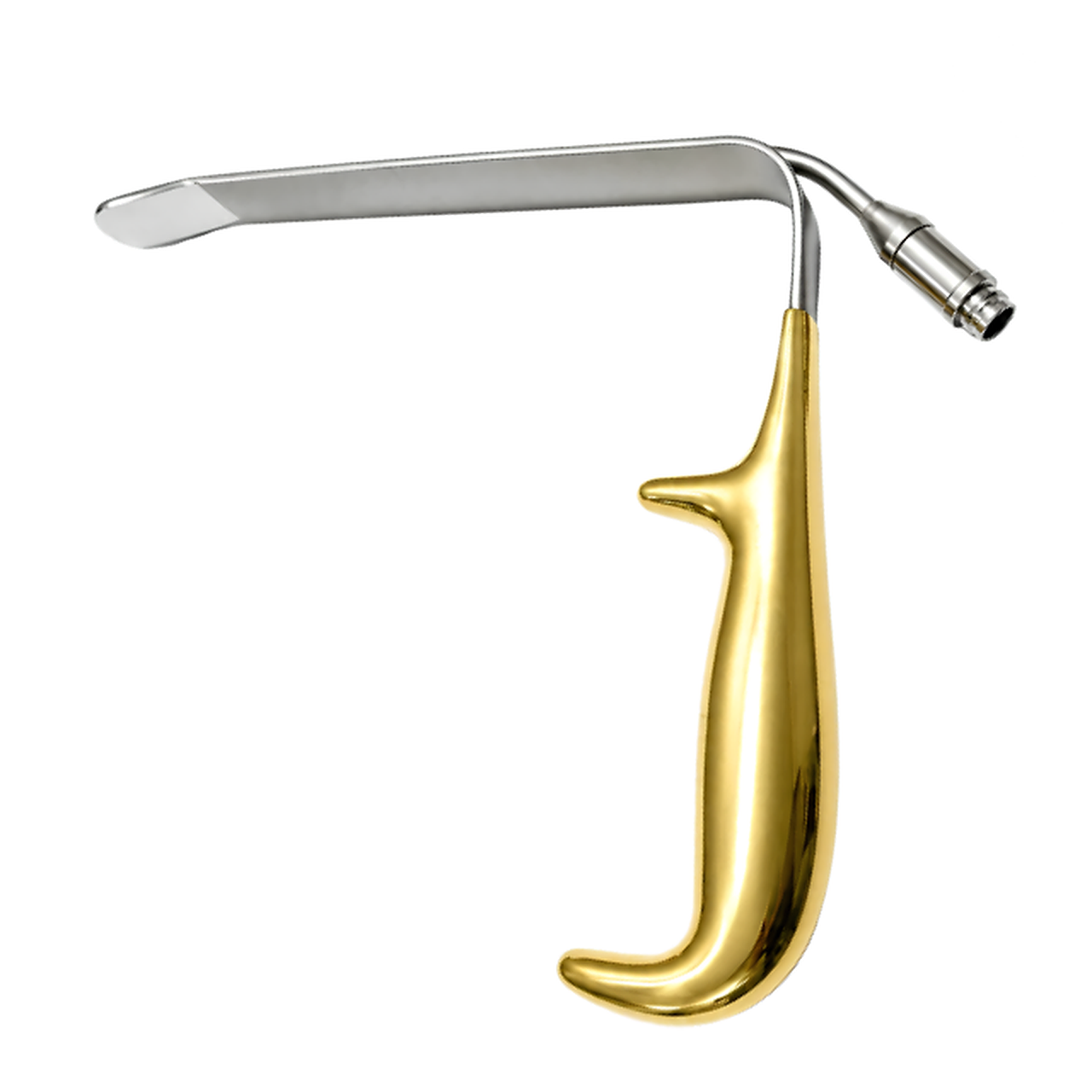 | Écarteur de Ferreira pour augmentation mammaire - Fibres optiques | Spécifiquement conçu pour assurer l'écartement des tissus mous et la visualisation éclairée des loges lors des augmentations et reconstructions mammaires. |
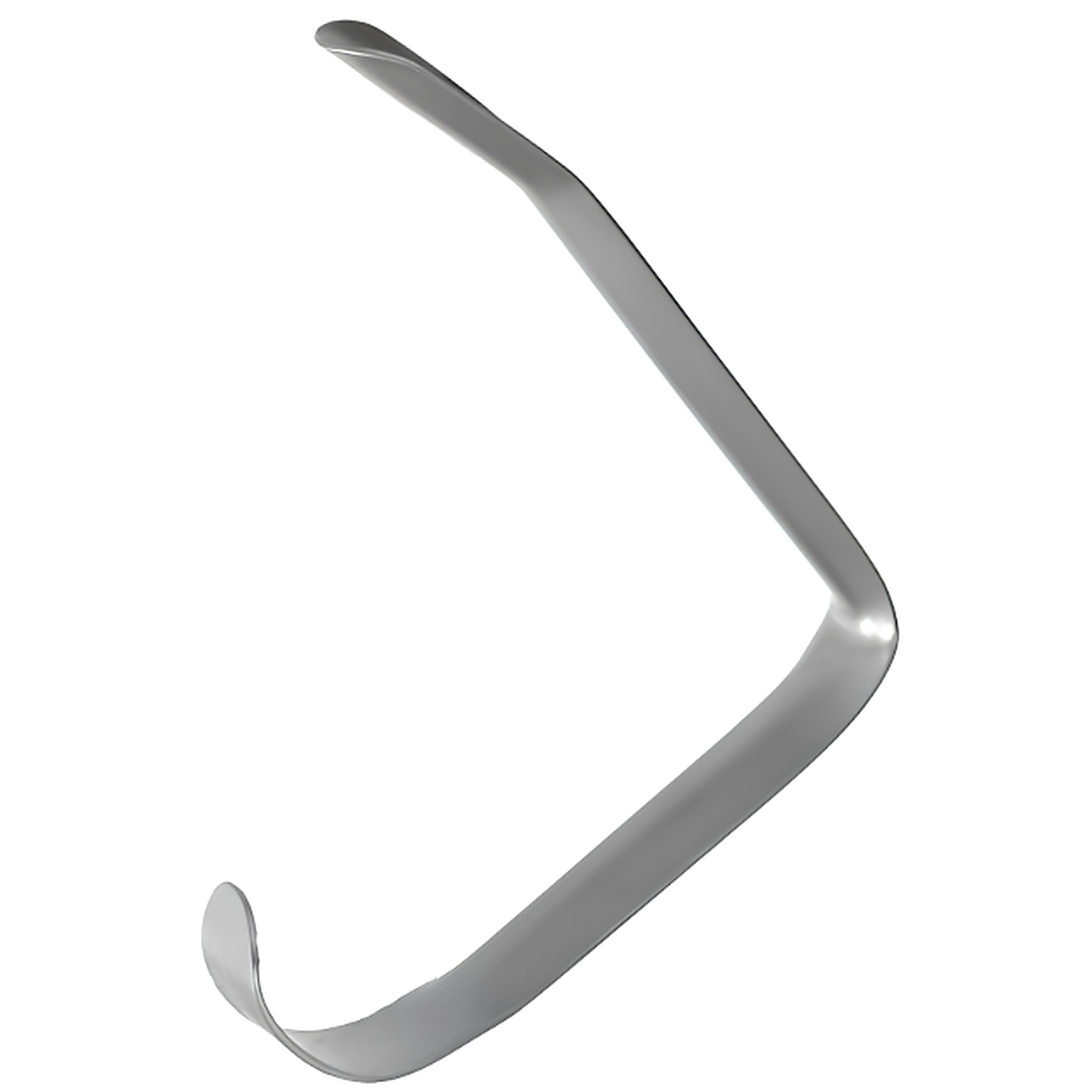 | Écarteur de lifting Ferreira Face Lift Retractor | Spécialement conçu pour soulever les lambeaux cutanés faciaux et les couches du SMAS lors d'une rhytidectomie et d'une chirurgie esthétique du visage. |
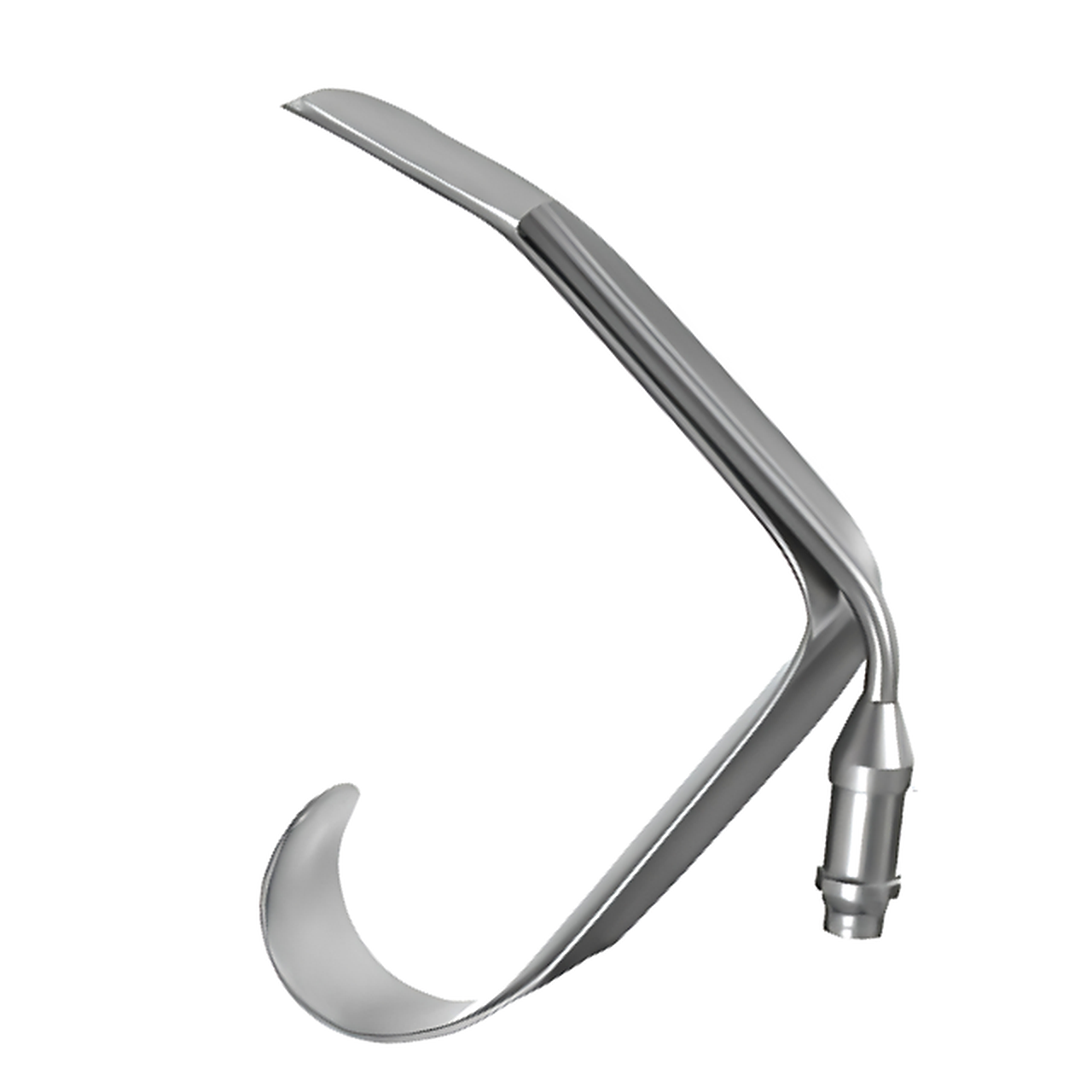 | Écarteur de lifting Ferreira à fibre optique | Spécifiquement conçu pour assurer l'écartement éclairé des tissus mous et l'élévation du lambeau cutané facial lors de la rhytidectomie. |
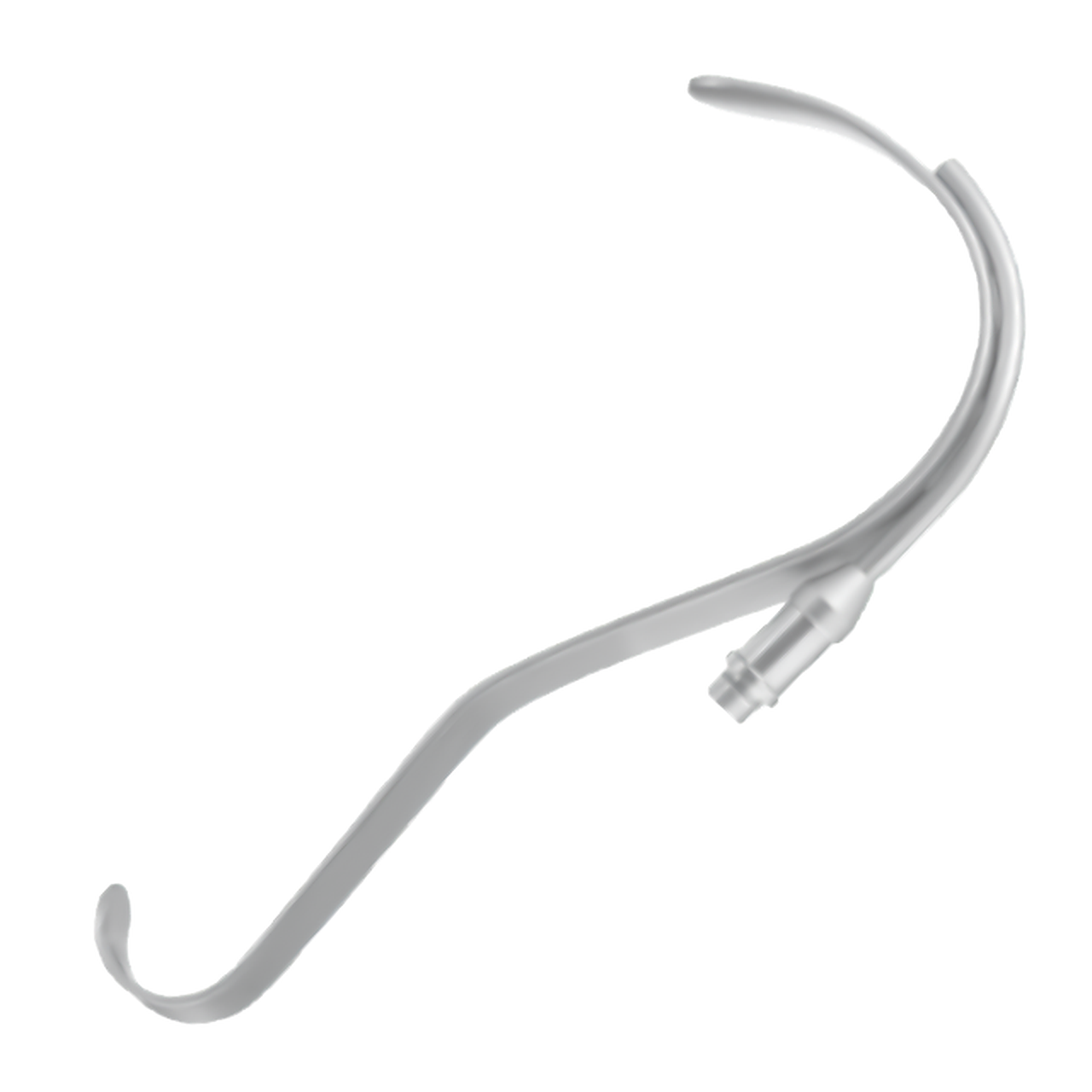 | Écarteur Deaver à fibre optique | Spécifiquement conçu pour écarter les organes viscéraux et fournir un éclairage direct lors de chirurgies abdominales et pelviennes profondes. |
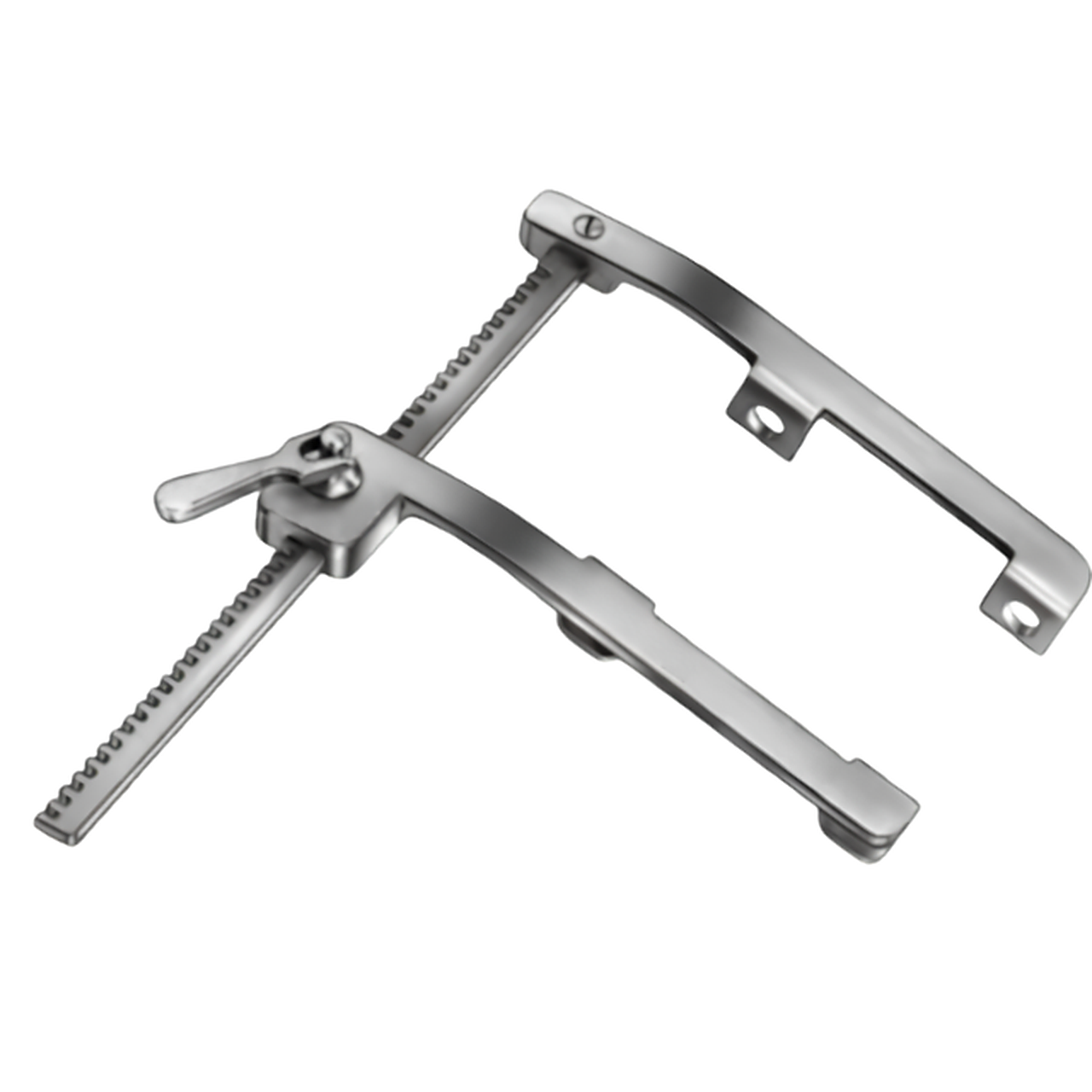 | Écarteur de côtes Finochietto (Modif) | Spécifiquement conçu pour écarter les côtes et permettre l'accès thoracique lors de thoracotomies antérieures et latérales. |
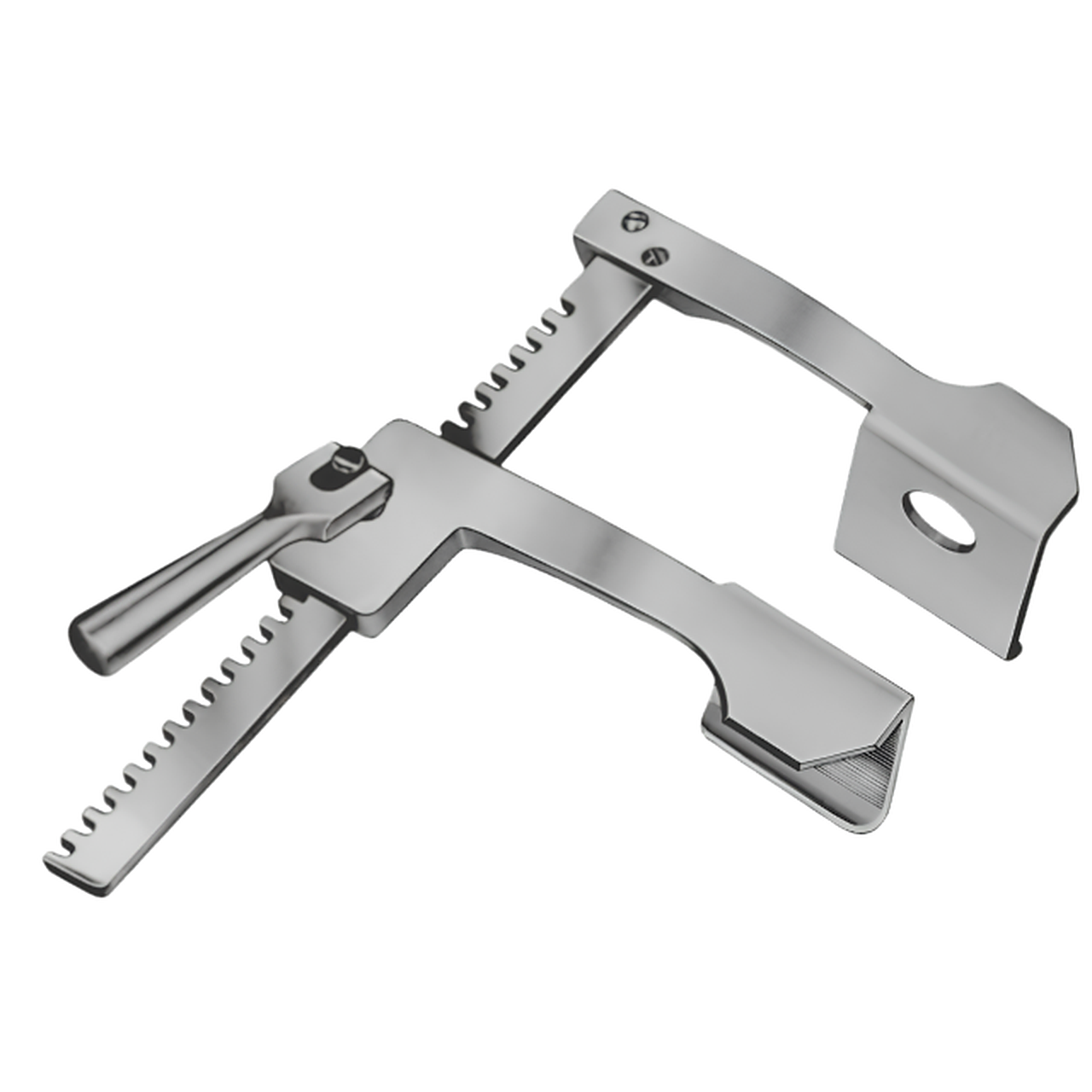 | Écarteur de Côtes Finochietto | Spécifiquement conçu pour écarter les côtes et élargir la cavité thoracique lors des procédures de thoracotomie ouverte. |
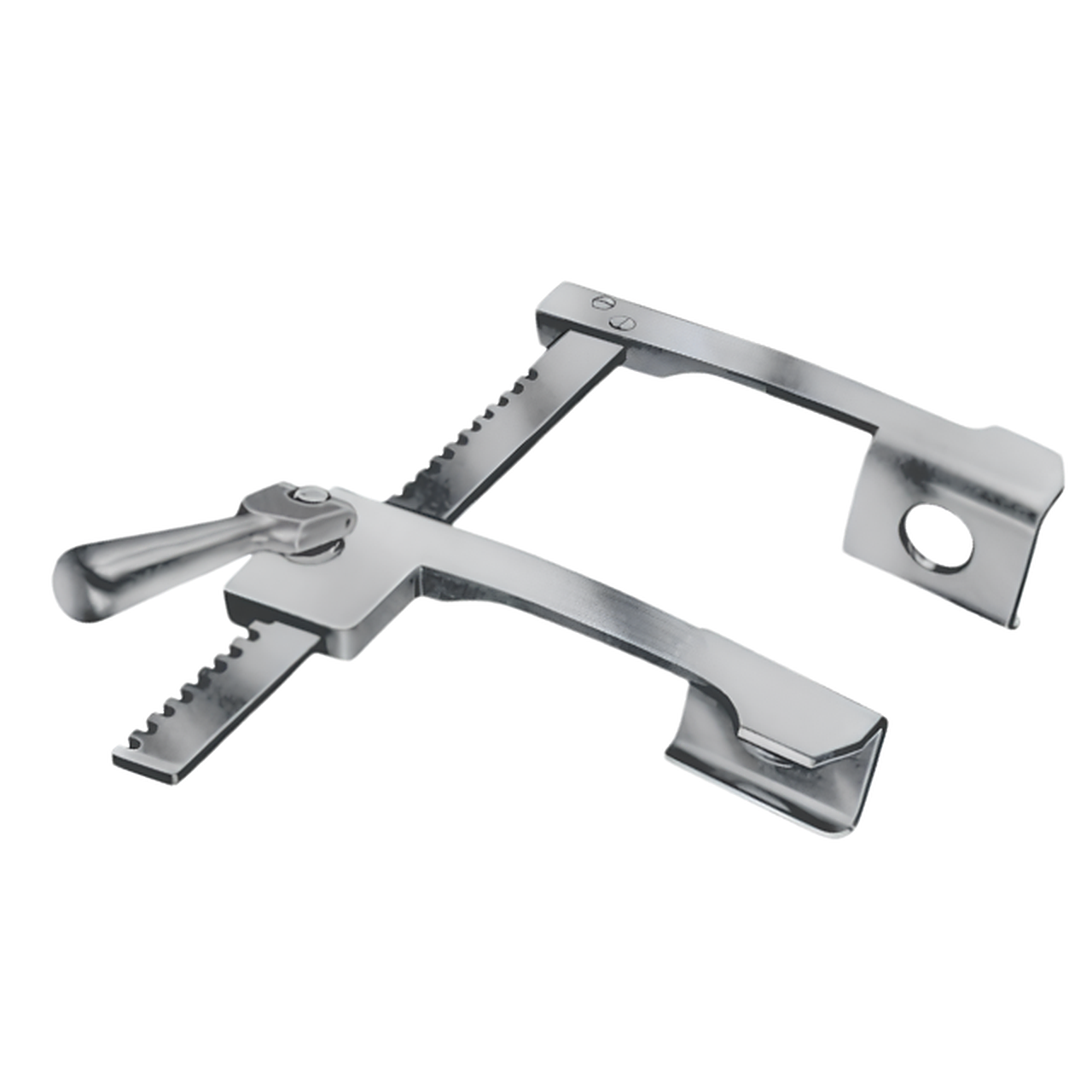 | Écarteur costal Finochietto-Baby | Spécifiquement conçu pour écarter les côtes et permettre l'accès thoracique lors de la chirurgie cardiothoracique néonatale et pédiatrique. |
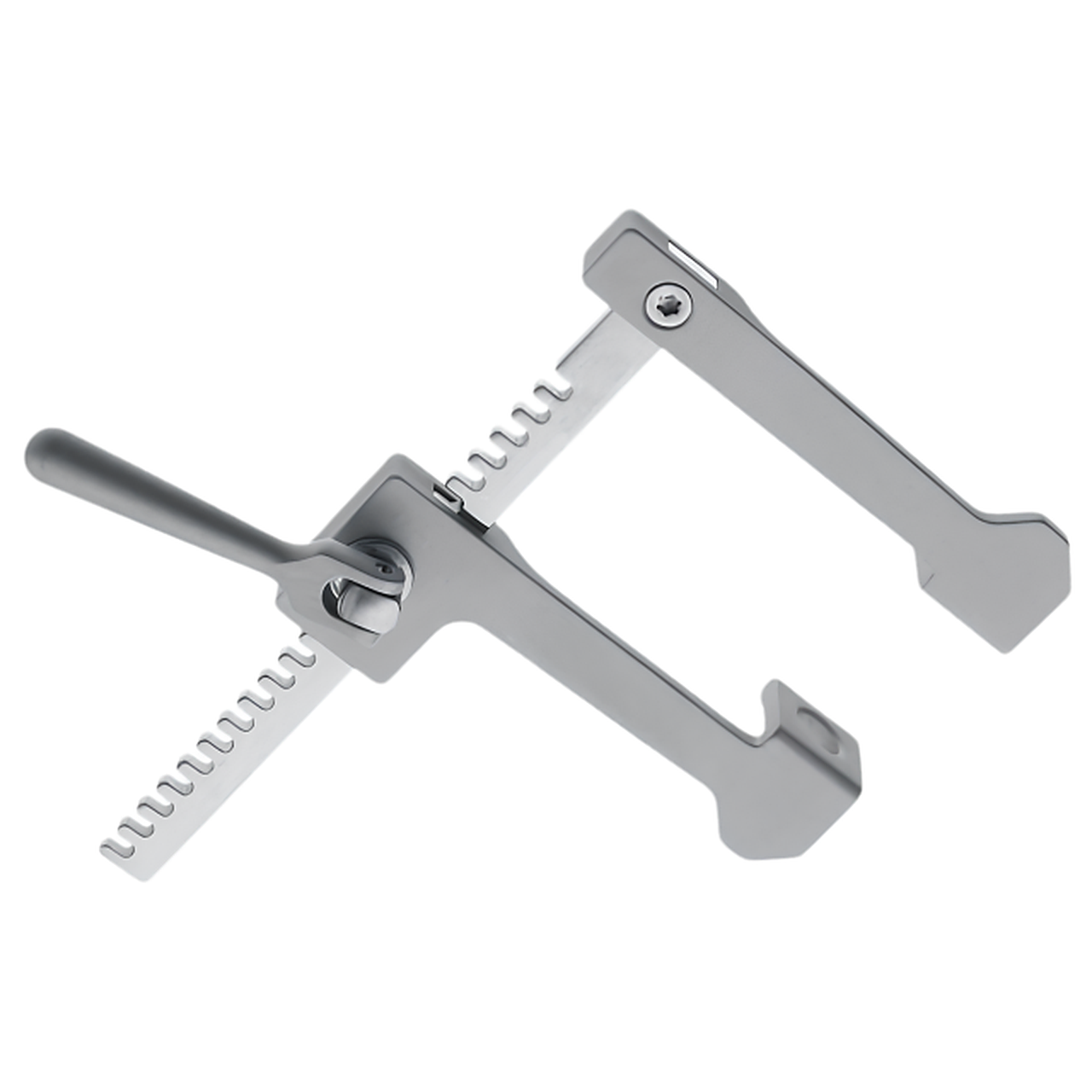 | Écarteur de côtes Finochietto-Infant | Spécifiquement conçu pour écarter les côtes délicates des nourrissons lors de la chirurgie cardiothoracique néonatale et infantile. |
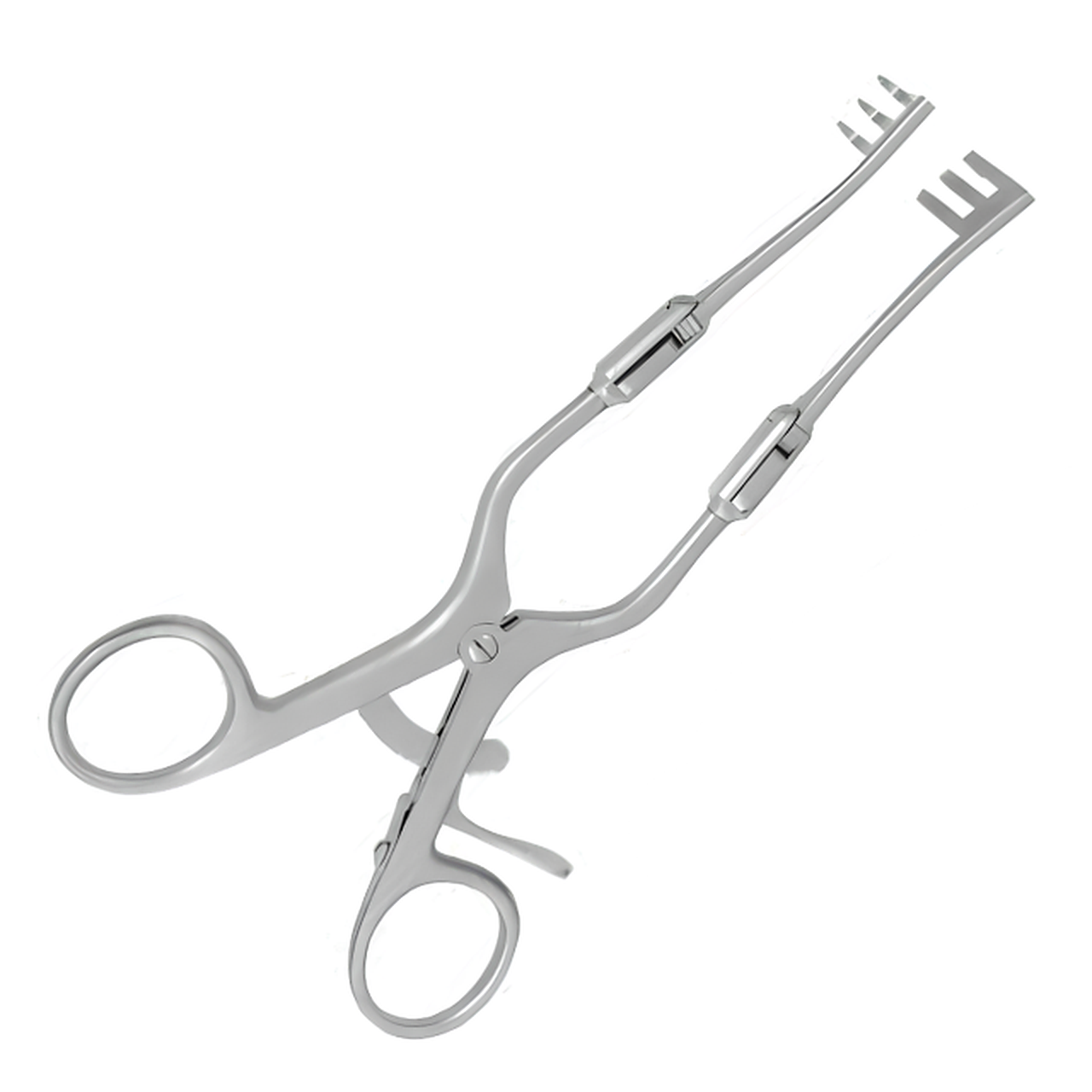 | Écarteur Fisch avec joint articulé | Spécifiquement conçu pour écarter le lambeau de tissus mous rétroauriculaires et le périoste pendant la chirurgie de la mastoïde et de la base latérale du crâne. |
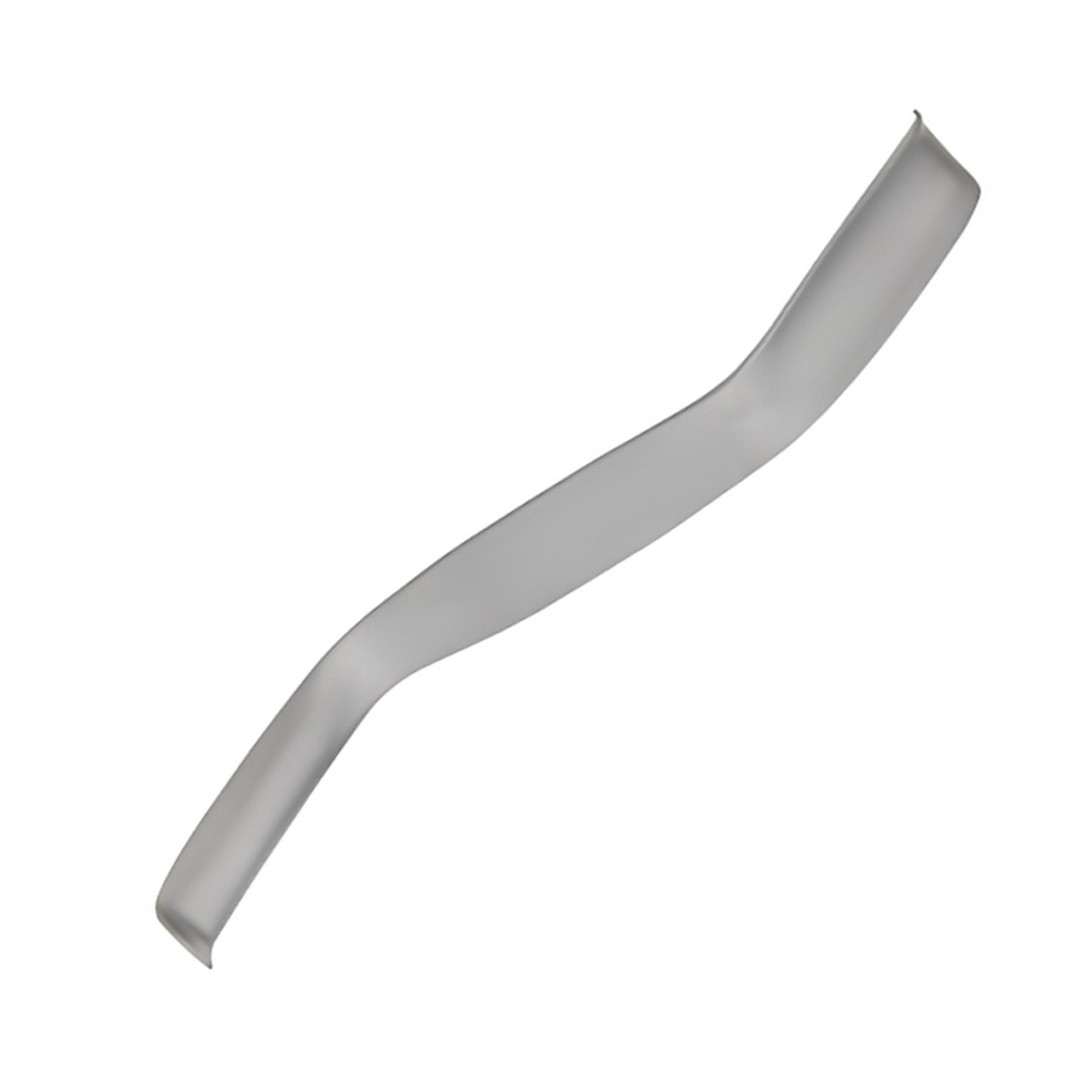 | Écarteur Fischl en forme de chausse-pied | Spécifiquement conçu pour l'écartement des lambeaux cutanés, le guidage des prothèses et la séparation des plans tissulaires en chirurgie plastique et générale. |
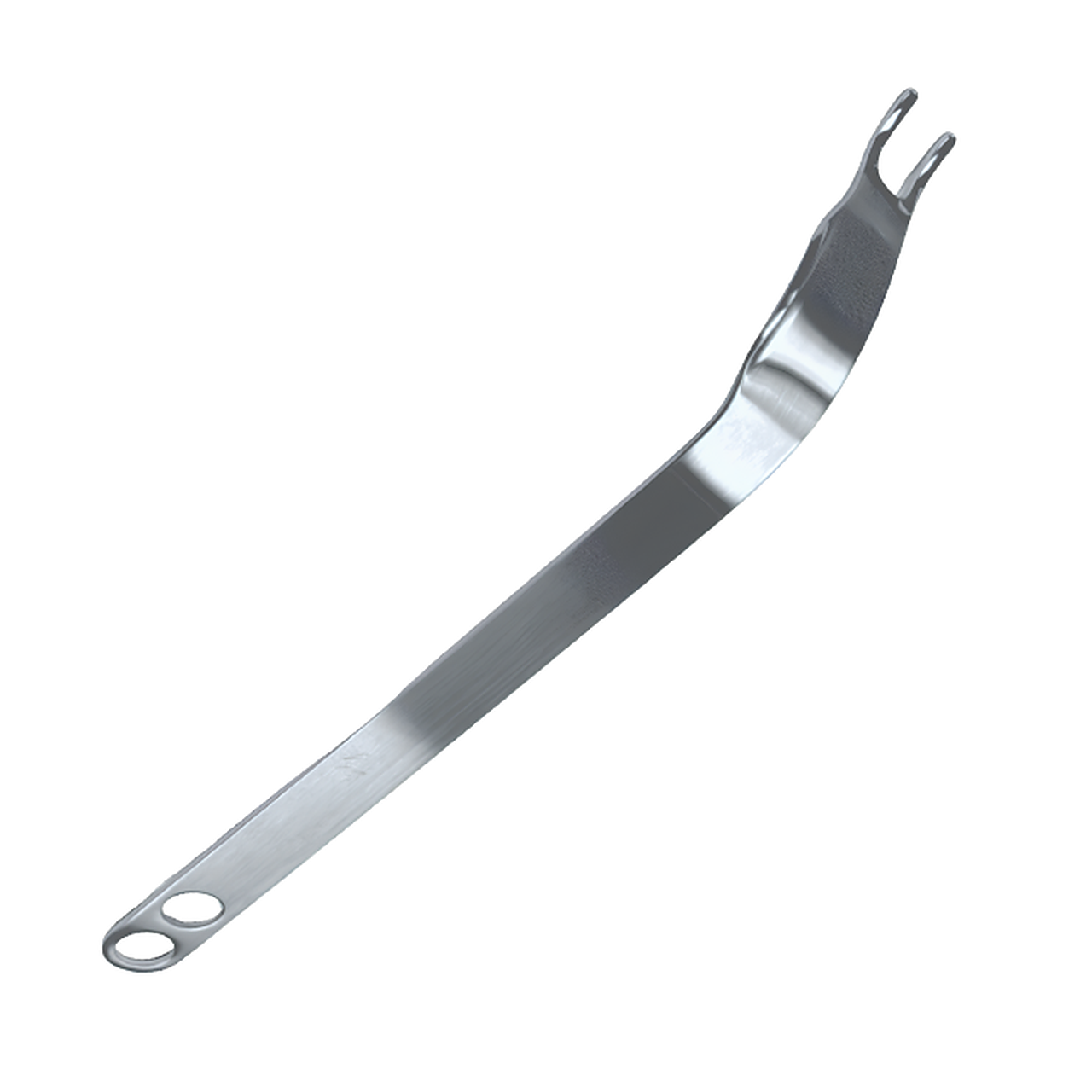 | Écarteurs Flared Cobra | Spécifiquement conçu pour faire levier sur l'os et rétracter la musculature lourde lors de l'arthroplastie totale de hanche, de l'ostéotomie pelvienne et de la reconstruction du fémur. |
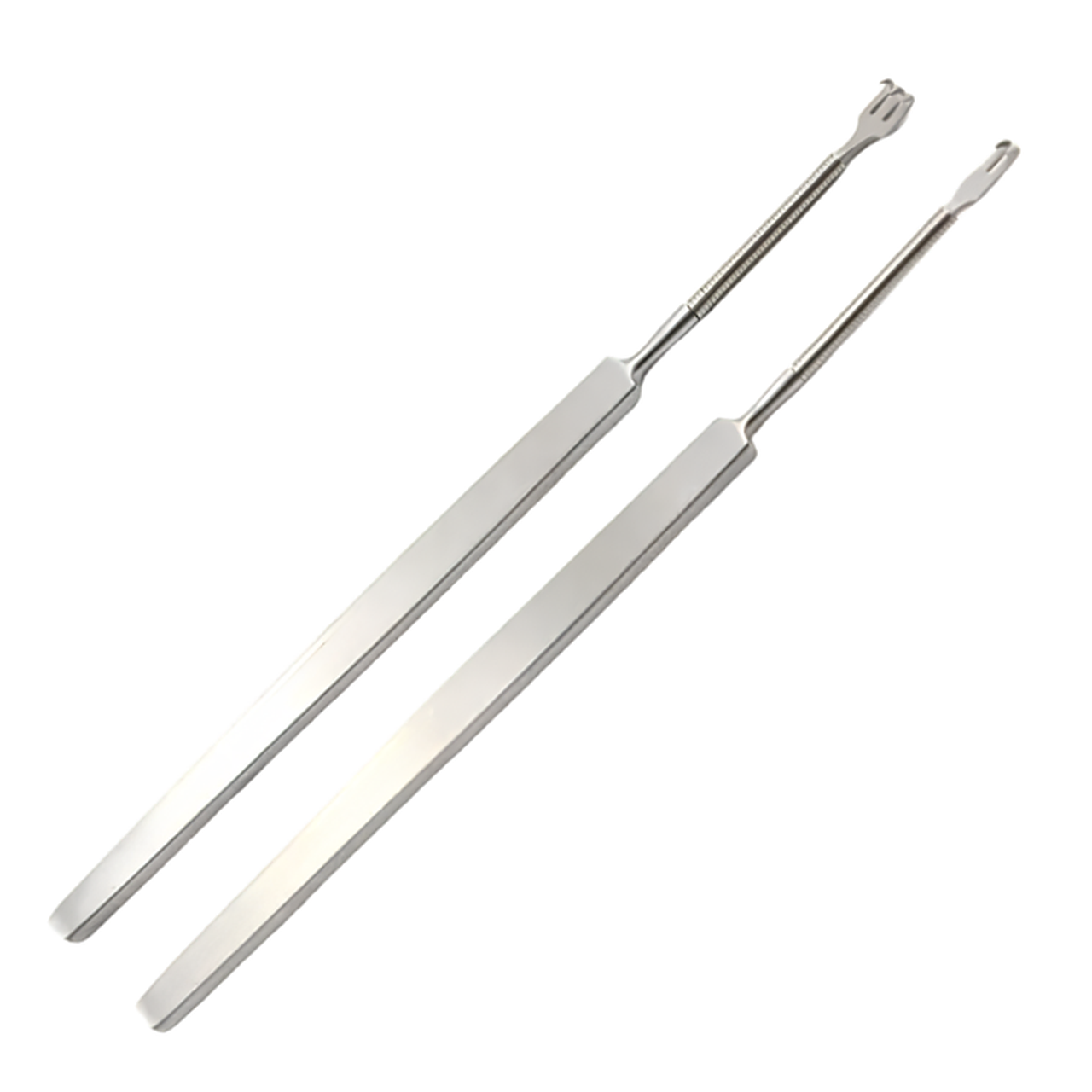 | Écarteur de cou à col malléable | Spécifiquement conçu pour rétracter les lambeaux cutanés, les muscles sous-hyoïdiens et les tissus fasciaux lors de chirurgies de la thyroïde, du cou et de chirurgie plastique. |
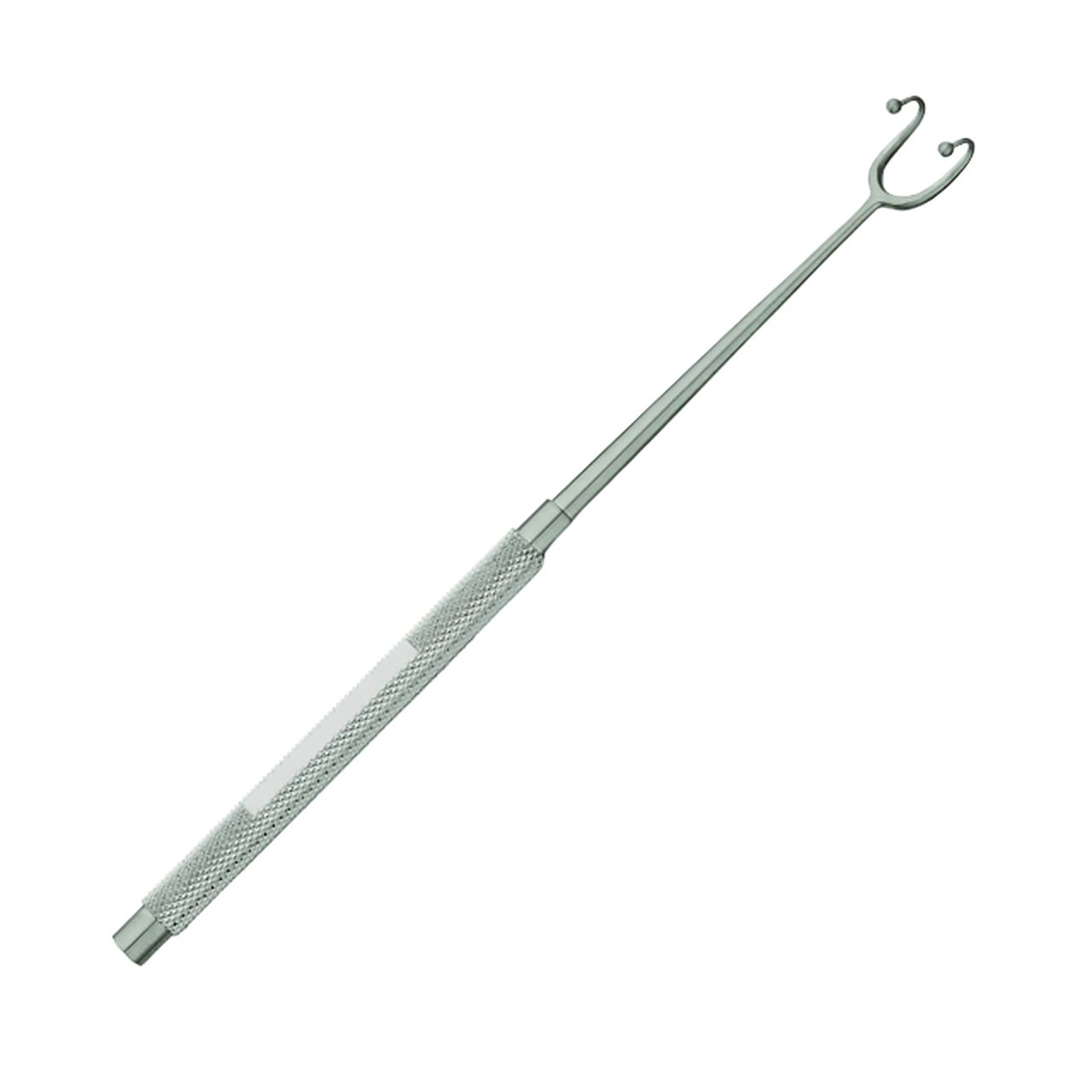 | Écarteur Fomon | Spécifiquement conçu pour rétracter le rebord alaire, le cartilage latéral inférieur et les bords des narines lors d'une rhinoplastie. |
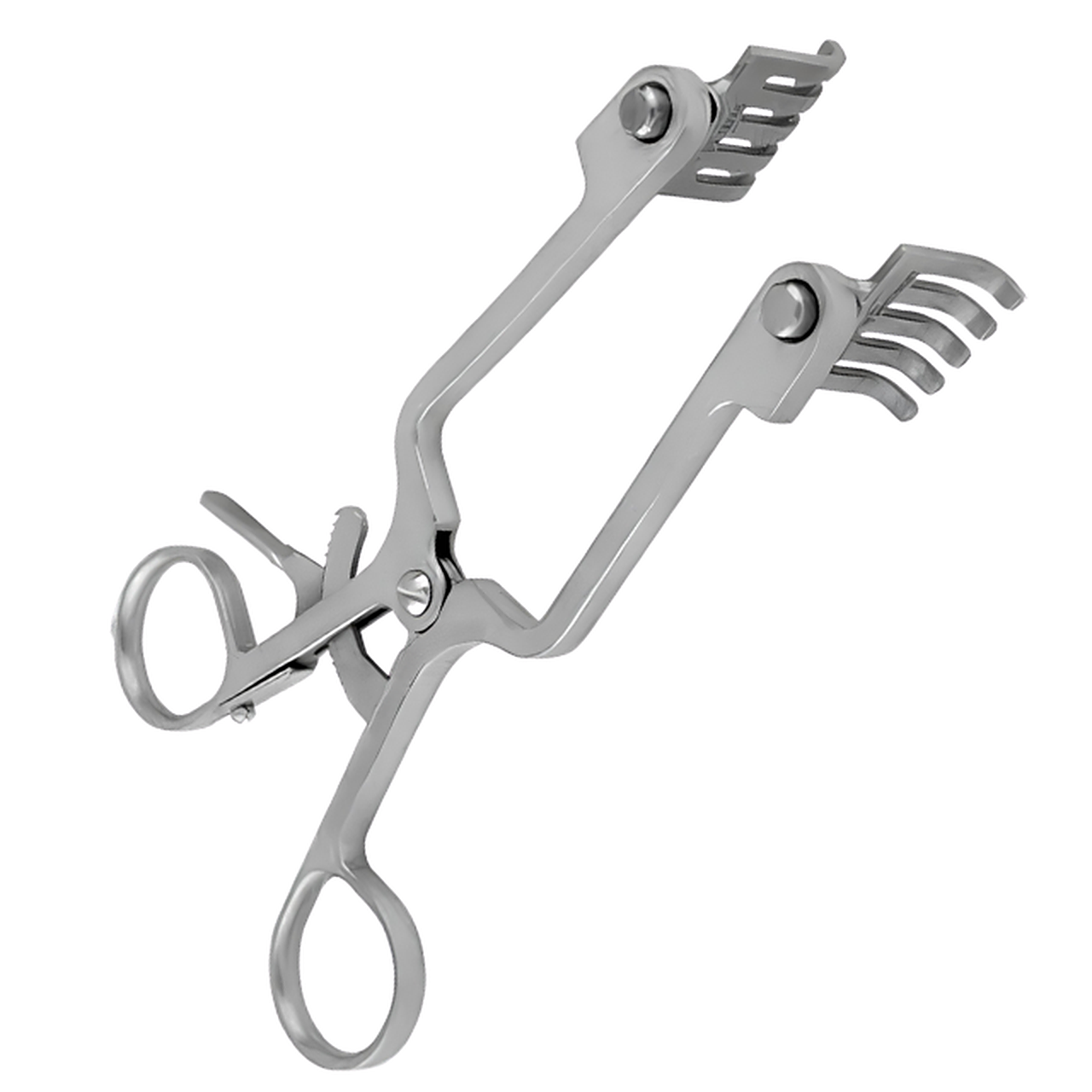 | Écarteur d'avant-bras à lames pivotantes | Spécifiquement conçu pour assurer l'écartement autostatique des tissus mous et la distraction osseuse lors de la chirurgie de l'avant-bras et du poignet. |
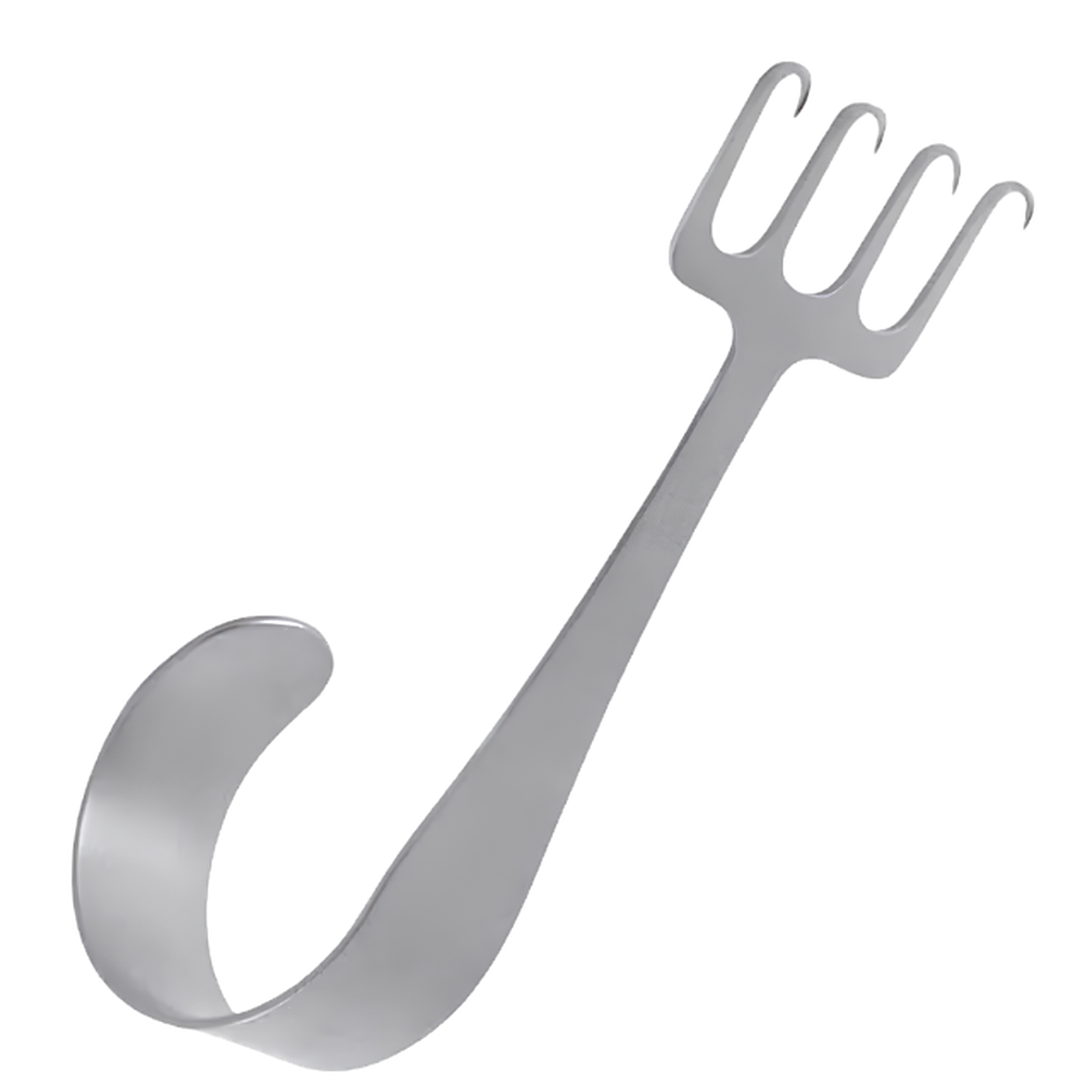 | Écarteurs de lifting Freeman | Spécifiquement conçu pour élever les lambeaux cutanés du visage et la couche SMAS lors d'une rhytidectomie et d'une chirurgie esthétique faciale. |
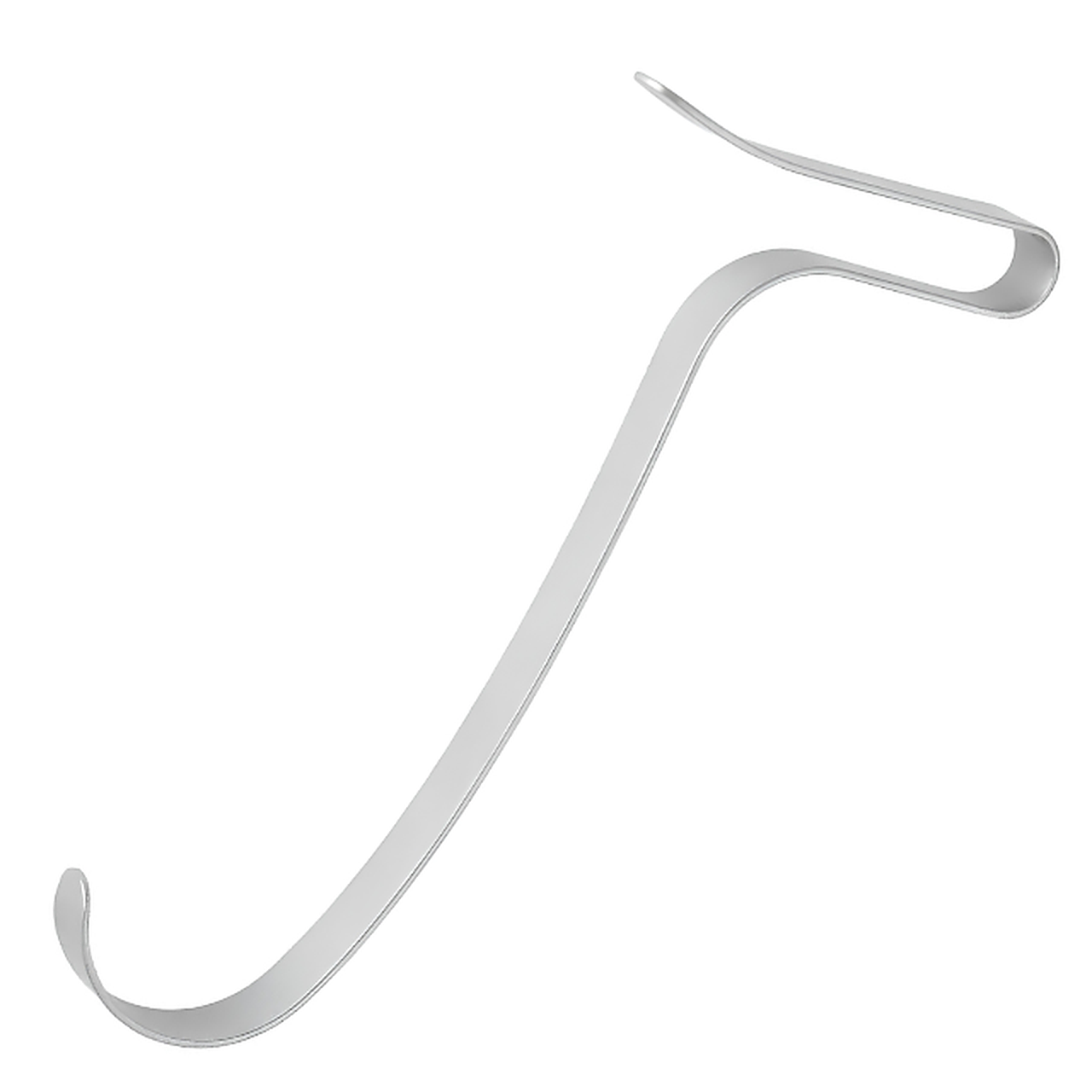 | Écarteur de Freeman pour lambeaux | Spécifiquement conçu pour soulever et écarter les lambeaux cutanés et les tissus sous-cutanés lors de chirurgies plastiques, mammaires et reconstructrices. |
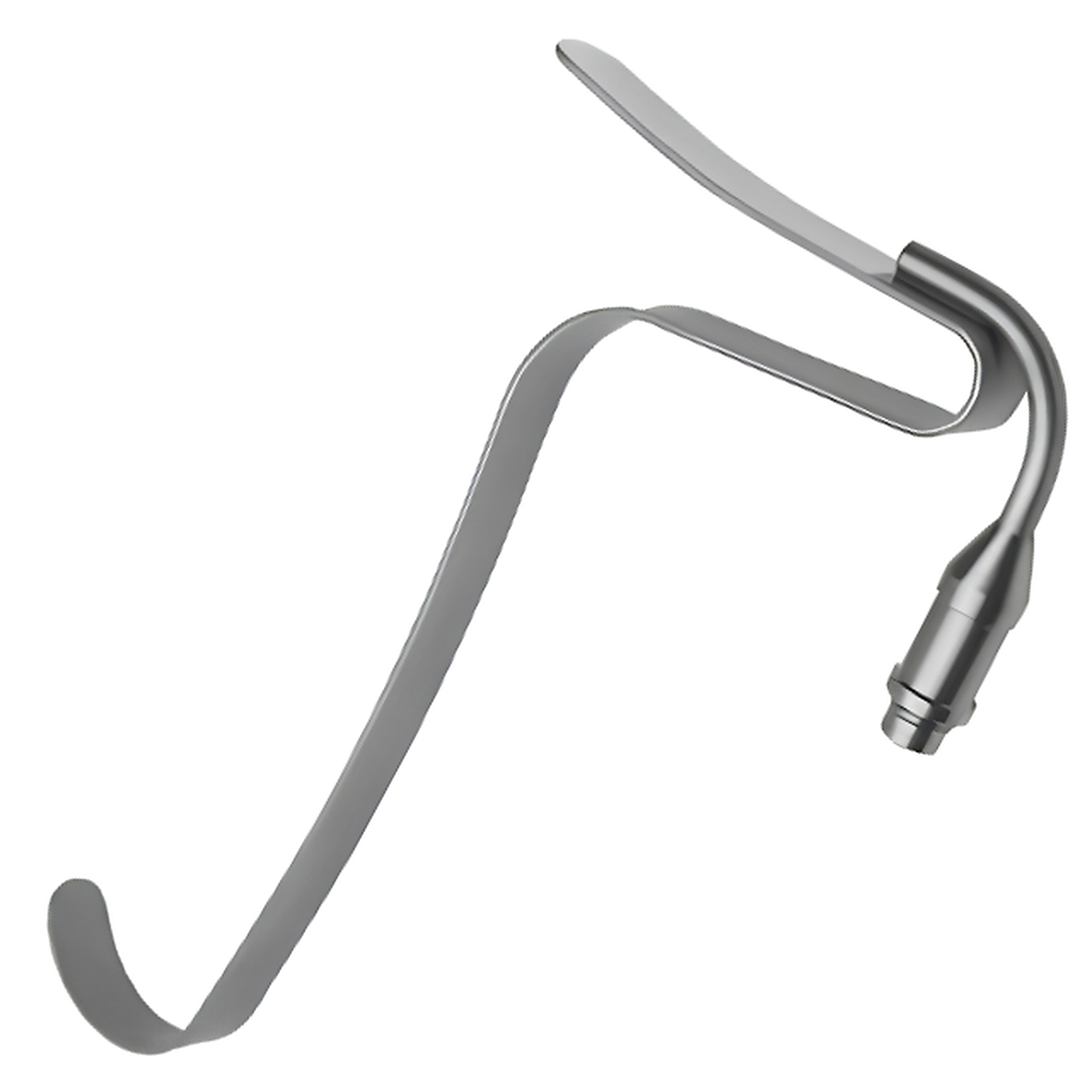 | Écarteur Freeman pour lambeaux avec éclairage par fibres optiques | Spécifiquement conçu pour assurer l'écartement des tissus mous et l'élévation des lambeaux sous éclairage lors de chirurgies plastiques esthétiques et reconstructives. |
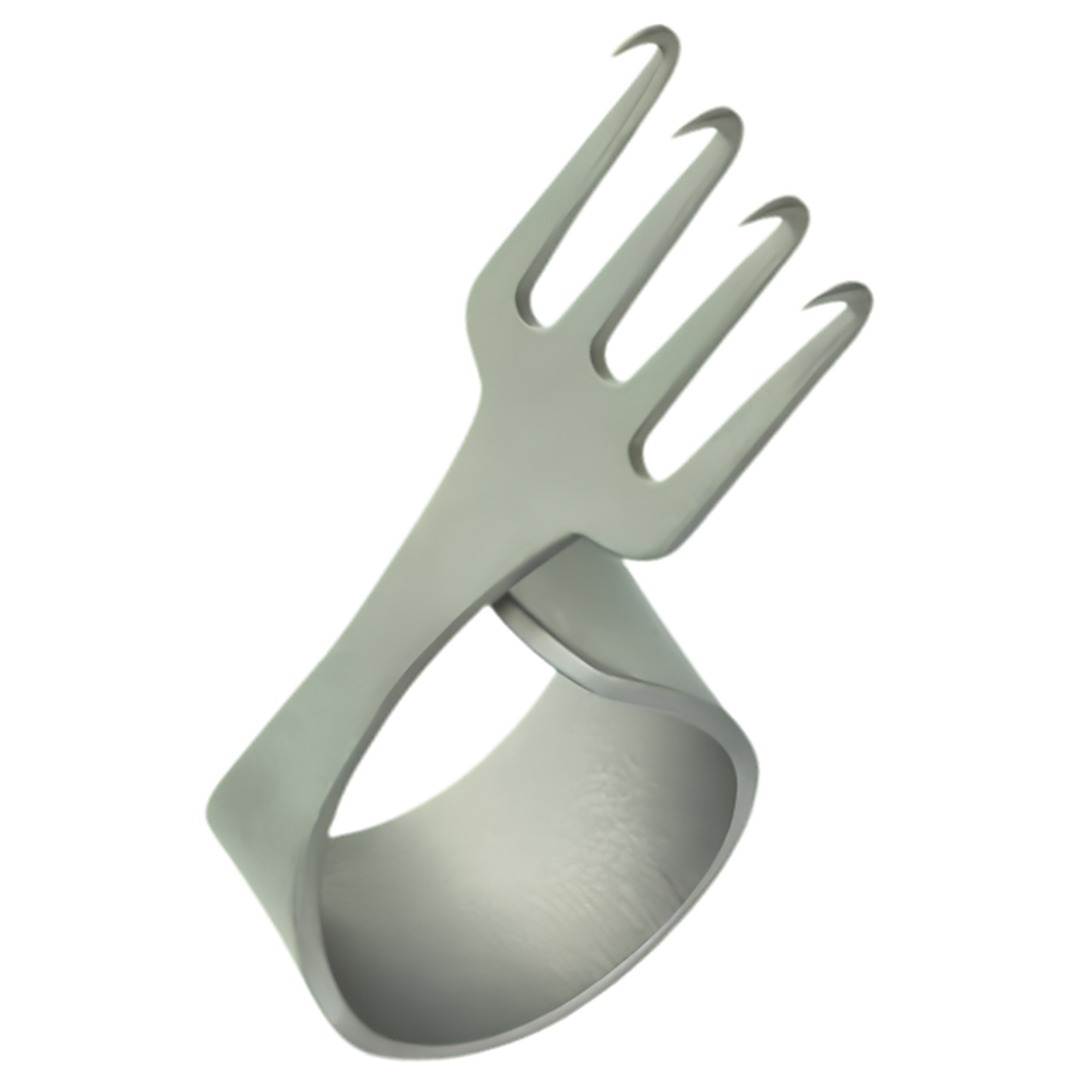 | Écarteur Freeman Mini Rake | Spécifiquement conçu pour l'élévation de lambeaux cutanés minimes et la traction délicate des tissus mous dans les zones anatomiques étroites. |
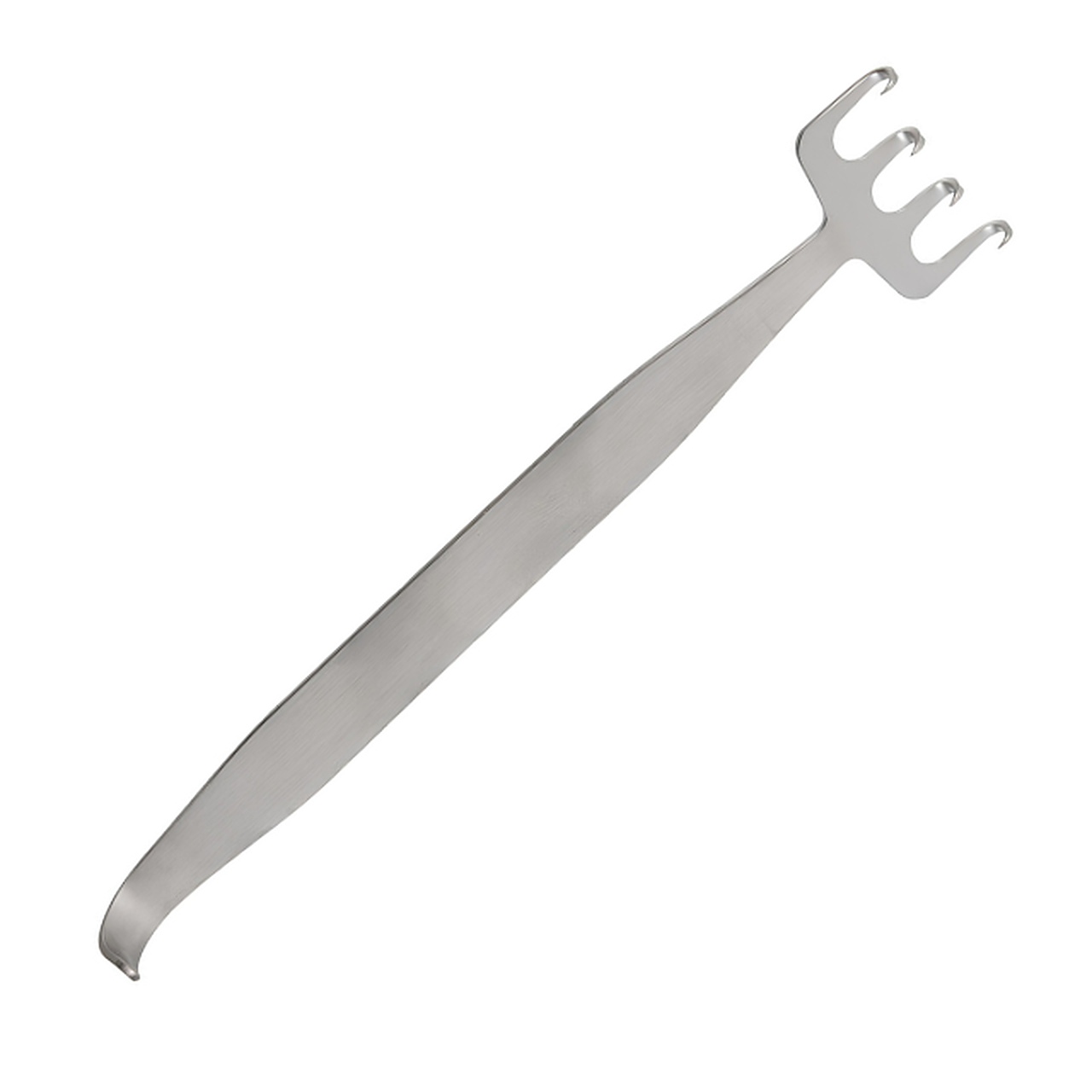 | Écarteur à griffes Freeman Rake Retractor | Spécifiquement conçu pour élever et rétracter les lambeaux cutanés lors de la rhytidectomie et de la chirurgie plastique reconstructrice. |
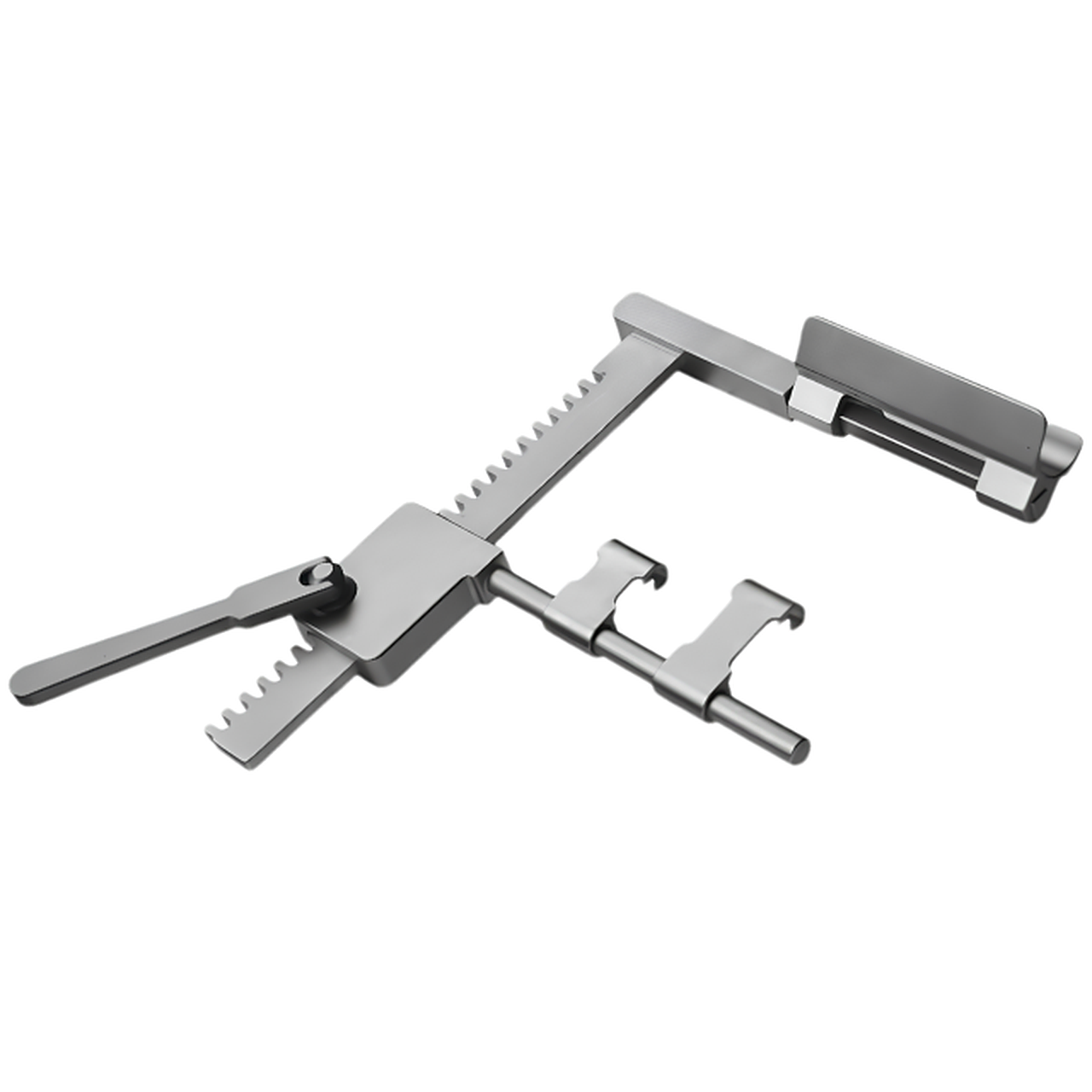 | Écarteur Sternal French Pattern I.M.A | Spécifiquement conçu pour l'élévation sternale unilatérale lors du prélèvement de l'artère mammaire interne en chirurgie de pontage aortocoronarien. |
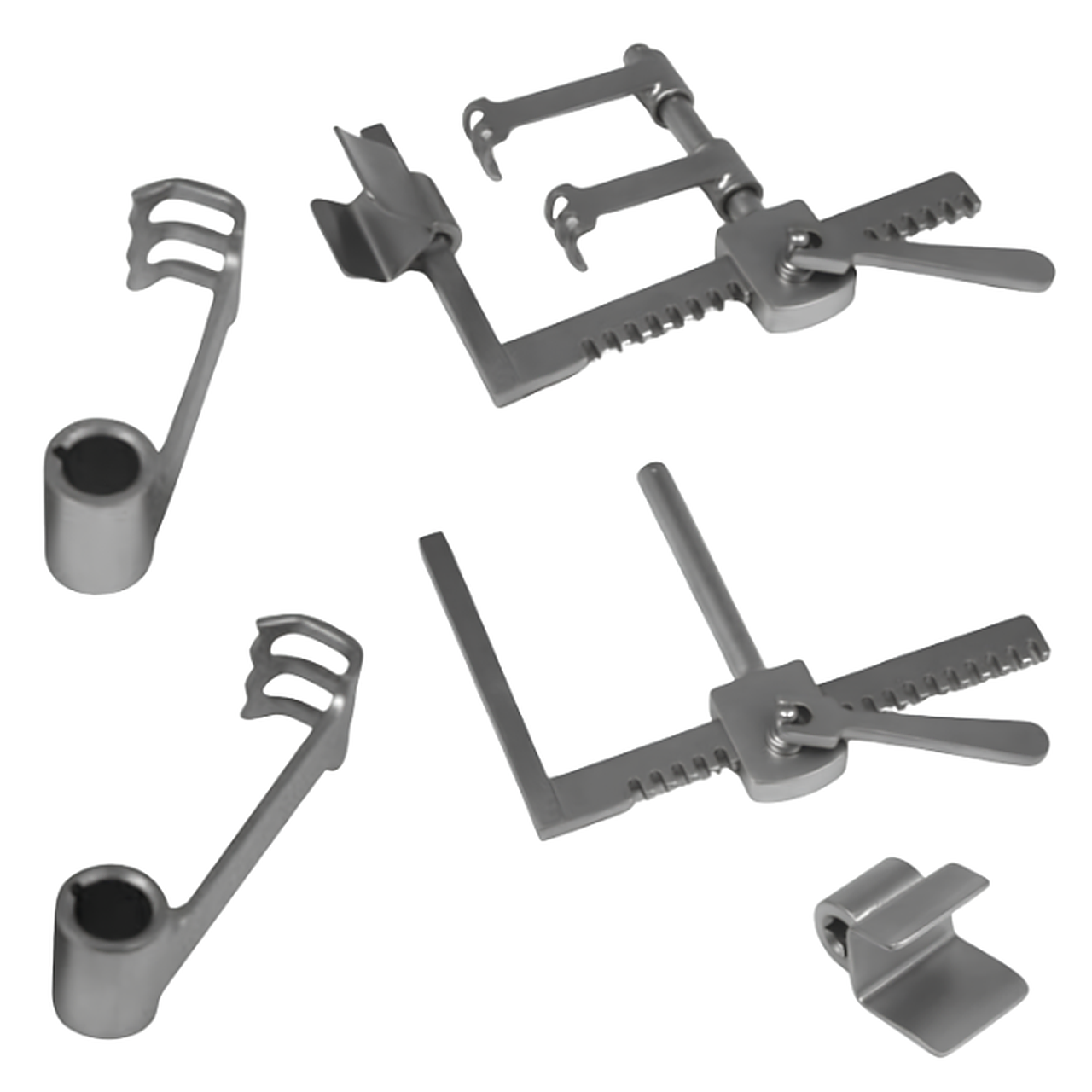 | Écarteur sternal I.M.A. type French pour ministernotomie | Spécifiquement conçu pour l'élévation sternale unilatérale lors de ministernotomies et de chirurgies cardiaques mini-invasives. |
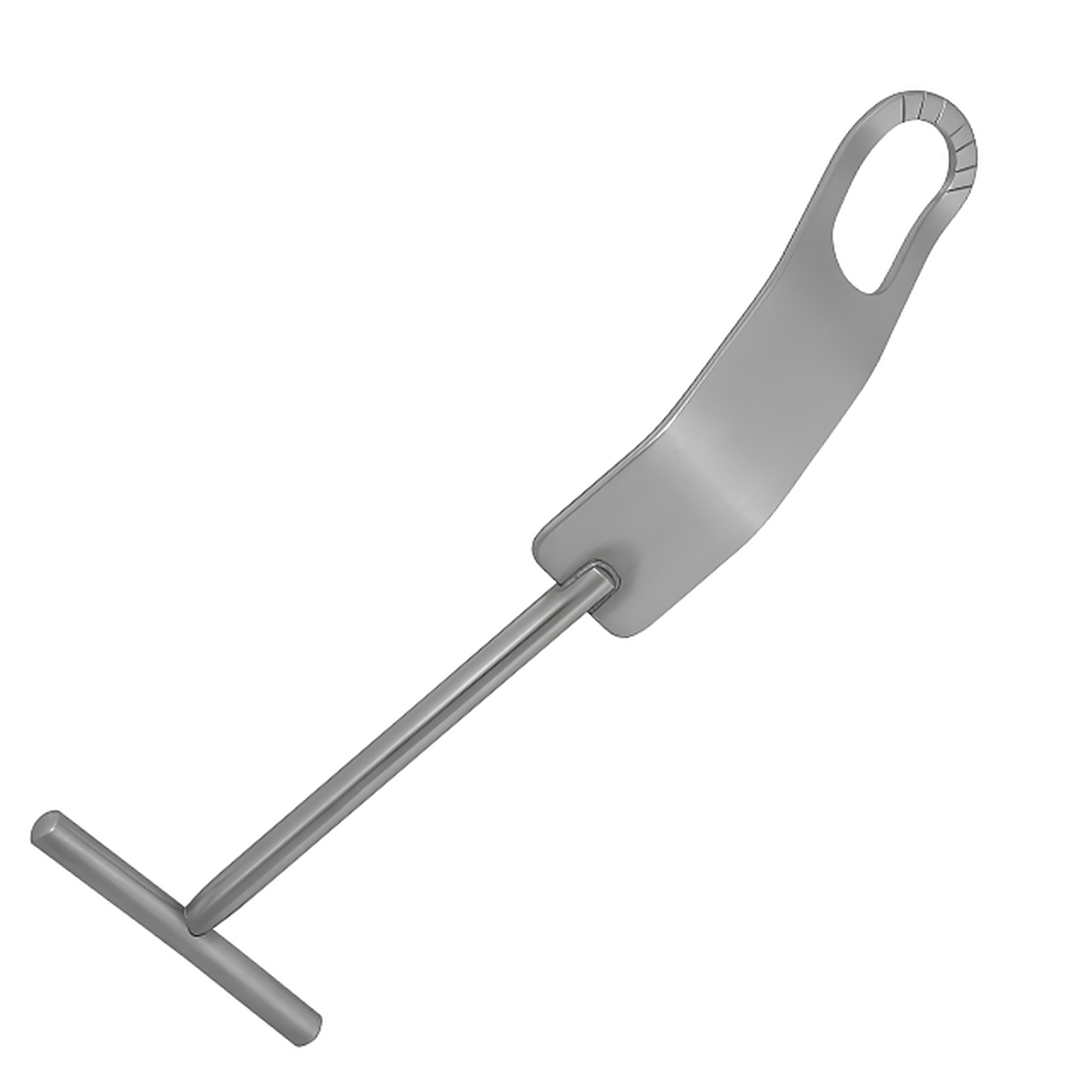 | Écarteur de type Fukuda Kujat | Spécialement conçu pour déplacer la tête humérale vers l'arrière et exposer la cavité glénoïdale lors de l'arthroplastie de l'épaule. |
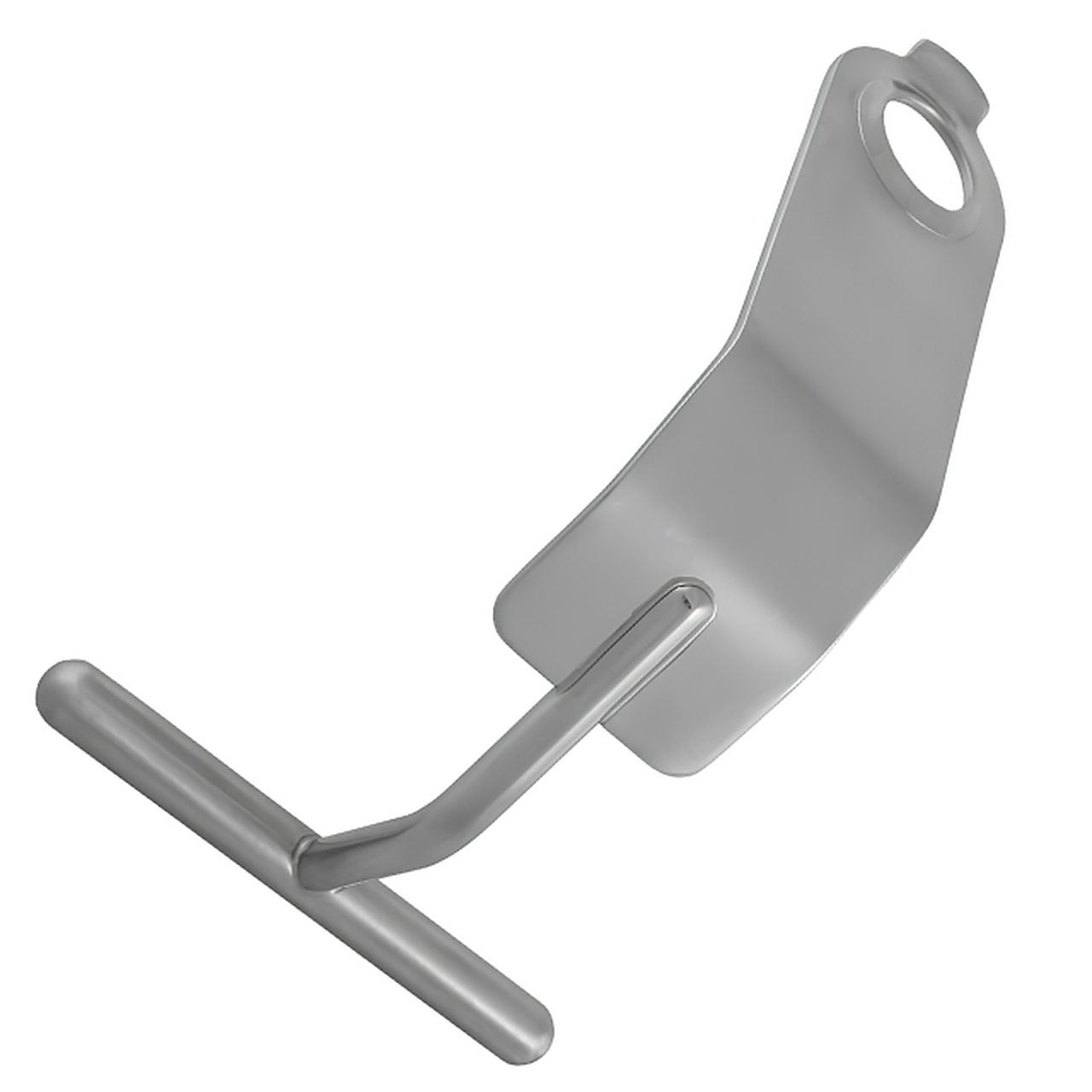 | Écarteurs de type Fukuda Style Retractors | Spécialement conçu pour écarter la tête humérale et exposer la cavité glénoïde lors d'arthroplasties de l'épaule et de procédures de reconstruction. |
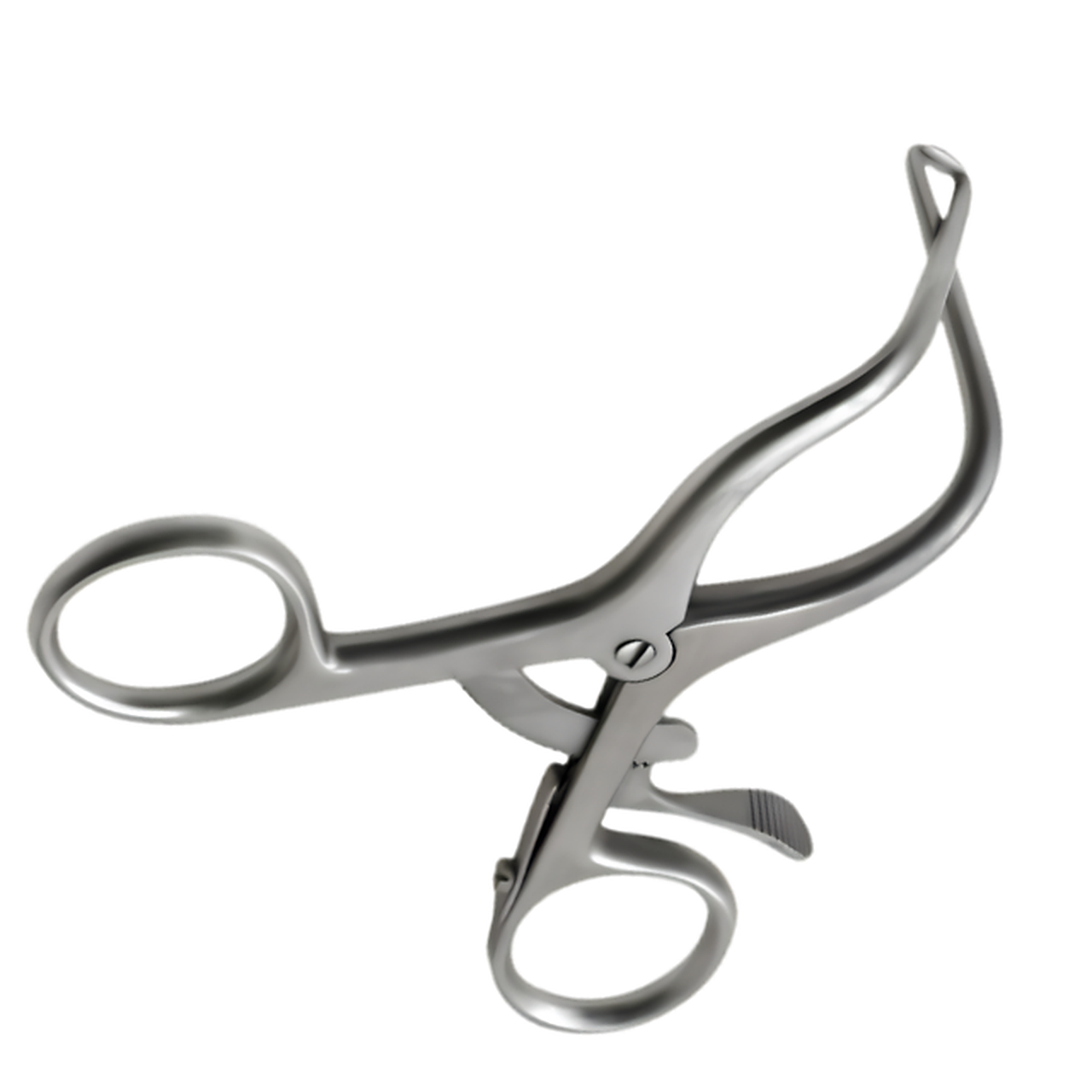 | Écarteur Gelpi Crossover - Angles Profonds | Spécialement conçu pour la rétraction auto-statique des tendons, des muscles et des tissus mous lors de chirurgies des membres et de la colonne vertébrale. |
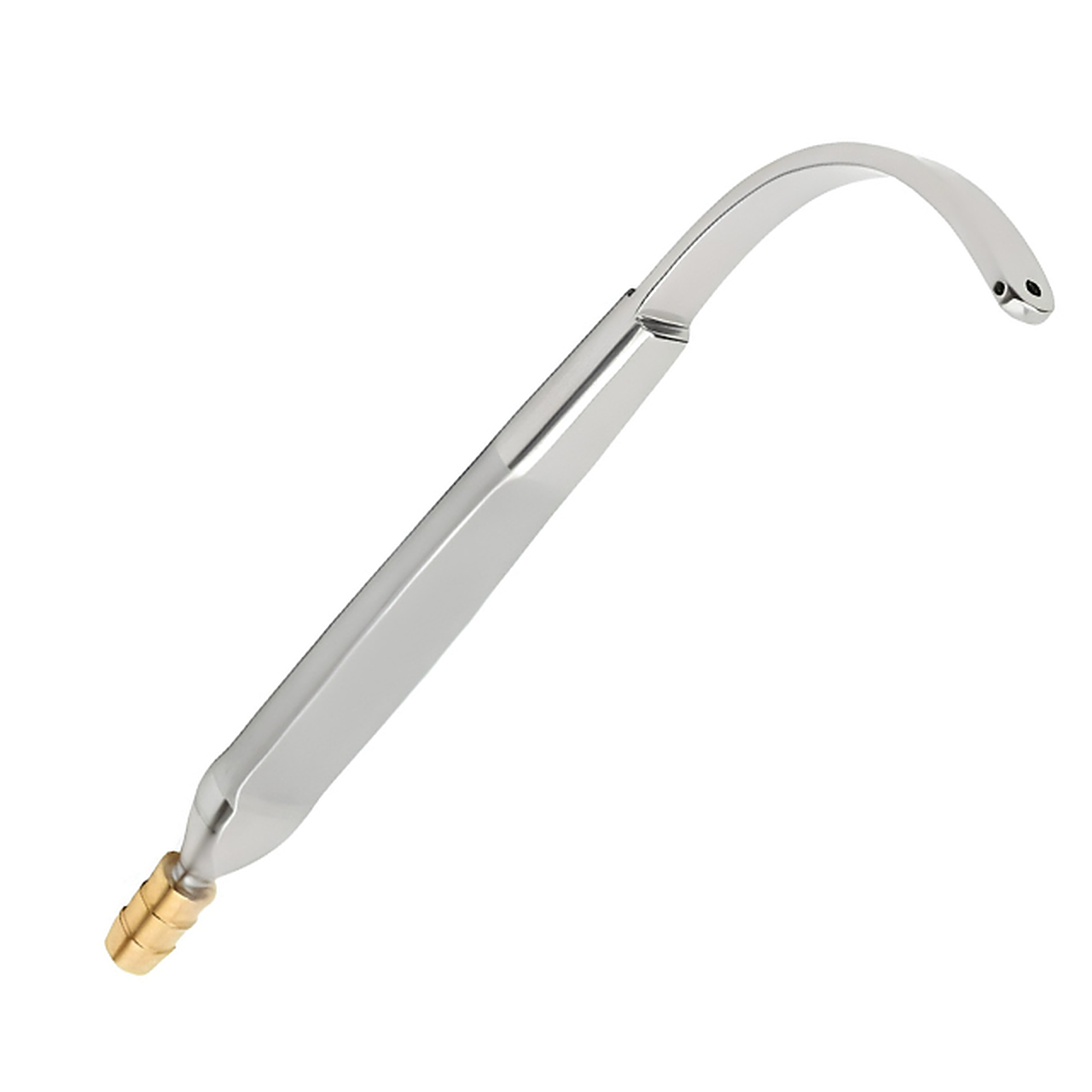 | Écarteur avec Aspiration Gerbault Tebbett’s | Spécifiquement conçu pour élever les enveloppes de tissus mous nasaux tout en assurant simultanément l'évacuation des fumées/fluides et l'éclairage pendant la rhinoplastie. |
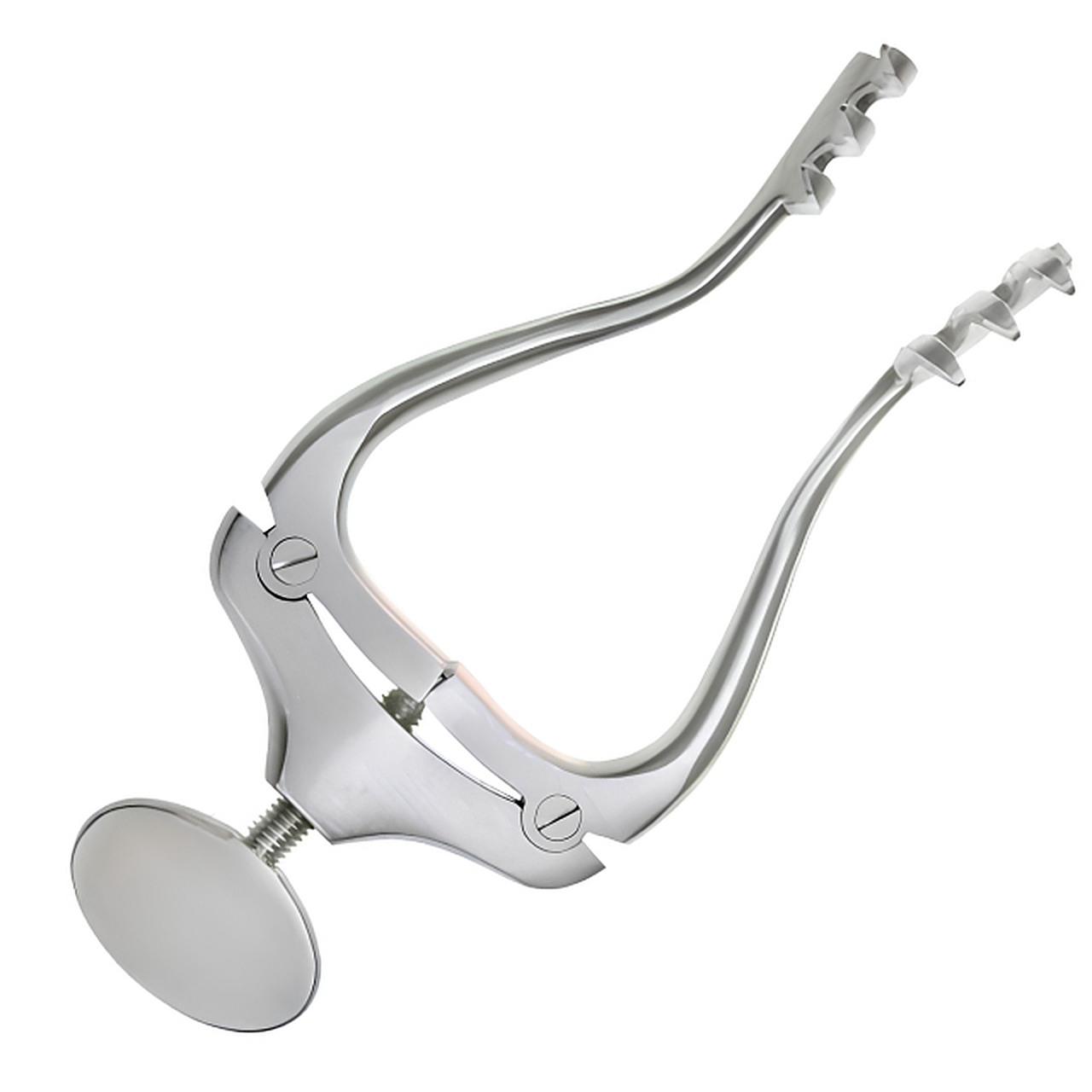 | Écarteur Gifford-Jansen | Spécifiquement conçu pour assurer une rétraction autostatique des berges de la plaie et du périoste lors des chirurgies de la mastoïde, de l'oreille et du cuir chevelu. |
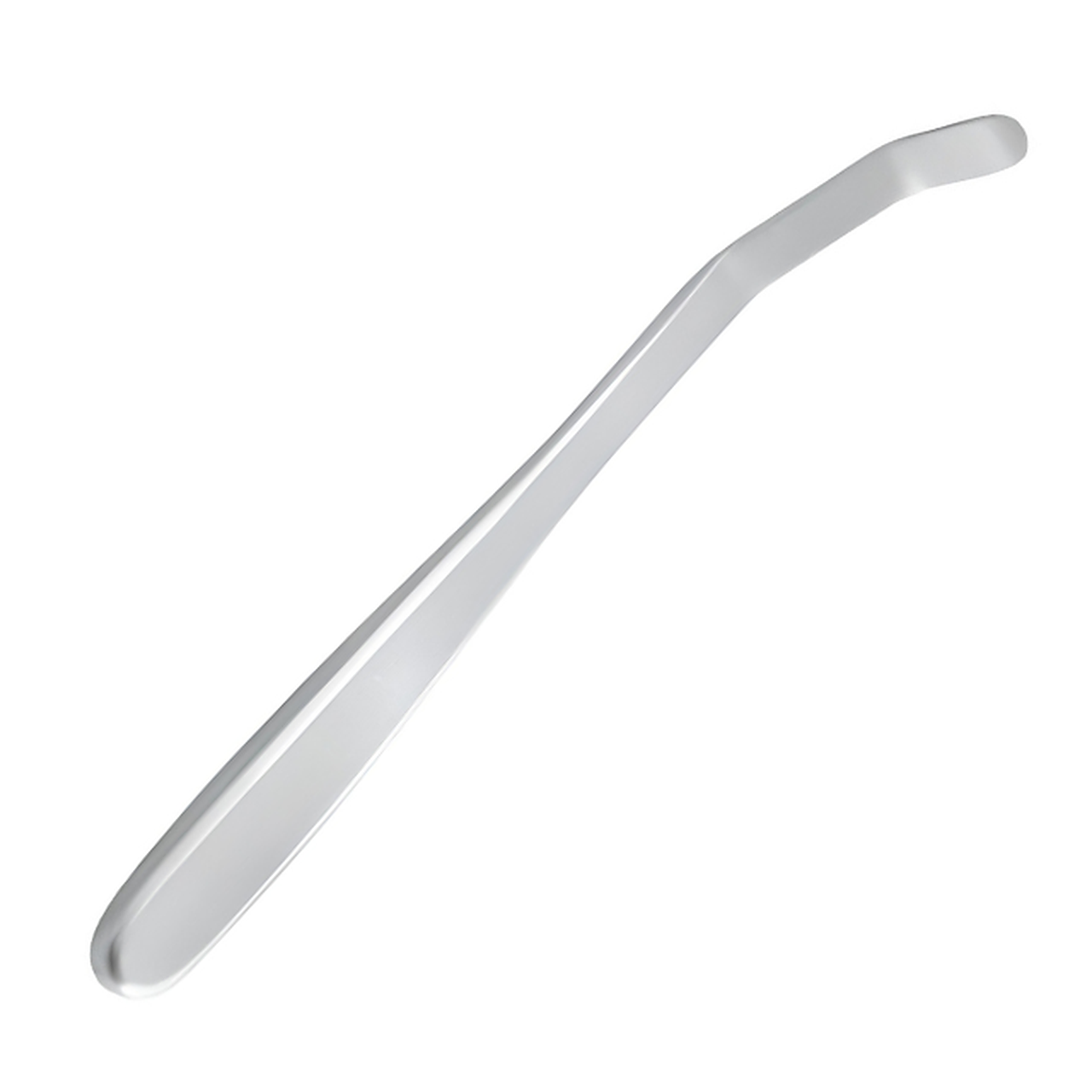 | Écarteur de Condyle Glénoïdien | Spécifiquement conçu pour faire levier sur les marges osseuses et rétracter les capsules articulaires lors des interventions de l'épaule, des condyles et de chirurgie orthopédique. |
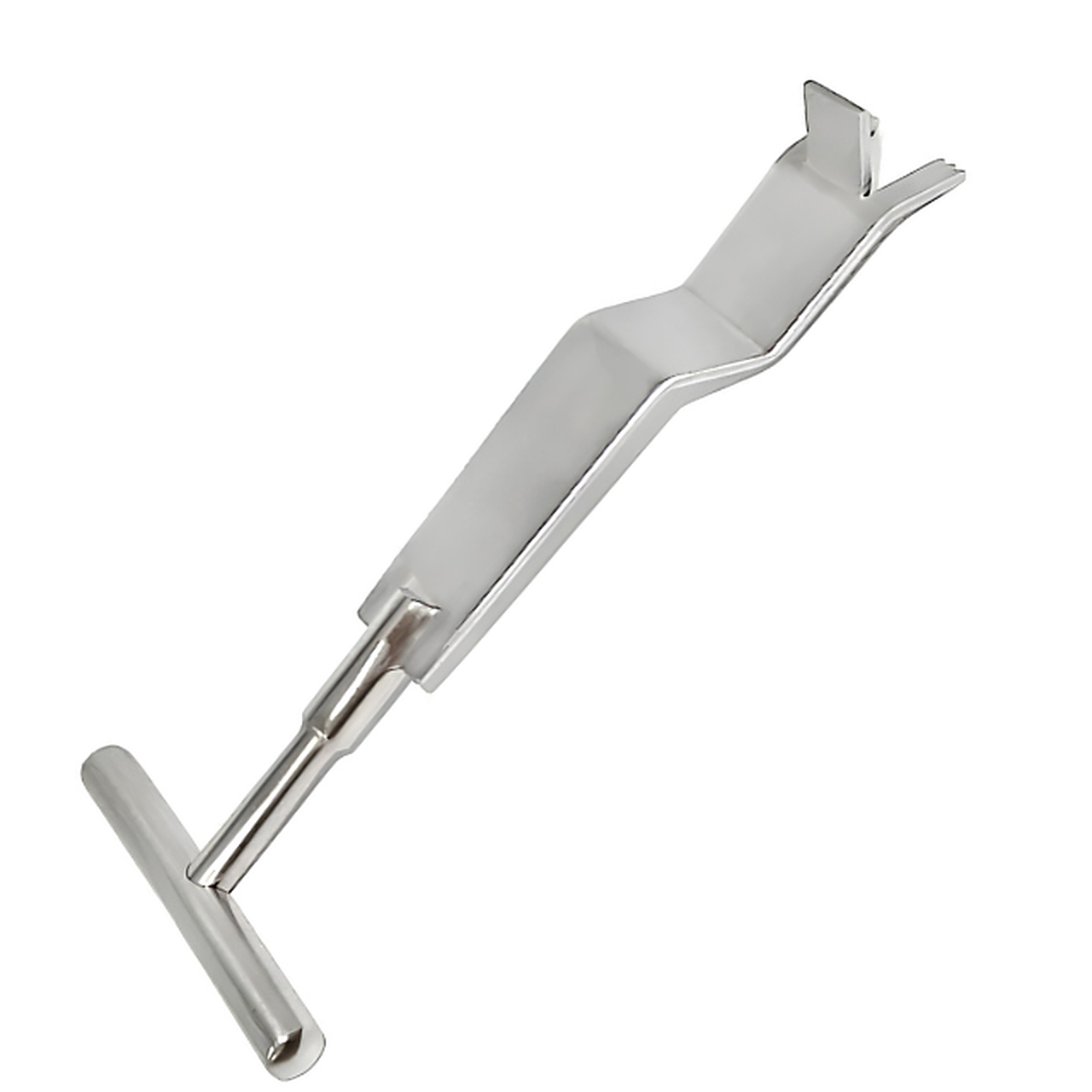 | Écarteurs de la glène | Spécifiquement conçu pour exposer le bord glénoïdien et rétracter les tissus mous capsulaires lors de l'arthroplastie totale et inversée de l'épaule. |
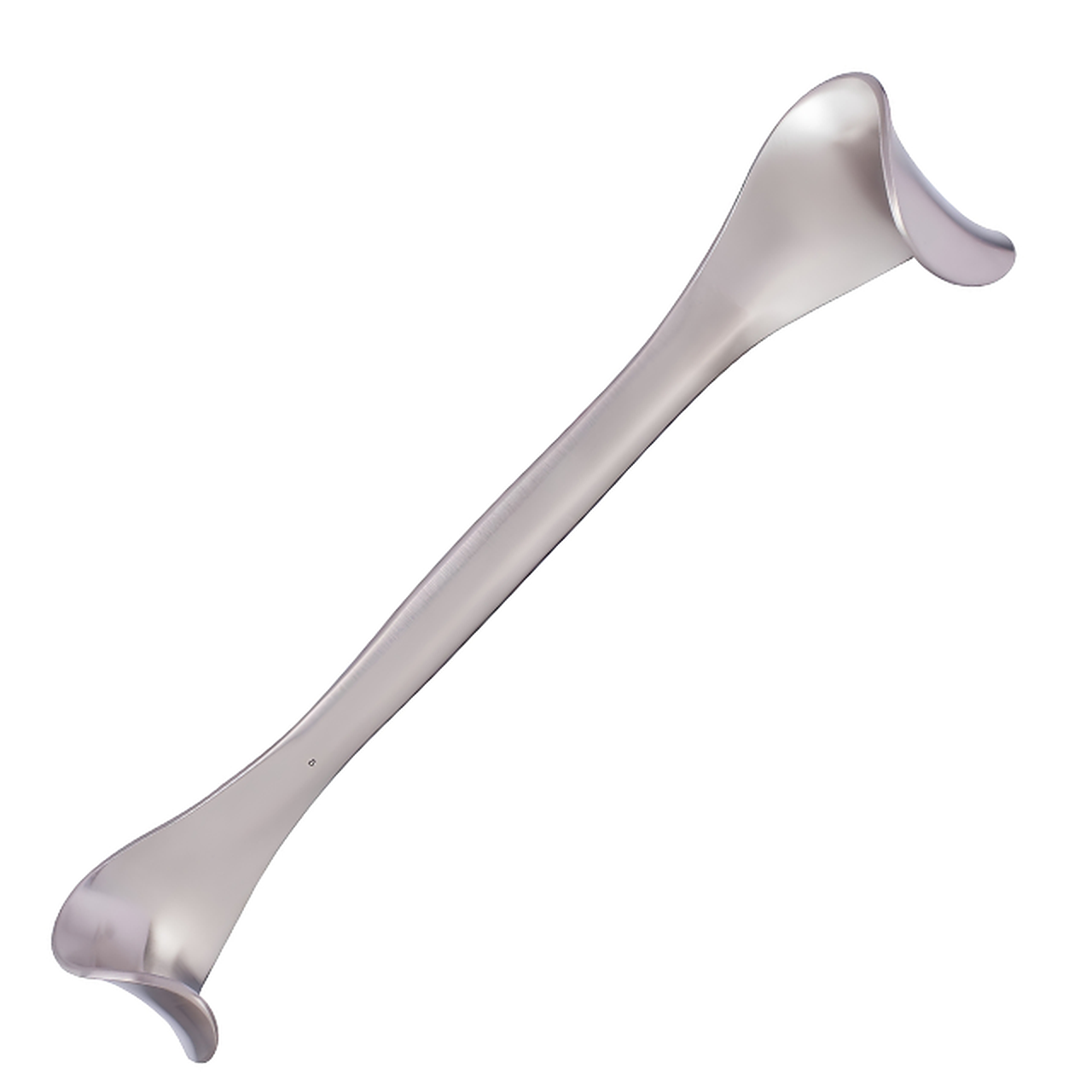 | Écarteur Goelet | Spécifiquement conçu pour écarter la peau, la graisse sous-cutanée et le tissu musculaire lors de procédures chirurgicales superficielles et intermédiaires. |
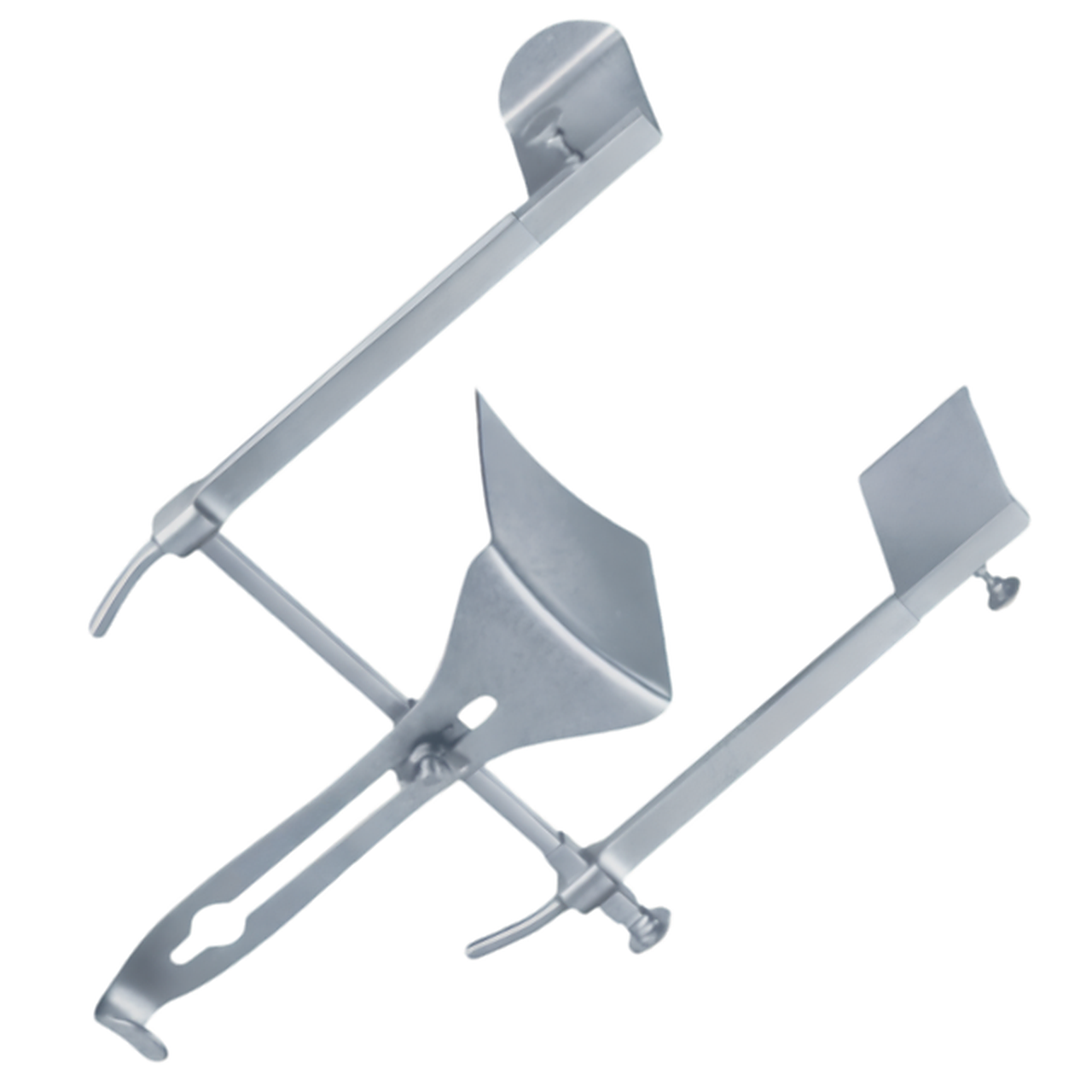 | Écarteur autostatique de Golligher | Spécifiquement conçu pour assurer l'écartement multidirectionnel autostatique de la paroi abdominale et des viscères lors de la chirurgie colorectale. |
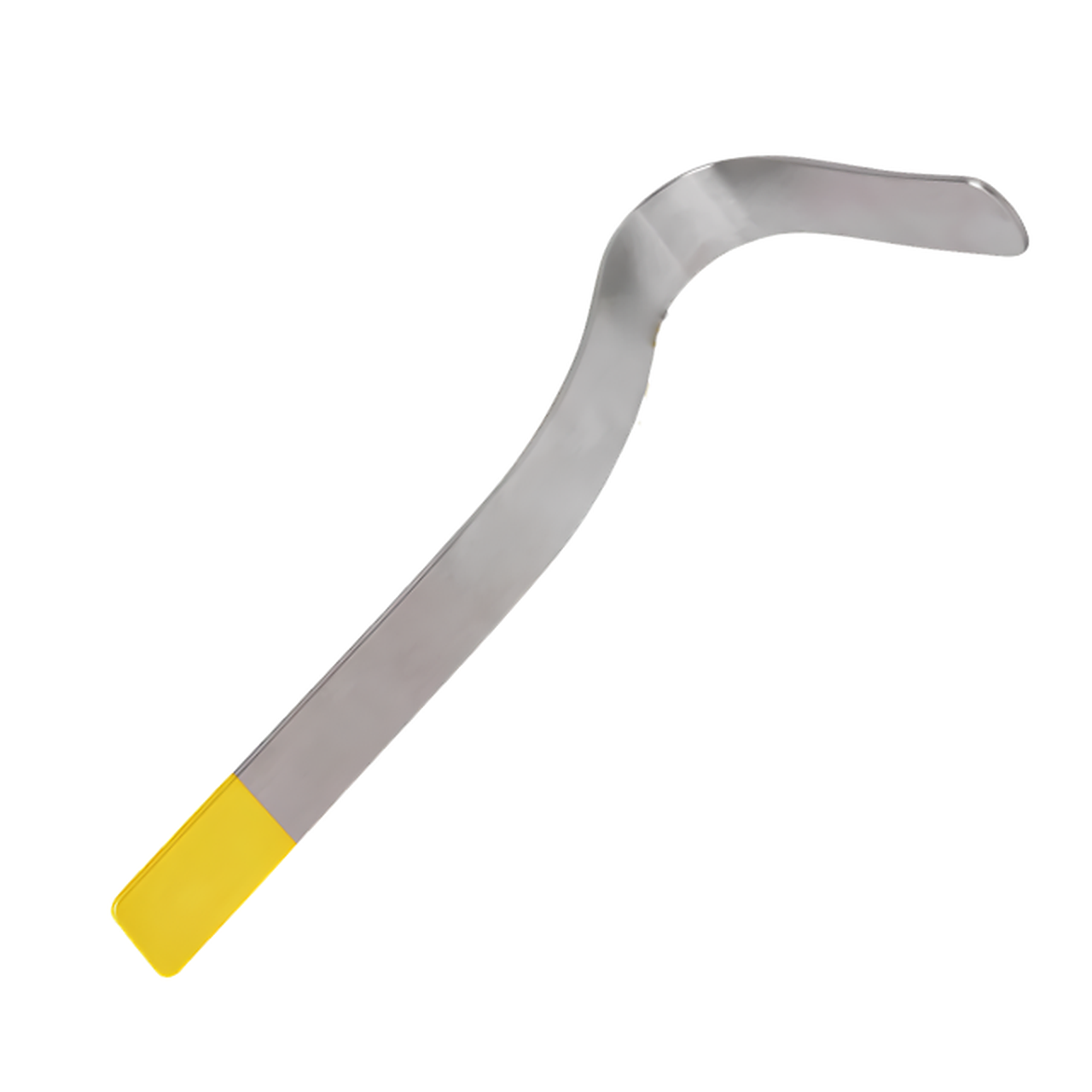 | Écarteur de Gonzalez en L pour la région fessière | Spécifiquement conçu pour élever et rétracter les couches musculaires fessières et les tissus mous lors de l'augmentation et de la reconstruction des fesses. |
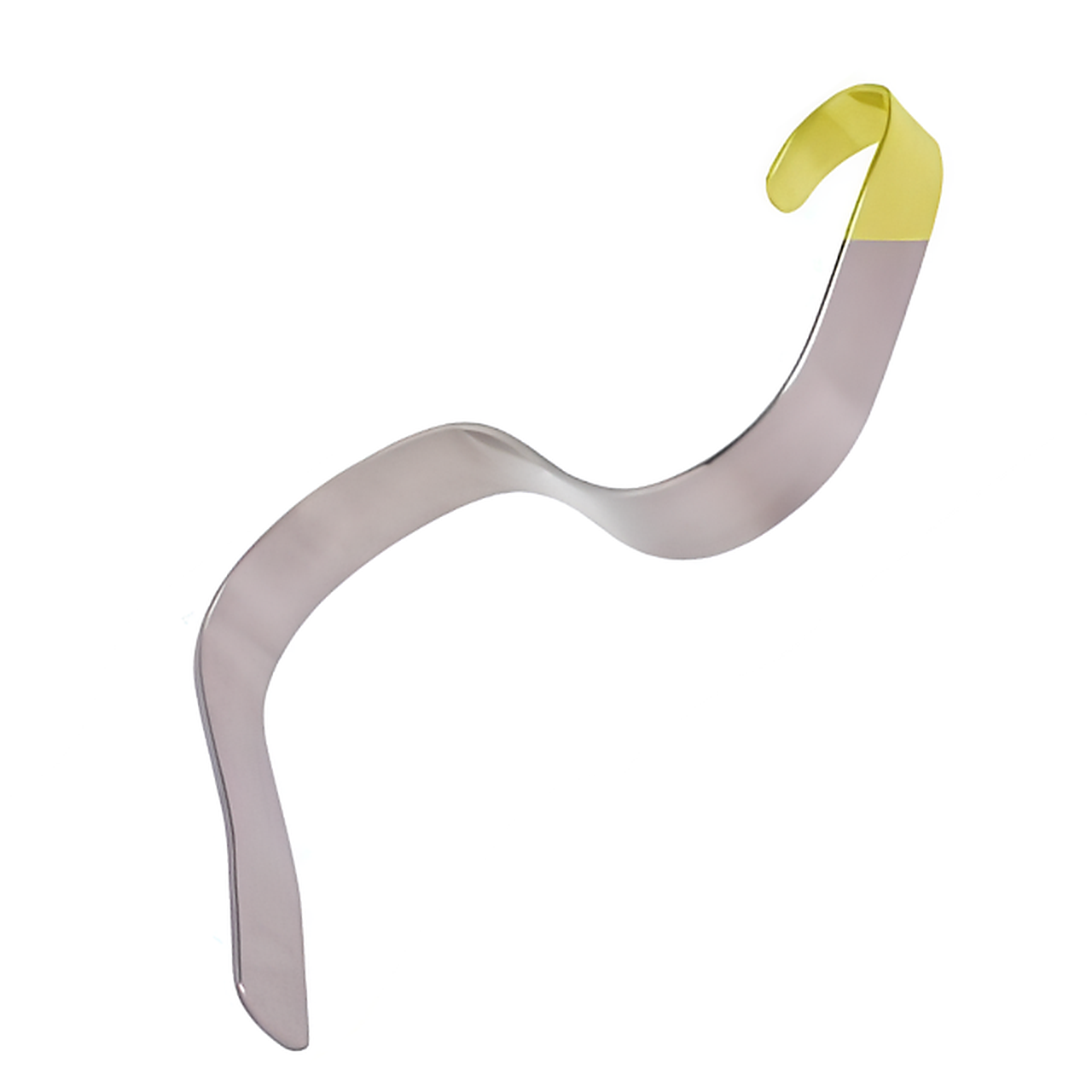 | Écarteur de Gonzalez en S pour fessiers | Spécifiquement conçu pour élever et écarter le muscle grand fessier et les tissus mous lors de la chirurgie d'implant fessier. |
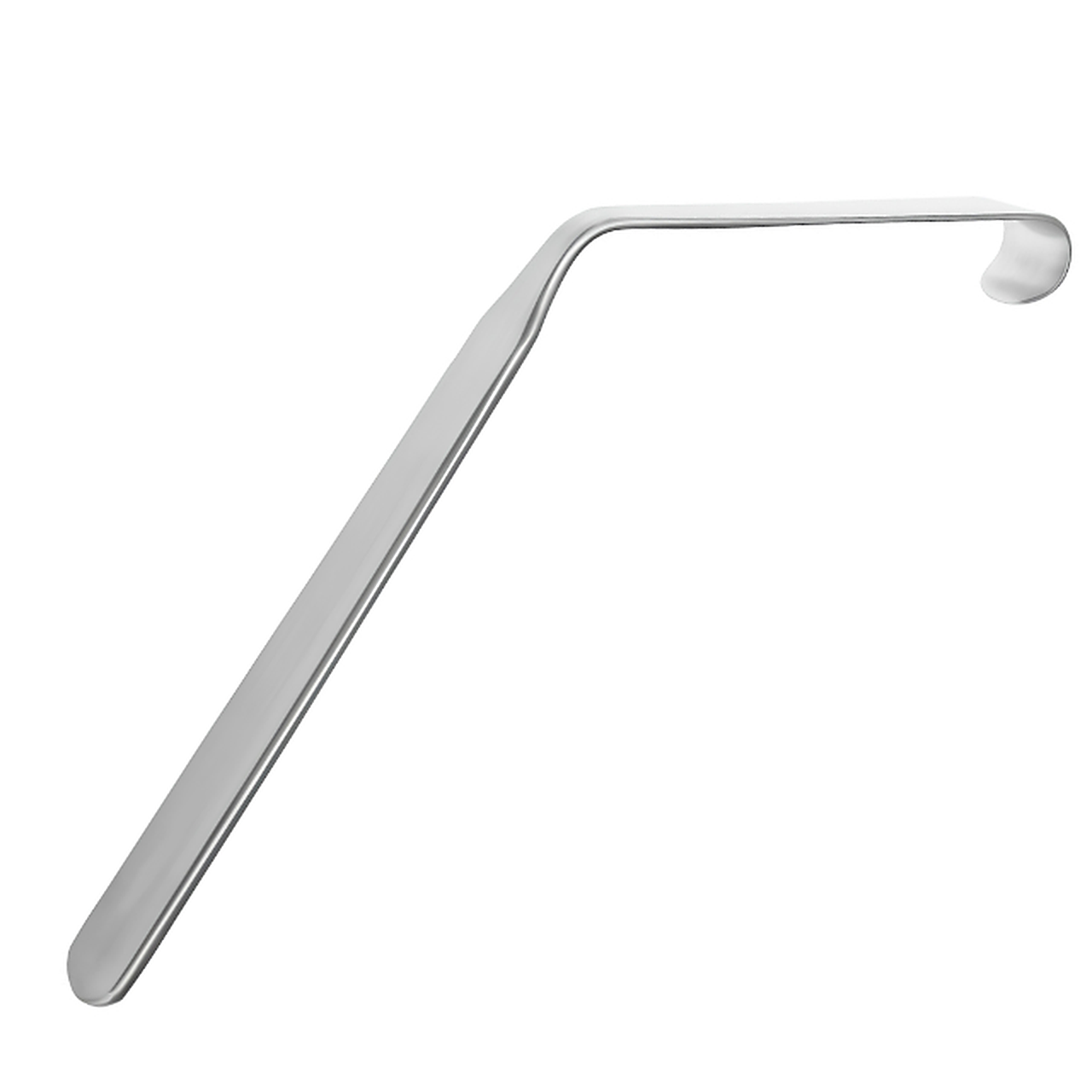 | Écarteur d'uvule Goodyear | Spécifiquement conçu pour rétracter et élever la luette et le voile du palais lors des interventions chirurgicales pharyngées et des adénoïdectomies. |
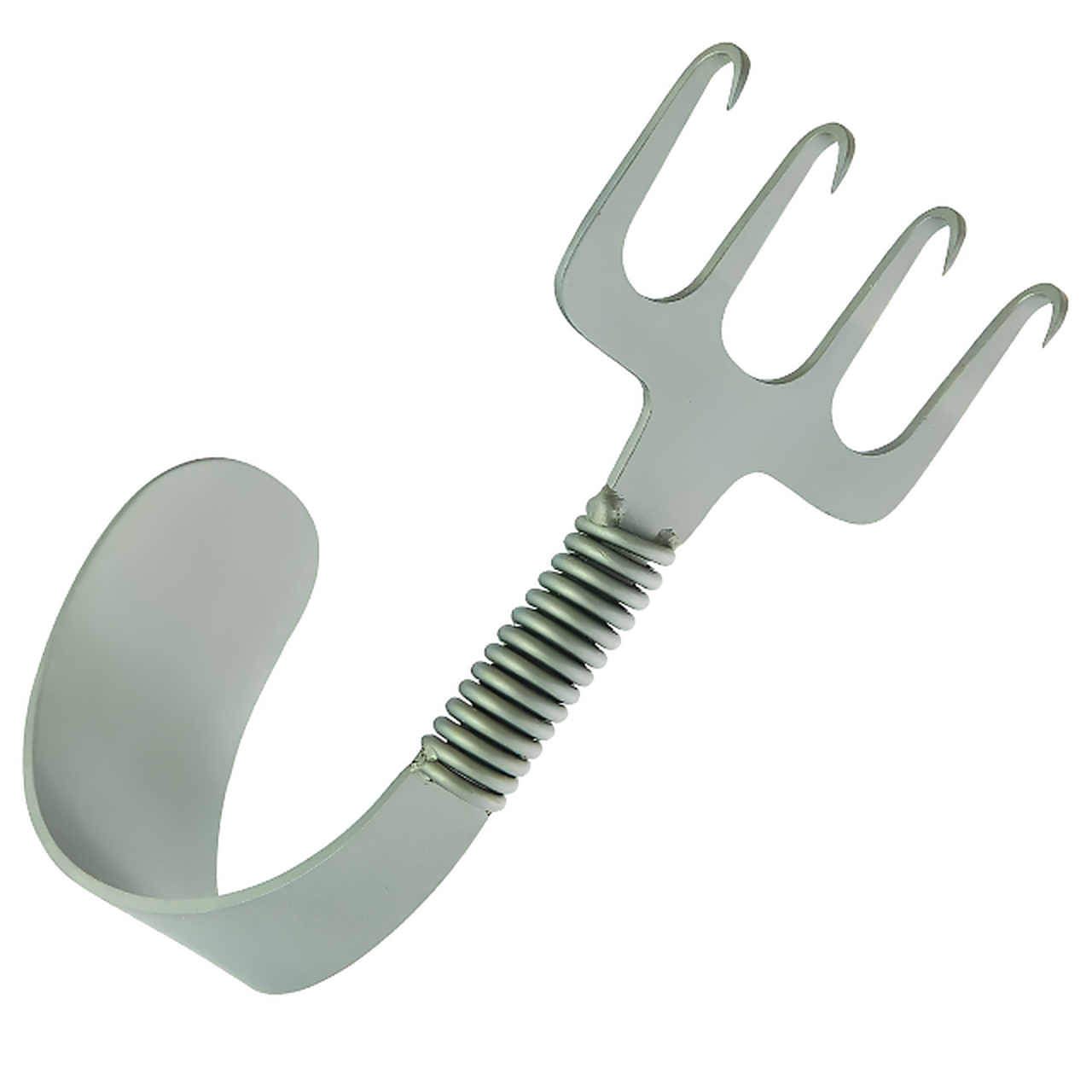 | Écarteur Gorney Rake | Spécifiquement conçu pour élever et rétracter les lambeaux cutanés et les tissus sous-cutanés lors des rhytidectomies et de la chirurgie esthétique. |
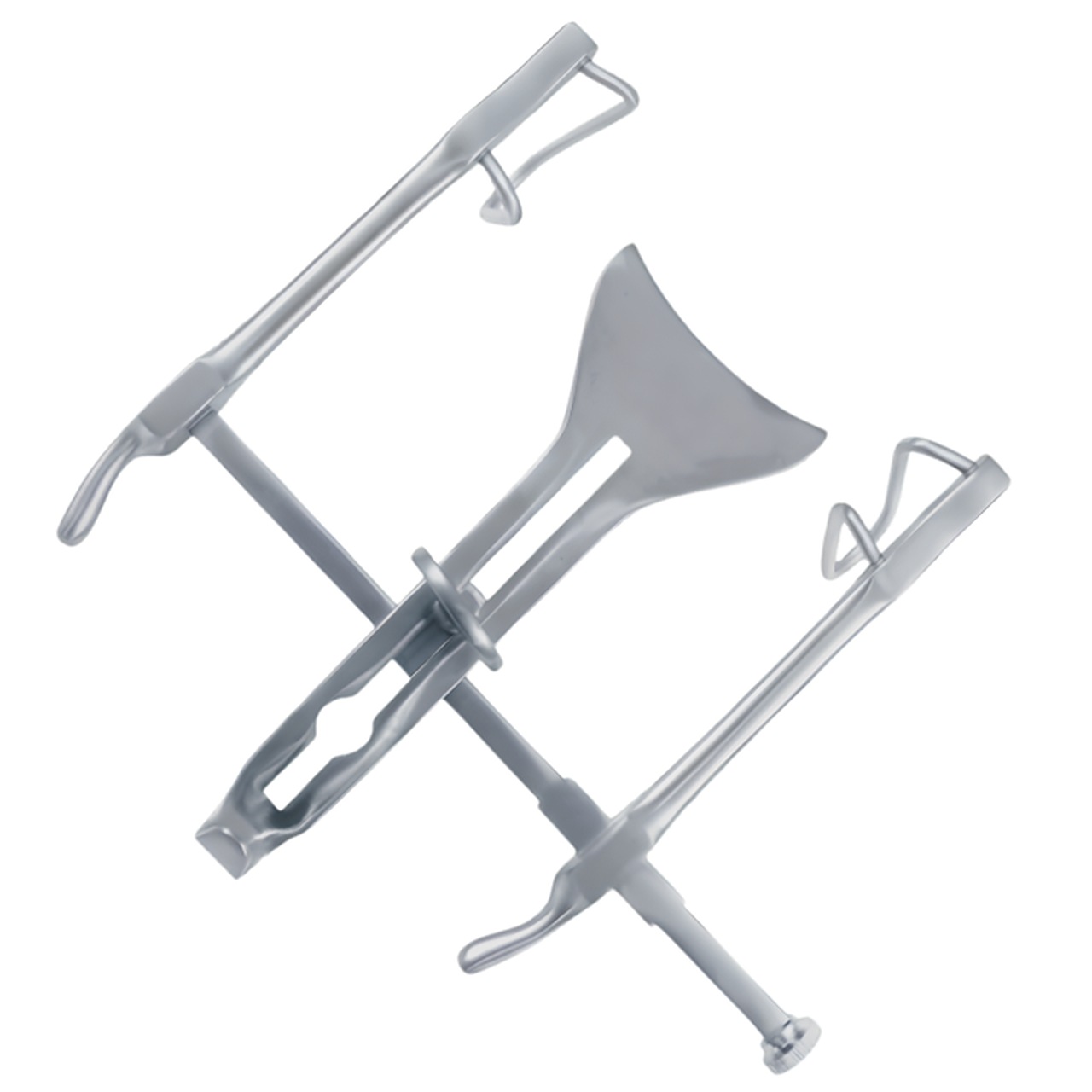 | Écarteur de Gosset autostatique | Spécifiquement conçu pour assurer l'écartement autostatique de la paroi abdominale lors de laparotomies ouvertes et de chirurgies pelviennes. |
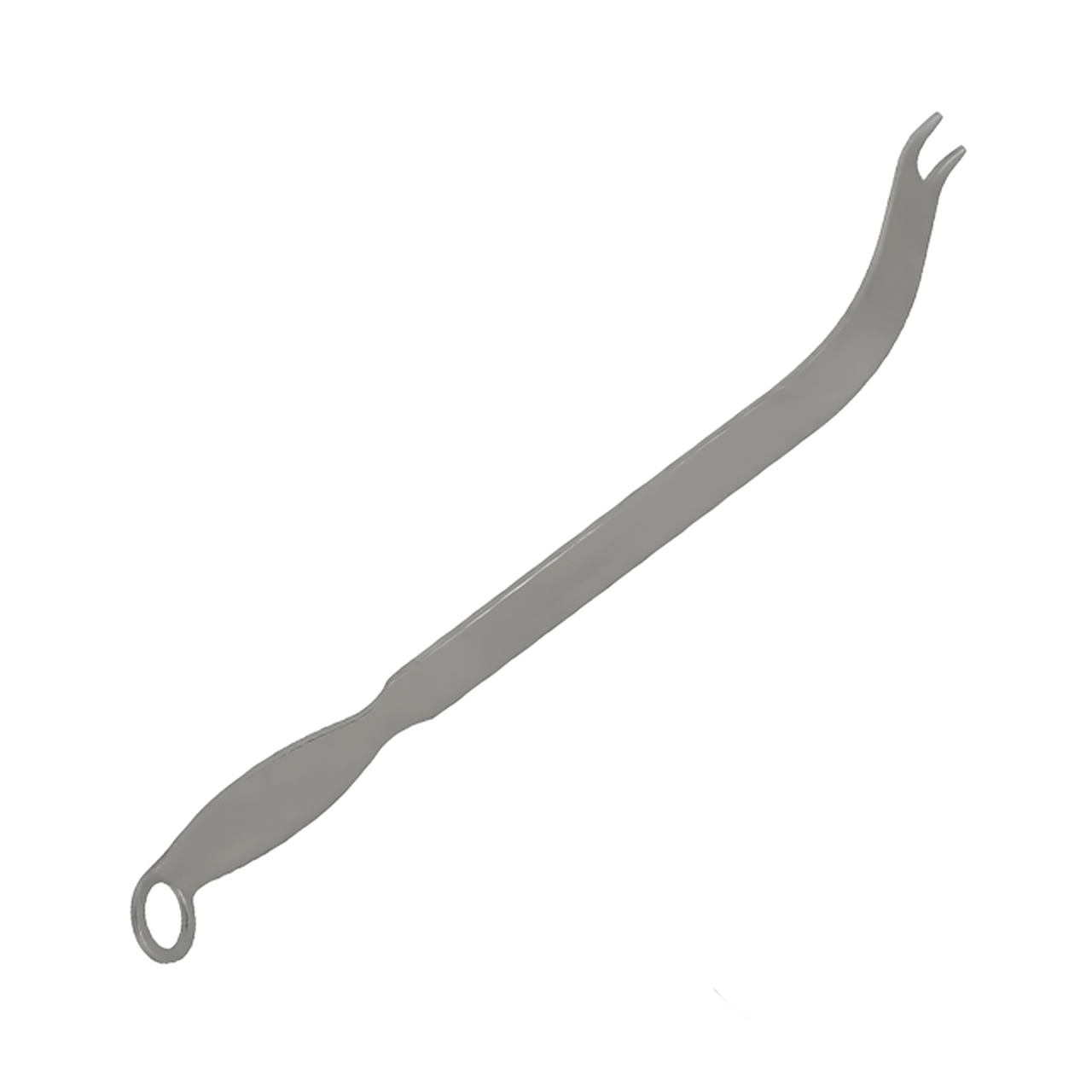 | Écarteur du Grand Trochanter | Spécifiquement conçu pour écarter la musculature fessière et exposer le grand trochanter lors d'arthroplasties totales de hanche et d'ostéotomies fémorales. |
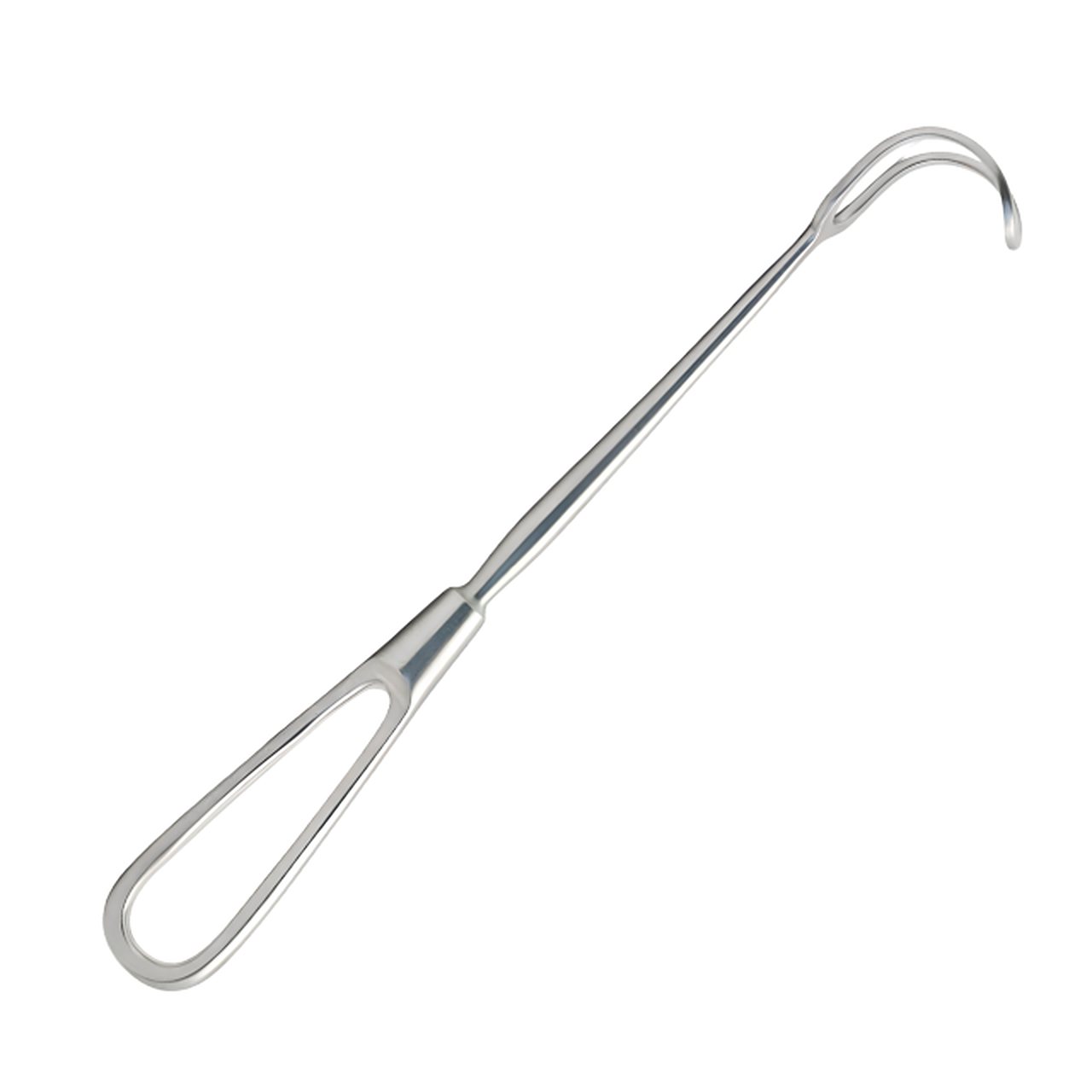 | Écarteur thyroïdien Green | Spécifiquement conçu pour écarter les muscles sous-hyoïdiens, les tissus thyroïdiens et le fascia cervical lors d'une chirurgie endocrinienne du cou. |
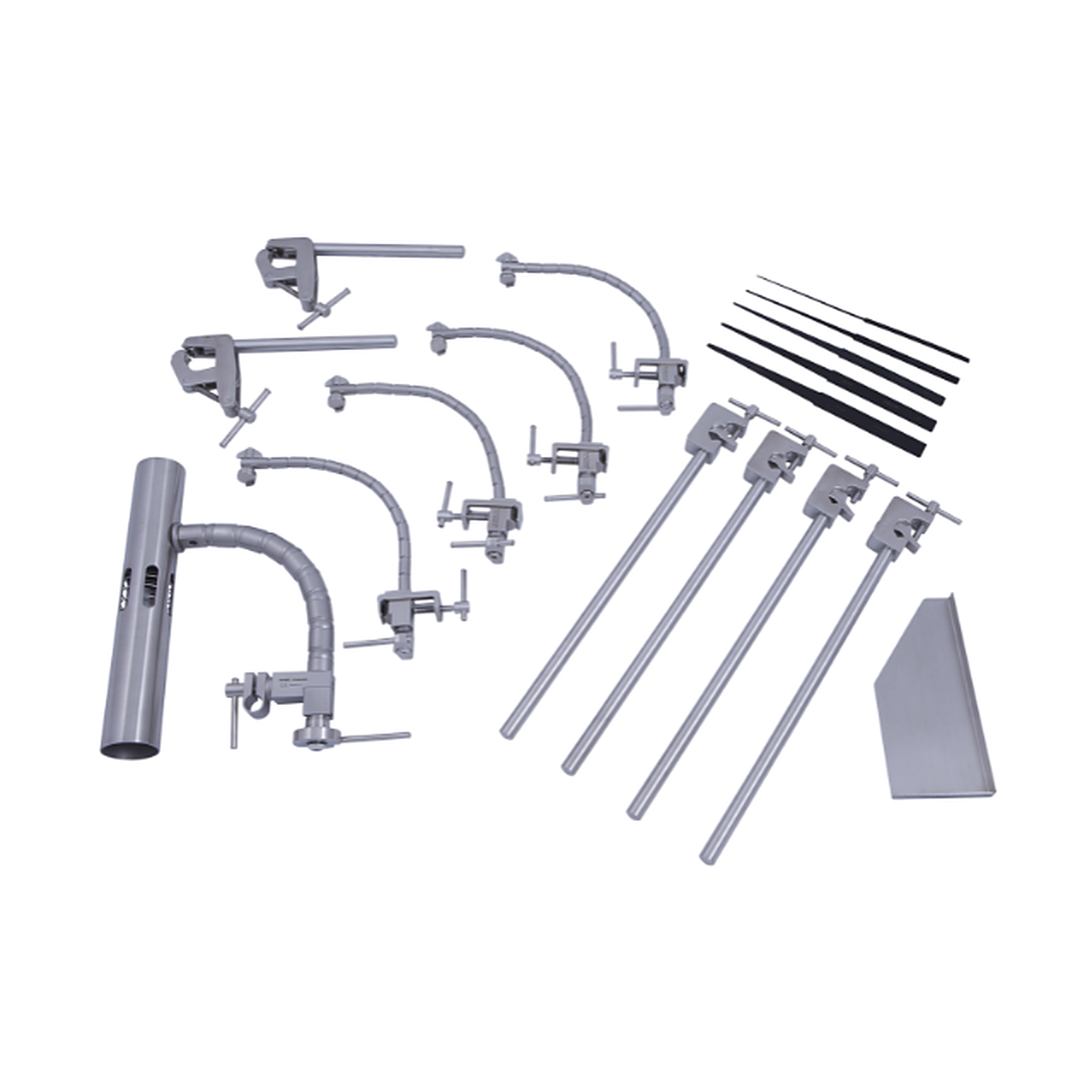 | Kit d'écarteur Greenberg | Conçu pour assurer une rétraction autostatique précise et stable des tissus cérébraux délicats et des structures crâniennes lors de procédures intracrâniennes, de la base du crâne et de microneurochirurgie. |
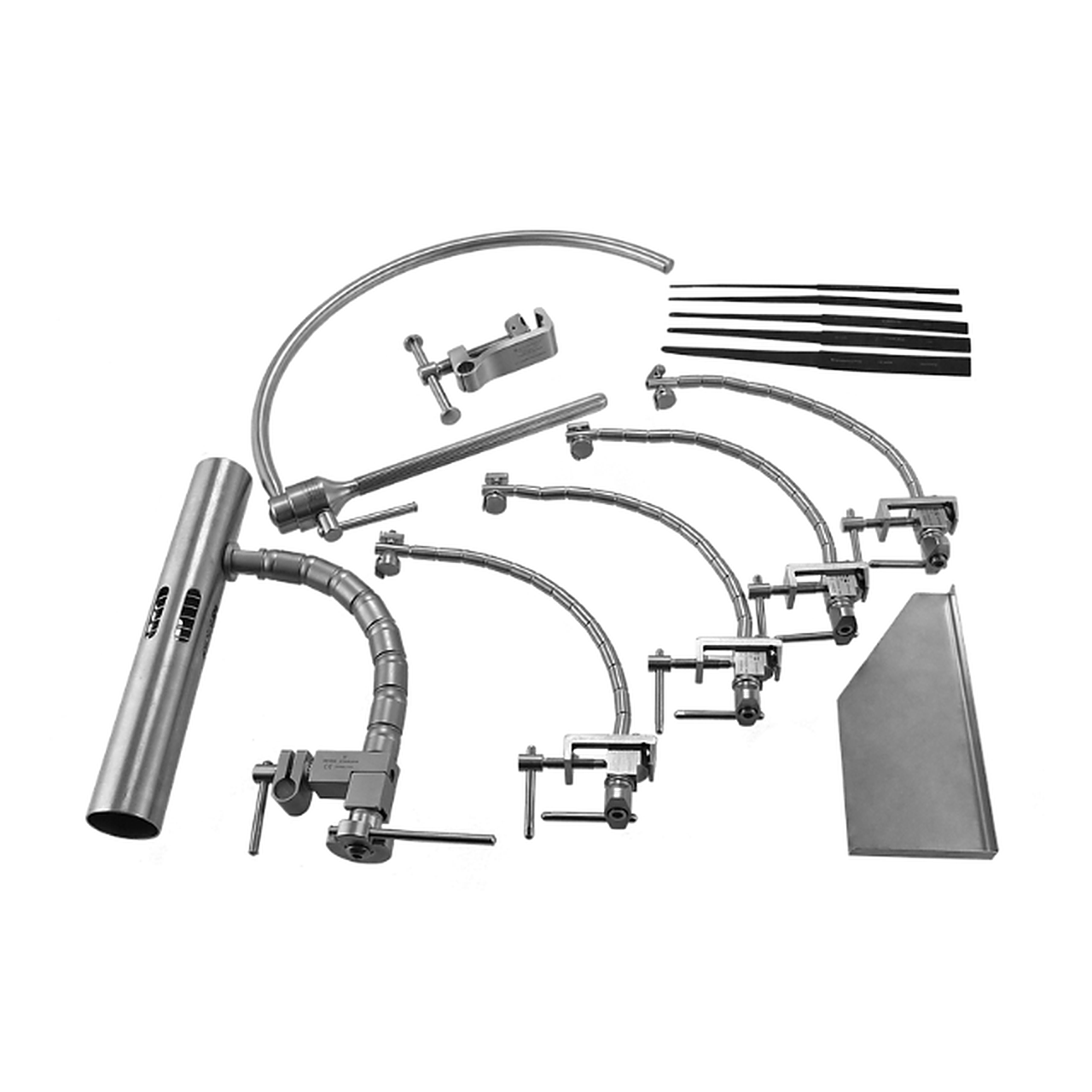 | Écarteur Greenberg Simplicity Retractor | Spécifiquement conçu pour une installation rapide, un encombrement réduit et une rétraction tissulaire précise et autobloquante lors de craniotomies ciblées, de décompressions microvasculaires (MVD) et de procédures microchirurgicales par trou de serrure. |
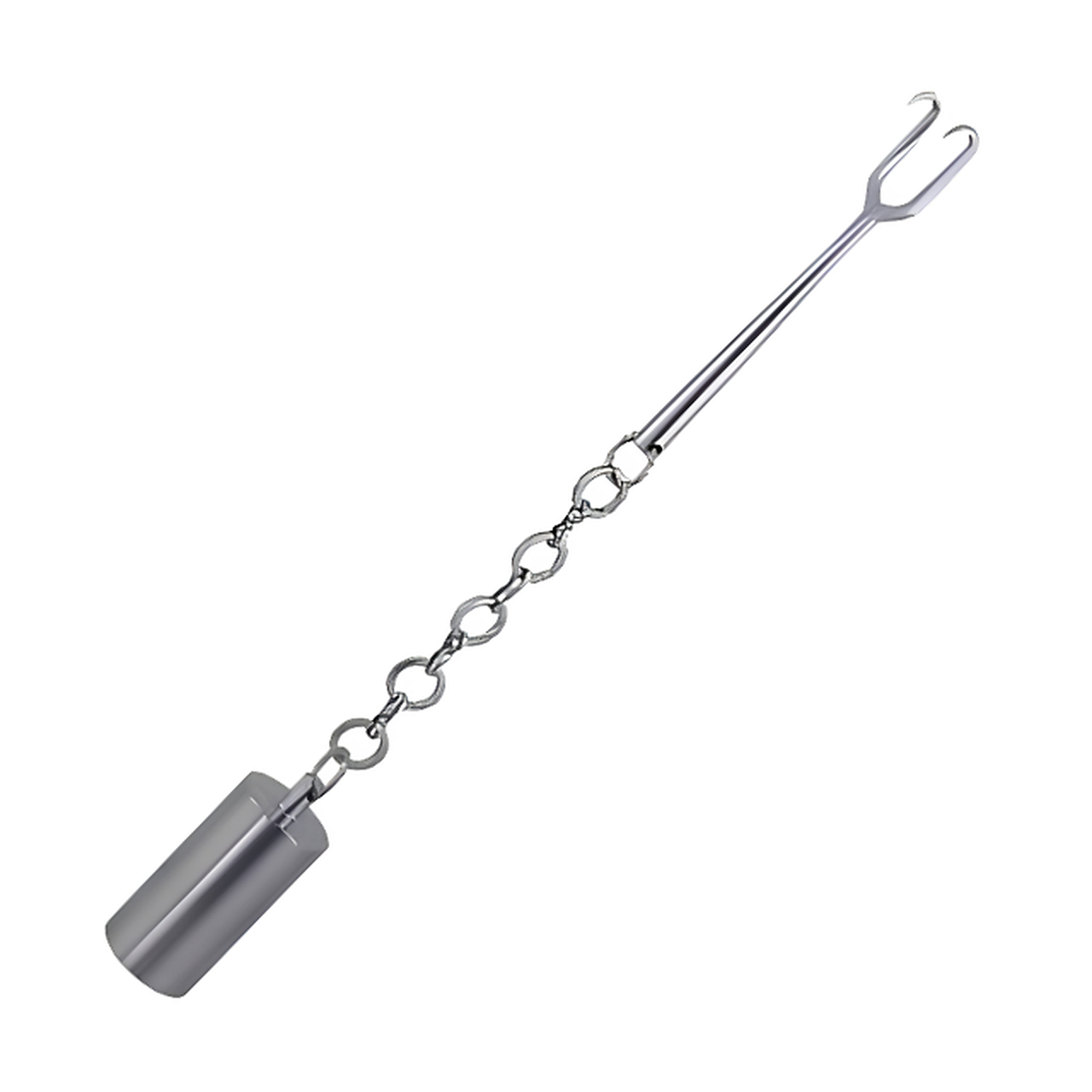 | Écarteur de rhinoplastie Gruber | Spécifiquement conçu pour saisir et rétracter les lambeaux cutanés et les cartilages nasaux lors des procédures de rhinoplastie. |
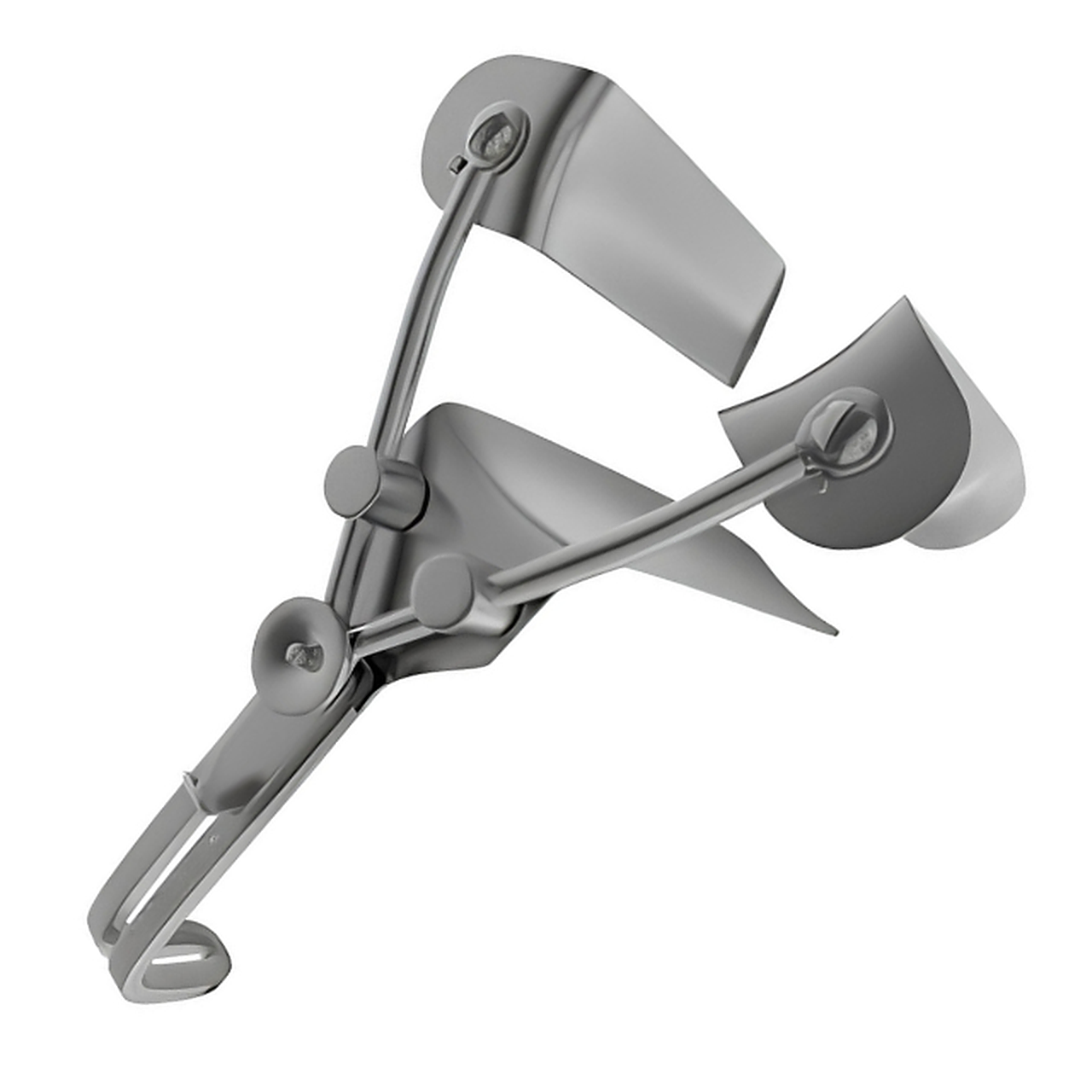 | Écarteur obstétrical Guttman | Spécifiquement conçu pour écarter et protéger la vessie et la paroi abdominale inférieure pendant les césariennes et la chirurgie pelvienne. |
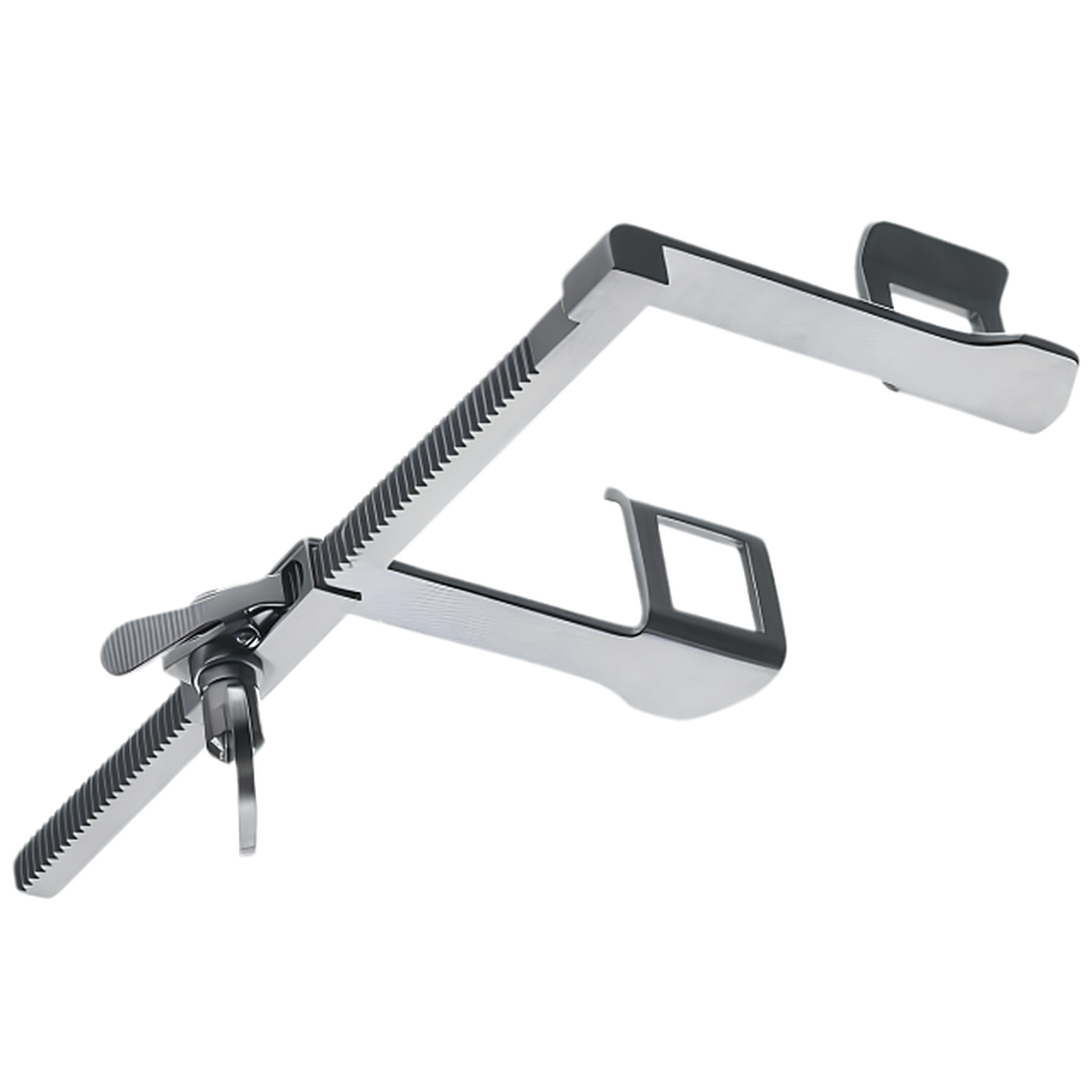 | Écarteur costal Haight | Spécifiquement conçu pour écarter les côtes adultes et élargir la cavité thoracique lors d'une thoracotomie ouverte. |
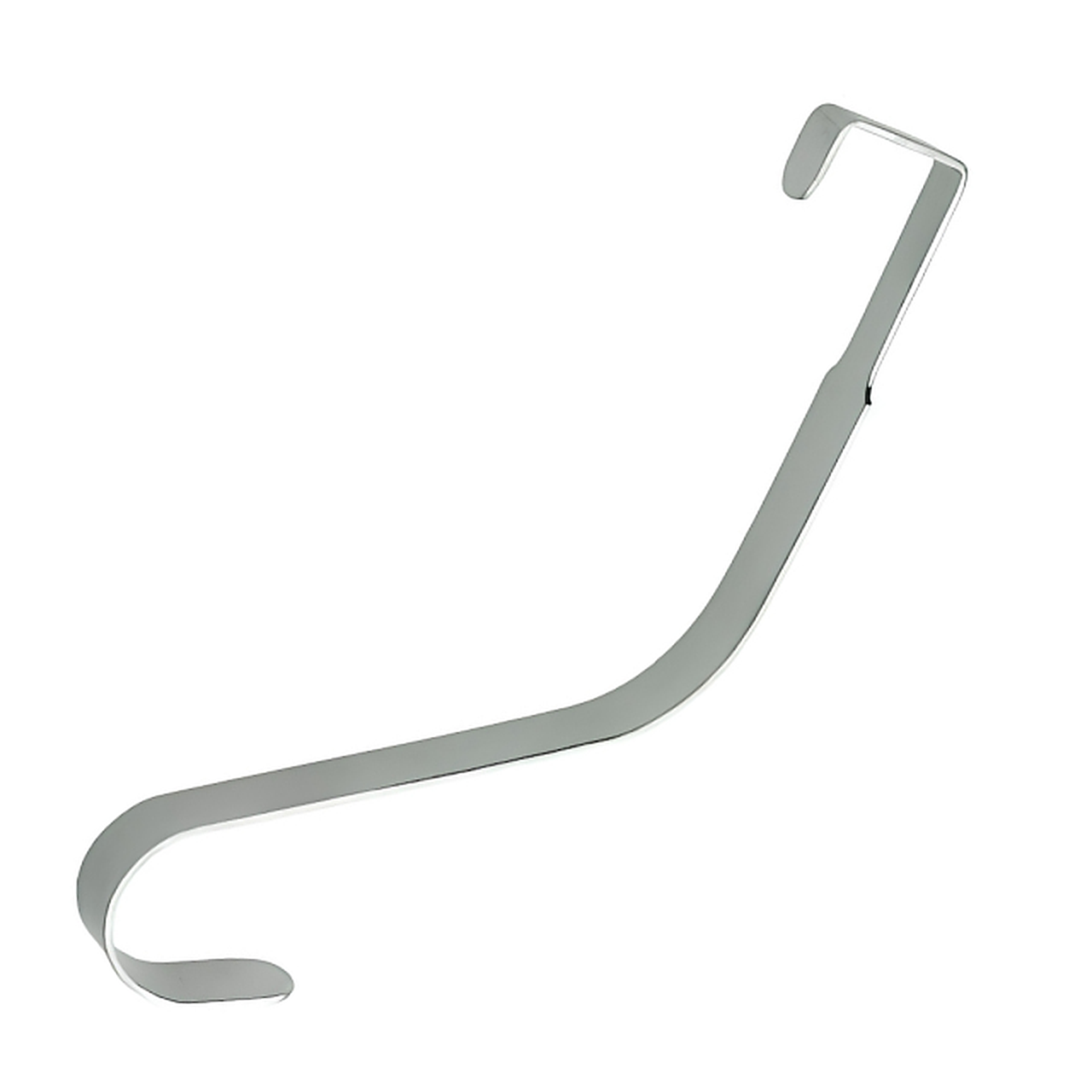 | Écarteur de joues Hajek | Spécifiquement conçu pour écarter les joues, les lèvres et la muqueuse buccale lors de procédures chirurgicales orales, maxillofaciales et dentaires. |
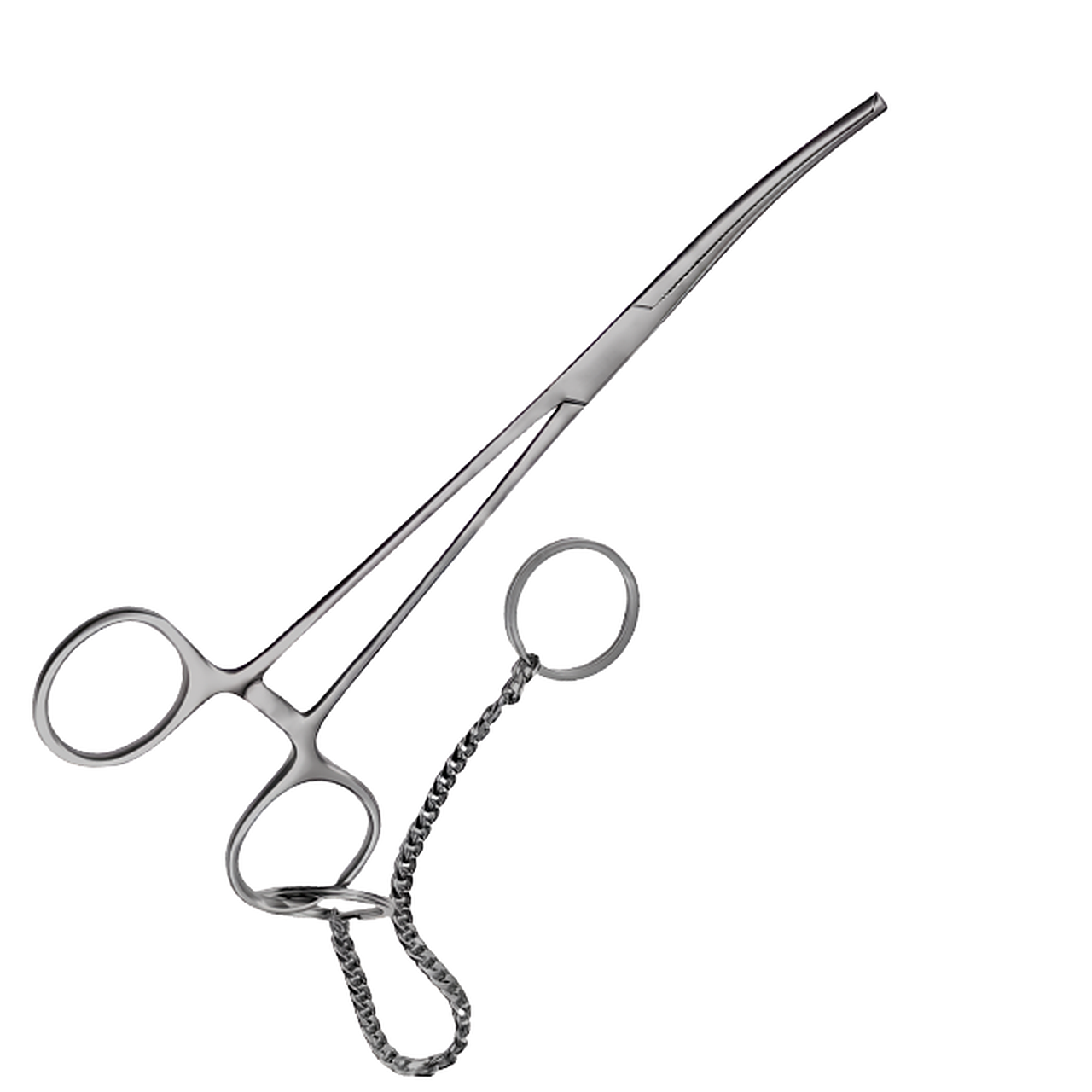 | Écarteur Coronoid Hargis avec Chaîne | Spécialement conçu pour rétracter le processus coronoïde et le tendon temporal lors des procédures d'ostéotomie orthognathique et de la branche montante. |
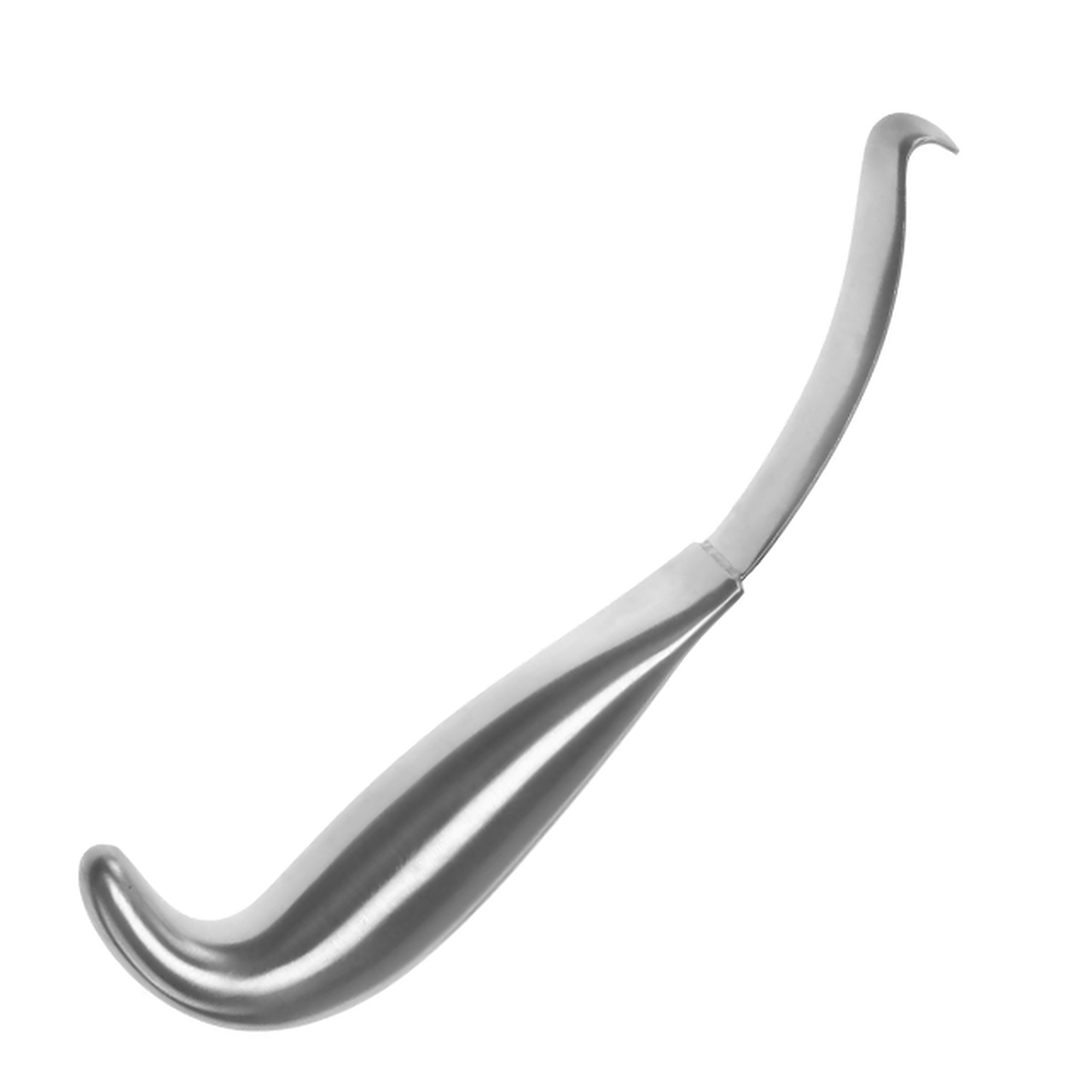 | Écarteur de corps mandibulaire Hargis | Spécifiquement conçu pour écarter les tissus mous et protéger les faisceaux neurovasculaires le long du corps mandibulaire lors des procédures orthognathiques. |
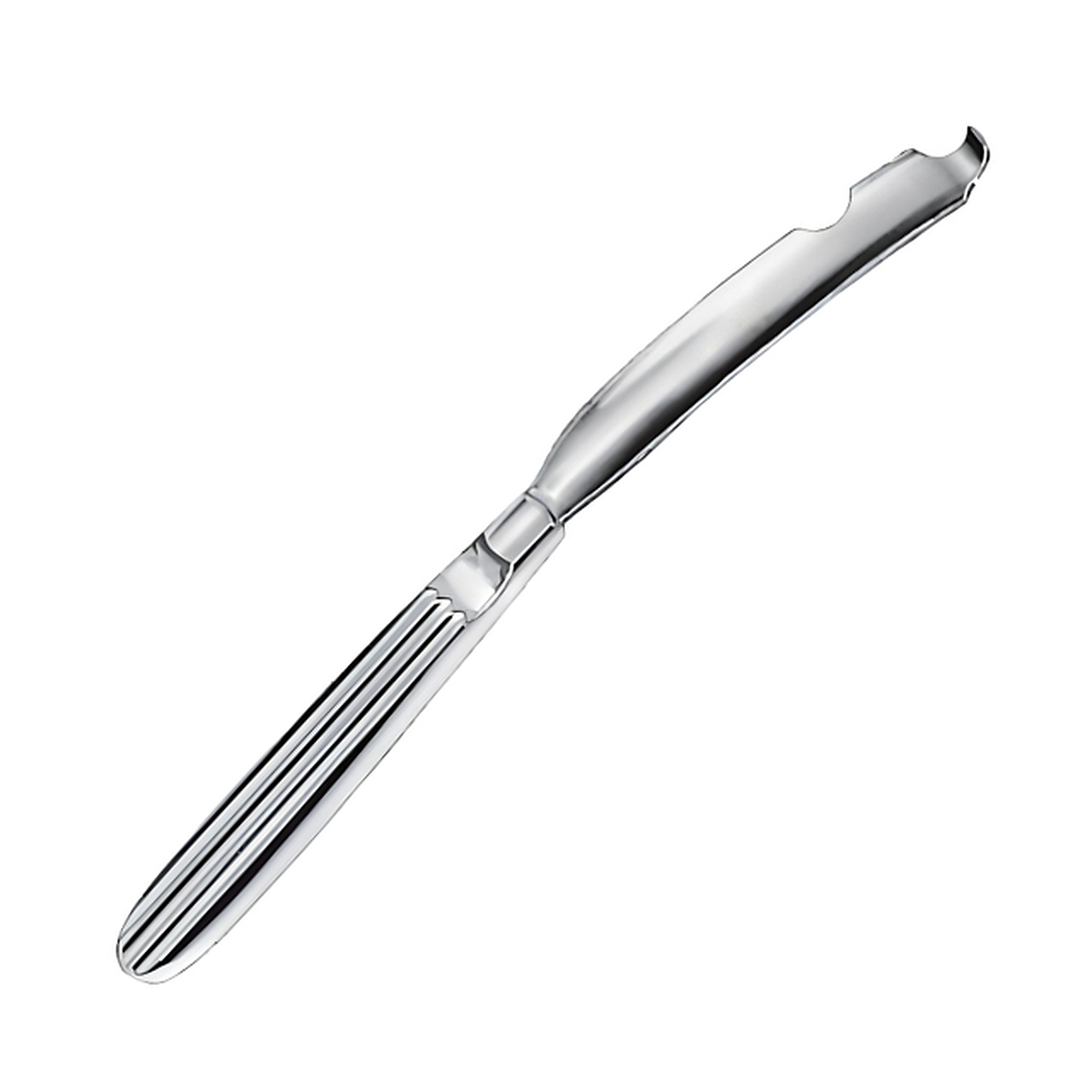 | Écarteur de Branche Montante Hargis (Medial Ramus) | Spécifiquement conçu pour écarter le muscle ptérygoïdien médial et protéger le nerf alvéolaire inférieur lors des ostéotomies sagittales de la branche montante. |
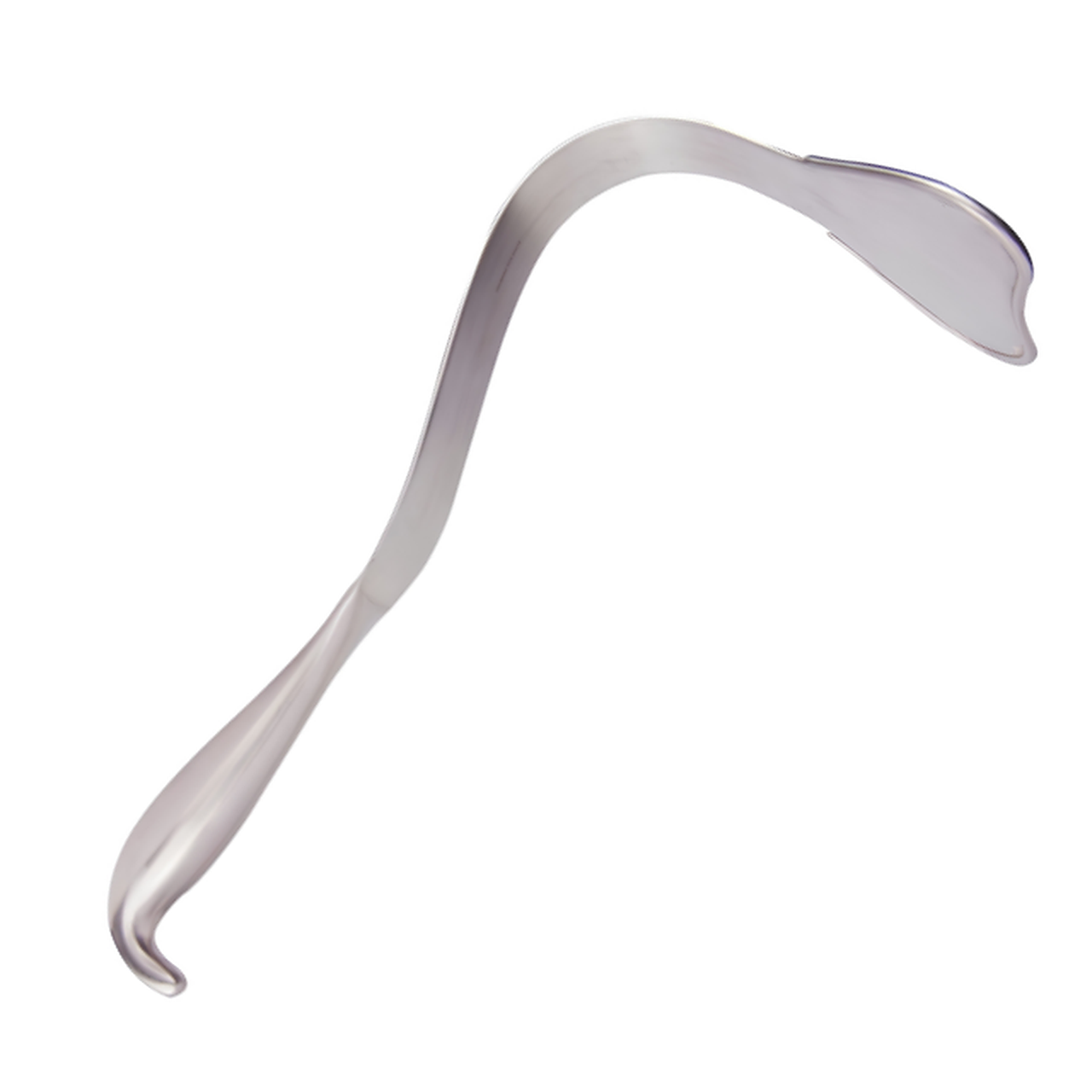 | Écarteur Splanchnique de Harrington | Spécifiquement conçu pour écarter et protéger les viscères abdominaux, le foie, la rate et les structures pelviennes lors de chirurgies ouvertes profondes. |
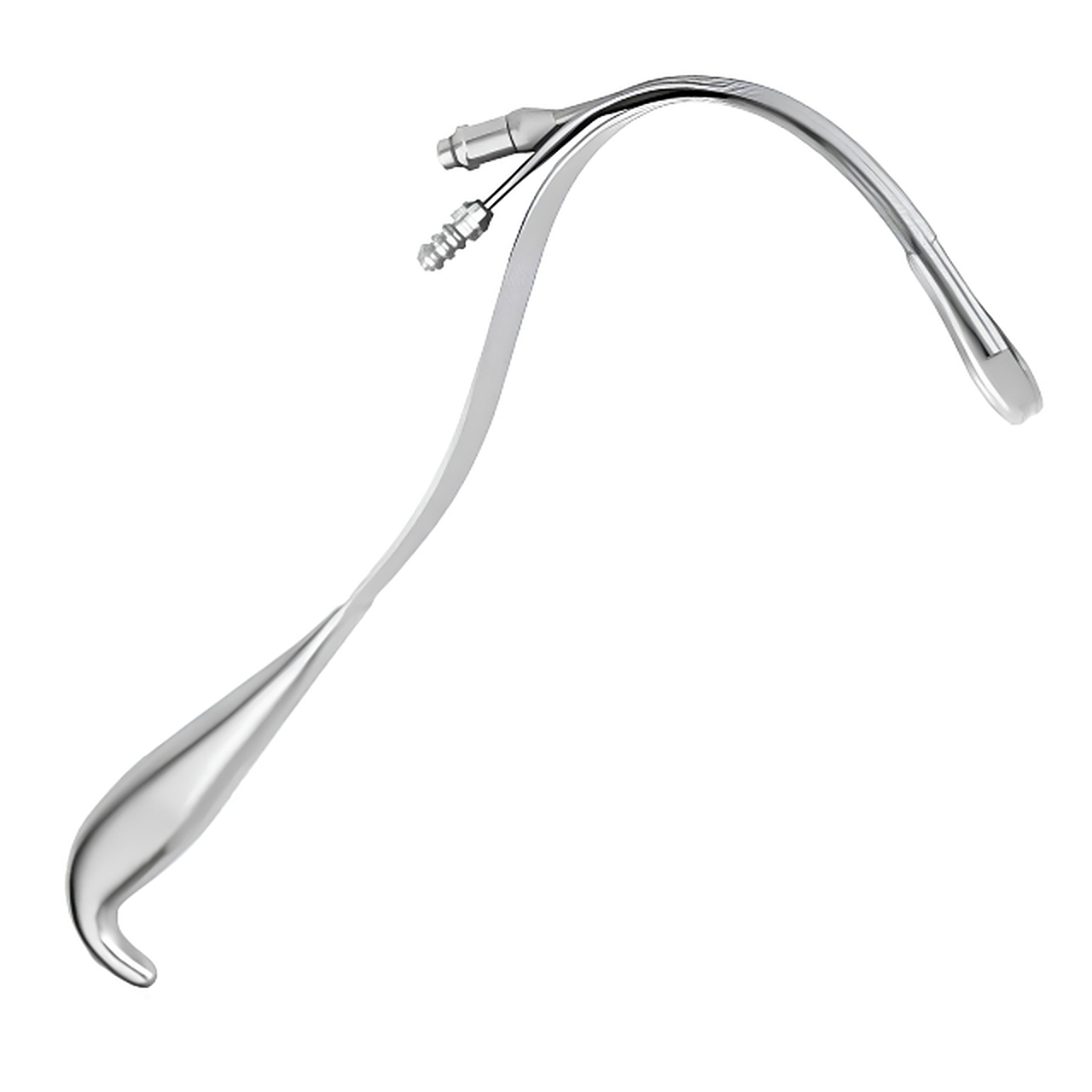 | Écarteur Splanchnique de Harrington à Fibre Optique | Spécifiquement conçu pour assurer l'écartement viscéral éclairé et l'aspiration-irrigation continue lors de chirurgies abdominales et pelviennes profondes. |
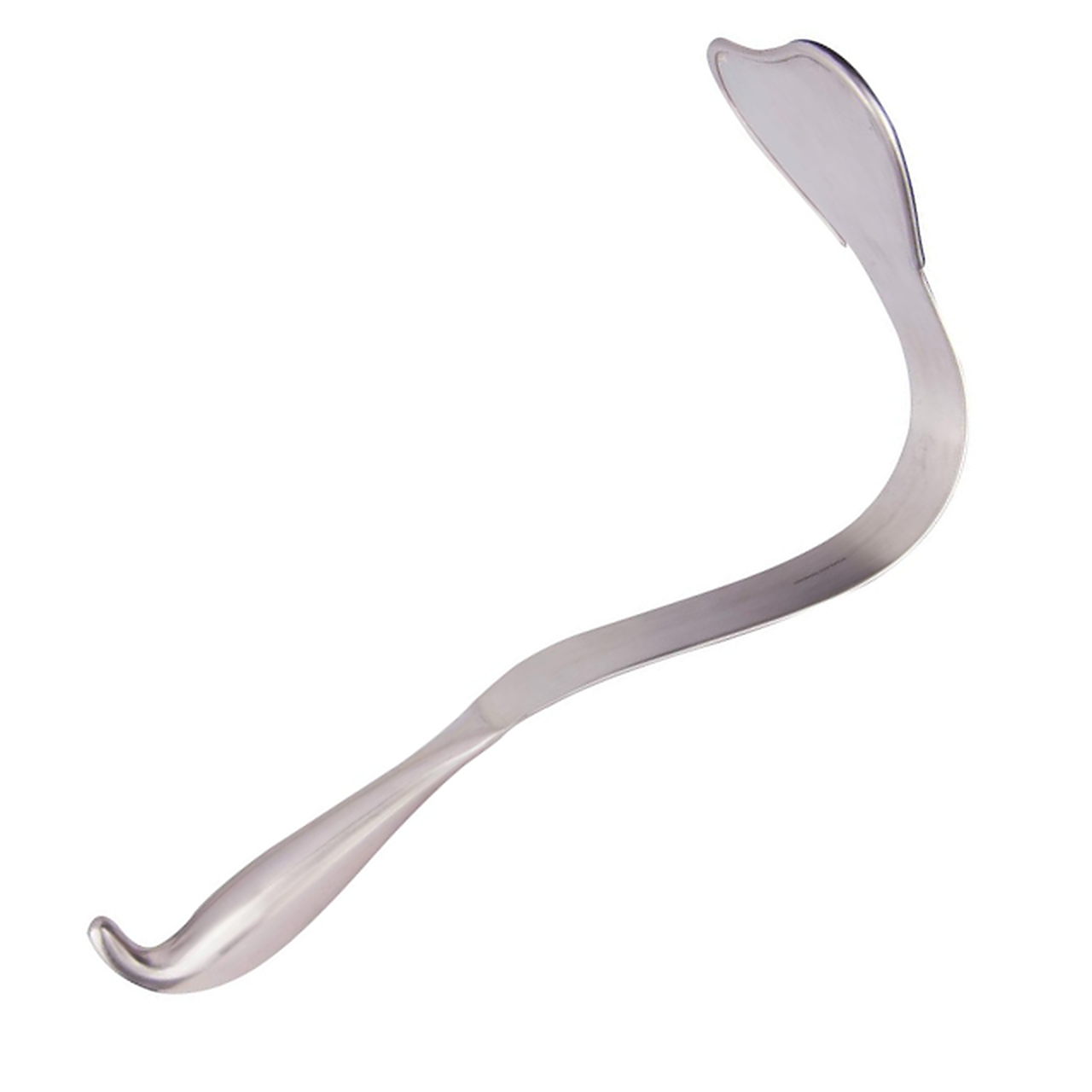 | Écarteur Harrington Sweetheart | Spécifiquement conçu pour écarter et protéger les viscères abdominaux, les lobes hépatiques, la rate et la vessie lors de chirurgies abdominales et pelviennes profondes. |
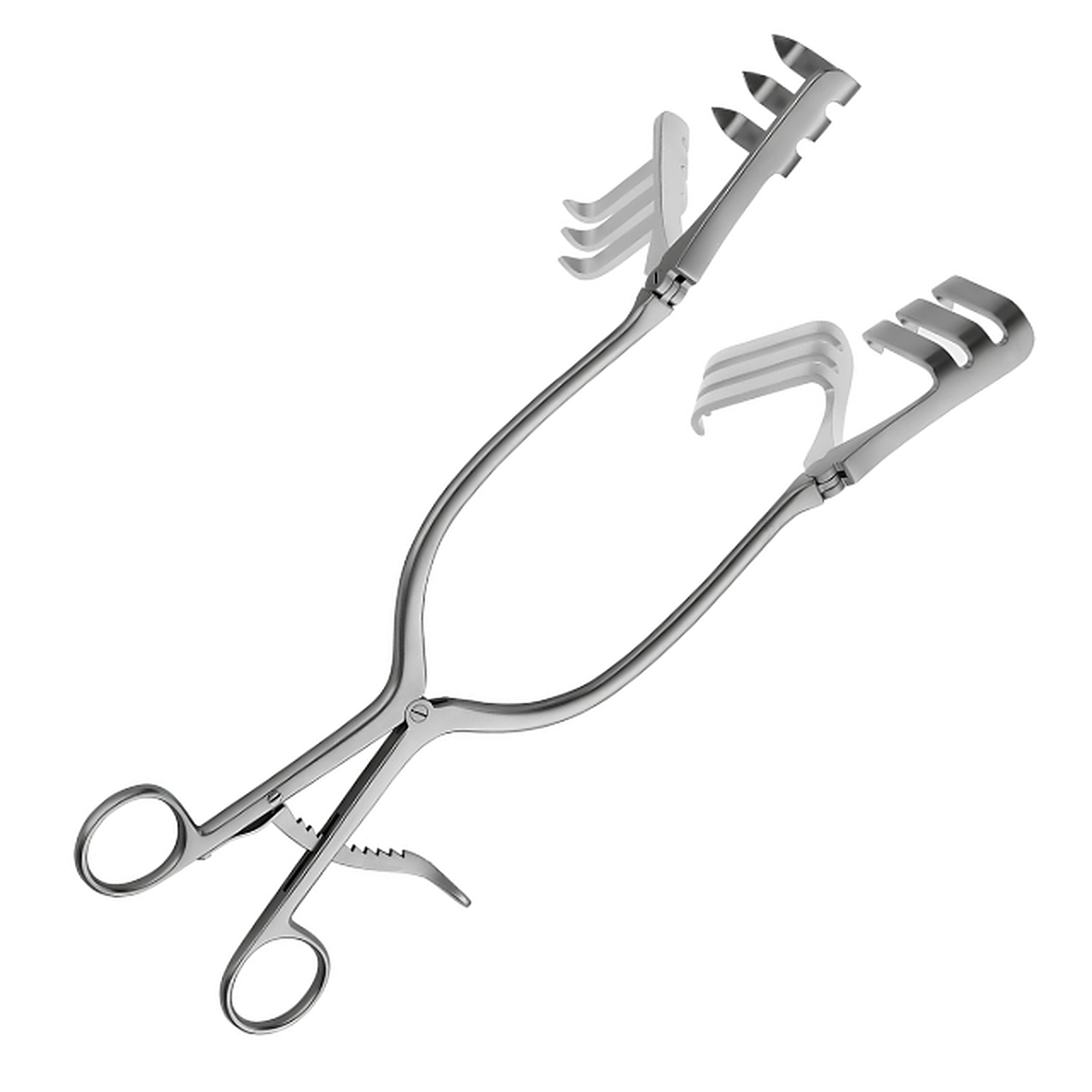 | Écarteur autostatique Harvey Jackson Self Retaining Retractor | Spécifiquement conçu pour assurer la rétraction autostatique des muscles paraspinaux et des tissus mous lors de procédures rachidiennes et orthopédiques. |
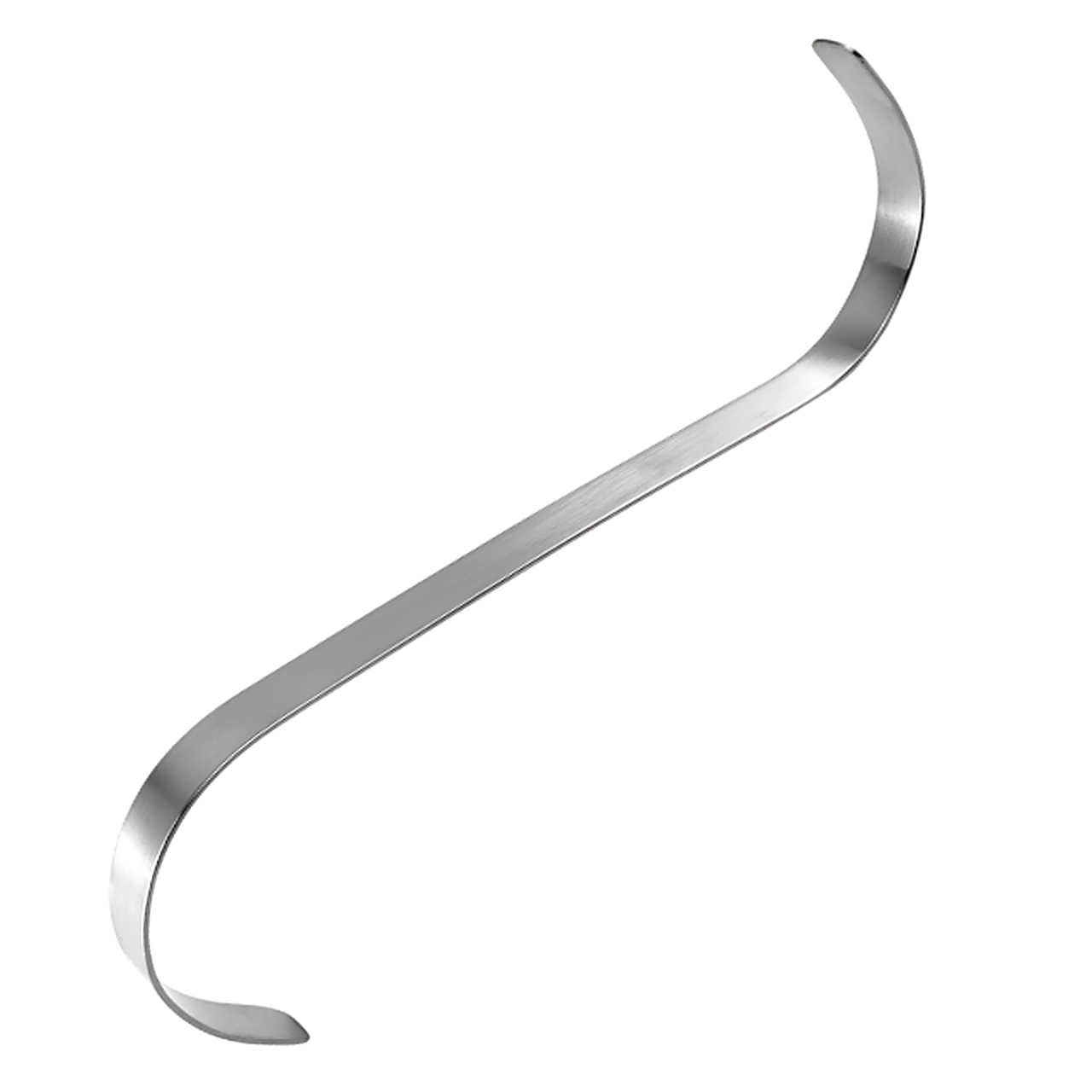 | Écarteur Hasson en S | Spécifiquement conçu pour l'écartement des marges fasciales ombilicales et l'élévation de la paroi abdominale lors des procédures de laparoscopie ouverte selon la technique de Hasson. |
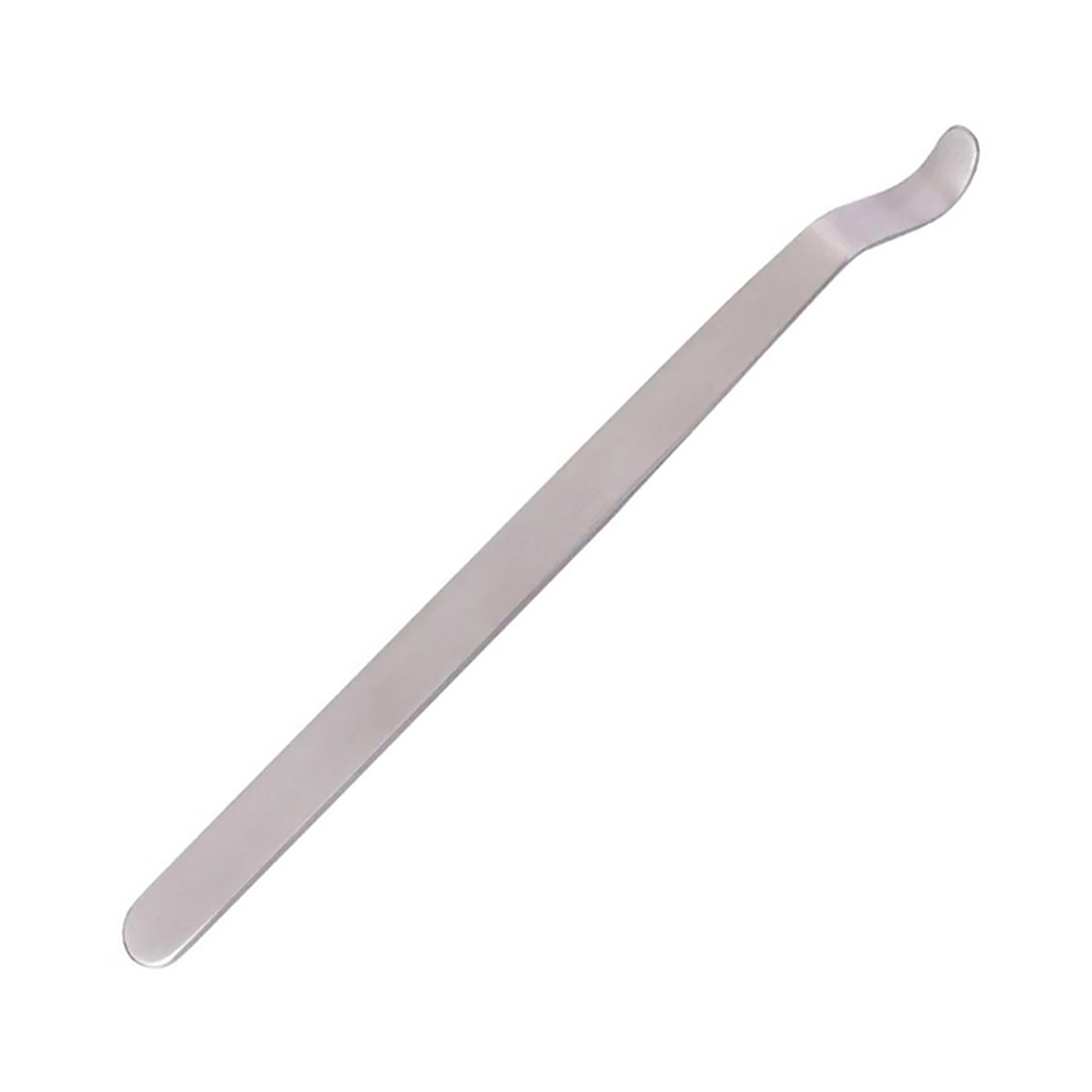 | Écarteurs à main Hayes | Spécifiquement conçu pour assurer la rétraction atraumatique des tissus mous et l'exposition chirurgicale lors des interventions de la main, du poignet et de reconstruction plastique. |
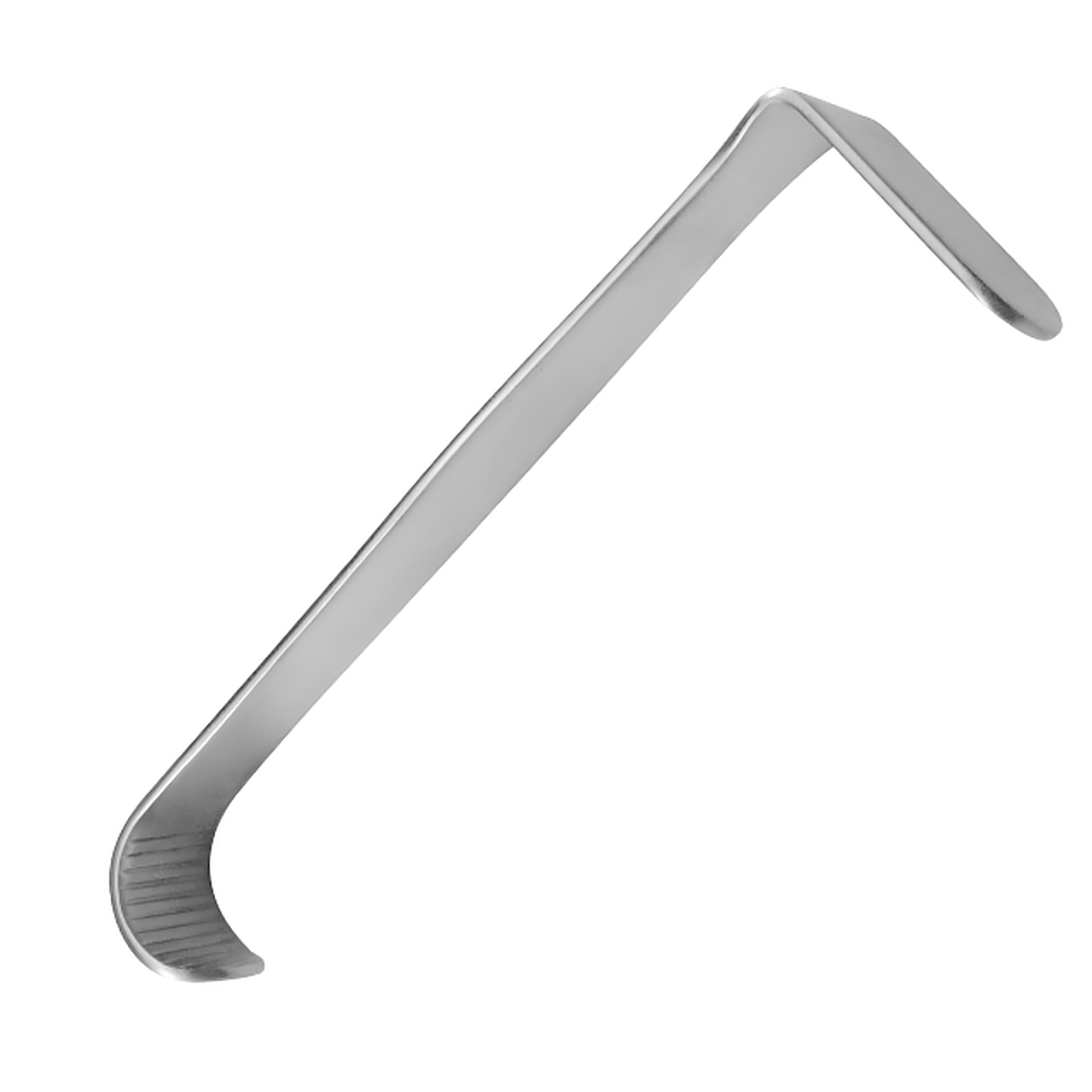 | Écarteur d'Hystérectomie Heaney | Spécifiquement conçu pour écarter la paroi vaginale et les tissus pelviens lors d'une hystérectomie vaginale et d'une chirurgie reconstructive du plancher pelvien. |
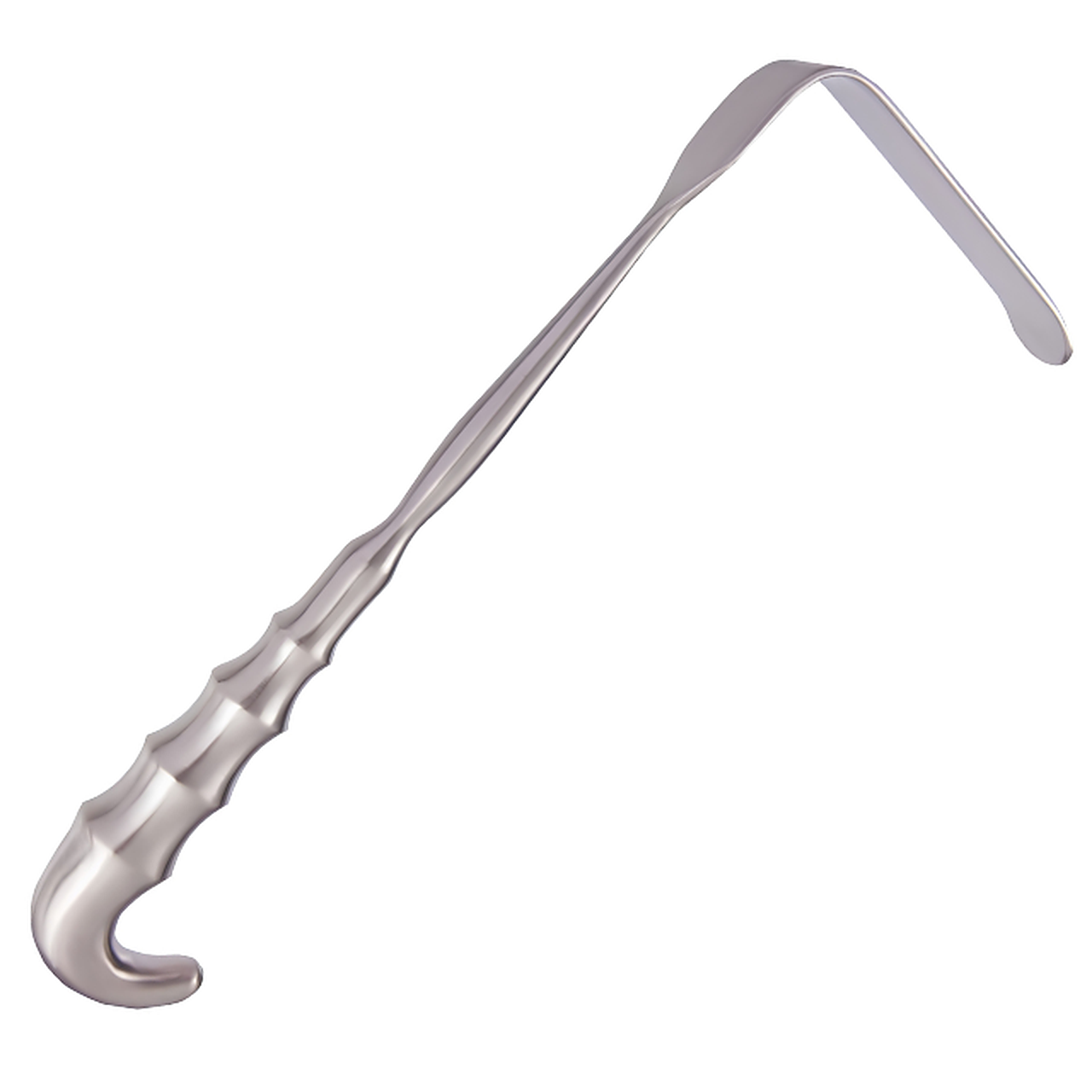 | Écarteur Vaginal Heaney Simon | Spécifiquement conçu pour rétracter les parois vaginales postérieures et latérales lors d'une hystérectomie vaginale et de la chirurgie du plancher pelvien. |
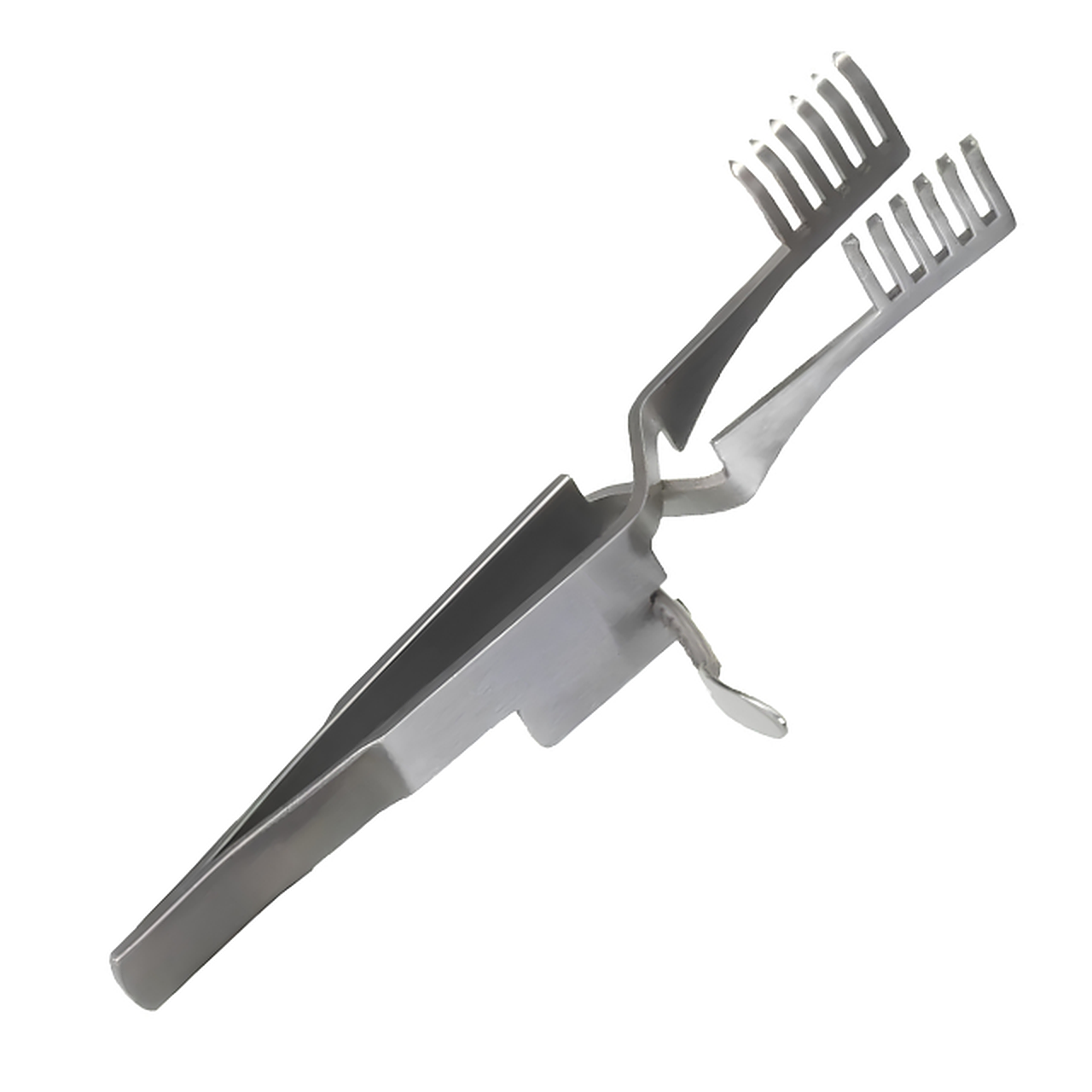 | Écarteur de plaies Heiss | Spécifiquement conçu pour assurer l'écartement autostatique des tissus lors de procédures de chirurgie mineure, ophtalmique, plastique et de la main. |
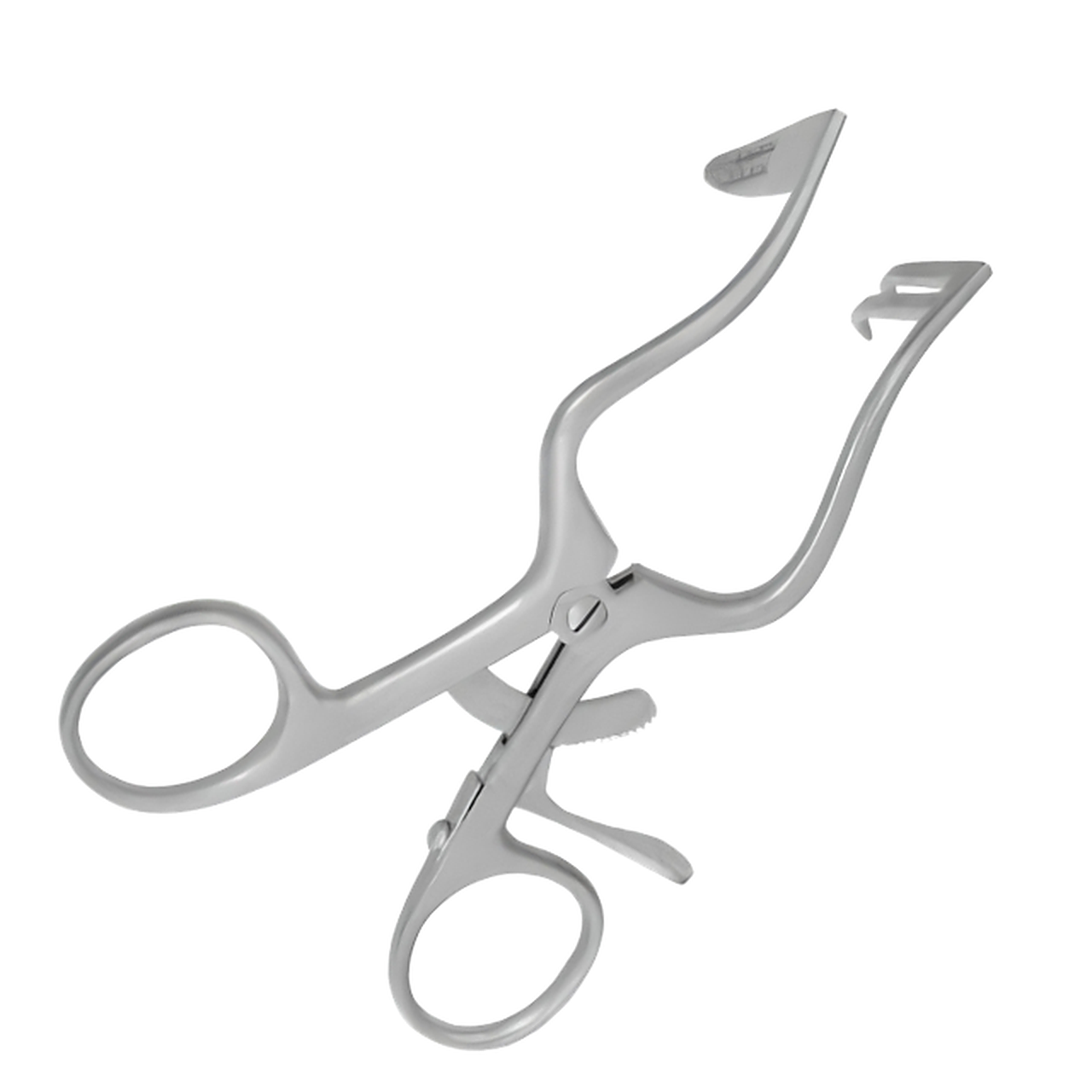 | Écarteur de Helms | Spécifiquement conçu pour assurer une rétraction tissulaire autostatique et atraumatique dans les champs otologiques et microsurgicaux étroits. |
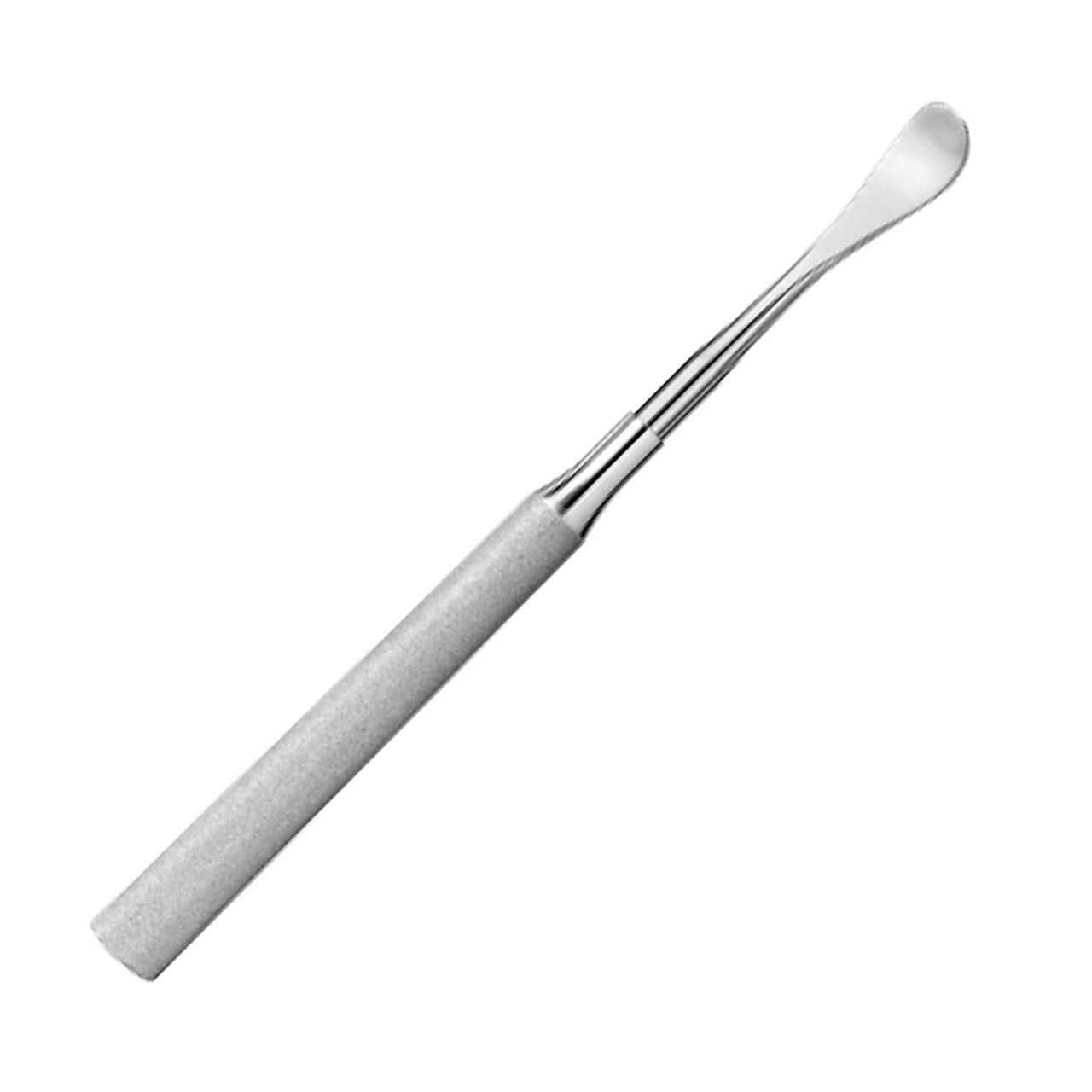 | Écarteur de Henahan | Spécifiquement conçu pour écarter les joues, les lèvres et les tissus mucopériostés pendant la chirurgie buccale, dentaire et maxillo-faciale. |
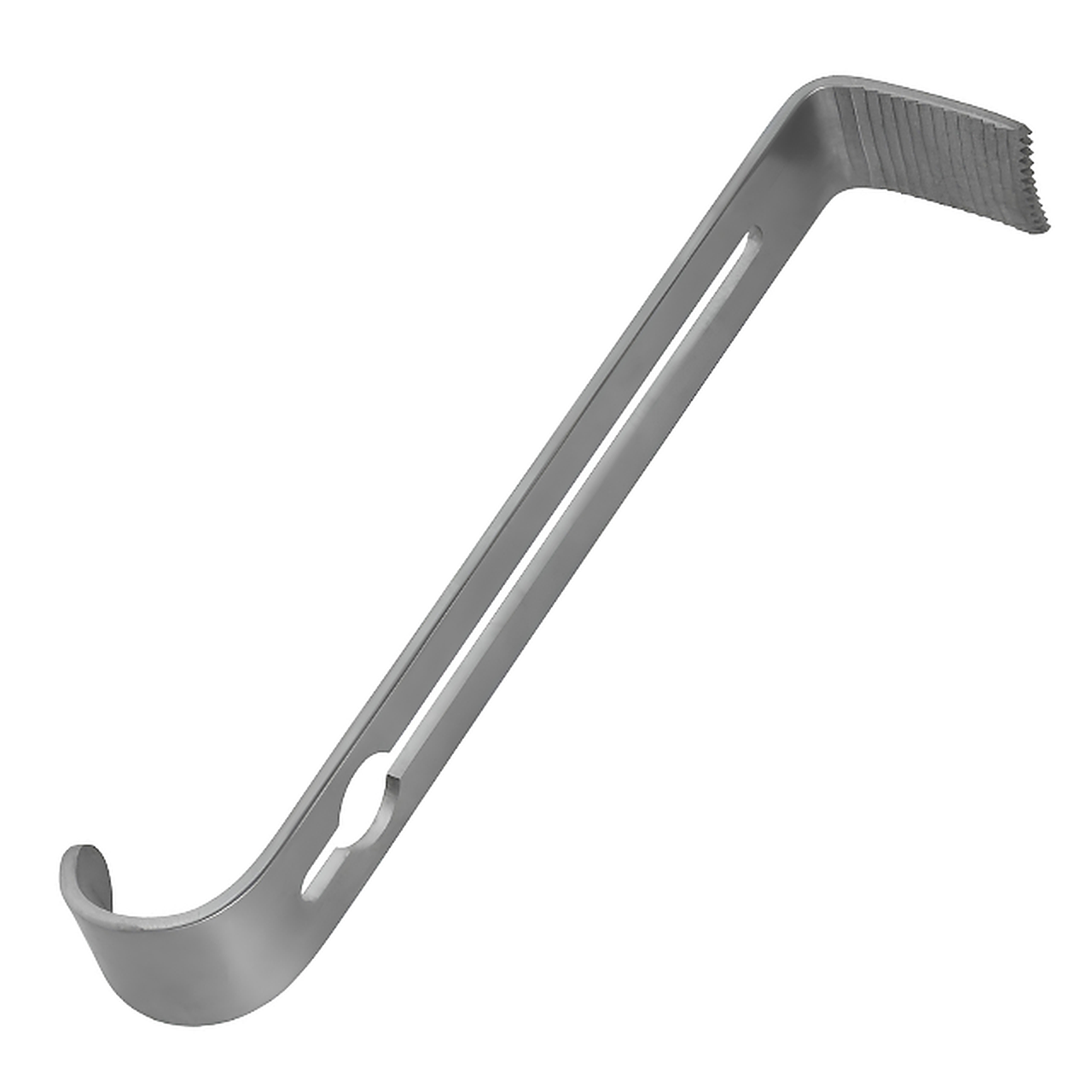 | Valve centrale pour écarteur Henly | Spécifiquement conçue pour être montée sur un cadre d'écarteur Henly afin d'assurer la rétraction tissulaire de la paroi centrale en chirurgie vasculaire et générale. |
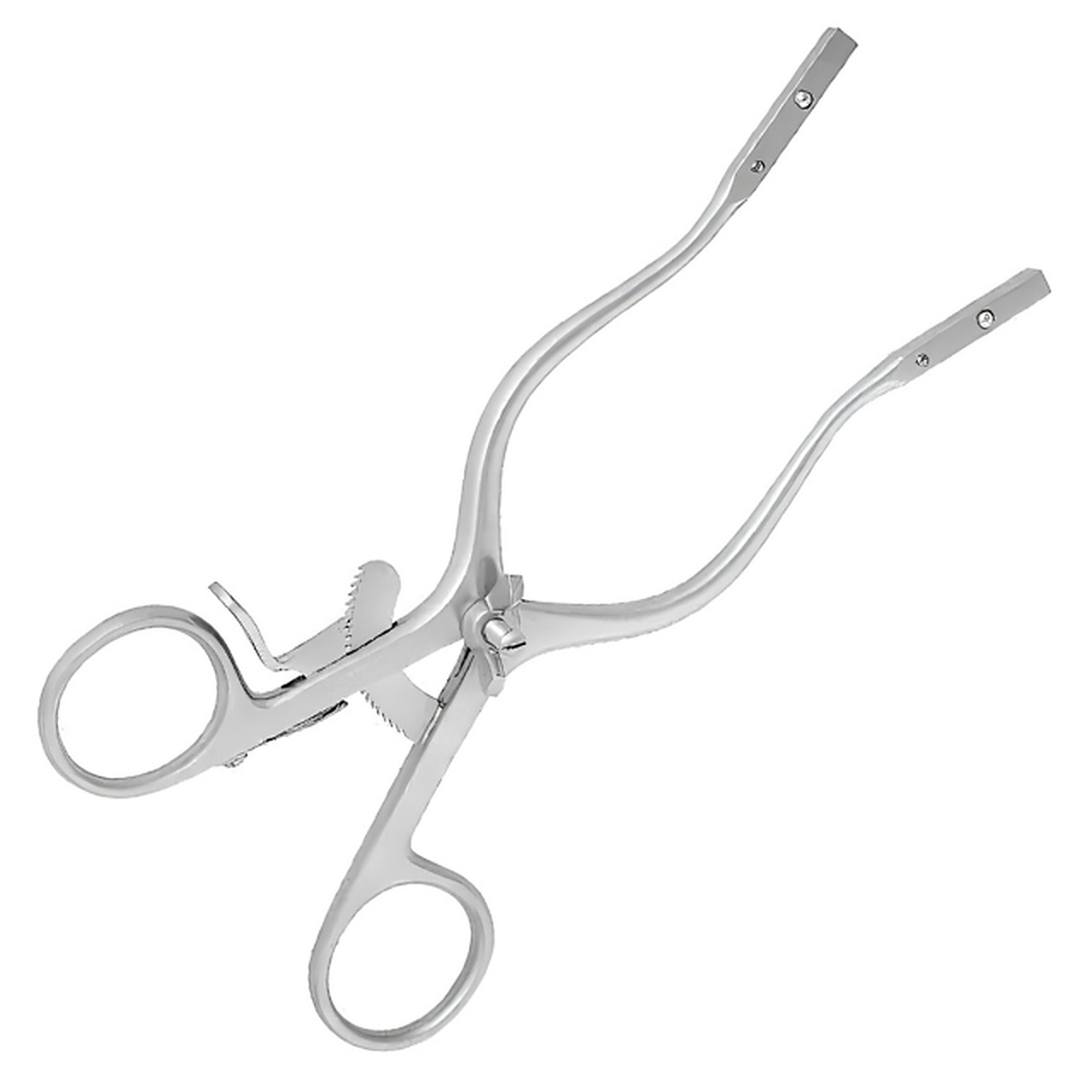 | Châssis d'écarteur Henly Retractor Frame | Spécifiquement conçu pour le montage de valves latérales et centrales interchangeables pour une rétraction mains libres en chirurgie vasculaire et orthopédique. |
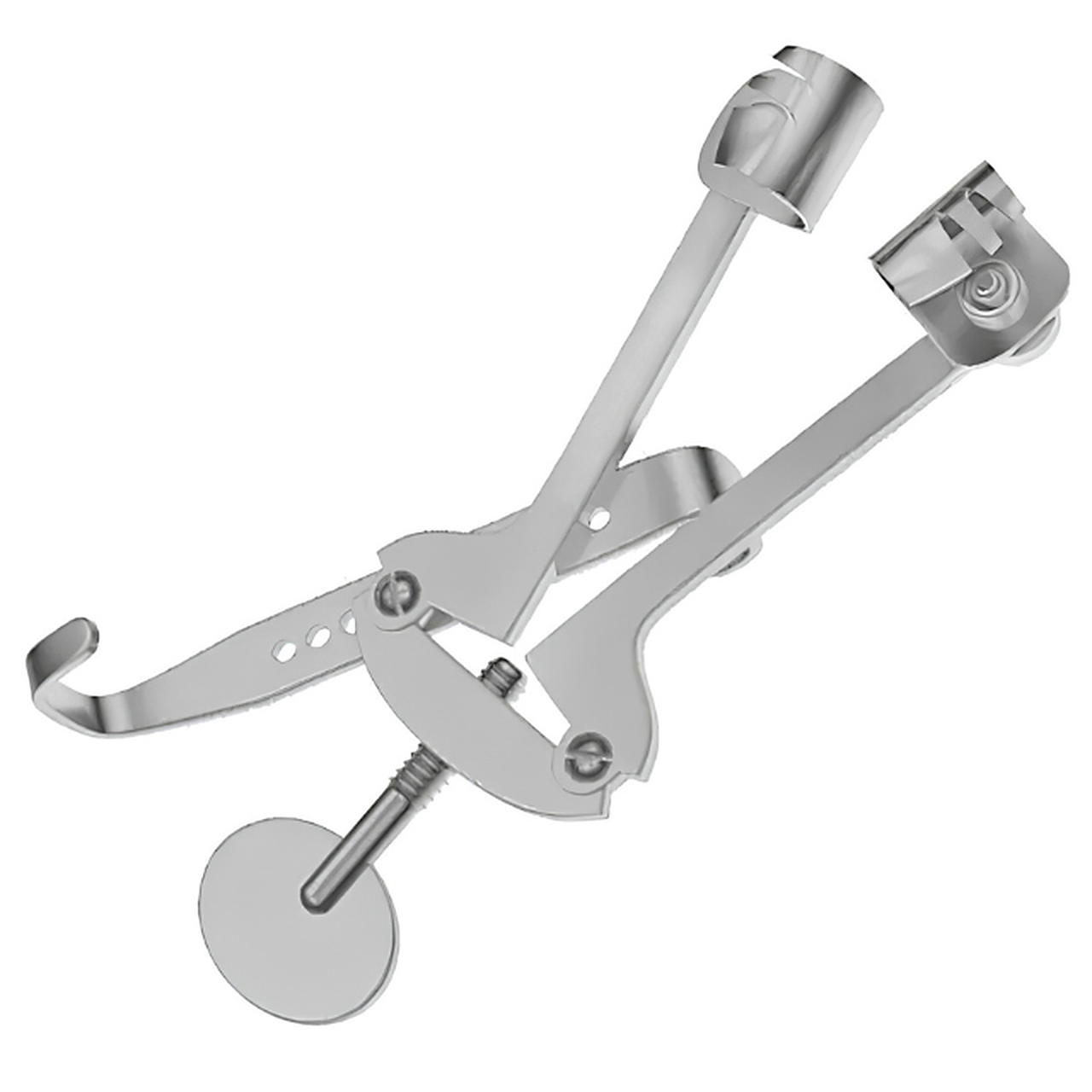 | Écarteur Endaural de Henner | Spécifiquement conçu pour écarter les berges de l'incision endaurale et le conduit auditif externe lors de la chirurgie otologique de l'oreille. |
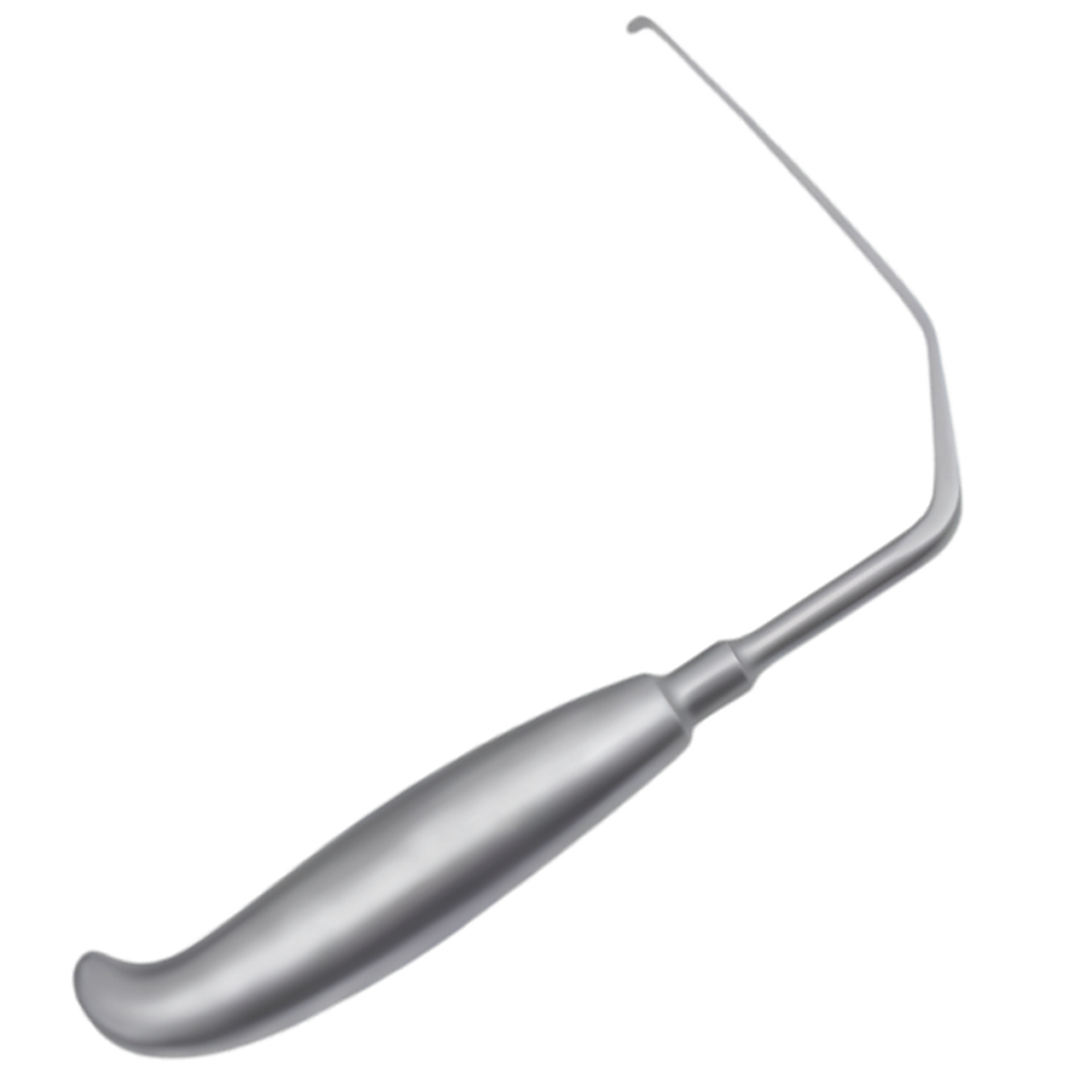 | Écarteur de racine nerveuse Hess | Spécifiquement conçu pour écarter et protéger les racines nerveuses rachidiennes transverses et le sac dural lors d'une microdiscectomie lombaire. |
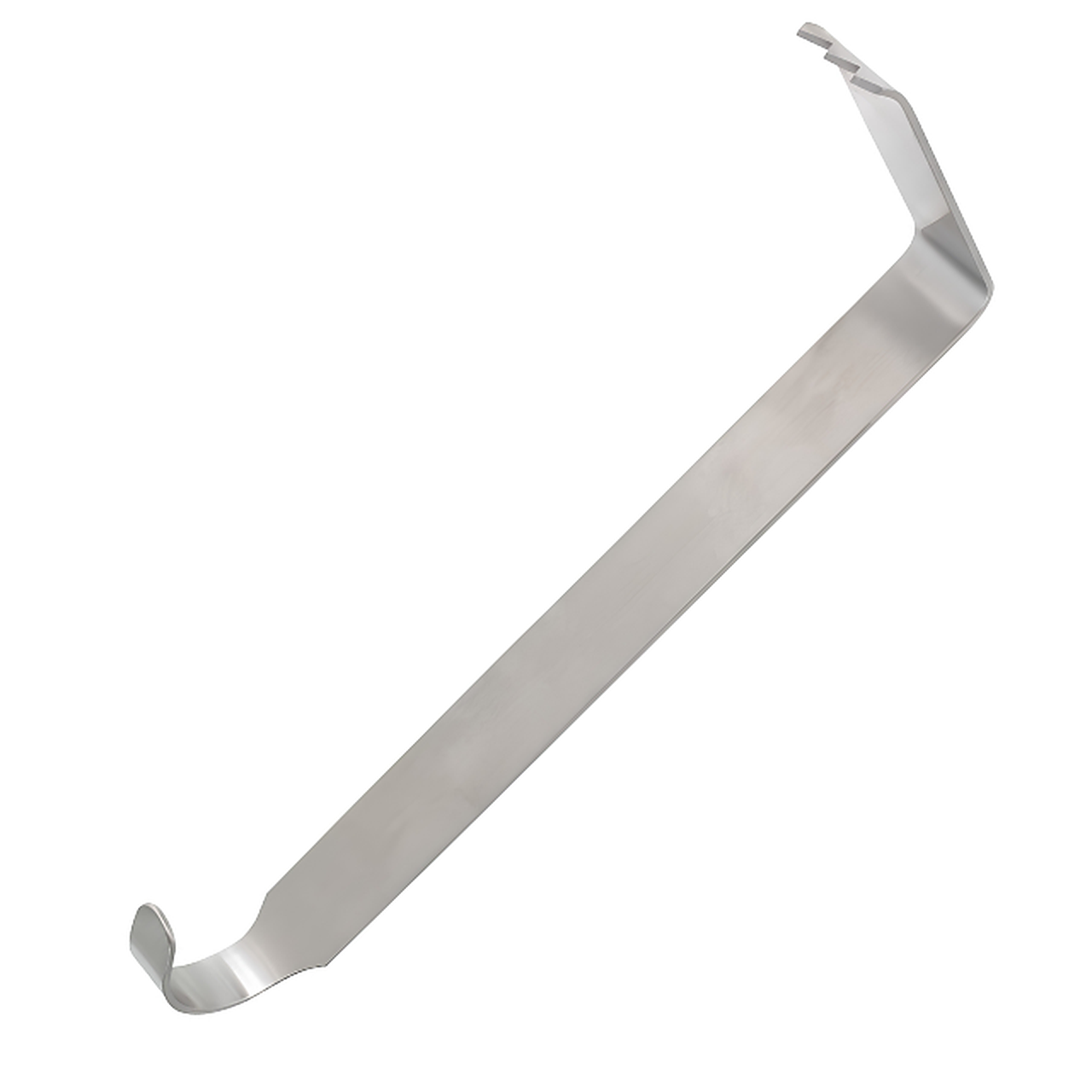 | Écarteur Hibbs | Spécifiquement conçu pour écarter la musculature paraspinale lourde et les tissus mous profonds lors de chirurgies spinales et orthopédiques. |
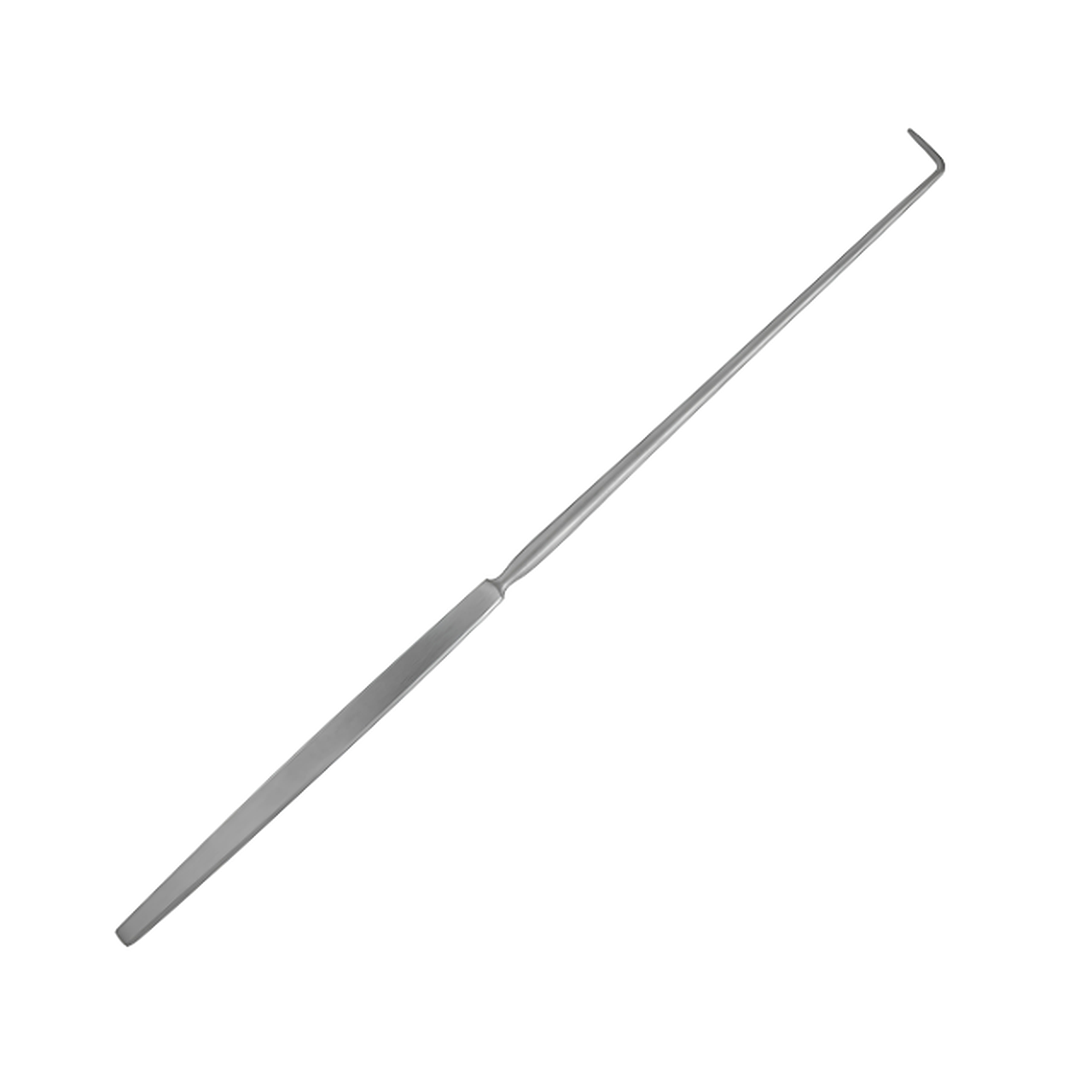 | Écarteur de nerfs Hoen | Spécialement conçu pour mobiliser, explorer et écarter les racines des nerfs spinaux et le sac thécal pendant la microchirurgie. |
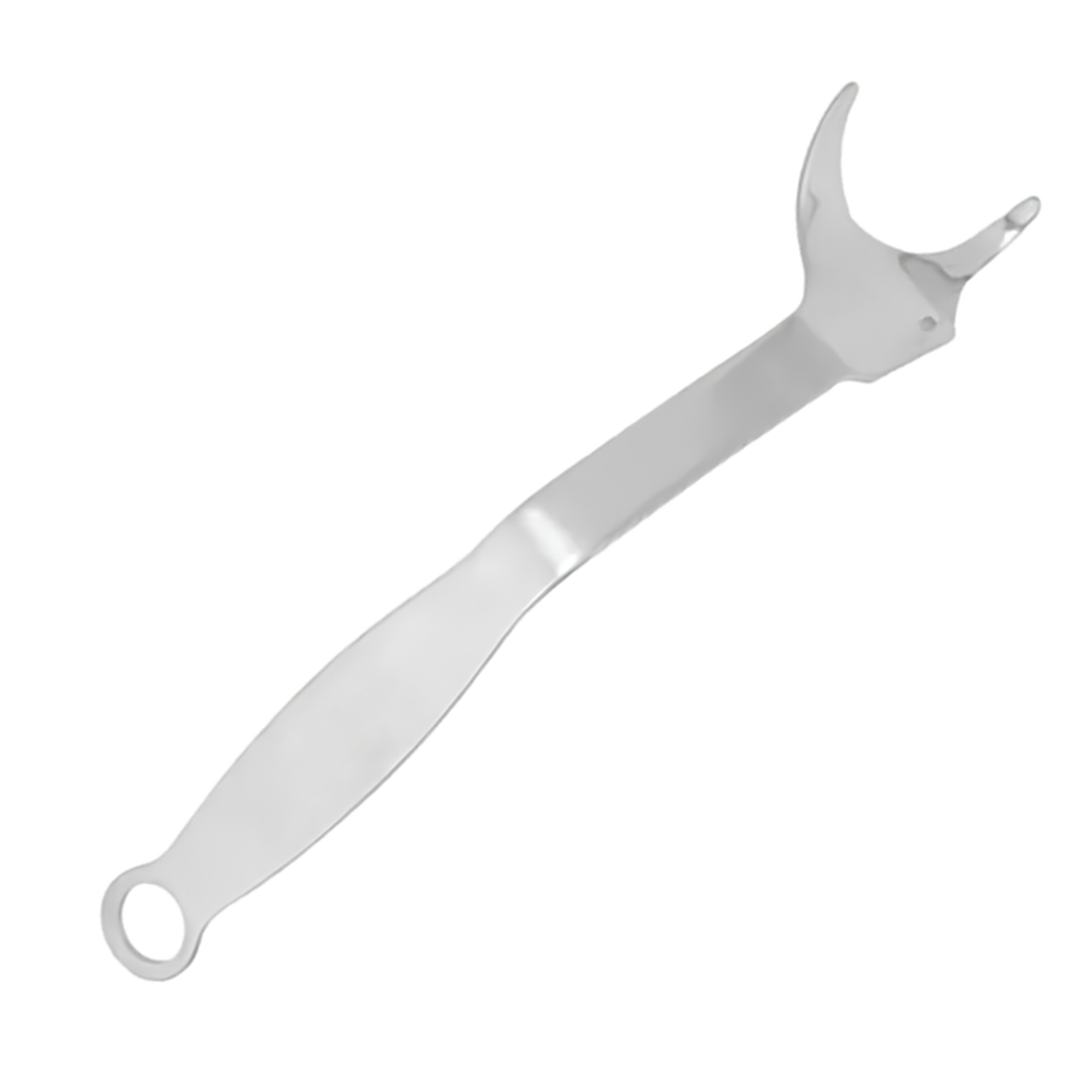 | Écarteur Hohmann postérieur-inférieur | Spécifiquement conçu pour exposer le rebord acétabulaire postéro-inférieur et rétracter le tissu capsulaire lors d'une arthroplastie totale de la hanche. |
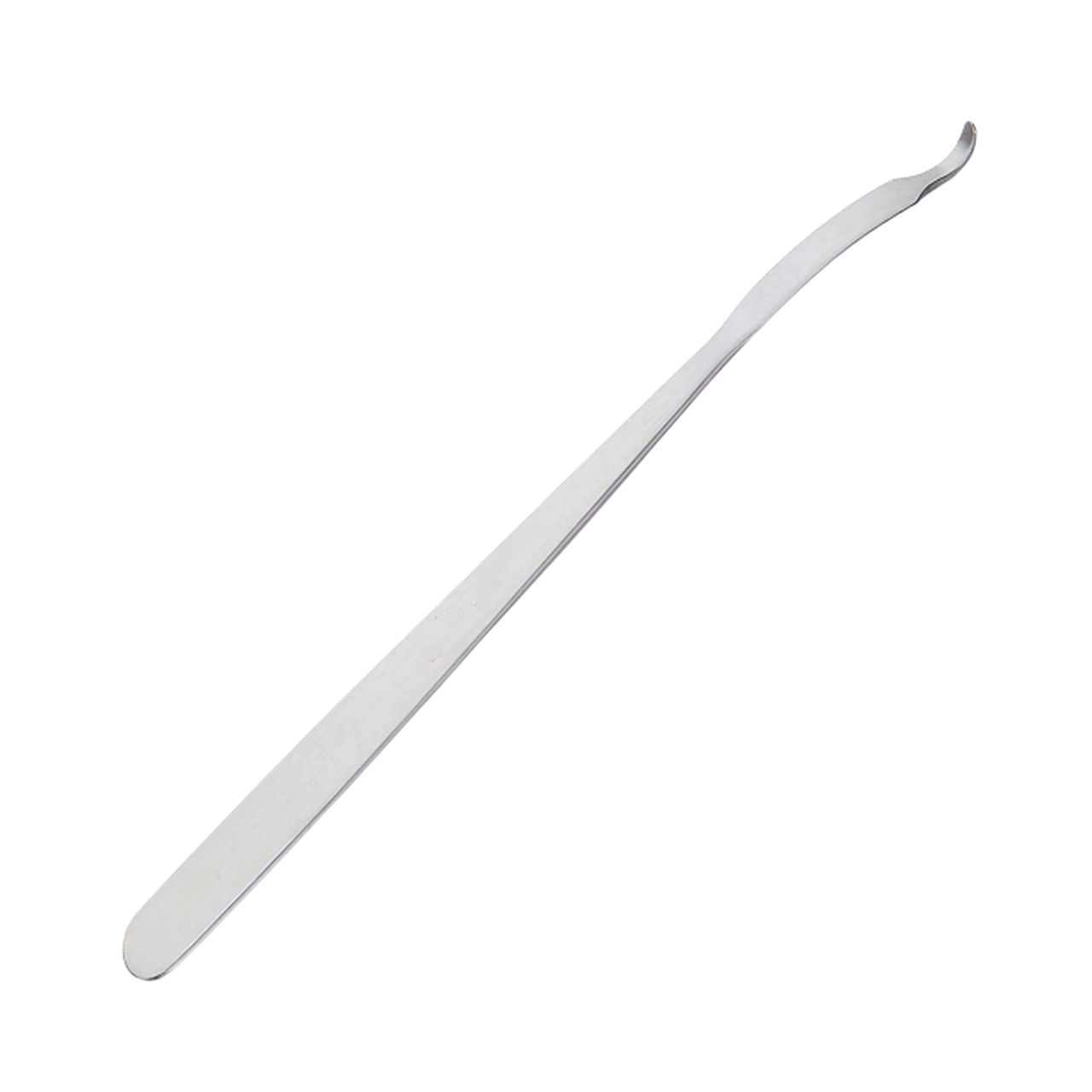 | Écarteur de Hohmann | Spécifiquement conçu pour faire levier sur l'os et rétracter la musculature lourde lors des procédures orthopédiques de la hanche, du genou et des os longs. |
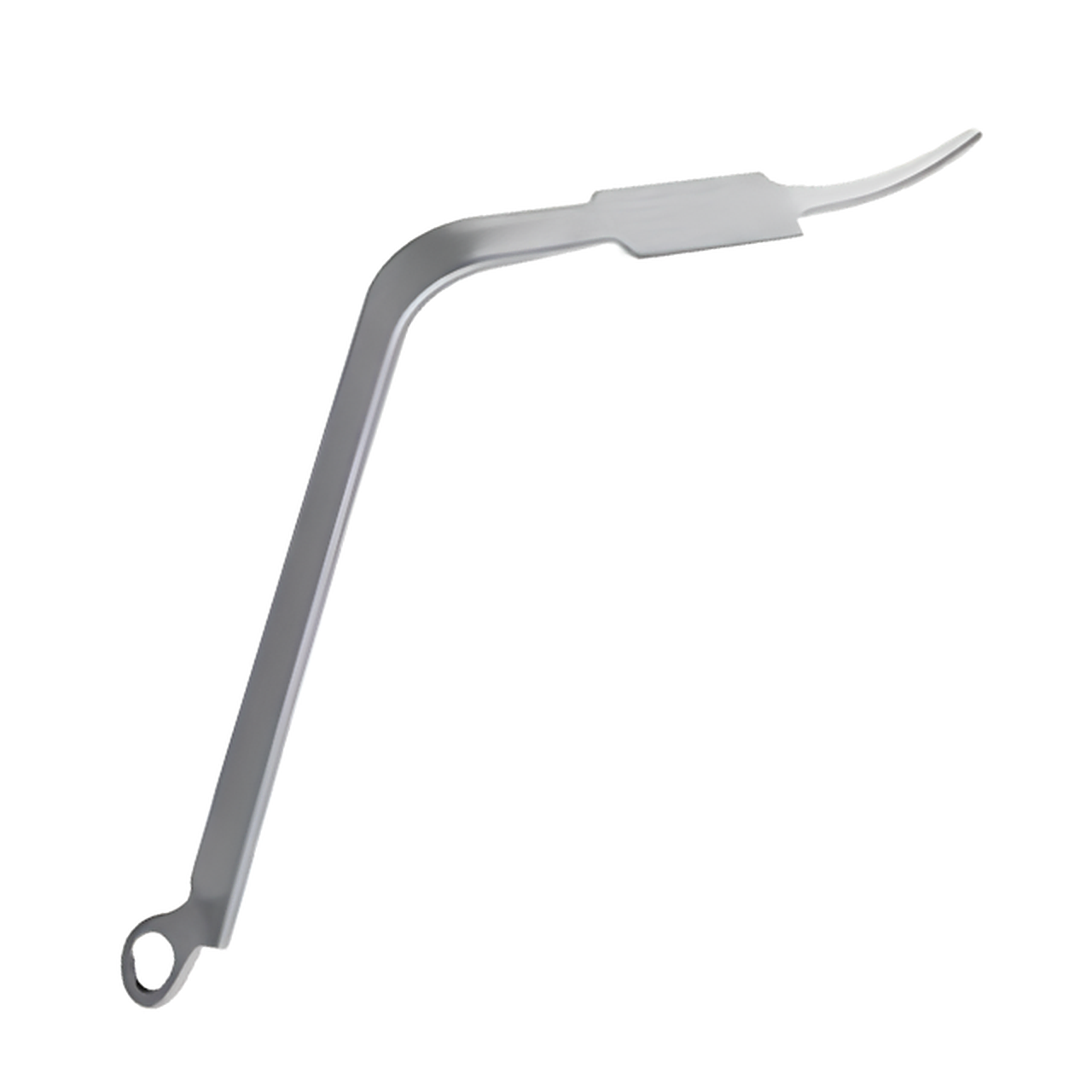 | Écarteur de Hohmann à Manche Coudé Extra Long | Spécifiquement conçu pour faire levier sur l'os et écarter la musculature lourde tout en éloignant le manche des champs chirurgicaux profonds lors de la chirurgie orthopédique. |
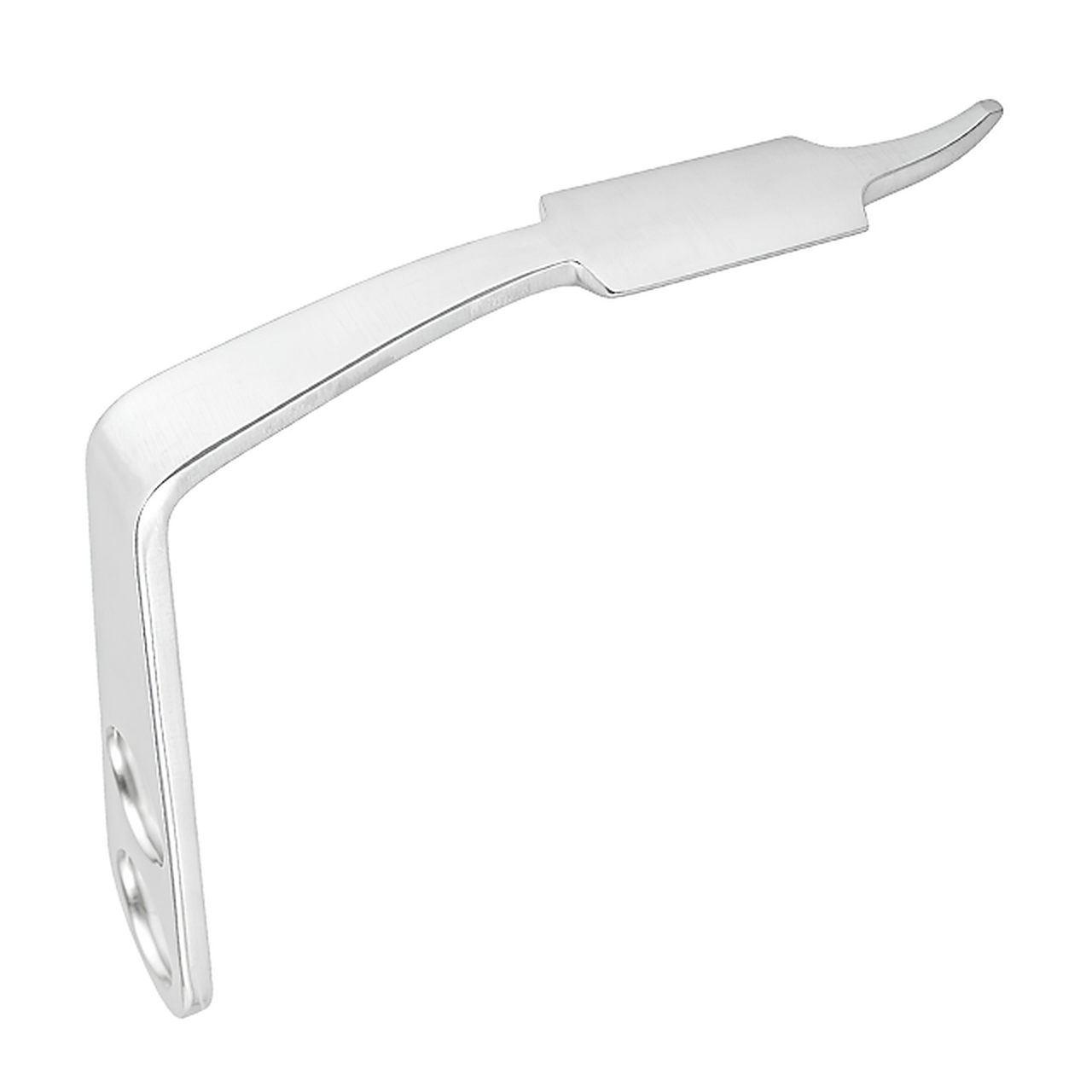 | Écarteur de Hohmann à angle droit | Spécifiquement conçu pour faire levier sur l'os et rétracter les muscles à angle droit lors des chirurgies profondes de la hanche, du bassin et du fémur. |
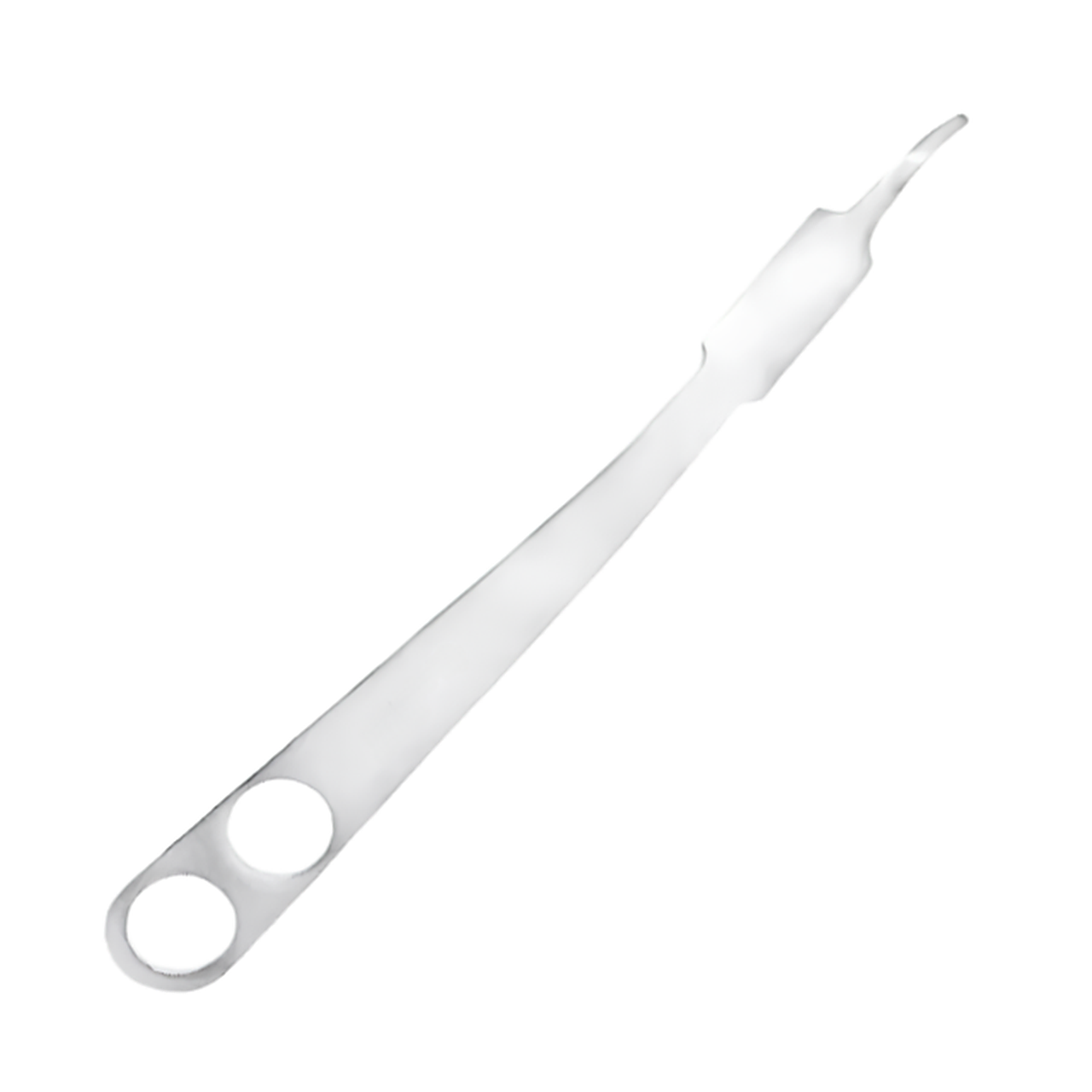 | Écarteur Hohmann à extrémité arrondie | Spécifiquement conçu pour faire levier sur l'os et rétracter les tissus mous de manière atraumatique lors de chirurgies orthopédiques de la hanche, du genou et des os longs. |
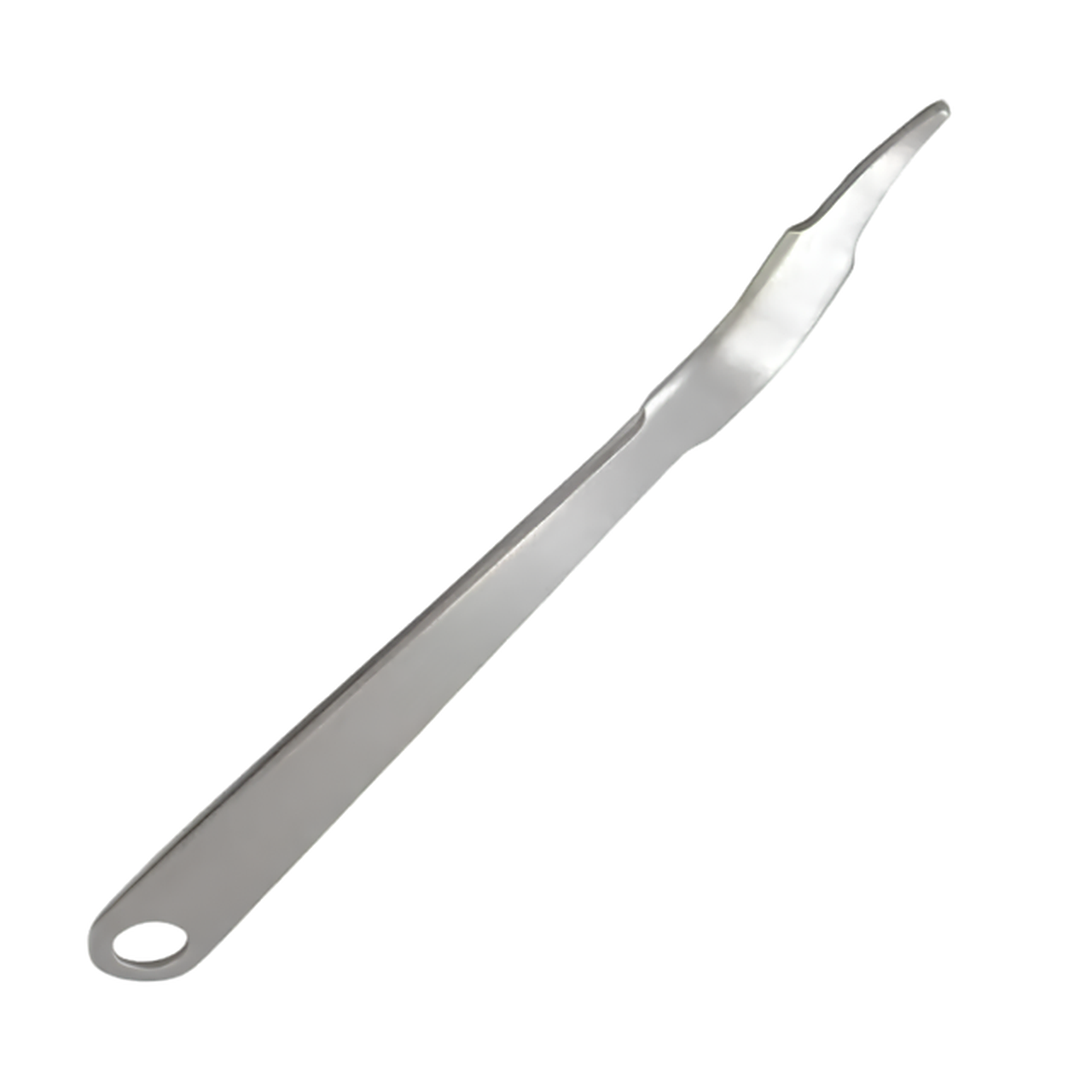 | Écarteur Hohmann à extrémité carrée | Spécifiquement conçu pour faire levier sur les cortex osseux plats et écarter les tissus mous lors des chirurgies orthopédiques du genou, de la hanche et de traumatologie. |
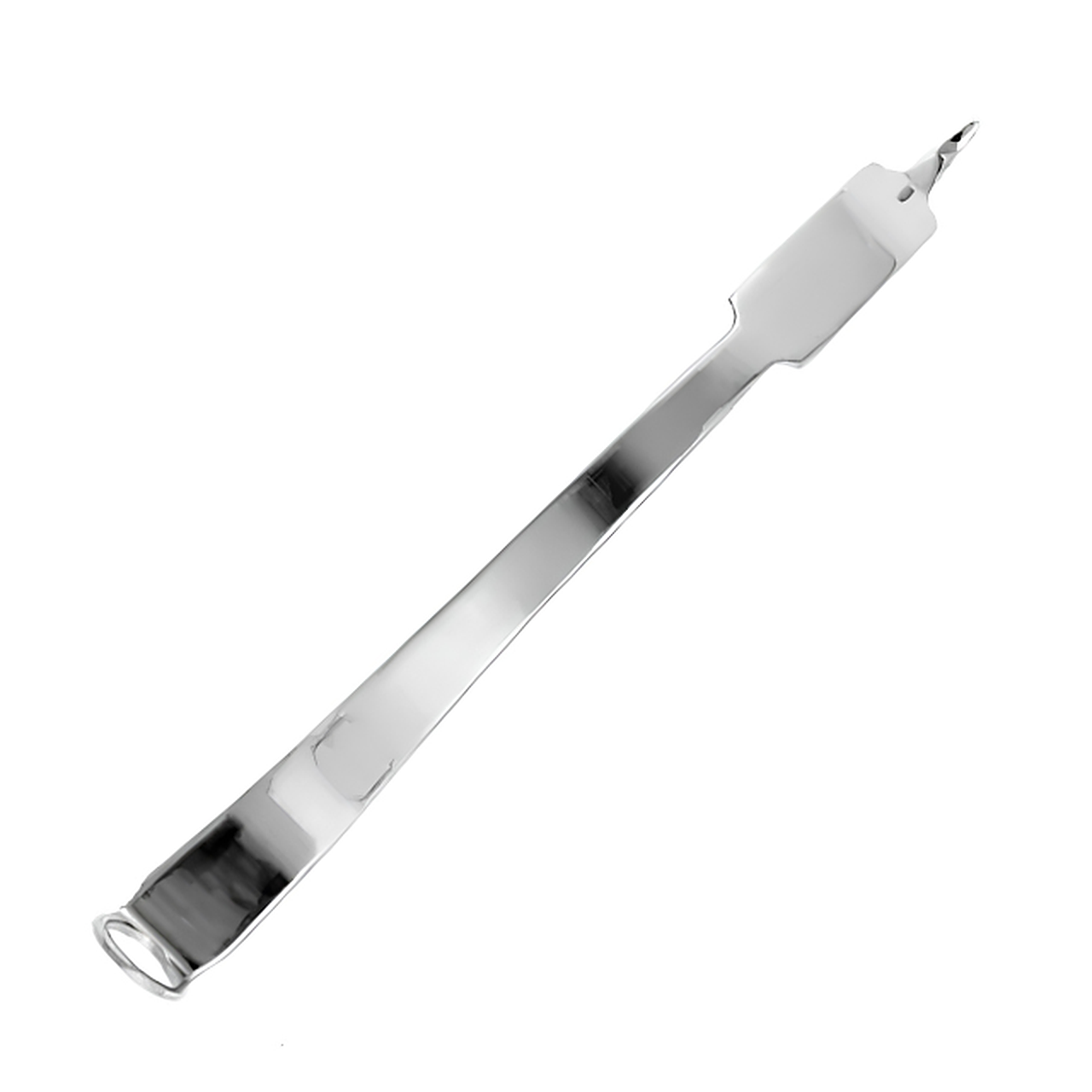 | Écarteurs Hohmann Coudés | Spécifiquement conçu pour faire levier sur l'os et écarter les muscles des articulations profondes et des os longs pendant la chirurgie orthopédique. |
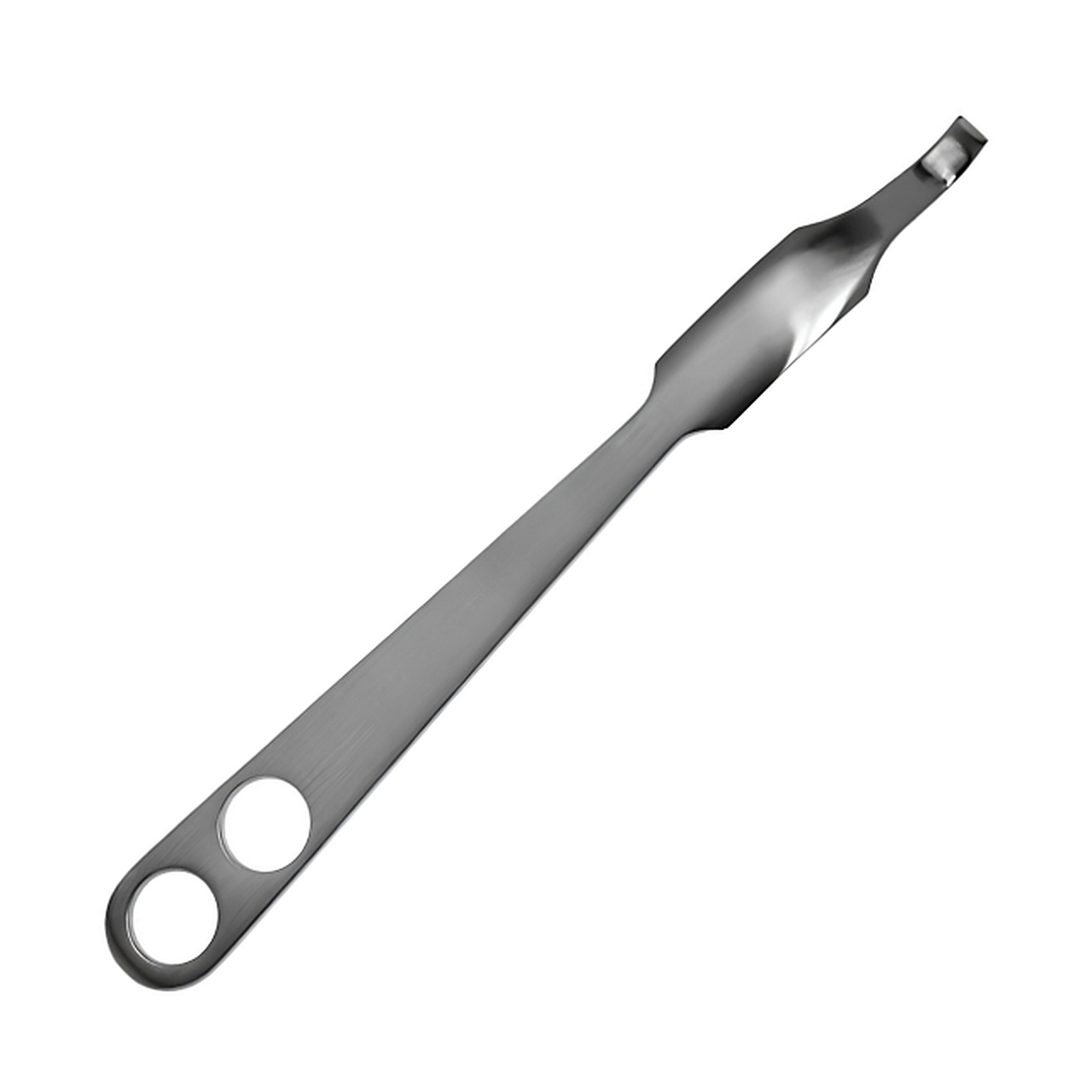 | Écarteurs Hohmann à lame carrée | Spécifiquement conçu pour faire levier sur les corticales osseuses et écarter les couches musculaires denses lors des procédures orthopédiques de la hanche, du genou et des os longs. |
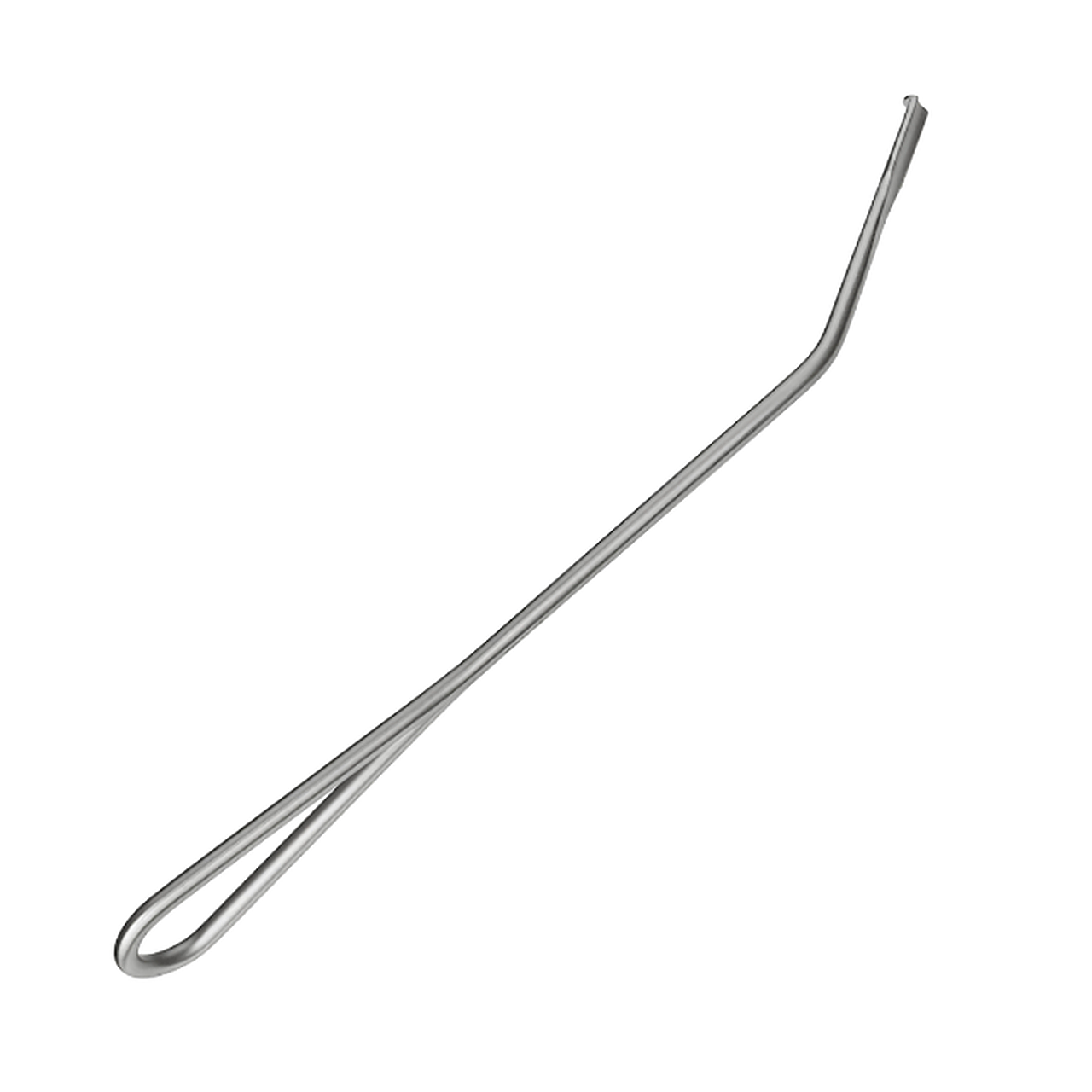 | Écarteurs Holscher | Spécifiquement conçu pour écarter et protéger les racines nerveuses spinales et le sac thécal lors des procédures de discectomie et de laminectomie. |
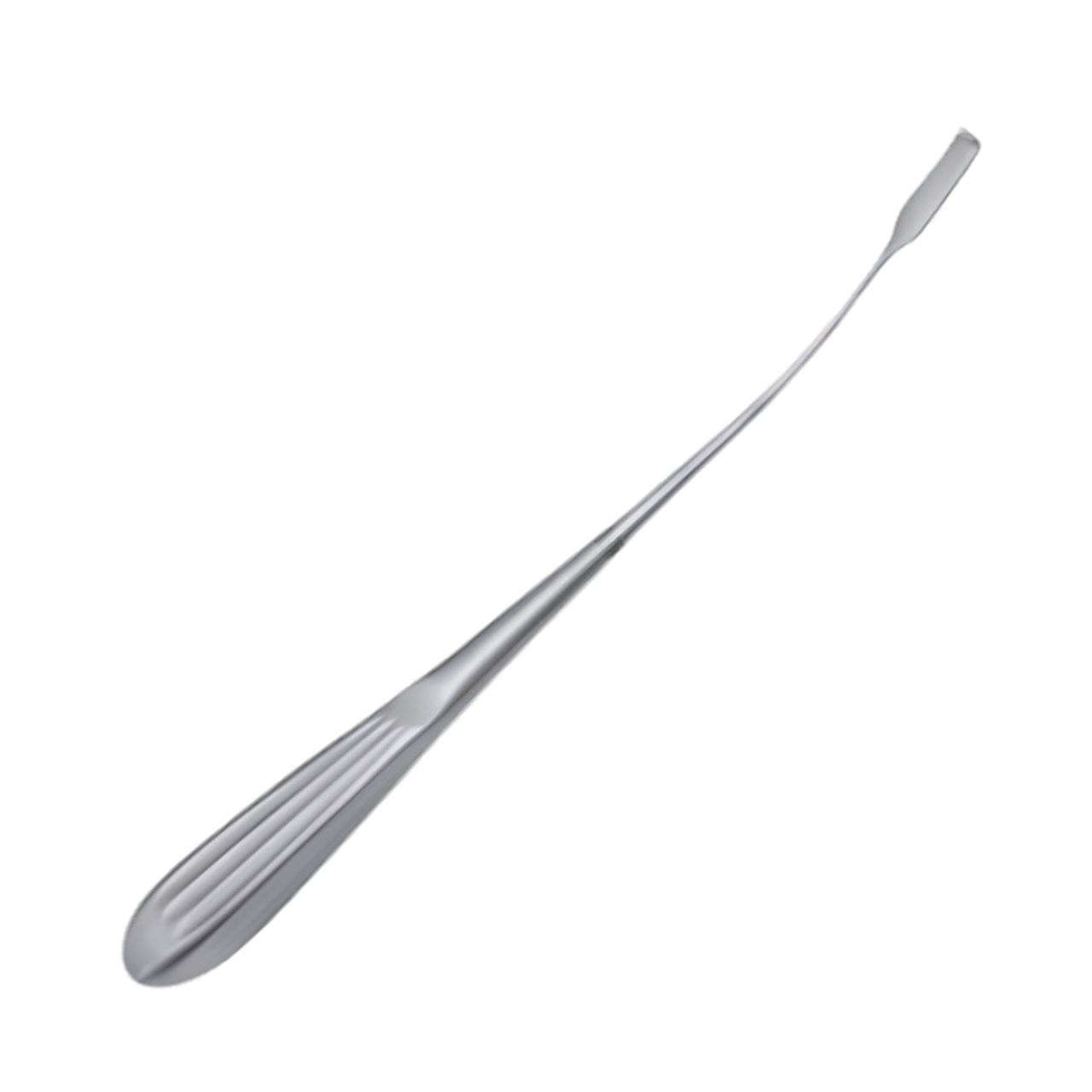 | Écarteur de racine nerveuse Holsher | Spécifiquement conçu pour écarter et protéger les racines nerveuses spinales et le sac thécal pendant la microdiscectomie lombaire. |
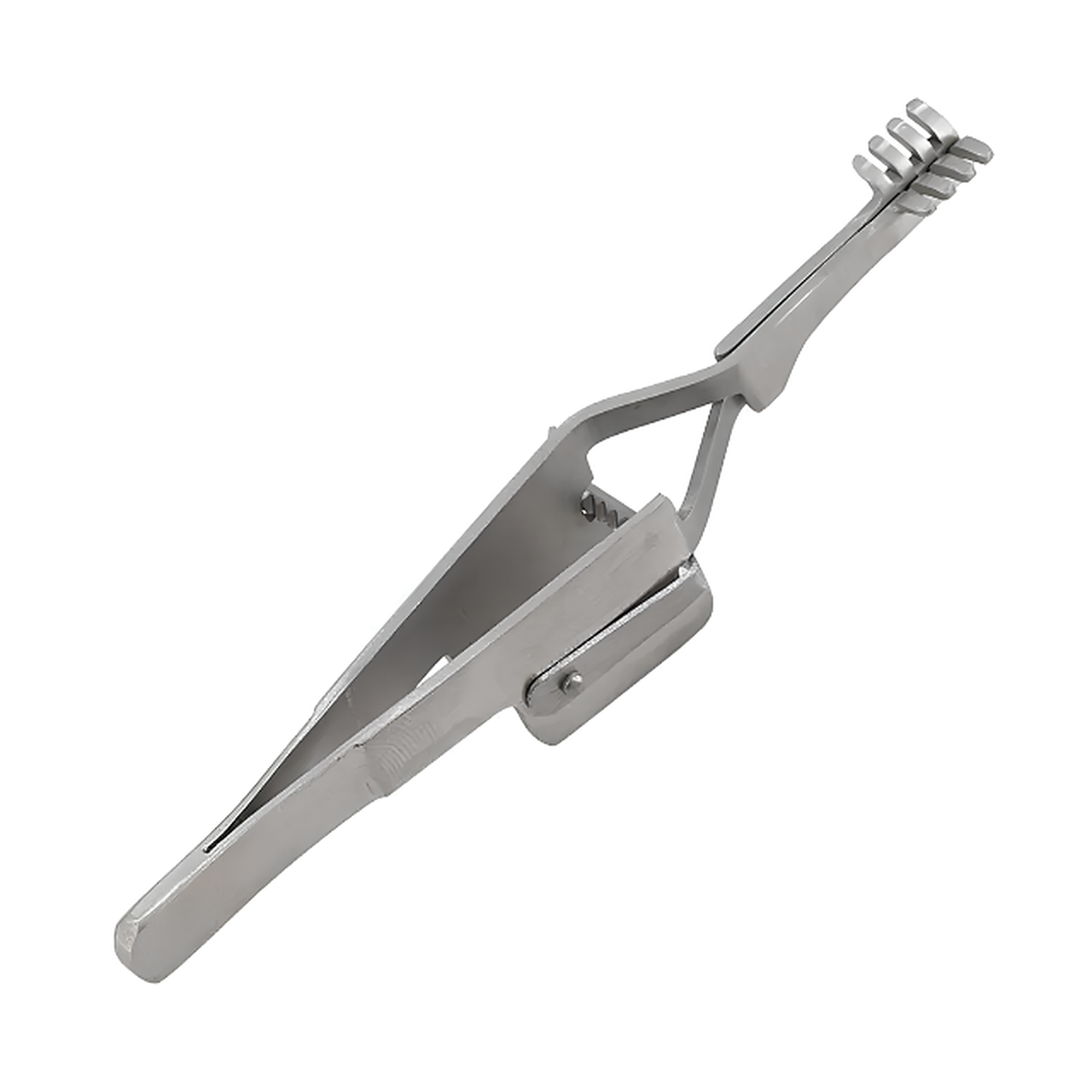 | Écarteur autostatique Holzhimer | Spécifiquement conçu pour assurer la rétraction autostatique des tissus lors d'interventions chirurgicales mineures, ophtalmiques, plastiques et de la main. |
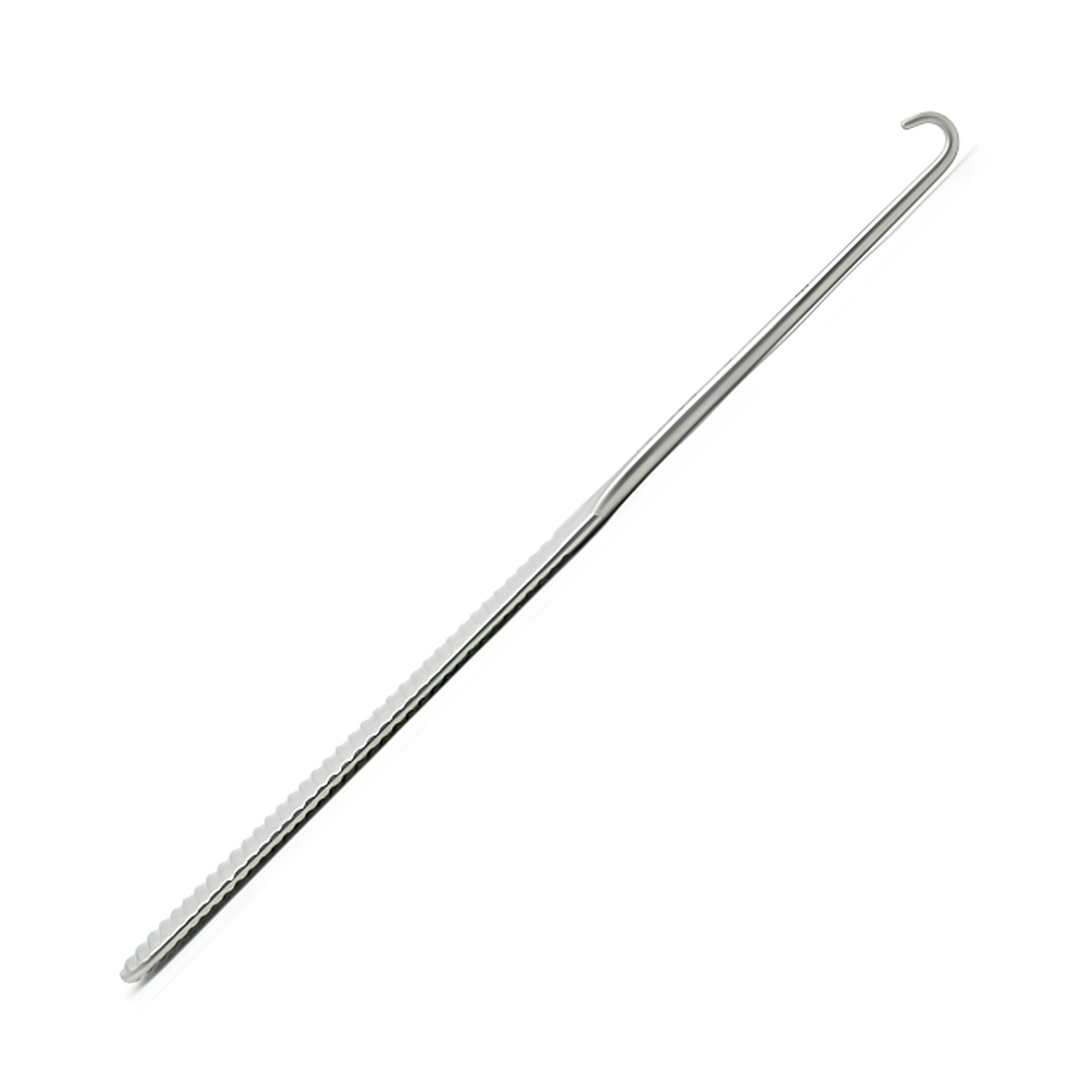 | Écarteur à griffes (Hook Retractor) | Spécifiquement conçu pour l'écartement des lambeaux cutanés, des berges cutanées et des tissus mous superficiels lors des interventions chirurgicales. |
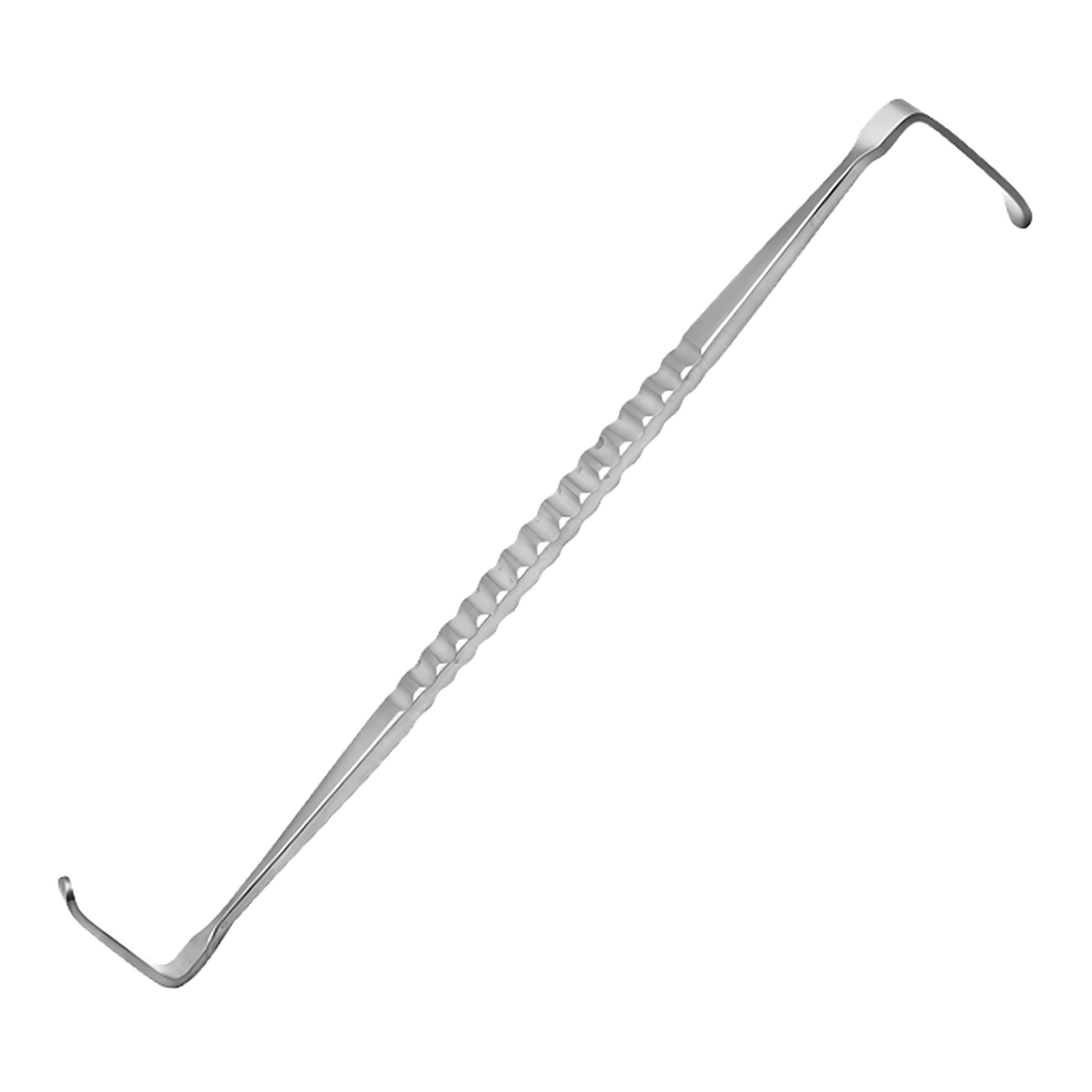 | Écarteur à main House | Spécifiquement conçu pour écarter les berges cutanées, les tissus méataux et les fascias lors de chirurgies otologiques, ORL et plastiques. |
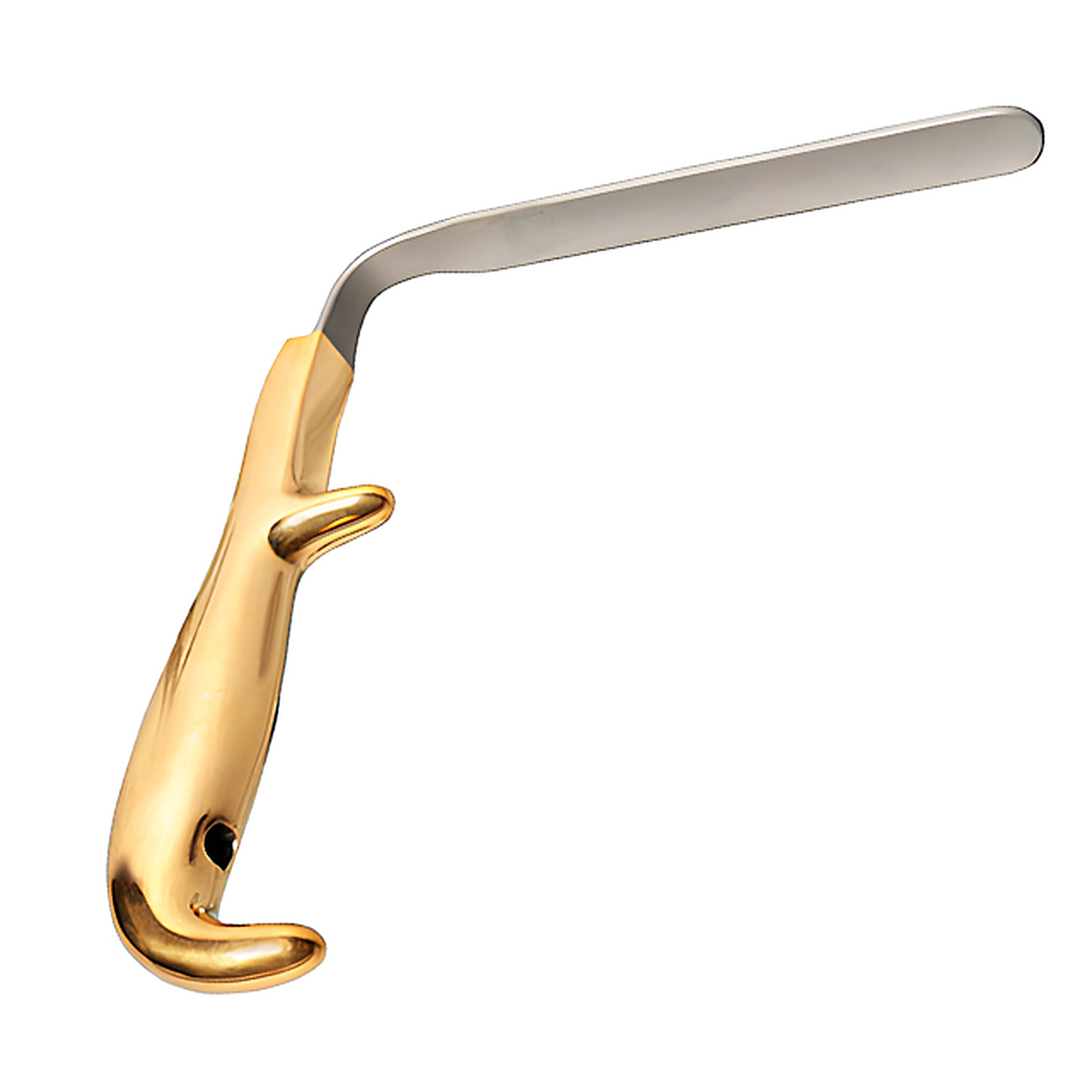 | Écarteur distal de Hoyos | Spécifiquement conçu pour élever les lambeaux cutanés abdominaux et assurer l'exposition de la poche distale lors d'une abdominoplastie de haute définition. |
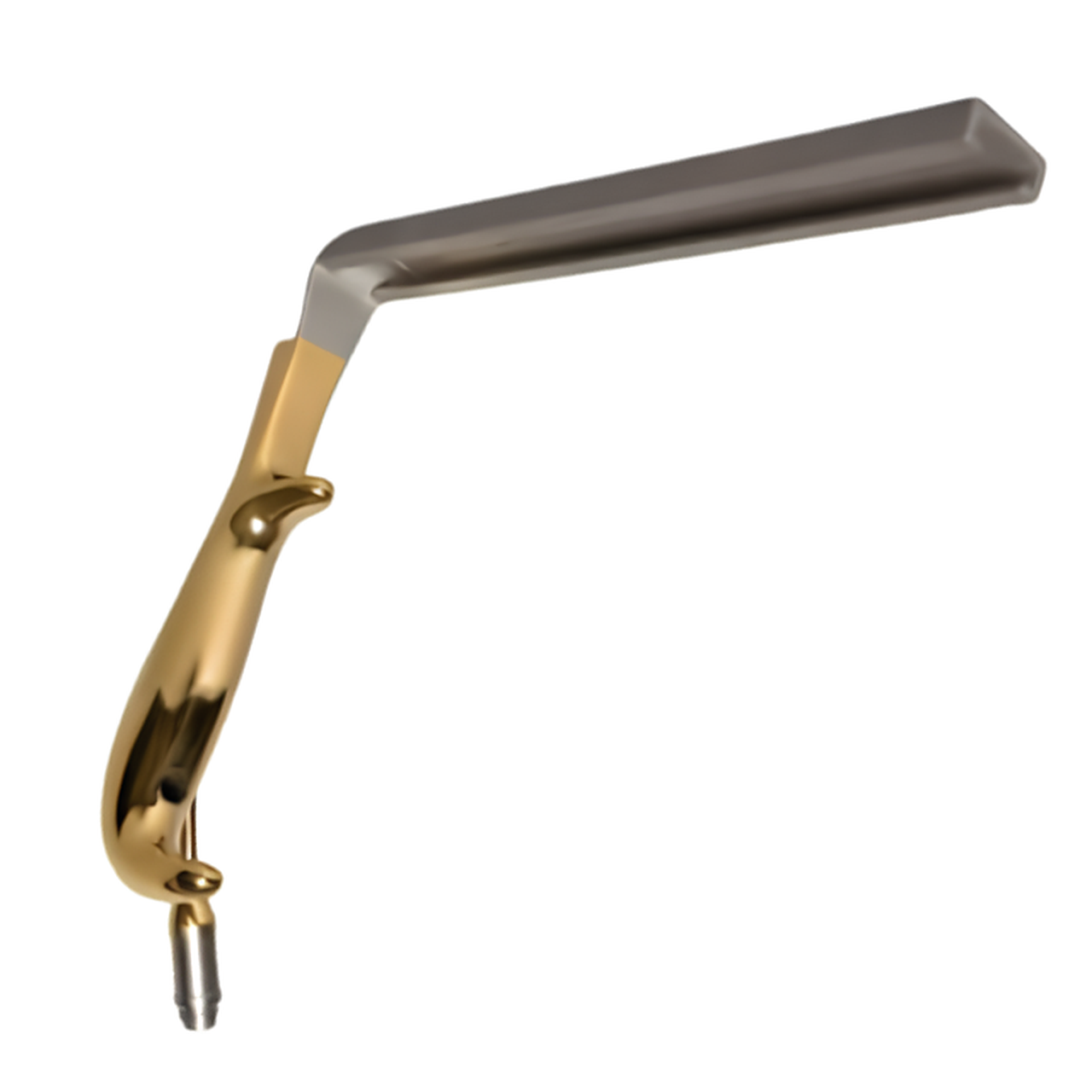 | Écarteur Proximal de Hoyos | Spécifiquement conçu pour élever les lambeaux abdominaux proximaux et exposer l'épigastre lors d'abdominoplasties haute définition. |
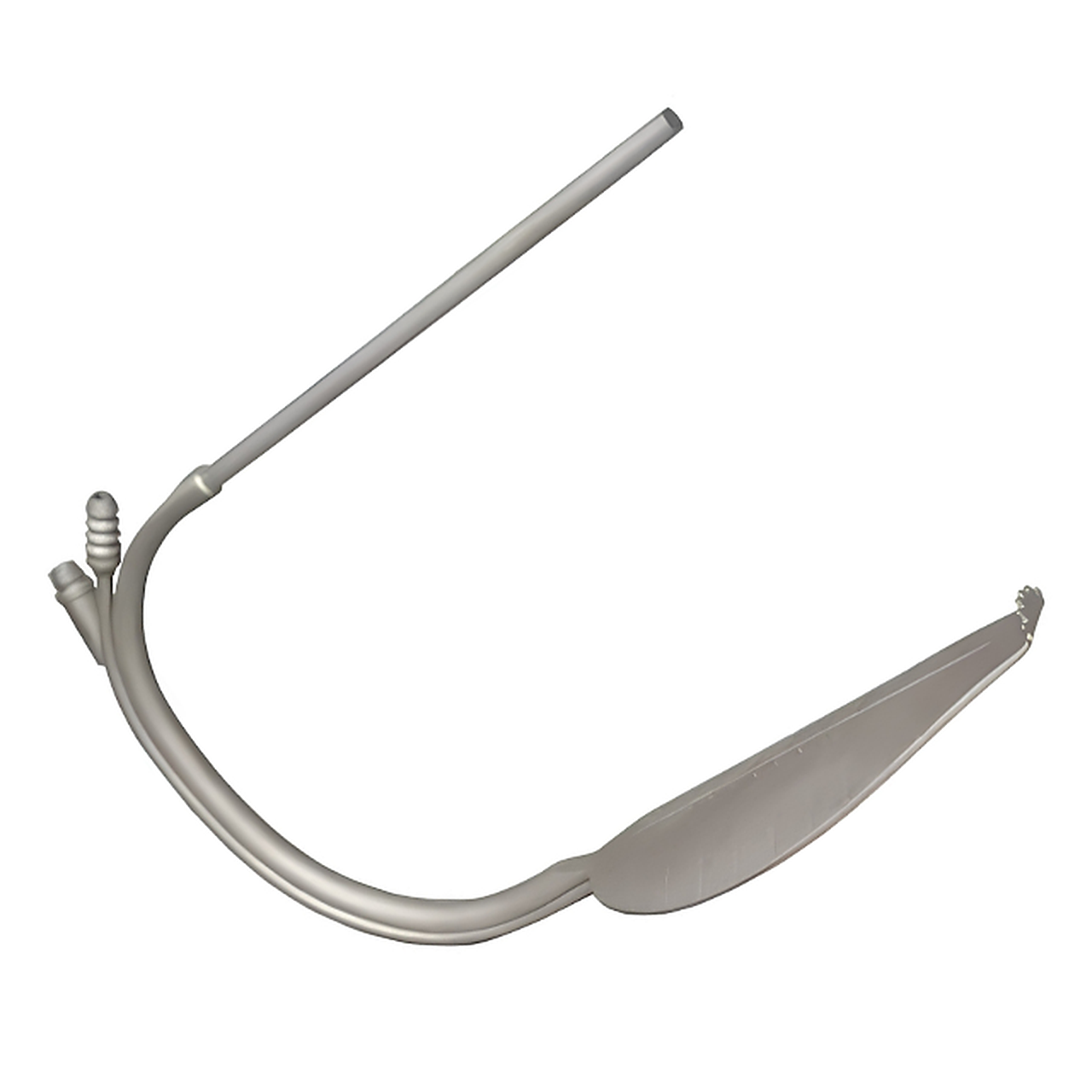 | Écarteur Hoyos Remora Retractor | Spécifiquement conçu pour assurer l'écartement éclairé des tissus mous, l'évacuation des fumées et la stabilisation lors du remodelage corporel haute définition. |
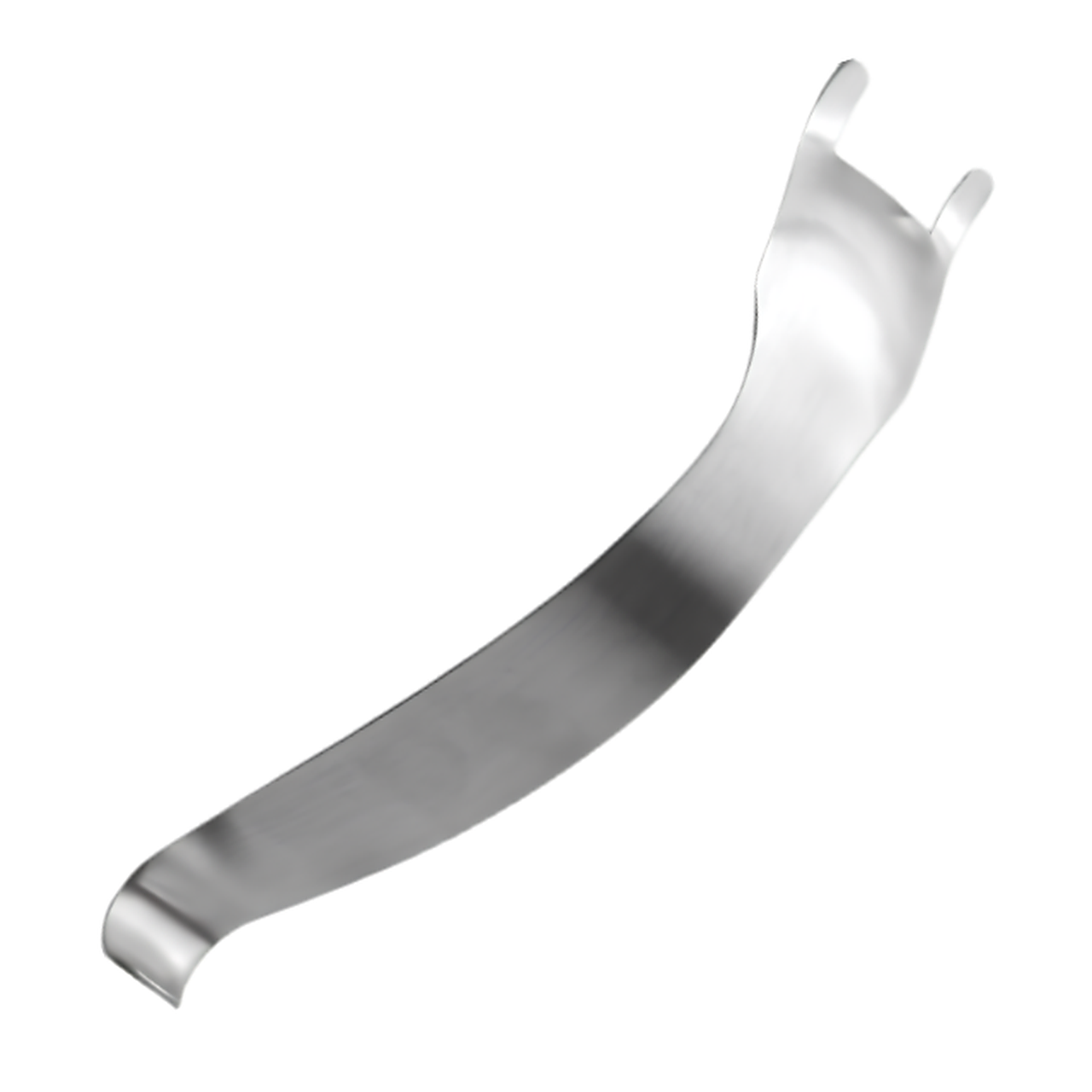 | Écarteur de tête humérale | Spécifiquement conçu pour déplacer la tête humérale postérieurement et exposer la cavité glénoïde lors de l'arthroplastie de l'épaule. |
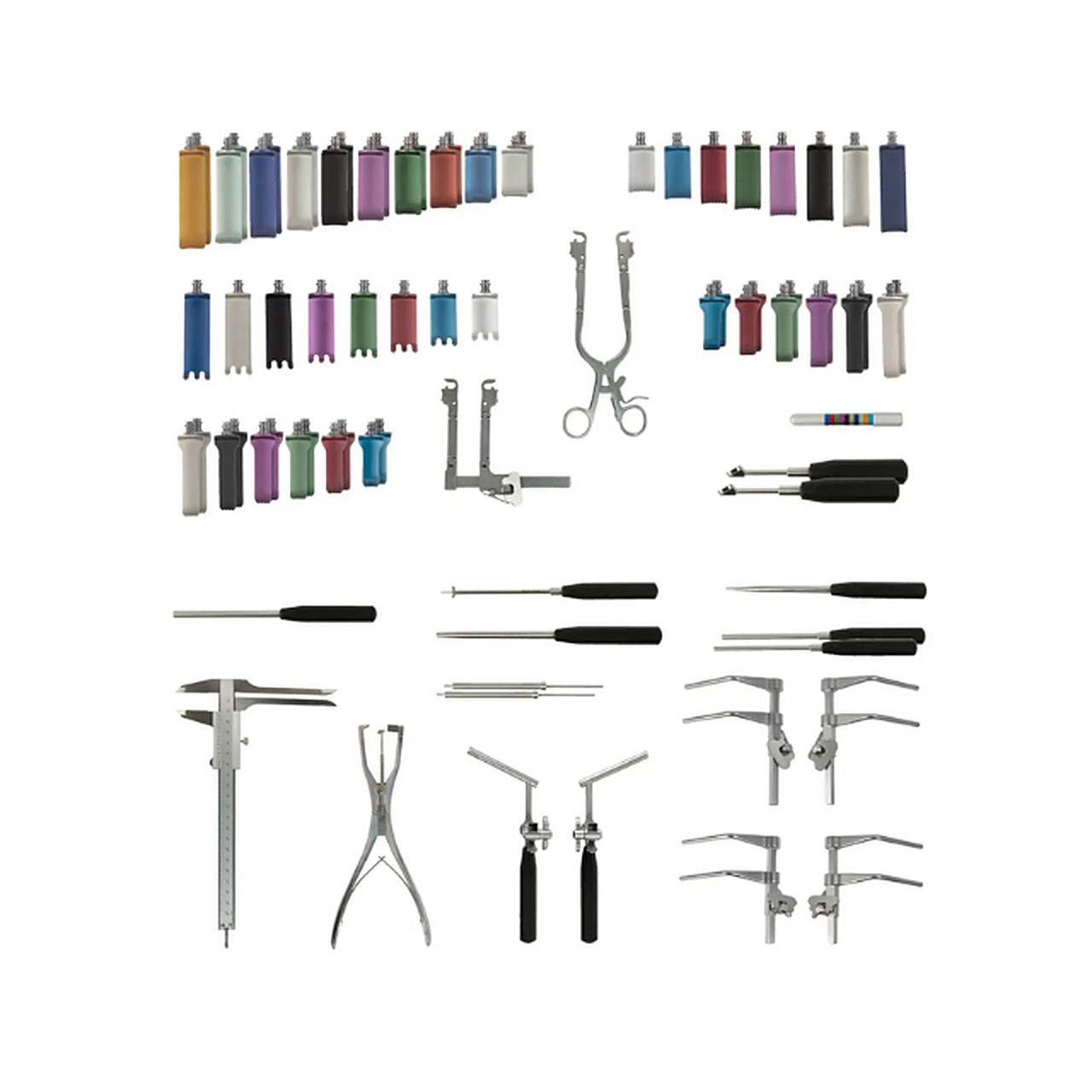 | Image-Line ACF Retractor With Distraction Classic Set | Spécifiquement conçu pour l'écartement des tissus mous, la distraction des corps intervertébraux et la mise en place de greffons osseux lors des procédures de fusion cervicale antérieure (ACF). |
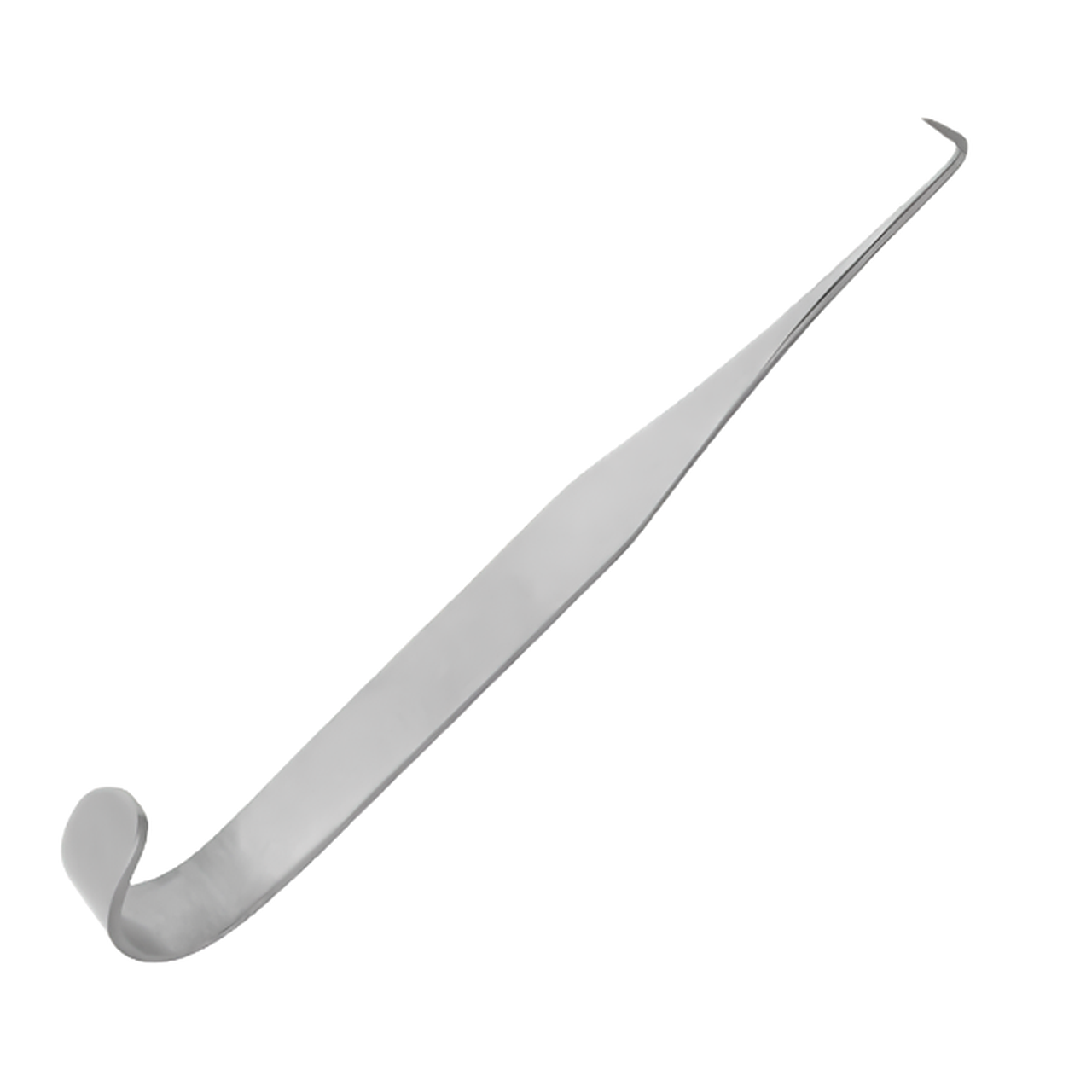 | Écarteur trachéal Jackson | Spécifiquement conçu pour élever et stabiliser la trachée et écarter les tissus prétrachéaux lors d'une trachéotomie. |
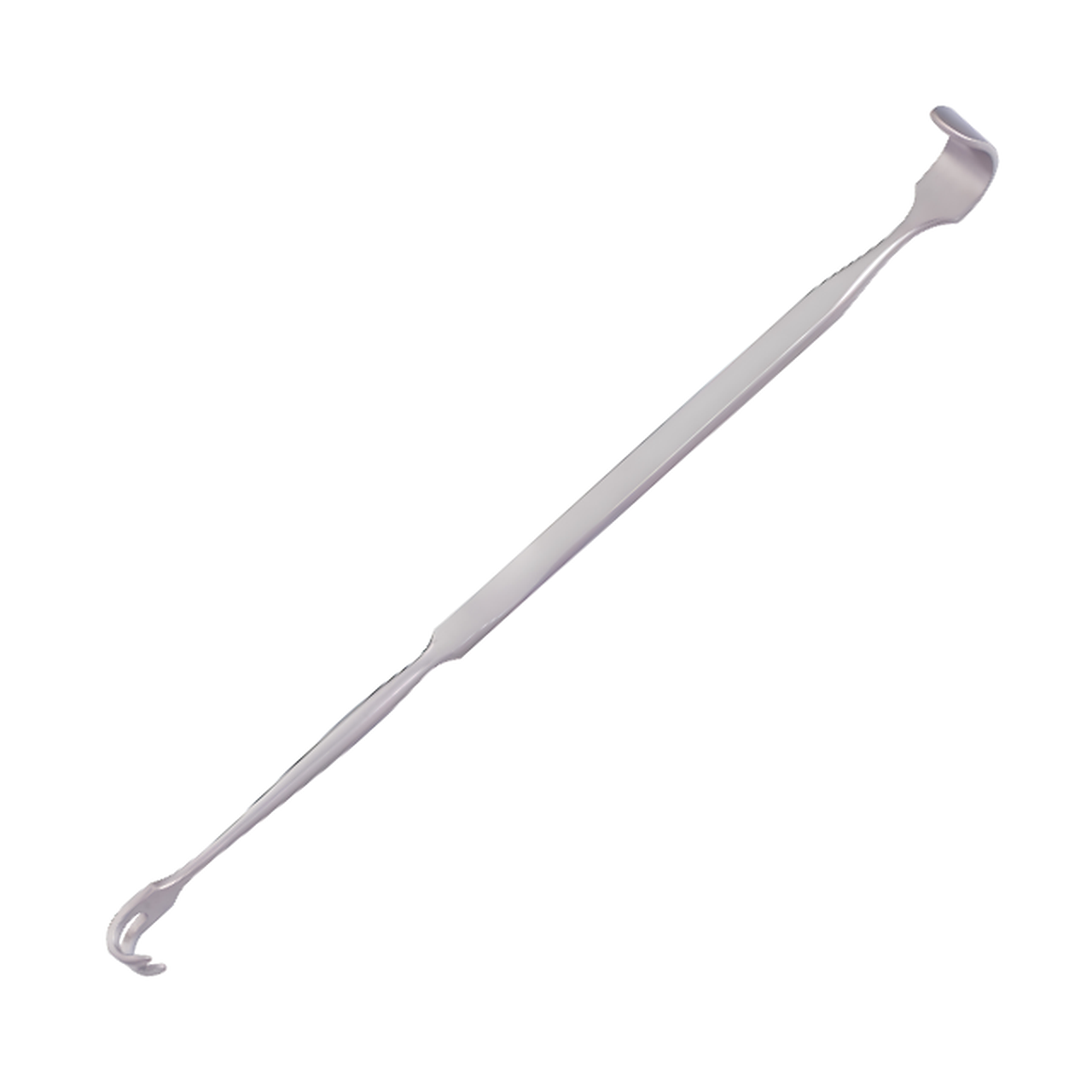 | Écarteur trachéal Jackson à double extrémité | Spécifiquement conçu pour écarter les tissus prétrachéaux et élever les cartilages trachéaux lors de la trachéotomie et de la chirurgie des voies respiratoires. |
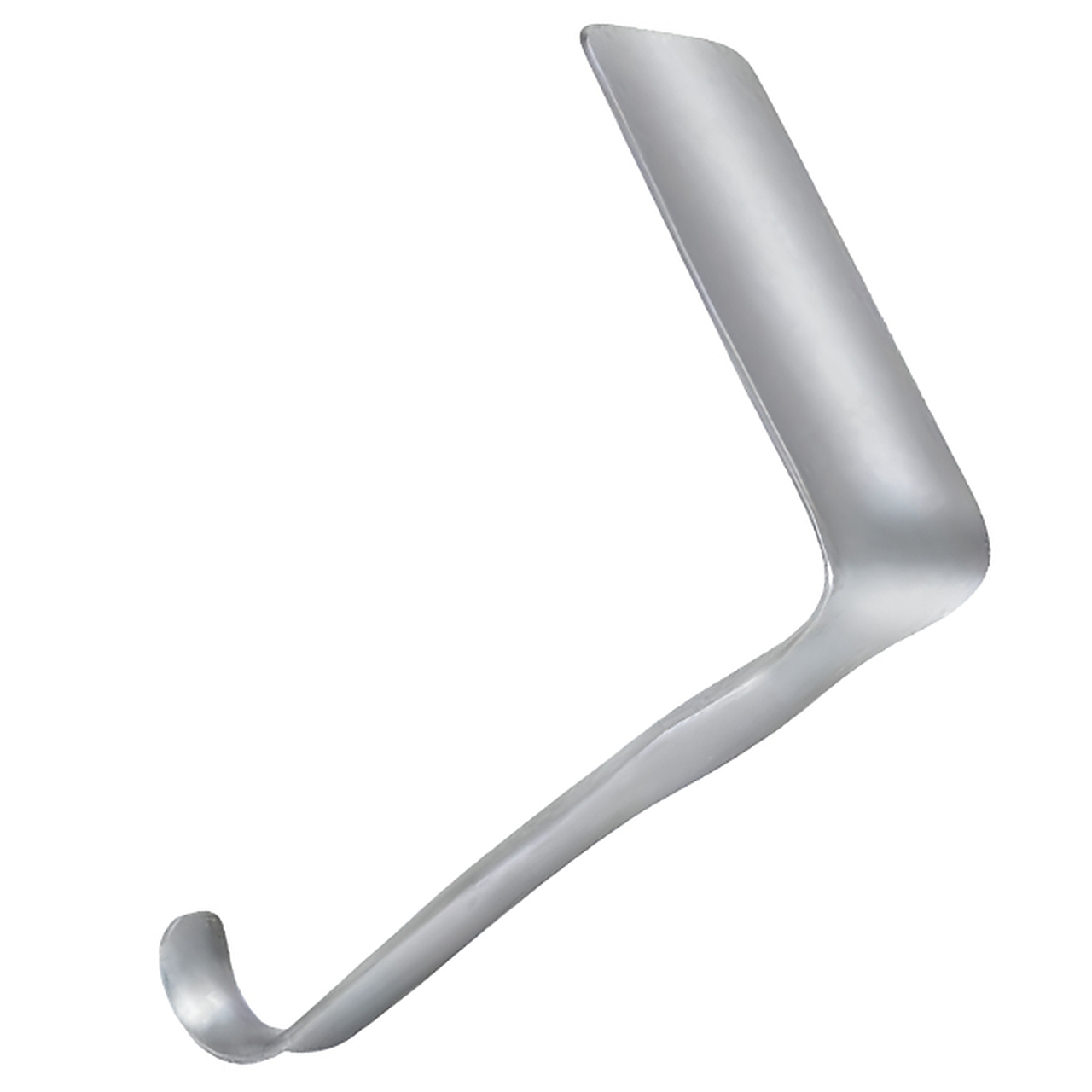 | Écarteur vaginal Jackson | Spécifiquement conçu pour écarter les parois vaginales et permettre la visualisation de la voûte pelvienne lors des procédures gynécologiques. |
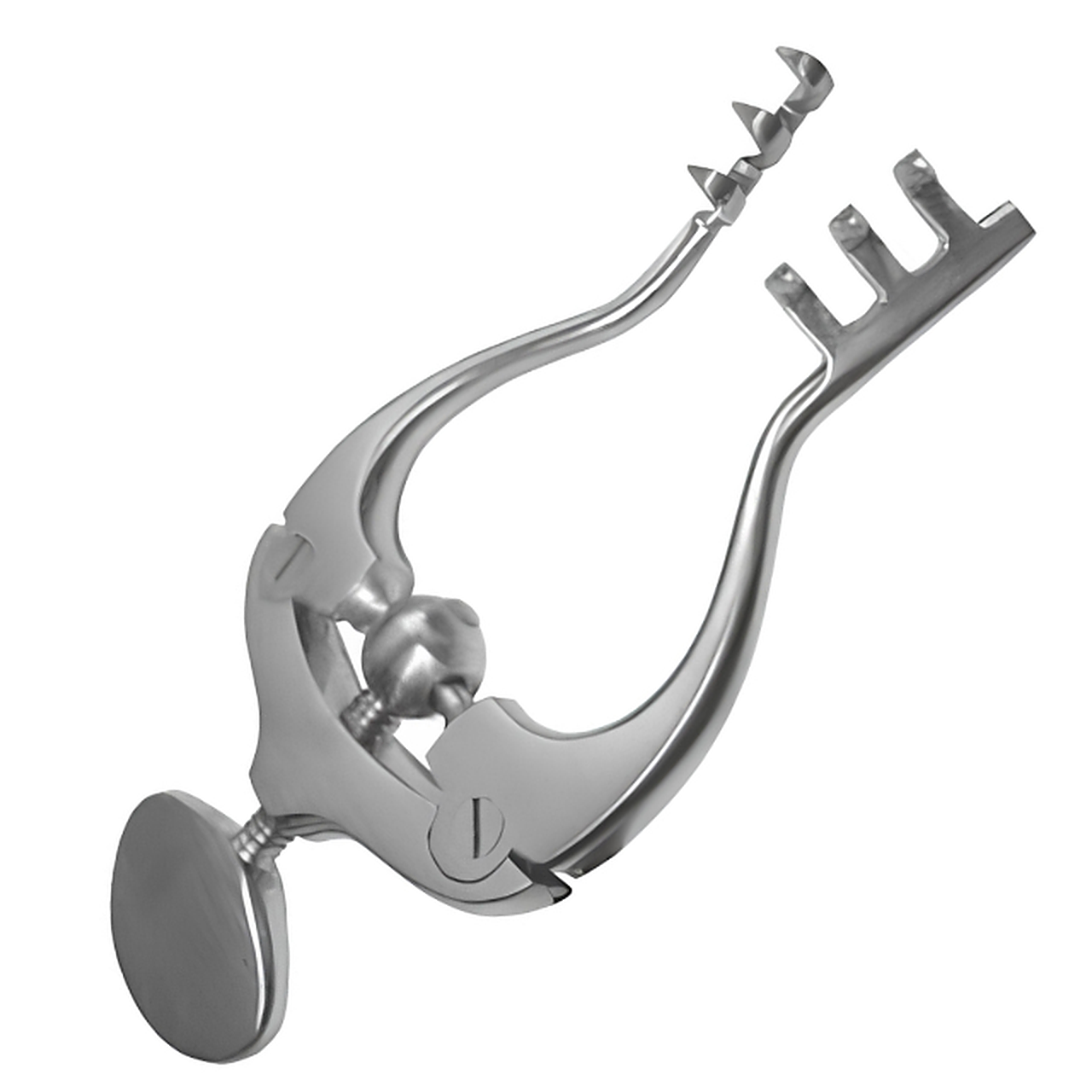 | Écarteur de Mastode Jansen | Spécifiquement conçu pour assurer la rétraction autostatique du périoste et des berges de la plaie lors de chirurgies de la mastoïde et du cuir chevelu. |
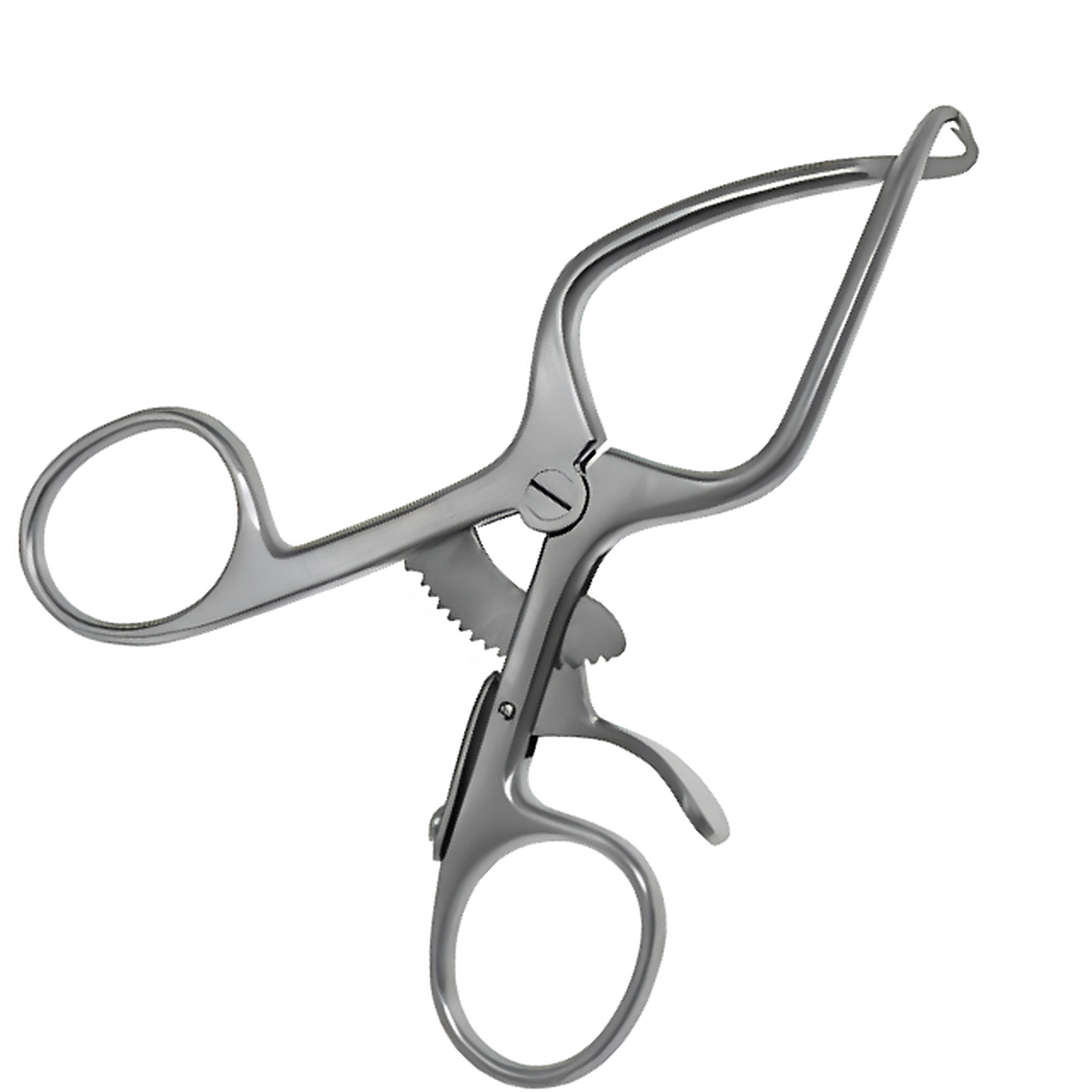 | Écarteur de Johnson pour névrome | Spécifiquement conçu pour rétracter les tissus intermétatarsiens et les têtes métatarsiennes lors de l'excision du névrome de Morton et de la chirurgie du pied. |
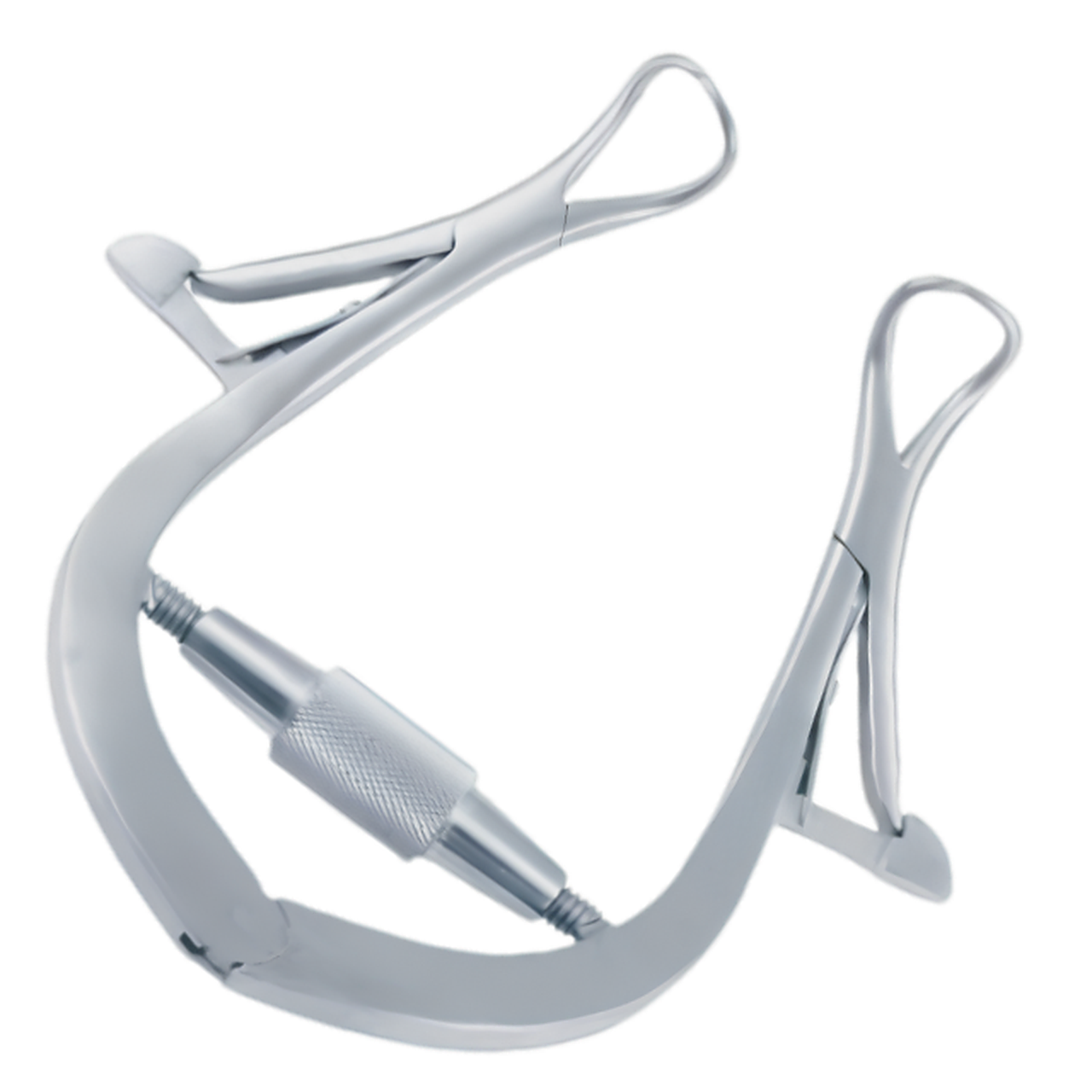 | Écarteur auto-statique Jolls Friedman | Spécifiquement conçu pour assurer l'écartement auto-statique des muscles sous-hyoïdiens et des tissus mous lors des thyroïdectomies et de la chirurgie cervicale. |
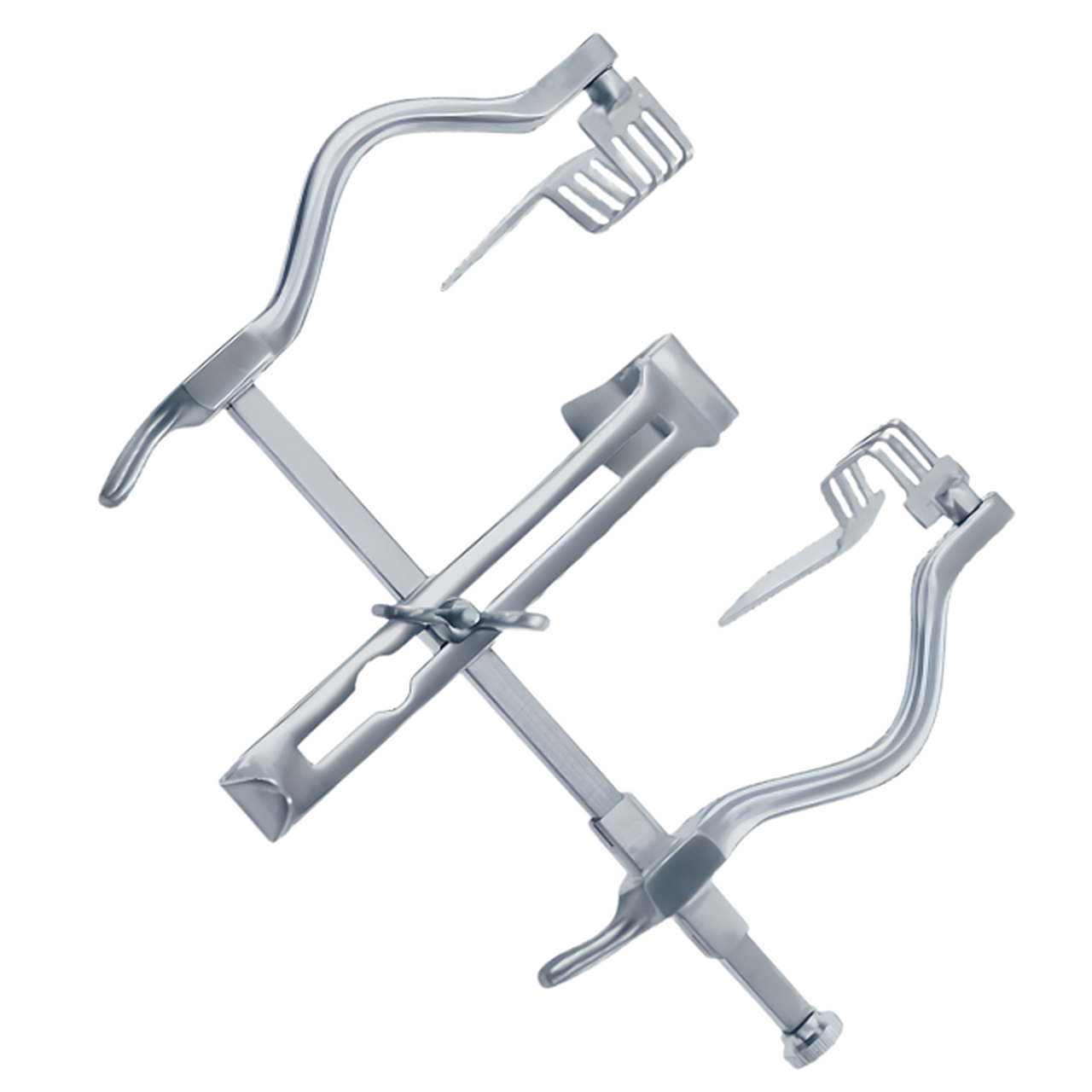 | Écarteur autostatique Judd-Masson | Spécifiquement conçu pour assurer une rétraction autostatique lors des chirurgies sus-pubiennes de la vessie, de la prostate et du bassin. |
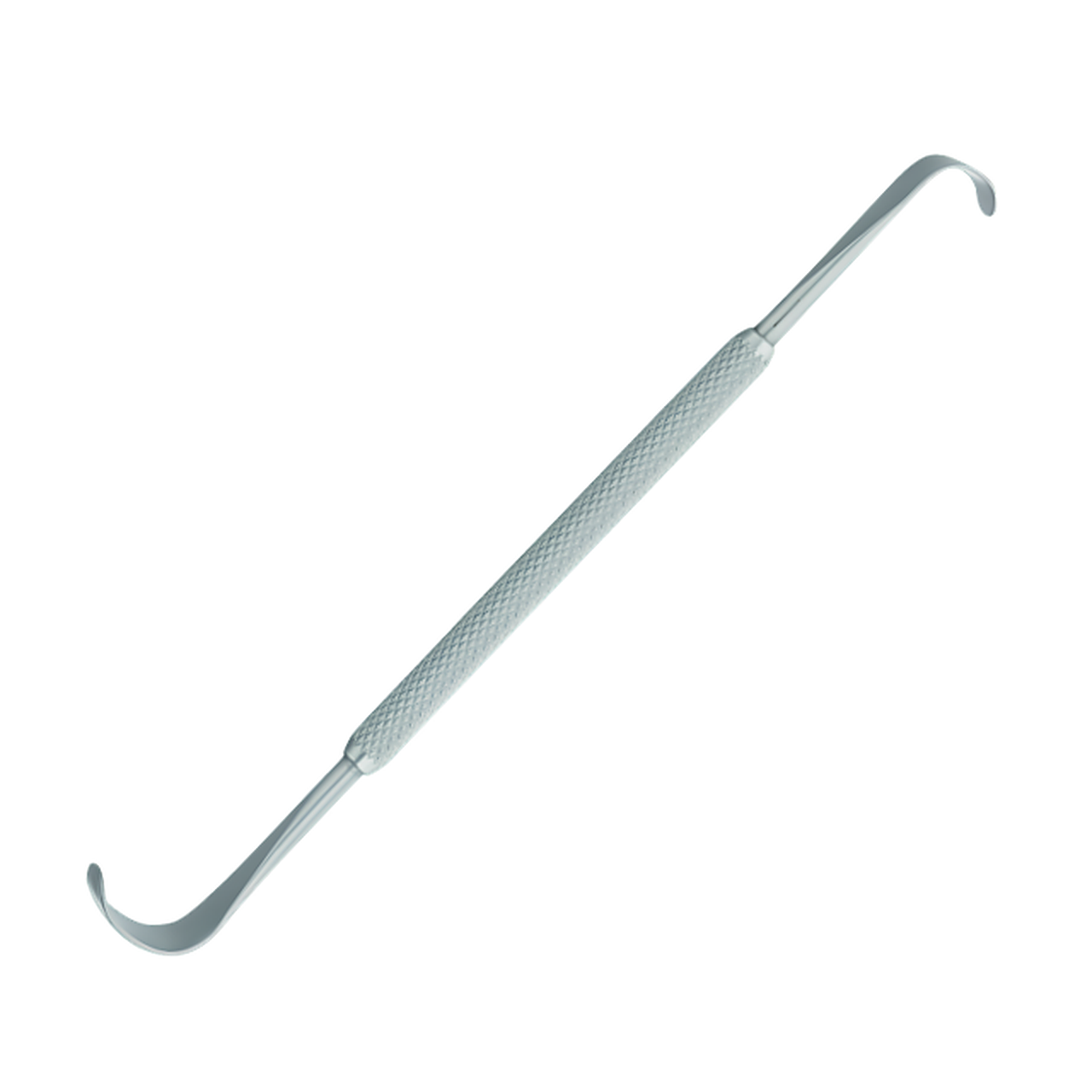 | Écarteur de Kasden à double extrémité délicate | Spécifiquement conçu pour rétracter les berges cutanées, les lambeaux cutanés délicats et les tissus mous lors de chirurgies plastiques, faciales et mineures. |
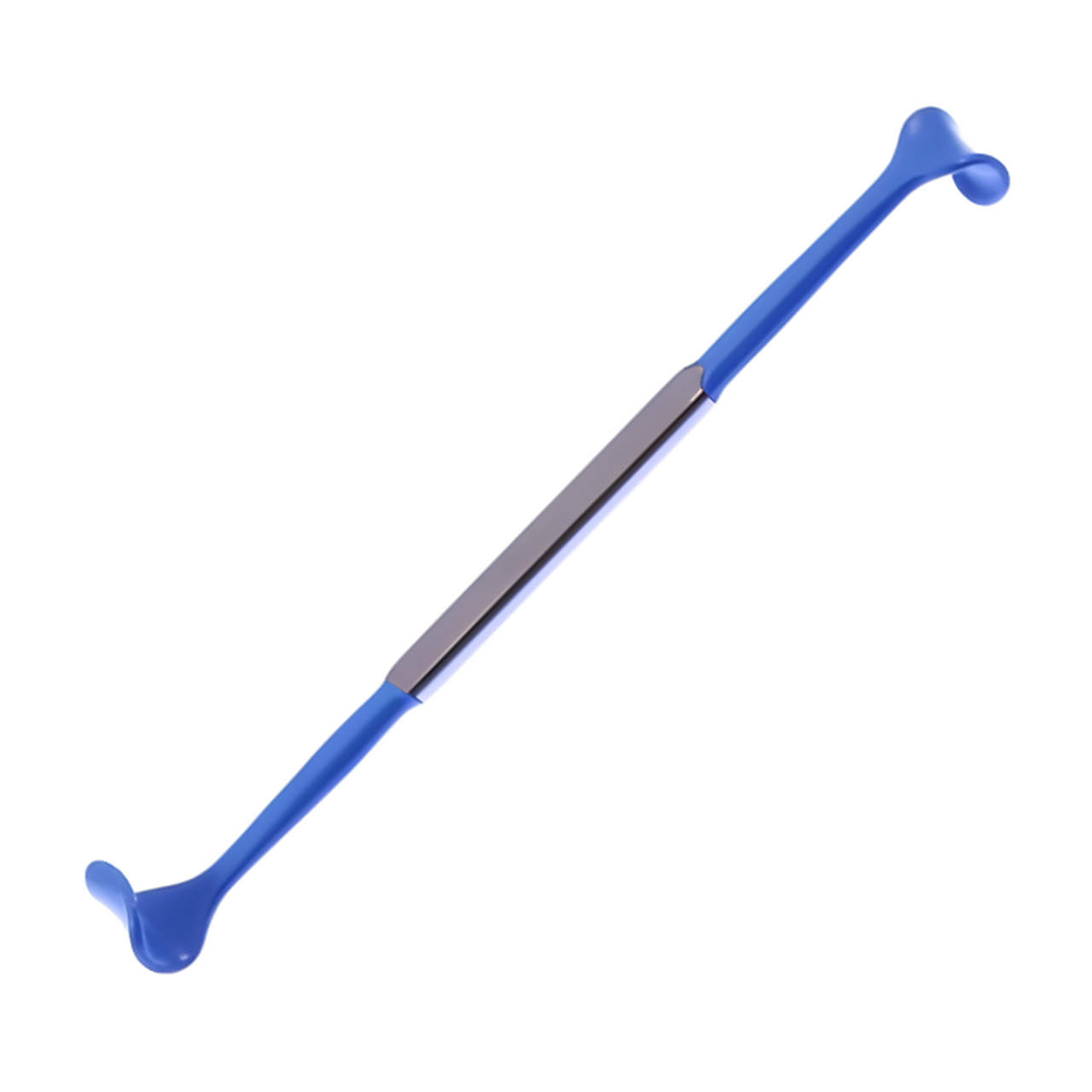 | Écarteur Kawamoto à double extrémité isolé | Spécifiquement conçu pour écarter les lambeaux cutanés et les muqueuses tout en isolant contre les lésions thermiques électrochirurgicales pendant la chirurgie plastique. |
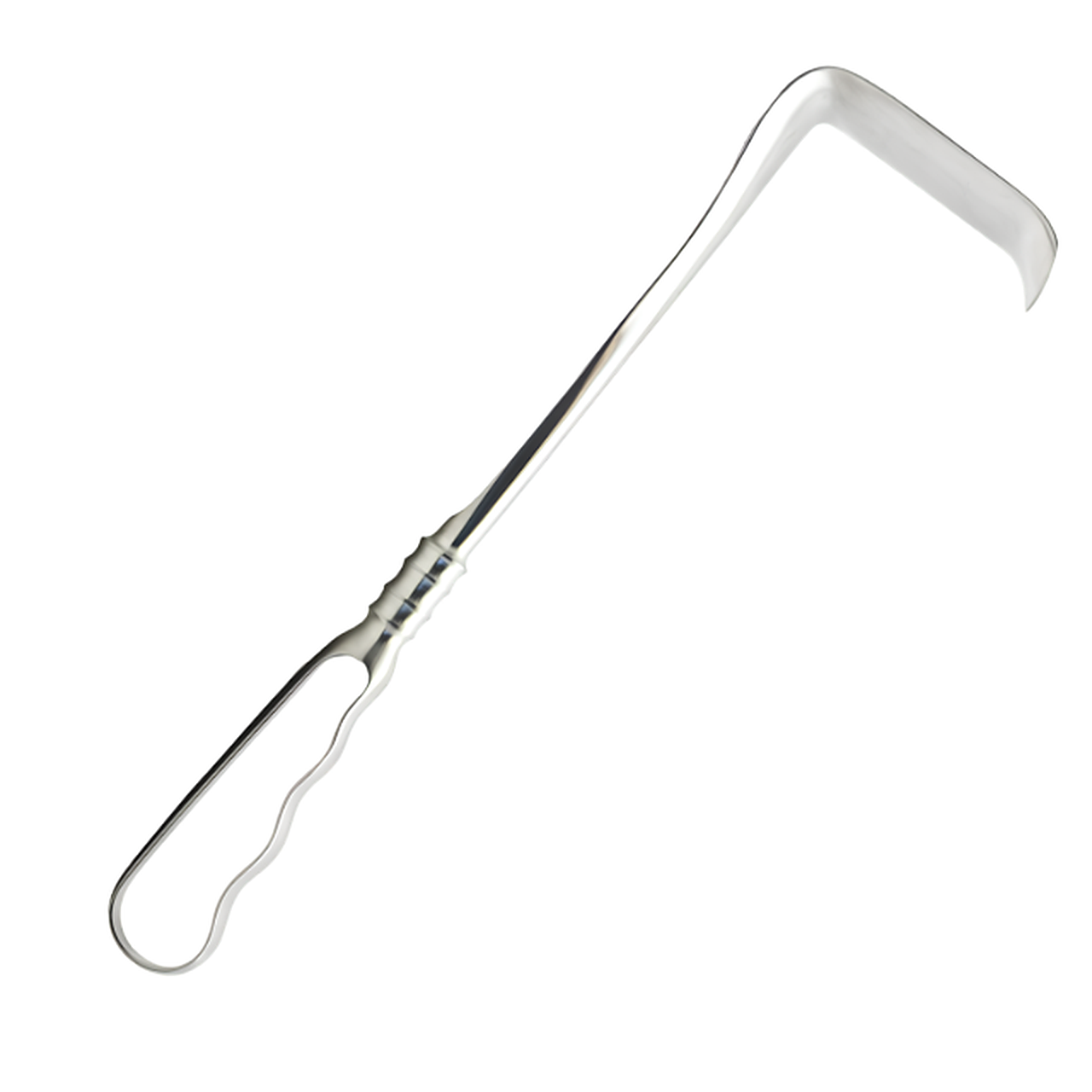 | Écarteur de Kelly | Spécifiquement conçu pour écarter la paroi abdominale, les viscères et la musculature épaisse lors de chirurgies générales et gynécologiques ouvertes. |
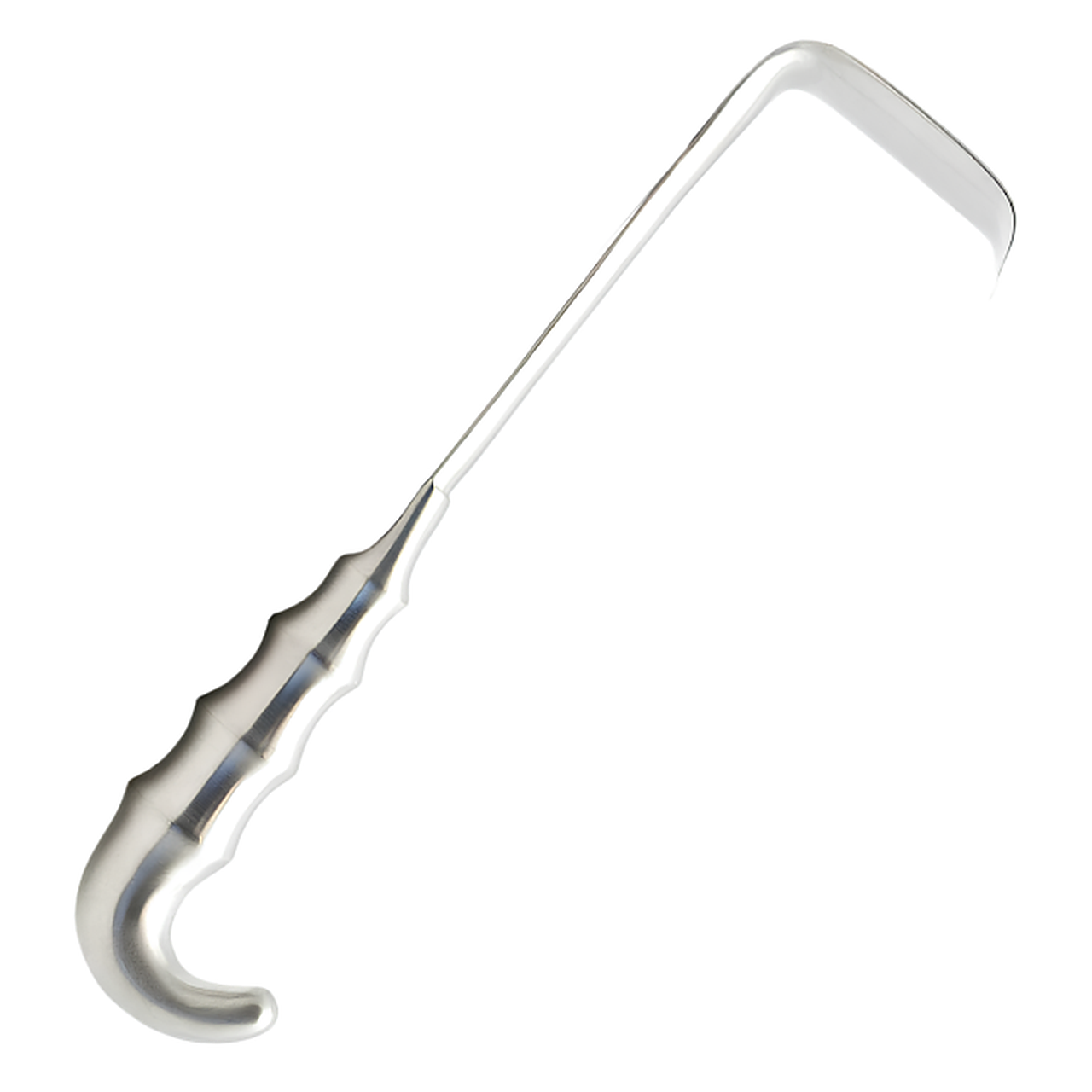 | Écarteur Kelly avec poignée ergonomique | Spécifiquement conçu pour écarter la paroi abdominale, les viscères et les musculatures épaisses en réduisant la fatigue de l'assistant lors des chirurgies profondes. |
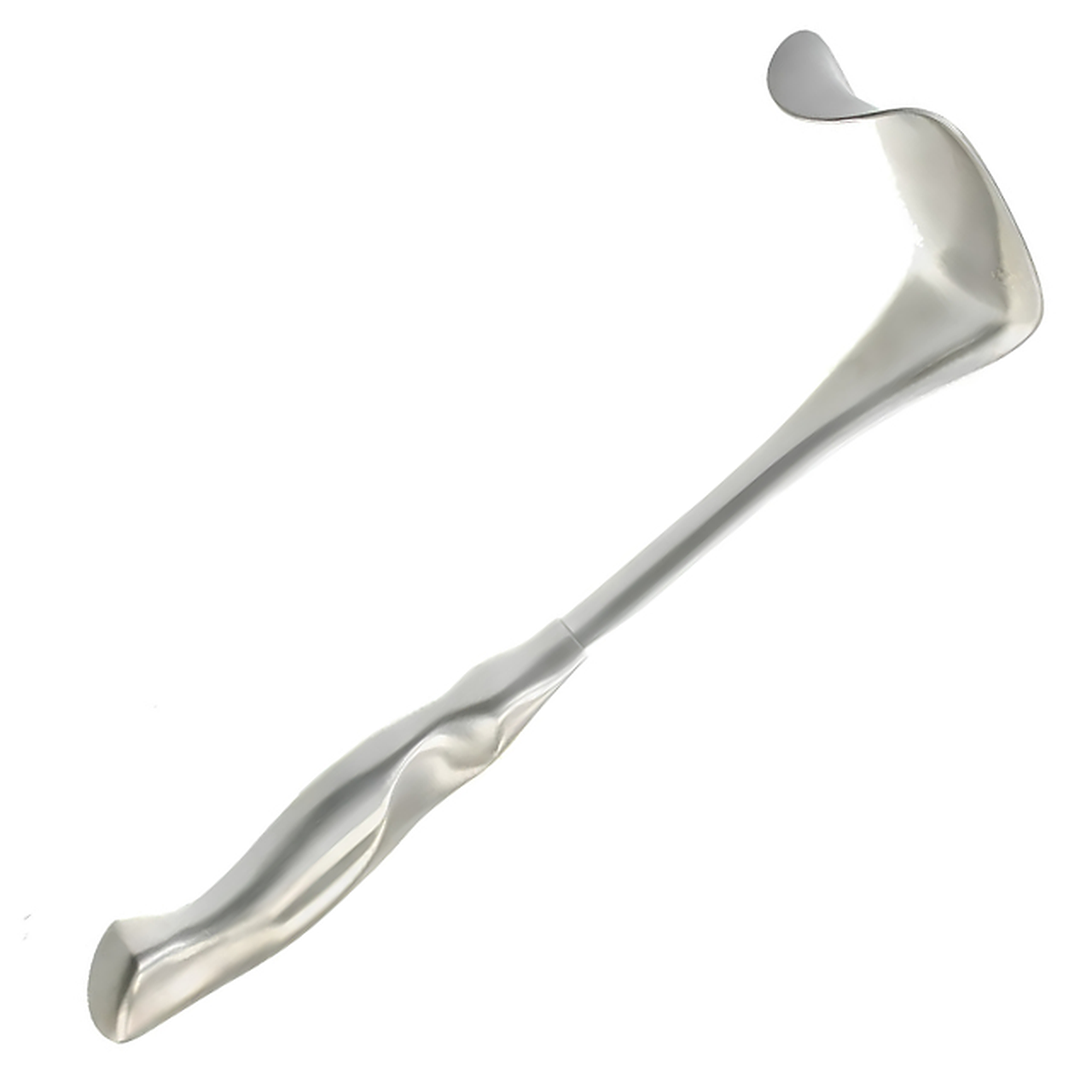 | Écarteur Kelly Retractor-Lamb Handle | Spécifiquement conçu pour écarter la paroi abdominale, les viscères et la musculature épaisse avec un effet de levier élevé lors de chirurgies ouvertes. |
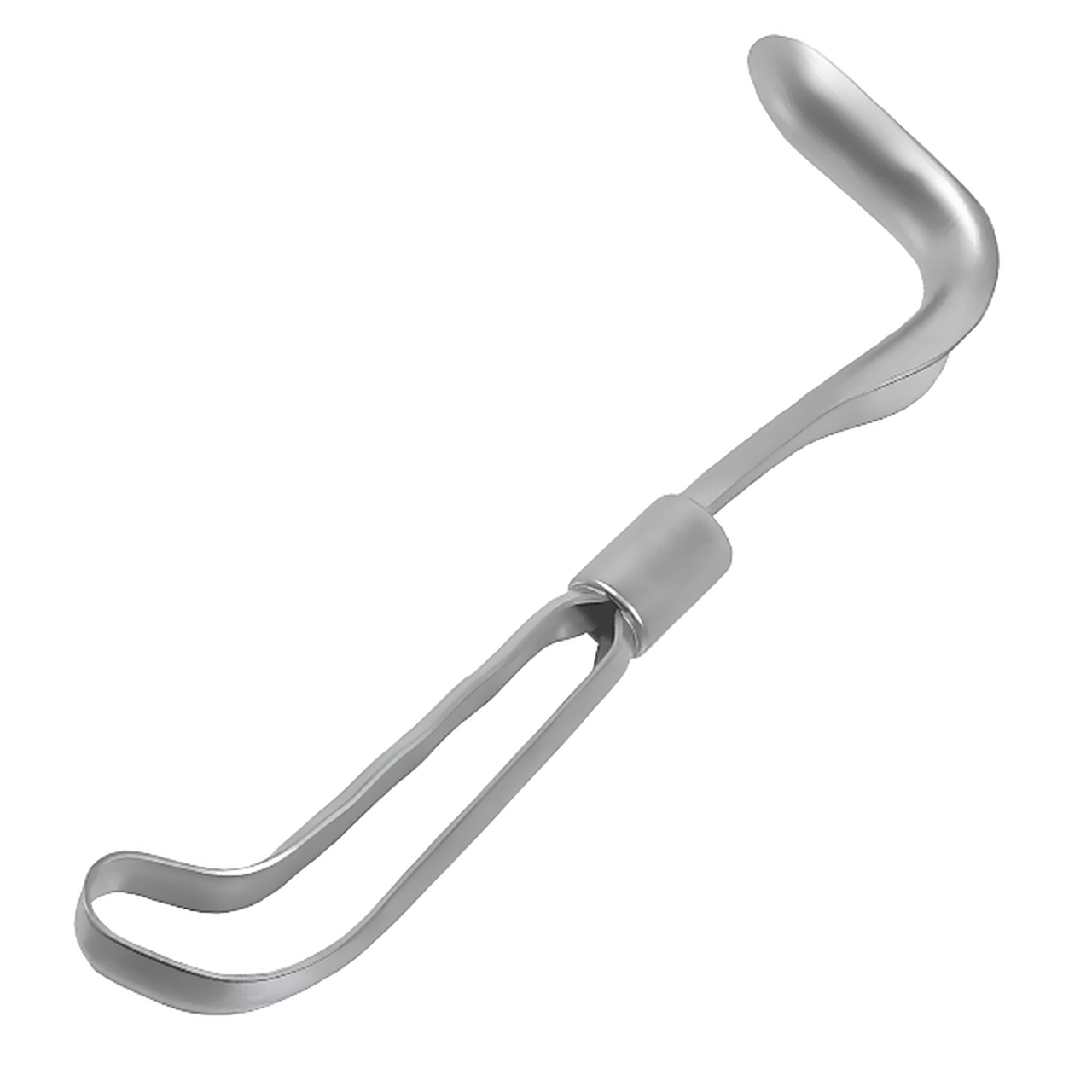 | Écarteur Vaginal Kelly Sims | Spécifiquement conçu pour rétracter les parois vaginales postérieures et latérales lors d'une hystérectomie vaginale et d'une chirurgie reconstructrice pelvienne. |
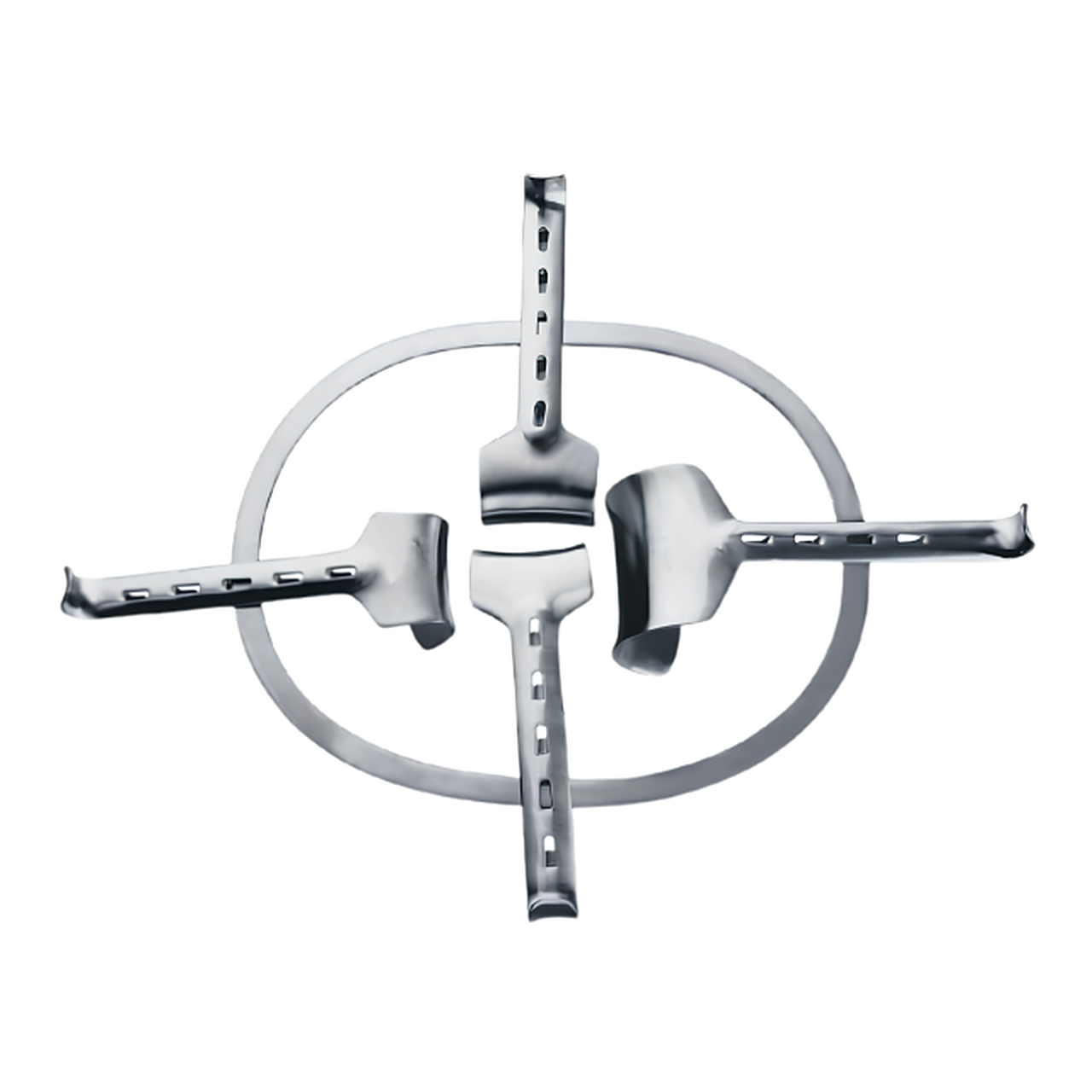 | Écarteur de Kirschner | Spécifiquement conçu pour assurer un écartement autostatique et multidirectionnel des berges de la plaie et des viscères lors de chirurgies abdominales majeures. |
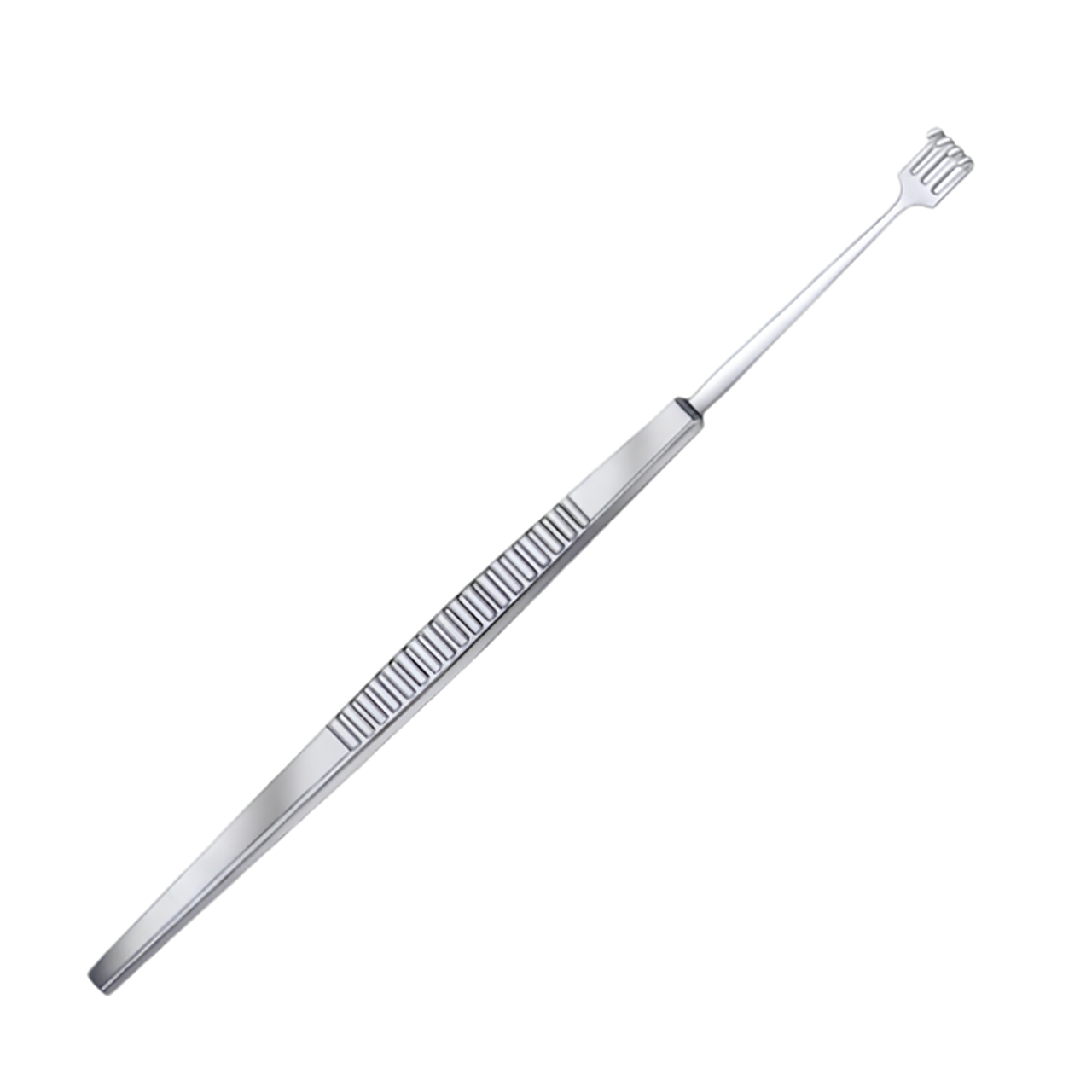 | Écarteur de sac lacrymal Knapp | Spécifiquement conçu pour rétracter les lambeaux cutanés, les structures du canthus médial et le sac lacrymal pendant la chirurgie ophtalmique. |
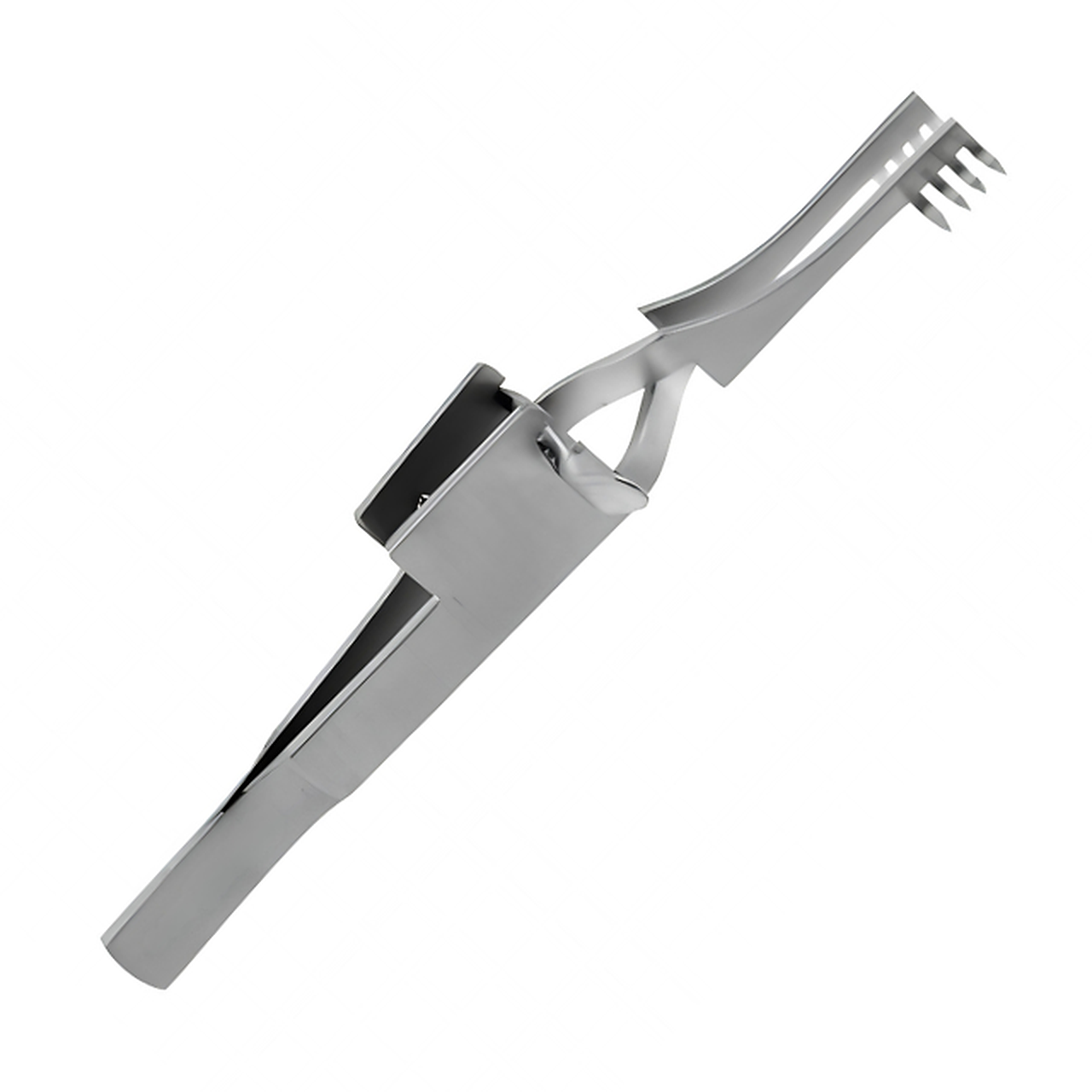 | Écarteur autostatique de Knapp | Spécifiquement conçu pour assurer l'écartement autostatique des berges de plaies lors de procédures lacrymales, ophtalmiques et de petite chirurgie plastique. |
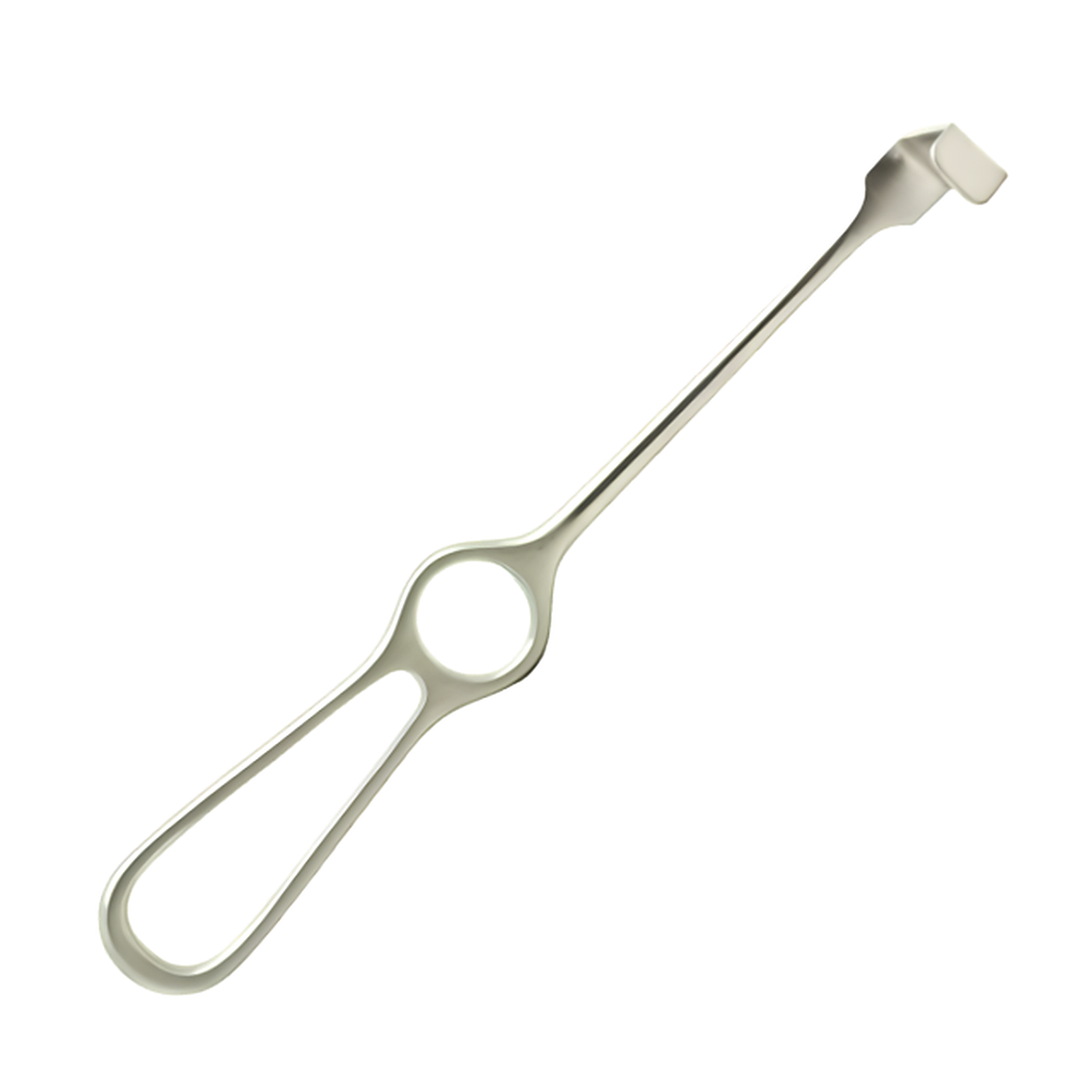 | Écarteur Kocher Langenbeck | Spécifiquement conçu pour rétracter les tissus mous, les couches musculaires et les berges de plaies en chirurgie générale, orthopédique et plastique. |
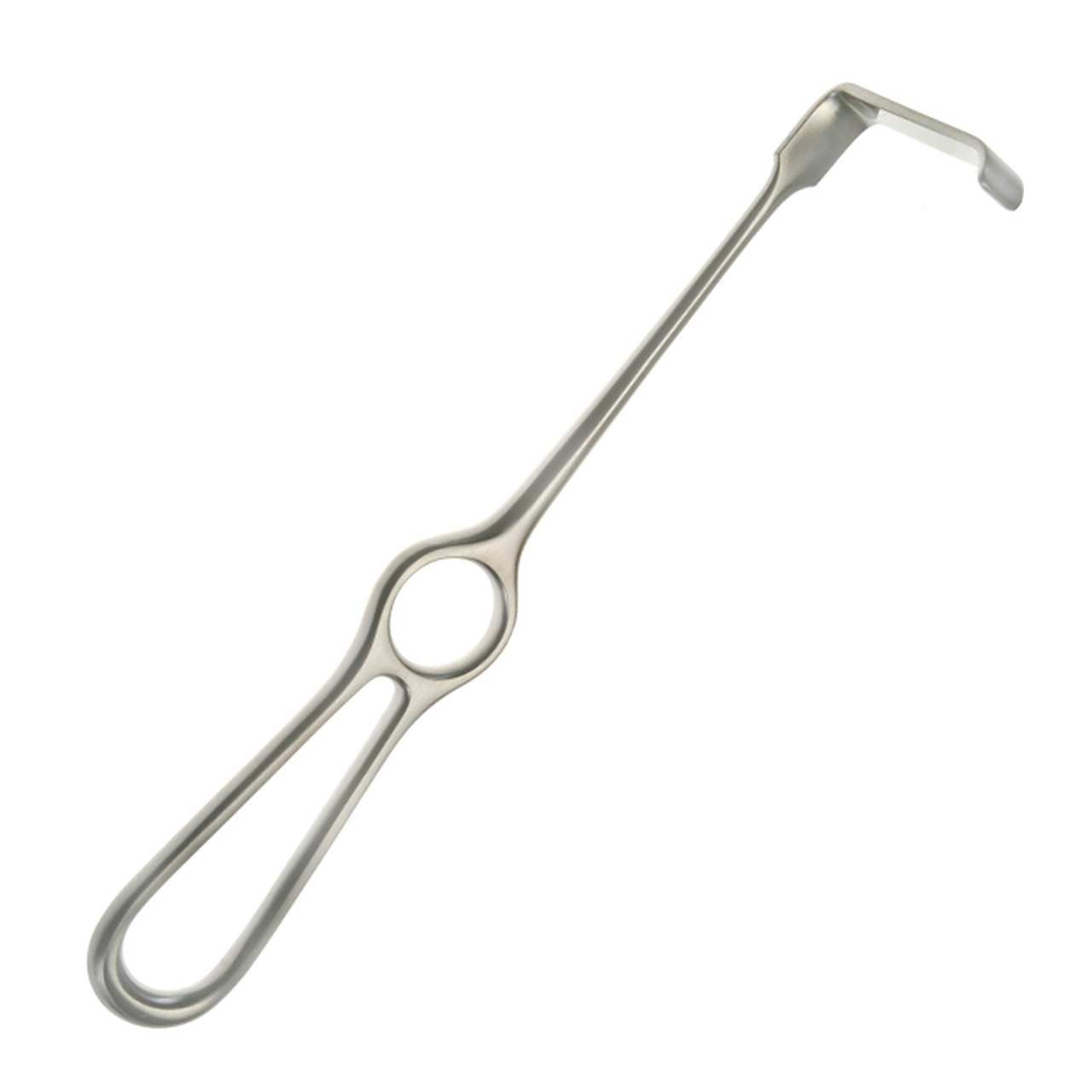 | Écarteur de Kocher | Spécifiquement conçu pour écarter les muscles, les fascias et les berges des plaies lors de chirurgies thyroïdiennes, générales et orthopédiques. |
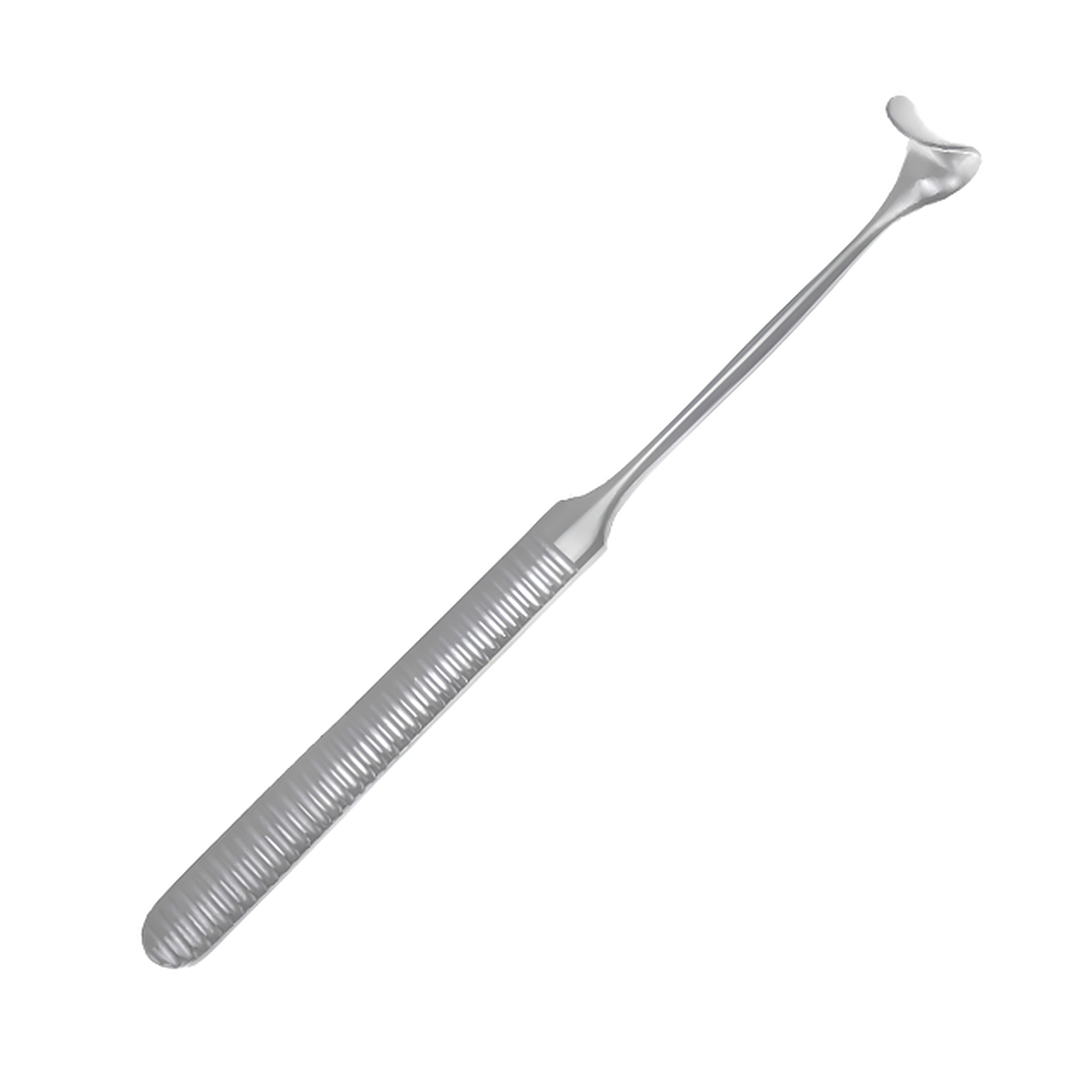 | Écarteur de Koenig | Spécifiquement conçu pour écarter les berges cutanées, les fascias et les couches musculaires superficielles lors de chirurgies générales, orthopédiques et plastiques. |
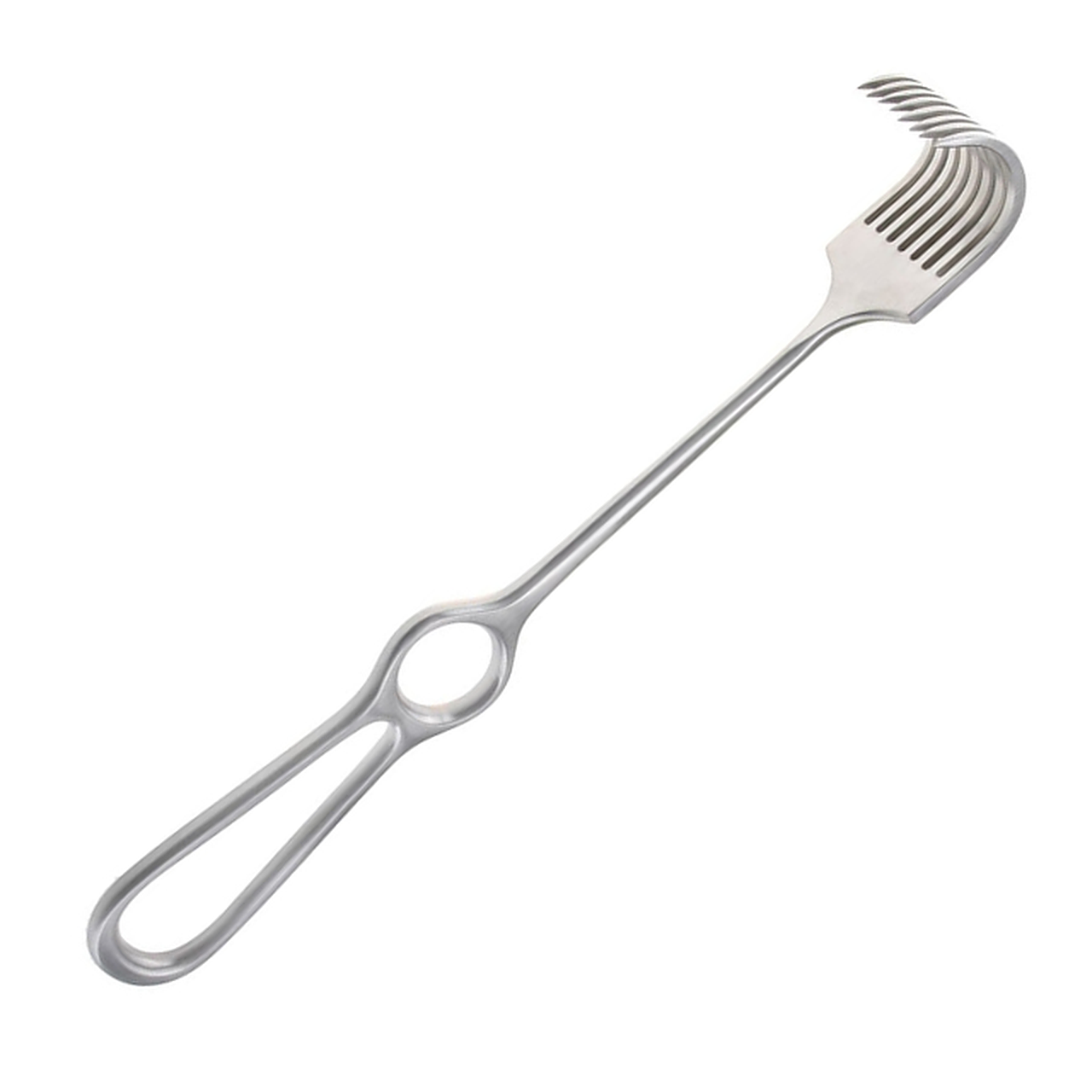 | Écarteur Koerte Retractor | Spécifiquement conçu pour écarter les couches musculaires denses, les fascias et les berges tissulaires épaisses lors de chirurgies abdominales et orthopédiques. |
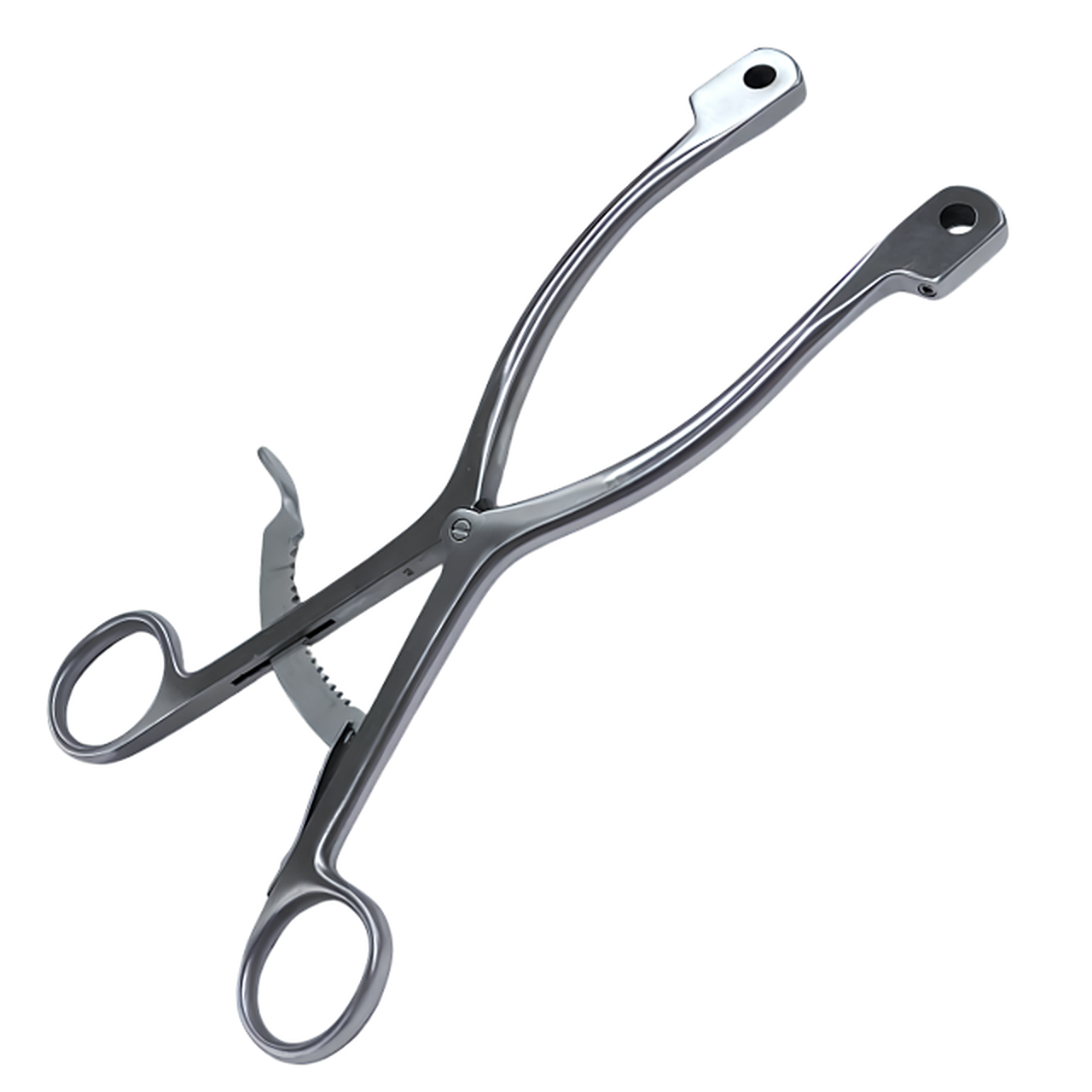 | Cadre d'Écarteur d'Épaule Kolbel | Spécifiquement conçu pour le montage de lames modulaires et pour assurer une rétraction autostatique des tissus mous lors de l'arthroplastie de l'épaule. |
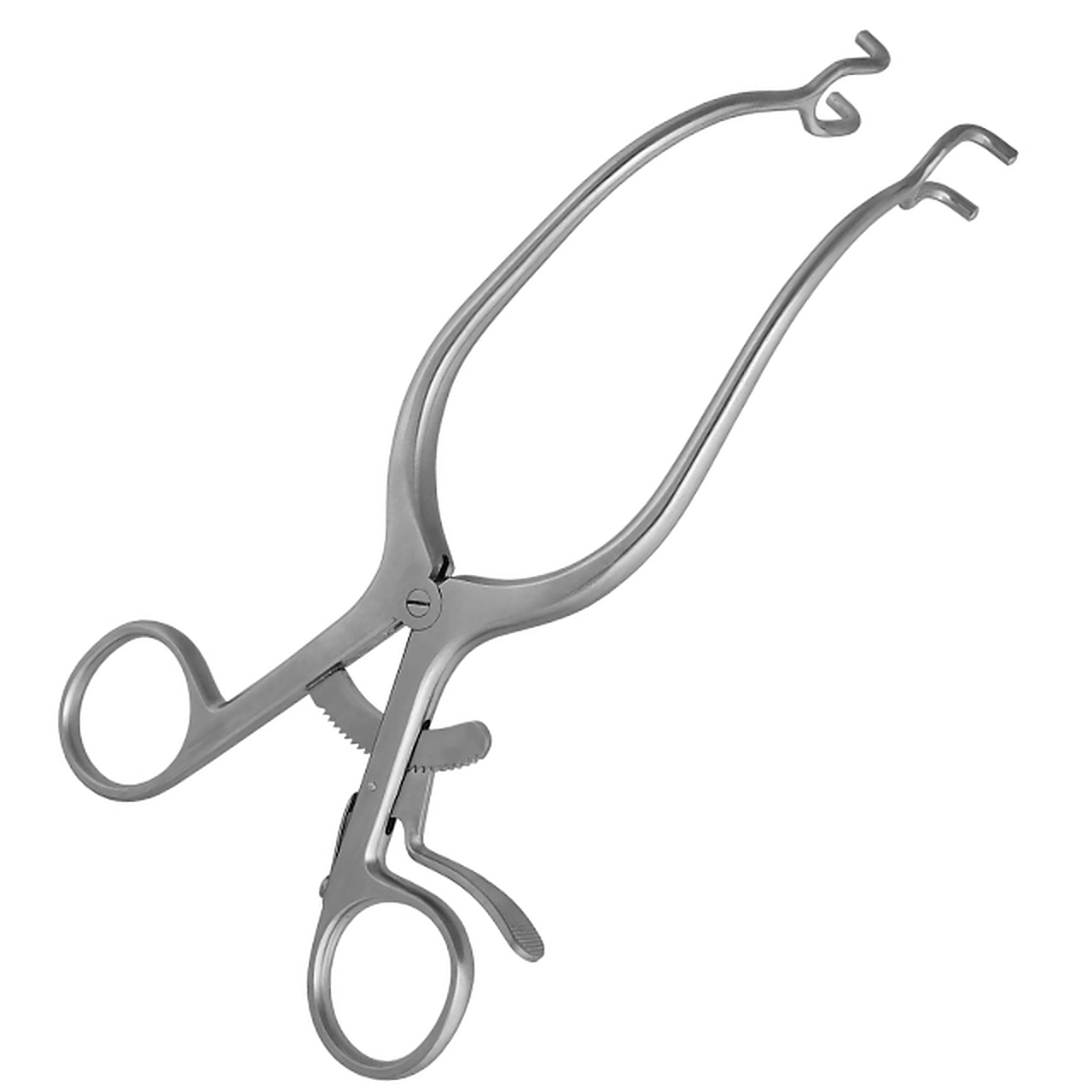 | Écarteur de tissus mous Kolbel | Spécifiquement conçu pour écarter les muscles, la capsule et les tissus mous lors de l'arthroplastie de l'épaule et de la chirurgie reconstructrice. |
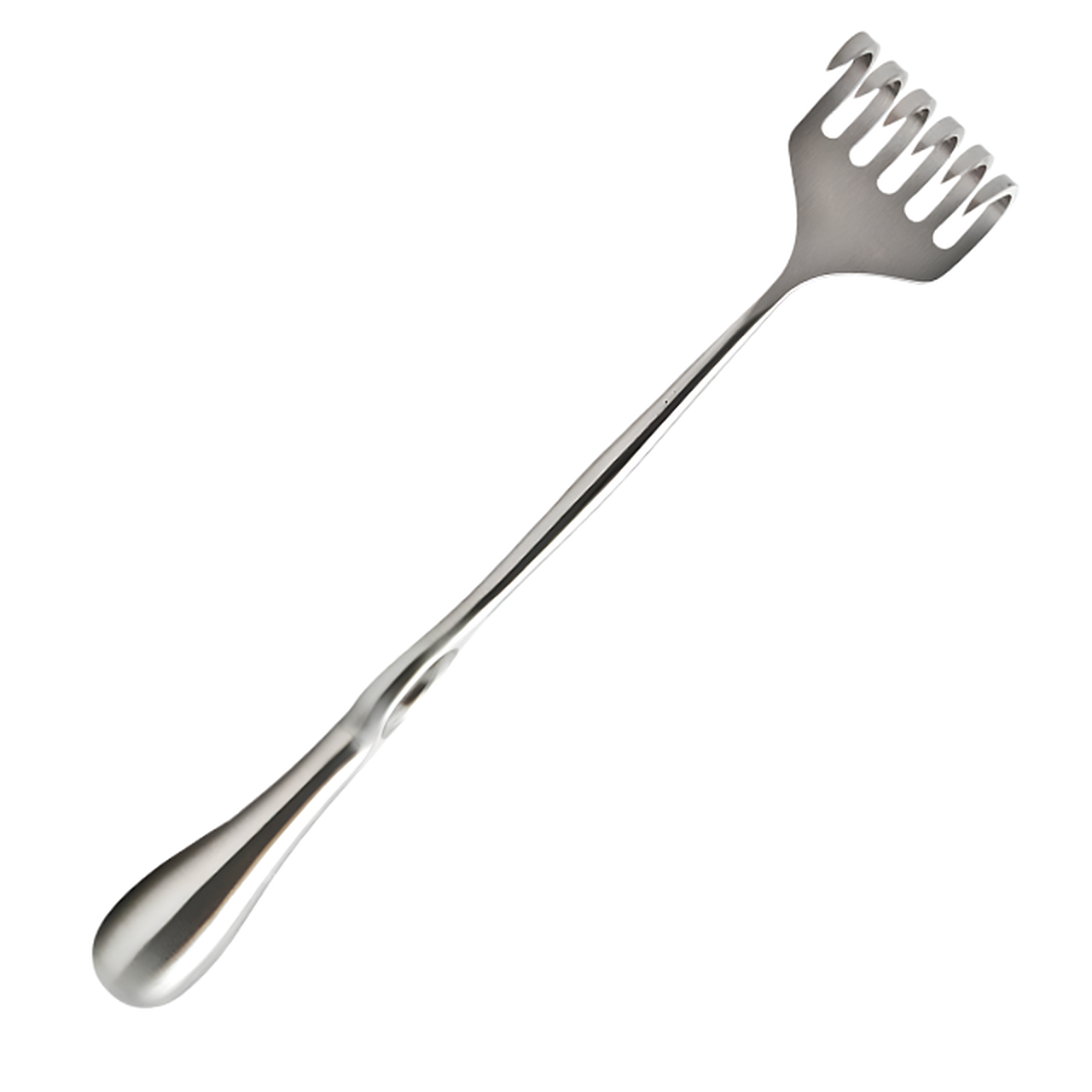 | Écarteur de Krasky | Spécifiquement conçu pour rétracter les couches musculaires denses et les fascias profonds lors de chirurgies générales et orthopédiques ouvertes. |
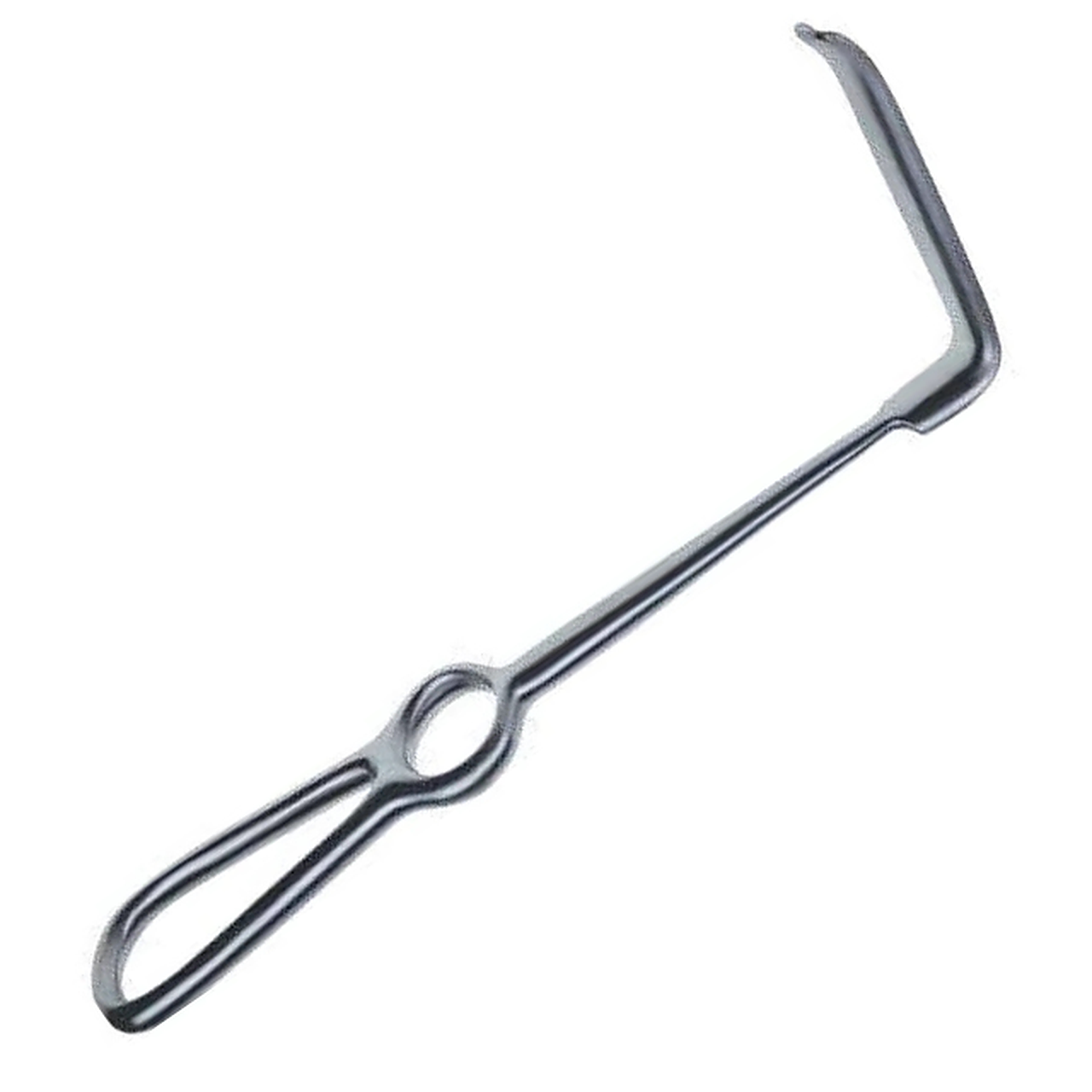 | Écarteur de tissus mous Kreidler | Spécifiquement conçu pour écarter les lambeaux mucopériostés et les tissus mous lors de chirurgies orales, maxillo-faciales et orthognathiques. |
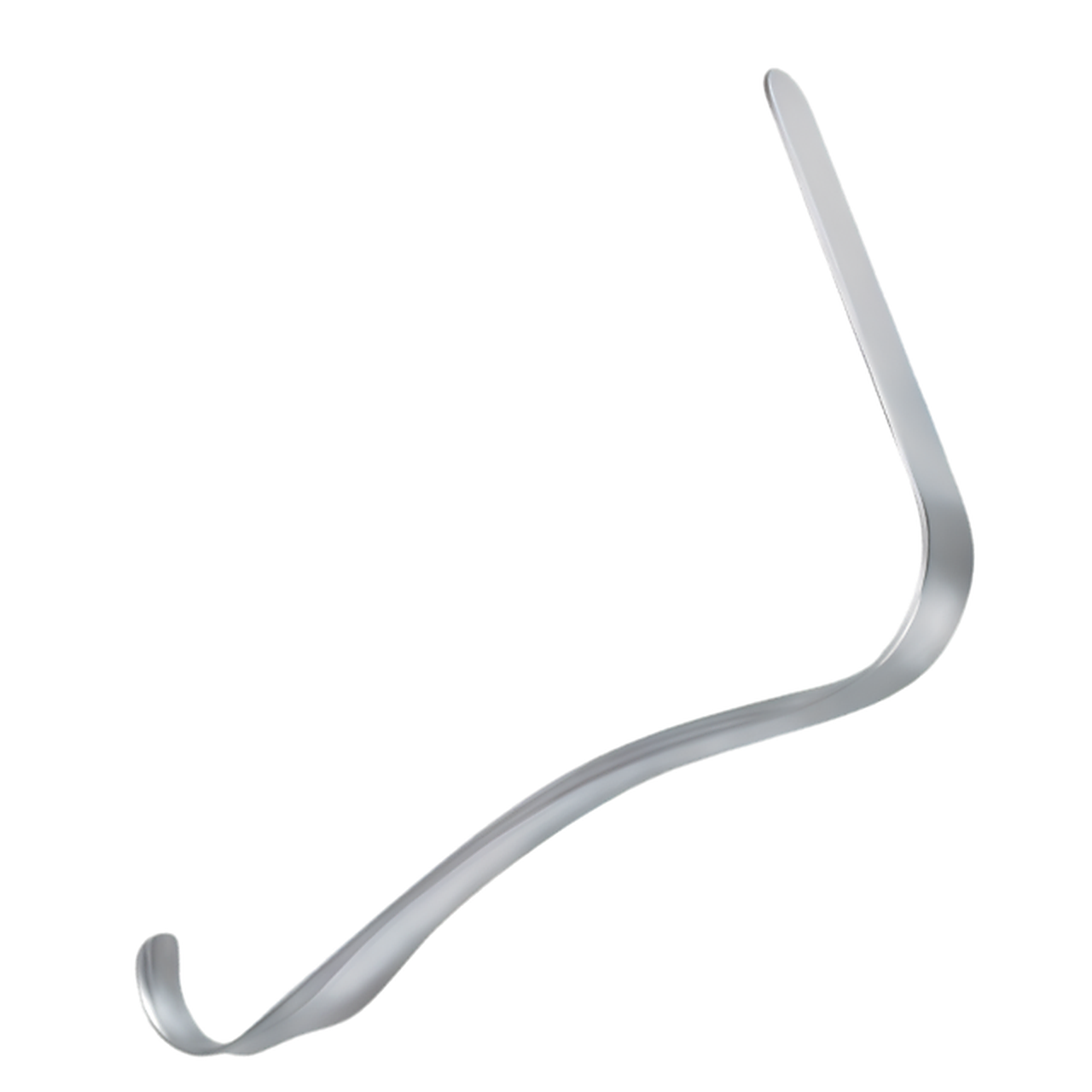 | Écarteur Vaginal Kristeller | Spécifiquement conçu pour écarter les parois vaginales et permettre la visualisation de la voûte pelvienne lors des procédures gynécologiques. |
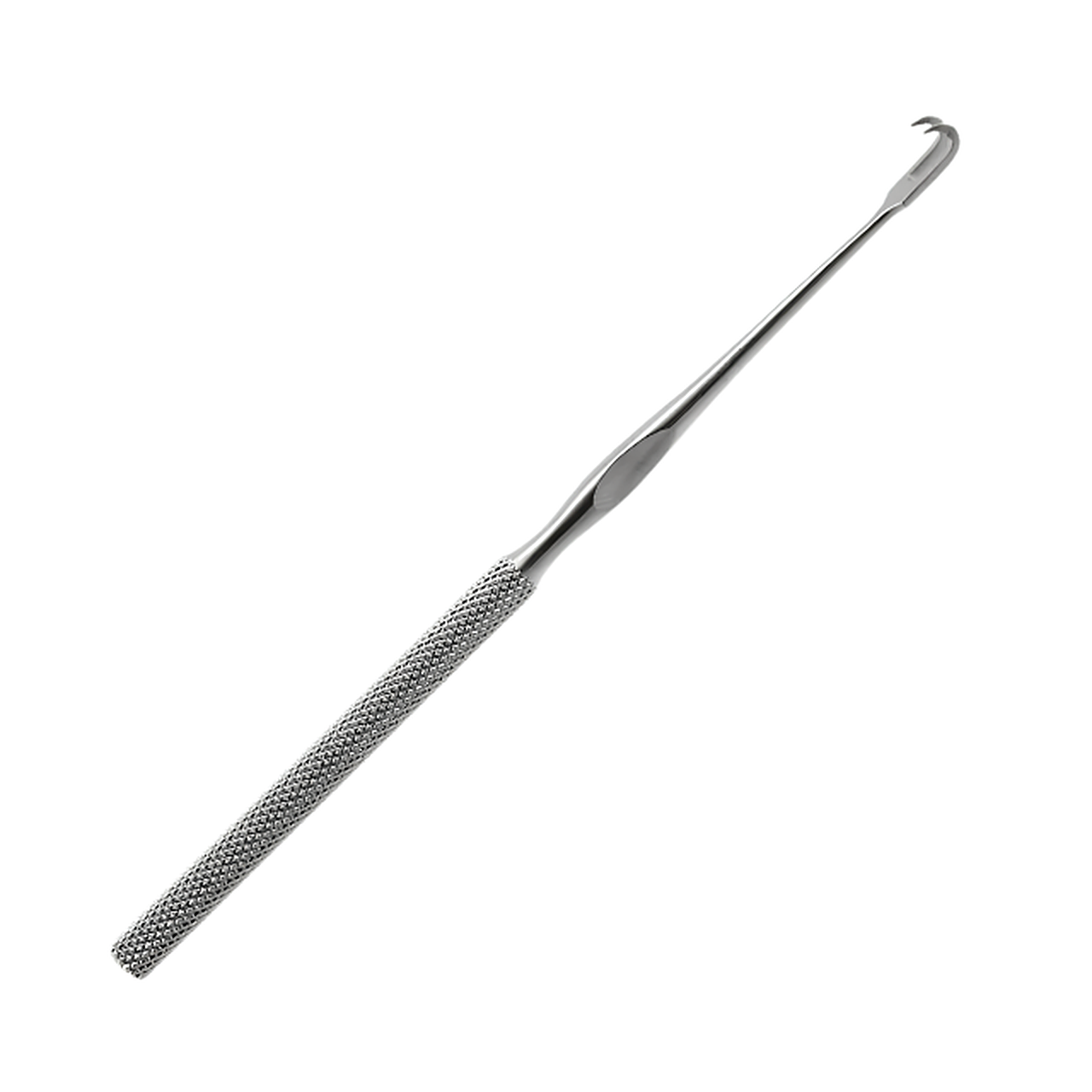 | Écarteur à doigts Lahey Finger Retractor | Spécifiquement conçu pour rétracter les lambeaux cutanés, les berges cutanées et les fascias superficiels en chirurgie plastique et de la main. |
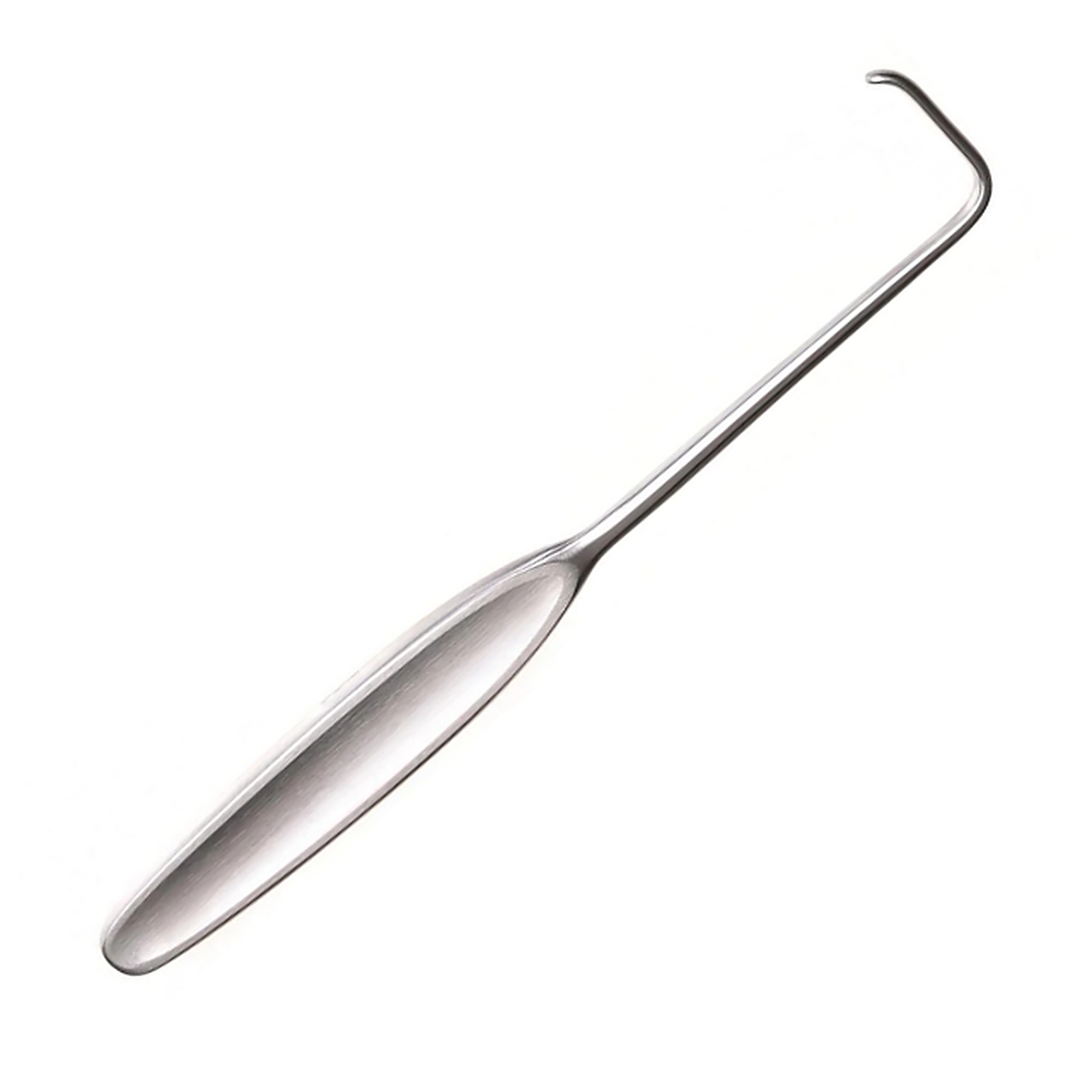 | Écarteur de Lahey | Spécifiquement conçu pour assurer une rétraction atraumatique des tissus mous et une exposition structurée lors des chirurgies de la thyroïde, du cou et de chirurgie générale. |
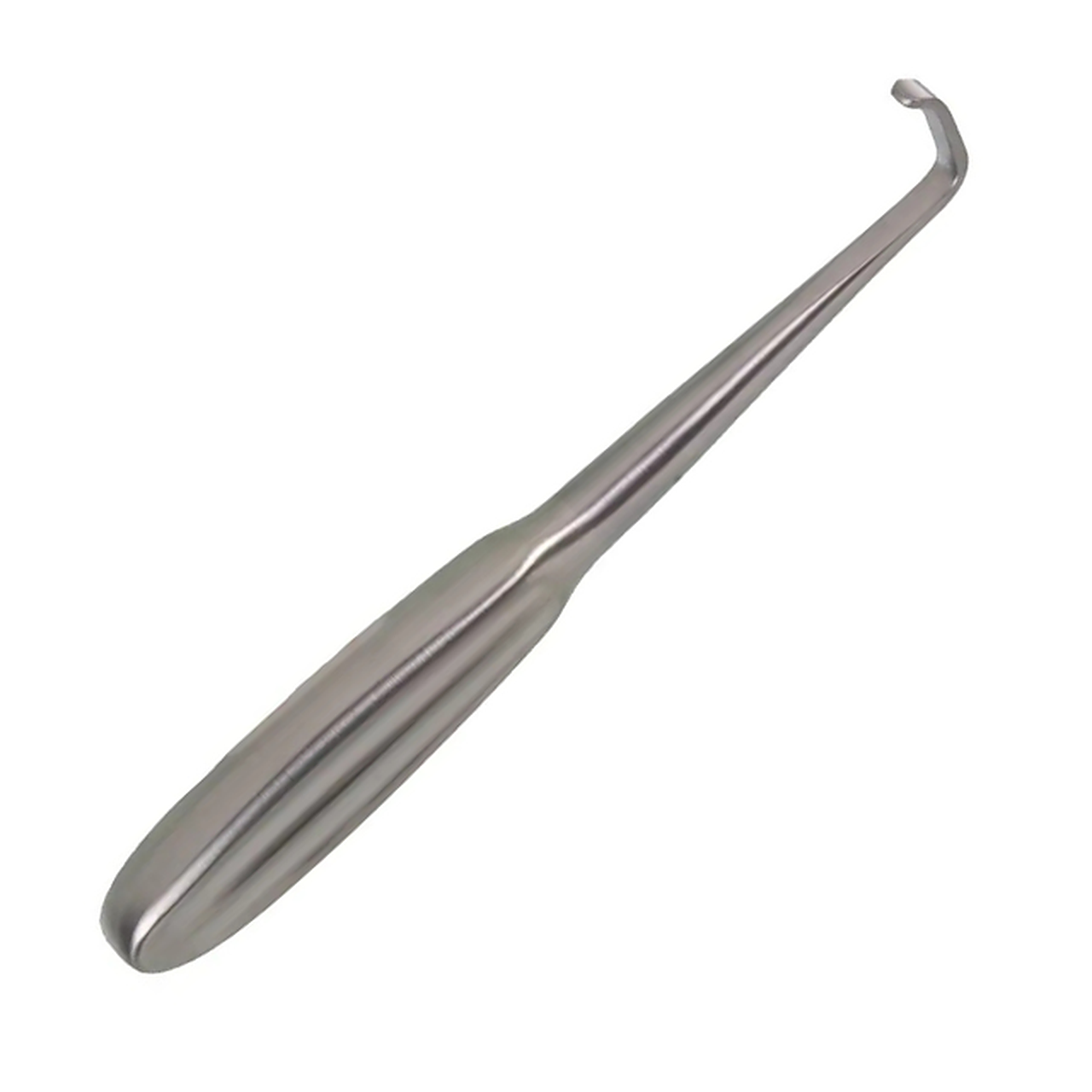 | Écarteur thyroïdien Lahey Thyroid Retractor | Spécifiquement conçu pour l'écartement des muscles sous-hyoïdiens, du fascia cervical et des tissus mous lors des procédures de thyroïdectomie et de parathyroïdectomie. |
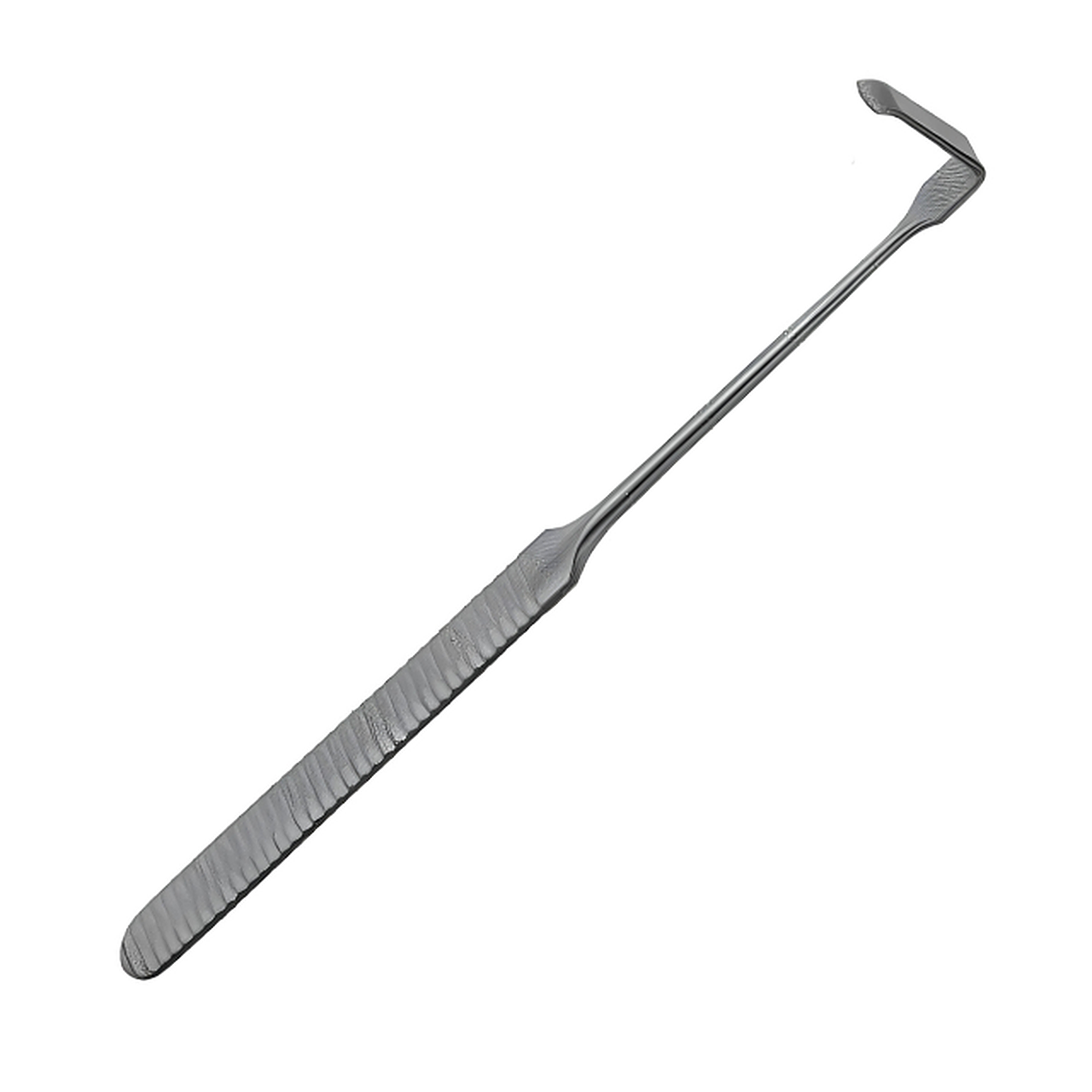 | Écarteur Langenbeck Green | Spécifiquement conçu pour rétracter les muscles sous-hyoïdiens, le fascia cervical et les berges des plaies lors de chirurgies de la thyroïde, du cou et de chirurgie générale. |
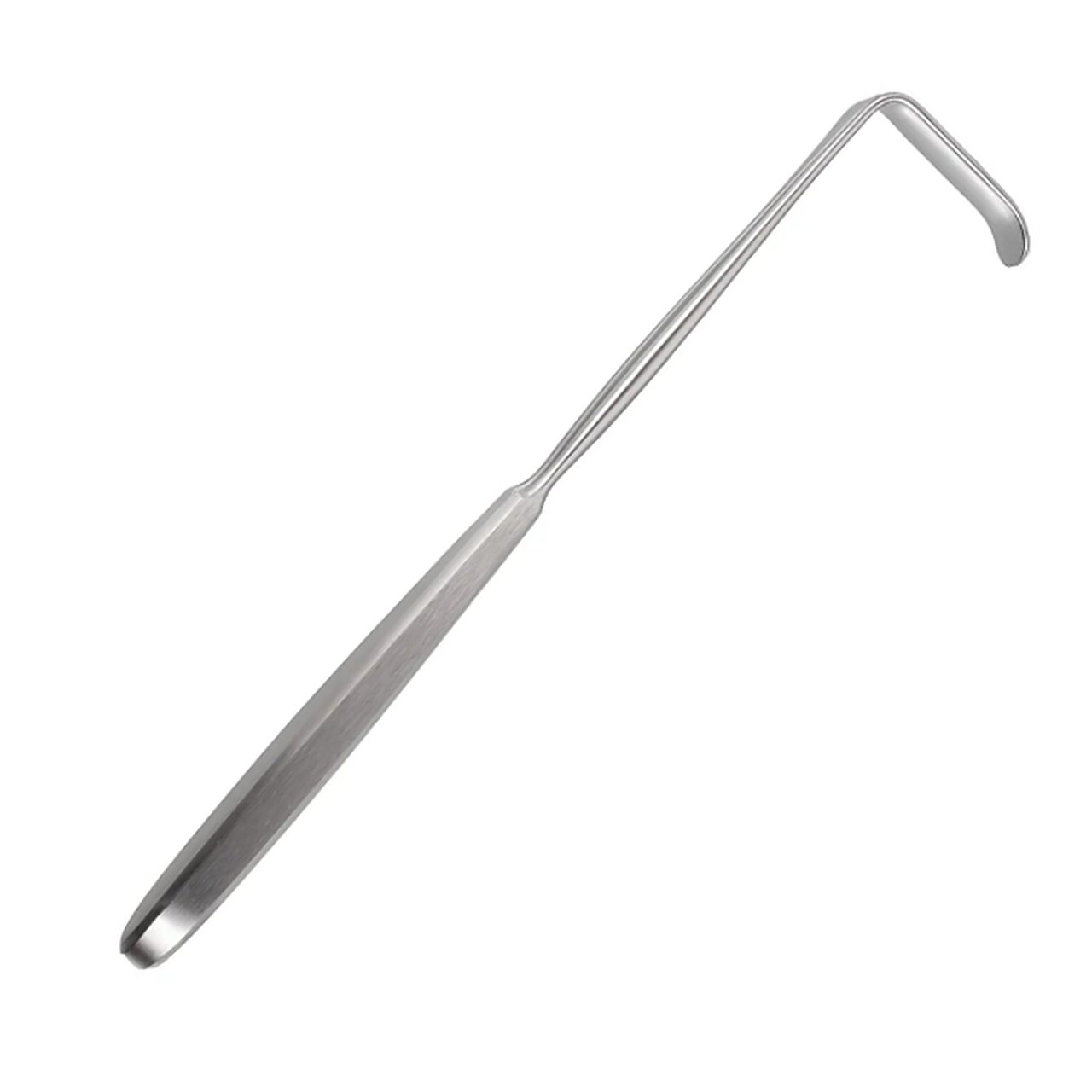 | Écarteur de Langenbeck - Manche plein | Spécifiquement conçu pour écarter les couches musculaires, les fascias et les berges de plaies lors de chirurgies générales, orthopédiques et plastiques. |
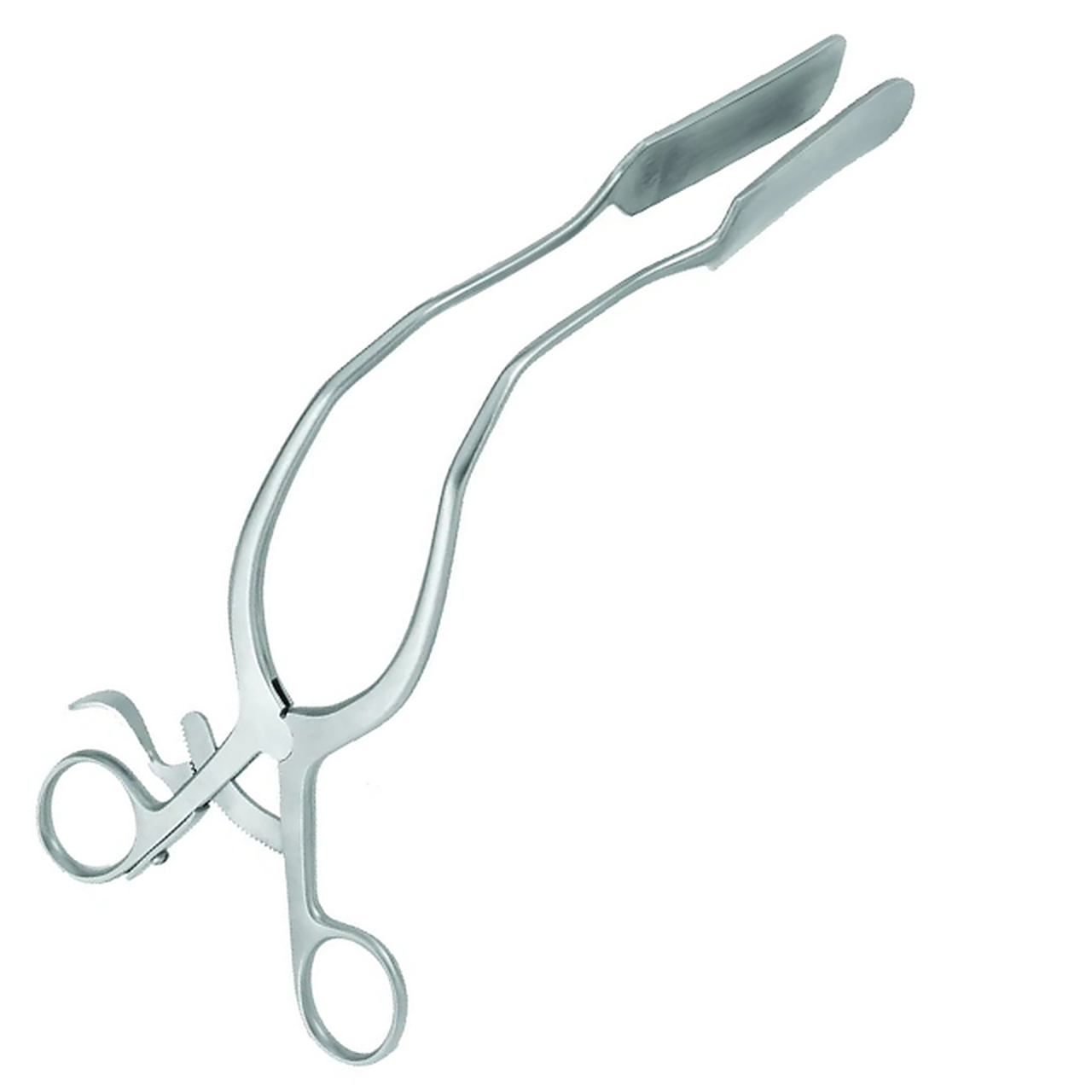 | Écarteur Vaginal Latéral Ébonisé | Spécifiquement conçu pour écarter les parois vaginales latérales lors des procédures gynécologiques laser et électrochirurgicales. |
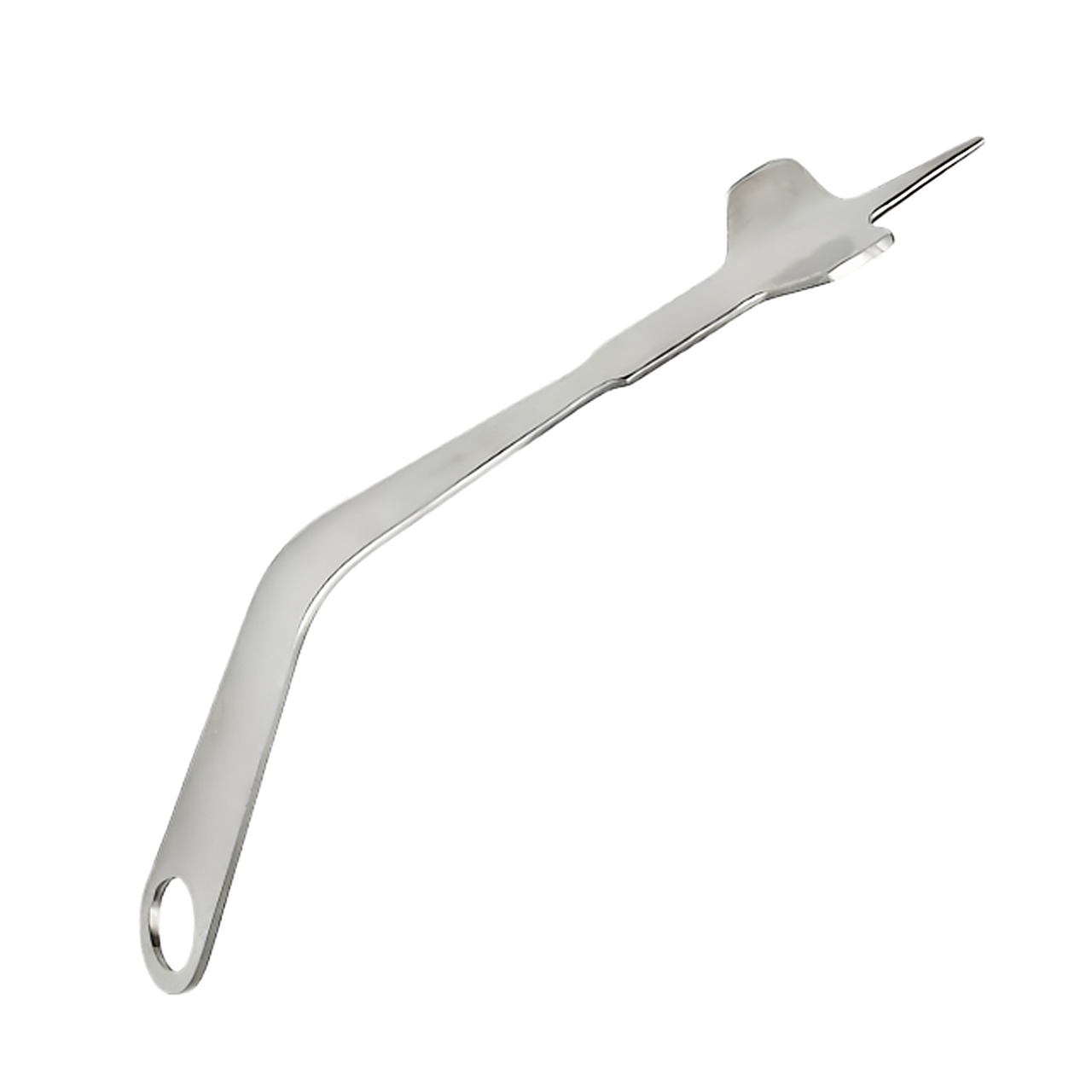 | Écarteur de coussinet adipeux latéral | Spécifiquement conçu pour rétracter le paquet adipeux infrapatellaire et les tissus mous lors de l'arthroplastie totale et de la reconstruction du genou. |
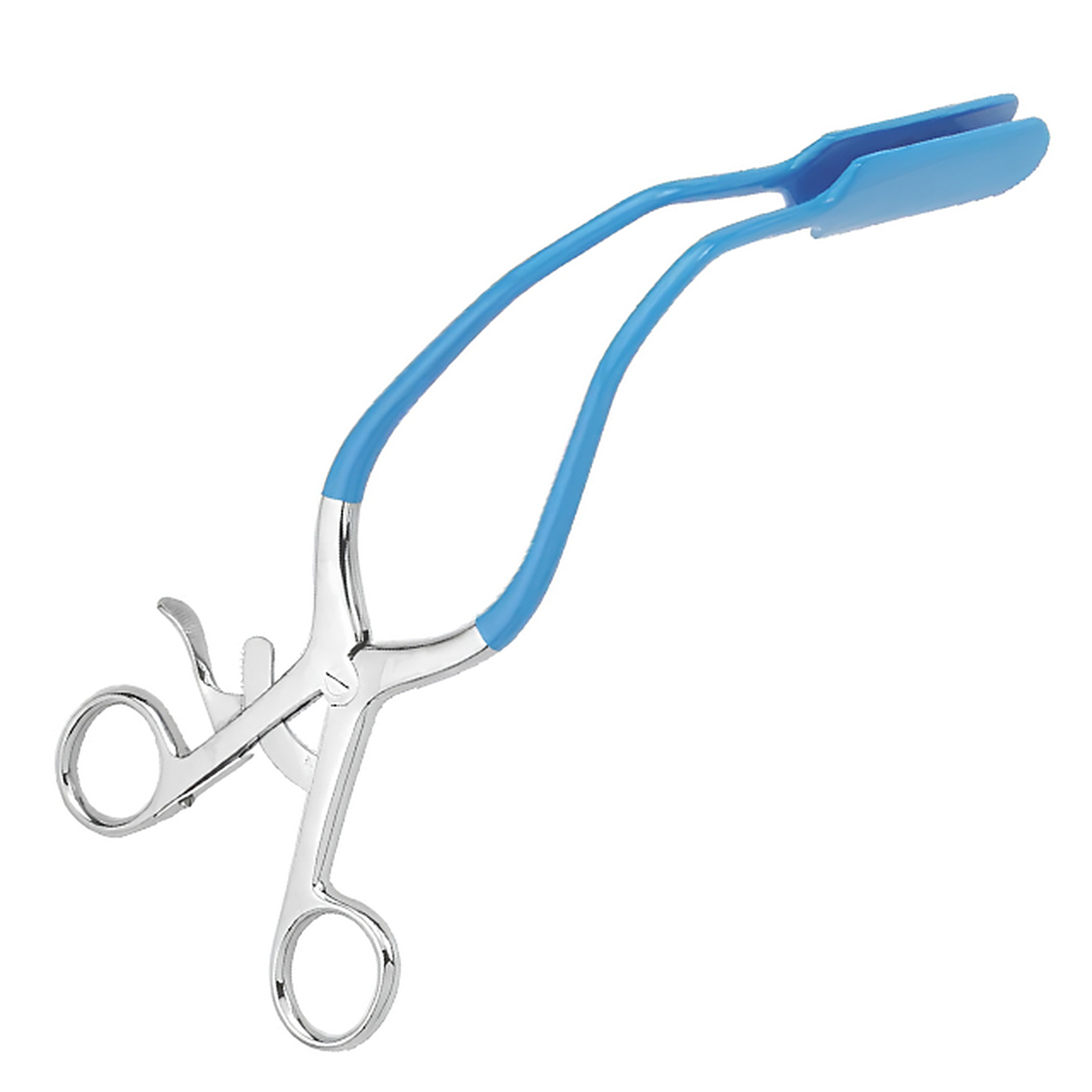 | Écarteur Vaginal Latéral Non-Conducteur | Spécifiquement conçu pour écarter les parois vaginales latérales pendant l'électrochirurgie et les procédures gynécologiques au laser. |
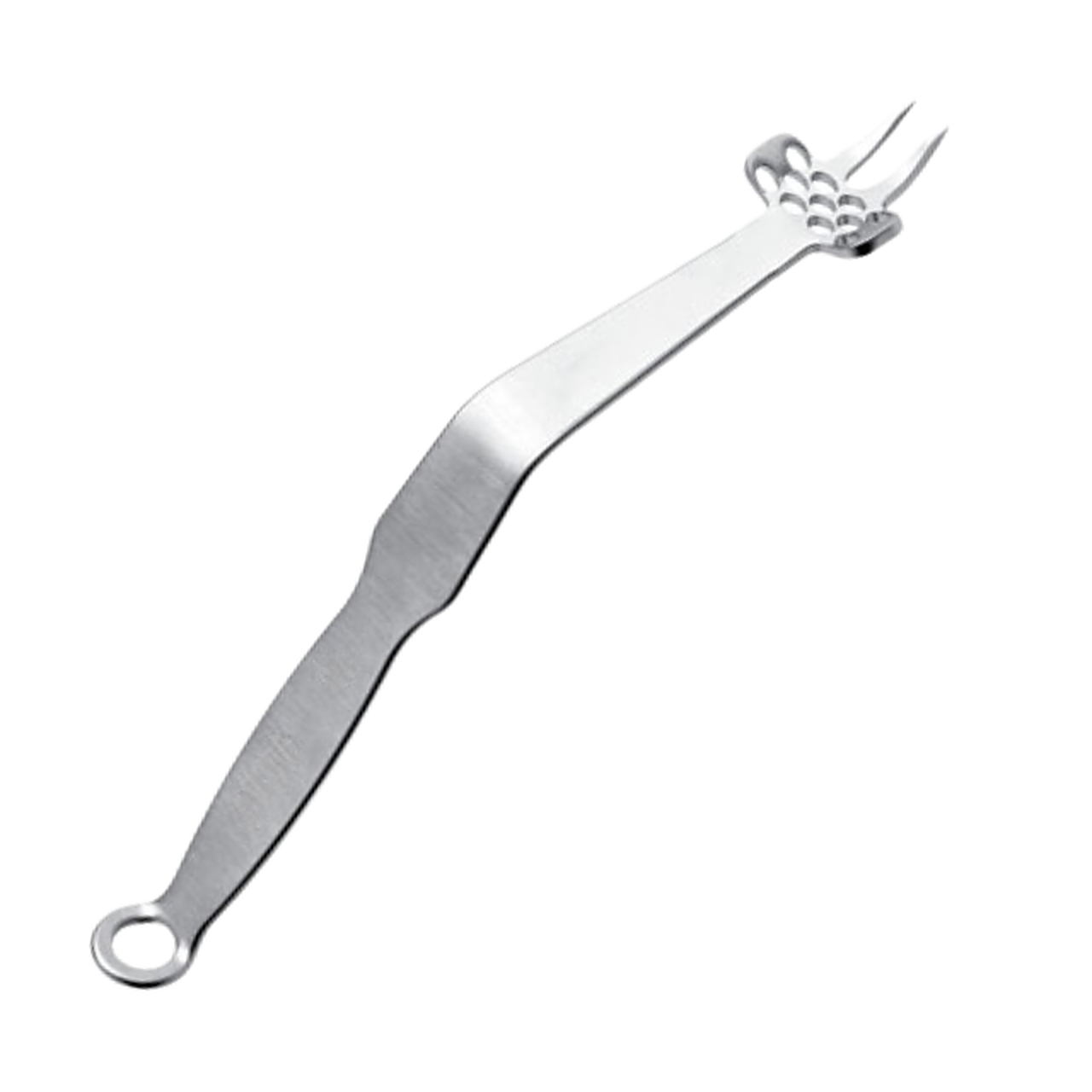 | Écarteurs de tissus mous latéraux | Spécifiquement conçu pour rétracter les tissus mous latéraux, la capsule et les ligaments collatéraux lors d'une arthroplastie totale du genou. |
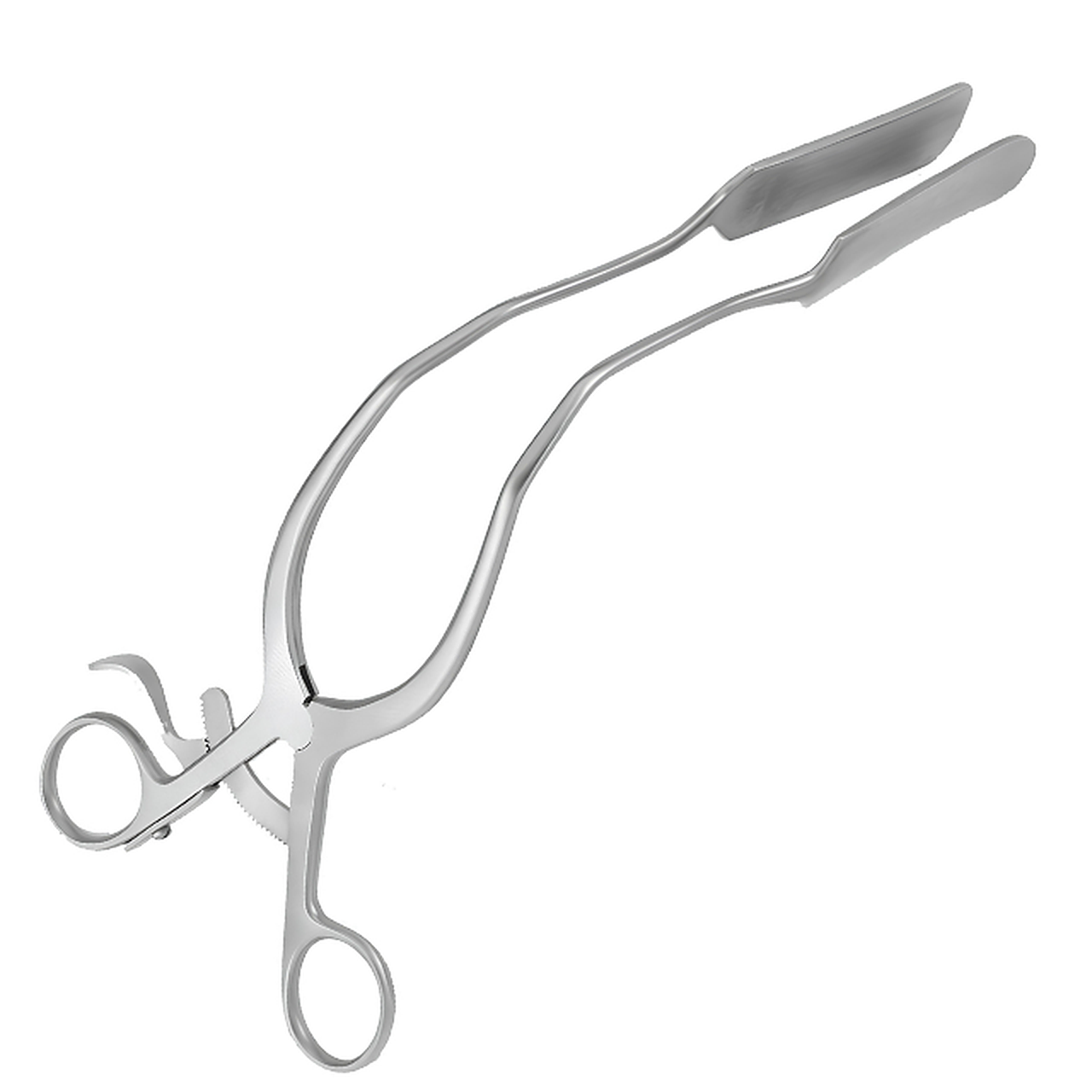 | Écarteur vaginal pour parois latérales | Spécifiquement conçu pour écarter les parois vaginales latérales et prévenir l'affaissement des tissus lors des chirurgies vaginales et des procédures électrochirurgicales. |
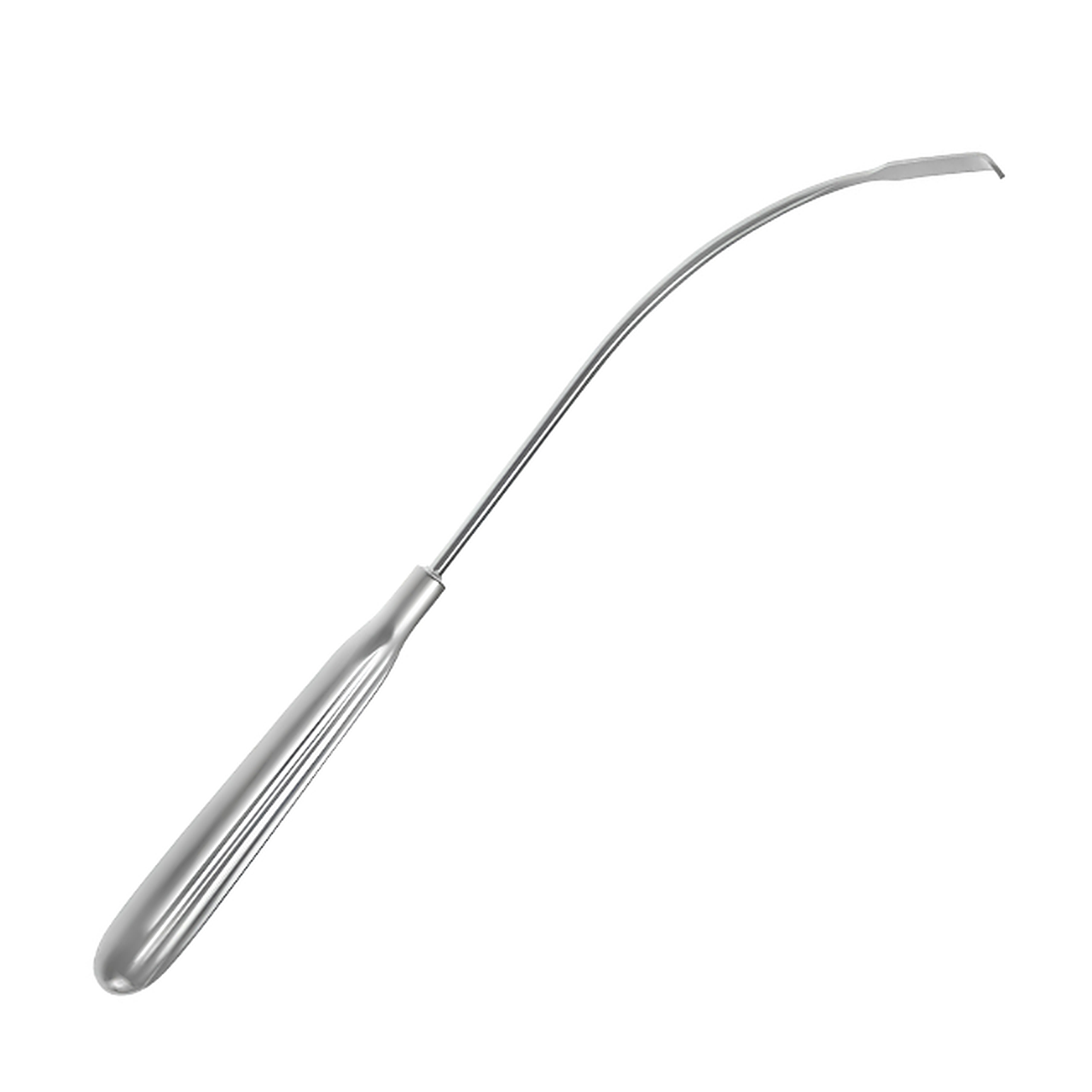 | Écarteur de valve Leaflet Retractor | Spécifiquement conçu pour écarter et soulever les valves cardiaques lors des réparations et remplacements valvulaires cardiaques à cœur ouvert. |
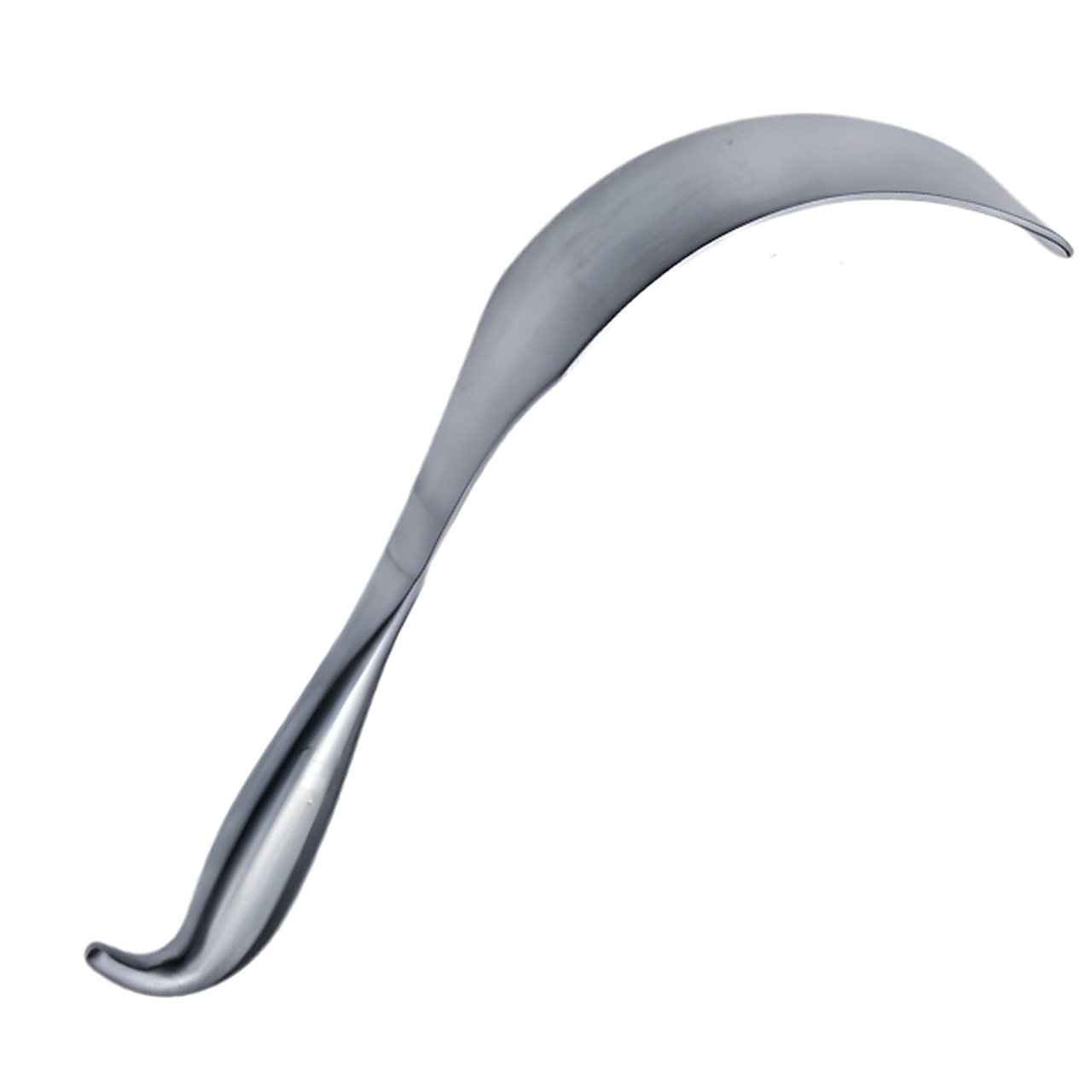 | Écarteur de Leriche - Lame Large Atraumatique | Spécifiquement conçu pour écarter la paroi abdominale, les viscères pelviens et la musculature épaisse lors de la chirurgie ouverte. |
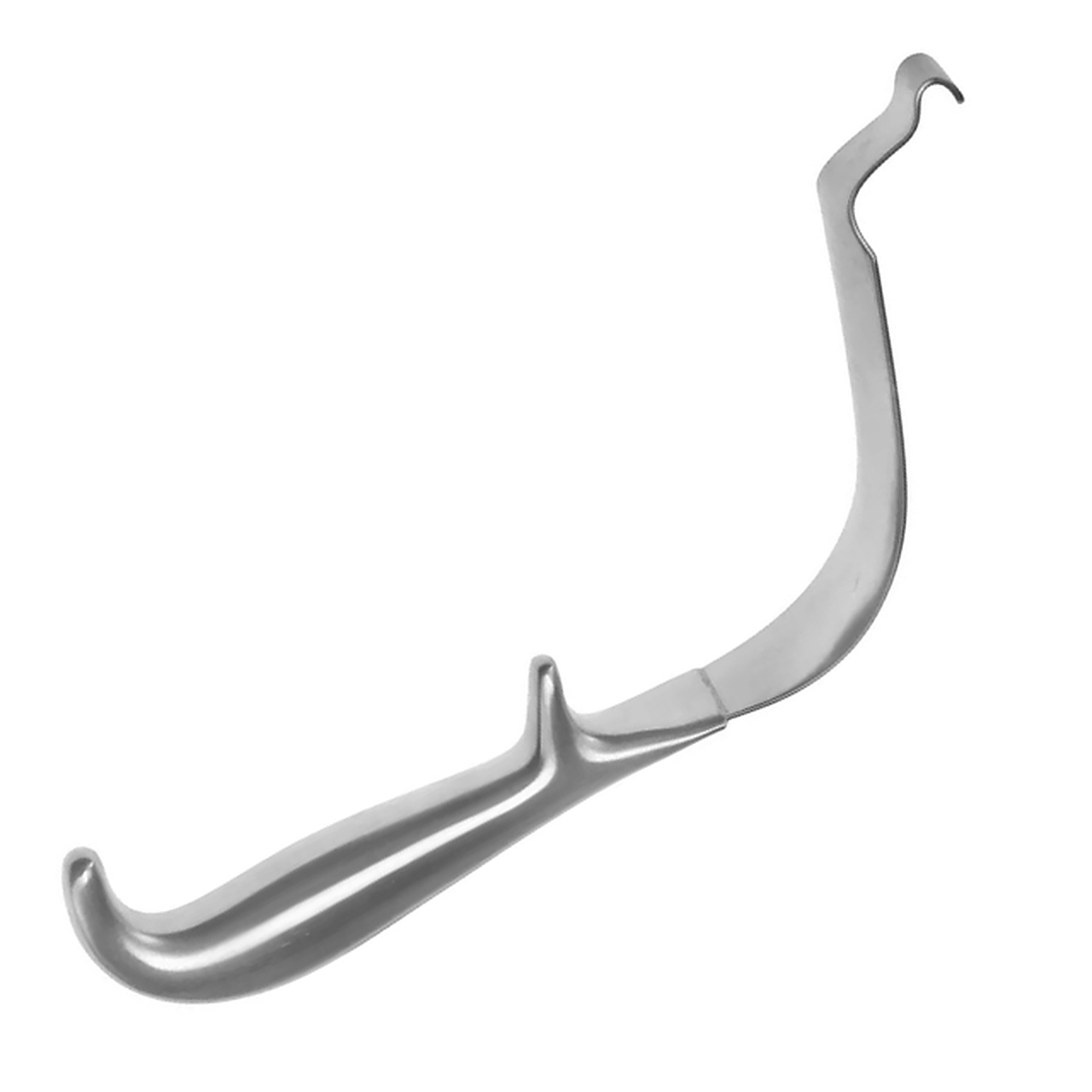 | Écarteur Levasseur Merril | Spécifiquement conçu pour écarter les tissus mous et protéger les structures neurovasculaires lors des ostéotomies de la branche verticale. |
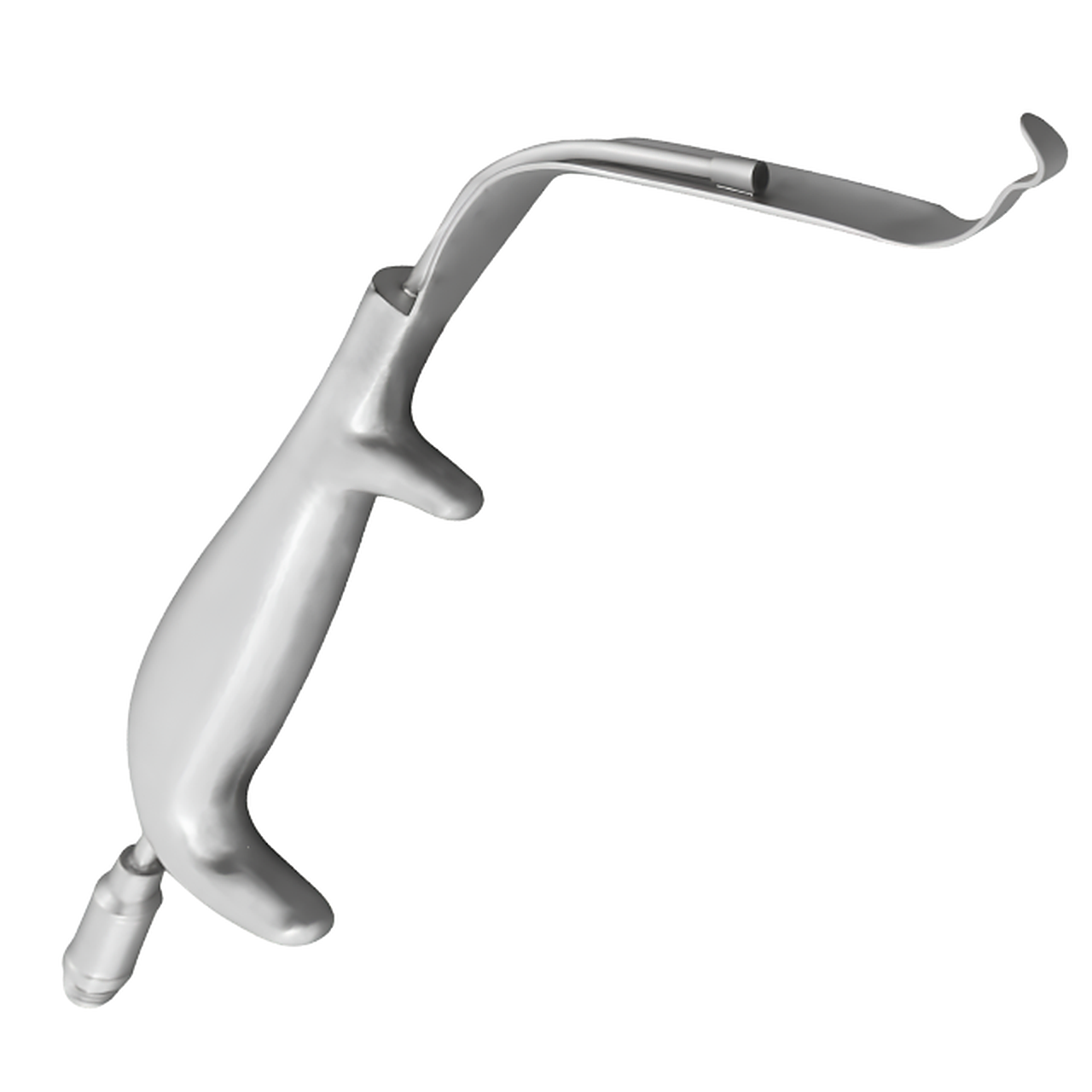 | Écarteur Levasseur Merril à fibre optique | Spécifiquement conçu pour assurer l'écartement éclairé des tissus mous et l'exposition osseuse lors des ostéotomies verticales du ramus. |
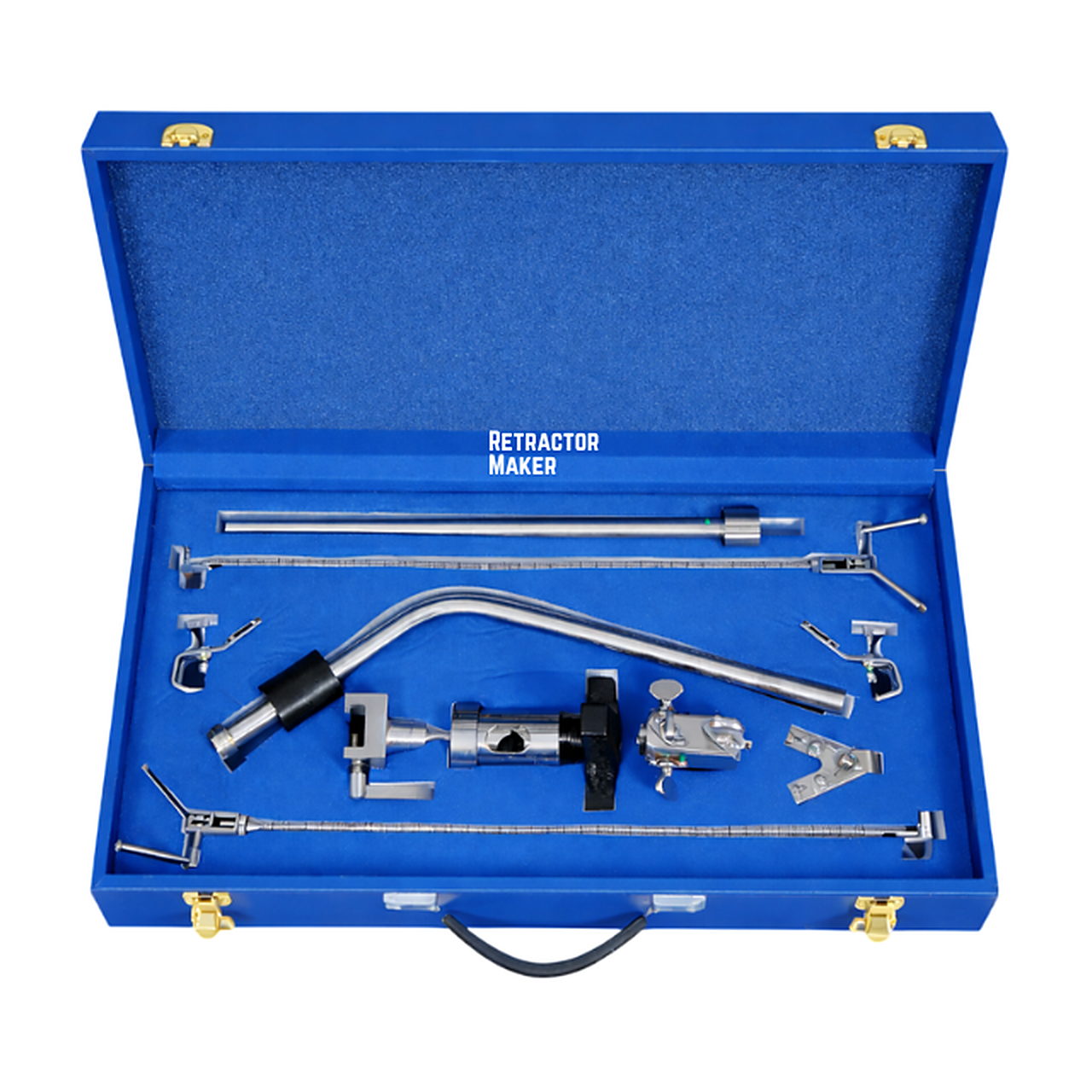 | Écarteur Leyla | Spécifiquement conçu pour assurer une rétraction précise, mains libres et à basse pression des tissus cérébraux lors de procédures crâniennes, de la base du crâne et de microneurochirurgie délicates. |
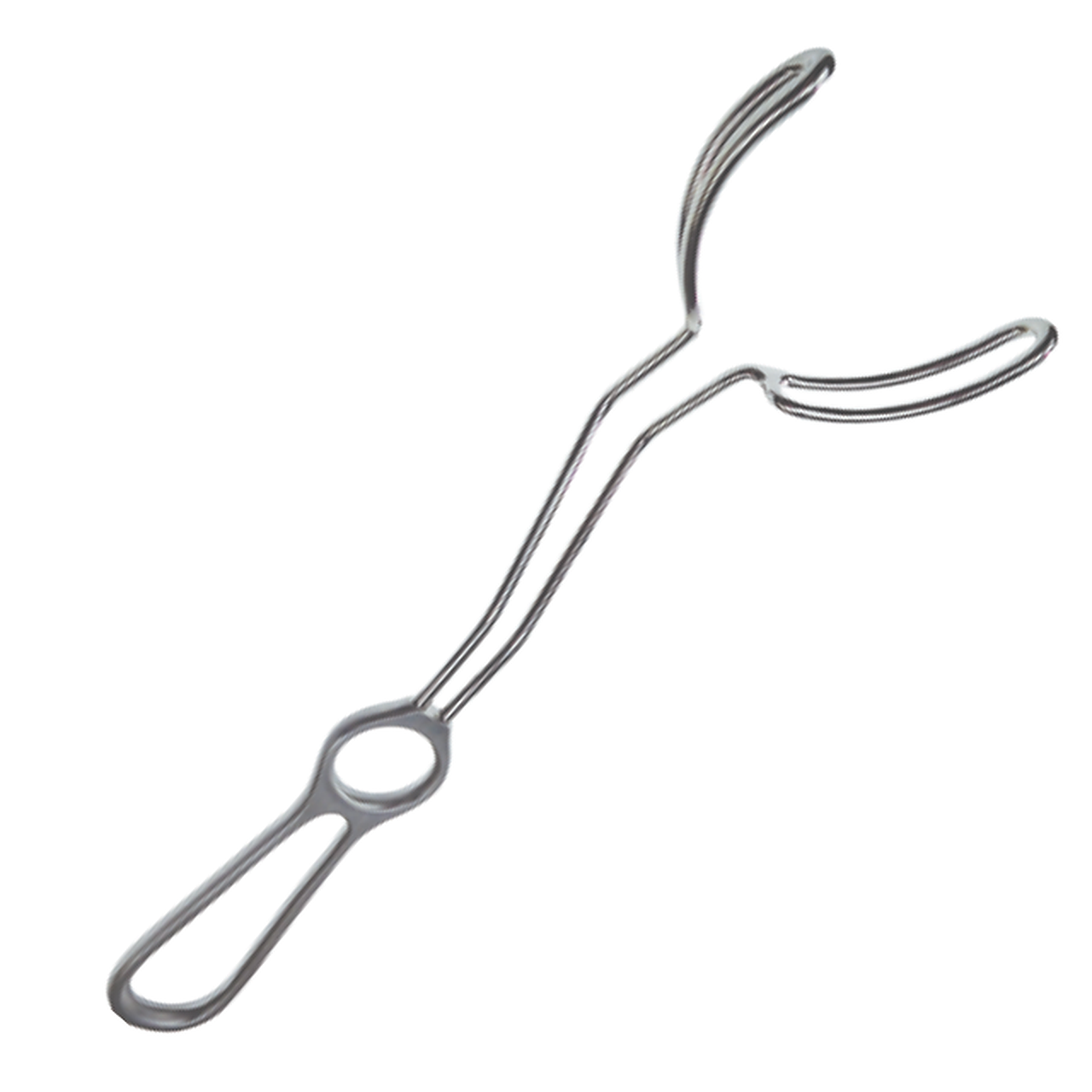 | Écarteur de lèvre et joue | Spécifiquement conçu pour écarter les lèvres et les joues afin de fournir une exposition claire de la mâchoire inférieure pendant la chirurgie orale et maxillo-faciale. |
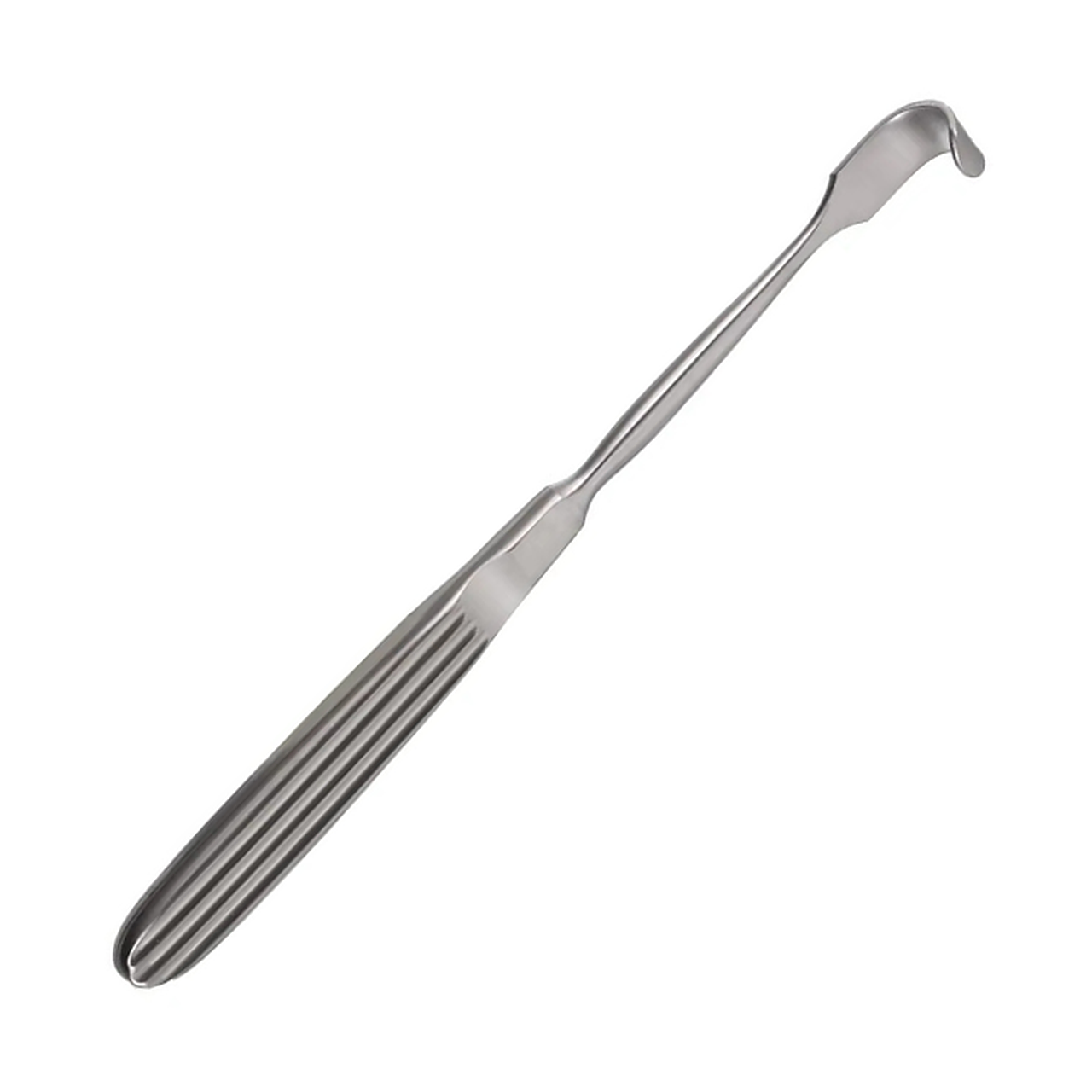 | Écarteur Little | Spécifiquement conçu pour écarter les berges cutanées, les fascias délicats et les tissus mous lors de procédures chirurgicales mineures et plastiques. |
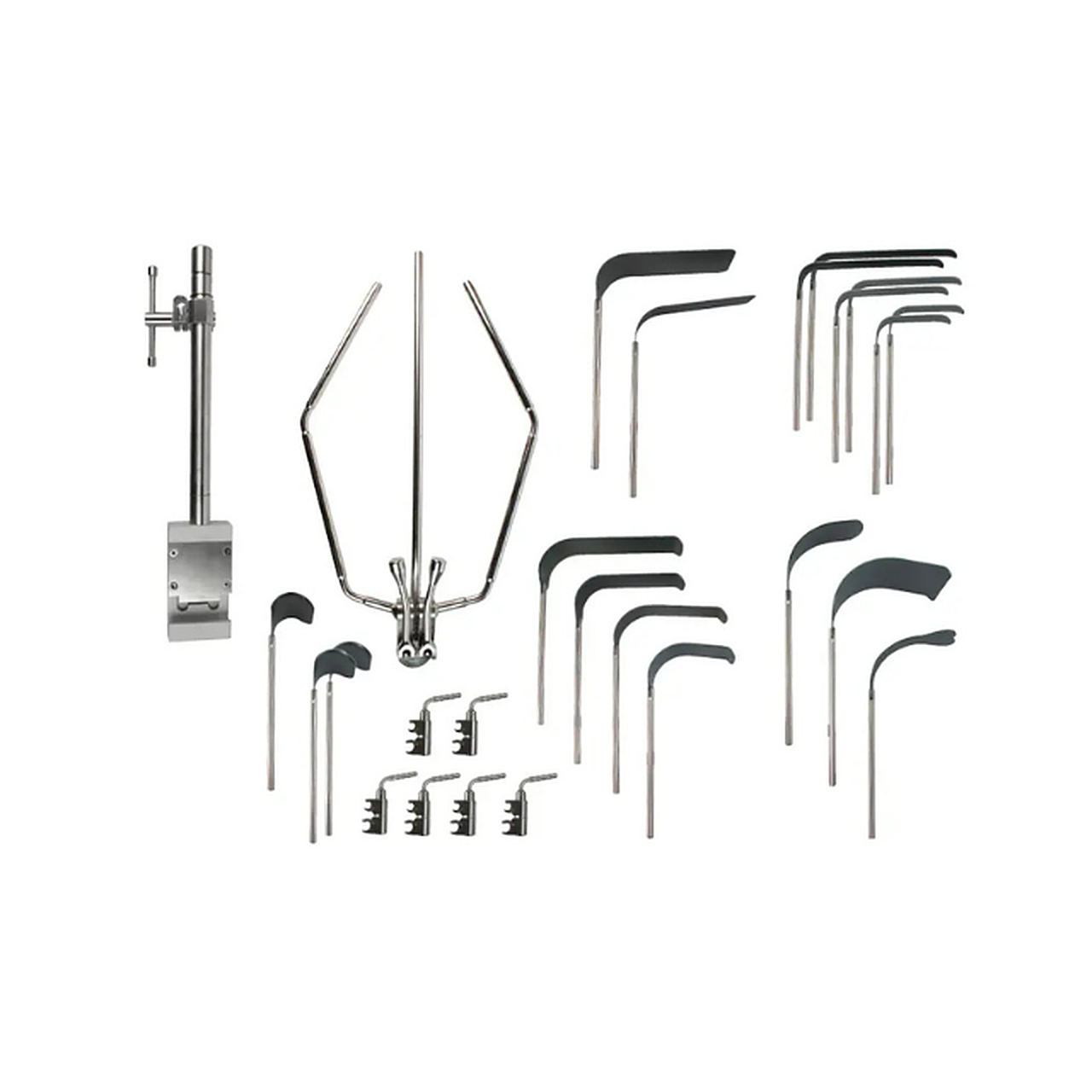 | Écarteur lombaire antérieur Lobster | Spécifiquement conçu pour la rétraction autostatique des tissus mous et l'exposition chirurgicale sur table lors de procédures lombaires antérieures. |
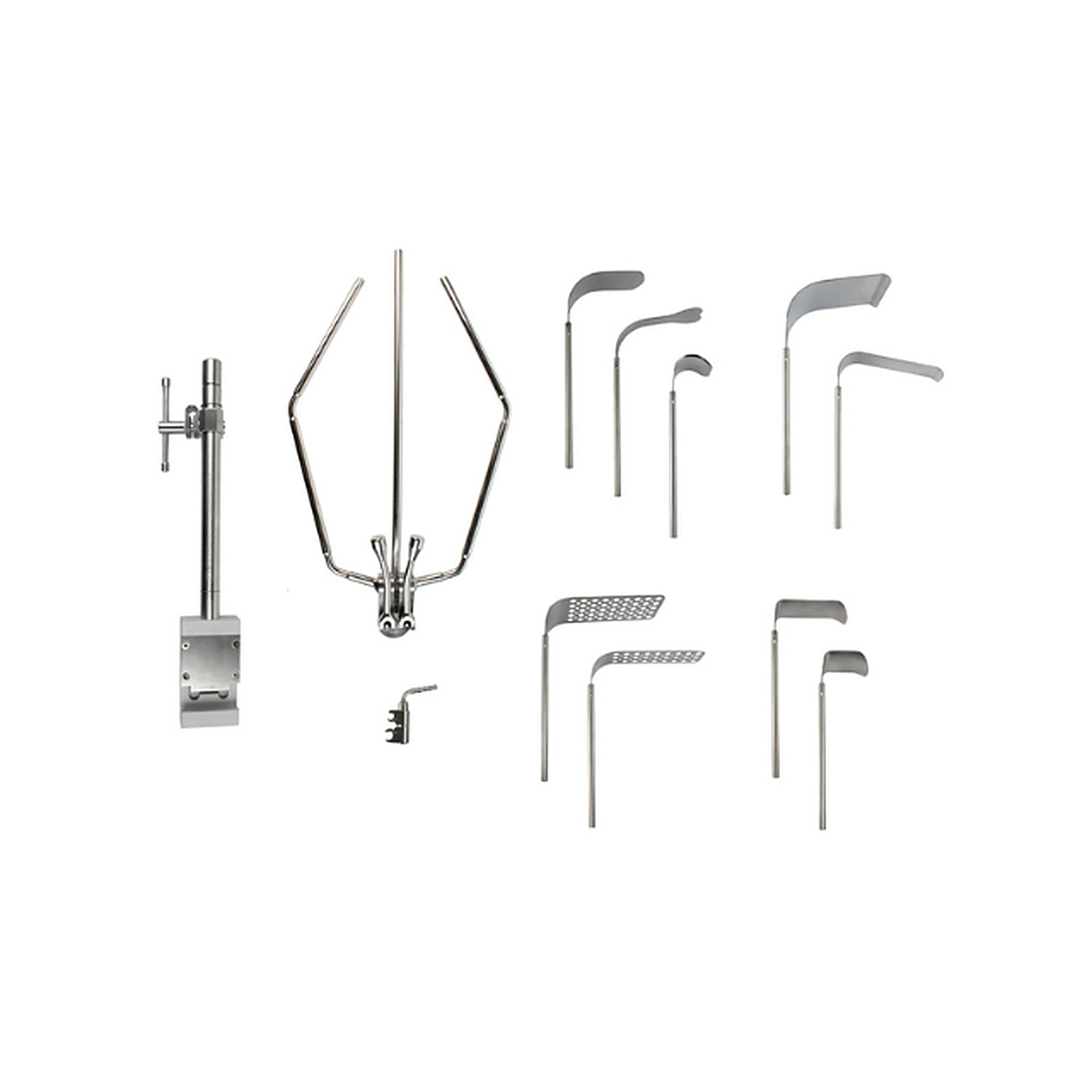 | Système d'écarteur général Lobster | Spécifiquement conçu pour fournir une rétraction des tissus mous autostatique et une exposition du champ opératoire fixées à la table lors de procédures de chirurgie générale. |
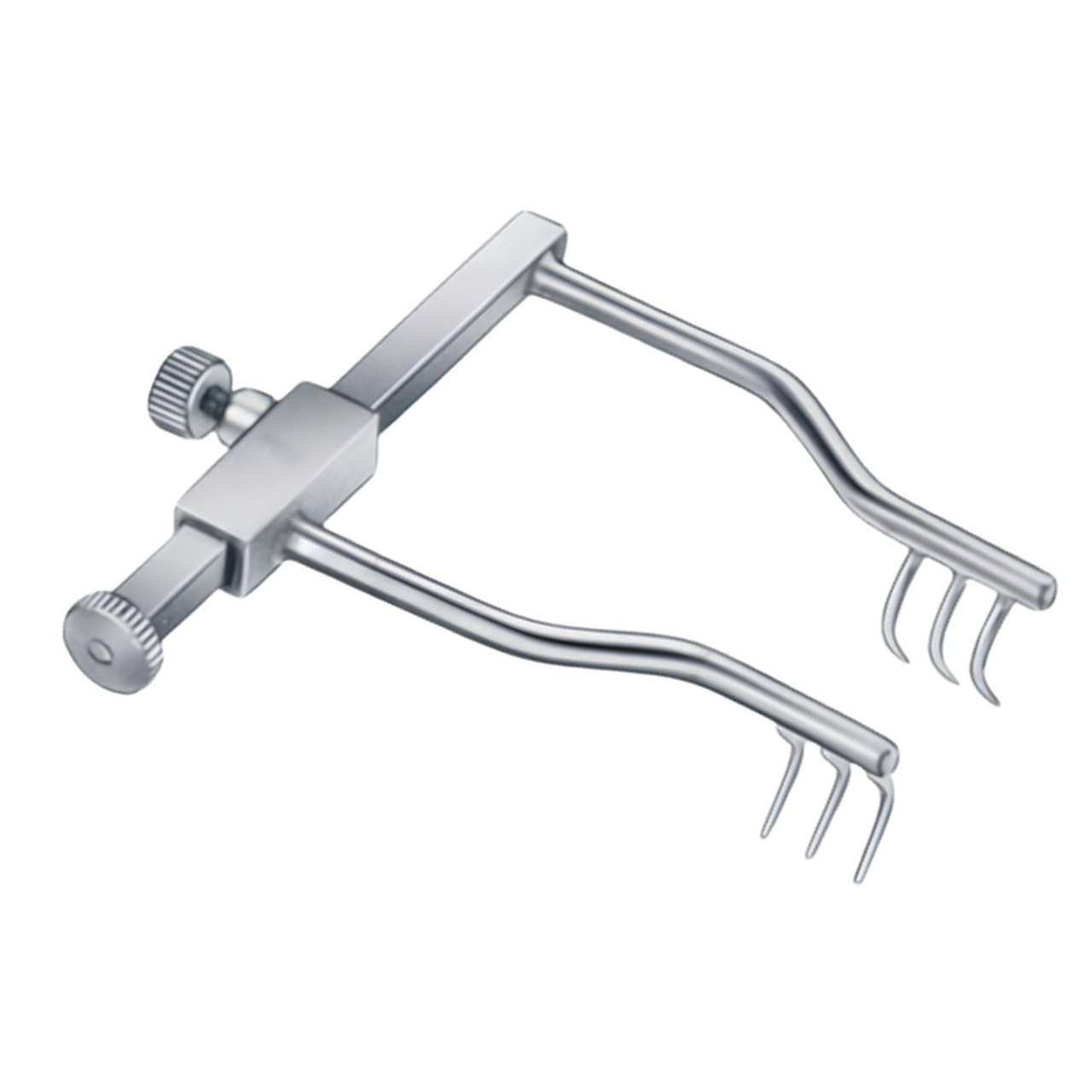 | Écarteur de plaie Logan Wound Spreader | Spécifiquement conçu pour assurer la rétraction autostatique des bords cutanés, de l'aponévrose et des muscles lors de micro-incisions. |
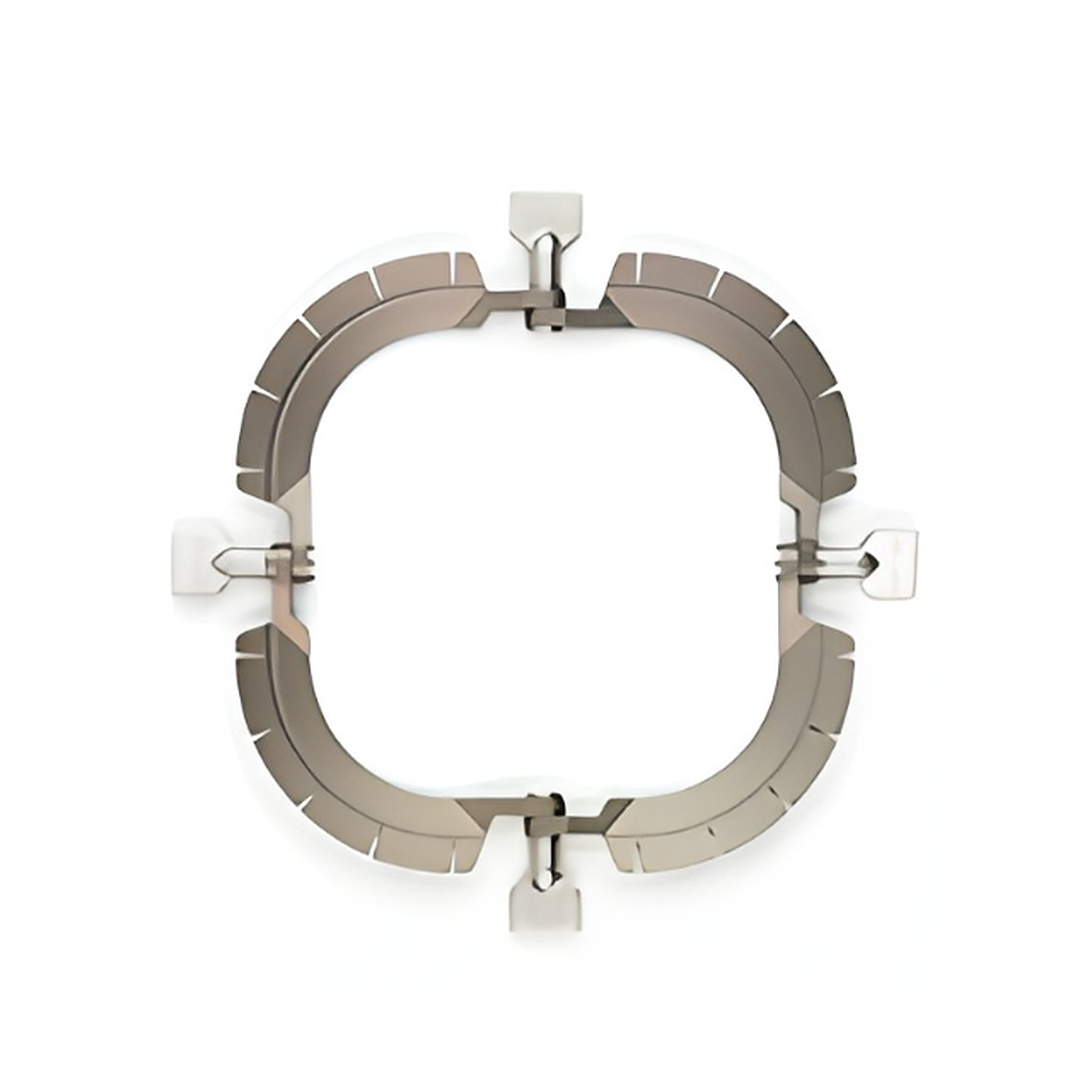 | Écarteur Lone Star Retractor (Chirurgies Colon, Rectale, Tête et Cou) | Spécifiquement conçu pour assurer une rétraction autostatique des tissus mous et une exposition du champ chirurgical sans les mains dans les chirurgies du côlon, du rectum et de la tête et du cou. |
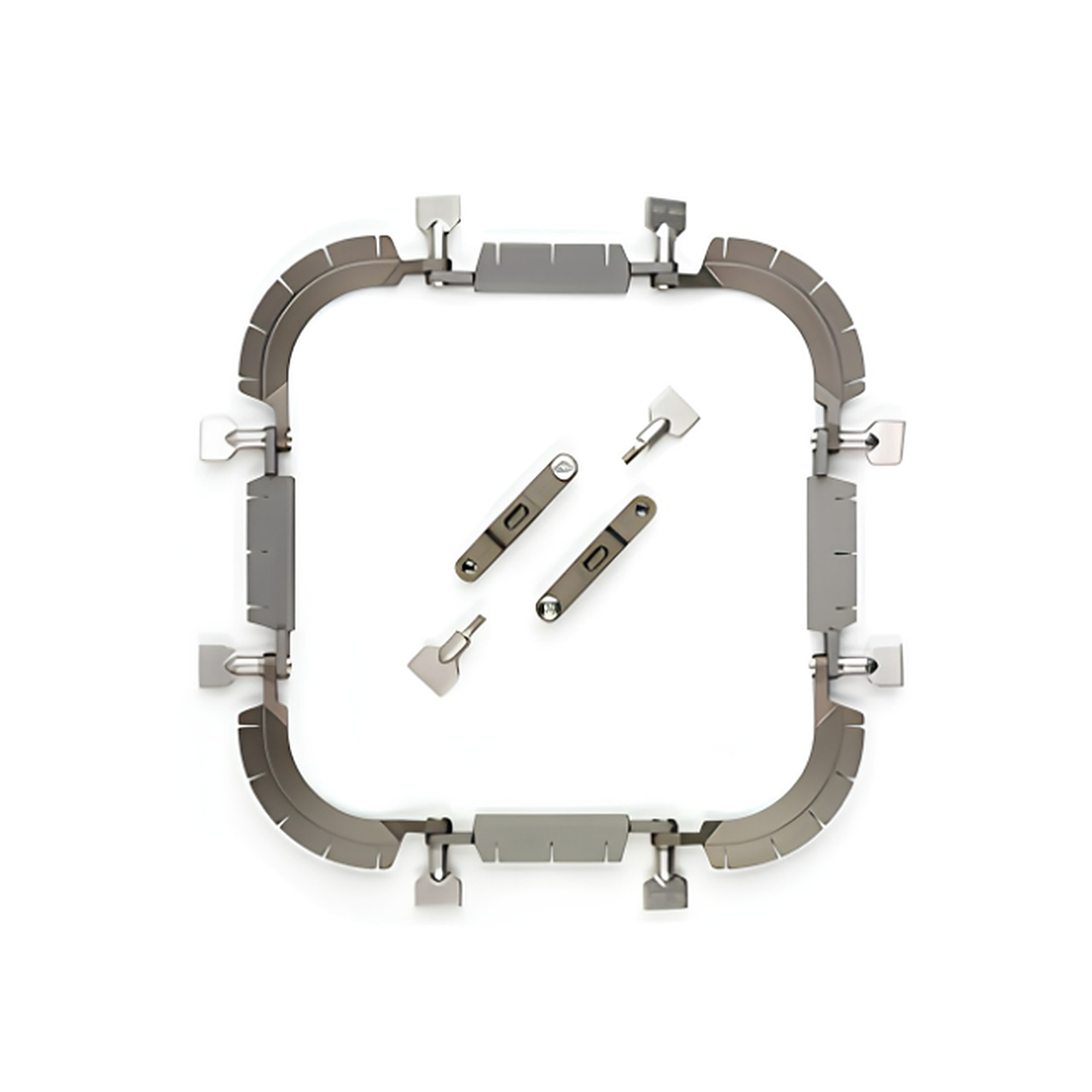 | Écarteur Lone Star Retractor (Chirurgies générale, tête et cou) | Conçu pour assurer une rétraction autostatique et mains libres des tissus mous et l'exposition du champ opératoire lors de procédures de chirurgie générale et de chirurgie de la tête et du cou. |
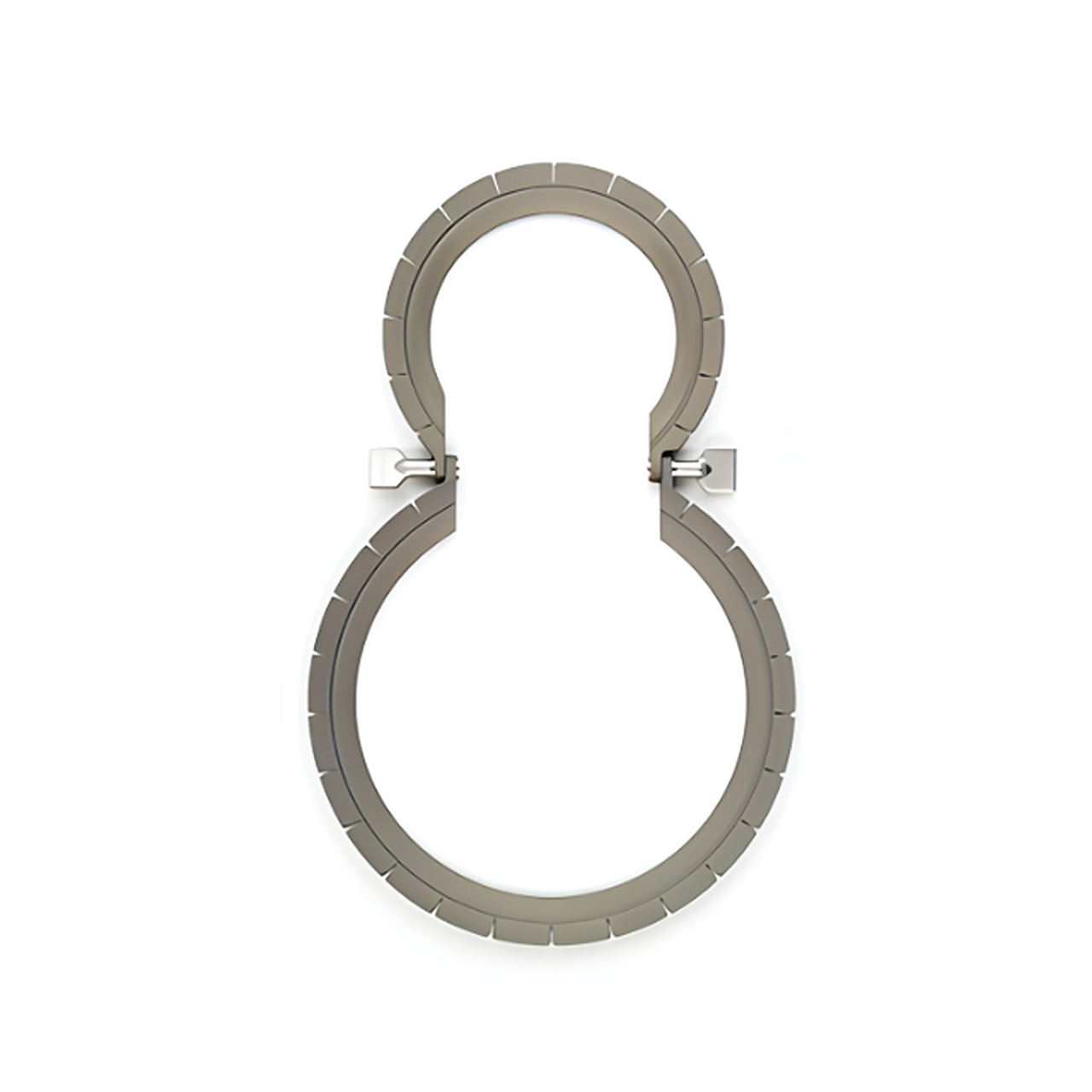 | Écarteur Lone Star Retractor (Gynécologie et Urologie Masculine) | Spécifiquement conçu pour assurer une rétraction des tissus mous et une exposition du champ opératoire autostatiques et mains libres en gynécologie et en urologie masculine. |
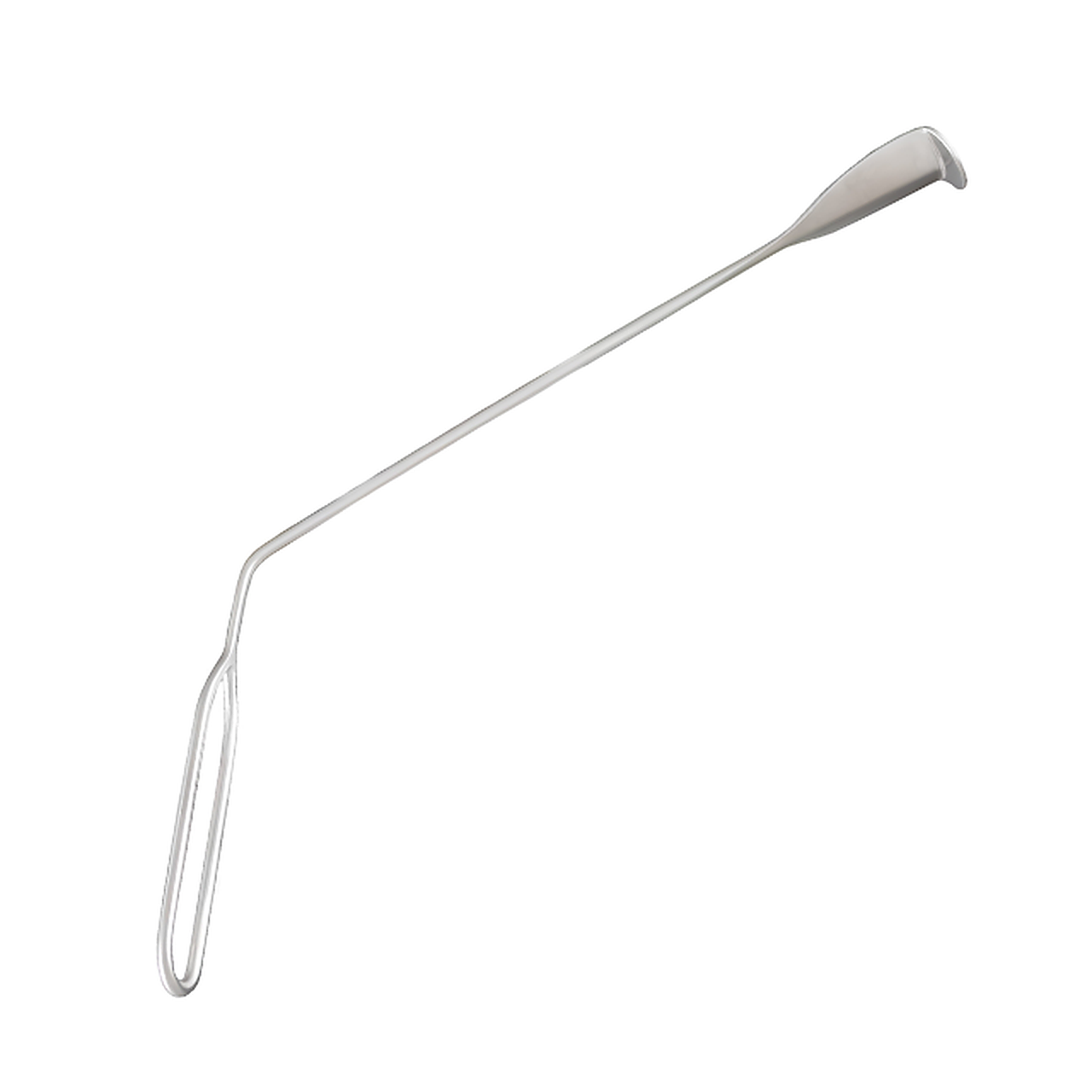 | Écarteur de la luette Lothrop Uvula Retractor | Spécifiquement conçu pour rétracter et élever la luette et le voile du palais lors de l'adénoïdectomie et de la chirurgie pharyngée. |
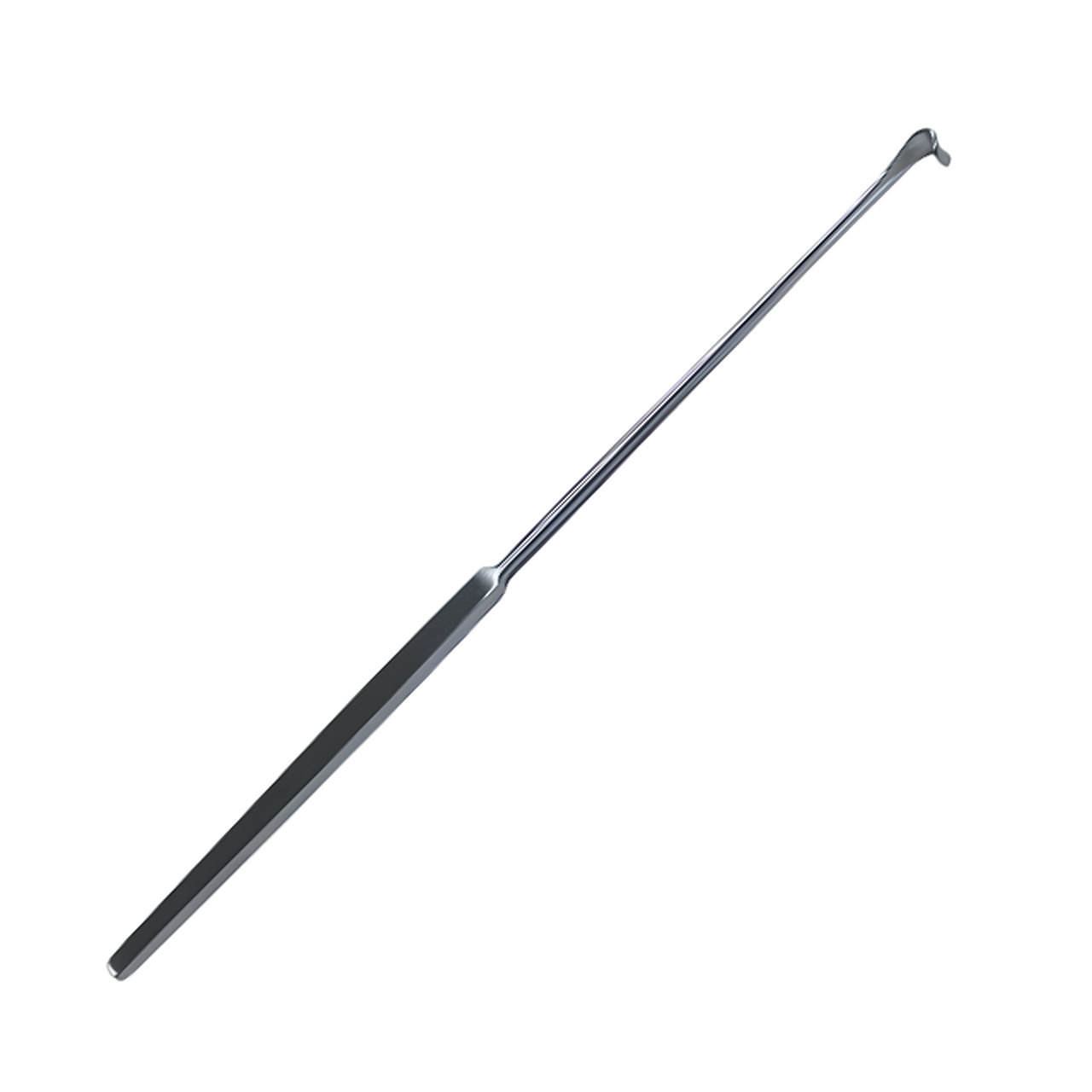 | Écarteur de racine nerveuse Love | Spécifiquement conçu pour écarter et protéger les racines nerveuses spinales et le sac dural lors de la discectomie et de la décompression lombaire. |
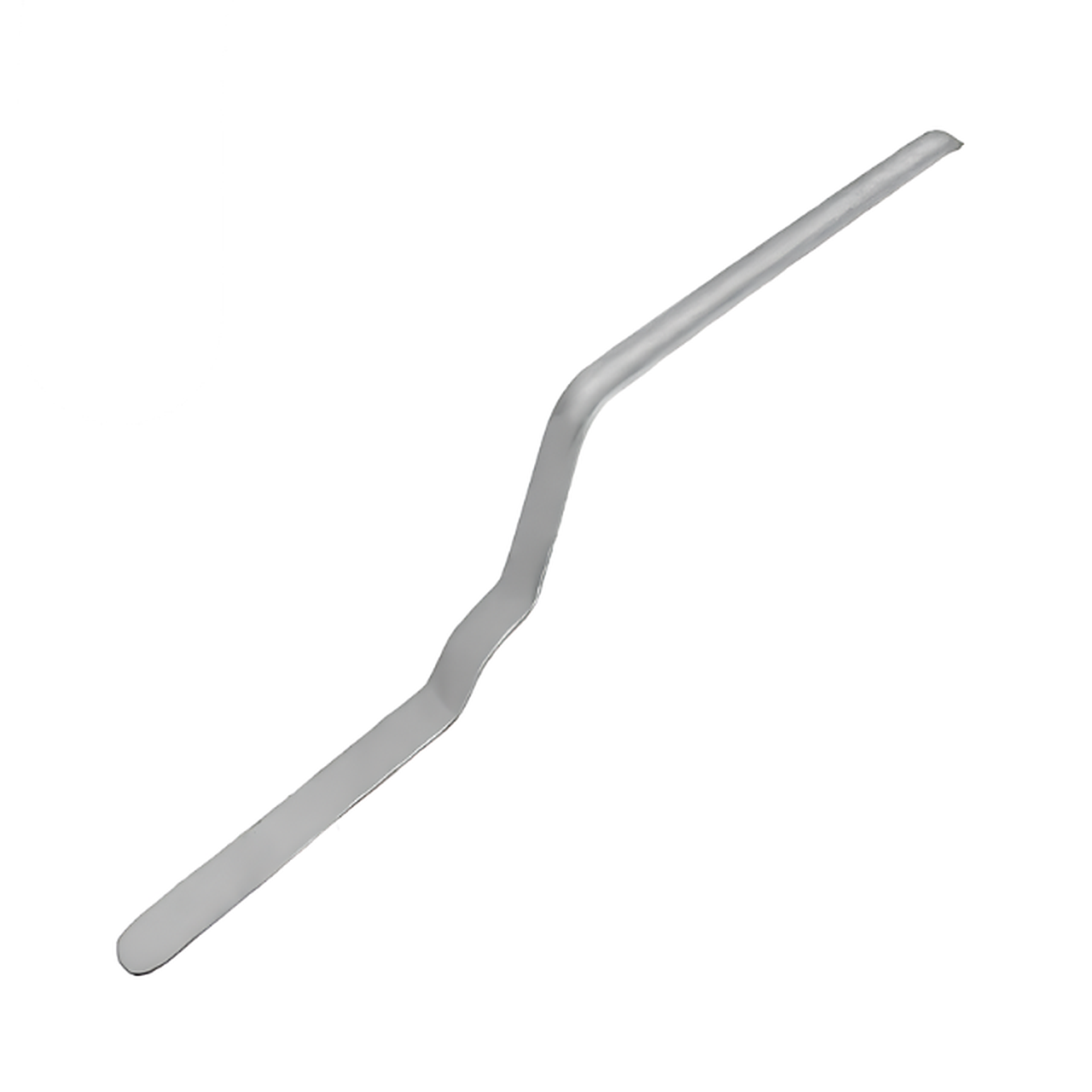 | Écarteur de racine nerveuse Love, baïonnette | Spécifiquement conçu pour écarter les racines nerveuses et le sac thécal tout en préservant la ligne de visée sous les microscopes opératoires chirurgicaux. |
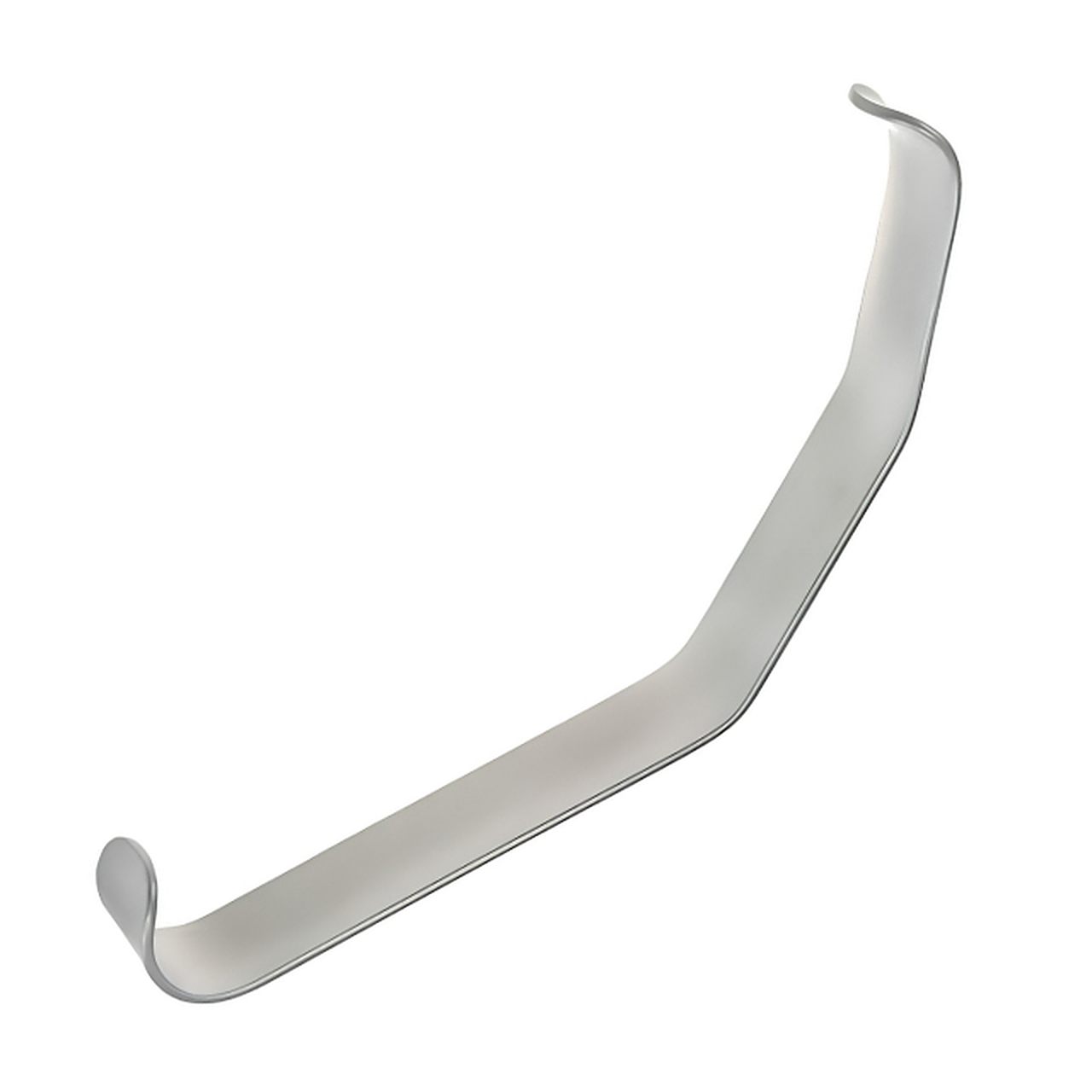 | Écarteur de Luette Love | Spécifiquement conçu pour rétracter et soulever la luette et le voile du palais pendant l'adénoïdectomie et la chirurgie pharyngée. |
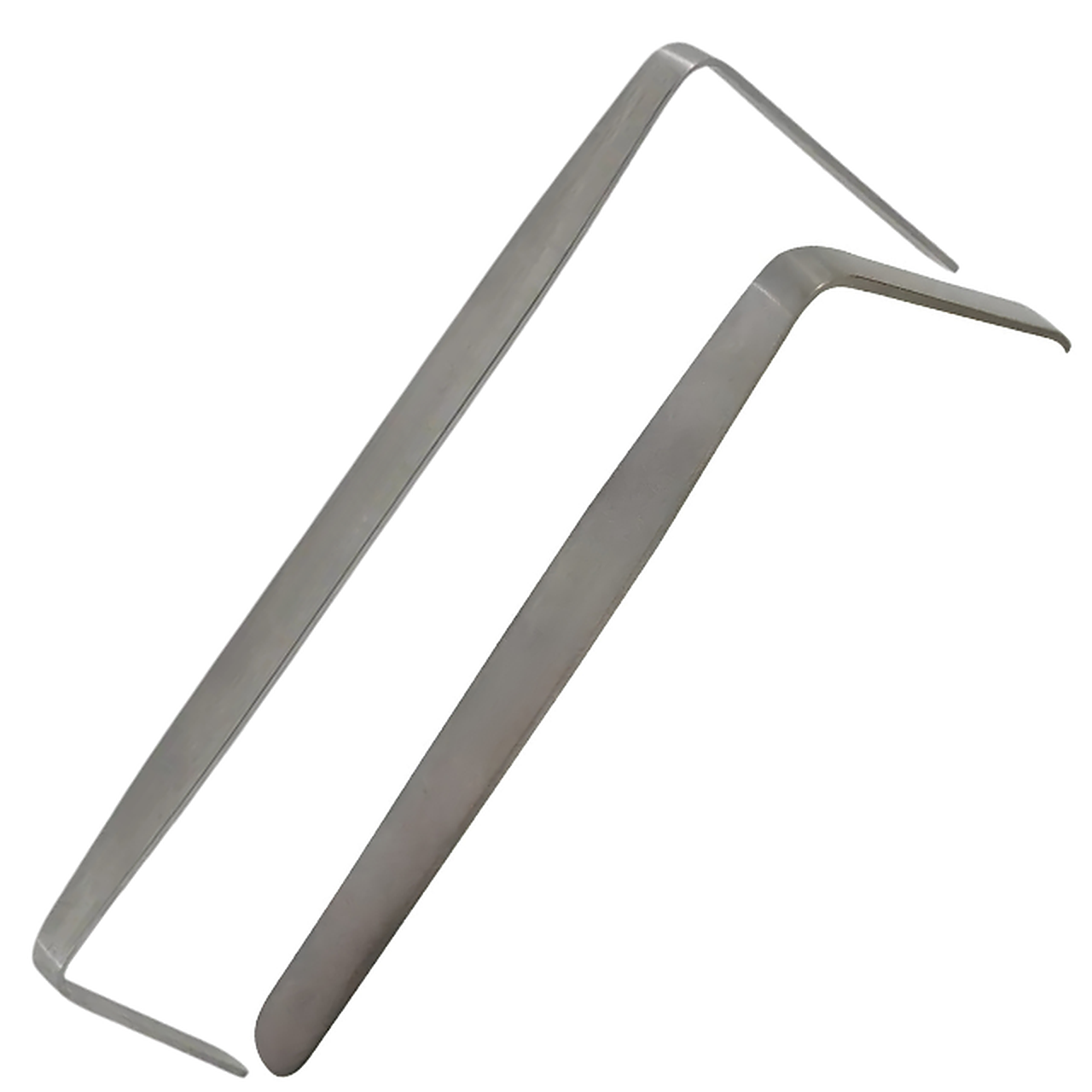 | Écarteur de pied et cheville à profil bas | Spécifiquement conçu pour faire levier sur les petits os et écarter les tissus mous lors de la chirurgie reconstructive du pied, de la cheville et en podiatrie. |
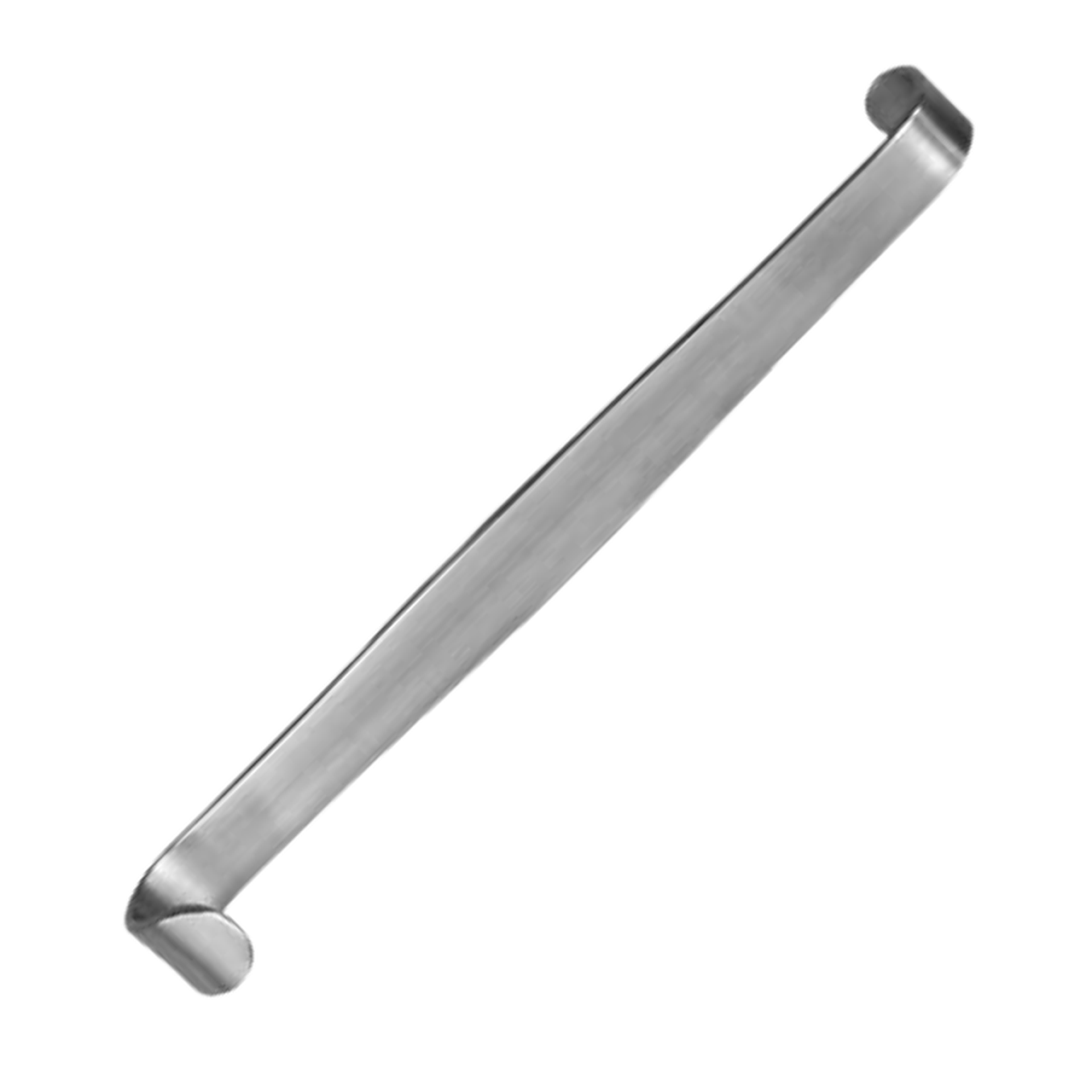 | Écarteur trachéal Luer S | Spécifiquement conçu pour écarter les tissus prétrachéaux et élever les anneaux trachéaux lors de trachéotomies et de chirurgies du cou. |
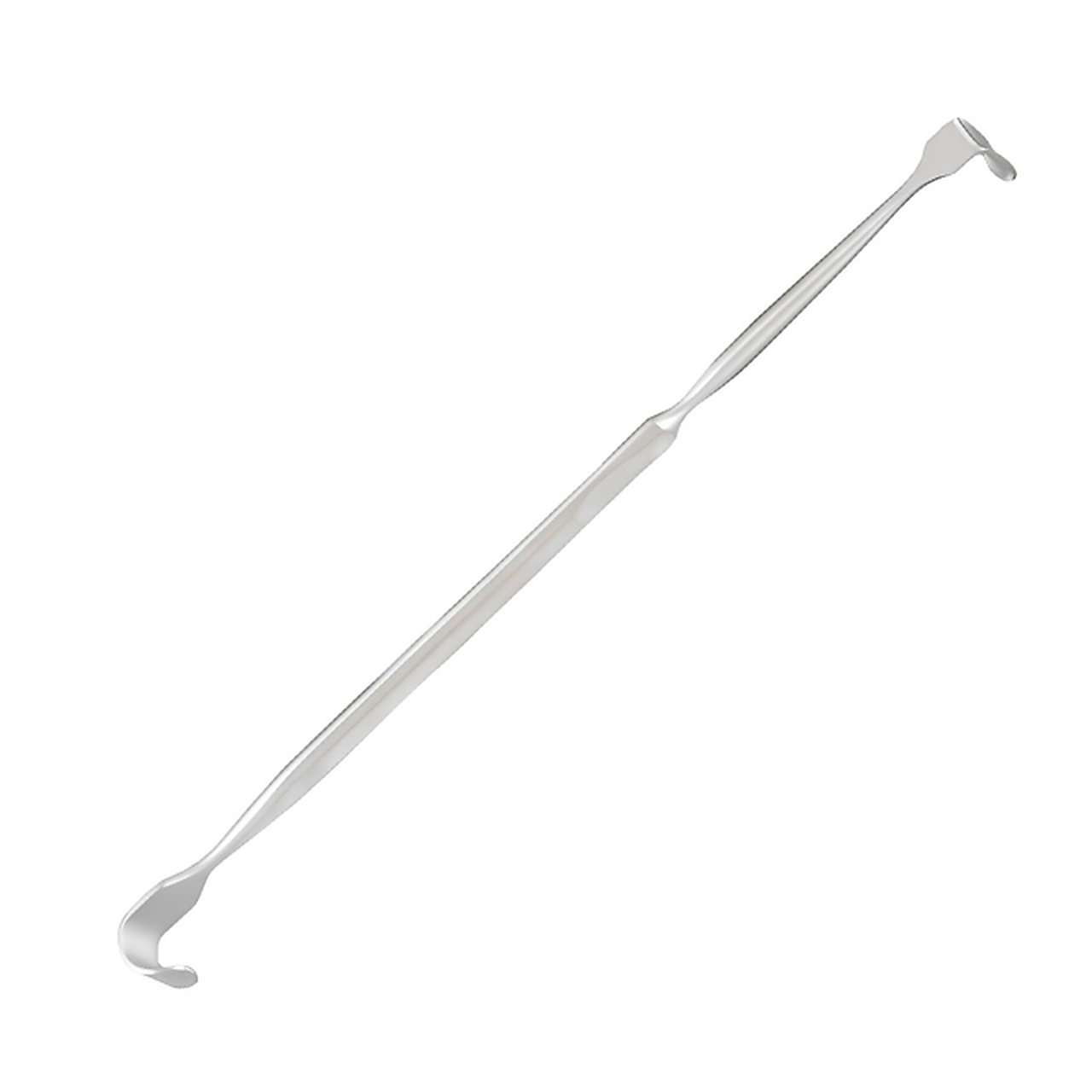 | Écarteur trachéal de Lukens | Spécifiquement conçu pour écarter les tissus prétachéaux et élever la trachée lors des trachéotomies et des procédures sur les voies respiratoires. |
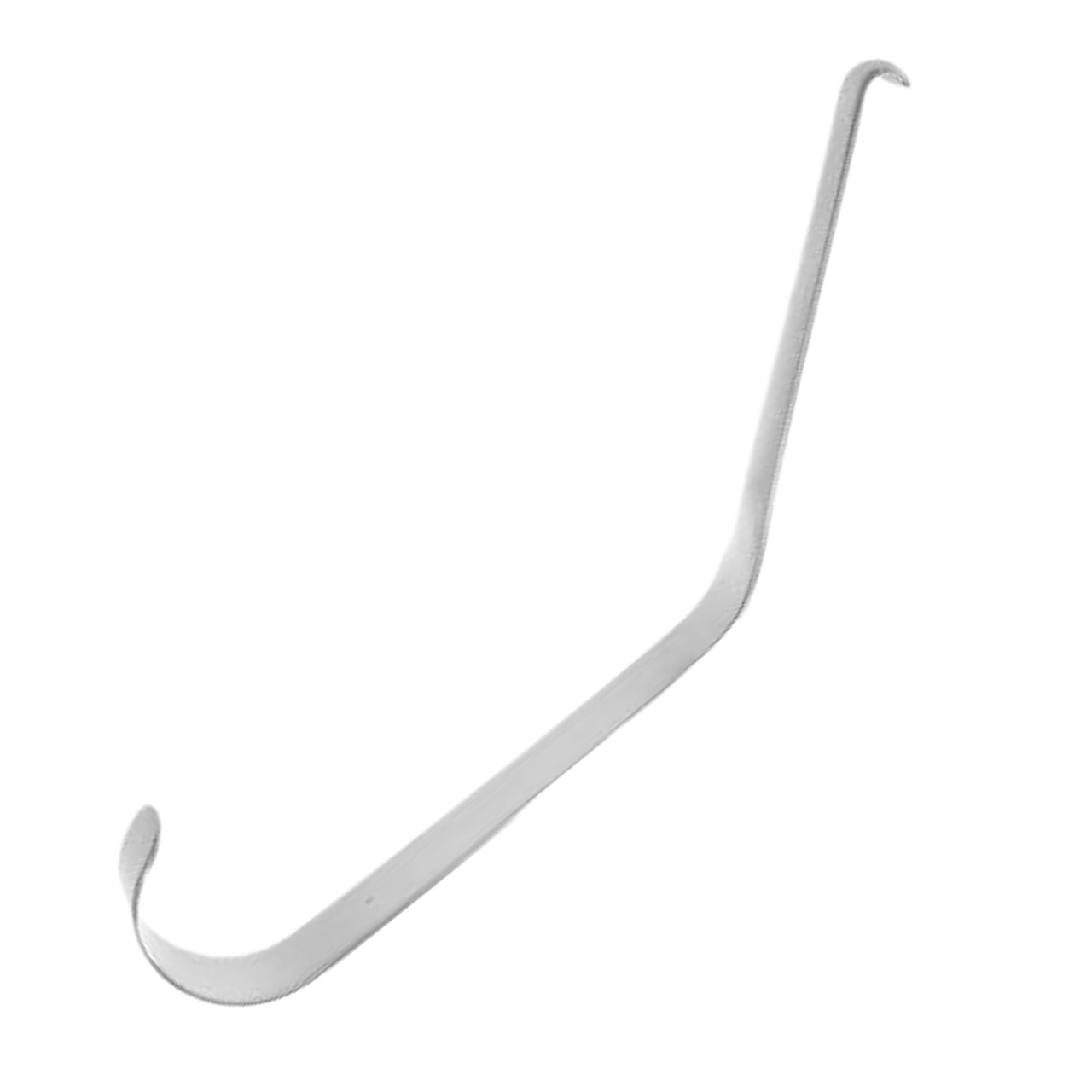 | Écarteur Mandibulaire à Gouttière | Spécifiquement conçu pour s'accrocher sur le bord inférieur de la mandibule et protéger les structures neurovasculaires pendant les ostéotomies. |
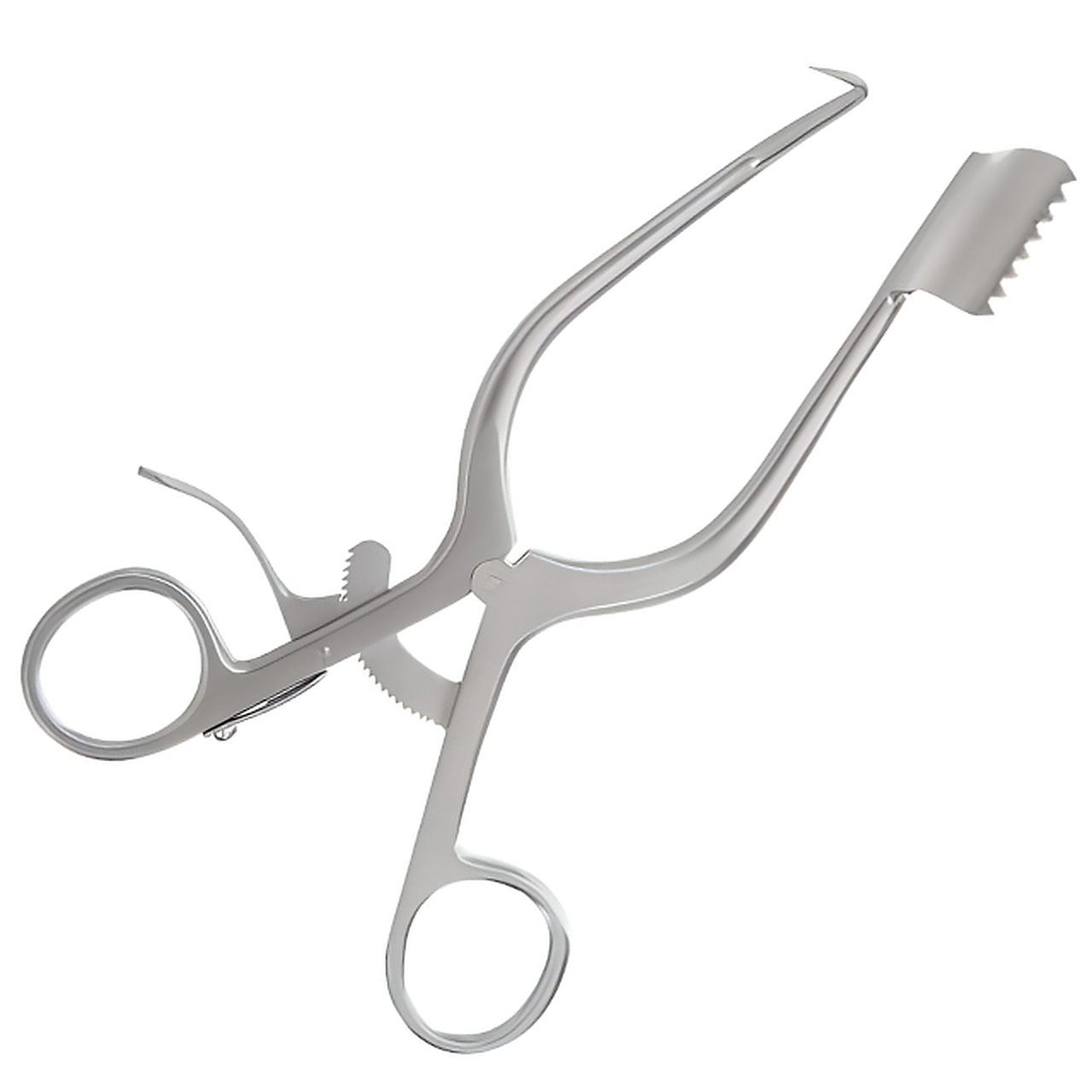 | Écarteur d'hémilaminectomie Markham-Meyerding | Spécifiquement conçu pour assurer la rétraction autobloquante des muscles paraspinal et l'ancrage de l'apophyse épineuse pendant l'hémilaminectomie. |
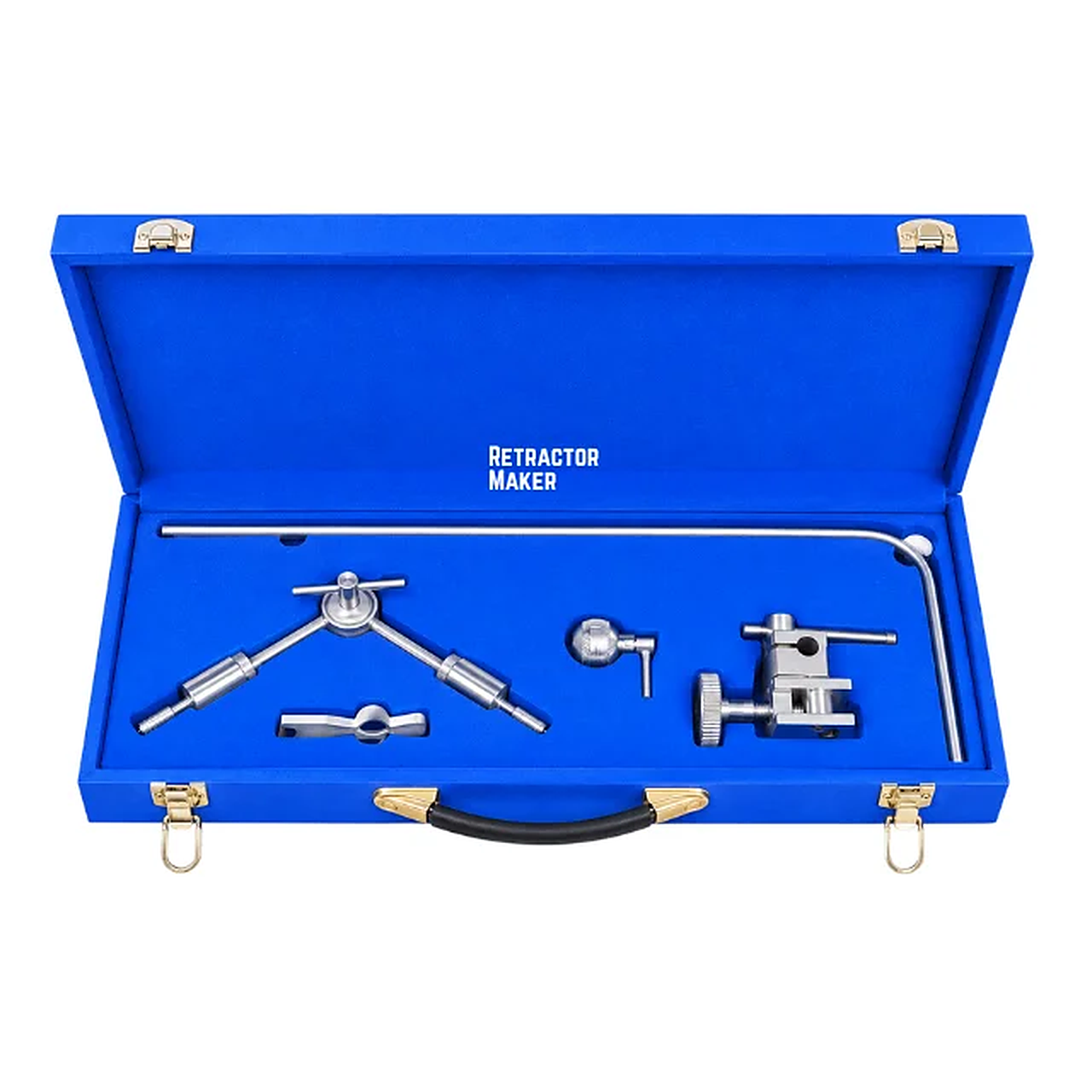 | Écarteur Martin Arm | Se monte directement sur les rails latéraux de la table d'opération pour assurer un maintien et un positionnement rigides et mains libres des écarteurs et optiques chirurgicaux. |
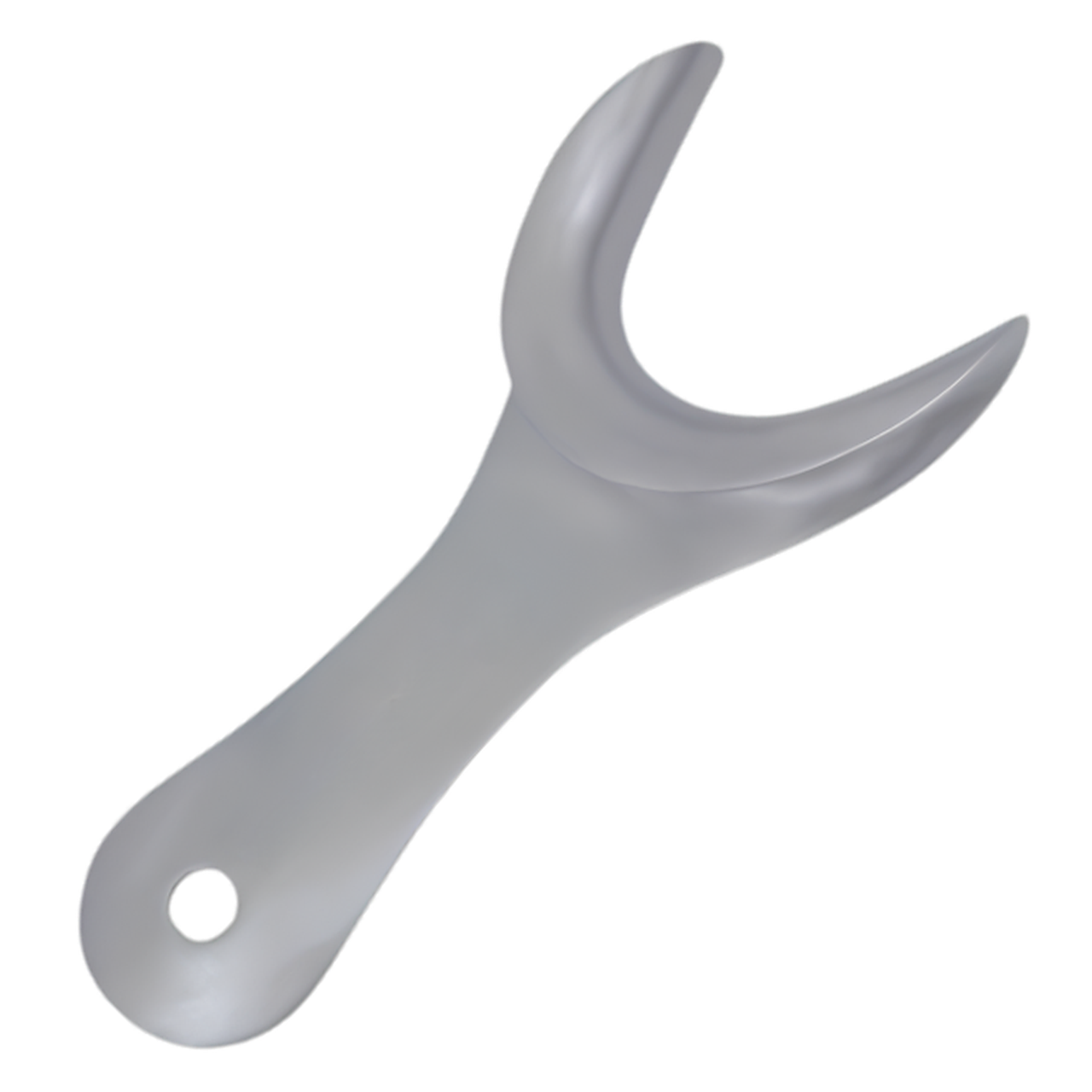 | Écarteur de joues et de lèvres Martin-Simplex | Spécifiquement conçu pour écarter les joues et les lèvres lors des interventions dentaires, alvéolaires et buccales. |
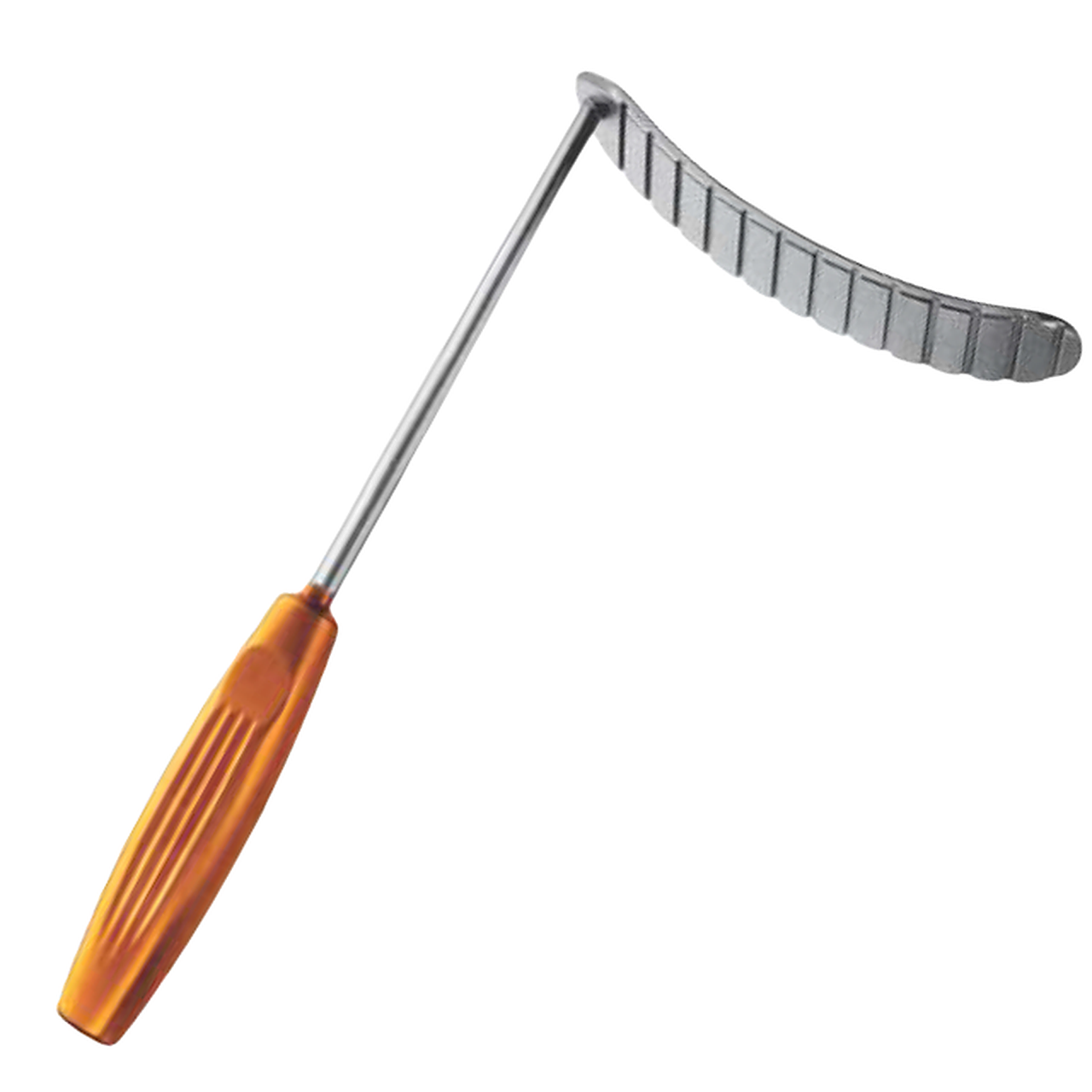 | Écarteur mammaire Marx | Spécifiquement conçu pour élever les lambeaux tissulaires et créer des loges sous-musculaires ou sous-glandulaires lors de la chirurgie mammaire. |
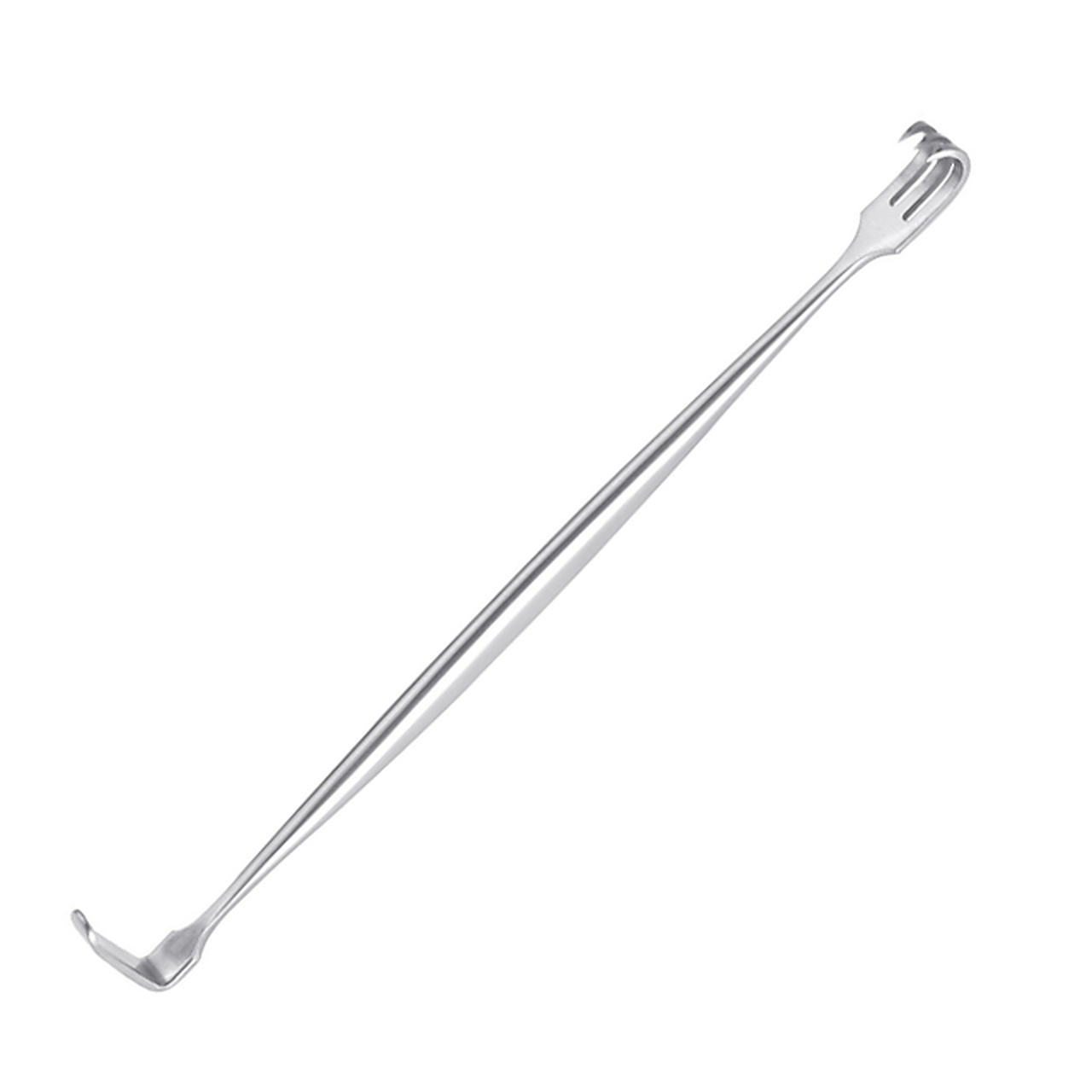 | Écarteur à doigts Mathieu | Spécifiquement conçu pour rétracter les lambeaux cutanés, les marges cutanées et les tendons lors de chirurgies de la main, des doigts et plastique. |
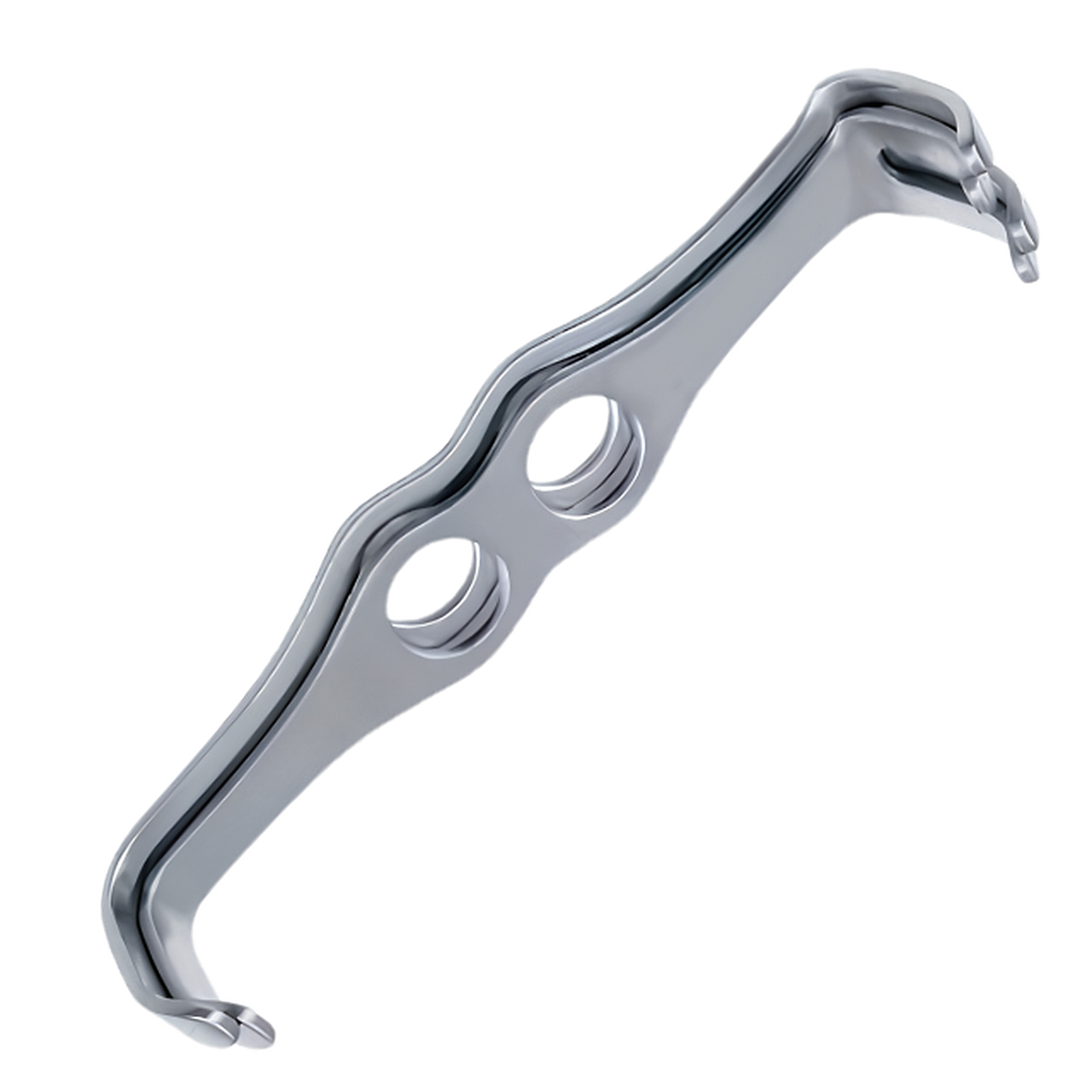 | Écarteur de Mathieu | Spécifiquement conçu pour écarter les berges cutanées, les fascias et les tissus mous lors d'incisions chirurgicales superficielles et intermédia. |
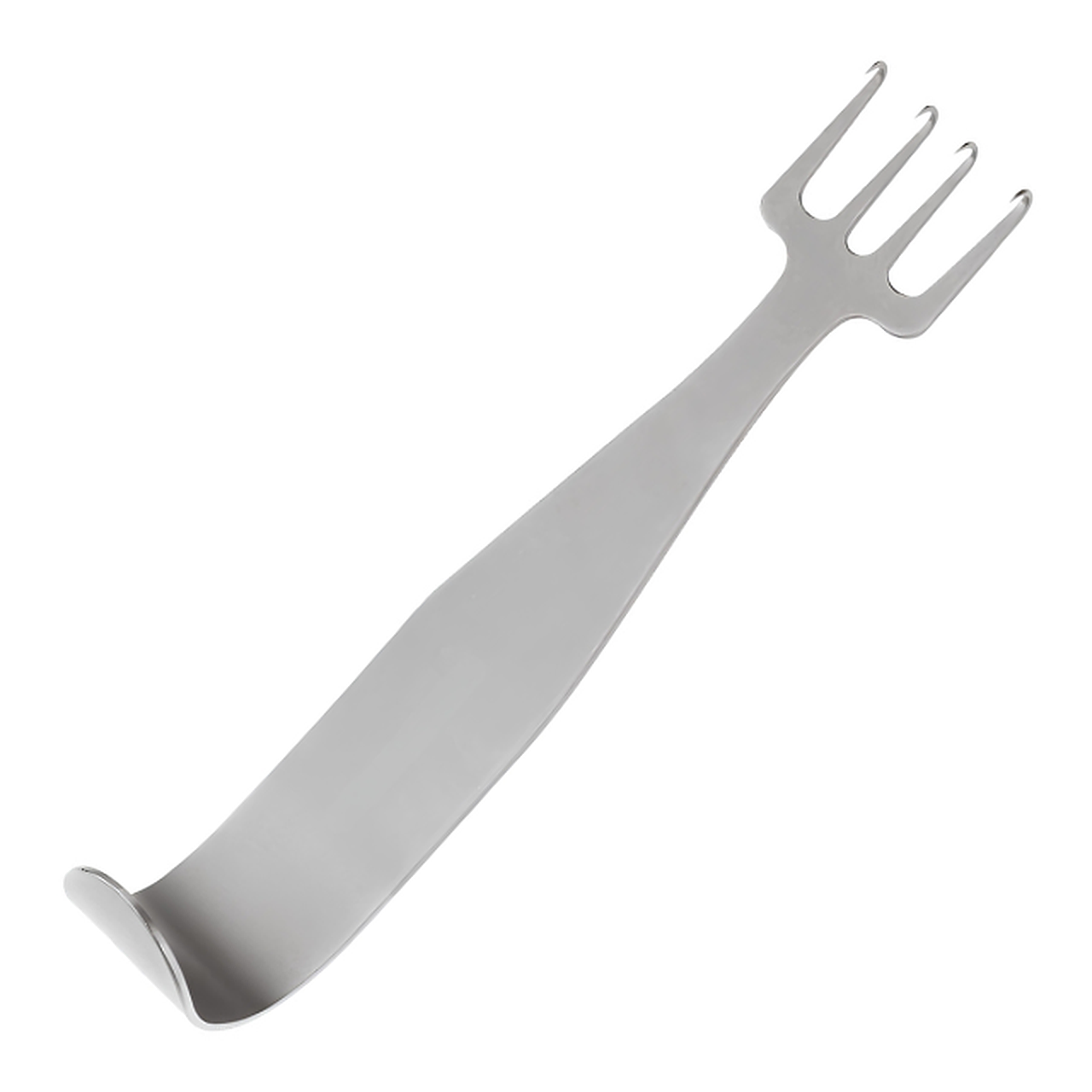 | Écarteur de lambeaux Maxwell Flap Retractor | Spécifiquement conçu pour élever et rétracter les lambeaux cutanés et les tissus sous-cutanés lors de chirurgies plastiques, faciales et reconstructrices. |
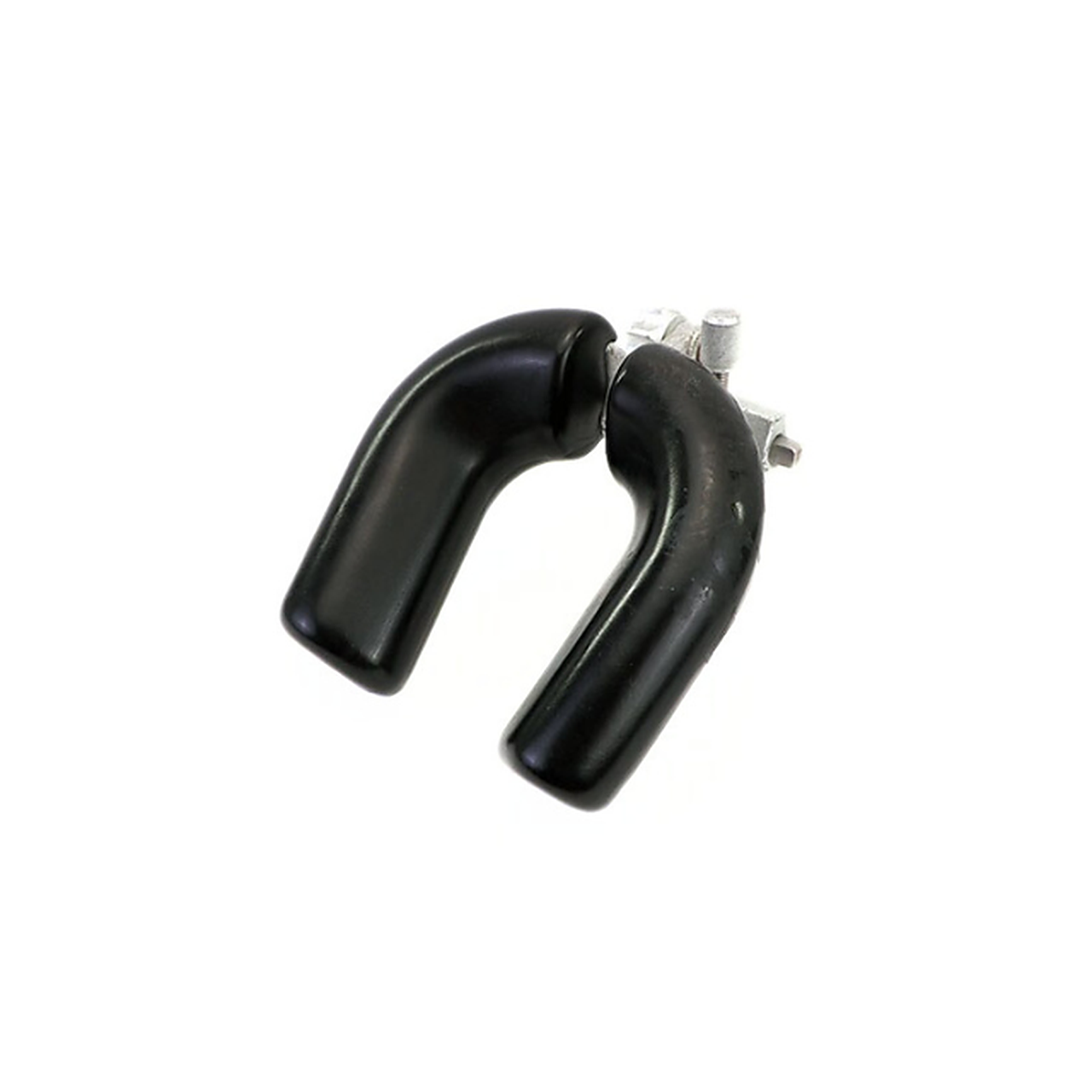 | Appui-tête Mayfield | Spécifiquement conçu pour fournir un support de tête stable et non invasif et une répartition uniforme de la pression lors des procédures de neurochirurgie, de la colonne vertébrale, ORL et d'ophtalmologie lorsqu'une fixation rigide par pointes n'est pas requise. |
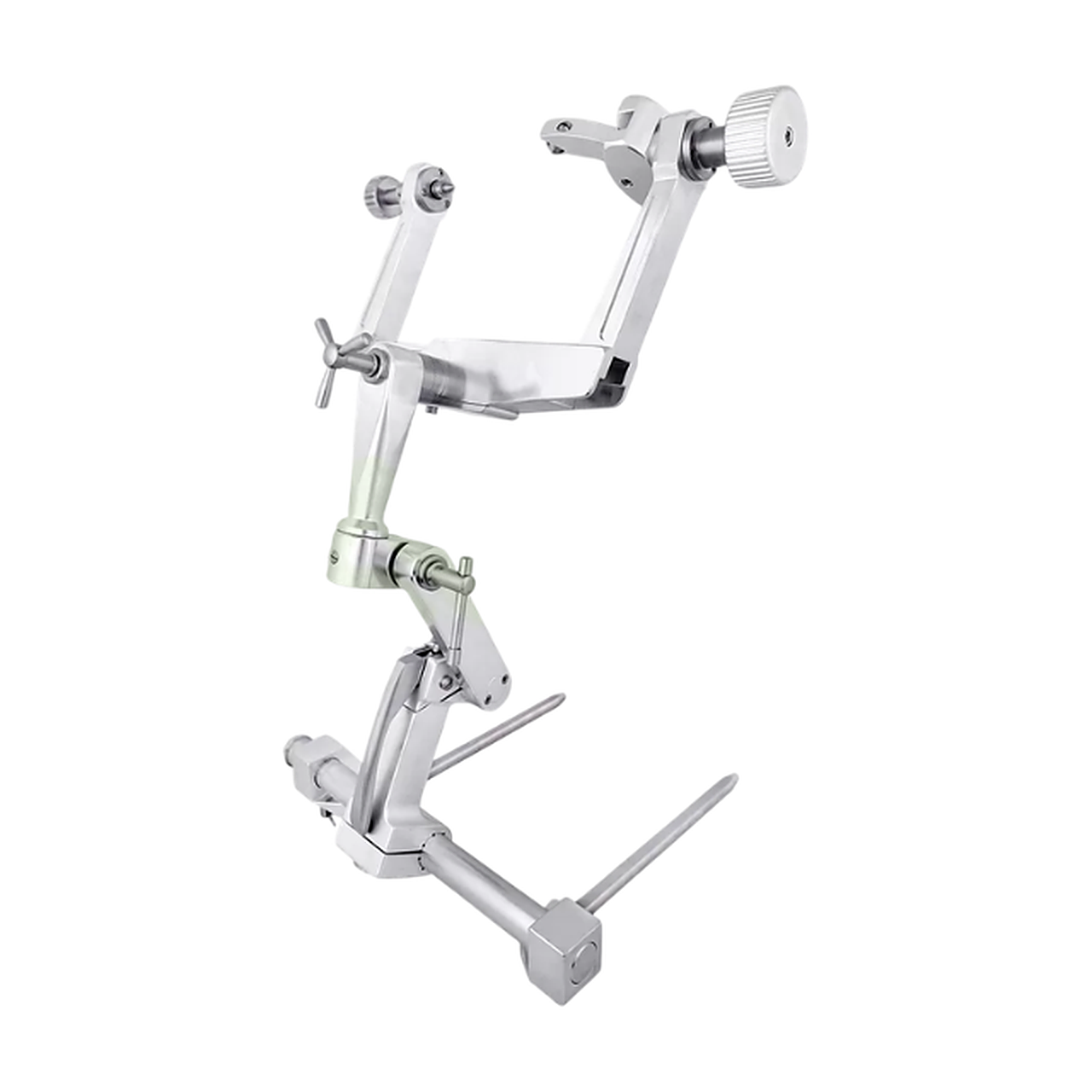 | Têtière Mayfield Skull Clamp | Conçue pour assurer une fixation crânienne rigide à 3 broches et l'immobilisation de la tête pendant la neurochirurgie, la chirurgie du rachis, l'ORL et les procédures ophtalmiques. |
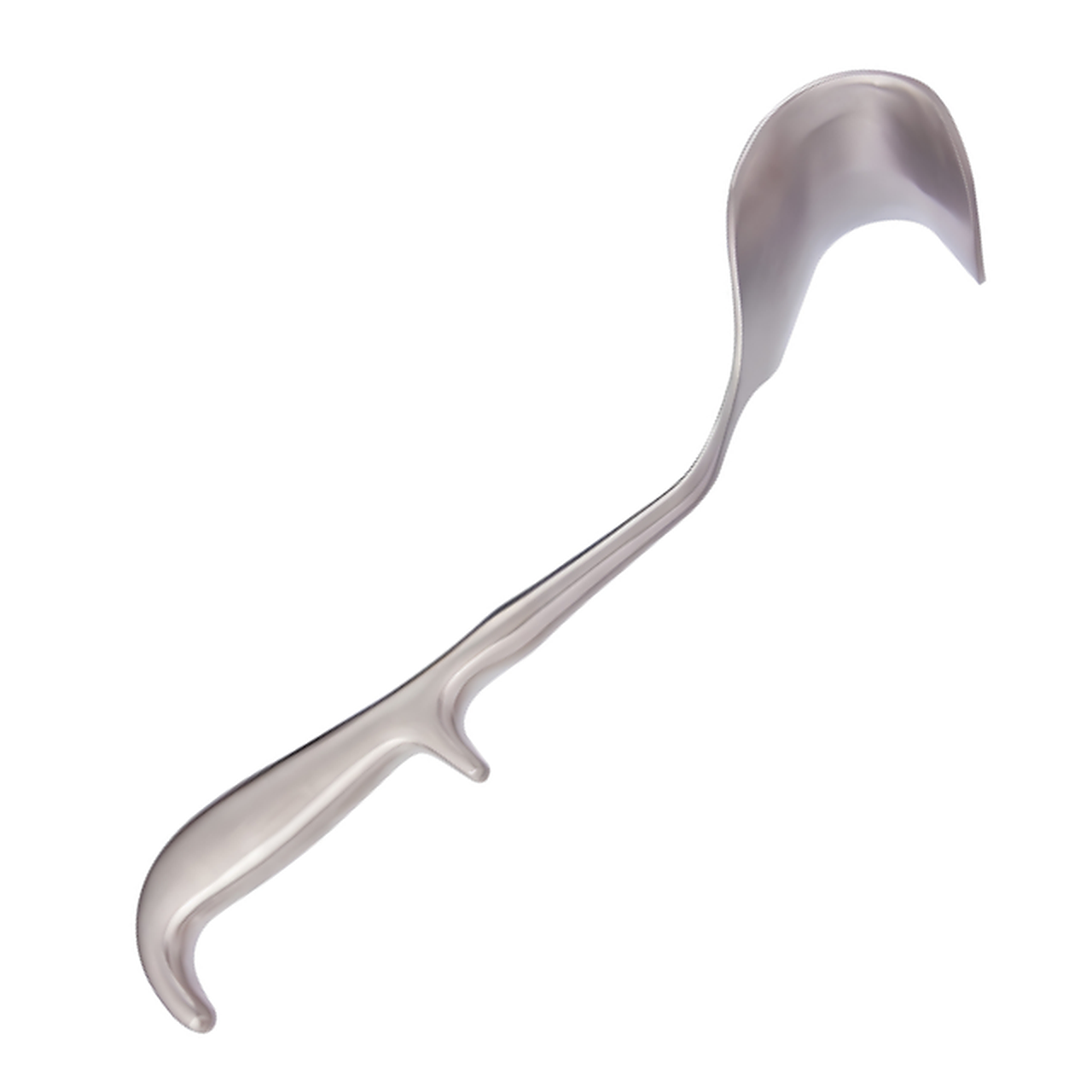 | Écarteur abdominal Mayo | Spécifiquement conçu pour rétracter la paroi abdominale, les viscères et la musculature épaisse lors de laparotomies ouvertes et de chirurgies pelviennes. |
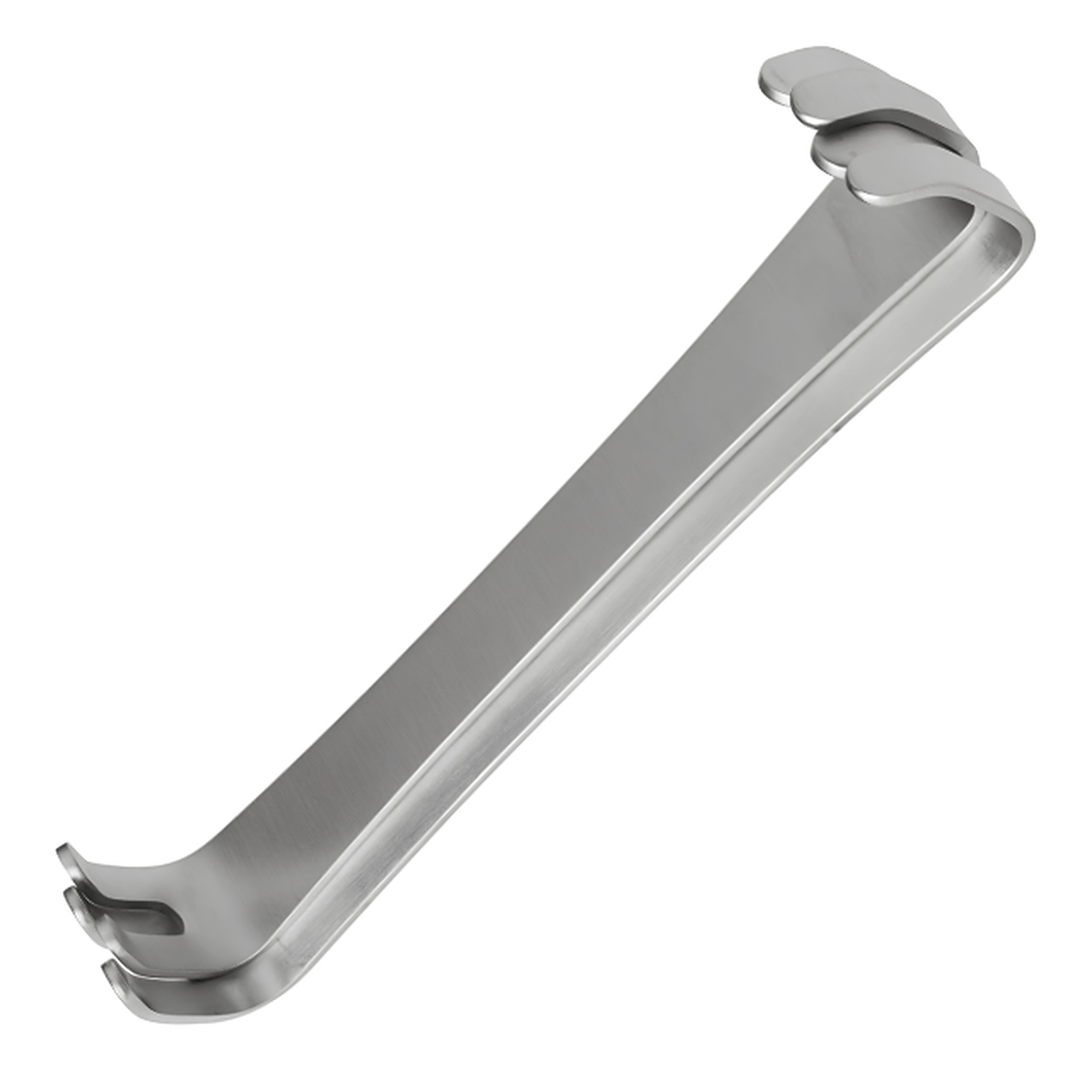 | Écarteur Mayo-Collins - Jeu de deux | Spécifiquement conçu pour rétracter la peau, les fascias et les tissus mous lors d'incisions chirurgicales superficielles et intermédiaires. |
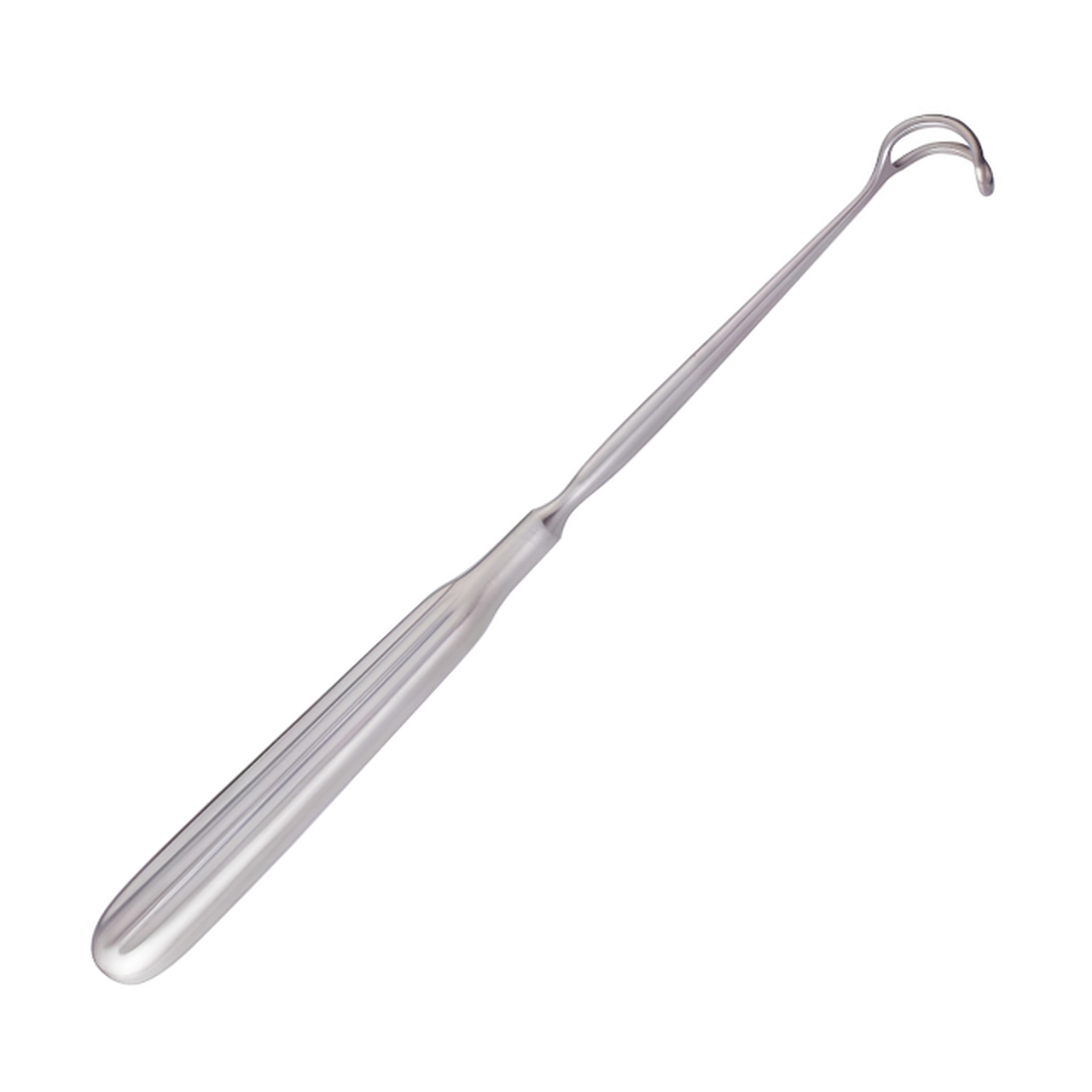 | Écarteur thyroïdien McBurney | Spécifiquement conçu pour rétracter les muscles sous-hyoïdiens, le fascia cervical et les berges de l'incision lors des thyroïdectomies et des chirurgies parathyroïdiennes. |
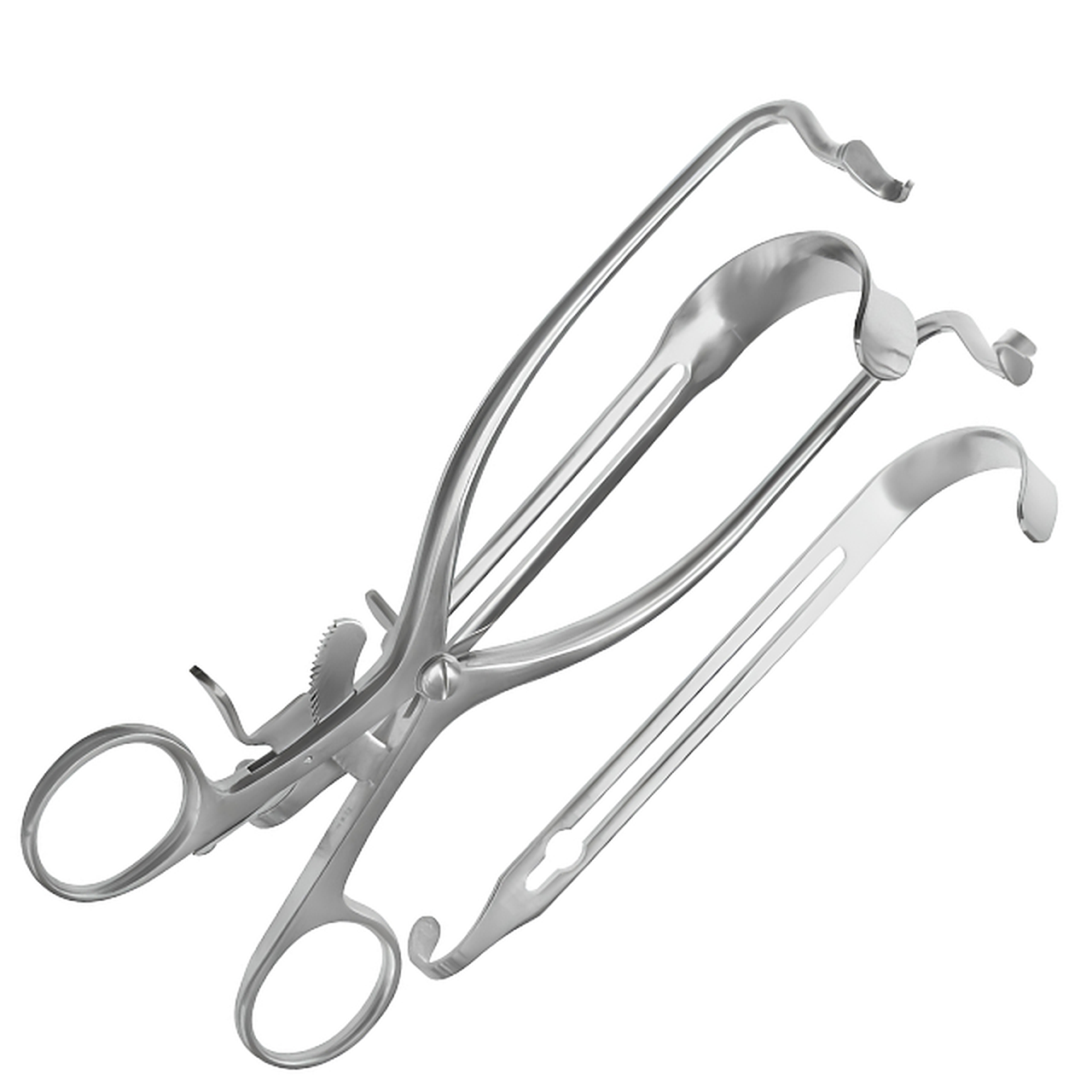 | Écarteur antral de McCabe | Spécifiquement conçu pour écarter la joue et la lèvre supérieure lors de la chirurgie du sinus maxillaire et des procédures de Caldwell-Luc. |
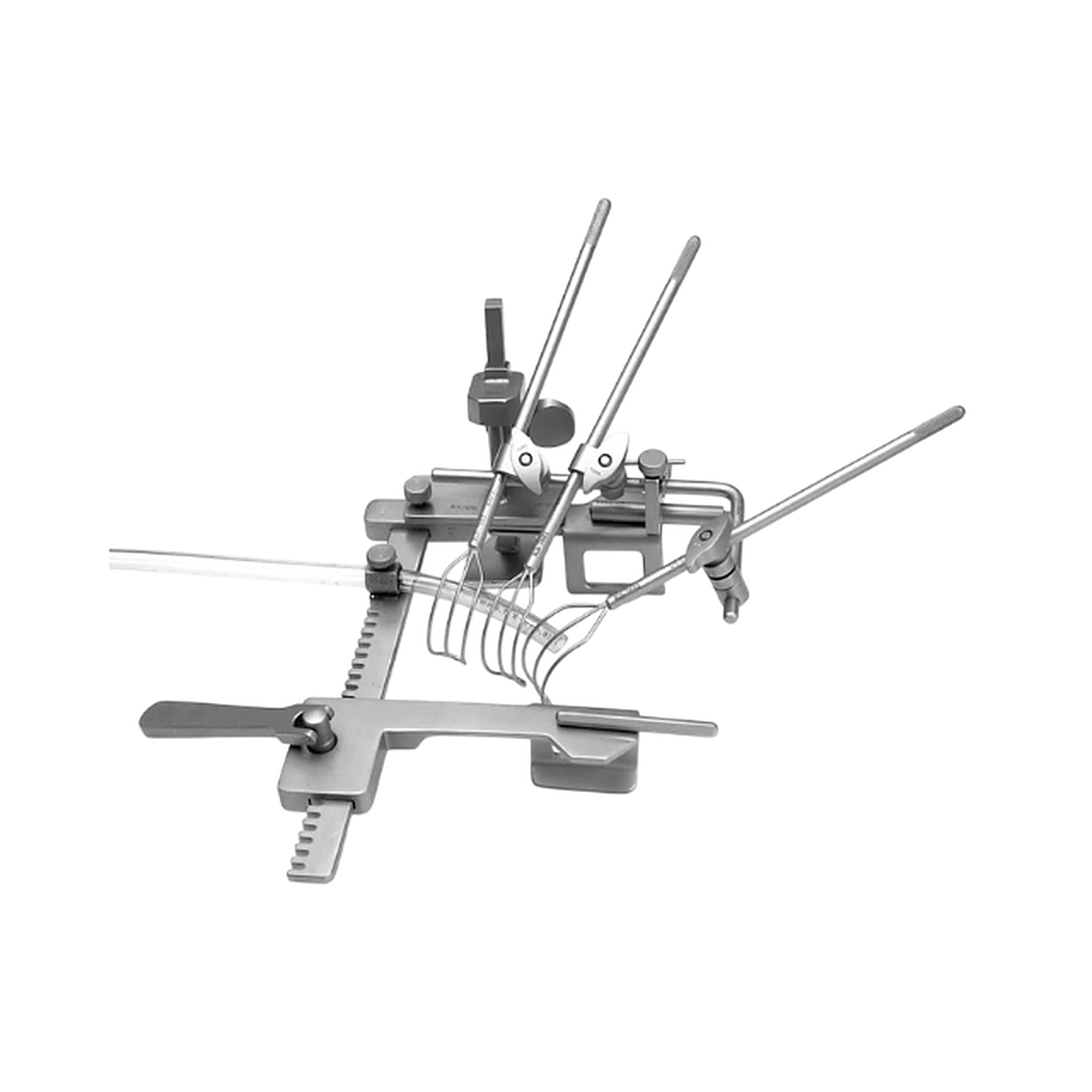 | Écarteur pour mini-sternotomie McCarthy avec élévateur universel | Spécifiquement conçu pour assurer un écartement sternal stable et une élévation sternale gauche lors des opérations valvulaires, des procédures de Maze, des mini-sternotomies et des procédures intracardiaques. |
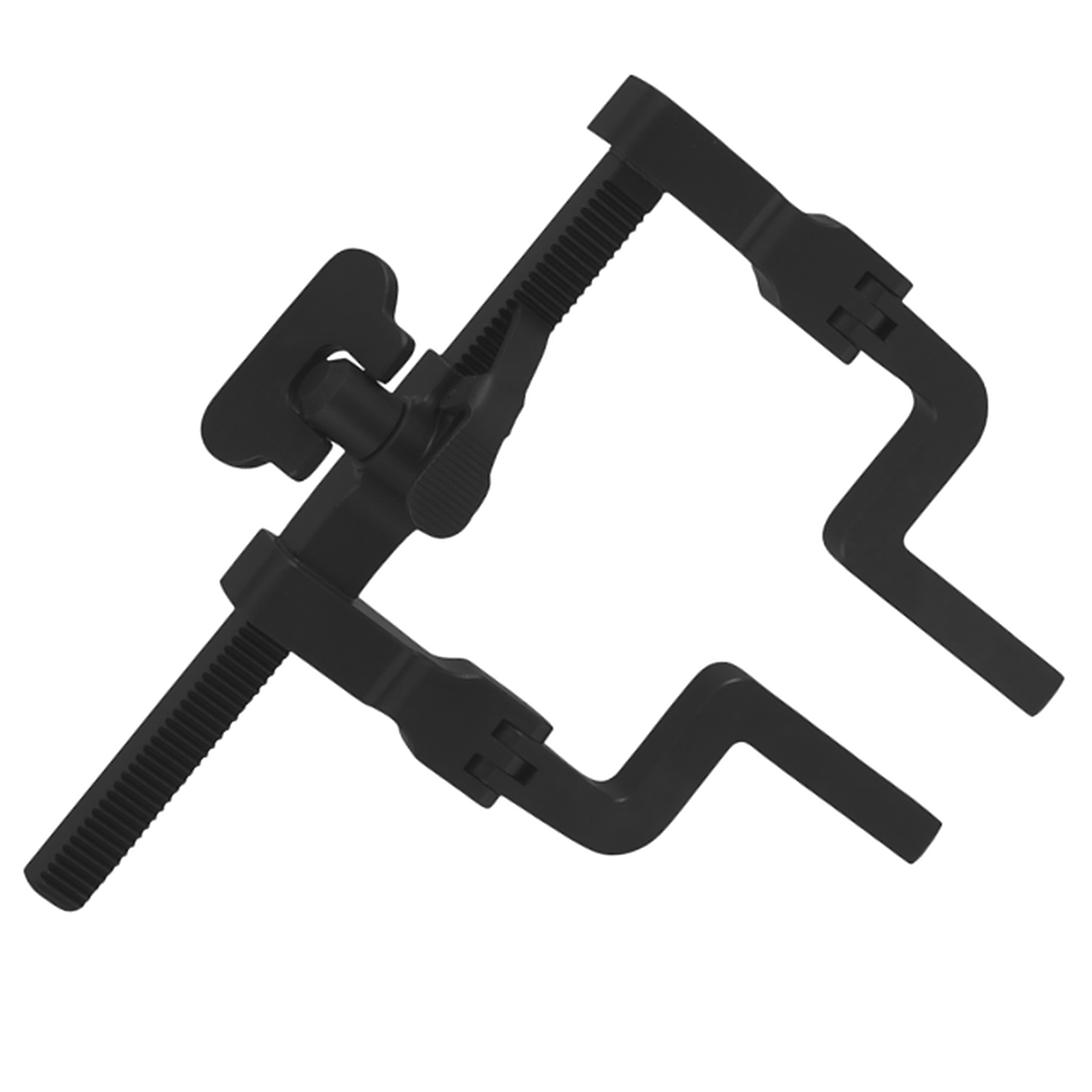 | Cadre d'écarteur rigide pour microdiscectomie de type McCulloch | Spécifiquement conçu pour servir de cadre de base autostatique pour le montage de valves et de crochets modulaires lors de la microdiscectomie lombaire. |
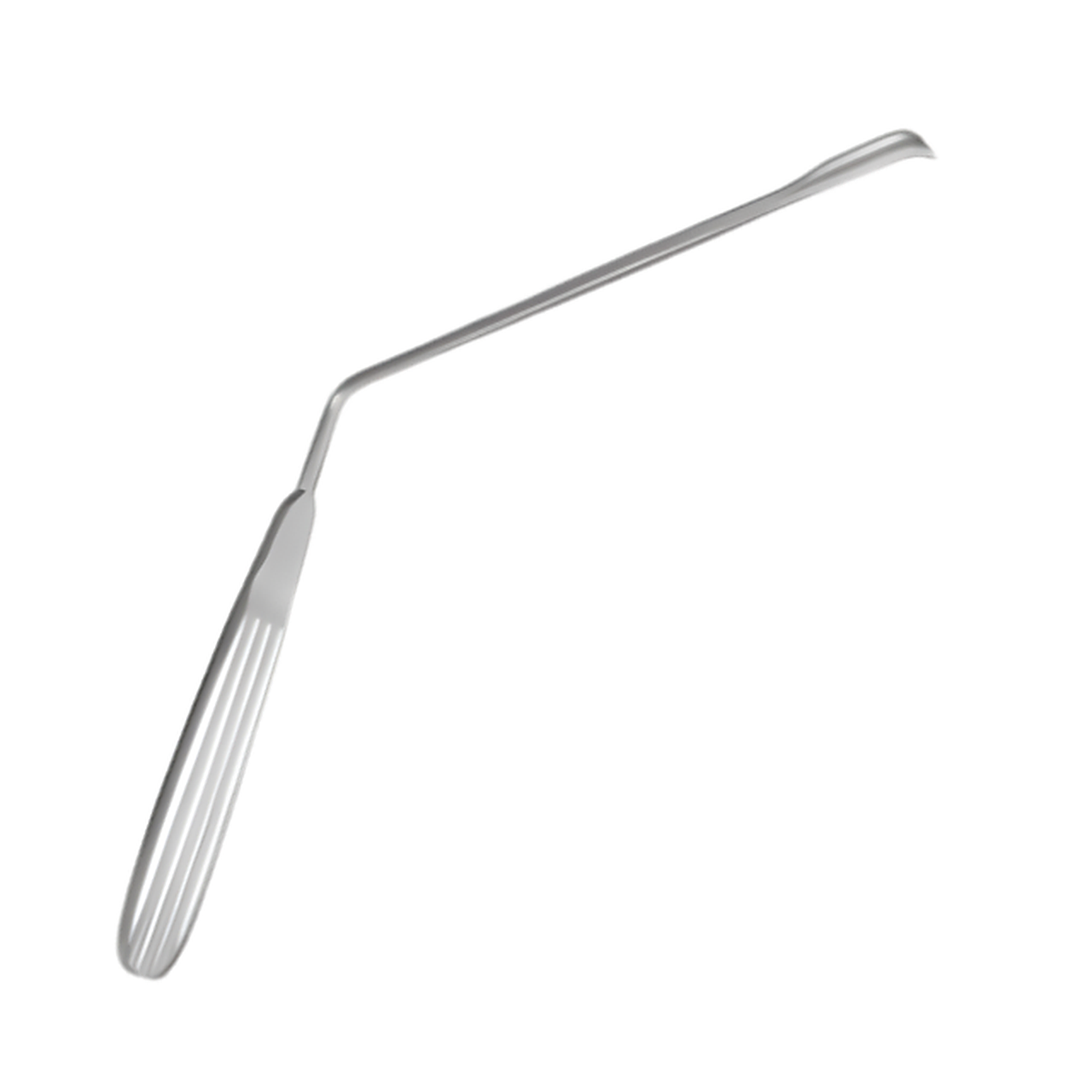 | Écarteur de racine nerveuse type McCulloch | Spécifiquement conçu pour mobiliser, maintenir et protéger les racines nerveuses spinales et le sac thécal lors d'une microdiscectomie lombaire. |
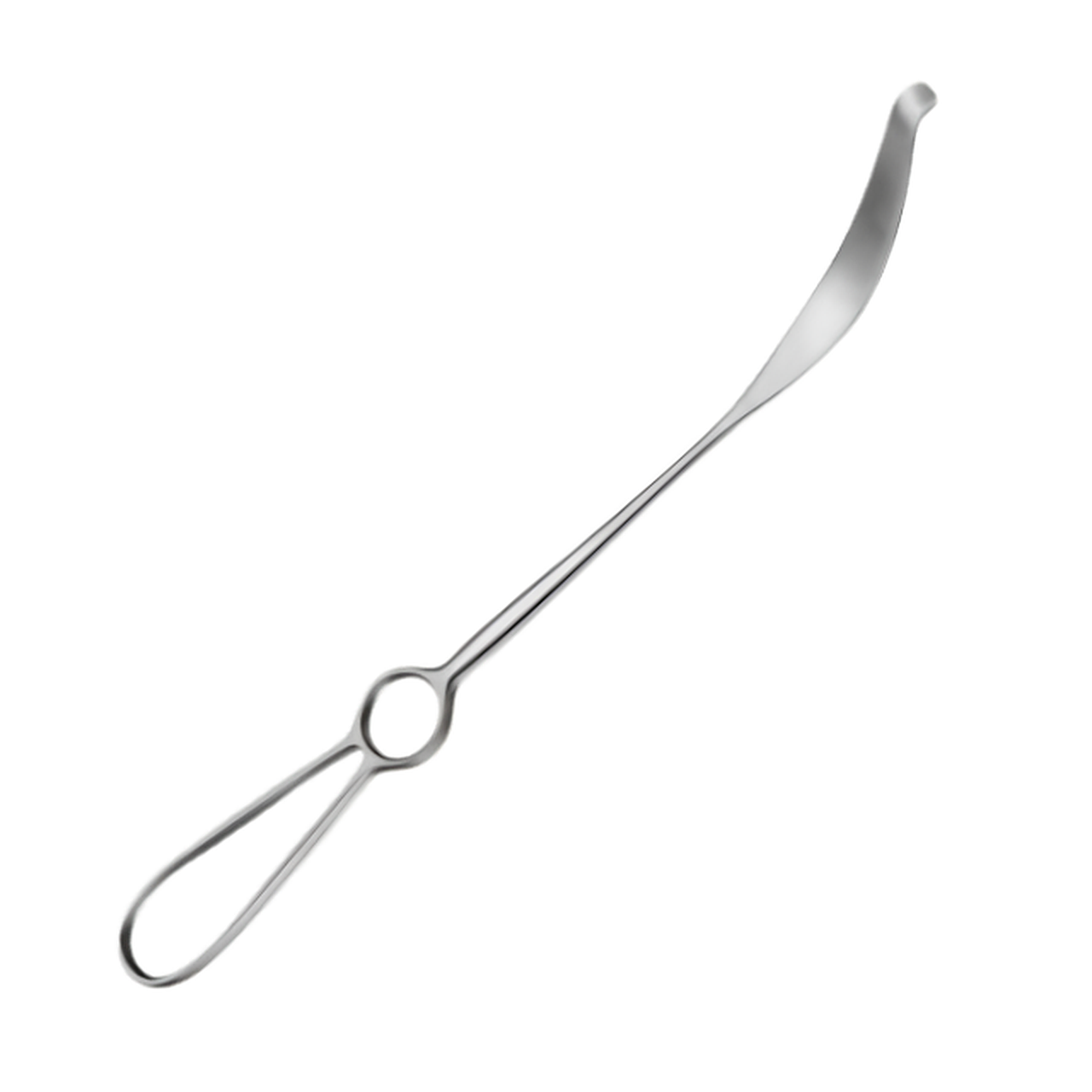 | Écarteur pour branche médiale et rebord orbitaire | Spécifiquement conçu pour rétracter les tissus mous et exposer l'os le long de la branche médiale et du rebord orbitaire lors de procédures cranio-faciales. |
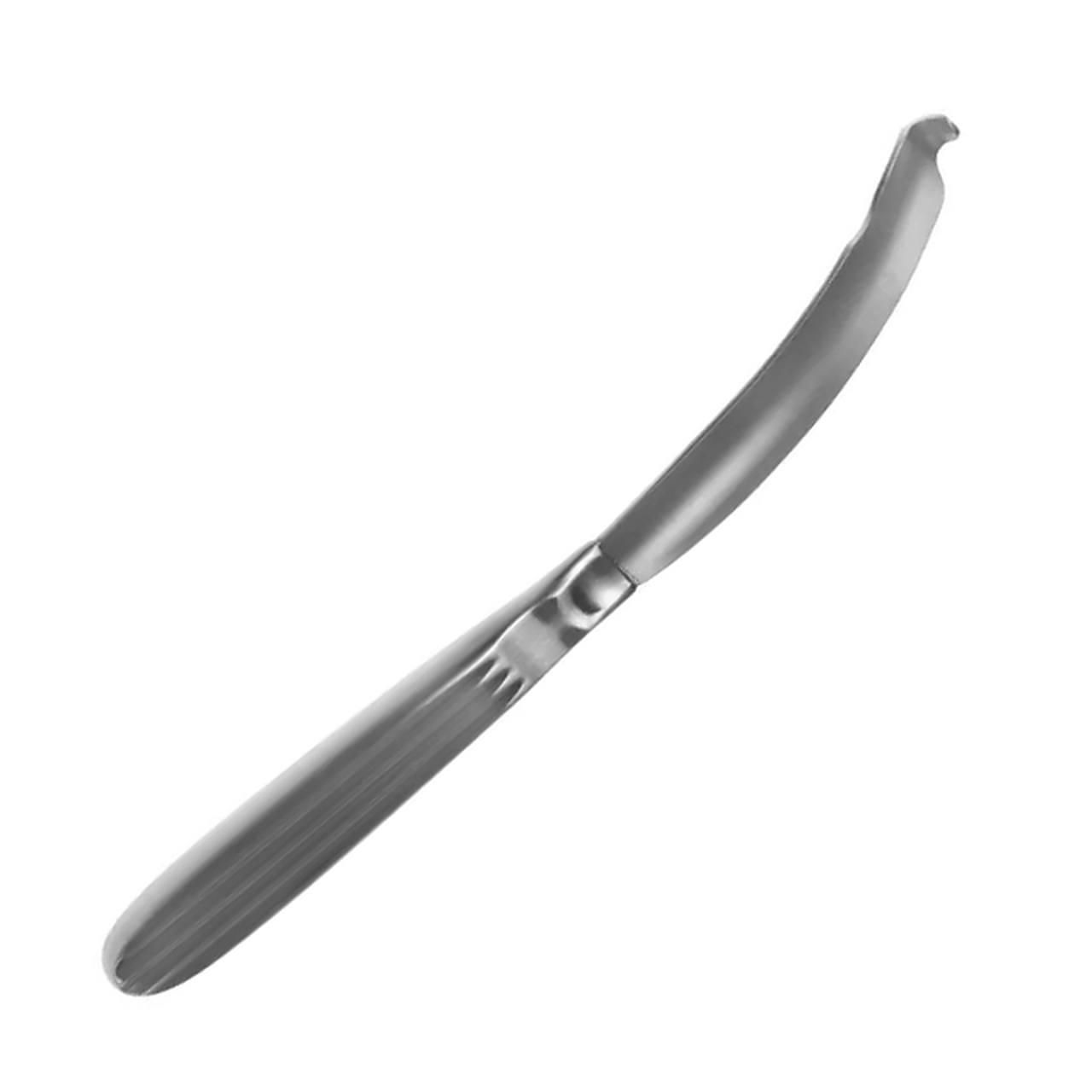 | Écarteur de la Branche Montante Médiale | Spécifiquement conçu pour écarter le muscle ptérygoïdien médial et protéger le nerf alvéolaire inférieur lors des ostéotomies sagittales de la branche montante. |
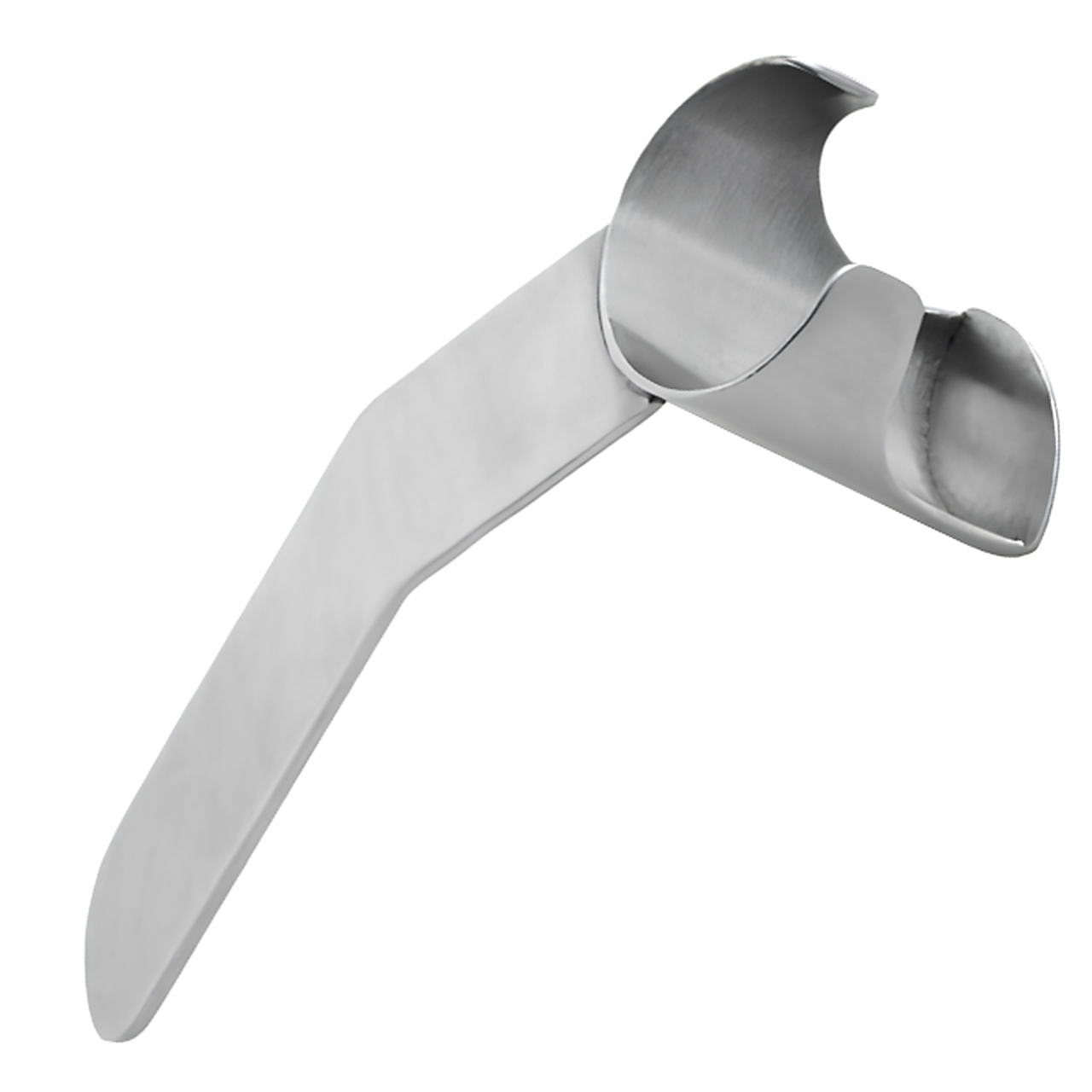 | Écarteur de réparation méniscale | Spécifiquement conçu pour protéger les structures neurovasculaires postérieures et dévier les aiguilles de suture lors de la réparation méniscale arthroscopique. |
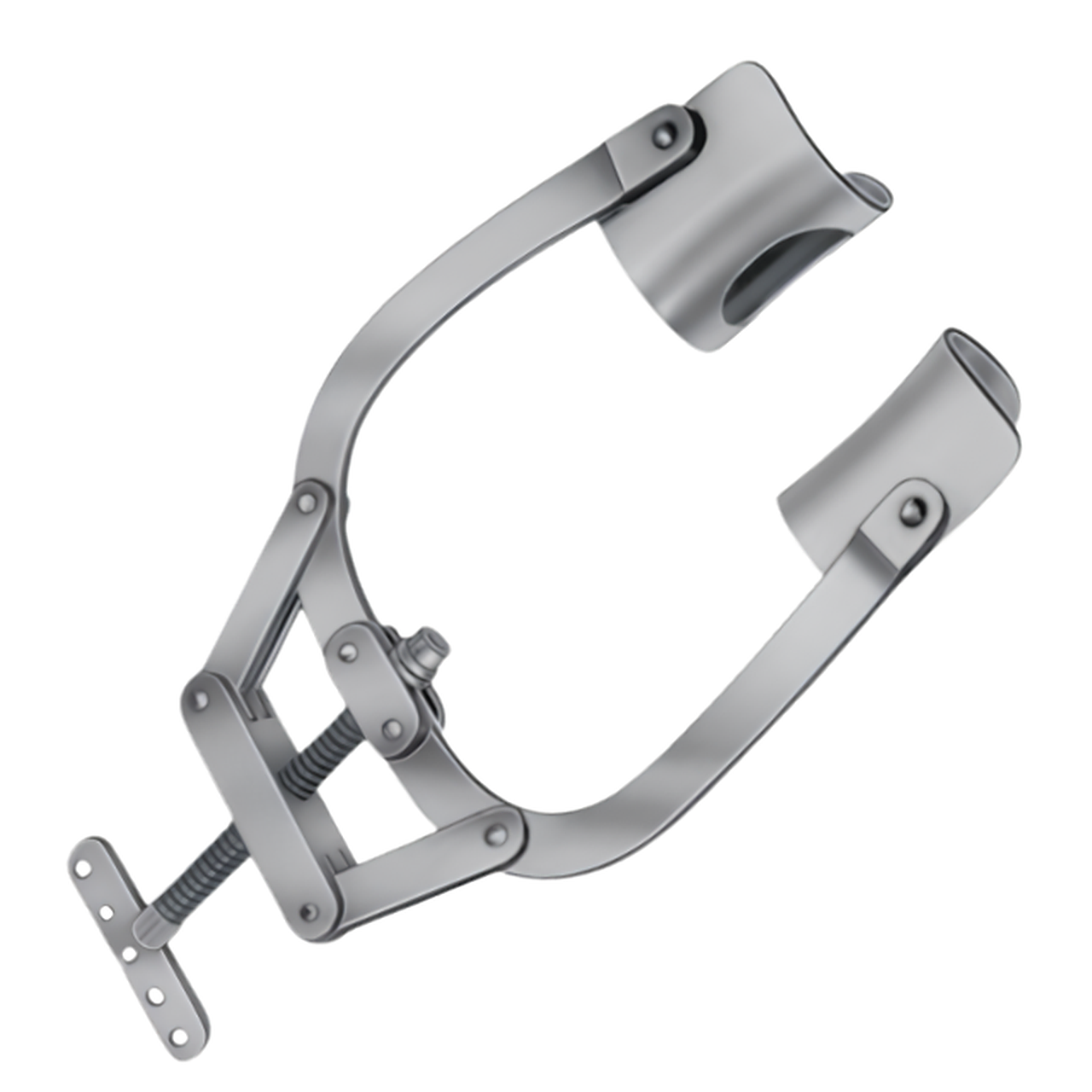 | Écarteur thoracique Mercedes | Spécifiquement conçu pour fournir un couple mécanique combiné pour l'écartement étendu des côtes et de la paroi thoracique lors de la chirurgie thoracique. |
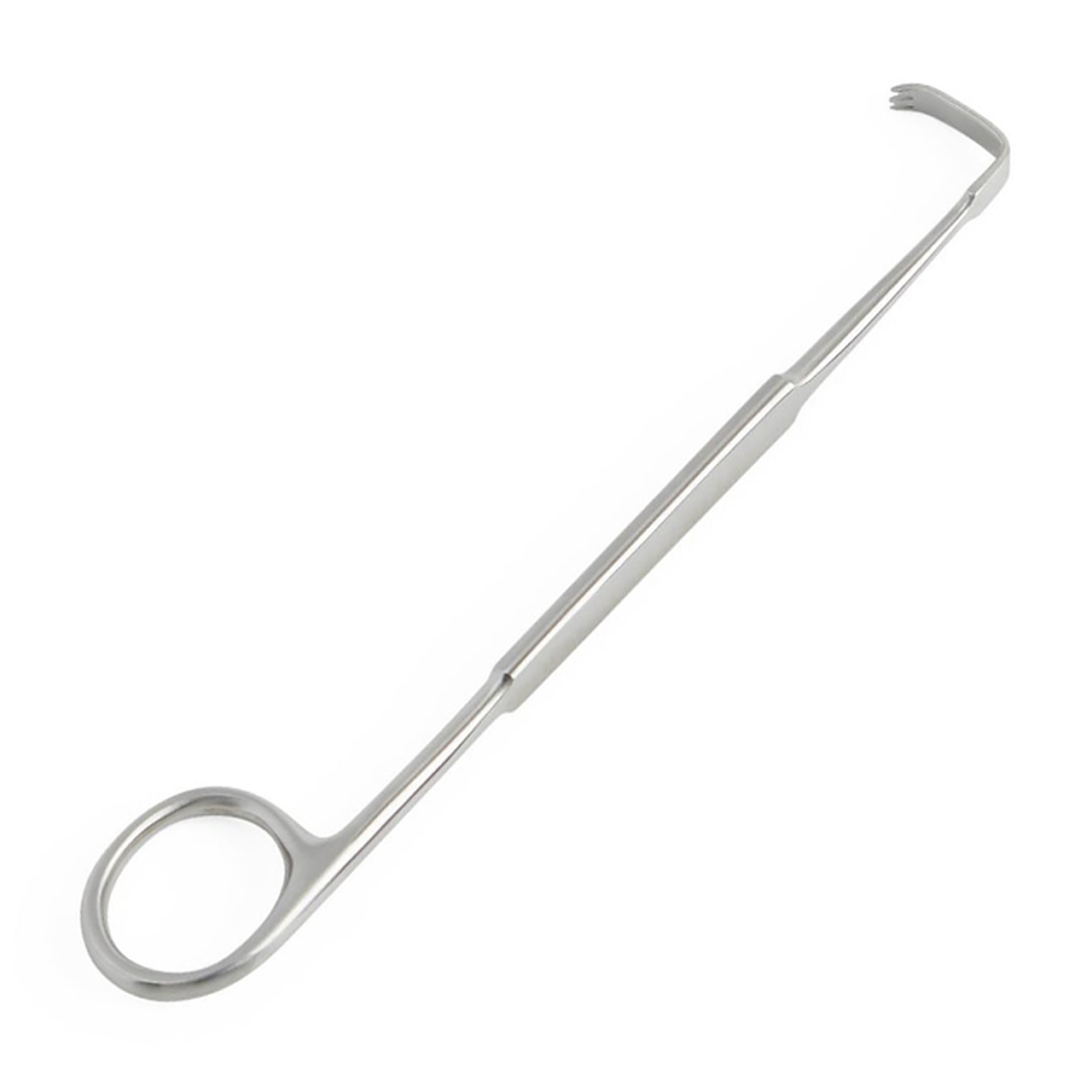 | Écarteur à doigt Meyerding | Spécifiquement conçu pour rétracter les lambeaux cutanés, les tendons digitaux et les tissus mous délicats lors de chirurgies de la main, plastiques et mineures. |
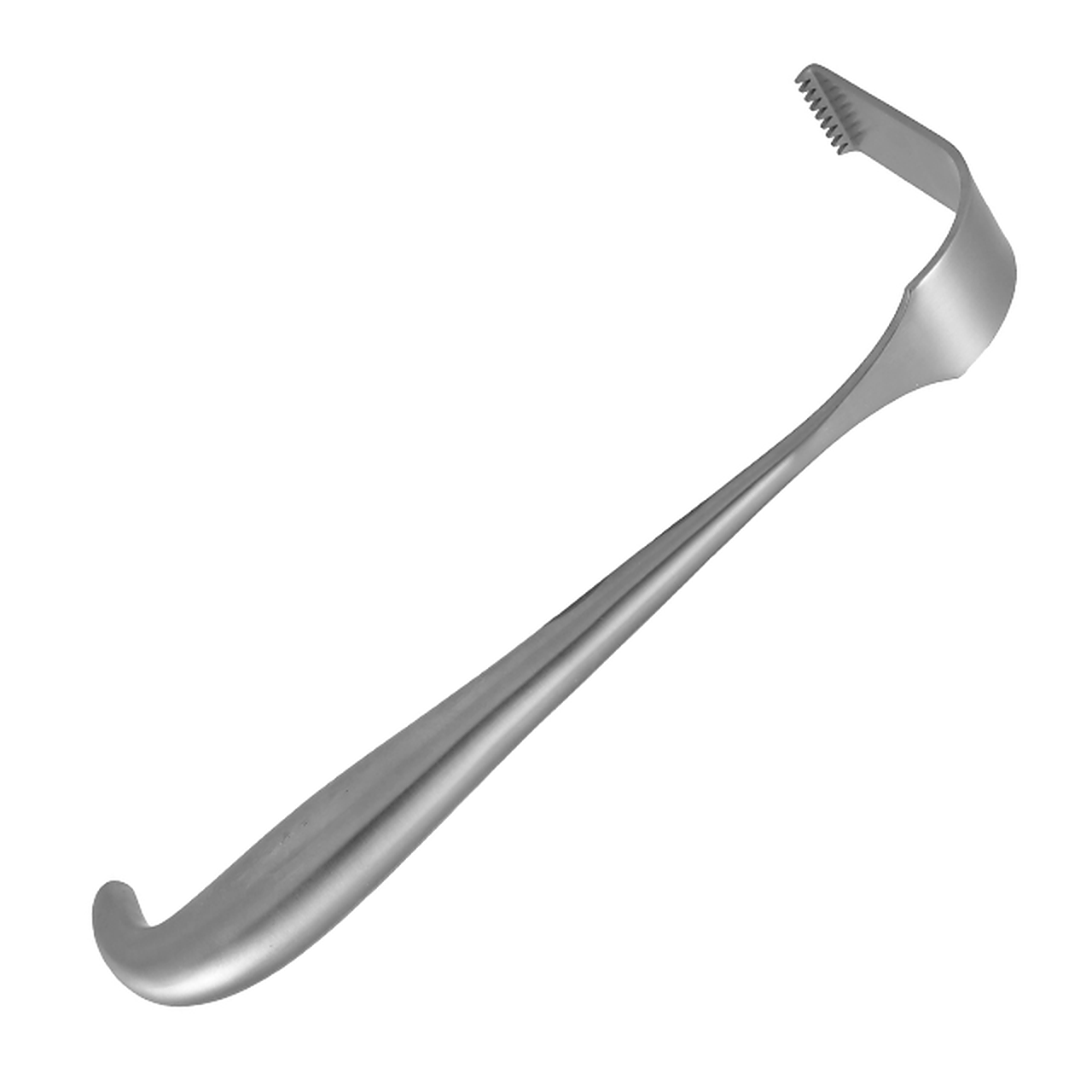 | Écarteur de Meyerding | Spécifiquement conçu pour rétracter la musculature paraspinale lourde et les tissus mous profonds lors de la laminectomie rachidienne et de la chirurgie orthopédique. |
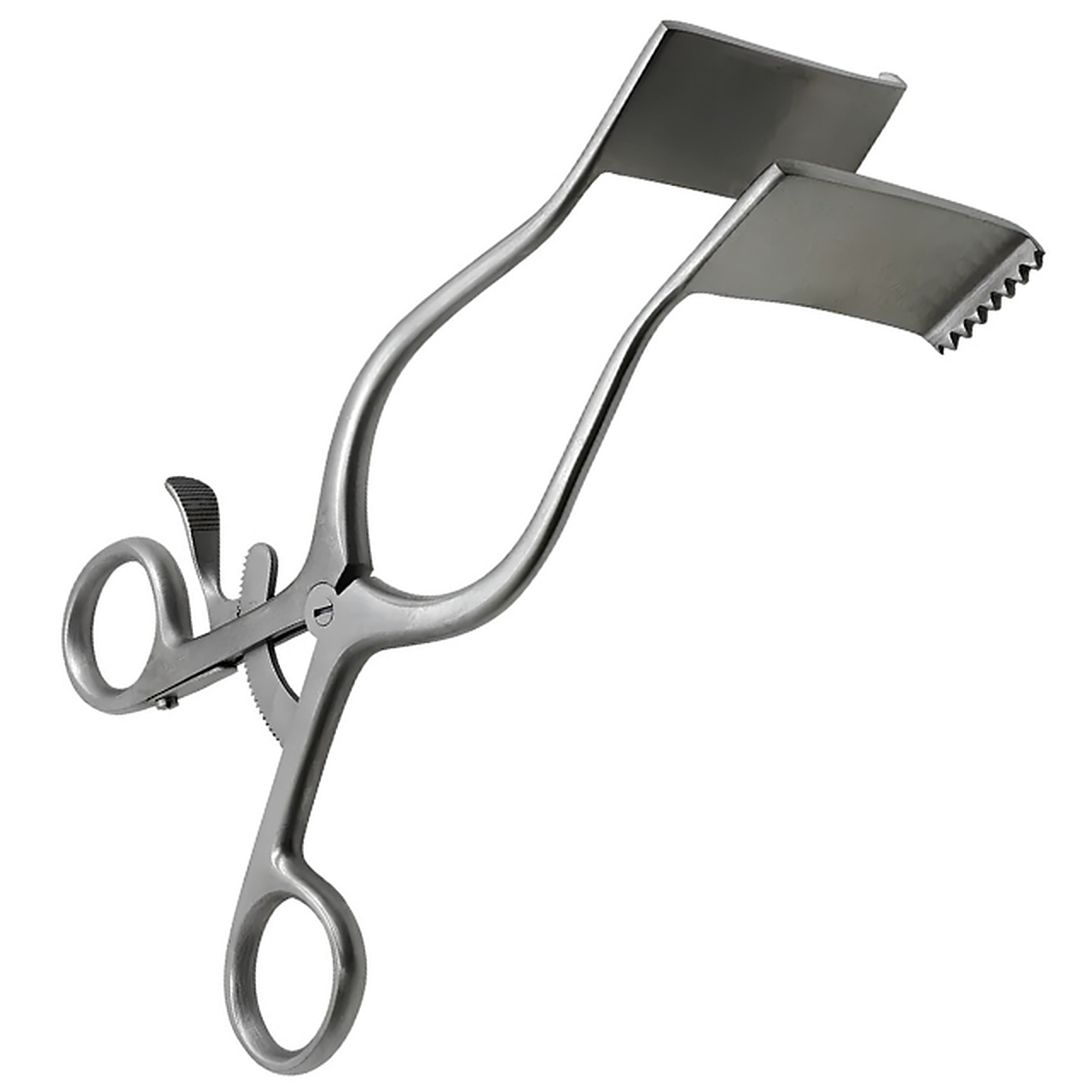 | Écarteur Meyerding avec Crémaillère | Spécifiquement conçu pour assurer l'écartement autostatique des muscles paraspinal et l'ancrage osseux lors des laminectomies rachidiennes. |
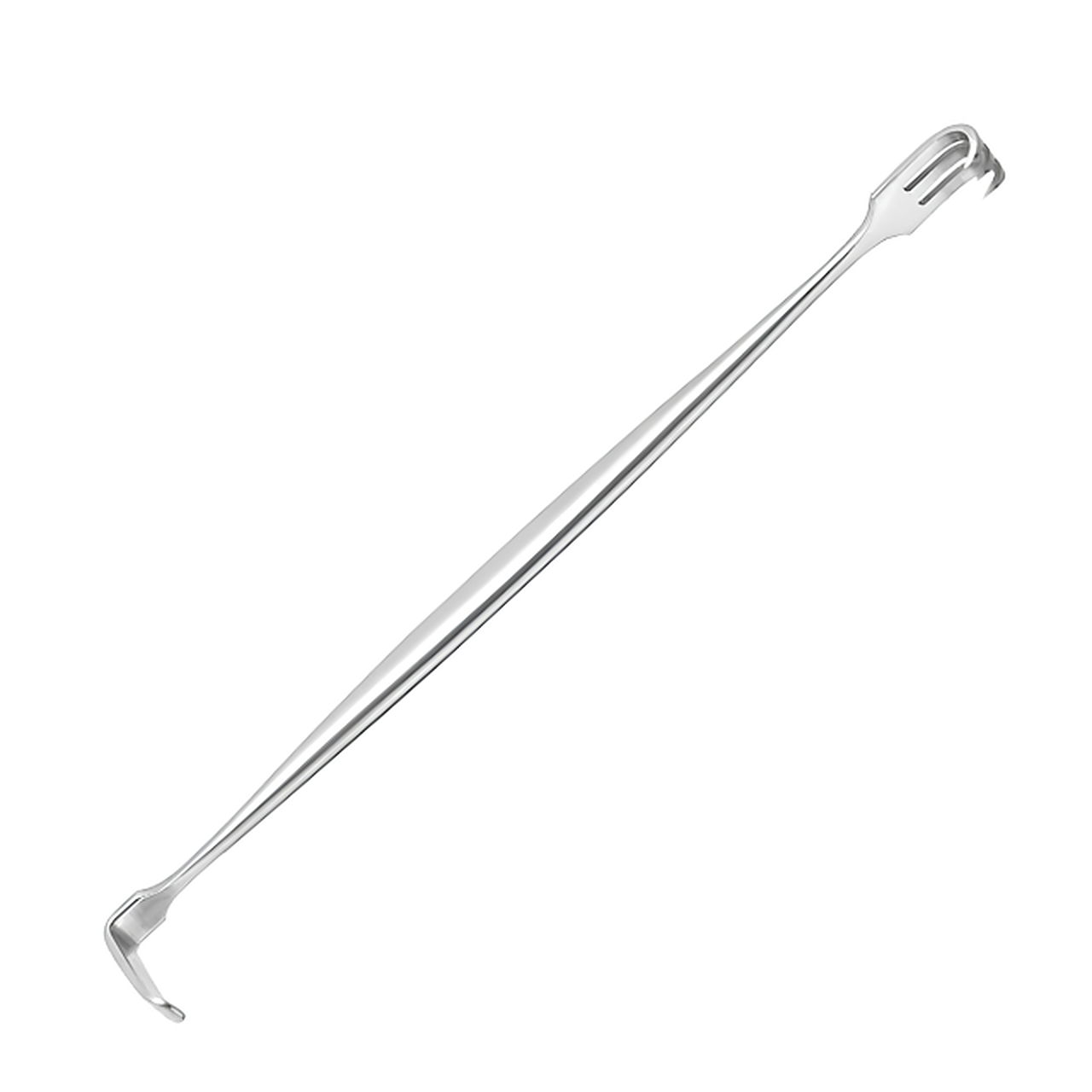 | Écarteur et Crochet à peau Meyerding | Spécifiquement conçu pour soulever les bords délicats de la peau et écarter les tissus mous lors de chirurgies plastiques, reconstructives et mineures. |
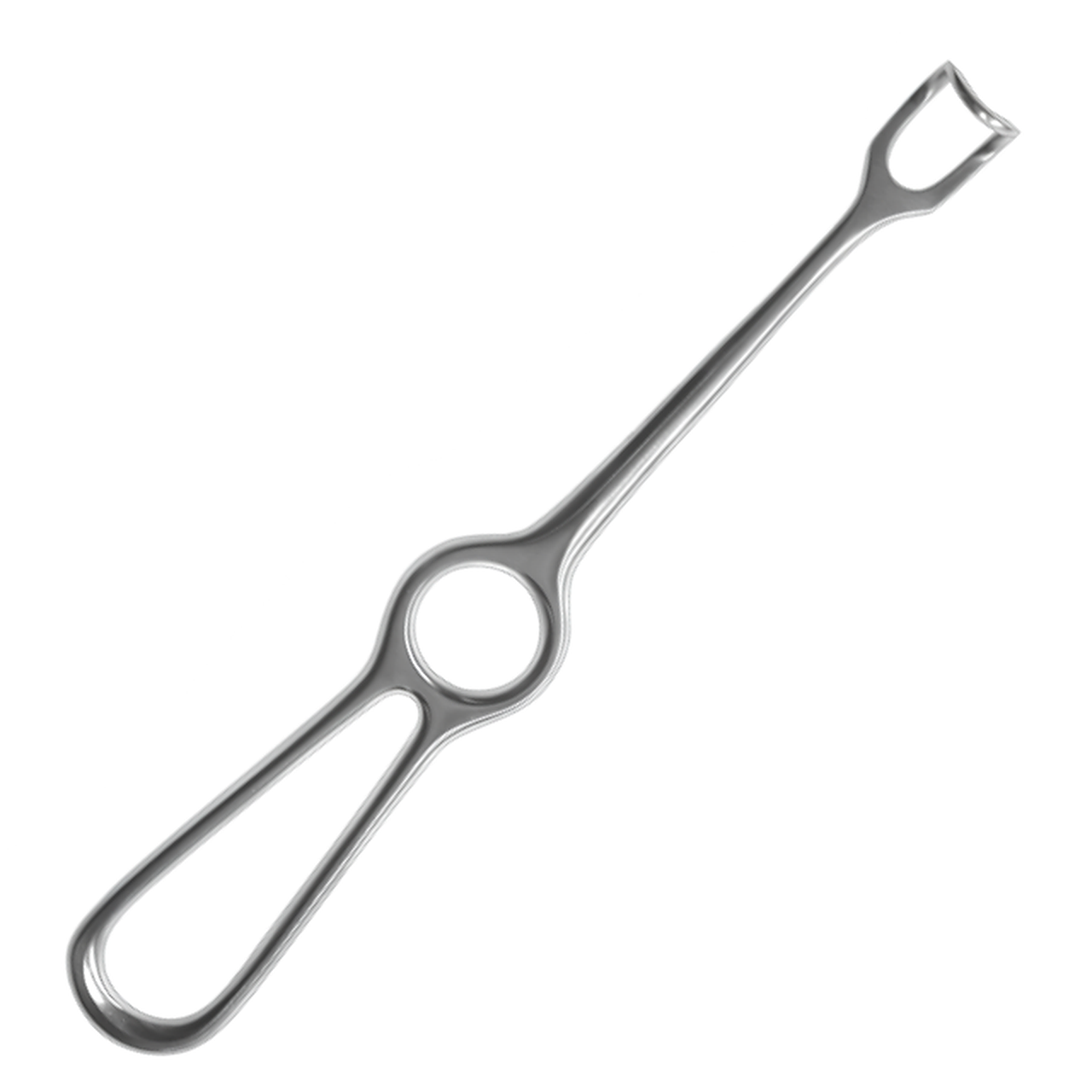 | Écarteur Middledorpf | Spécifiquement conçu pour rétracter les couches musculaires, les fascias et les tissus mous tout en préservant la visibilité directe lors de chirurgies profondes. |
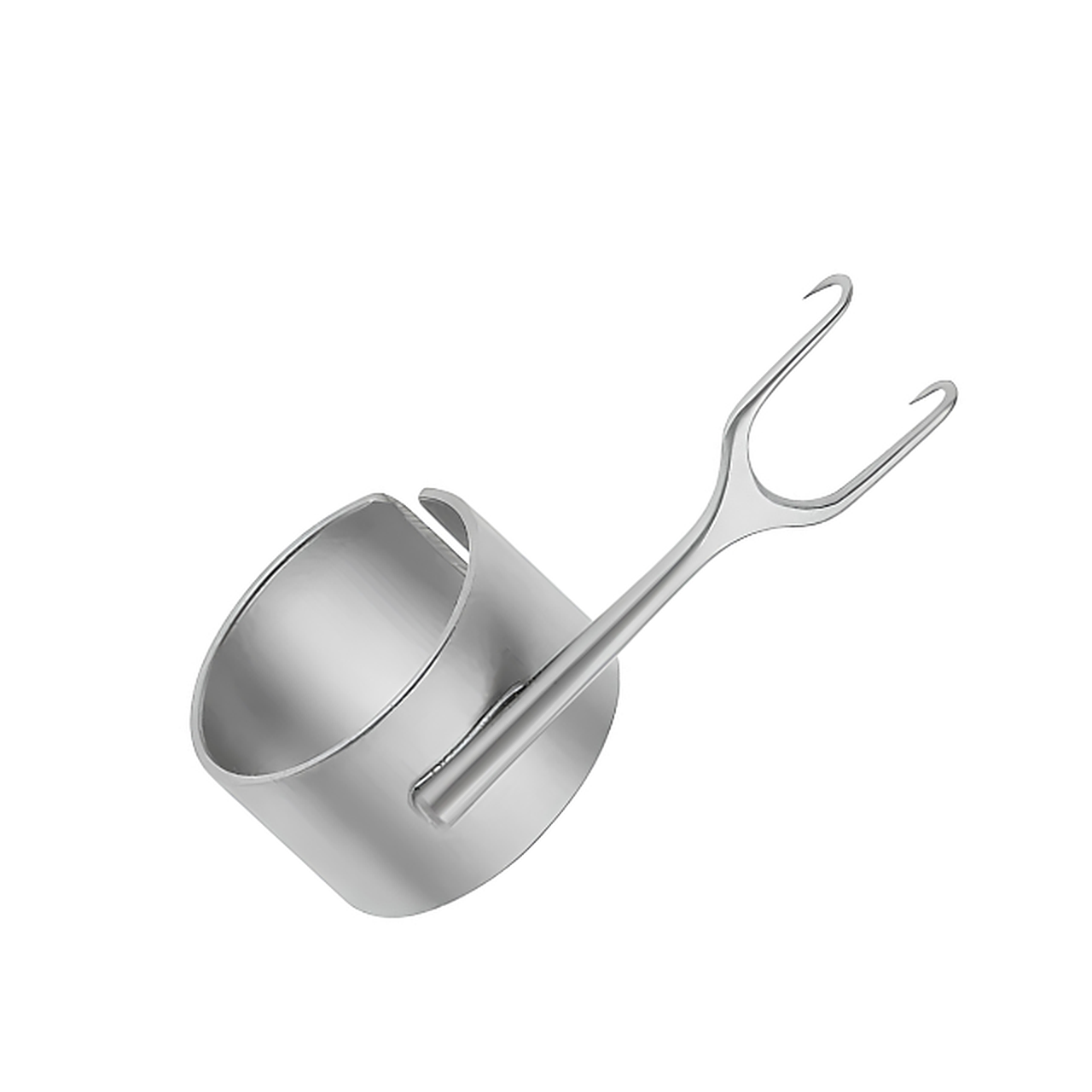 | Écarteur Millard Cottle avec anneau | Spécifiquement conçu pour rétracter le rebord alaire et le cartilage latéral inférieur lors de rhinoplasties et de réparations nasales de fentes labiales. |
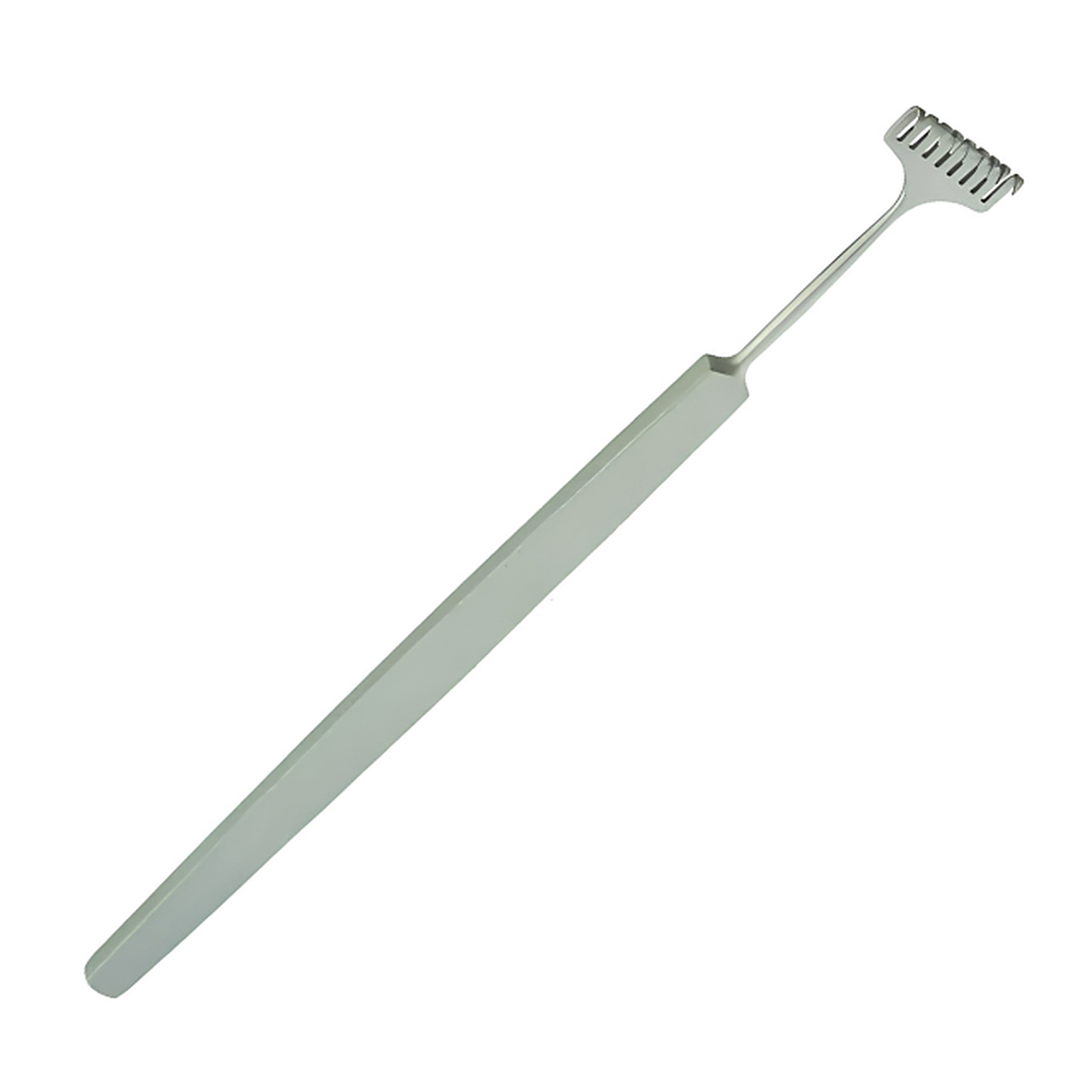 | Écarteur Miller Rake Retractor | Spécifiquement conçu pour élever les lambeaux cutanés et rétracter les tissus sous-cutanés lors de chirurgies plastiques, dermatologiques et reconstructrices. |
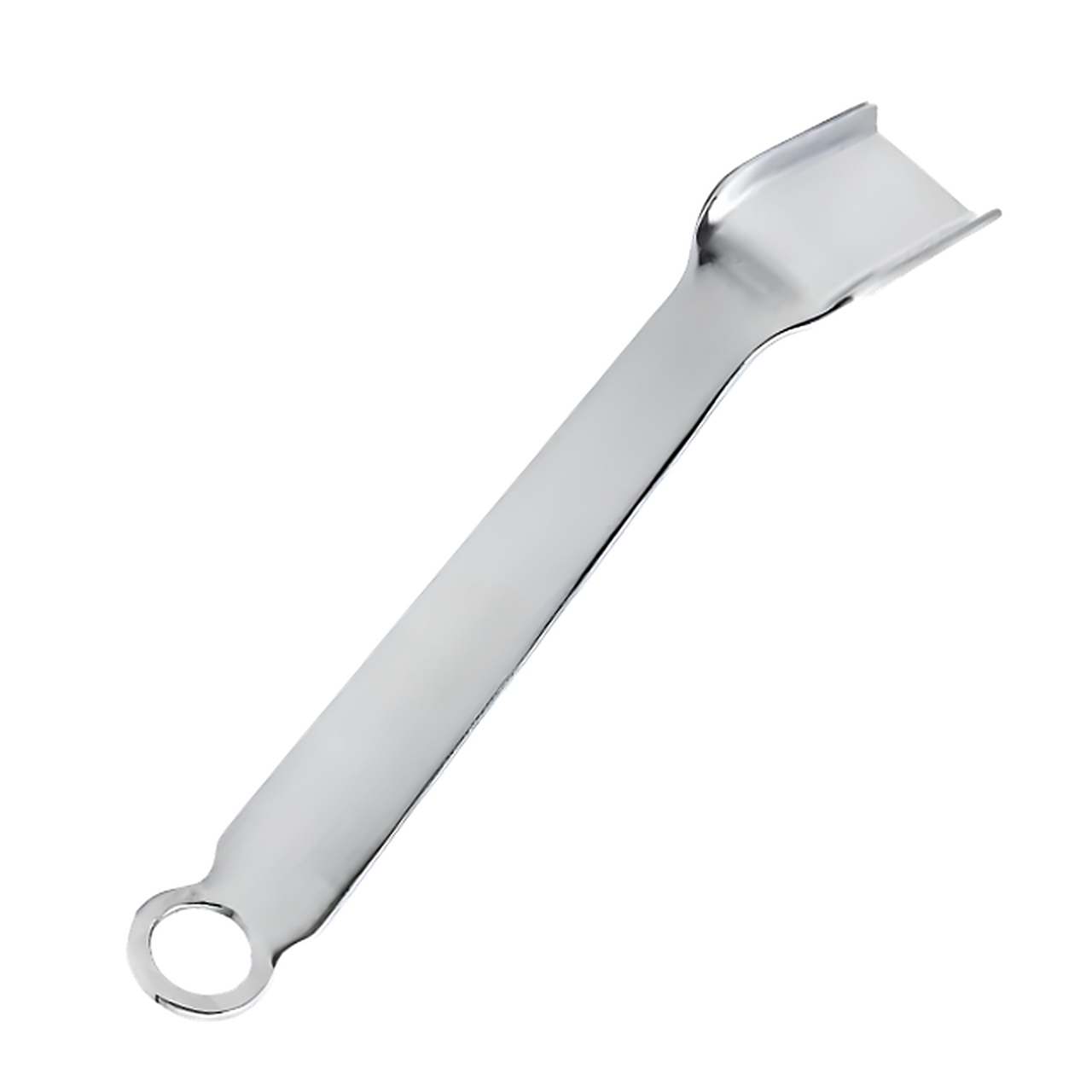 | Écarteurs de Genou pour Chirurgie Mini-Invasive | Spécifiquement conçu pour faire levier sur l'os et rétracter les tissus mous à travers de petites incisions lors d'une arthroplastie du genou mini-invasive. |
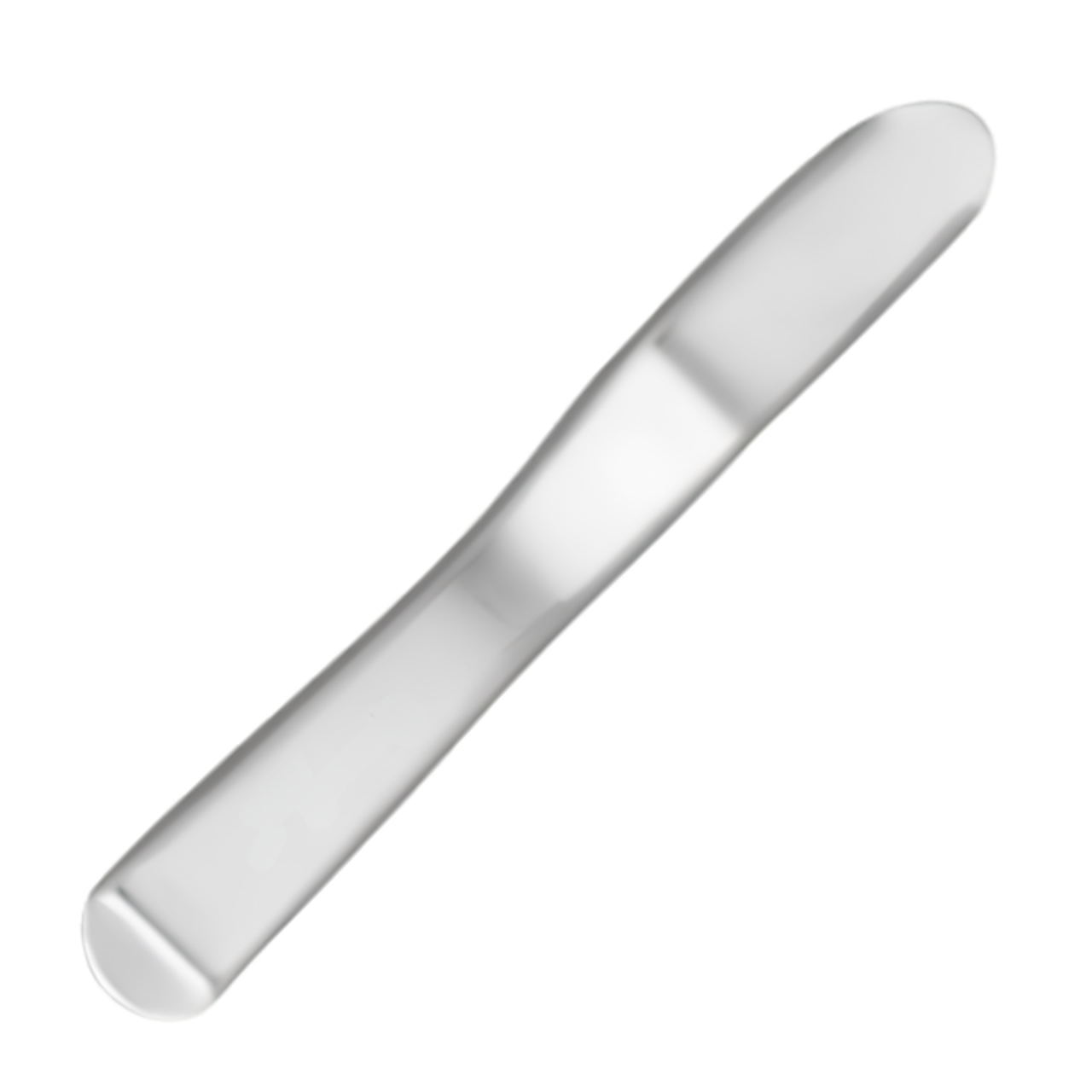 | Écarteur Minnesota | Spécifiquement conçu pour rétracter les joues, les lèvres et la langue afin d'exposer la crête alvéolaire et la dentition lors de la chirurgie buccale. |
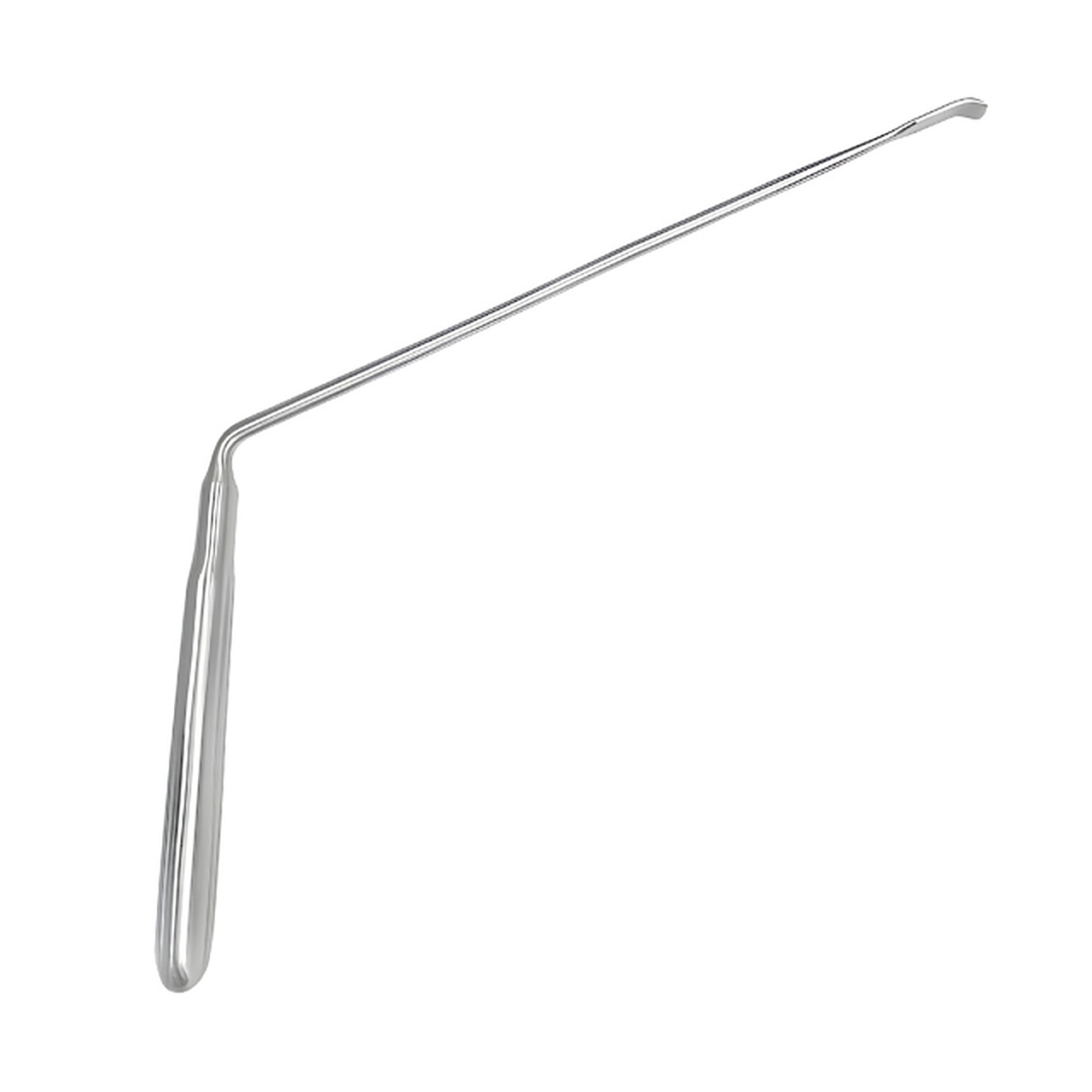 | Écarteur de racine nerveuse MIS | Spécifiquement conçu pour écarter et protéger les racines nerveuses transverses et le sac thécal lors de discectomies spinales mini-invasives. |
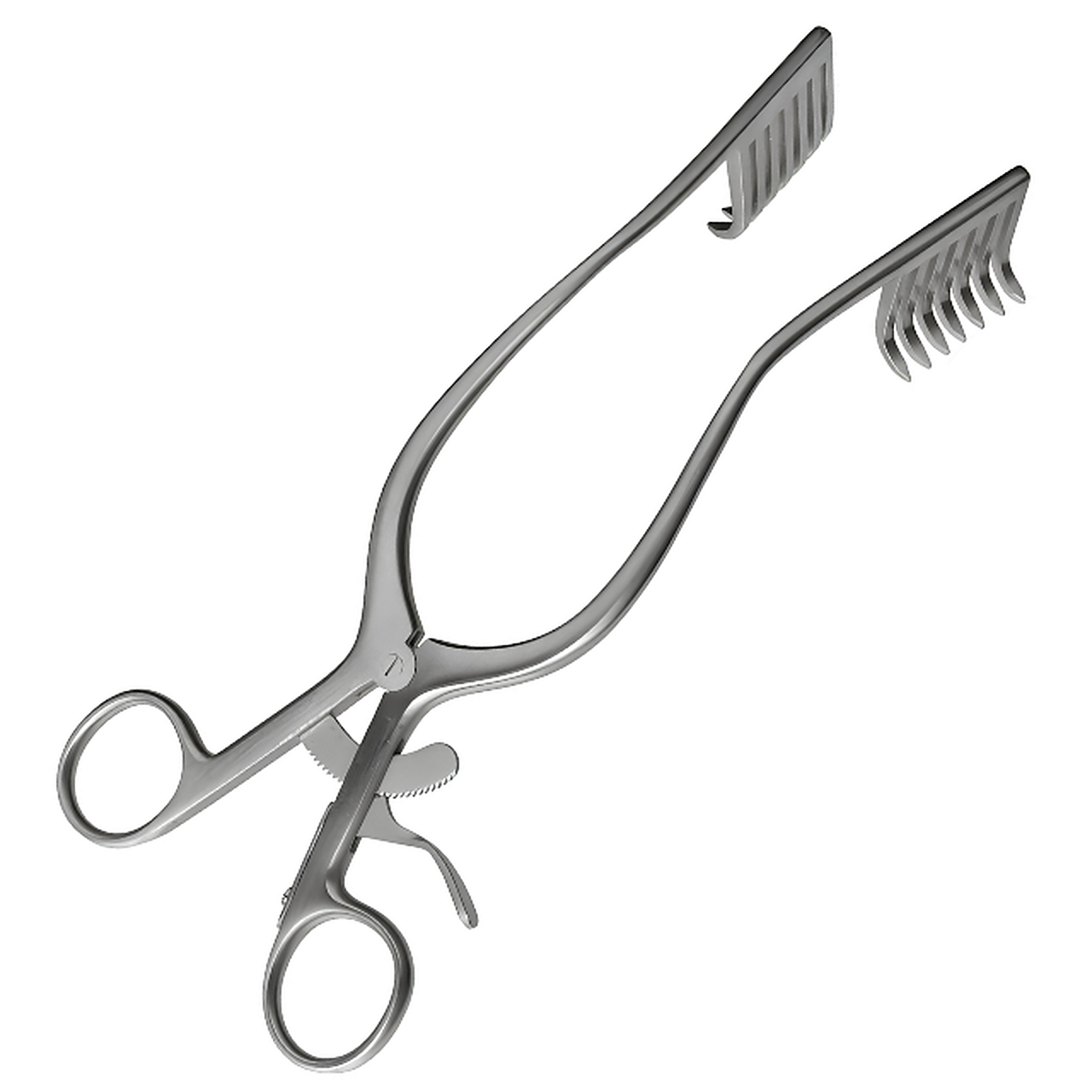 | Écarteur cérébelleux de Miskimon | Spécifiquement conçu pour assurer la rétraction autostatique du cuir chevelu et des muscles nucaux lors des craniotomies suboccipitales et cérébelleuses. |
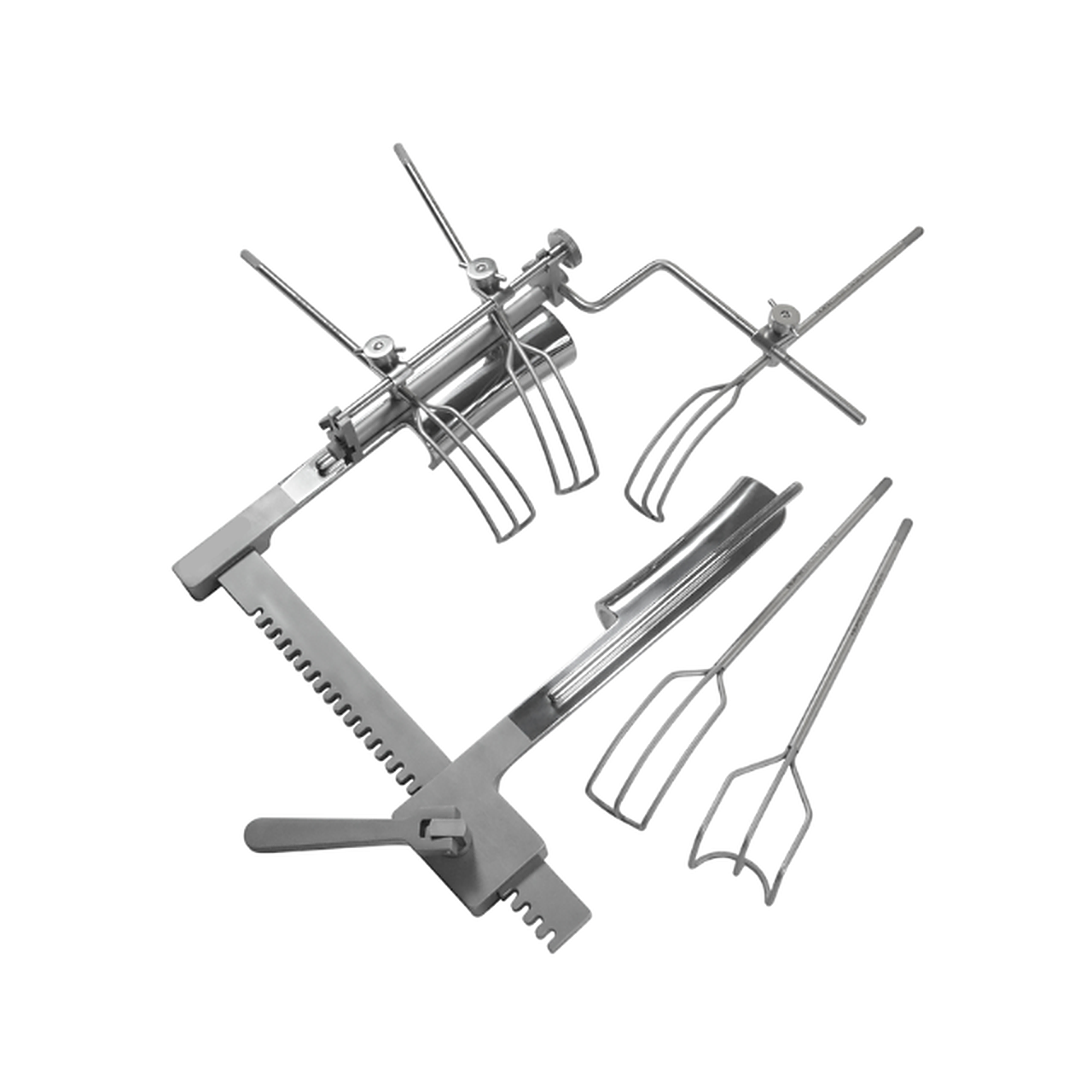 | Écarteur de Valve Mitrale | Spécifiquement conçu pour fournir une exposition chirurgicale structurée et une rétraction des tissus mous lors des interventions sur les valves cardiaques. |
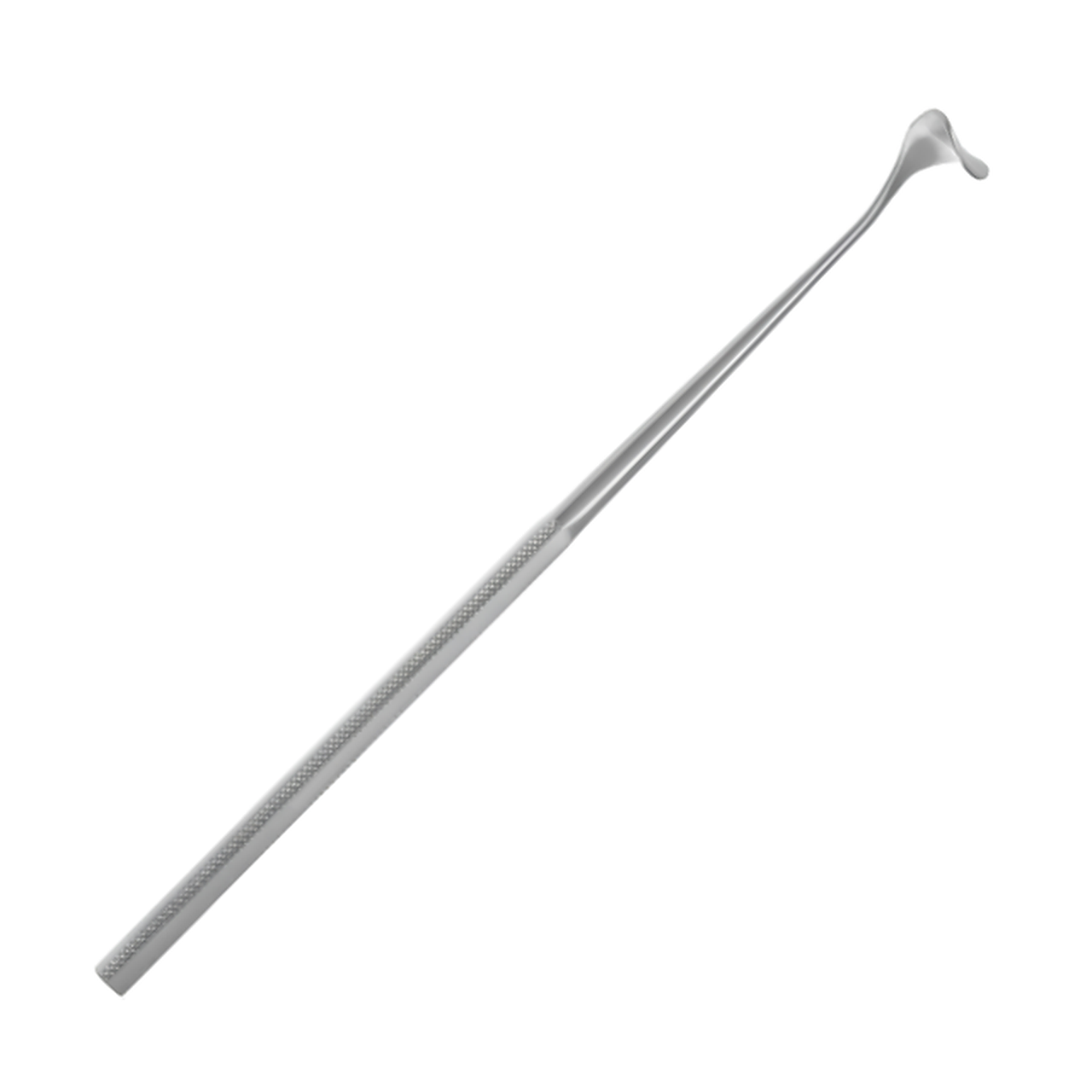 | Écarteur cutané Moberg | Spécifiquement conçu pour rétracter les berges cutanées, les lambeaux cutanés et les tissus mous délicats lors de chirurgies de la main et de chirurgies plastiques. |
 | Écarteurs de type Fukuda modifiés | Spécifiquement conçu pour rétracter la tête humérale vers l'arrière et exposer la cavité glénoïde lors d'une arthroplastie de l'épaule. |
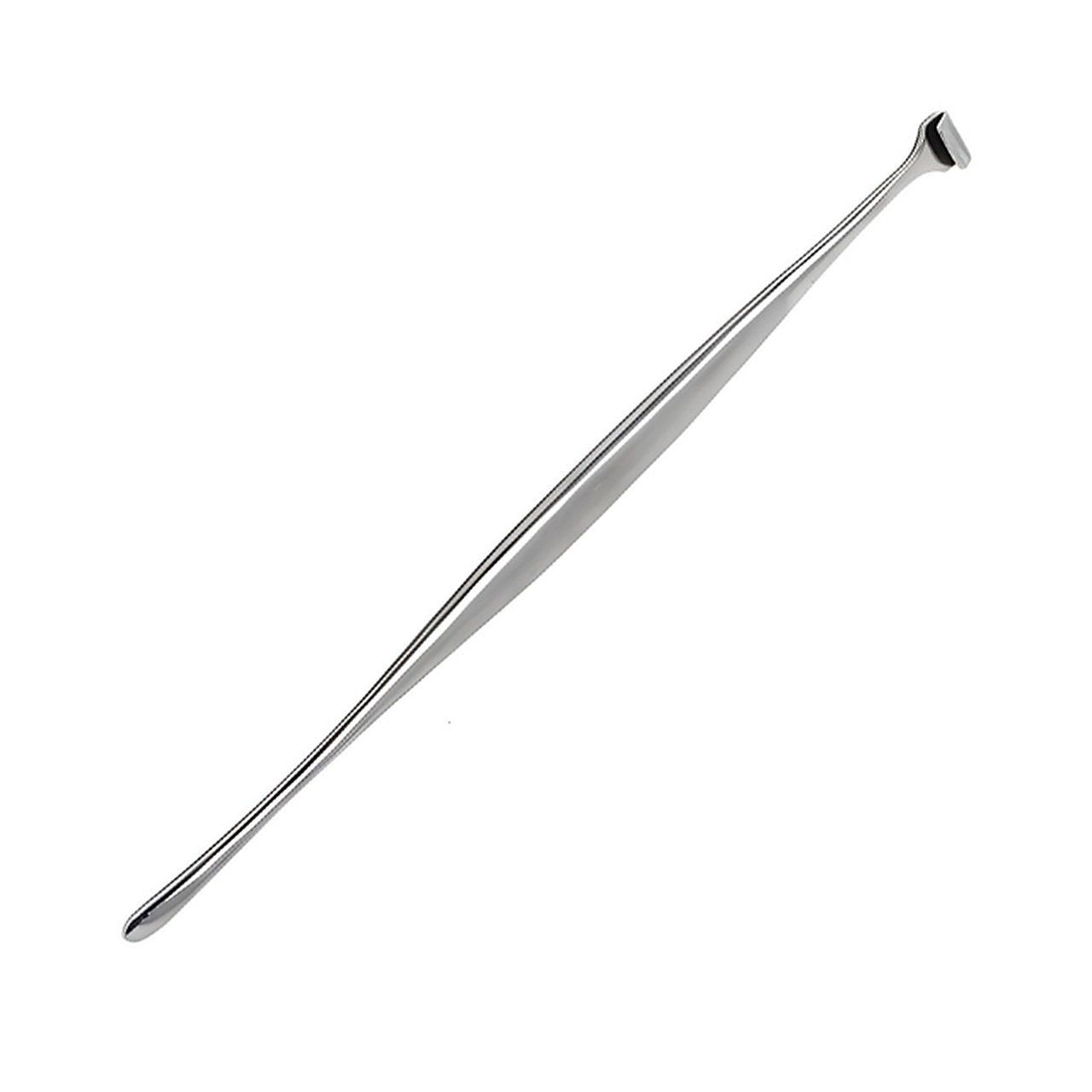 | Écarteur de piliers antérieurs Mollison | Spécifiquement conçu pour rétracter le pilier amygdalien antérieur et l'arc palatoglosse lors des amygdalectomies et des chirurgies pharyngées. |
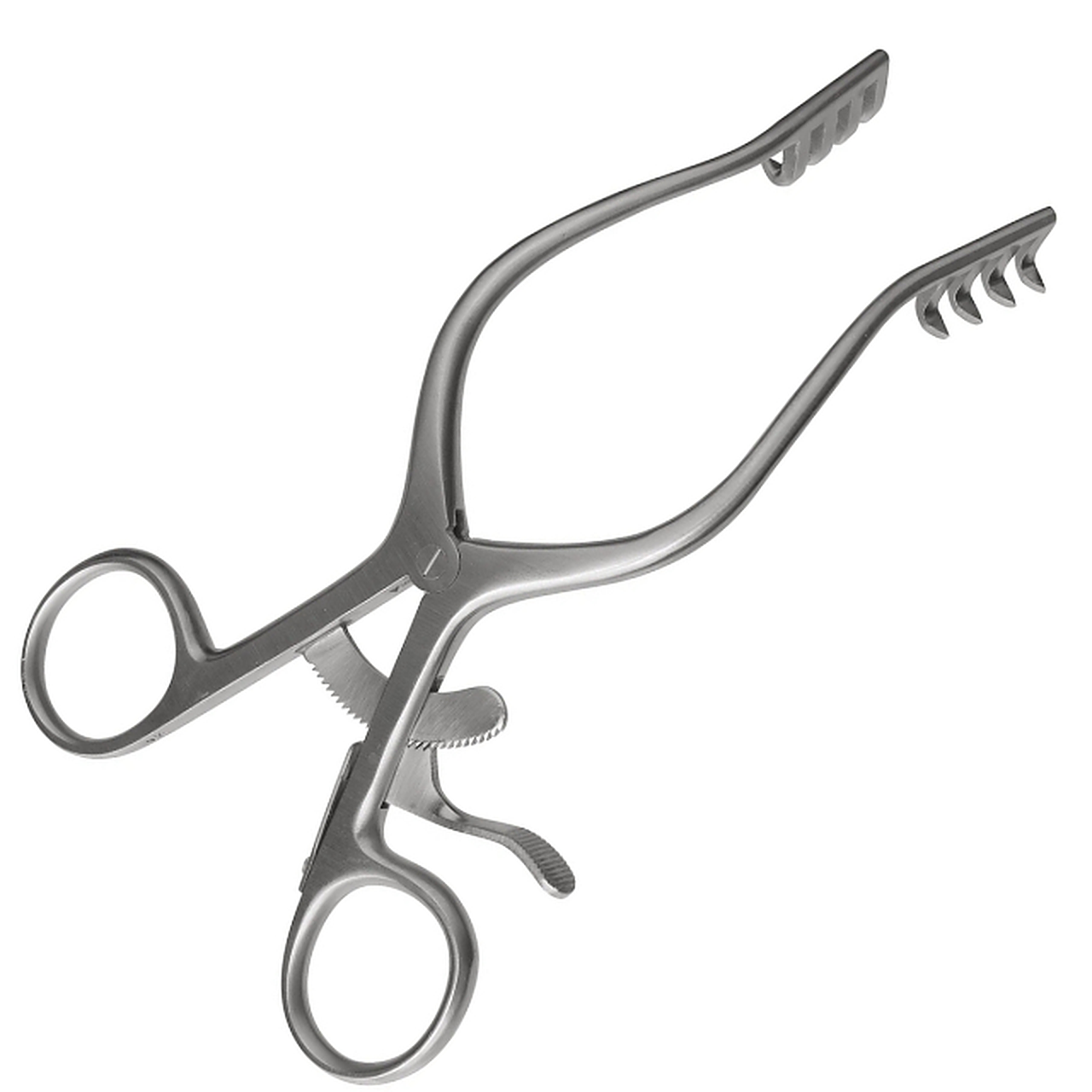 | Écarteur Mollison | Spécifiquement conçu pour assurer l'écartement auto-statique des berges de plaies et la rétraction périostée lors des chirurgies de la mastoïde, de l'oreille et du cuir chevelu. |
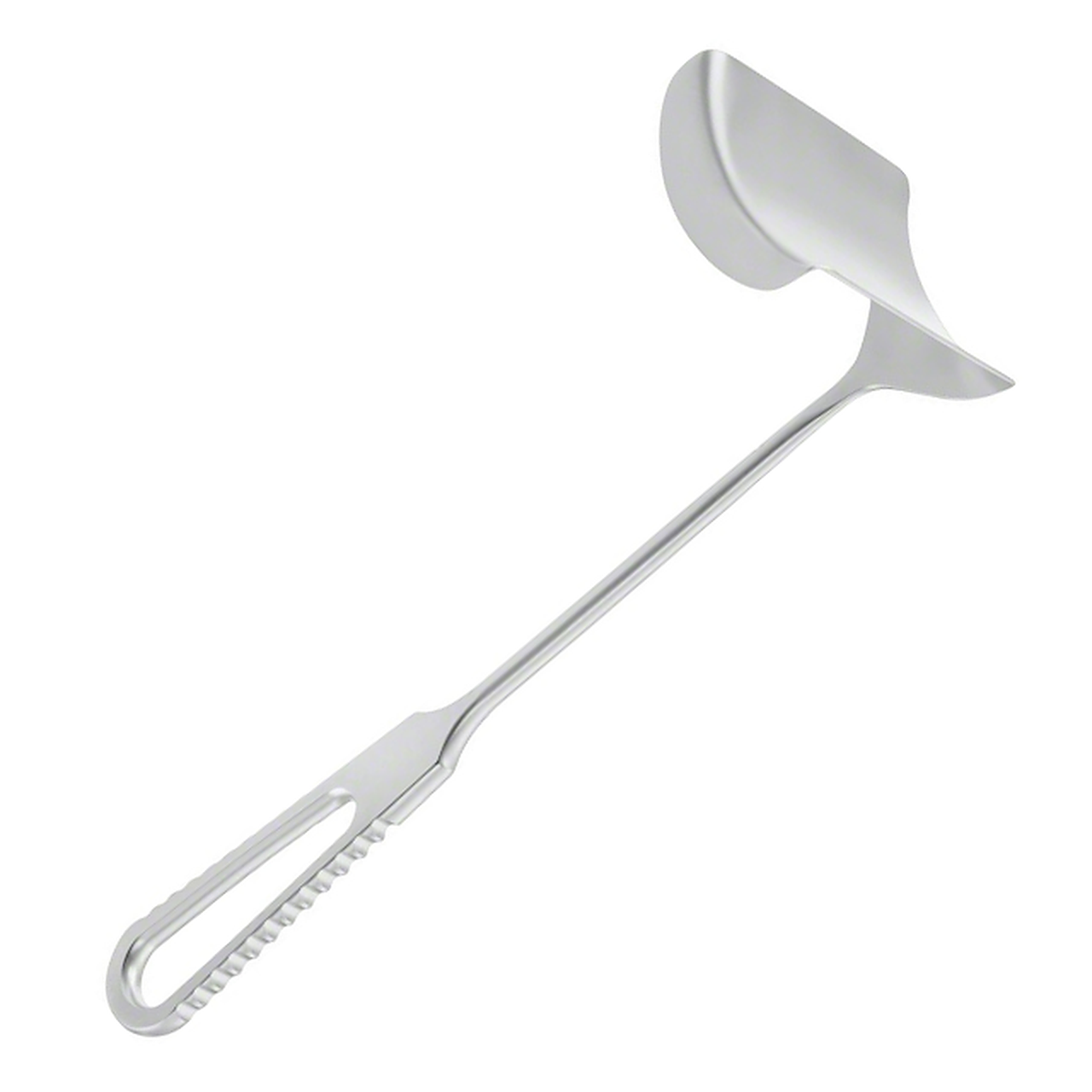 | Écarteur de Morris simple | Spécifiquement conçu pour écarter la paroi abdominale, les viscères et la musculature épaisse lors de chirurgies abdominales et pelviennes ouvertes. |
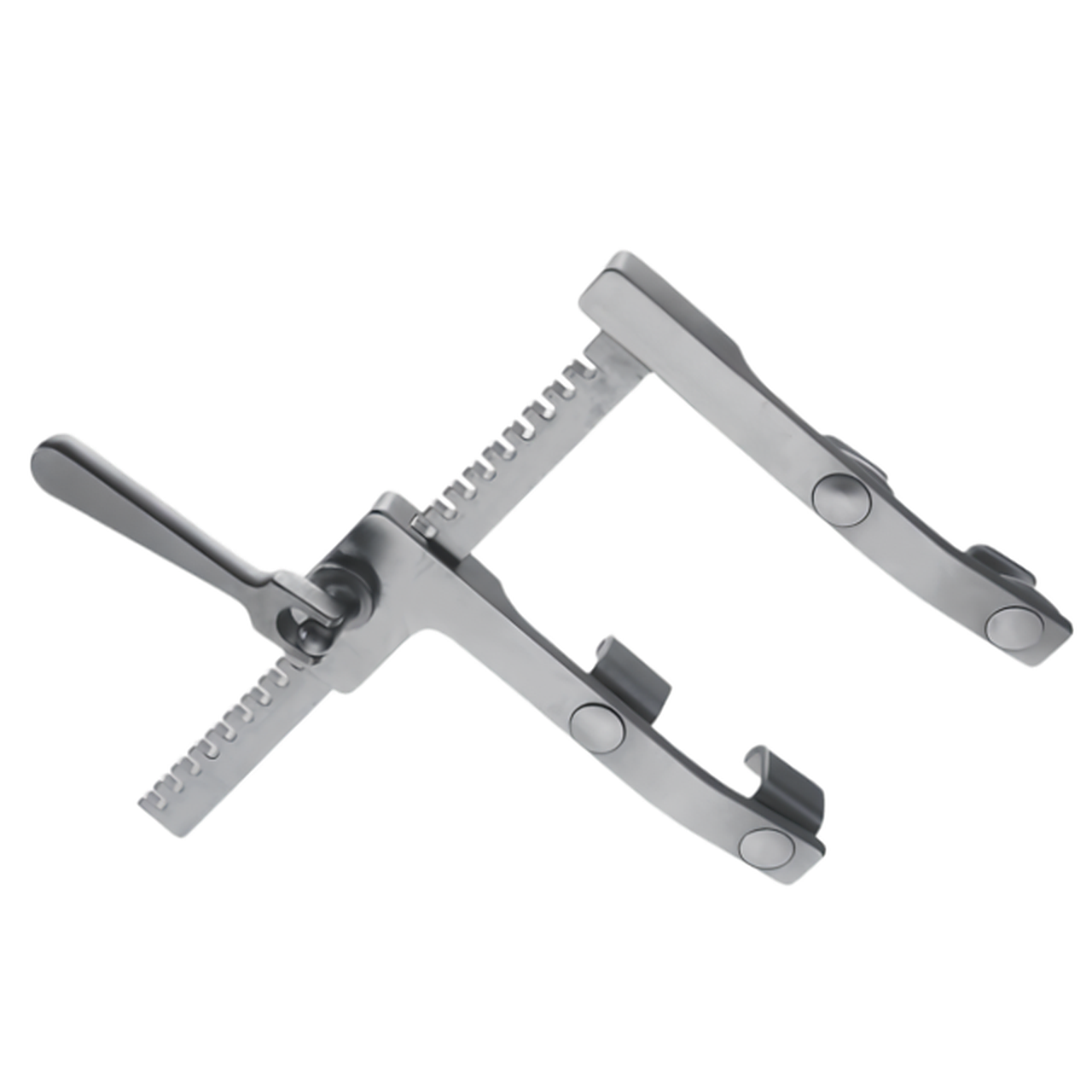 | Écarteur de côtes Morse Rib Spreader | Spécifiquement conçu pour écarter les côtes et élargir la cavité thoracique grâce à un ajustement anatomique des valves multi-positions. |
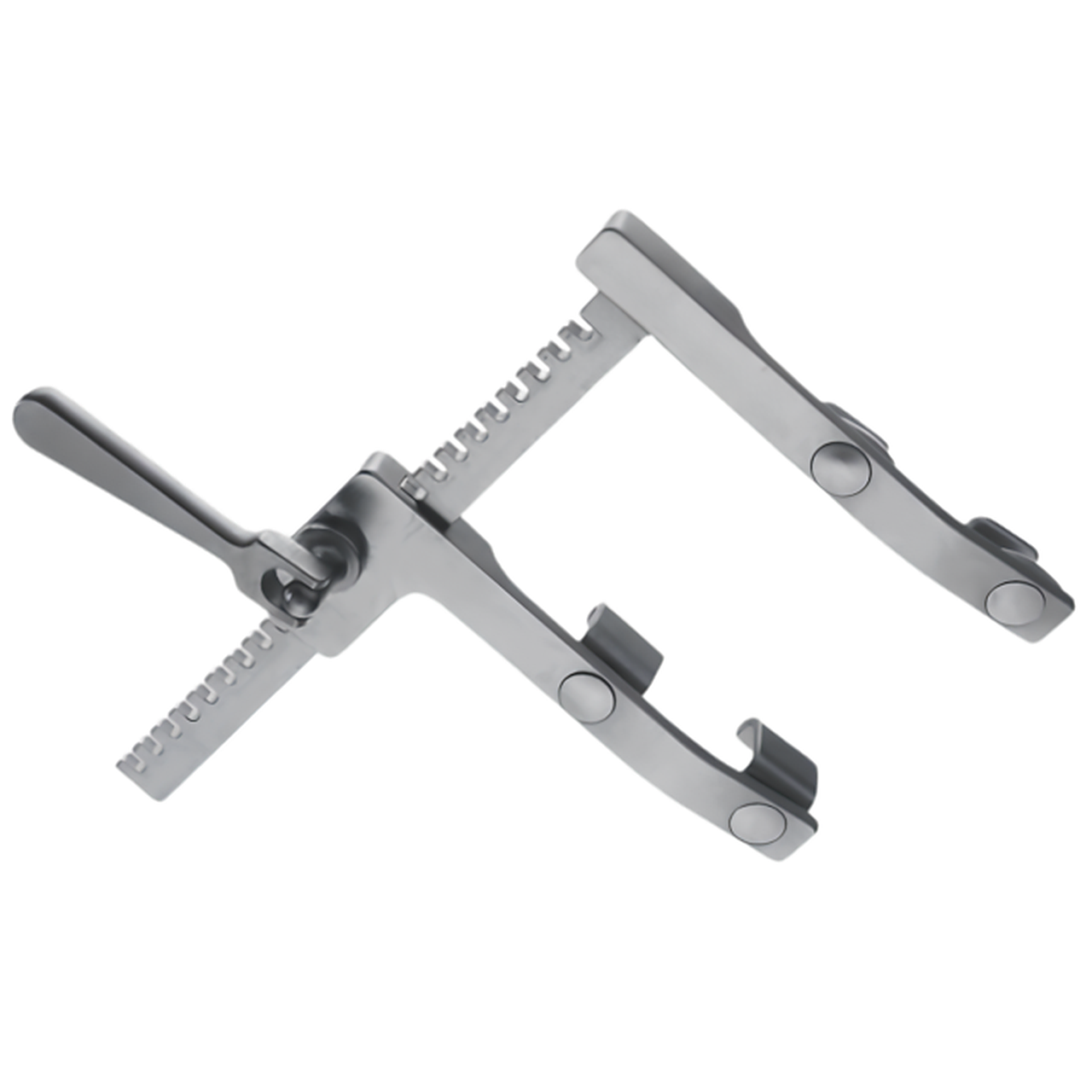 | Écarteur costal Morse-Favaloro | Spécifiquement conçu pour séparer les côtes grâce à des valves pivotantes mobiles lors de pontages aortocoronariens et de chirurgies thoraciques. |
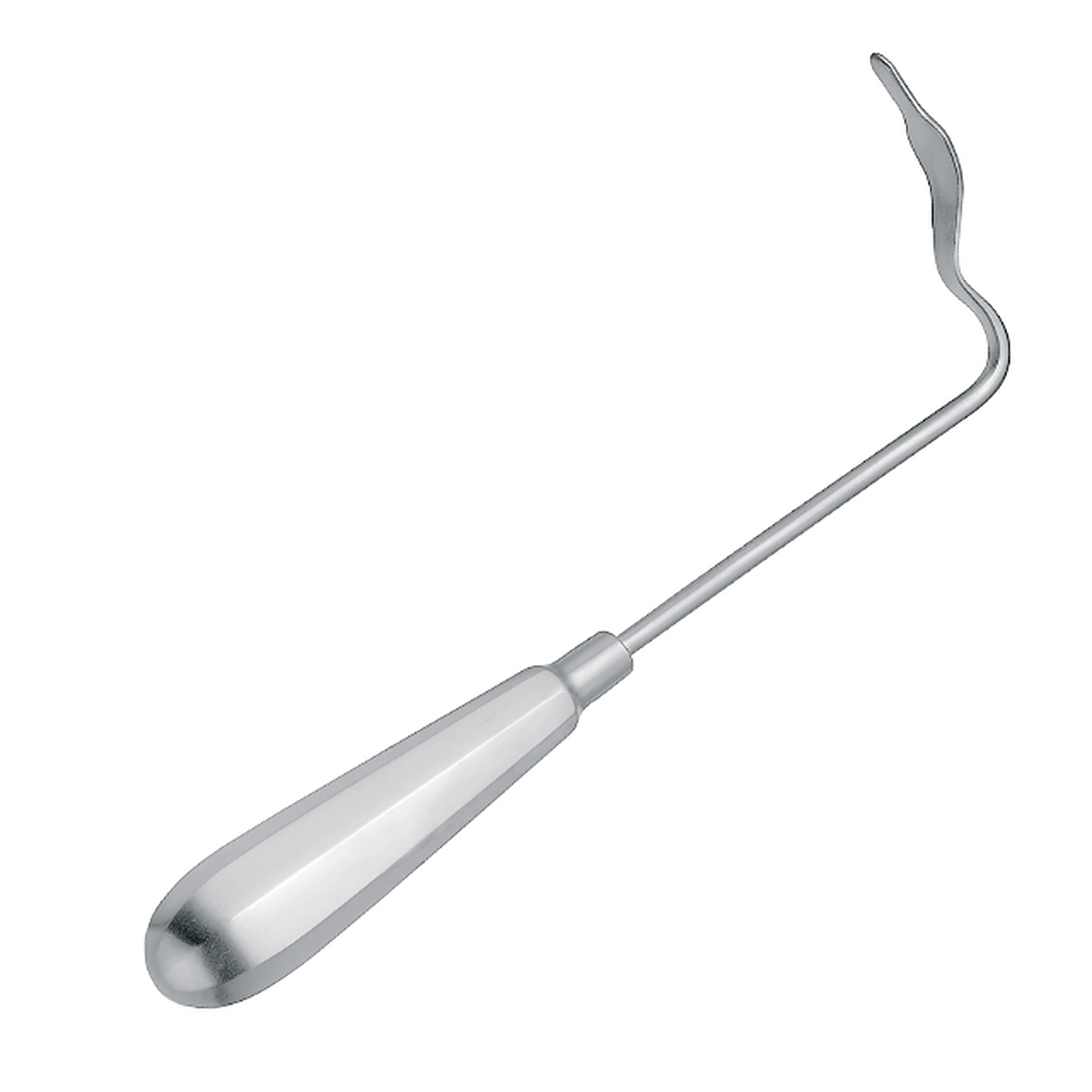 | Écarteur Muco-Périosté | Spécifiquement conçu pour écarter les lambeaux muco-périostés et exposer l'os cortical lors de chirurgies orales, dentaires et maxillo-faciales. |
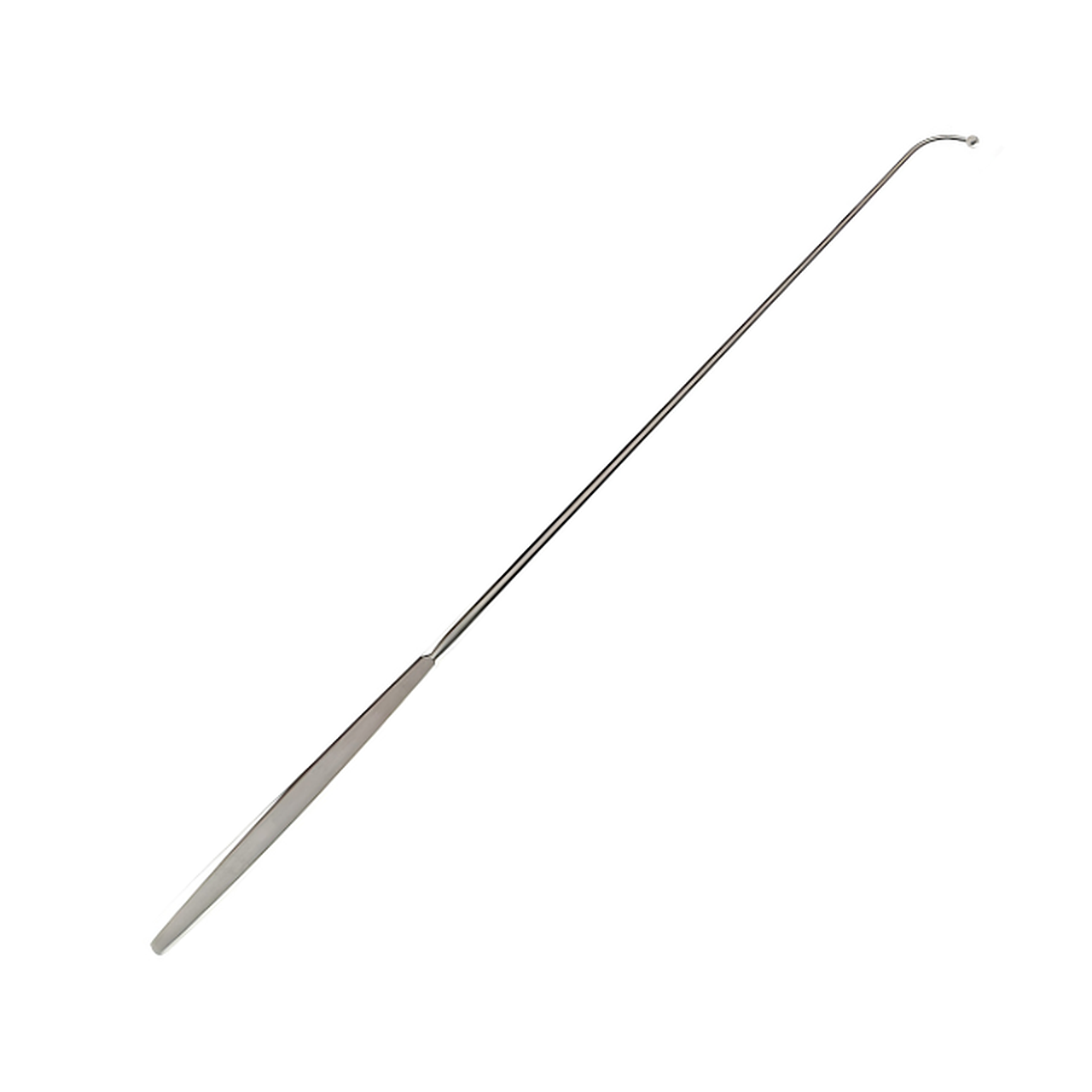 | Écarteur à boule Murphy | Spécifiquement conçu pour explorer, mobiliser et rétracter les nerfs, vaisseaux et conduits délicats lors de procédures chirurgicales profondes. |
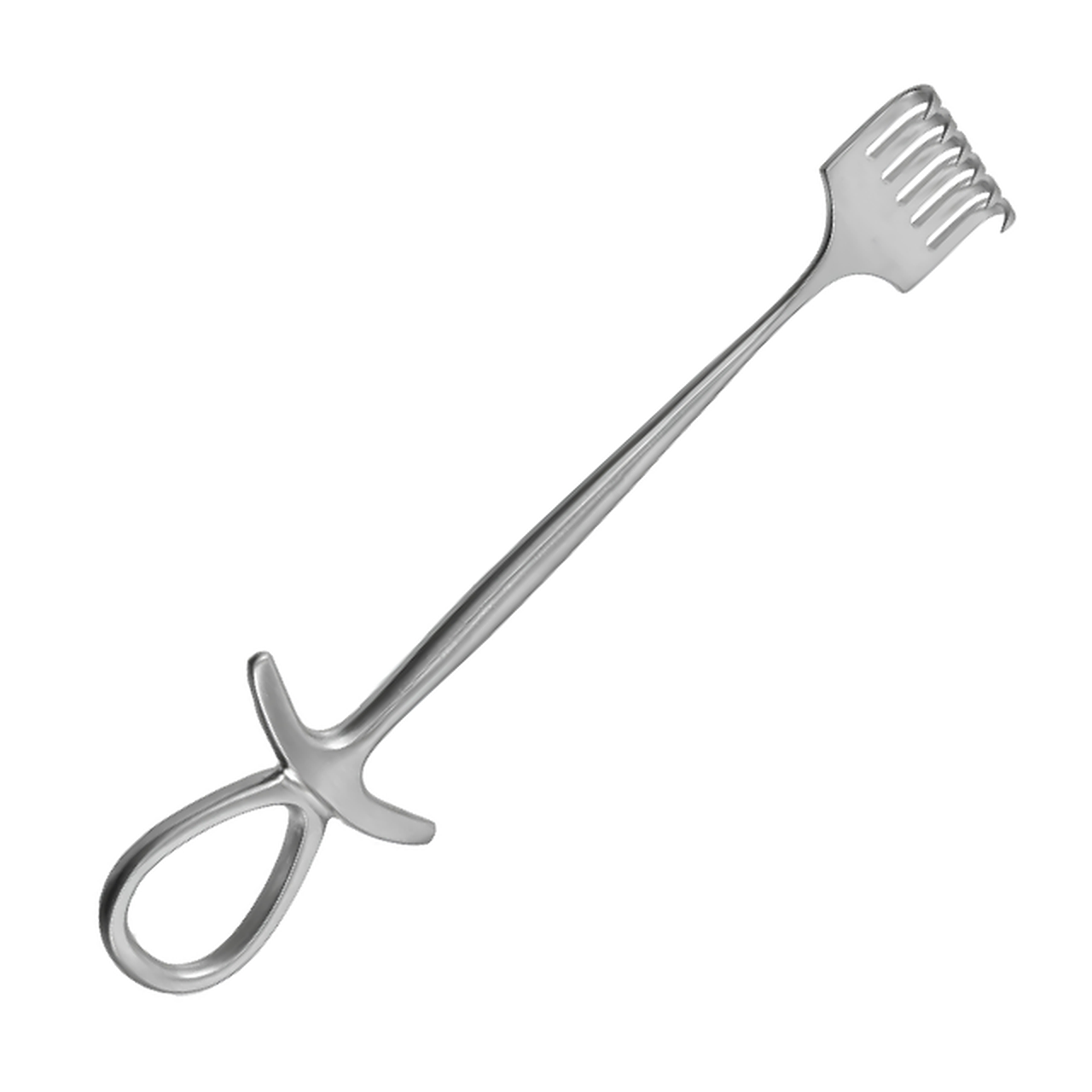 | Écarteur Murphy | Spécifiquement conçu pour rétracter les berges cutanées, les fascias et les tissus musculaires en chirurgie générale, orthopédique et plastique. |
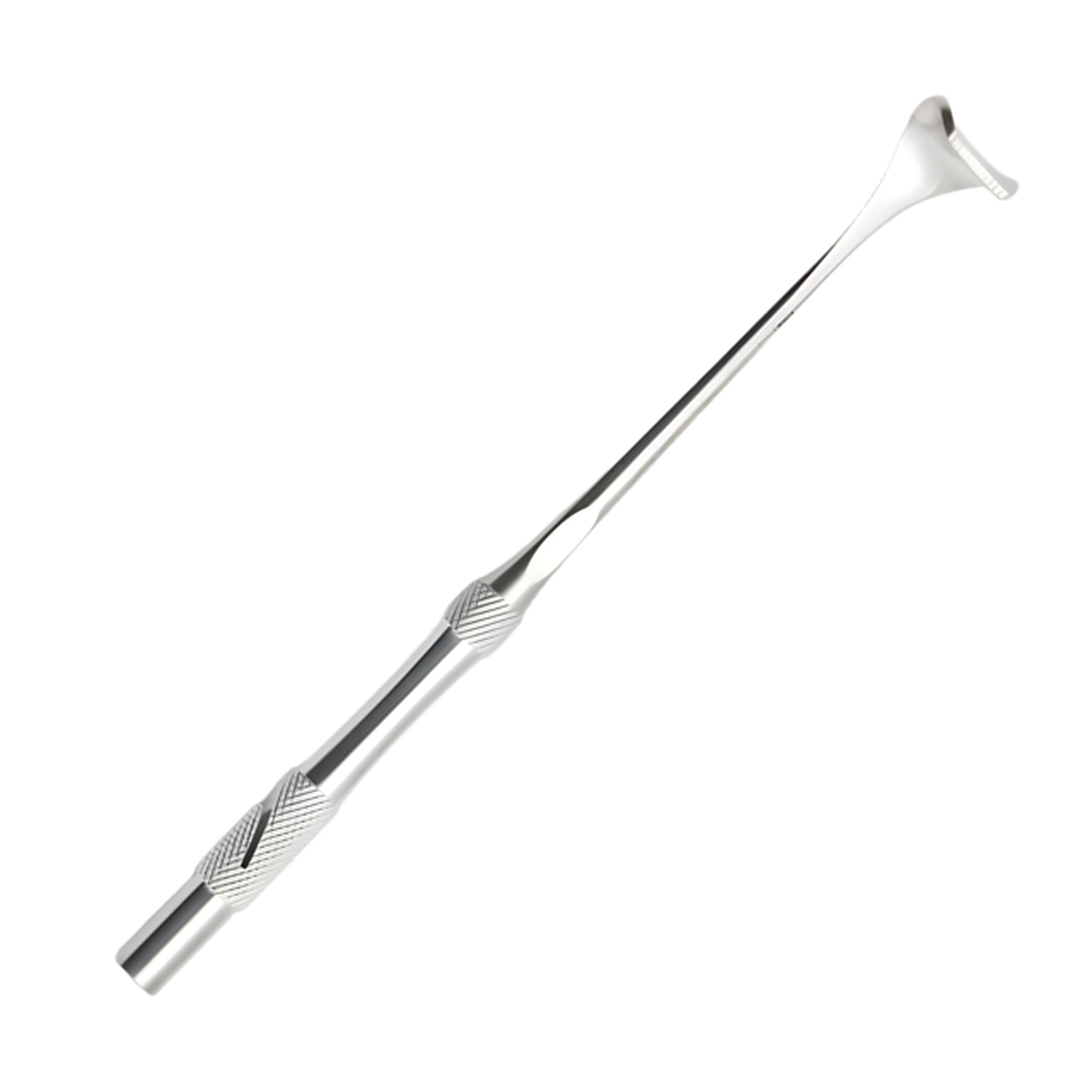 | Écarteur de Peau Nasale | Spécifiquement conçu pour élever les lambeaux cutanés nasaux et rétracter le cartilage lors de la rhinoplastie et de la chirurgie reconstructive faciale. |
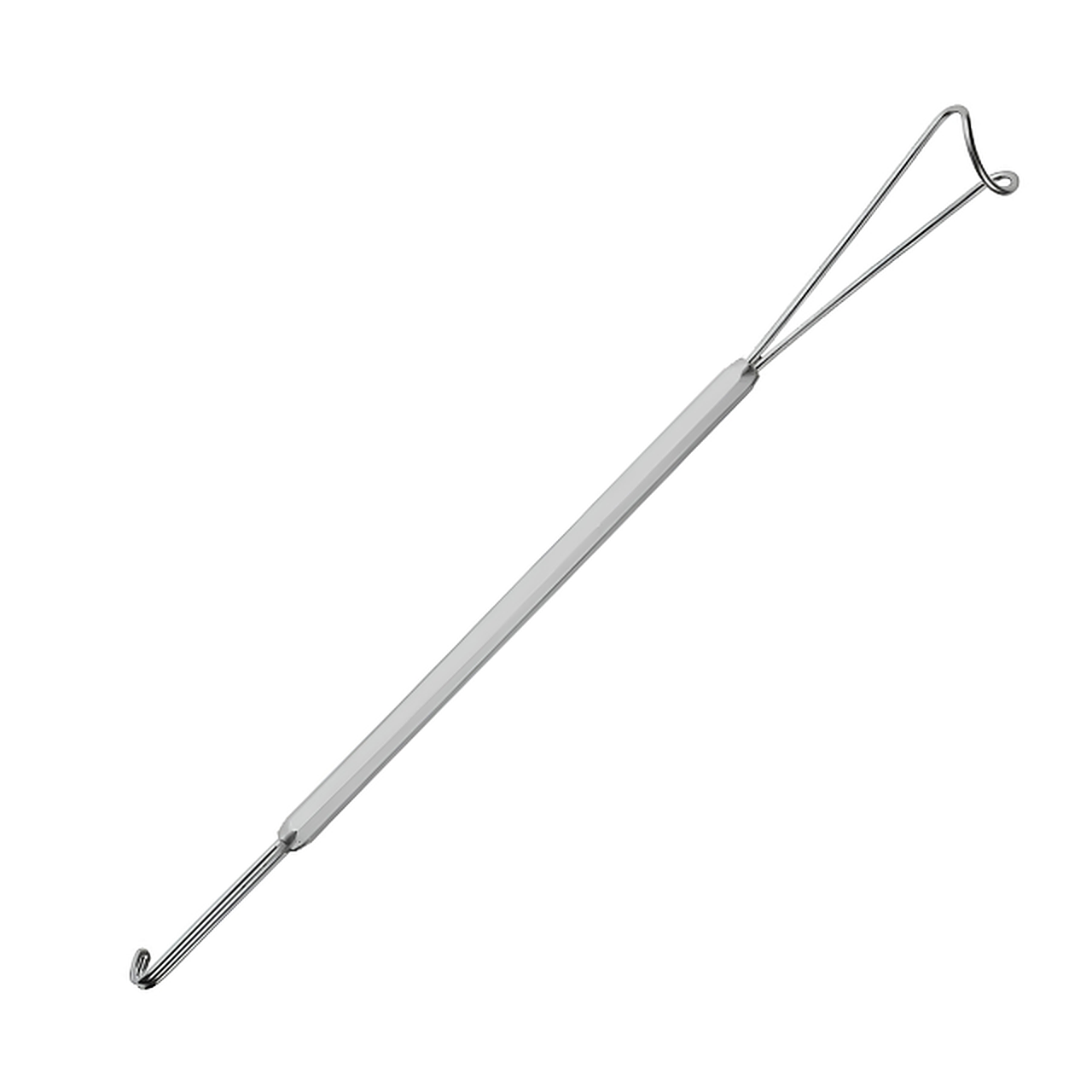 | Écarteur et guide-couteau Neivert | Spécifiquement conçu pour écarter les lambeaux cutanés et guider les couteaux à cartilage lors des procédures de rhinoplastie et de reconstruction nasale. |
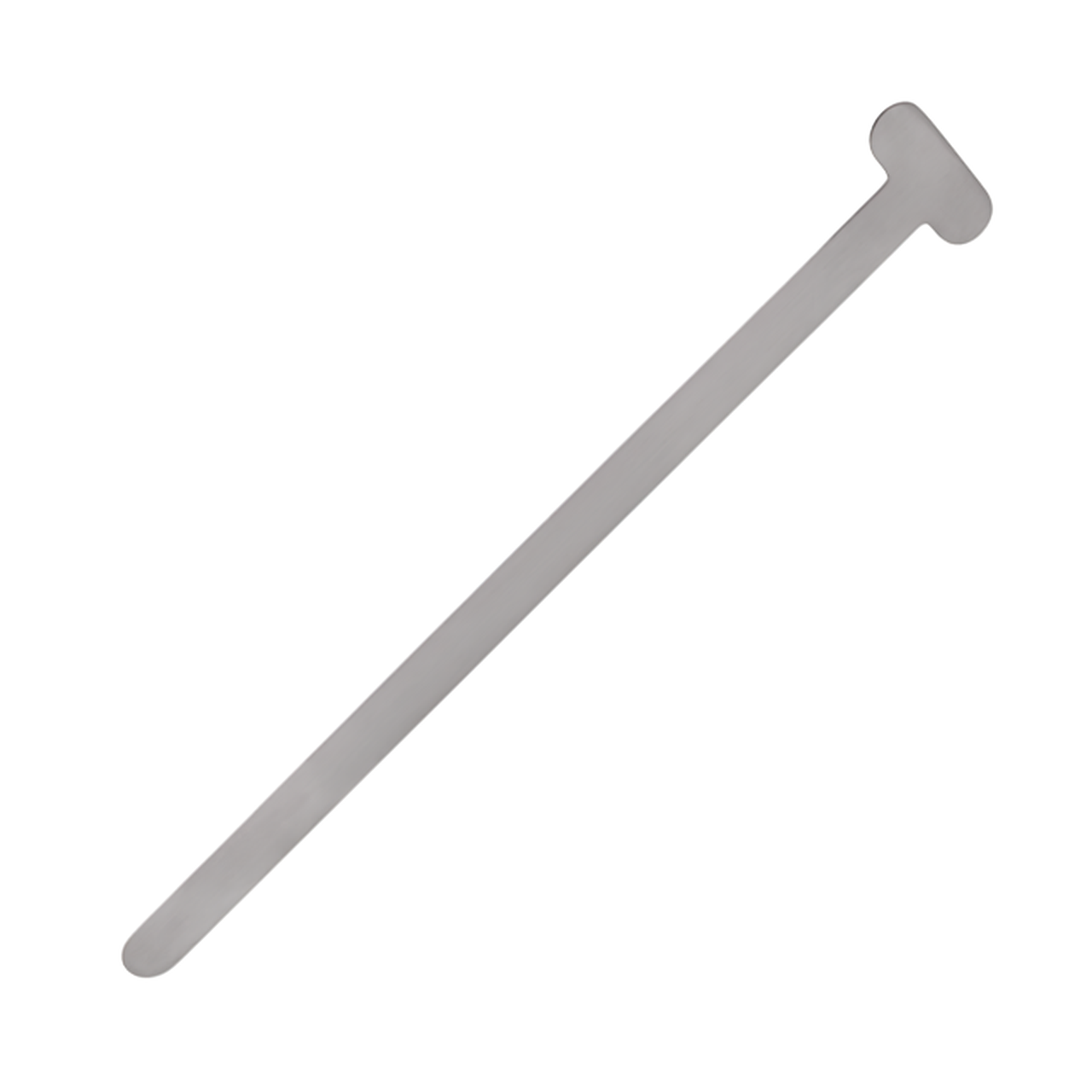 | Écarteur malléable néonatal en T | Spécifiquement conçu pour écarter les viscères délicats, les intestins et les tissus mous lors des procédures chirurgicales néonatales et pédiatriques. |
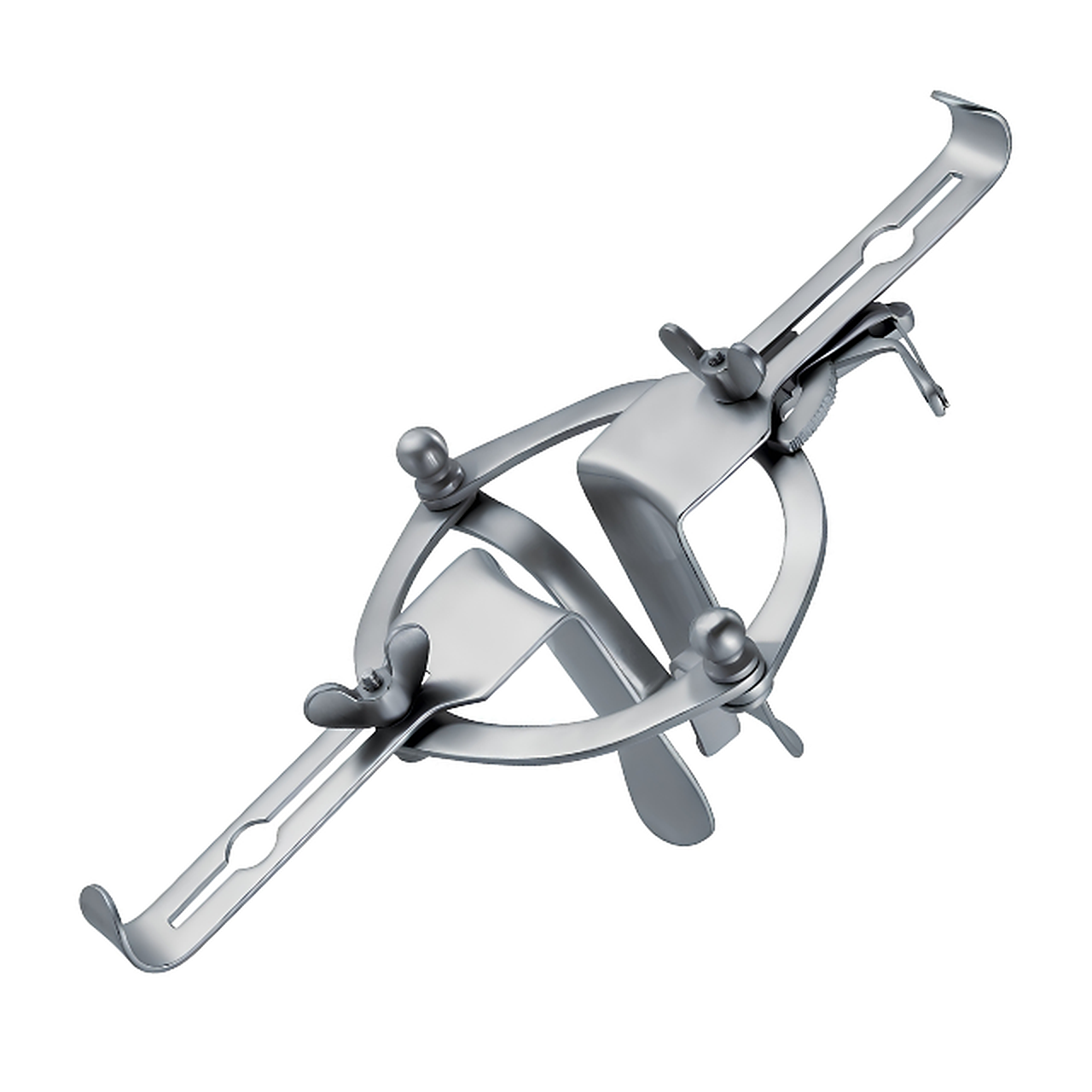 | Écarteur Vaginal O'Sullivan-O'Conner | Spécifiquement conçu pour assurer la rétraction auto-statique de la paroi pelvienne et des viscères lors d'interventions chirurgicales gynécologiques et pelviennes majeures. |
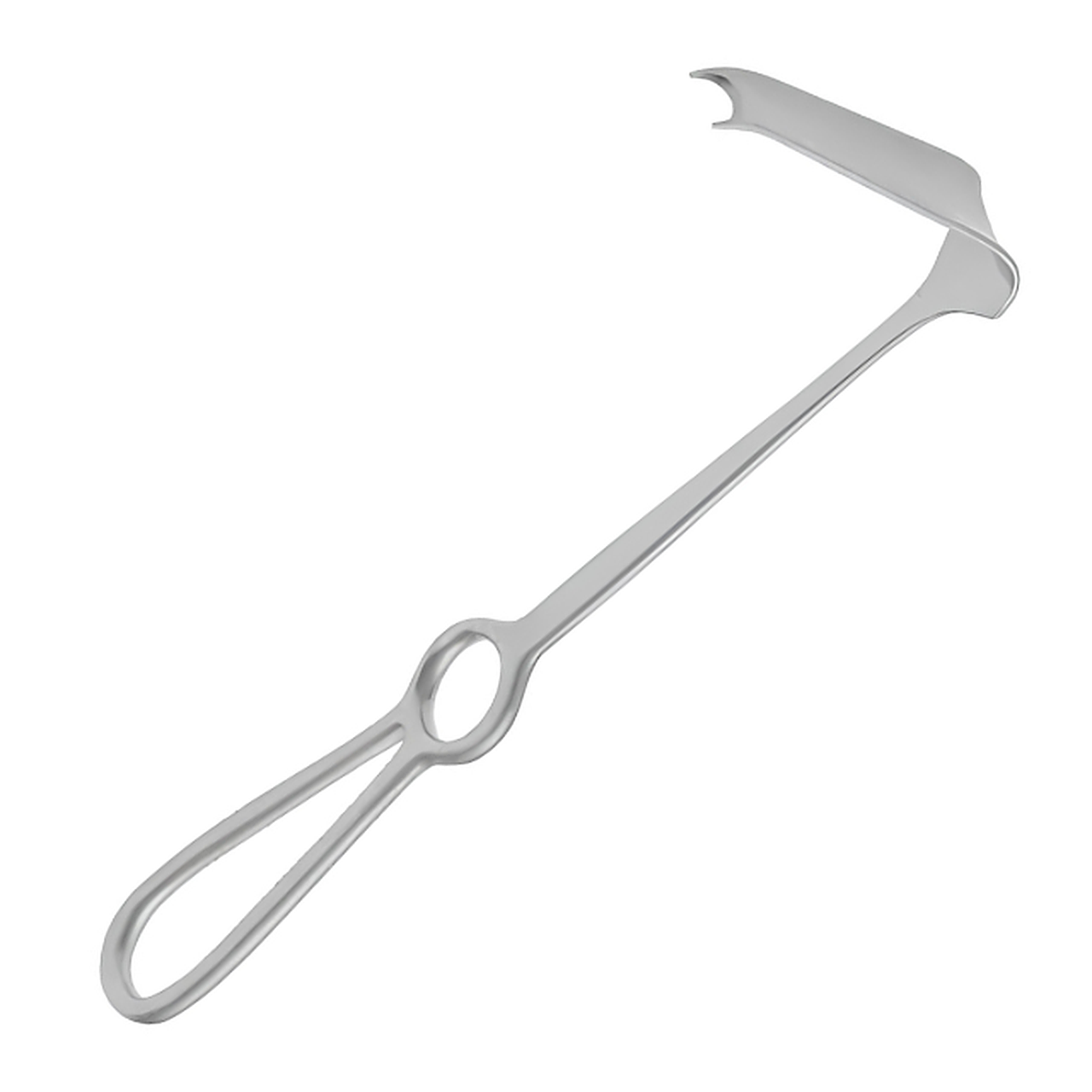 | Écarteur alvéolaire d'Obwegeser | Spécifiquement conçu pour écarter les lèvres, les joues et le mucopérioste afin d'exposer la crête alvéolaire pendant la chirurgie orthognathique. |
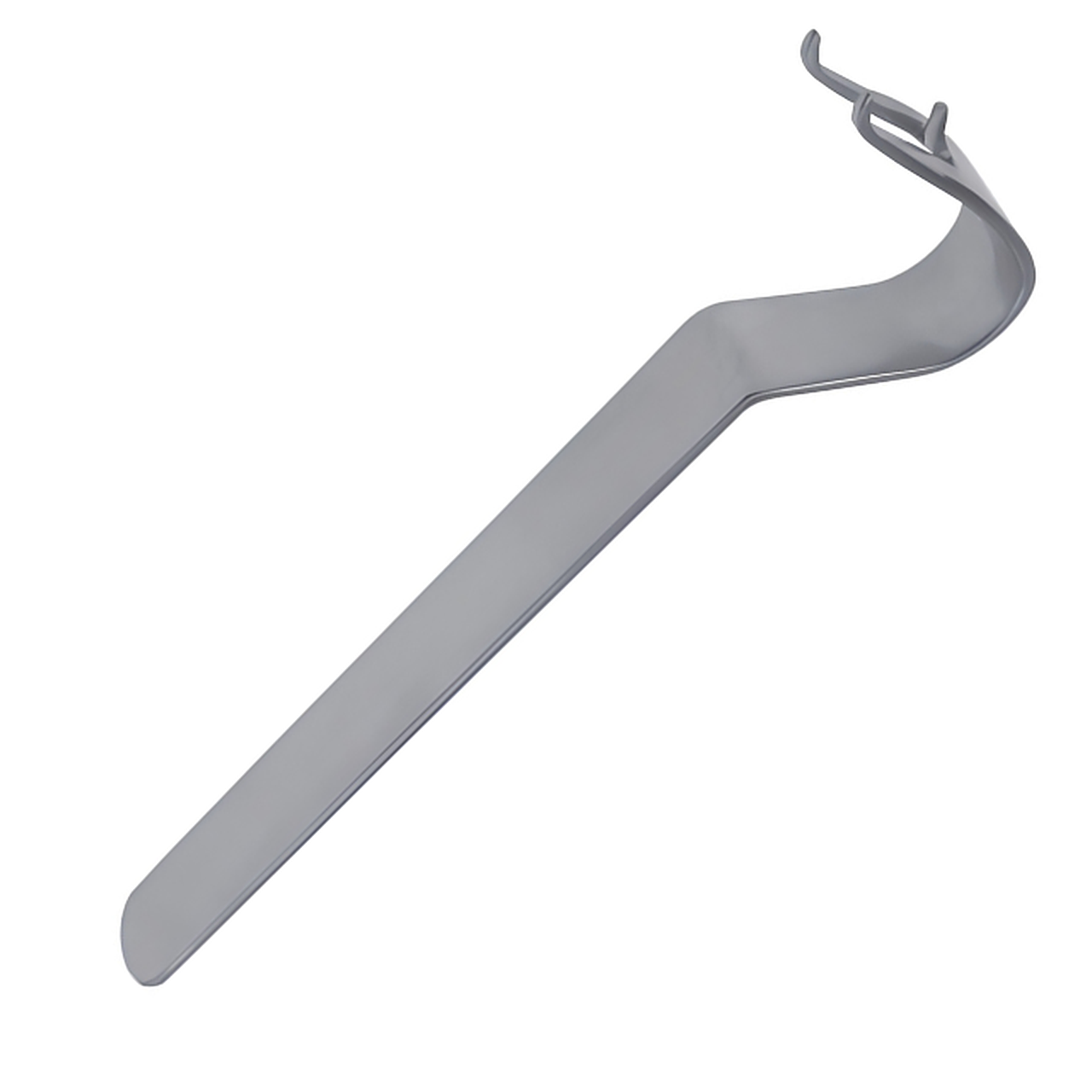 | Écarteur de menton Obwegeser | Spécifiquement conçu pour écarter le muscle mentonnier et les tissus mous afin d'exposer la symphyse mandibulaire lors d'une génioplastie. |
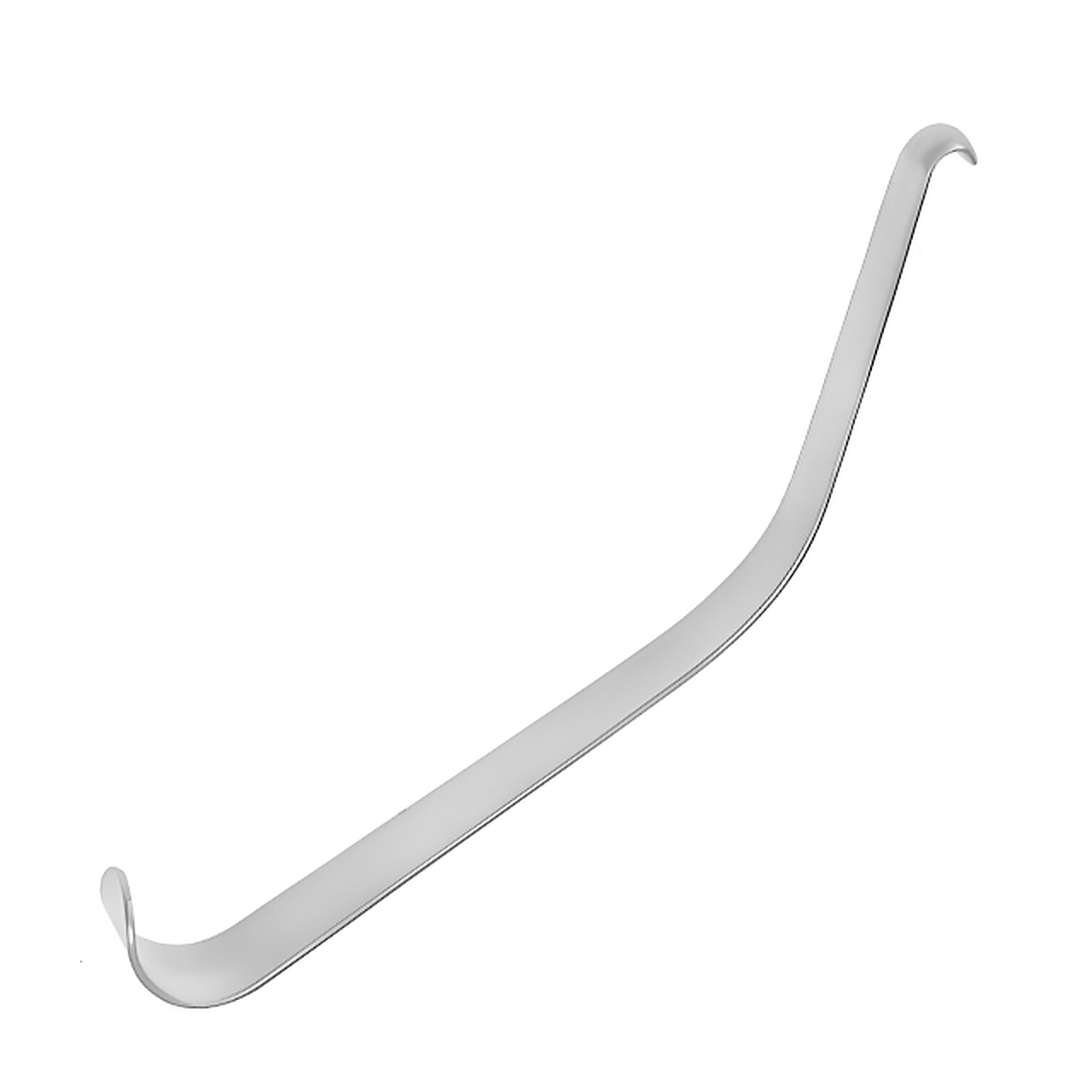 | Écarteur de bord basilaire Obwegeser | Spécifiquement conçu pour s'accrocher autour du bord inférieur de la mandibule et protéger les faisceaux neurovasculaires lors des ostéotomies orthognathiques. |
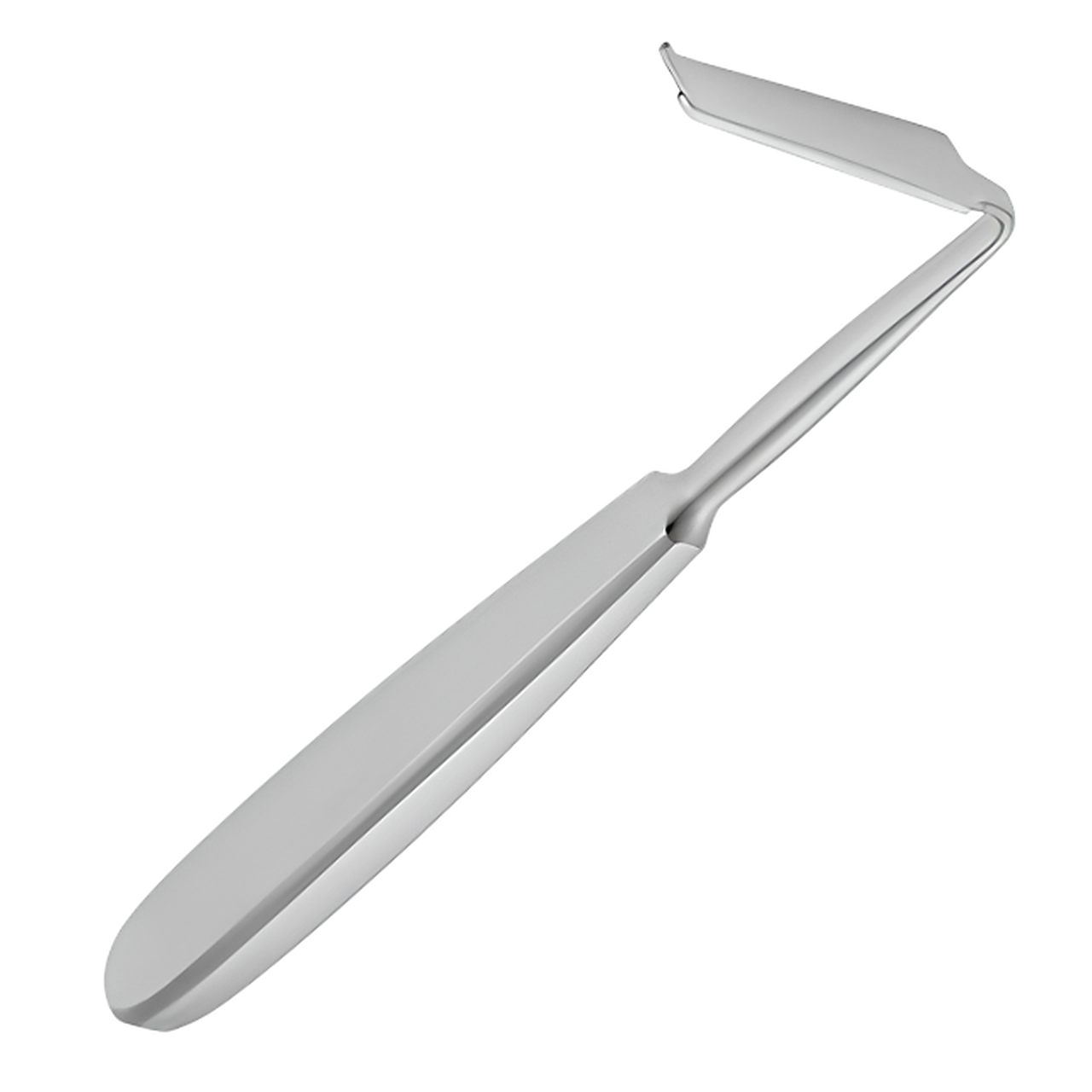 | Écarteur de bord mandibulaire Obwegeser | Spécifiquement conçu pour écarter les tissus mous et protéger les structures neurovasculaires le long du bord mandibulaire pendant la chirurgie orthognathique. |
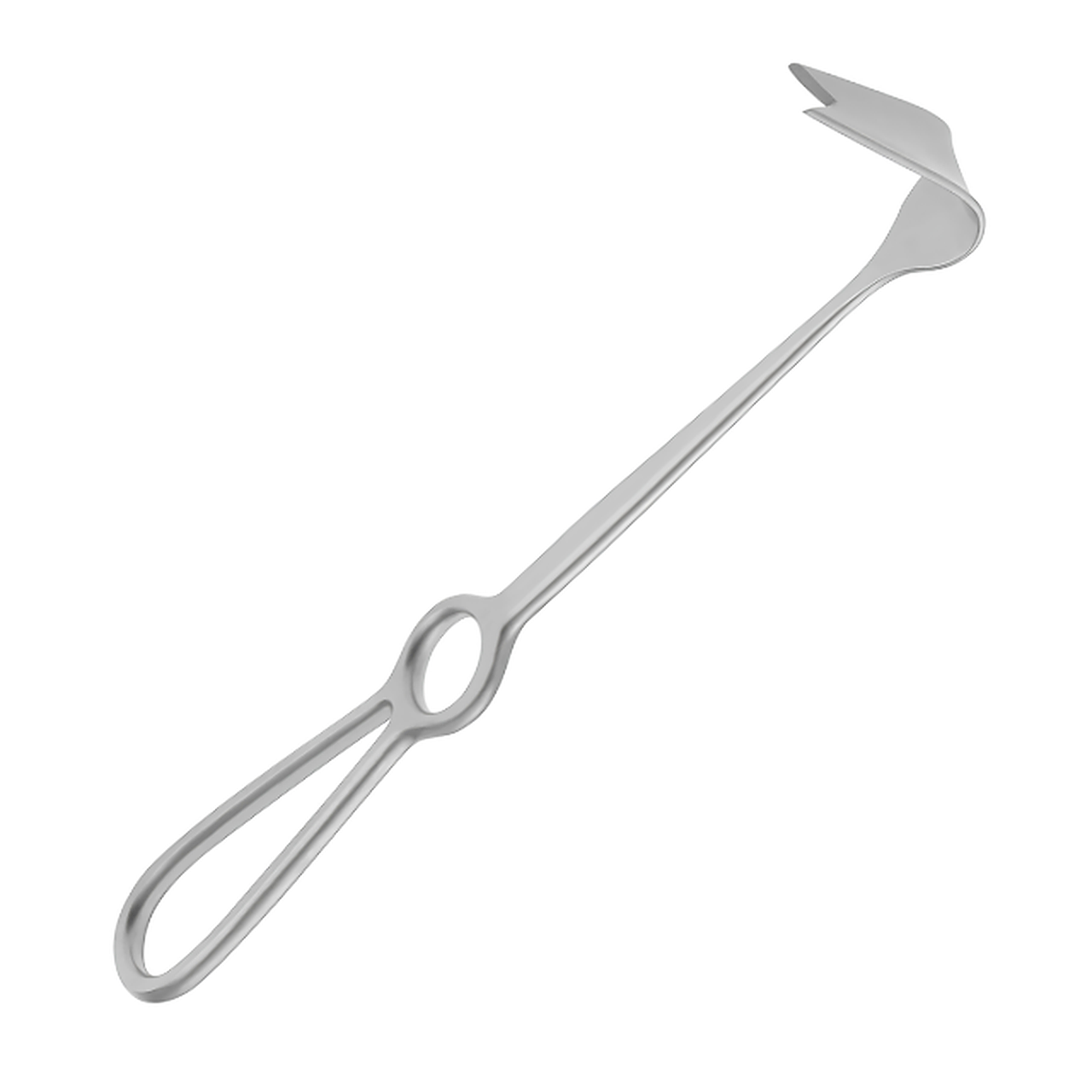 | Écarteur de l'épine nasale Obwegeser | Spécifiquement conçu pour s'accrocher à l'épine nasale antérieure et soulever la lèvre supérieure lors des ostéotomies Le Fort et de la chirurgie maxillo-faciale. |
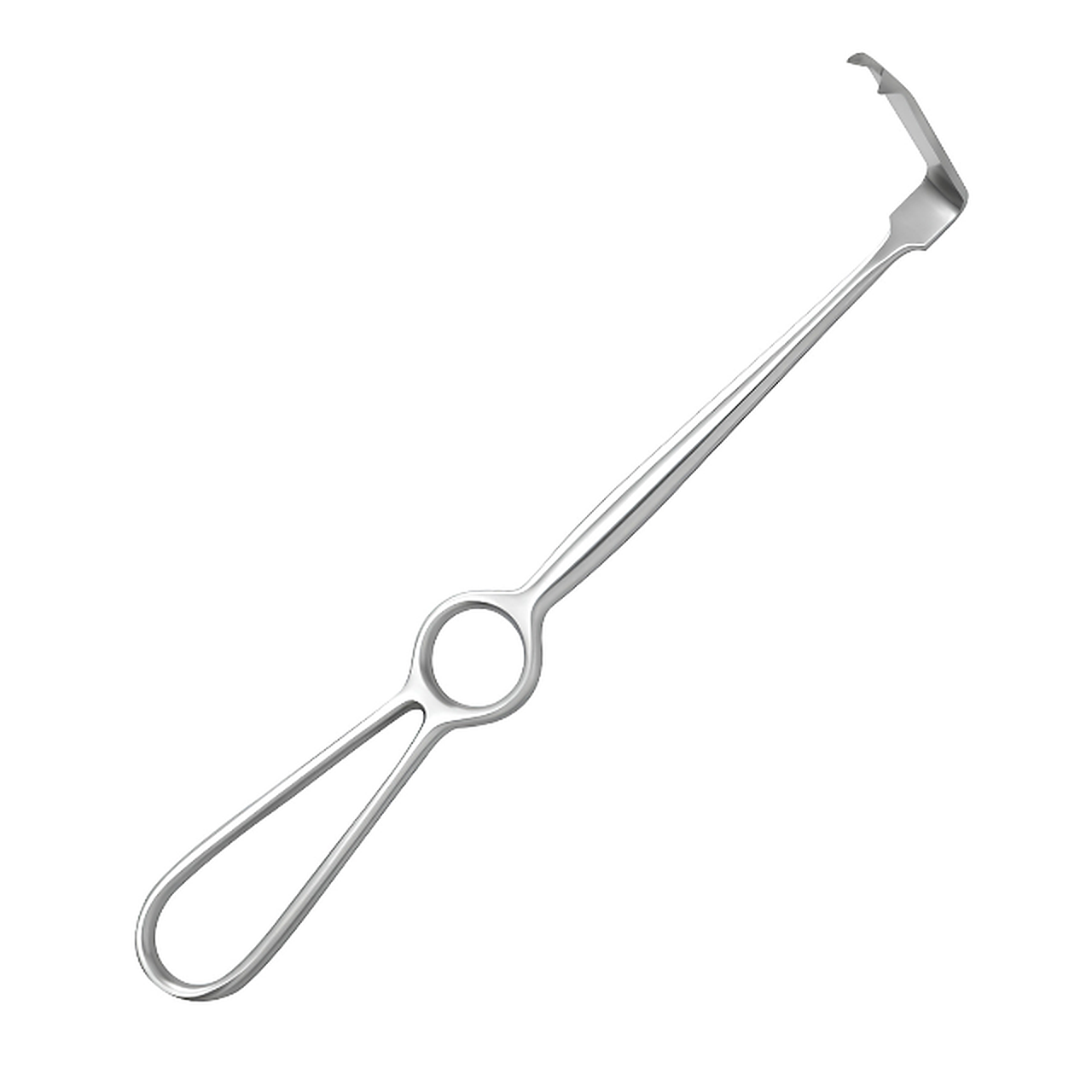 | Écarteur Obwegeser Ramus | Spécifiquement conçu pour s'accrocher autour de la branche montante mandibulaire et protéger les tissus mous lors des ostéotomies orthognathiques. |
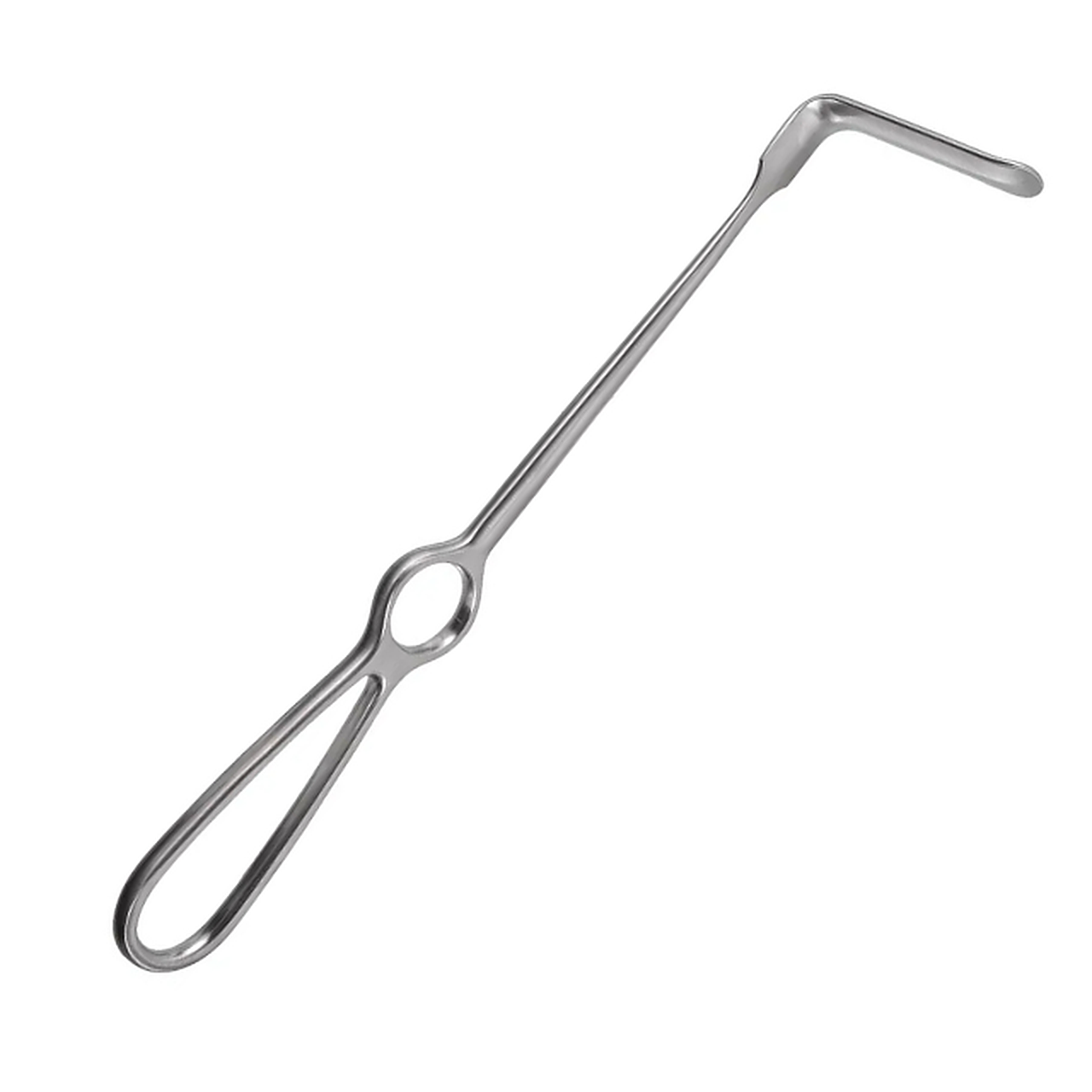 | Écarteur de tissus mous Obwegeser | Spécialement conçu pour rétracter et protéger les lambeaux mucopériostés, les joues et les tissus mous pendant la chirurgie maxillo-faciale orale et orthognathique. |
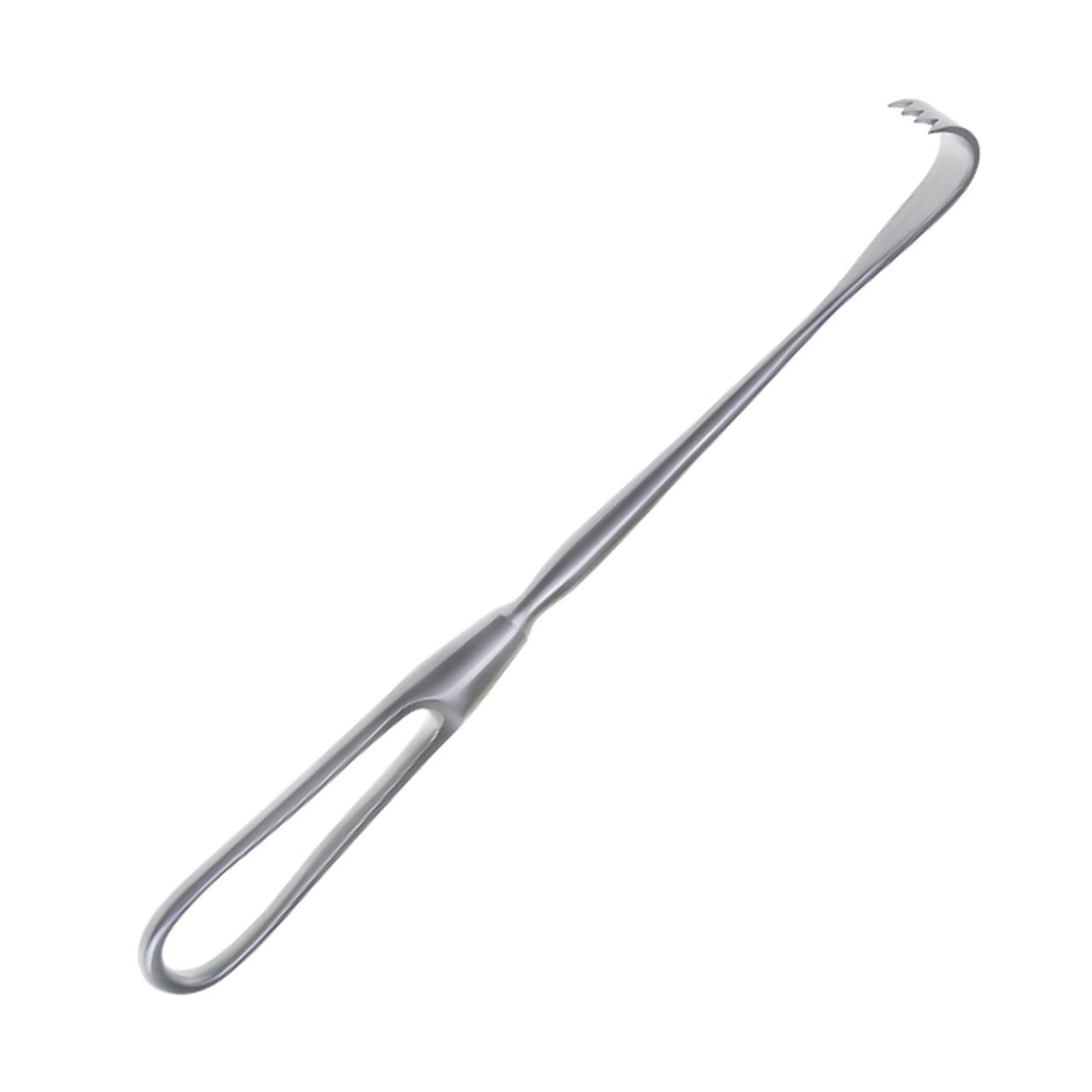 | Écarteur Oldberg | Spécifiquement conçu pour écarter les lambeaux cutanés, les muscles et les fascias lors de chirurgies crâniennes, rachidiennes et orthopédiques. |
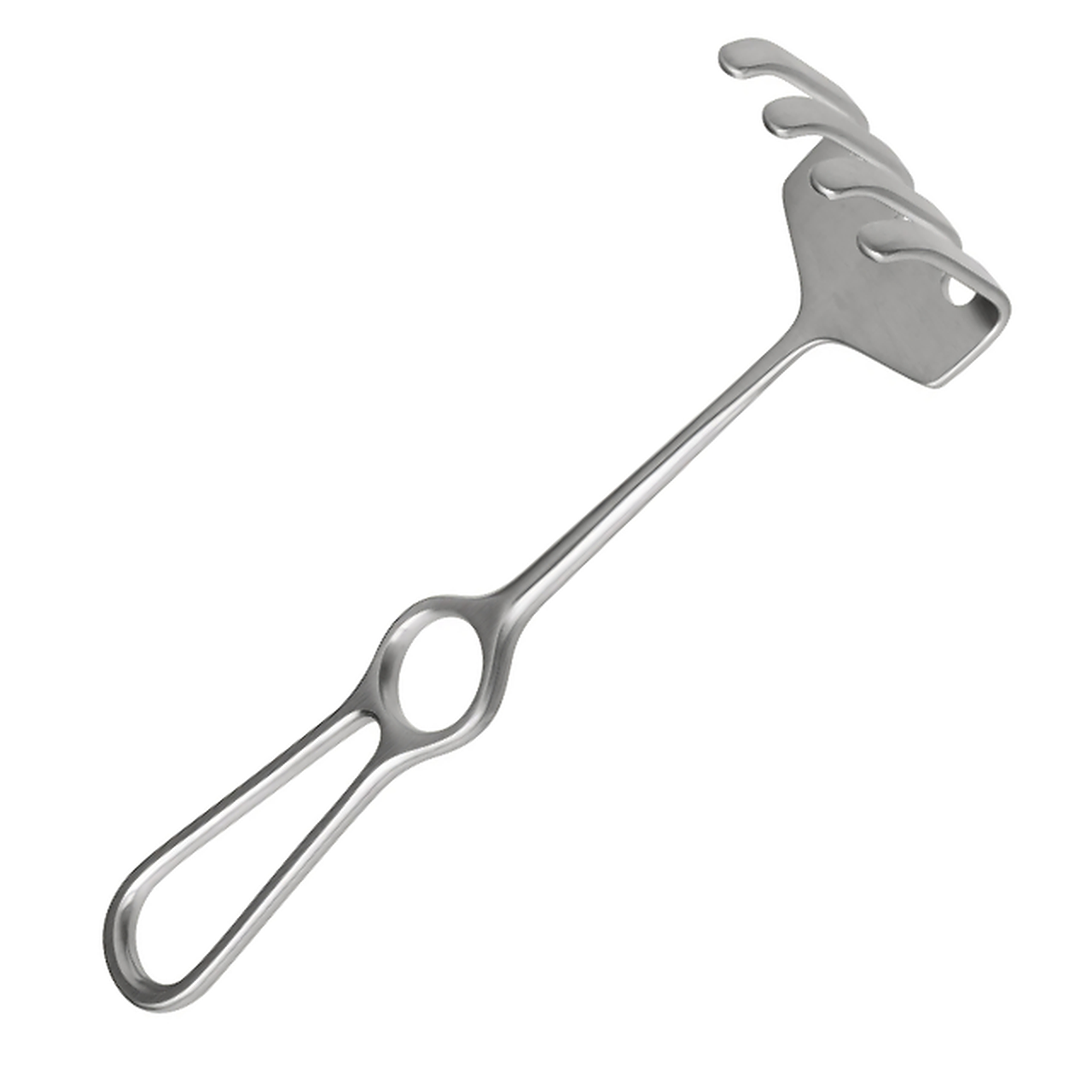 | Écarteurs Ollier | Spécifiquement conçu pour rétracter les couches musculaires épaisses, les fascias et les berges tissulaires denses pendant la chirurgie abdominale et orthopédique. |
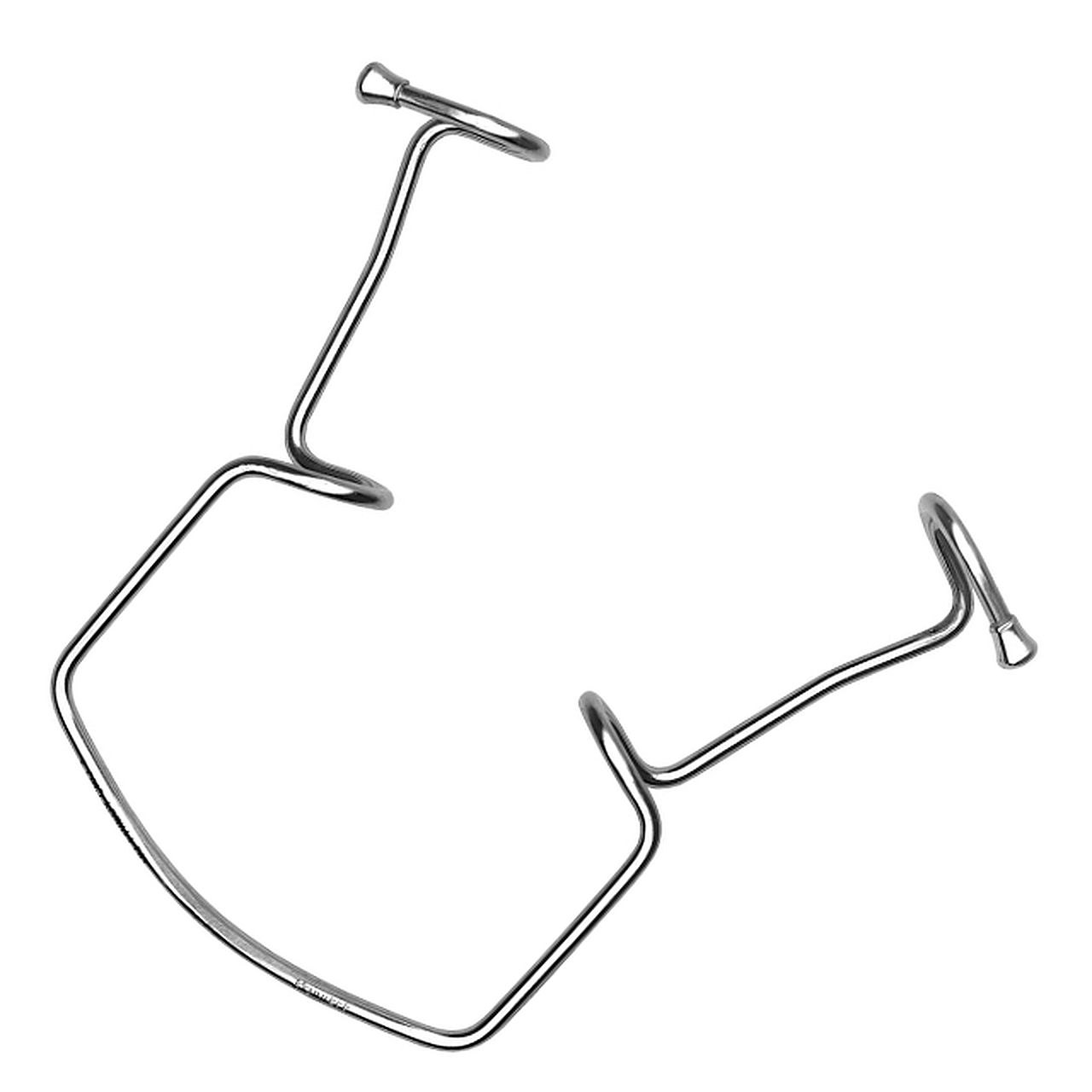 | Écarteur de joues Orringer | Spécifiquement conçu pour assurer une rétraction bilatérale autobloquante des joues et des lèvres lors de chirurgies buccales et dentaires. |
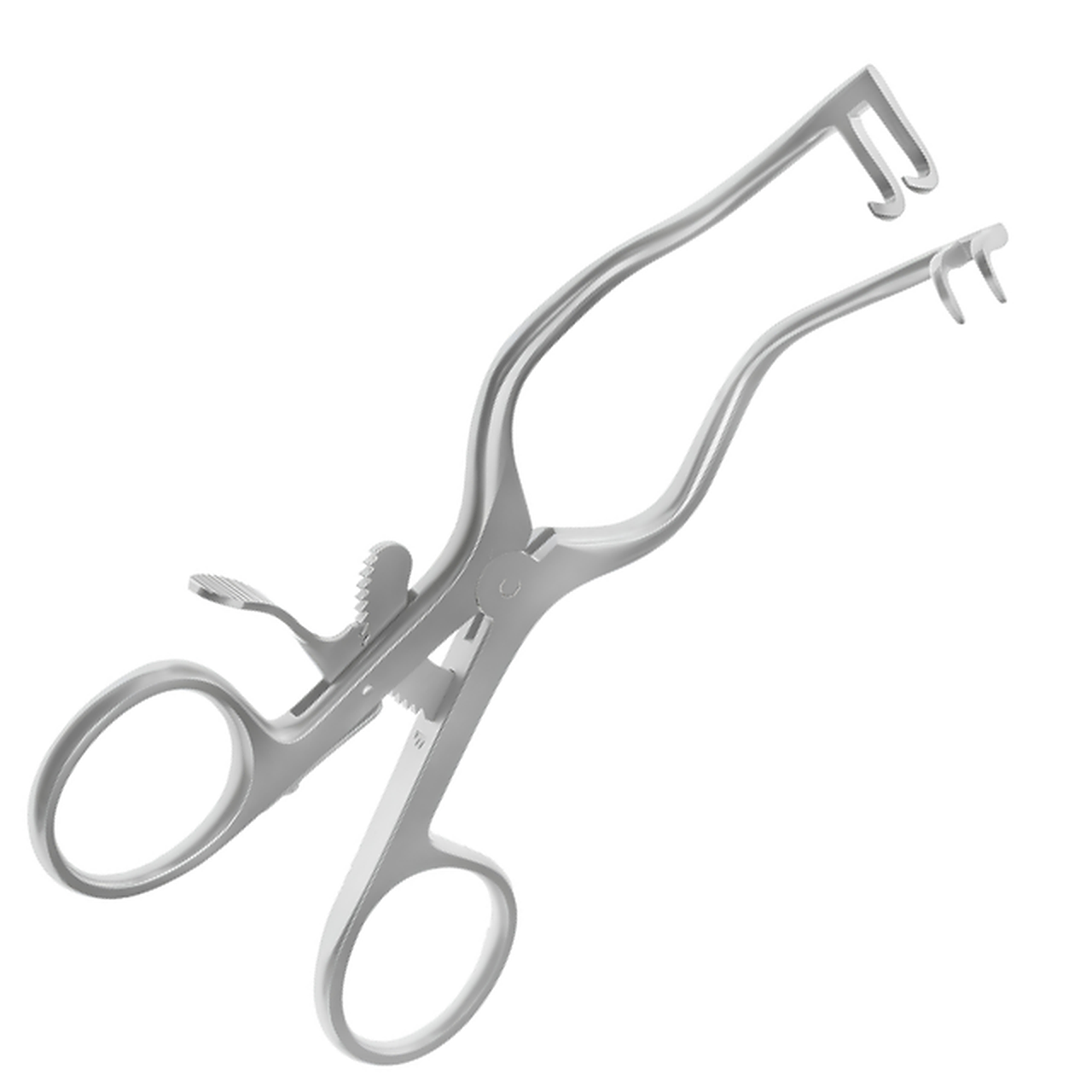 | Écarteur autostatique Paparella-Weitlaner | Spécifiquement conçu pour assurer la rétraction autostatique du périoste et des berges de la plaie lors des chirurgies de la mastoïde, de l'oreille et du cuir chevelu. |
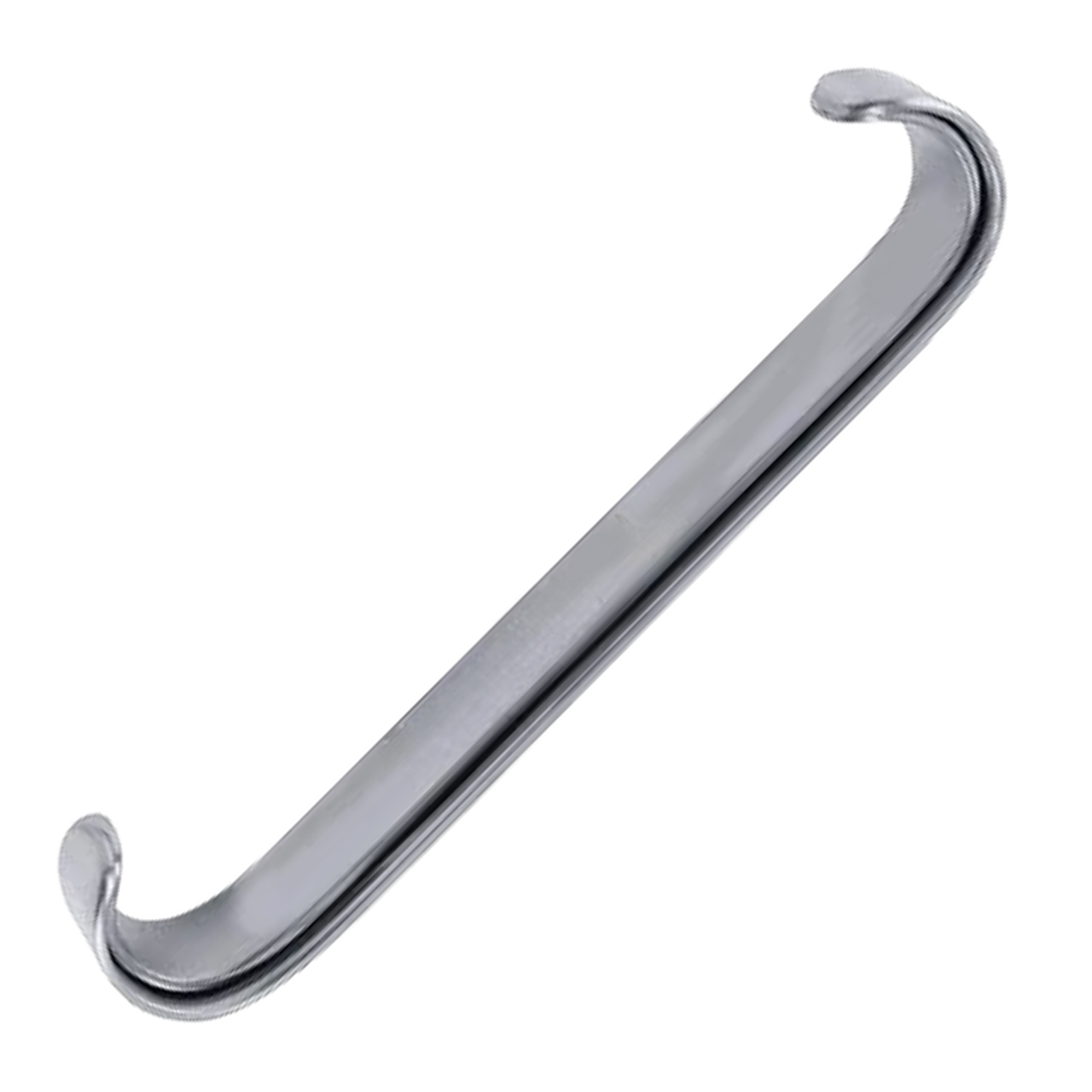 | Écarteur Parker - Lot de deux | Spécifiquement conçu pour écarter les berges cutanées, les fascias et les couches musculaires superficielles lors de chirurgies mineures et générales. |
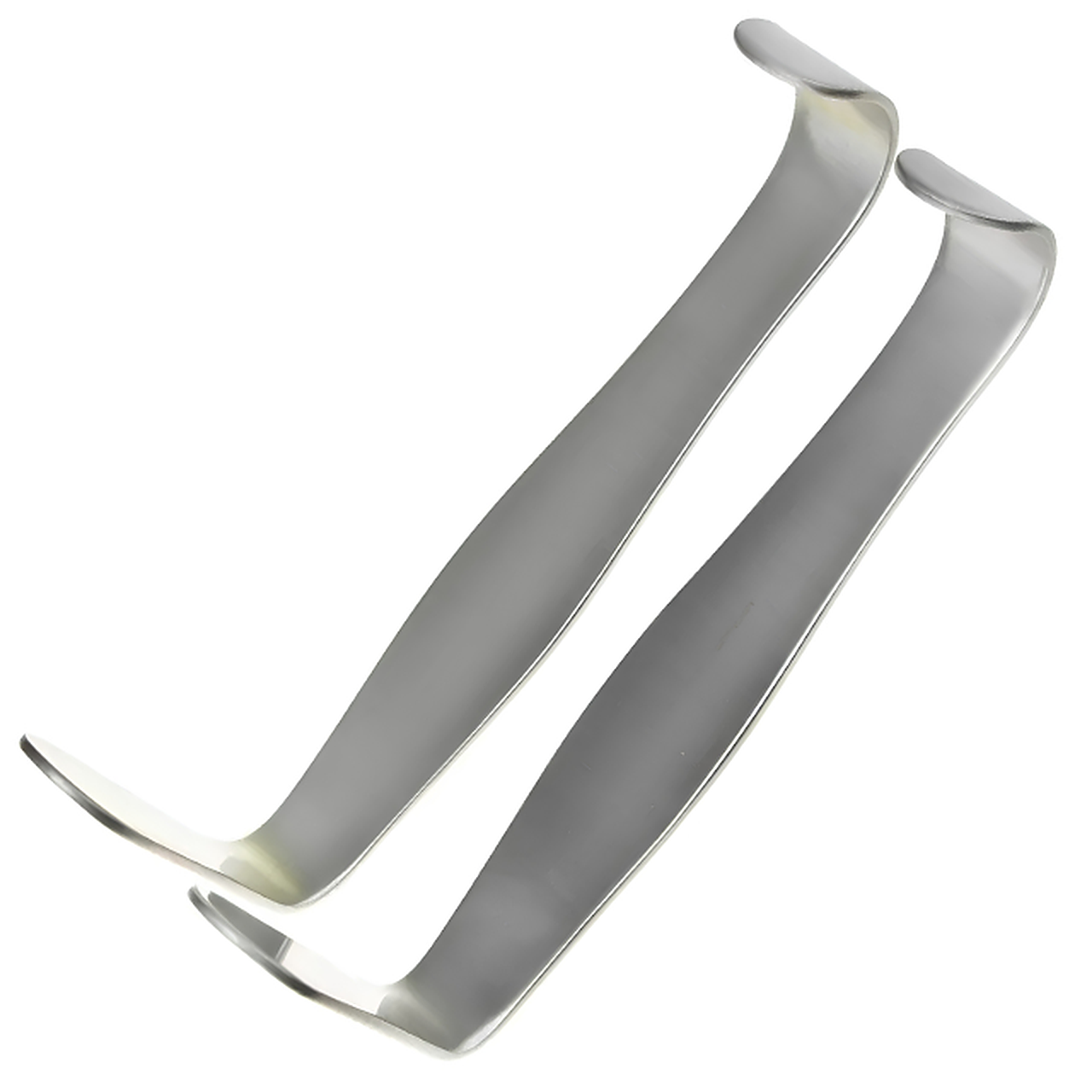 | Écarteur Parker-Mott - Jeu de deux | Spécifiquement conçu pour rétracter la peau, les fascias et les tissus mous au niveau des incisions chirurgicales superficielles et intermédiaires. |
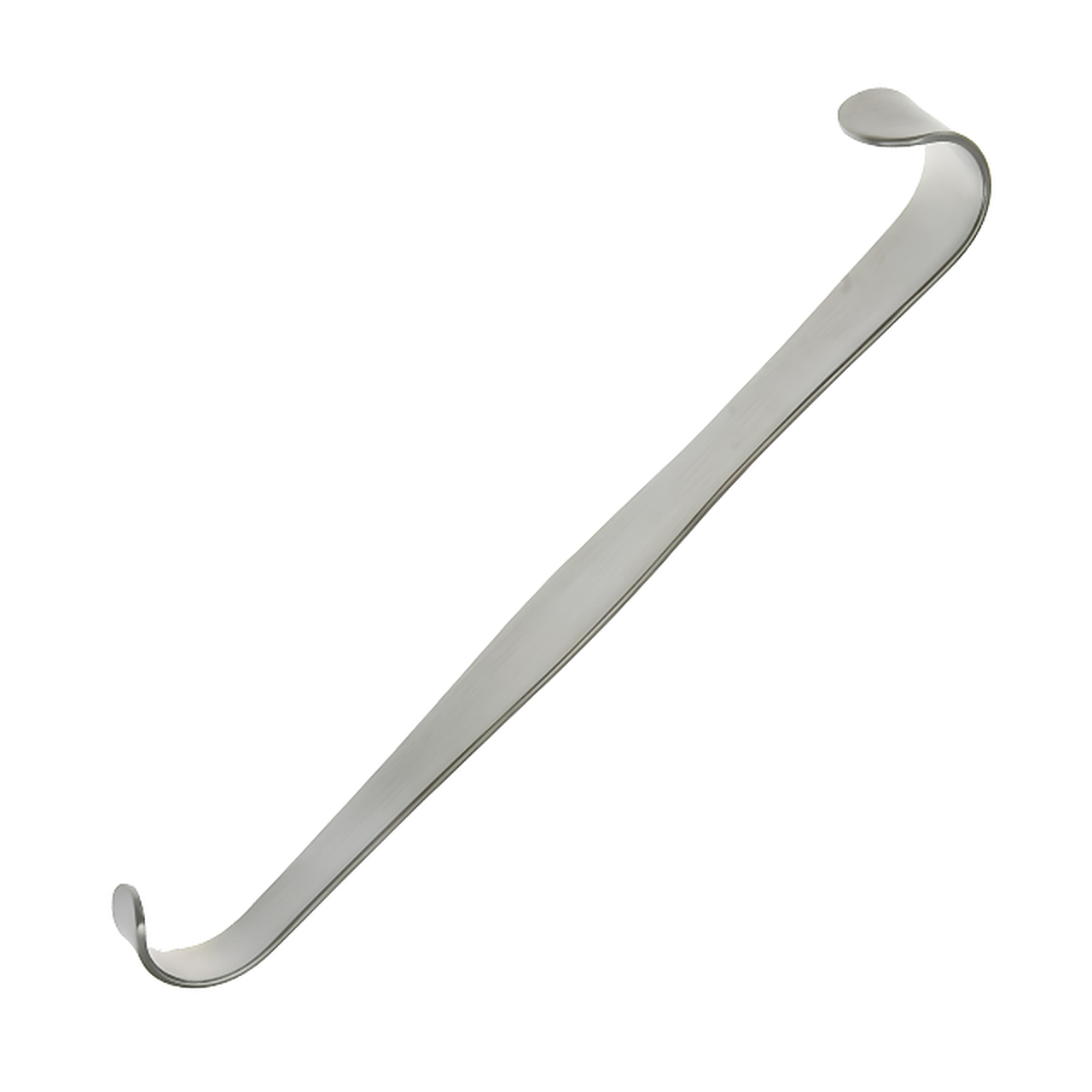 | Écarteur Parker-Tommy | Spécifiquement conçu pour rétracter les berges cutanées, les fascias et les tissus mous lors d'incisions chirurgicales superficielles et intermédia. |
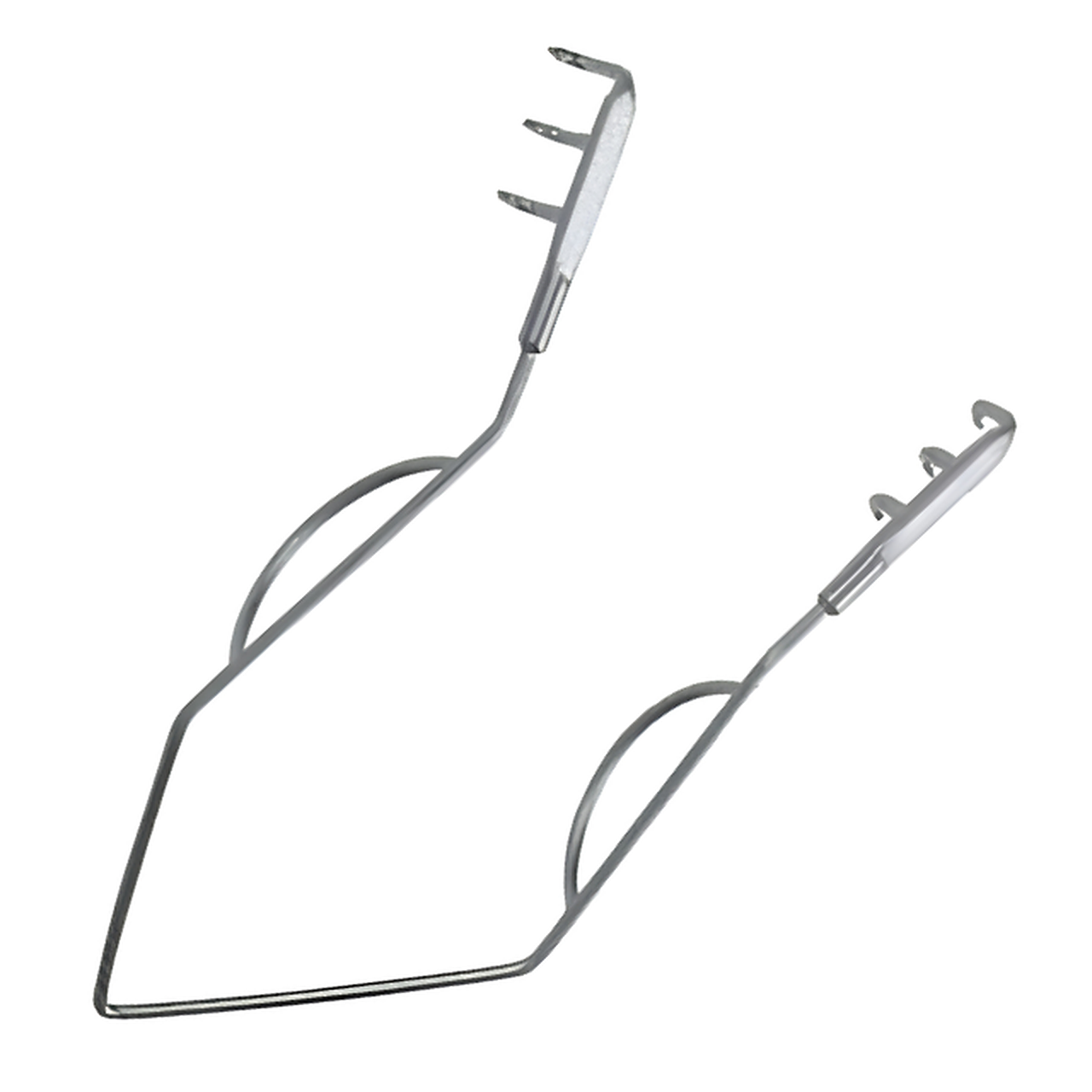 | Écarteur épicardique de Parsonnet | Spécialement conçu pour écarter la graisse épicardique et le myocarde afin d'isoler les artères coronaires lors des pontages aorto-coronariens. |
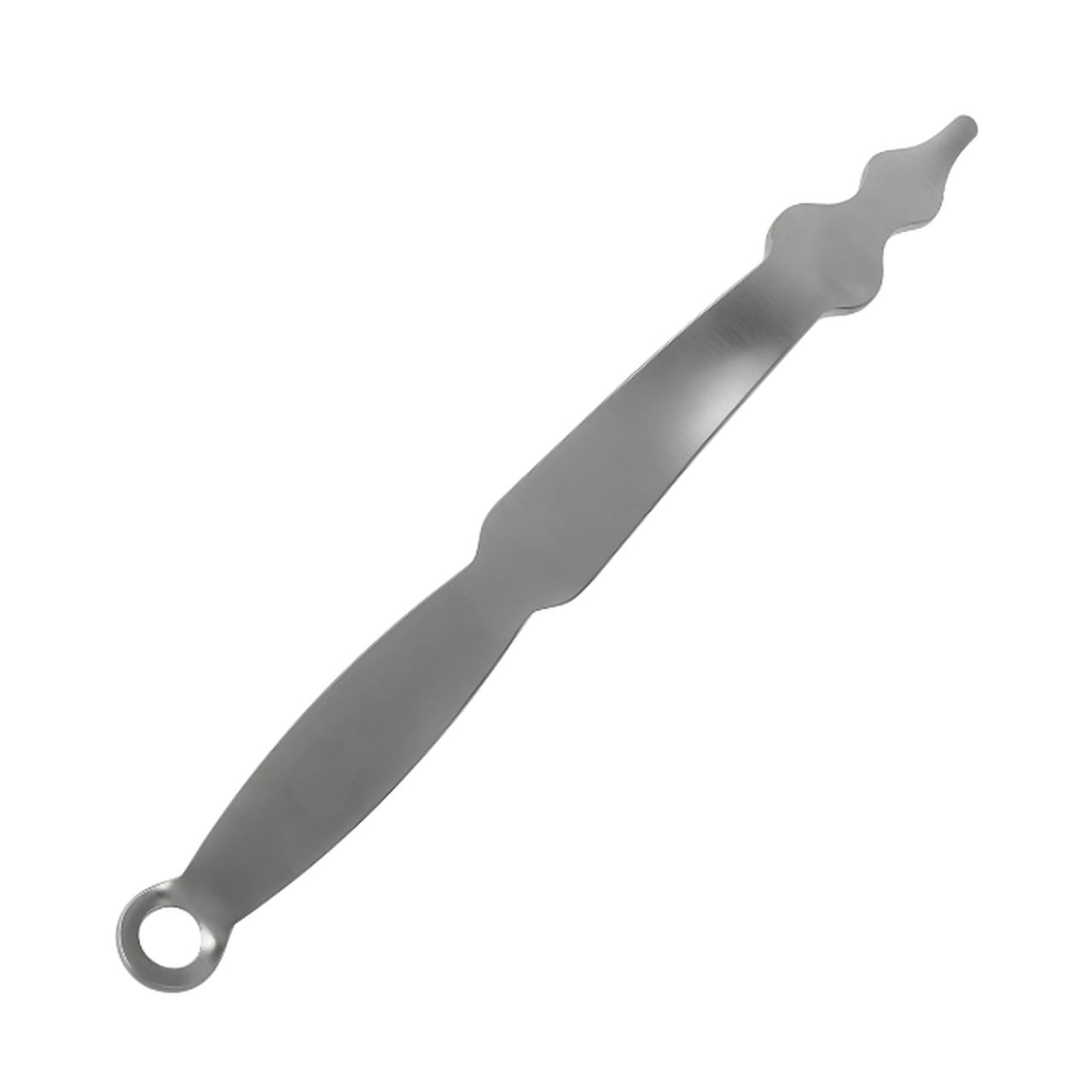 | Écarteur rotulien (Patella Retractor) | Spécifiquement conçu pour soulever, éverser et écarter la rotule et le tendon rotulien pendant l'arthroplastie du genou. |
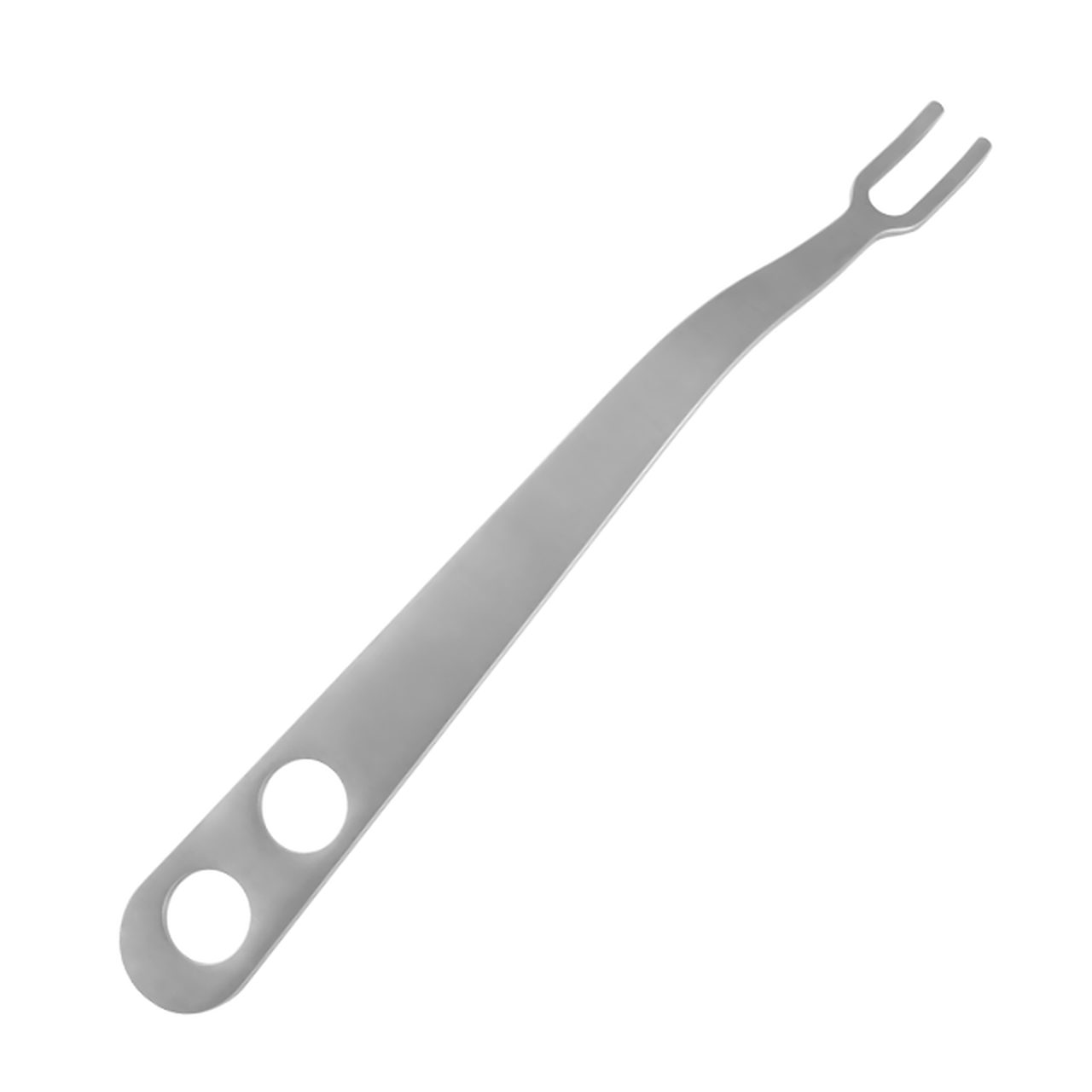 | Écarteur de LCP (PCL) | Spécifiquement conçu pour écarter le LCP, déplacer le tibia vers l'avant et protéger les vaisseaux postérieurs lors de l'arthroplastie du genou. |
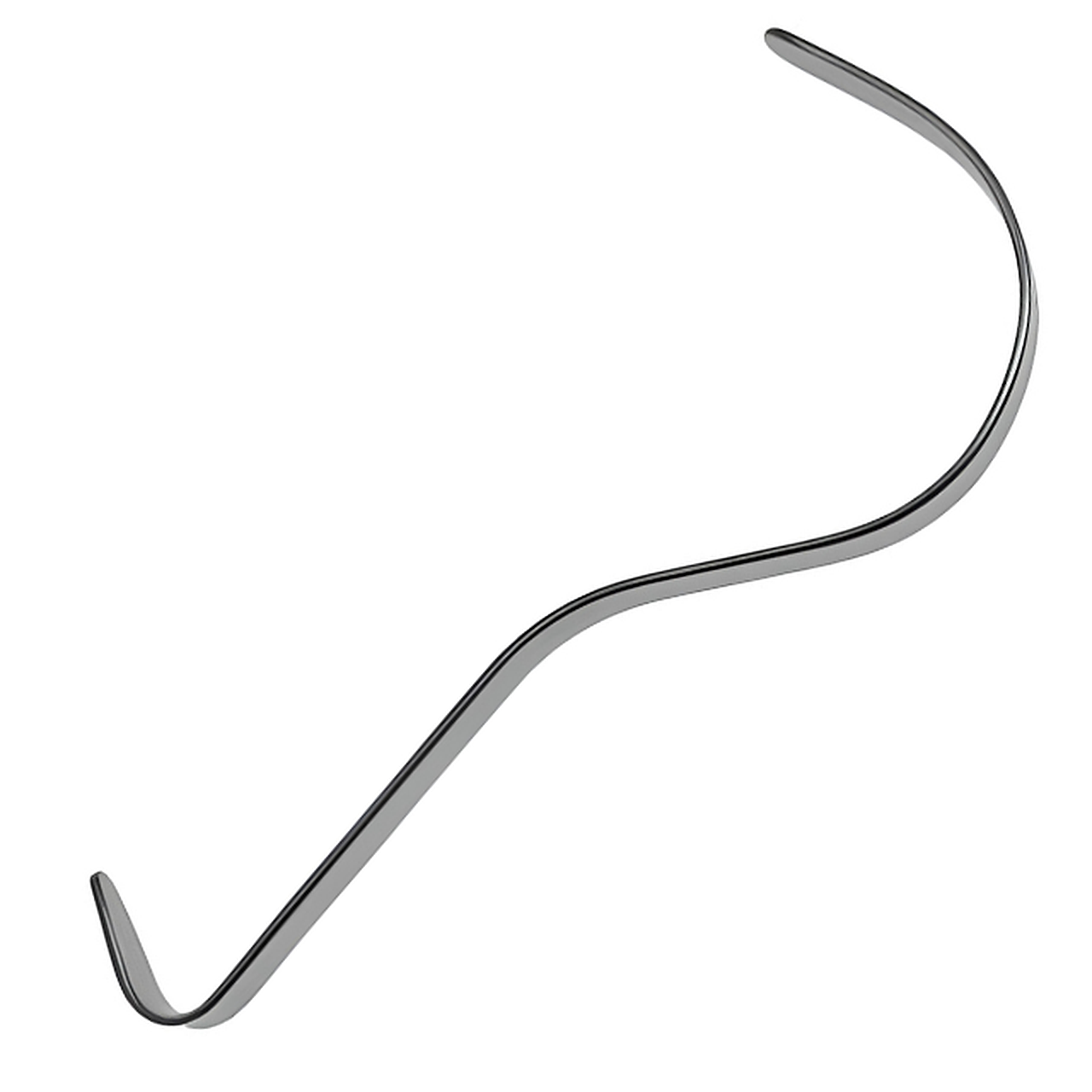 | Écarteurs de Deaver pédiatriques | Spécifiquement conçu pour écarter les organes viscéraux et la paroi abdominale lors de chirurgies pédiatriques et néonatales. |
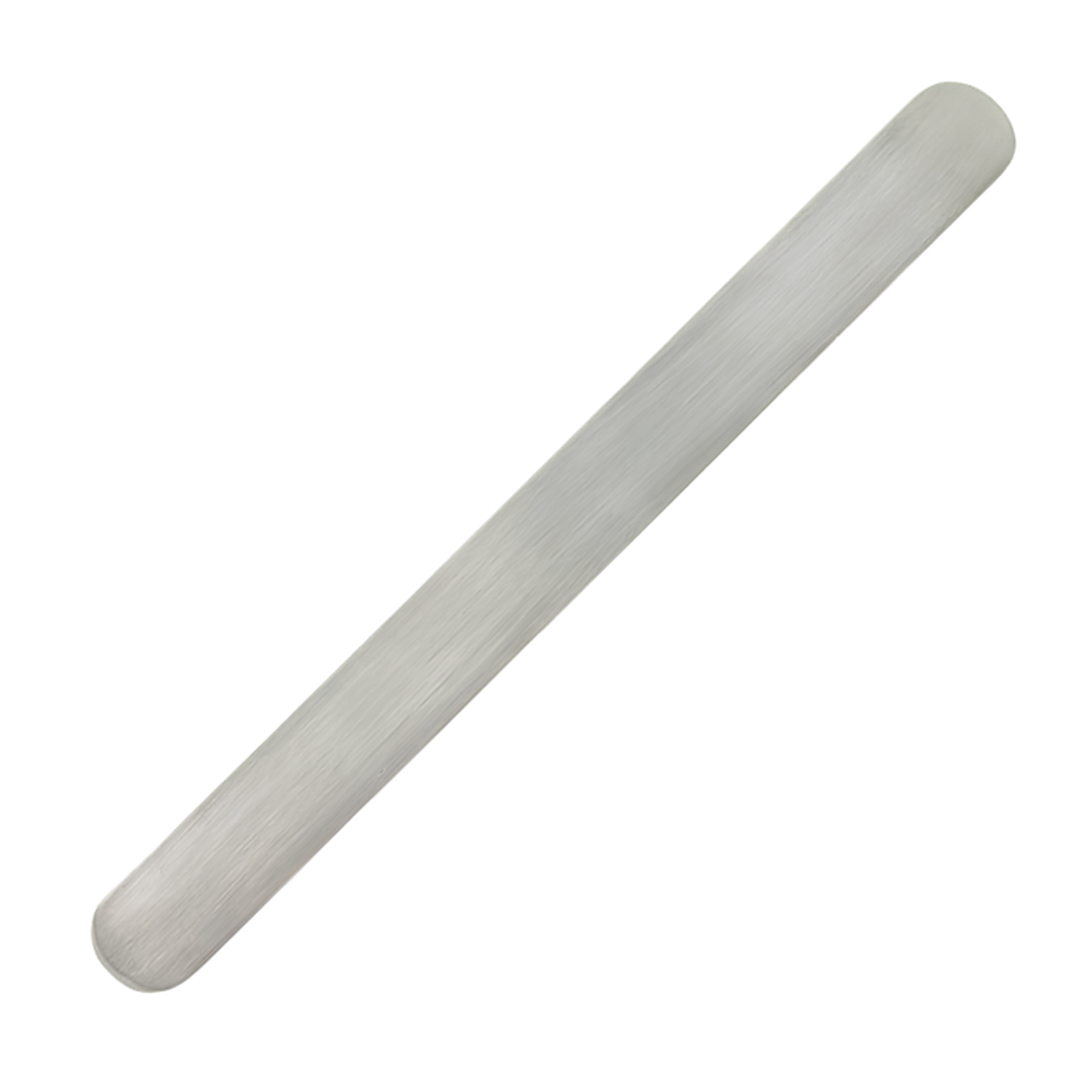 | Écarteur malléable pédiatrique (Ribbon) | Spécifiquement conçu pour être façonné sur mesure afin d'écarter les viscères, l'intestin et les tissus lors de la chirurgie pédiatrique. |
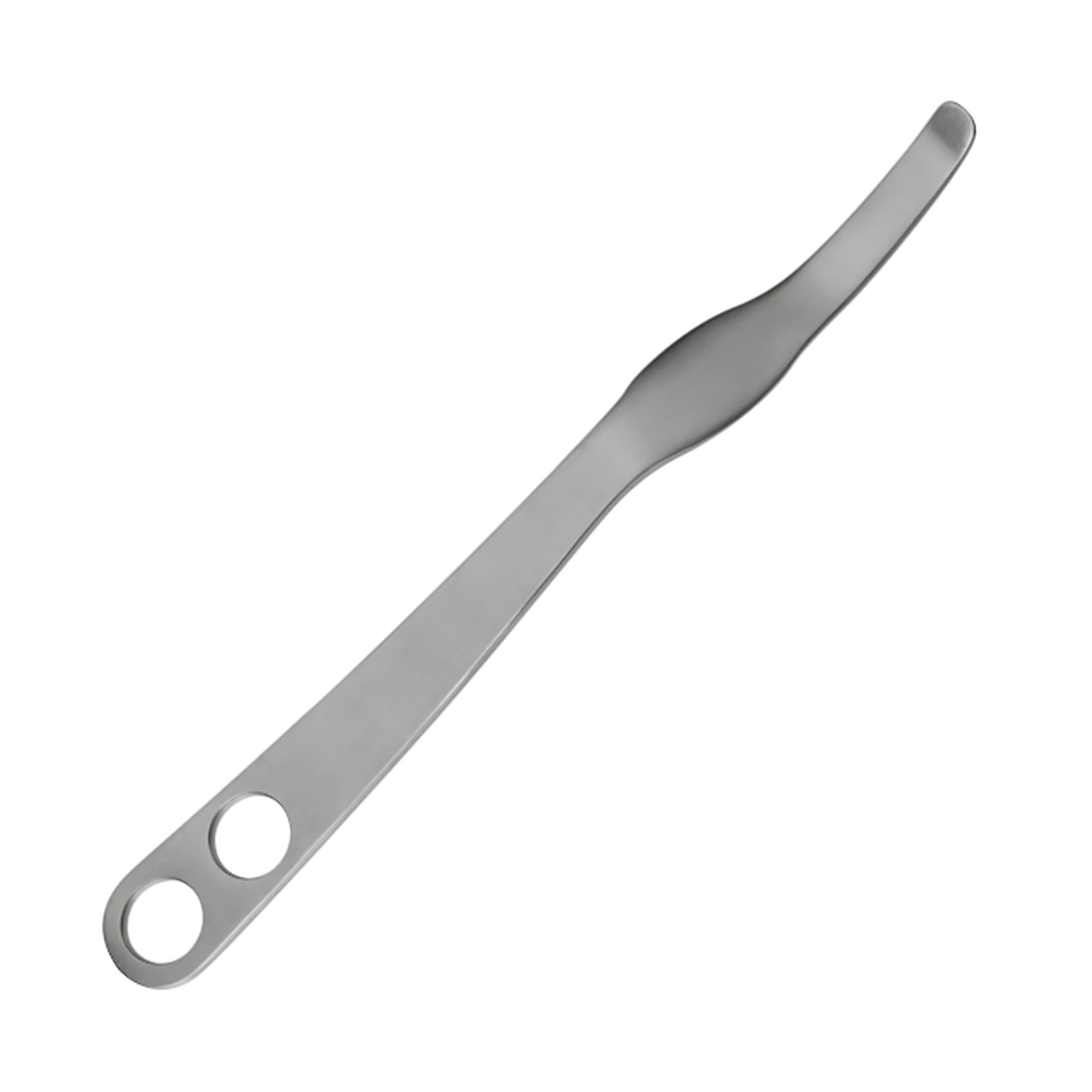 | Écarteur pelvien mousse | Spécifiquement conçu pour l'écartement des viscères pelviens, de la vessie et des tissus mous lors de chirurgies pelviennes et abdominales profondes. |
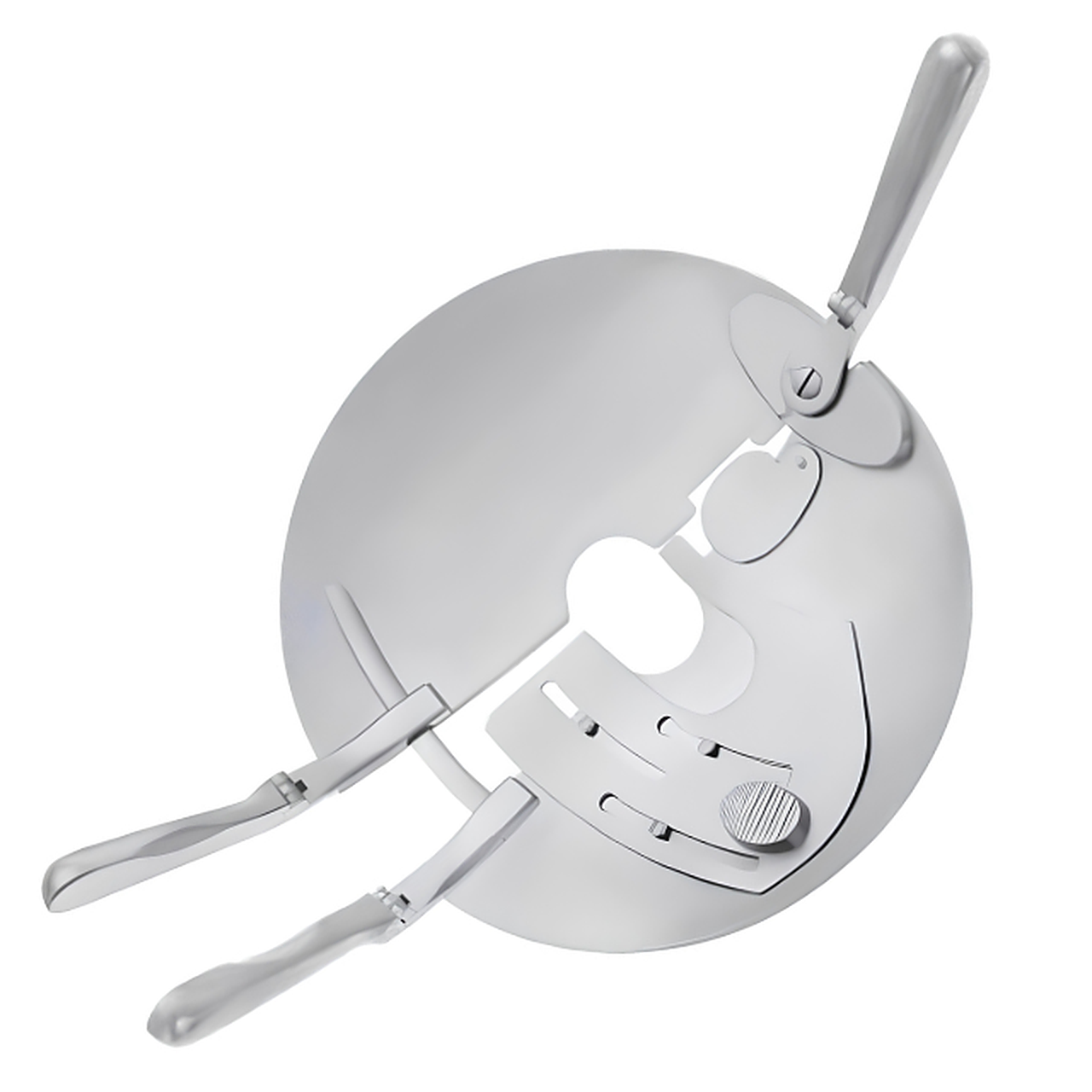 | ÉCARTEUR D'AMPUTATION PERCY | Spécifiquement conçu pour rétracter les masses musculaires et protéger les tissus mous lors de la section osseuse en chirurgie d'amputation des membres. |
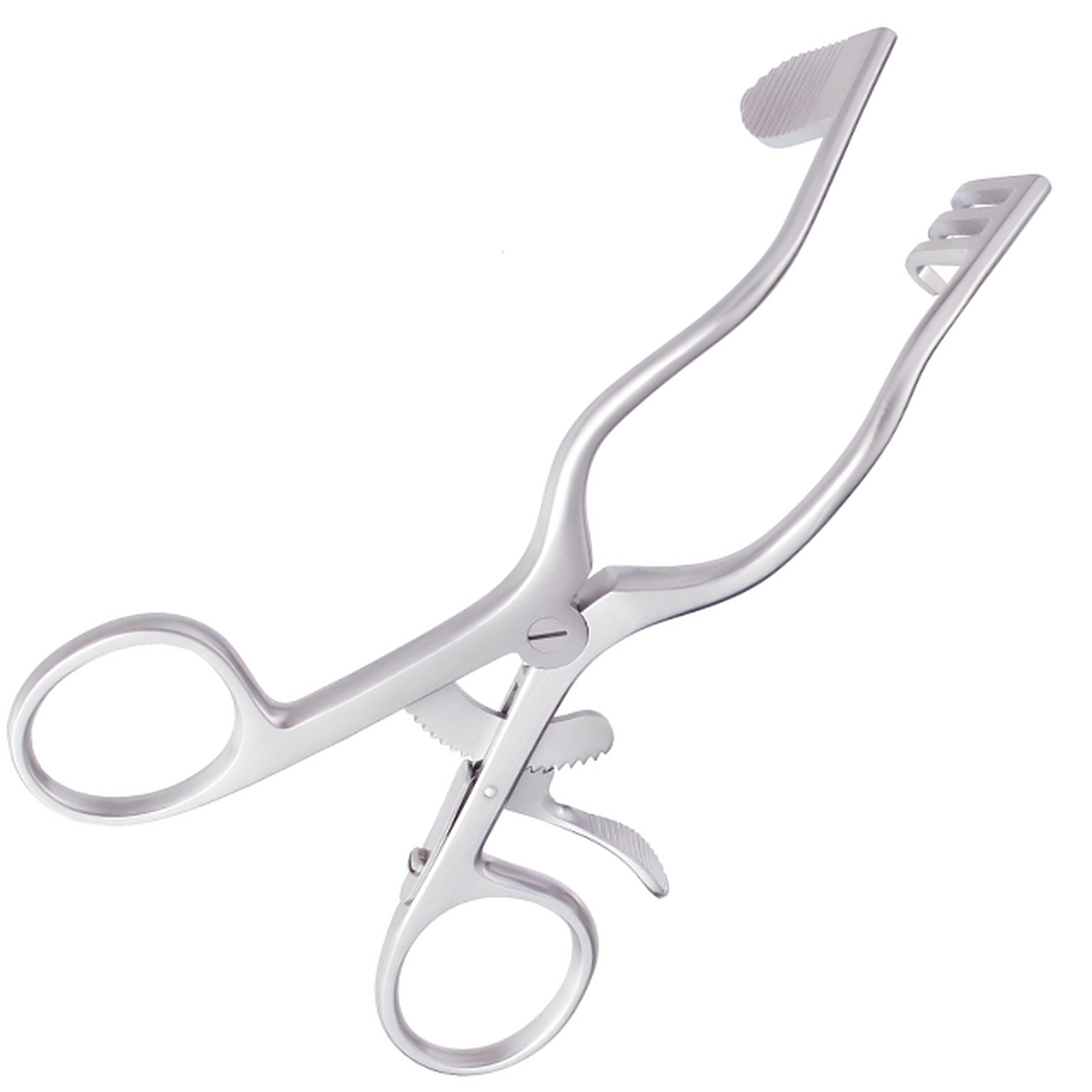 | Écarteur auto-statique Perkins | Spécifiquement conçu pour assurer l'écartement auto-statique des tissus en chirurgie vasculaire, neurologique et orthopédique. |
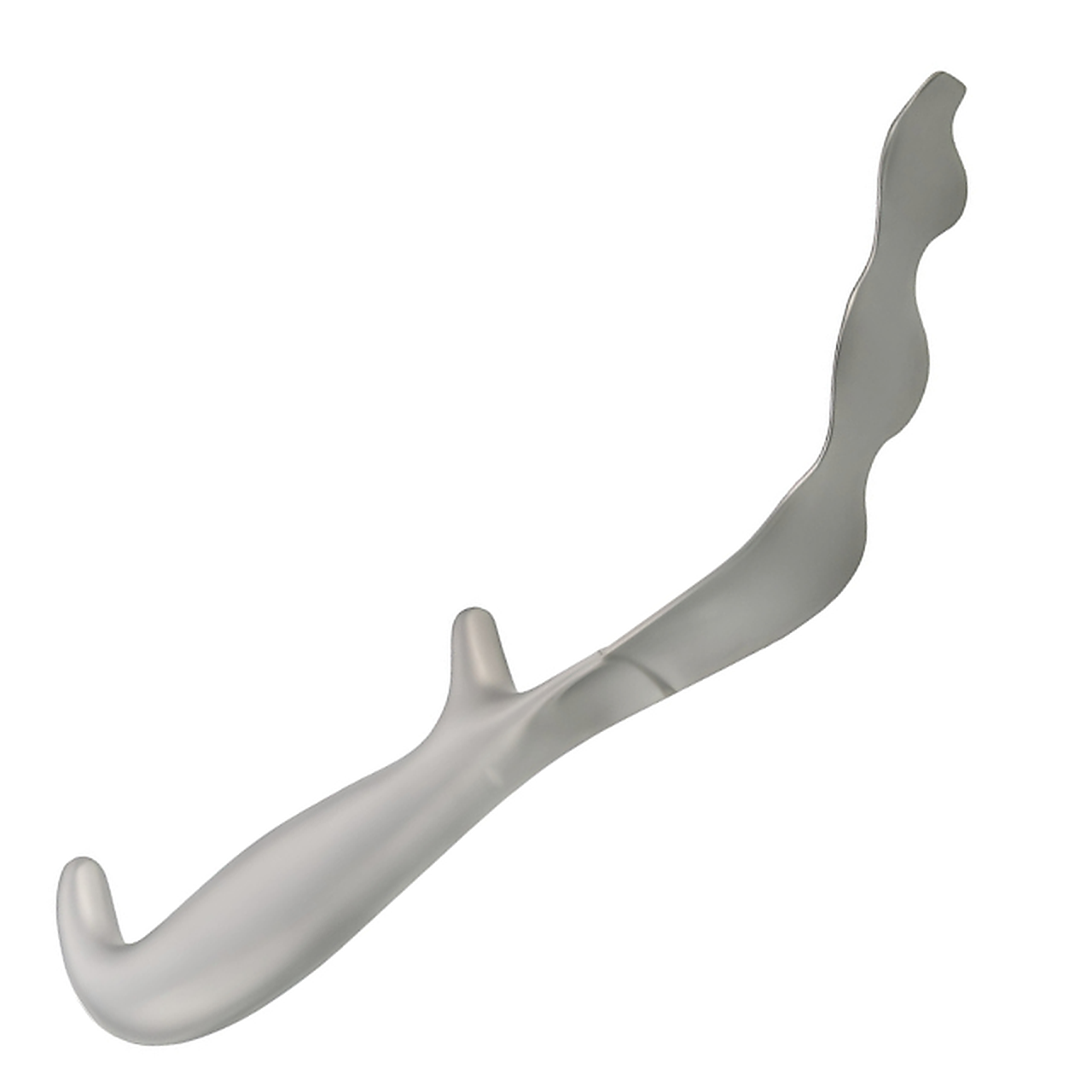 | Écarteur intra-oral Petri Pterygoid | Spécifiquement conçu pour protéger les structures neurovasculaires et rétracter les tissus mous lors de la disjonction ptérygo-maxillaire dans les ostéotomies de Le Fort. |
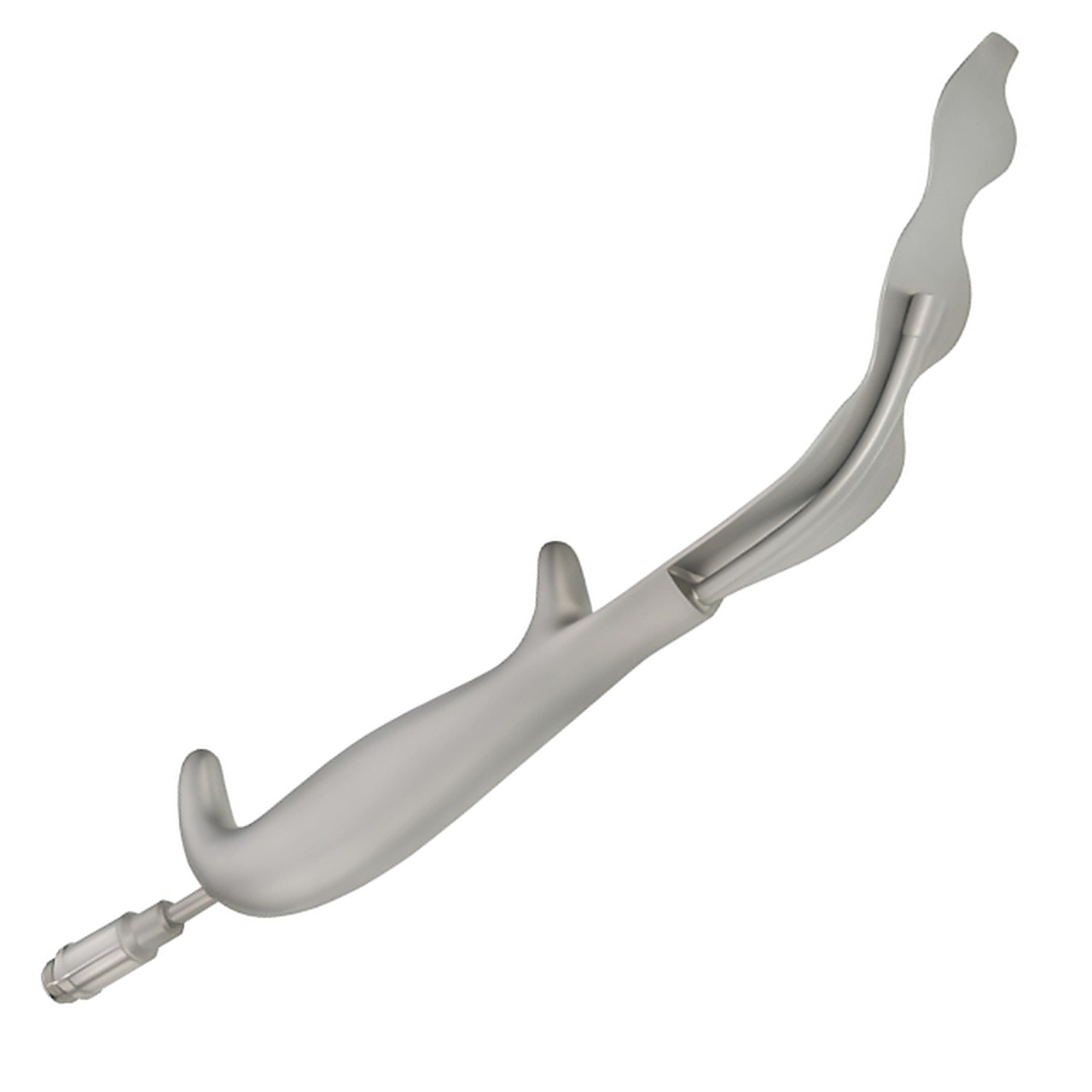 | Écarteur intra-oral Petri Pterygoid avec fibre optique | Spécifiquement conçu pour assurer l'écartement des tissus mous éclairé et la protection neurovasculaire lors des ostéotomies de Le Fort. |
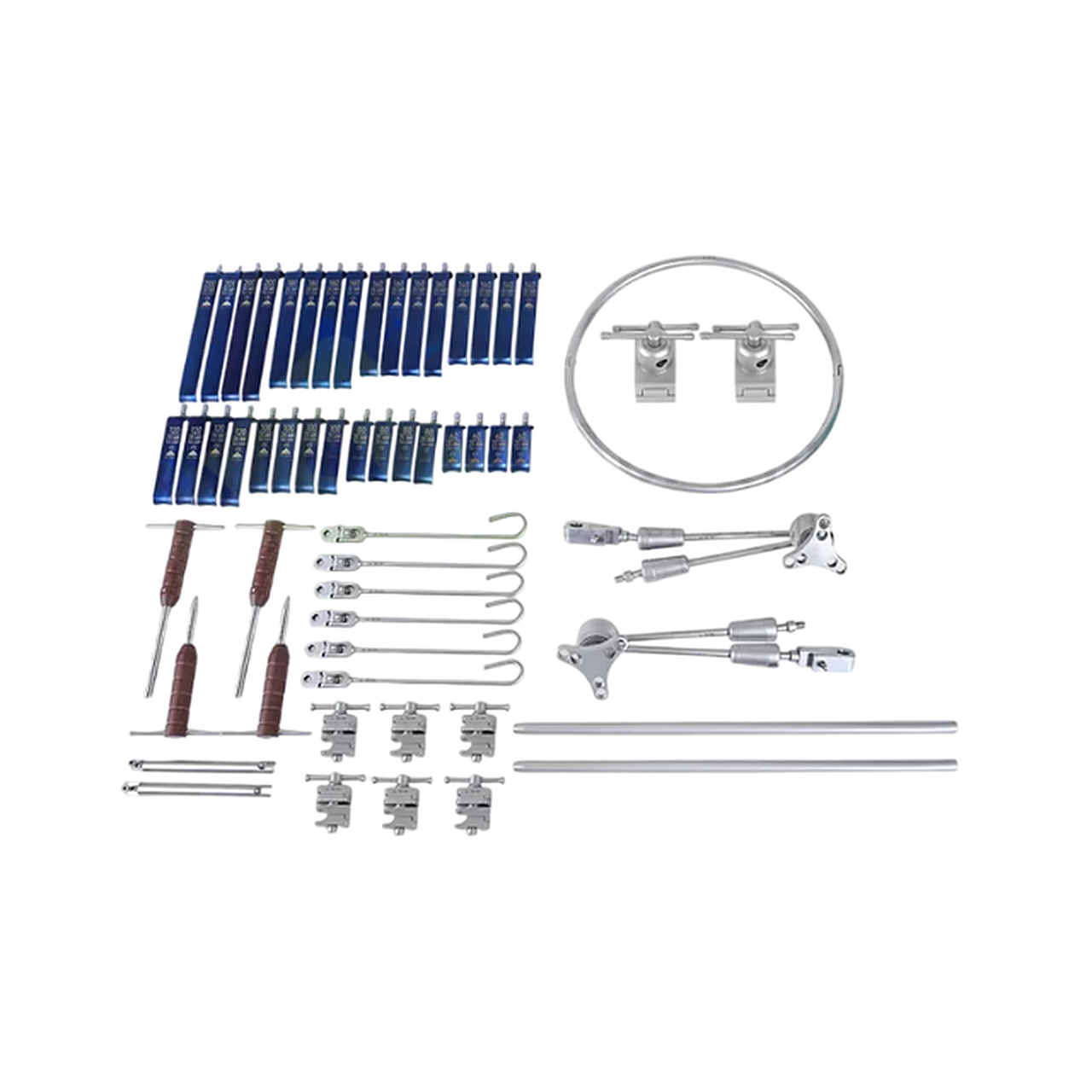 | Système d'accès chirurgical lombaire antérieur Phantom AL | Spécifiquement conçu pour fournir un accès chirurgical stable et sans main, ainsi qu'une rétraction contrôlée des tissus mous lors des procédures de la colonne lombaire par approche antérieure. |
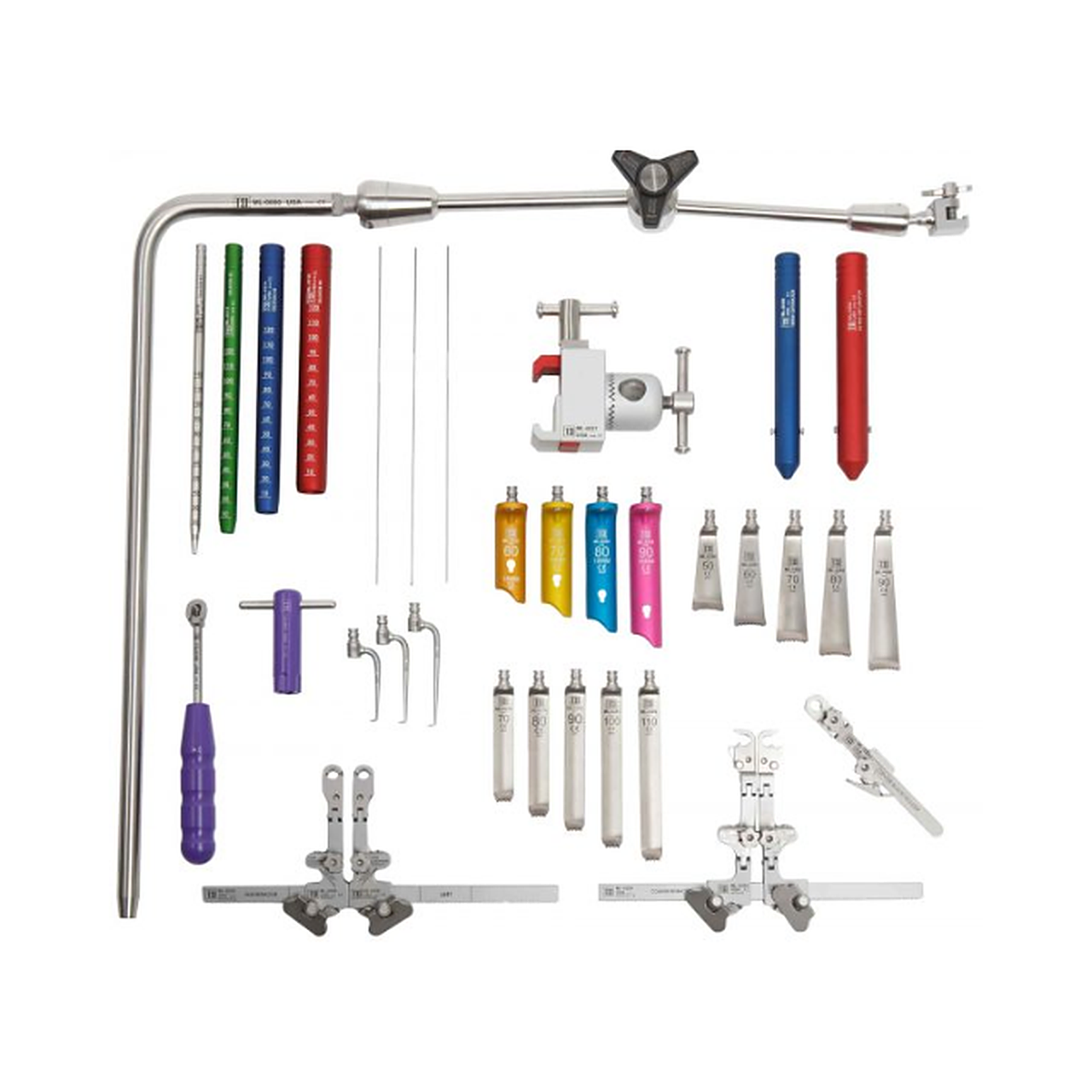 | Système d'accès chirurgical lombaire Phantom ML MIS | Spécifiquement conçu pour l'accès chirurgical lombaire mini-invasif, la rétraction contrôlée des tissus et l'éclairage direct des canaux lors des procédures rachidiennes postérieures. |
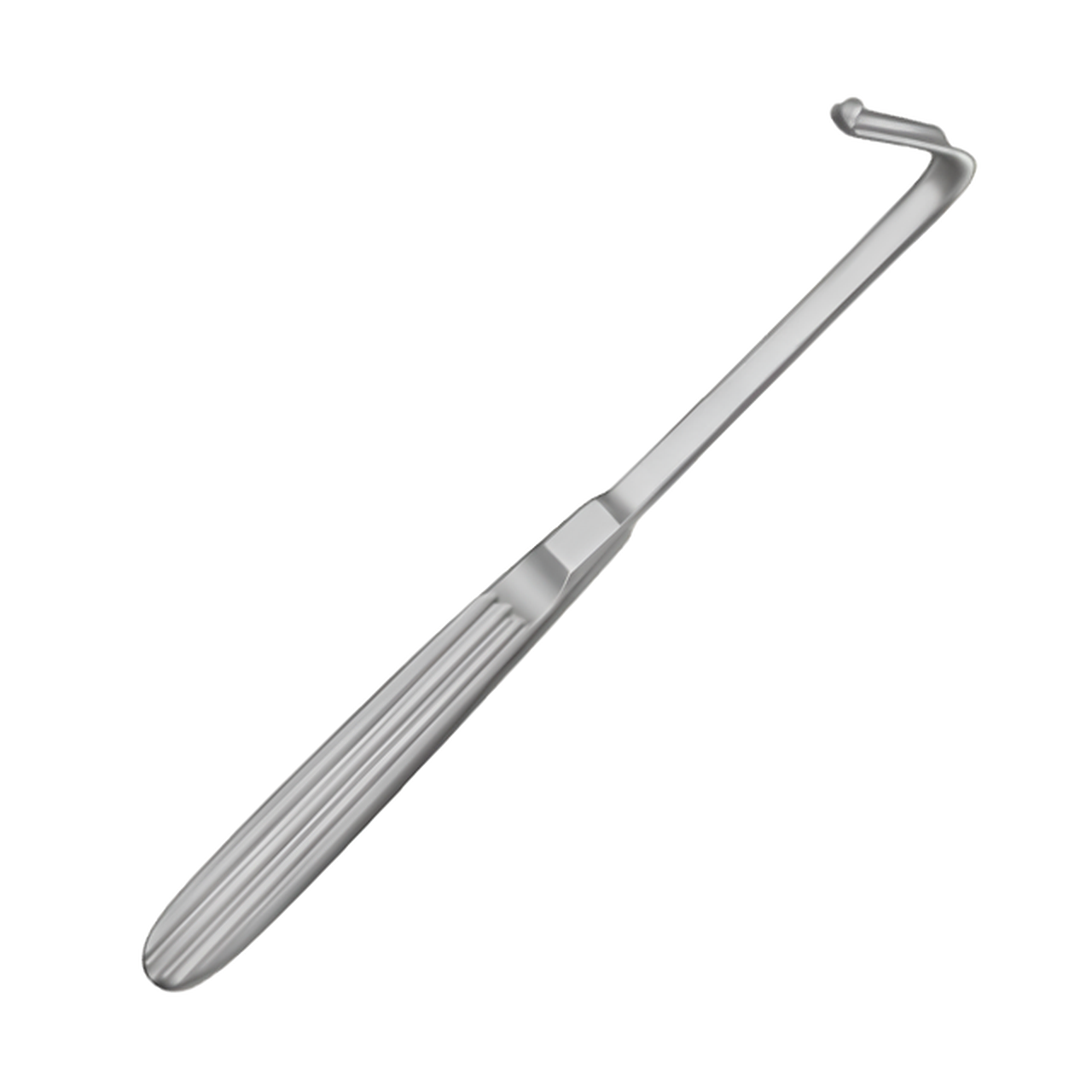 | Écarteur du bord piriforme | Écartement des tissus mous et exposition de l'ouverture piriforme en chirurgie maxillo-faciale. |
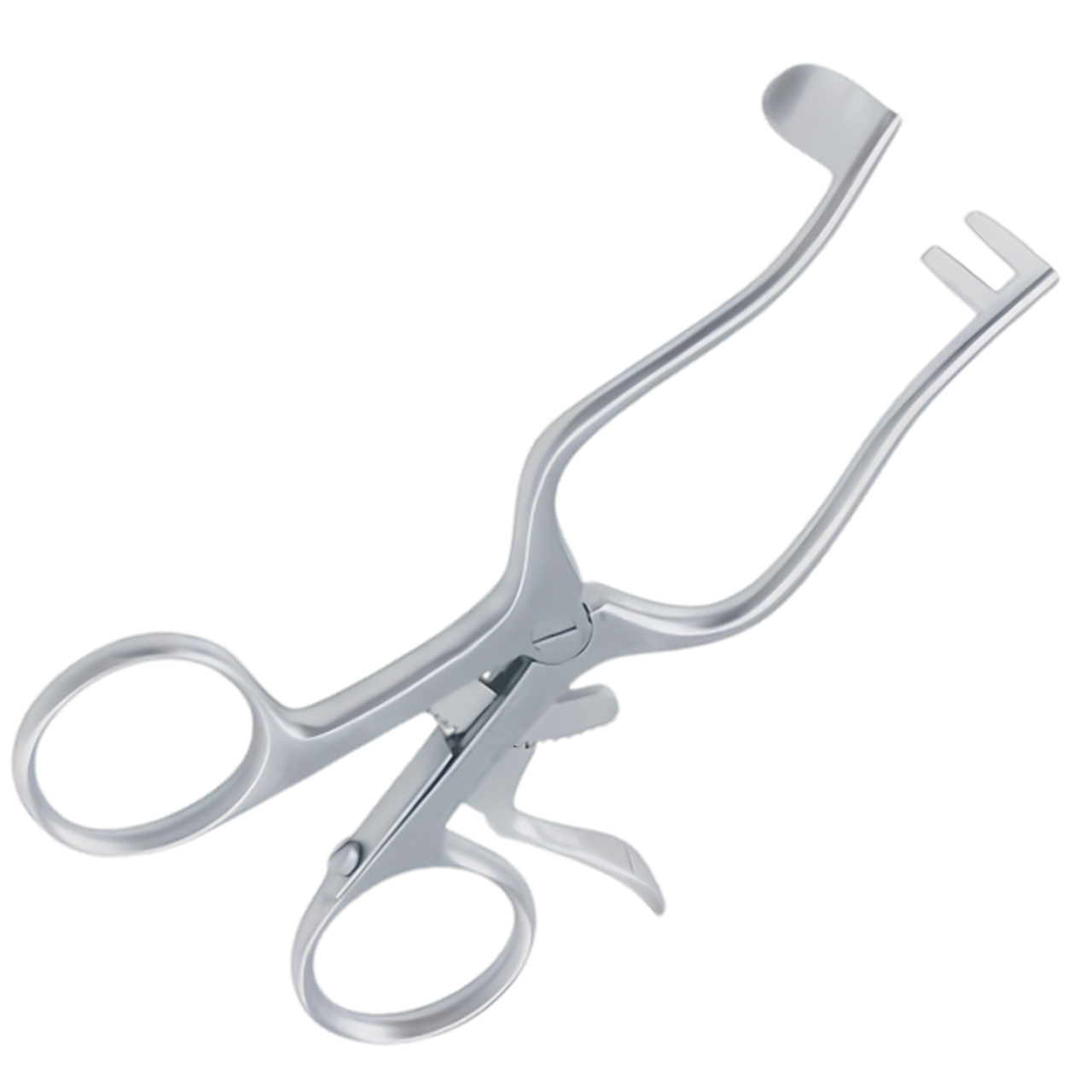 | Écarteur autostatique Plester | L'écarteur autostatique Plester est un écarteur otologique et neurochirurgical conçu pour l'exposition mains libres des berges de plaies post-auriculaires et mastoïdiennes. |
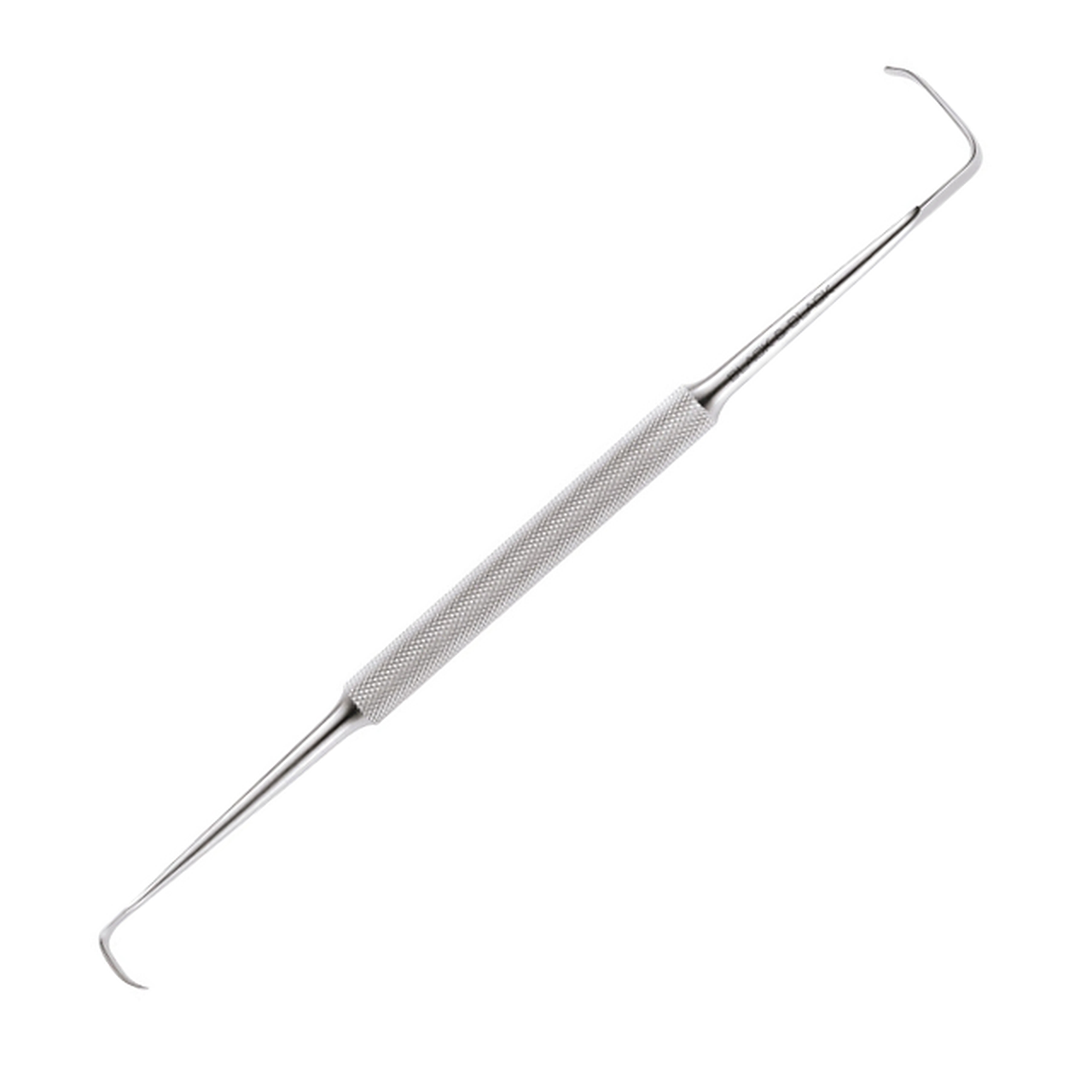 | Écarteur de Ragnell-Davis à Double Extrémité | L'écarteur de Ragnell-Davis à double extrémité est un instrument chirurgical conçu pour la rétraction délicate des tissus cutanés et mous en chirurgie plastique, de la main et maxillo-faciale. |
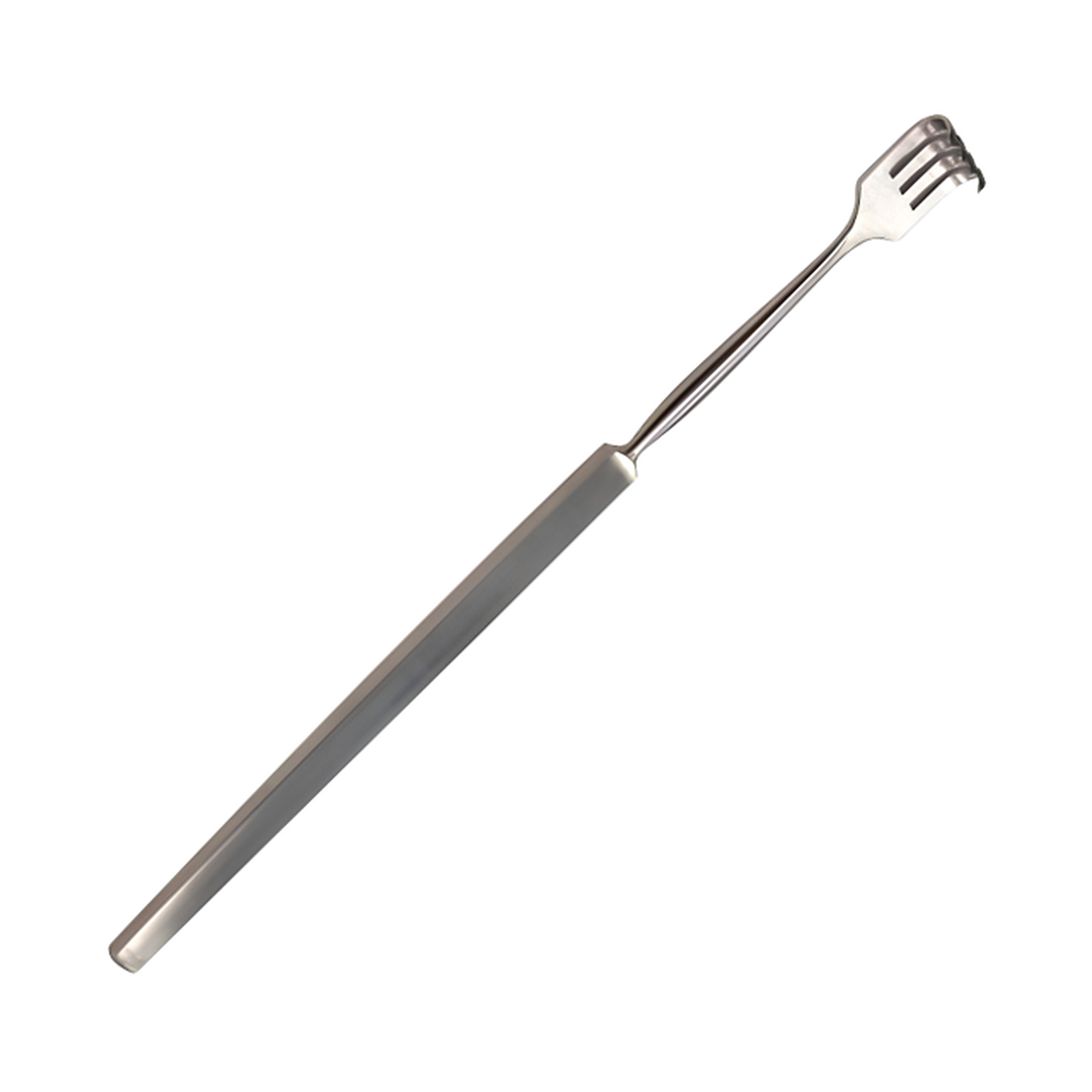 | Écarteur à griffes Finger Retractor | L'écarteur à griffes Rake Finger Retractor est un instrument chirurgical de 15.3 cm conçu pour l'élévation délicate des lambeaux cutanés et l'exposition des tendons en chirurgie de la main et plastique. |
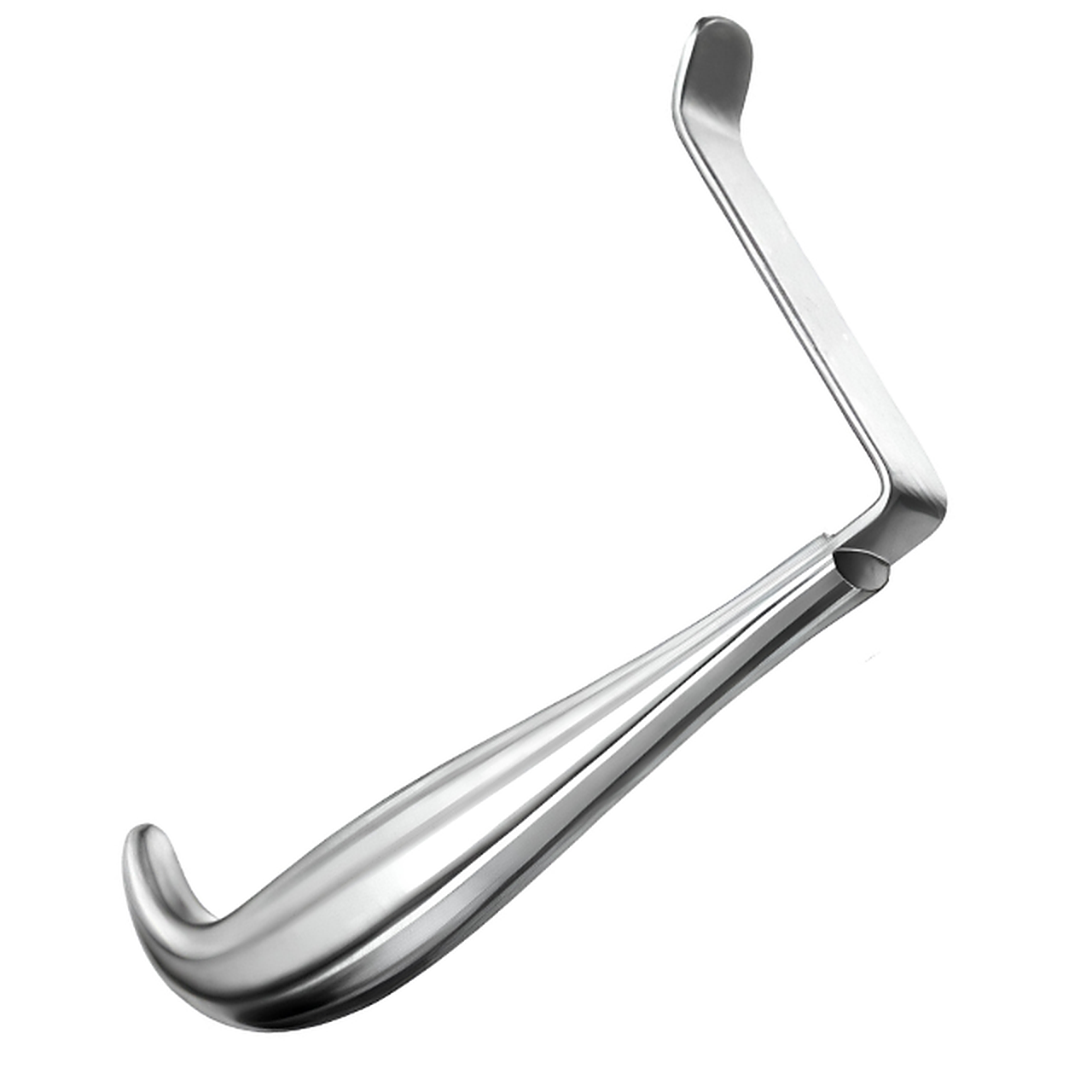 | Écarteur de Ramus | Spécifiquement conçu pour rétracter la sangle ptérygo-massétérique et exposer la branche montante de la mandibule lors de la chirurgie orthognathique. |
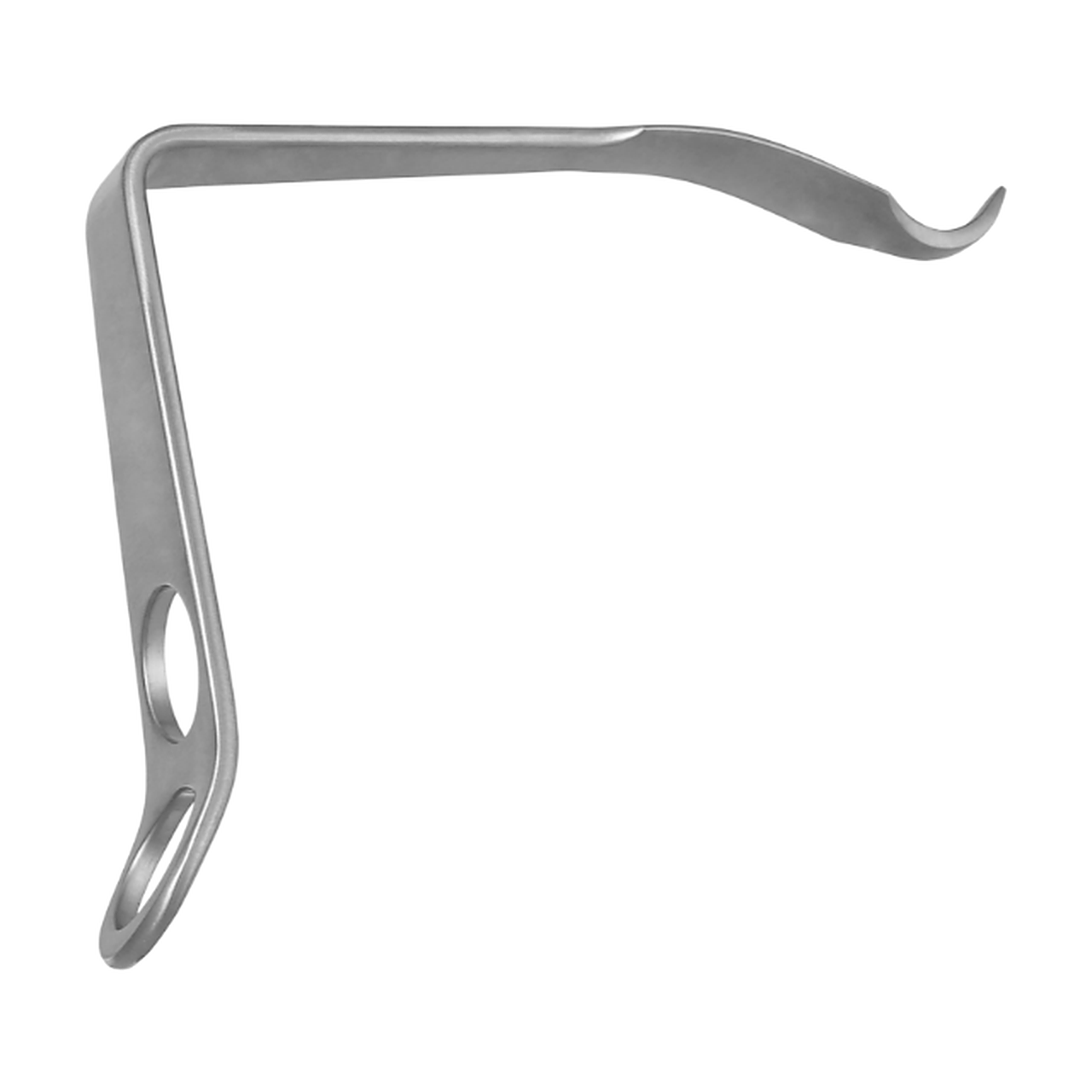 | Écarteur de genou Ranawat | Rétraction des tissus mous et levier osseux lors de la chirurgie du genou. |
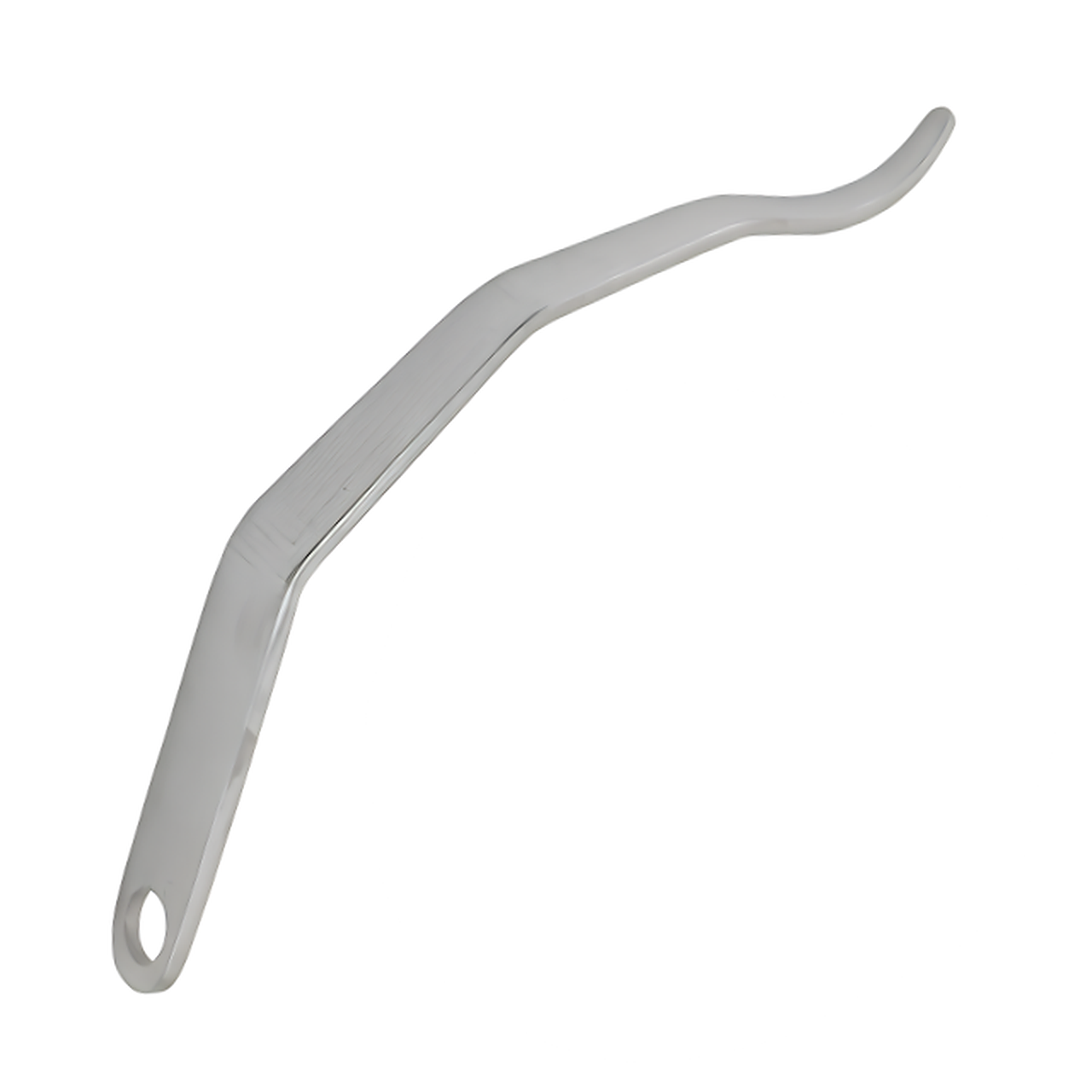 | Écarteur Redler Retractor | L'écarteur Redler Retractor est un instrument chirurgical de 5″ (12.7 cm) conçu pour l'écartement délicat des tissus mous et des berges de plaies. |
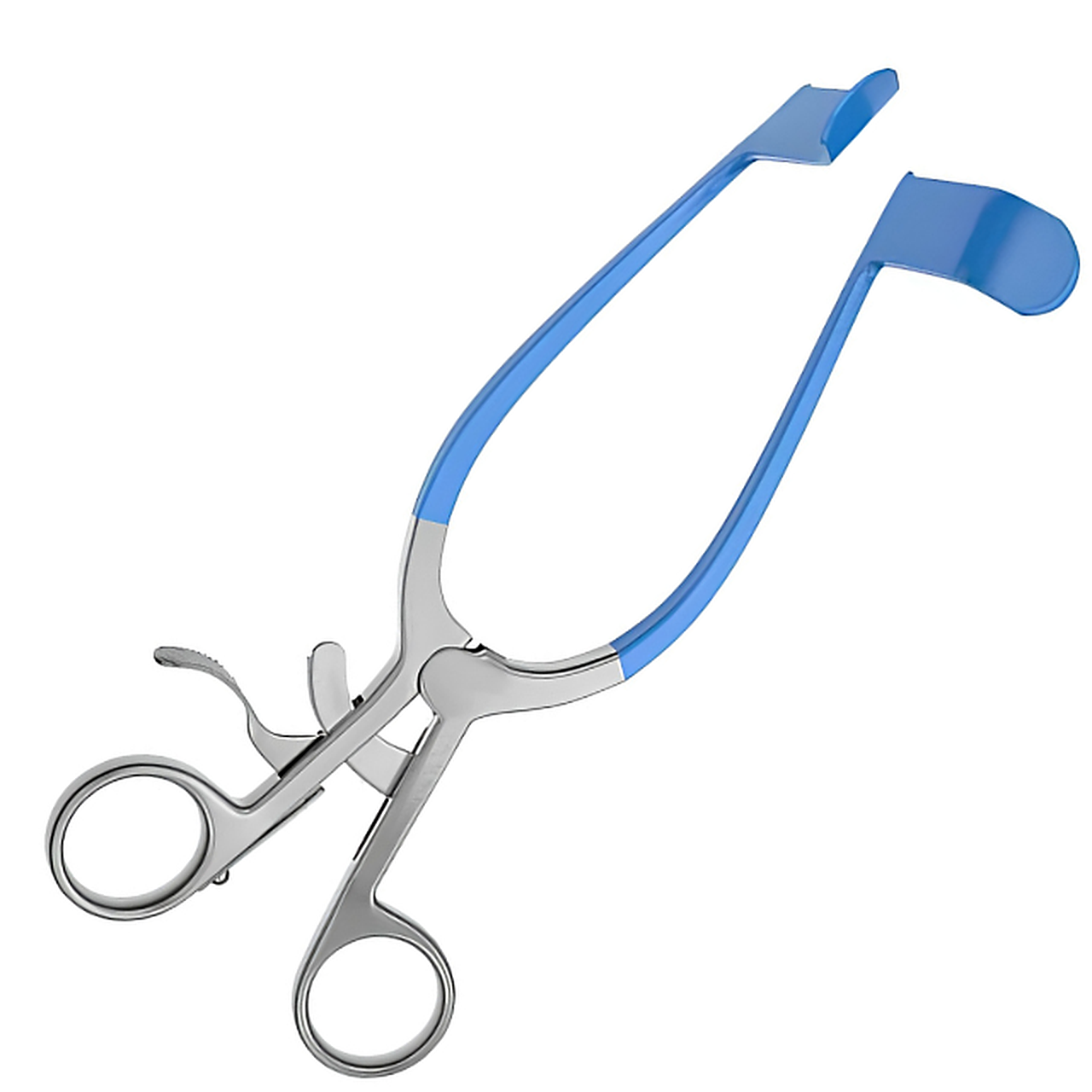 | Écarteur de Paroi Vaginale Redondante Non Conducteur | L'écarteur de paroi vaginale redondante non conducteur est un instrument gynécologique isolé de 7″ (17.8 cm) conçu pour écarter les parois vaginales latérales excédentaires lors des procédures d'électrochirurgie et de laser. |
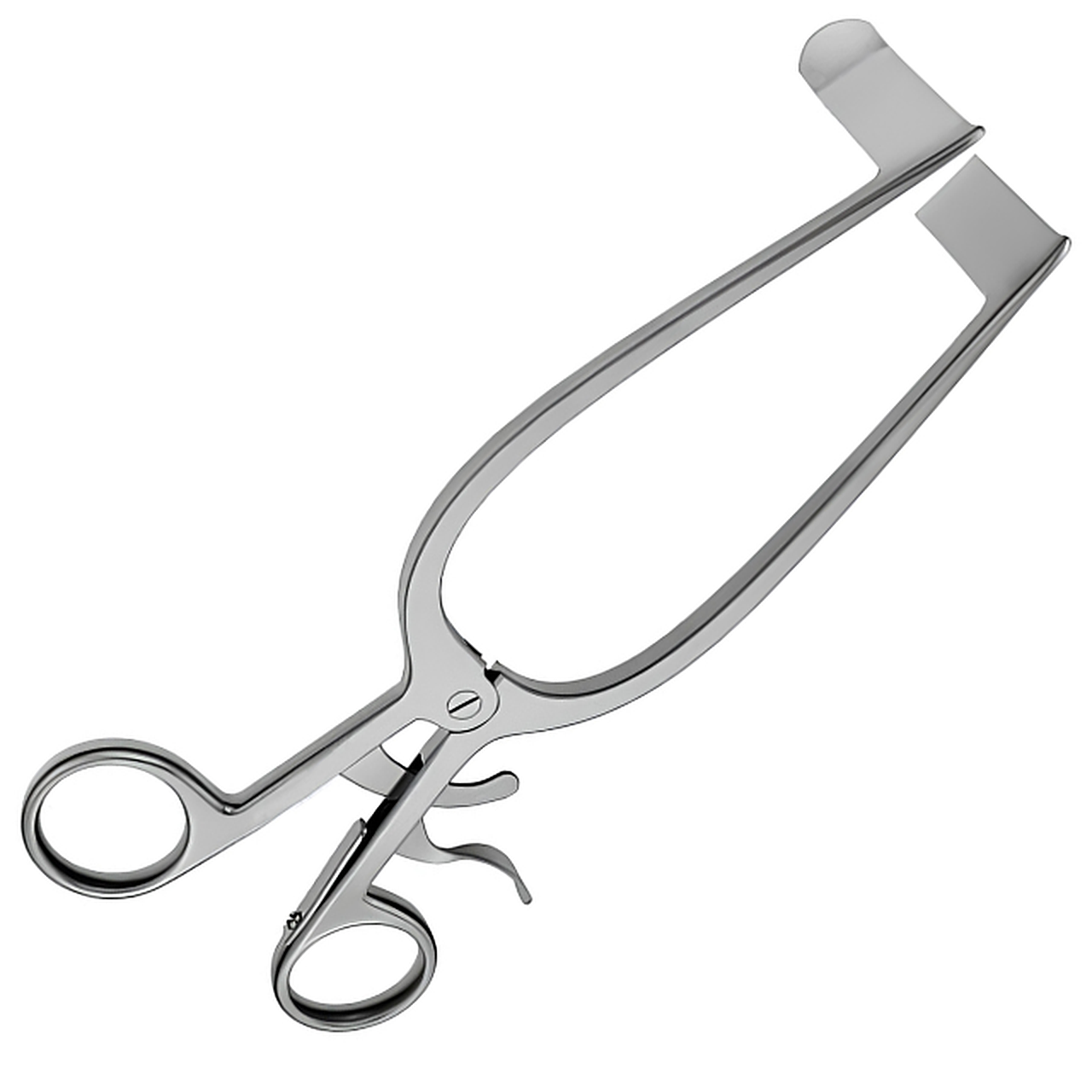 | Écarteur de parois vaginales Redundant Wall Retractor | Le Redundant Wall Retractor est un instrument gynécologique de 18 cm conçu pour écarter les parois vaginales latérales redondantes lors des examens pelviens et des interventions chirurgicales. |
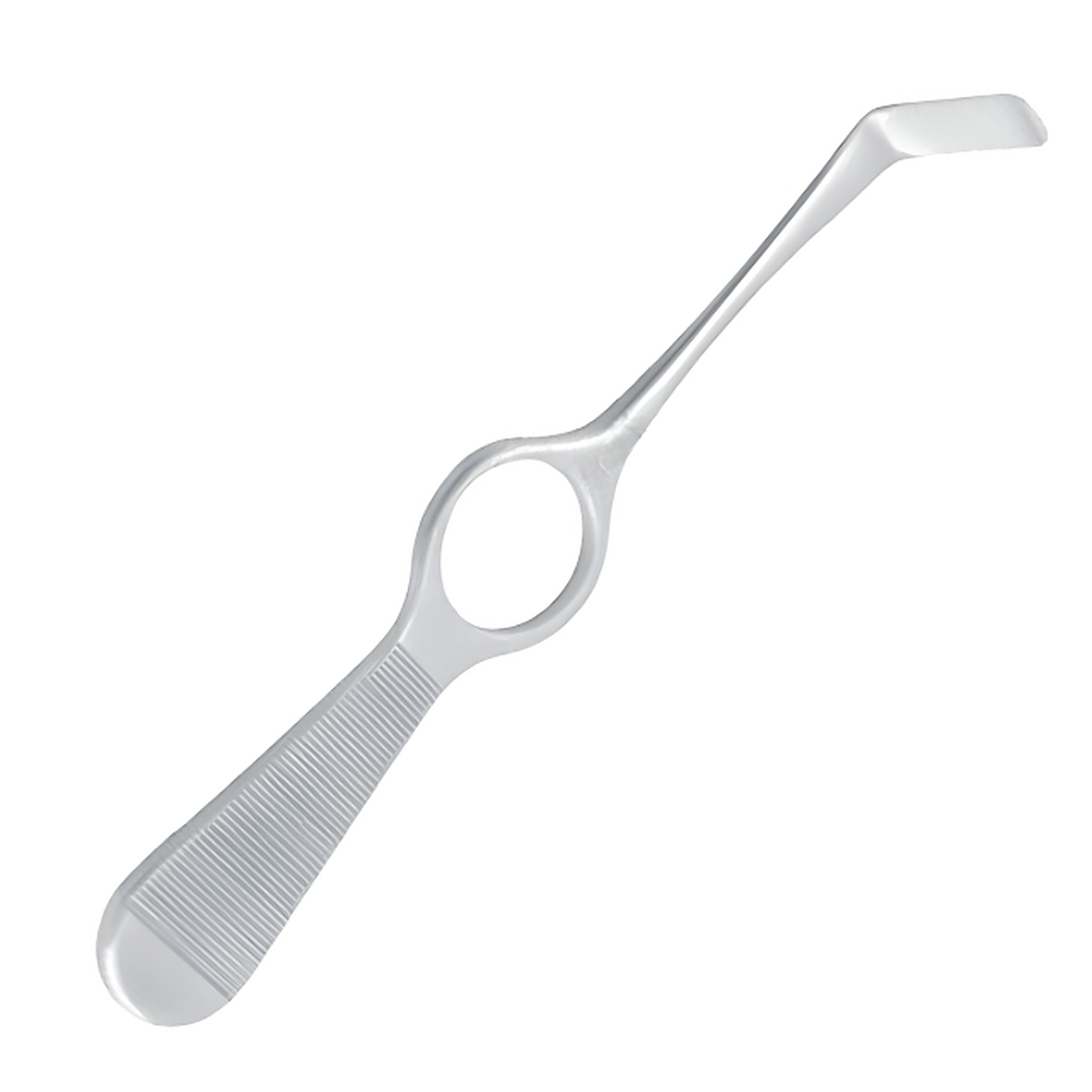 | Écarteur condylien de Reich | L'écarteur condylien de Reich est un instrument maxillofacial conçu pour s'insérer autour du col du condyle mandibulaire lors de la chirurgie de l'articulation temporo-mandibulaire (ATM). |
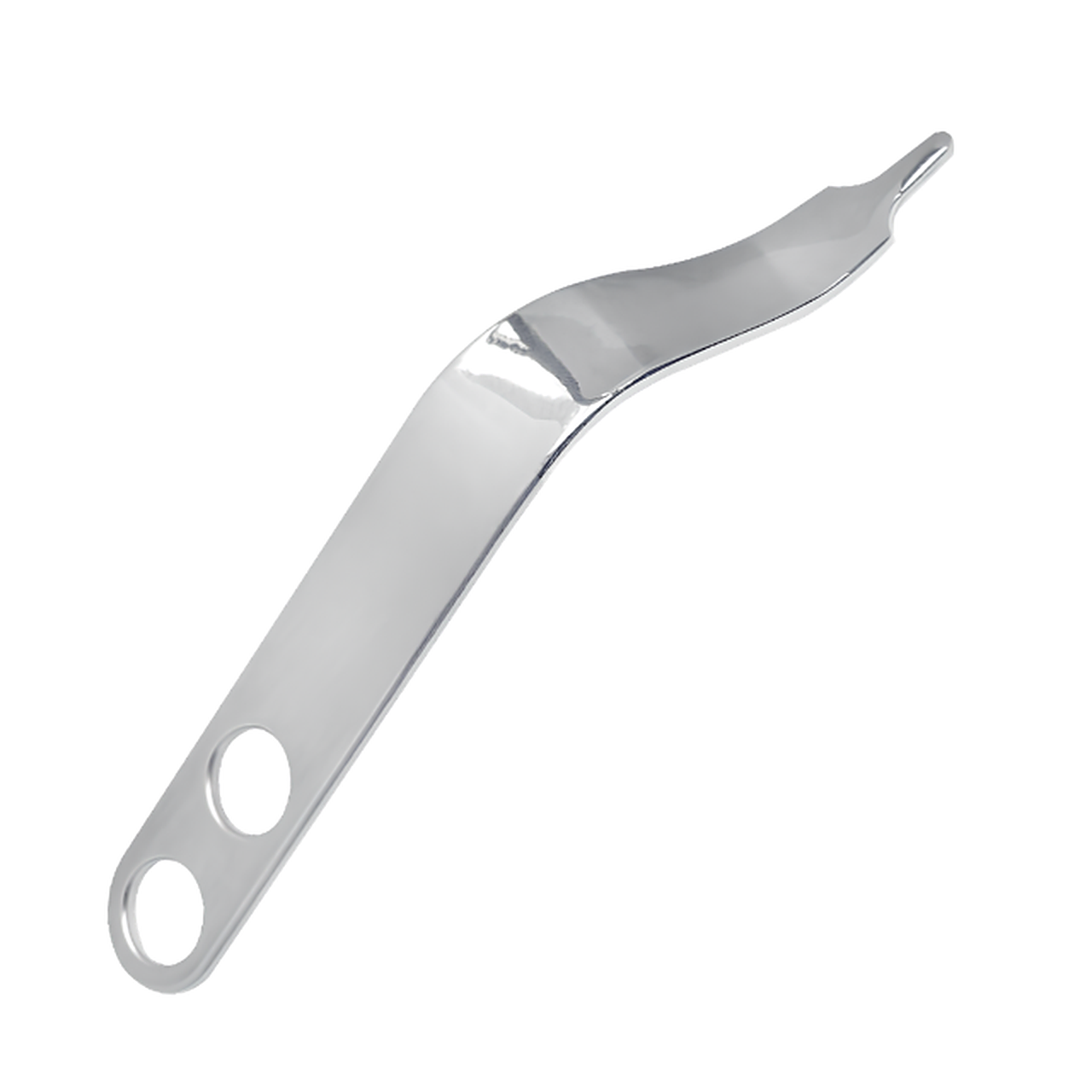 | Écarteur Hohmann inversé | Spécifiquement conçu pour faire levier sur les cortex osseux et rétracter les tissus mous lors de chirurgies orthopédiques de la hanche, du genou et de traumatologie. |
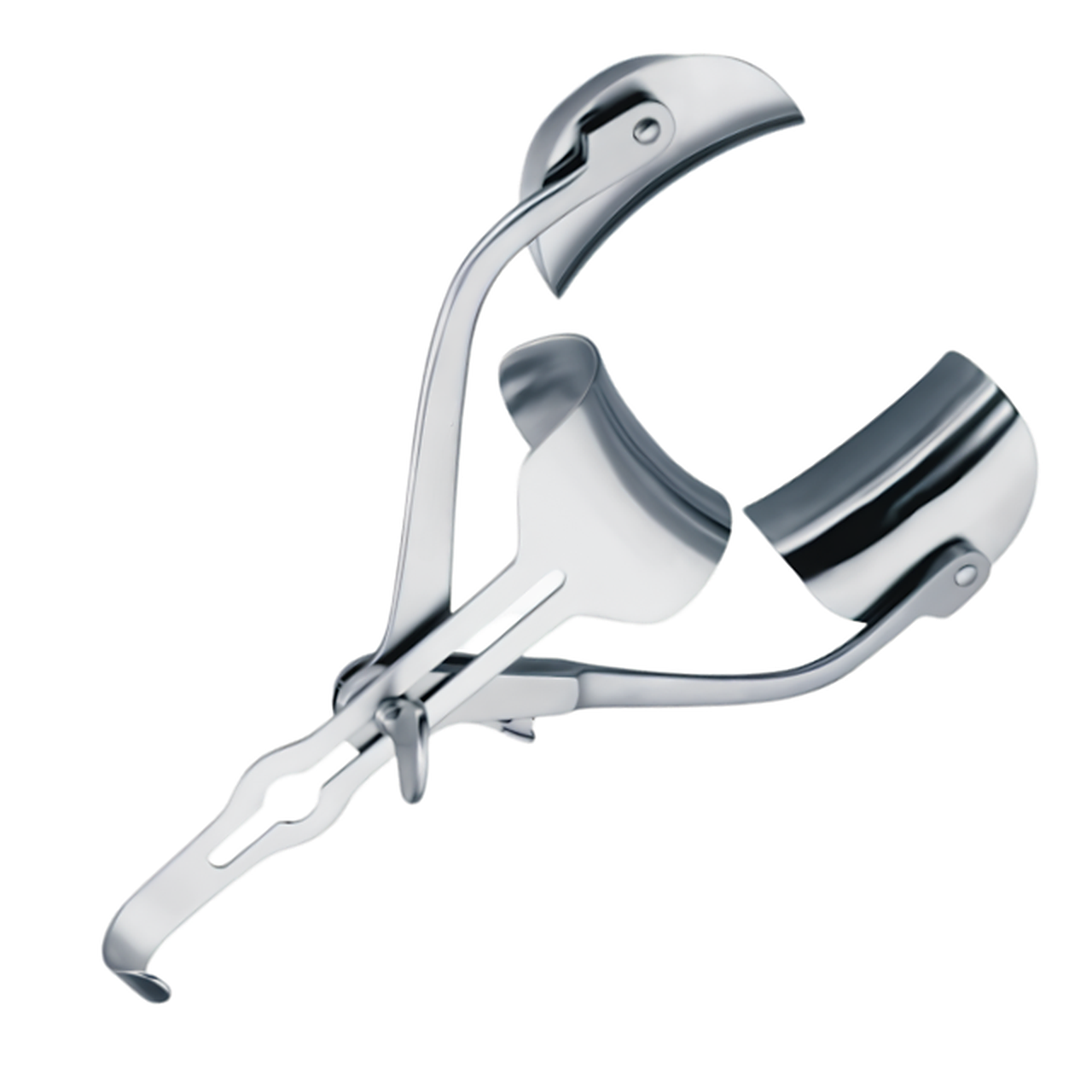 | Écarteur Abdominal Ricard | Spécifiquement conçu pour assurer une rétraction autostatique à trois valves des parois abdominales et des viscères lors d'une laparotomie. |
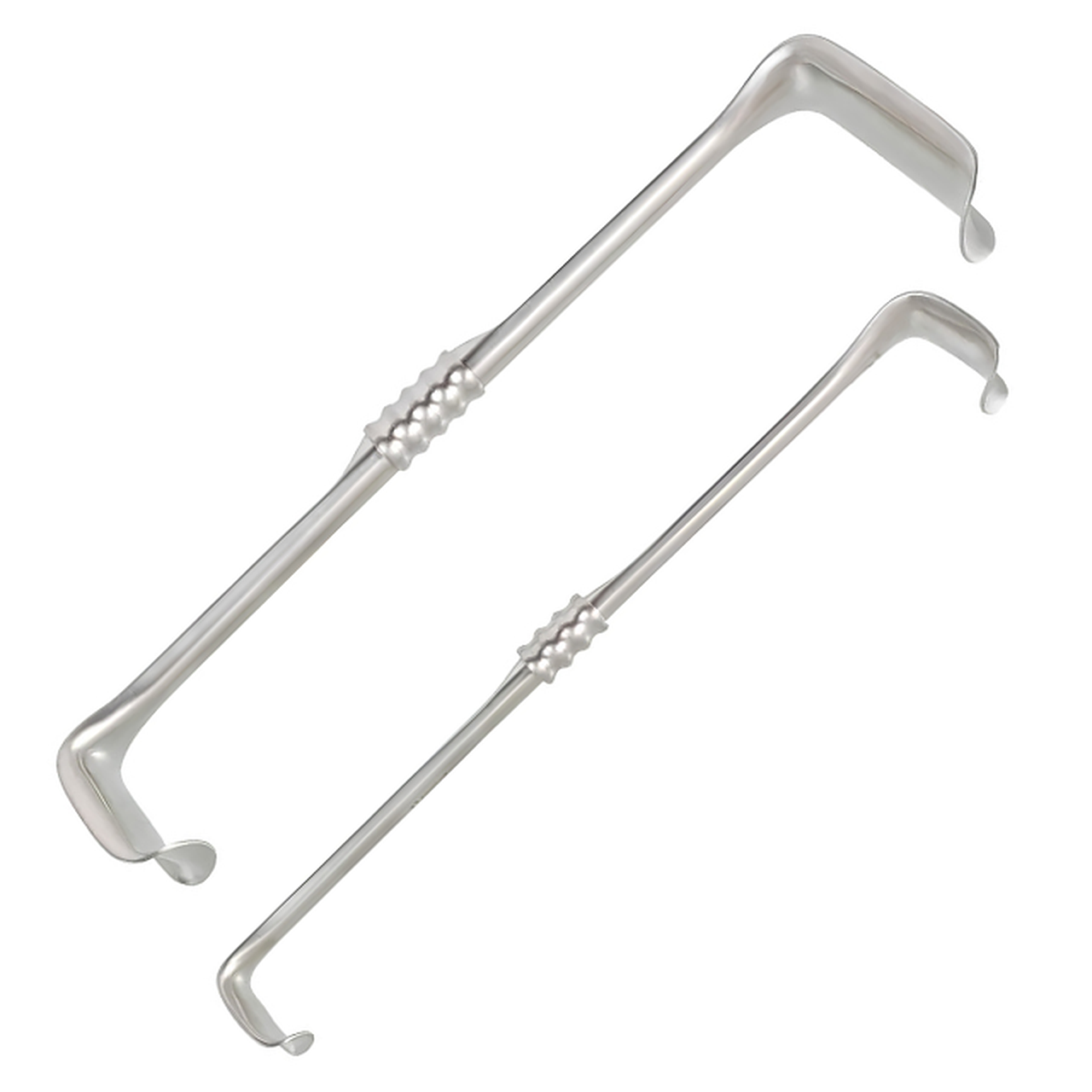 | Écarteur Richardson Eastman | Spécifiquement conçu pour rétracter la paroi abdominale, les fascias et les viscères à travers diverses profondeurs d'incision lors de chirurgies ouvertes. |
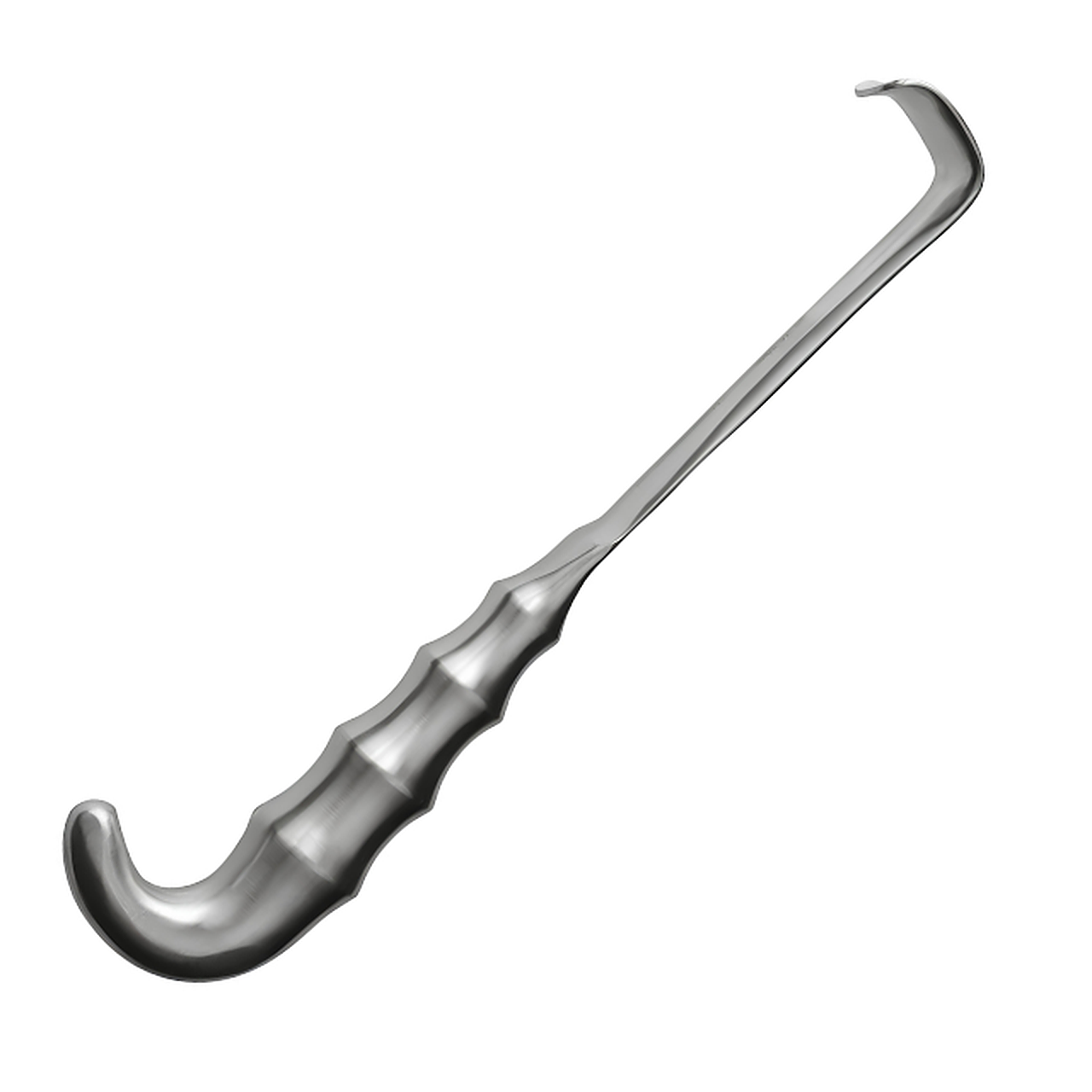 | Écarteur Richardson à poignée ergonomique | Spécifiquement conçu pour écarter la paroi abdominale, les fascias et les couches musculaires épaisses en réduisant la fatigue de l'assistant pendant la chirurgie ouverte. |
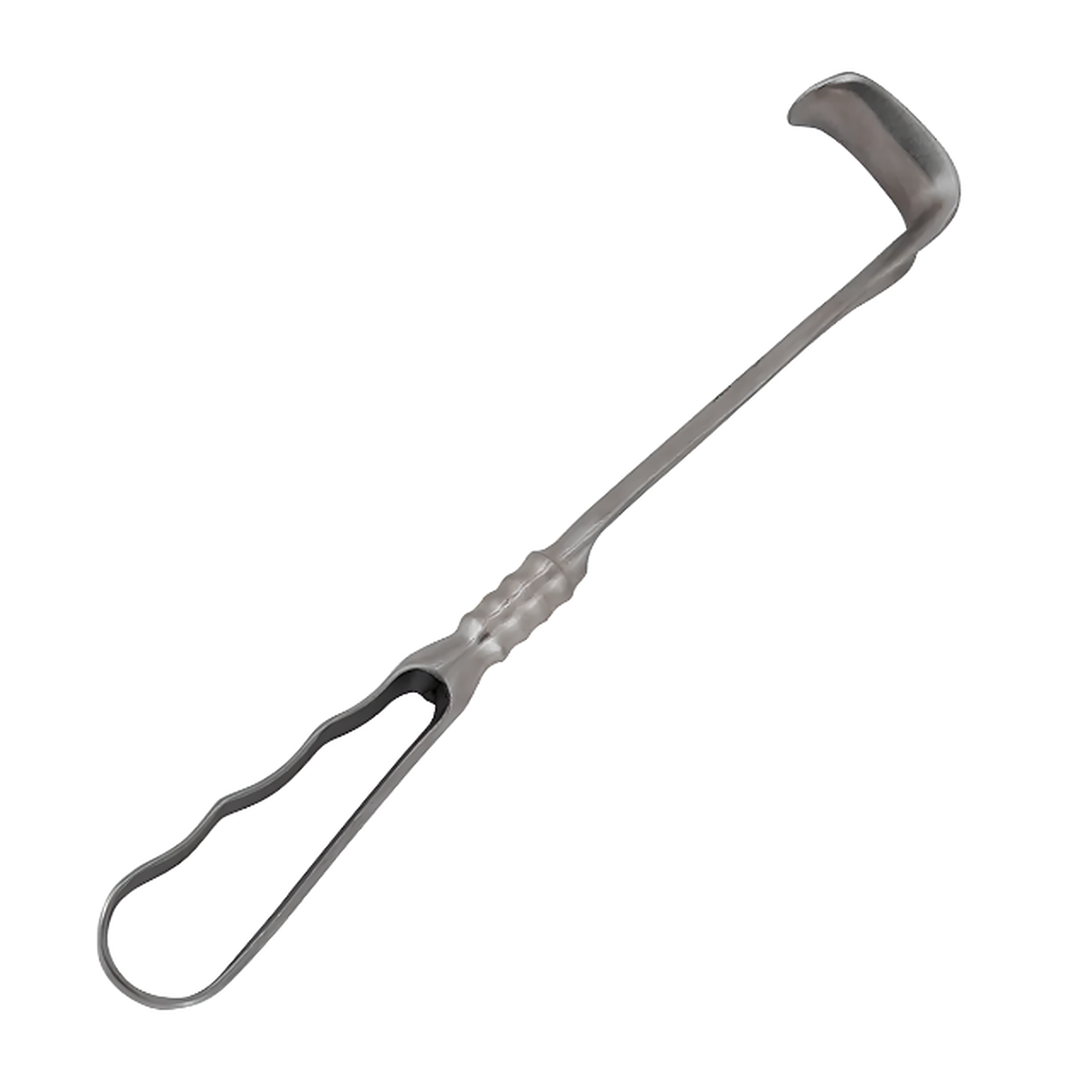 | Écarteur Richardson à poignée anneau | Spécifiquement conçu pour écarter la paroi abdominale, les couches musculaires et les viscères lors des laparotomies ouvertes et des chirurgies pelviennes. |
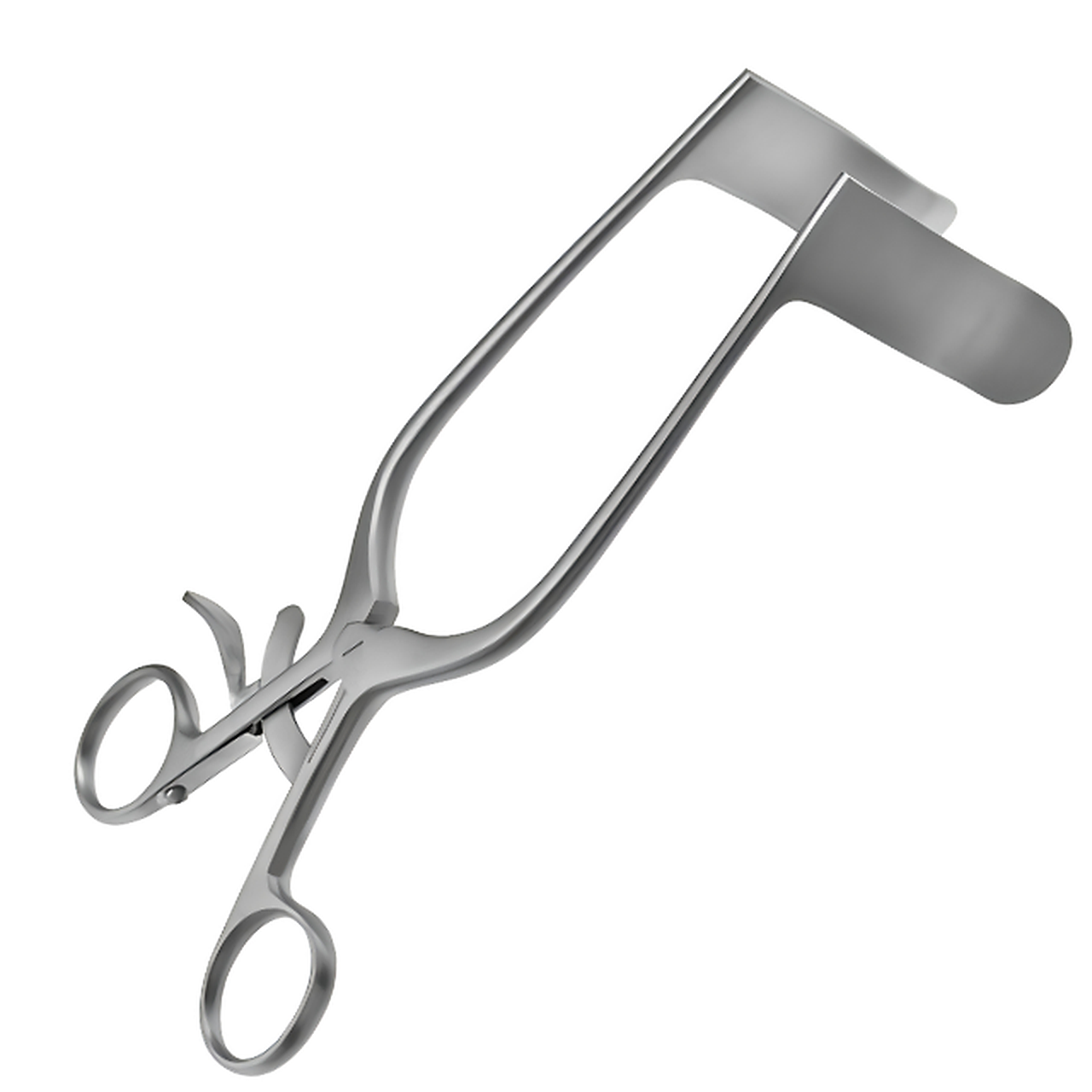 | Écarteur vaginal auto-statique Rigby | Spécifiquement conçu pour assurer la rétraction auto-statique des parois vaginales latérales et postérieures lors de la chirurgie pelvienne. |
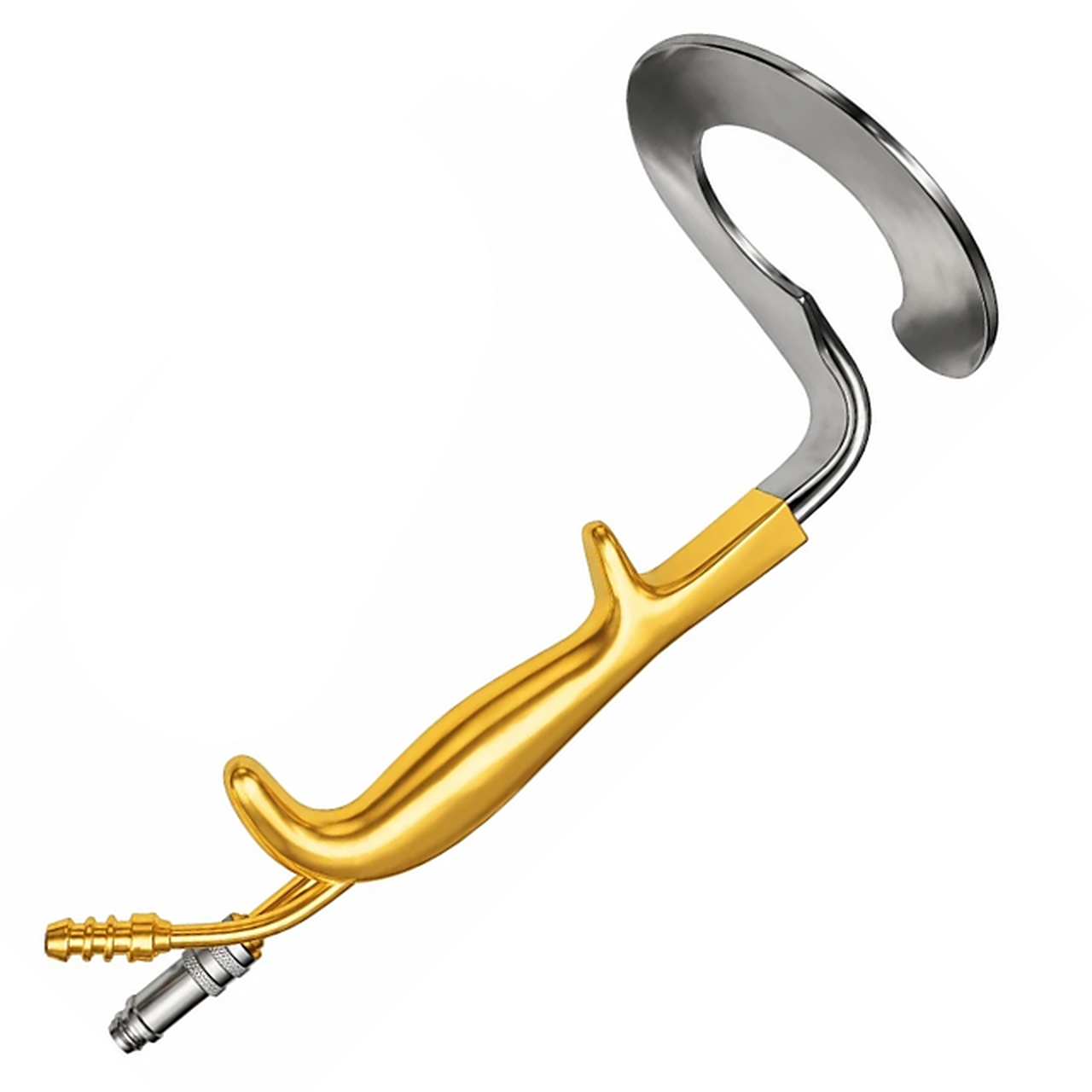 | Écarteur Mammaire Ring avec Éclairage par Fibres Optiques | Spécifiquement conçu pour soulever les lambeaux tissulaires, éclairer les loges profondes et vérifier l'hémostase pendant la chirurgie mammaire. |
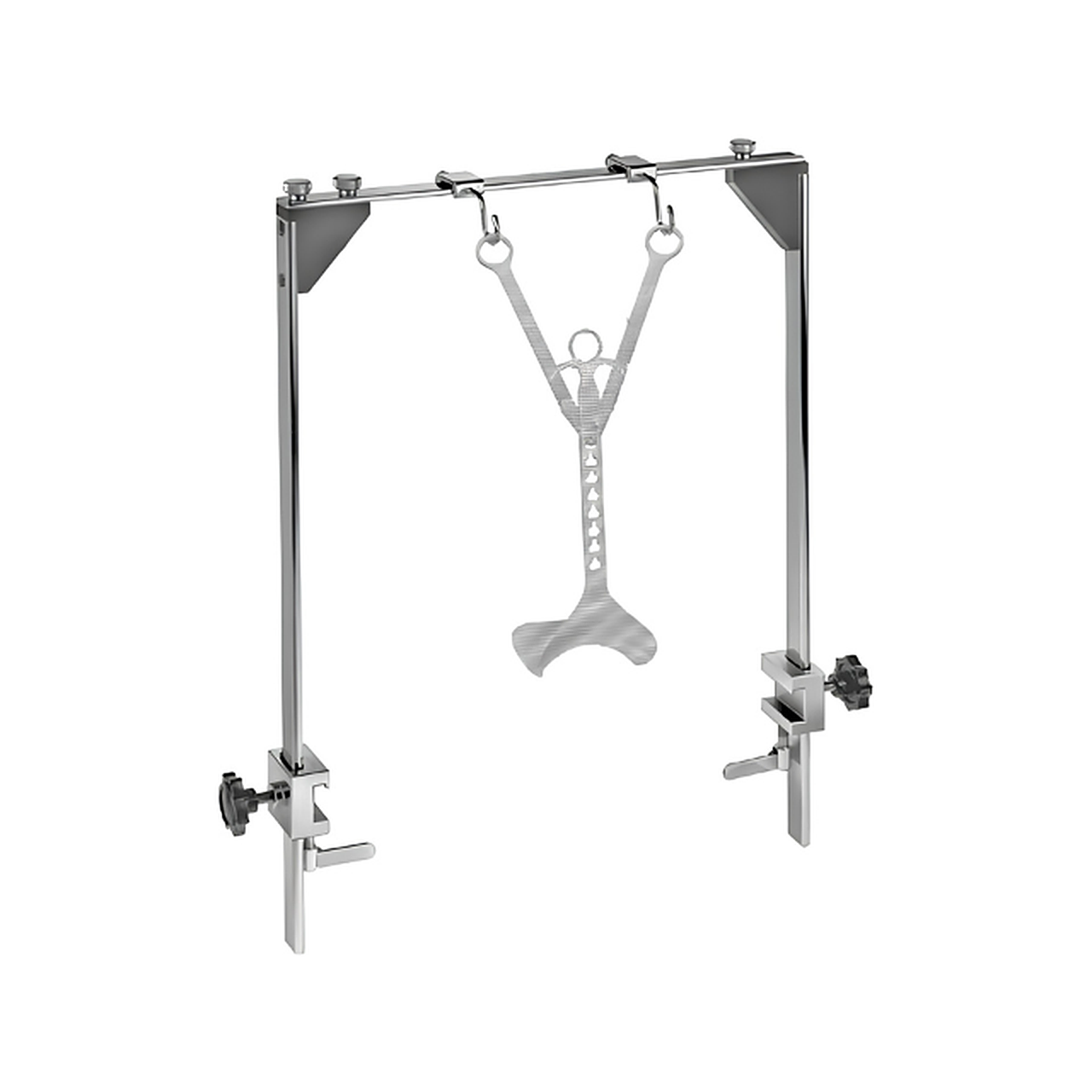 | Écarteur de Rochard | Conçu pour assurer une rétraction rigide des tissus mous abdominaux sur cadre fixé à la table et une exposition opératoire stable lors des interventions chirurgicales. |
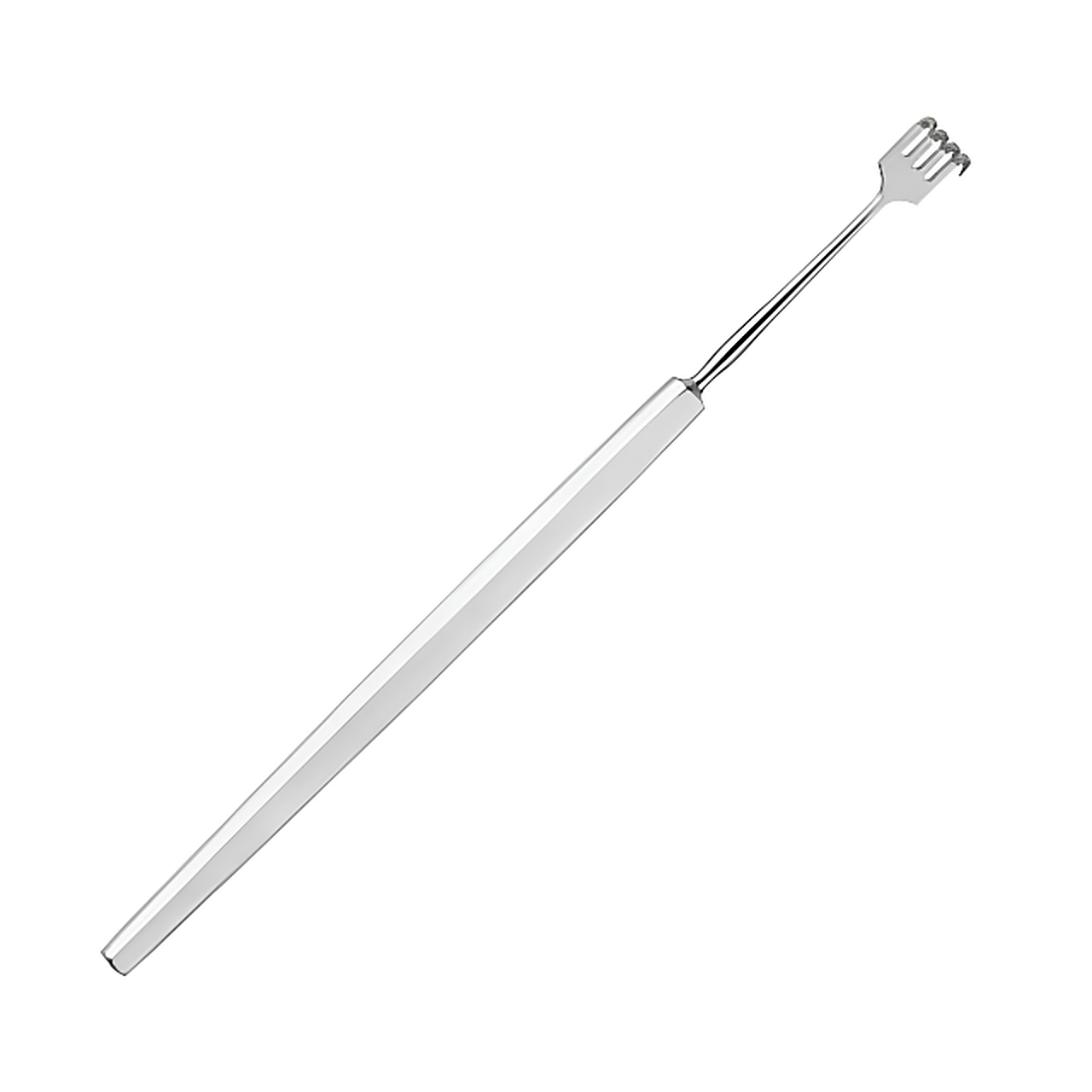 | Écarteur de Rollet | Spécifiquement conçu pour rétracter les lambeaux cutanés, les tissus du canthus médial et les fascias en chirurgie ophtalmique et plastique. |
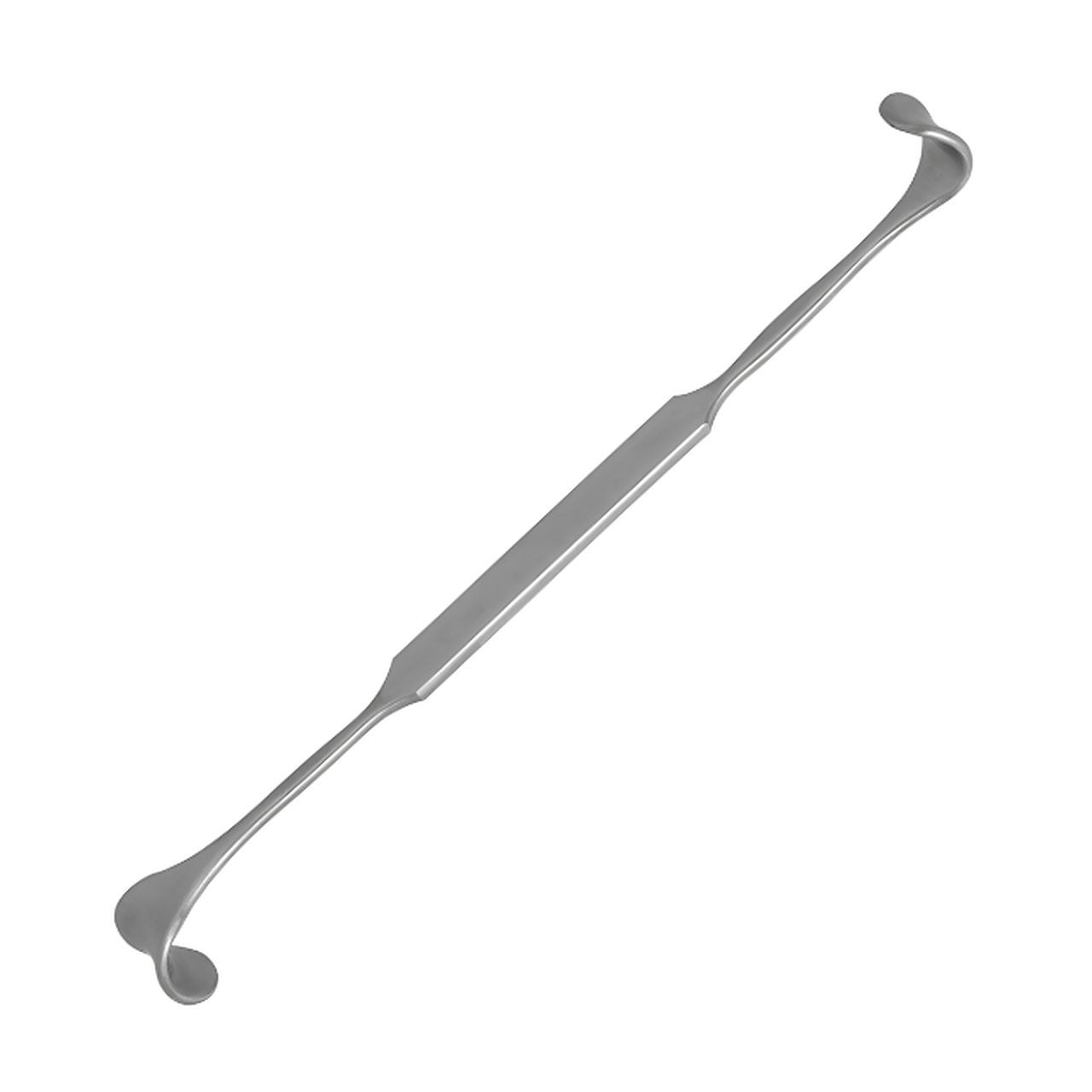 | Écarteur Rose à Double Extrémité | Spécifiquement conçu pour rétracter les berges cutanées, les fascias et les tissus mous lors d'incisions chirurgicales superficielles et intermédiaires. |
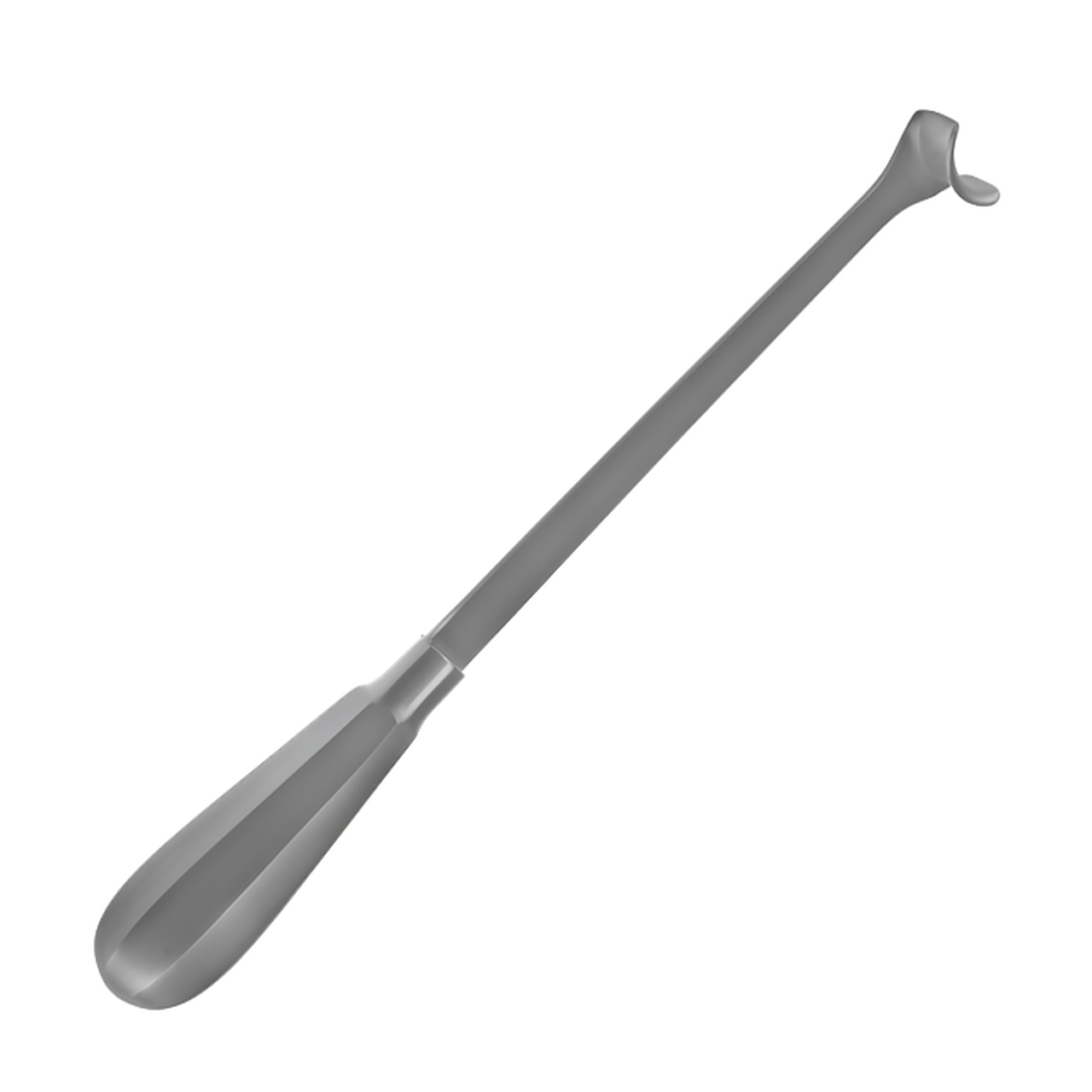 | Écarteur de valve aortique Ross | Spécifiquement conçu pour écarter les feuillets de la valve aortique et la paroi aortique lors du remplacement et de la reconstruction de la valve aortique. |
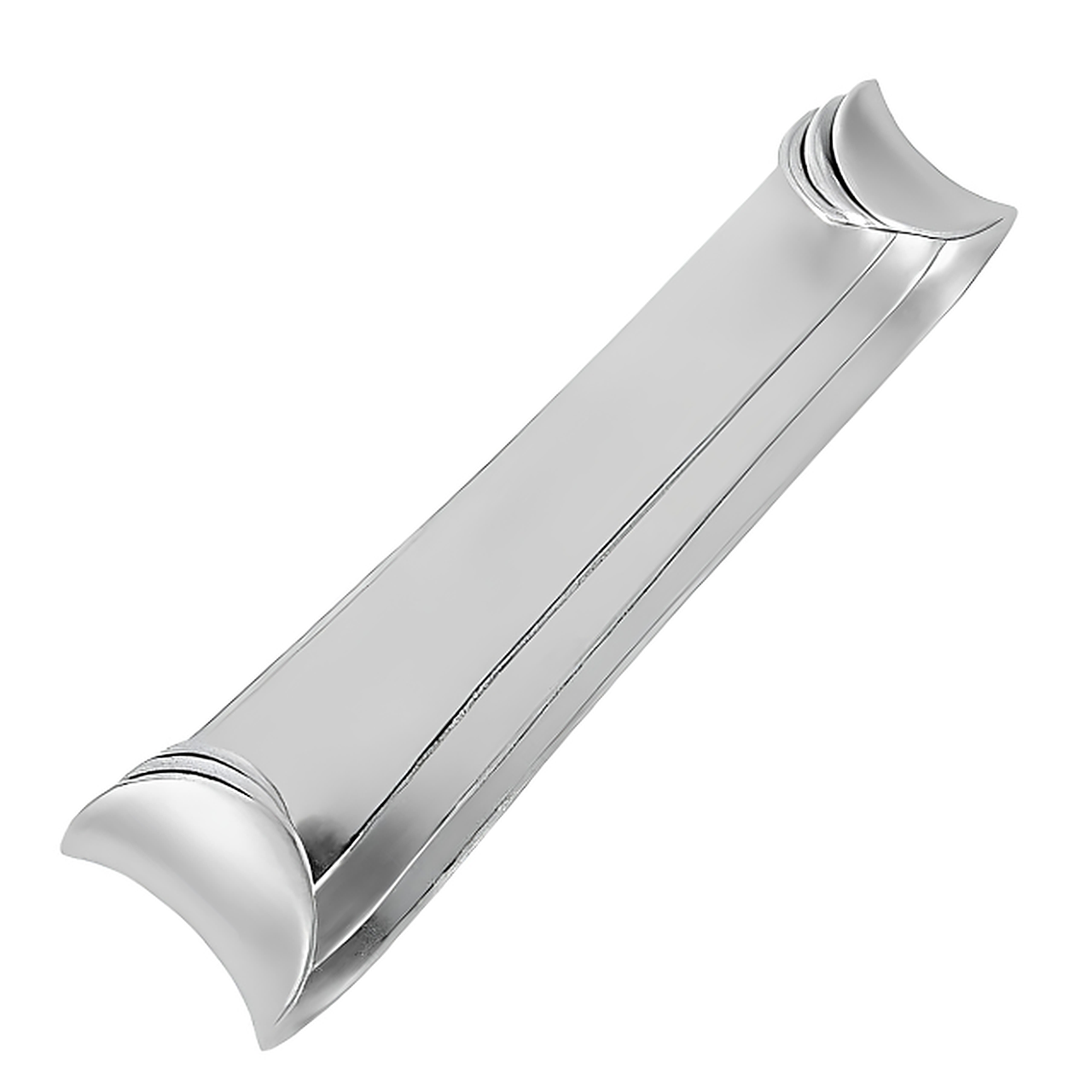 | Roux Retractor - Double Ended | Spécifiquement conçu pour écarter les berges cutanées, les fascias et les couches musculaires superficielles en chirurgie générale et plastique. |
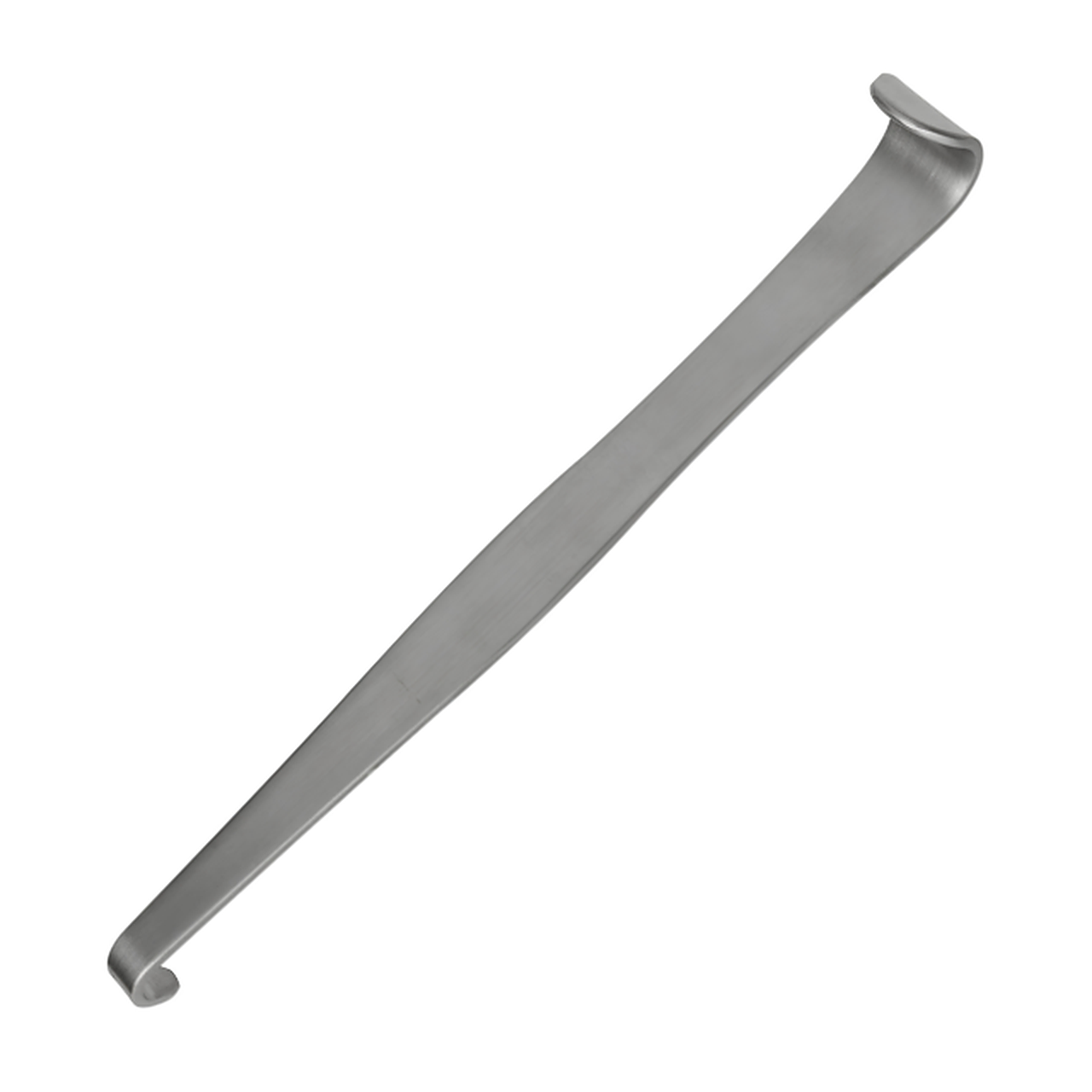 | Écarteur en S à Double Extrémité | Spécifiquement conçu pour écarter les berges cutanées, les fascias délicats et les tissus mous lors d'interventions chirurgicales mineures, plastiques et ORL. |
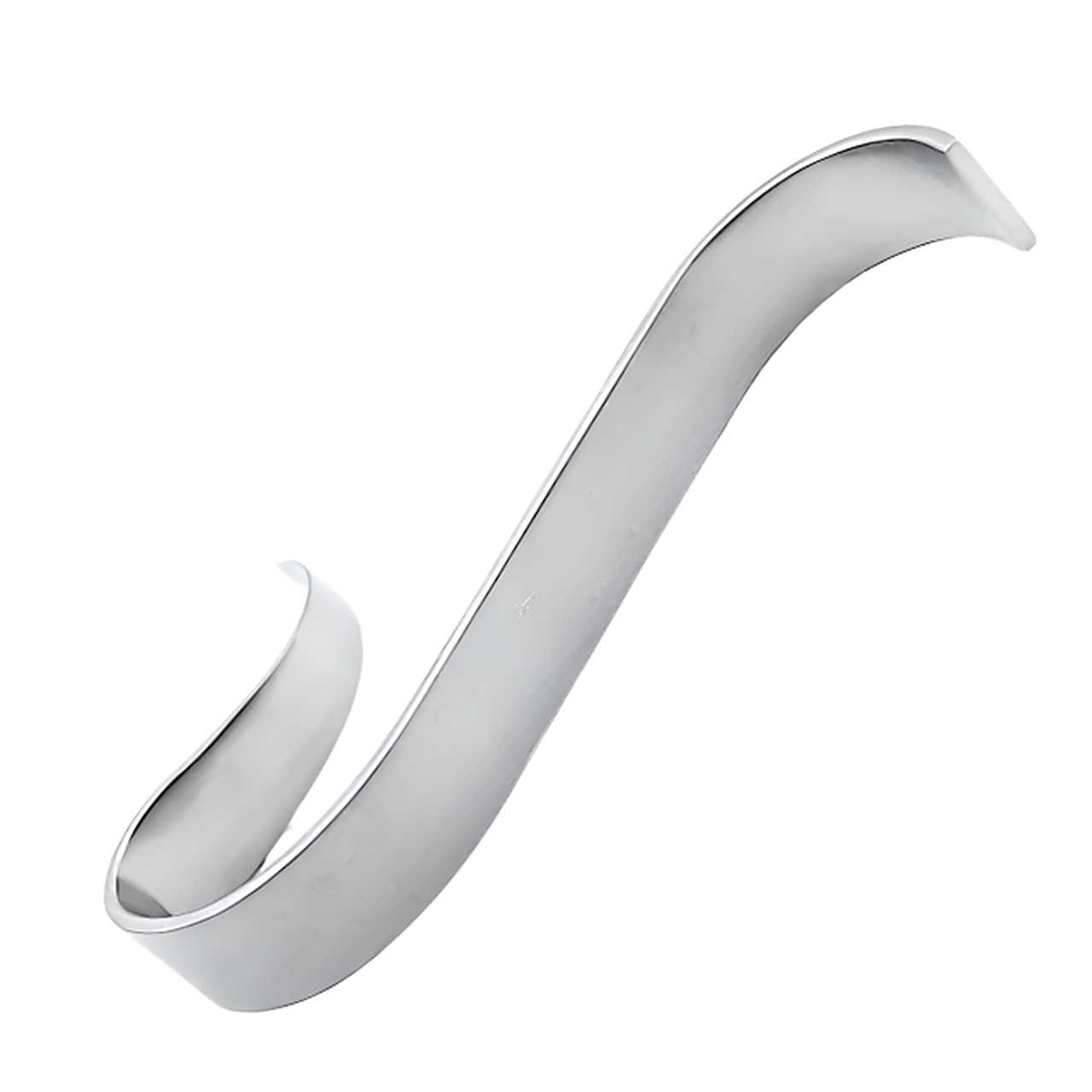 | Écarteur de genou S Total Knee Retractor | Spécifiquement conçu pour l'écartement des ligaments collatéraux, de la capsule articulaire et des tissus mous lors de l'arthroplastie totale du genou. |
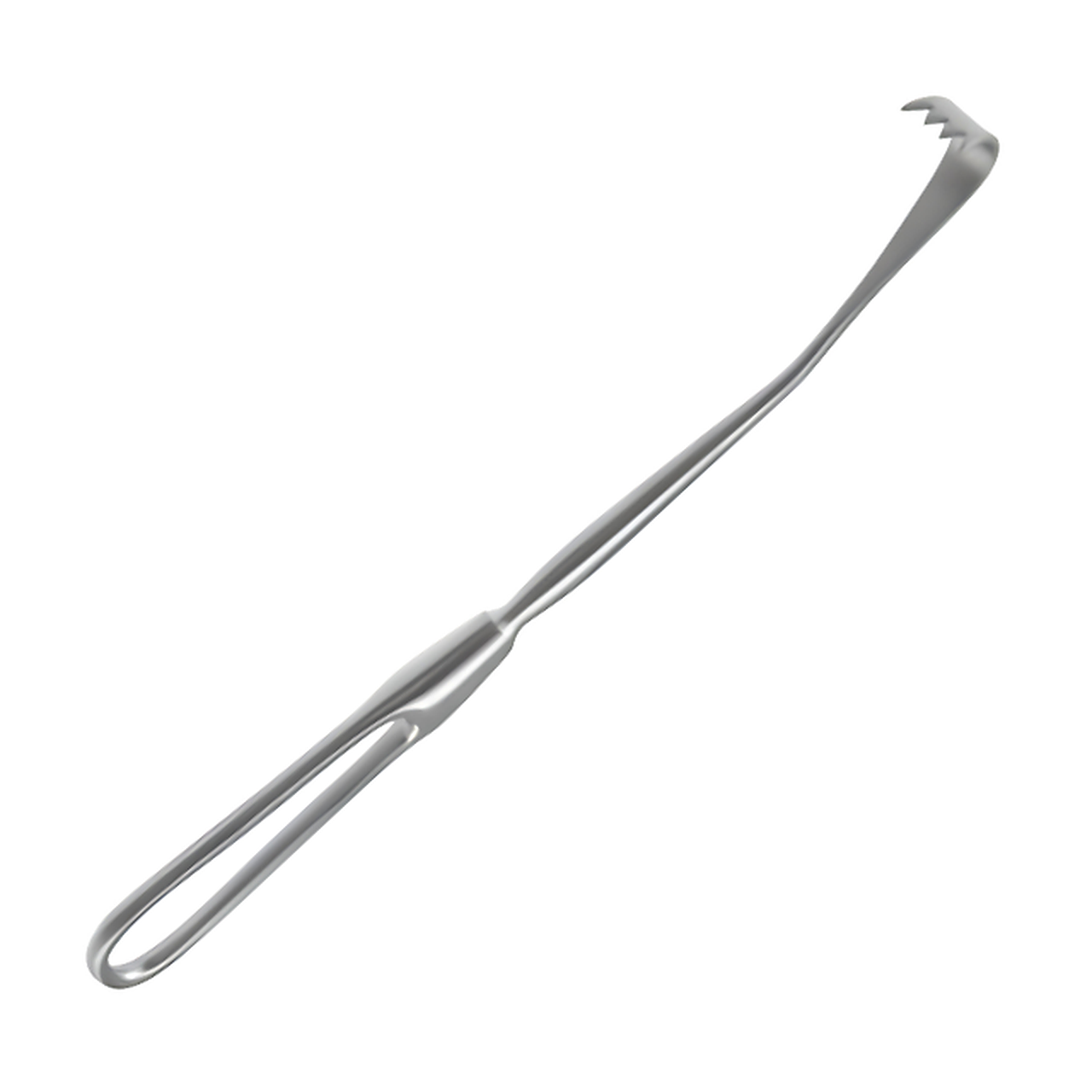 | Écarteur de Sachs | Spécifiquement conçu pour rétracter et mobiliser les veines délicates, les racines nerveuses et les faisceaux vasculaires lors de chirurgies vasculaires et neurologiques. |
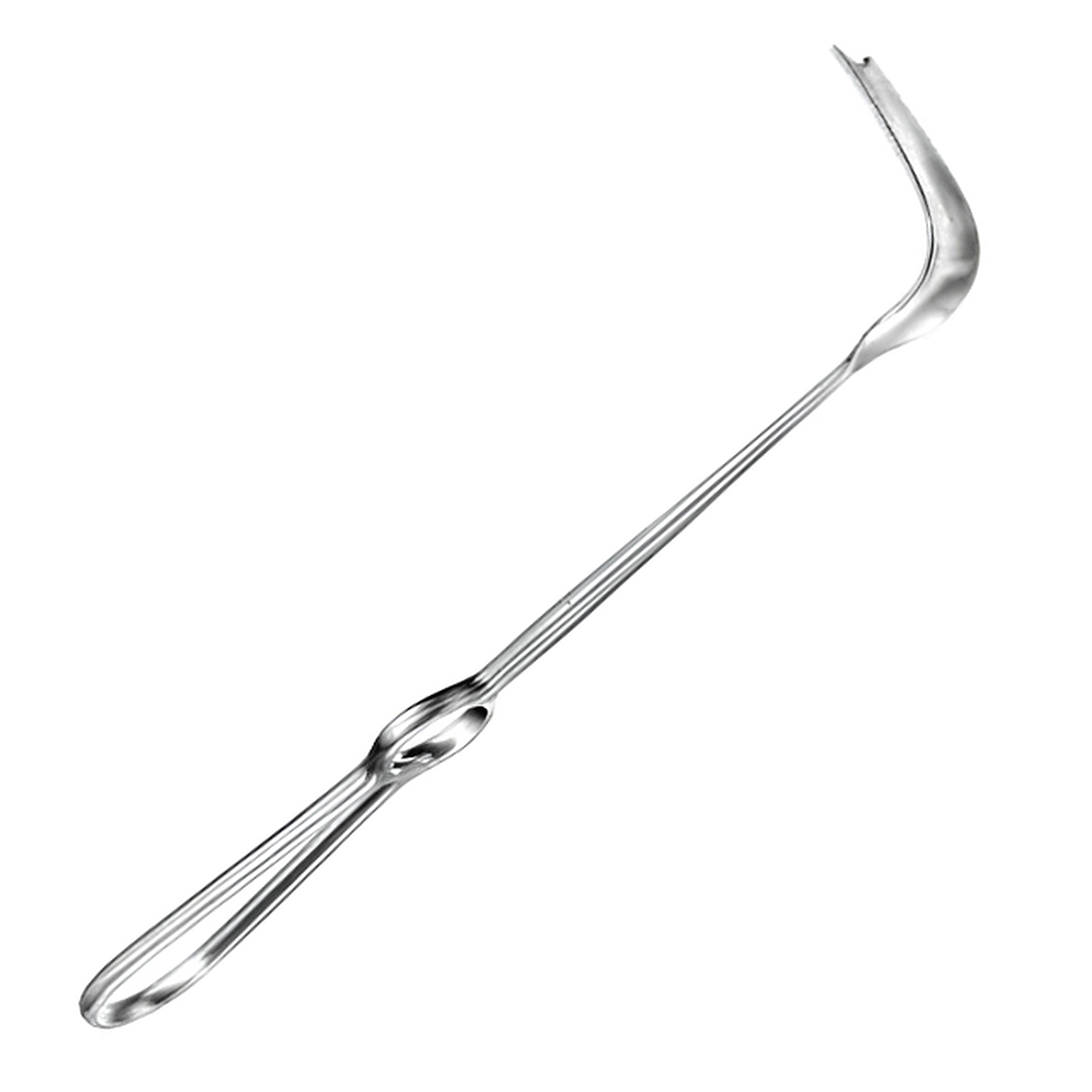 | Écarteur de pont nasal Sailer | Spécifiquement conçu pour élever et rétracter l'enveloppe des tissus mous le long du pont nasal pendant la rhinoplastie et les ostéotomies du milieu de la face. |
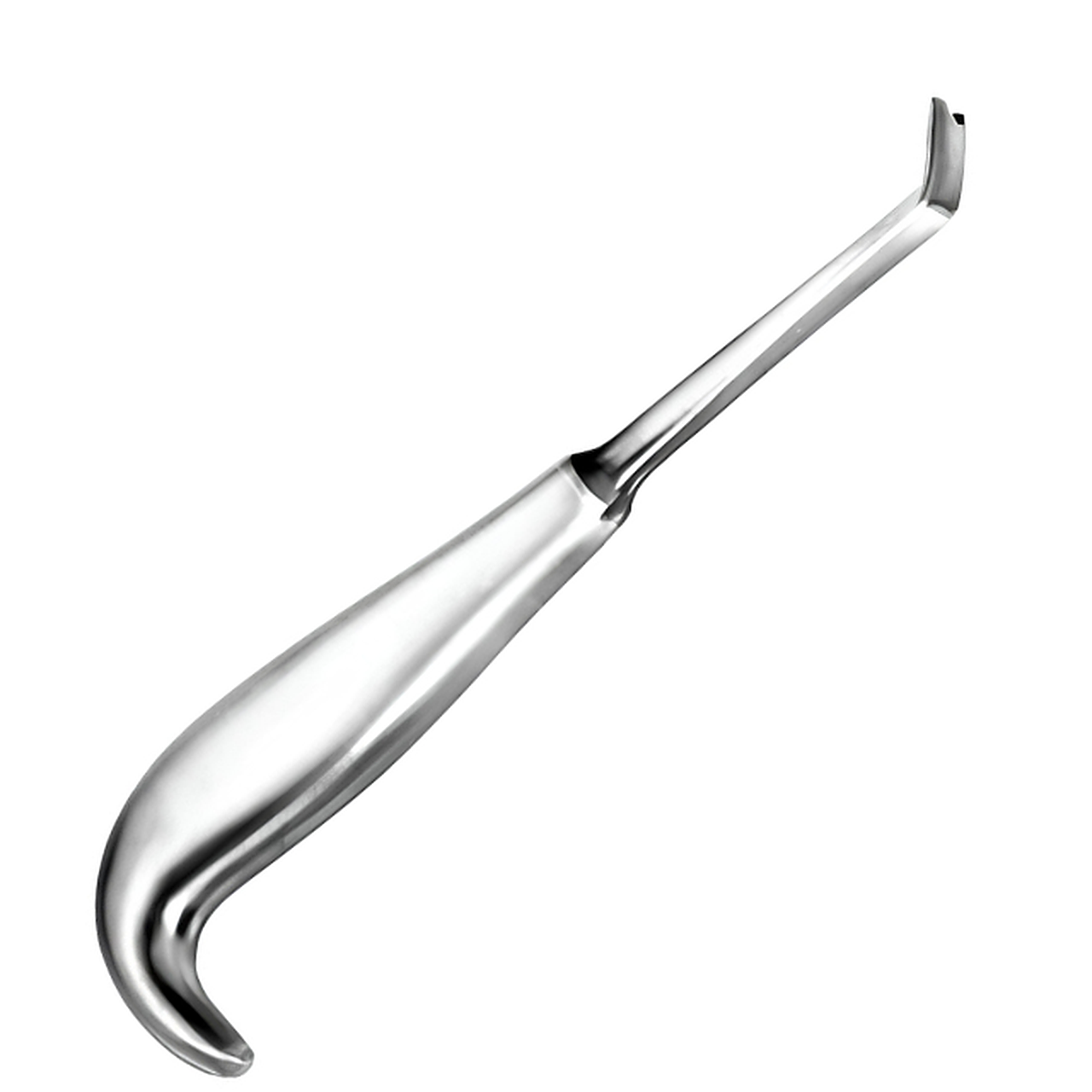 | Écarteur d'épine nasale Sailer | Spécifiquement conçu pour s'accrocher sur l'épine nasale antérieure et soulever la lèvre supérieure lors des ostéotomies de Le Fort I. |
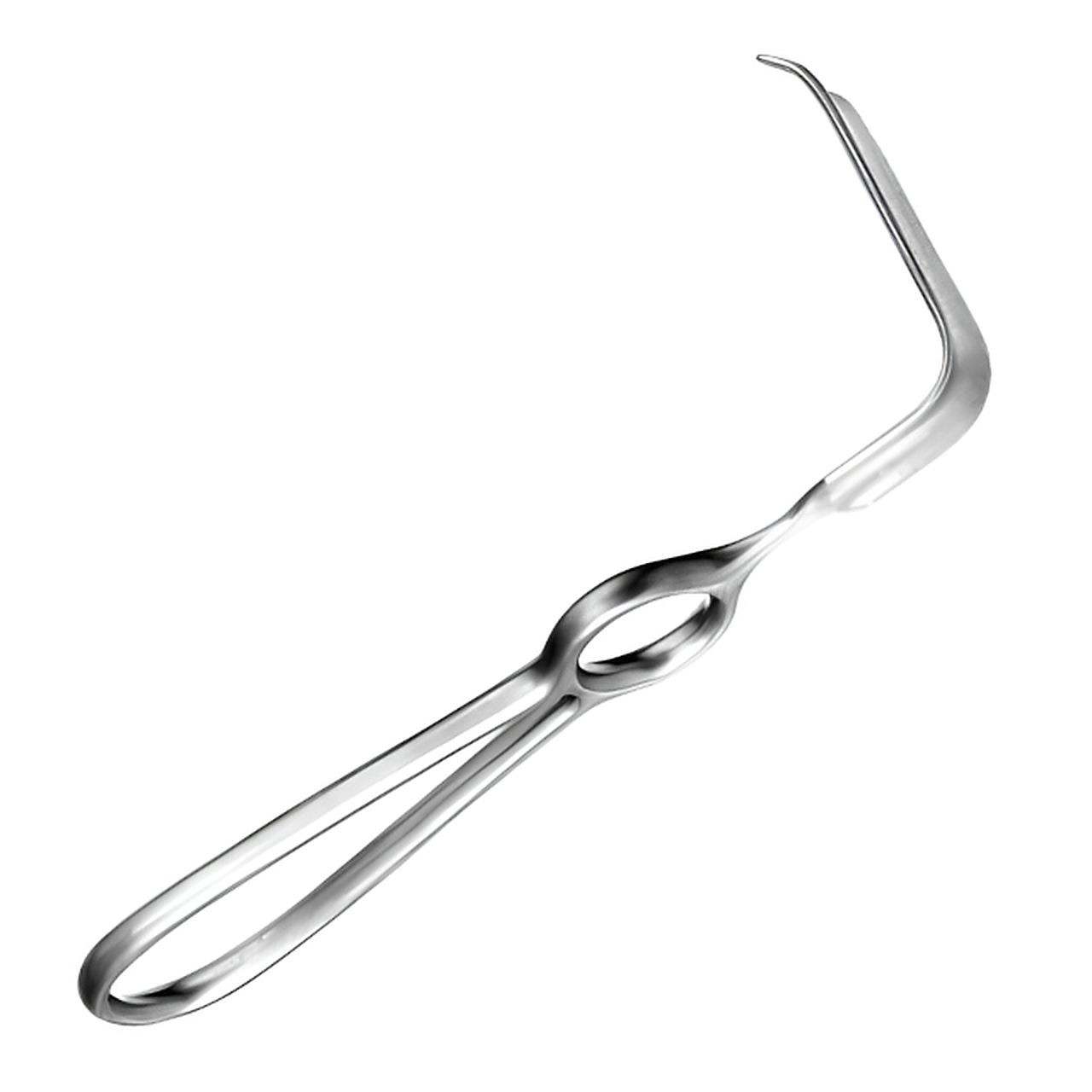 | Écarteur de tissus mous Sailer Soft Tissue Retractor | Spécifiquement conçu pour l'écartement des lambeaux mucopériostés et des tissus mous dans les espaces intra-oraux et faciaux étroits. |
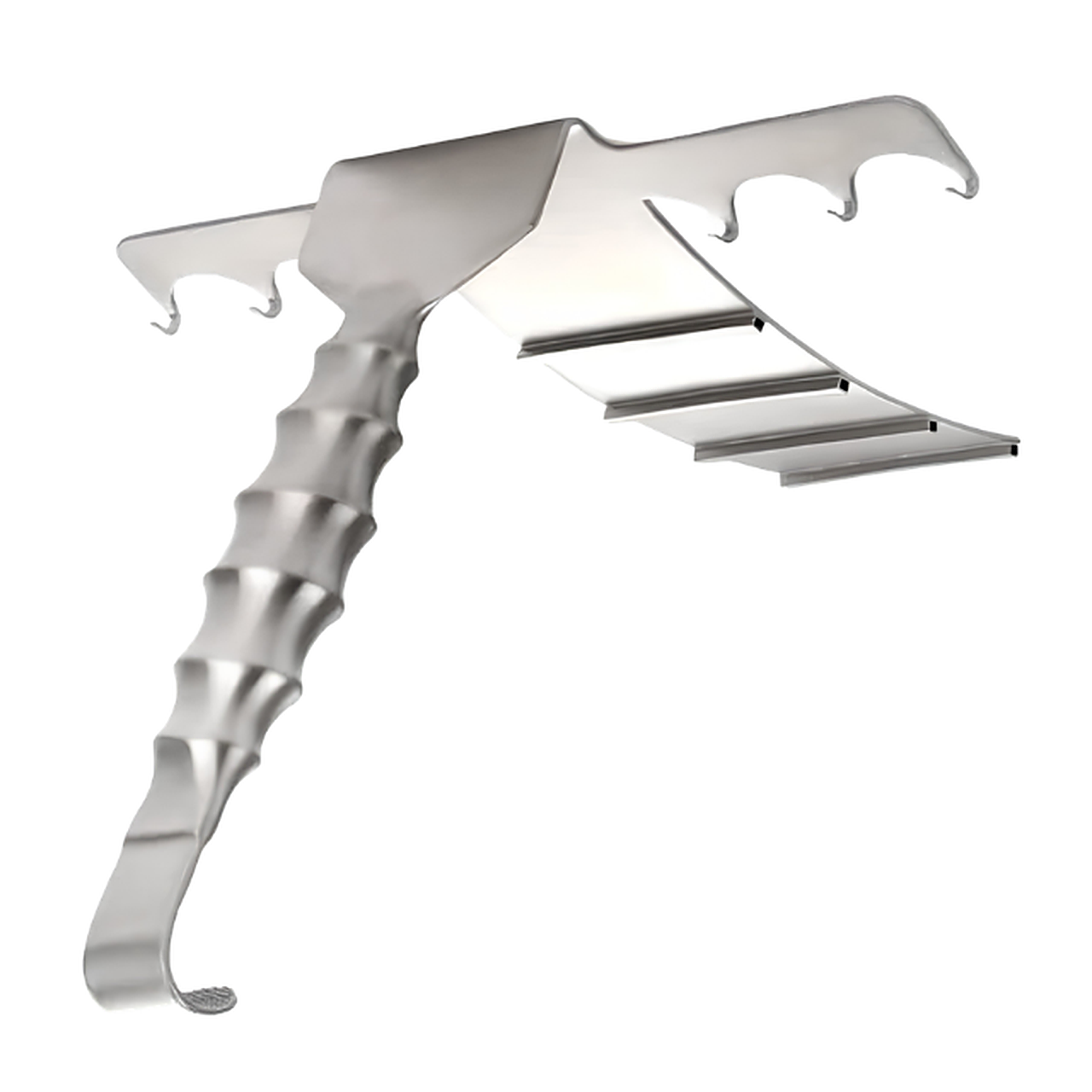 | Écarteur Abdominal Saldanha-Solz | Spécifiquement conçu pour soulever les lambeaux cutanés abdominaux et protéger les tissus lors de la lipo-abdominoplastie et de la plicature des grands droits. |
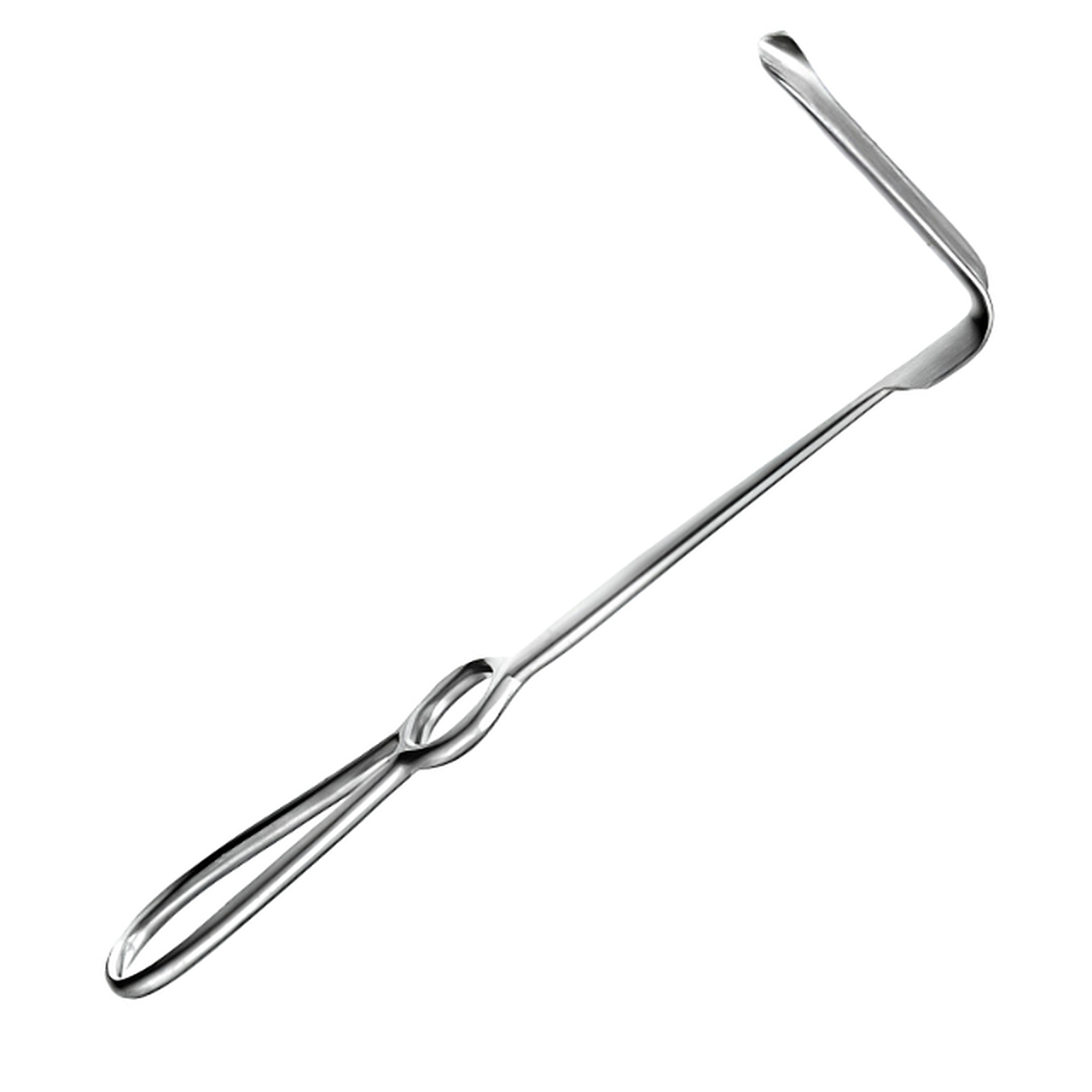 | Écarteur de col condylien de Salzburg | Spécifiquement conçu pour s'ancrer autour du col condylien et protéger les tissus mous pendant la chirurgie de l'ATM et la fixation des fractures condyliennes. |
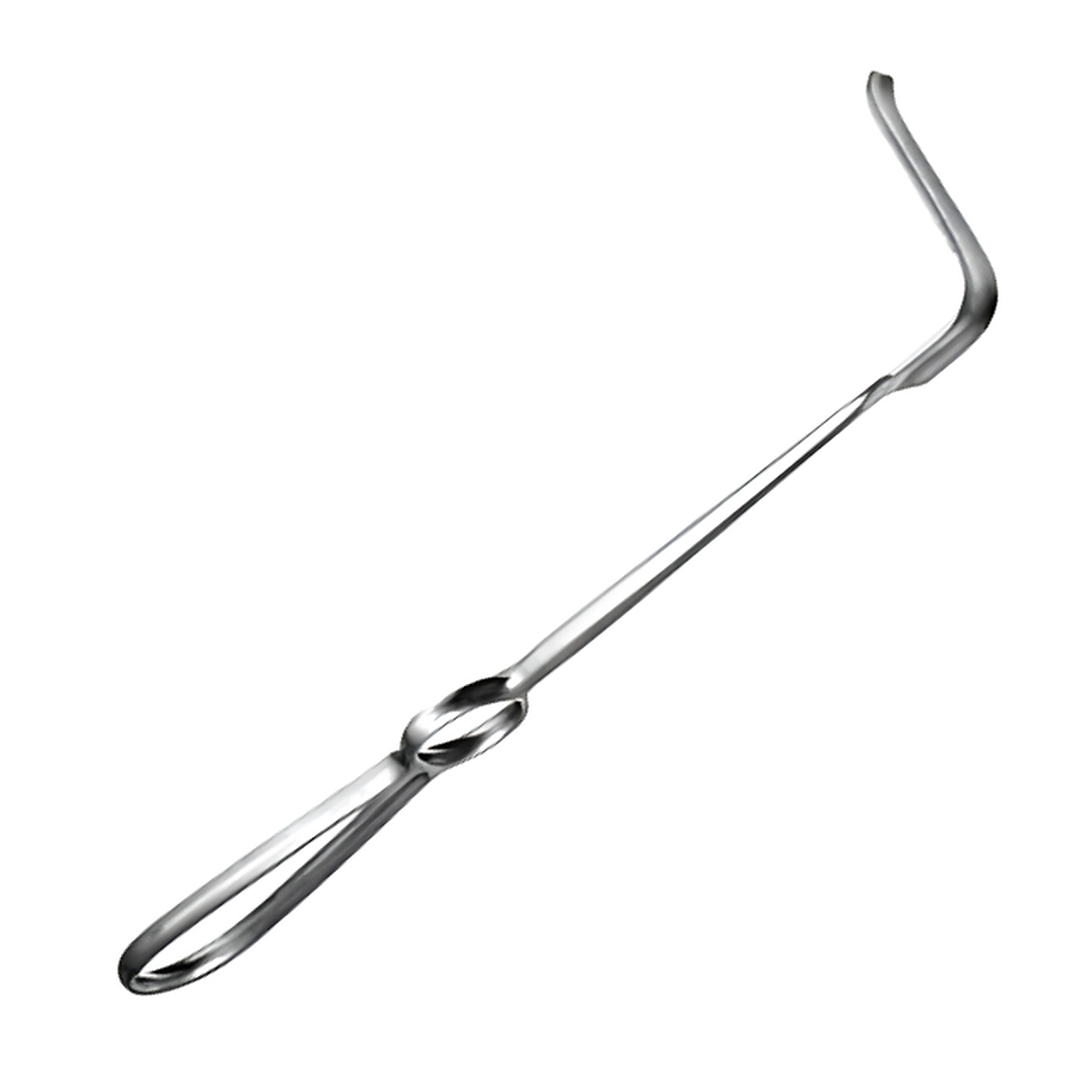 | Écarteur de Salzburg pour le rebord mandibulaire | Spécifiquement conçu pour s'accrocher sur le rebord mandibulaire et protéger les tissus mous et les vaisseaux lors des ostéotomies orthognathiques. |
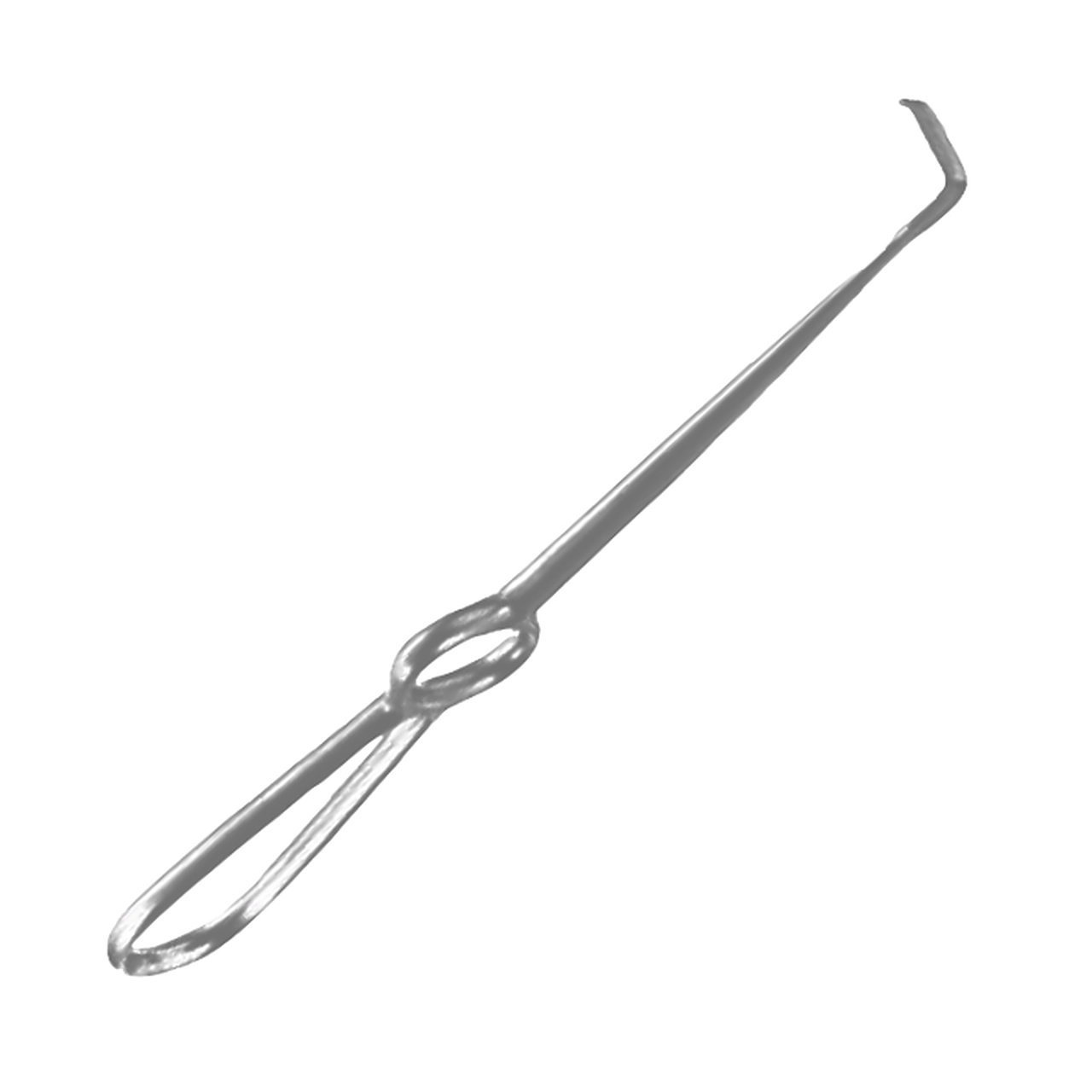 | Écarteur de tissus mous Salzburg | Spécifiquement conçu pour écarter les lambeaux mucopériostés et les tissus mous dans les corridors buccaux et maxillo-faciaux restreints. |
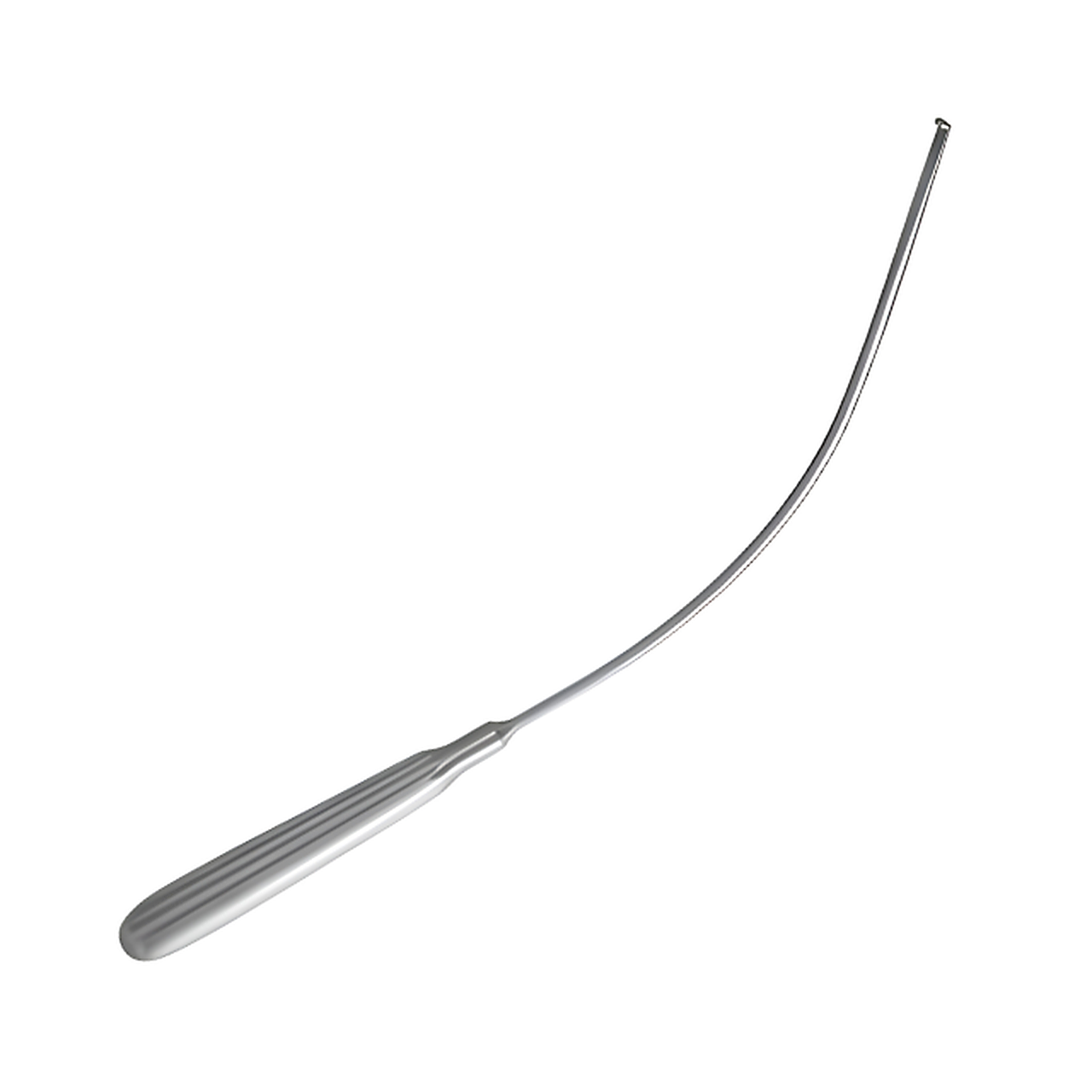 | Écarteur de racine nerveuse Sandhu Nerve Root Retractor | Spécifiquement conçu pour mobiliser, soutenir et protéger les racines nerveuses spinales transversales et le sac thécal pendant la discectomie lombaire. |
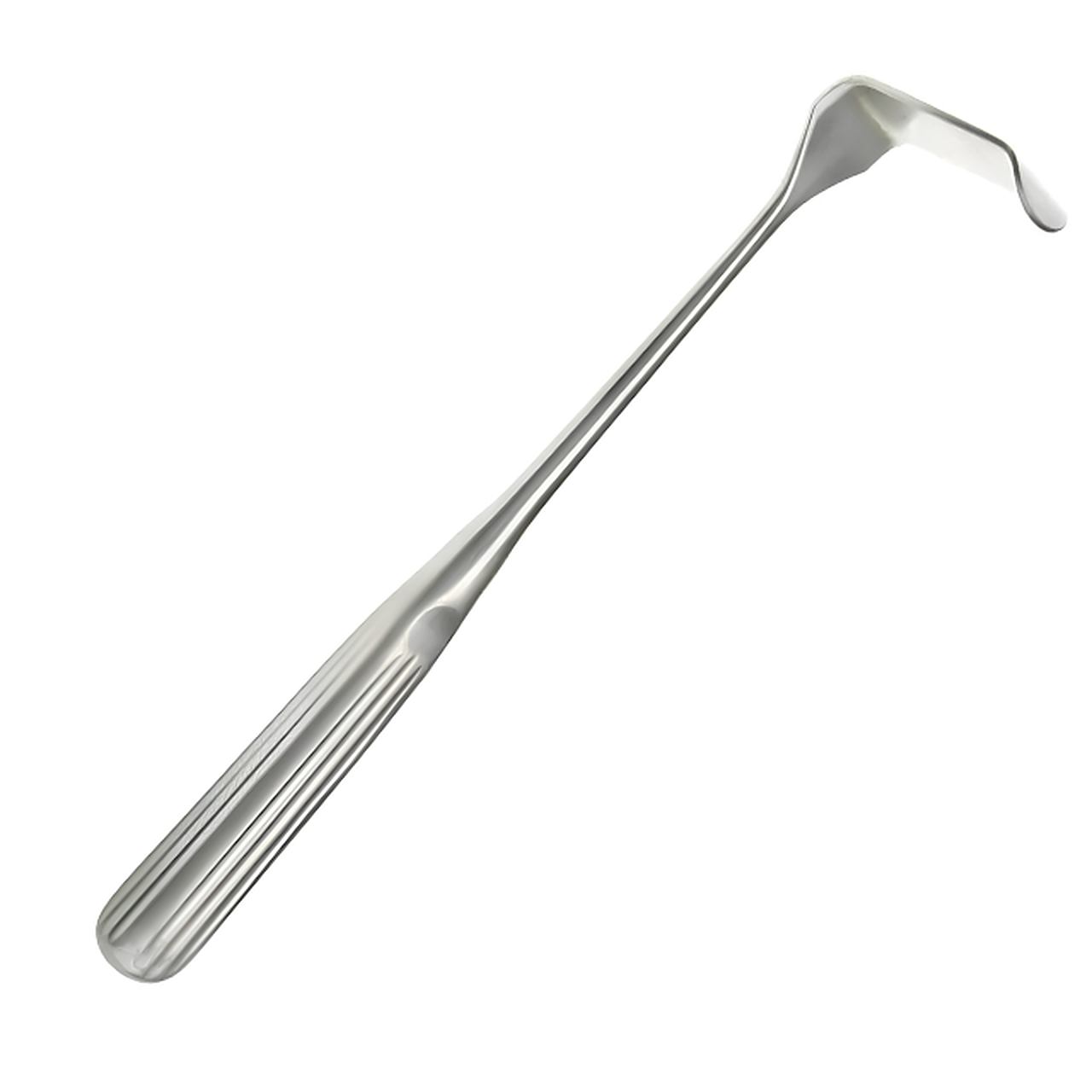 | Écarteur de Sauerbruch | Spécifiquement conçu pour écarter les couches musculaires, les fascias et les berges de plaies lors de chirurgies thoraciques, abdominales et orthopédiques. |
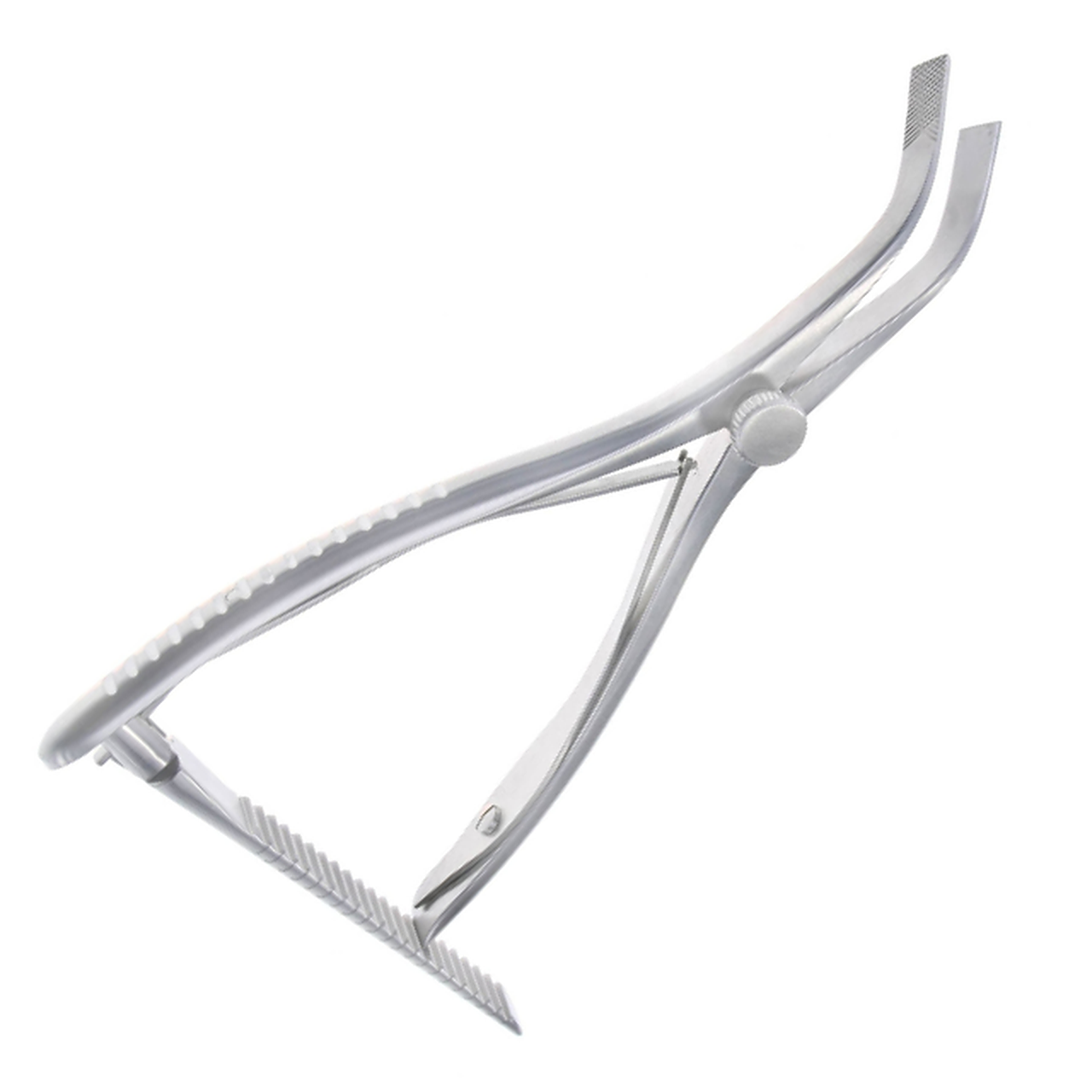 | Écarteur pour greffe osseuse Saxena Bone Grafting Retractor | Spécifiquement conçu pour écarter les tissus mous et stabiliser les cortices osseuses lors du prélèvement de greffons osseux autologues. |
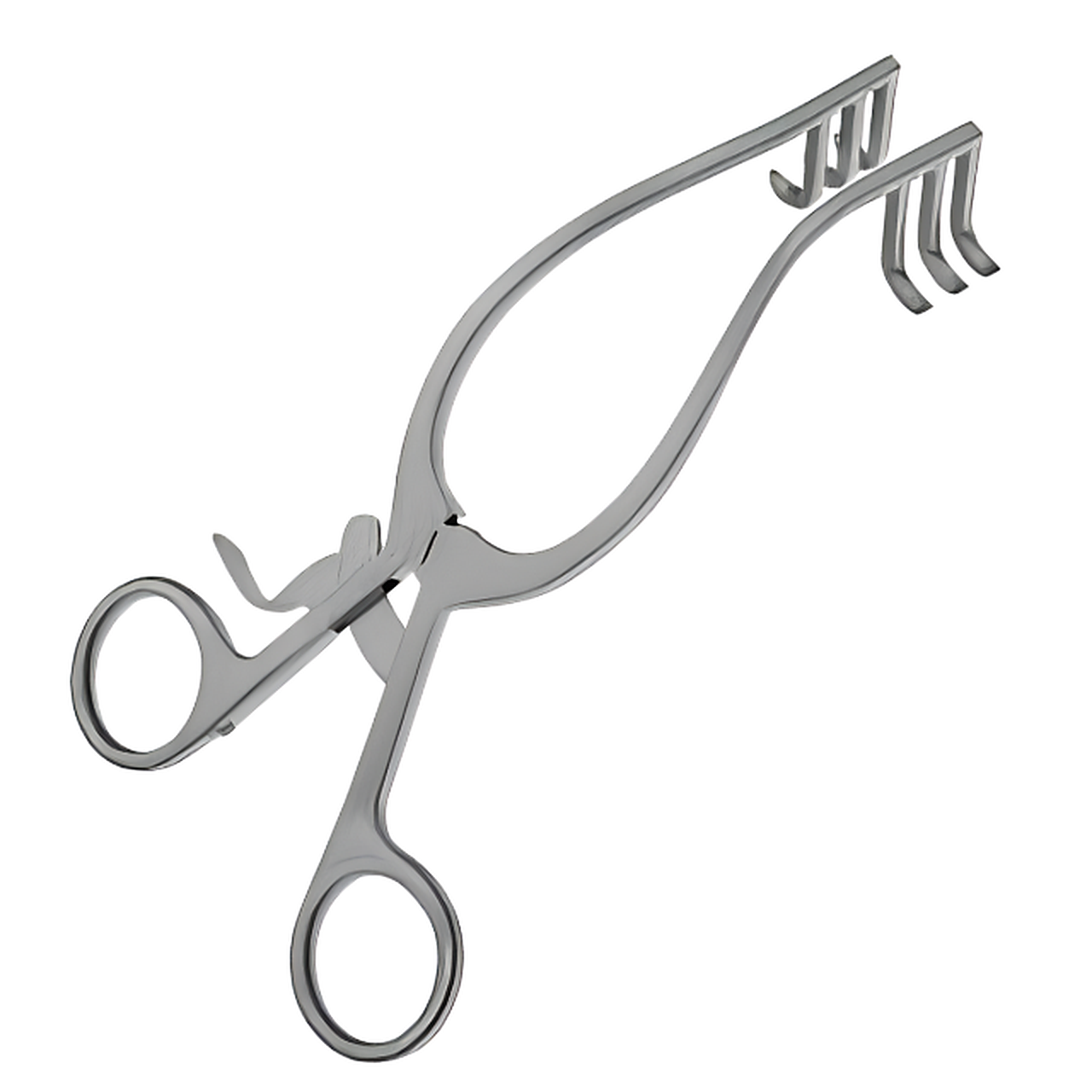 | Écarteur Schuknecht Fisch | Spécifiquement conçu pour assurer la rétraction auto-statique du périoste et des tissus mous lors de chirurgies mastoïdiennes et otologiques. |
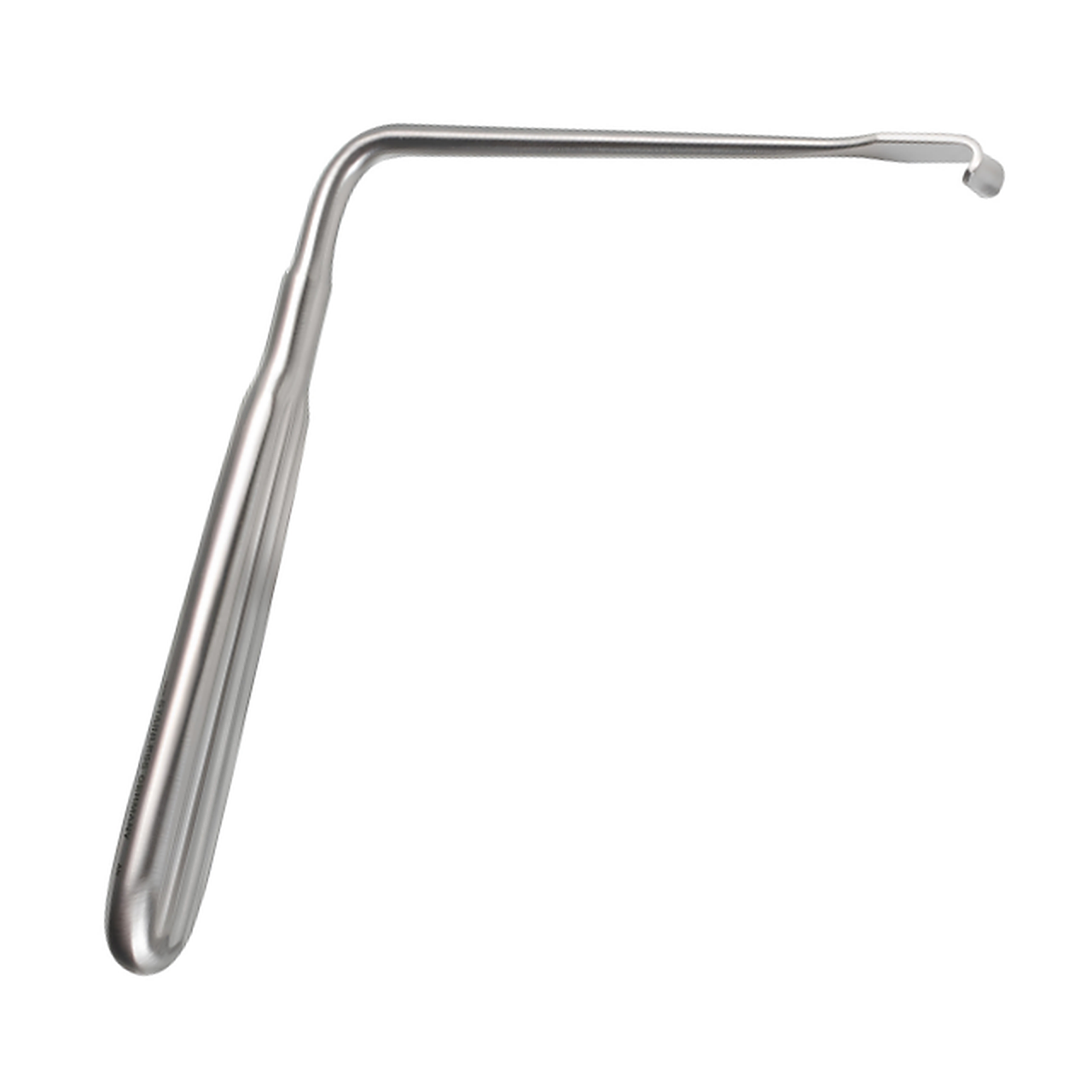 | Écarteur de nerfs Scoville | Spécifiquement conçu pour mobiliser et protéger les racines nerveuses délicates et les nerfs périphériques dans les couloirs chirurgicaux compacts. |
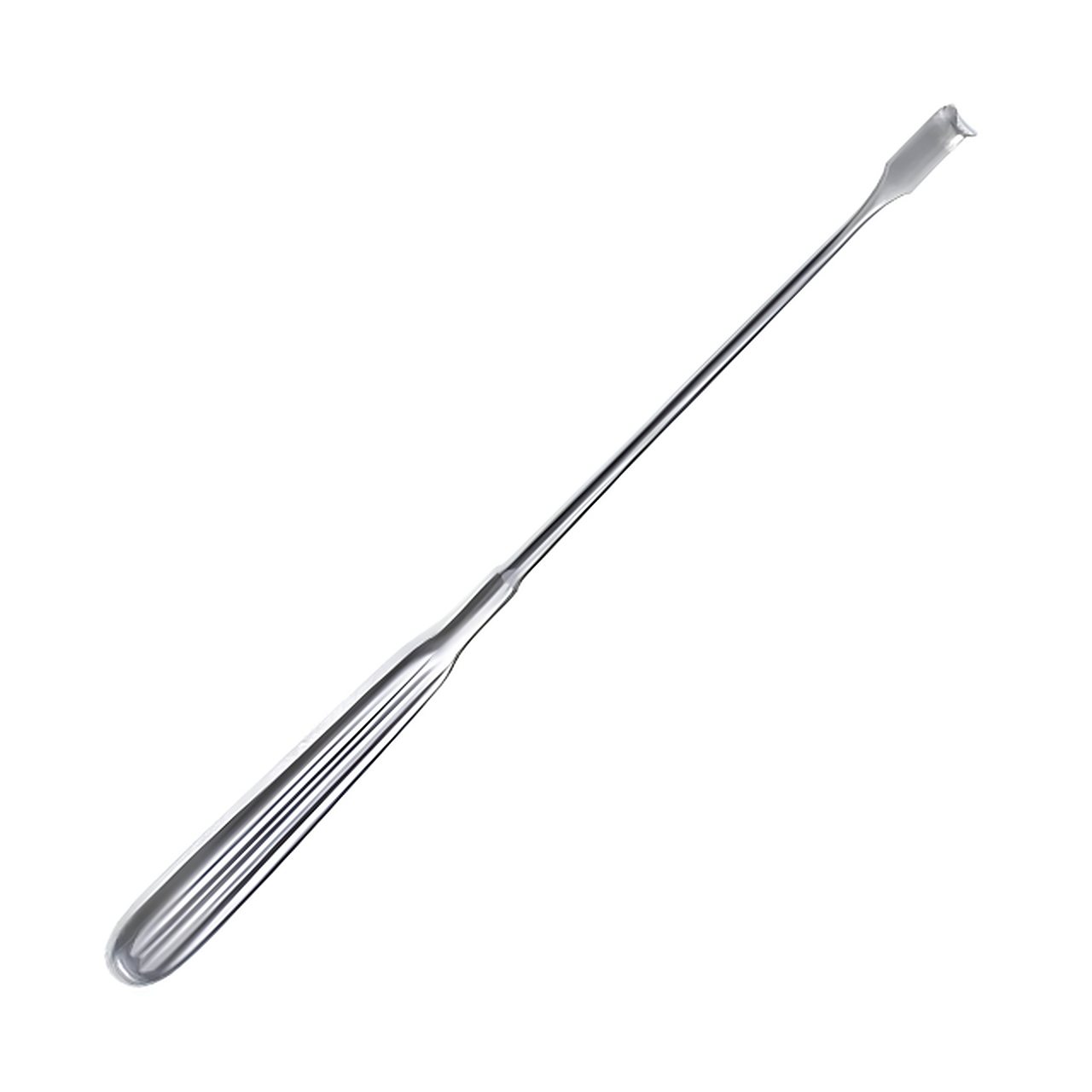 | Écarteur de racine nerveuse Scoville Nerve Root Retractor | Spécifiquement conçu pour mobiliser, maintenir et protéger les racines nerveuses spinales et le sac dural lors d'une discectomie lombaire. |
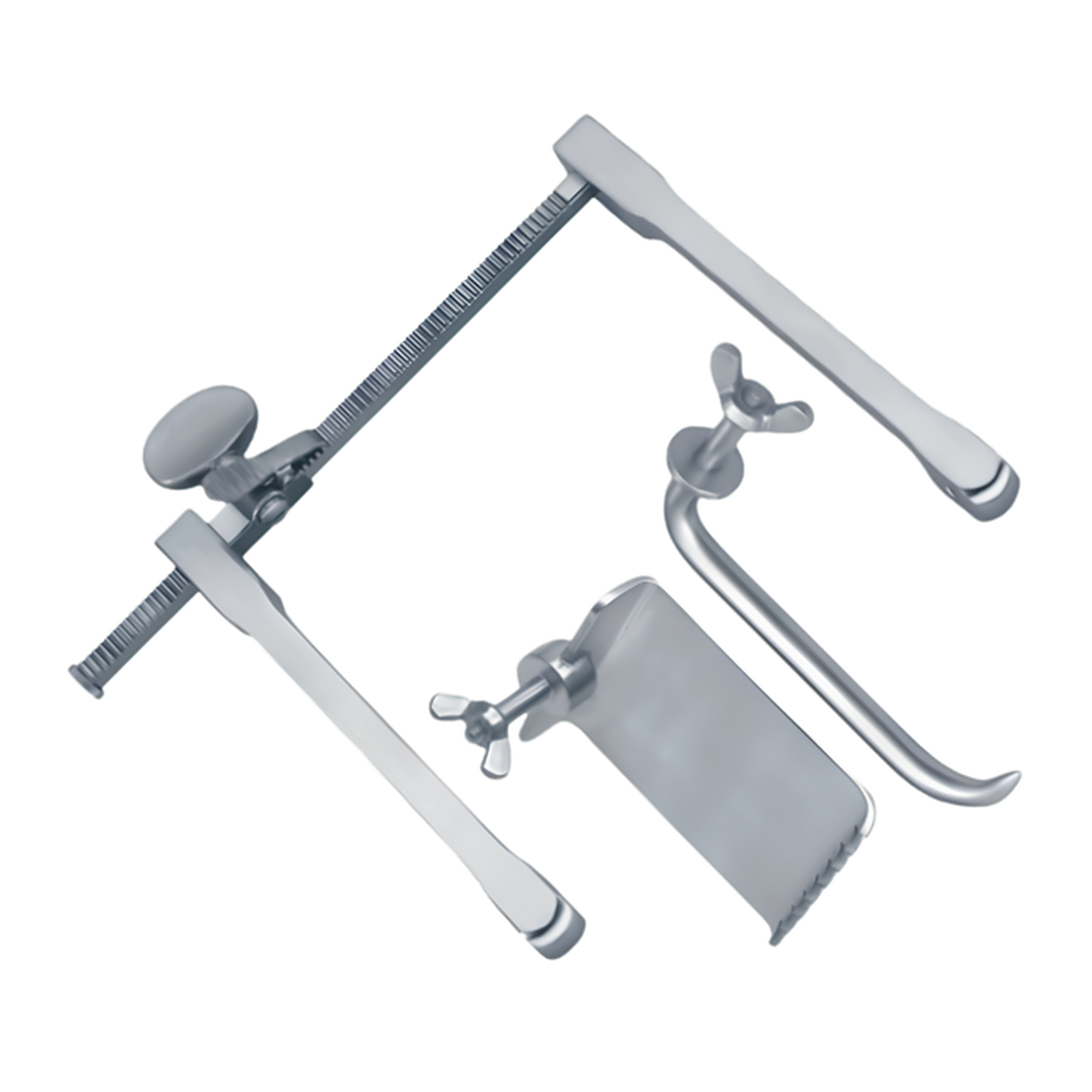 | Écarteur autostatique de Scoville | Spécifiquement conçu pour écarter la musculature paraspinale lourde et exposer la lame vertébrale lors de la chirurgie de la colonne lombaire. |
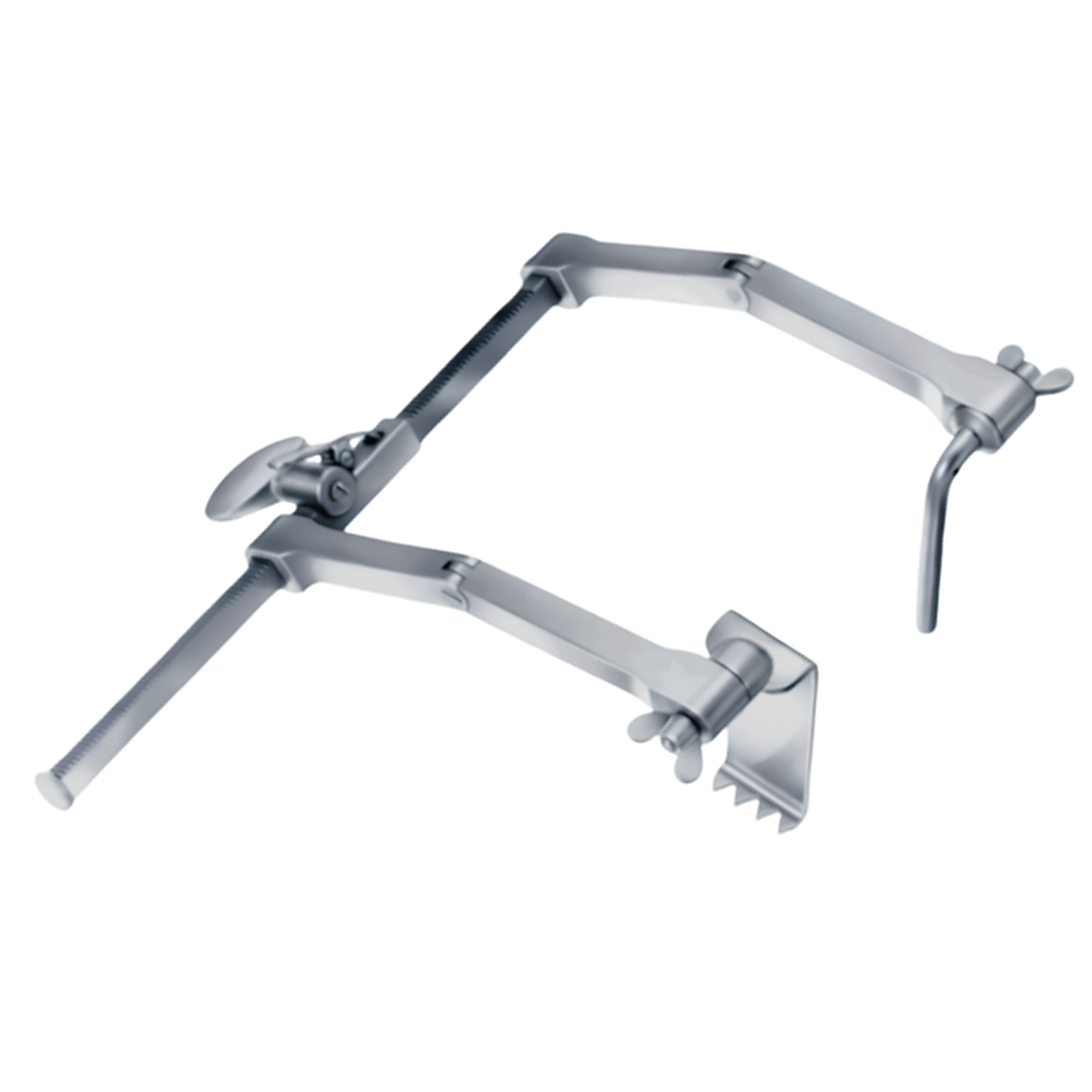 | Écarteur autostatique Scoville-Haverfield | Spécifiquement conçu pour écarter la musculature paraspinale épaisse avec un dégagement de la ligne de mire grâce aux branches articulées lors de la chirurgie de la colonne vertébrale. |
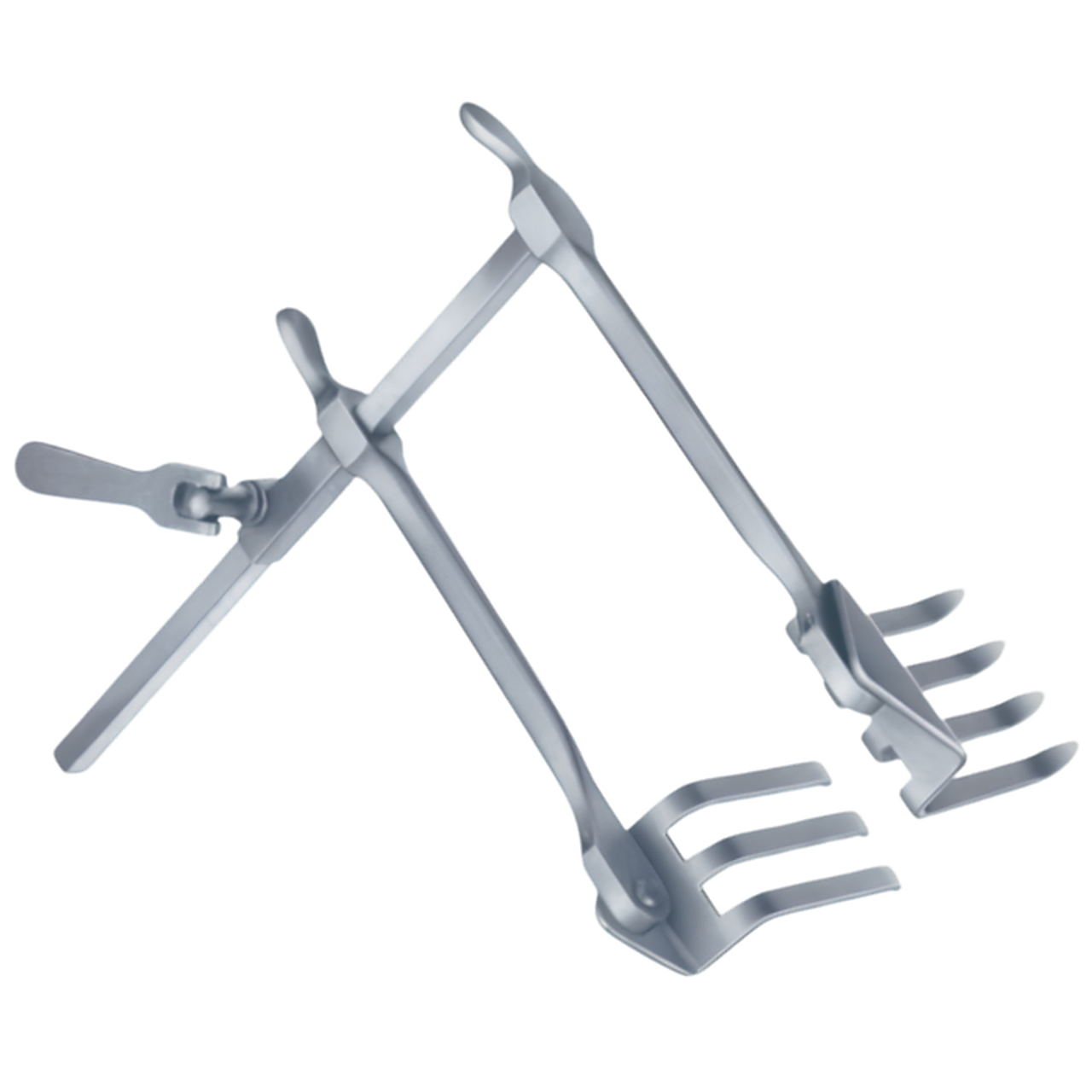 | Écarteur autostatique Scoville-Richter | Spécifiquement conçu pour rétracter la musculature paraspinale épaisse et maintenir une large exposition pendant la chirurgie de la colonne lombaire. |
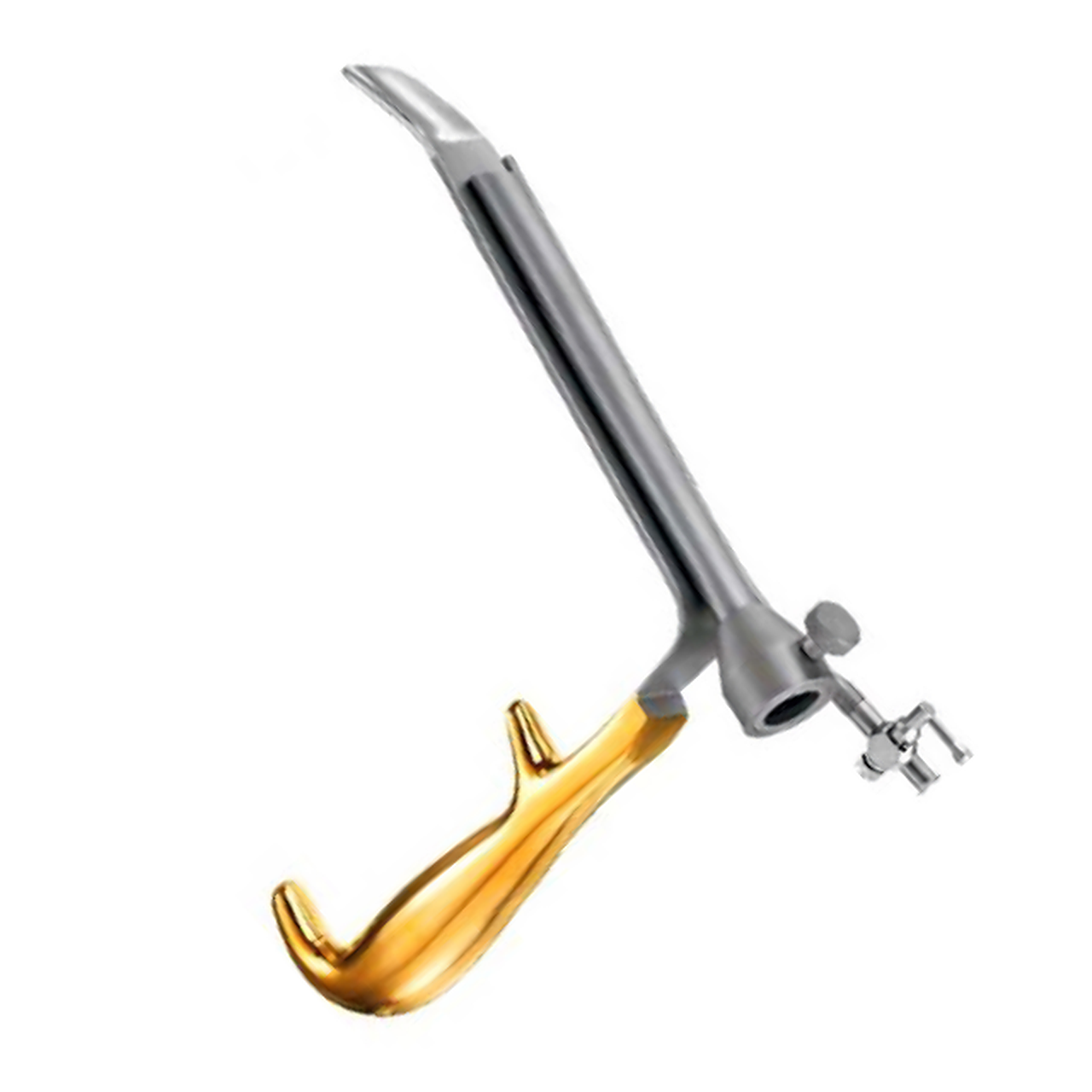 | Écarteur endoscopique Sculpo | Spécifiquement conçu pour élever les lambeaux tissulaires et stabiliser un endoscope pendant la chirurgie plastique mini-invasive. |
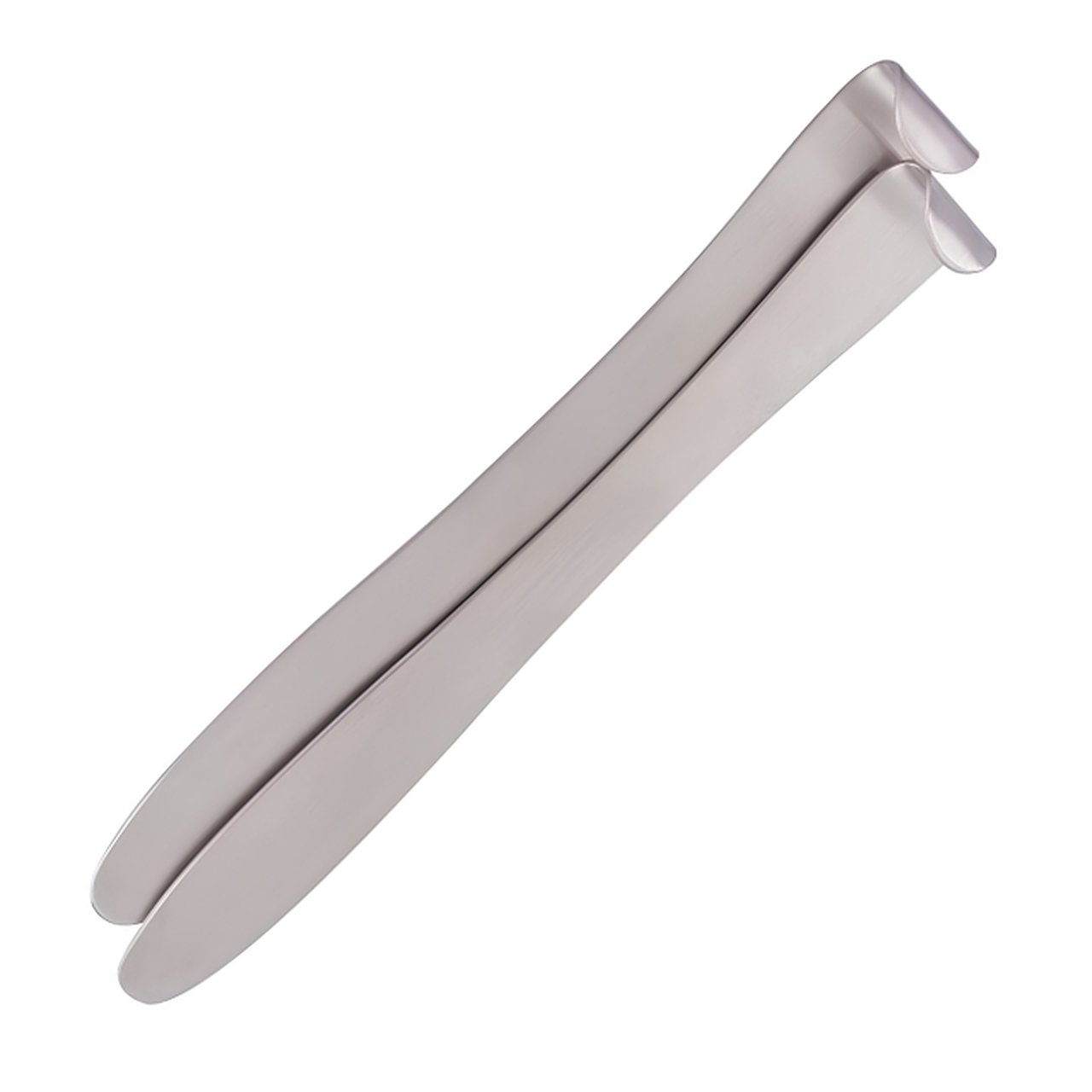 | Jeu de deux écarteurs Seeburger | Spécifiquement conçu pour écarter les berges cutanées, les fascias et les tissus mous superficiels en chirurgie mineure et générale. |
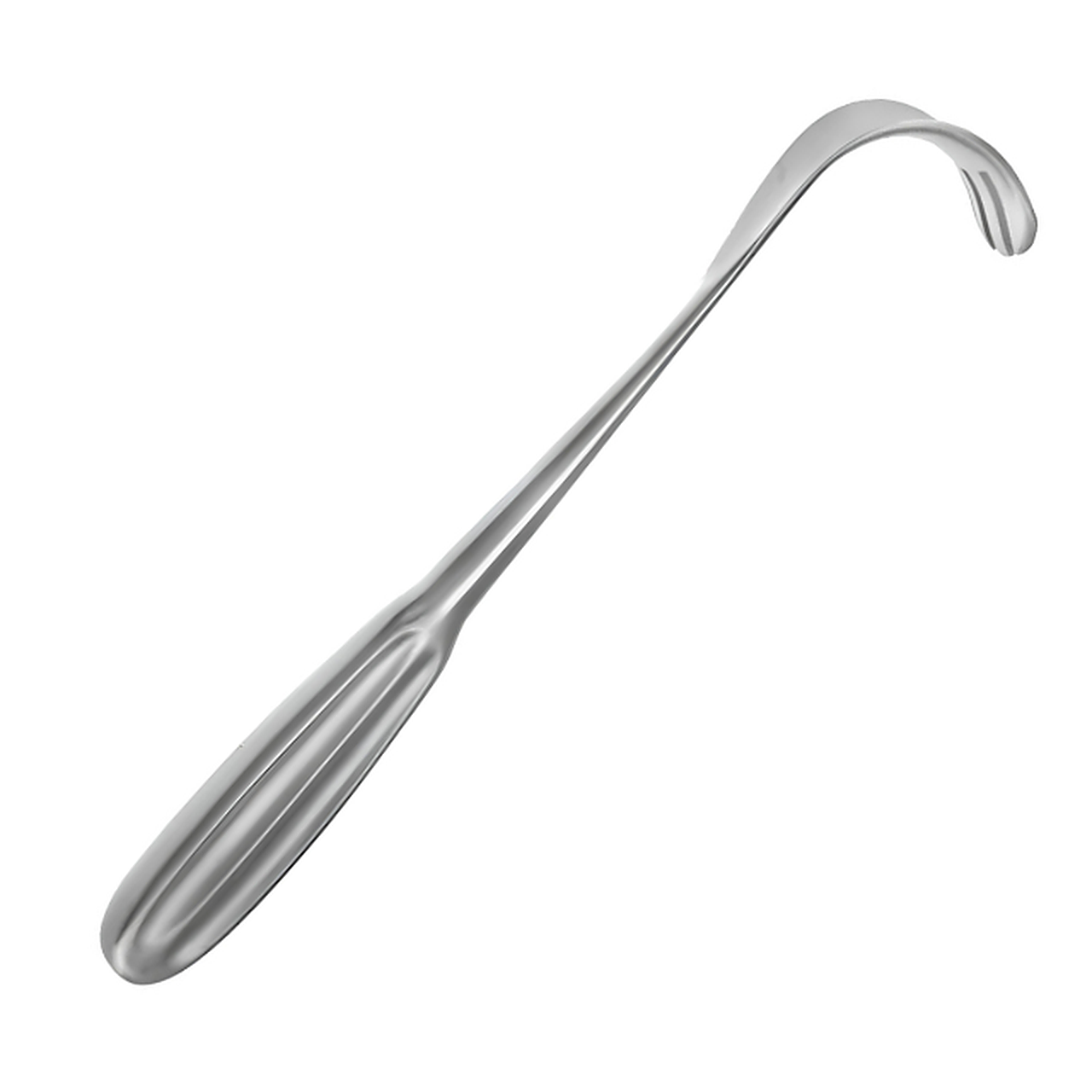 | Écarteur de Semb pour poumon et muscle | Spécifiquement conçu pour écarter le parenchyme pulmonaire, les muscles de la paroi thoracique et les viscères thoraciques profonds lors de la thoracotomie et de la chirurgie pulmonaire. |
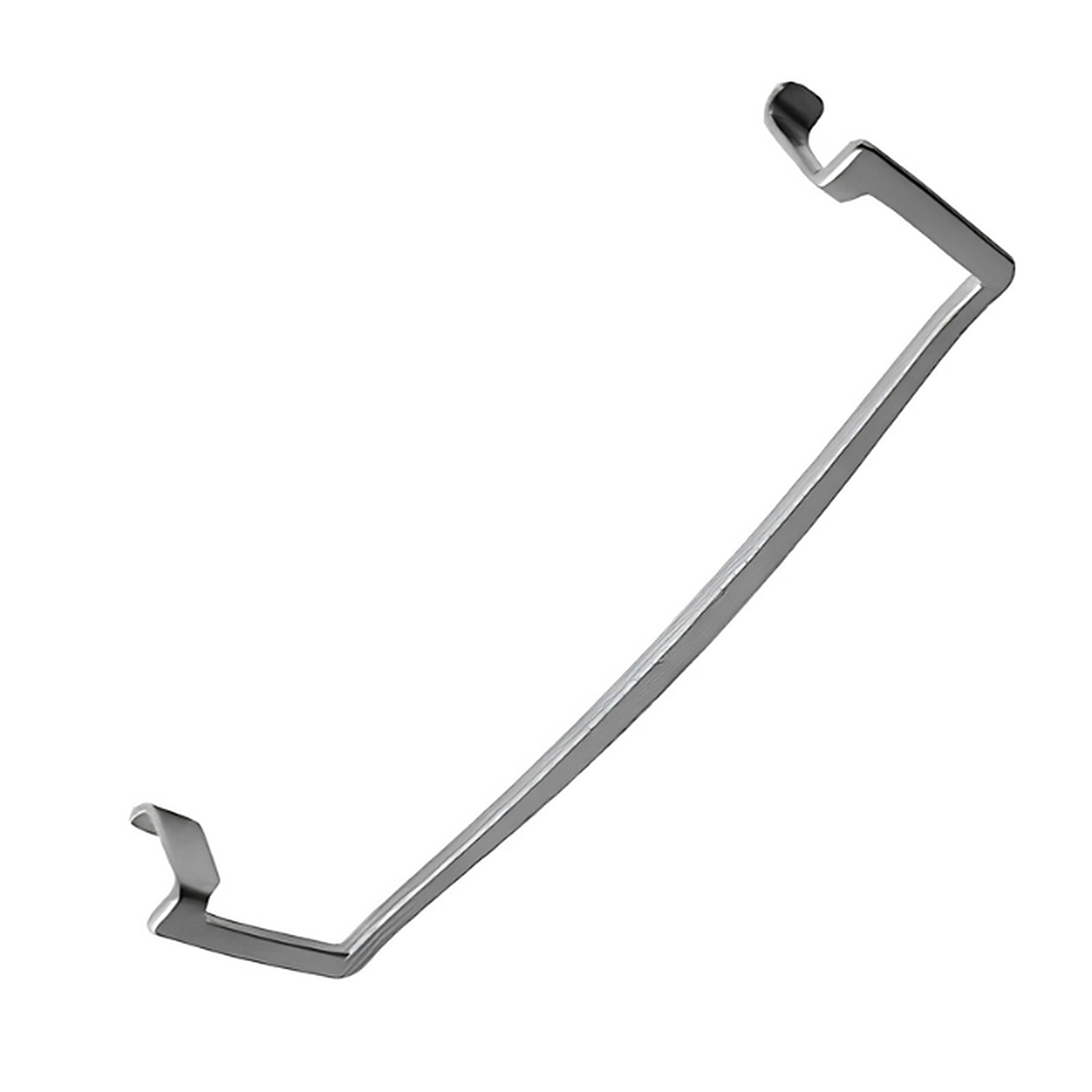 | Écarteur Senn Forward | Spécifiquement conçu pour rétracter les berges cutanées, les lambeaux cutanés et les fascias lors de chirurgies mineures, plastiques et de la main. |
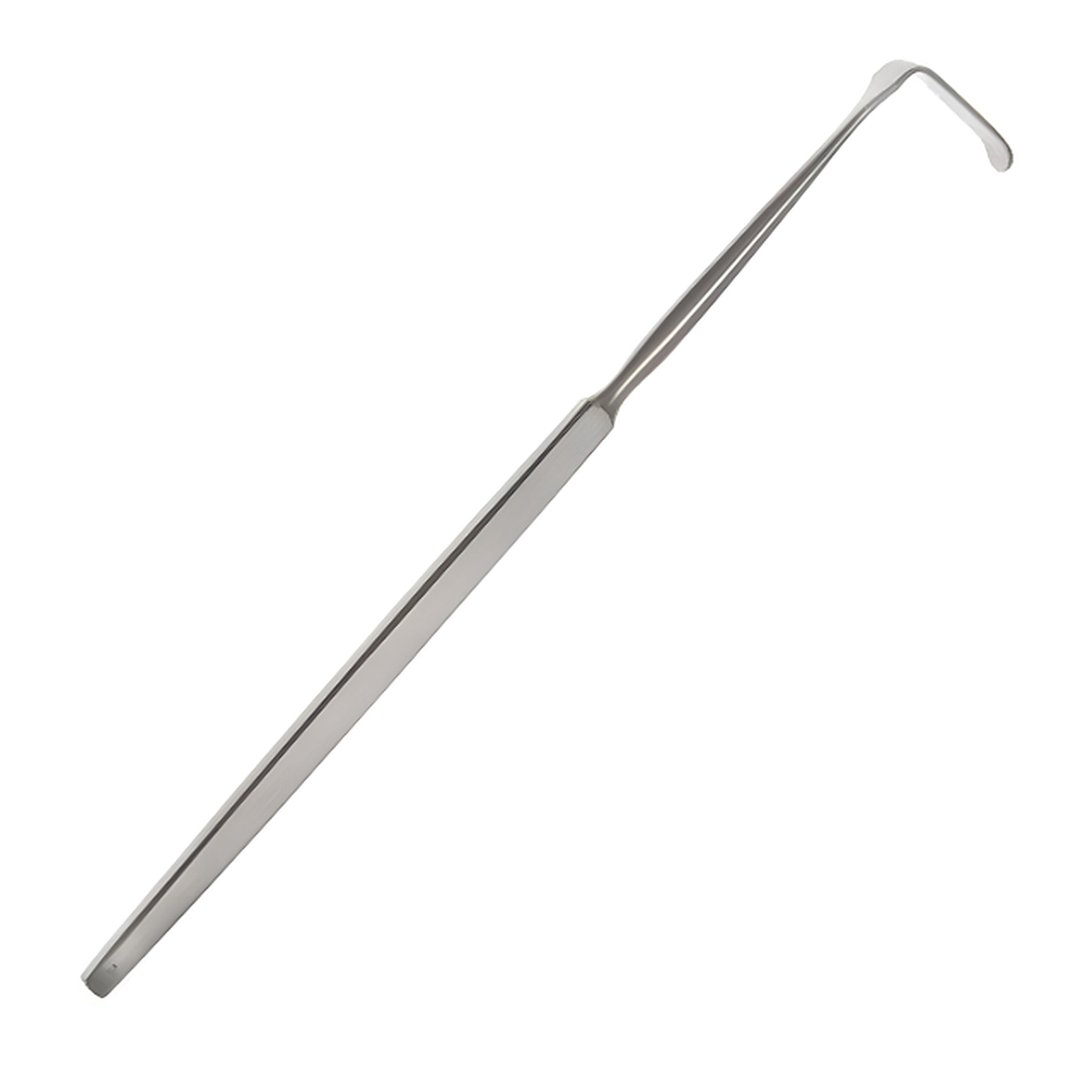 | Écarteur Senn Green | Spécifiquement conçu pour rétracter les muscles sous-hyoïdiens, les fascias cervicaux et les marges de la plaie lors de la chirurgie thyroïdienne et de la petite chirurgie. |
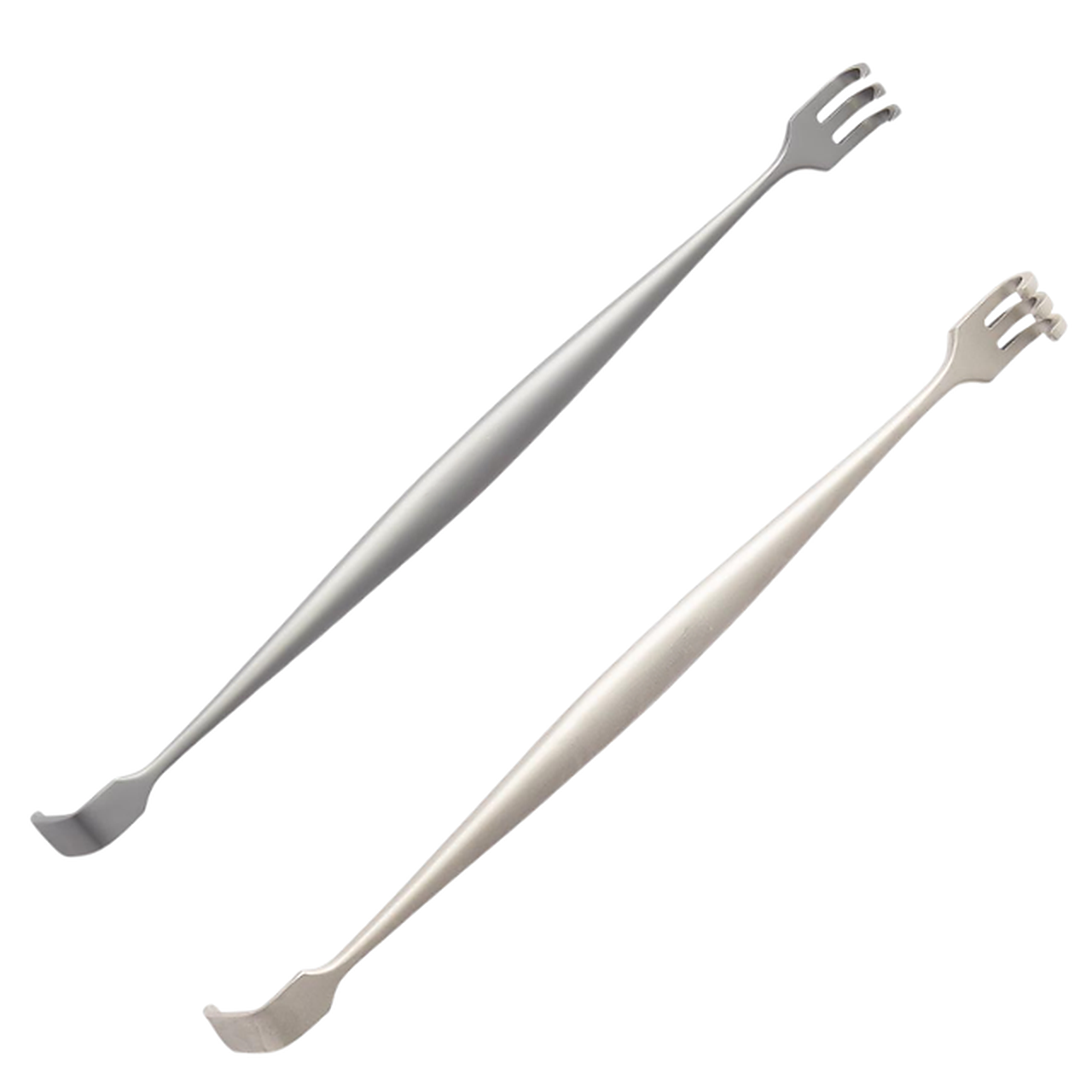 | Écarteur Senn Miller | Spécifiquement conçu pour rétracter les berges cutanées, les fascias et les tissus sous-cutanés lors d'incisions chirurgicales superficielles et intermédia. |
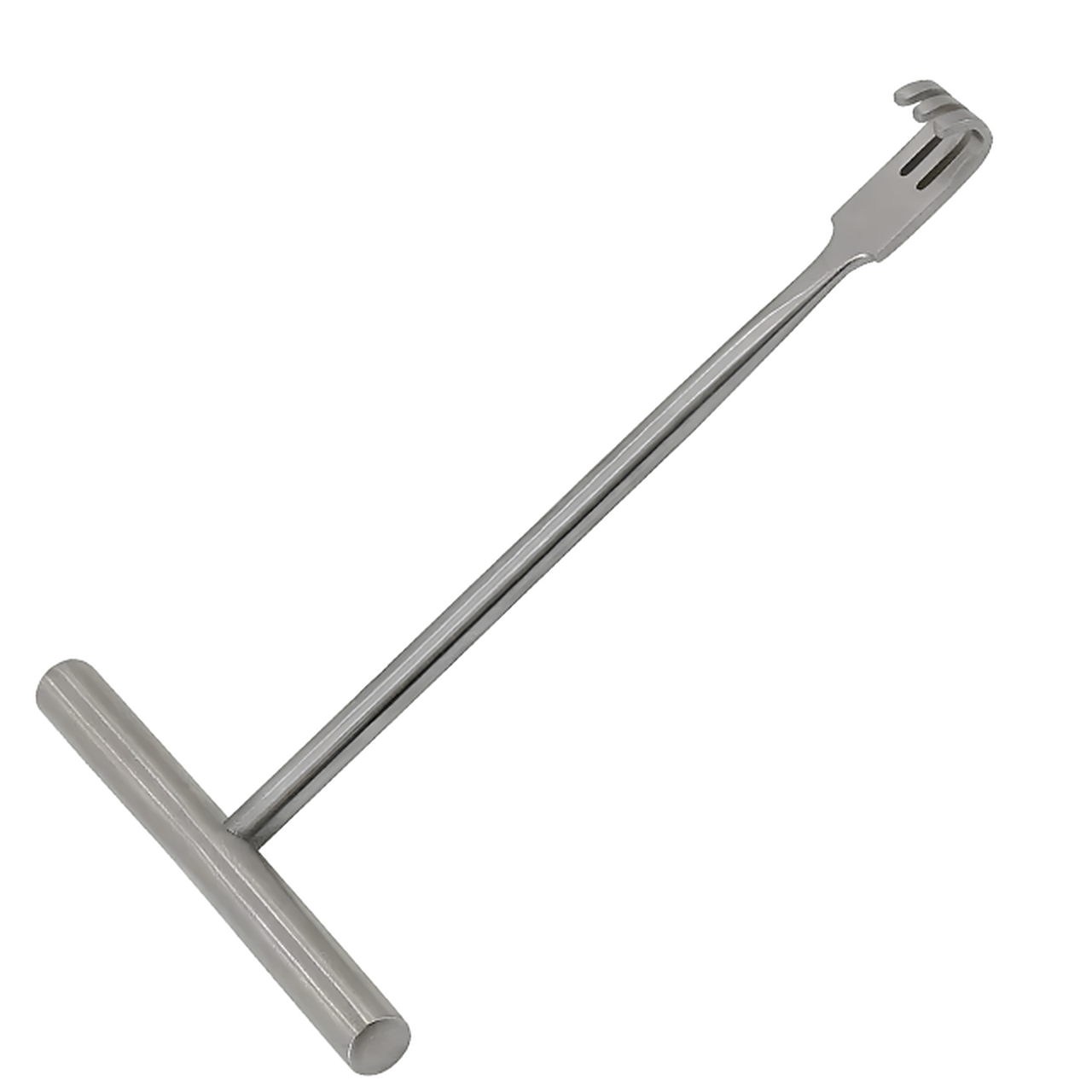 | Écarteur Senn à poignée en T | Spécifiquement conçu pour écarter les lambeaux cutanés, les fascias et les marges tissulaires denses avec un levier de traction manuelle élevé. |
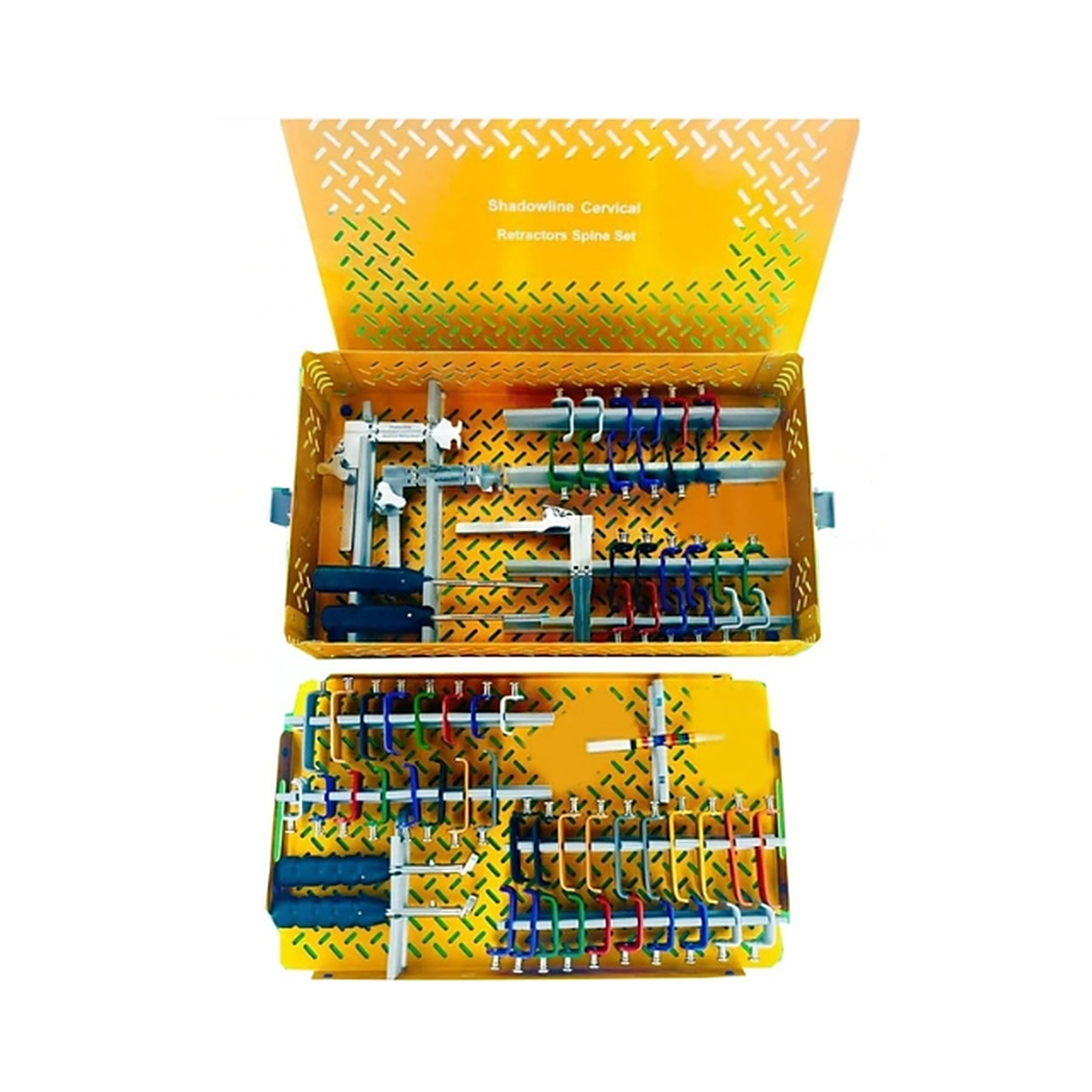 | Système d'écarteurs cervicaux SHADOWLINE Trimline | Spécifiquement conçu pour assurer une rétraction stable des tissus et une visualisation claire lors des interventions chirurgicales du rachis cervical antérieur. |
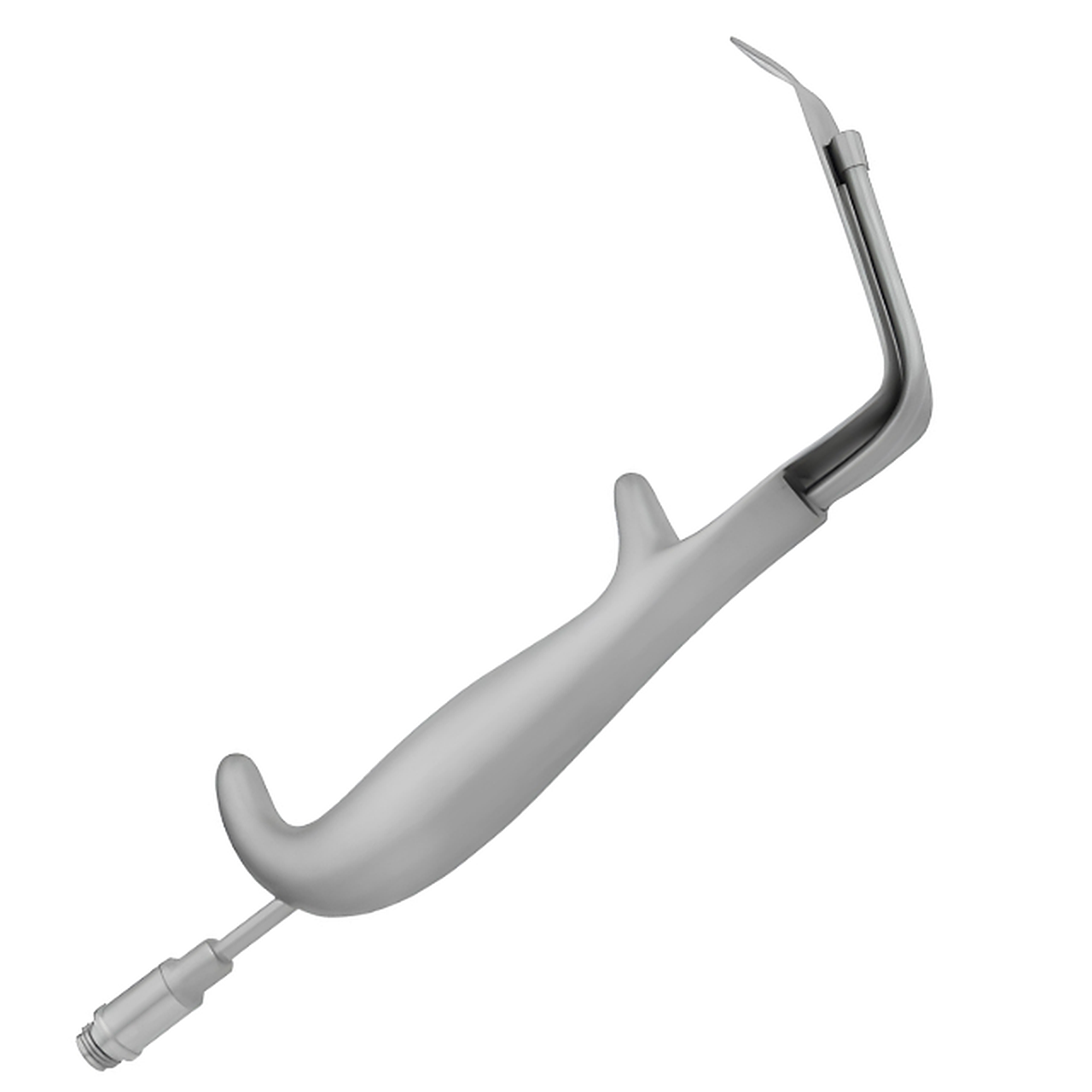 | Écarteur Shea avec Guide de Lumière à Fibres Optiques | Spécifiquement conçu pour écarter les lambeaux tissulaires et éclairer les cavités opératoires profondes lors de chirurgies ORL et plastiques faciales. |
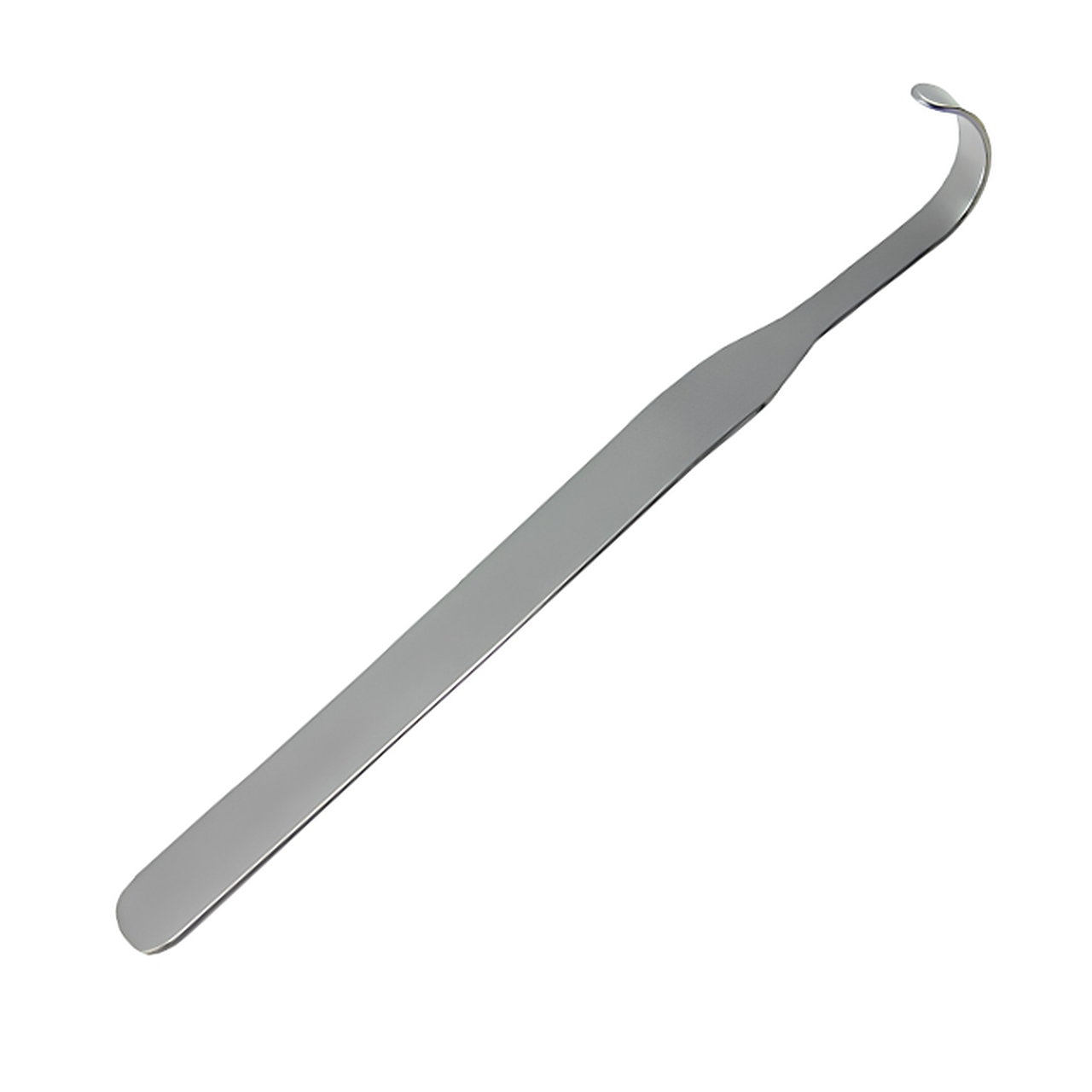 | Écarteur nasal de Sheen coudé | Spécialement conçu pour soulever les lambeaux cutanés nasaux et rétracter le cartilage lors de rhinoplasties esthétiques et reconstructrices. |
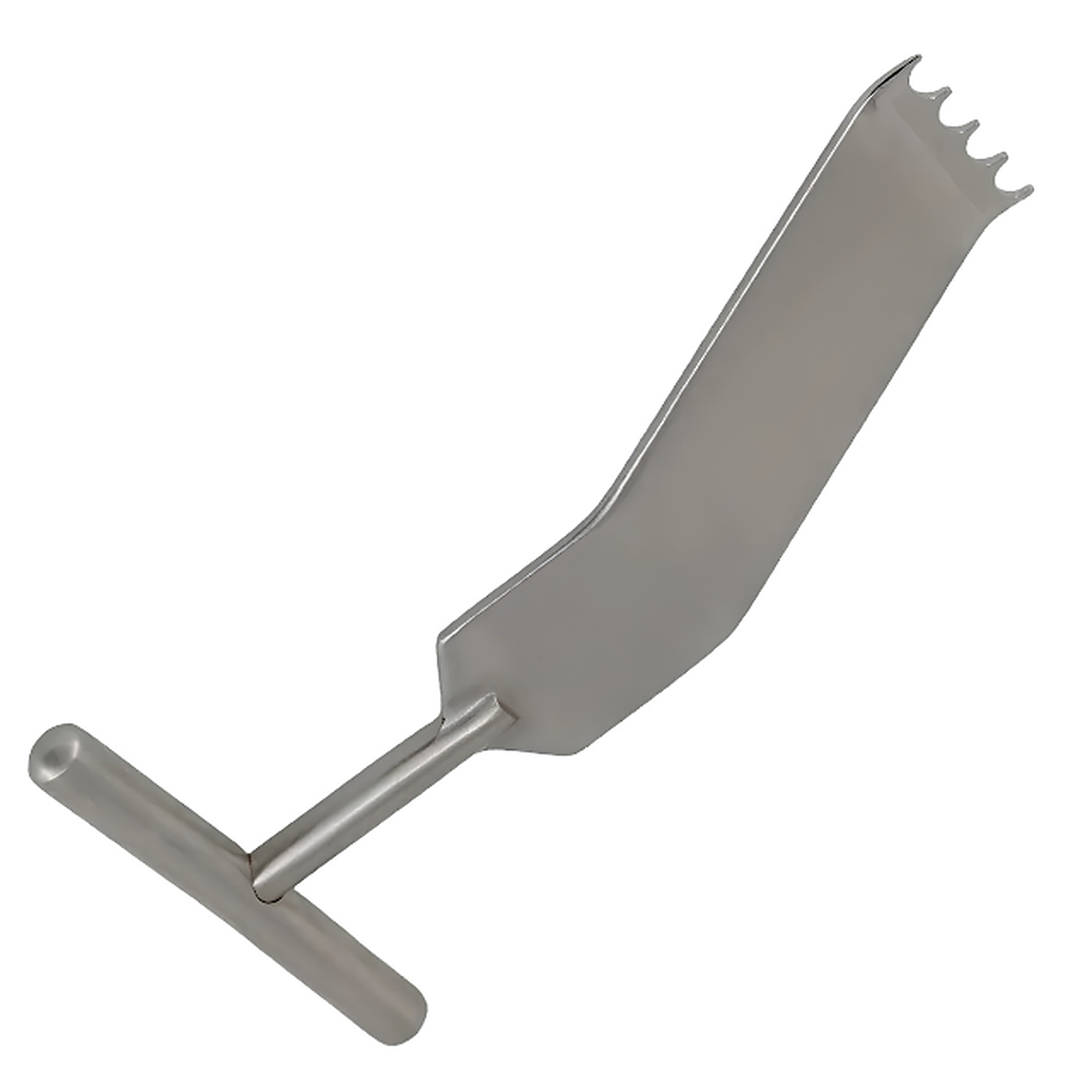 | Shoulder Arthroplasty Retractor Glenoid Exposure | Spécifiquement conçu pour déplacer l'humérus postérieurement et exposer la cavité glénoïdienne lors de l'arthroplastie de l'épaule. |
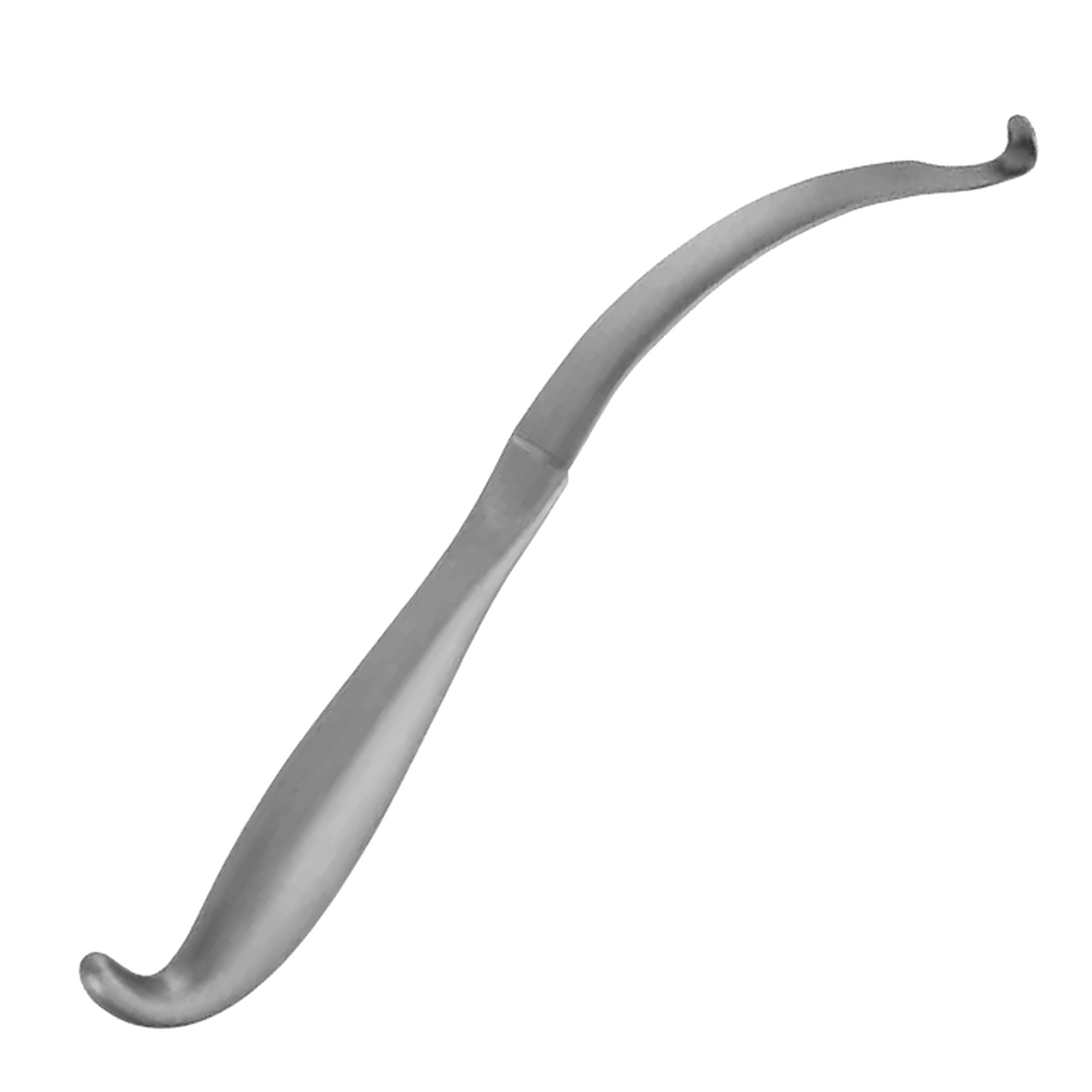 | Écarteur de l'Échancrure Sigmoïde | Spécifiquement conçu pour s'accrocher dans l'échancrure sigmoïde mandibulaire et protéger les faisceaux neurovasculaires pendant la chirurgie orthognathique de la branche montante. |
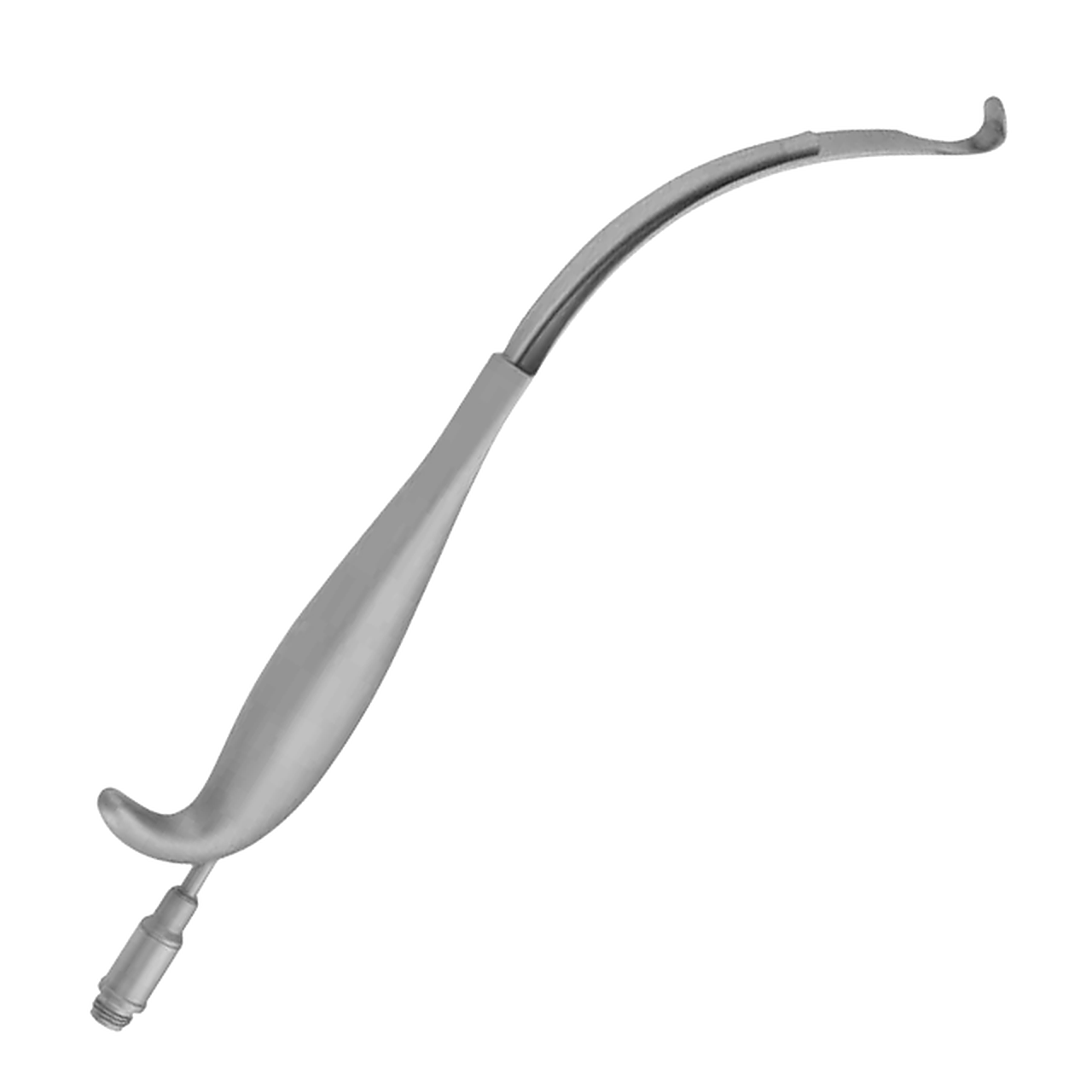 | Écarteur d'échancrure sigmoïde avec guide de fibre optique | Spécifiquement conçu pour assurer l'écartement éclairé des tissus mous et la stabilisation osseuse au niveau de l'échancrure sigmoïde pendant la chirurgie de la branche montante. |
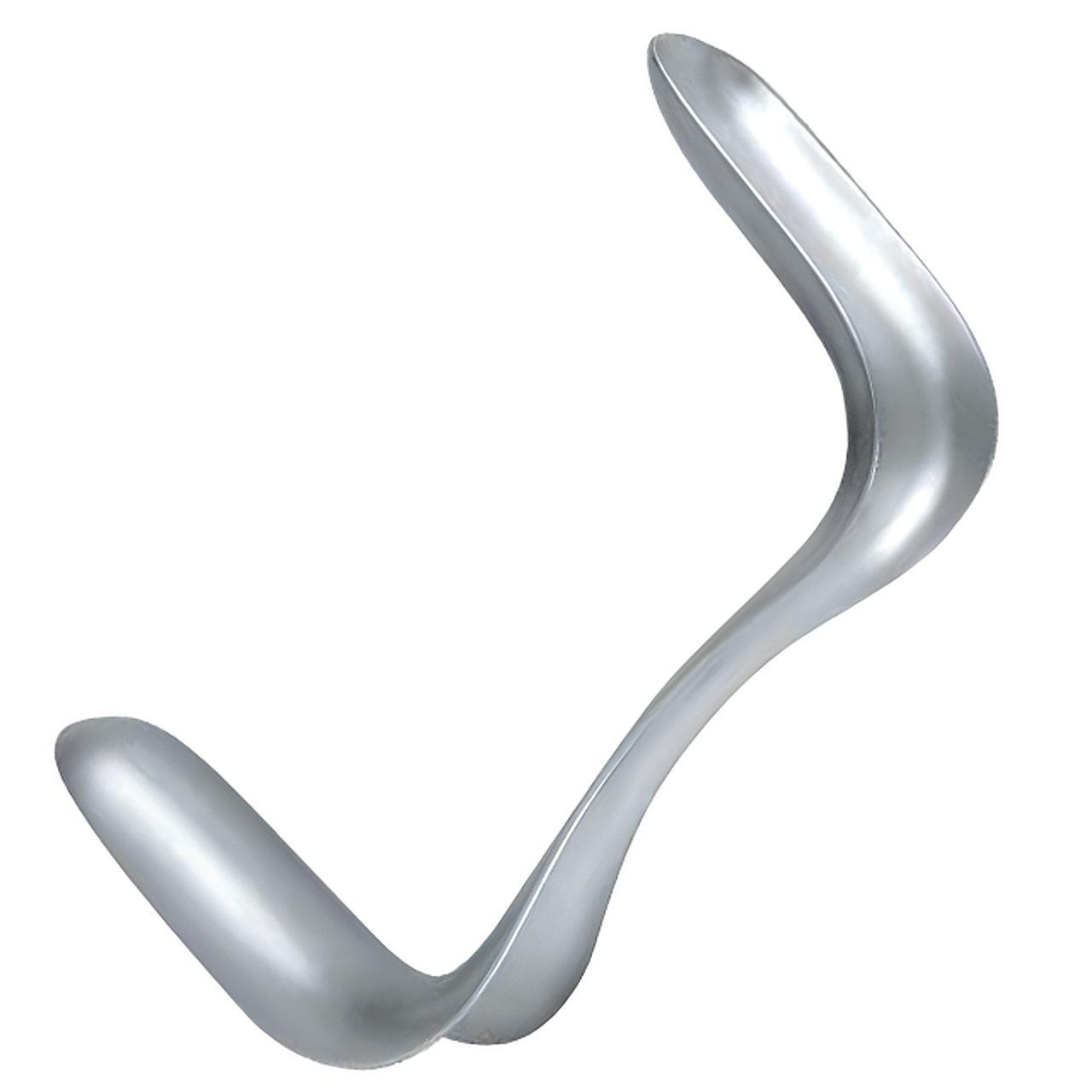 | Écarteur vaginal de Sims | Spécifiquement conçu pour rétracter la paroi vaginale postérieure ou antérieure et permettre la visualisation de la voûte pelvienne. |
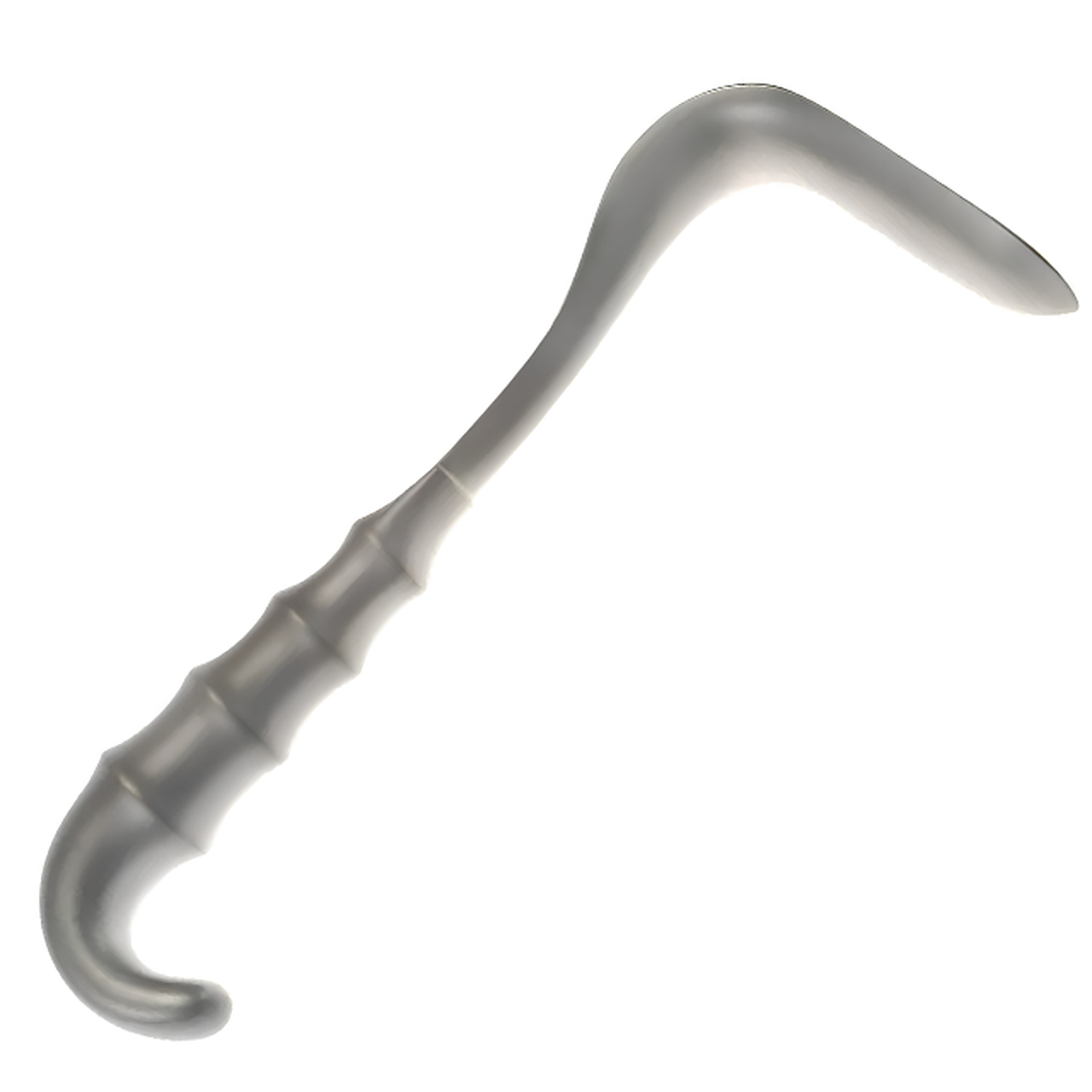 | Écarteur vaginal Sims — Manche creux ergonomique | Spécifiquement conçu pour rétracter les parois vaginales en réduisant la fatigue manuelle de l'assistant lors de chirurgies pelviennes et gynécologiques. |
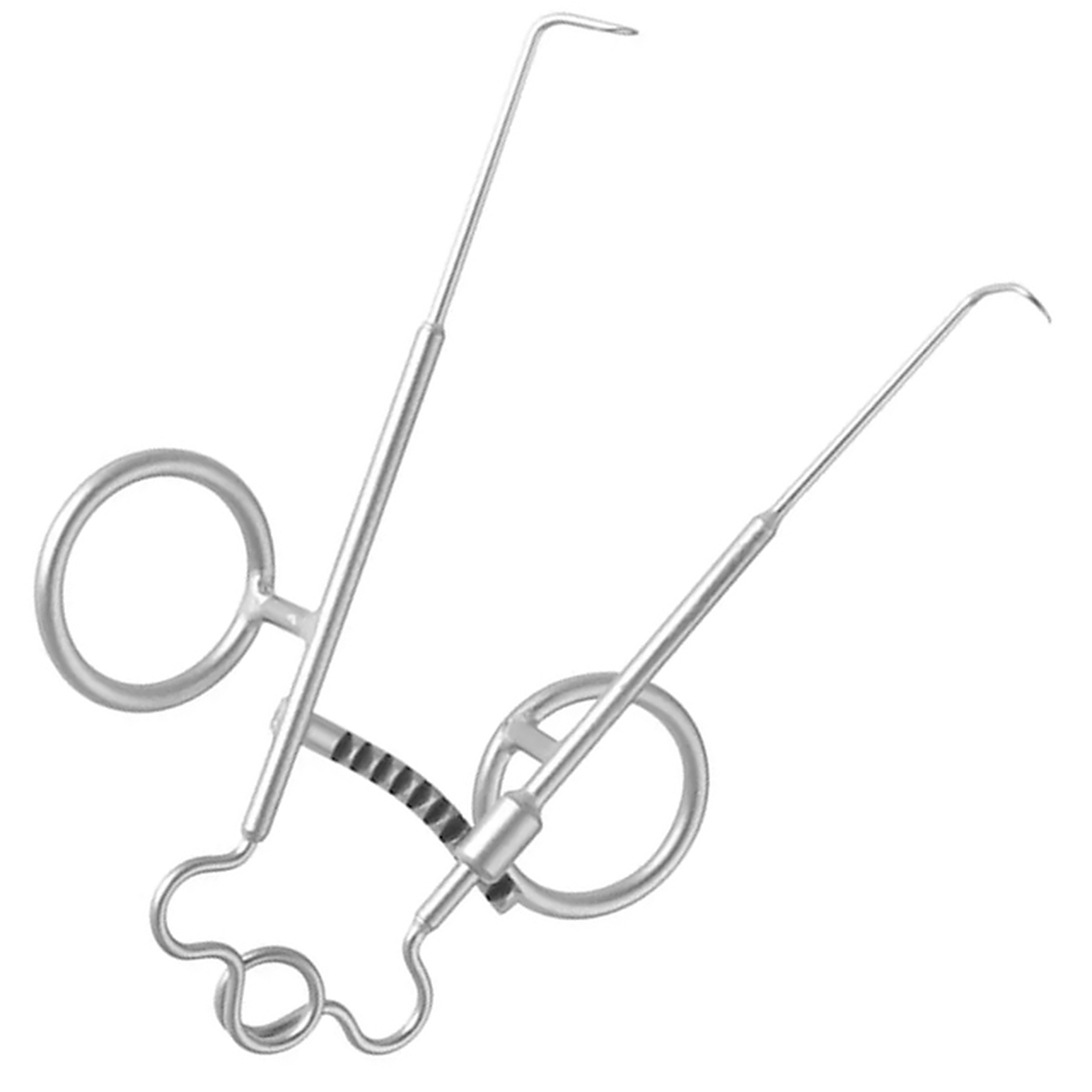 | Écarteur cutané Sisson | Spécifiquement conçu pour rétracter les berges cutanées, les lambeaux cutanés et les tissus mous délicats en microchirurgie de proximité. |
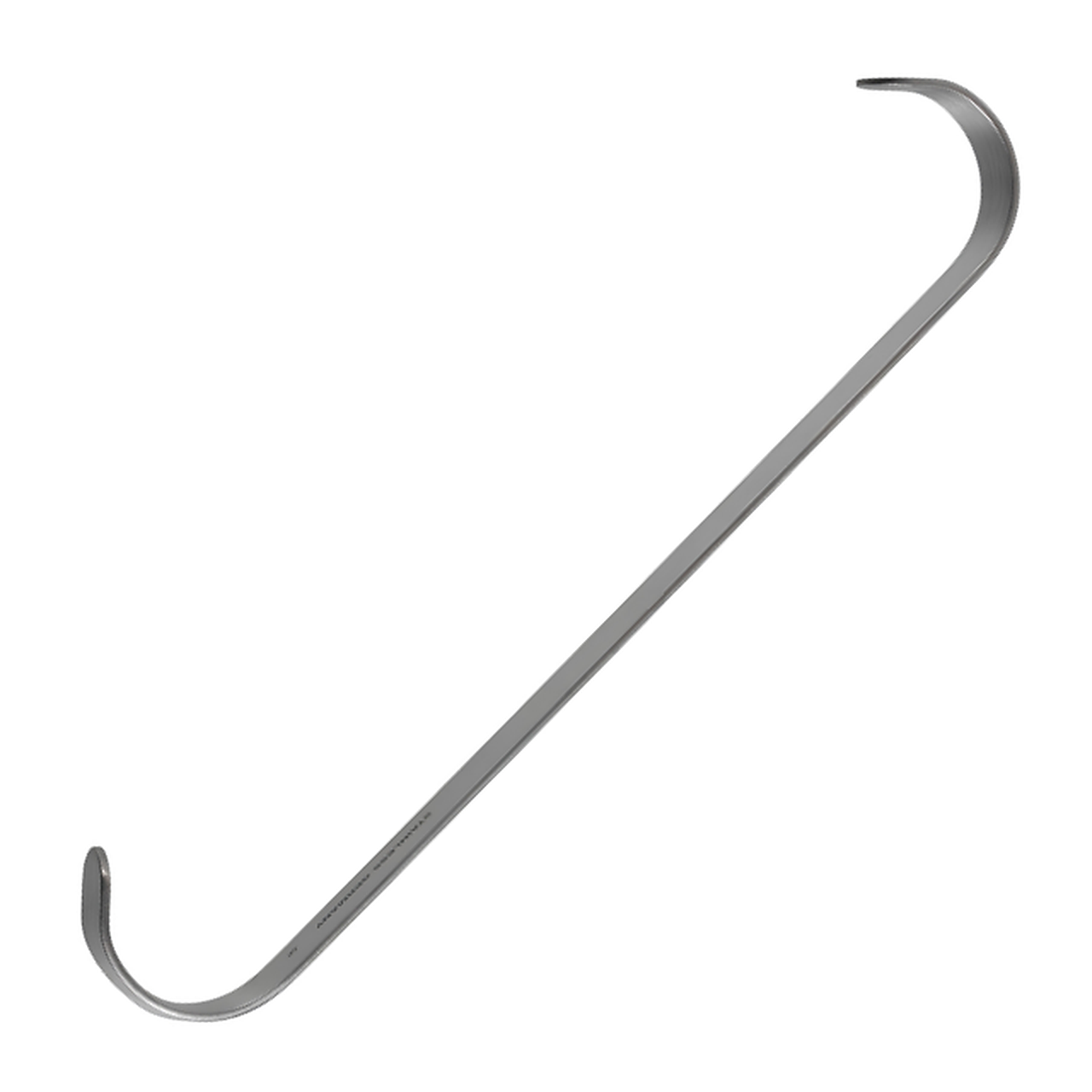 | Écarteur Sistrunk | Spécifiquement conçu pour écarter les muscles sous-hyoïdiens, le fascia cervical et la peau lors de l'excision de kystes thyréoglosses et de la chirurgie du cou. |
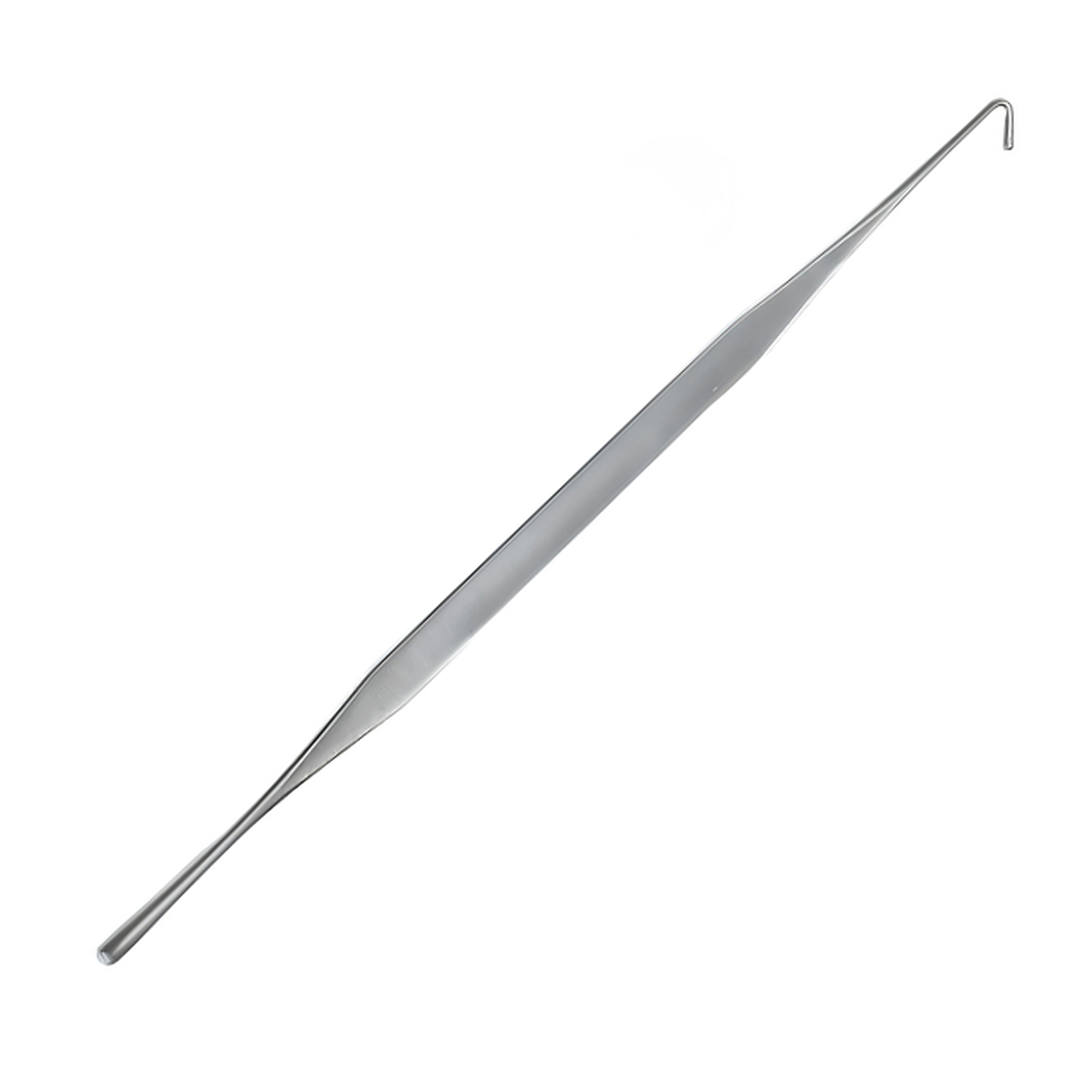 | Écarteur de nerfs Smithwick | Spécifiquement conçu pour explorer, mobiliser et écarter les racines nerveuses et les chaînes sympathiques lors de chirurgies rachidiennes et vasculaires profondes. |
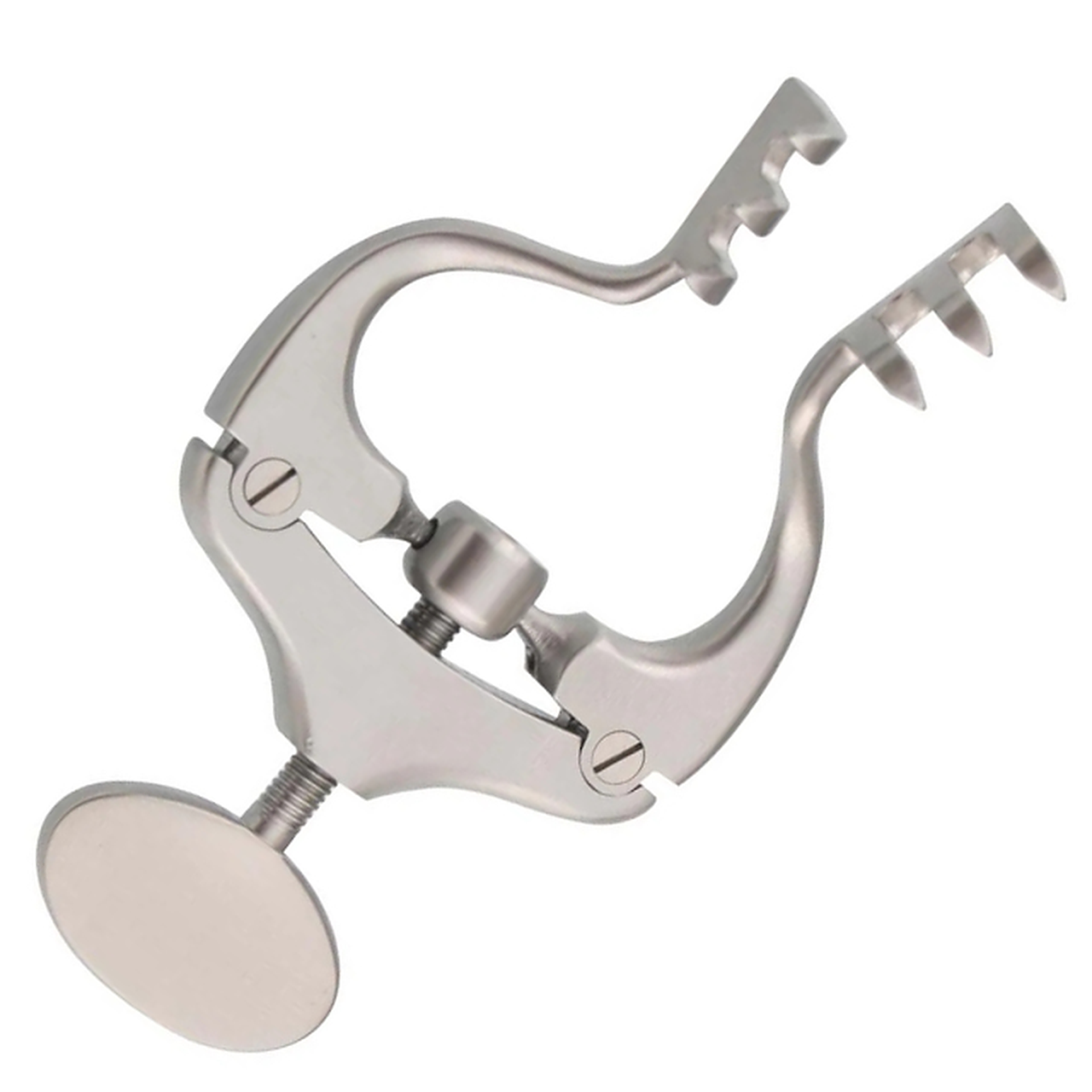 | Écarteur Endaural Auto-Statique de Snitman | Spécifiquement conçu pour assurer la rétraction auto-statique des tissus lors de microchirurgies endaurale, otologique et méatale. |
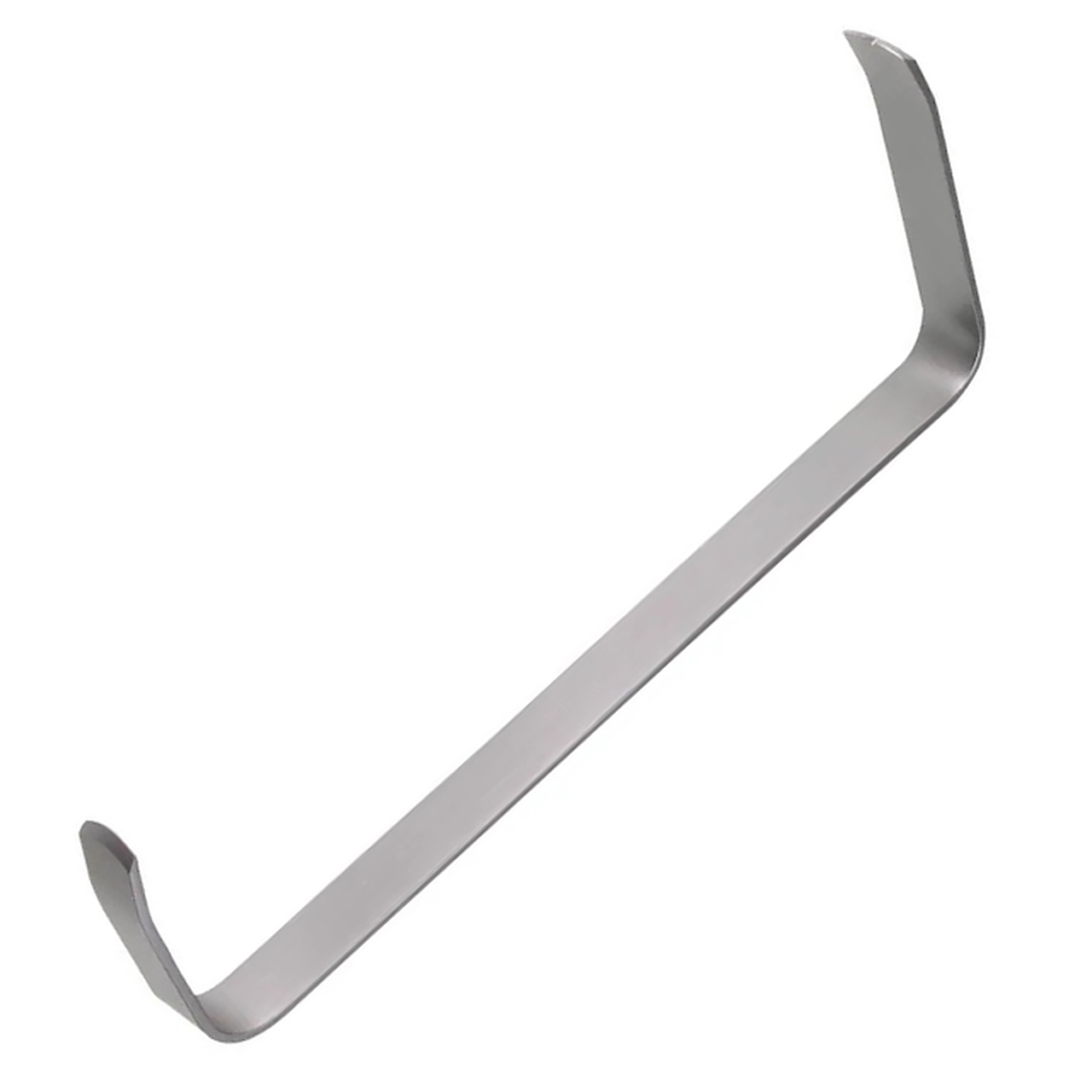 | Écarteur de Sofield | Spécifiquement conçu pour écarter le muscle et le périoste afin d'exposer les diaphyses des os longs lors des ostéotomies et de la fixation de fractures. |
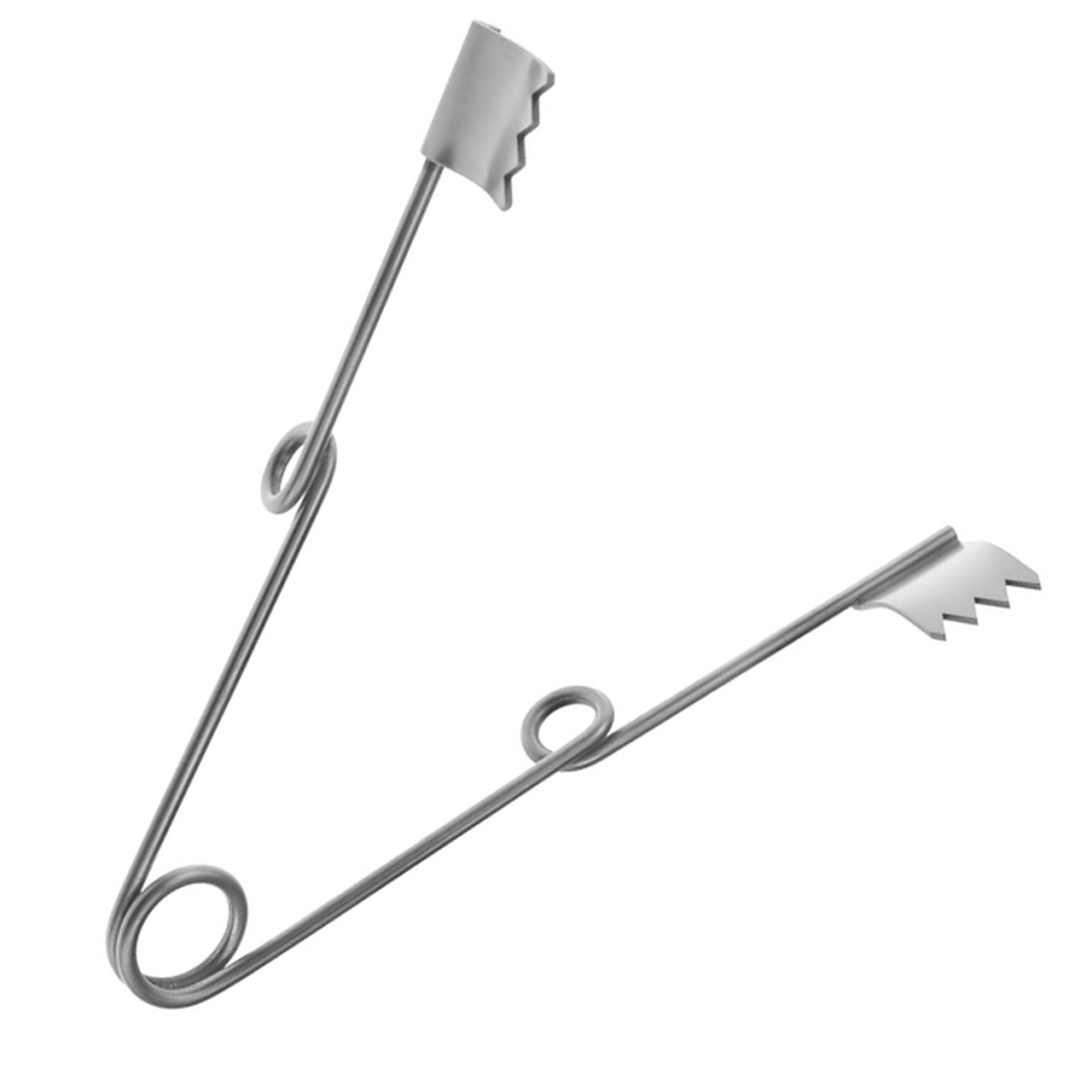 | Écarteur à ressort Spring Wire Retractor | Spécifiquement conçu pour assurer une rétraction autostatique et mains libres des berges de plaies lors de procédures microchirurgicales et plastiques. |
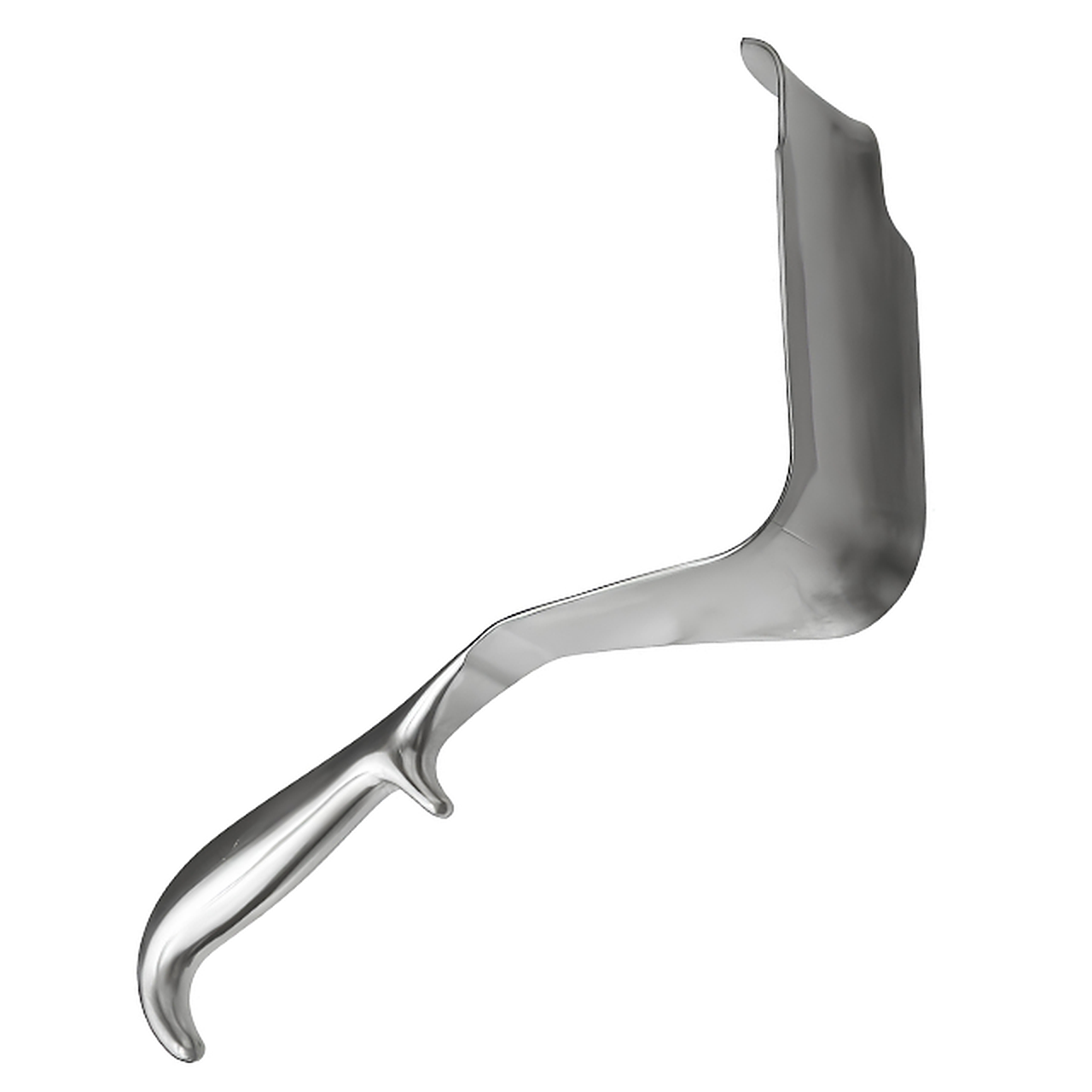 | Écarteur Pelvien St. Marks | Spécifiquement conçu pour la rétraction des viscères pelviens, de la vessie et du péritoine lors des chirurgies colorectales et pelviennes profondes. |
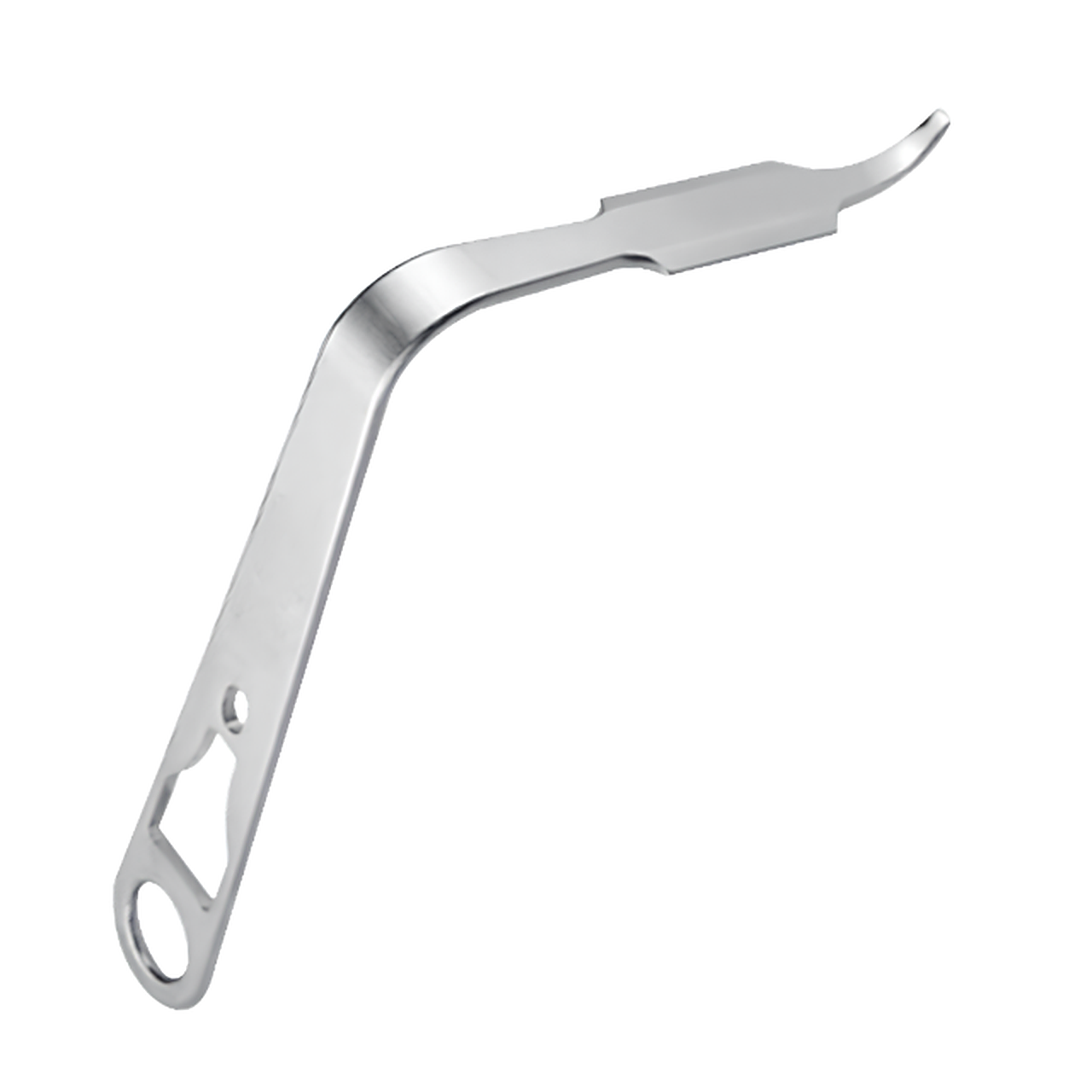 | Écarteurs de Hohmann superposables | Spécifiquement conçu pour faire levier sur les corticales osseuses et rétracter les couches musculaires denses grâce à sa capacité de poignée emboîtable lors de chirurgies articulaires. |
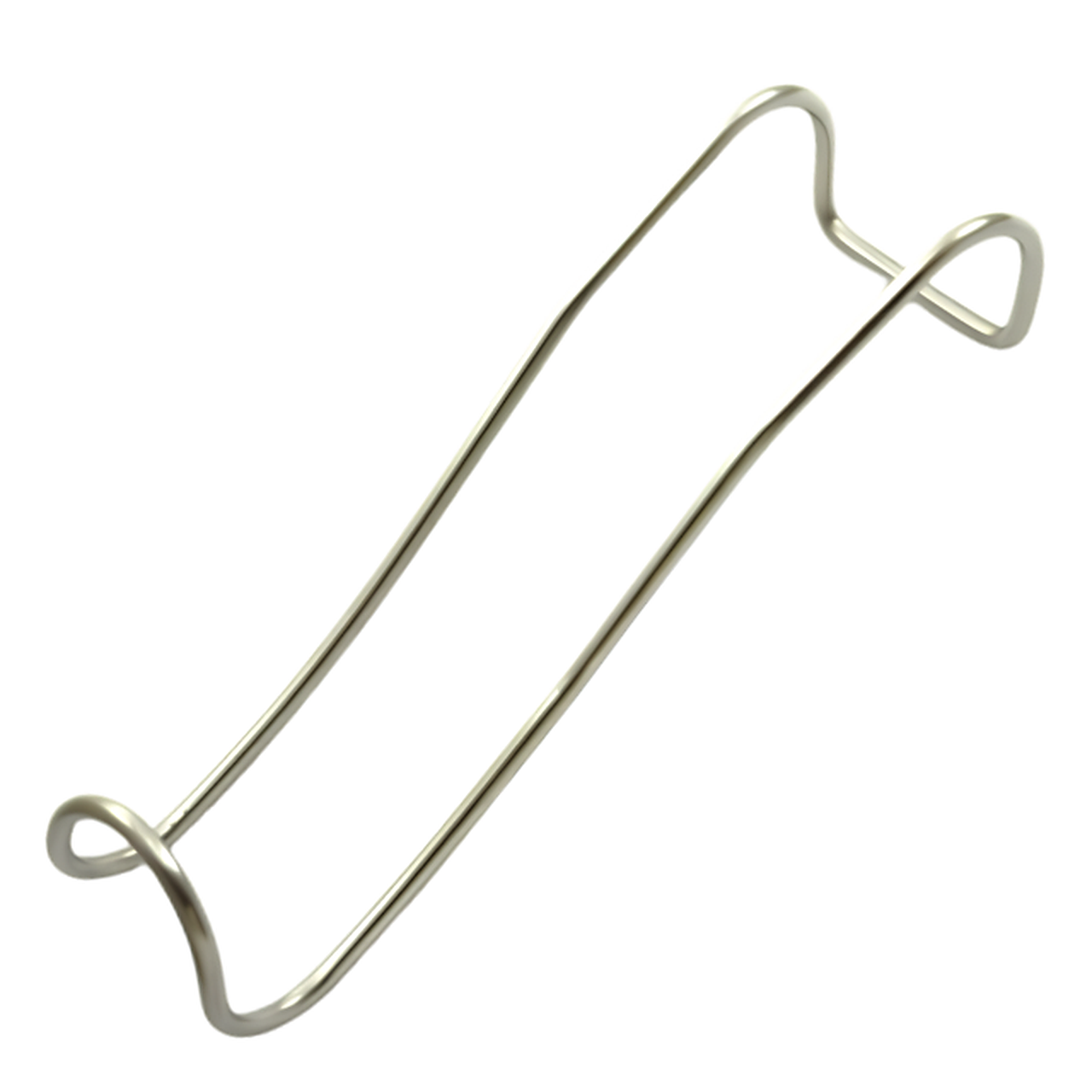 | Écarteur de Sternberg à Double Extrémité | Spécifiquement conçu pour rétracter les lèvres, les joues et la muqueuse buccale lors des chirurgies dentaires, orales et pharyngées. |
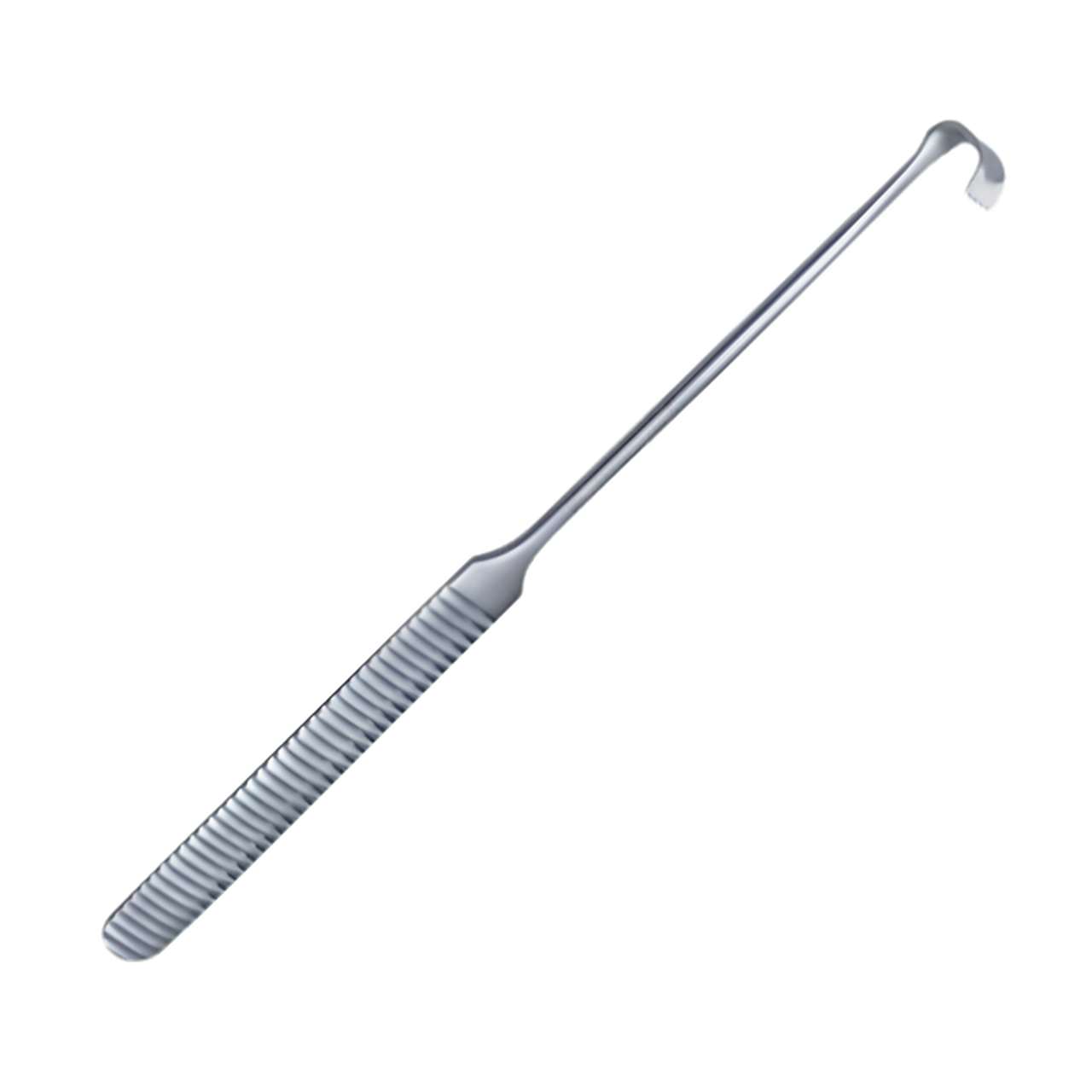 | Écarteur Strandell Stille | Spécifiquement conçu pour l'écartement des berges cutanées, de l'aponévrose et des tissus mous lors de chirurgies plastiques, de la main et de chirurgies mineures. |
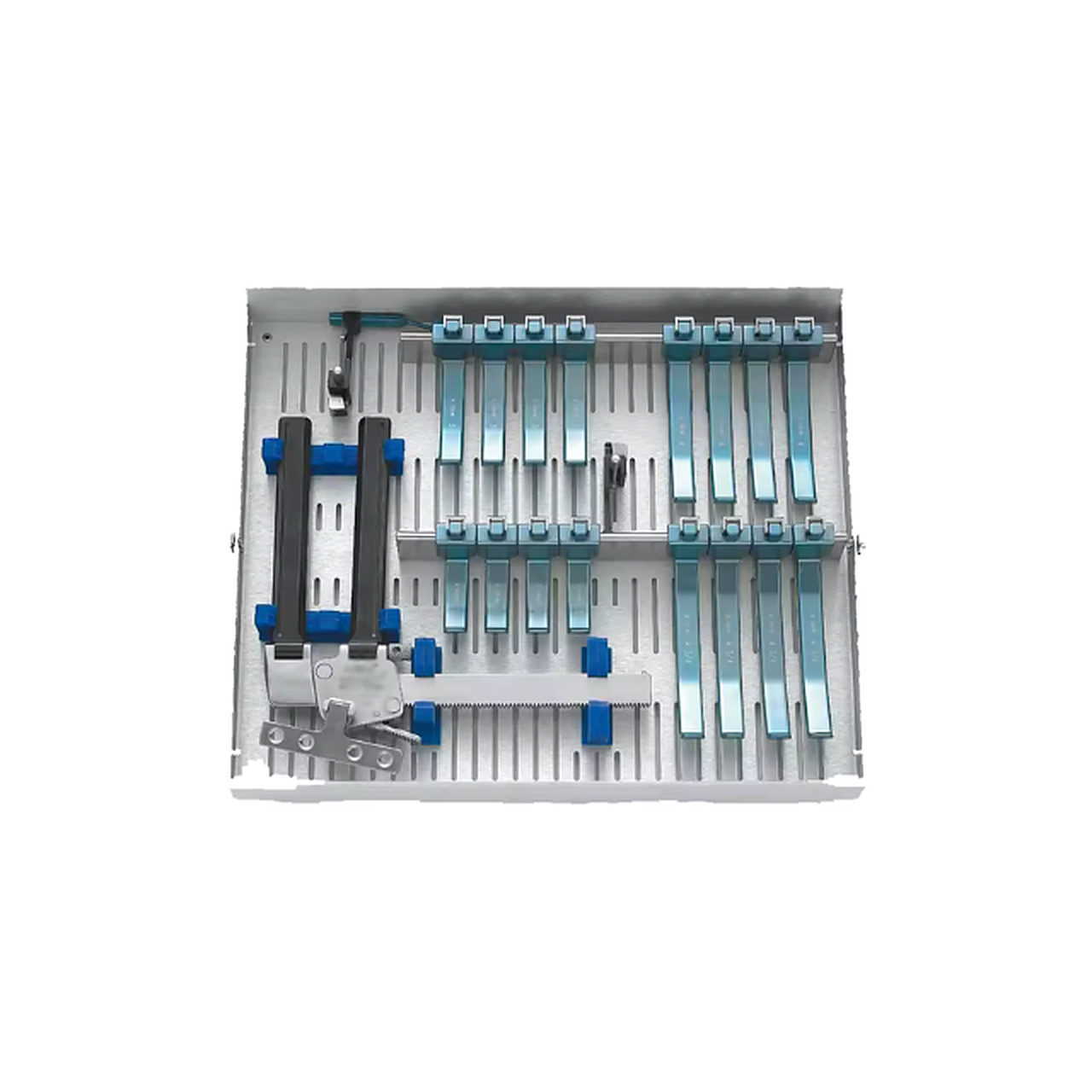 | Écarteur de laminectomie Super-Slide | Spécifiquement conçu pour assurer une rétraction tissulaire contrôlée et une exposition chirurgicale lors de laminectomies et de procédures rachidiennes associées. |
 | Main de plomb chirurgicale malleable | Spécifiquement conçu pour immobiliser et positionner la main et les doigts pendant la chirurgie plastique, orthopédique et reconstructrice de la main. |
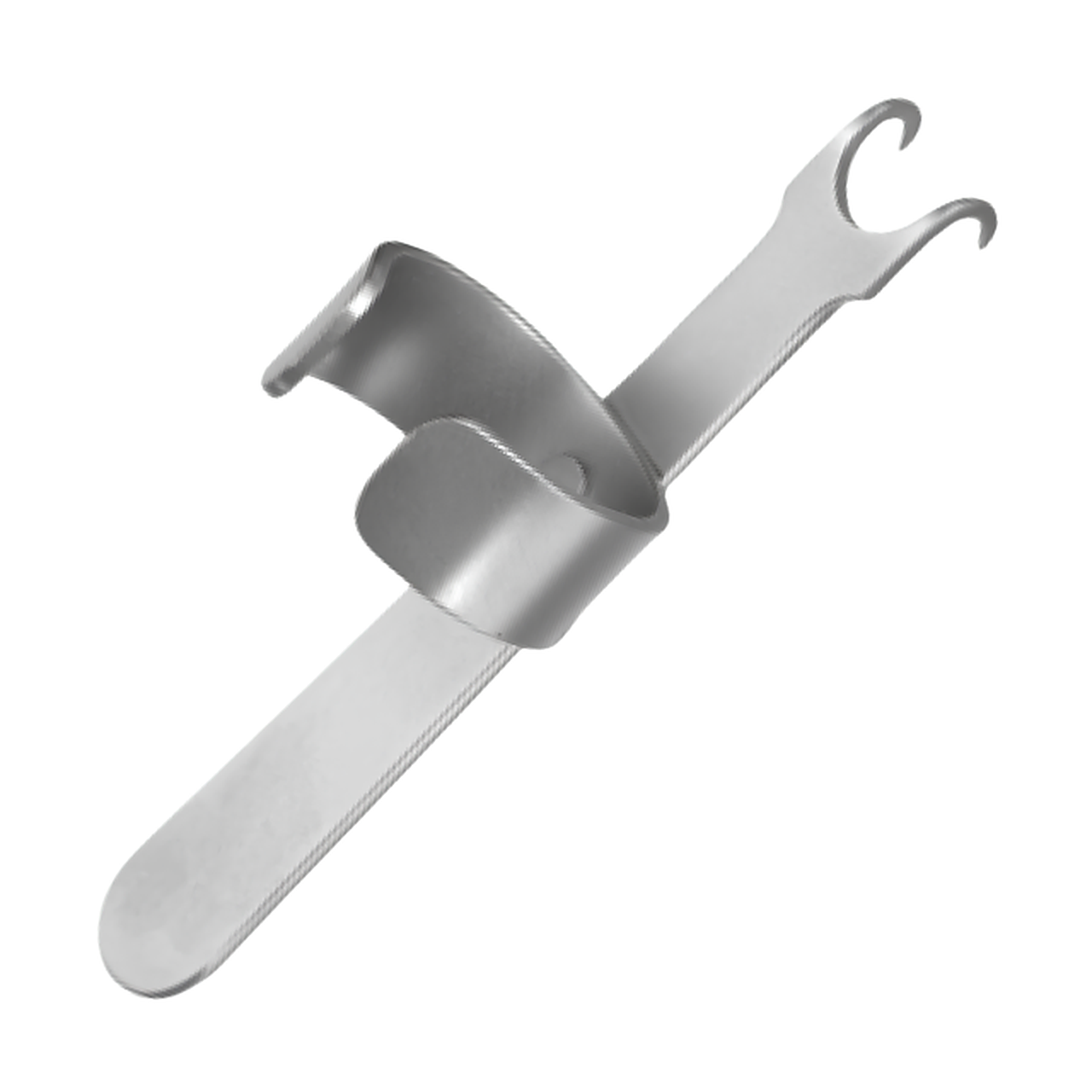 | Écarteur nasal à anneau pivotant (Swivel Ring) | Spécifiquement conçu pour l'élévation des lambeaux cutanés nasaux et la rétraction dynamique du cartilage alaire lors des rhinoplasties. |
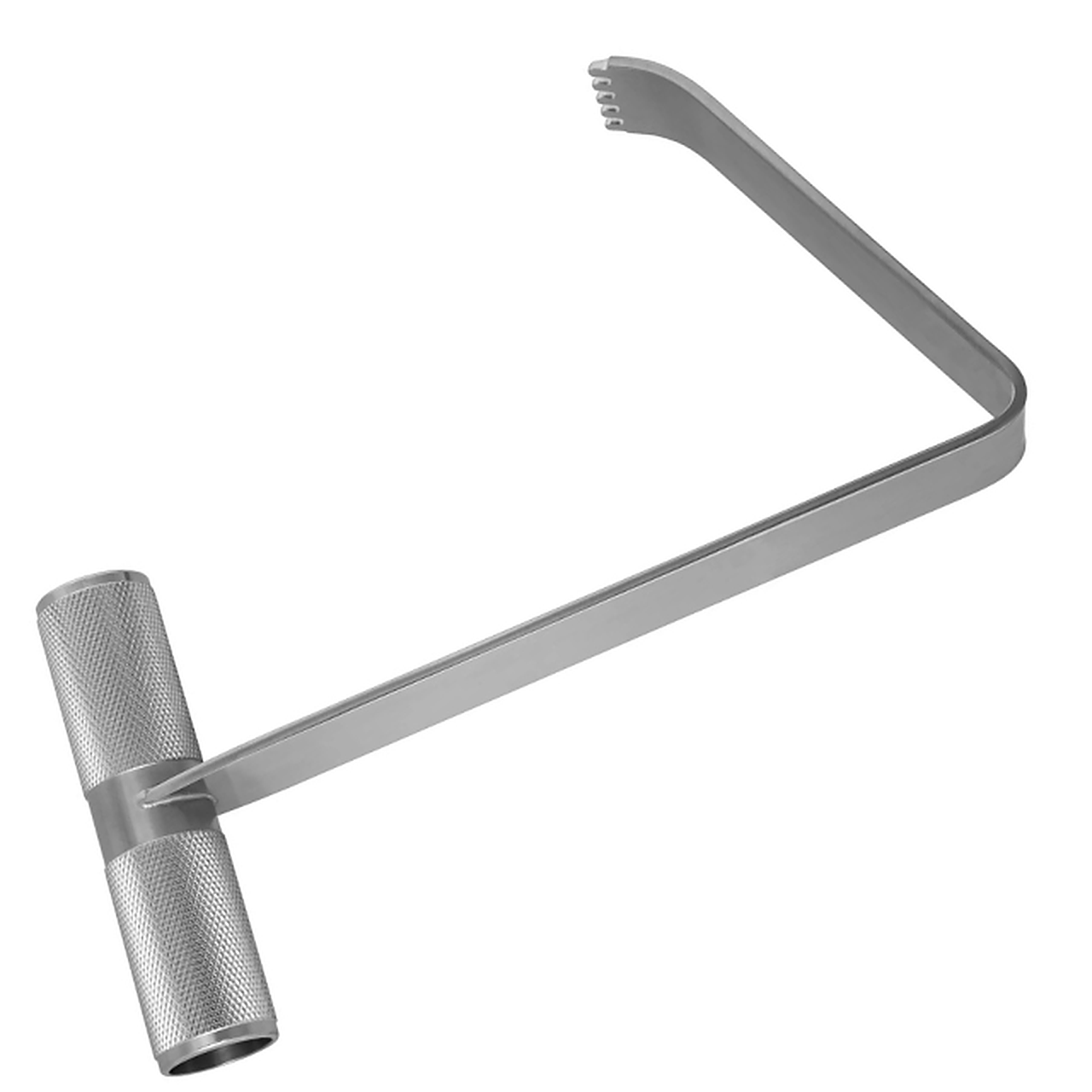 | Écarteur orthopédique à poignée en T et lame coudée | Spécifiquement conçu pour écarter les couches musculaires épaisses, les fascias et les tissus mous avec un levier de traction manuel maximal en chirurgie orthopédique. |
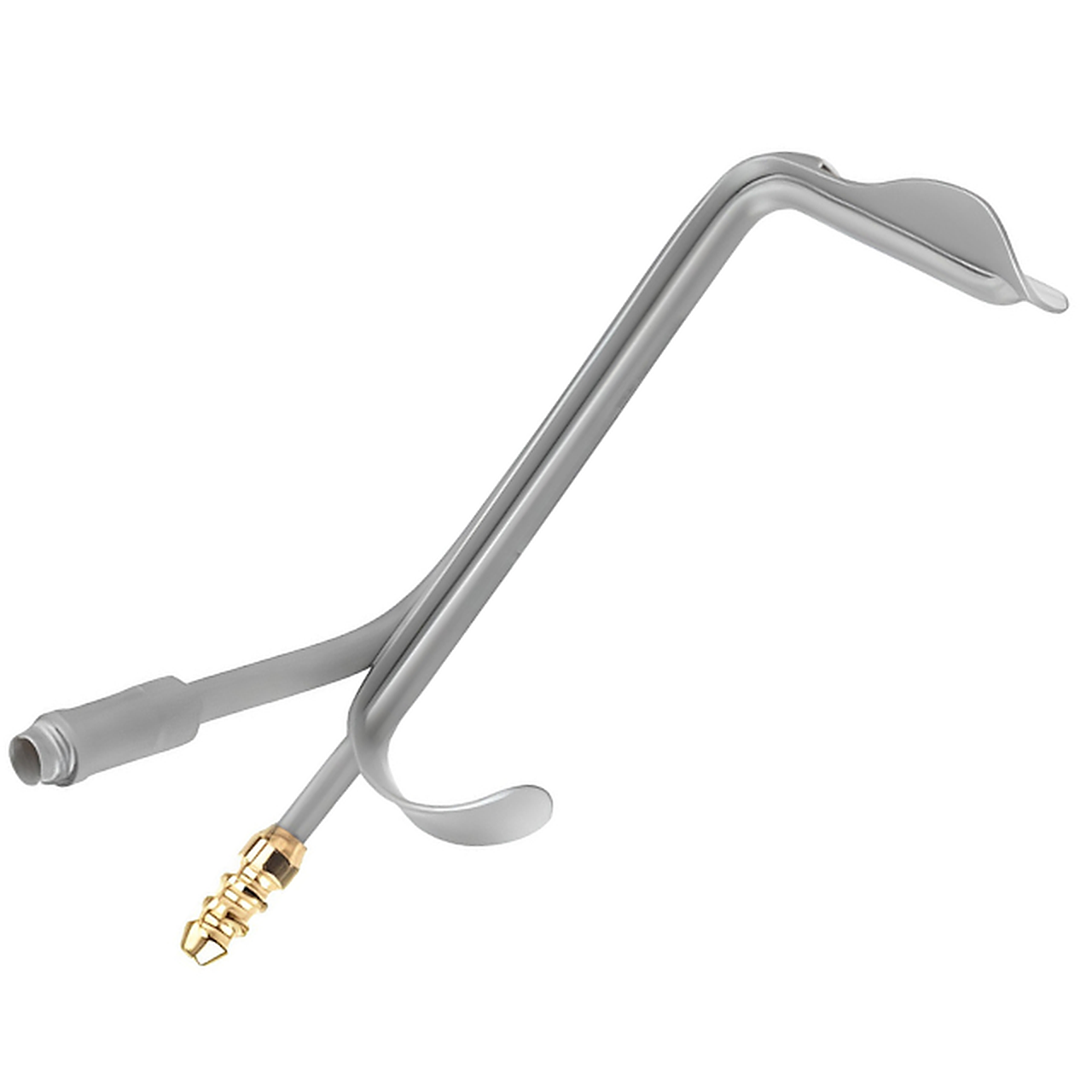 | Écarteur de Necklift Talei « Benetrator 2 » | Spécifiquement conçu pour élever les lambeaux cervicaux, évacuer les fluides chirurgicaux et rétracter le platysma lors des liftings cervicaux profonds et des platysmaplasties. |
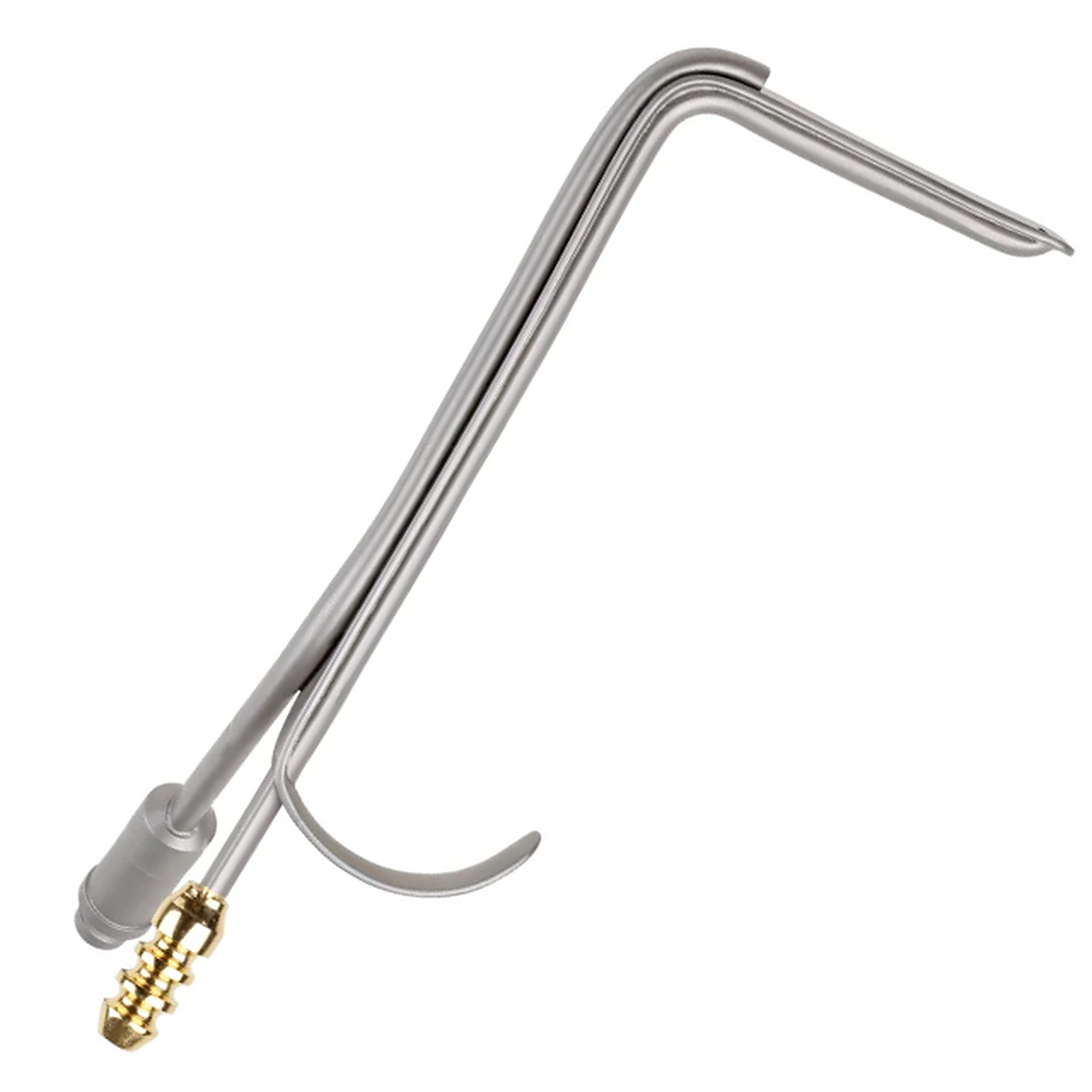 | Écarteur de lifting cervical Talei Necklift Retractor Narrow “Le Petit Benetrator” | Spécifiquement conçu pour élever les lambeaux cervicaux et rétracter le muscle platysma lors des liftings cervicaux profonds et des platysmaplasties. |
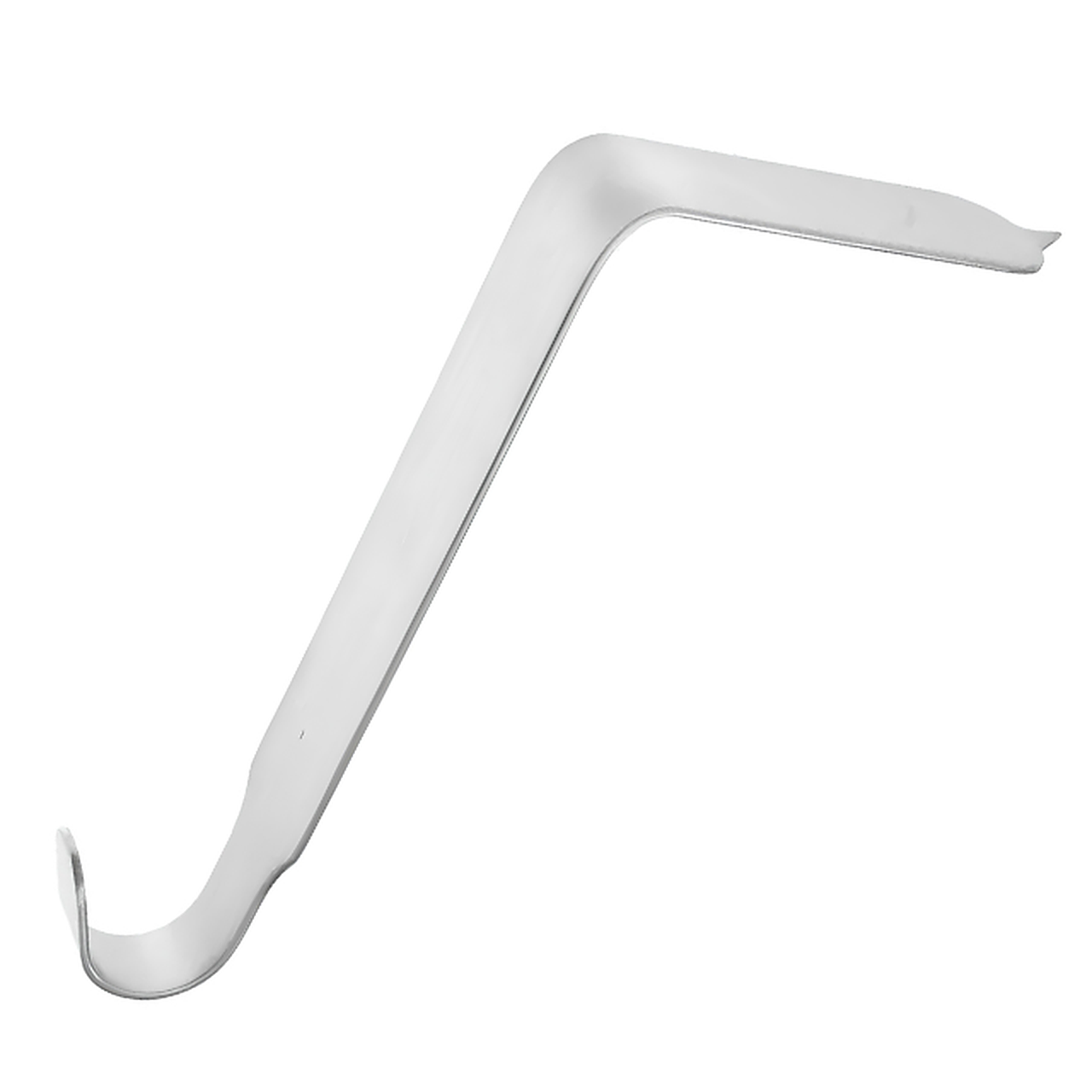 | Écarteur vertébral Taylor | Spécifiquement conçu pour écarter la musculature paraspinale lourde et s'ancrer contre l'apophyse épineuse lors de la laminectomie vertébrale. |
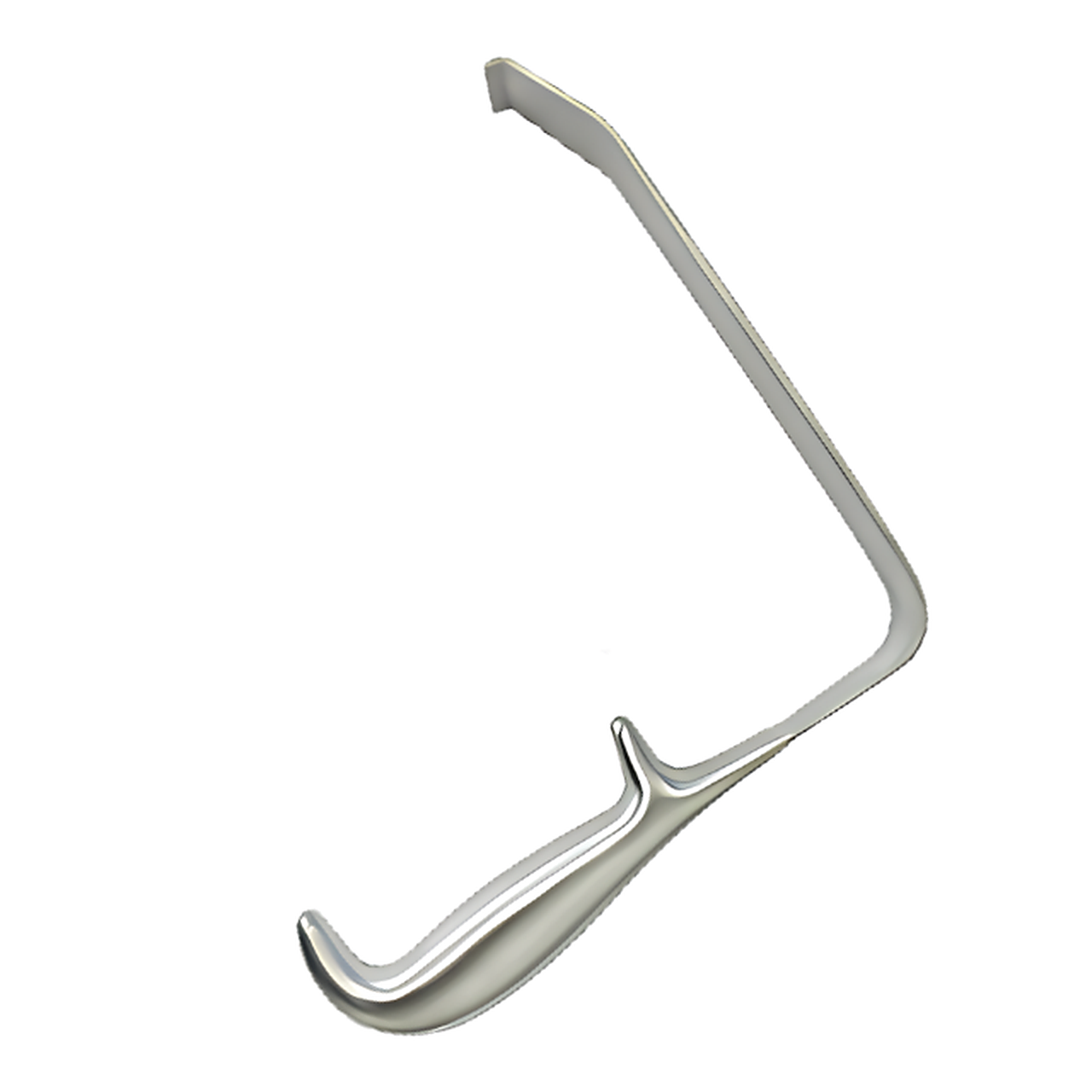 | Écarteur mammaire Tebbetts | Spécifiquement conçu pour élever les lambeaux tissulaires et créer des loges sous-musculaires ou sous-glandulaires lors de la chirurgie mammaire. |
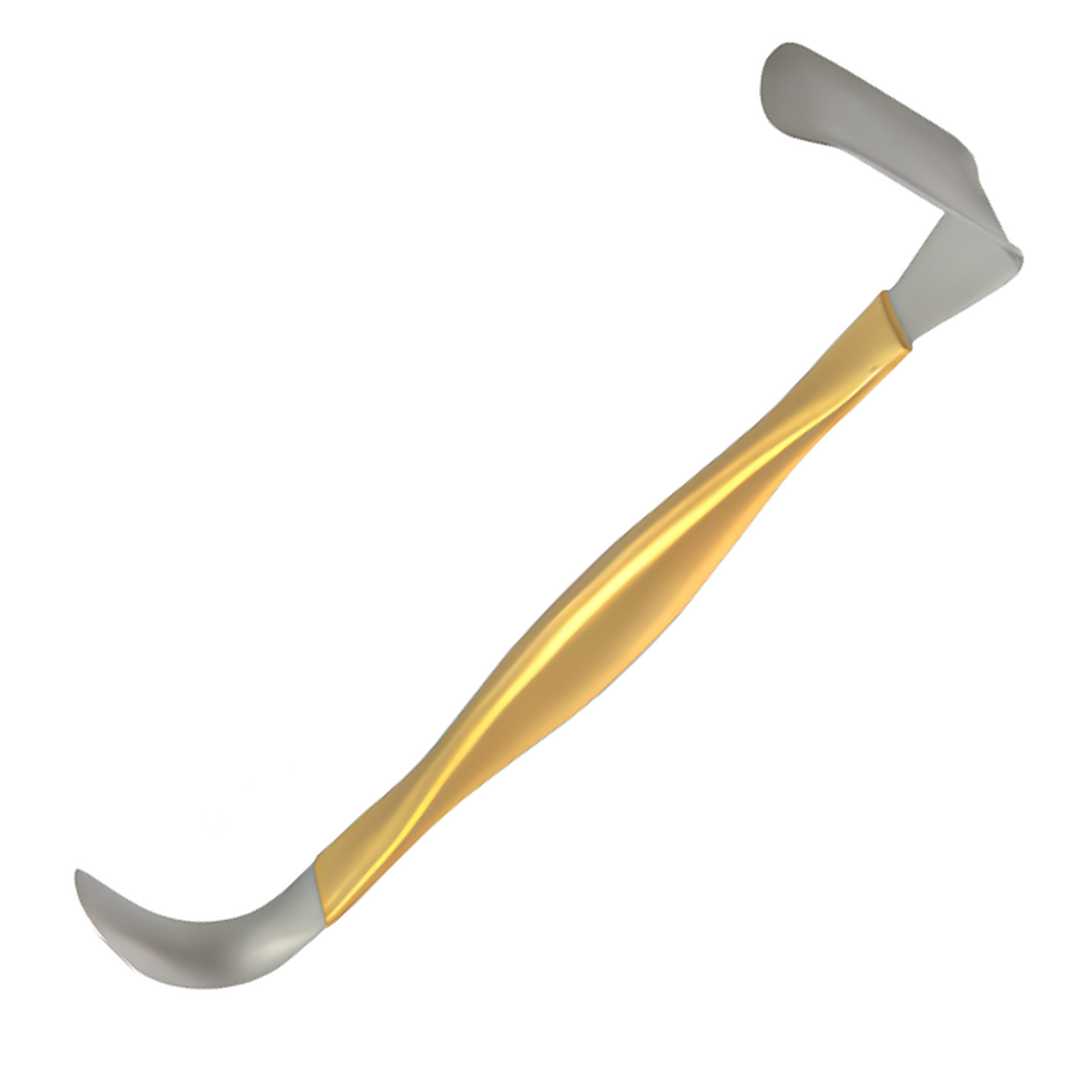 | Écarteur mammaire de Tebbetts à double extrémité | Spécifiquement conçu pour assurer la rétraction tissulaire bilatérale et l'exposition de la loge lors de l'augmentation et de la reconstruction mammaire. |
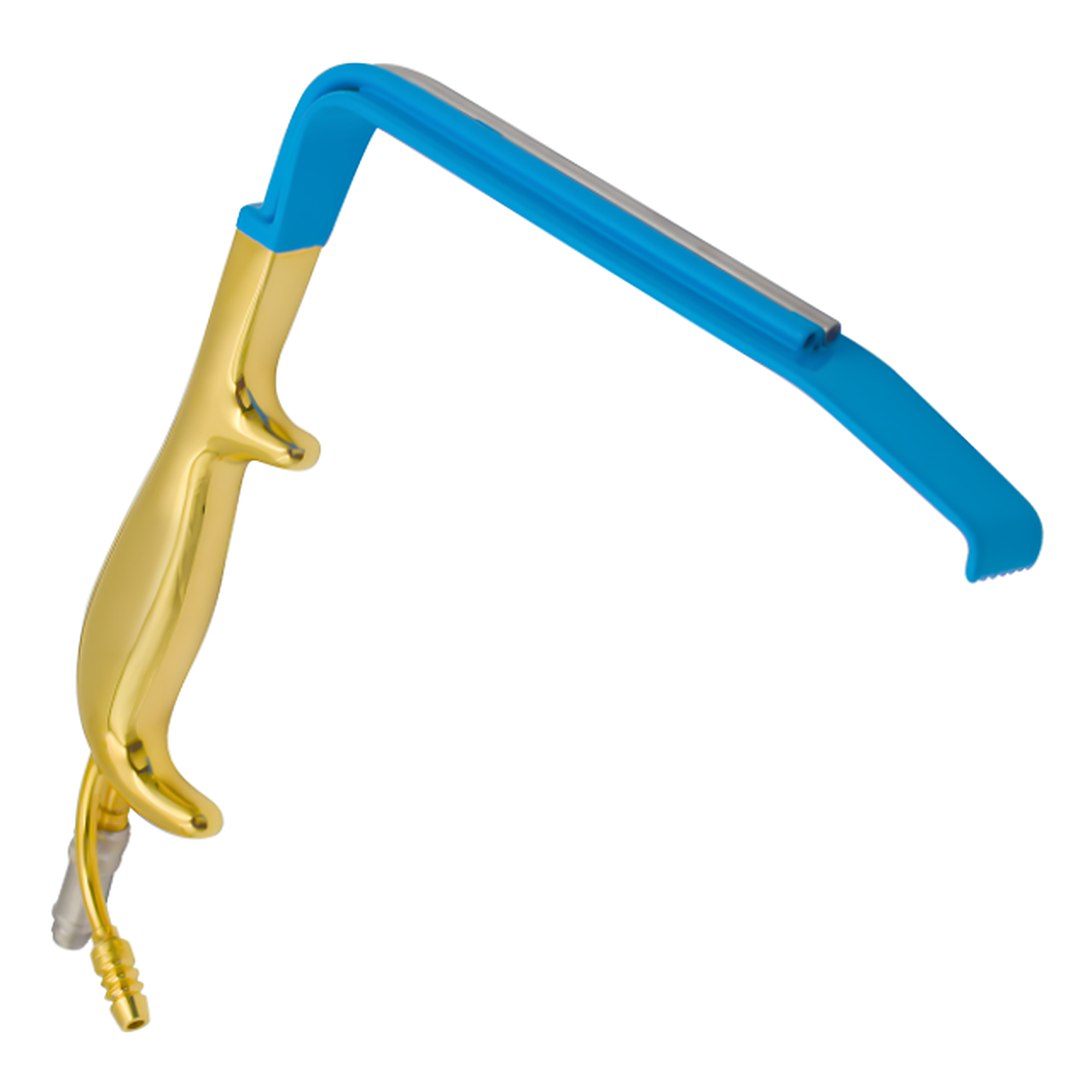 | Écarteur de Tebbetts à fibres optiques pour augmentation mammaire | Spécifiquement conçu pour soulever les lambeaux tissulaires, éclairer les loges mammaires profondes et vérifier l'hémostase pendant la chirurgie mammaire. |
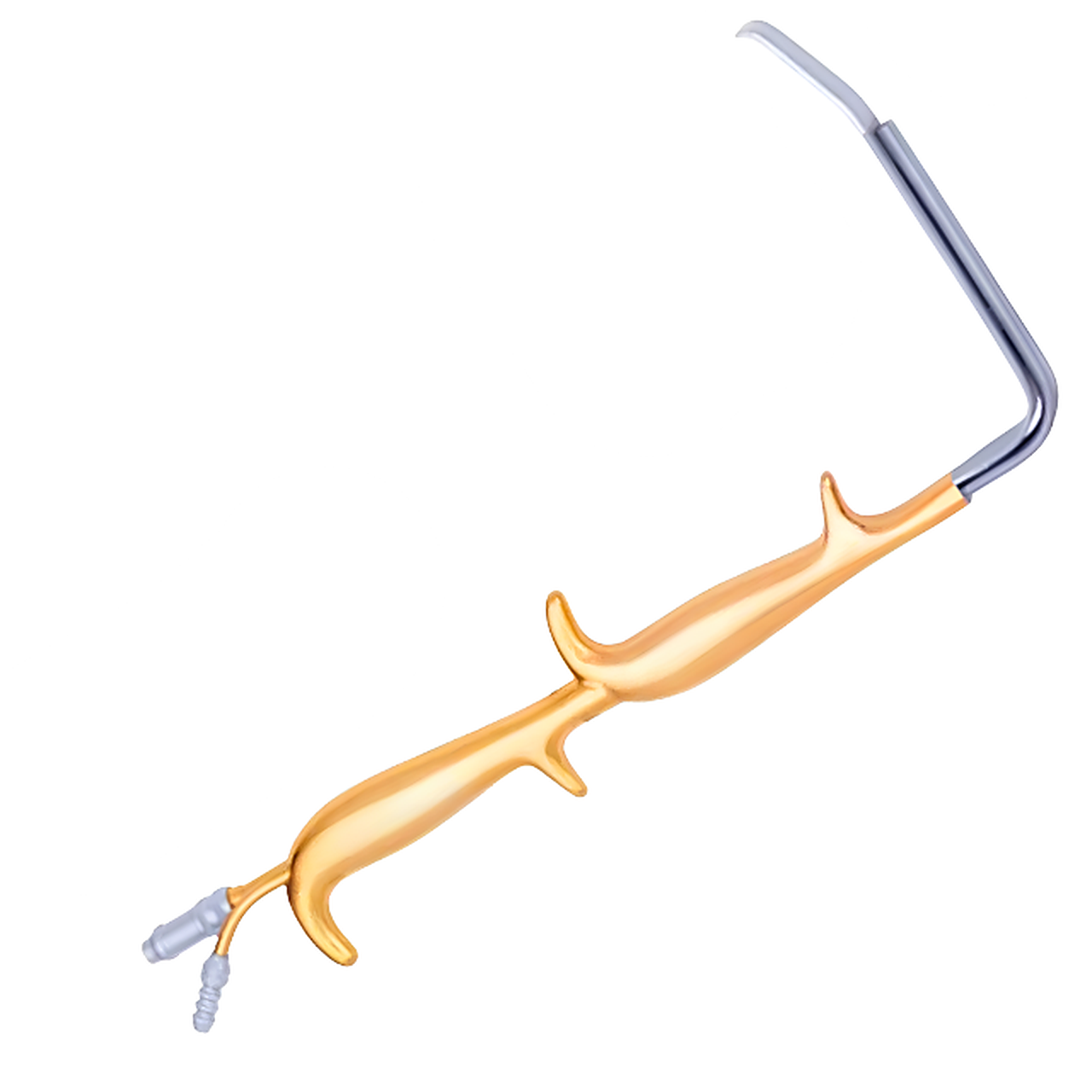 | Écarteur Tebbetts Fiber Optic Breast Augmentation Retractor, Double Handle | Spécifiquement conçu pour assurer la rétraction des tissus éclairée avec un levier à deux mains lors de l'augmentation et de la reconstruction mammaire. |
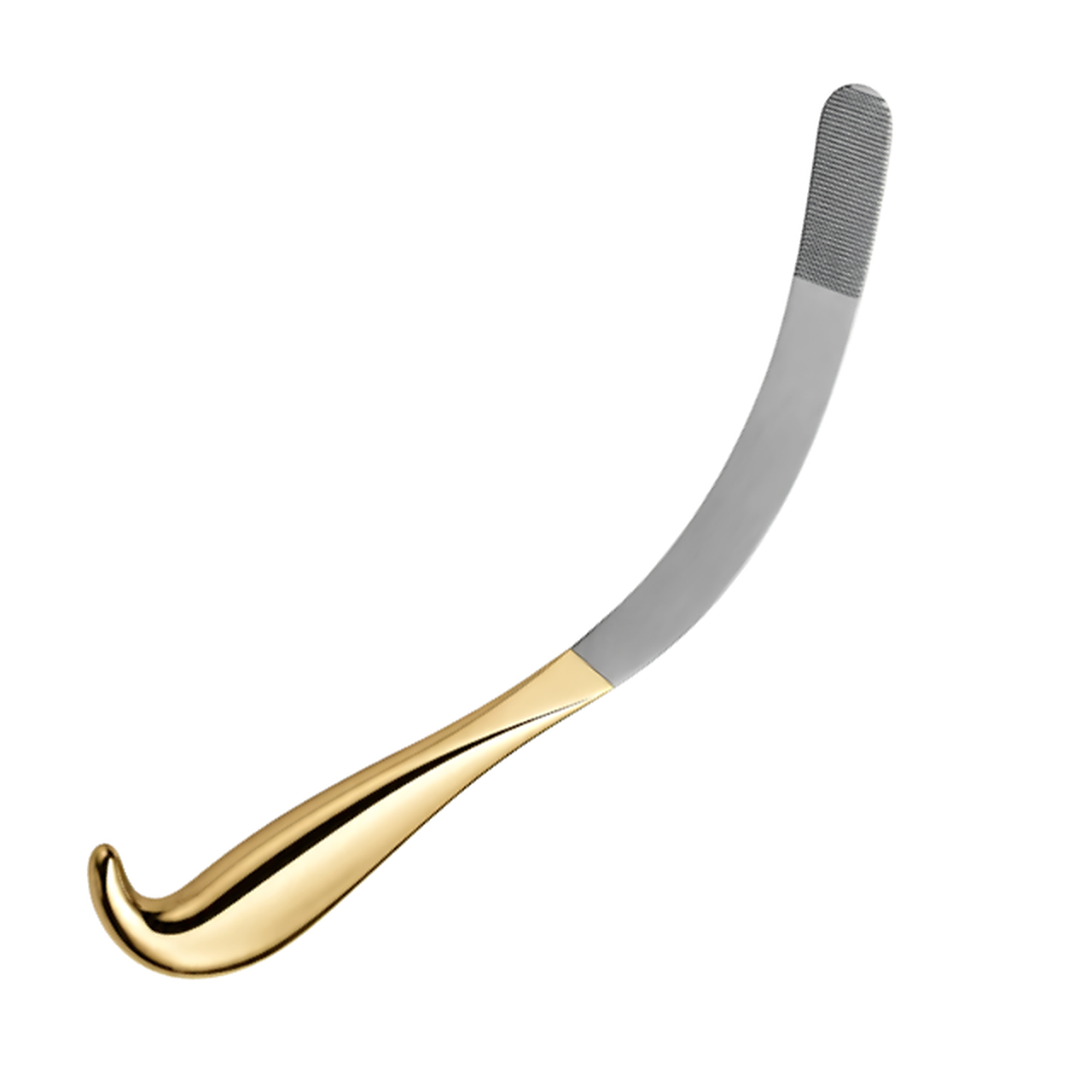 | Écarteur mammaire Tebbetts Spatula | Spécifiquement conçu pour élever les lambeaux tissulaires et créer des loges sous-pectorales lors de l'augmentation et de la reconstruction mammaire. |
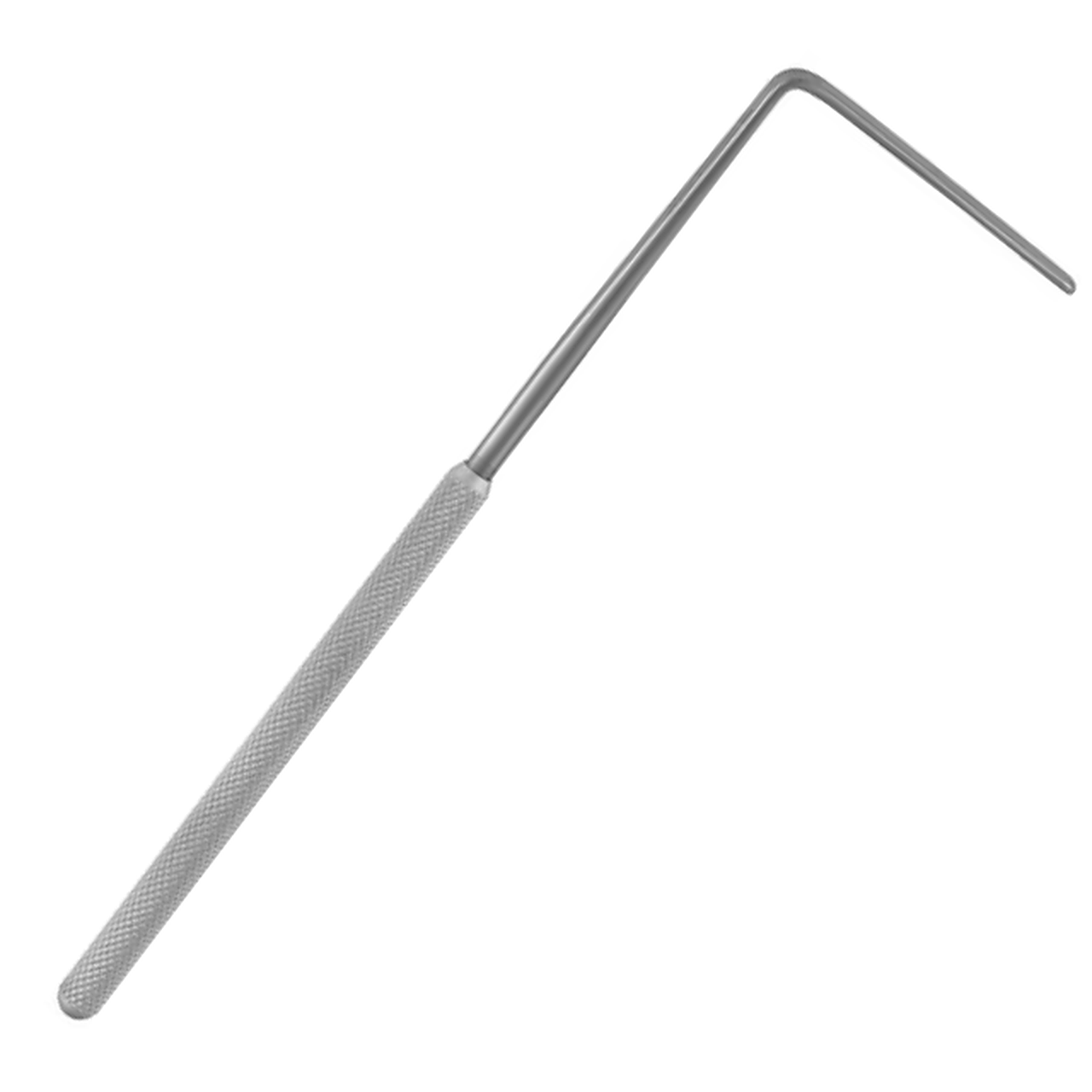 | Écarteur nasal Terry | Spécifiquement conçu pour élever les lambeaux cutanés nasaux et rétracter le cartilage lors de rhinoplasties esthétiques et reconstructives. |
 | Écarteur malléable en ruban Tessier | Spécifiquement conçu pour être plié en formes personnalisées afin de rétracter les tissus mous périoculaires et protéger le globe oculaire pendant la chirurgie cranio-faciale. |
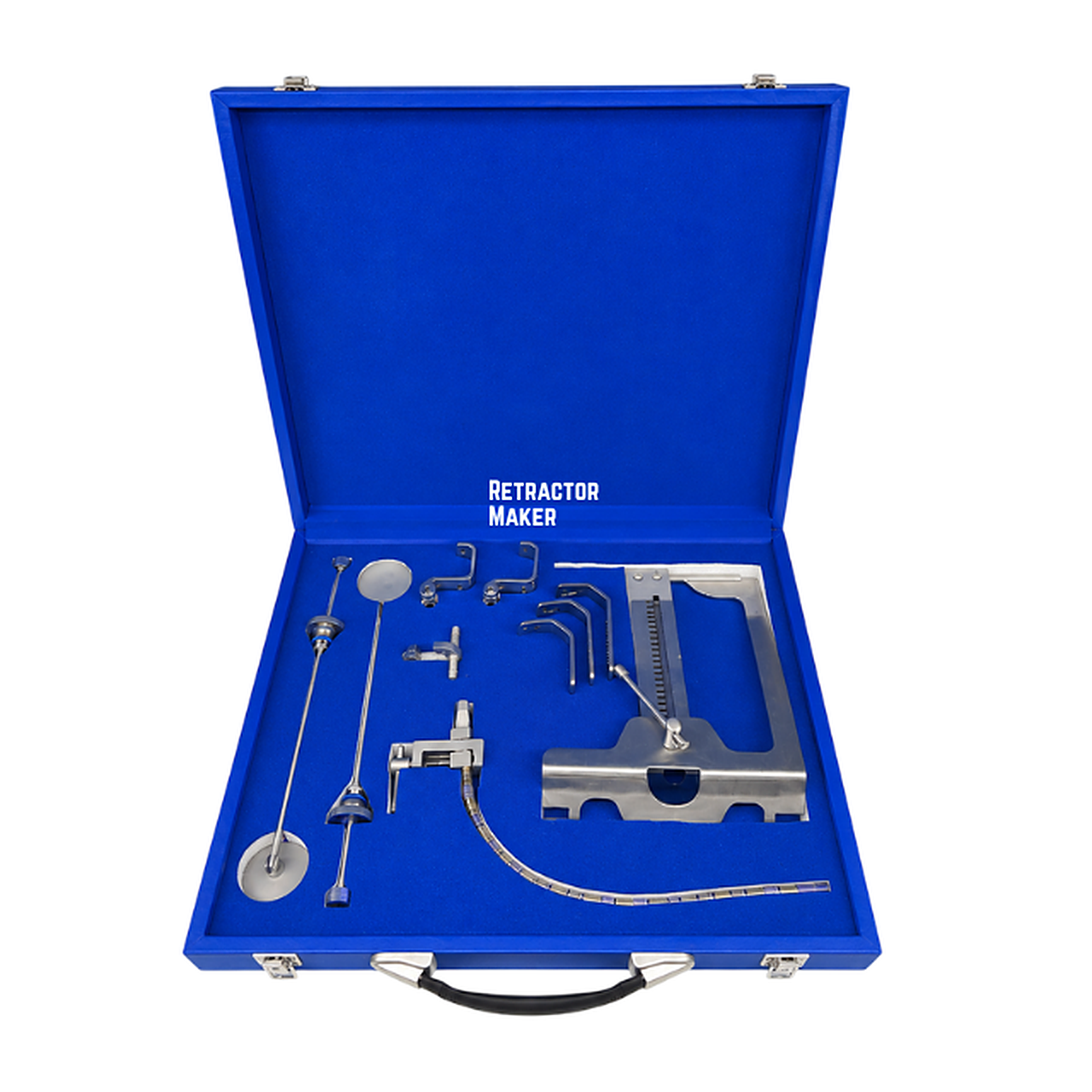 | Système d'écarteur ThoraGate Rib Up Retractor System | Spécifiquement conçu pour assurer une élévation intercostale stable et une exposition chirurgicale lors d'interventions thoraciques et de chirurgies cardiaques mini-invasives, y compris les approches MIDCAB par minithoracotomie. |
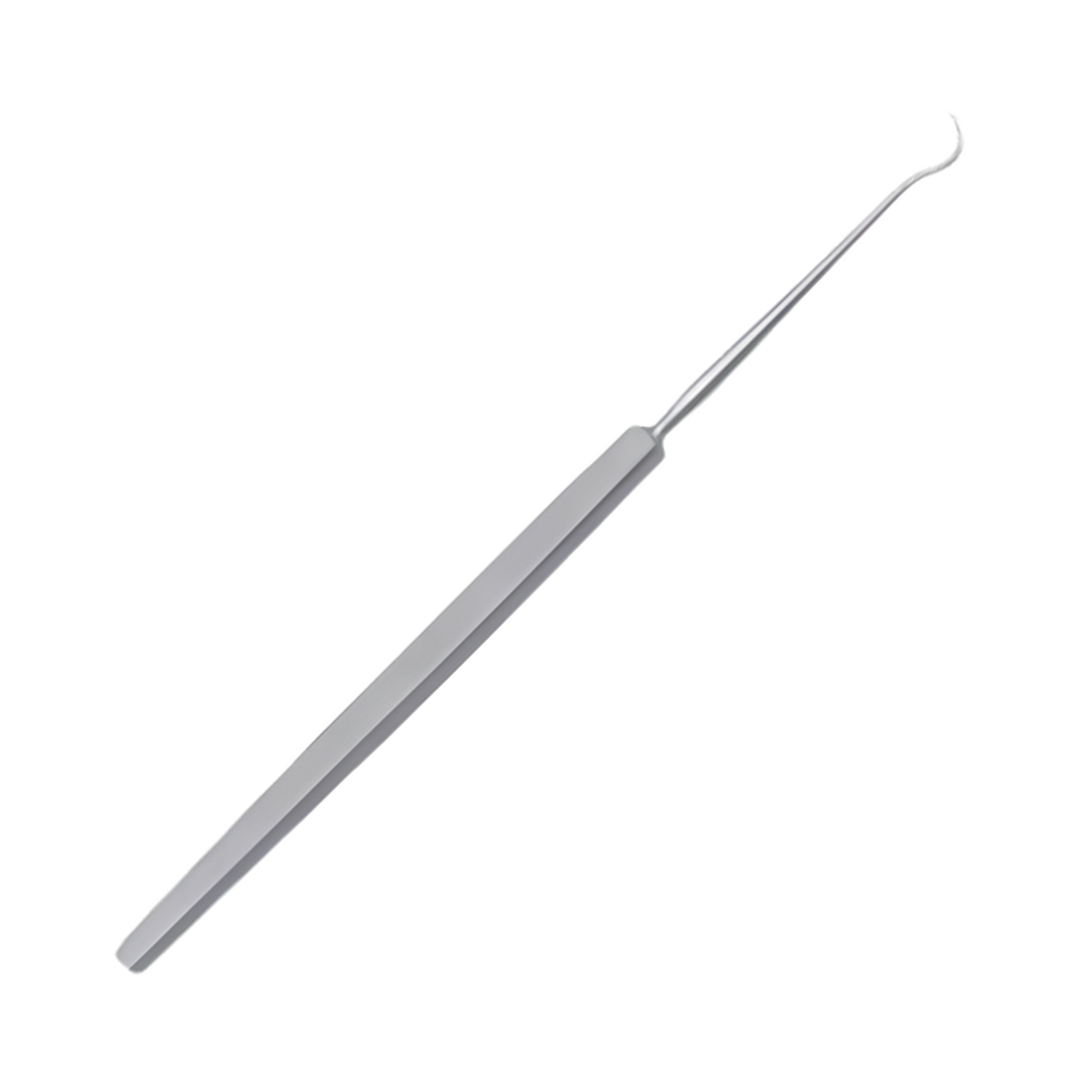 | Écarteur de racine nerveuse Toennis | Spécifiquement conçu pour mobiliser, soutenir et protéger les racines nerveuses rachidiennes traversantes et le sac thécal pendant la discectomie lombaire. |
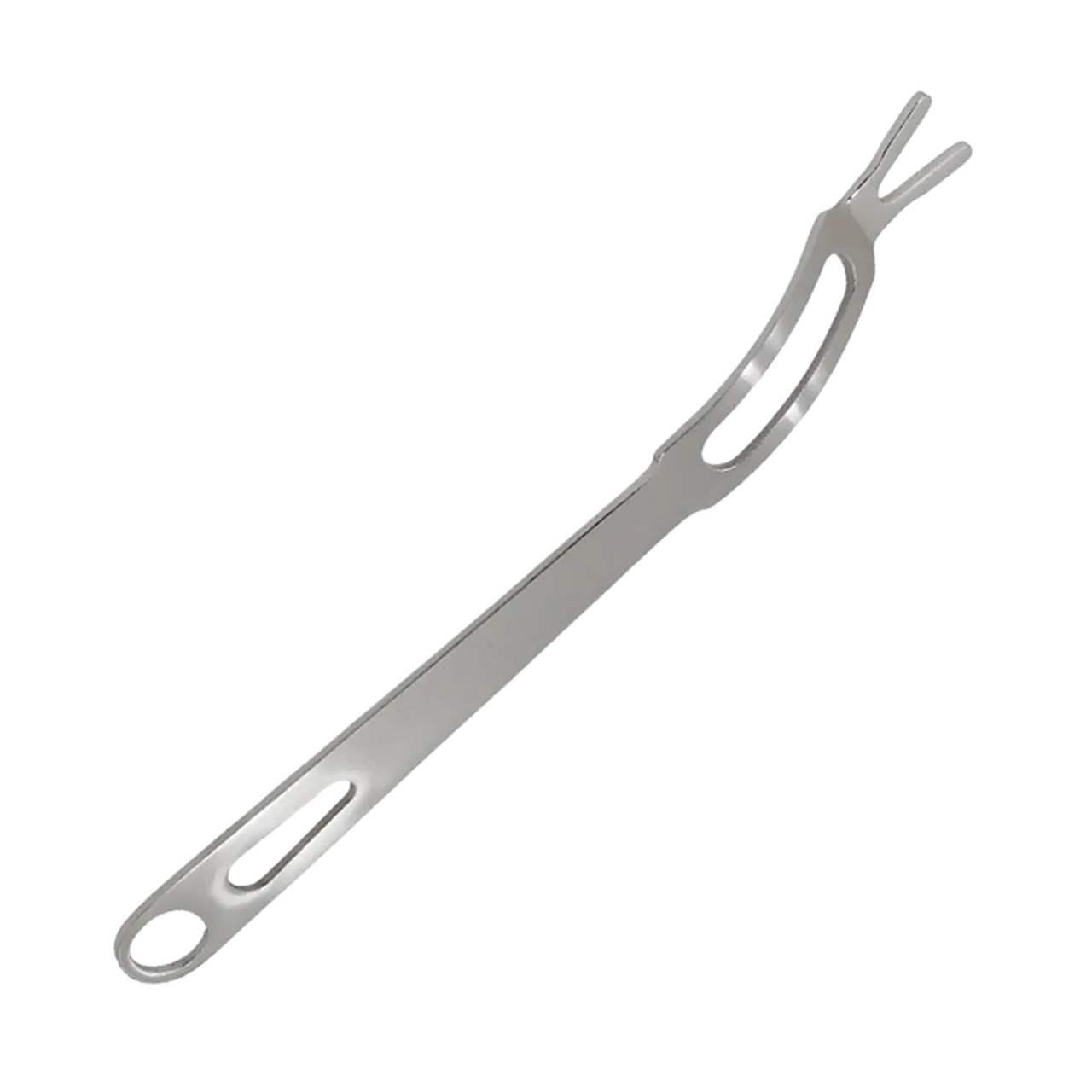 | Écarteur de composant glénosphérique pour arthroplastie totale et inversée de l'épaule | Spécifiquement conçu pour déplacer l'humérus postérieurement et exposer la voûte glénoïdienne lors de l'arthroplastie inversée et totale de l'épaule. |
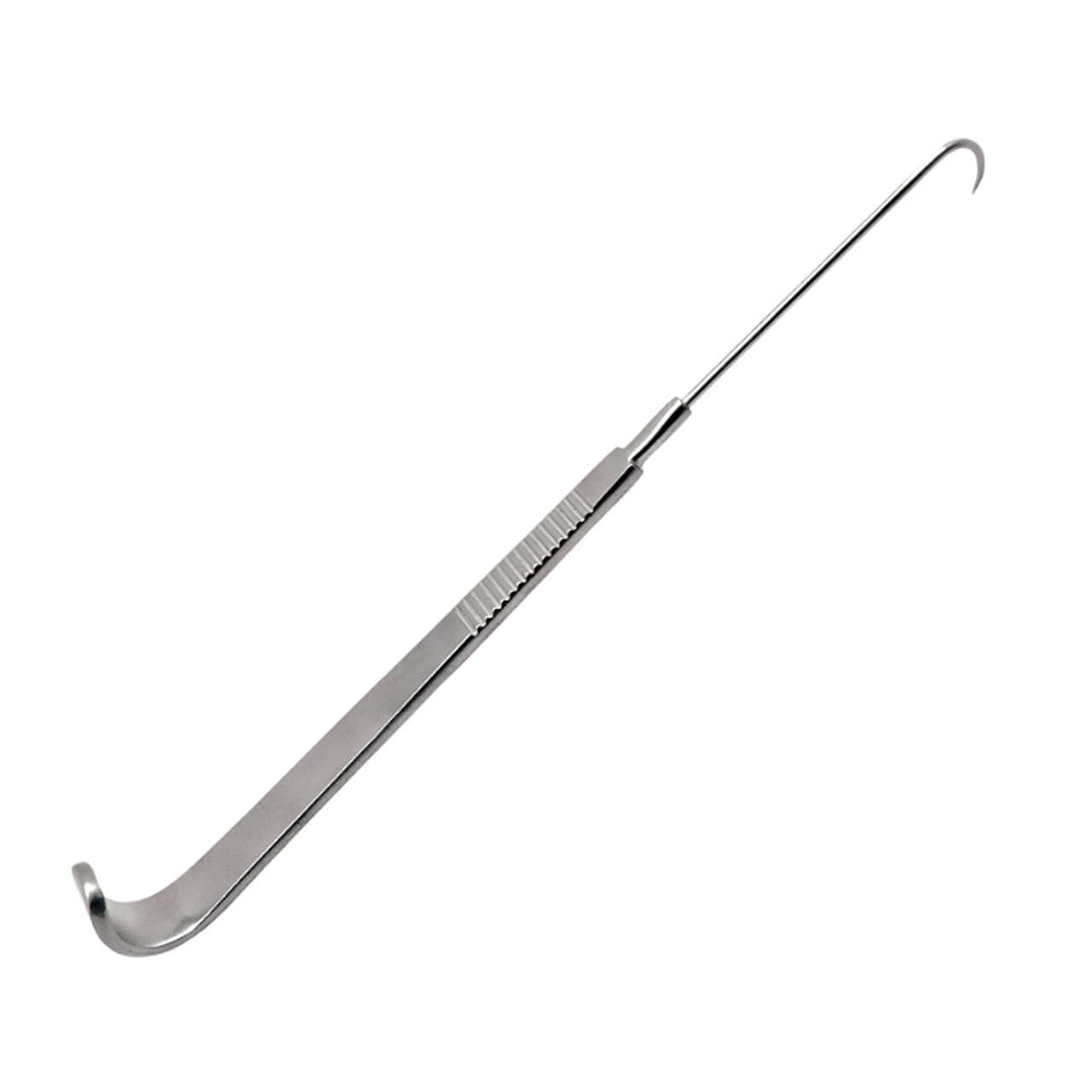 | Crochet Trachéal / Écarteur | Spécifiquement conçu pour élever et stabiliser la trachée lors des procédures de trachéotomie d'urgence et électives. |
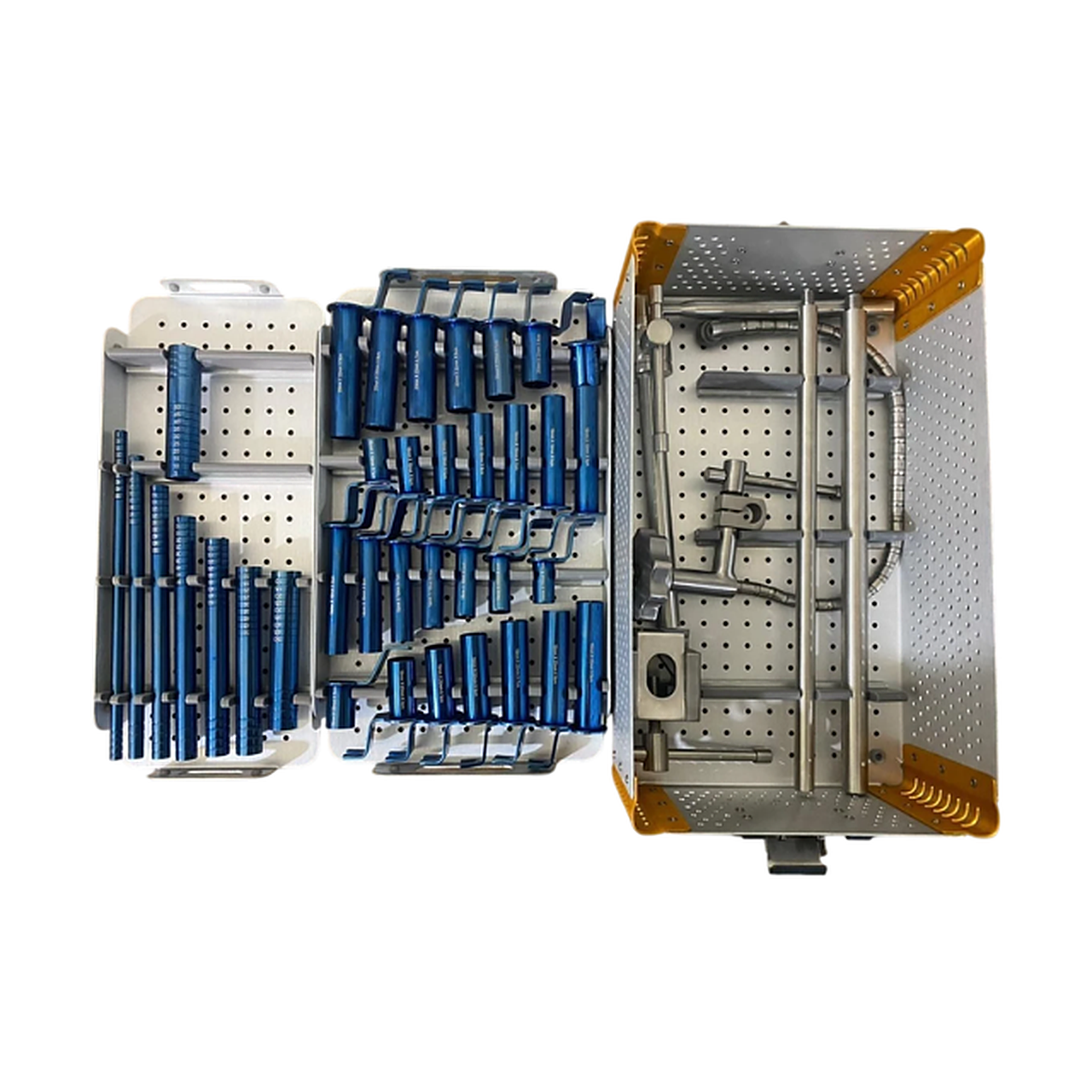 | Système d'Écarteurs Tubulaires | Facilite l'accès lors des discectomies, laminectomies, traitements de sténose, MIS PLIF, MIS TLIF et foraminotomies cervicales. |
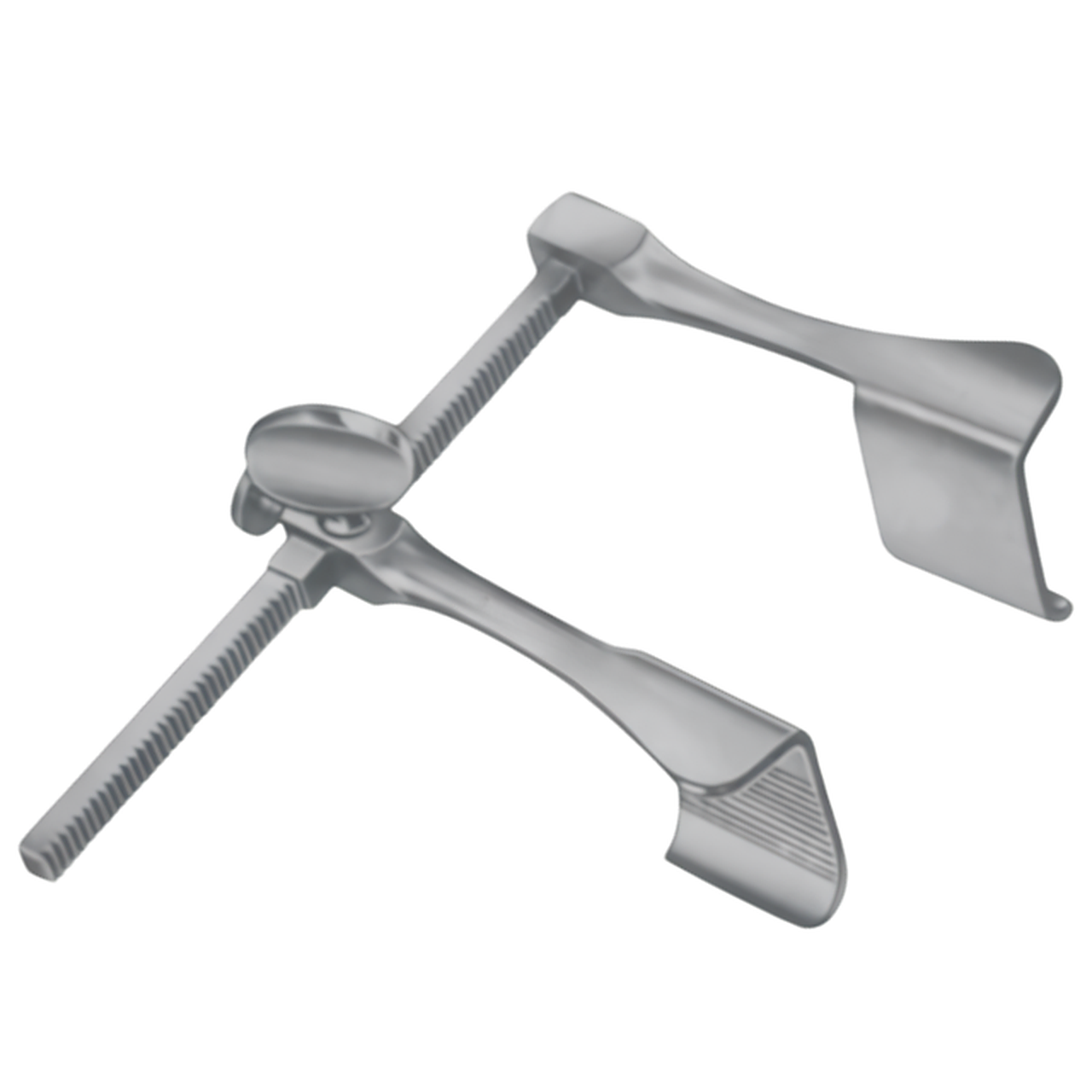 | Écarteur de côtes Tuffier | Spécifiquement conçu pour écarter les côtes des adultes et maintenir l'exposition de la cavité thoracique lors d'une thoracotomie ouverte. |
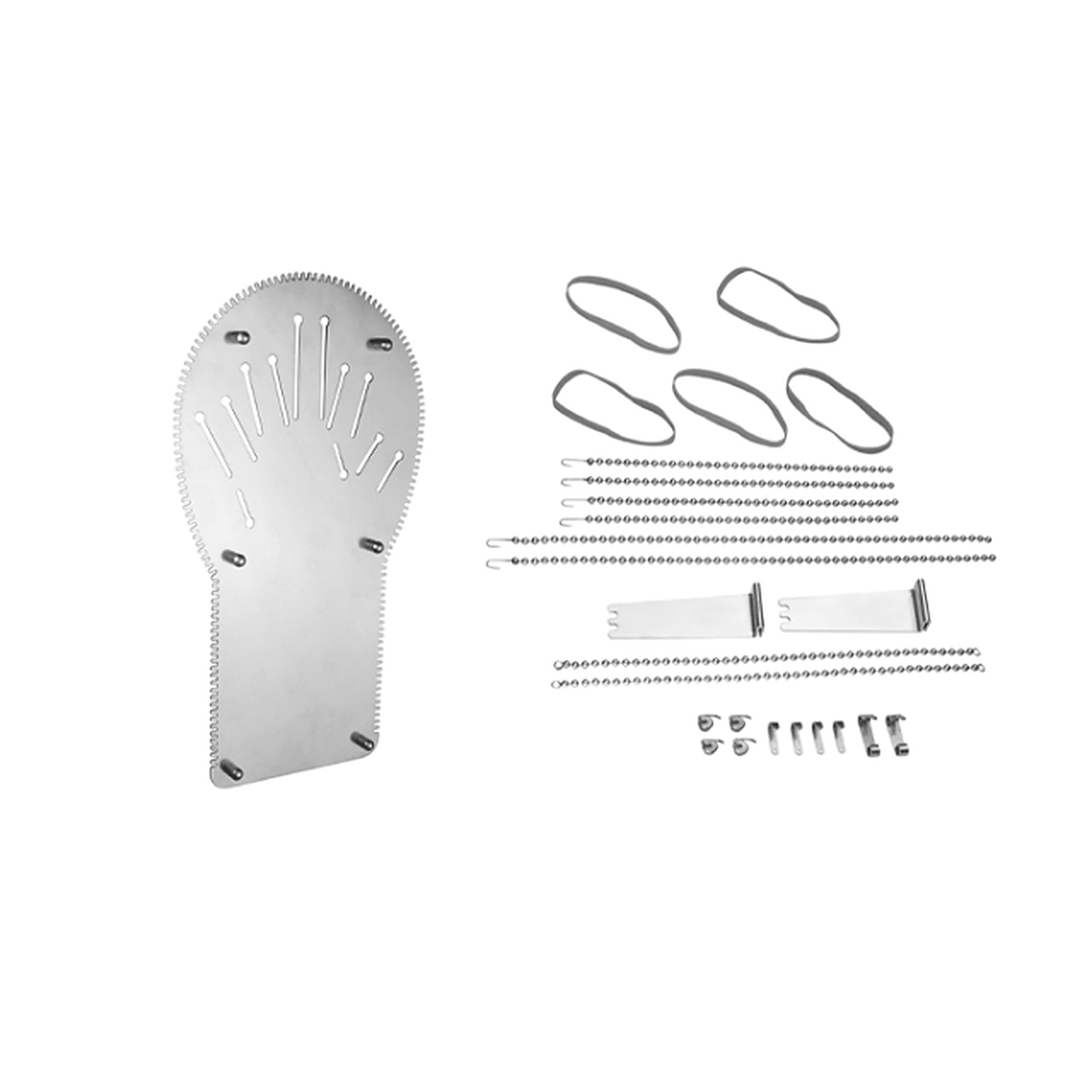 | Écarteur de Main Universel de Tupper | Spécifiquement conçu pour assurer une rétraction tissulaire contrôlée, une stabilisation des membres et une exposition chirurgicale mains libres lors des procédures de microchirurgie de la main. |
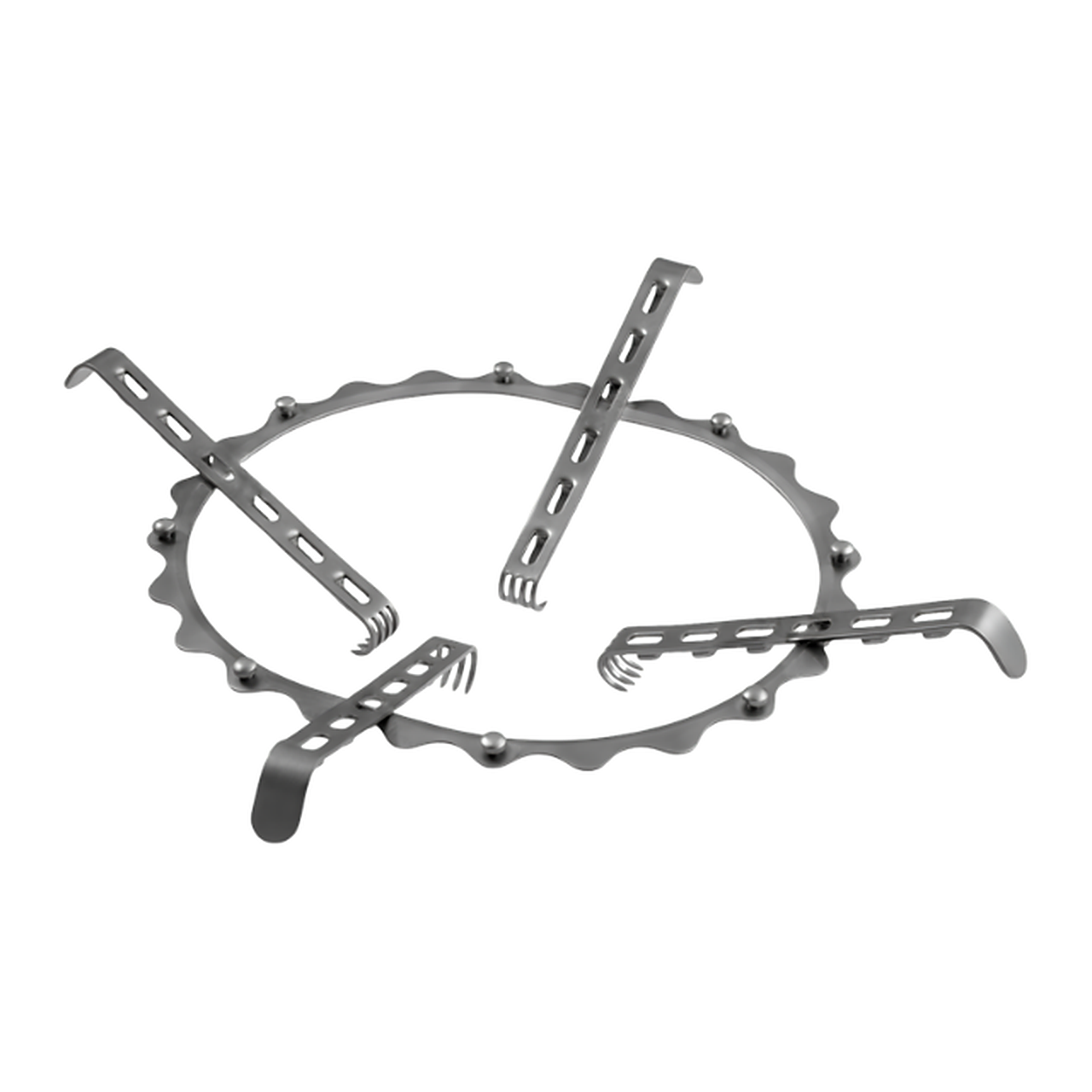 | Écarteur urologique Turner-Warwick | Spécifiquement conçu pour assurer une rétraction viscérale et des berges de la plaie auto-statique à 360 degrés lors de la chirurgie urologique et pelvienne. |
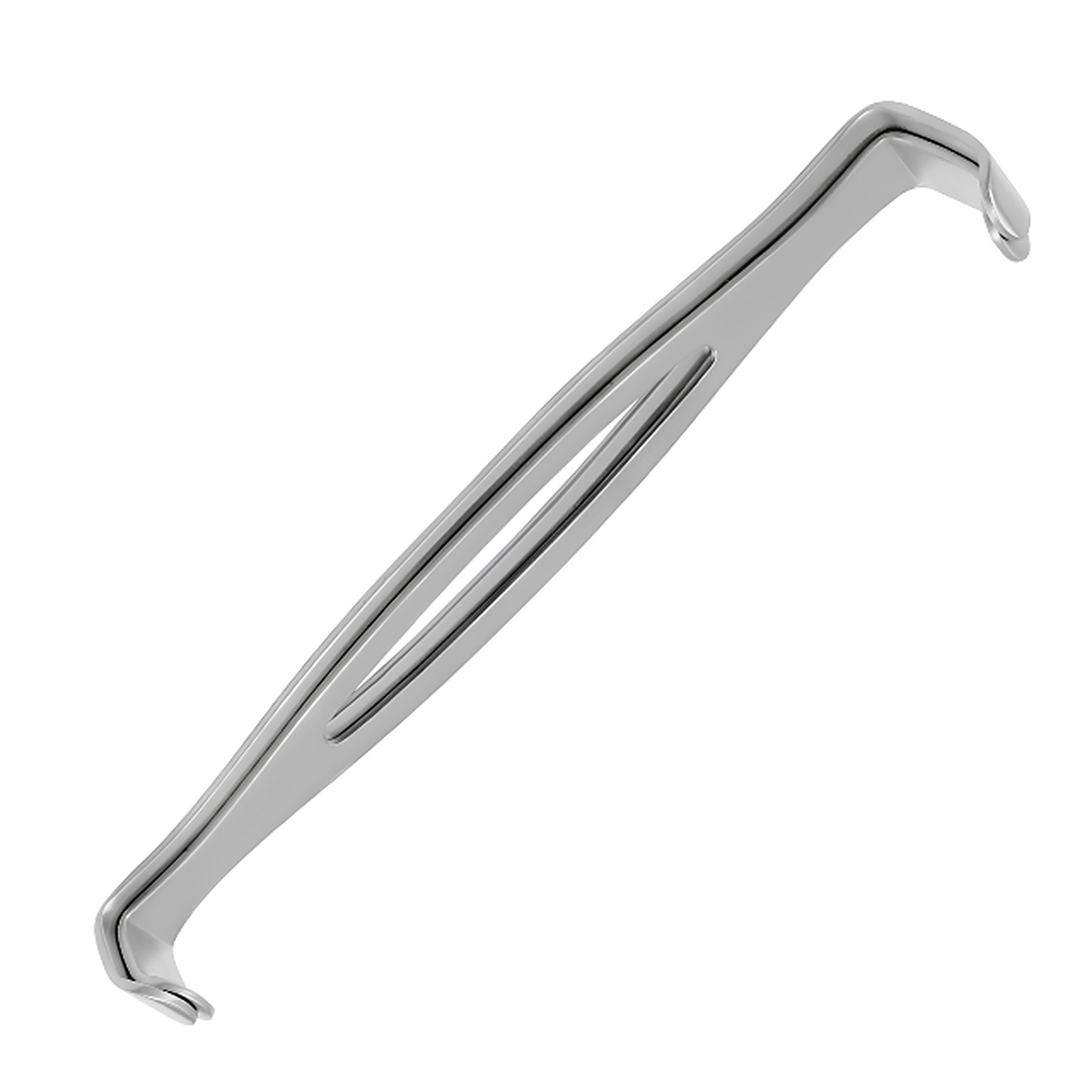 | Écarteur US Army, Jeu de deux | Spécifiquement conçu pour écarter les berges cutanées, les fascias et les tissus musculaires lors d'incisions chirurgicales superficielles et intermédia. |
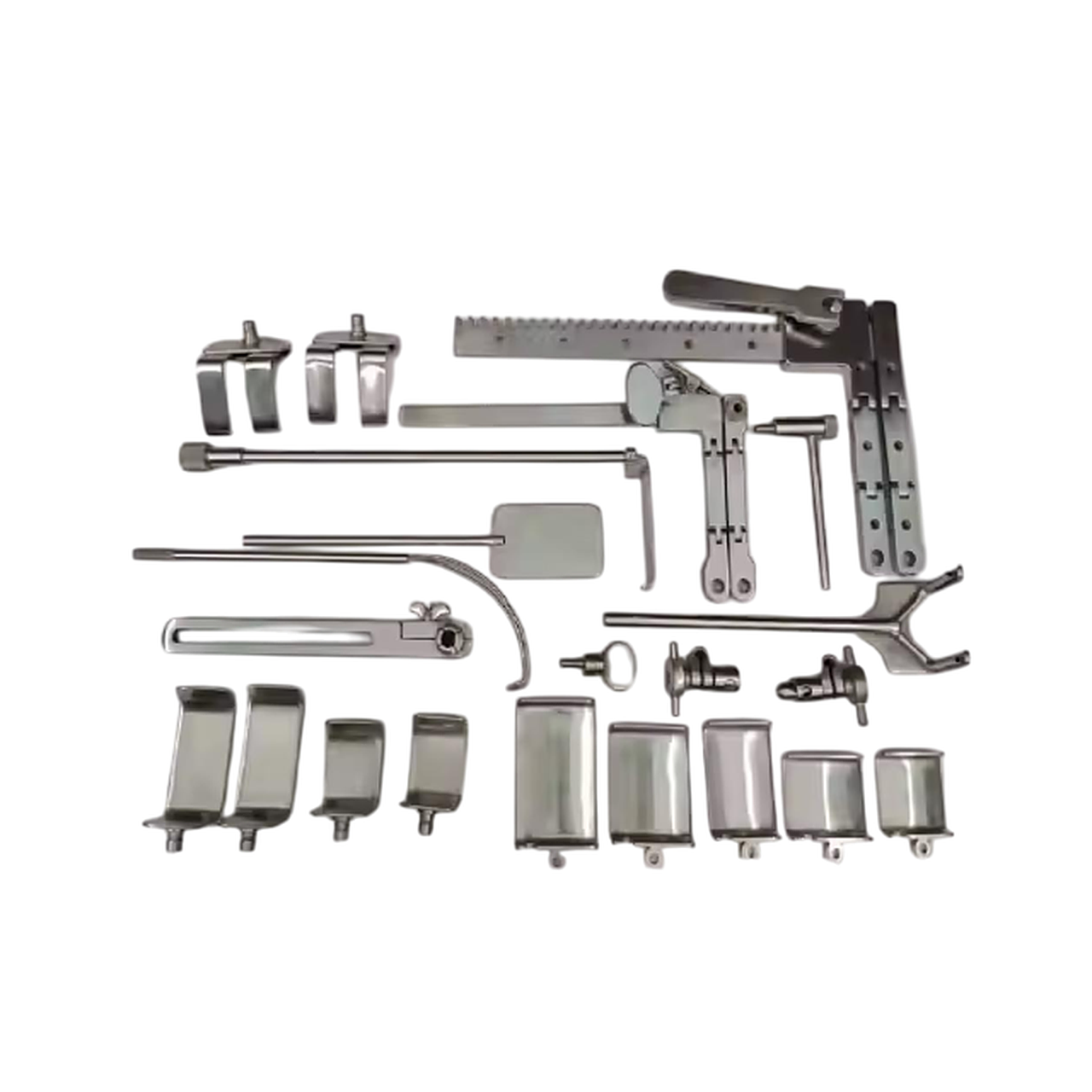 | Système d'écarteur Valve XS | Spécifiquement conçu pour assurer une rétraction stable des tissus et une exposition chirurgicale lors des procédures cardiaques par approche latérale, des MICS CABG et de l'exposition de l'atrium. |
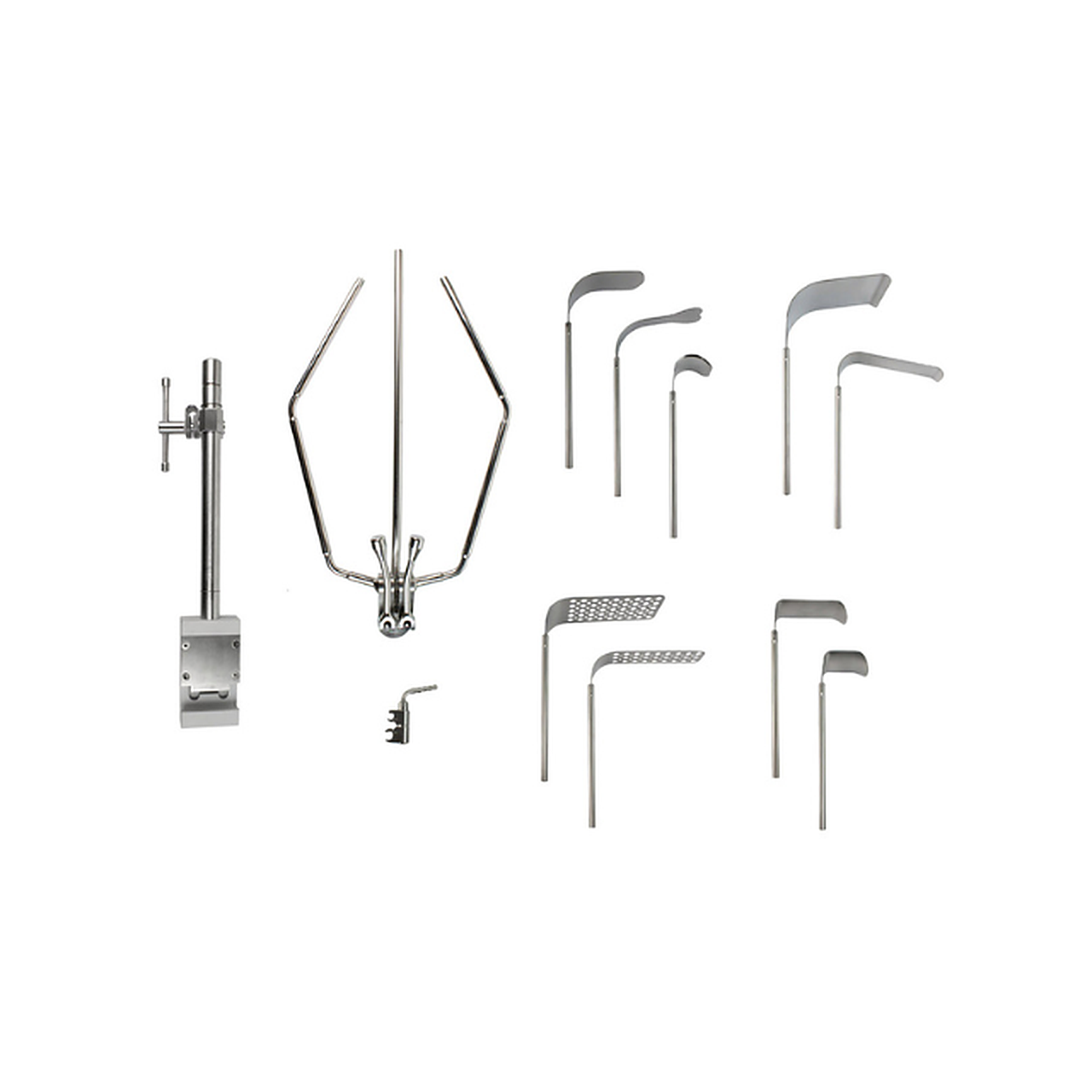 | Vascular Lobster System | Spécifiquement conçu pour la rétraction tissulaire autostatique fixée sur table et l'exposition du champ opératoire lors de procédures vasculaires. |
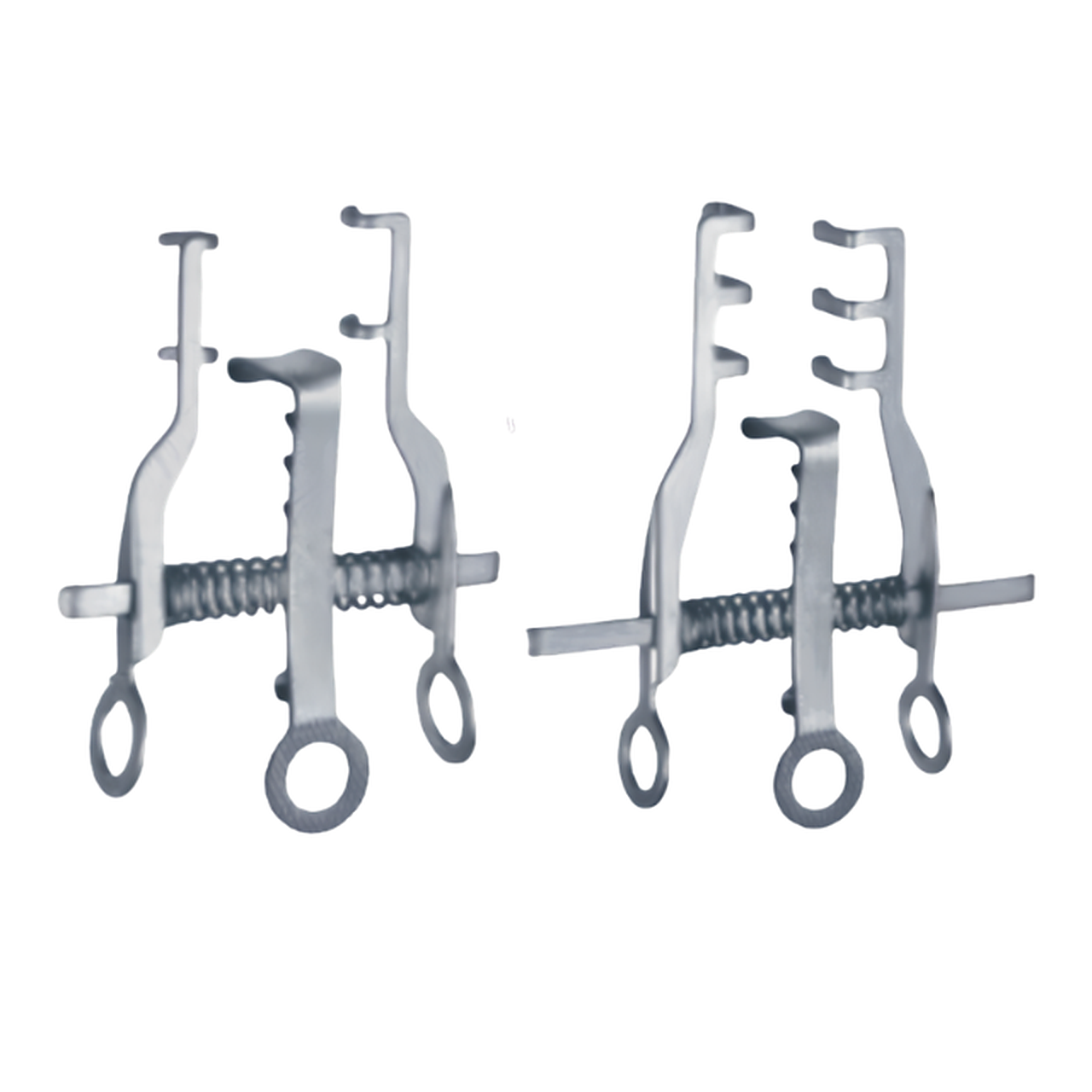 | Écarteur Vickers Low Profile | Spécifiquement conçu pour assurer l'écartement autostatique à profil bas des tissus mous lors de chirurgies de la main, du poignet et de microchirurgies. |
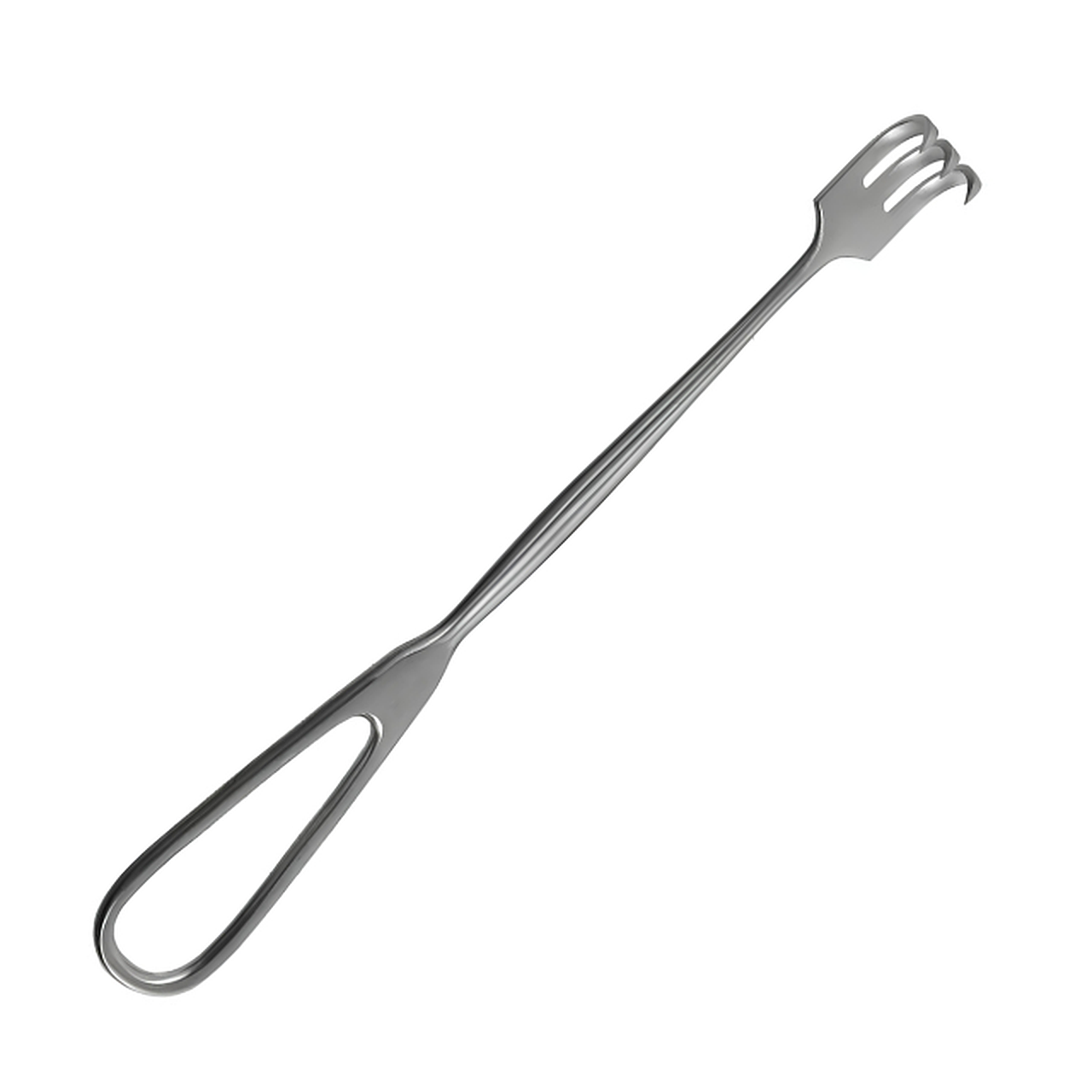 | Écarteur Volkman-USA Pattern | Spécifiquement conçu pour rétracter les lambeaux cutanés, les fascias et les tissus musculaires lors de chirurgies générales, plastiques et orthopédiques. |
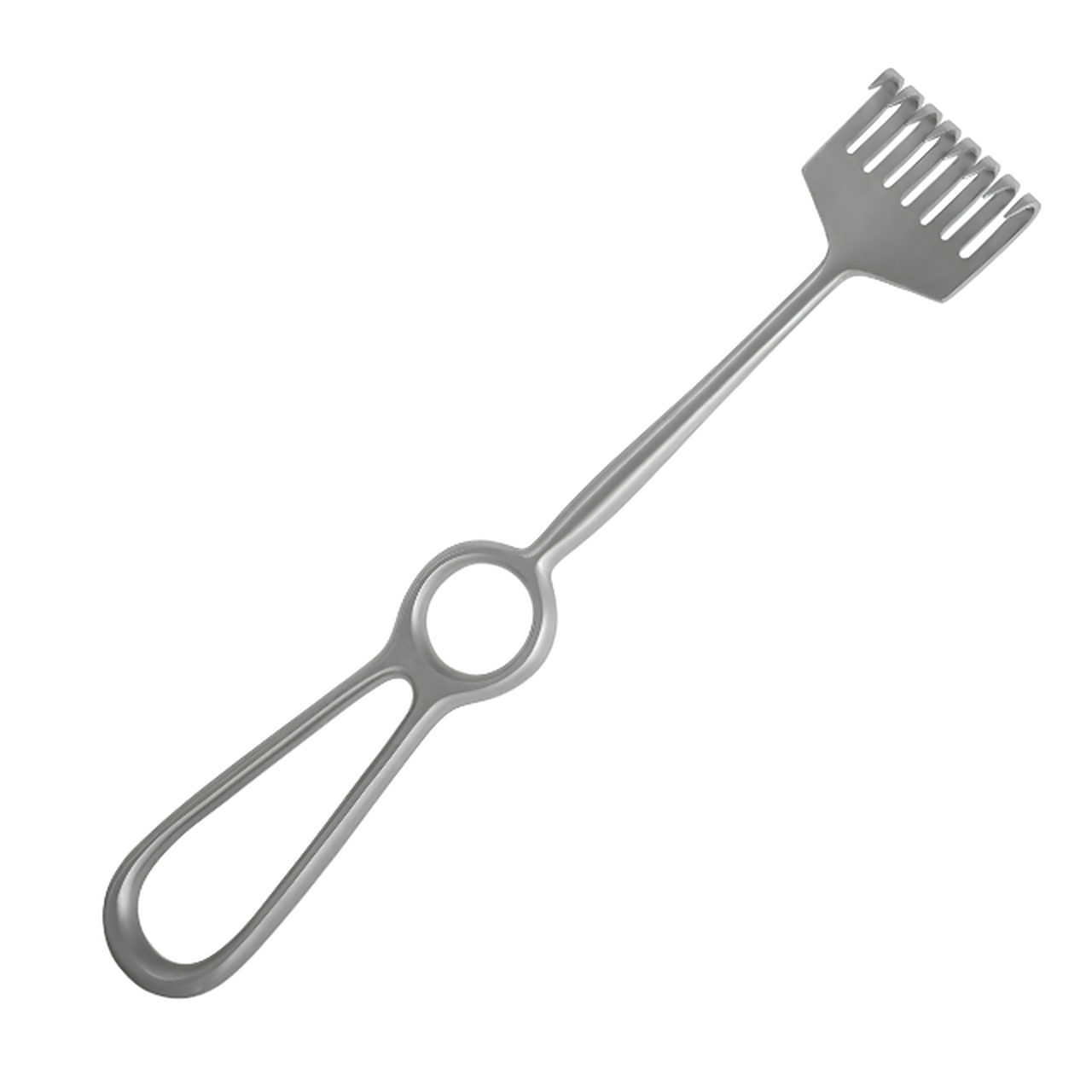 | Écarteur de Volkmann | Spécifiquement conçu pour rétracter les lambeaux cutanés, les fascias et les berges tissulaires denses lors de chirurgies générales, plastiques et orthopédiques. |
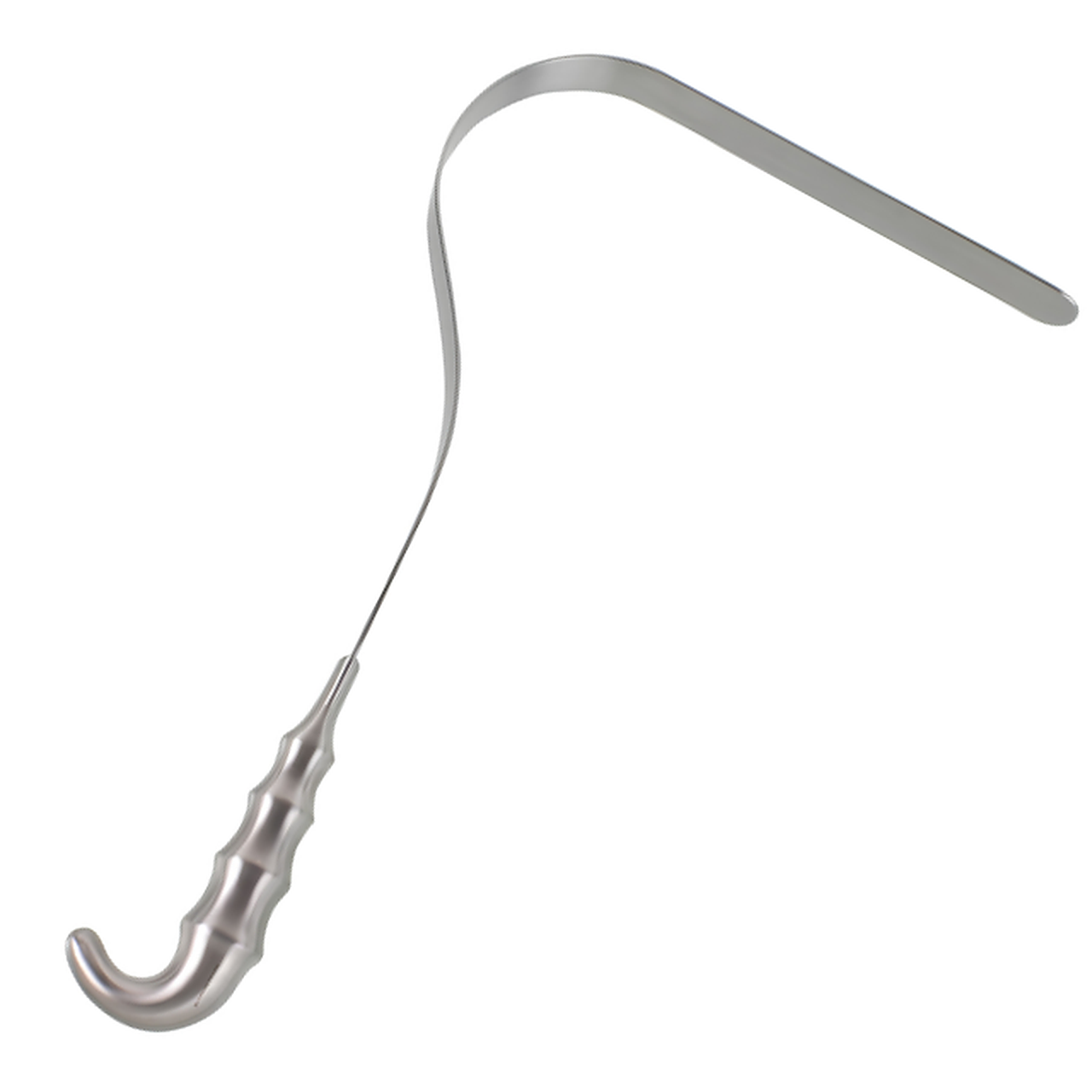 | Écarteur W.M. Lemmon Deaver | Spécifiquement conçu pour écarter les viscères profonds, l'intestin, le foie et les parois abdominales lors de chirurgies thoraciques et abdominales majeures. |
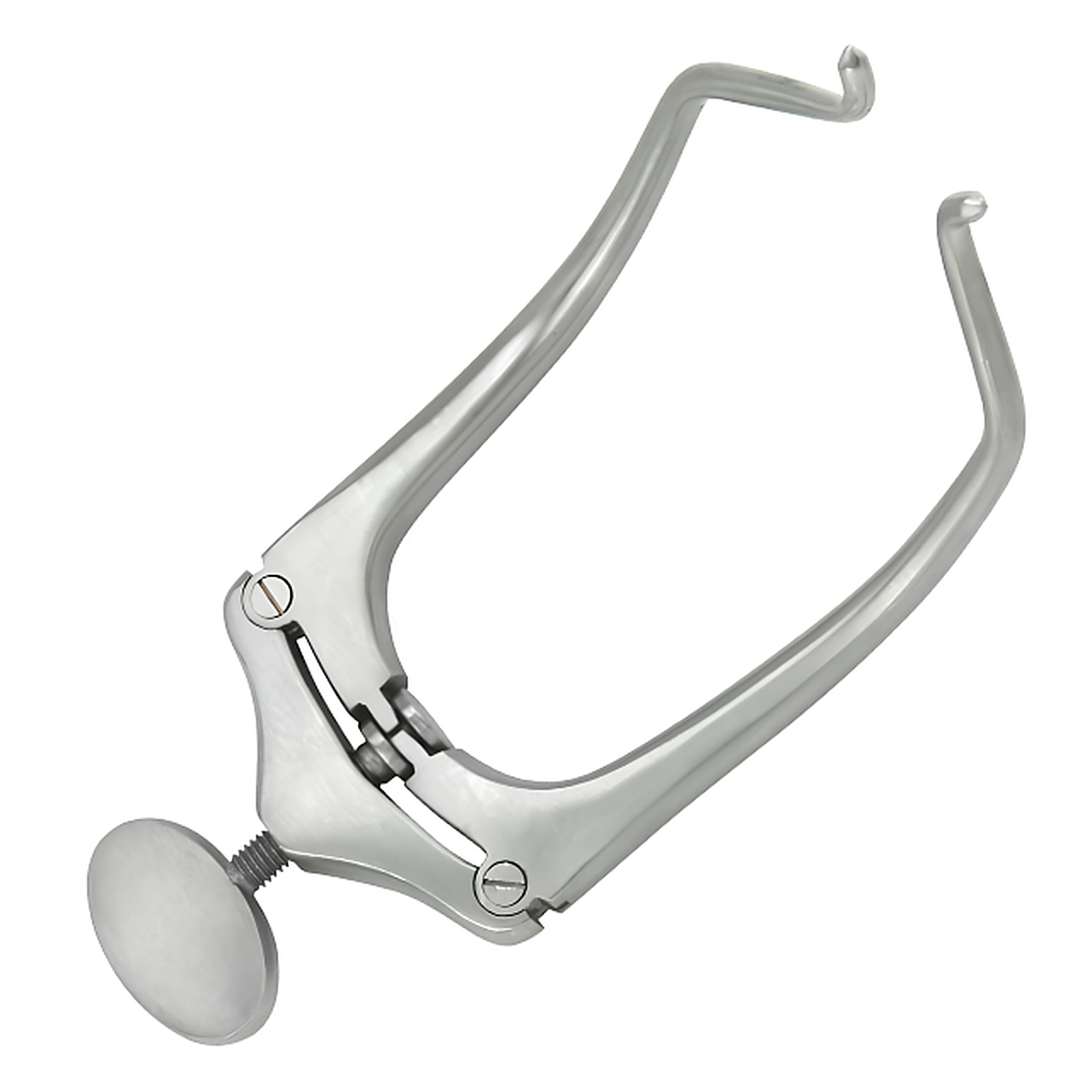 | Écarteur de Wallace pour le genou | Spécifiquement conçu pour assurer l'écartement auto-statique de la capsule et des tissus mous lors de l'arthrotomie du genou et de la chirurgie reconstructive. |
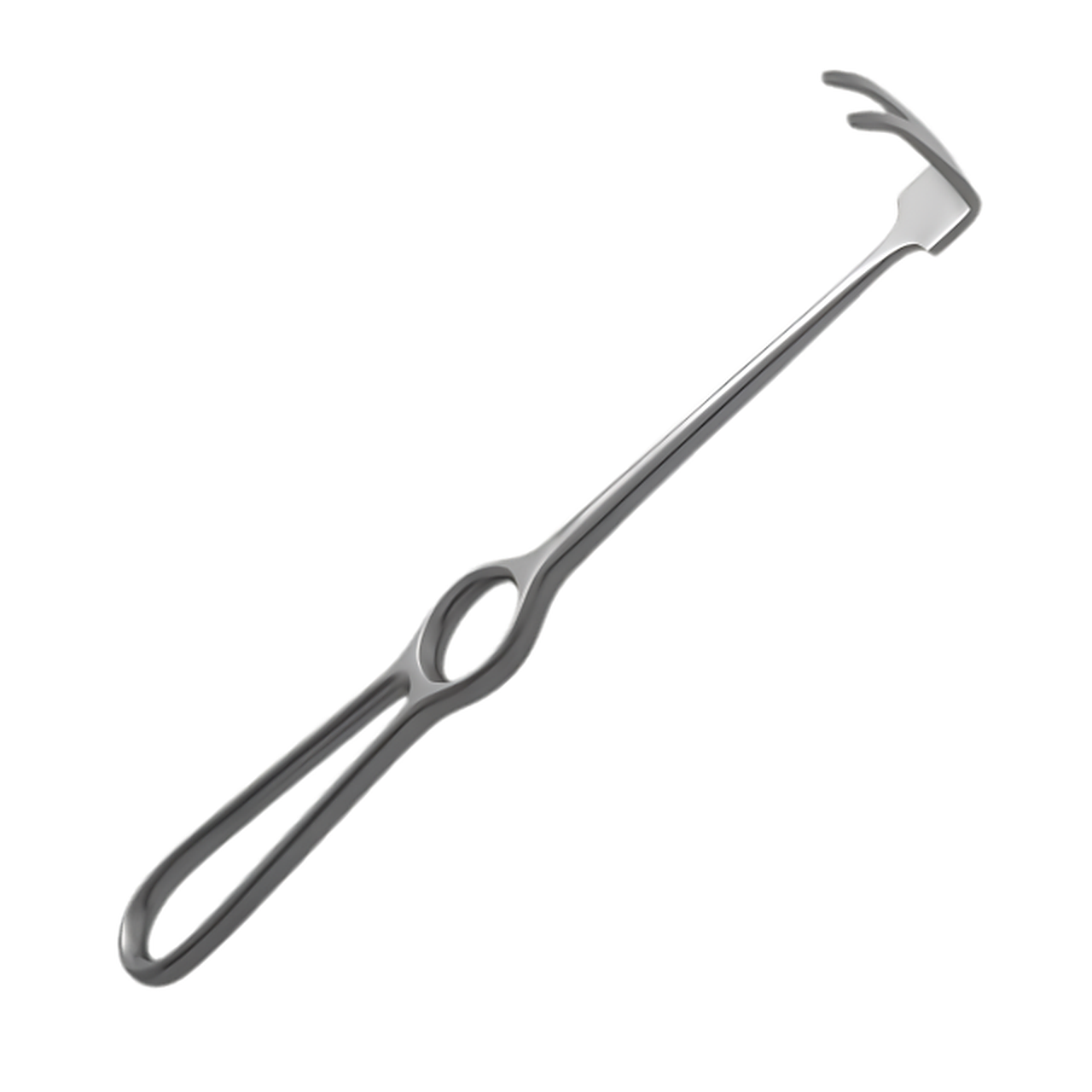 | Écarteur de Wassmund pour tissus mous | Spécifiquement conçu pour écarter les joues, les lèvres et le mucopérioste pendant la chirurgie orale et maxillo-faciale. |
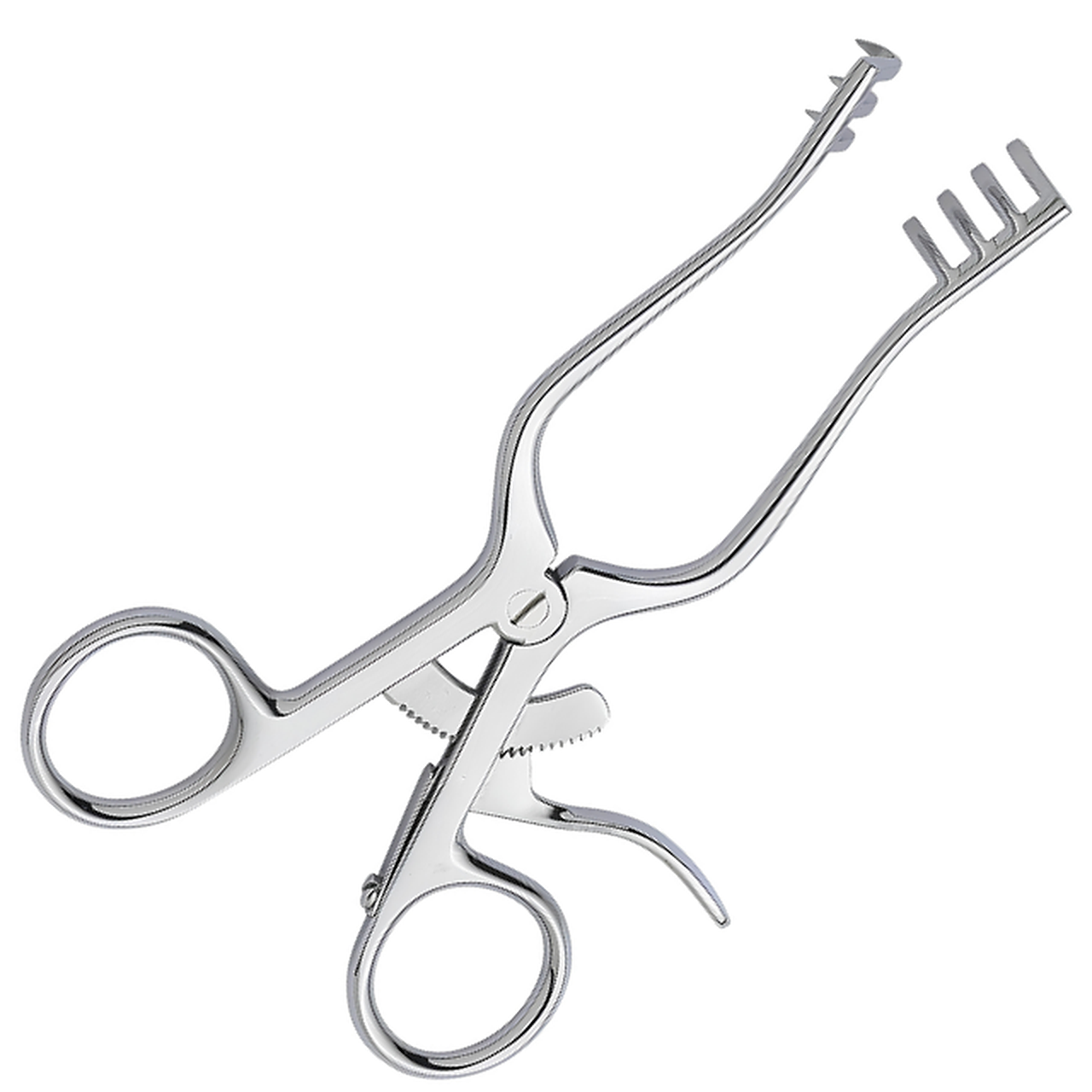 | Écarteur Weitlaner | Spécifiquement conçu pour assurer une rétraction autostatique et mains libres des berges de plaies en chirurgie mineure, générale et orthopédique profonde. |
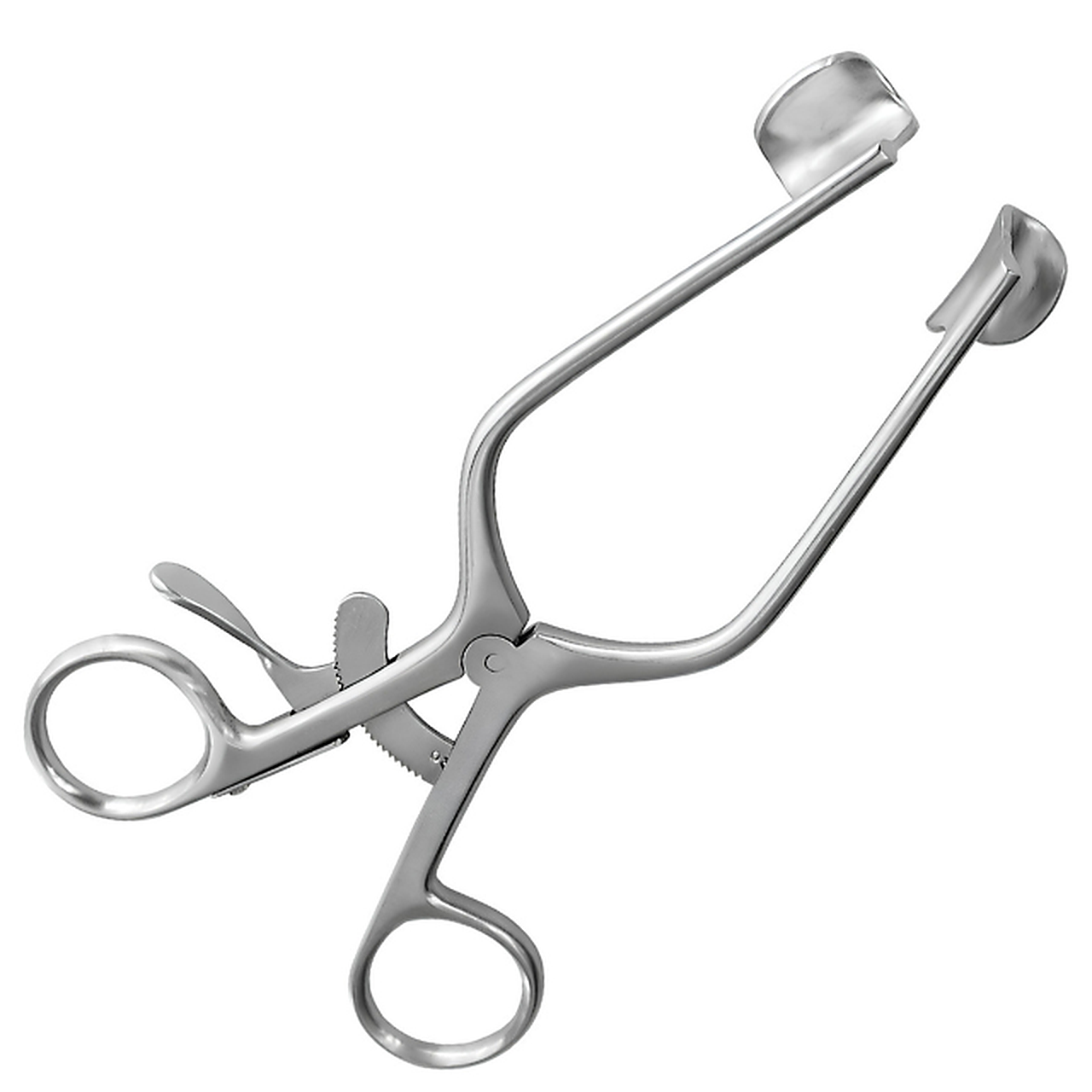 | Écarteur autostatique large | Spécifiquement conçu pour assurer une rétraction autostatique des berges de la plaie sur une large surface sans hernie tissulaire. |
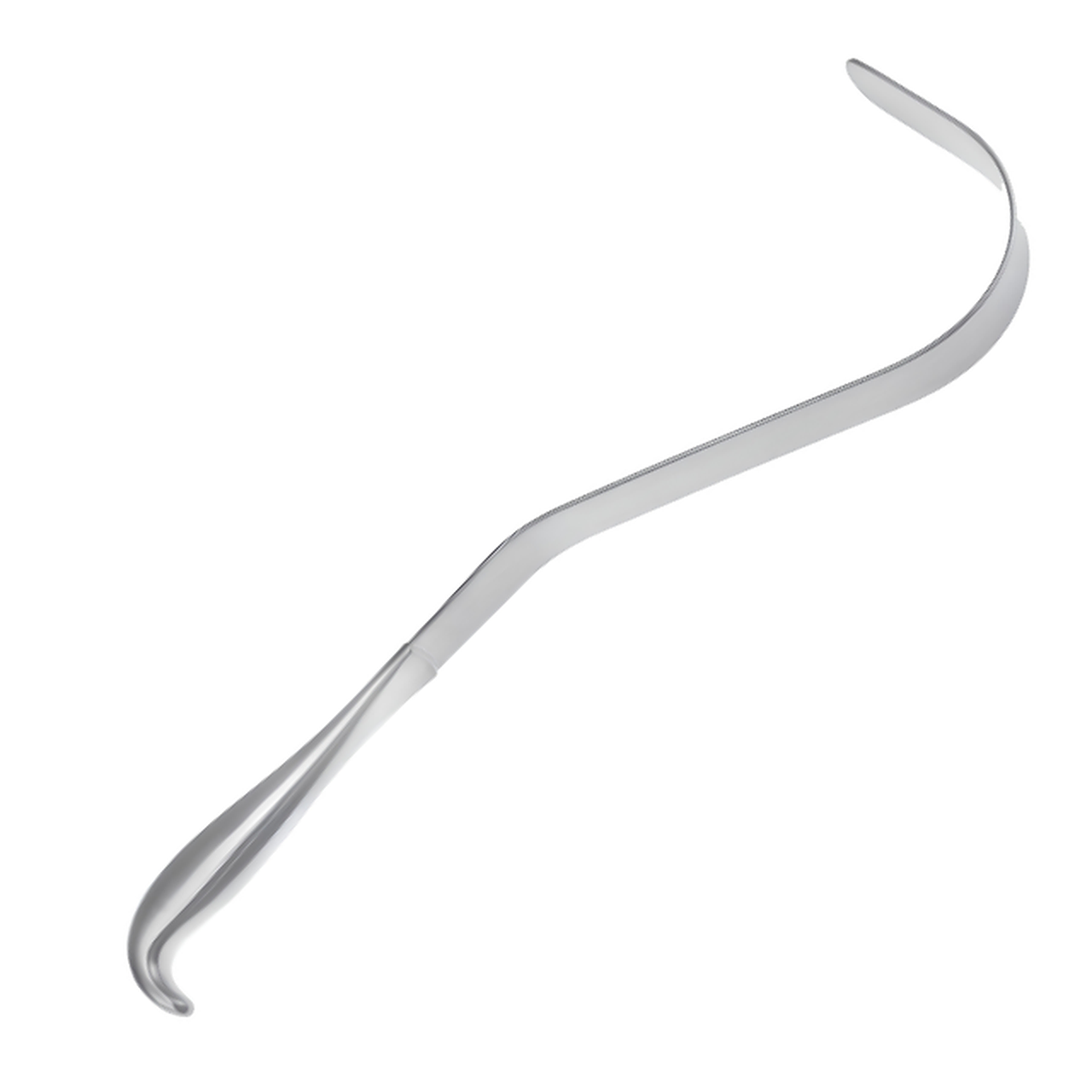 | Écarteur Willauer-Deaver | Spécifiquement conçu pour écarter le parenchyme pulmonaire, les viscères et les marges tissulaires profondes lors de chirurgies thoraciques et abdominales. |
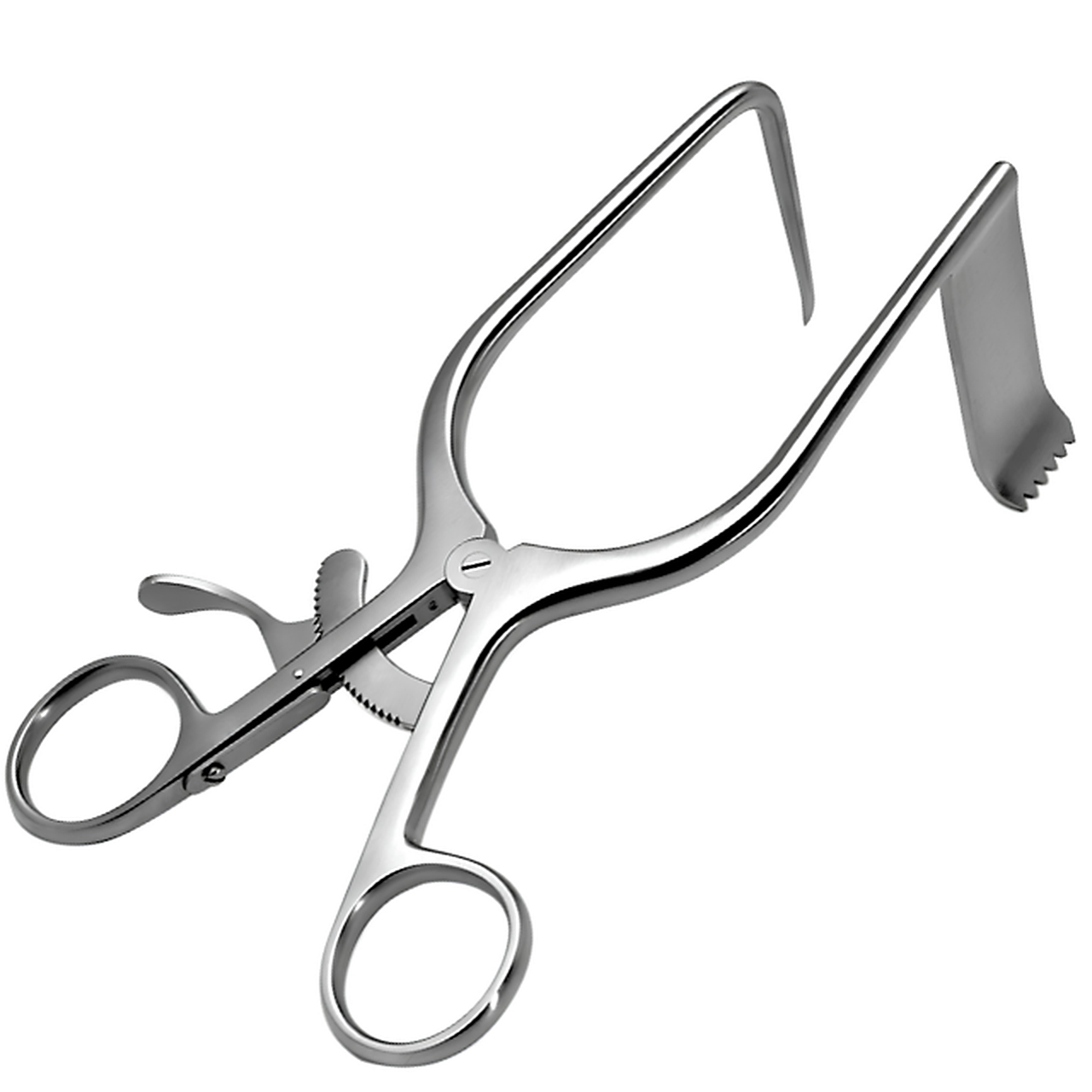 | Écarteur de Williams pour discectomie | Spécifiquement conçu pour écarter les muscles paraspinal et les marges tissulaires lors des microdiscectomies et laminotomies lombaires. |
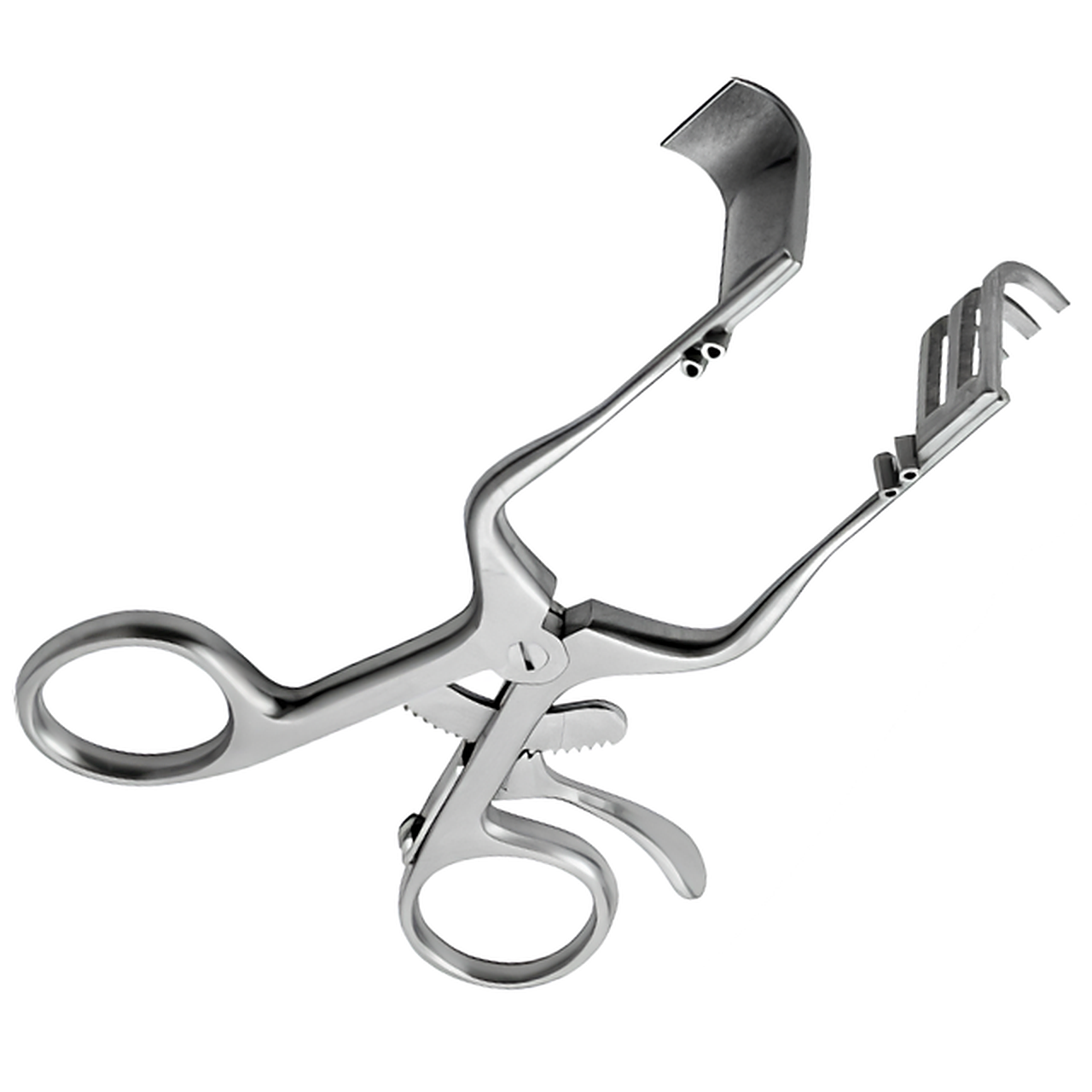 | Écarteur de Williams pour fracture du radius distal | Spécifiquement conçu pour l'écartement du muscle carré pronateur et des tendons fléchisseurs afin d'exposer la face palmaire du radius distal lors de l'ostéosynthèse par plaque. |
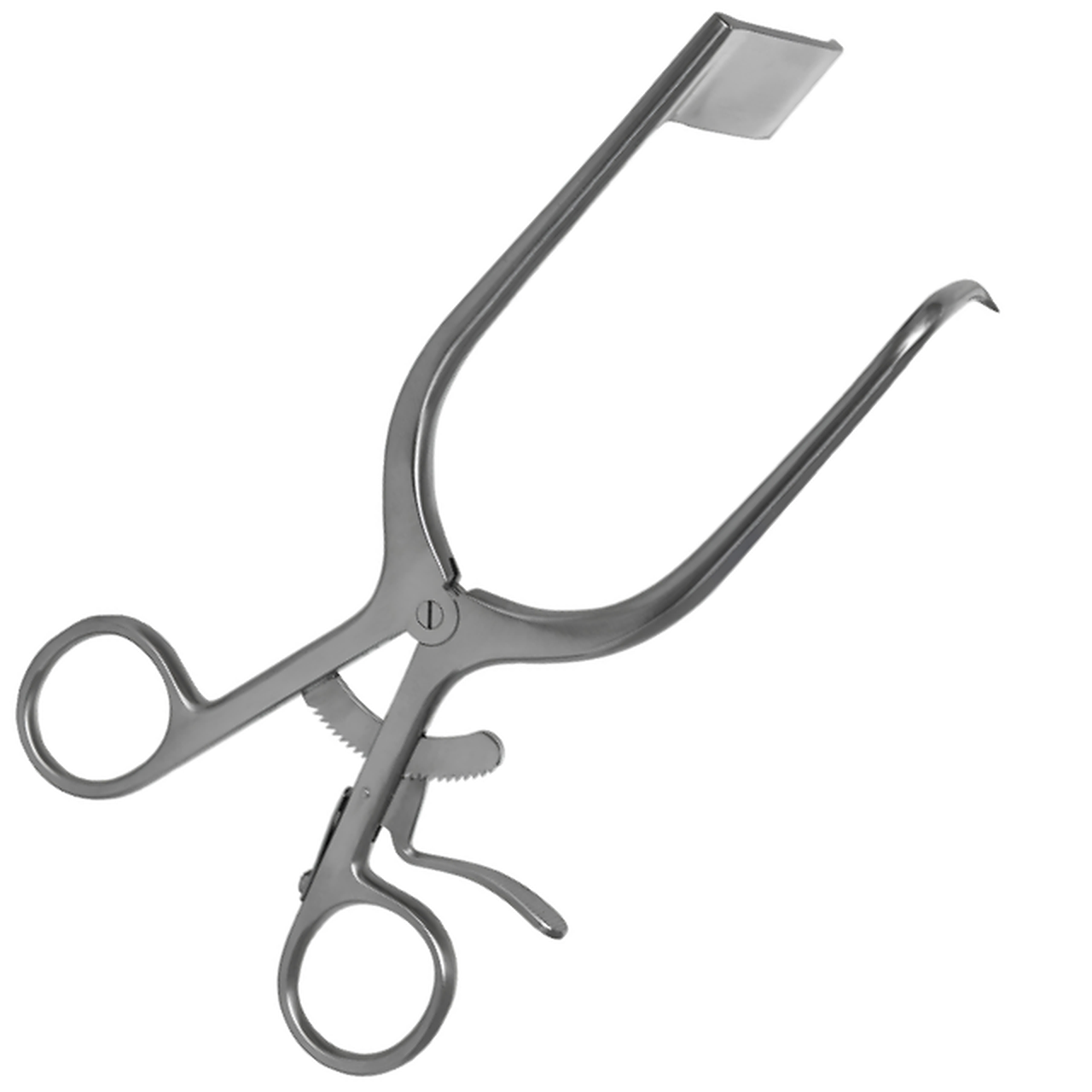 | Écarteur de Williams pour discectomie rachidienne | Spécifiquement conçu pour écarter la musculature paraspinale et exposer la lame lors d'une microdiscectomie lombaire. |
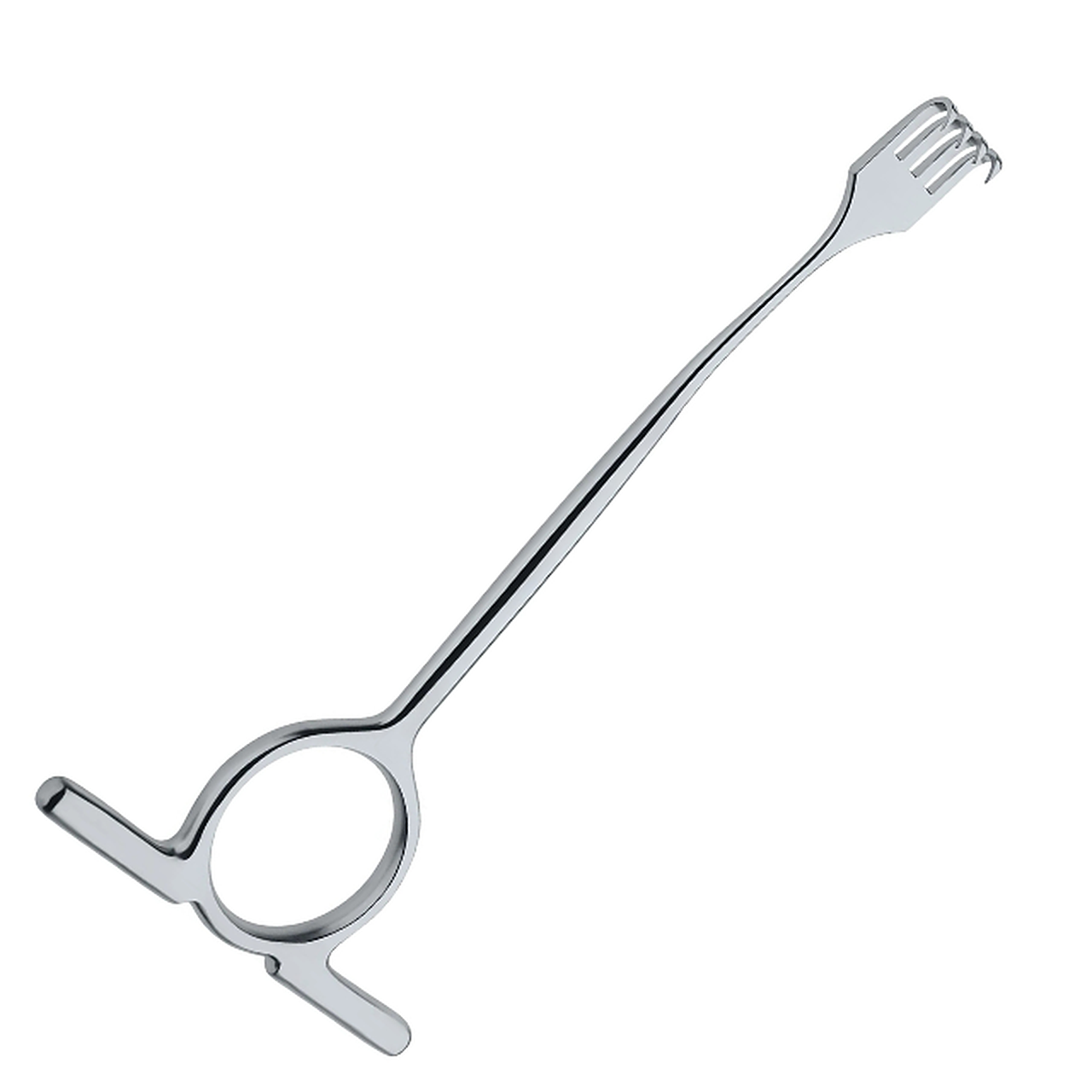 | Écarteur Williger | Spécifiquement conçu pour écarter les lambeaux mucopériostés et les tissus mous afin d'exposer l'os lors de chirurgies orales, dentaires et maxillo-faciales. |
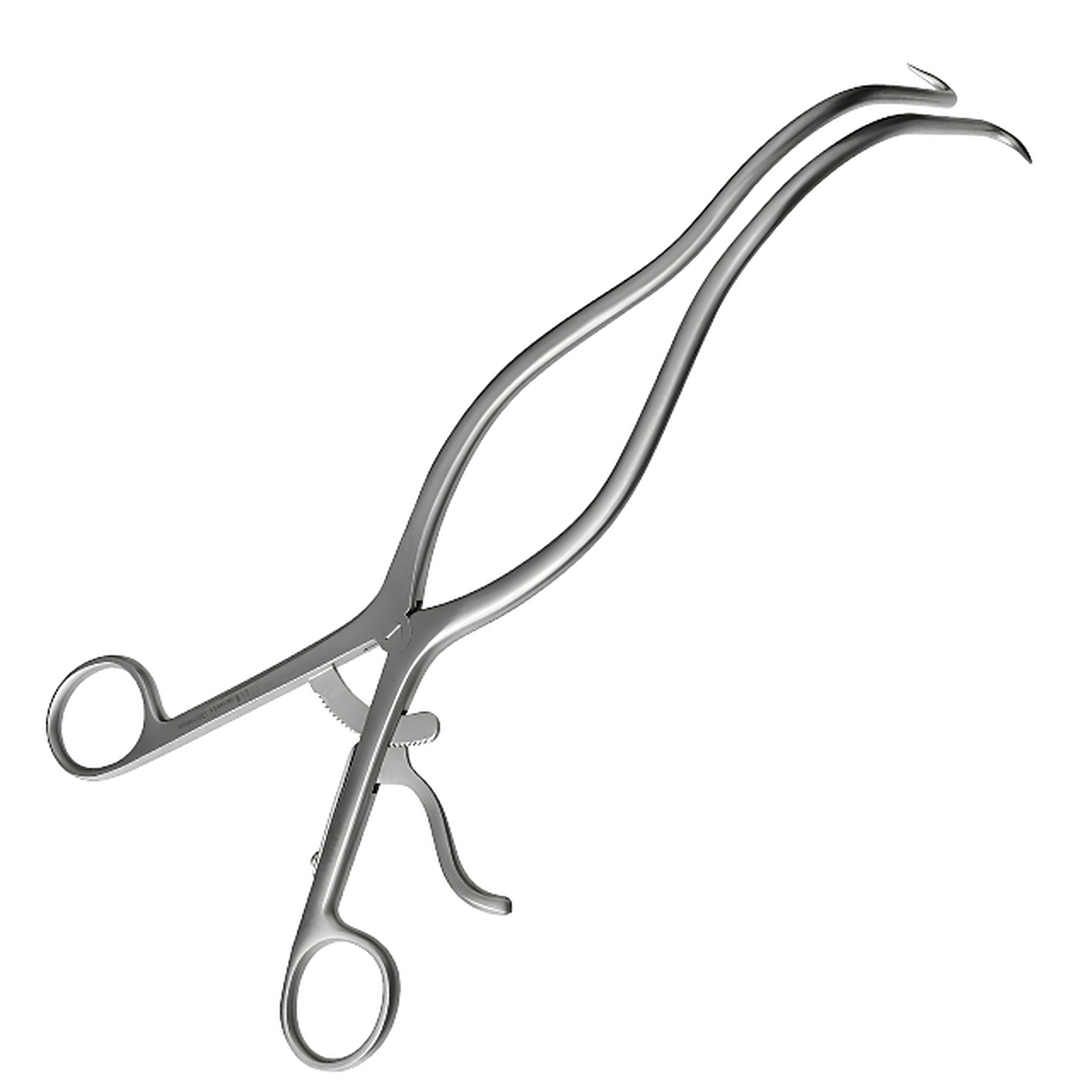 | Écarteur auto-statique Wiltse-Gelpi | Spécifiquement conçu pour écarter la musculature paraspinale dense lors de la fusion et de la décompression vertébrale postérolatérale. |
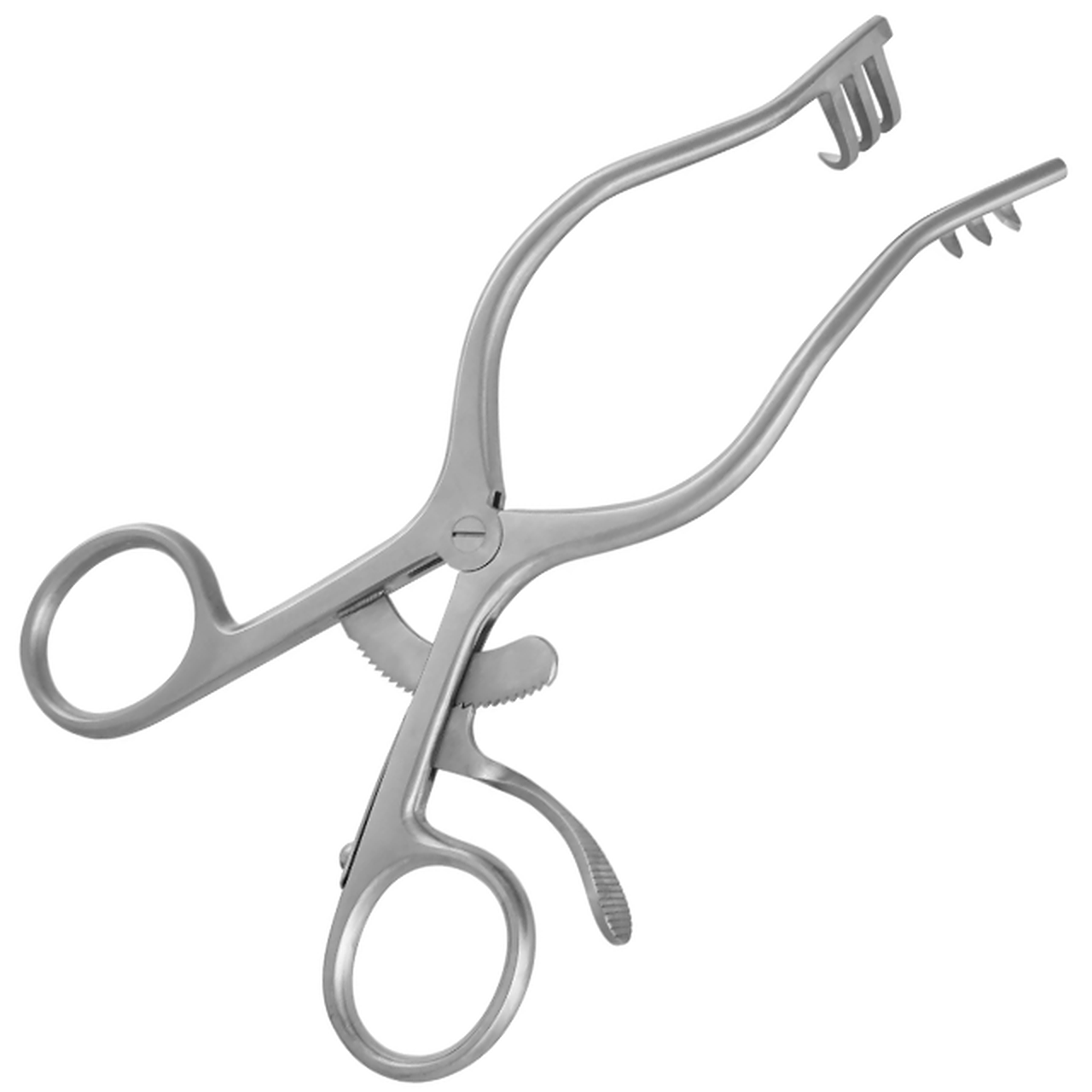 | Écarteur autostatique Wullstein Weitlaner | Spécifiquement conçu pour assurer l'écartement autostatique des berges de plaies et des tissus mous lors de chirurgies de l'oreille, du cuir chevelu et de chirurgies mineures. |
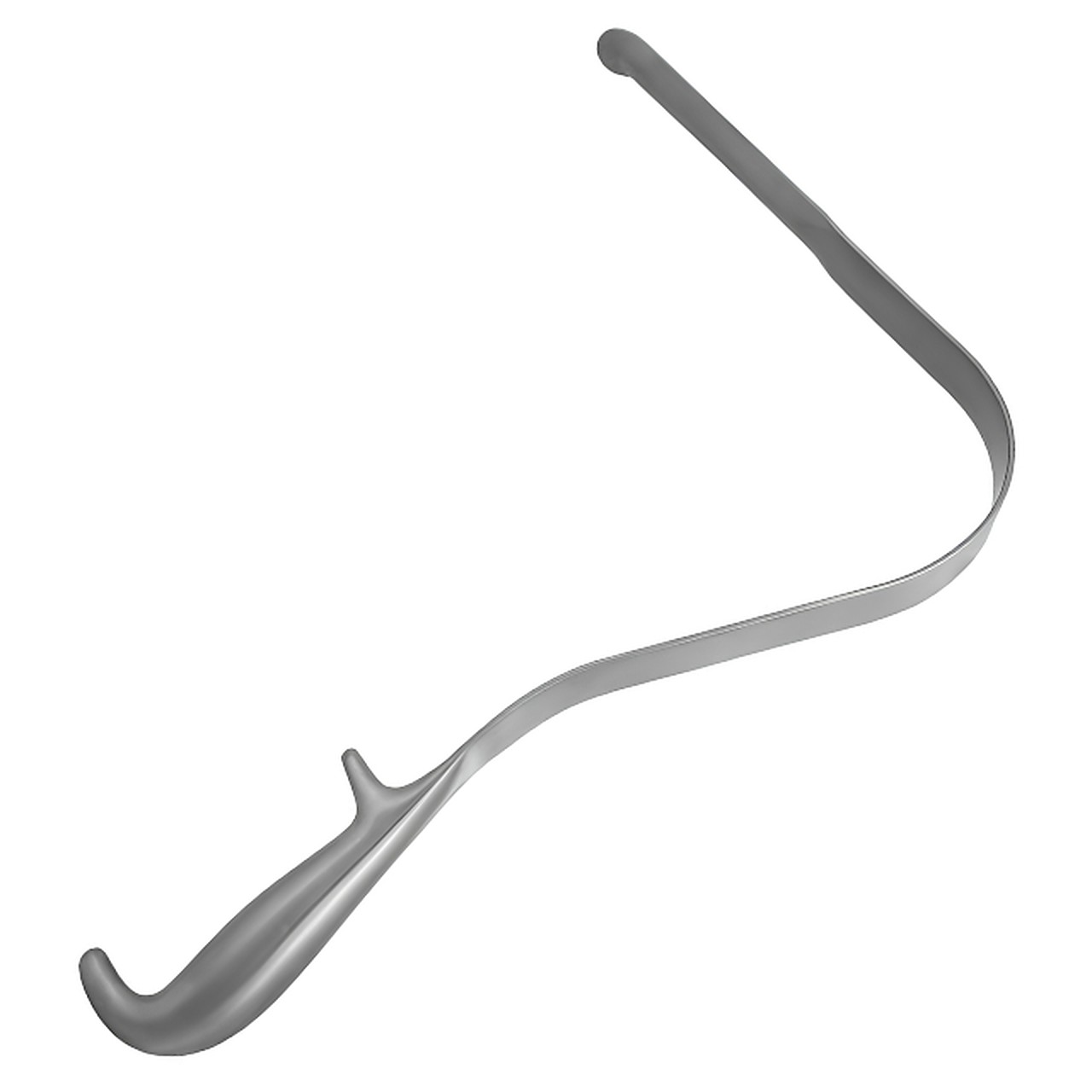 | Écarteur de la veine rénale Wylie | Spécifiquement conçu pour écarter et protéger la veine rénale, la veine cave et les principaux vaisseaux rétropéritonéaux lors de chirurgies vasculaires et urologiques. |
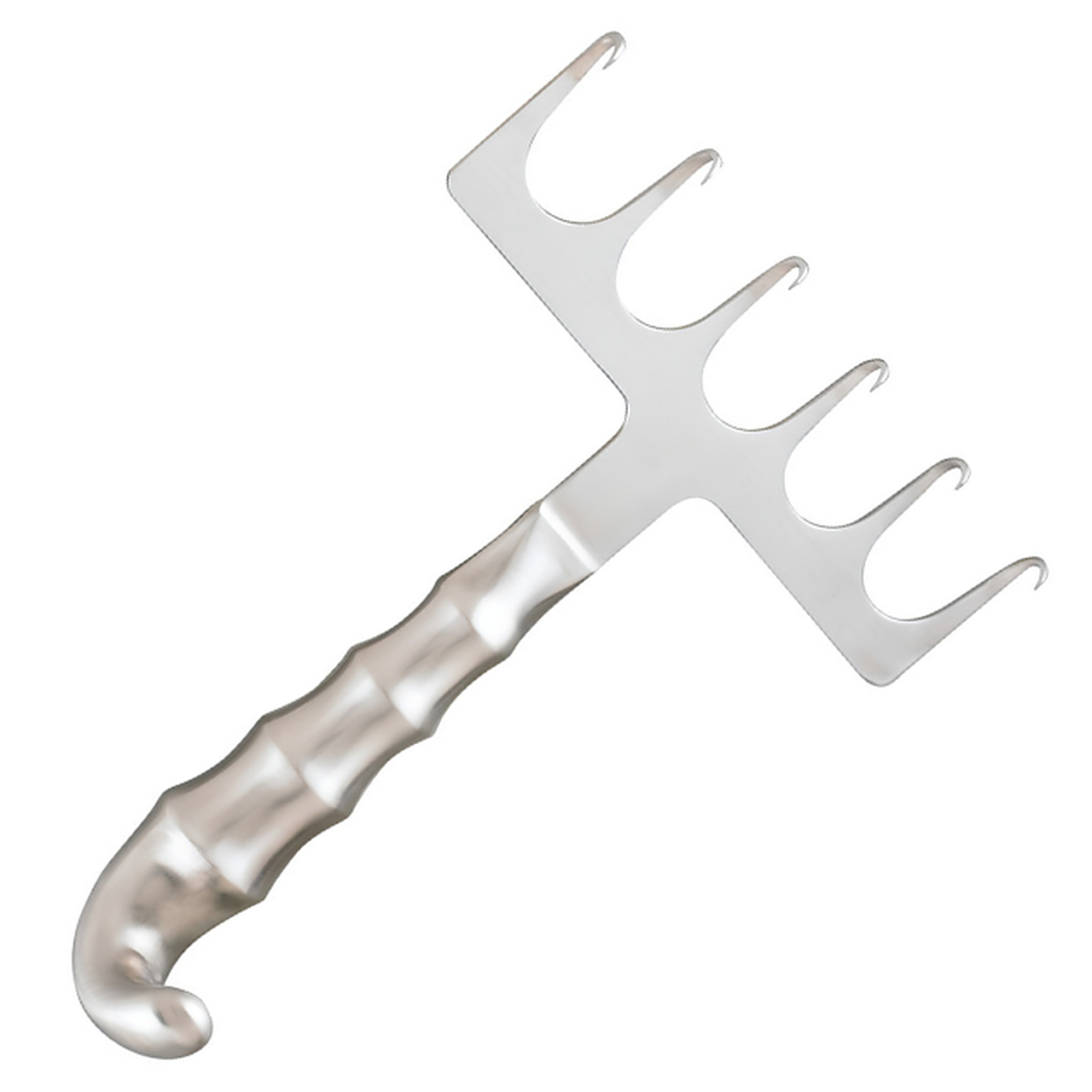 | Écarteur d'abdominoplastie Yancoskie | Spécifiquement conçu pour élever les larges lambeaux cutanés abdominaux et exposer la gaine du muscle grand droit lors de l'abdominoplastie et de la panniculectomie. |
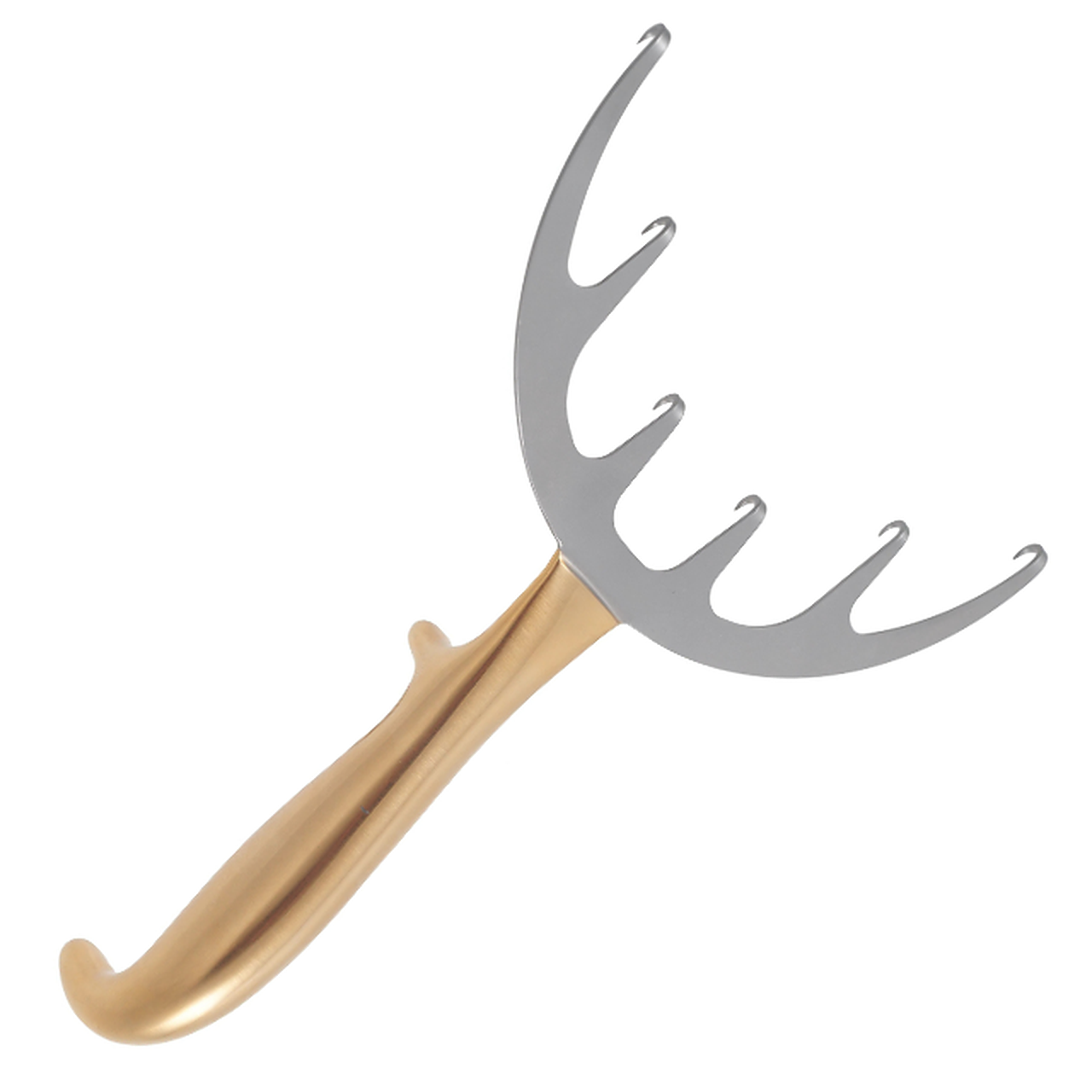 | Écarteur de lifting coronal Yancoskie | Spécifiquement conçu pour élever et rétracter le cuir chevelu et le lambeau frontal lors des liftings coronaux des sourcils et de la chirurgie cranio-faciale. |
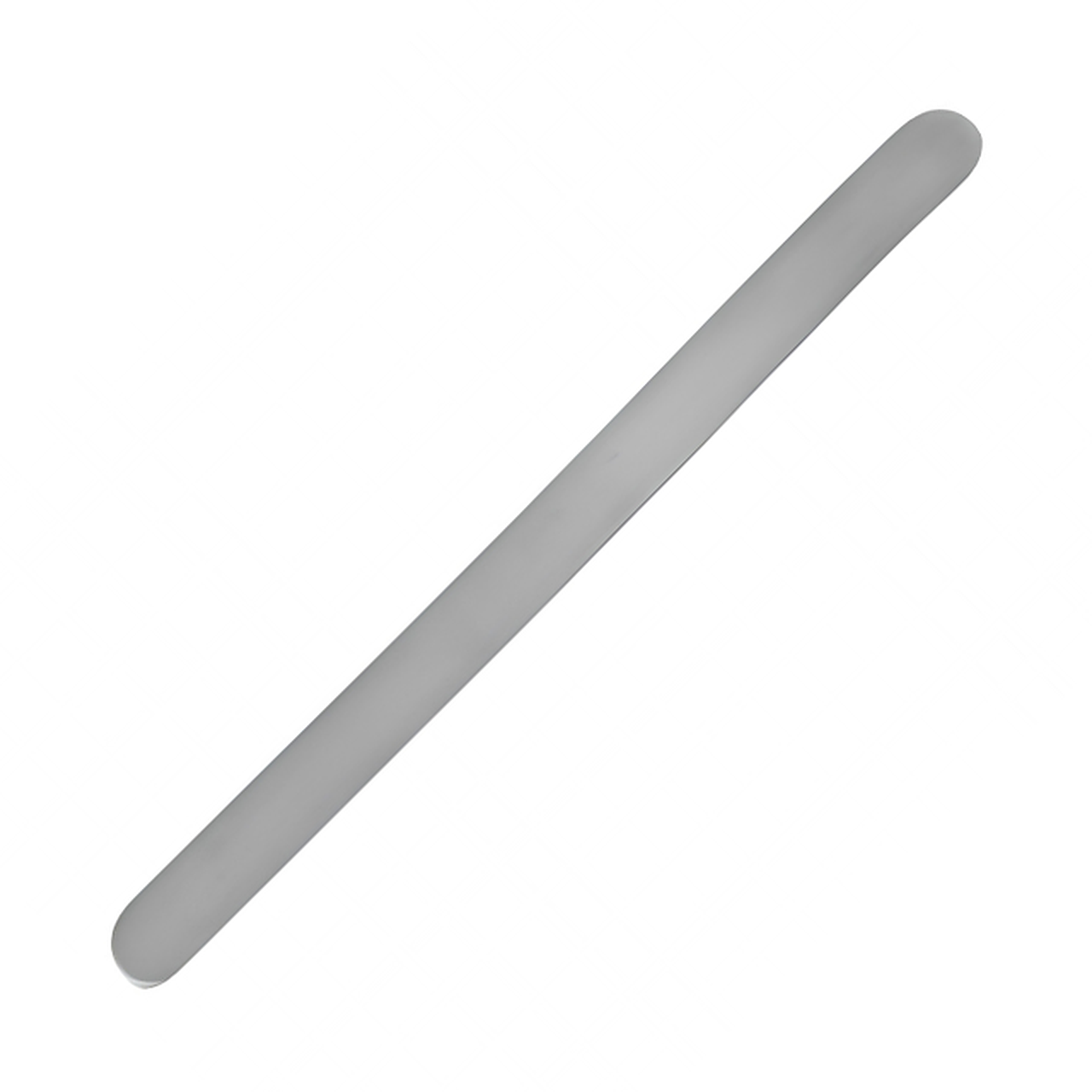 | Écarteur malléable en ruban Zalkind | Spécifiquement conçu pour être plié en formes peropératoires personnalisées afin d'écarter les viscères, l'intestin et les tissus mous profonds sans effet de ressort. |
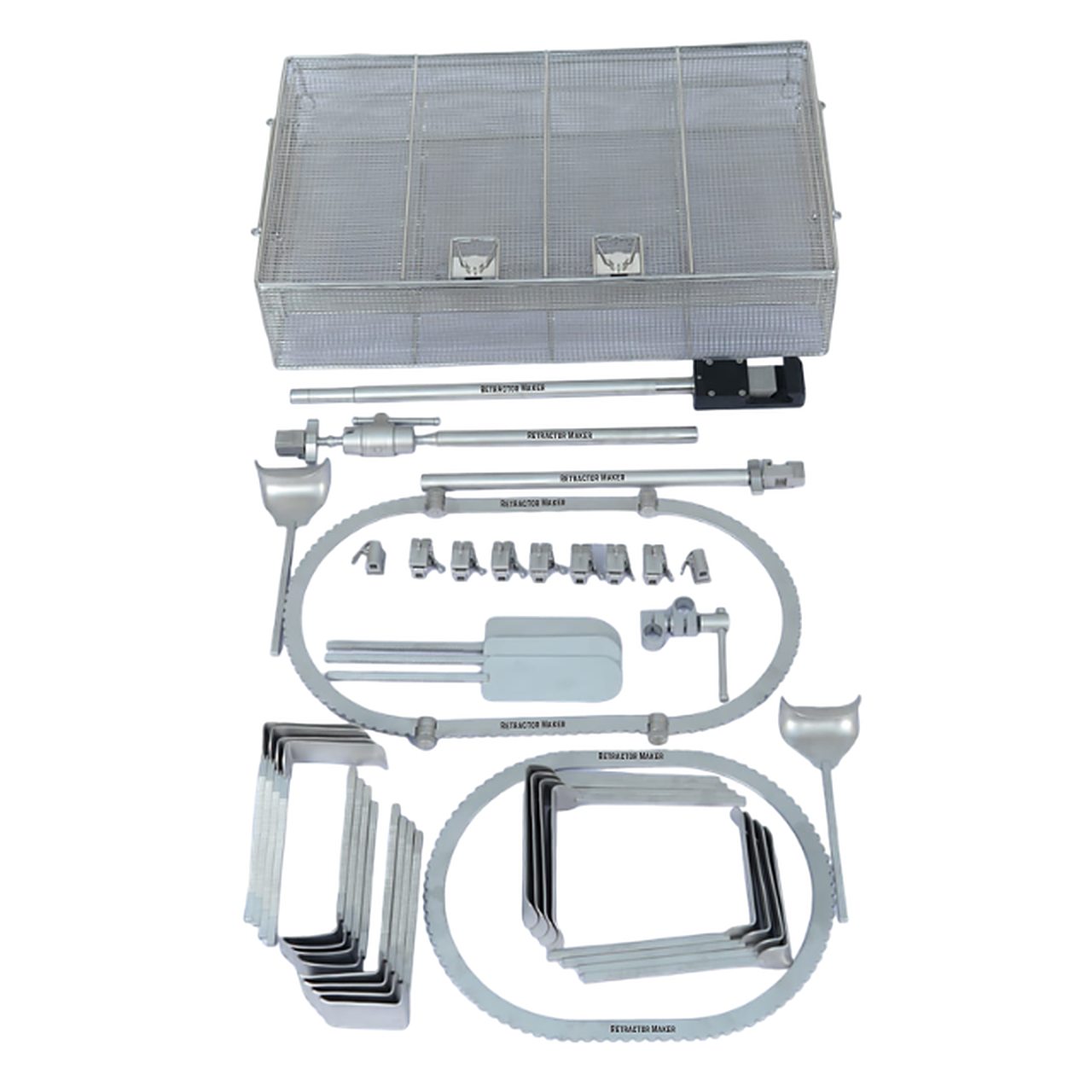 | Écarteur Bookwalter Retractor (Standard) | Fournit une exposition stable et autonome de la plaie pendant les chirurgies ouvertes majeures, y compris les procédures telles que la néphrectomie, la prostatectomie et la laparotomie exploratrice. |
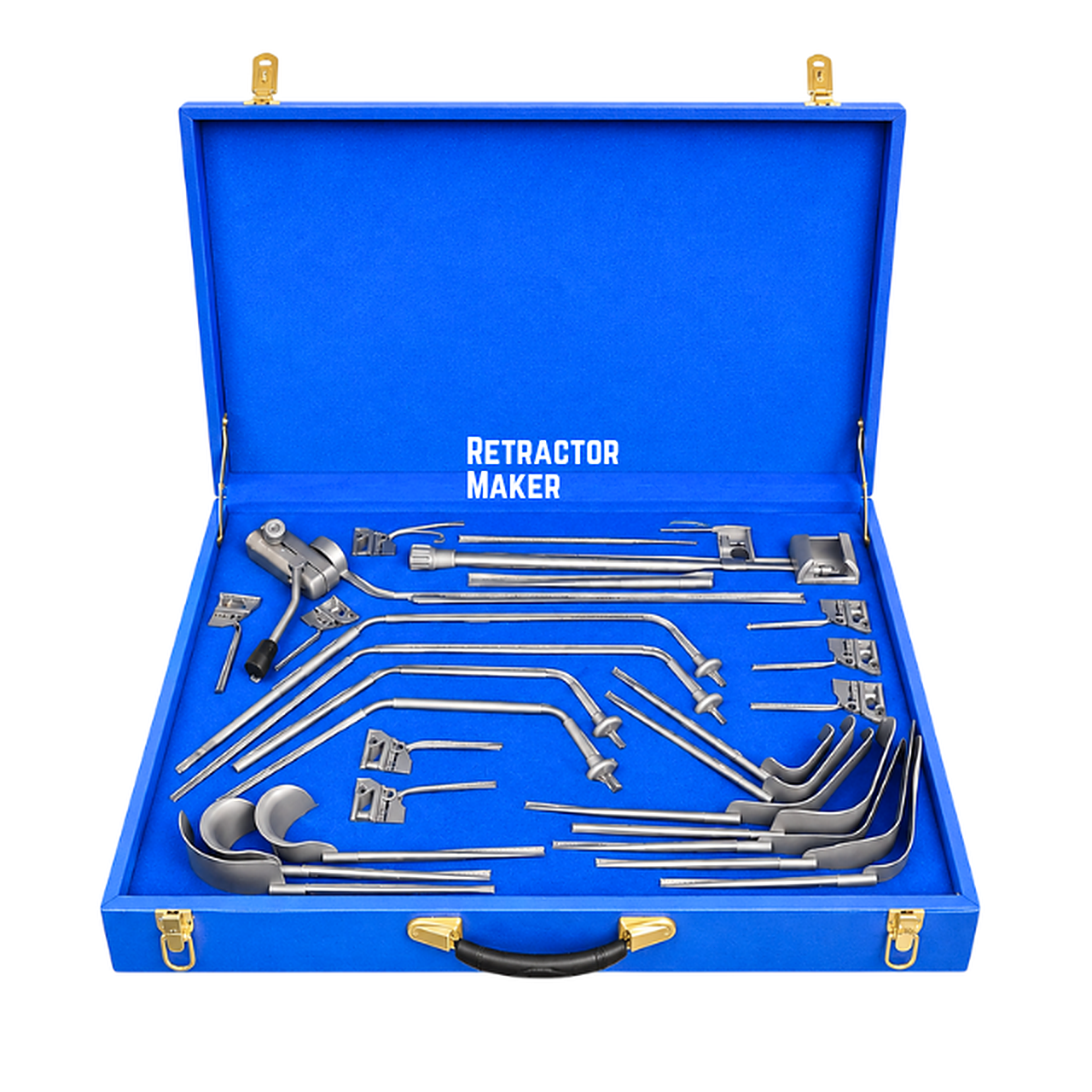 | Système d'Écarteur Omni | Offre une exposition mains libres, discrète et hautement adaptable lors de chirurgies ouvertes complexes. |
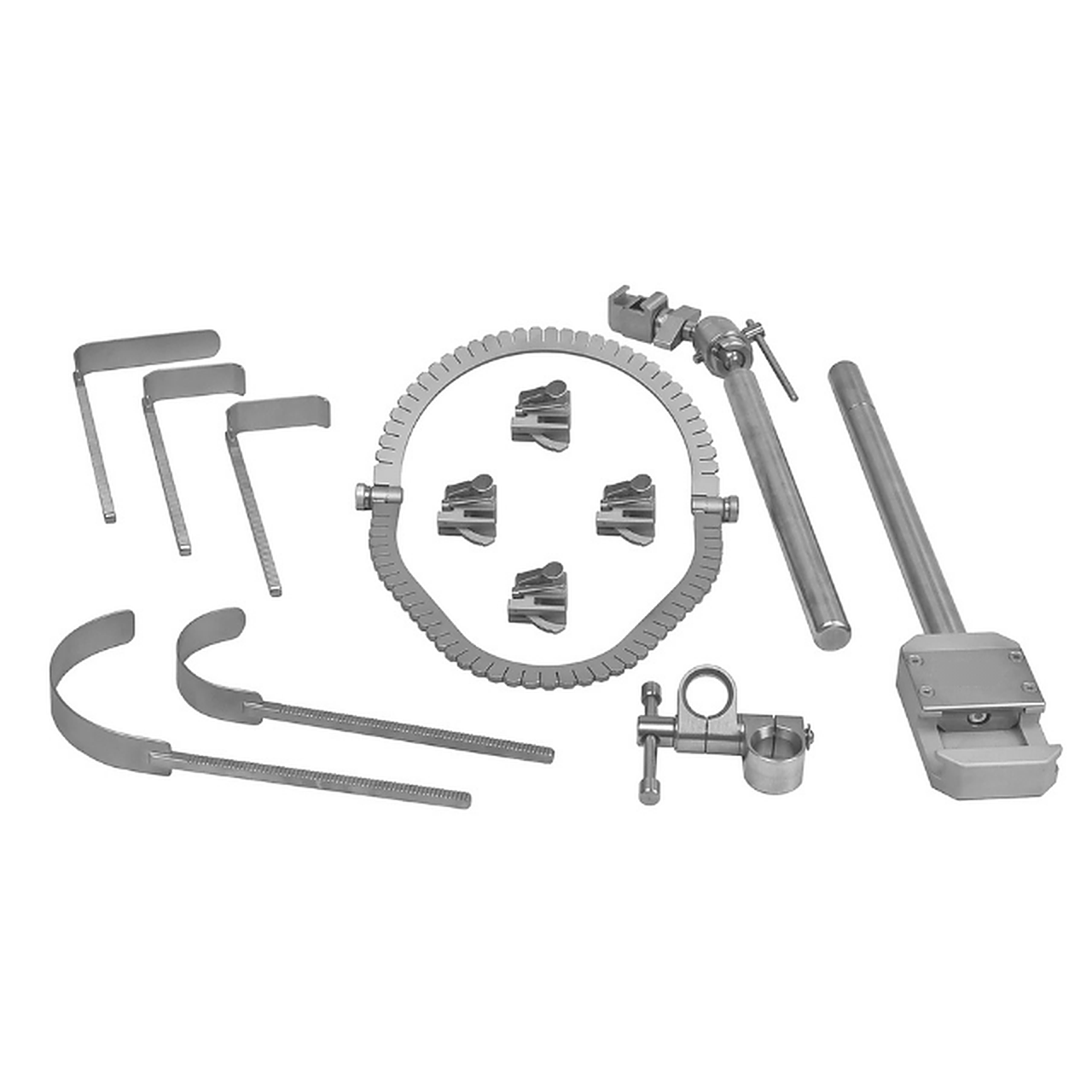 | Système d'écarteur gynécologique Bookwalter | Conçu pour assurer une exposition chirurgicale stable et mains libres lors des procédures gynécologiques et vaginales à l'aide d'un système d'écarteur autostatique fixé à la table. |
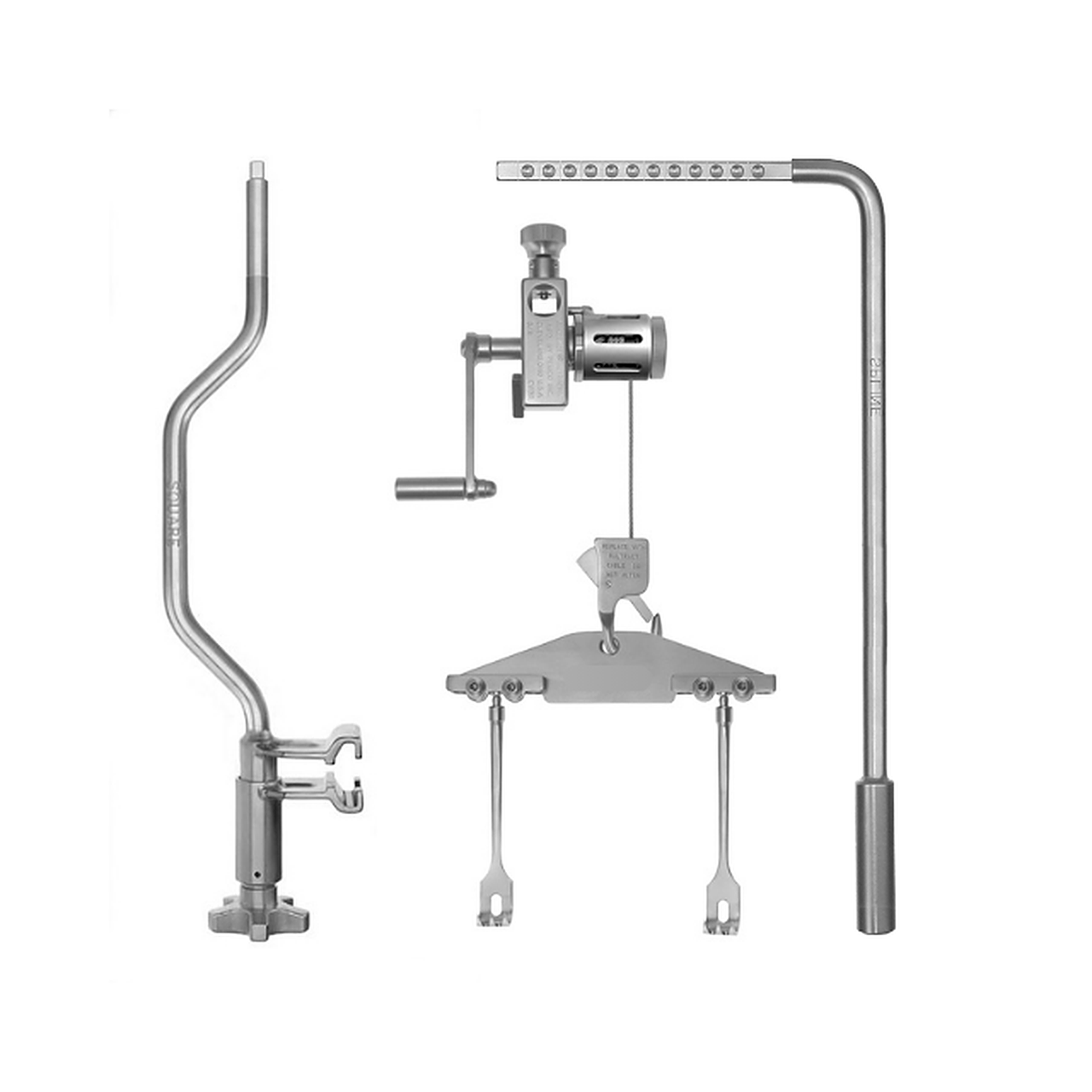 | Système d'écarteur Rultract Retractor System | Conçu pour assurer un déplacement tissulaire stable sans aide manuelle et une exposition chirurgicale constante, favorisant l'efficacité opératoire. |
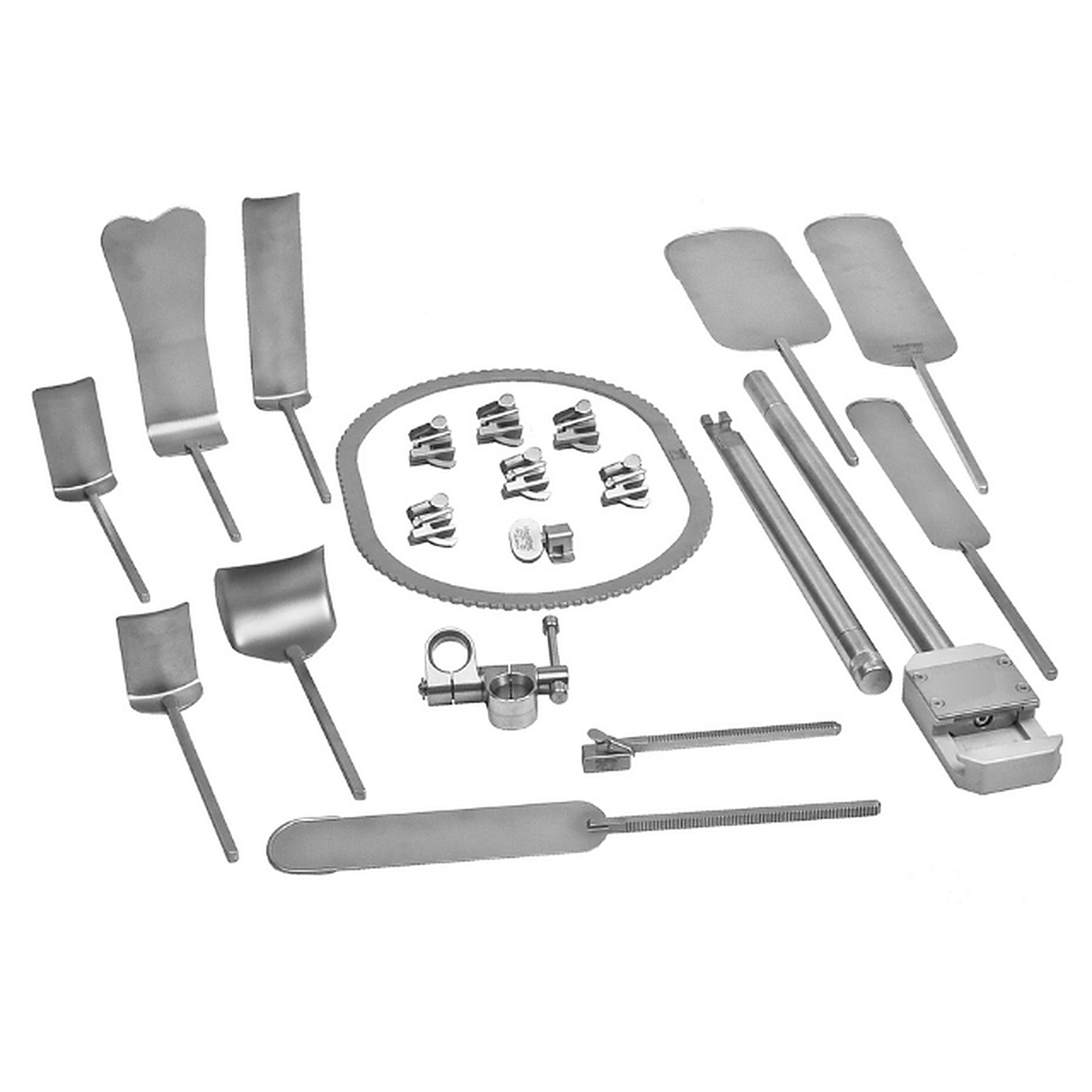 | Système d'écarteur bariatrique Bookwalter | Conçu pour assurer une exposition chirurgicale mains libres lors de procédures bariatriques ouvertes nécessitant une rétraction spécialisée. |
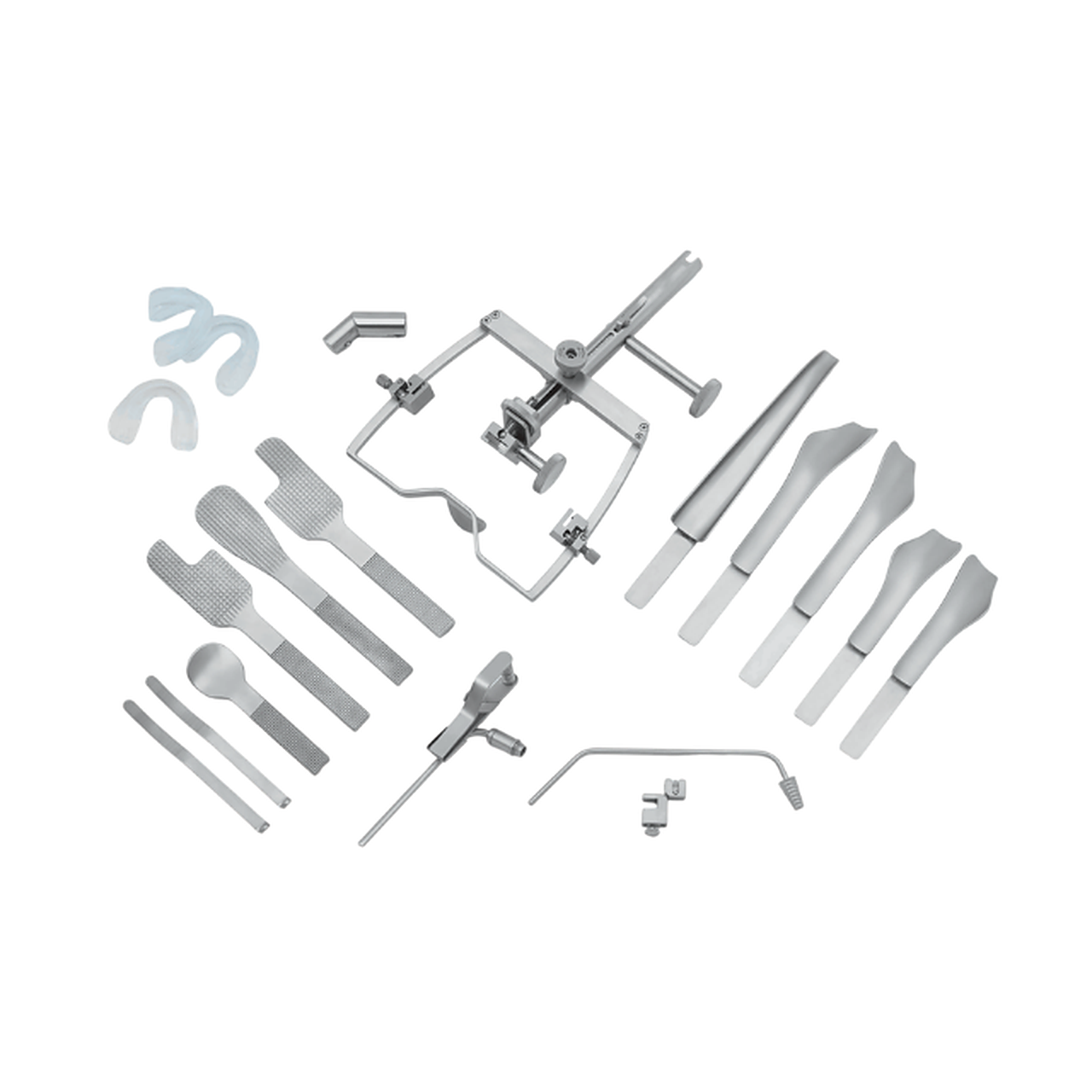 | Écarteur FK Retractor (Feyh-Kastenbauer) | Spécifiquement conçu pour l'exposition des voies aérodigestives supérieures lors de la chirurgie robotique transorale (TORS), de la microchirurgie et des procédures laser impliquant la base de la langue, le larynx, la supraglotte et l'hypopharynx. |
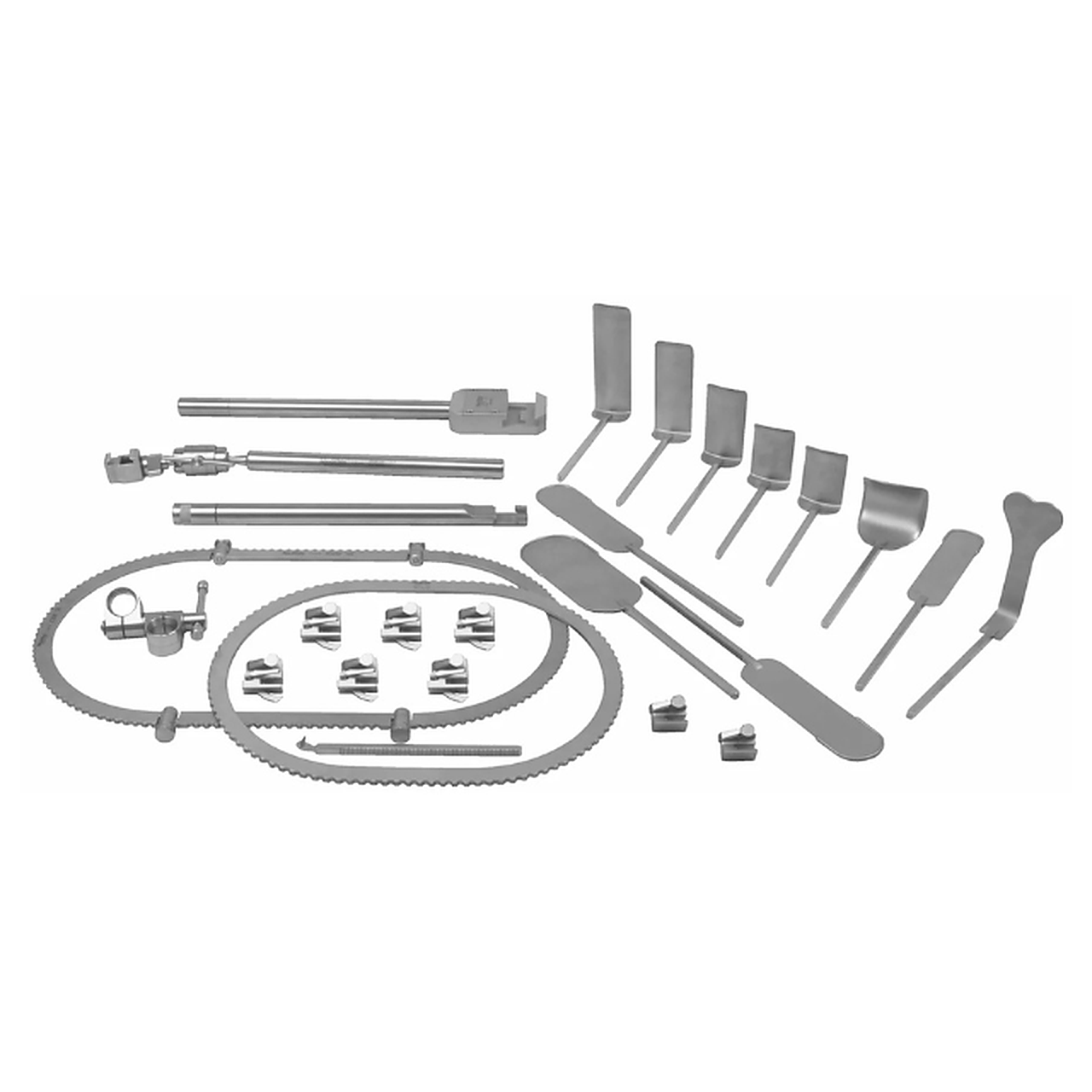 | Écarteur Bookwalter pour Chirurgie Générale | Assure une exposition chirurgicale stable et mains libres lors des procédures de chirurgie générale et abdominale ouverte grâce à un système d'écarteur autostatique fixé à la table. |
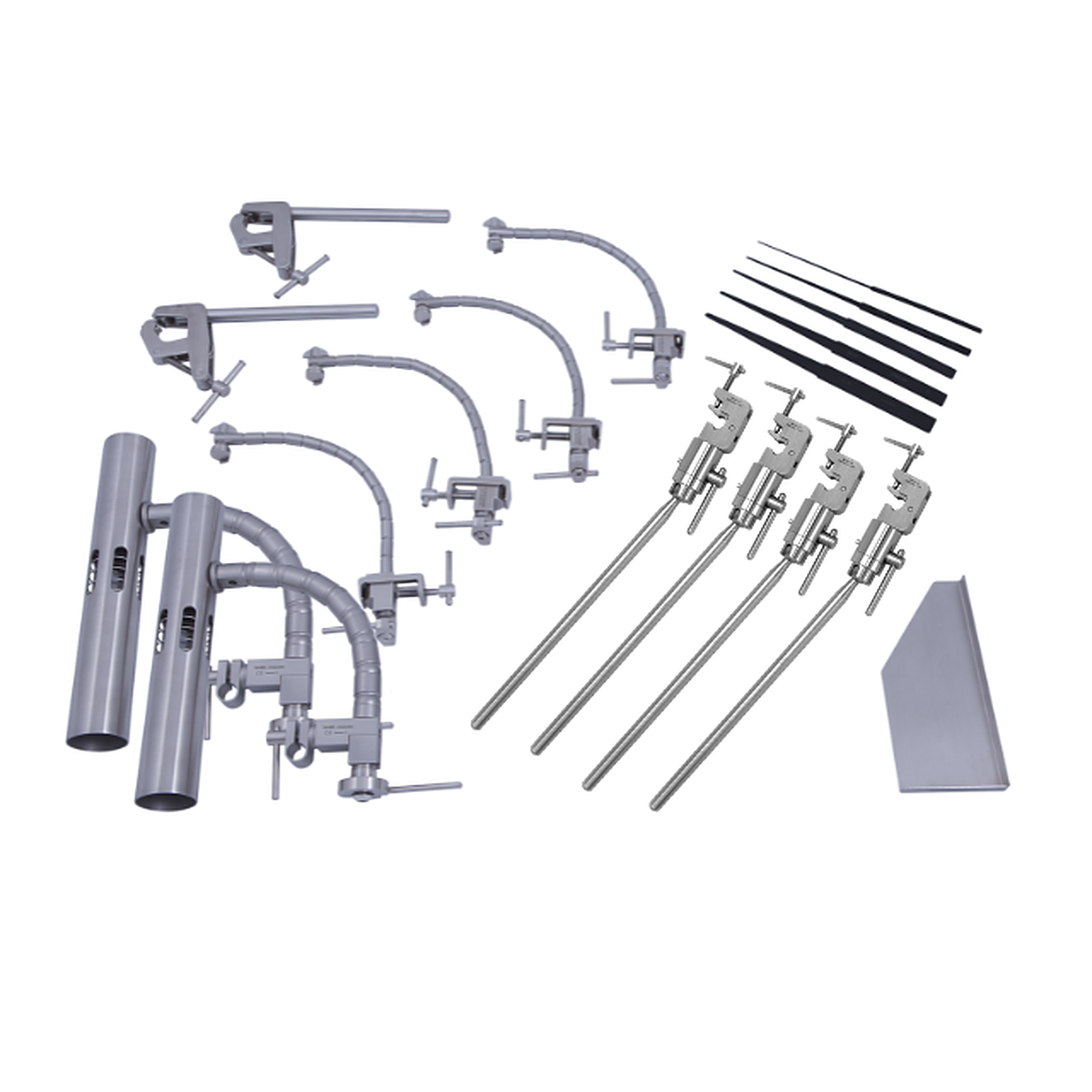 | Écarteur Greenberg | Conçu pour assurer une rétraction tissulaire précise, autostatique et mains libres lors de procédures complexes de la base du crâne et de microneurochirurgie. |
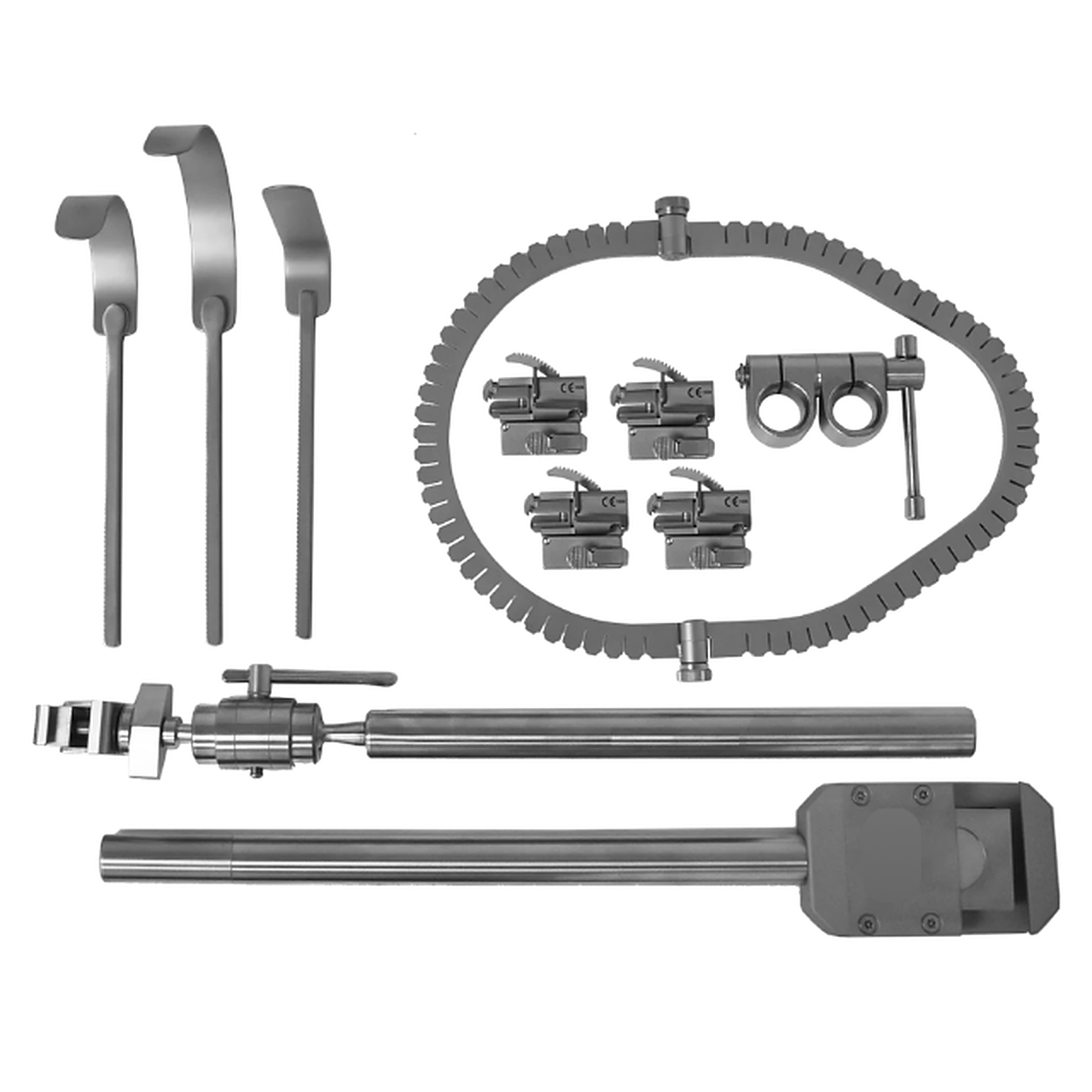 | Système d'écarteur de chirurgie pelvienne Bookwalter GYN Magrina | Conçu pour fournir une exposition stable et mains libres lors de procédures chirurgicales gynécologiques, vaginales et pelviennes à l'aide d'un système d'écarteur autostatique monté sur table avec crémaillères rotatives inclinables. |
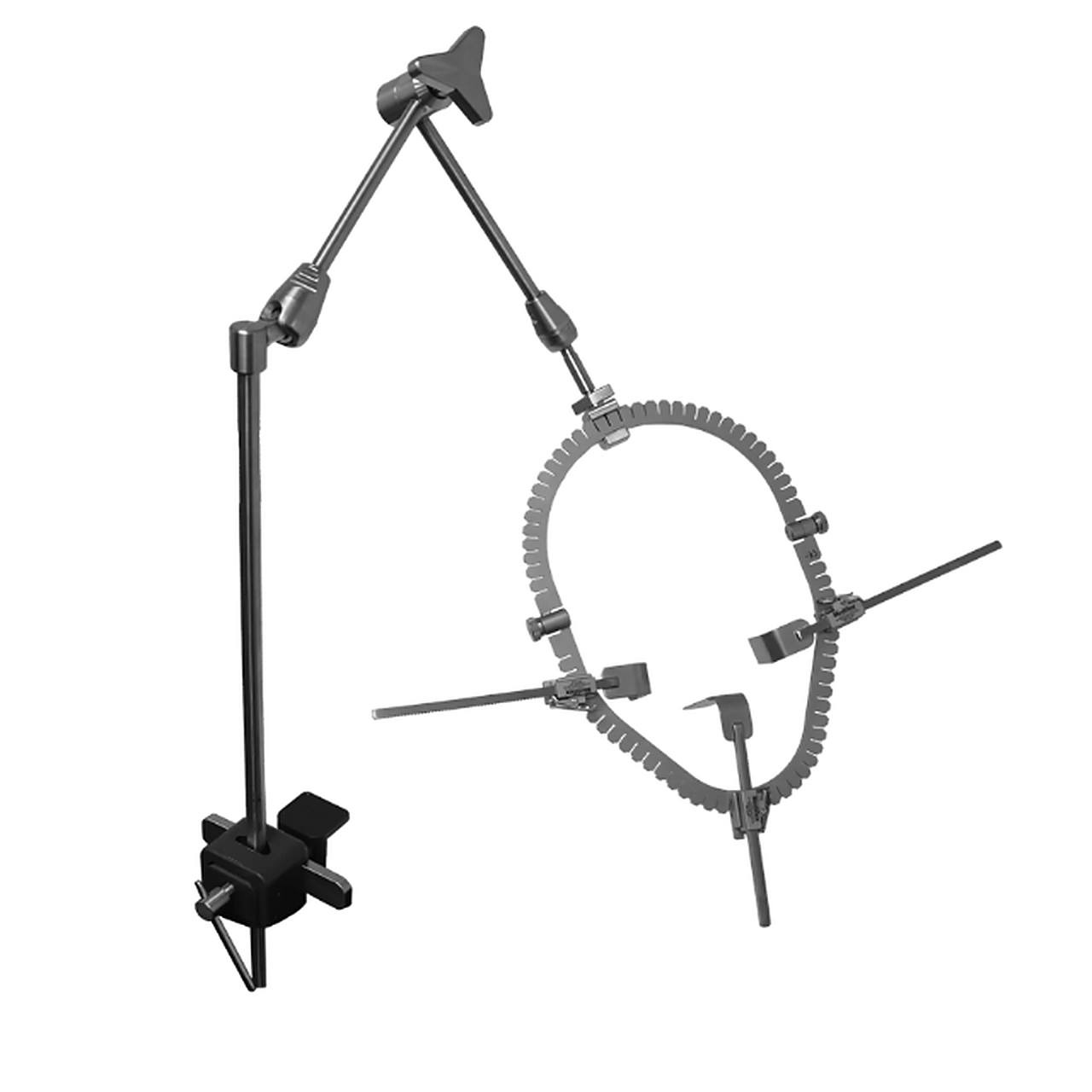 | Système de chirurgie GYN Bookwalter StrongArm | Conçu pour fournir une exposition stable et mains libres lors de procédures chirurgicales gynécologiques, vaginales et pelviennes utilisant le système de montage StrongArm Plus. |
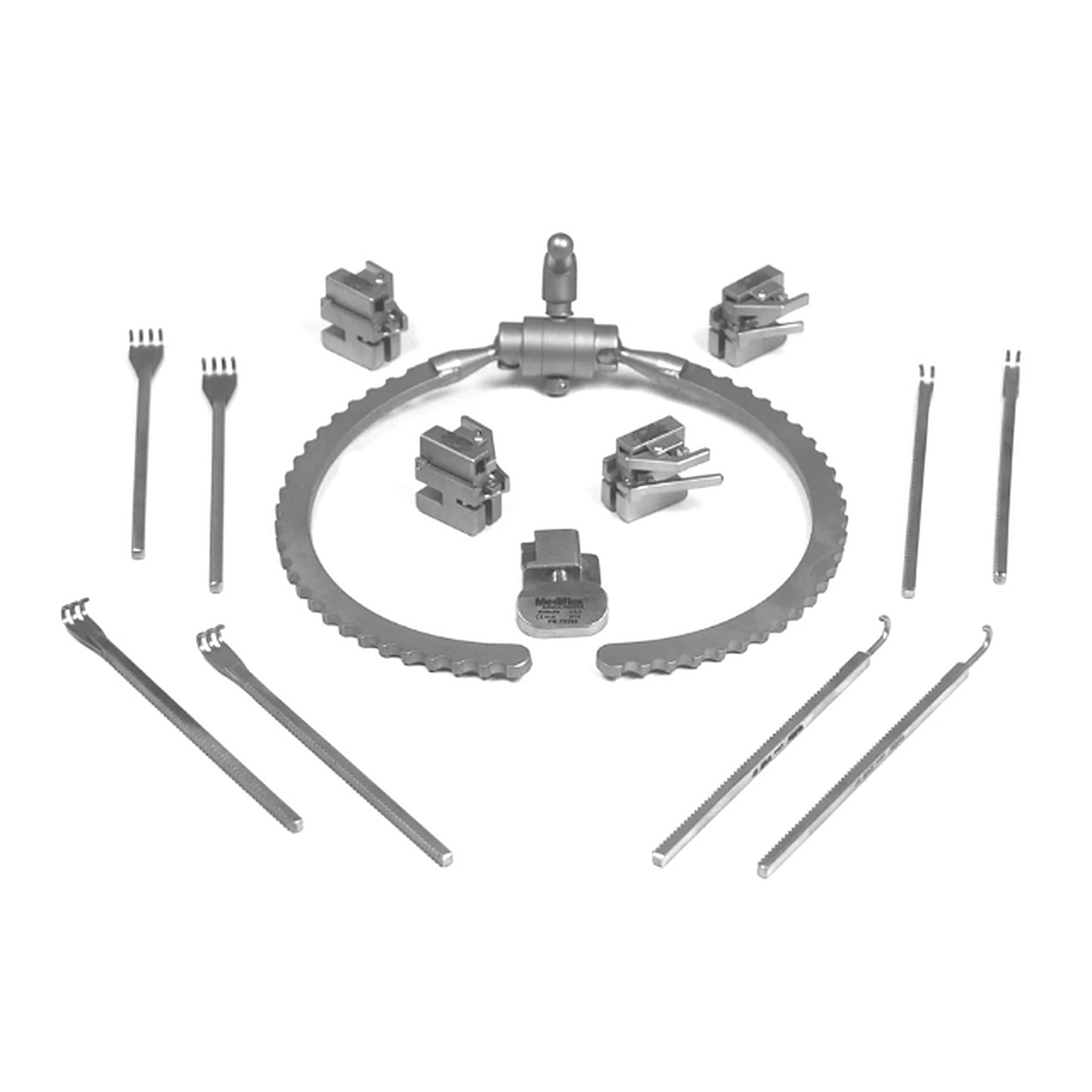 | Système d'écarteur de chirurgie de la main Bookwalter | Assure une rétraction stable et mains libres pour les interventions chirurgicales délicates de la main, du poignet et des membres supérieurs via un système mini autostatique compact. |
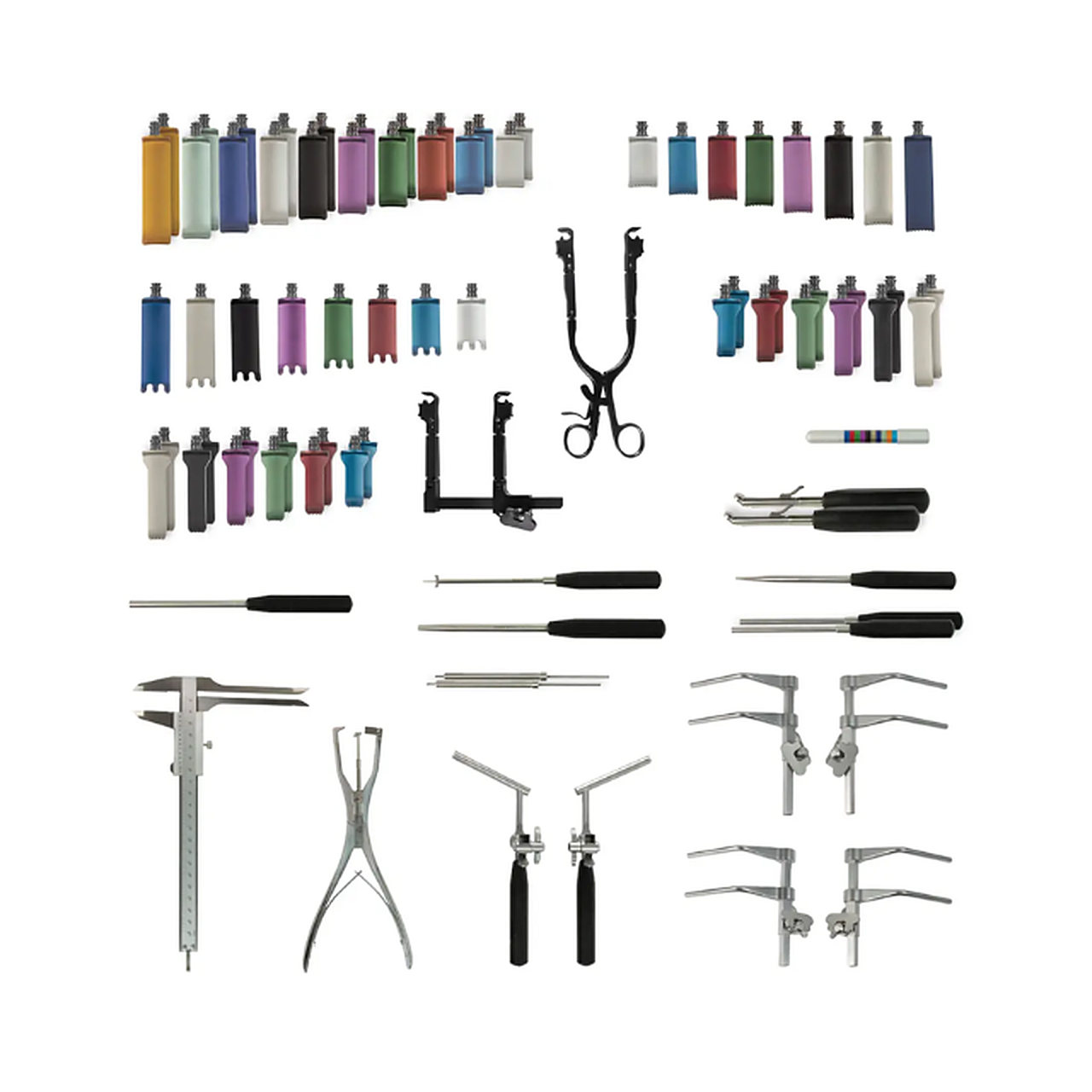 | Set d'écarteurs Image-Line ACF Retractor With Distraction Quick Release | Spécifiquement conçu pour la rétraction des tissus mous, la distraction des corps intervertébraux et la mise en place de greffons osseux lors des procédures rachidiennes de fusion cervicale antérieure (ACF). |
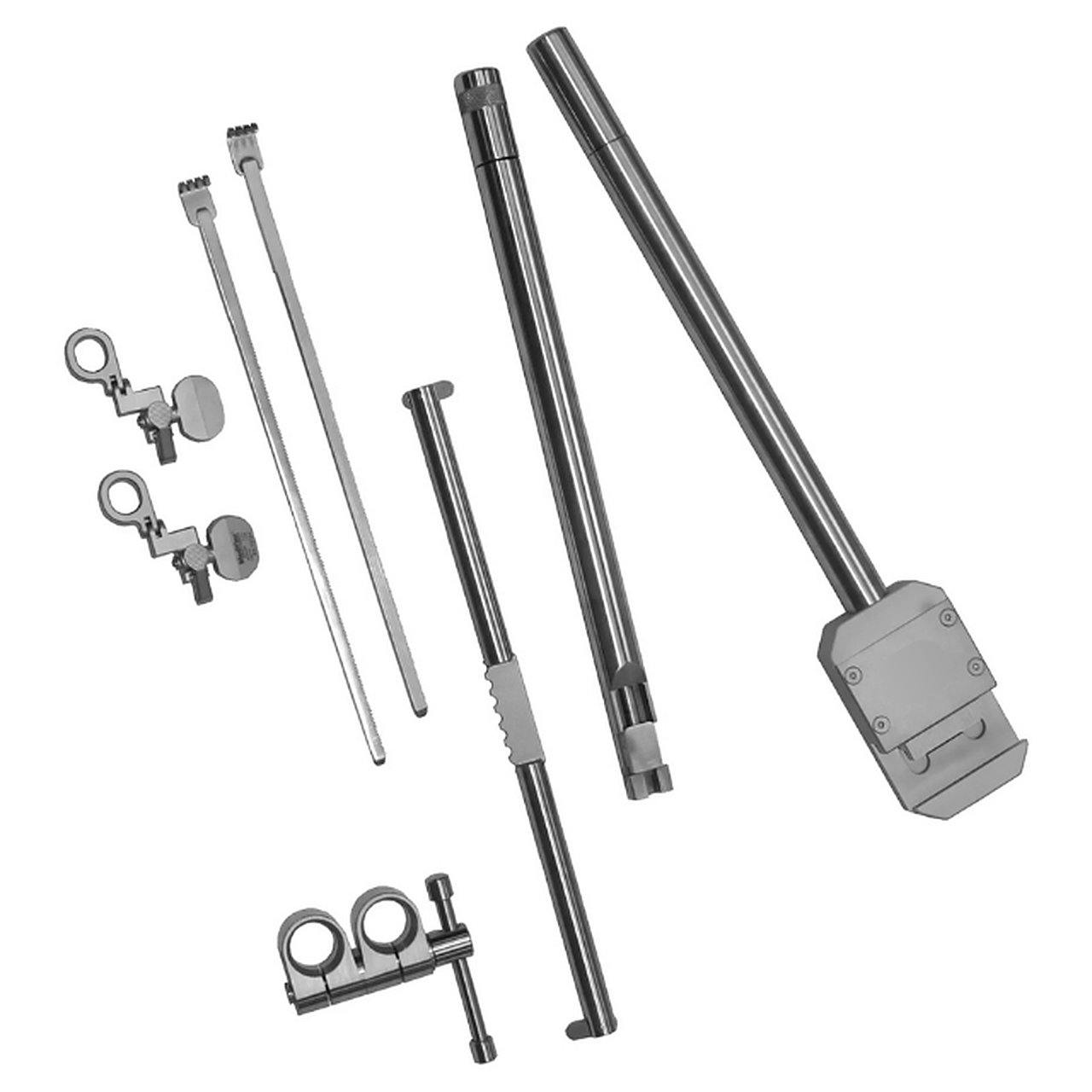 | Système d'écarteur IMA Bookwalter | Conçu pour assurer une élévation douce et contrôlée de la paroi thoracique lors des procédures de prélèvement de l'artère mammaire interne (IMA) à l'aide de mécanismes à crémaillère réglables indépendamment. |
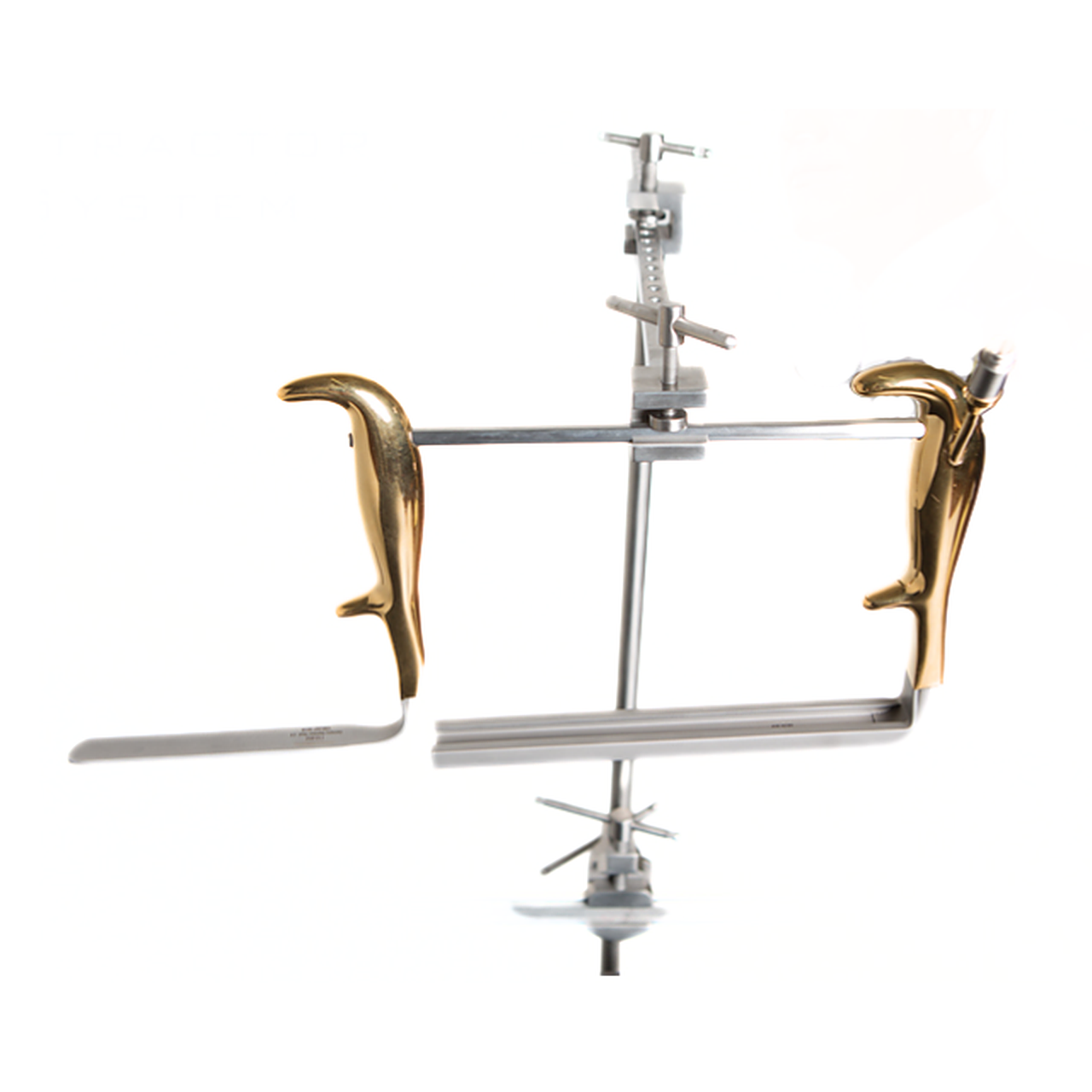 | Système d'écarteur Hoyos Retractor System | Spécifiquement conçu pour assurer un déplacement contrôlé et mains libres des tissus et une exposition chirurgicale stable pendant la chirurgie plastique, la mini-lipoabdominoplastie et les procédures avancées de remodelage corporel. |
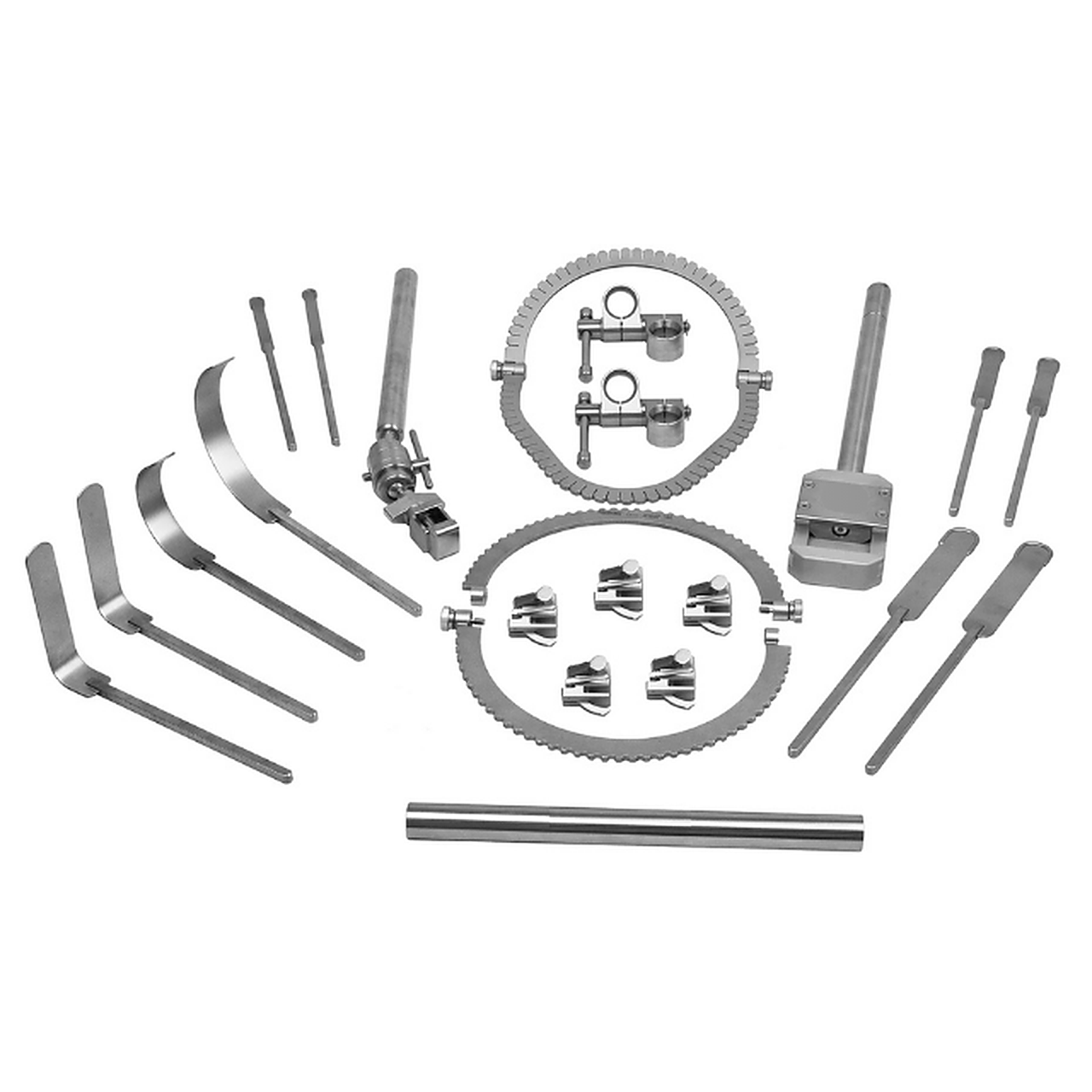 | Écarteur de chirurgie périnéale Bookwalter | Fournit une exposition stable et mains libres lors d'interventions chirurgicales périnéales, colorectales, gynécologiques et pelviennes avec plusieurs options de montage. |
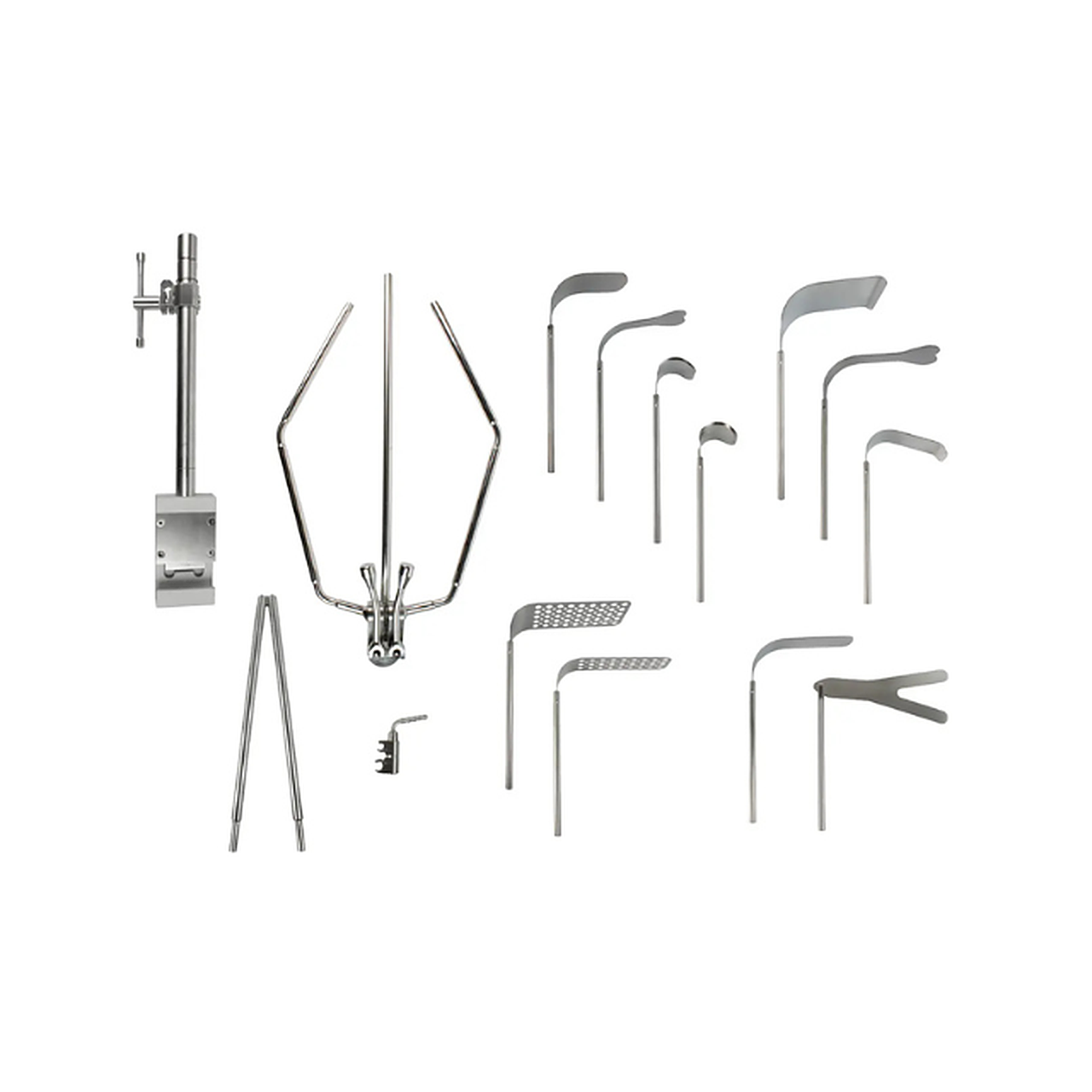 | Écarteur d'urologie Lobster Expanded Retractor | Spécifiquement conçu pour la rétraction tissulaire autostatique fixée à la table et l'exposition du champ opératoire lors de procédures urologiques. |
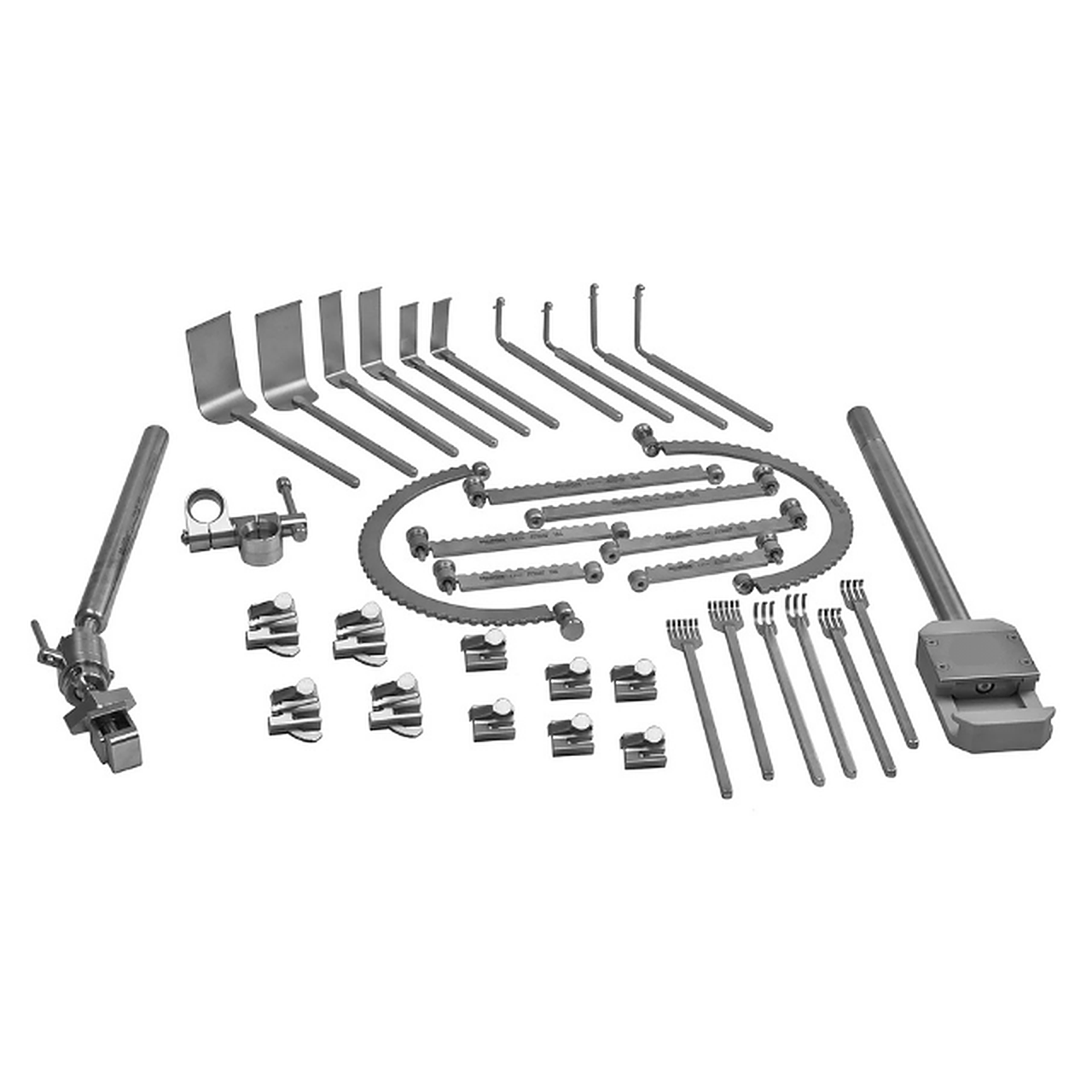 | Écarteur rachidien postérieur Bookwalter | Conçu pour fournir une exposition chirurgicale stable et mains libres lors des approches postérieures du rachis cervical, thoracique et lombaire. |
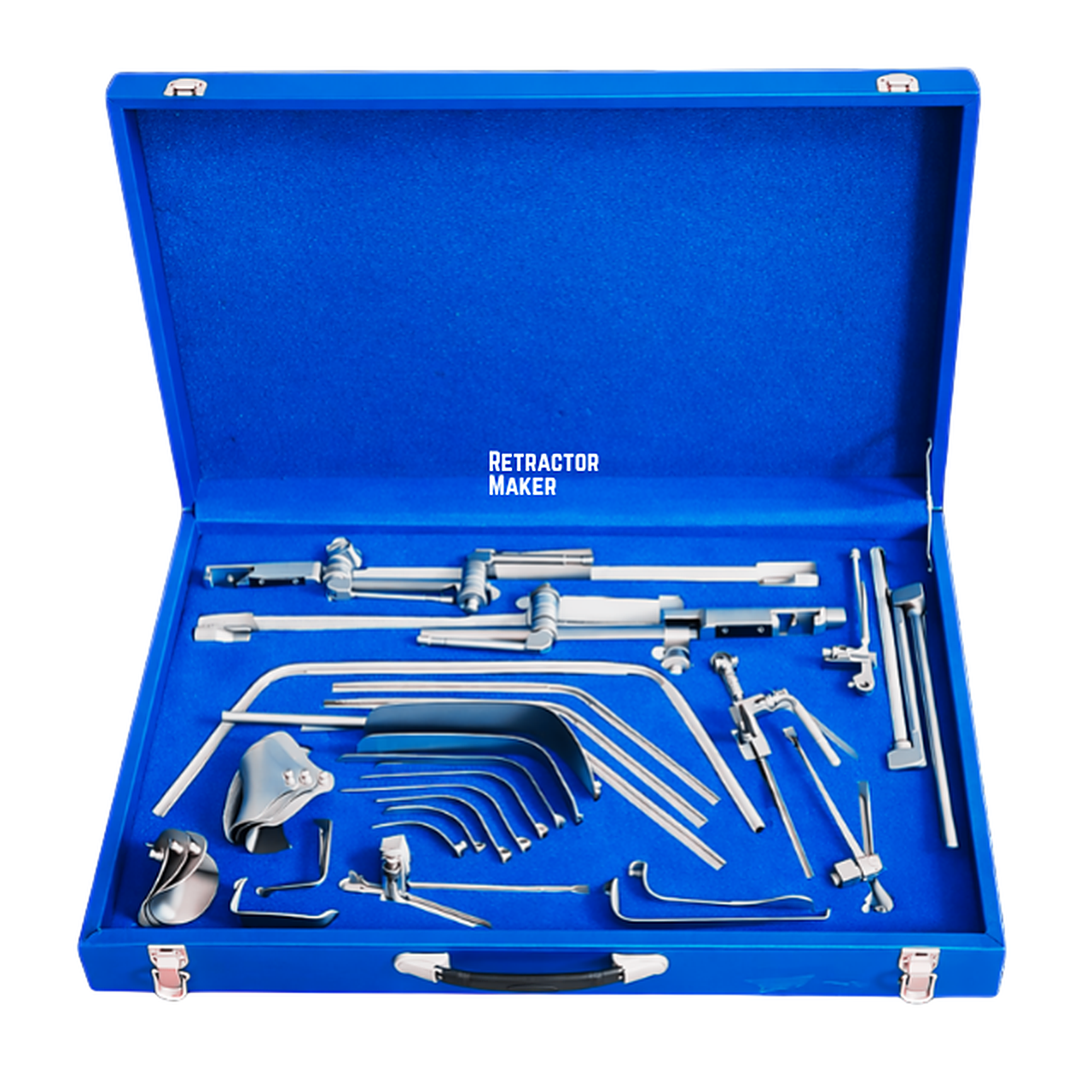 | Système d'écarteur Thompson | Le système d'écarteur Thompson est un cadre chirurgical avancé fixé à la table, conçu pour offrir une exposition mains libres inébranlable lors d'interventions ouvertes complexes. |
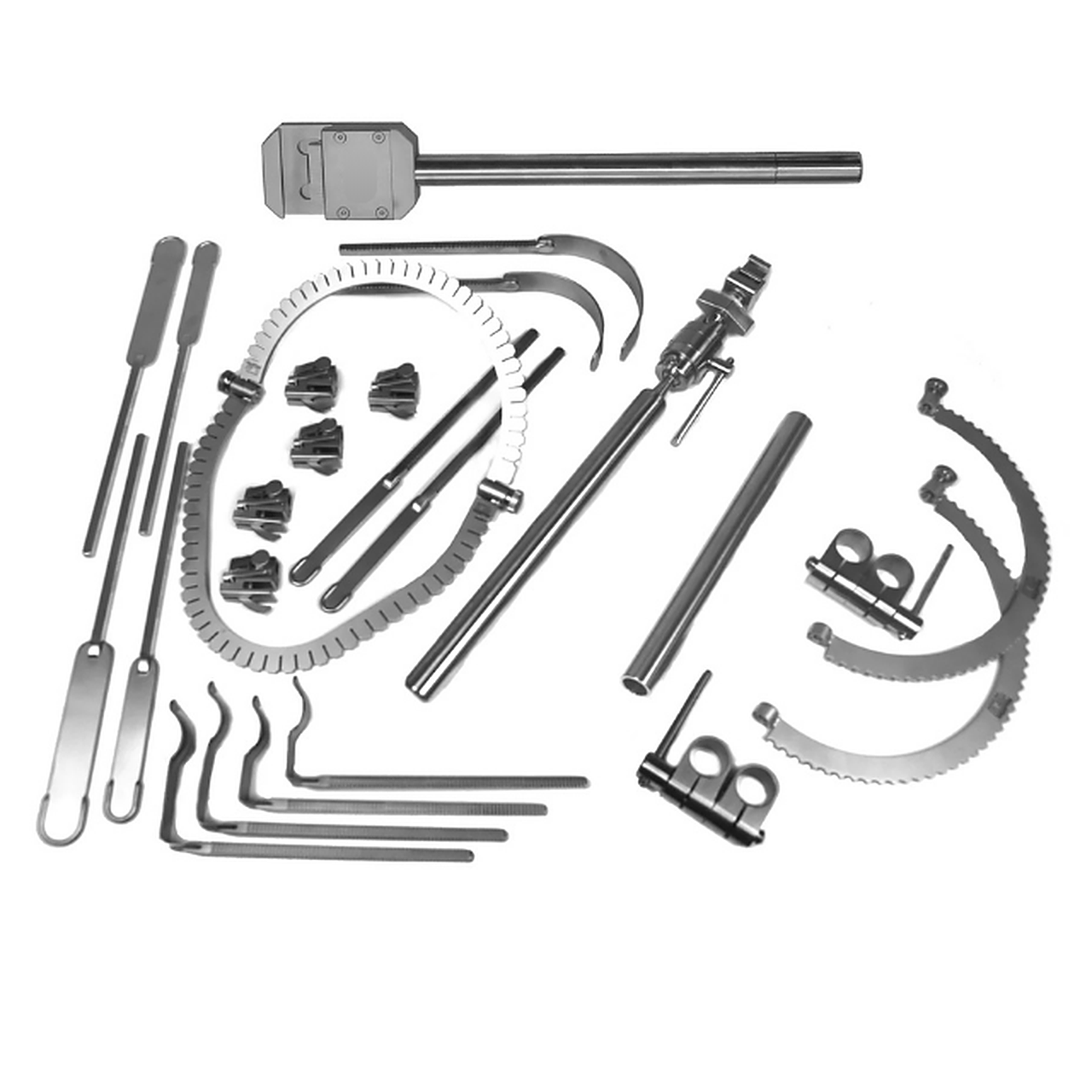 | Écarteur de chirurgie rectale/trans-anale Bookwalter | Conçu pour fournir une exposition chirurgicale stable et mains libres lors de procédures colorectales, trans-anales, rectales et périnéales avec des configurations de montage flexibles. |
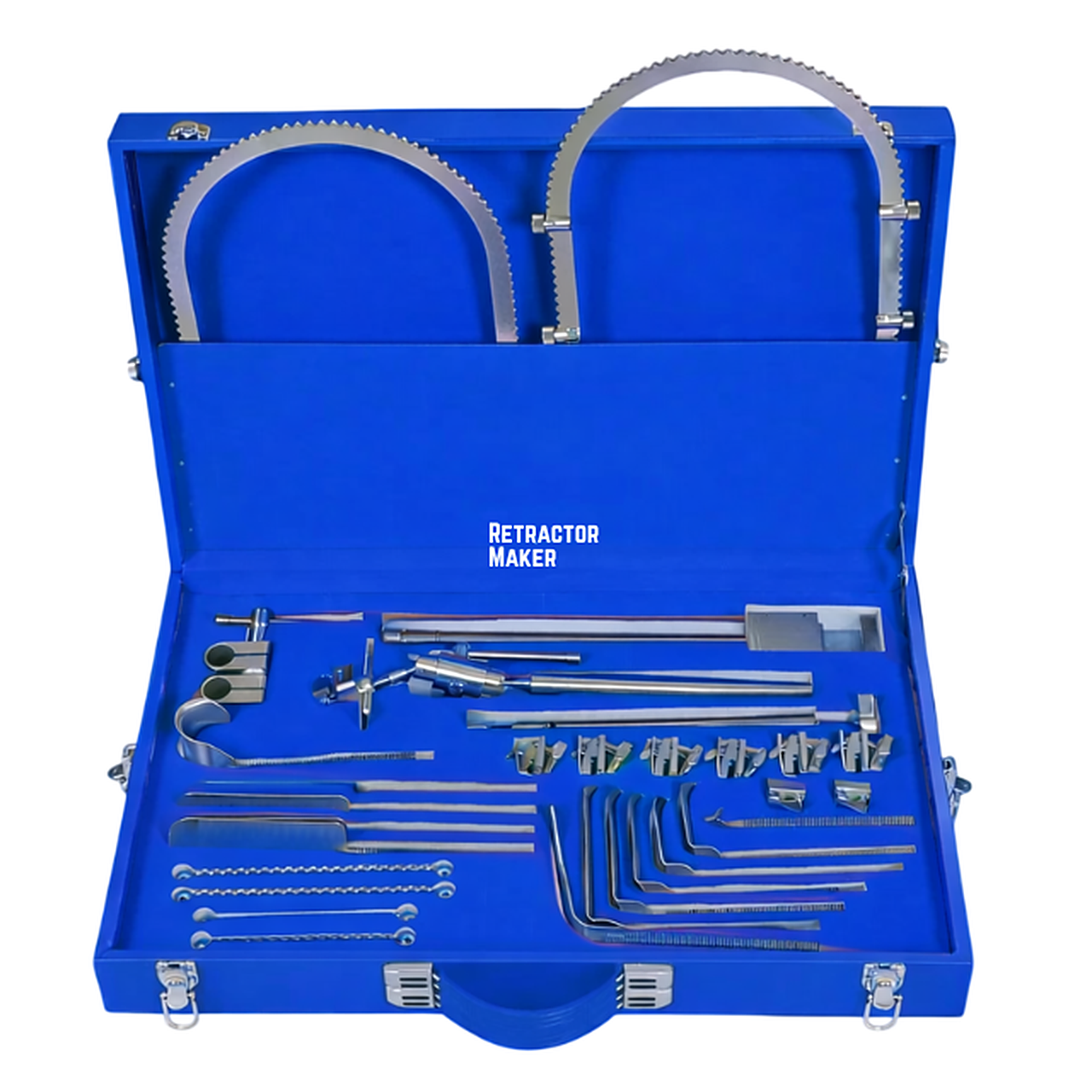 | Écarteur de Bookwalter | Offre une exposition stable sans mains et une visibilité du champ opératoire lors de procédures abdominales ouvertes majeures, telles que la néphrectomie, la prostatectomie et la laparotomie. |
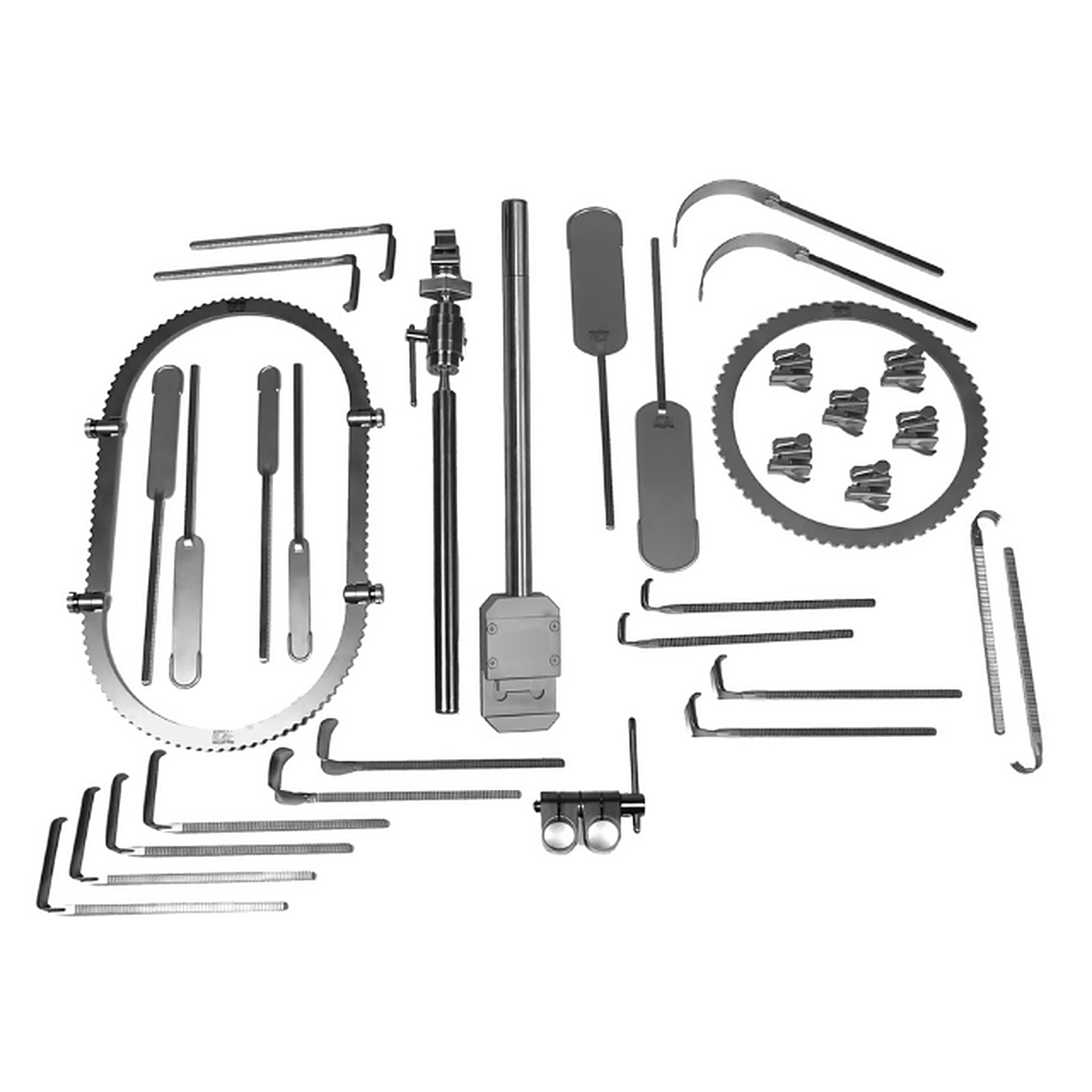 | Système d'écarteur Bookwalter Small Incision | Conçu pour fournir une exposition chirurgicale stable et mains libres lors de procédures effectuées par des incisions limitées nécessitant un accès précis et une perturbation minimale des tissus. |
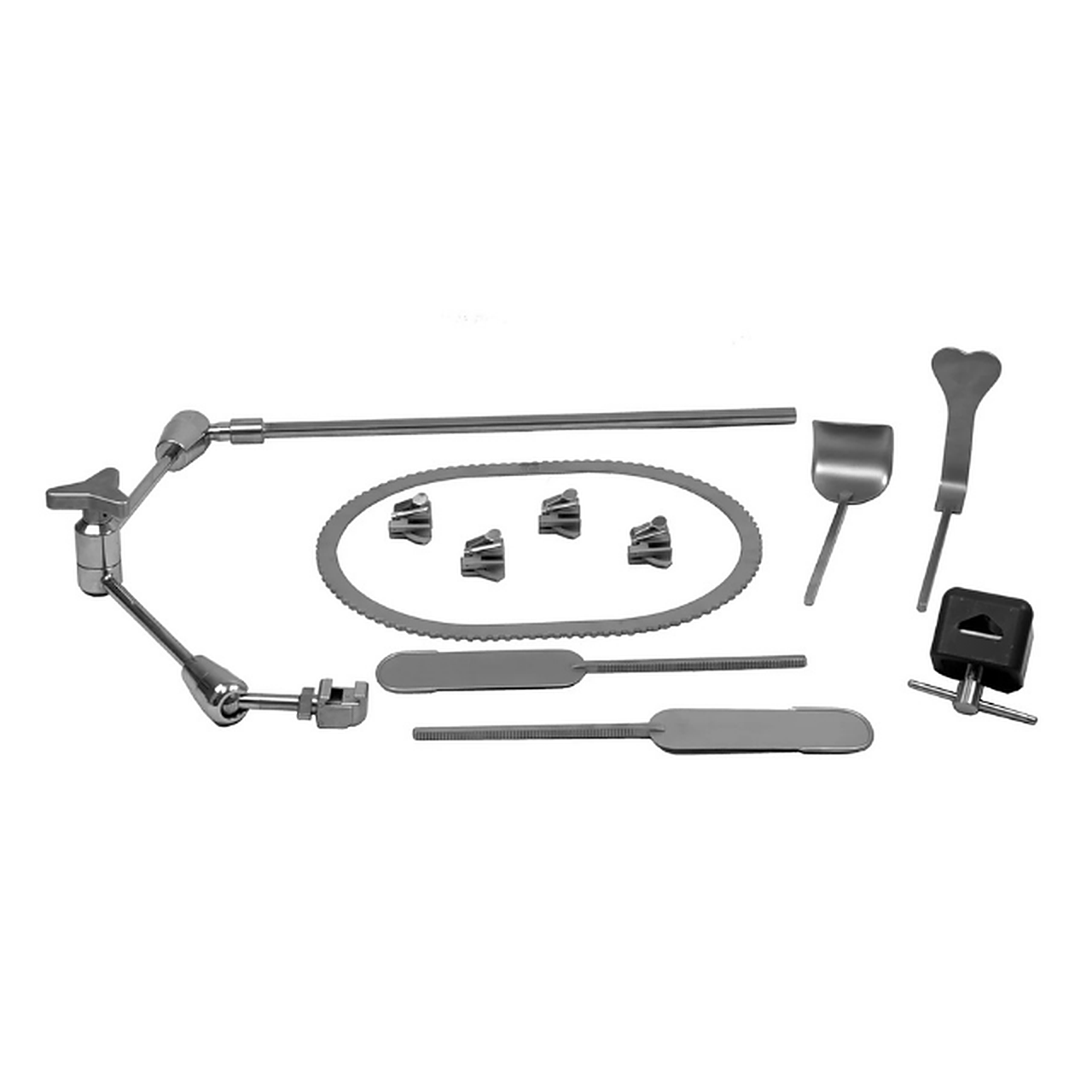 | Système d'écarteur général de base Bookwalter StrongArm | Conçu pour fournir une exposition chirurgicale stable et mains libres lors de procédures de chirurgie générale ouverte à l'aide du support et positionneur StrongArm PLUS. |
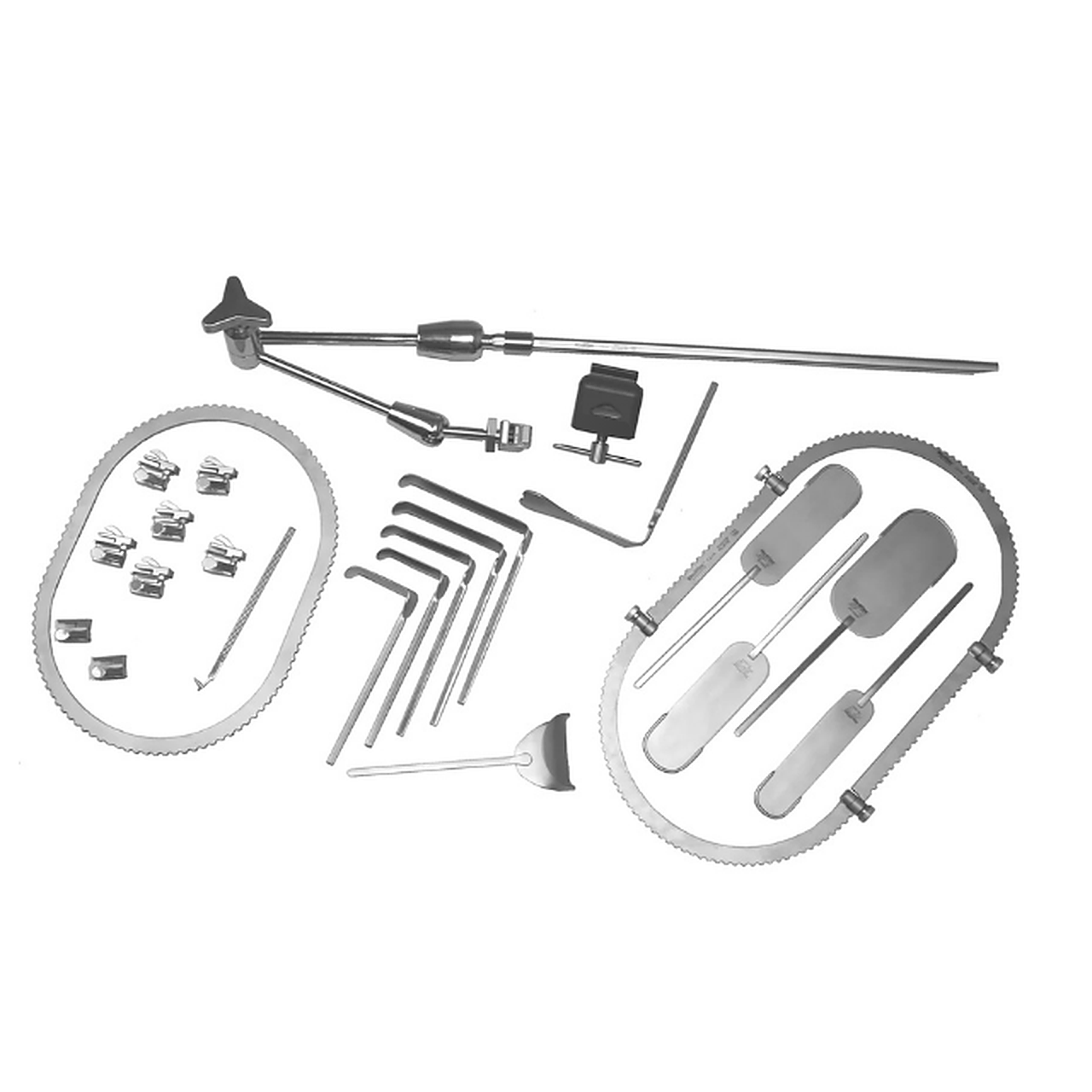 | Système d'écarteur de chirurgie générale Bookwalter StrongArm | Conçu pour fournir une exposition chirurgicale stable et mains libres lors de procédures de chirurgie générale ouverte en utilisant le support StrongArm PLUS et la configuration d'anneaux segmentés. |
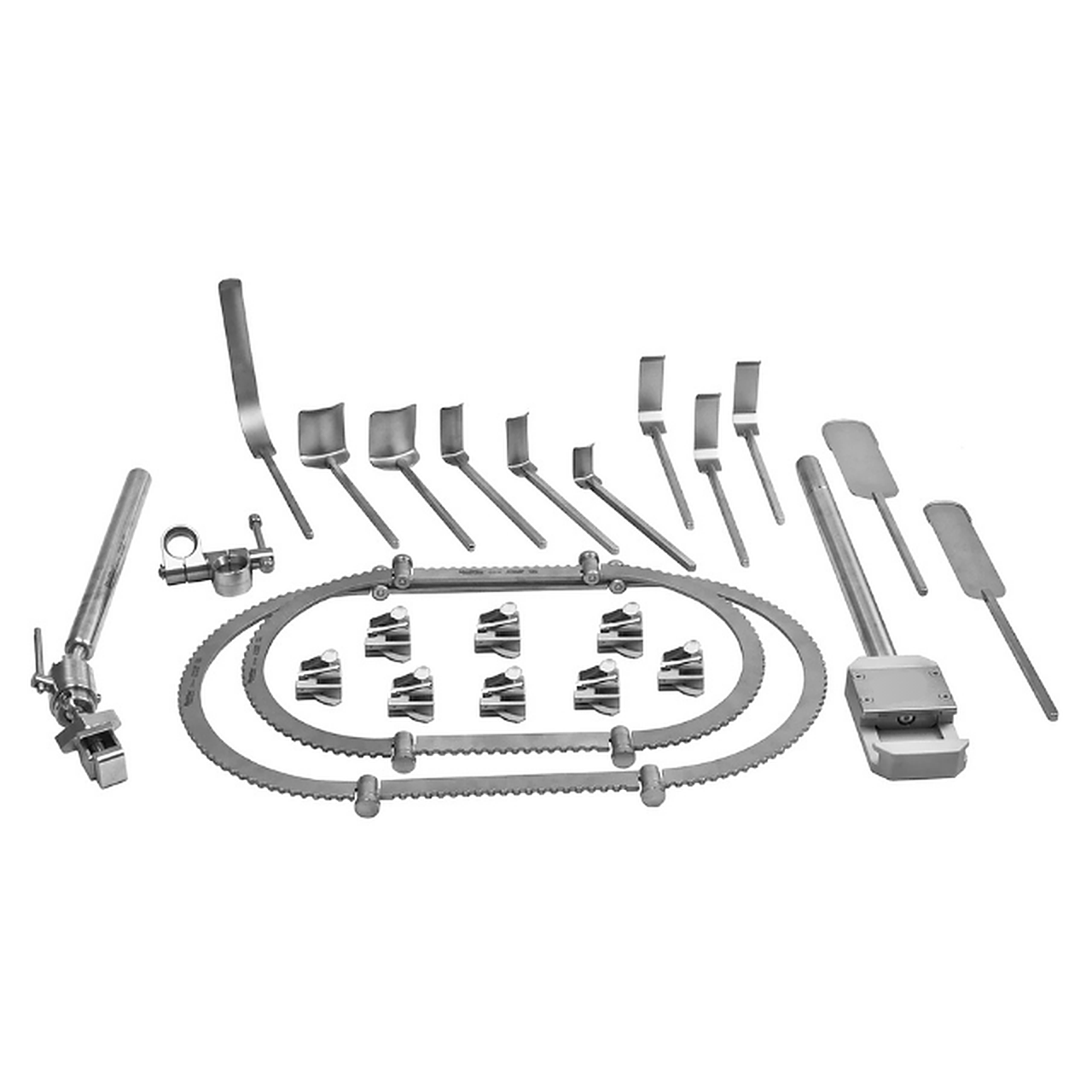 | Système d'écarteur d'urologie Bookwalter | Conçu pour fournir une exposition chirurgicale stable et mains libres lors des abords abdominaux et des flancs des reins, des uretères, de la vessie et des structures urologiques rétropéritonéales. |
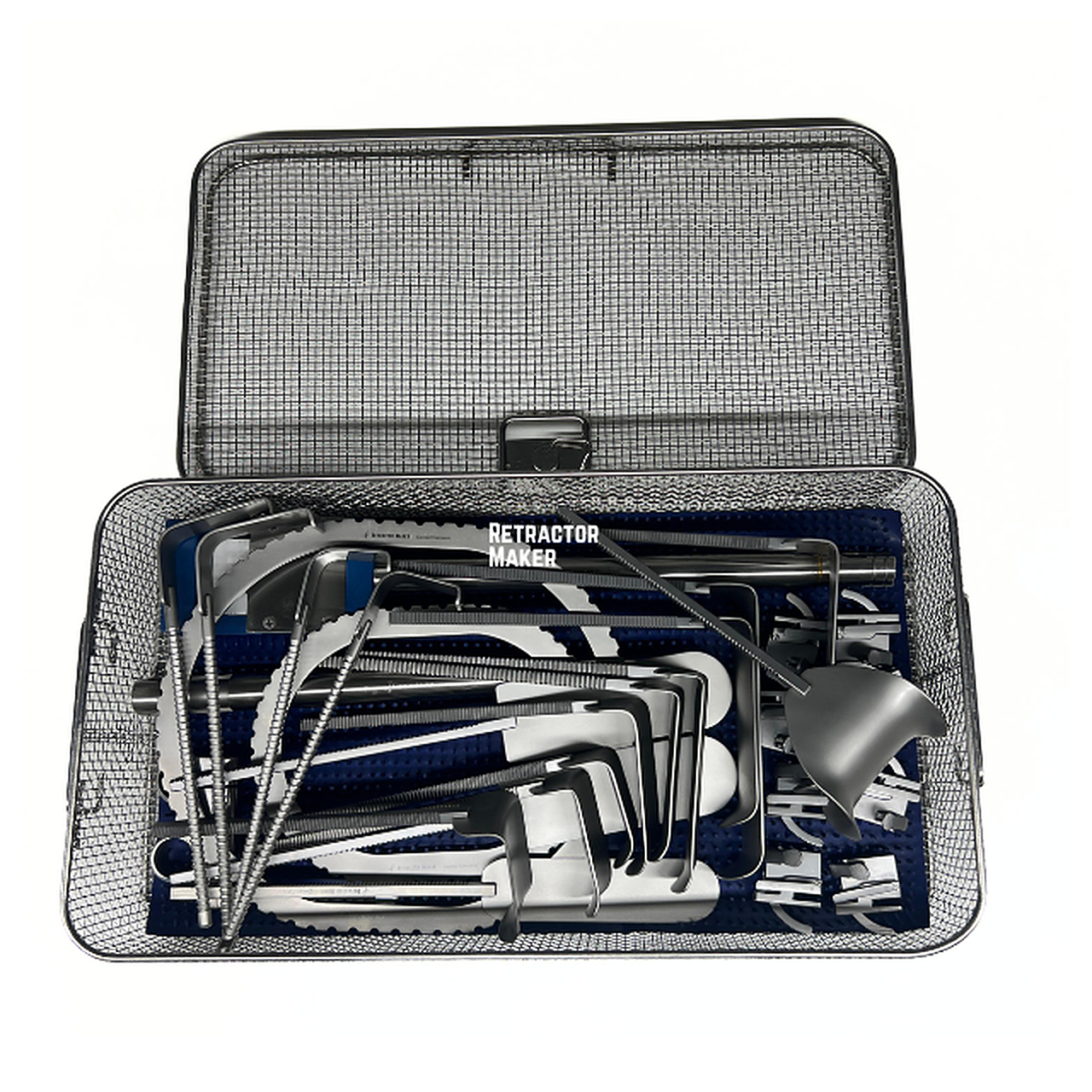 | Écarteur Bookwalter sur Mesure | Fabriqué selon la spécialité chirurgicale du client, les composants préférés et les exigences procédurales. |
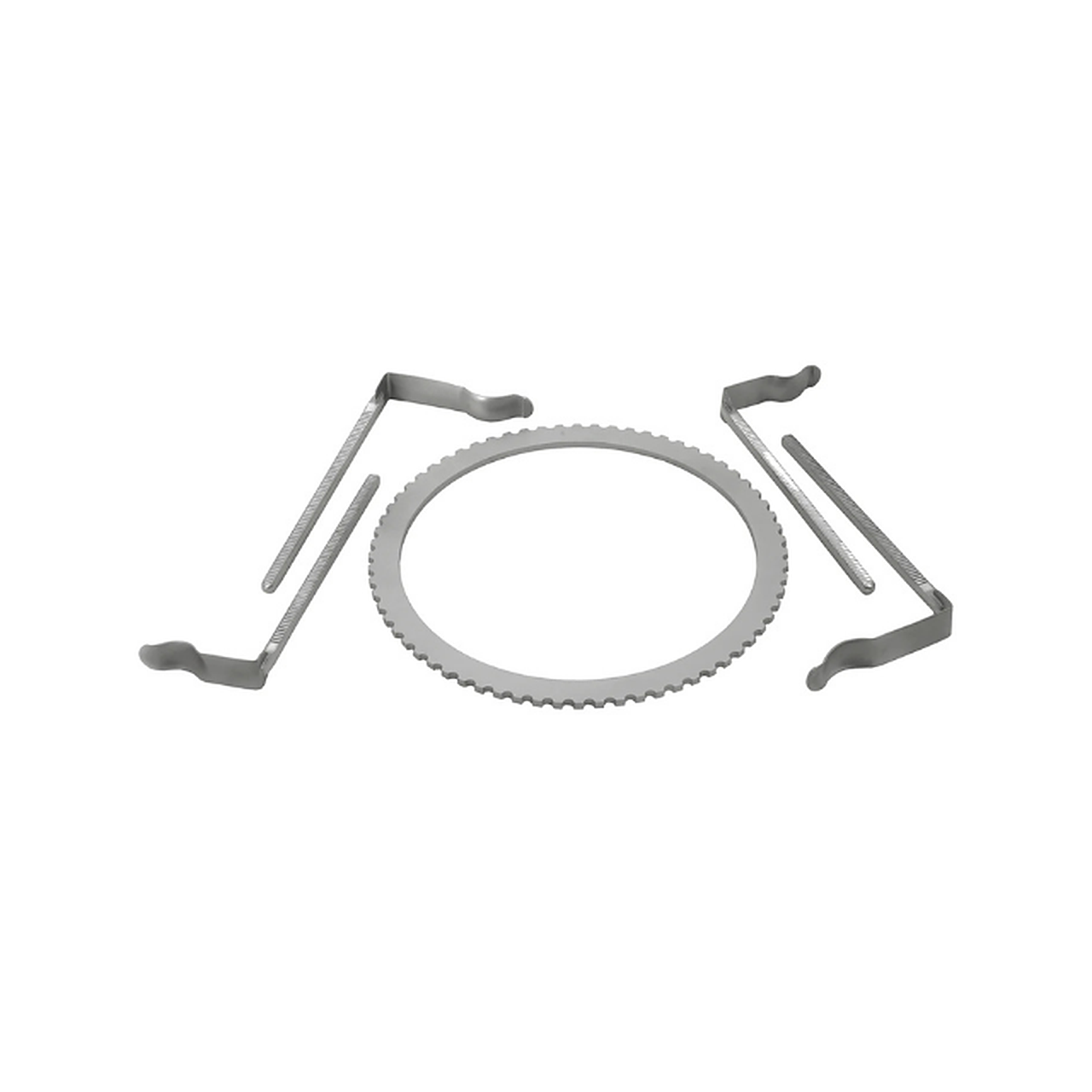 | Kit d'Accessoires Rectaux/Trans-Anaux | Conçu pour compléter un système d'écarteur de chirurgie générale Bookwalter existant lors d'interventions chirurgicales trans-anales et rectales en fournissant des valves rectales spécialisées et un petit anneau circulaire. |
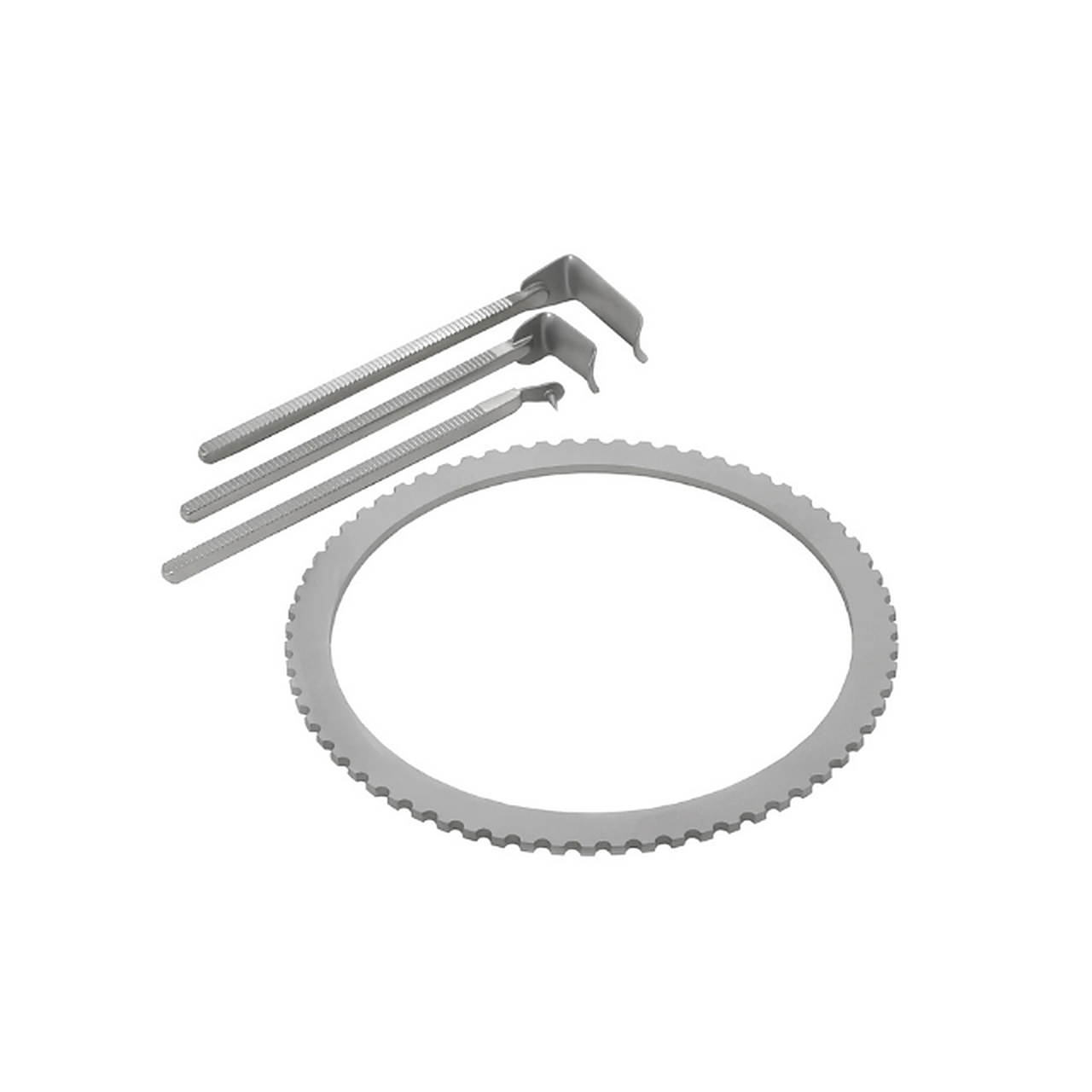 | Kit d'accessoires pour petites incisions | Conçu pour étendre un système d'écarteur de chirurgie générale Bookwalter existant aux interventions à petites incisions en fournissant un anneau rond compact et des lames superficielles spécialisées. |
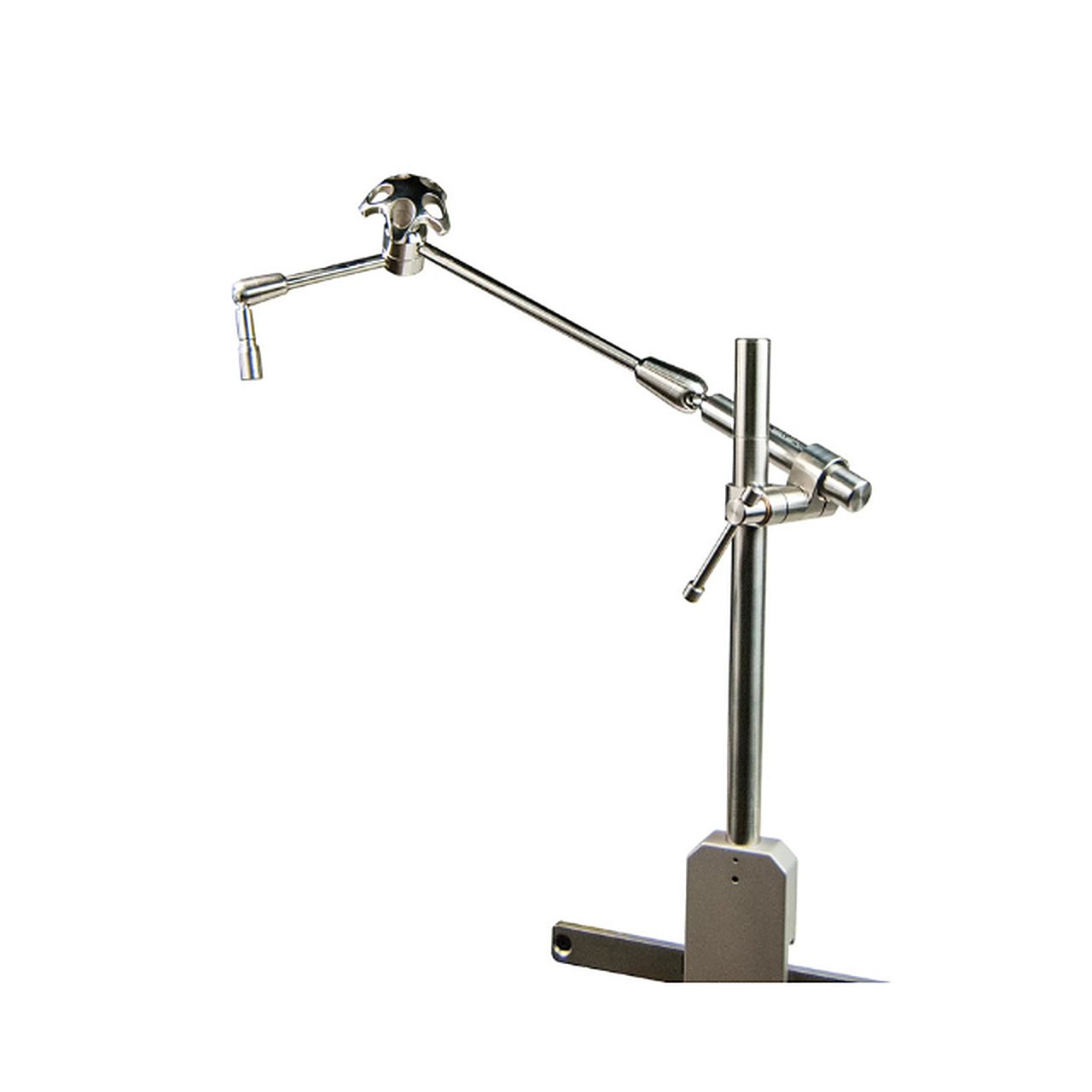 | Système Bookwalter StrongArm | Conçu pour fournir un support stable, réglable et mains libres aux écarteurs auto-statiques Bookwalter et compatibles lors d'un large éventail d'interventions chirurgicales. |
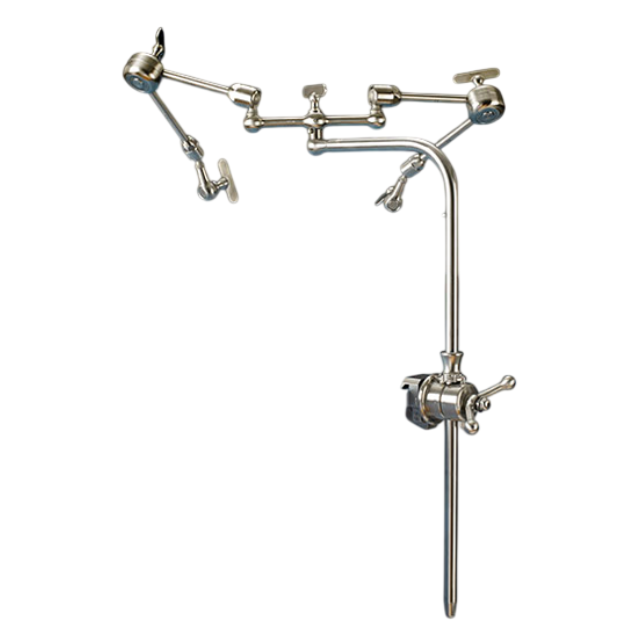 | Iron Intern Hydra Double Arm | Spécifiquement conçu pour la rétraction viscérale bilatérale, multi-quadrant et mains libres pendant la chirurgie abdominale et pelvienne complexe. |
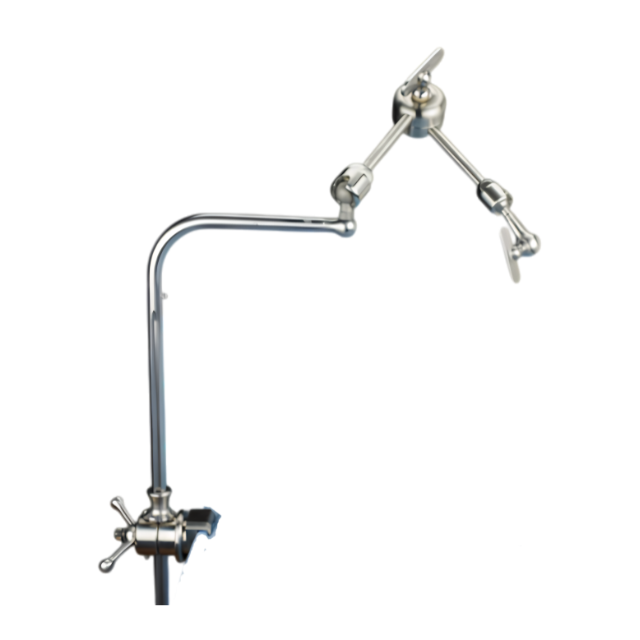 | Bras unique Iron Intern | Spécialement conçu pour fournir une rétraction mécanique rigide et mains libres des viscères abdominaux, des parois thoraciques et des tissus mous. |
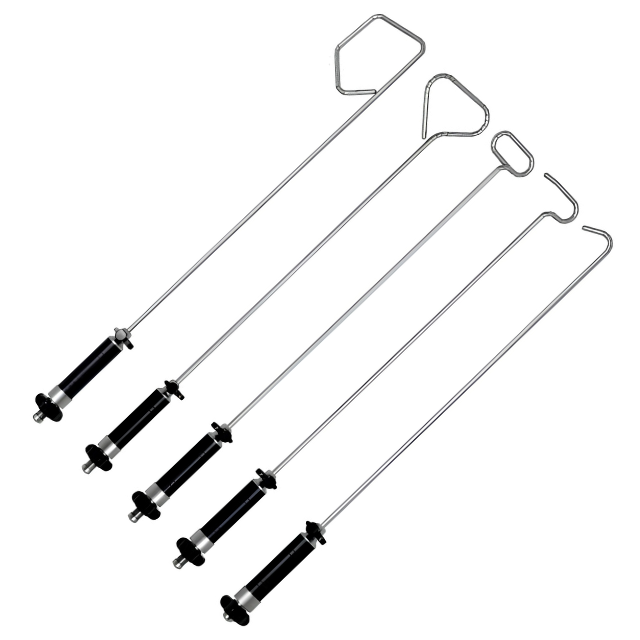 | Écarteurs de foie serpent | Spécialement conçus pour l'élévation laparoscopique des lobes hépatiques et le déplacement viscéral lors de la chirurgie gastro-intestinale supérieure et bariatrique. |
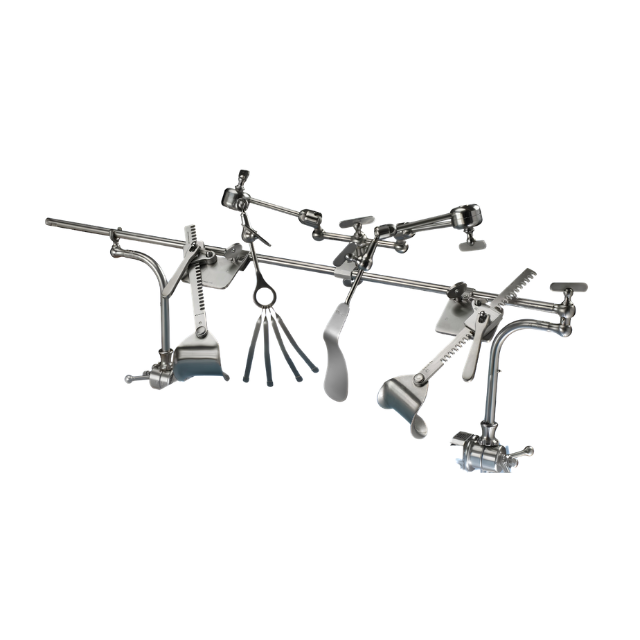 | Kit de rétracteurs Stieber Rib Grip | Spécifiquement conçu pour le levage bilatéral de la marge costale et l'exposition abdominale supérieure lors de la chirurgie hépatobiliaire et de transplantation. |
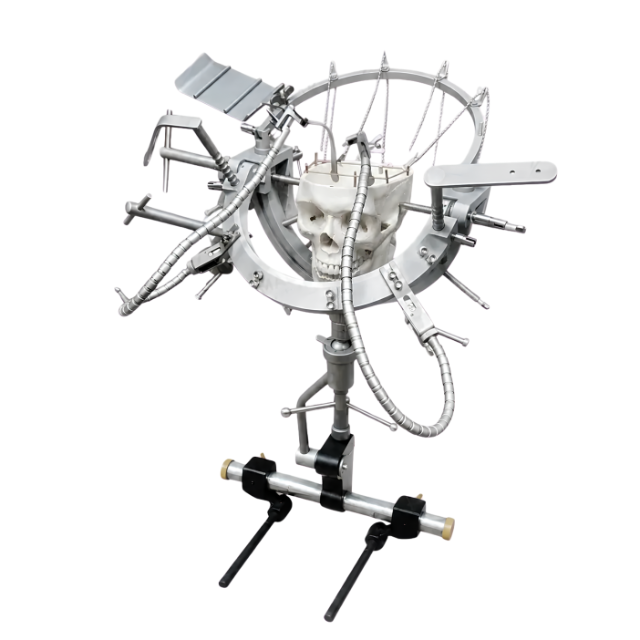 | Cadre crânien polyvalent Sugita | Spécialement conçu pour la fixation rigide du crâne et la rétraction cérébrale microchirurgicale multi-vectorielle. |
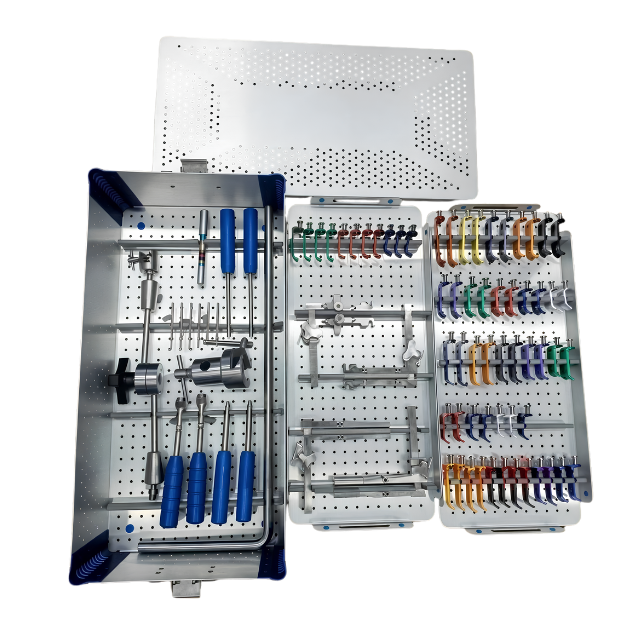 | Set d'écarteurs cervicaux Tedan Phantom CS-1600 | Spécialement conçu pour la rétraction des tissus mous et la distraction du corps vertébral pendant la chirurgie antérieure de la colonne cervicale (ACDF). |
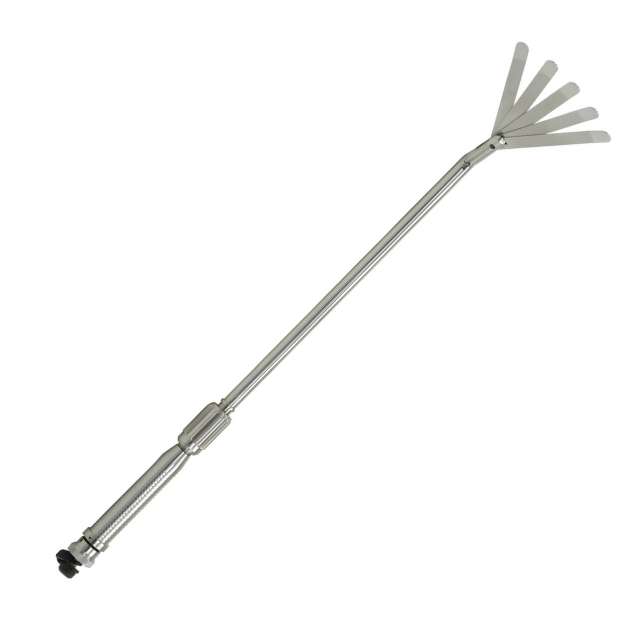 | Écarteur en éventail à 5 doigts | Spécifiquement conçu pour la rétraction viscérale laparoscopique étendue, l'élévation du foie et le déplacement de l'intestin. |
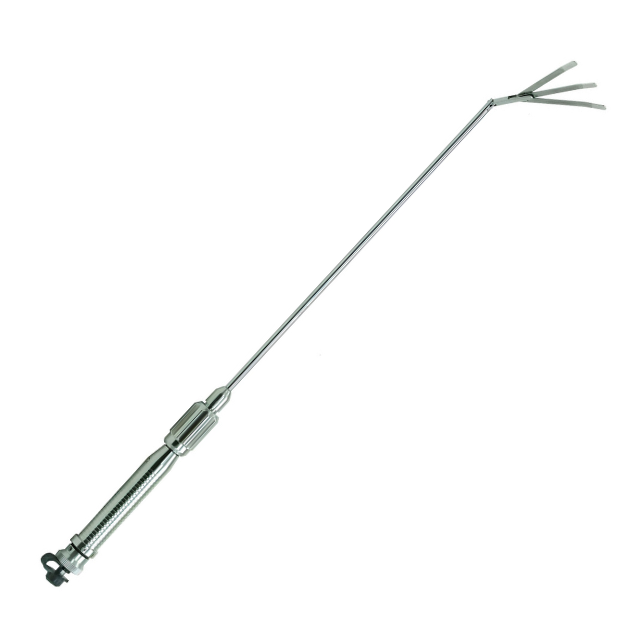 | Écarteur en éventail à 3 doigts | Spécialement conçu pour le déplacement ciblé d'organes laparoscopiques, l'élévation du foie et le maintien de l'intestin. |
 | Écarteur articulé œsophagien | Spécifiquement conçu pour la mobilisation œsophagienne, le tunnel rétro-gastrique et le guidage de la bande bariatrique pendant la chirurgie laparoscopique. |
 | Écarteur en éventail style cerf-volant | Spécialement conçu pour le support d'organes laparoscopiques expansif, non traumatique et la rétraction hépatique/viscérale. |
How Do You Choose a Surgical Retractor?
Retractor selection is a clinical decision for the surgical team and facility. The factors below are commonly considered when building trays or specifying instruments. They are general considerations, not recommendations for a particular patient or procedure.
Which Designs Suit the Surgical Application?
The procedure and specialty narrow the choice first. An abdominal case, spinal fusion, and rhinoplasty require entirely different instrument families. Many patterns were developed for a specific type of operation.
How Does Anatomical Location Affect Selection?
The location and depth of the operative field determine blade length, handle angle, and overall size. Deep fields need longer blades and handles that keep the assistant's hand out of the line of sight. Superficial fields need short, light instruments.
Which Blade Size and Shape Are Needed?
Blade width and depth should match the tissue being held. Flat, curved, lipped, and malleable blades retract tissue differently. Toothed rakes and sharp prongs grip skin and fascia. Smooth, blunt blades are used where tissue should not be punctured.
Handheld or Self-Retaining: Which Design Fits?
A handheld retractor offers continuous, adjustable control but occupies an assistant. A self-retaining retractor provides steady exposure and frees hands, but is less easily adjusted. It must also suit the wound's depth and shape. Many procedures use both designs.
How Much Exposure Is Required?
Selection depends on the width, depth, and direction of the required view. Wide incisions may need multiple blades pulling in several directions. A narrow approach may need one deep blade or a tubular retractor.
Do You Need a Complete System or Individual Instruments?
Some procedures require complete retractor systems; others need only individual handheld retractors. Systems may include a frame or ring, table post, clamps, arms, blades, and accessories. When ordering, confirm the included components and which blades are compatible with an existing frame. Request a quote for a complete retractor system.
How Should Reusable Retractors Be Maintained and Sterilized?
Reusable retractors should be handled, cleaned, inspected, sterilized, and stored according to the applicable manufacturer's instructions for use (IFU) and the healthcare facility's approved procedures. Proper maintenance and reprocessing are important.
General maintenance considerations include:
- Clean instruments after use according to the applicable manufacturer's instructions.
- Pay particular attention to joints, hinges, ratchets, locks, and other moving components.
- Inspect retractors for visible contamination, corrosion, cracks, deformation, or mechanical damage.
- Check that moving components function properly before returning instruments to service.
- Ensure instruments are appropriately cleaned before sterilization.
- Follow the manufacturer's specified sterilization method and parameters.
- Allow processed instruments to dry appropriately before storage.
- Store clean, processed instruments in a suitable environment that protects against contamination and damage.
Do not apply a universal sterilization cycle to every surgical retractor. Requirements vary with the instrument, material, design, and manufacturer's instructions.
For Retractor Maker products, follow the applicable product documentation and the healthcare facility's validated reprocessing procedures.
Related Retractor Maker Resources
Download the full product catalogue for offline reference. Get the Retractor Maker catalogue.
For pricing and lead time, send our team the product name, quantity, and destination country. Enquiries can cover a specific surgical retractor, complete retractor system, replacement blade, or custom configuration. Contact Retractor Maker.
Avis clinique : ce guide s'adresse aux équipes chirurgicales et aux acheteurs hospitaliers. Suivez toujours la notice d'utilisation (IFU) du fabricant et les règles de stérilisation de votre établissement avant tout usage clinique.
Foire aux questions
What is a surgical retractor?
A surgical retractor holds back tissue, organs, or wound edges to provide access and visibility to the surgical field. Retraction can range from lifting a skin edge to holding the abdominal wall open throughout an operation.
What are retractors used for?
Retractors maintain or improve operative exposure by moving or holding tissue away from the area being accessed. They can widen an incision by displacing tissue laterally or hold deeper structures, such as bowel, muscle, or an organ lobe, away from the treatment area.
What are the main types of surgical retractors?
Retractors include handheld designs, self-retaining designs, and larger frame-based systems. Their designs vary with the intended application and required exposure. Handheld designs require manual holding, while self-retaining designs use a mechanism to maintain blade position without continuous manual support.
What is the difference between a handheld and self-retaining retractor?
A handheld retractor is positioned and held manually, while a self-retaining retractor maintains its position through a retaining mechanism. Manual holding allows continuous changes in angle, depth, and tension. Self-retaining designs free hands but usually need manual repositioning when the required view changes.
Are retractors reusable?
Many retractors are designed for reuse, but reusability and reprocessing requirements depend on the specific product. Follow the applicable manufacturer's IFU and healthcare facility procedures for handling, cleaning, inspection, sterilization, and storage rather than assuming all products have the same requirements.
How should retractors be sterilized?
Retractors should be cleaned and sterilized according to the applicable manufacturer's instructions and the healthcare facility's approved, validated reprocessing procedures. Do not assume one sterilization cycle applies to every retractor. Requirements can vary with material, design, and product-specific instructions.
Where can I find surgical retractor names and images?
Retractor Maker's surgical retractor catalogue is a product reference containing names, images, and product information across its range of surgical retractors. The table in this article includes the complete published catalogue, covering the products in that range.
How do I choose the right surgical retractor?
Choosing a surgical retractor depends on the intended surgical application, anatomical area, required exposure, design, dimensions, and other product-specific requirements. Qualified surgical professionals should determine which surgical retractor is appropriate for the intended application, considering these selection requirements.
What is a Deaver retractor used for?
A Deaver retractor is a curved handheld retractor used for deeper abdominal and thoracic exposure. The surgeon or an assistant positions and holds the Deaver retractor manually, adjusting its angle, depth, and tension as the operation progresses.
How does a Balfour retractor differ from a Bookwalter retractor?
A Balfour retractor is a frame-style abdominal retractor, while a Bookwalter retractor is a table-mounted system. The Balfour retractor has lateral blades and a centre blade. The Bookwalter retractor carries multiple adjustable blades around a ring or rail. Both are self-retaining retractors that maintain blade position without someone holding them continuously.
What should be checked when inspecting a reusable surgical retractor?
A reusable surgical retractor should be inspected for visible contamination, corrosion, cracks, deformation, and mechanical damage. Check moving components for proper function before returning the surgical retractor to service. During cleaning, pay particular attention to joints, hinges, ratchets, locks, and other moving parts.
À propos de l'auteur
Saad Shahid · Responsable commercial et marketing
Saad Shahid est responsable commercial et marketing et fondateur de Retractor Maker, créé en 2023 à Sialkot, au Pakistan. Il travaille aussi avec son père chez Hospitech Traders, l'entreprise familiale d'instruments chirurgicaux fondée en 1989.
Blogs et guides associés
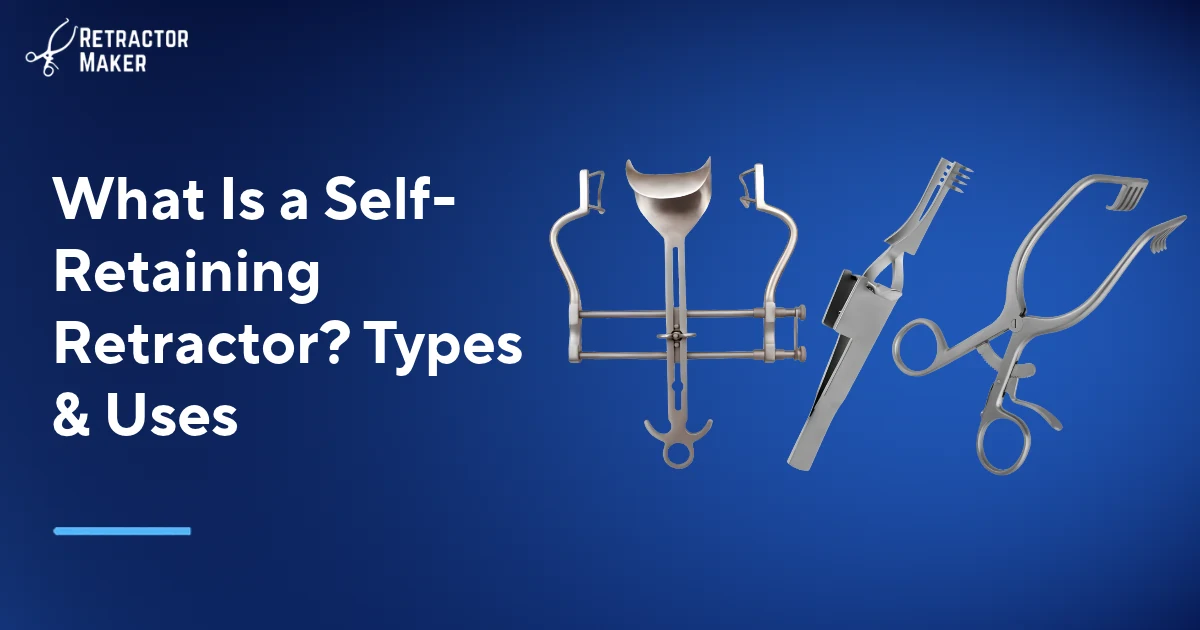
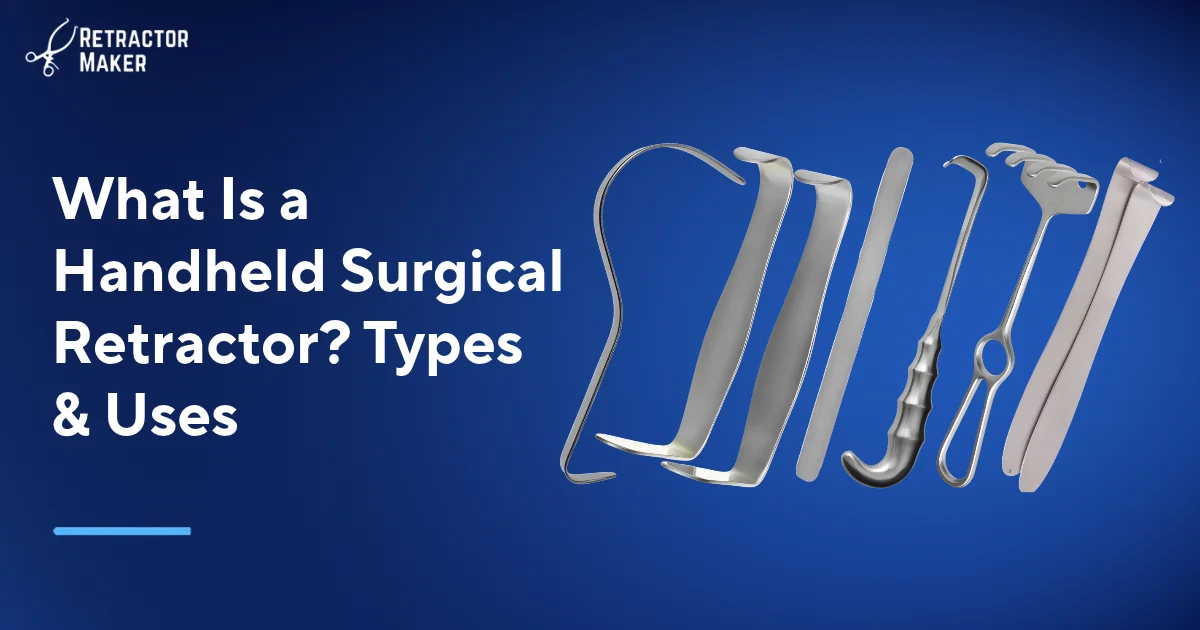
Écarteurs associés
Écarteur Senn Forward
$49.00
Écarteur Brewster
À partir de $159
Écarteur de Langenbeck - Manche plein
$49.00
Écarteur Murphy
À partir de $44.00
Écarteur de Leriche - Lame Large Atraumatique
À partir de $94.00
Système d'écarteur général Lobster
$2,699Free Shipping
Besoin d'écarteurs chirurgicaux ou de composants ?
Dites-nous ce dont vous avez besoin, y compris le produit, la configuration, la quantité et le pays de destination. Retractor Maker peut fournir la disponibilité, les spécifications et les tarifs.
Demander un devis