
Surgical Retractor Guides
Surgical Retractors Names, Images & Uses
著者: Saad Shahid · 更新日 · 7 分で読めます

Surgical retractors hold tissue away from the operative field so the surgical team can see and reach the area they are working on. This guide explains what retractors are, how they are classified, and how they are selected and cared for, and it includes a searchable reference table of surgical retractors names, images and general uses drawn directly from the Retractor Maker catalogue.
What Is a Retractor?
A retractor holds skin, fat, muscle, and organs away from the target area to provide controlled surgical exposure. Almost every open procedure depends on this access before the surgeon can dissect, repair, or close. Retractors are among the oldest surgical instrument families and remain among the most frequently handled instruments on any tray.
Retractors share a purpose but differ in size, blade shape and depth, prong number and sharpness, and handle design. Some lock in place or mount on a frame. Designs also vary by specialty. A small double-ended retractor for a skin flap differs greatly from a table-mounted abdominal system. No single design suits every procedure.
This guide covers basic categories, selection factors, and general care principles. Its central section lists names, images, and general uses for the complete published Retractor Maker range. Search the range by name or filter it by specialty.
Contents
What Is a Surgical Retractor?
A surgical retractor holds back or moves tissue away from the operative field to give the surgical team visibility and access. Retraction may involve gently lifting a skin edge or holding the abdominal wall open throughout an operation.
Retractors create exposure by moving tissue laterally to widen an incision or holding deeper structures away from the treatment area. These structures may include bowel, muscle, or an organ lobe. Blade or prong shape determines how the load spreads across contacted tissue. Available forms include flat, curved, lipped, malleable, toothed, and smooth blades.
Size and shape follow anatomy. A shallow hand incision needs a short, narrow blade. A deep pelvic or abdominal field needs a longer, wider blade. Specialty designs address each region's depth, angle, and tissue type. Nasal and ear retractors are small and fine. Spinal retractors hold back heavy paraspinal muscle. Cardiac retractors are shaped around the sternum and chest wall.
How Do Handheld Retractors Work?
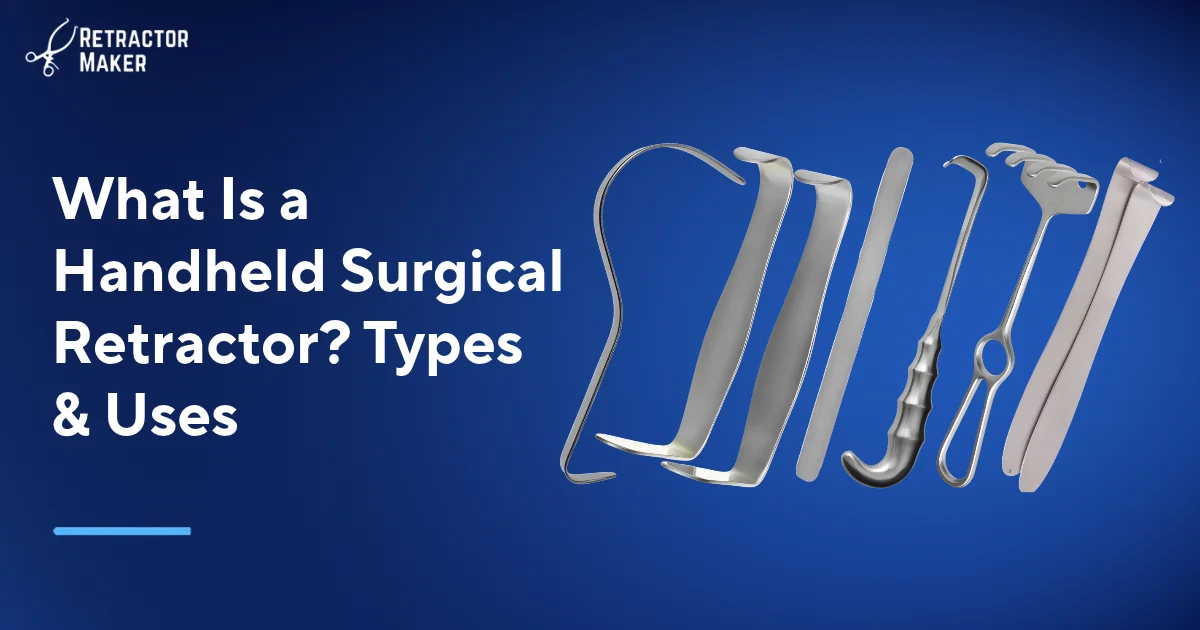
Handheld retractors are positioned and held manually by a surgeon or assistant for as long as exposure is needed. They allow moment-by-moment changes in angle, depth, and tension as the operation progresses. The trade-off is continuous manual holding, which occupies a pair of hands and can cause fatigue during a long case.
Common handheld patterns include the double-ended Senn retractor for superficial tissue and the curved Deaver retractor for deeper abdominal and thoracic exposure. Others include the right-angled Langenbeck retractor, the broad Richardson retractor for the abdominal wall, and the double-ended Army-Navy retractor for shallow incisions. The small Ragnell retractor is used in plastic and hand surgery.
How Do Self-Retaining Retractors Work?
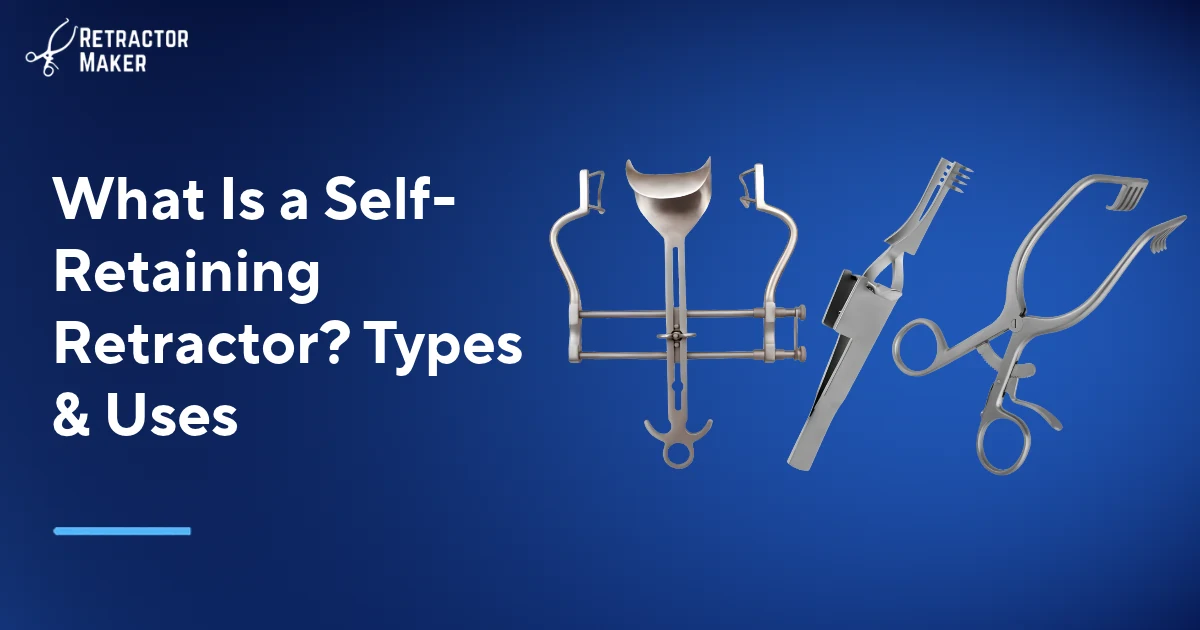
Self-retaining retractors use a ratchet, screw, spring, or frame to keep blades in position without continuous manual holding. They free the surgical team's hands and provide steady exposure. If the required view changes, manual repositioning is usually necessary.
Examples include the Gelpi and Weitlaner retractors, which spread tissue with pointed tips or toothed rakes secured by a ratchet. The Balfour retractor is a frame-style abdominal retractor with lateral blades and a centre blade. Table-mounted Bookwalter and Thompson retractors attach to the operating table and support multiple adjustable blades around a ring or rail.
Retractor Names, Images, and General Uses
The table below presents the complete Retractor Maker product catalogue. Each entry includes a product image, name, and general use. Search by product name or filter by specialty.
表示中: 507 手術用開創器
| 製品写真 | 手術用開創器名称 | 一般的な用途 |
|---|---|---|
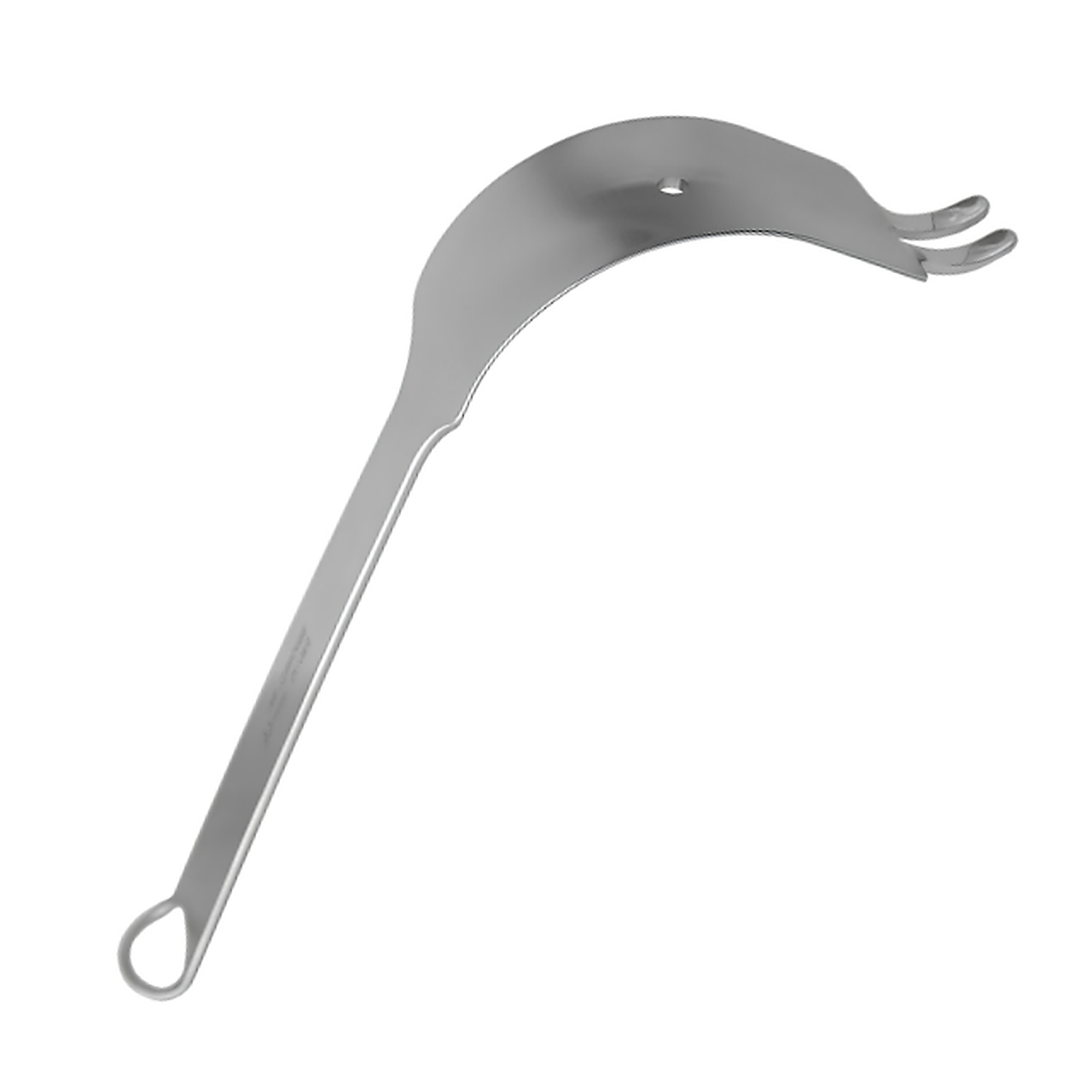 | 臼蓋鉤 ナロー・ダブルプロング | 股関節再建術および関節置換術において、臼蓋縁の露出および周囲組織の圧排に使用されます。 |
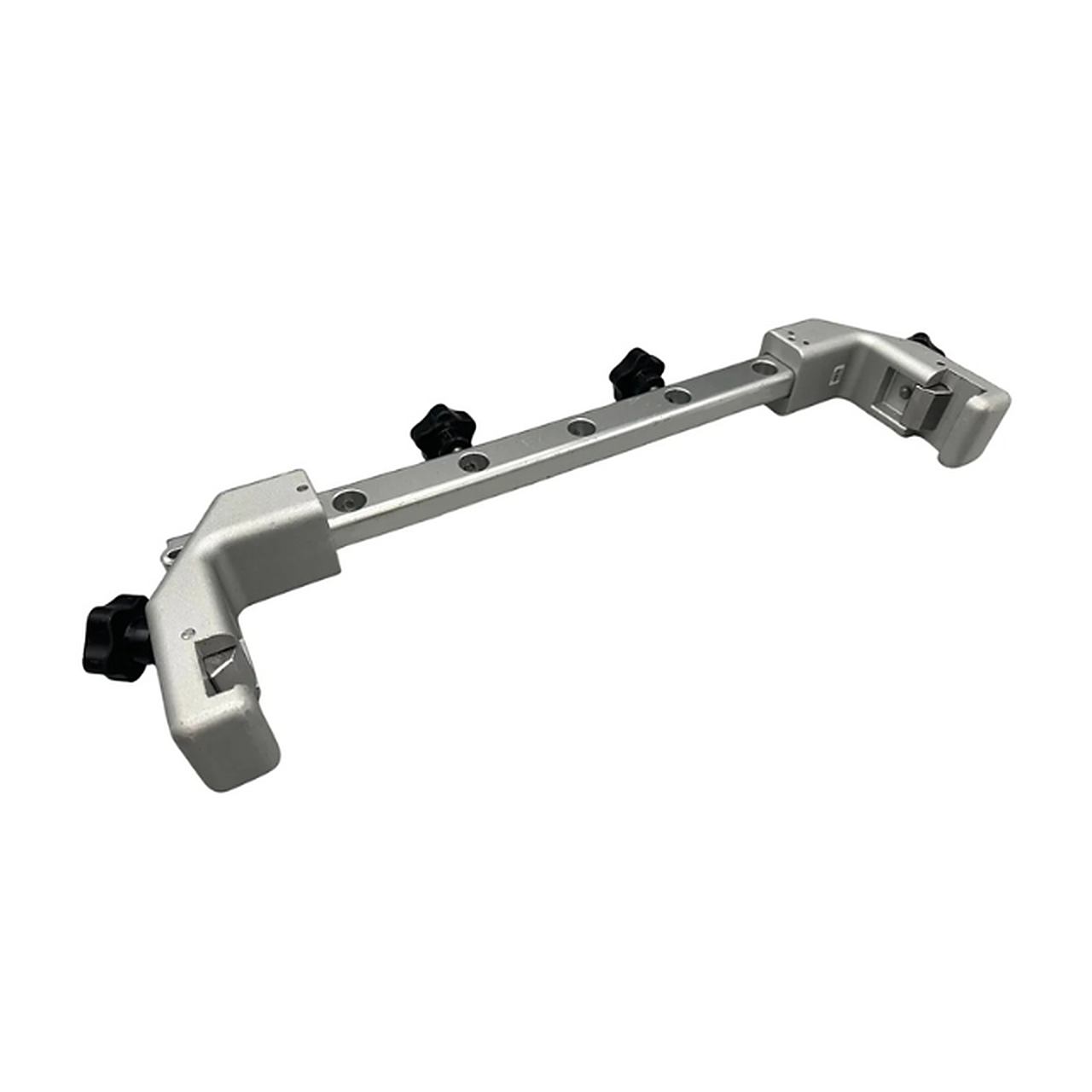 | 可変式 Mayfield アダプター | 専用のレセプタクルホールがない手術台や、横方向のオフセット位置調整が必要な手術台において、Mayfield 型の頭蓋固定システムを確実に固定するために特別に設計されています。 |
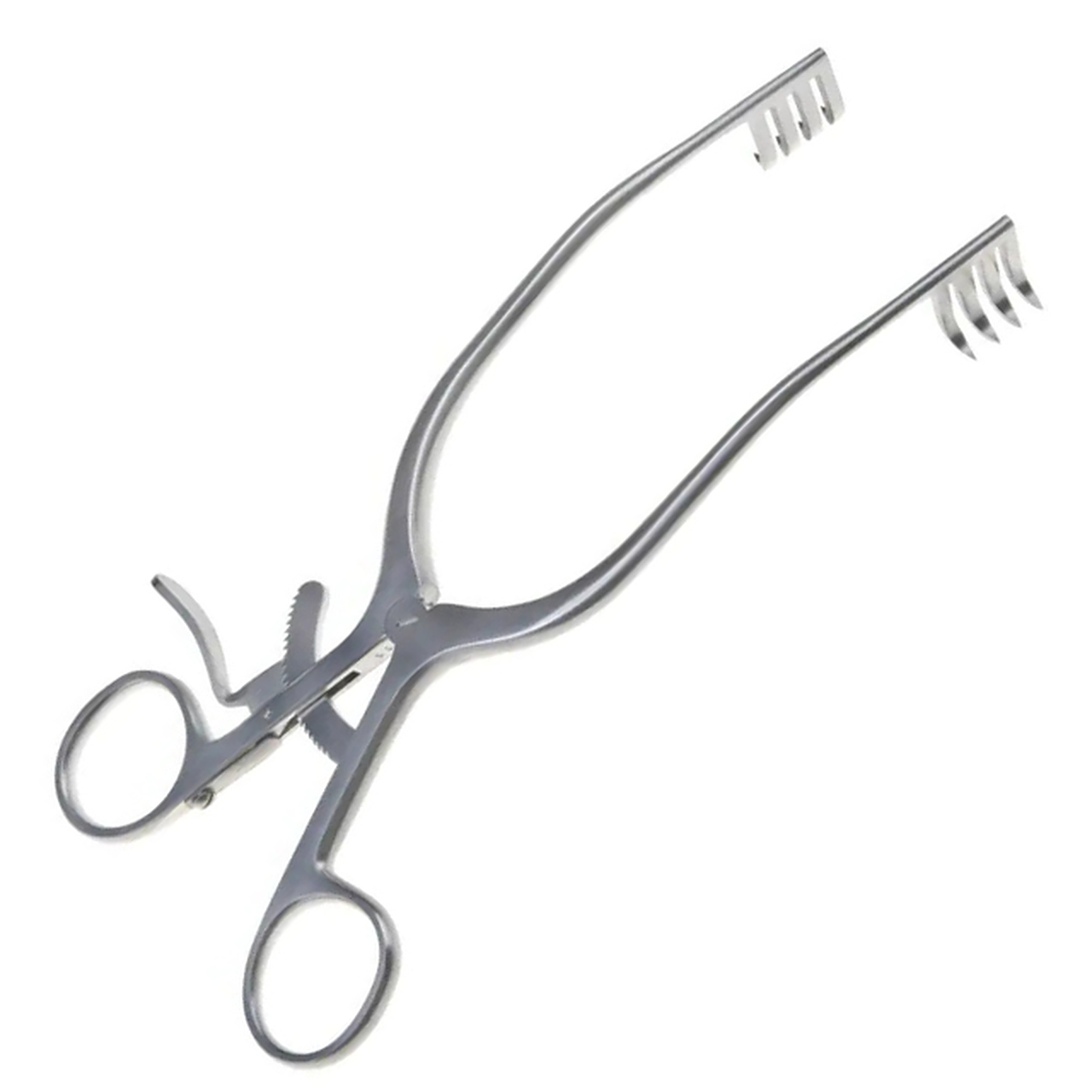 | Adson Cerebellum Retractor | 後頭蓋窩および脳神経外科手術において、筋肉や軟部組織の自動牽引を提供するために設計されています。 |
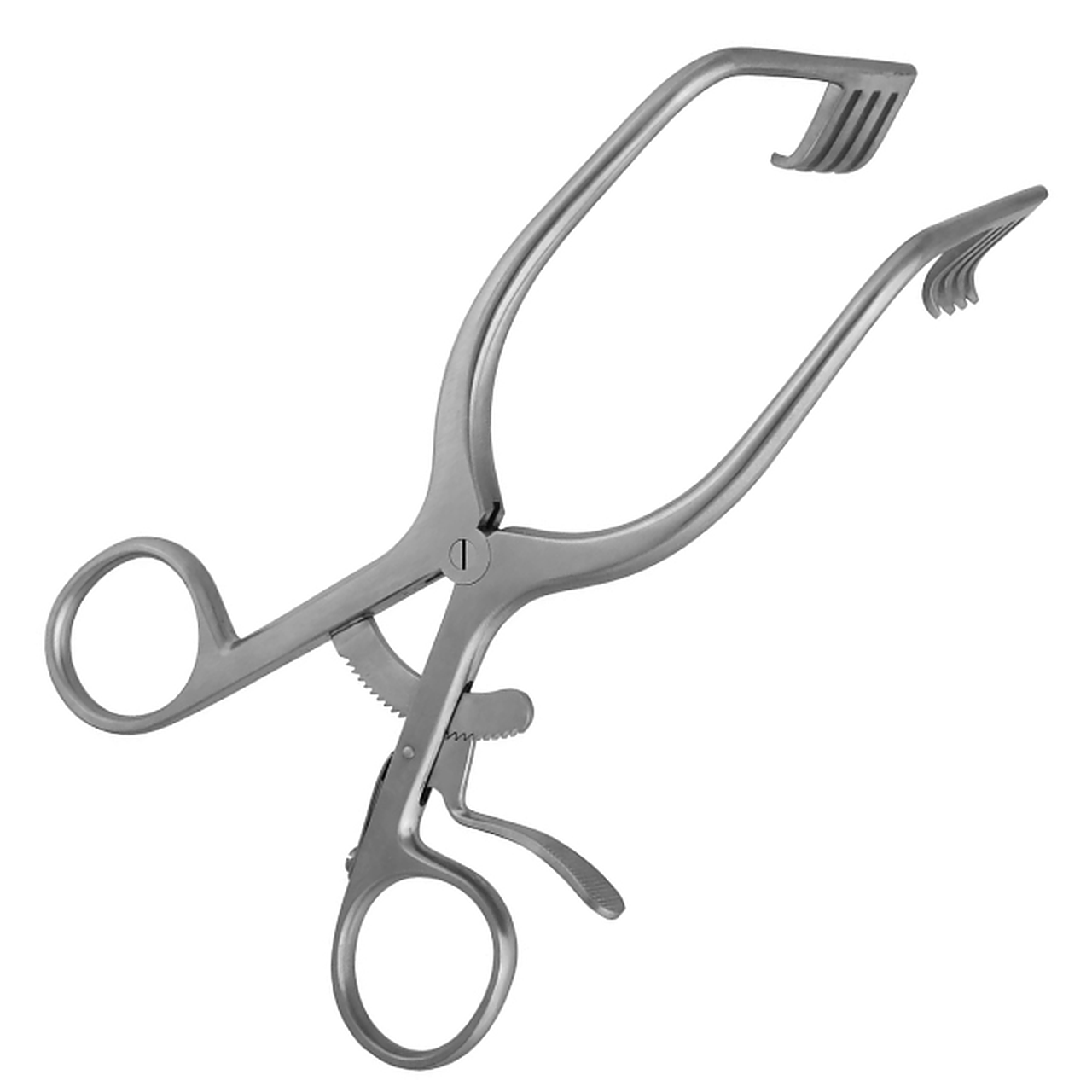 | Adson 自保持式小脳開創器 | 頭蓋および脊椎手術において、自保持式の組織牽引を提供し、構造化された術野露出を維持するために特別に設計されています。 |
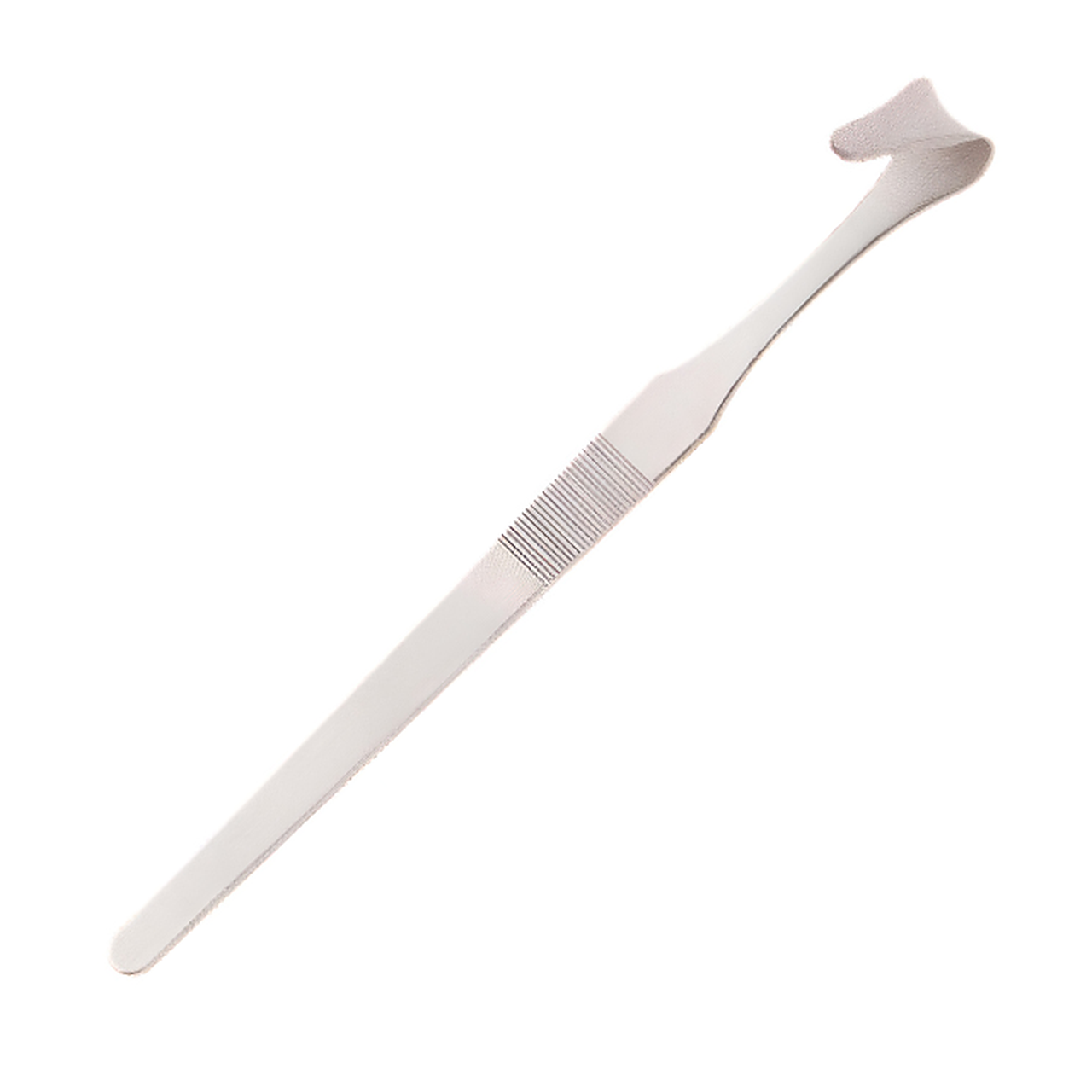 | Alar レトラクター(鼻翼鉤) | 鼻形成術および耳鼻咽喉科手術における鼻翼の牽引および鼻翼軟骨の術野展開。 |
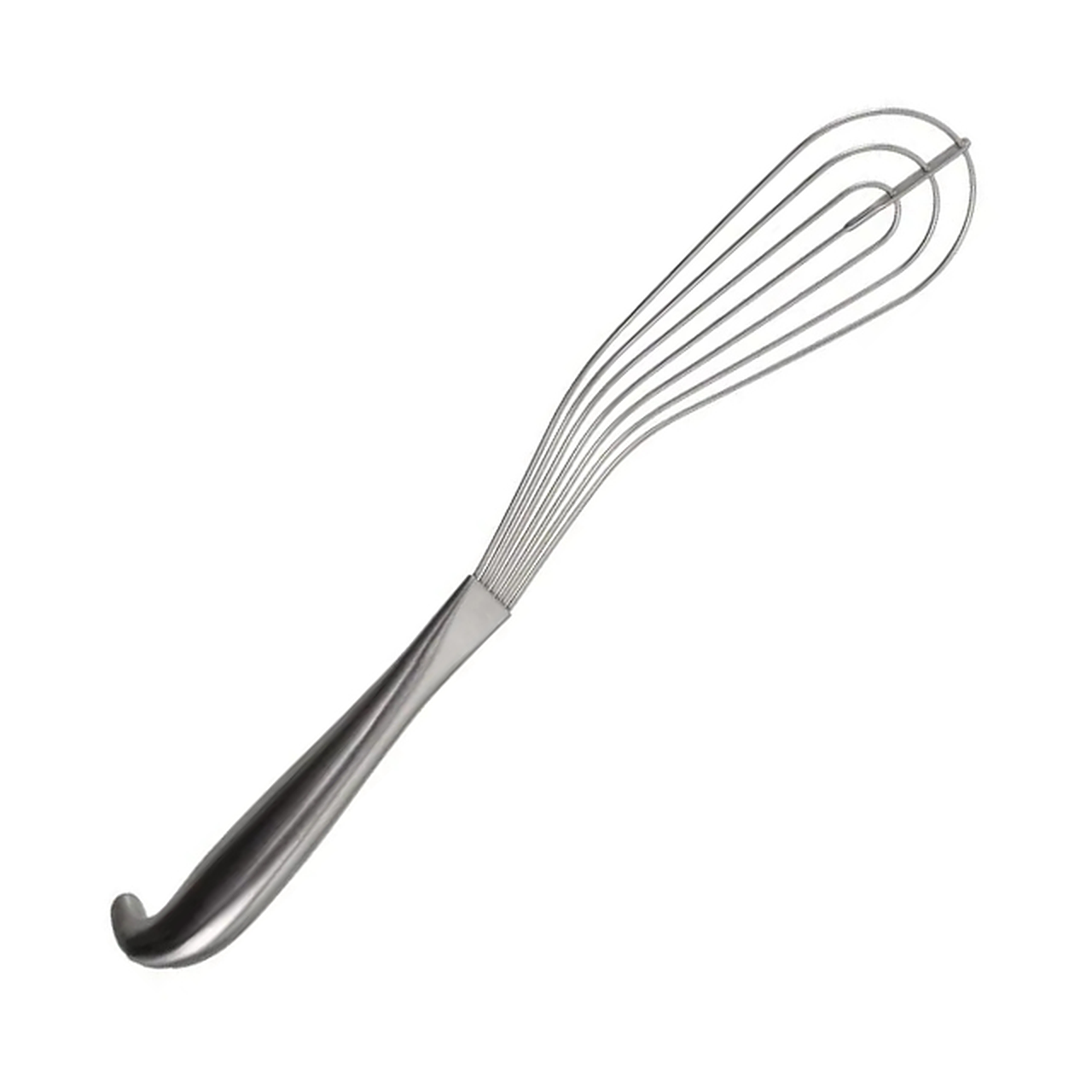 | Allison 肺開胸開創器 | 胸部および心臓血管外科手術において、肺実質を愛護的に圧排・変位させるために使用します。 |
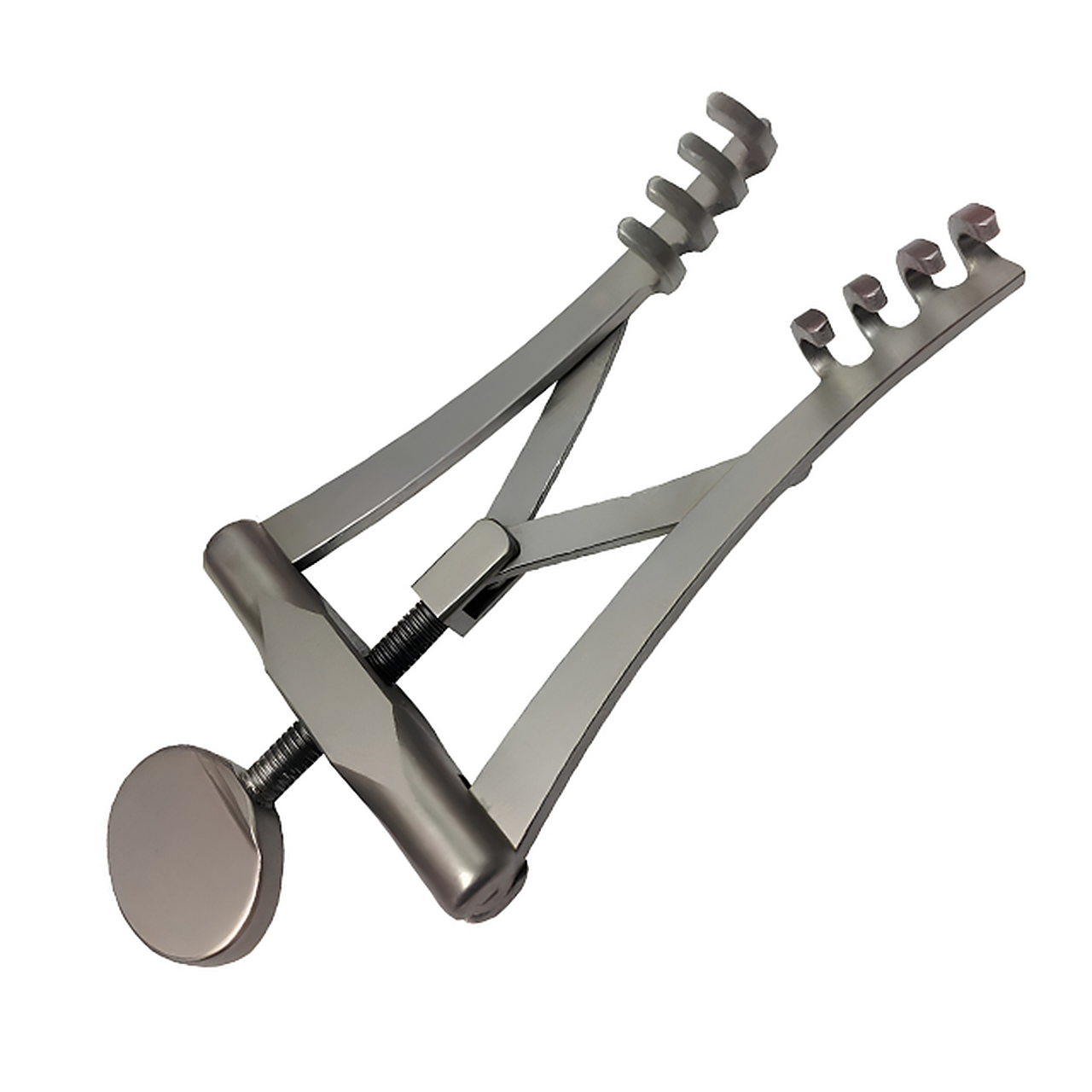 | Allport Mastoid Retractor | 耳科および脳神経外科手術において、乳様突起上の軟部組織を自己保持して開創するために特別に設計されています。 |
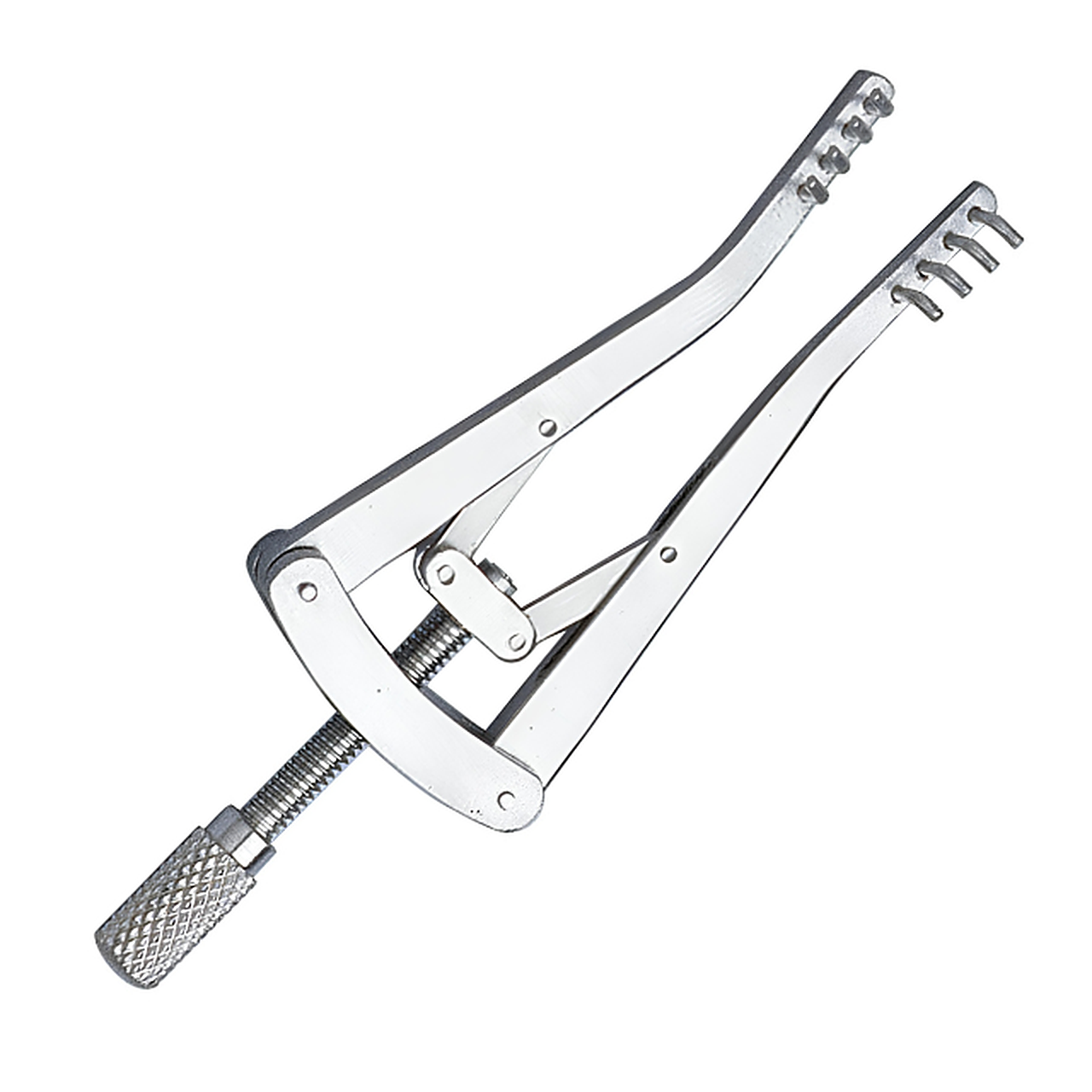 | ALM 開創器(自動保持式) | 小外科、眼科、形成外科、および手外科手術における組織の自動保持式開創用に設計されています。 |
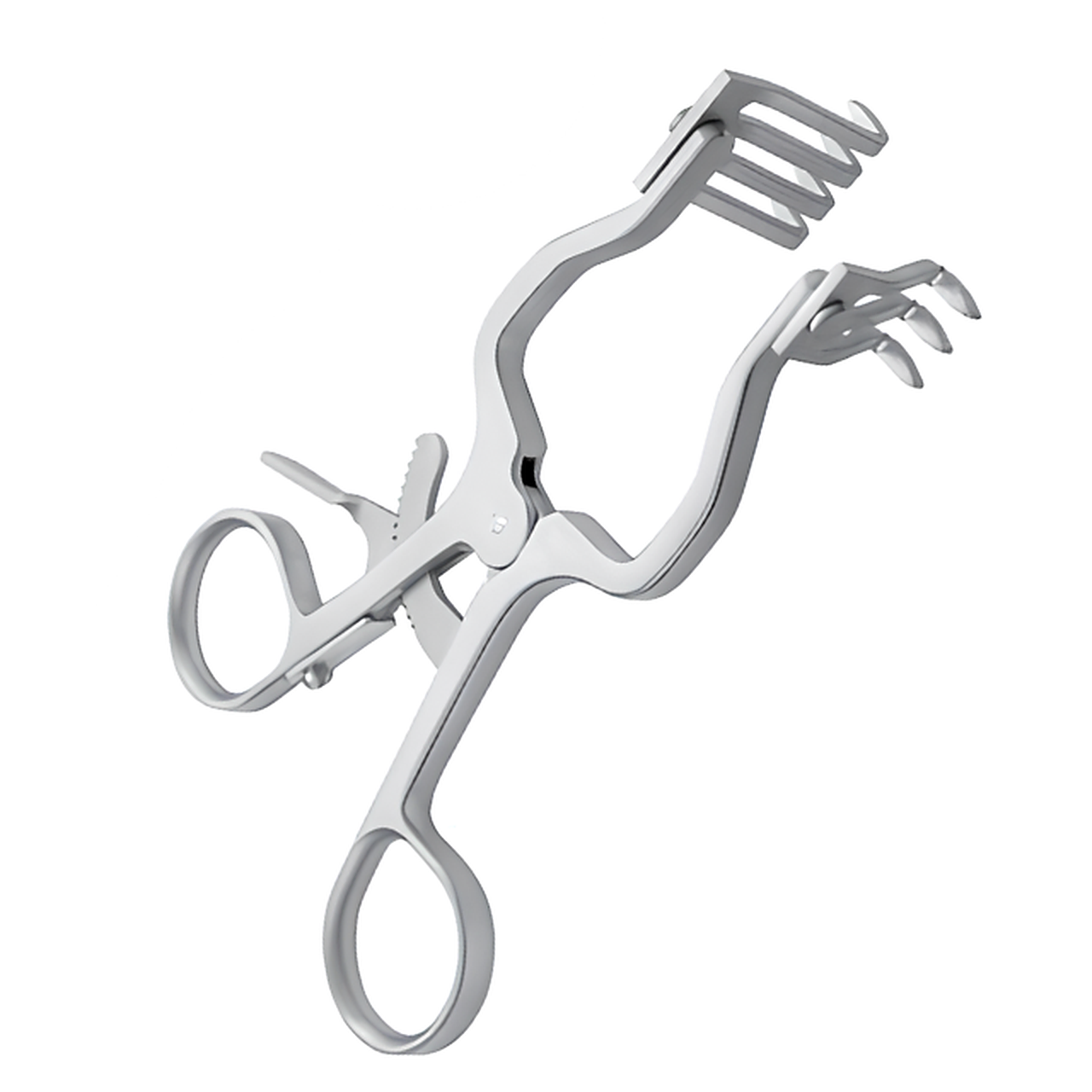 | Ambidextrous Self-Retaining Retractors | 滅菌術野の左右どちらからでも操作可能な、リバーシブルでハンズフリーの軟部組織開創を提供するために設計されています。 |
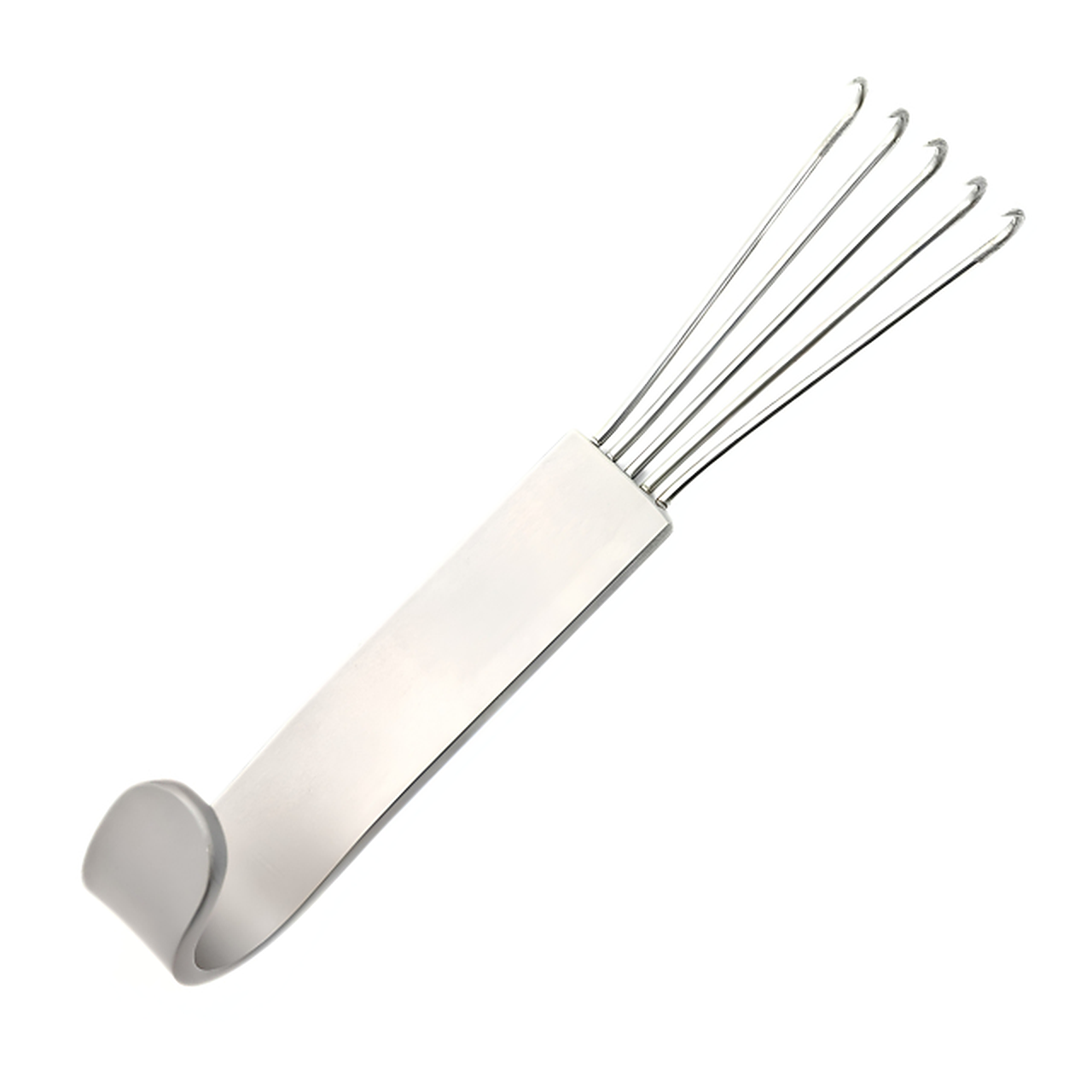 | Anderson Bear Claw リトラクター | 形成外科および再建外科における確実な皮膚牽引、皮弁挙上、および軟部組織の牽引のために特別に設計されています。 |
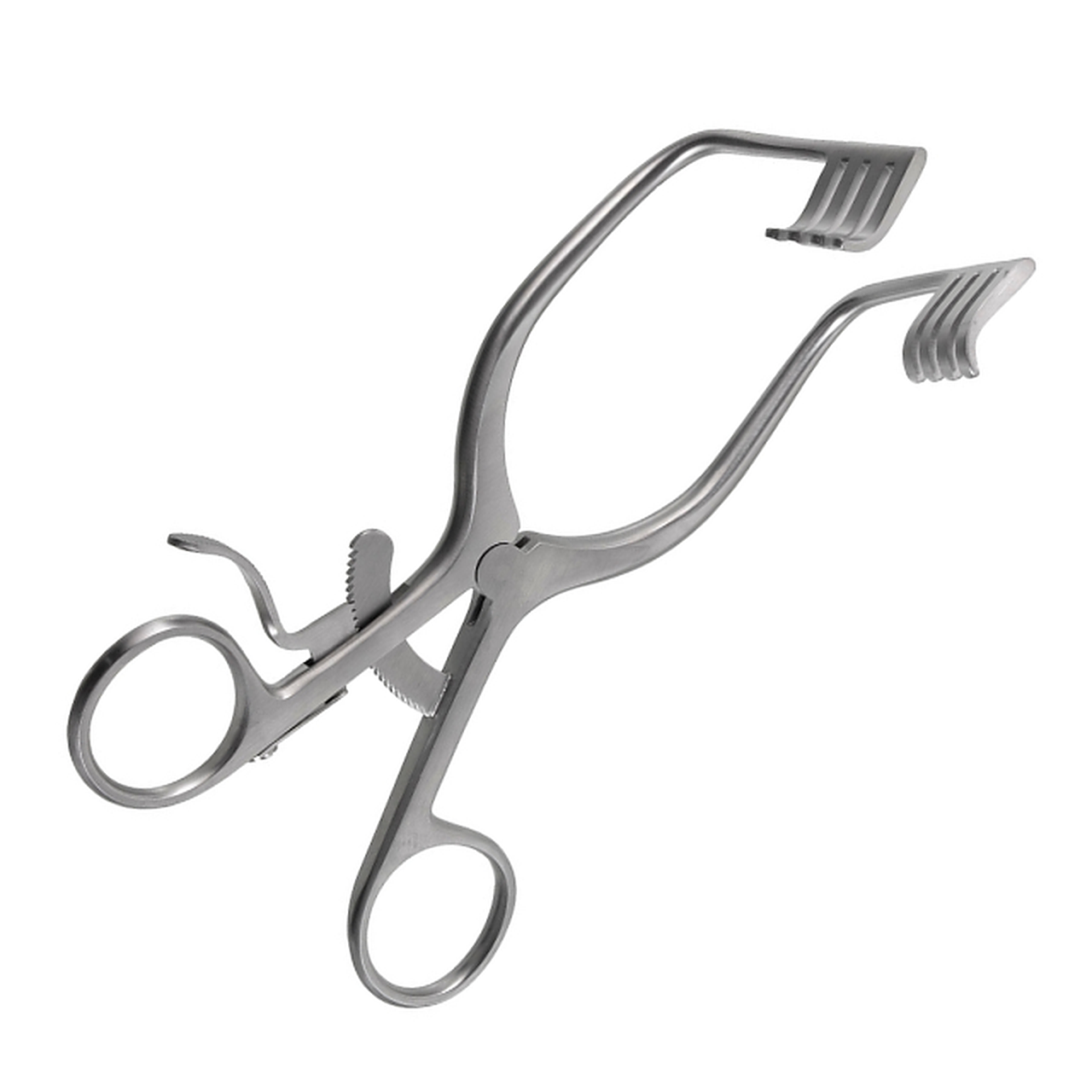 | Anderson-Adson 開創器 後頭窩用 自保持式 | 後頭蓋窩および後頭下脳神経外科手術における、自保持式の筋肉および組織牽引用として特別に設計されています。 |
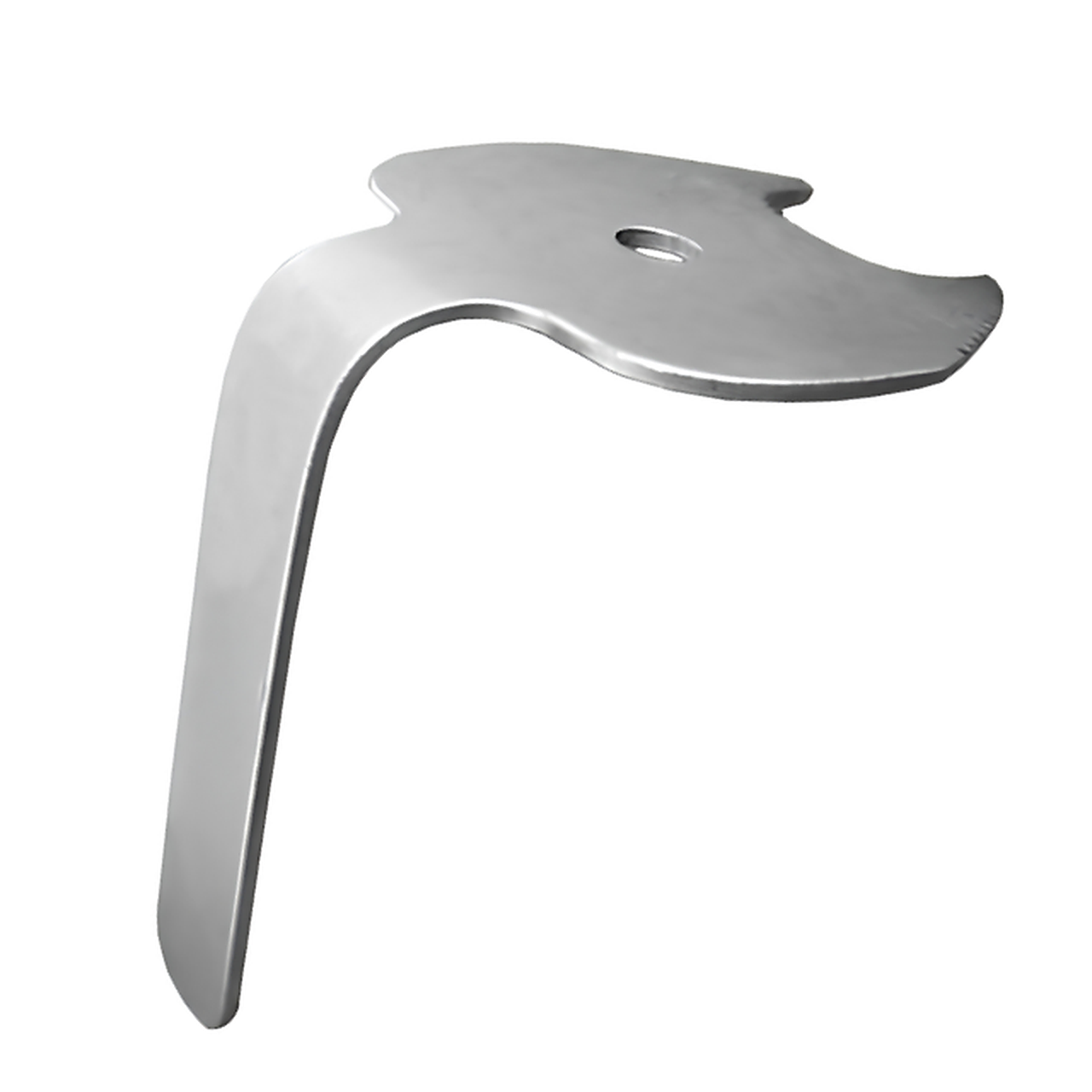 | 大腿骨前方顆部レトラクター | 人工膝関節置換術において、大腿骨前方顆部を露出し、伸展機構を牽引するために特別に設計されています。 |
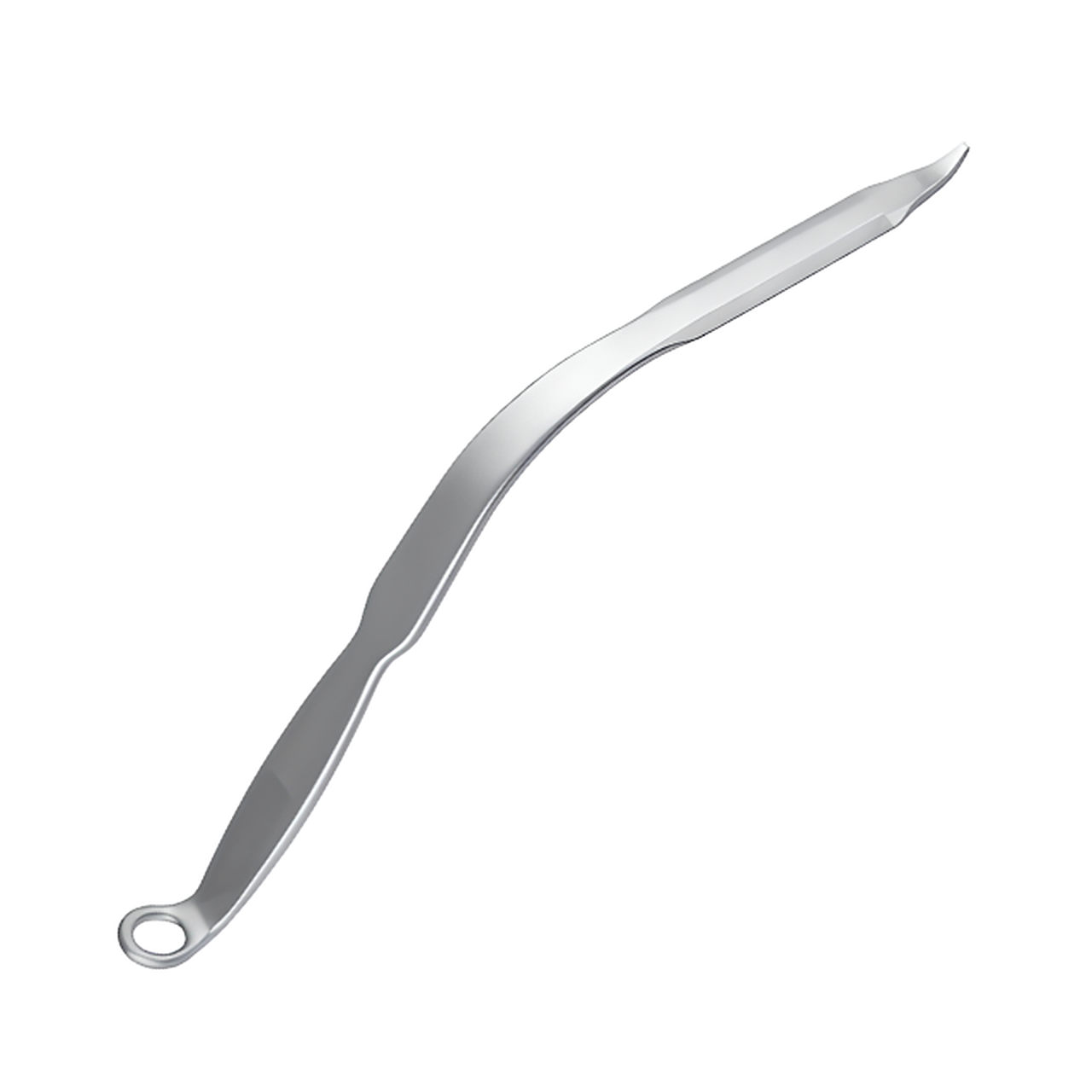 | 大腿骨頸部前方・前内側縁開創器 | 人工股関節置換術および大腿骨頭骨切り術において、大腿骨頸部前方および前内側縁を露出させるために特別に設計されています。 |
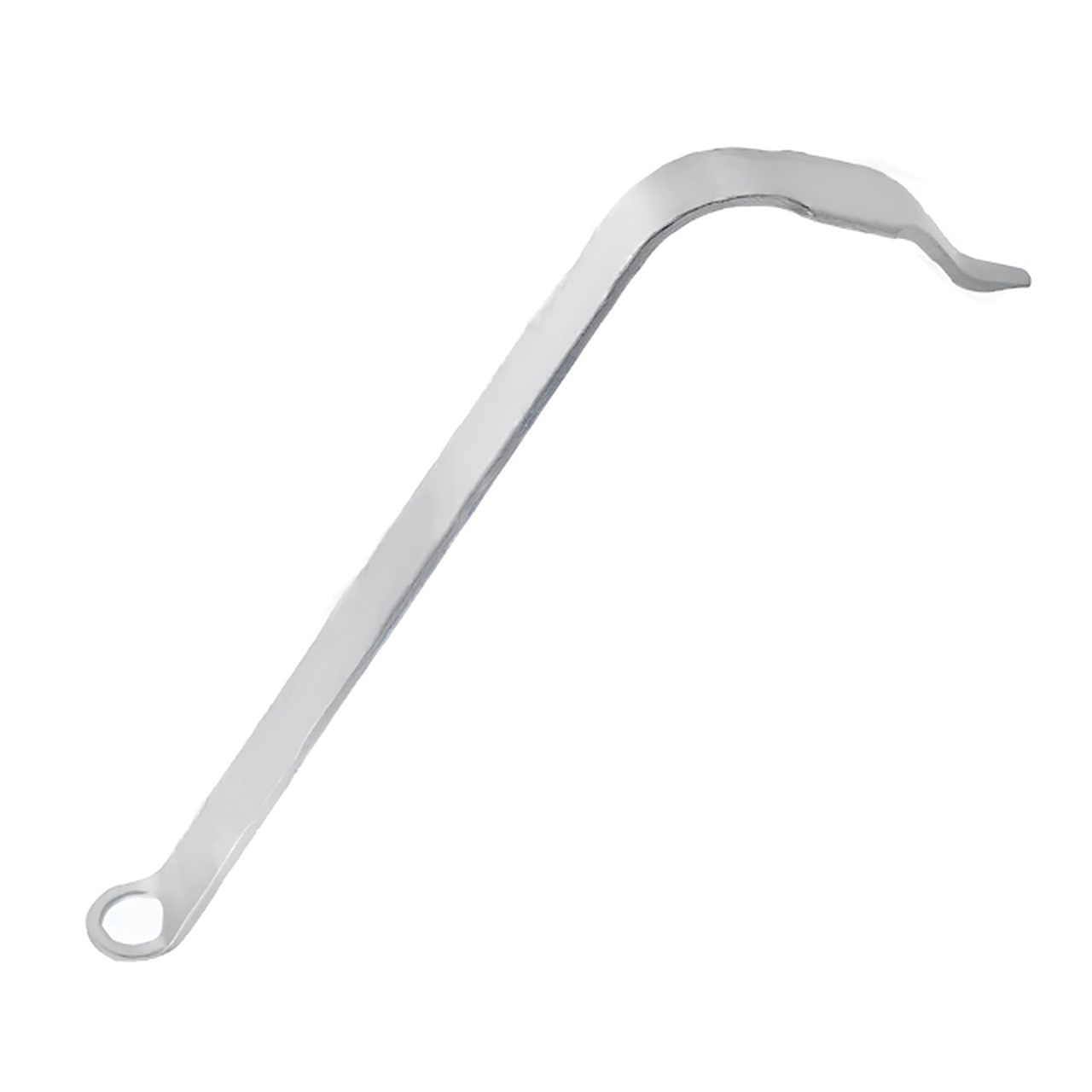 | 前外側アセタブラー・リム・レトラクター | 股関節形成術において、前外側の寛骨臼縁を露出させ、周囲の軟部組織を圧排するために特別に設計されています。 |
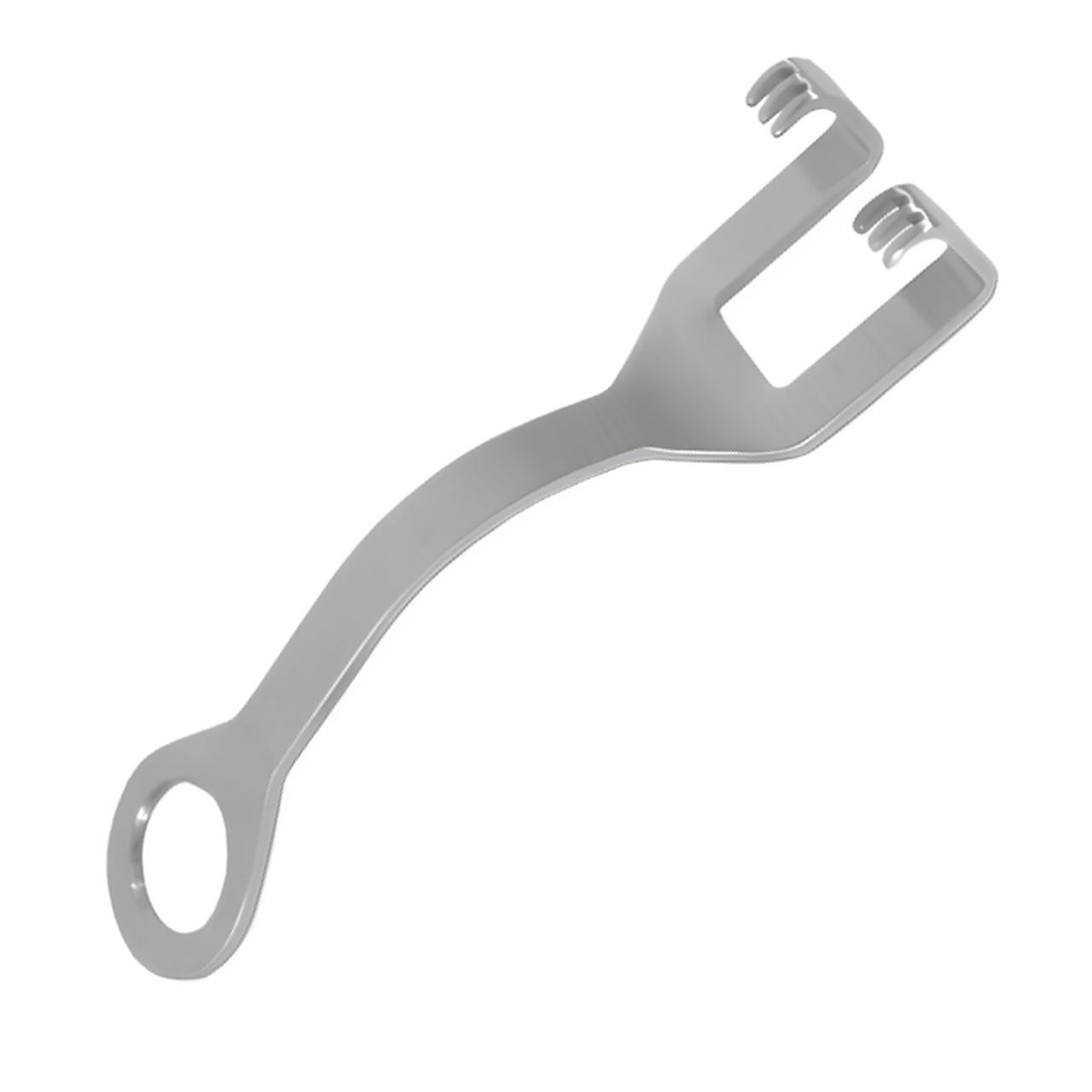 | AORI 膝蓋骨レトラクター | 初回および再置換人工膝関節全置換術において、膝蓋骨の牽引および翻転を行うために特別に設計されています。 |
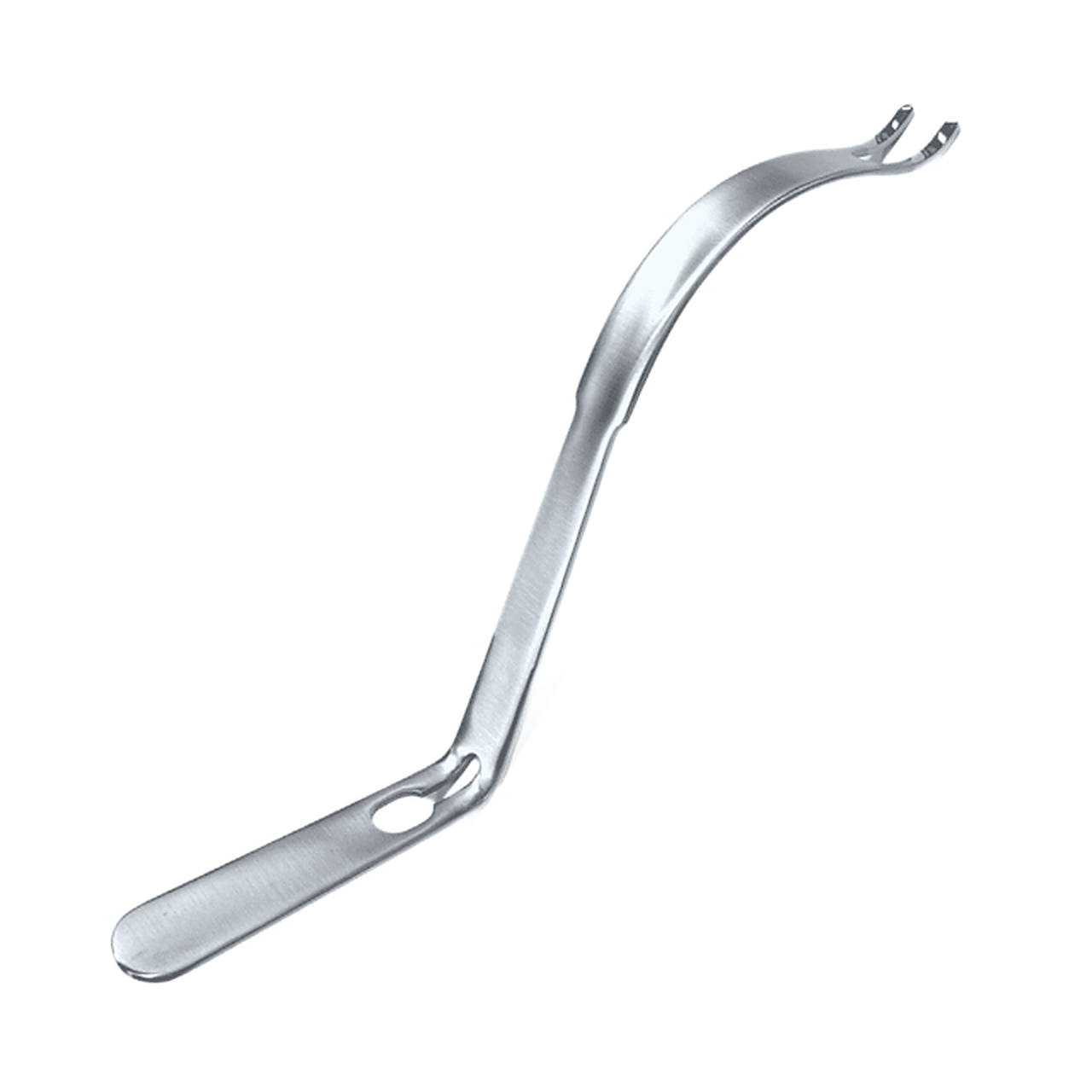 | APC ヒップレトラクター | 人工股関節全置換術および再建術における寛骨臼縁および大腿骨頸部の術野展開。 |
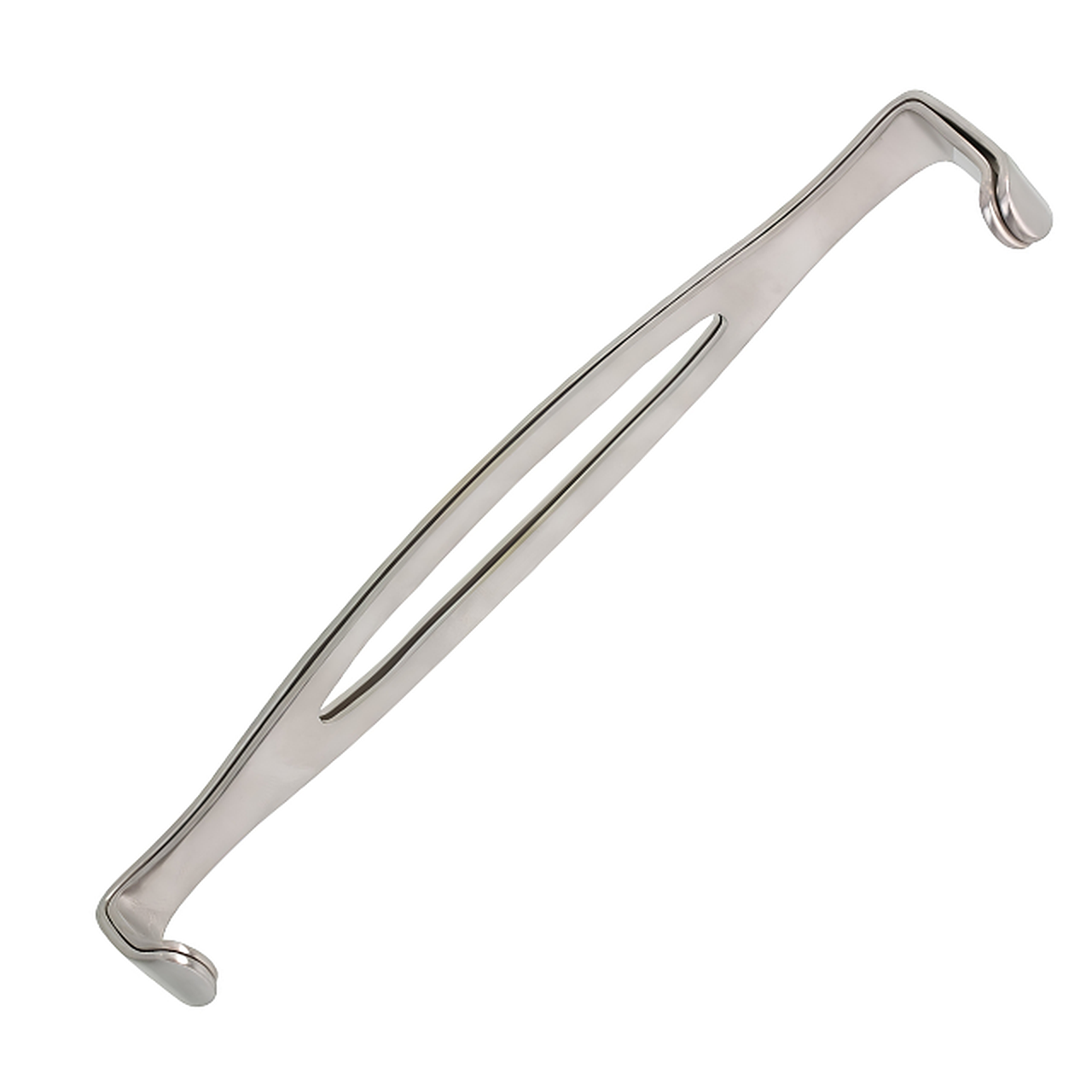 | Army-Navy 開創器 2本セット | 表層および中間層の手術野における軟部組織および創縁の手動牽引用。 |
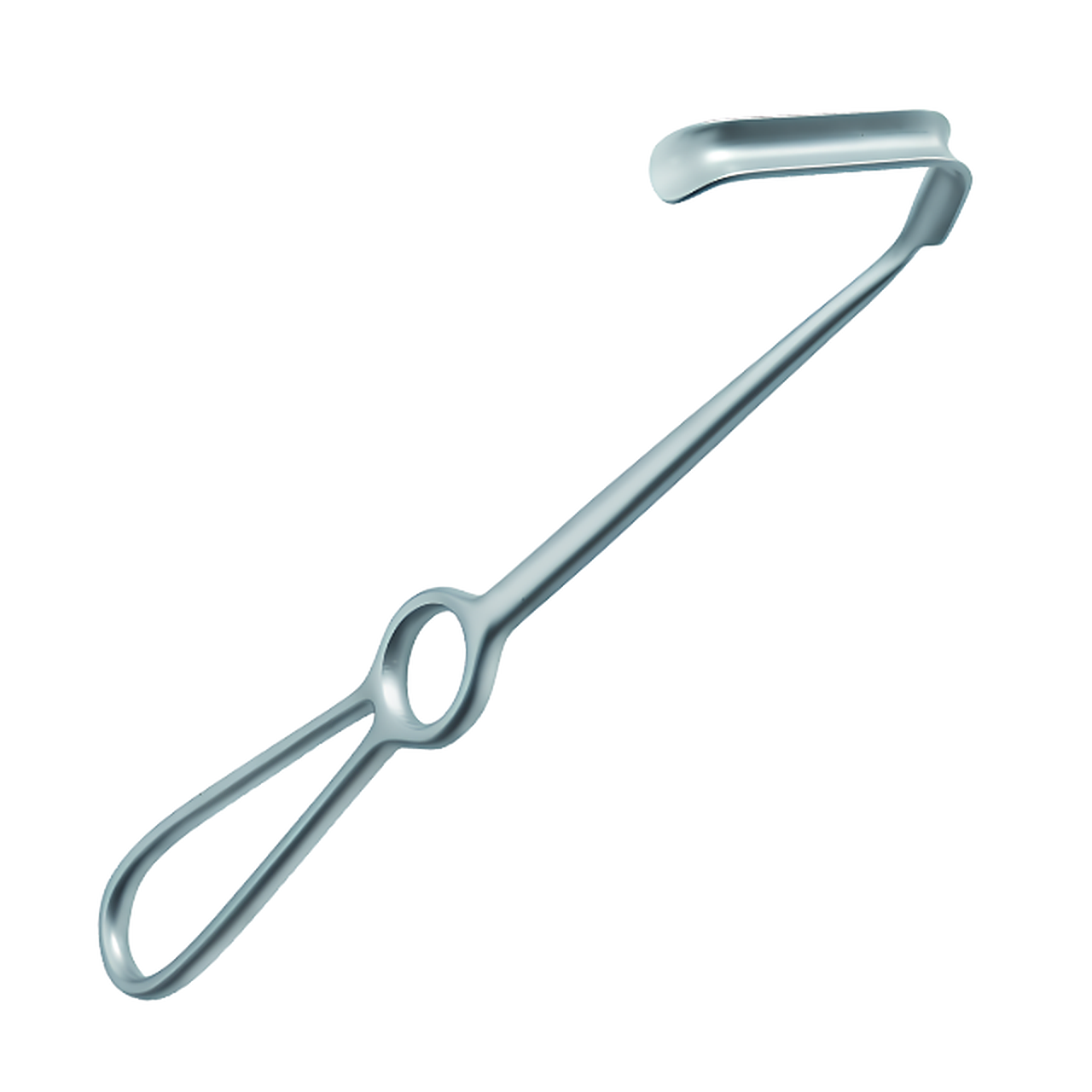 | Arnett Le Fort 上唇レトラクター | Le Fort 骨切り術および顎矯正手術において、上唇および前庭粘膜を挙上・保護するために設計されています。 |
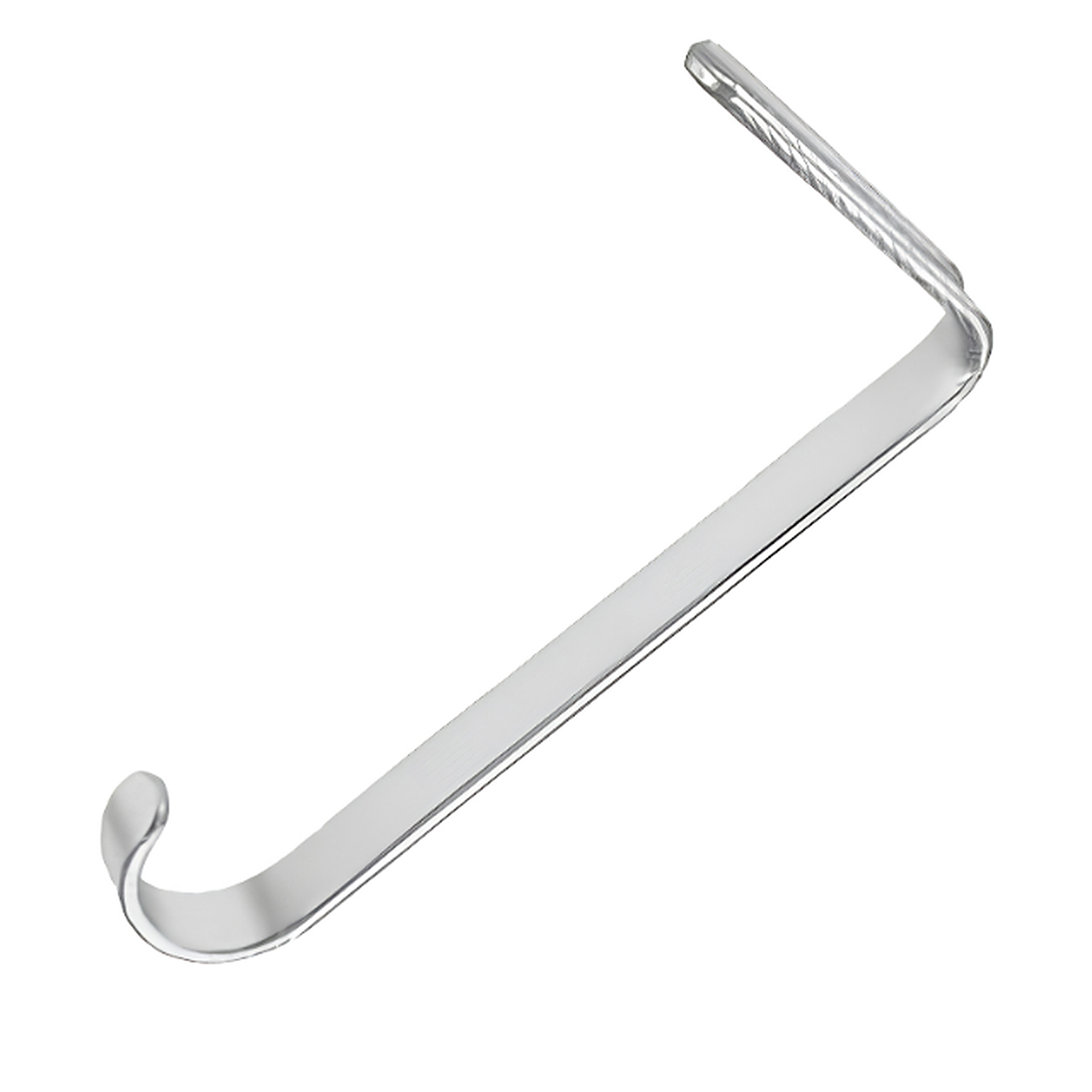 | Aufricht Daniel 鼻レトラクター | 美容および再建鼻形成術において、鼻背の皮膚・軟部組織を挙上するために使用されます。 |
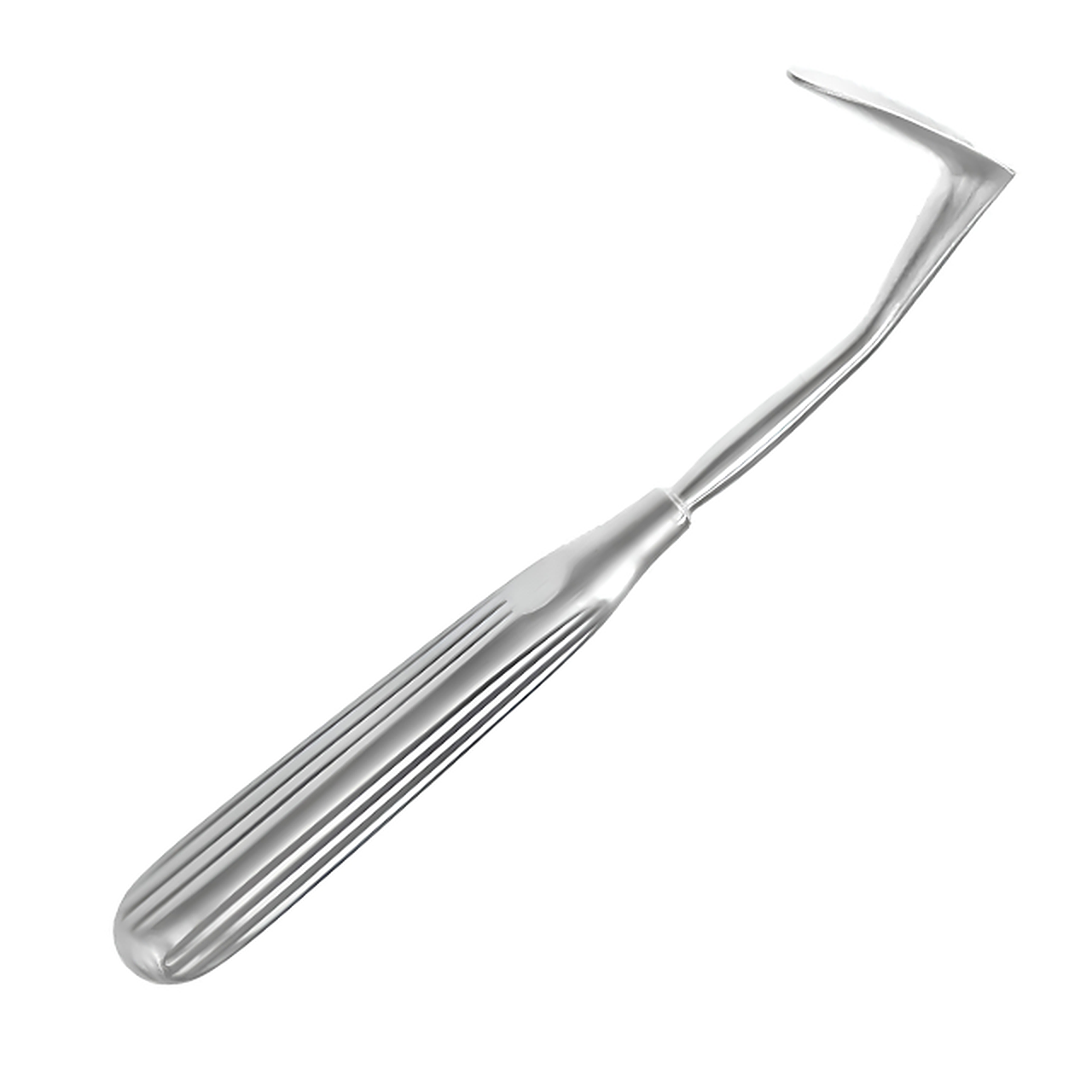 | Aufricht 鼻レトラクター | 鼻形成術において、鼻腔皮弁の挙上および鼻背の明確な視認性を維持するために特別に設計されています。 |
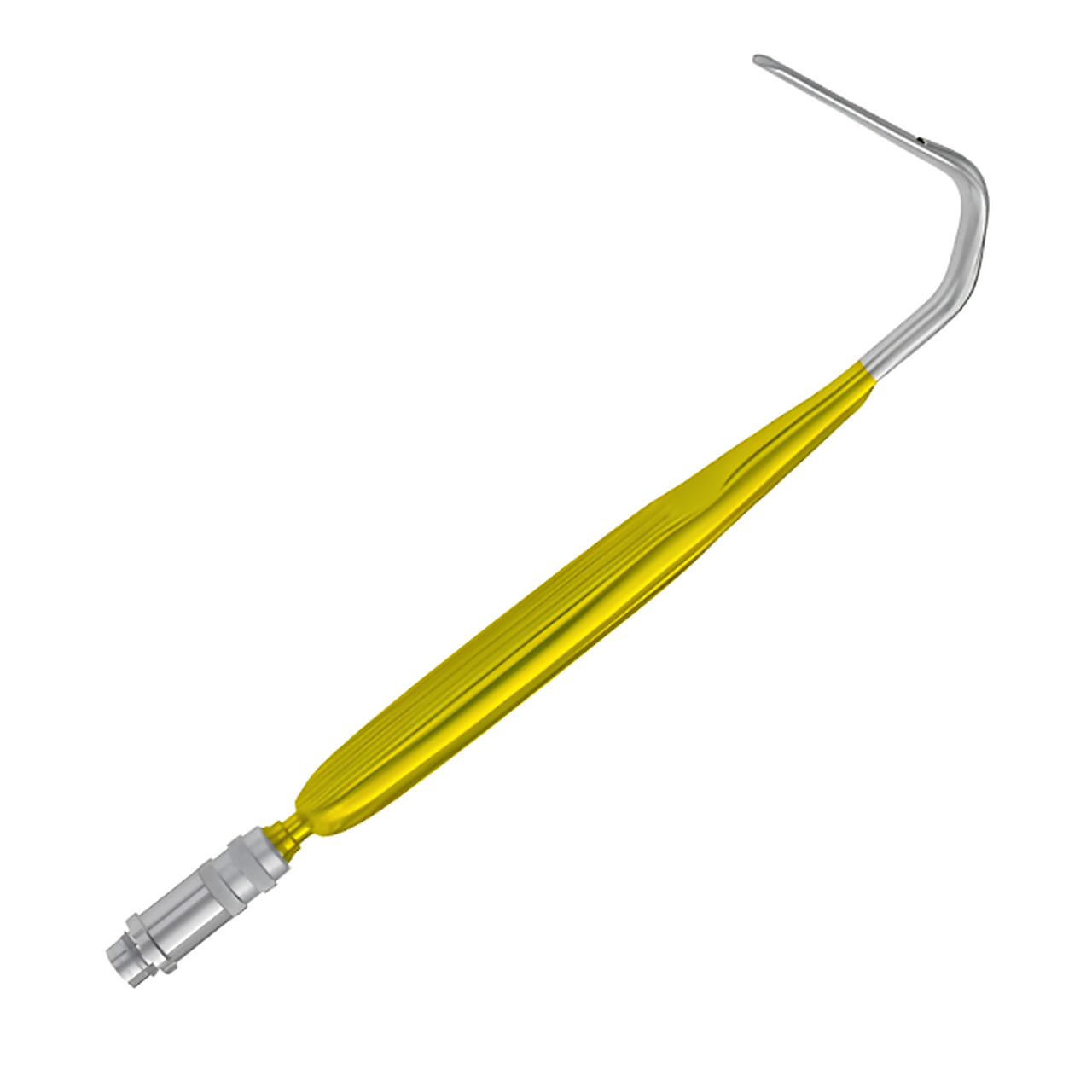 | Aufricht Nasal Retractor - Fiber Optic | 鼻形成術および鼻部再建手術において、軟部組織の牽引と鼻背側の術野確保、および照明の提供を目的に設計されています。 |
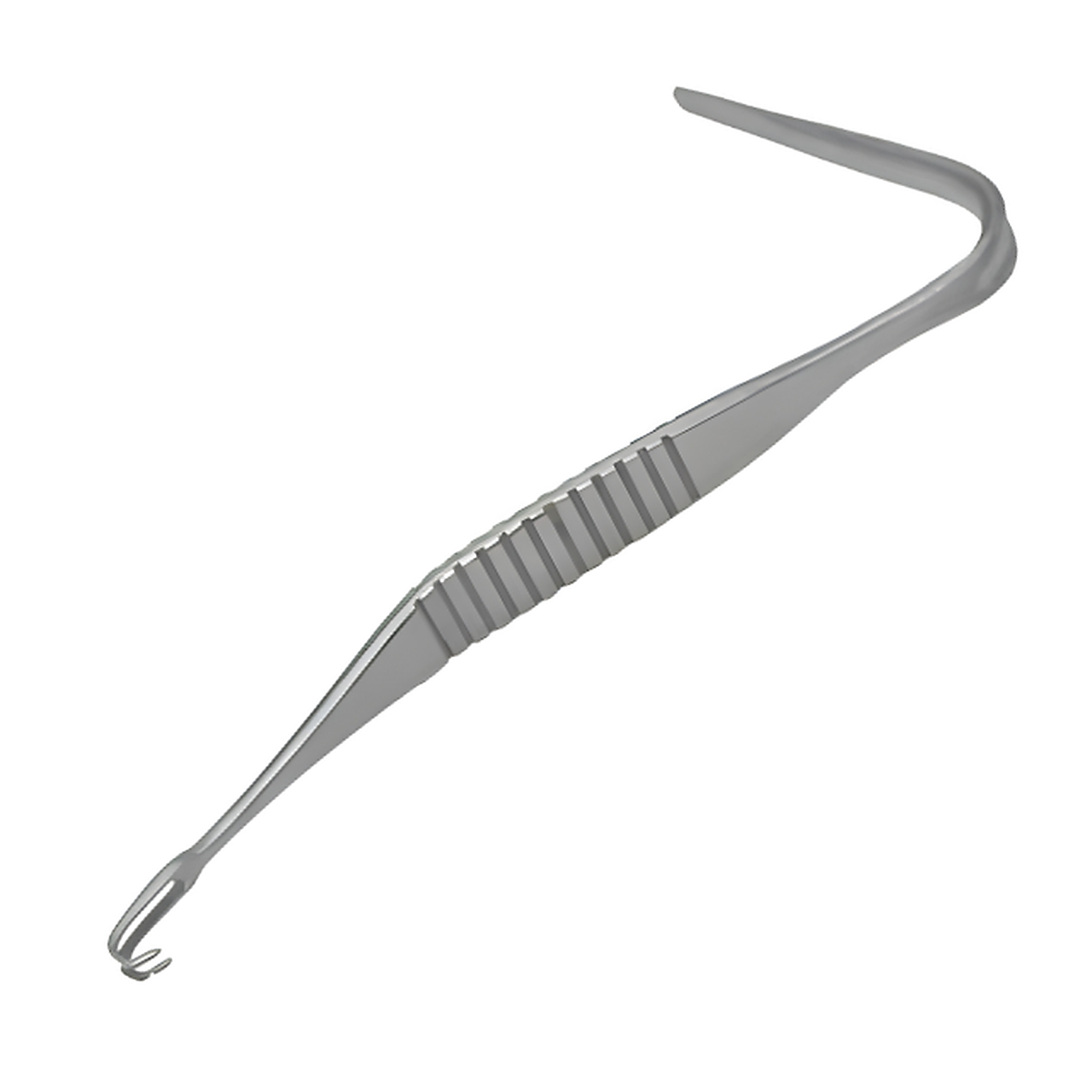 | Aufricht Walter 鼻レトラクター | 鼻形成術および鼻再建術における両頭での軟部組織の牽引および粘膜フラップの挙上専用設計。 |
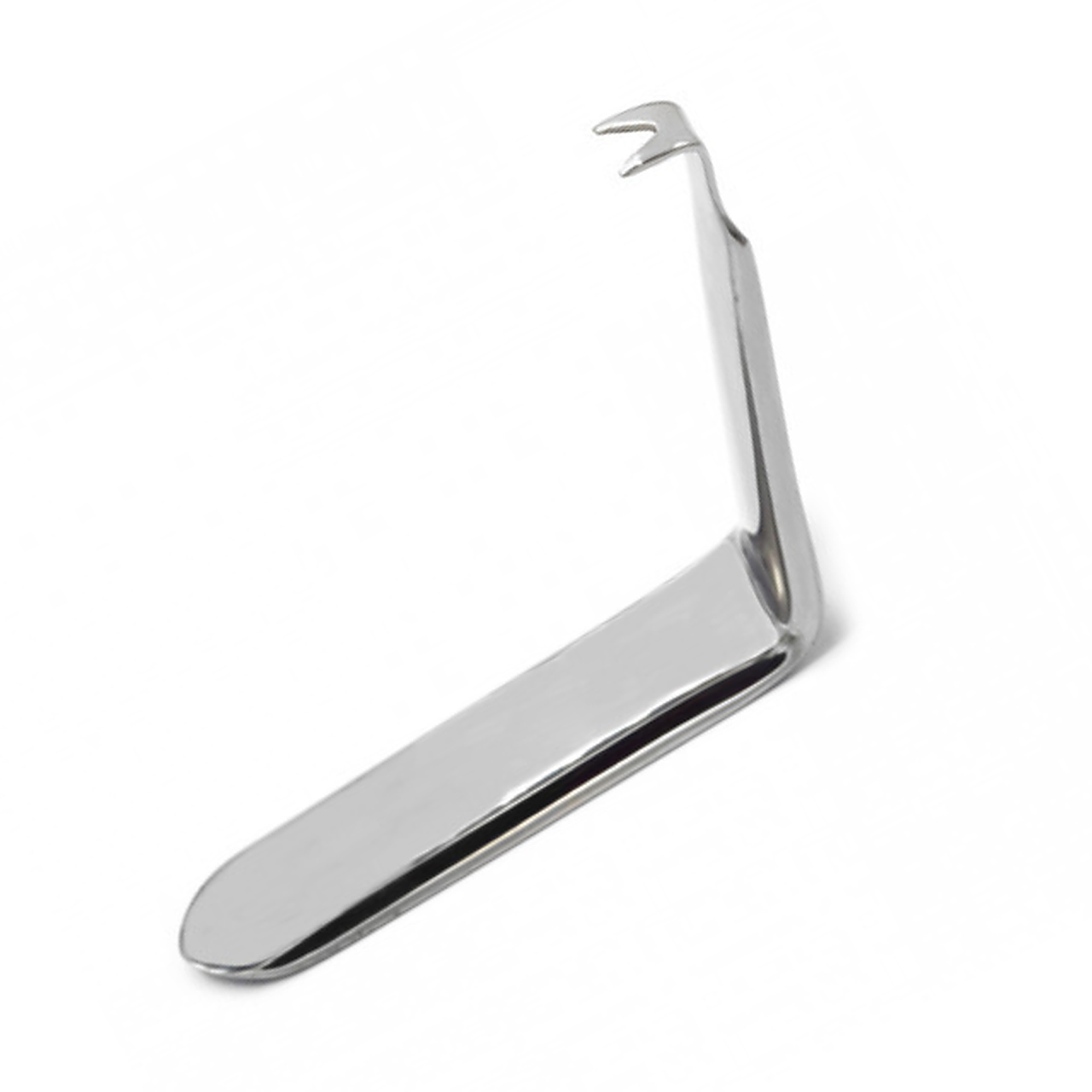 | Austin 組織・頬牽引器 | 口腔内、顎顔面、および歯科手術における頬、唇、および粘膜骨膜弁の牽引に特化して設計されています。 |
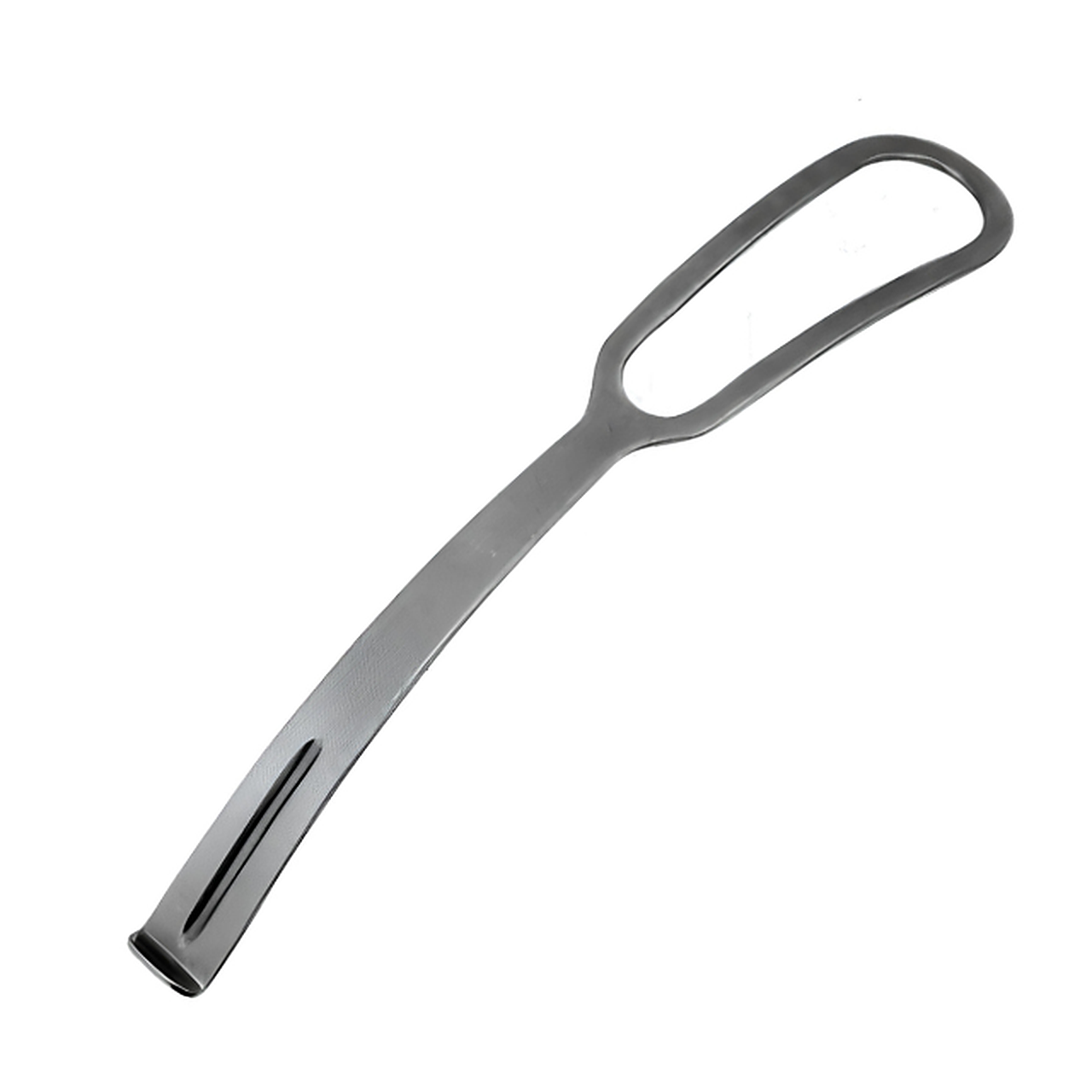 | Awty 下顎頭頚部レトラクター | 顎矯正手術や外傷骨切り術において、下顎頭頚部を術野展開し保護するために特別に設計されています。 |
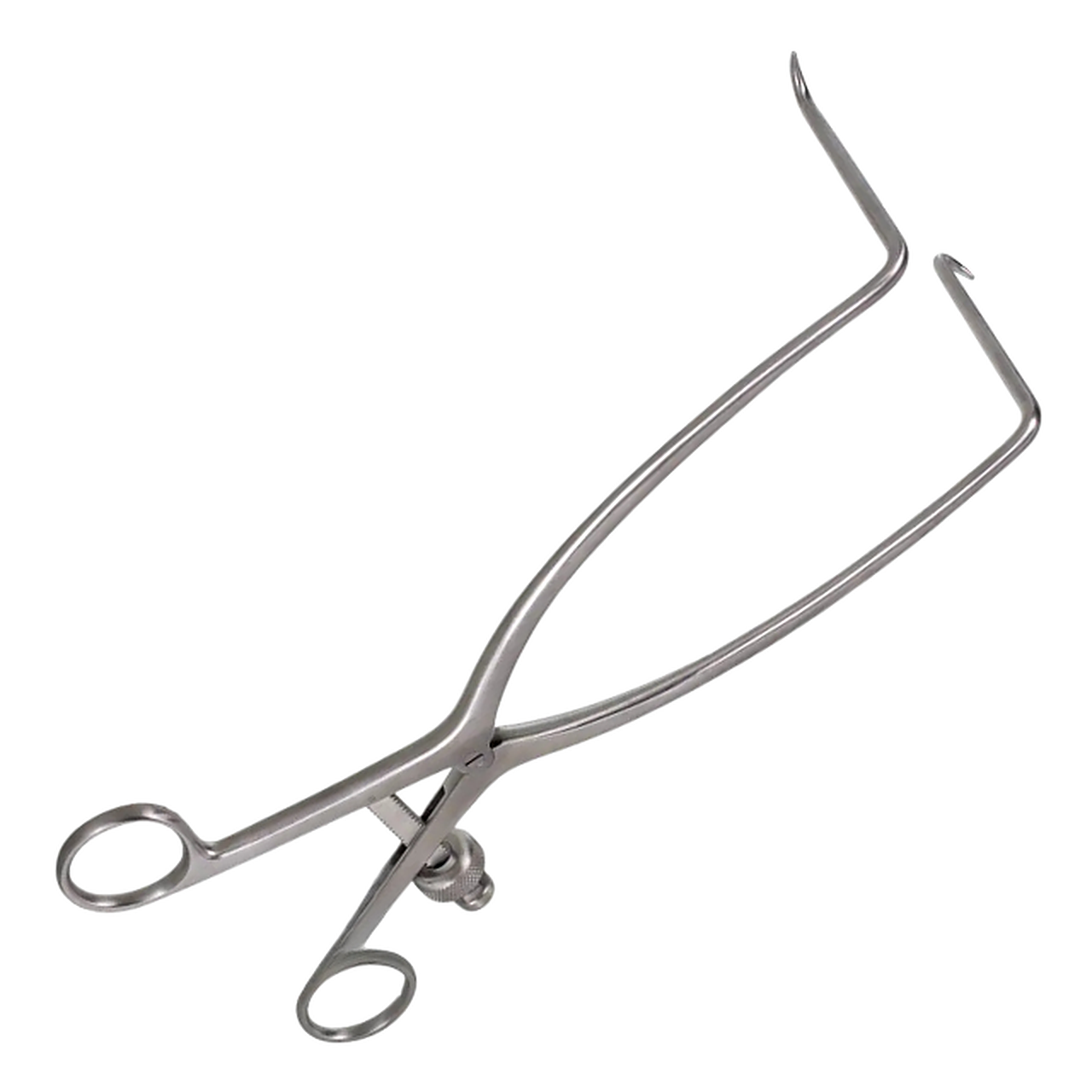 | B-Z 開創器 | 整形外科、脊椎、および骨盤手術における自己保持型の深部軟部組織および傍脊柱筋の牽引用に特別に設計されています。 |
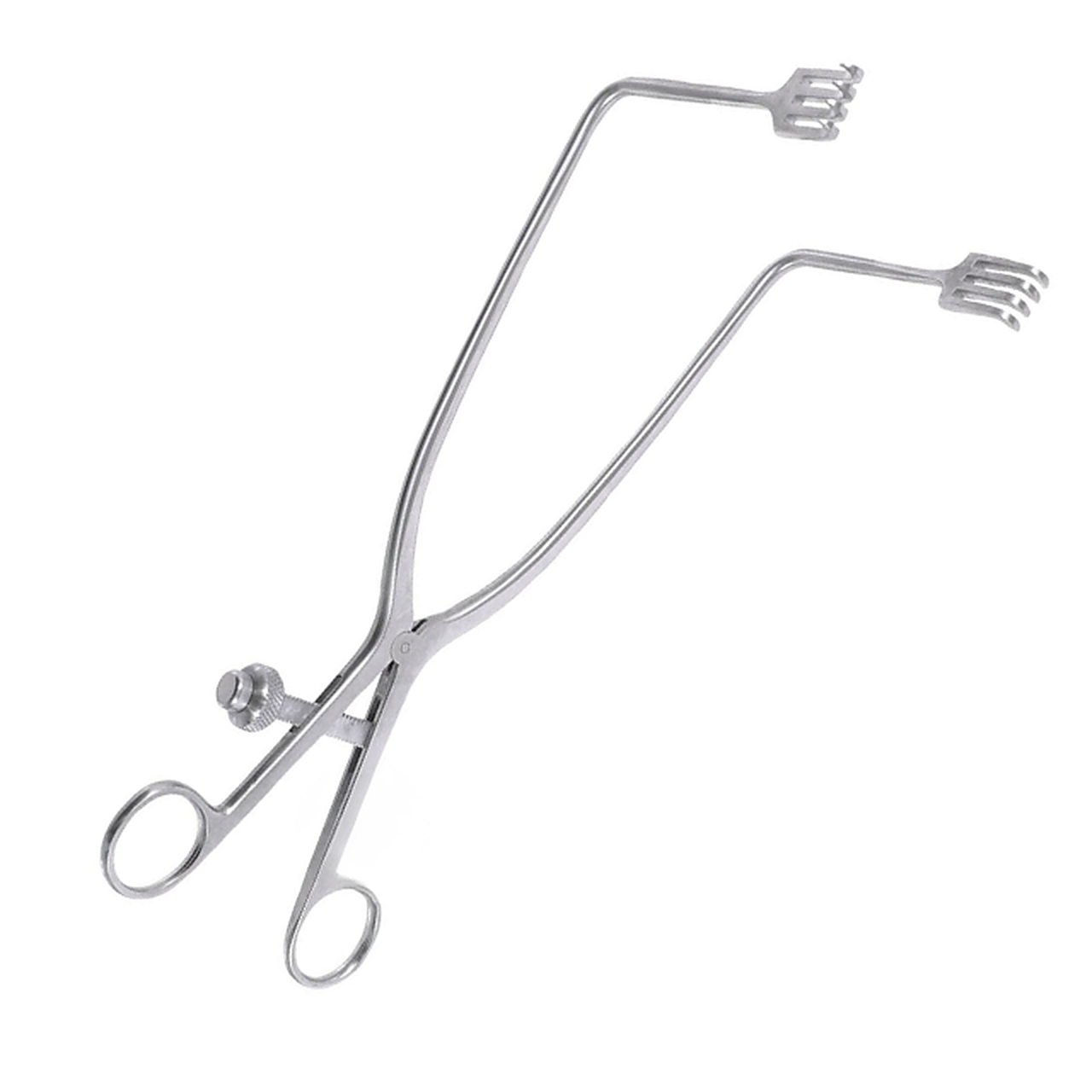 | B-Z Weitlaner Retractor | 脊椎、整形外科、骨盤の手術において、深部の軟部組織および筋肉の自動牽引を提供するために設計されています。 |
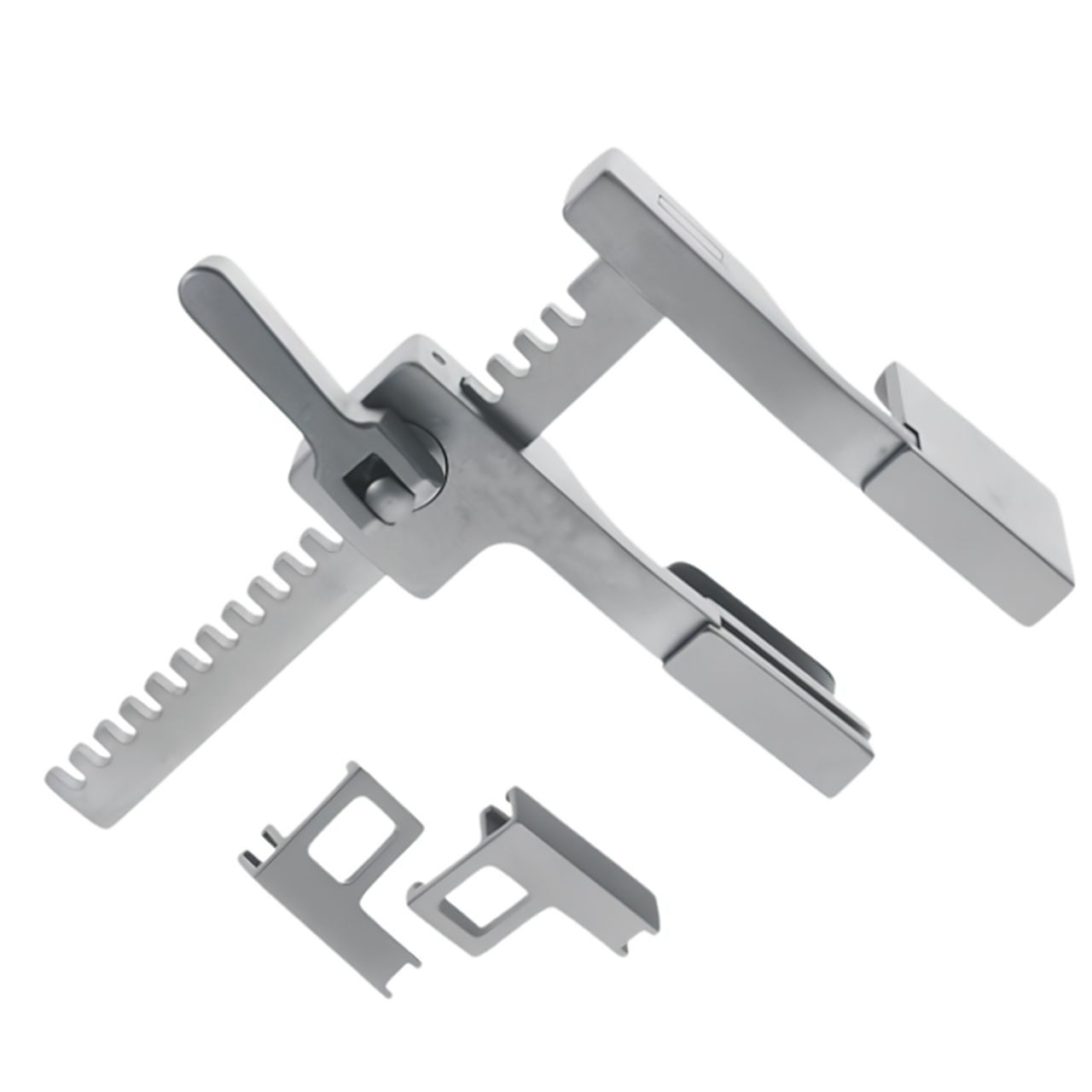 | Baby-Haight 開胸器 | 新生児および乳幼児の心臓胸部外科手術において、肋骨を分離し胸部へのアクセスを確保するために特別に設計されています。 |
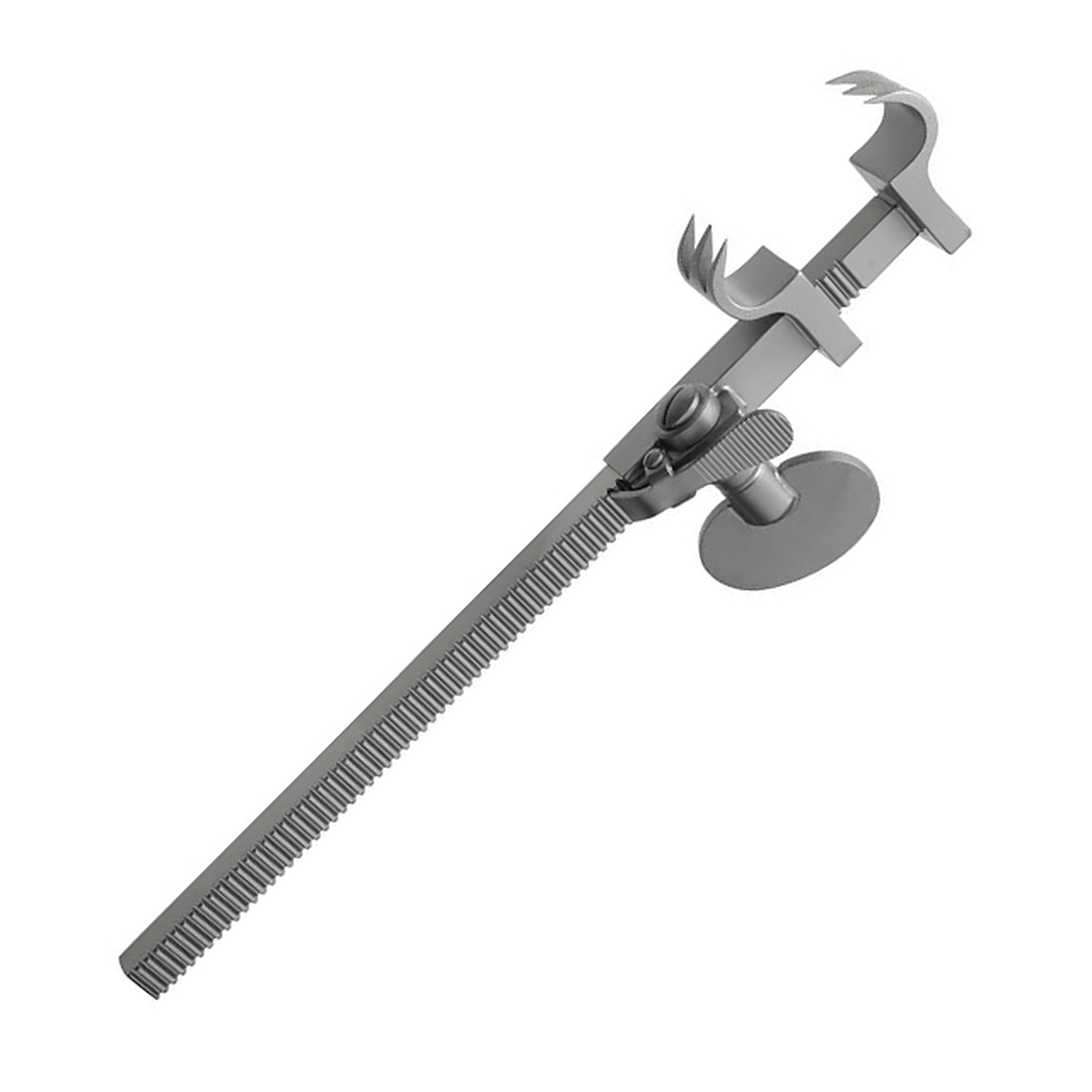 | Bailey 肋骨合子 | 開胸術の閉鎖において、肋骨を近接させ胸郭を安定させるために特別に設計されています。 |
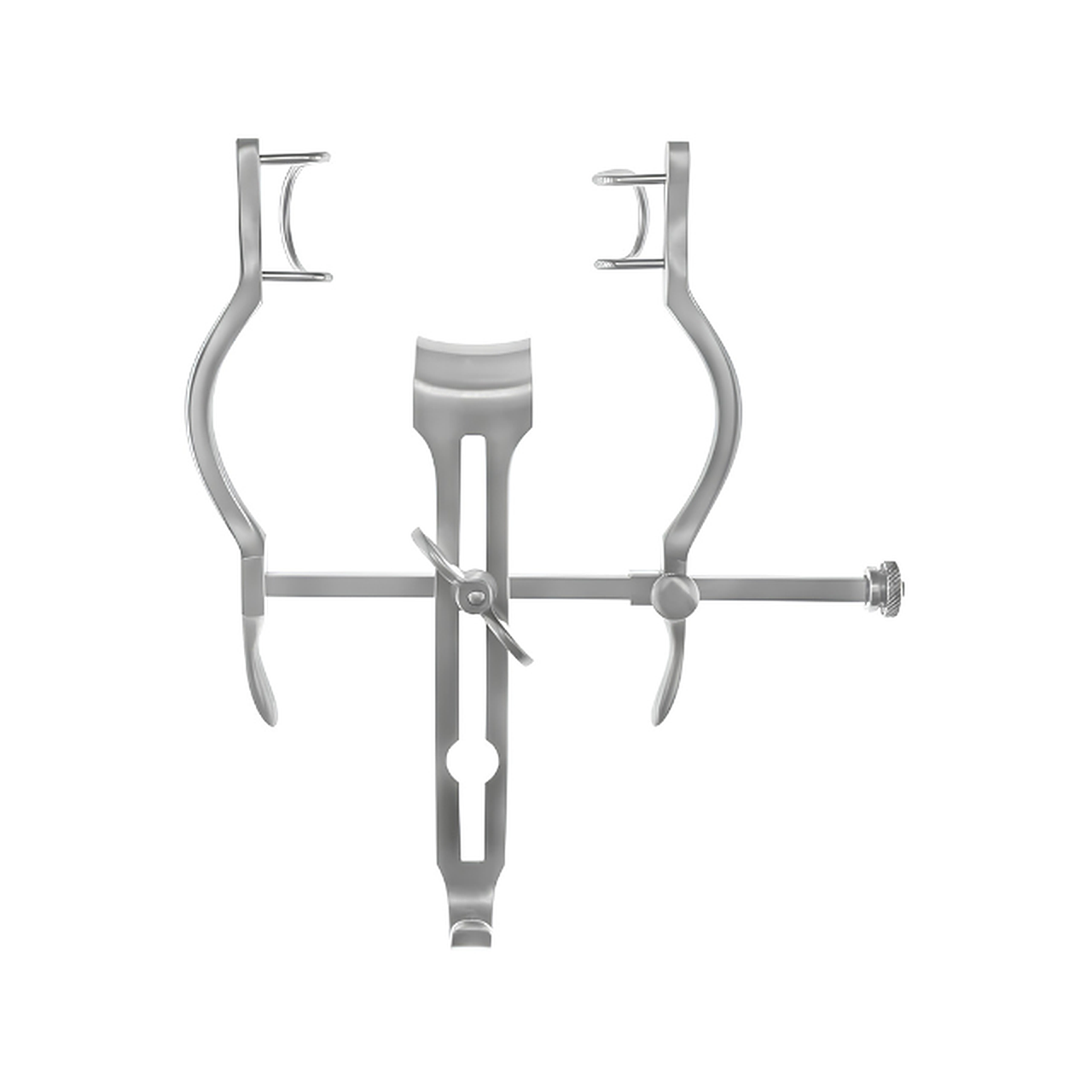 | Balfour Baby 自動開創器 | 手術全般において、組織の自己保持型開創および構造化された術野の維持を目的として設計されています。 |
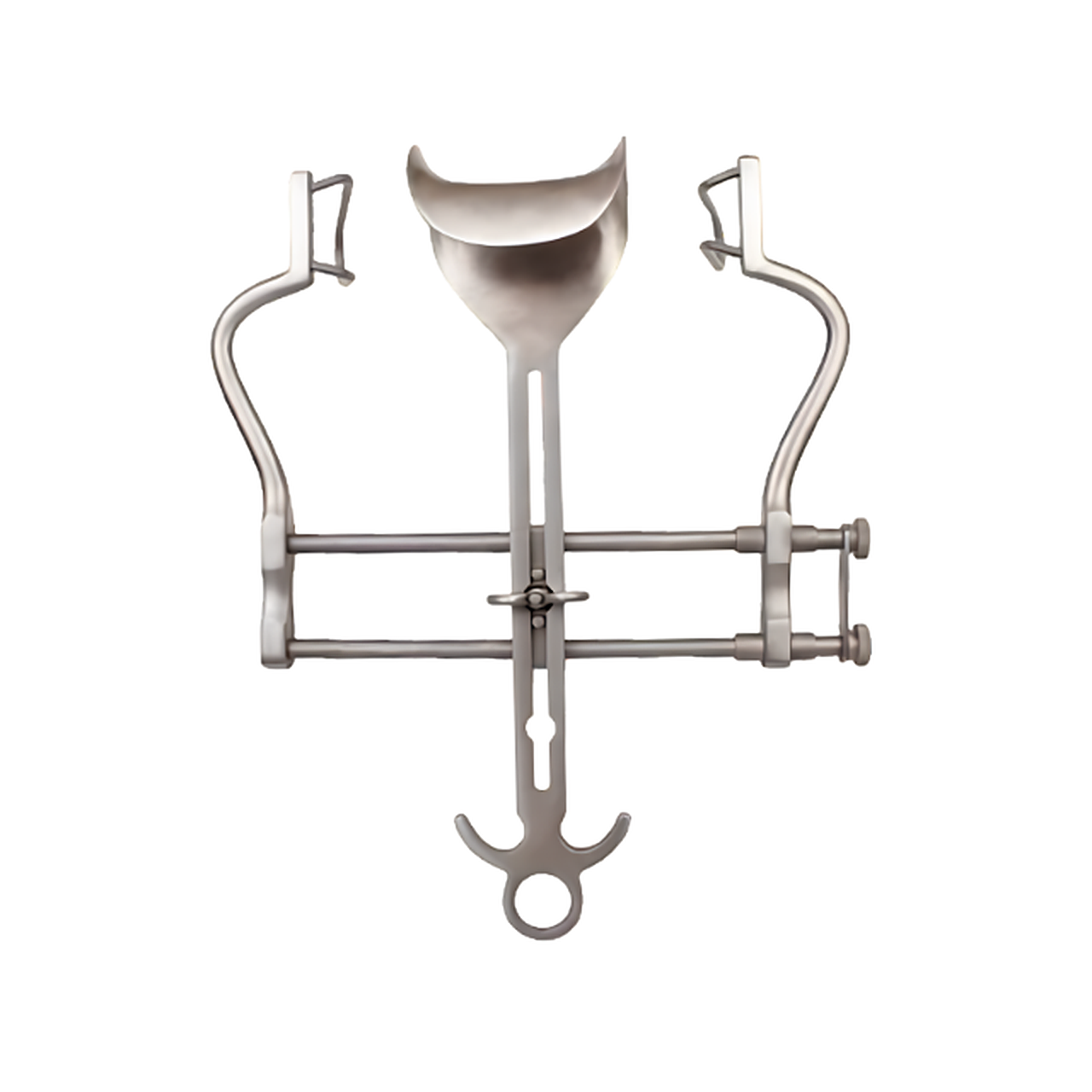 | Balfour Retractor | 軟部組織の自動牽引を行い、術野の持続的かつハンズフリーな確保を目的として設計されています。 |
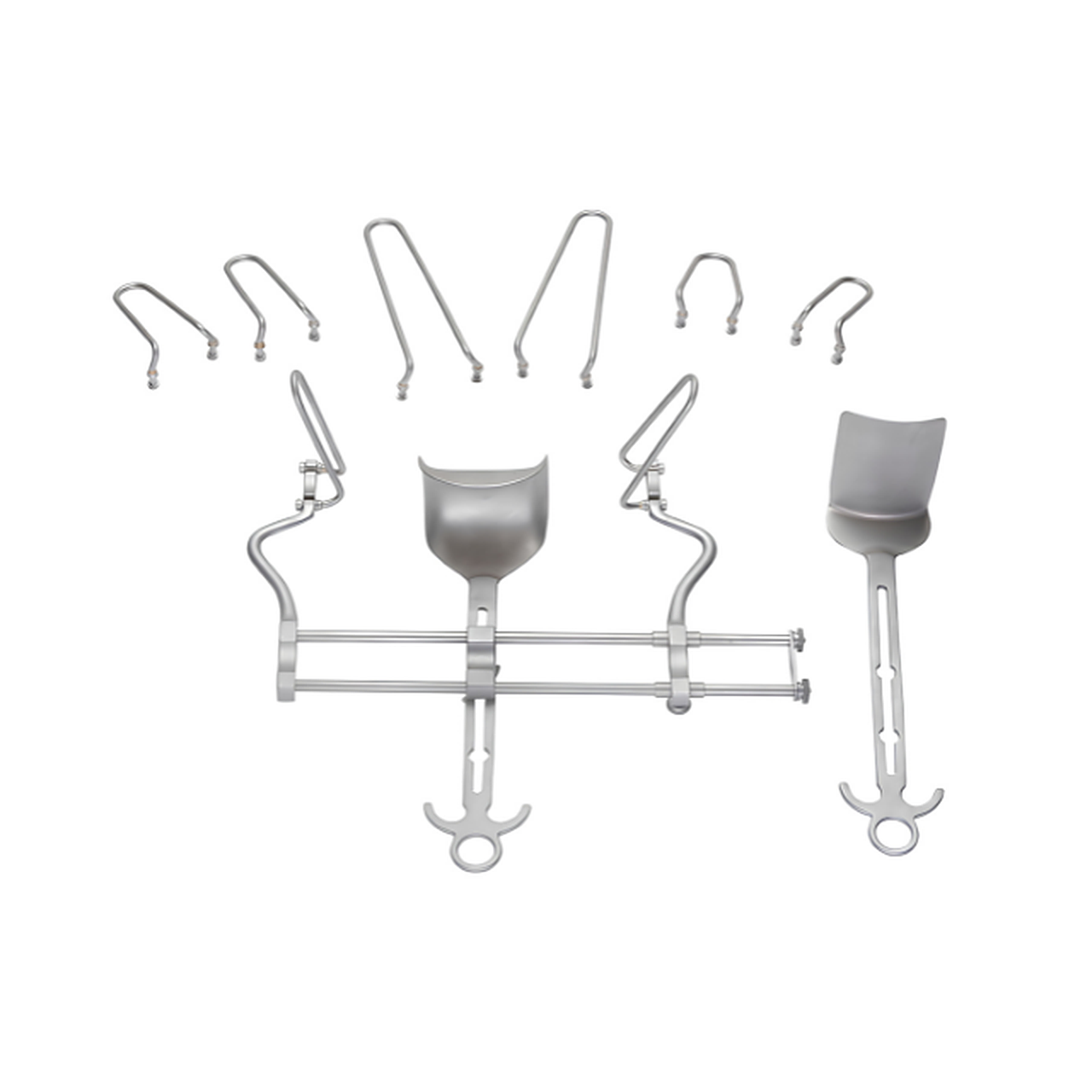 | Balfour USA 自保持開創器 | 專為在手術過程中提供自保持軟組織牽引並維持結構化手術暴露而設計。 |
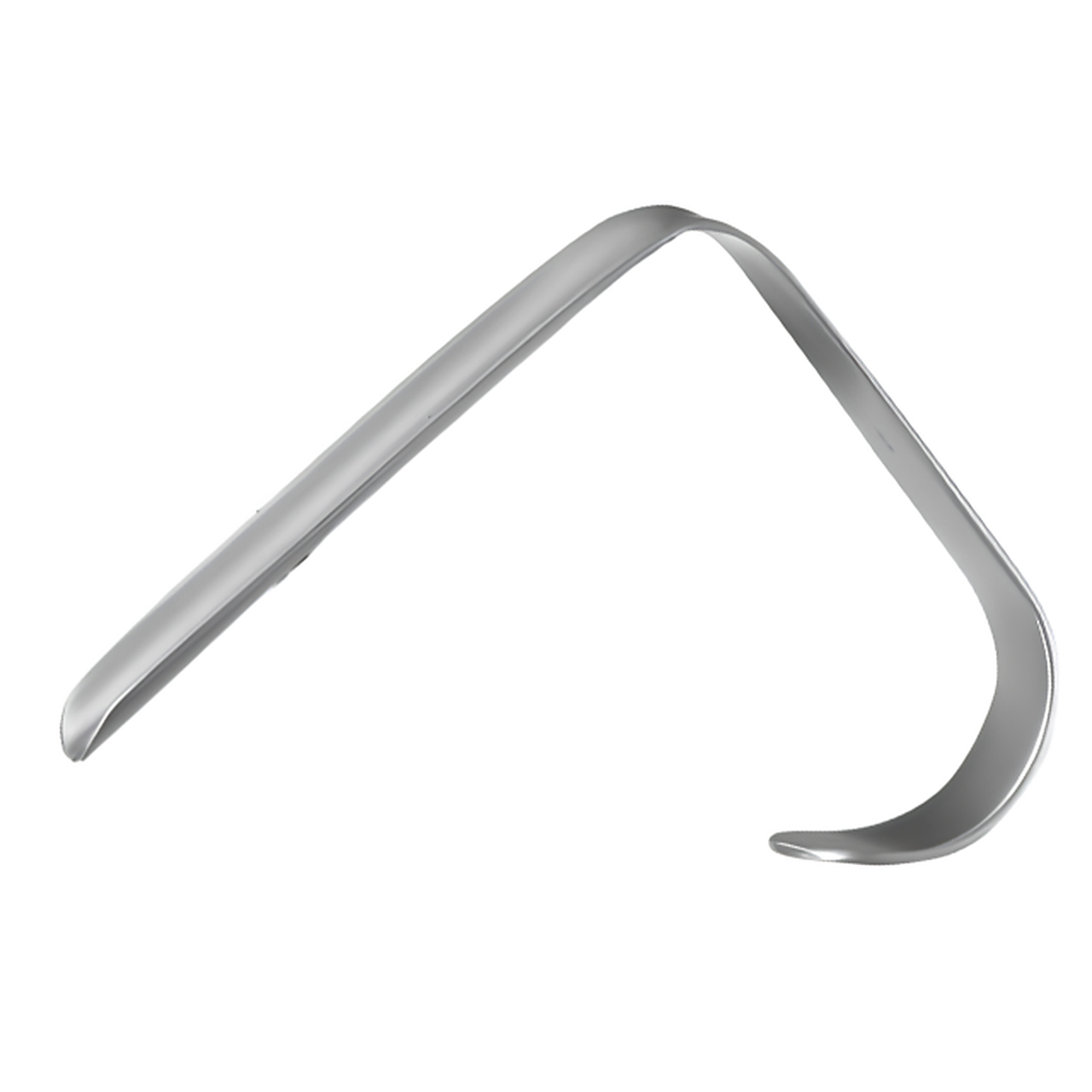 | Barsky 鼻用レトラクター | 鼻形成術および唇裂・鼻再建術における、鼻翼縁および鼻壁軟部組織の牽引用。 |
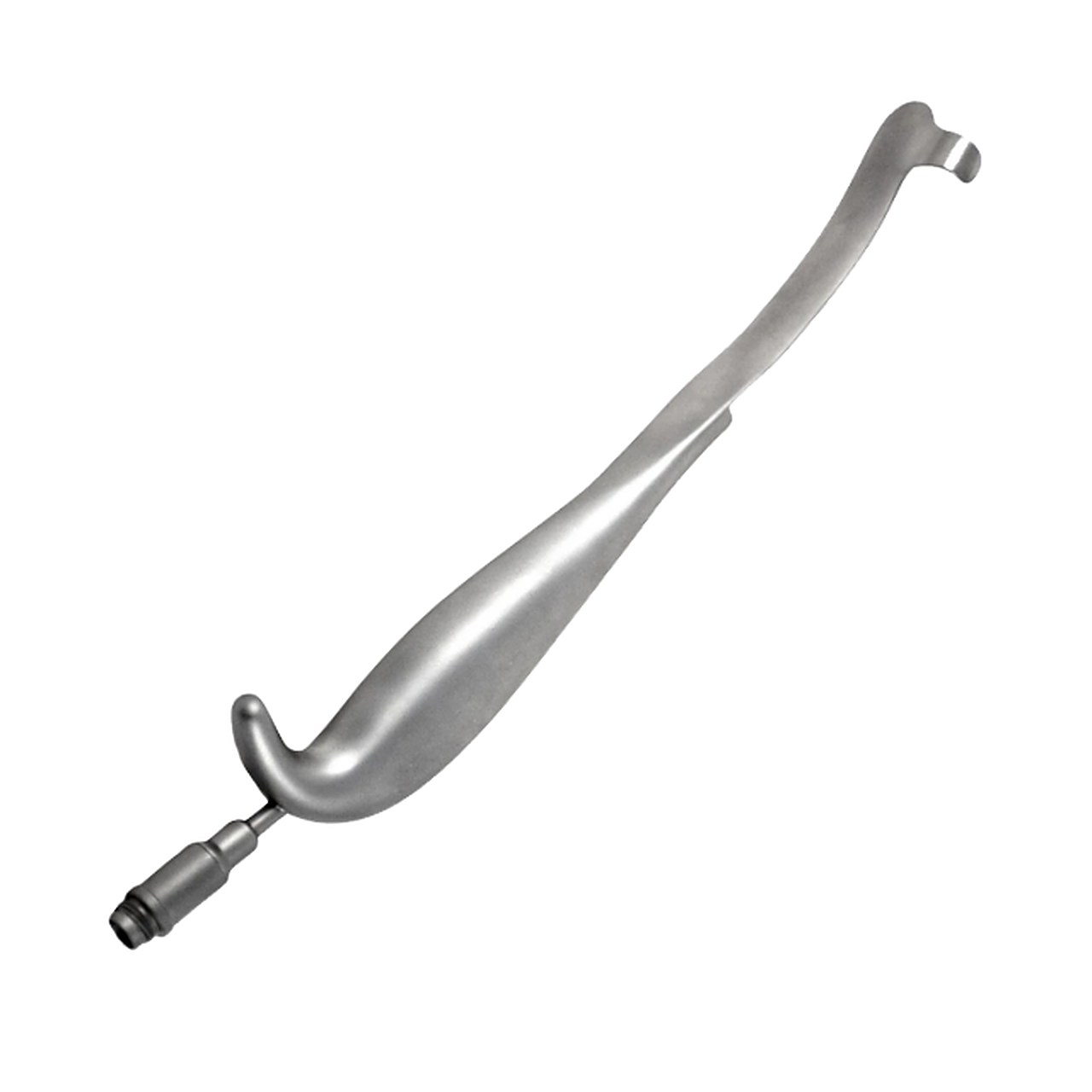 | Bauer 下顎切痕用口内開創器 | 下顎枝骨切り術および顎関節手術において、下顎切痕に掛けて軟部組織を牽引するために特別に設計されています。 |
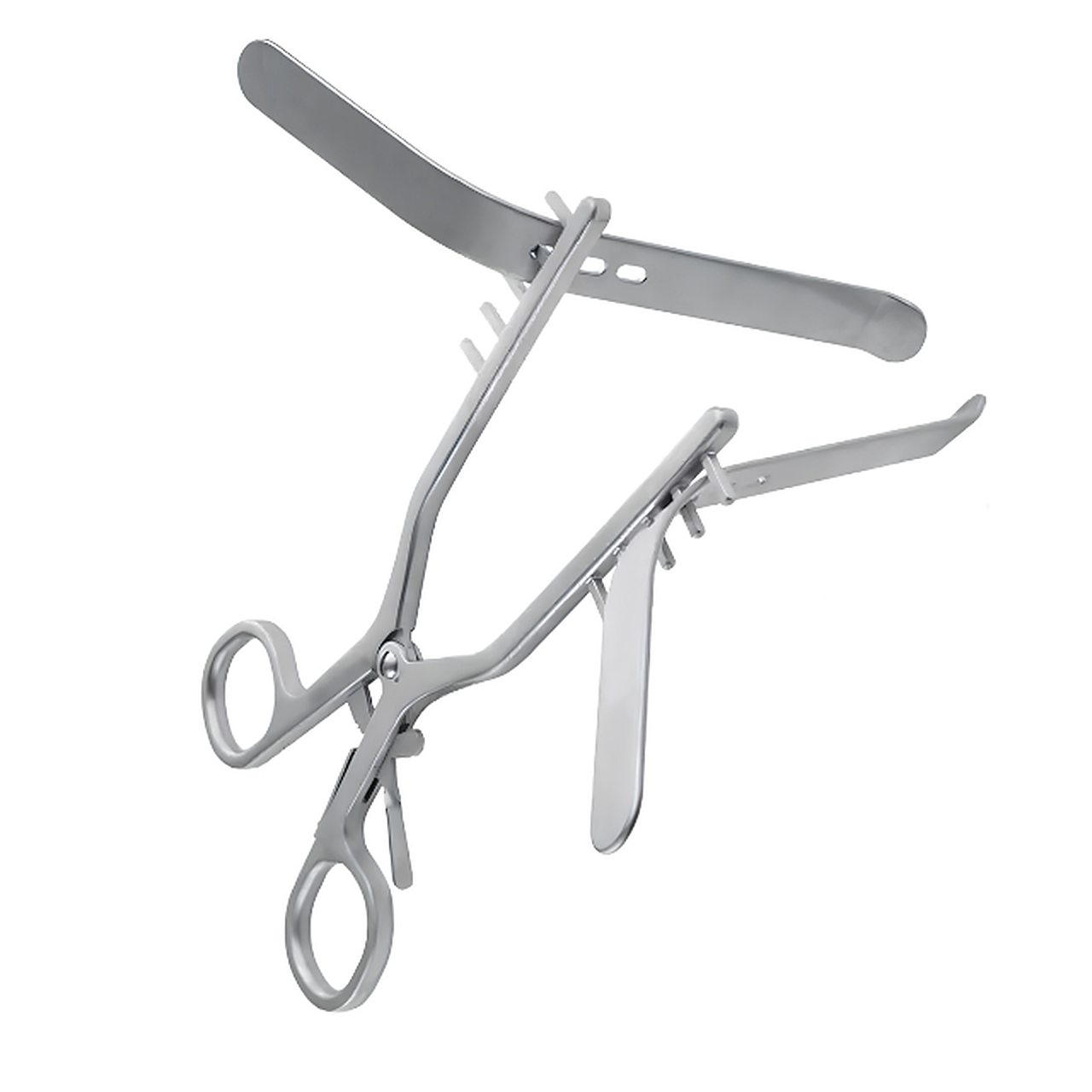 | Beard 遠位上腕二頭筋開創器 (自己保持式) | 遠位上腕二頭筋腱修復術における、ハンズフリーの軟部組織牽引および橈骨粗面の露出専用。 |
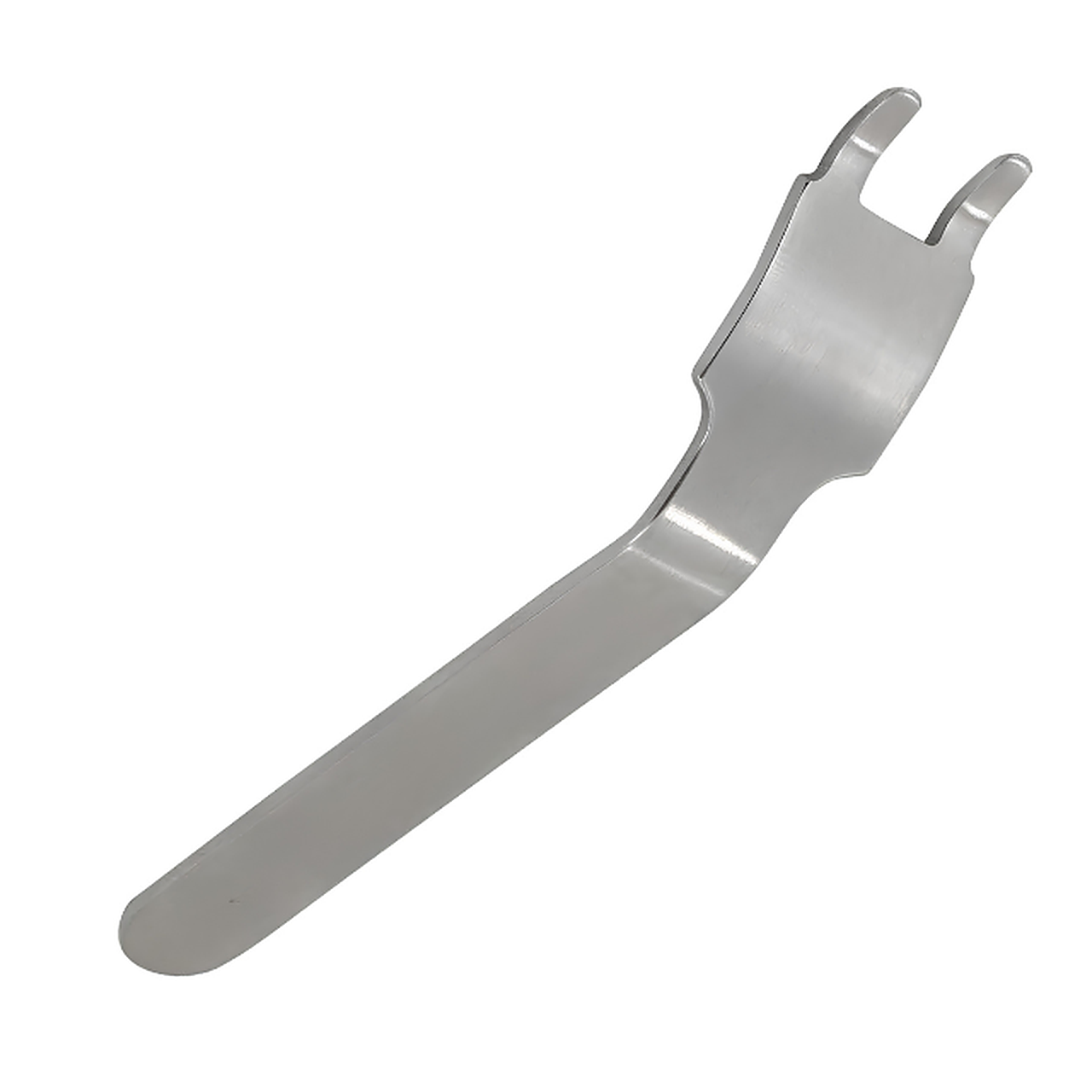 | Beard 遠位橈骨用 ワイドホーマンリトラクター | 橈骨遠位端骨折のプレート固定術において、遠位橈骨の露出、および軟部組織や方形回内筋の牽引に使用されます。 |
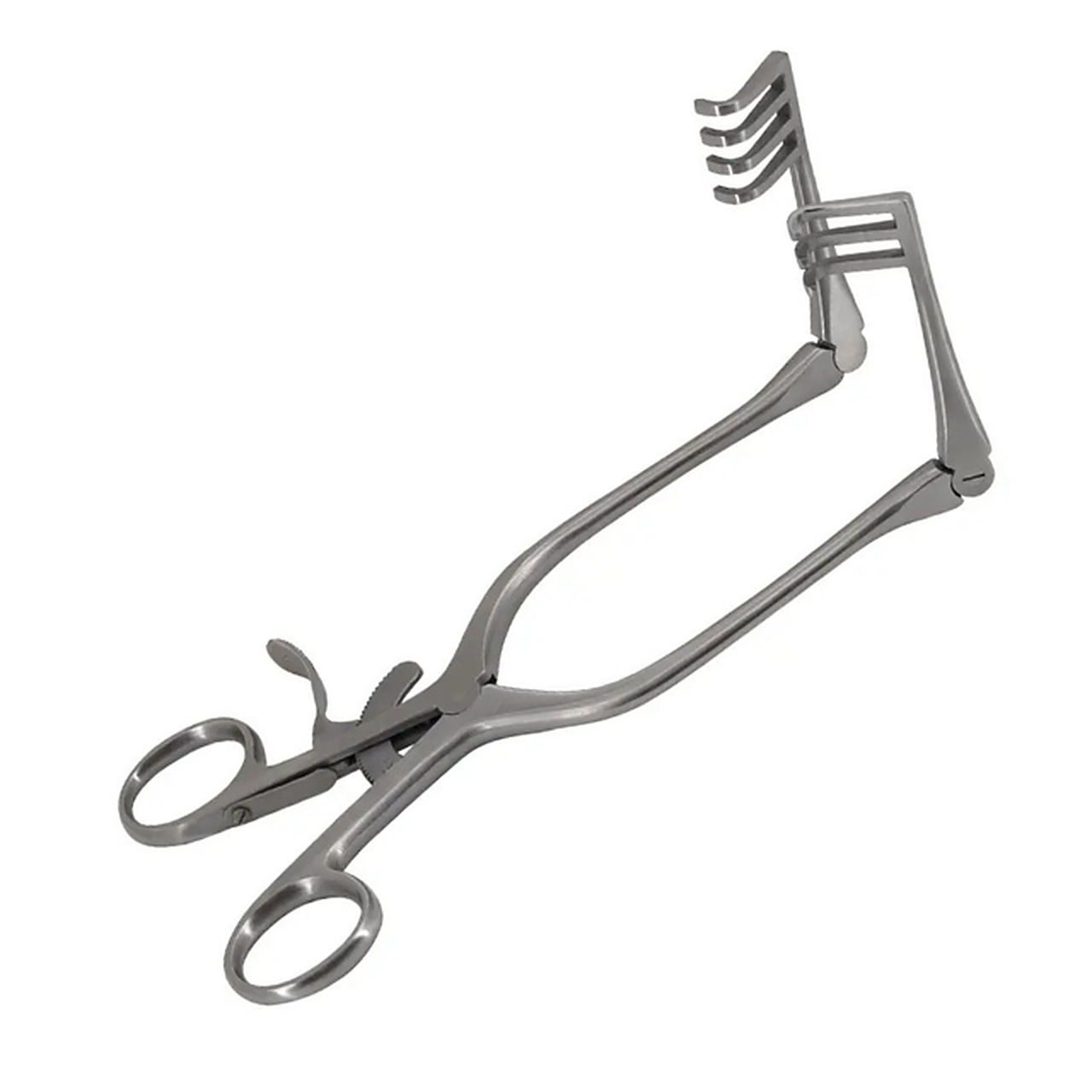 | Beckman-Weitlaner 開創器(自動式) | 脊椎外科および整形外科手術において、軟部組織および筋肉の自動式かつ可動式の開創を行うために特別に設計されています。 |
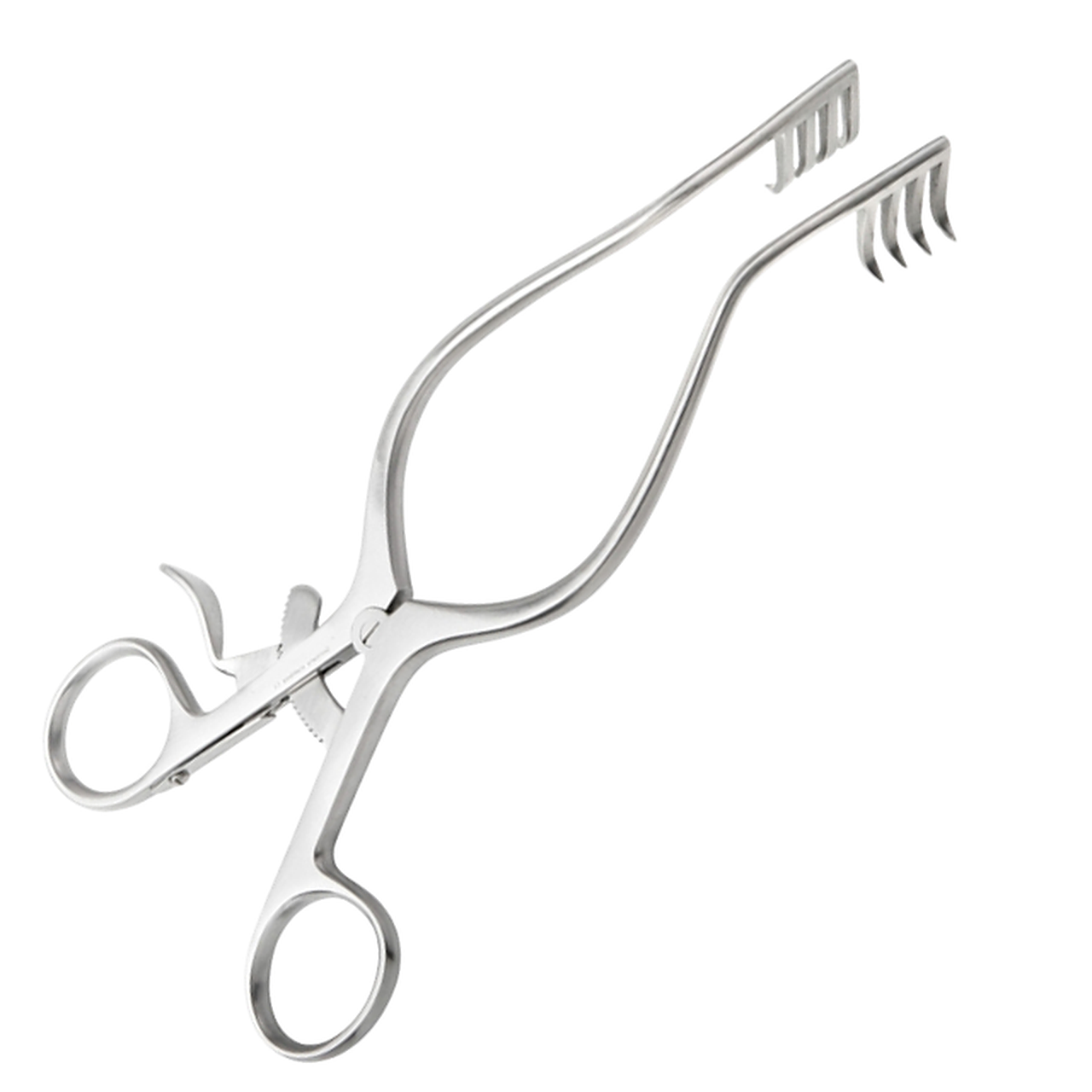 | Beckmann Adson 開創器(開孔器) | 脊椎外科および脳神経外科手術における、傍脊柱筋および軟部組織の自己保持式圧排を目的として設計されています。 |
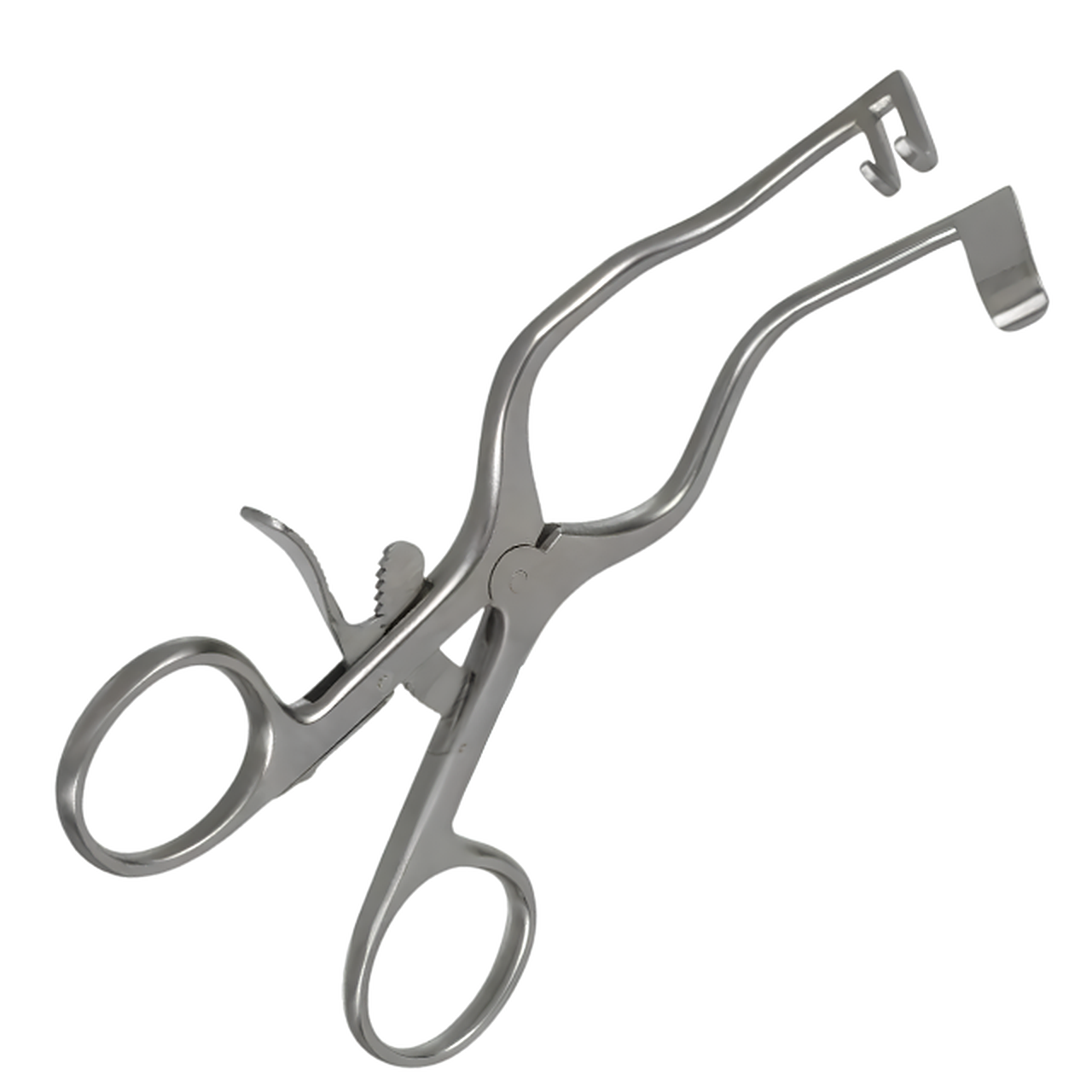 | Bellucci Endaural Retractors(耳内開創器) | 耳内手術における外耳道および鼓膜輪の露出専用に設計されています。 |
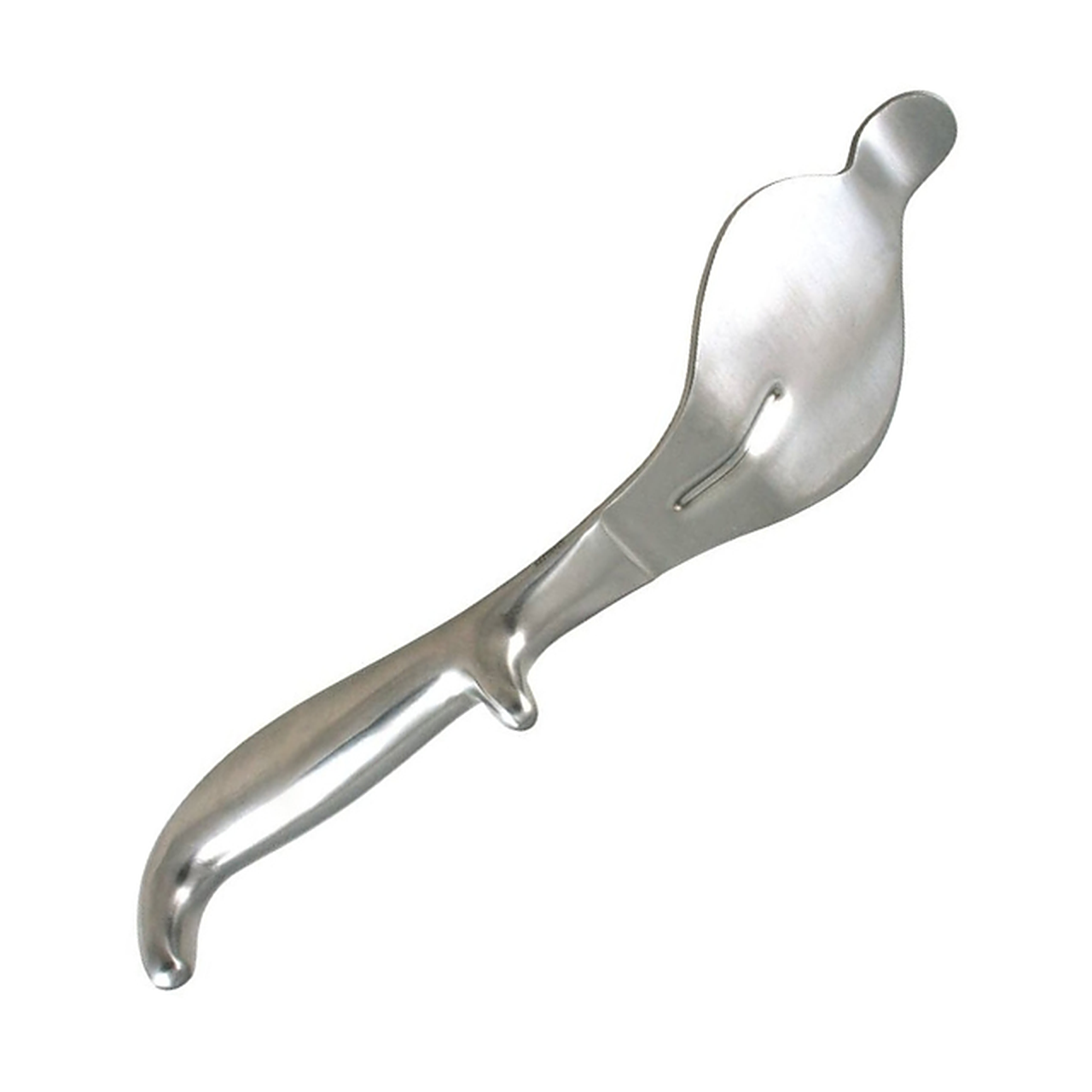 | Bennett 脛骨レトラクター | 人工膝関節置換術および脛骨骨折固定術において、脛骨から厚い筋肉や軟部組織を牽引するために特別に設計されています。 |
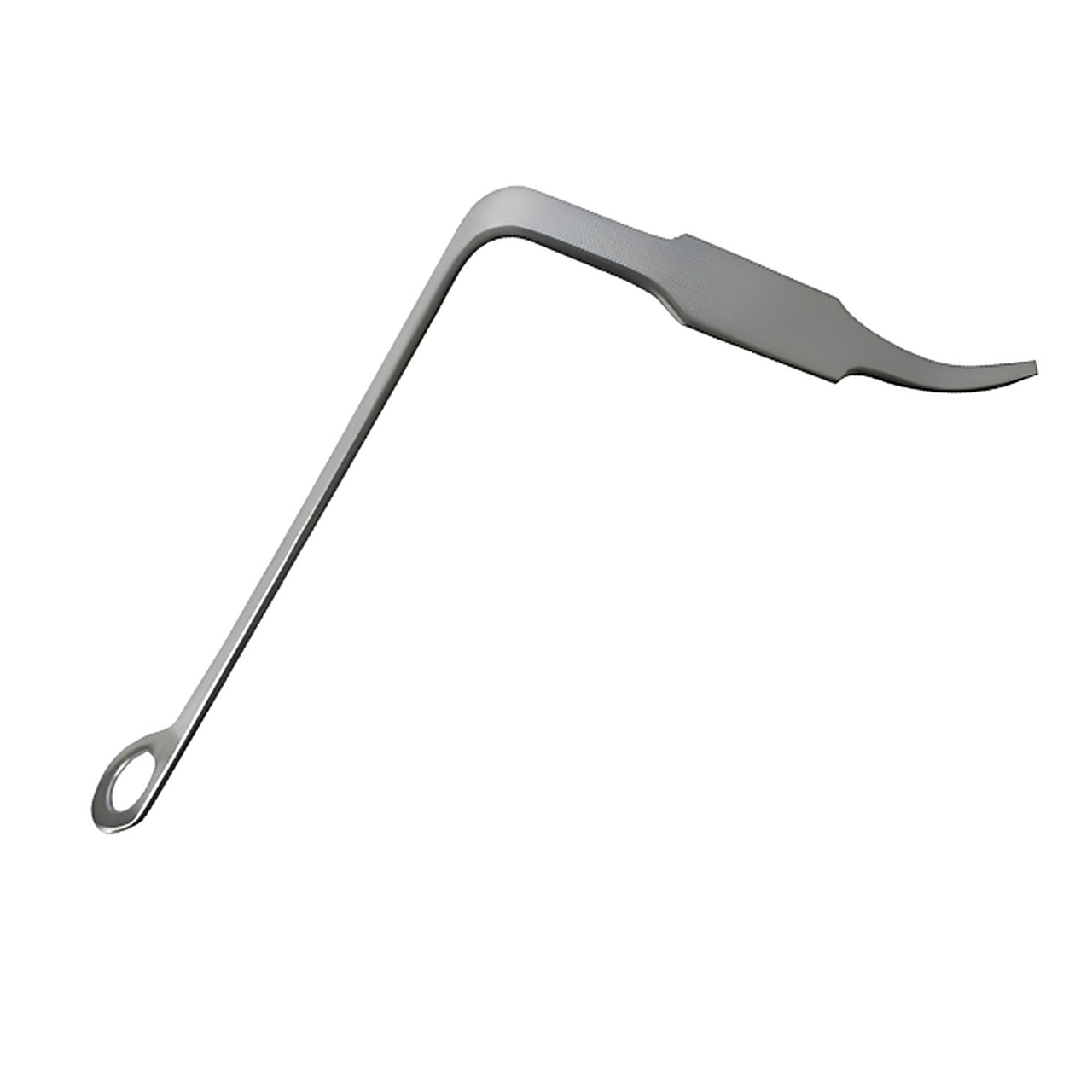 | Bent Hohmann Retractor | 股関節、膝関節、および長管骨の整形外科手術において、軟部組織や筋肉を骨から引き離すためのレバレッジ器具として設計されています。 |
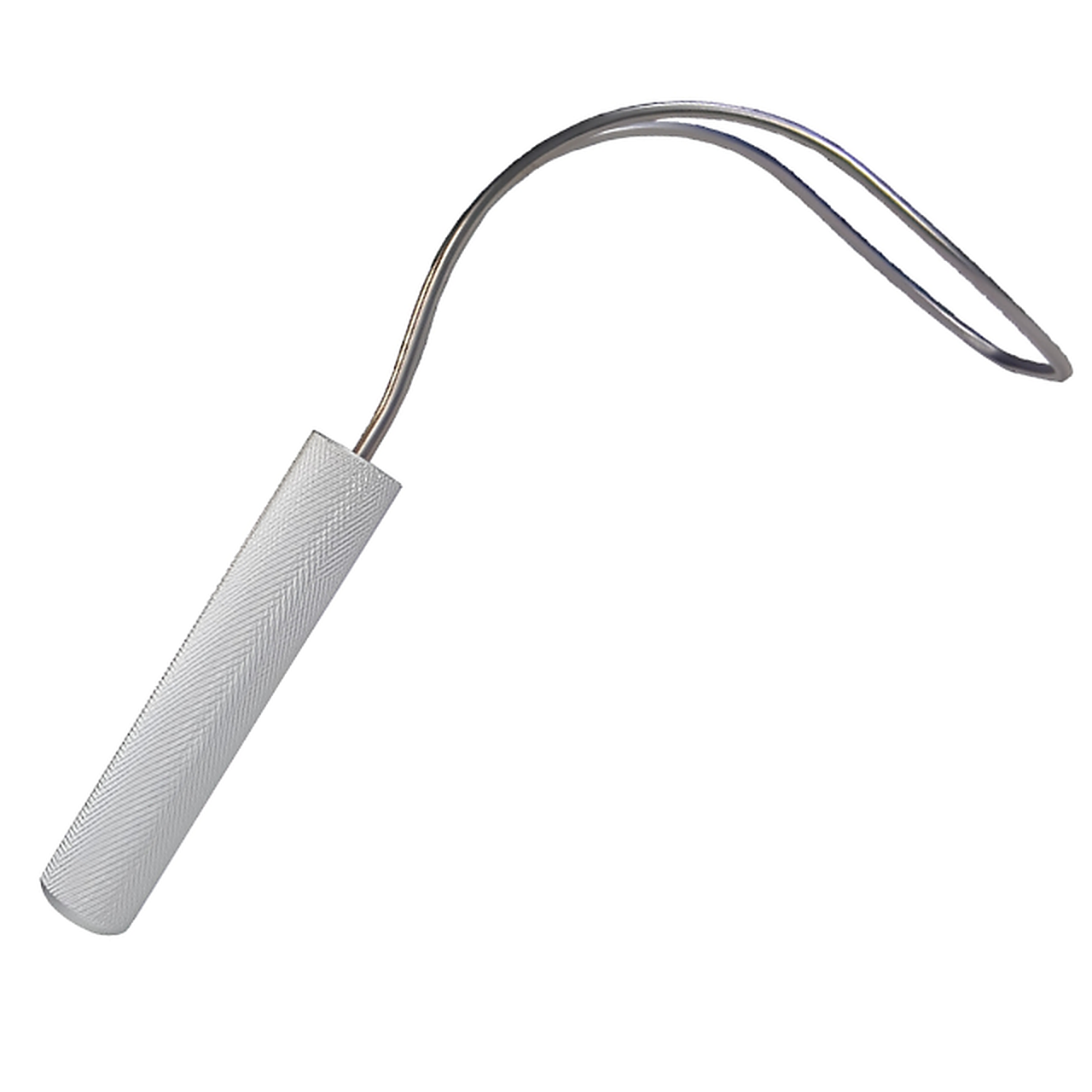 | Biggs フェイスリフト(除皺術)開創器 | 除皺術および美容形成外科において、顔面の皮弁を挙上し、安定した術野を確保するために特別に設計されています。 |
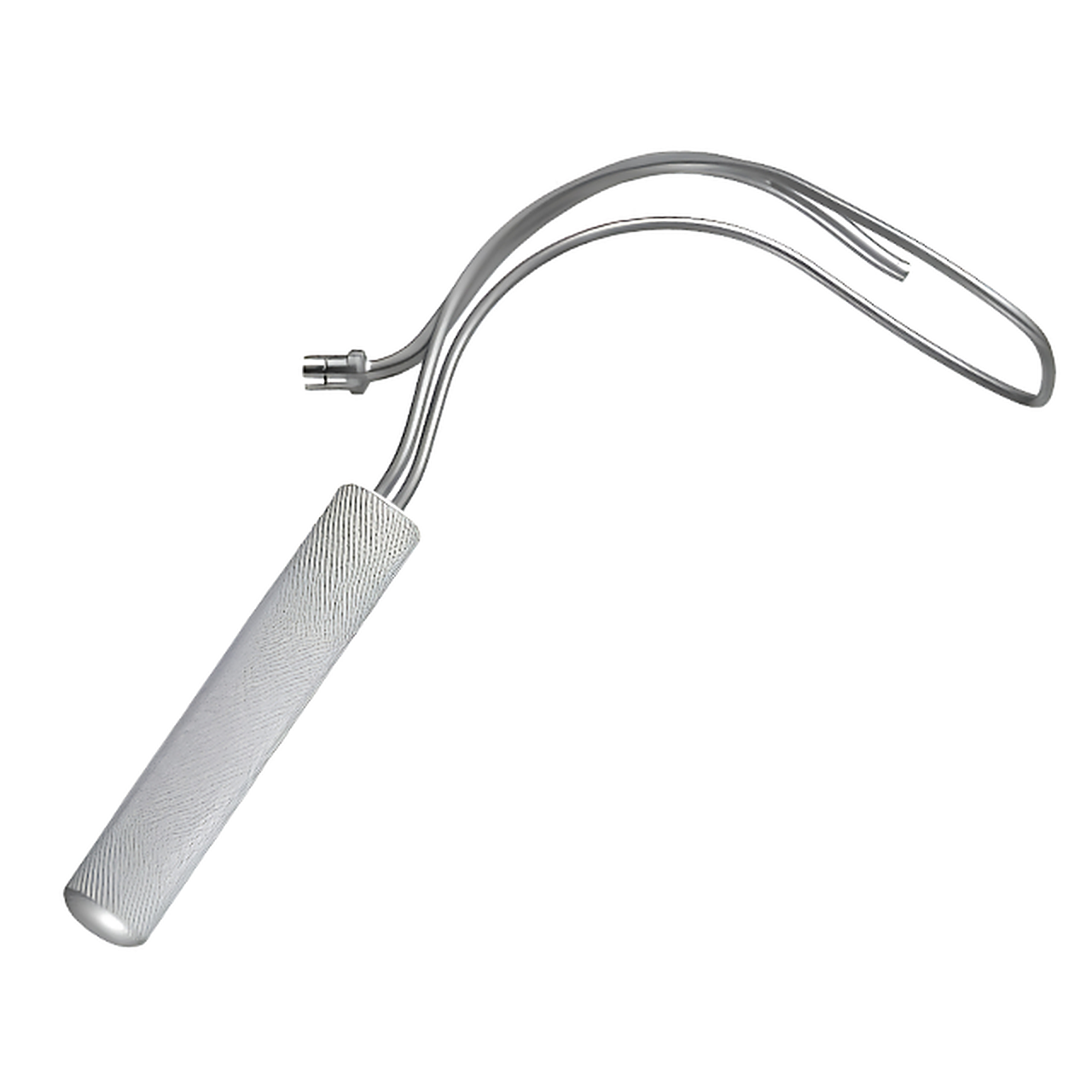 | Biggs Face Lift Retractor, With Fiber optic(ファイバーオプティック付) | フェイスリフト(除皺術)や顔面形成外科において、照明付きの軟部組織牽引および皮弁挙上を行うために特別に設計されています。 |
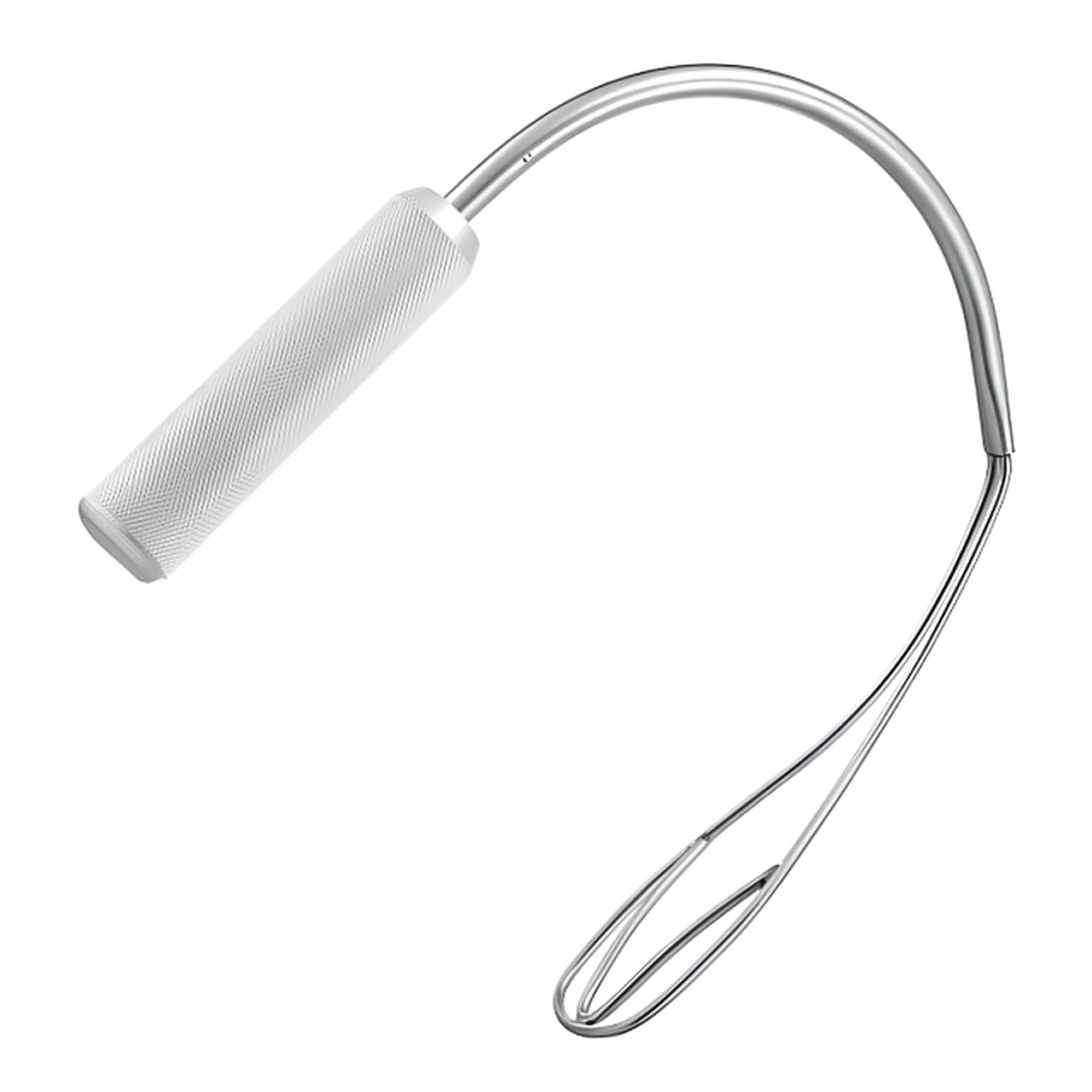 | Biggs Mammaplasty Retractor narrow(乳房形成術用レトラクター ナロー) | 乳房形成術および乳房再建術において、乳腺実質および大胸筋フラップを挙上するために特別に設計されています。 |
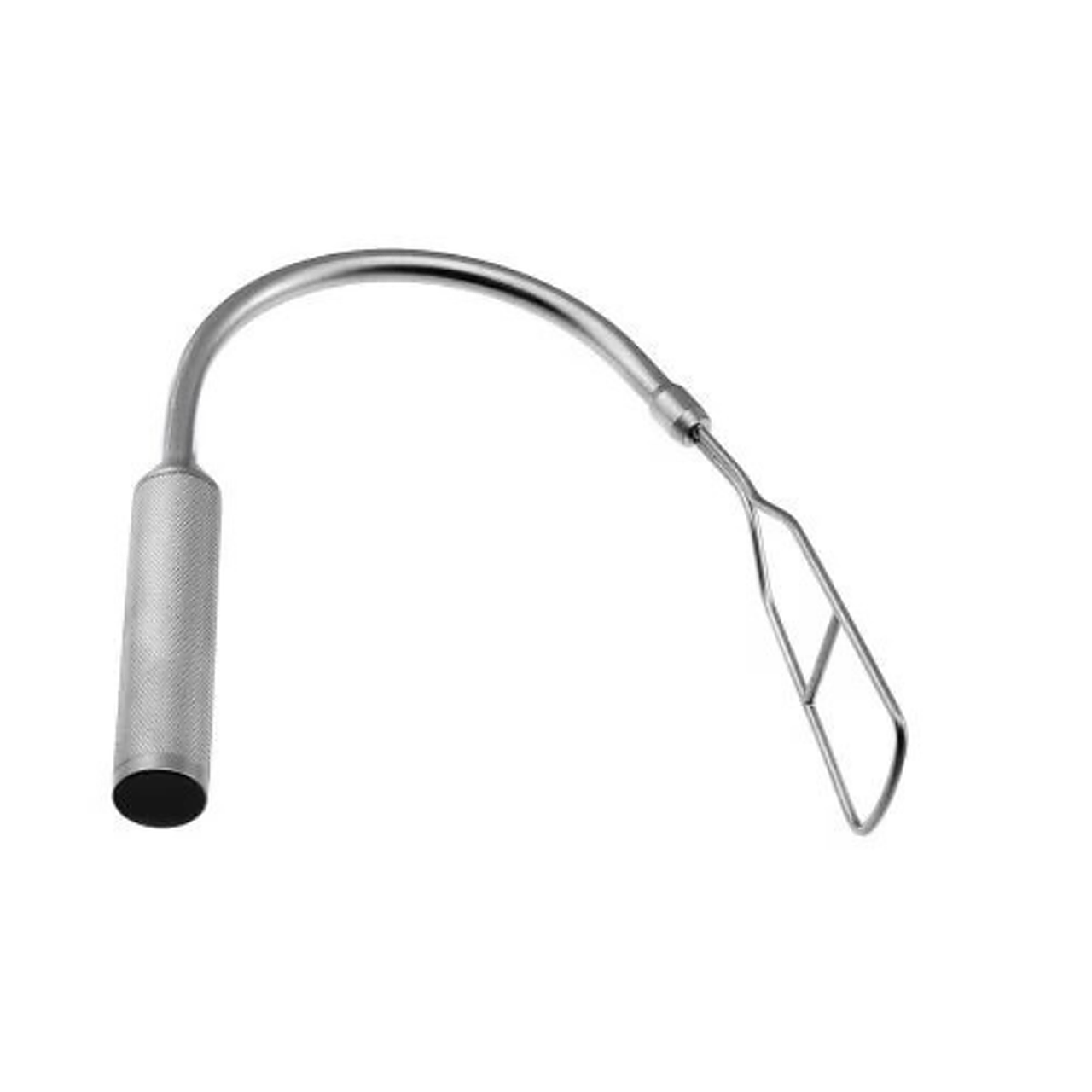 | Biggs 豊胸術用開創器 スタンダード | 乳房形成術および乳房再建術において、乳房実質および大胸筋フラップを挙上するために特別に設計されています。 |
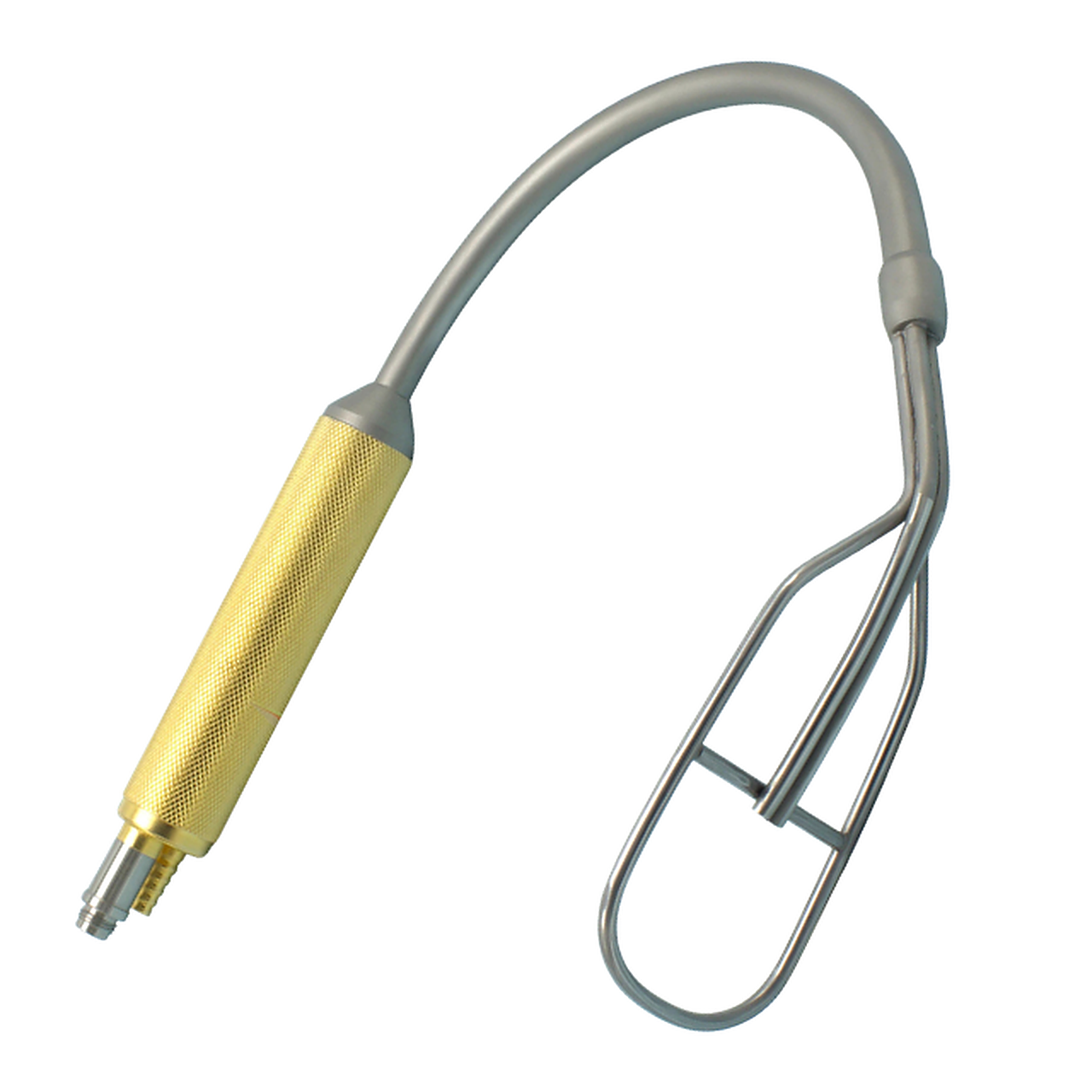 | Biggs Mammaplasty Retractor, Fiber Optics | 乳房形成術中の軟部組織の照明付き牽引、排煙、およびポケットの視認性確保のために特別に設計されています。 |
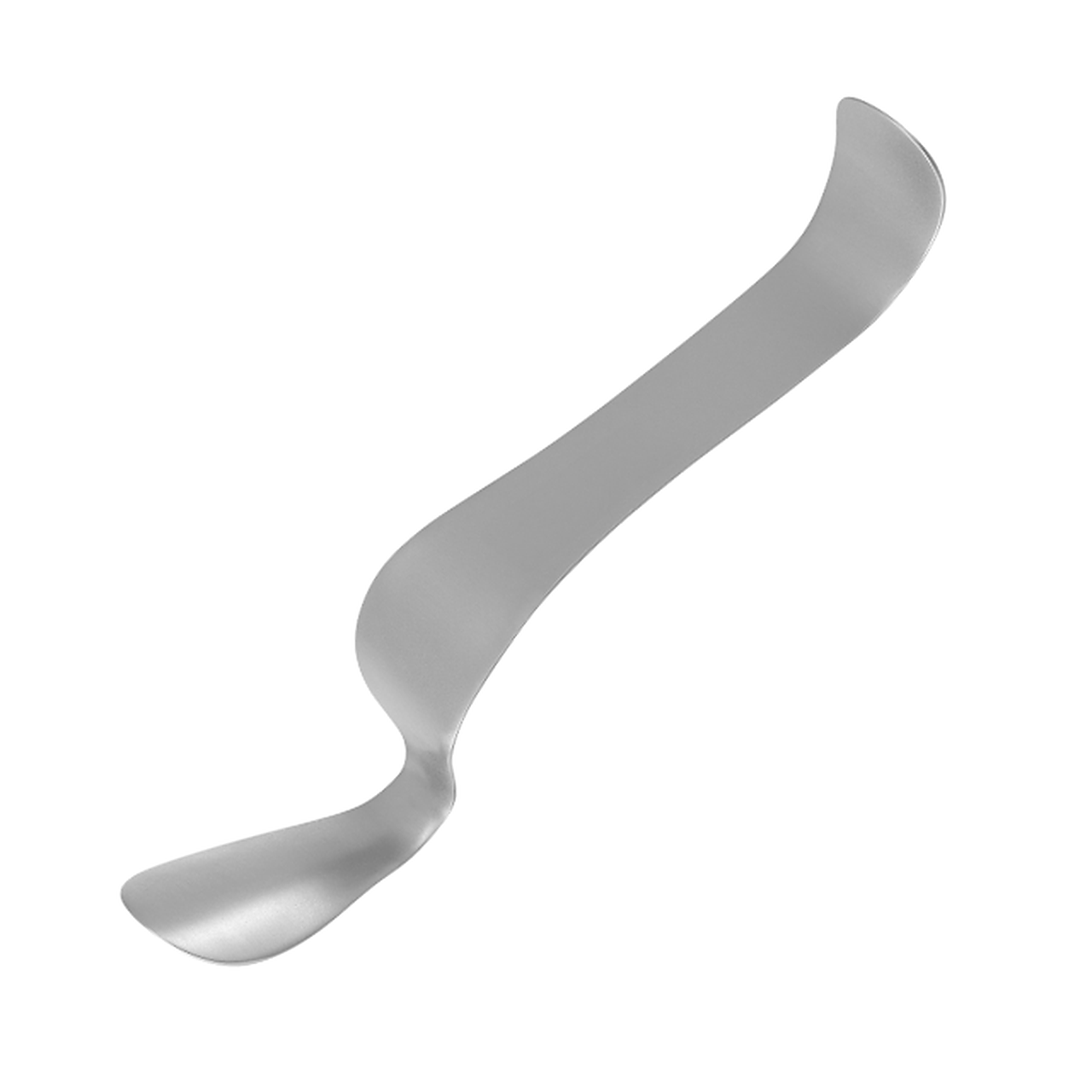 | Bishop リップ&チークレトラクター | 口腔内および歯科手術中に、唇、頬、および頬粘膜を開創および保護するために特別に設計されています。 |
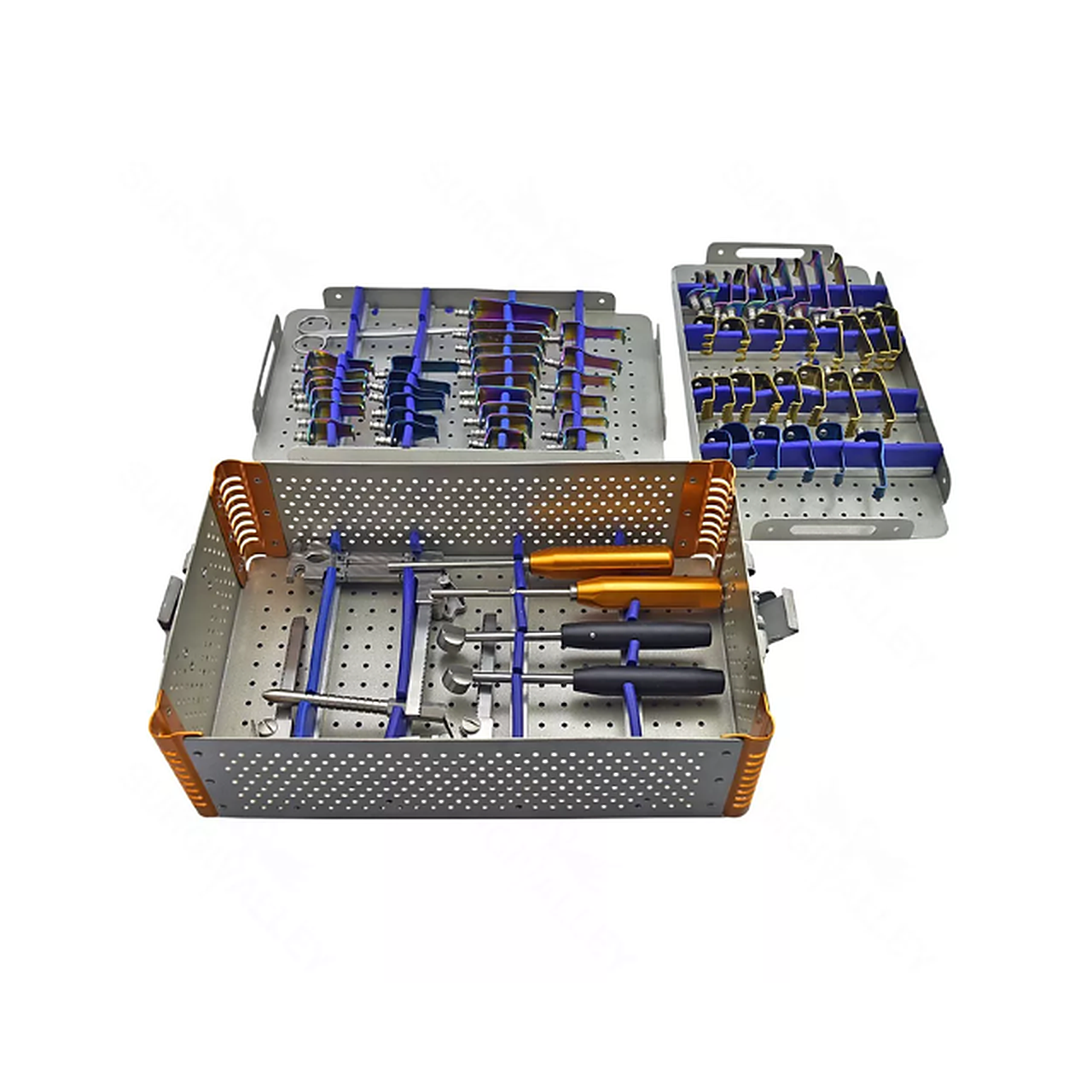 | Black Belt 頚椎開創器システム | 頚椎手術において、制御された組織開創と精密な術野露出を提供するために特別に設計されています。 |
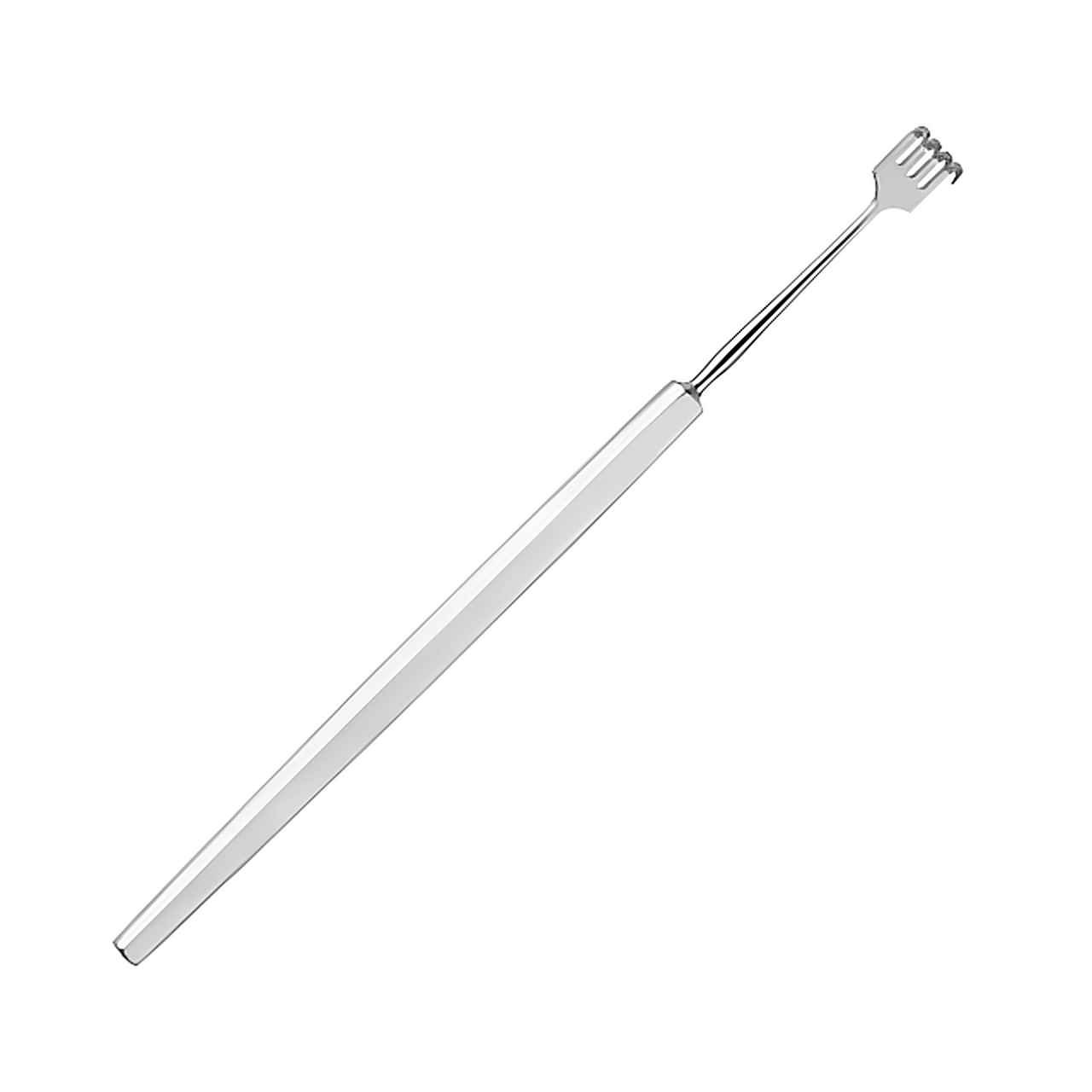 | ブレア・フィンガーレトラクター | 形成外科および手外科における繊細な皮弁挙上、軟部組織の牽引、および創縁の固定に特化して設計されています。 |
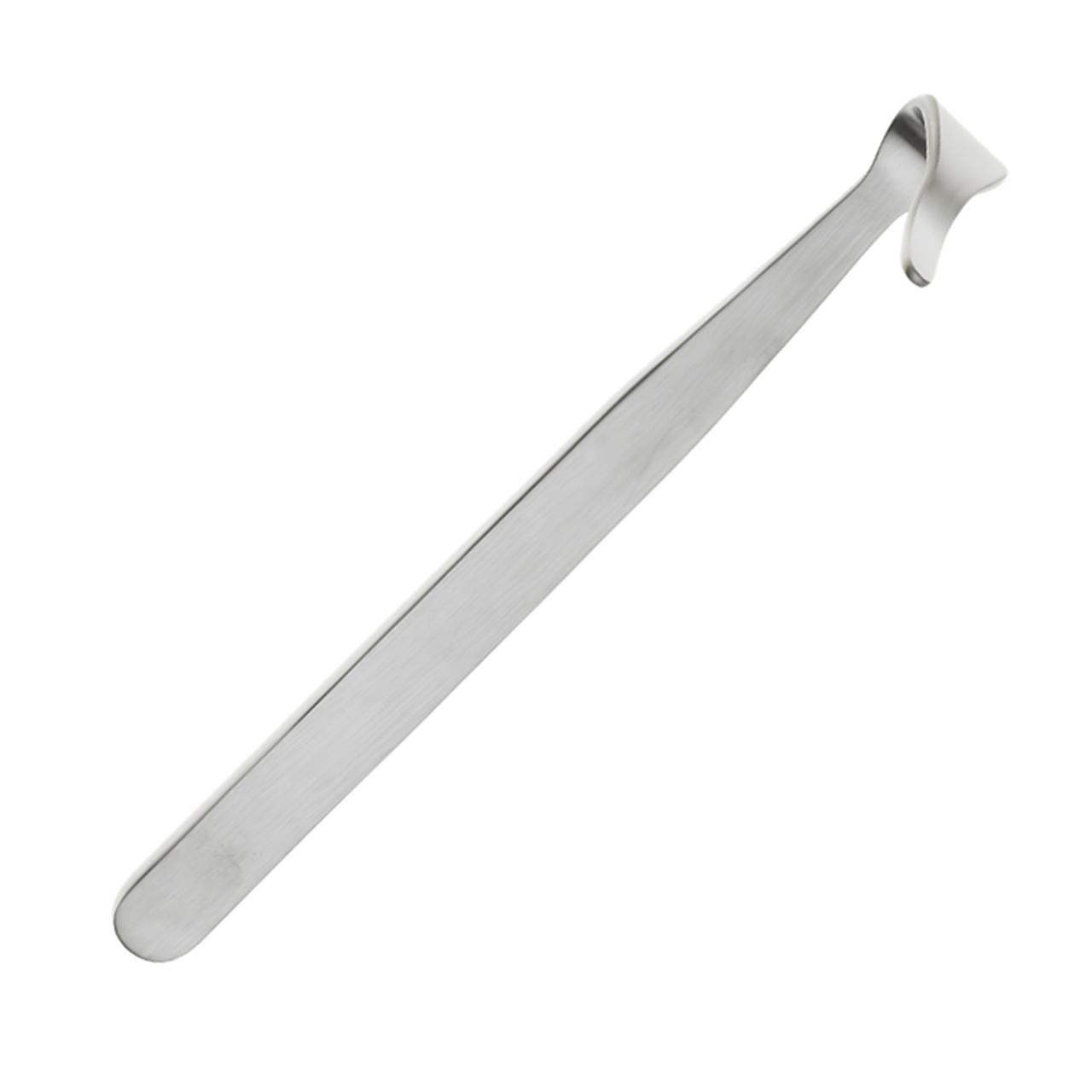 | Blount 膝関節用レトラクター | 人工膝関節置換術および膝関節再建術における側副靭帯および軟部組織の牽引用として設計。 |
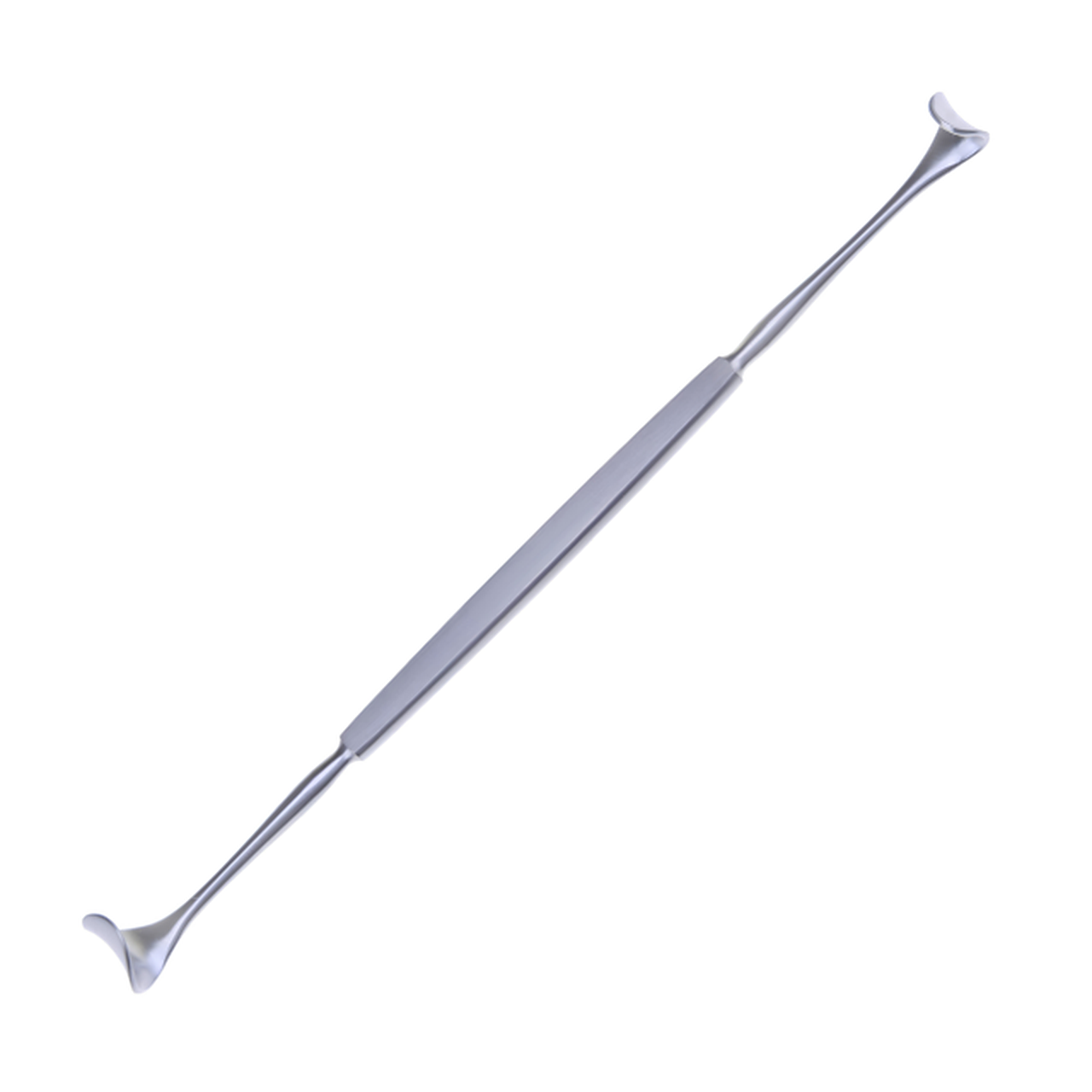 | ボリー開創器 | 一般外科、形成外科、および整形外科の手術における手動での軟部組織および創縁の牽引。 |
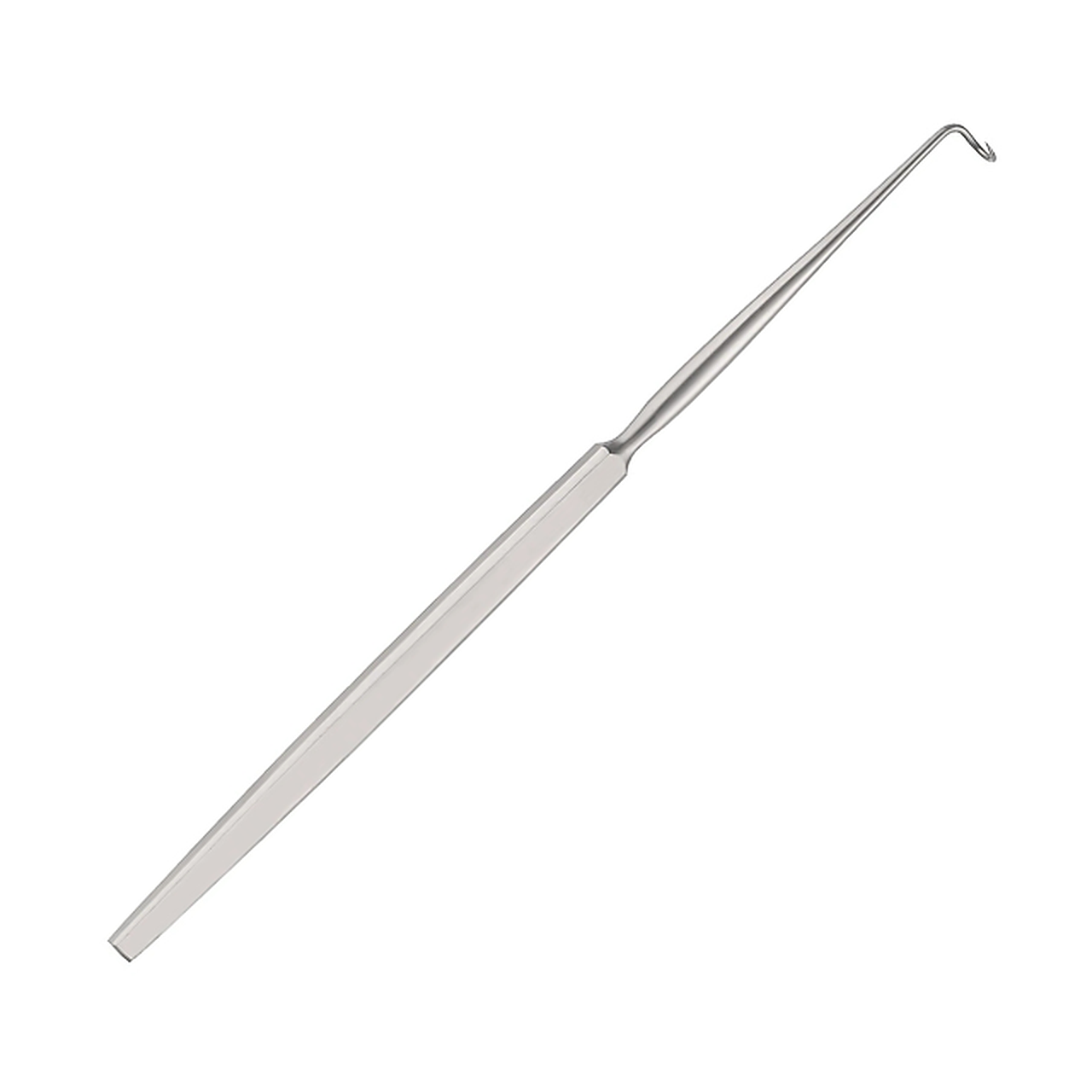 | Bose Tracheal Retractor | 気管切開術中における気管前組織の圧排および気管軟骨の固定専用に設計されています。 |
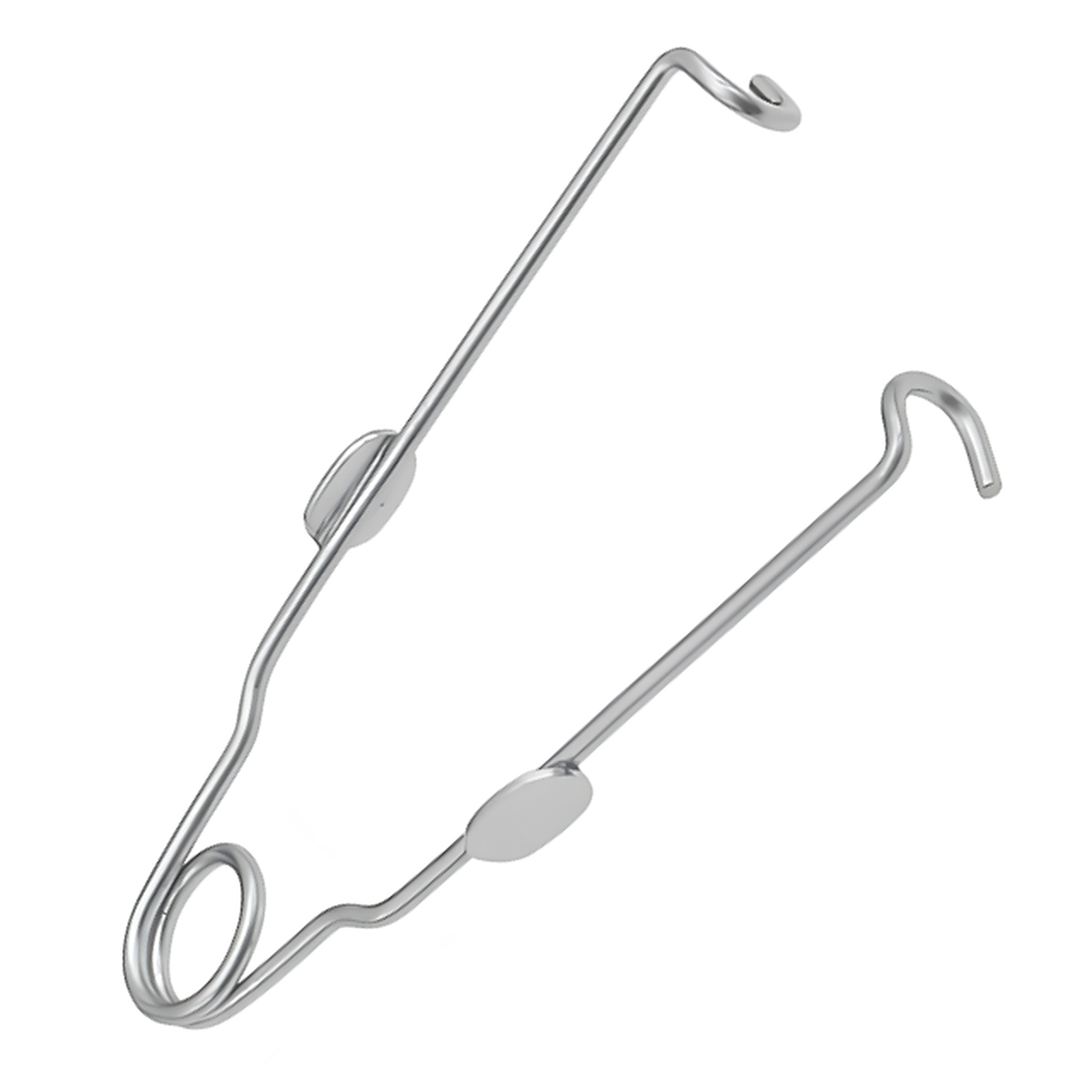 | Bose 氣管開口鉤 スプリングタイプ | 気管切開術中、スプリングアシストにより気管縁の自動開創および安定化を行うために設計されています。 |
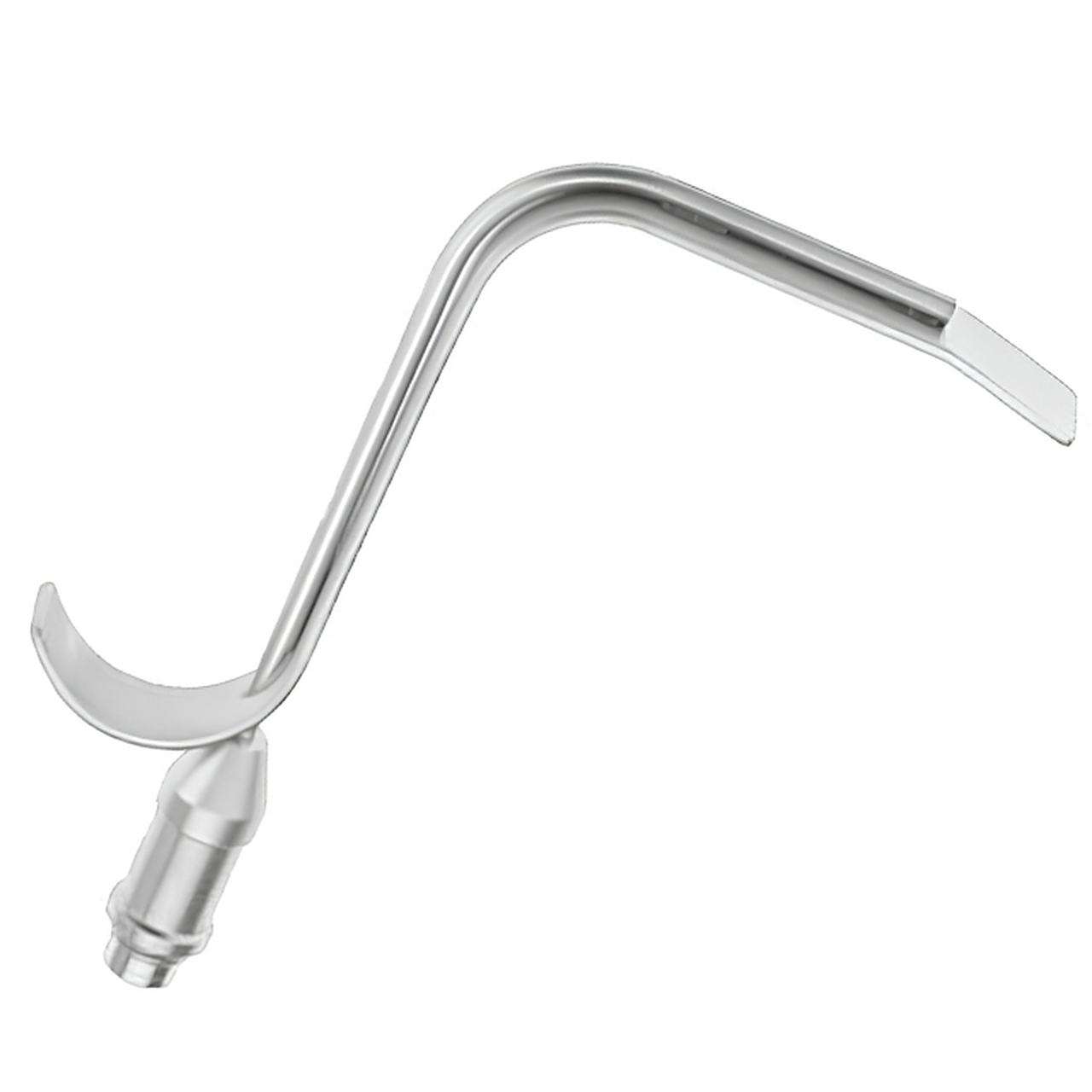 | Breast Engler Retractor | 豊胸術および乳房再建術において、深い手術腔を照らし、組織フラップを挙上するために特別に設計されています。 |
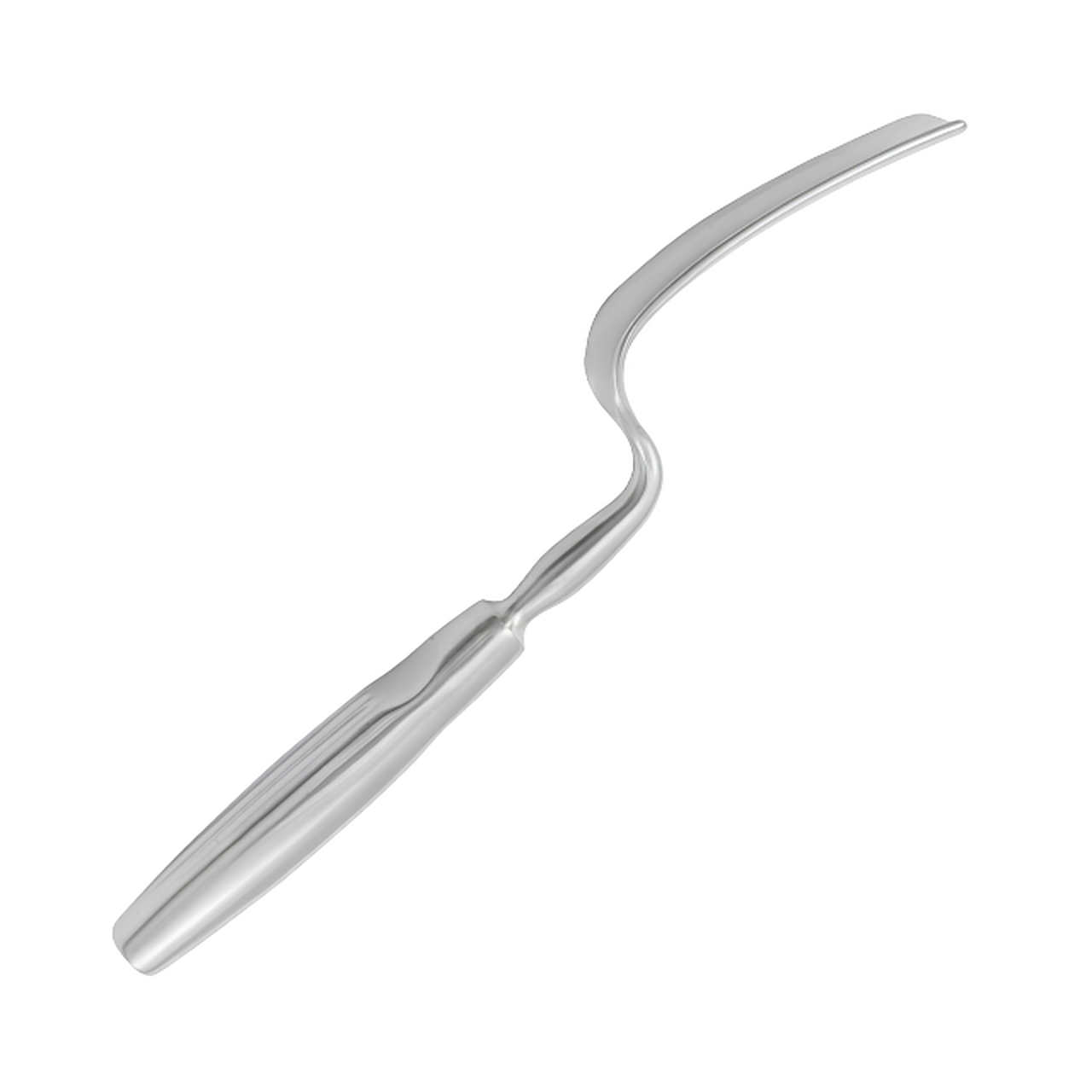 | Breisky 膣レトラクター | 婦人科手術において、膣壁を牽引し、骨盤深部の視認性を確保するために設計されています。 |
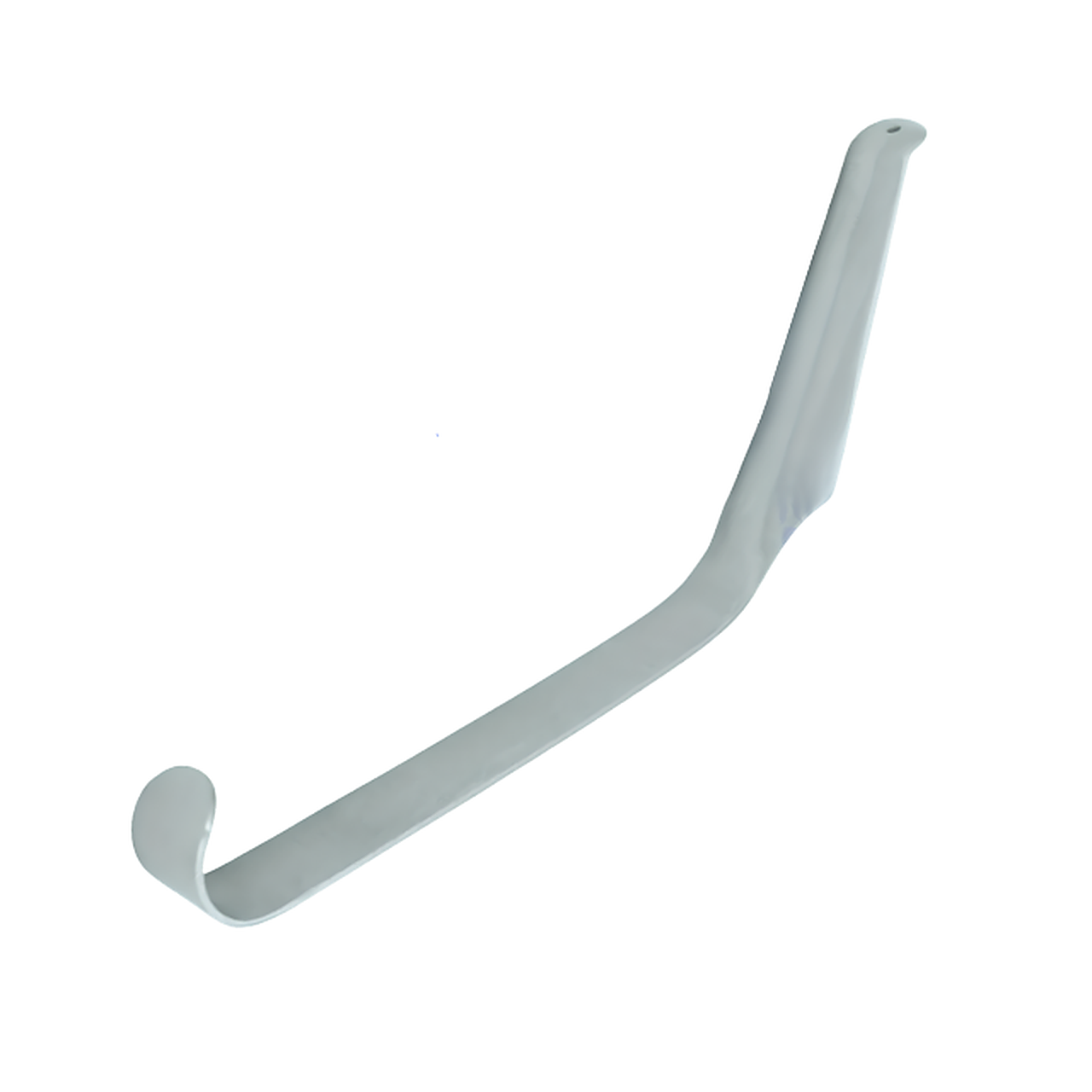 | Bremerich Mandibular Channel Retractor (下顎骨用チャンネルリトラクター) | 下顎枝手術において、粘膜骨膜組織を牽引し、下顎縁に沿った神経血管構造を保護するために特別に設計されています。 |
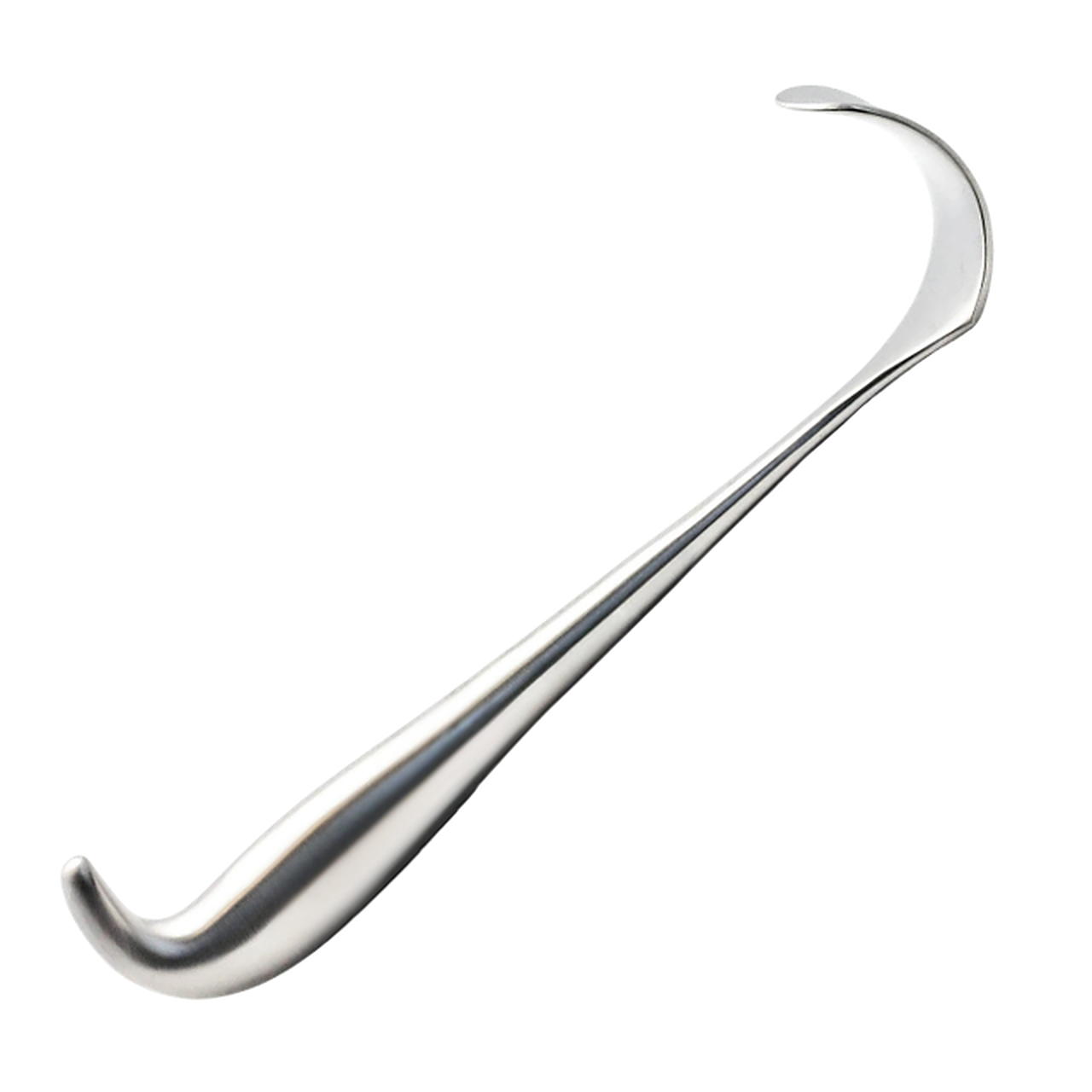 | Brewster Retractor | 一般外科、腹部外科、および再建外科における筋肉、筋膜、軟部組織の牽引。 |
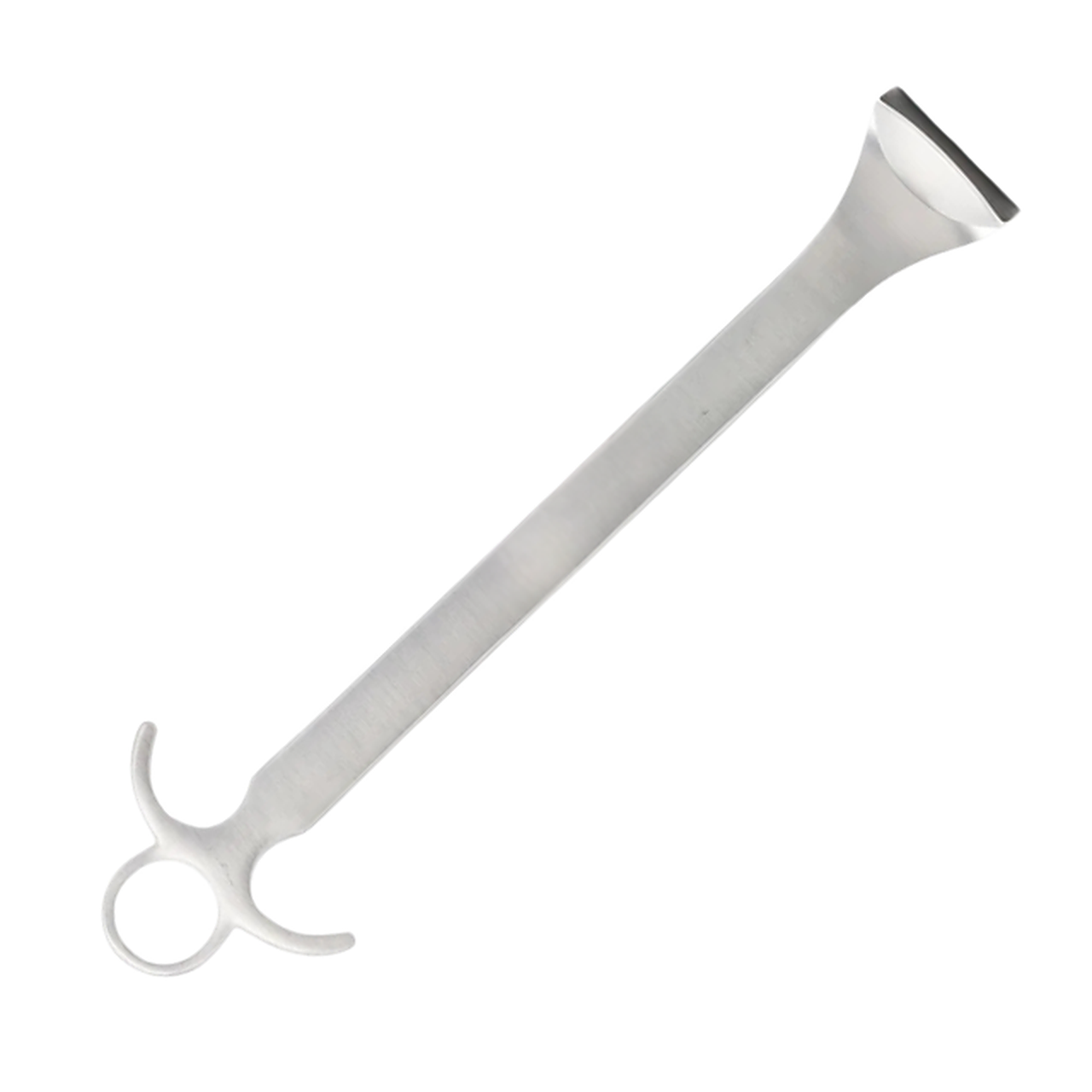 | Browne Deltoid Retractors (ブラウン・デルトイド・リトラクター) | 人工肩関節全置換術および上腕骨骨折接合術における、三角筋および軟部組織の牽引専用。 |
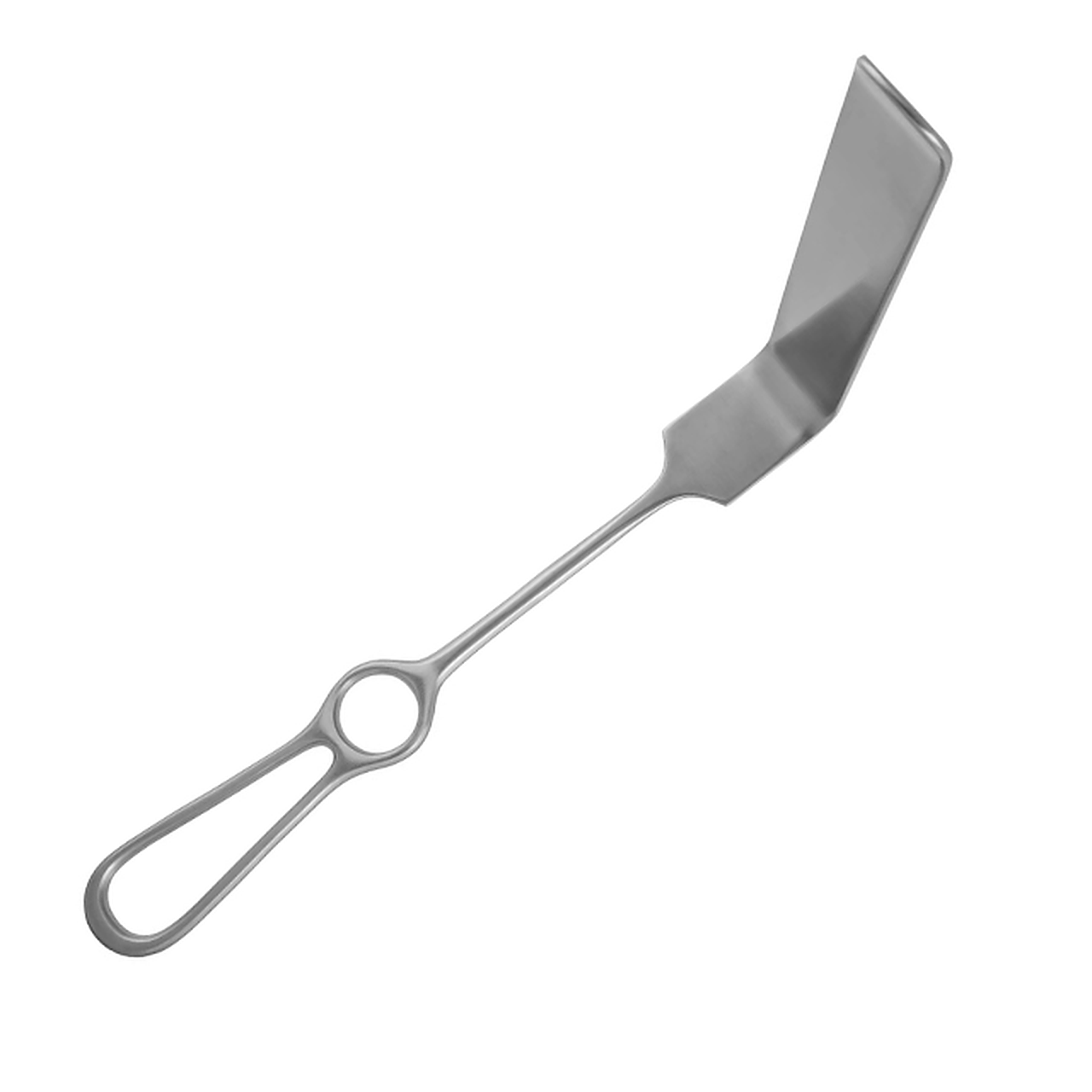 | Brunner Retractor | 腹部、骨盤内、および胸部の手術において、筋肉、内臓、深部の軟部組織を牽引するために設計されています。 |
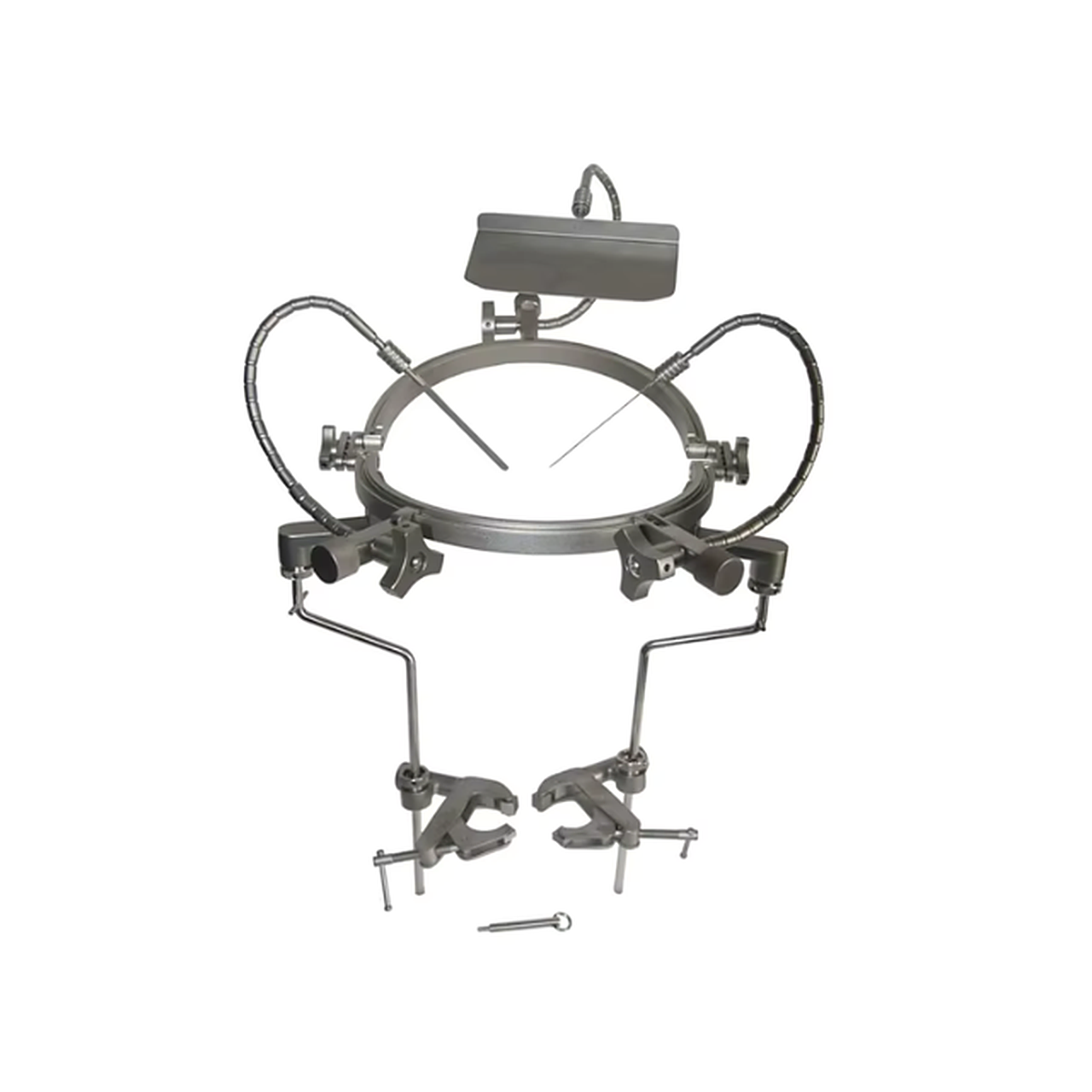 | Budde Halo Retractor | Mayfield 頭蓋固定装置または手術台のサイドレールに直接取り付けるように特別に設計されており、繊細な頭蓋内および後頭蓋窩の手術において、安定したハンズフリーの脳組織牽引と、術者の前腕をサポートする一体型ハンドレストを提供します。 |
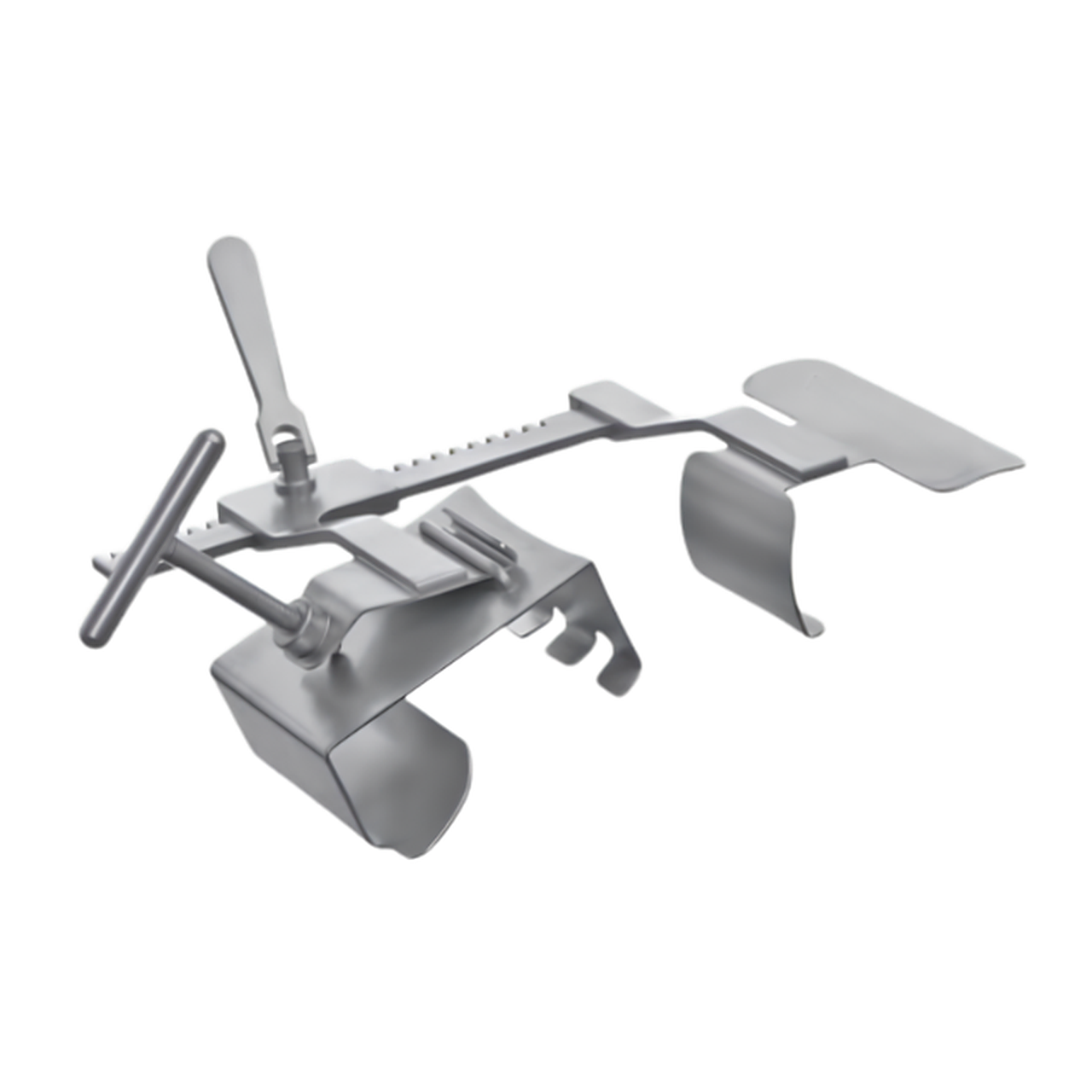 | Bugge Takedown I.M.A Mammaria Retractor | 内胸動脈剥離時における片側の胸骨および胸壁の挙上用。 |
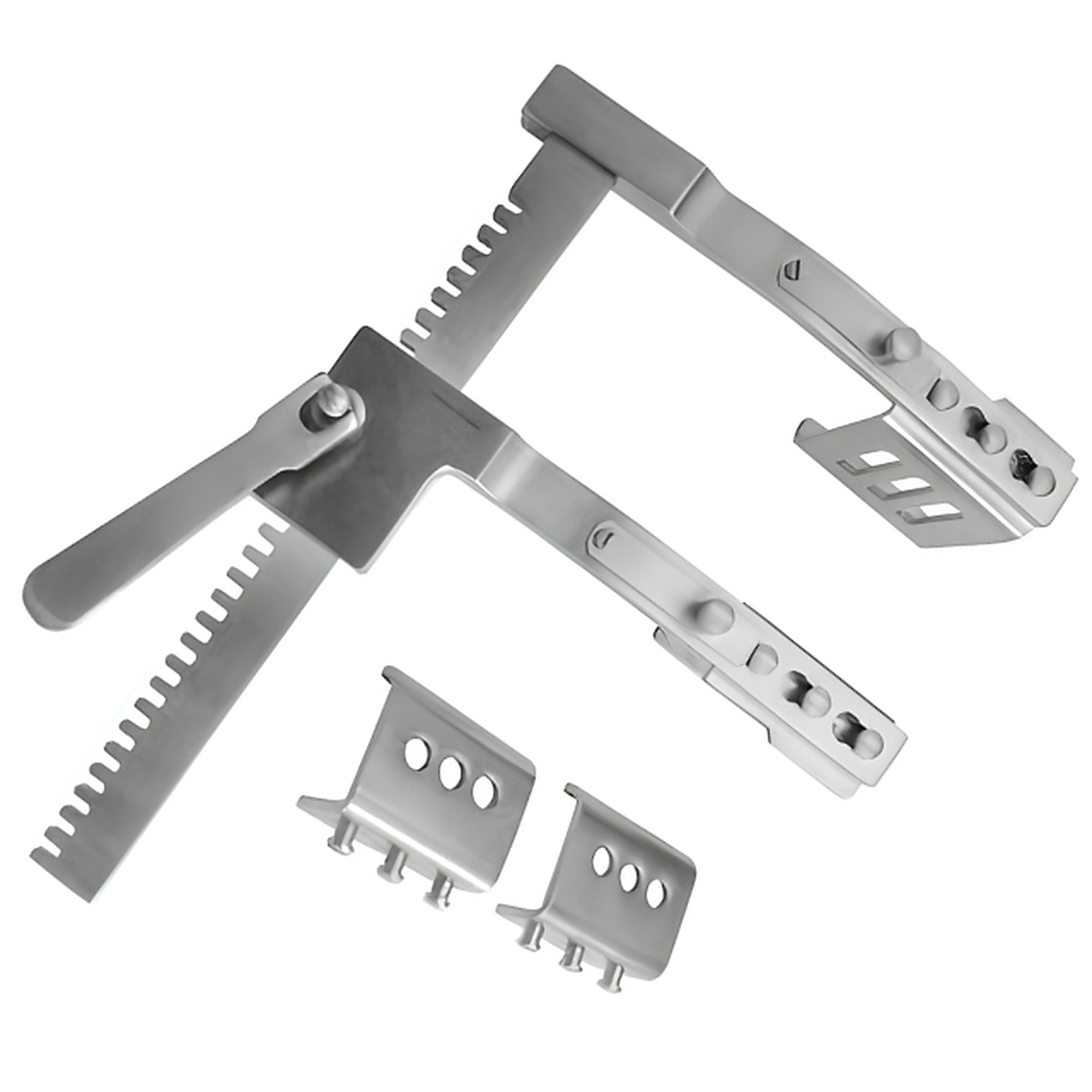 | Burford Rib Spreader | 開胸術において、隣接する肋骨を分離し、肋間腔を拡張するために特別に設計されています。 |
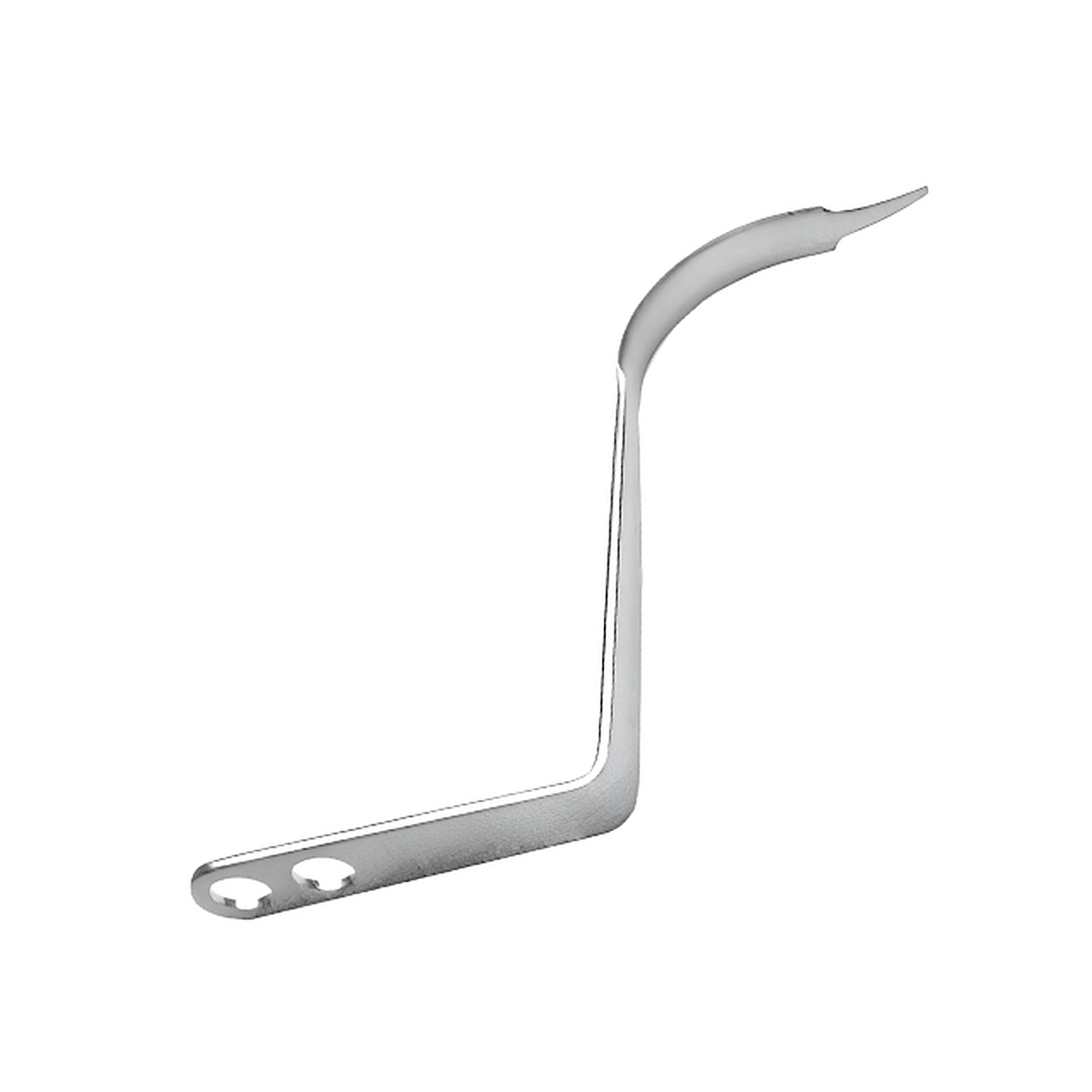 | C レトラクター | 股関節形成術、骨盤骨切り術、および外傷再建術において、筋肉や軟部組織を骨からレバレッジするために特別に設計されています。 |
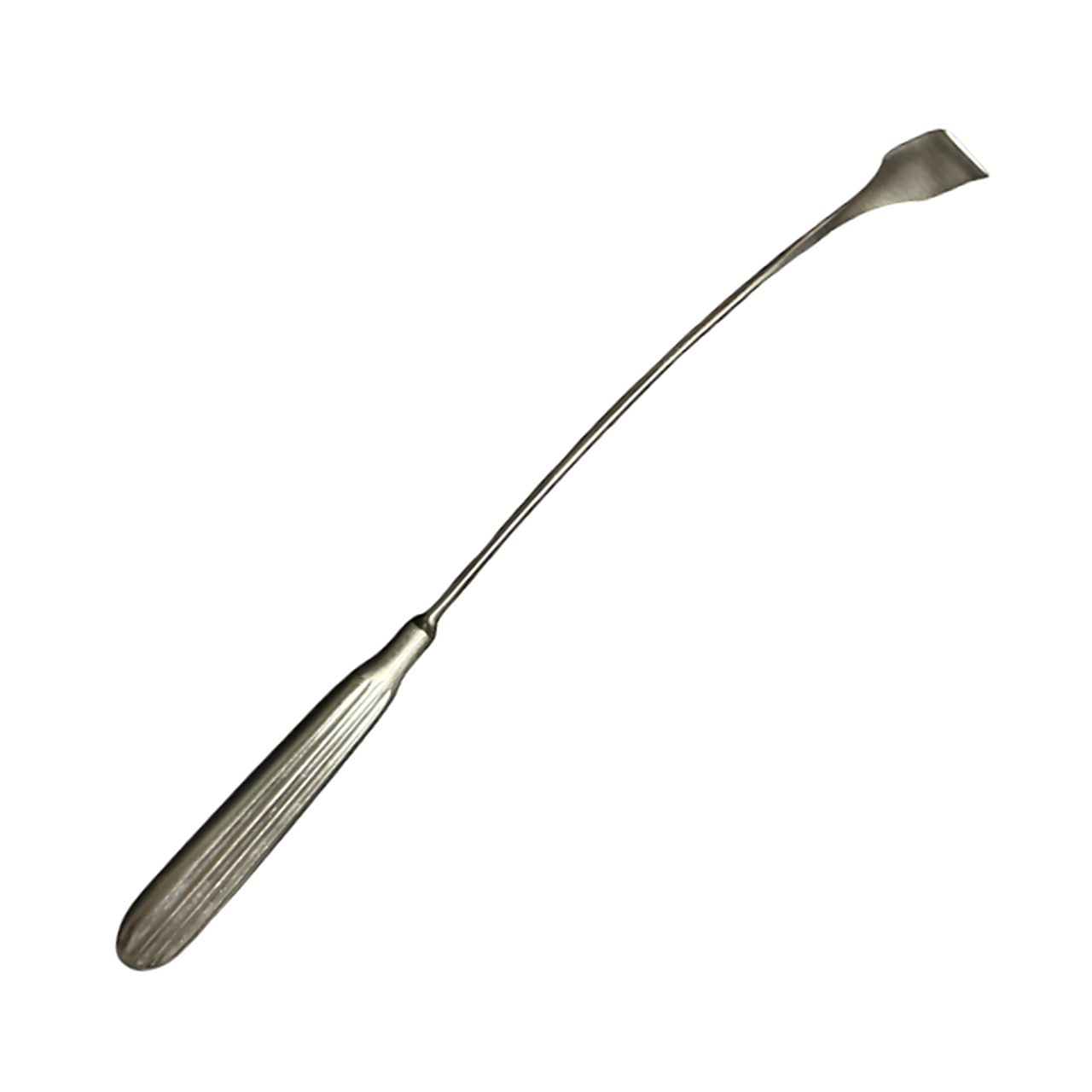 | Campbell Nerve Root Retractor | 椎間板切除術および椎弓切除術における脊髄神経根および硬膜嚢の牽引と保護に特化して設計されています。 |
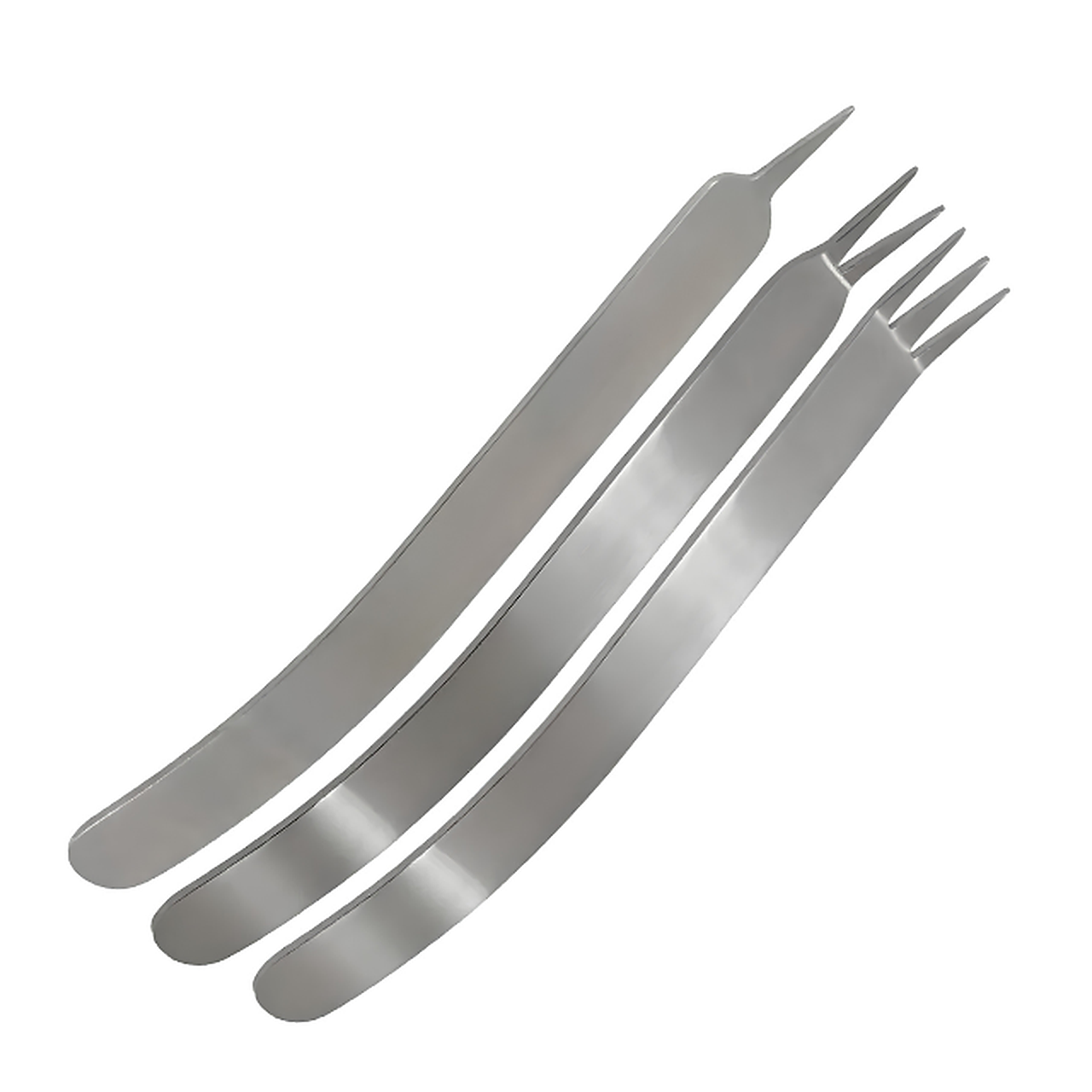 | 関節包レトラクター | 股関節、膝、肩の人工関節置換術における線維性関節包、靭帯、および軟部組織の牽引に特化。 |
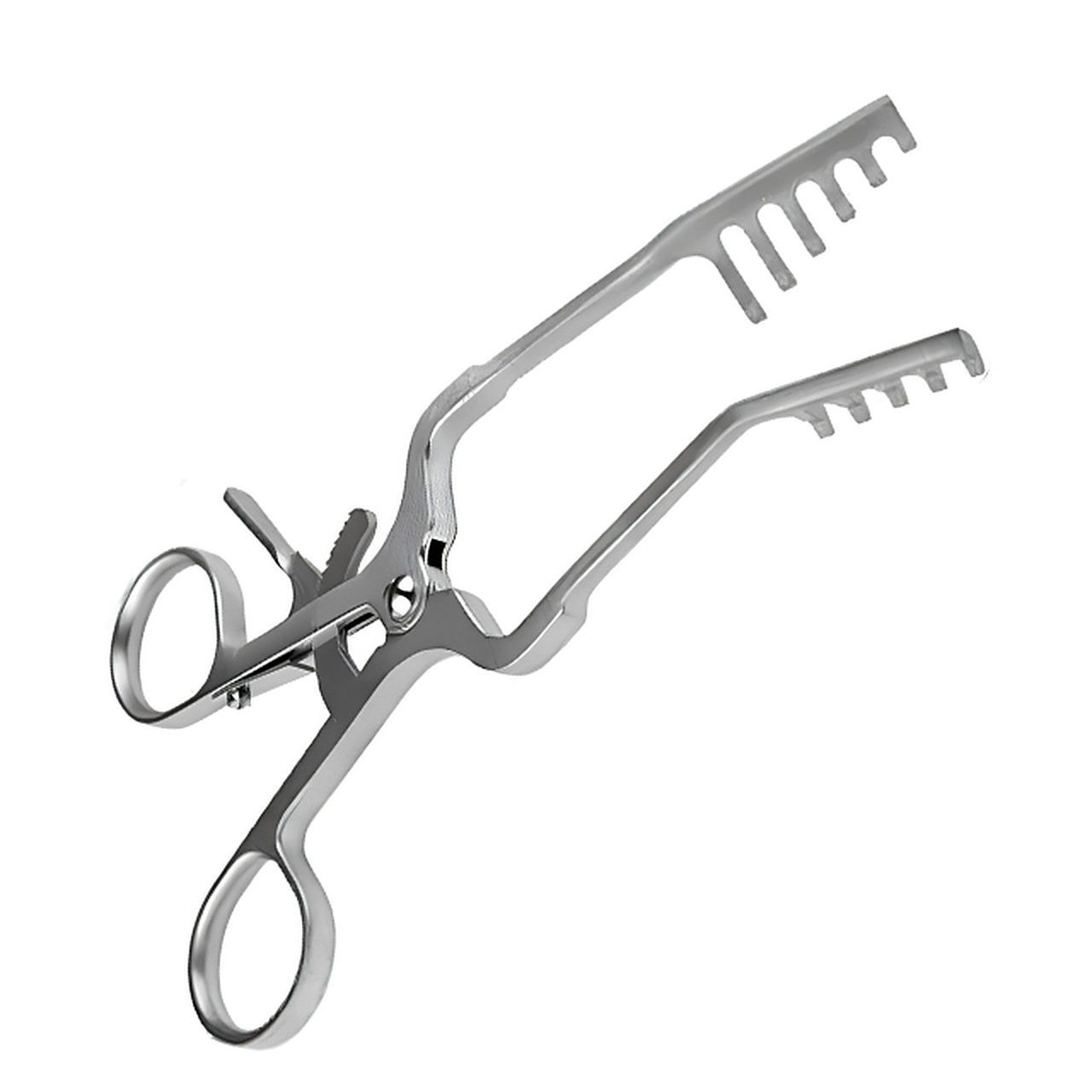 | 手根管開創器(自動開創式) | 開放式手根管開放術において、自動開創による組織圧排と正中神経の視認性を確保するために設計されています。 |
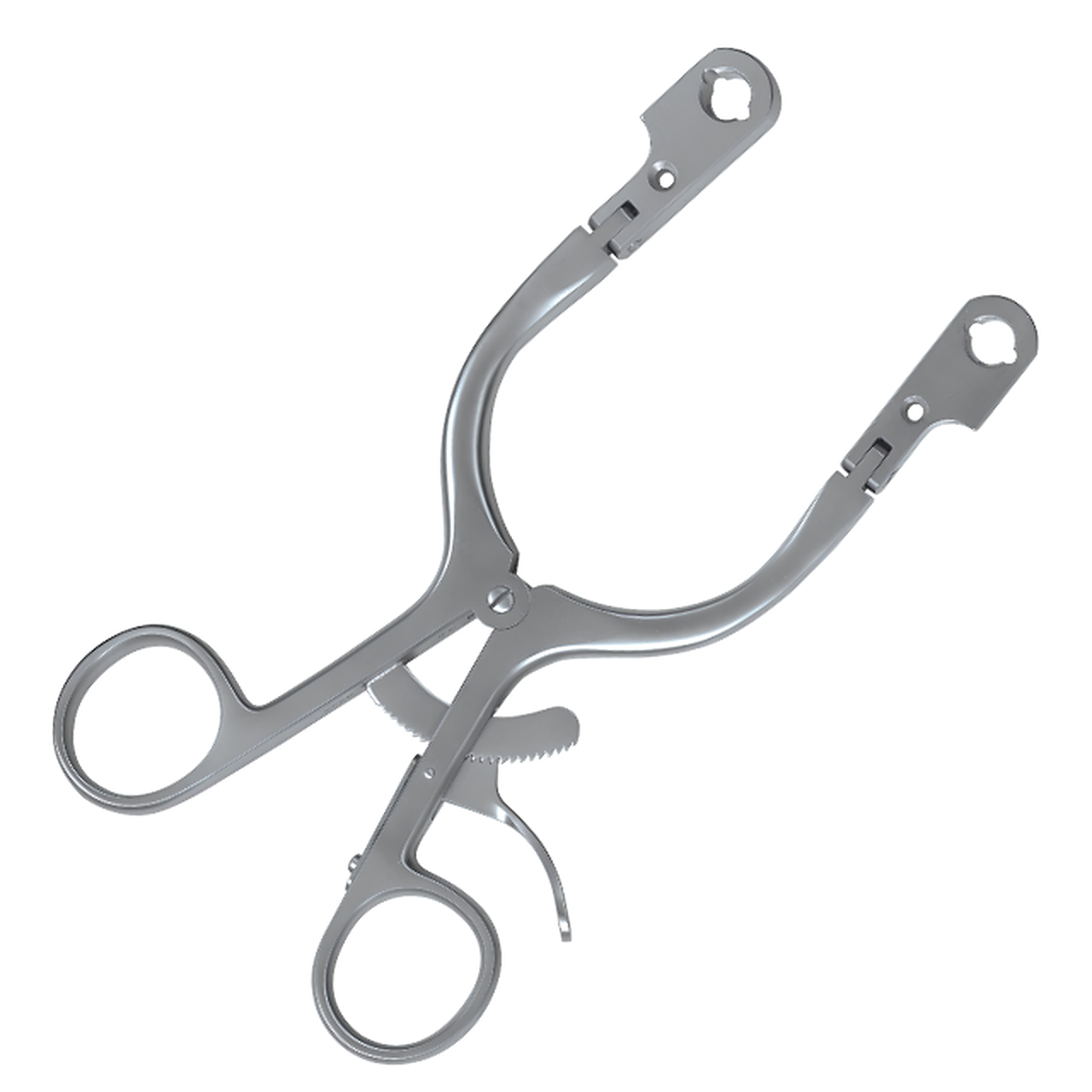 | Caspar 頸椎開創器(ラチェット付) | 頸椎前方除圧固定術(ACDF)における自保持式の軟部組織牽引および椎体露出専用。 |
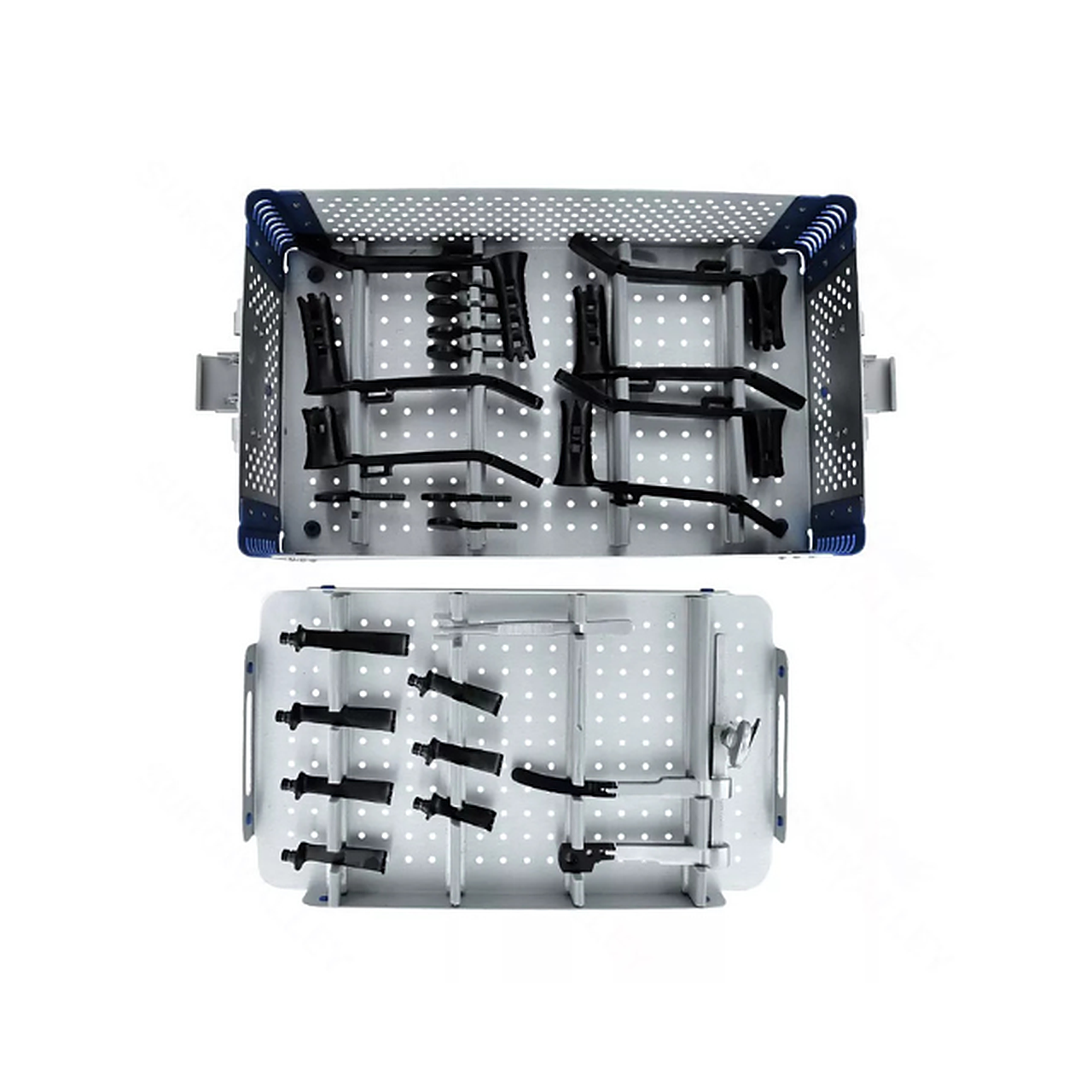 | Caspar 腰椎マイクロディスクトミー開創器システム | 顕微鏡下腰椎椎間板摘出術において、安定した組織牽引と術野露出を提供するために特別に設計されています。 |
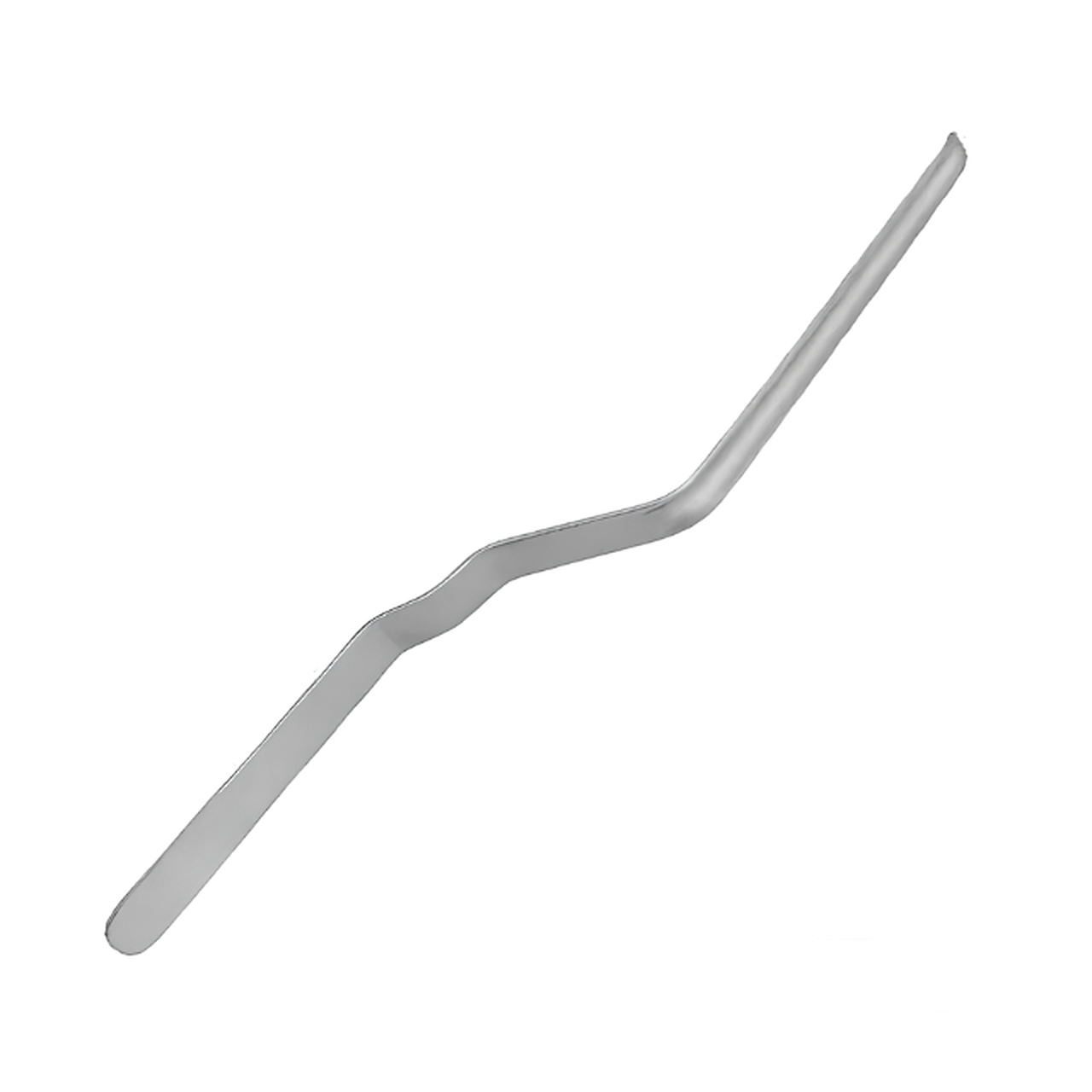 | Caspar Nerve Root Retractors | 顕微鏡下腰椎椎間板切除術における、脊髄神経根および硬膜嚢の授動、保持、保護用。 |
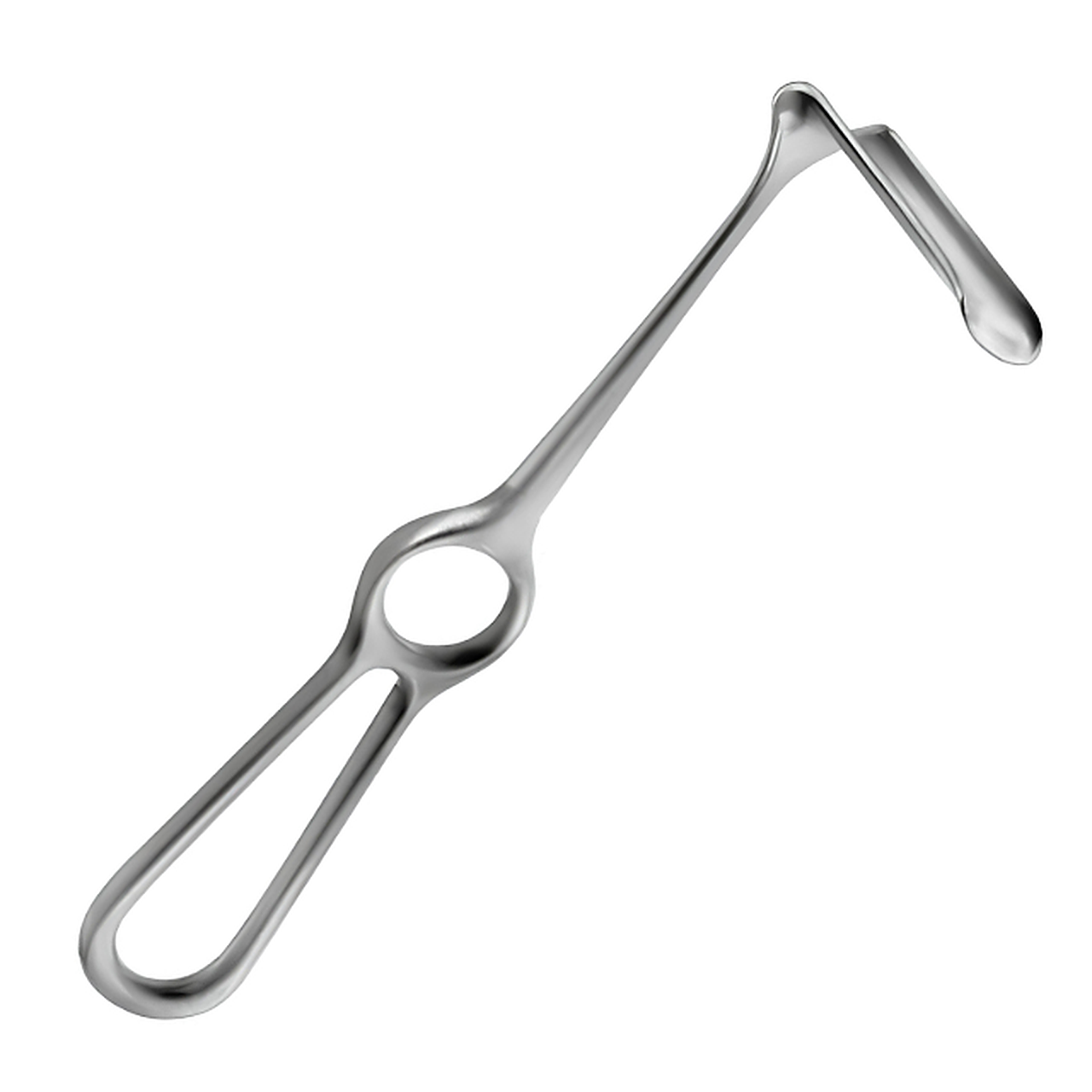 | Caspar リトラクター | 脊椎、整形外科、および再建外科における筋肉、筋膜、軟部組織の圧排専用設計。 |
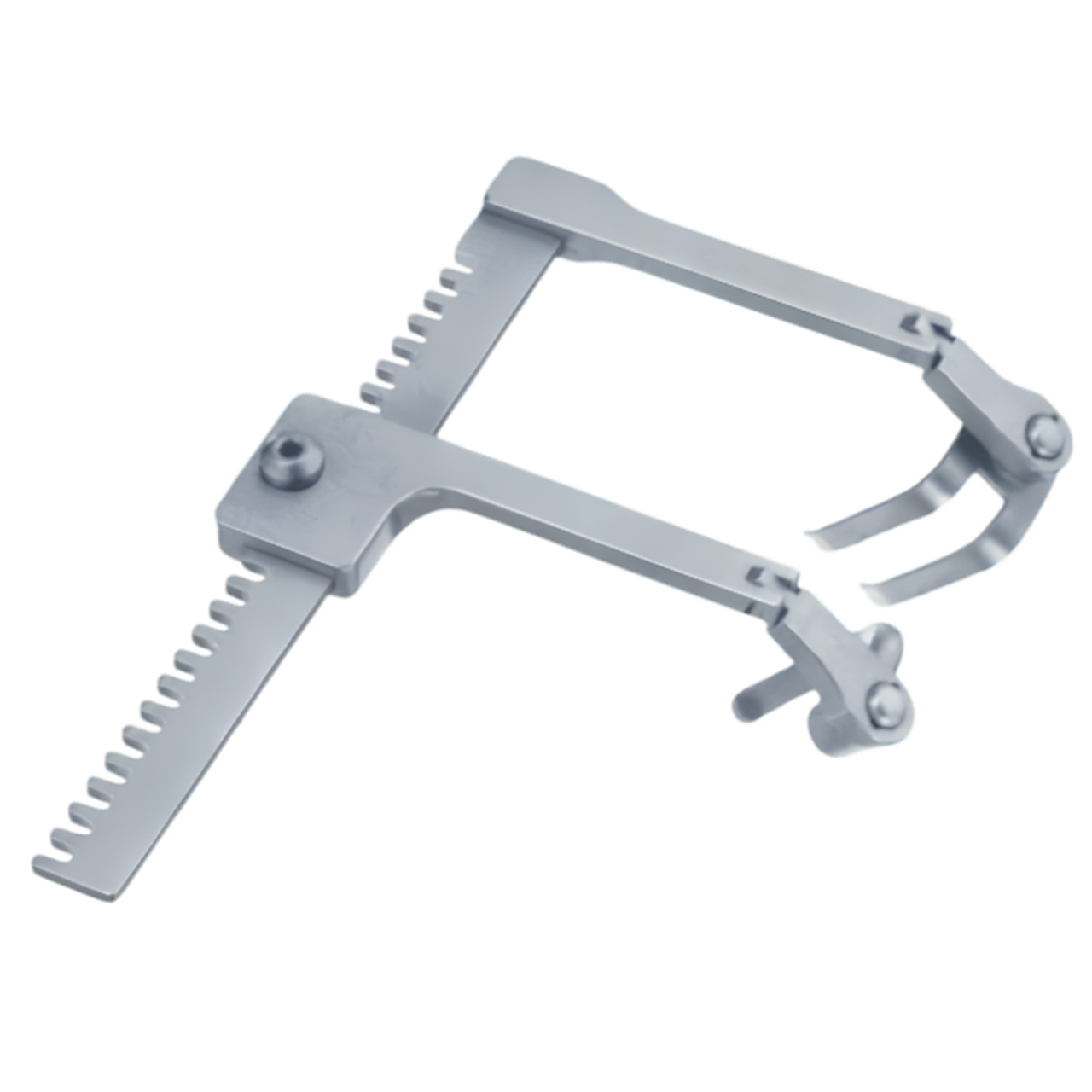 | Caspar開創器(開創位保持型) | 頸椎前方手術中に気管、食道、および頸長筋を牽引するために特別に設計されています。 |
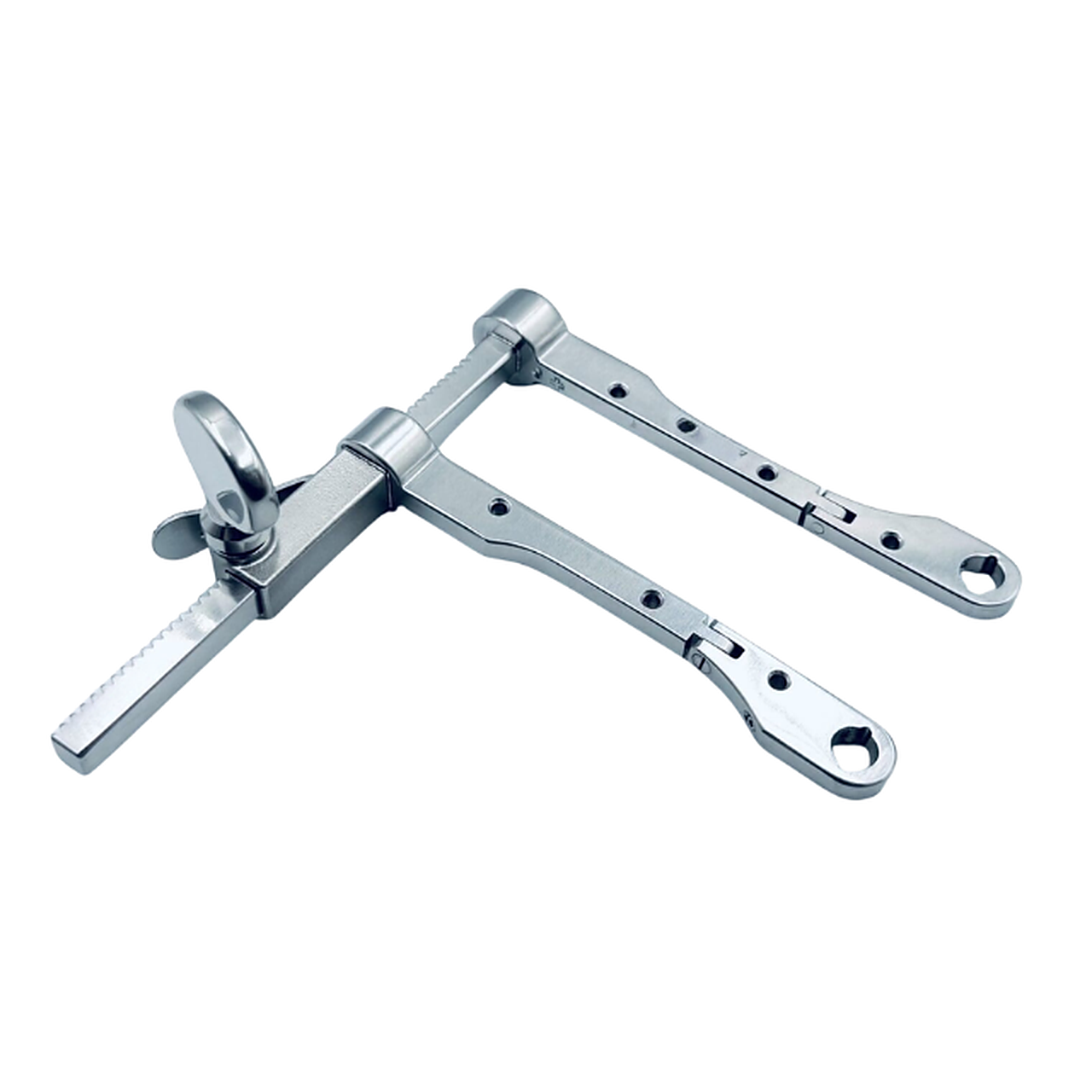 | Casper Cervical Retractor | 前方頚椎手術における自動固定、関節式軟部組織開創、および椎体露出用に設計されています。 |
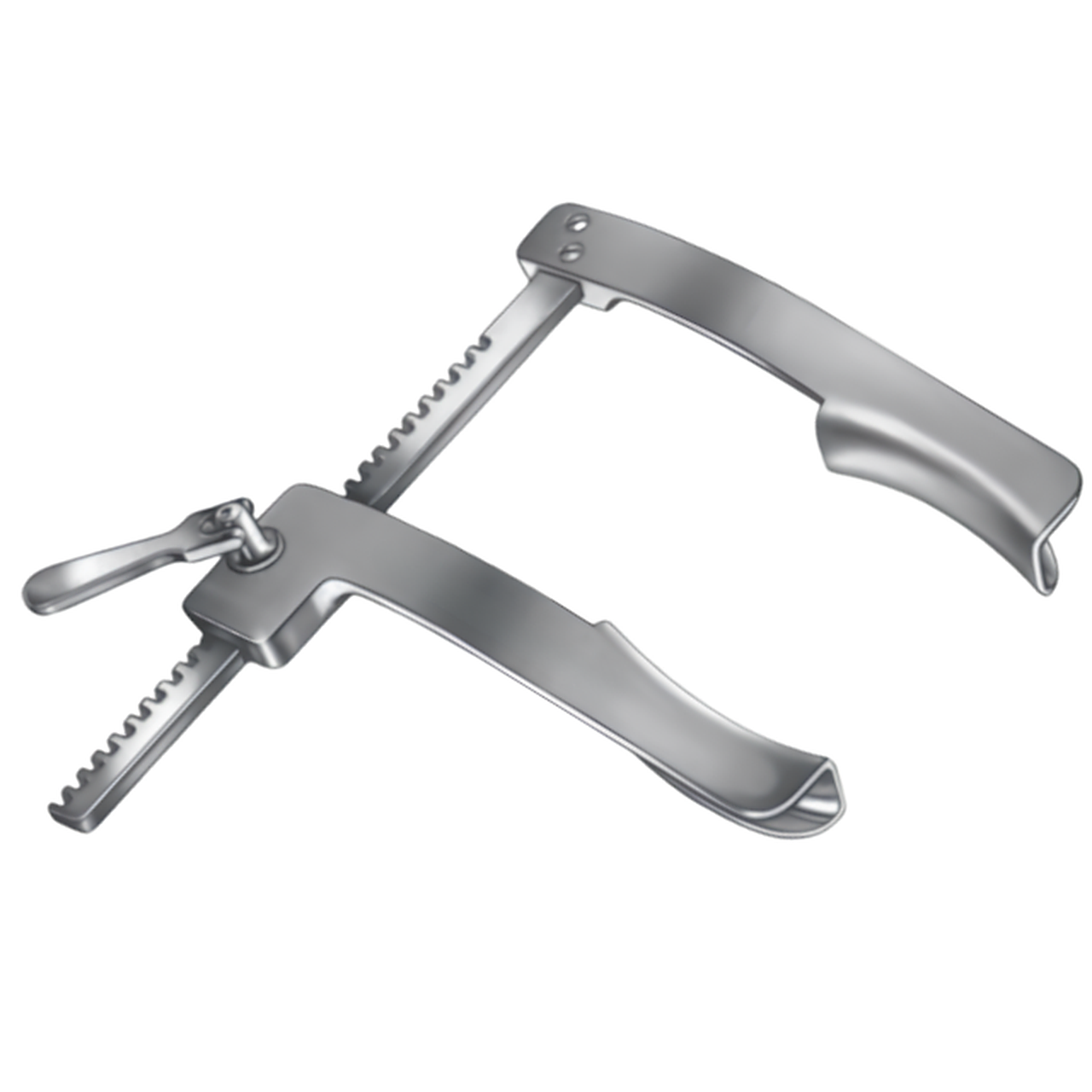 | Castaneda Rib Spreader | 新生児および小児の心臓血管外科手術において、肋骨を分離し胸腔の視野を確保するために設計されています。 |
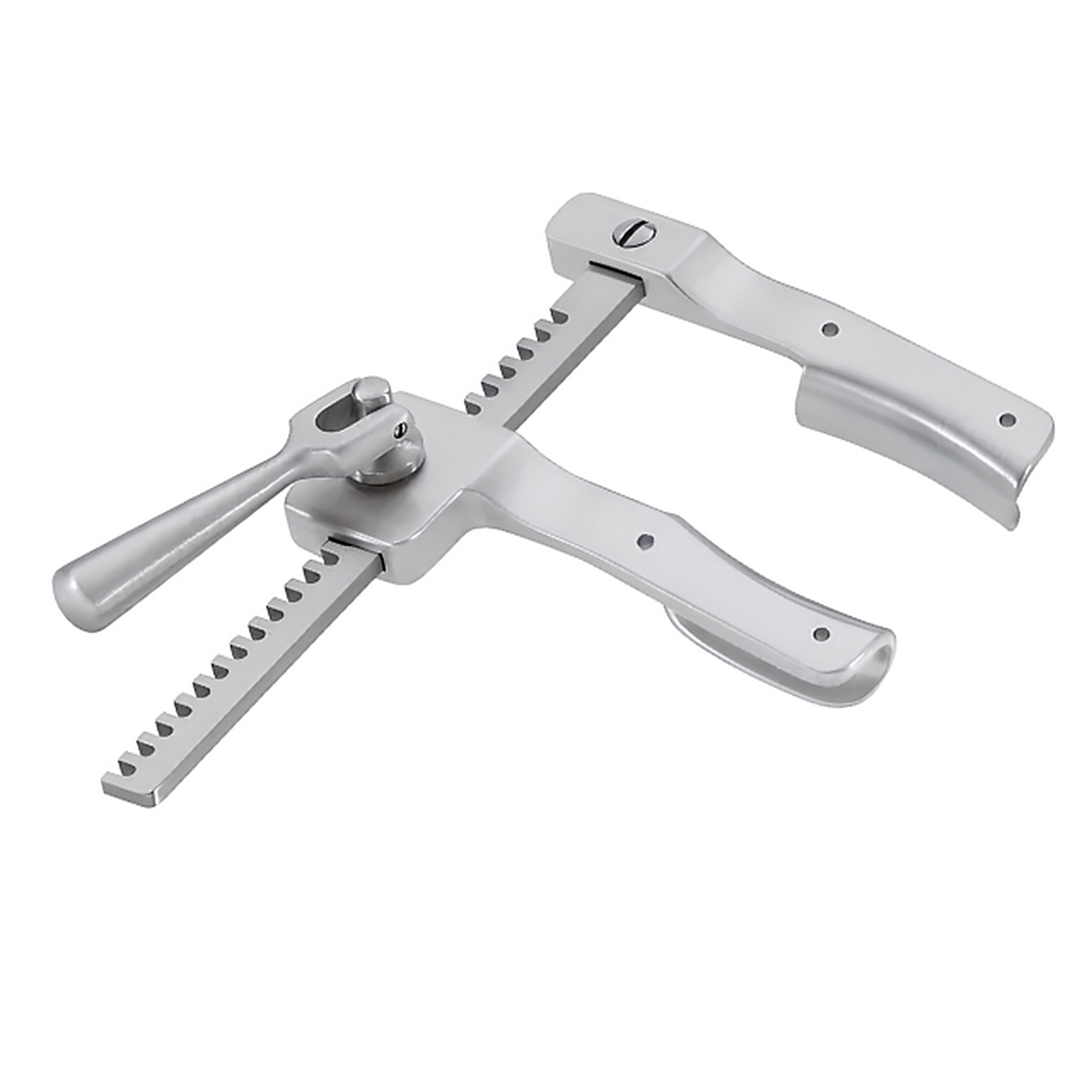 | Castaneda 胸骨開創器 | 小児、新生児、および成人の心臓手術における胸骨分離および縦隔露出用に特別に設計されています。 |
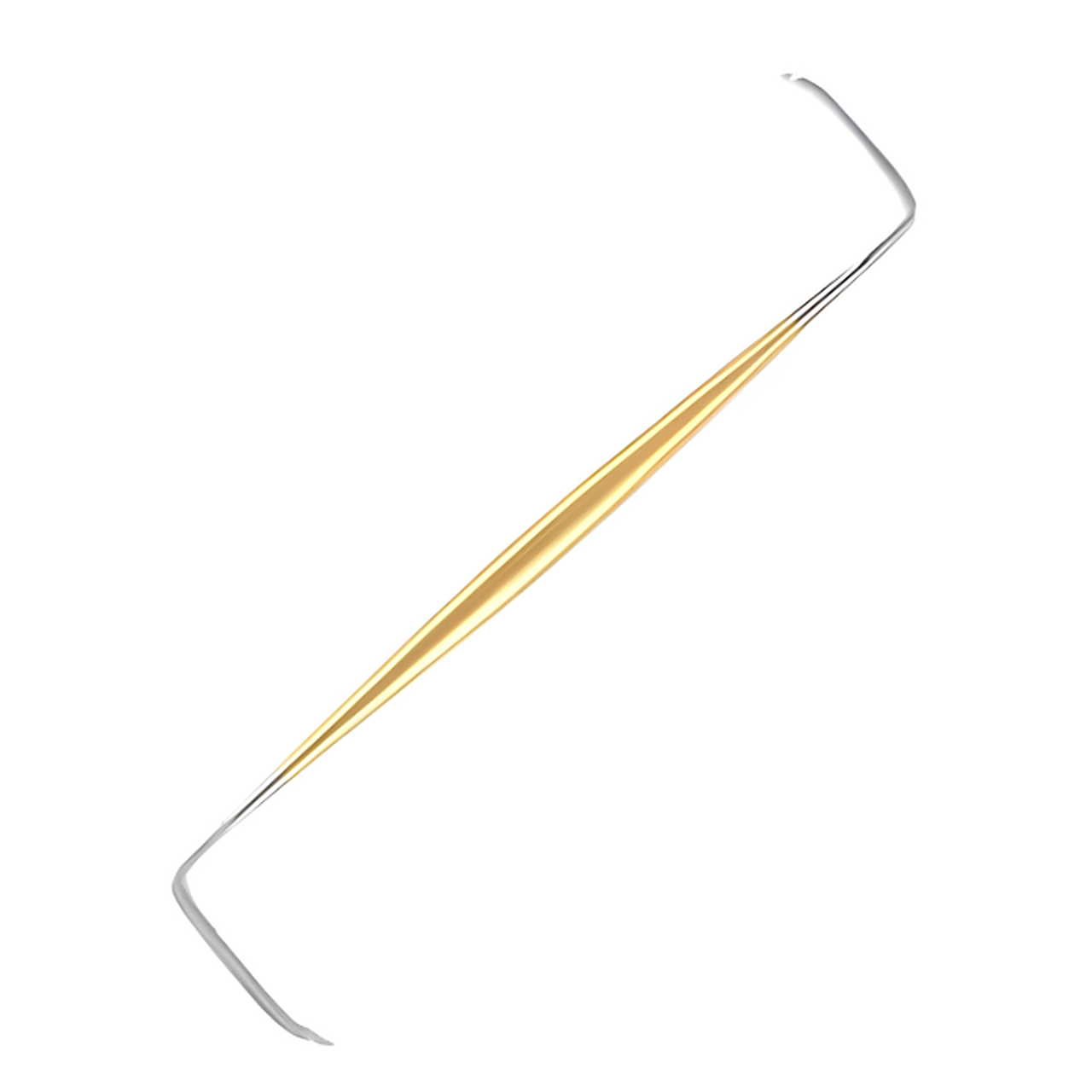 | Cerkes Double Ended Nasal Retractor (Cerkes両頭鼻用レトラクター) | オープンおよびクローズ法による鼻形成術において、鼻軟部組織の外包挙上および軟骨の牽引に使用するために設計されています。 |
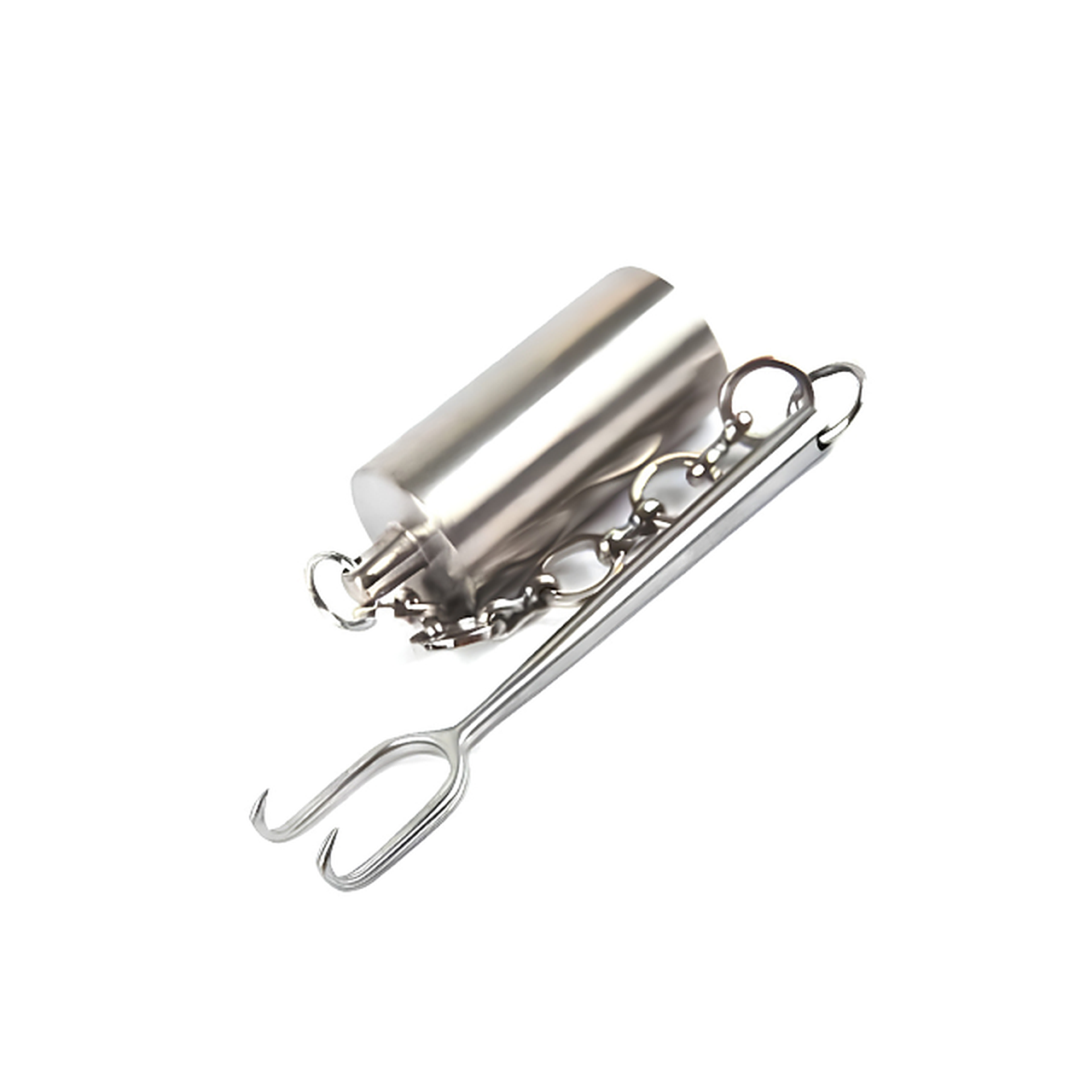 | Cerkes Nasal Retractor With Weight - Gruber Columella Retractor | オープン法鼻形成術において、鼻柱および尾側鼻中隔の重錘によるハンズフリー牽引を提供するために特化して設計されています。 |
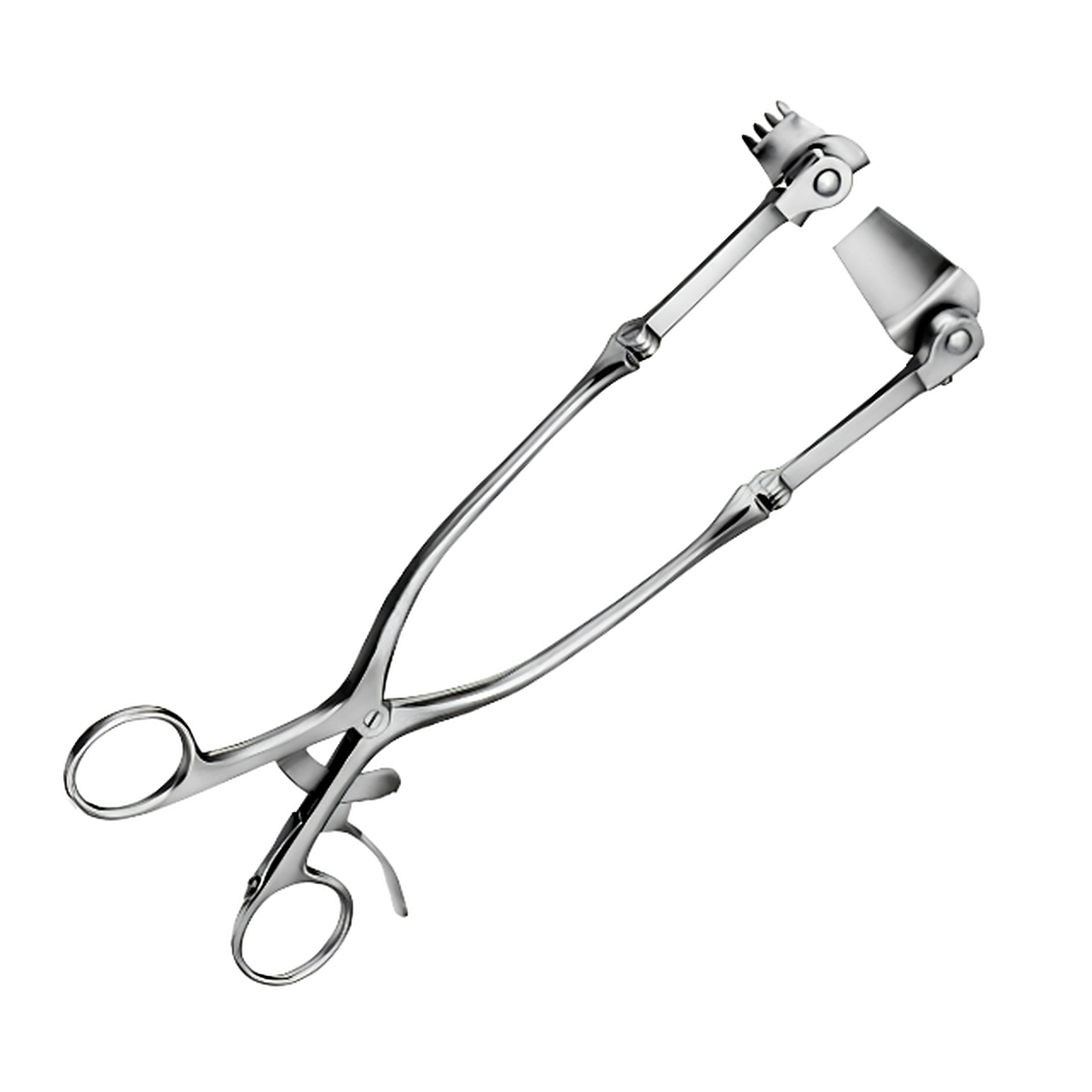 | 頚椎開創器フレーム | 前方頚椎手術において、交換式リトラクターブレードを保持し、縦方向の術野露出を確保するために特別に設計されています。 |
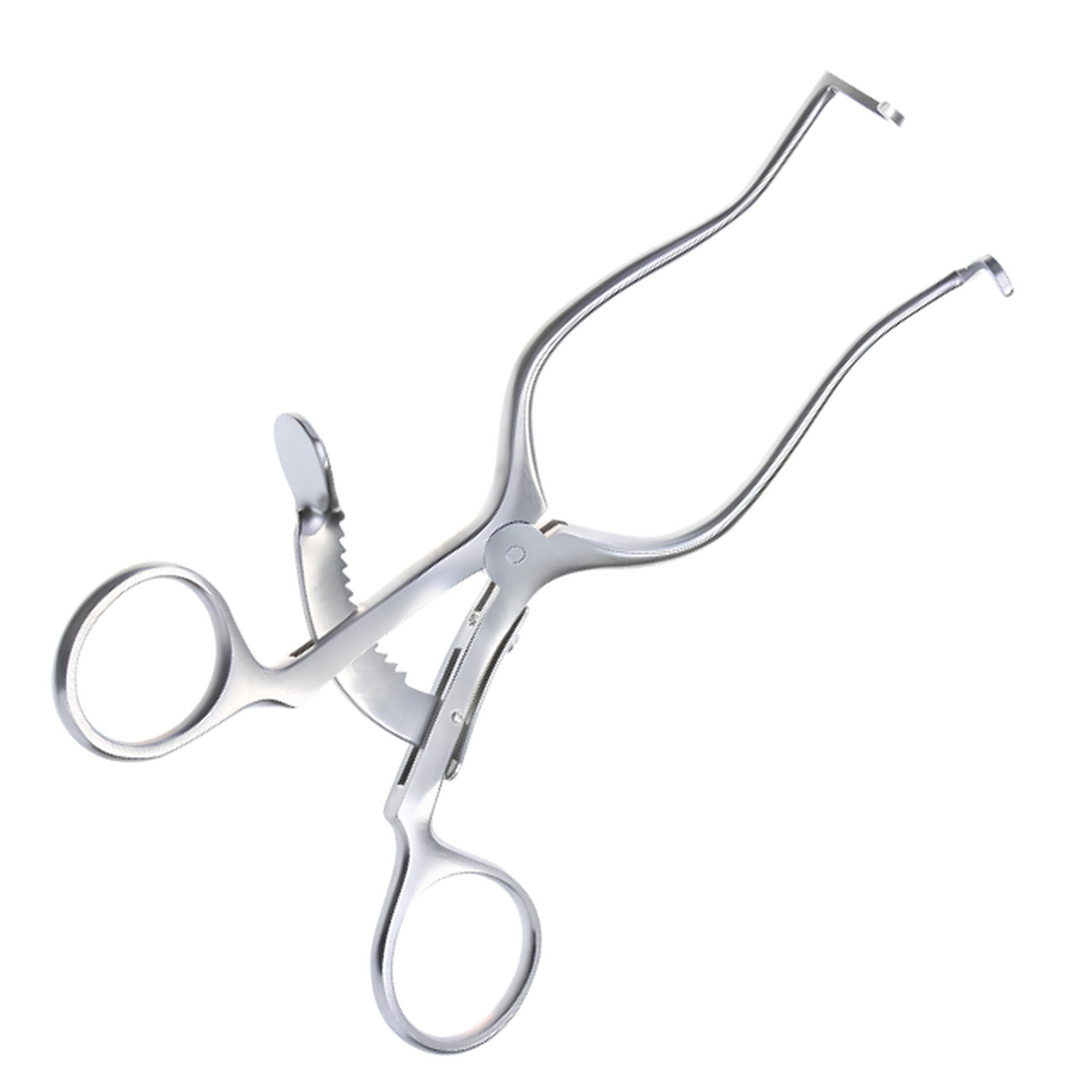 | 頚椎軟部組織レトラクター | 前方頚椎手術中におけるデリケートな軟部組織および筋膜面の牽引および授動専用に設計されています。 |
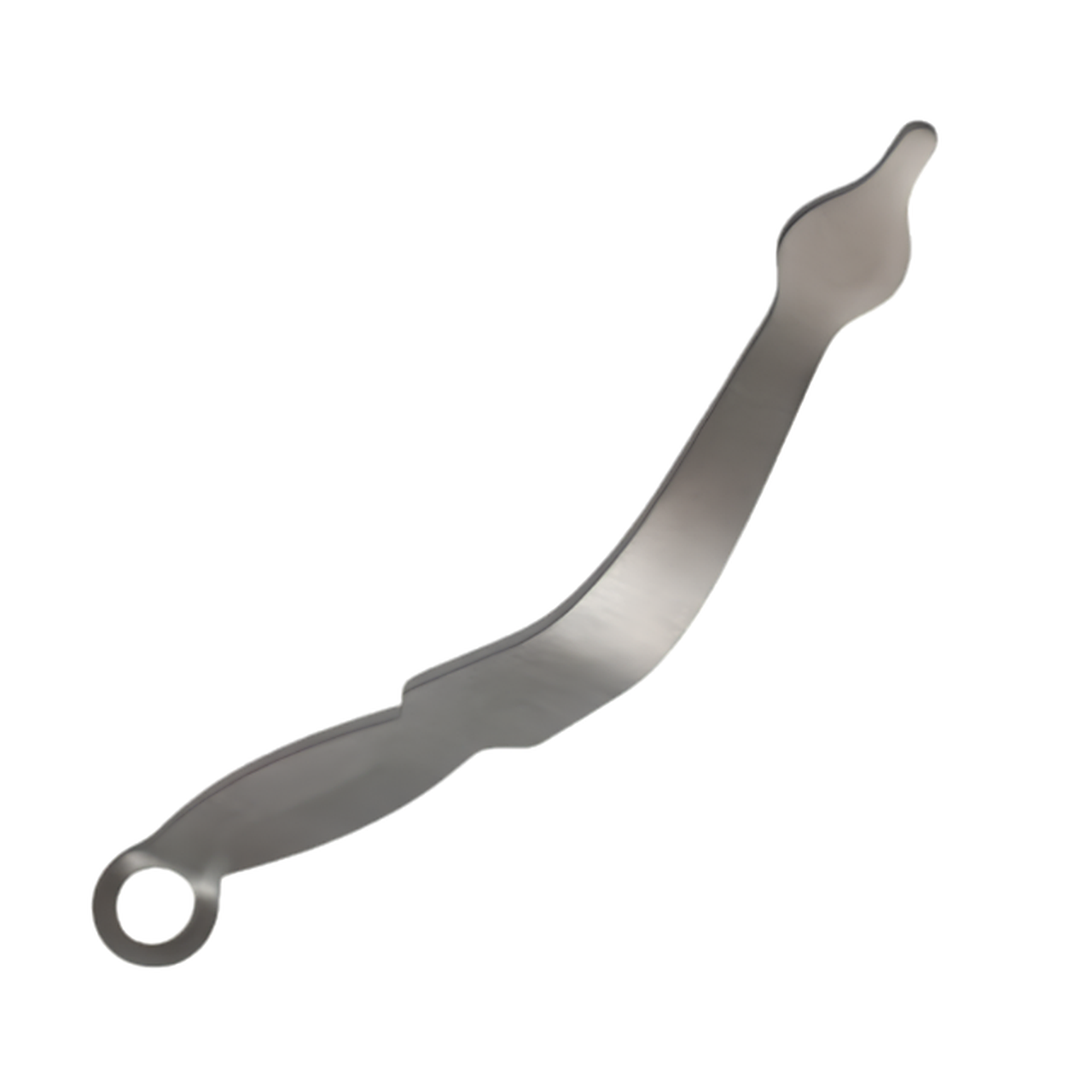 | Chandler Retractor | 人工股関節全置換術および大腿骨再建術における、骨のレバレッジと厚い筋肉層の圧排に特化しています。 |
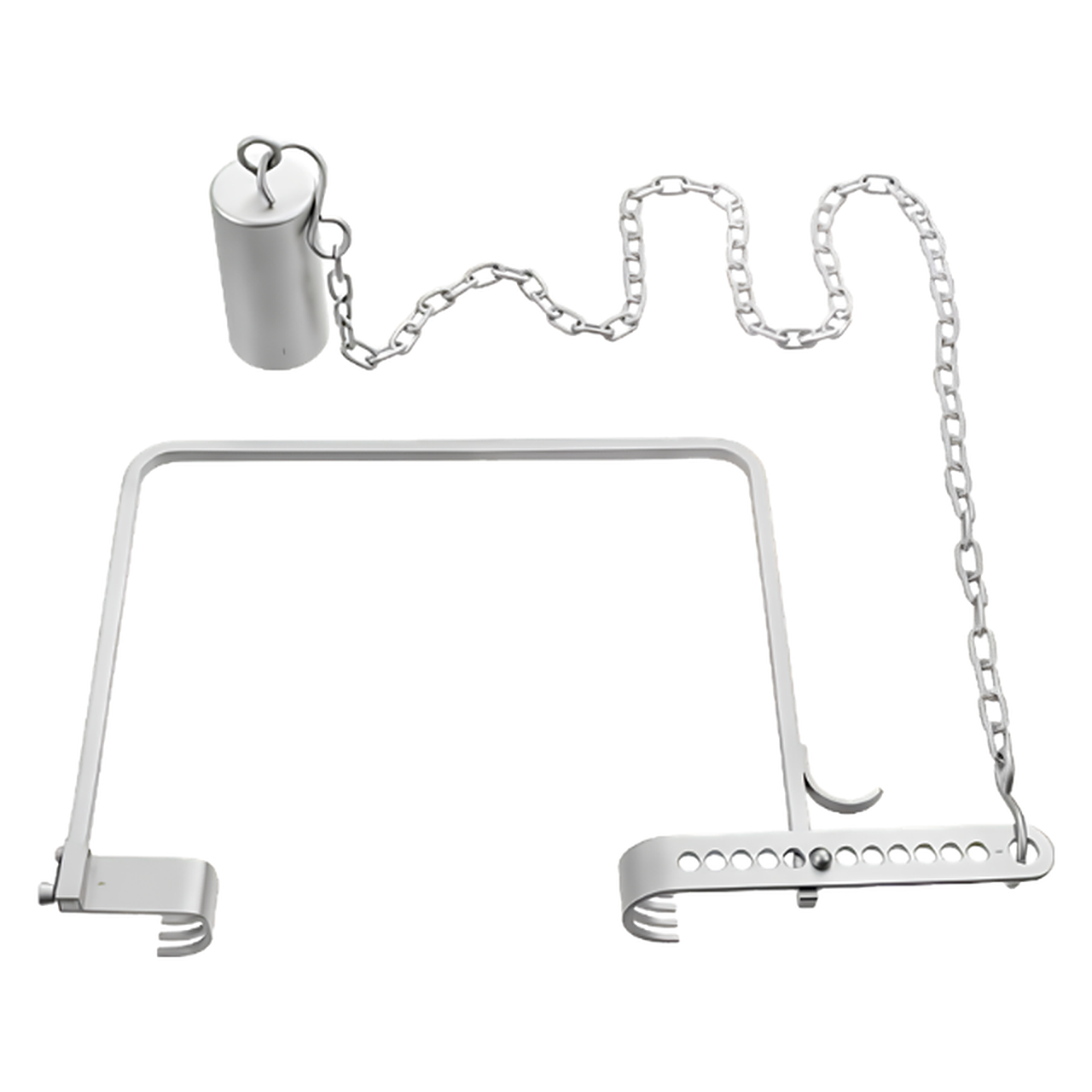 | Charnley Initial Incision Retractor | 股関節置換術の初期展開時における皮膚縁および皮下脂肪組織の開創に特化して設計されています。 |
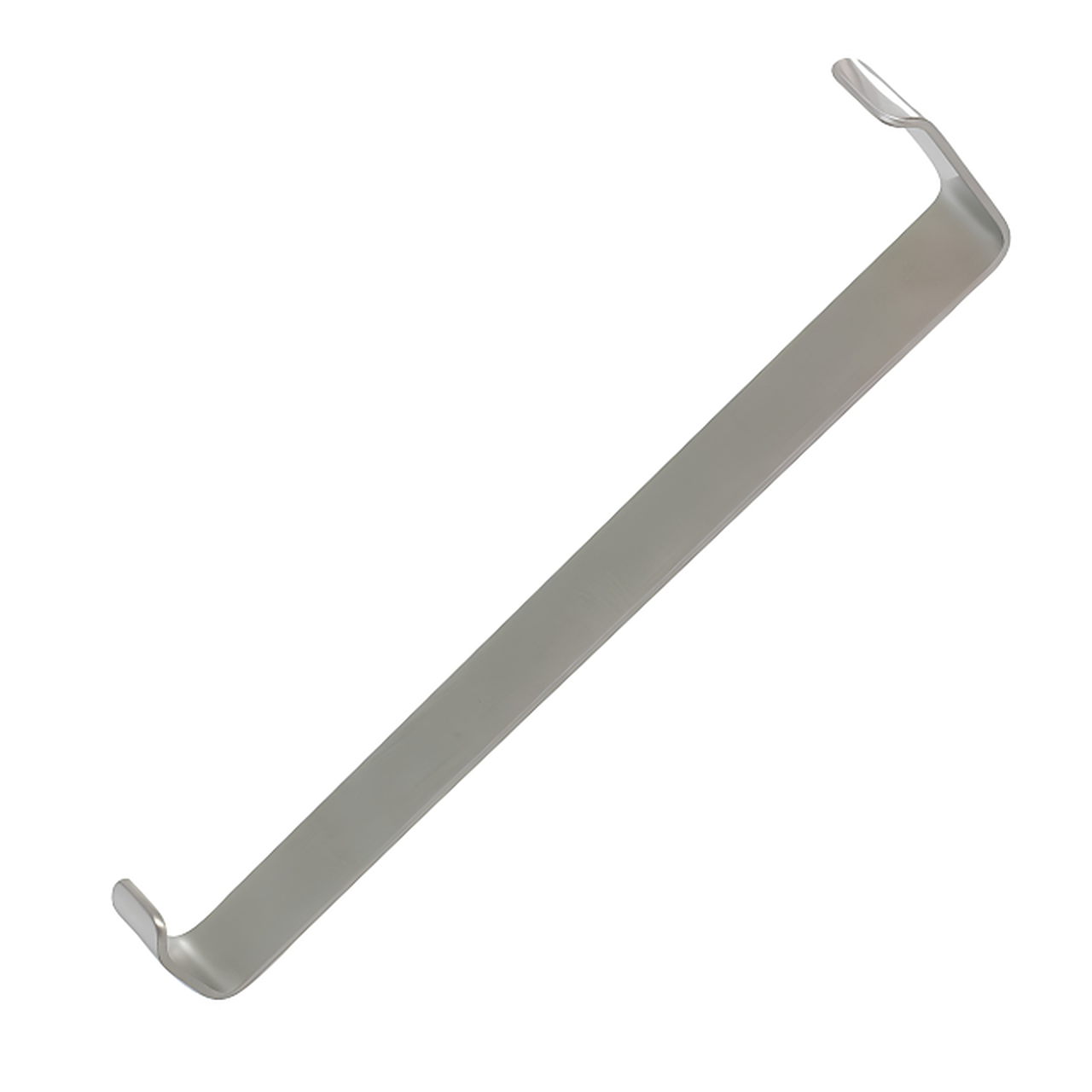 | Children's Hospital Retractor (小児科用鈎) | 小児外科手術および小規模な外科処置における、繊細な皮膚、筋肉、軟部組織の牽引に特化しています。 |
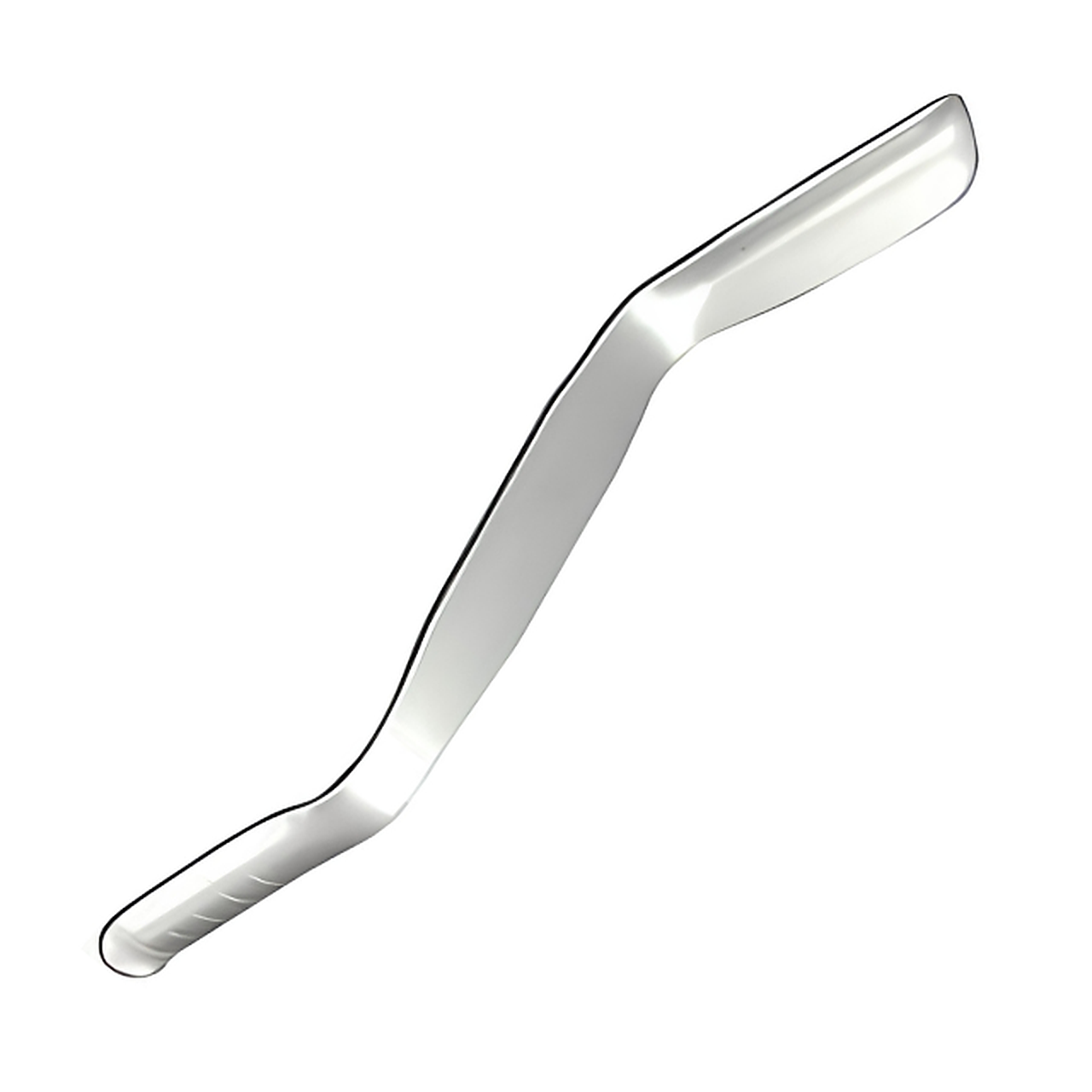 | Clodius 眼窩レトラクター | 眼瞼形成術および眼窩周囲手術における、眼窩脂肪の圧排、眼瞼弁の挙上、および眼球の保護。 |
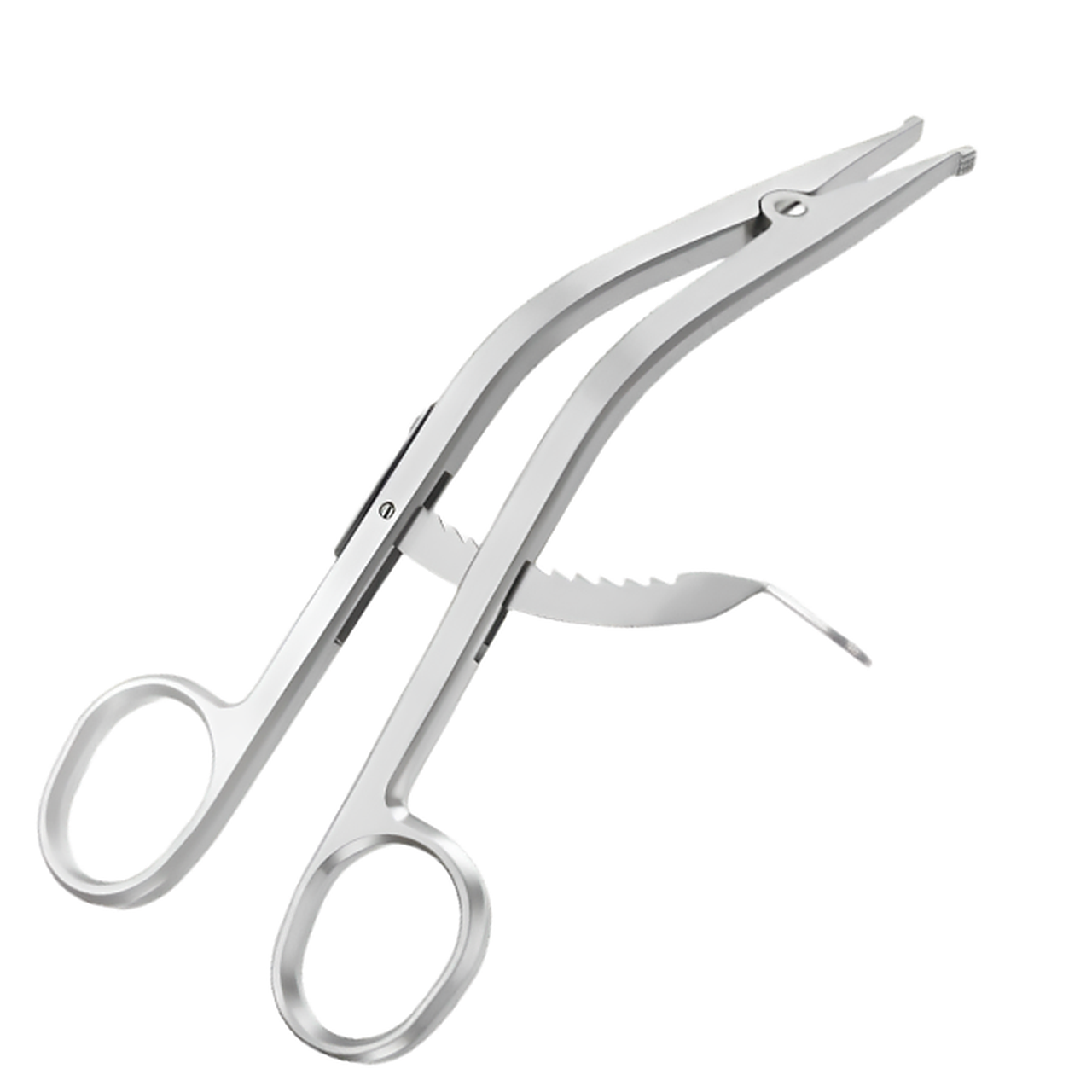 | Cloward 頸椎・椎弓開創器 | 頸椎および上位胸椎の手術において、傍脊柱筋を圧排し、椎弓および椎間関節を露出させるために使用します。 |
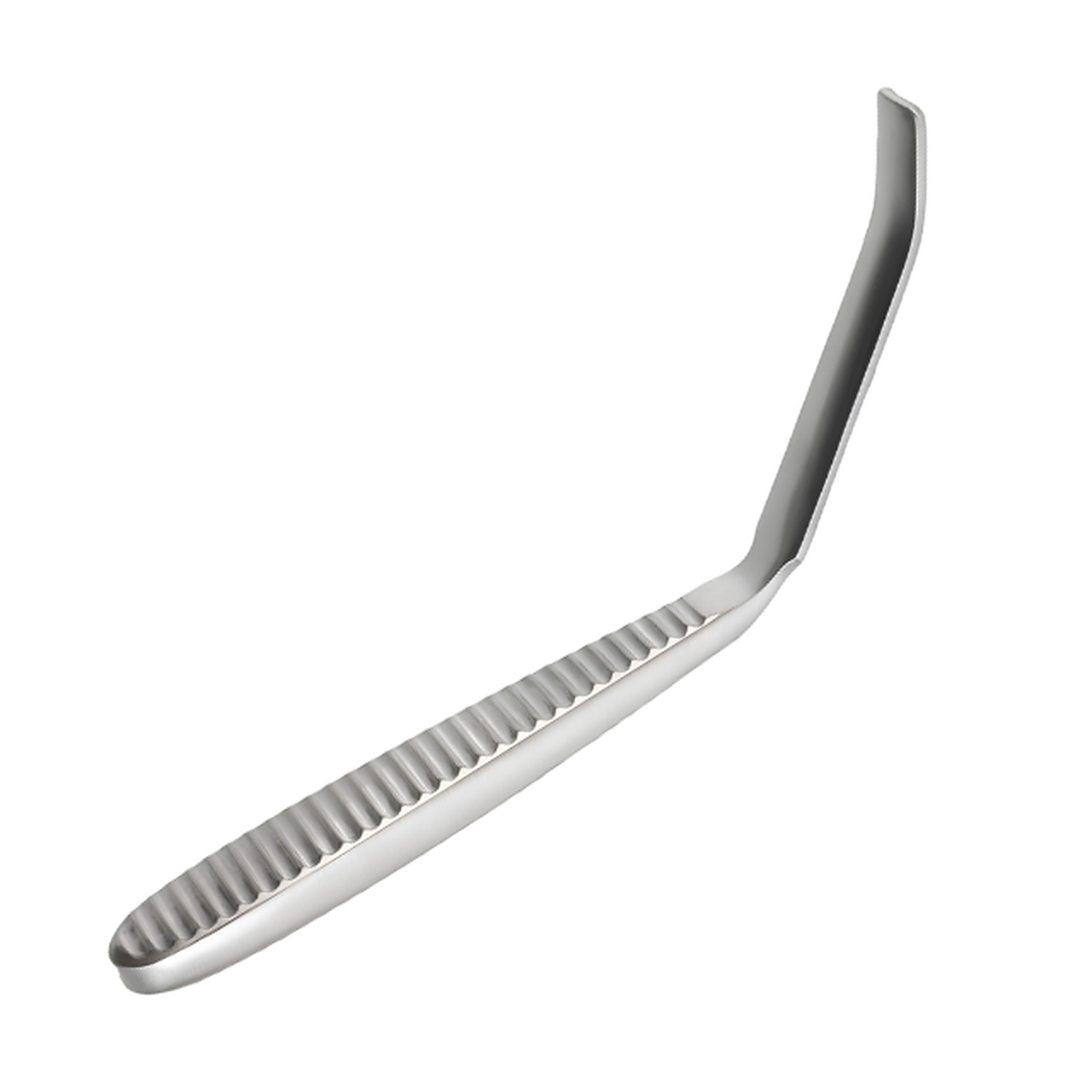 | Cloward-Style Blade Retractor | 頸椎前方手術における筋肉、筋膜、および臓器軟部組織の牽引専用。 |
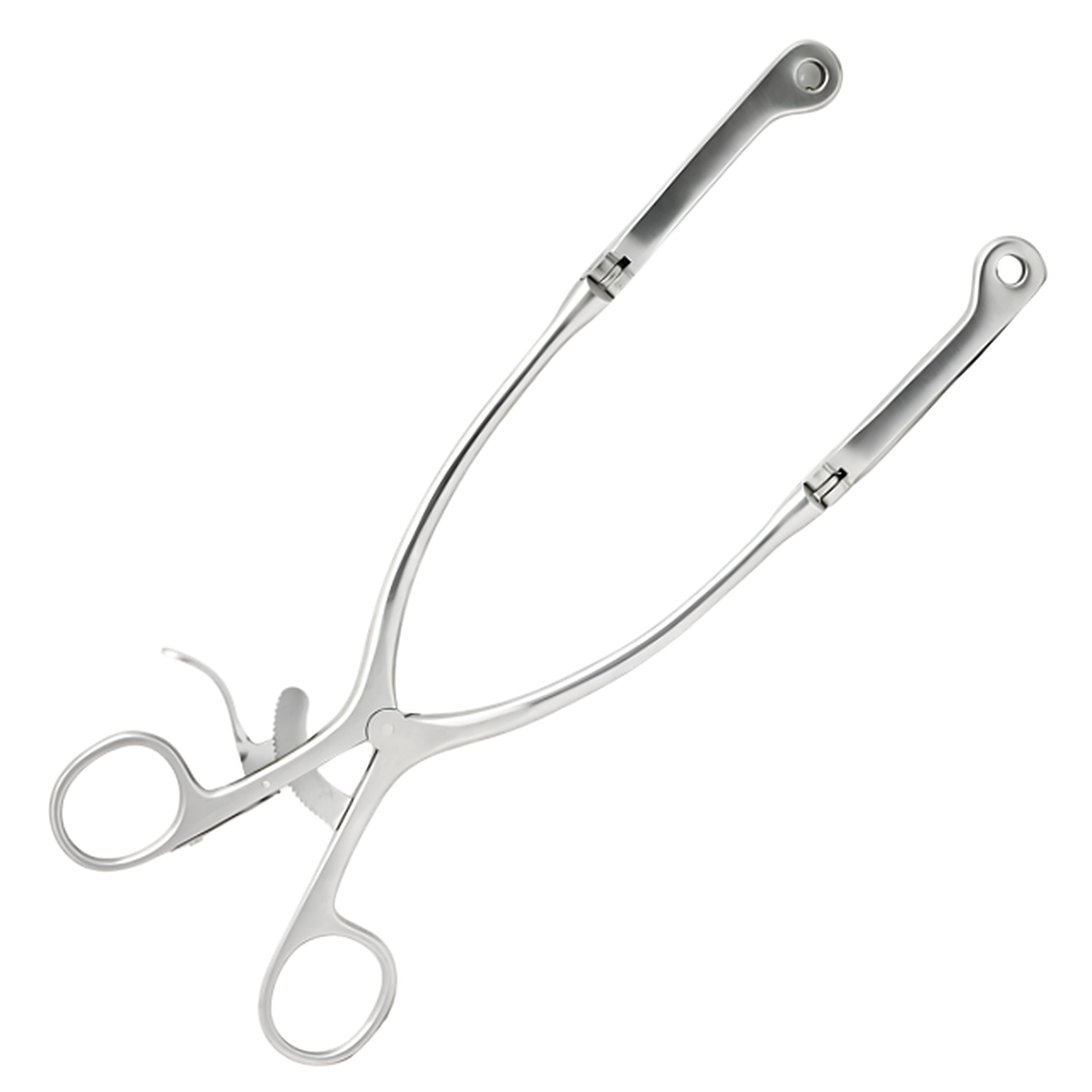 | Cloward-Style Cervical Retractor | 頸椎前方椎間板切除術および前方固定術(ACDF)において、軟部組織の自動固定式開創と椎体の術野展開を行うために設計されています。 |
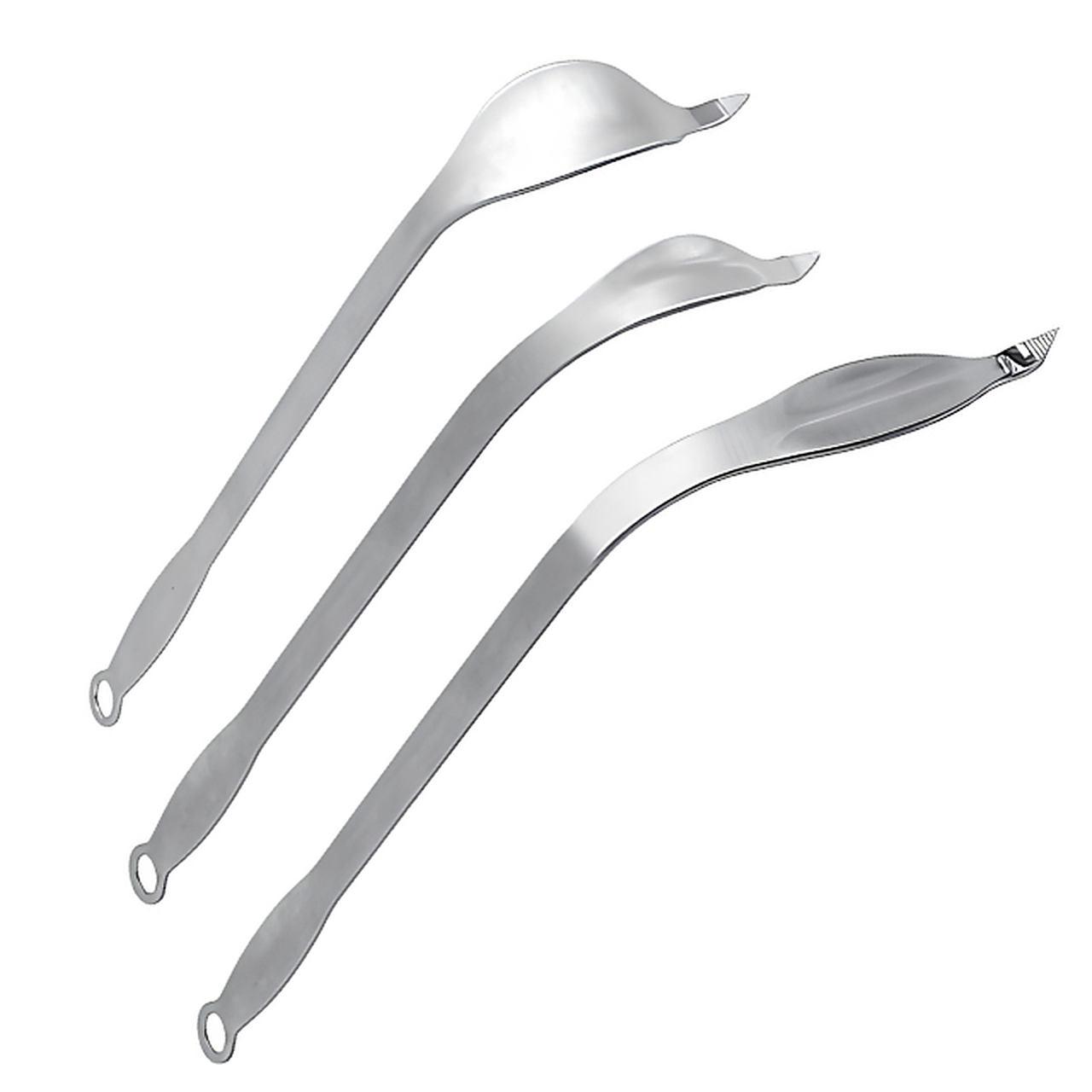 | Cobra Retractor | 人工股関節全置換術、骨盤骨切り術、および大腿骨手術における骨のレバレッジおよび重厚な筋肉群の牽引。 |
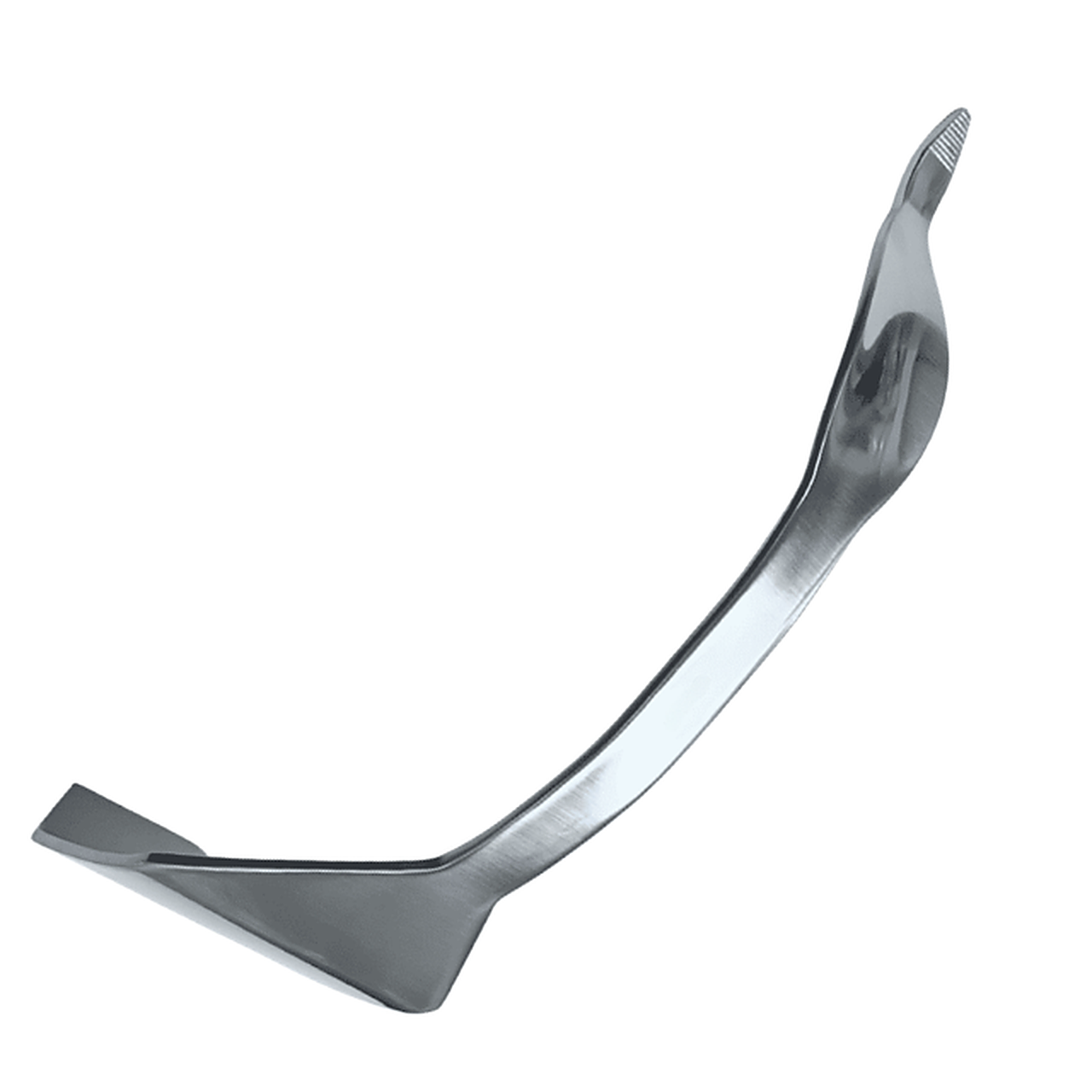 | Cobra Retractor with Hand Rest(ハンドレスト付コブラ開創器) | 股関節置換術において、助手の法的な負担を軽減しながら、骨のレバレッジや厚い筋肉の牽引を行うために特別に設計されています。 |
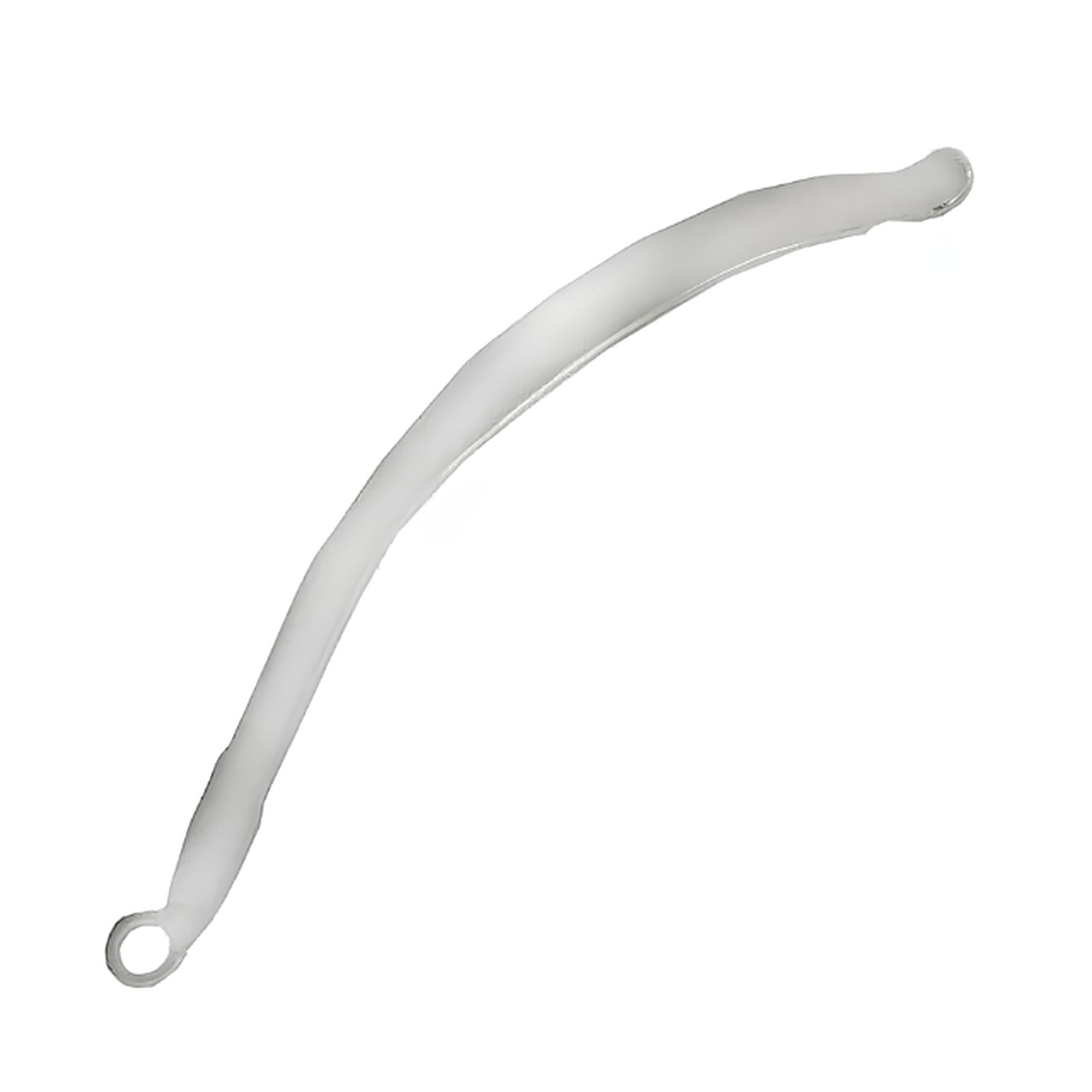 | コブラ型大腿骨開創器 | 人工股関節置換術および大腿骨骨折の修復において、厚い筋肉を牽引し、大腿骨幹部を露出させるために設計されています。 |
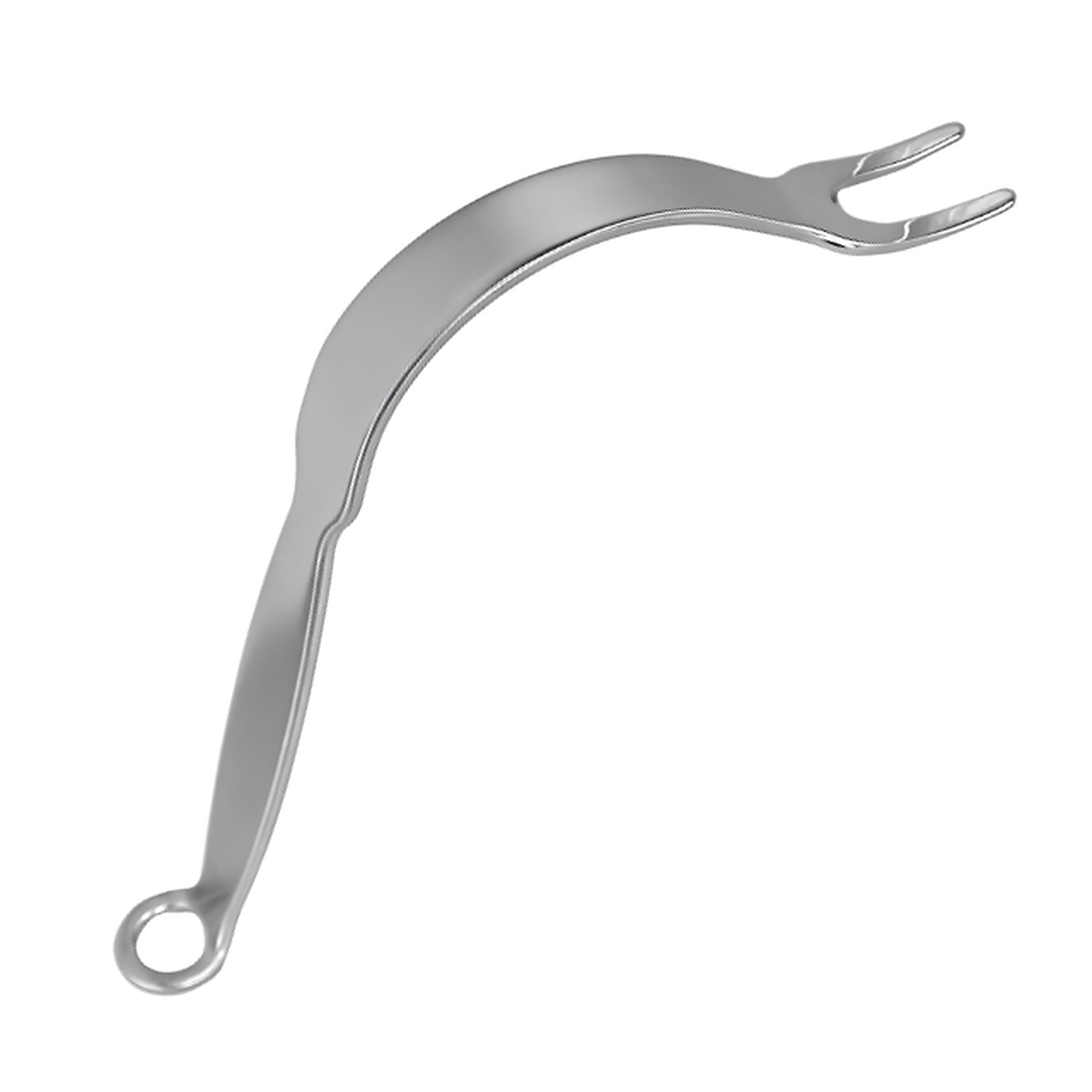 | 側副靭帯レトラクター | 人工膝関節全置換術における側副靭帯および関節包の圧排と保護。 |
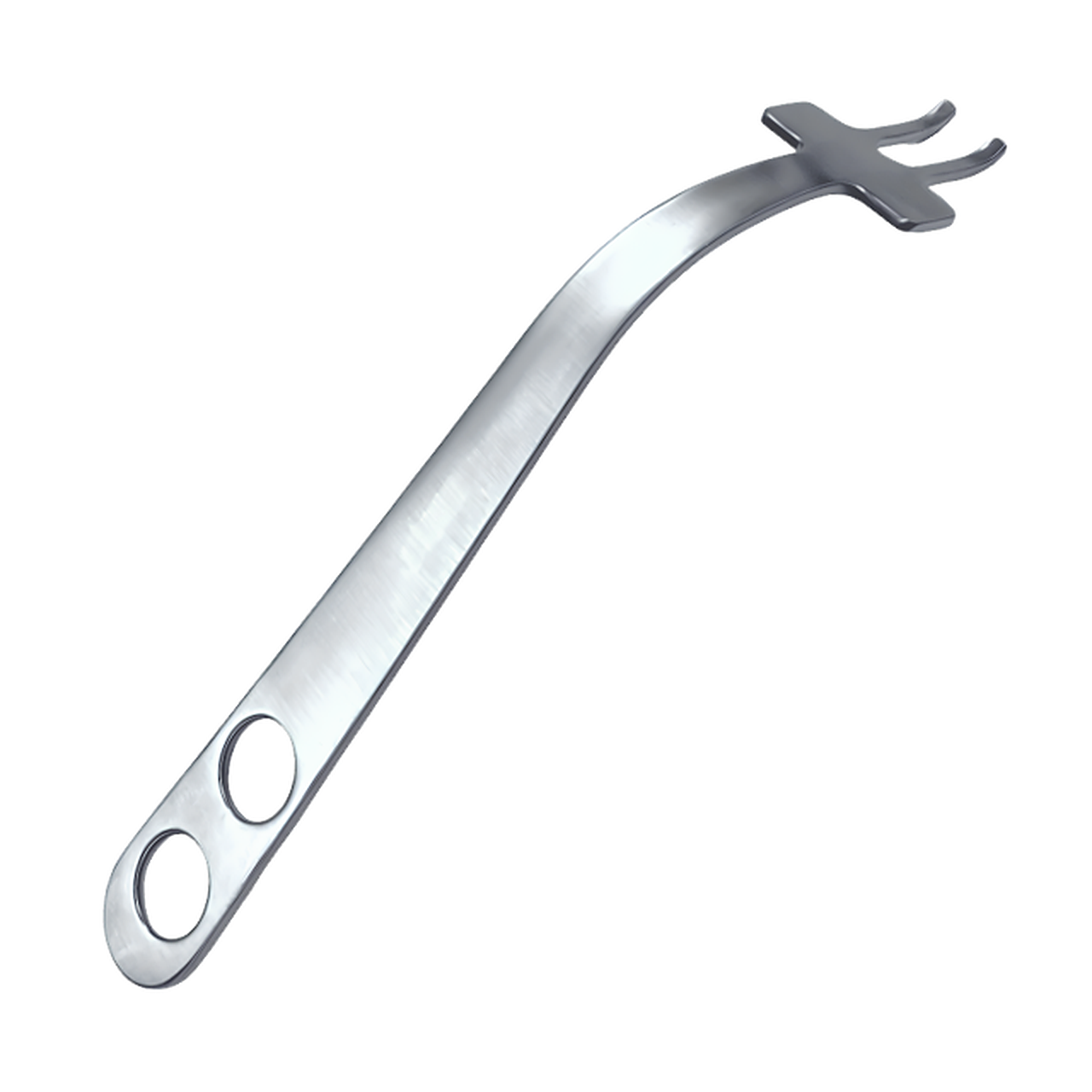 | 側副軟部組織レトラクター | 膝関節置換術および再建術における側副靭帯および関節周囲軟部組織の牽引用。 |
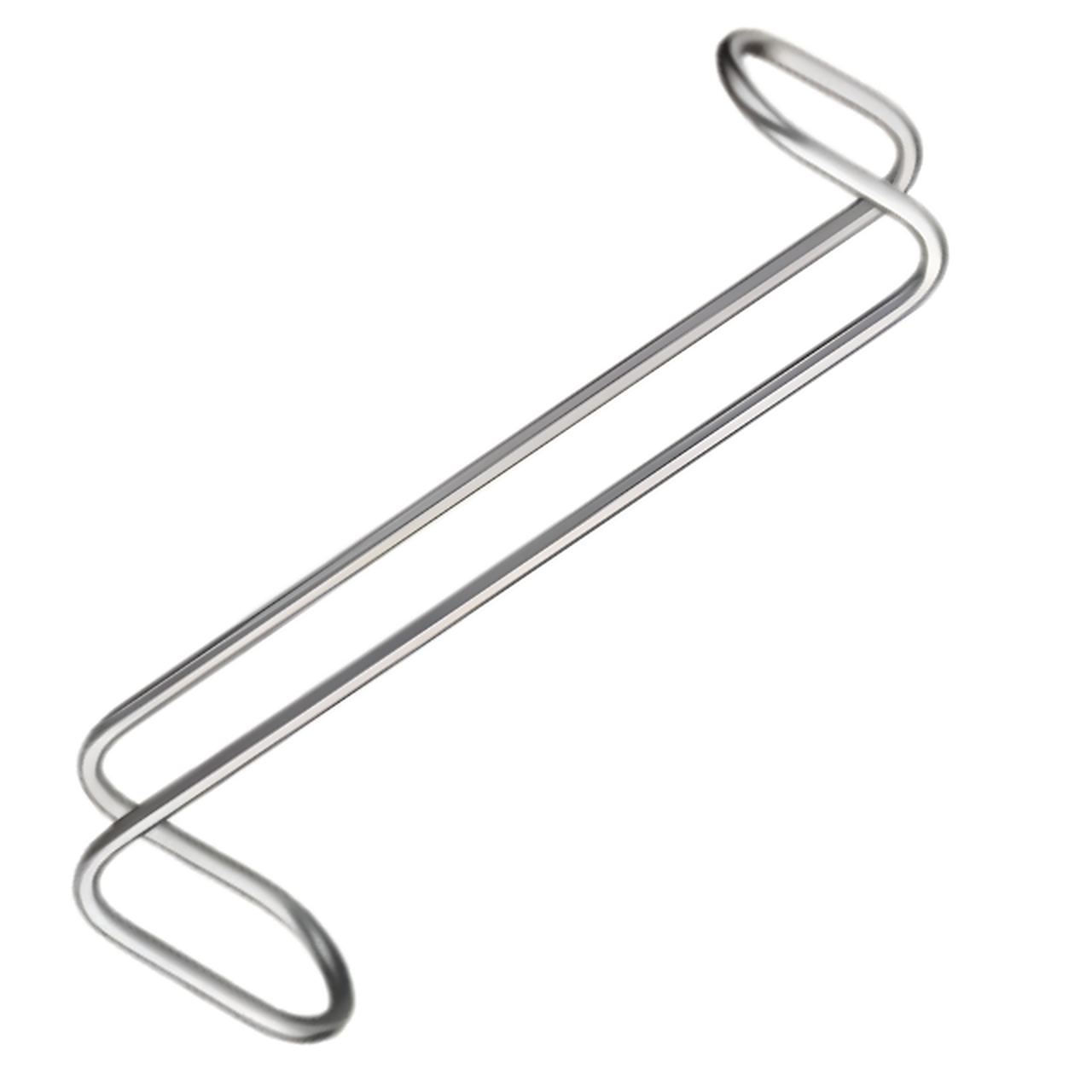 | Collin Hartmann S字型開創器 | 一般外科、婦人科、形成外科における筋肉、筋膜、および創縁の牽引用として設計されています。 |
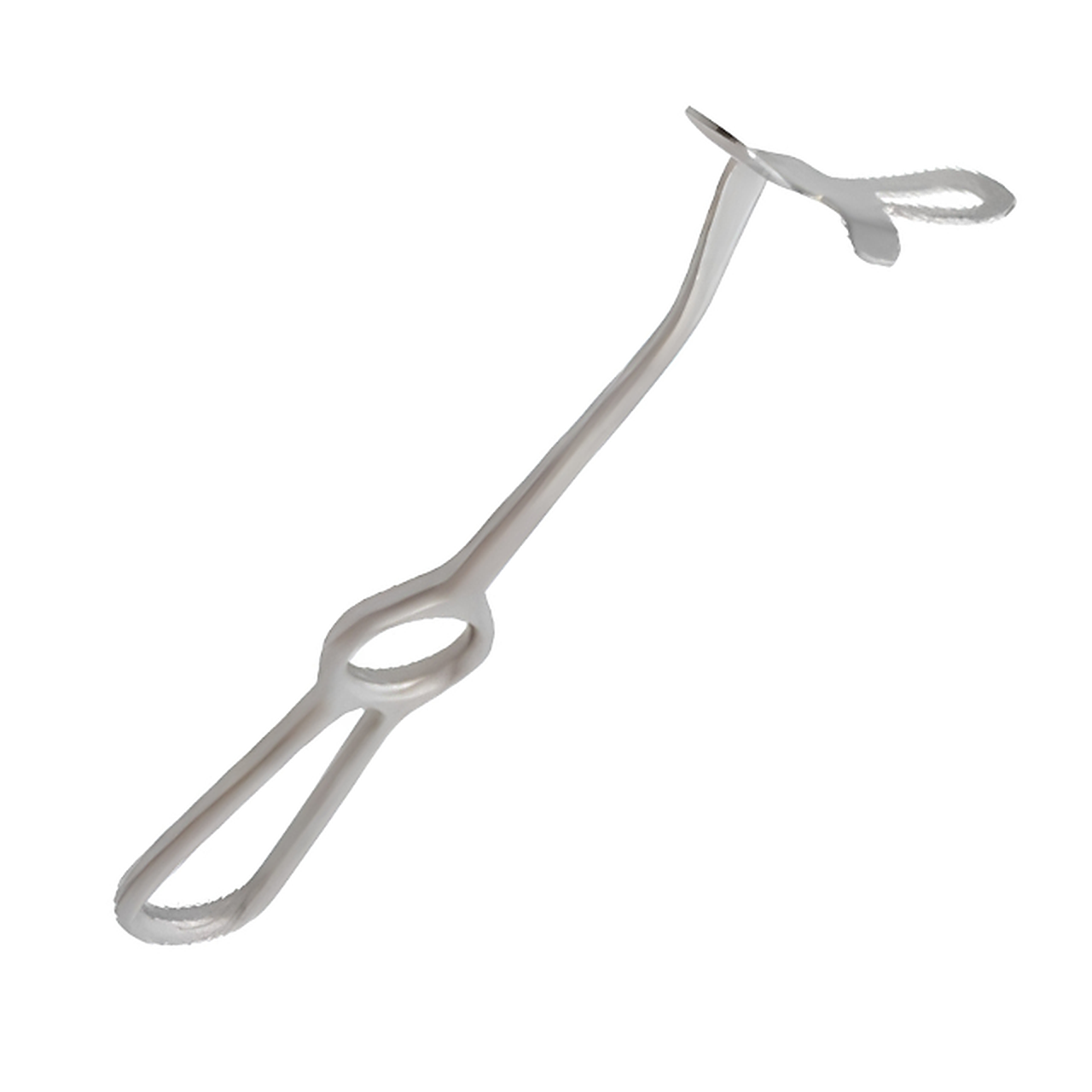 | 創傷・頬粘膜用コンビネーション開創器 | 口腔外科、顎顔面外科、形成外科における頬、唇、および創縁の牽引専用設計。 |
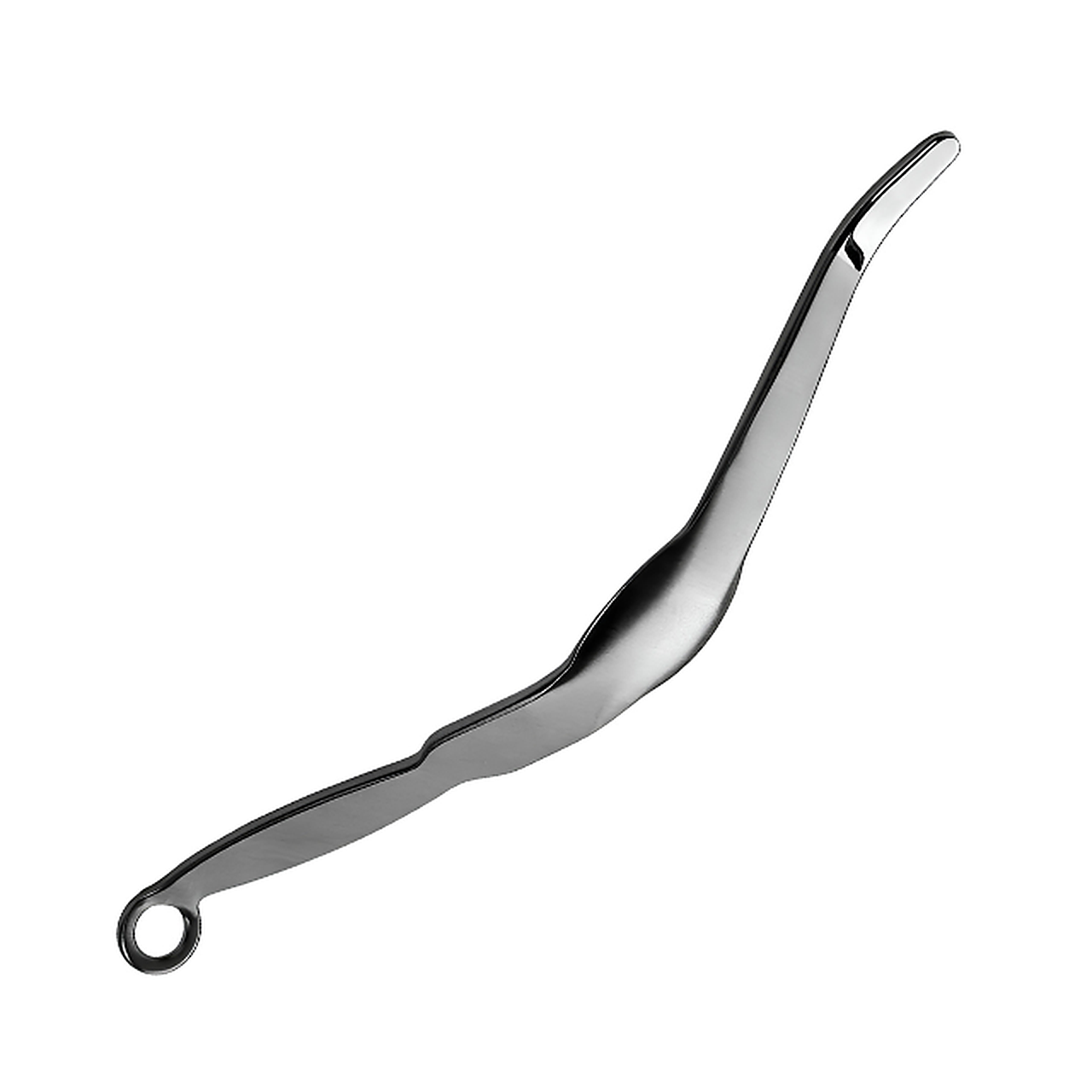 | コンケーブ ニーリトラクター | 人工膝関節全置換術において、骨のレバレッジを行いながら側副靭帯および関節周囲の軟部組織を牽引するために特別に設計されています。 |
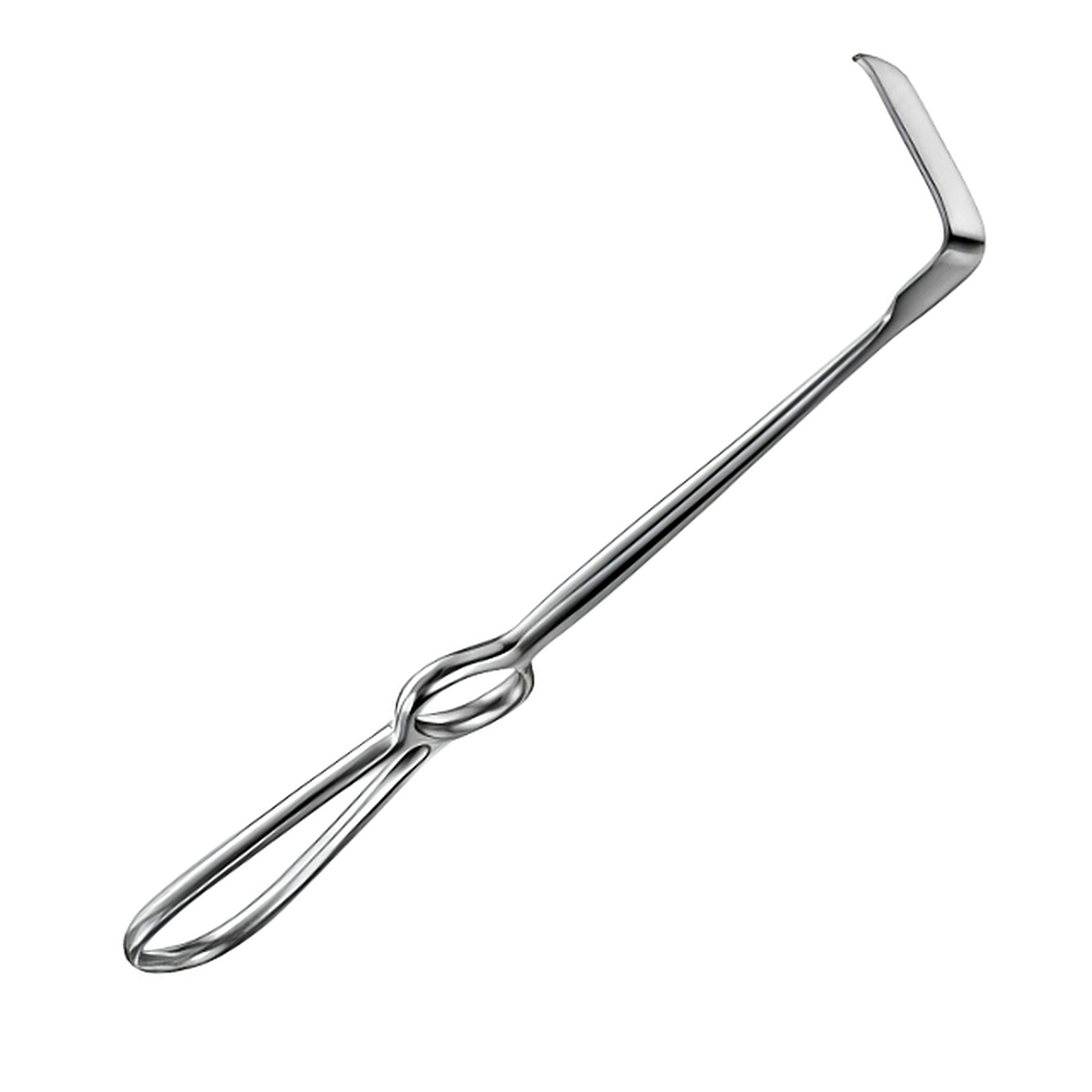 | Condyle Retractor | 顎矯正手術および顔面外傷手術において、下顎枝および下顎頭頚部を保持するために特別に設計されています。 |
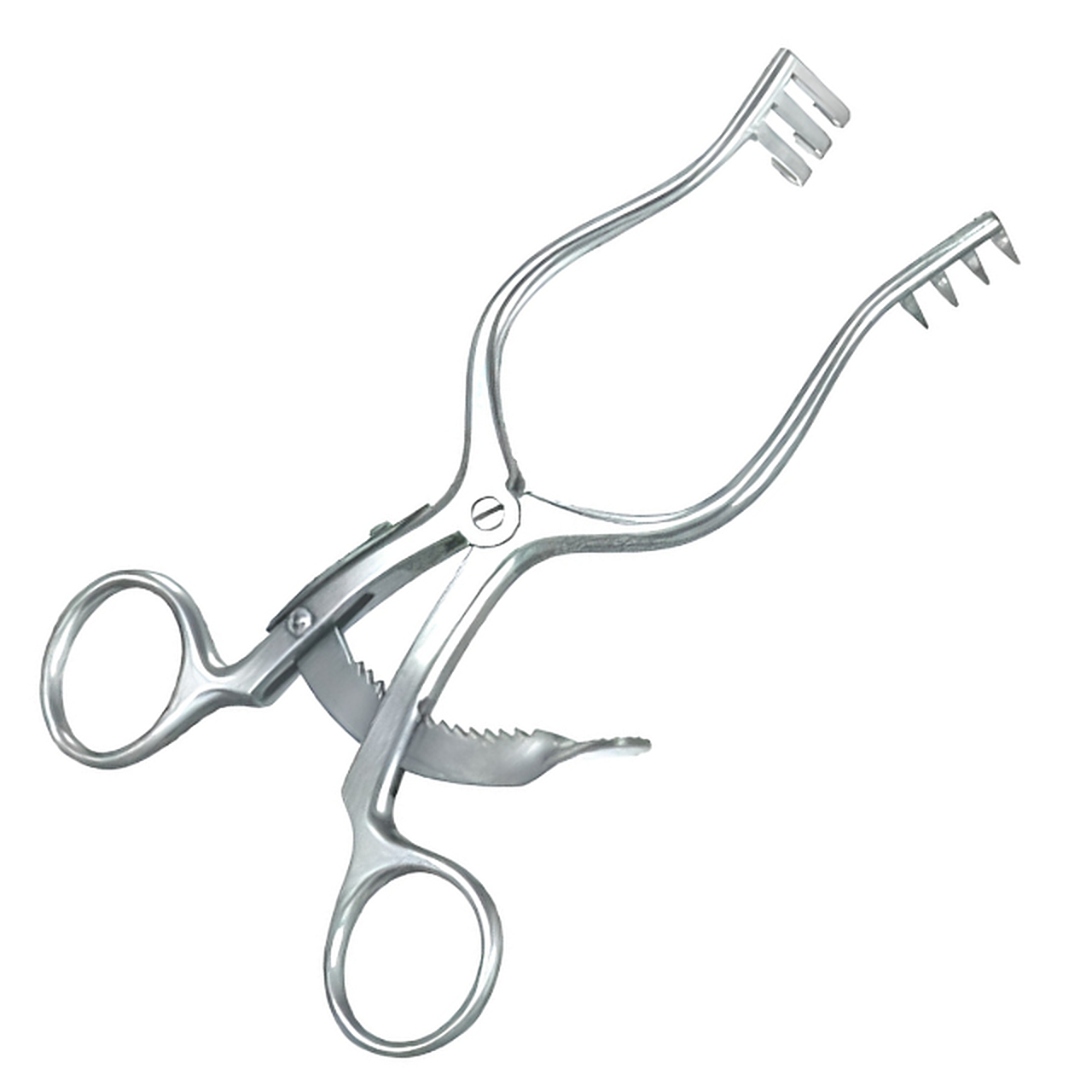 | Contour 自動開創式頭皮レトラクター | 開頭術および頭蓋手術において、頭皮弁、帽状腱膜、および筋肉を牽引するために特別に設計されています。 |
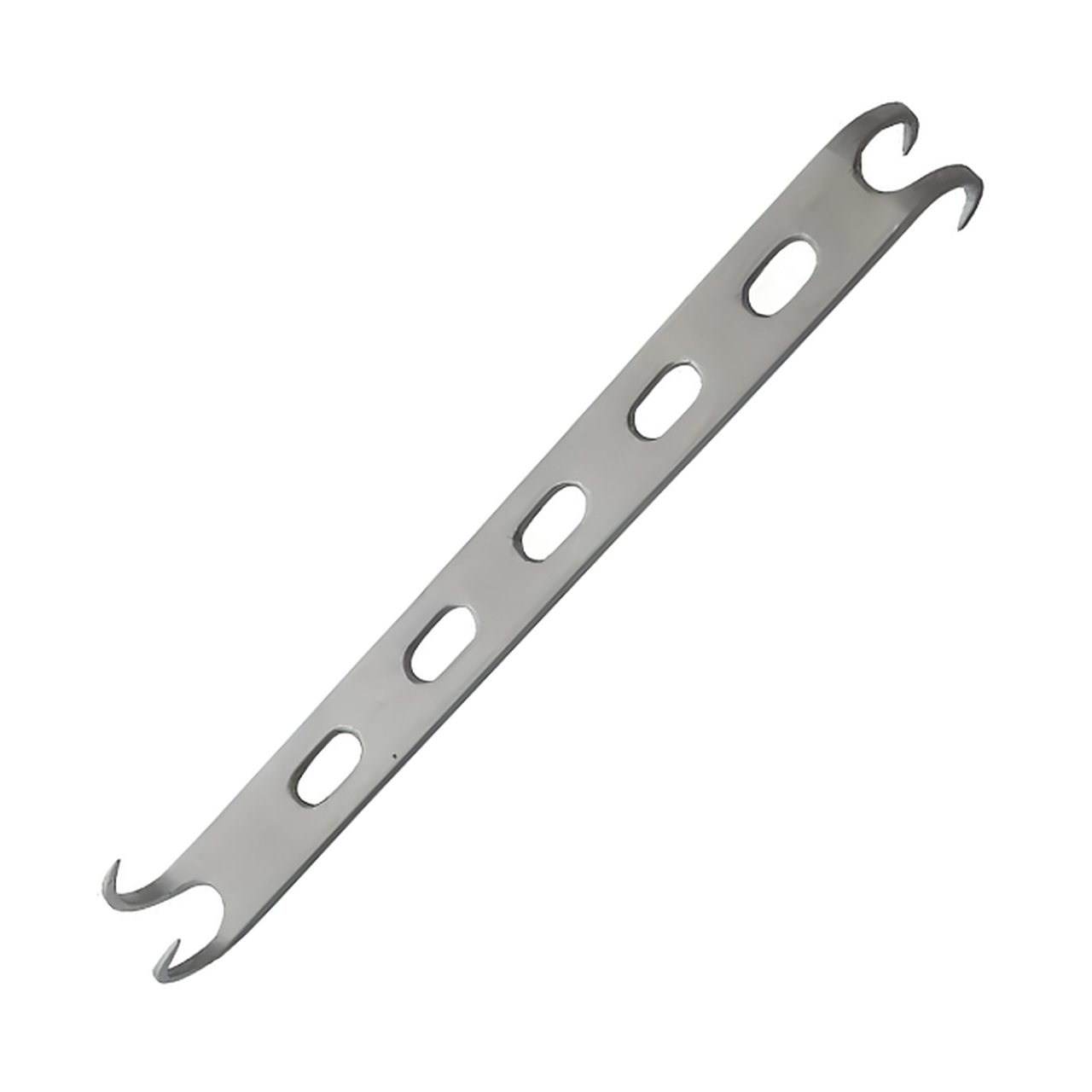 | Converse Alar Retractor Double Ended | 鼻形成術において、鼻翼縁、鼻孔縁、および下外側鼻軟骨を牽引するために特別に設計されています。 |
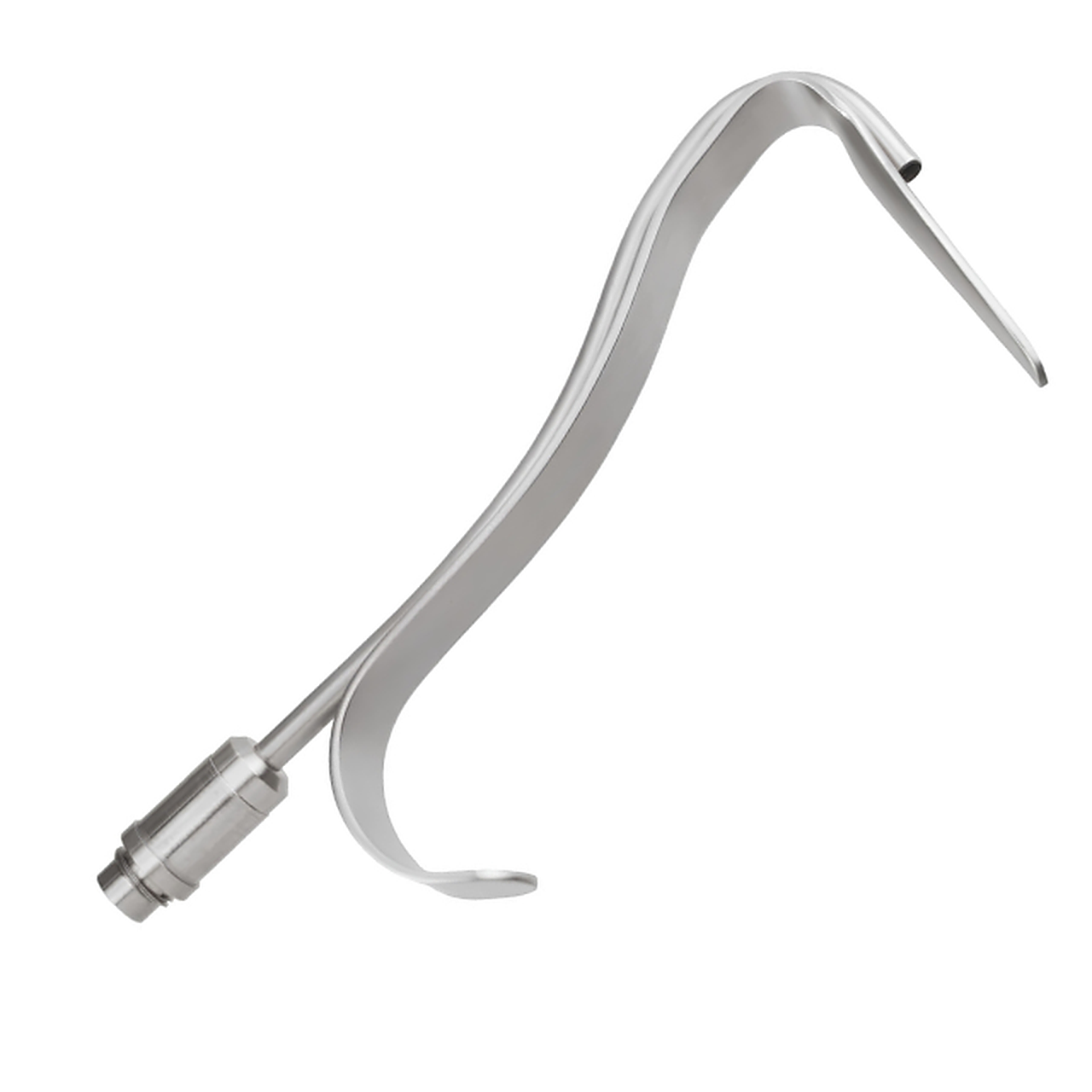 | Converse Nasal Retractor (コンバース鼻用レトラクター) | 鼻形成術において鼻の皮膚フラップを挙上し、鼻背を直接視認するために設計されています。 |
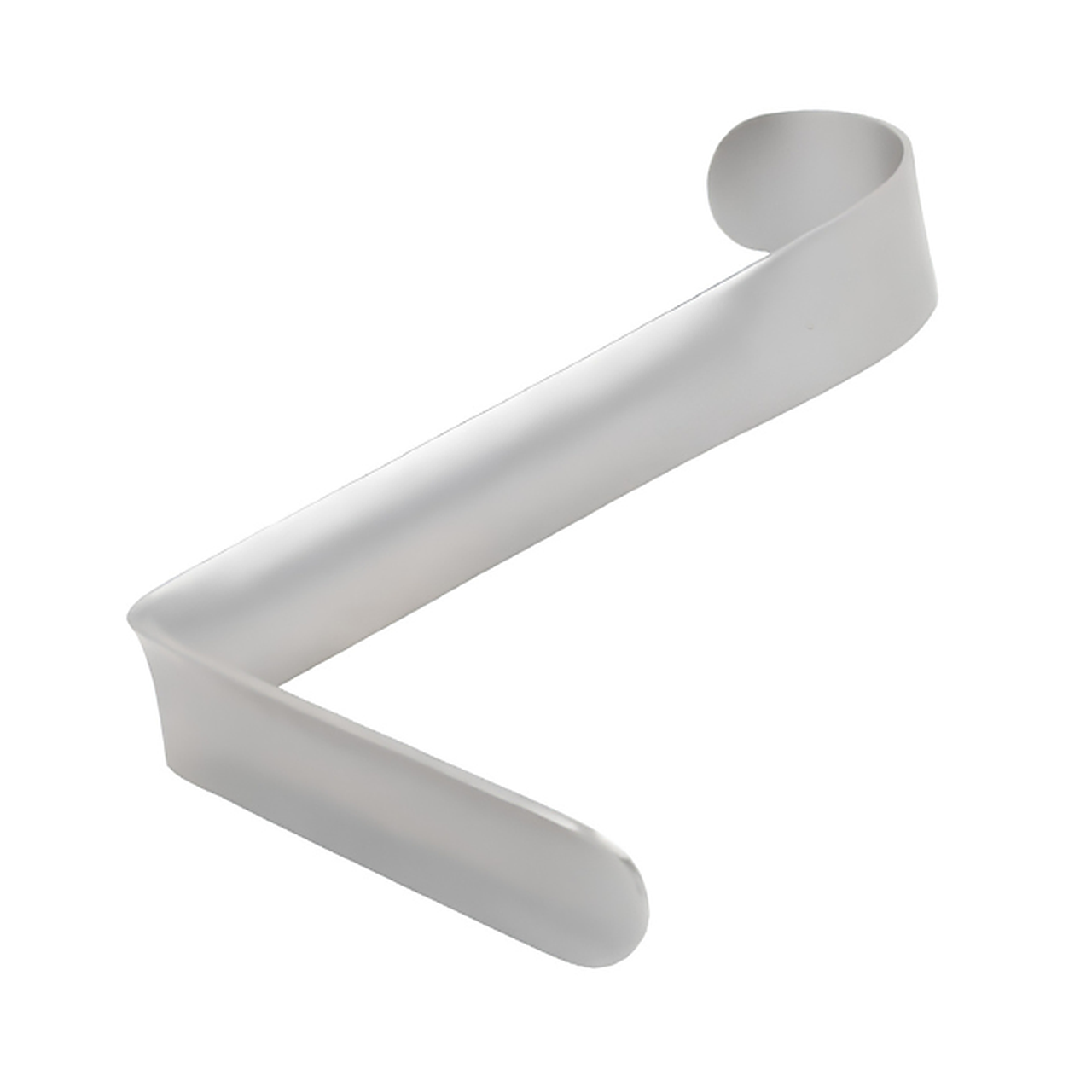 | Converse 鼻用リトラクター、10 cm | 鼻形成術において、鼻の軟部組織フラップを挙上し、軟骨構造を露出させるために特別に設計されています。 |
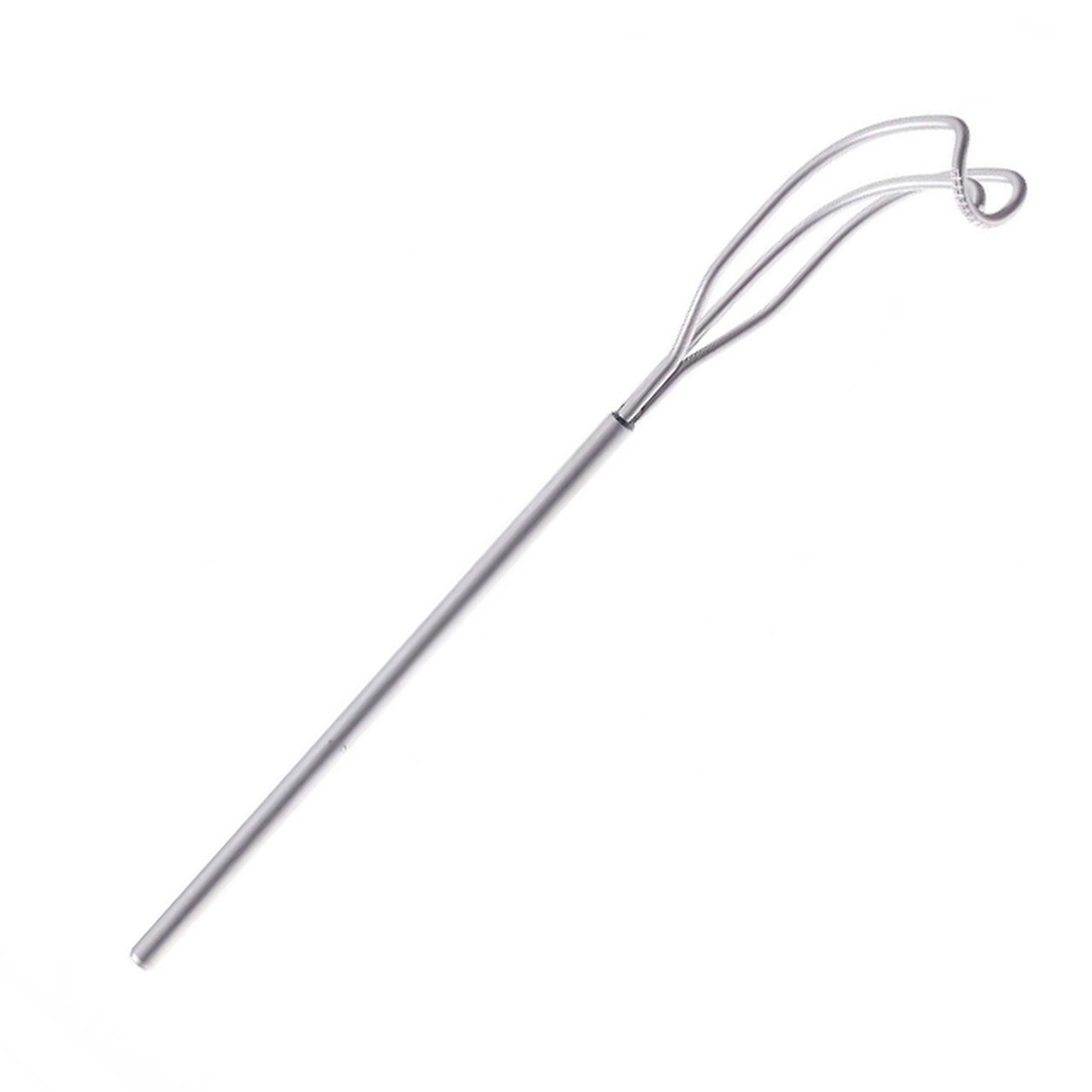 | Cooley 心房レトラクター | 心臓弁手術における心房壁の牽引および構造的な術野露出のために特別に設計されています。 |
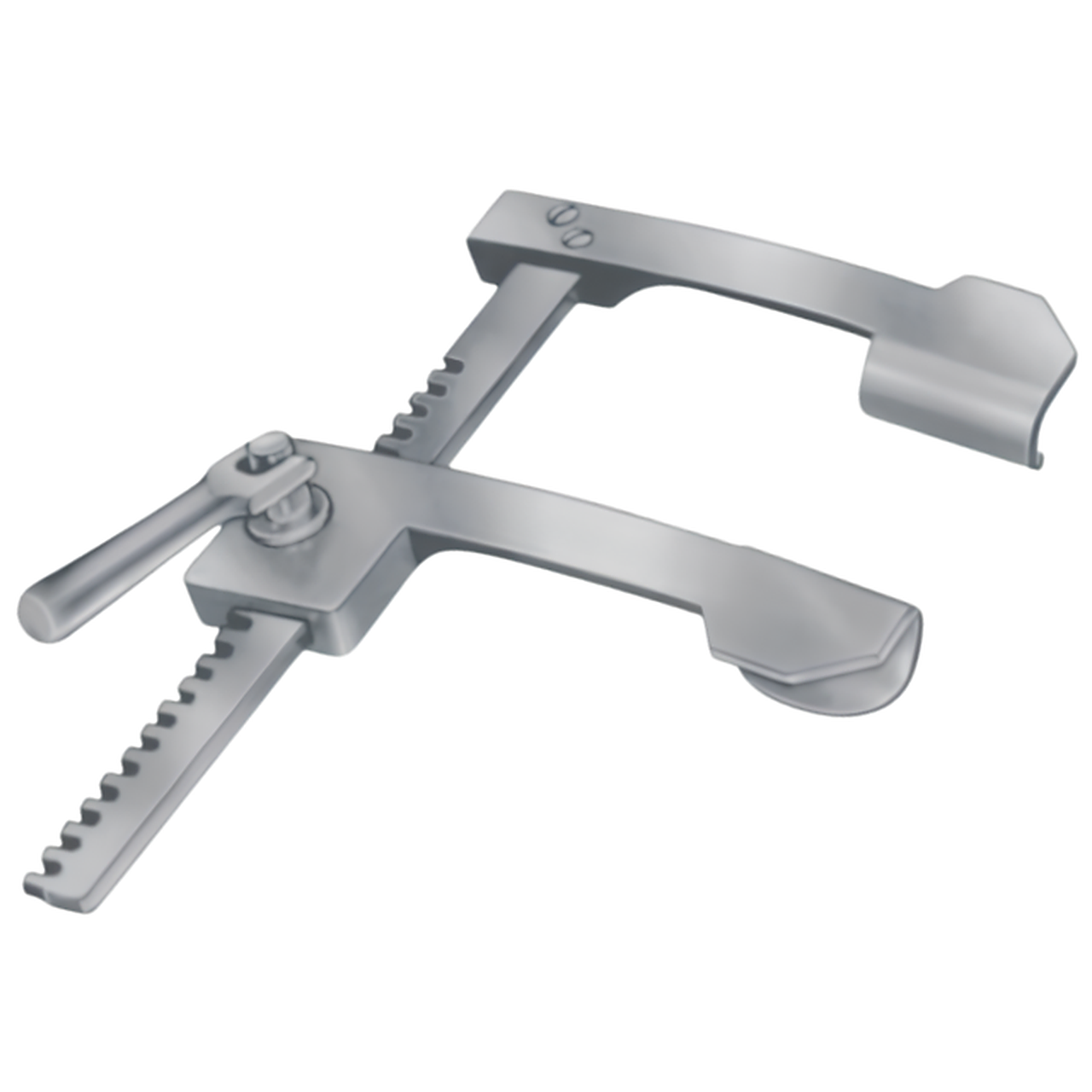 | Cooley 開胸器 | 心臓胸部外科手術において、隣接する肋骨を分離し、胸部術野を維持するために特別に設計されています。 |
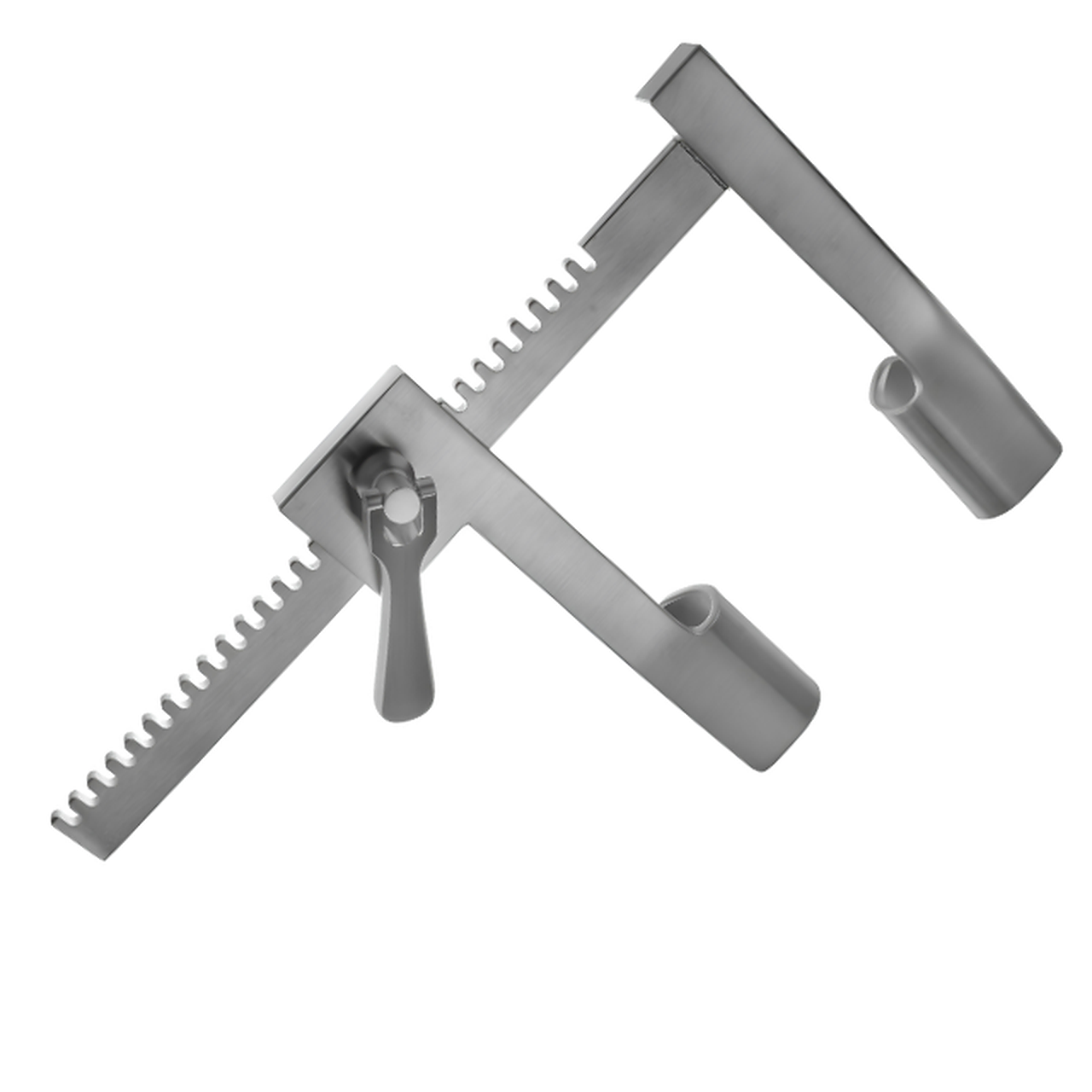 | Cooley 胸骨開創器 | 開胸心臓外科手術および縦隔手術中の胸骨の分離・開創に特化して設計されています。 |
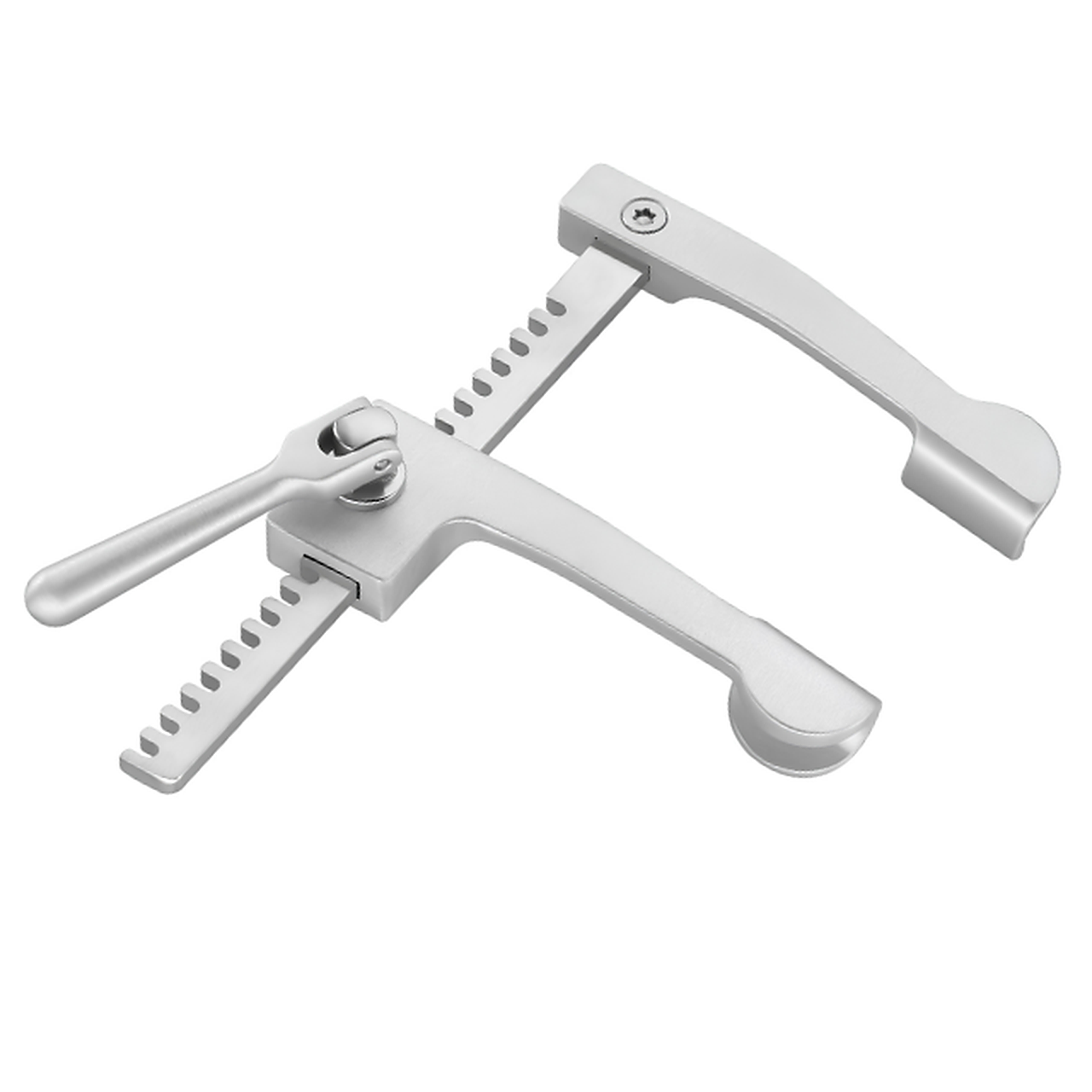 | Cooley Sternotomy Retractor | 新生児および小児の心臓手術における、精密な胸骨分離および術野露出のために特別に設計されています。 |
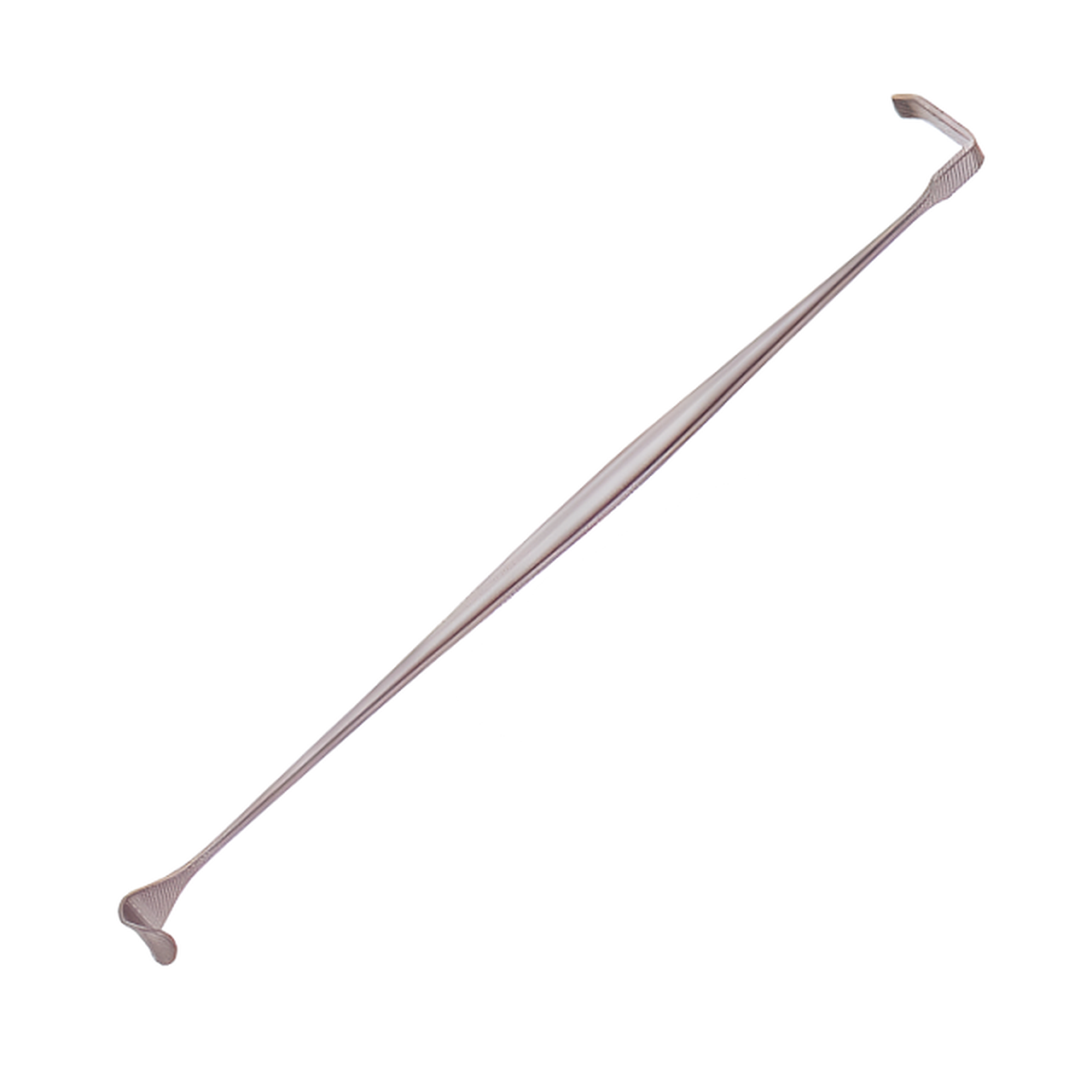 | Cope Retractor Double Ended (両頭鈎) | 一般外科、形成外科、耳鼻咽喉科の手術中における皮膚、筋膜、および軟部組織の牽引用に特別に設計されています。 |
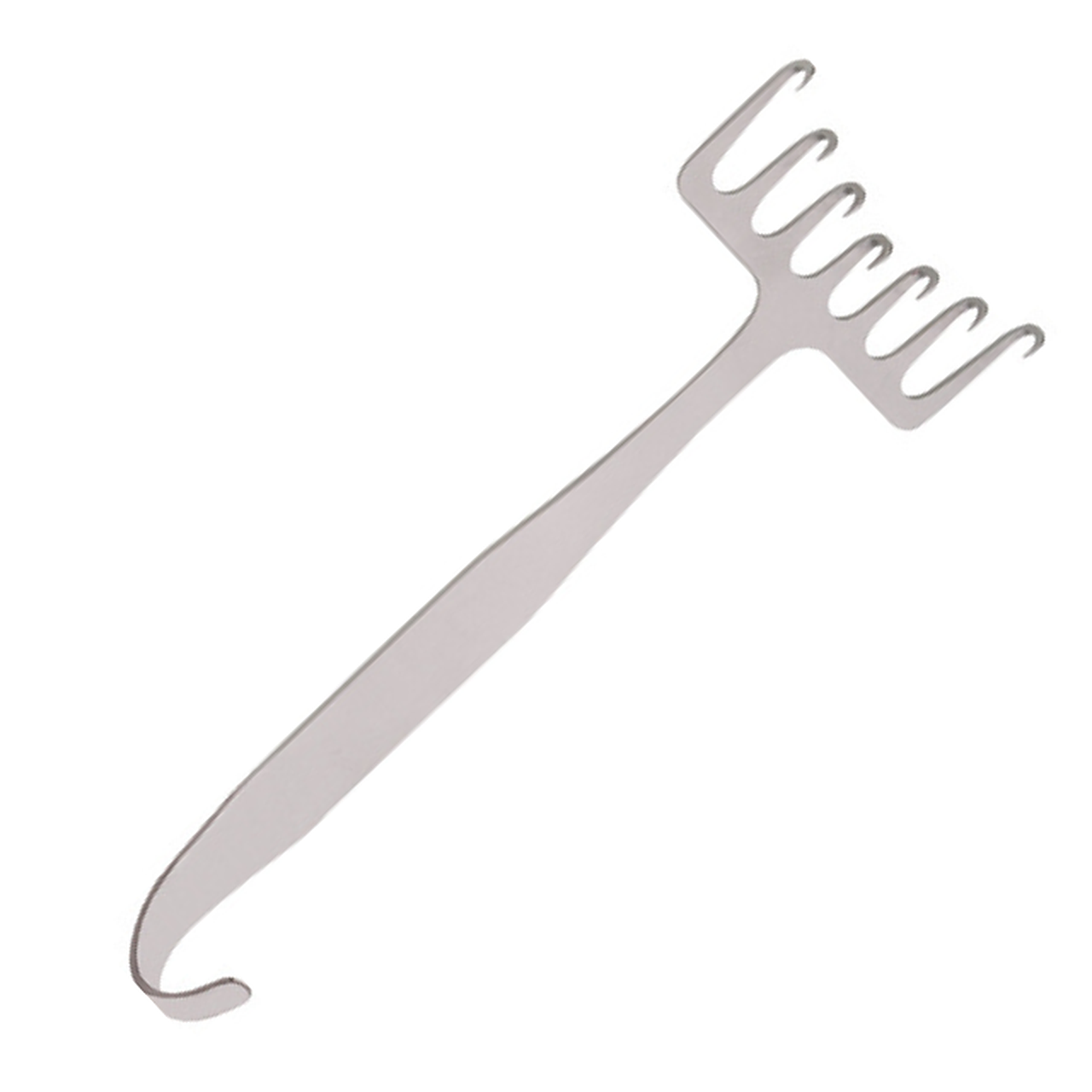 | コロナル・ブローリフト・リトラクター | コロナル・ブローリフト(前額部挙上術)において、緻密な頭皮フラップ、帽状腱膜、前額部組織を牽引するために特別に設計されています。 |
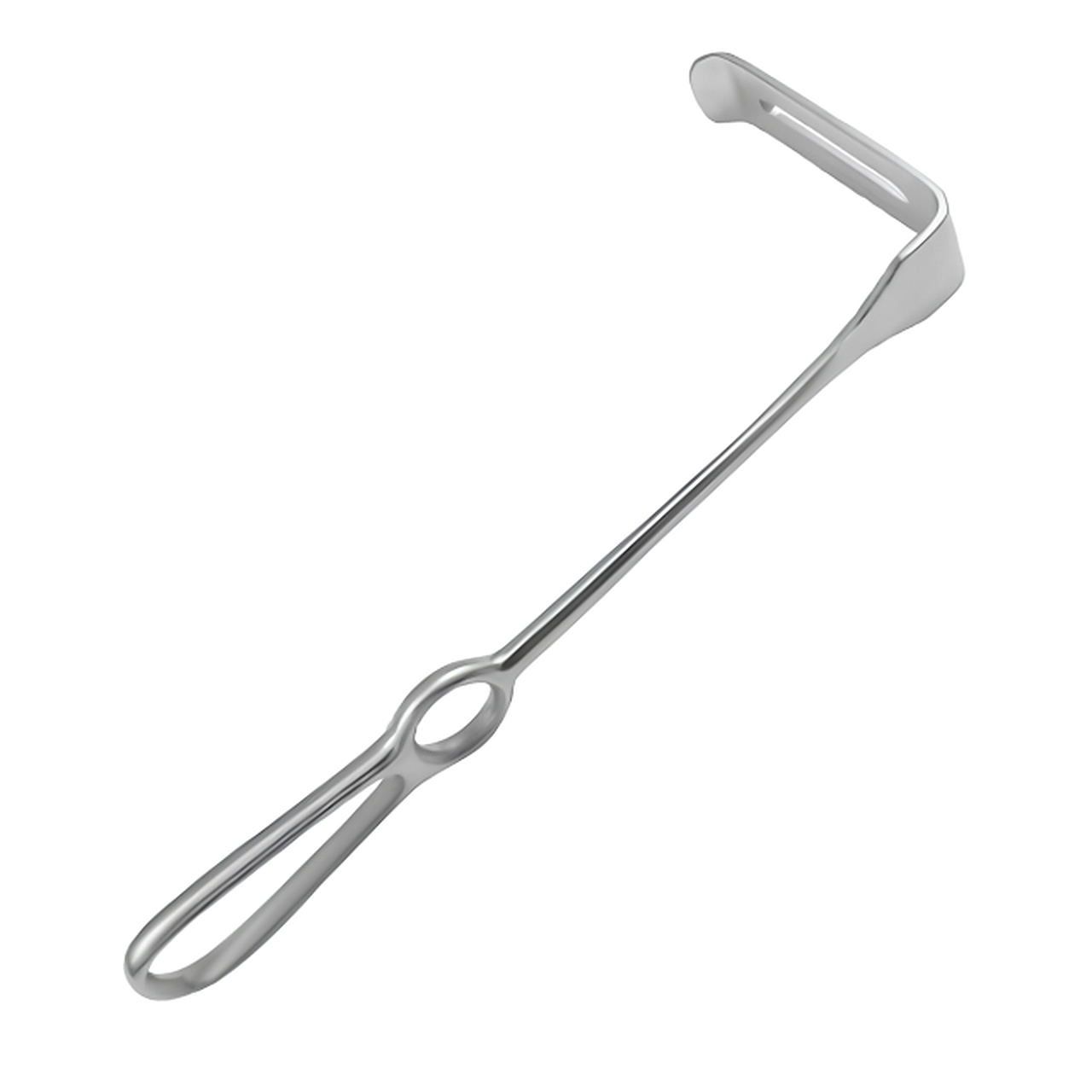 | Coryllos Retractors | 開胸手術時における胸壁筋肉、肋骨、および肺組織の牽引に特化して設計されています。 |
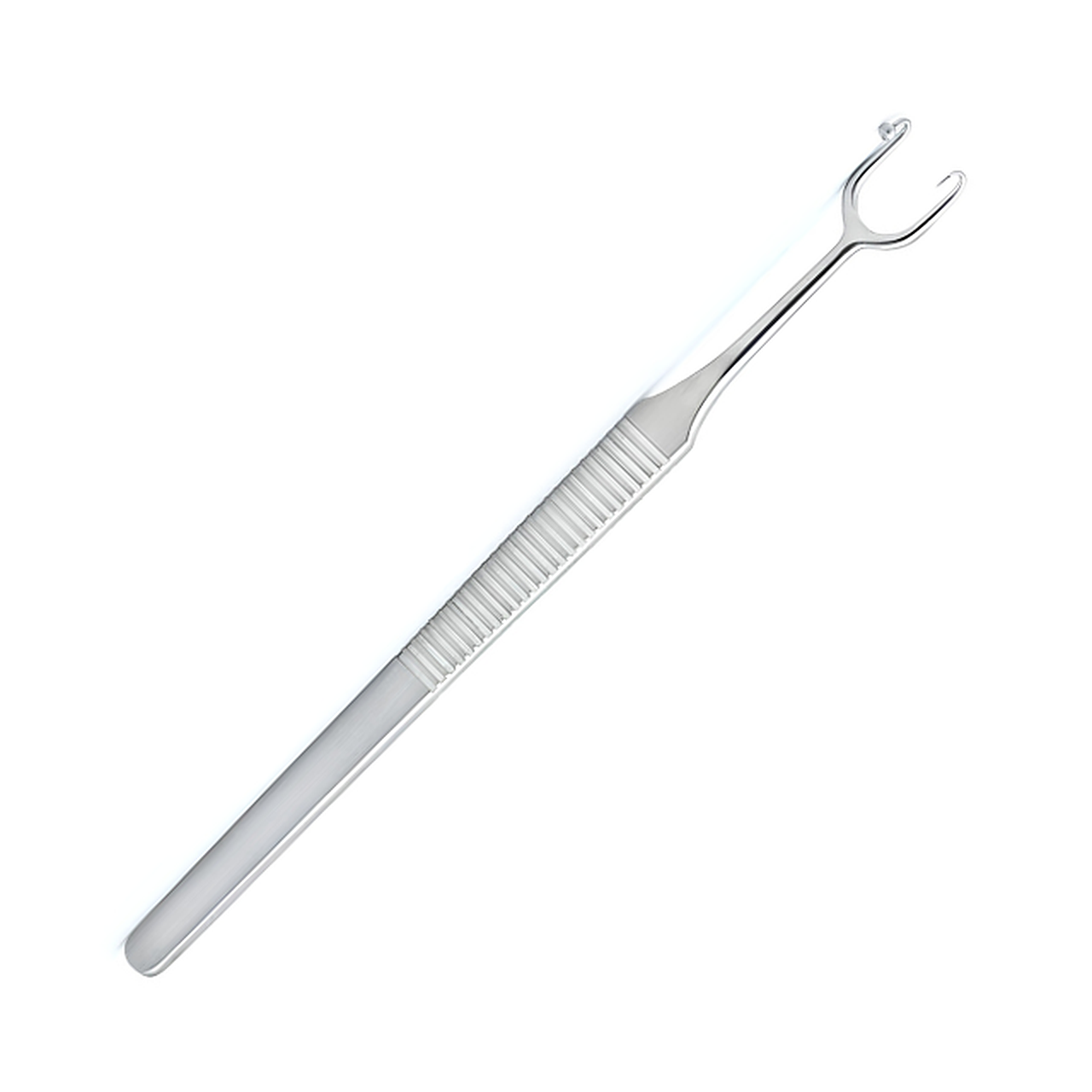 | Cottle Alar 鼻翼レトラクター / フック | 美容的および再建的鼻形成術における鼻翼縁および鼻孔縁の牽引用として特別に設計されています。 |
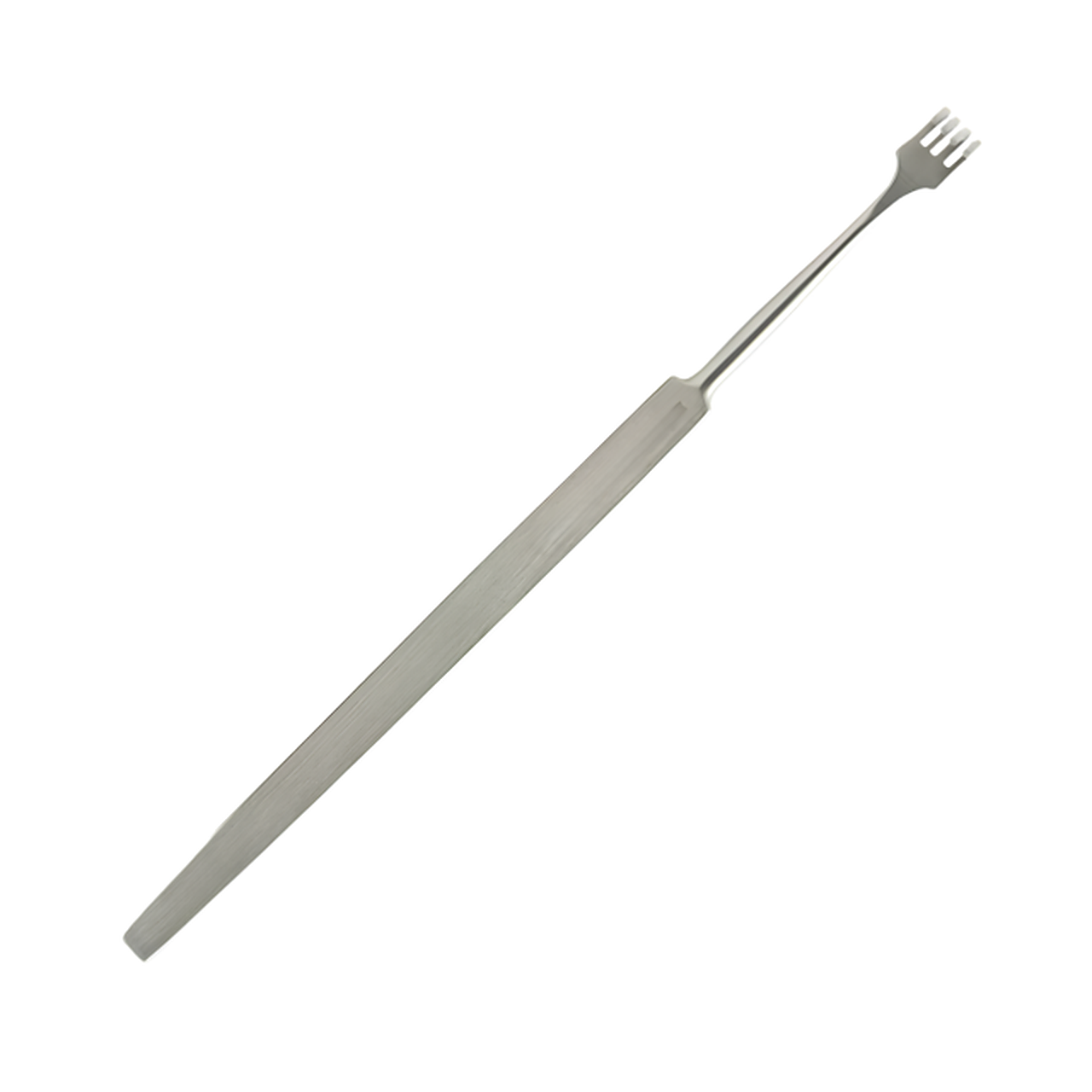 | Cottle Nasal Retractor - 4 Blunt Prongs | 鼻形成術および鼻中隔形成術において、鼻翼縁、鼻中隔、前庭粘膜を牽引するために特別に設計されています。 |
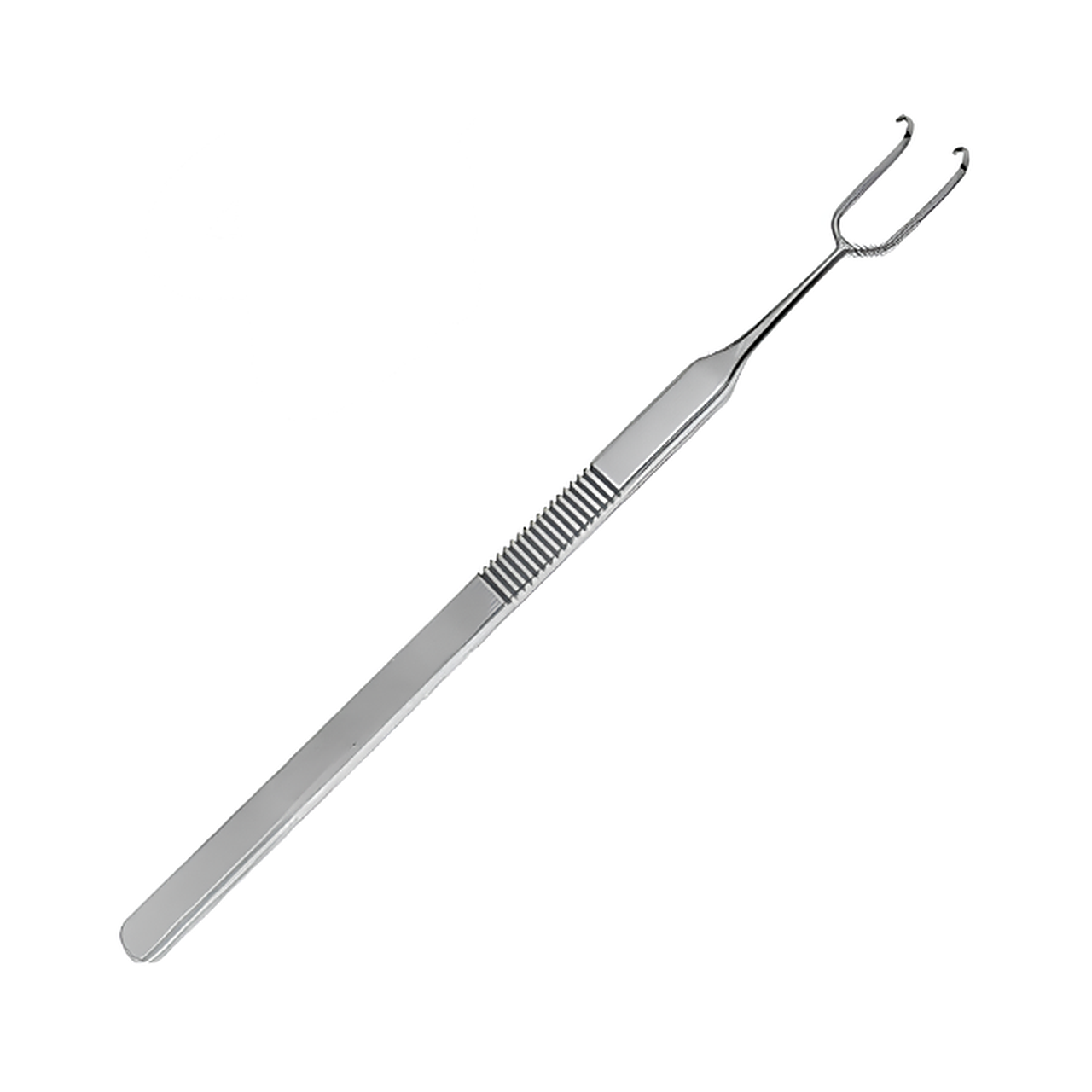 | Cottle リトラクターフック 2本爪 | 鼻形成術および顔面整形外科における皮弁、粘膜、および軟骨の牽引専用設計。 |
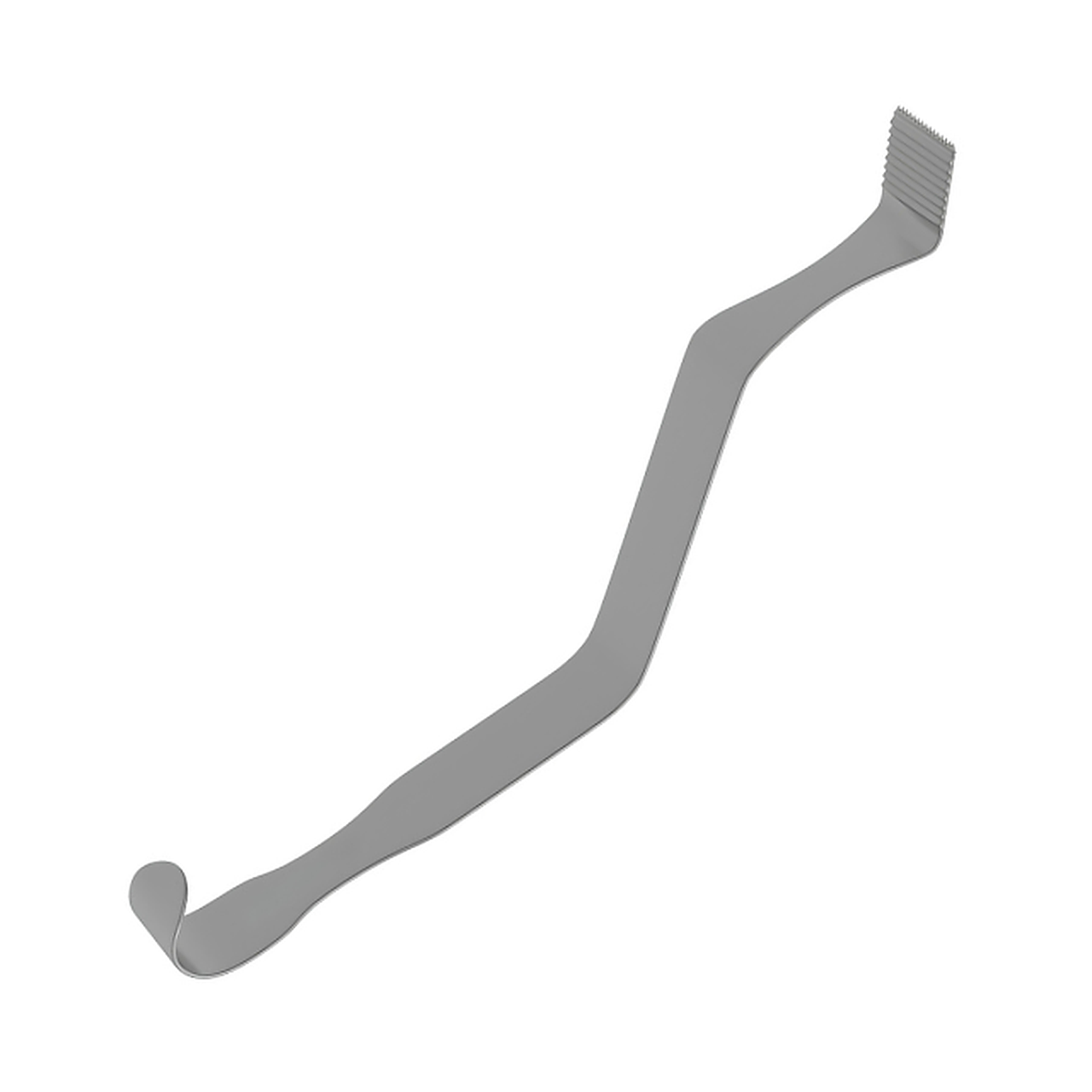 | Crawford 大動脈開創器 | 血管再建術および動脈瘤手術における大動脈、下大静脈、および大血管の牽引用に設計されています。 |
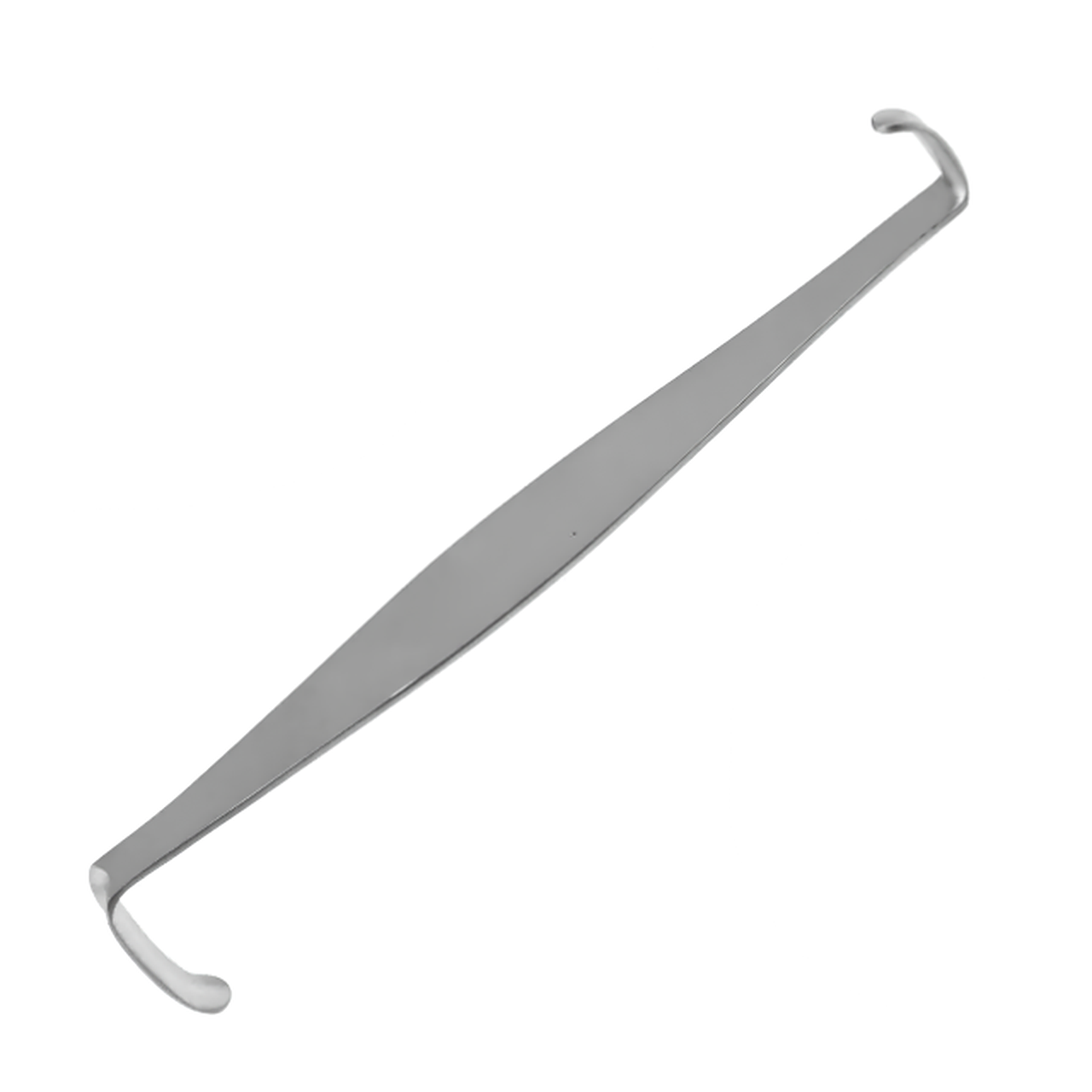 | Crile Retractor Double-Ended (両頭型クライル開創器) | 小手術および形成外科手術における創縁、筋膜、皮下軟部組織の牽引に特化。 |
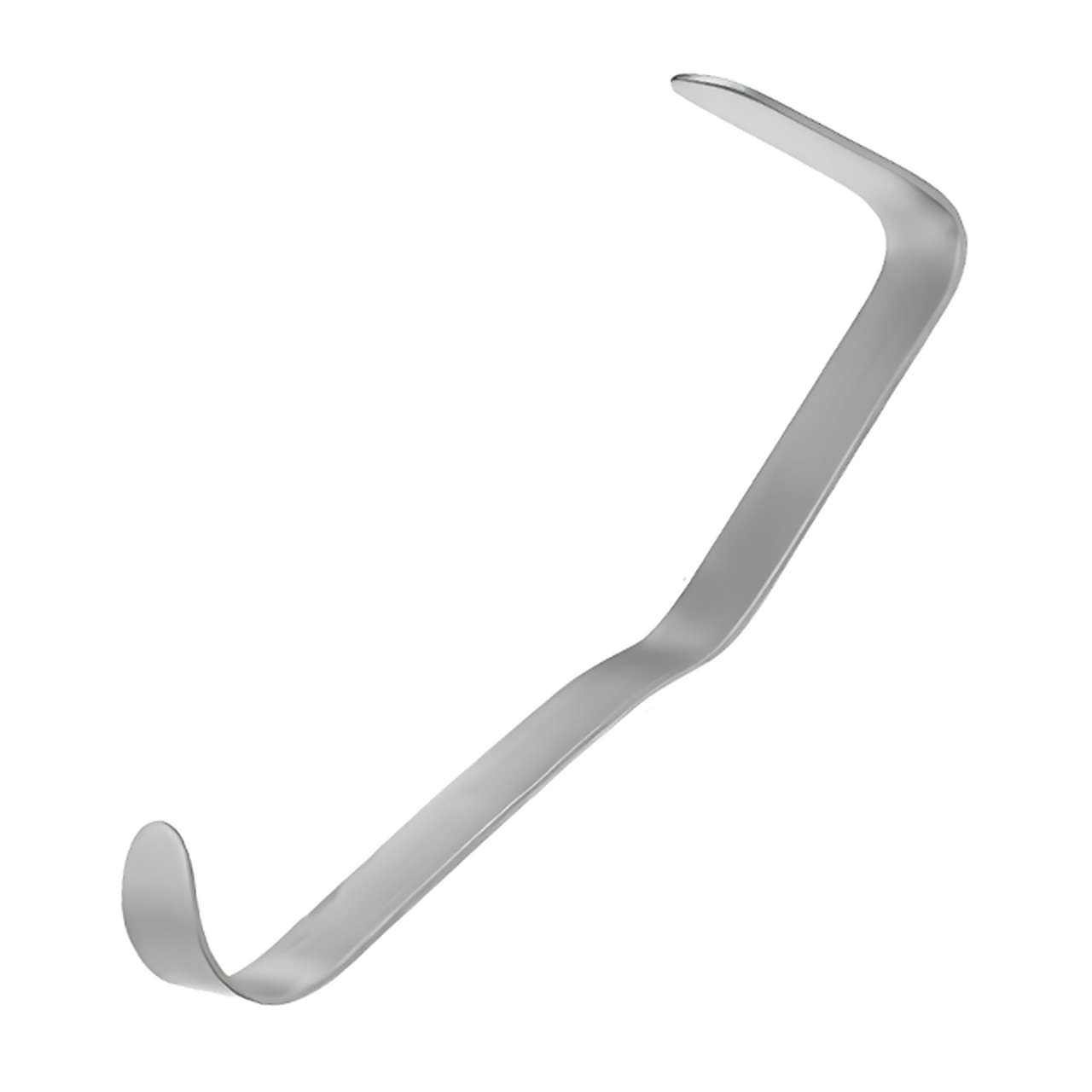 | Cronin 頬牽引器 | 口腔外科、顎顔面外科、および口蓋裂手術において、頬、唇、頬粘膜を牽引するために特別に設計されています。 |
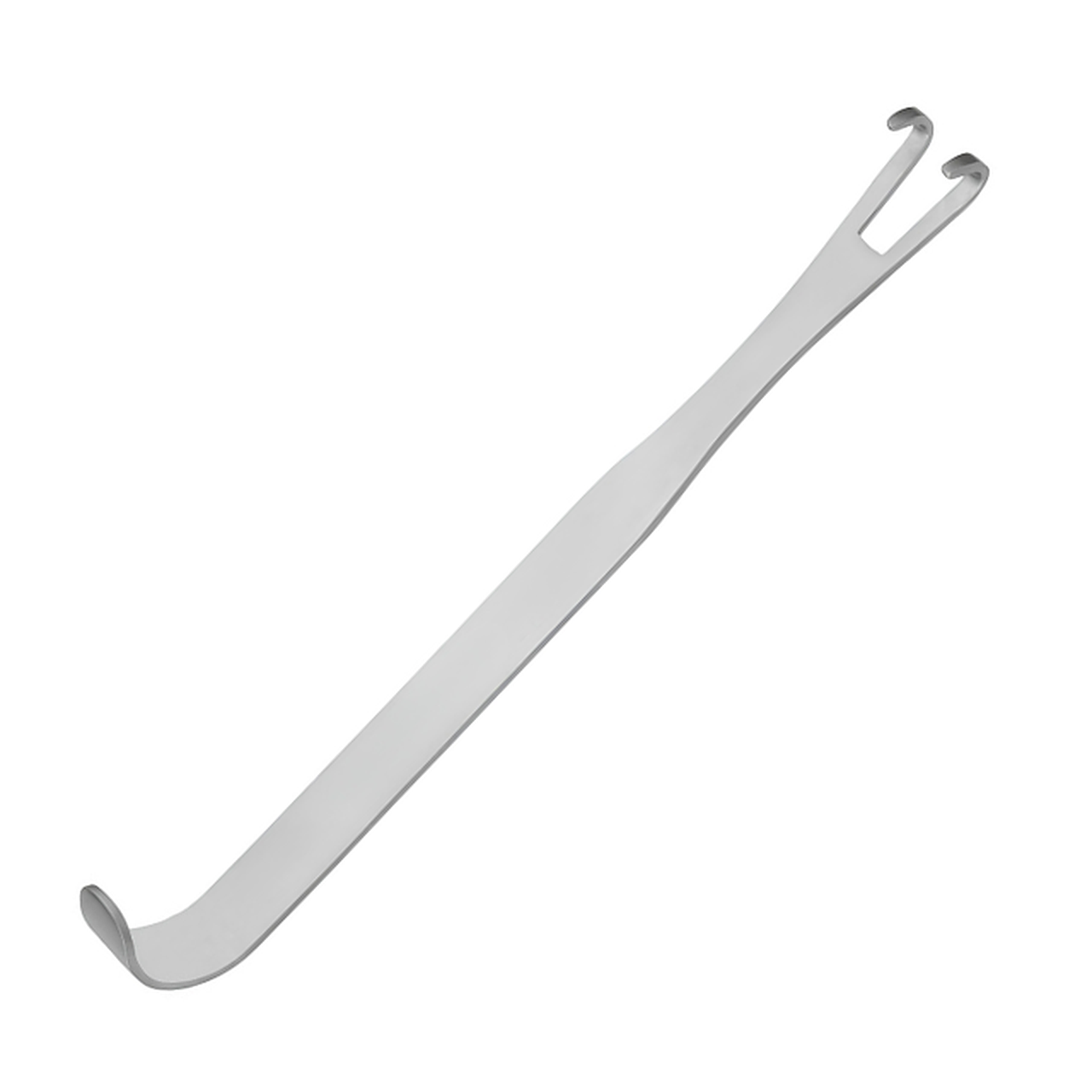 | Cronin Lip & Nostril Retractor | 唇裂修復術および外鼻形成術における鼻翼の牽引および上唇の挙上専用に設計されています。 |
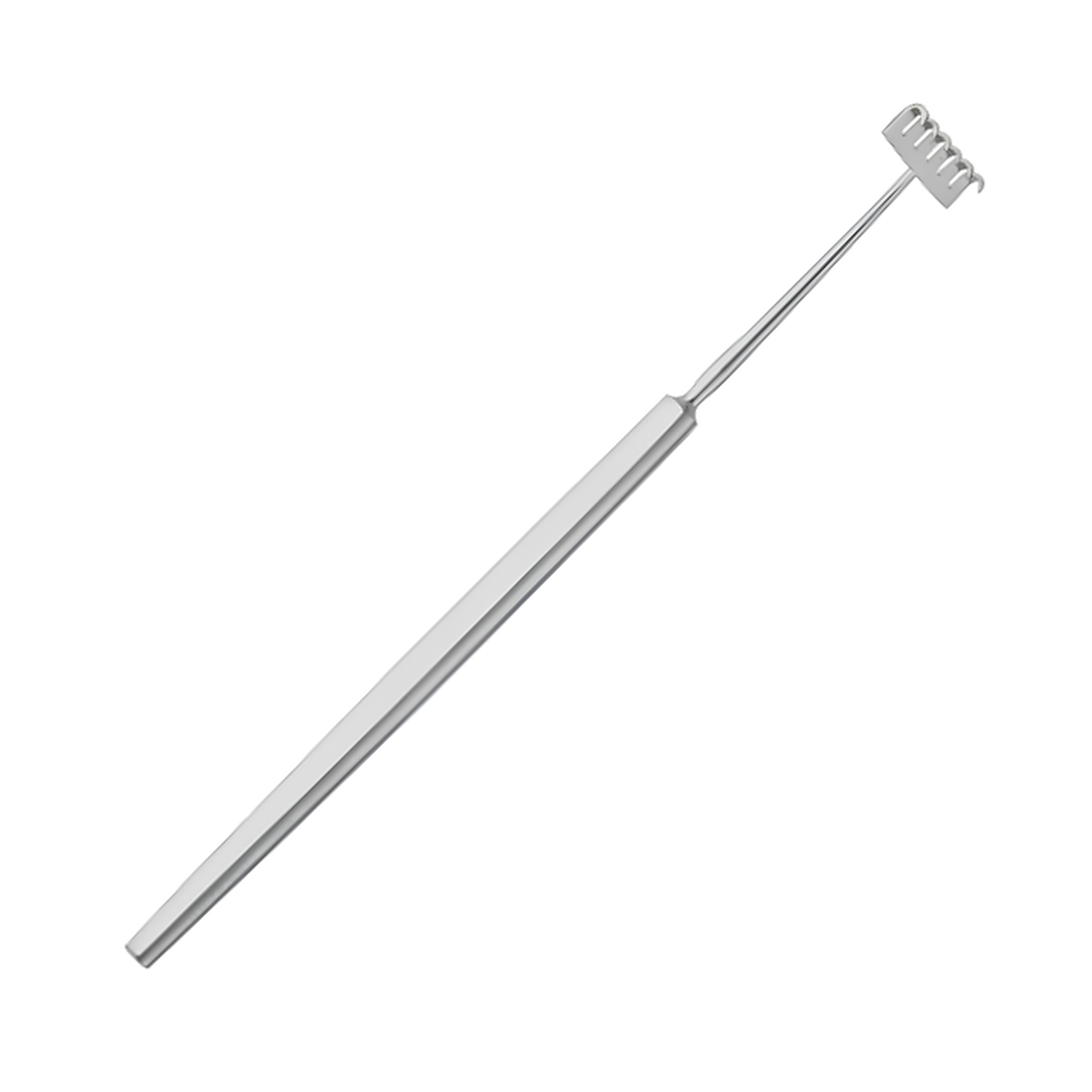 | Curtin 皮膚・軟部組織レトラクター | 形成外科における皮弁挙上、皮膚牽引、および皮下軟部組織の退縮に特化して設計されています。 |
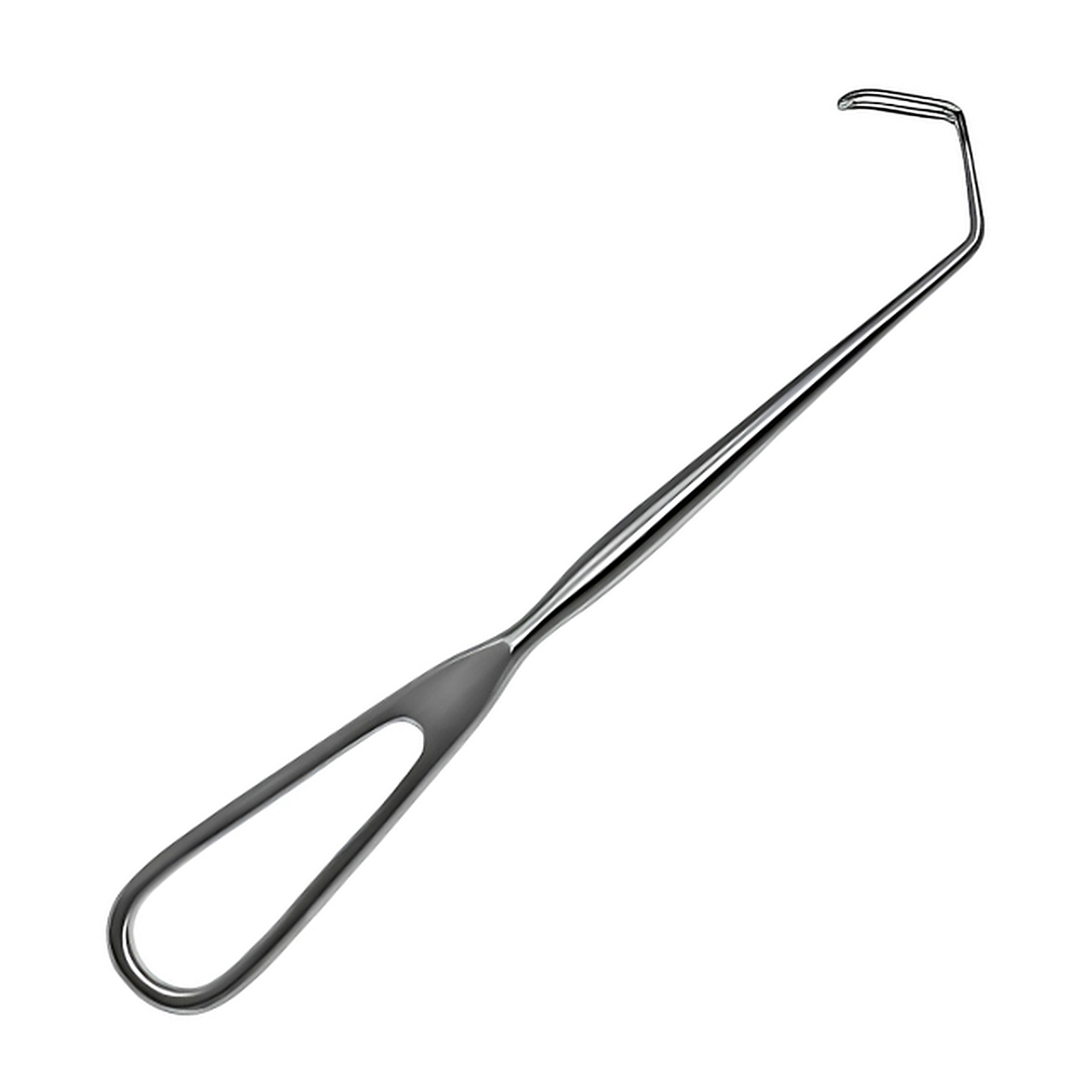 | Cushing デコンプレッション・リトラクター | 頭蓋および脊椎の減圧術において、視認性を最大化しながら神経根、硬膜嚢、および硬膜を牽引するために特別に設計されています。 |
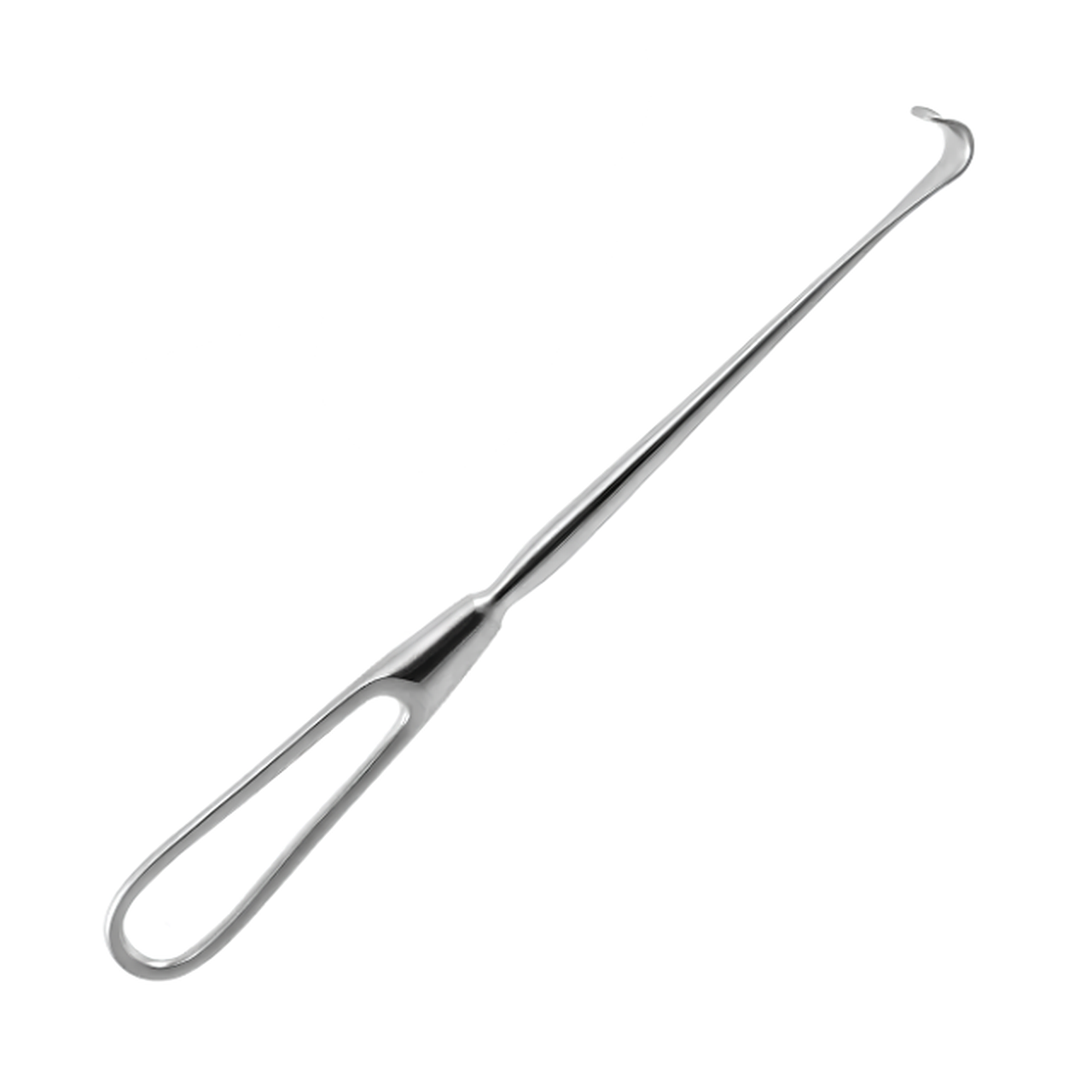 | Cushing Vein Retractor | 血管外科、脊椎外科、一般外科において、繊細な静脈、動脈、および神経幹を移動、剥離、牽引するために設計されています。 |
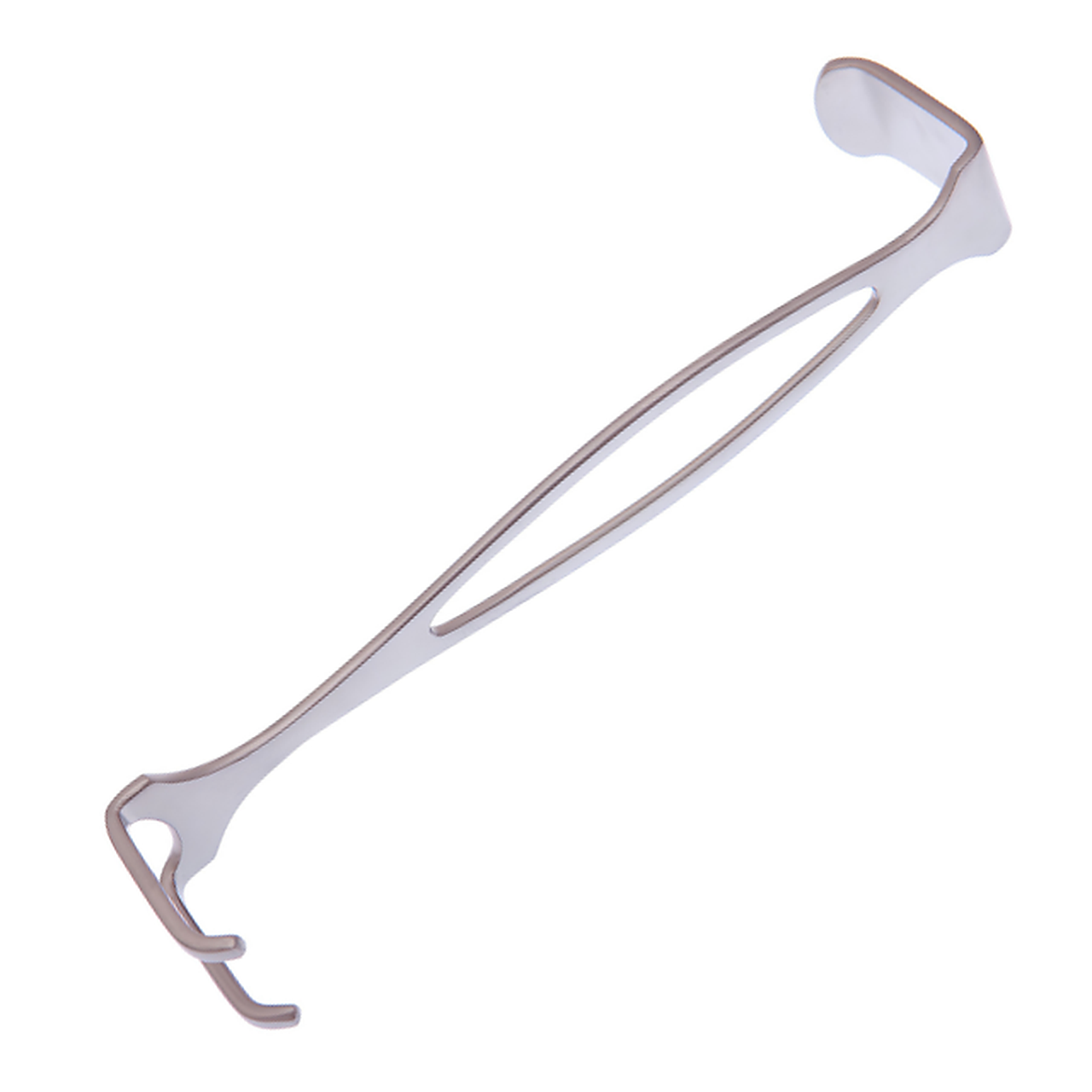 | Czerny Retractor Double-Ended (チェルニー開創器 双頭) | 開腹術および骨盤内手術における皮膚、筋膜、腹壁筋肉の牽引のために特別に設計されています。 |
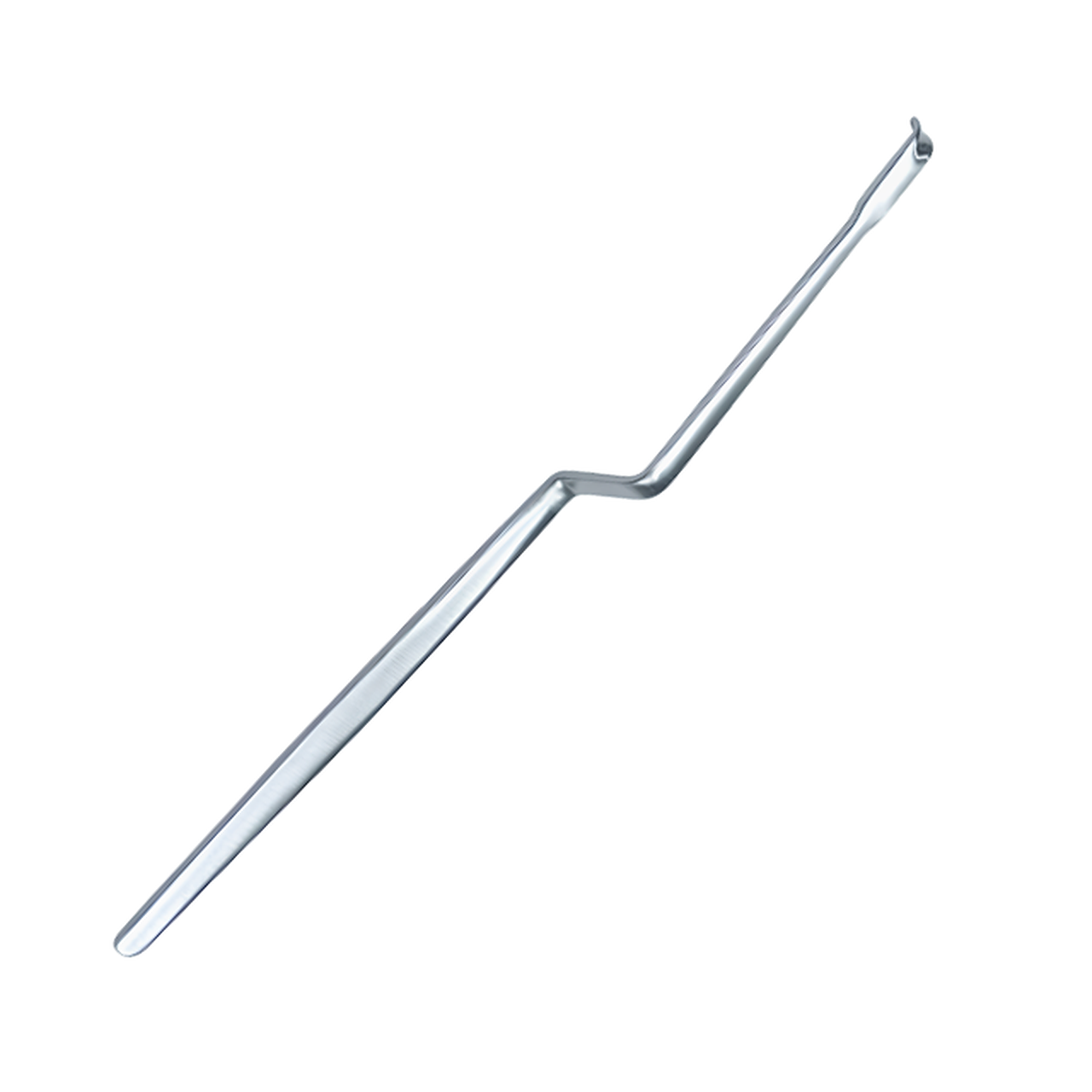 | D'Errico 神経根レトラクター | 顕微鏡下腰椎椎間板切除術において、脊髄神経根および硬膜嚢を移動、保持、保護するために特別に設計されています。 |
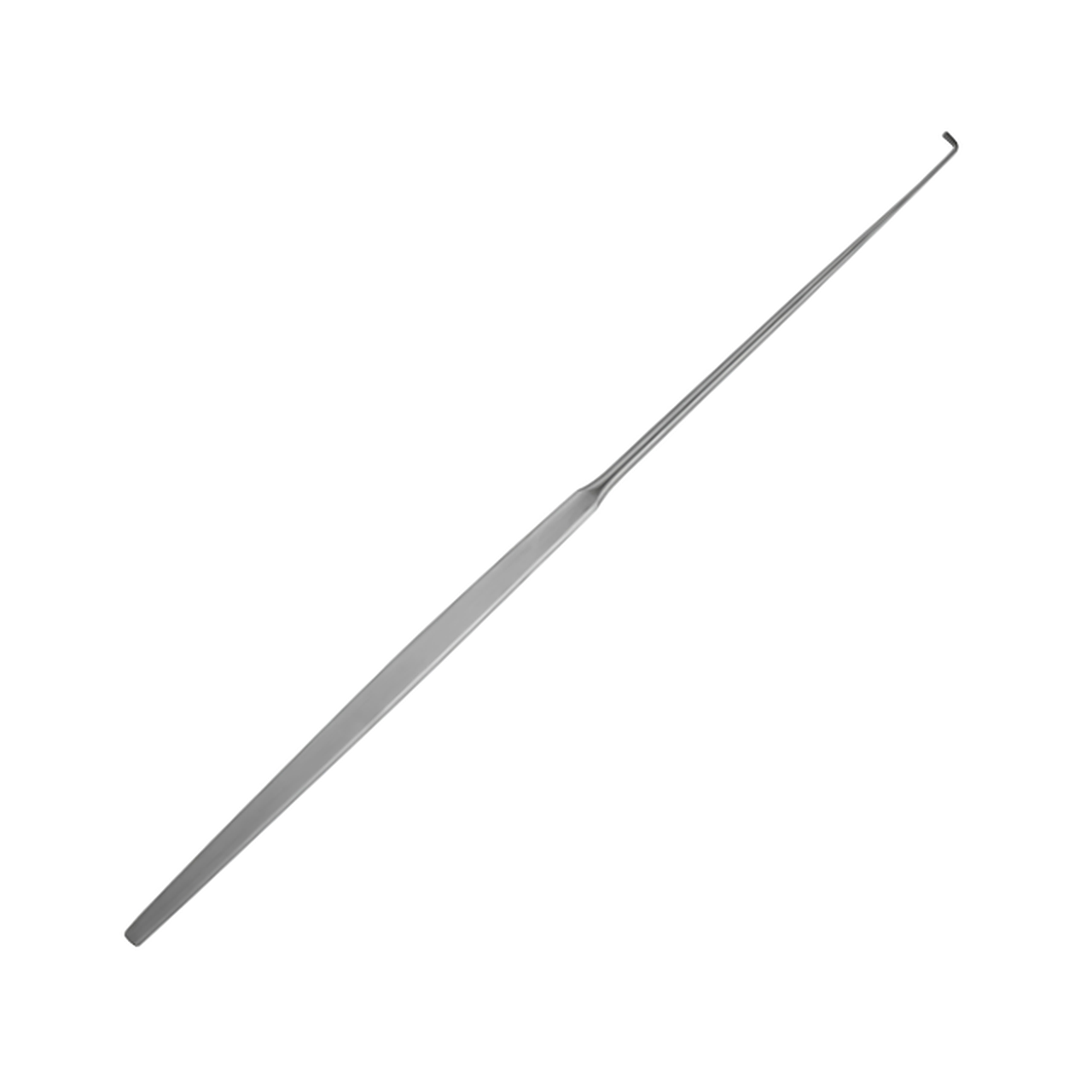 | Dandy Nerve Retractor (ダンディー神経レトラクター) | マイクロサージャリー(微小外科手術)時における脳神経および血管束の操作、探索、および牽引。 |
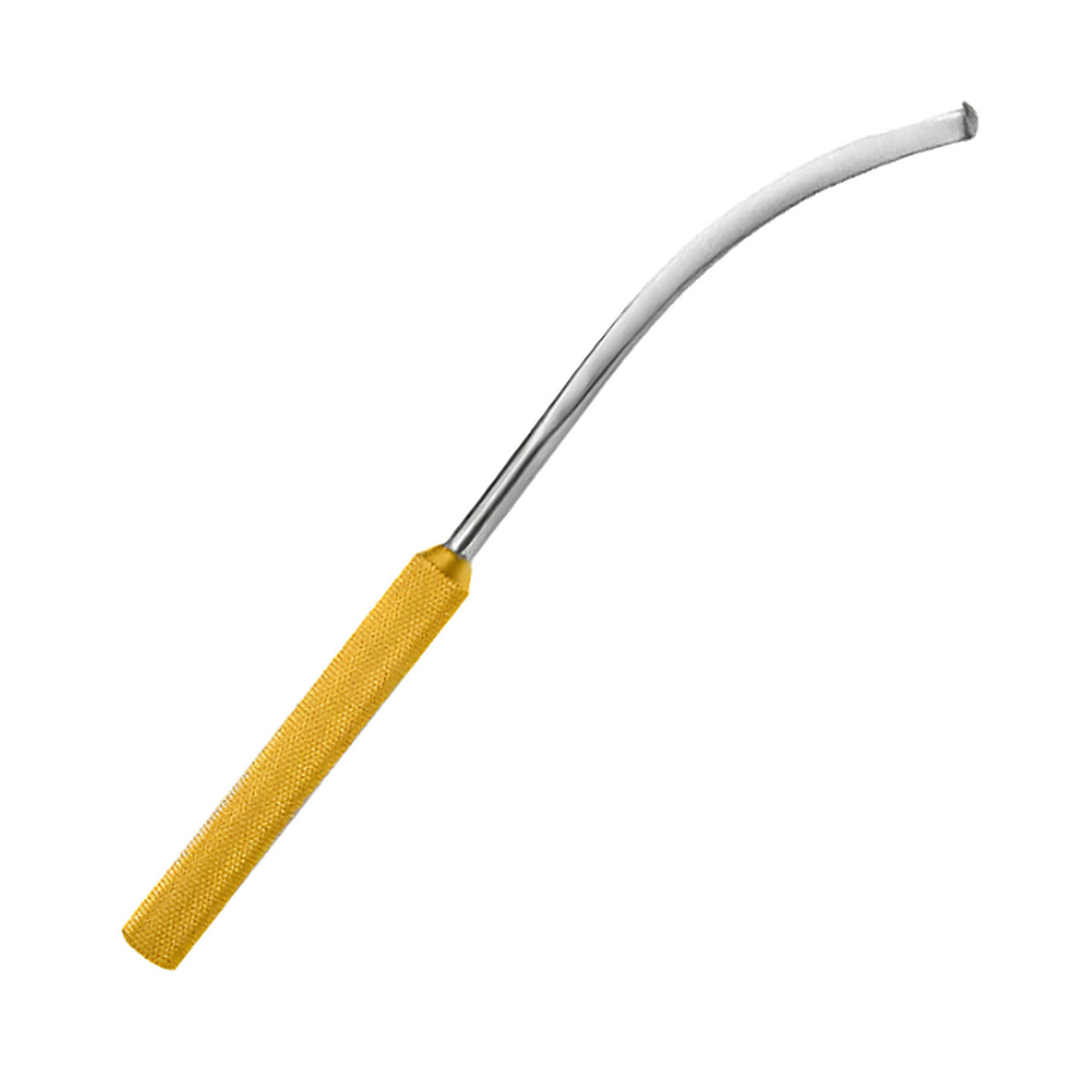 | Daniel Endoscopic Forehead Nerve Retractor | 内視鏡下の前額および眉毛挙上術において、軟部組織を牽引し、神経血管束を保護するために特別に設計されています。 |
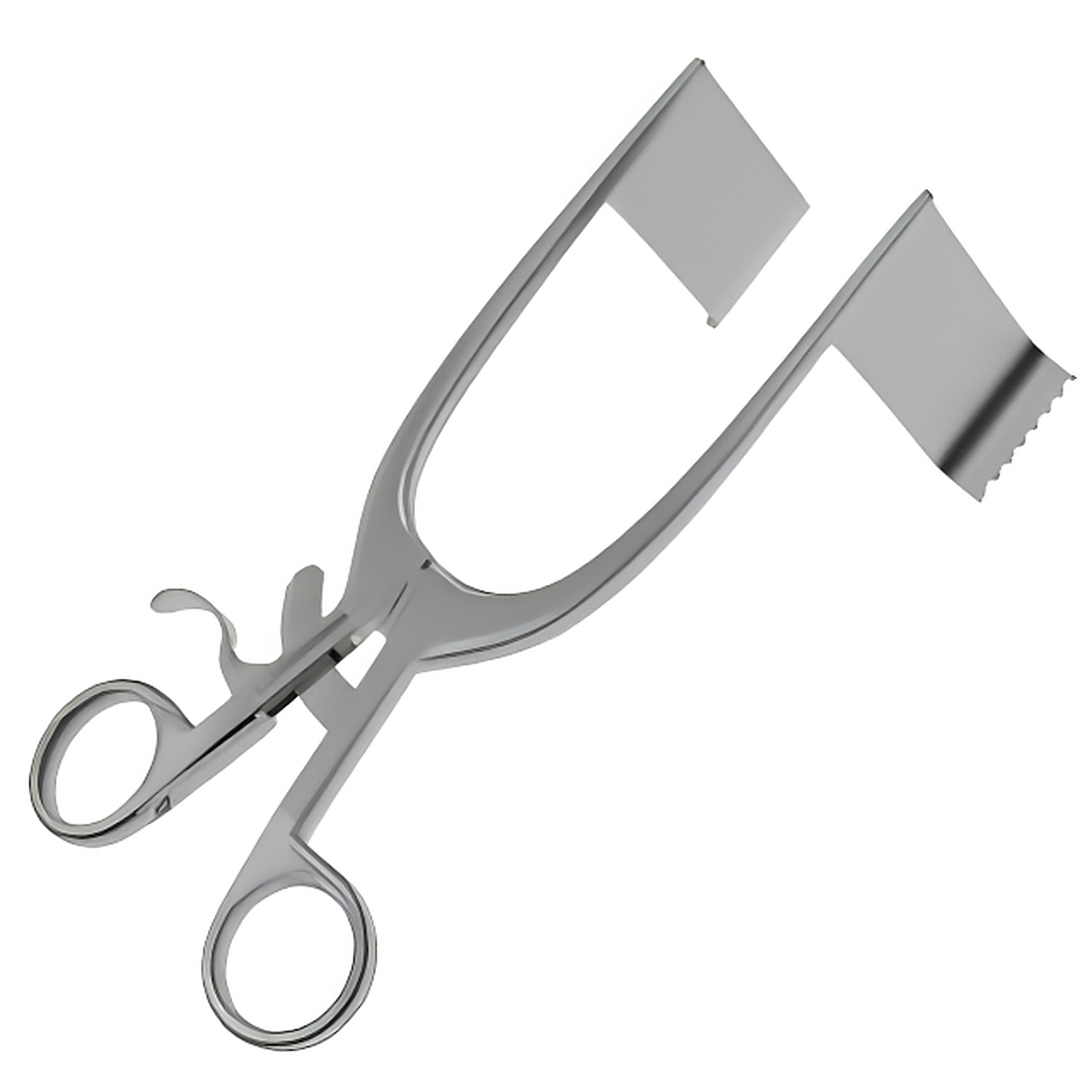 | Darling Popliteal 自保持開創器 | 血管外科手術において、膝窩部の軟部組織および筋肉を自保持式で牽引するために特別に設計されています。 |
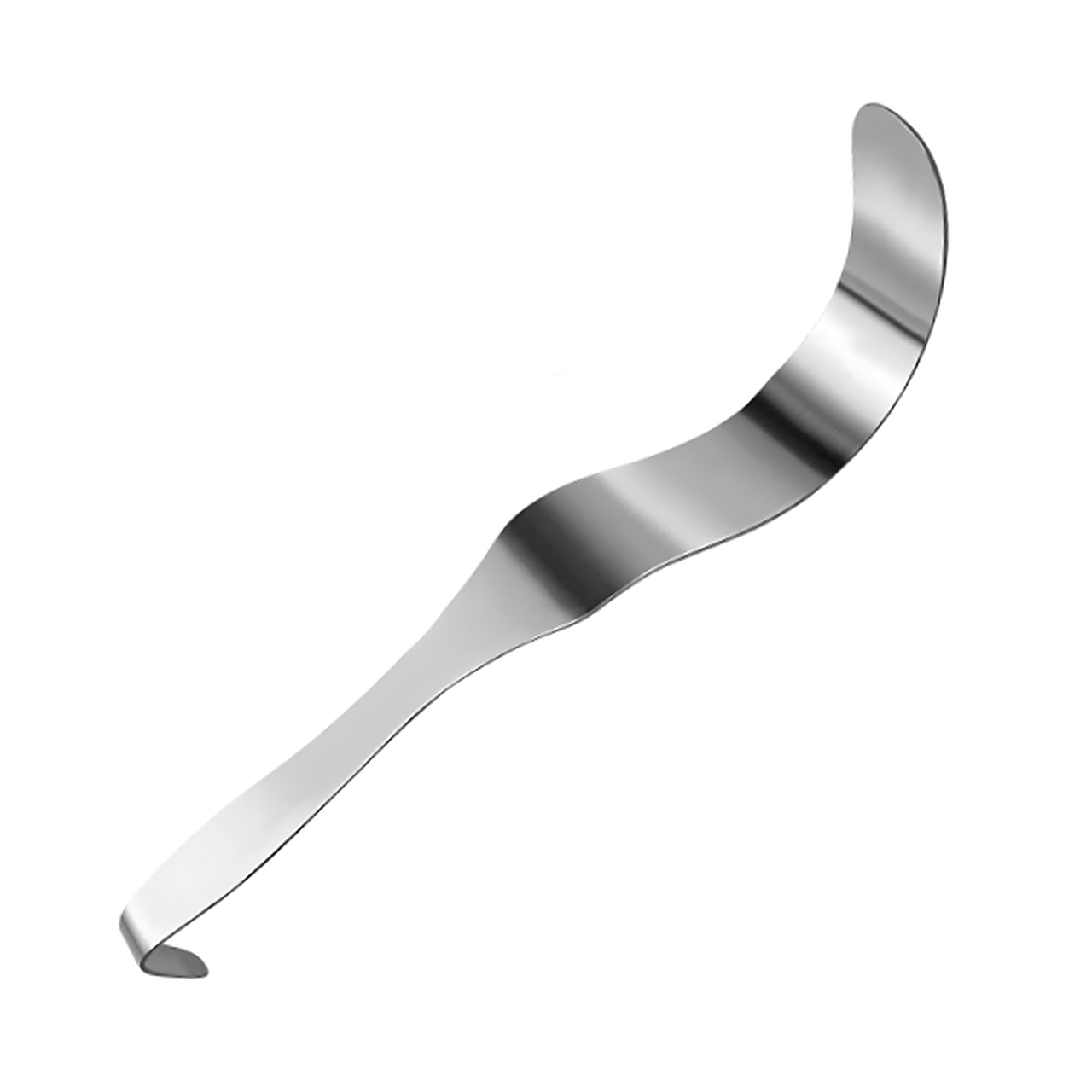 | Deaver Retractor | 開腹手術における深部の内臓器官、腹壁筋肉、および骨盤組織の圧排用に特別に設計されています。 |
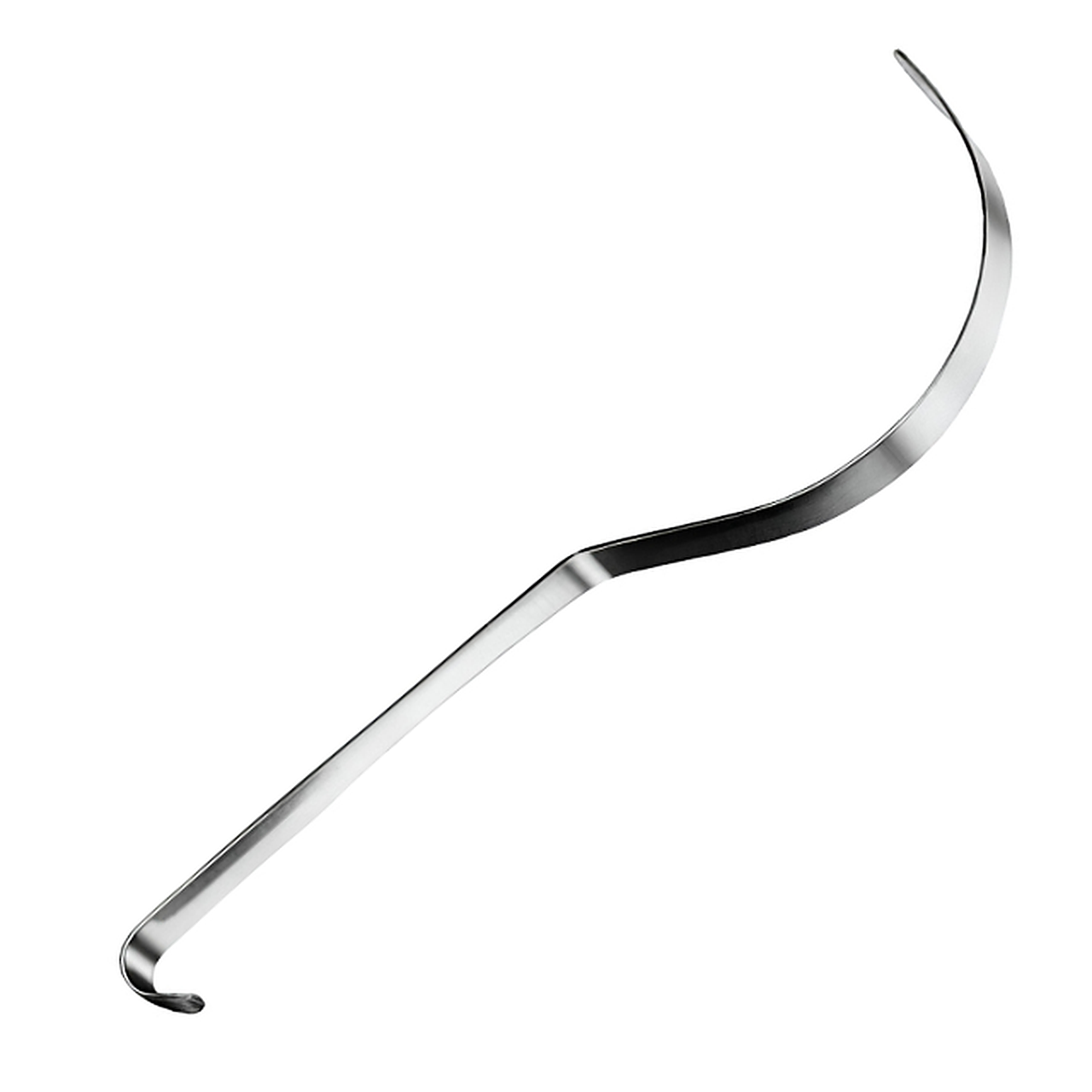 | Deaver Retractor Thin Handle | 軽量ハンドルによりユーザーの疲労を軽減しながら、深部の軟部組織、内臓、筋肉を開創するために特別に設計されています。 |
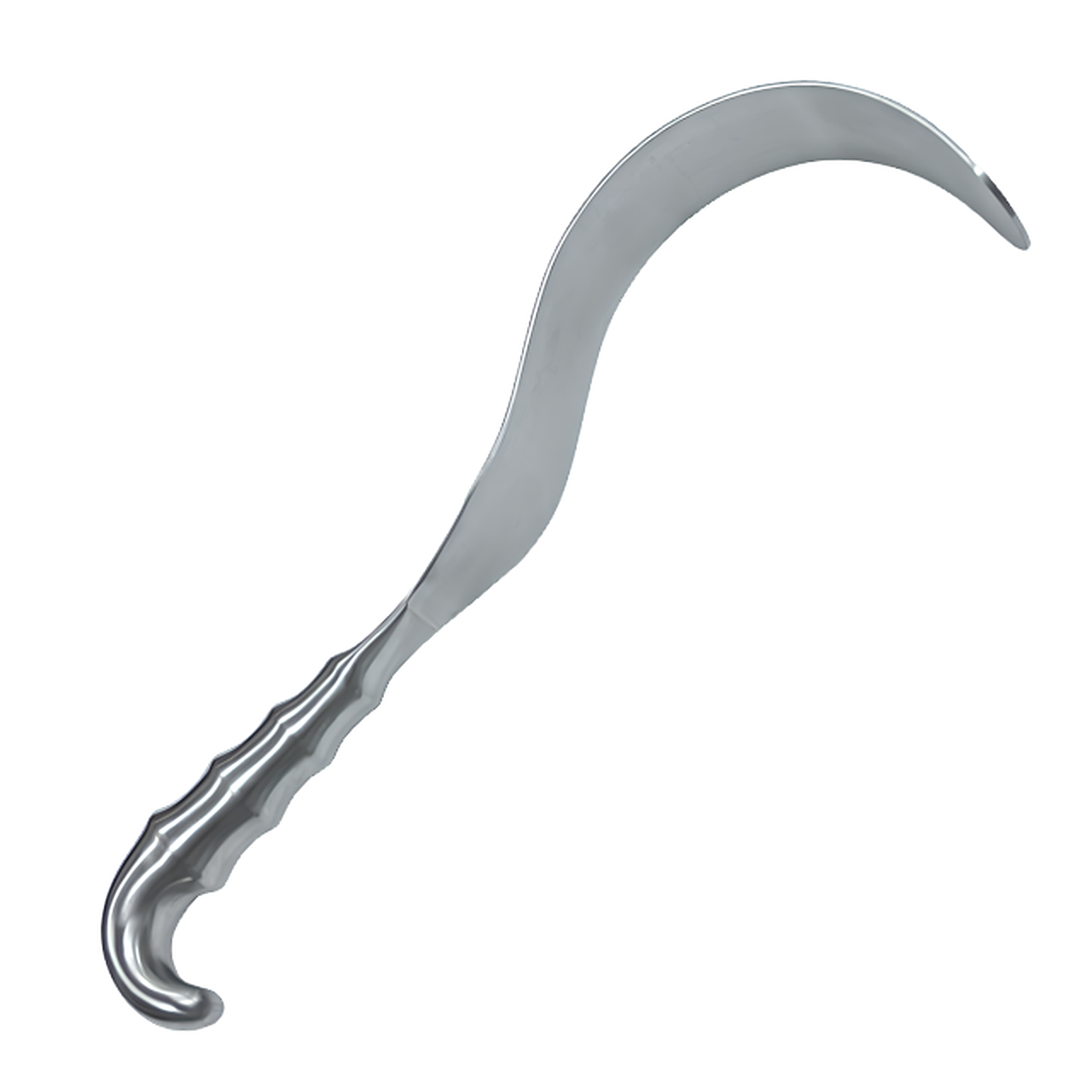 | Deaver Retractors Hollow Grip Handle | 深部腹部、骨盤、および胸部手術において、手の疲労を最小限に抑えながら臓器や筋肉層を牽引するために特別に設計されています。 |
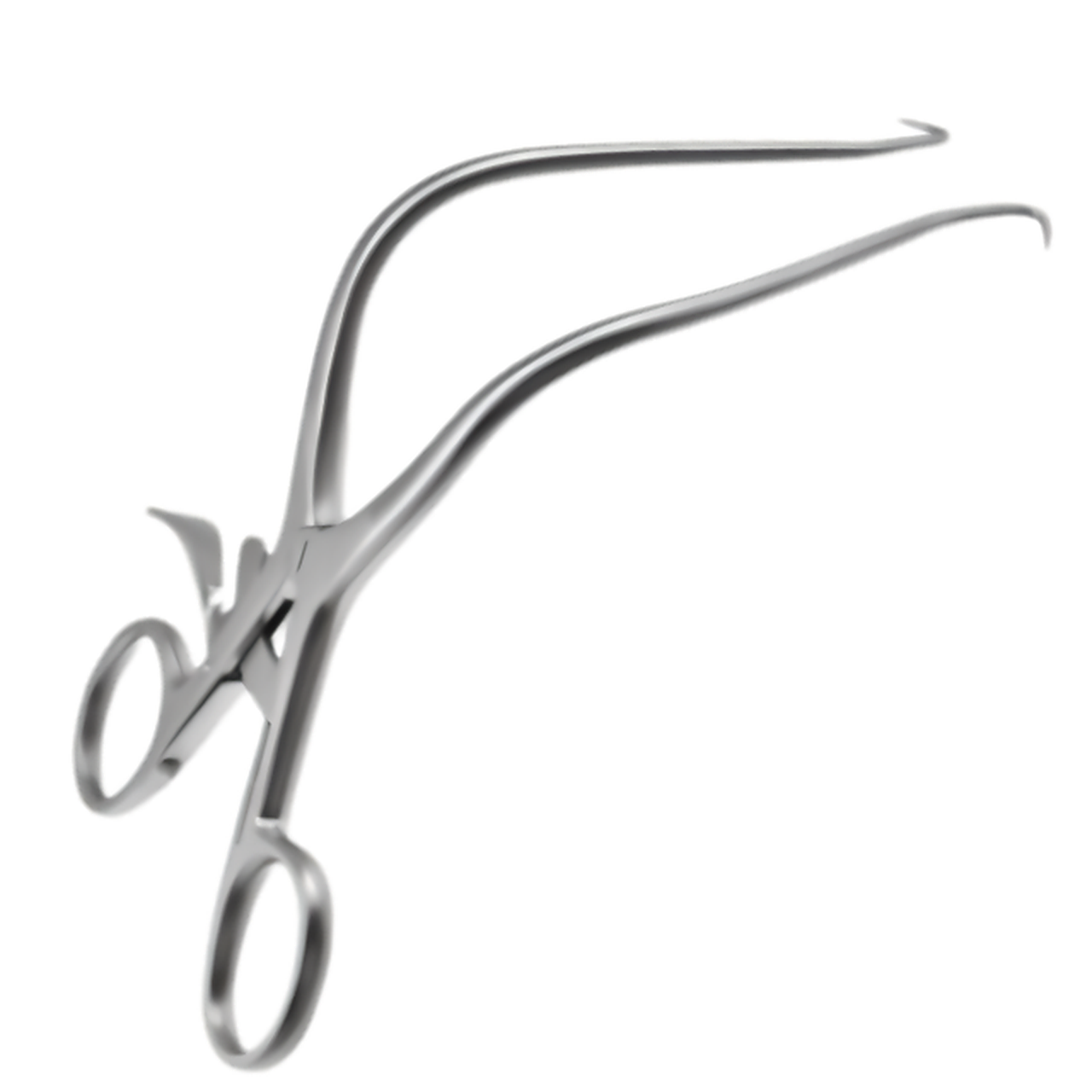 | DeBakey Retractor | 手術中における皮膚縁、筋膜、および血管軟部組織の牽引用に設計されています。 |
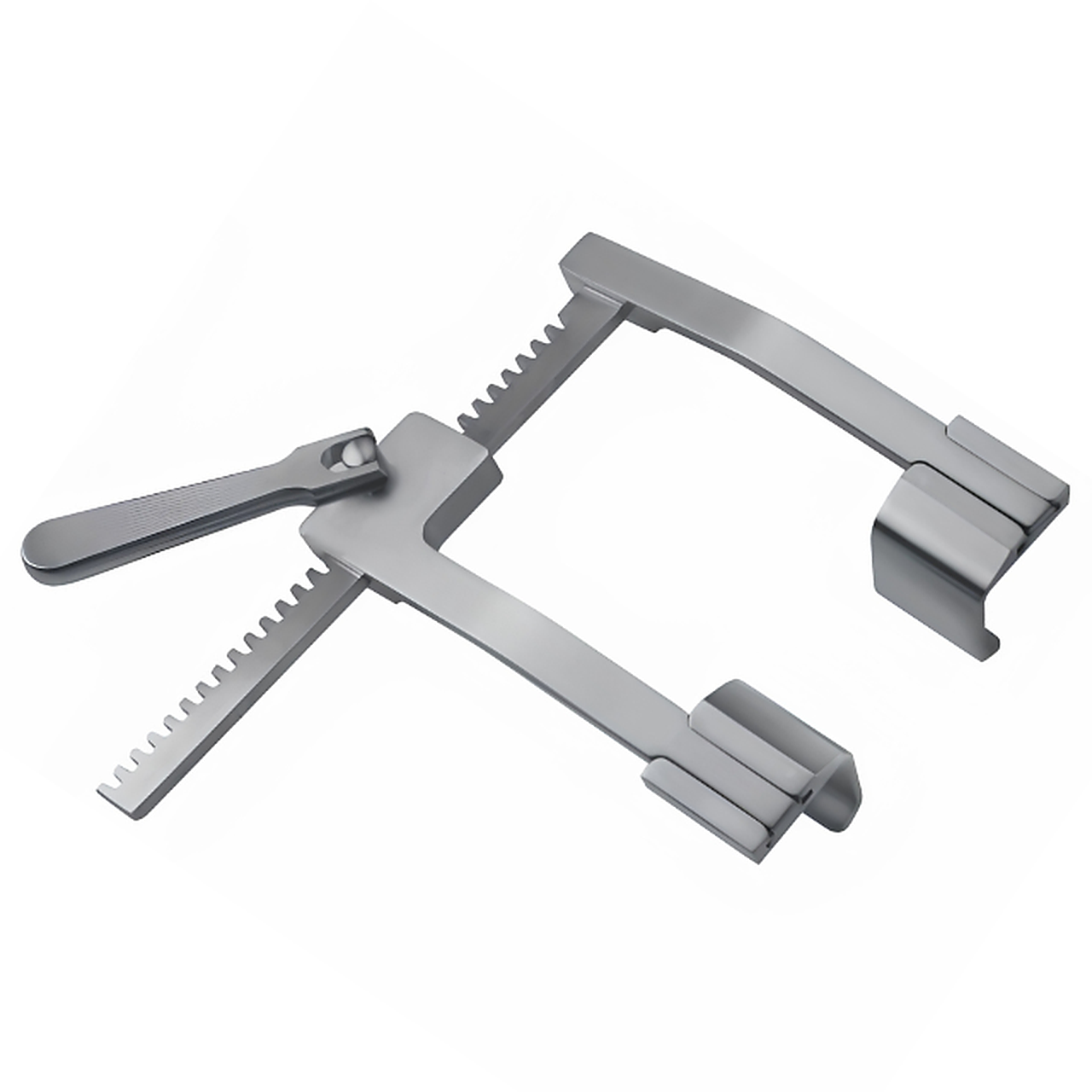 | DeBakey Rib Spreader | 心臓および胸部外科手術において、隣接する肋骨を分離し肋間を拡張するために特別に設計されています。 |
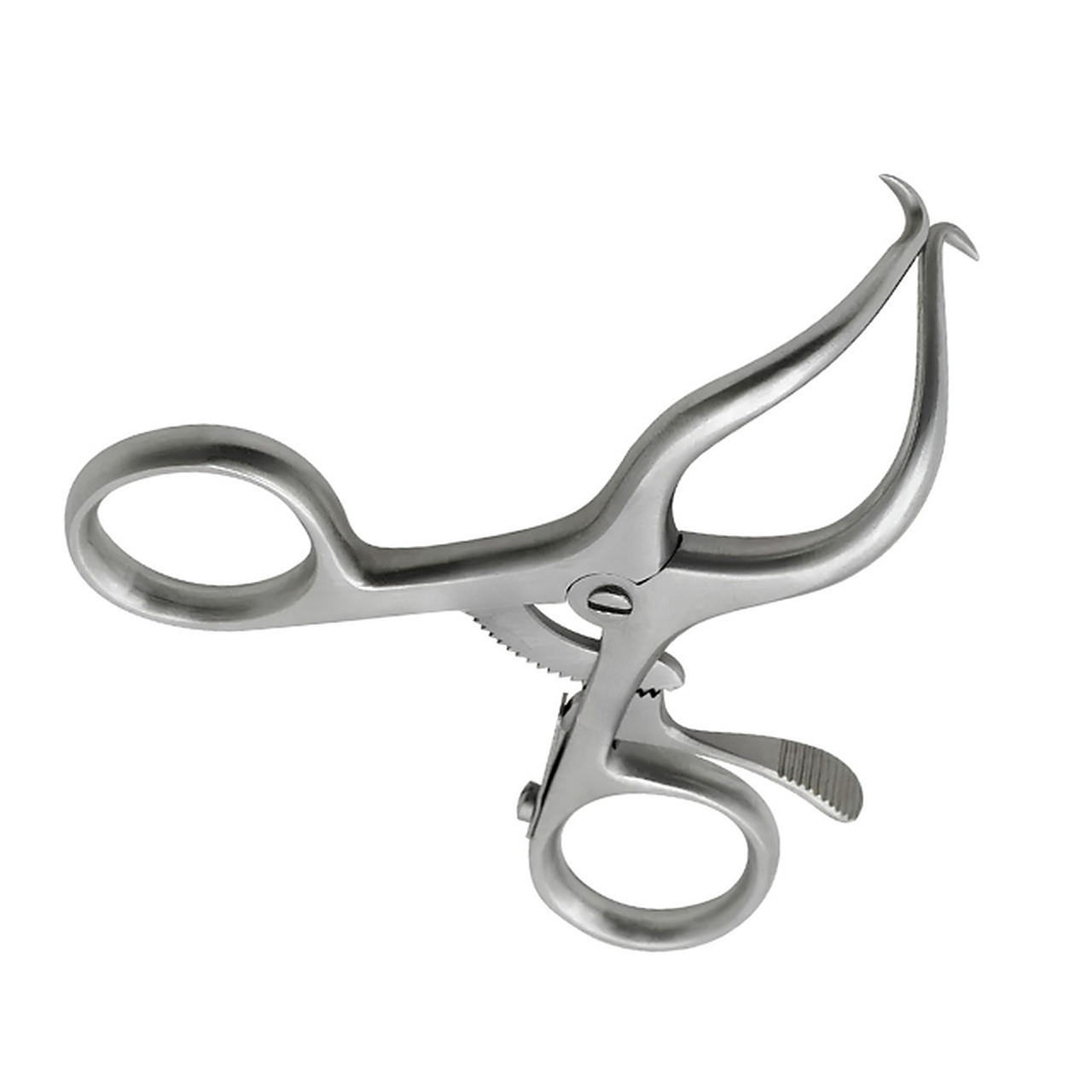 | Deep Gelpi Retractor | 脊椎、整形外科、脳神経外科の手術において、軟部組織および筋肉の自動牽引を提供するために特別に設計されています。 |
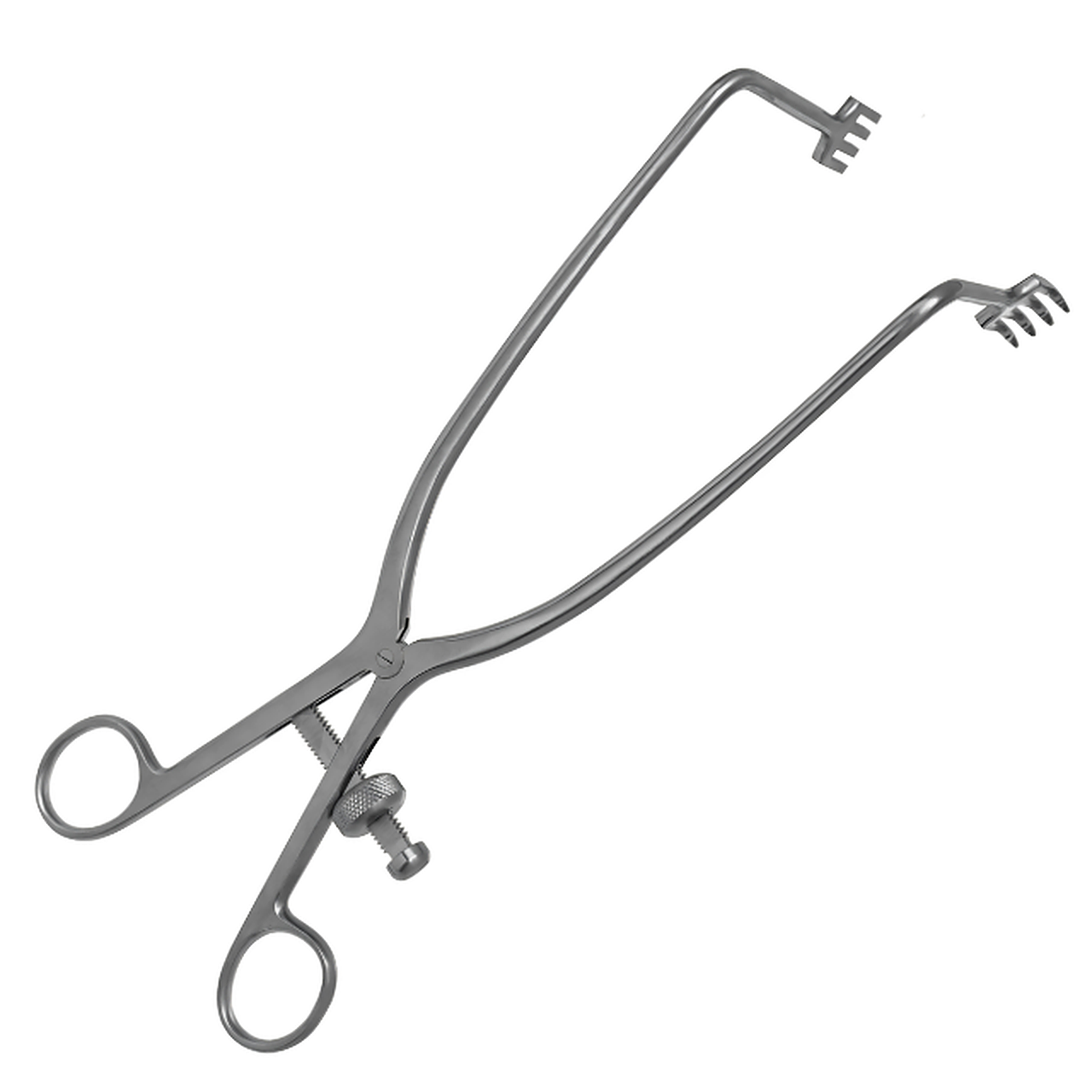 | ディープ・ゲルピー開創器(自動固定式) | 脊椎および整形外科手術中の深部創傷における、自動固定式の筋肉および組織の開創用に特別に設計されています。 |
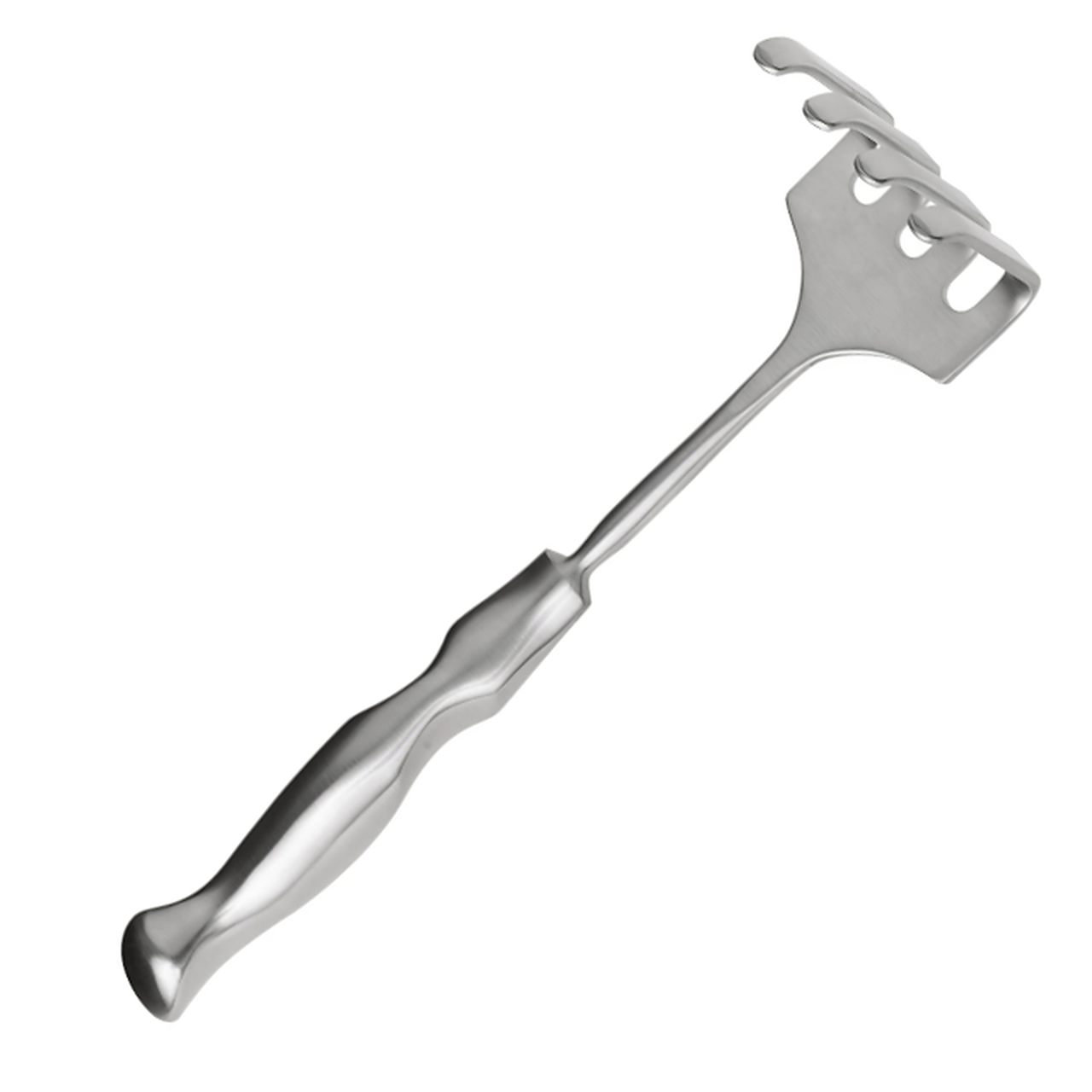 | ディープ・レイク開創器 | 開腹手術、骨盤手術、整形外科手術における重厚な筋肉、筋膜、および深部軟部組織の牽引専用設計。 |
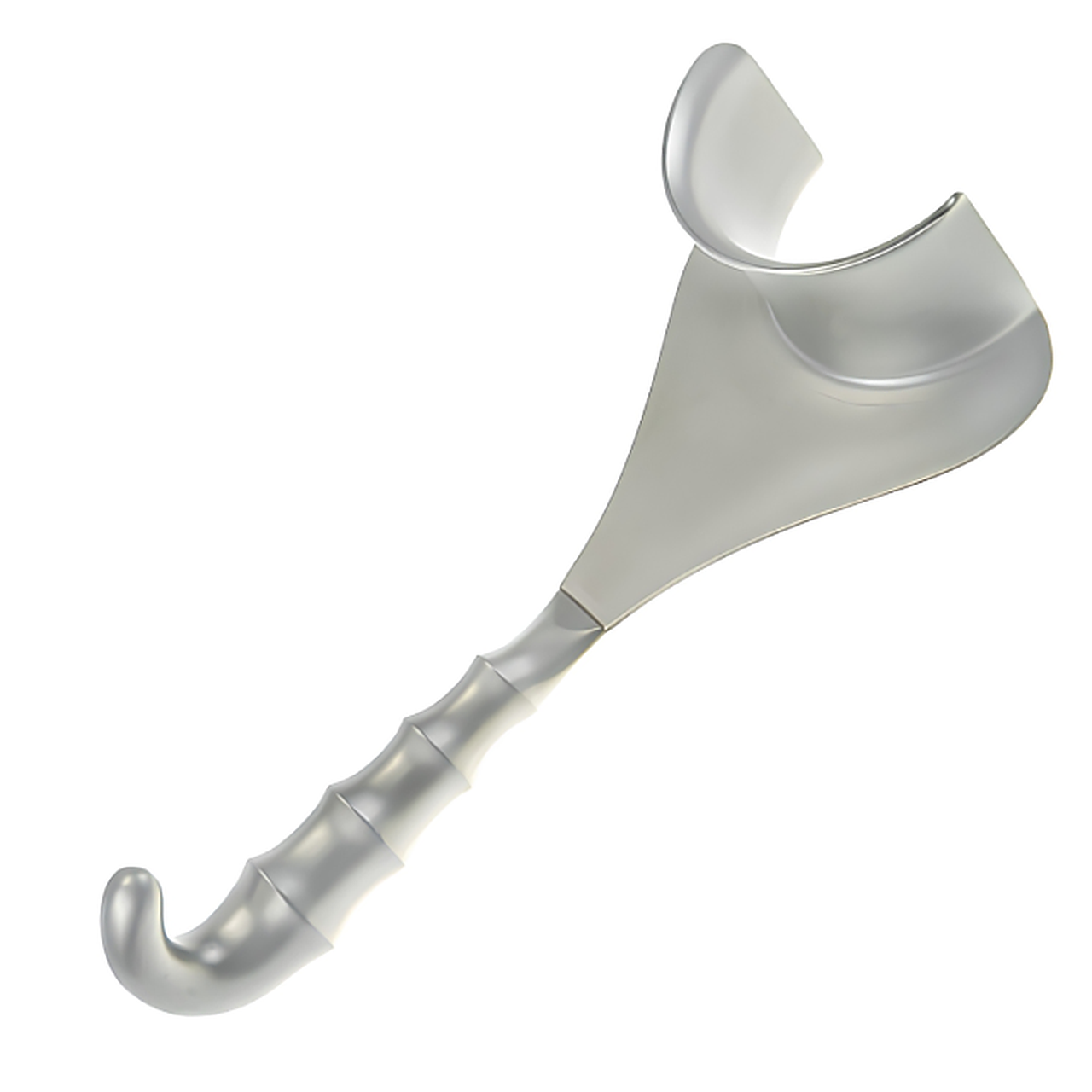 | Delee Universal Retractor | 帝王切開および婦人科手術において、膀胱と腹壁を牽引・保護するために特別に設計されています。 |
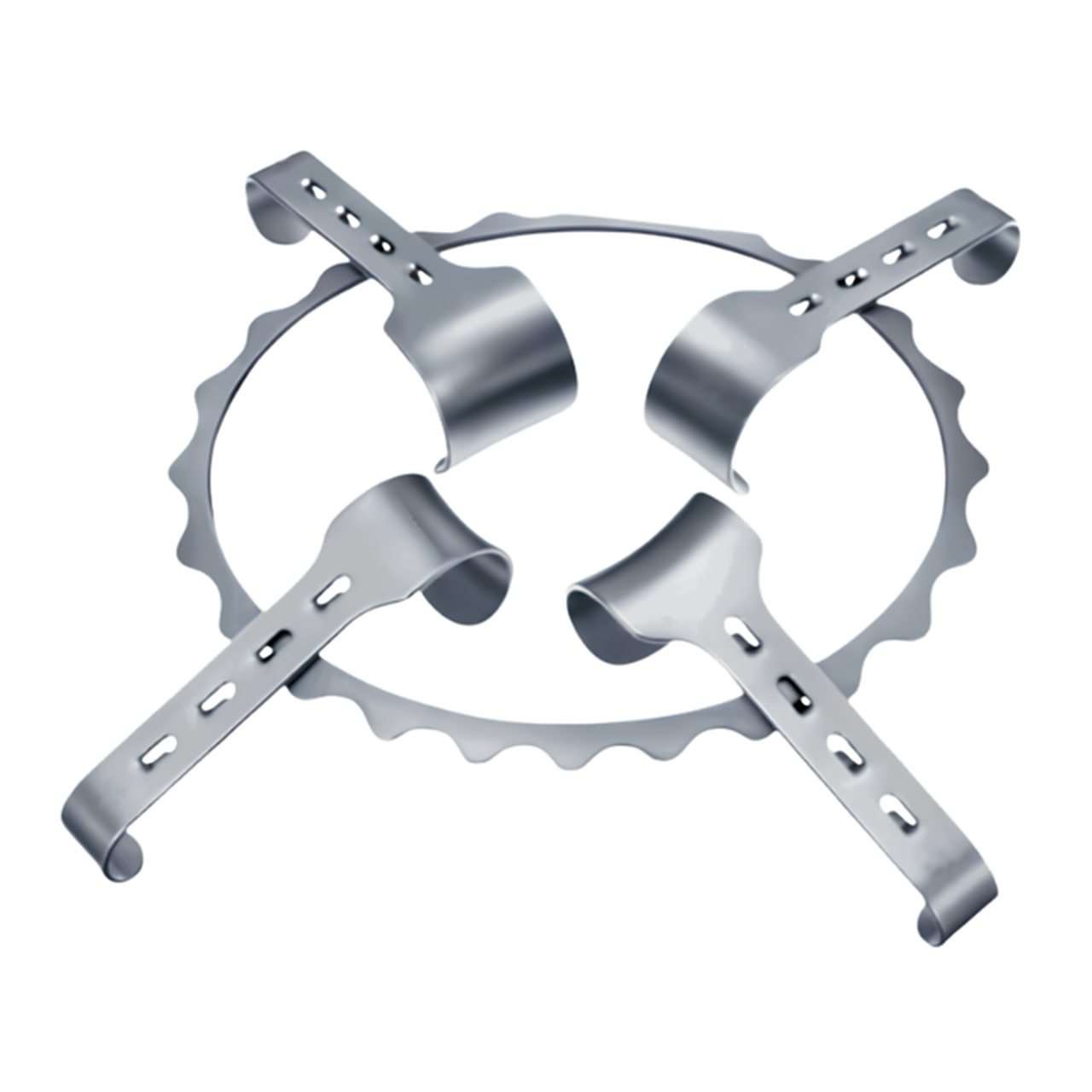 | Denis-Browne Retractor | 腹部および骨盤手術において、360度の自動固定式創縁および臓器開創を提供するために特別に設計されています。 |
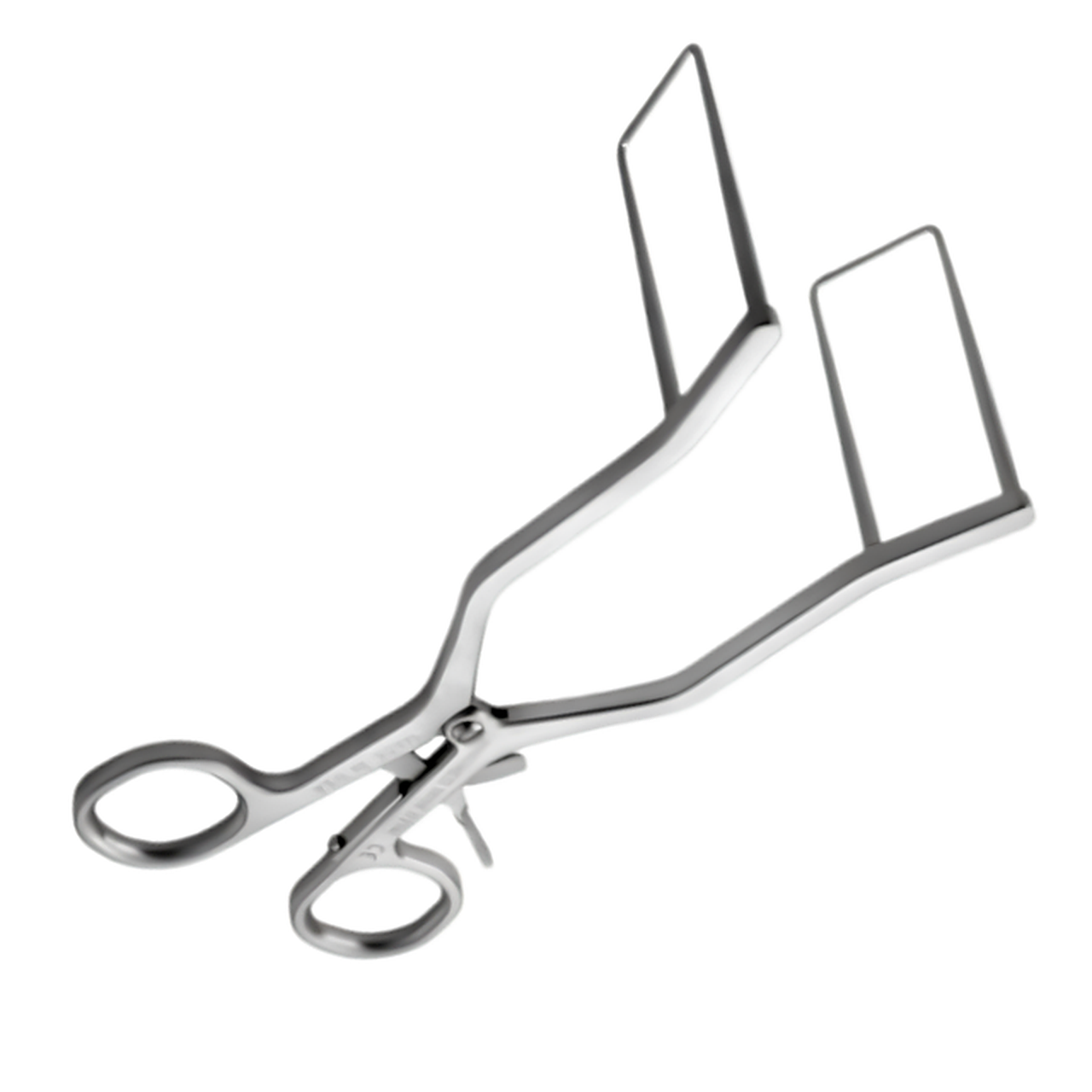 | Desai 自動開創器 | 腹部および骨盤手術において、窓状の視認性と直接アクセスを確保しながら、創縁の自動固定牽引を提供するために設計されています。 |
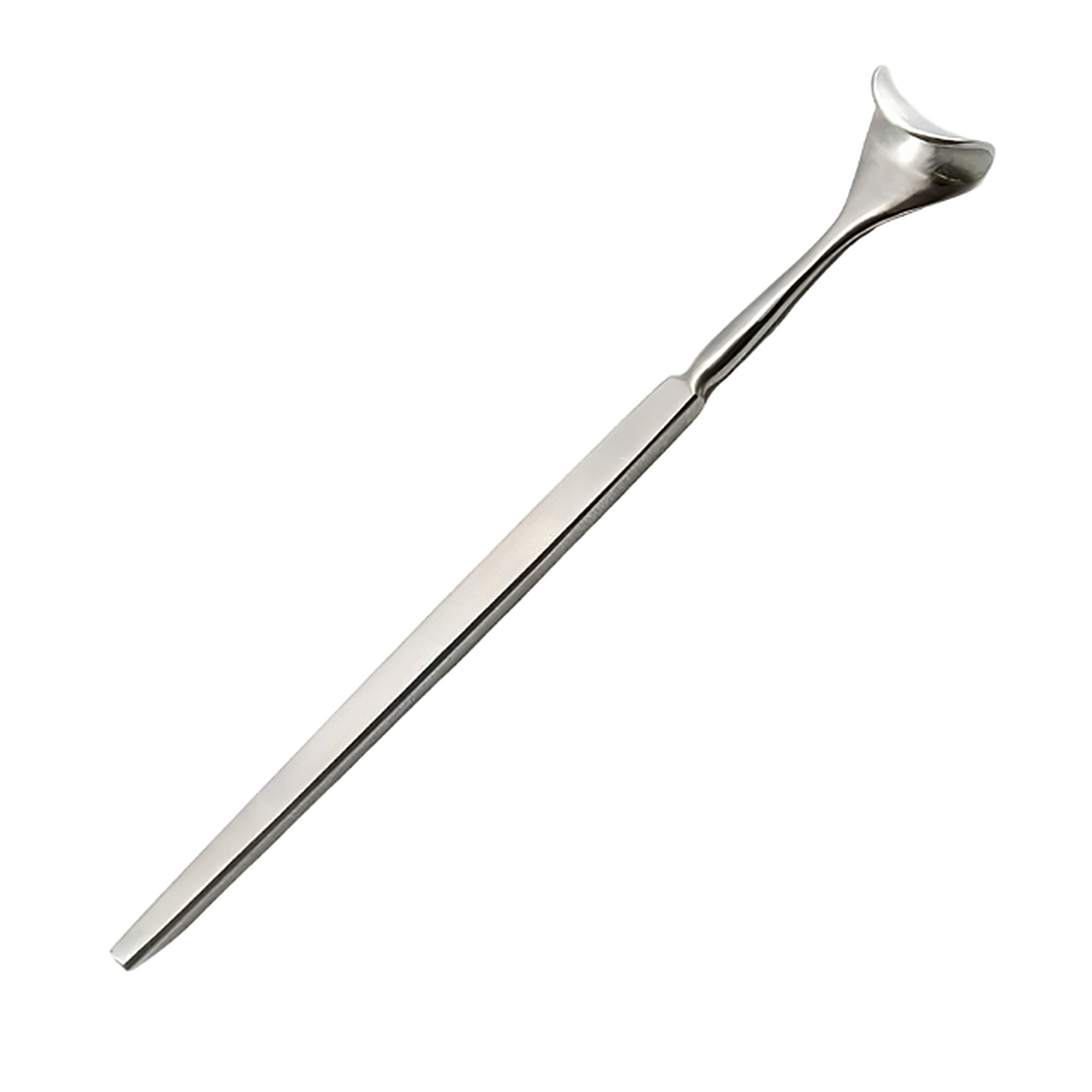 | Desmarres EyeLid Retractor | 眼瞼形成術および眼科手術において、眼瞼の牽引、瞼板の移動、および眼球の保護を行うために特別に設計されています。 |
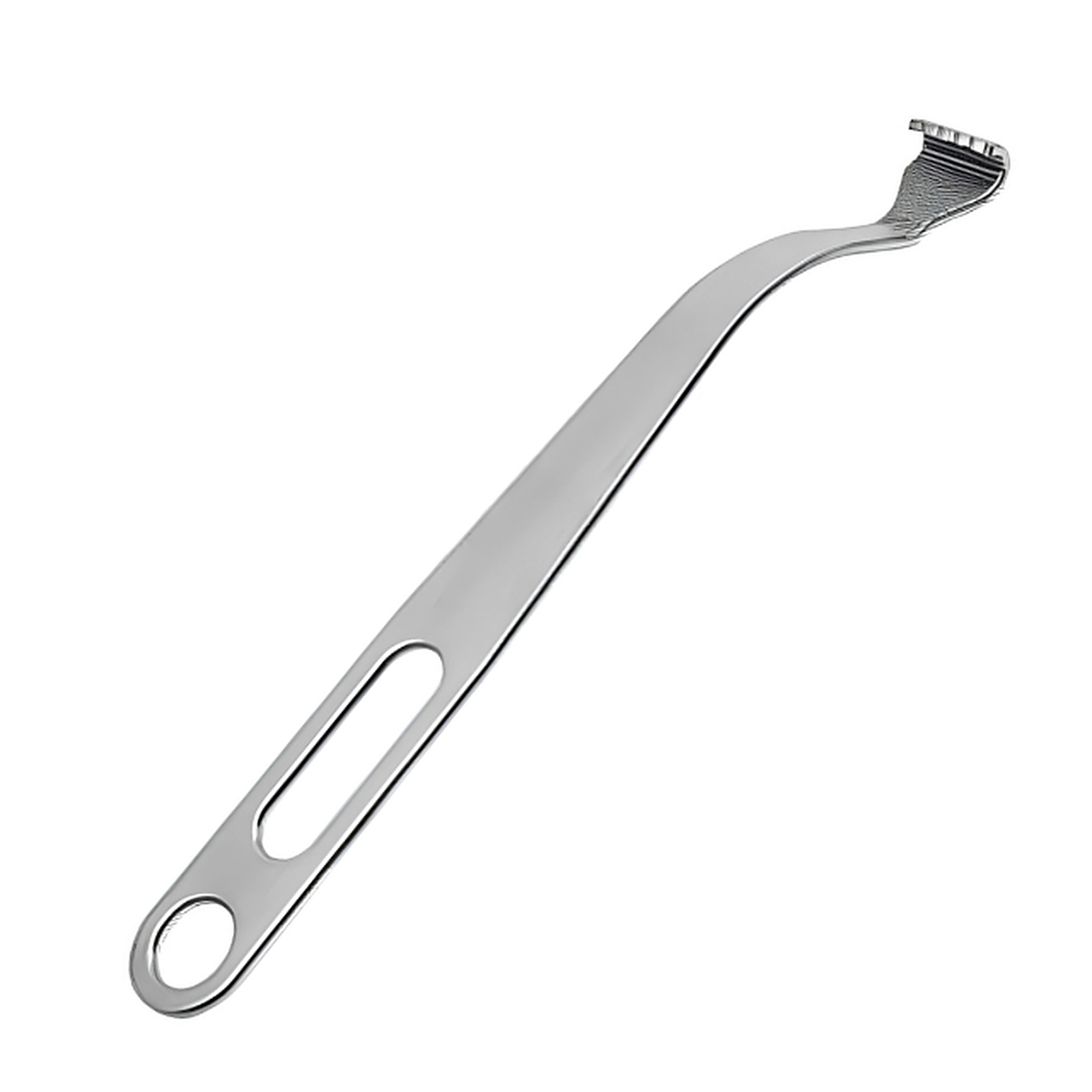 | Dingo Modified Humeral Head Retractors | 肩関節置換術および再建術において、上腕骨頭を挙上し関節窩を露出させるために特別に設計されています。 |
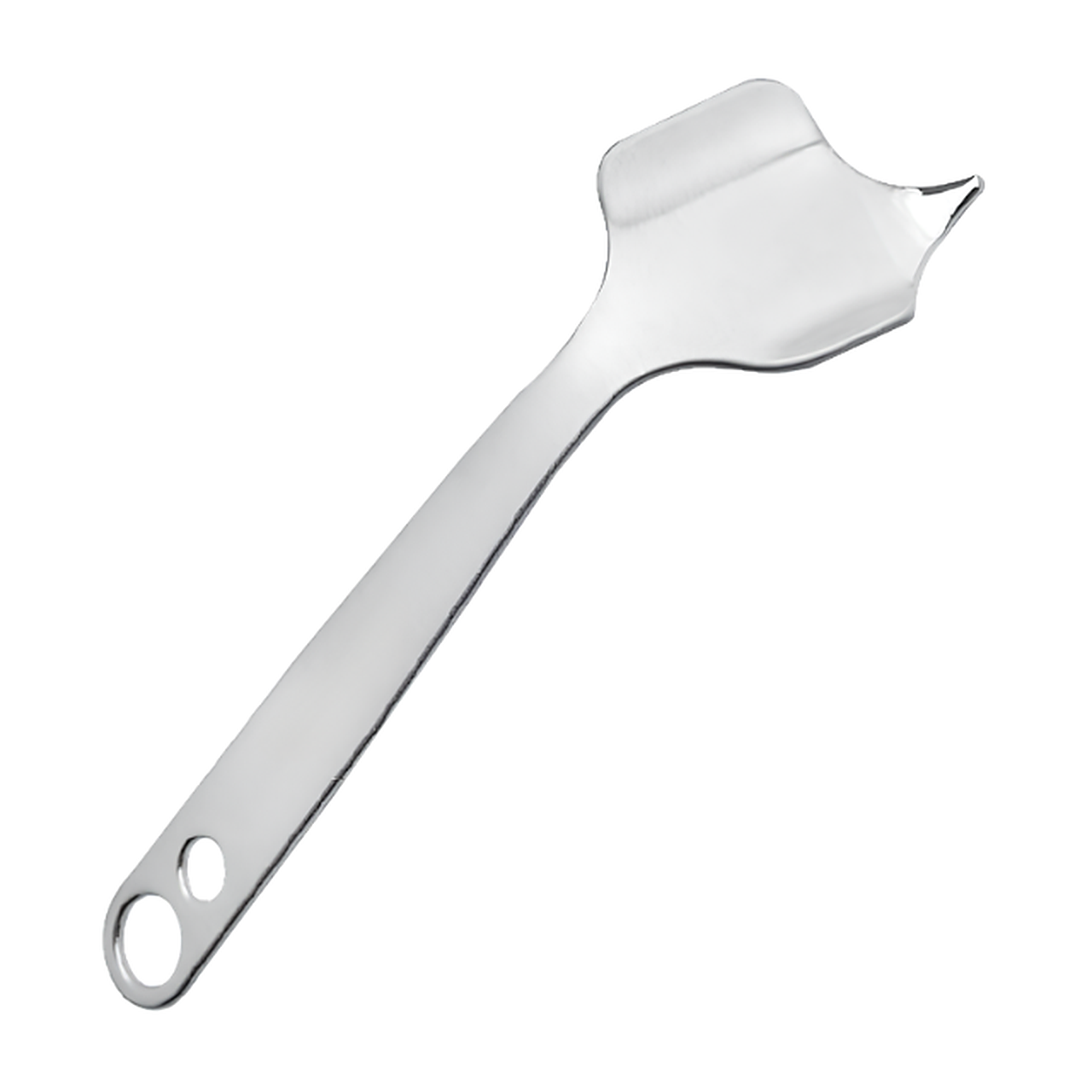 | Direct Access 前方アプローチ用大腿骨ブローチ操作リトラクター | 前方アプローチ股関節全置換術における大腿骨のブローチ操作時、近位大腿骨の挙上および軟部組織の牽引に特化して設計されています。 |
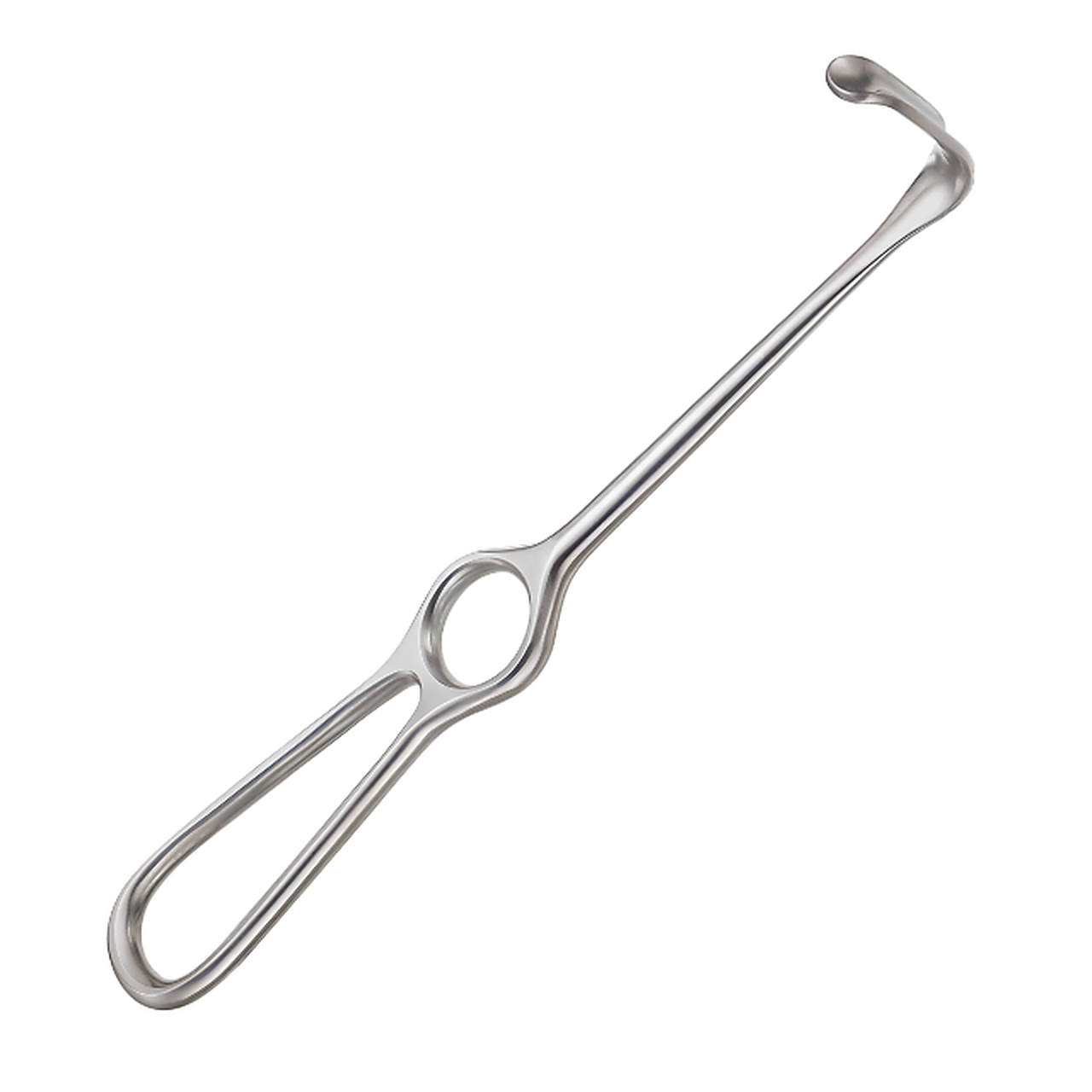 | Dockhorn 鉤離子(ドックホルン開創器) | 口腔外科、顎顔面外科、および一般外科における創縁、筋膜、軟部組織の牽引。 |
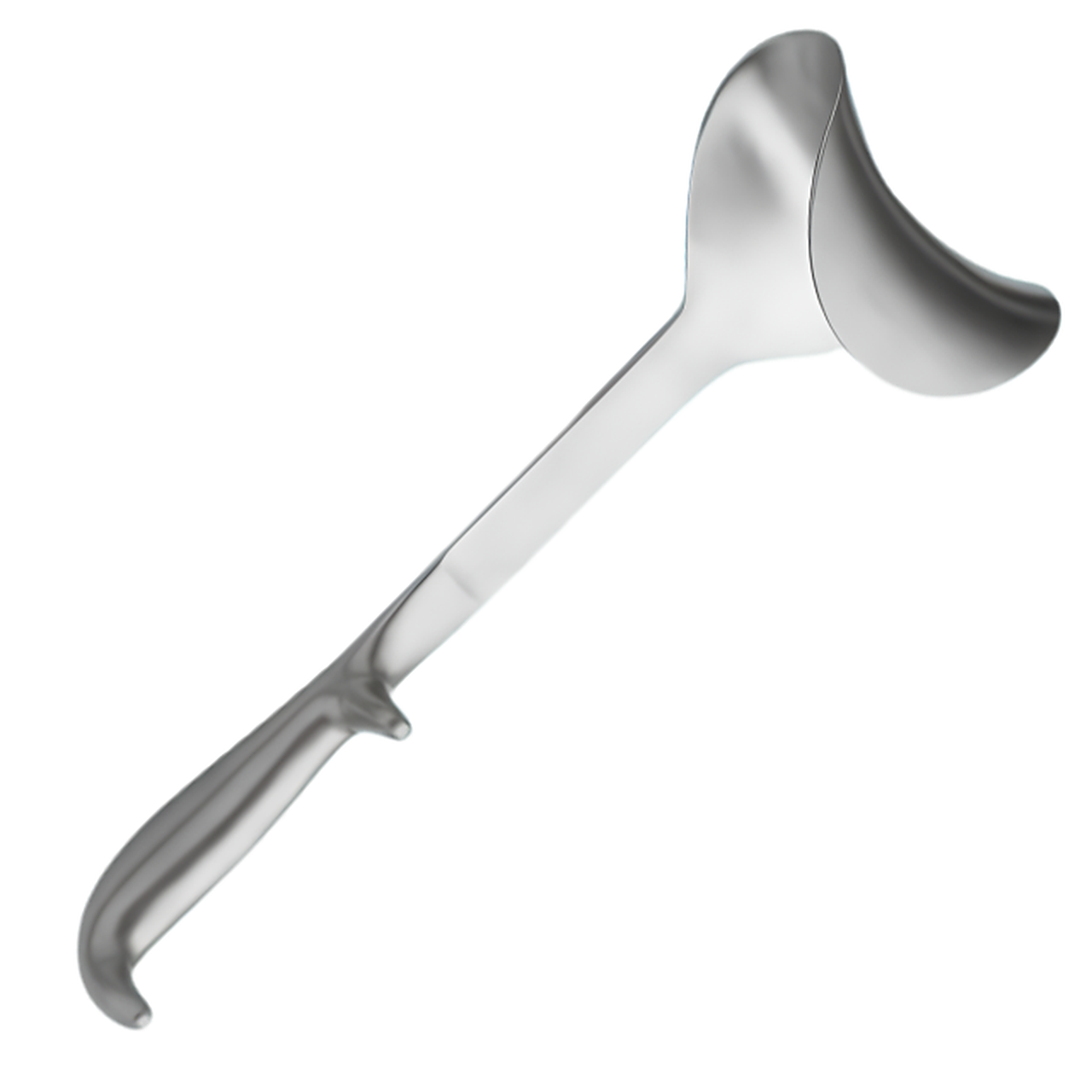 | Doyen 腹部開創器 | 開腹術における腹壁、内臓、および骨盤筋肉組織の牽引に特化して設計されています。 |
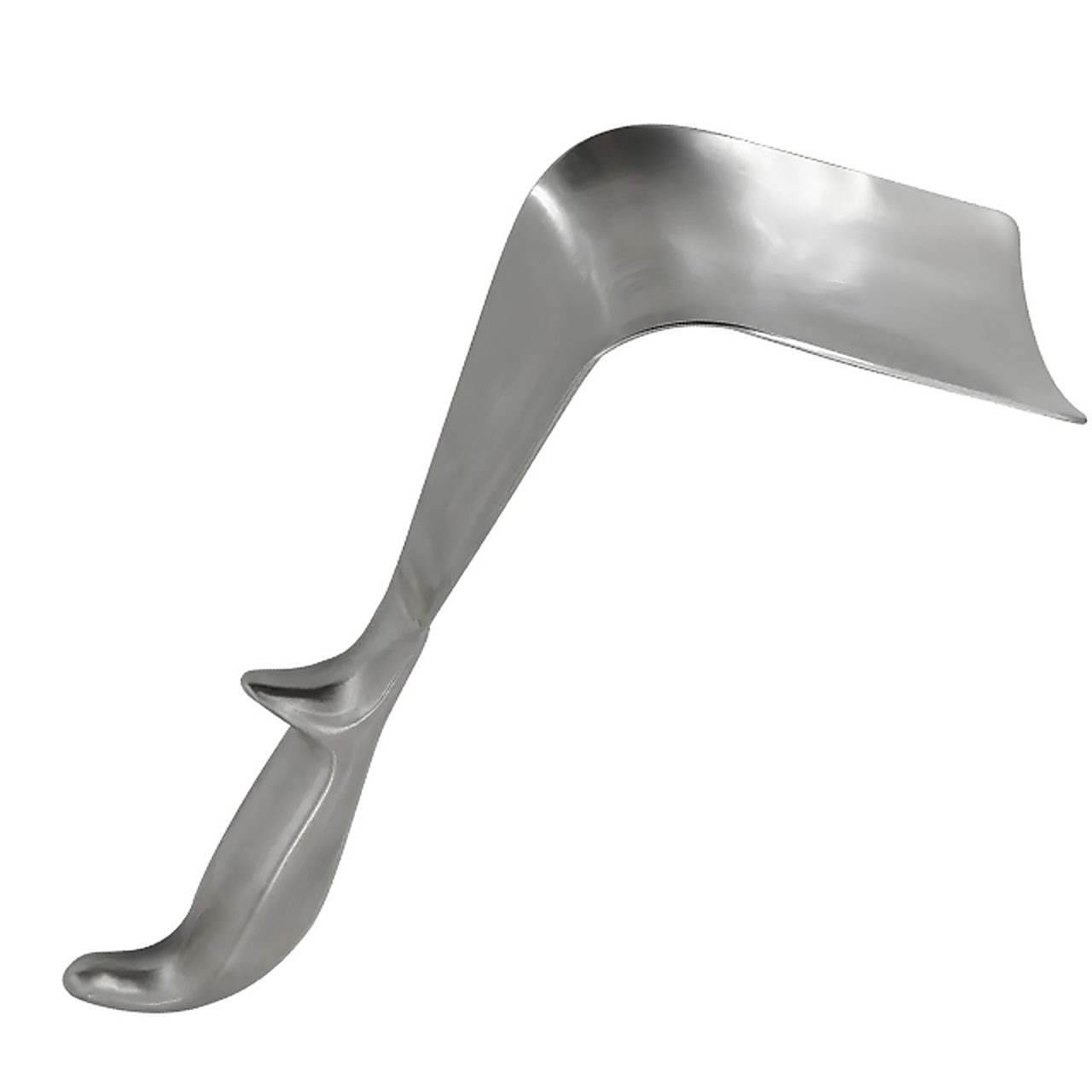 | Doyen 鉤離子 | 一般外科および婦人科の開腹手術において、腹壁を排除し内臓を保護するために特別に設計されています。 |
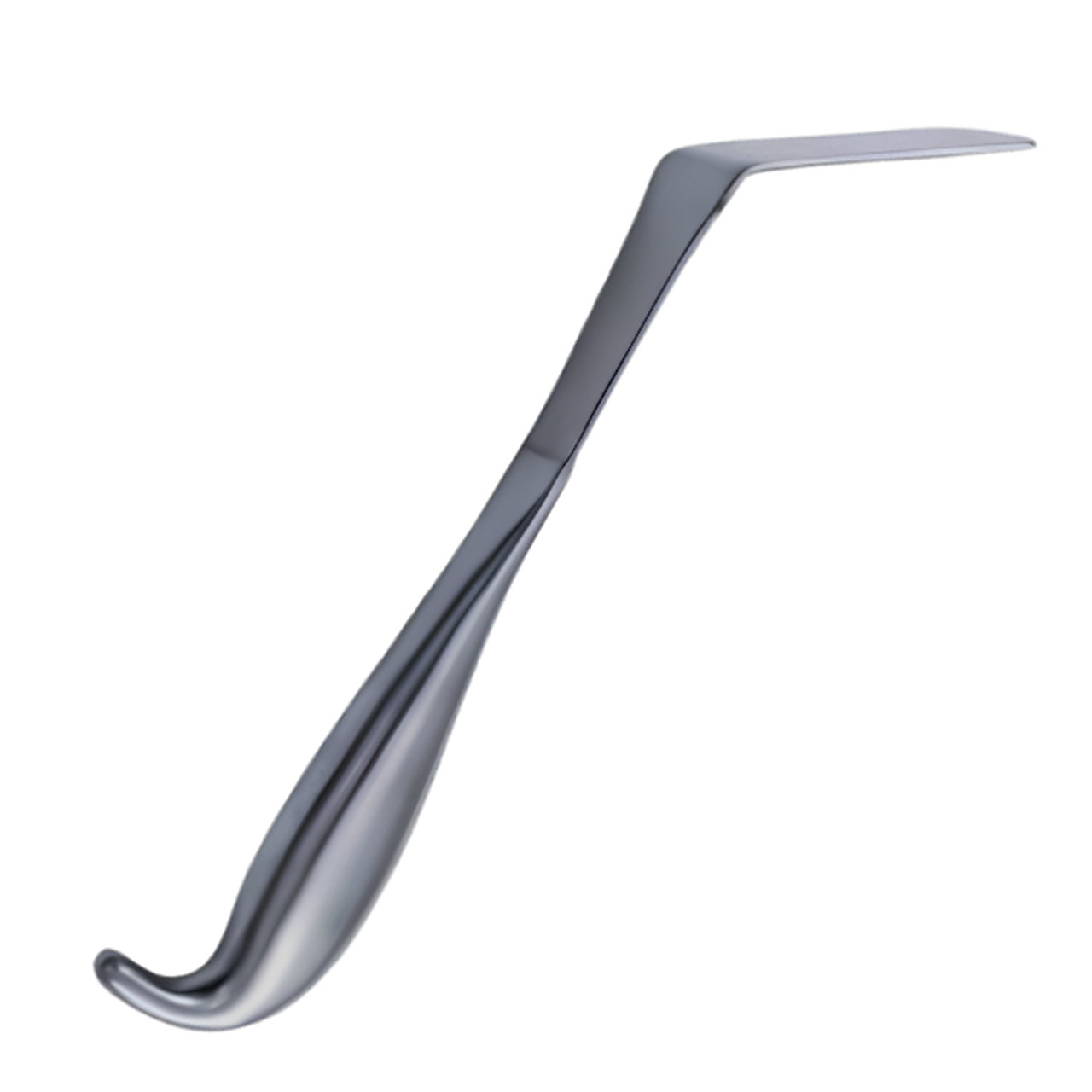 | Doyen 膣レトラクター | 婦人科手術において、膣壁を牽引し、子宮頸部および骨盤底を露出させるために使用されます。 |
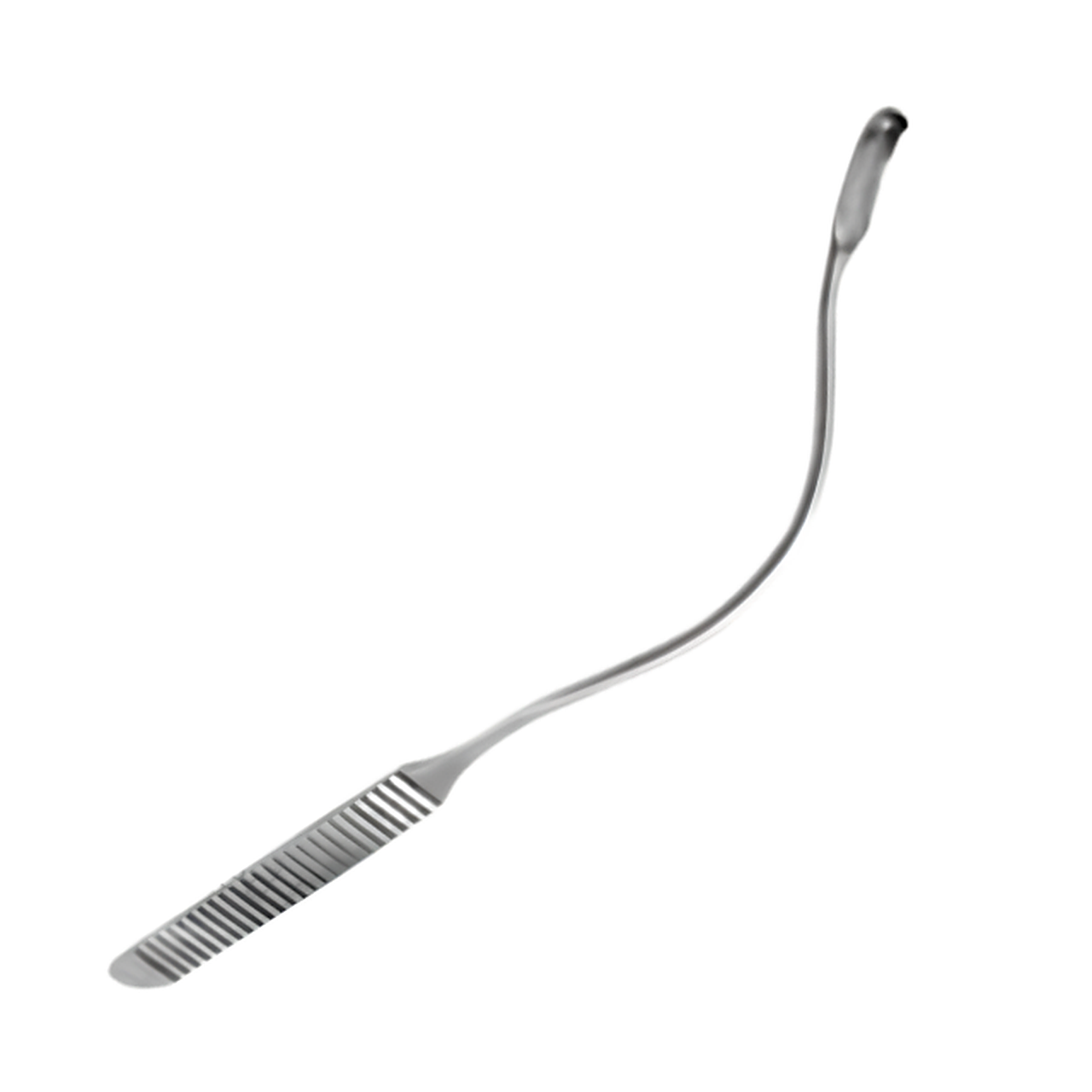 | Dumbach 下顎枝チャンネルレトラクター | 下顎枝骨切り術において、軟部組織を牽引し、下顎縁に沿った神経血管構造を保護するために特別に設計されています。 |
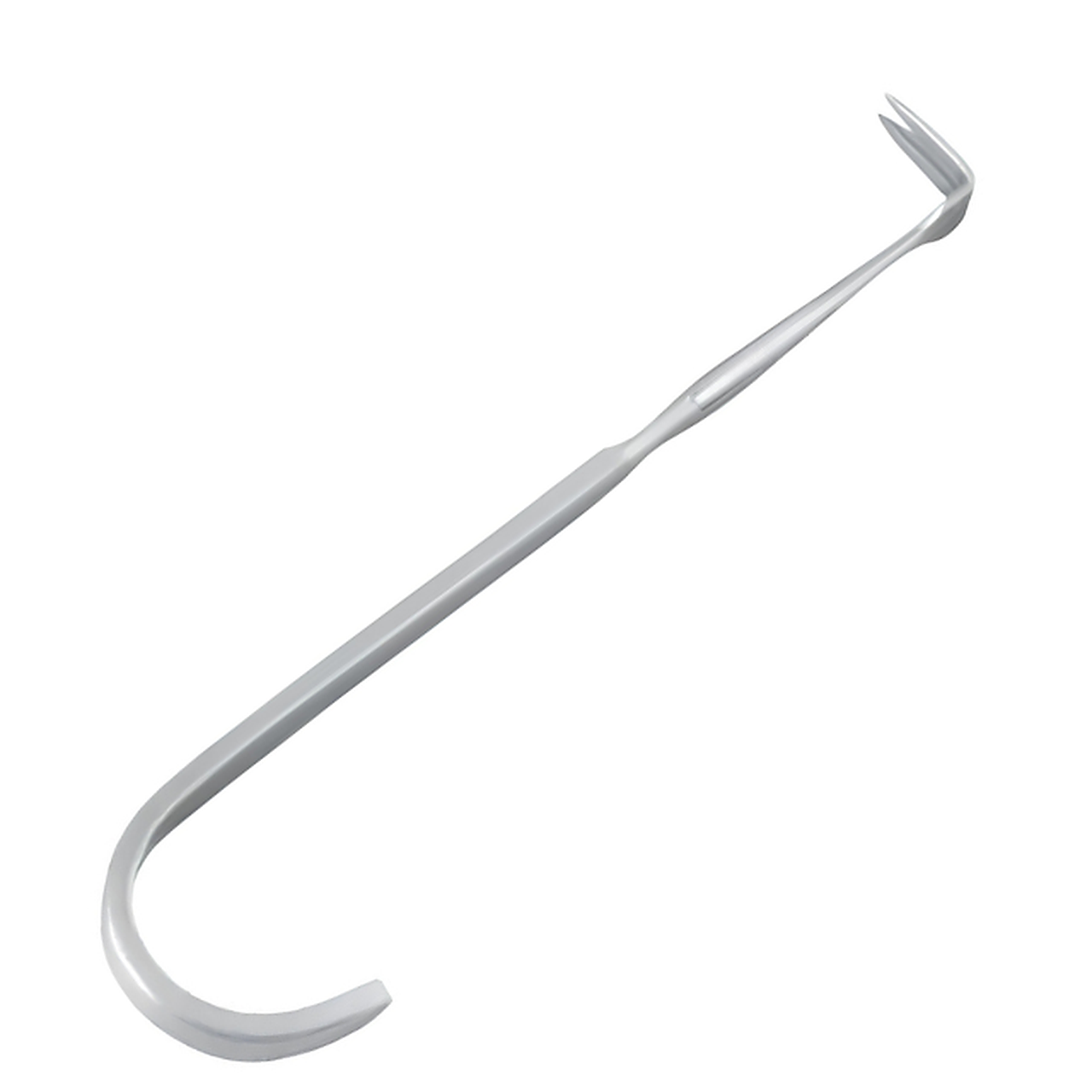 | Dunn Dautrey 外側開創器 | 顎矯正手術および口腔外科手術において、外側の軟部組織を牽引し下顎枝を露出させるために特別に設計されています。 |
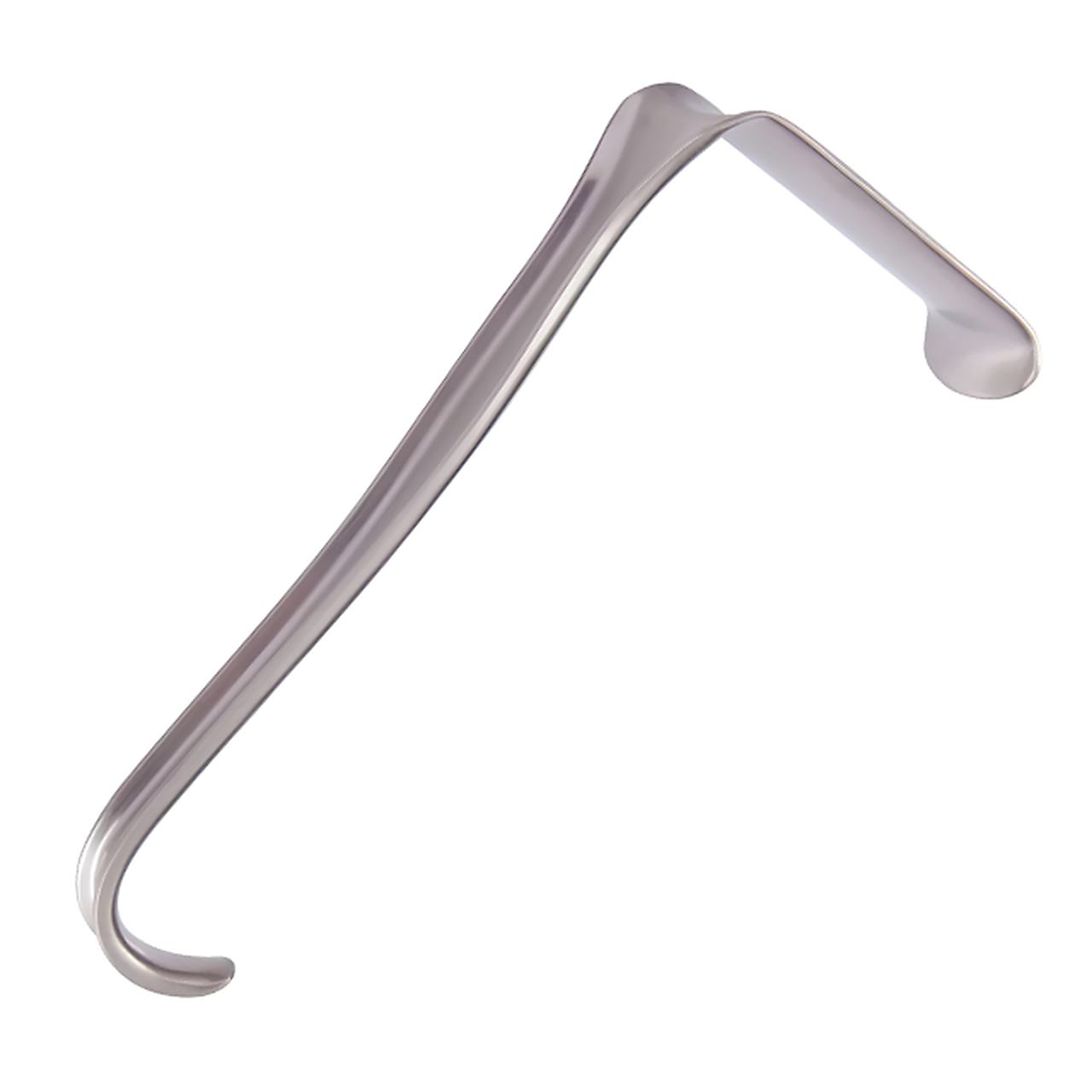 | Eastman 腟レトラクター | 婦人科および骨盤再建手術において、腟壁を牽引し、深部の視認性を確保するために特別に設計されています。 |
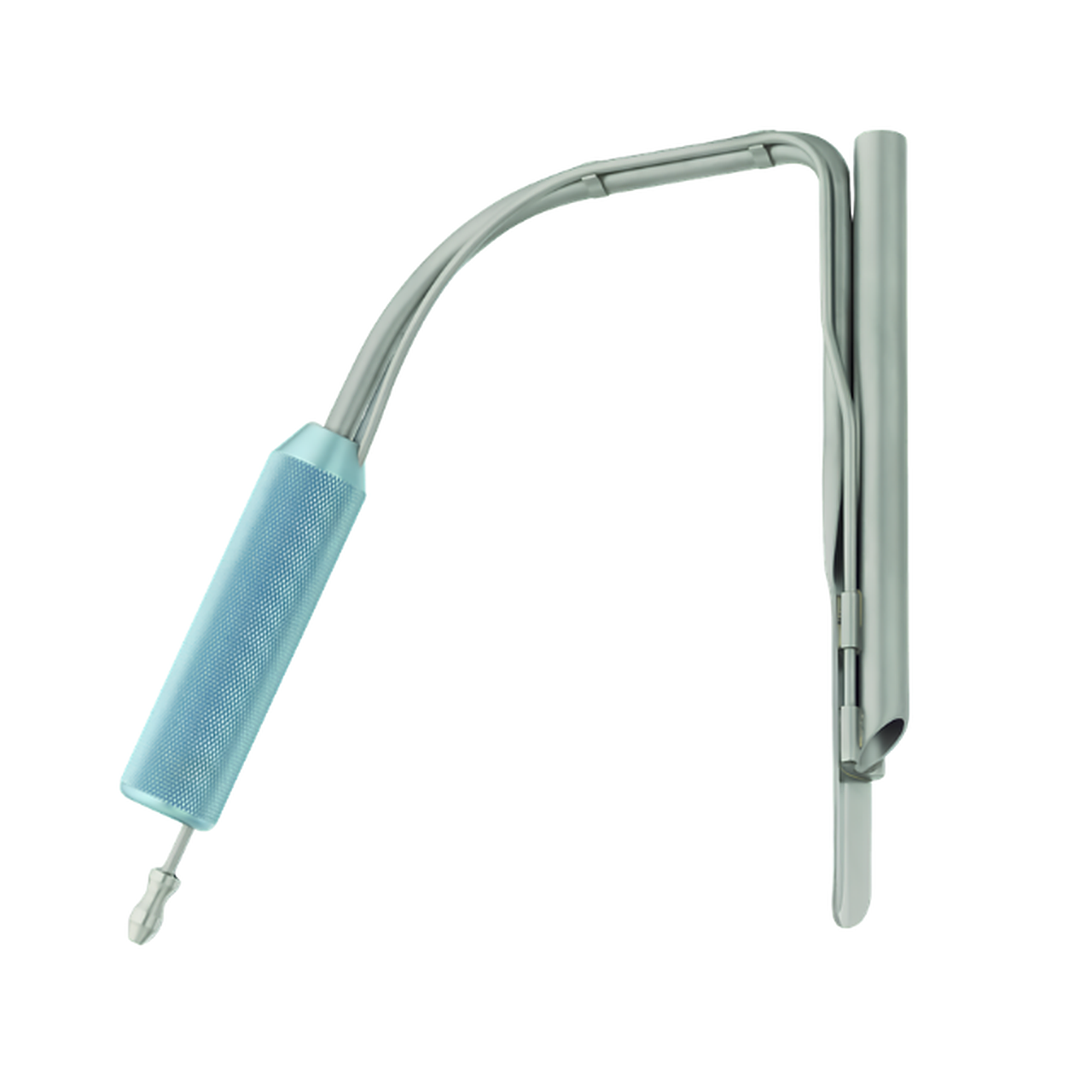 | EMORY Endo-Plastic Retractor | 内視鏡下美容外科および形成外科において、組織フラップを挙上し、10 mm内視鏡をガイドするために特別に設計されています。 |
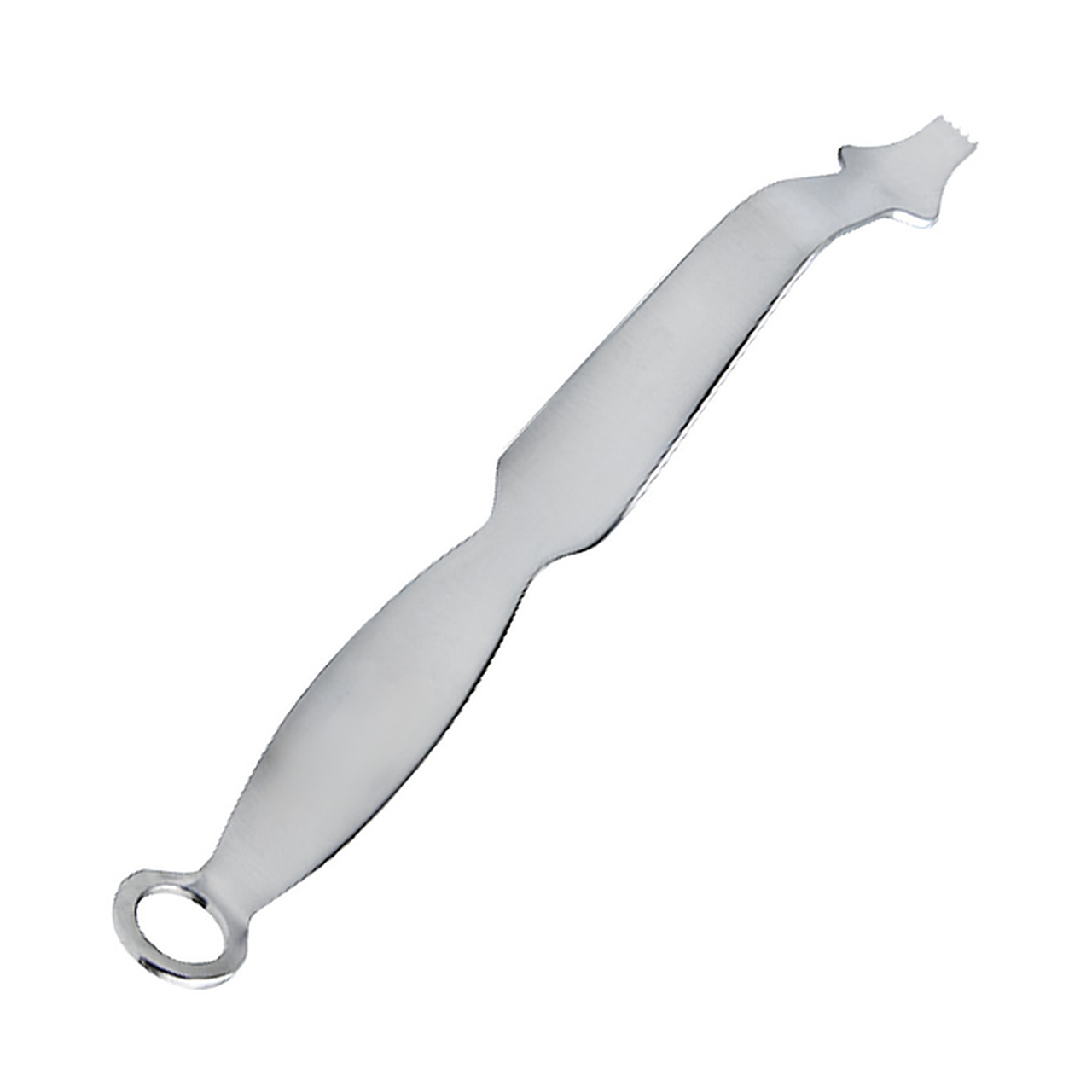 | Engh Intercondylar Notch Retractor | 人工膝関節全置換術における顆間窩の展開および膝関節後方組織の保護。 |
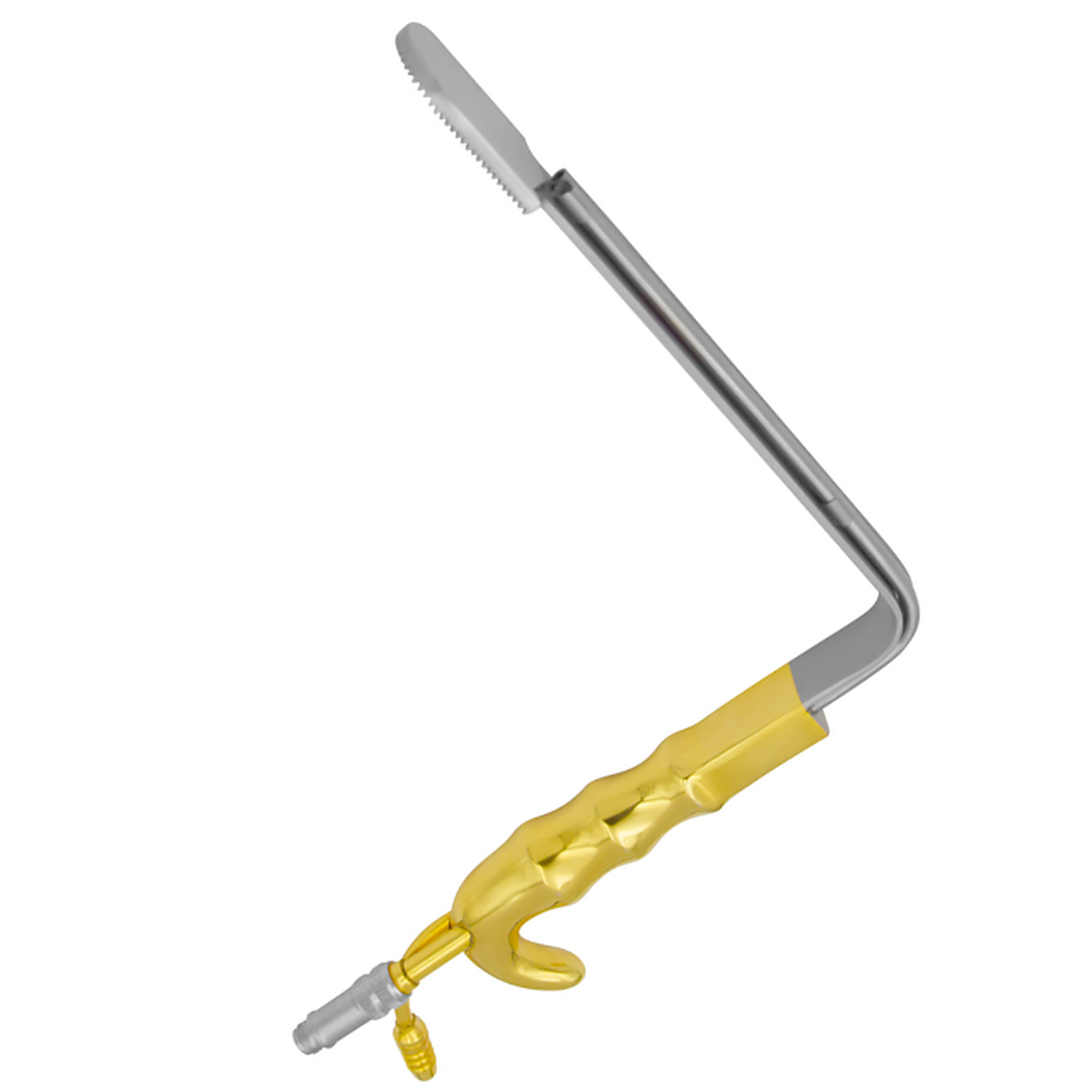 | Epstein Breast Retractor | 豊胸術および乳房再建術において、組織フラップの挙上や大胸筋下または乳腺下ポケットの作成のために設計されています。 |
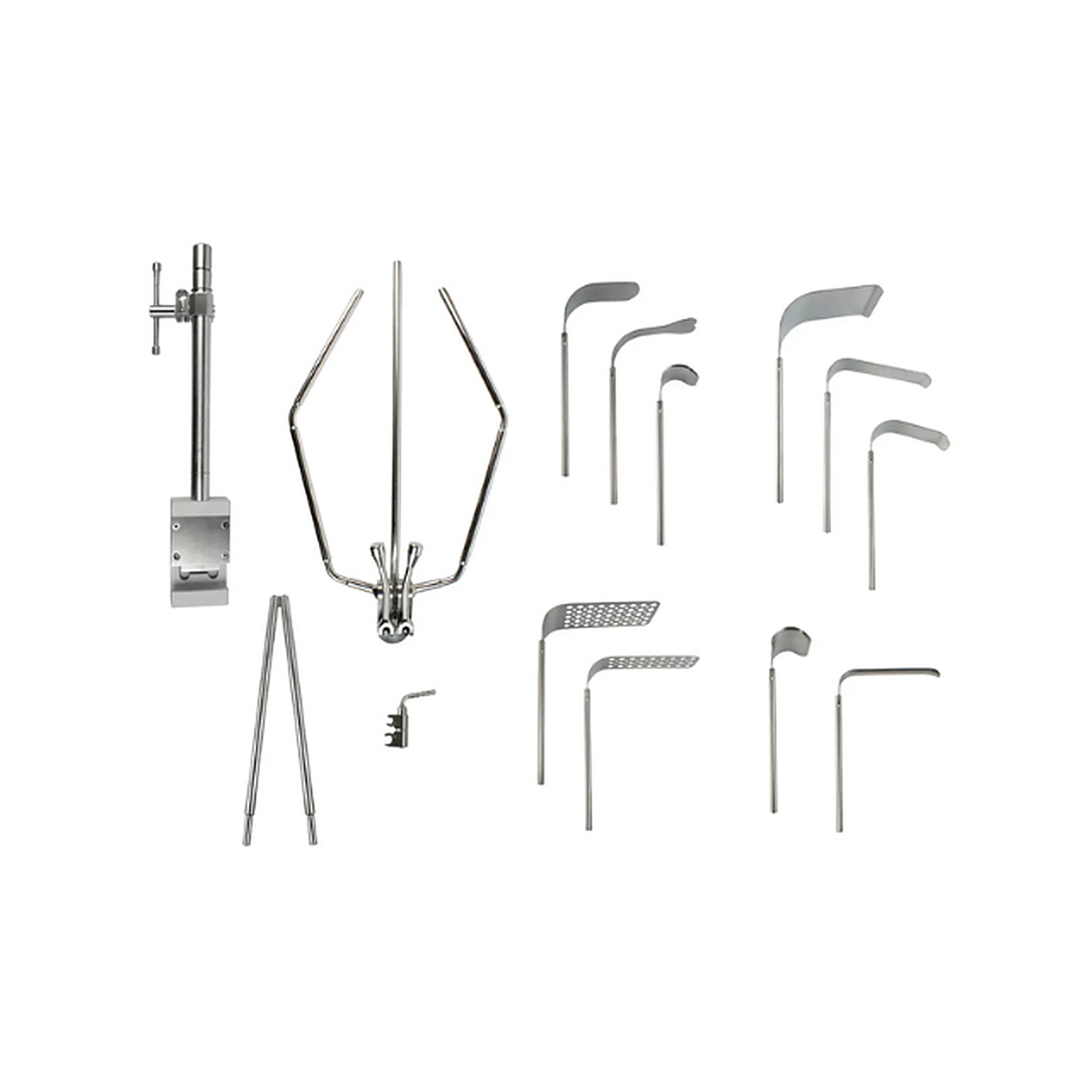 | Expanded Vascular Lobster Retractor (拡張血管外科用 Lobster 開創器) | 血管外科手術において、万力固定による自動的な軟部組織の牽引および術野の確保を行うために特別に設計されています。 |
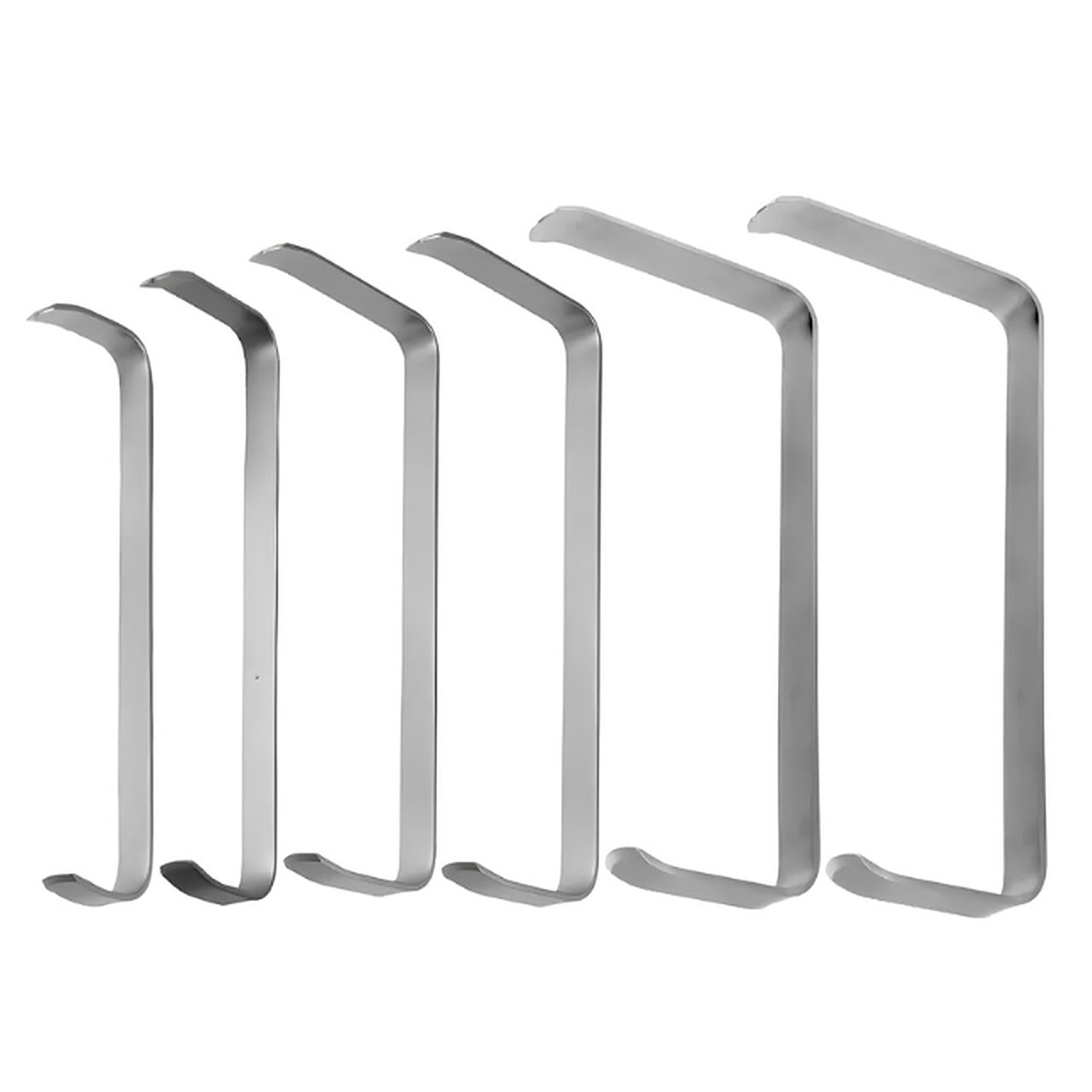 | Farabeuf Retractor | 浅層および中間層の外科切開における皮膚、筋膜、軟部組織の牽引のために特別に設計されています。 |
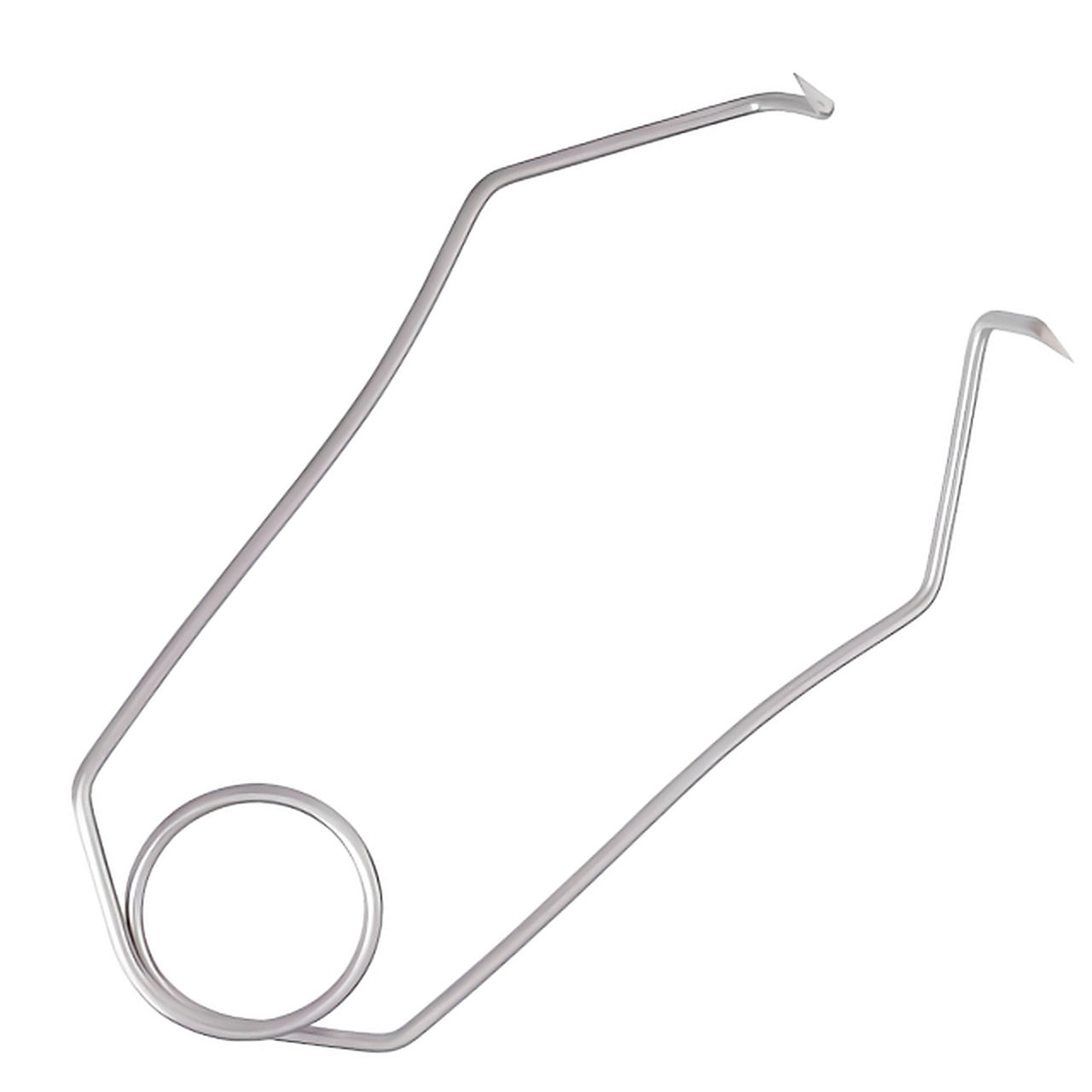 | Farr Spring Retractor(ファー式スプリング開創器) | 形成外科、小児外科、および小手術における、スプリング補助による組織の自動固定・開創。 |
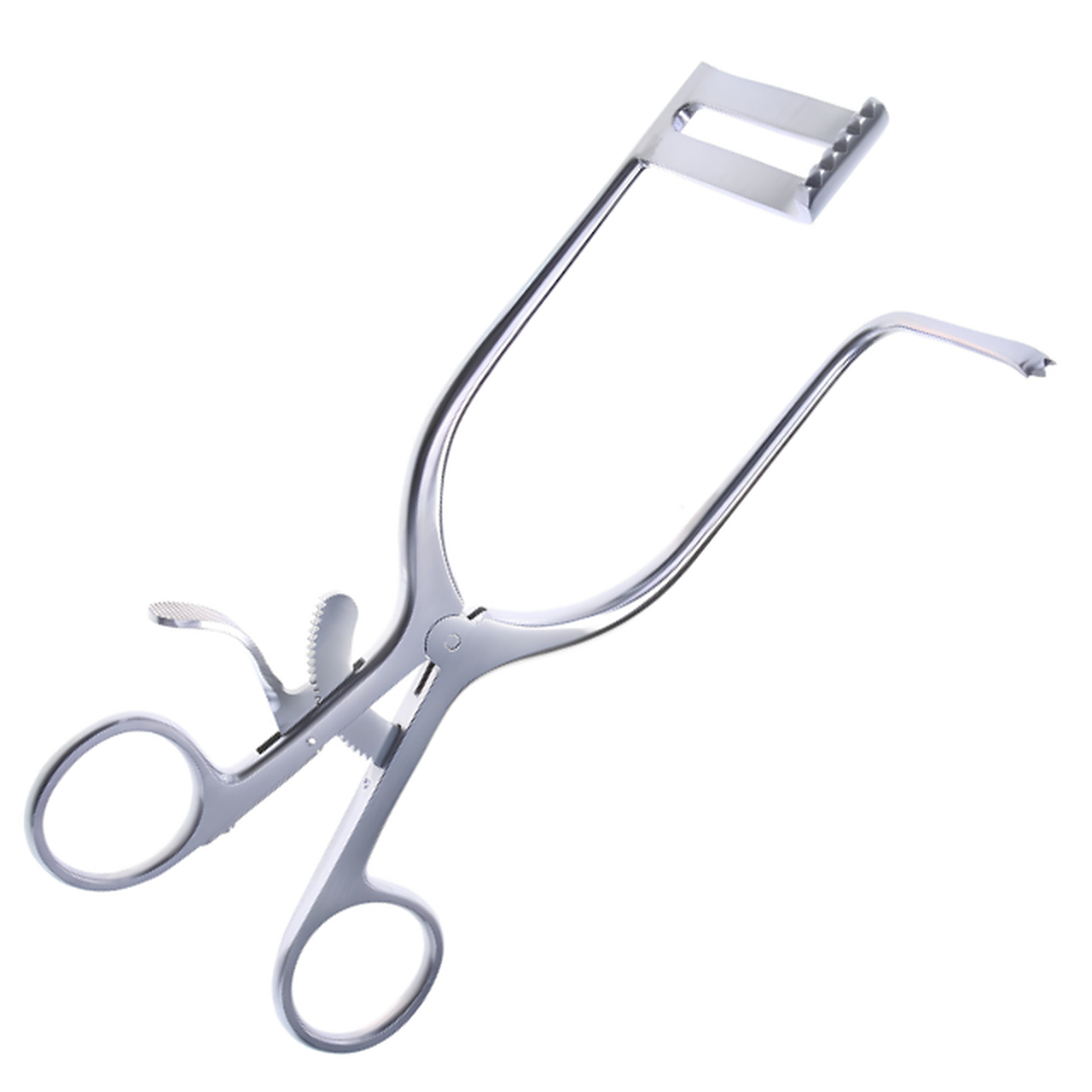 | Feler-Ducker Retractor | 脊椎椎弓切除術および電極植え込み術において、傍脊柱筋および軟部組織の自動固定式開創を提供するために設計されています。 |
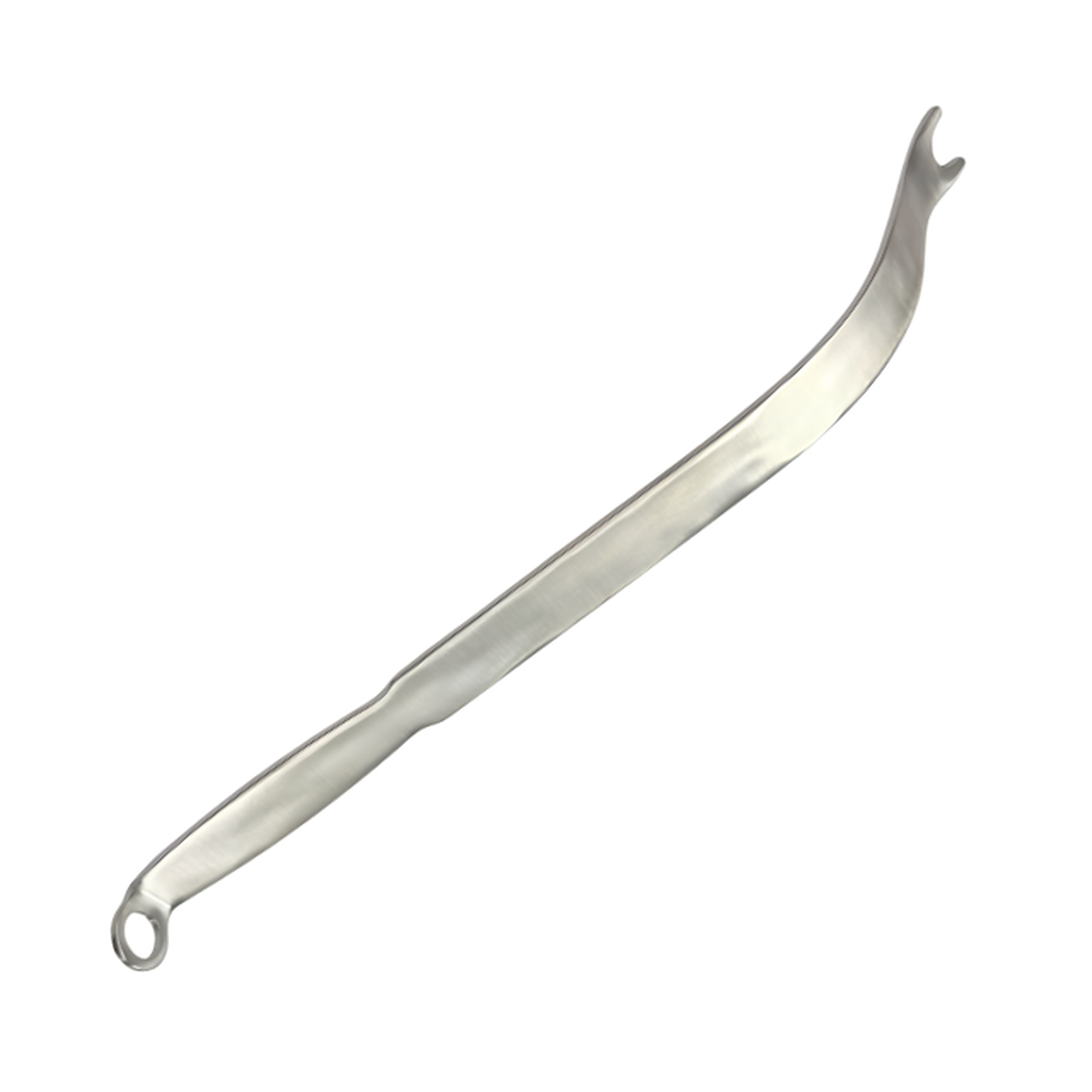 | 大腿骨カルカーリトラクター | 股関節置換術における大腿骨管形成時に、大腿骨距(カルカー)を術野展開し、軟部組織を排除するために特別に設計されています。 |
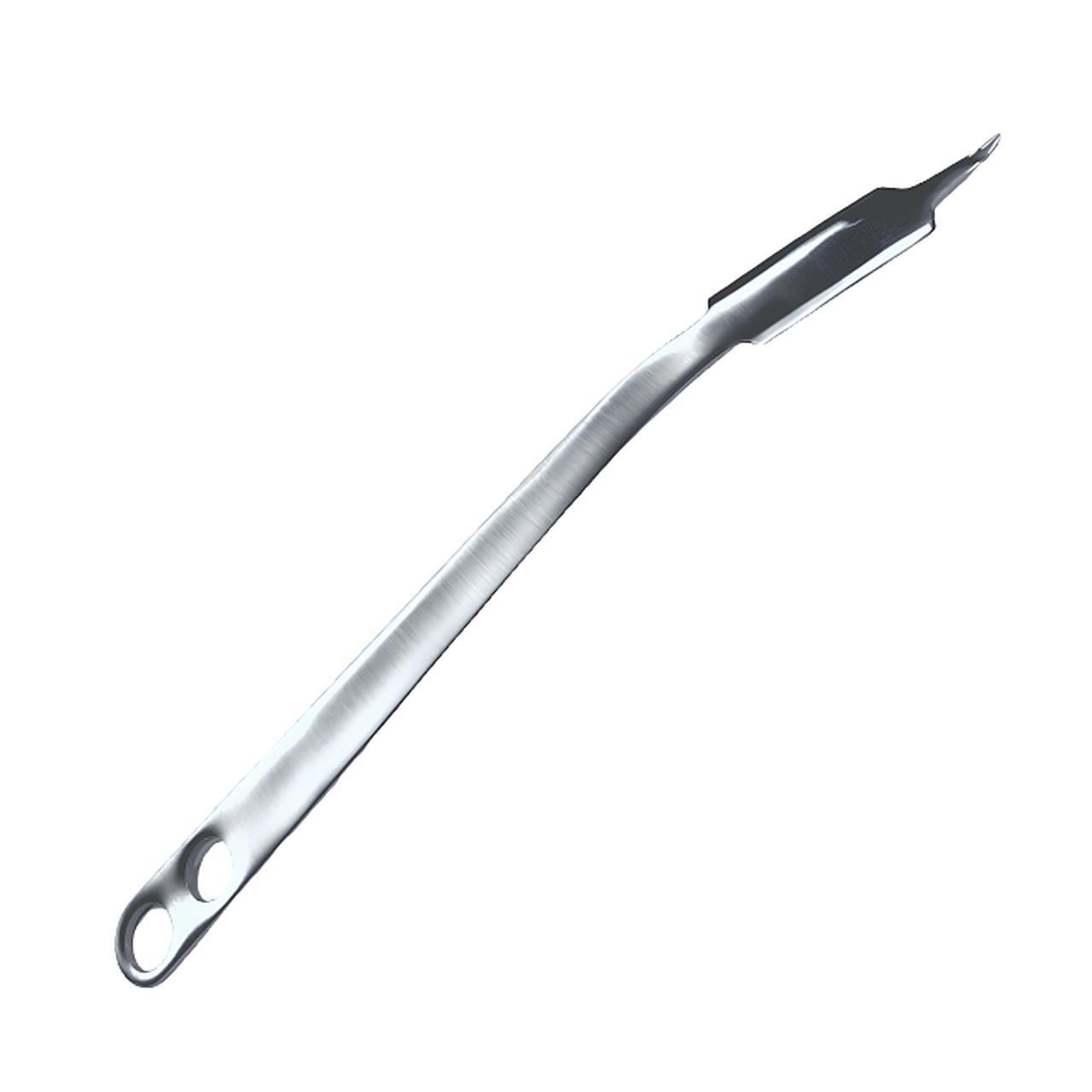 | 中殿筋・小殿筋/大腿骨用開創器 | 人工股関節置換術において、厚い臀筋群を圧排し、寛骨臼および大腿骨を露出させるために設計されています。 |
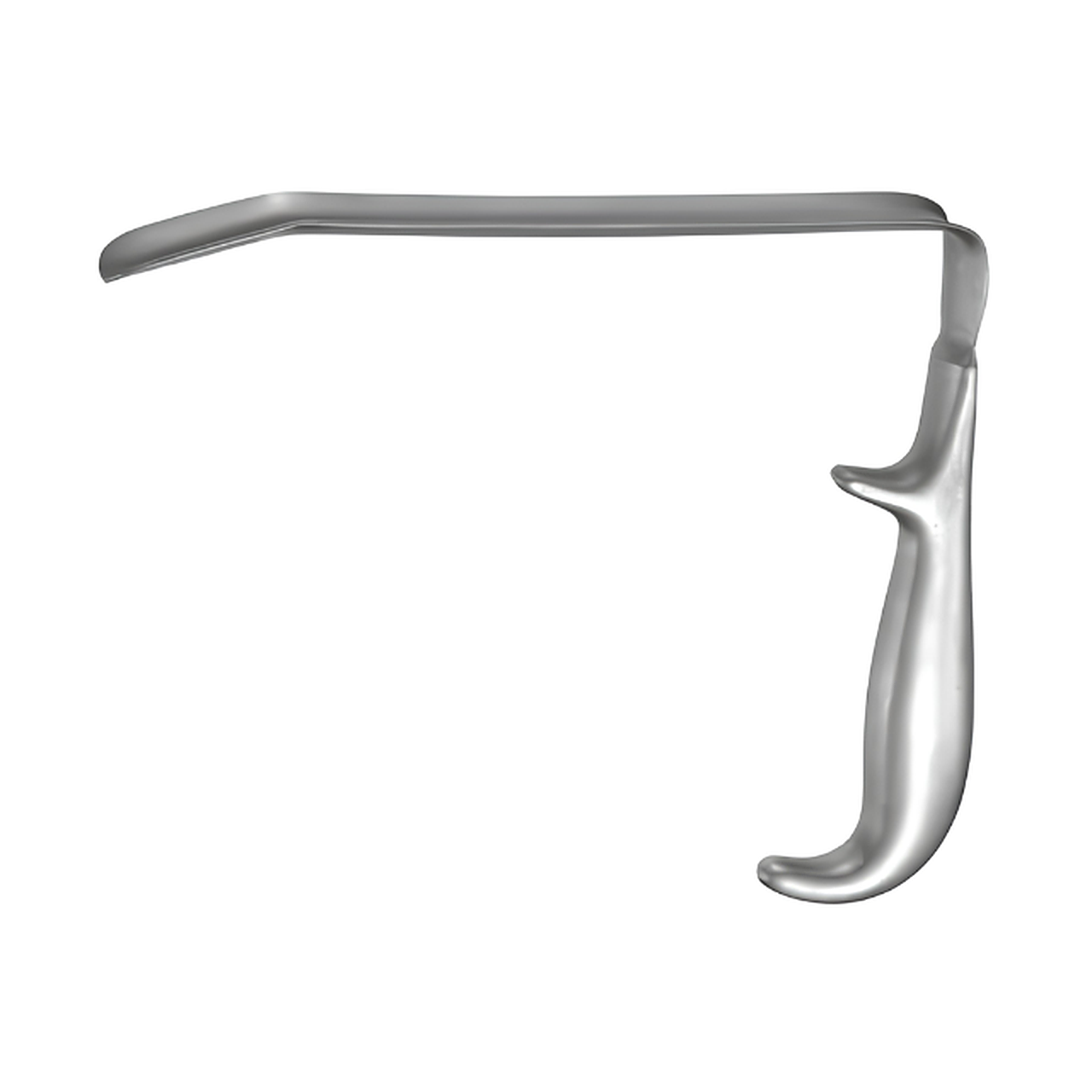 | Ferreira breast augmentation Retractor | 乳房増大術および再建術において、組織フラップの挙上や大胸筋下または腺下ポケットの作成を行うために特化して設計されています。 |
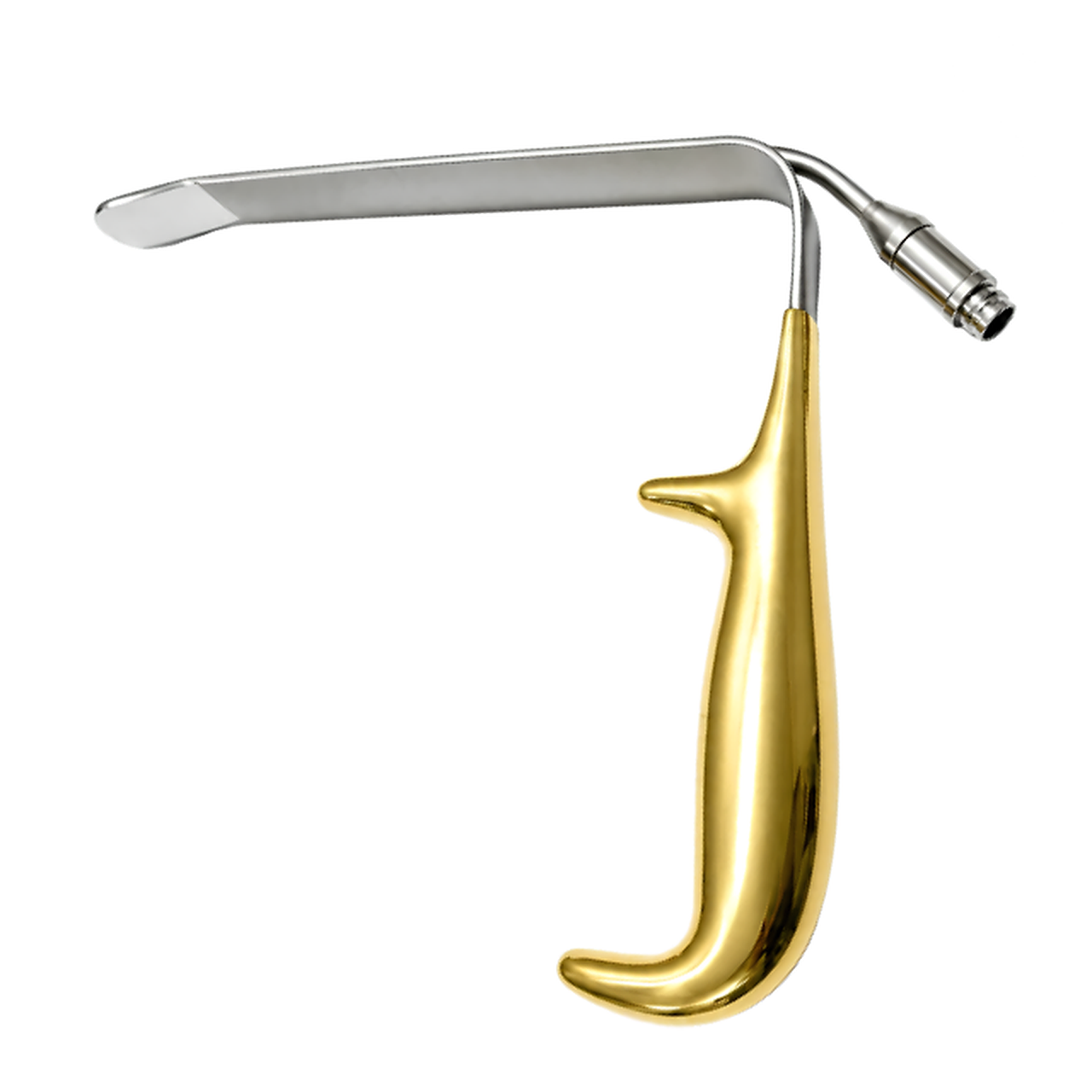 | Ferreira Breast Augmentation Retractor - Fiber Optics | 乳房増大術および再建術における、照明を用いた軟部組織の牽引およびポケットの可視化のために特別に設計されています。 |
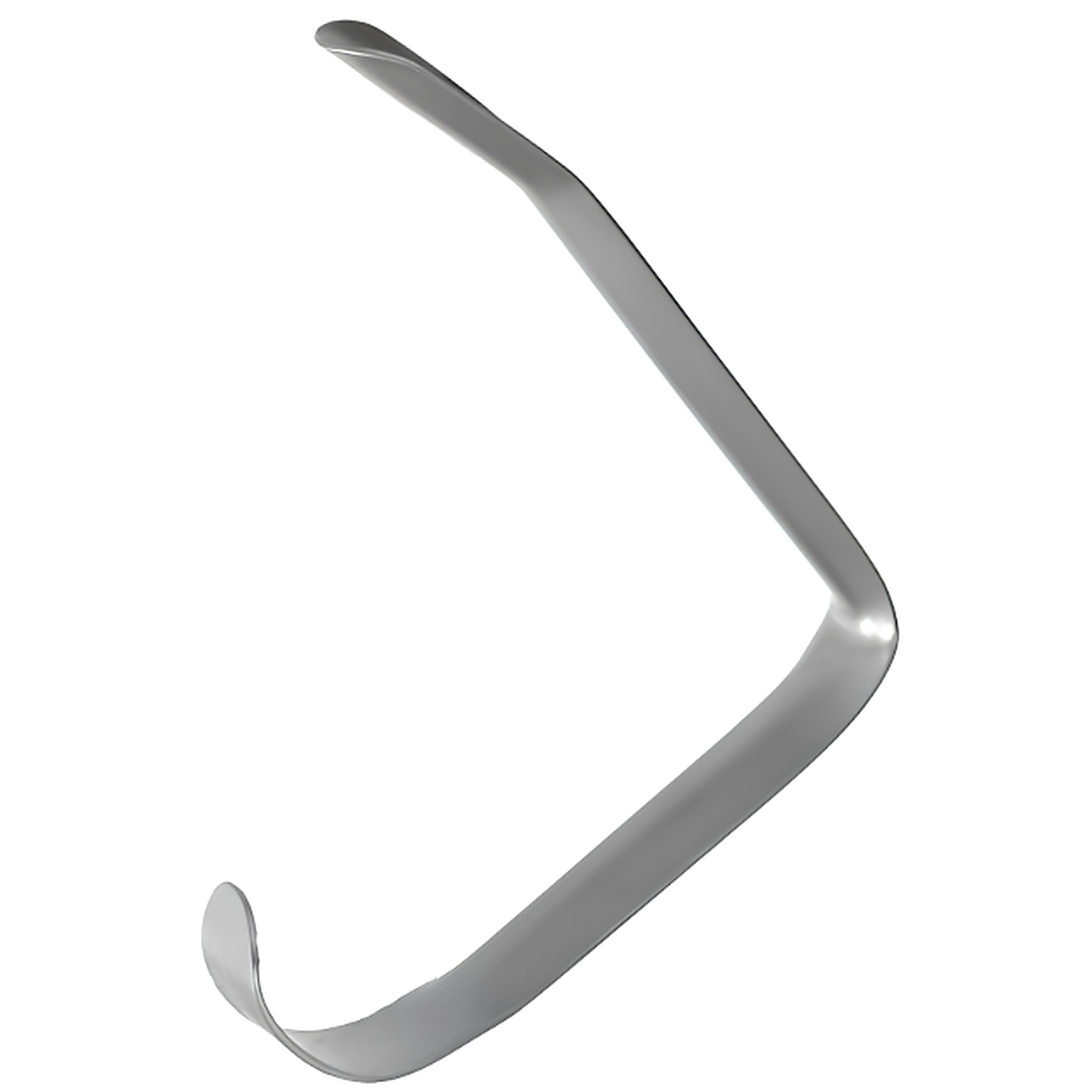 | Ferreira Face Lift Retractor | フェイスリフト(除皺術)および顔面美容外科における顔面皮弁およびSMAS層の挙上専用。 |
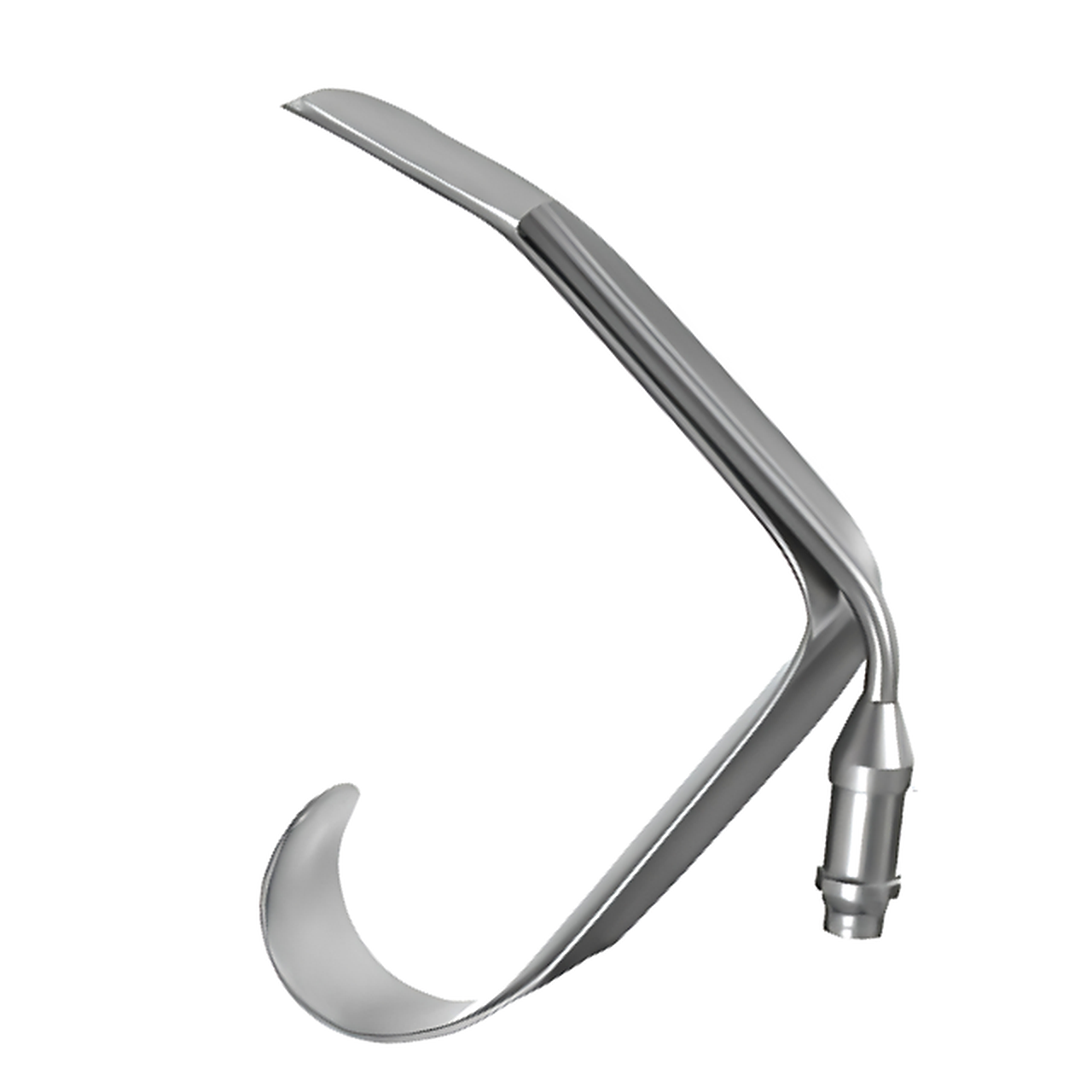 | Ferreira 光ファイバー フェイスリフト リトラクター | フェイスリフト術における、照明付きの軟部組織牽引および顔面皮弁の挙上のために特別に設計されています。 |
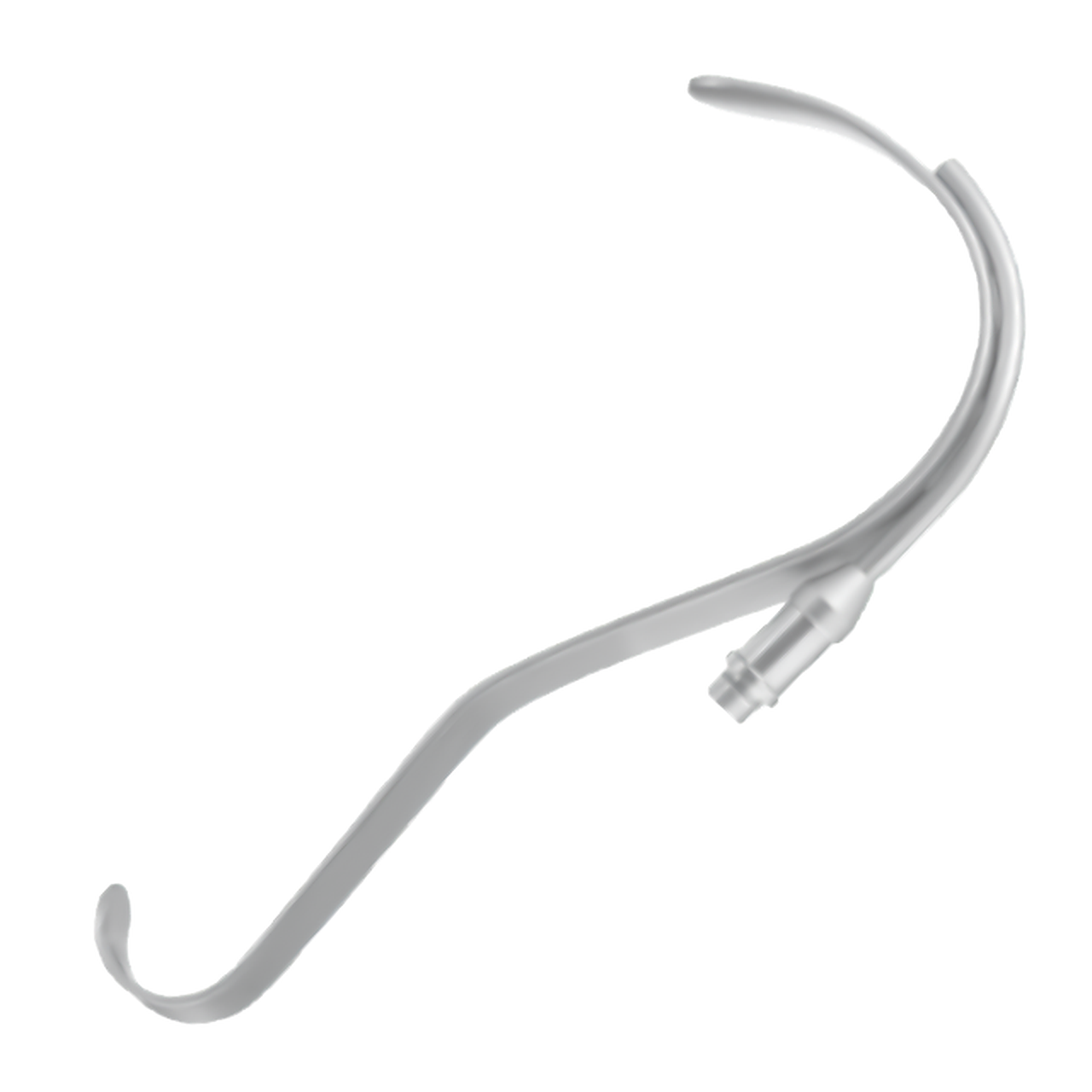 | ファイバーオプティック Deaver Retractor | 深部腹部および骨盤内手術において、臓器を圧排し直接的な照明を提供するために特別に設計されています。 |
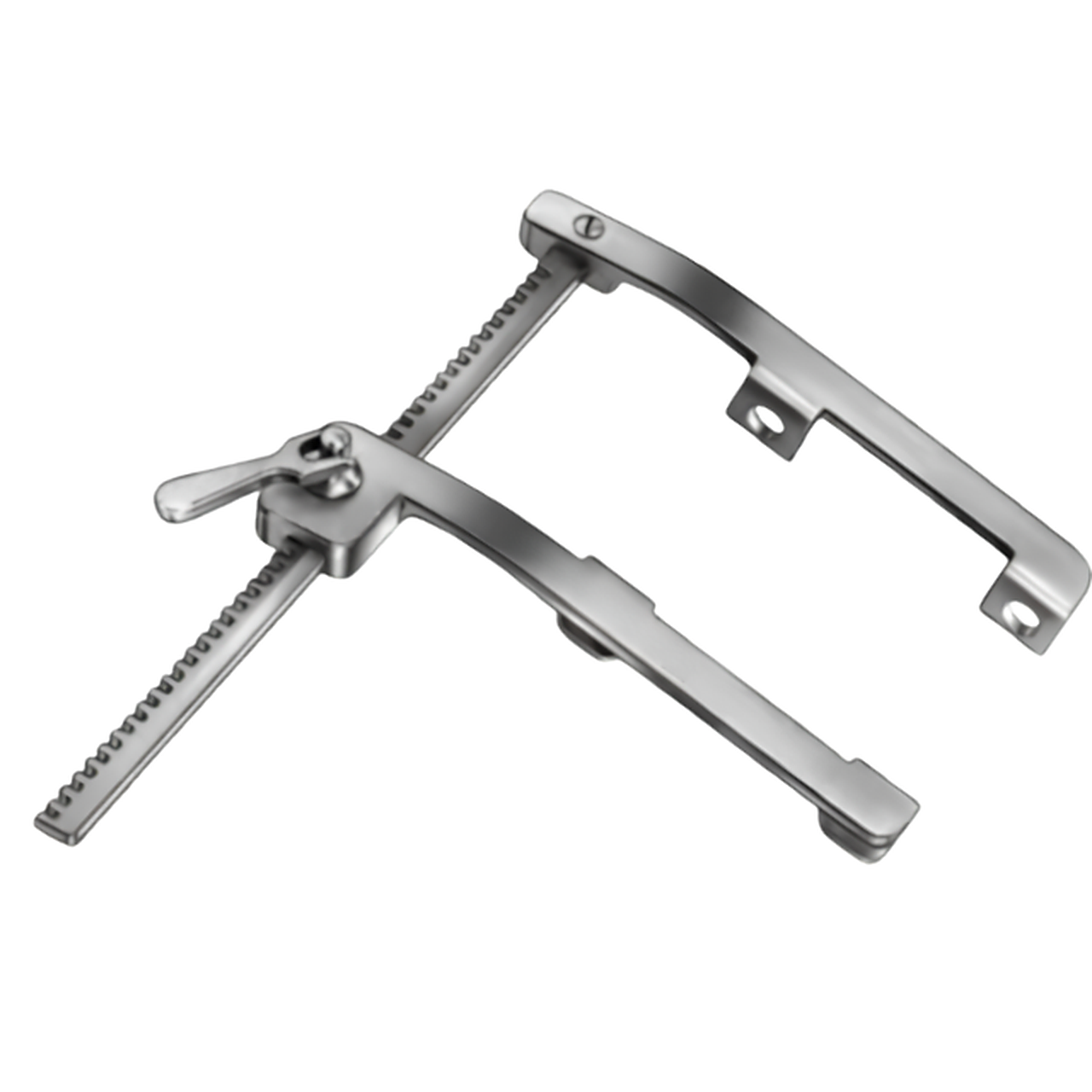 | Finochietto (Modif) Rib Spreader(開胸器) | 前方および側方開胸術における肋骨の分離および胸部へのアクセス確保のために特別に設計されています。 |
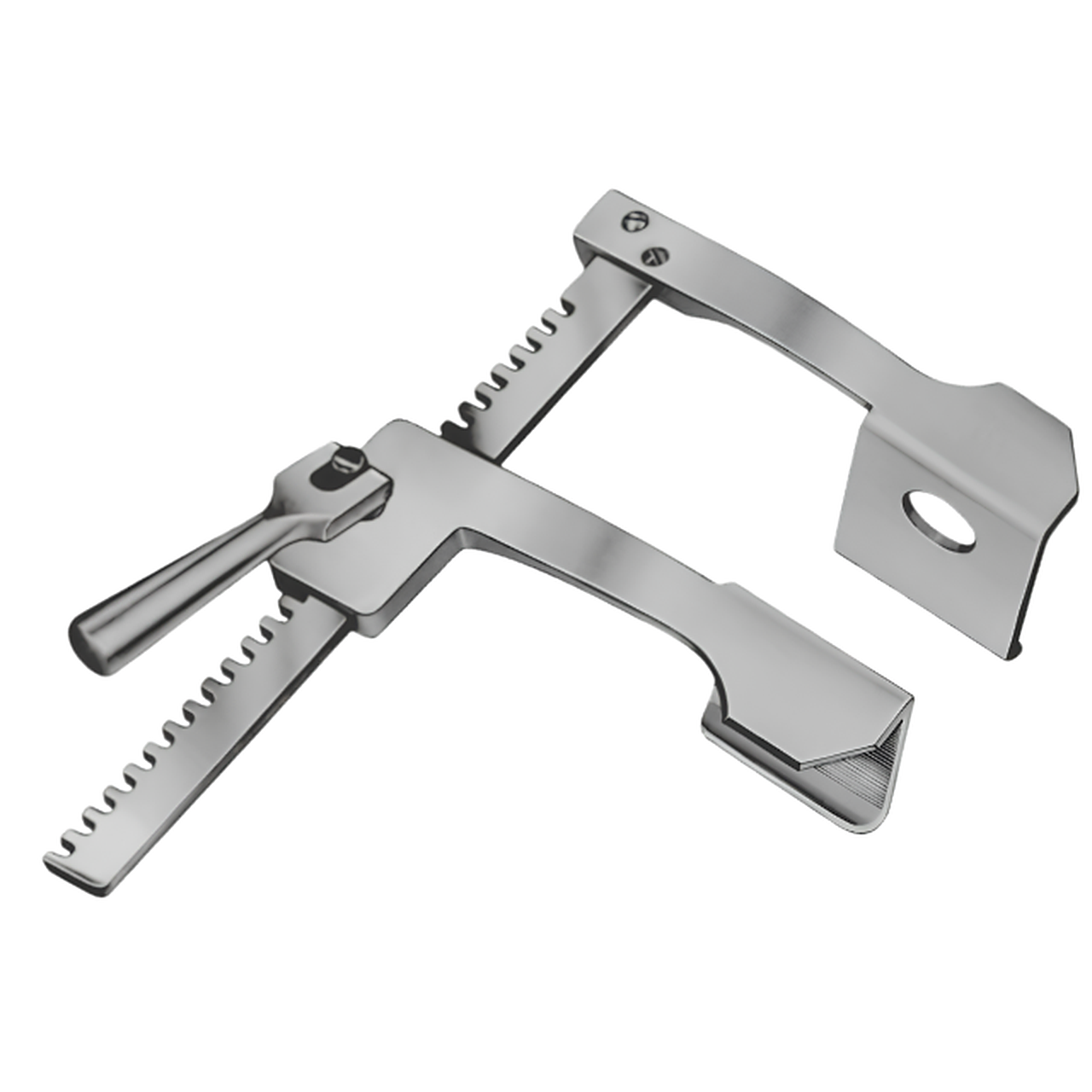 | Finochietto 開胸器 | 開胸術中に肋骨を分離し、胸腔を拡張するために特別に設計されています。 |
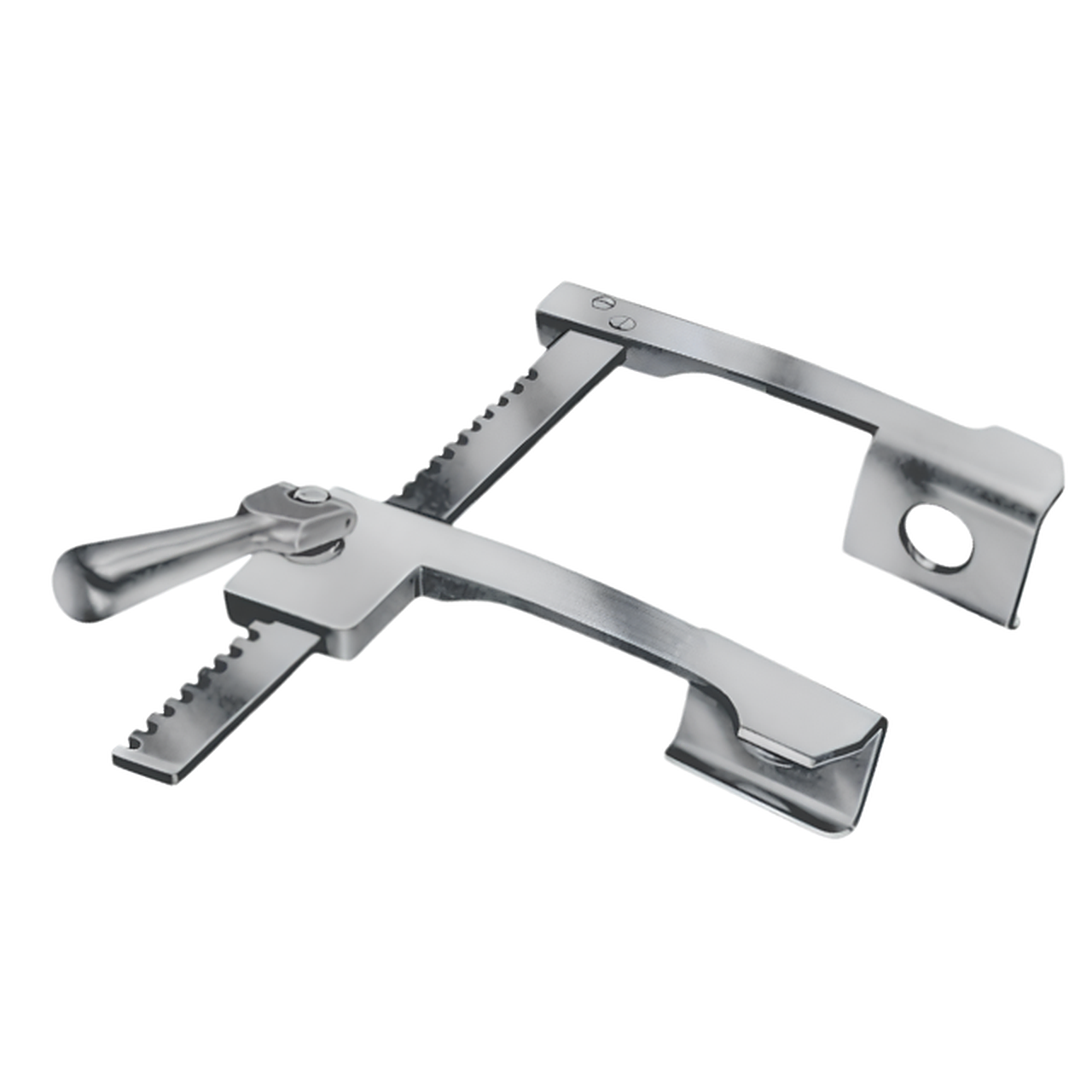 | Finochietto-Baby 開胸器 | 新生児および小児の心臓血管外科手術において、肋骨を分離し胸郭へのアクセスを確保するために特別に設計されています。 |
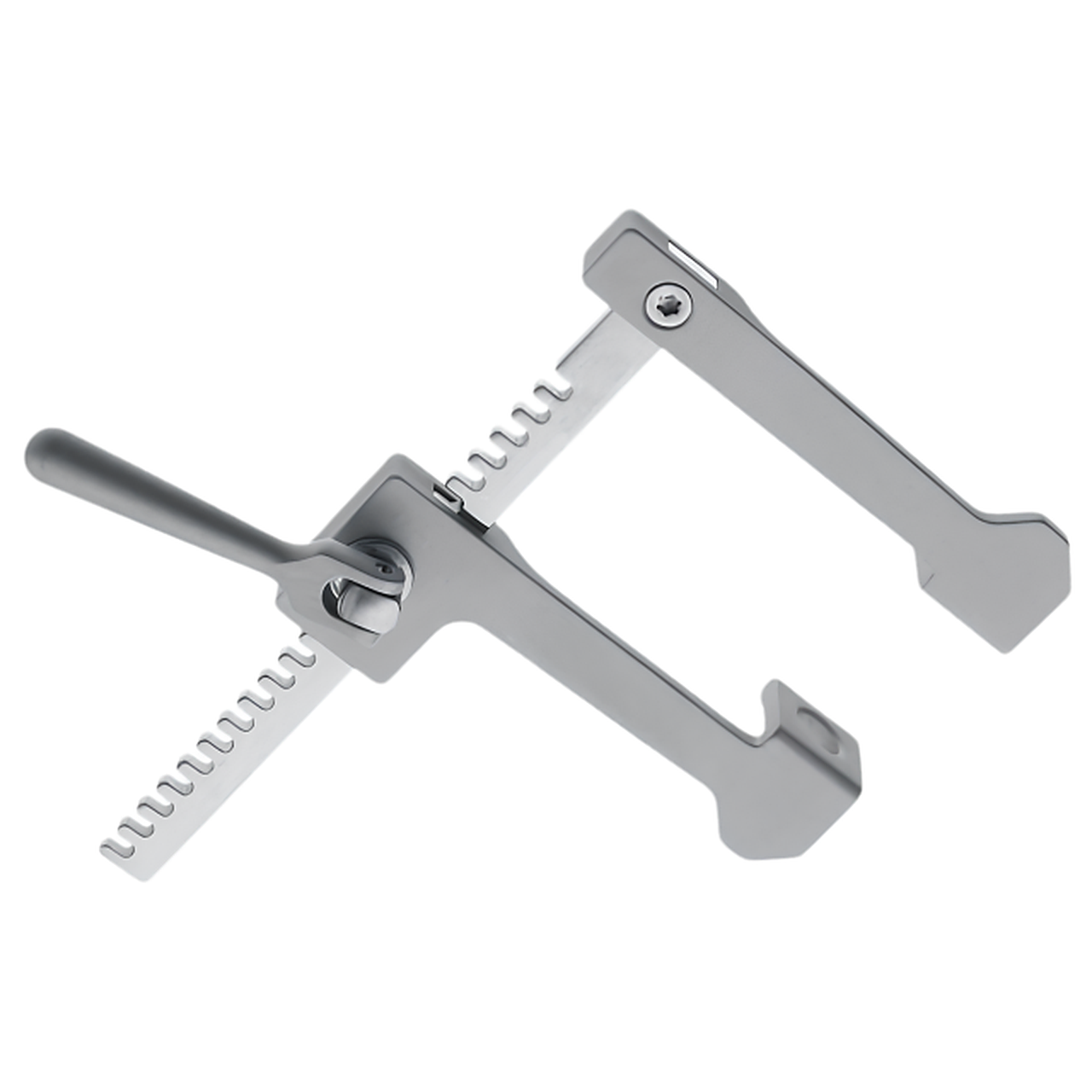 | Finochietto-Infant Rib Spreader | 新生児および乳幼児の心臓胸部外科手術における、繊細な肋骨の開創専用設計。 |
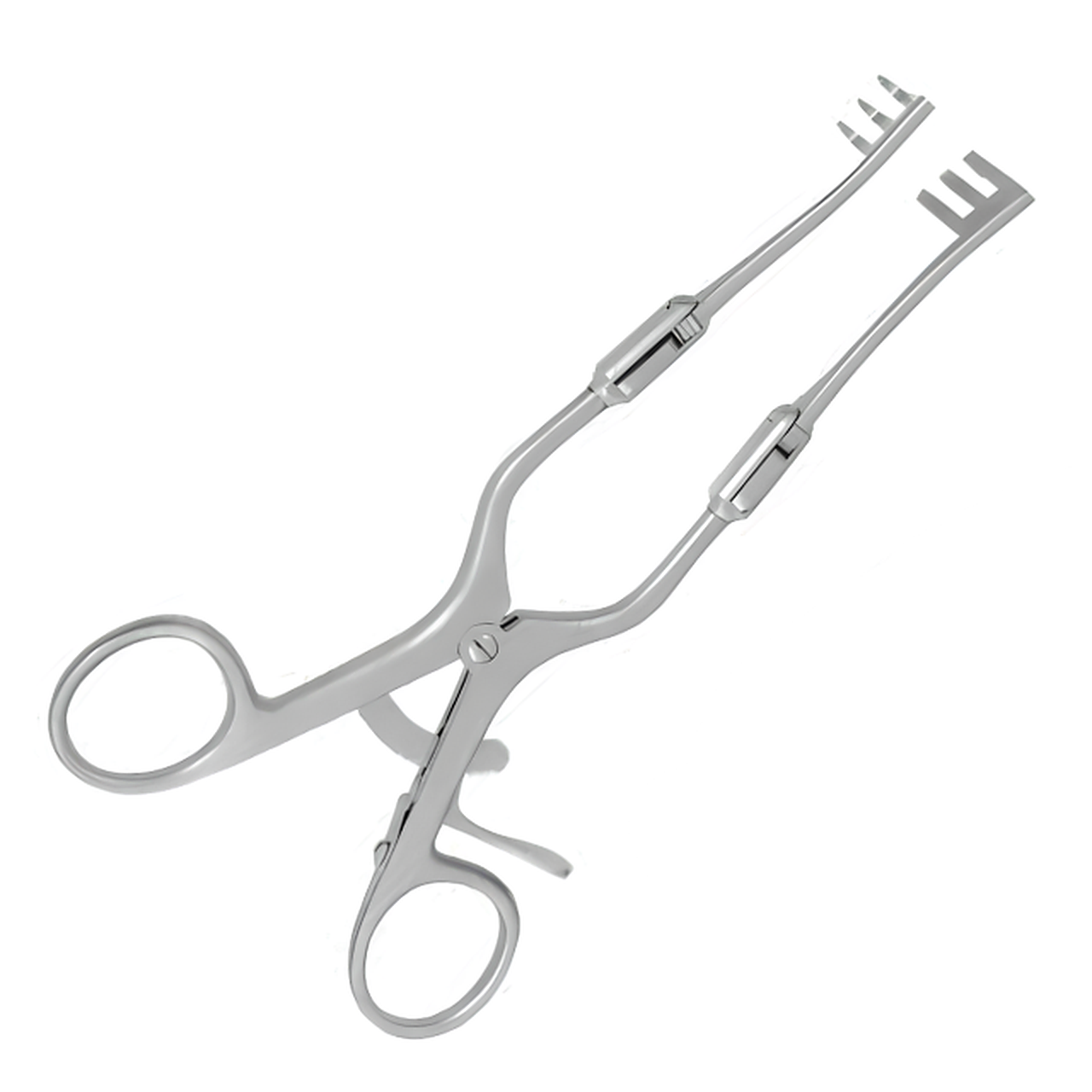 | Fisch 関節付リトラクター | 乳突削開術および側頭骨頭蓋底手術において、耳後部の軟部組織フラップおよび骨膜を牽引するために特別に設計されています。 |
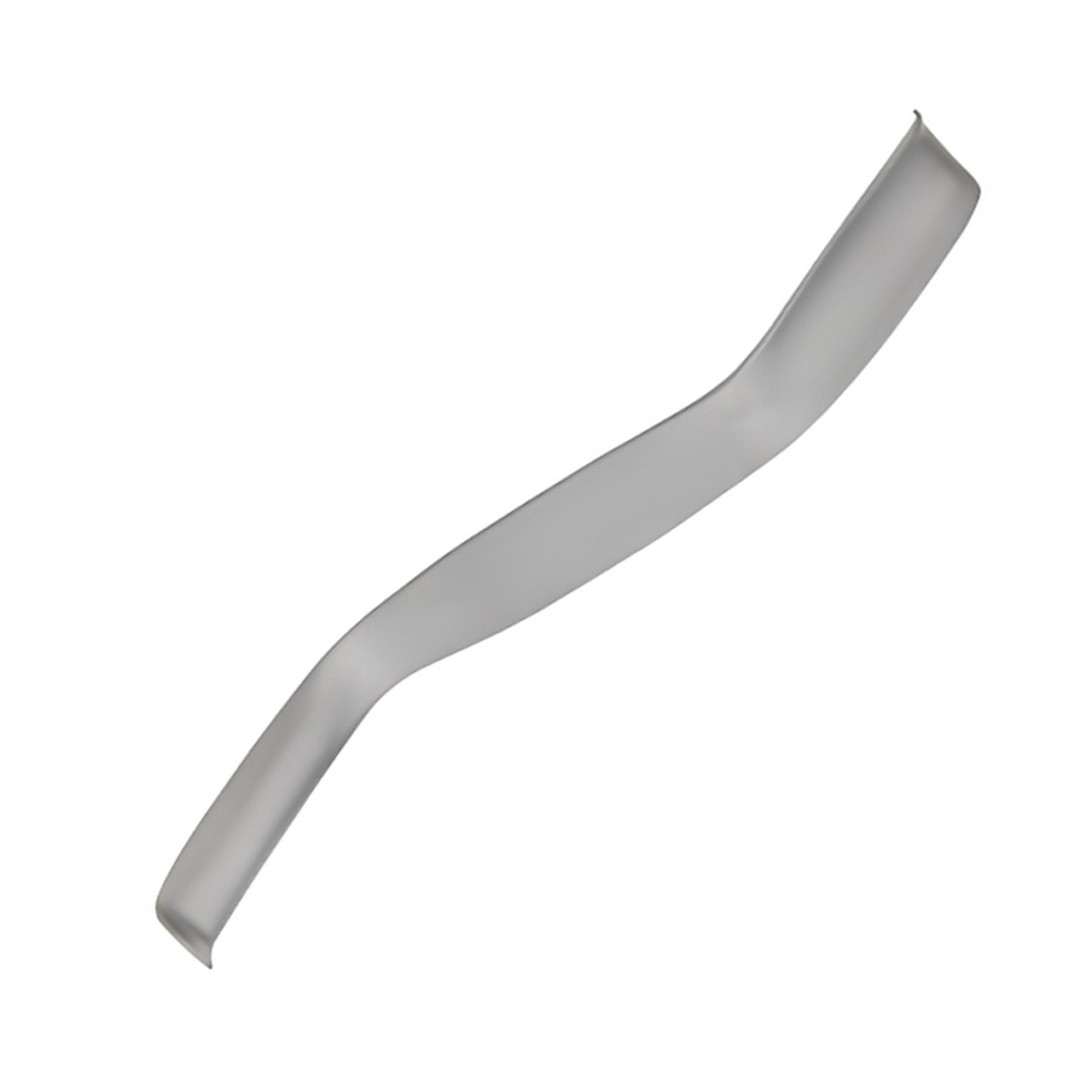 | Fischl 靴べら型レトラクター | 形成外科および一般外科における皮膚弁の牽引、プロテーゼの誘導、および組織面の剥離のために特別に設計されています。 |
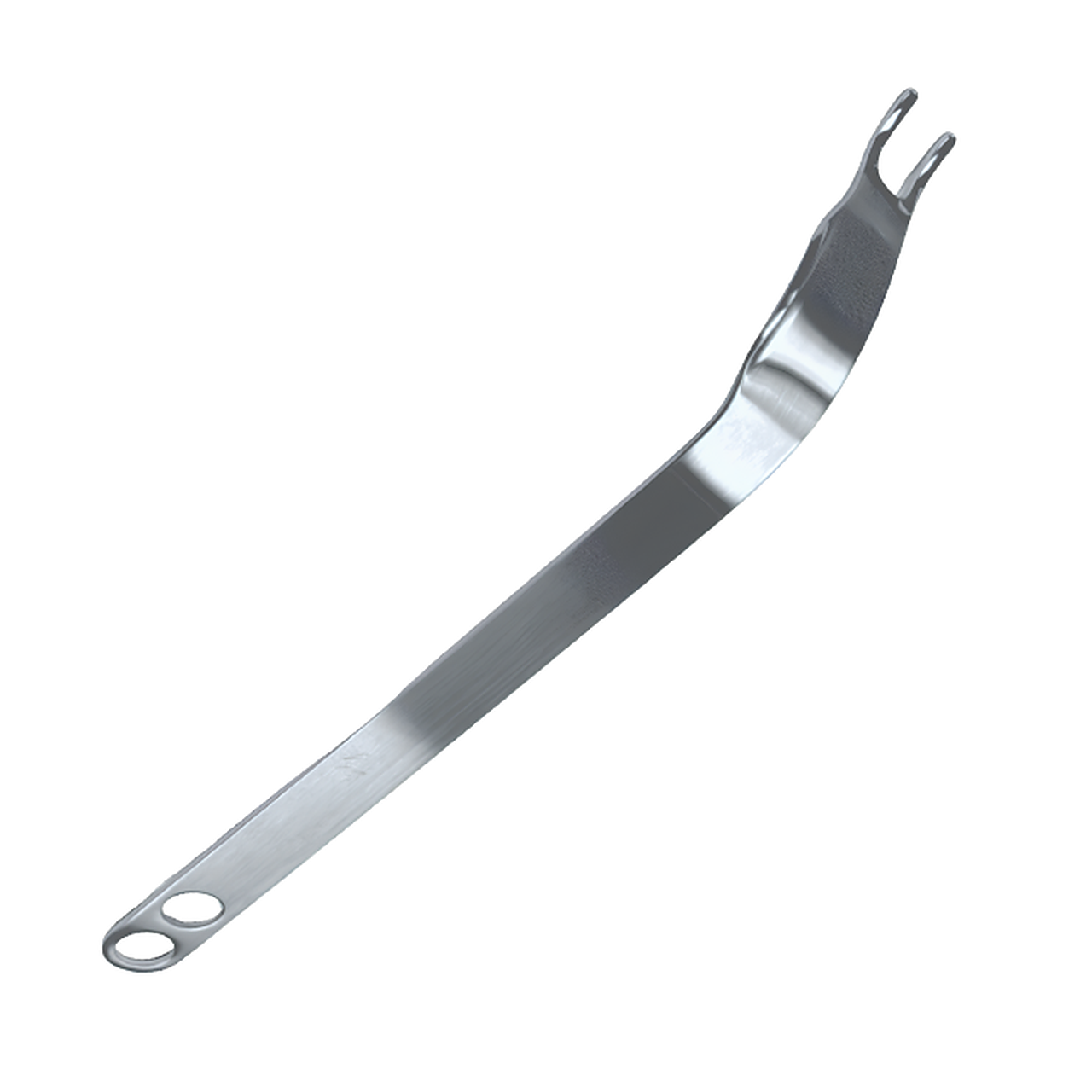 | Flared Cobra レトラクター | 人工股関節全置換術、骨盤骨切り術、および大腿骨再建術において、骨のレバレッジと重厚な筋群の牽引を行うために特別に設計されています。 |
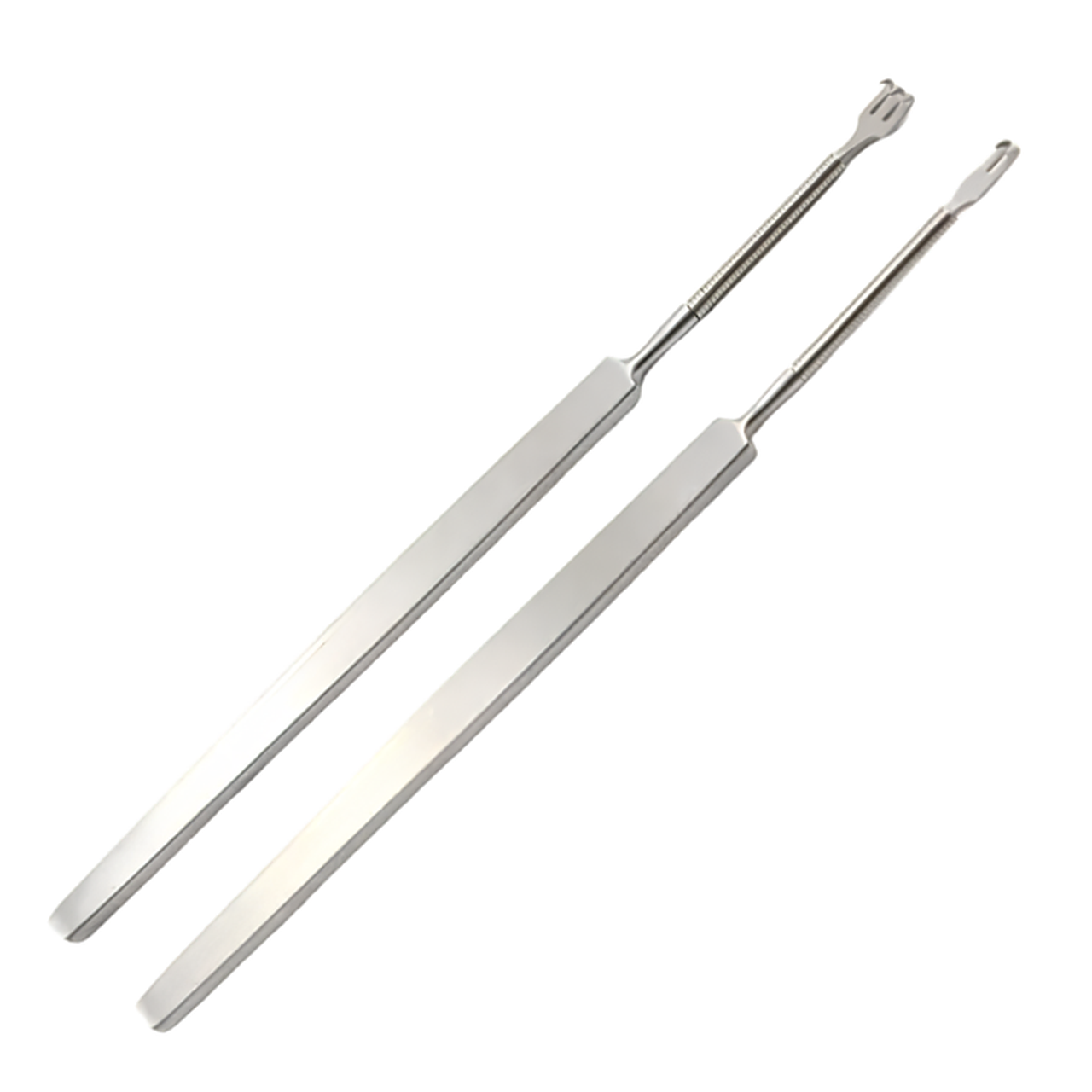 | フレキシブルネックレトラクター | 甲状腺、頸部、形成外科手術における皮弁、舌骨下筋群、筋膜組織の牽引に特化して設計されています。 |
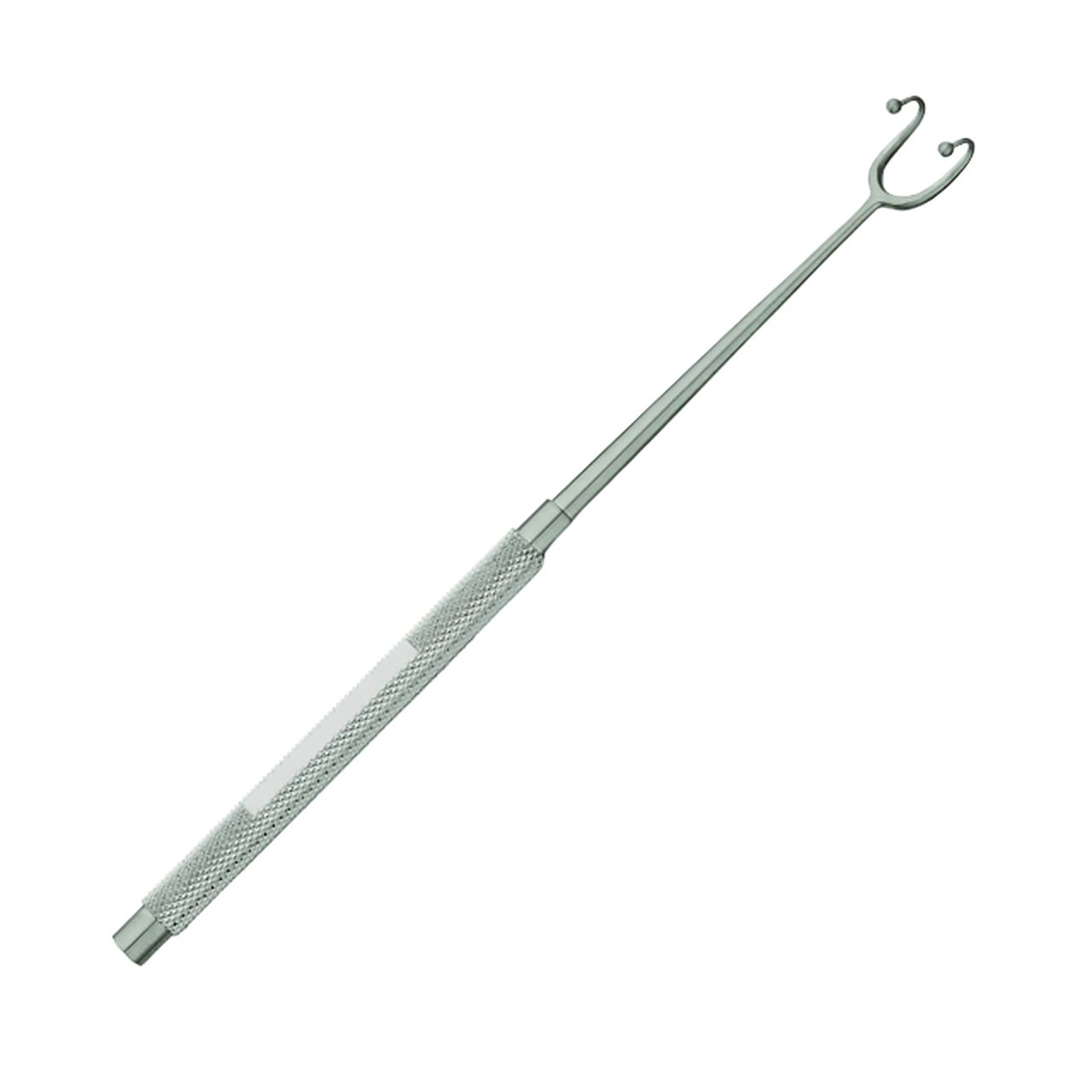 | Fomon Retractor | 鼻形成術における鼻翼縁、下外側鼻軟骨、および鼻孔縁の牽引用として特に設計されています。 |
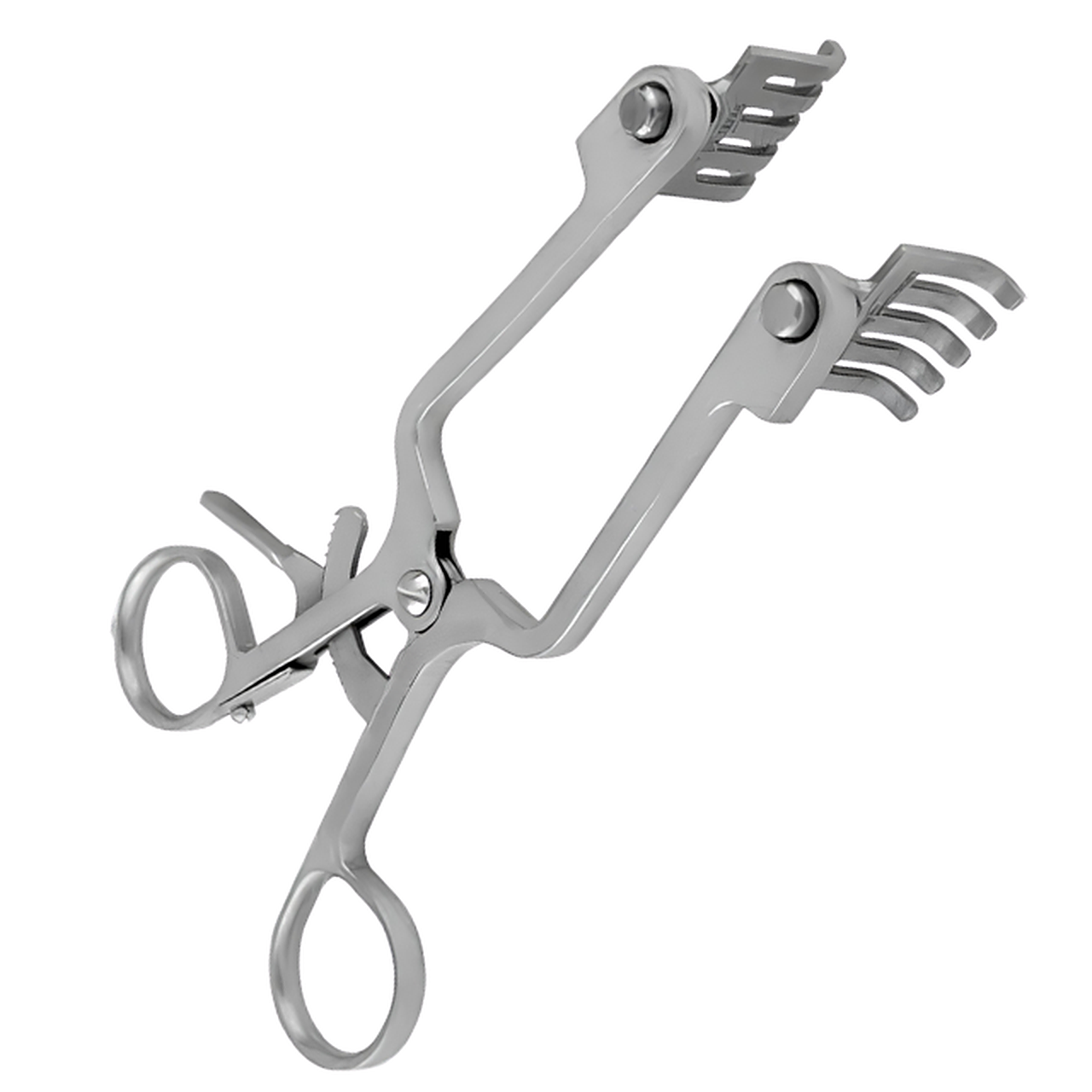 | 前腕用スイベルブレード開創器 | 前腕および手関節の手術において、自動固定による軟部組織の開創および骨の牽引を行うために特別に設計されています。 |
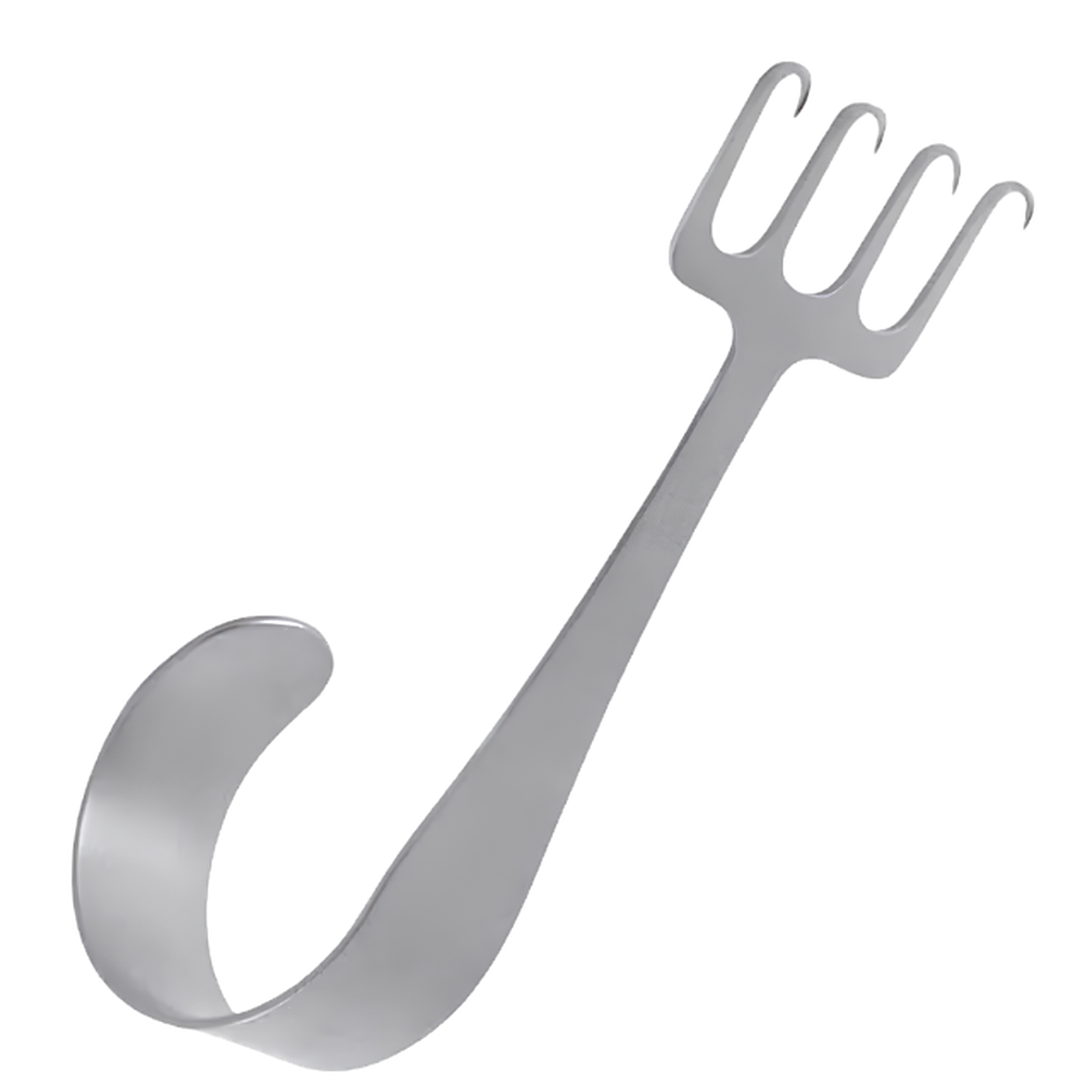 | Freeman フェイスリフトレトラクター | 除皺術および美容顔面手術における顔面皮膚フラップおよびSMAS層の挙上用に特化して設計されています。 |
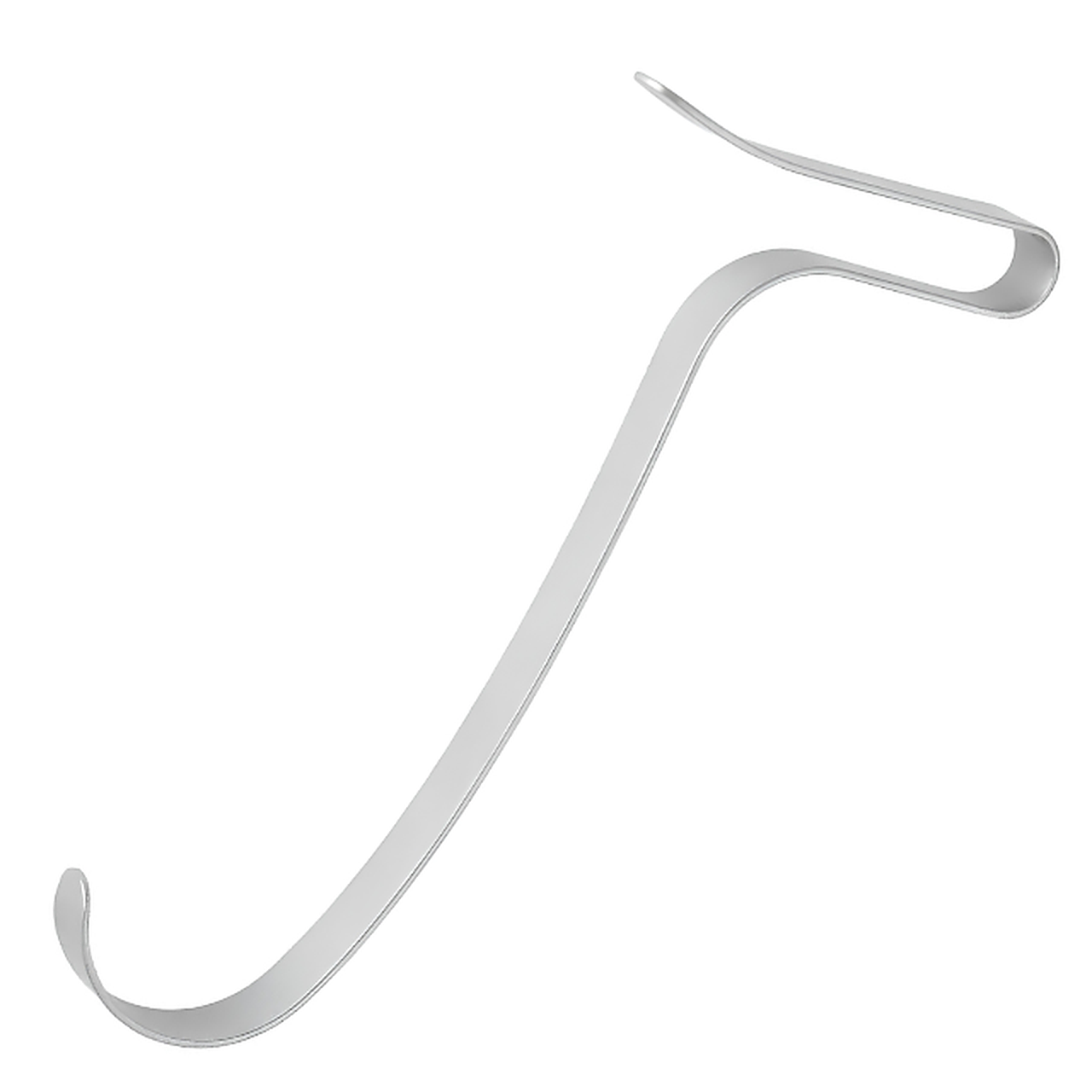 | Freeman 皮弁開創器 | 形成外科、乳房手術、再建外科における皮弁および皮下組織の挙上・牽引用に特別に設計されています。 |
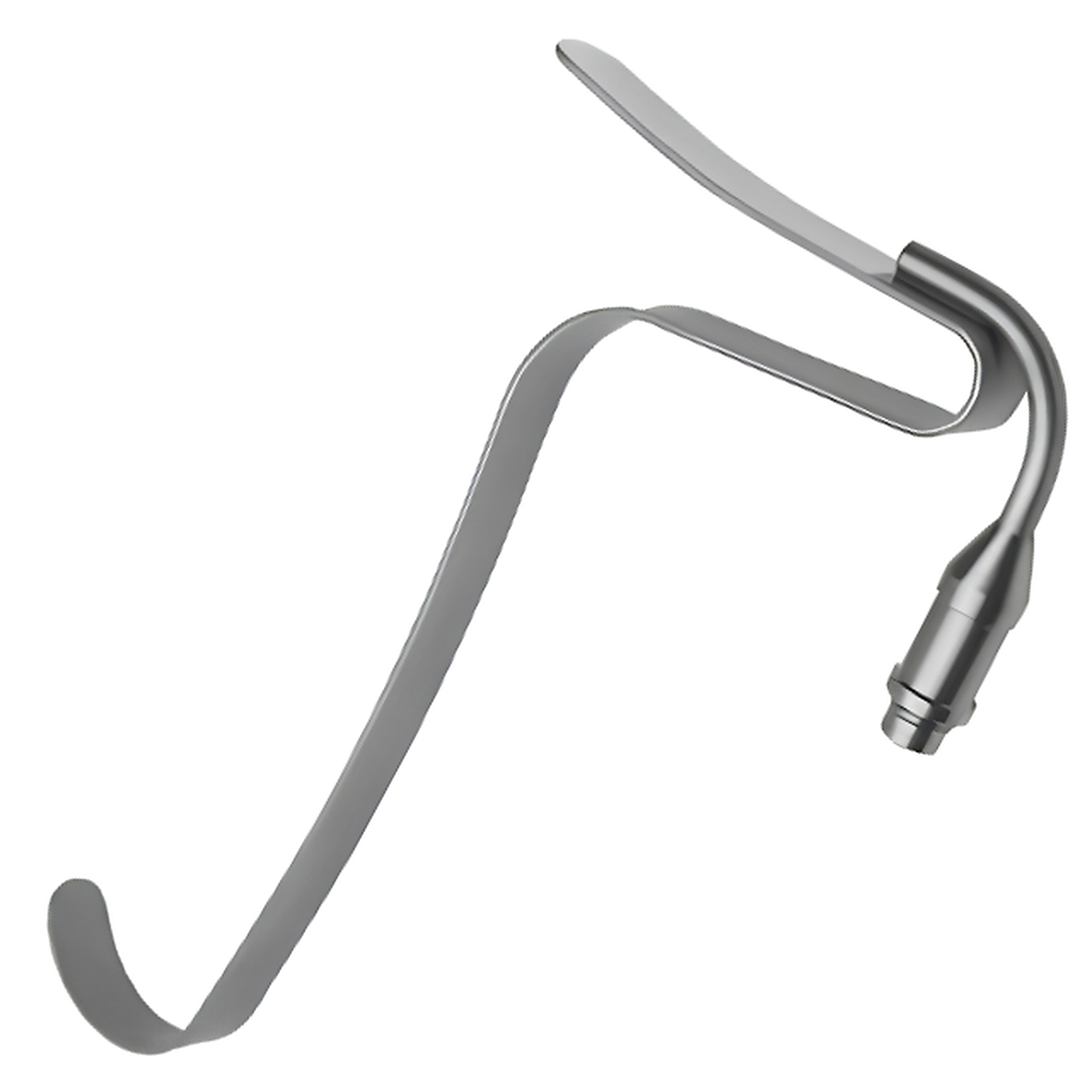 | Freeman Flap Retractor With Fiber Optic Illumination | 美容外科および再建形成外科における、照明下での軟部組織の牽引およびフラップの挙上に特化して設計されています。 |
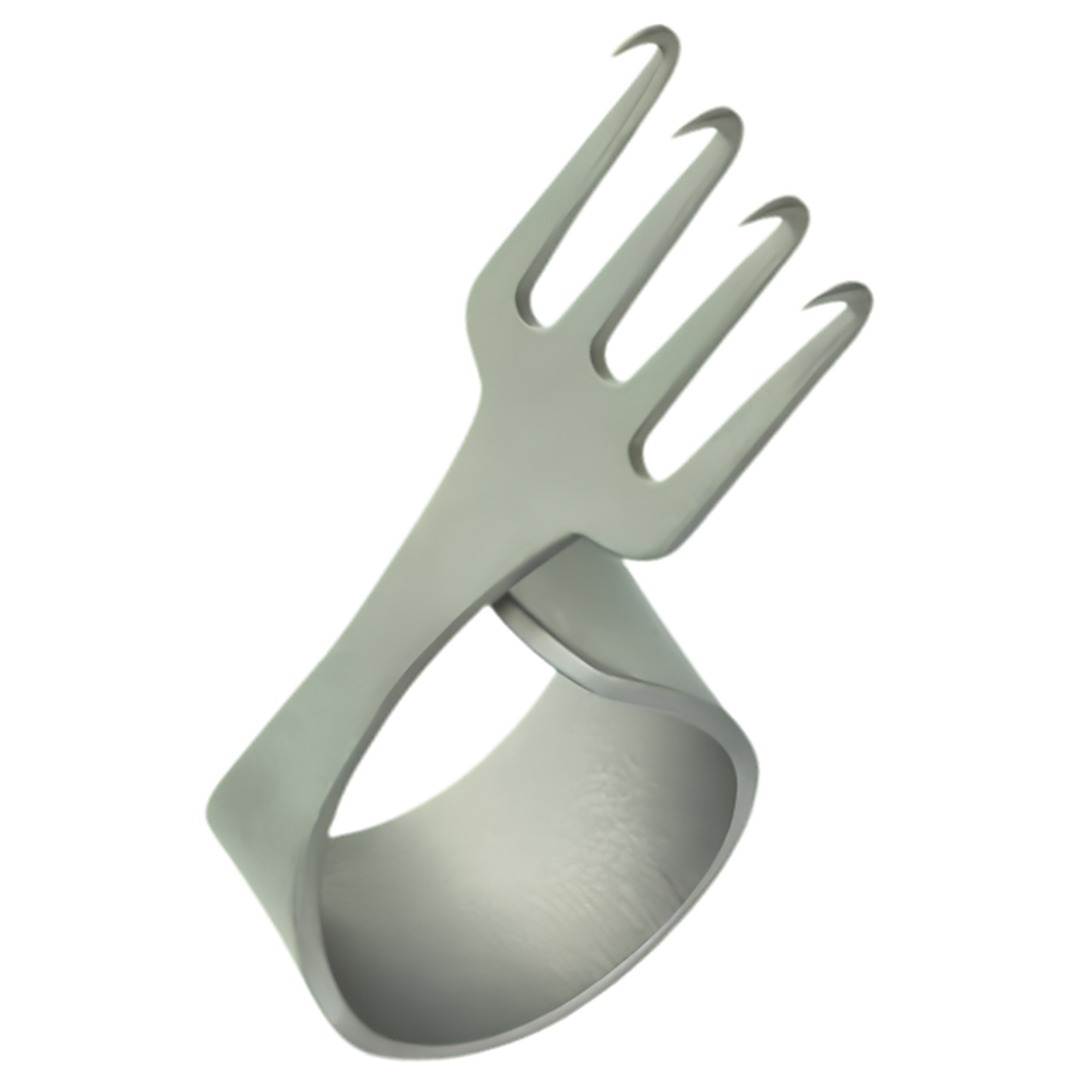 | Freeman Mini Rake Retractor (フリーマン・ミニ・レイク・リトラクター) | 狭小な解剖学的部位における微細な皮弁挙上および繊細な軟部組織の牽引用として設計されています。 |
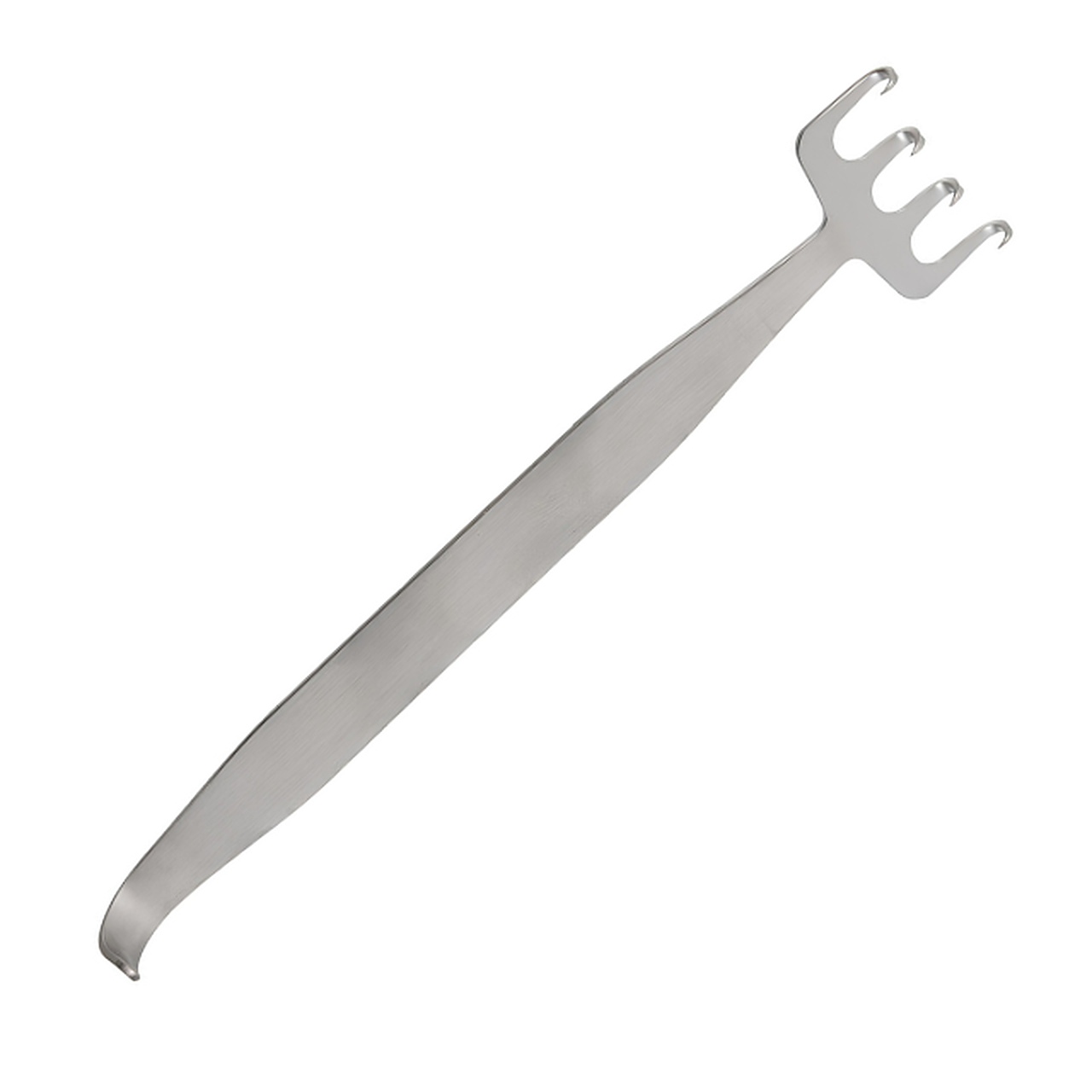 | Freeman Rake Retractor (フリーマン レイク レトラクター) | フェイスリフト(除皺術)および再建形成外科における皮膚弁の挙上と牽引に特化。 |
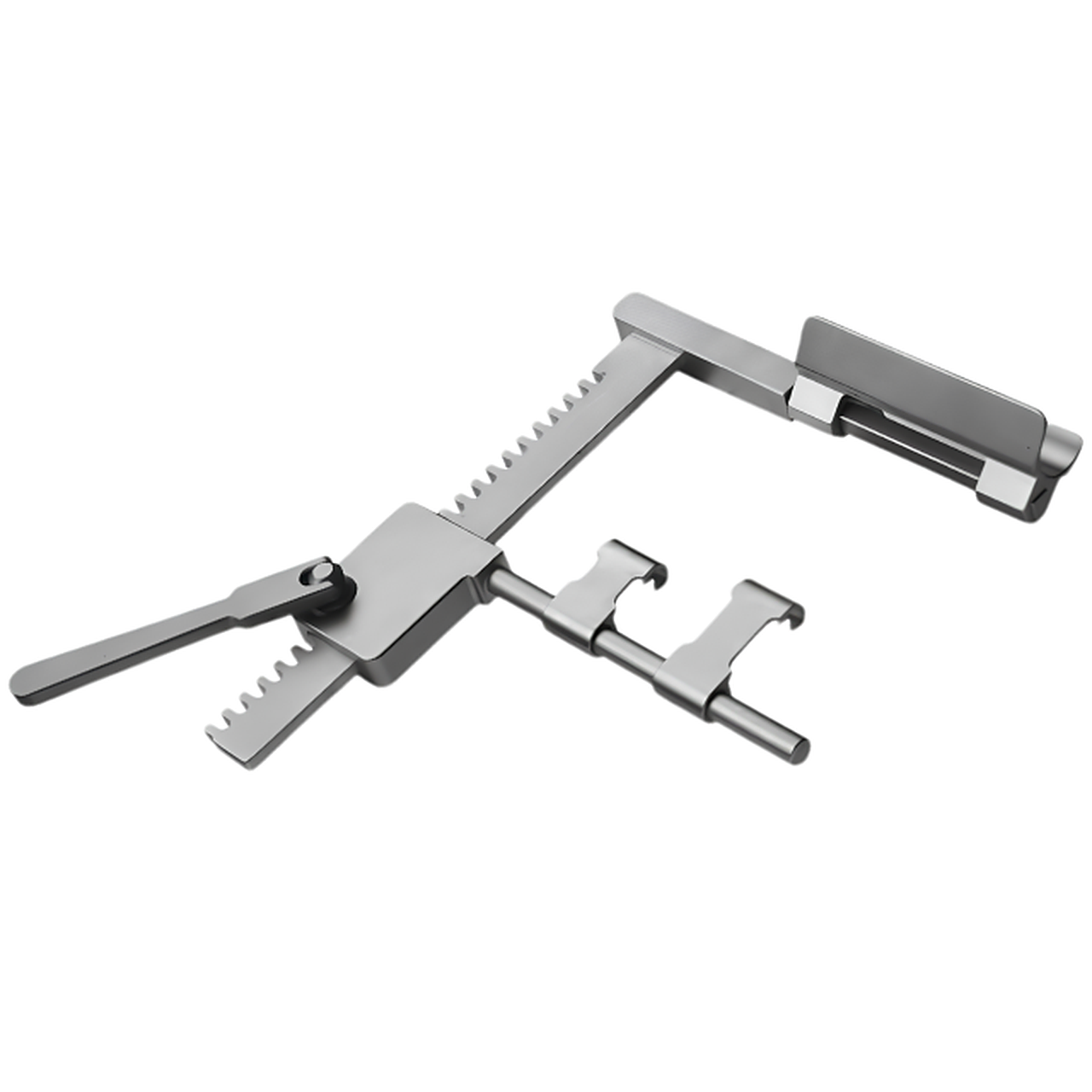 | French Pattern I.M.A 胸骨開胸器 | CABG手術における内胸動脈採取時の片側胸骨挙上のために特別に設計されています。 |
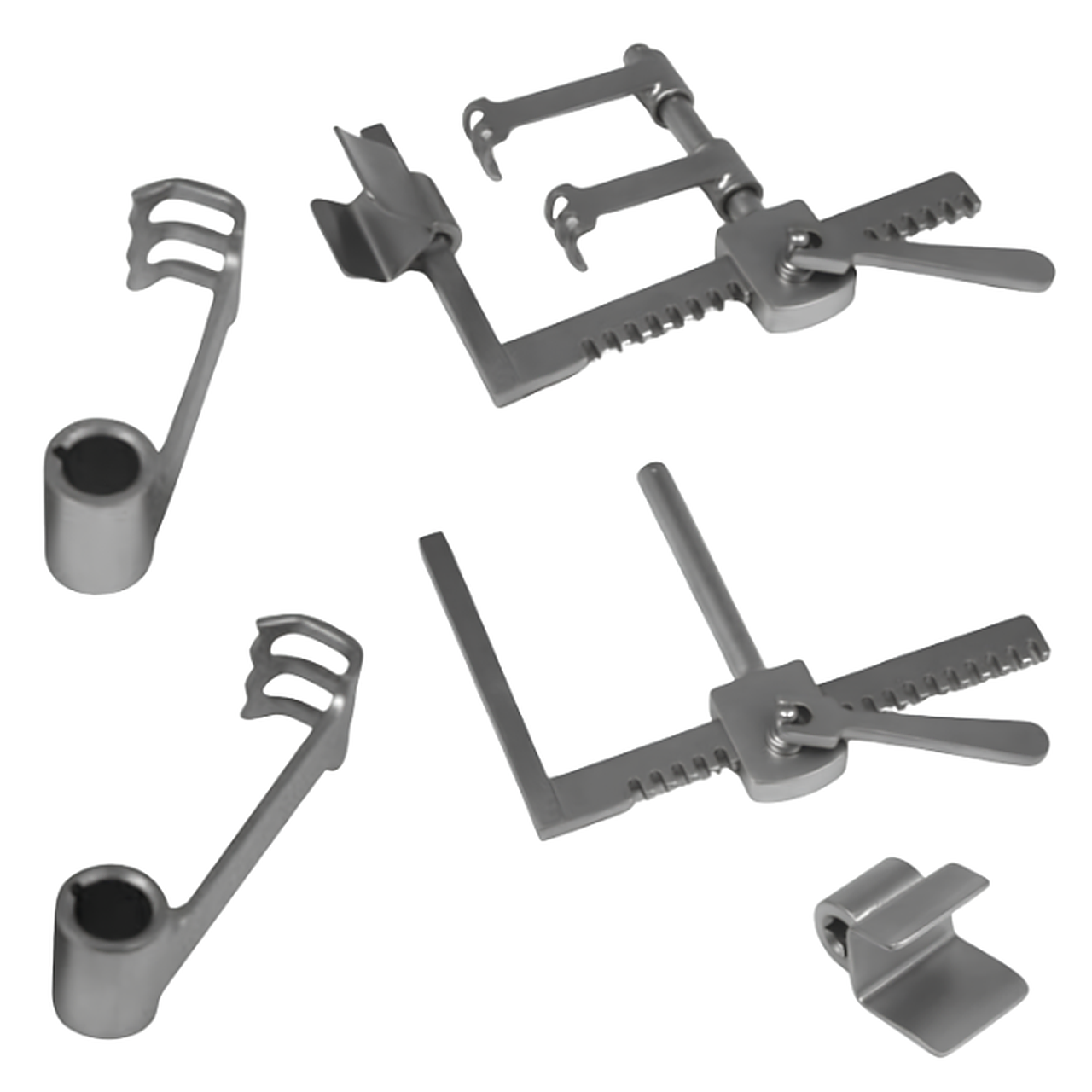 | ミニスターノトミー用 French Pattern I.M.A. 胸骨開胸器 | ミニスターノトミーおよび低侵襲心臓手術における片側胸骨挙上のために特別に設計されています。 |
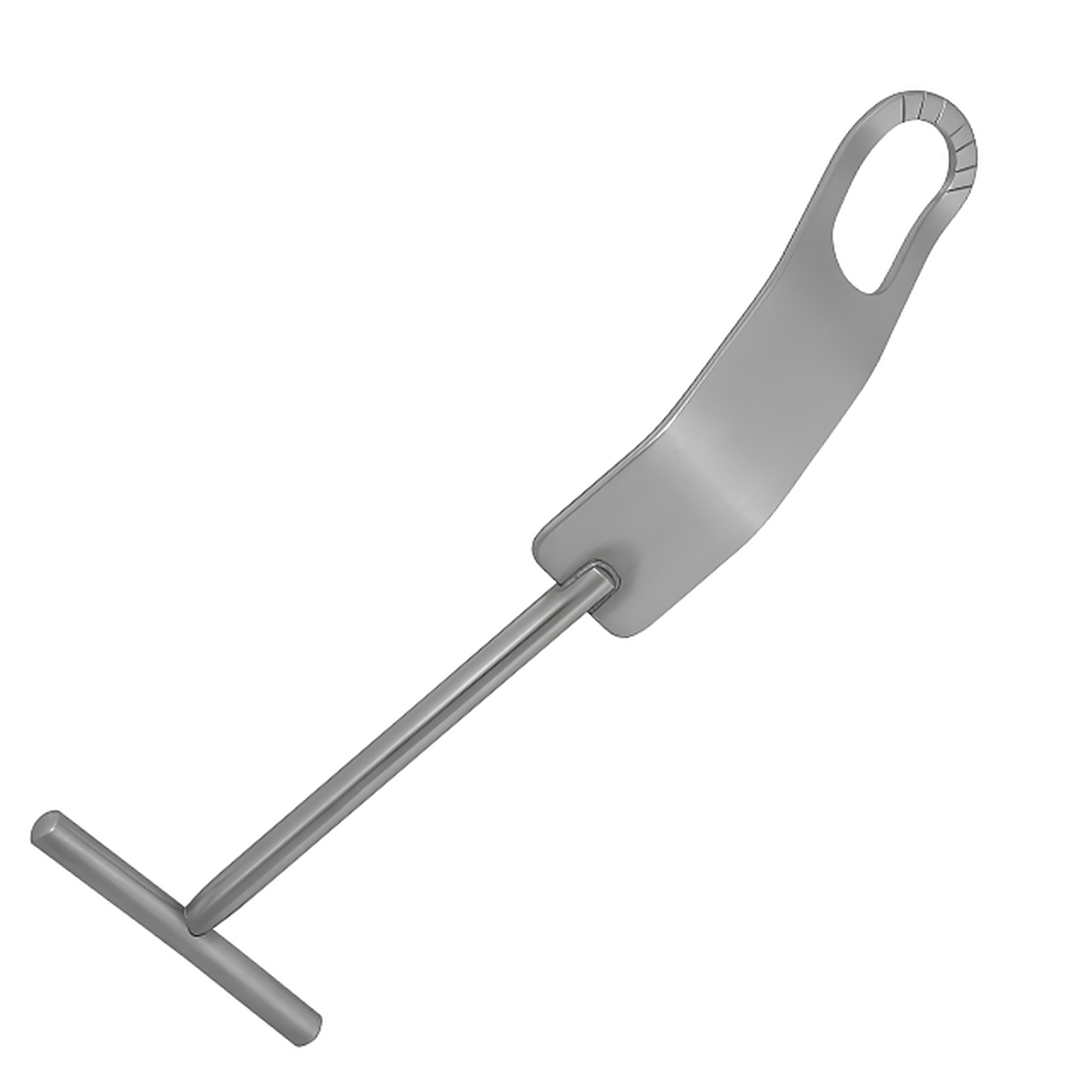 | Fukuda Kujat Style Retractor | 人工肩関節置換術において上腕骨頭を後方に変位させ、関節窩を露出させるために使用します。 |
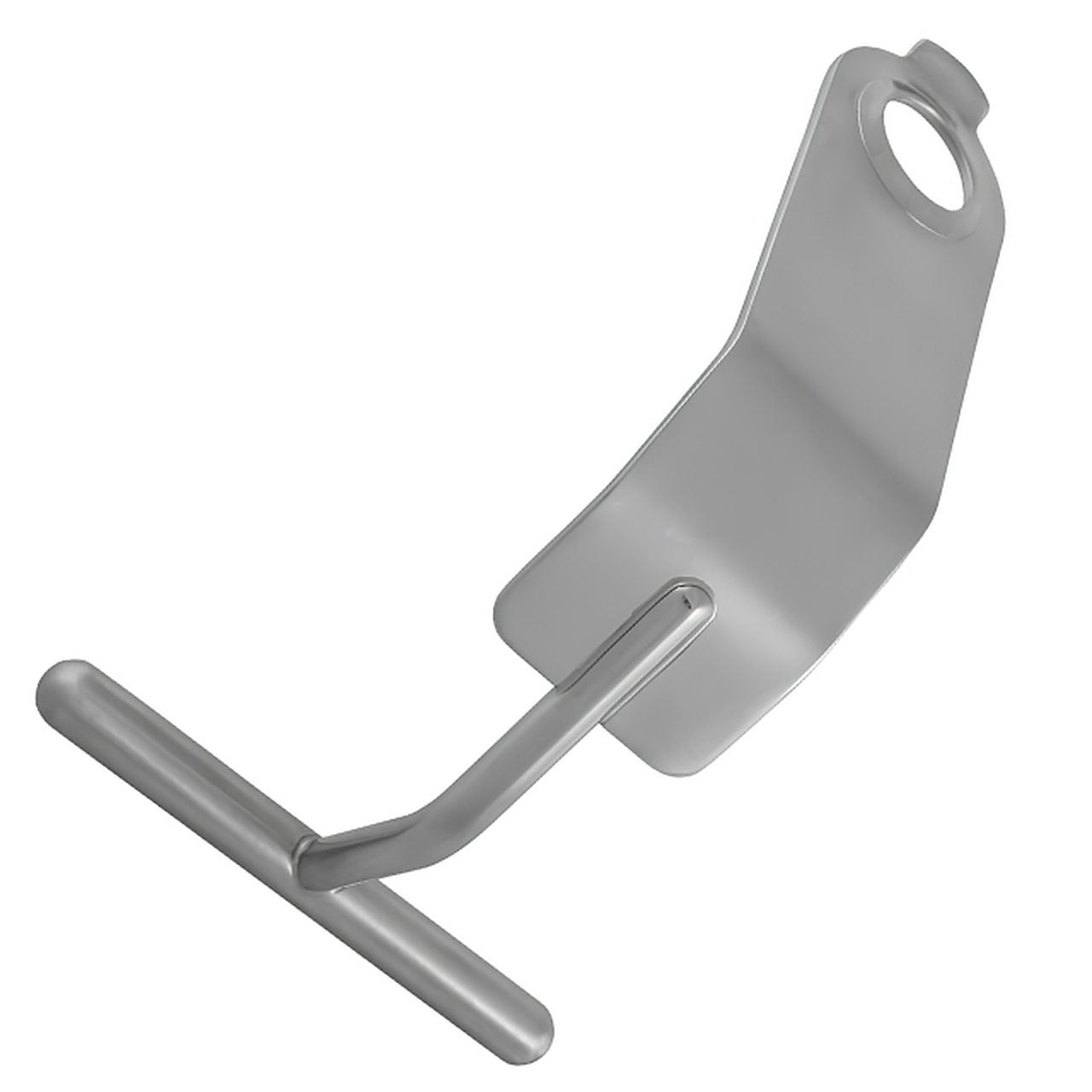 | 福田式レトラクター (Fukuda Style Retractors) | 人工肩関節置換術および再建術において、上腕骨頭を牽引し、関節窩を露出させるために使用します。 |
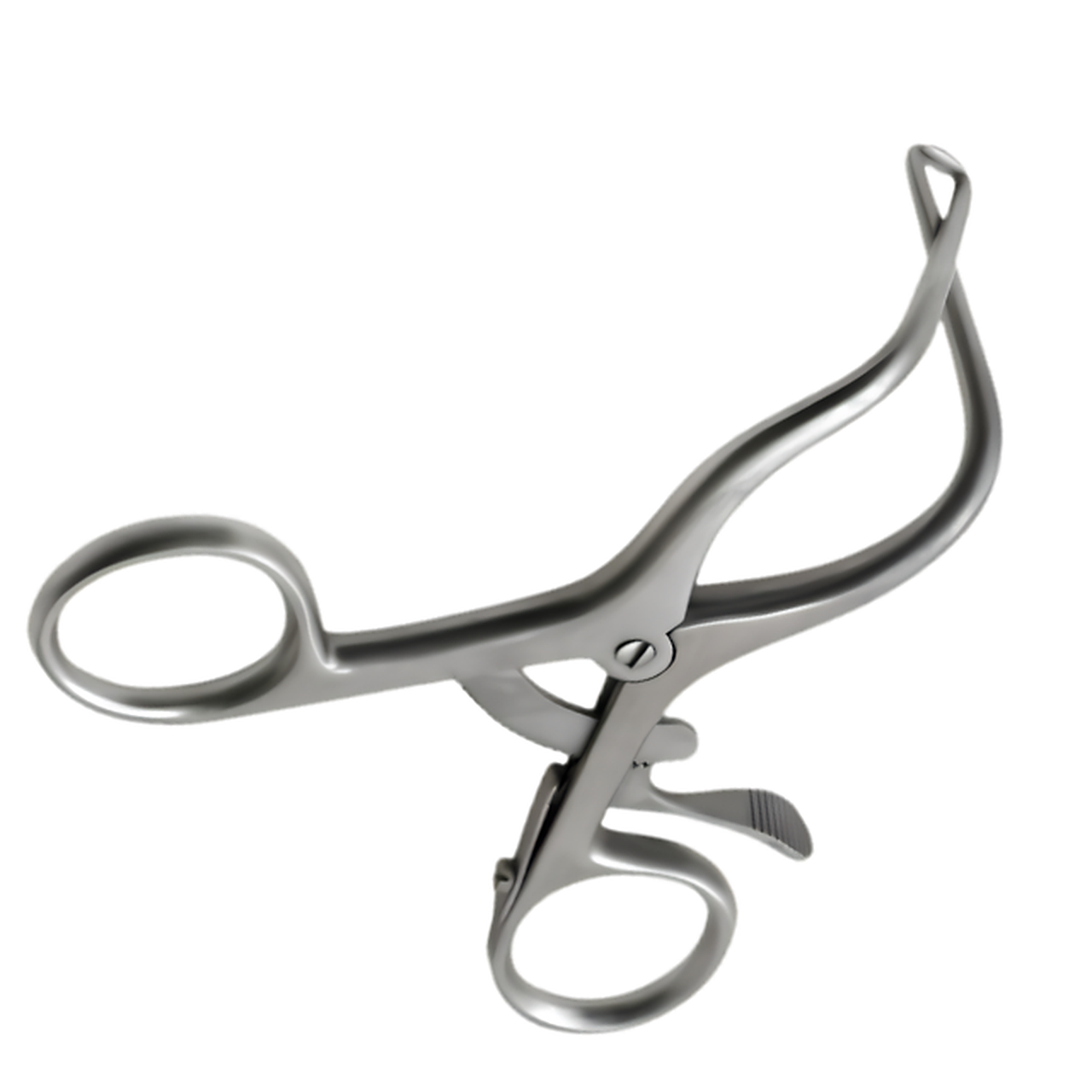 | Gelpi Crossover Retractor - Deep Angles | 四肢および脊椎手術における腱、筋肉、軟部組織の自動開創用に特化して設計されています。 |
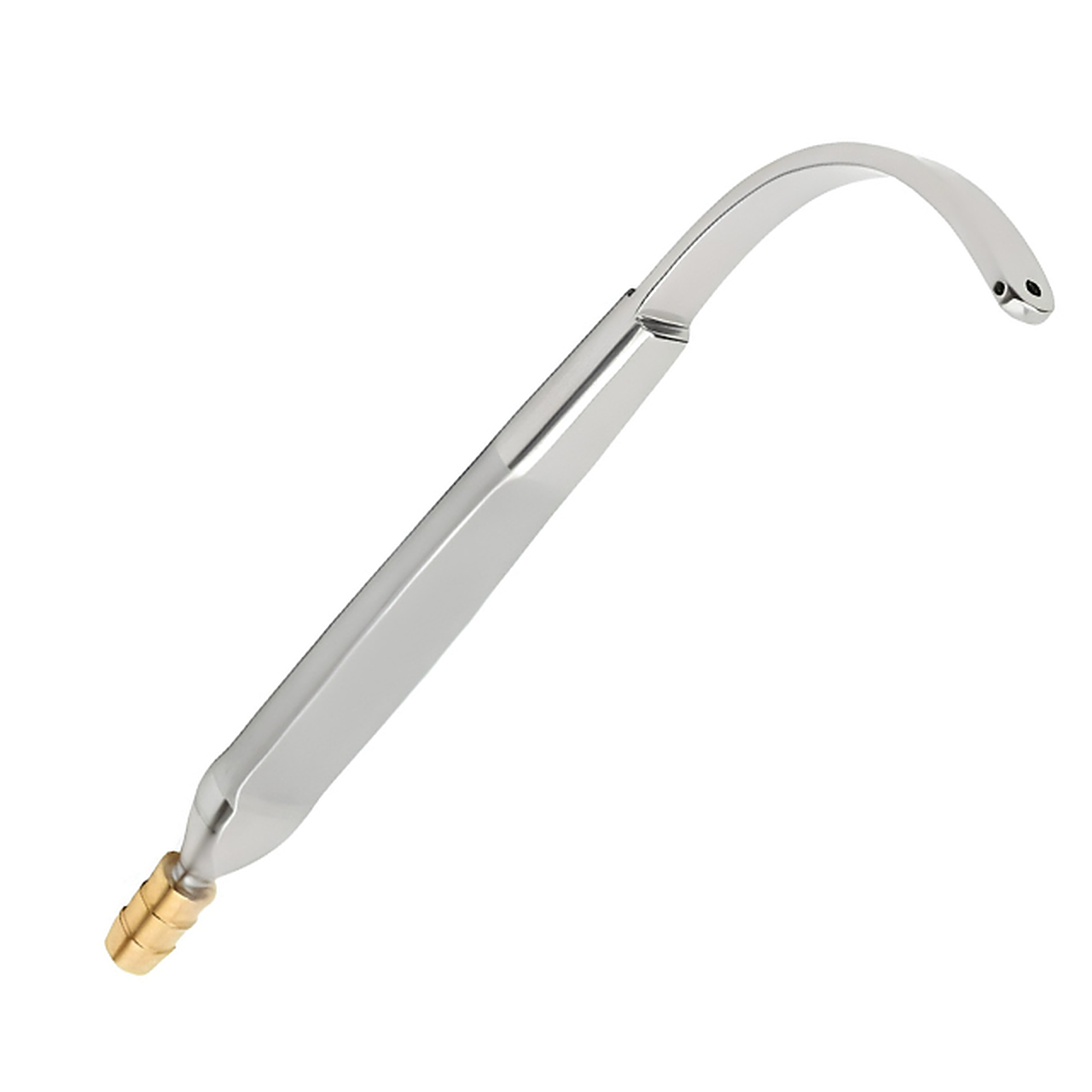 | Gerbault Tebbett’s 吸引開創器 | 鼻形成術において、鼻の軟部組織エンベロープを挙上すると同時に、煙や液体の排吸引および照明を提供するために特別に設計されています。 |
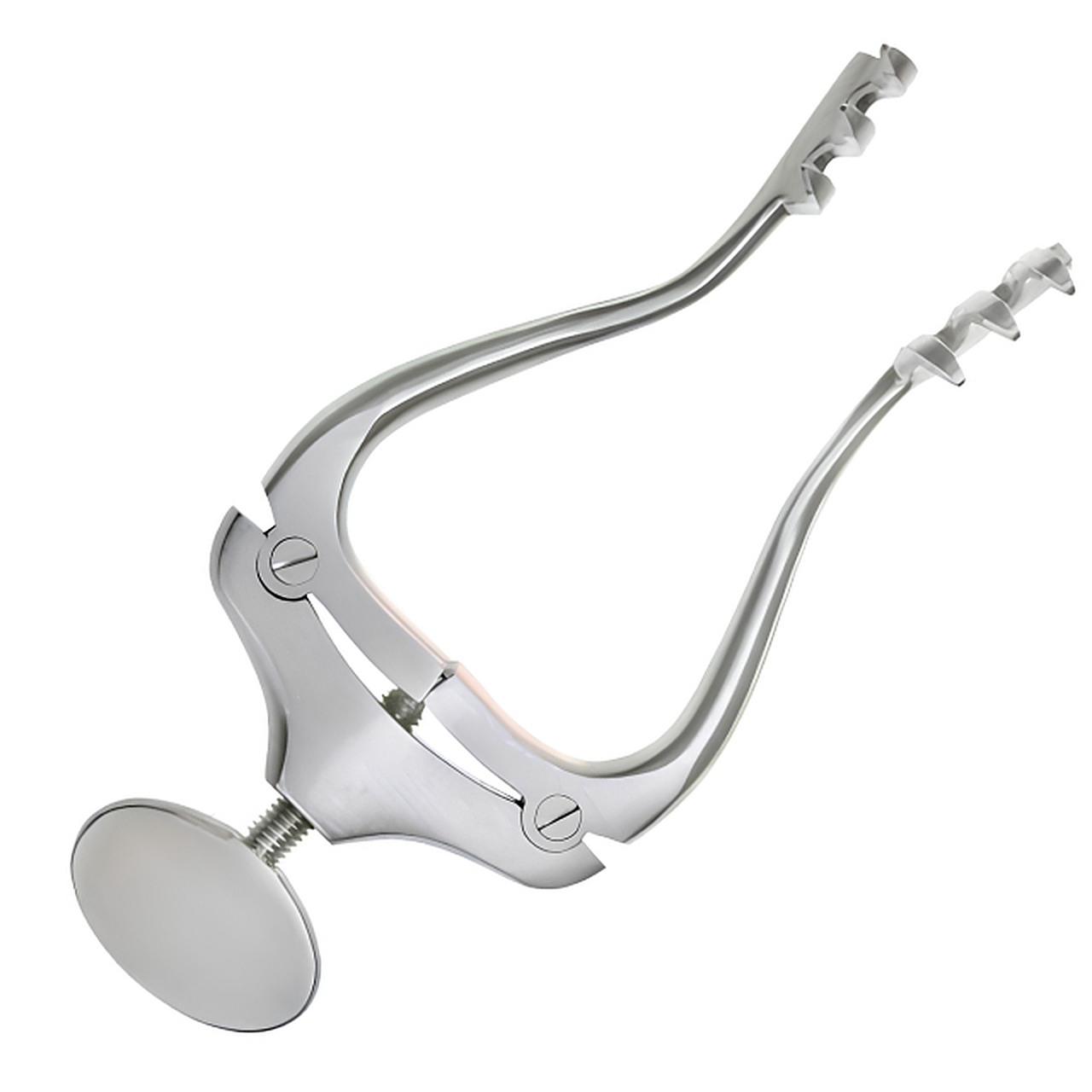 | Gifford-Jansen Retractor | 乳突起、耳部、および頭皮手術における創縁および骨膜の自動牽引。 |
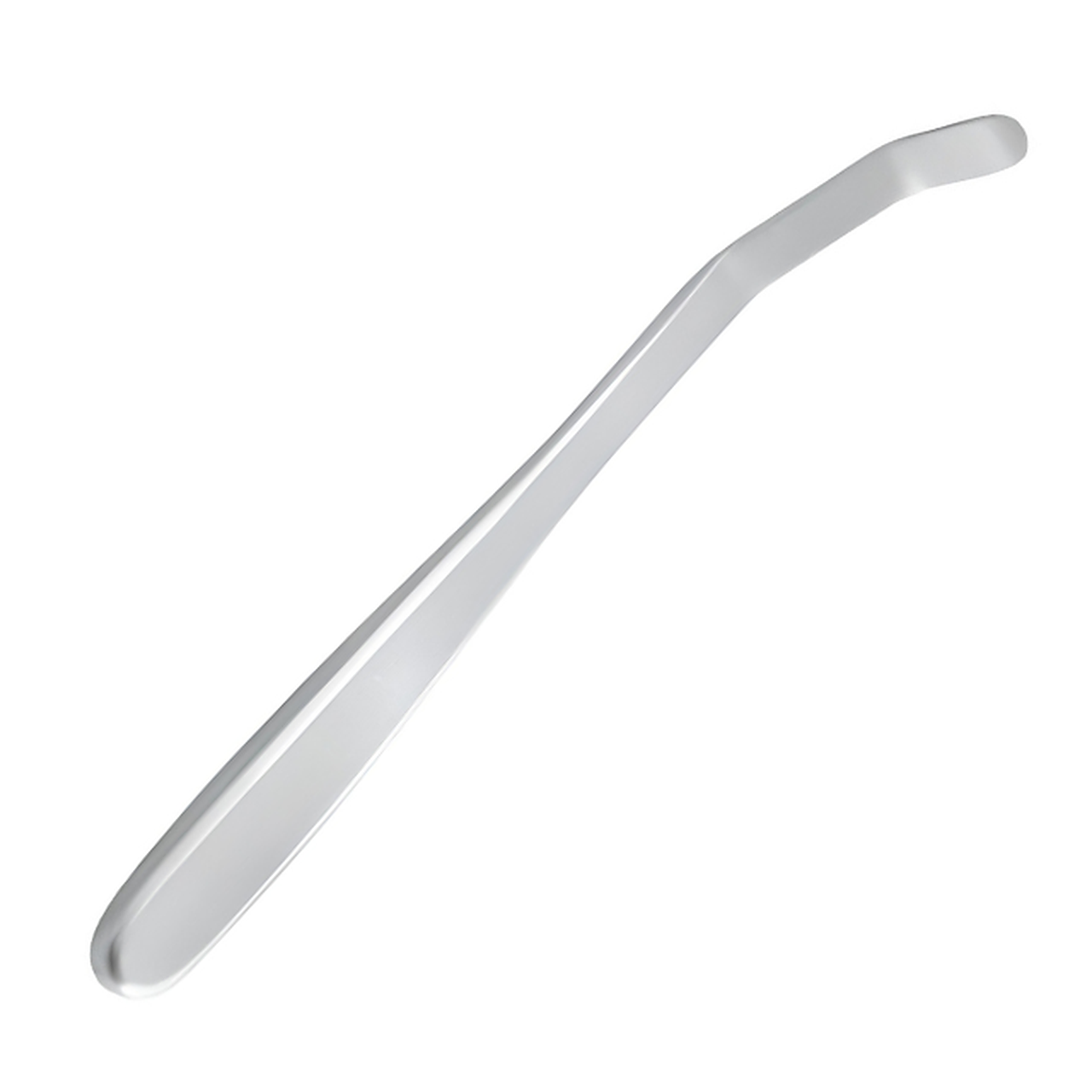 | Glenoid Condyle Retractor(関節窩・顆部用開創器) | 肩関節、顆部、および整形外科手術において、骨縁のレバレッジおよび関節包の牽引を行うために特別に設計されています。 |
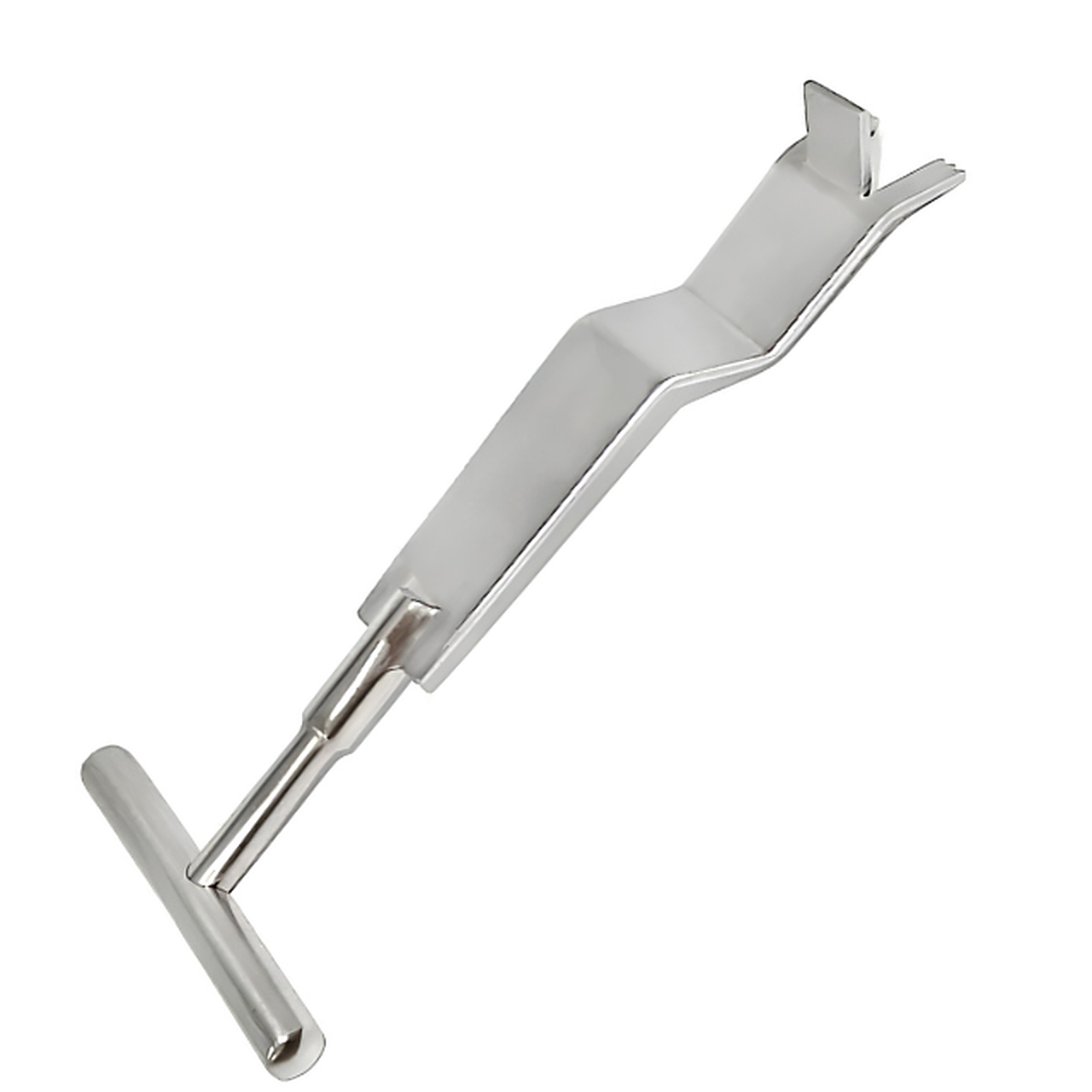 | Glenoid Retractors(関節窩レトラクター) | 人工肩関節置換術および反転型人工肩関節置換術において、関節窩縁を露出し、関節包軟部組織を牽引するために設計されています。 |
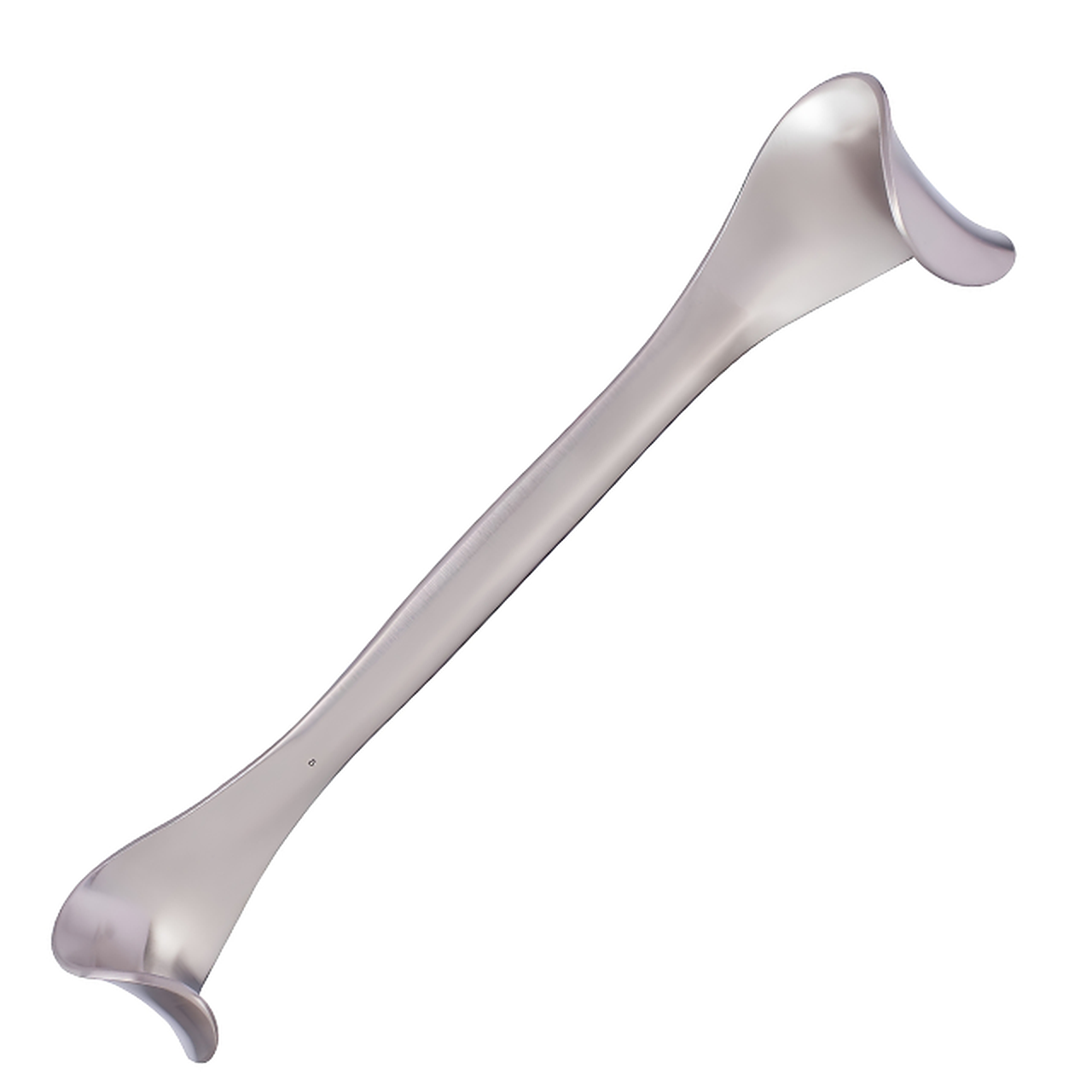 | Goelet Retractor | 浅層および中間層の手術処置において、皮膚、皮下脂肪、および筋肉組織を牽引するために特別に設計されています。 |
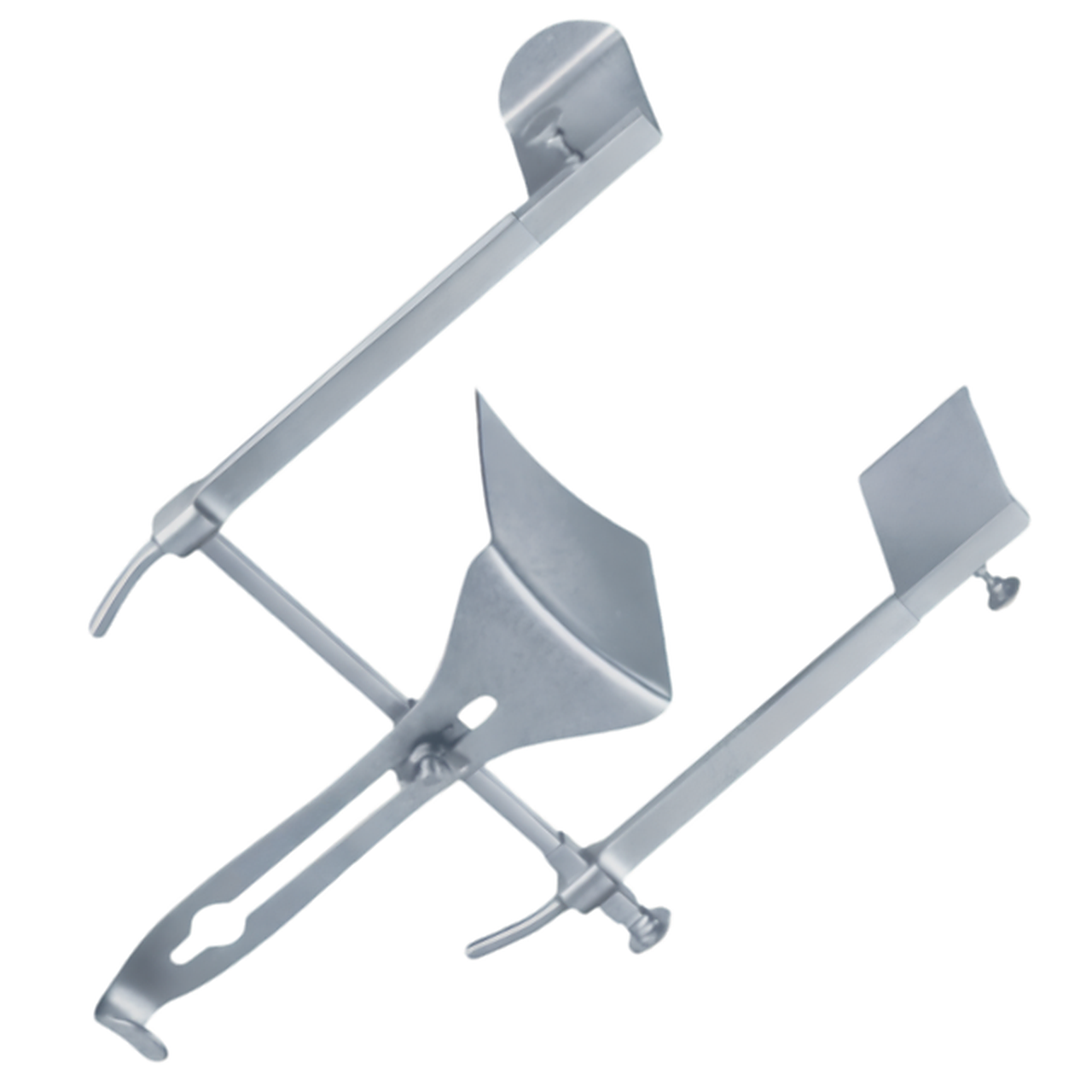 | Golligher Self Retaining Retractor | 結腸直腸手術において、自動固定による多方向への腹壁および臓器の牽引を行うために特別に設計されています。 |
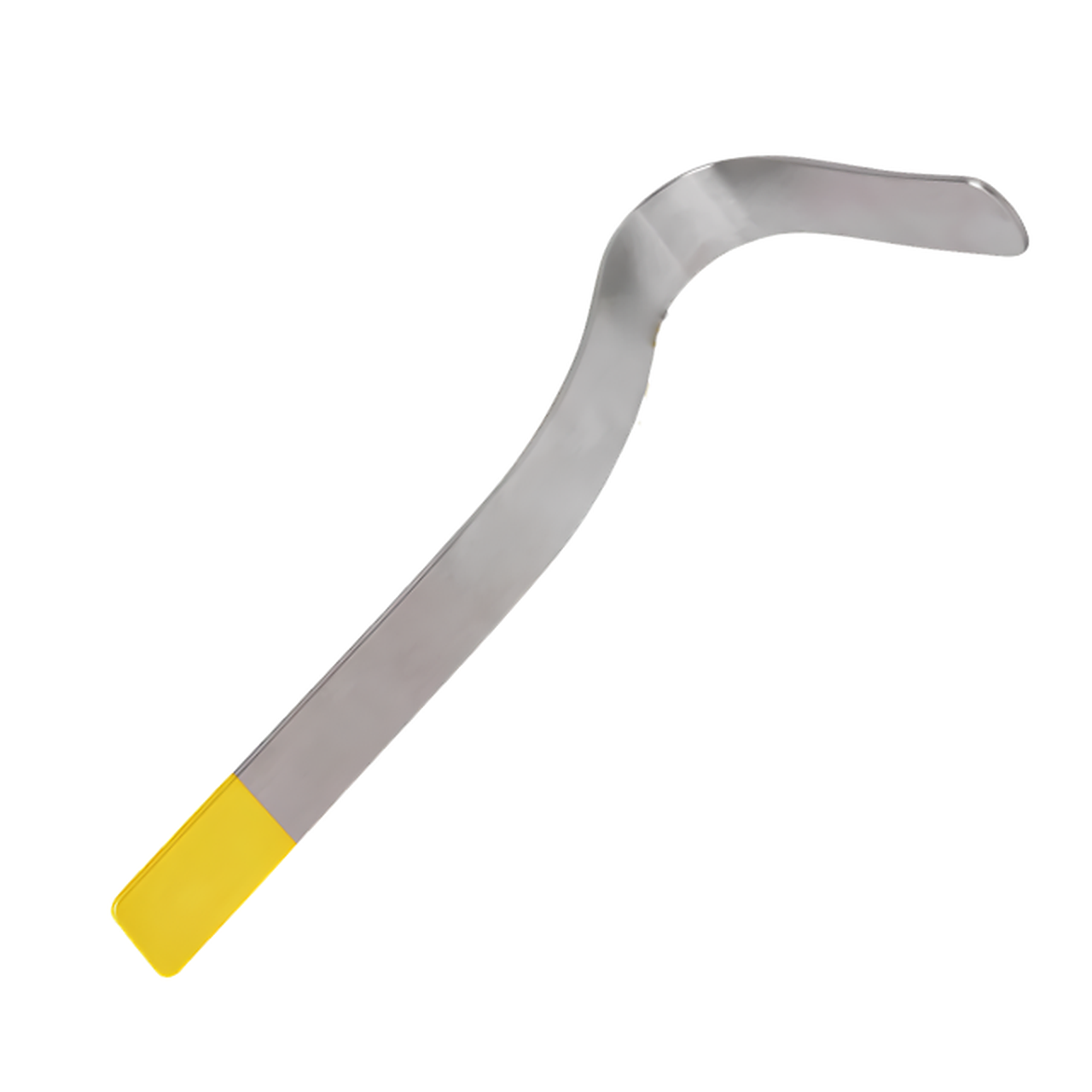 | Gonzalez 臀部用L字型開創器 | 臀部増大術および再建術における臀筋層および軟部組織の挙上と牽引に特化。 |
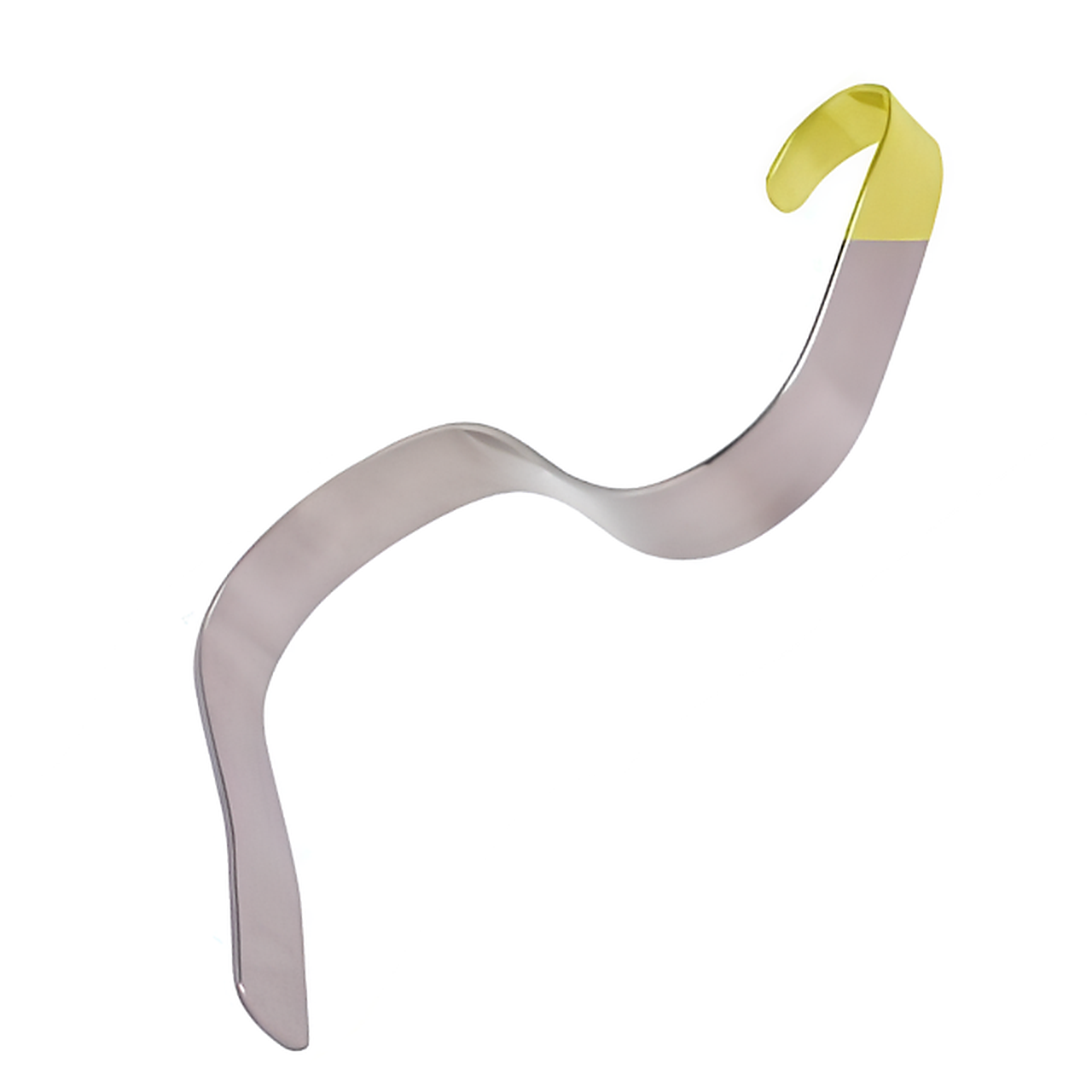 | Gonzalez 臀部用S字型開創器 | 臀部インプラント手術中に大臀筋と軟部組織を挙上および牽引するために特別に設計されています。 |
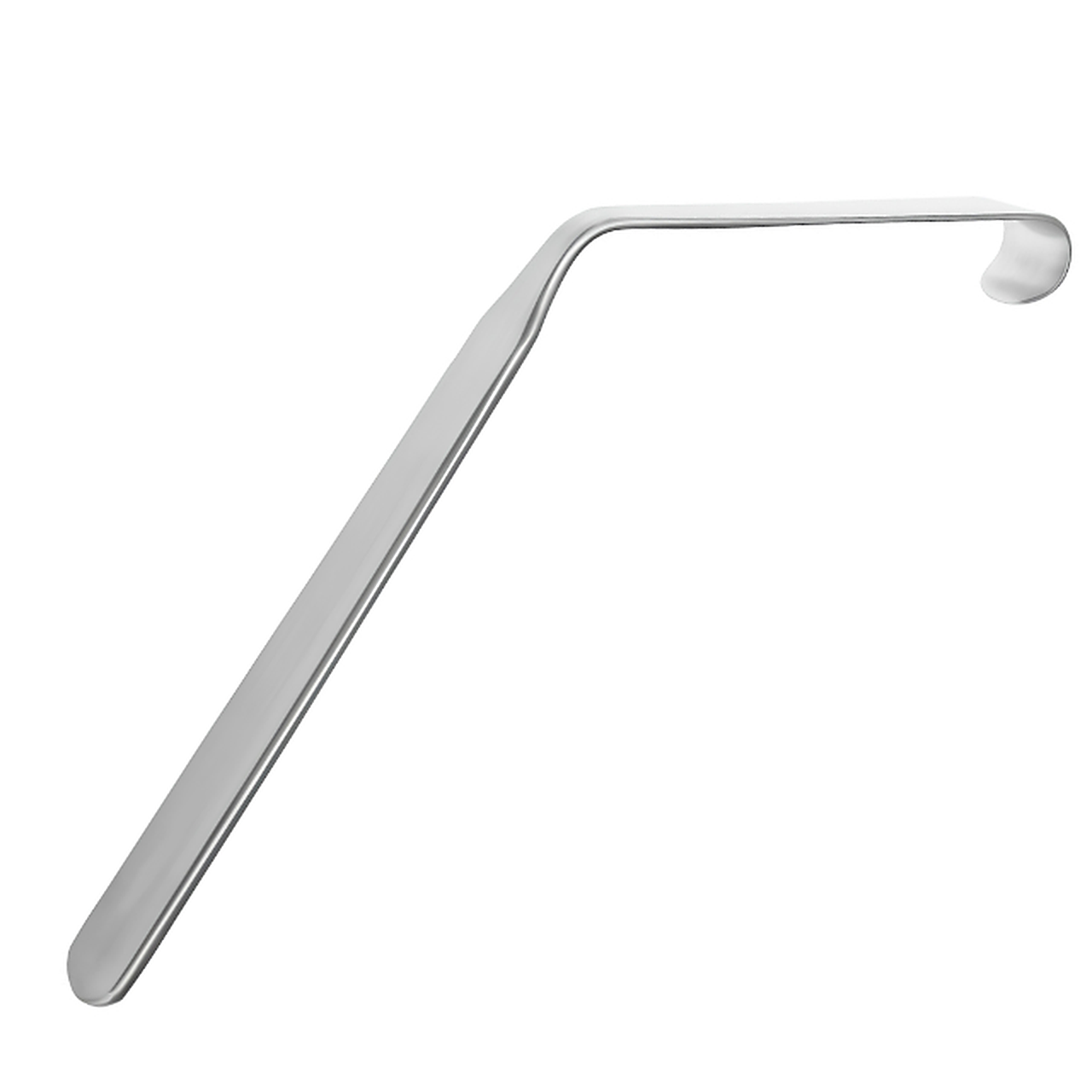 | Goodyear 口蓋垂レトラクター | 咽頭およびアデノイドの手術中に、口蓋垂と軟口蓋を牽引および挙上するために特別に設計されています。 |
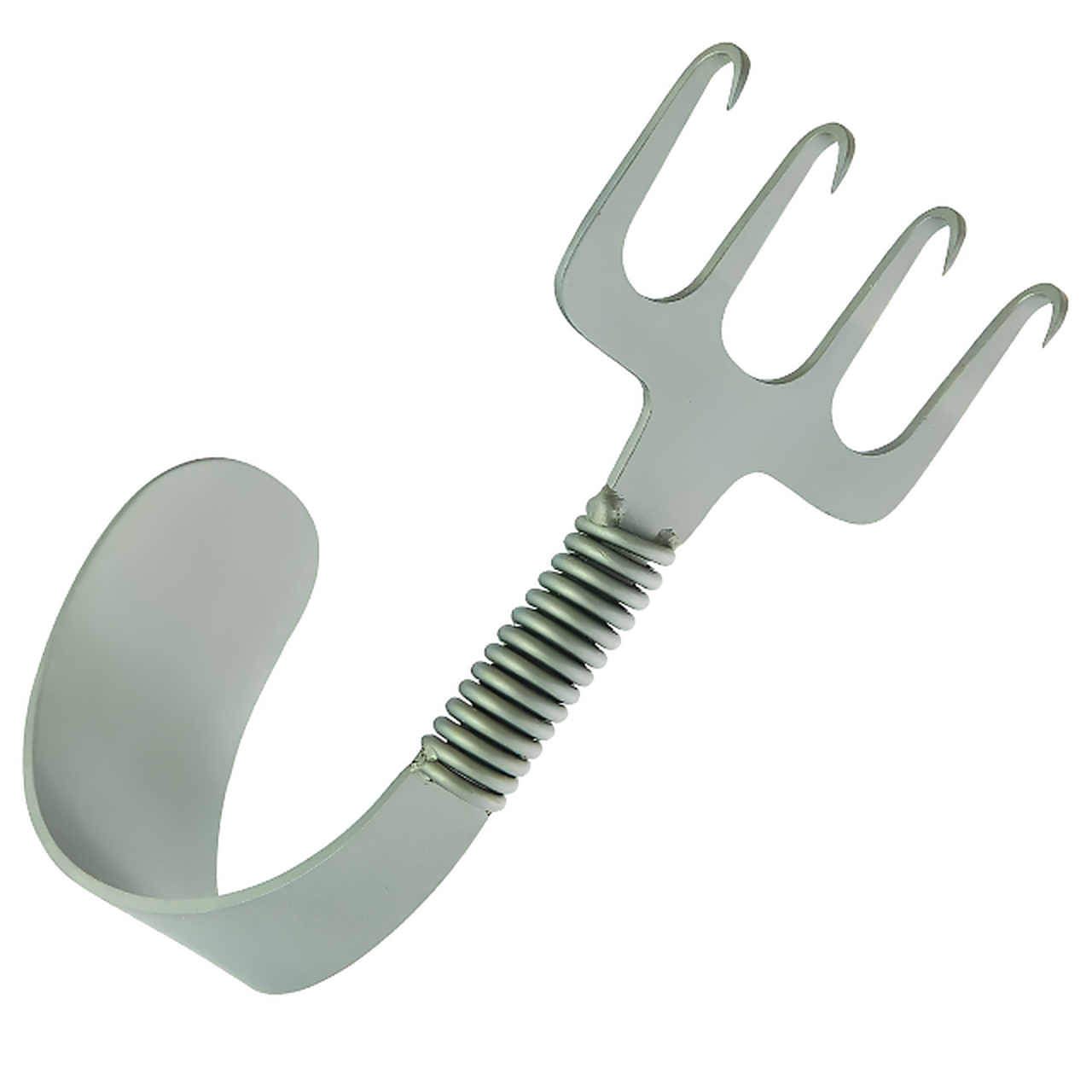 | Gorney Rake Retractor(ゴーニー・レイク・レトラクター) | フェイスリフトや美容外科手術における皮弁および皮下組織の挙上と牽引。 |
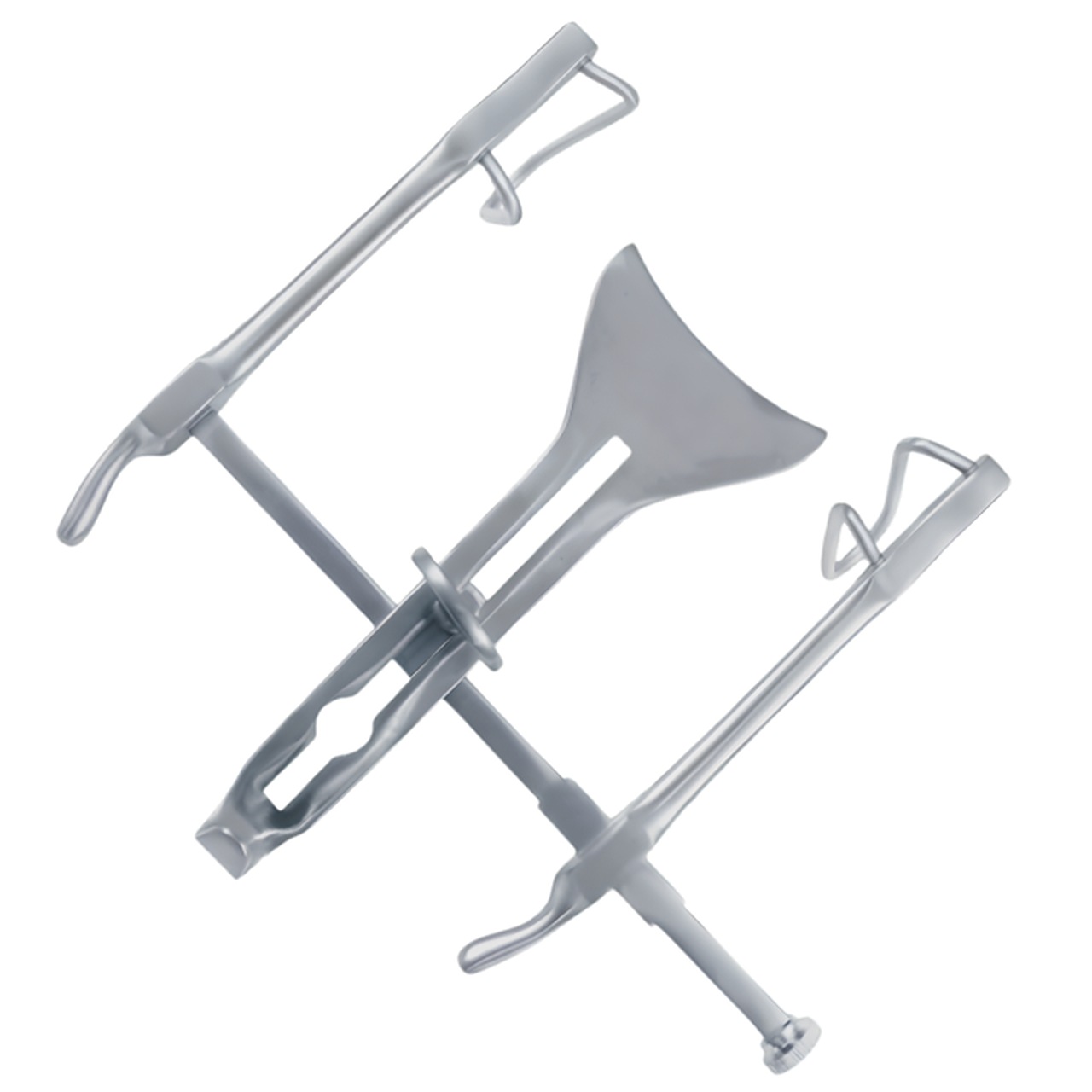 | Gosset 自動開創器 | 開腹手術および骨盤内手術中の腹壁の自己保持型牽引を目的として設計されています。 |
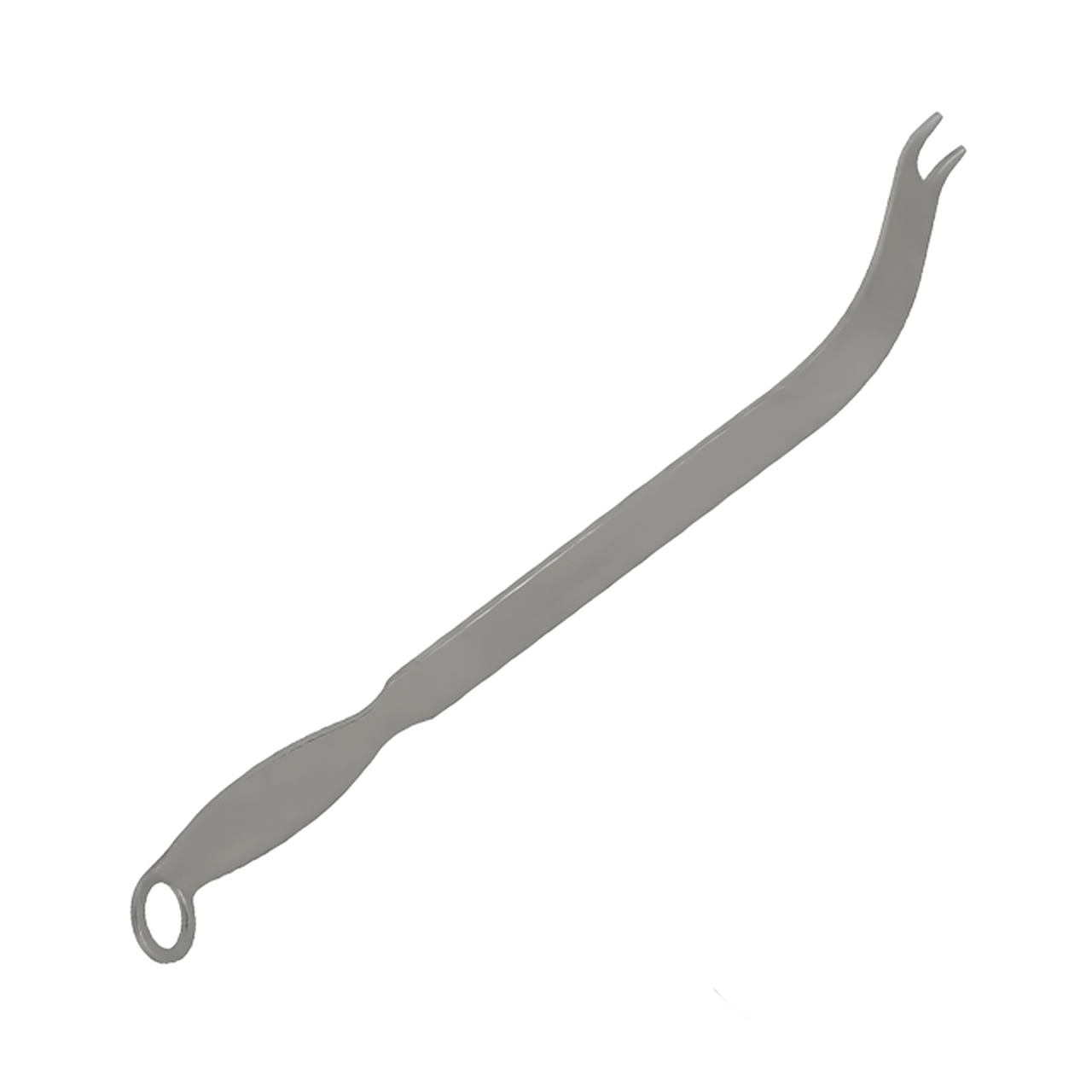 | 大転子レトラクター | 人工股関節全置換術および大腿骨骨切り術における、臀筋群の牽引と大転子の展開。 |
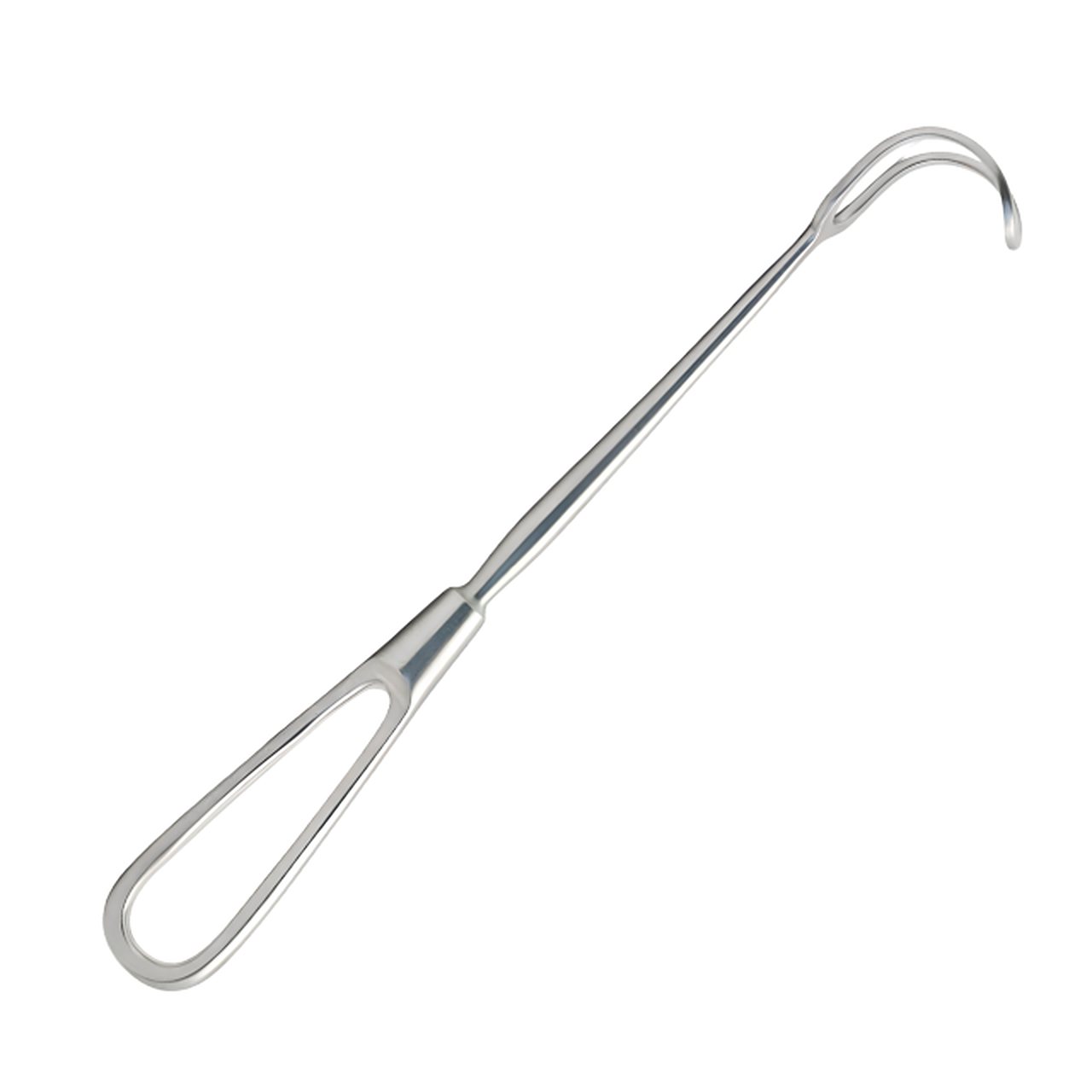 | Green Thyroid Retractor | 内分泌頸部手術中の頸筋群、甲状腺組織、および頸筋膜の牽引用に特別に設計されています。 |
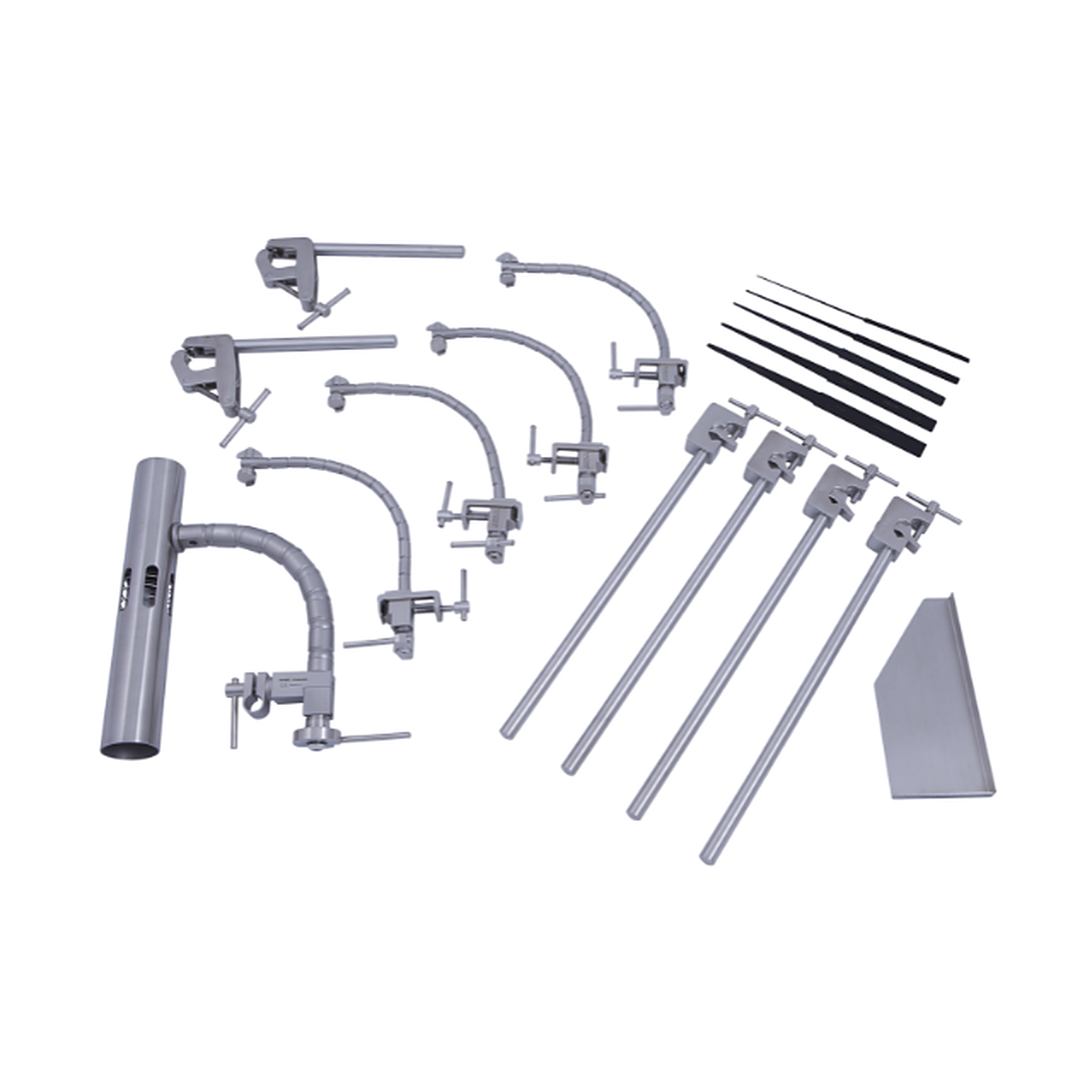 | Greenberg Retractor Kit | 頭蓋内、頭蓋底、および微小脳神経外科手術において、繊細な脳組織や頭蓋構造の精密かつ安定した自己保持型圧排を行うために設計されています。 |
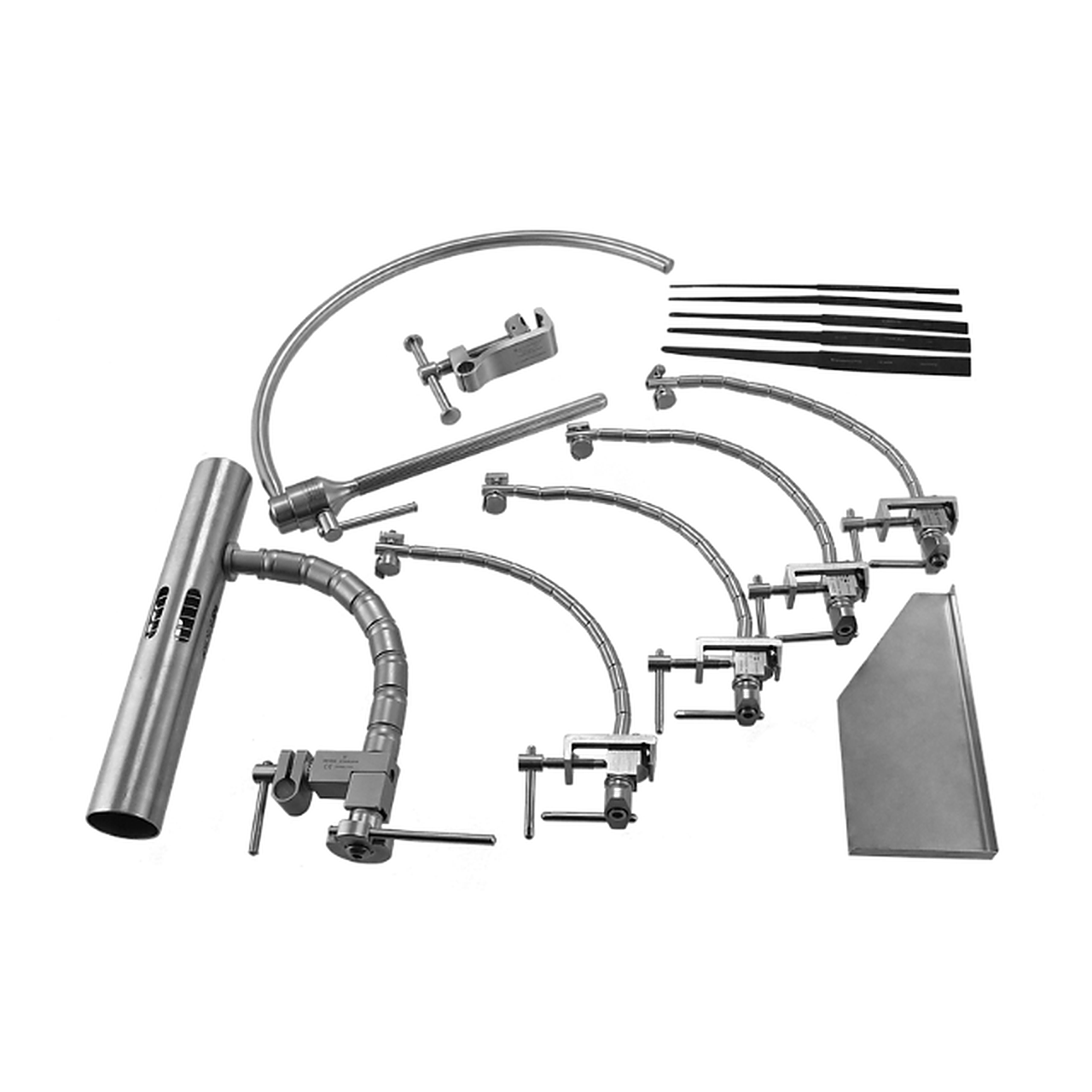 | Greenberg Simplicity Retractor | 限局的な開頭術、微小血管減圧術(MVD)、およびキーホール顕微鏡下手術において、迅速なセットアップ、コンパクトな設置面積、および精密な自己保持型組織開創を行うために特別に設計されています。 |
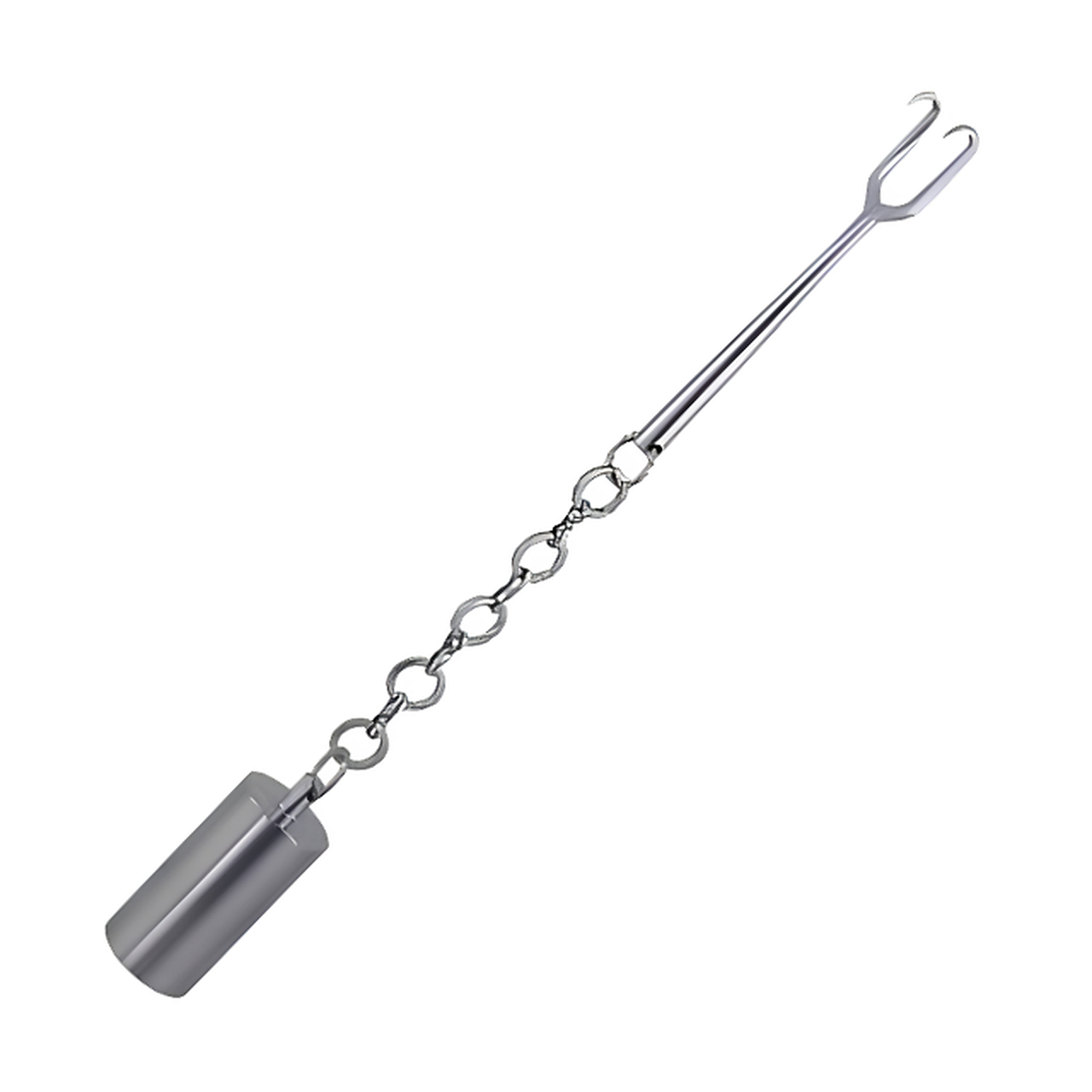 | Gruber Rhinoplasty Retractor | 鼻形成術において、鼻皮弁および軟骨を把持・開創するために特別に設計されています。 |
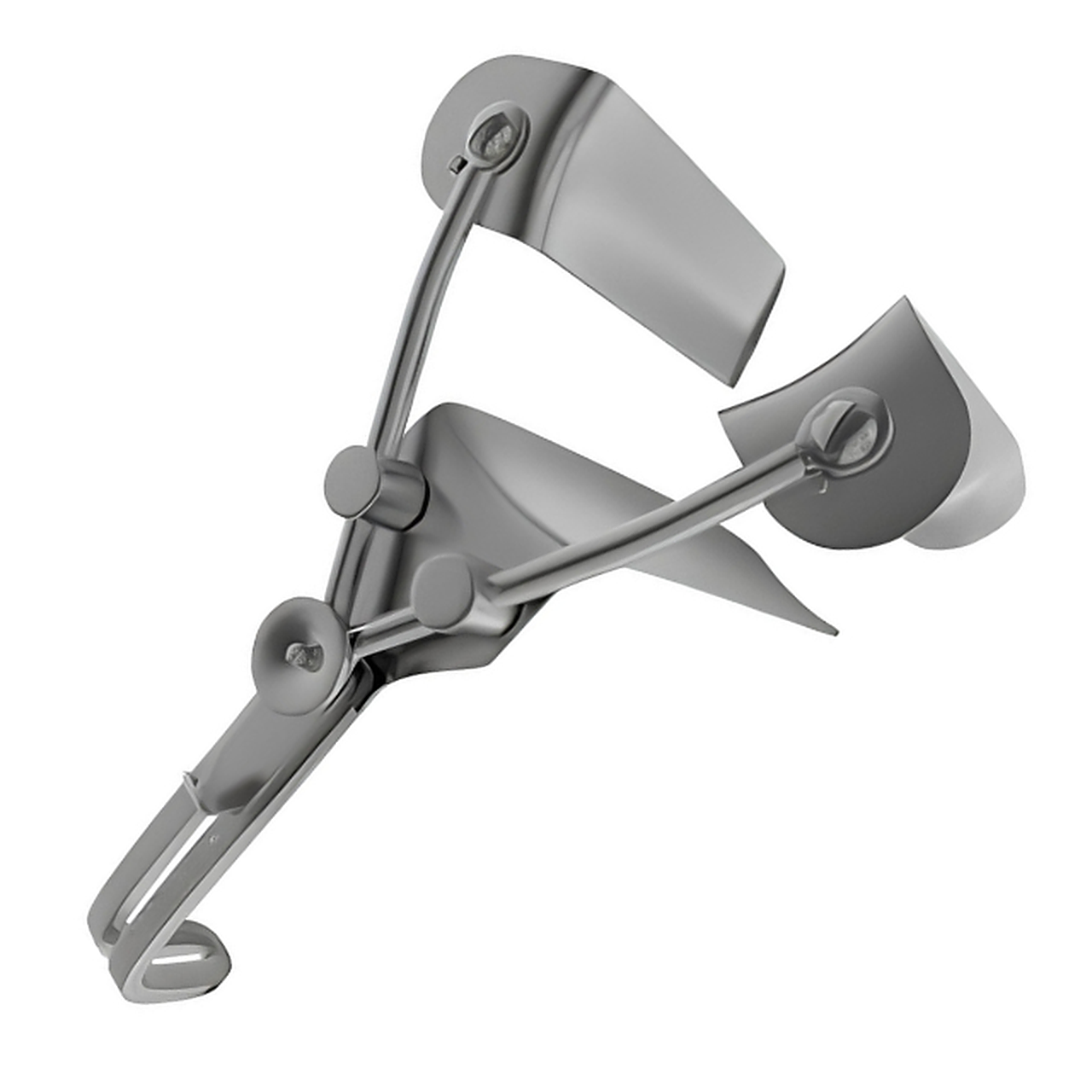 | Guttman 産科用開創器 | 帝王切開および骨盤内手術において、膀胱および下腹壁を牽引・保護するために特別に設計されています。 |
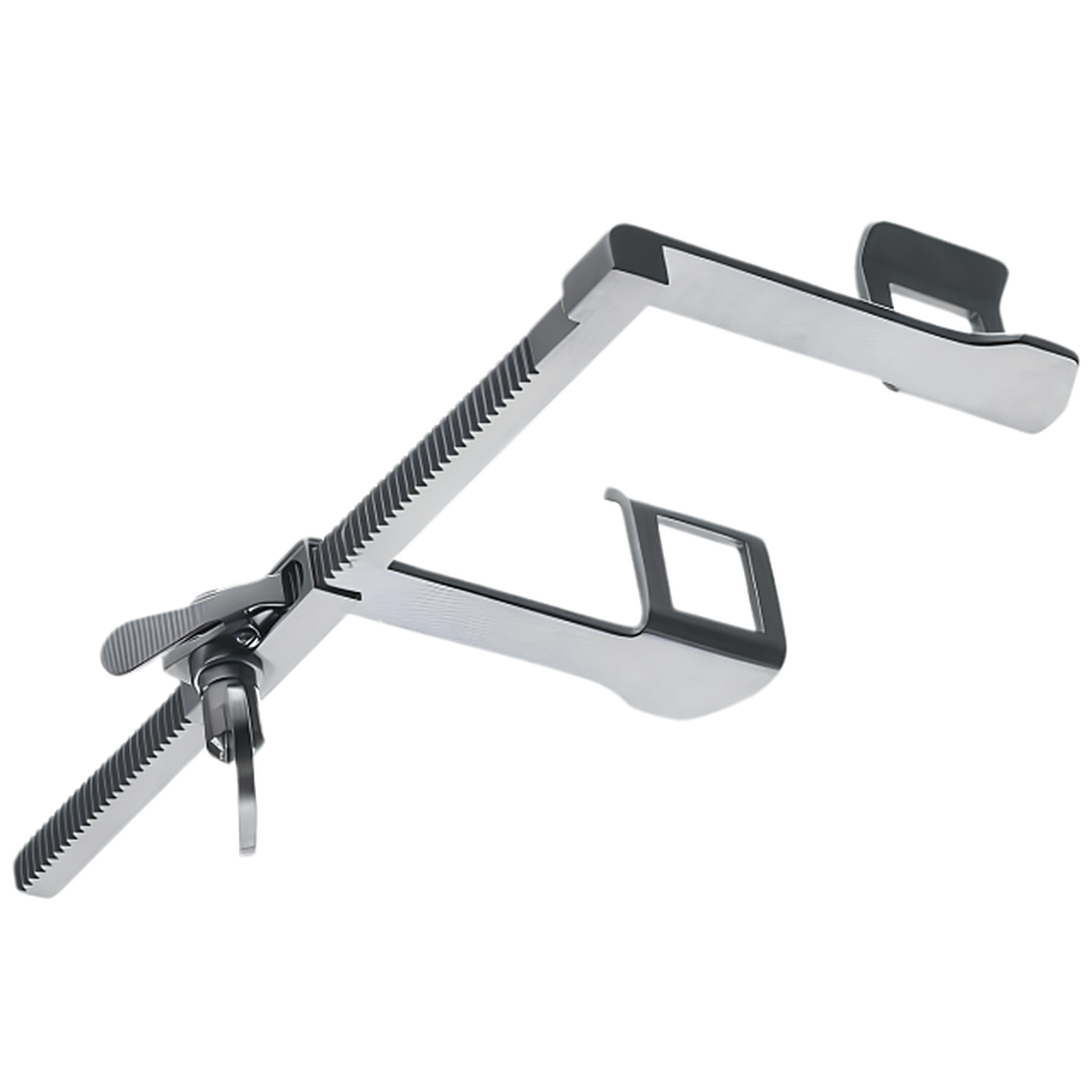 | Haight Rib Spreader(ヘイト開胸器) | 開胸術中に成人の肋骨を分離し、胸腔を拡張するために特別に設計されています。 |
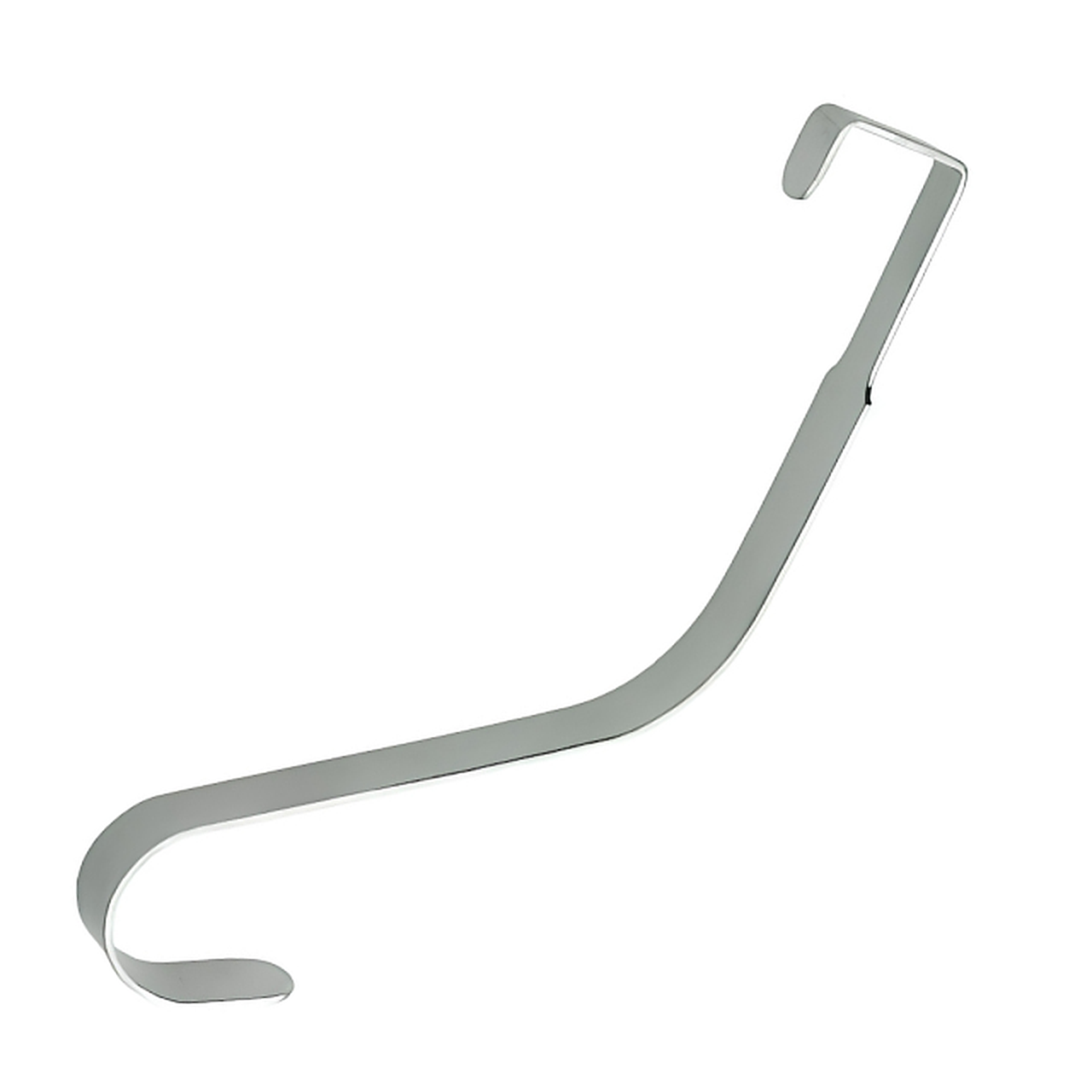 | Hajek Cheek Retractor | 口腔、顎顔面、および歯科外科手術中に、頬、唇、および頬粘膜を牽引するために特別に設計されています。 |
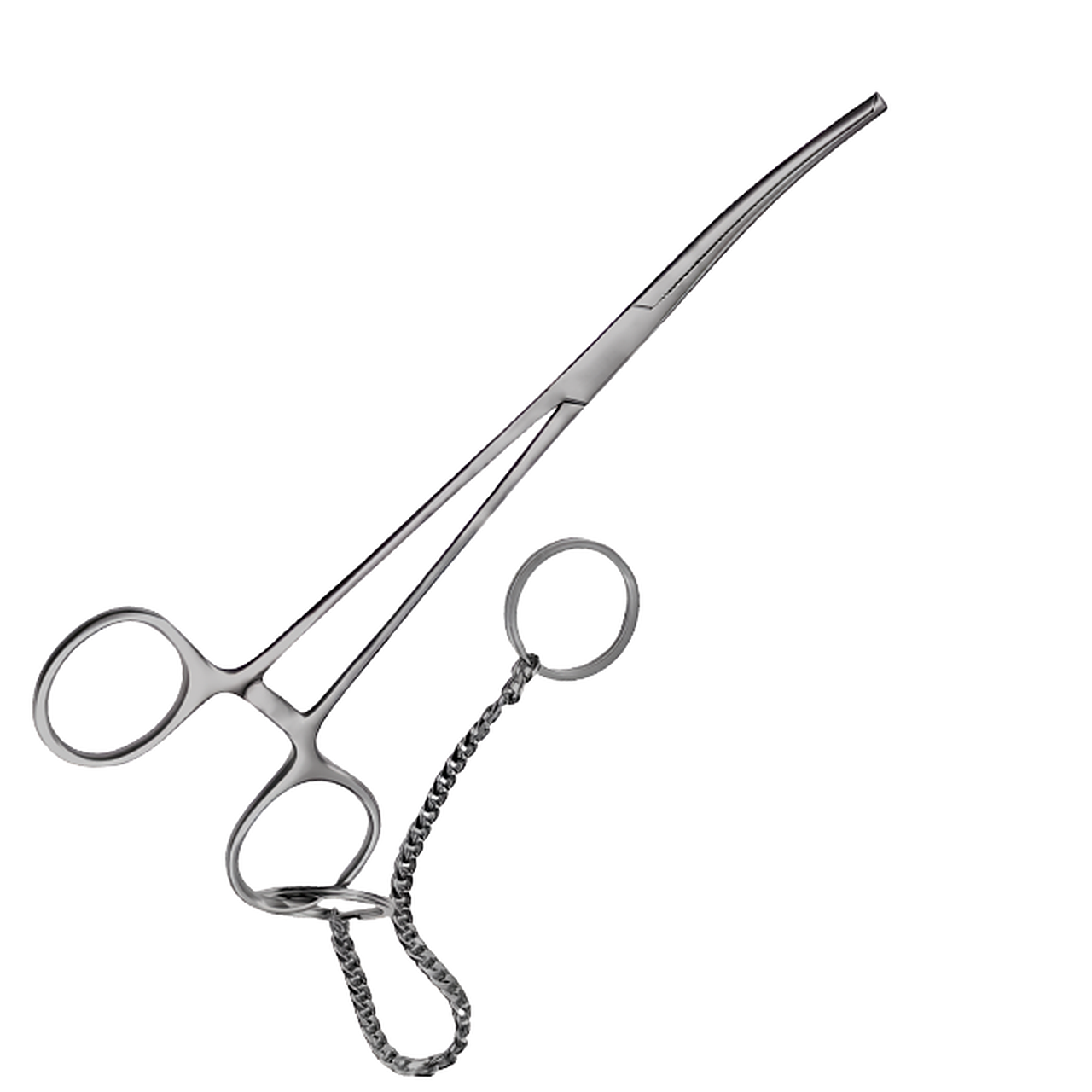 | Hargis Coronoid Retractor With Chain | 顎矯正手術および下顎枝骨切り術における、筋突起および側頭筋腱の開創。 |
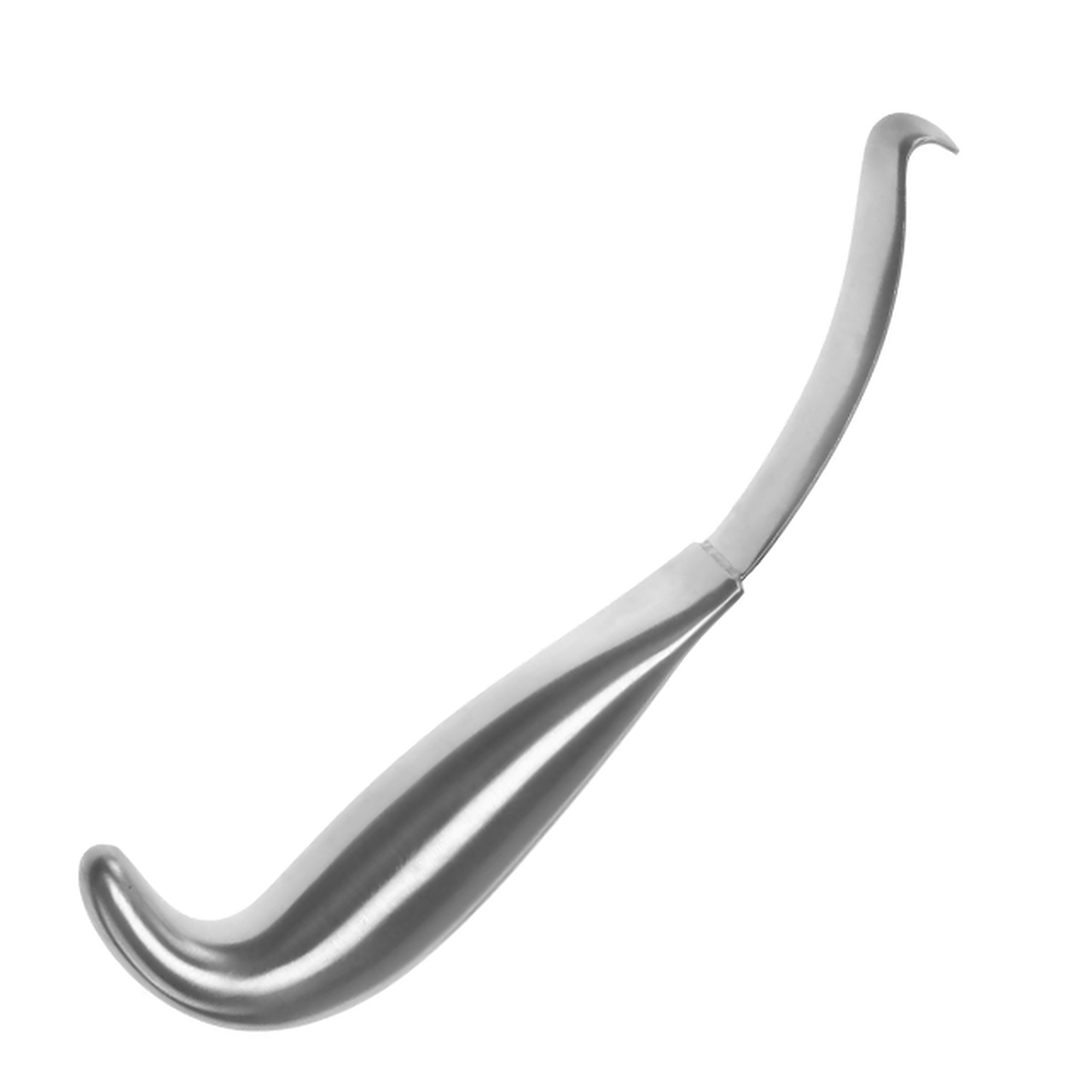 | Hargis 下顎骨体部レトラクター | 顎矯正手術において、下顎体部の軟部組織を牽引し、神経血管束を保護するために特別に設計されています。 |
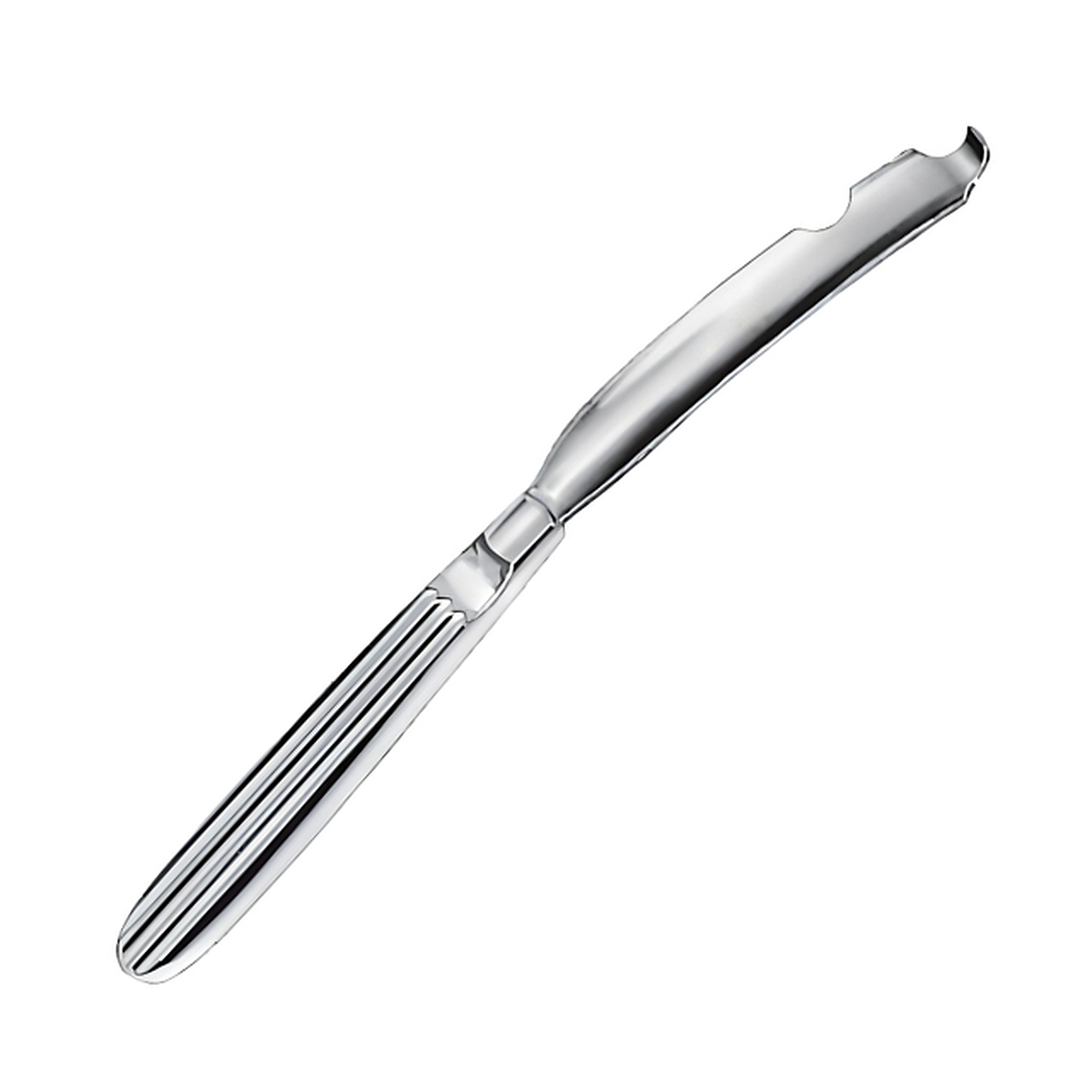 | Hargis 内側下顎枝レトラクター | 下顎枝矢状分割術において、内側翼突筋を排除し、下歯槽神経を保護するために特別に設計されています。 |
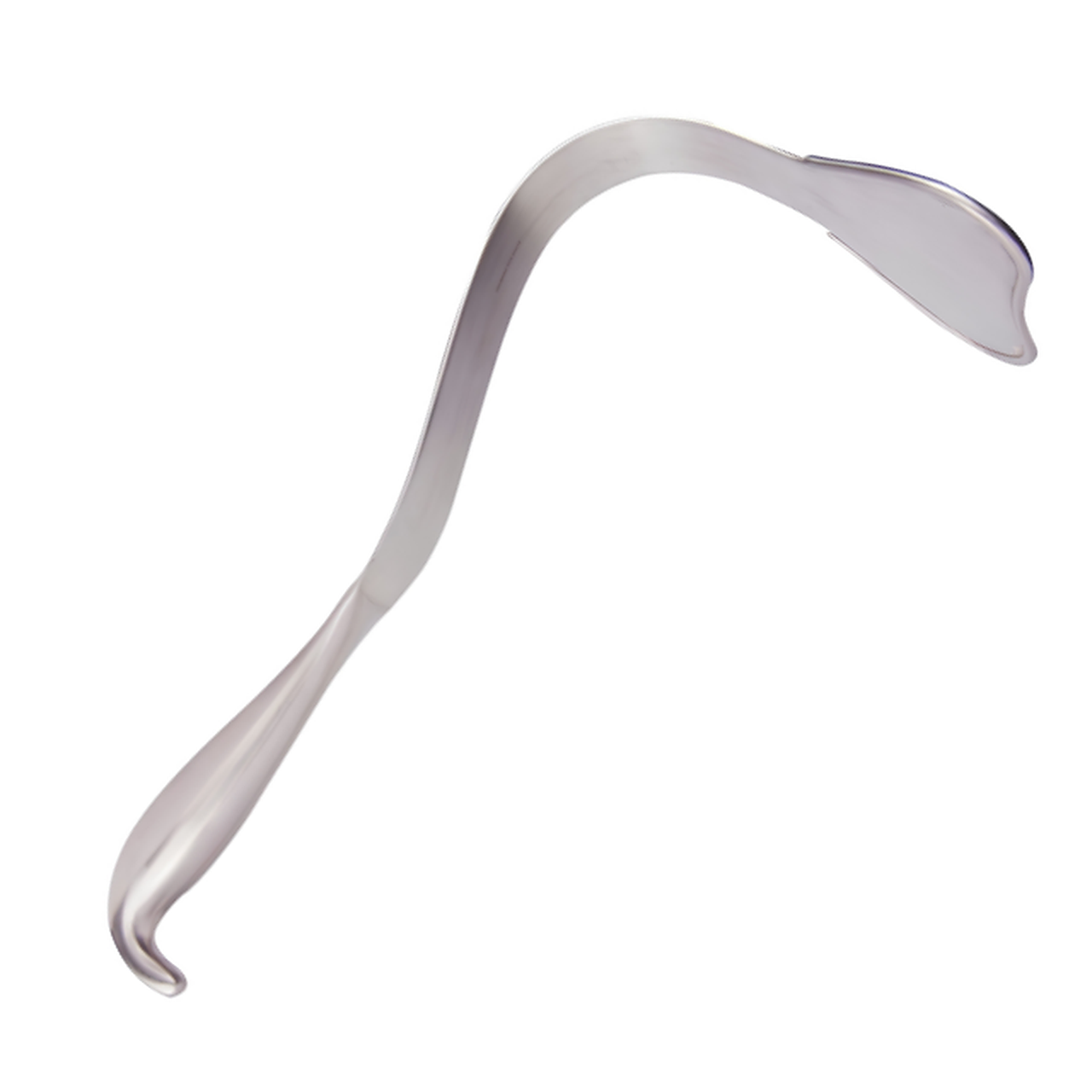 | Harrington 内臓レトラクター | 深部開腹手術中に腹部内臓、肝臓、脾臓、および骨盤構造を牽引および保護するために特別に設計されています。 |
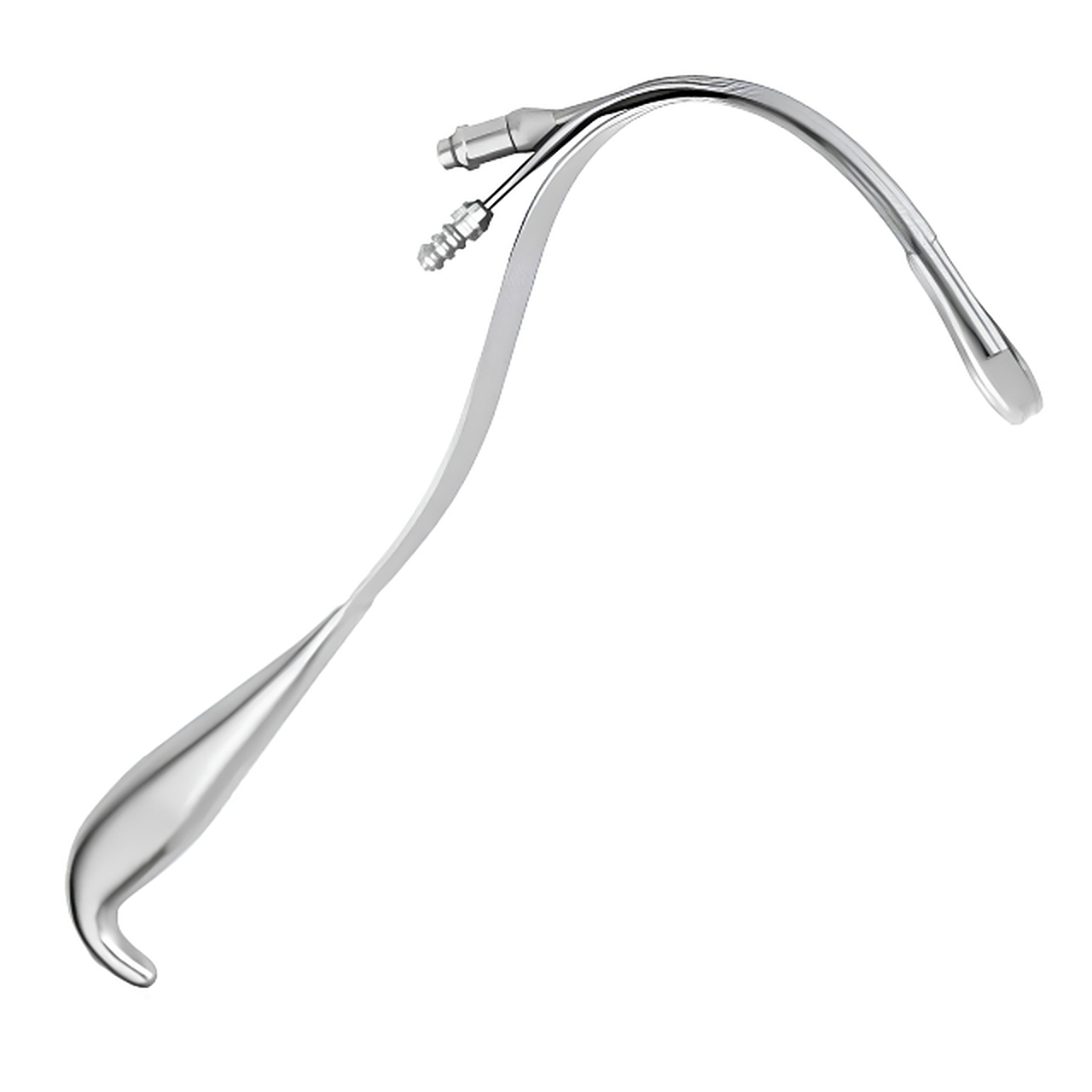 | Harrington Splanchnic Retractor With Fiber Optic | 開腹・骨盤腔深部の手術において、照明付きの臓器牽引および連続的な吸引・洗浄を提供するために設計されています。 |
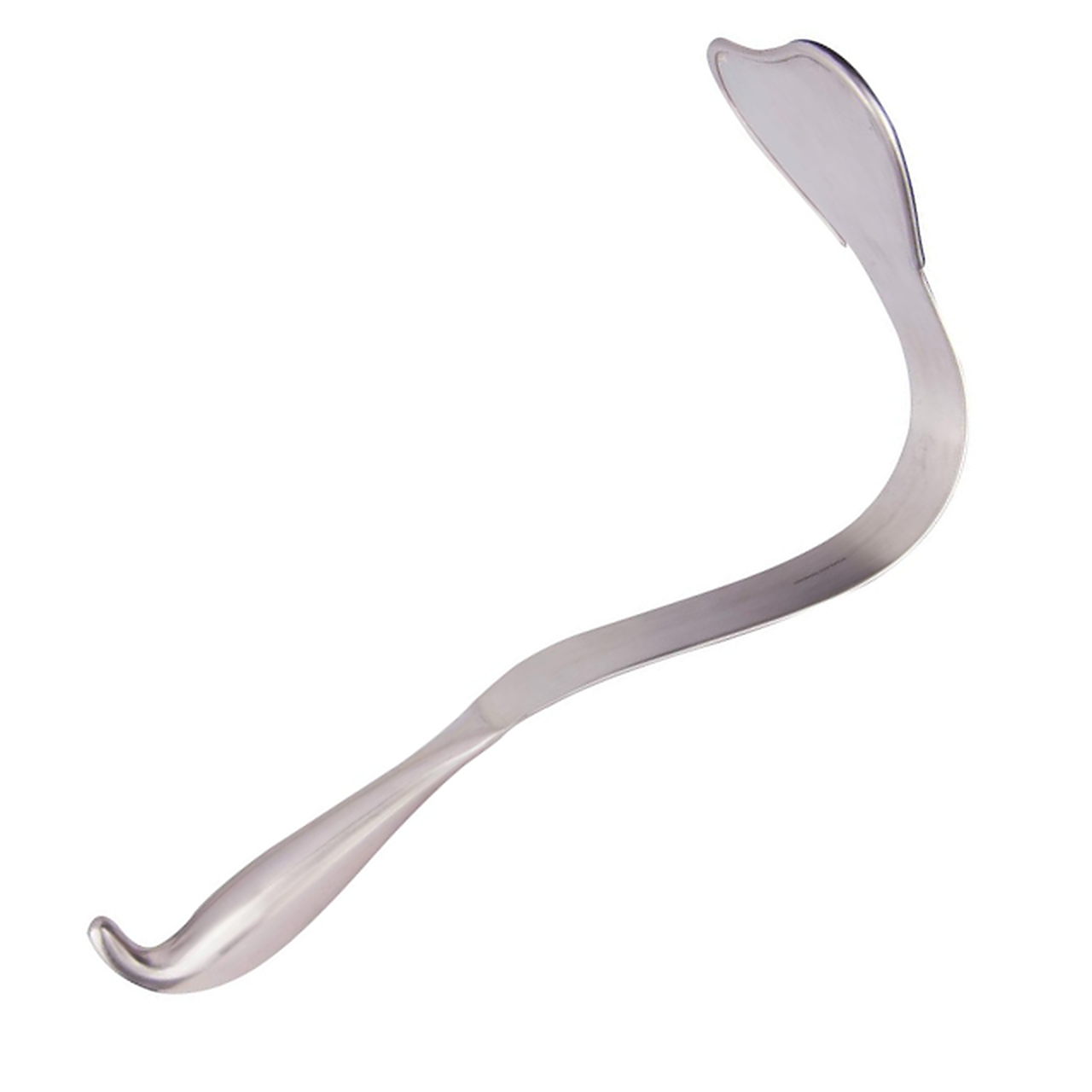 | Harrington Sweetheart 開創器 | 深部腹部および骨盤内手術において、腹部内臓、肝葉、脾臓、および膀胱を牽引・保護するために特別に設計されています。 |
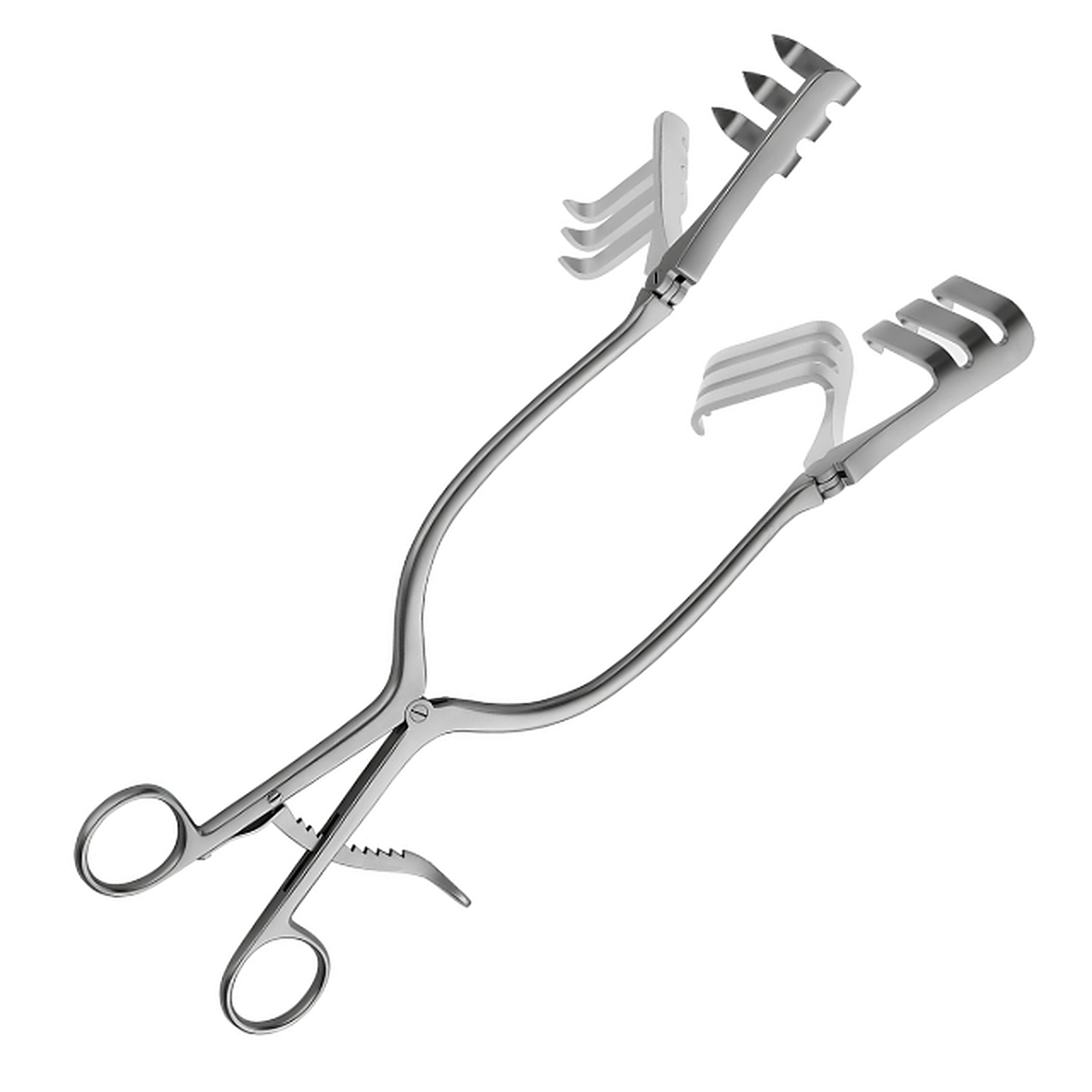 | Harvey Jackson Self Retaining Retractor (開創器) | 脊椎および整形外科手術における、椎傍筋および軟部組織の自動牽引。 |
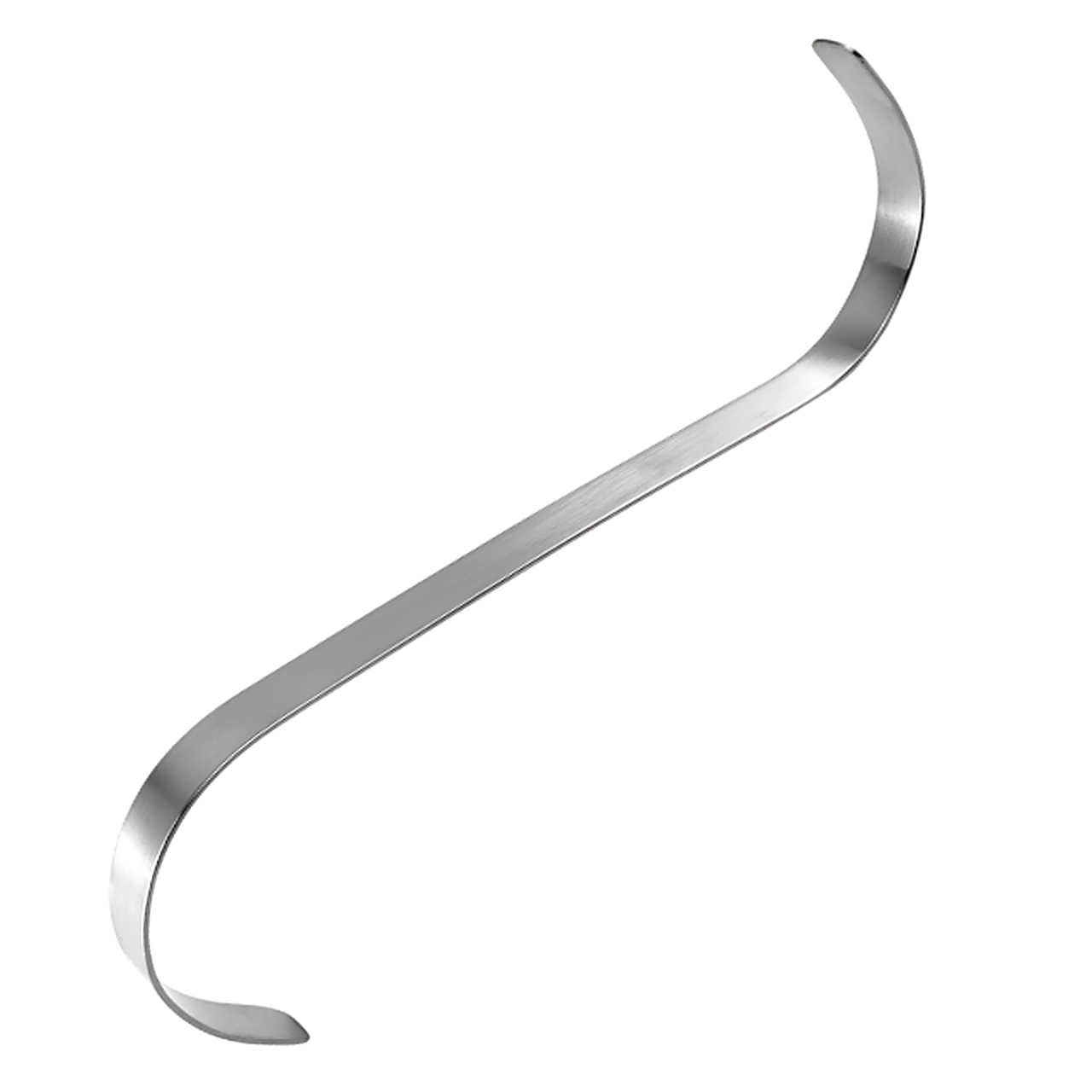 | Hasson S リトラクター | Hasson法による開腹下腹腔鏡導入時において、臍部筋膜の縁を牽引し、腹壁を挙上するために設計されています。 |
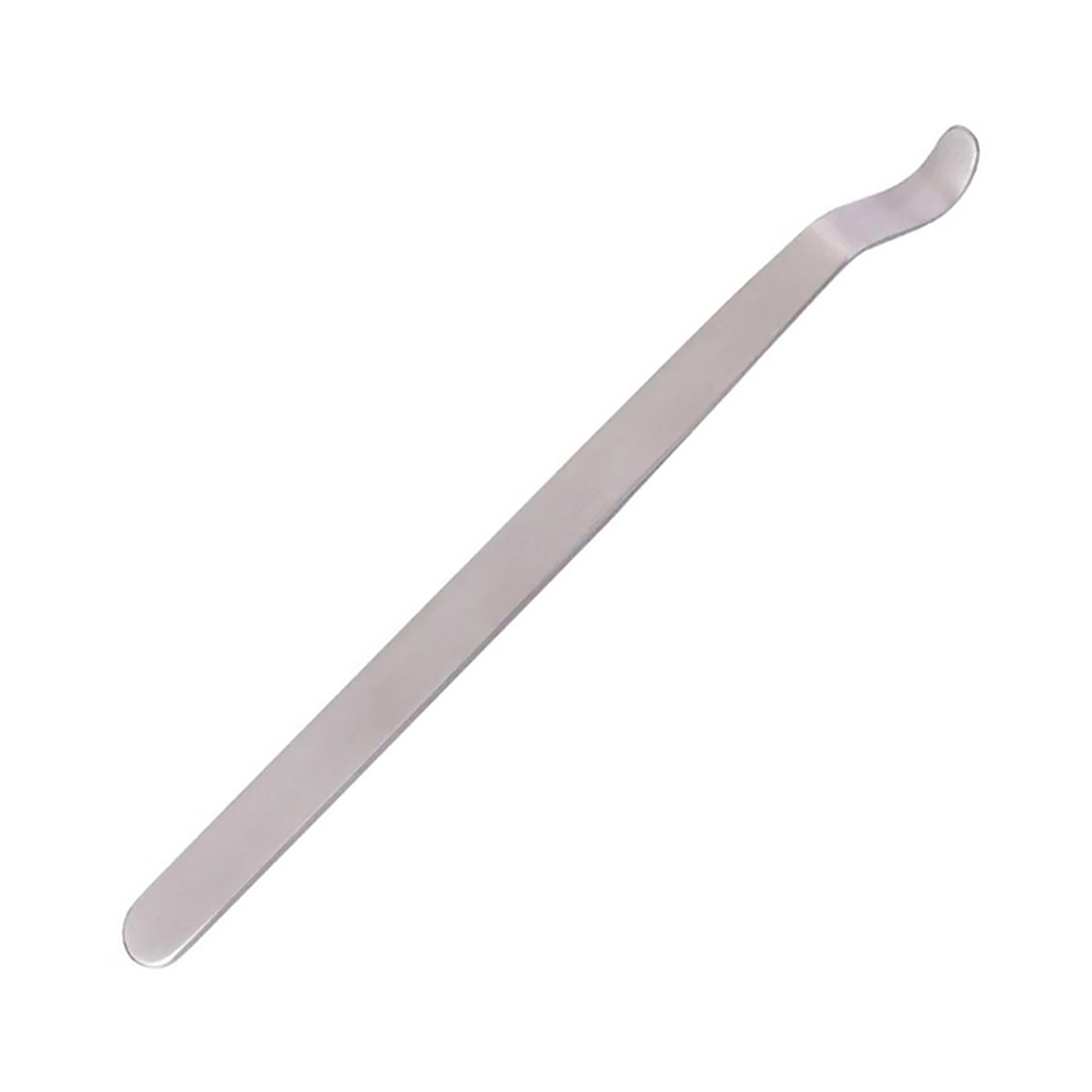 | Hayes Hand Retractors | 手部、手関節、形成再建外科手術における、軟部組織の愛護的な牽引および術野の確保。 |
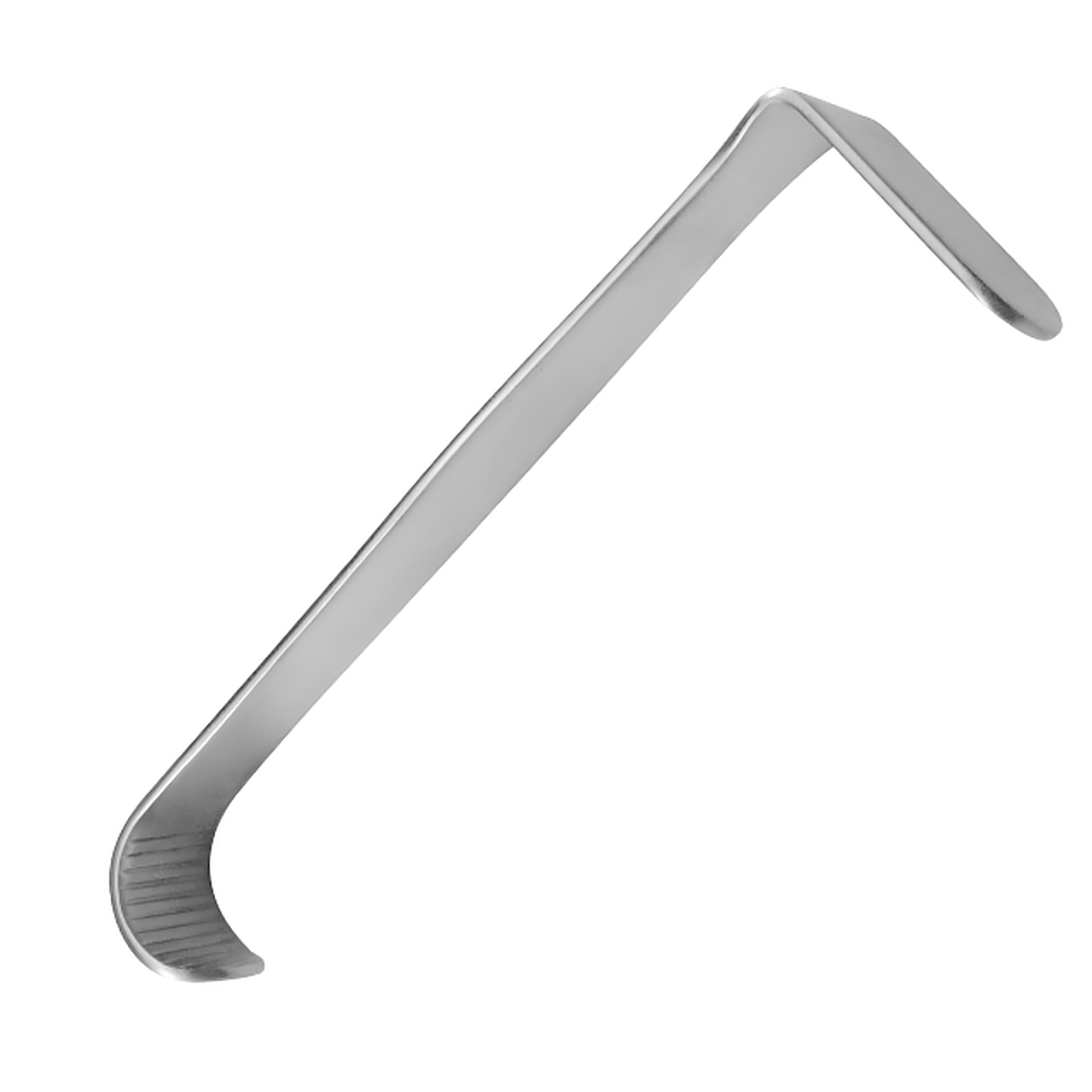 | Heaney 膣式子宮全摘術用レトラクター | 膣式子宮全摘術および骨盤底再建術における膣壁および骨盤組織の牽引・圧排専用。 |
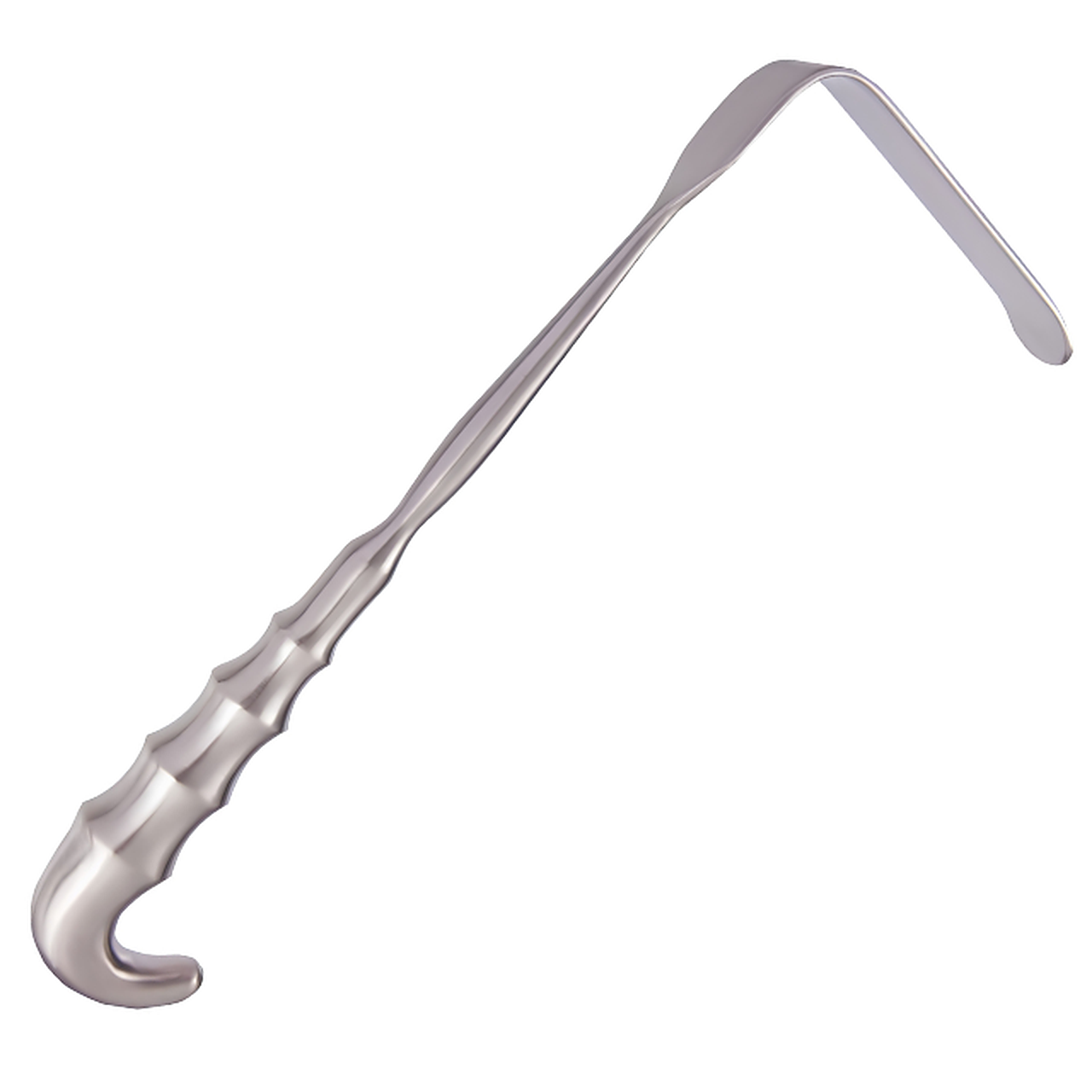 | Heaney Simon 膣レトラクター | 膣式子宮全摘術および骨盤底手術における膣後壁および側壁の圧排。 |
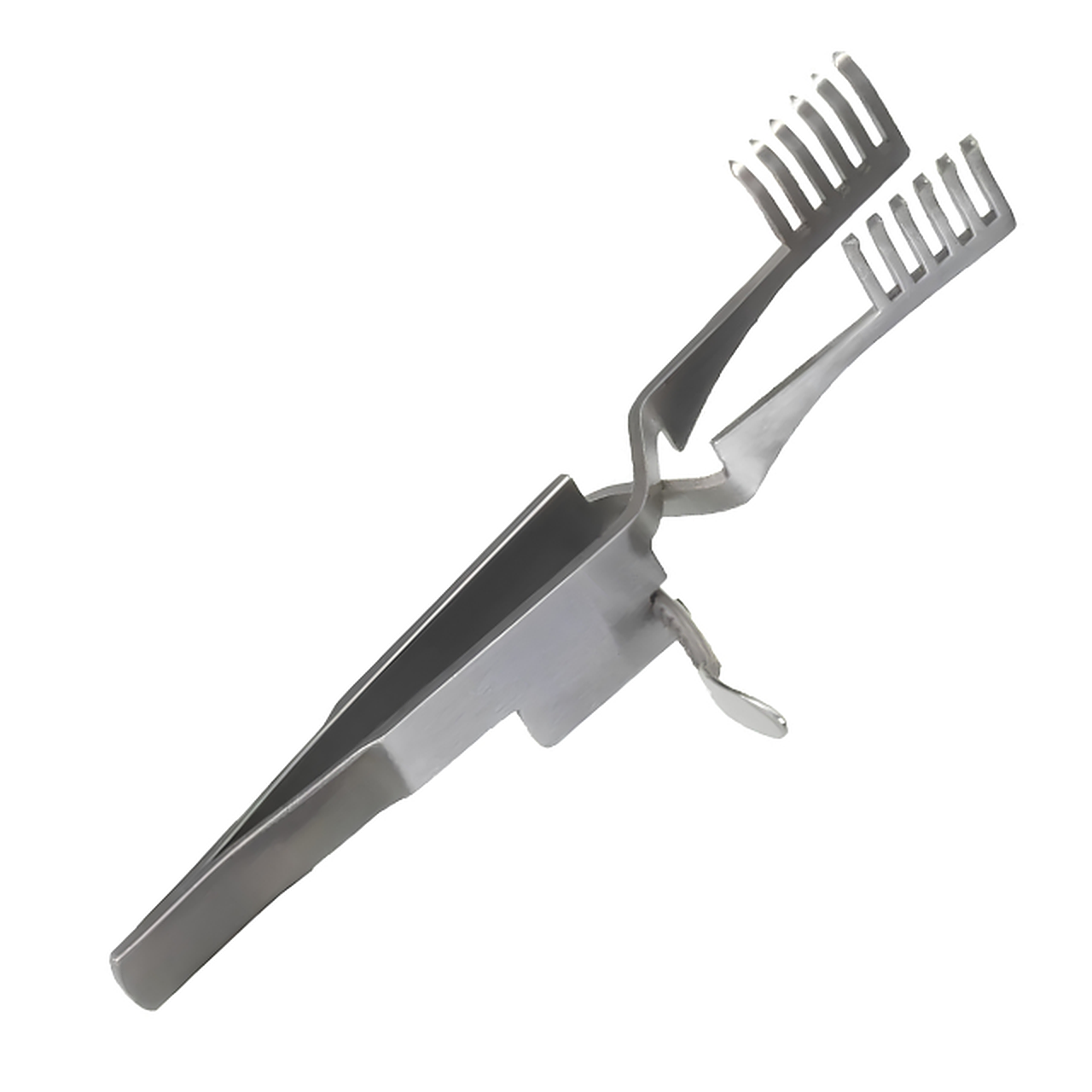 | Heiss 開創器 | 小手術、眼科、形成外科、および手外科の手順において、組織の自動開創を提供するために設計されています。 |
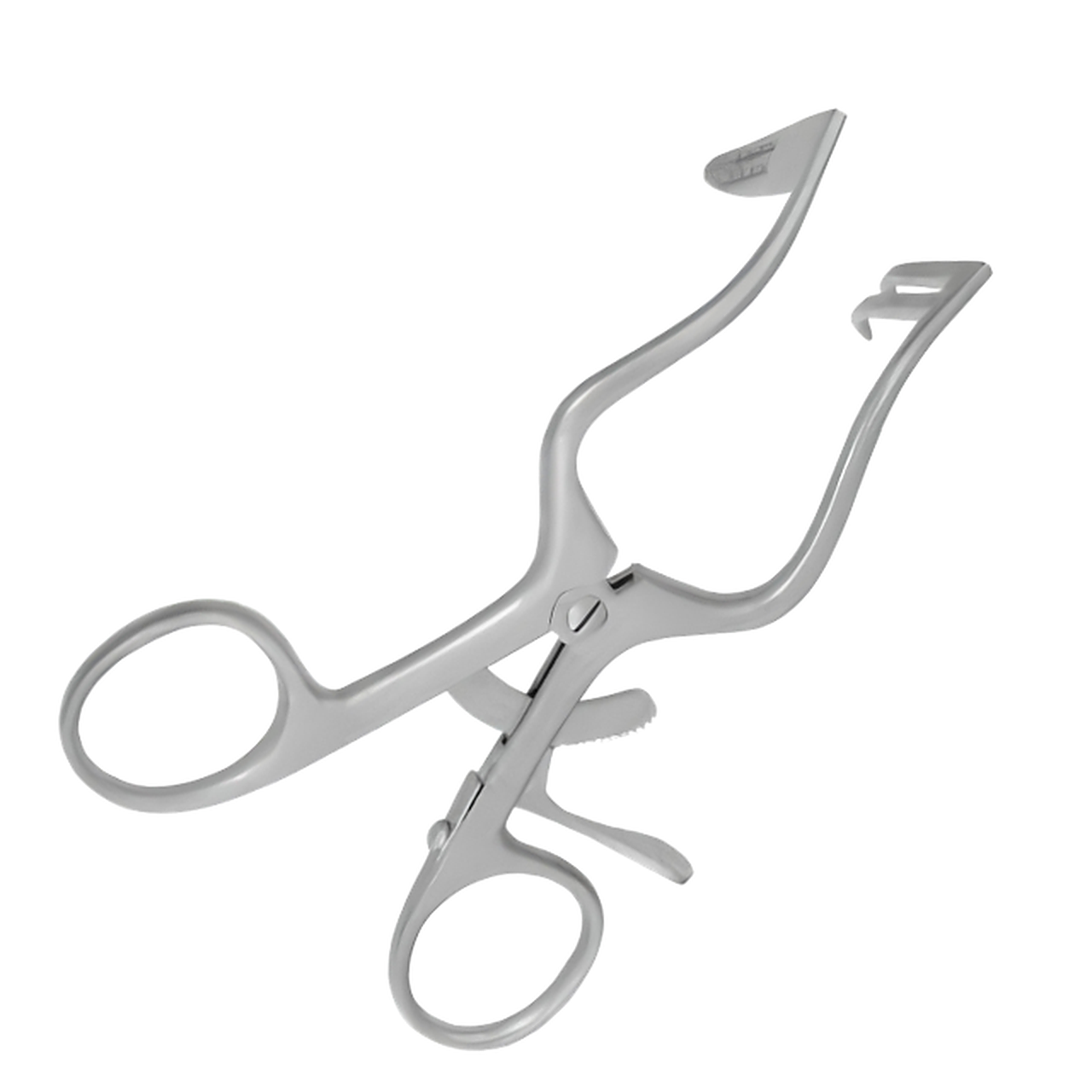 | Helms Retractor | 耳科手術およびマイクロサージャリーの狭い術野において、自己保持による非外傷的な組織牽引を提供するために設計されています。 |
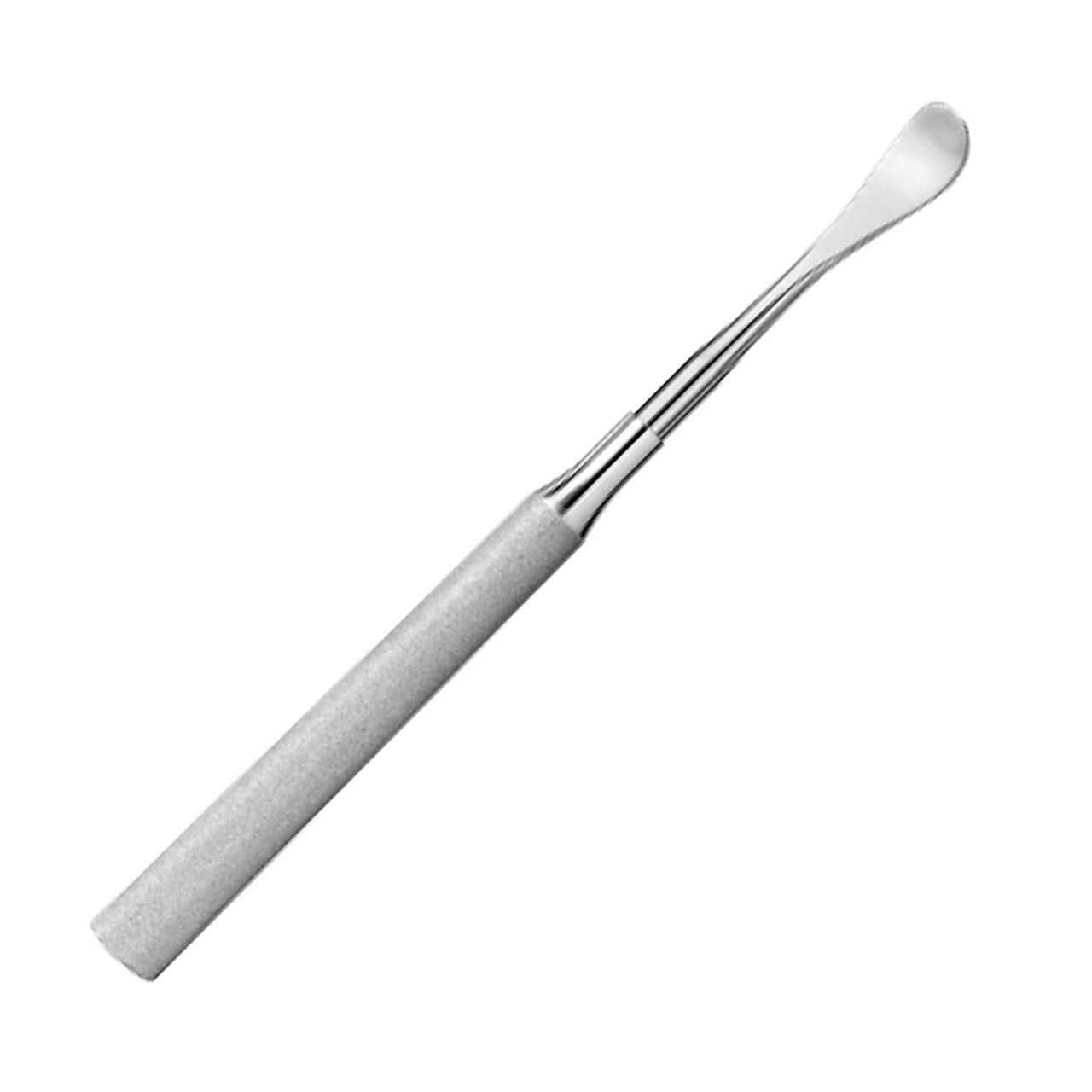 | Henahan リトラクター | 口腔外科、歯科、顎顔面外科手術における頬、唇、および粘膜骨膜組織の牽引に特化して設計されています。 |
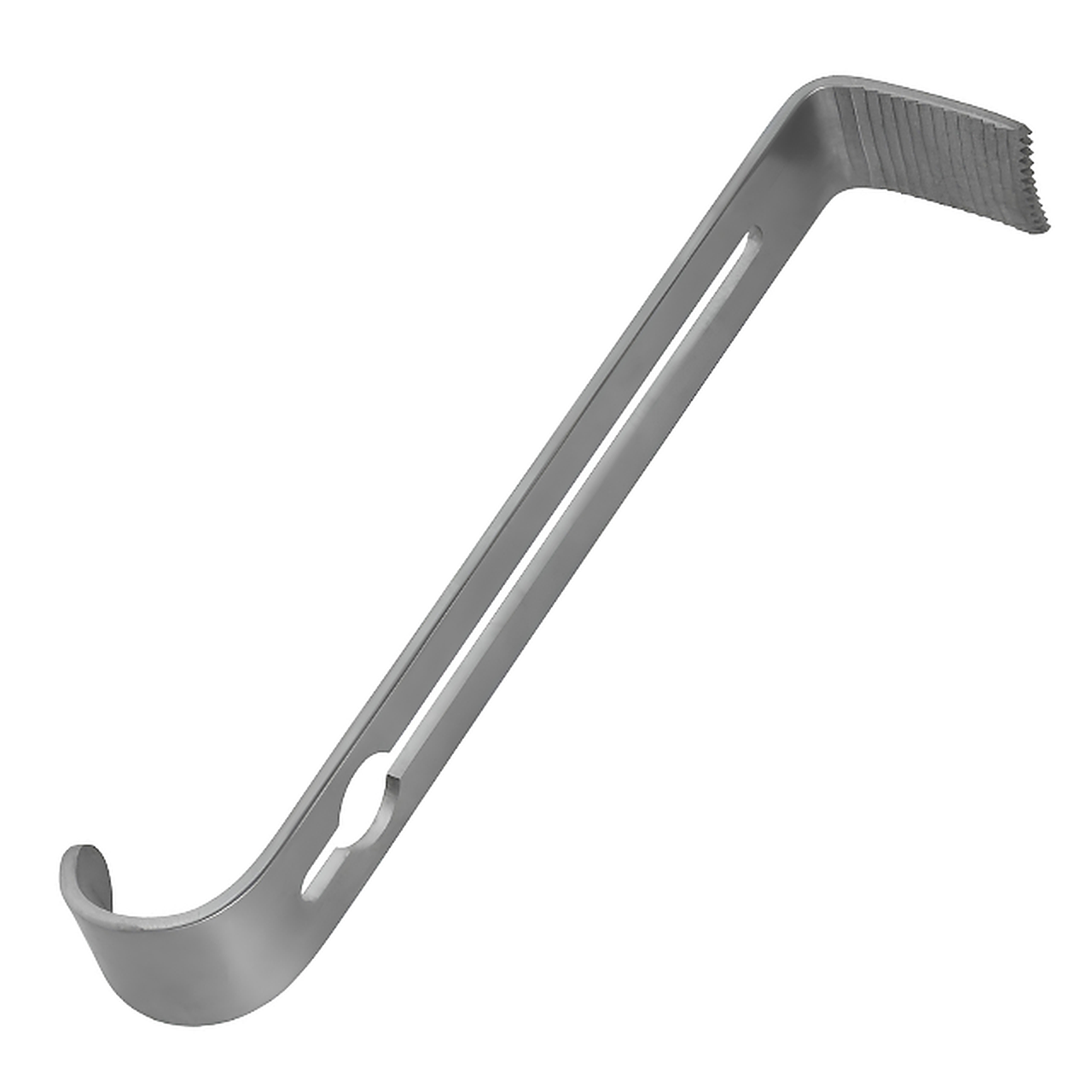 | Henly Retractor Center Blade | 血管外科および一般外科において、Henly開創器フレームに装着し、創縁中央部の組織を牽引するために設計されています。 |
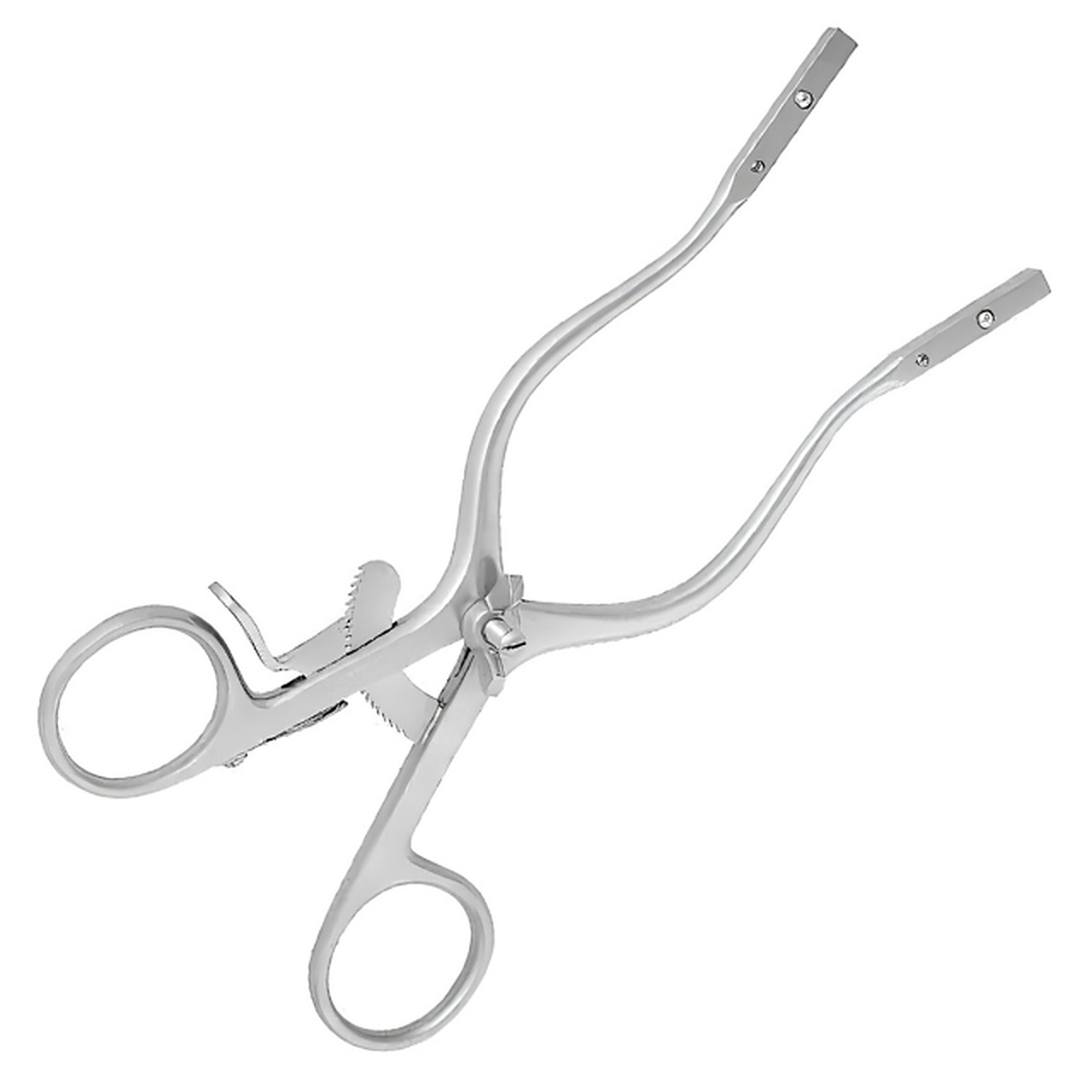 | Henly 開創器用フレーム | 血管外科および整形外科において、交換可能なサイドブレードおよびセンターブレードを取り付け、ハンズフリーの開創を行うために特別に設計されています。 |
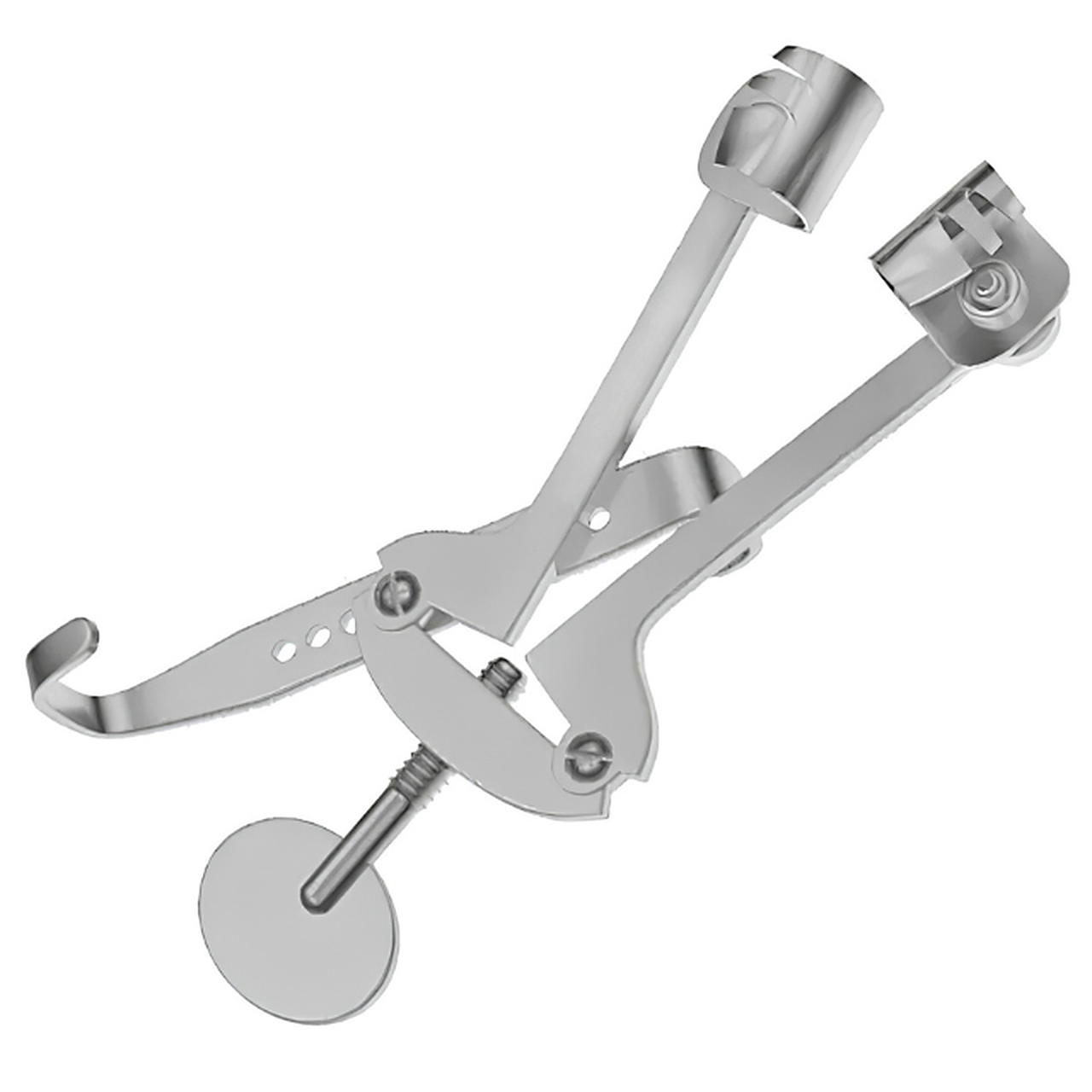 | Henner Endaural Retractor | 耳科手術において、耳内切開縁および外耳道を牽引・展開するために設計されています。 |
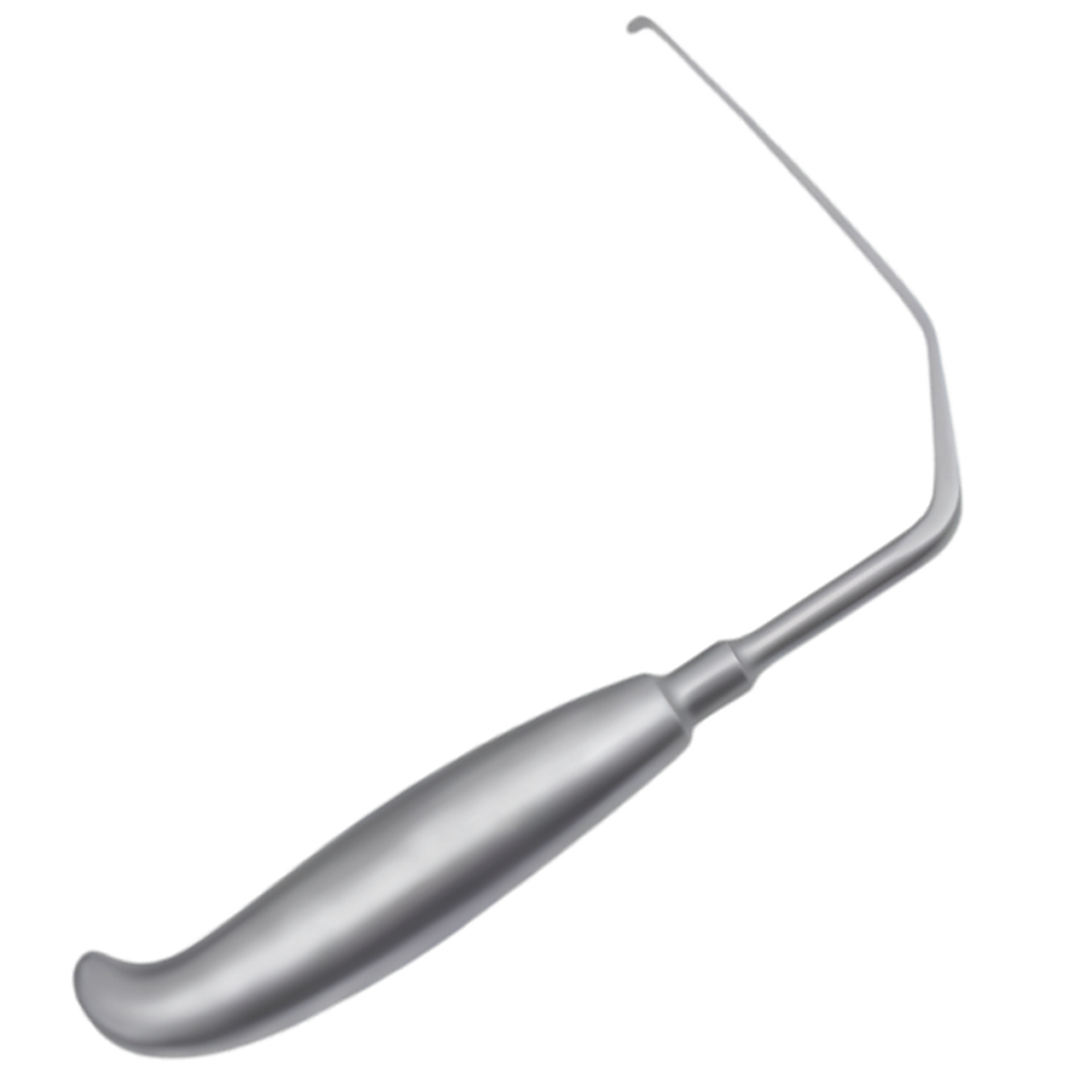 | Hess 神経根レトラクター | 顕微鏡下腰椎椎間板切除術において、走行する脊髄神経根および硬膜嚢を牽引し保護するために設計されています。 |
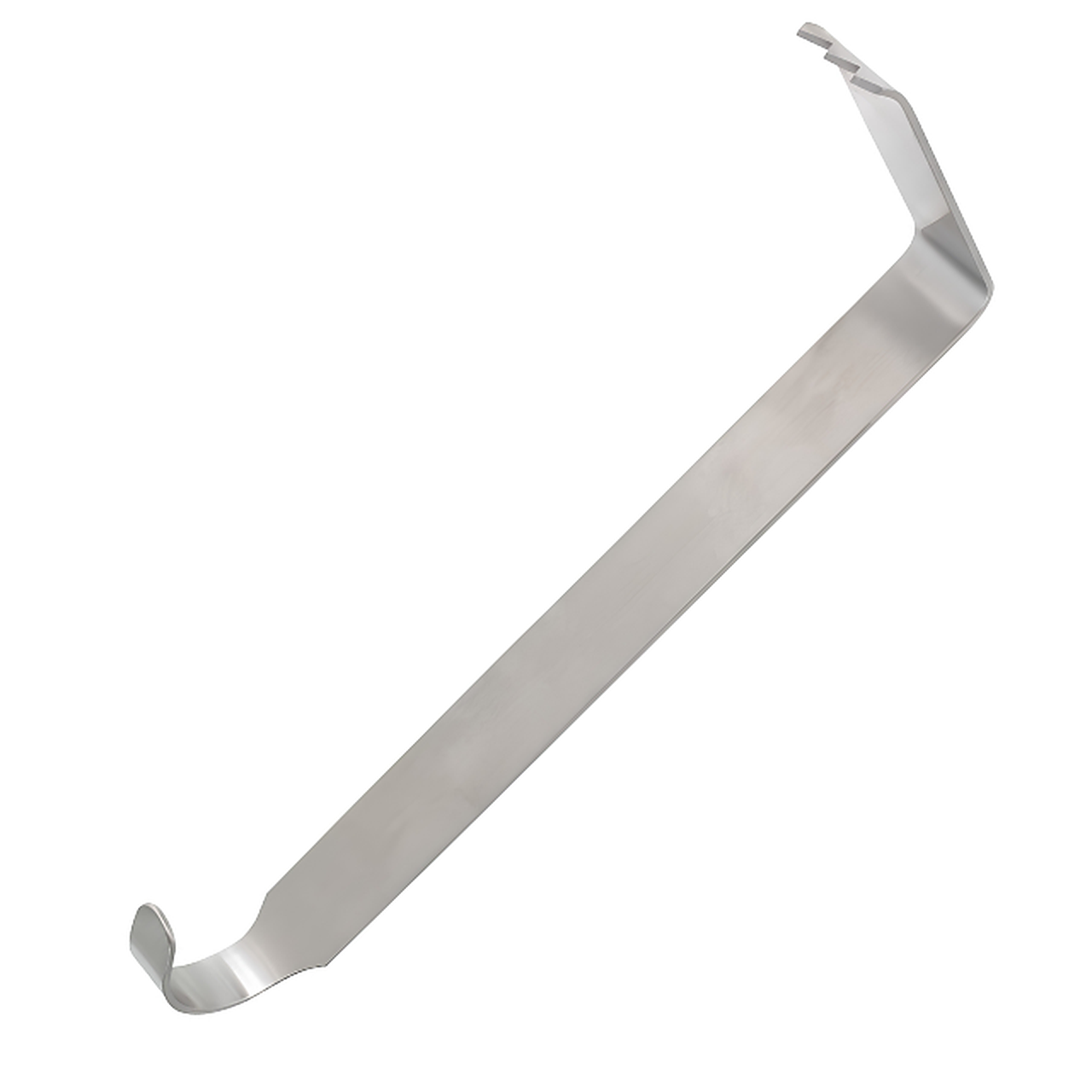 | Hibbs Retractor | 脊椎および整形外科手術における、強力な傍脊柱筋群や深い軟部組織の牽引に特化。 |
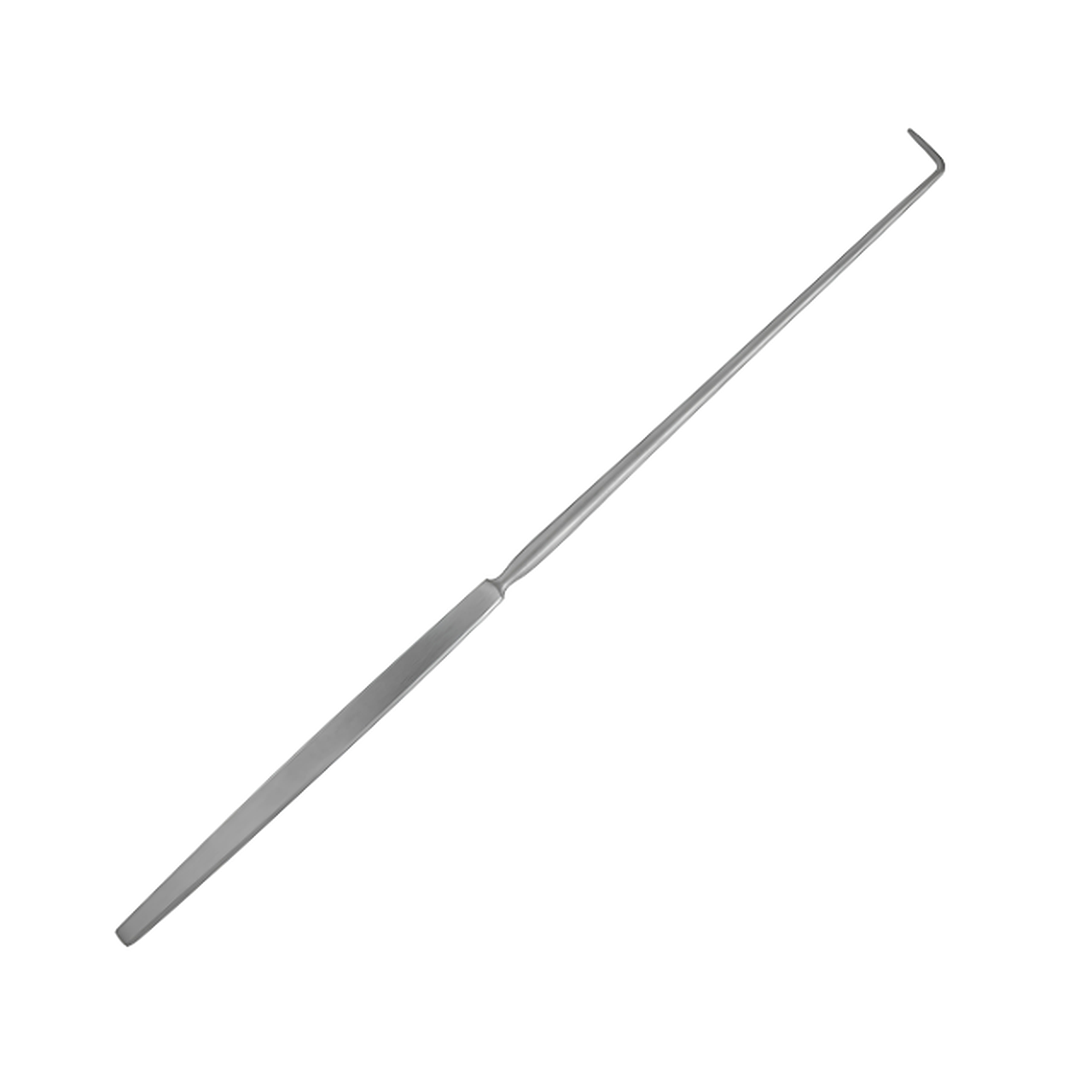 | Hoen 神経レトラクター | 顕微鏡下手術における脊髄神経根および硬膜嚢の授動、探索、および牽引専用設計。 |
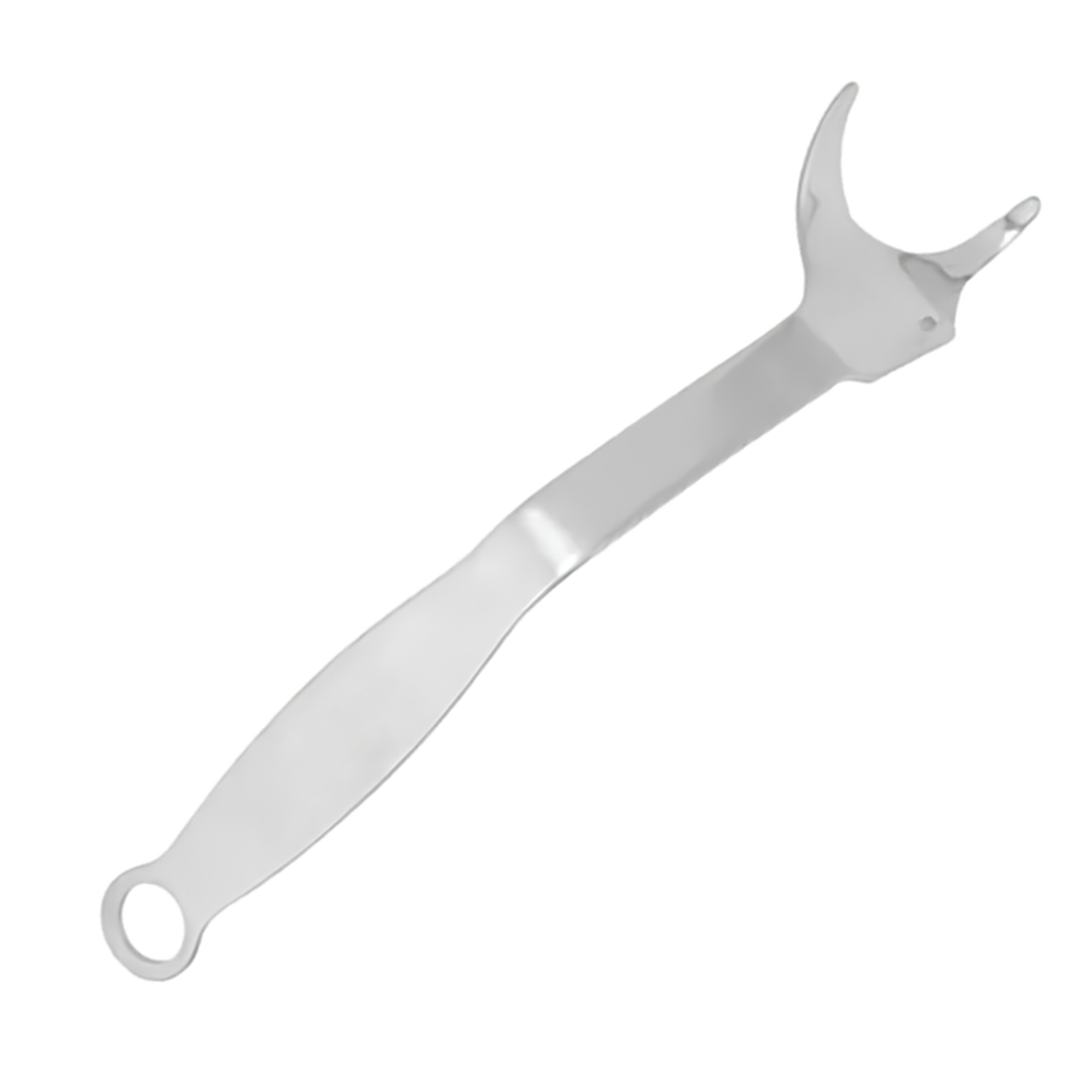 | Hohmann 後下方開創器 | 人工股関節全置換術における臼蓋後下縁の露出および関節包組織の圧排のために設計されています。 |
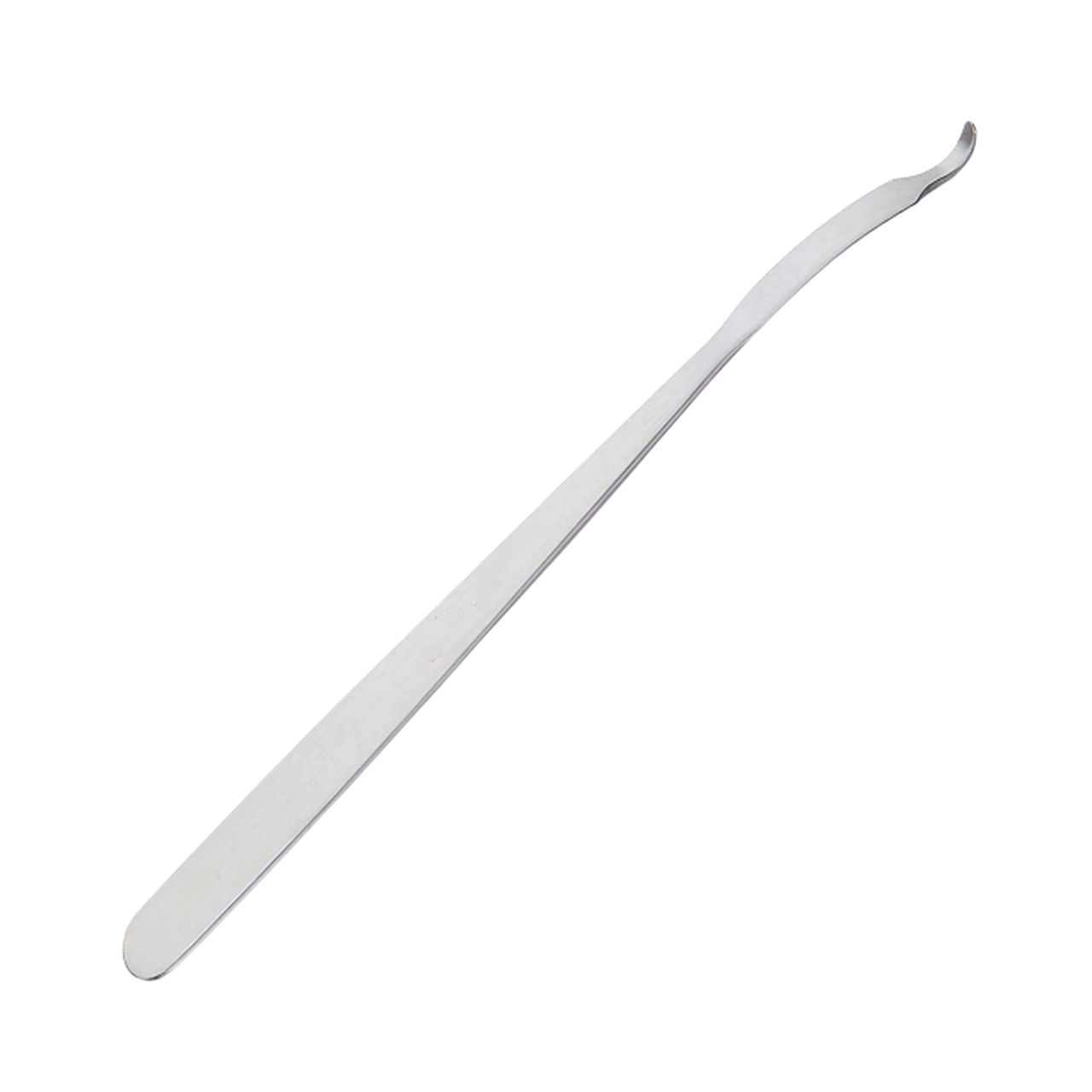 | Hohmann Retractor | 股関節、膝関節、および長管骨の整形外科手術における、骨のレベレージおよび強固な筋肉の牽引。 |
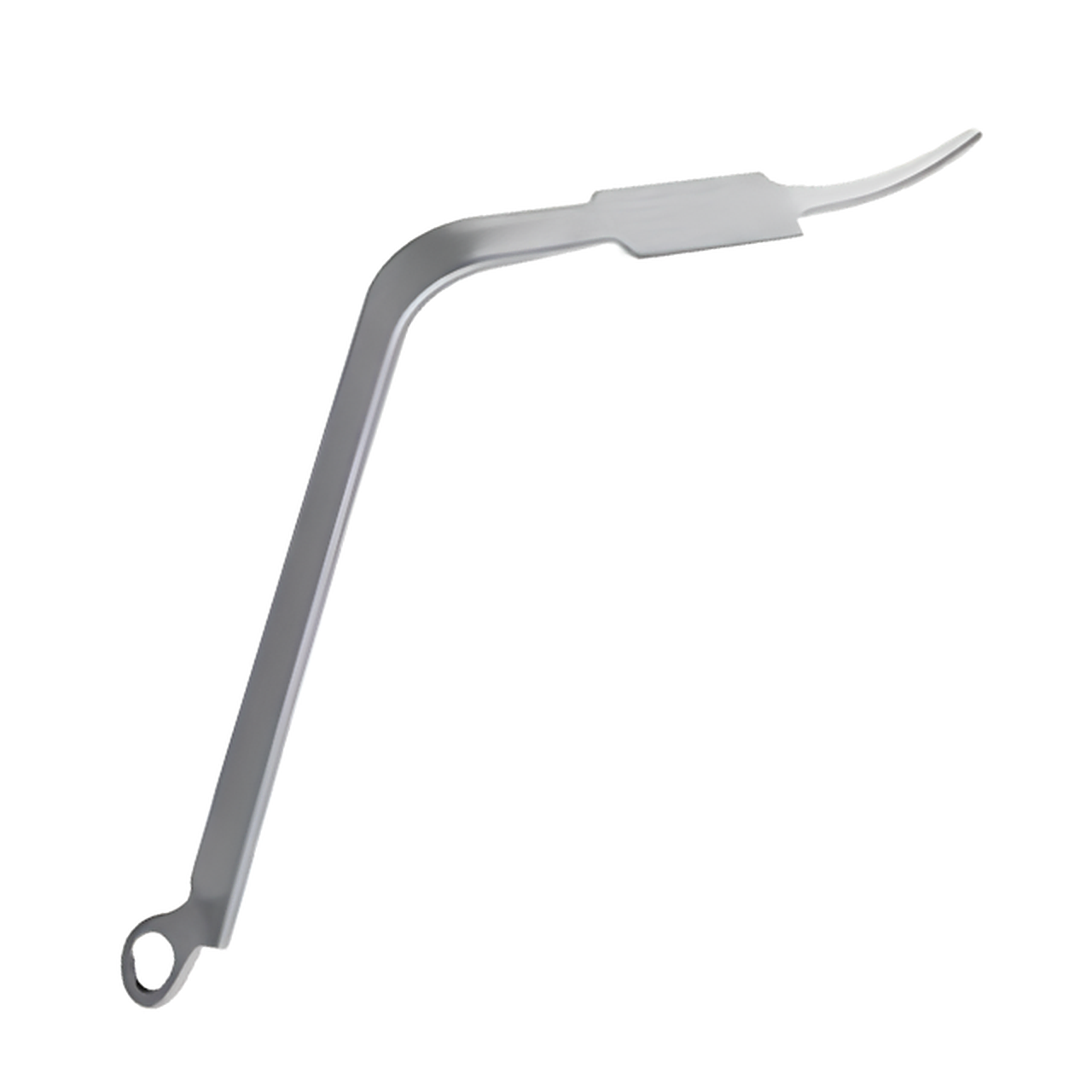 | Hohmann Retractor Bent Extra Long Handle | 整形外科手術において、骨をてこの原理で操作し、厚い筋肉を牽引しながら、ハンドルを深い術野から遠ざけるために特別に設計されています。 |
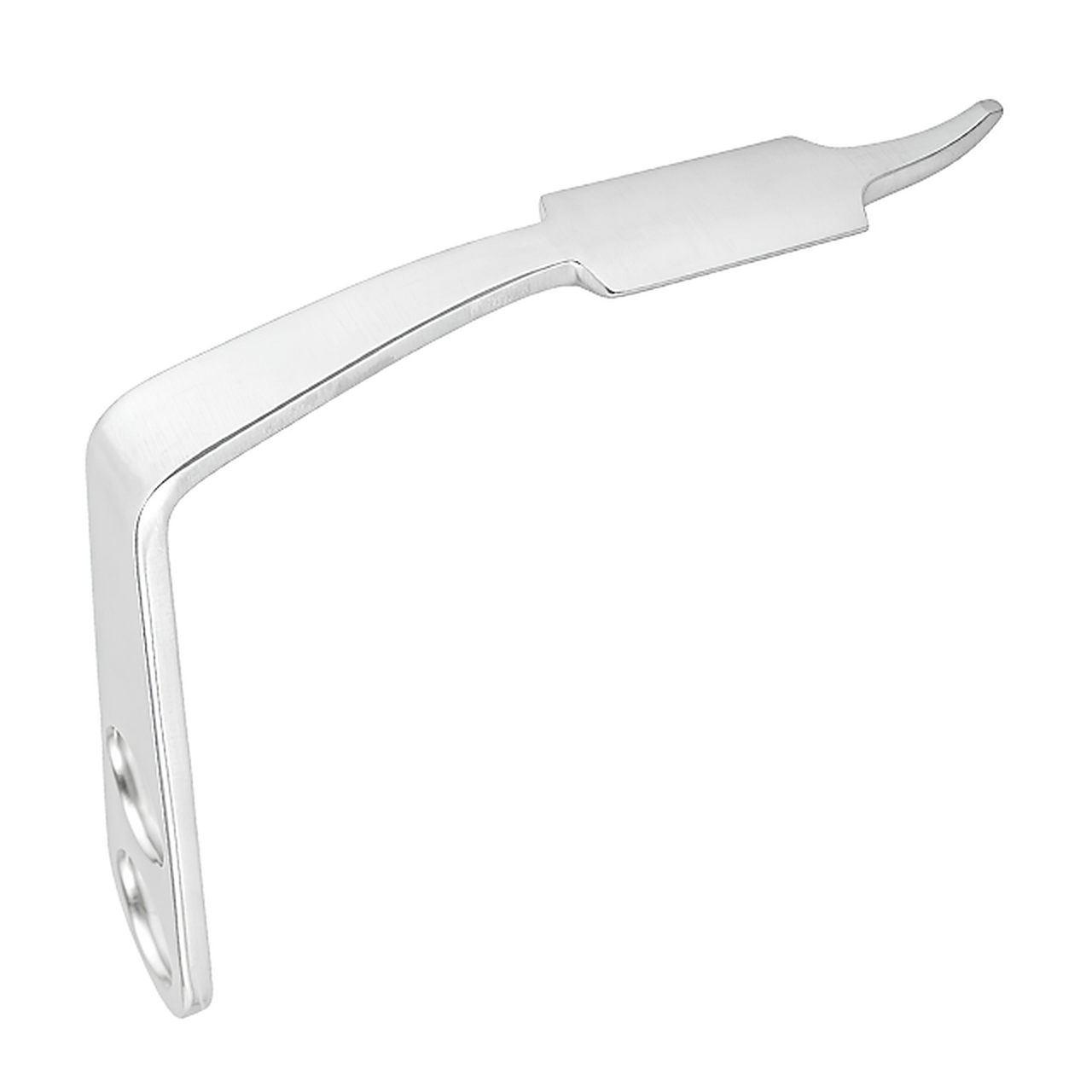 | Hohmann Retractor Right Angled (直角ホーマンレトラクター) | 深部の股関節、骨盤、および大腿骨の手術において、直角に骨をレベレージし、筋肉を牽引するために特別に設計されています。 |
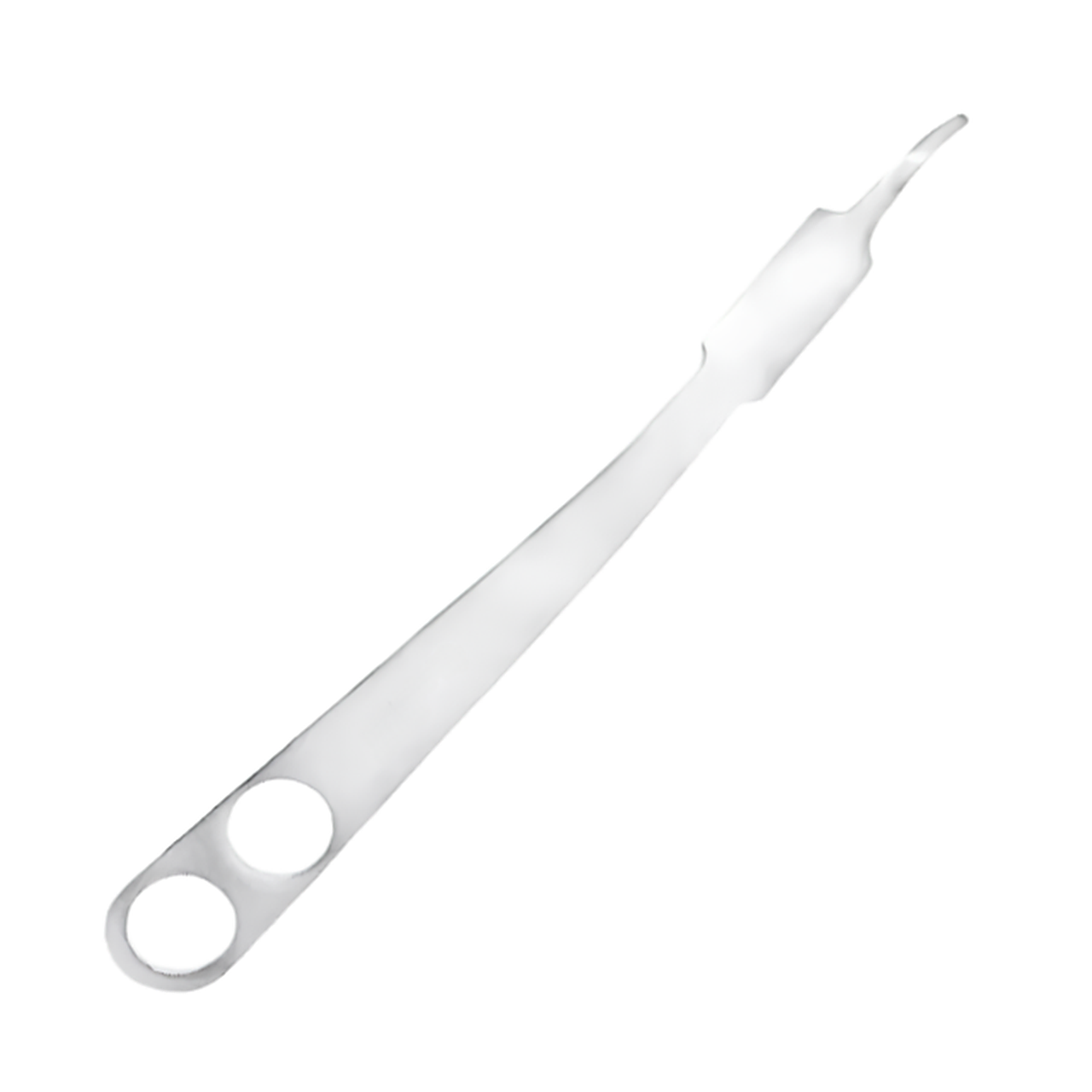 | Hohmann Retractor Rounded End (ホーマン骨レトラクター 丸型先端) | 股関節、膝関節、および長管骨の整形外科手術において、非侵襲的に骨のレバレッジを行い、軟部組織を圧排するために特別に設計されています。 |
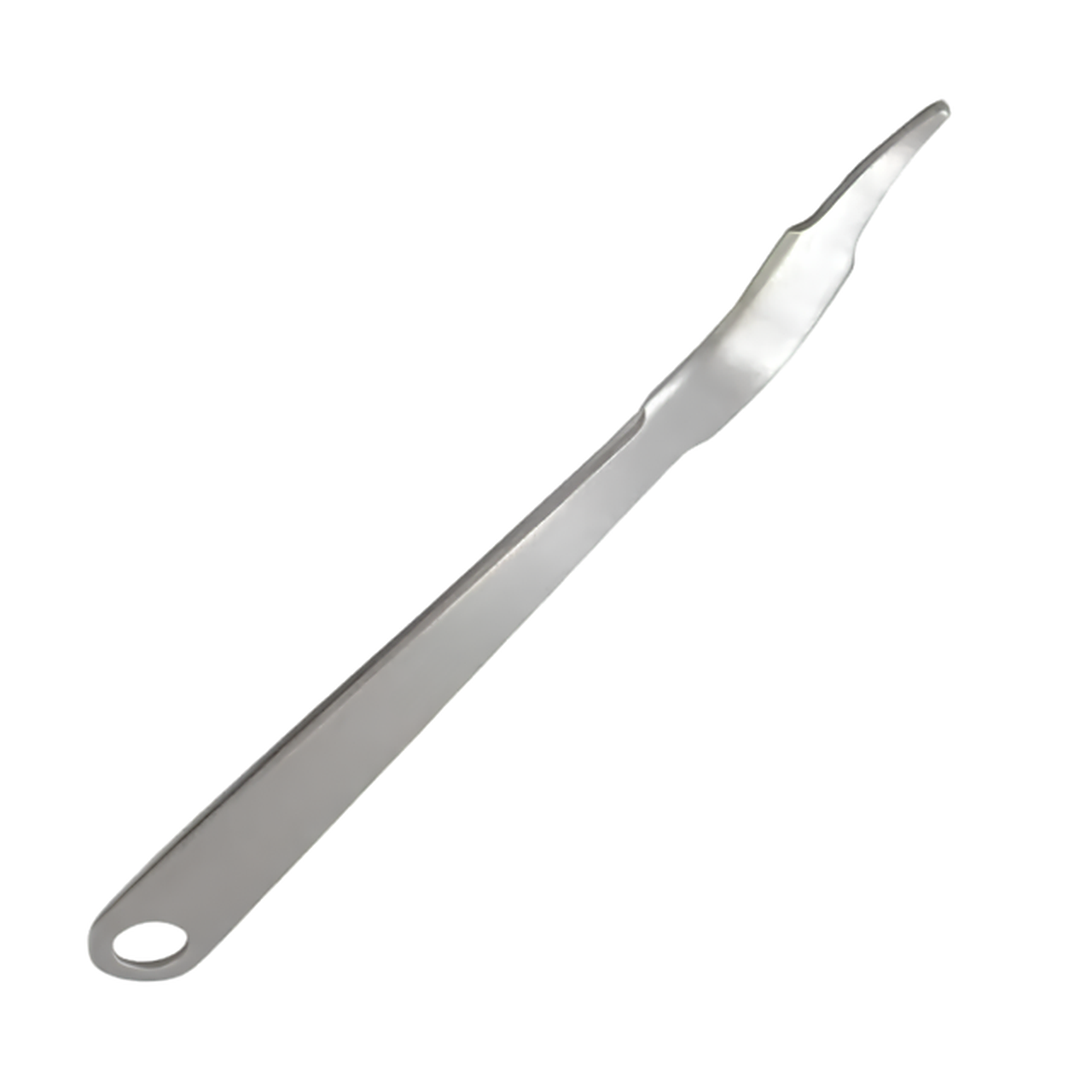 | Hohmann Retractor Square End (ホーマン骨レトラクター 角型) | 整形外科における膝、股関節、および外傷手術中の平坦な骨皮質のレベレージと軟部組織の圧排。 |
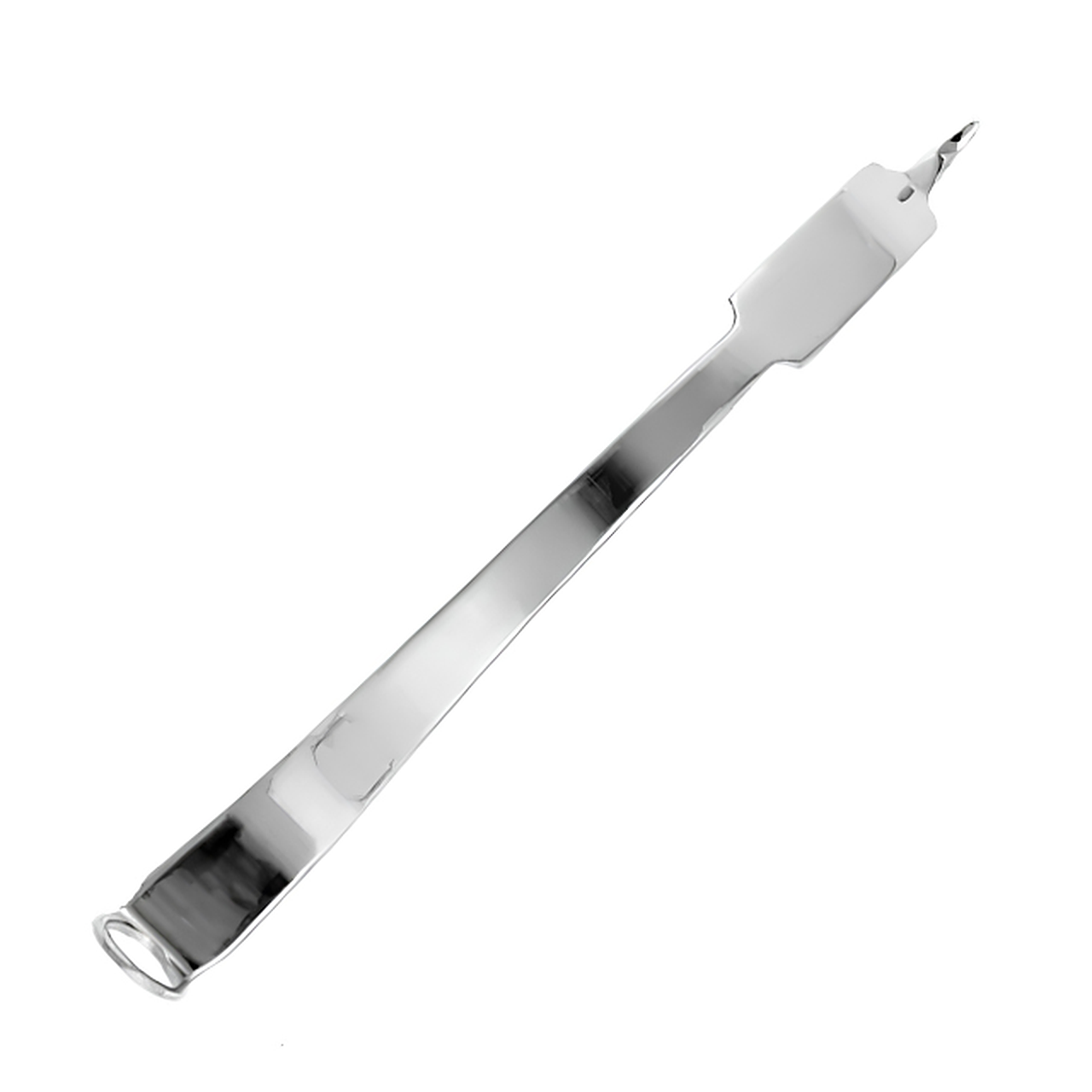 | Hohmann Retractors Angled | 整形外科手術において、骨をてこのように支え、深い関節や長管骨から筋肉を圧排するために設計されています。 |
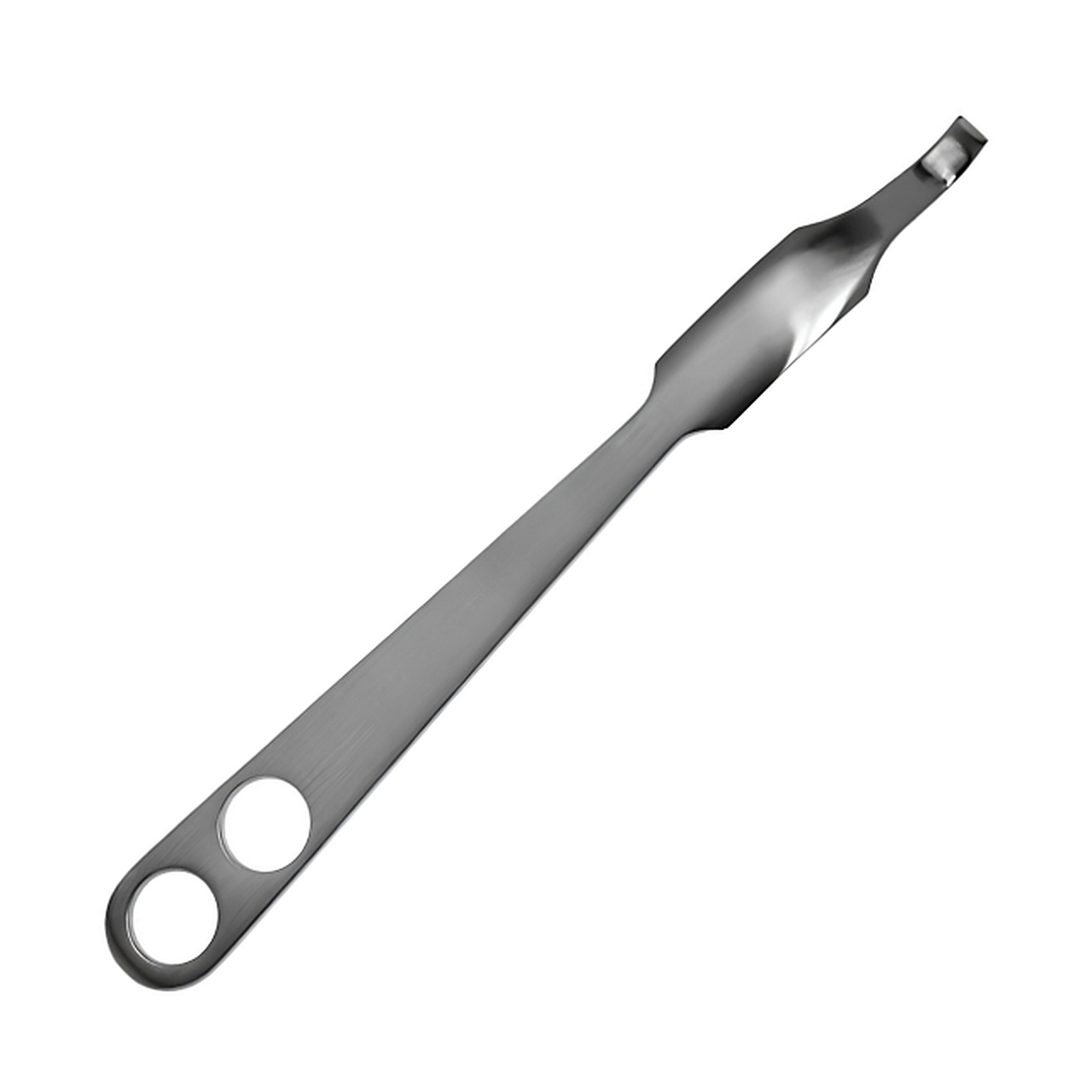 | Hohmann Retractors Square Blade | 股関節、膝関節、および長管骨の整形外科手術において、皮質骨のレバレッジと厚い筋肉層の牽引に特化して設計されています。 |
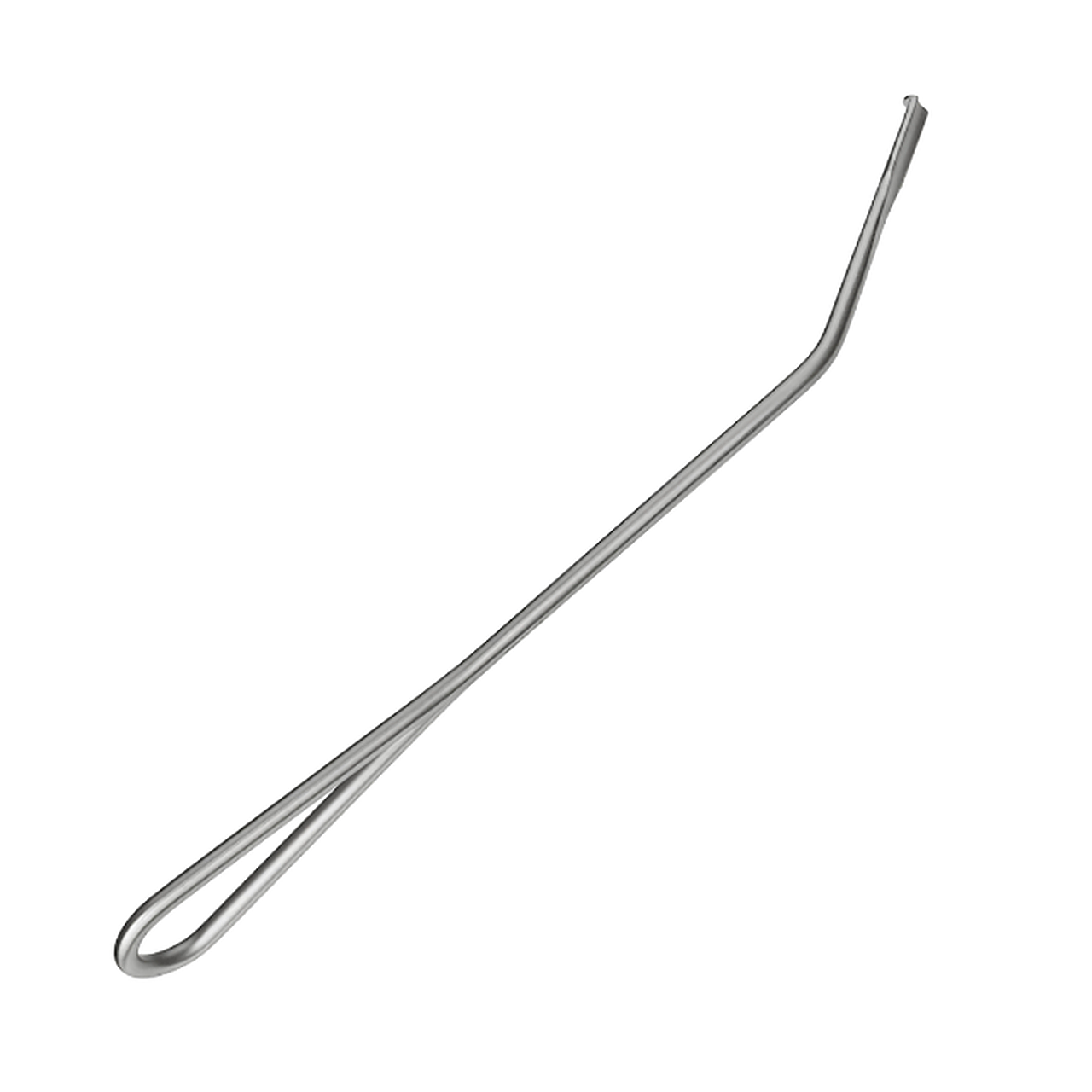 | Holscher Retractors | 椎間板切除術および椎弓切除術における脊髄神経根と硬膜嚢の牽引および保護。 |
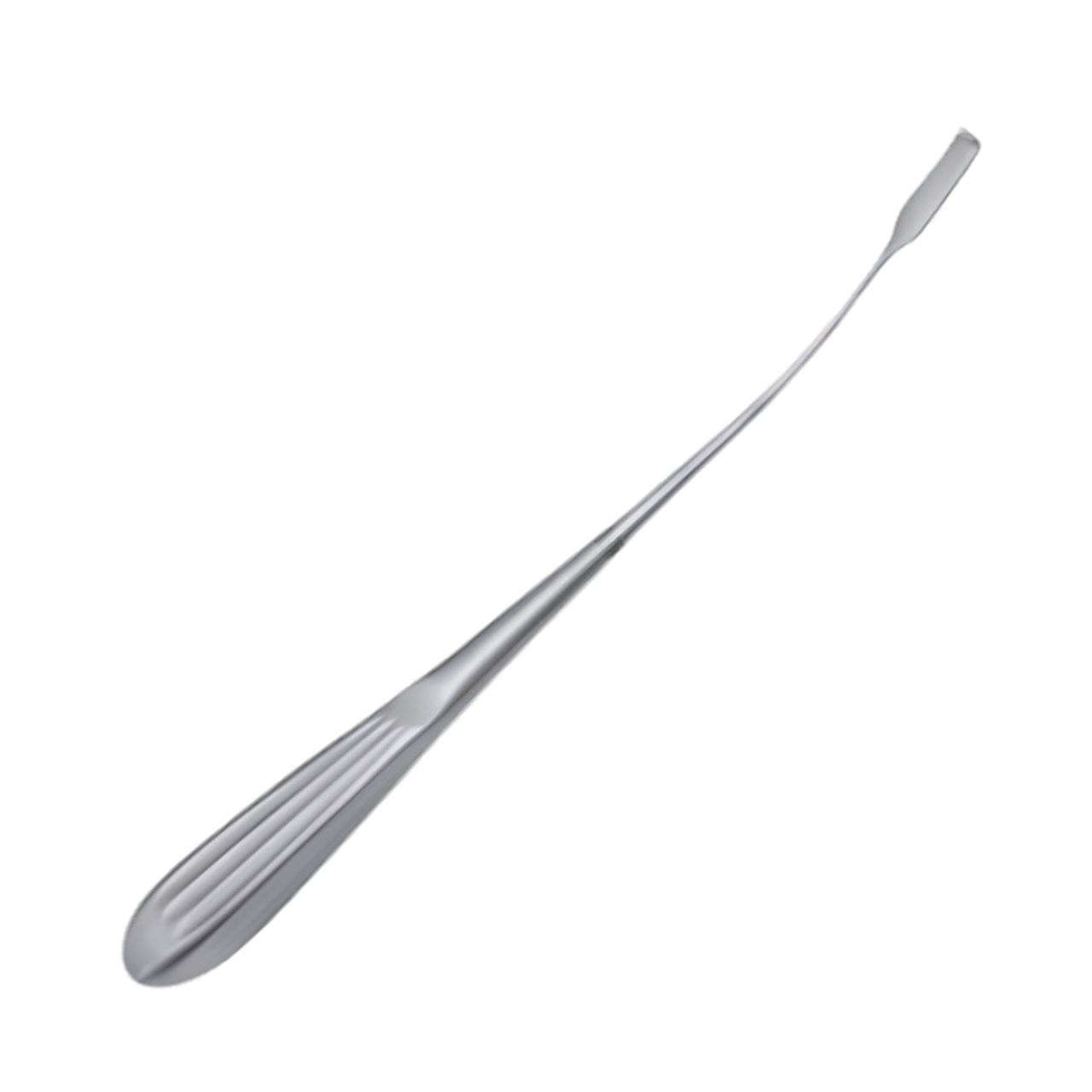 | Holsher Nerve Root Retractor | 顕微鏡下腰椎椎間板切除術における脊髄神経根および硬膜嚢の圧排と保護。 |
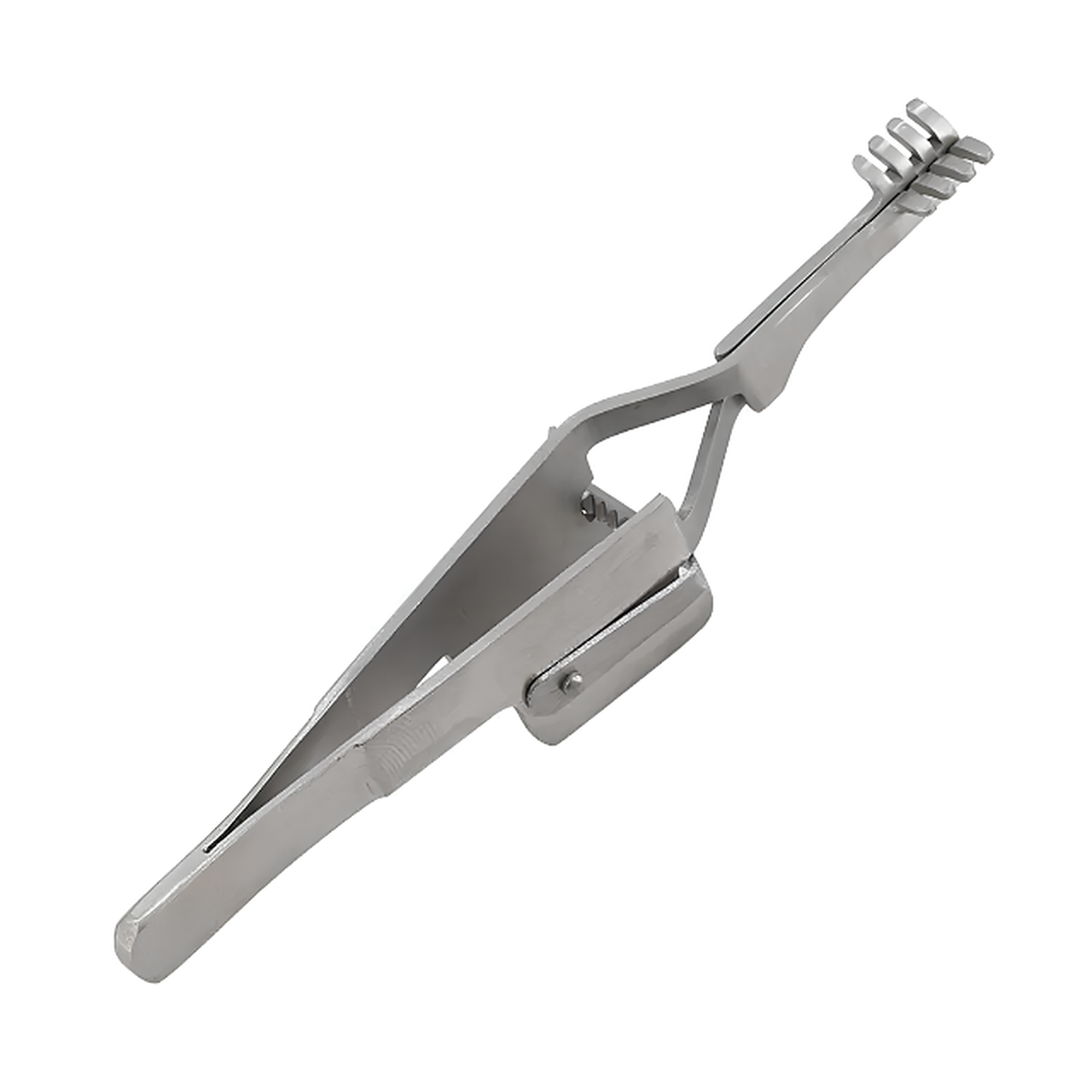 | Holzhimer 自動開創器 | 小手術、眼科、形成外科、および手外科の手術において、自動保持式の組織開創を提供するために特別に設計されています。 |
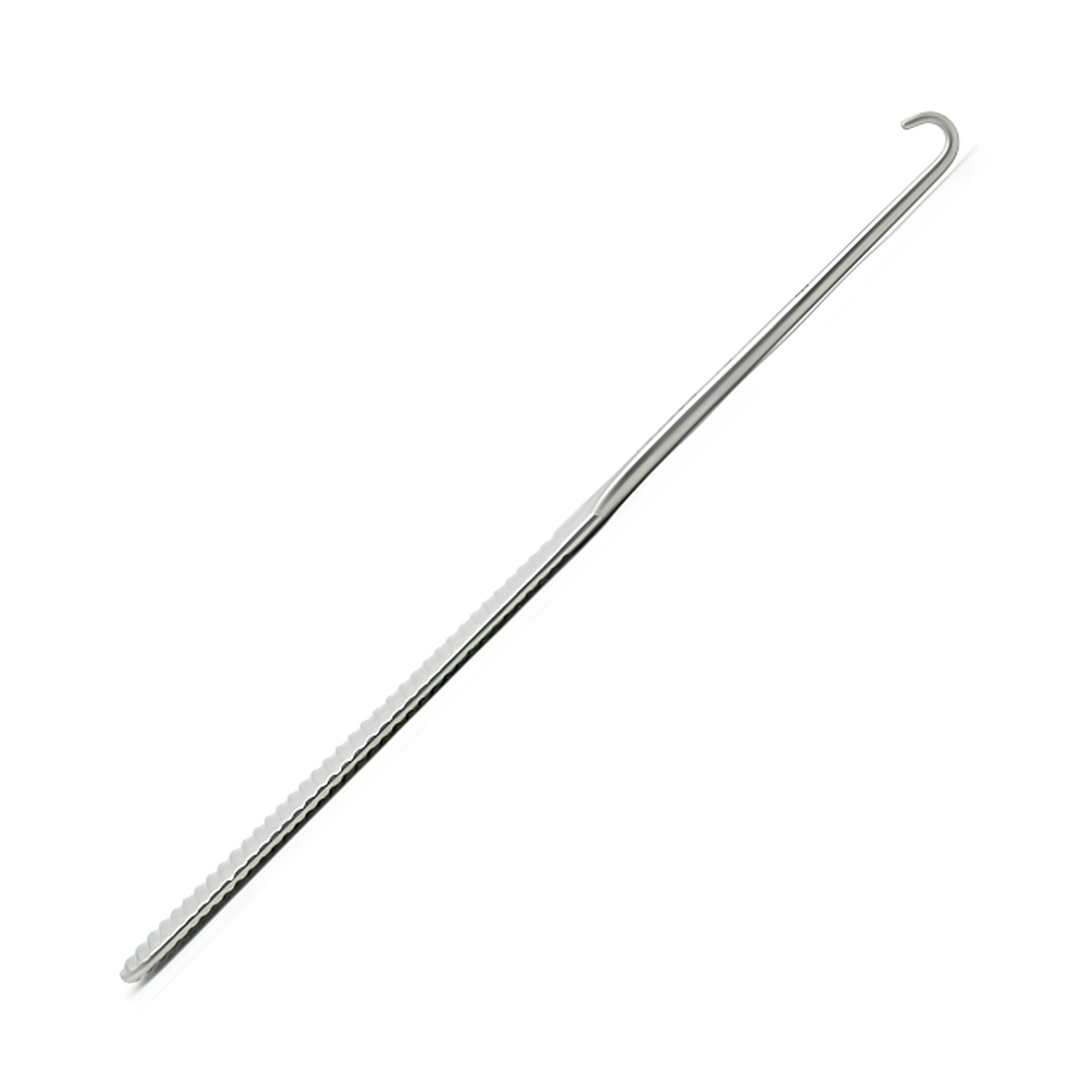 | フックレトラクター | 手術中の皮弁、皮膚縁、および浅層軟部組織の牽引に特化して設計されています。 |
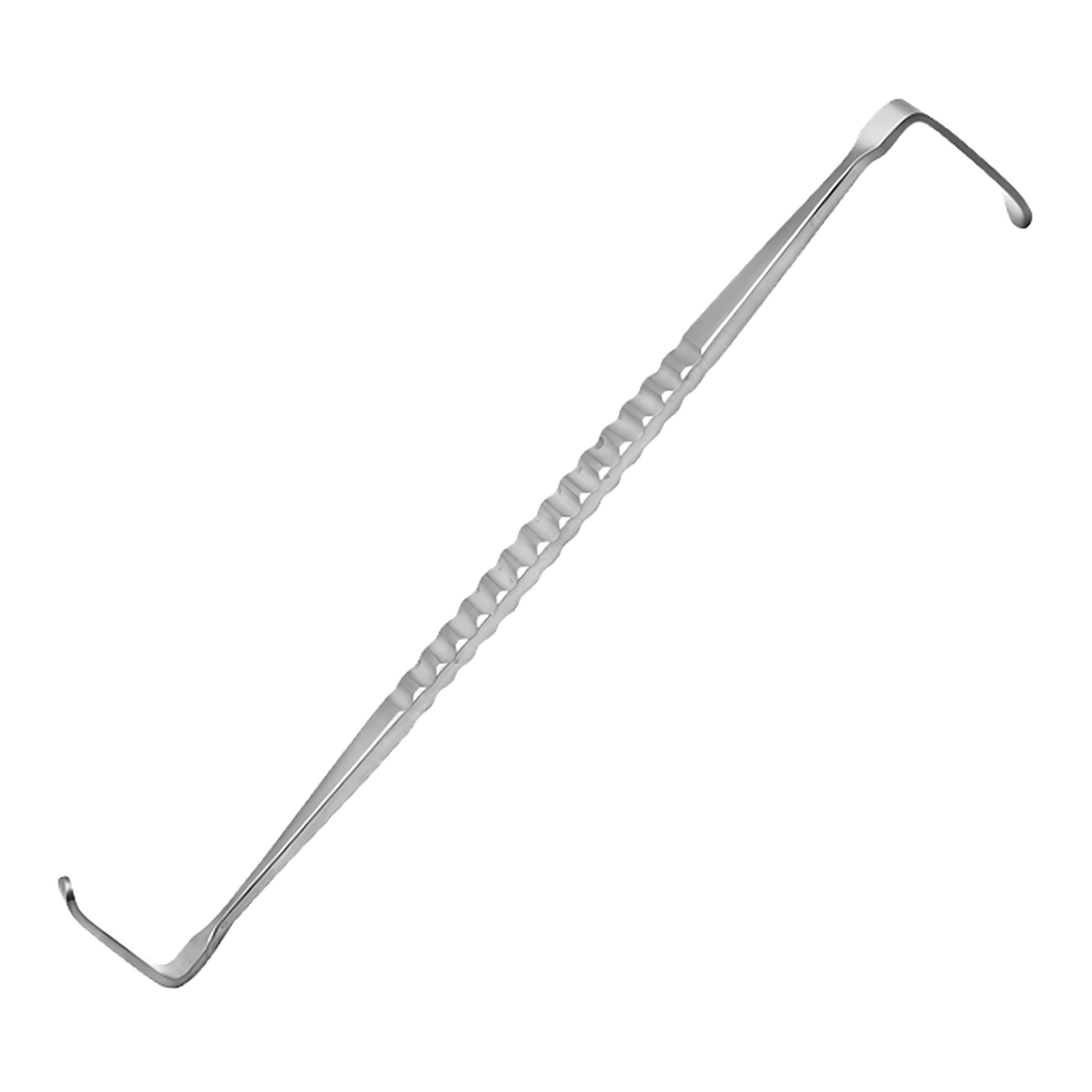 | House 手動開創器 | 耳科、耳鼻咽喉科、および形成外科における皮膚縁、耳道組織、筋膜の牽引に特化。 |
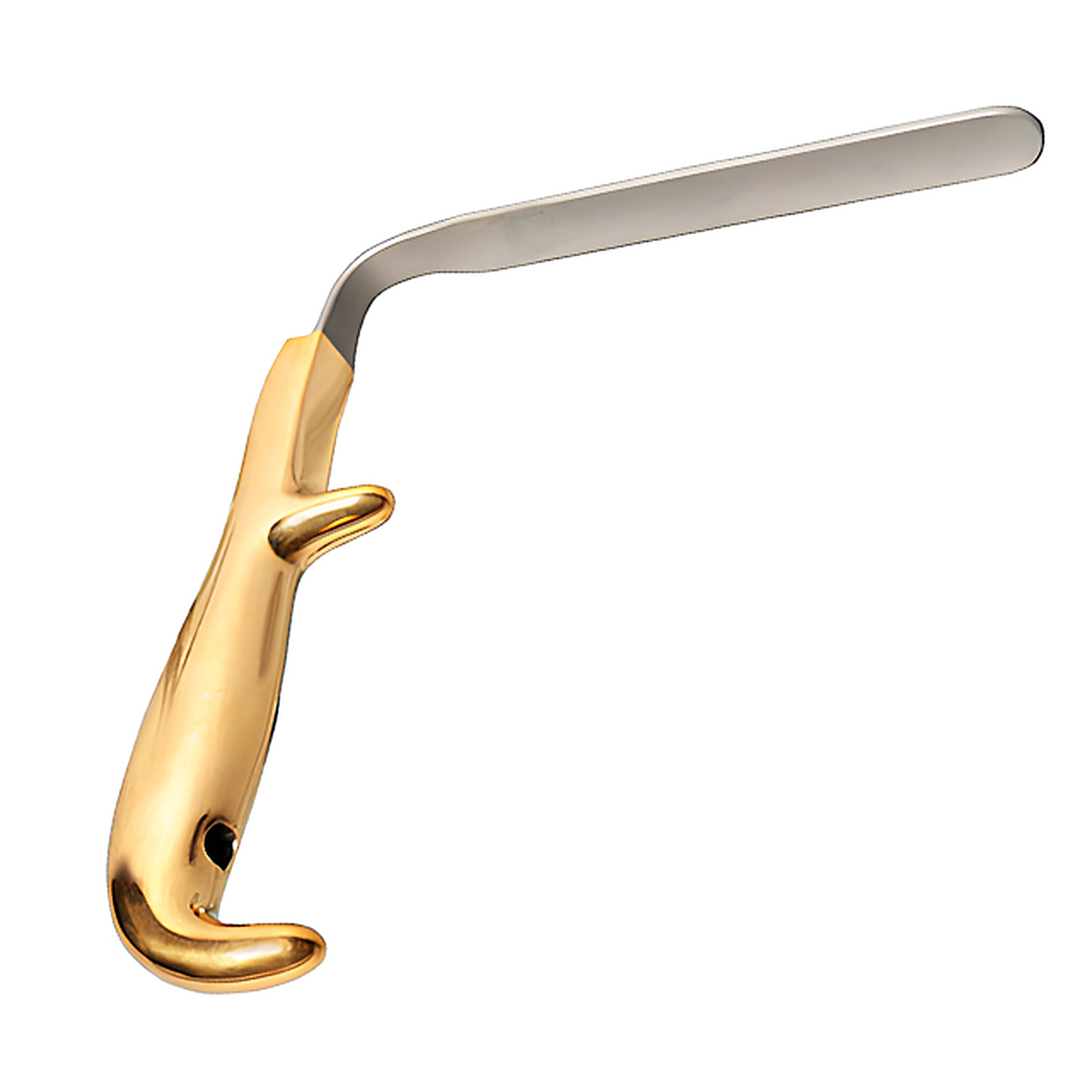 | Hoyos Distal Retractor | HD腹壁形成術において、腹部皮弁の挙上および遠位ポケットの術野露出を行うために特別に設計されています。 |
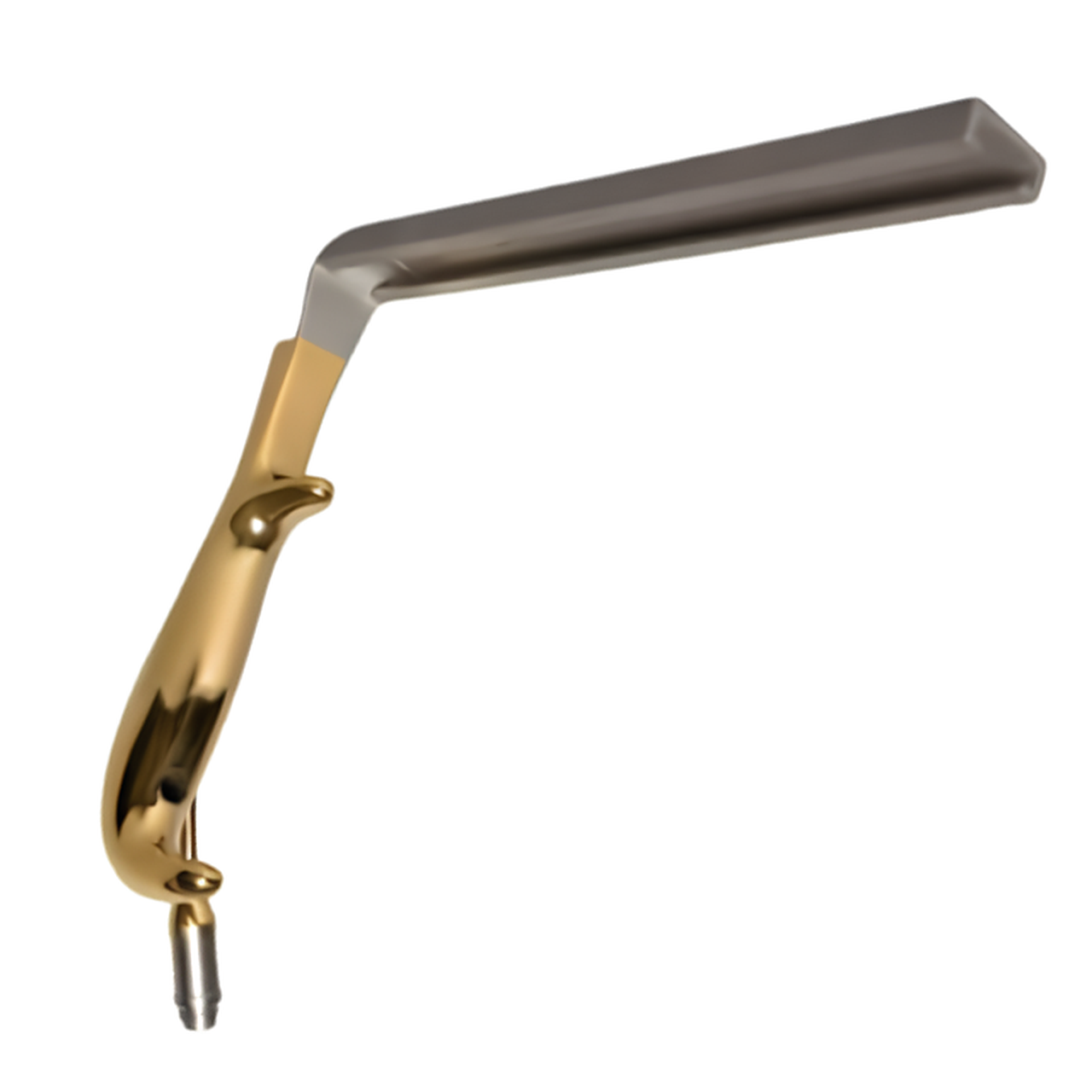 | Hoyos Proximal Retractor | 高解像度の腹壁形成術において、近位腹部フラップを挙上し、心窩部を露出させるために特別に設計されています。 |
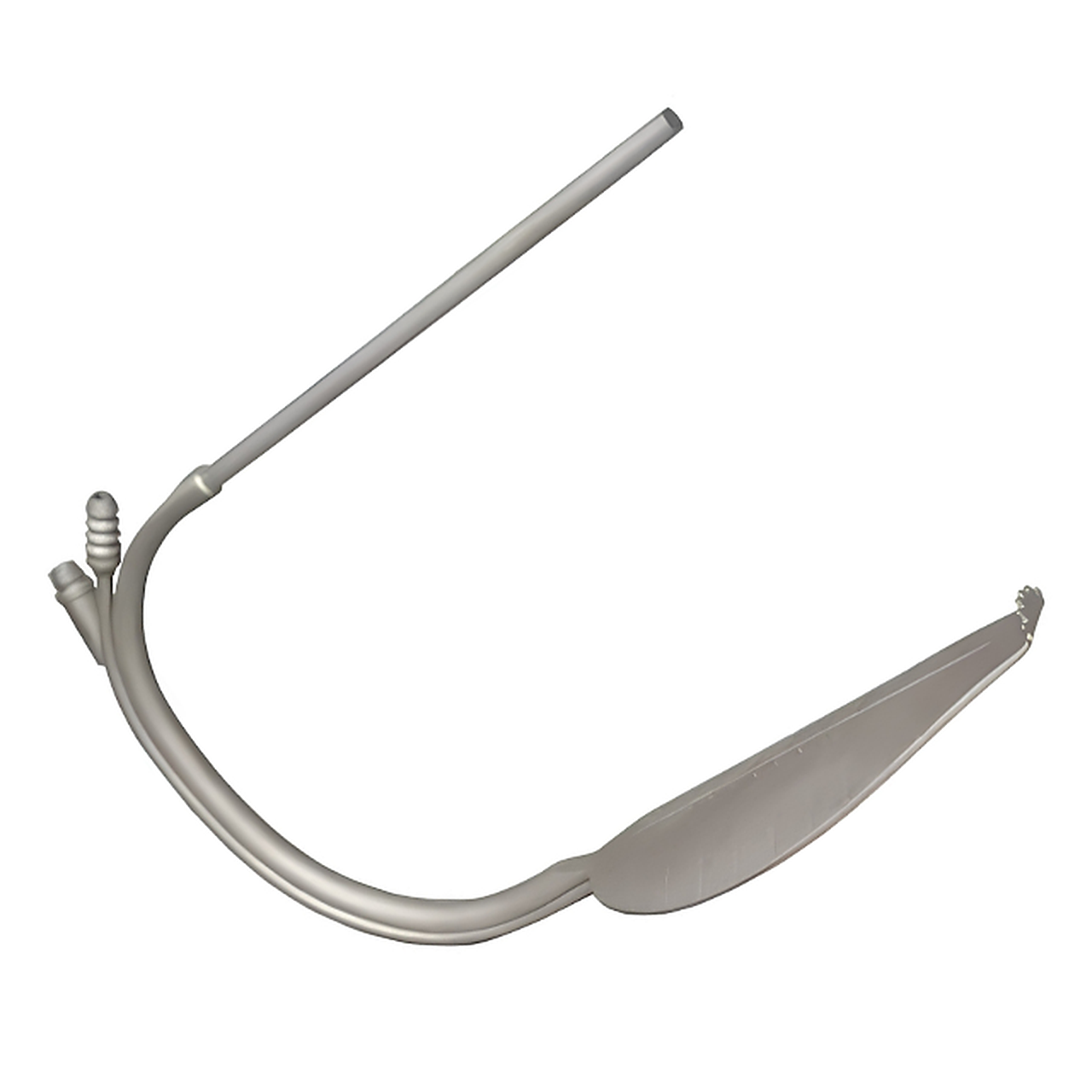 | Hoyos Remora Retractor | ハイデフィニション・ボディ彫塑における照明付き軟部組織開創、煙の排気、および組織の安定化。 |
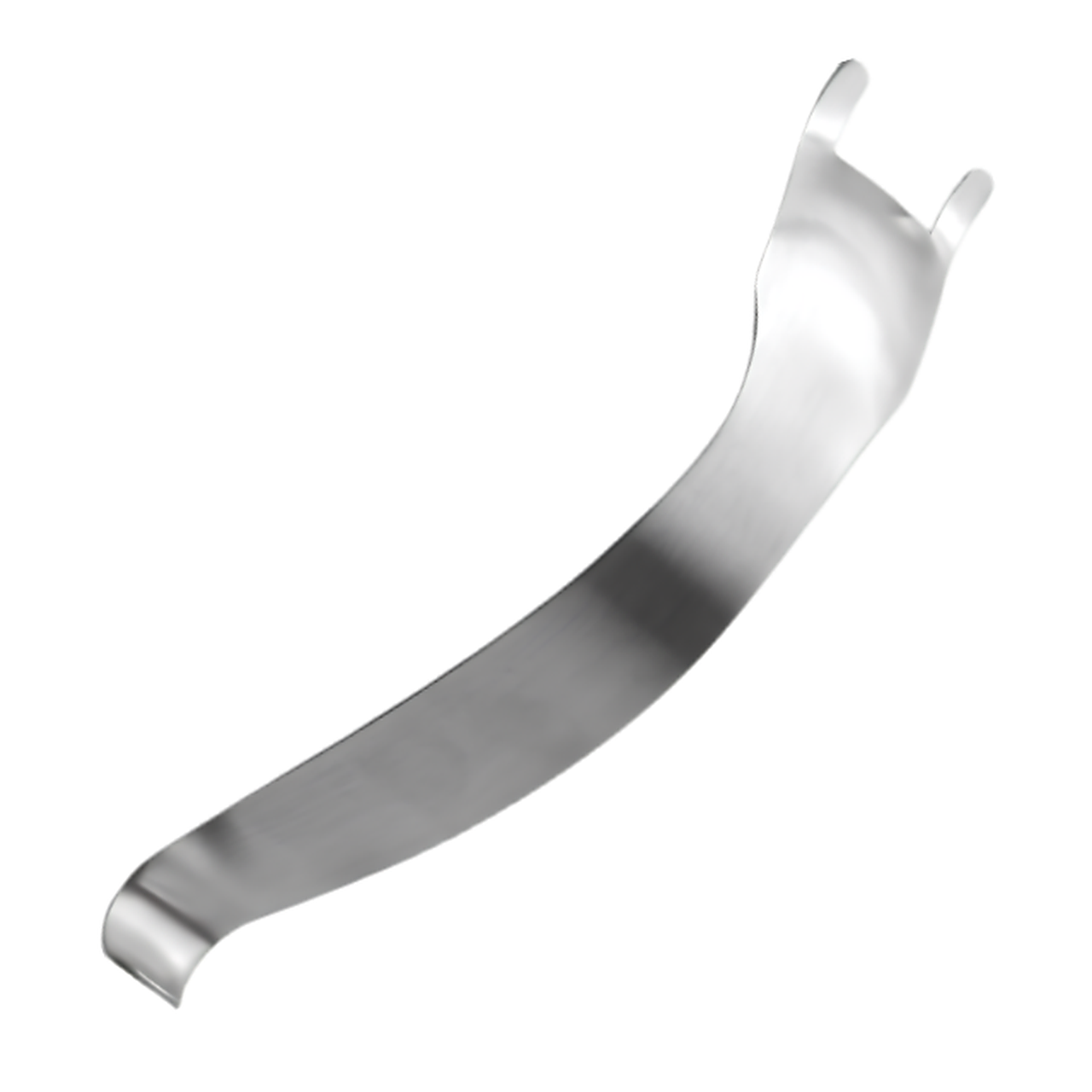 | Humeral Head Retractor (上腕骨頭レトラクター) | 肩関節置換術において、上腕骨頭を後方に変位させ、関節窩を露出させるために設計されています。 |
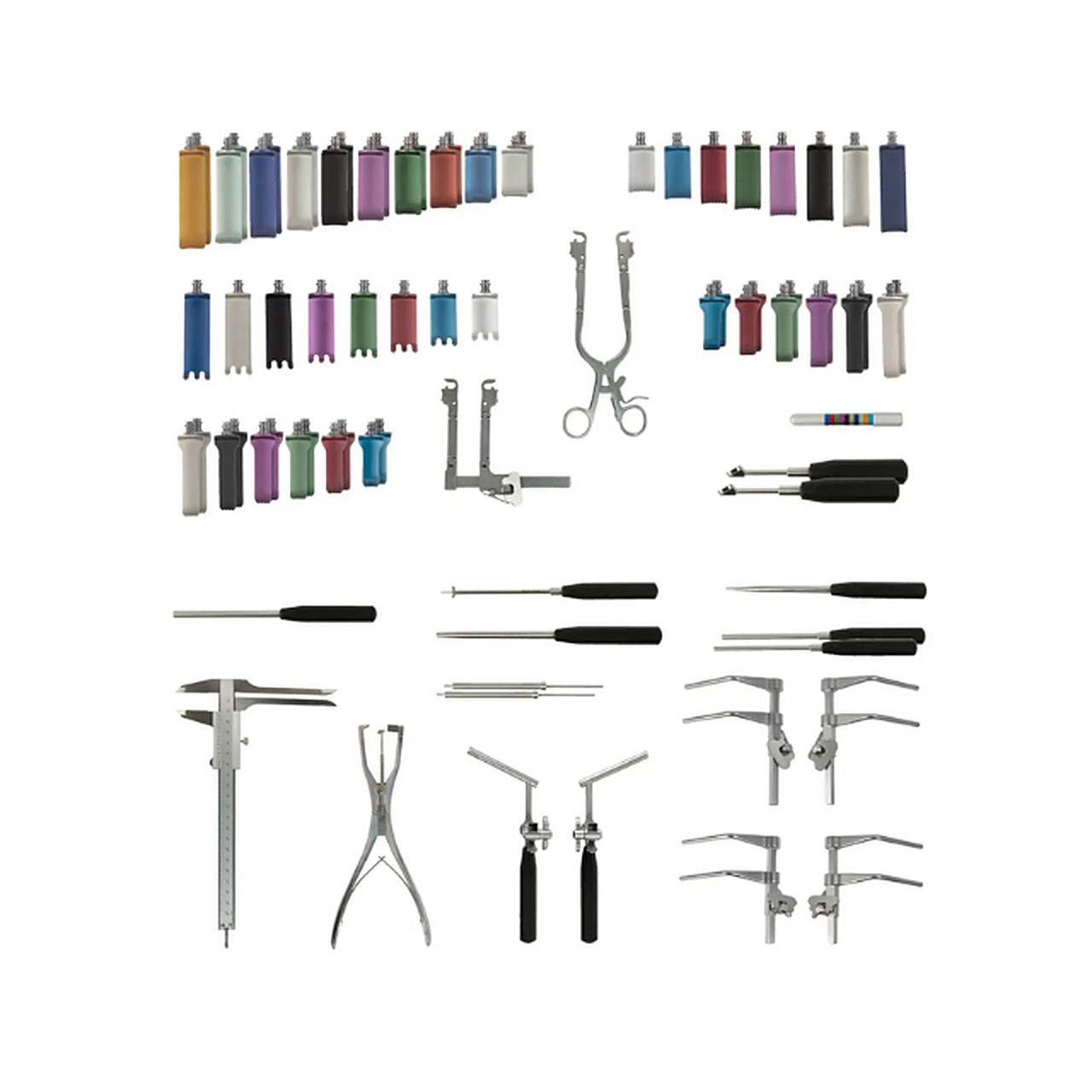 | Image-Line ACF Retractor With Distraction Classic Set | 頸椎前方固定術(ACF)における軟部組織の開創、椎体間の開大、および骨移植片の設置専用に設計されています。 |
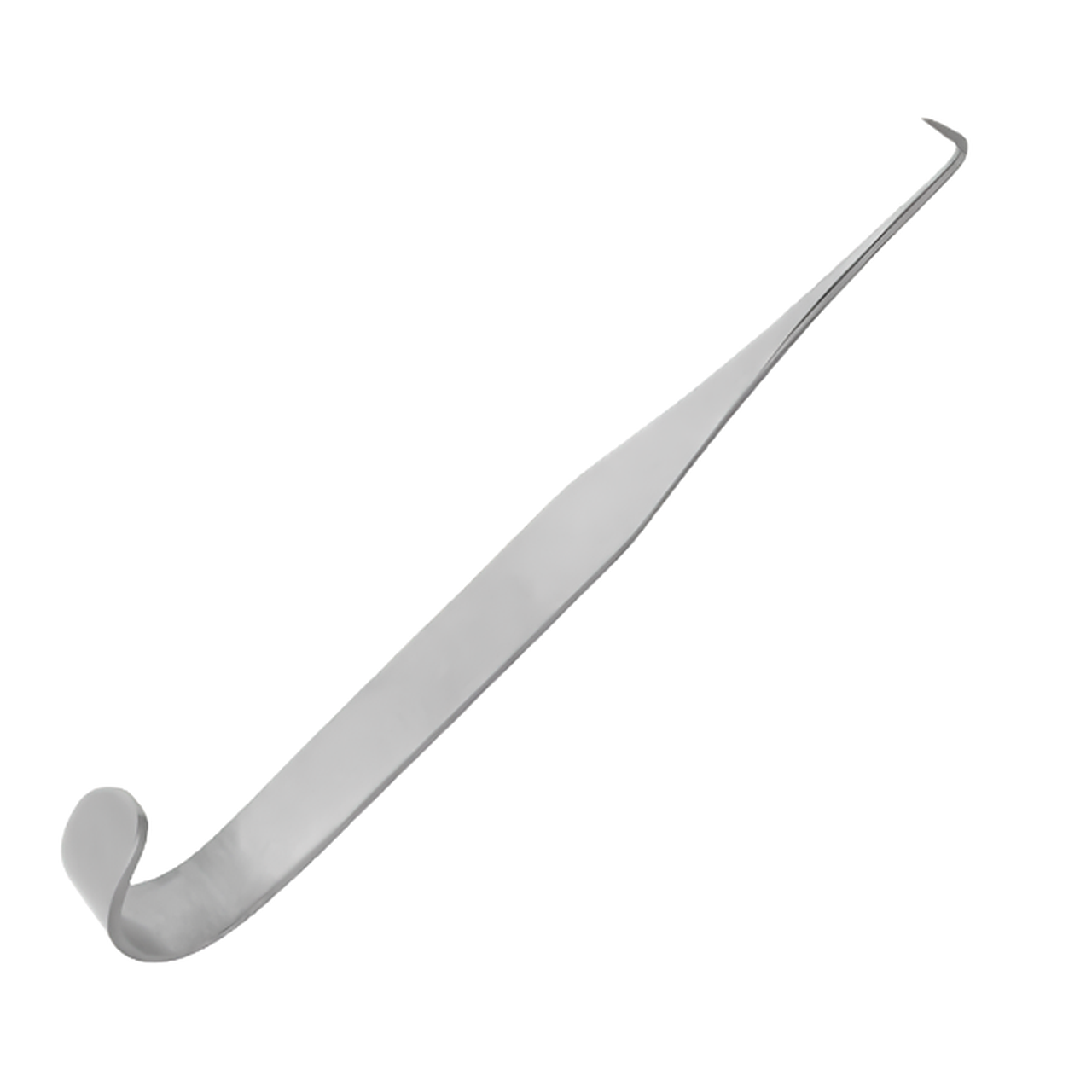 | Jackson 気管開口レトラクター | 気管切開術において気管を挙上・安定させ、前気管組織を牽引するために特別に設計されています。 |
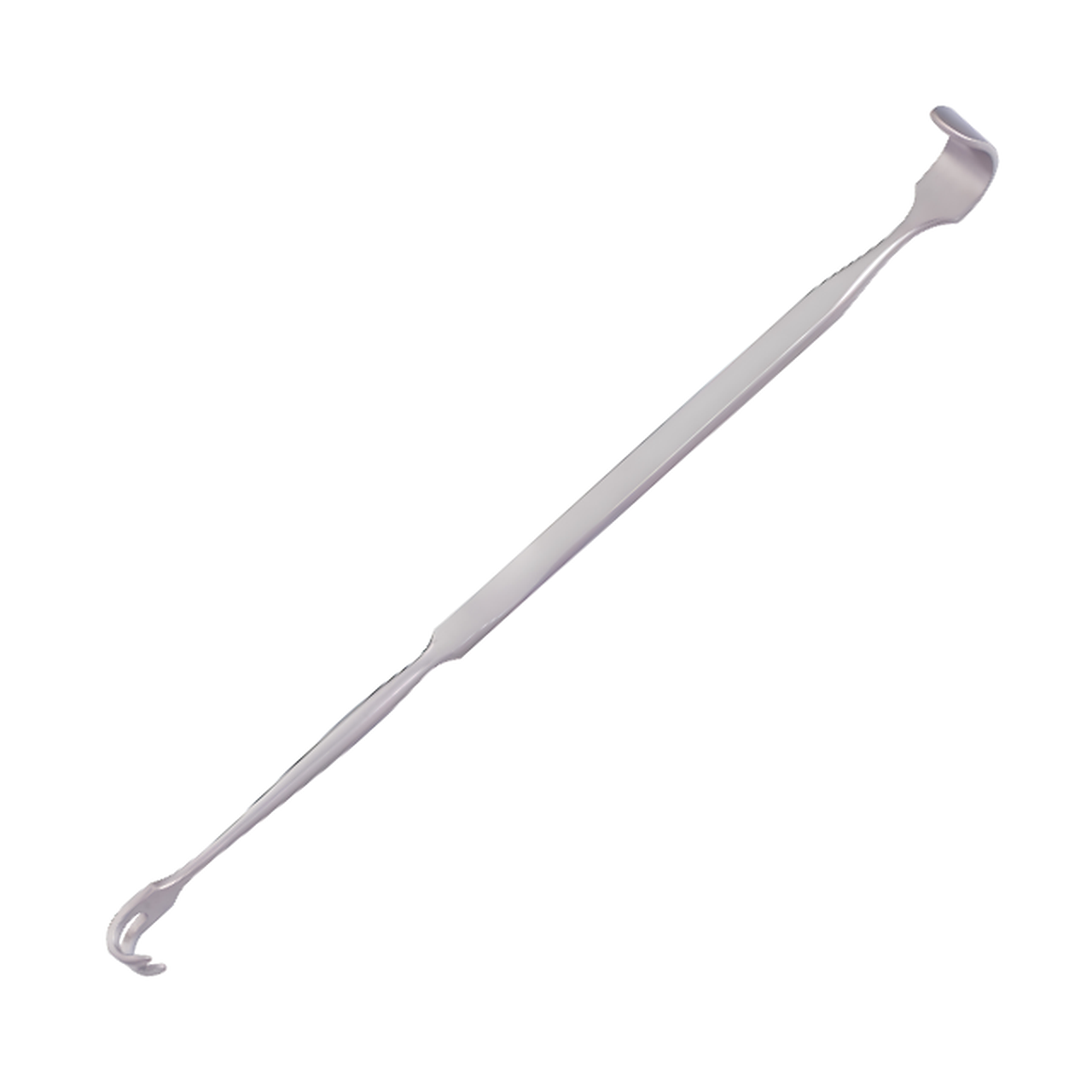 | Jackson Tracheal Retractor-Double Ended | 気管切開術および気道手術における気管前組織の牽引および気管軟骨の挙上に特化して設計されています。 |
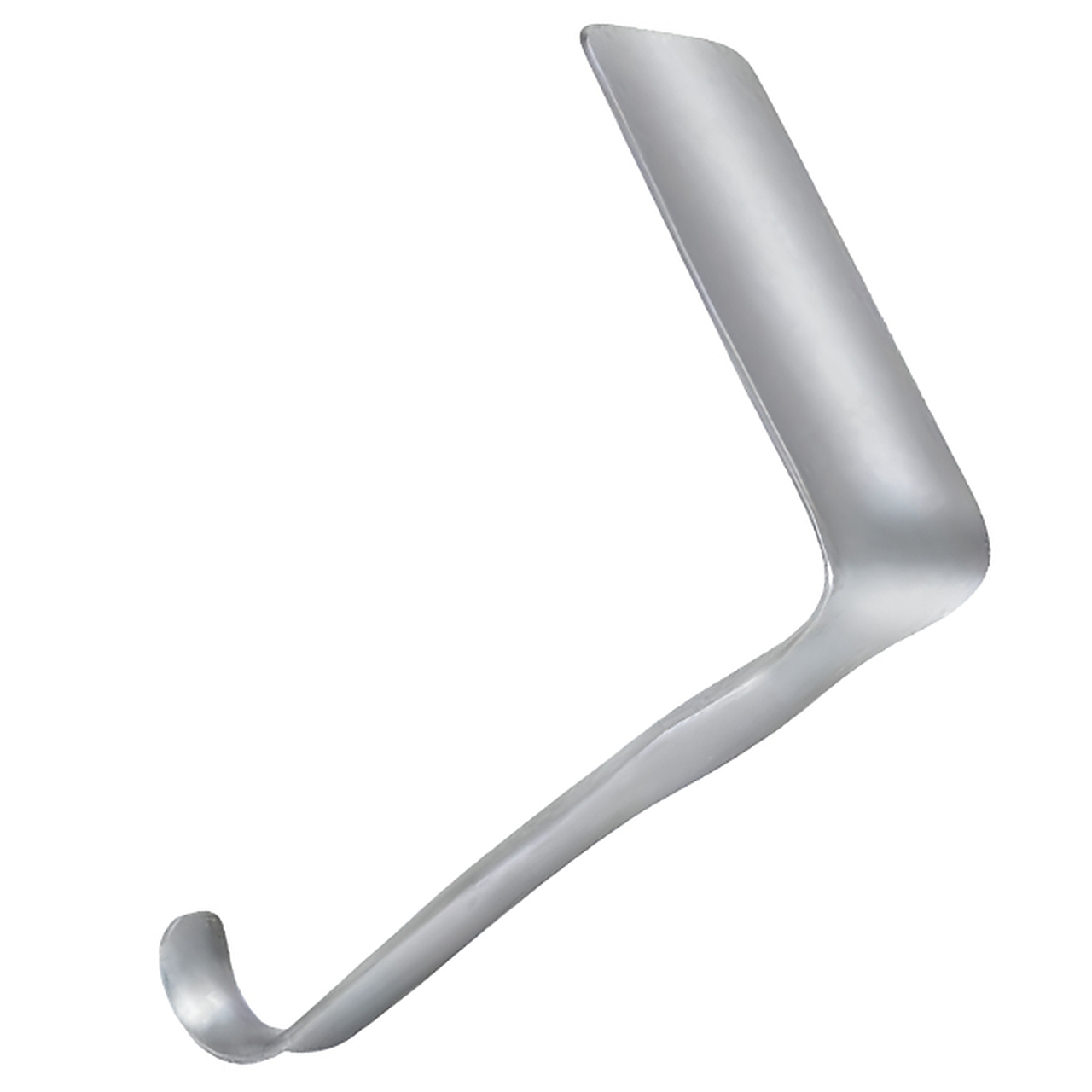 | Jackson 膣レトラクター | 婦人科処置中の膣壁の牽引および骨盤円蓋部の可視化に特化して設計されています。 |
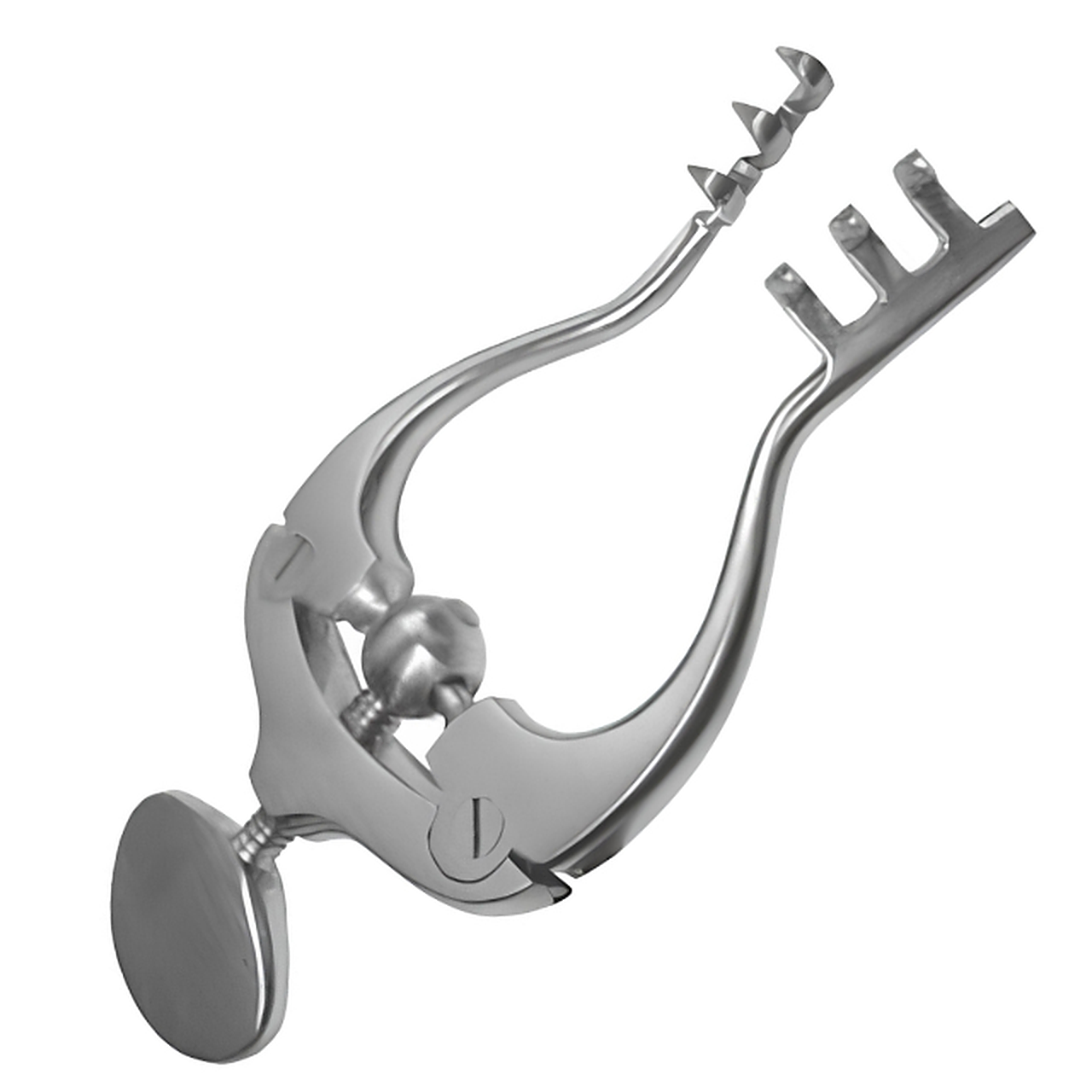 | Jansen Mastoid Retractor | 乳突部および頭皮の手術において、自動固定による骨膜および創縁の牽引を提供するために設計されています。 |
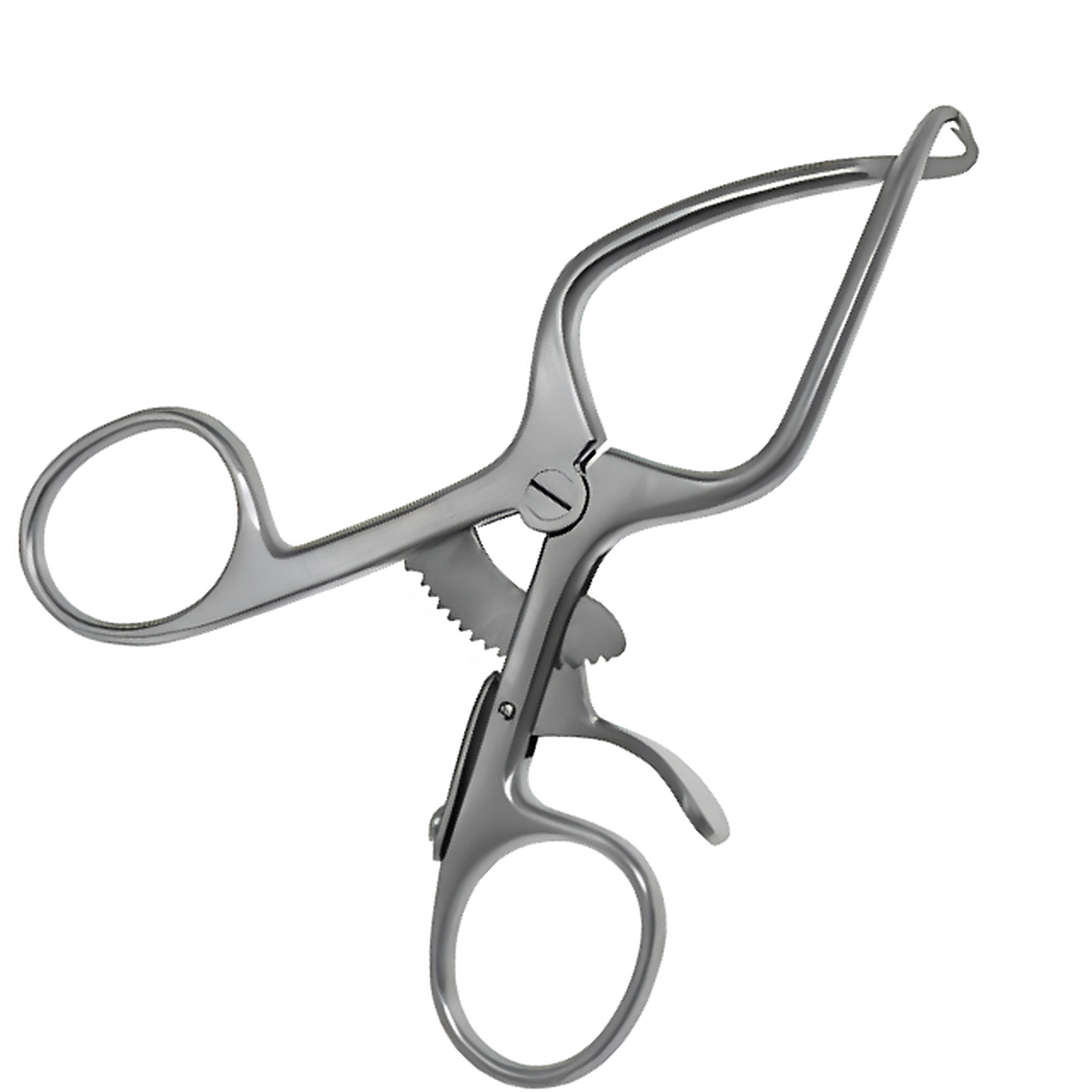 | Johnson Neuroma Retractor | モートン病の神経腫摘出術および足部外科手術における中足骨間組織および中足骨頭の牽引用。 |
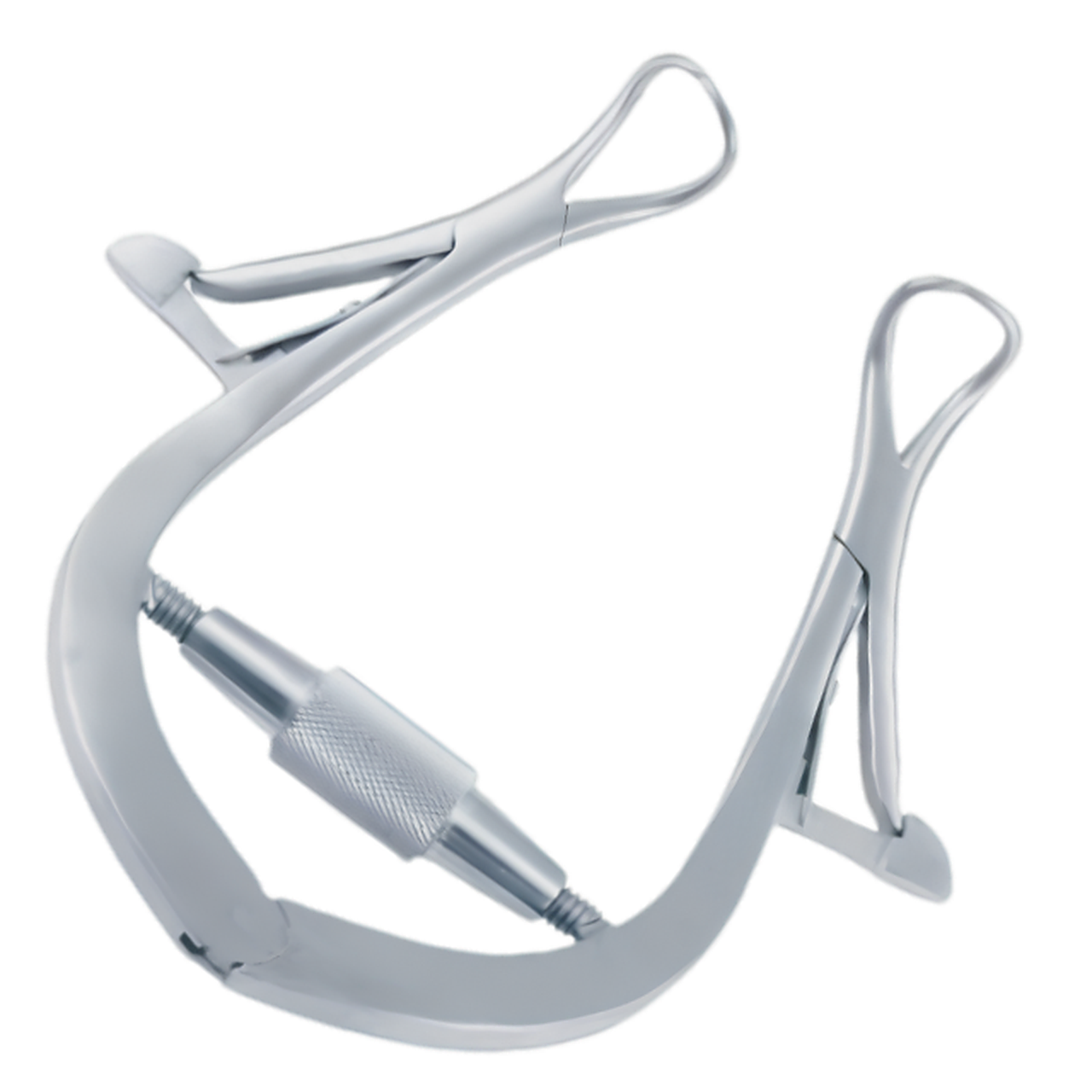 | Jolls Friedman Self Retaining Retractor | 甲状腺切除術および頸部手術において、舌骨下筋群および軟部組織の自動開創を提供するために設計されています。 |
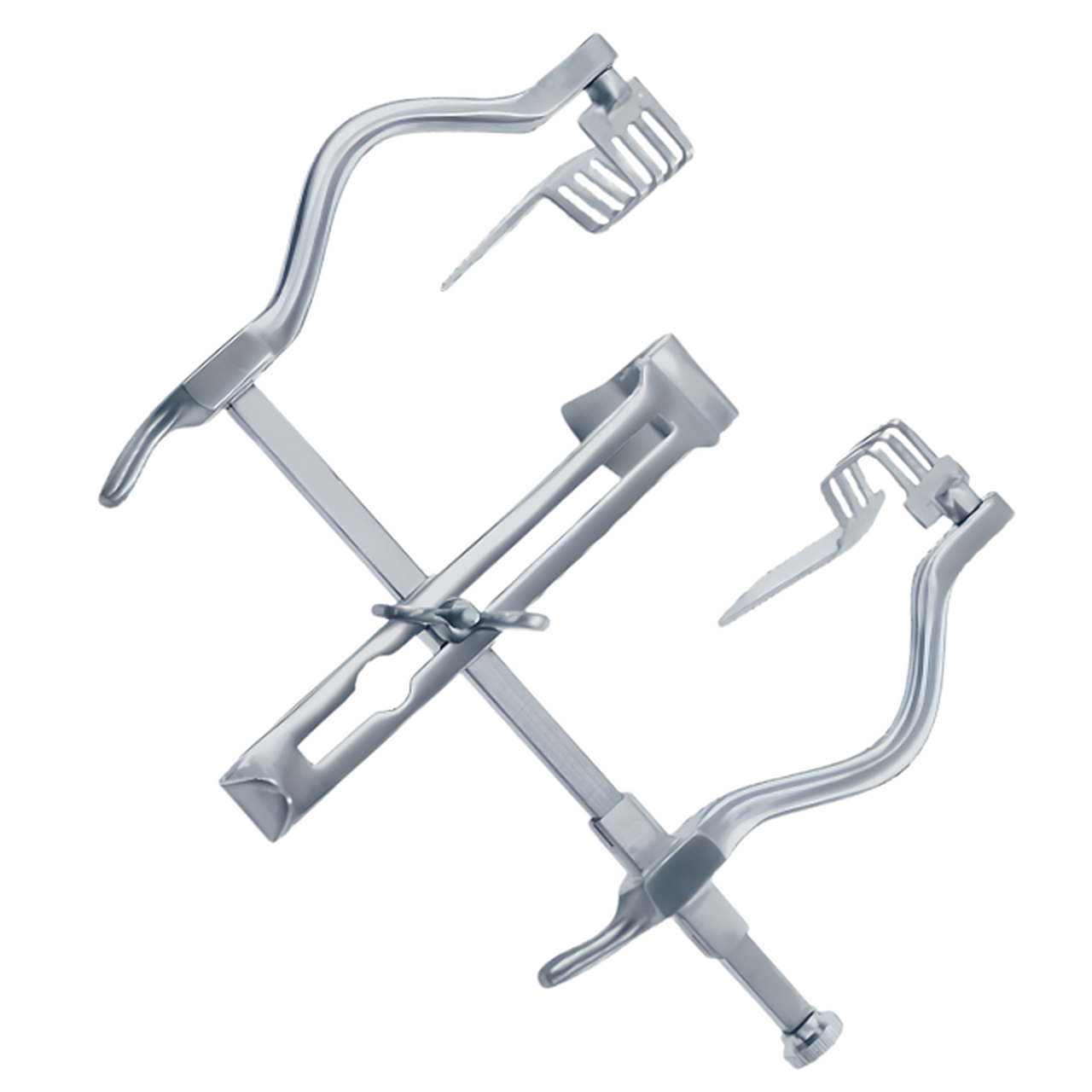 | Judd-Masson 自動開創器 | 恥骨上部の膀胱、前立腺、および骨盤の手術中に自動保持開創を行うために特別に設計されています。 |
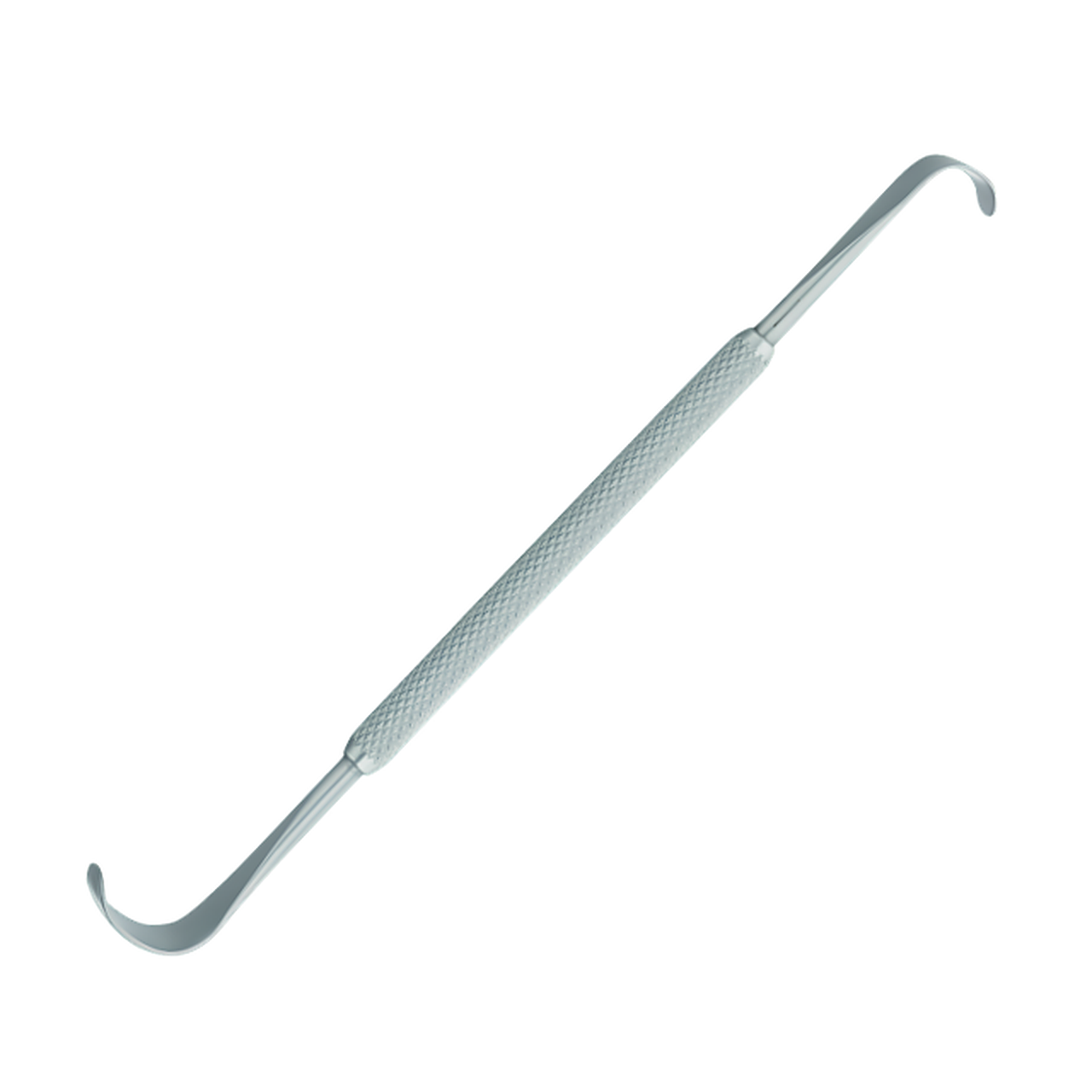 | Kasden 双頭デリケートレトラクター | 形成外科、顔面外科、小手術における創縁、繊細な皮弁、および軟部組織の牽引に特化。 |
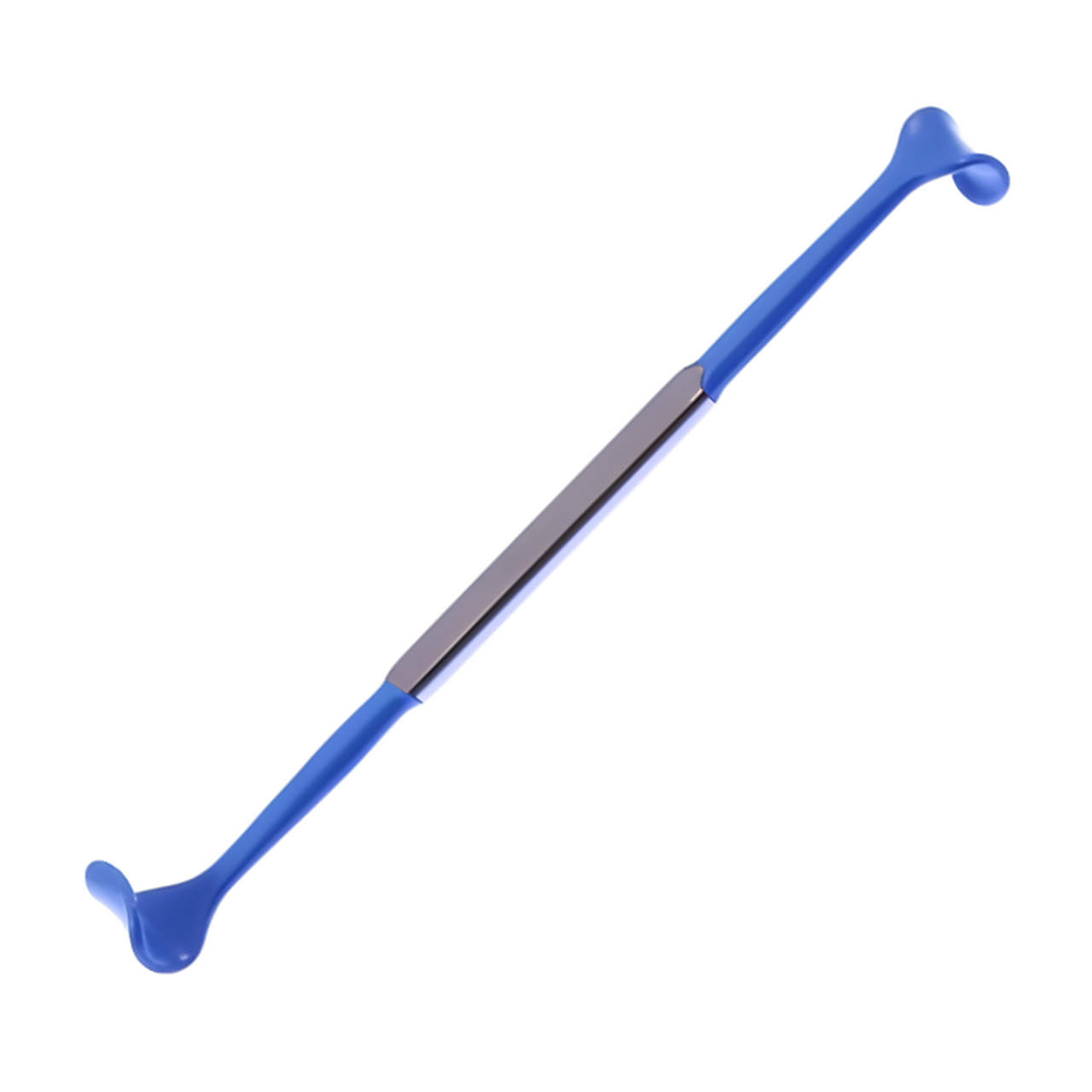 | Kawamoto 両頭絶縁開創器 | 形成外科手術において、電気手術による熱損傷を防ぎながら皮膚弁や粘膜を牽引するために特別に設計されています。 |
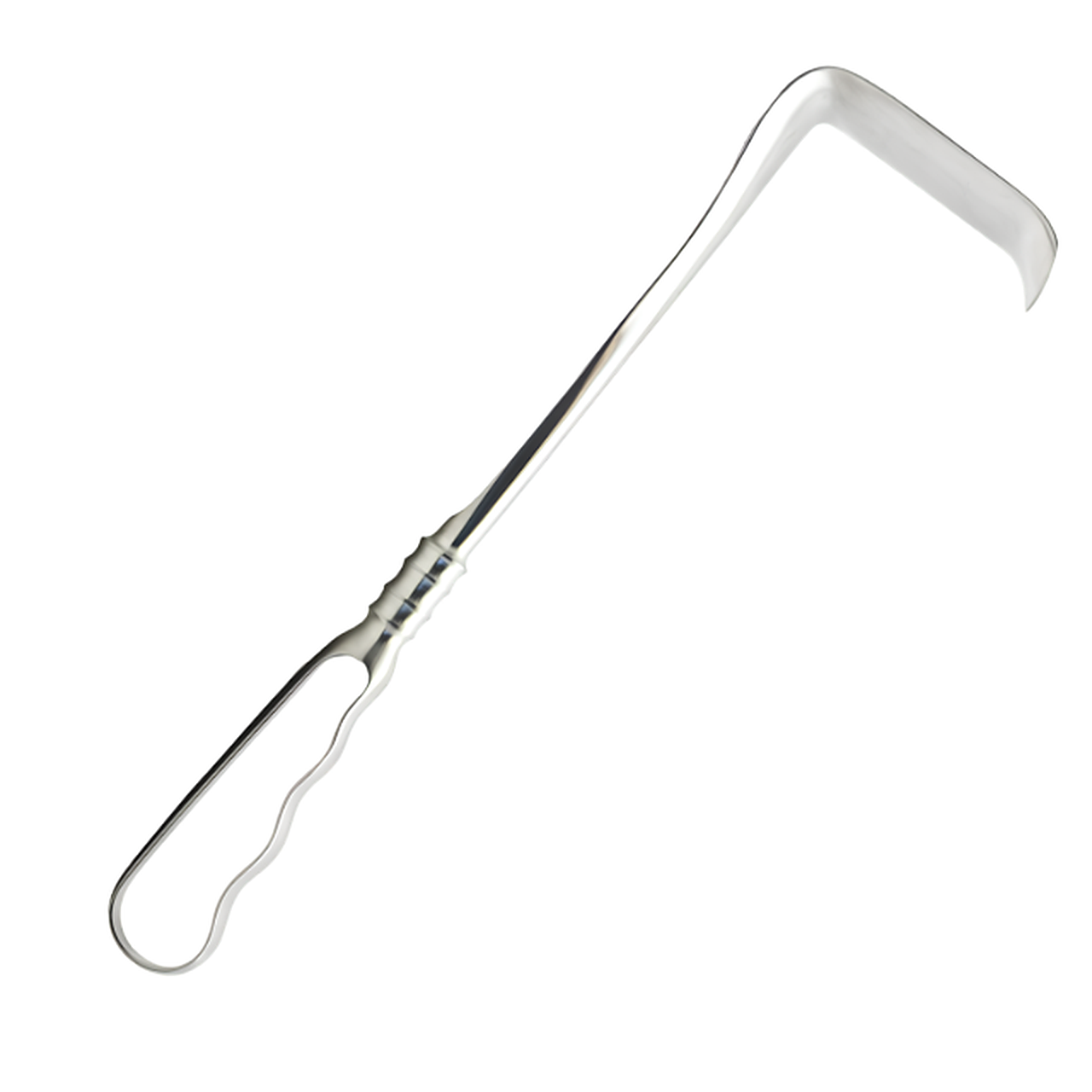 | Kelly Retractor | 開腹一般外科および産婦人科手術において、腹壁、内臓、および厚い筋肉組織を牽引するために特別に設計されています。 |
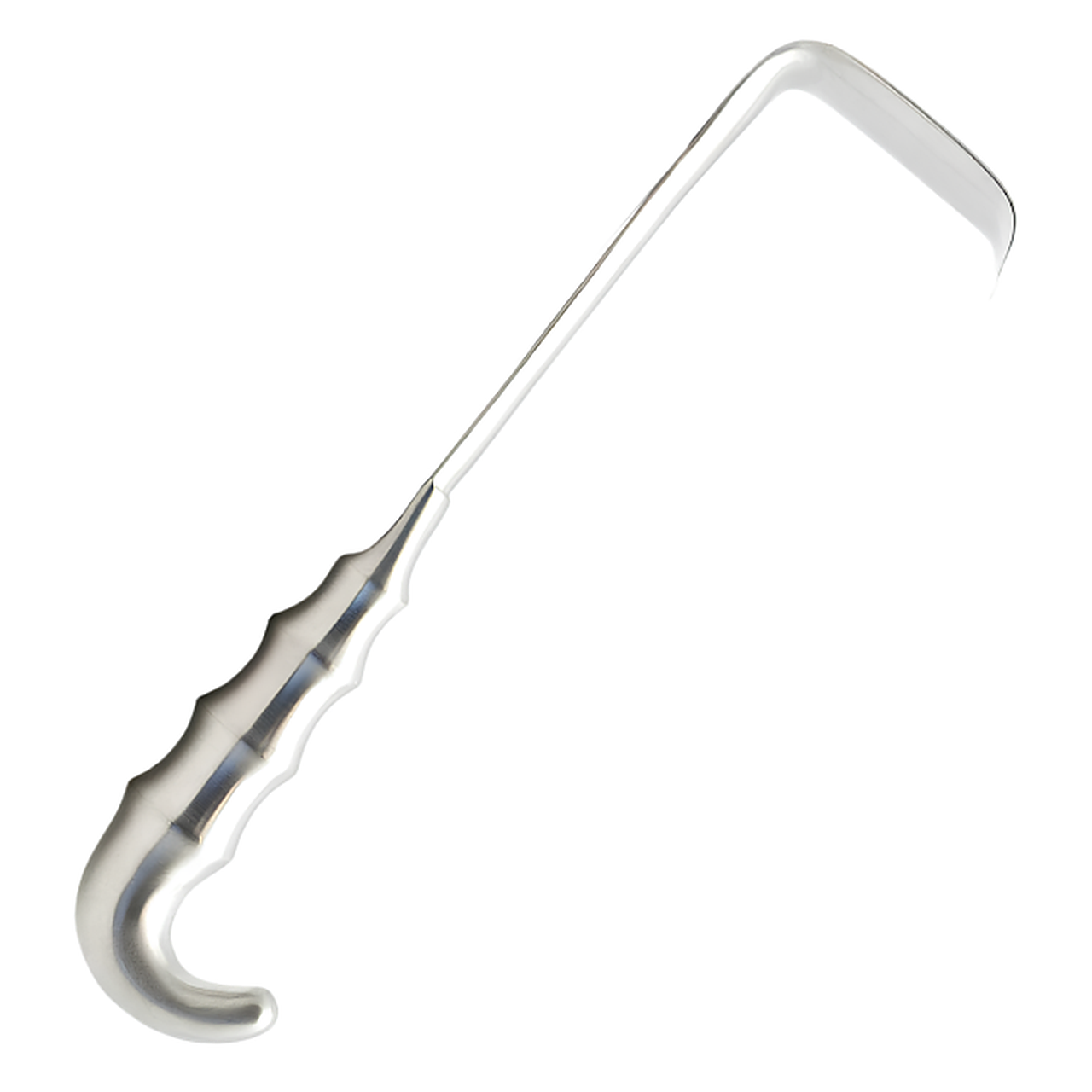 | Kelly Retractor-Grip Handle | 深部手術において、助手の疲労を軽減しながら腹壁、内臓、および厚い筋肉層を牽引するために特別に設計されています。 |
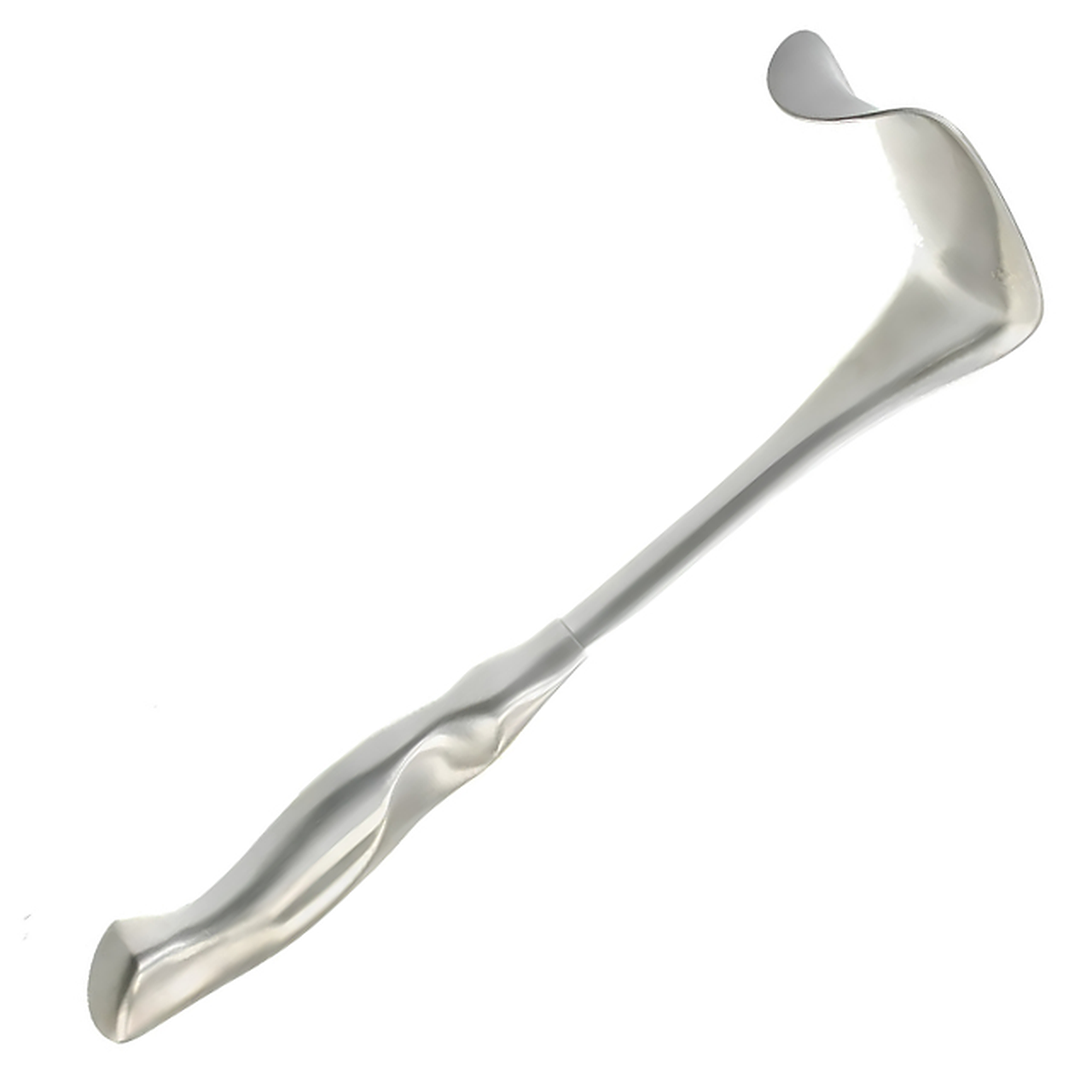 | Kelly Retractor-Lamb Handle (ケリー開創器 ラム・ハンドル) | 開腹手術において、高い牽引力を用いて腹壁、内臓、および厚い筋肉組織を牽引するために特別に設計されています。 |
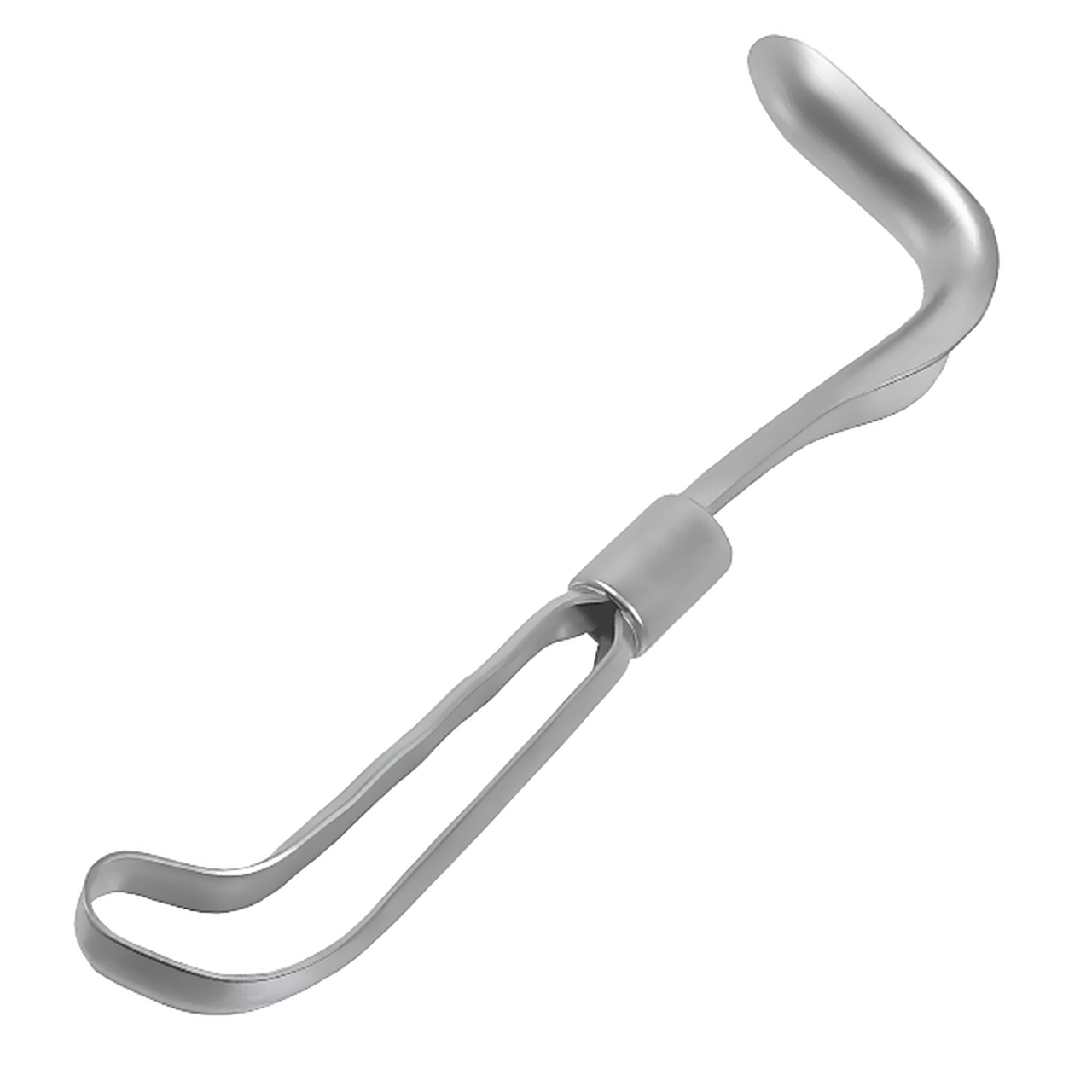 | Kelly Sims 膣レトラクター | 膣式子宮全摘術および骨盤再建術における後膣壁および側膣壁の牽引。 |
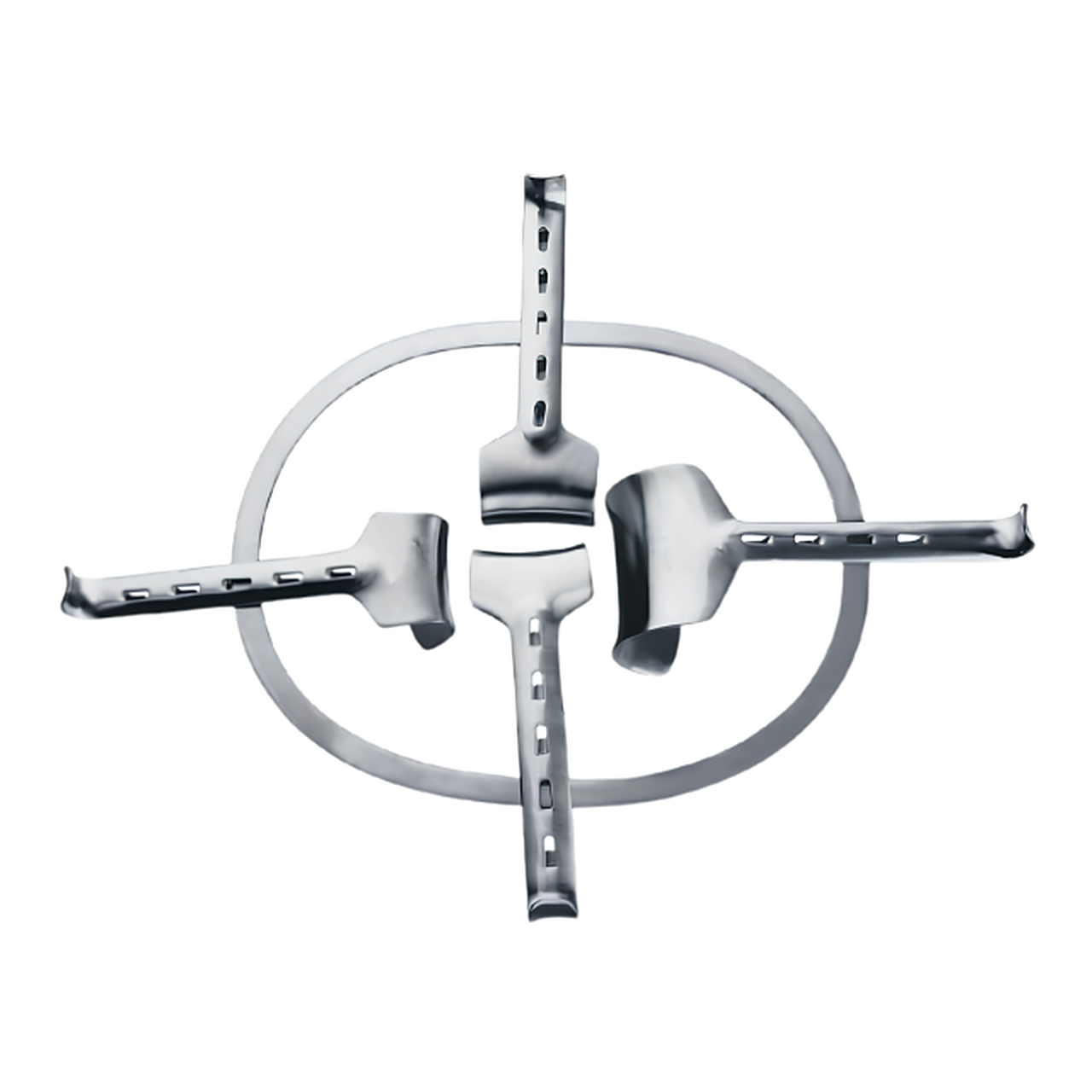 | Kirschner 開創器 | 大規模な開腹手術において、自動固定による多方向への創縁および臓器の圧排を行うために設計されています。 |
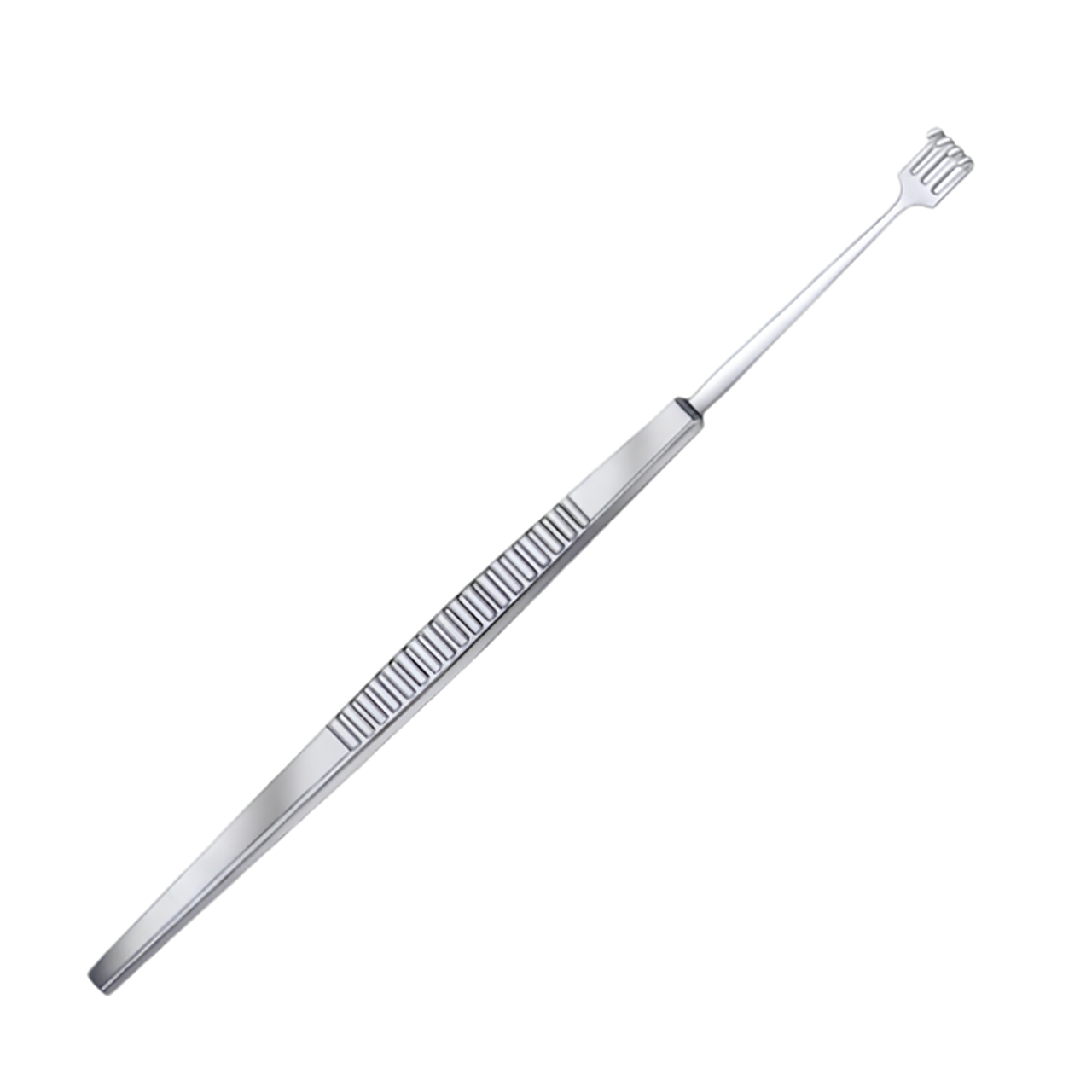 | Knapp 涙嚢レトラクター | 眼科手術における皮膚フラップ、内眼角構造、および涙嚢の牽引専用。 |
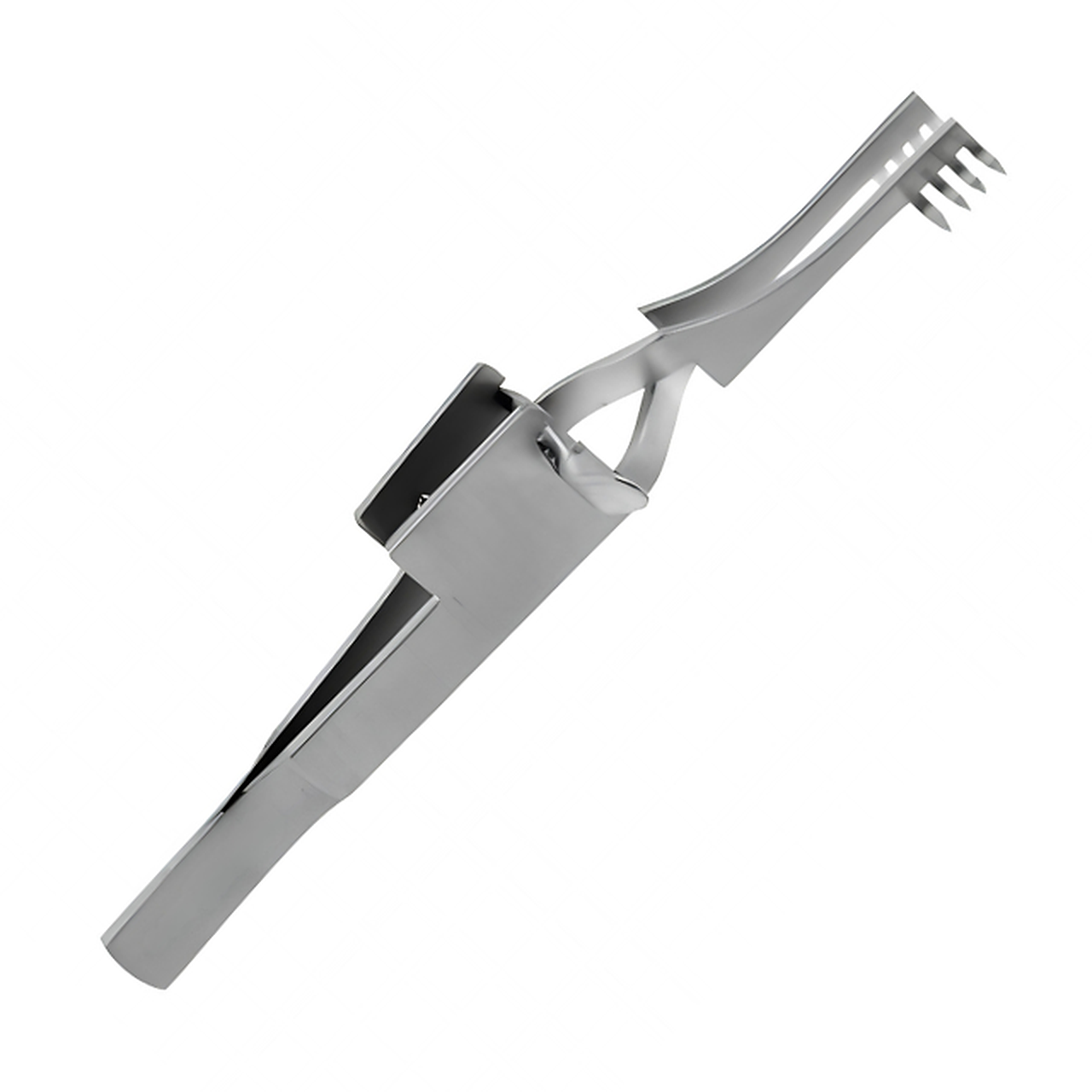 | Knapp 自動開創器 | 涙道、眼科、および小規模な形成外科手術において、自動固定による創縁分離を提供するために特別に設計されています。 |
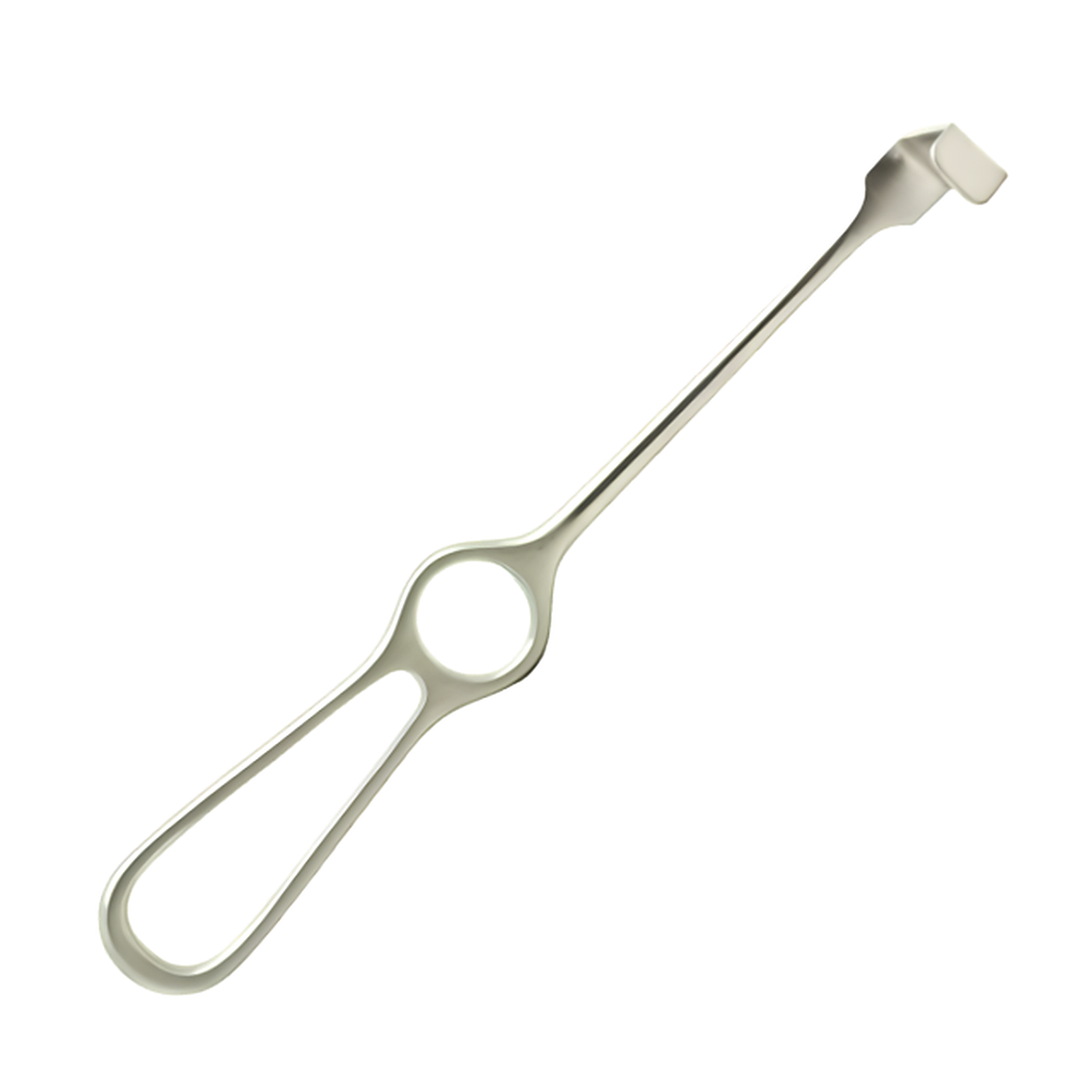 | コッヘル・ランゲンベック開創器 | 一般外科、整形外科、形成外科における軟部組織、筋層、および創縁の牽引に特化して設計されています。 |
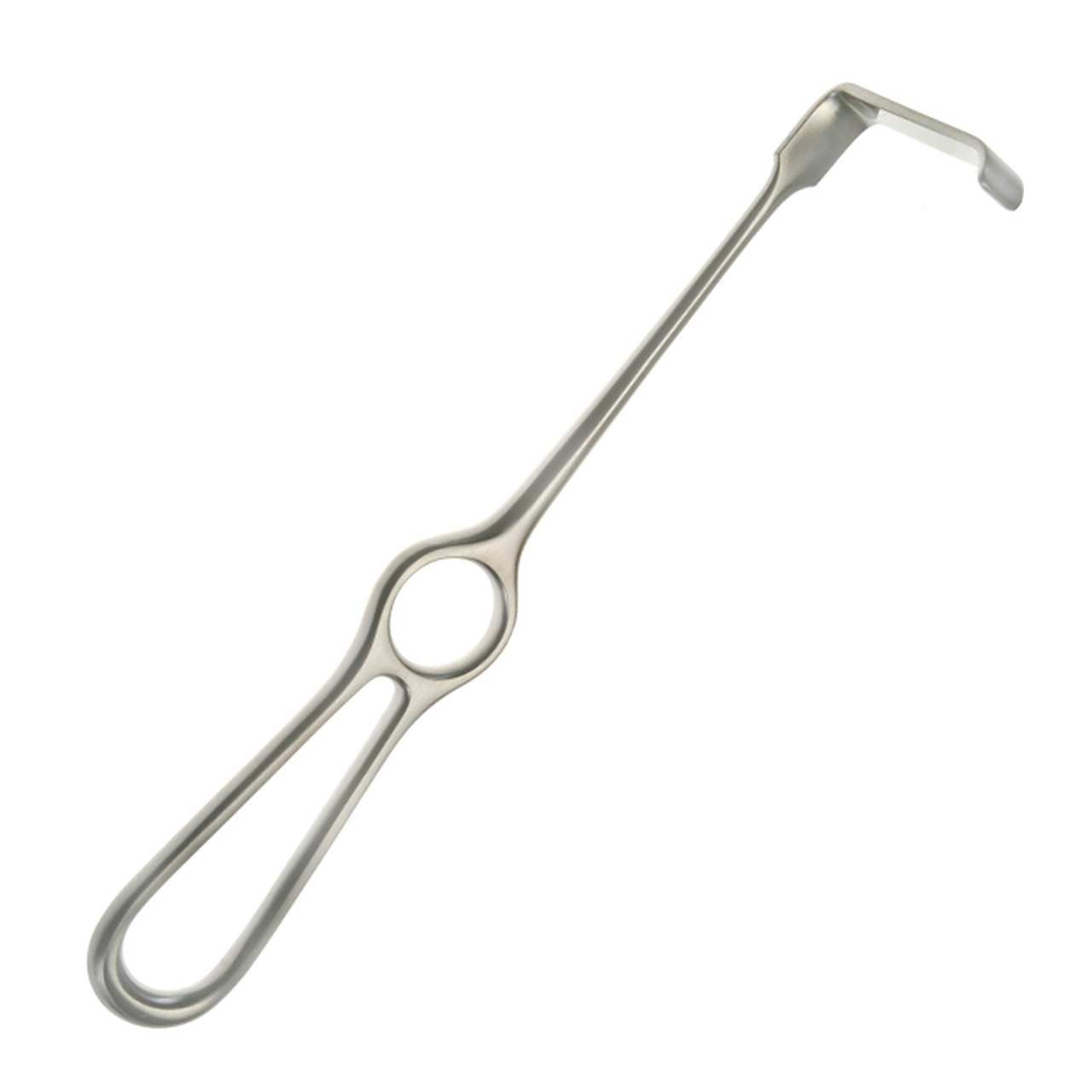 | Kocher リトラクター | 甲状腺外科、一般外科、整形外科において、筋肉、筋膜、および創縁を牽引するために特別に設計されています。 |
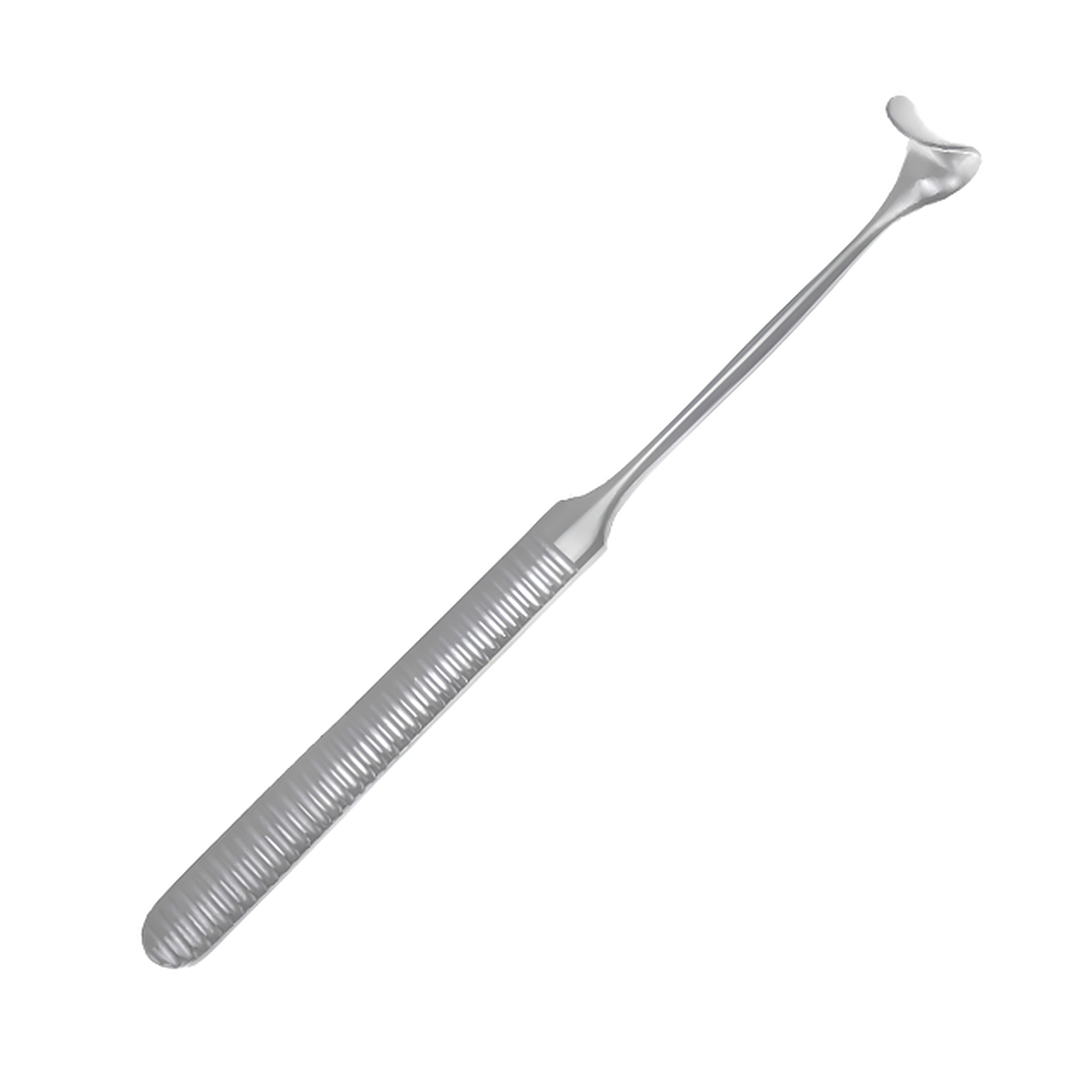 | Koenig Retractor | 一般外科、整形外科、形成外科における皮膚縁、筋膜、および表層筋肉層の牽引。 |
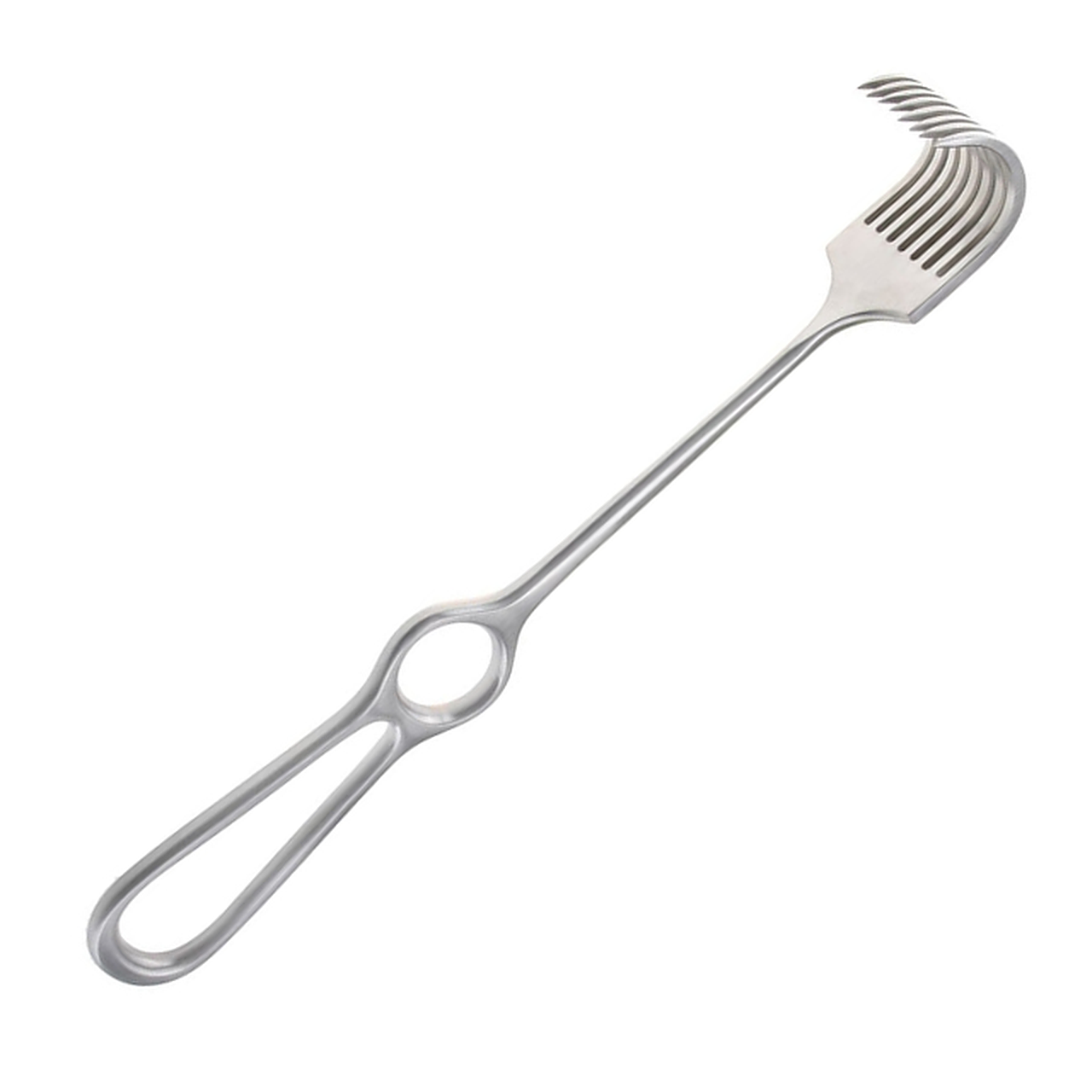 | Koerte Retractor | 腹部および整形外科手術において、高密度の筋肉層、筋膜、および厚い組織縁を開創するために特別に設計されています。 |
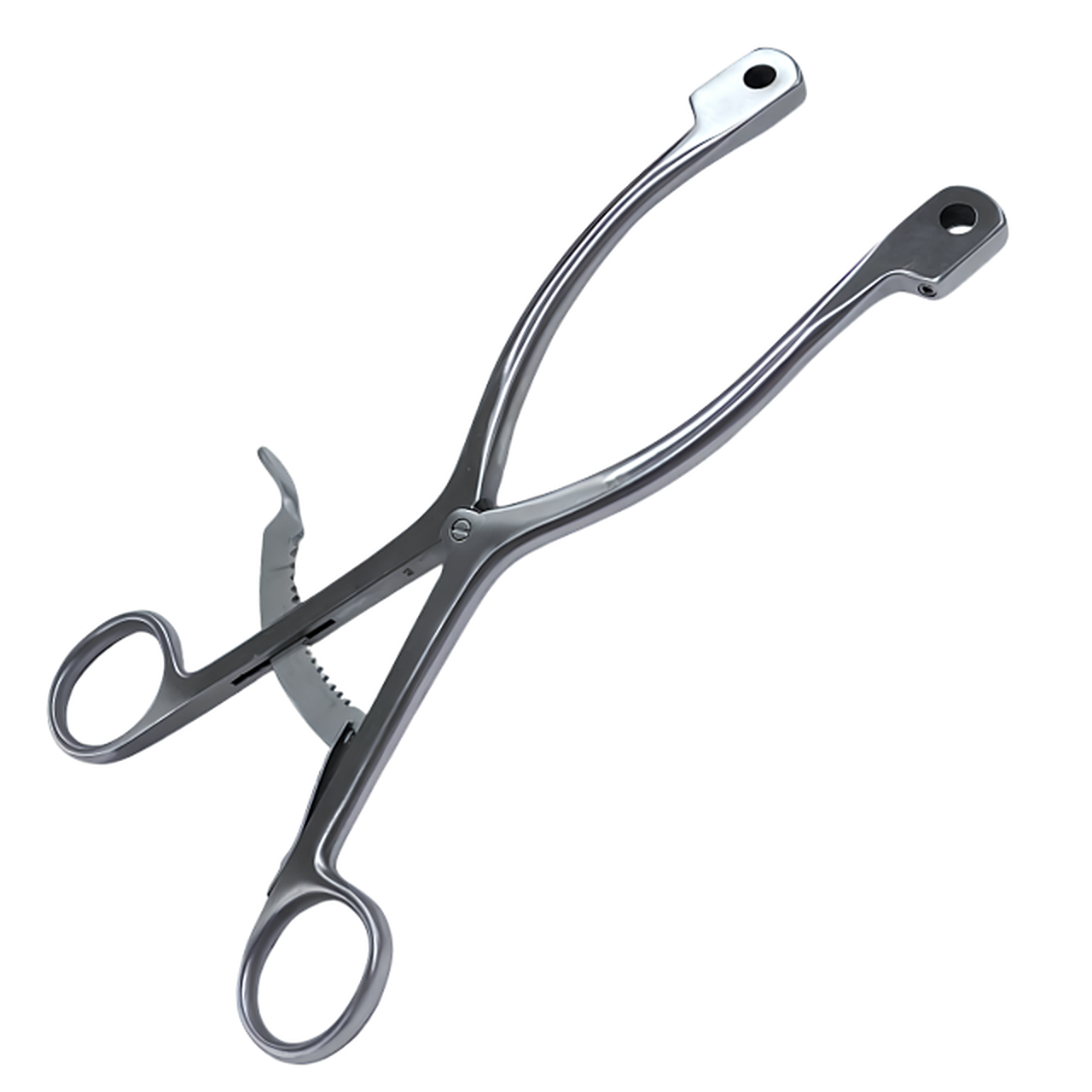 | Kolbel 肩関節開創器フレーム | モジュール式ブレードを装着し、人工肩関節置換術中に自己保持式の軟部組織開創を行うために特別に設計されています。 |
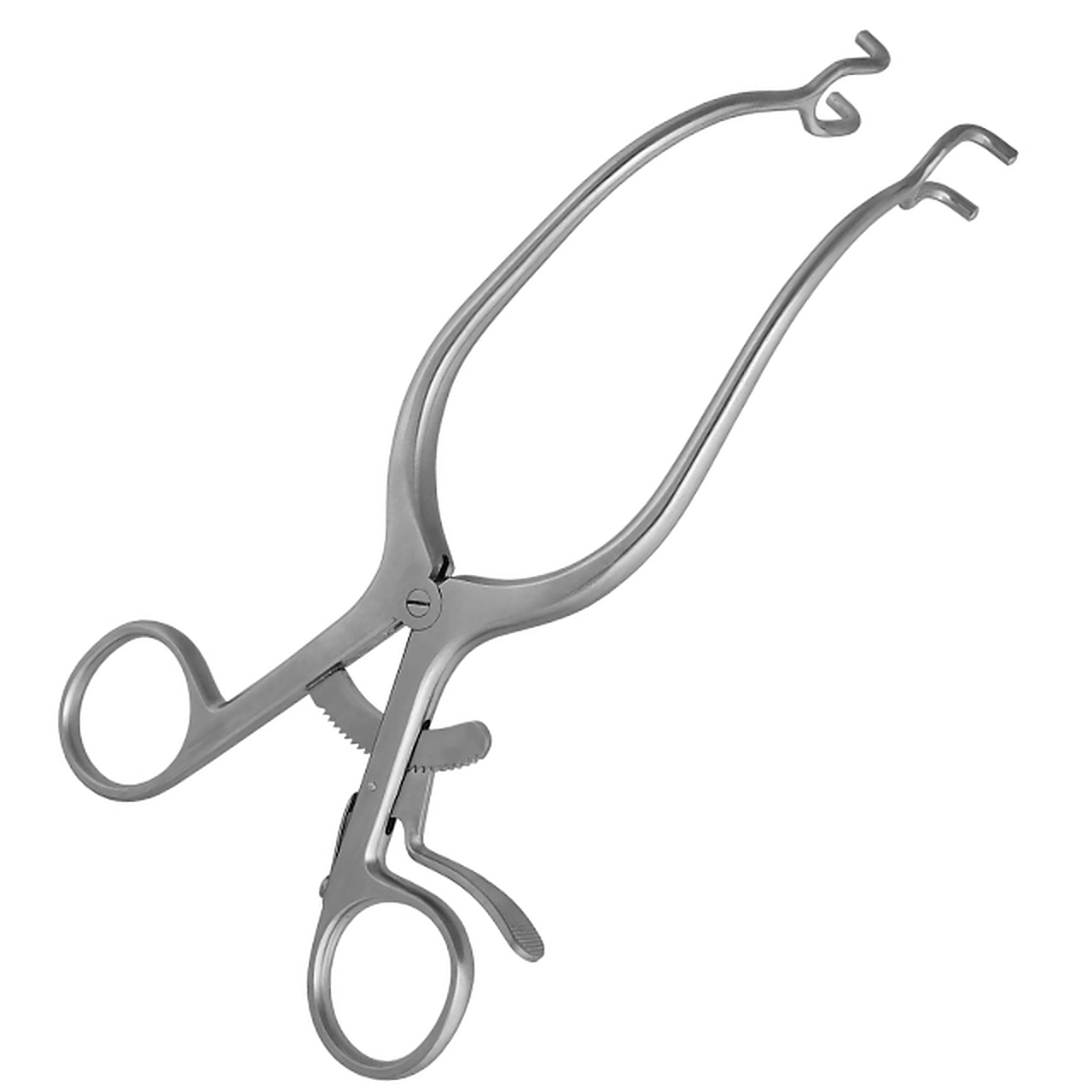 | Kolbel 軟部組織レトラクター | 肩関節形成術および再建術における、筋肉、関節包、軟部組織の牽引・圧排専用。 |
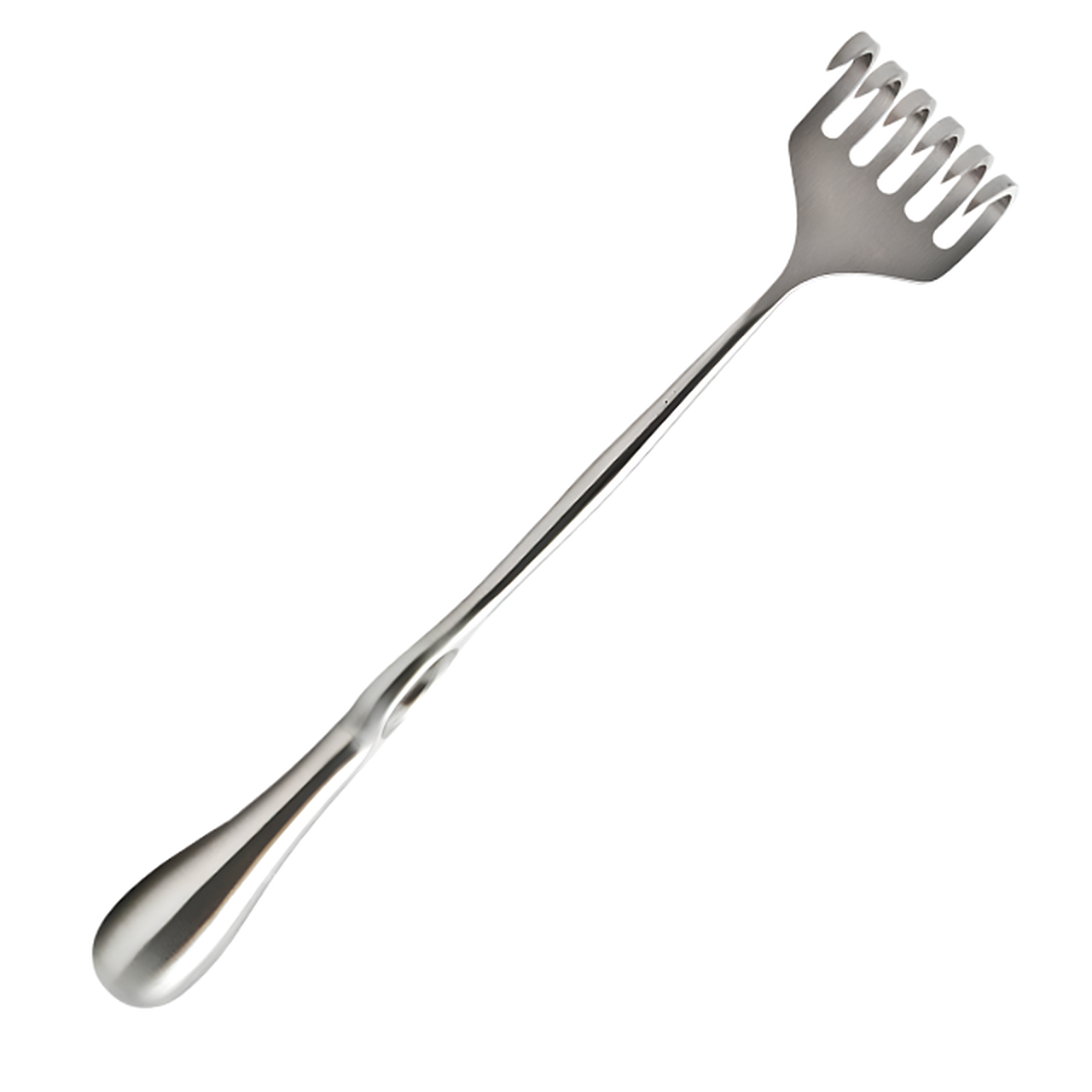 | Krasky Retractor | 開腹一般外科および整形外科手術において、高密度の筋層および深部筋膜を牽引するために特別に設計されています。 |
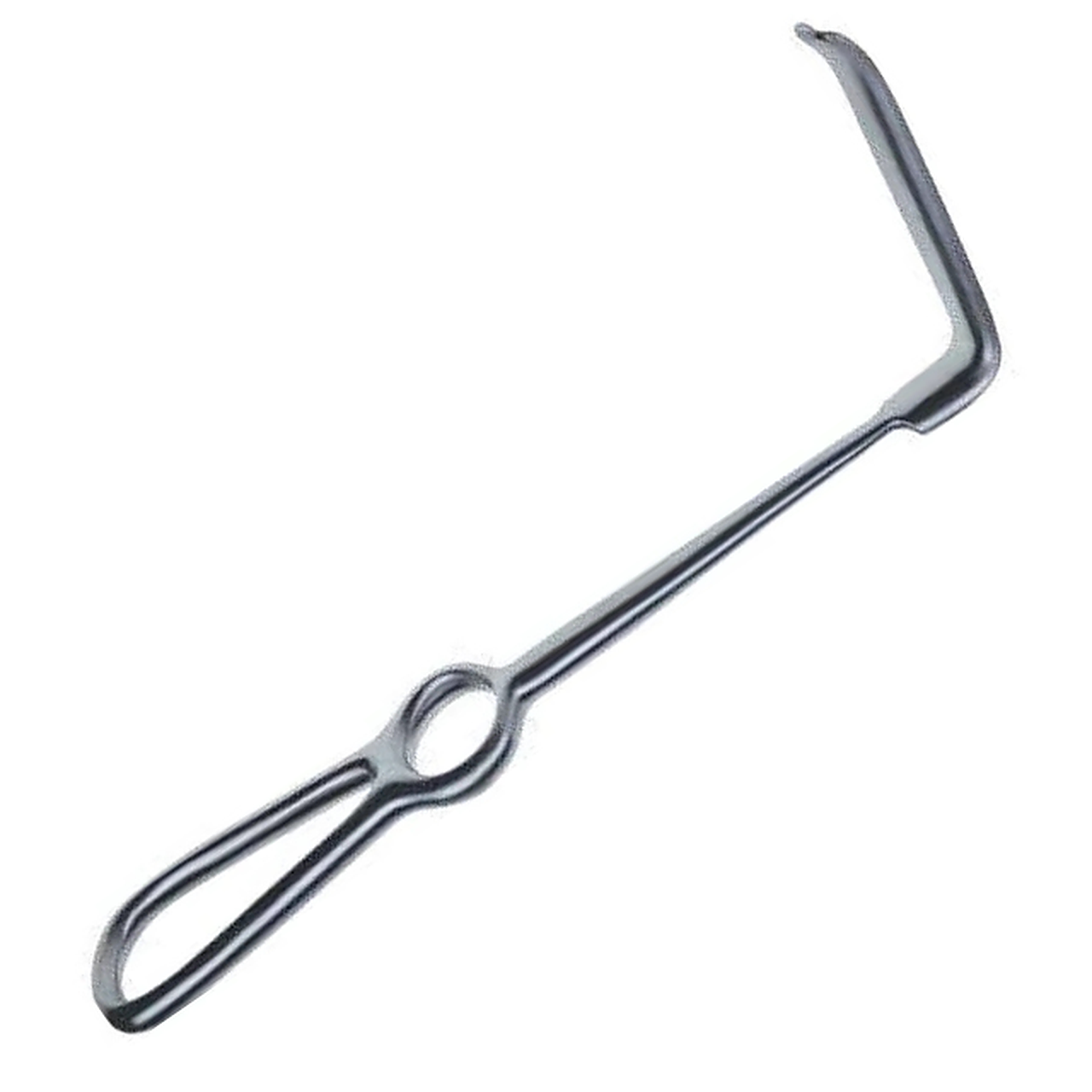 | Kreidler 軟部組織レトラクター | 口腔外科、顎顔面外科、および顎矯正手術中の粘膜骨膜フラップおよび軟部組織の牽引用に特別に設計されています。 |
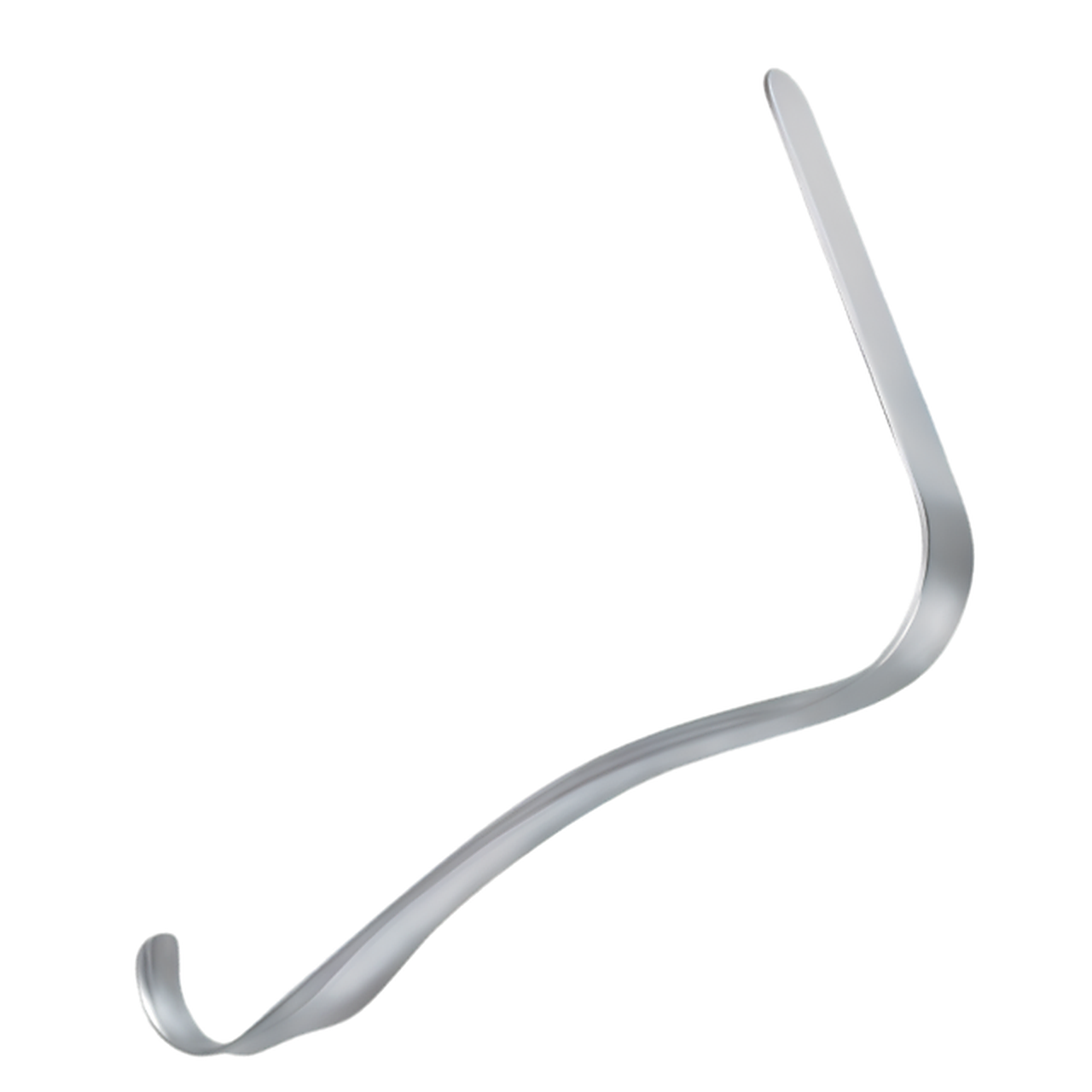 | Kristeller 腟レトラクター | 婦人科手術において腟壁を牽引し、骨盤腔内の可視化を提供するために設計されています。 |
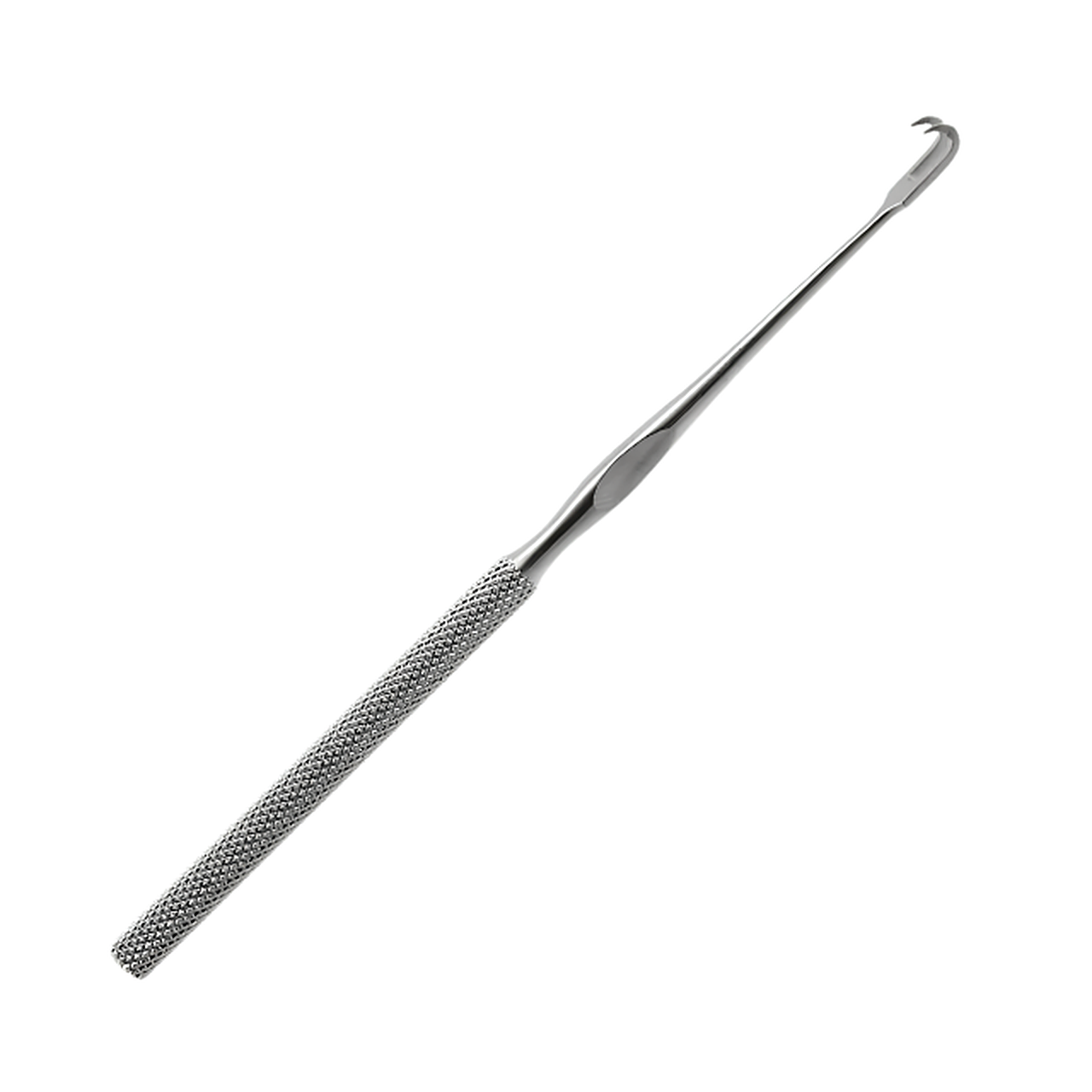 | Lahey フィンガーレトラクター | 形成外科および手外科における皮弁、皮膚縁、および浅筋膜の牽引に特化。 |
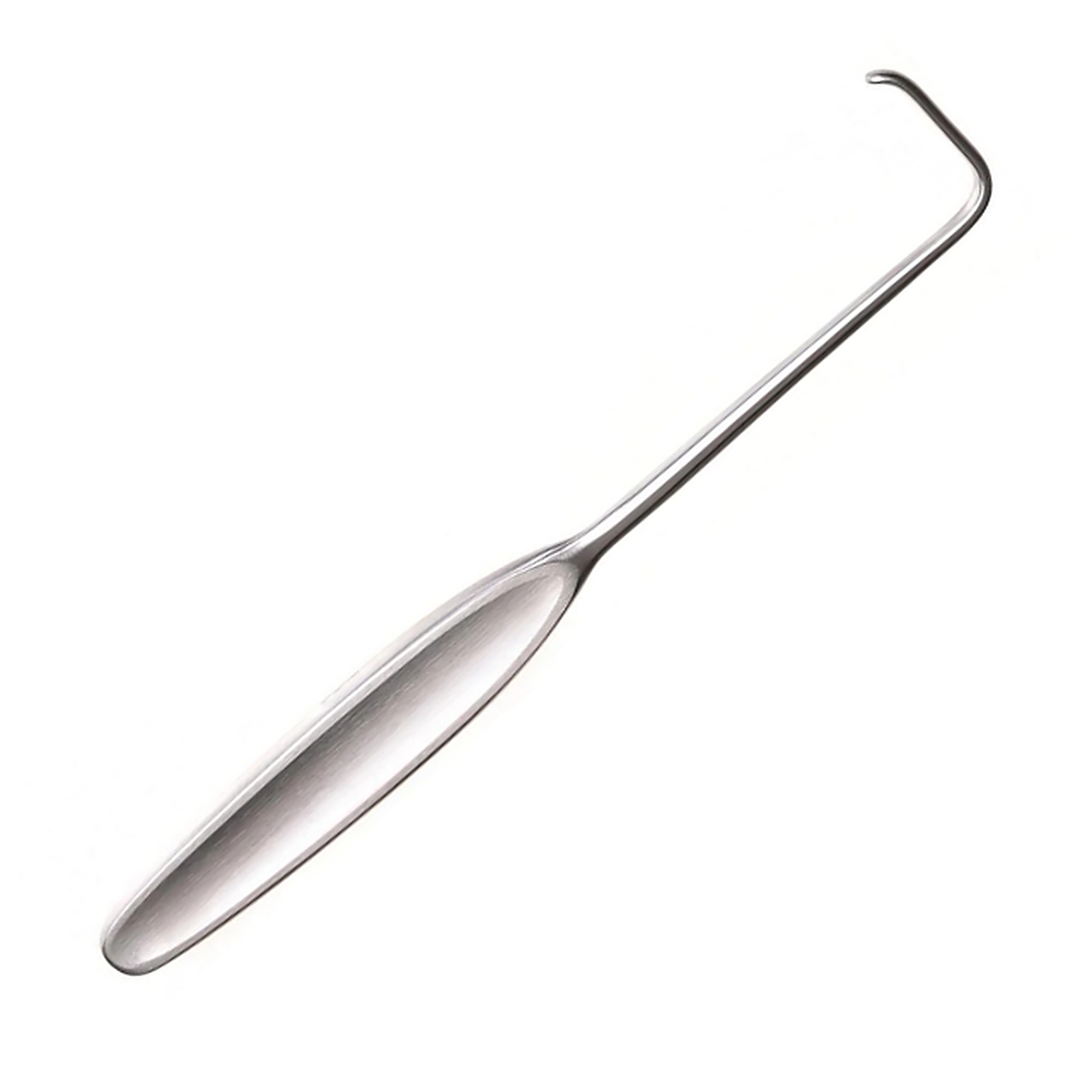 | Lahey Retractor | 甲状腺、頸部、および一般外科手術中の愛護的な軟部組織の開創と構造的な露出を提供するために特別に設計されています。 |
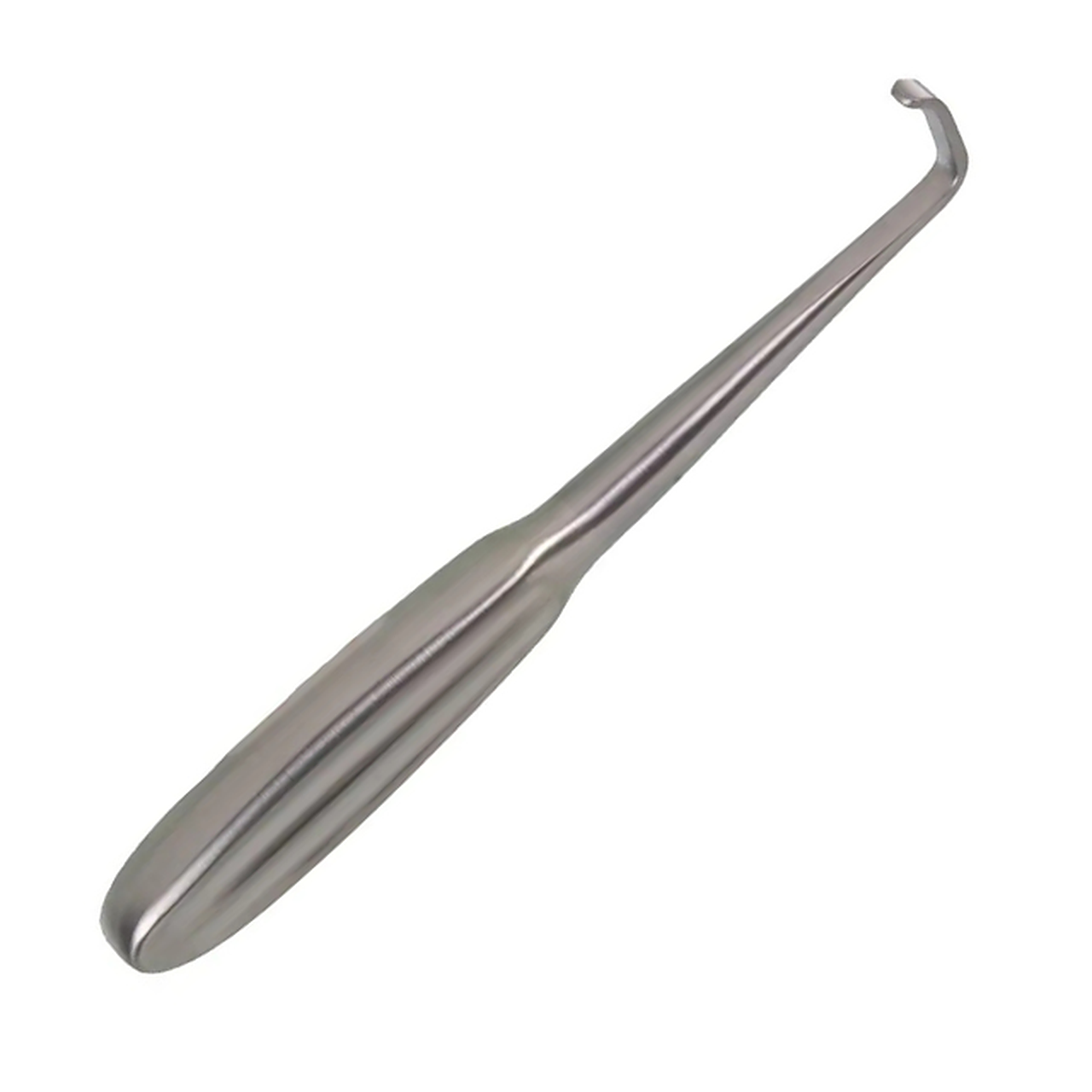 | Lahey Thyroid Retractor | 甲状腺切除術および副甲状腺手術における前頸筋群、頸筋膜、および軟部組織の牽引専用設計。 |
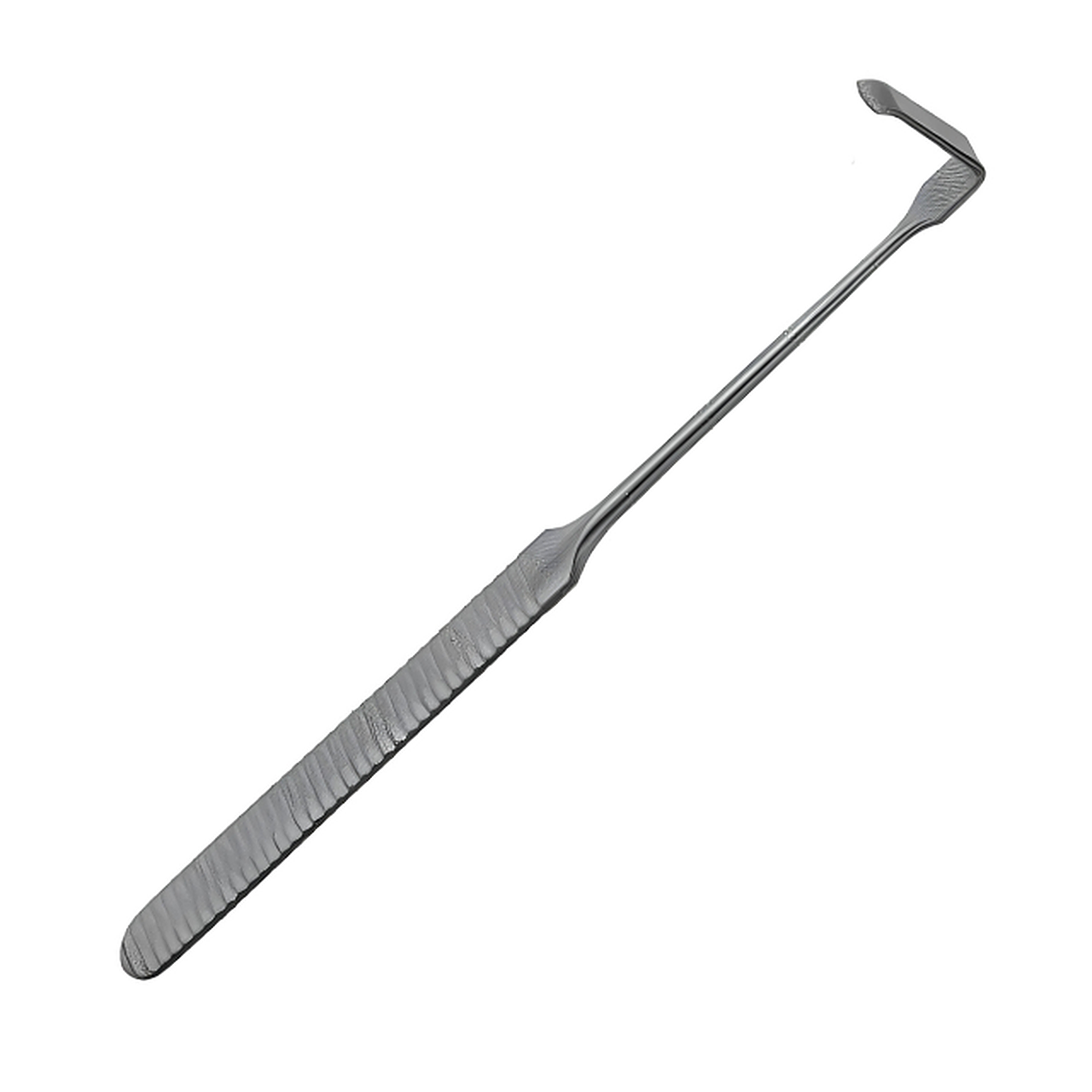 | Langenbeck Green 鉤 | 甲状腺、頸部、および一般外科手術における頸筋、頸筋膜、および創縁の牽引に特化して設計されています。 |
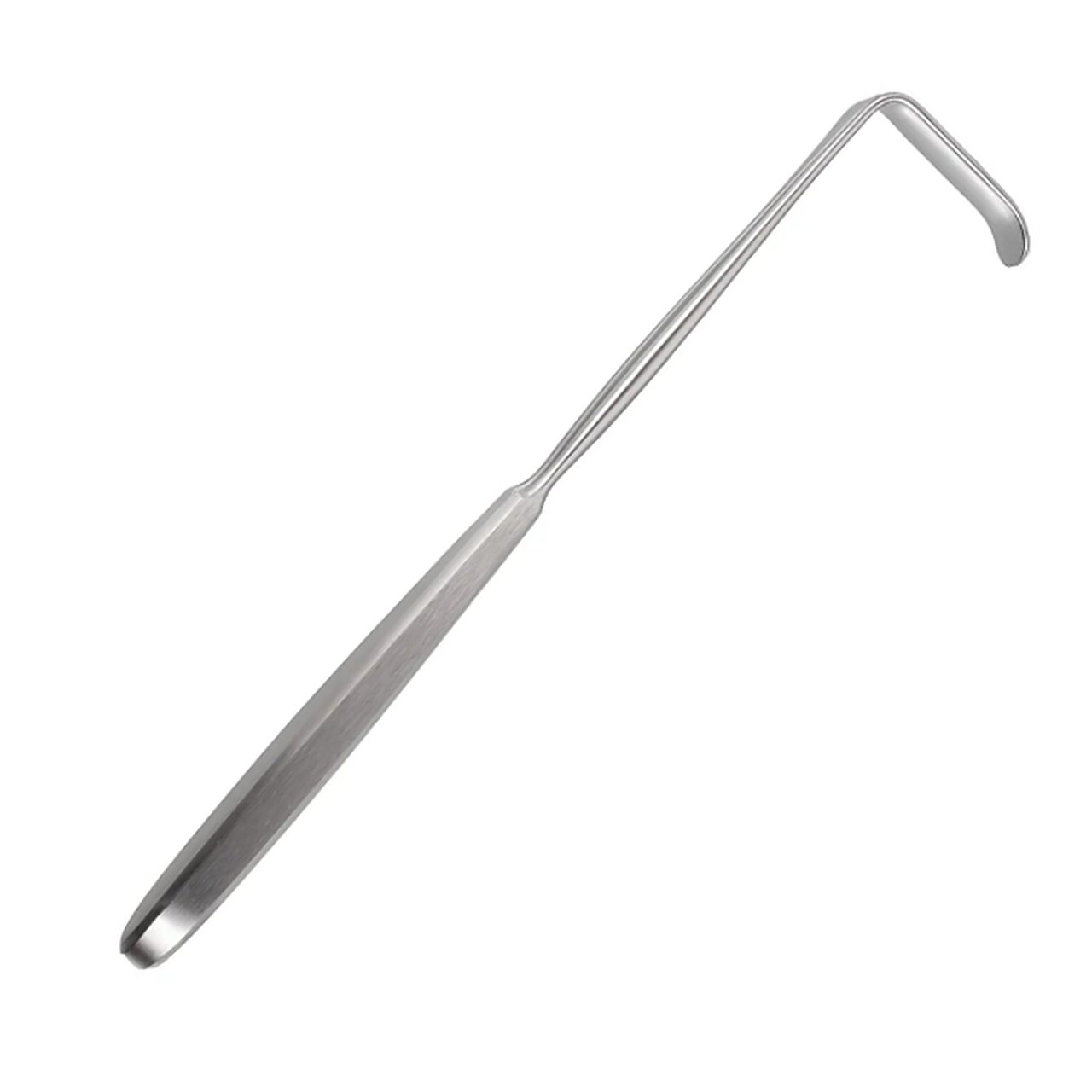 | Langenbeck Retractor-Solid Handle (ランゲンベック 鈎 - 中実ハンドル) | 一般外科、整形外科、形成外科における筋肉層、筋膜、および創縁の牽引に特化しています。 |
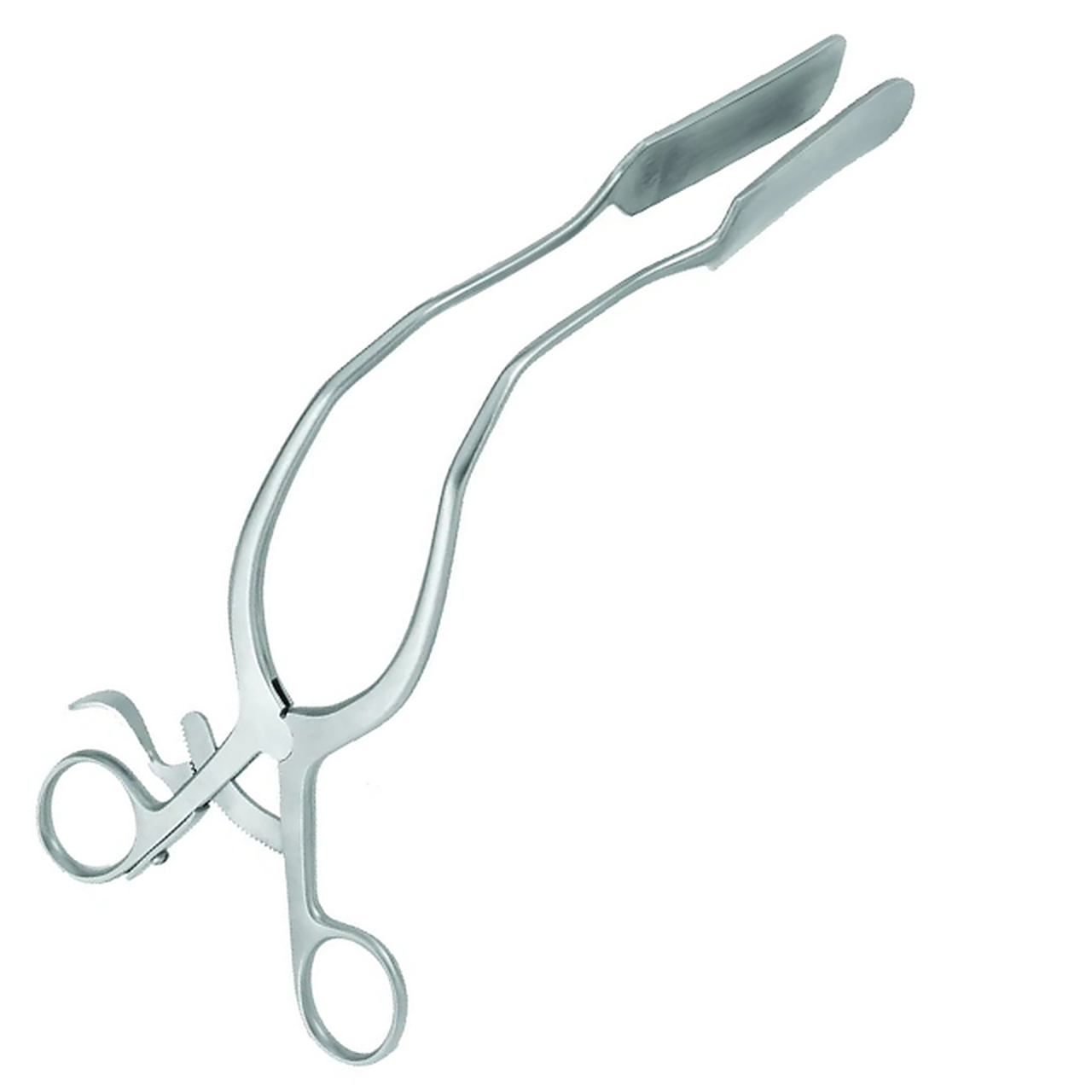 | 側方エボナイズド腟レトラクター | レーザーおよび電気手術を伴う婦人科処置において、腟側壁を牽引するために特別に設計されています。 |
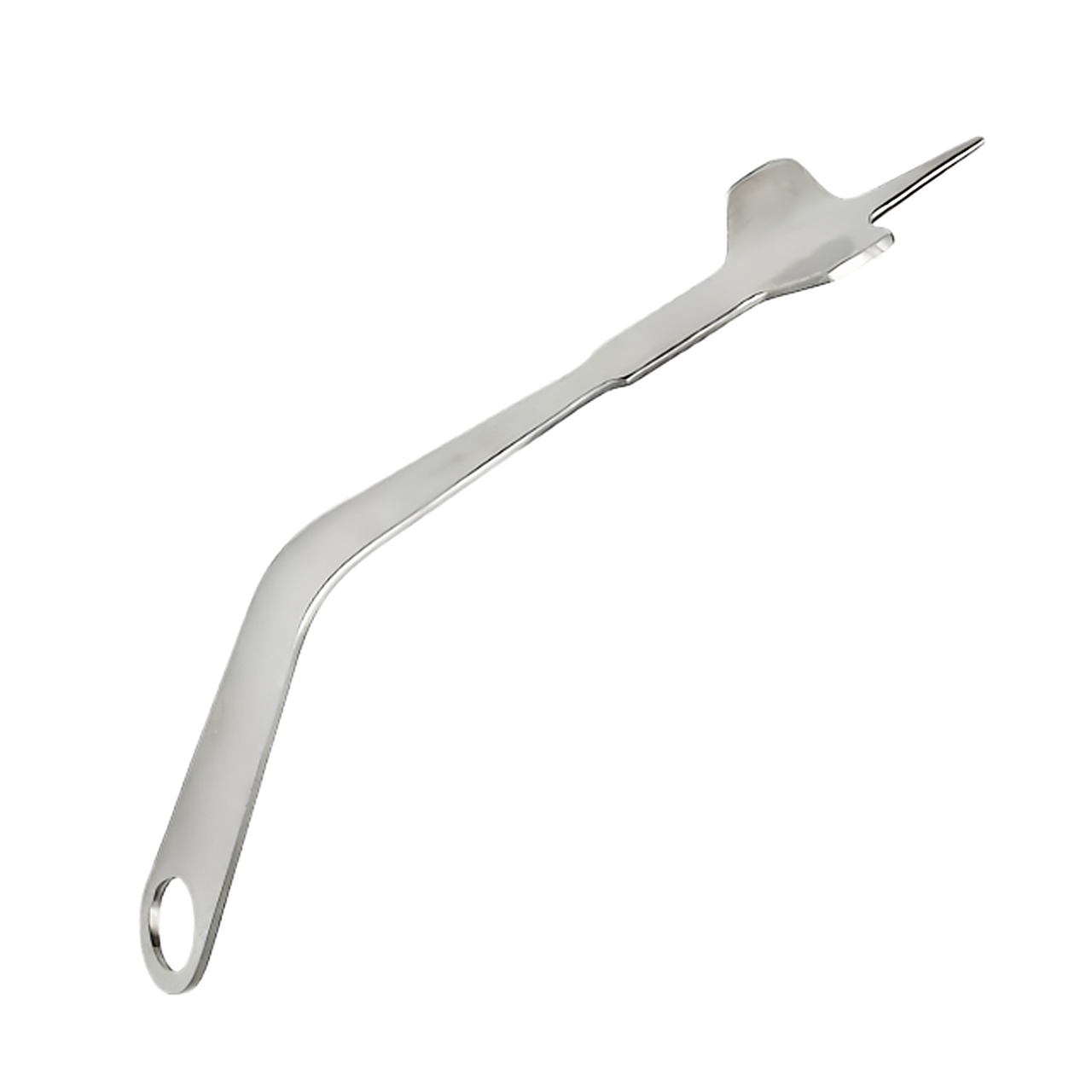 | ラテラル・ファットパッド・リトラクター(膝蓋下脂肪体鉤) | 人工膝関節置換術および膝関節再建術における膝蓋下脂肪体および軟部組織の牽引。 |
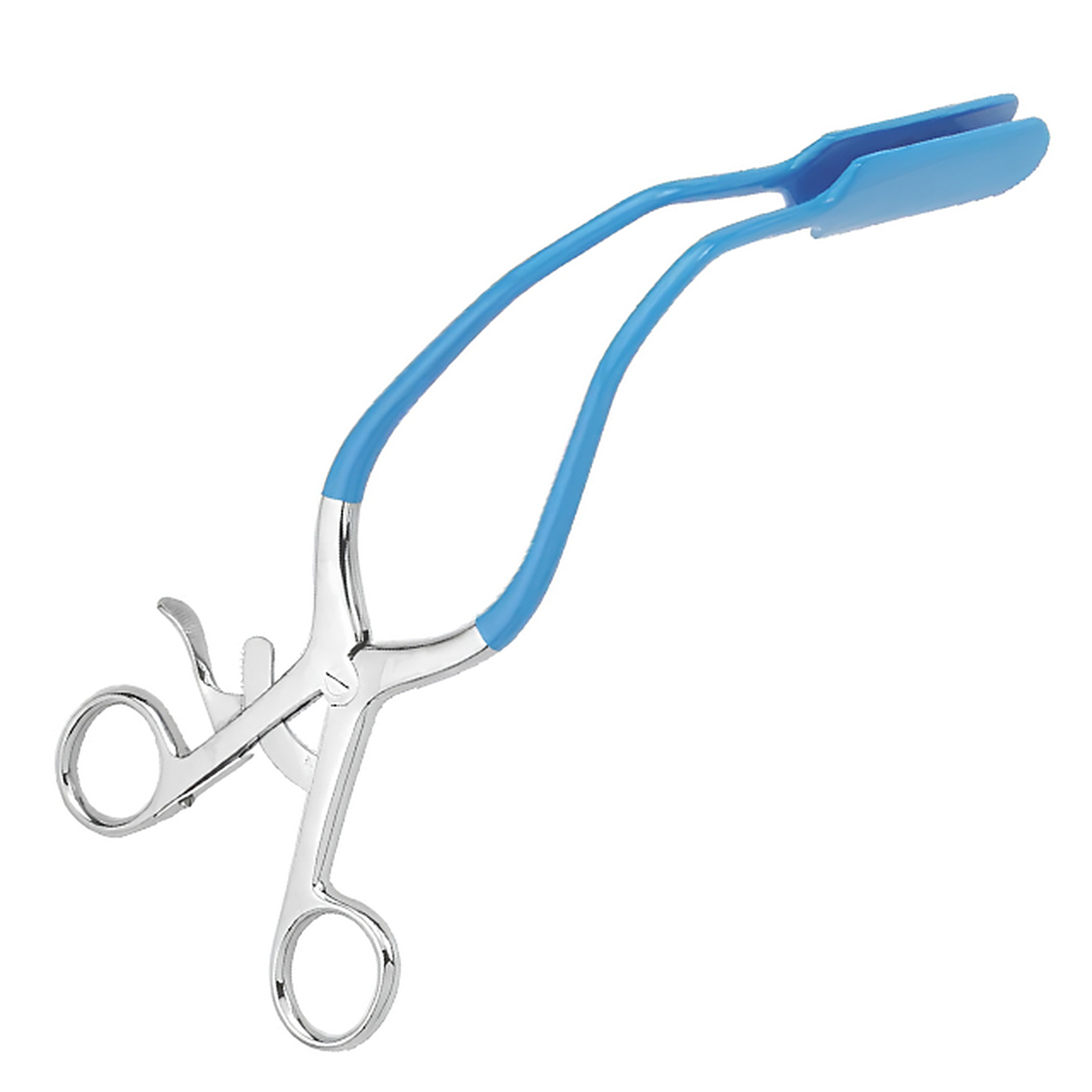 | 絶縁型側方腟壁レトラクター (Lateral Nonconductive Vaginal Retractor) | 電気手術およびレーザー婦人科手術時における側方腟壁の圧排に特化して設計。 |
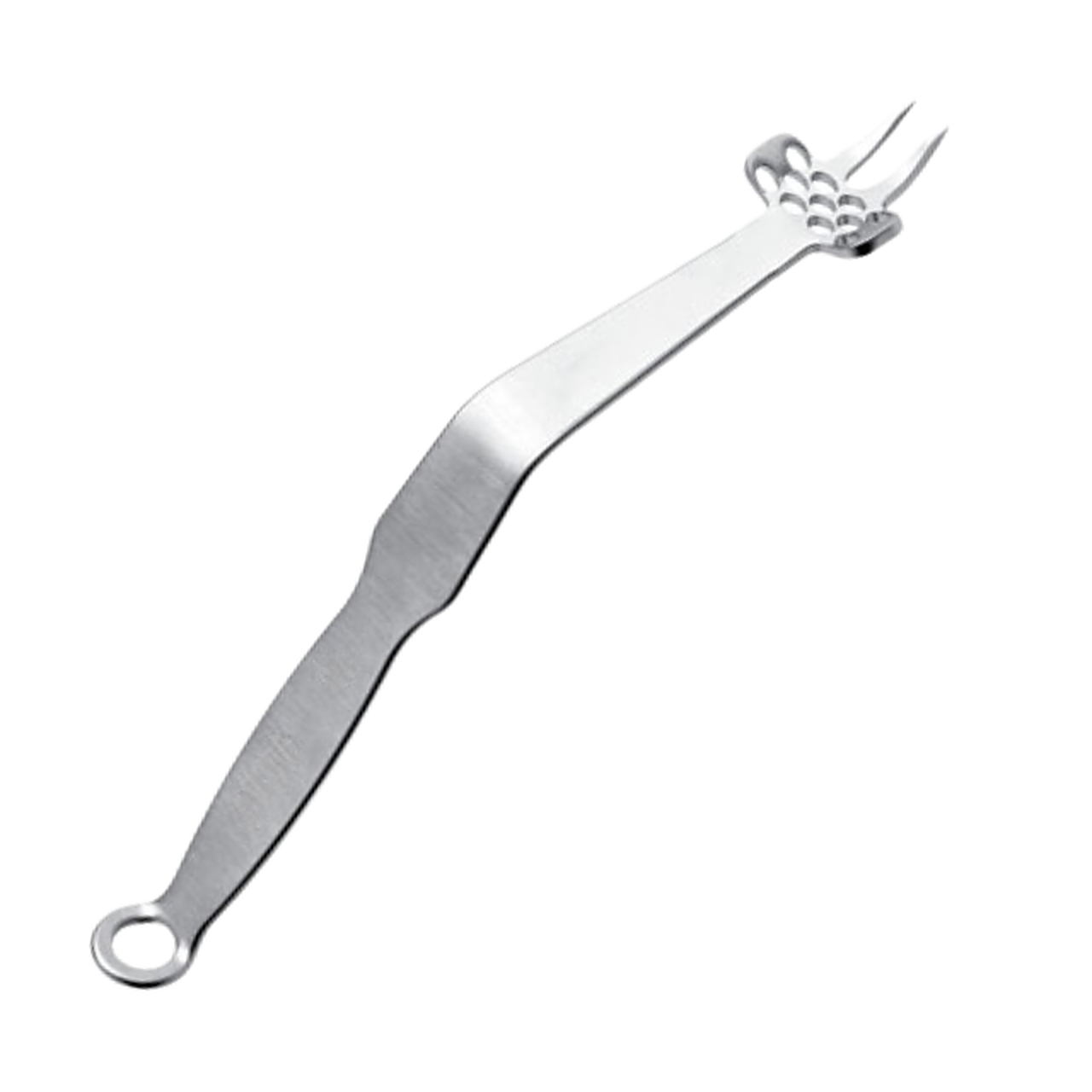 | 側方軟部組織レトラクター | 人工膝関節全置換術における外側軟部組織、関節包、および側副靭帯の圧排専用。 |
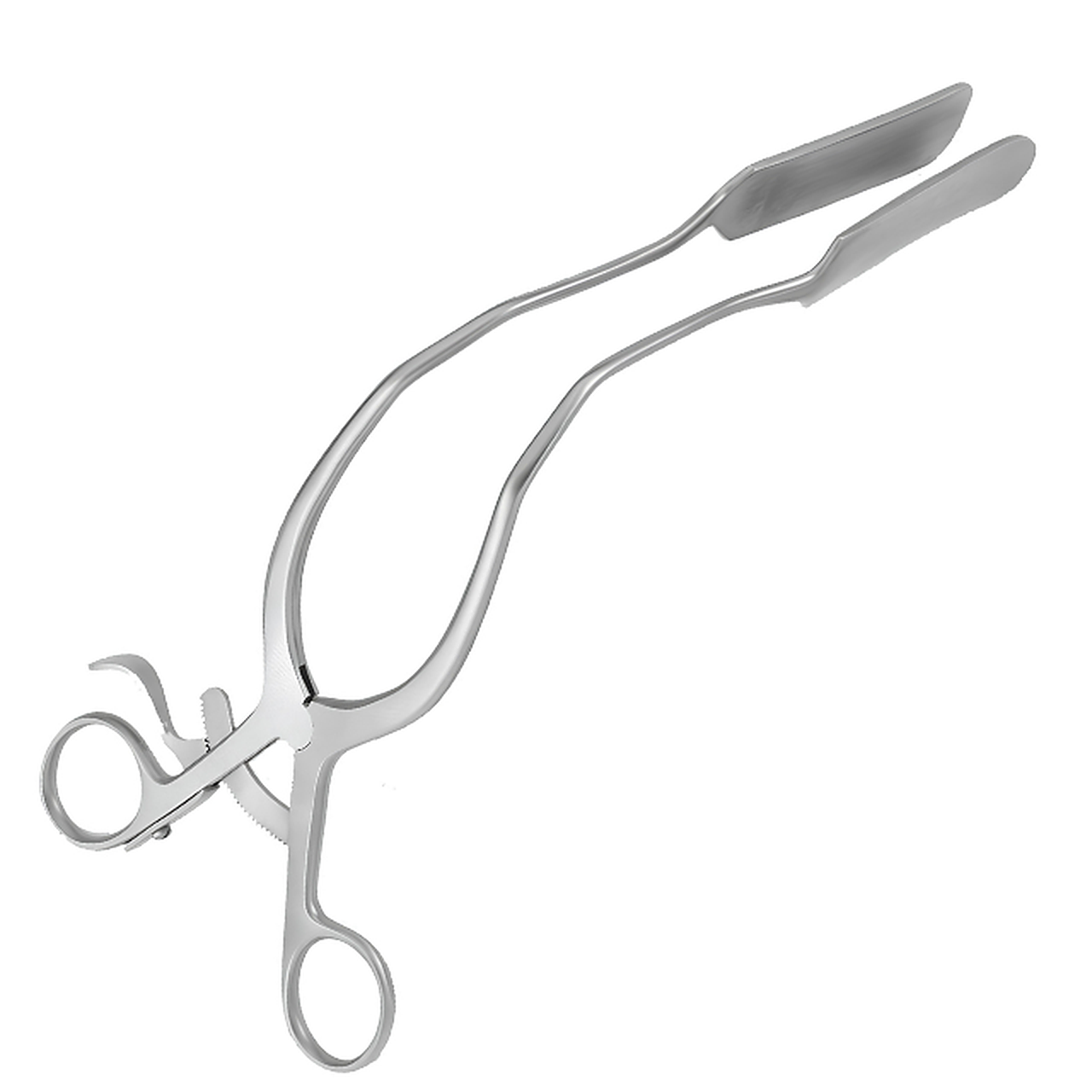 | 腟側壁開創器 (Lateral Wall Vaginal Retractor) | 腟式手術および電気手術において、腟側壁を牽引し、組織の虚脱を防止するために設計されています。 |
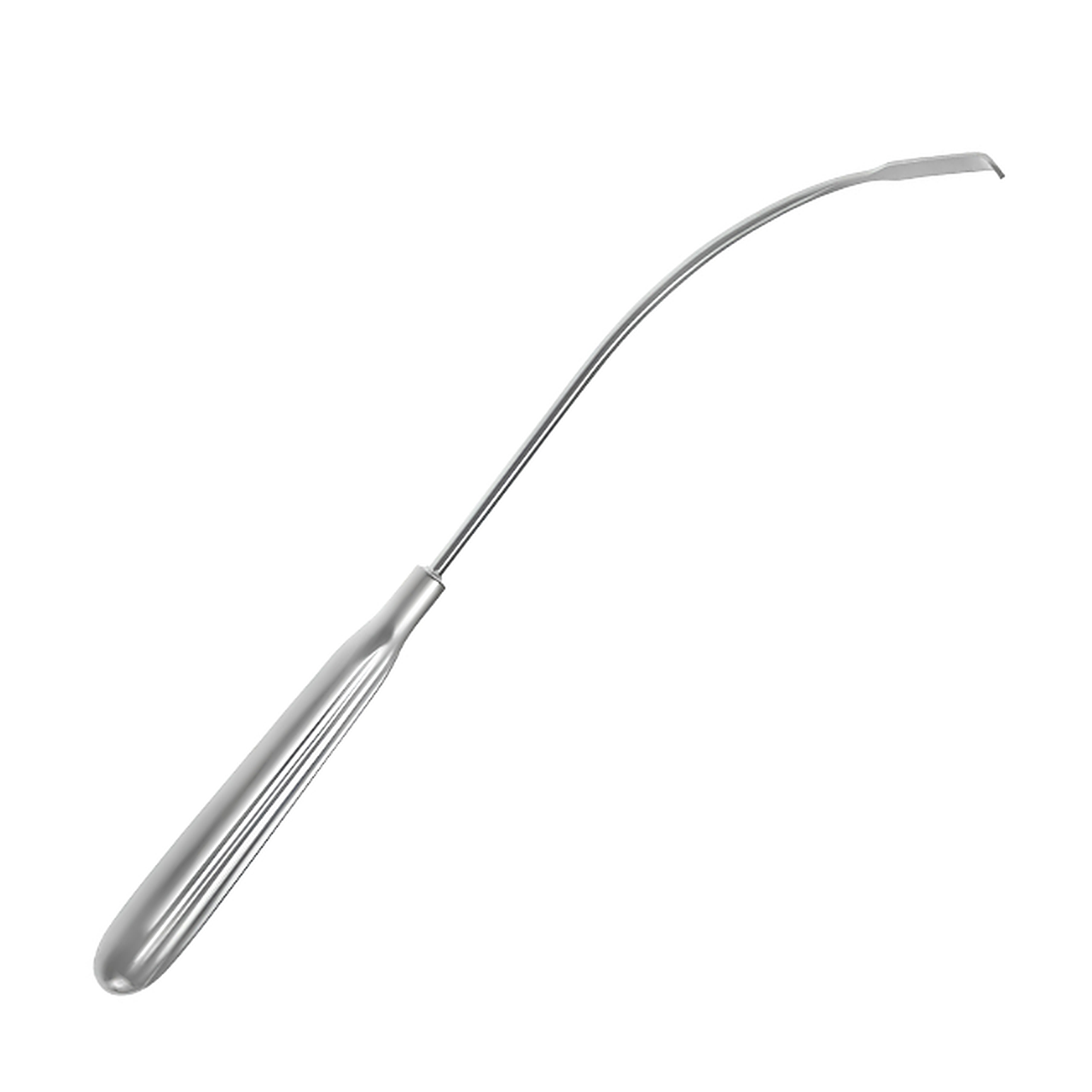 | Leaflet Retractor (弁尖リトラクター) | 心臓弁形成術および置換術において、心臓弁尖を牽引および挙上するために特別に設計されています。 |
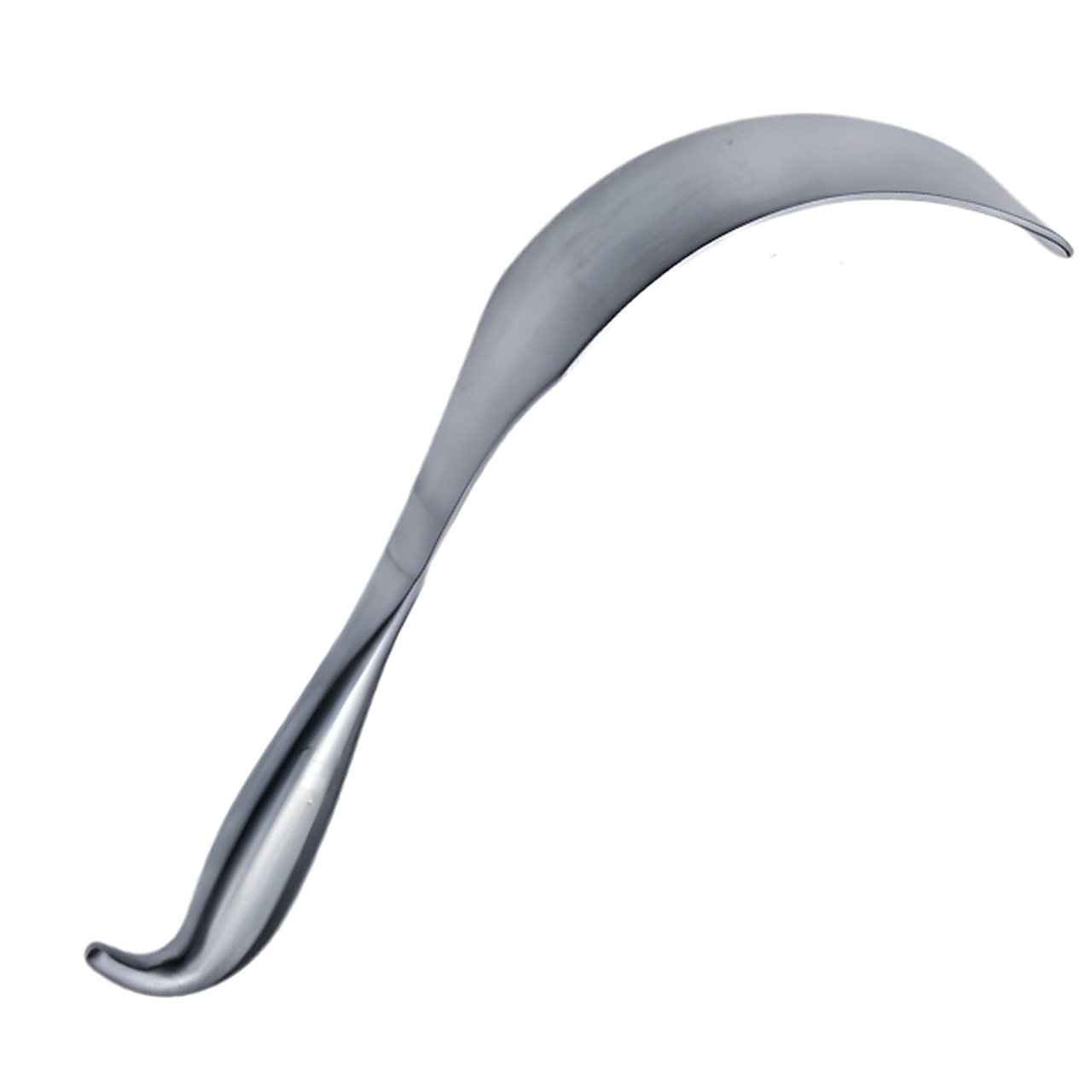 | Leriche Retractor-Atraumatic Wide Blade | 開腹手術中の腹壁、骨盤内臓器、および厚い筋肉組織の牽引に特化して設計されています。 |
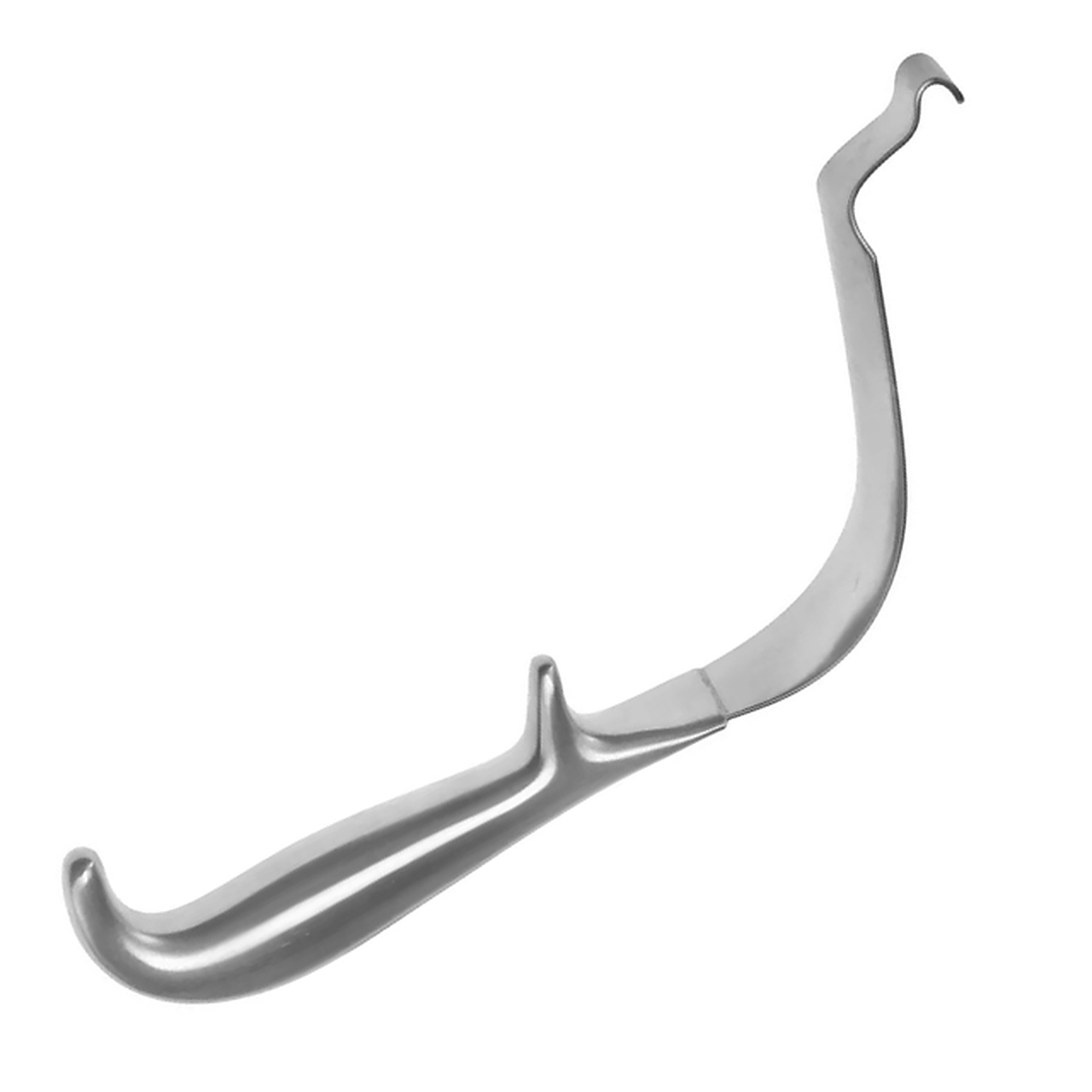 | Levasseur Merril Retractor | 下顎枝垂直骨切り術において、軟組織を排除し、神経血管構造を保護するために特別に設計されています。 |
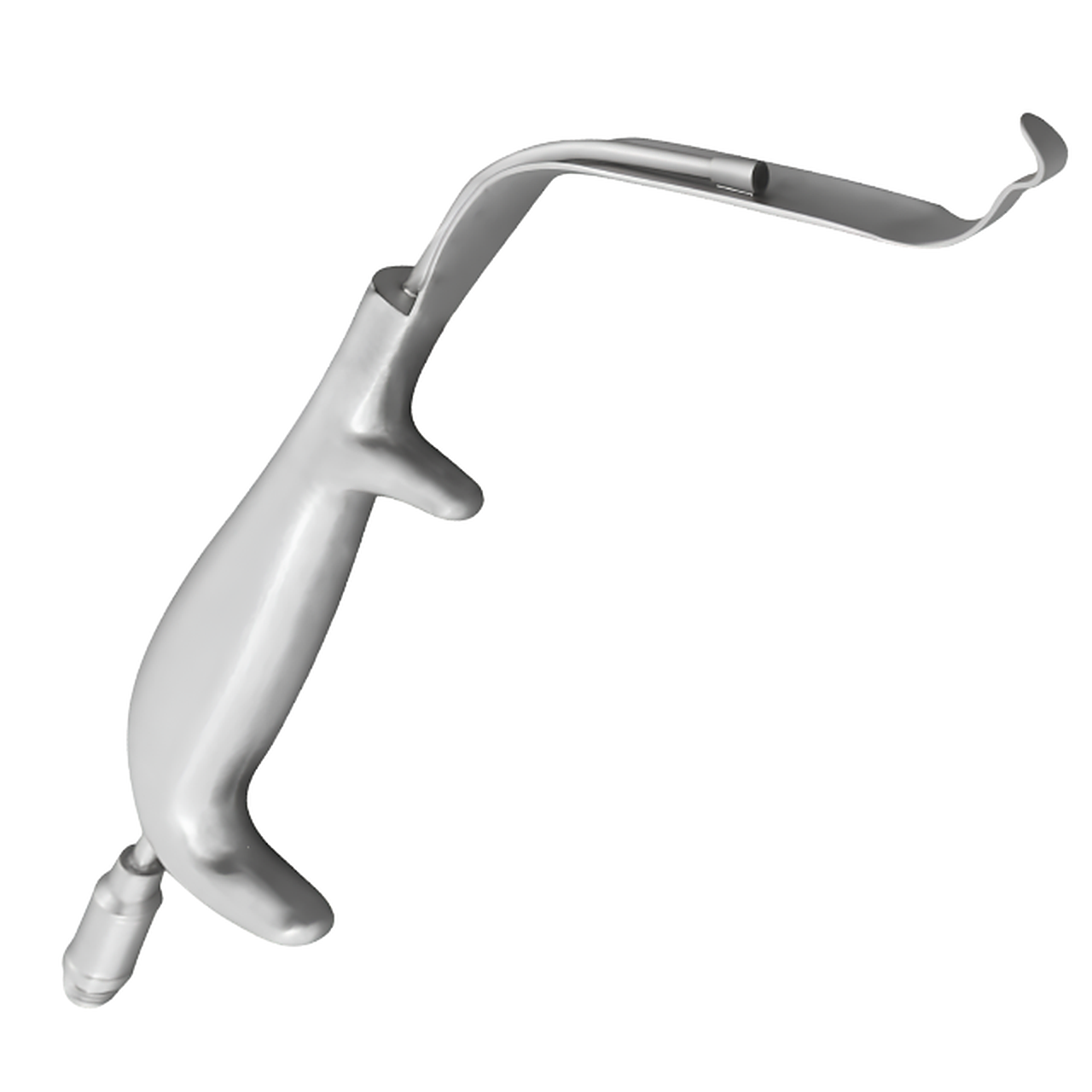 | Levasseur Merril Retractor Fiber Optic (光ファイバー照明付) | 垂直下顎枝骨切り術における照明付軟部組織の牽引および骨露出専用設計。 |
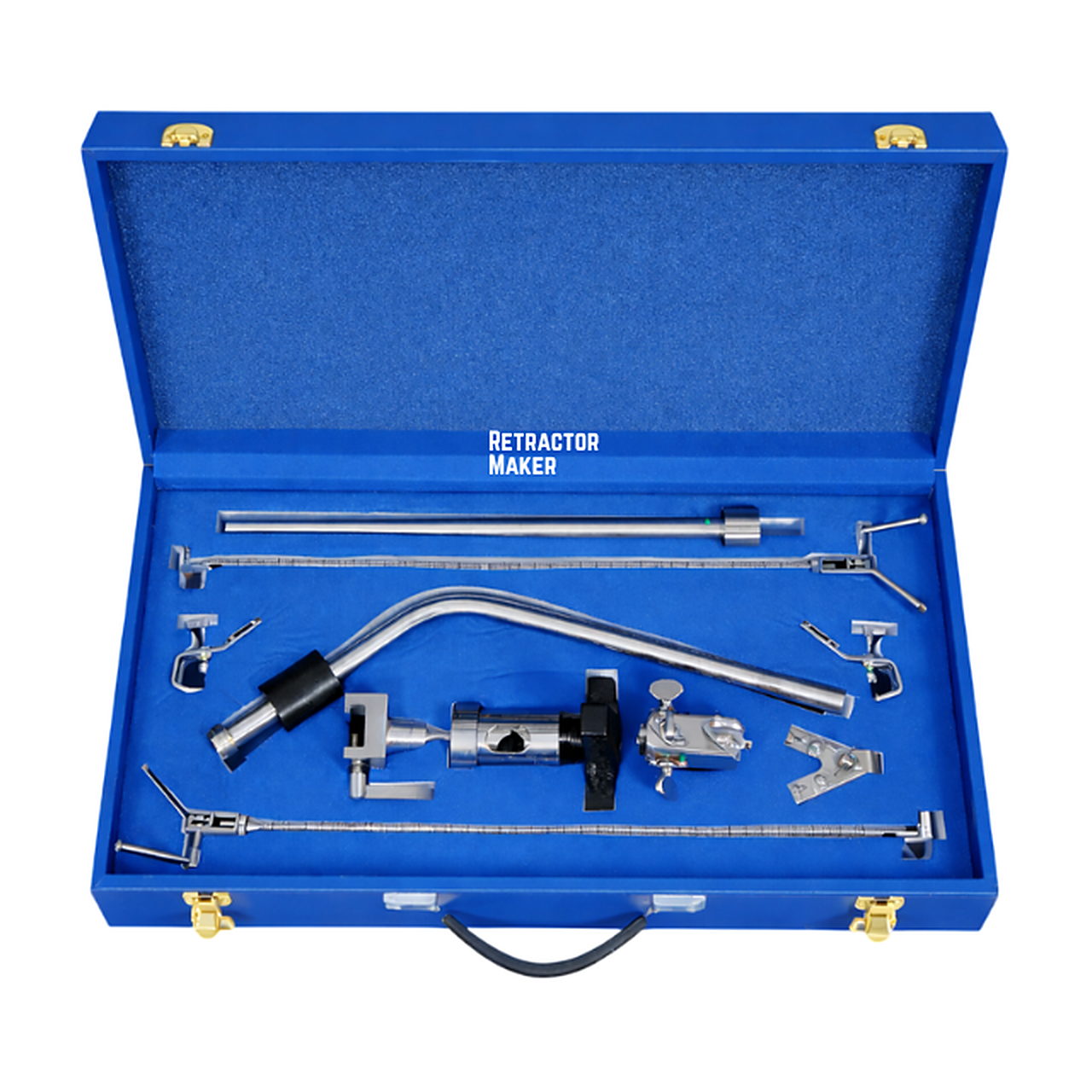 | Leyla Retractor | 繊細な頭蓋内手術、頭蓋底手術、および顕微鏡下脳神経外科手術において、正確でハンズフリーかつ低圧の脳組織圧排を提供するために設計されています。 |
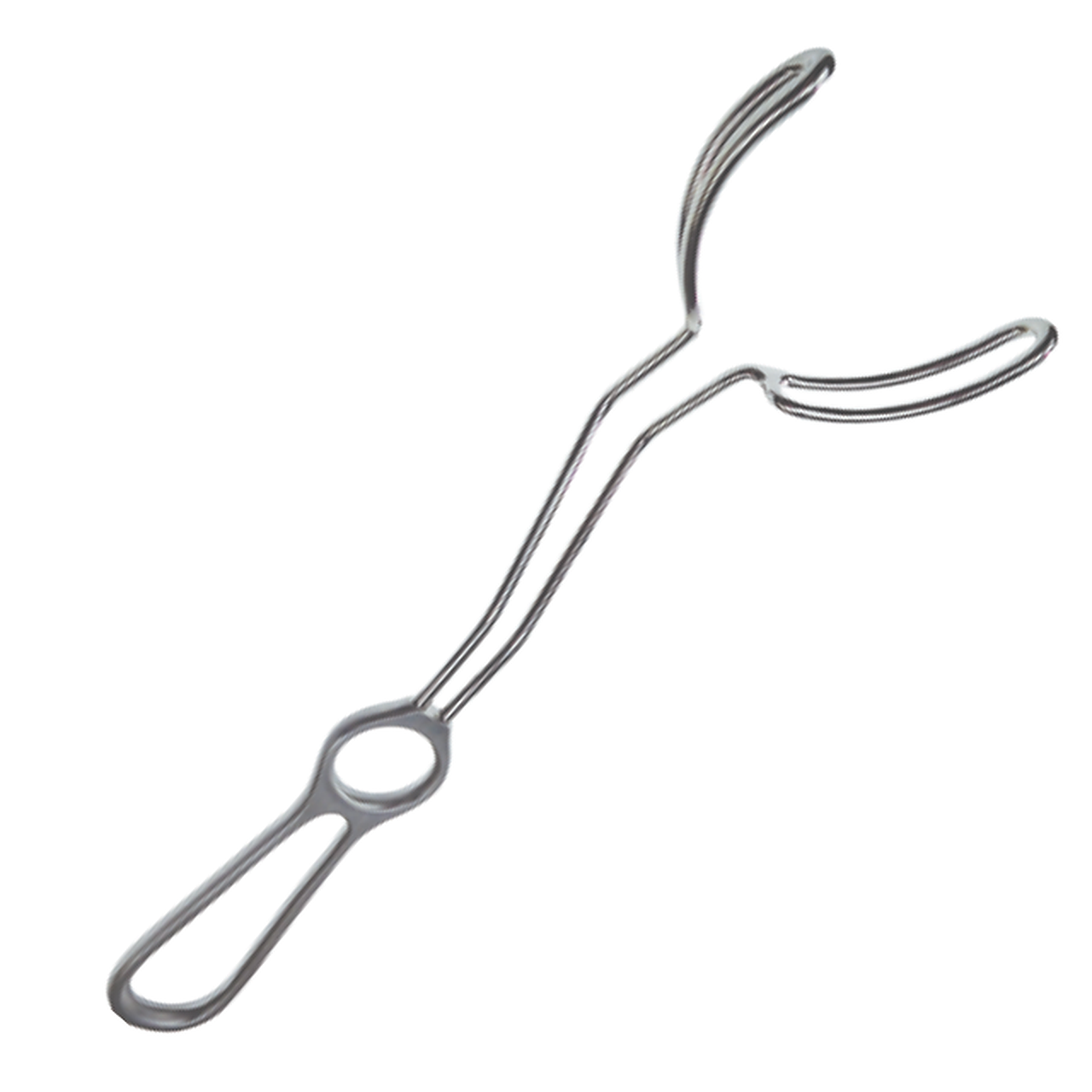 | 口唇・頬粘膜レトラクター | 口腔顎顔面外科手術中に下顎を明確に露出させるため、唇と頬を牽引するように特別に設計されています。 |
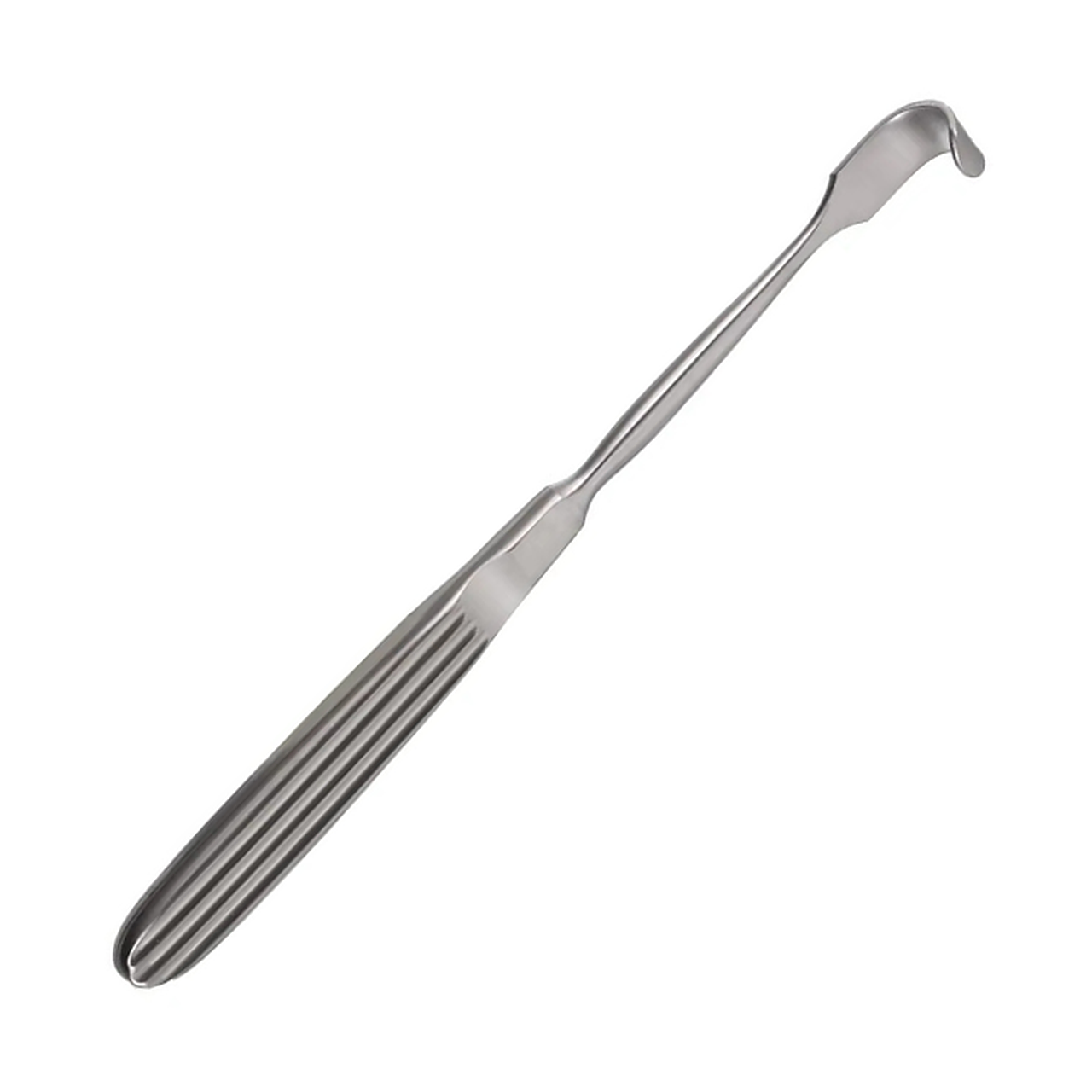 | Little Retractor | 小手術および形成外科における皮膚縁、繊細な筋膜、軟部組織の牽引に特化して設計されています。 |
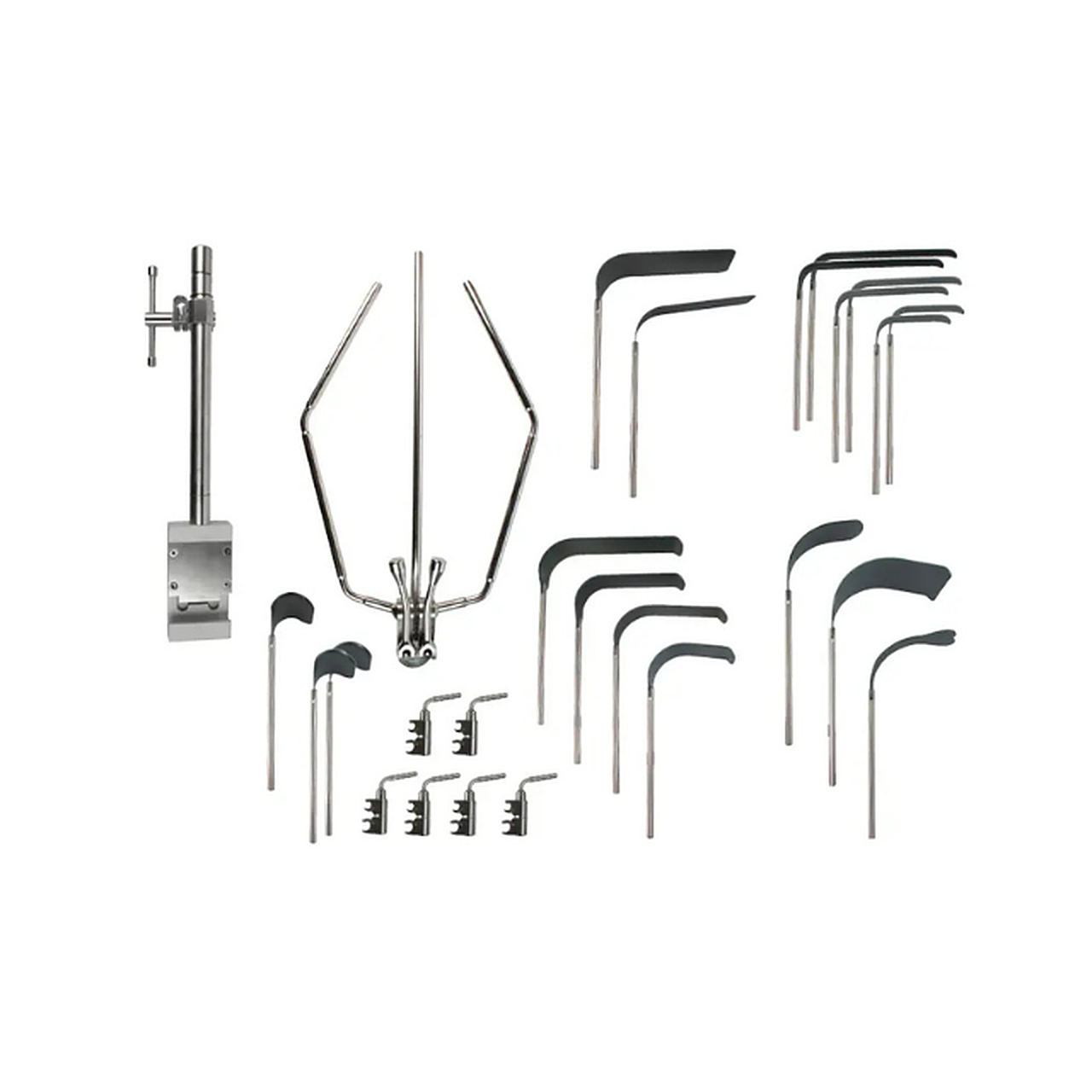 | Lobster 前方腰椎開創器システム | 前方腰椎脊椎手術における手術台固定式、自動開創による軟部組織の牽引および術野展開専用。 |
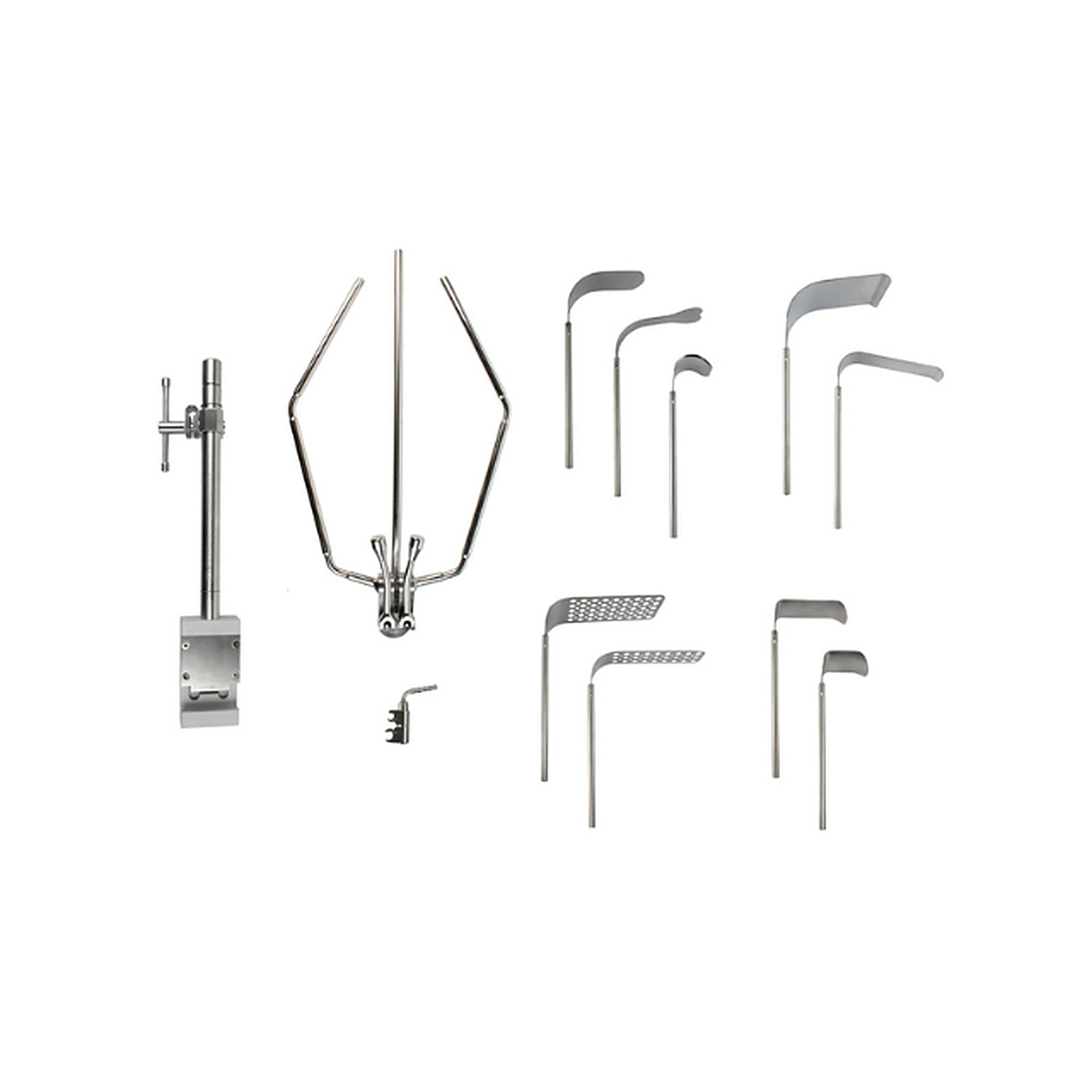 | Lobster General Retractor System | 一般外科手術において、テーブル固定による自動牽引で軟部組織を牽引し、術野を展開するために特別に設計されています。 |
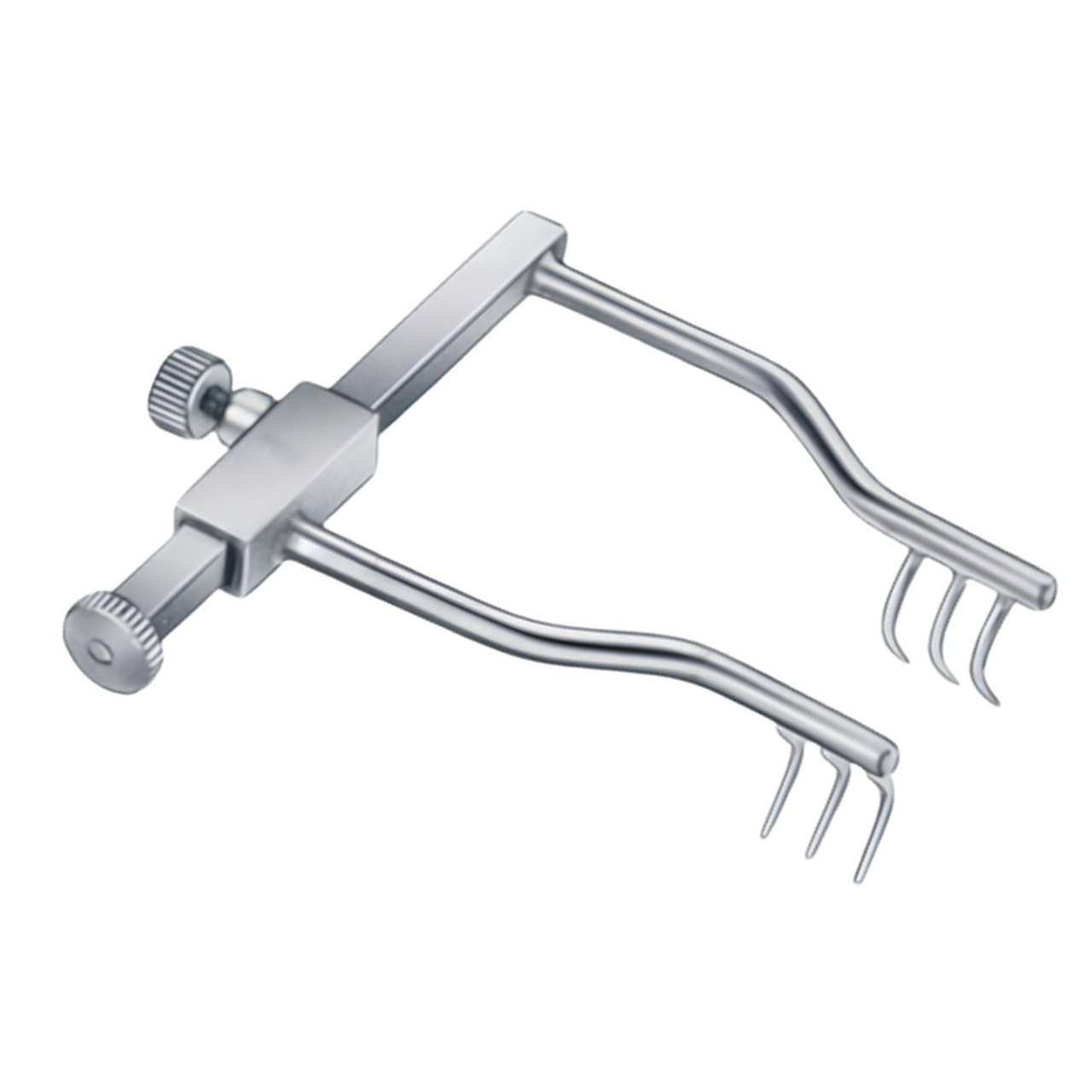 | Logan Wound Spreader | 微小切開時の皮膚縁、腱膜、および筋肉の自動開創を提供するために特別に設計されています。 |
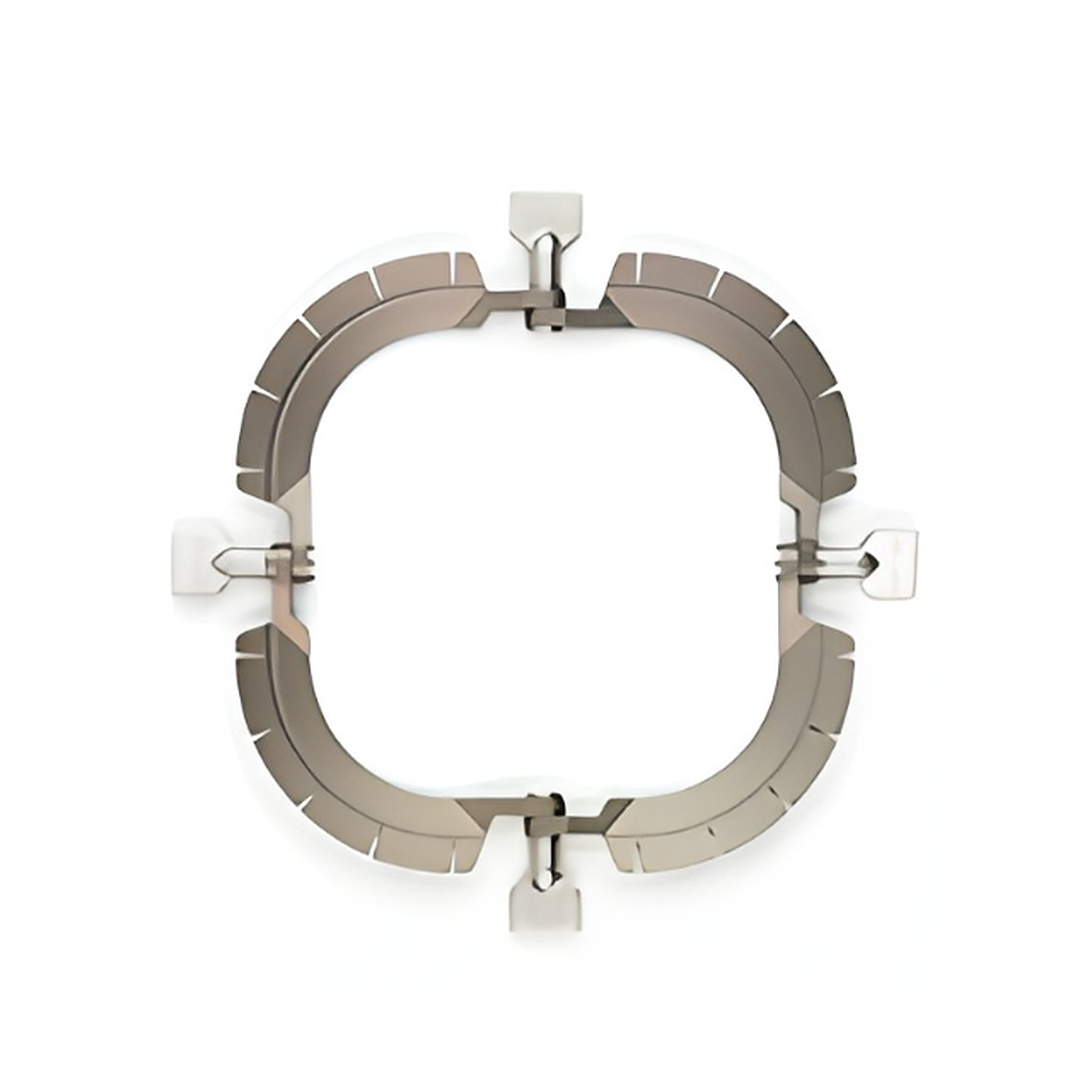 | Lone Star Retractor (結腸、直腸、頭頸部外科用) | 結腸、直腸、および頭頸部手術において、自動保持・ハンズフリーによる軟部組織の牽引と術野展開を提供するために特別に設計されています。 |
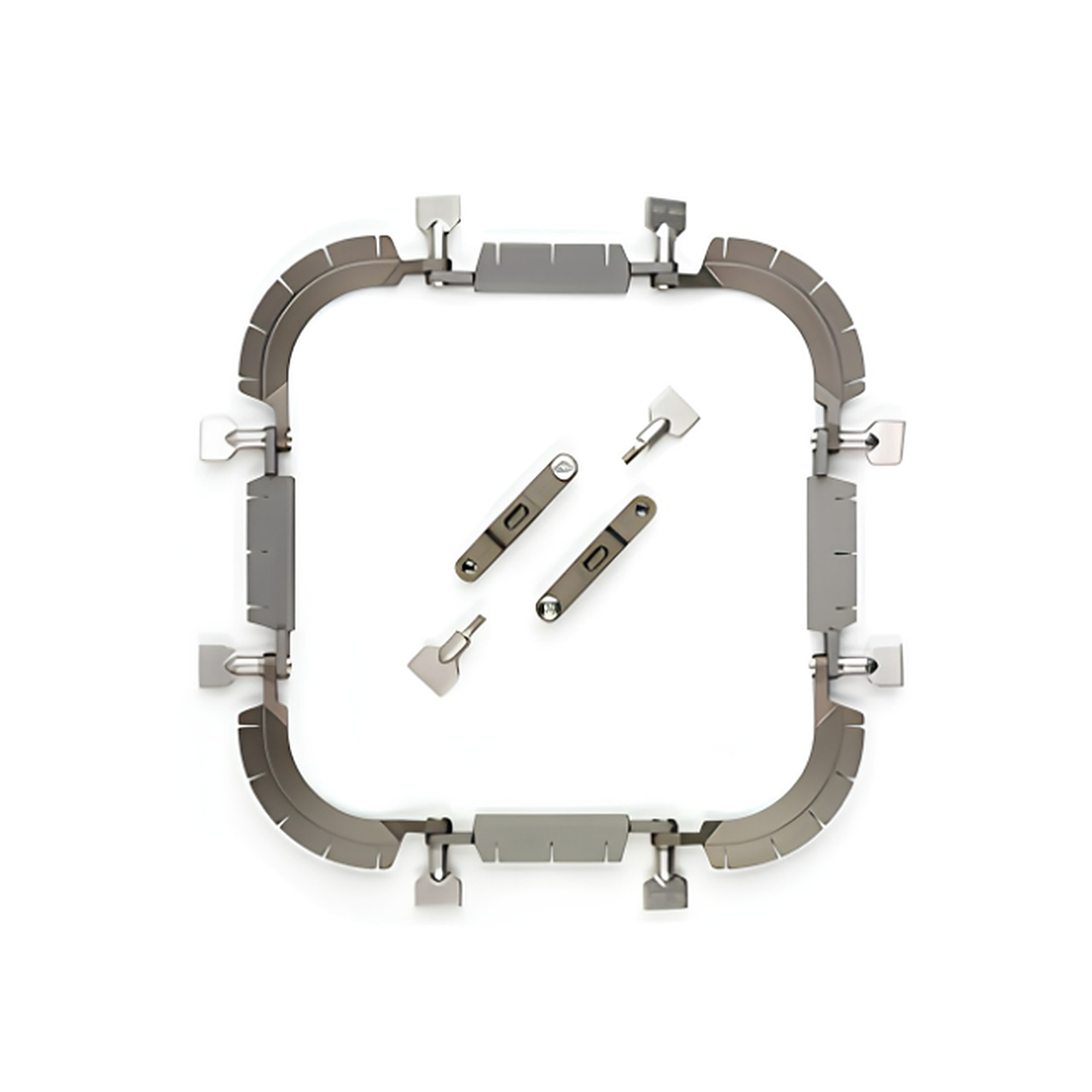 | Lone Star Retractor (一般外科・頭頸部外科用) | 一般外科および頭頸部外科手術において、自己保持式かつハンズフリーの軟部組織牽引と術野の露出を行うために設計されています。 |
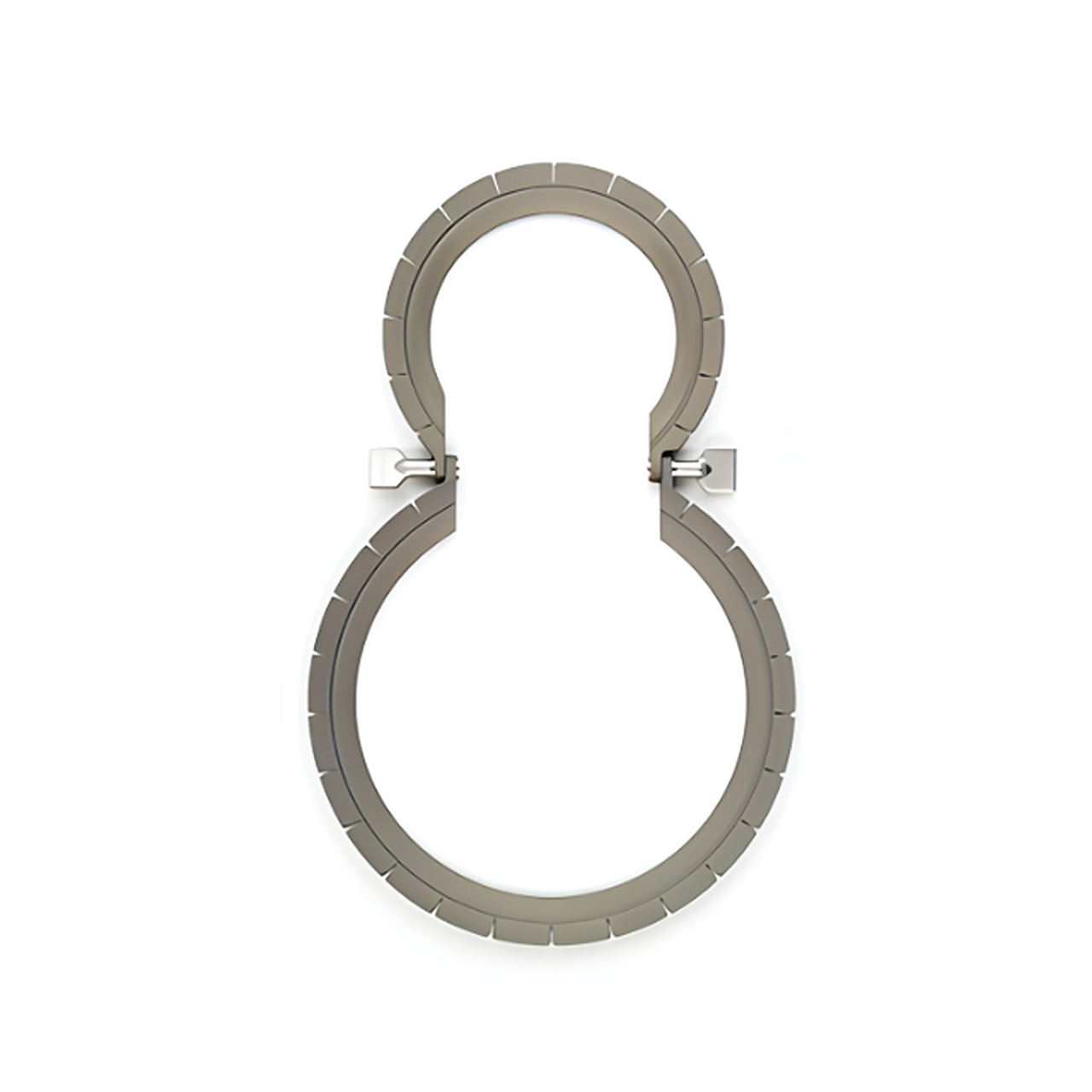 | Lone Star Retractor (婦人科および男性泌尿器科用) | 婦人科および男性泌尿器科の手術において、自動保持・ハンズフリーの軟部組織開創および術野展開を提供するために特別に設計されています。 |
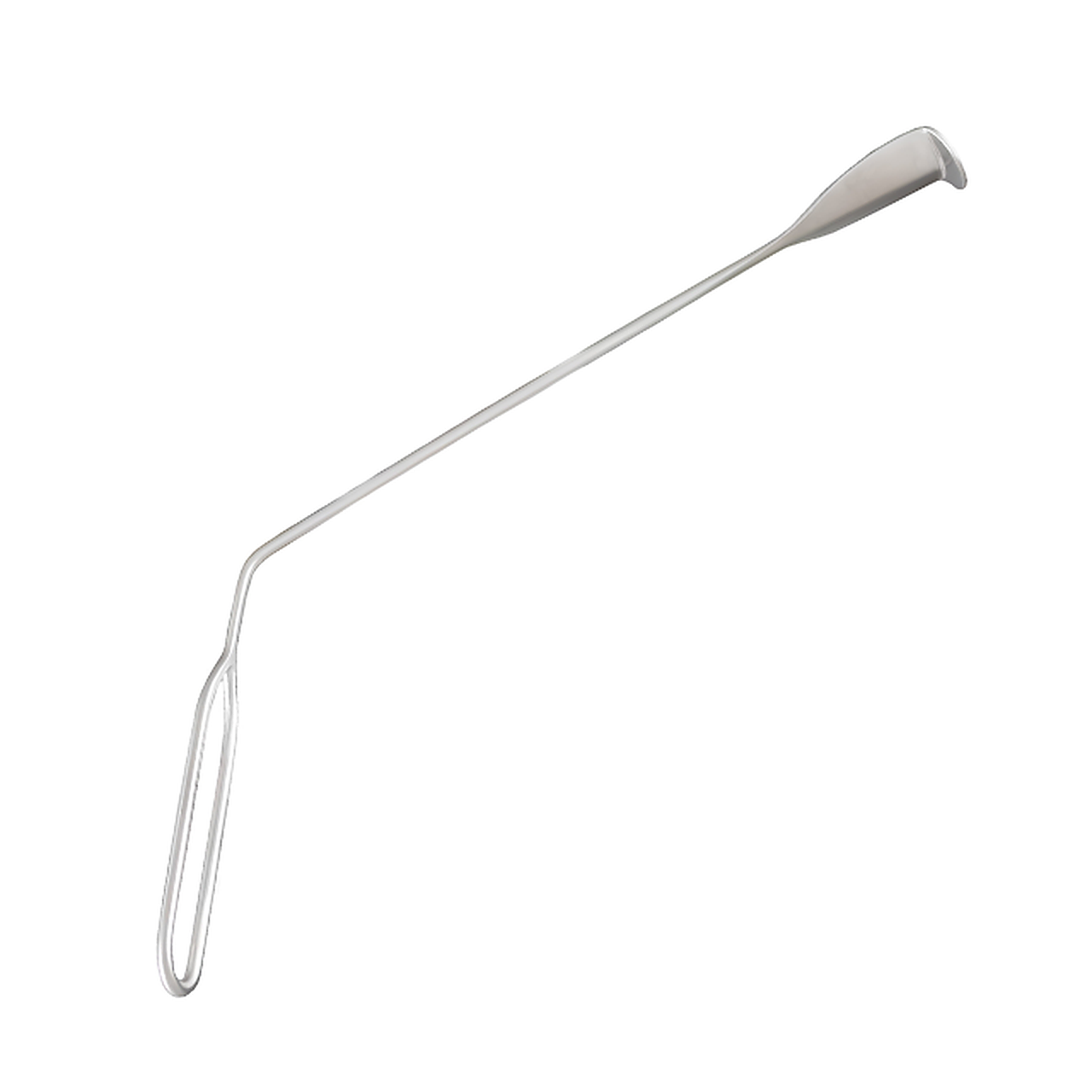 | Lothrop Uvula Retractor | アデノイド切除術および咽頭手術における口蓋垂と軟口蓋の牽引および挙上。 |
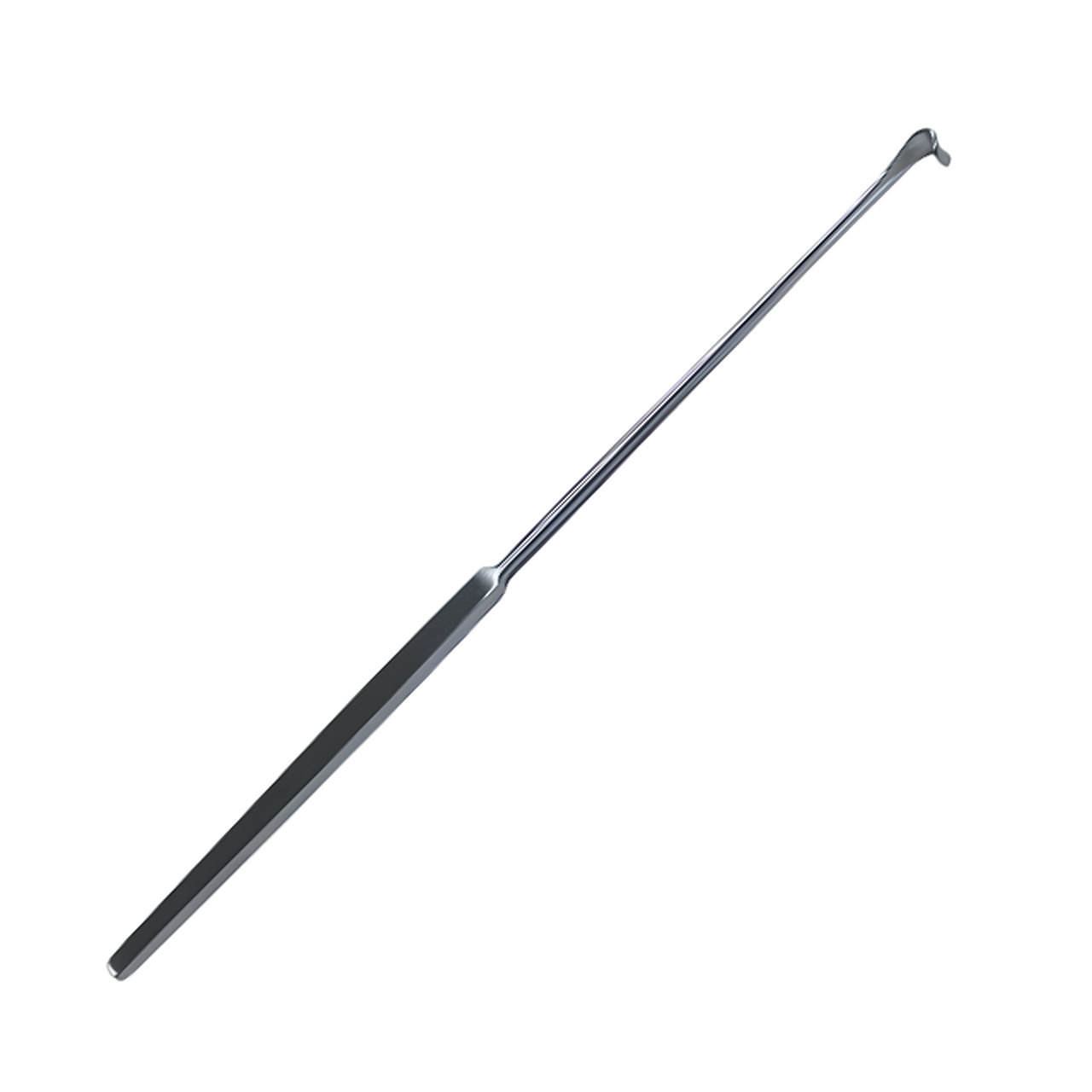 | Love 神経根レトラクター | 腰椎椎間板切除術および減圧術において、脊髄神経根および硬膜嚢を牽引・保護するために特別に設計されています。 |
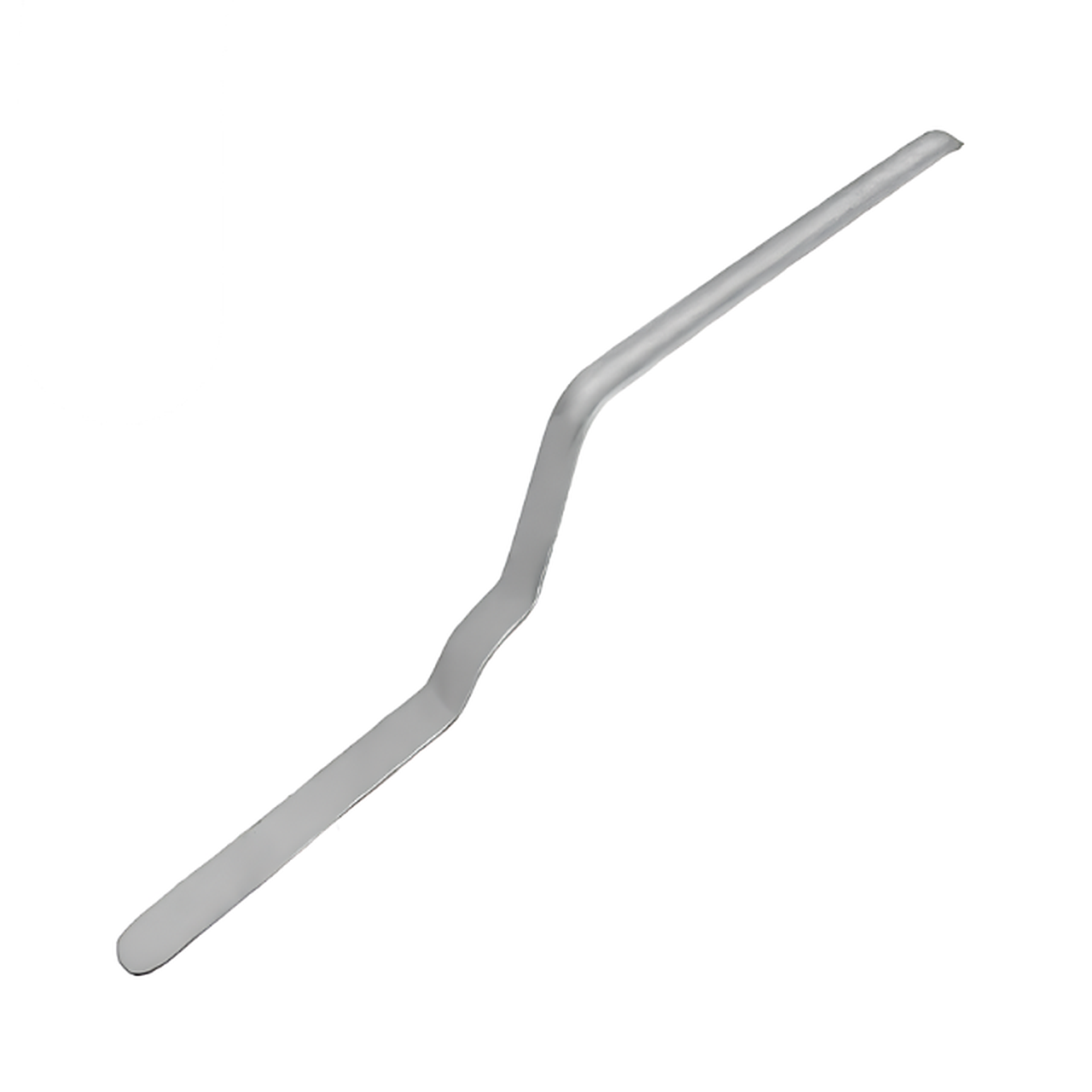 | Love 神経根レトラクター(バヨネット型) | 手術用顕微鏡下での視界を維持しながら、神経根および硬膜嚢を牽引するために特別に設計されています。 |
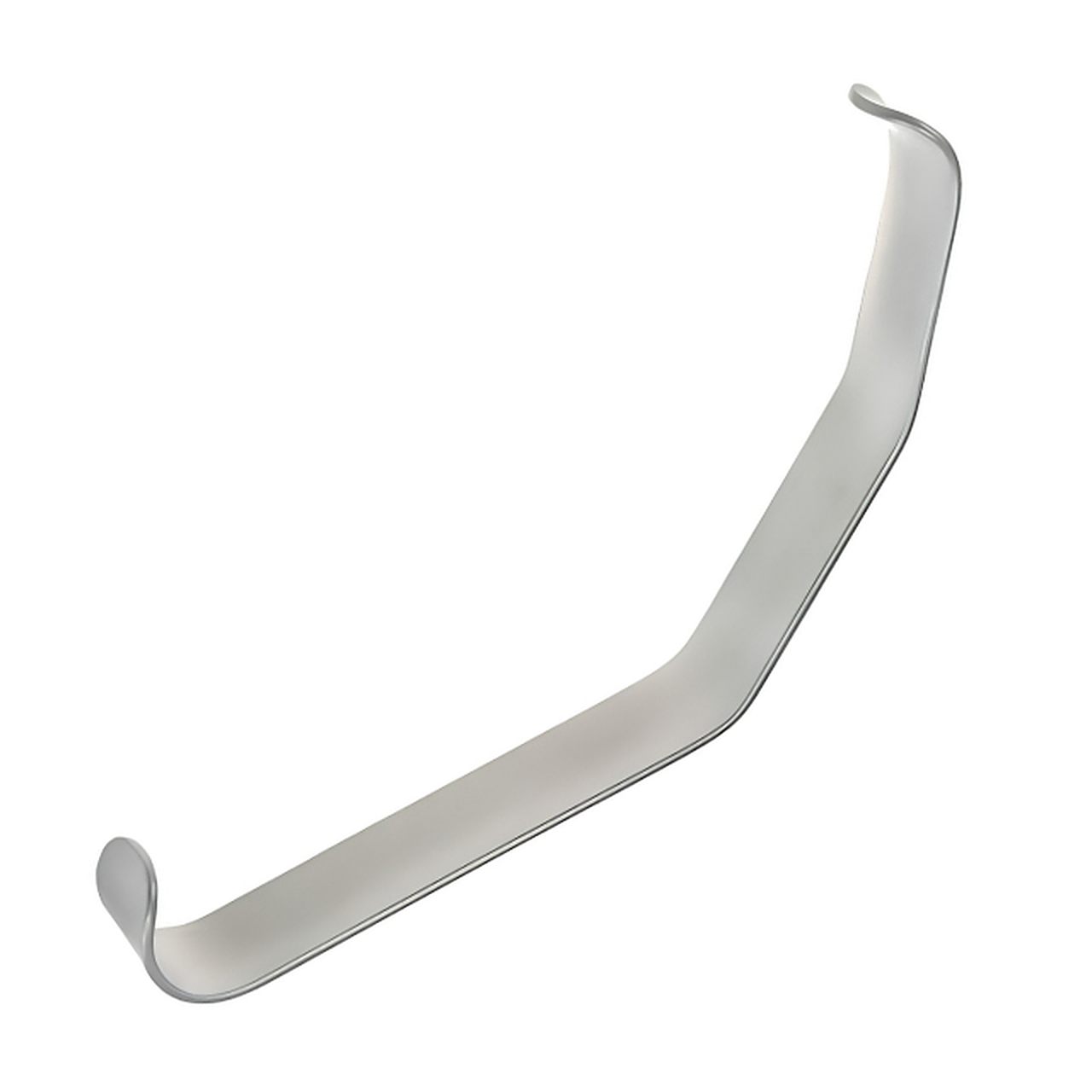 | Love 口蓋垂レトラクター | アデノイド切除術および咽頭手術における口蓋垂と軟口蓋の牽引・挙上用。 |
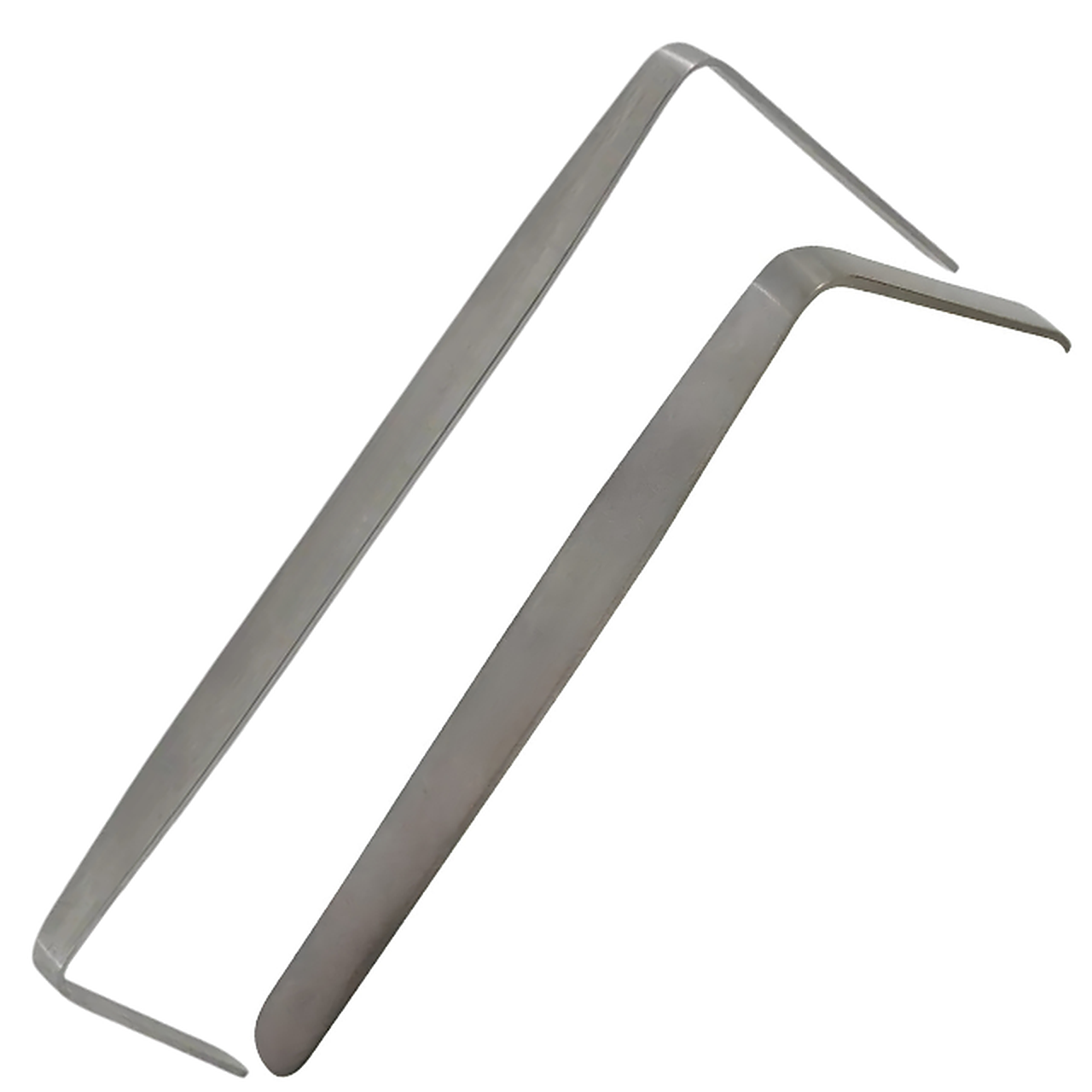 | Low Profile Foot and Ankle Retractor | 足部、足関節、および足病再建外科における小骨のレバレッジおよび軟部組織の牽引専用設計。 |
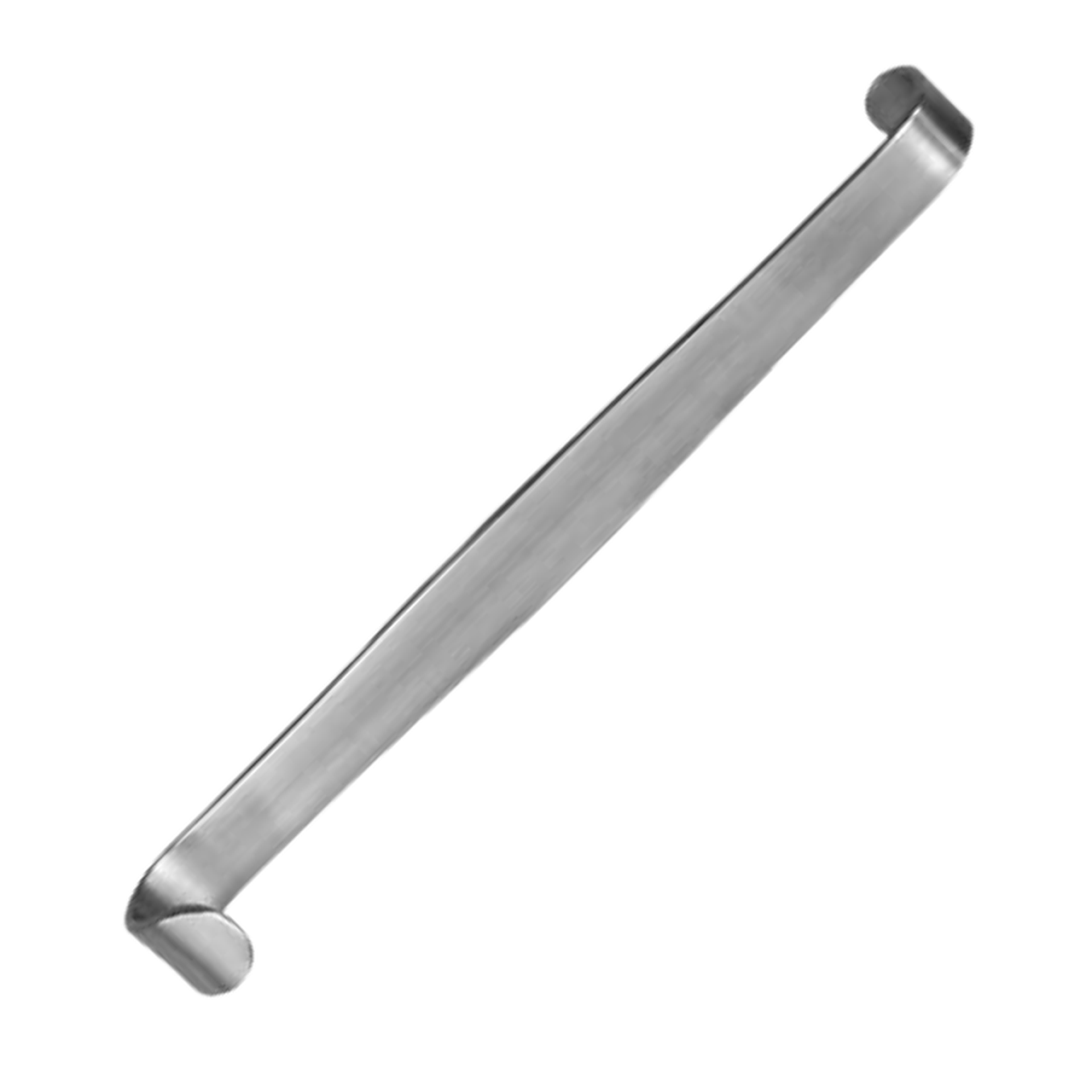 | Luer S 気管開創器 | 気管切開術および頸部手術において、前気管組織の開創と気管輪の挙上のために特別に設計されています。 |
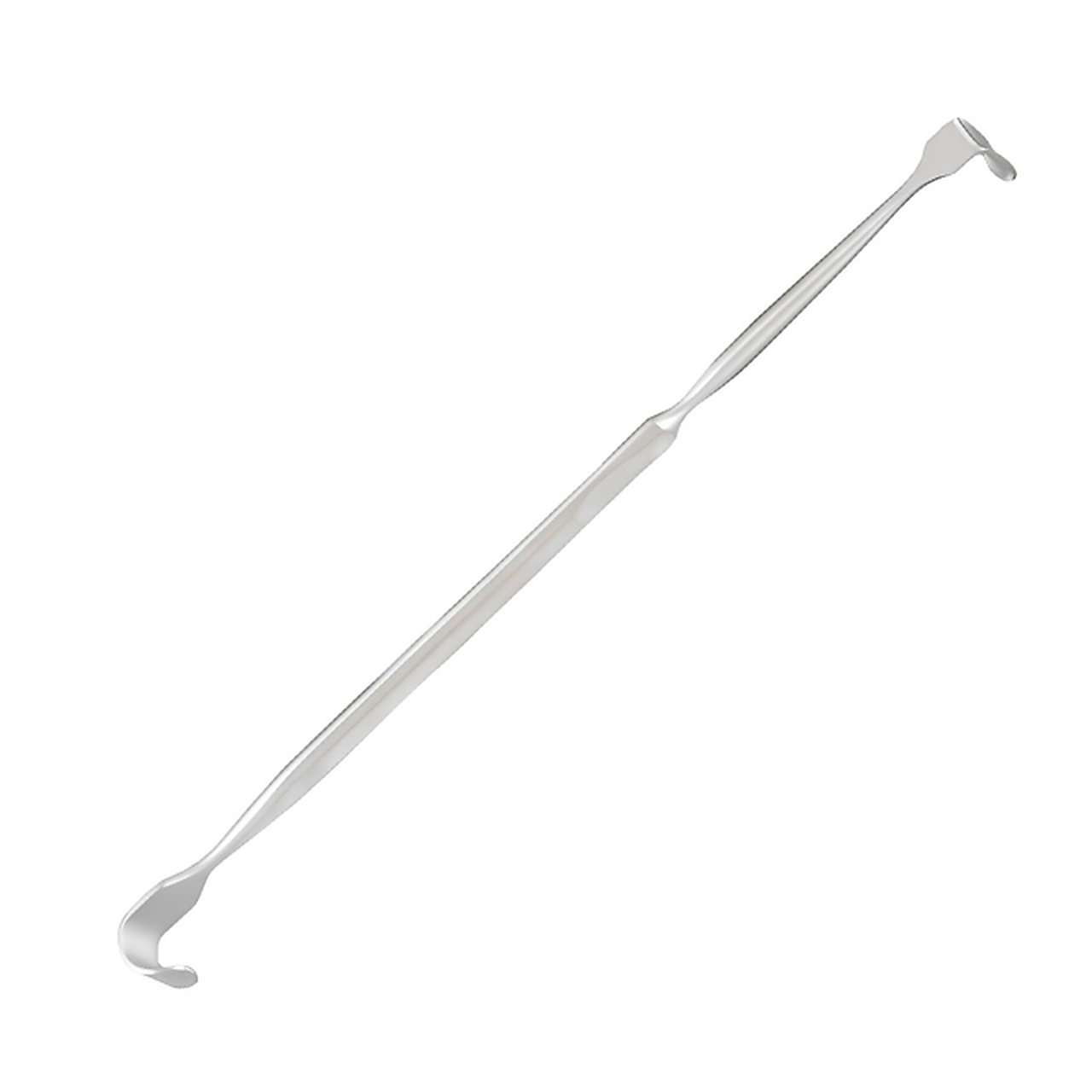 | Lukens 気管開口レトラクター | 気管切開術および気道手術において、前気管組織の開創と気管の挙上のために特別に設計されています。 |
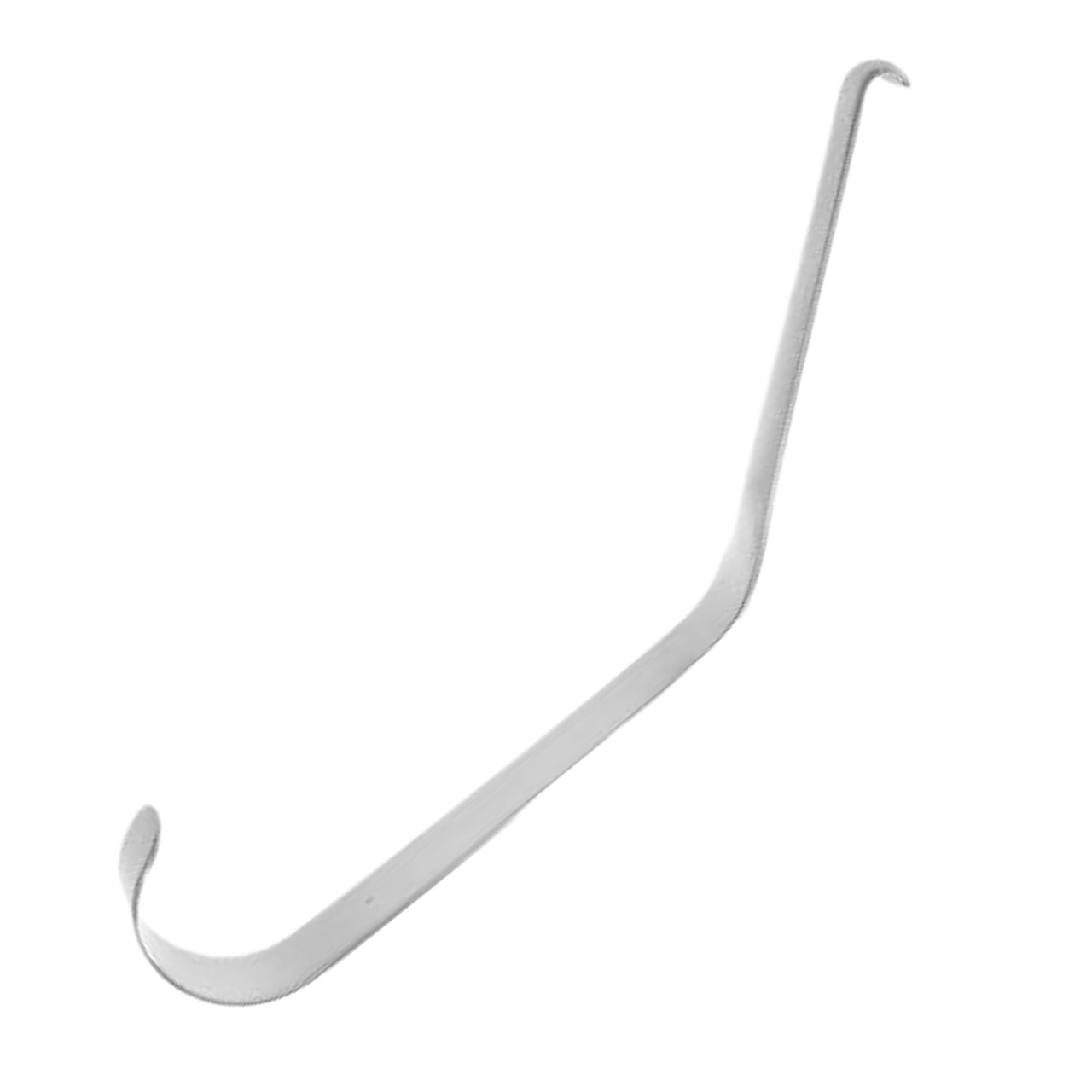 | 下顎骨チャンネル開創器 (Mandibular Channel Retractor) | 下顎骨の下縁に掛けて固定し、骨切り術中に神経血管構造を保護するために特別に設計されています。 |
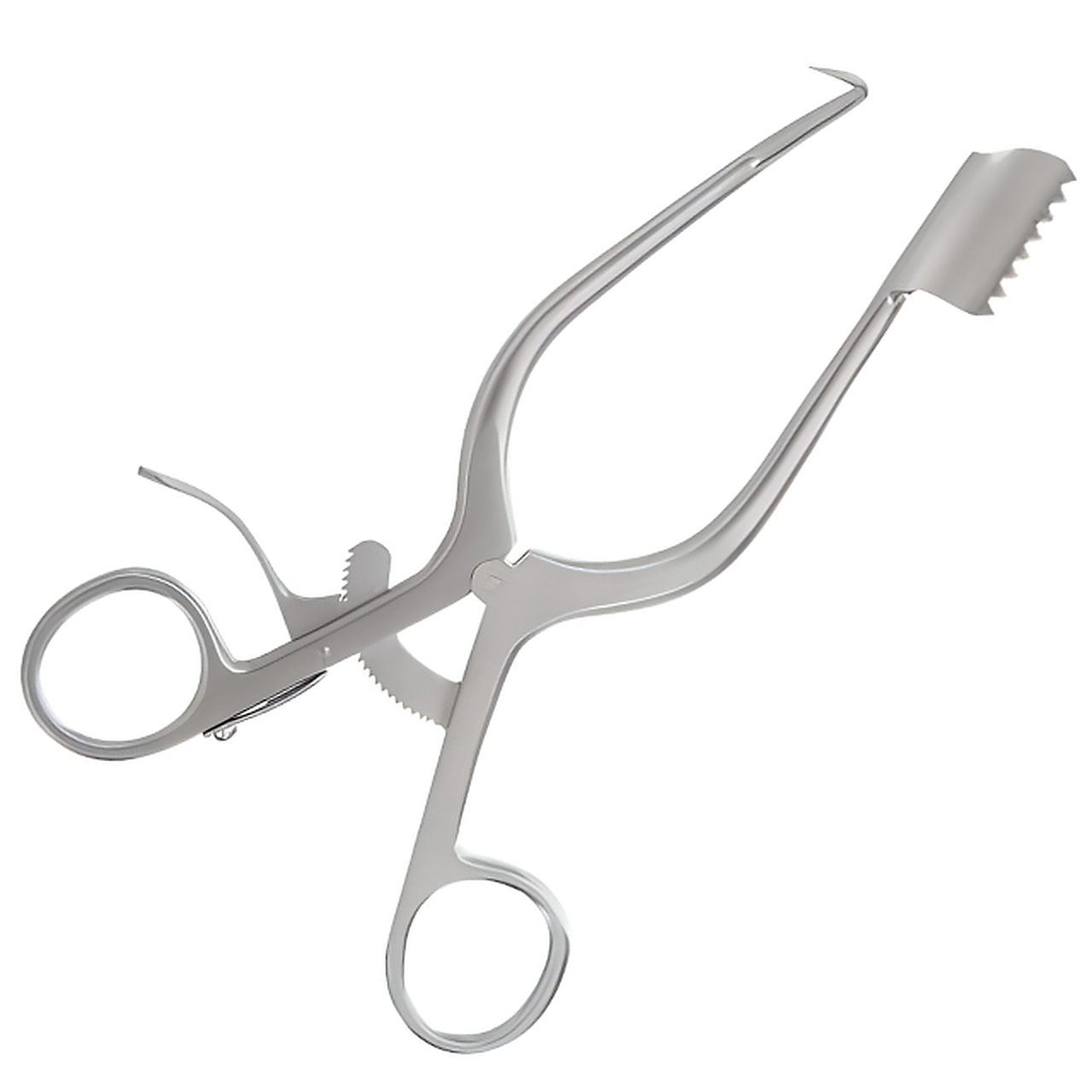 | Markham-Meyerding 片側椎弓切除用開創器 | 片側椎弓切除術における自己保持式の傍脊柱筋圧排および棘突起への固定用に特化して設計されています。 |
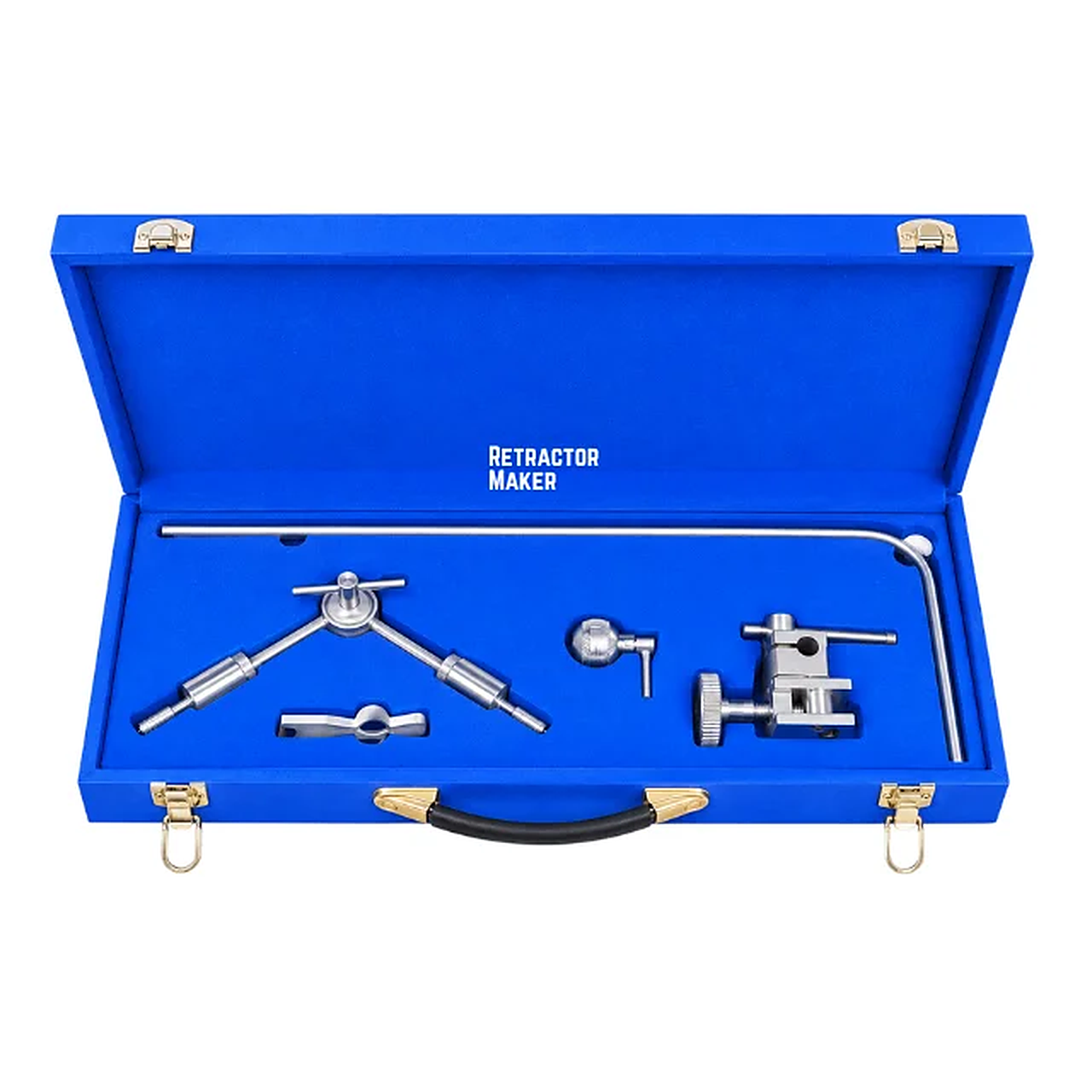 | Martin Arm Retractor | 手術台のサイドレールに直接取り付け、手術用レトラクターやスコープを強固かつハンズフリーで保持・配置します。 |
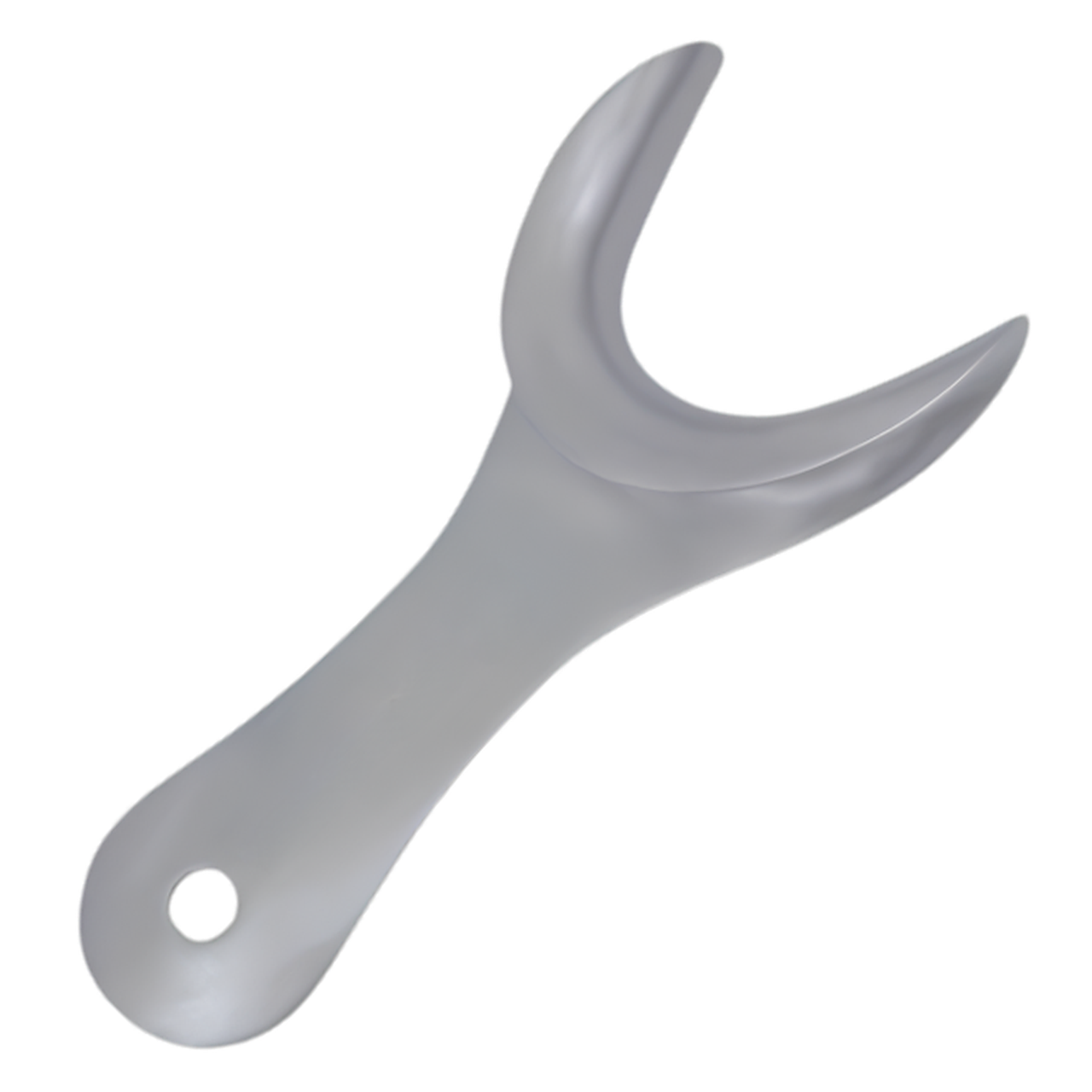 | Martin-Simplex 頬・口唇開口器 | 歯科、歯槽部、および口腔外科手術における頬と唇の牽引。 |
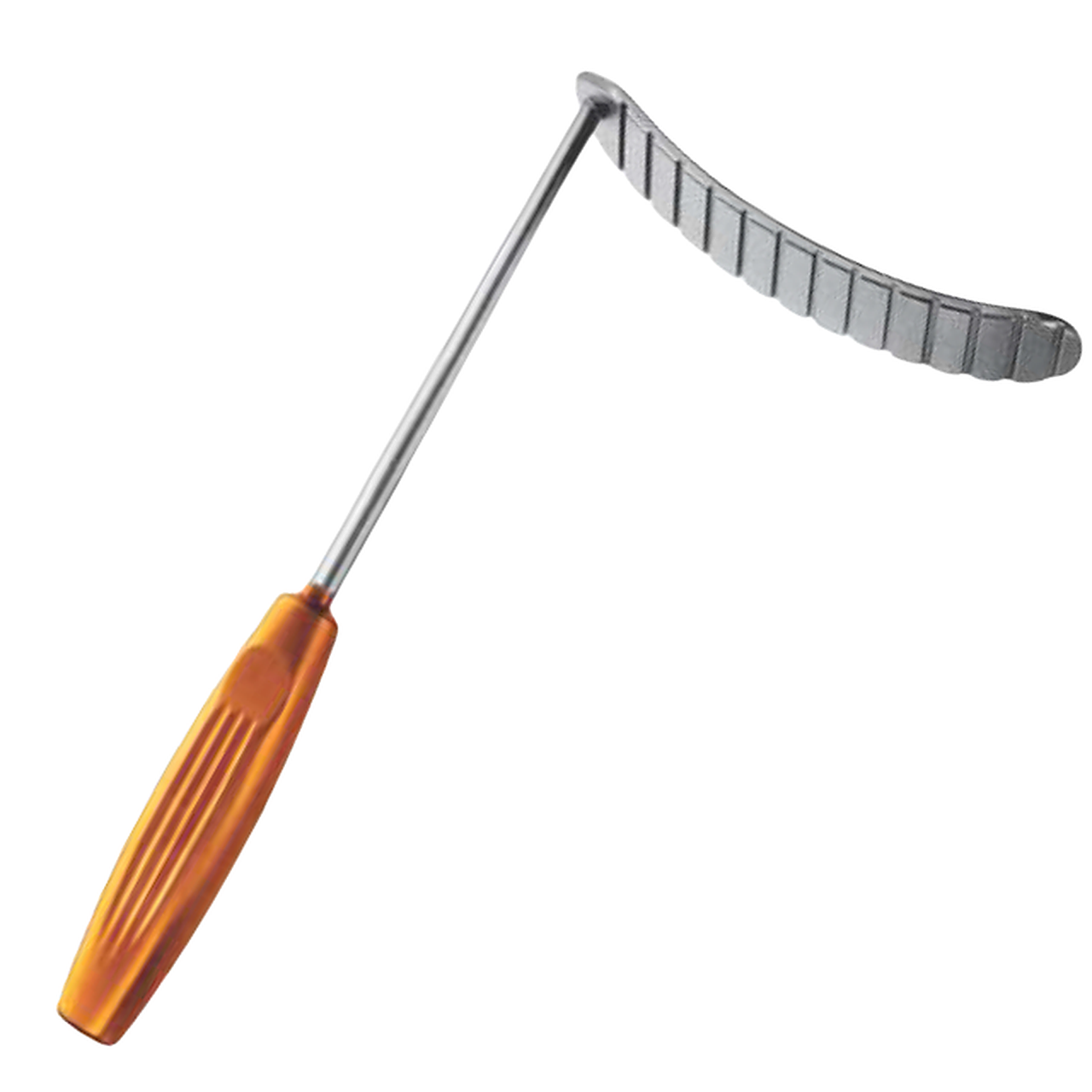 | Marx Breast Retractor | 乳腺手術における組織フラップの挙上、および筋肉下または乳腺下ポケットの作成用に設計されています。 |
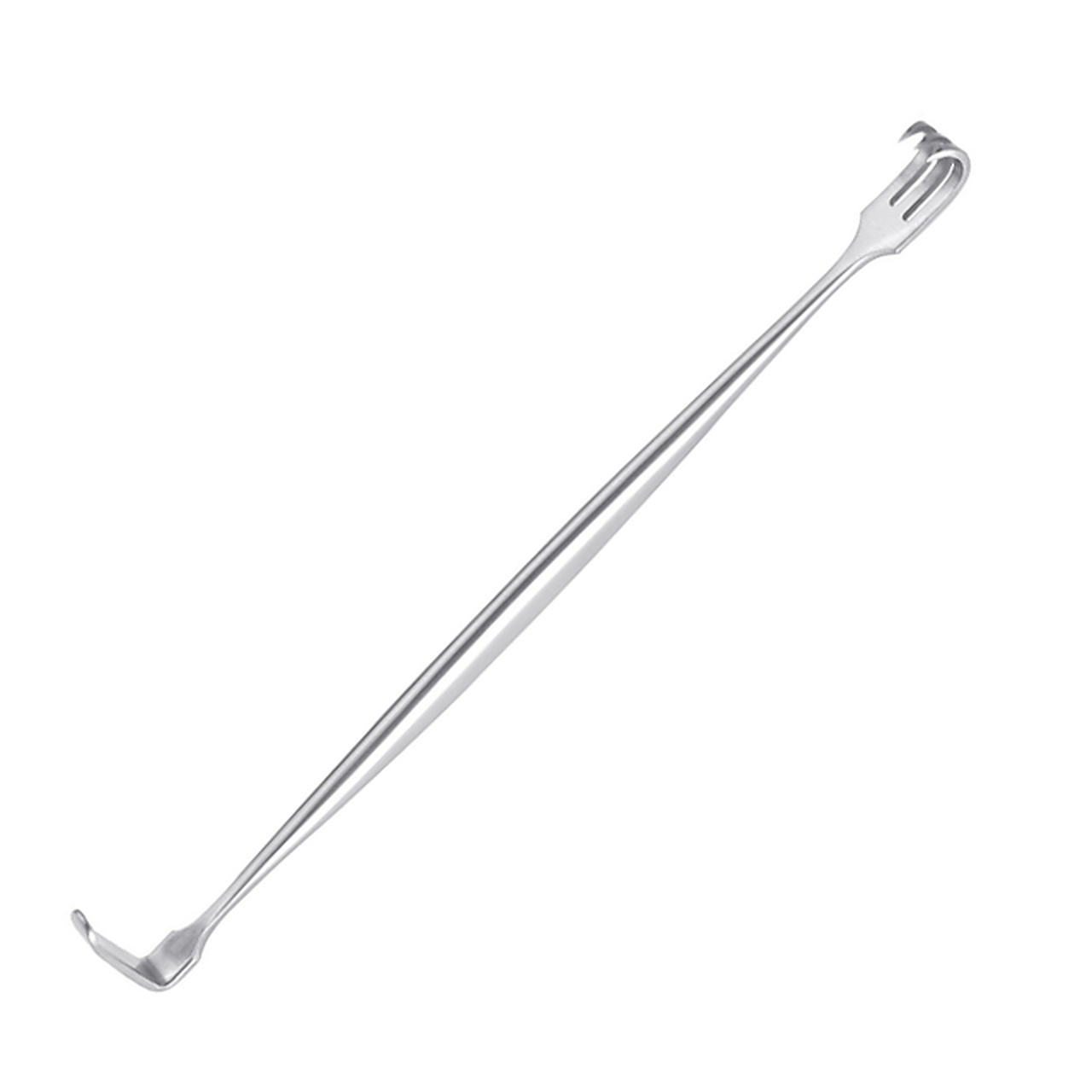 | Mathieu Finger Retractor | 手、指、および形成外科における皮弁、皮膚縁、および腱の牽引用に特別に設計されています。 |
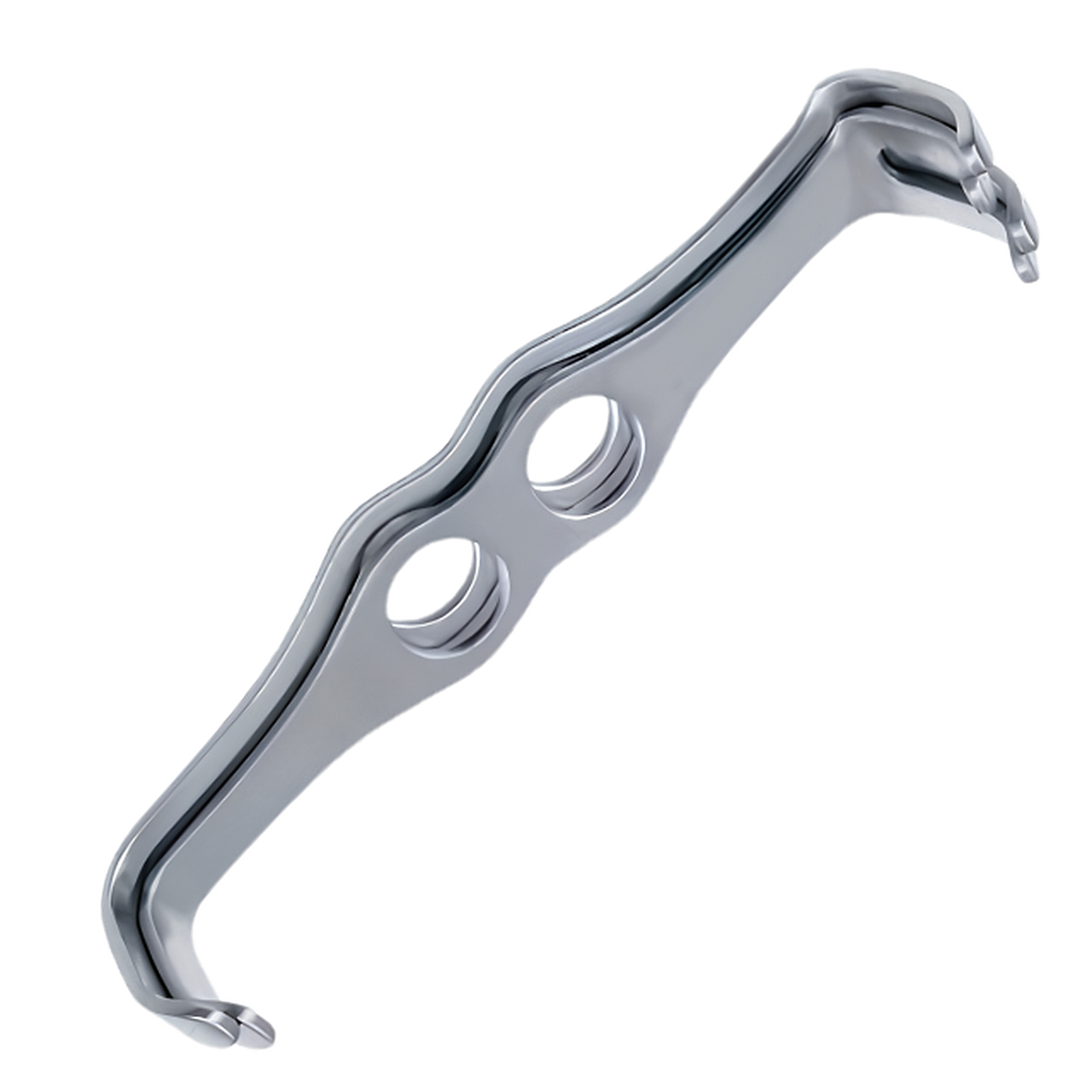 | Mathieu Retractor | 表層および中間層の切開創における皮膚縁、筋膜、および軟部組織の牽引用として設計されています。 |
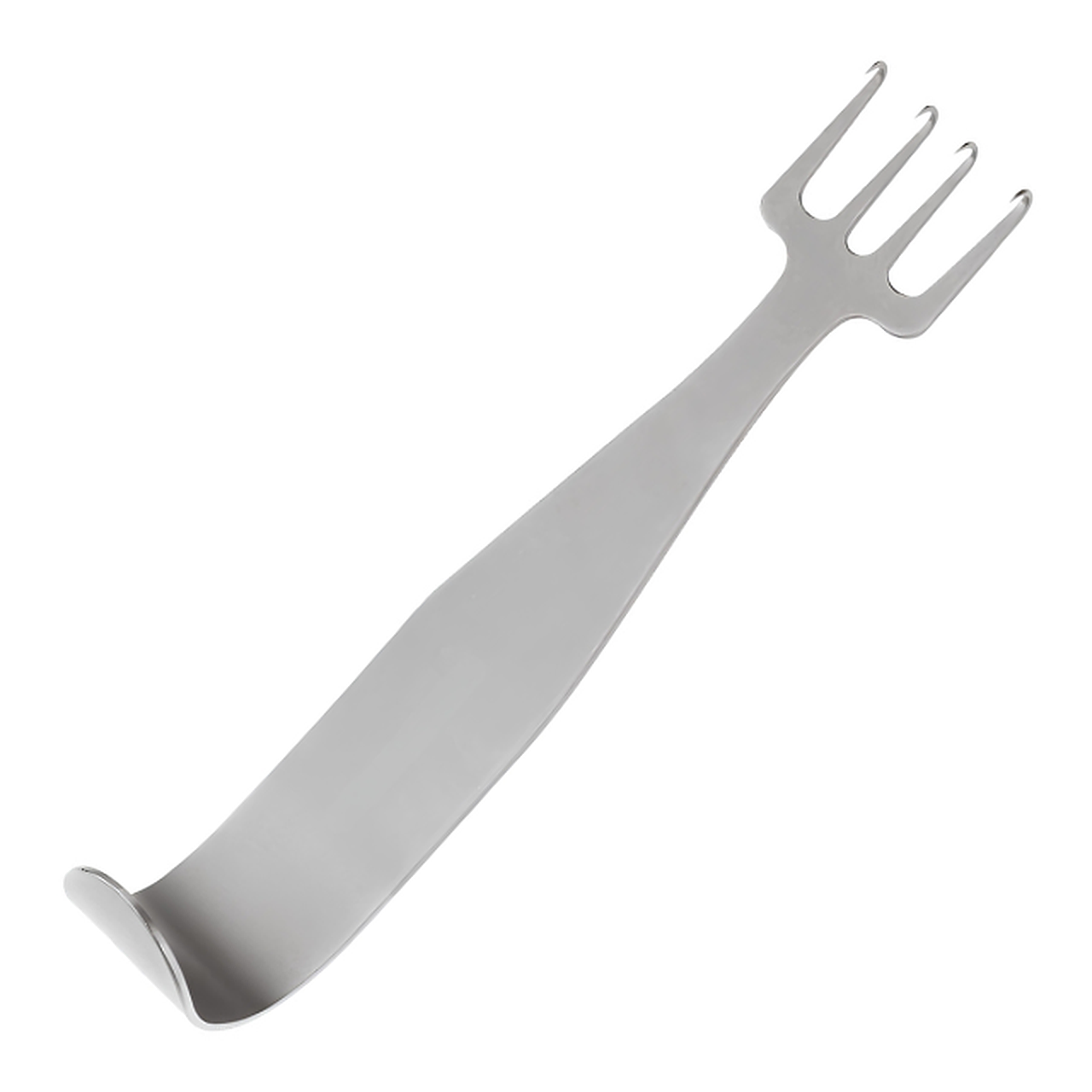 | Maxwell Flap Retractor | 形成外科、顔面外科、再建外科における皮弁および皮下組織の挙上と牽引用として特別に設計されています。 |
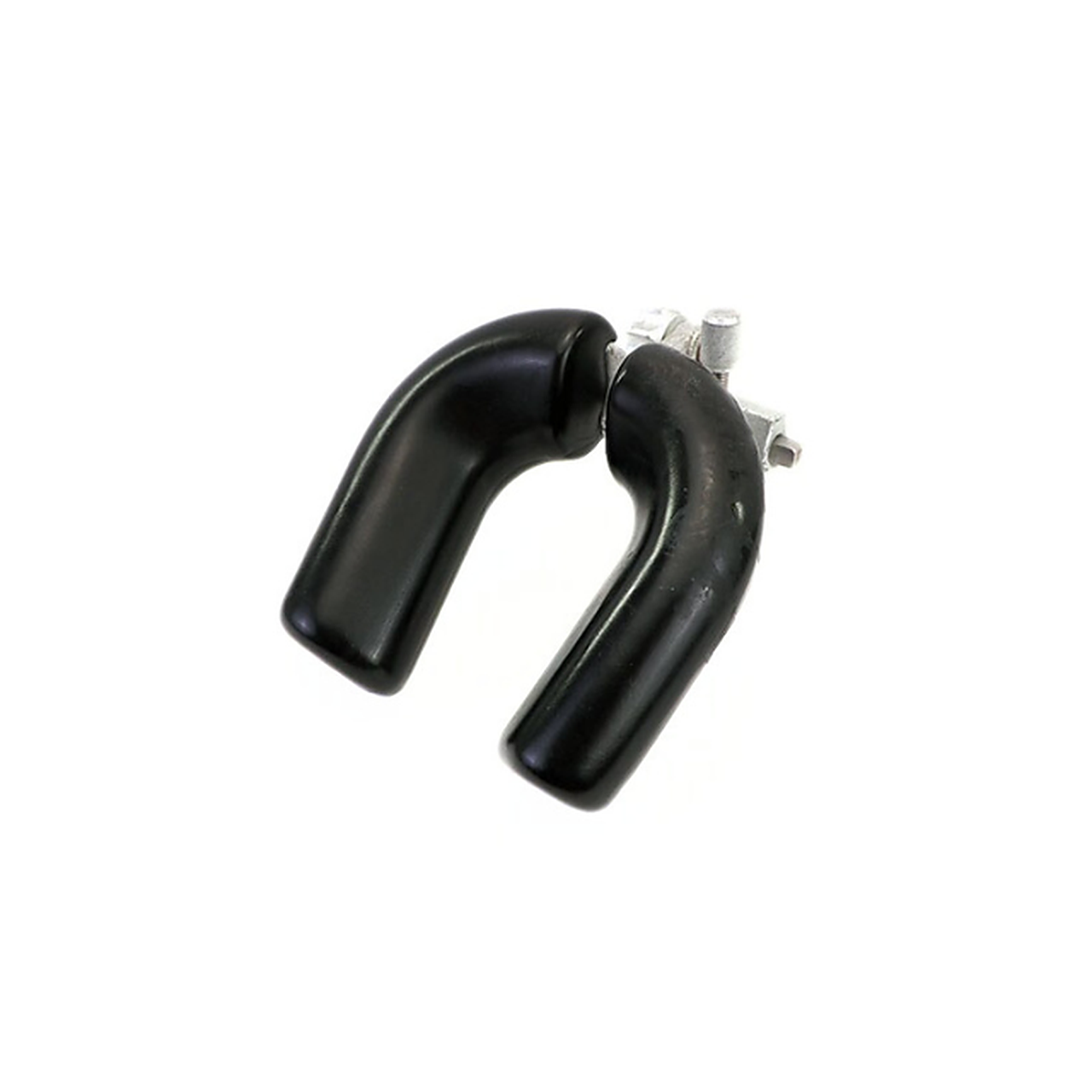 | Mayfield Headrest | 強固なピン固定を必要としない脳神経外科、脊椎、耳鼻咽喉科、および眼科手術において、安定した非侵襲的頭部支持と均一な体圧分散を提供するために特別に設計されています。 |
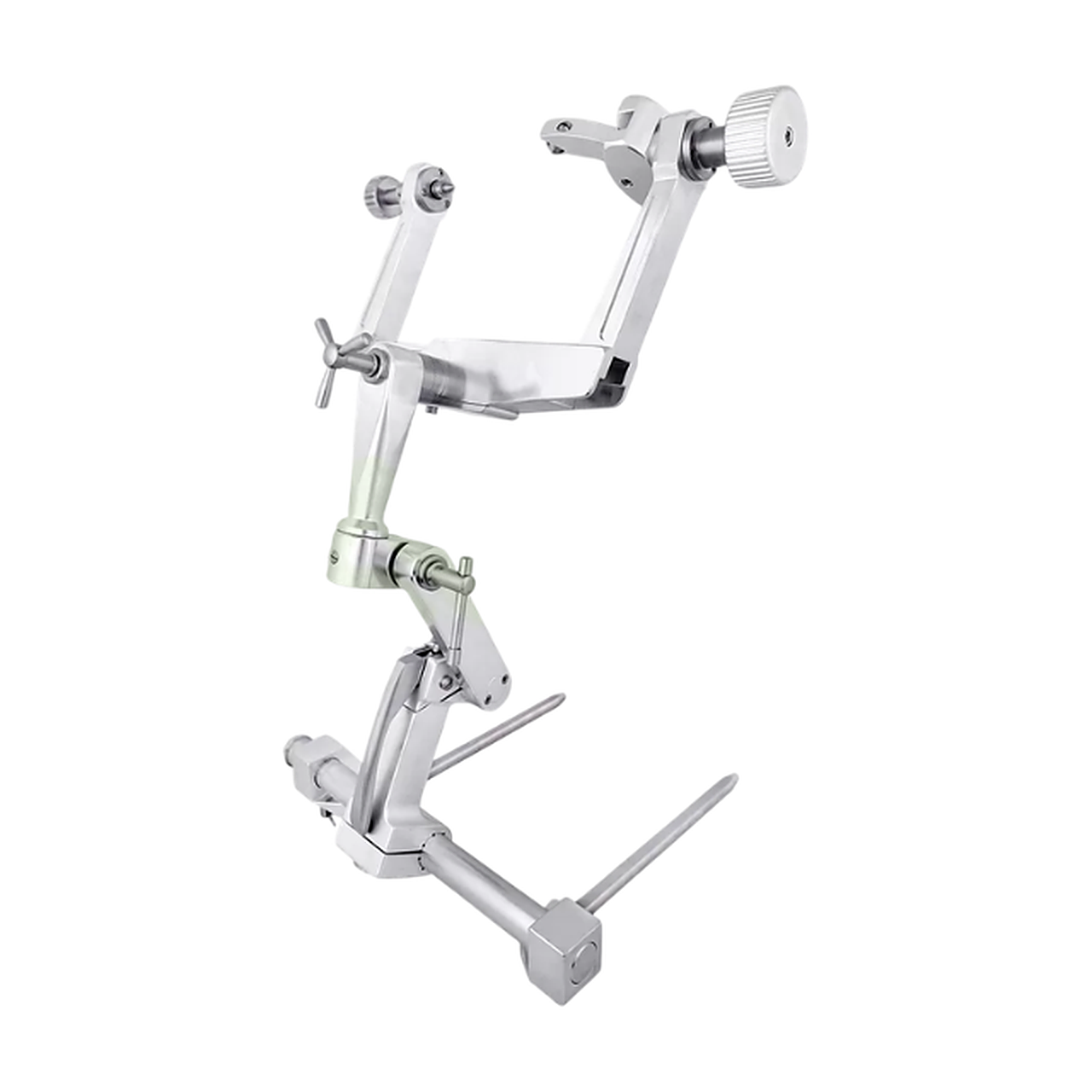 | Mayfield Skull Clamp | 脳神経外科、脊椎外科、耳鼻咽喉科、および眼科手術における剛性3ピン頭蓋固定および頭部不動化。 |
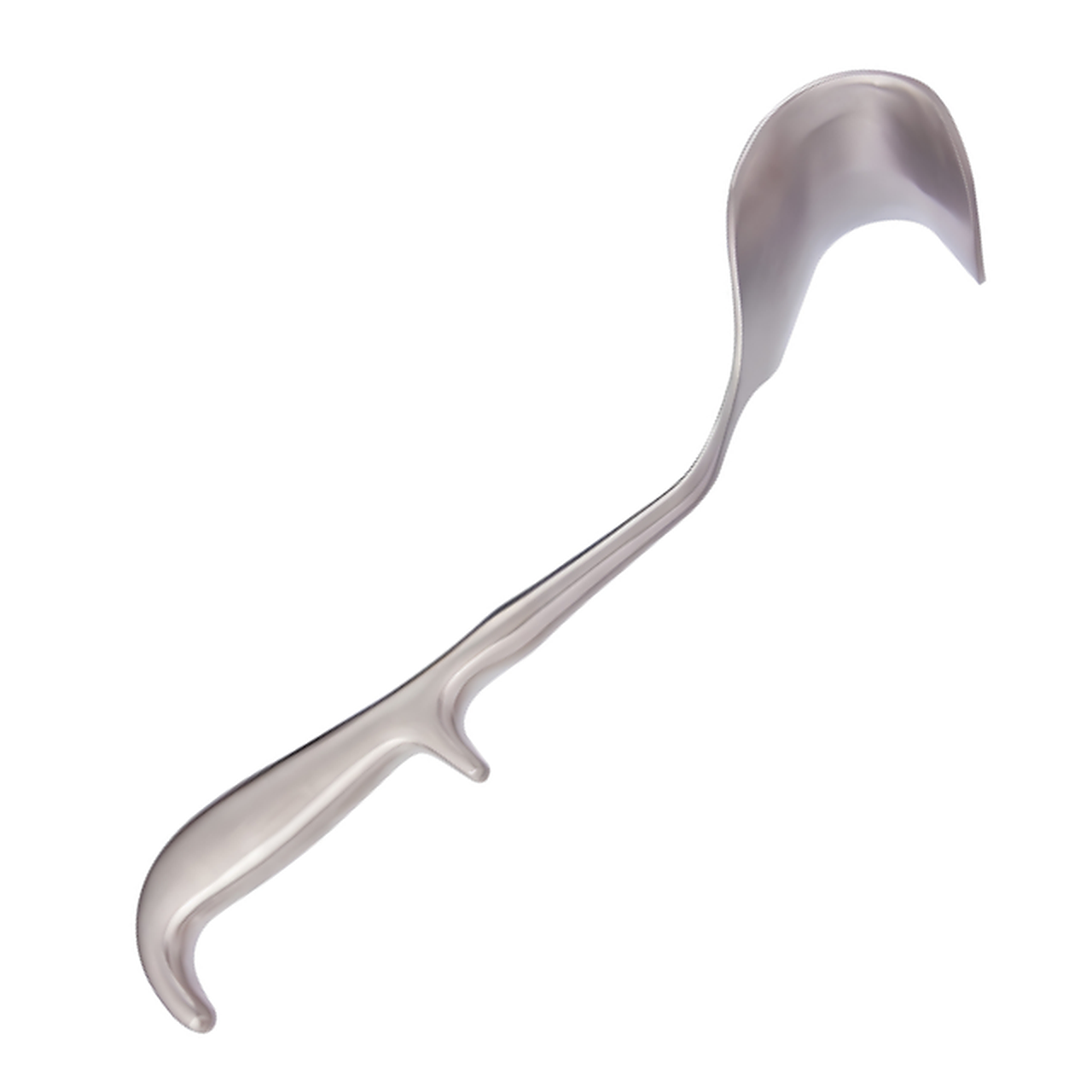 | Mayo 腹部開創器 | 開腹術および骨盤手術中の腹壁、内臓、および厚い筋肉組織の牽引に特化して設計されています。 |
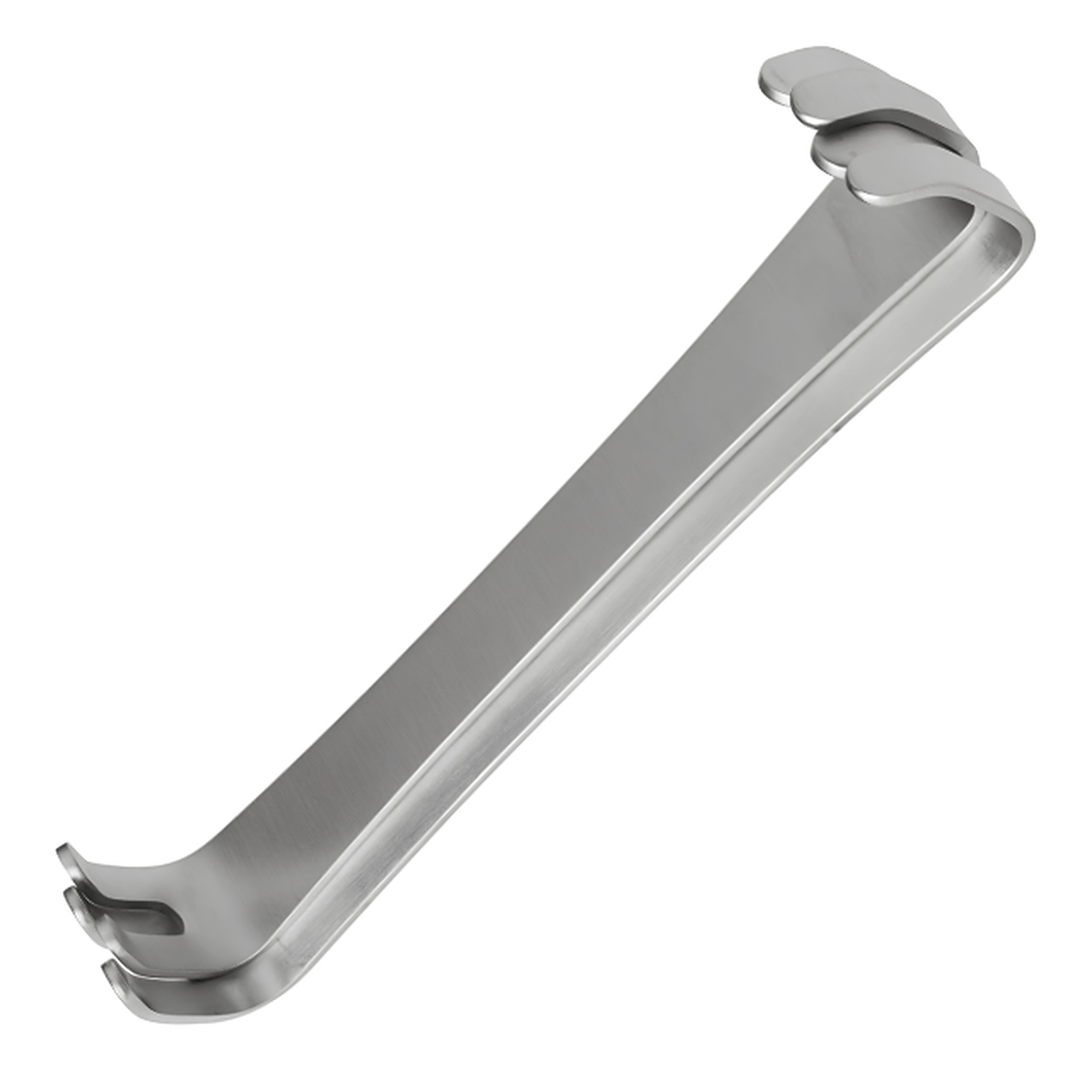 | Mayo-Collins リトラクター 2本セット | 表層および中間層の切開部における皮膚、筋膜、および軟部組織の牽引に特化して設計されています。 |
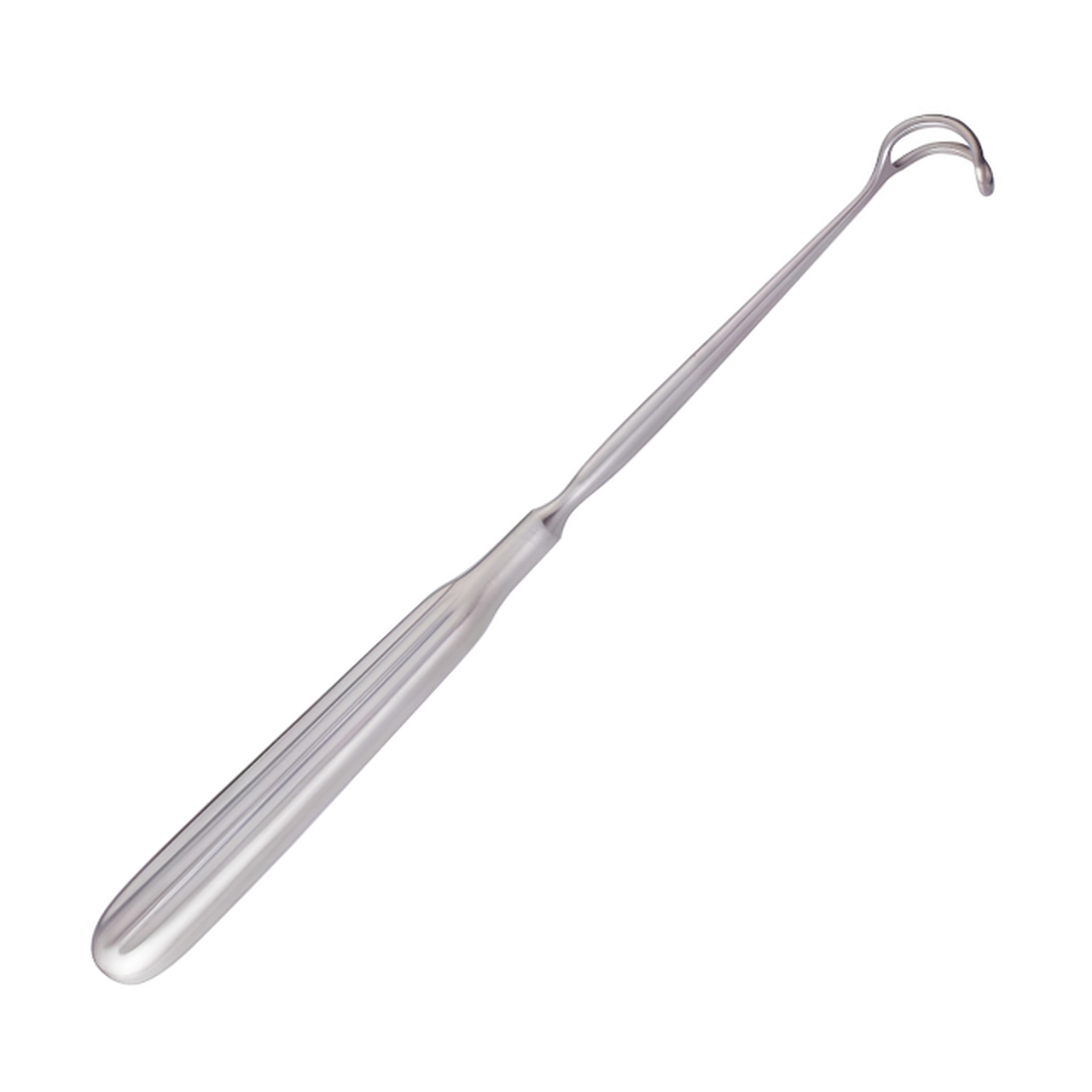 | McBurney 甲状腺レトラクター | 甲状腺切除術および副甲状腺手術におけるストラップ筋、頸筋膜、および切開創縁の牽引に特化して設計されています。 |
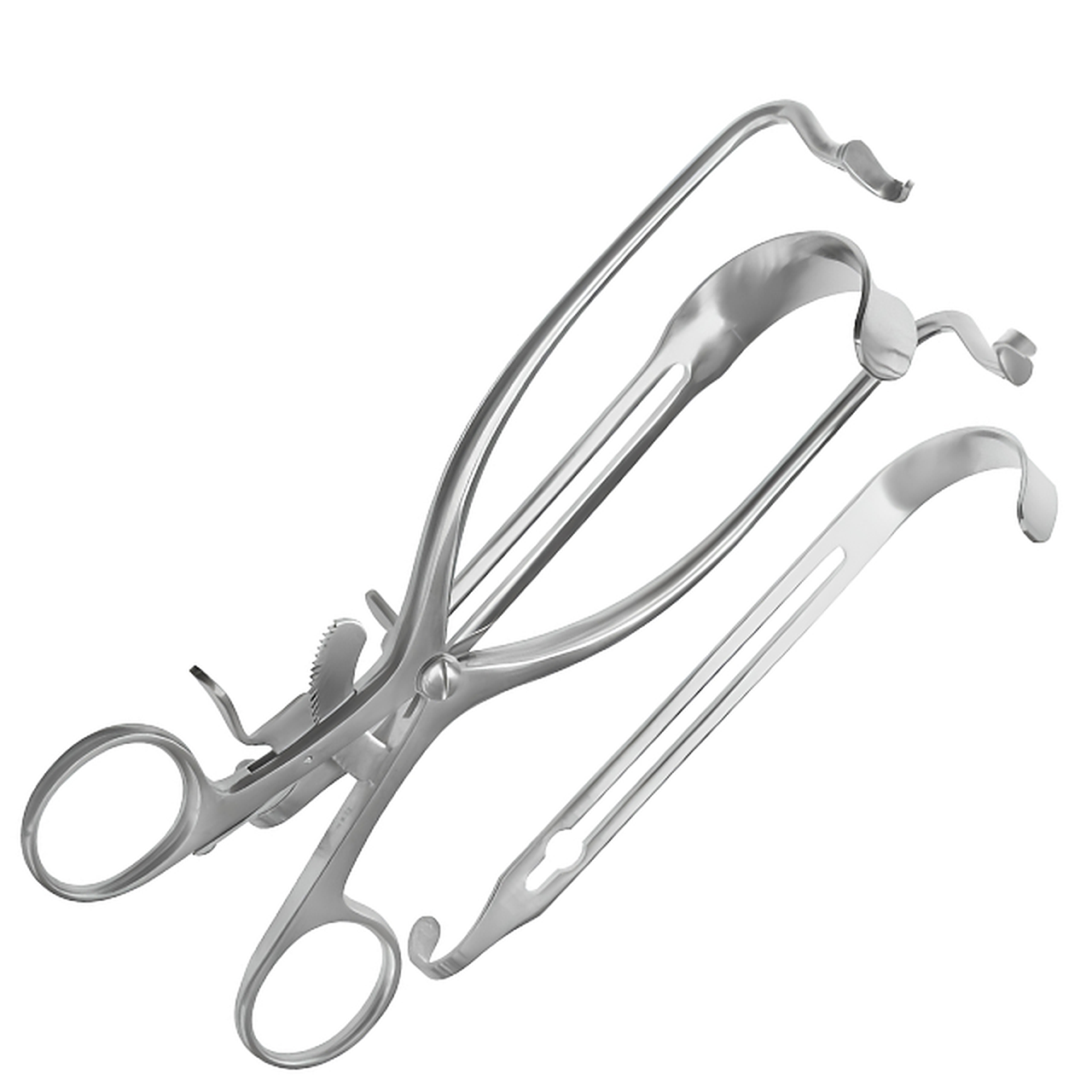 | McCabe Antral Retractor | 上顎洞手術およびコールドウェル・ラック法における頬部と上唇の開創に特化して設計されています。 |
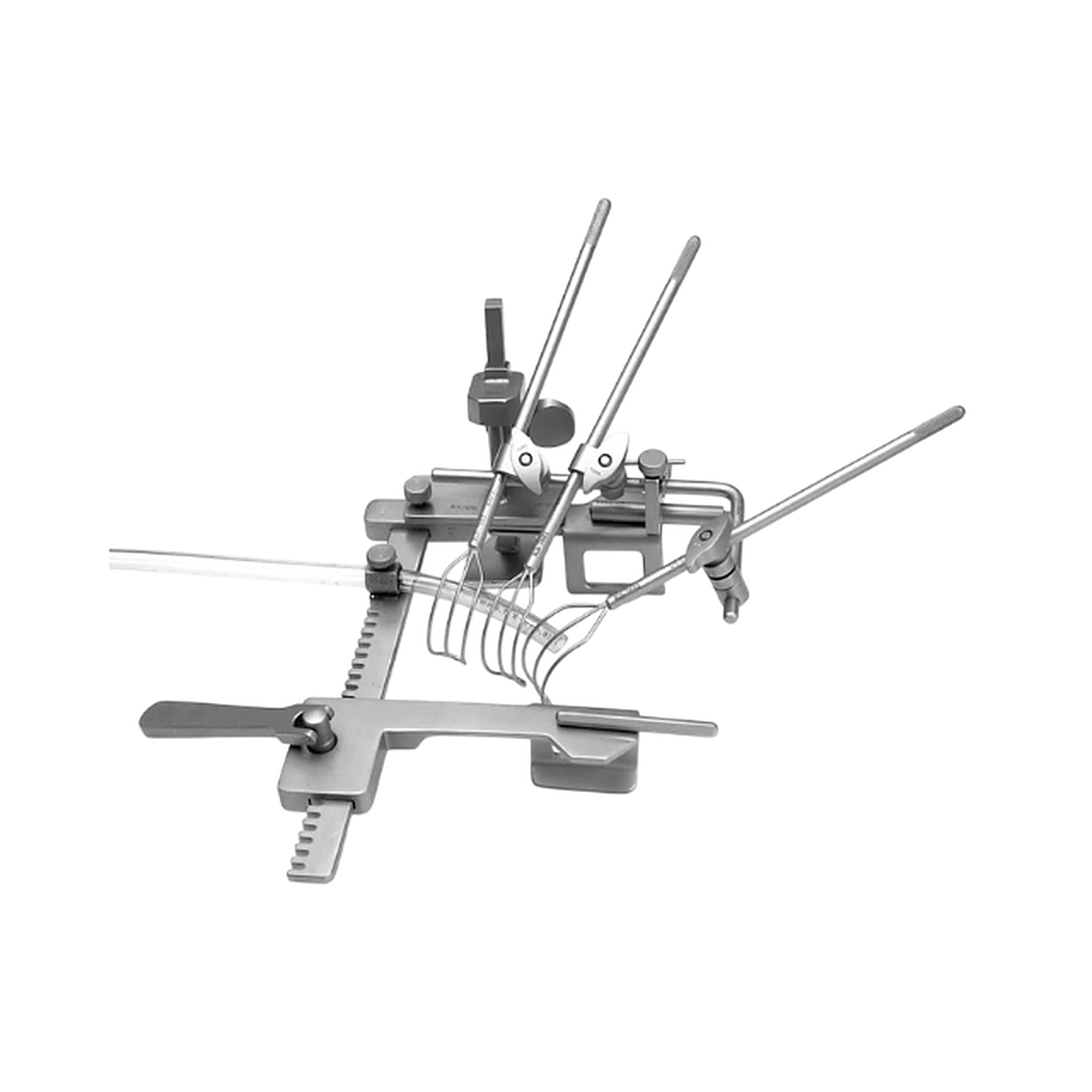 | McCarthy Mini-Sternotomy Retractor with Universal Lift | 弁手術、Maze手術、ミニスターノトミー(小切開胸骨正中切開)、および心腔内処置において、安定した胸骨開創と左胸骨挙上を提供するために設計されています。 |
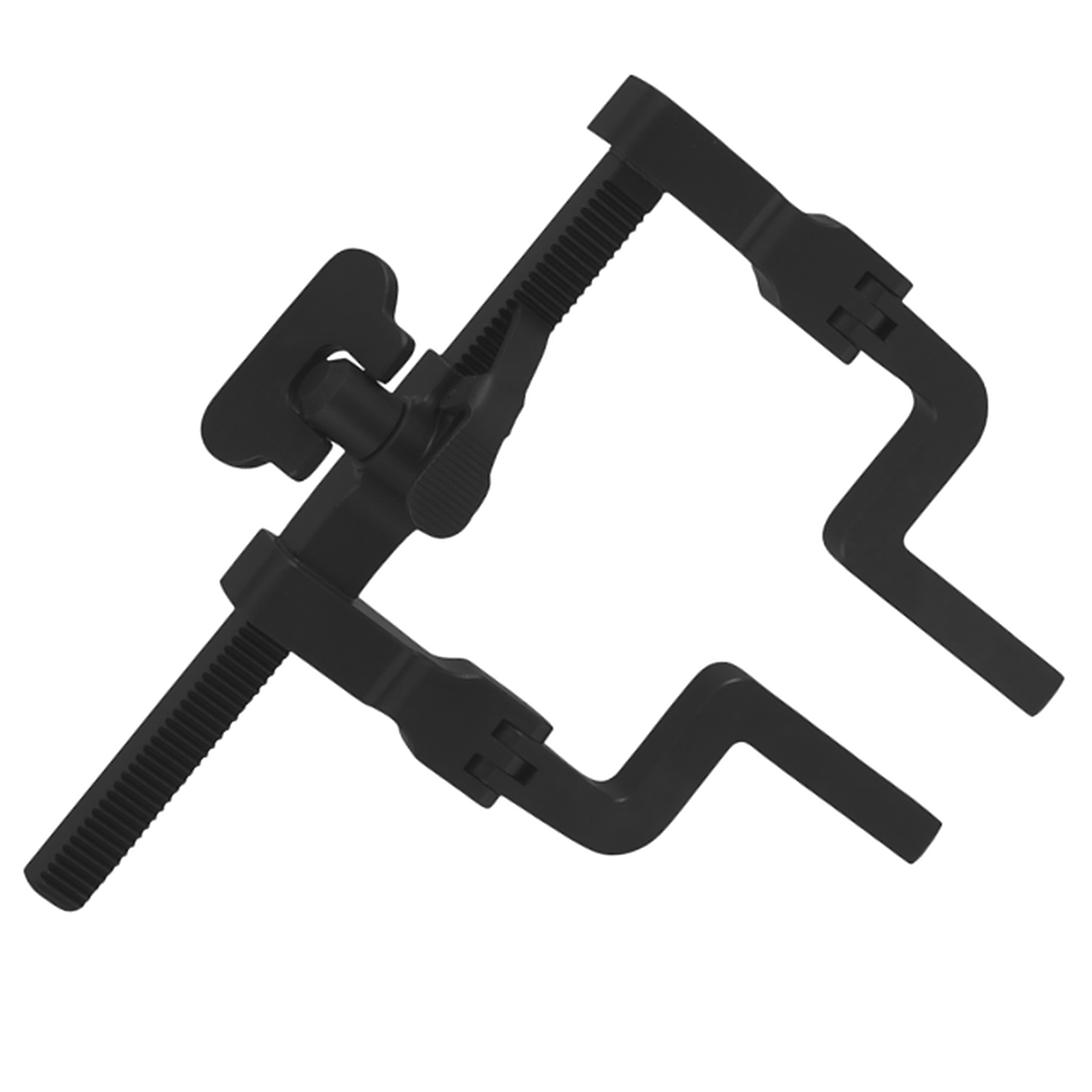 | McCulloch-Type Microdiscectomy Rigid Retractor Frame | 腰椎マイクロディスケクトミーにおいて、モジュール式のブレードやフックを取り付けるための自動固定式ベースフレームとして特別に設計されています。 |
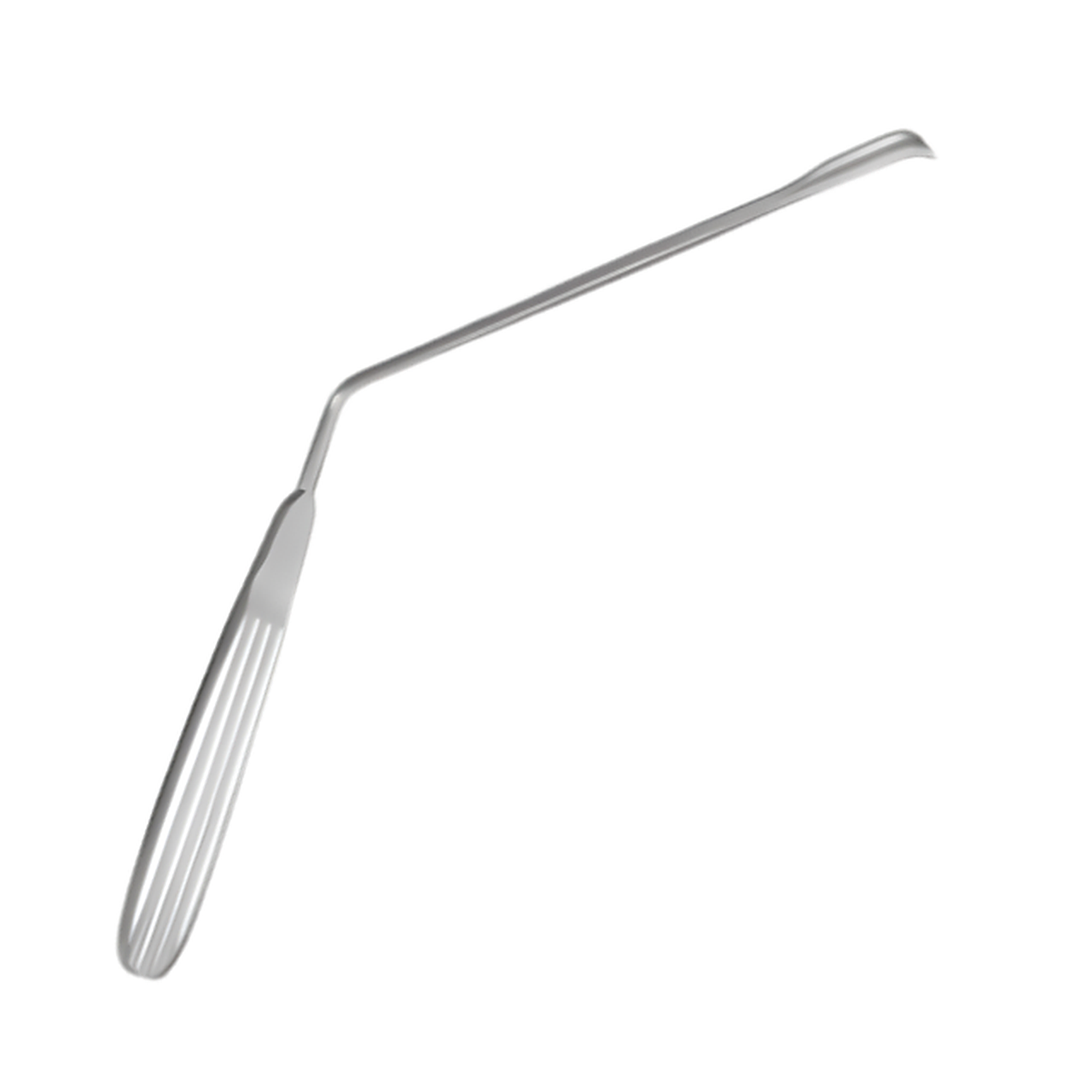 | McCulloch-Type 神経根レトラクター | 顕微鏡下腰椎椎間板切除術における、脊髄神経根および硬膜嚢の移動、保持、保護。 |
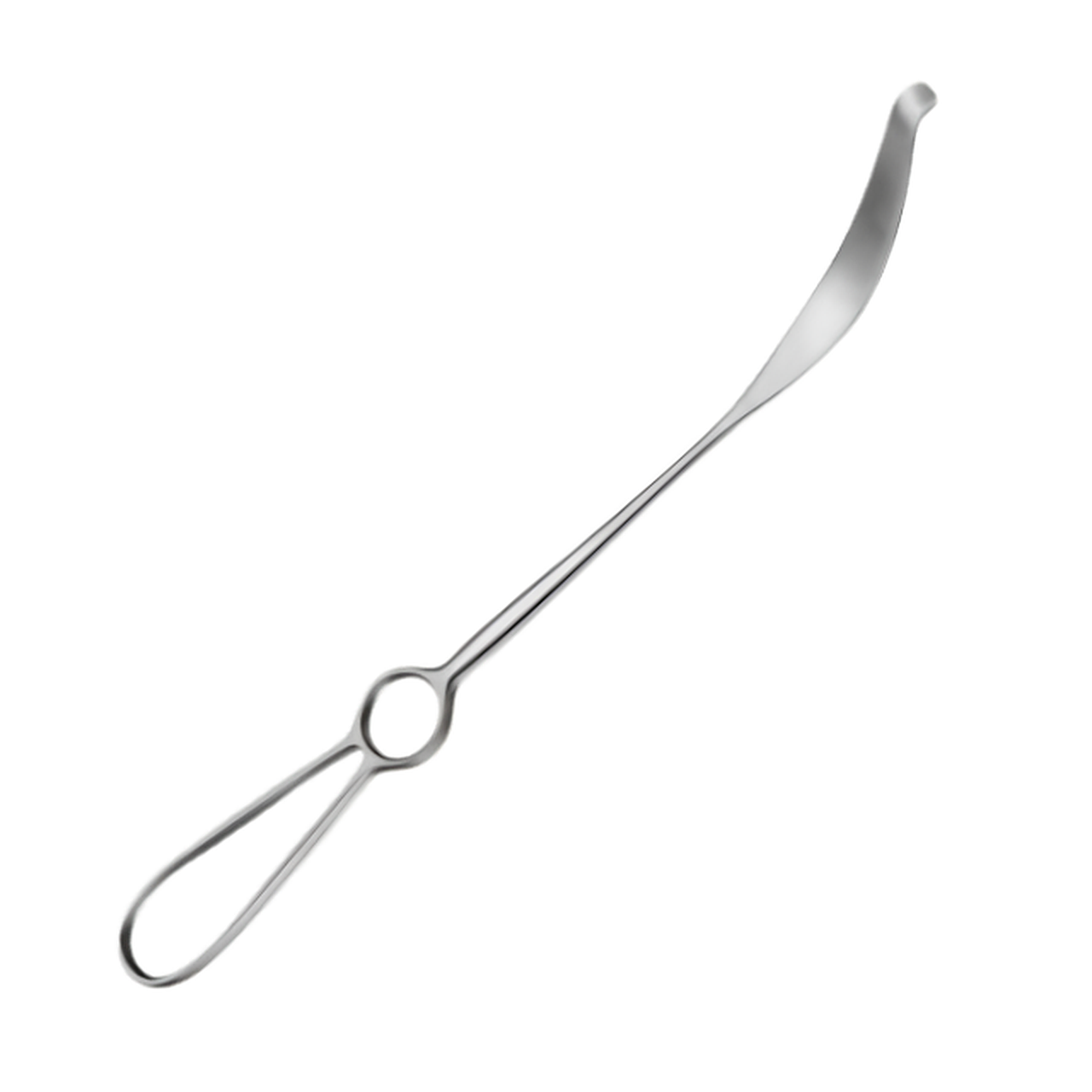 | 内側下顎枝・眼窩縁リトラクター | 頭蓋顎顔面手術において、内側下顎枝および眼窩縁に沿った軟部組織の牽引と骨の露出を行うために設計されています。 |
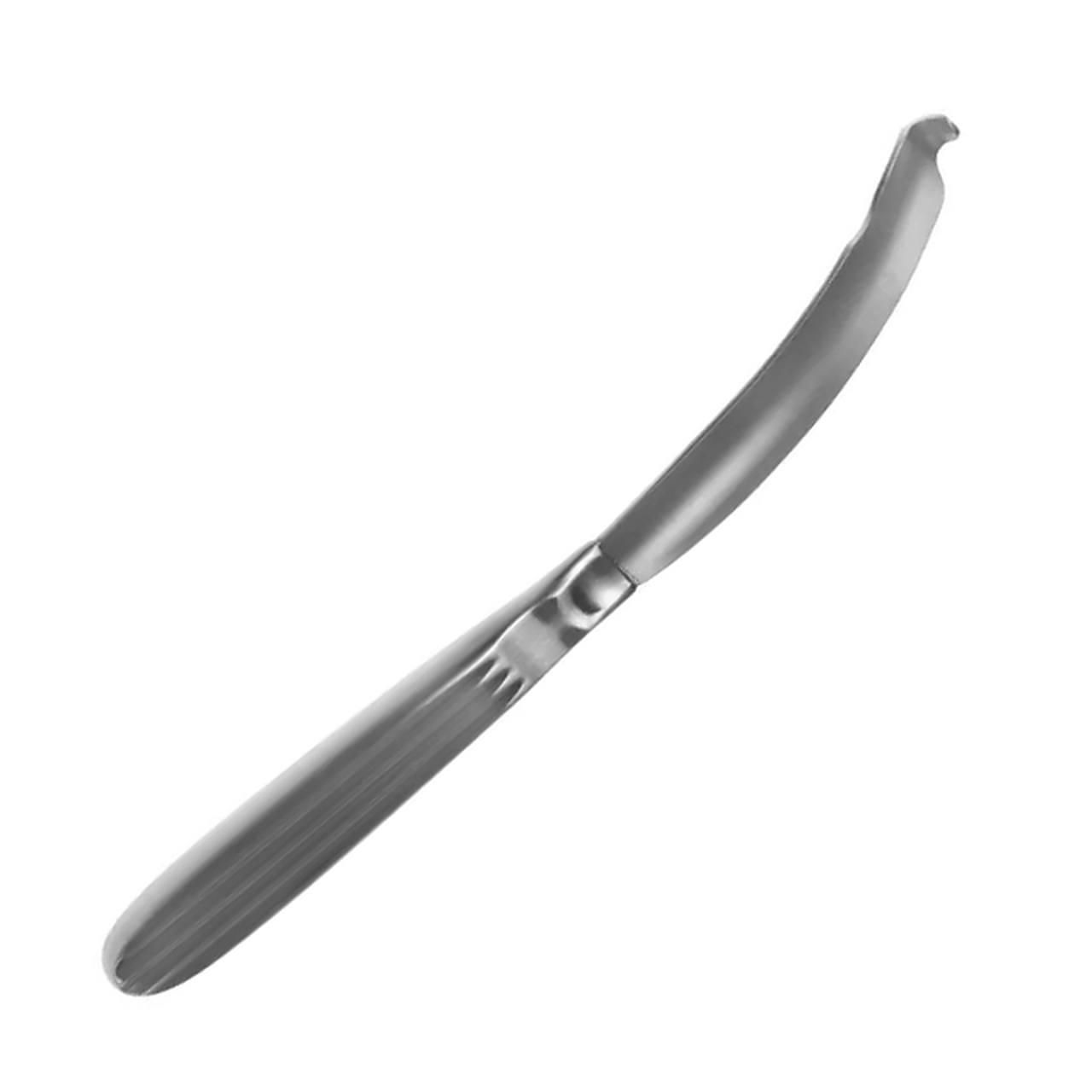 | 下顎枝内側レトラクター | 下顎枝矢状分割術において、内側翼突筋を牽引し、下歯槽神経を保護するために特化して設計されています。 |
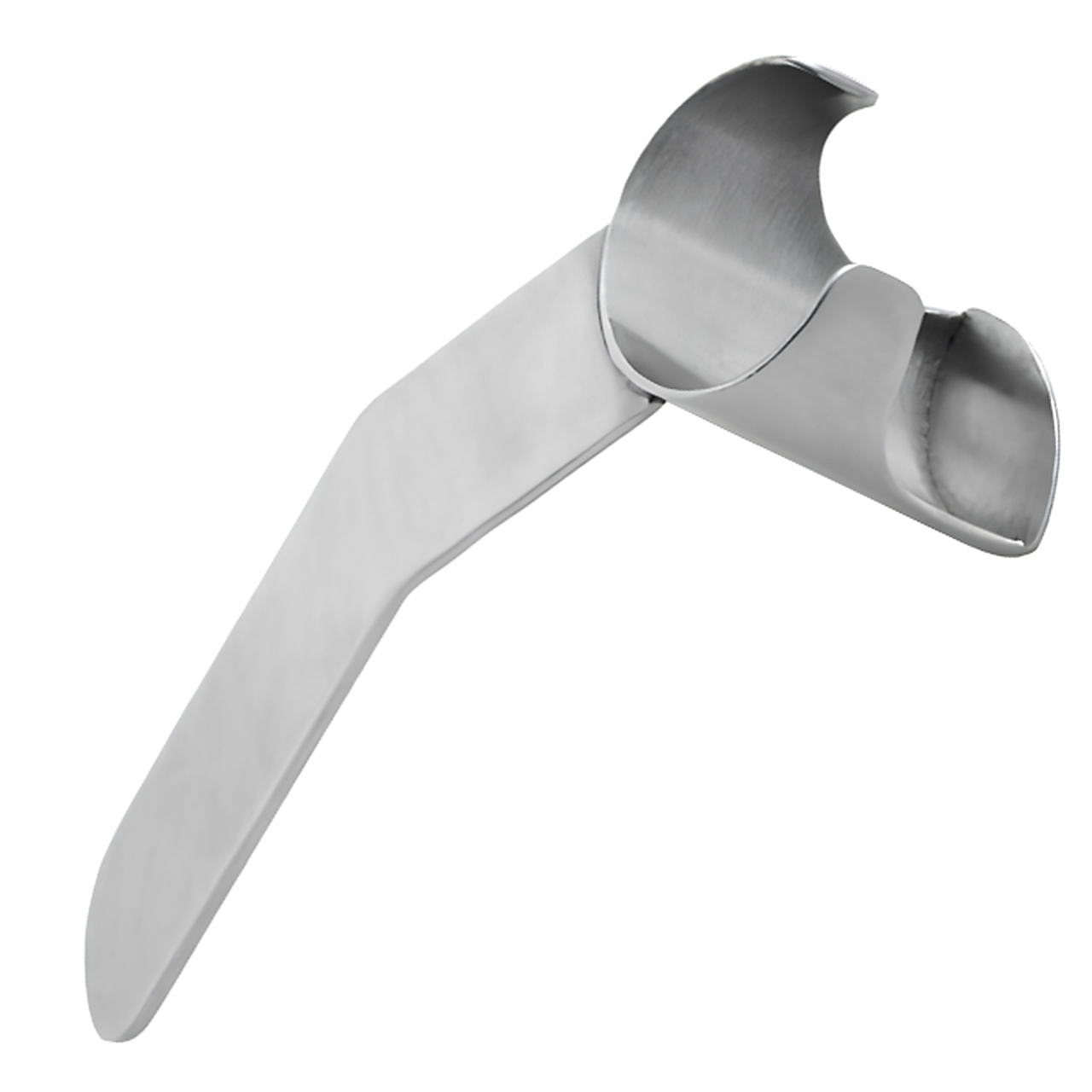 | 半月板修復用レトラクター | 関節鏡視下半月板修復術において、後方の神経血管構造を保護し、縫合針を誘導・偏向させるために特別に設計されています。 |
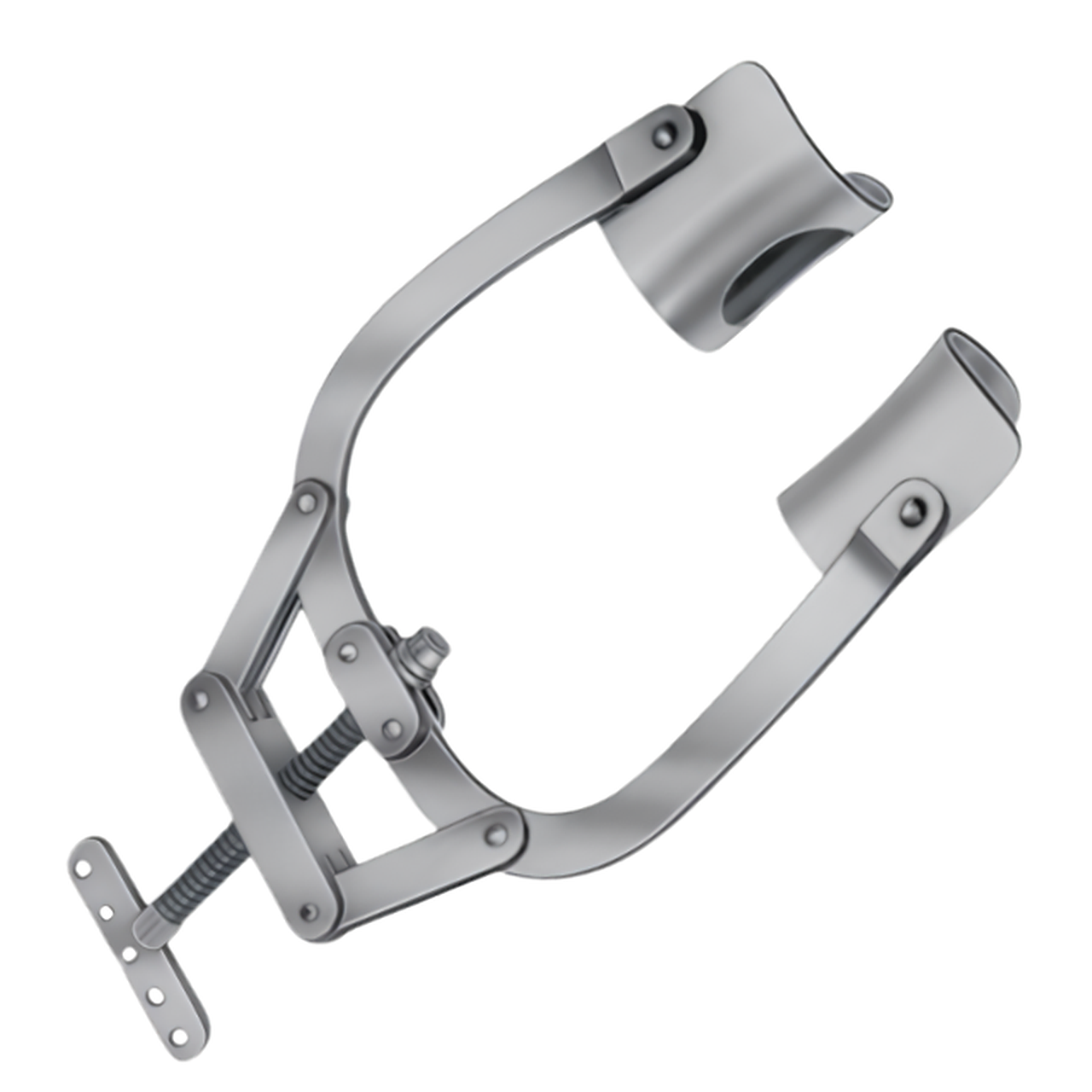 | Mercedes 胸部開胸器 | 胸部外科手術において、肋骨と胸壁を広範囲に分離するための複合的な機械的トルクを提供するよう特別に設計されています。 |
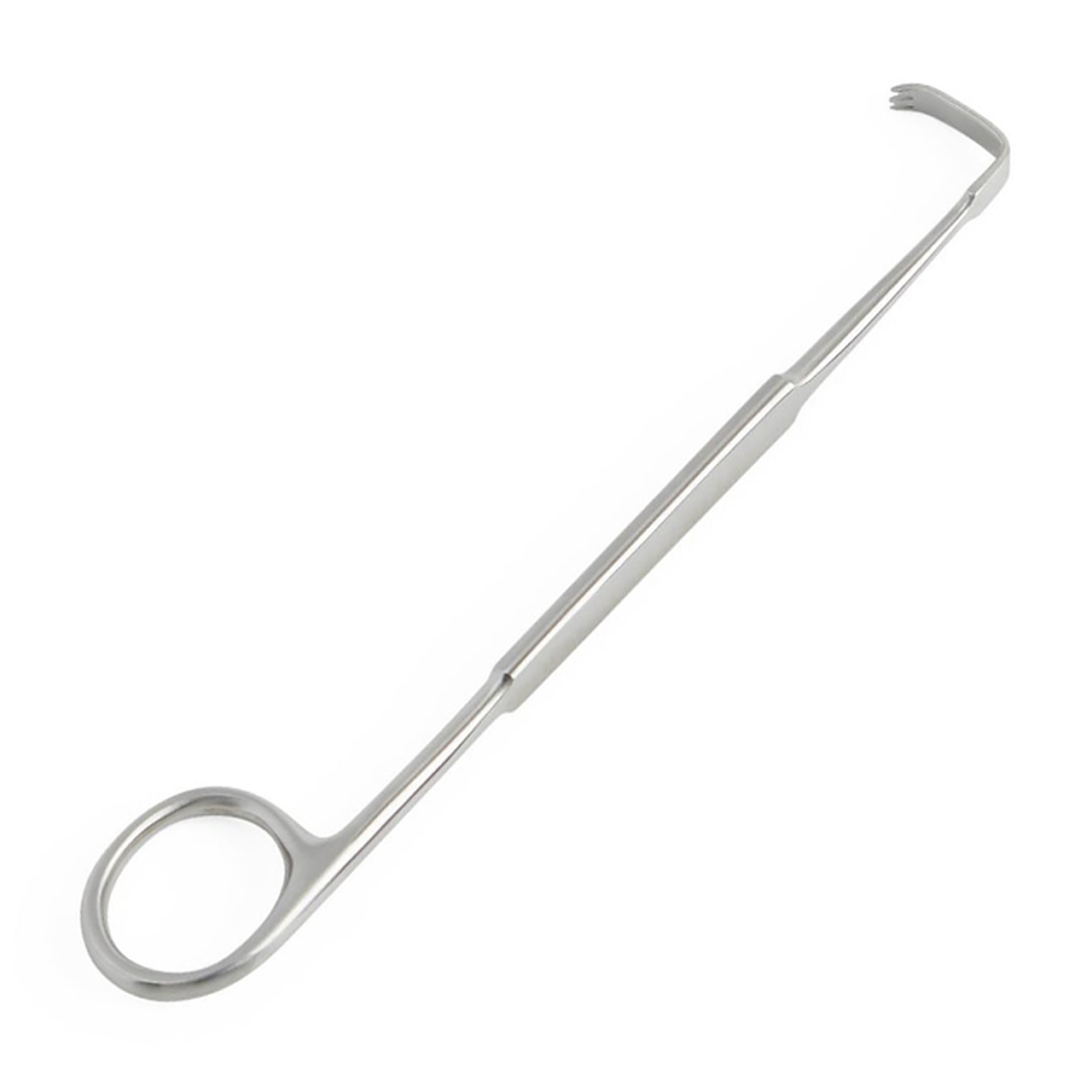 | Meyerding フィンガーリトラクター | 手外科、形成外科、および小手術における皮弁、指の腱、および繊細な軟部組織の牽引に特化して設計されています。 |
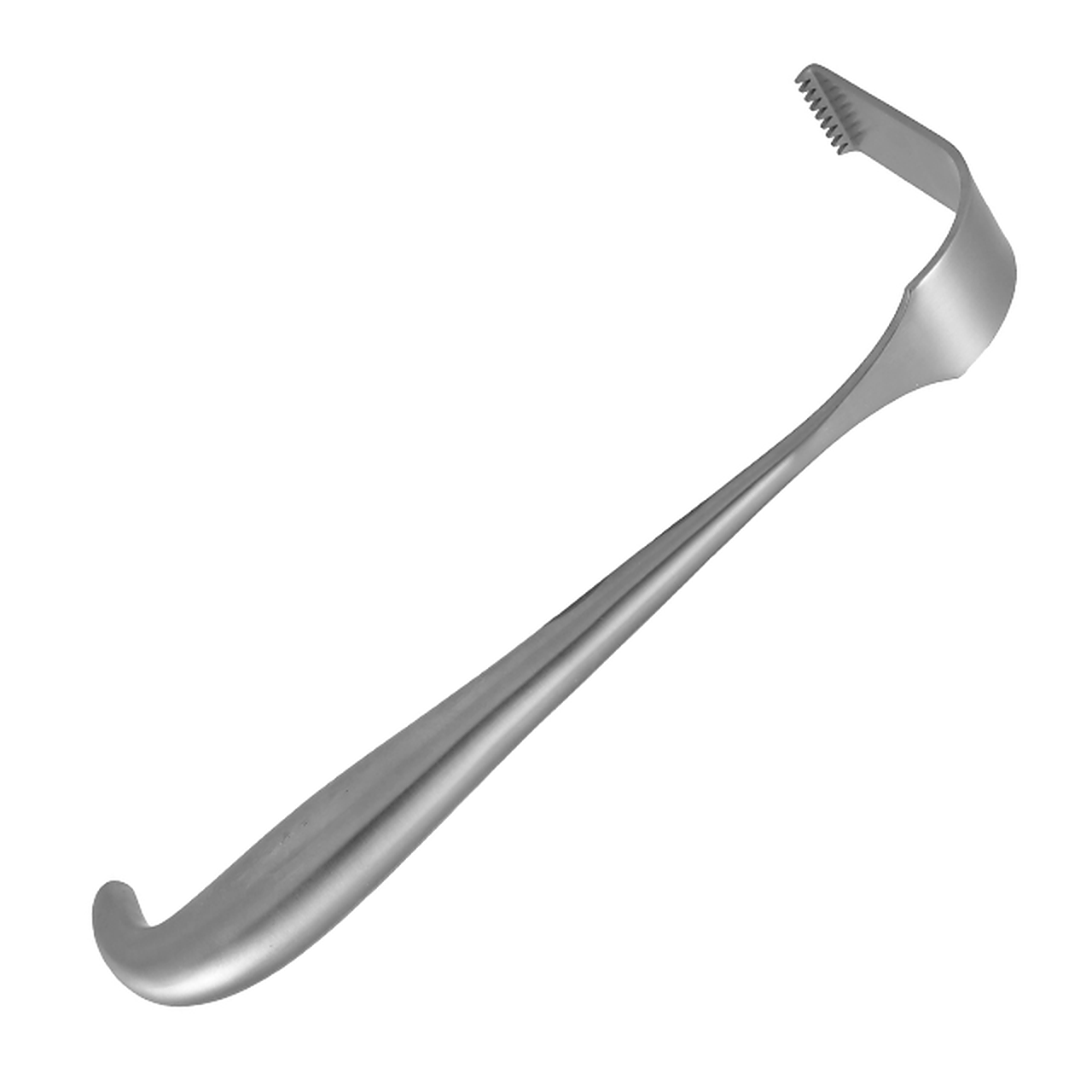 | Meyerding Retractor | 脊椎椎弓切除術および整形外科手術において、重厚な傍脊柱筋および深部軟部組織を牽引するために特別に設計されています。 |
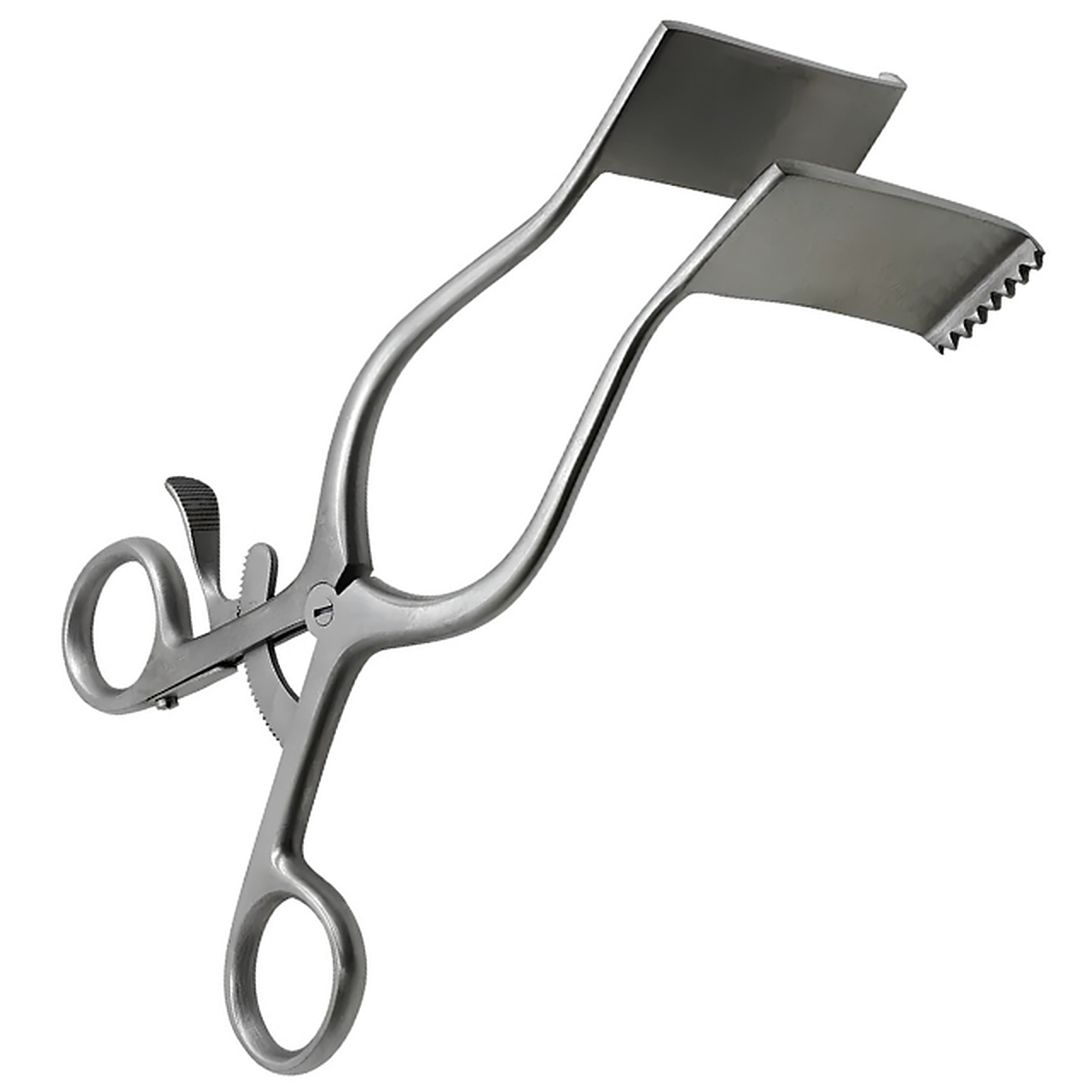 | Meyerding Retractor with Ratchet | 脊椎椎弓切除術における自己保持型の傍脊柱筋開創および骨への固定用。 |
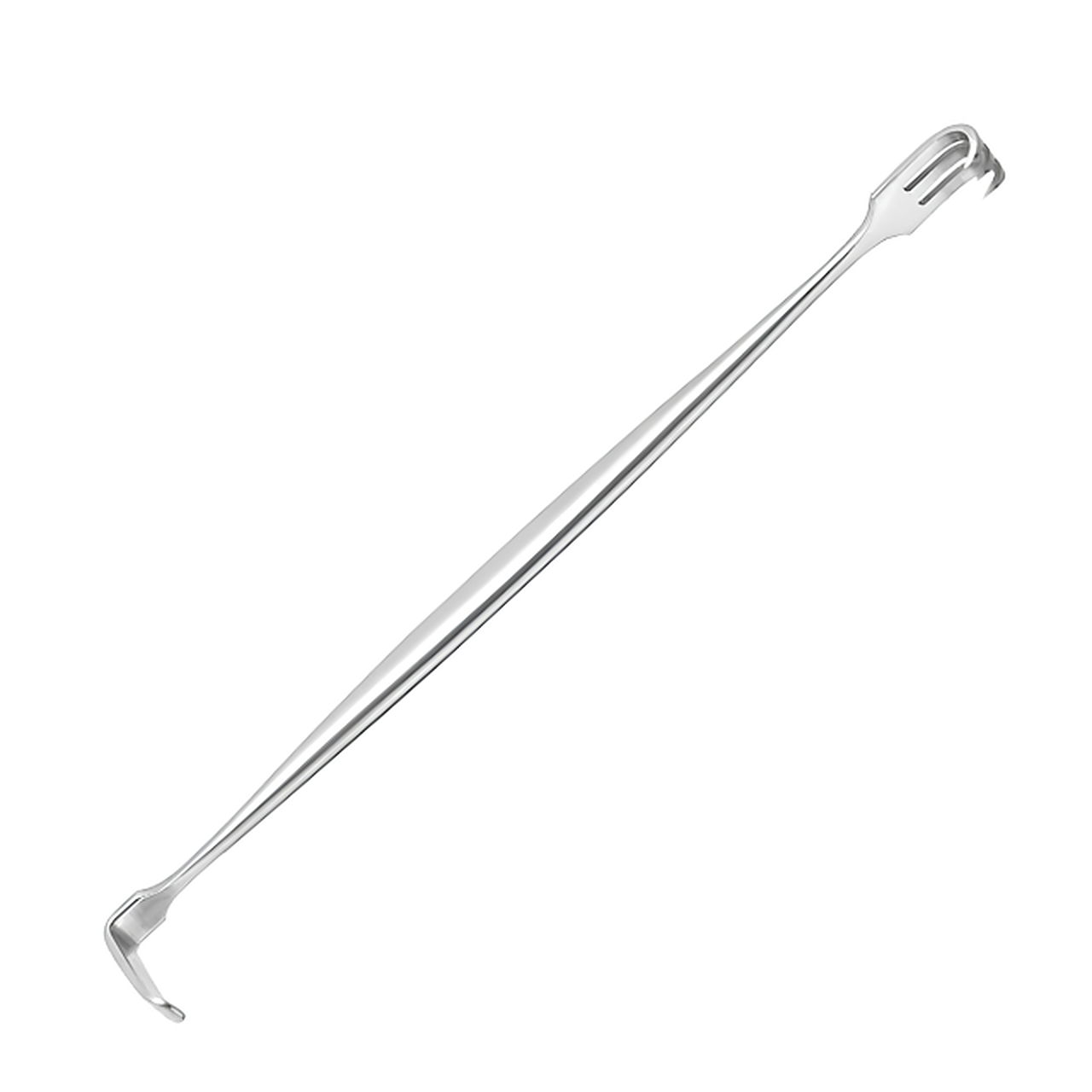 | Meyerding 皮膚フック/リトラクター | 形成外科、再建外科、および小手術において、繊細な皮膚縁の挙上および軟部組織の牽引を行うために特別に設計されています。 |
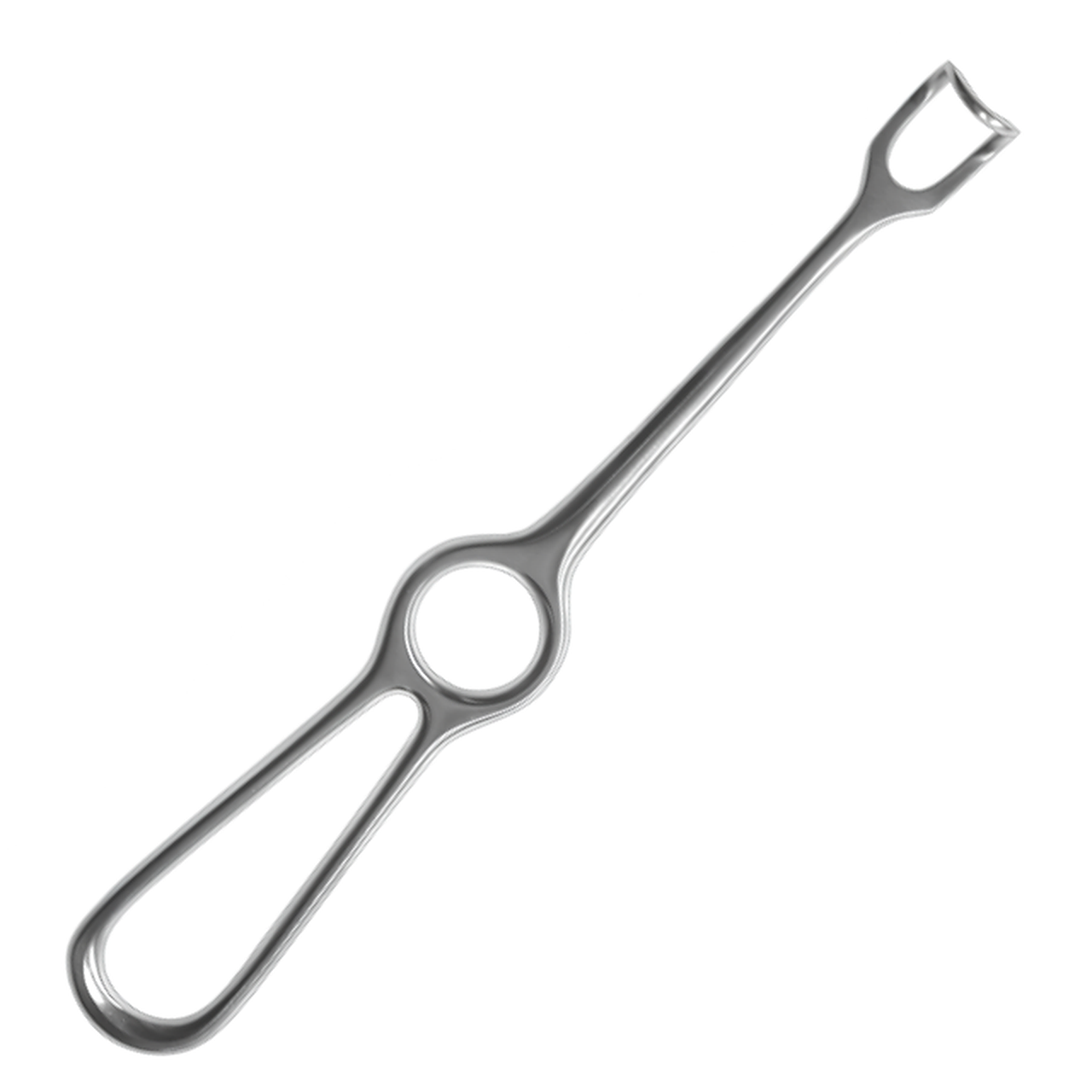 | Middledorpf Retractor | 深部手術において、視界を確保しながら筋層、筋膜、軟部組織を牽引するために特別に設計されています。 |
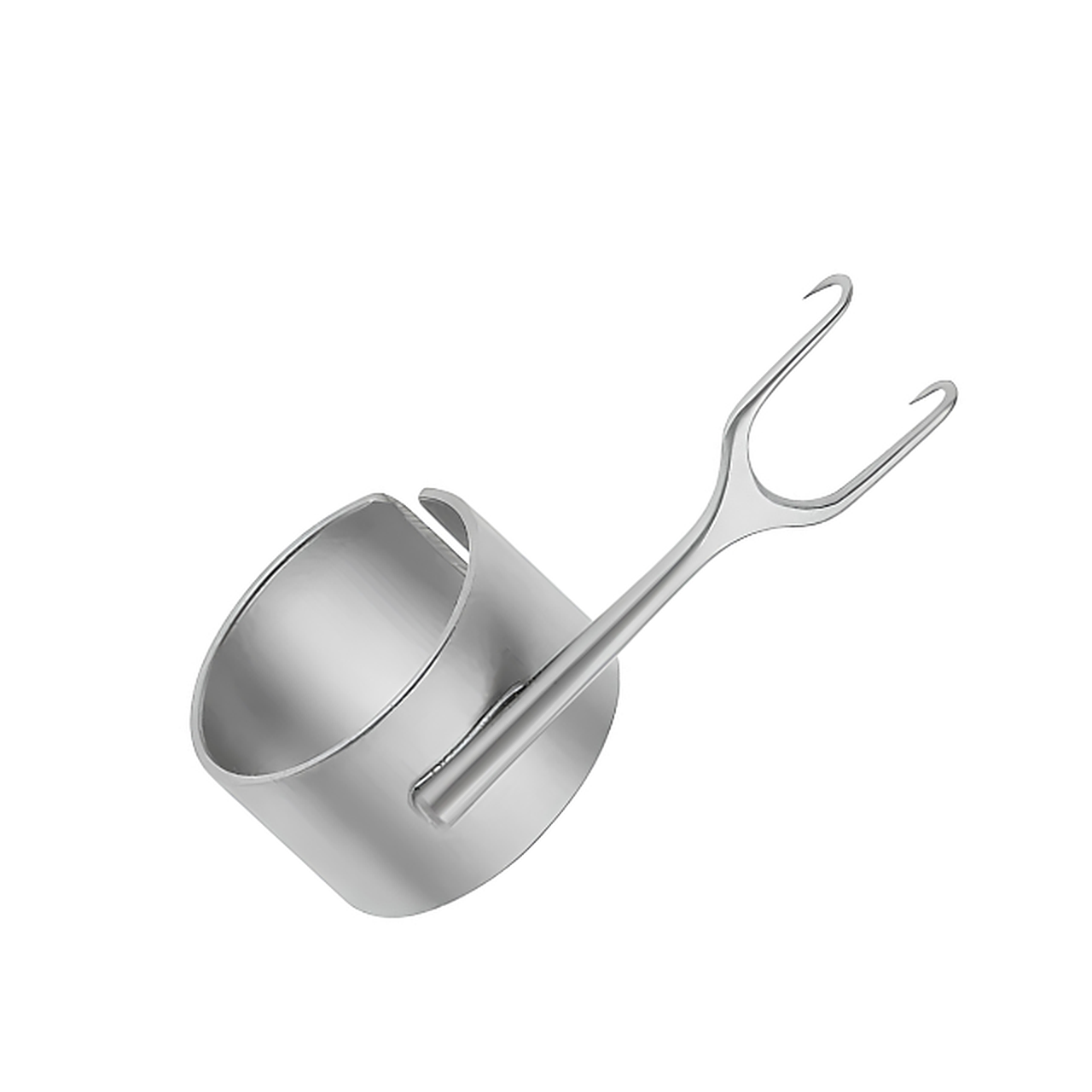 | Millard Cottle Retractor with Finger Ring(指リング付鼻翼鉤) | 鼻形成術および口唇裂に伴う鼻変形修復術において、鼻翼縁および下外側鼻軟骨を牽引するために特別に設計されています。 |
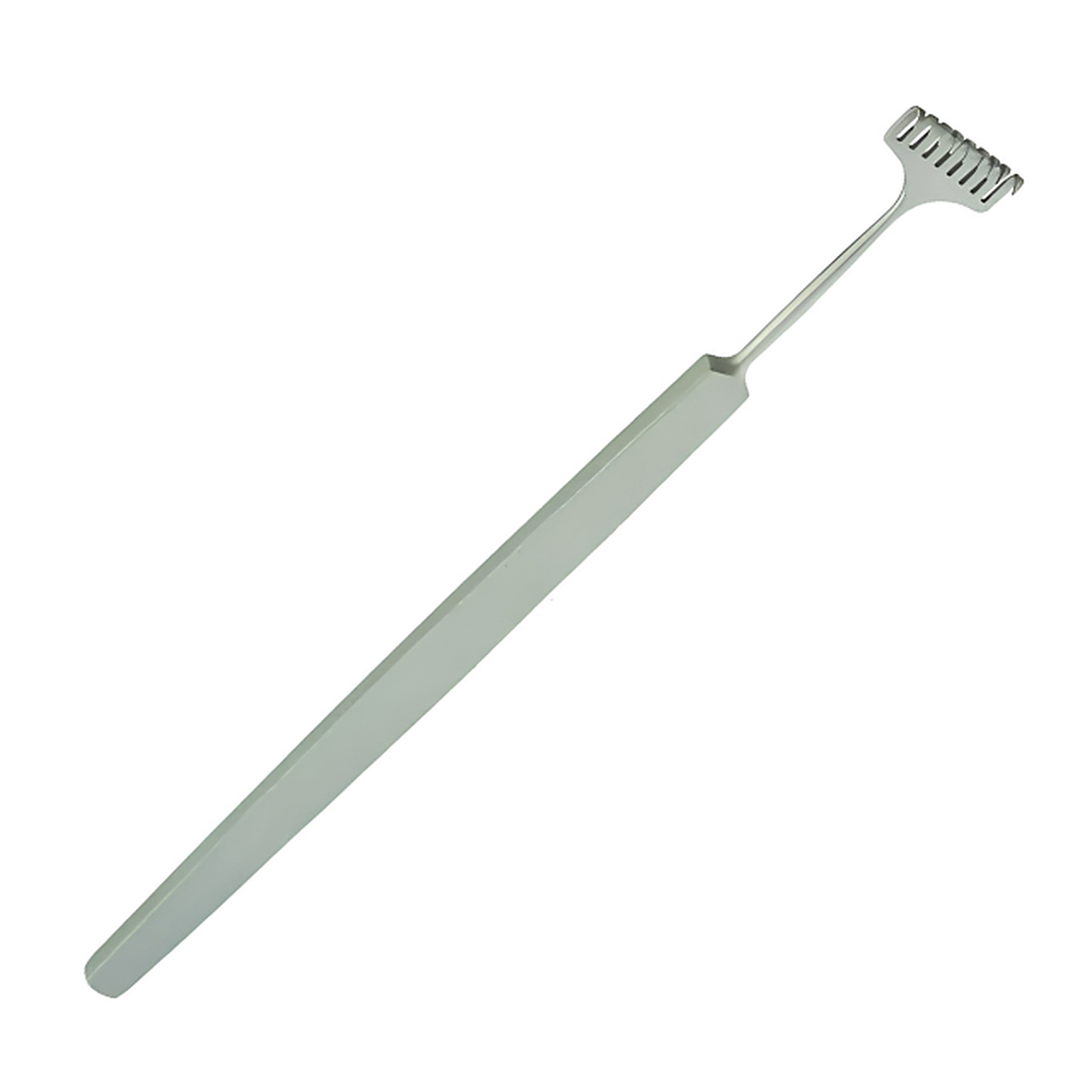 | Miller Rake Retractor | 形成外科、皮膚科、再建外科において、皮膚弁の挙上および皮下組織の牽引を行うために特別に設計されています。 |
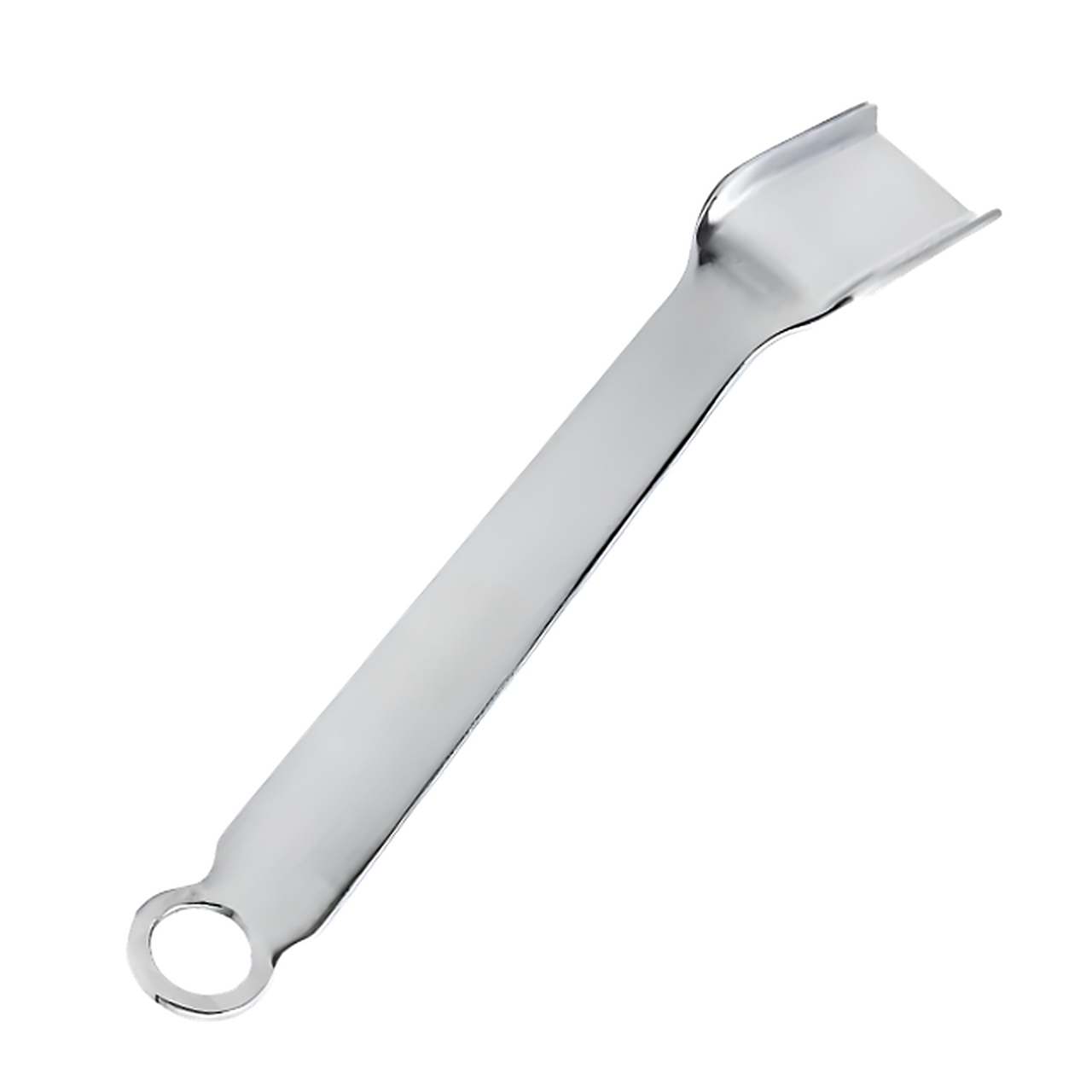 | 低侵襲膝関節開創器 | 低侵襲膝関節置換術中の小切開を通して、骨のレバレッジと軟部組織の牽引を行うために特別に設計されています。 |
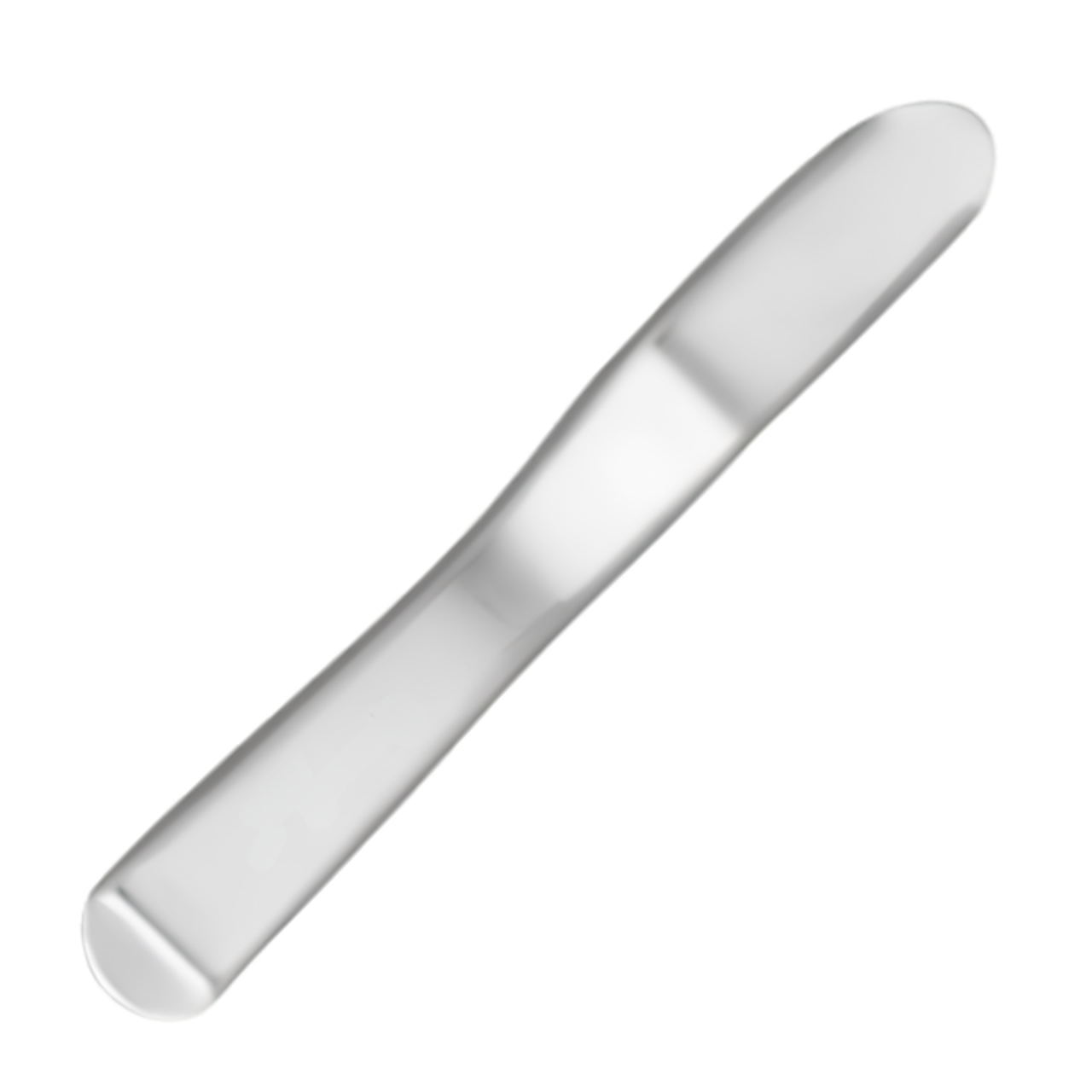 | Minnesota Retractor (ミネソタ開口器) | 口腔外科手術において、歯槽堤や歯列を露出させるために頬、唇、舌を牽引するために特別に設計されています。 |
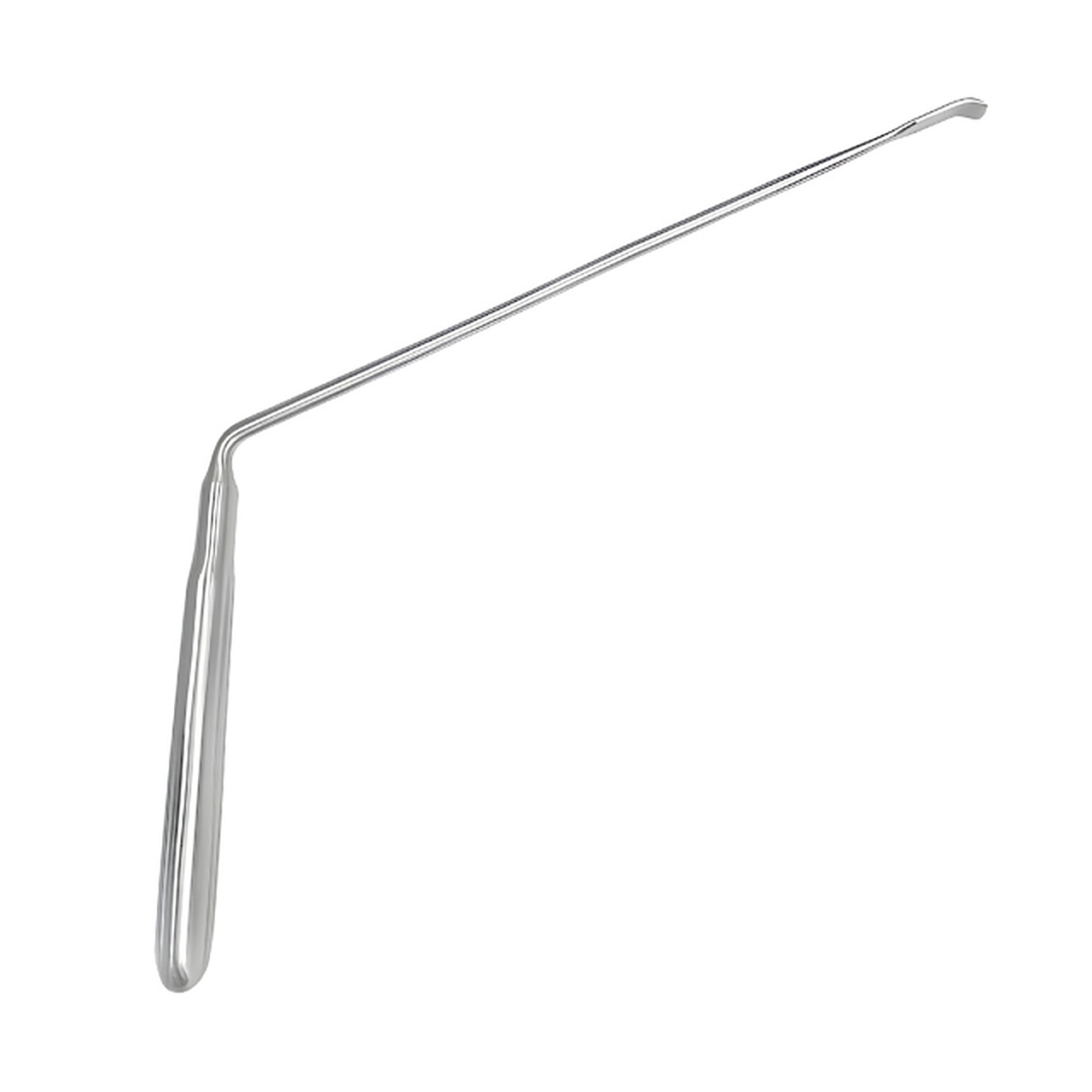 | MIS 神経根レトラクター | 低侵襲脊椎椎間板切除術において、走行神経根および硬膜嚢を圧排・保護するために設計されています。 |
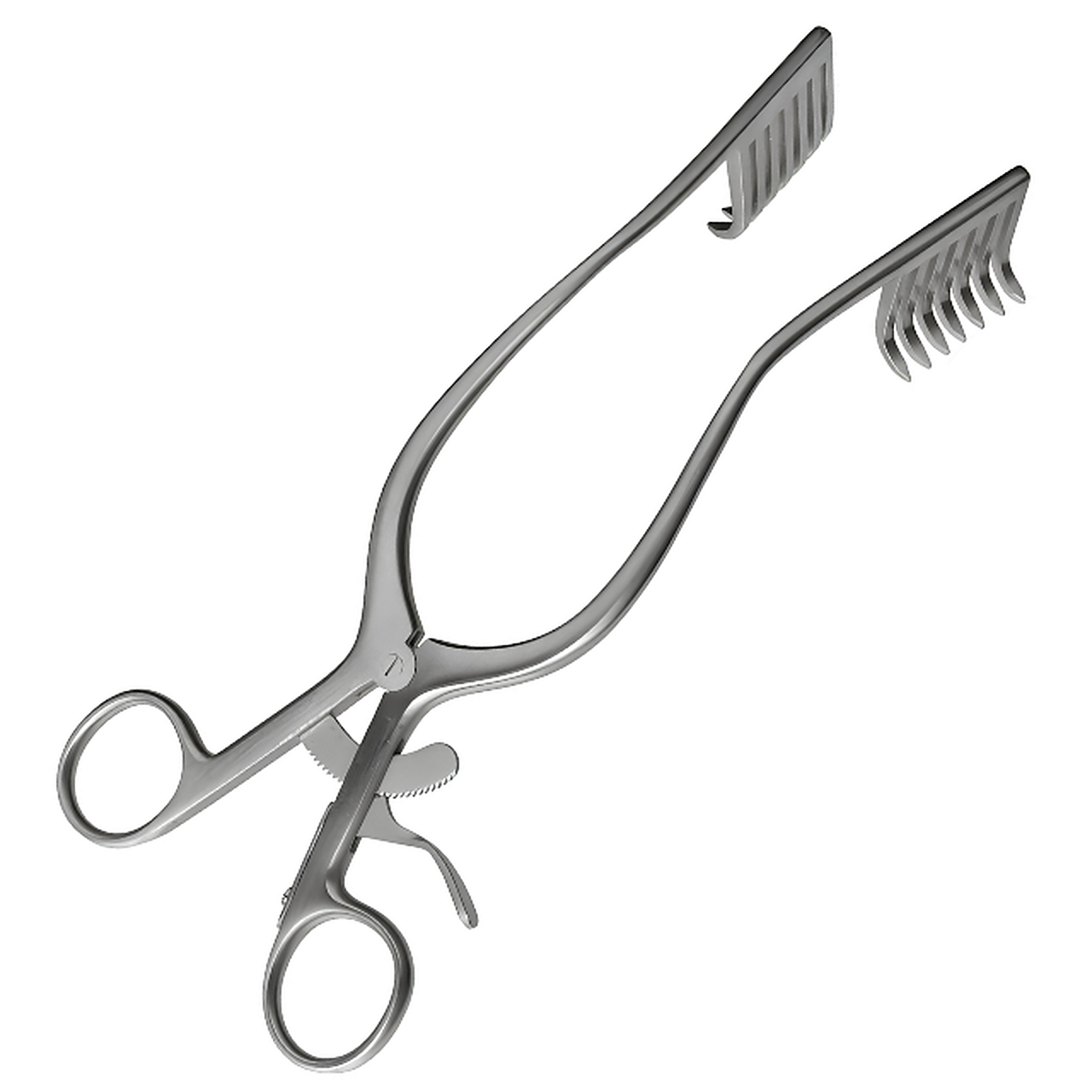 | Miskimon Cerebellar Retractor | 後頭下および小脳開頭術における、頭皮および頸筋の自動開創用に設計。 |
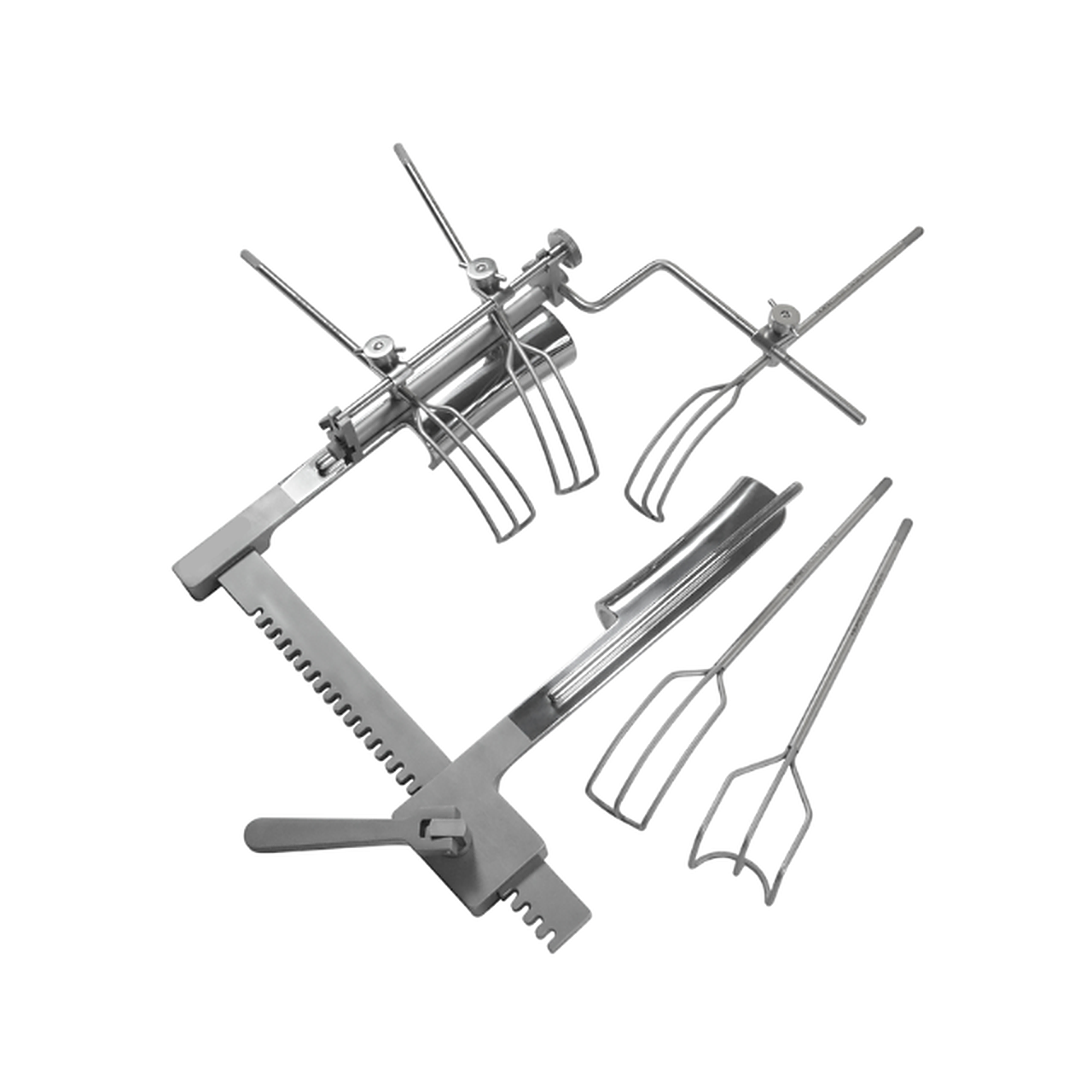 | 僧帽弁開胸器 | 心臓弁手術における構造化された術野展開および軟部組織の牽引のために特別に設計されています。 |
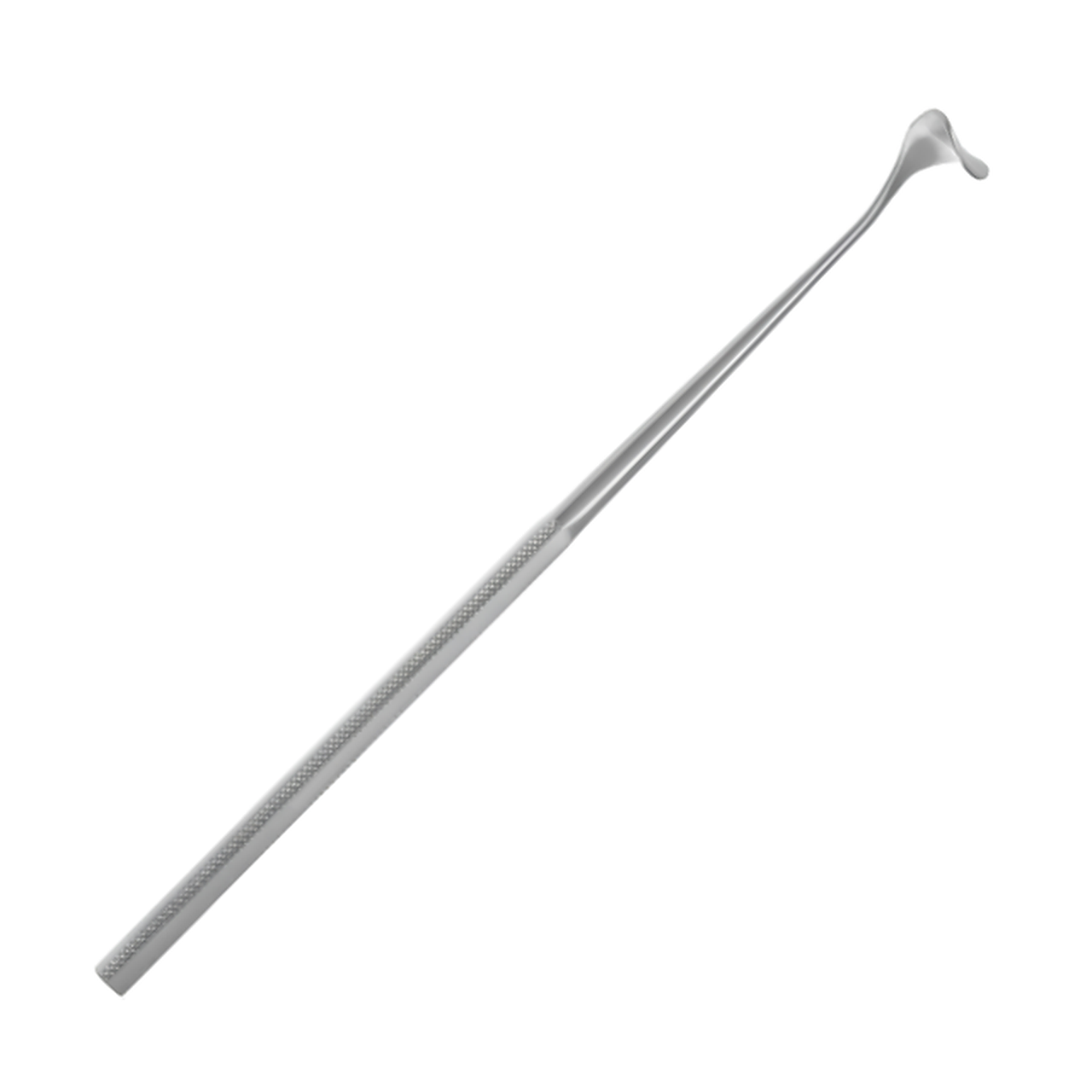 | Moberg 皮膚開創器 | 手外科および形成外科における皮膚創縁、皮弁、および繊細な軟部組織の牽引に特化。 |
 | Modified Fukuda Type Retractors | 肩関節置換術において、上腕骨頭を後方に牽引し、関節窩を露出させるために特別に設計されています。 |
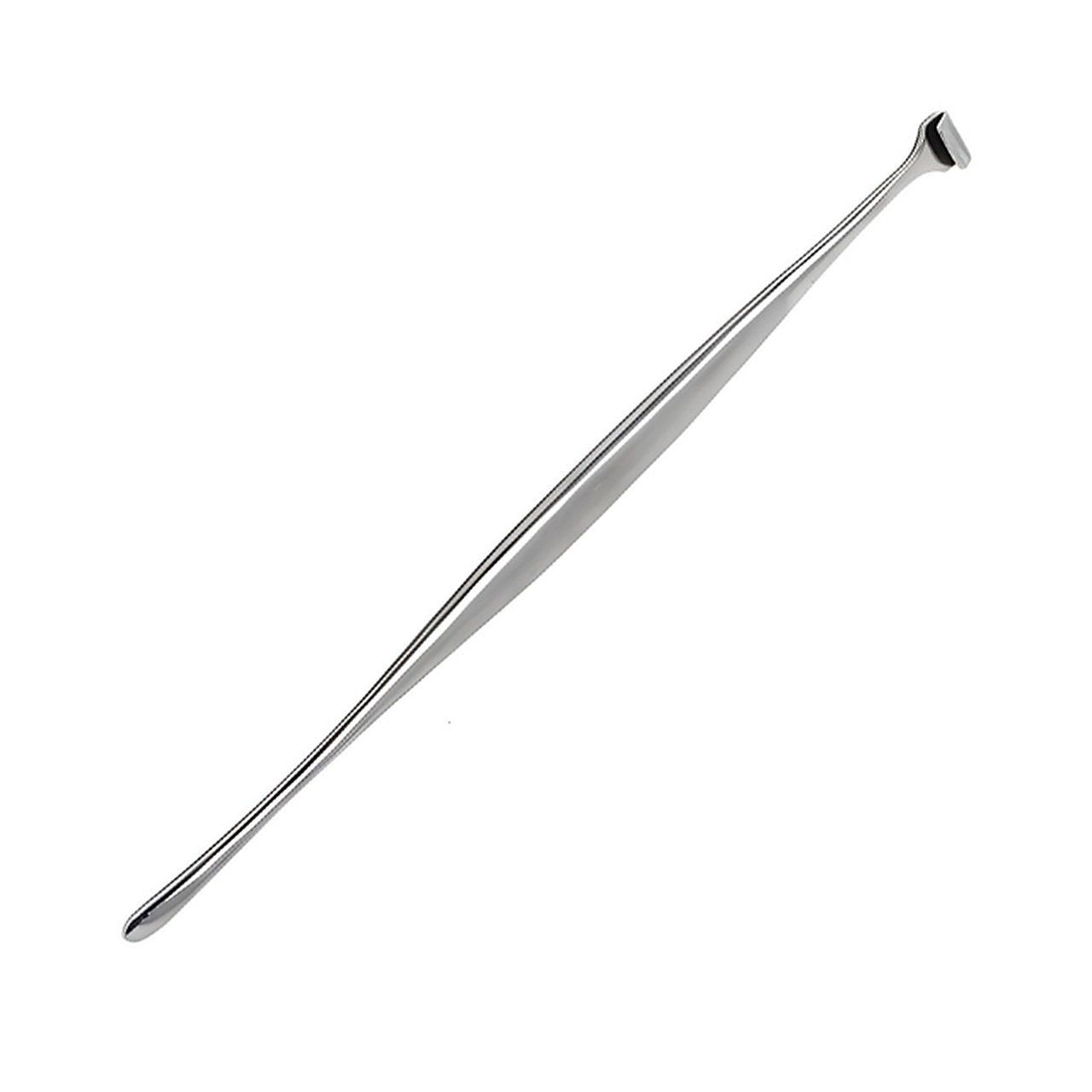 | Mollison Anterior Pillar Retractor | 扁桃摘出術および咽頭手術における扁桃前口蓋弓と口蓋舌弓の牽引に特化して設計されています。 |
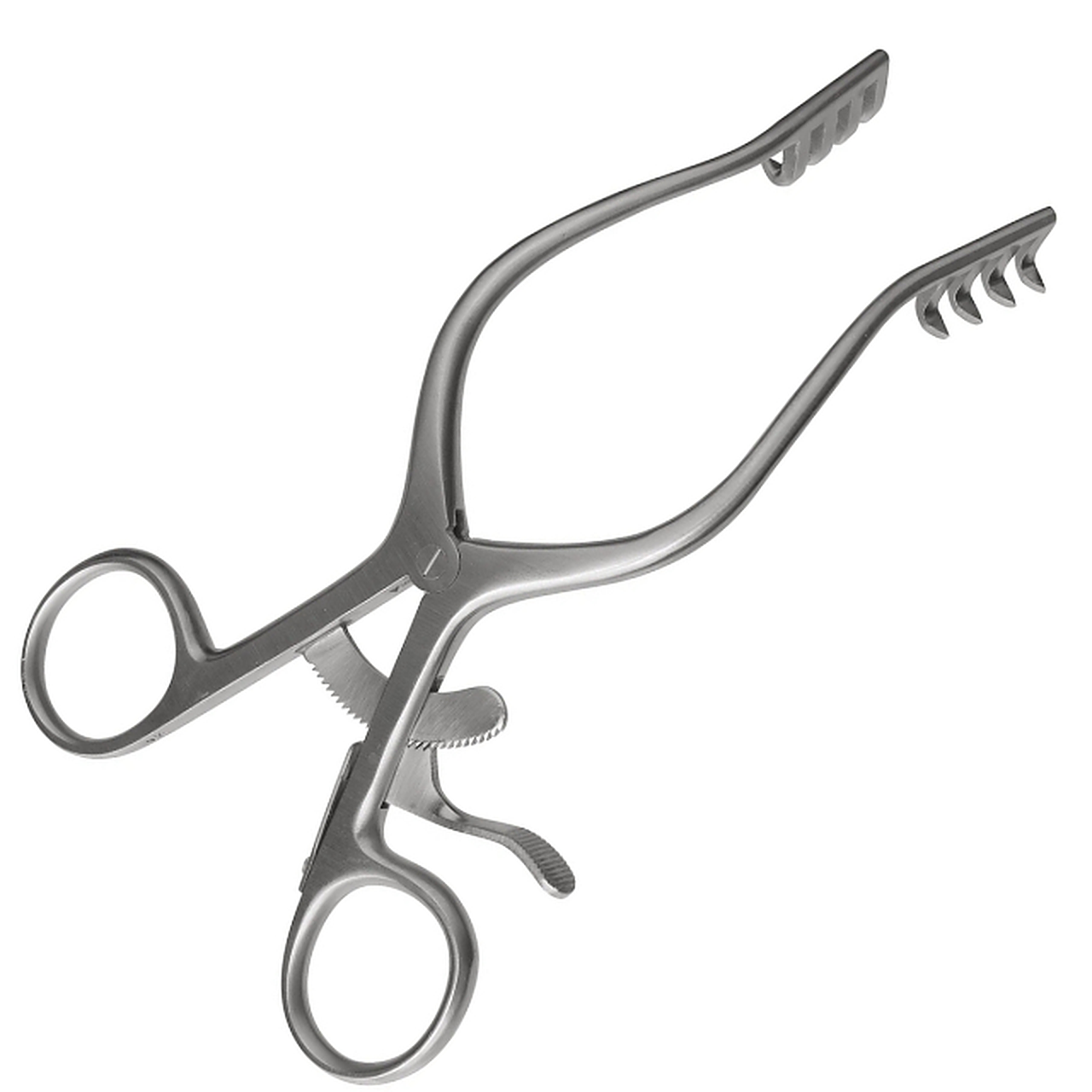 | Mollison Retractor | 乳様突起、耳部、および頭皮の手術において、創縁および骨膜の開創を保持するために特別に設計されています。 |
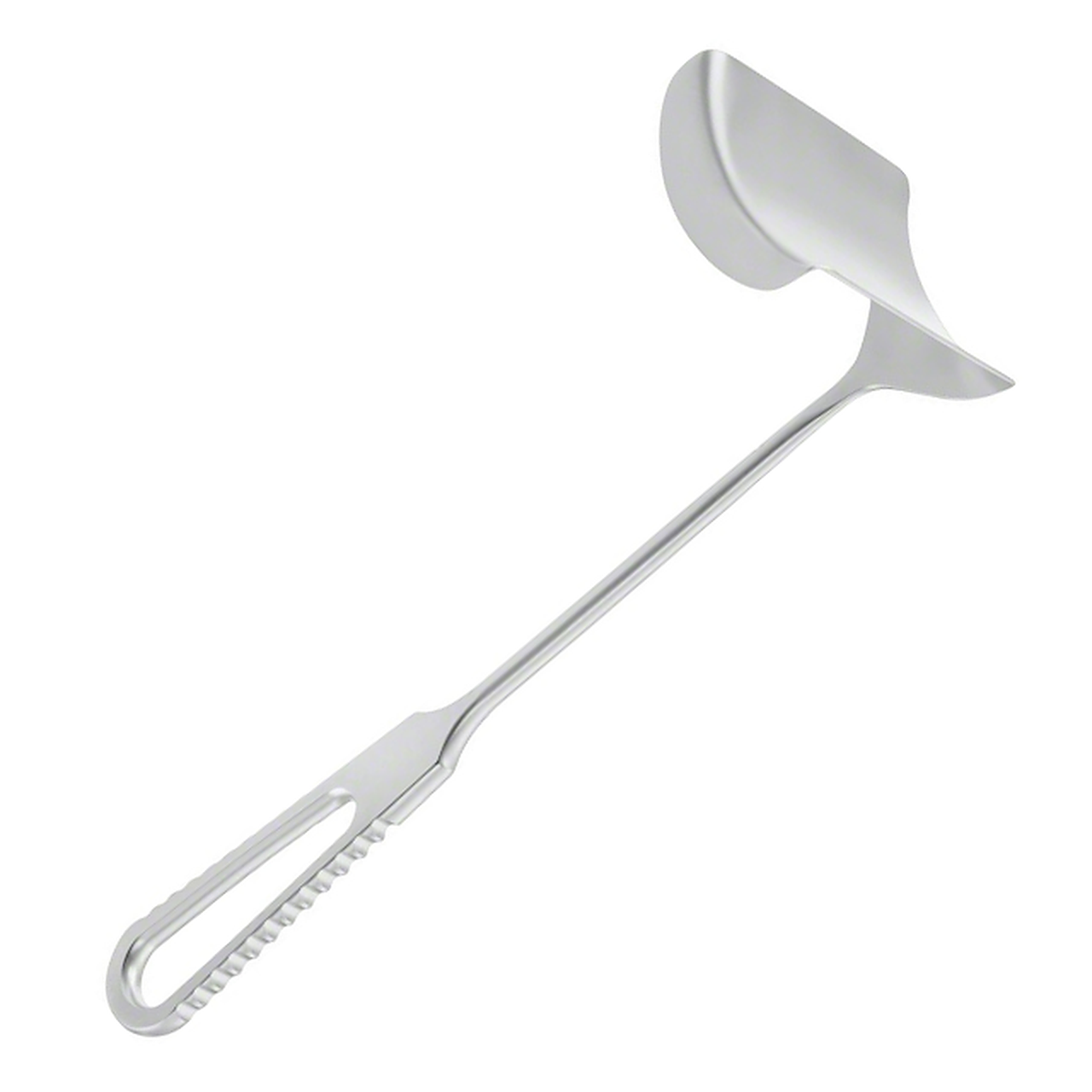 | Morris Retractor Single-Ended(片頭モーリス開創器) | 開腹および骨盤手術における腹壁、内臓、および厚い筋肉層の牽引に特化して設計されています。 |
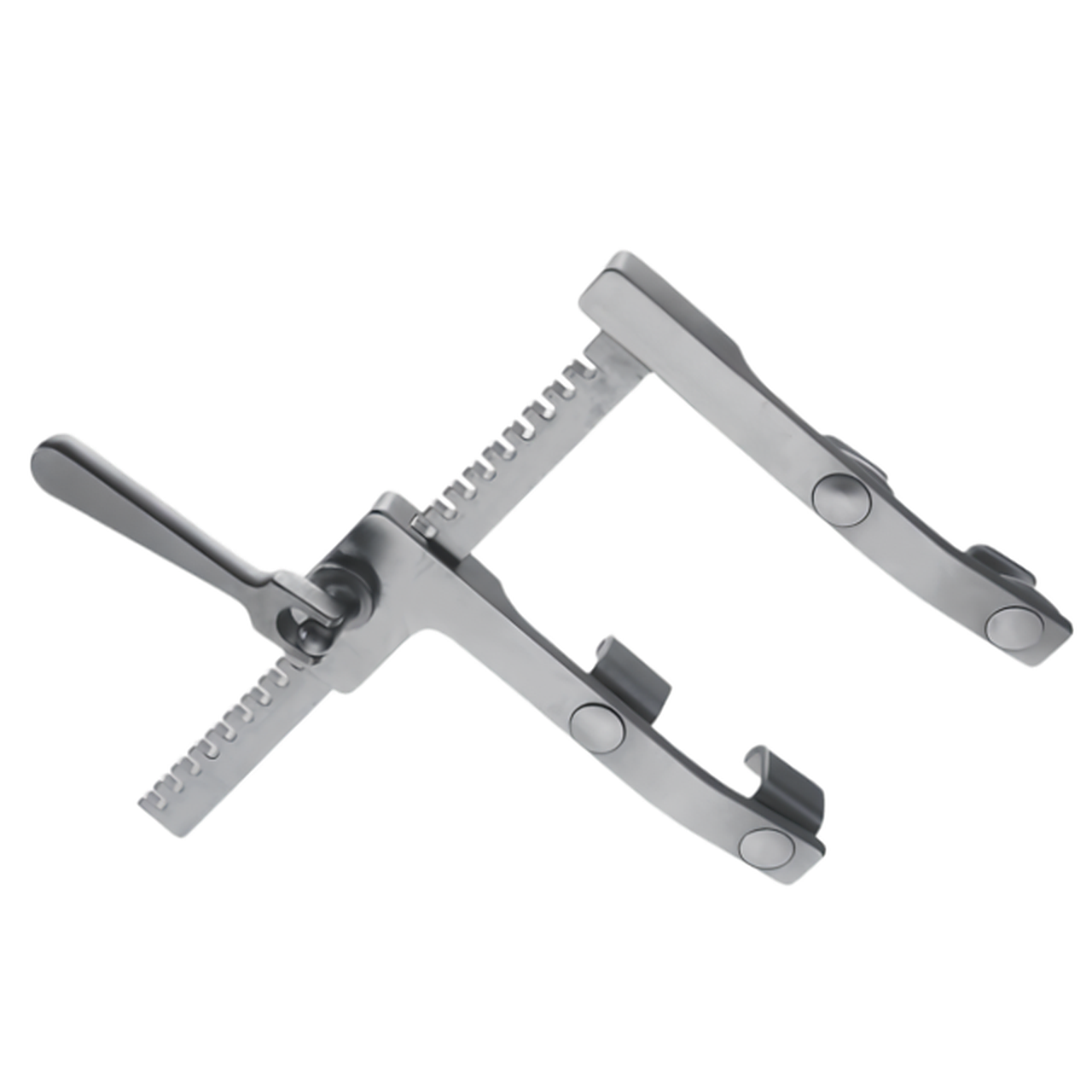 | Morse Rib Spreader | マルチポジションの解剖学的ブレード調整により、肋骨を拡張し胸腔を確保するために特別に設計されています。 |
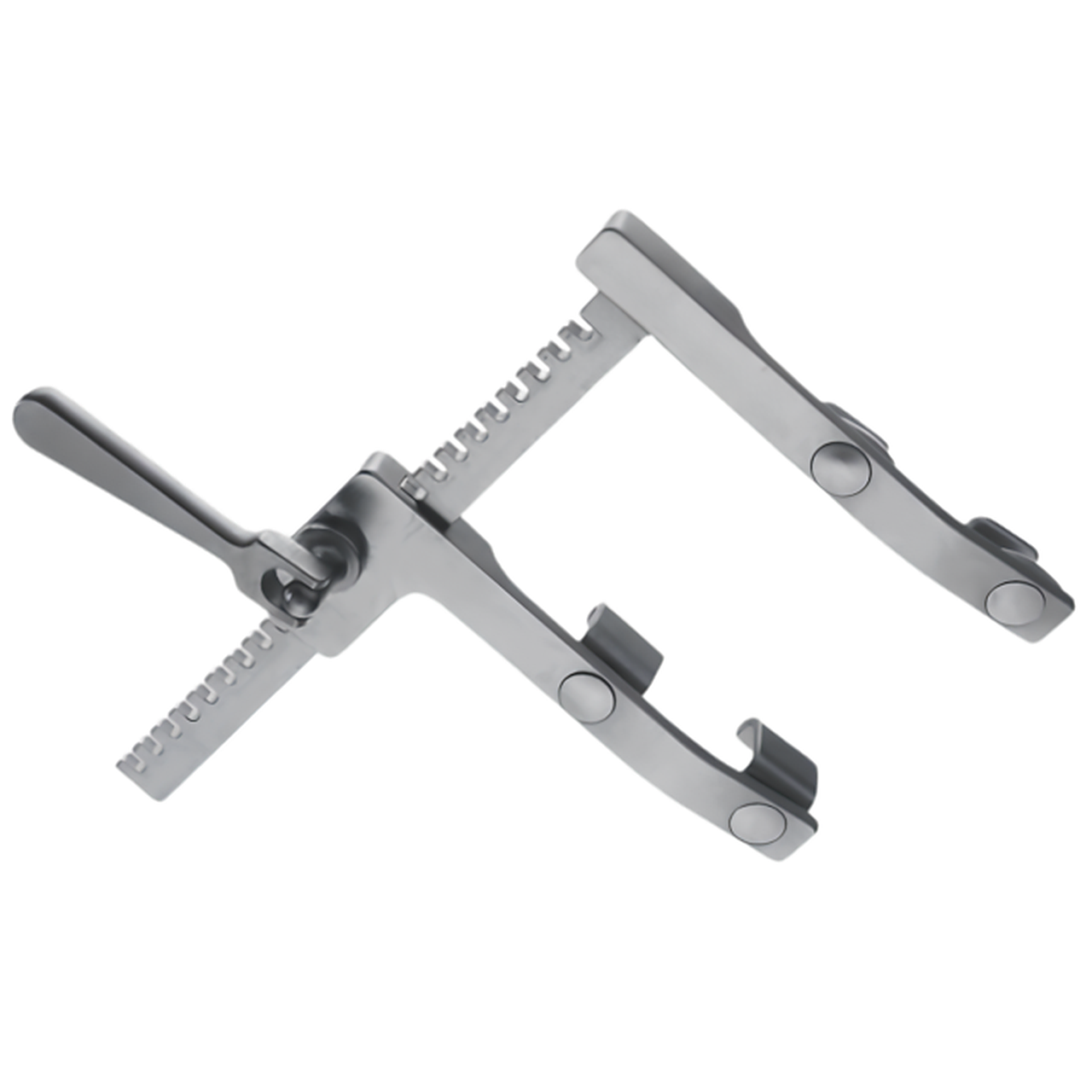 | Morse-Favaloro 開胸器 | 冠動脈バイパス術および胸部外科手術において、可動式の回転ブレードを用いて肋骨を分離するために特別に設計されています。 |
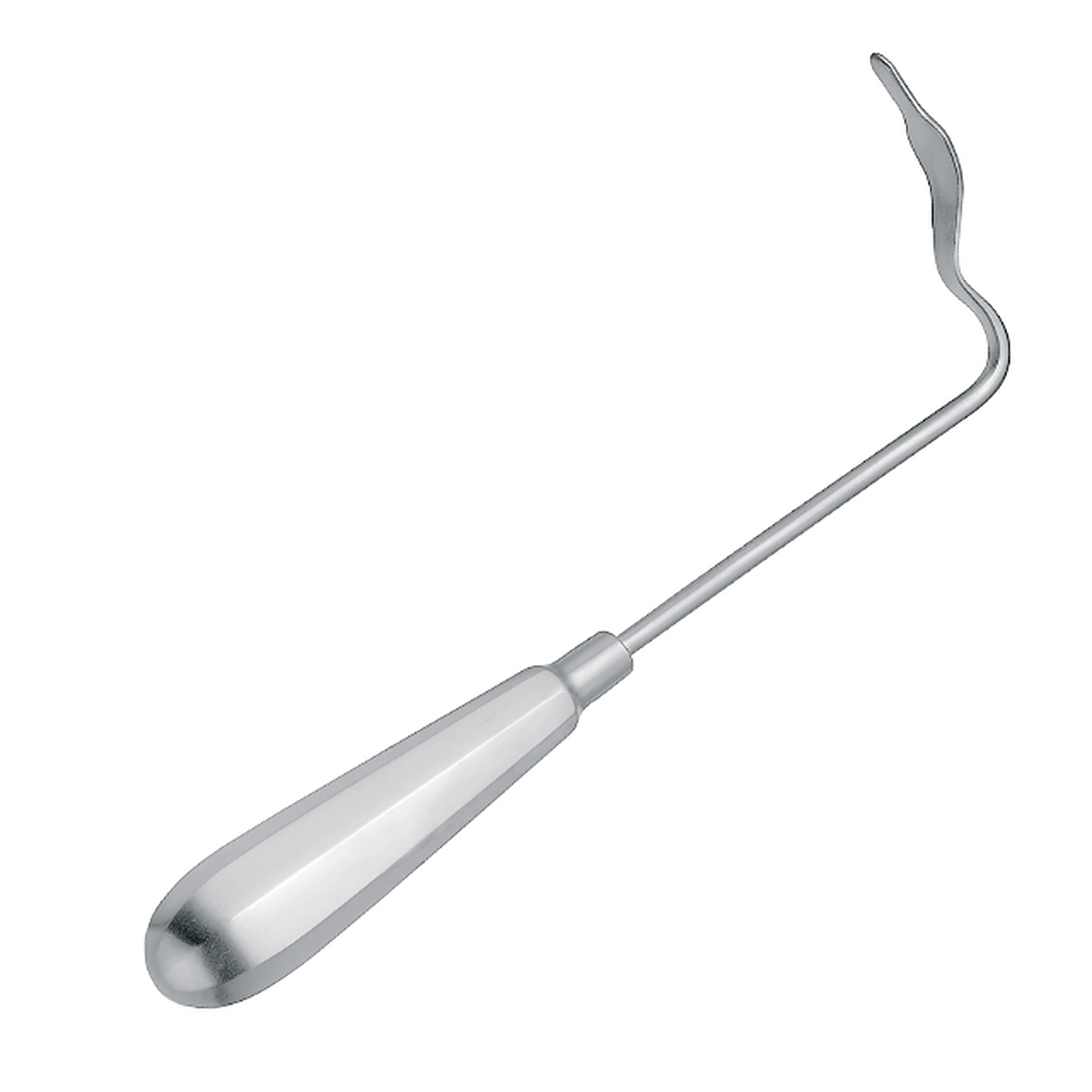 | 粘膜骨膜レトラクター | 口腔、歯科、および顎顔面外科手術において、粘膜骨膜フラップを牽引し、皮質骨を露出させるために設計されています。 |
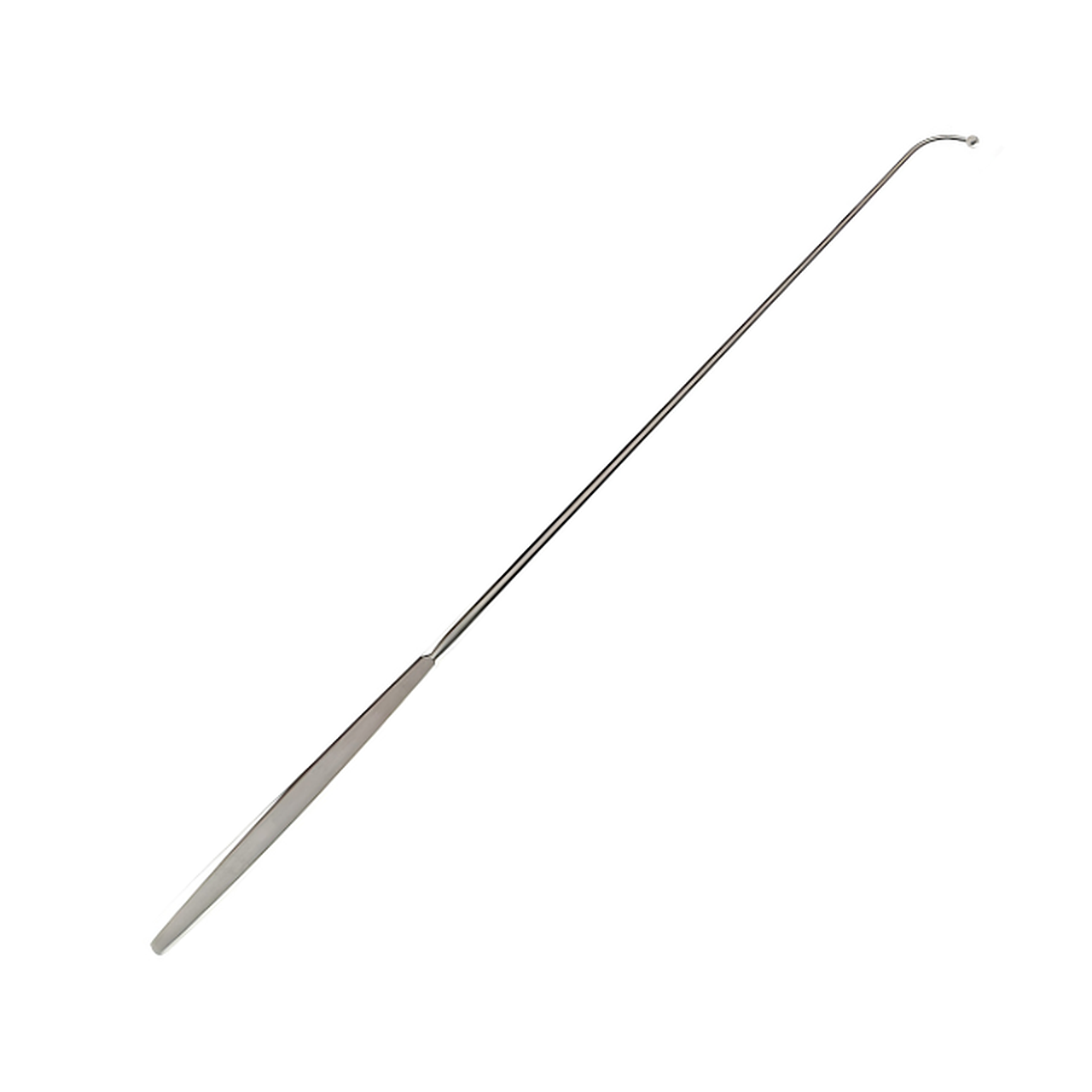 | Murphy Ball Retractor | 深部手術における繊細な神経、血管、および管の探索、授動、および牽引のために特別に設計されています。 |
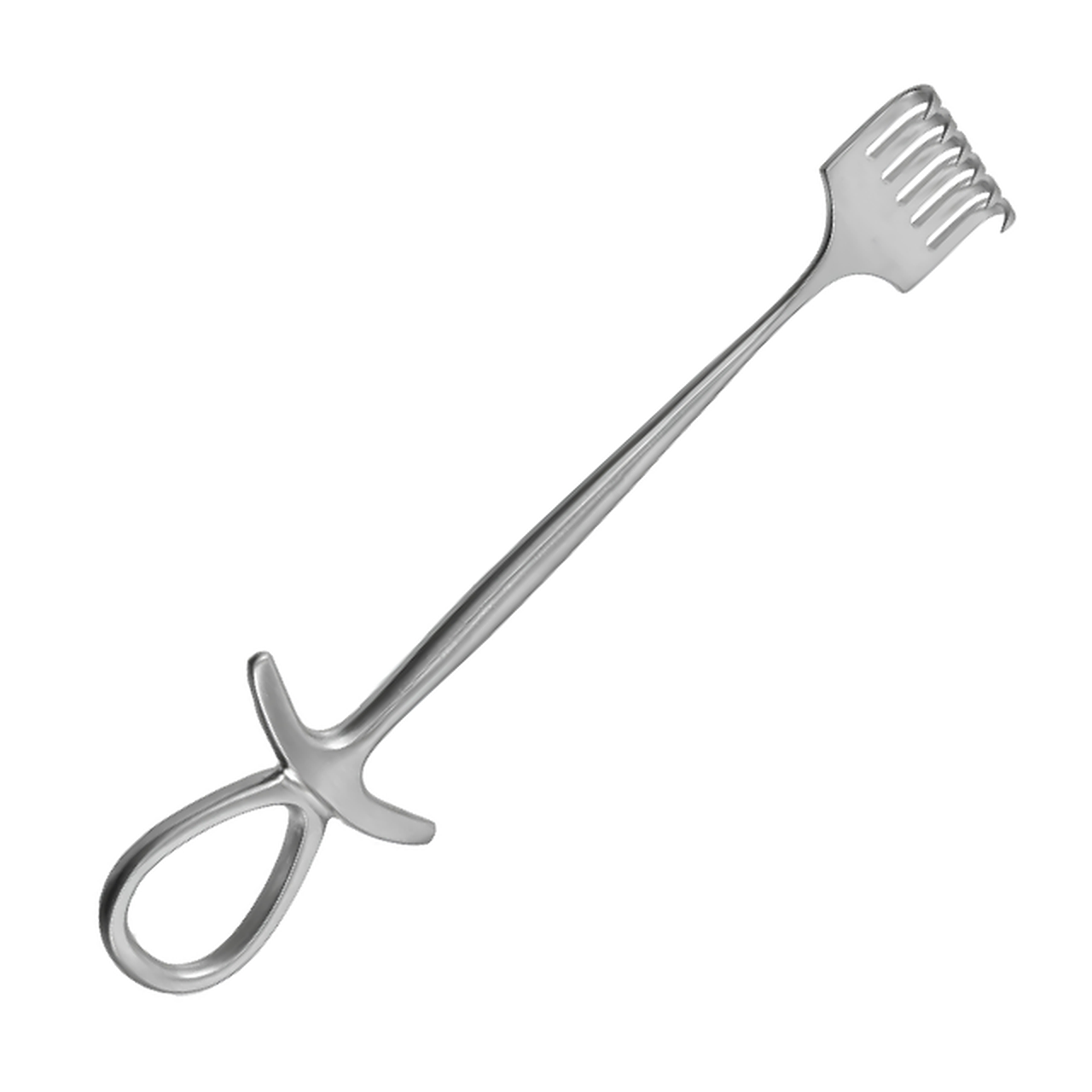 | Murphy Retractor | 一般外科、整形外科、形成外科における皮膚縁、筋膜、筋肉組織の牽引に特化。 |
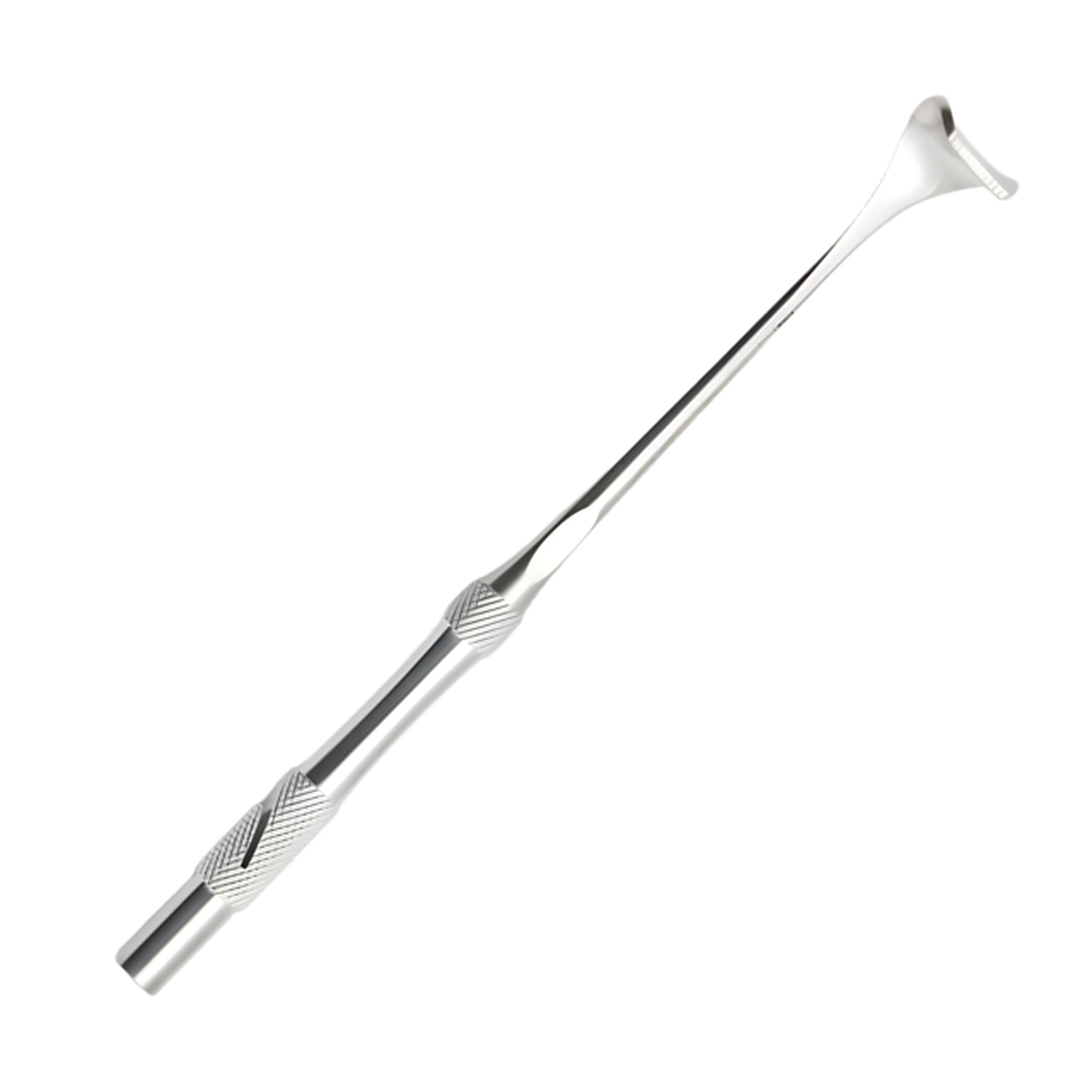 | 鼻皮膚レトラクター | 鼻形成術および顔面再建手術における鼻皮弁の挙上および軟骨の牽引専用設計。 |
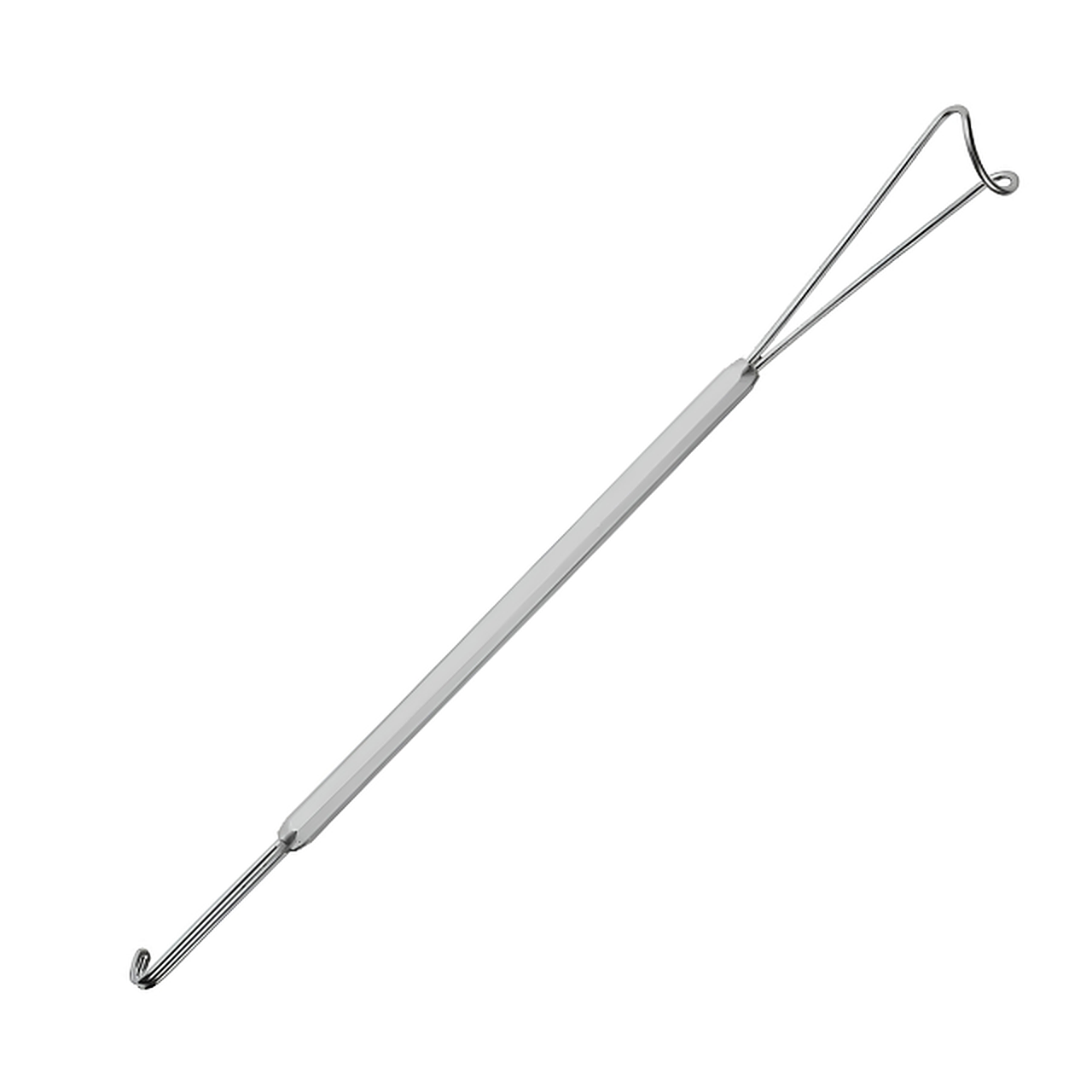 | Neivert ナイフ&ガイドレトラクター | 鼻形成術および鼻再建術において、皮膚フラップの牽引と軟骨ナイフのガイドを行うために特別に設計されています。 |
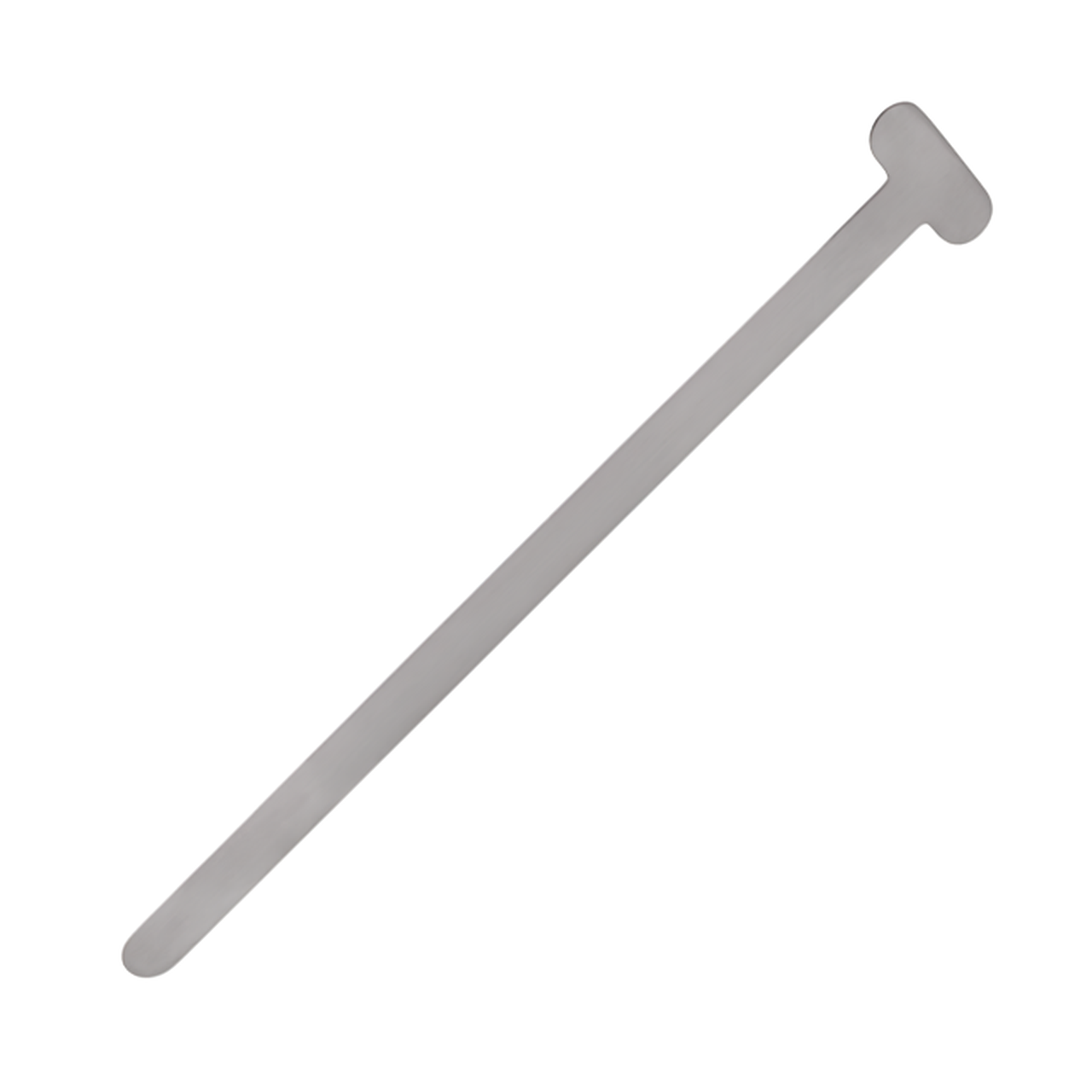 | 新生児用 T型リボン開創器 | 新生児および小児外科手術において、繊細な臓器、腸管、および軟部組織を牽引するために特別に設計されています。 |
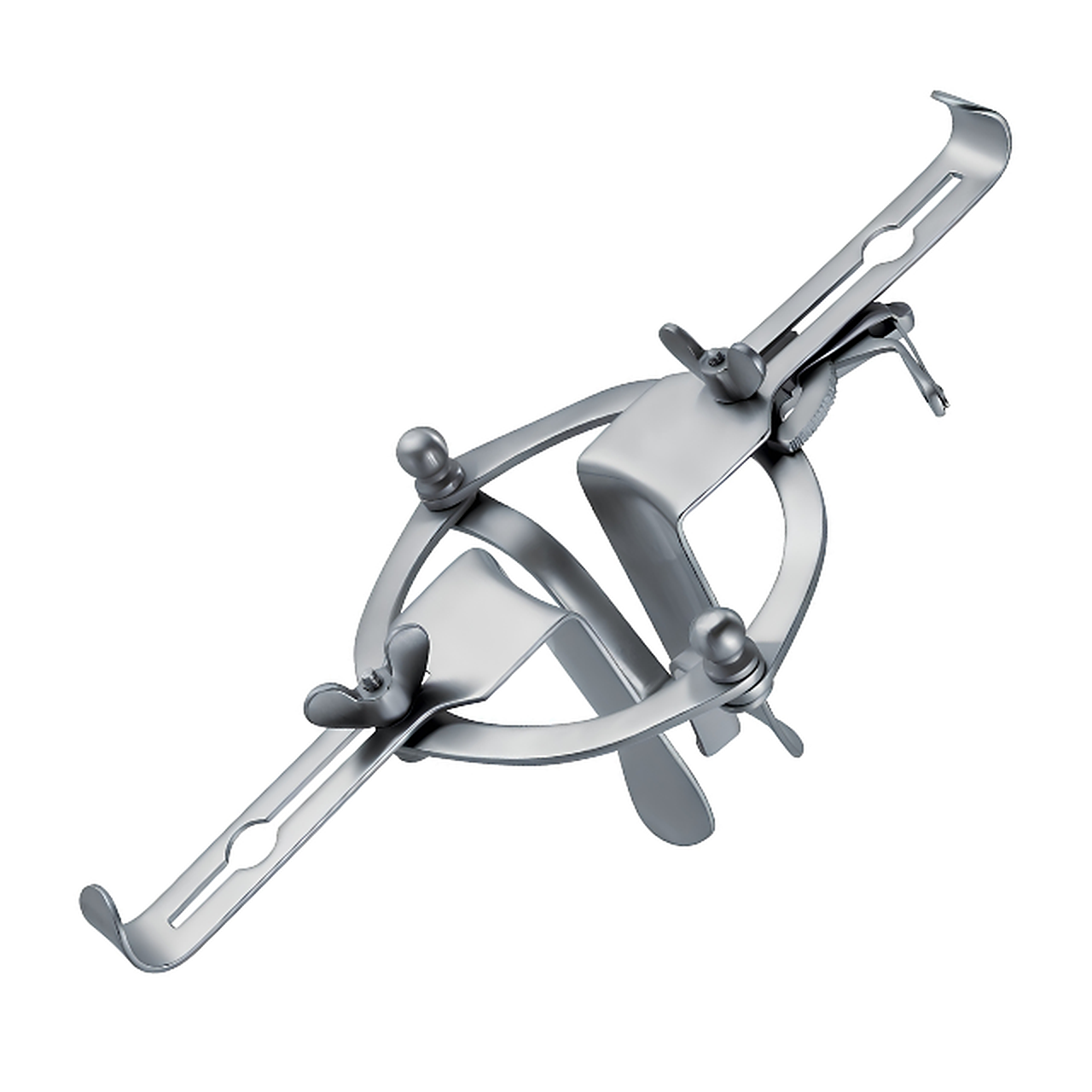 | O'Sullivan-O'Conner 膣開創器 | 主要な婦人科および骨盤手術において、骨盤壁および内臓の自動牽引を提供するために設計されています。 |
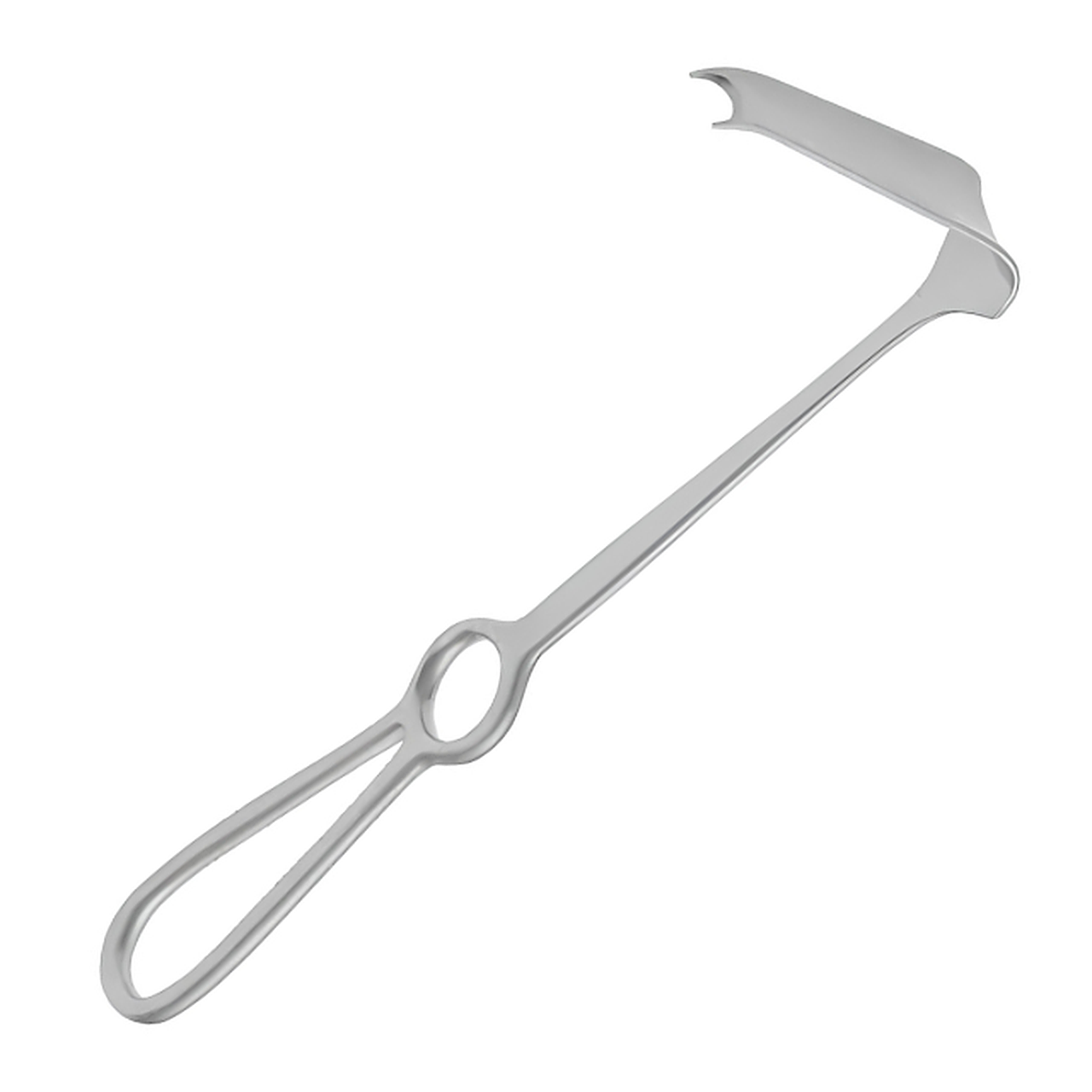 | Obwegeser 歯槽部レトラクター | 顎矯正手術中に唇、頬、および骨膜を排除し、歯槽堤を露出させるために特別に設計されています。 |
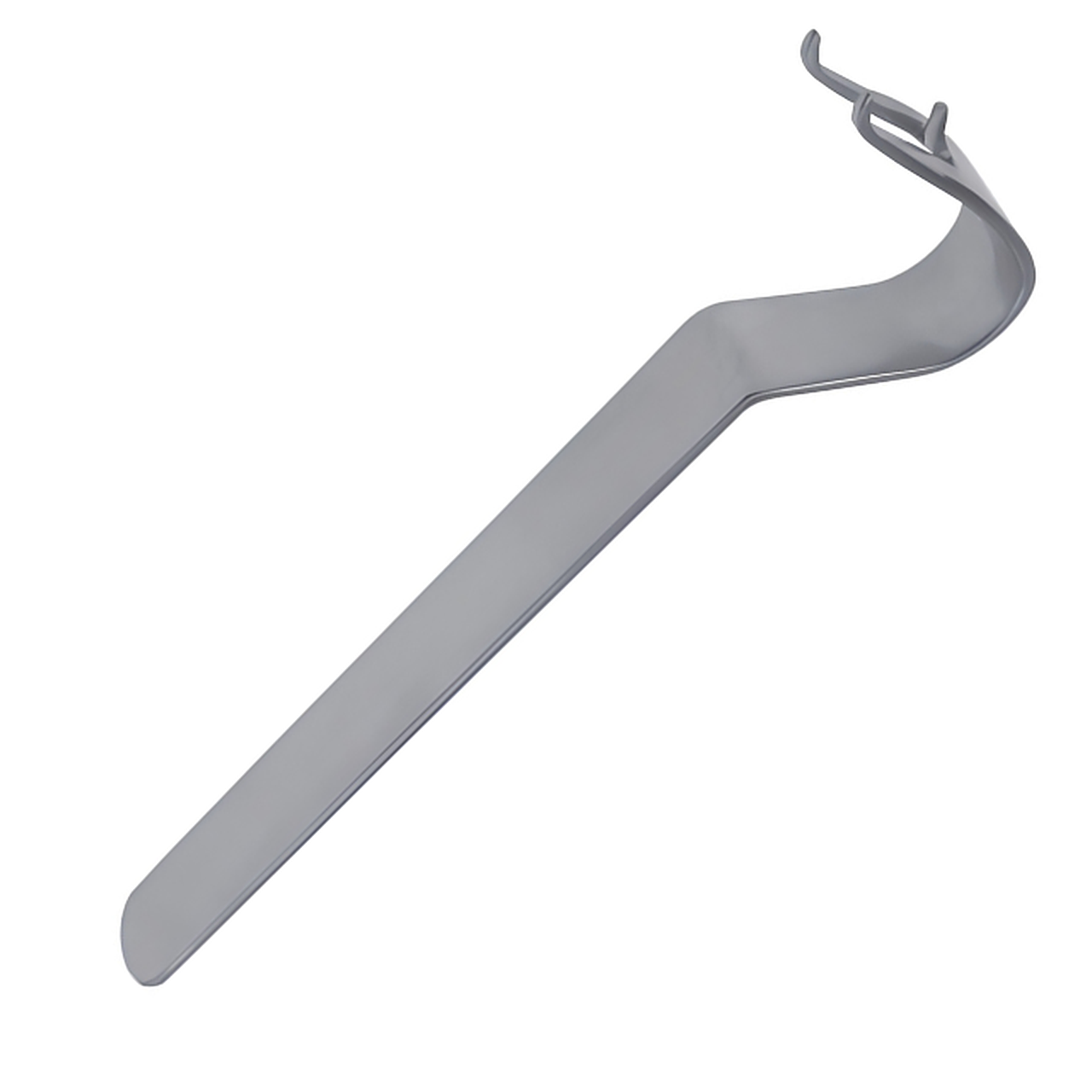 | Obwegeser Chin Retractor (顎用レトラクター) | オトガイ形成術において、下顎結合を露出させるためのオトガイ筋および軟組織の牽引。 |
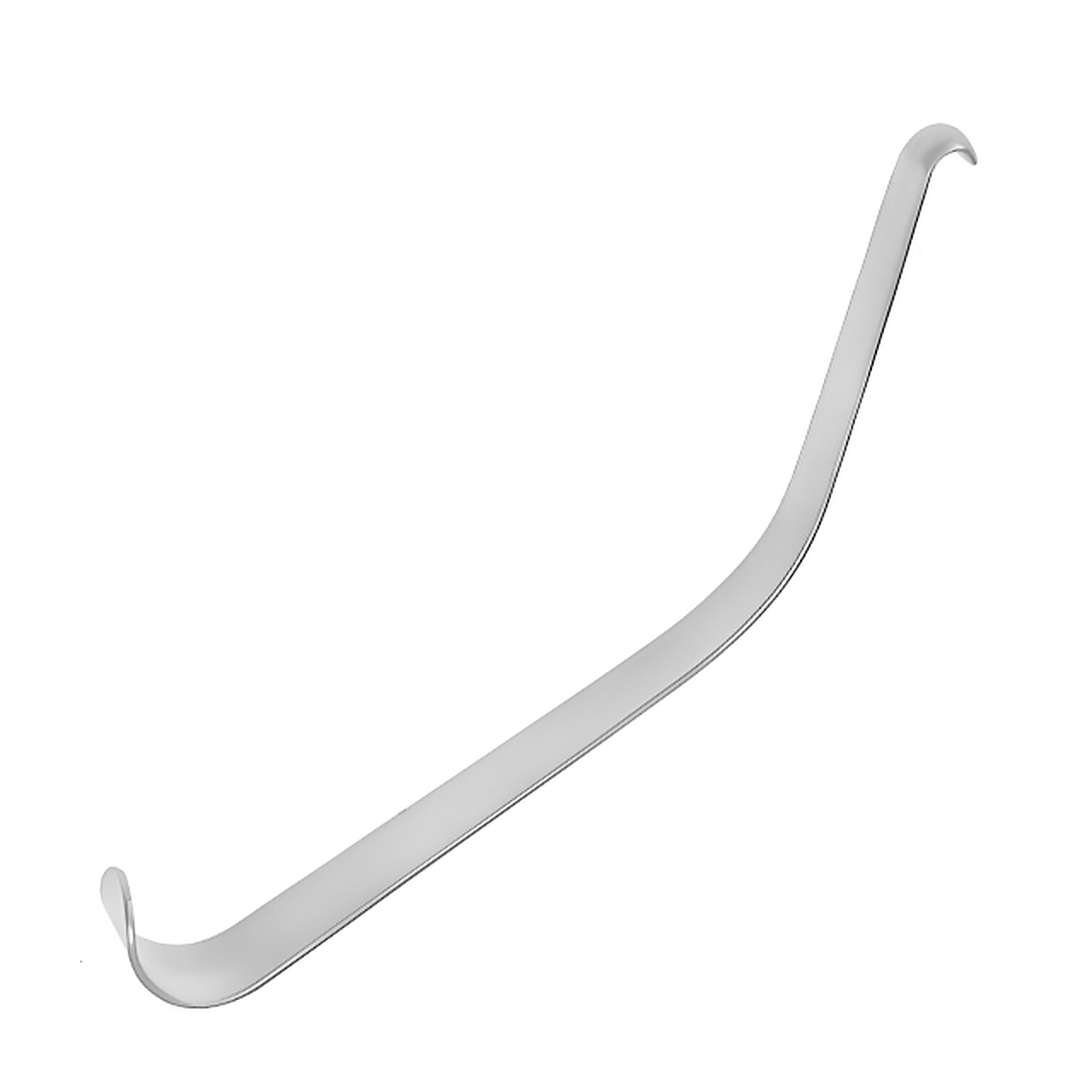 | Obwegeser 下顎縁開創器 (マンディブラ・チャンネル・リトラクター) | 顎矯正手術において、下顎下縁を把持し、神経血管束を保護するために特別に設計されています。 |
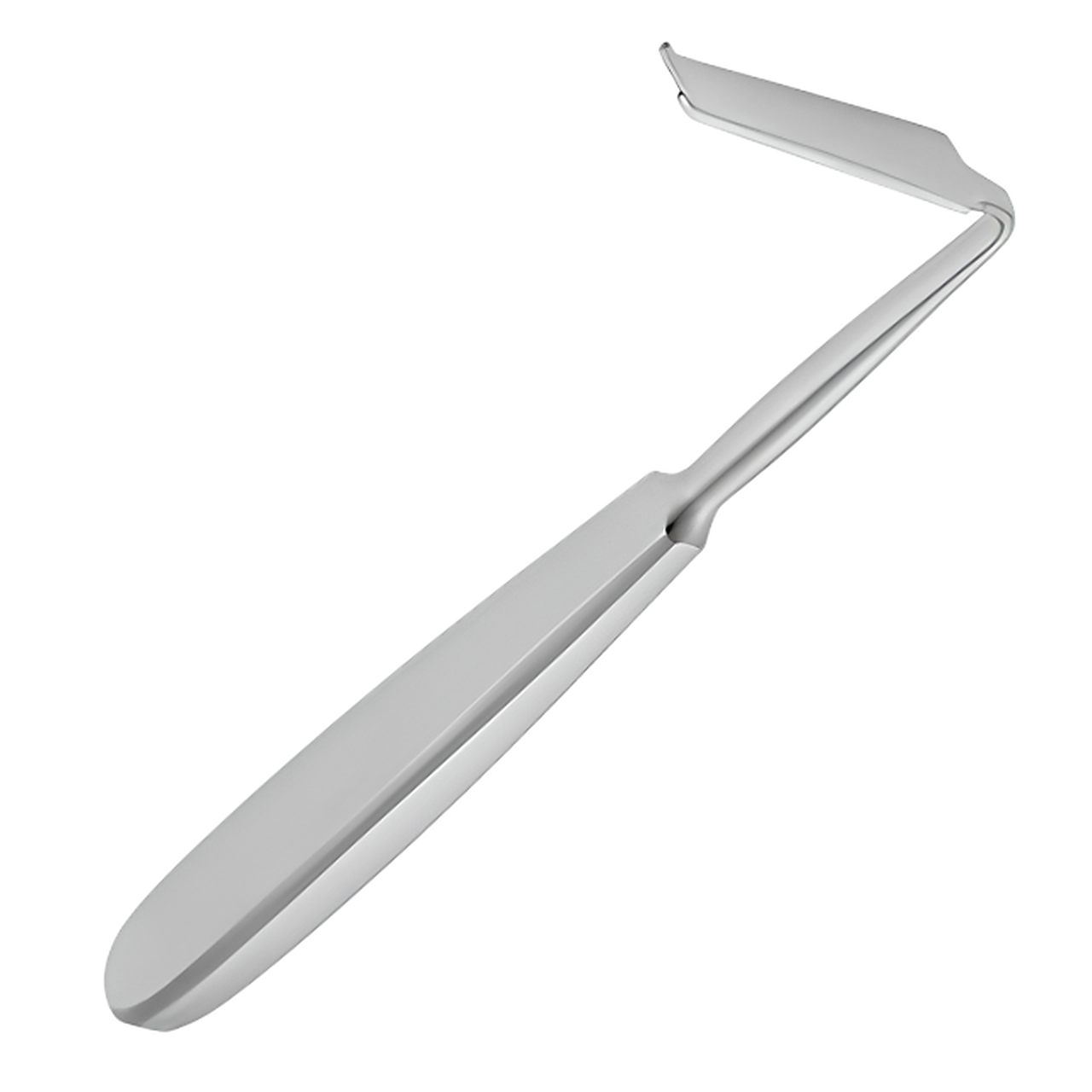 | Obwegeser 下顎縁レトラクター | 顎矯正手術において、下顎縁に沿った軟組織の牽引および神経血管構造の保護を行うために特別に設計されています。 |
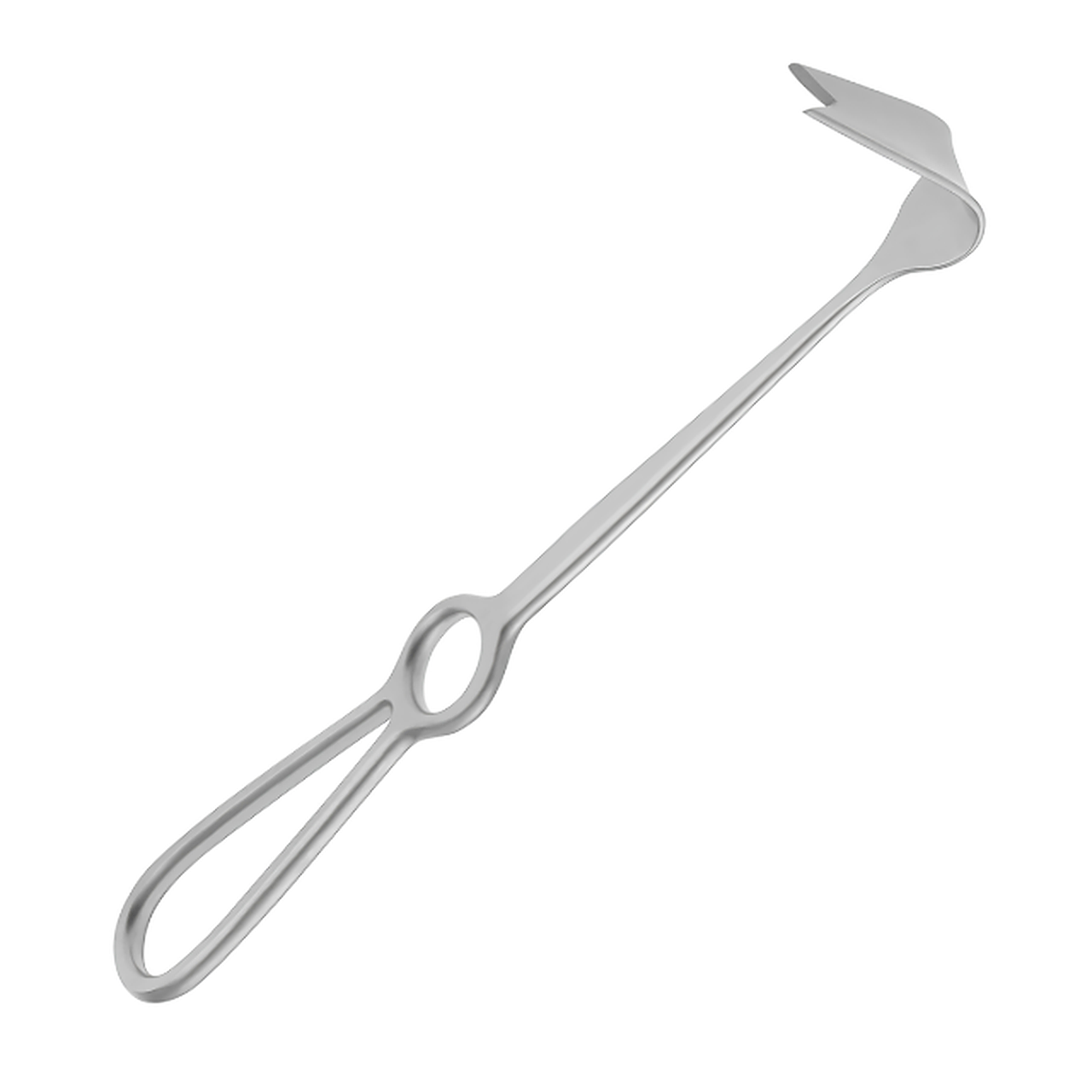 | Obwegeser 鼻棘レトラクター | ルフォー骨切り術および顎顔面外科手術において、前鼻棘に引っ掛けて上唇を挙上するために特別に設計されています。 |
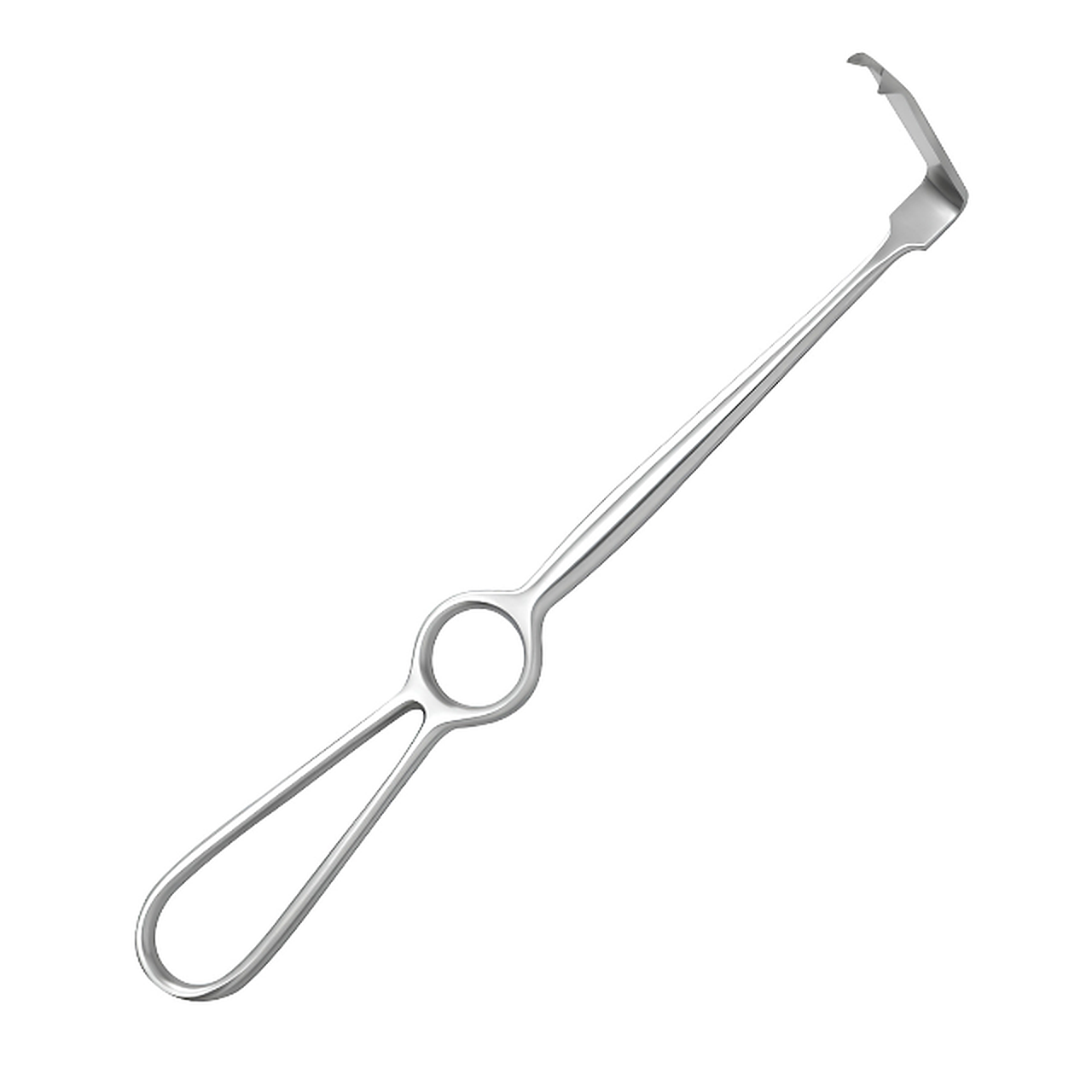 | Obwegeser Ramus Retractor | 下顎枝をフックし、顎矯正骨切り術中に軟組織を保護するために設計されています。 |
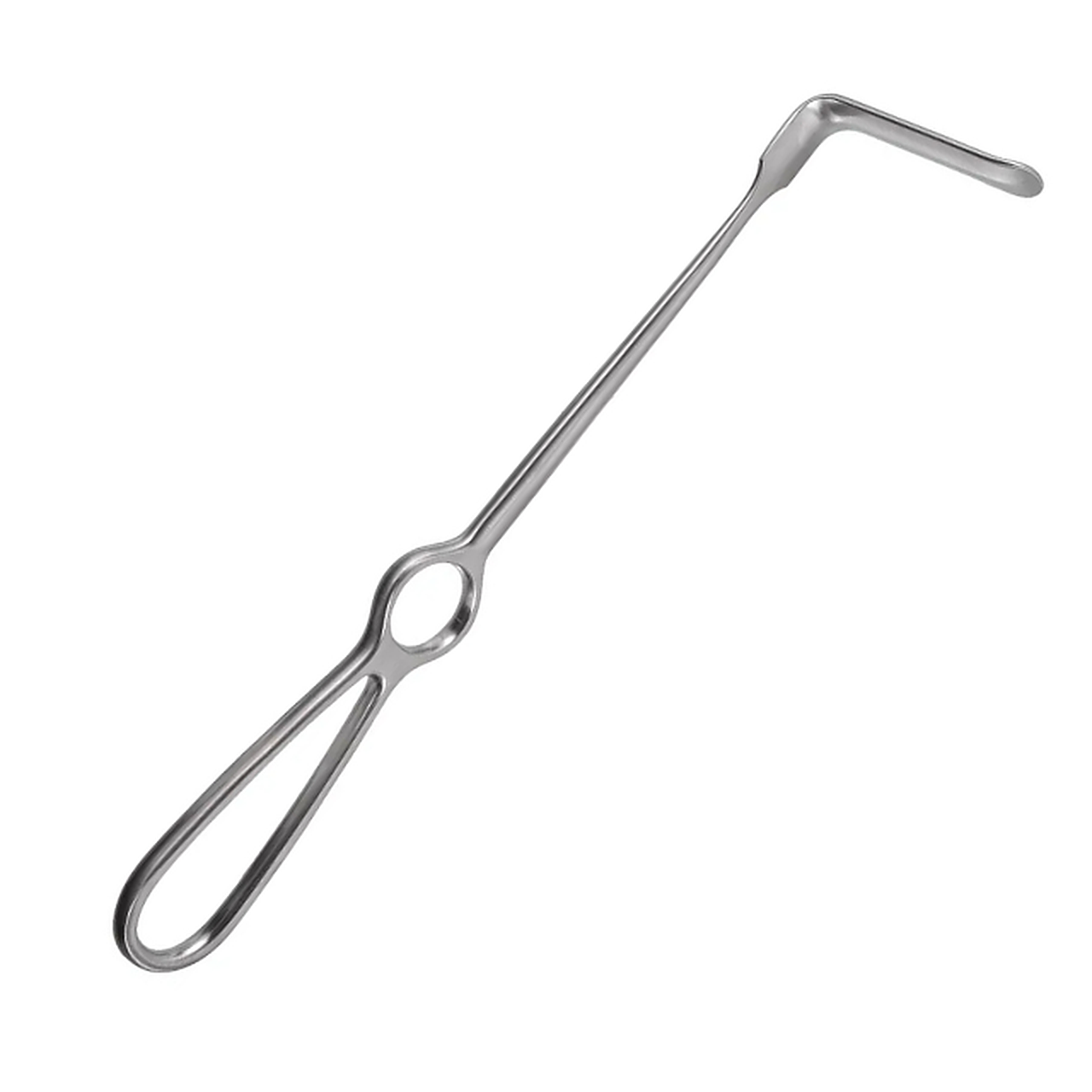 | Obwegeser 軟組織レトラクター | 顎矯正手術および口腔顎顔面外科手術中に、粘膜骨膜弁、頬、および軟組織を牽引・保護するために特別に設計されています。 |
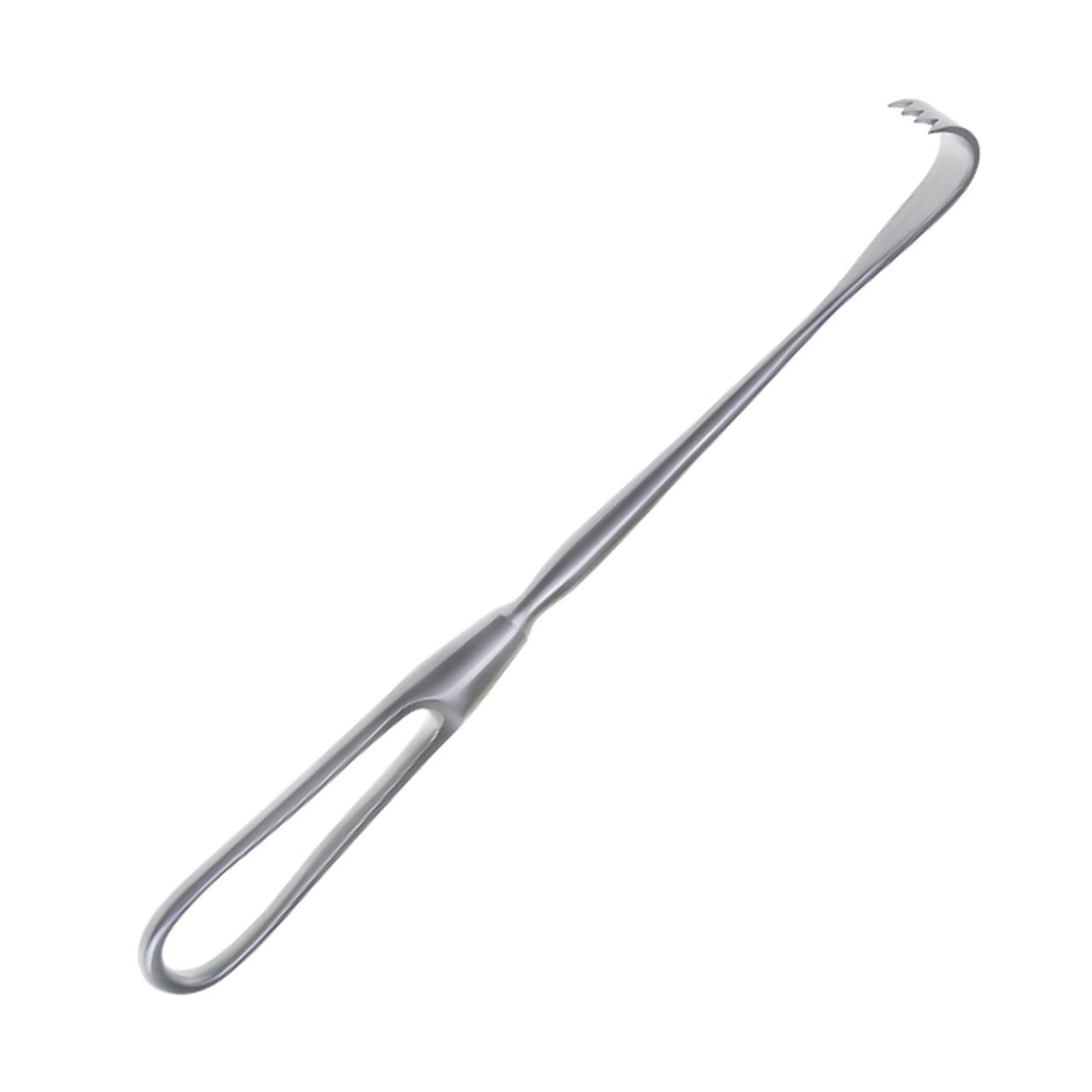 | Oldberg レトラクター | 開頭術、脊椎手術、整形外科手術における皮弁、筋肉、筋膜の牽引に特化して設計されています。 |
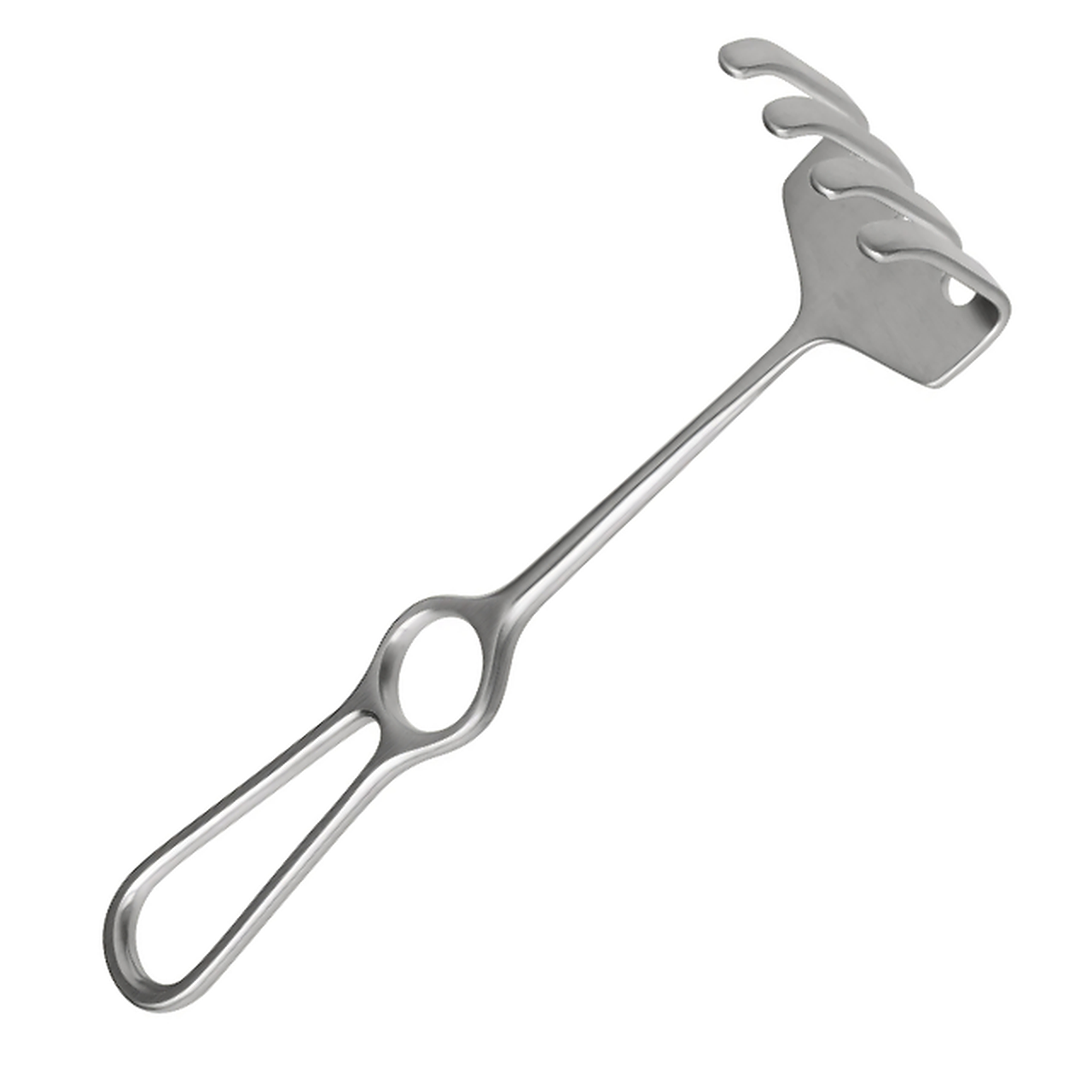 | Ollier 鈎(オリエル・リトラクター) | 開腹手術および整形外科手術における、厚い筋層、筋膜、および厚い組織縁の牽引に特化。 |
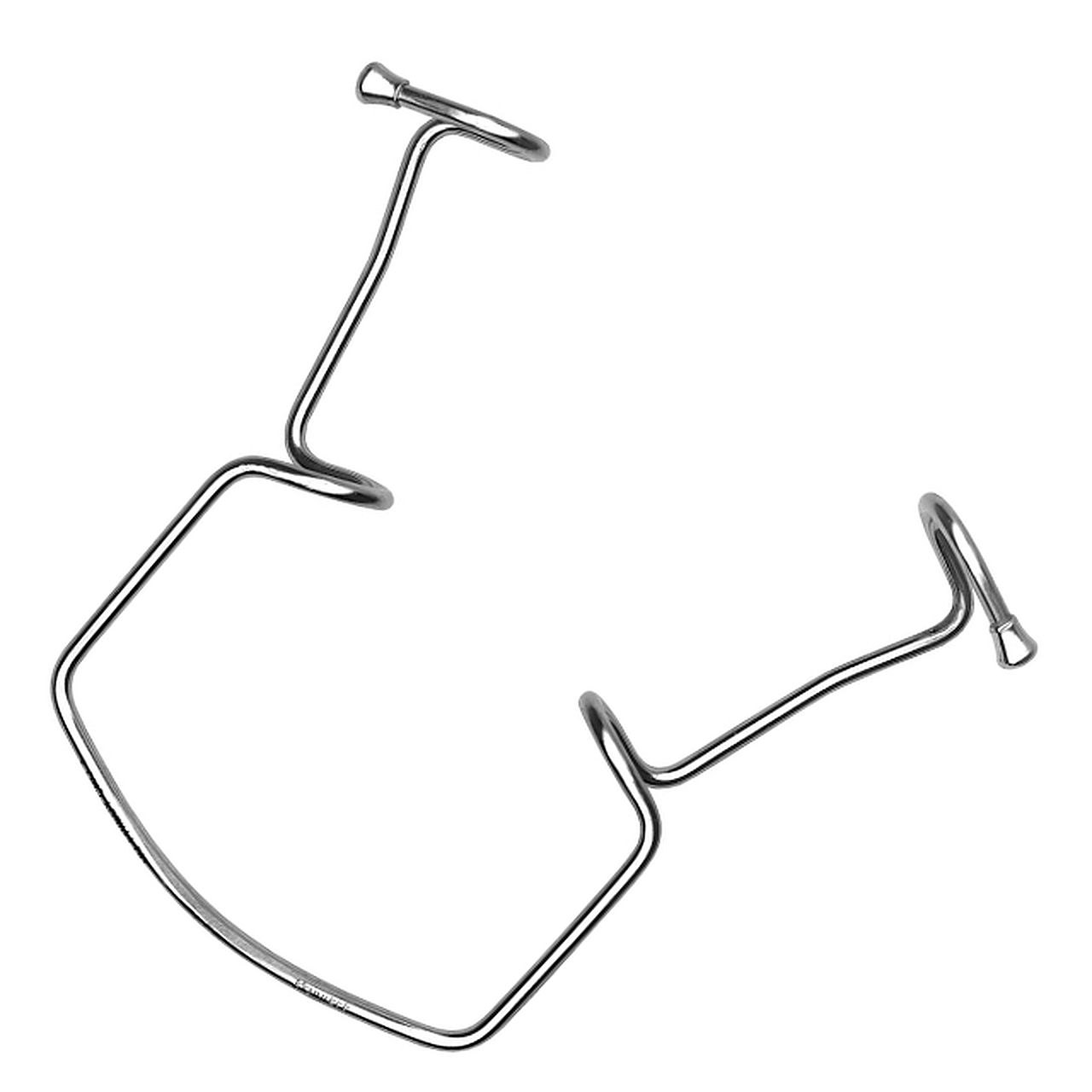 | Orringer 頬開口器 | 口腔外科および歯科手術において、両側の頬と唇を自己保持的に牽引するために設計されています。 |
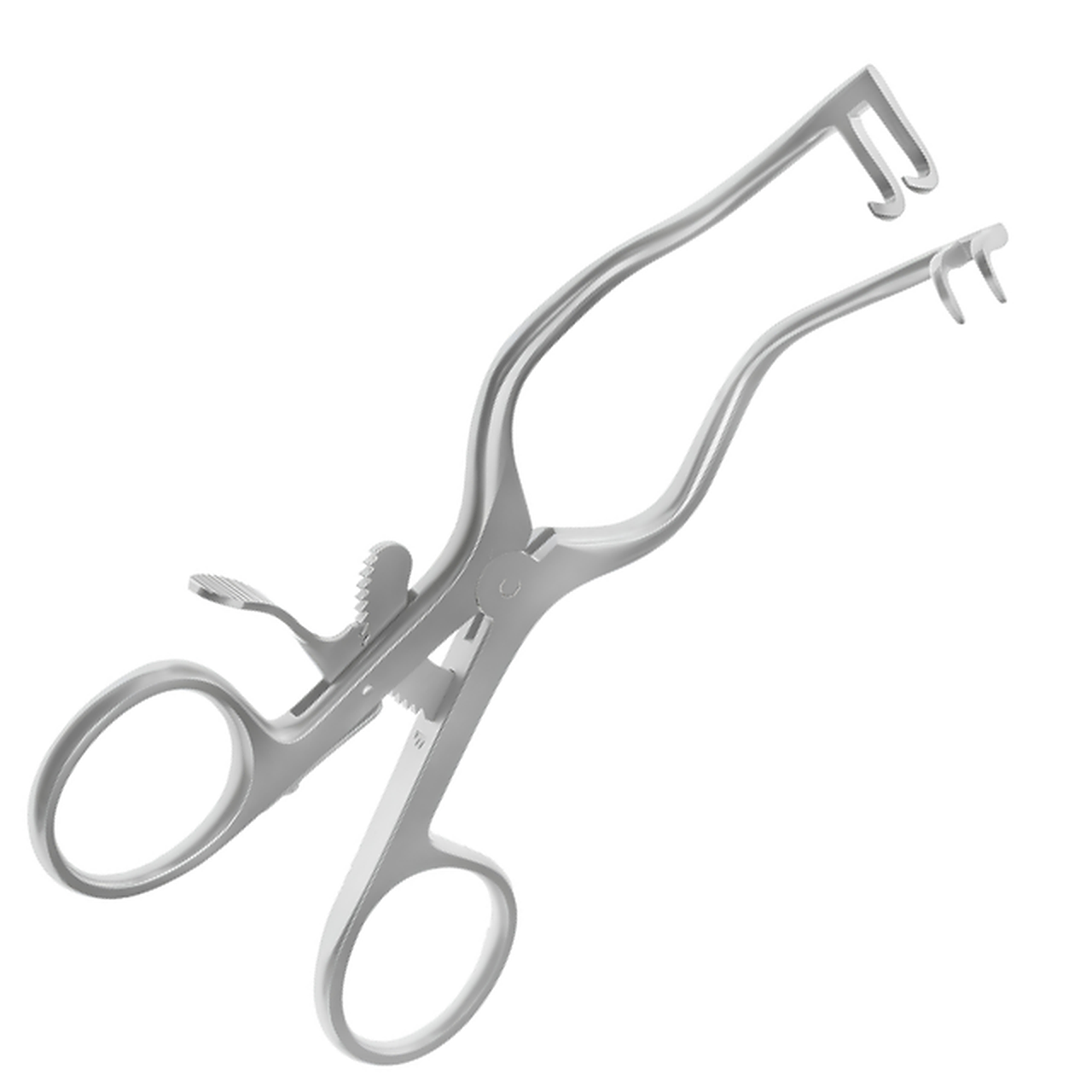 | Paparella-Weitlaner 開創器(自動固定式) | 乳突洞、耳部、および頭皮手術における骨膜および切開縁の自己保持型牽引。 |
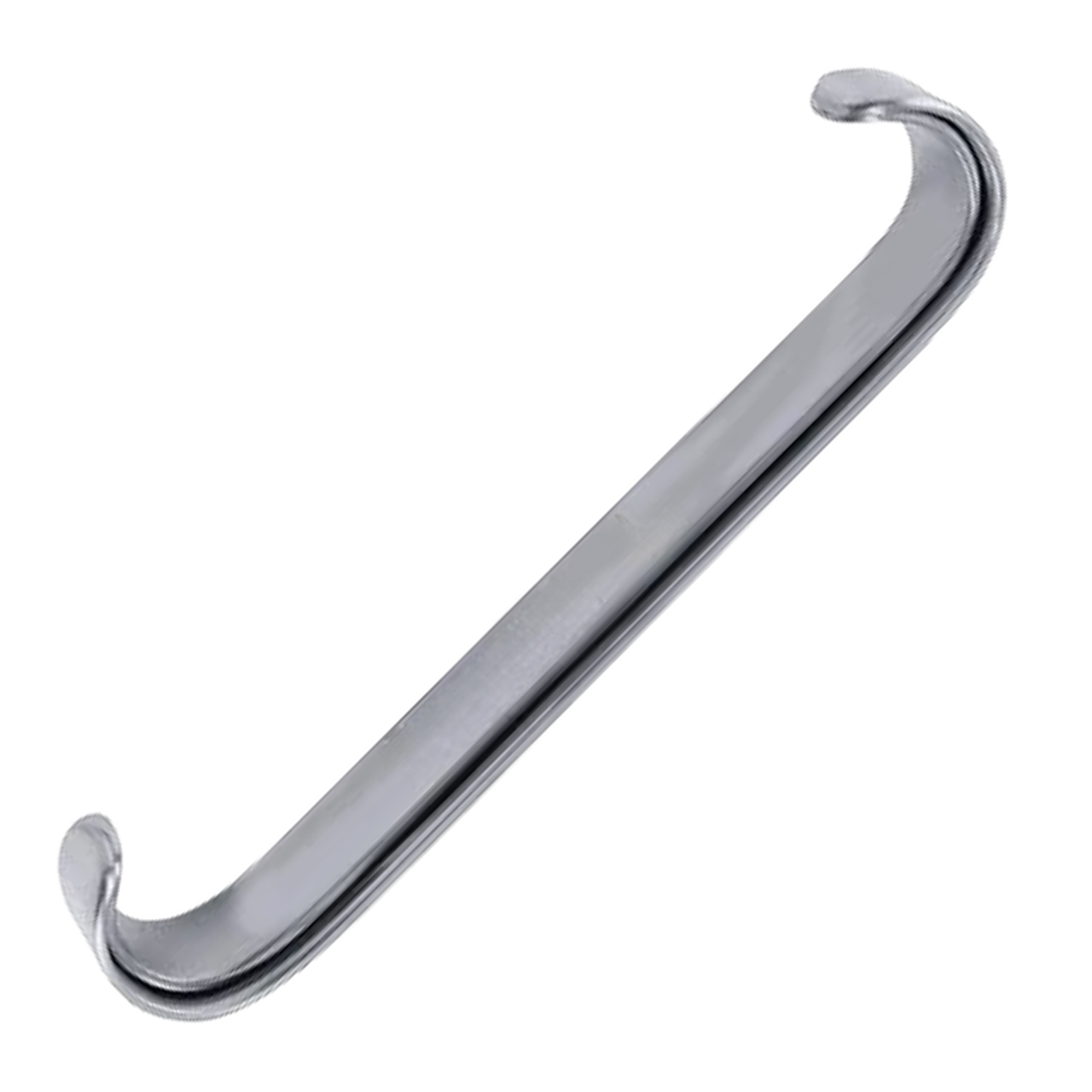 | Parker Retractor- Set Of Two (2本セット) | 小手術および一般外科手術において、皮膚縁、筋膜、および浅層筋肉層を牽引するために特別に設計されています。 |
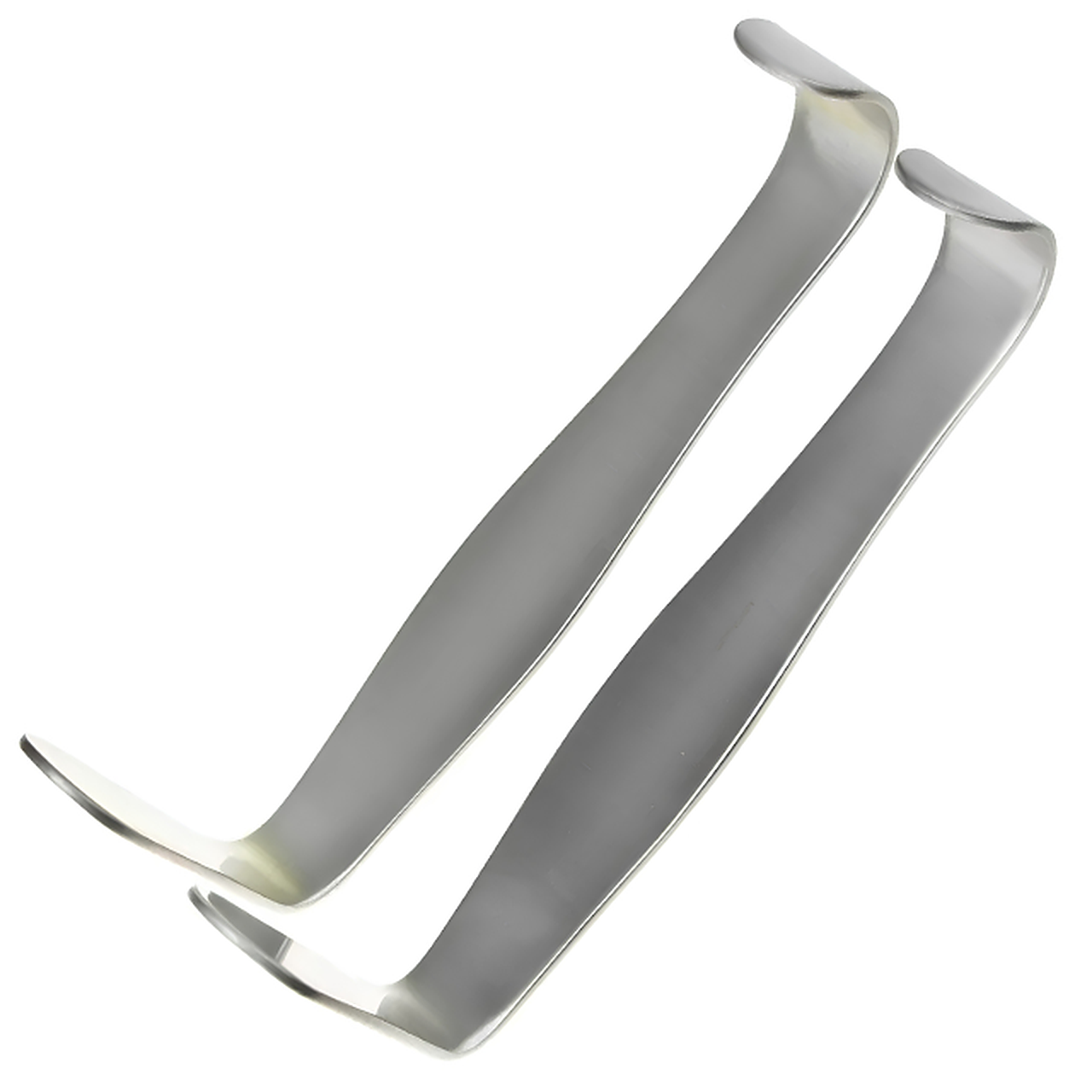 | Parker-Mott Retractor-Set of Two | 浅層および中間層の切開部における皮膚、筋膜、軟部組織の牽引に特化して設計されています。 |
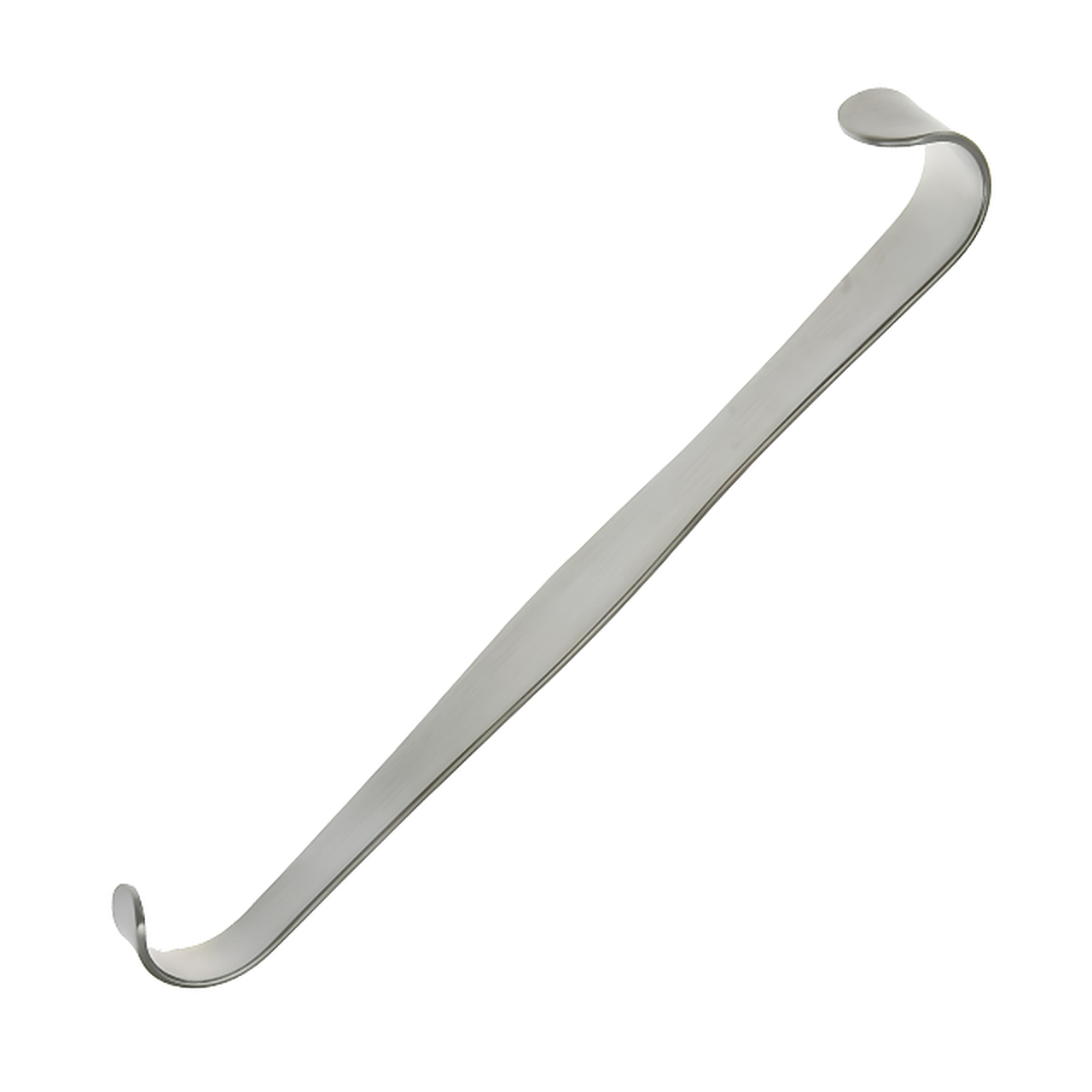 | Parker-Tommy Retractor | 浅層および中間層の切開部における皮膚縁、筋膜、および軟部組織の牽引用に特別に設計されています。 |
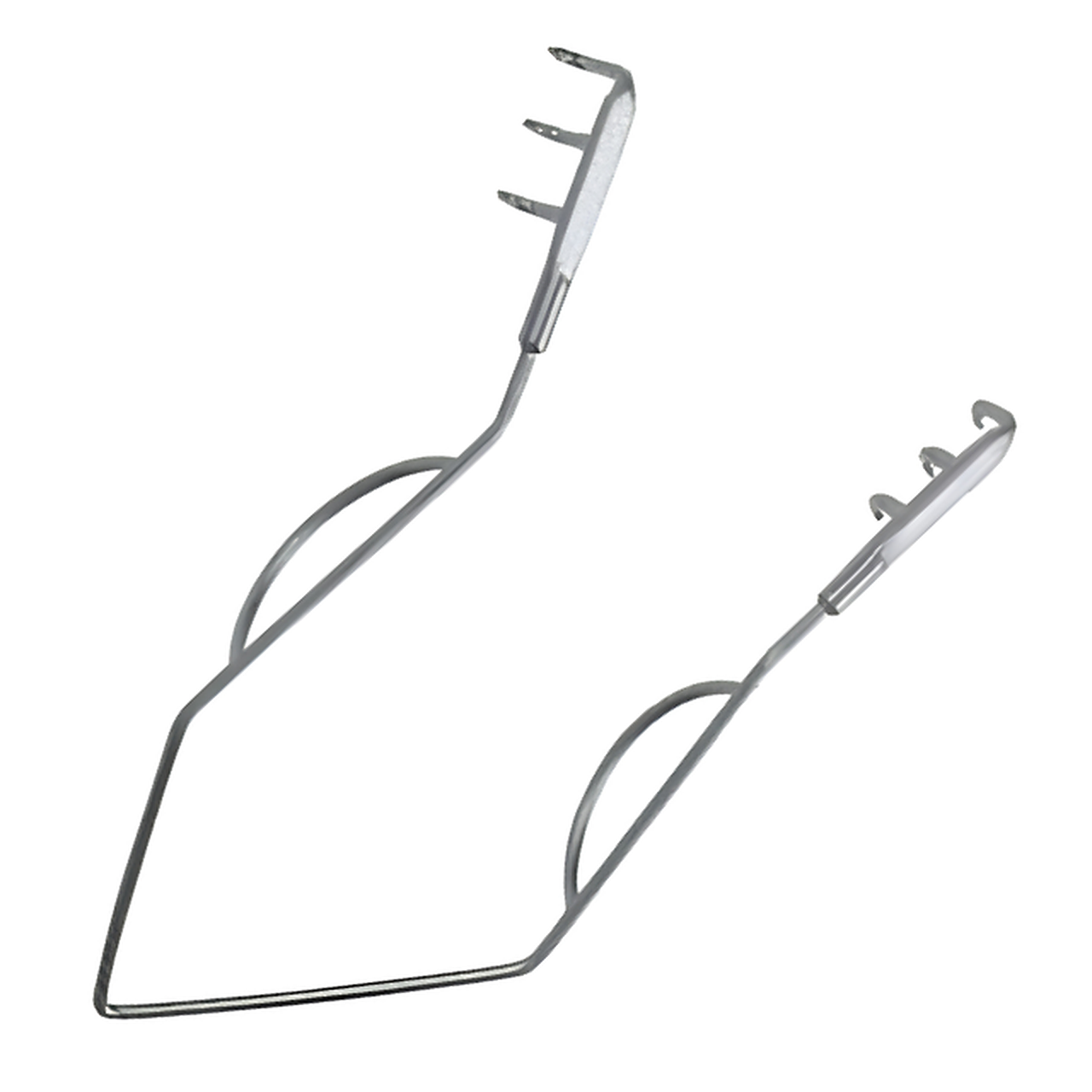 | Parsonnet 心外膜開創器 | バイパス移植術において、心外膜脂肪および心筋を牽引し冠動脈を隔離するために特別に設計されています。 |
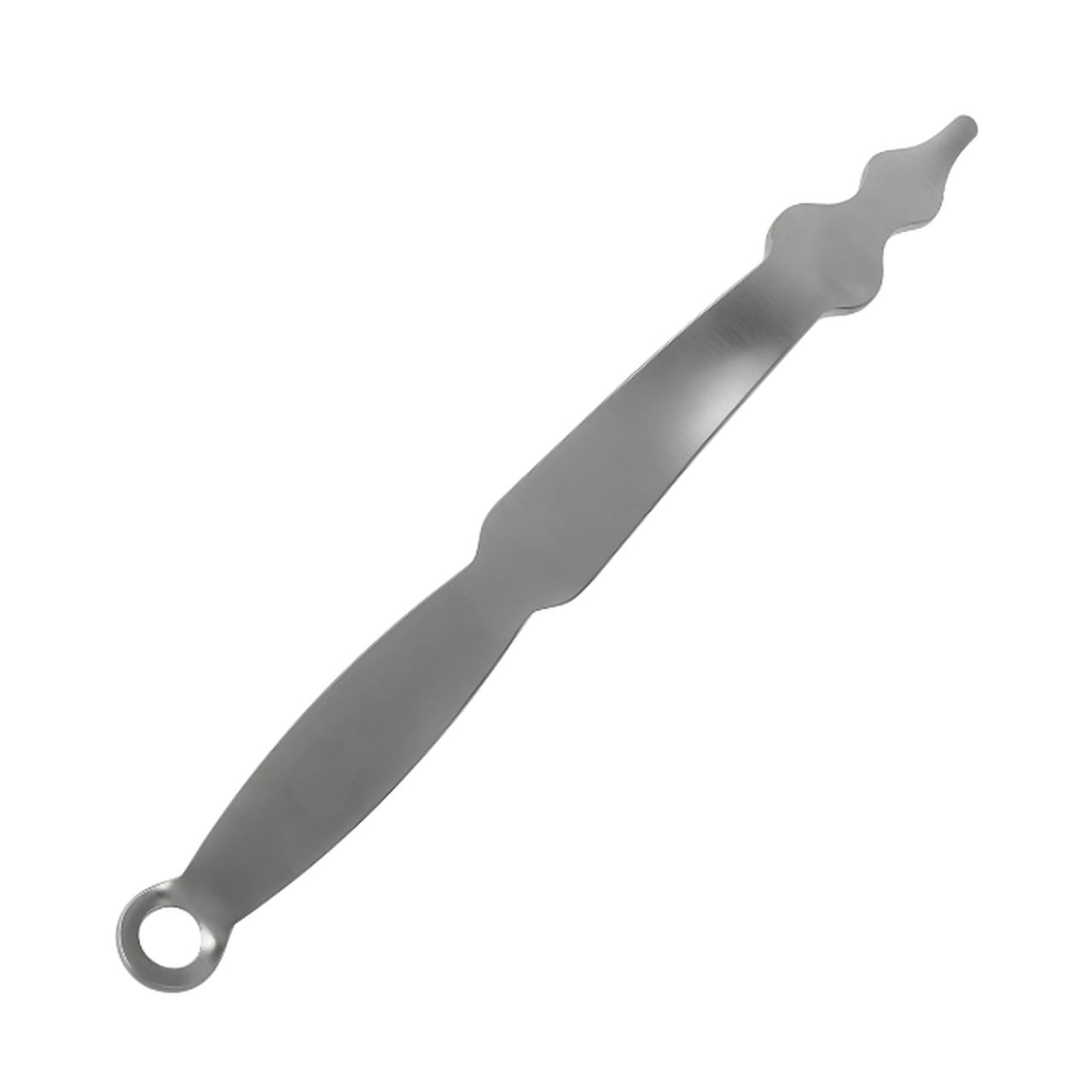 | パテラレトラクター (膝蓋骨開創器) | 膝関節置換術における膝蓋骨および膝蓋腱の挙上、翻転、牽引専用。 |
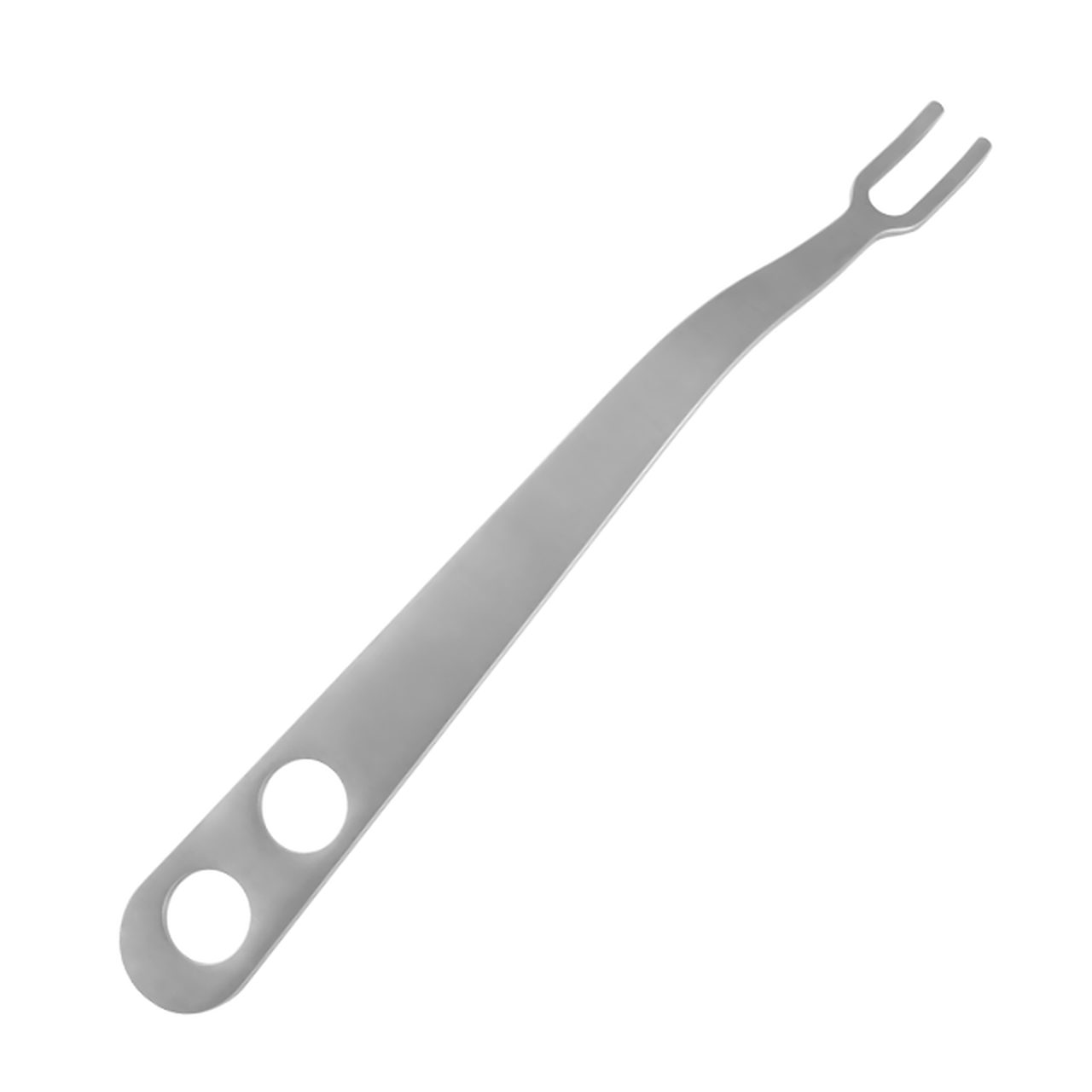 | PCLレトラクター | 膝関節置換術において、PCLの牽引、脛骨の前方変位、および後方血管の保護を行うために特化して設計されています。 |
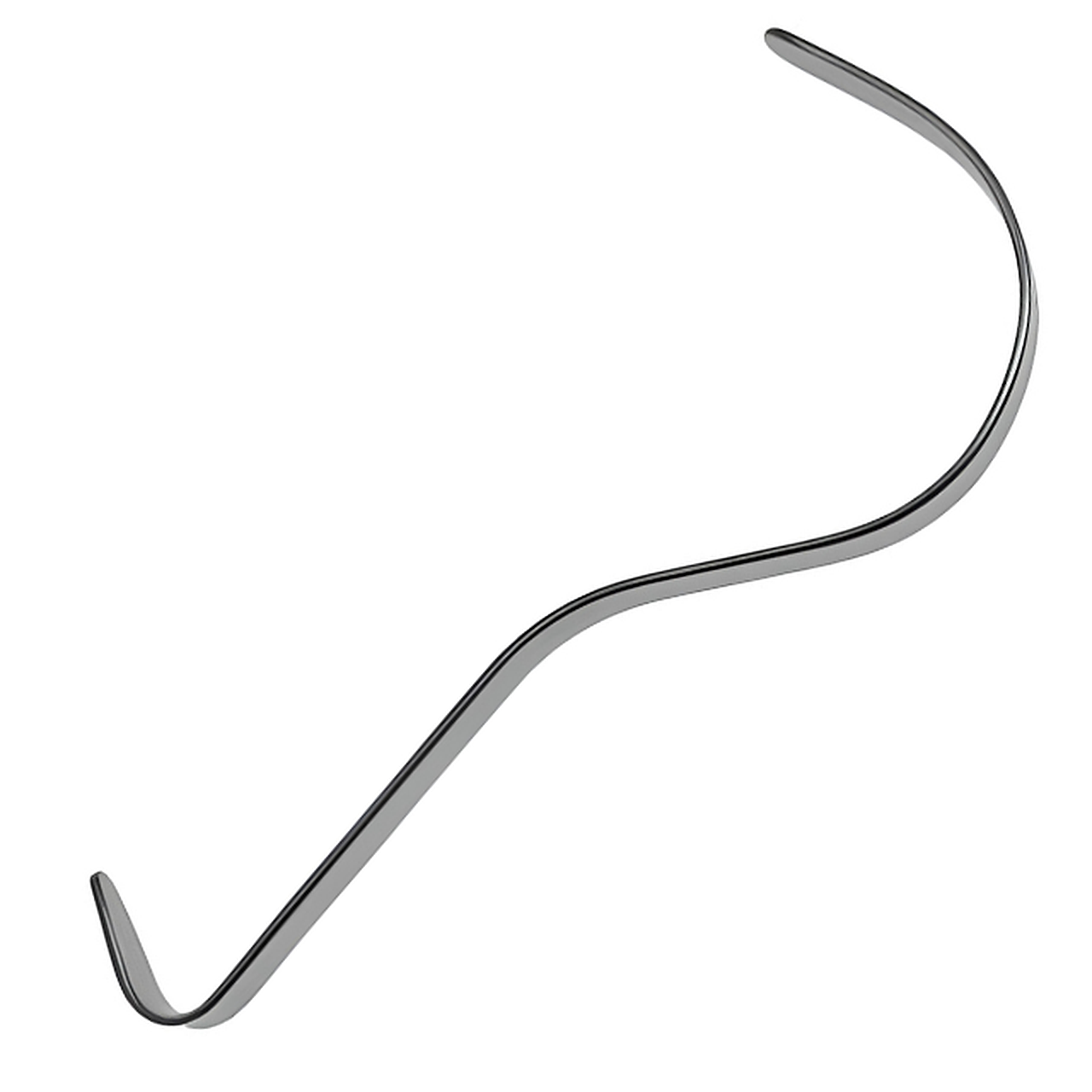 | 小児用 Deaver 鉤 | 小児および新生児の手術において、内臓器官や腹壁を圧排するために設計されています。 |
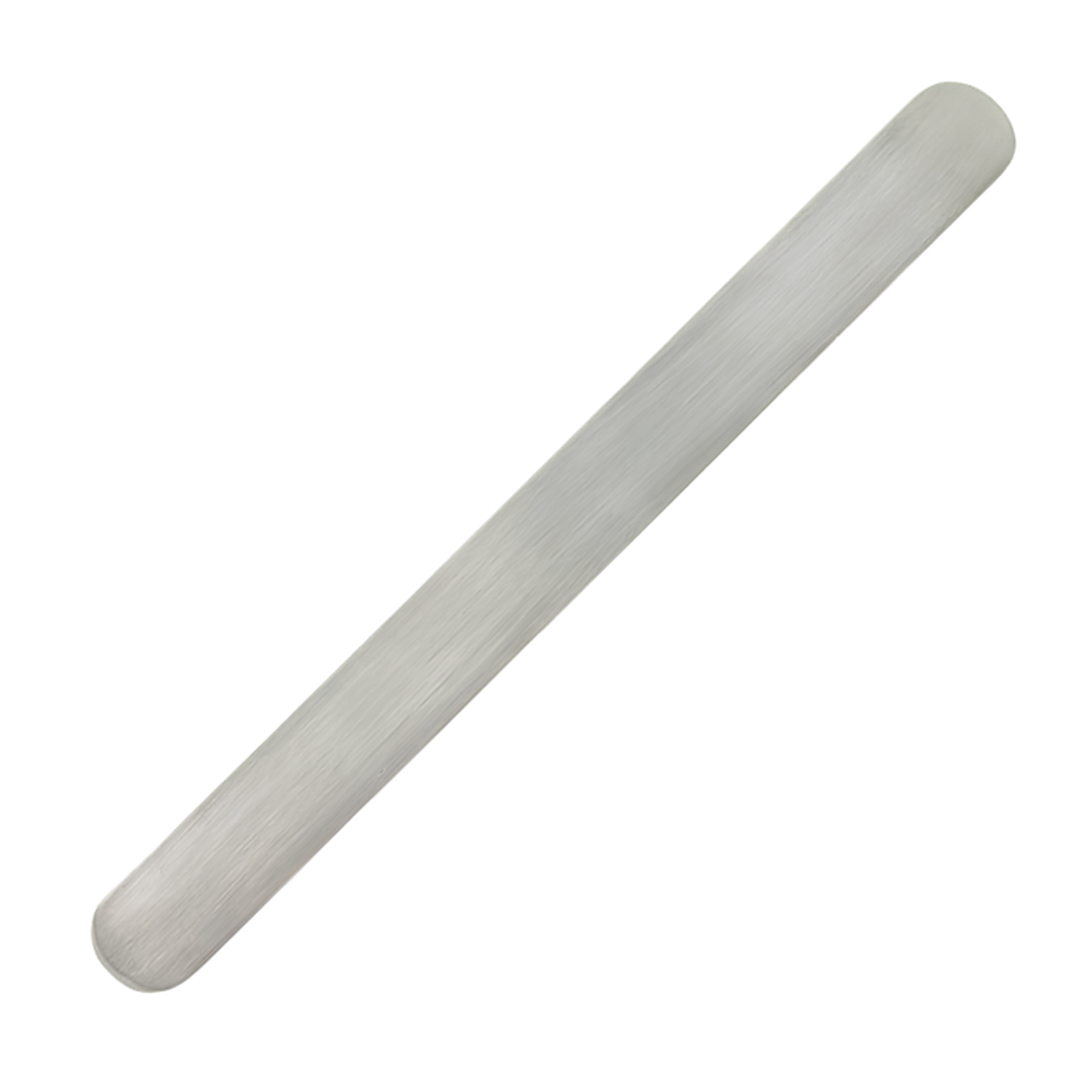 | 小児用リボン開創器 | 小児外科手術において、内臓、腸管、および組織を牽引するために、カスタム形状に曲げて使用することを目的として設計されています。 |
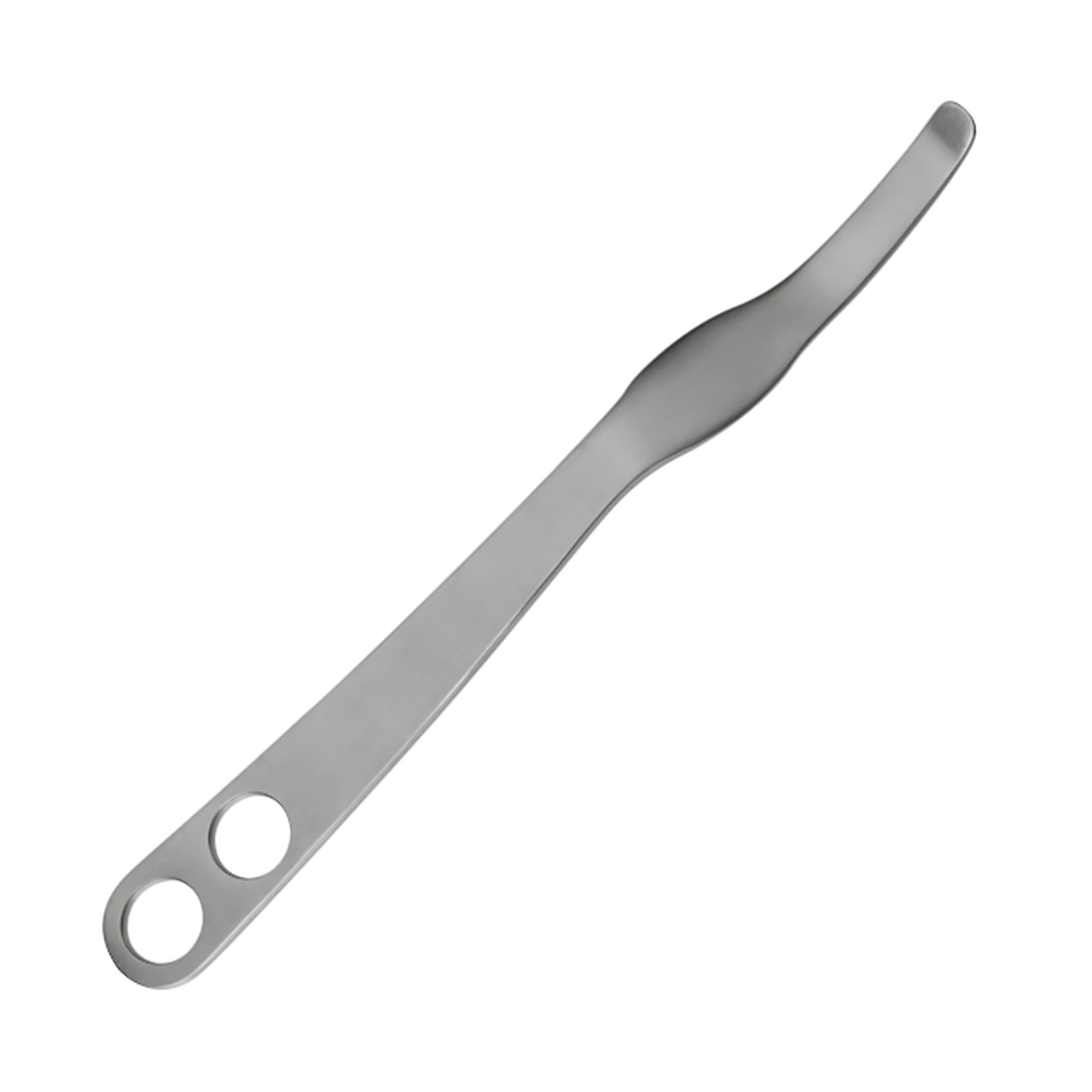 | 骨盤開創器 鈍形 | 深部骨盤および腹部手術における骨盤内臓器、膀胱、および軟部組織の開創に特化。 |
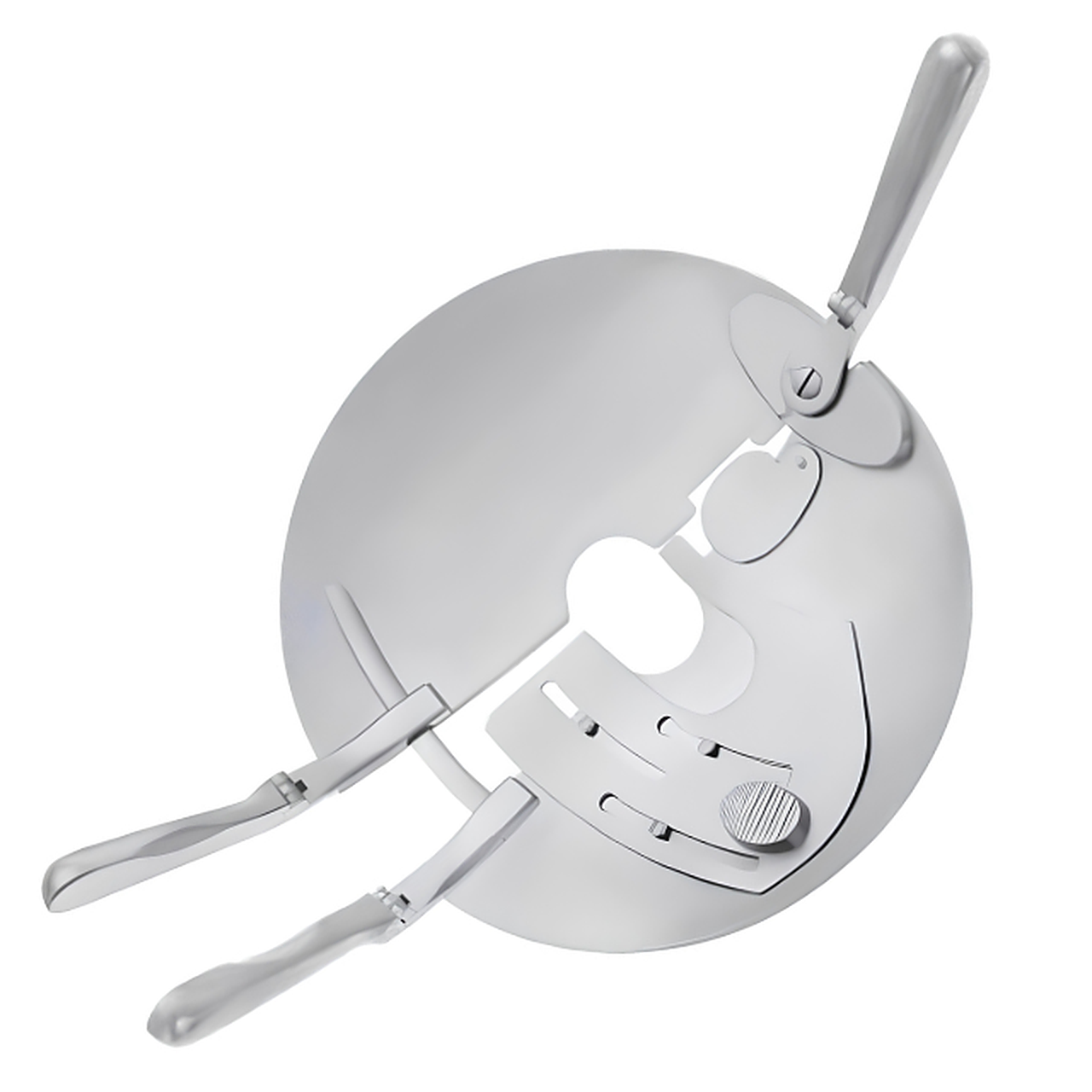 | PERCY AMPUTATION RETRACTOR | 四肢切断術における骨切断時の筋肉層の牽引および軟部組織の保護。 |
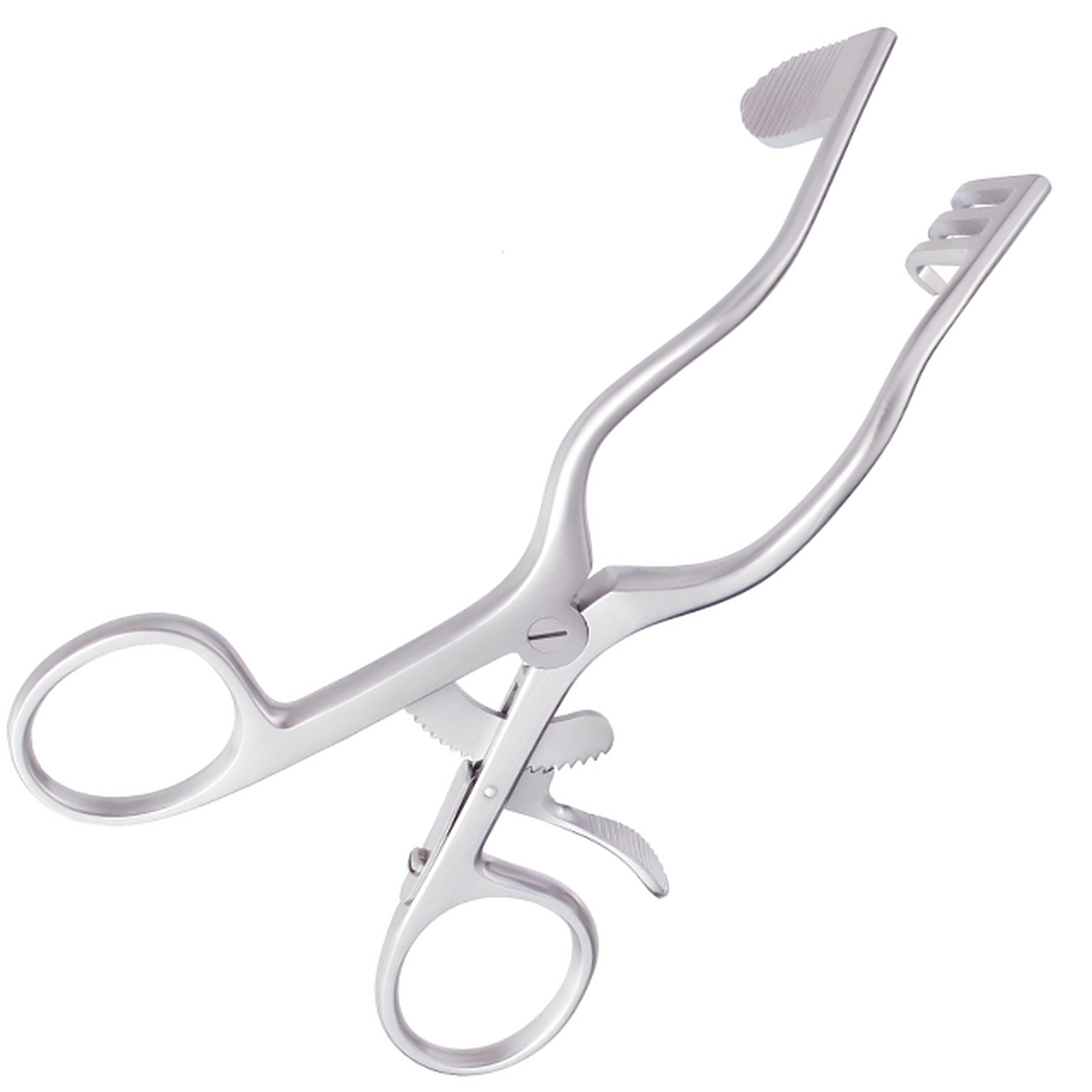 | Perkins 自動開創器 | 血管外科、脳神経外科、整形外科における軟部組織の自動固定式開創に特化して設計されています。 |
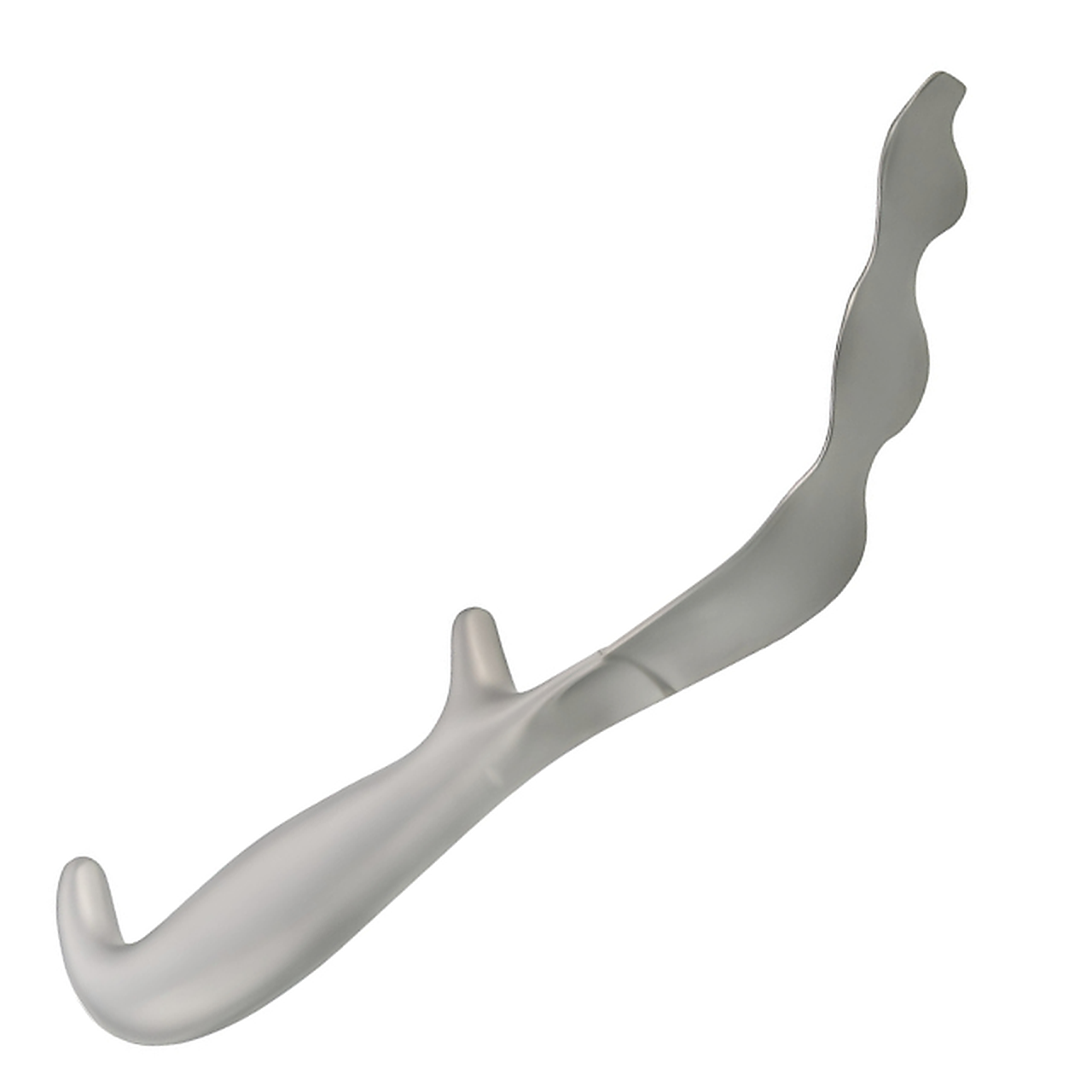 | Petri Pterygoid イントラオーラルレトラクター | Le Fort骨切り術における翼上顎部分離の際、神経血管構造の保護および軟組織の牽引に特化して設計されています。 |
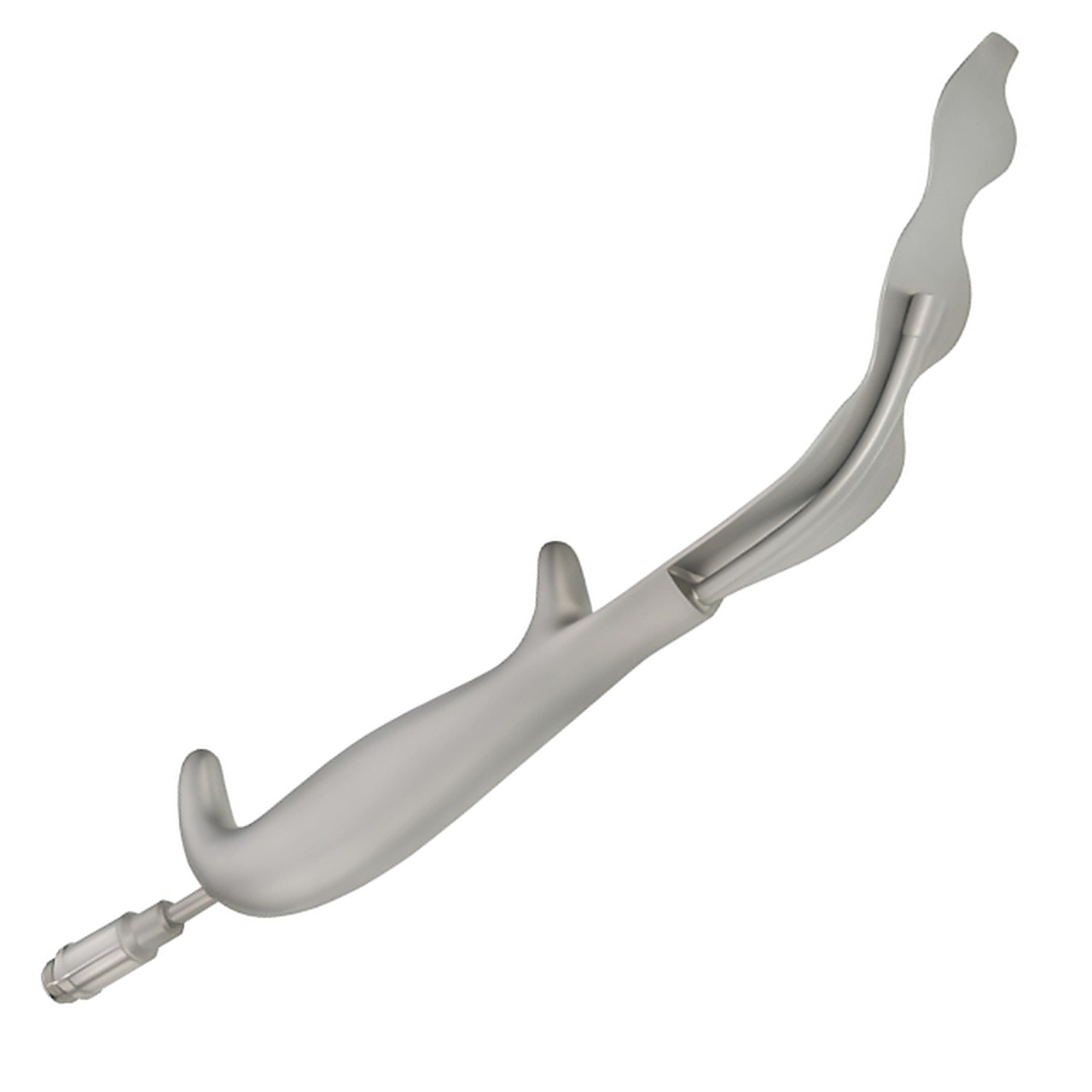 | Petri Pterygoid 翼状突起内視鏡下開口鉤(光ファイバー付) | ルフォー骨切り術中の照明付き軟部組織牽引および神経血管保護のために特別に設計されています。 |
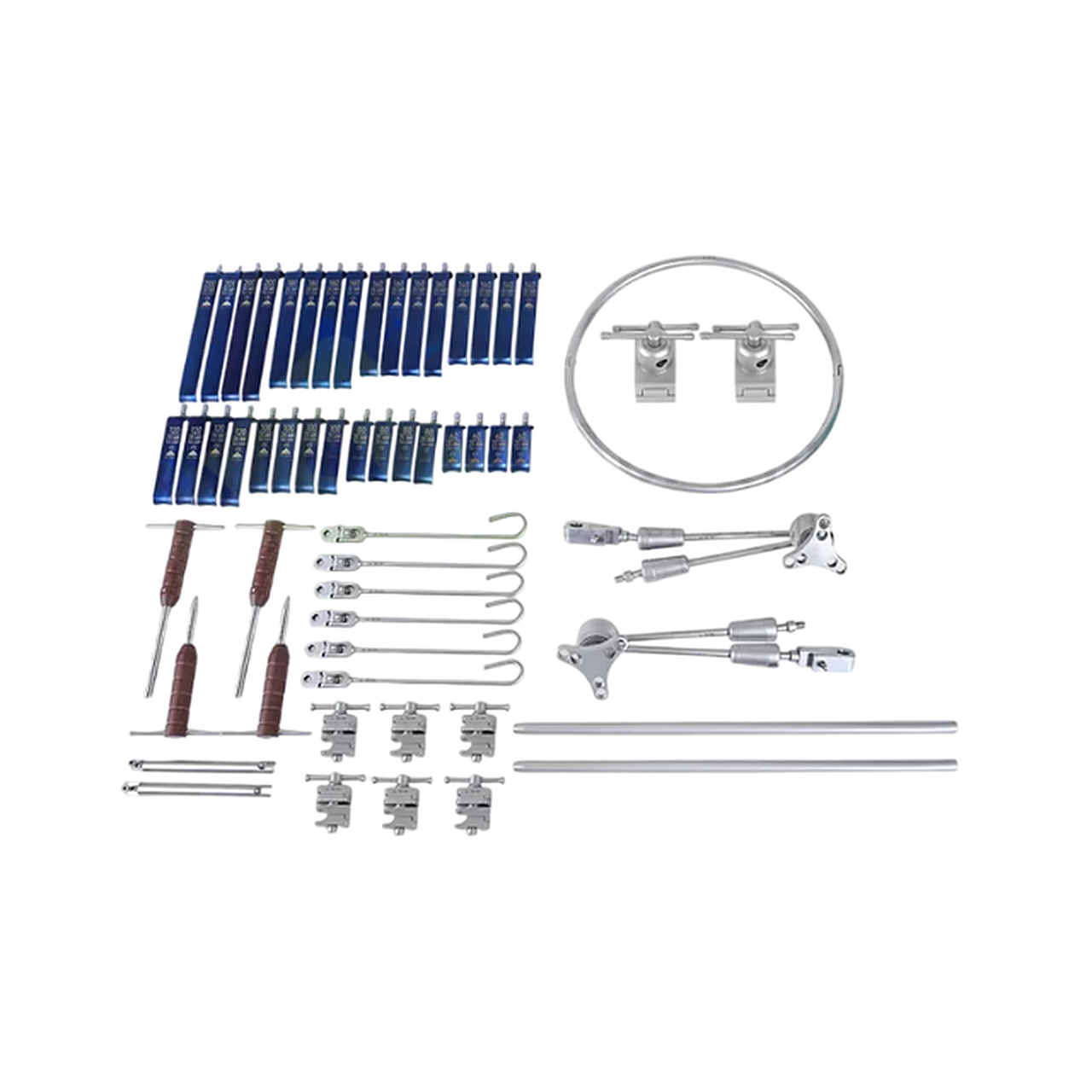 | Phantom AL 前方腰椎手術アクセスシステム | 前方アプローチによる腰椎手術において、安定したハンズフリーの手術アクセスと制御された軟部組織の牽引を提供するために特別に設計されています。 |
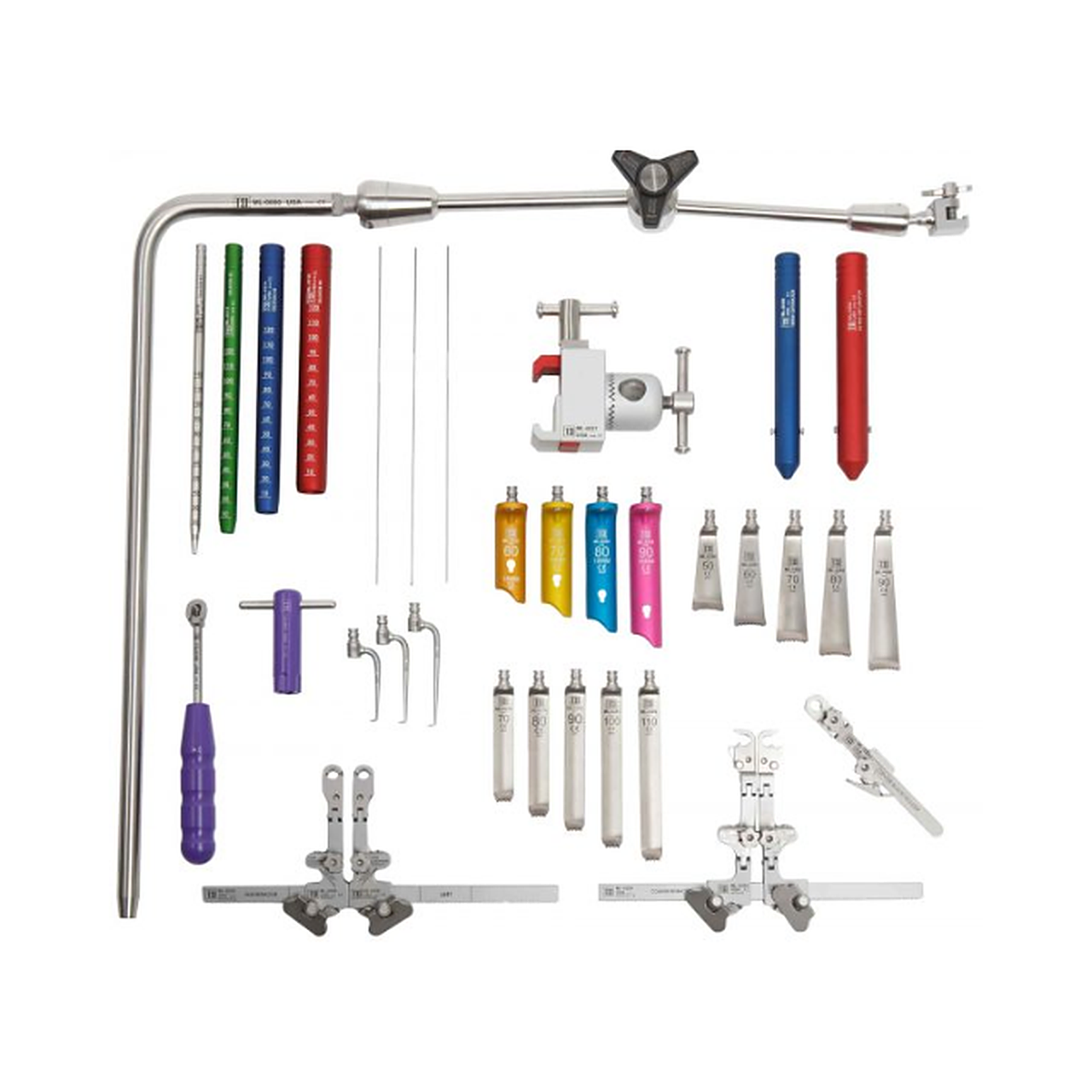 | Phantom ML MIS 腰椎手術アクセスシステム | 低侵襲腰椎手術のアクセス、制御された組織牽引、および後方脊椎処置中の術野への直接照明用に特別に設計されています。 |
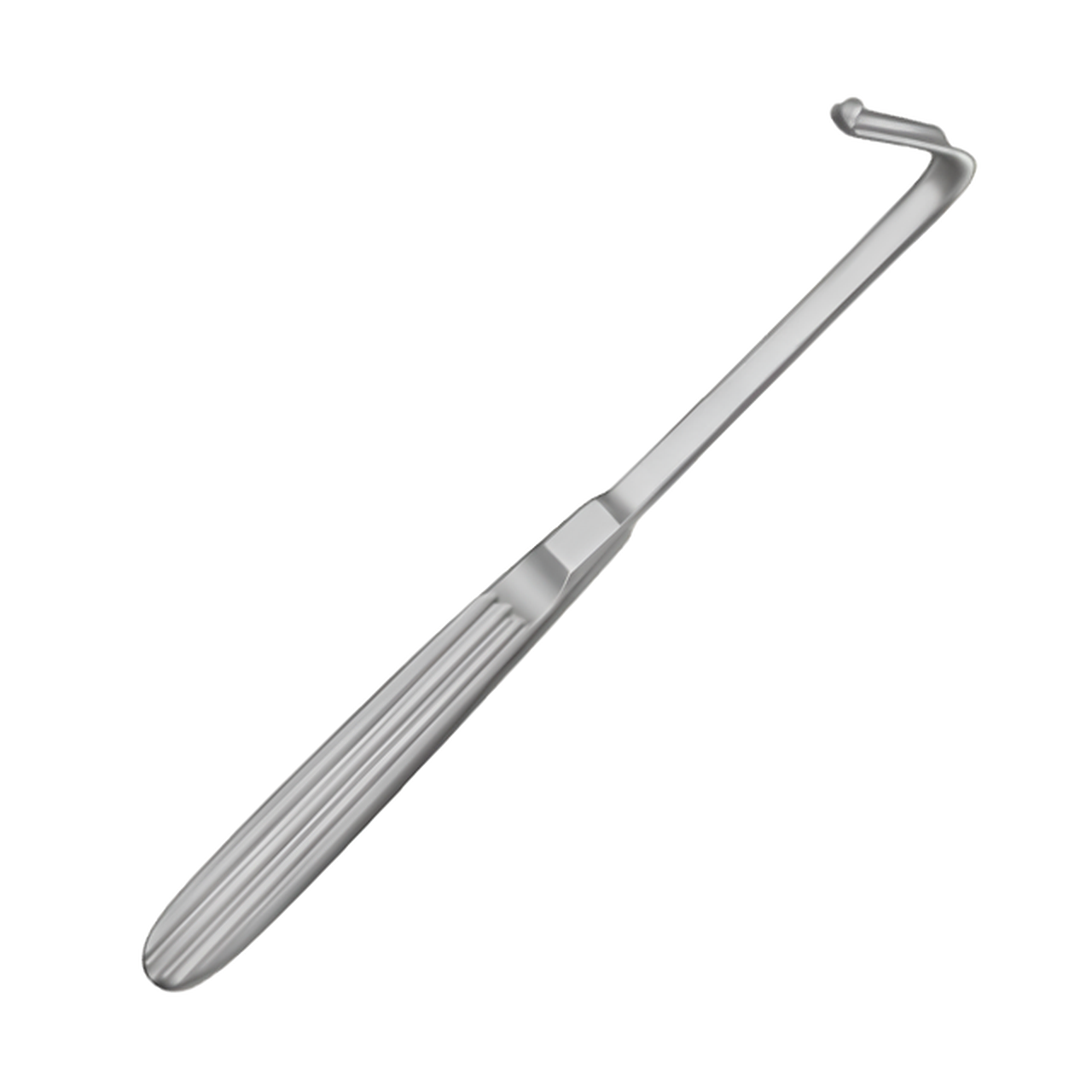 | ピリフォーム・リム・リトラクター(梨状口縁開創器) | Piriform Rim Retractorは、ル・フォー骨切り術や外鼻形成術において、梨状口縁に確実に引っ掛けるように設計された全長17 cmの口腔顎顔面外科用器具です。ドイツ製ステンレス鋼から手作業で製作され、解剖学的に湾曲したビークブレードと人間工学に基づいたハンドルを備えており、鼻粘膜を保護しながら上唇を安全に挙上します。 |
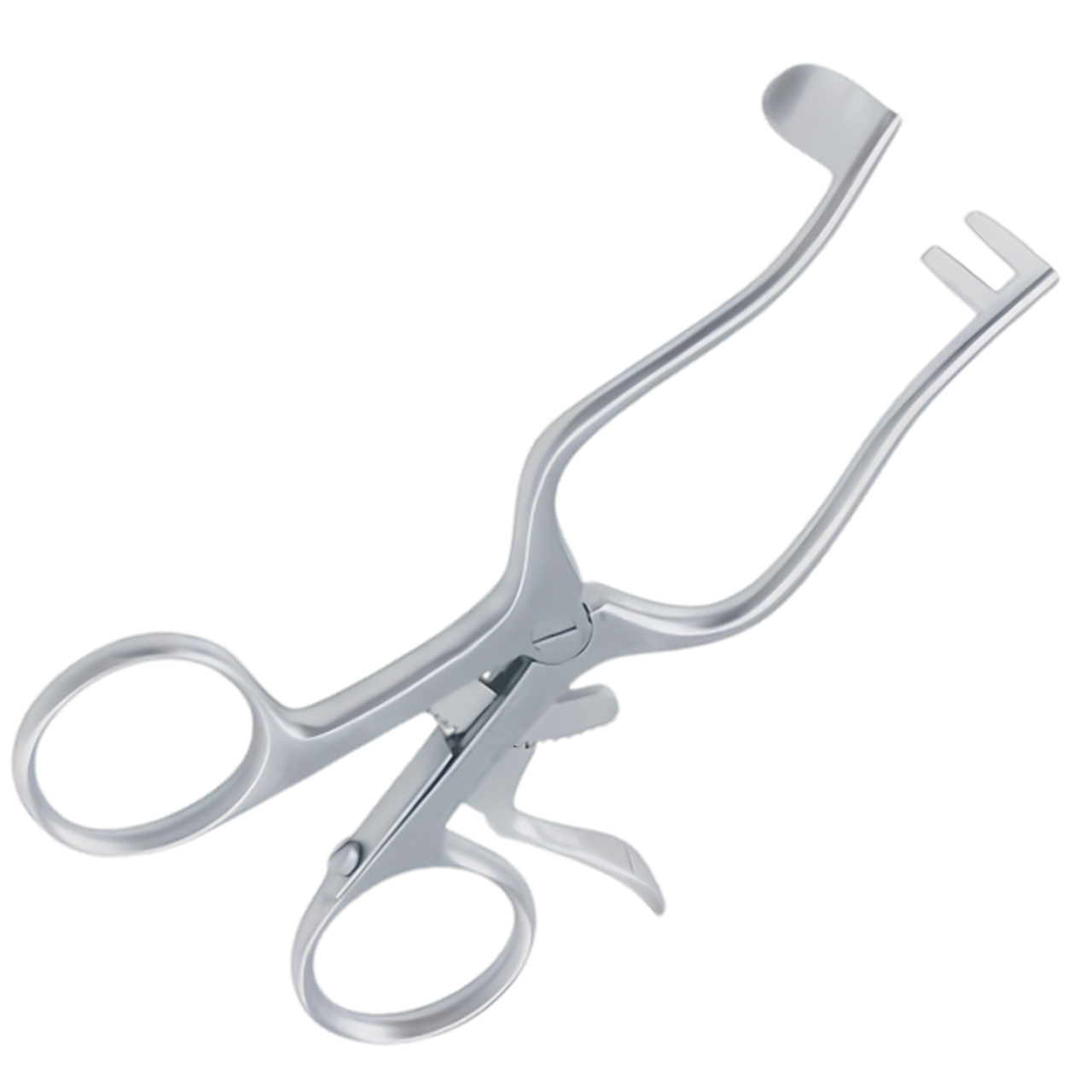 | Plester Self Retaining Retractor | 乳突部、耳部、および頭蓋手術において、骨膜および軟部組織を自動固定して牽引するために設計されています。 |
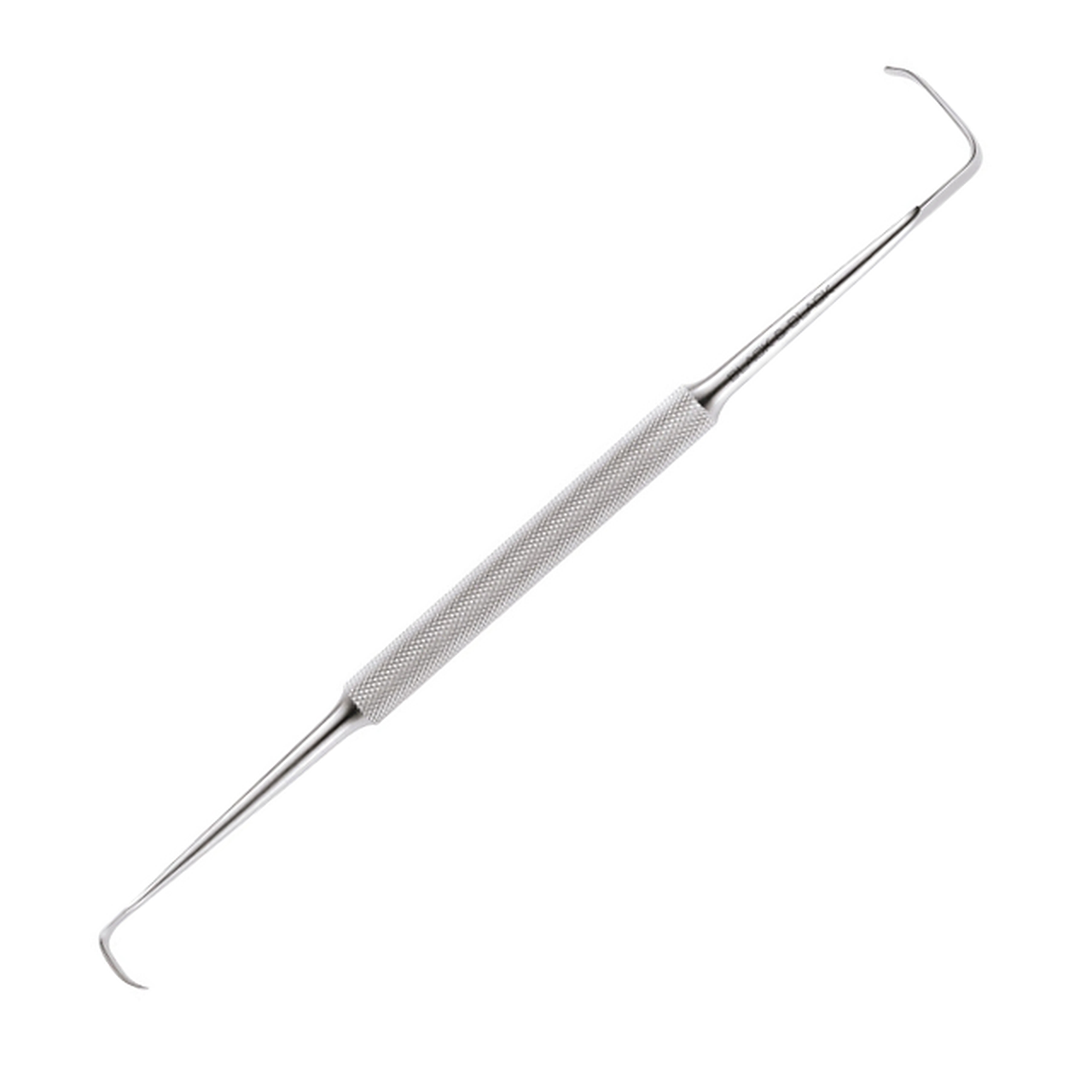 | Ragnell-Davis 双頭開創器 | Ragnell-Davis 双頭開創器は、形成外科、手外科、顔面外科における繊細な皮膚および軟部組織の牽引のために設計された手術器具です。ドイツ製ステンレス鋼を使用し、15 cm、15.5 cm、16 cmの全長($49)に、フラットまたはラウンドハンドルの3種類のブレードコンビネーションを展開。非外傷性の組織変位を実現します。 |
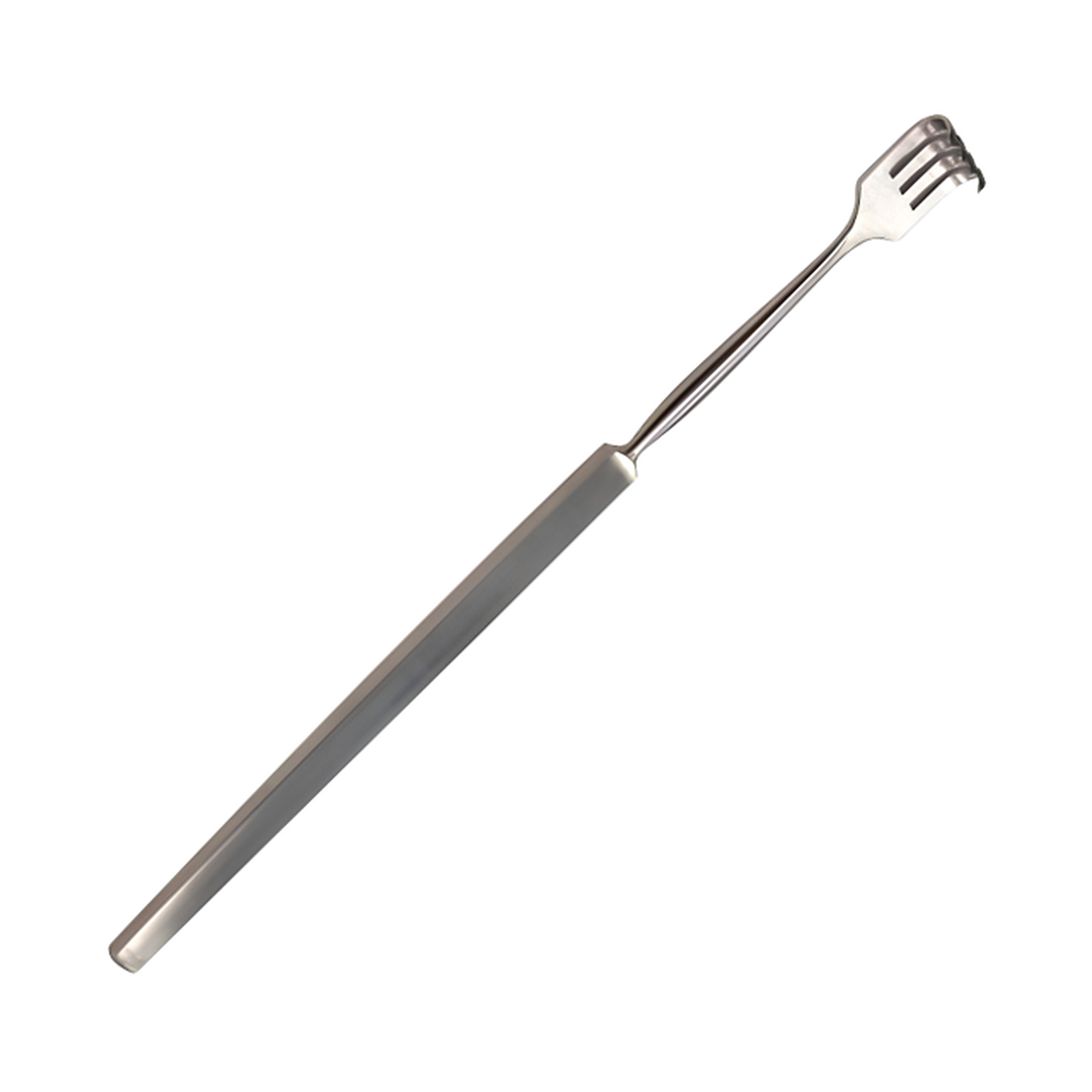 | Rake Finger Retractor (レイク・フィンガー開創器) | 手外科、形成外科、および小外科手術における皮弁、皮膚縁、および腱の牽引。 |
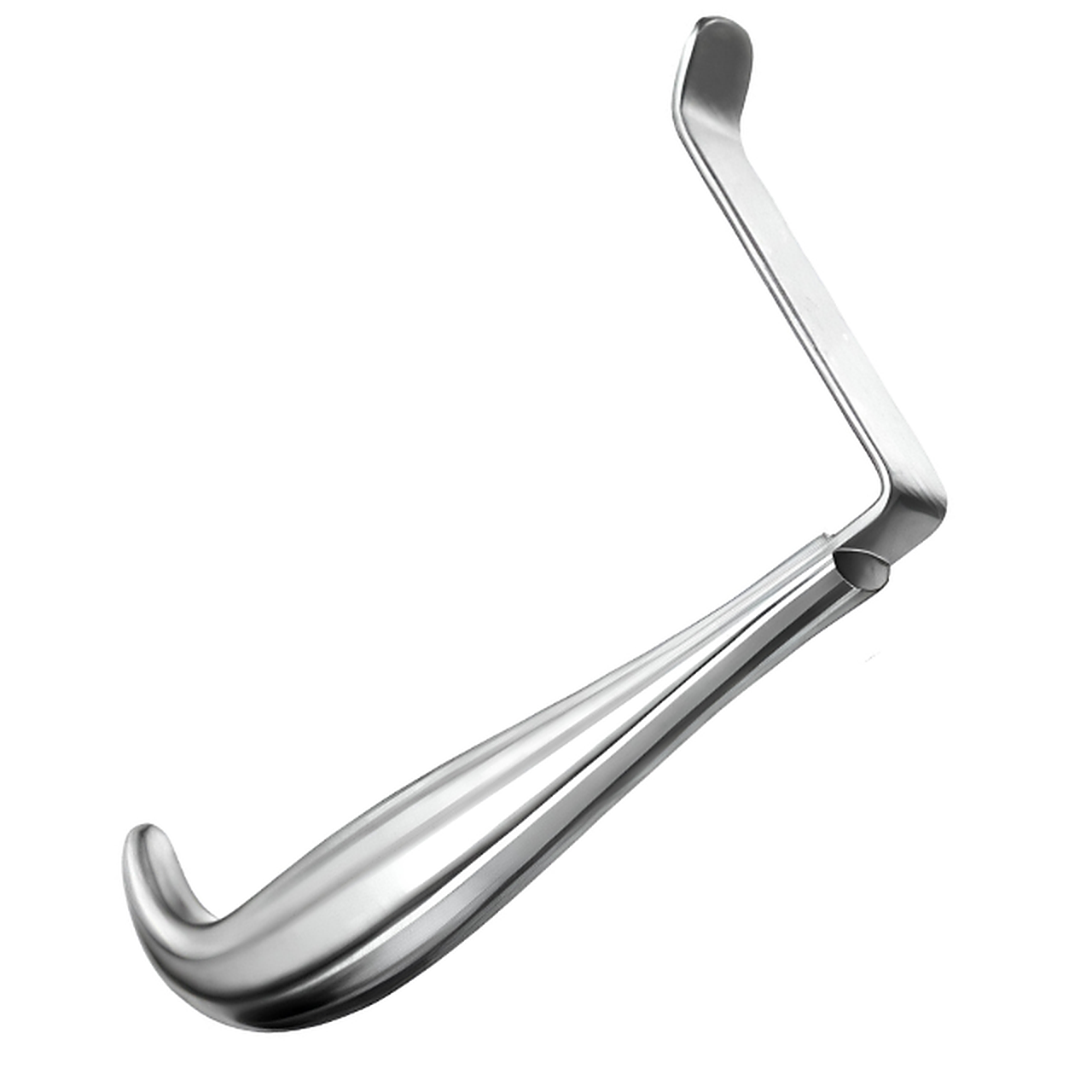 | 下顎枝レトラクター | 顎矯正手術において、翼突下顎筋スリングを圧排し、下顎枝を露出させるために特別に設計されています。 |
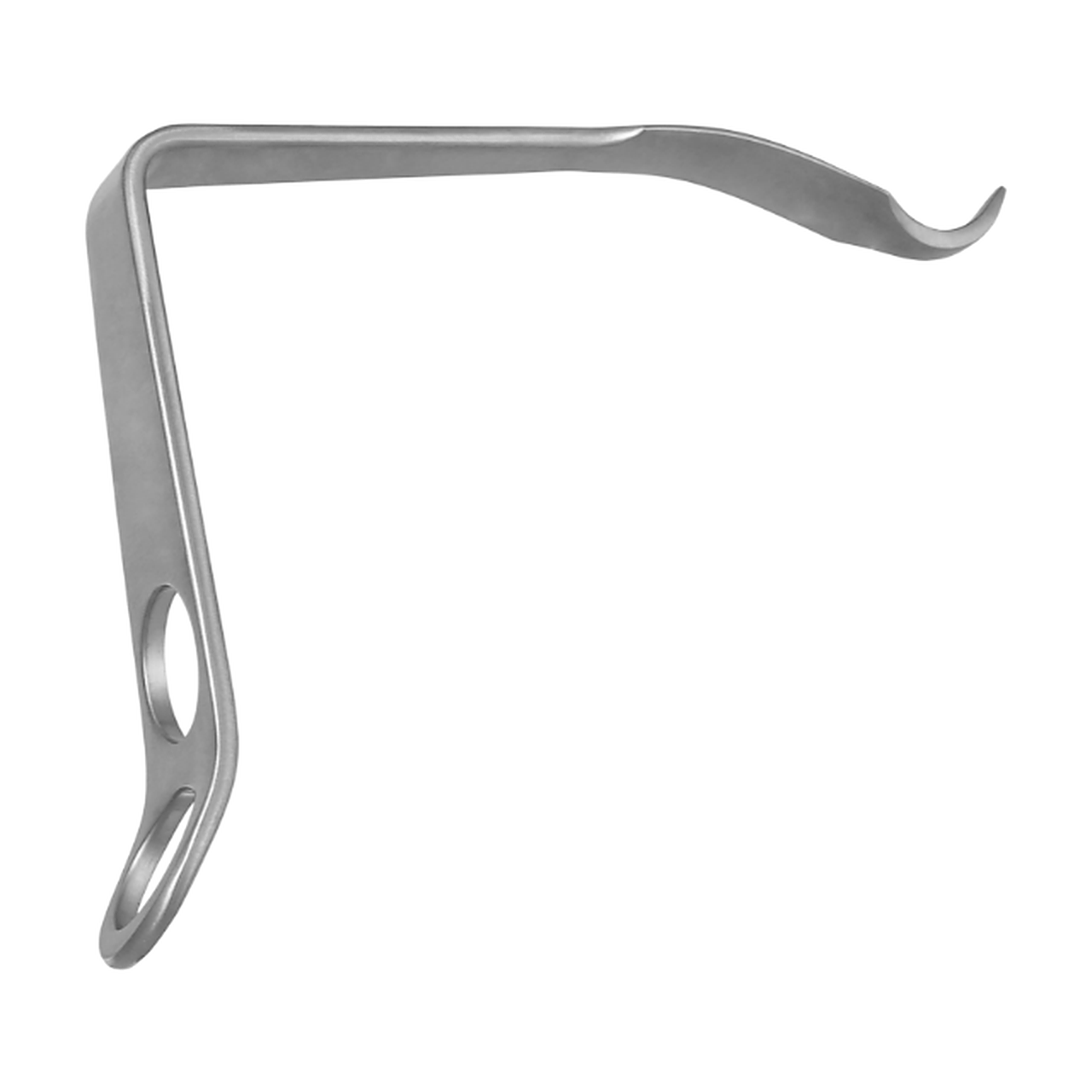 | Ranawat Knee Retractor(ラナワット膝レトラクター) | Ranawat Knee Retractorは、人工膝関節全置換術における側副靭帯および関節包の術野展開用に設計された9 ½″ (24.13 cm)の整形外科用手術器具です。ドイツ製ステンレス鋼から手作業で製造され、17 mm幅 × 34 mm長の90度アングル先端部を備え、鈍的(Blunt)または鋭的(Sharp)のチップ($79)から選択でき、骨に対して優れた滑り止め効果を発揮します。 |
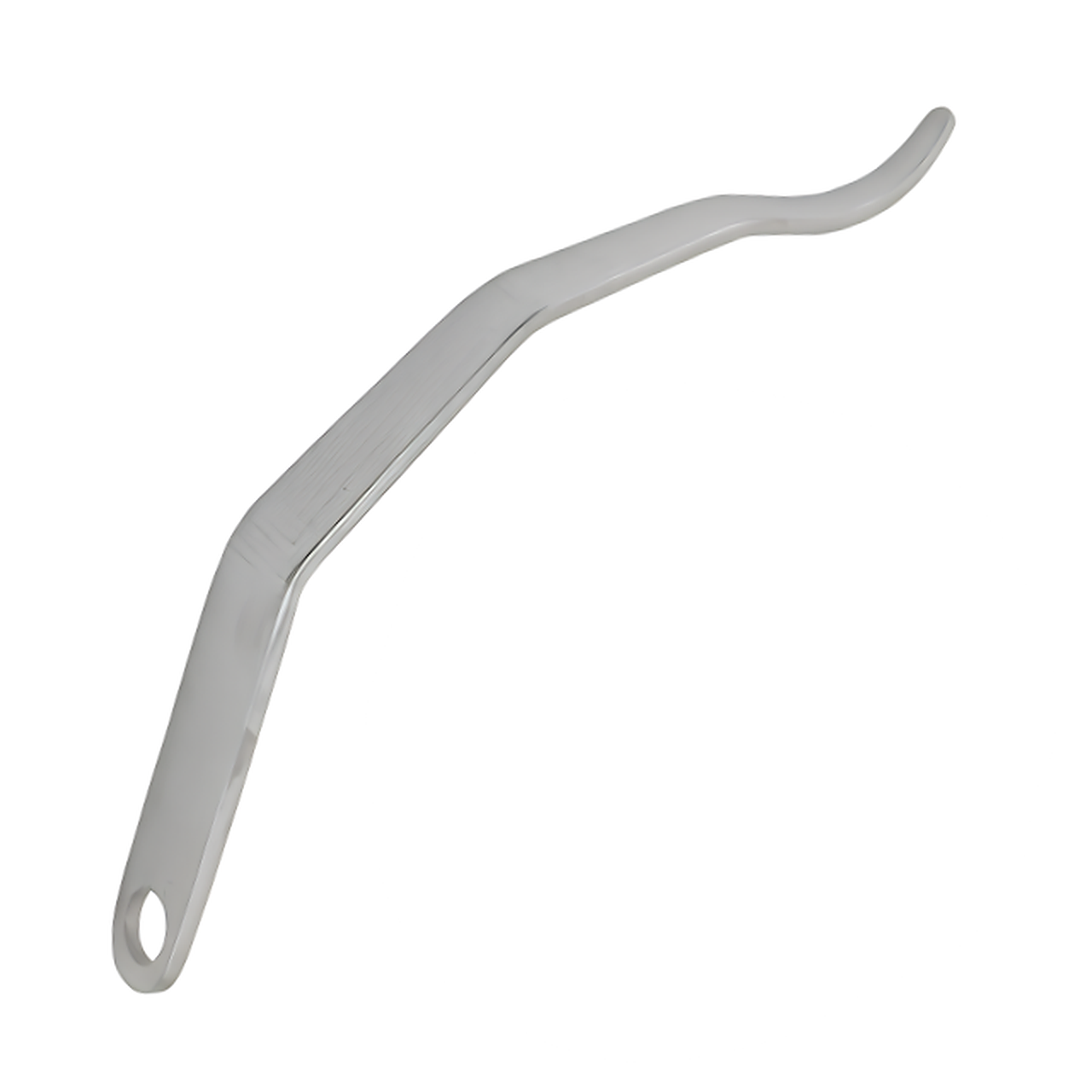 | Redler Retractor | 小手術や形成外科手術において、皮膚縁、筋膜、および繊細な軟部組織を牽引するために特別に設計されています。 |
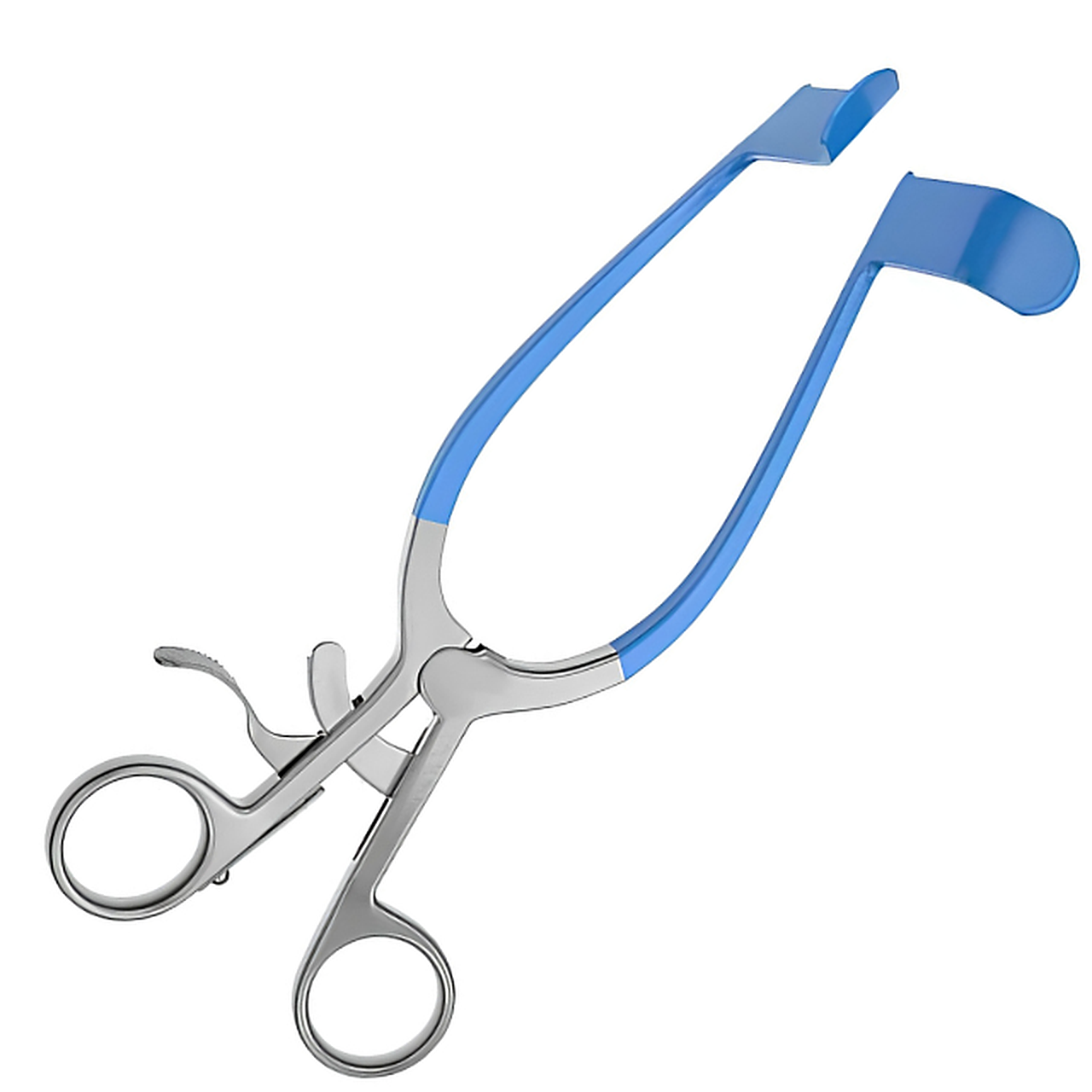 | Redundant Nonconductive Wall Retractor (非導電性膣壁リトラクター) | Redundant Nonconductive Wall Retractorは、電気手術やレーザー処置中に余分な側方膣壁を圧排するために設計された、7″ (17.8 cm) の絶縁型婦人科用器具です。9.0 cm × 2.0 cmのブレードに電気手術に対応した安全なブルーナイロン絶縁層を備え、熱伝達や粘膜損傷を防止します。 |
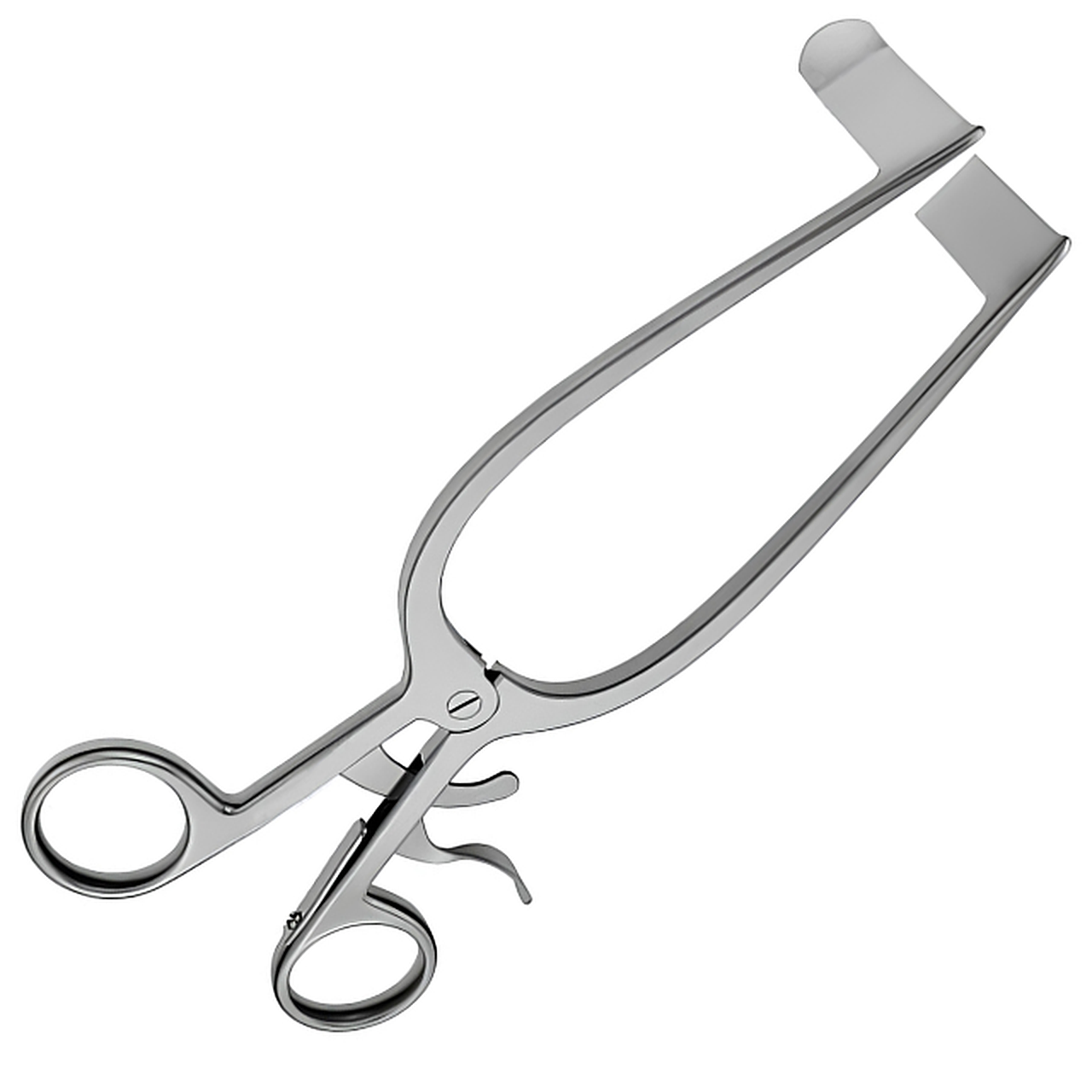 | Redundant Wall Retractor | Redundant Wall Retractorは、内診や手術中に余分な側方膣壁を圧排するために設計された18 cmの婦人科用器具です。ドイツ製ステンレス鋼から手作業で製造されており、幅2 cm、長さ9 cmから12.5 cmのブレードと鏡面仕上げにより、膣壁を広範囲にサポートします。 |
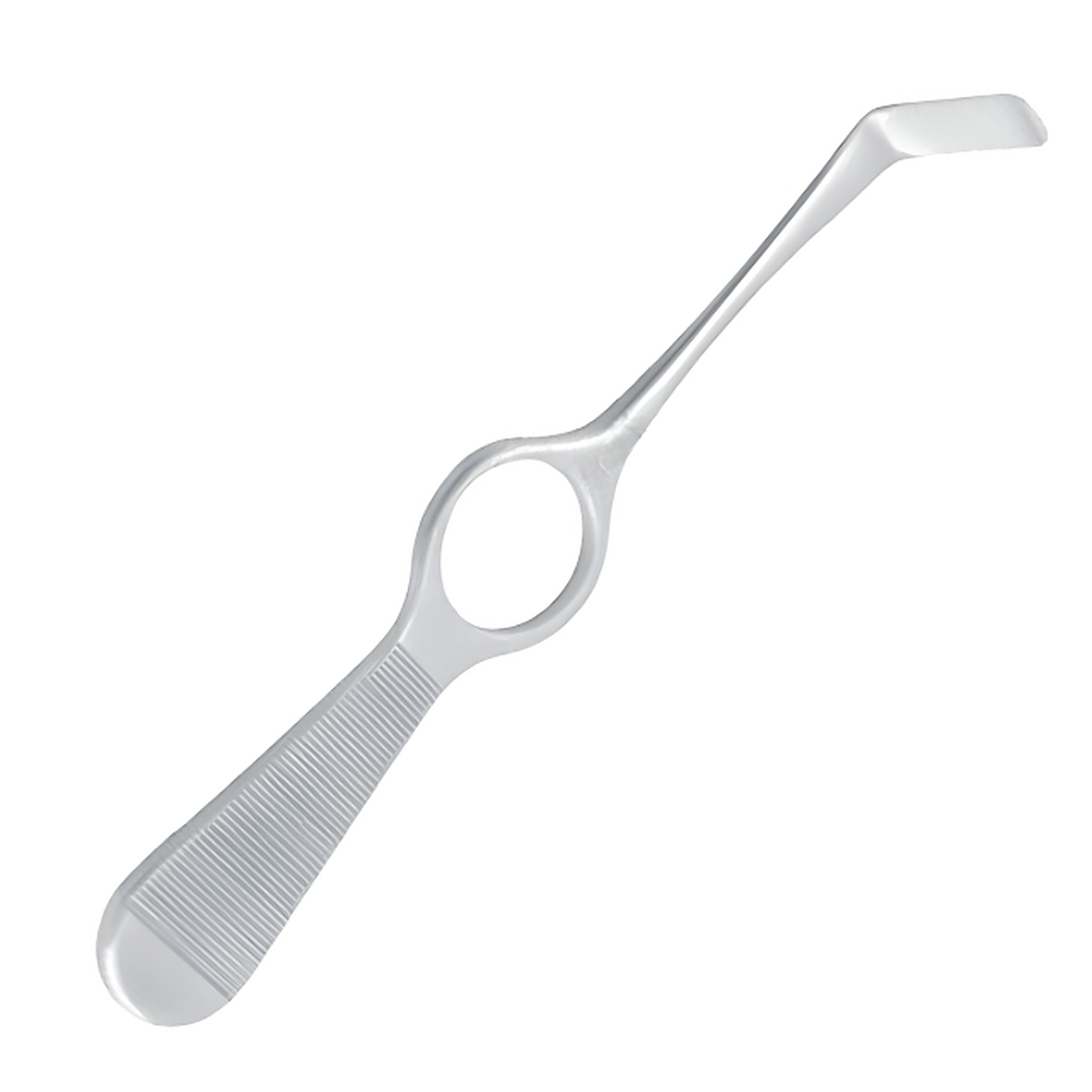 | Reich 下顎頭鉤 | 顎関節手術および下顎枝骨切り術において、下顎頭および頸部に引っ掛けて使用します。 |
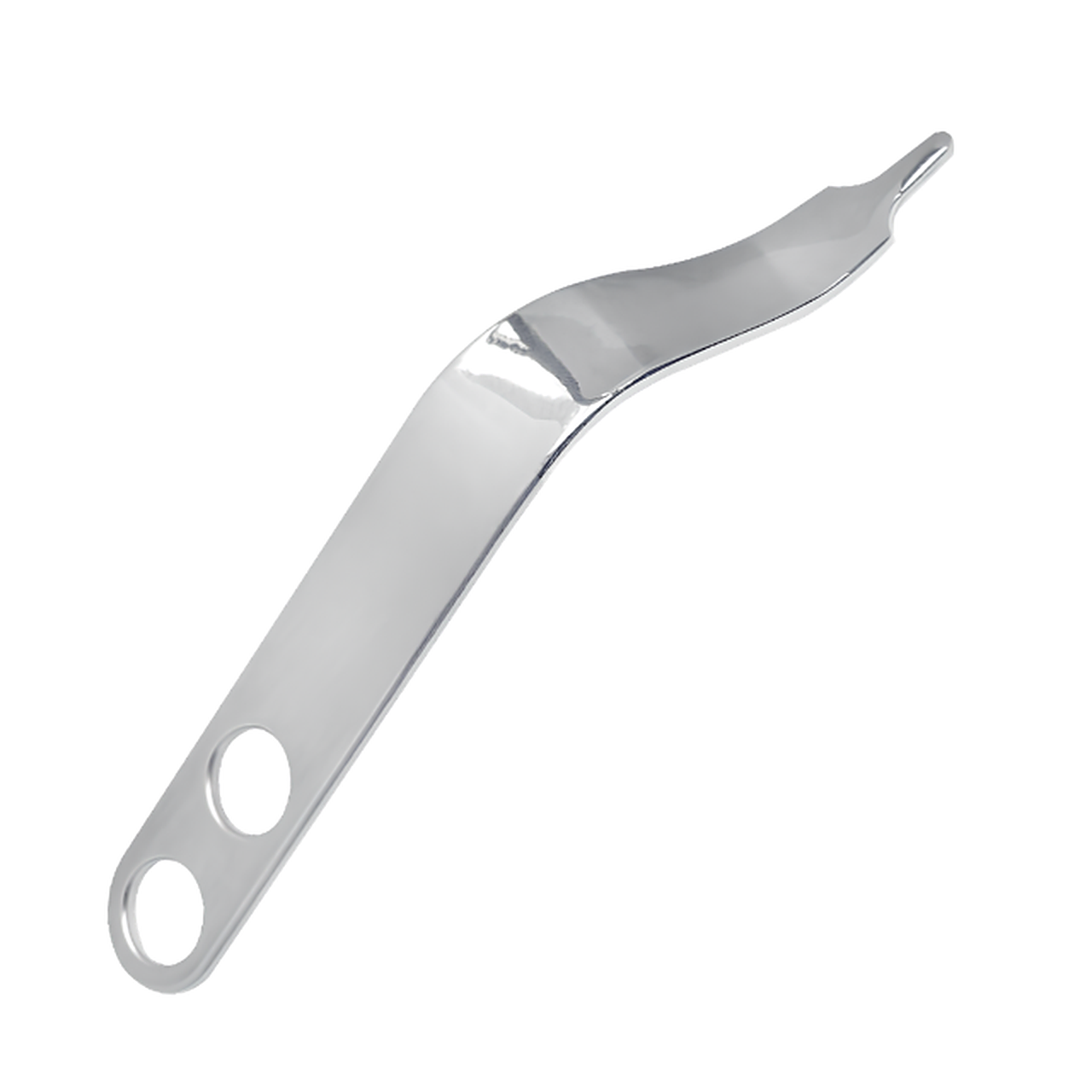 | リバース・ホーマン・レトラクター | 股関節、膝関節、および外傷整形外科手術における骨皮質のレバレッジ(てこ作用)と軟部組織の牽引。 |
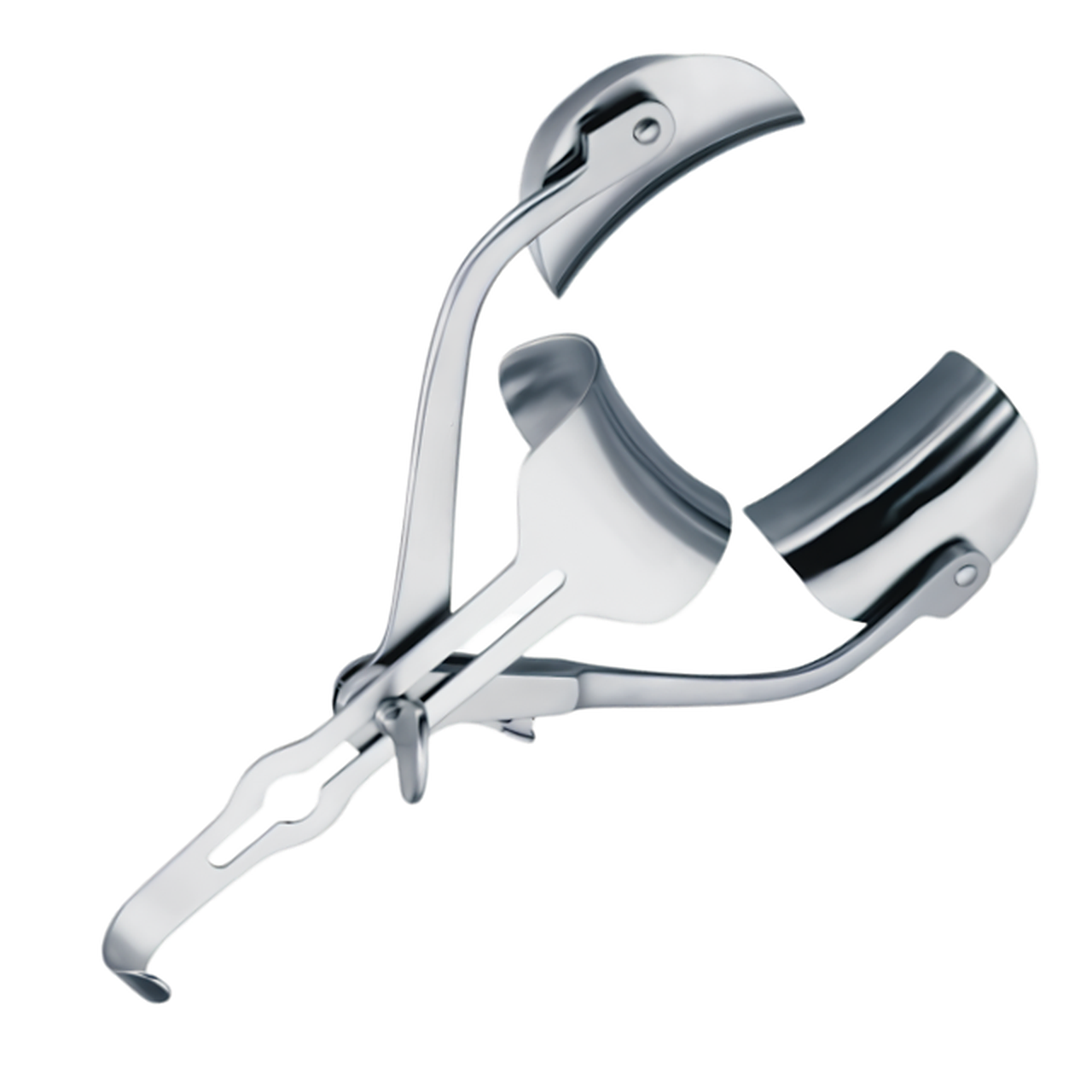 | Ricard 開腹リトラクター | 開腹術において、腹壁および内臓を自動固定式3枚弁で圧排するために特別に設計されています。 |
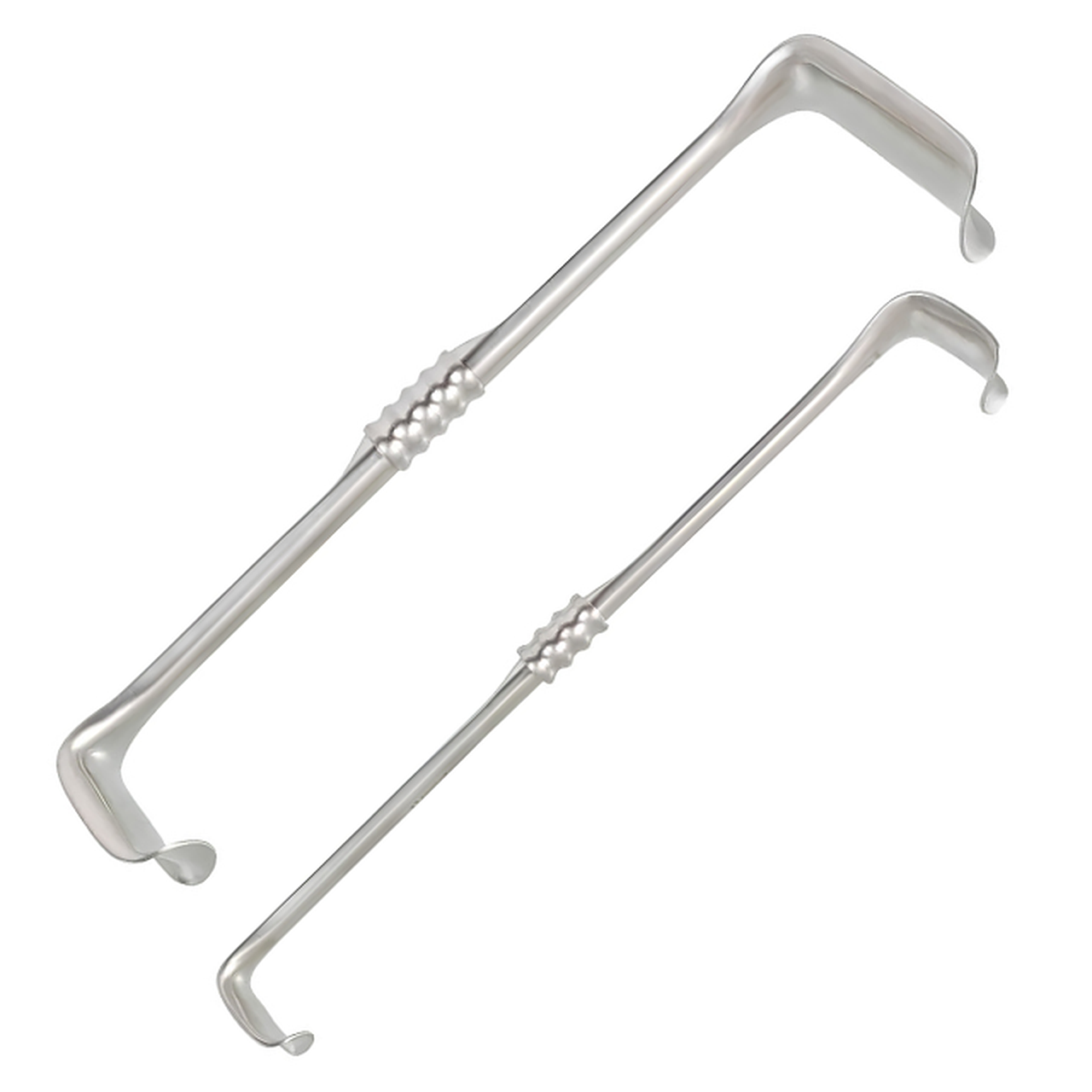 | Richardson Eastman Retractor | 開腹手術において、様々な切開深度にわたる腹壁、筋膜、および内臓を牽引するために特別に設計されています。 |
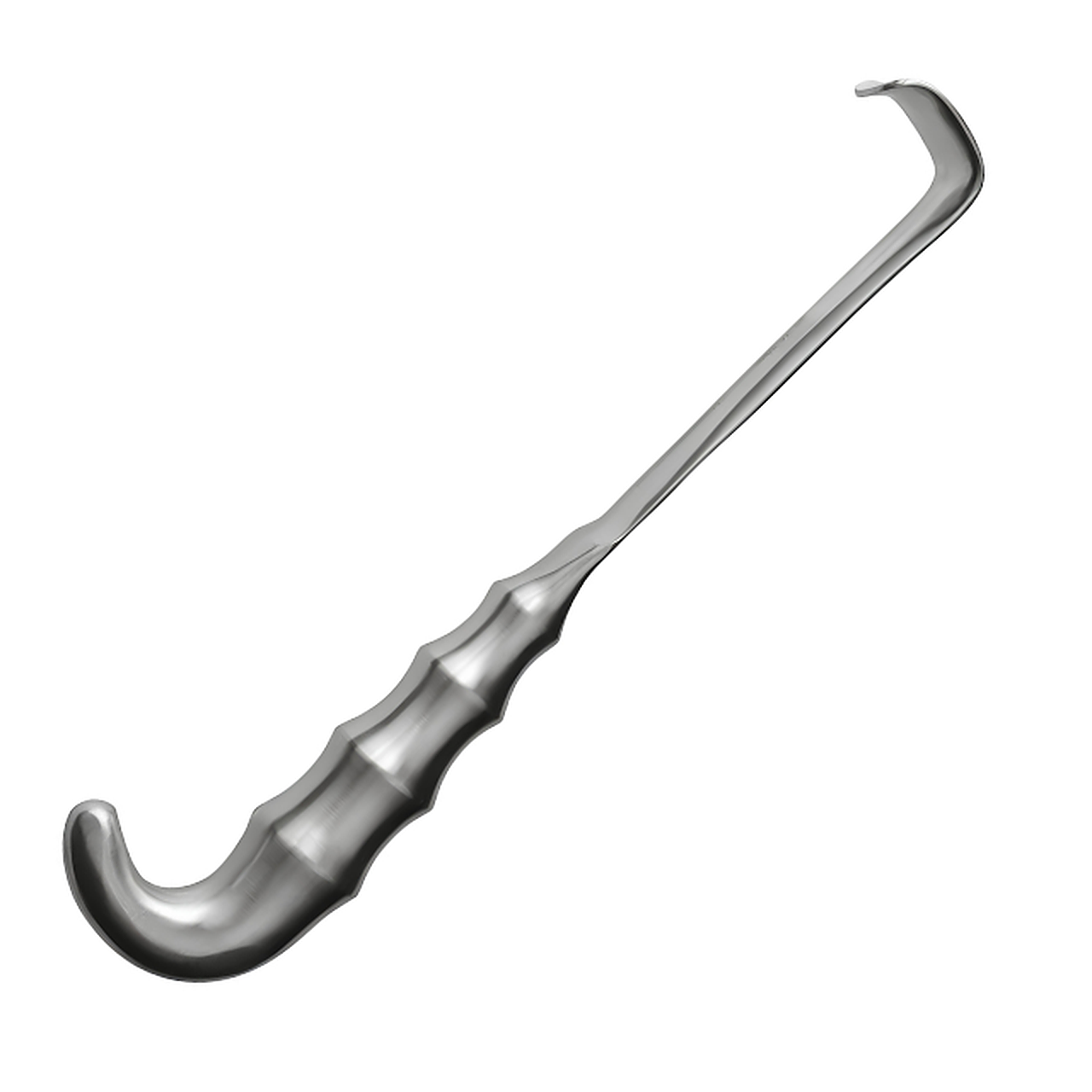 | Richardson 鈎(グリップハンドル付) | 開腹手術において、助手の疲労を軽減しながら腹壁、筋膜、および厚い筋肉層を牽引するために特別に設計されています。 |
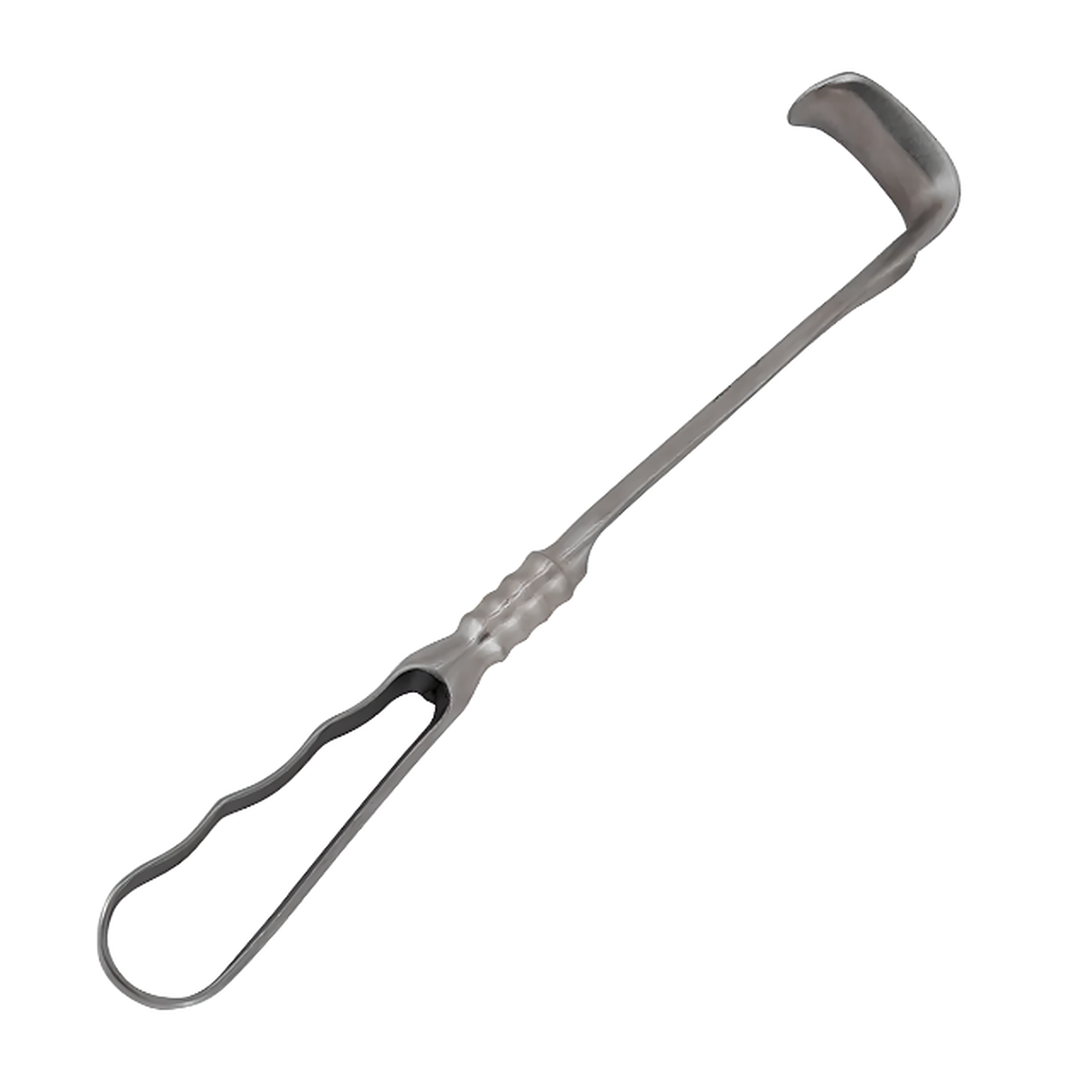 | Richardson Retractor Loop Handle | 開腹術や骨盤内手術における腹壁、筋肉層、および内臓の牽引に特化して設計されています。 |
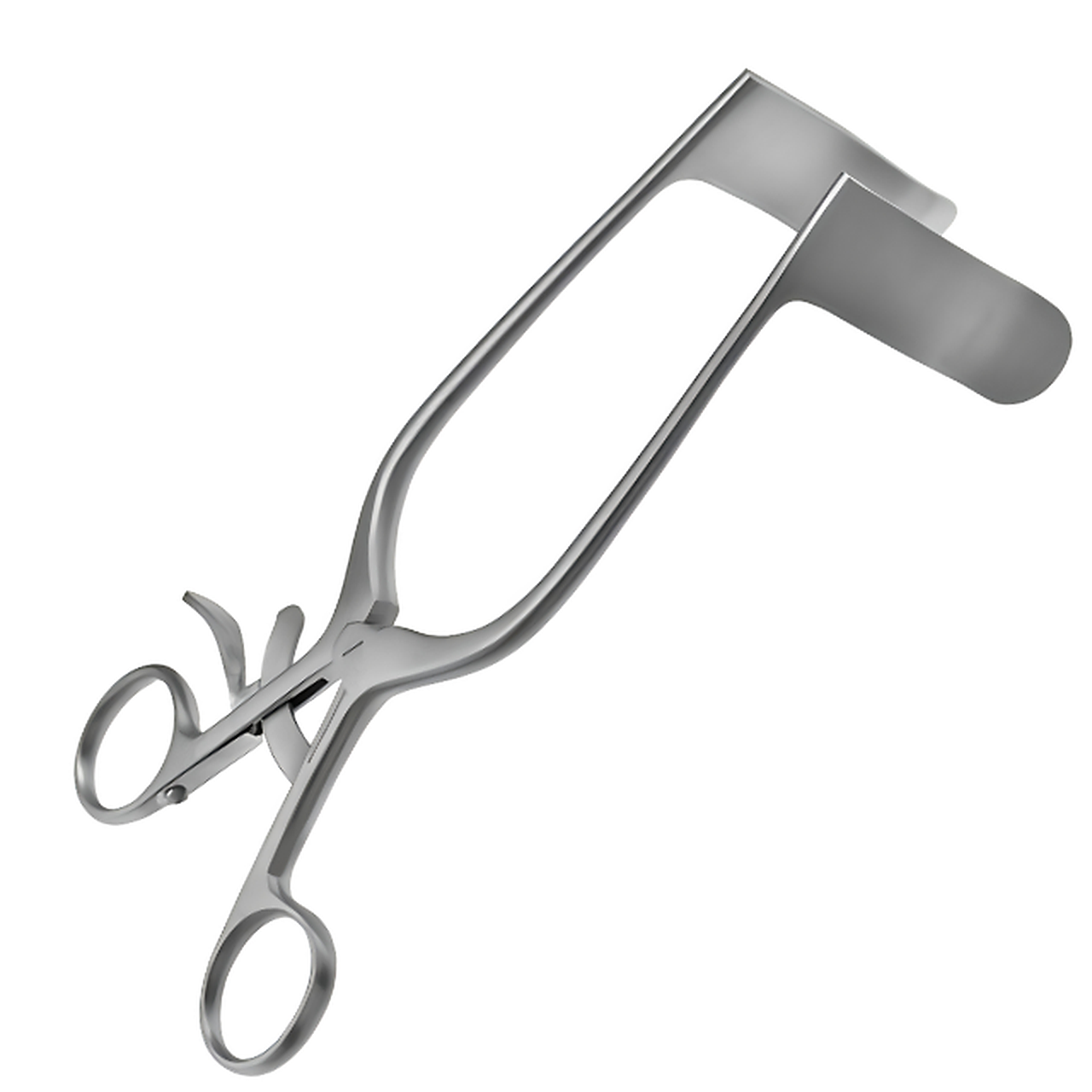 | Rigby 自保持式膣開創器 | 骨盤手術中の膣外側壁および後壁の自己保持型開創。 |
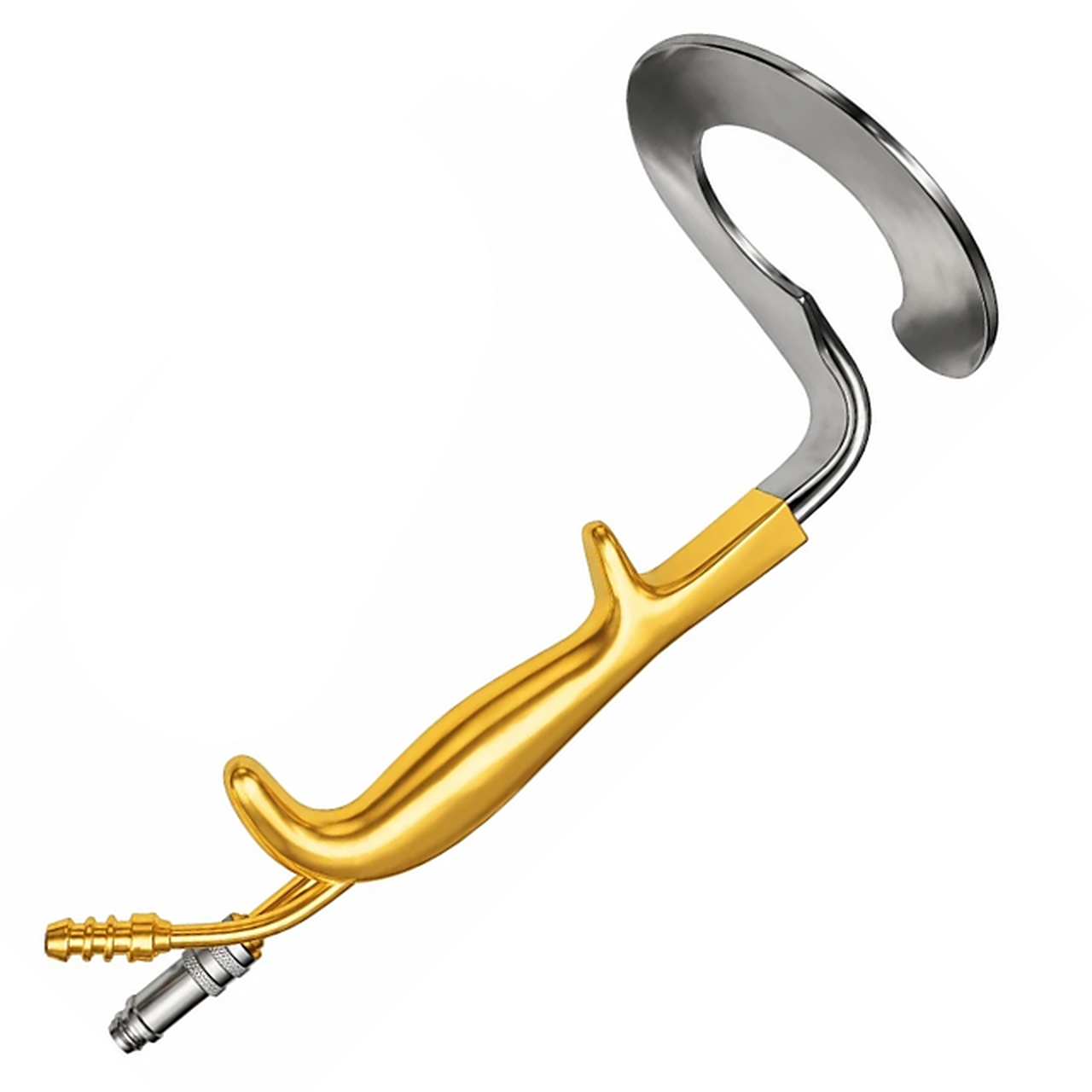 | ファイバー照明付リングブレストリトラクター | 乳房手術における組織フラップの挙上、深部ポケットの照明、および止血の確認用に特別に設計されています。 |
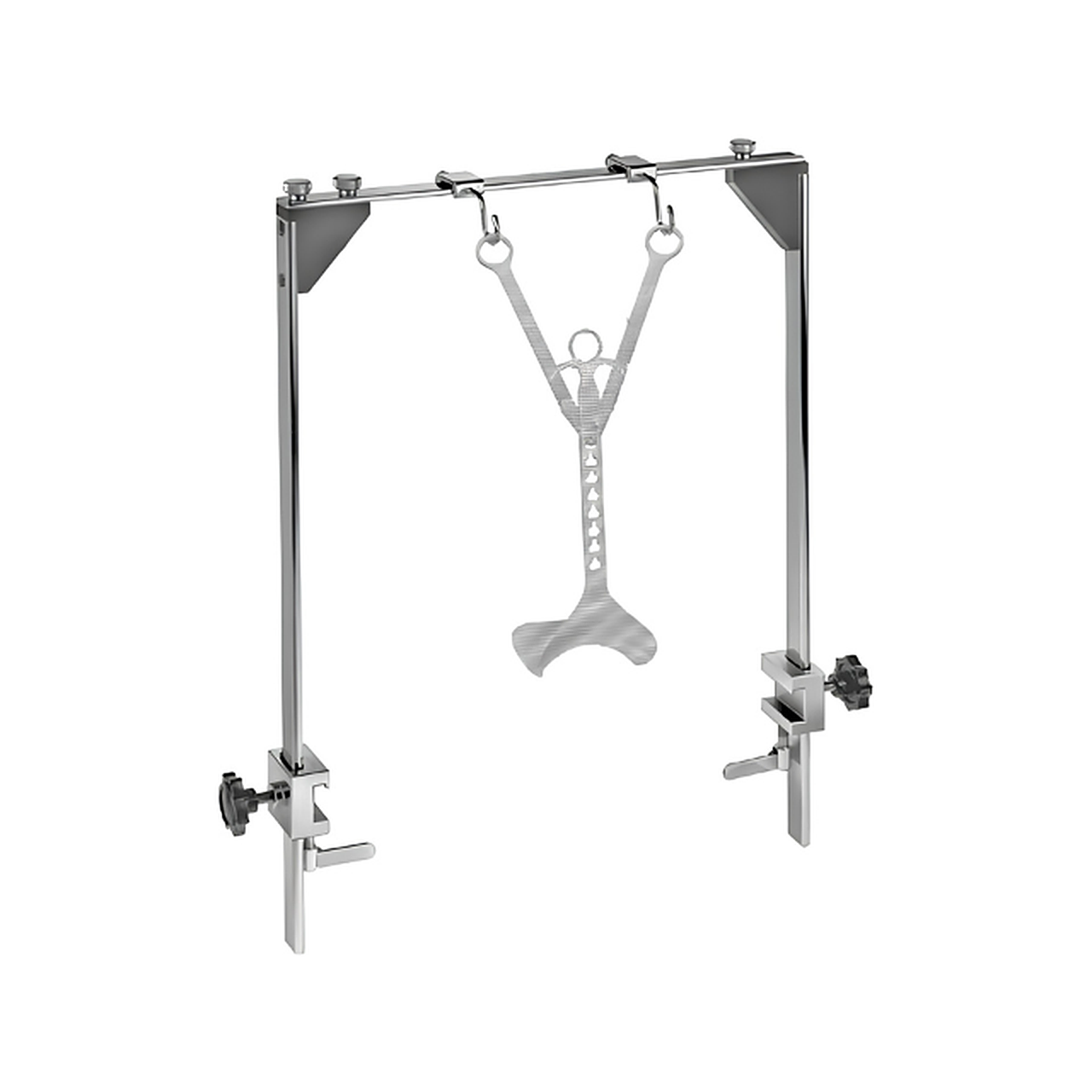 | Rochard Retractor | 外科的介入時における、強固なテーブル固定による腹部軟部組織の開創および安定した術野露出の提供。 |
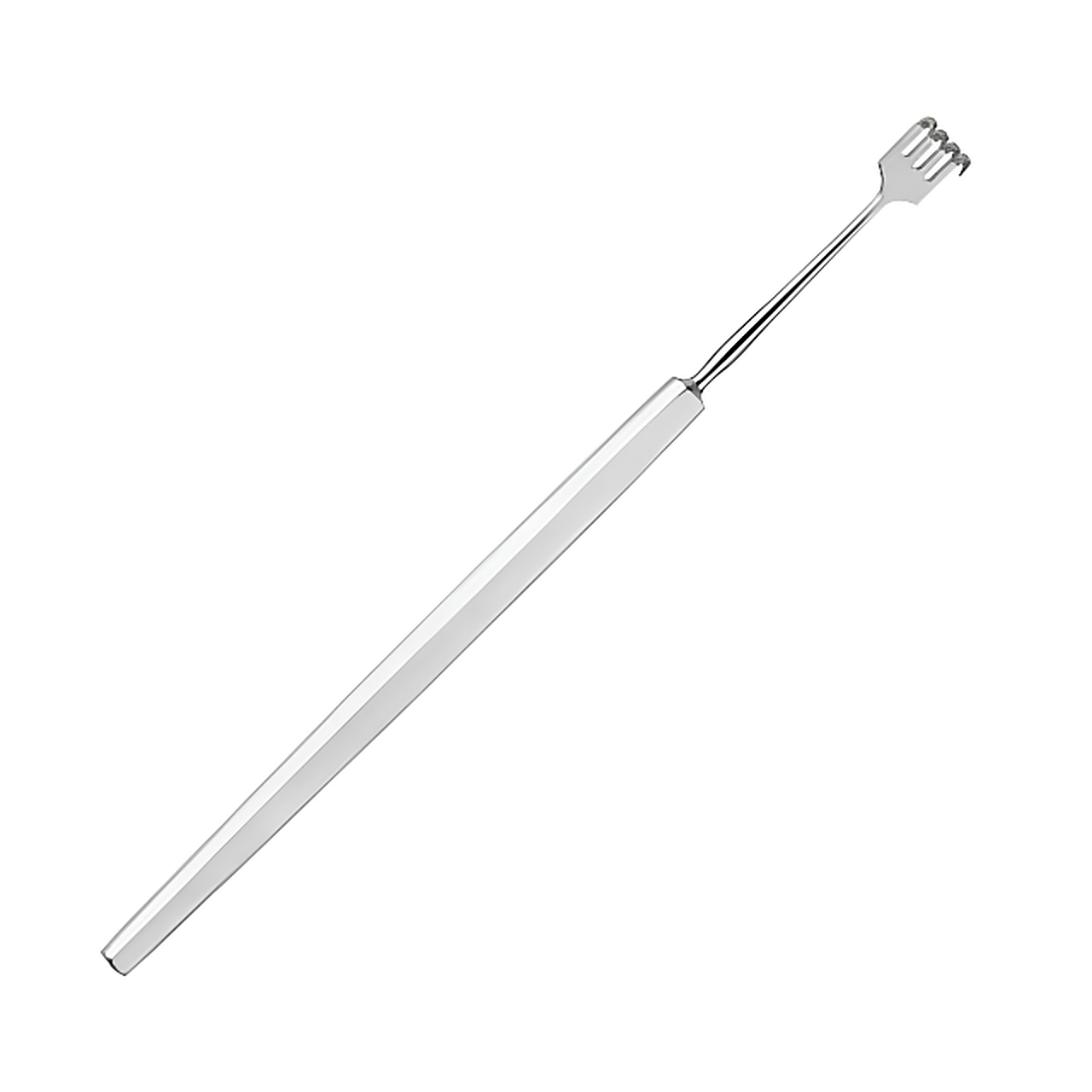 | Rollet レトラクター | 眼科および形成外科における皮弁、内眼角組織、および筋膜の牽引のために特別に設計されています。 |
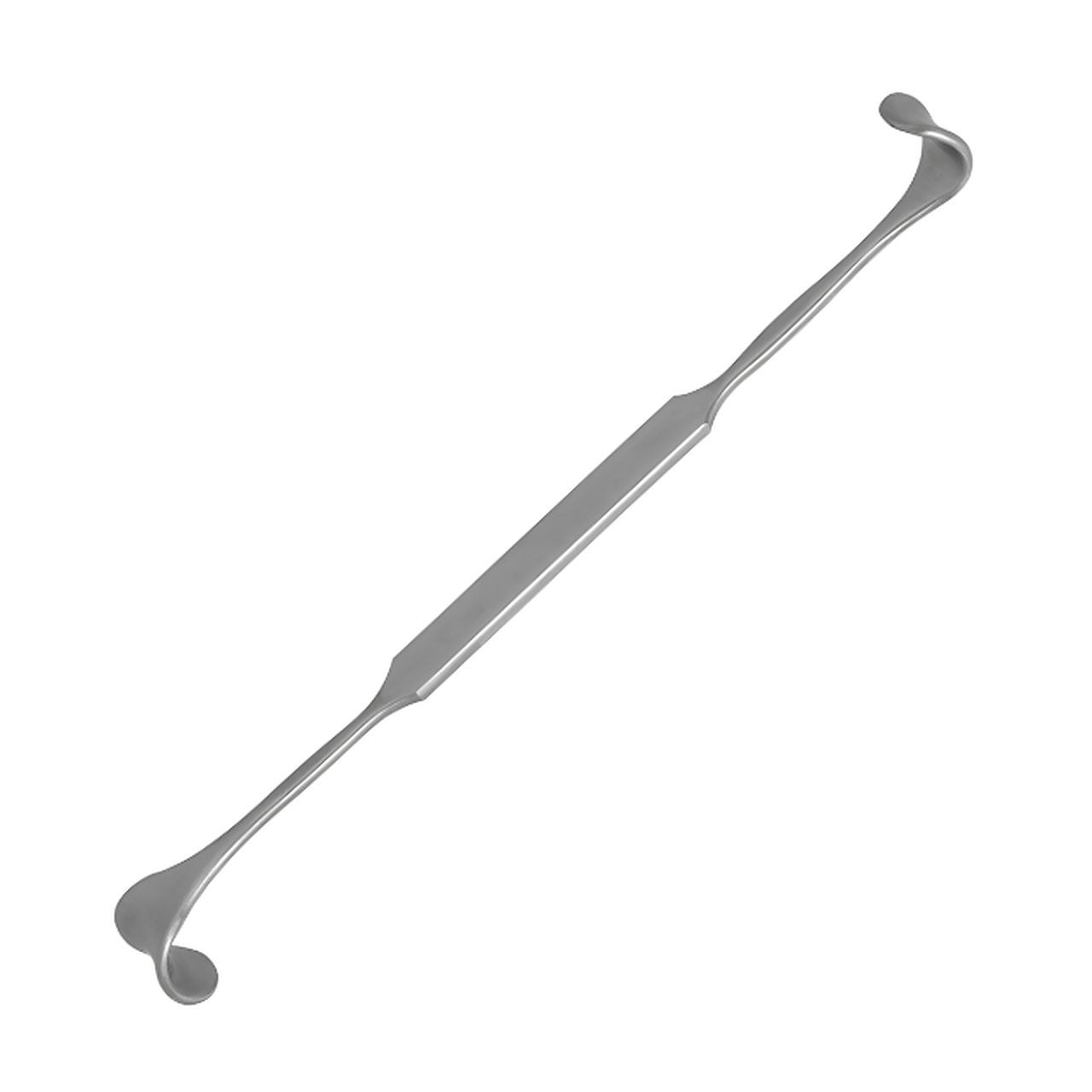 | Rose Retractor Double Ended | 浅層および中間層の切開における皮膚縁、筋膜、および軟部組織の牽引用に設計されています。 |
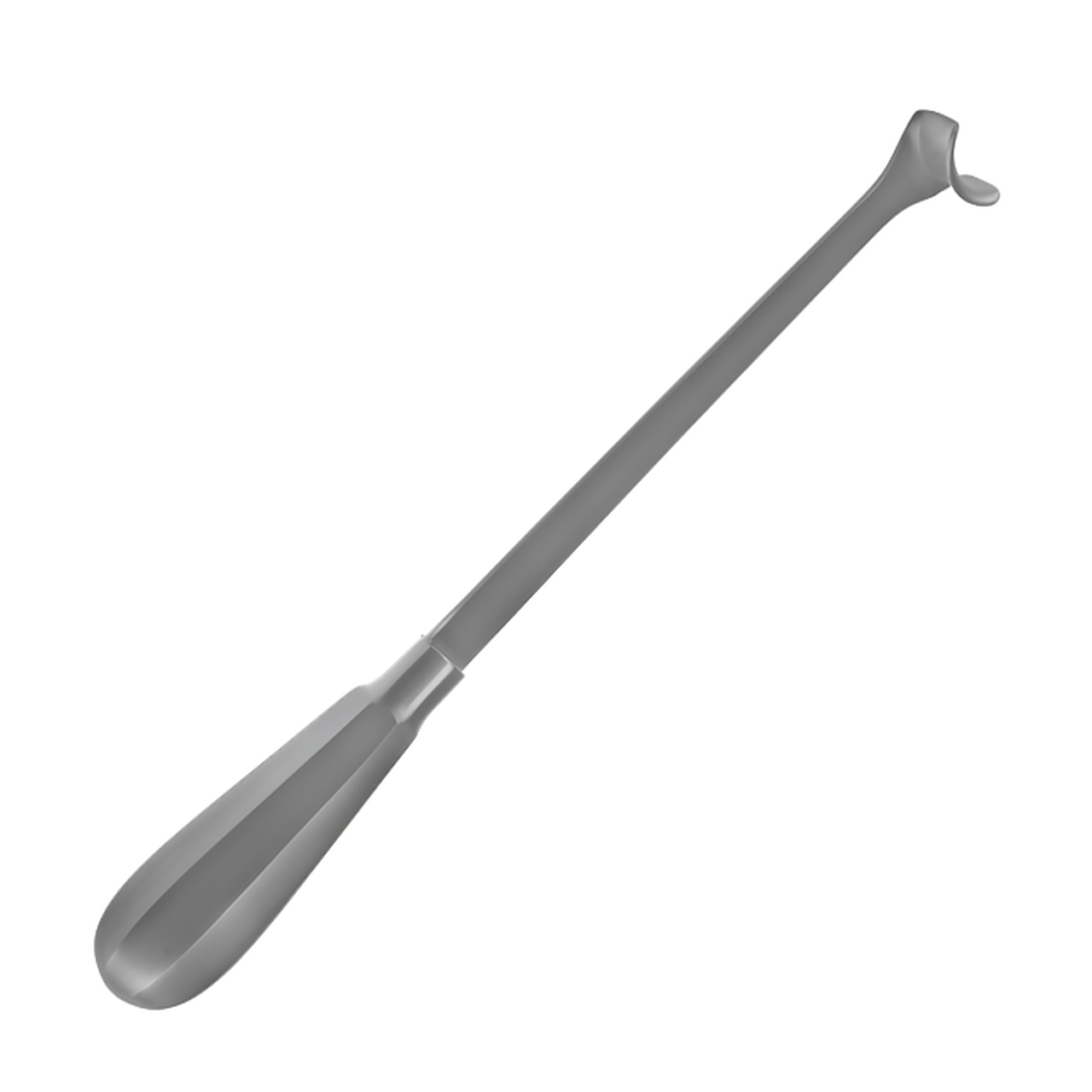 | Ross 大動脈弁レトラクター | 大動脈弁置換術および再建術における、大動脈弁尖および大動脈壁の牽引。 |
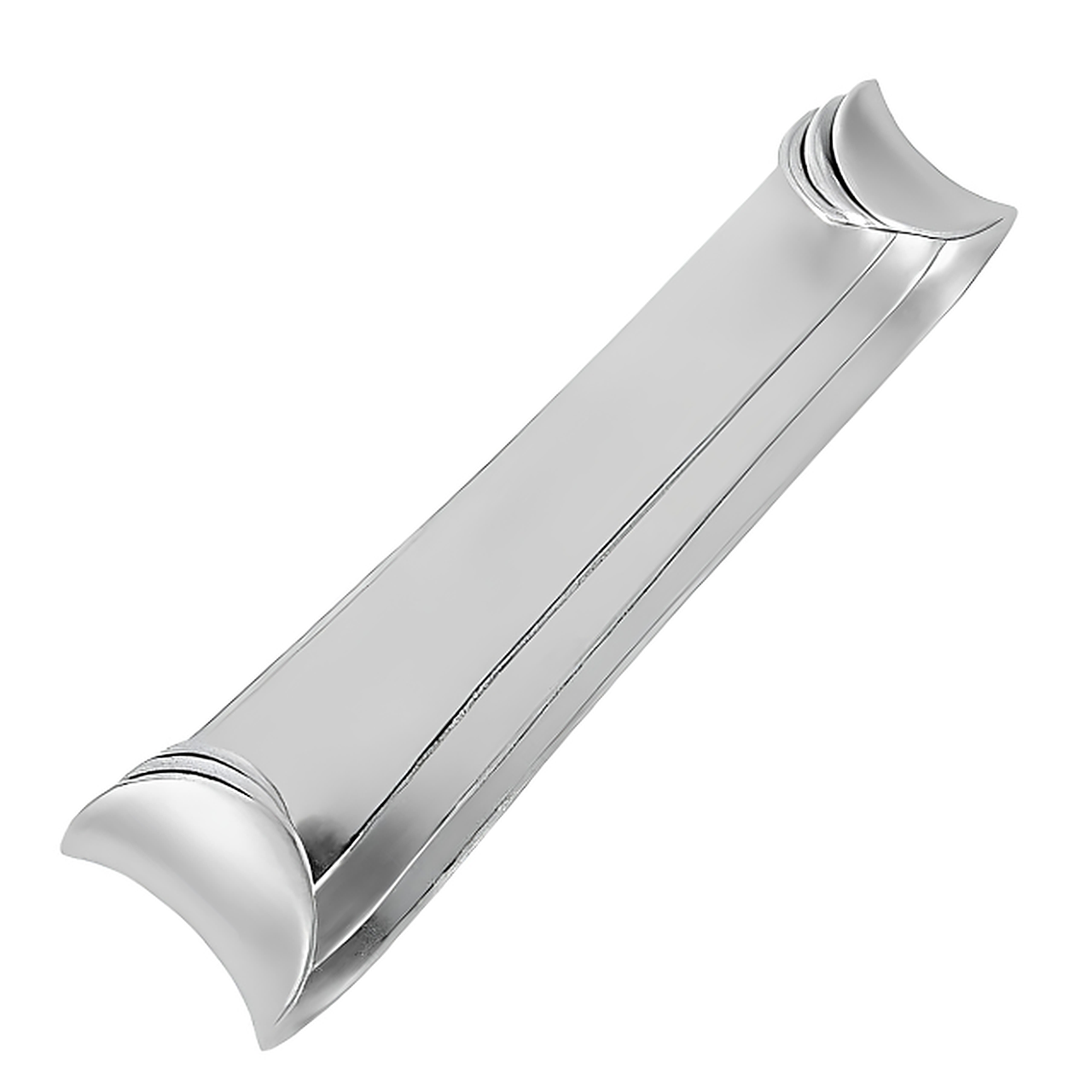 | ルー・開創器 - 両頭型 | 一般外科および形成外科における、皮膚端、筋膜、および浅層筋層の開創用に設計されています。 |
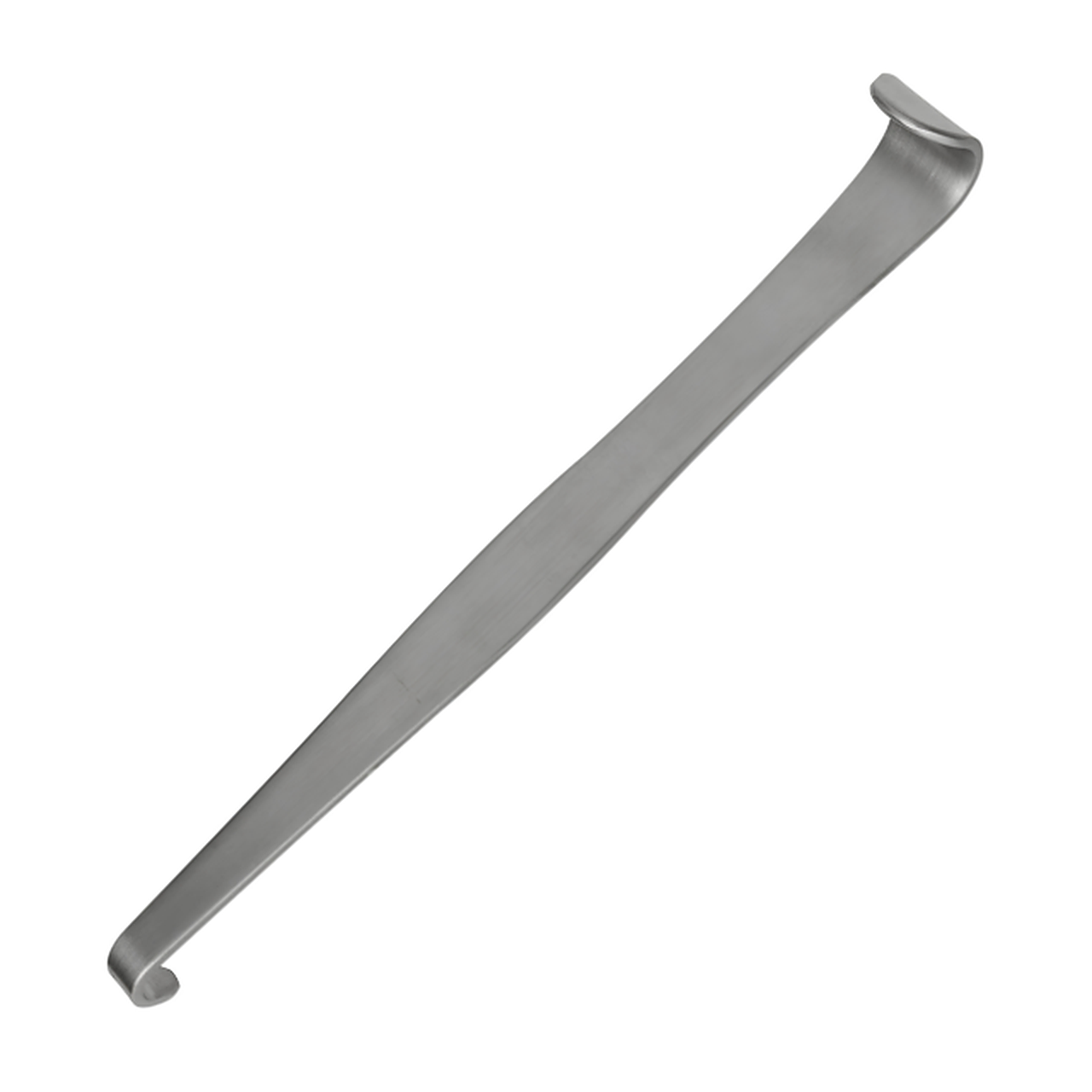 | S字型双頭鉤 | 小手術、形成外科、耳鼻咽喉科における皮膚縁、繊細な筋膜、軟部組織の牽引に特化。 |
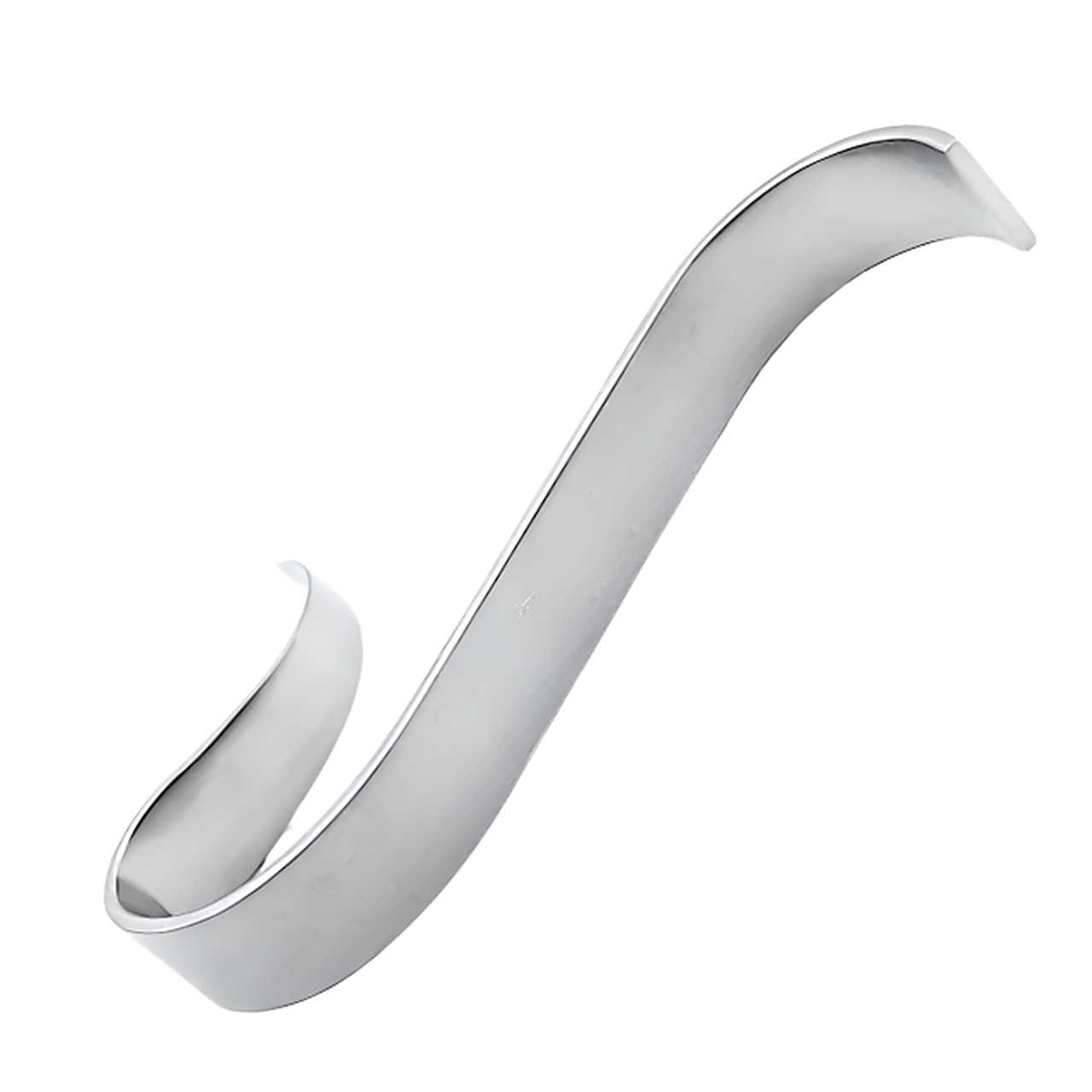 | S Total Knee Retractor(S型人工膝関節開創器) | 人工膝関節置換術における側副靭帯、関節包、および軟部組織の圧排専用設計。 |
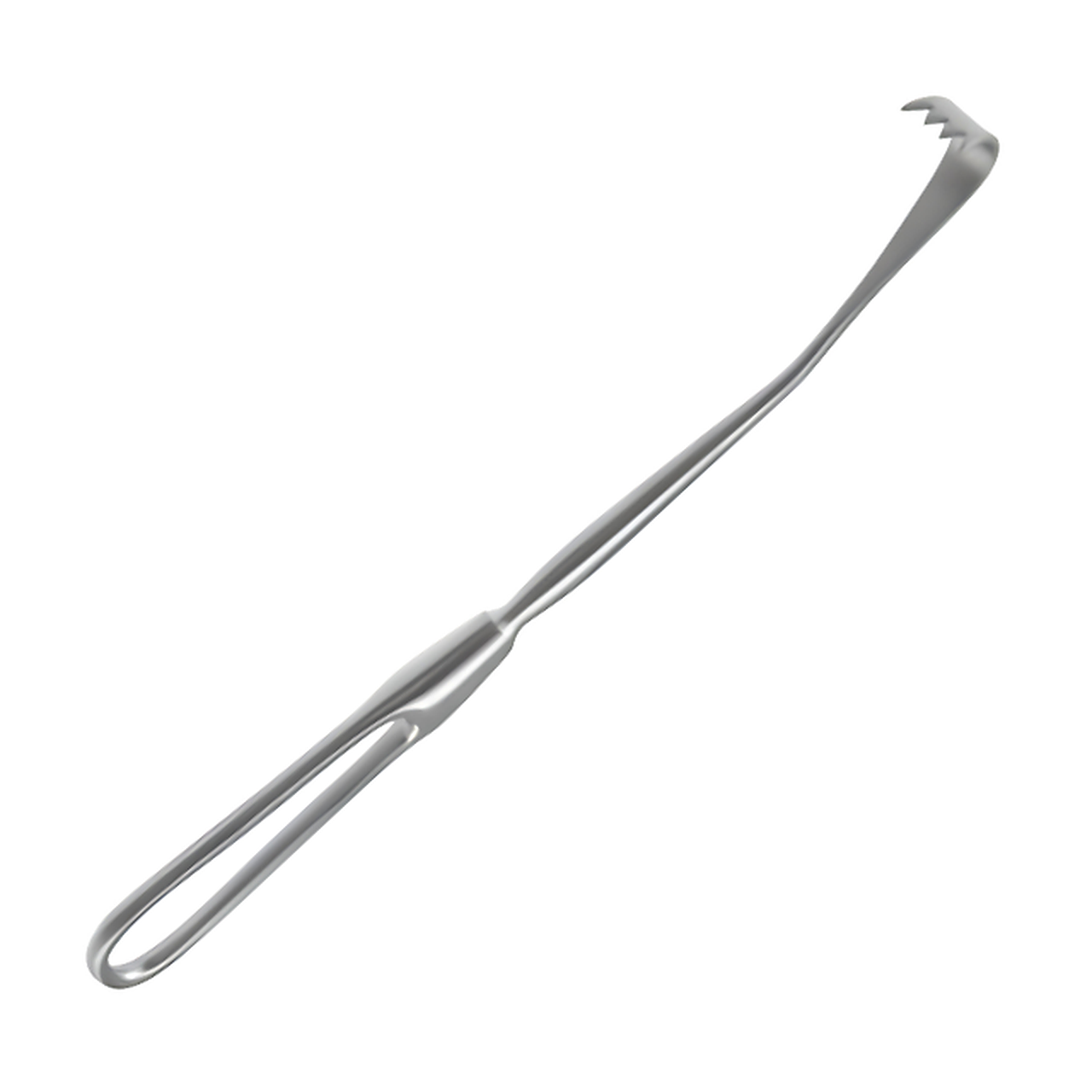 | Sachs 静脈レトラクター | 血管外科および脳神経外科において、繊細な静脈、神経根、および血管束を牽引および授動させるために特別に設計されています。 |
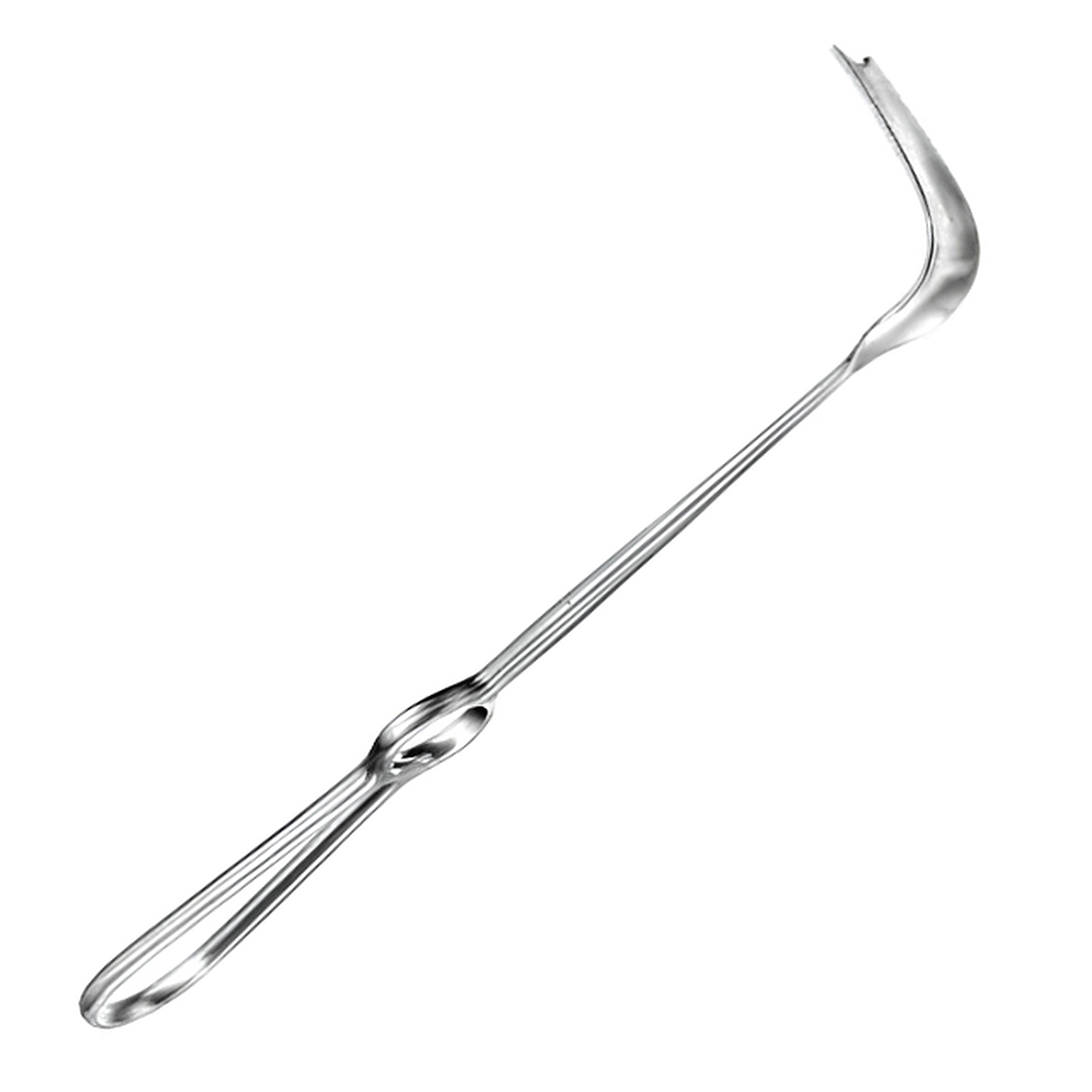 | Sailer Nasal Bridge Retractor | 鼻形成術および中顔面骨切り術において、鼻背に沿った軟部組織エンベロープの挙上および牽引に特化しています。 |
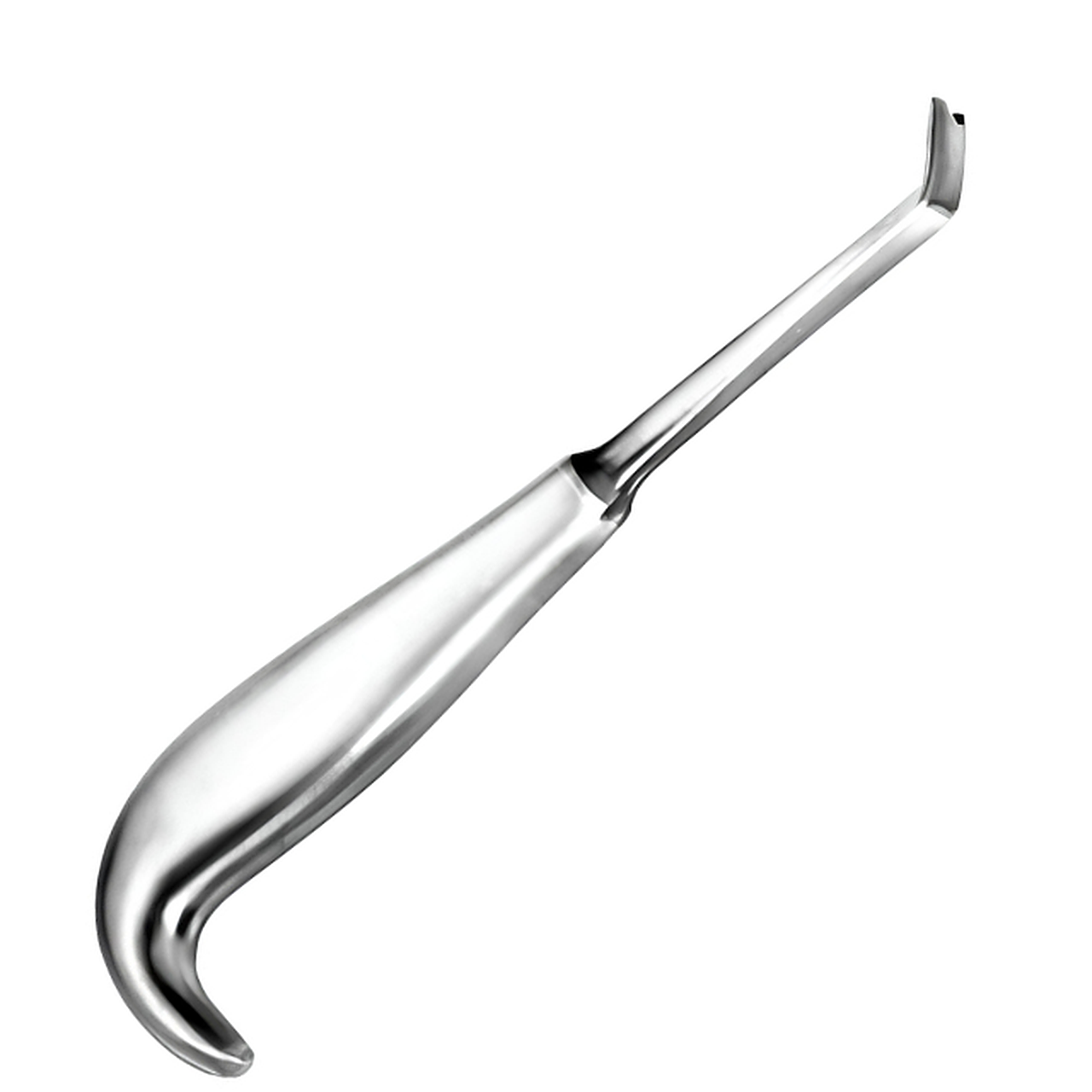 | Sailer Nasal Spine Retractor (前鼻棘鉤) | ル・フォール I型骨切り術において、前鼻棘に引っ掛けて上唇を牽引するために特別に設計されています。 |
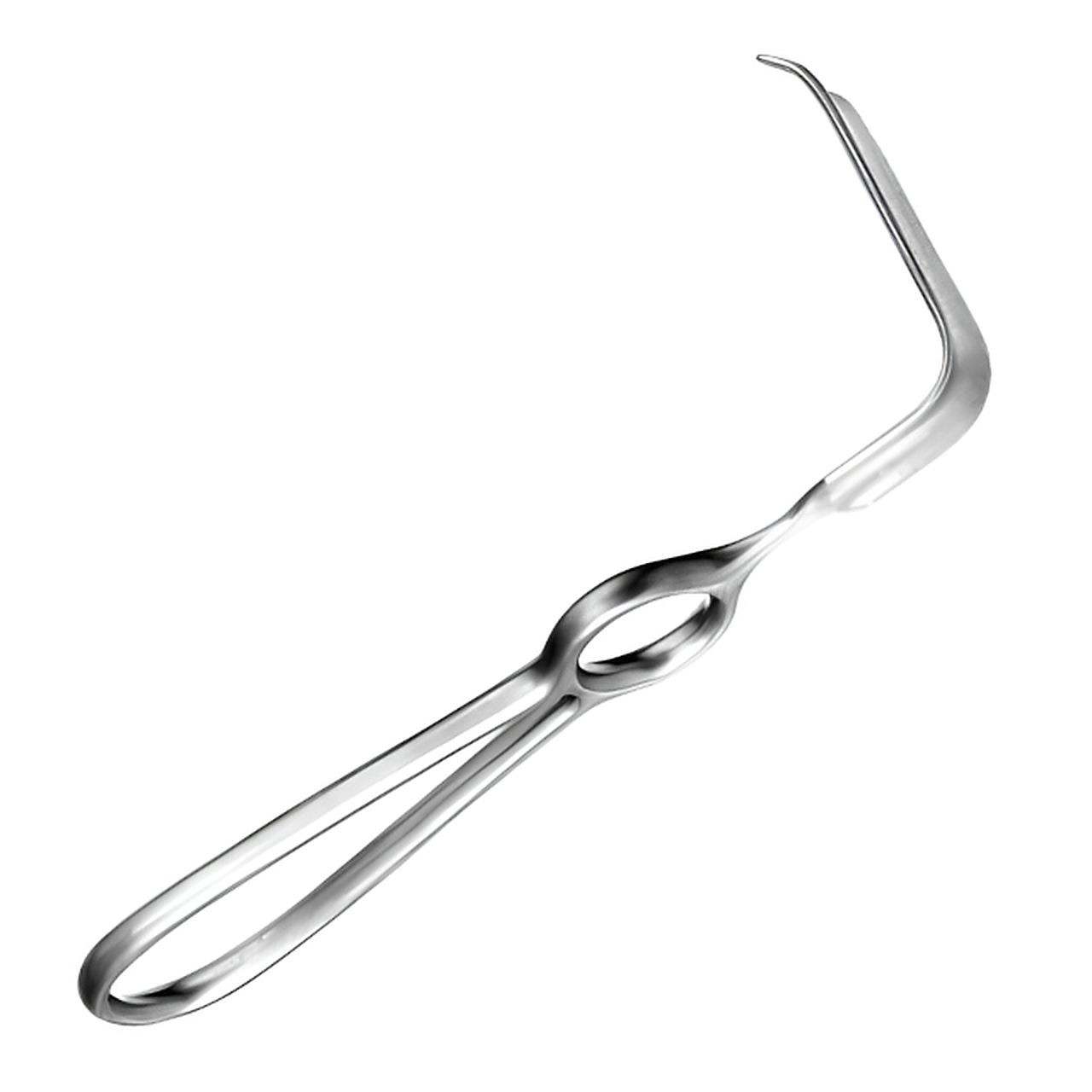 | Sailer 軟部組織レトラクター | 口腔内および顔面の狭いスペースにおける粘膜骨膜弁および軟部組織の牽引に特化して設計されています。 |
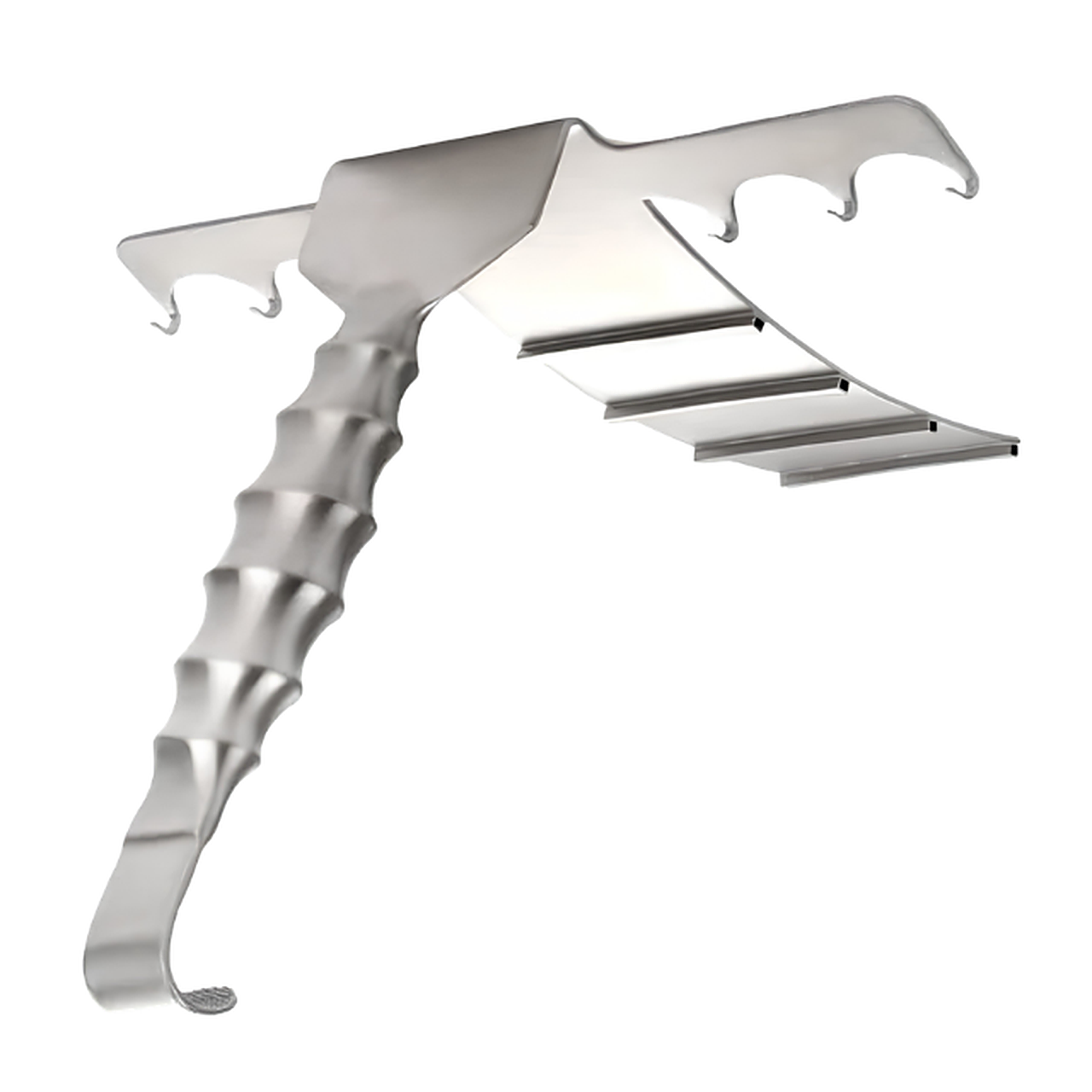 | Saldanha-Solz 腹部開創器 | リポ・アブドミノプラスティおよび腹直筋鞘縫縮術において、腹部皮膚弁を挙上し組織を保護するために特別に設計されています。 |
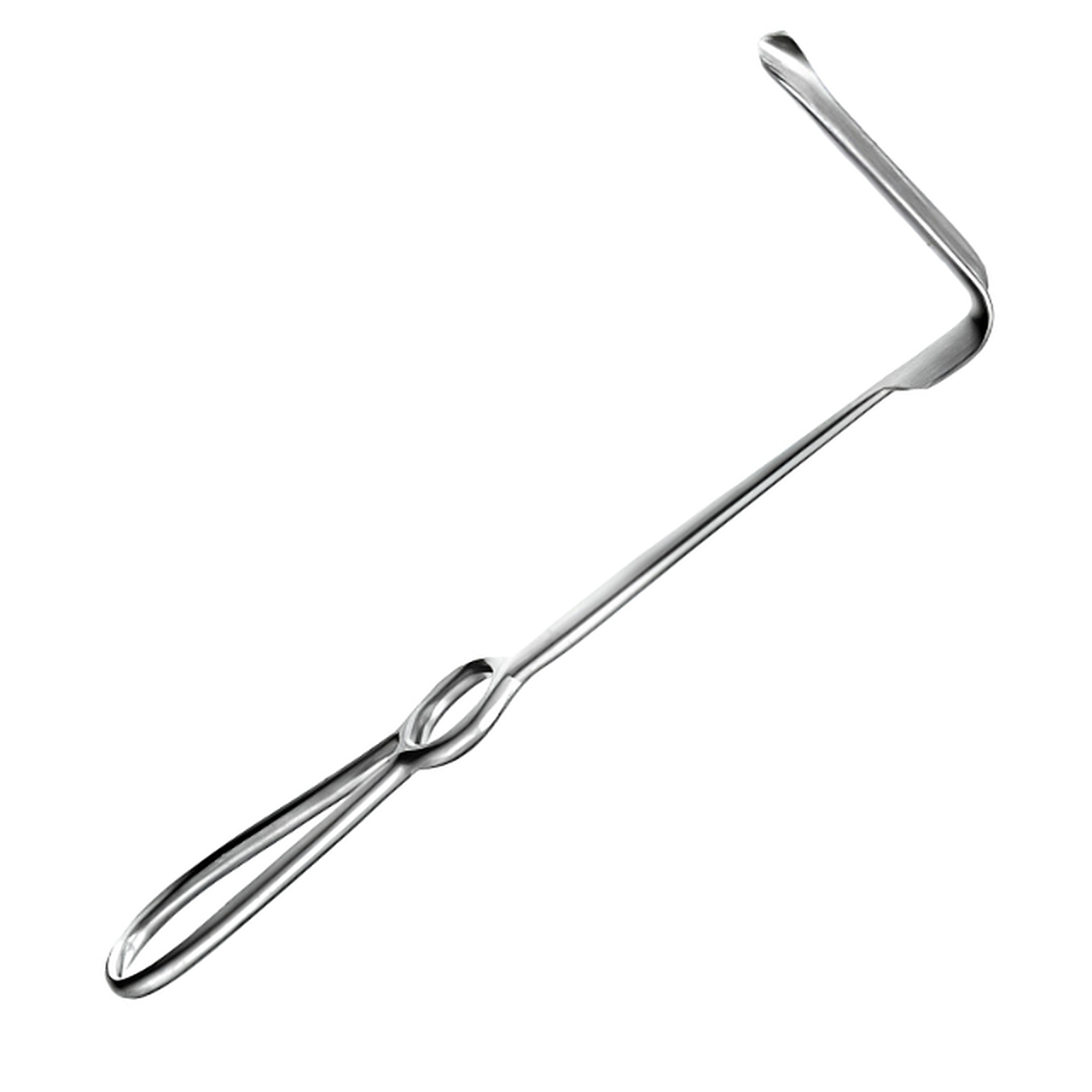 | Salzburg Condylar Neck Retractor | 顎関節手術および下顎頭骨折固定術において、下顎頭頸部に引っ掛けて軟部組織を保護するために設計されています。 |
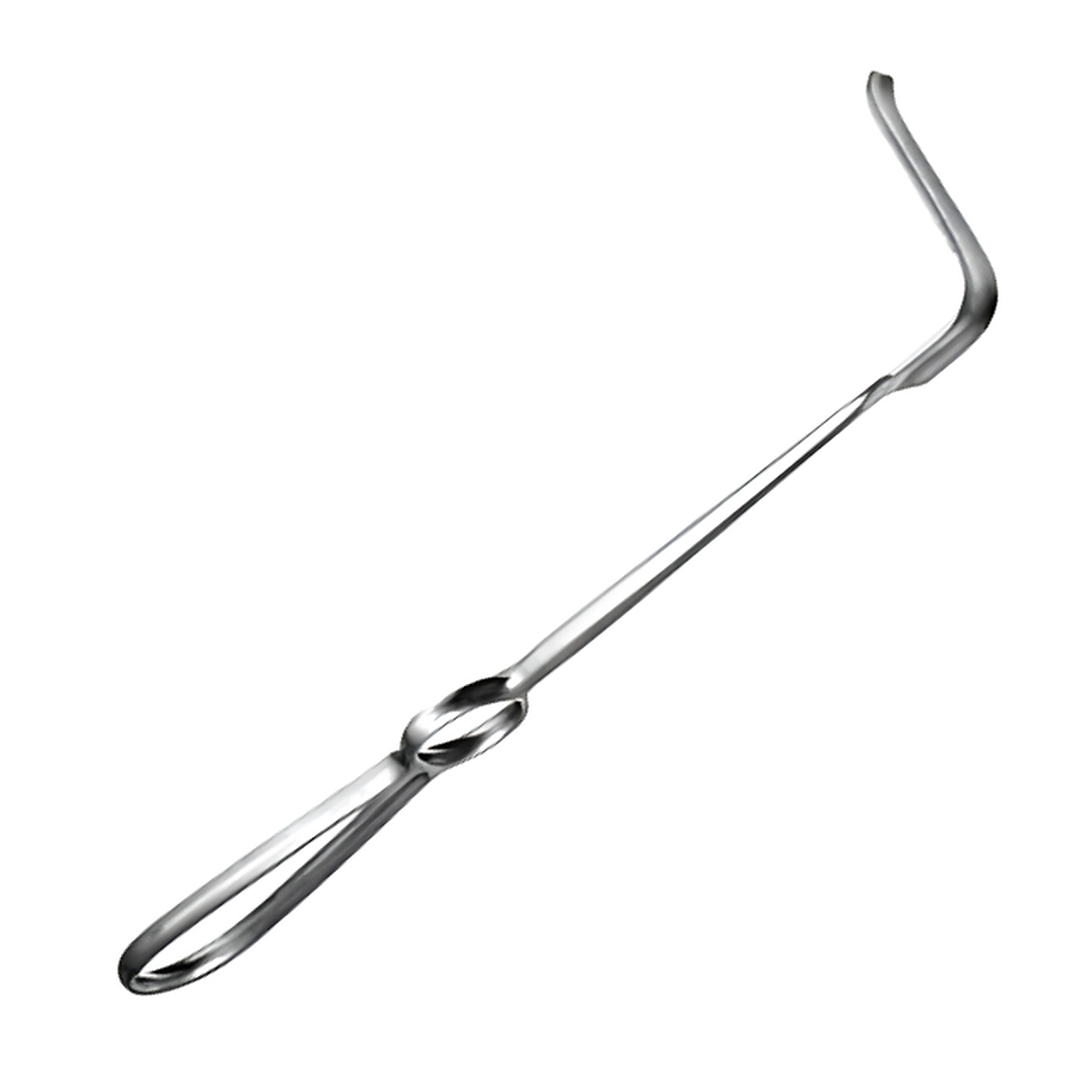 | Salzburg 下顎縁開創器 | 顎矯正骨切り術中に下顎骨縁に掛けて、軟部組織および血管を保護するために特別に設計されています。 |
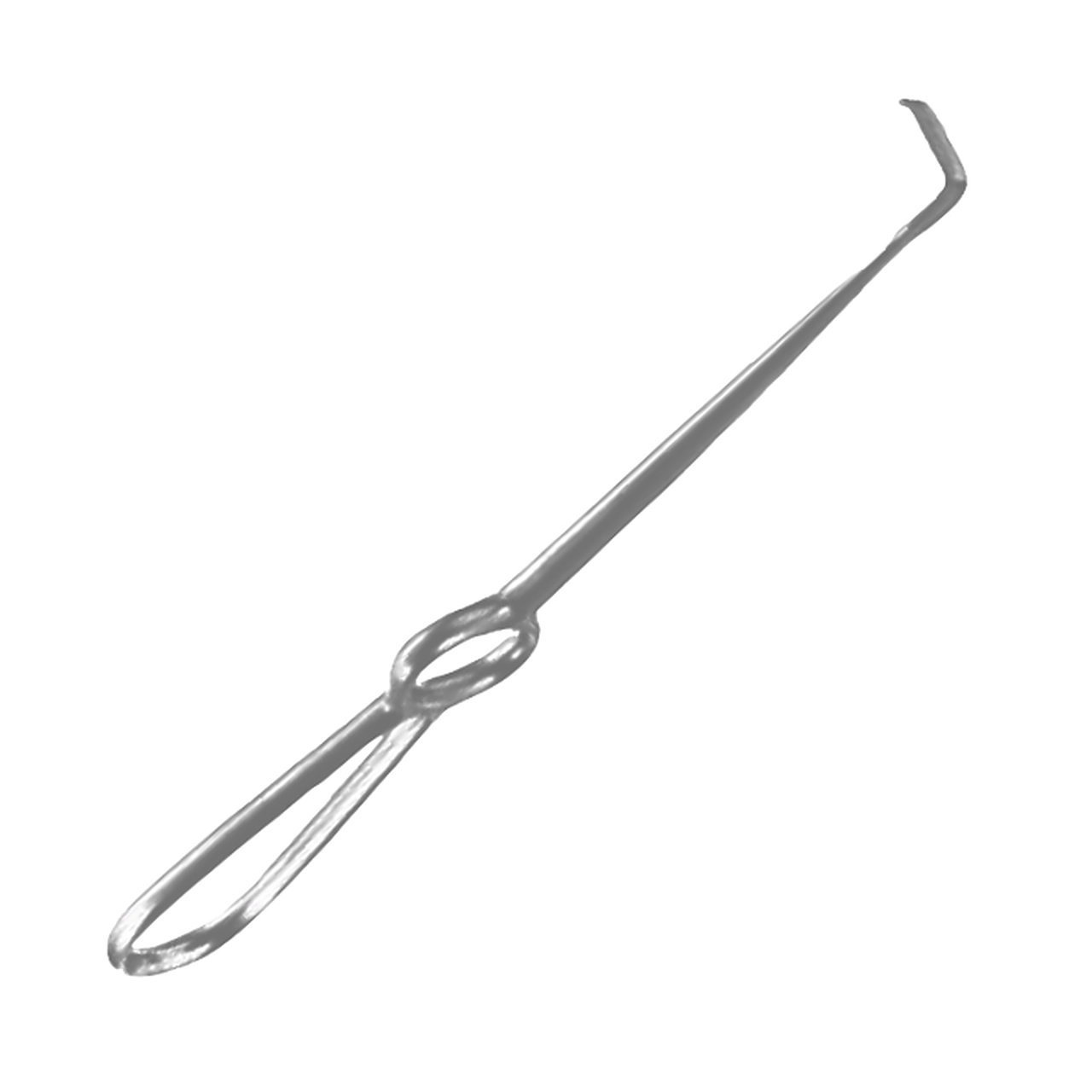 | Salzburg 軟部組織レトラクター | 口腔内および顎顔面の狭い通路における骨膜フラップおよび軟部組織の牽引に特化して設計されています。 |
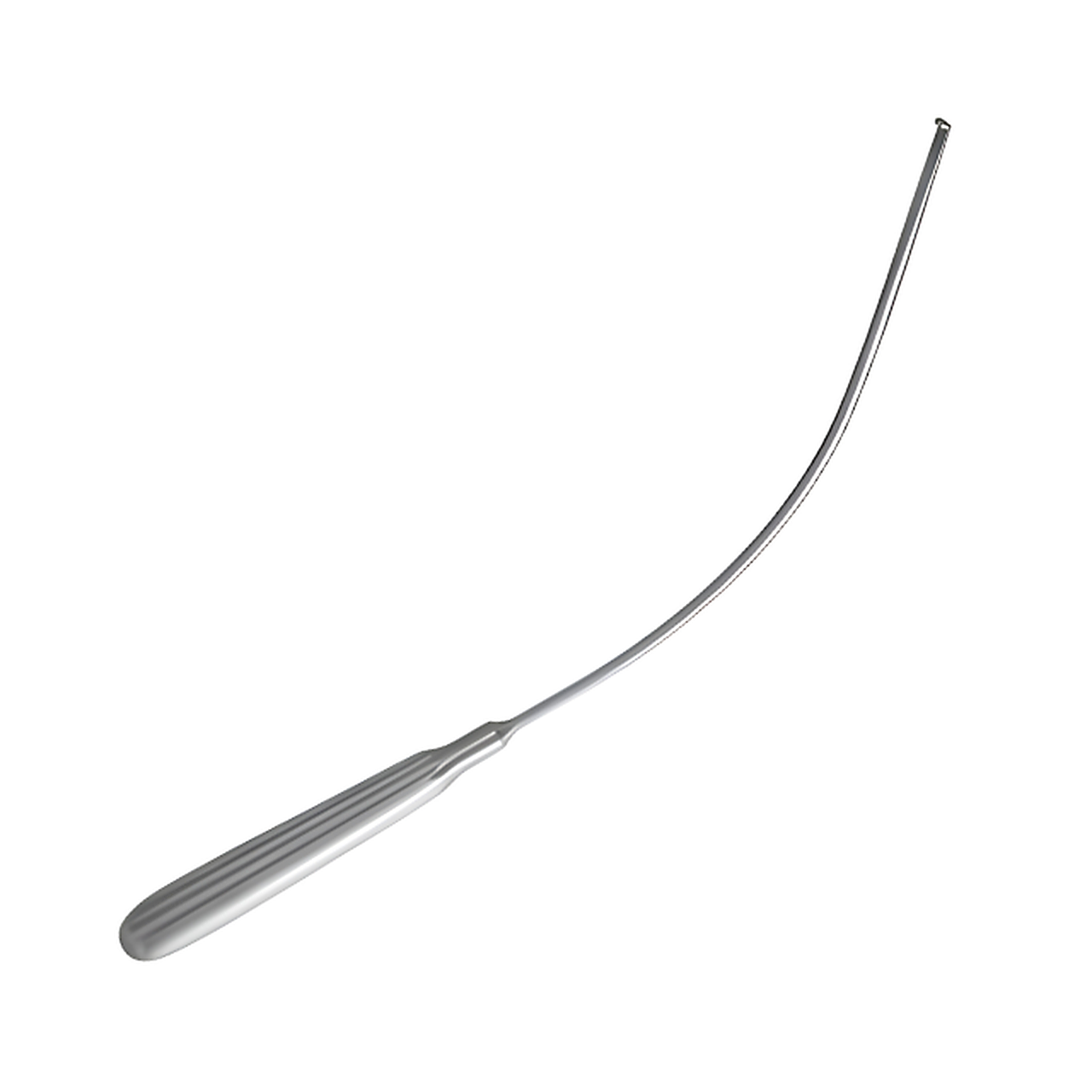 | Sandhu 神経根レトラクター | 腰椎椎間板切除術中に、走行する脊髄神経根および硬膜嚢を愛護的に移動、保持、保護するために特別に設計されています。 |
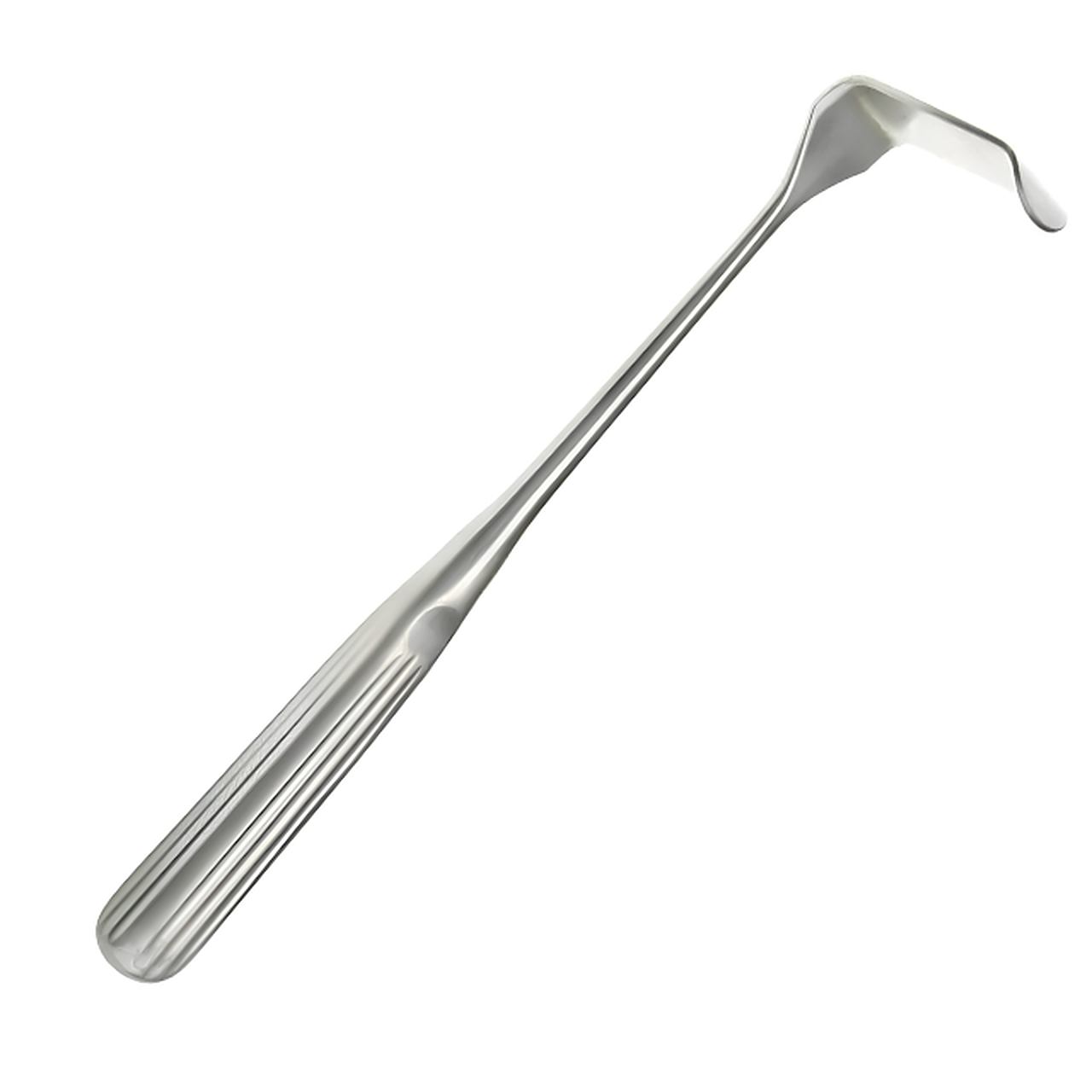 | Sauerbruch 筋鈎(ザウエルブルッフ) | 胸部、腹部、整形外科手術における筋肉層、筋膜、および創縁の牽引に特化して設計されています。 |
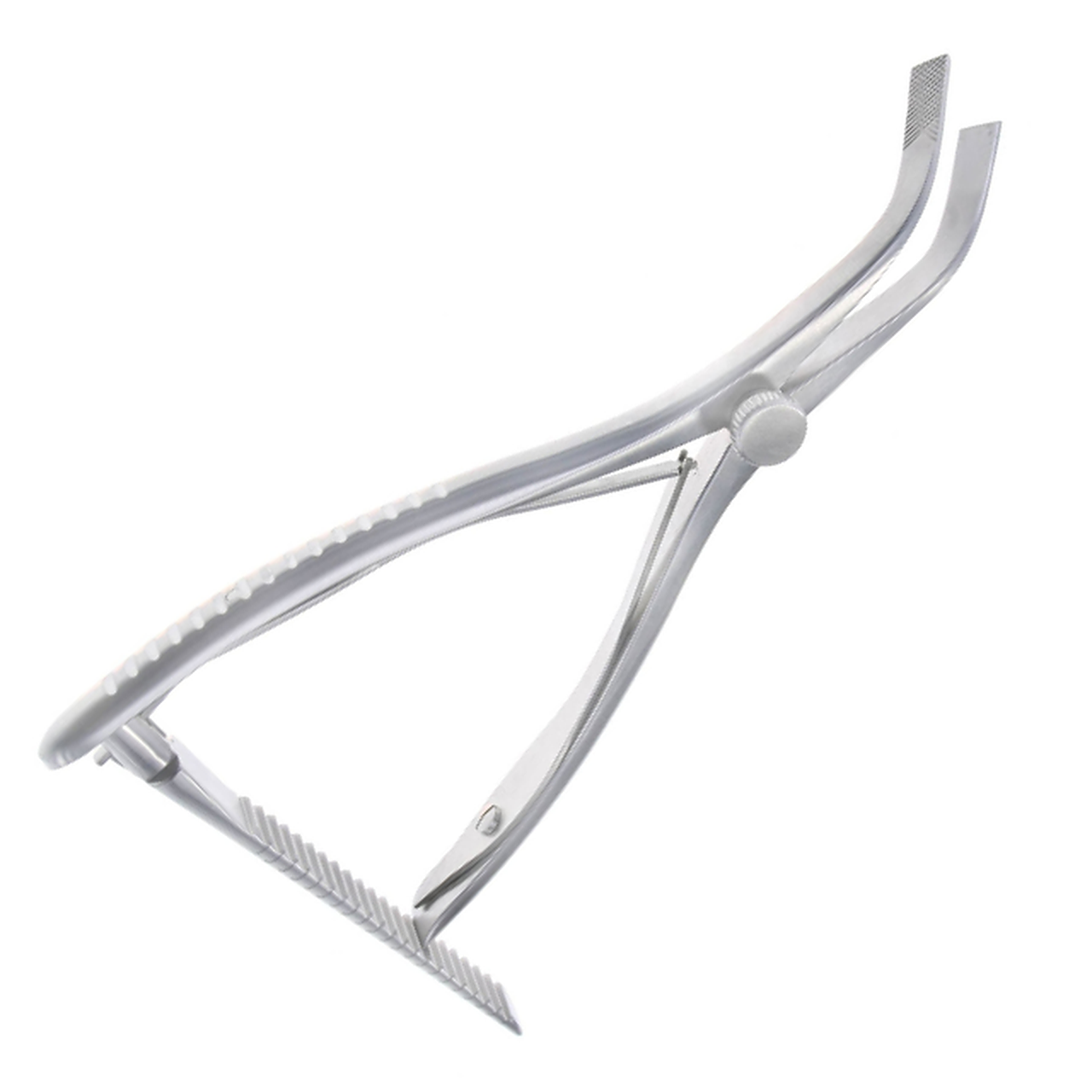 | Saxena Bone Grafting Retractor | 自家骨移植採取時における軟部組織の牽引および骨皮質の固定。 |
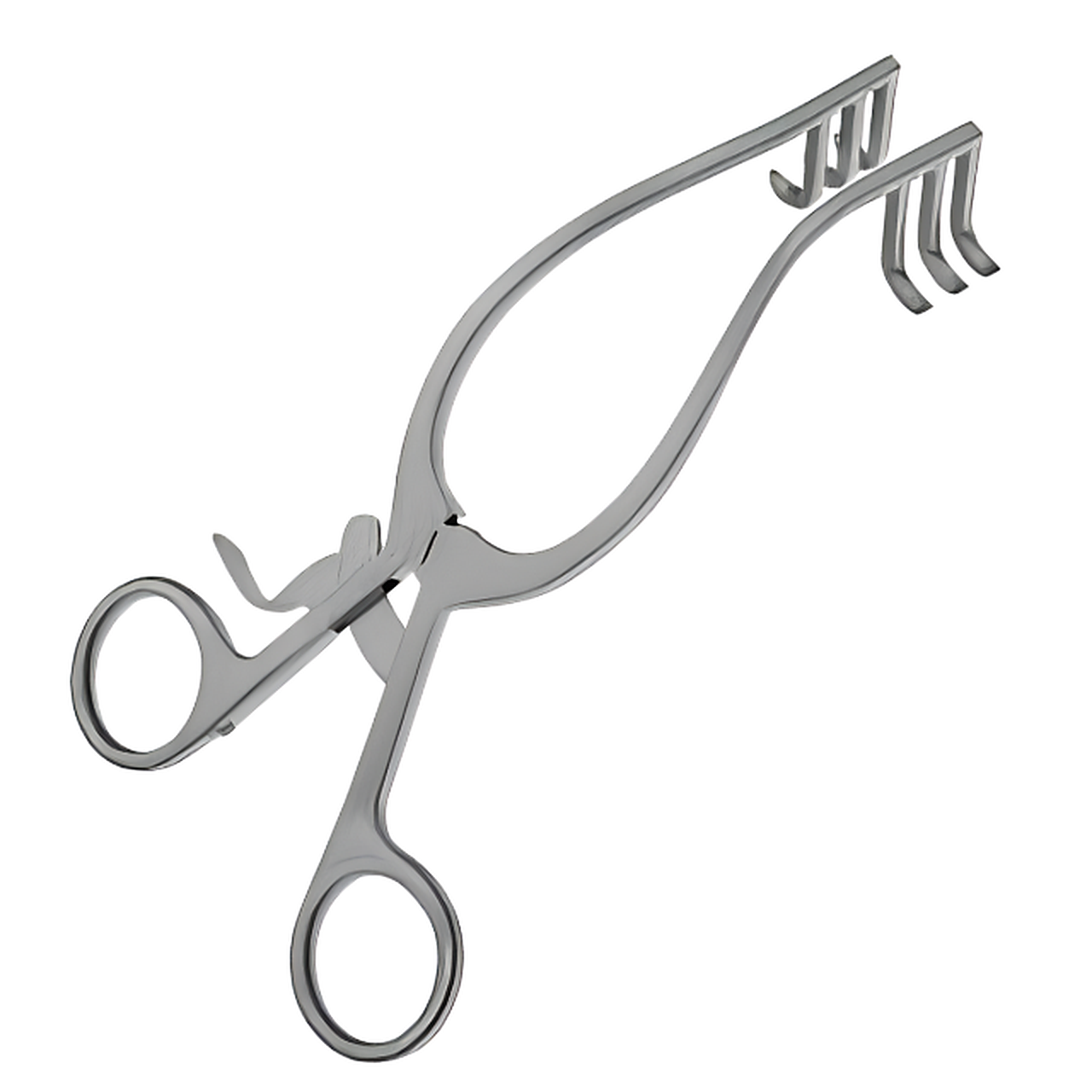 | Schuknecht Fisch Retractor | 乳突削開術および耳科手術において、骨膜および軟部組織を自動牽引するために設計されています。 |
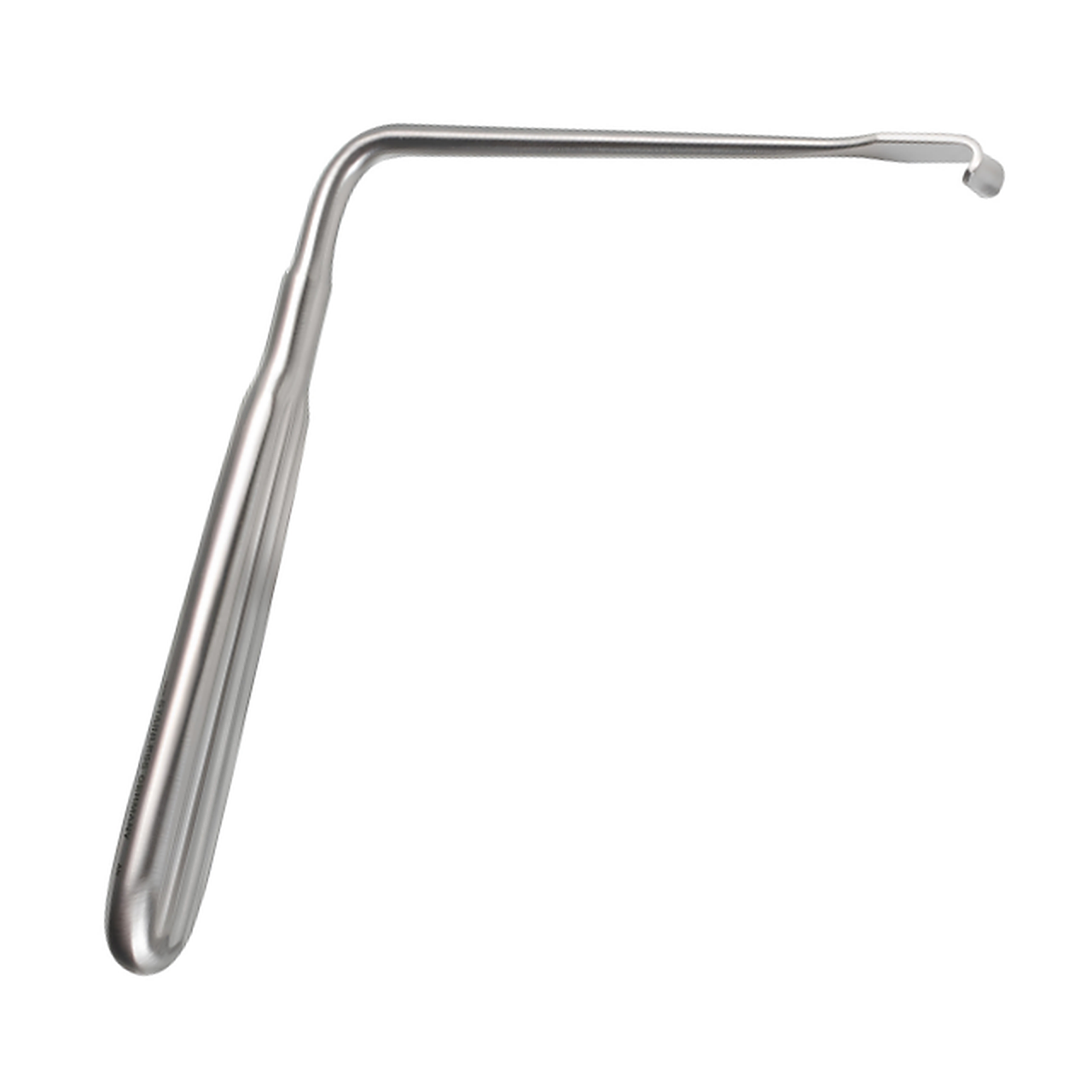 | Scoville 神経レトラクター | 狭小な手術領域において、繊細な神経根や末梢神経を保護し、牽引・剥離するために特別に設計されています。 |
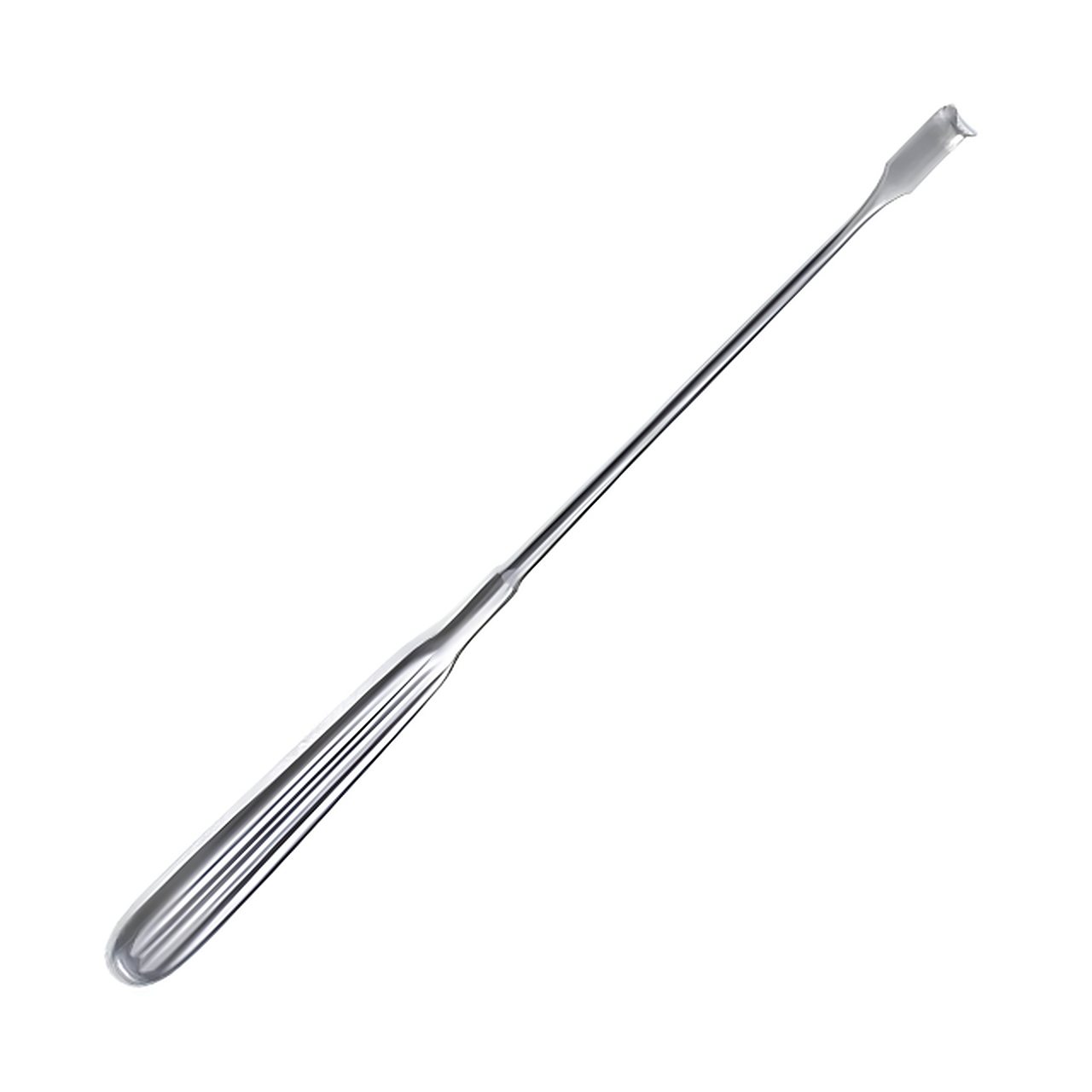 | Scoville 神経根レトラクター | 腰椎椎間板ヘルニア摘出術中に、走行する脊髄神経根および硬膜嚢を移動、保持、保護するために特別に設計されています。 |
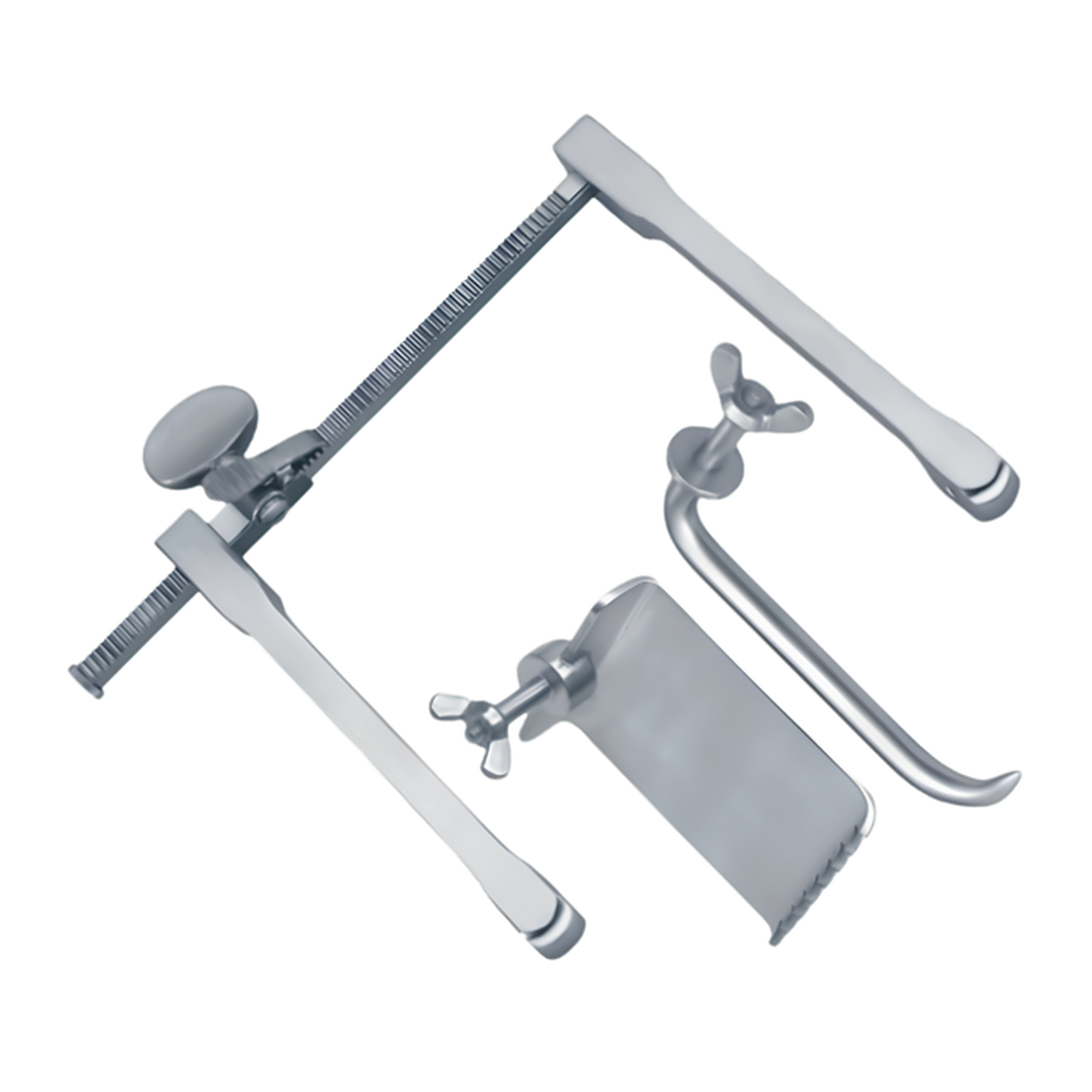 | Scoville Self Retaining Retractor | 腰椎手術において、厚い傍脊柱筋を牽引し、椎弓を露出させるために特別に設計されています。 |
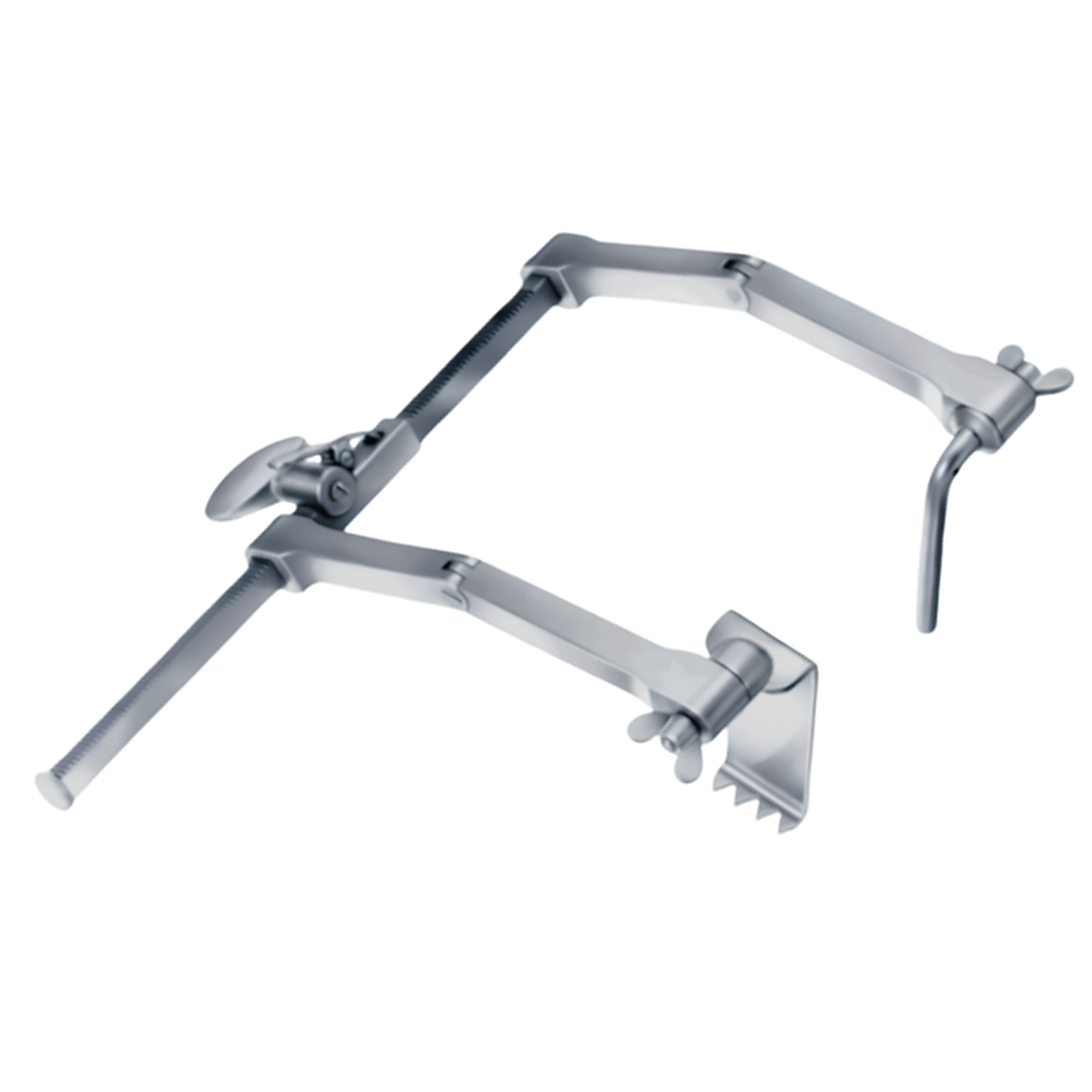 | Scoville-Haverfield 開創器 (開口保持型) | 脊椎手術において、ヒンジ付きシャンクで術野を確保しながら、厚い傍脊椎筋群を牽引するために特別に設計されています。 |
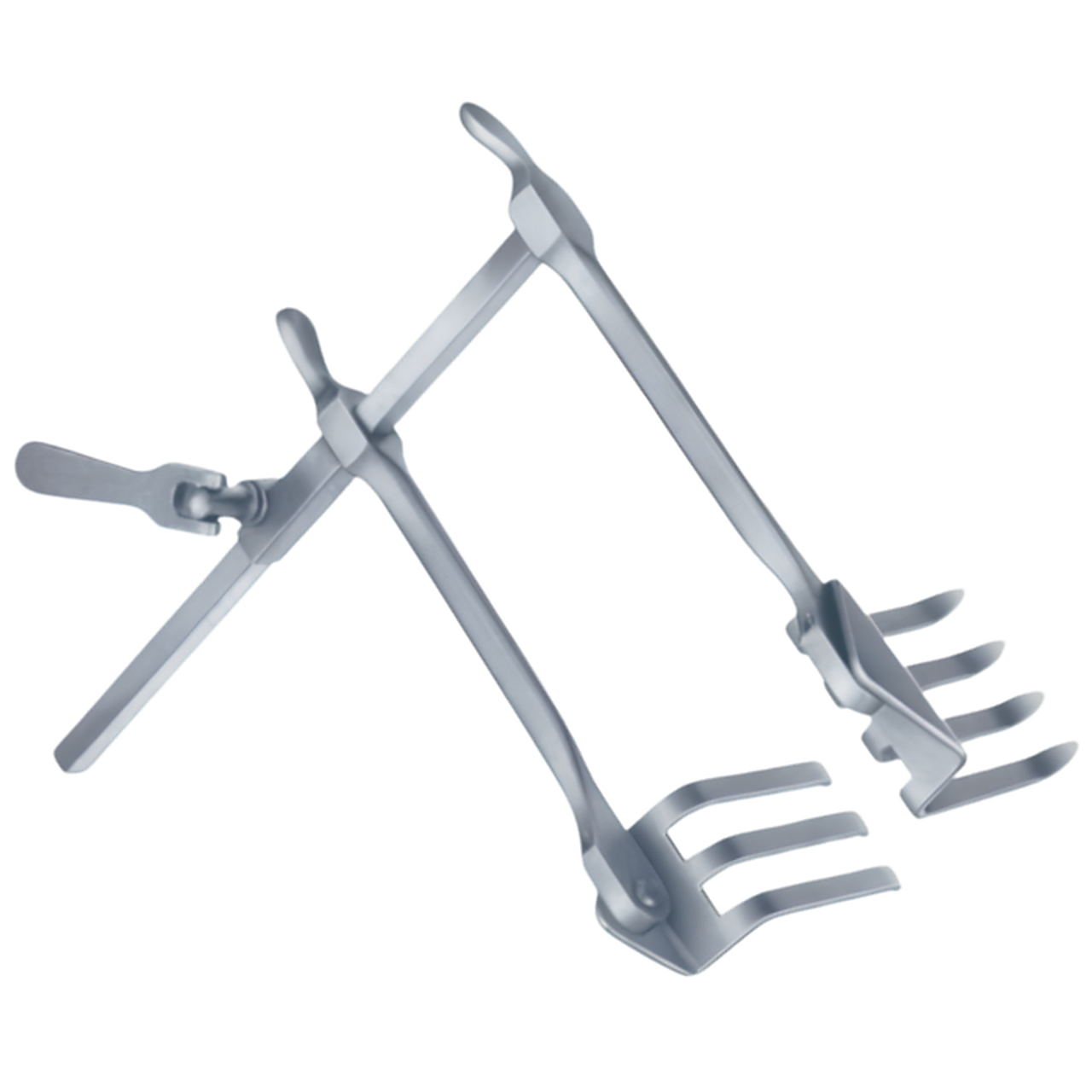 | Scoville-Richter 自保持開創器 | 專為在腰椎手術期間牽開厚重的副脊柱肌肉並維持廣泛的術野暴露而設計。 |
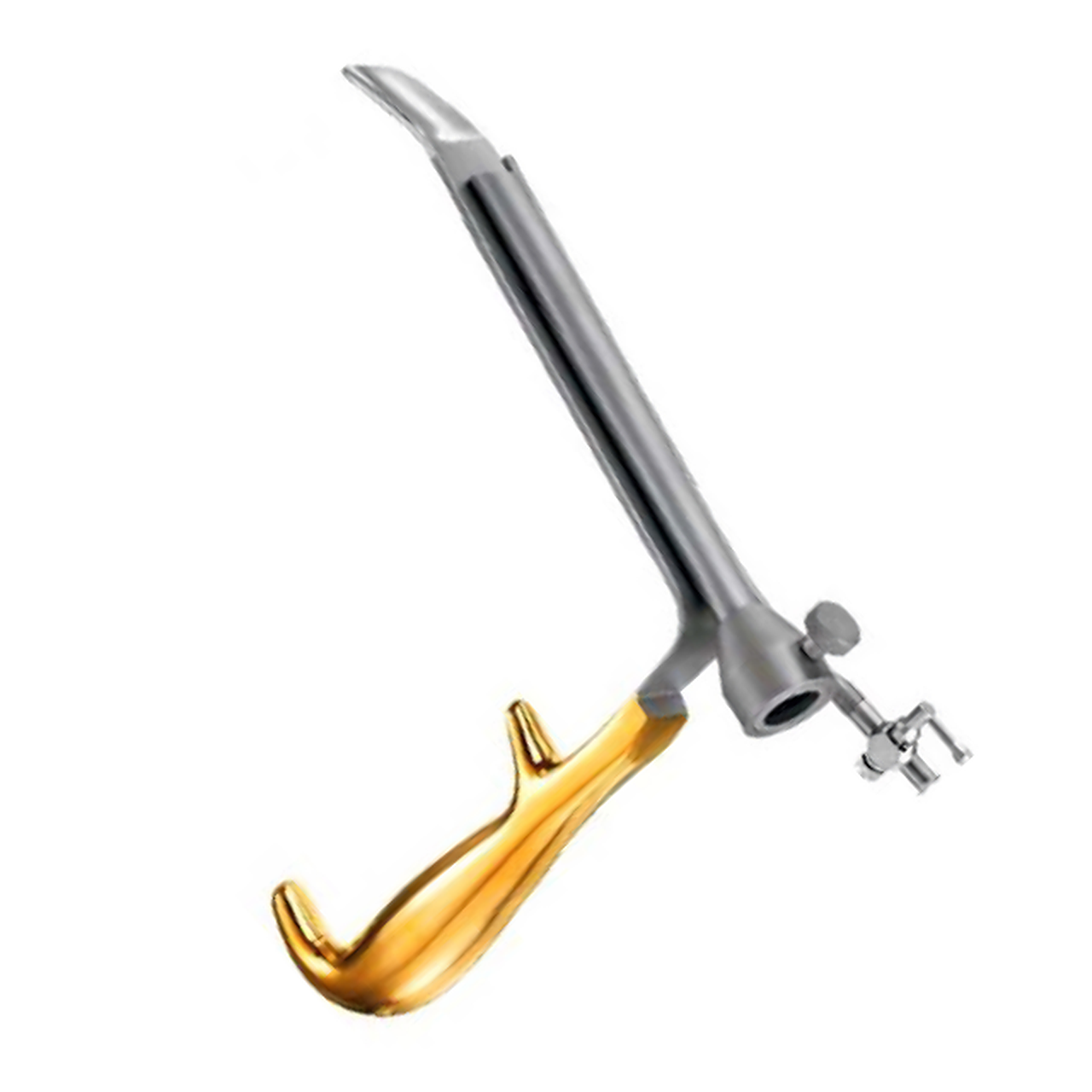 | Sculpo Endoscopic Retractor | 低侵襲な形成外科手術において、組織フラップを挙上し、内視鏡を安定させるために特別に設計されています。 |
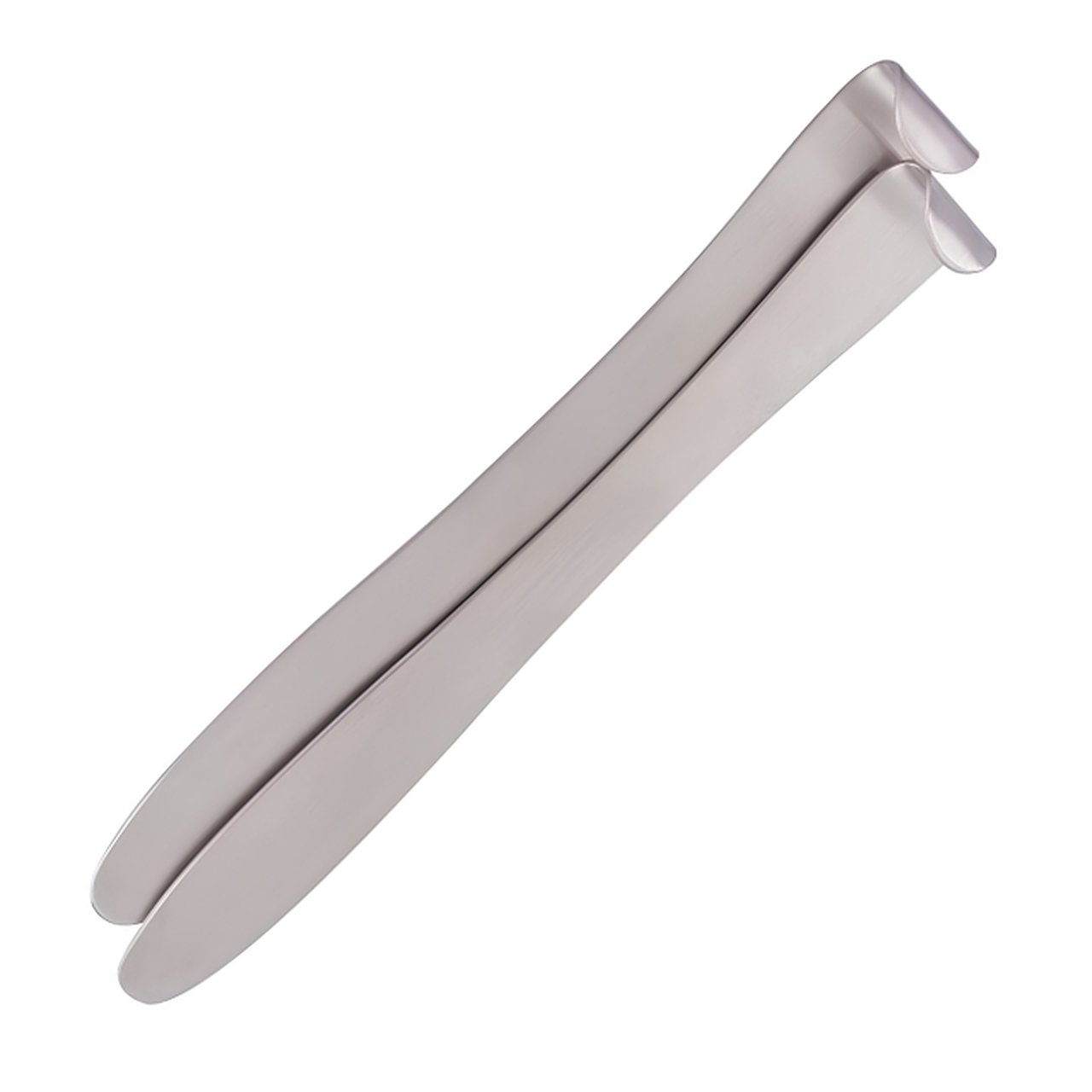 | Seeburger Retractor-Set of Two (2本セット) | 小外科および一般外科における皮膚縁、筋膜、浅層軟部組織の牽引に特化して設計されています。 |
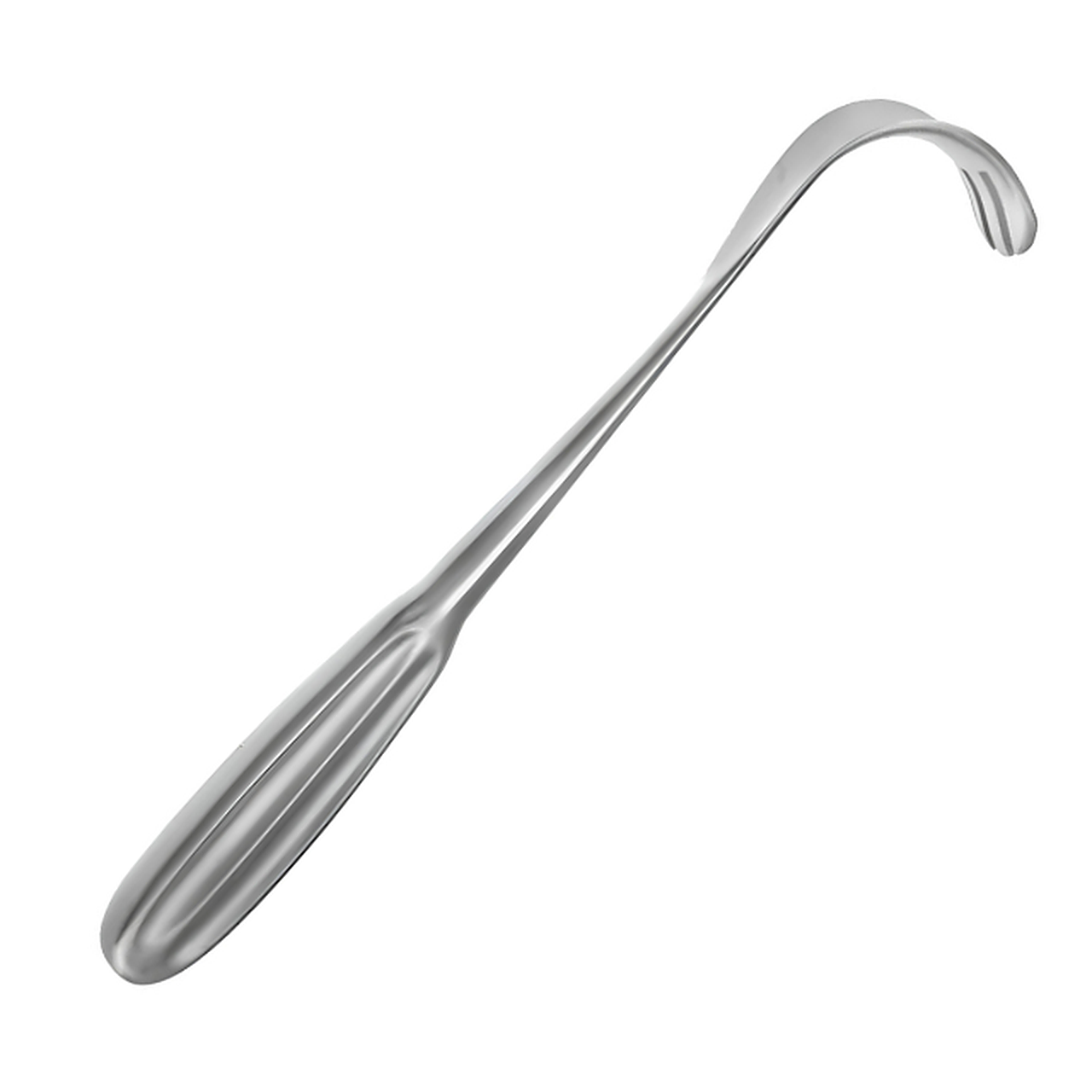 | Semb 肺・筋肉レトラクター | 開胸術や肺手術における肺実質、胸壁筋肉、および深部胸郭臓器の牽引専用に設計されています。 |
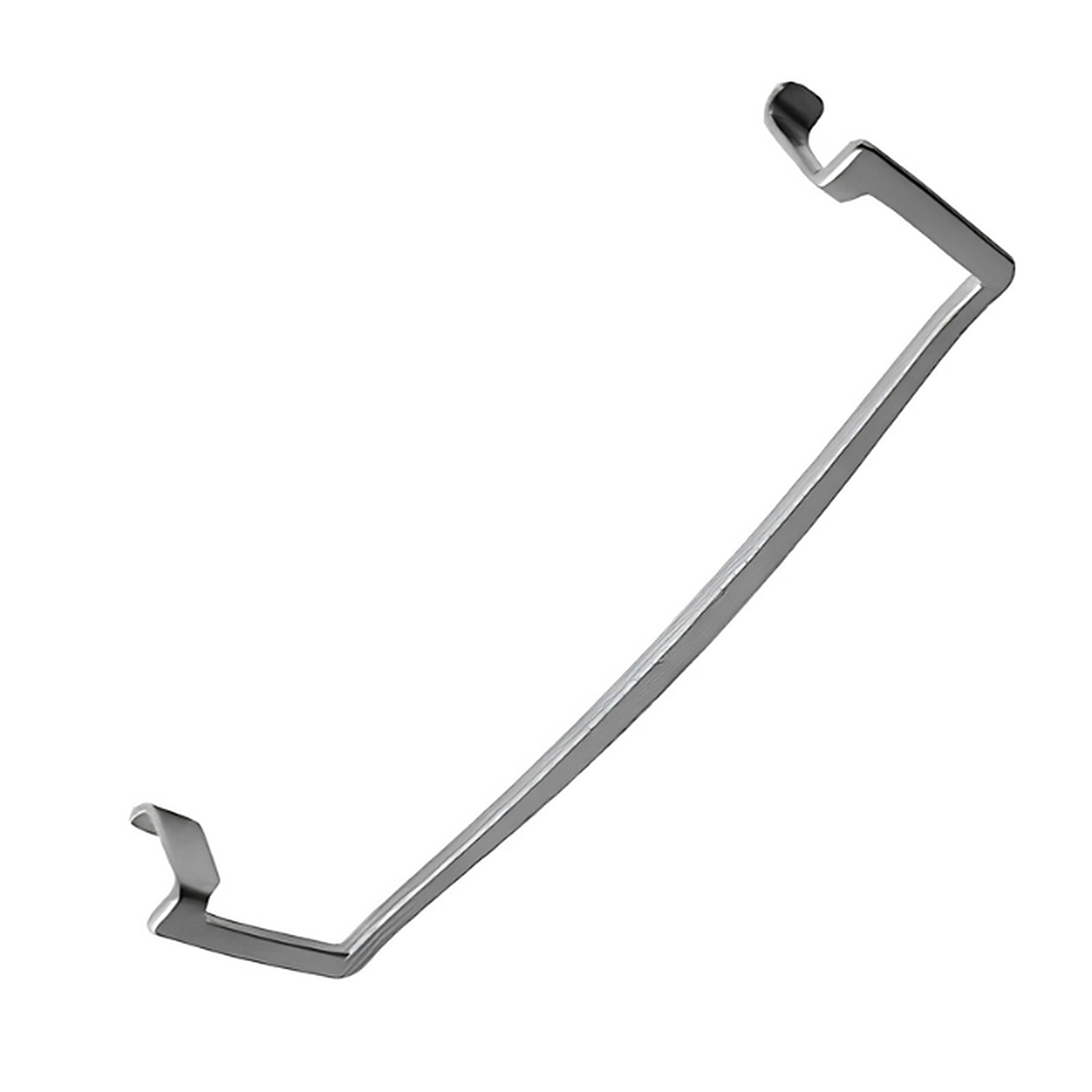 | Senn 前方開創器 | 小手術、形成外科、手外科における皮膚縁、皮弁、および筋膜の牽引に特化して設計されています。 |
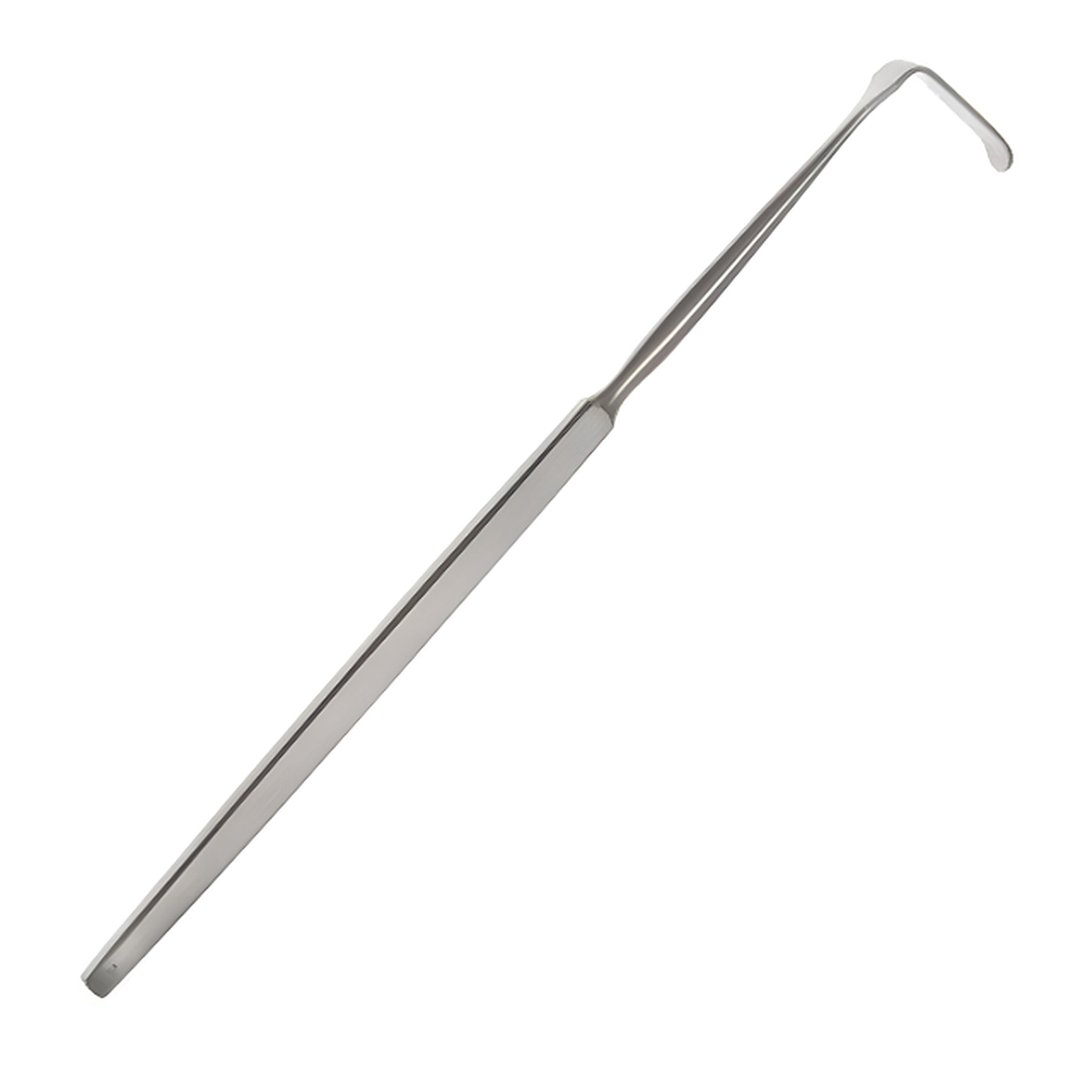 | Senn Green 筋鉤(リトラクター) | 甲状腺手術および小手術における胸骨舌骨筋、頸筋膜、および創縁の牽引専用。 |
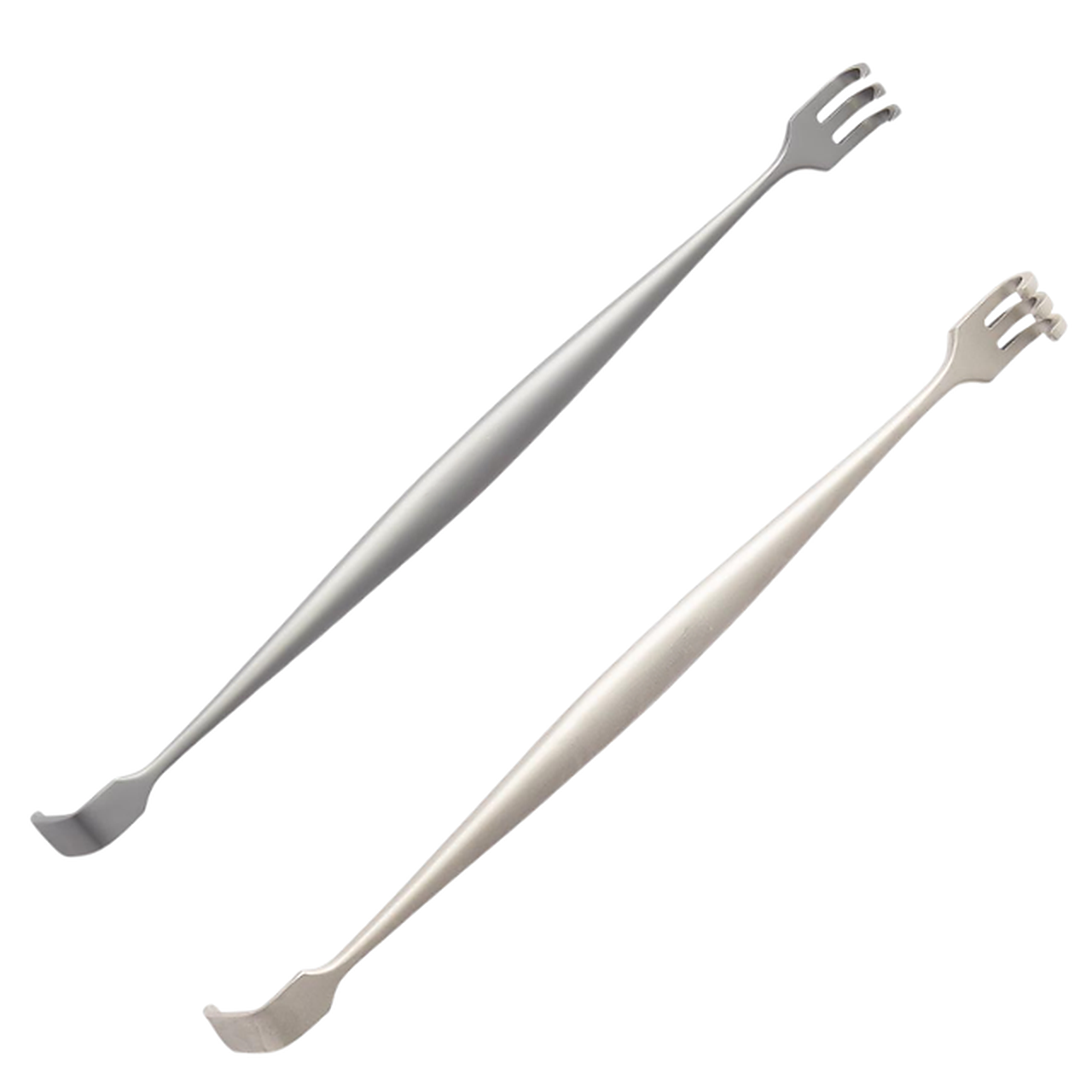 | Senn Miller レトラクター | 浅層および中間層の切開部における創縁、筋膜、皮下組織の牽引に特化して設計されています。 |
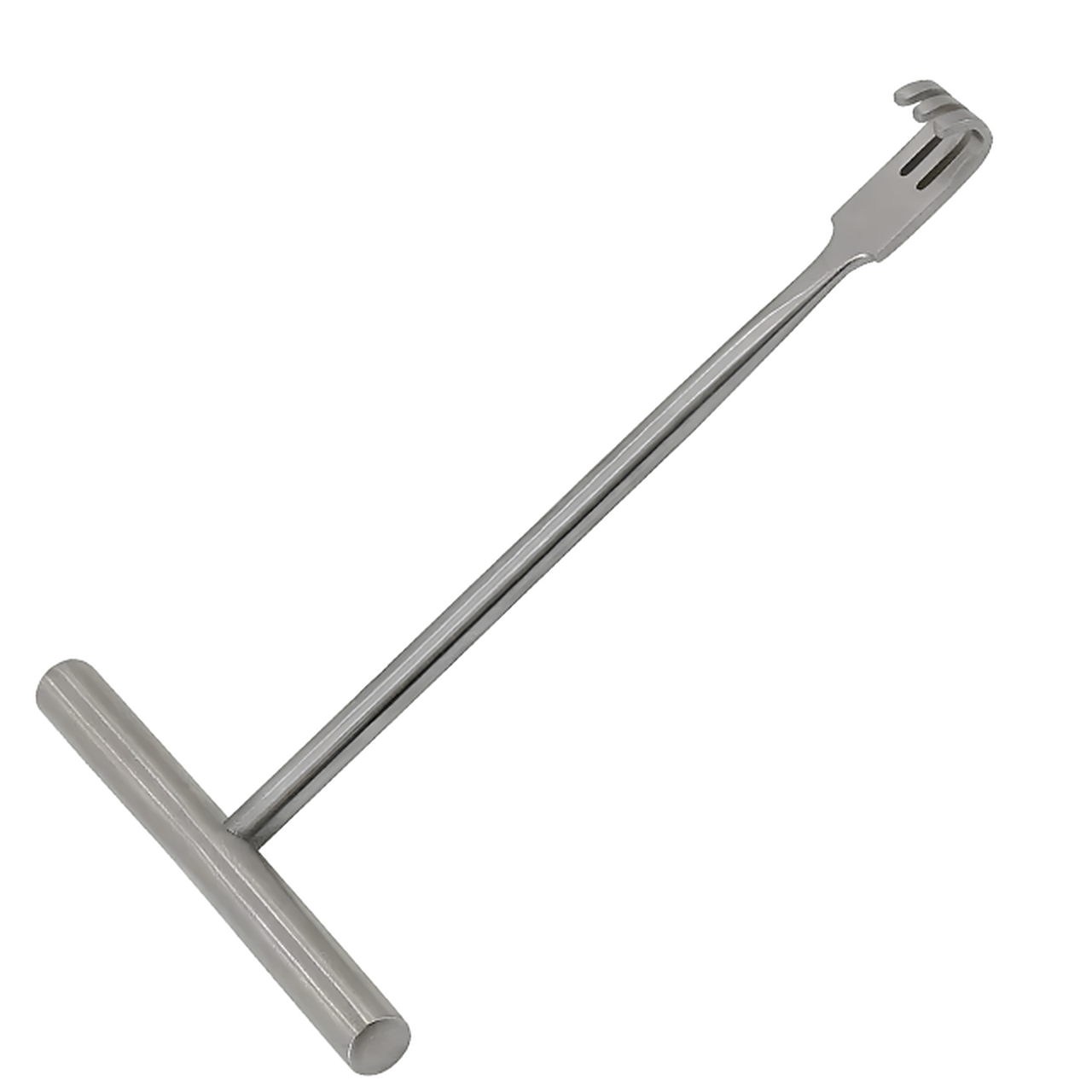 | Senn T-Handle リトラクター | 高い手動牽引力を利用して、皮弁、筋膜、および緻密な組織縁を牽引するために特別に設計されています。 |
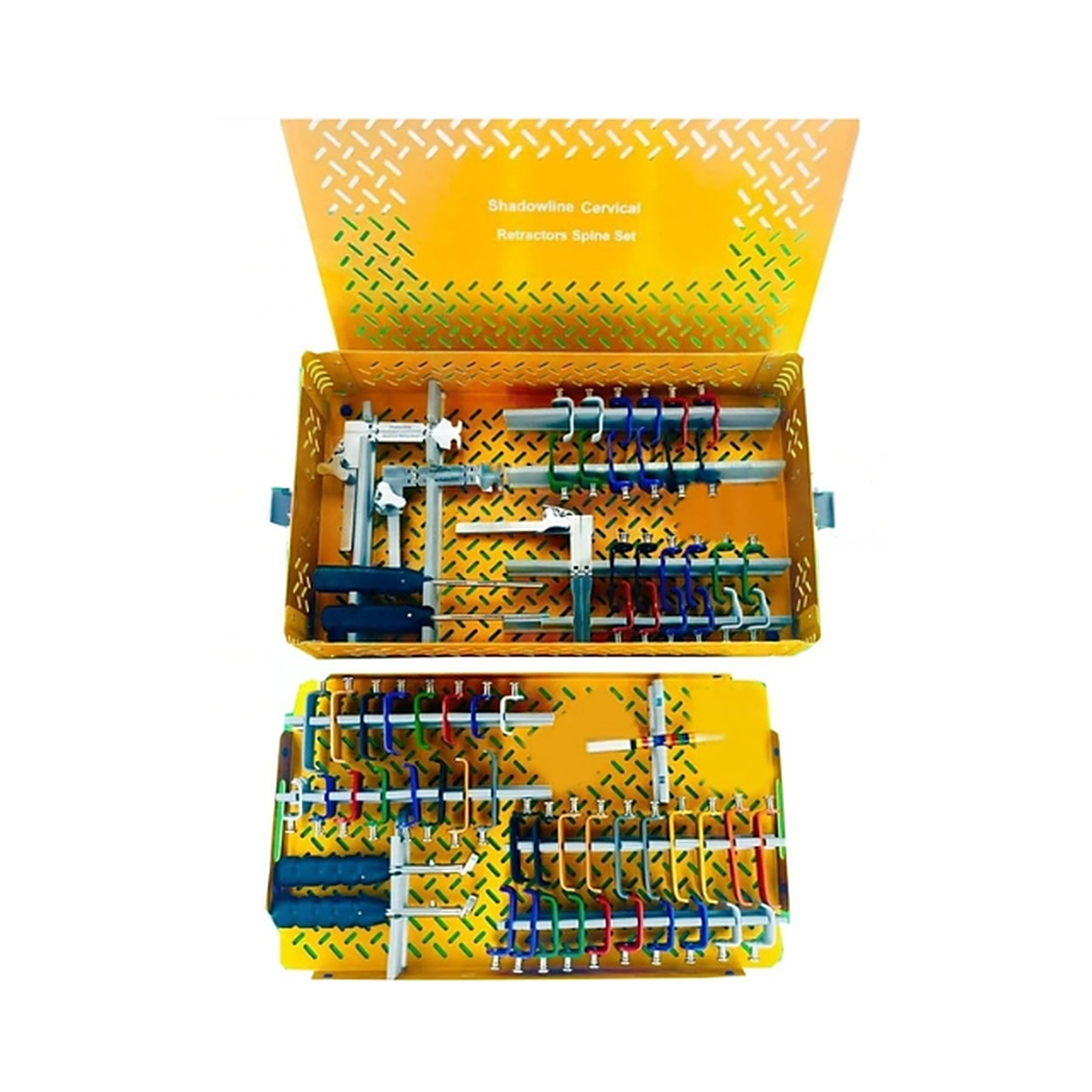 | SHADOWLINE Trimline 頸椎リトラクターセット | 前方頸椎手術において、安定した組織牽引と鮮明な術野可視化を提供するために特別に設計されています。 |
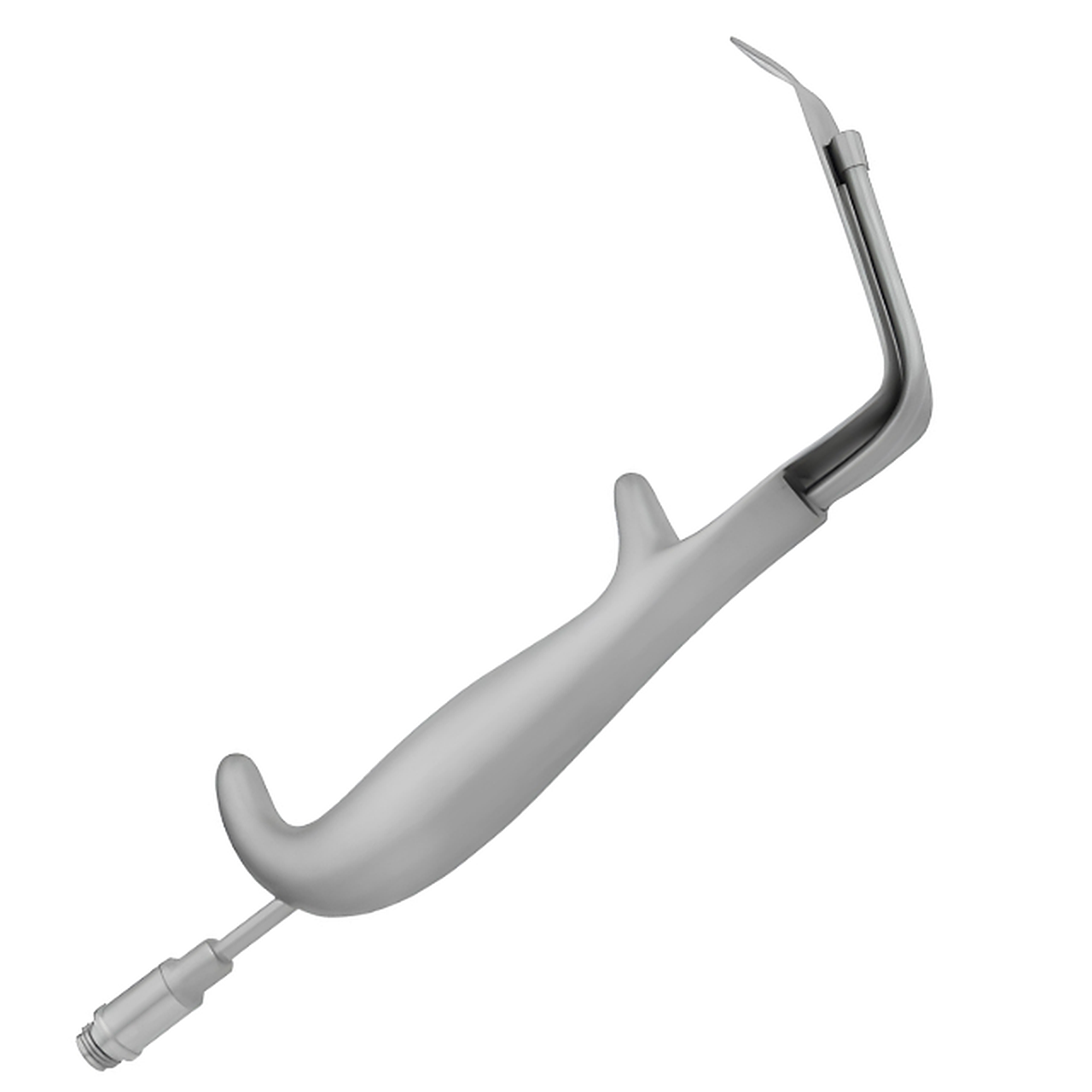 | Shea Retractor With Fiber Optic Guide | 耳鼻咽喉科および顔面整形外科手術において、皮弁の牽引および深部術野の照明を行うために特別に設計されています。 |
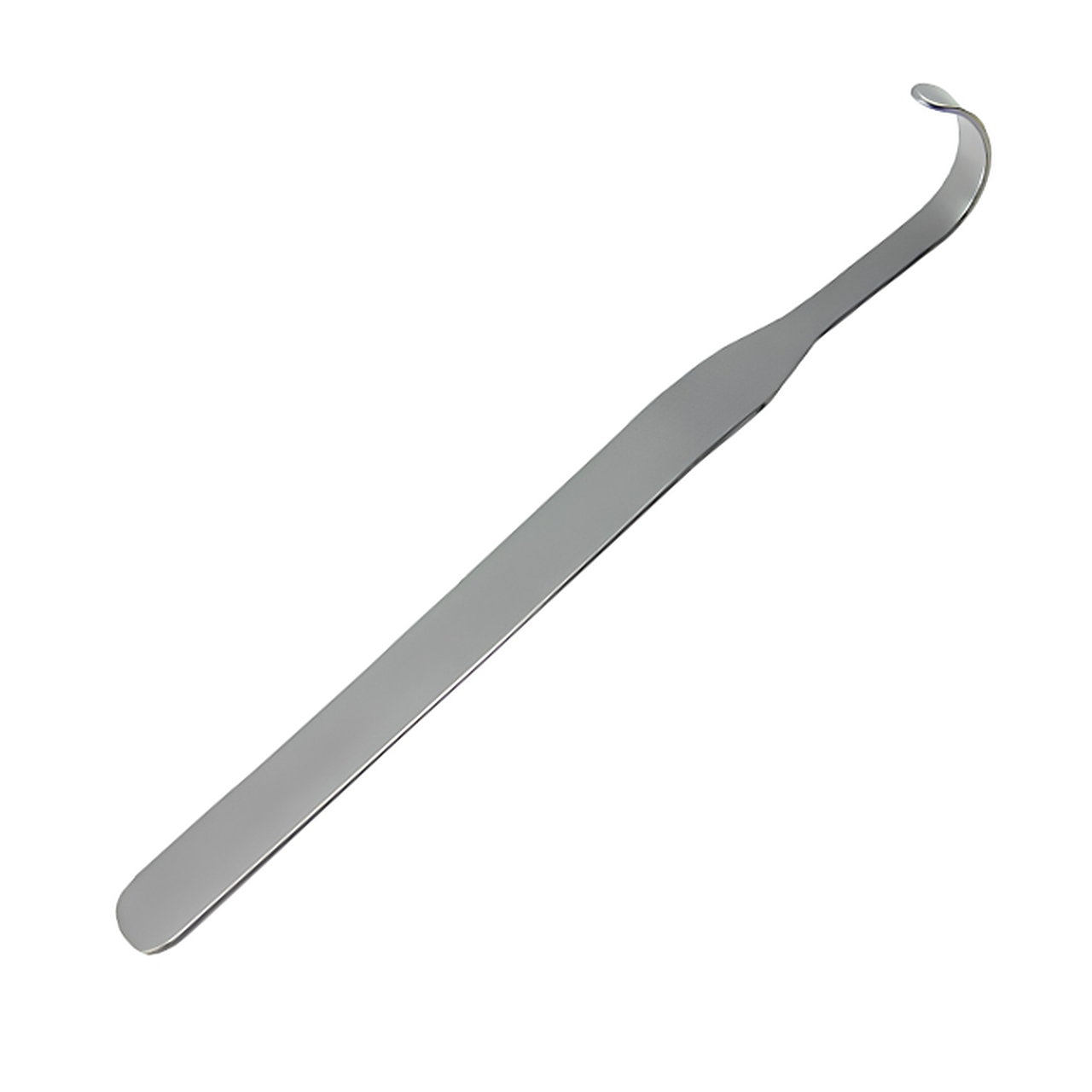 | Sheen Nasal Retractor Angled(アングル型鼻用レトラクター) | 美容および再建的鼻形成術において、鼻腔の皮弁を持ち上げ、軟骨を牽引するために特別に設計されています。 |
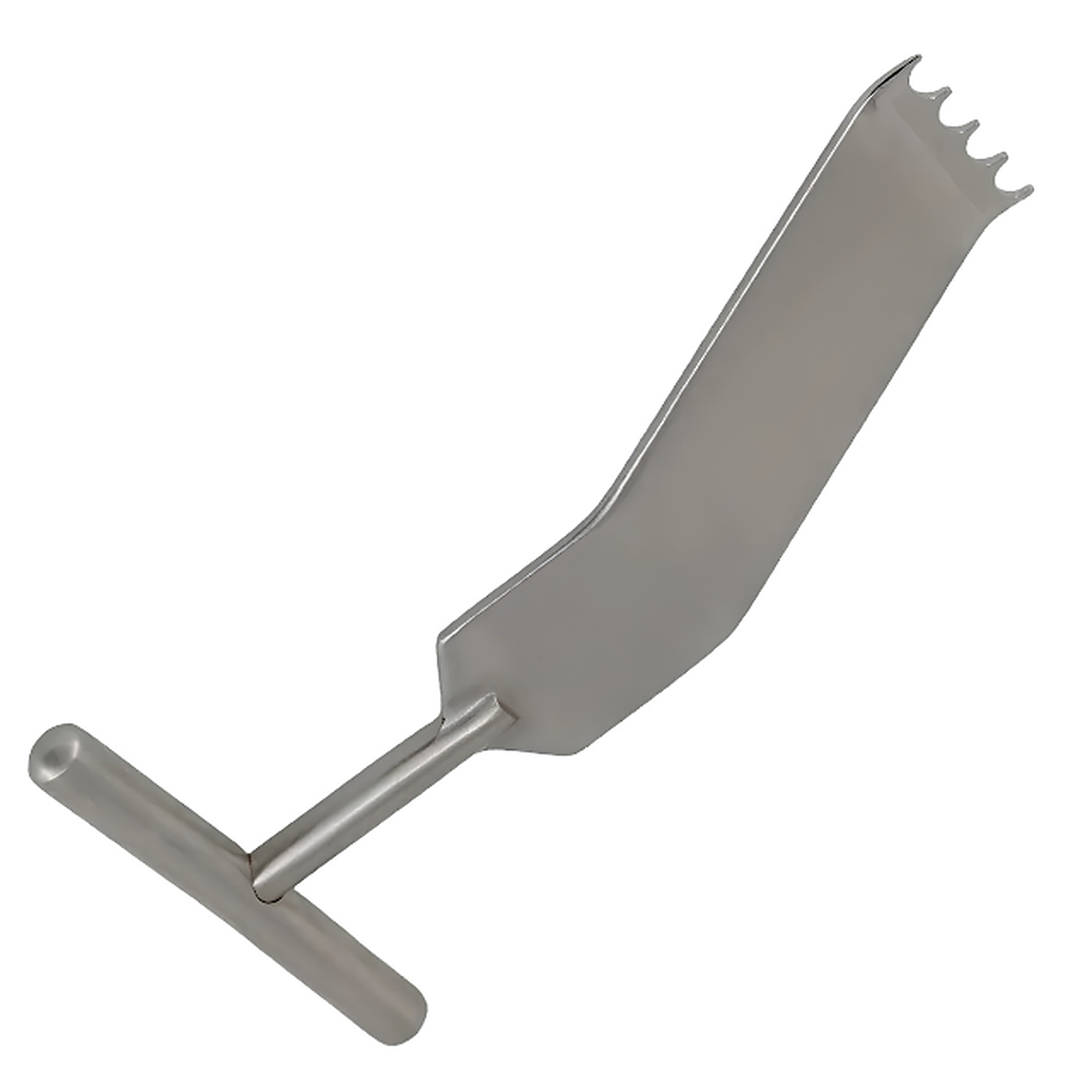 | Shoulder Arthroplasty Retractor Glenoid Exposure | 肩関節置換術において、上腕骨を後方に変位させ、関節窩を露出させるために特別に設計されています。 |
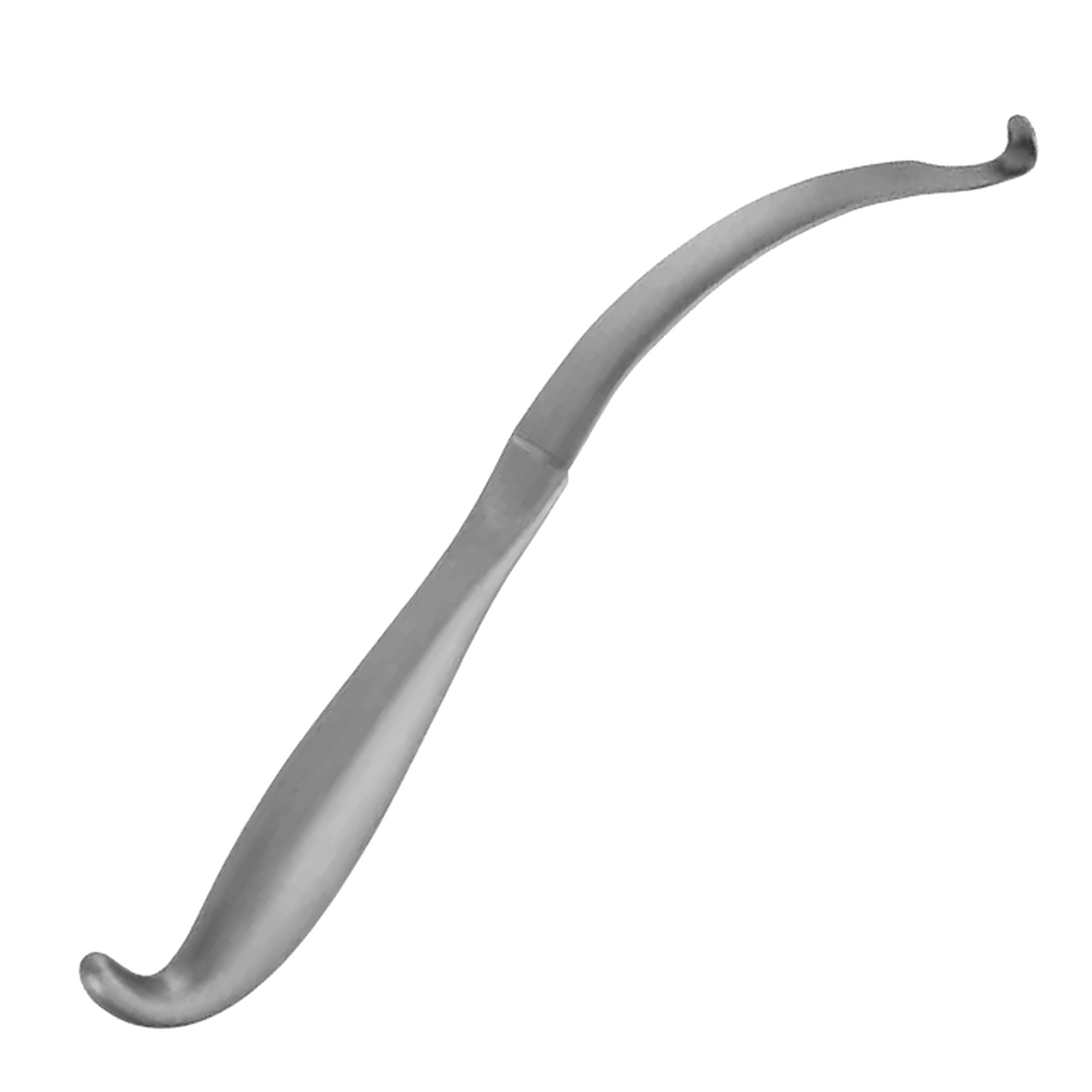 | シグモイドノッチレトラクター(下顎切痕用) | 顎矯正下顎枝手術において、下顎切痕に係留し、神経血管束を保護するために設計されています。 |
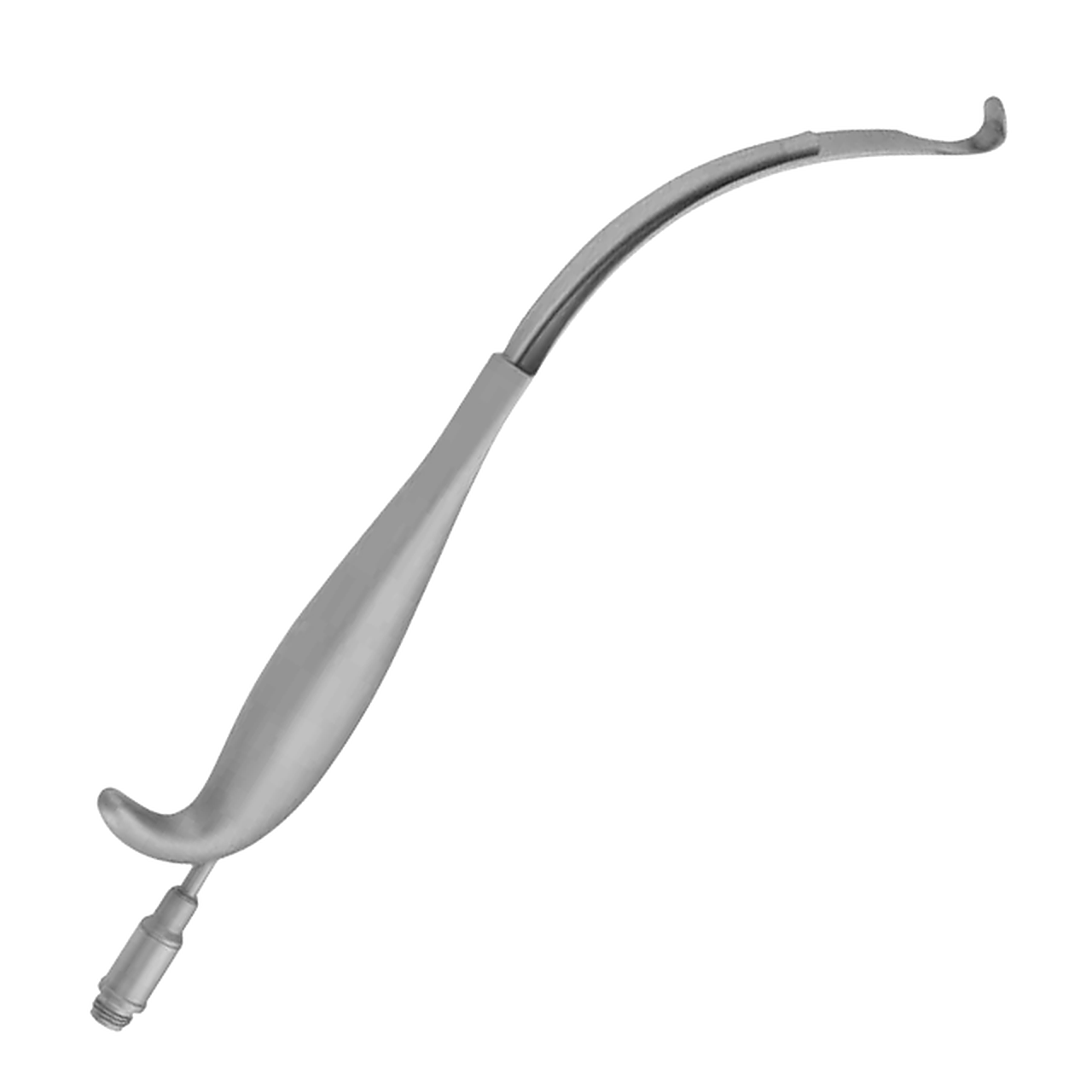 | ファイバーオプティックガイド付シグモイドノッチレトラクター | 下顎枝手術中の下顎切痕における軟部組織の牽引および骨の安定化を、照明下で行うために特別に設計されています。 |
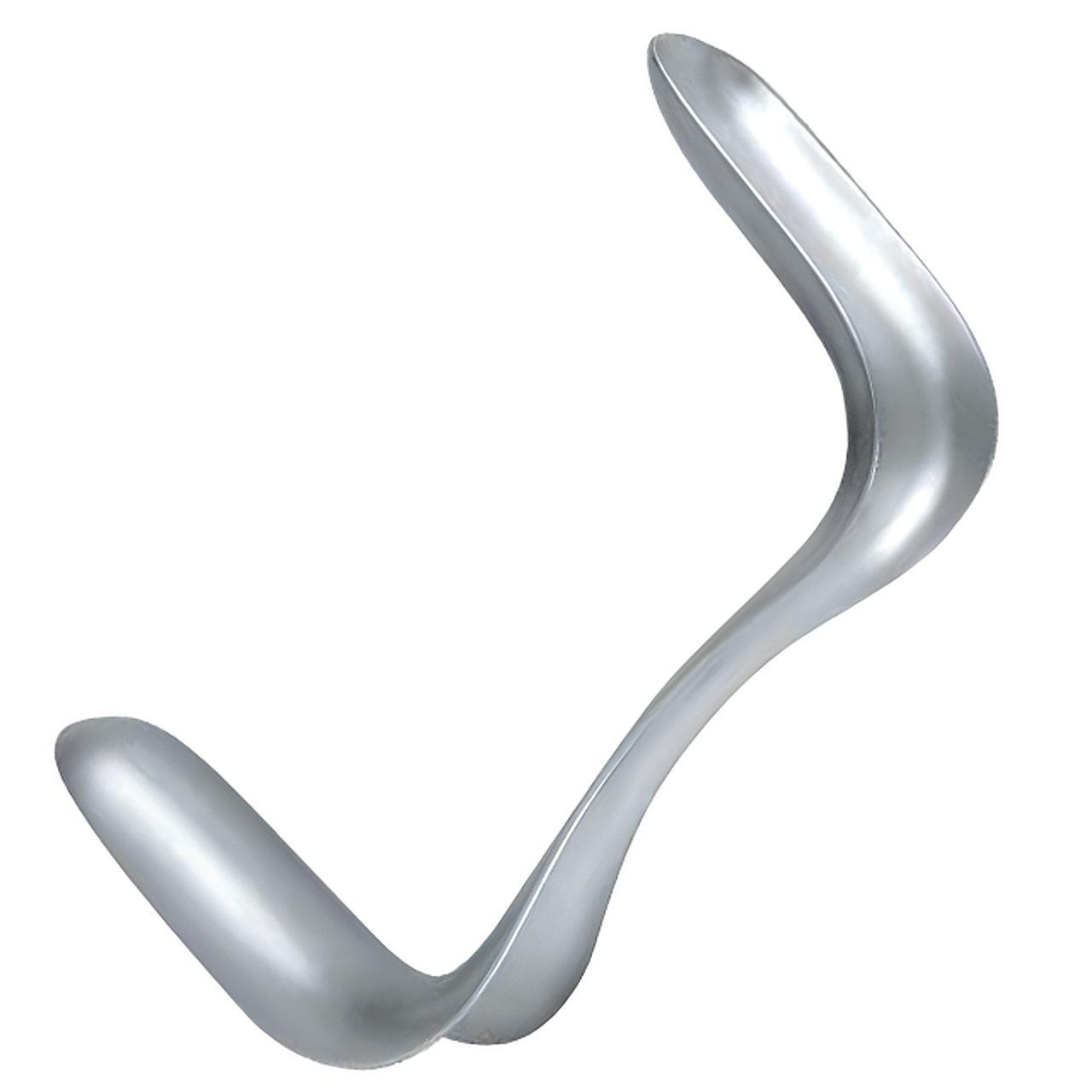 | Sims 膣レトラクター | 膣の後壁または前壁を牽引し、骨盤腔の術野を確保するために特別に設計されています。 |
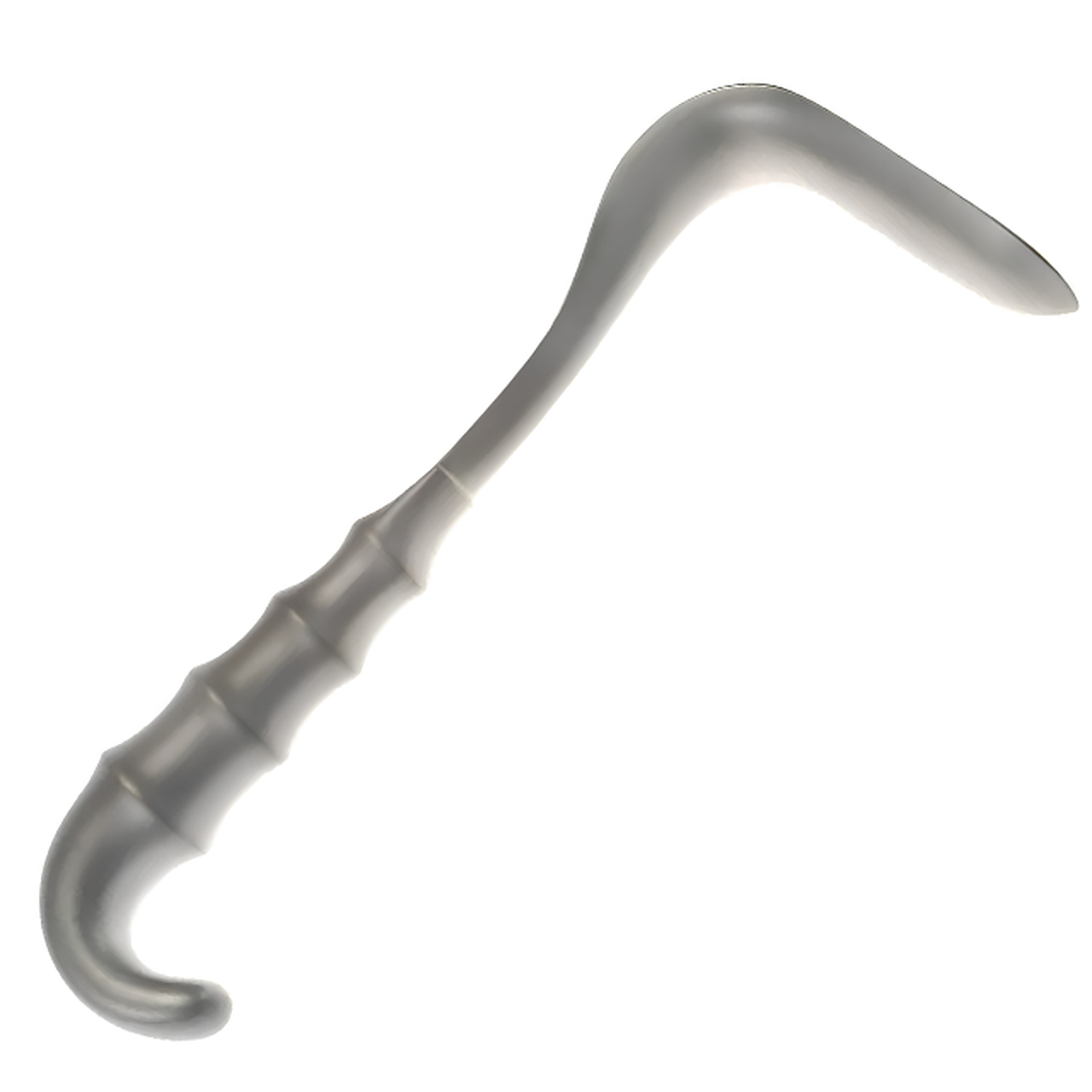 | Sims 膣レトラクター — ホローグリップハンドル | 骨盤および婦人科手術において、アシスタントの手の負担を軽減しながら膣壁を牽引するために特別に設計されています。 |
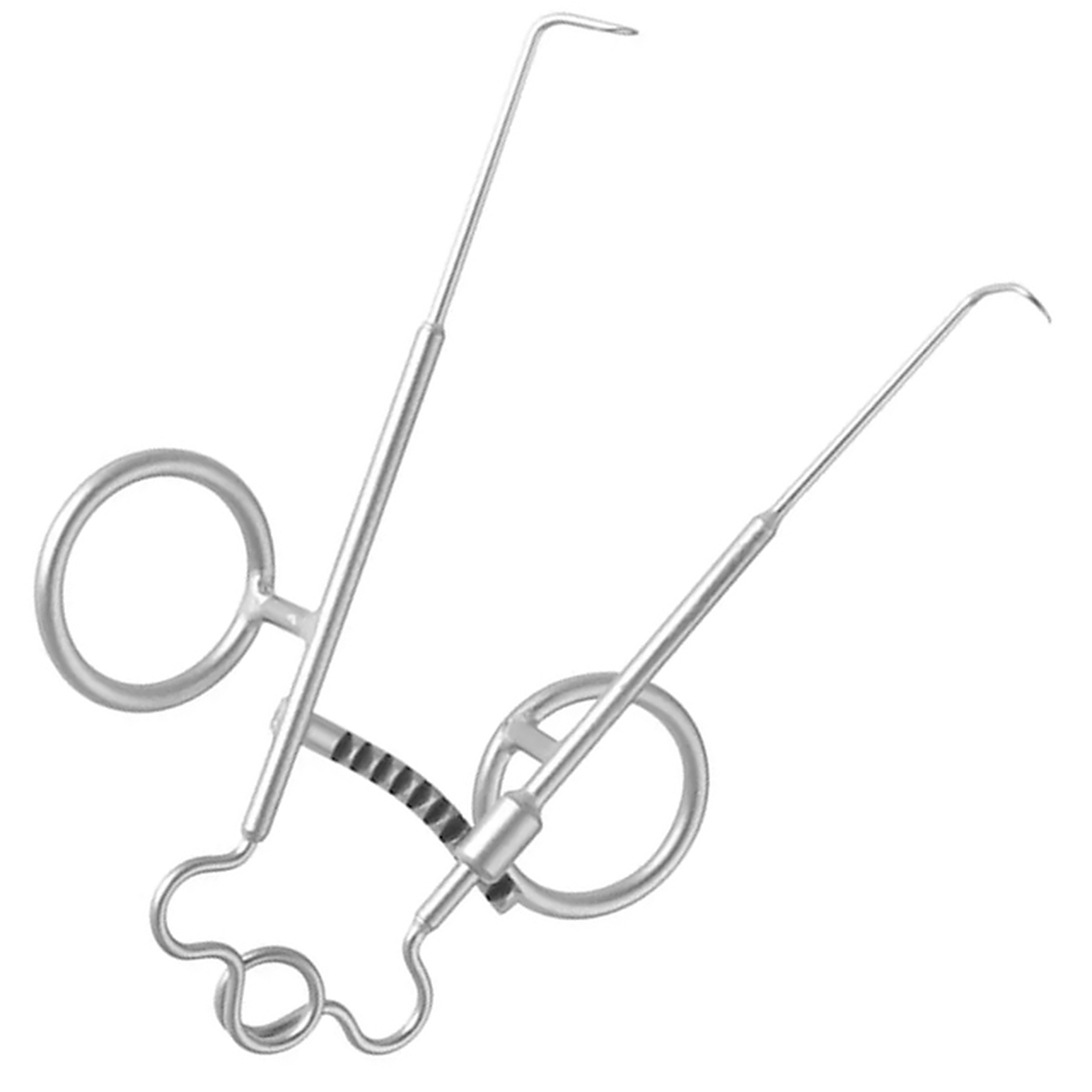 | Sisson Skin Retractor | 狭小な術野でのマイクロサージェリーにおいて、創縁、皮弁、および繊細な軟部組織を牽引するために特別に設計されています。 |
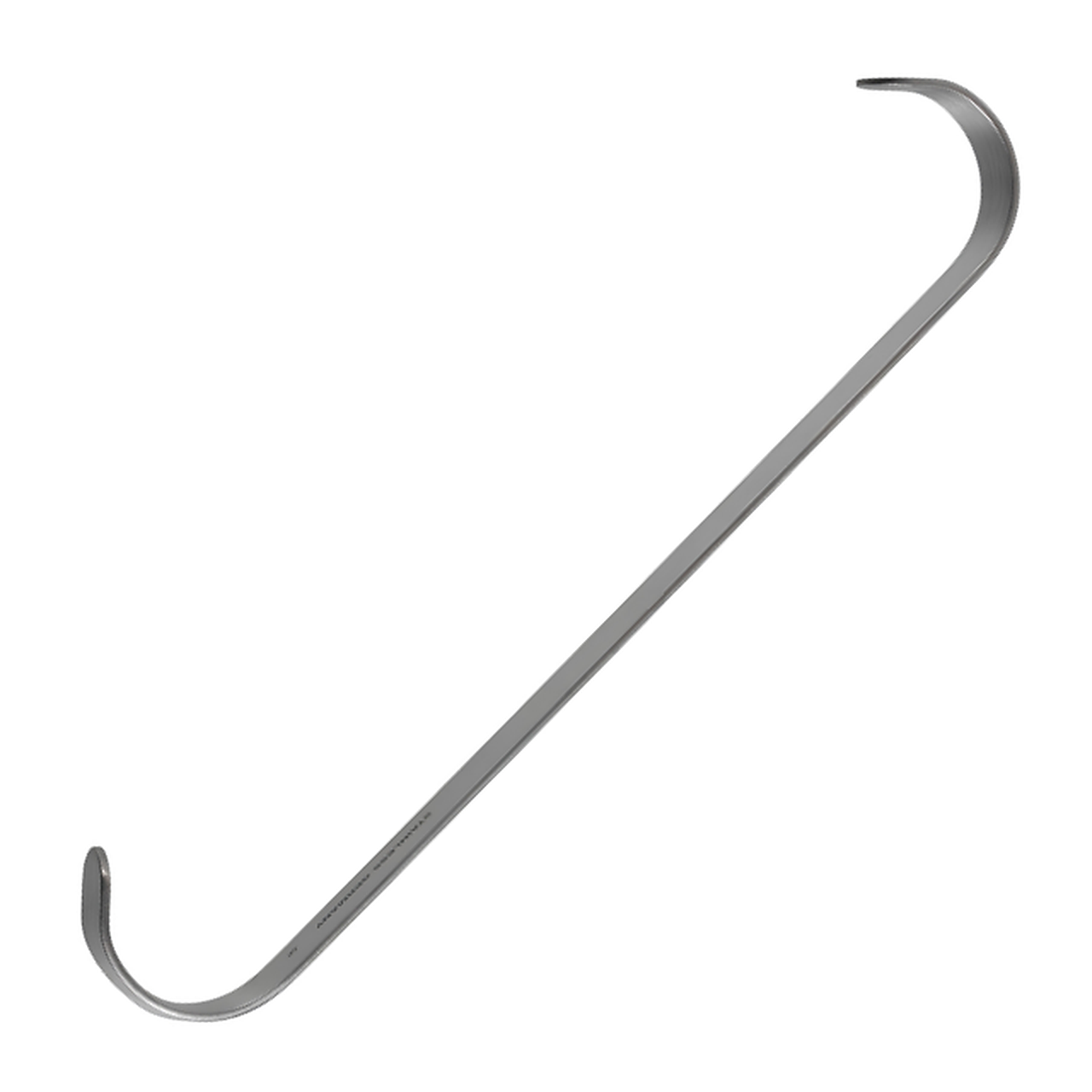 | Sistrunk Retractor | 甲状舌管嚢胞摘出術および頸部手術中の舌骨下筋群、頸筋膜、および皮膚の牽引用に特別に設計されています。 |
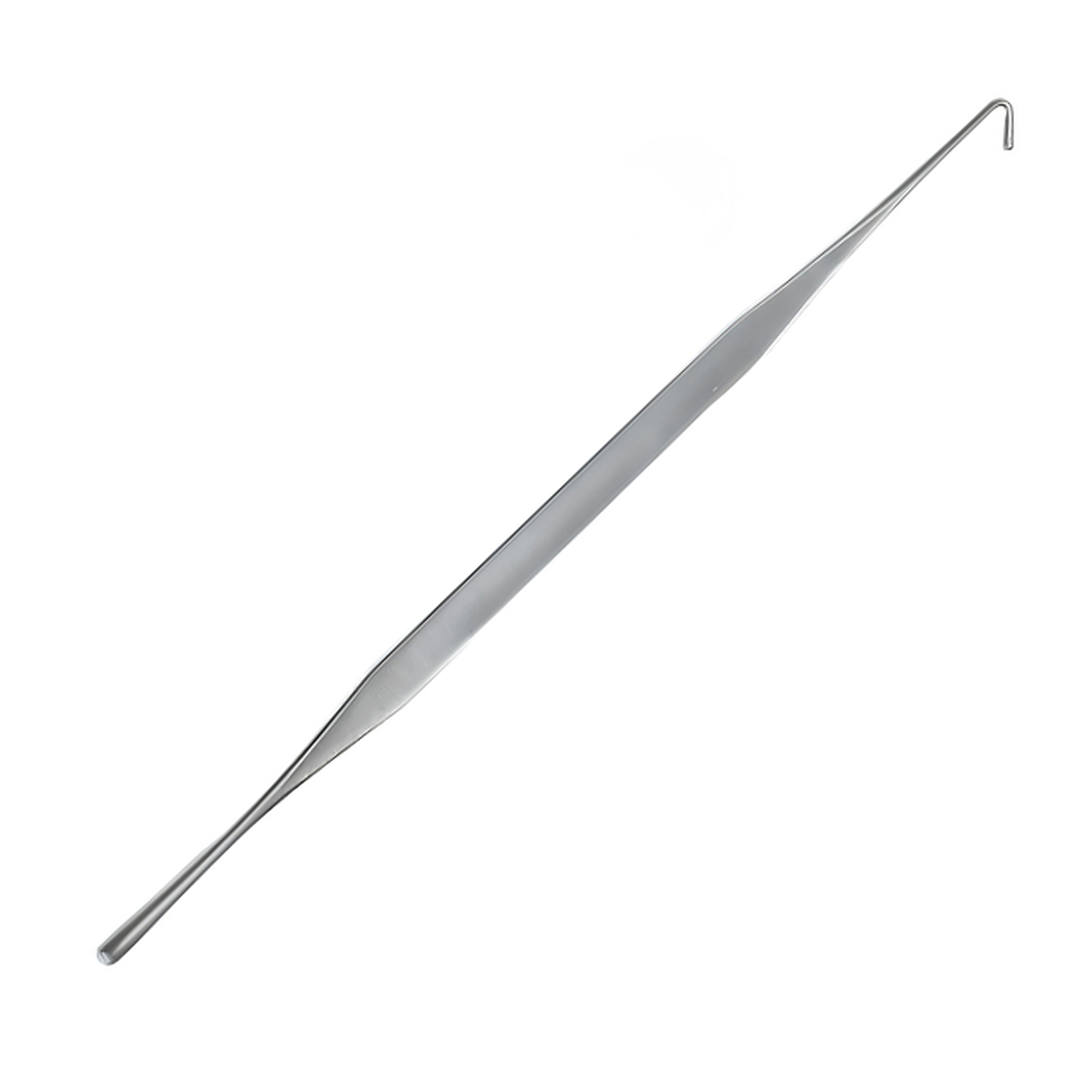 | Smithwick Nerve Retractor | 深部脊椎および血管手術中の神経根および交感神経幹の探索、授動、および牽引のために特別に設計されています。 |
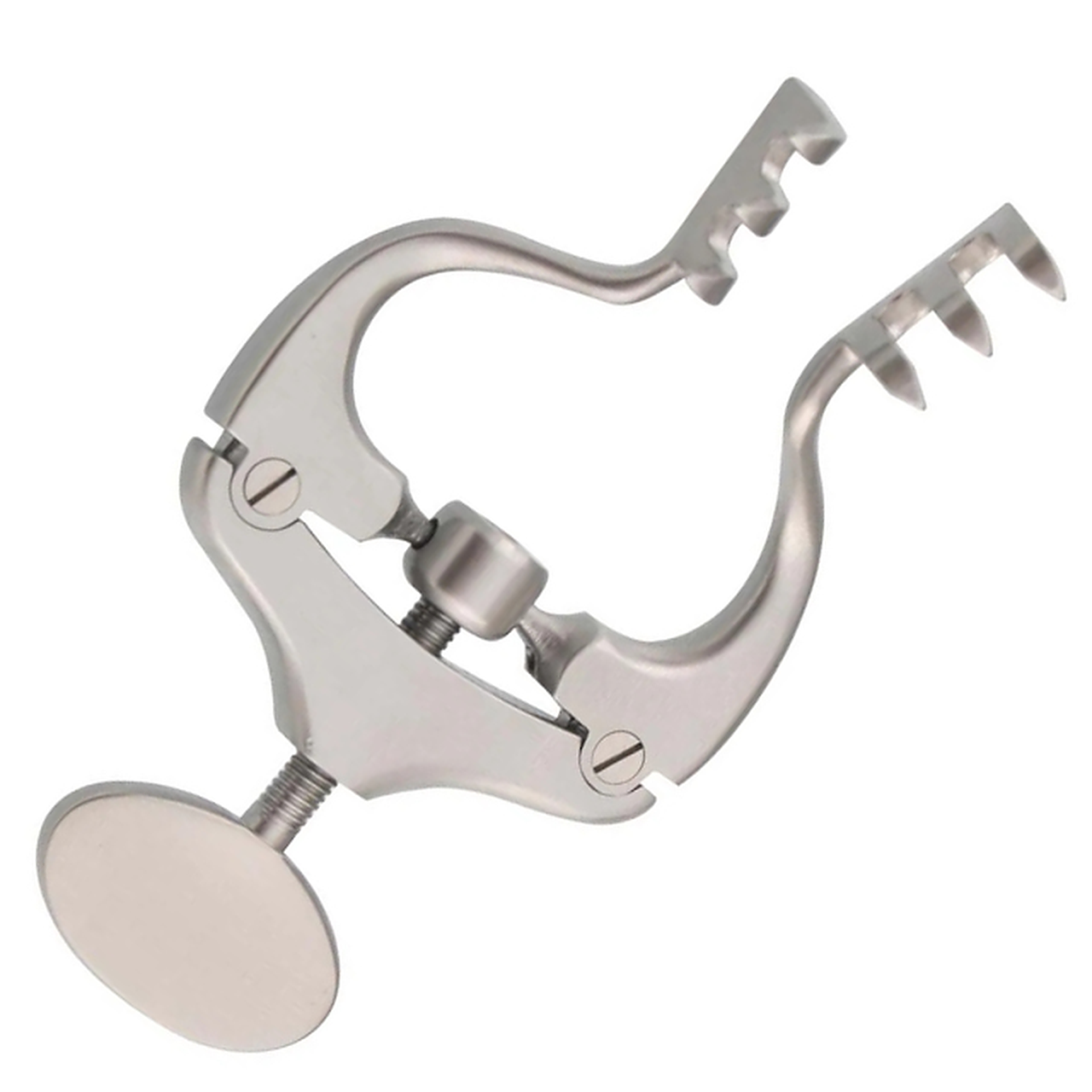 | Snitman 自動開創器 (耳内用) | 耳内、耳科、および外耳道のマイクロサージャリーにおける自動保持式の組織牽引。 |
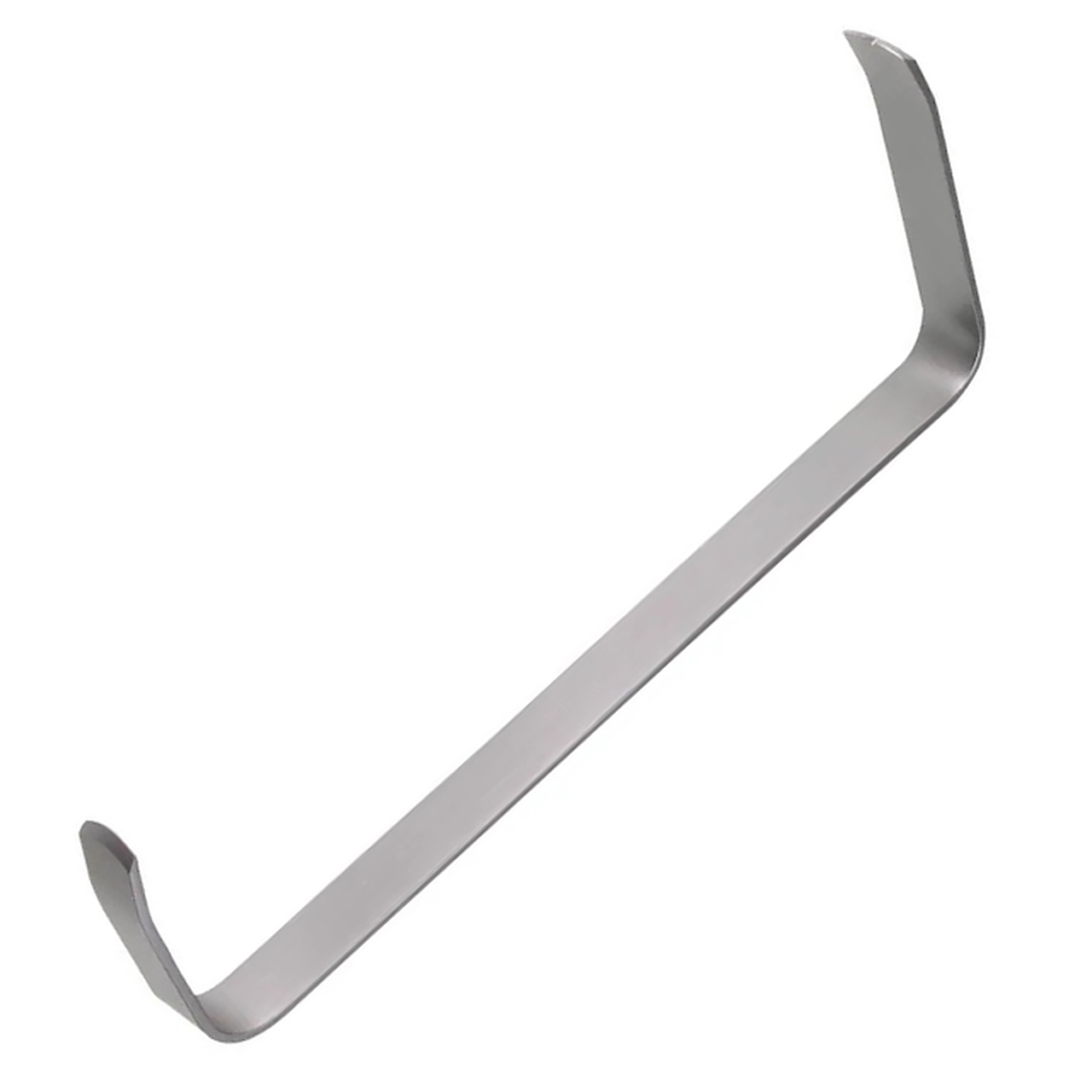 | Sofield レトラクター | 骨切り術や骨折固定術において、長管骨骨幹部を露出させるために筋肉や骨膜を牽引・保持するために特別に設計されています。 |
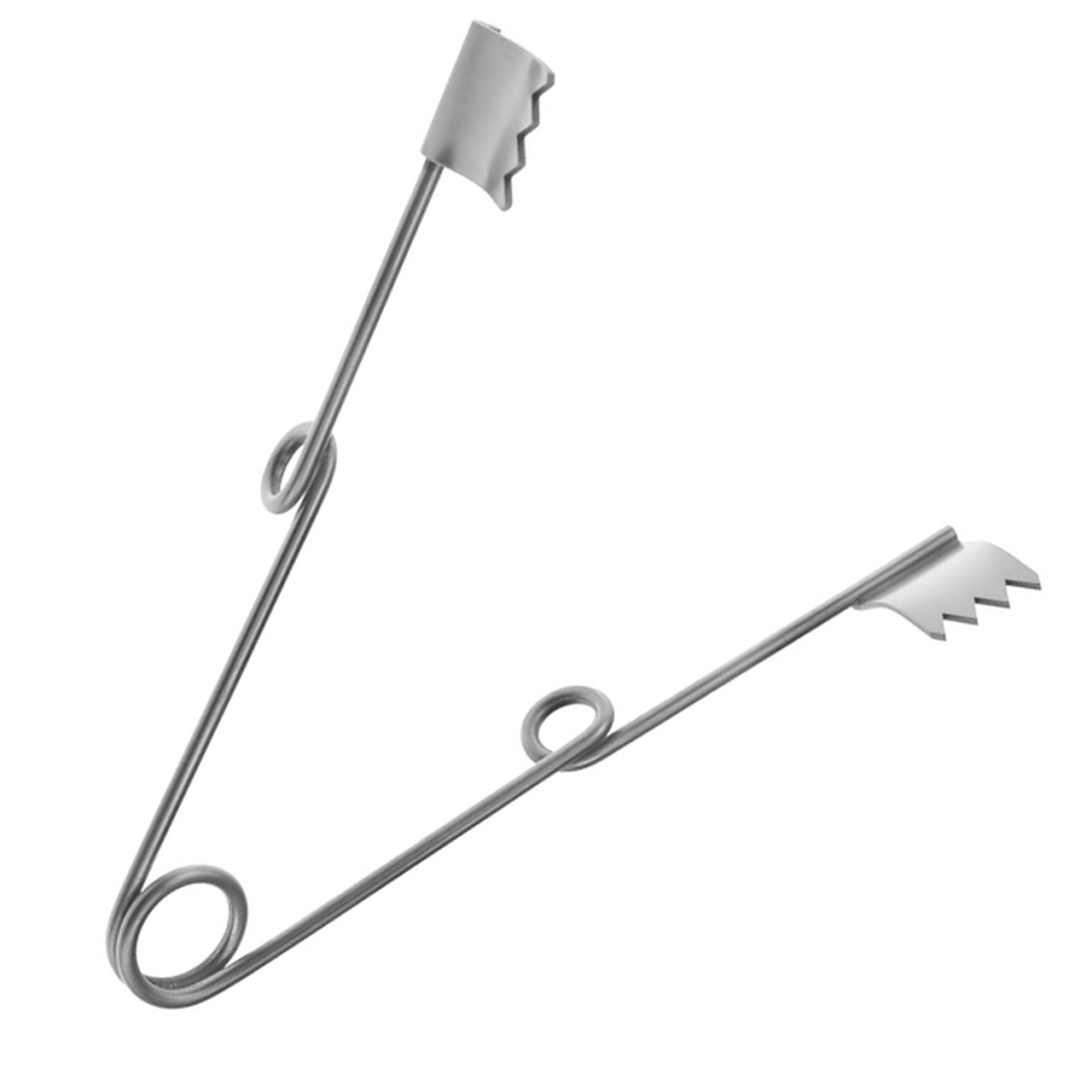 | スプリングワイヤー開創器 | 顕微鏡手術および形成外科手術における、自動保持・ハンズフリーの創縁牽引専用設計。 |
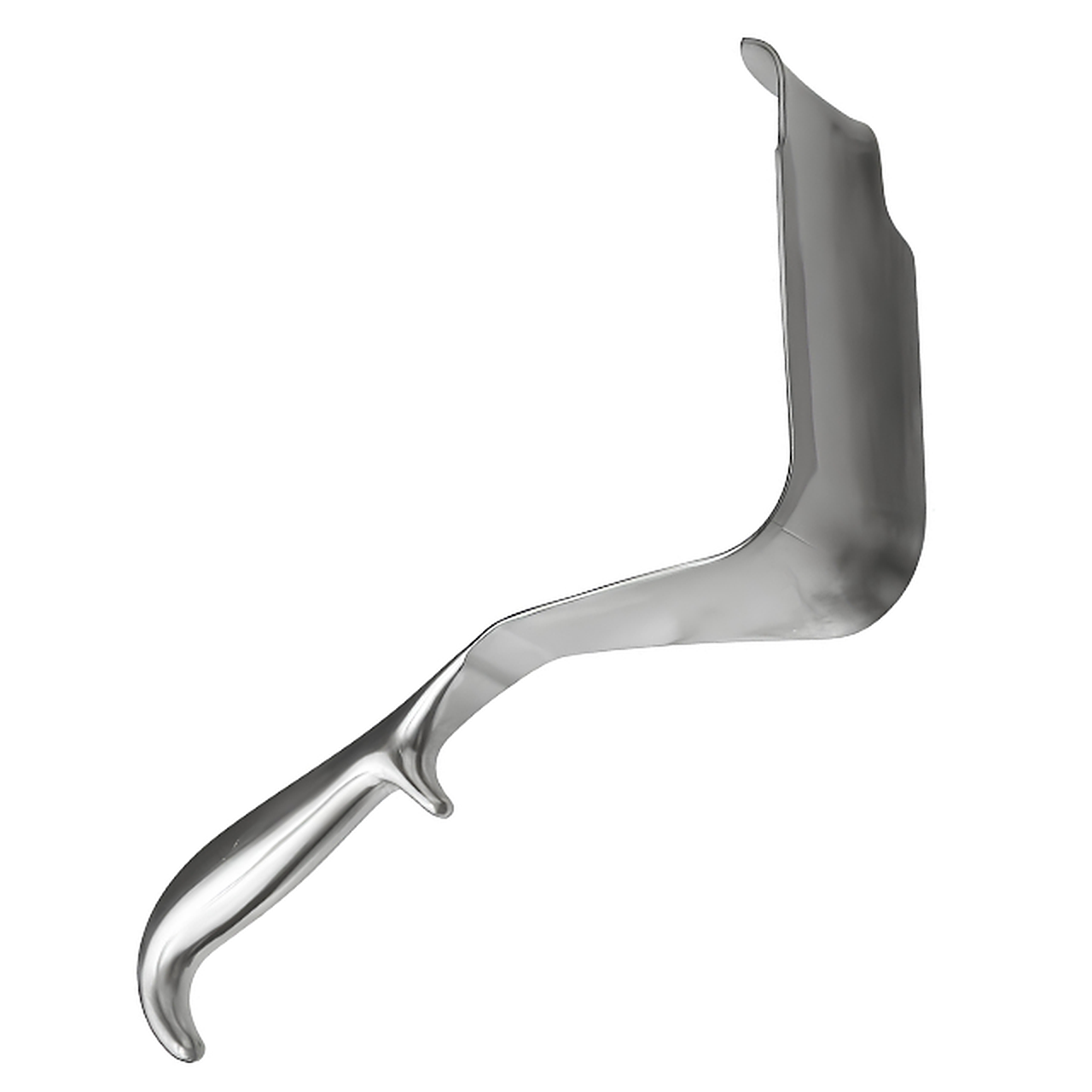 | St. Marks 骨盤用リトラクター | 深部の大腸および骨盤手術中に、骨盤内臓器、膀胱、および腹膜を牽引するために特別に設計されています。 |
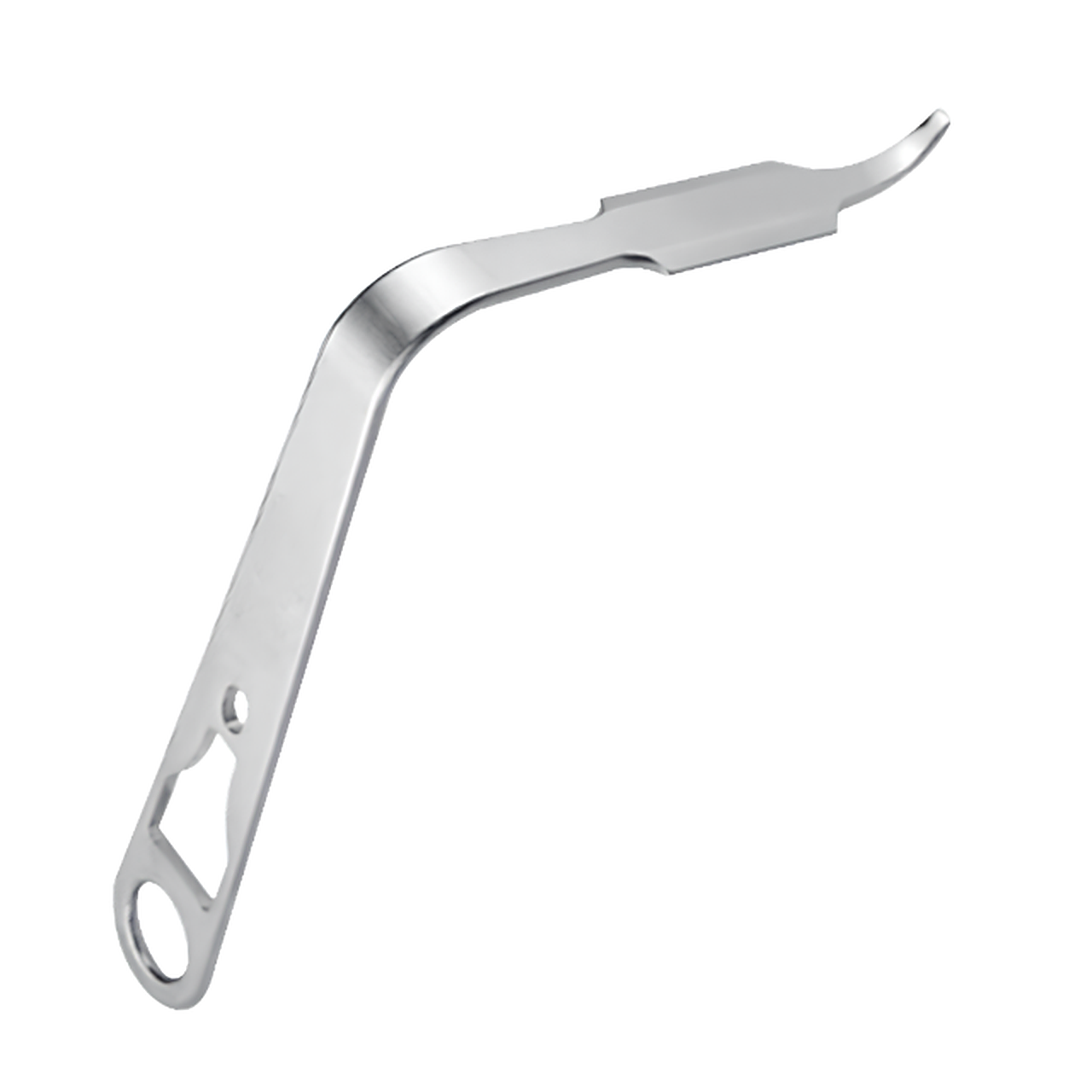 | スタッカブル Hohmann 骨レトラクター | 関節手術において、インターロッキングハンドル機能を利用して骨皮質にレバレッジをかけ、緻密な筋肉層を牽引するために特別に設計されています。 |
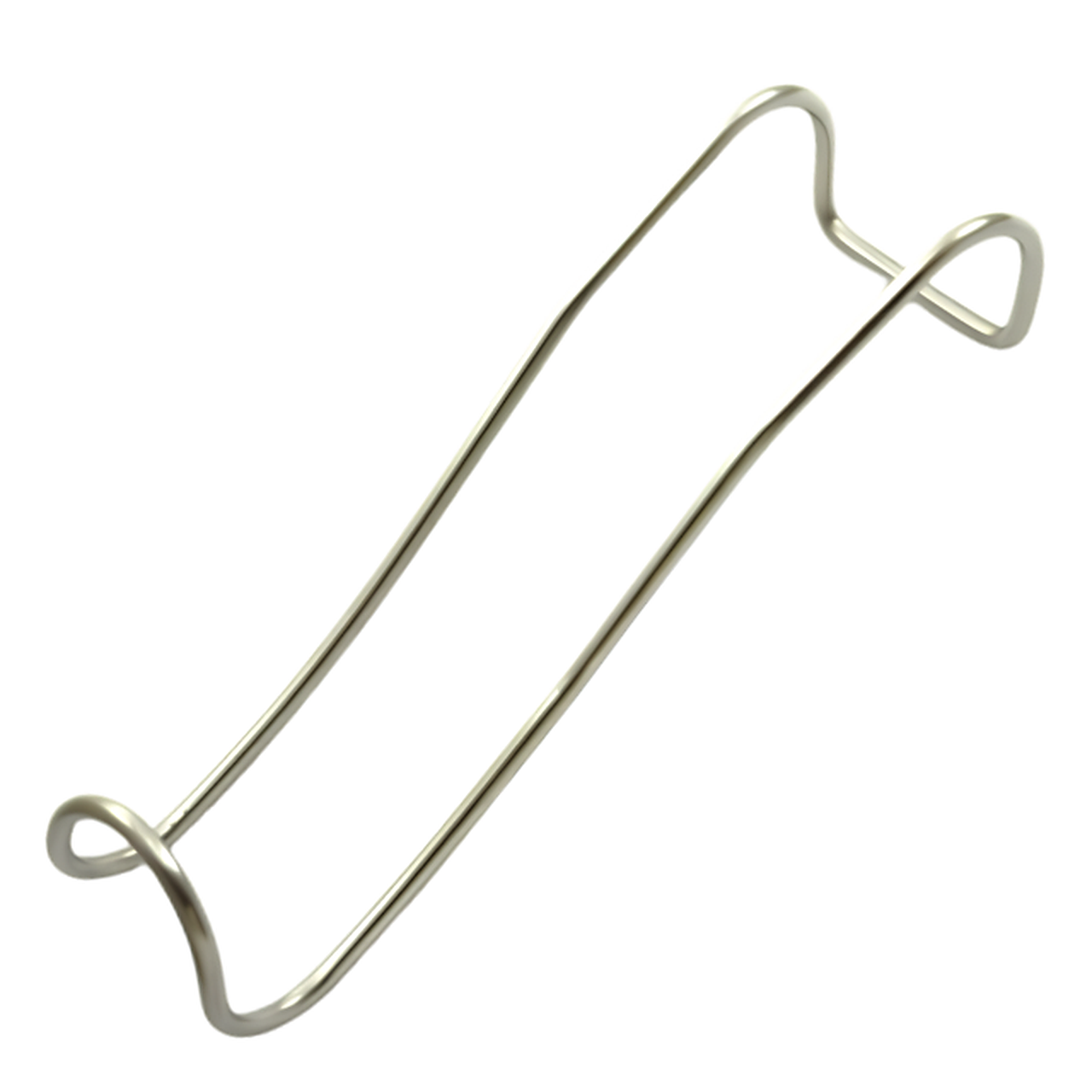 | Sternberg 両端開口器 | 歯科、口腔、咽頭外科手術における唇、頬、および口腔粘膜の牽引に特化して設計されています。 |
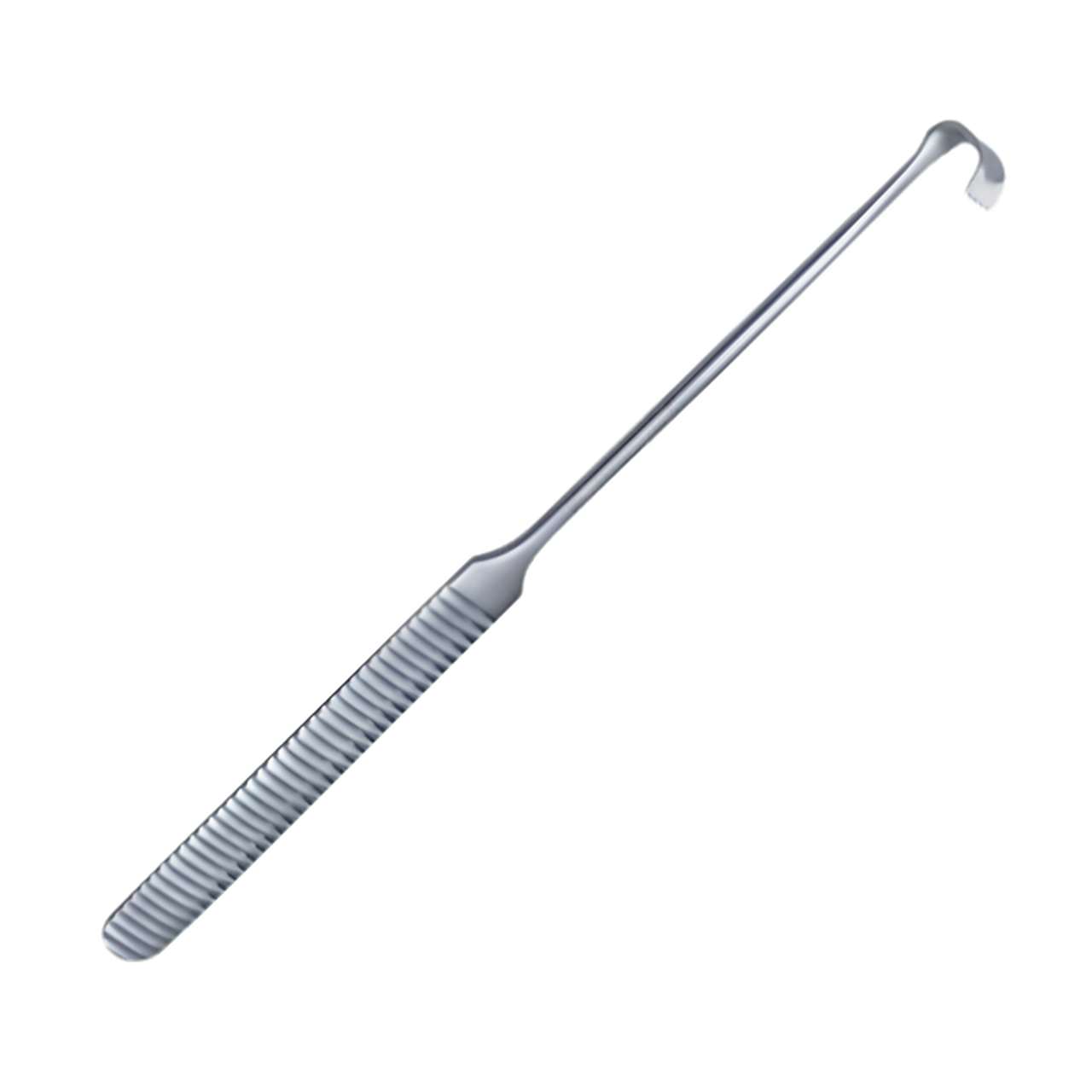 | Strandell Stille Retractor | 形成外科、手外科、および小手術における皮膚縁、筋膜、軟部組織の牽引専用設計。 |
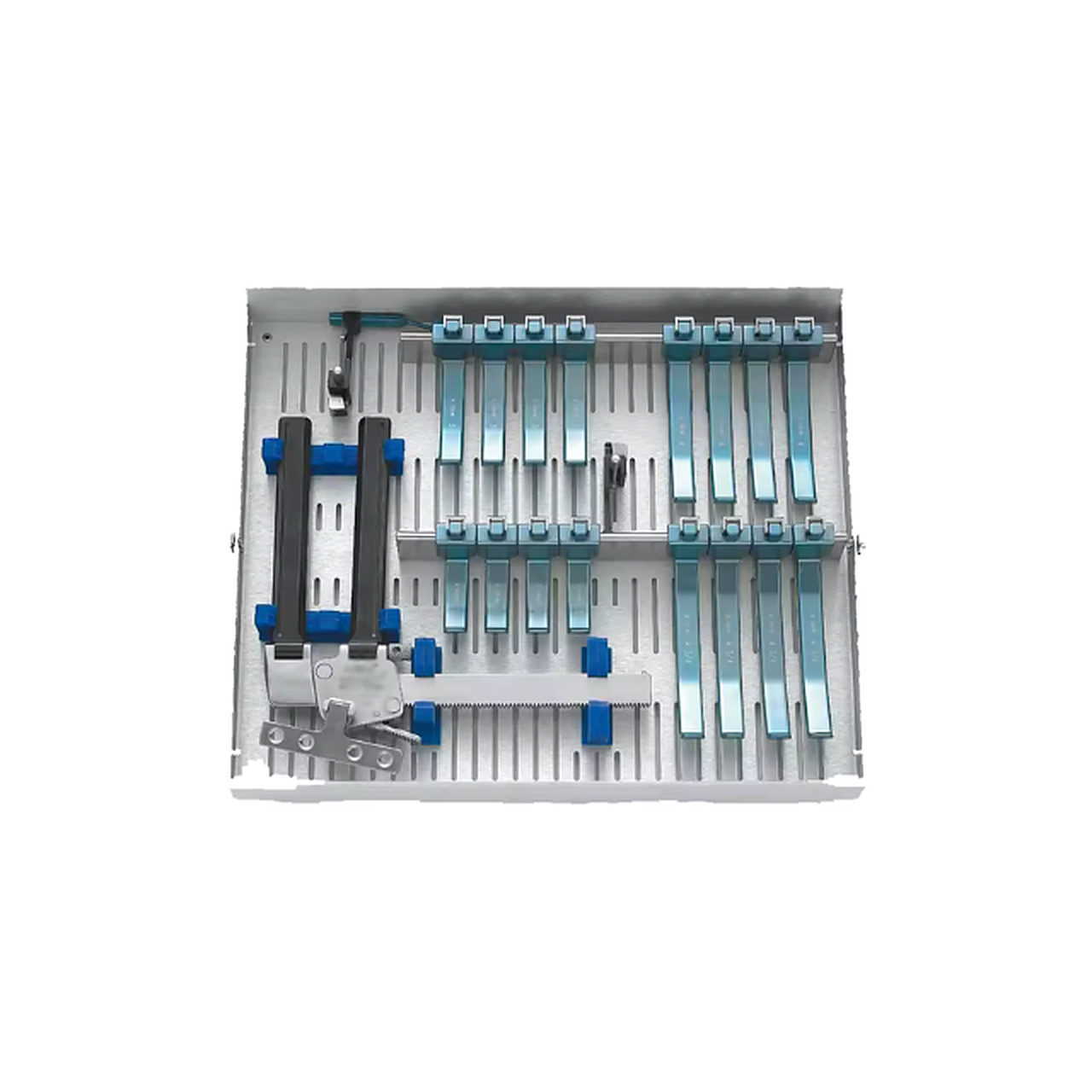 | Super-Slide Laminectomy Retractor | 椎弓切除術および関連する脊椎手術において、制御された組織開創および術野展開を提供するために特別に設計されています。 |
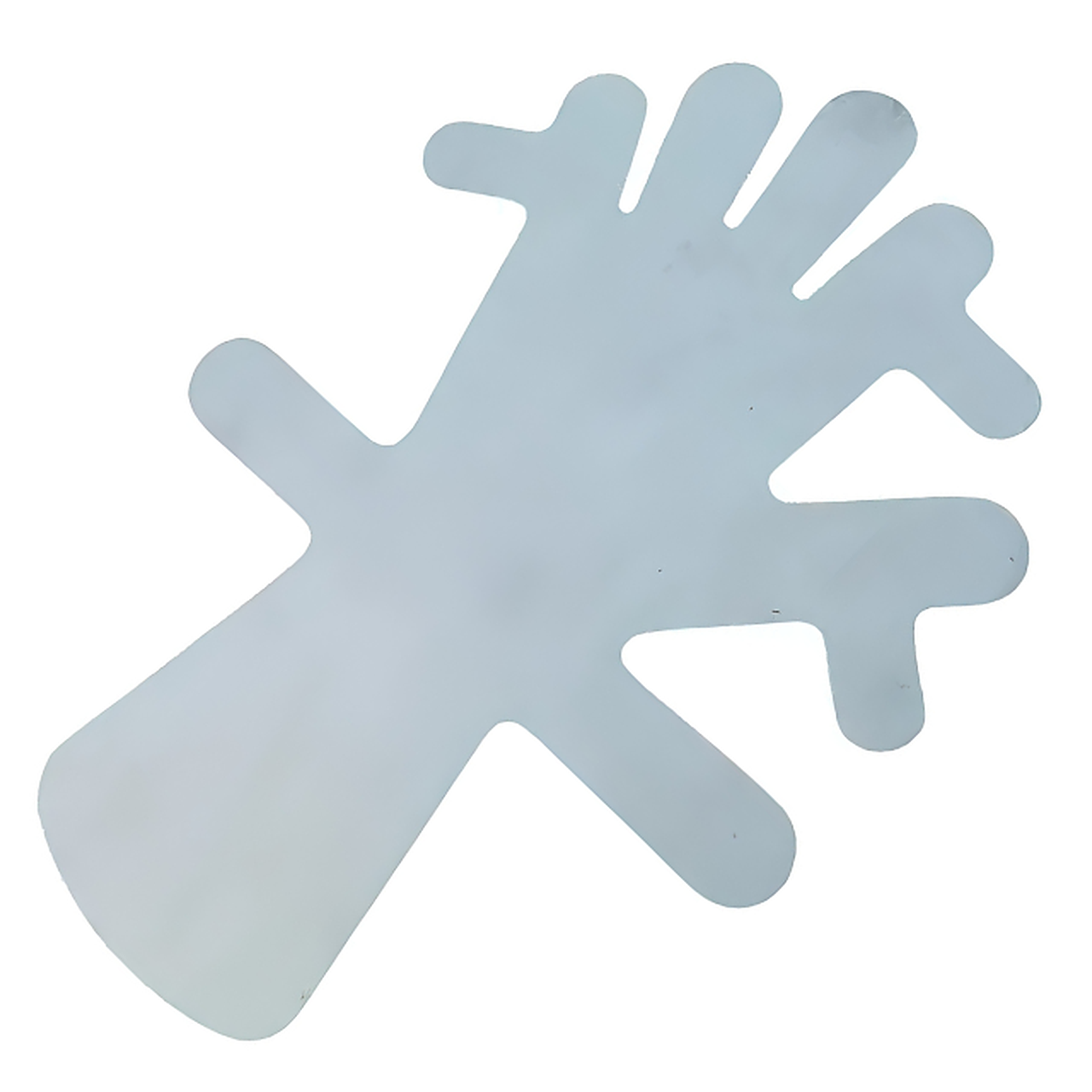 | Surgical Lead Hand Retractor Plate | 形成外科、整形外科、および手外科の再建手術において、手と指を固定し位置決めするために特別に設計されています。 |
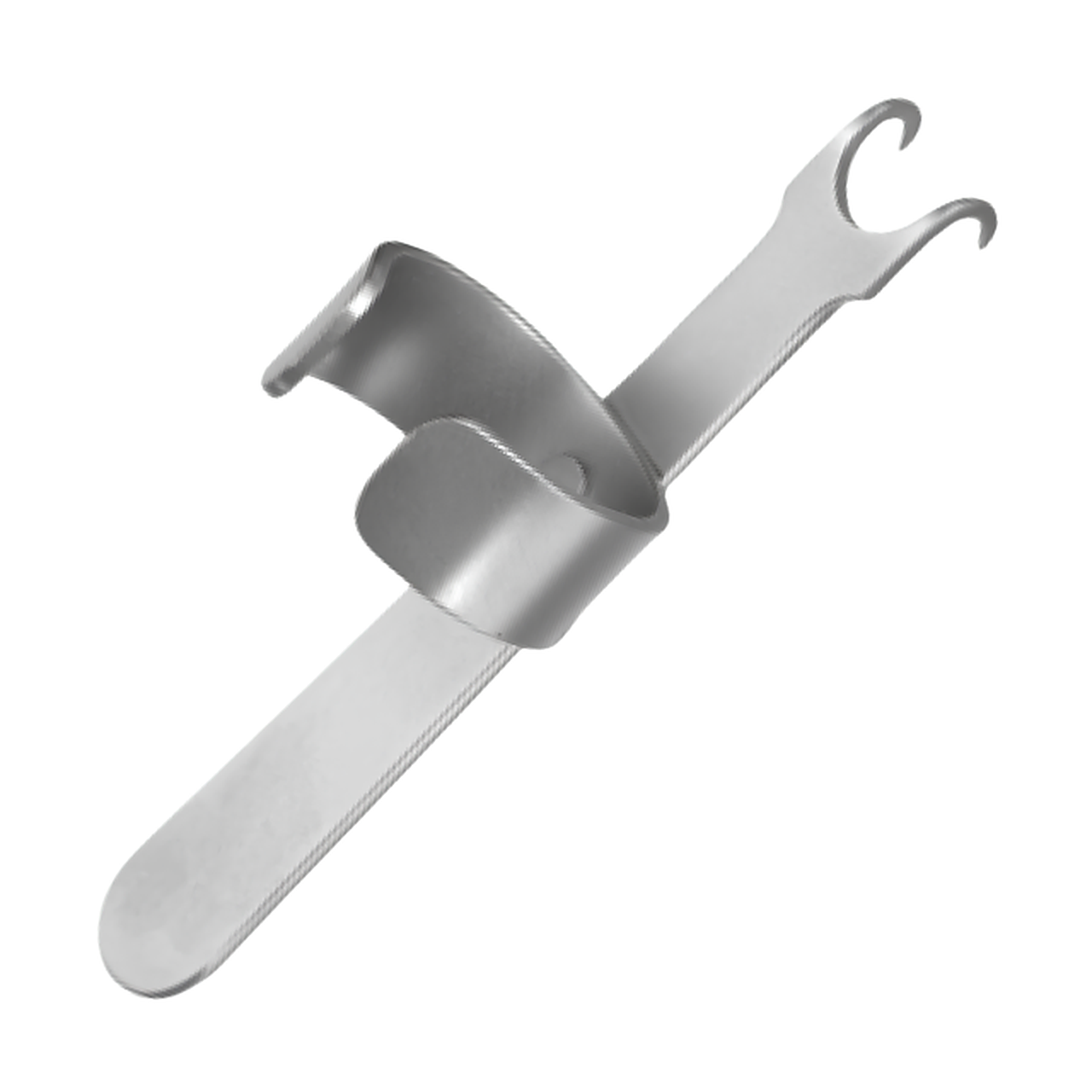 | Swivel Ring Nasal Retractor (回転式リング鼻用開創器) | 鼻形成術において、鼻皮膚弁の挙上および鼻翼軟骨の動的な牽引のために特別に設計されています。 |
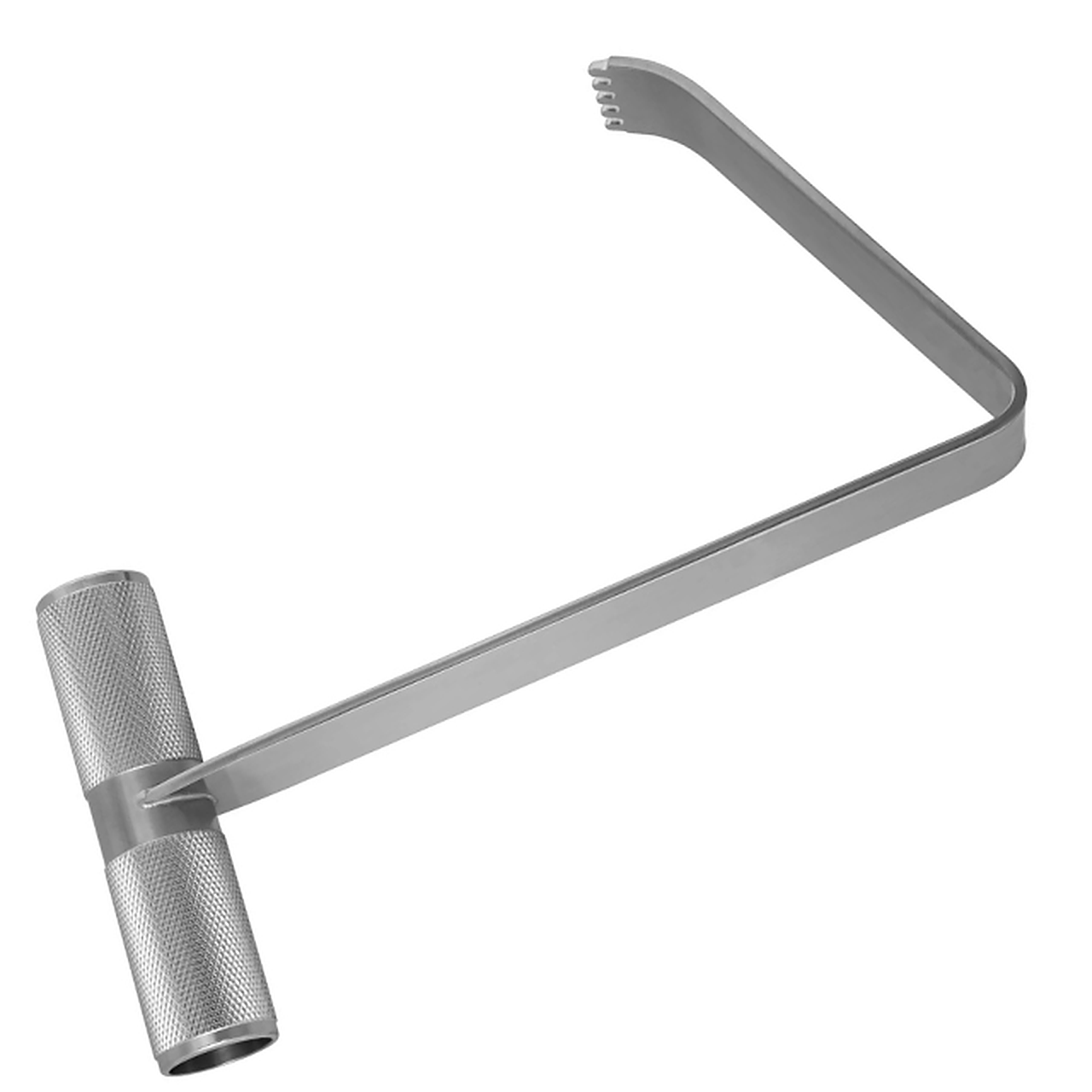 | Tハンドル開創器 アングルブレード | 整形外科手術において、最大の引張力をもって重厚な筋肉層、筋膜、軟部組織を圧排するために設計されています。 |
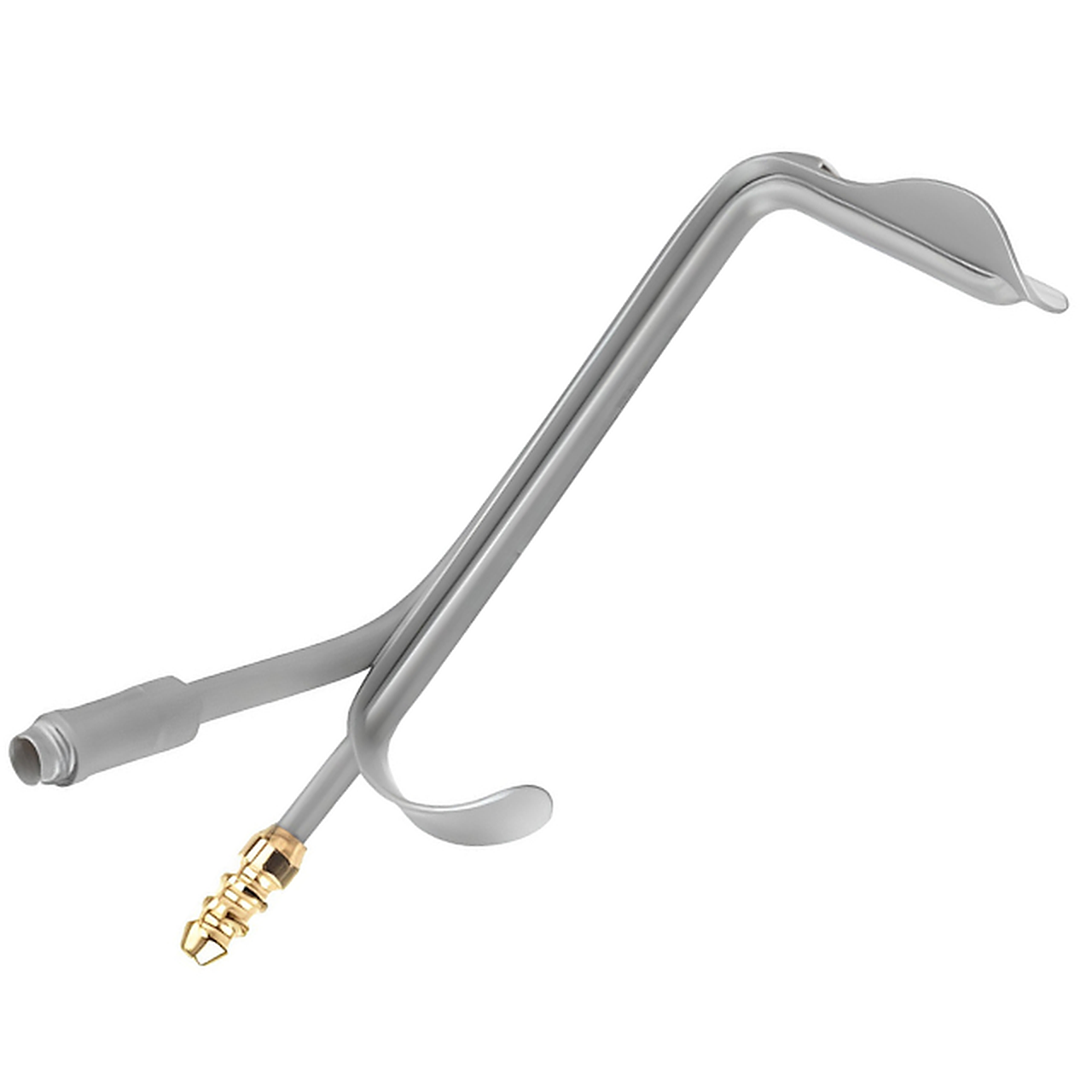 | Talei Necklift Retractor "Benetrator 2" | ディーププレーン・ネックリフトや広頸筋形成術において、頸部フラップの挙上、術野の排液、および広頸筋の牽引を行うために特別に設計されています。 |
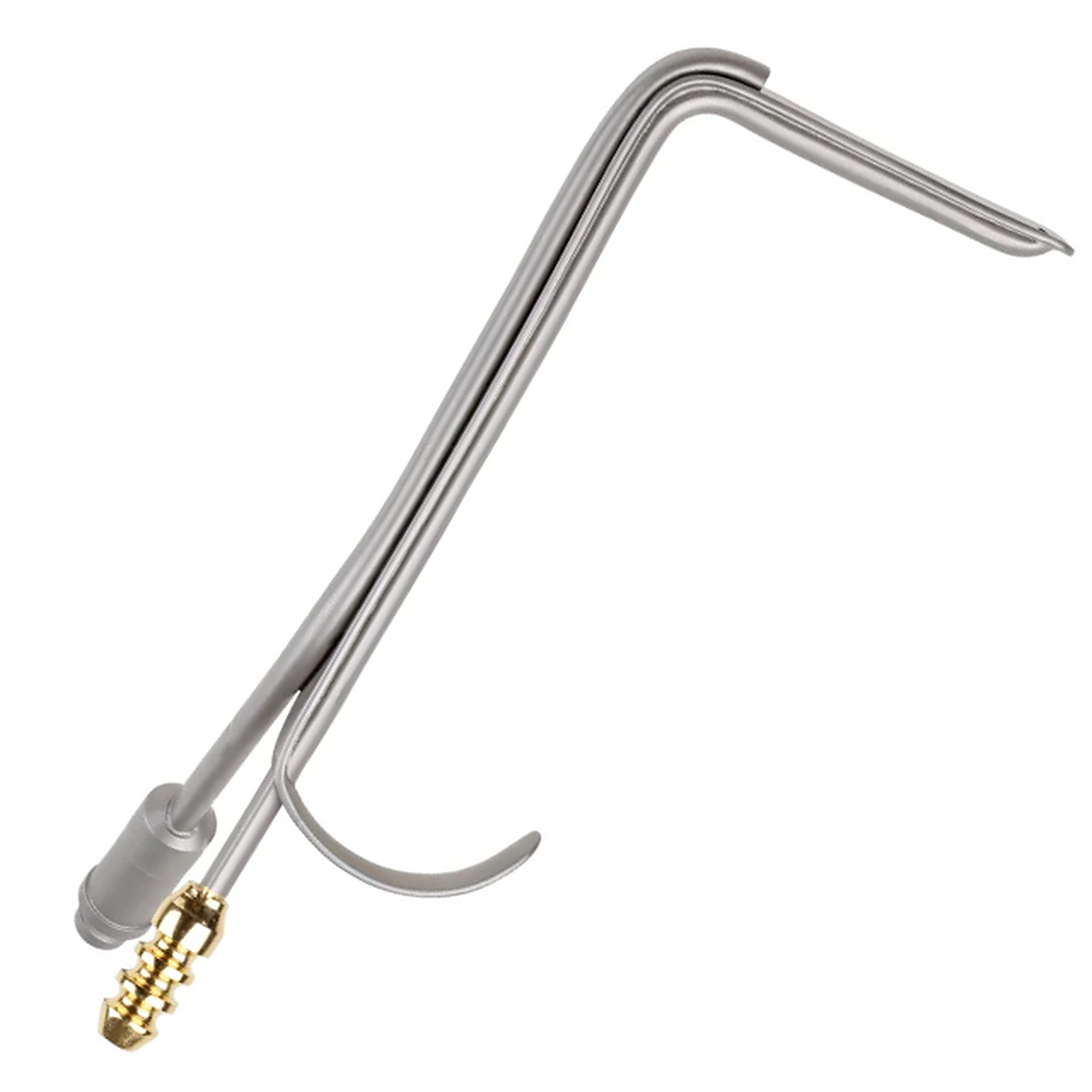 | Talei Necklift Retractor Narrow “Le Petit Benetrator” | ディーププレーン・ネックリフトおよび広頸筋形成術において、頸部フラップの挙上および広頸筋の牽引を行うために特別に設計されています。 |
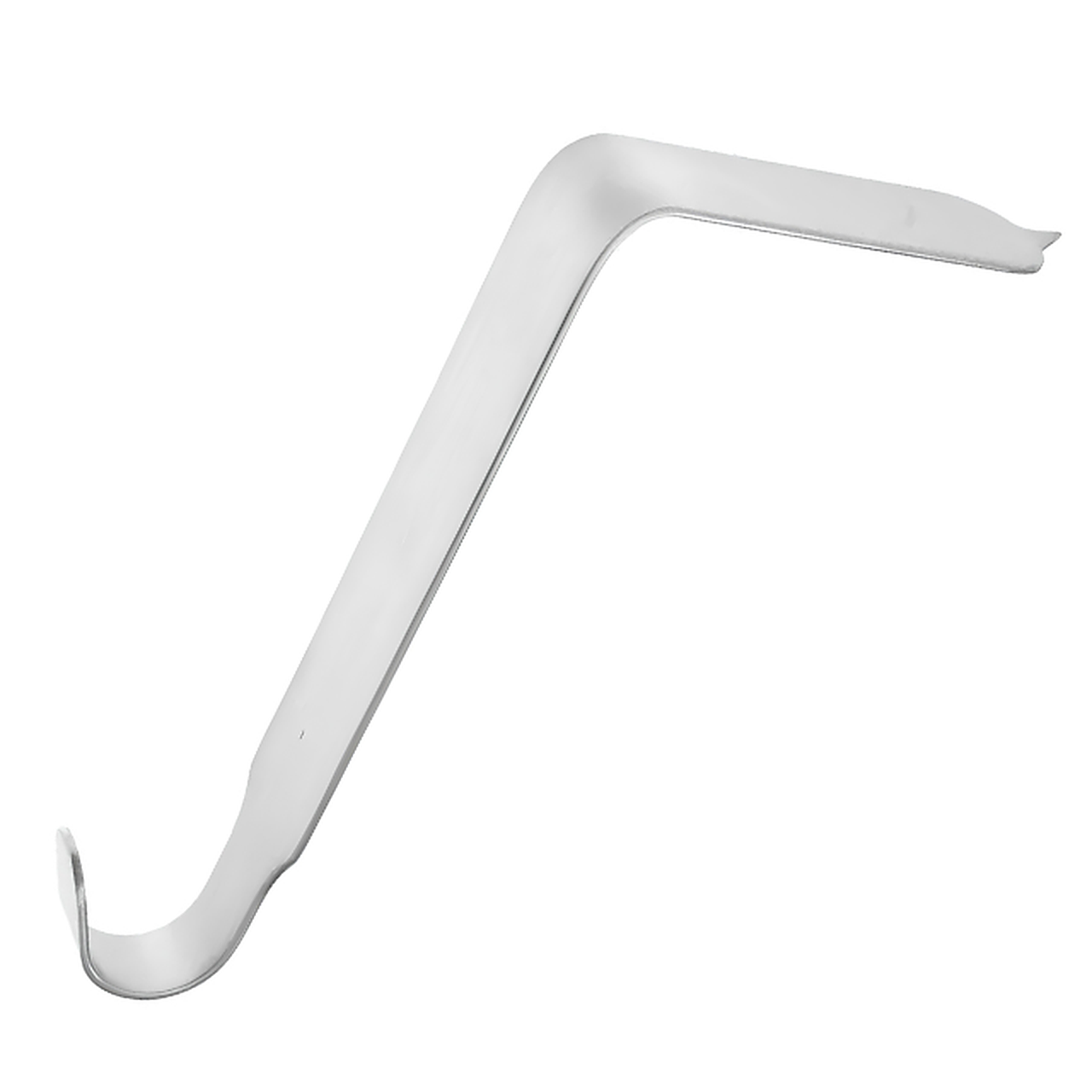 | Taylor 脊椎開創器 | 脊椎椎弓切除術中に厚い傍脊柱筋を牽引し、棘突起に固定するために特別に設計されています。 |
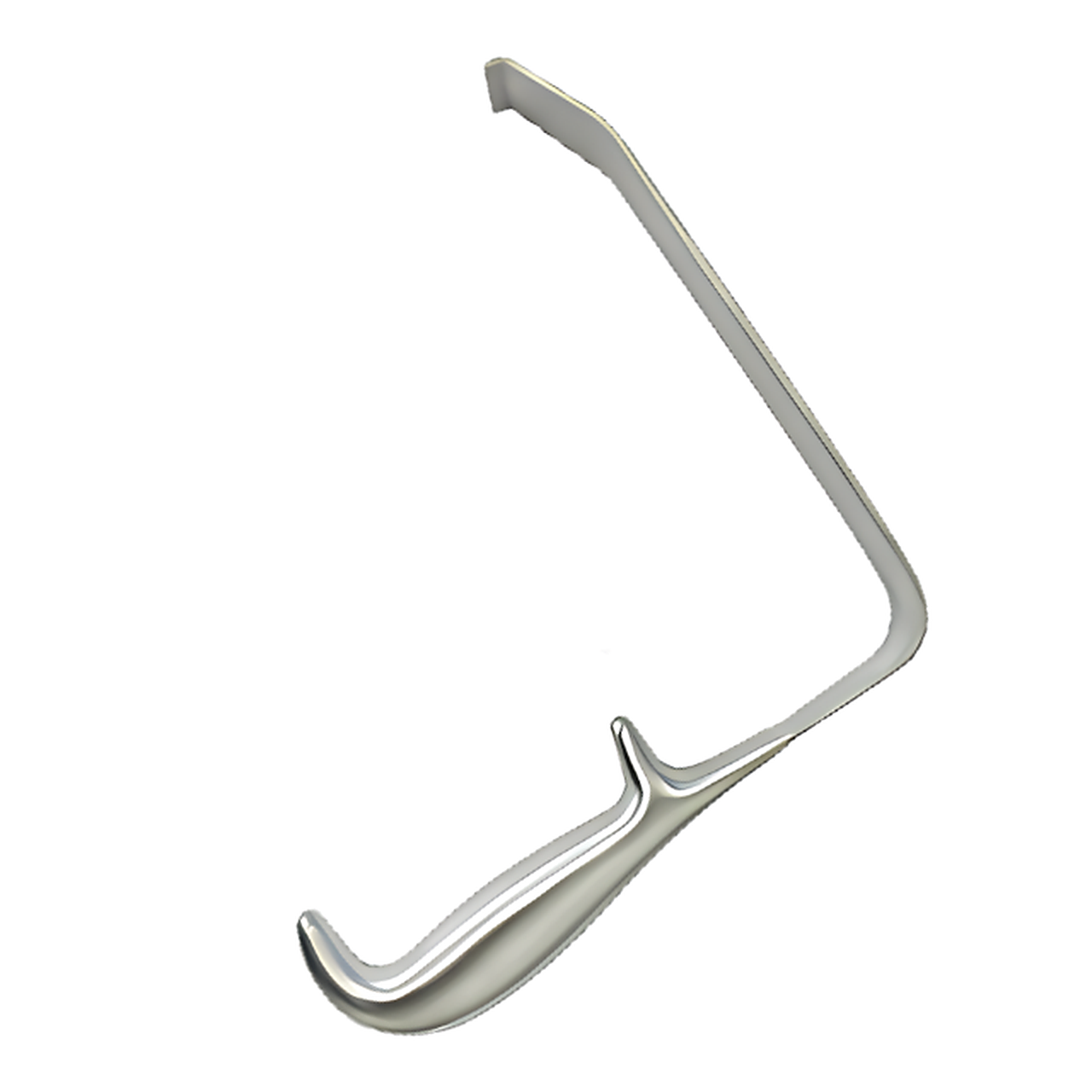 | Tebbetts ブレストリトラクター | 乳房手術中に組織フラップを挙上し、筋肉下または乳腺下のポケットを作成するために特別に設計されています。 |
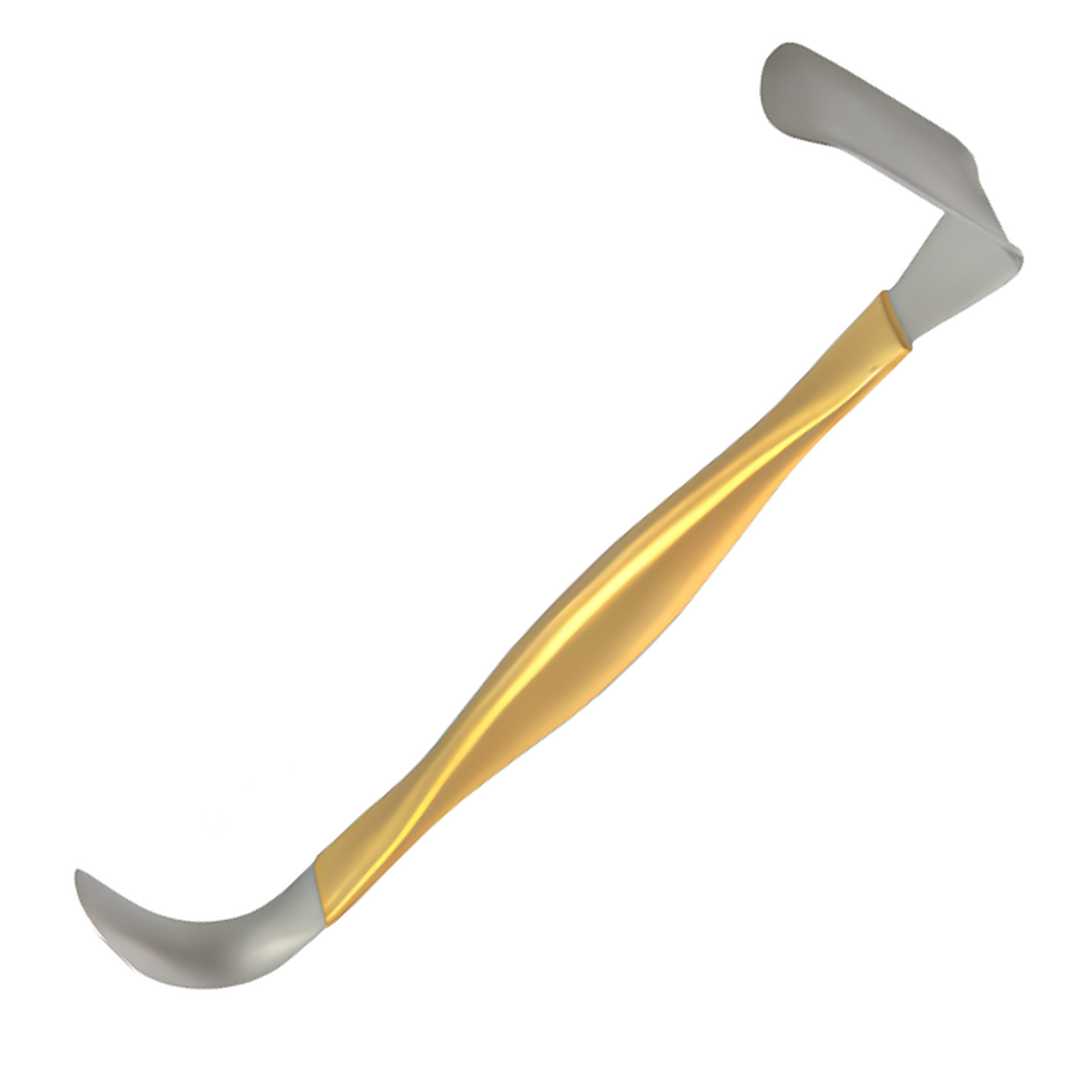 | Tebbetts Double-Ended Breast Retractor (テベッツ両頭式乳腺レトラクター) | 乳房増大術および再建術における、両端を用いた組織牽引およびポケットの術野確保に特化して設計されています。 |
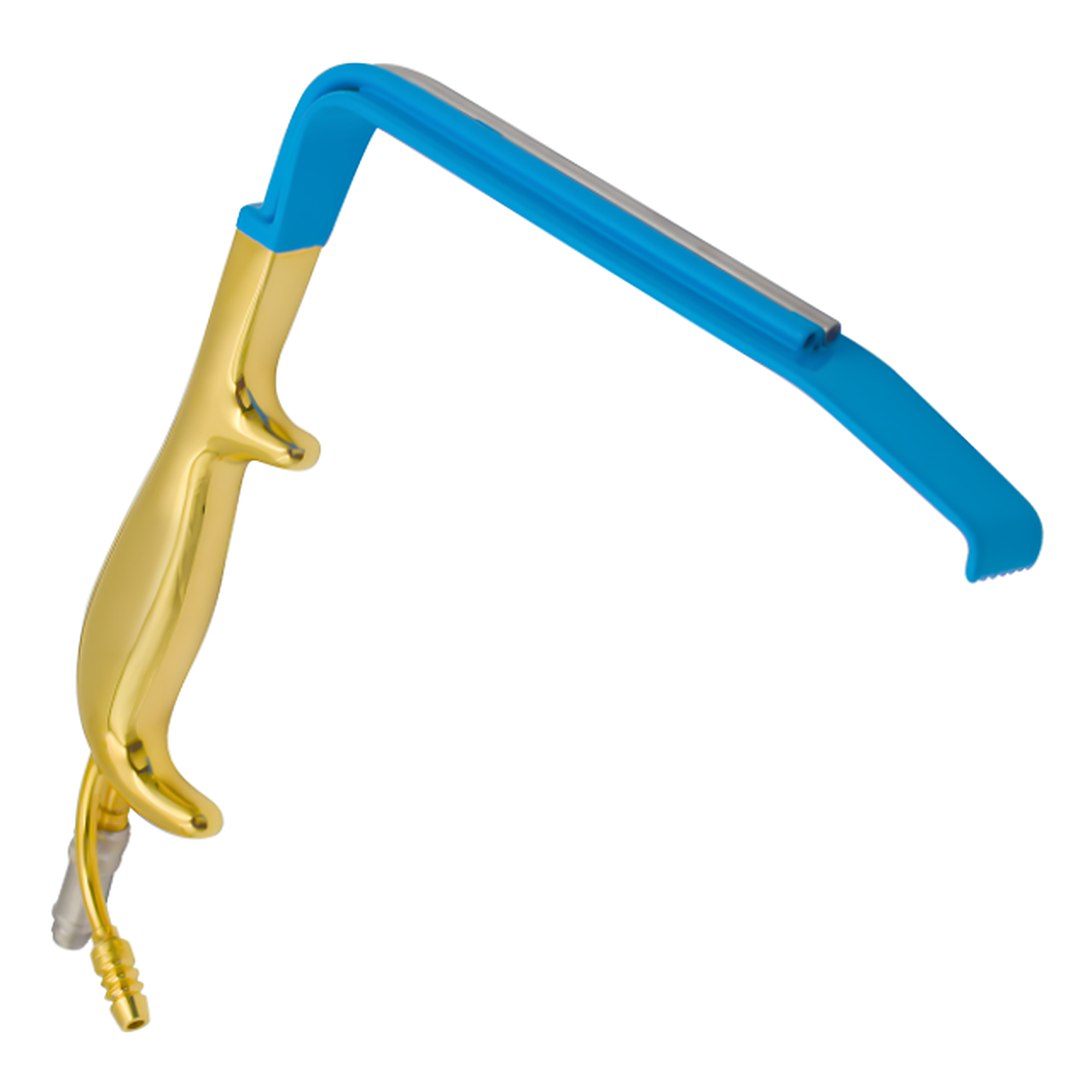 | Tebbetts 光ファイバー乳房増大術用レトラクター | 乳房手術における組織フラップの挙上、深い乳房ポケットの照明、および止血の確認用に特別に設計されています。 |
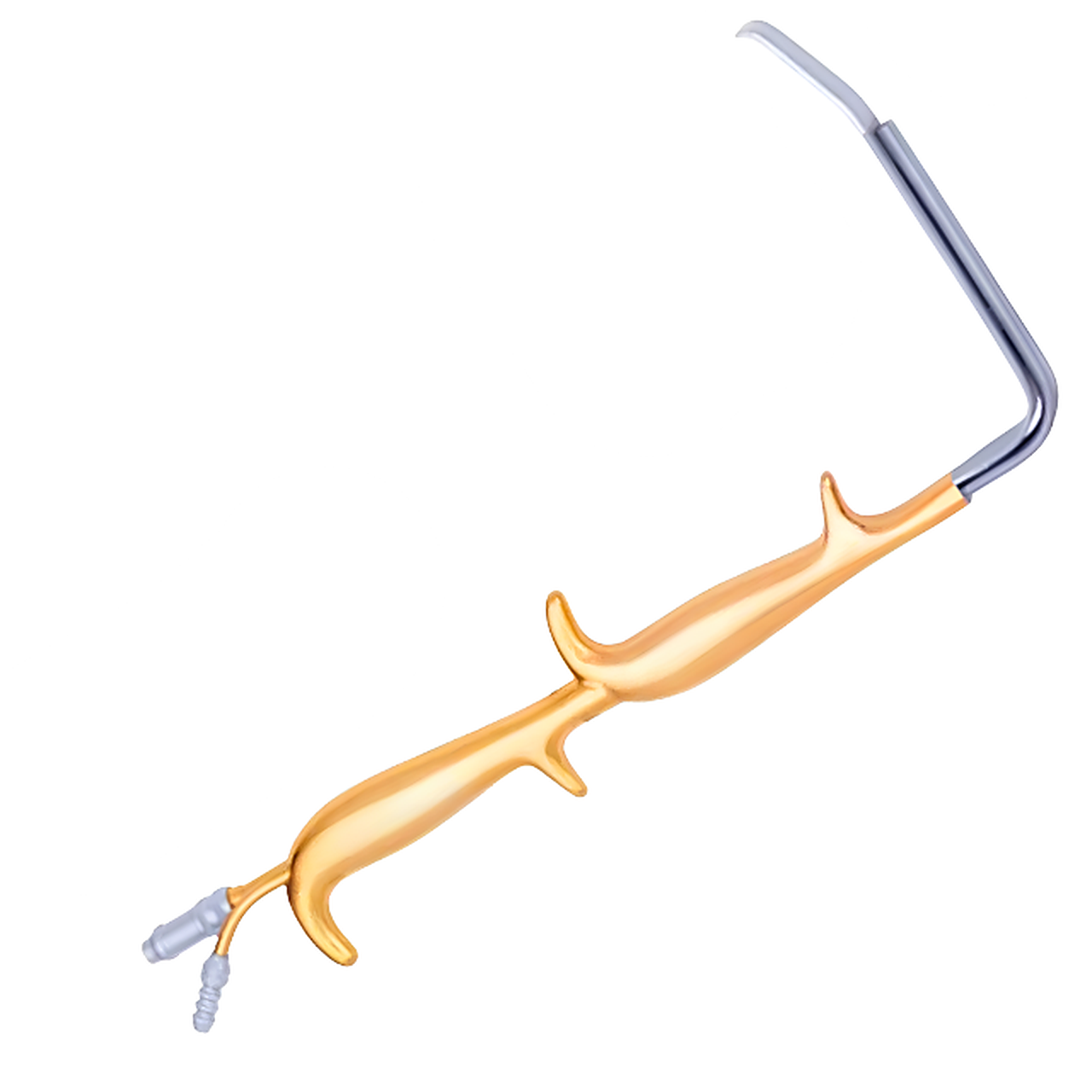 | Tebbetts Fiber Optic Breast Augmentation Retractor, Double Handle | 乳房増大術および再建術において、両手による牽引力で照明付きの組織開創を行うために特別に設計されています。 |
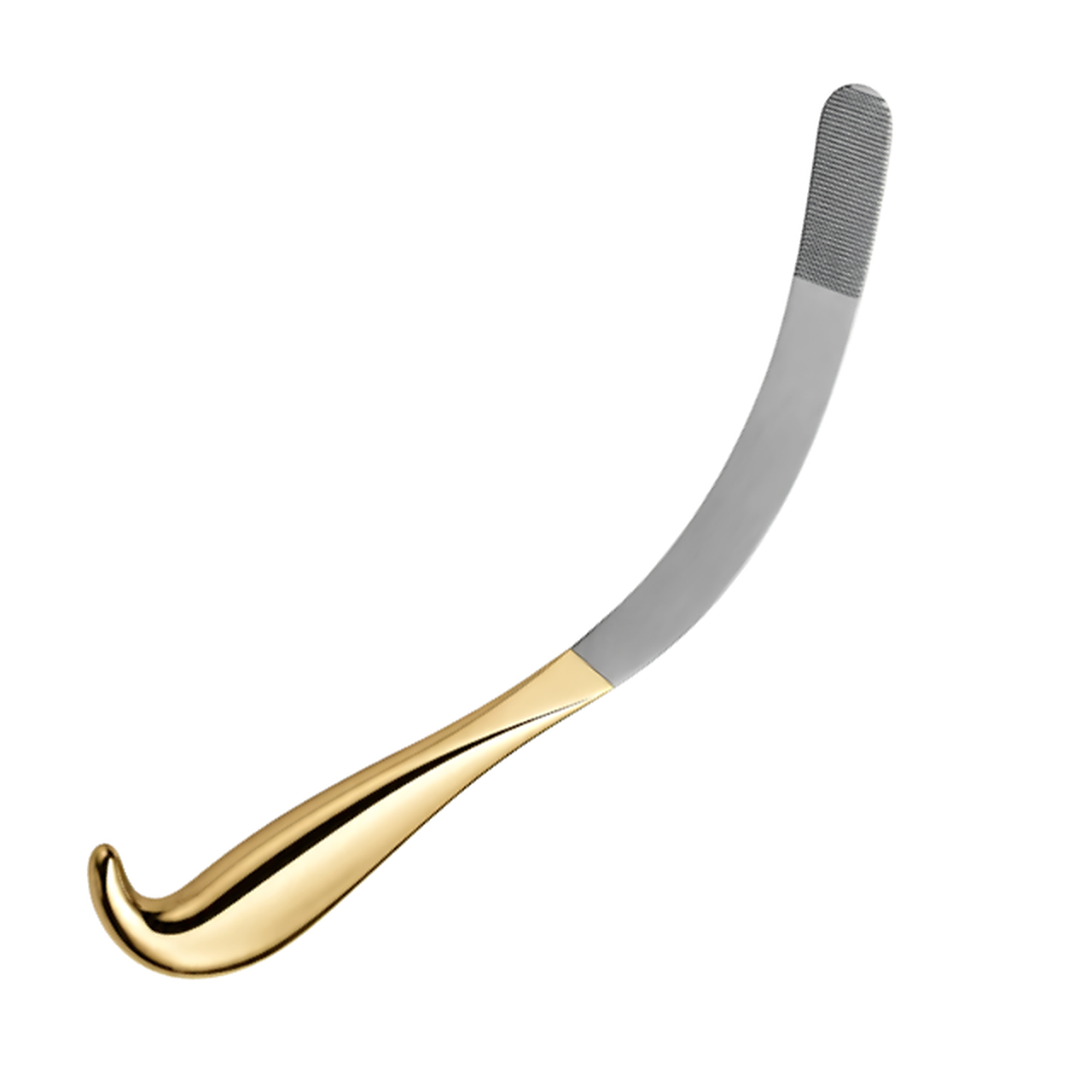 | Tebbetts Spatula Breast Retractor (テベッツ型スパチュラ乳房開創器) | 乳房増大術および再建術における組織フラップの挙上、および大胸筋下ポケットの作成用に設計されています。 |
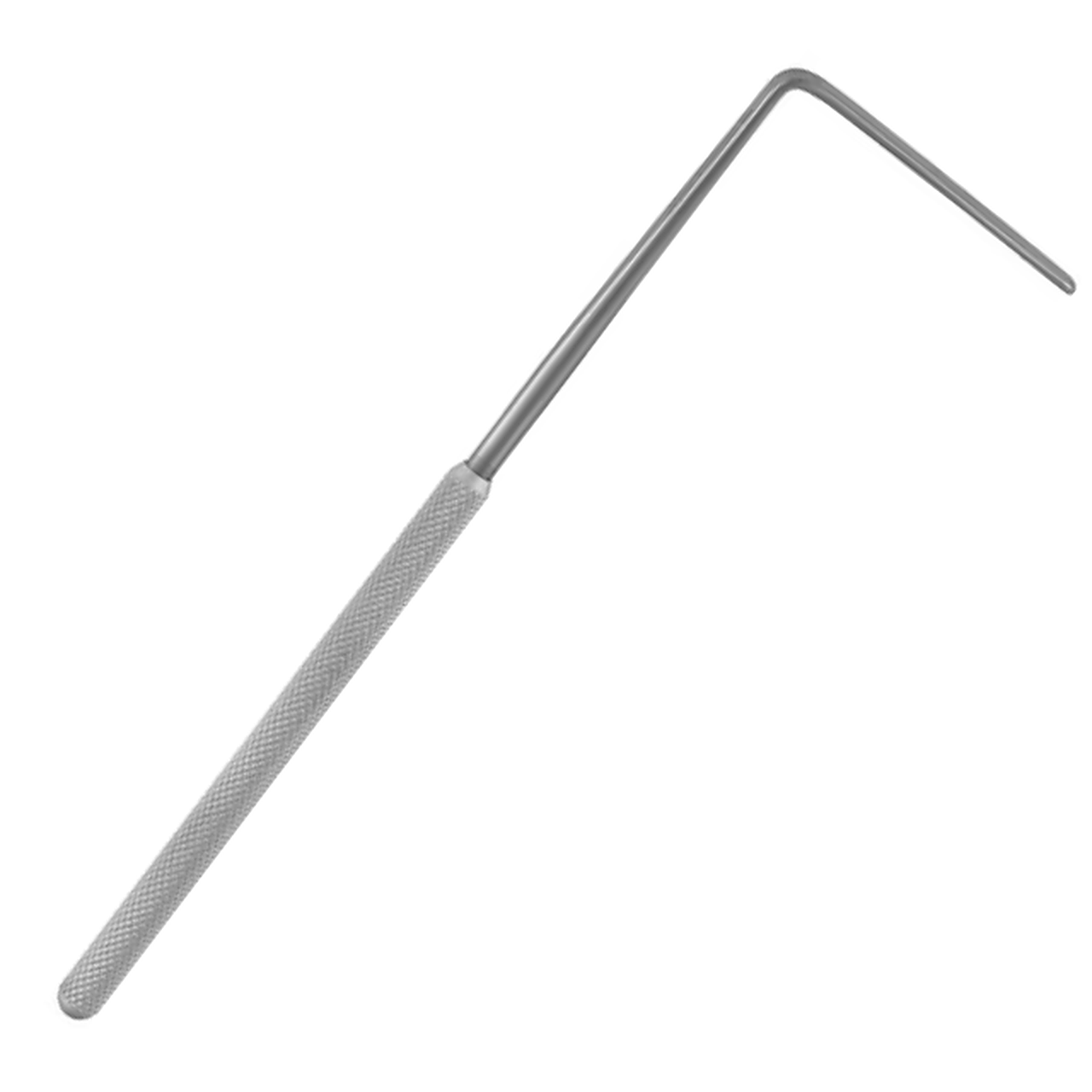 | Terry Nasal Retractor (テリー鼻用開創器) | 美容および再建的鼻形成術において、鼻皮膚弁の挙上および軟骨の牽引を行うために特別に設計されています。 |
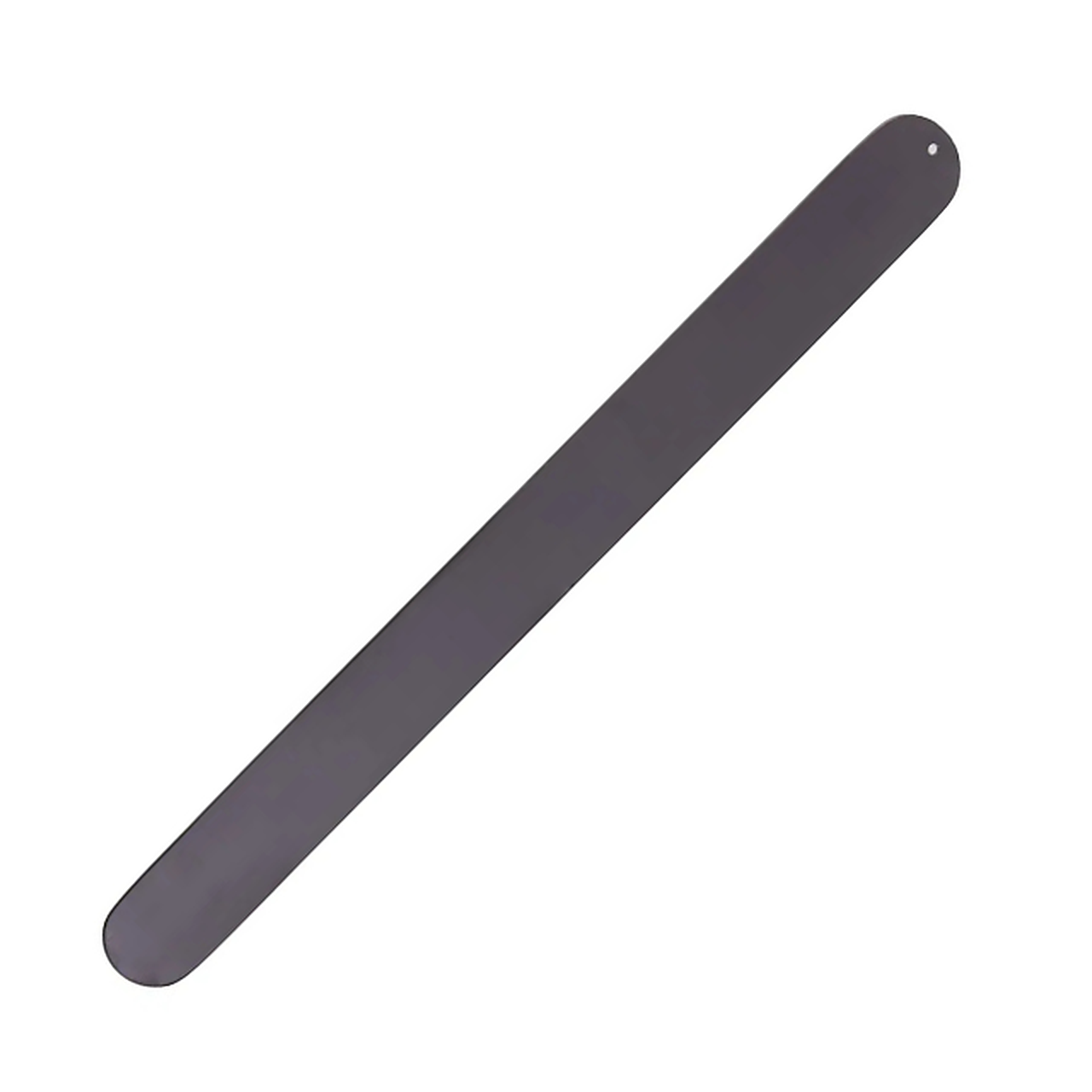 | Tessier マリアブル リボン リトラクター | 頭蓋顔面手術において、眼窩周囲の軟部組織を牽引し、眼球を保護するために、カスタム形状に曲げて使用することを目的として設計されています。 |
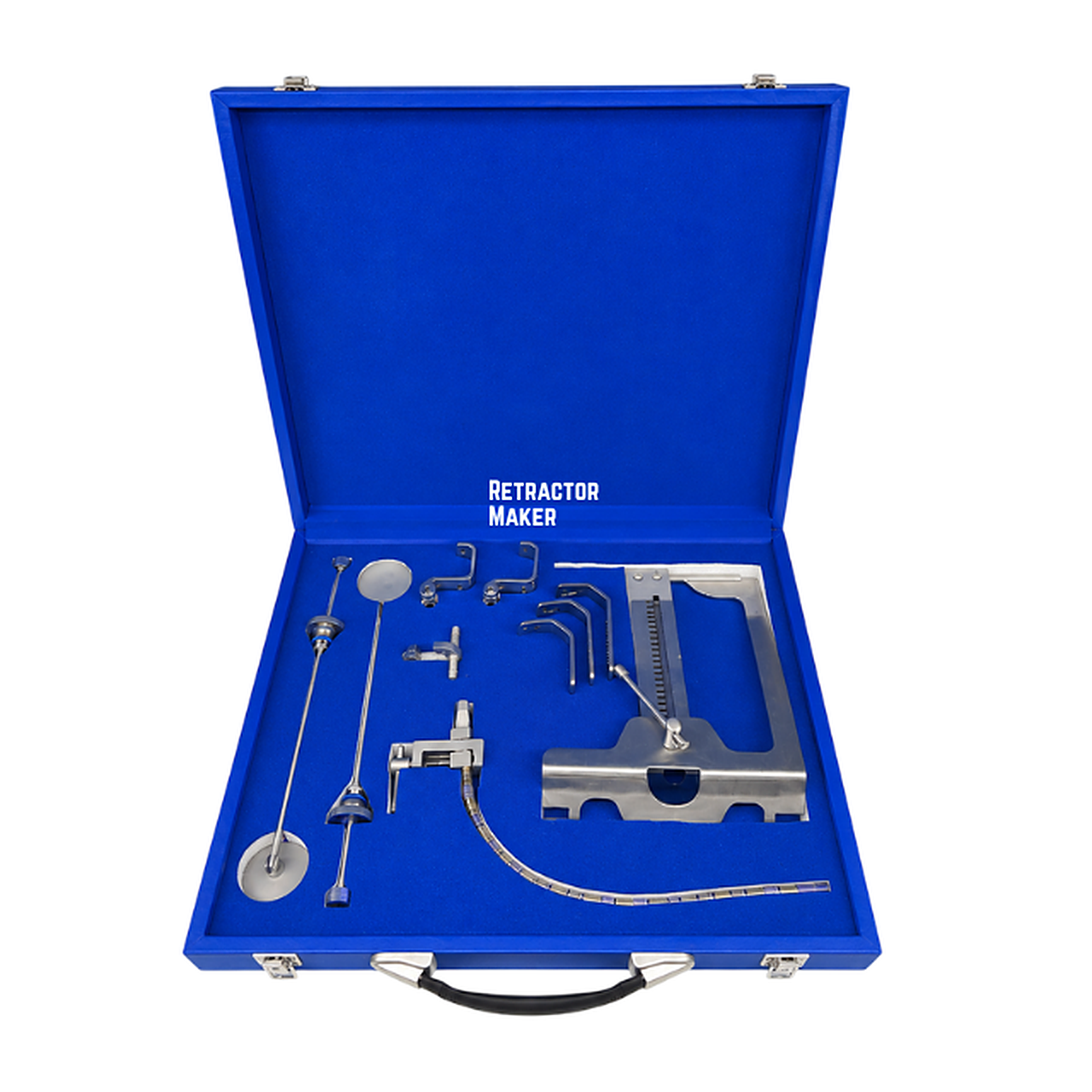 | ThoraGate Rib Up Retractor System | 小開胸によるMIDCABアプローチを含む、胸部外科および低侵襲心臓外科手術において、安定した肋間挙上と術野展開を提供するために特別に設計されています。 |
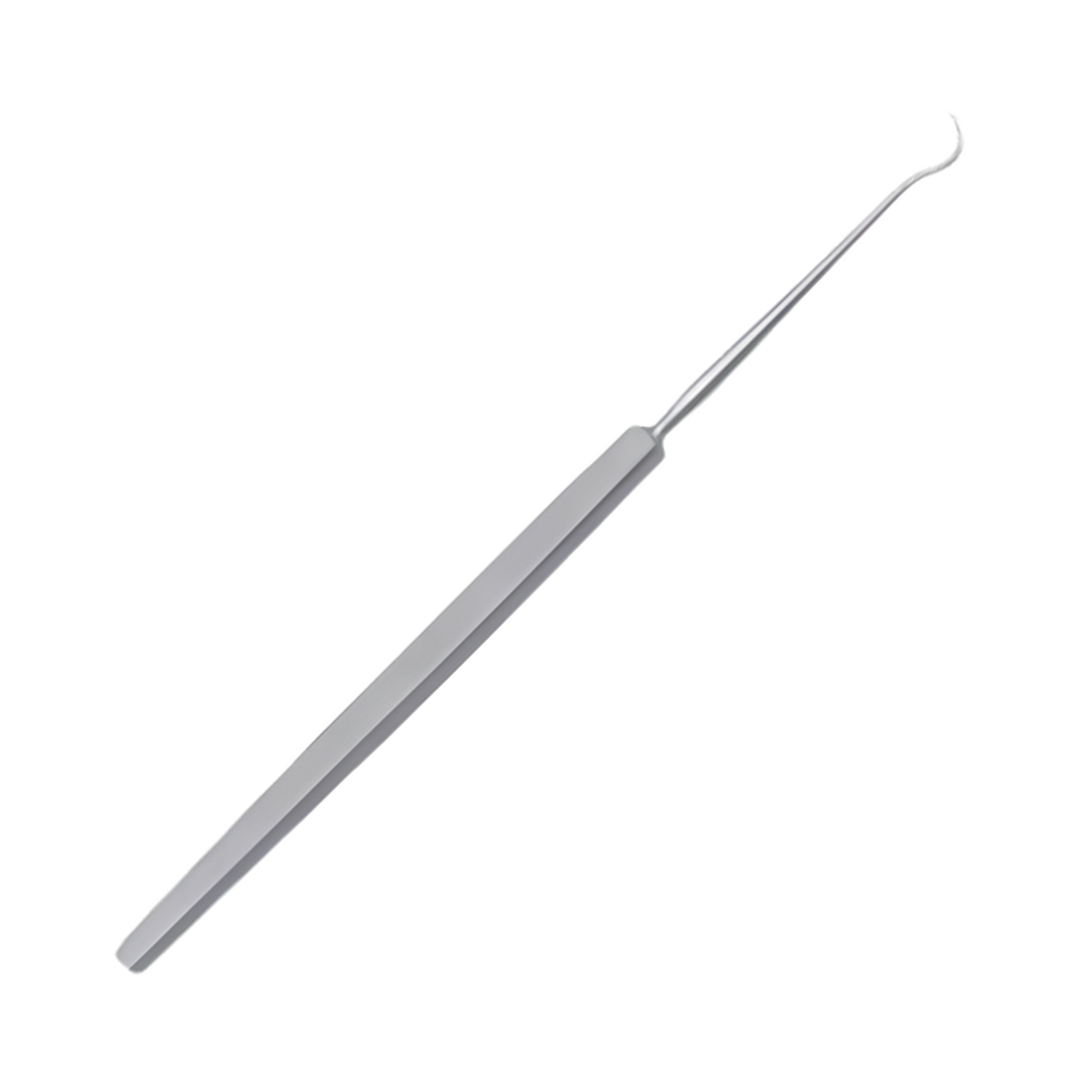 | Toennis 神経根レトラクター | 腰椎椎間板切除術中に、走行する脊髄神経根および硬膜嚢を移動、保持、保護するために特別に設計されています。 |
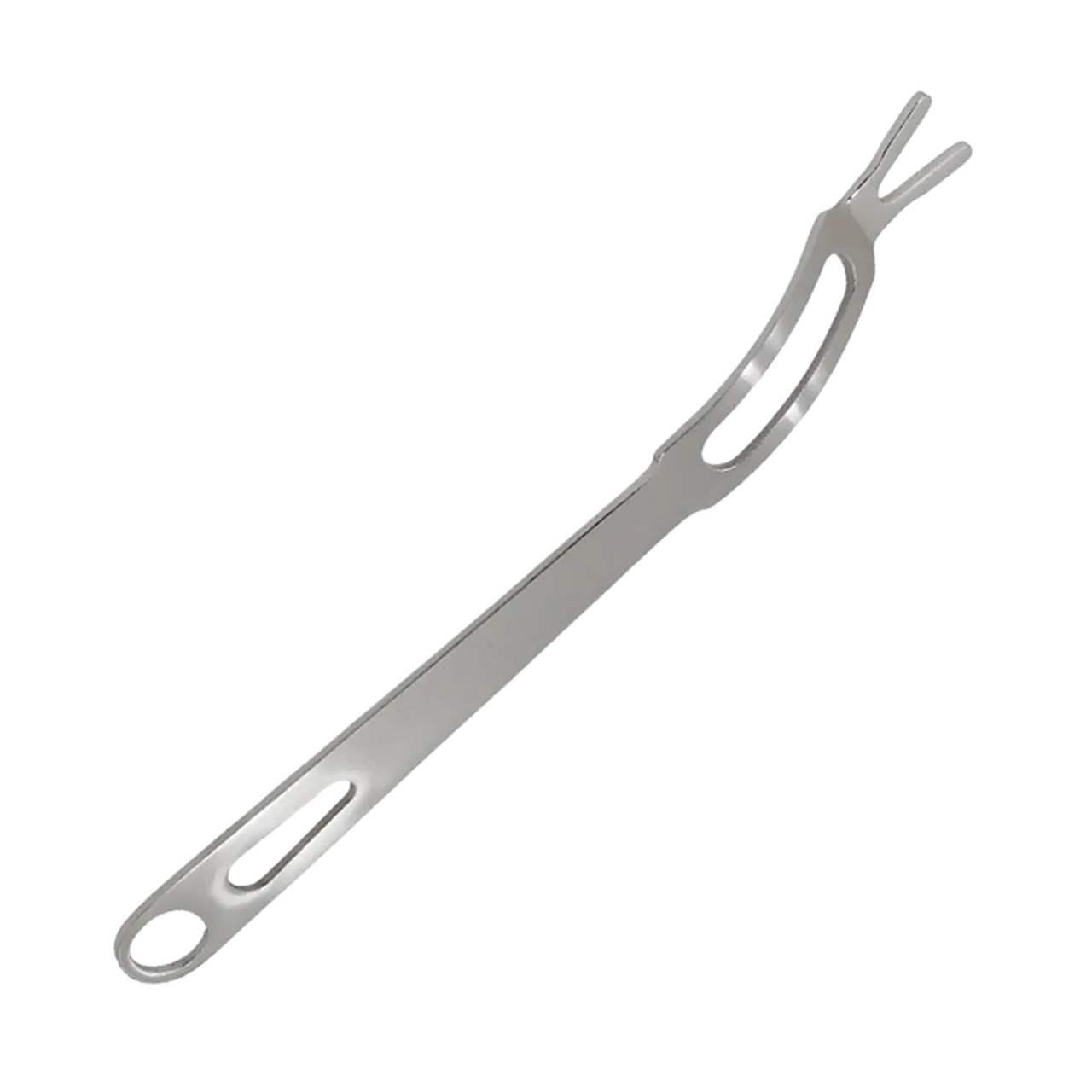 | 人工肩関節置換術・反転型人工肩関節置換術用グレイノスフィア・コンポーネント・レトラクター | 反転型および全人工肩関節置換術において、上腕骨を後方に変位させ、関節窩腔を露出させるために特別に設計されています。 |
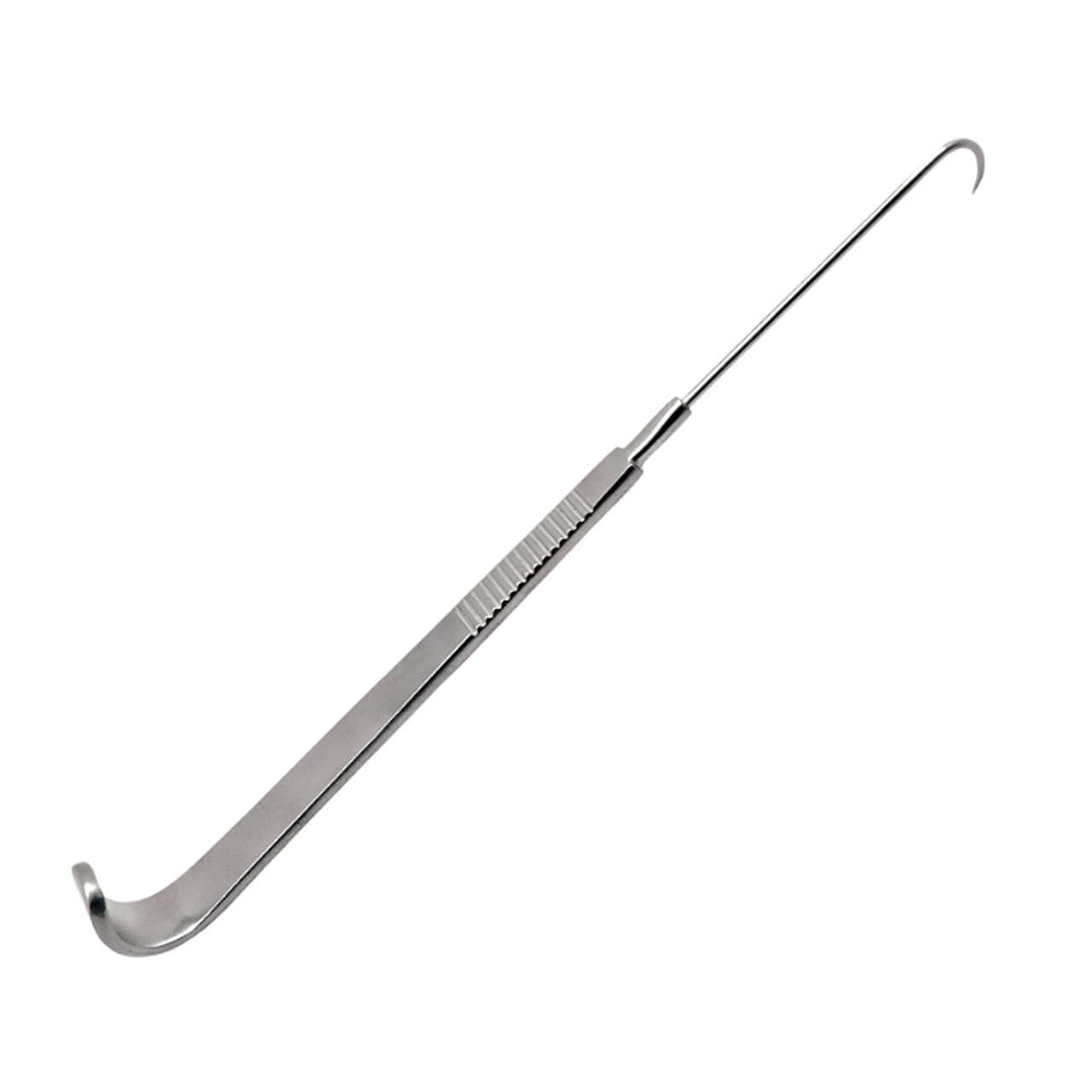 | 気管フック/リトラクター | 緊急および待機的気管切開術中の気管の挙上および固定用に特化して設計されています。 |
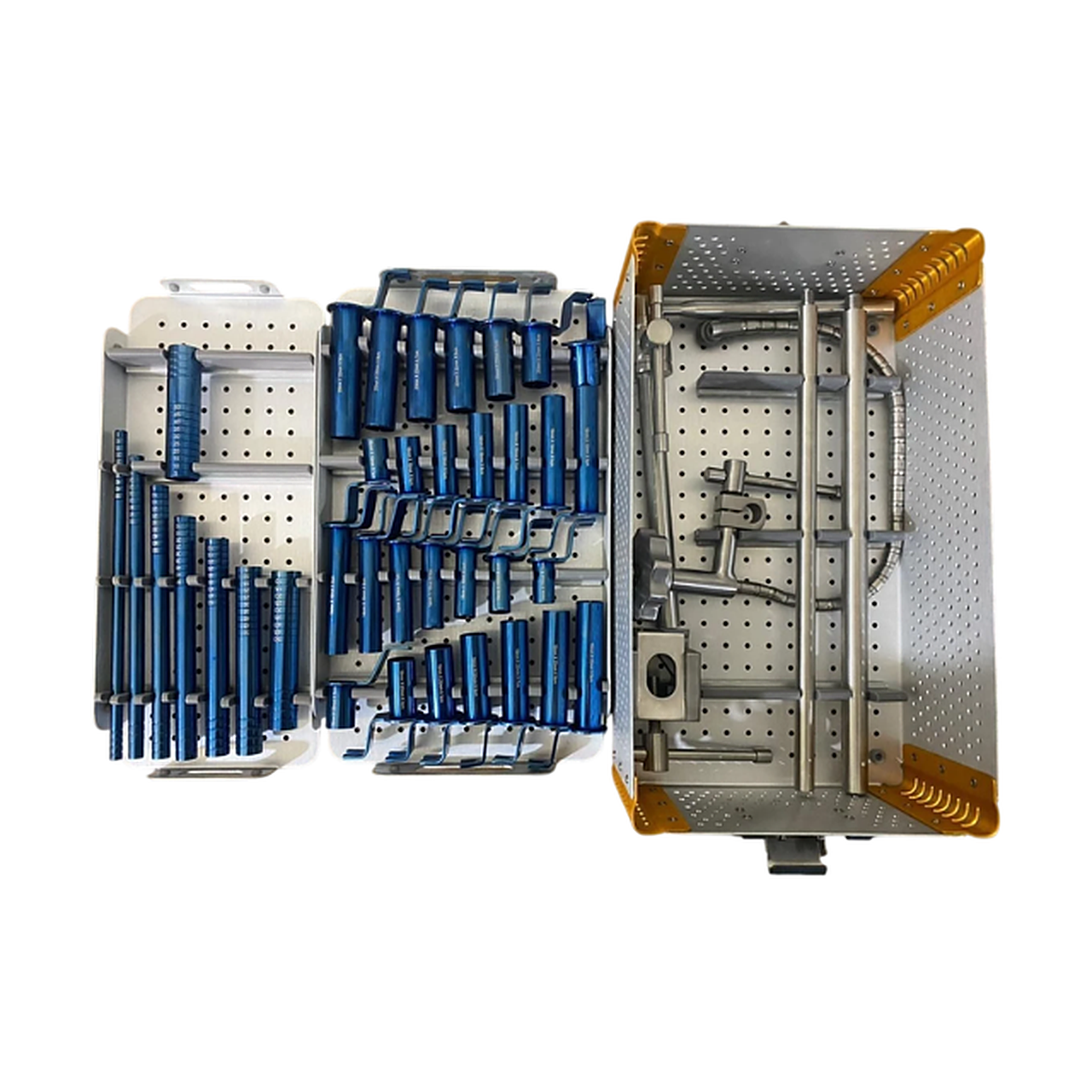 | Tubular Retractor System (管状開創器システム) | 椎間板摘出術、椎弓切除術、狭窄症治療、MIS PLIF、MIS TLIF、および頸椎椎間孔切開術におけるアクセス展開。 |
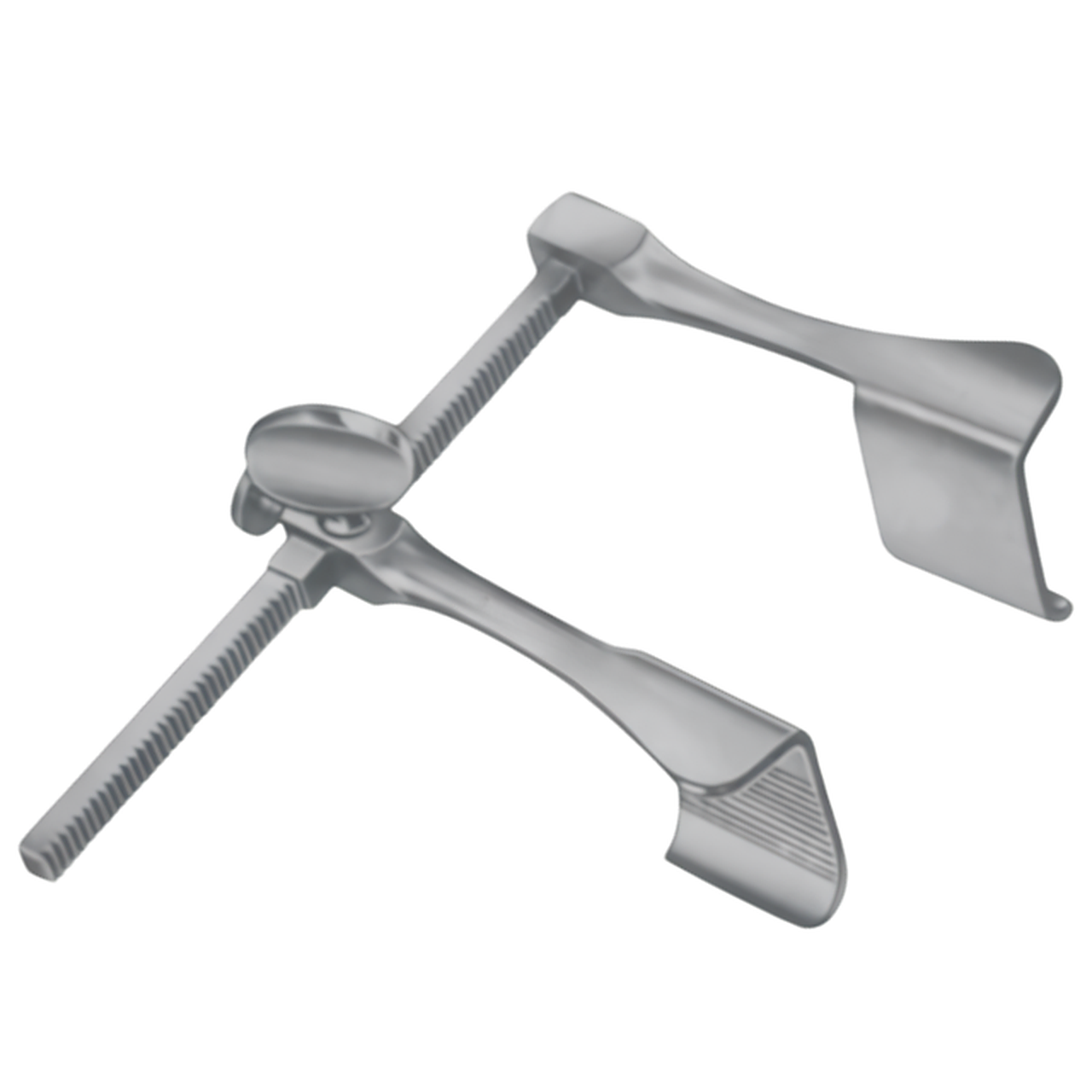 | Tuffier 開胸器 | 開胸術において成人の肋骨を分離し、胸腔の露出を維持するために設計されています。 |
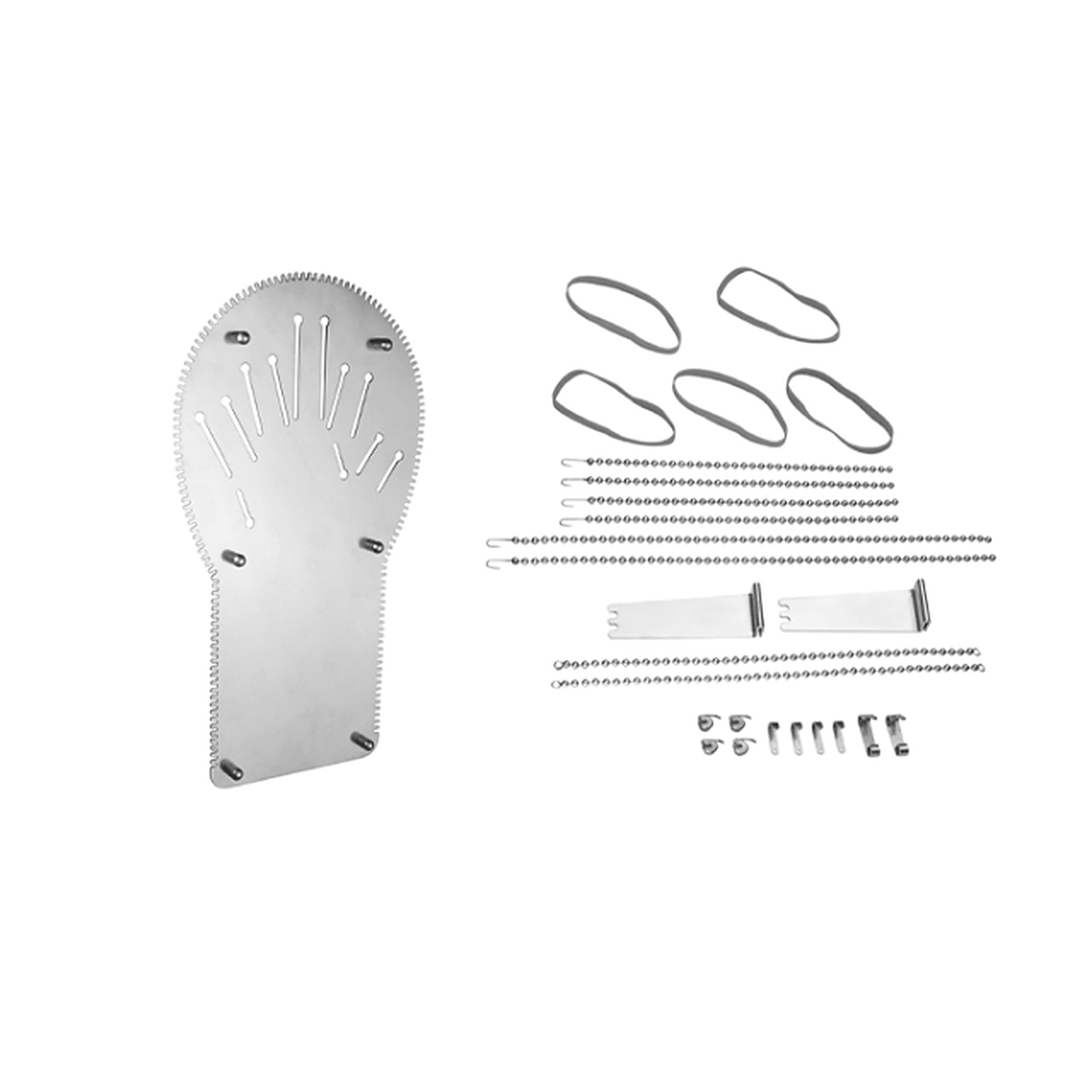 | Tupper’s Universal Hand Retractor (タッパー万能手外科開創器) | 手外科およびマイクロサージャリーにおいて、制御された組織牽引、患部の安定化、およびハンズフリーの術野展開を提供します。 |
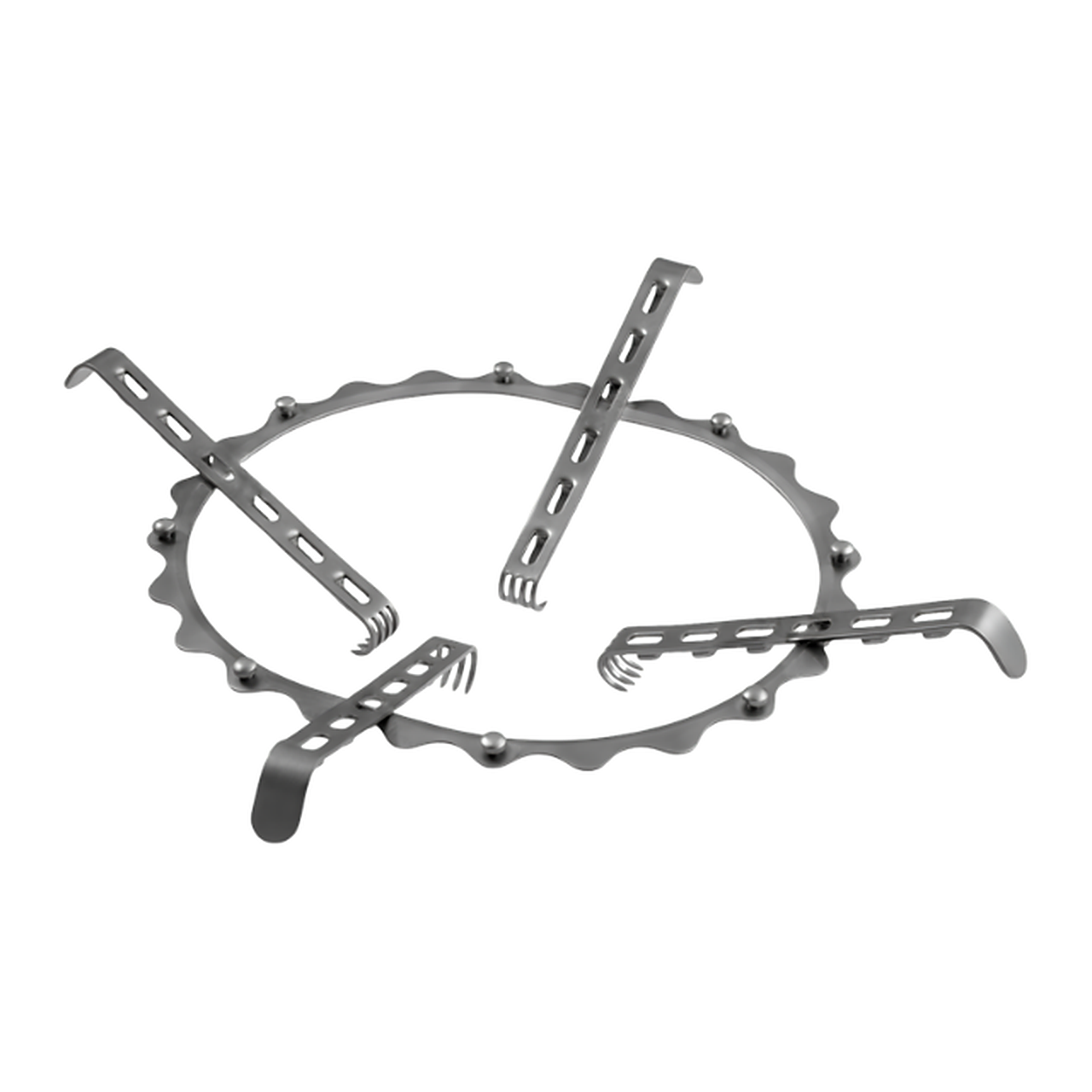 | Turner-Warwick 泌尿器科用開創器 | 泌尿器科および骨盤手術において、360度の自動固定式創縁および臓器牽引を提供するために特別に設計されています。 |
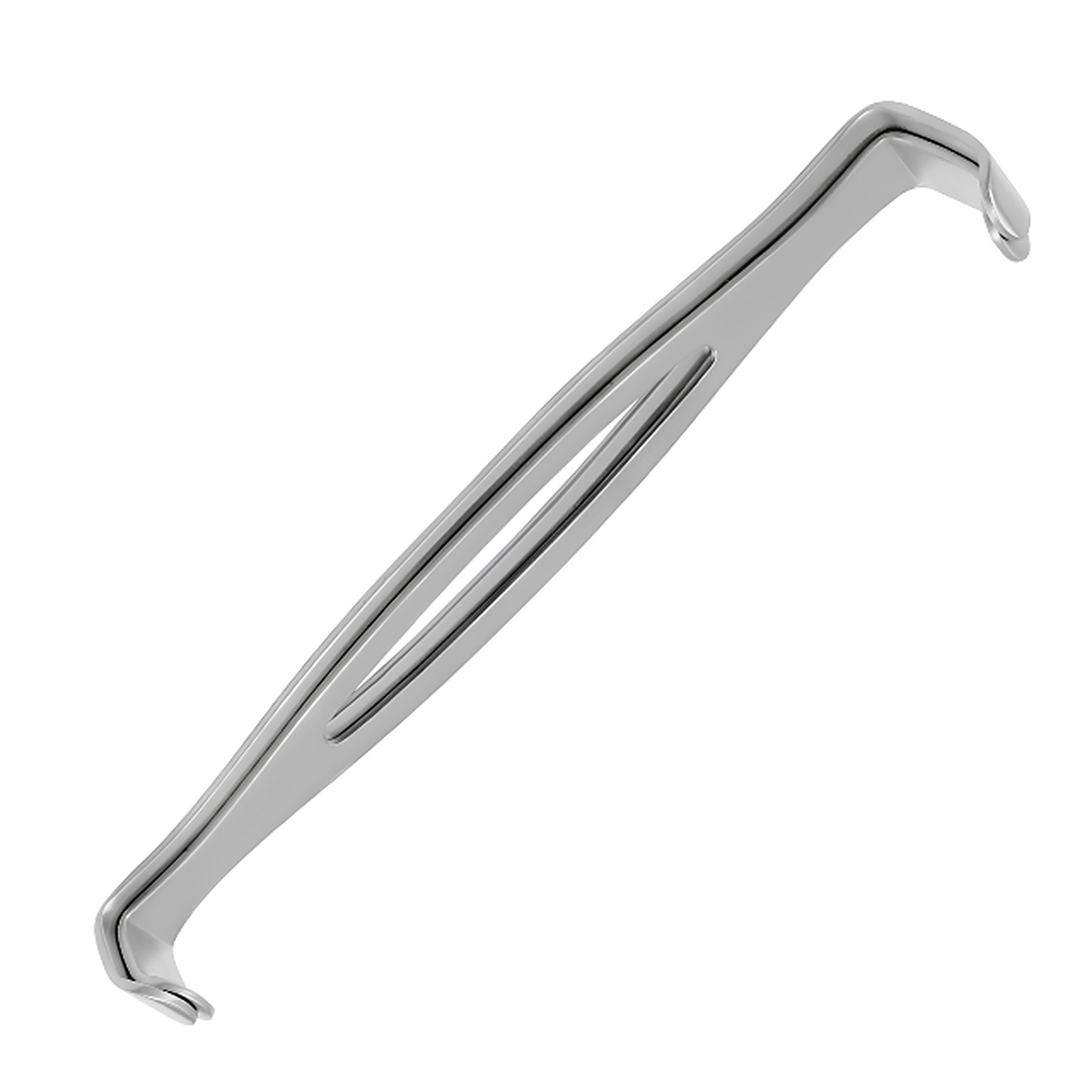 | US Army Retractor(アーミー開創器)、2本セット | 表層および中間層の切開部における皮膚縁、筋膜、筋肉組織の牽引専用設計。 |
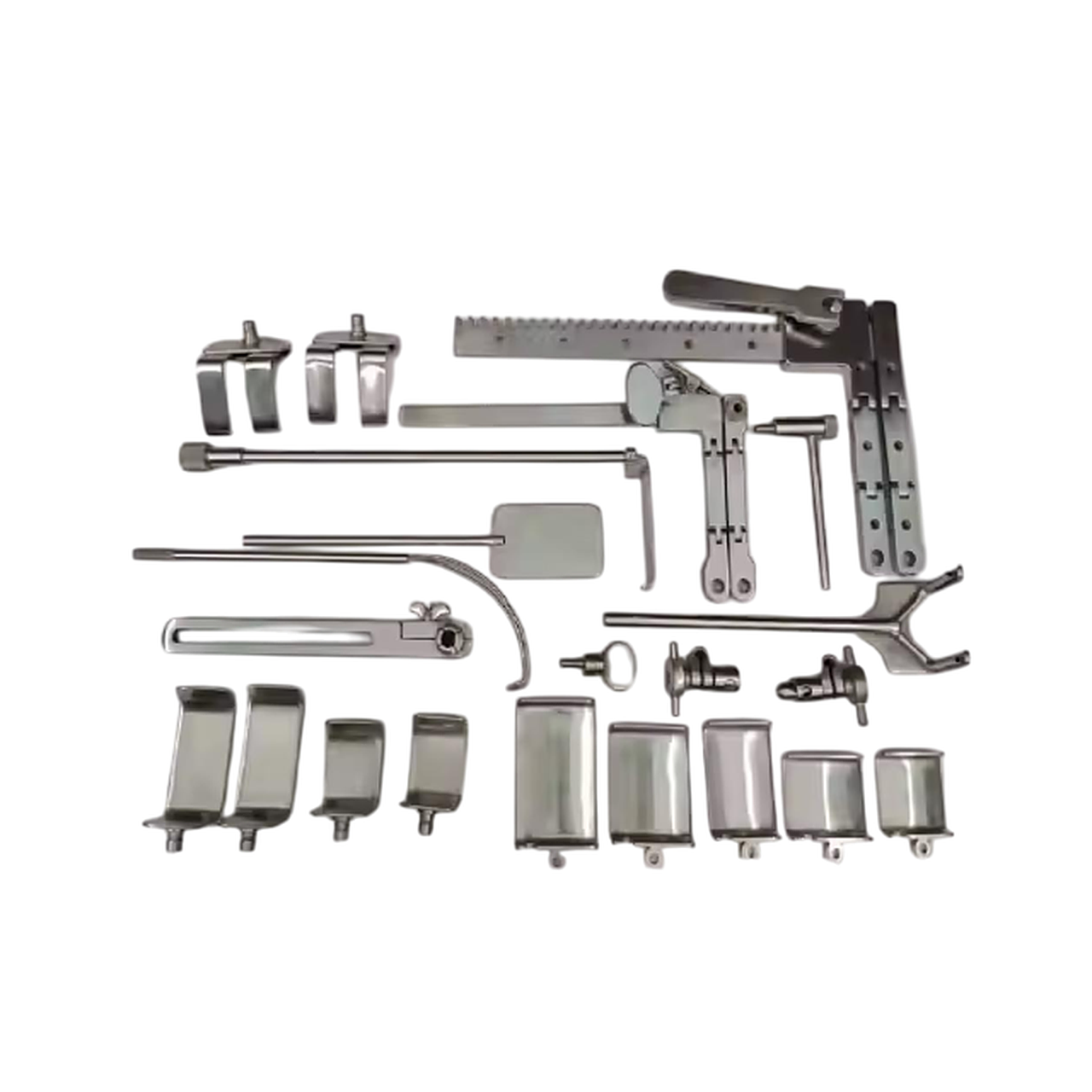 | Valve XS Retractor System | 側方アプローチによる心臓手術、MICS CABG、および心房リフトのセットアップにおいて、安定した組織展開と術野確保を実現するために設計されています。 |
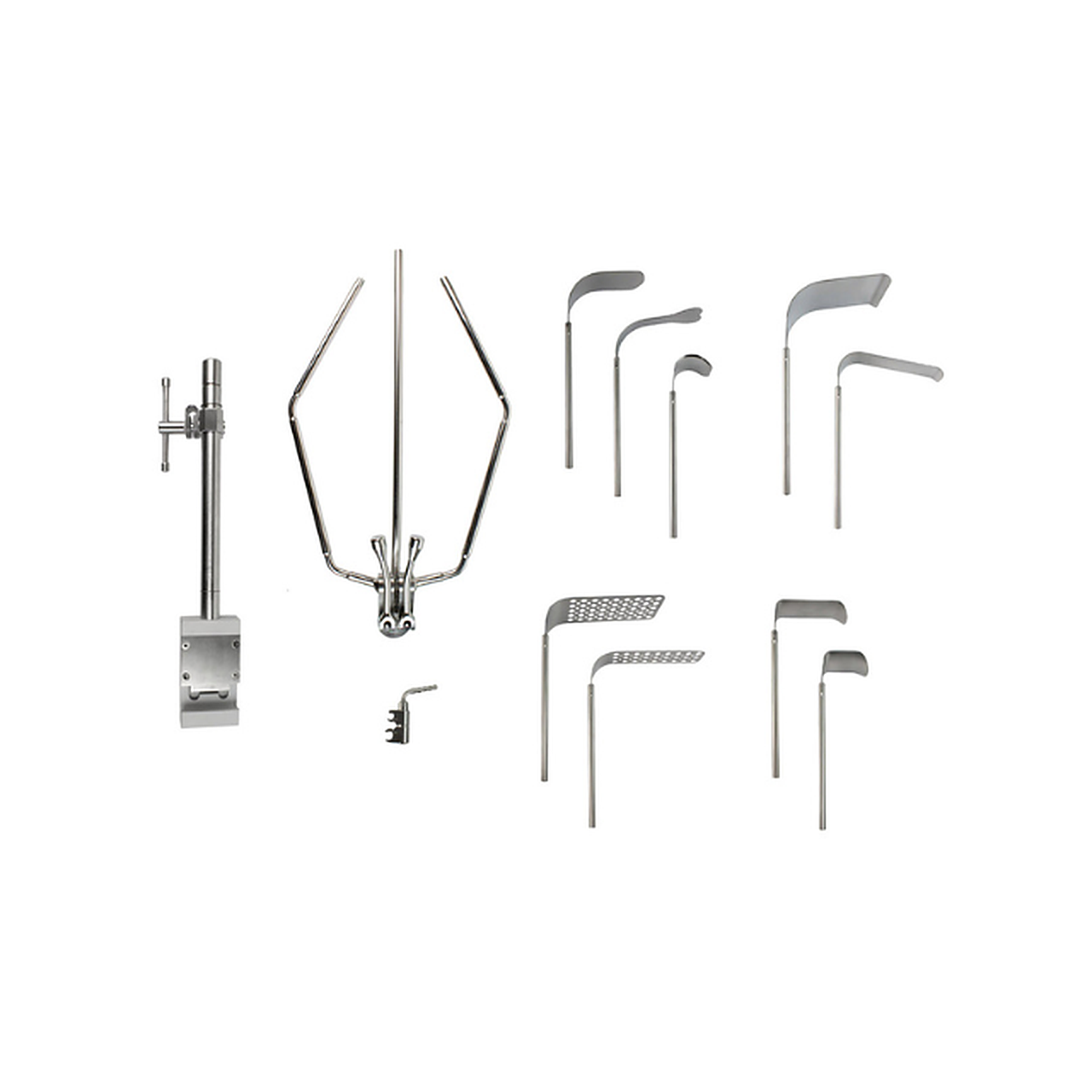 | Vascular Lobster System | 血管外科手術におけるテーブル固定・自動保持式の組織牽引および術野展開に特化して設計されています。 |
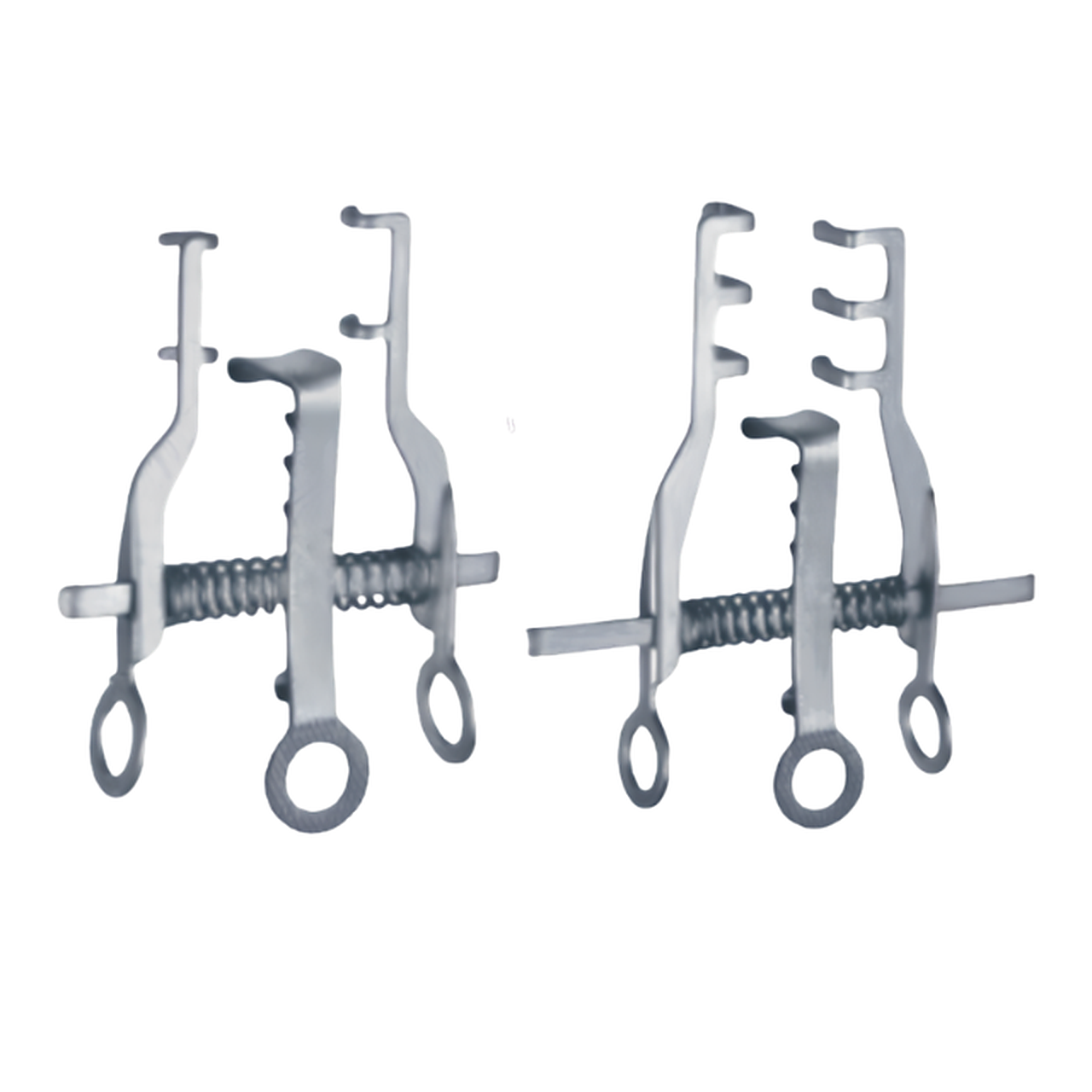 | Vickers Low Profile Retractor | 手、手首、およびマイクロサージャリーにおける低プロファイルで自動保持式の軟部組織開創用。 |
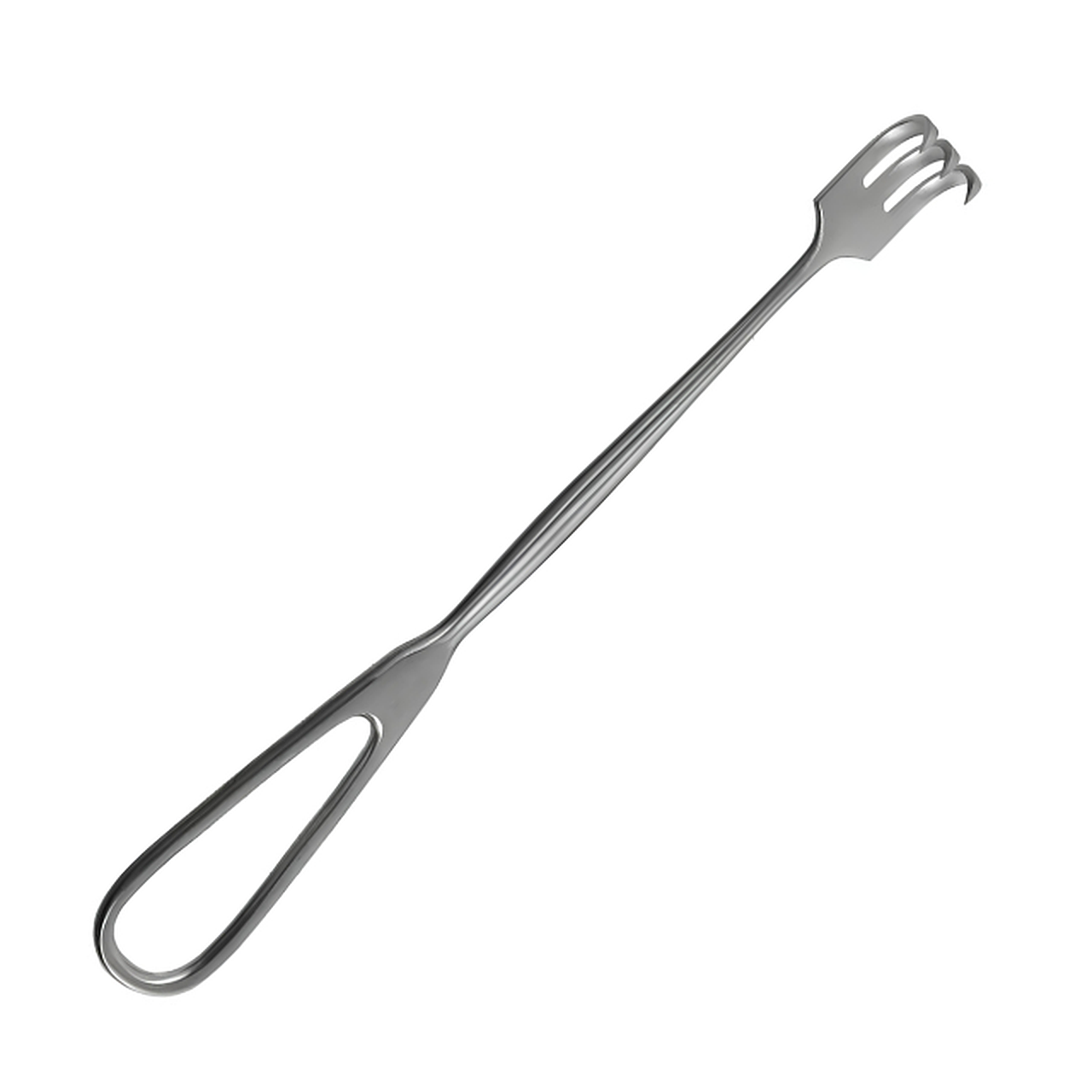 | Volkman Retractor-USA Pattern | 一般外科、形成外科、整形外科における皮弁、筋膜、筋肉組織の開創用に特別に設計されています。 |
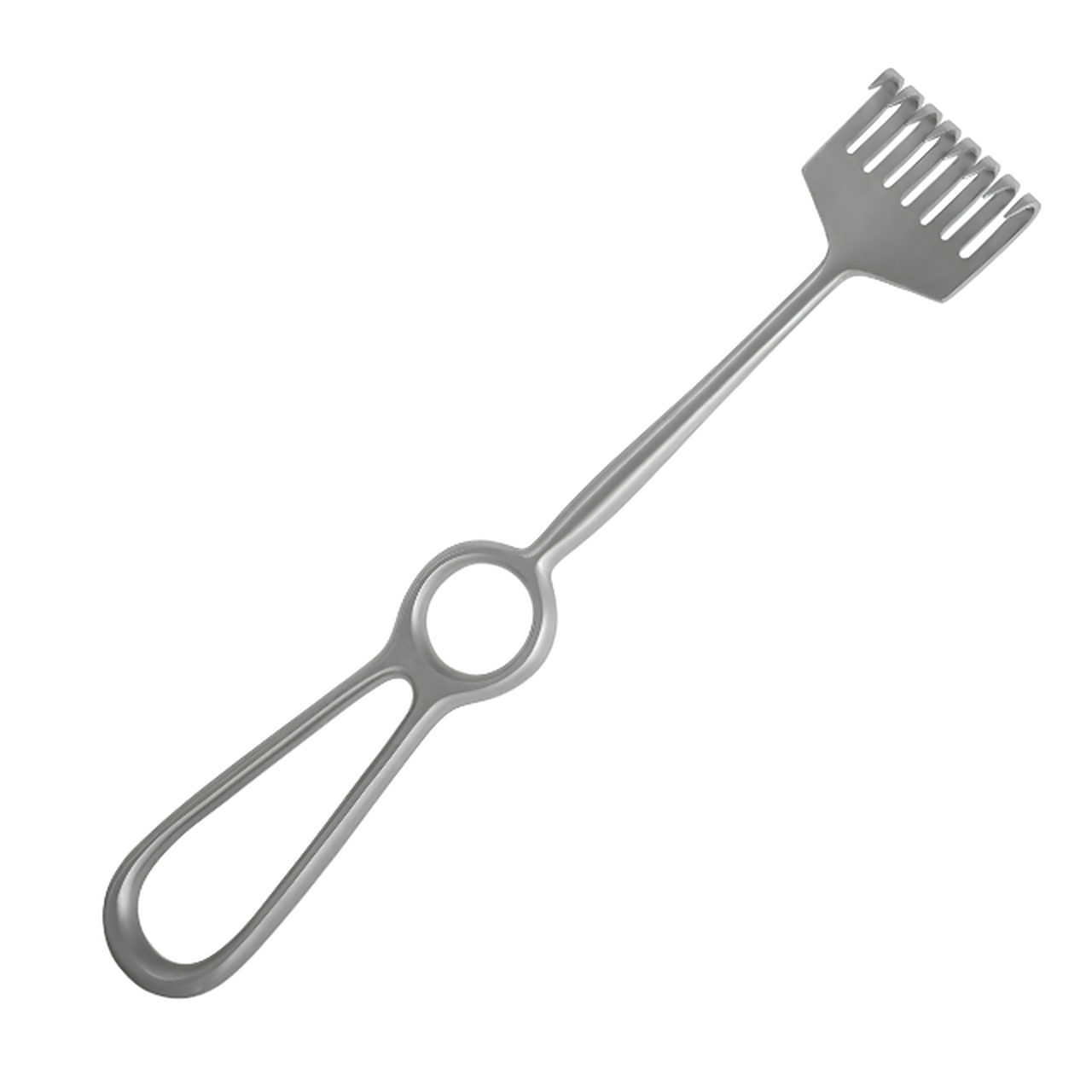 | Volkmann Retractor | 一般外科、形成外科、整形外科手術における皮弁、筋膜、および高密度組織縁の牽引に特化して設計されています。 |
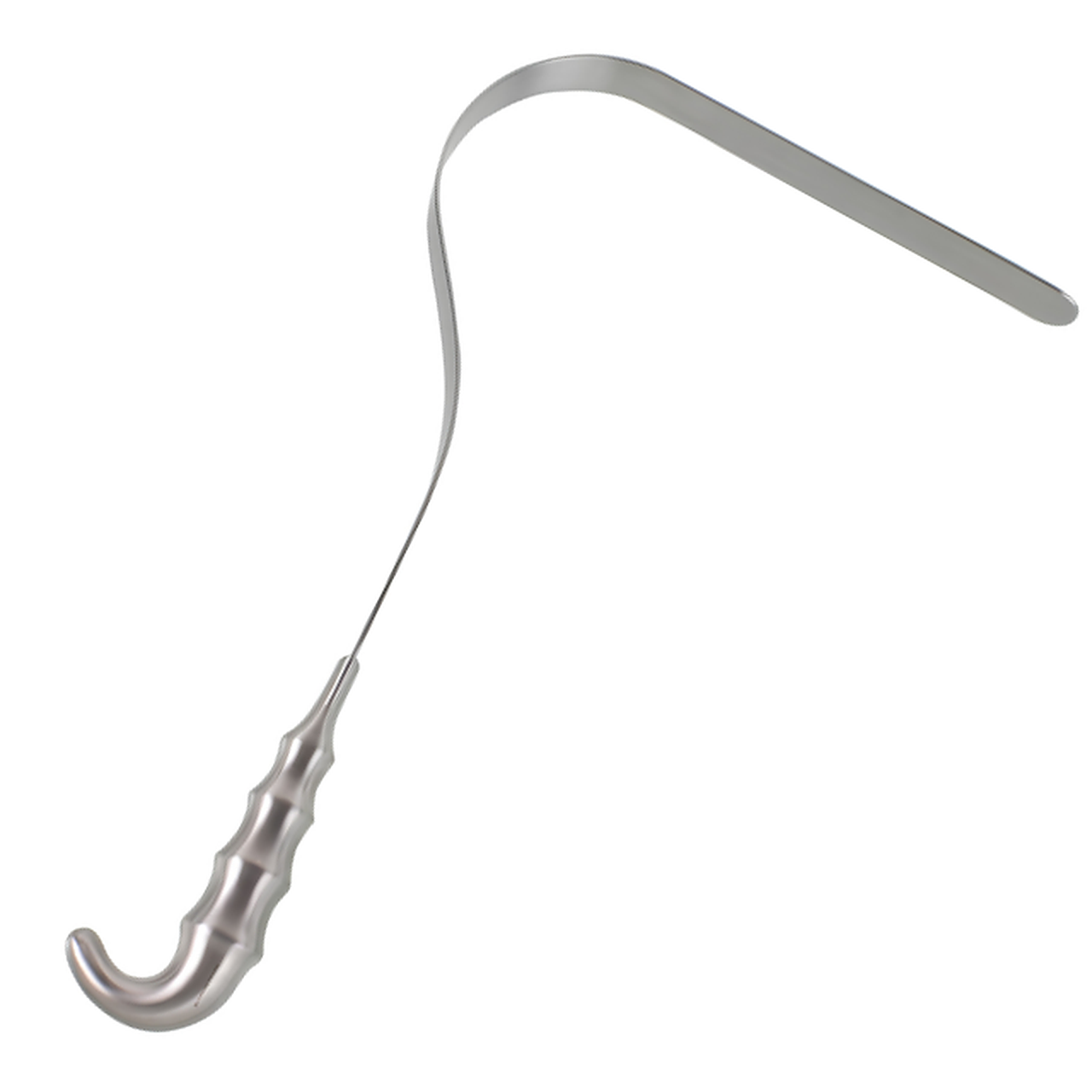 | W.M. Lemmon Deaver 開創器 | 主要な胸部および腹部手術において、深部の内臓、腸、肝臓、および腹壁を牽引するために特別に設計されています。 |
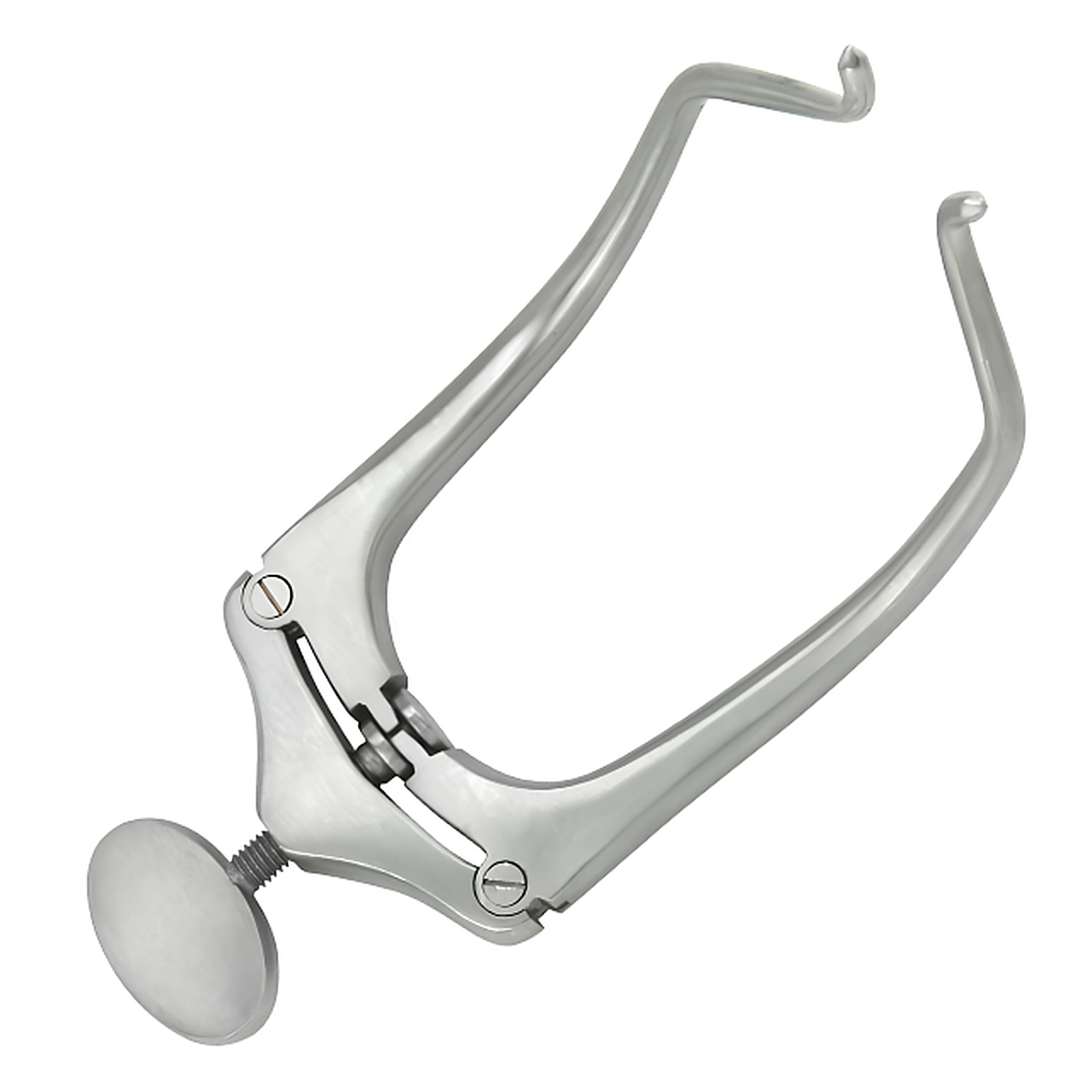 | Wallace Knee Retractor | 膝関節切開術および再建術における関節包および軟部組織の自動保持(セルフリテーニング)開創用に特別設計。 |
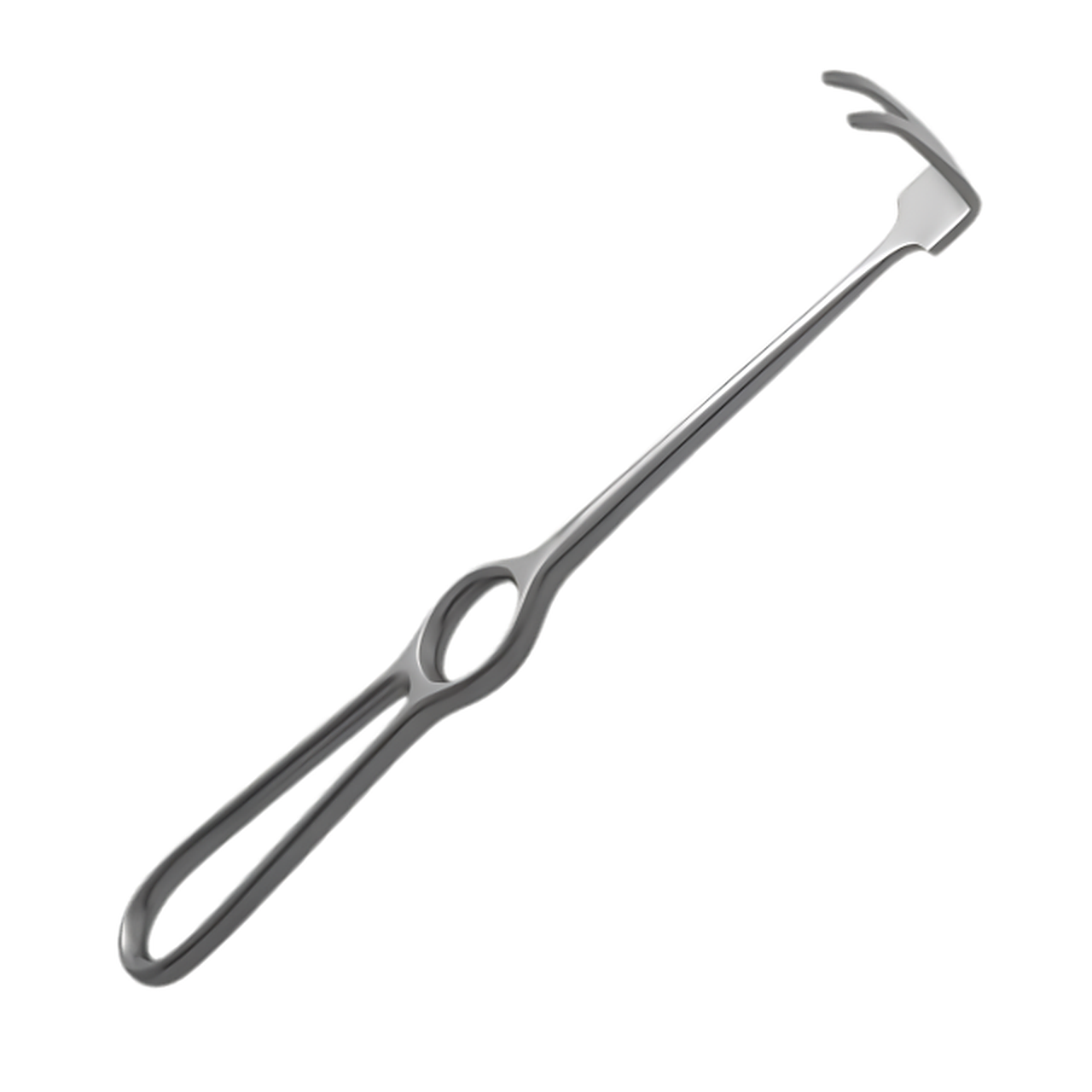 | Wassmund 軟部組織レトラクター | 口腔外科および顎顔面外科手術における頬、唇、および粘膜骨膜の牽引に特化して設計されています。 |
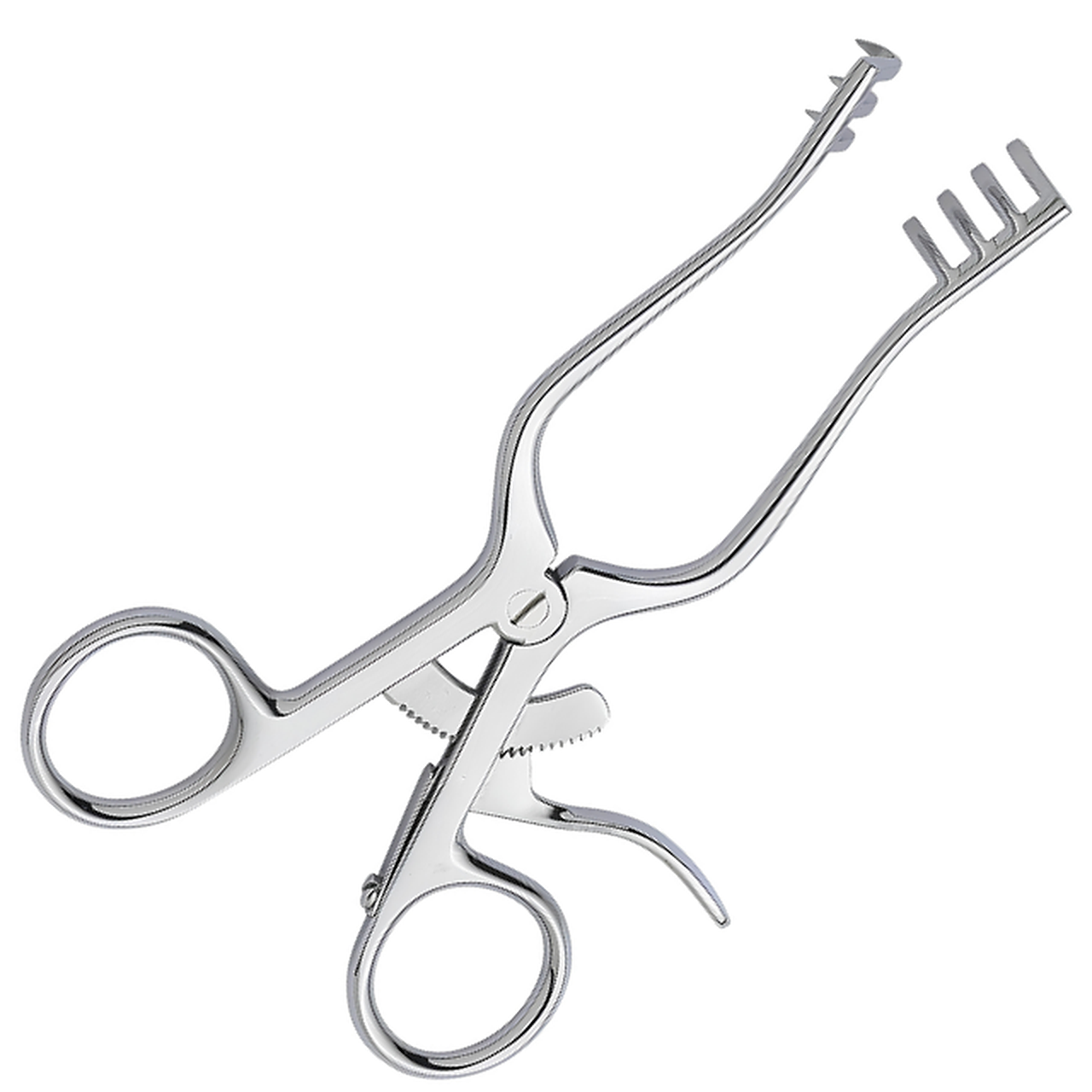 | Weitlaner Retractor | 小手術、一般外科、および深部整形外科手術において、自動保持によるハンズフリーな創縁開創を提供するために設計されています。 |
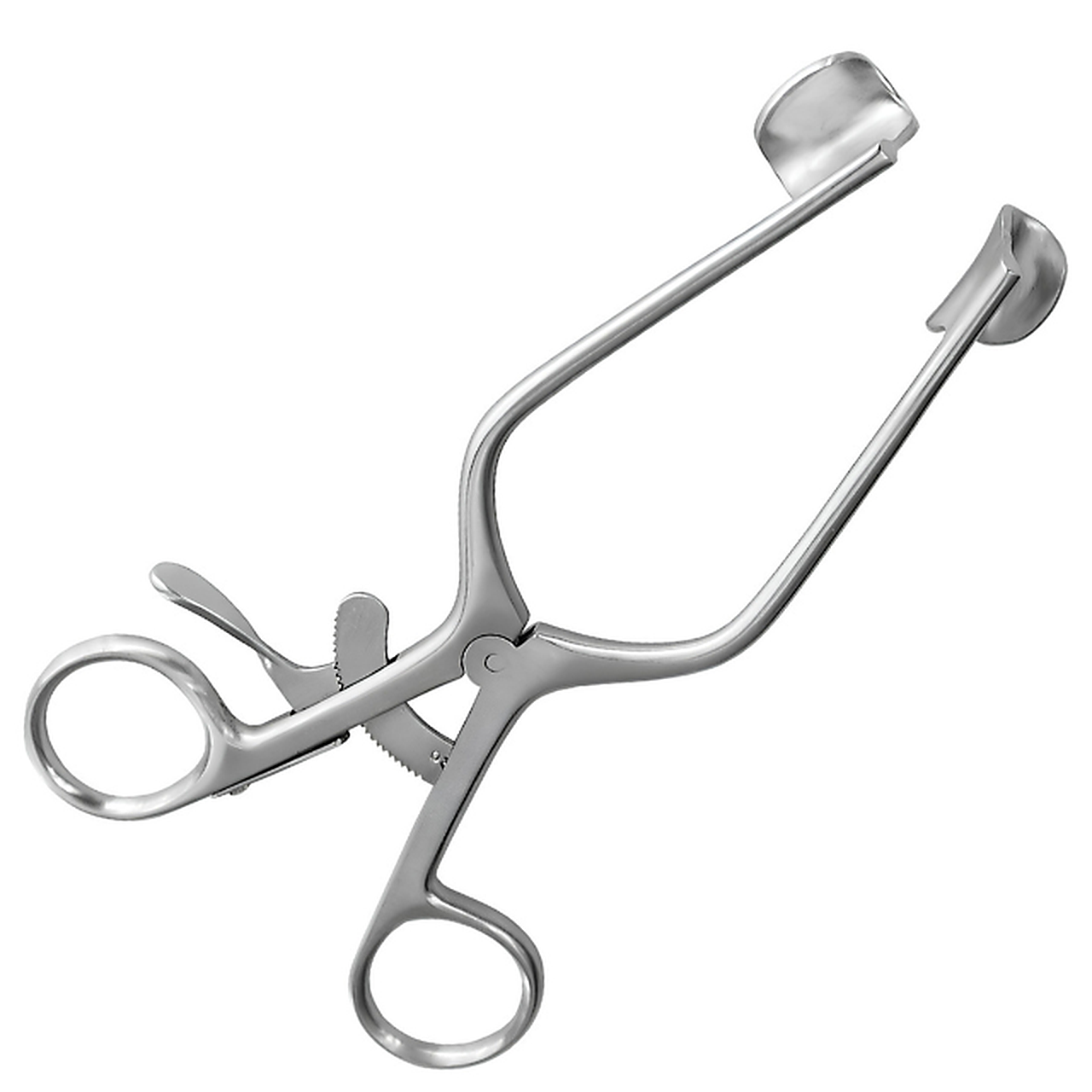 | 広口自動開創器 (Wide Self-Retaining Retractor) | 組織の脱出を防ぎながら、広範囲の創縁を自動保持・牽引するために特別に設計されています。 |
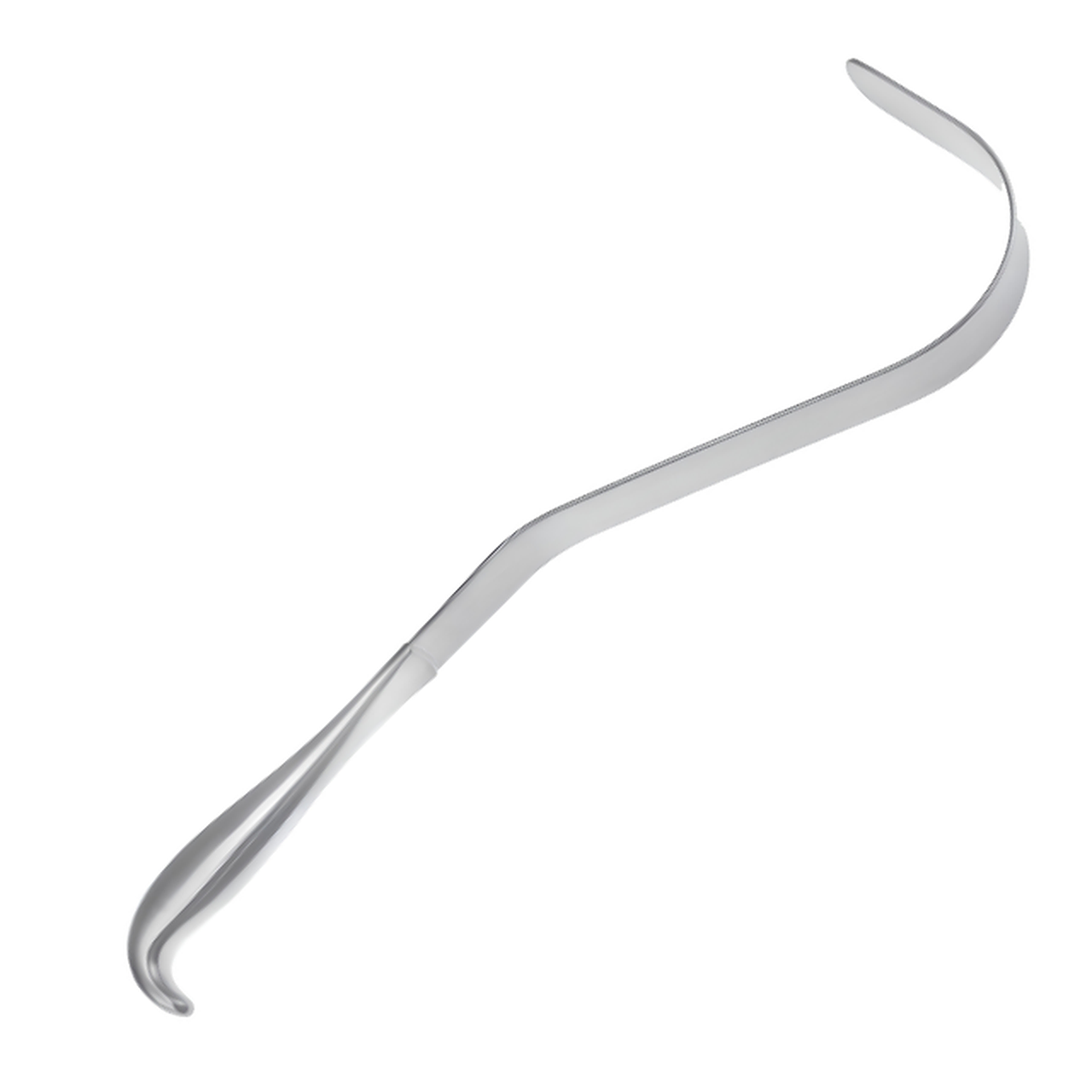 | Willauer-Deaver 牽引子 | 胸部および腹部手術中に肺実質、内臓、および深部組織の端を牽引するために特別に設計されています。 |
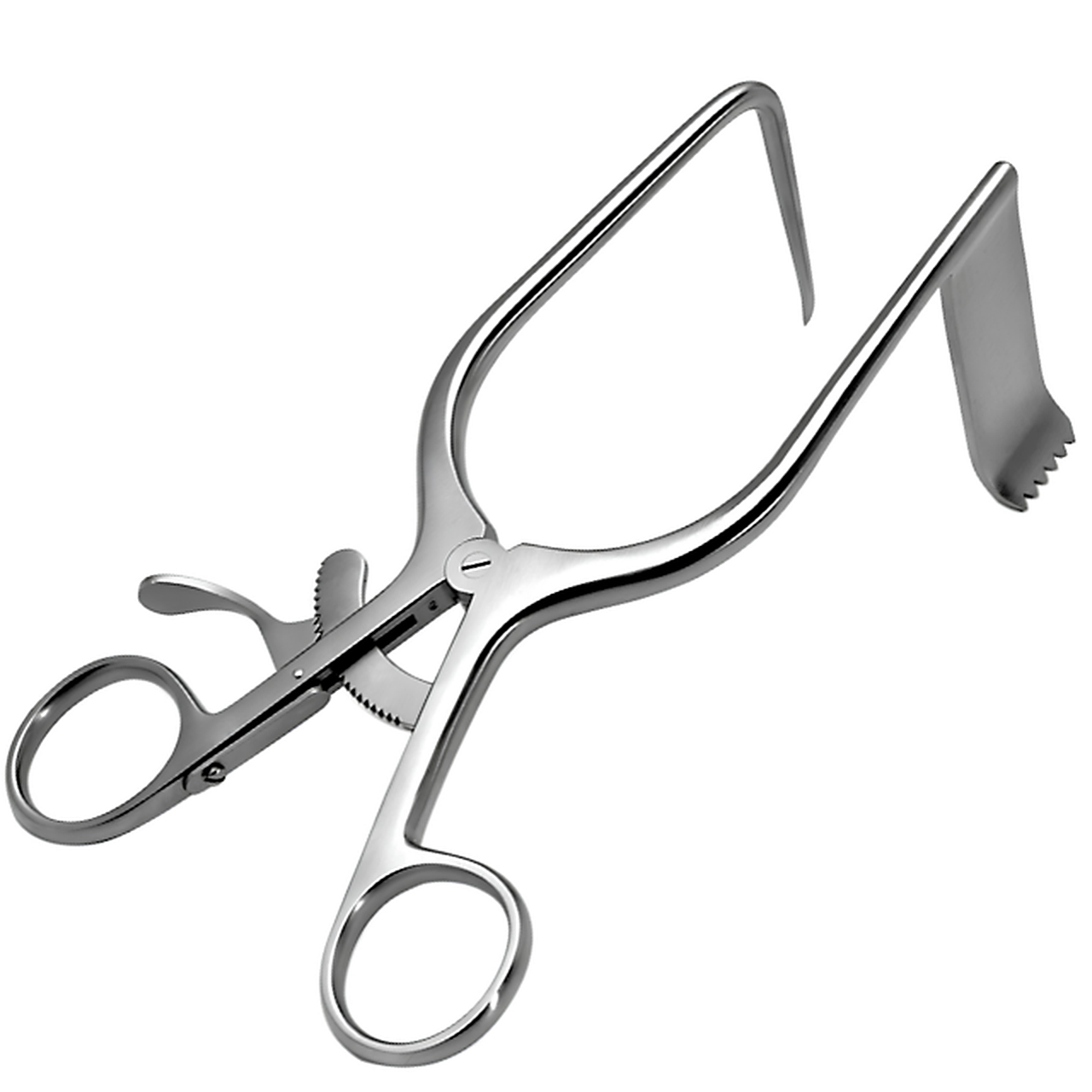 | Williams Discectomy Retractor | 顕微鏡下腰椎椎間板切除術および椎弓切開術における傍脊柱筋および軟部組織の牽引。 |
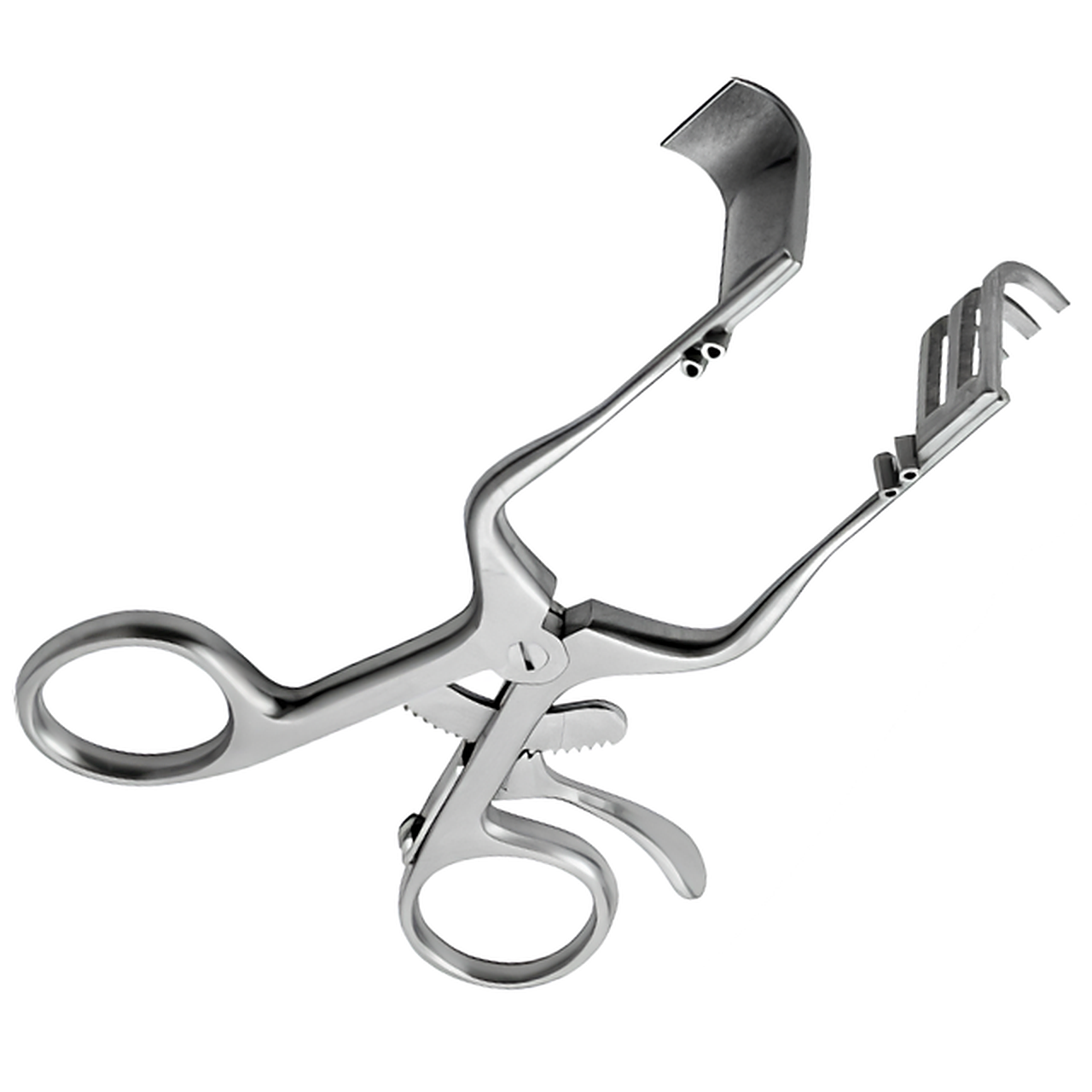 | Williams Distal Radius Fracture Retractor | 骨折プレート固定術中に橈骨遠位端掌側を露出させるため、方形回内筋および屈筋腱を牽引するために特別に設計されています。 |
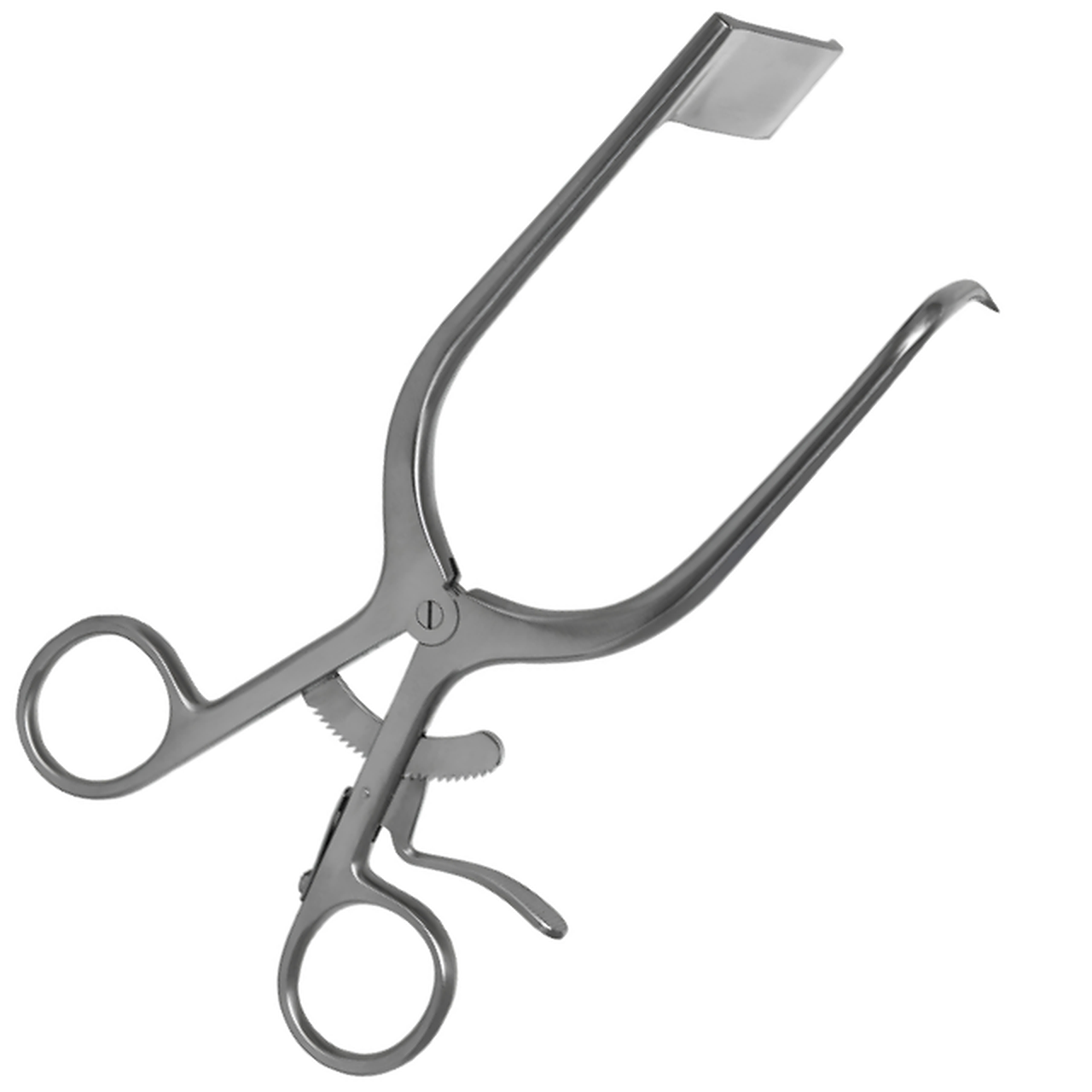 | Williams 脊椎椎間板切除術用レトラクター | 腰椎マイクロディスセクトミーにおける傍脊柱筋の圧排および椎弓の露出用に設計。 |
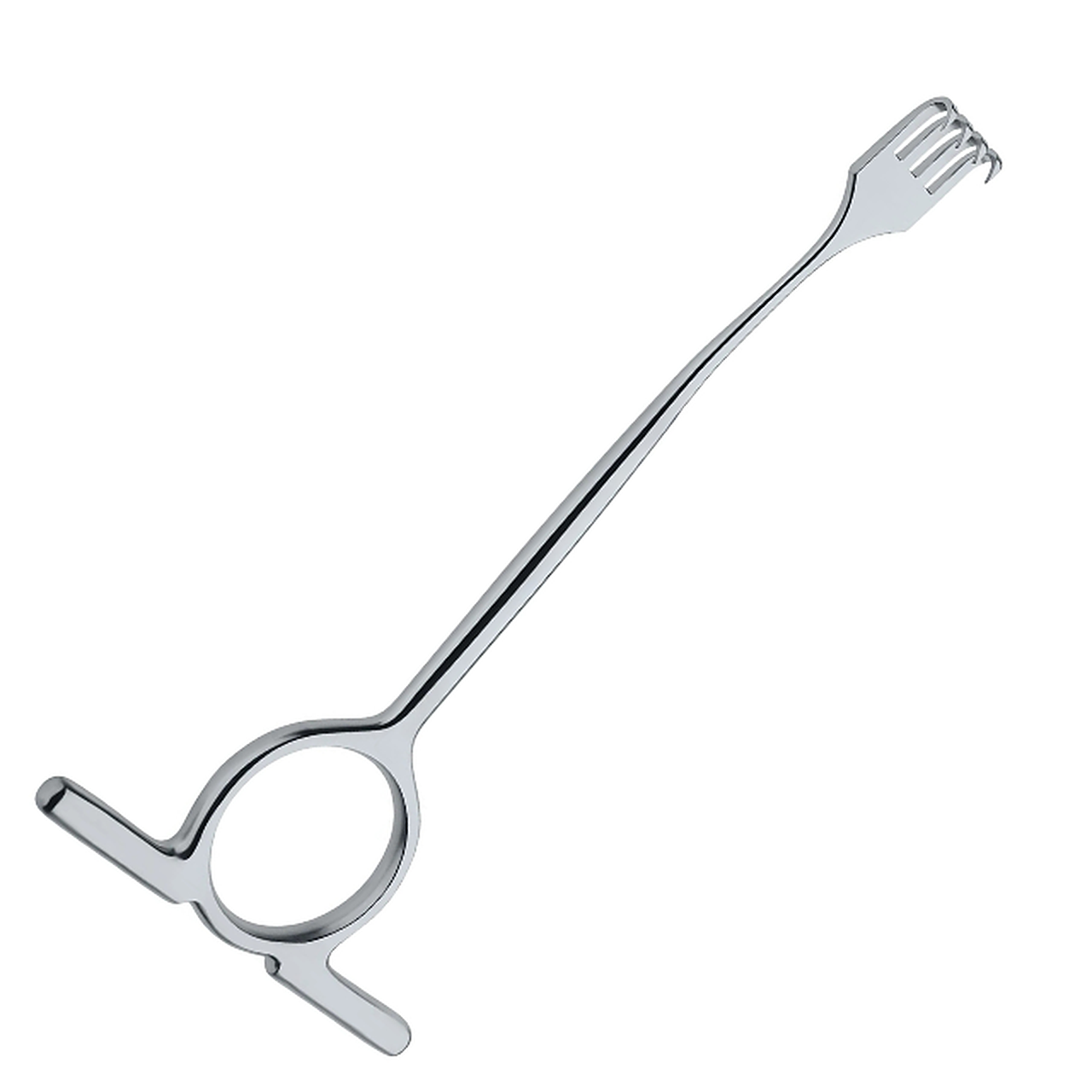 | Williger Retractor | 口腔、歯科、顎顔面外科手術において、骨を露出させるために粘膜骨膜フラップや軟部組織を牽引するために特別に設計されています。 |
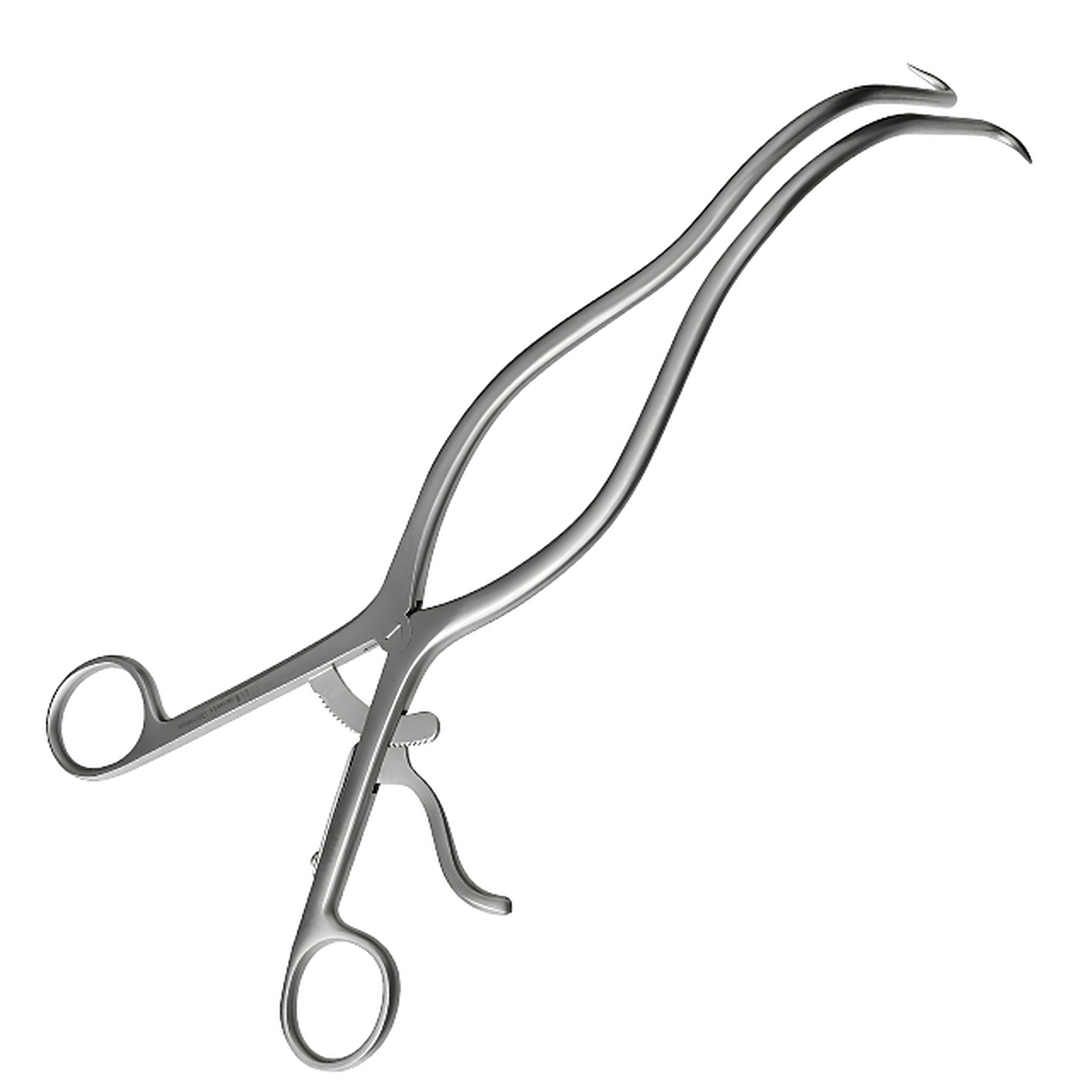 | Wiltse-Gelpi 自動開創器 | 後側方脊椎固定術および除圧術における重厚な椎傍筋の圧排用に特化して設計されています。 |
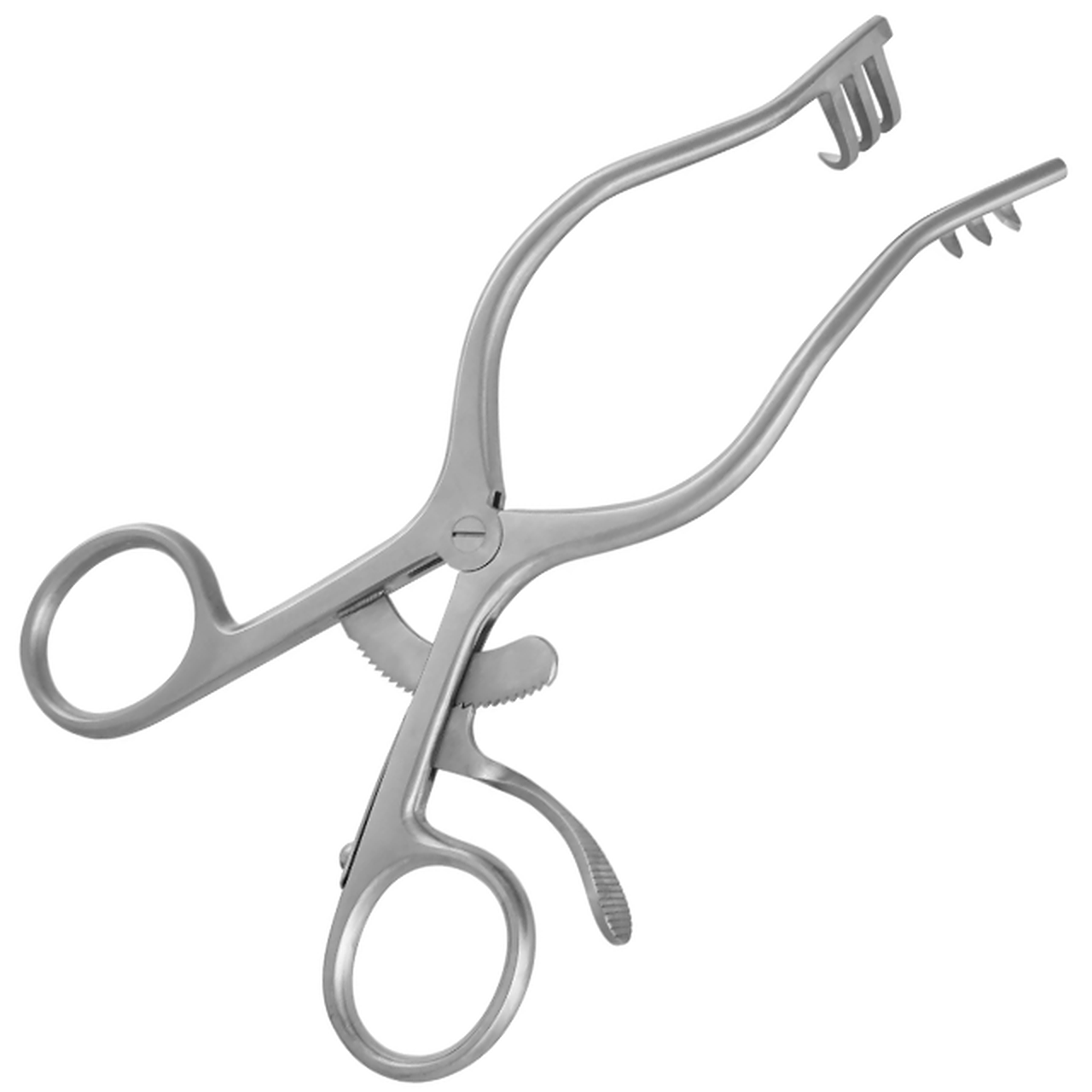 | Wullstein Weitlaner 開創器(自動式) | 耳科、頭皮、および小手術における自動式創縁および軟部組織の開創用に特別に設計されています。 |
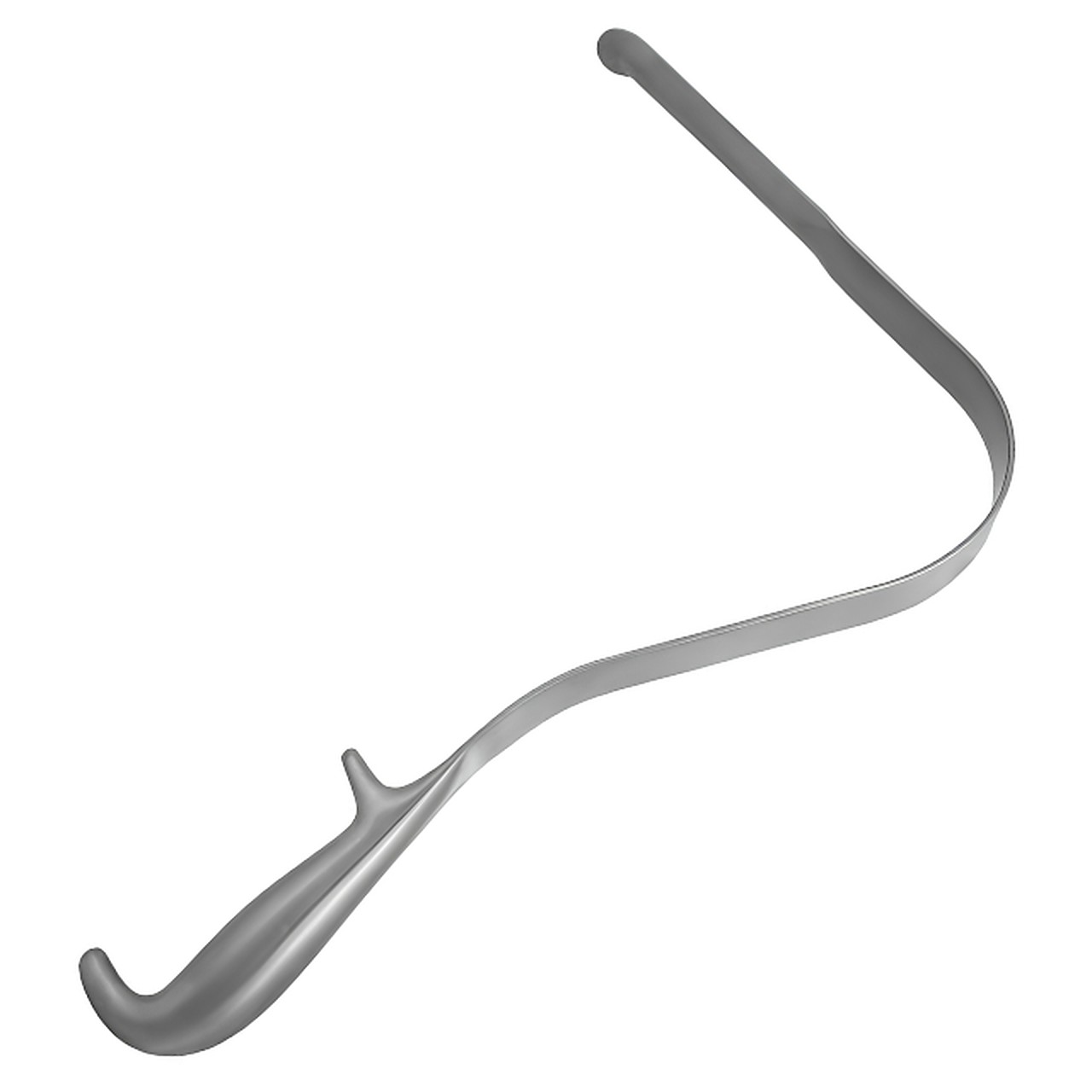 | Wylie 腎静脈レトラクター | 血管外科および泌尿器科手術において、腎静脈、大静脈、および主要な後腹膜血管を圧排・保護するために使用します。 |
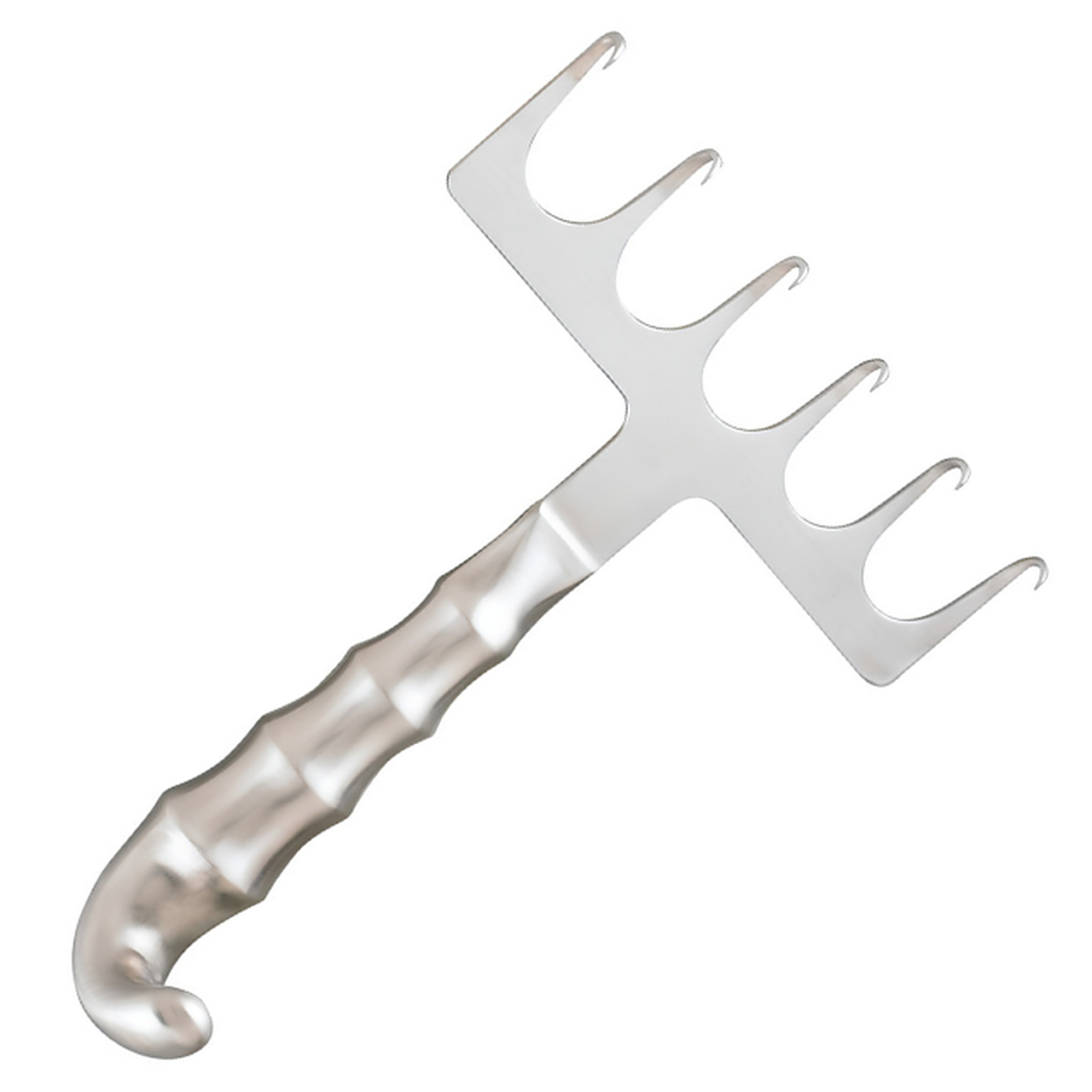 | Yancoskie Abdominoplasty Retractor | 腹壁形成術および脂肪切除術中の大きな腹部皮弁の挙上と、腹直筋鞘の露出に特化して設計されています。 |
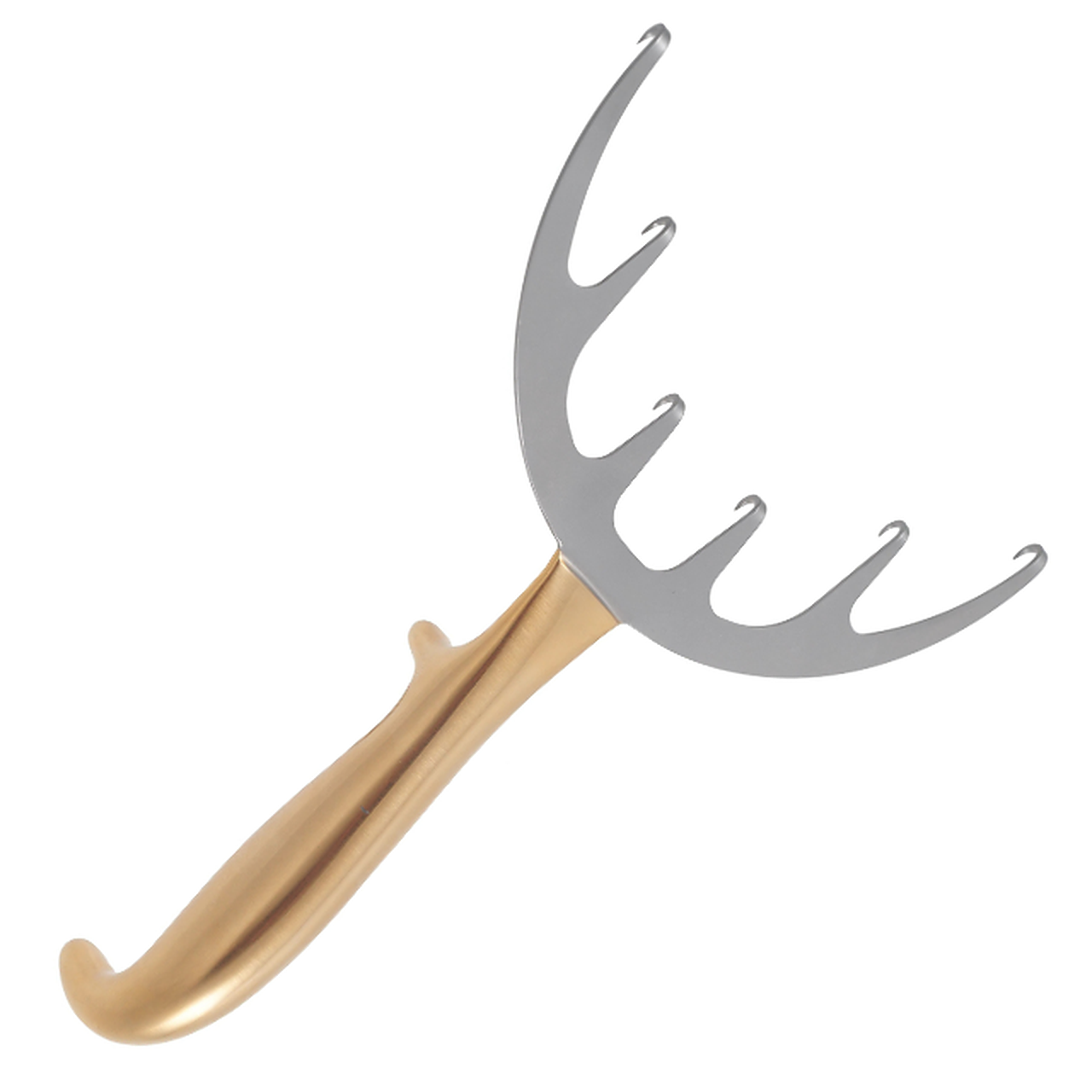 | Yancoskie Coronal Lift Retractor | 前頭部ブローリフトおよび頭蓋顔面外科手術における頭皮および前頭部フラップの挙上と牽引のために特別に設計されています。 |
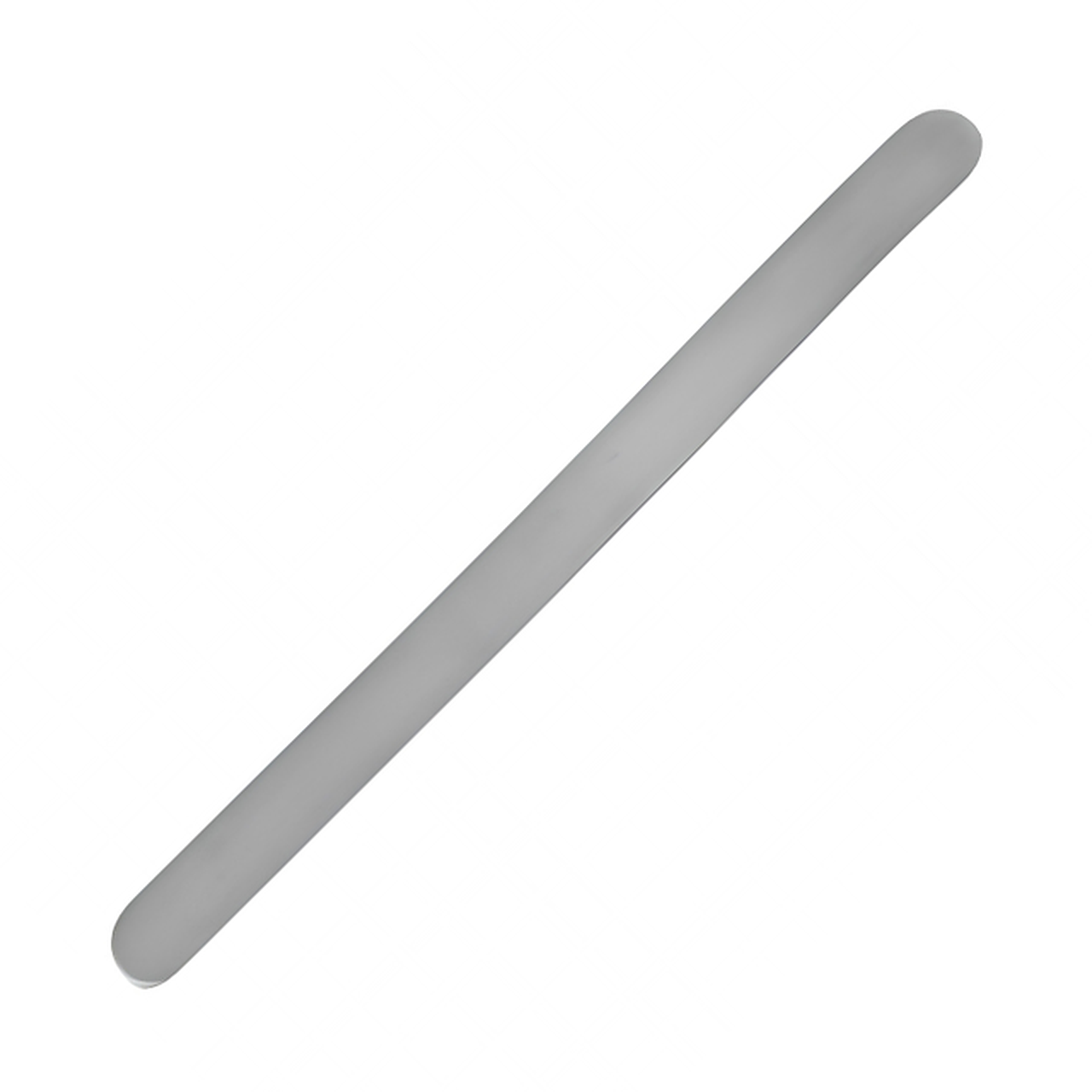 | Zalkind 可塑性リボンレトラクター | スプリングバックさせることなく、内臓、腸管、および深部軟部組織を牽引するために、術中にカスタム形状に曲げることができるよう特別に設計されています。 |
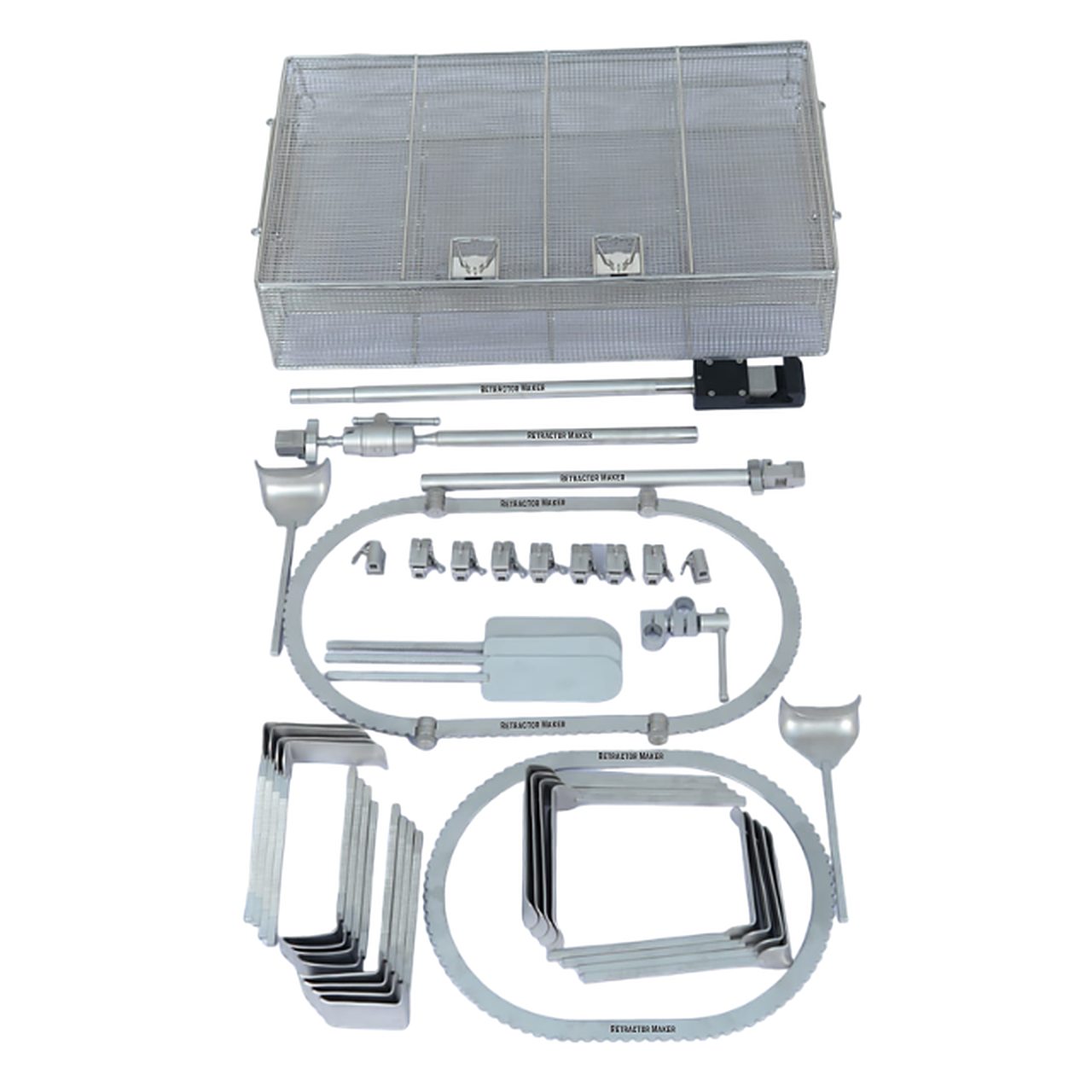 | Bookwalter Retractor (スタンダード) | 腎摘出術、前立腺全摘除術、開腹術などの大規模な開腹手術において、安定したハンズフリーの術野展開を提供します。 |
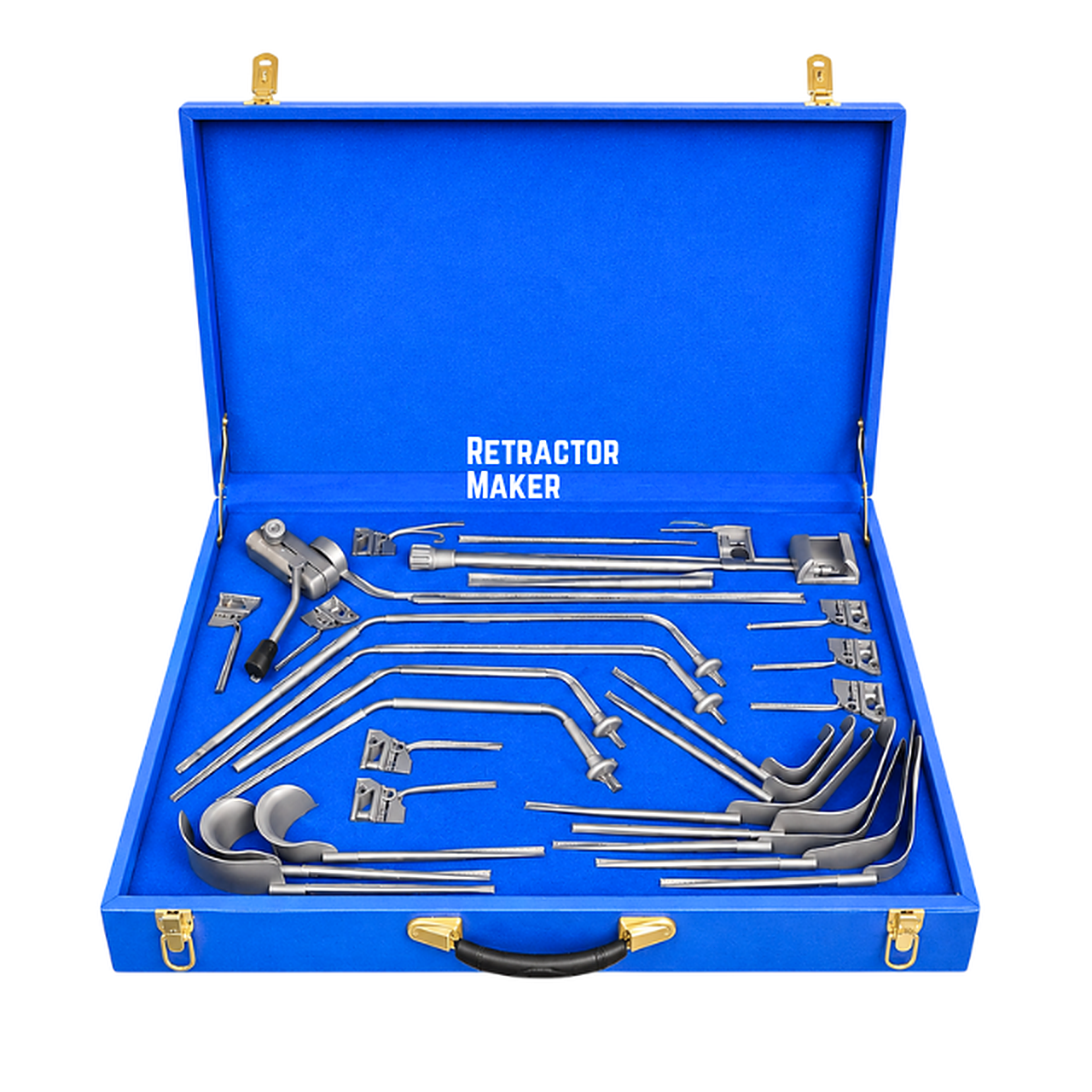 | Omni Retractor System | 複雑な開腹手術において、適応性が高く低プロファイルなハンズフリーの視野確保を提供します。 |
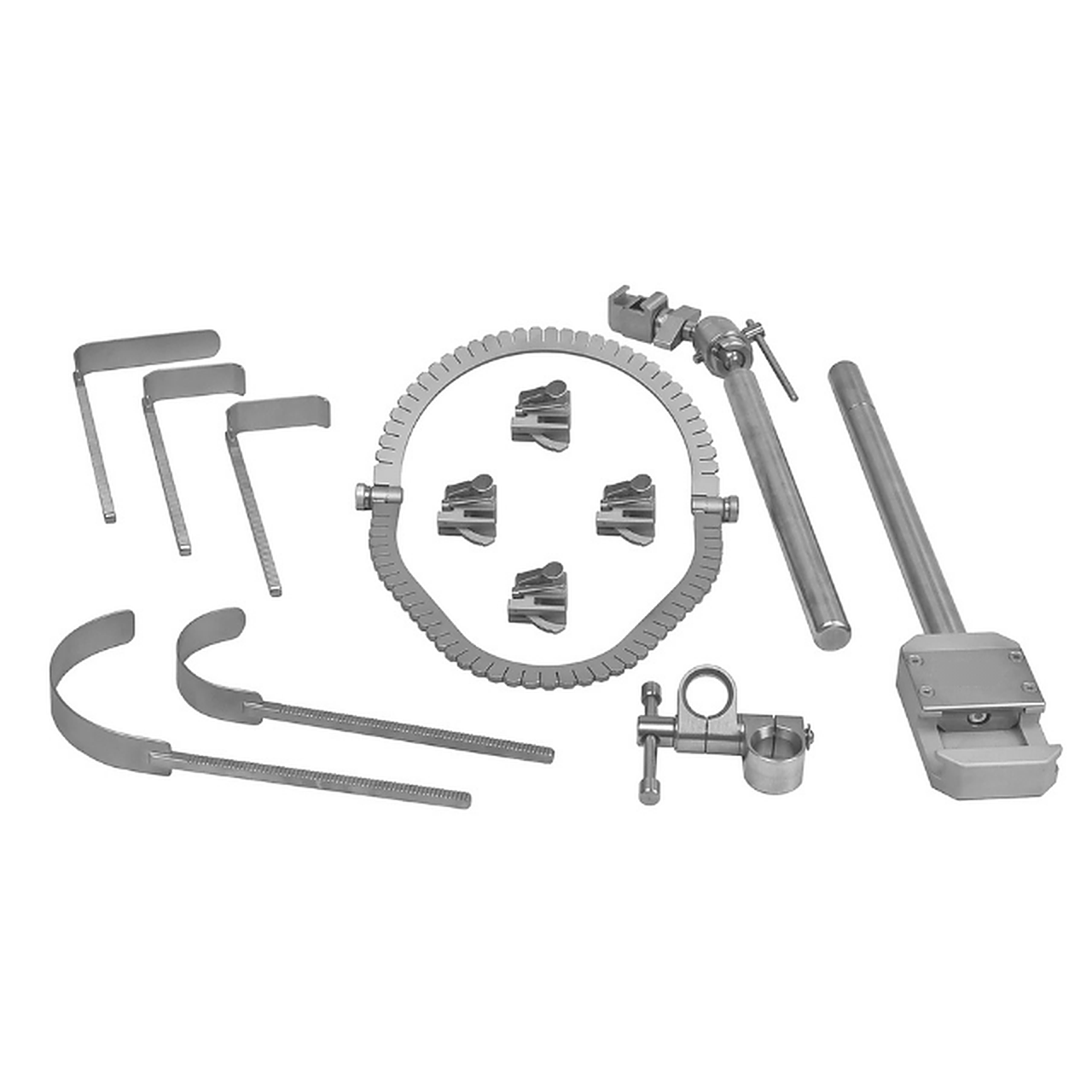 | Bookwalter GYN Retractor System | 手術台固定式の自動開創器システムを使用し、婦人科および経膣手術において安定したハンズフリーの術野展開を提供します。 |
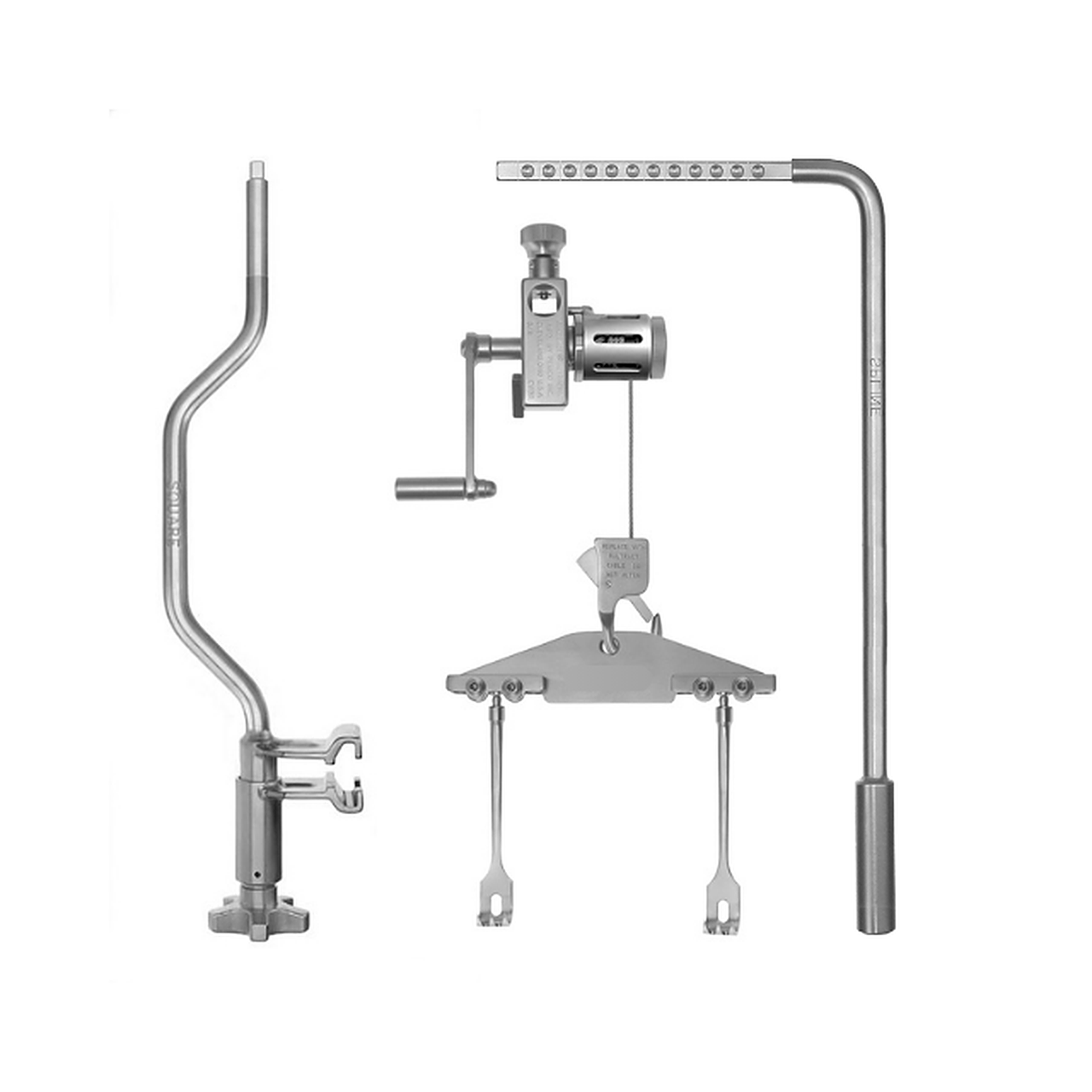 | Rultract Retractor System | 安定したハンズフリーの組織排除と一貫した術野展開を提供し、手術の効率化を支援するように設計されています。 |
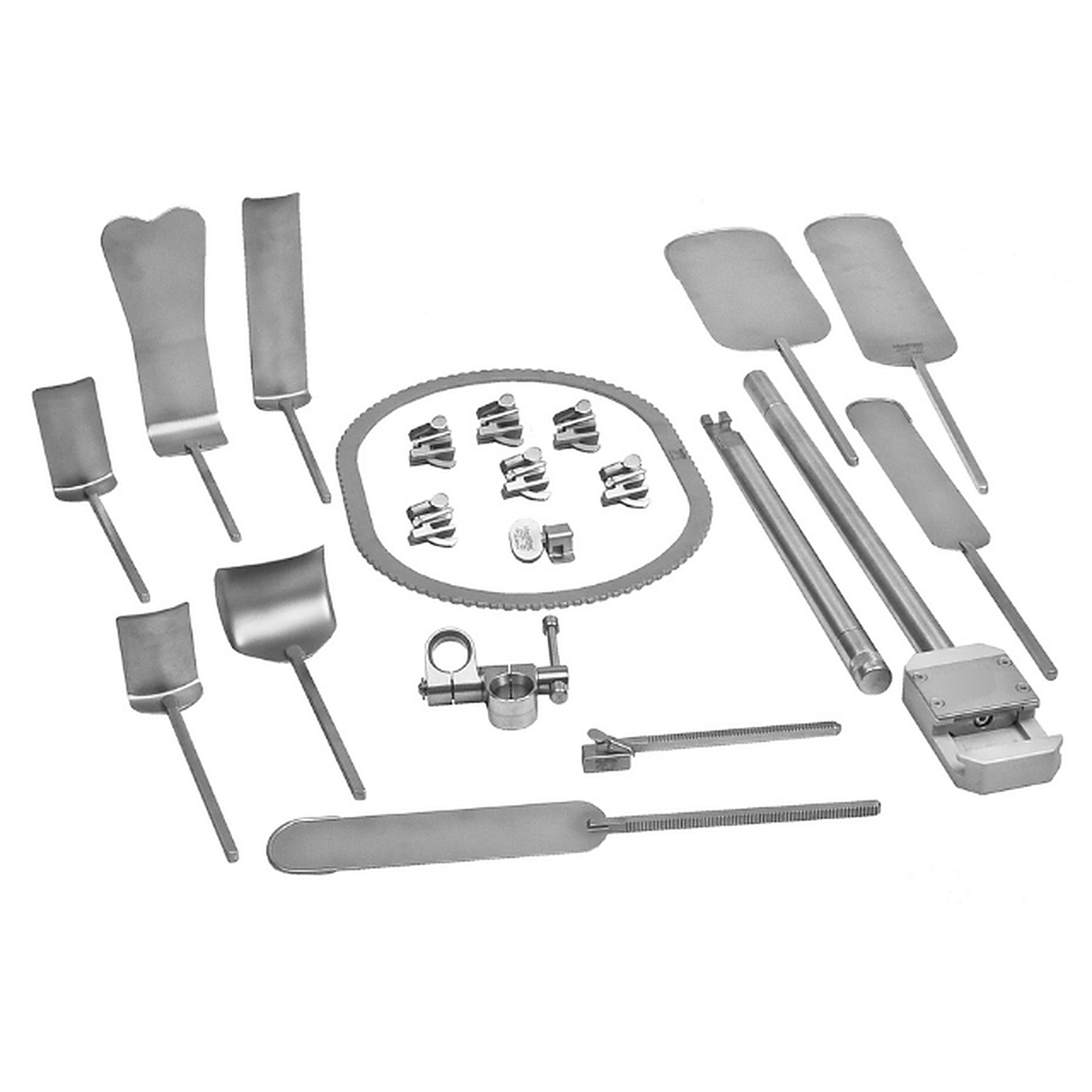 | Bookwalter 肥満外科用開創器システム | 特殊な開創を必要とする開腹下の肥満外科手術において、ハンズフリーの術野展開を提供するために設計されています。 |
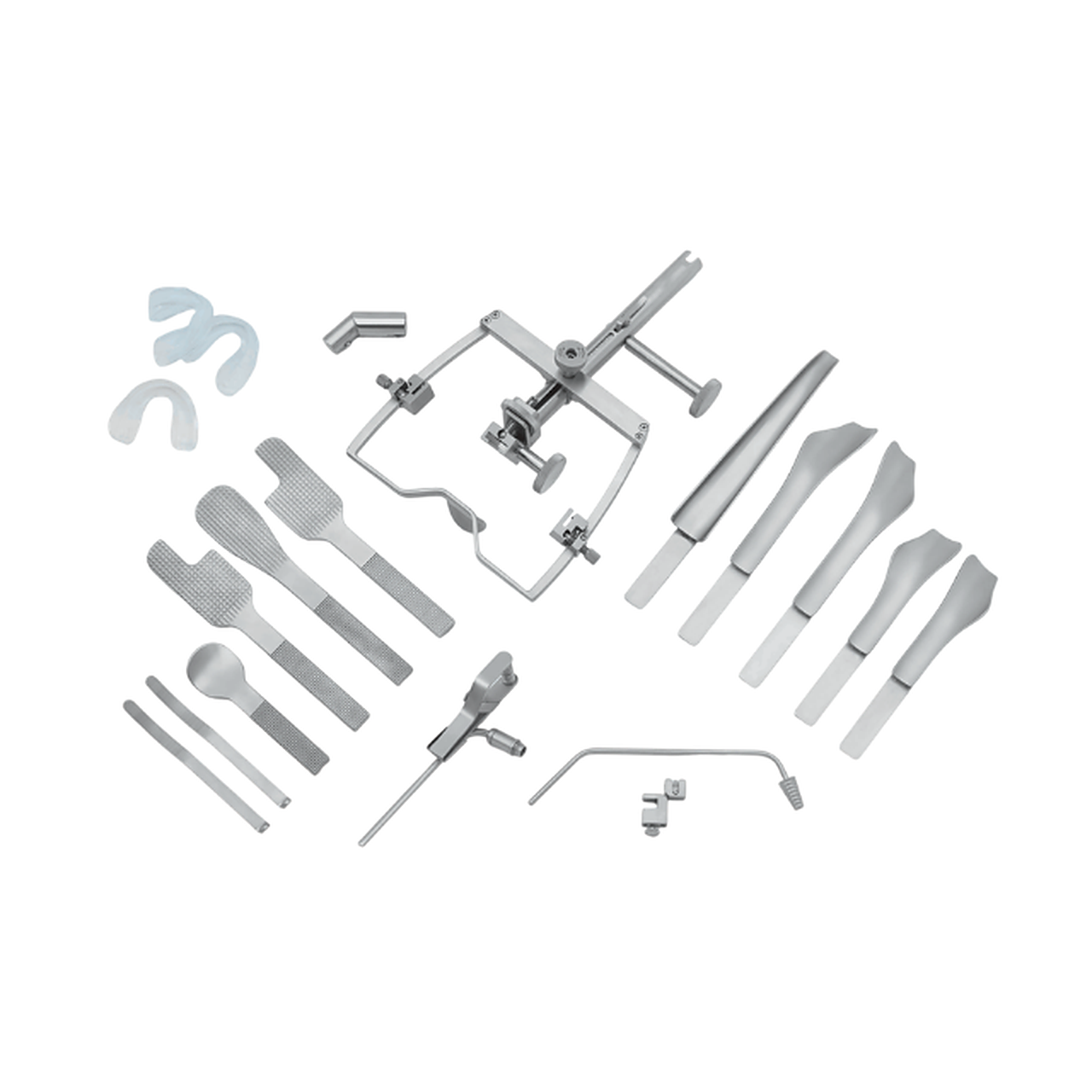 | FK Retractor (Feyh-Kastenbauer) | 経口ロボット手術 (TORS)、マイクロサージャリー、および舌根、喉頭、声門上部、下咽頭を含むレーザー手術における上気道消化管の術野展開専用に設計されています。 |
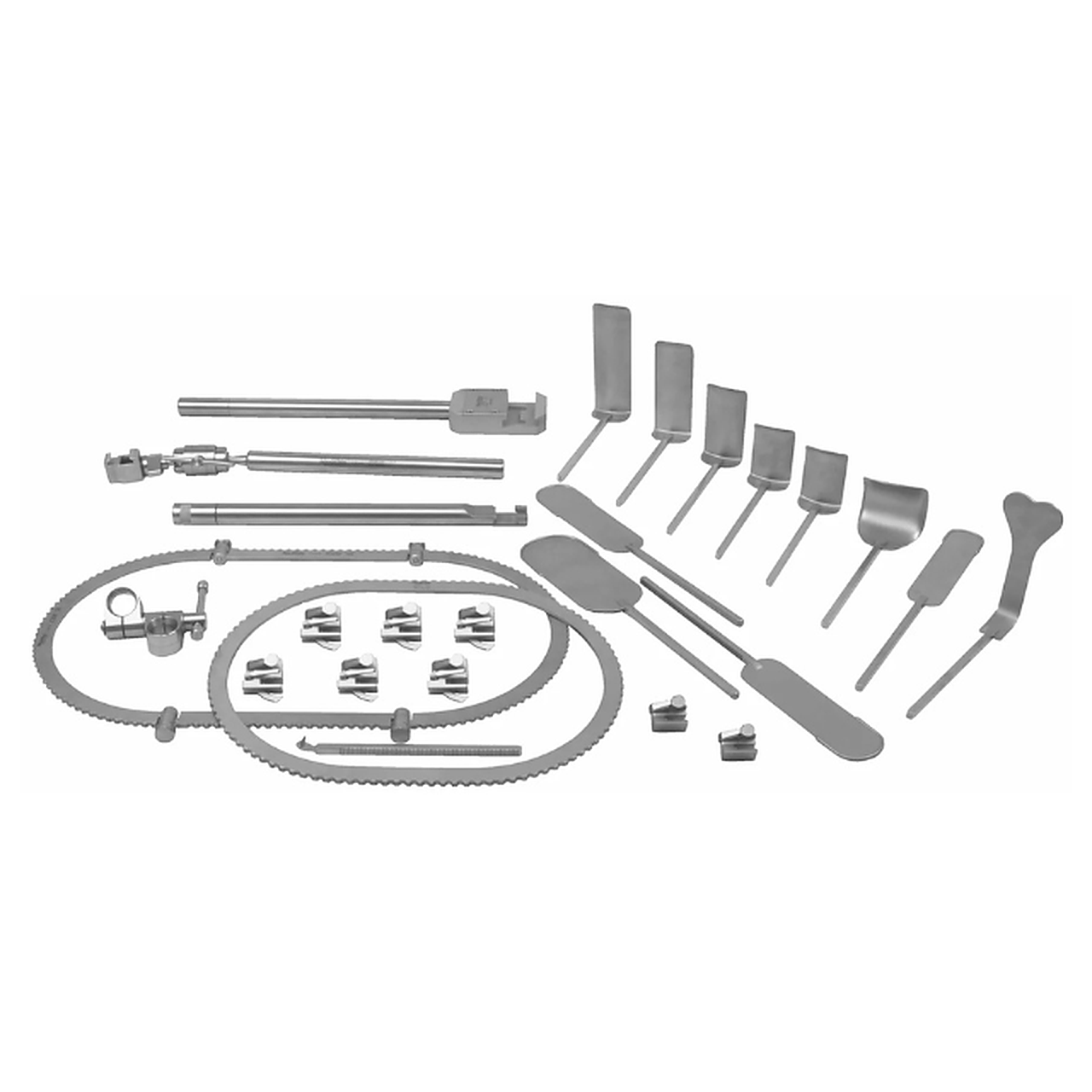 | Bookwalter 一般外科リトラクター | テーブル固定式の自動開創システムを使用し、開腹手術および一般外科手術において安定したハンズフリーの術野展開を提供します。 |
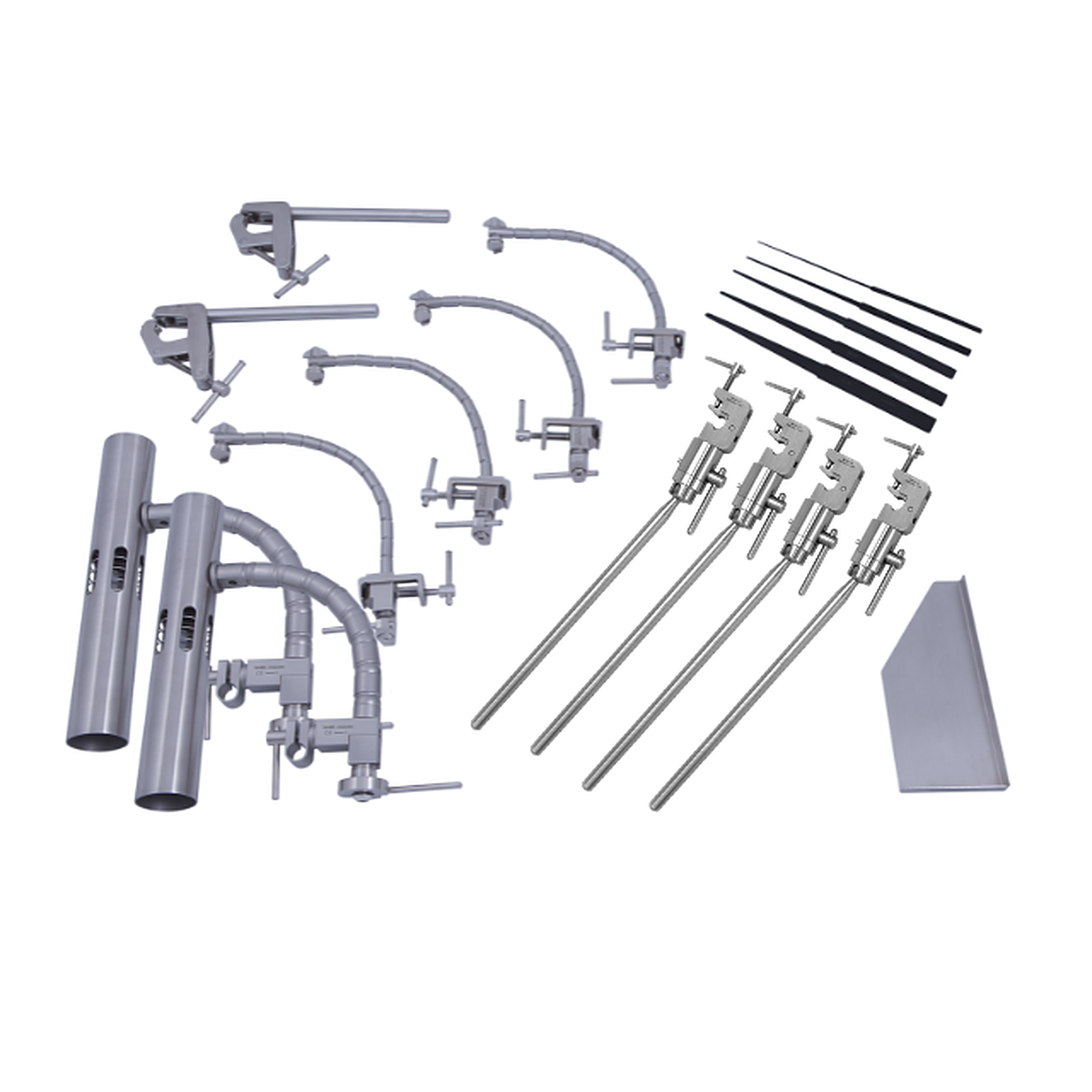 | Greenberg Retractor | 複雑な頭蓋内、頭蓋底、および微小脳神経外科手術において、精密で自己保持型のハンズフリー組織牽引を行うために設計されています。 |
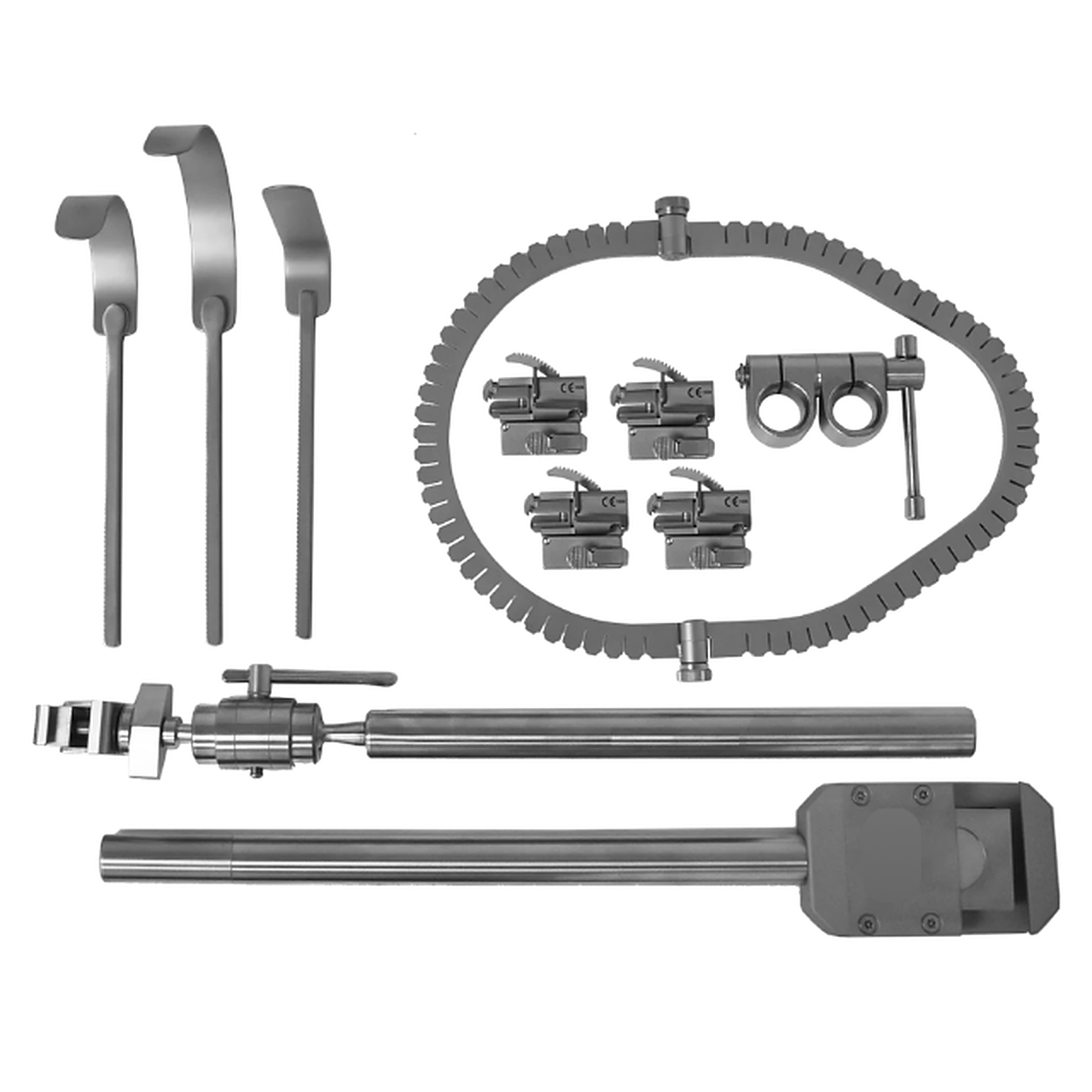 | Bookwalter GYN Magrina 骨盤外科用開創器システム | 回転式チルトラチェットを備えた手術台固定式自動開創器システムを使用し、産婦人科、経膣、および骨盤外科手術において安定したハンズフリーの術野展開を提供します。 |
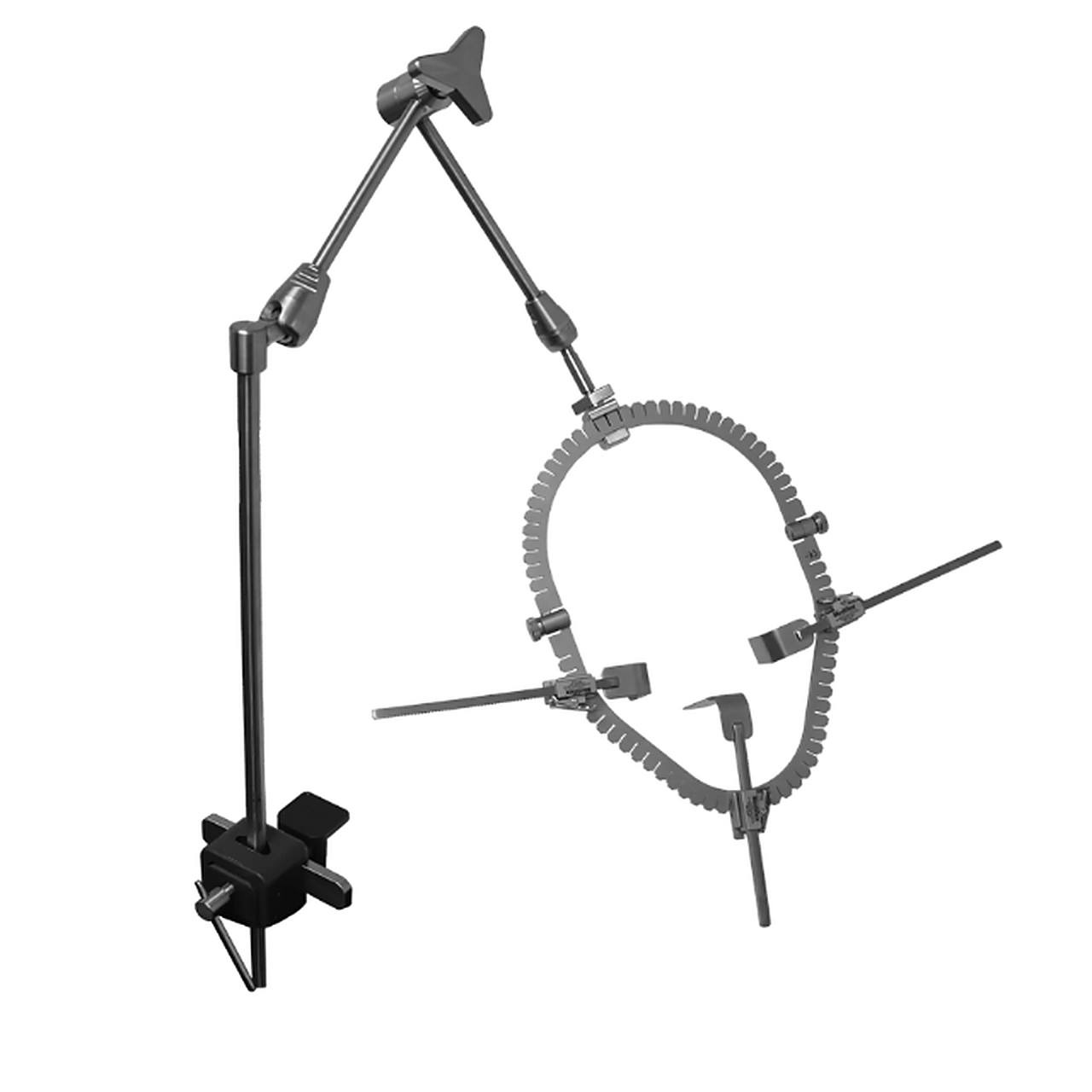 | Bookwalter StrongArm GYN 手術用リトラクターシステム | StrongArm Plus マウントシステムを使用し、婦人科、腟式、および骨盤内手術において安定したハンズフリーの術野展開を提供します。 |
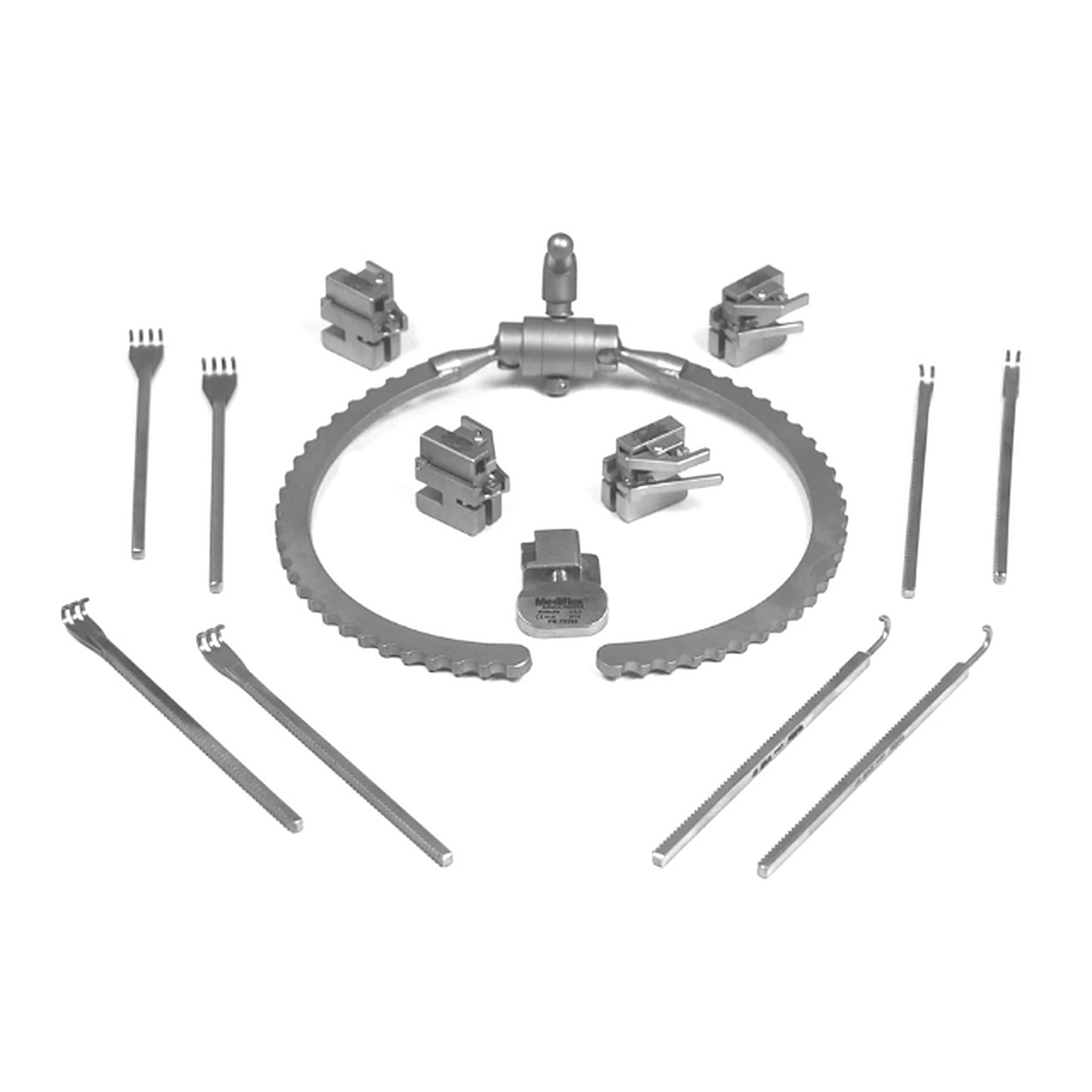 | Bookwalter 手術用開創器システム(手外科用) | コンパクトな自動固定式ミニ開創システムを使用して、手部、手関節、および上肢の繊細な外科手術において、安定したハンズフリーの開創を提供します。 |
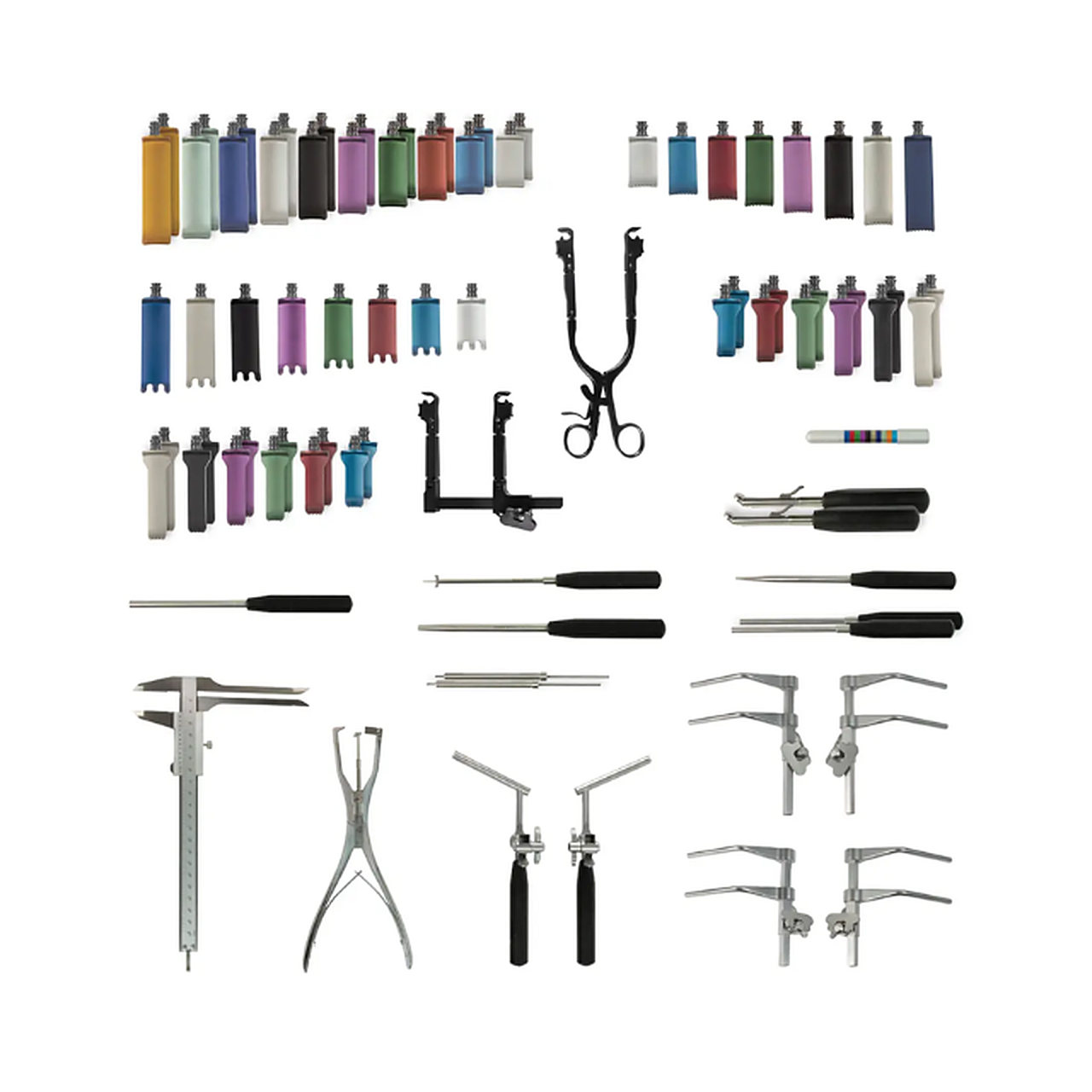 | Image-Line ACF Retractor With Distraction Quick Release Set | 頸椎前方固定術(ACF)における軟部組織の牽引、椎体間の開拡、および骨移植片の設置専用に設計されています。 |
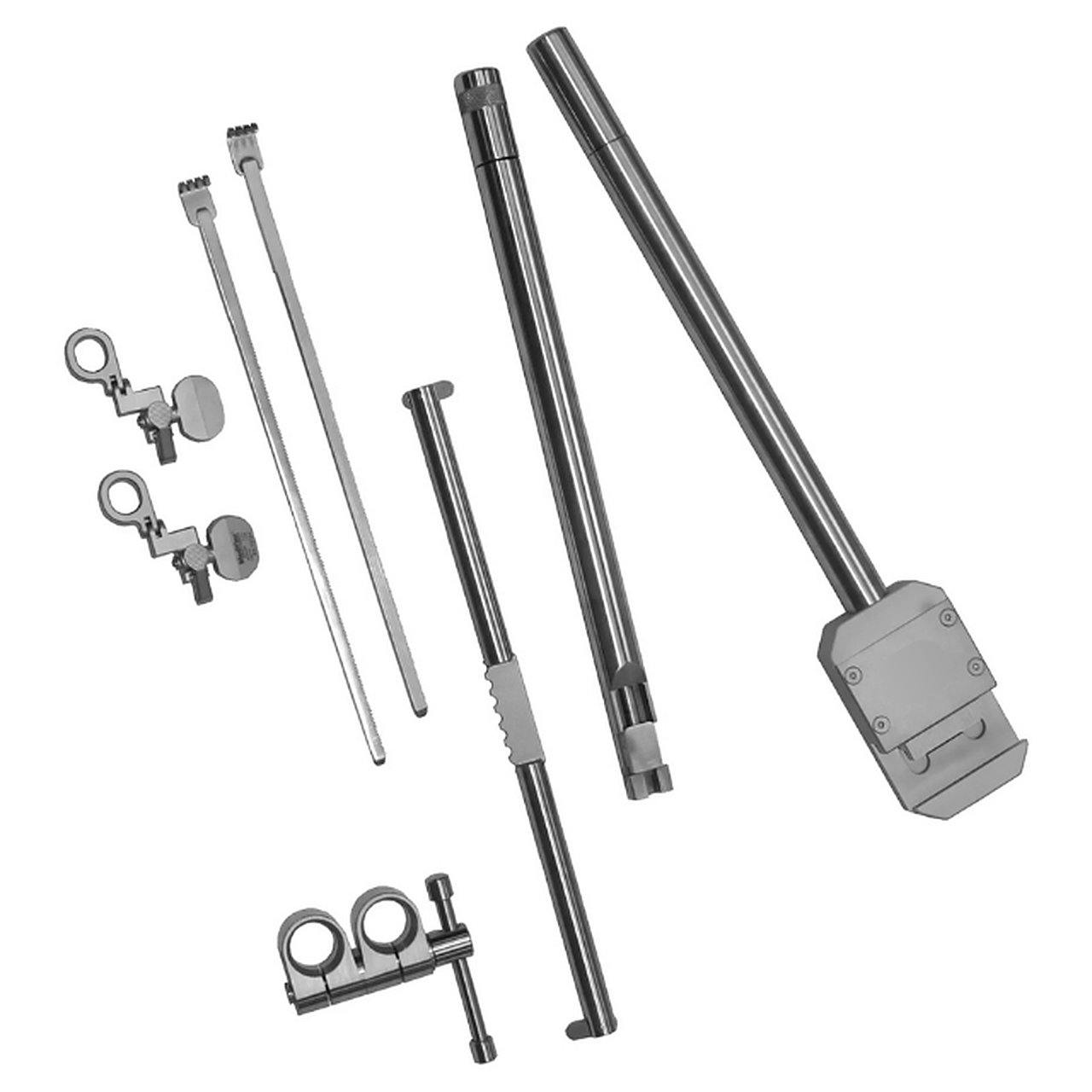 | Bookwalter IMA リトラクターシステム | 独立して調整可能なラチェット機構により、内胸動脈(IMA)採取術中の胸壁を愛護的かつ精密に挙上するために設計されています。 |
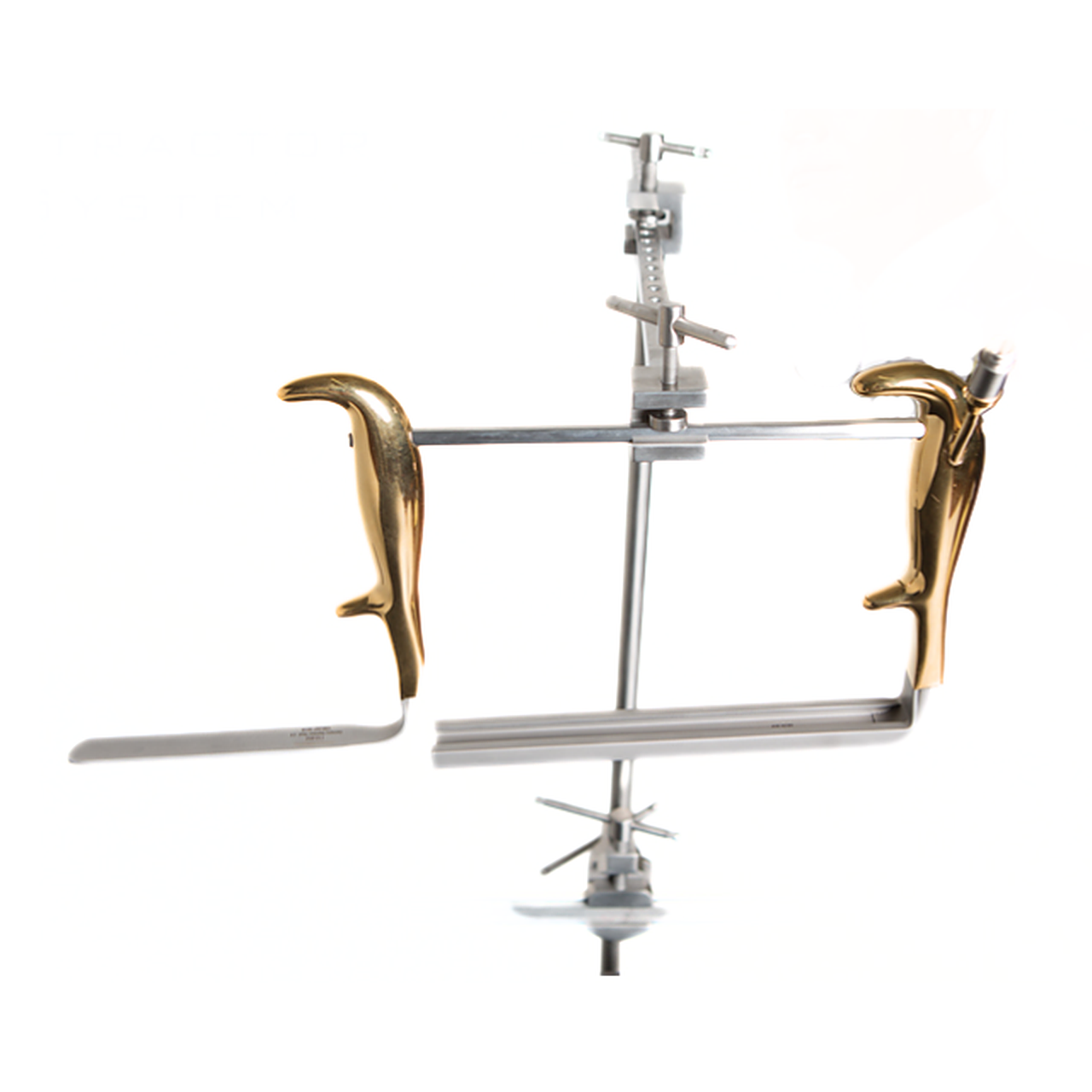 | Hoyos Retractor System | 形成外科、ミニリポアブドミノプラスティー、および高度なボディーコントゥアリング手術において、制御されたハンズフリーの組織変位と安定した術野確保を提供するために特別に設計されています。 |
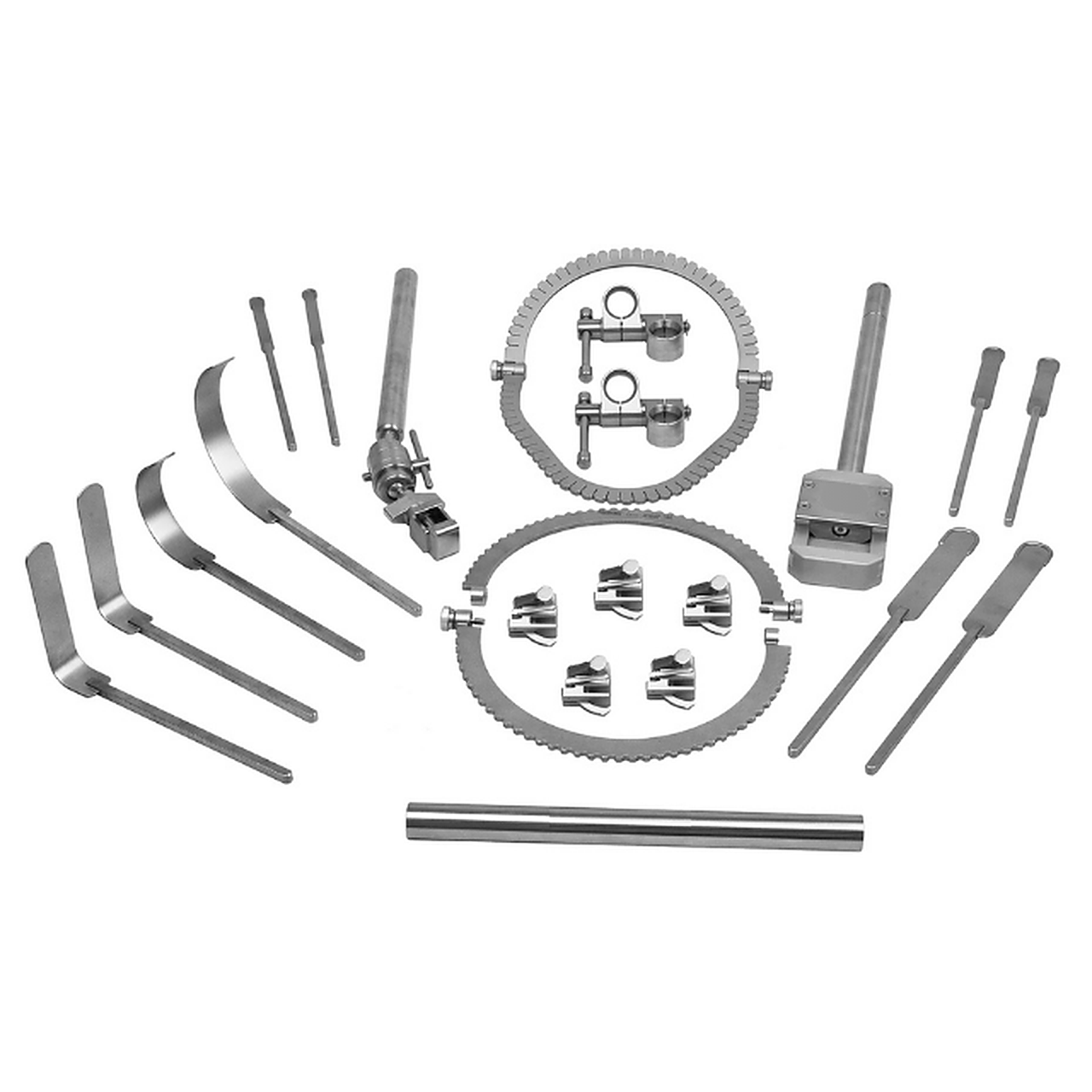 | Bookwalter Perineal Surgery Retractor | 会陰、大腸肛門、婦人科、および骨盤の外科手術において、複数の取り付けおよび位置決めオプションにより、安定したハンズフリーの術野展開を提供します。 |
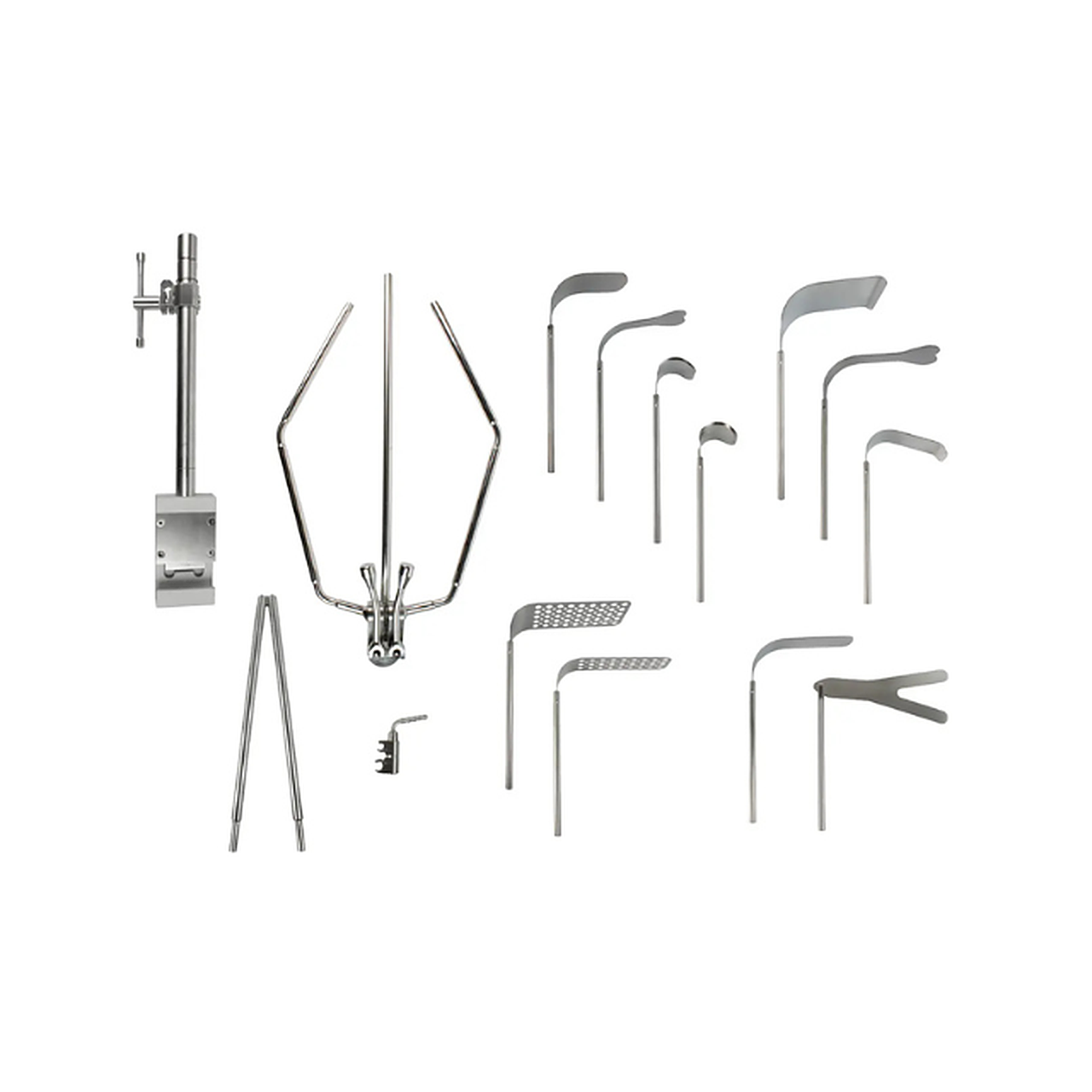 | Urology Lobster Expanded Retractor (泌尿器科用 ロブスター拡張開創器) | 泌尿器科手術におけるテーブル固定式の自動組織開創および術野展開専用に設計されています。 |
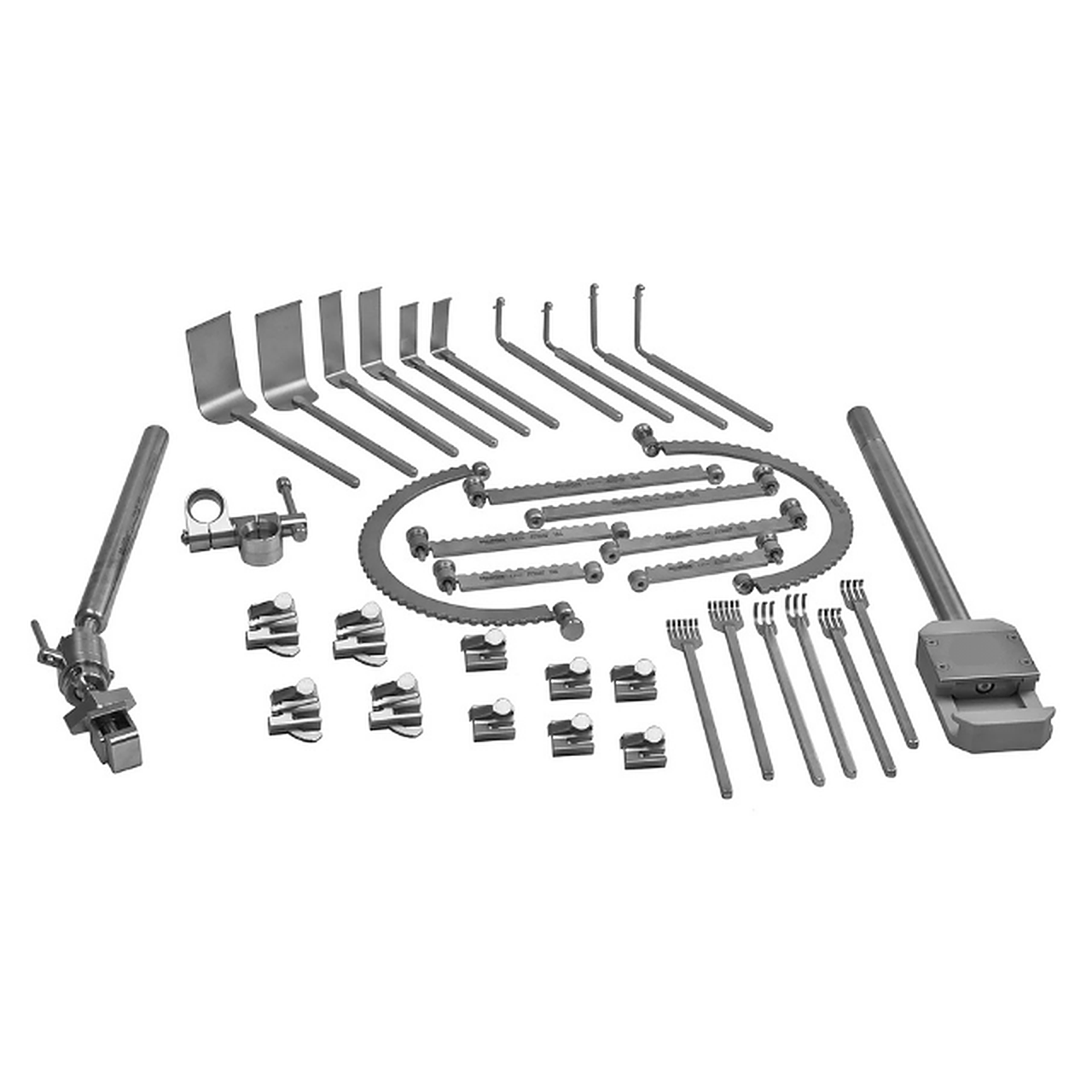 | Bookwalter Posterior Spinal Retractor | 頸椎、胸椎、腰椎の後方アプローチにおいて、安定したハンズフリーの術野展開を提供するために設計されています。 |
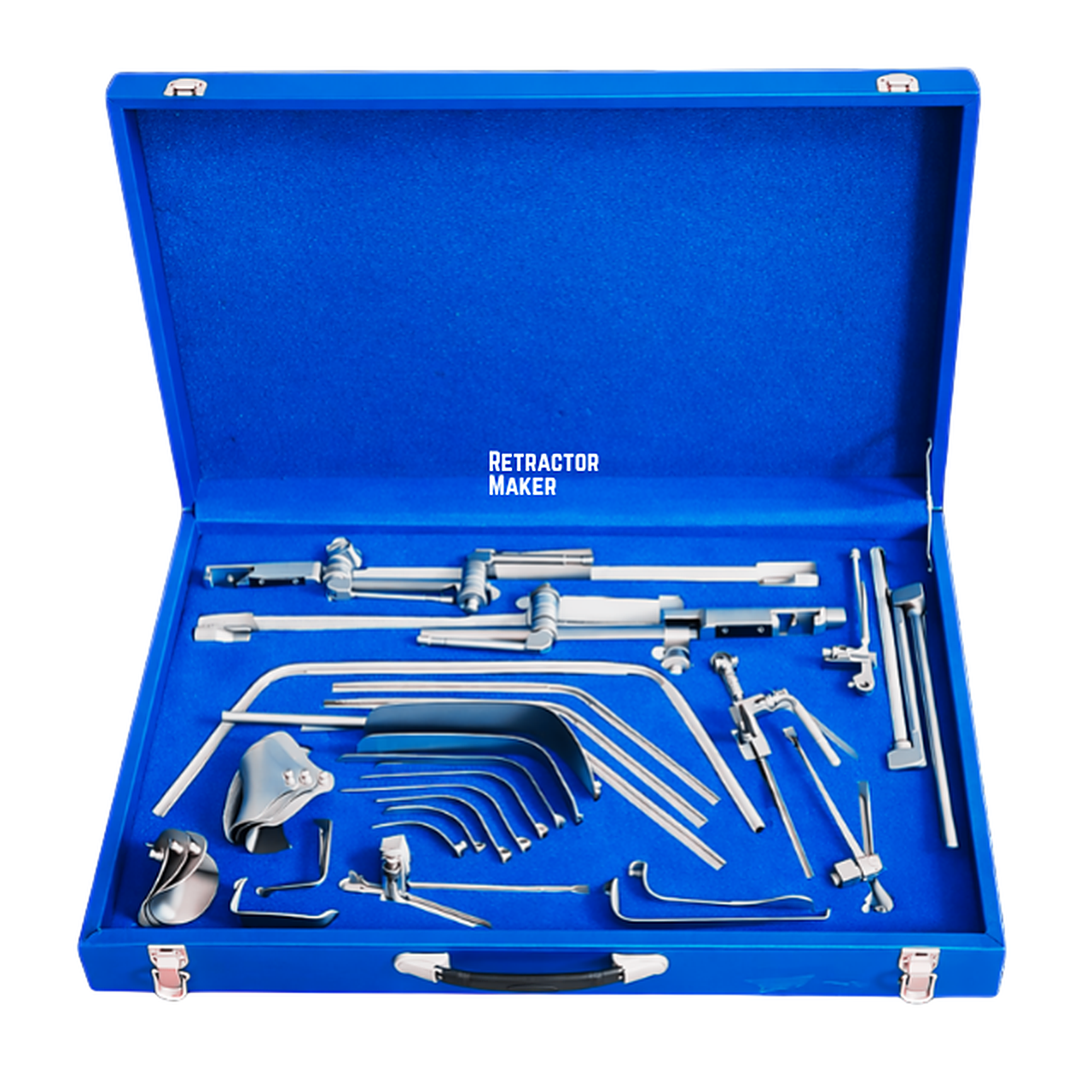 | Thompson Retractor System | 複雑な開腹手術における術野の展開と保持 |
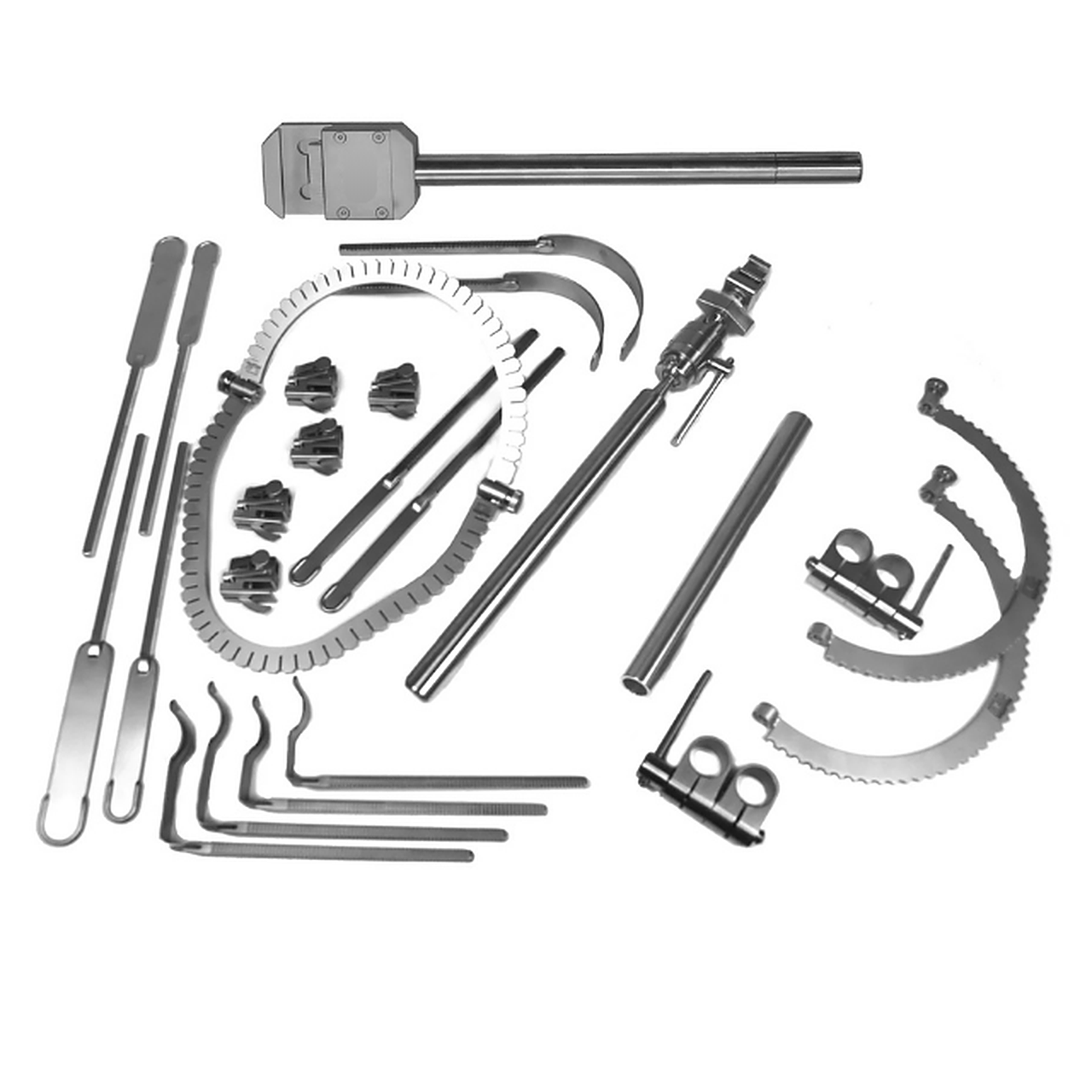 | Bookwalter 直腸/経肛門手術用開創器 | 結腸直腸、経肛門、直腸、および会陰処置において、柔軟な固定構成で安定したハンズフリーの術野展開を提供するために設計されています。 |
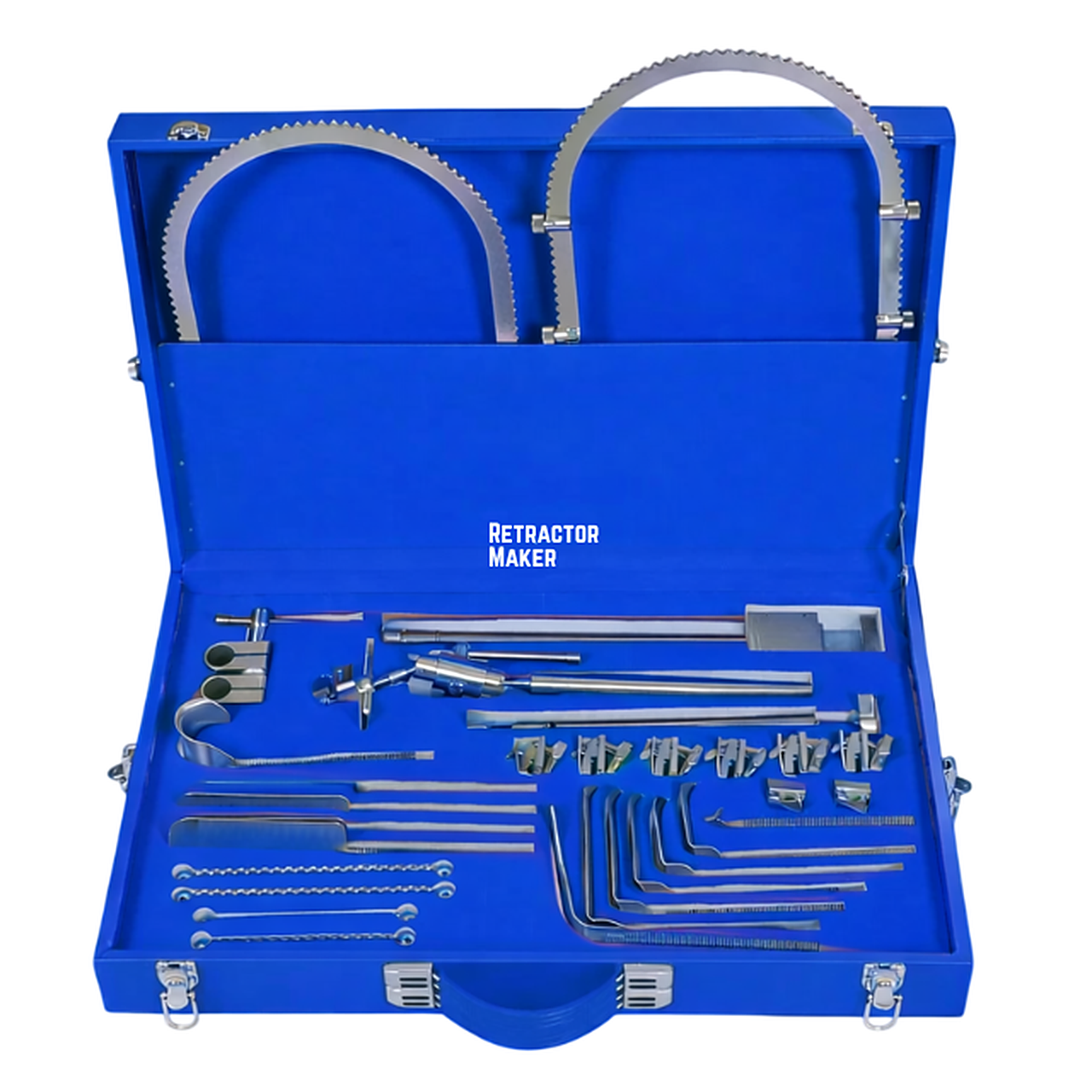 | Bookwalter Retractor | 腎摘除術、前立腺全摘除術、開腹術などの主要な開腹手術において、安定したハンズフリーの術野展開と視認性を提供します。 |
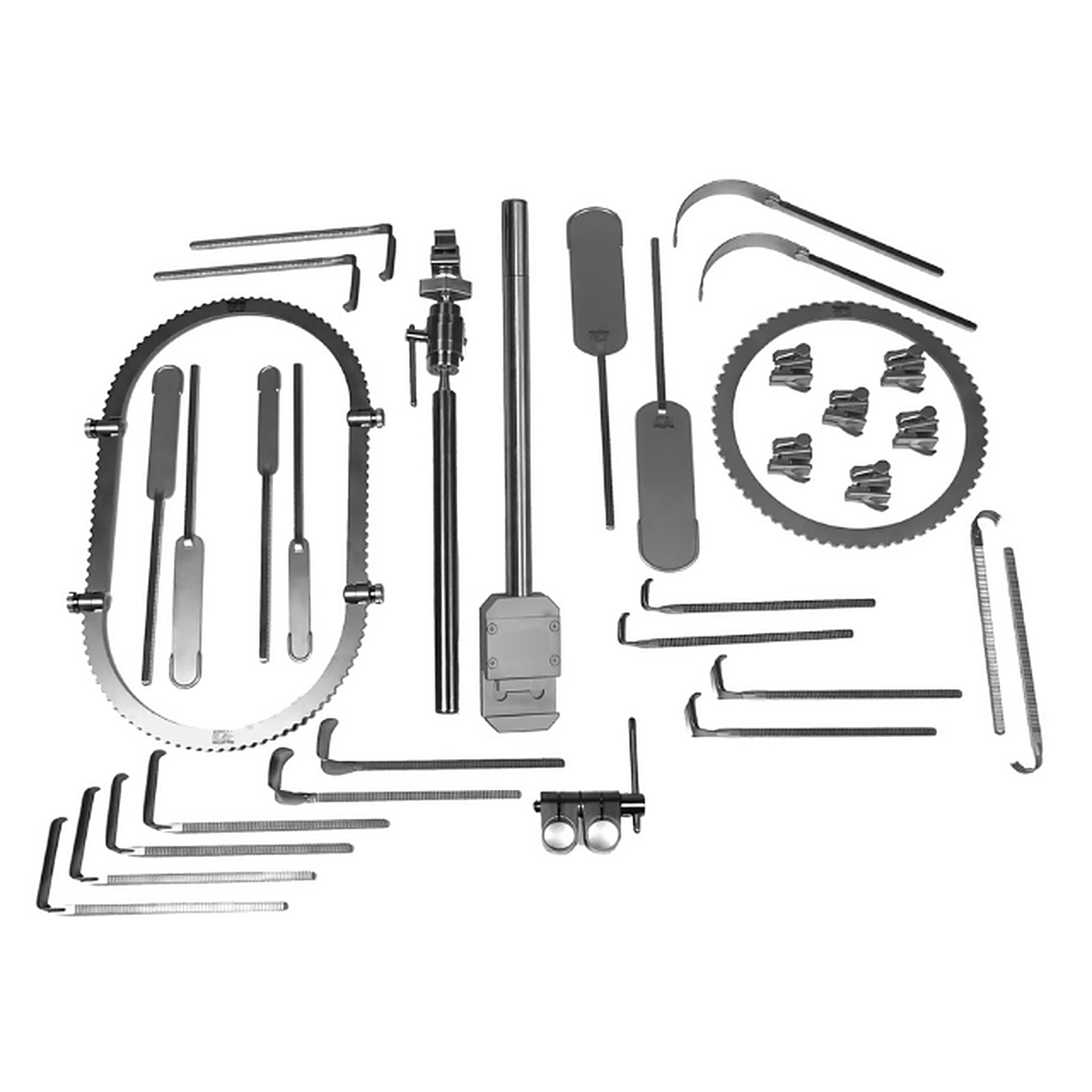 | Bookwalter Small Incision Retractor System | 組織の損傷を最小限に抑えつつ精密なアクセスが必要な小切開手術において、安定したハンズフリーの術野展開を提供します。 |
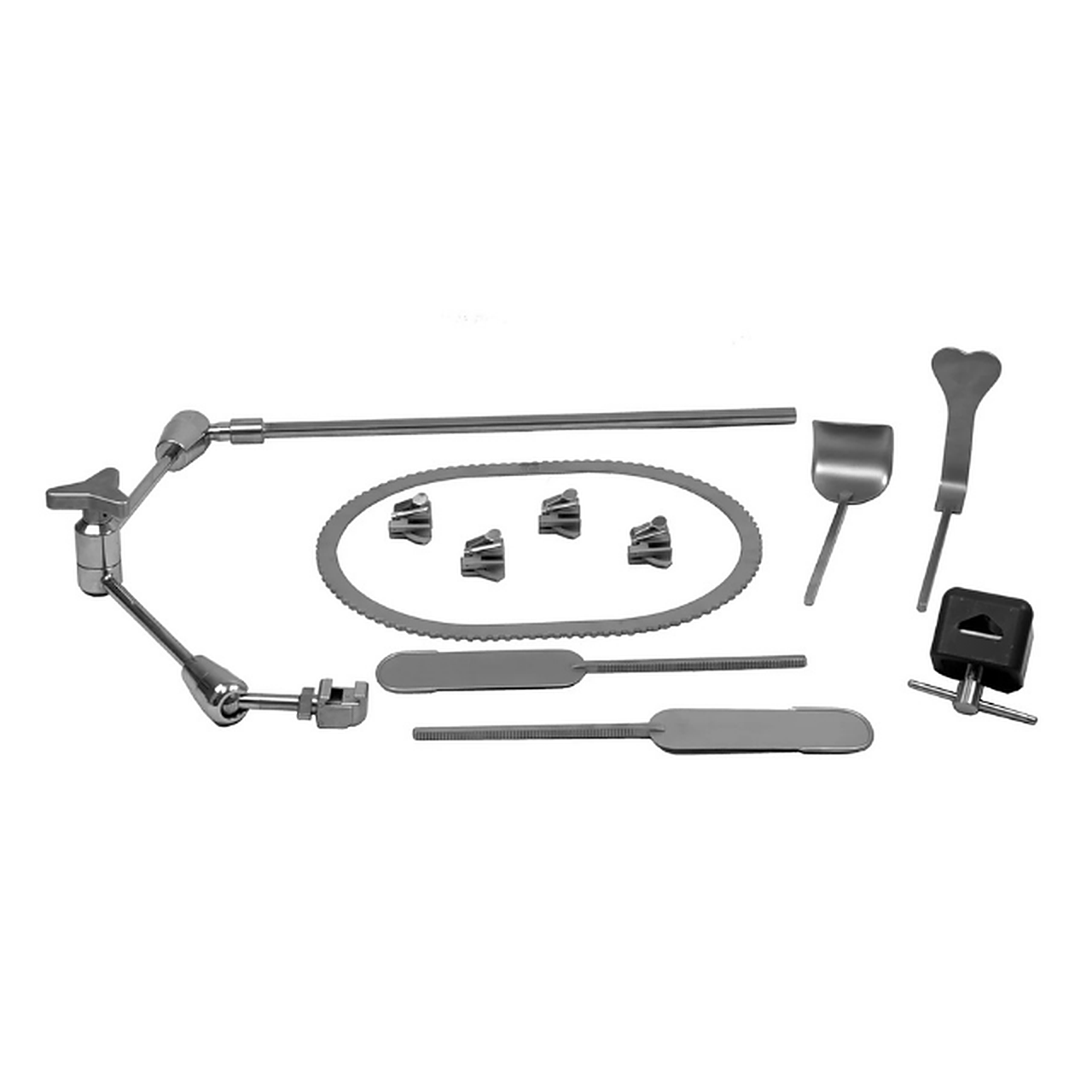 | Bookwalter StrongArm ベーシック一般外科開創器システム | StrongArm PLUS ホルダーおよびポジショナーを使用して、開腹一般外科手術中に安定したハンズフリーの術野展開を提供するために設計されています。 |
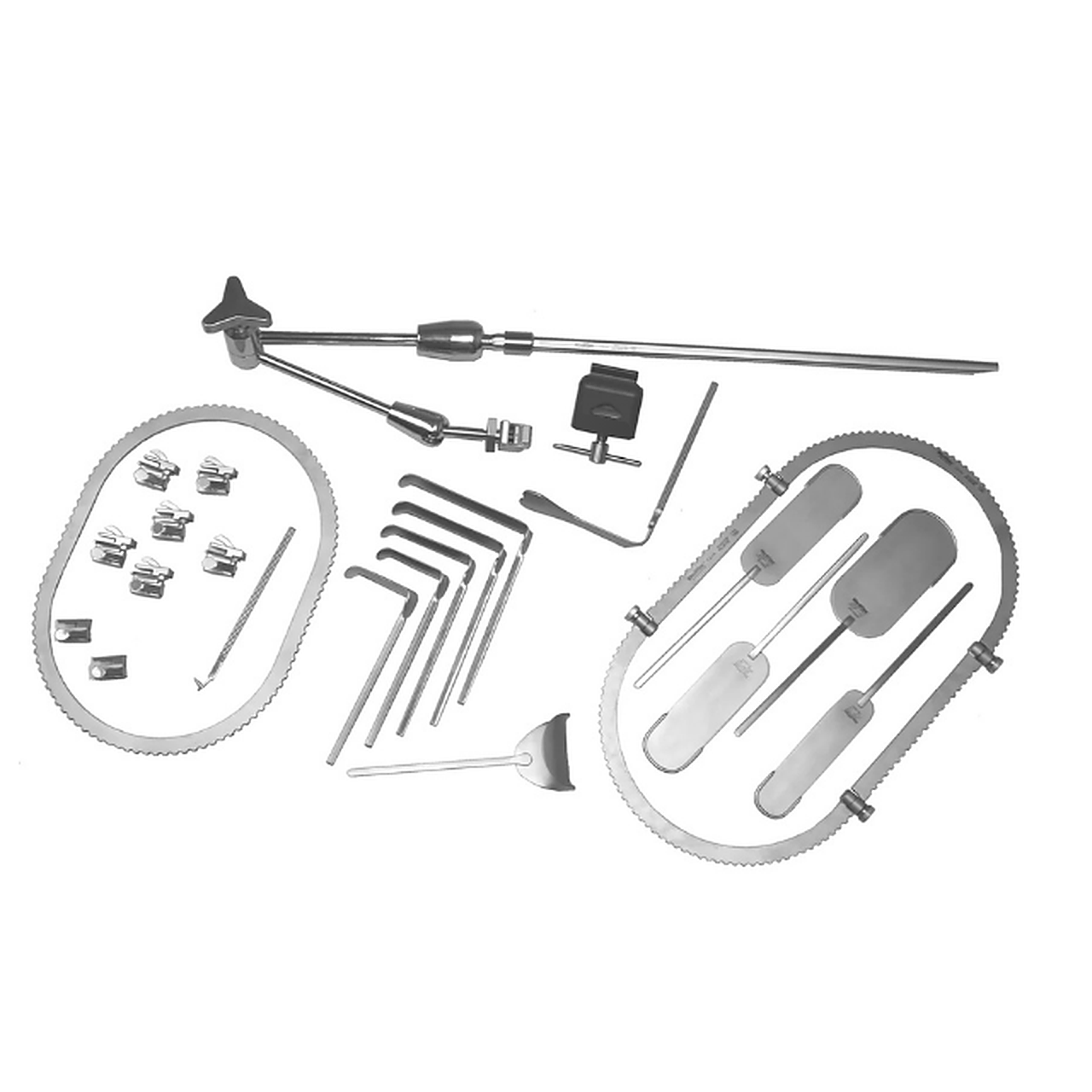 | Bookwalter StrongArm 一般外科開腹レトラクターシステム | StrongArm PLUS ホルダーとセグメントリング構成を使用し、開腹手術において安定したハンズフリーの術野展開を提供します。 |
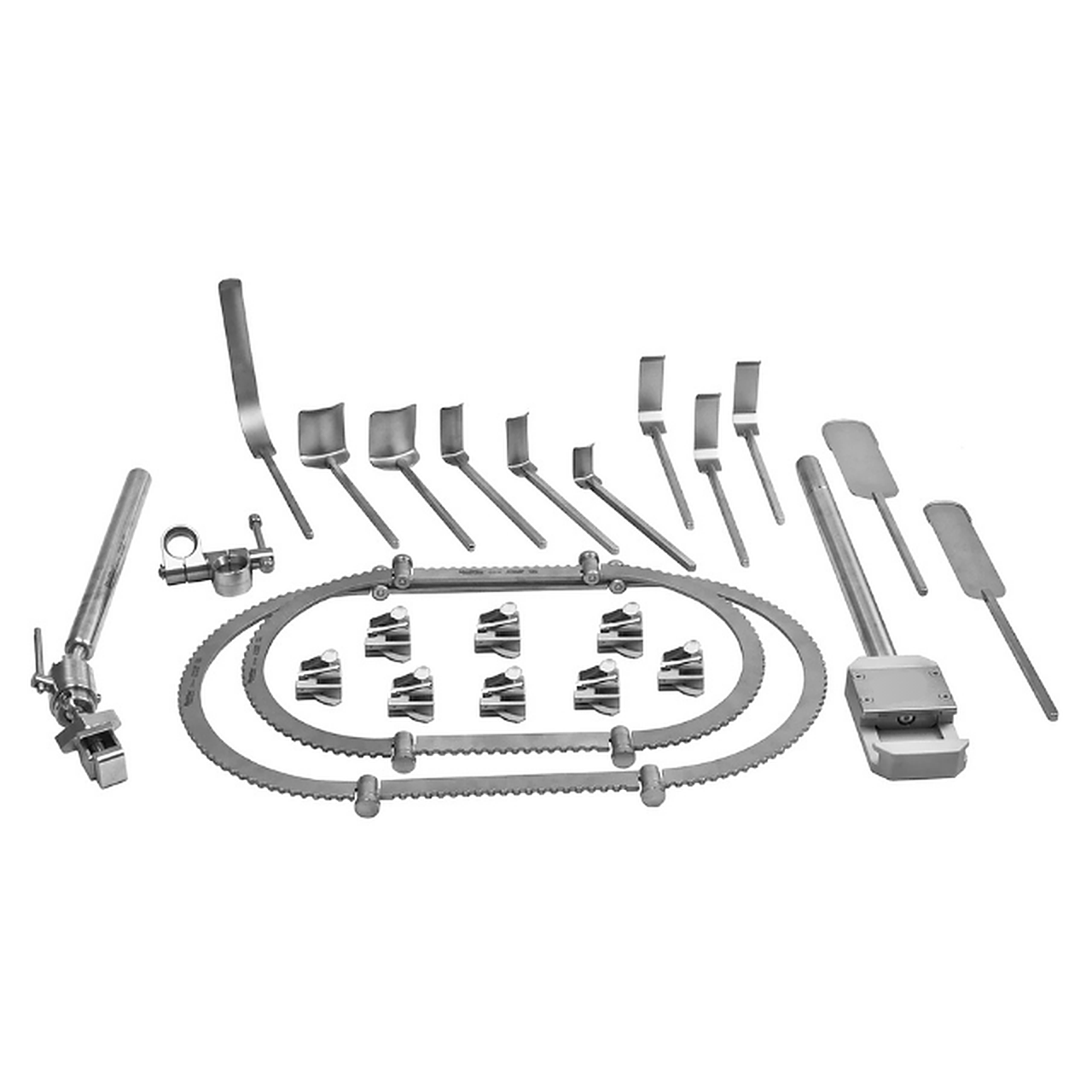 | Bookwalter Urology Retractor System | 腎臓、尿管、膀胱、および後腹膜の泌尿器構造への腹部および側腹部アプローチにおいて、安定したハンズフリーの術野展開を提供するように設計されています。 |
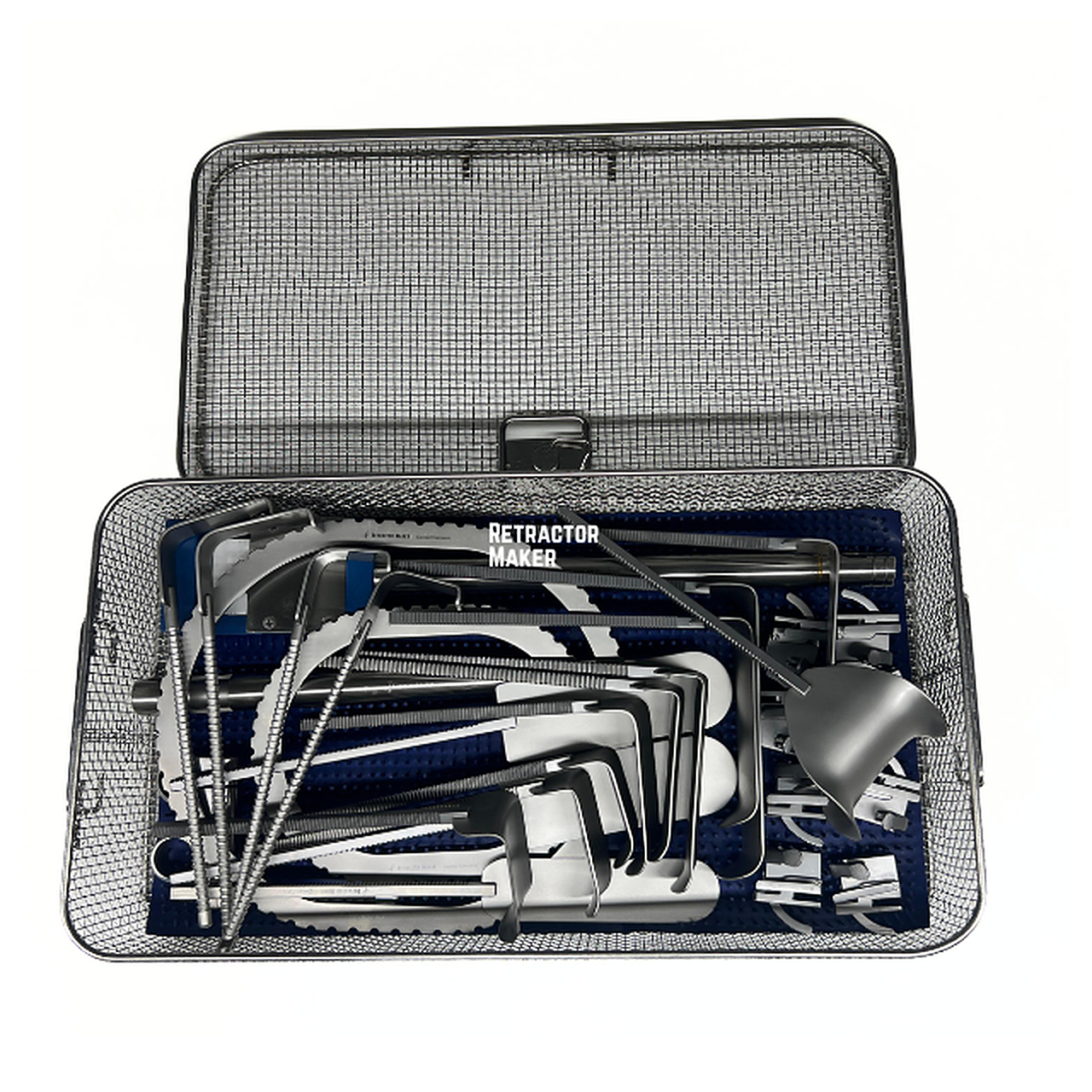 | Custom Bookwalter Retractor | お客様の外科的専門分野、優先コンポーネント、および手技上の要件に従って製造されます。 |
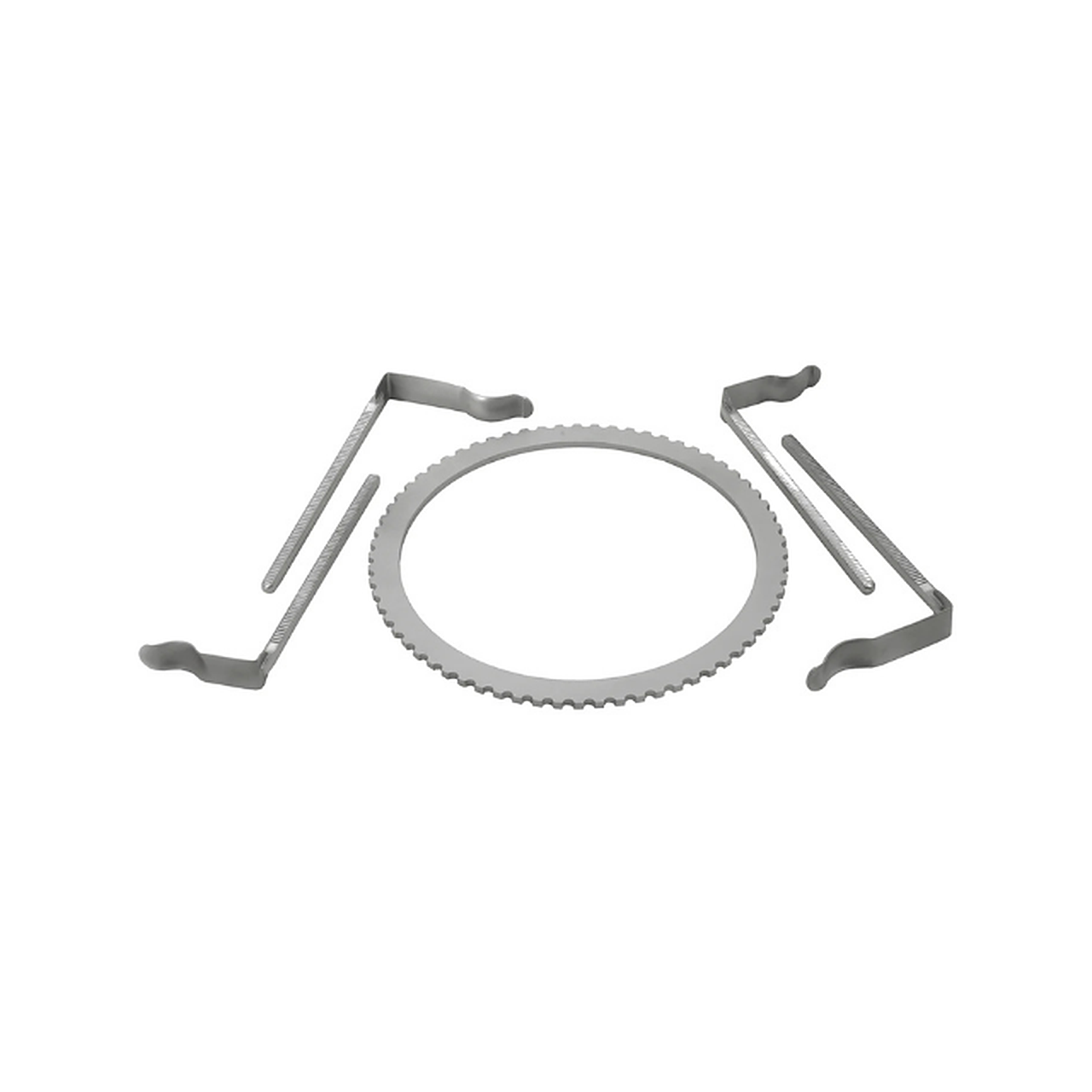 | 直腸・経肛門手術用アクセサリセット | 専用の直腸ブレードと小型ラウンドリングを提供することにより、既存の Bookwalter 一般外科用開創器システムを経肛門および直腸外科手術用に拡張することを目的としています。 |
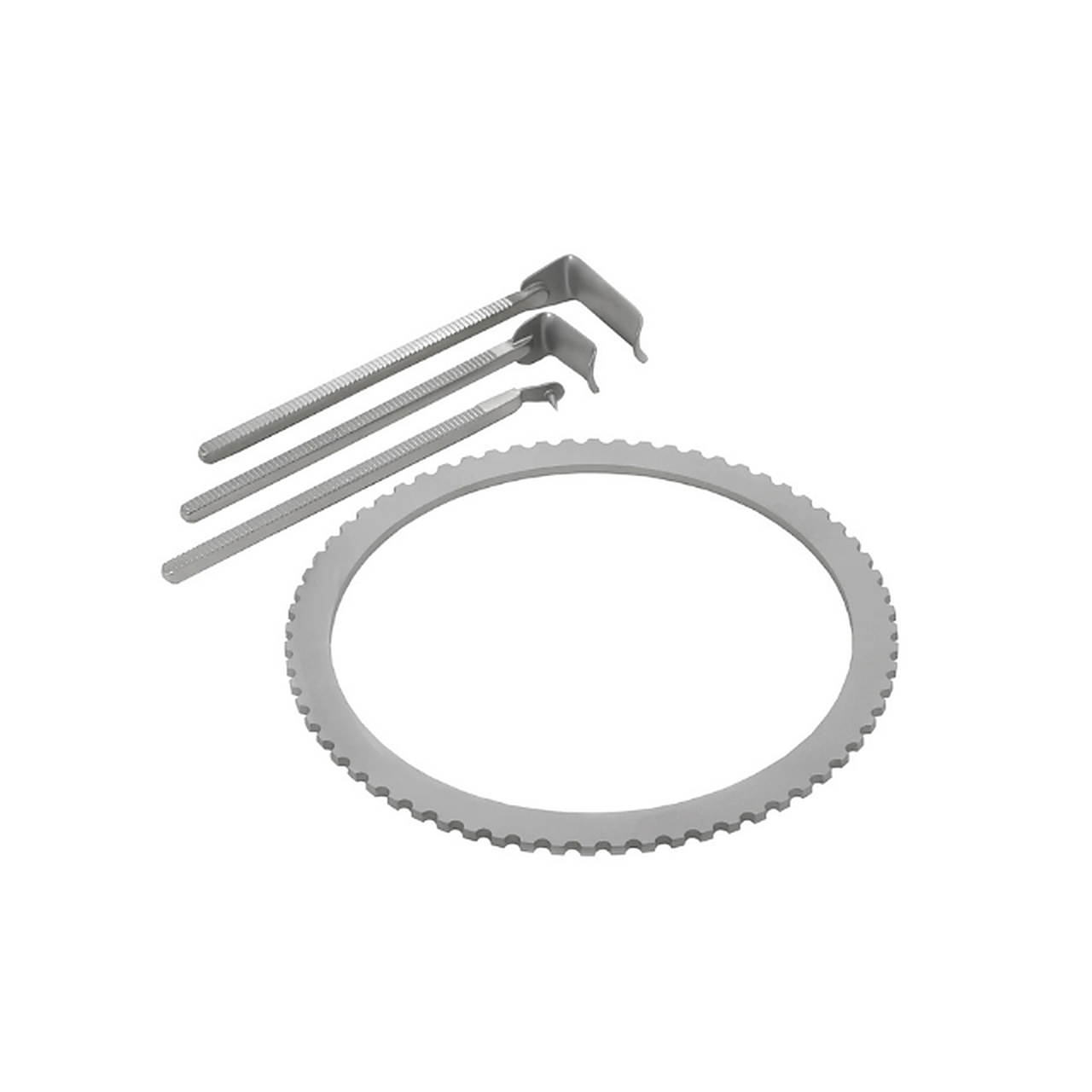 | 小切開用アクセサリセット | コンパクトなソリッドラウンドリングと専用の浅層用ブレードを提供することにより、既存の Bookwalter General Surgery Retractor System を低侵襲および小切開手術用に拡張することを目的としています。 |
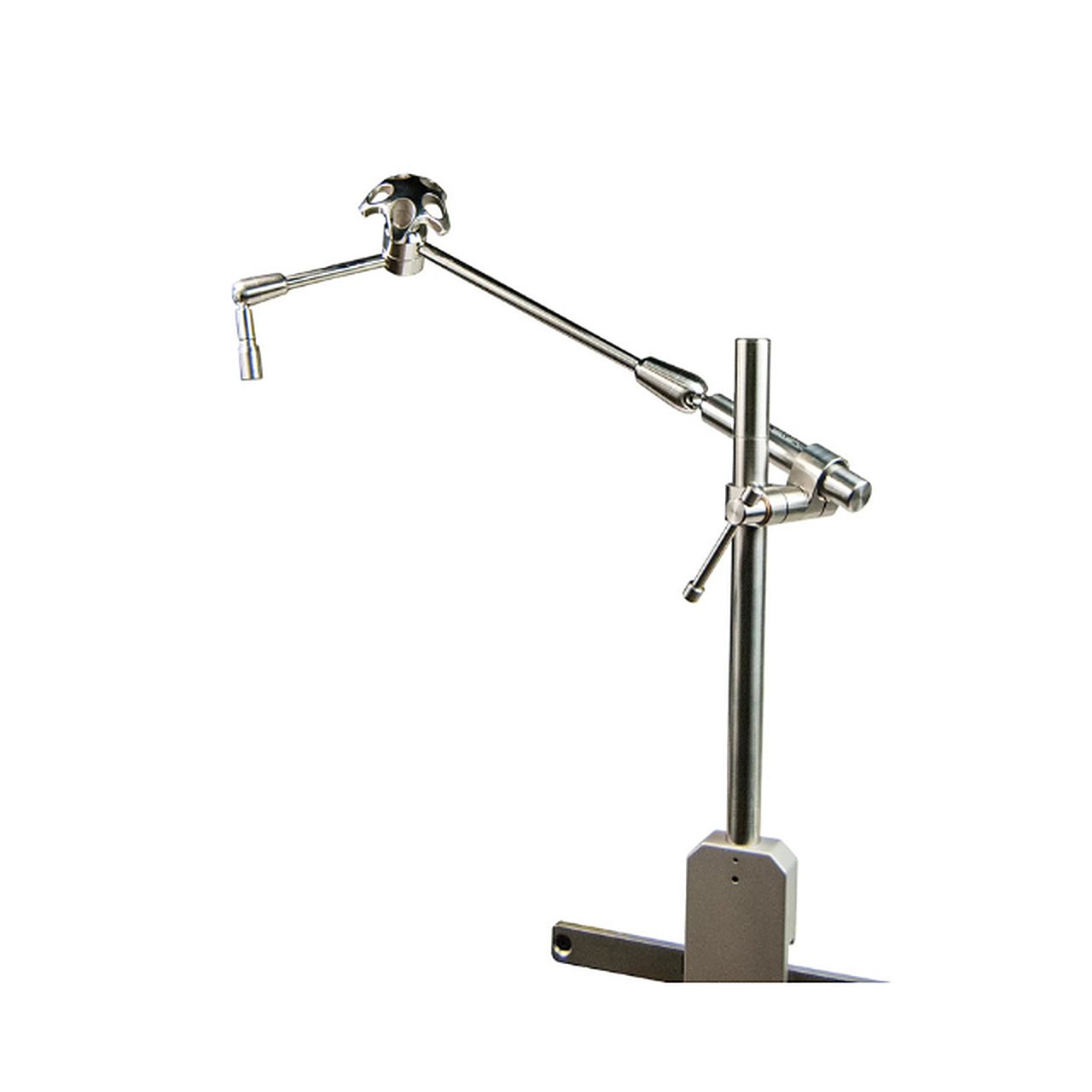 | Bookwalter StrongArm システム | 幅広い手術において、Bookwalter および互換性のある自動開創器システムに安定した調整可能なハンズフリーのサポートを提供するために設計されています。 |
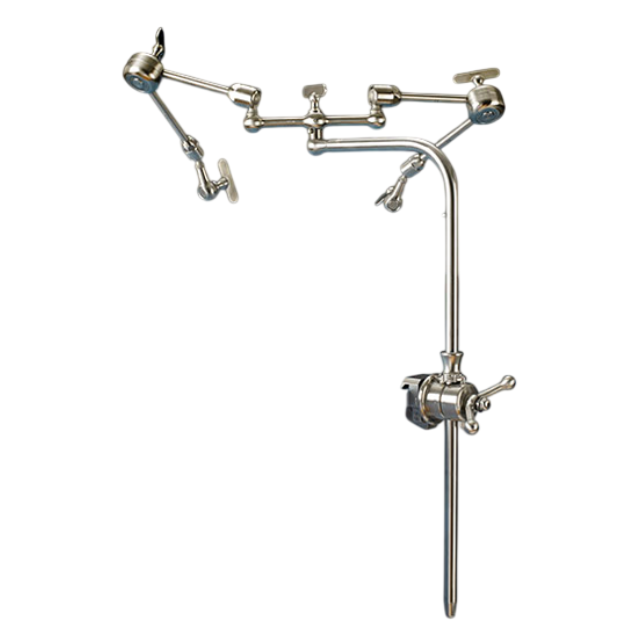 | Iron Intern Hydra Double Arm | 複雑な腹部および骨盤手術中の両側、多象限ハンズフリー内臓牽引のために特別に設計されています。 |
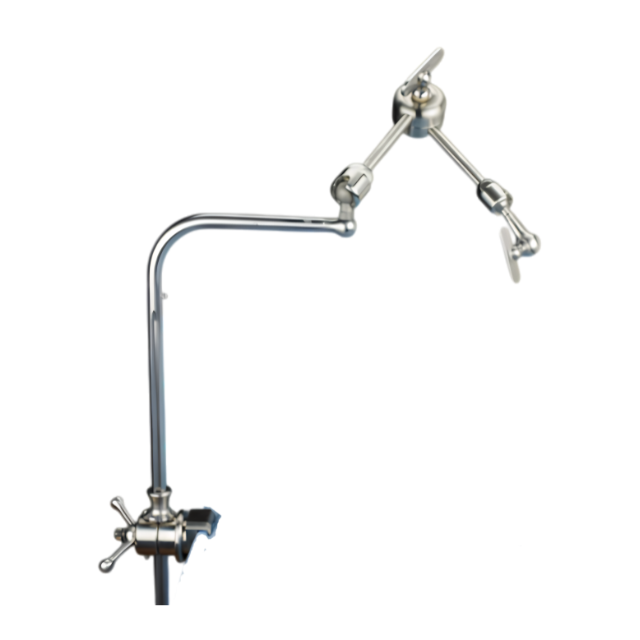 | Iron Intern シングルアーム | 腹部内臓、胸壁、軟組織の強固なハンズフリー機械的牽引を提供するために特別に設計されています。 |
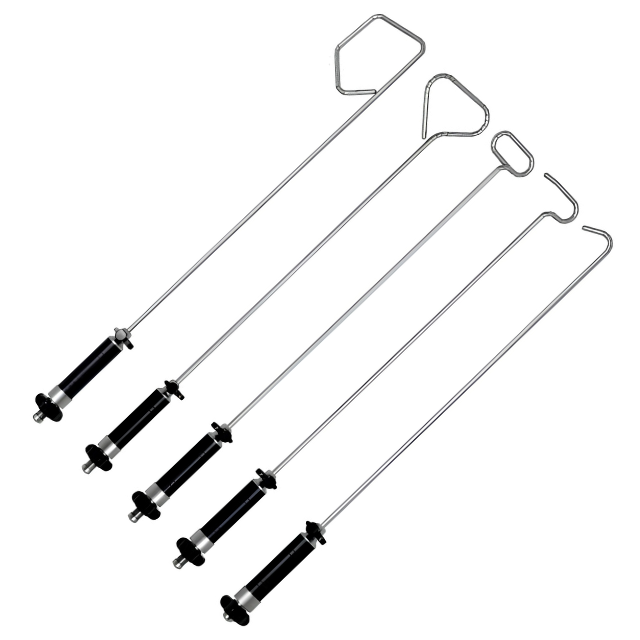 | スネーク肝臓レトラクター | 上部消化管および肥満外科手術における腹腔鏡下肝葉挙上および内臓変位のために特別に設計されています。 |
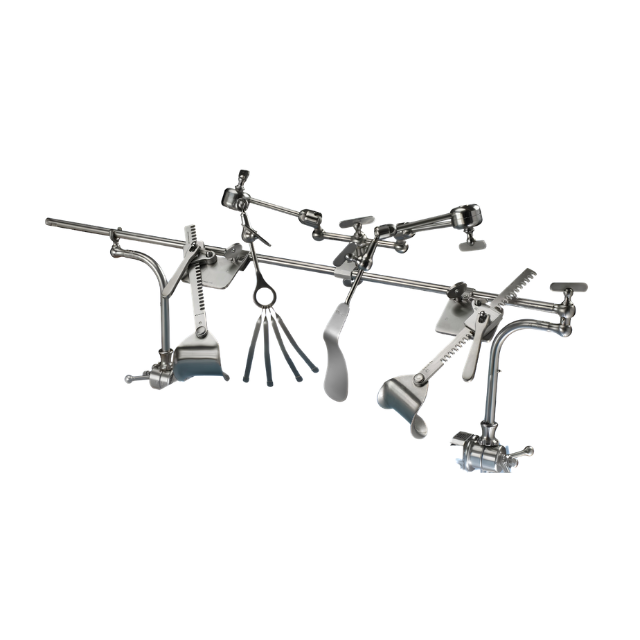 | スティーバーリブグリップリトラクターキット | 肝胆膵および移植手術中の両側肋骨弓挙上と上腹部露出のために特別に設計されています。 |
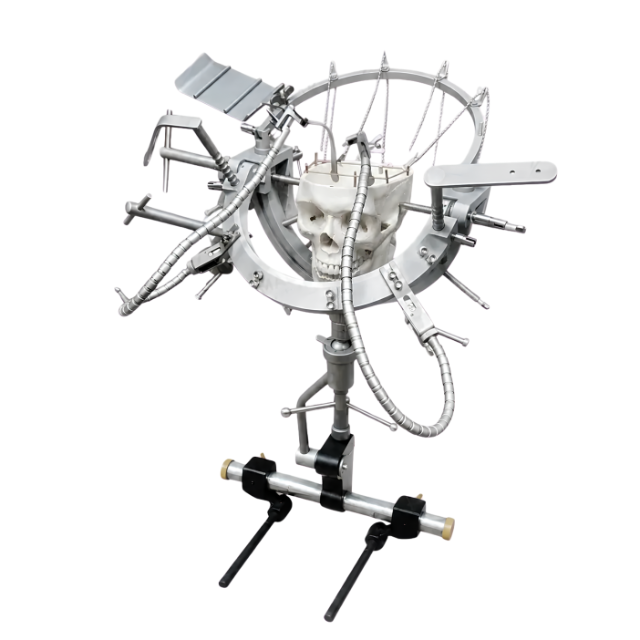 | 杉田多目的ヘッドフレーム | リジッドな頭蓋骨固定と多方向の微細手術的脳牽引のために特別に設計されています。 |
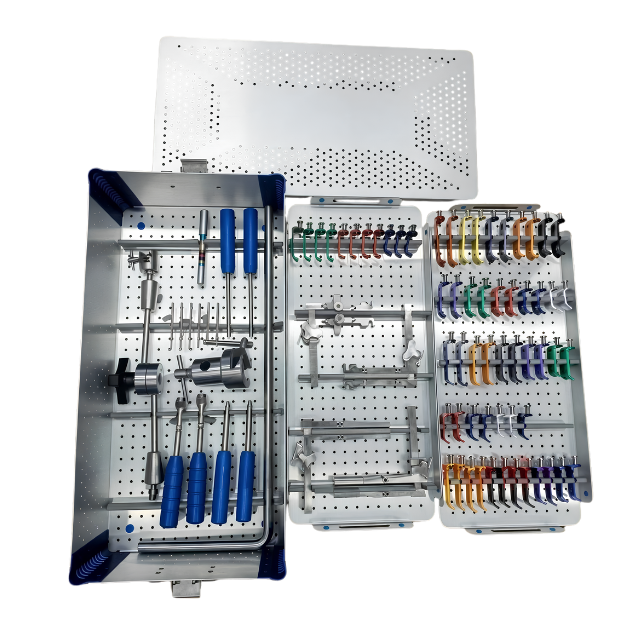 | Tedan Phantom CS-1600 頸椎牽引器セット | 前頸椎手術(ACDF)中の軟部組織牽引および椎体牽引のために特別に設計されています。 |
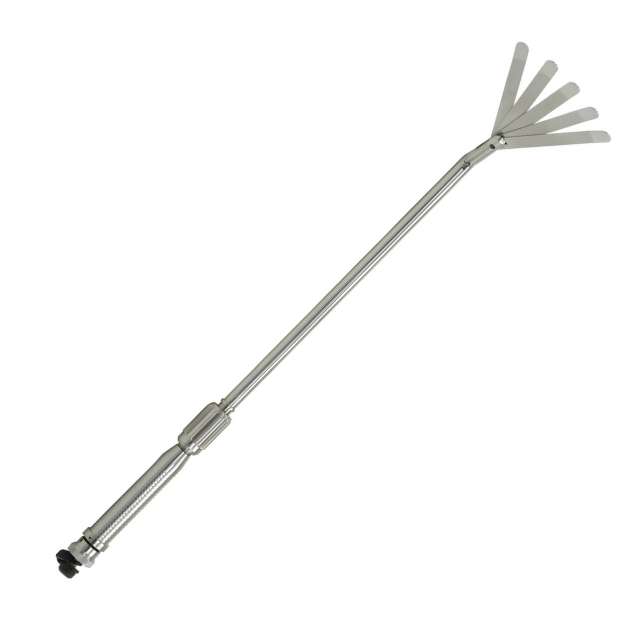 | 5フィンガーファンリトラクター | 広範囲の腹腔鏡下内臓牽引、肝臓挙上、および腸管変位のために特別に設計されています。 |
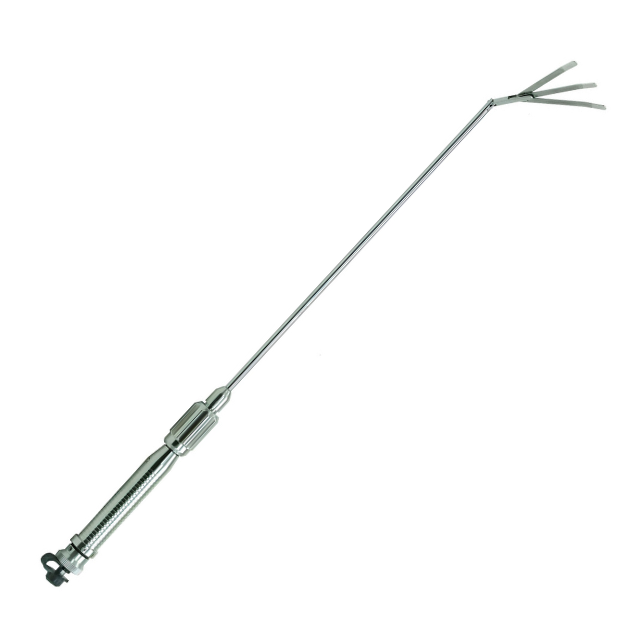 | 3フィンガーファン型牽引器 | 集中的な腹腔鏡下臓器変位、肝臓挙上、および腸管把持のために特別に設計されています。 |
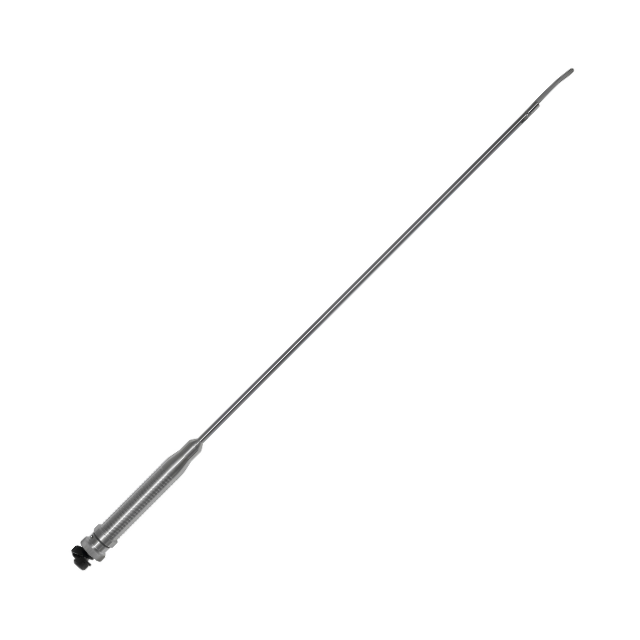 | 食道関節式リトラクター | 腹腔鏡下手術中の食道可動化、胃後部トンネル形成、および肥満手術用バンドの誘導のために特別に設計されています。 |
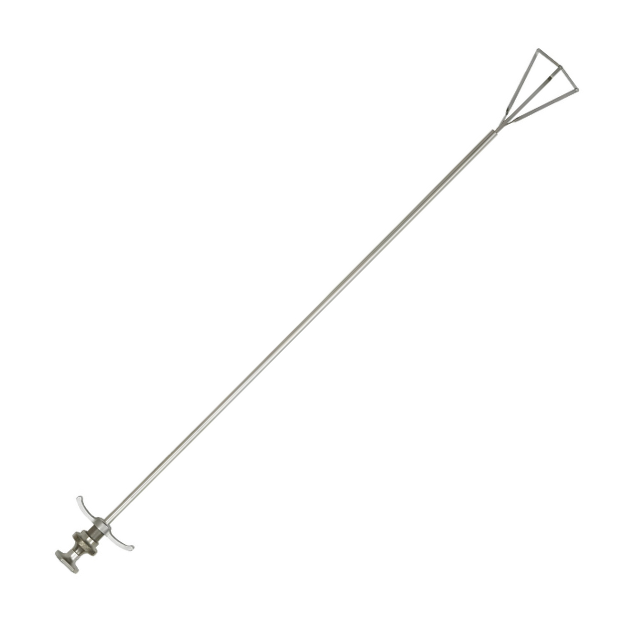 | カイトスタイルファンレトラクター | 広範囲で非外傷性の腹腔鏡下臓器サポート、および肝臓/内臓の牽引のために特別に設計されています。 |
How Do You Choose a Surgical Retractor?
Retractor selection is a clinical decision for the surgical team and facility. The factors below are commonly considered when building trays or specifying instruments. They are general considerations, not recommendations for a particular patient or procedure.
Which Designs Suit the Surgical Application?
The procedure and specialty narrow the choice first. An abdominal case, spinal fusion, and rhinoplasty require entirely different instrument families. Many patterns were developed for a specific type of operation.
How Does Anatomical Location Affect Selection?
The location and depth of the operative field determine blade length, handle angle, and overall size. Deep fields need longer blades and handles that keep the assistant's hand out of the line of sight. Superficial fields need short, light instruments.
Which Blade Size and Shape Are Needed?
Blade width and depth should match the tissue being held. Flat, curved, lipped, and malleable blades retract tissue differently. Toothed rakes and sharp prongs grip skin and fascia. Smooth, blunt blades are used where tissue should not be punctured.
Handheld or Self-Retaining: Which Design Fits?
A handheld retractor offers continuous, adjustable control but occupies an assistant. A self-retaining retractor provides steady exposure and frees hands, but is less easily adjusted. It must also suit the wound's depth and shape. Many procedures use both designs.
How Much Exposure Is Required?
Selection depends on the width, depth, and direction of the required view. Wide incisions may need multiple blades pulling in several directions. A narrow approach may need one deep blade or a tubular retractor.
Do You Need a Complete System or Individual Instruments?
Some procedures require complete retractor systems; others need only individual handheld retractors. Systems may include a frame or ring, table post, clamps, arms, blades, and accessories. When ordering, confirm the included components and which blades are compatible with an existing frame. Request a quote for a complete retractor system.
How Should Reusable Retractors Be Maintained and Sterilized?
Reusable retractors should be handled, cleaned, inspected, sterilized, and stored according to the applicable manufacturer's instructions for use (IFU) and the healthcare facility's approved procedures. Proper maintenance and reprocessing are important.
General maintenance considerations include:
- Clean instruments after use according to the applicable manufacturer's instructions.
- Pay particular attention to joints, hinges, ratchets, locks, and other moving components.
- Inspect retractors for visible contamination, corrosion, cracks, deformation, or mechanical damage.
- Check that moving components function properly before returning instruments to service.
- Ensure instruments are appropriately cleaned before sterilization.
- Follow the manufacturer's specified sterilization method and parameters.
- Allow processed instruments to dry appropriately before storage.
- Store clean, processed instruments in a suitable environment that protects against contamination and damage.
Do not apply a universal sterilization cycle to every surgical retractor. Requirements vary with the instrument, material, design, and manufacturer's instructions.
For Retractor Maker products, follow the applicable product documentation and the healthcare facility's validated reprocessing procedures.
Related Retractor Maker Resources
Download the full product catalogue for offline reference. Get the Retractor Maker catalogue.
For pricing and lead time, send our team the product name, quantity, and destination country. Enquiries can cover a specific surgical retractor, complete retractor system, replacement blade, or custom configuration. Contact Retractor Maker.
臨床上の注意:本ガイドは手術チームおよび病院の購買担当者向けです。臨床使用の前に、必ず製造元の取扱説明書(IFU)と院内の滅菌規定に従ってください。
よくある質問
What is a surgical retractor?
A surgical retractor holds back tissue, organs, or wound edges to provide access and visibility to the surgical field. Retraction can range from lifting a skin edge to holding the abdominal wall open throughout an operation.
What are retractors used for?
Retractors maintain or improve operative exposure by moving or holding tissue away from the area being accessed. They can widen an incision by displacing tissue laterally or hold deeper structures, such as bowel, muscle, or an organ lobe, away from the treatment area.
What are the main types of surgical retractors?
Retractors include handheld designs, self-retaining designs, and larger frame-based systems. Their designs vary with the intended application and required exposure. Handheld designs require manual holding, while self-retaining designs use a mechanism to maintain blade position without continuous manual support.
What is the difference between a handheld and self-retaining retractor?
A handheld retractor is positioned and held manually, while a self-retaining retractor maintains its position through a retaining mechanism. Manual holding allows continuous changes in angle, depth, and tension. Self-retaining designs free hands but usually need manual repositioning when the required view changes.
Are retractors reusable?
Many retractors are designed for reuse, but reusability and reprocessing requirements depend on the specific product. Follow the applicable manufacturer's IFU and healthcare facility procedures for handling, cleaning, inspection, sterilization, and storage rather than assuming all products have the same requirements.
How should retractors be sterilized?
Retractors should be cleaned and sterilized according to the applicable manufacturer's instructions and the healthcare facility's approved, validated reprocessing procedures. Do not assume one sterilization cycle applies to every retractor. Requirements can vary with material, design, and product-specific instructions.
Where can I find surgical retractor names and images?
Retractor Maker's surgical retractor catalogue is a product reference containing names, images, and product information across its range of surgical retractors. The table in this article includes the complete published catalogue, covering the products in that range.
How do I choose the right surgical retractor?
Choosing a surgical retractor depends on the intended surgical application, anatomical area, required exposure, design, dimensions, and other product-specific requirements. Qualified surgical professionals should determine which surgical retractor is appropriate for the intended application, considering these selection requirements.
What is a Deaver retractor used for?
A Deaver retractor is a curved handheld retractor used for deeper abdominal and thoracic exposure. The surgeon or an assistant positions and holds the Deaver retractor manually, adjusting its angle, depth, and tension as the operation progresses.
How does a Balfour retractor differ from a Bookwalter retractor?
A Balfour retractor is a frame-style abdominal retractor, while a Bookwalter retractor is a table-mounted system. The Balfour retractor has lateral blades and a centre blade. The Bookwalter retractor carries multiple adjustable blades around a ring or rail. Both are self-retaining retractors that maintain blade position without someone holding them continuously.
What should be checked when inspecting a reusable surgical retractor?
A reusable surgical retractor should be inspected for visible contamination, corrosion, cracks, deformation, and mechanical damage. Check moving components for proper function before returning the surgical retractor to service. During cleaning, pay particular attention to joints, hinges, ratchets, locks, and other moving parts.
著者について
Saad Shahid · 営業・マーケティングマネージャー
Saad Shahid は、2023年にパキスタン・シアルコートで創業した Retractor Maker の創業者であり、営業・マーケティングマネージャーです。1989年創業の家族経営の手術器具会社 Hospitech Traders でも父とともに働いています。
関連ブログ・ガイド

関連する開創器
Senn 前方開創器
$49.00
Brewster Retractor
最低価格 $159
Langenbeck Retractor-Solid Handle (ランゲンベック 鈎 - 中実ハンドル)
$49.00
Murphy Retractor
最低価格 $44.00
Leriche Retractor-Atraumatic Wide Blade
最低価格 $94.00
Lobster General Retractor System
$2,699Free Shipping
手術用開創器や部品をお探しですか?
製品、構成、数量、配送先の国を含むご要望をお知らせください。Retractor Makerが在庫状況、仕様、価格をご案内します。
見積依頼