
Surgical Retractor Guides
Types of Surgical Retractors: Handheld vs Self-Retaining
Author: Saad Shahid · Updated · 7 min read

In open surgery, visual access dictates procedural precision, speed, and safety. Every surgical approach—whether an emergency abdominal exploration, a complex microvascular bypass, or an elective joint replacement—relies on retractors to displace overlying skin, muscle, and viscera away from the target anatomical plane.
A retractor holds wound margins, organs, or soft tissues away from an incision. Hundreds of specialized variations fall into two main categories based on how they work: handheld and self-retaining. This distinction helps operating room teams, surgeons, and healthcare procurement professionals organize instrument trays for clinical performance and workflow efficiency.
Contents
What Is a Surgical Retractor?
A surgical retractor displaces and holds wound margins, organs, or soft tissues away from the incision site. Human tissue has viscoelastic elasticity and tends to collapse inward after incision. Retractors provide calibrated counter-traction to create and maintain an illuminated working corridor for surgical scalpels, coagulators, cameras, and suturing devices.
What Is a Handheld Surgical Retractor?
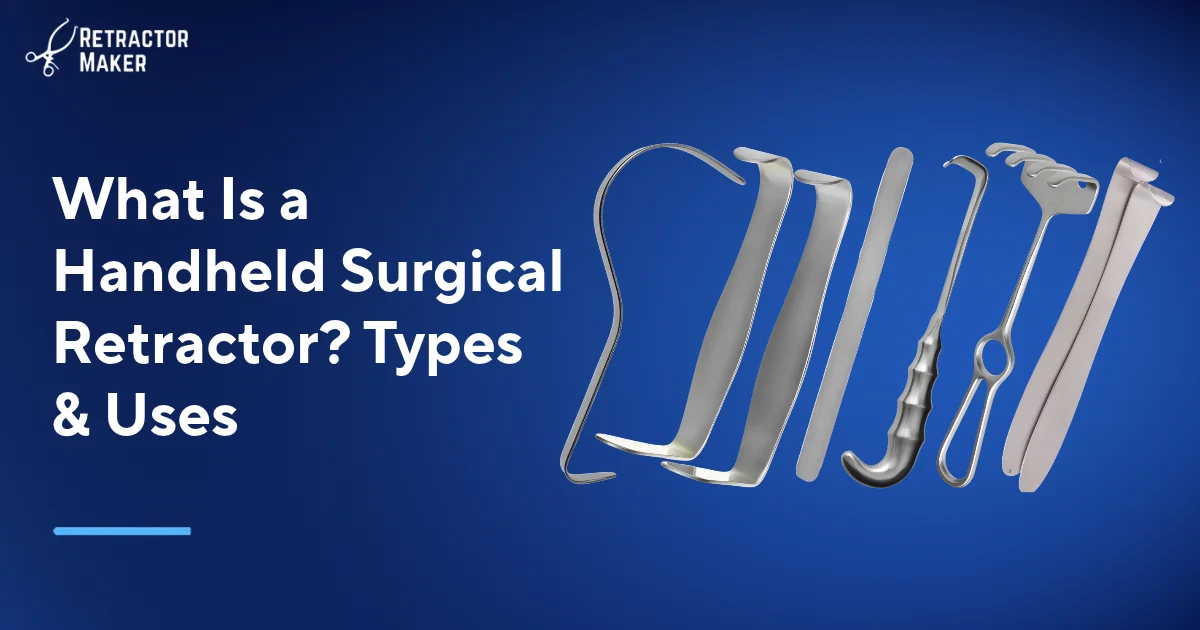
A handheld surgical retractor is a manual instrument with an ergonomic handle and a contoured blade or pronged working tip. It has no mechanical locking mechanism. An operating room assistant or surgeon must actively position and hold it.
How Do Handheld Retractors Work?
- Manual control: The operator’s hand controls the vector, tension, and angle of retraction.
- Dynamic repositioning: Can be moved instantly as the surgeon follows a dissecting line.
- Tactile feedback: The assistant feels tissue tension directly, reducing the risk of sudden tearing.
- Simple construction: Forged without hinges, pins, or ratchets for high structural reliability and straightforward sterilization.
Common Handheld Retractor Examples
- Deaver retractor: Broad, sweeping curve for deep abdominal viscera.
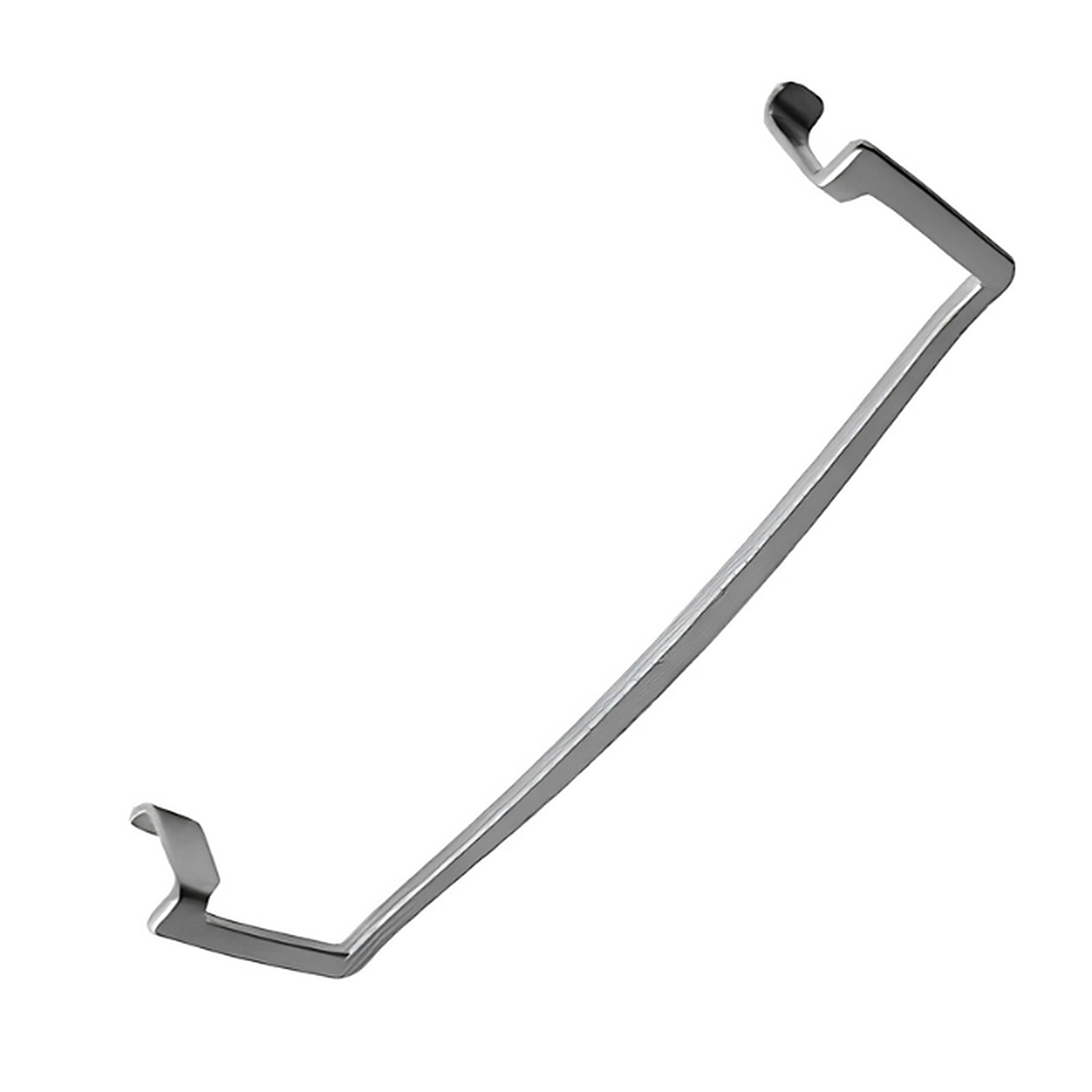
- Senn retractor: Double-ended design with a three-pronged rake and small right-angle blade for superficial surgery.
- Richardson retractor: Right-angled blade with a curved lip for abdominal wall retraction.
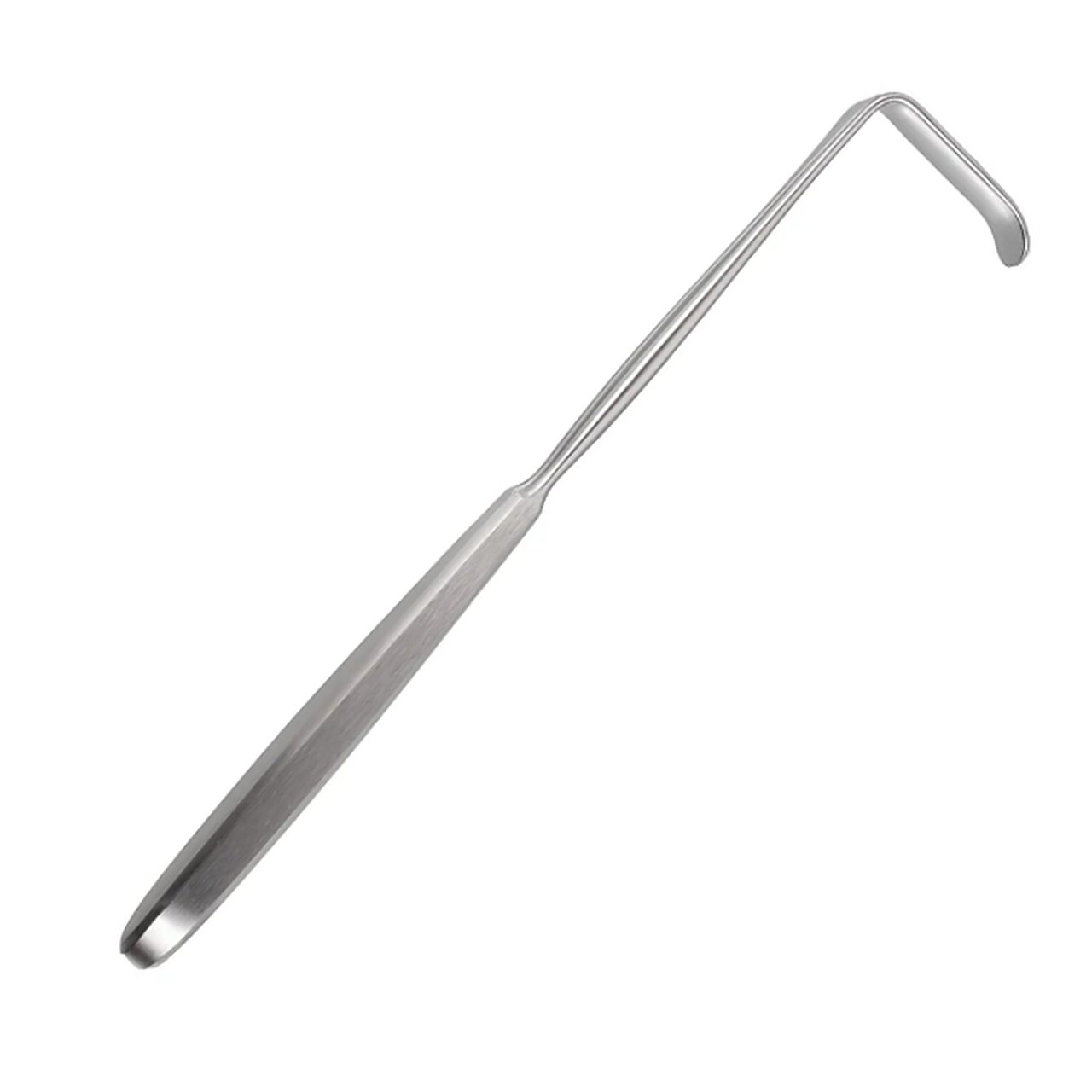
- Langenbeck retractor: Slender, right-angled blade for deep, narrow soft-tissue corridors.
- Army-Navy retractor: Double-ended flat blades for superficial and intermediate soft-tissue layers.
What Is a Self-Retaining Surgical Retractor?
A self-retaining surgical retractor uses mechanical retaining features to lock opposing blades in position. These features include graduated ratchets, locking thumbscrews, articulated arms, or rigid mounting frames. Once seated, it maintains static tissue retraction without manual holding.
How Do Self-Retaining Retractors Work?
- Hands-free stability: Holds wound margins open without human assistance, reducing operating room crowding and fatigue.
- Constant mechanical counter-traction: Maintains uniform, steady tension during extended operative intervals.
- Multi-point retraction: Systems support two-way, three-way, or 360-degree circumferential exposure.
- Modular options: Complex table-mounted models use interchangeable blades with varying depths and geometries.
Common Self-Retaining Retractor Examples
- Gelpi retractor: Scissor-style design with sharp/blunt outward-curved blades and a ratchet lock for spine and orthopedic surgery.
- Weitlaner retractor: Scissor-action design with multi-pronged rake blades, sharp or blunt, and a ratchet lock for soft-tissue exposure.
- Balfour retractor: Lateral spreader frame with interchangeable lateral blades and a central organ depressor for general abdominal surgery.
- Bookwalter retractor: Table-mounted post, ring frame, and multi-angle tilt ratchets with interchangeable blades for 360-degree deep pelvic and abdominal exposure.
- Thompson retractor: Heavy-duty, dual-post, table-mounted frame with articulated arms for major cavitary and transplant procedures.
Handheld vs Self-Retaining Retractors: What Differs?
| Feature | Handheld Retractors | Self-Retaining Retractors |
|---|---|---|
| Position Maintenance | Manually maintained by surgeon or assistant | Mechanically maintained via ratchets, locks, or rigid frames |
| Operator Involvement | Requires continuous physical holding | Autonomous once positioned and locked |
| Design Architecture | Simple handle and working blade | Articulated frames, ratchets, locking arms, or table clamps |
| Configuration | Typically an individual, monolithic instrument | Ranges from single scissor instruments to complex multi-part sets |
| Tactile Feedback | High; assistant directly senses tissue resistance | Low; tension is mechanically locked and must be monitored visually |
| Typical Examples | Deaver, Senn, Richardson, Langenbeck, Army-Navy | Gelpi, Weitlaner, Balfour, Bookwalter, Thompson |
| Primary Indication | Dynamic, shifting planes; short cases; superficial depth | Static exposure; prolonged procedures; deep multi-blade cavities |
| Selection Factors | Blade size, curvature, handle ergonomics | Frame size, blade depth, locking strength, specialty compatibility |
Neither category is suitable for every procedure. Handheld retractors provide tactile adaptability for exploratory dissections. Self-retaining systems provide mechanical consistency for prolonged cavitary surgery.
Types of Handheld Retractors
| Retractor | General Design | General Use |
|---|---|---|
| Deaver | Broad, continuous sweeping curve | Elevating abdominal viscera and deep pelvic organs |
| Richardson | Heavy right-angled blade with curved lip | Retracting muscular abdominal wall and deep fascia |
| Senn | Double-ended: 3-prong rake + flat right-angle blade | Superficial tissue retraction in plastic, hand, and foot surgery |
| Langenbeck | Slender, single right-angled flat blade | Narrow soft-tissue and musculoskeletal interspaces |
| Army-Navy | Double-ended flat blades on central fenestrated handle | General soft tissue and orthopedic superficial retraction |
Types of Self-Retaining Retractors
| Retractor | General Design | General Use |
|---|---|---|
| Gelpi | Scissor-action frame with outward sharp/blunt points | Localized exposure in spinal, orthopedic, and vascular cutdowns |
| Weitlaner | Scissor-action frame with 2×3 or 3×4 rake prongs | Orthopedic extremity, plastic, and general superficial surgery |
| Balfour | Adjustable perimeter frame with lateral & center blades | Open abdominal laparotomy and pelvic exposure |
| Bookwalter | Table-mounted post, ring frame, and tilt ratchets | Circumferential 360° deep abdominal, urological, and gyn surgery |
| Thompson | Table-clamped rigid frame with articulated multi-joint arms | Major hepatobiliary, oncologic, transplant, and deep pelvic cases |
How Do You Choose Between Handheld and Self-Retaining Retractors?
Selection depends on procedure duration, cavity depth, target mobility, tissue sensitivity, and sterile field space. Operating teams weigh these clinical factors when choosing between handheld and self-retaining instruments:
- Procedure duration: Short interventions under 30 minutes are often managed effectively with handheld retractors. Lengthy procedures benefit from self-retaining systems that eliminate assistant fatigue.
- Cavity dimensions and depth: Deep abdominal, thoracic, or pelvic cavities with multiple competing structures generally call for self-retaining frames with interchangeable blades.
- Target mobility: Handheld retractors let assistants adjust angles dynamically along branching vessels or twisting fascial planes.
- Tissue sensitivity: Tactile feedback from a handheld instrument helps prevent accidental over-traction when retracting delicate visceral capsules or nerve trunks.
- Sterile field space: Self-retaining frames reduce the clutter of assistant hands and handles in confined surgical fields.
How Are Retractors Maintained and Sterilized?
Both categories require thorough reprocessing to support patient safety and mechanical longevity. Cleaning, inspection, lubrication, and sterilization are essential steps:
- Decontamination and cleaning: Rinse gross soil immediately after the procedure. Disassemble all modular components, frame joints, and thumbscrews. Fully open scissor-style self-retaining retractors to expose box locks and ratchet serrations. Clean with enzymatic baths, soft brushes, and automated washer-disinfectors.
- Inspection: Check handheld blades visually for nicks or burrs. Examine self-retaining ratchets, pawls, and locking thumbscrews for structural wear, slipping teeth, or misalignment.
- Lubrication: Before autoclaving, apply medical-grade, water-soluble surgical instrument lubricant to all moving box locks, hinges, and ratchet tracks.
- Sterilization: Autoclave unlatched instruments in validated surgical cassettes or rigid sterilization containers. Use validated steam cycles according to the manufacturer's Instructions for Use (IFU) and hospital infection control policies.
Match Retraction to the Procedure
Handheld and self-retaining retractors serve different operative needs. Understanding their structural and operational differences supports operating room organization. Handheld retractors provide agility and tactile sensitivity for dynamic tissue planes. Self-retaining platforms provide sustained static mechanical support for major open cavitary interventions.
Matching an instrument’s mechanical profile to the surgery’s anatomical demands optimizes operative visibility while protecting delicate tissue boundaries.
Retractor Maker is a manufacturer and international supplier of high-grade surgical retractor systems based in Sialkot, Pakistan. Its systems are fabricated from certified Premium Grade AISI 304/316 Stainless Steel (Non-Magnetic), with precision tolerances and non-glare finishes. Retractor Maker supplies healthcare facilities, distributors, and surgical OEM brands worldwide.
Frequently Asked Questions
Clinical notice: This guide is for surgical teams and hospital buyers. Always follow the manufacturer's instructions for use (IFU) and your hospital's sterilization rules before clinical use.
Frequently Asked Questions
What are the two main types of surgical retractors?
Handheld retractors and self-retaining retractors are the two main categories. Operating personnel manually position and hold handheld retractors to maintain exposure. Self-retaining retractors lock mechanically in position, providing hands-free exposure without the need for continuous manual holding.
What is a handheld surgical retractor?
A handheld retractor is a manual instrument with a handle and a curved or right-angled blade. It requires continuous physical holding to maintain tissue retraction. The operator must keep holding the handheld retractor while retraction is needed.
What is a self-retaining surgical retractor?
A self-retaining retractor holds tissue margins open statically without manual holding. It uses mechanical features such as ratchets, screws, or table-mounted frames to maintain its position. These retaining features keep tissue margins open without continuous physical holding by operating personnel.
What is the difference between handheld and self-retaining retractors?
Handheld retractors require continuous manual effort, while self-retaining retractors maintain exposure through mechanical locks. Handheld retractors provide dynamic tactile control during retraction. Self-retaining retractors maintain exposure autonomously, rather than relying on an operator to keep holding them in position.
What are examples of handheld retractors?
Common examples include the Deaver, Richardson, Senn, Langenbeck, and Army-Navy retractors.
What are examples of self-retaining retractors?
Common examples include the Gelpi, Weitlaner, Balfour, Bookwalter, and Thompson retractor systems.
Are self-retaining retractors better than handheld retractors?
Self-retaining retractors are not universally better than handheld retractors; selection depends on procedural requirements. Self-retaining systems suit long, complex, deep-cavity cases. Handheld retractors offer tactile agility for dynamic, localized dissections. The choice depends on the exposure and movement the procedure requires.
How do I choose the right type of surgical retractor?
Choose a surgical retractor according to incision depth, surgical approach, case duration, tissue fragility, and available operating room assistance. Also consider the exposure required: static exposure at multiple points or dynamic shifting of the direction of retraction.
What is a surgical retractor?
A surgical retractor is an instrument used to displace and hold wound margins, organs, or soft tissues away from an incision site. It provides counter-traction against tissue collapsing inward. This preserves an illuminated working corridor for scalpels, coagulators, cameras, and suturing devices.
How should surgical retractors be cleaned after use?
Surgical retractors should have gross soil rinsed off immediately after a procedure, followed by cleaning with enzymatic baths, soft brushes, and automated washer-disinfectors. Disassemble modular components, frame joints, and thumbscrews. Open scissor-style self-retaining retractors fully to expose box locks and ratchet serrations.
How should surgical retractors be inspected for wear?
Surgical retractors should be visually inspected for blade damage and wear in their retaining mechanisms during instrument reprocessing. Check handheld blades for nicks or burrs. Examine self-retaining ratchets, pawls, and locking thumbscrews for structural wear, slipping teeth, or misalignment.
About the author
Saad Shahid · Sales & Marketing Manager
Saad Shahid is the Sales & Marketing Manager and founder of Retractor Maker, started in 2023 in Sialkot, Pakistan. He also works with his father at Hospitech Traders, the family surgical instrument business founded in 1989.
Related Blogs & Guide


Related Retractors
Senn Forward Retractor
$49.00
Brewster Retractor
From $159
Langenbeck Retractor-Solid Handle
$49.00
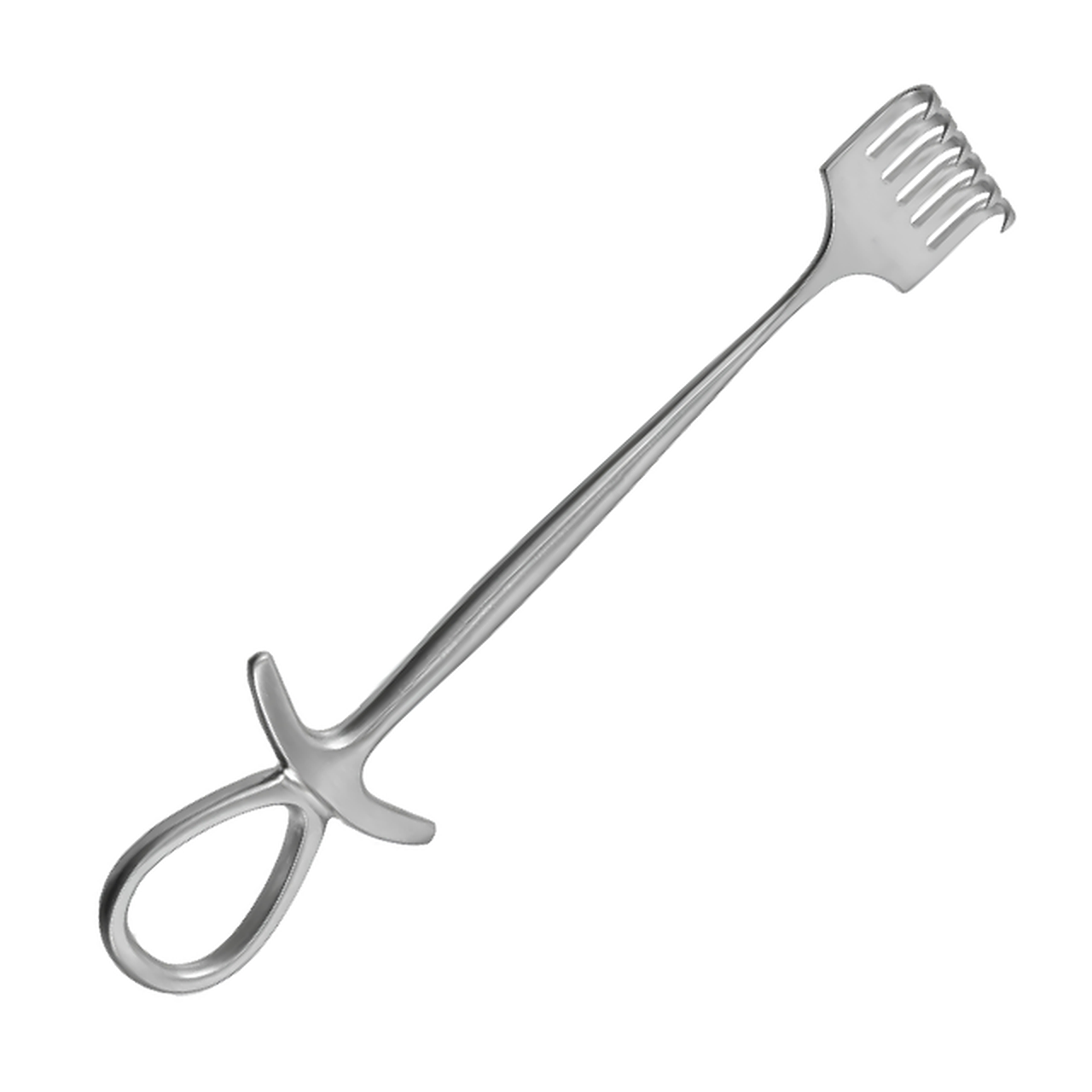
Murphy Retractor
From $44.00
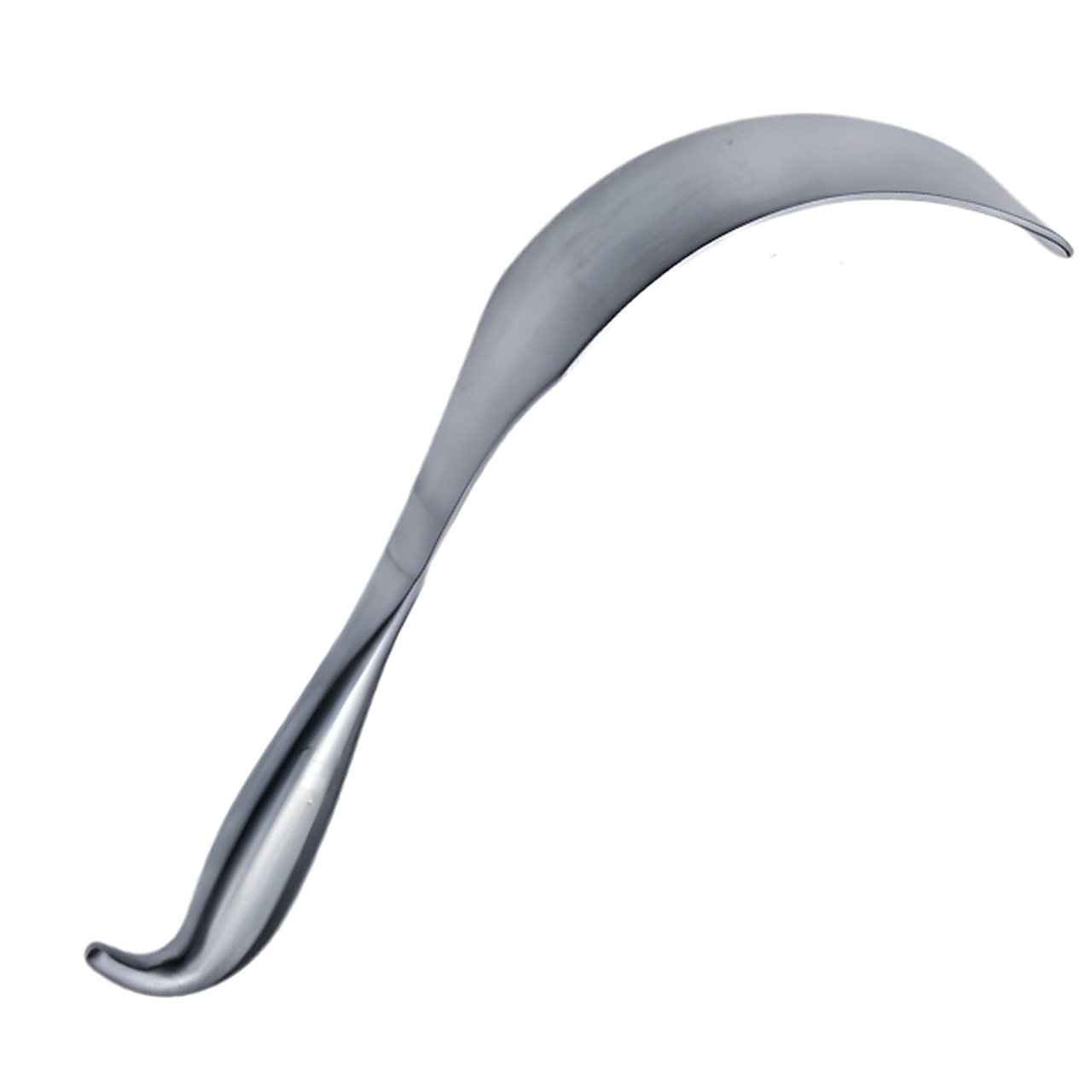
Leriche Retractor-Atraumatic Wide Blade
From $94.00
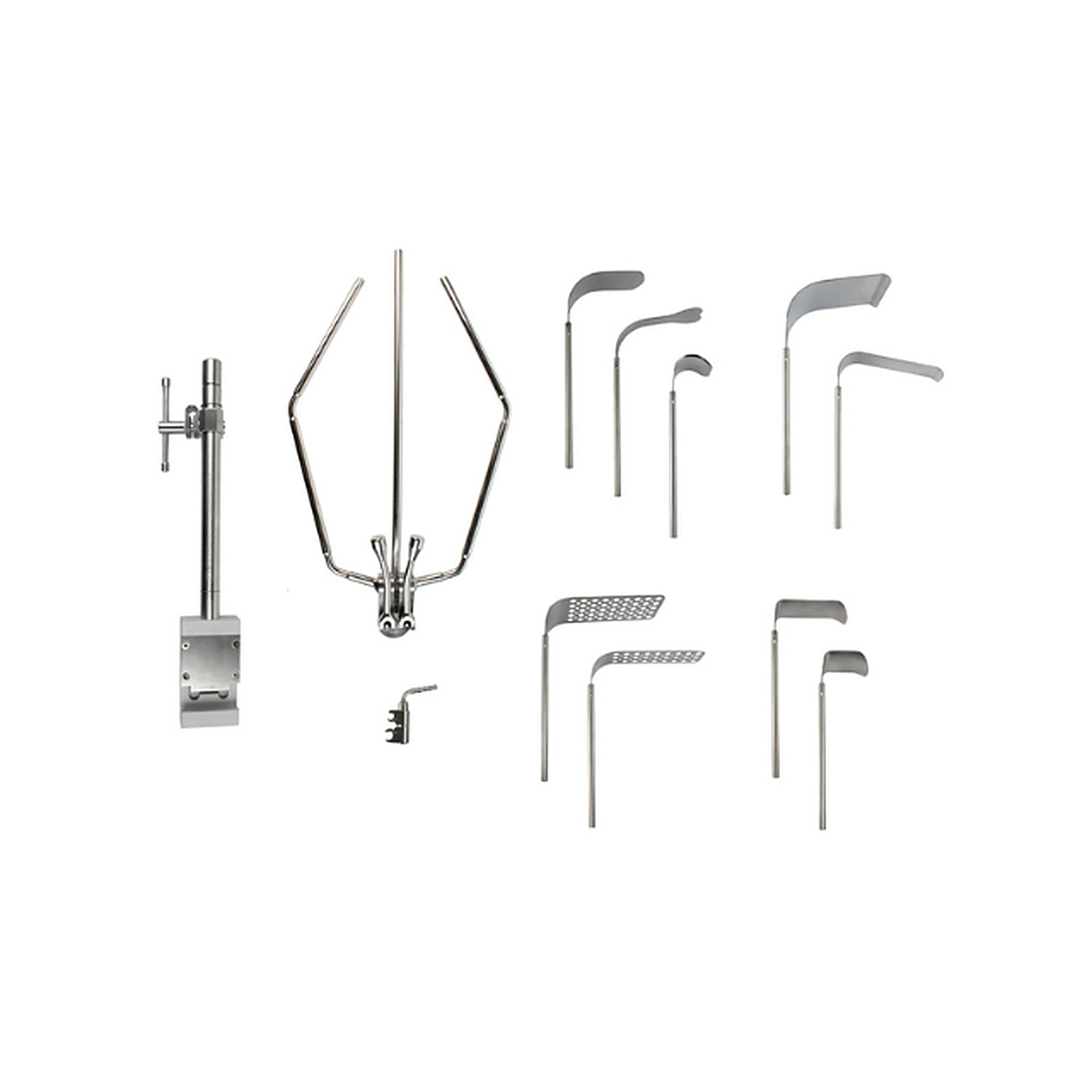
Lobster General Retractor System
$2,699Free Shipping
Need Surgical Retractors or Components?
Tell us what you need, including the product, configuration, quantity and destination country. Retractor Maker can provide availability, specifications and pricing.
Request a Quote