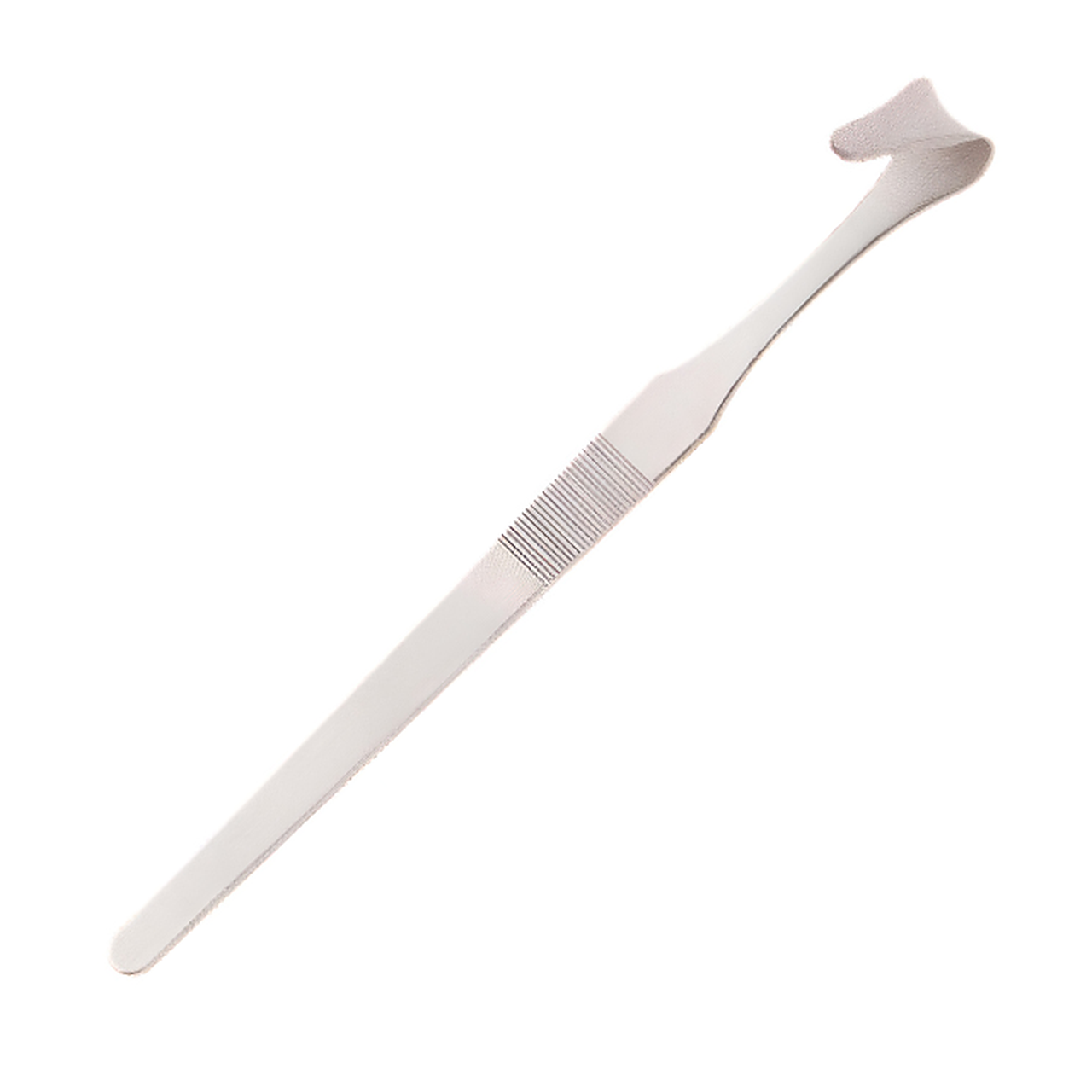
Alar Retractor
$29.00
ENT retractors are instruments used to retract tissue and maintain surgical access in ear, nose, throat and related procedures, including mastoid retractor, cheek retractor and nasal retractor patterns. This category focuses on compact instruments for small openings, where tissue control and a clear line of sight guide selection. Retractor Maker manufactures to order and can quote against an existing pattern, specification or sample reference.
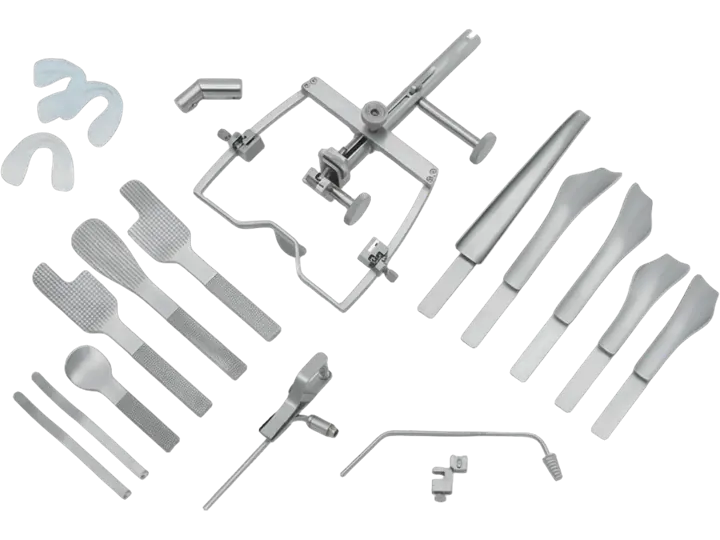
$29.00
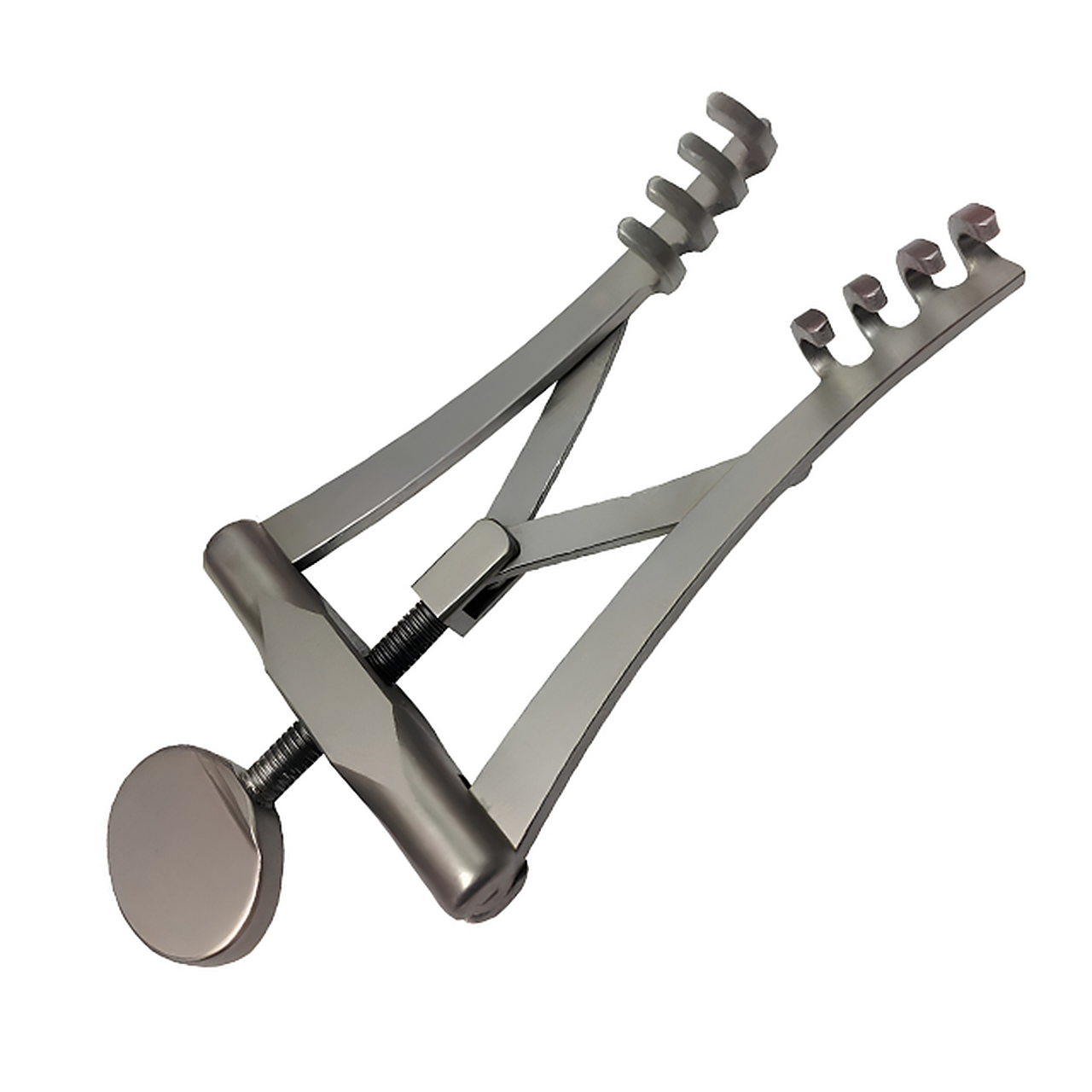
$59.00
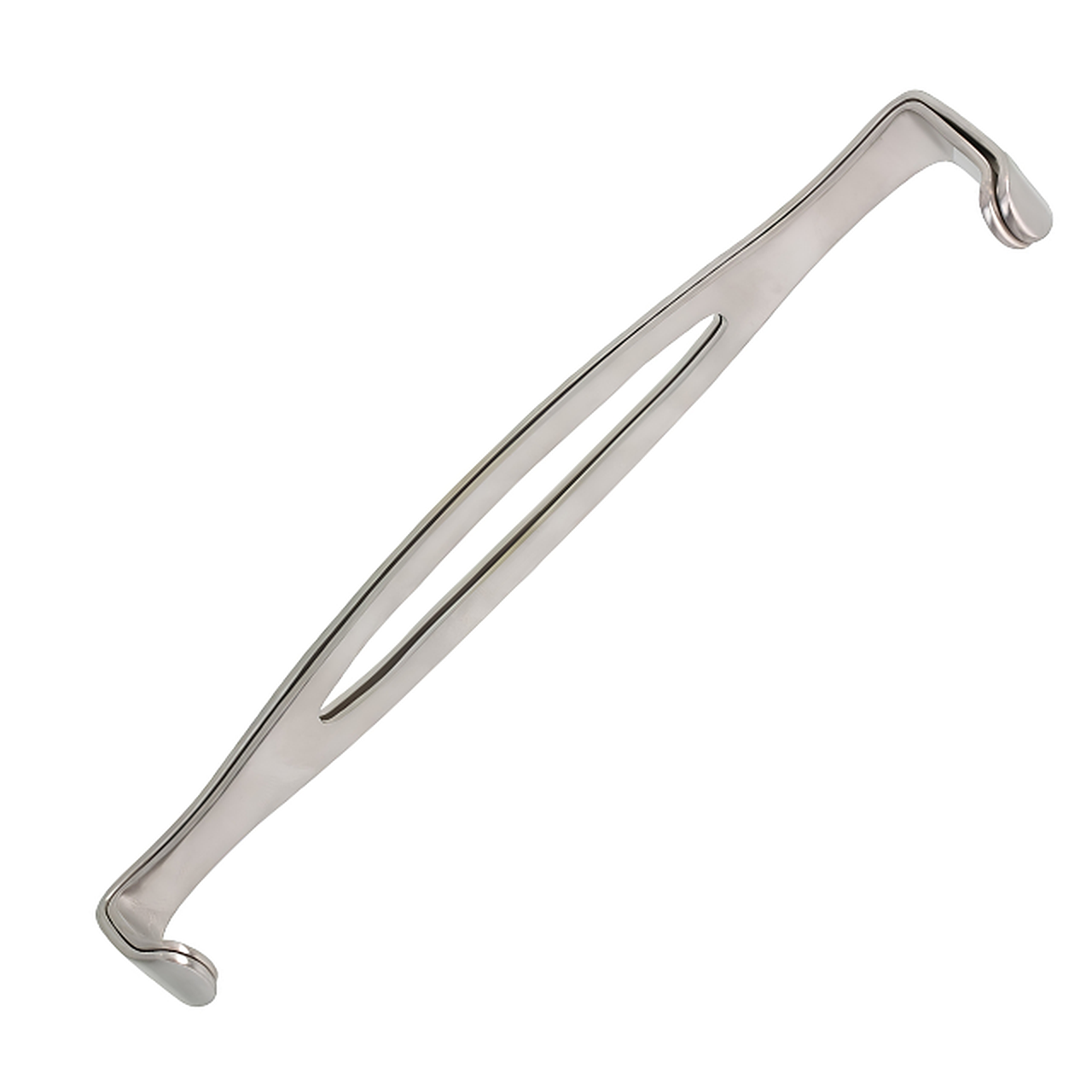
$49.00
$49.00
$29.00
From $59.00
$149
$69.00
$45.00
$59.00
$64.00
From $79.00
From $174
$24.00
From $29.00
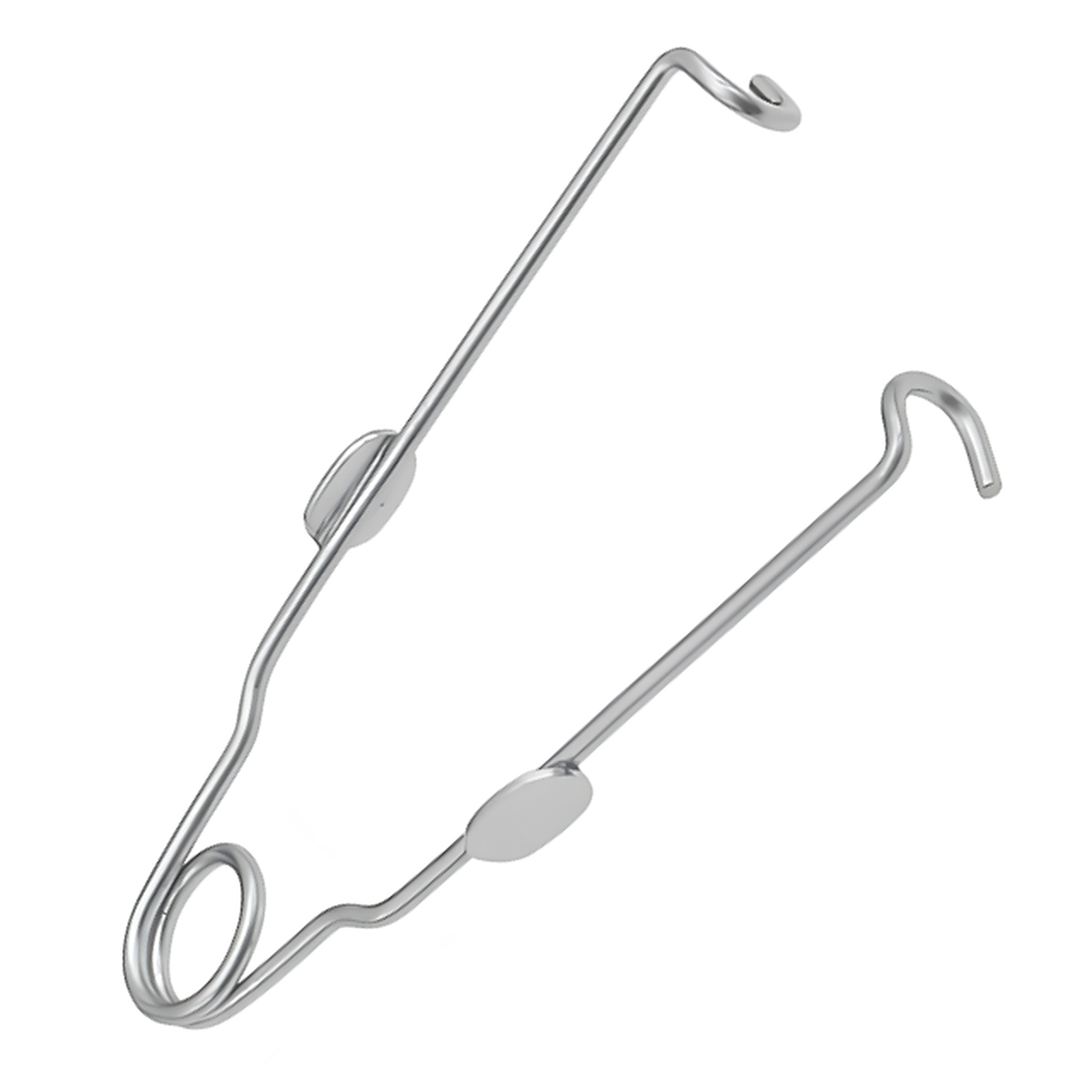
$59.00
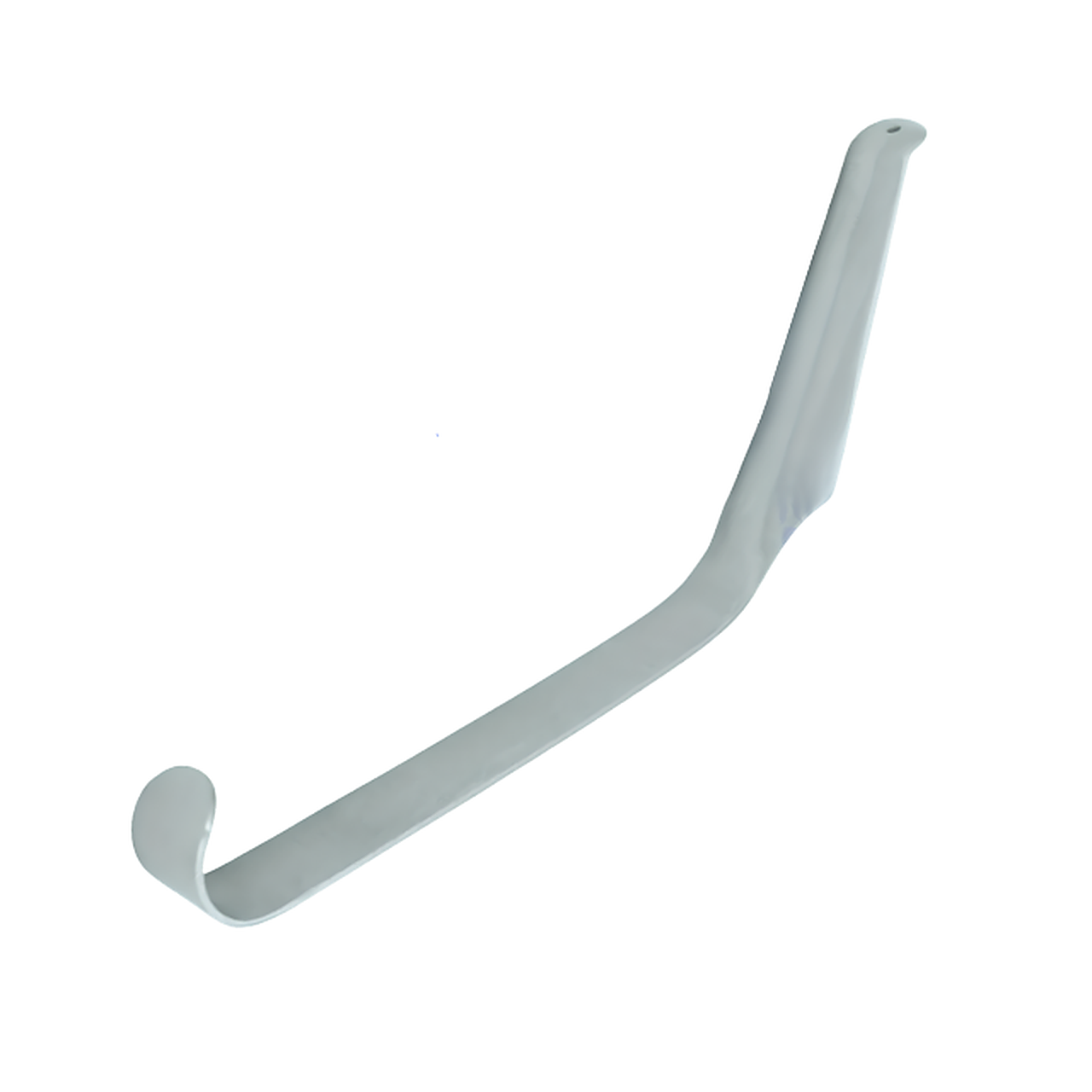
From $44.00
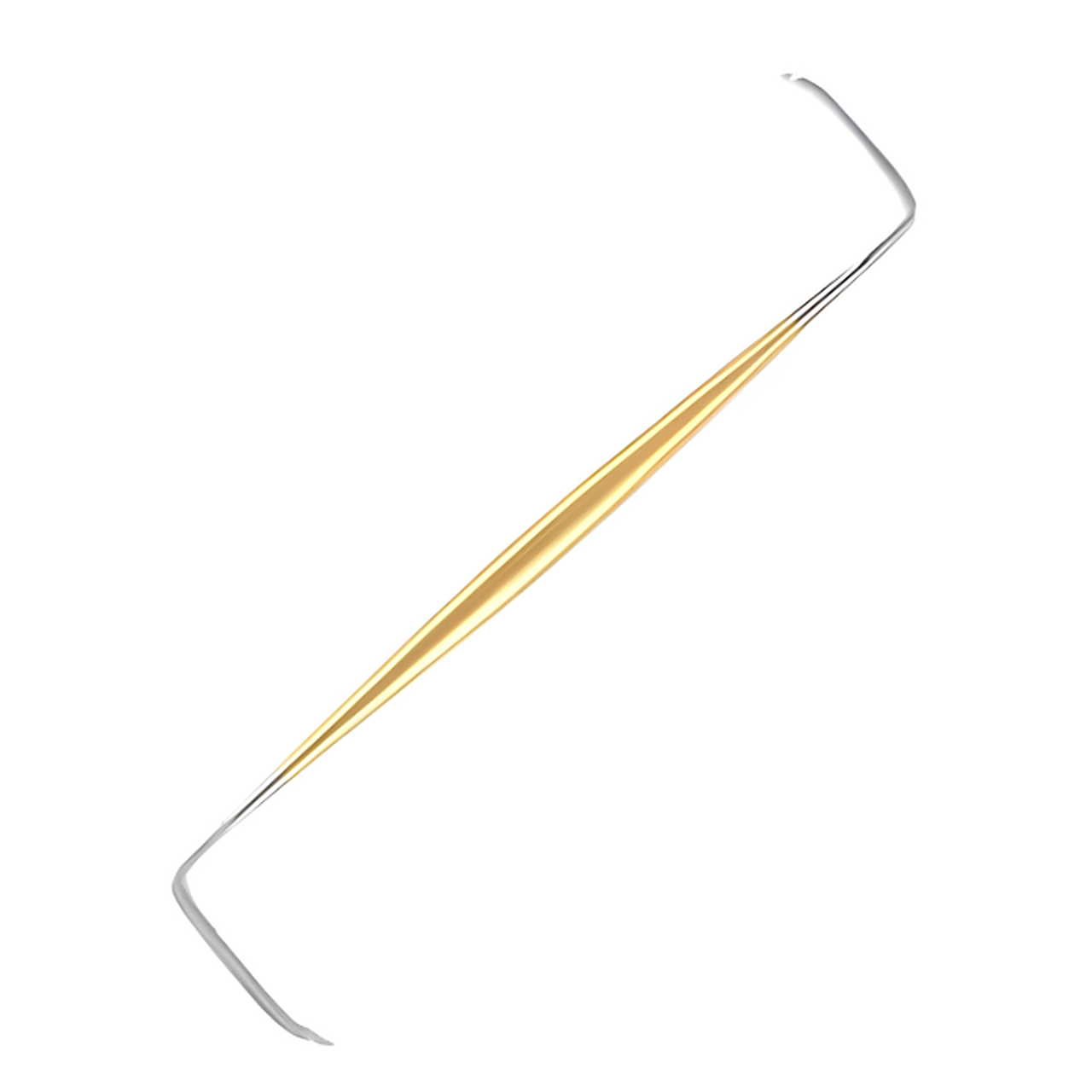
From $69.00
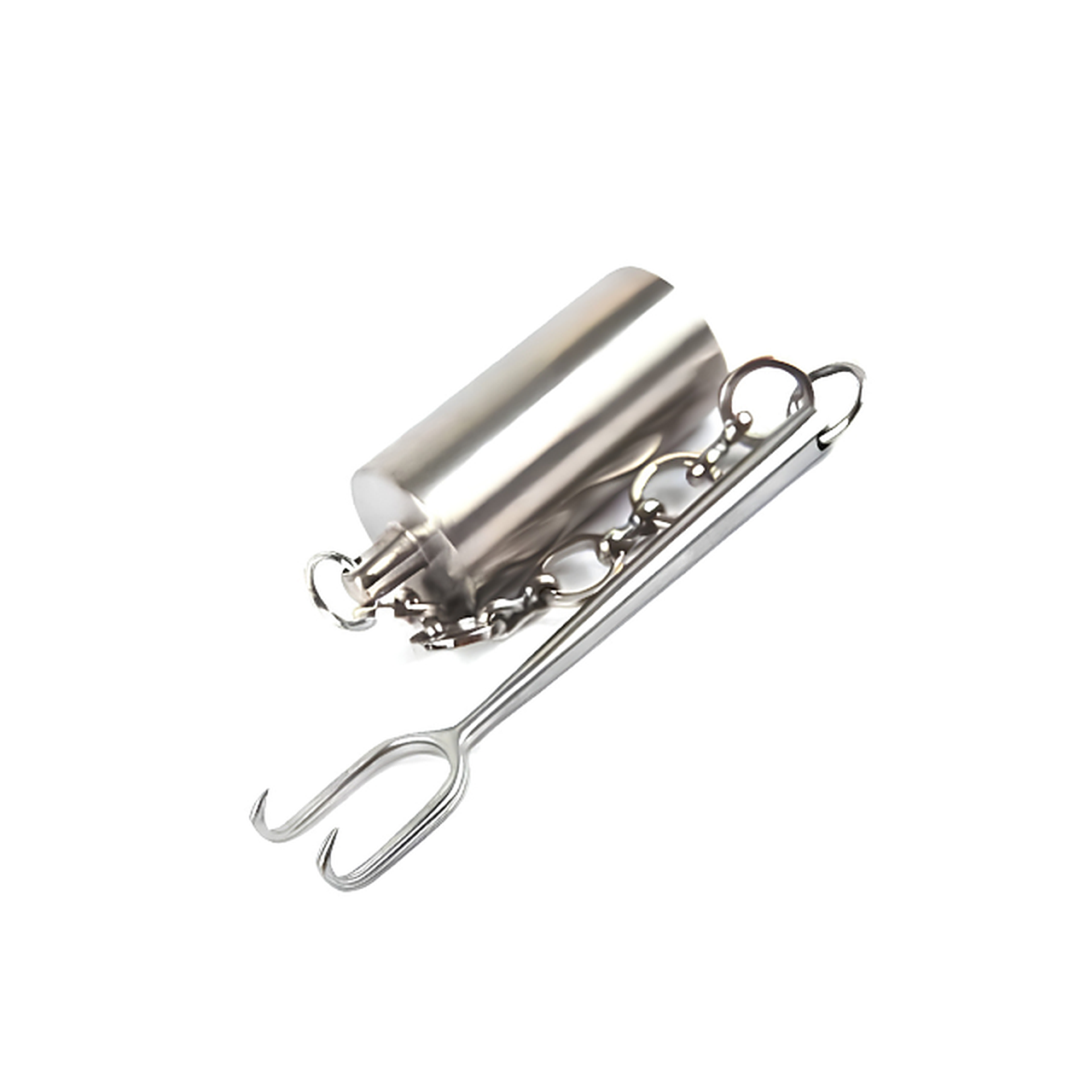
$79.00
$69.00
From $44.00
From $49.00
From $69.00
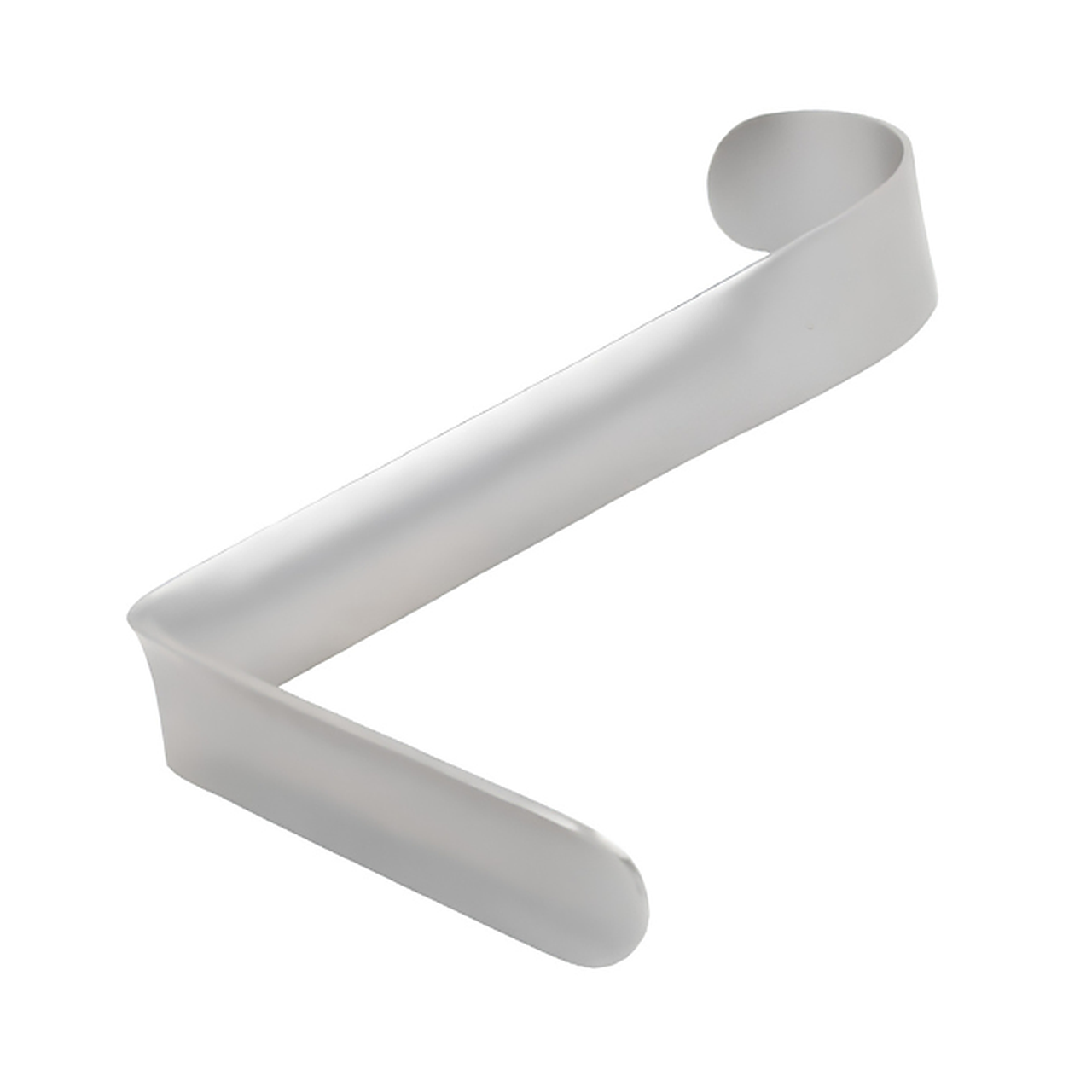
From $14.00
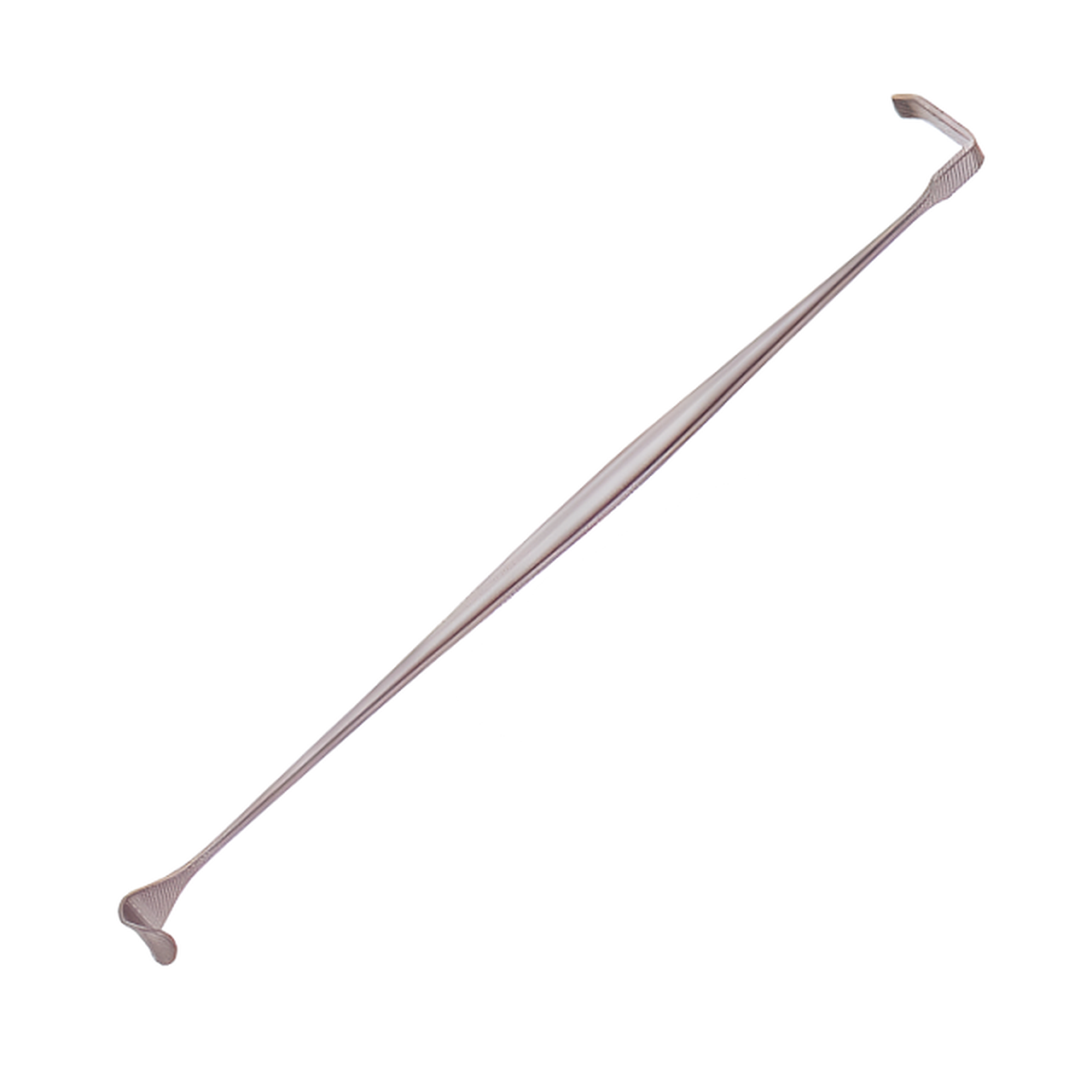
$29.00
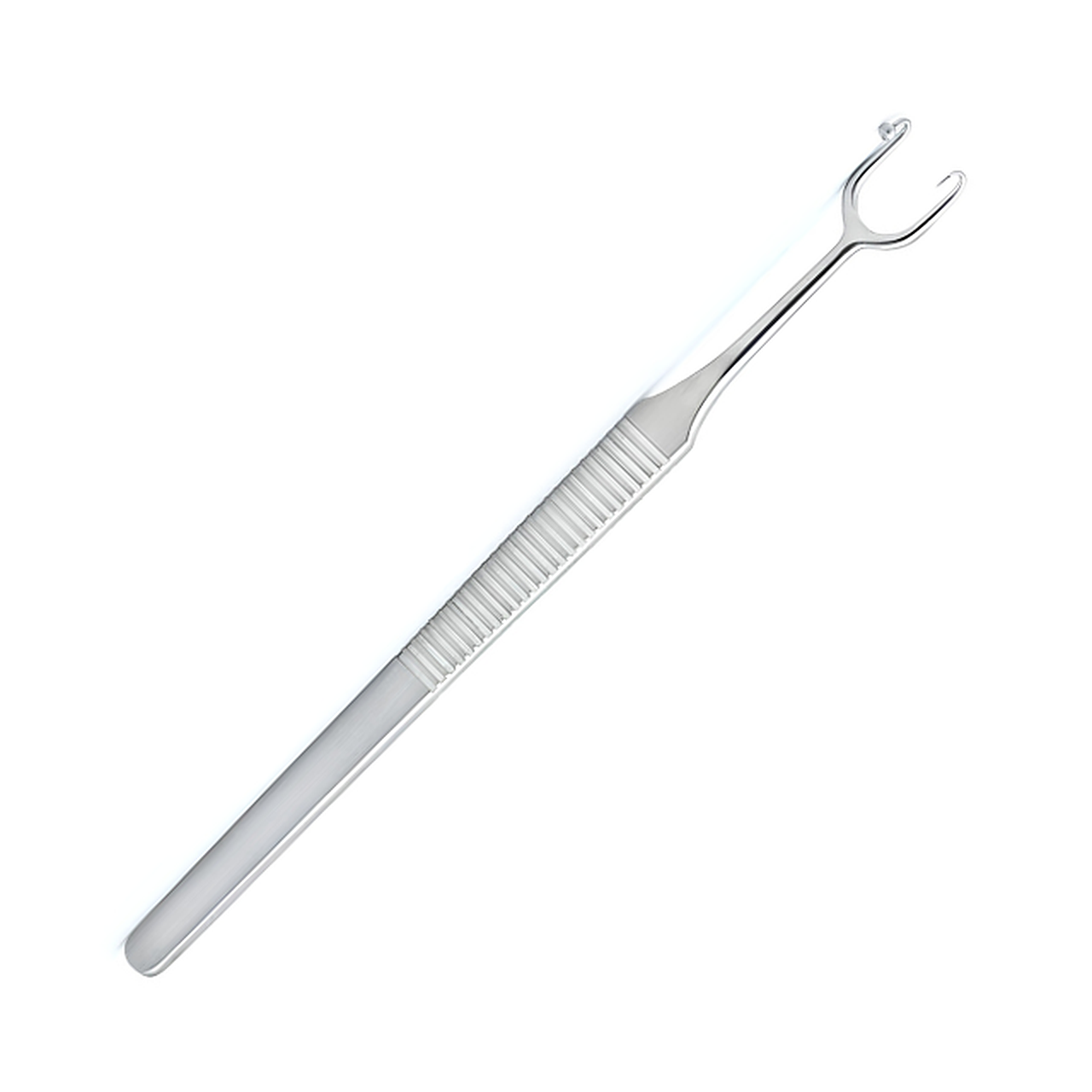
From $44.00
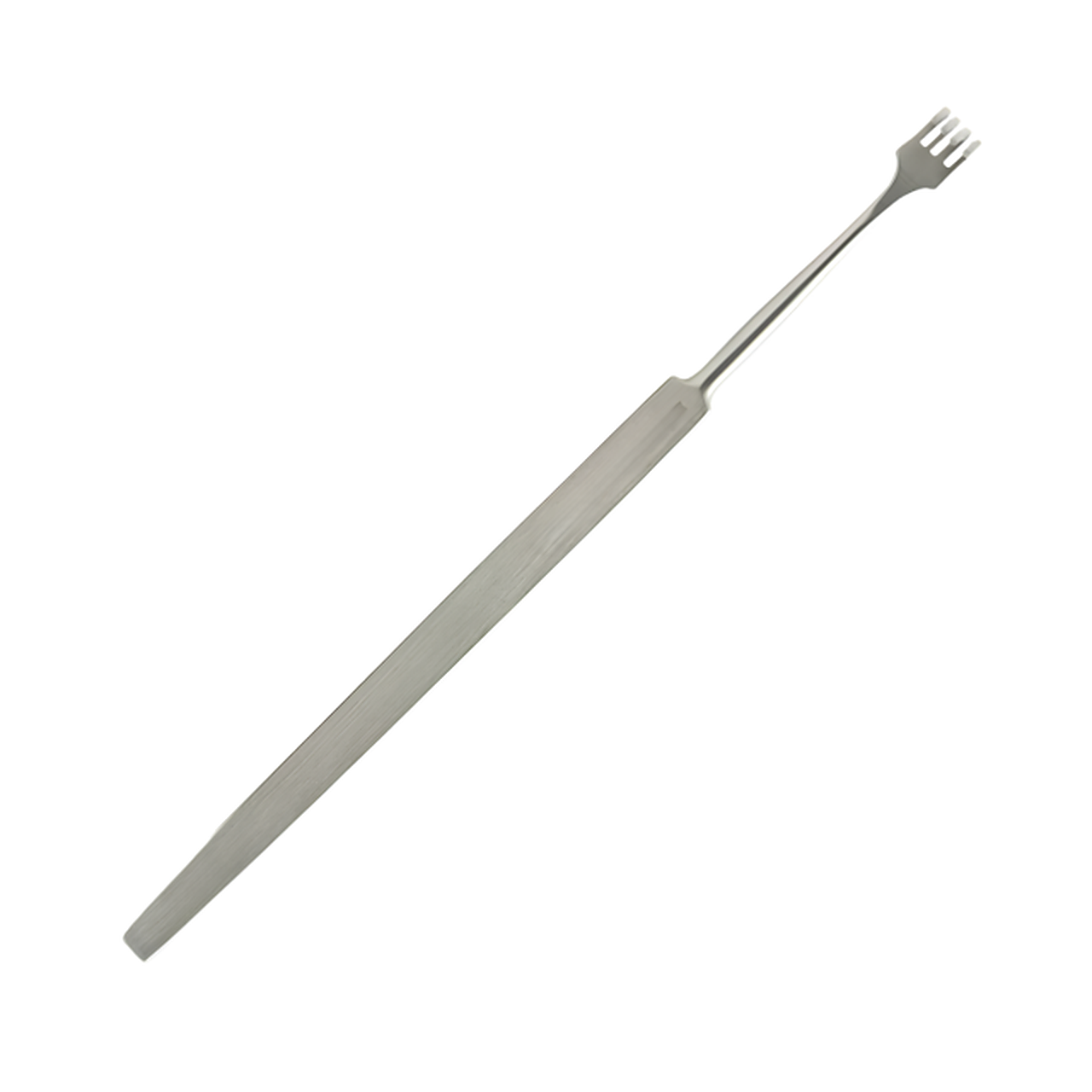
$44.00
From $49.00
$24.00
$49.00
Showing 1–30 / 124 products
Every product page in this specialty also includes a downloadable product brochure.
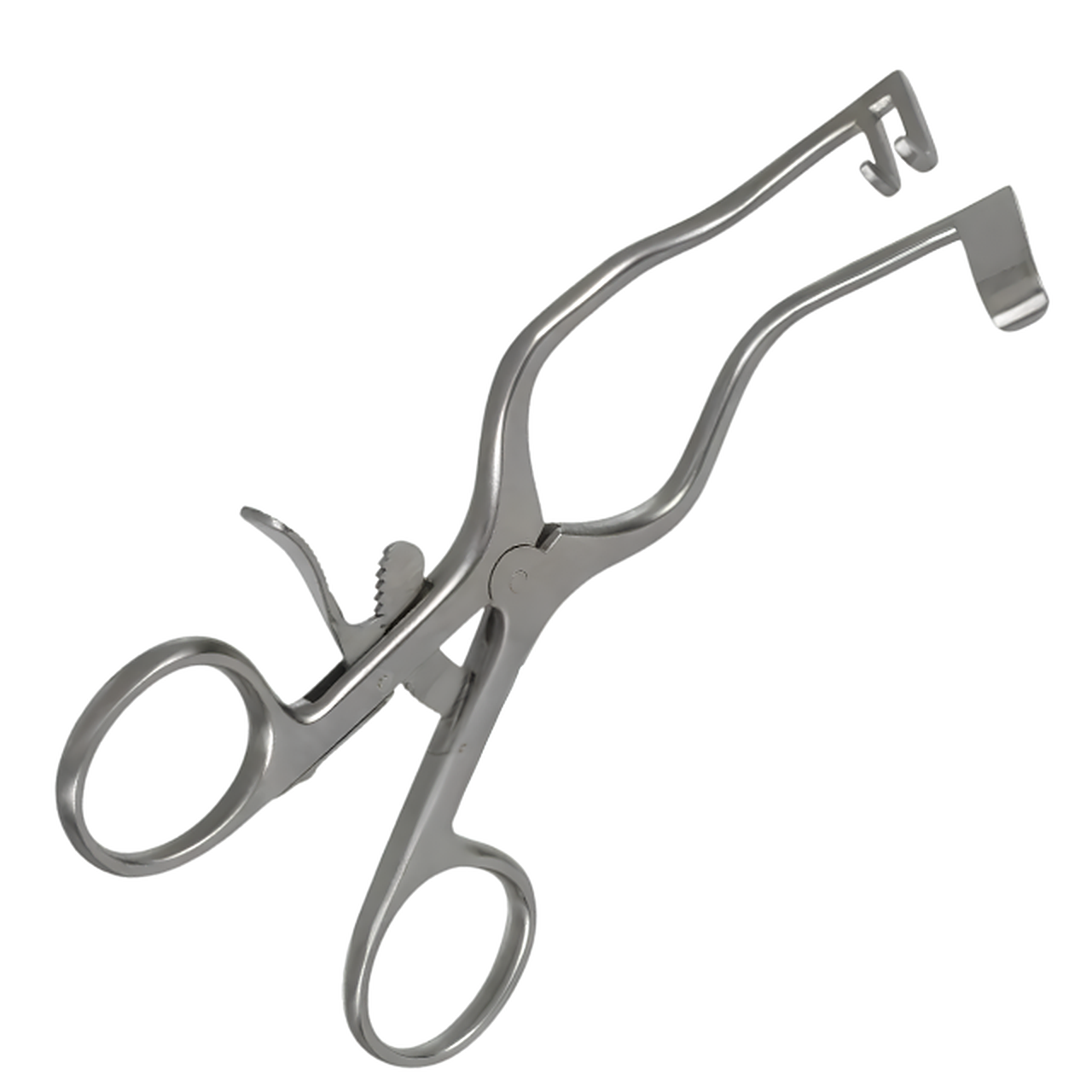
ENT retractor types are distinguished by the anatomical area they expose and the way the surgical team needs to maintain access. Ear-related patterns in this category include the Allport mastoid retractor and Bellucci endaural retractors. Other listed designs include the Gifford Jansen retractor and Fisch retractor with joint; confirm their individual configurations against the intended approach rather than selecting by name alone. ENT work commonly takes place through small openings, so compact self-retaining retractors, mouth gags and specula are relevant to this category rather than large frames. Fine tip finish and smooth ratchet action matter where a ratcheted instrument is specified: the instrument needs to hold tissue without slipping or obstructing the surgeon’s view. For procurement, identify the required pattern and check the model details before treating two instruments as interchangeable.
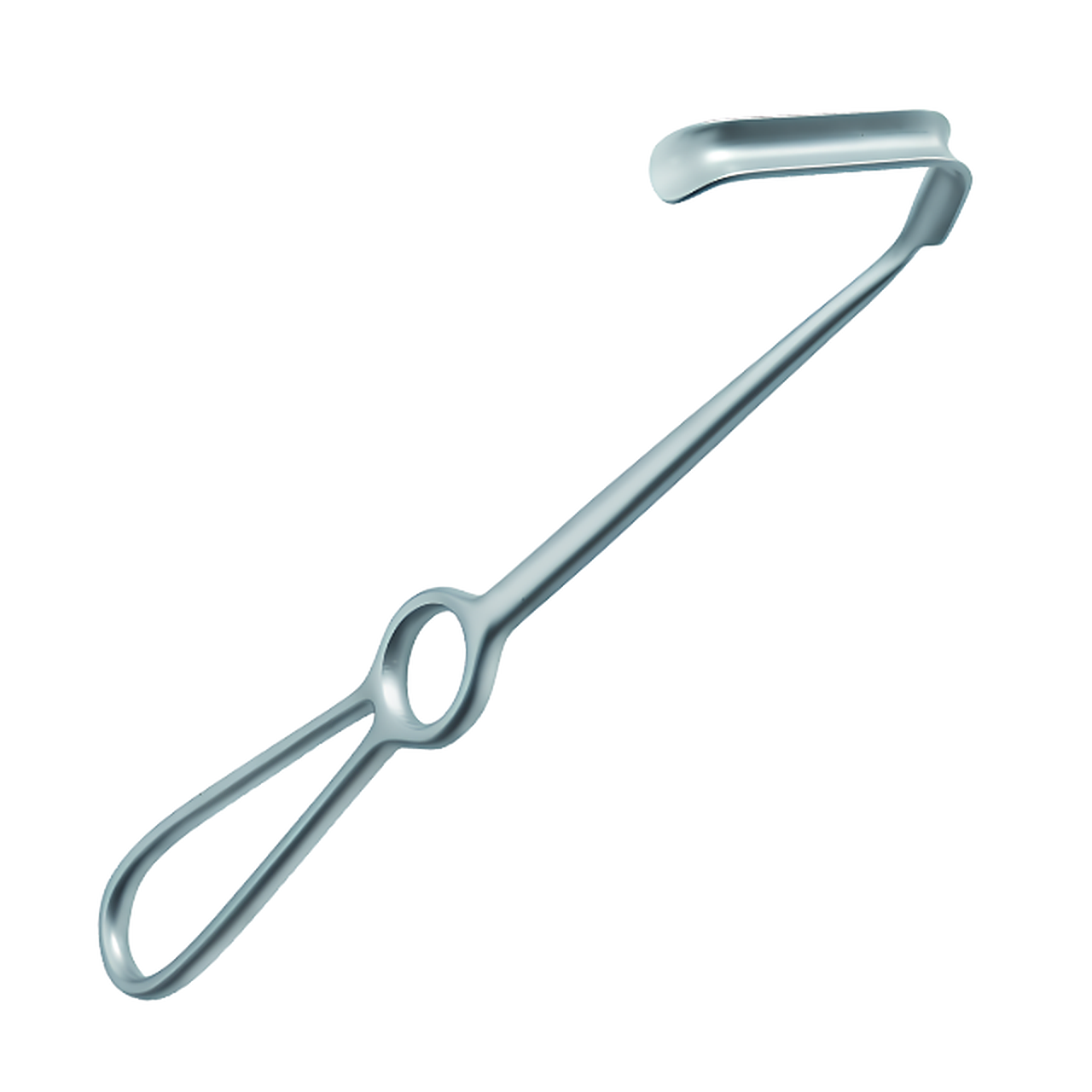
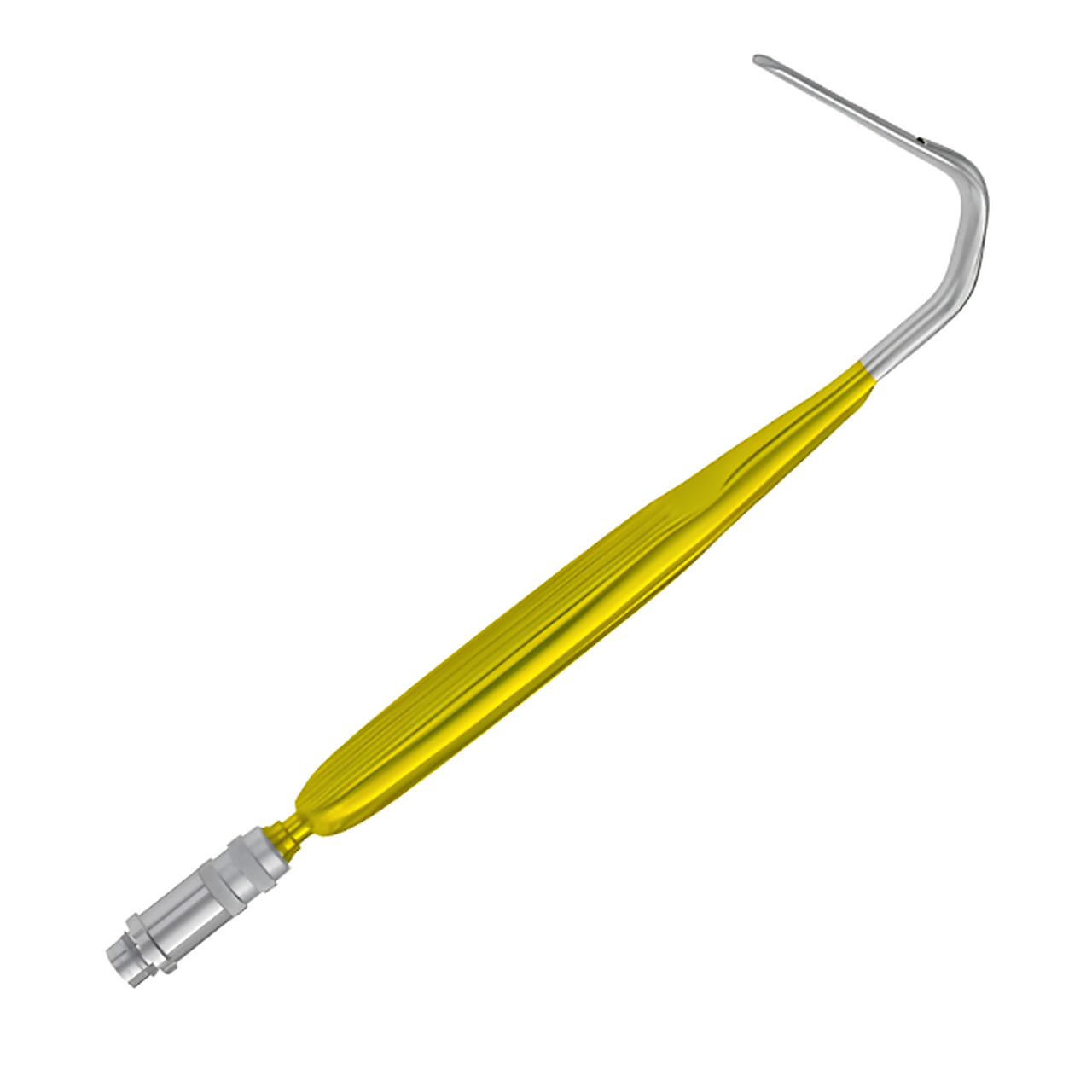
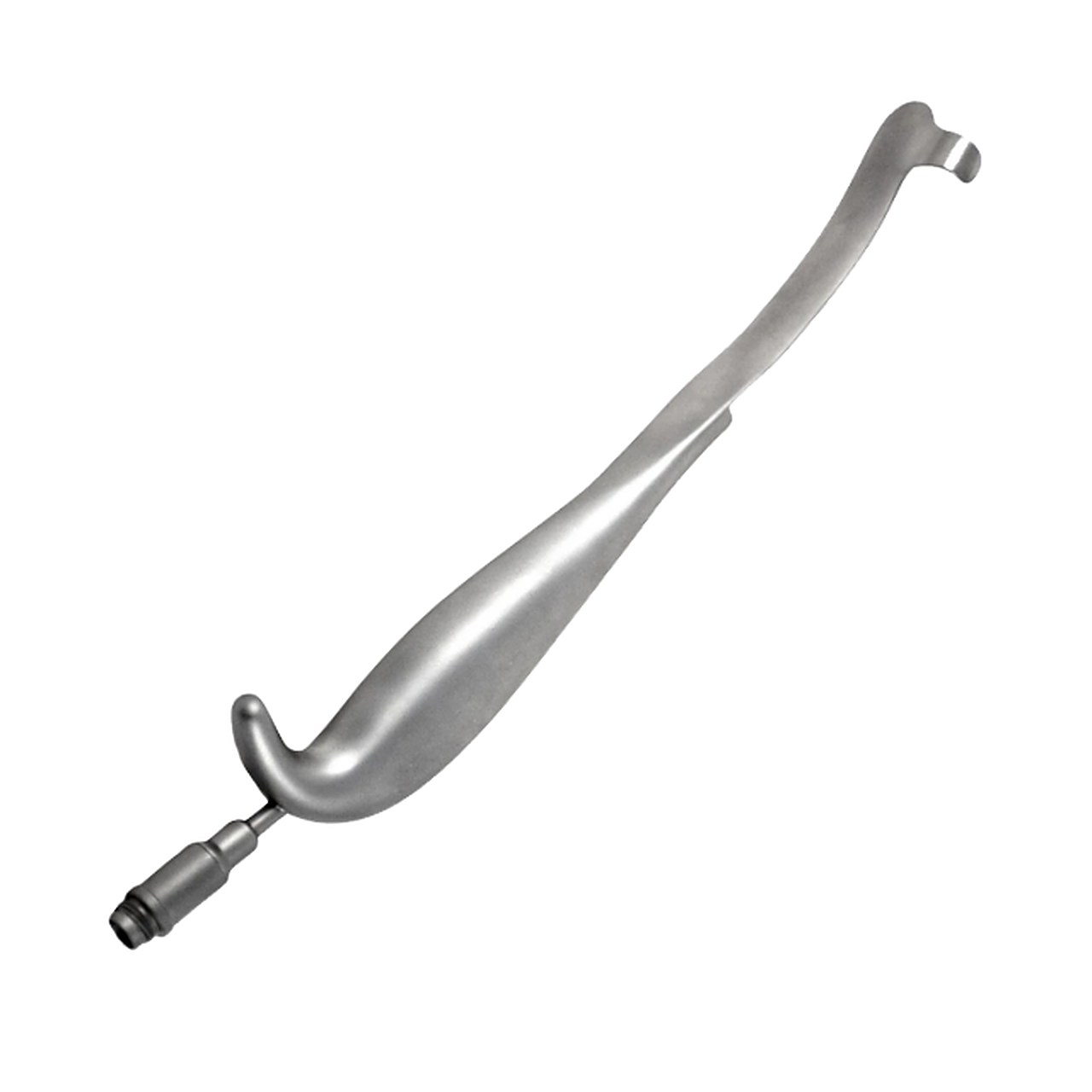
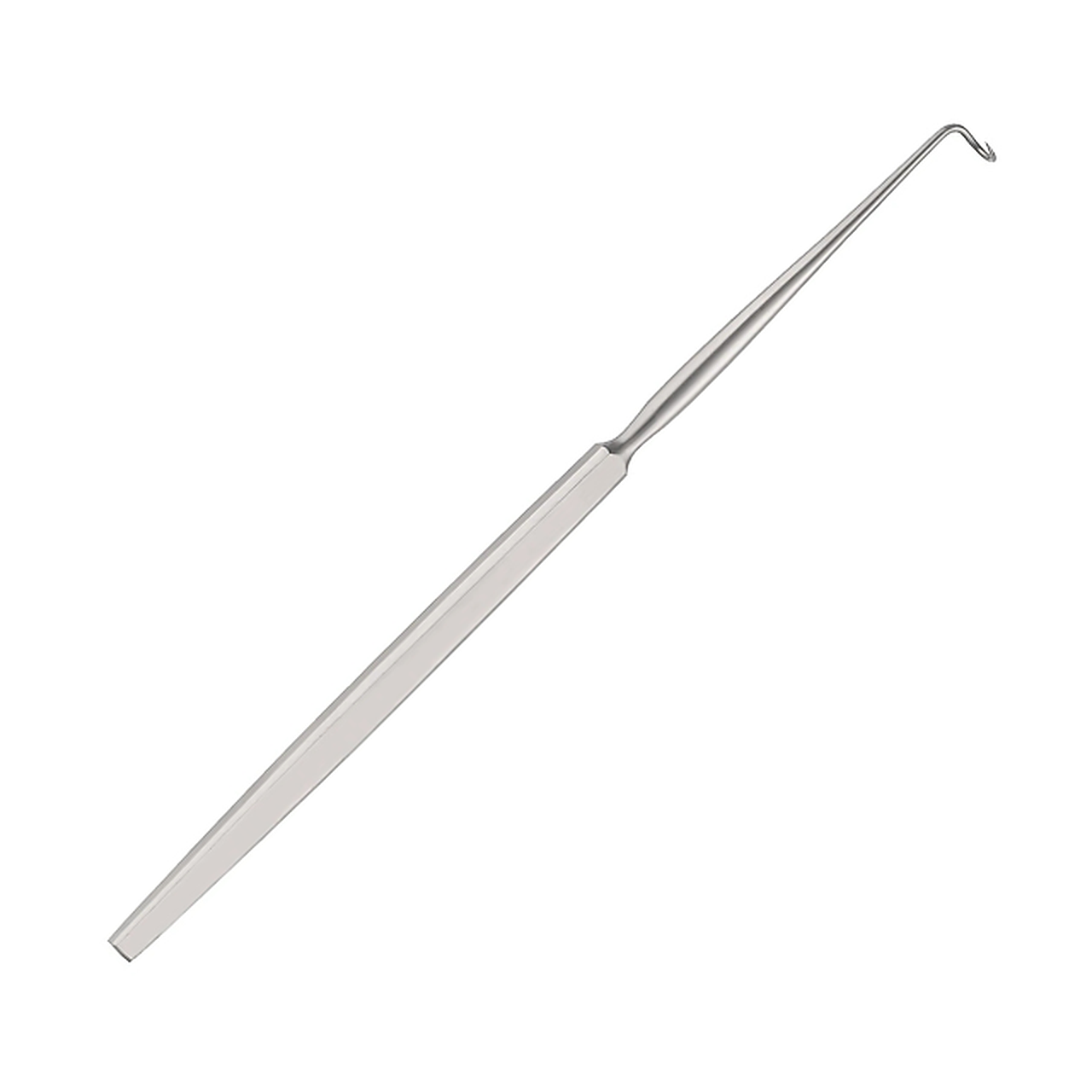
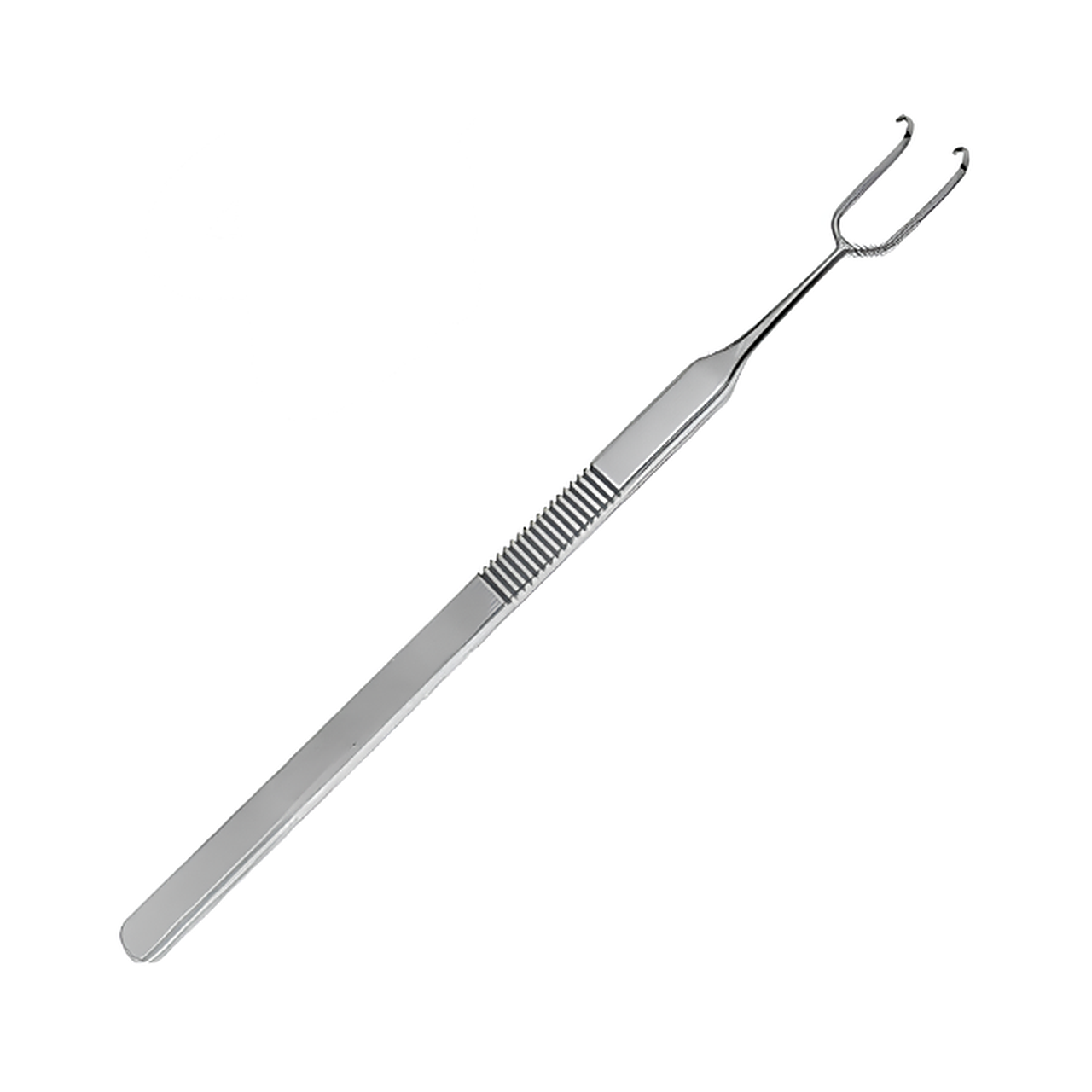
Nasal retractor choices include the Aufricht nasal retractor, Aufricht Daniel nasal retractor, Aufricht Walter nasal retractor and Barsky nasal retractor. The category also lists an Aufricht nasal retractor fiber optic pattern; request its exact configuration when preparing a quotation. Alar and related nasal patterns include the alar retractor, Converse alar retractor double ended, Converse nasal retractor and Cottle alar nasal retractor hook. For rhinoplasty-related requirements, the Gruber rhinoplasty retractor is another named option. The Cerkes double ended nasal retractor provides a further pattern to compare against the surgical team’s specification. These names help organize nasal exposure requirements, but they do not replace checks on blade dimensions, tip design and overall instrument size. Ask for model-specific details so the selected nasal retractor matches the required anatomical access and surgical approach.
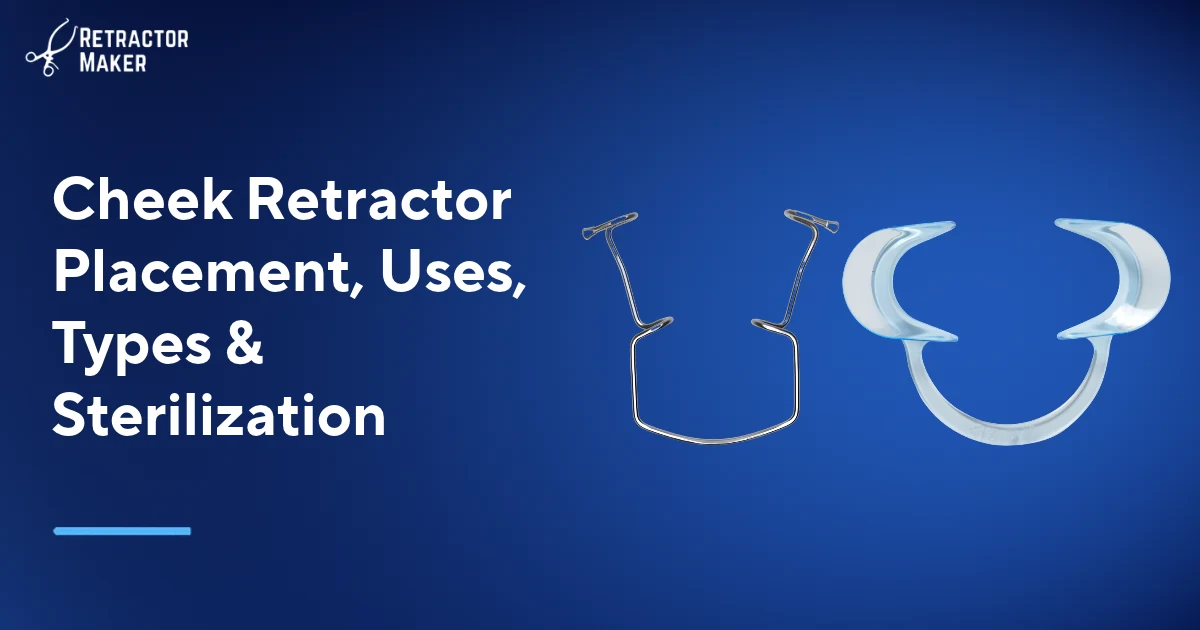
For oral and related exposure, cheek retractor options include the Austin tissue and cheek retractor, Bishop lip and cheek retractor, Cronin cheek retractor, Hajek cheek retractor and combination wound and cheek retractor. The Arnett Le Fort upper lip retractor and Cronin lip nostril retractor offer additional named patterns for upper-lip and lip–nostril requirements. Related intraoral and mandibular patterns include the Bauer sigmoid notch intra oral retractor, Bremerich mandibular channel retractor, Dumbach mandibular channel retractor and Awty condylar neck retractor. Throat and neck-related names in the range include the Goodyear uvula retractor, Bose tracheal retractor, Bose tracheal retractor spring type and Green thyroid retractor. Build a procedure-specific instrument list around the anatomical area and requested pattern. The surgical team should determine which design provides the intended exposure for each selected procedure.
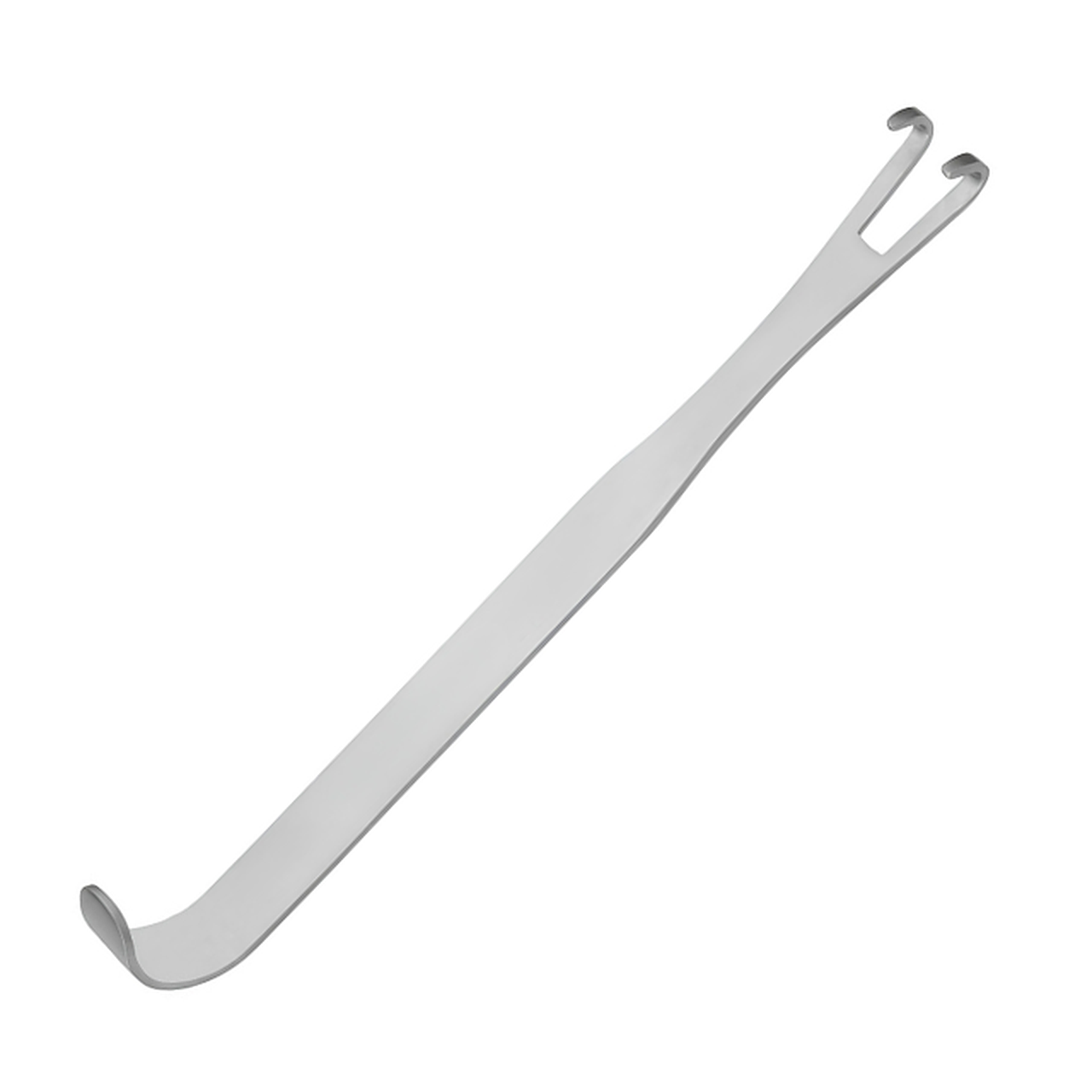
Choosing between handheld and self-retaining ENT retractors starts with whether manual retraction or maintained access is required. Compare the instrument’s size, blade design and configuration with the surgical approach, and specify blade depth and width rather than relying on a general product name. For pronged patterns, record the required prong configuration and tip form: listed examples include the Cottle nasal retractor 4 blunt prongs and Cottle retractor hook 2 prong. Do not assume that other patterns share those features. Include material requirements in the purchasing specification using the wording Premium Grade AISI 304/316 Stainless Steel (Non-Magnetic). For reprocessing, request the model-specific cleaning, sterilization and handling instructions before purchase and have the hospital’s reprocessing team review them. The category information does not establish a universal reprocessing method, so avoid substituting a generic cycle for instructions applicable to the supplied instrument.
Retractor Maker is a surgical retractor manufacturer and exporter in Sialkot, Pakistan, serving wholesale and OEM inquiries with worldwide shipping. ENT retractors are manufactured to order, and the company can work from a specification or sample reference to match patterns already used by the buyer. When requesting a quotation, state whether the inquiry concerns complete sets, individual instruments, single blades or replacement parts, and ask which options are available for the chosen design. Do not assume that every listed retractor has interchangeable components. Include product names, quantities, required dimensions, blade or prong details and any existing pattern reference. For OEM requests, describe the requested specification clearly. This gives the manufacturer a defined basis for quoting and lets hospital buyers compare the proposed instruments with the surgical team’s requirements before ordering.
ENT retractors provide tissue retraction and maintain access during selected ear, nose, throat and related procedures. This category includes mastoid, endaural, nasal, lip, cheek, tracheal and thyroid-related patterns. The appropriate instrument depends on the anatomical area, surgical approach and required exposure, with the surgical team determining suitability for the intended procedure.
The Allport mastoid retractor is listed in Retractor Maker’s ENT category. Ear-related options also include Bellucci endaural retractors, although these should not be treated as interchangeable solely because they appear in the same category. Request the exact instrument dimensions and configuration, and compare them with the surgical team’s existing pattern or specification.
Listed cheek retractor patterns include Austin, Bishop, Cronin and Hajek designs. The category also includes a combination wound and cheek retractor, alongside related lip patterns such as the Arnett Le Fort upper lip retractor. Check each model’s size, blade design and configuration against the required anatomical access before requesting a quotation.
Choose a nasal retractor by anatomical location, surgical approach, blade dimensions and tip configuration. Listed patterns include Aufricht, Barsky, Converse and Cottle designs, as well as the Gruber rhinoplasty retractor. Specify whether handheld or self-retaining retraction is required, and check the individual model rather than assuming that similarly named instruments have identical features.
Request reprocessing instructions specific to the ENT retractor being supplied. Ask for cleaning, sterilization and handling information, and have the hospital’s reprocessing team review it before purchase. The category information does not provide a universal reprocessing cycle, so the product name or material description alone should not be used to establish a processing method.
Retractor Maker accepts direct B2B inquiries for ENT retractors and supplies internationally. Send the required product names, quantities and specifications or a sample reference for a quotation. For complete sets, single blades, replacement parts or OEM requirements, describe the requested configuration and ask the manufacturer to confirm availability for the selected pattern.
Send your product list, quantity and destination country. Our team replies with availability, specifications and pricing — no cart, no checkout, no account required.