
Surgical Retractor Guides
Cheek Retractor Placement, Uses, Types & Sterilization
Author: Saad Shahid · Updated · 9 min read
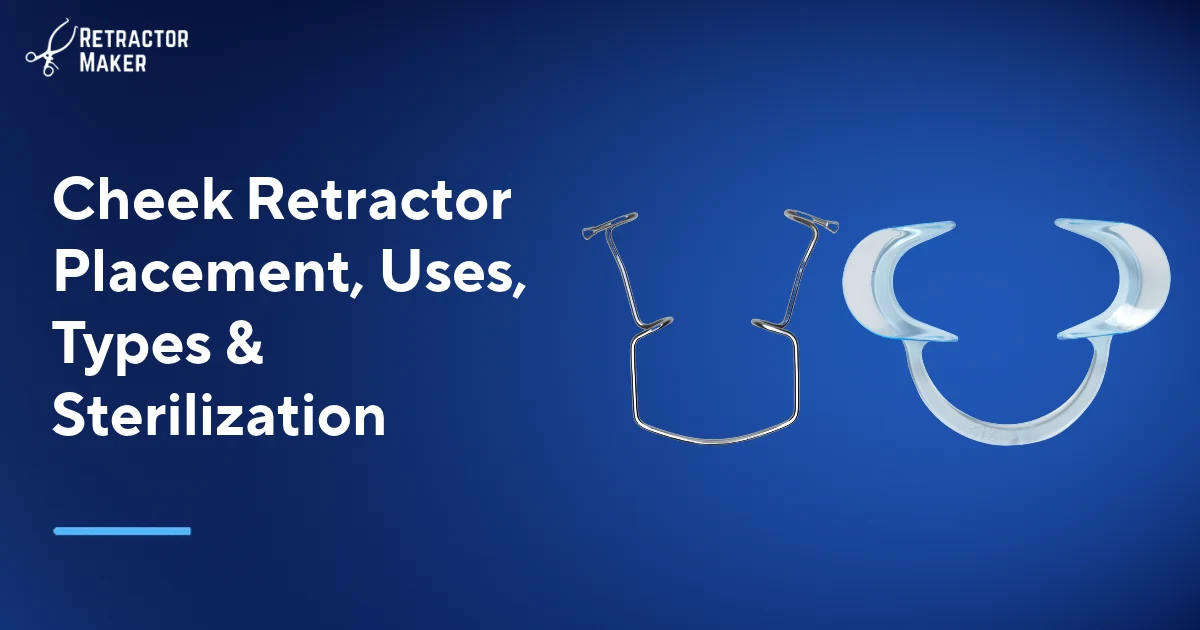
A cheek retractor is an instrument used to move the lips and buccal soft tissues away from the teeth, oral cavity, or operative field. Its primary purpose is to improve access and visibility while trained healthcare professionals examine or treat the exposed area.
Retractors discussed in this guide: Austin Tissue and Cheek Retractor, Bishop Lip And Cheek Retractor, Combination Wound and Cheek Retractor, Cronin Cheek Retractor. Browse all surgical retractors.
What Is a Cheek Retractor?
A cheek retractor moves lips, cheeks, or nearby soft tissue to clear the working area. Cheek retractors may be handheld or self-retaining. Dentists, surgeons, ENT specialists, and other clinicians use them to improve visibility. They protect tissue by moving it out of the working path. They also create room for instruments, suction, lighting, photography, or examination.
Designs differ in shape, material, and intended handling. Some reusable surgical retractors are stainless steel, with a handle and one or more shaped blades. Other dental retractors use clear polymers to spread lips and cheeks around the mouth. Material alone does not determine whether a device is reusable, disposable, or compatible with a sterilization method. Follow the manufacturer's validated instructions.
Contents
What Is a Cheek Retractor Used For?
A cheek retractor provides exposure; it does not perform treatment. Match the shape and size to the procedure. Consider patient anatomy, tissue location, the required field of view, and intended use.
How Are Cheek Retractors Used in Dentistry?
A dental cheek retractor moves lips and cheeks away from the teeth during dental exams and restorative work. It is also used for orthodontic photography and scanning. This improves direct visibility and creates room for mirrors, suction, lights, and other equipment.
What Provides Exposure in Oral and Maxillofacial Surgery?
A suitable retractor maintains access to an incision or operative site during oral and maxillofacial procedures. Selection and positioning depend on the planned approach. Consider teeth, mucosa, nerves, ducts, and other anatomical structures.
Are Cheek Retractors Used in ENT Procedures?
Some surgical cheek retractors provide controlled lip or cheek displacement during ENT procedures and head-and-neck approaches. The clinical team must select a suitable design for the procedure. Intended use, geometry, and condition all matter.
How Should Lip and Cheek Tissue Be Retracted?
A broad, smooth contact surface spreads pressure across the lip or cheek to provide exposure. Aim for adequate visibility with the least force needed. Reassess retraction often, including when the procedure, position, or tissue condition changes.
How to Insert a Cheek Retractor
Only trained healthcare professionals should place and use cheek retractors. Follow the manufacturer's instructions, the planned procedure, and applicable institutional protocols. This guide is a medical disclaimer, not clinical training or a substitute for patient-specific judgment.
1. Prepare the Patient and Working Area
Explain the procedure and position the patient correctly before placement. Set up lighting and suction, then inspect the oral tissues. Identify the area requiring exposure and consider vulnerable anatomy. Note existing lesions, dental appliances, and loose teeth. Consider the patient's tolerance for the position.
2. Select the Appropriate Design and Size
Choose a design and size that expose the required area without unnecessary stretching. Confirm suitability for the procedure and required processing. Check for rough edges, cracks, corrosion, distortion, or damaged joints. Remove distorted devices or those with damaged joints from service.
3. Position and Insert Under Direct Vision
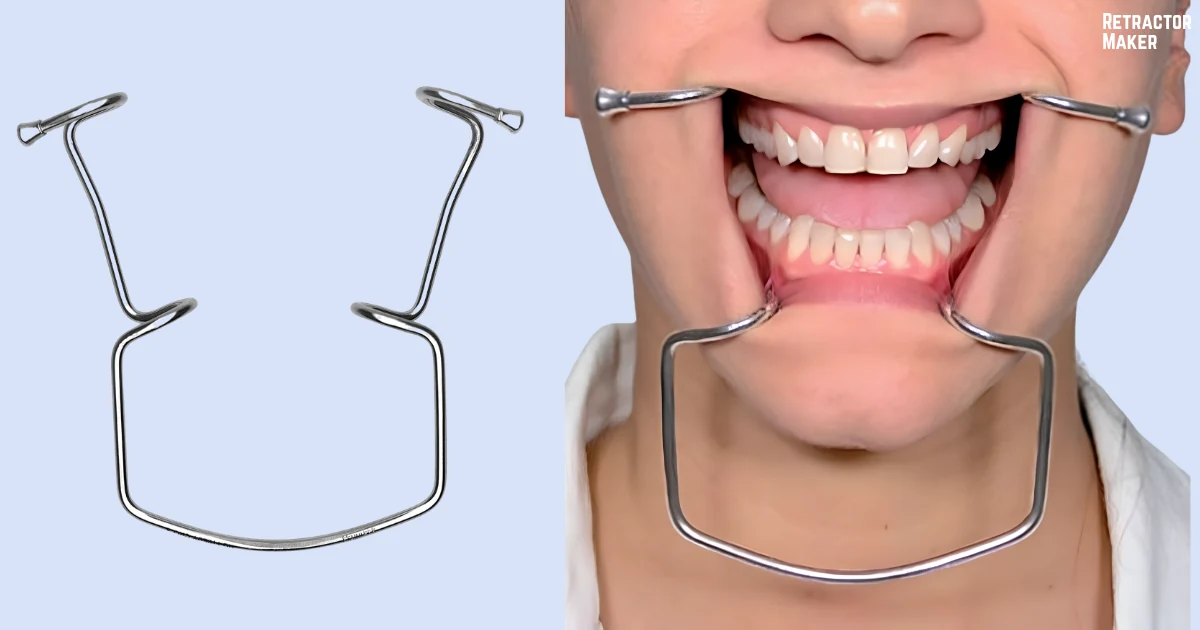
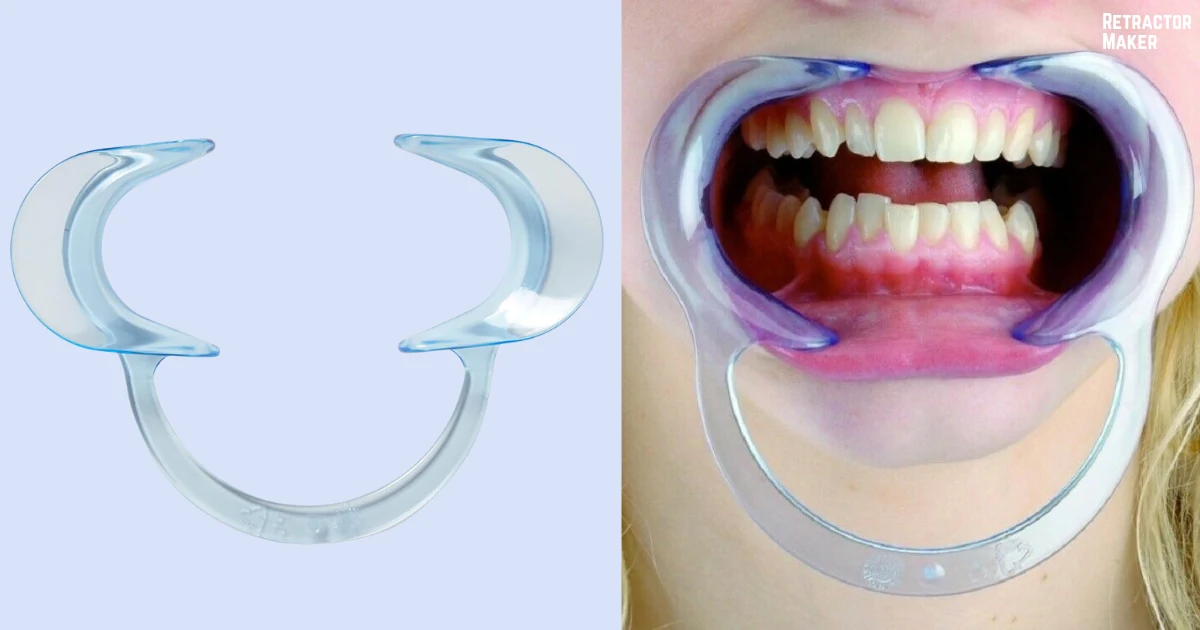
Follow the manufacturer's placement method under direct vision. Introduce the contact surface and seat it against the lip or cheek. Avoid catching mucosa or pressing against vulnerable structures. Use gradual, controlled movement, not sudden force. Position bilateral devices symmetrically unless the procedure requires a different approach.
4. Maintain Exposure Without Excessive Tissue Pressure
Use only enough force to maintain a clear field. Observe contact points and surrounding tissue throughout use. Stop and reassess if the patient reports discomfort, visibility changes, the device moves, or tissue appears overly compressed. Review size, position, and tension.
5. Remove and Inspect
Release tension in a controlled manner and remove the device under direct vision. Inspect the lips, cheeks, oral mucosa, and nearby structures according to the procedure and institutional practice. Send reusable instruments for reprocessing, including approved point-of-use handling.
What Types of Cheek Retractors Are Available?
Cheek retractor types differ in blade shape, handle design, and material. Some are handheld; others are self-retaining. The pattern names below describe common designs. Exact dimensions and intended uses vary by manufacturer.
| Instrument | General design | Typical application |
|---|---|---|
| Orringer Cheek Retractor | Wire-frame or looped pattern that can retract the lips and cheeks around the mouth | Oral access and circumoral soft-tissue exposure |
| Plastic Cheek Retractor | Curved polymer device, often designed for bilateral lip and cheek displacement | Dental examination, photography, scanning, and oral access when permitted by its intended use |
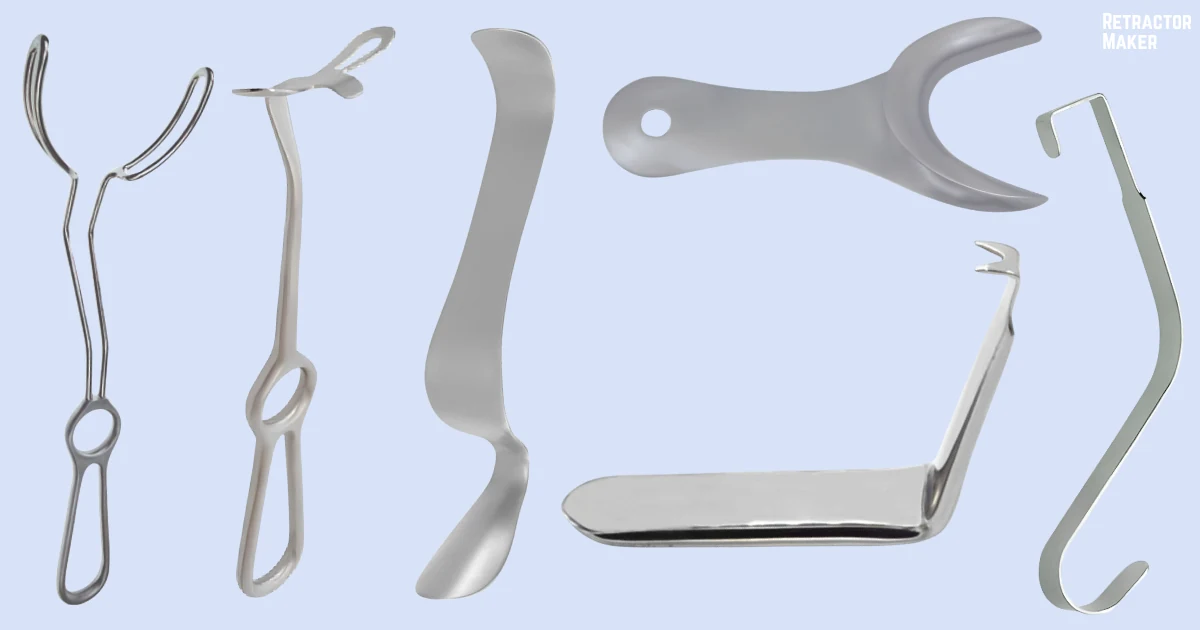
| Austin Tissue and Cheek Retractor | Handheld instrument with a shaped working end and finger-ring style handle | Controlled retraction of cheek or adjacent oral soft tissue |
| Bishop Lip and Cheek Retractor | Handheld pattern with a curved, smooth tissue-contacting blade | Lip and cheek displacement during oral procedures |
| Combination Wound and Cheek Retractor | Double-purpose handheld pattern with differently shaped ends | Soft-tissue or wound-edge retraction where its geometry suits the approach |
| Cronin Cheek Retractor | Broad handheld cheek blade with a contoured profile | Exposure of cheek and intraoral soft tissue |
| Hajek Cheek Retractor | Angled handheld pattern with a small terminal blade | Focused retraction in confined oral or facial approaches |
| Lip and Cheek Retractor | General-purpose curved or angled blade pattern | Manual displacement of lip and cheek tissue |
| Martin-Simplex Cheek and Lip Retractor | Slender handheld instrument with a shaped terminal retractor | Localized lip or cheek retraction during oral procedures |
Stainless Steel vs. Plastic Cheek Retractors
| Consideration | Stainless-steel retractors | Plastic or polymer retractors |
|---|---|---|
| General form | Often handheld surgical patterns with shaped blades or wire frames | Often broad, curved devices for circumoral or bilateral exposure |
| Reusability | Commonly reusable when identified as such by the manufacturer | May be reusable or single-use; material appearance does not establish this |
| Cleaning | Usually requires thorough cleaning before sterilization according to validated instructions | Follow the specific instructions; incompatible chemicals or heat may damage some polymers |
| Sterilization | Use only the validated method and cycle parameters specified for the instrument | Do not assume a plastic device is autoclavable; verify the manufacturer's instructions |
| Selection | Useful where a rigid, precisely controlled working end is appropriate | Useful where broad lip and cheek displacement and oral visibility are required |
Use packaging, labeling, and current manufacturer instructions to determine reprocessing suitability. Never rely on color, transparency, or material alone. The instructions for use establish whether a device is single-use, reusable, or sterilizable. They also specify process compatibility.
How to Sterilize Cheek Retractors
Cheek retractor sterilization is one step in a complete, validated reprocessing workflow. Obtain exact detergents, water quality, times, temperatures, packaging, and sterilizer cycles from the manufacturers' instructions. Both instrument and equipment instructions apply. Follow healthcare facility policies as well.
- Prevent soil from drying through protocol-based point-of-use handling. Safely contain the used instrument and transport it to the decontamination area.
- Disassemble if instructed. Use the approved manual or automated cleaning method, detergent, brushes, flushing steps, and water quality. Remove visible and residual soil from all surfaces, joints, recesses, and serrations.
- Rinse according to the validated process and dry completely. Pay particular attention to joints and retained moisture.
- Inspect cleanliness under suitable lighting. Check surface condition, alignment, smooth edges, joints, and function. Reclean as needed or remove damaged instruments from service as required.
- Arrange and package the device in a validated system that allows sterilant contact and protects it after processing.
- Use only a validated method with manufacturer-specified cycle parameters and institutional approval. Do not use a generic steam cycle. Confirm compatibility before use.
- Release the load according to facility controls. Store packaged instruments in appropriate conditions and protect package integrity until use.
A plastic cheek retractor may enter a steam sterilizer only if the manufacturer identifies it as reusable and provides validated steam-sterilization instructions. Do not reprocess single-use devices unless an authorized, validated system permits it and applicable requirements are met.
What Matters During Placement and Handling?
- Match size and profile to patient anatomy and the exposure needed.
- Keep the contact surface visible during insertion and removal whenever the approach allows.
- Use gradual, controlled retraction. Do not make maximum stretch a positioning goal.
- Monitor tissue at contact points and reassess position during longer procedures.
- Protect teeth, mucosa, nerves, ducts, and other nearby structures according to the procedure.
- Do not use damaged instruments with cracks, sharp damage, corrosion, distortion, loose joints, or compromised surfaces.
- Keep single-use products separate from reusable inventory. Follow the appropriate disposal or reprocessing pathway.
- Use manufacturer instructions and institutional protocols as the controlling sources for placement, cleaning, and sterilization.
Key Points for Selection, Use, and Reprocessing
Cheek retractors improve dental and surgical exposure by moving lip and cheek tissue out of the working field. Safe use requires suitable selection and placement under direct clinical control. Limit unnecessary tissue pressure, monitor contact areas, and remove carefully. Reusable devices require validated cleaning, inspection, packaging, sterilization, and storage. Handle plastic instruments according to their reusable or single-use designation.
Retractor Maker: Surgical Retractor Manufacturer
Retractor Maker manufactures and supplies surgical retractors from Sialkot, Pakistan. Clients include international hospitals, procurement teams, distributors, and medical instrument businesses. Explore our surgical retractor catalog. Request a quotation for product availability and discuss B2B supply requirements. Request a quotation.
Clinical notice: This guide is for surgical teams and hospital buyers. Always follow the manufacturer's instructions for use (IFU) and your hospital's sterilization rules before clinical use.
Frequently Asked Questions
What is a cheek retractor used for?
A cheek retractor moves lip or cheek tissue to improve access and visibility during examination or treatment. It clears tissue away from the teeth and oral cavity. It also clears tissue from incisions or operative fields.
How to insert a cheek retractor?
A cheek retractor is placed by a trained healthcare professional under direct vision. The professional selects the device, introduces its contact surface, and seats it against the intended tissue. Controlled retraction uses only enough force for exposure. Manufacturer instructions and protocols take priority.
What are the different types of cheek retractors?
Cheek retractors include Orringer, plastic circumoral, Austin, Bishop, Cronin, Hajek, general lip and cheek, Martin-Simplex, and combination wound and cheek patterns. Orringer, plastic circumoral, Austin, Bishop, Cronin, and combination wound and cheek patterns are common. Exact designs and uses vary by manufacturer.
What is an Orringer cheek retractor?
An Orringer cheek retractor is a wire-frame instrument that displaces lip and cheek tissue around the mouth. Before clinical use, users should confirm the Orringer cheek retractor’s intended use and check the instructions for placement.
How do plastic and stainless-steel cheek retractors differ?
Stainless-steel cheek retractors are often rigid, reusable surgical instruments, while plastic patterns often provide broad circumoral exposure. Confirm the reuse and sterilization status of the selected pattern. Check its labeling and manufacturer instructions rather than relying on material alone.
Can cheek retractors be reused?
Some cheek retractors are reusable, while others are single-use. Reuse is appropriate only when the manufacturer states that it is permitted and provides validated reprocessing instructions. Both manufacturer authorization for reuse and validated instructions are required.
Can plastic cheek retractors be autoclaved?
Plastic cheek retractors can be autoclaved only when the manufacturer confirms steam-sterilization compatibility and provides validated cycle parameters. Do not assume that all plastic retractors are autoclavable. Check both compatibility and the validated parameters in the manufacturer’s instructions.
How to sterilize cheek retractors?
Reusable cheek retractors must follow a validated reprocessing sequence for sterilization. Begin with point-of-use handling, followed by cleaning, rinsing, and drying. Inspection, packaging, and sterilization come next, with storage completing the sequence. Follow applicable institutional protocols as well.
Which cheek retractor is used in dental surgery?
Cheek retractors used in dental surgery may include plastic circumoral patterns or handheld metal patterns. Selection depends on the procedure, required exposure, patient anatomy, and intended use. Both types are suitable in dental settings when appropriate for these requirements.
How should a cheek retractor be selected?
Cheek retractor selection depends on the procedure, patient anatomy, working space, and required field of view. Consider material, size, reusability, reprocessing instructions, and instrument condition as well. Trained professionals must make both selection and use decisions.
Do cheek retractors hurt?
Cheek retractors can cause discomfort, and clinicians should stop and reassess if a patient reports it. The guide recommends using only enough force to maintain visibility and monitoring tissue contact points. If tissue appears overly compressed, reassess the device’s size, position, and tension.
What damage makes a cheek retractor unsafe to use?
Cheek retractors should not be used if they have cracks, sharp damage, corrosion, distortion, loose joints, or compromised surfaces. Before use, clinicians should inspect for rough edges and other damage. Reprocessing checks should assess cleanliness, surface condition, alignment, joints, and function.
About the author
Saad Shahid · Sales & Marketing Manager
Saad Shahid is the Sales & Marketing Manager and founder of Retractor Maker, started in 2023 in Sialkot, Pakistan. He also works with his father at Hospitech Traders, the family surgical instrument business founded in 1989.
Related Blogs & Guide
Related Retractors
Gifford-Jansen Retractor
From $84.00
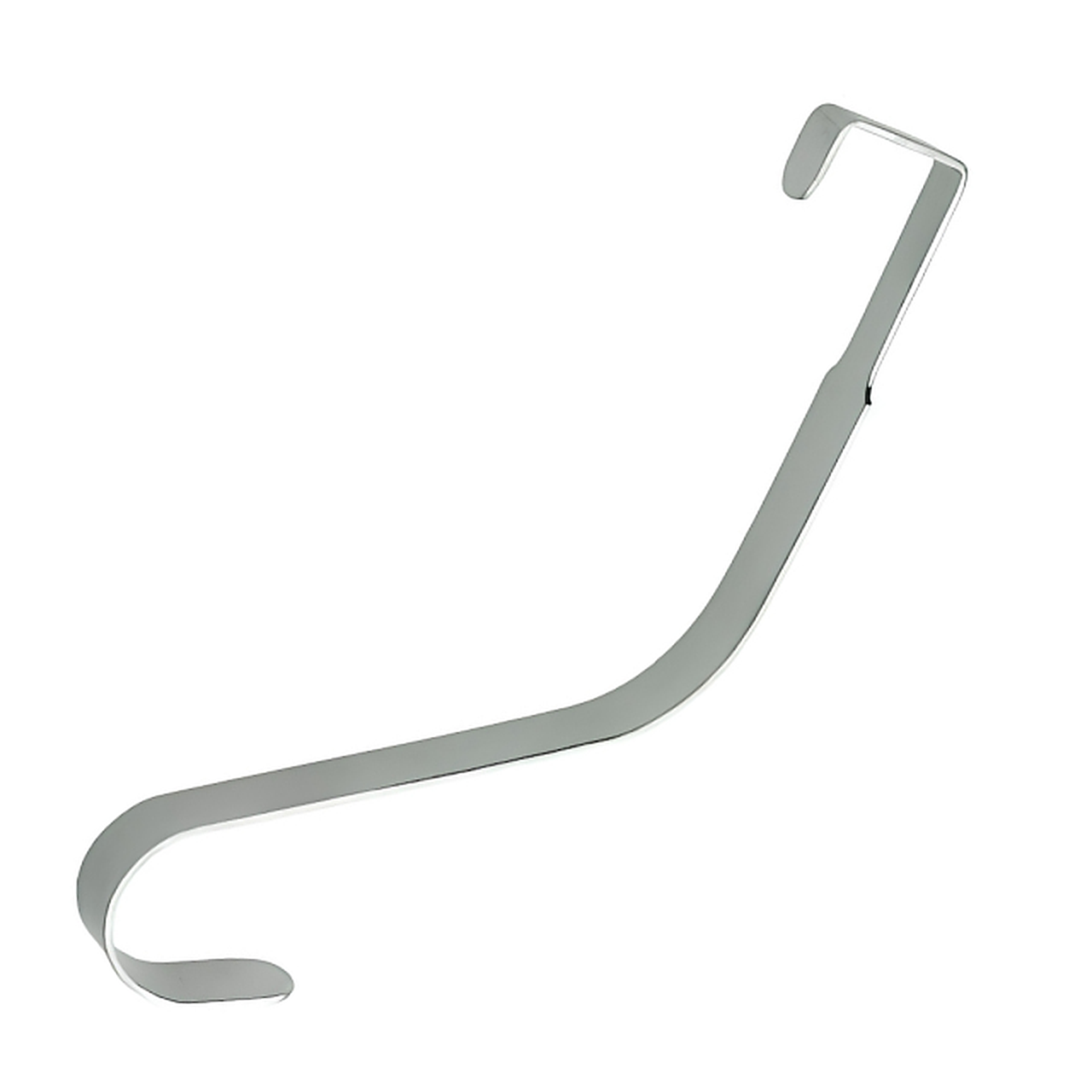
Hajek Cheek Retractor
$24.00
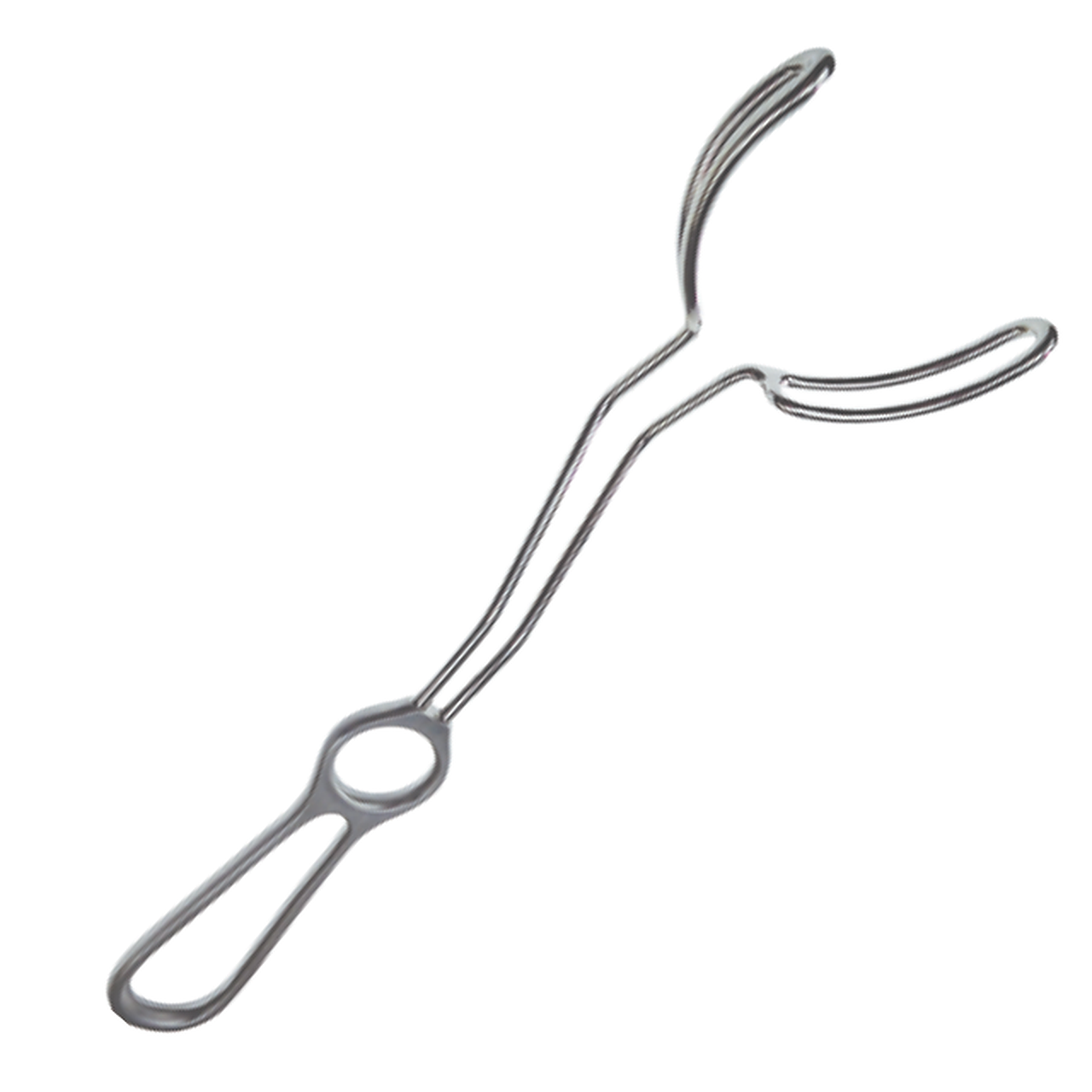
Lip And Cheek Retractor
$49.00
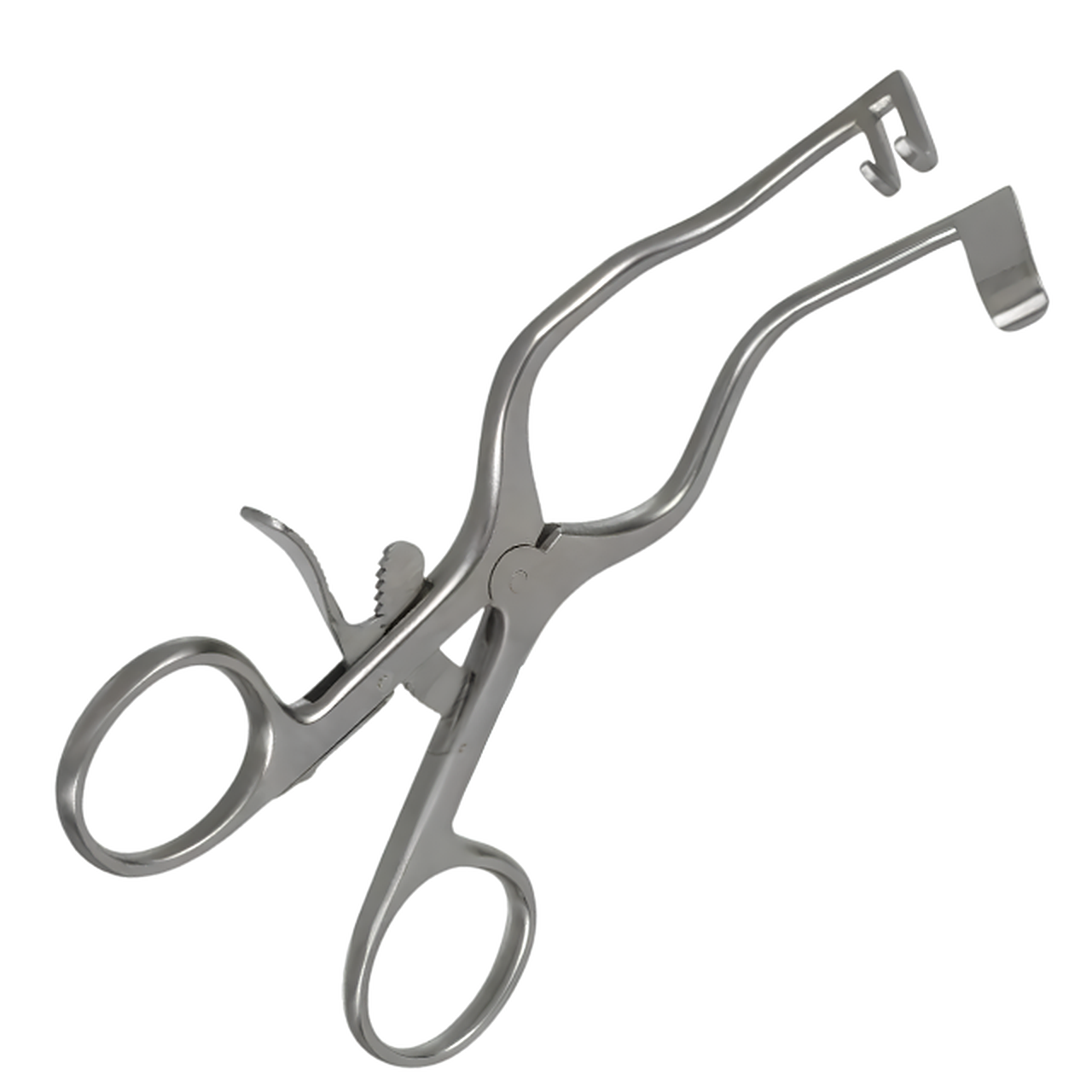
Bellucci Endaural Retractors
From $174
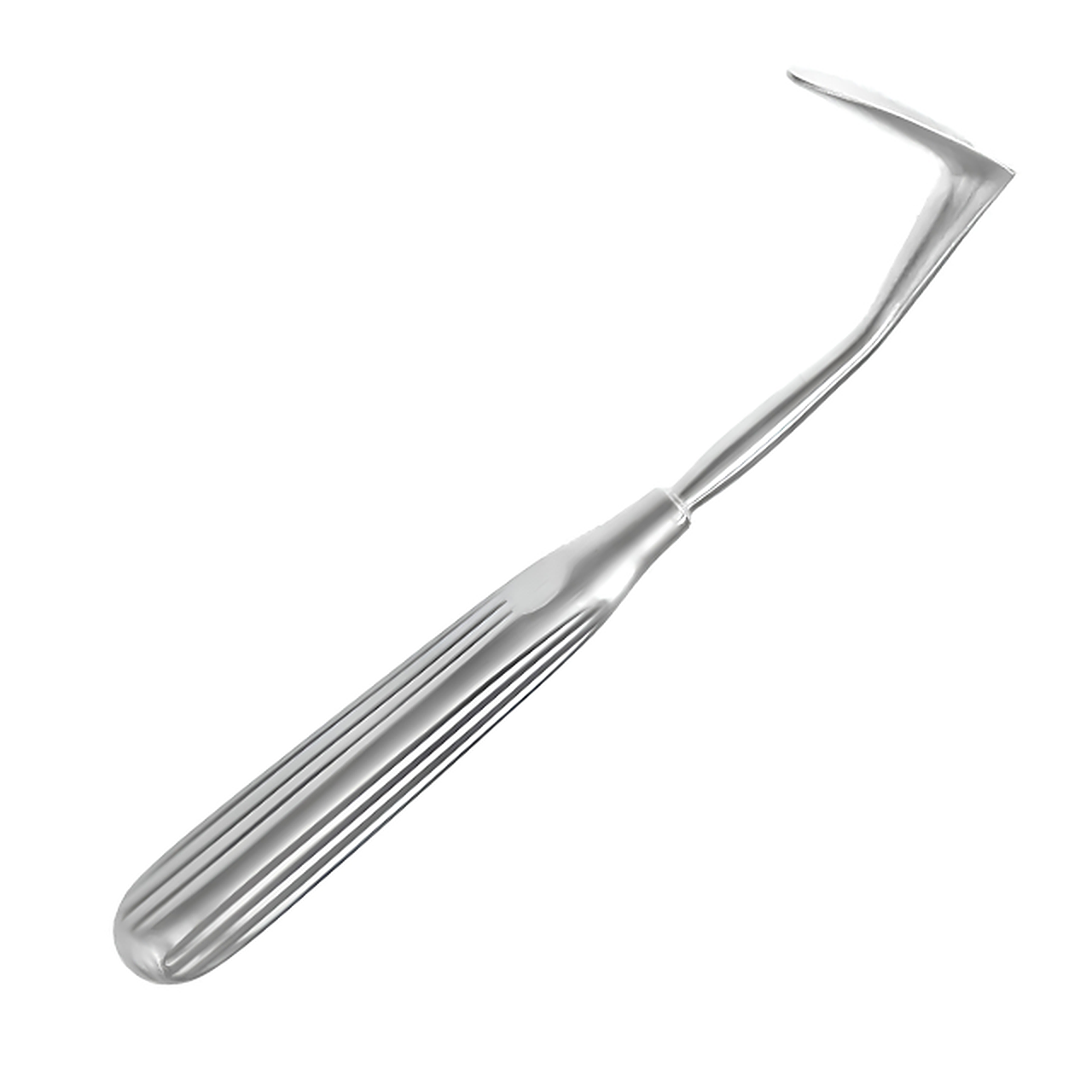
Aufricht Nasal Retractor
From $59.00
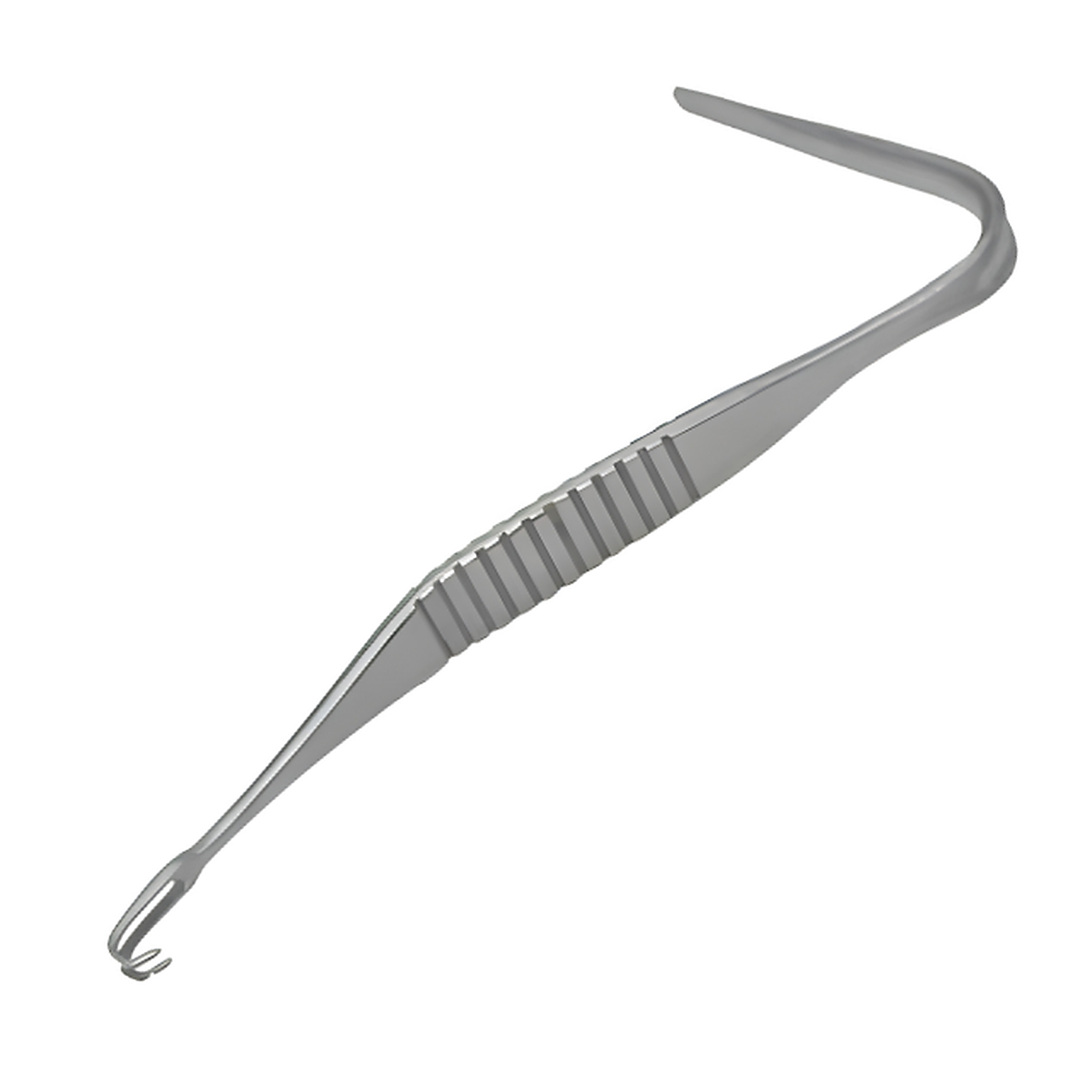
Aufricht Walter Nasal Retractor
$69.00
Need Surgical Retractors or Components?
Tell us what you need, including the product, configuration, quantity and destination country. Retractor Maker can provide availability, specifications and pricing.
Request a Quote