
Cardiovascular Retractors
Cooley Retractor: Uses, Types, Sizes & Buying Guide
Author: Saad Shahid · Updated · 7 min read
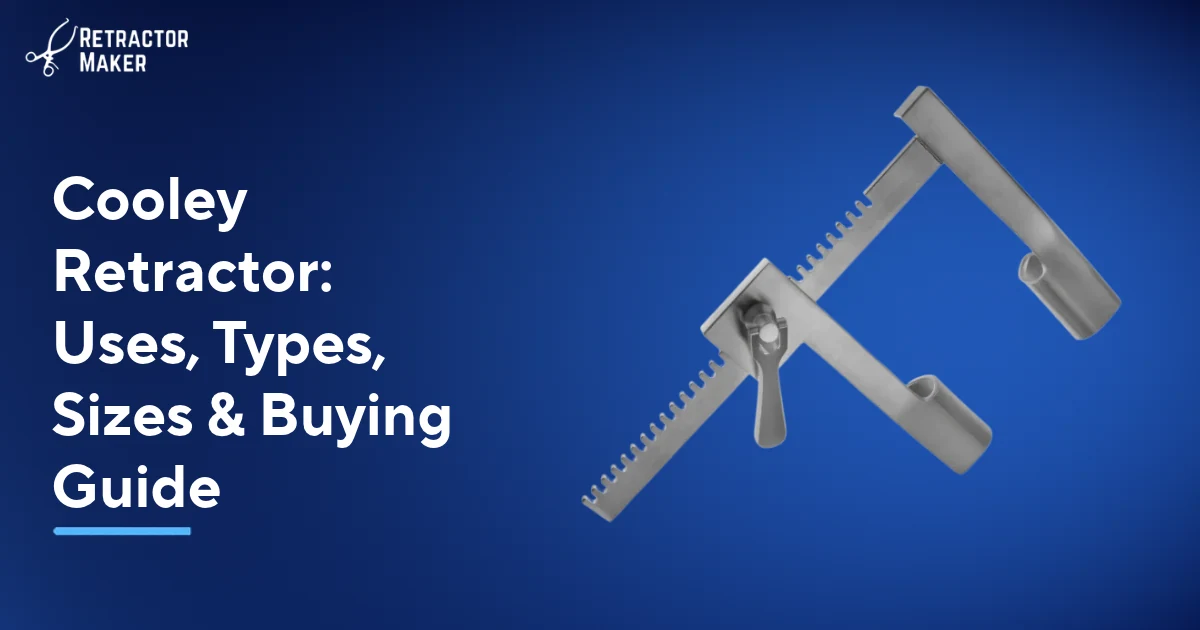
Compare Cooley retractor types, surgical uses, available sizes, and sterilization considerations for cardiac and thoracic instrument purchasing needs.
Retractors discussed in this guide: Cooley Atrial Retractor, Cooley Rib Spreader, Cooley Sternal Retractor, Cooley Sternotomy Retractor. Browse all surgical retractors.
A Cooley retractor is a surgical instrument used to retract atrial tissue, separate the sternum, or spread adjacent ribs, depending on the model. The name therefore describes instruments with different anatomical targets rather than a single interchangeable design. For surgeons, OR staff, and hospital buyers, the practical starting point is to identify the required exposure: inside the heart, across a divided sternum, or between adjacent ribs.
What is a Cooley retractor?
Cooley retractors include both handheld tissue retractors and mechanical chest spreaders. The Cooley Atrial Retractor is manually held to retract the atrial wall and expose the left atrium and mitral valve. The Cooley Sternal Retractor and Cooley Sternotomy Retractor are self-retaining instruments for sternal separation. The Cooley Rib Spreader maintains an open corridor between adjacent ribs.
These distinctions matter when preparing a surgical tray or requesting a quotation. An order labeled only “Cooley retractor” does not identify the intended instrument. Specify the full product name, anatomical application, and required profile so the clinical team and procurement team are discussing the same configuration.
What is a Cooley retractor used for?
Cooley retractors provide exposure during cardiac, thoracic, and mediastinal procedures, with each model serving a defined role. Atrial retraction supports visualization during cardiac valve procedures, while chest-spreading designs provide access through the chest wall. The instrument should be selected for the operative approach rather than the specialty name alone.
- Cardiac valve procedures: the Cooley Atrial Retractor retracts the atrial wall to expose the left atrium and mitral valve during open heart surgery.
- Open cardiothoracic and mediastinal procedures: the Cooley Sternal Retractor separates and retracts the sternum.
- Neonatal and pediatric cardiac surgery: the Cooley Sternotomy Retractor provides sternal separation and exposure using a compact configuration.
- Cardiothoracic chest access: the Cooley Rib Spreader separates adjacent ribs and maintains an open chest corridor.
Atrial exposure and chest access are distinct tasks. A chest spreader does not replace a handheld atrial retractor, and an atrial blade is not intended to separate bone. Matching the instrument to the tissue being retracted is essential to an appropriate instrument plan.
How do the design and parts differ?
The main design difference is manual tissue leverage versus mechanical spreading. The atrial model has a curved paddle blade, slender shaft, and ergonomic flat handle. Its single-end configuration allows manual positioning, while the curved distal blade is contoured to support atrial tissue. Blade contour does not remove the need for careful handling and observation.
The sternal model uses a rack-and-pinion drive, a positive-locking crank key, and curved blades with protective lips that seat against divided sternal margins. The compact sternotomy model uses a micro-pitch gear rack with a fine-threaded mechanical thumbscrew / key and contoured, polished blade edges. These mechanical designs maintain separation without continuous handheld leverage.
The rib spreader combines a parallel slide-rail configuration, curved fenestrated blades, and a rack-and-pinion drive. Its manual rotary screw and ratchet gear lock are engineered to prevent accidental closure. All listed models use Premium Grade AISI 304/316 Stainless Steel (Non-Magnetic). Material designation alone should not be treated as evidence of suitability for an unlisted clinical environment.
Which Cooley retractor types and sizes are available?
Retractor Maker lists atrial, sternal, sternotomy, and rib-spreading models. Compare the design and intended exposure before comparing profile names. Labels such as Child, Pediatric, and Extra Large belong to specific product ranges and do not establish dimensional equivalence between instruments.
| Product name | Design | Typical use | Available sizes or profiles |
|---|---|---|---|
| Cooley Atrial Retractor | Handheld single-end retractor with curved paddle blade | Atrial wall retraction for left atrial and mitral valve exposure | 24 cm overall length; Small, Medium, Large blade widths |
| Cooley Sternal Retractor | Self-retaining chest spreader with rack-and-pinion drive | Sternal separation during open cardiothoracic and mediastinal procedures | Child, Adult, Extra Large |
| Cooley Sternotomy Retractor | Compact pediatric self-retaining chest spreader | Neonatal and pediatric cardiac exposure | Newborn Profile, Pediatric Profile |
| Cooley Rib Spreader | Parallel slide-rail thoracic retractor with integrated fenestrated blades | Separation of adjacent ribs for cardiothoracic access | Infant, Pediatric, Standard Adult, Large Adult |
Check dimensions rather than relying on profile names
For the sternal model, the listed spread × arm × blade width × blade depth dimensions are Child: 145.0 × 140.0 × 21.0 × 45.0 mm; Adult: 200.0 × 180.0 × 32.0 × 50.0 mm; and Extra Large: 178.0 × 152.0 × 102.0 × 29.0 mm. Extra Large therefore does not mean the greatest spread in this range.
For the sternotomy model, the same dimensional sequence is Newborn: 85.0 × 55.0 × 16.0 × 14.0 mm; and Pediatric: 115.0 × 80.0 × 30.0 × 15.0 mm. The Infant rib spreader lists 12×16 mm blades and a 95 mm maximum track spread. Numerical atrial blade widths and dimensions for the other rib-spreader profiles are not provided; request confirmation before ordering.
How should a Cooley retractor be positioned?
Positioning depends on the anatomy, surgical approach, and selected model, and should be performed by trained surgical personnel. General principles are to establish appropriate contact, avoid trapping unintended tissue, and use only the retraction needed for exposure. This overview does not replace surgical training or the manufacturer's instructions for use.
For atrial retraction, the operator controls the curved blade and manual leverage while observing the supported tissue. For sternal or rib separation, the team checks blade seating and surrounding structures before increasing separation gradually. Self-retention does not eliminate monitoring: reassess contact, tissue loading, and instrument stability as the operative field changes.
How are Cooley retractors cleaned and sterilized?
All listed Cooley retractors are supplied non-sterile and are fully autoclavable. Individual protective packaging protects the instrument but does not make it ready for sterile use. Arrange appropriate processing before first use and reprocessing after use according to the manufacturer's instructions and the facility's validated procedures.
- Follow facility procedures for safe handling and transport of contaminated instruments.
- Clean before sterilization, paying attention to blade surfaces, fenestrations, gear racks, and moving interfaces where present.
- Inspect for residual soil, damage, corrosion, and impaired mechanical function before releasing an instrument for use.
- Use the manufacturer's validated instructions for preparation, packaging, autoclave processing, drying, and storage.
The supplied product information does not specify sterilization cycle parameters, cleaning chemistry, disassembly steps, or lubrication requirements. Request the model-specific reprocessing instructions rather than assuming that a generic cycle or maintenance method is suitable.
How do you choose and buy from Retractor Maker?
Choose by anatomical target, required dimensions, and handling configuration, then confirm the purchasing details. Surgeons should define the exposure requirement, OR staff should check tray and processing needs, and buyers should record the exact product and profile. This helps prevent substitution between similarly named instruments.
Retractor Maker is a surgical retractor manufacturer and exporter in Sialkot, Pakistan, offering wholesale supply, OEM services, and worldwide shipping. The listed minimum order is 1 Piece for the atrial, sternal, and sternotomy models, and 1 Set for the rib spreader. Each is listed as brand new with individual protective packaging.
For a quotation, provide the product name, profile, quantity, destination, and any OEM requirements. Ask for confirmation of dimensions, current pricing, lead time, shipping arrangements, and available documentation. Obtain the instructions for use and reprocessing before clinical introduction so purchasing decisions account for both surgical requirements and sterile-processing workflows.
Clinical notice: This guide is for surgical teams and hospital buyers. Always follow the manufacturer's instructions for use (IFU) and your hospital's sterilization rules before clinical use.
Frequently Asked Questions
What is a Cooley retractor used for?
A Cooley retractor is used for atrial retraction, sternal separation, or rib spreading, depending on the model. The atrial version exposes the left atrium and mitral valve during open heart surgery. Sternal and sternotomy versions separate the sternum, while the rib spreader maintains access between adjacent ribs during cardiothoracic surgery.
Is a Cooley retractor self-retaining?
Some Cooley retractors are self-retaining, but the Cooley Atrial Retractor is handheld. The sternal and sternotomy models are self-retaining mechanical chest spreaders with rack-and-pinion drives. The rib spreader incorporates a rotary screw and ratchet gear lock. Confirm the full product name when specifying whether manual retraction or maintained mechanical separation is required.
What is the difference between Cooley sternal and sternotomy retractors?
The listed Cooley Sternal Retractor serves open cardiothoracic and mediastinal procedures, while the Cooley Sternotomy Retractor is specifically designed for neonatal and pediatric cardiac surgery. The sternal range offers Child, Adult, and Extra Large profiles. The compact sternotomy range offers Newborn and Pediatric profiles with a micro-pitch gear rack.
What sizes does the Cooley Atrial Retractor come in?
The Cooley Atrial Retractor has a listed overall length of 24 cm and Small, Medium, or Large selectable blade widths. The supplied specifications do not give numerical measurements for those widths. Buyers should request the blade dimensions for the chosen option rather than treating the size label as a standardized measurement.
Are Cooley retractors supplied sterile?
The listed Cooley retractors are supplied non-sterile and are fully autoclavable. Their individual protective packaging is not a sterile-use claim. Before clinical use, follow the manufacturer's instructions and the facility's validated processing procedures. The product information does not supply autoclave cycle parameters, so obtain the applicable reprocessing instructions.
Where can hospitals buy Cooley retractors wholesale?
Hospitals can request wholesale Cooley retractor quotations from Retractor Maker in Sialkot, Pakistan. The manufacturer and exporter offers OEM services and worldwide shipping. Specify the exact model, profile, quantity, and destination, and confirm dimensions and processing documentation. The listed minimum order is 1 Piece for the atrial, sternal, and sternotomy models or 1 Set for the rib spreader.
About the author
Saad Shahid · Sales & Marketing Manager
Saad Shahid is the Sales & Marketing Manager and founder of Retractor Maker, started in 2023 in Sialkot, Pakistan. He also works with his father at Hospitech Traders, the family surgical instrument business founded in 1989.
Related Blogs & Guide

Related Retractors
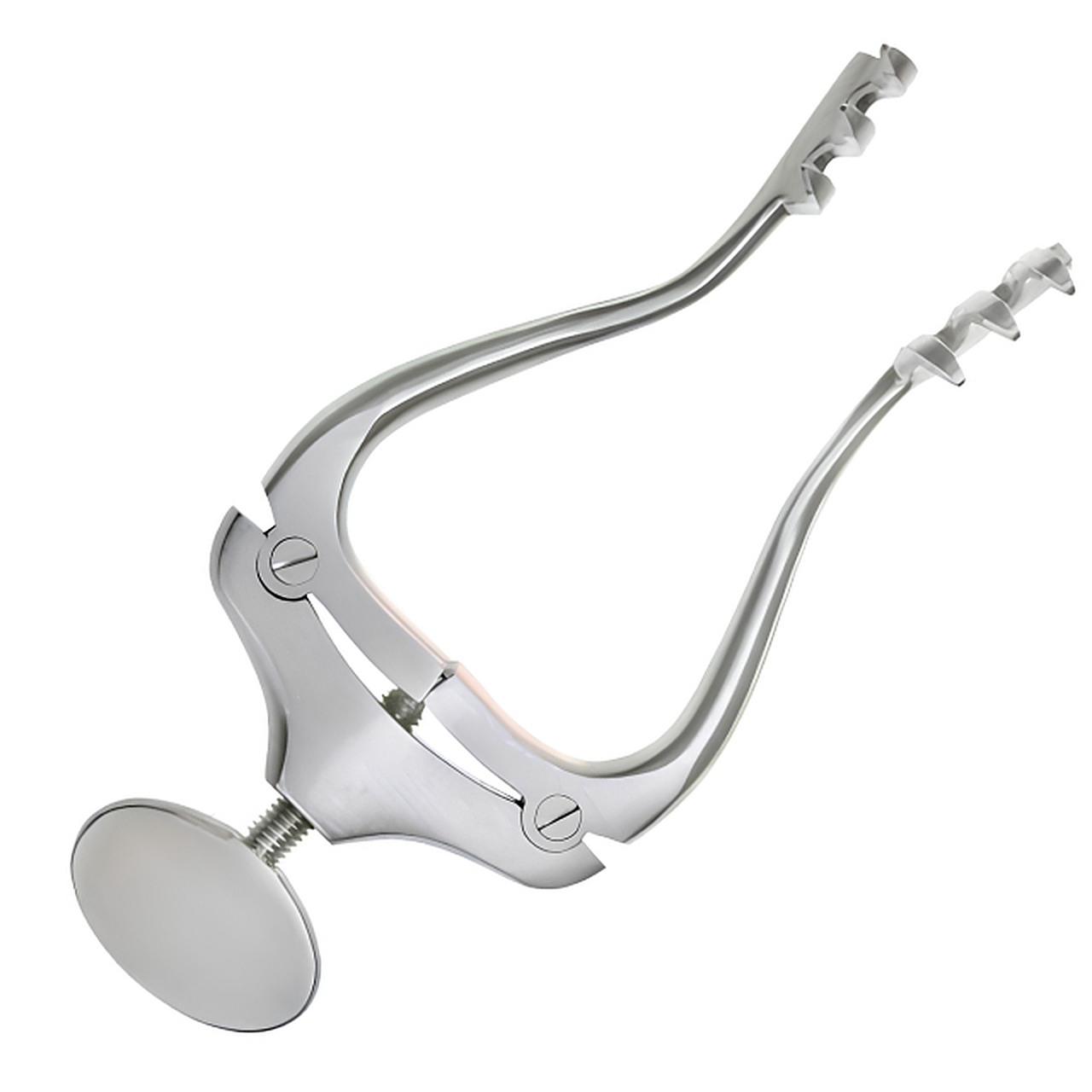
Gifford-Jansen Retractor
From $84.00
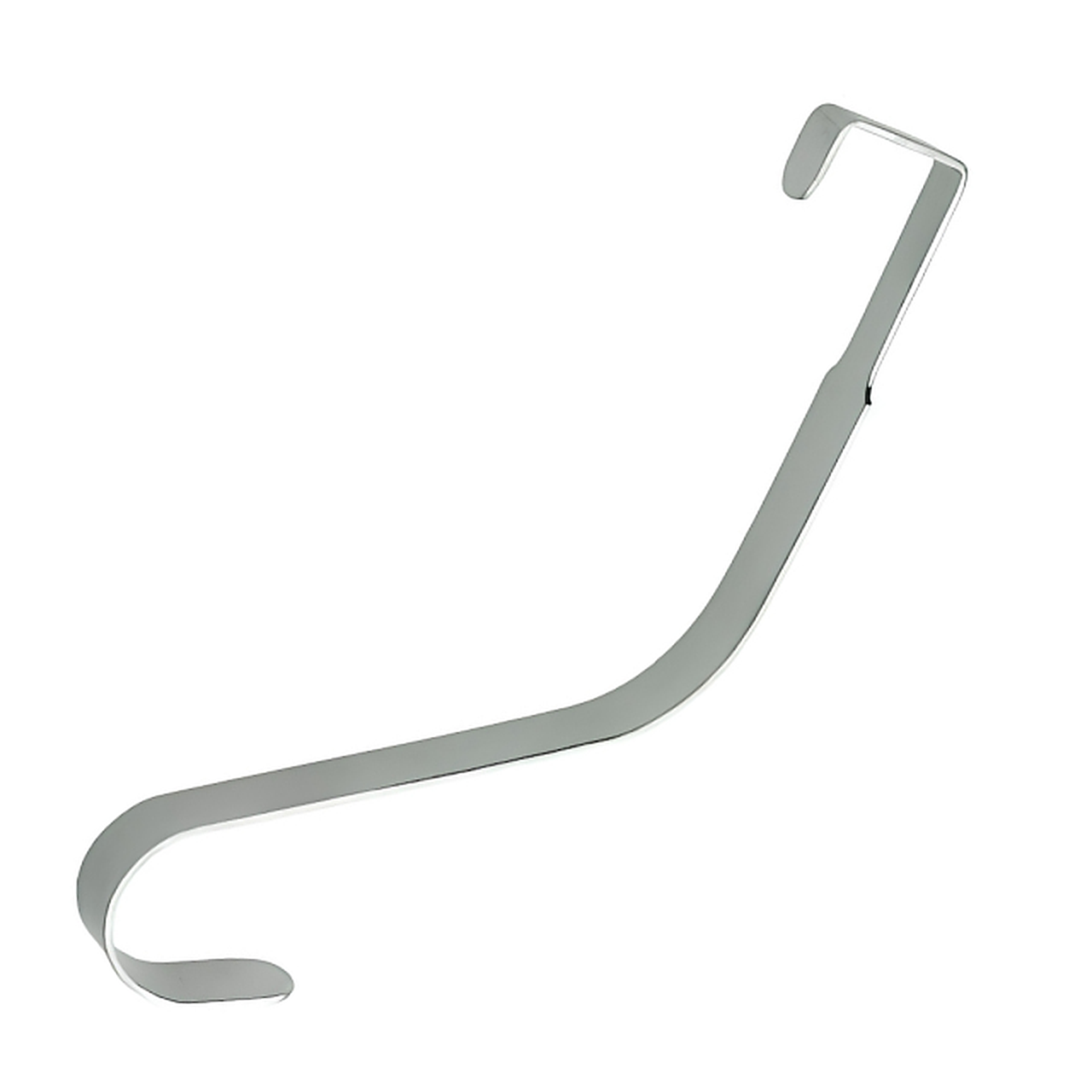
Hajek Cheek Retractor
$24.00
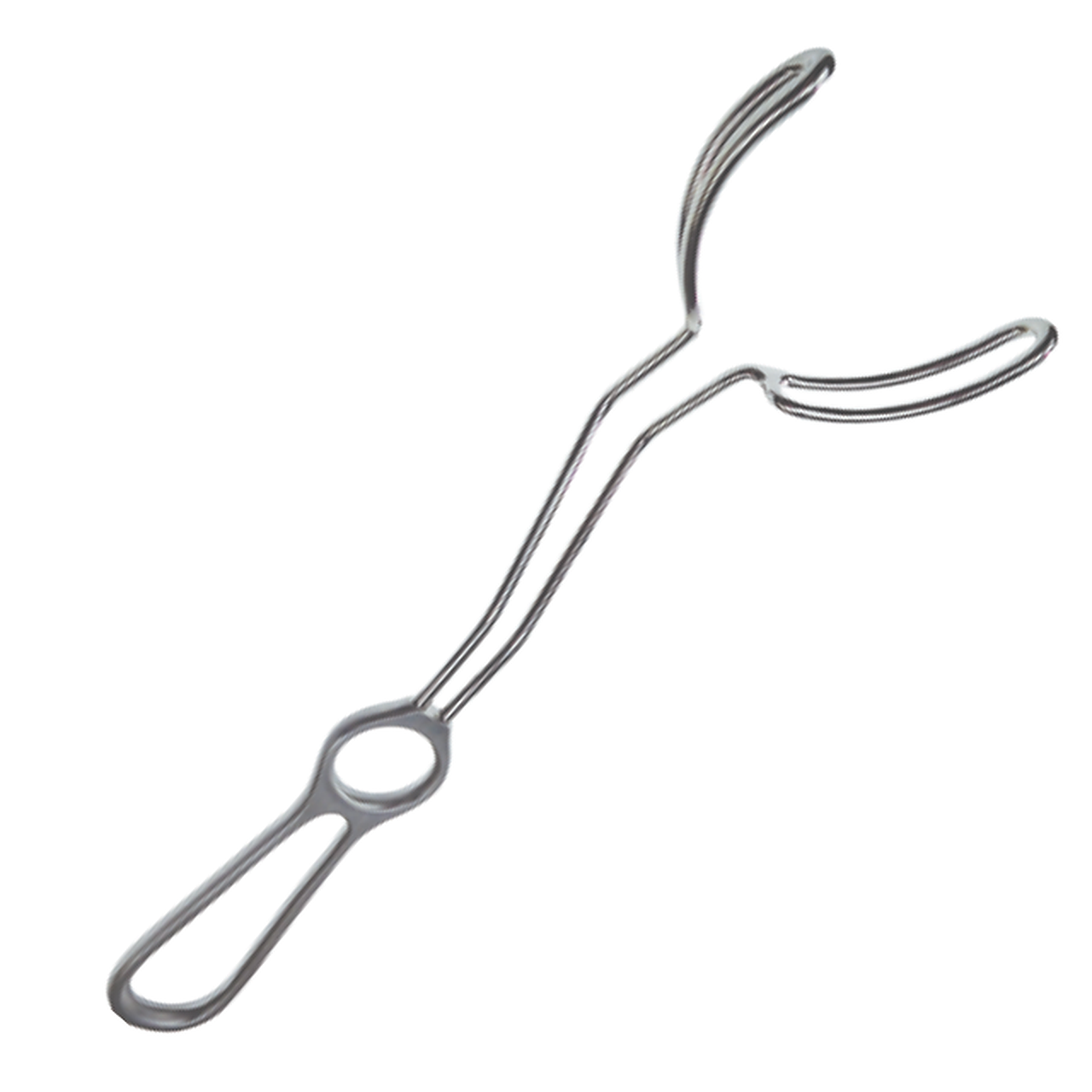
Lip And Cheek Retractor
$49.00
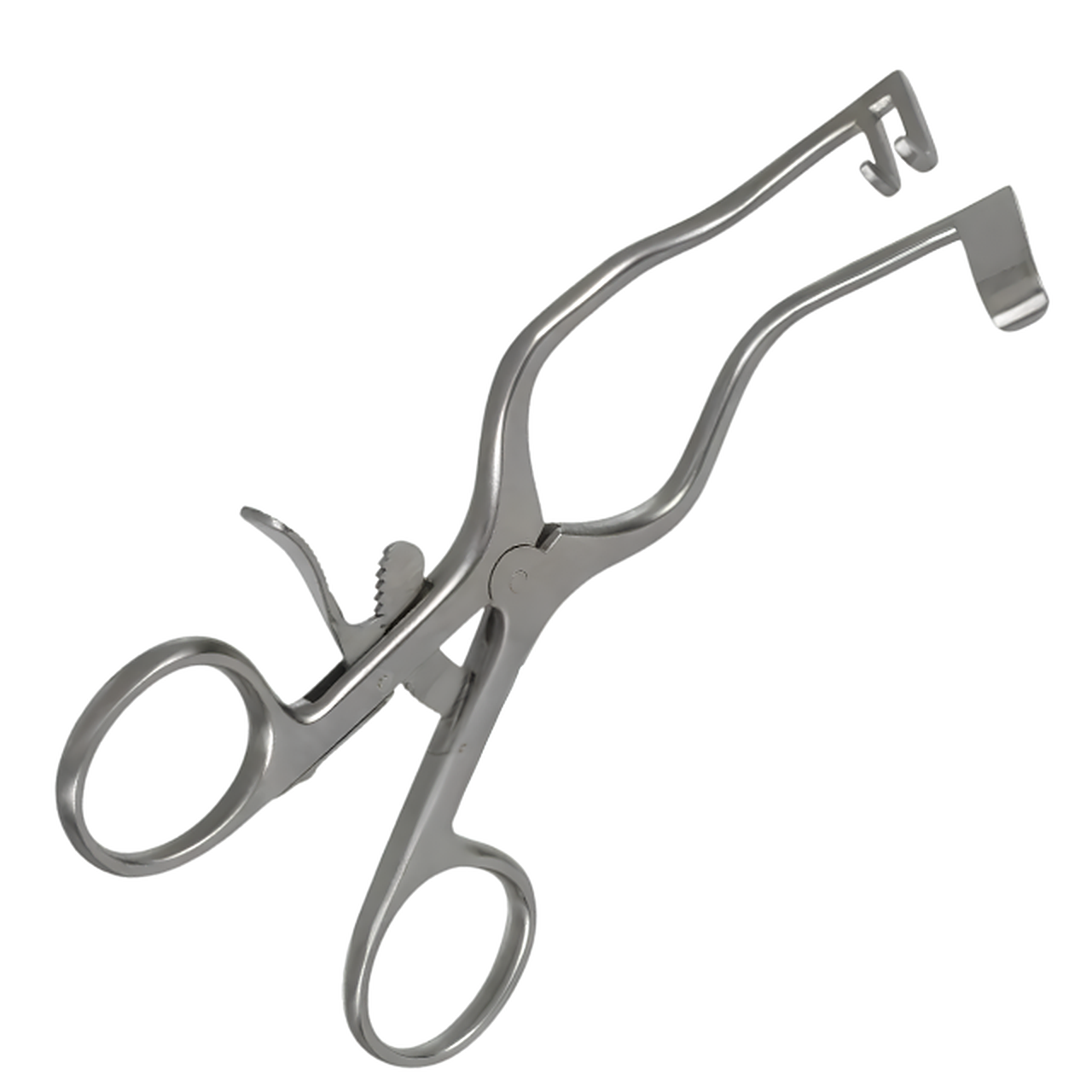
Bellucci Endaural Retractors
From $174
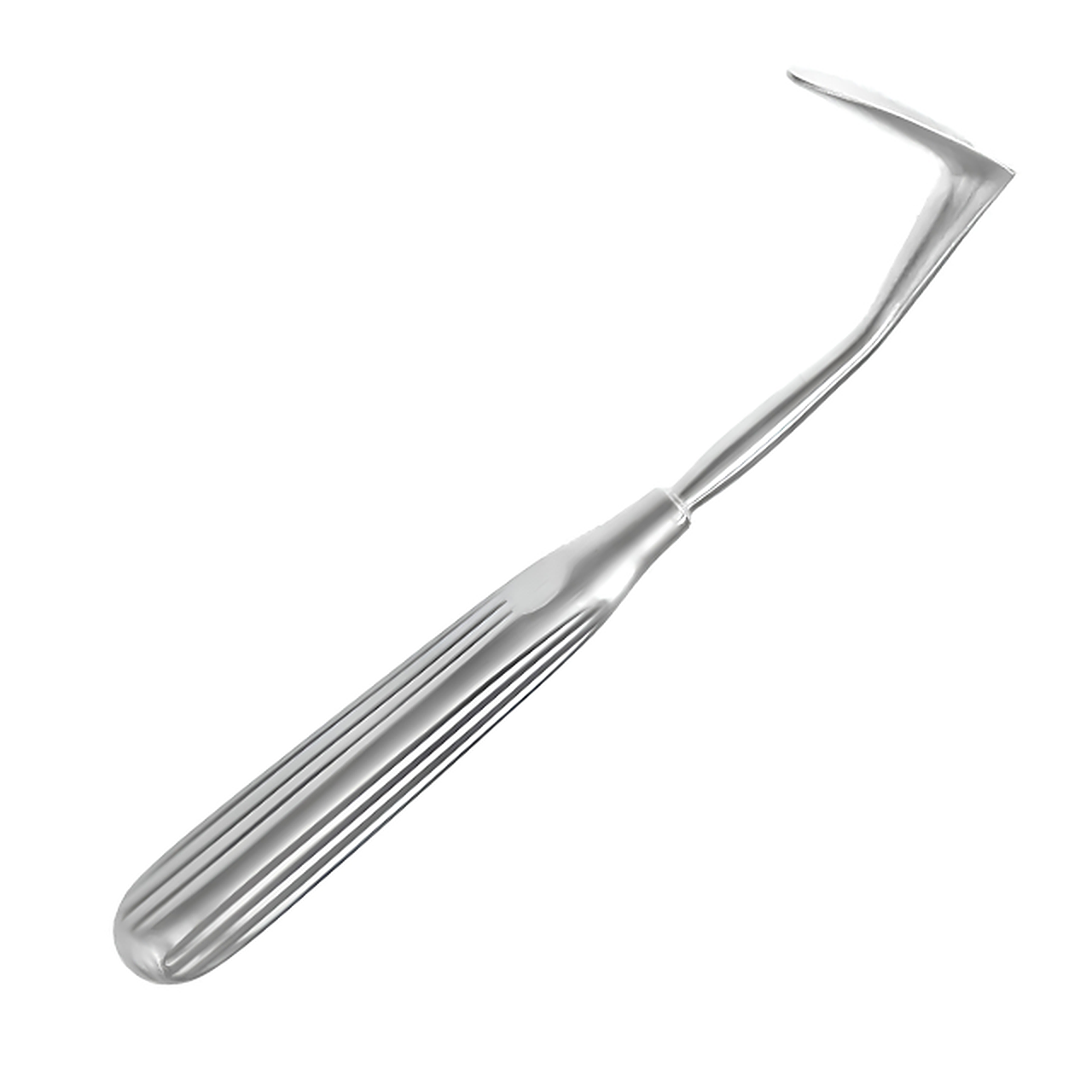
Aufricht Nasal Retractor
From $59.00
Aufricht Walter Nasal Retractor
$69.00
Need Surgical Retractors or Components?
Tell us what you need, including the product, configuration, quantity and destination country. Retractor Maker can provide availability, specifications and pricing.
Request a Quote