
Surgical Retractor Guides
Gelpi vs. Weitlaner Retractor: Differences, Prong Styles & Surgical Uses
Author: Saad Shahid · Updated · 7 min read
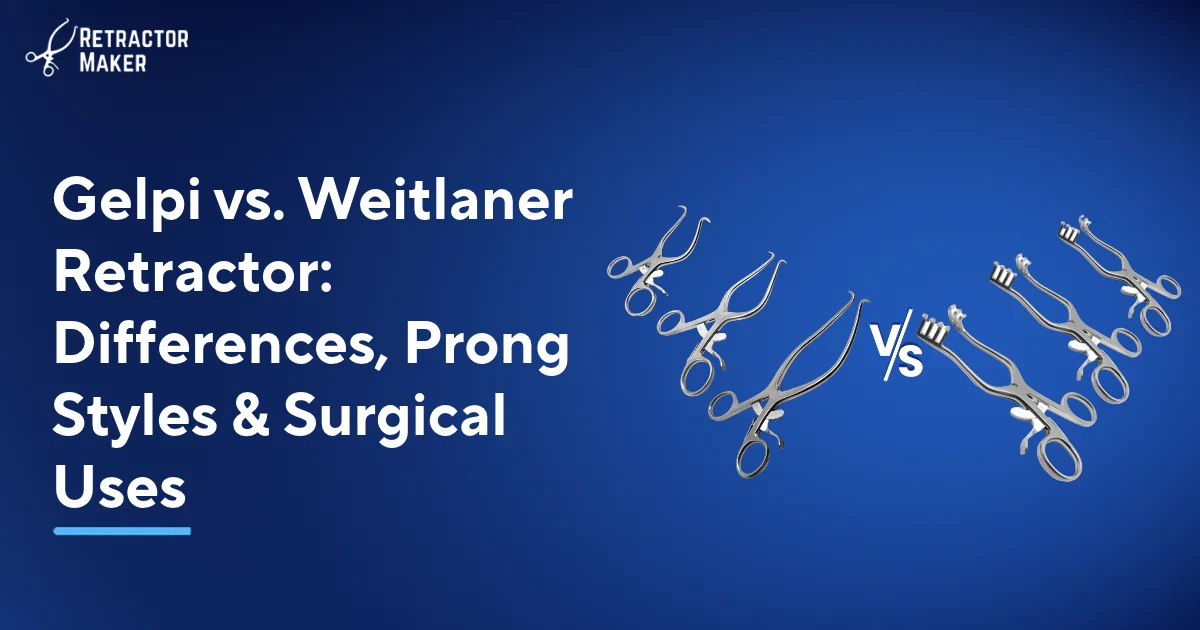
In minor surgical procedures, orthopedic interventions, and spinal approaches, maintaining hands-free operative exposure is critical to operating room efficiency. Surgical teams routinely rely on scissor-style, self-retaining retractors to preserve working corridors without requiring continuous manual holding by assistants.
Retractors discussed in this guide: Deep Gelpi Retractor, Deep Gelpi Self Retaining Retractor, Weitlaner Retractor, B-Z Weitlaner Retractor. Browse all surgical retractors.
Contents
The Weitlaner retractor is a self-retaining surgical instrument, and the Gelpi retractor is another widely used self-retaining design. Both have scissor-action handles and ratchet locking mechanisms. Their working tips, force distribution patterns, and clinical indications differ significantly.
Blade configuration is the main difference between a Gelpi and a Weitlaner retractor. The Gelpi has single, outward-curving pointed tips for deep, focused retraction. The Weitlaner has multi-pronged rake blades, typically with 2×3 or 3×4 prongs, to distribute counter-traction evenly across a broader line of soft tissue.
What Is a Gelpi Retractor?
A Gelpi retractor is a self-retaining, scissor-action surgical instrument for localized, deep wound retraction.
Key design features include:
- Single-point opposing tips: Single sharp or blunt tips curve outward at approximate right angles at the distal working ends.
- Focal force vector: When expanded, the two opposing points penetrate or seat beneath fascial layers, concentrating traction across a single line.
- Low horizontal profile: Narrow blades occupy minimal space within the wound corridor.
What Is a Weitlaner Retractor?
A Weitlaner retractor is a self-retaining, scissor-action instrument that holds wound margins open along an extended linear incision.
Key design features include:
- Multi-pronged rake blades: Multiple downward-curved prongs at the distal ends typically interlock in 2×3 or 3×4 configurations.
- Broad force distribution: Multiple contact points distribute traction, preventing tissue from bulging around the blade sides.
- Sharp and blunt options: Sharp tips suit tough fibrous fascia; rounded blunt tips suit soft, vascular tissue.
How Do Gelpi and Weitlaner Designs Differ?
The Gelpi retractor provides single-point focus. Each handle and ratchet connects through the pivot to a single curved tip for point retraction.
The Weitlaner retractor provides broad traction through multiple prongs. Each handle and ratchet connects through the pivot to a multi-pronged rake in a 2x3 or 3x4 array.
1. How Do Blade and Tip Geometry Differ?
The Gelpi’s single-point tips suit deep, confined approaches. They anchor securely in deep intermuscular or periosteal pockets. The Weitlaner’s multi-pronged rake creates a wide, rectangular field of view along linear incisions.
2. How Does Tissue Pressure Differ?
The Gelpi concentrates force at two discrete points, while the Weitlaner distributes counter-traction across four to seven prongs. Excessive Gelpi spreading with improper placement can cause focal pressure necrosis or fascial tearing. The Weitlaner’s distributed force reduces focal point-stress.
3. Which Design Suits the Working Depth?
Gelpi retractors often have deeper drop-shanks for spinal and deep joint approaches. Standard Weitlaner retractors have shallower rake profiles for superficial to intermediate subcutaneous and muscular layers.
Gelpi vs. Weitlaner Comparison Table
| Feature | Gelpi Retractor | Weitlaner Retractor |
|---|---|---|
| Basic Design | Scissor-action with single curved tip per arm | Scissor-action with multi-pronged rake per arm |
| Retaining Mechanism | Graduated ratchet and pawl bar | Graduated ratchet and pawl bar |
| Prong Configuration | 1×1 opposing sharp or blunt tips | 2×3 or 3×4 interlocking sharp or blunt prongs |
| Force Distribution | Concentrated, single-point traction vector | Broad distribution across multiple contact points |
| Tissue Incursion | High penetration depth; minimal lateral width | Moderate penetration depth; wide linear coverage |
| Common Specialties | Spine Surgery, Orthopedics, Vascular cutdowns | Orthopedic extremities, Plastic Surgery, General |
| Typical Procedures | Laminectomy, microdiscectomy, deep joint exposure | ORIF of forearm/fibula, mass excisions, herniorrhaphy |
| Risk Consideration | Point-load tissue stress or slippage under uneven load | Tissue bunching if prongs are too widely spaced |
Which Surgical Specialties Use These Designs?
Orthopedic Surgery
- Gelpi application: Deep exposure of joint capsules and hip arthrotomy borders, plus periosteal elevation near deep bone shafts.
- Weitlaner application: Linear exposure during open reduction and internal fixation (ORIF) of long bones (radius, ulna, tibia), requiring broad subcutaneous muscle retraction.
Spine and Neurosurgery
- Gelpi application: Unilateral or targeted bilateral exposure during microdiscectomies, localized laminectomies, and facet decompressions.
- Weitlaner application: Superficial muscle and fascial retraction during initial posterior cervical, thoracic, or lumbosacral approaches.
General and Vascular Surgery
- Gelpi application: Deep subcutaneous retraction during vascular cutdowns, such as femoral artery exposure, in narrow working spaces.
- Weitlaner application: Cuticular margin and subcutaneous tissue retraction during open hernia repairs or soft-tissue mass excisions.
How Do Surgical Teams Choose Between Gelpi and Weitlaner?
Clinicians and operating room teams choose between Gelpi and Weitlaner designs based on incision morphology, target depth, and tissue fragility.
- Incision morphology: Long linear incisions warrant a Weitlaner to prevent margins collapsing between retraction points. Small, deep puncture or localized incisions favor a Gelpi.
- Target depth: Gelpi’s slender shanks reach the bottom of a narrow muscular corridor without blocking visibility.
- Tissue fragility: Near delicate neurovascular structures, a blunt-pronged Weitlaner offers safer, distributed counter-traction than pointed Gelpi tips.
How Are These Instruments Cleaned and Reprocessed?
Both designs require standard central sterile processing, including cleaning, inspection, and sterilization.
- Cleaning: Unlock the ratchet bar and fully open the scissor frame before submerging in enzymatic detergents. Brush all ratchet serrations and hinge box-locks with soft nylon brushes.
- Inspection: Check ratchet teeth for rounding and confirm firm pawl engagement without slipping. Verify that Weitlaner prongs and Gelpi tips are symmetrical and unbent.
- Sterilization: Autoclave open and unlatched in approved containment cassettes, following the manufacturer’s validated IFU.
Sourcing and OEM Considerations for B2B Buyers
Hospital procurement teams and medical device distributors need a balanced inventory of Gelpi and Weitlaner retractors.
- Inventory balance: Most general and orthopedic surgical sets require both designs, typically blunt Weitlaner models for soft-tissue trays and sharp Gelpi models for deep bone trays.
- Manufacturing tolerances: Specify precision-cut, heat-treated ratchet teeth to resist premature wear under repeated surgical tension.
- Custom OEM options: Retractor Maker manufactures Gelpi and Weitlaner retractors in Sialkot, Pakistan. Options for international distributors include custom lengths, modified blade curves, variable prong arrays, and private-label laser marking.
Request Factory-Direct Sourcing from Retractor Maker
Retractor Maker is a specialized surgical retractor manufacturer in Sialkot, Pakistan. It supplies high-precision surgical instruments to hospitals, procurement teams, and healthcare distributors globally.
Request catalog specifications, volume pricing, or an OEM contract manufacturing discussion.
Clinical notice: This guide is for surgical teams and hospital buyers. Always follow the manufacturer's instructions for use (IFU) and your hospital's sterilization rules before clinical use.
Frequently Asked Questions
What is the primary difference between a Gelpi and a Weitlaner retractor?
A Gelpi retractor has single pointed tips for deep, localized retraction, while a Weitlaner retractor has multi-pronged rake blades for wider tissue traction. The key distinction is blade configuration: focused point retraction versus traction distributed across a broader tissue area.
Are Gelpi and Weitlaner retractors self-retaining?
Gelpi and Weitlaner retractors are both self-retaining, with graduated ratchet locking mechanisms that hold their blades open without manual assistance. Both designs use scissor-action handles. The locking mechanism maintains the open position rather than requiring staff to hold the blades apart manually.
Which retractor is better for spine surgery?
Neither Gelpi retractors nor Weitlaner retractors are universally better for spine surgery. Gelpi retractors are often preferred for deep, focal laminar exposure. Weitlaner retractors are typically used for superficial muscular exposure along the incision, so selection depends on the required exposure depth and area.
What does 2×3 vs. 3×4 mean on a Weitlaner retractor?
Prong counts on a Weitlaner retractor indicate the number of prongs on each opposing blade. A 2×3 model has two prongs on one arm and three on the other. A 3×4 model provides a wider working surface.
Can Gelpi and Weitlaner retractors have blunt tips?
Gelpi and Weitlaner retractors are manufactured with both sharp and blunt tips. Sharp configurations provide a non-slip grip on fibrous fascia. Blunt configurations provide non-traumatic retraction near delicate structures. Both tip configurations are available for both instruments.
Can Gelpi and Weitlaner retractors be sterilized in an autoclave?
Reusable Gelpi and Weitlaner retractors are fully autoclavable when processed according to manufacturer IFU protocols. Gelpi and Weitlaner retractors are manufactured from Premium Grade AISI 304/316 Stainless Steel (Non-Magnetic). Autoclave processing must follow those manufacturer IFU protocols.
What is a Weitlaner retractor used for?
A Weitlaner retractor holds wound margins open along an extended linear incision for broad soft-tissue retraction. Uses include linear exposure during open reduction and internal fixation of long bones, retraction during open hernia repairs or soft-tissue mass excisions, and superficial muscle and fascial retraction during initial posterior spinal approaches.
How should Gelpi and Weitlaner retractors be cleaned?
Gelpi and Weitlaner retractors should be cleaned with the ratchet unlocked and the scissor frame fully open before submersion in enzymatic detergents. The guide also specifies brushing all ratchet serrations and hinge box-locks with soft nylon brushes as part of standard central sterile processing.
What should be inspected on Gelpi and Weitlaner retractors?
Gelpi and Weitlaner retractors should be inspected for rounded ratchet teeth, firm pawl engagement without slipping, and symmetrical, unbent Weitlaner prongs or Gelpi tips. These checks cover the ratchet-and-pawl retaining mechanism and the working ends of both instruments. They are part of the guide’s standard central sterile processing requirements.
About the author
Saad Shahid · Sales & Marketing Manager
Saad Shahid is the Sales & Marketing Manager and founder of Retractor Maker, started in 2023 in Sialkot, Pakistan. He also works with his father at Hospitech Traders, the family surgical instrument business founded in 1989.
Related Blogs & Guide



Related Retractors
Capsule Retractors
From $64.00
Lateral Soft Tissue Retractors
From $84.00
Adjustable Mayfield Adaptor
$1,199Free Shipping
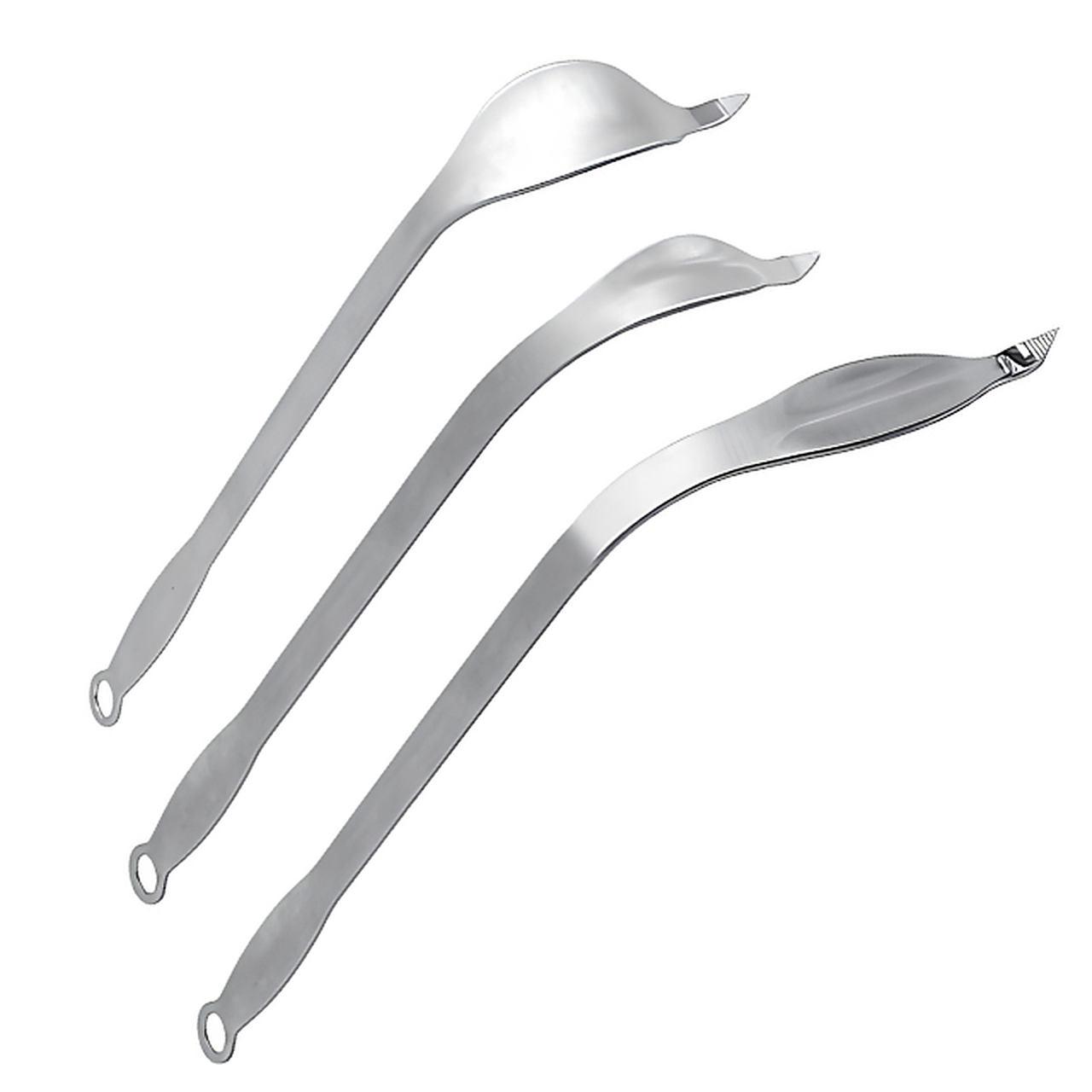
Cobra Retractor
From $79.00
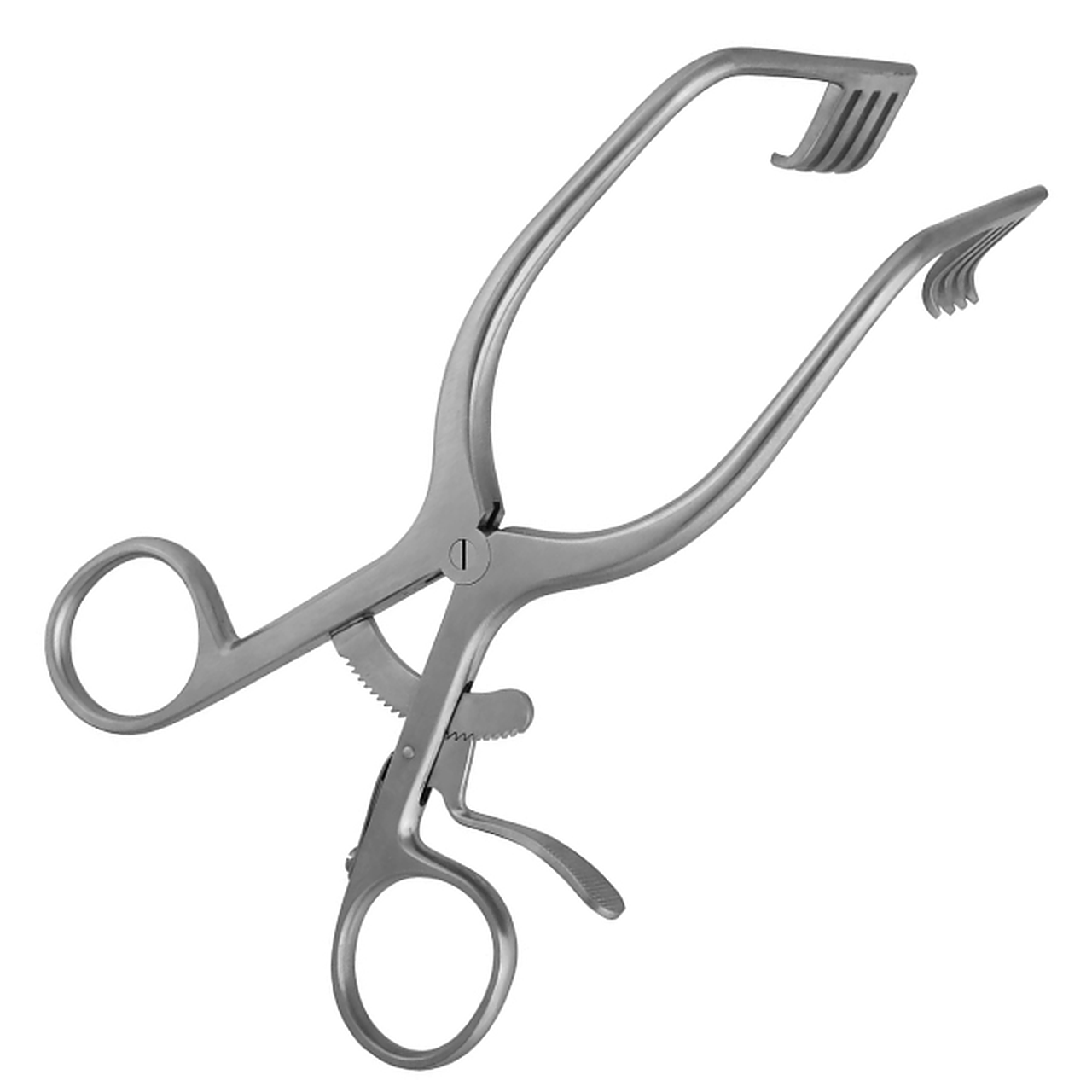
Adson Self-Retaining Cerebellar Retractor
From $189
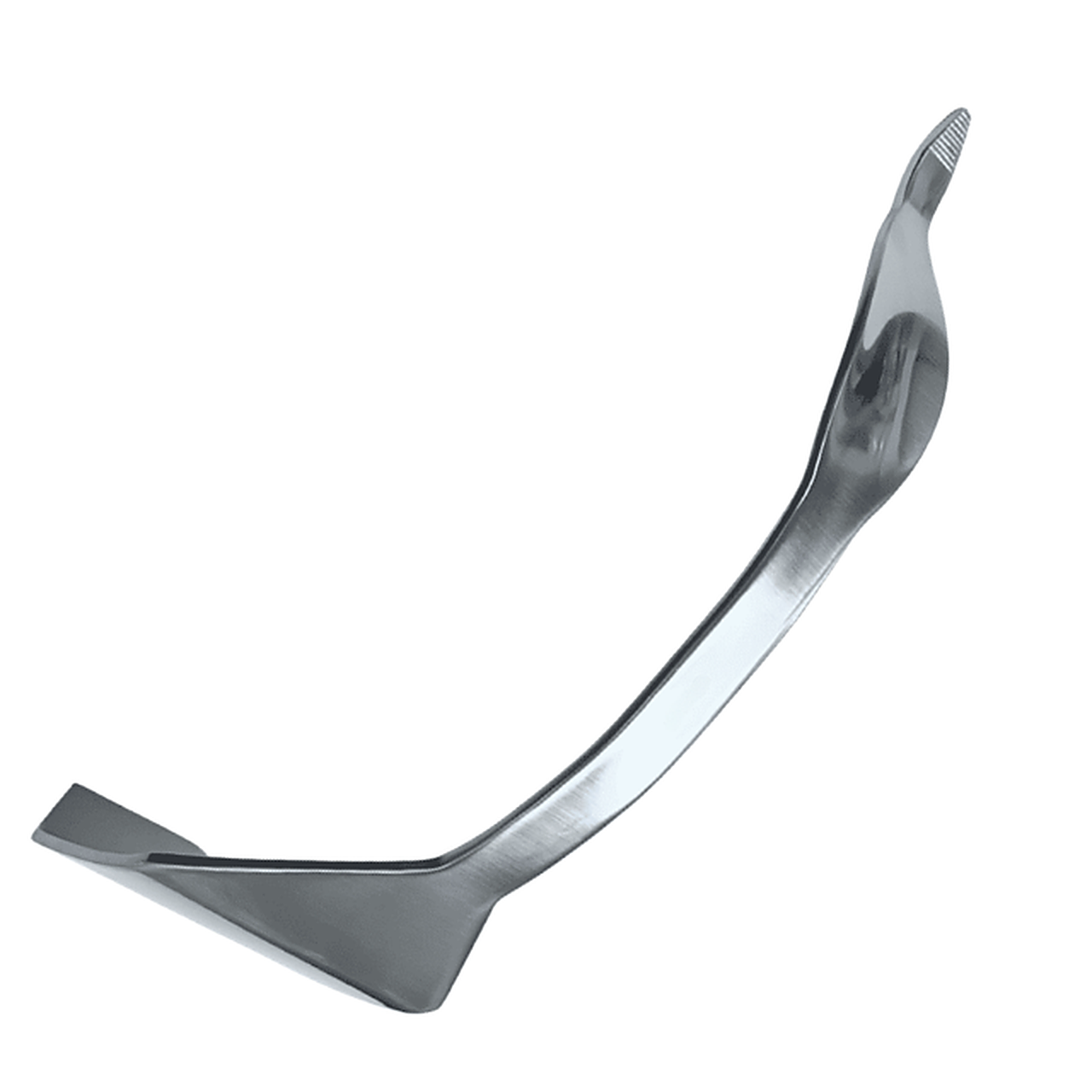
Cobra Retractor with Hand Rest
$169
Need Surgical Retractors or Components?
Tell us what you need, including the product, configuration, quantity and destination country. Retractor Maker can provide availability, specifications and pricing.
Request a Quote