
Surgical Retractor Guides
Why Is It Called a Minnesota Retractor? Uses, Design, and Applications
Author: Saad Shahid · Updated · 8 min read
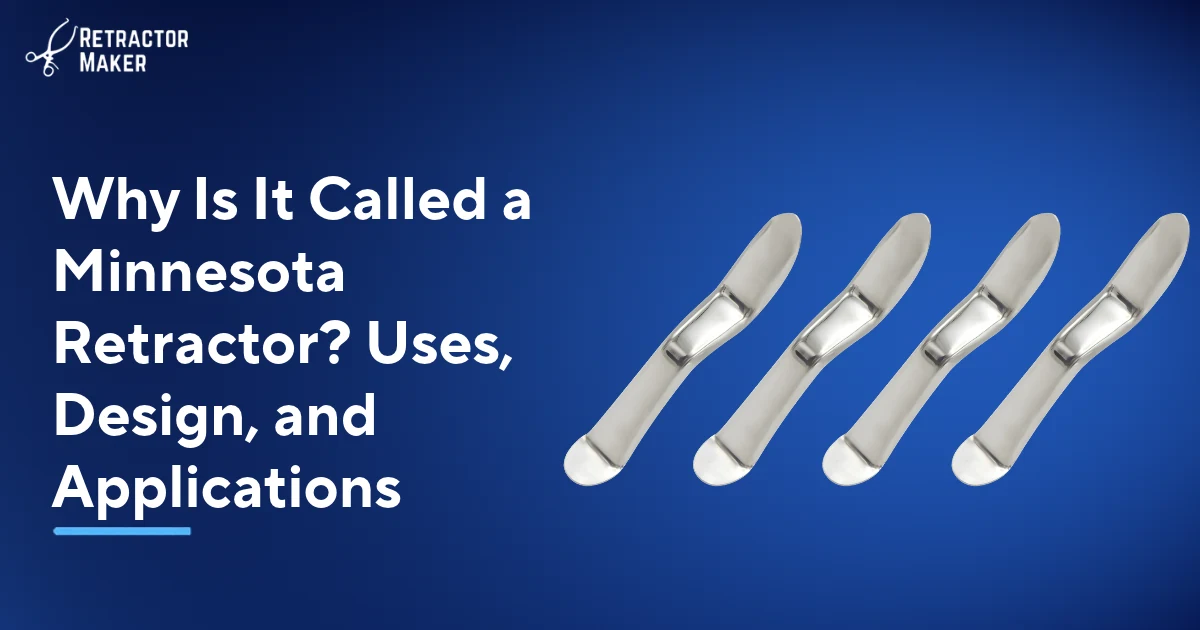
In oral and maxillofacial surgery, dental implantology, and operative dentistry, maintaining clear visualization of the dentoalveolar arch while shielding the buccal mucosa and tongue is essential. Operating within the confined oral cavity involves working in close proximity to moving lips, salivary flow, and powerful masticatory muscles. The Minnesota retractor is one of the most widely utilized manual instruments designed to navigate these clinical challenges.
Retractors discussed in this guide: Minnesota Retractor. Browse all surgical retractors.
What Is a Minnesota Retractor?
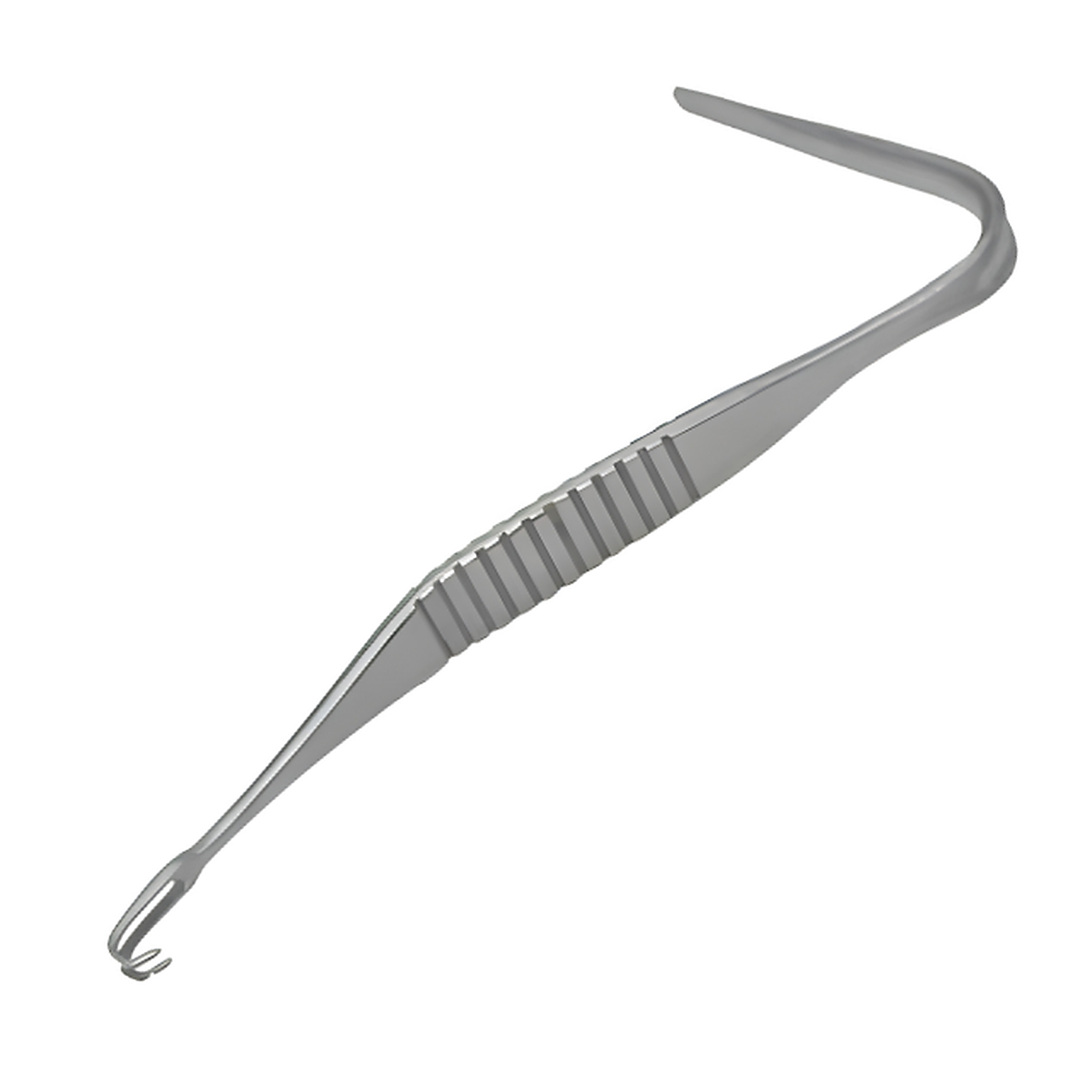
A Minnesota retractor is a rigid, angled, hand-held surgical tool used primarily in oral surgery, as well as maxillofacial procedures and dentistry. It retracts cheeks, lips, and mucoperiosteal flaps to expose alveolar ridges and teeth. Its offset shank and dual functional surfaces let an assistant maintain visibility while keeping the surgeon's hands free. It also shields oral tissues from burs, osteotomes, and blades.
The Minnesota retractor holds back external lips and cheeks and stabilizes thick periosteal tissue flaps against bone. Its rigid, heavy-duty metal construction differs from flexible wire or plastic lip expanders. These features support surgical extractions, bone grafting, and orthognathic interventions.
Contents
Why Is It Called a Minnesota Retractor?
The Minnesota retractor takes its name from the University of Minnesota School of Dentistry, where it originated.
Faculty and clinicians at the University of Minnesota developed, refined, and popularized the shape during the mid-20th century. It addressed the limits of standard general-surgery retractors in the oral corridor. Previously, oral surgeons used simple tongue depressors, wooden spatulas, or soft tissue hooks. These often broke under pressure or failed to shield the buccal vestibule adequately.
The university's oral and maxillofacial surgery department configured an offset angle to clear the dental arch. A broad blade held the buccal cheek wall securely away from mandibular and maxillary molars. The design quickly spread across North American dental teaching hospitals and then appeared in international surgical instrument catalogs. The name "Minnesota retractor" honored the institution where it originated and was refined.
Folklore sometimes links the name to local people or places. Historical records, however, trace its naming heritage to clinicians at the University of Minnesota School of Dentistry.
How Is the Minnesota Retractor Designed?
The Minnesota retractor has a modified S-shape and double-angled design suited to intraoral ergonomics.
- Primary retraction blade: A broad, wide, smooth working end with a gently curved, rounded tip. It rests against the inner cheek or labial tissue, moving tissue away from teeth and exposing alveolar bone.
- Secondary working end or handle: An angled hook or curved flange provides a comfortable assistant grip. Inverted, it serves as a smaller tissue retractor or tongue guard in narrow areas.
- Central connecting shaft: A distinct offset angle keeps the assistant's hand outside the mouth, clear of overhead light and surgical handpieces.
- Rigid construction: Forged from durable Premium Grade AISI 304/316 Stainless Steel (Non-Magnetic). It will not bend under strong muscle tension, including tension from the buccinator muscle or tongue.
What Is a Minnesota Retractor Used For?
The Minnesota retractor serves a wide range of dental, oral, and facial surgical needs.
How Does It Help With Impacted Third Molar Extractions?
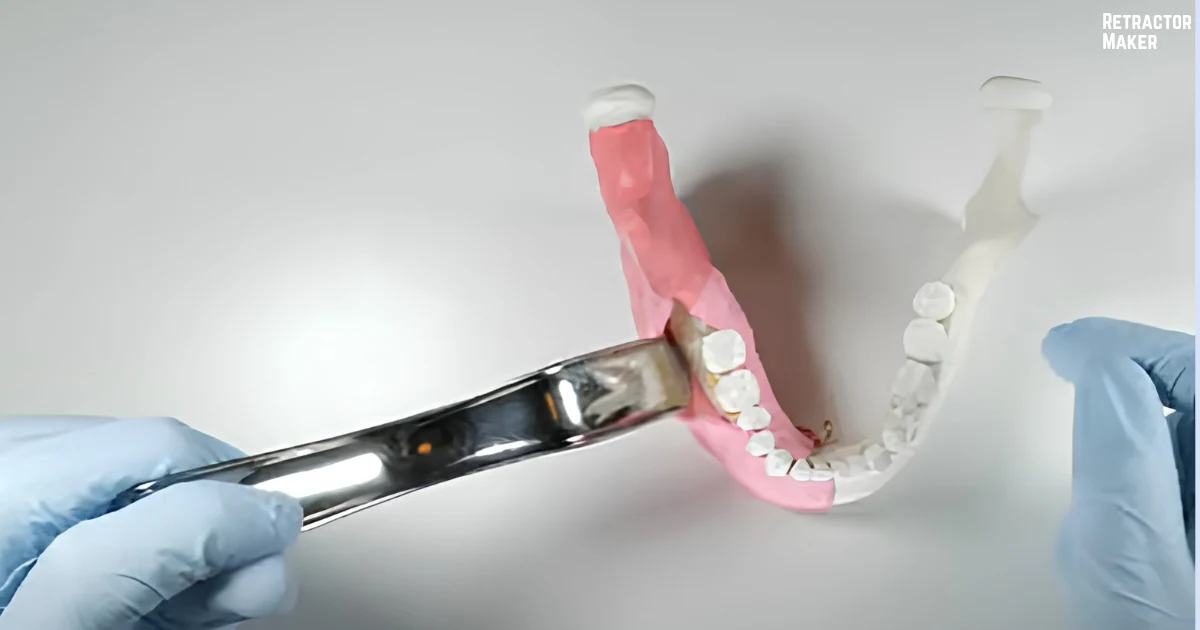
During impacted wisdom teeth removal, the blade holds the reflected flap and buccal cheek wall away while shielding tissue from high-speed surgical burs. A full-thickness mucoperiosteal flap is reflected to expose underlying bone. The tip seats securely on the bone margin to maintain access.
Dental Implant Placement and Bone Grafting
It holds the mucoperiosteum stable during implant bed preparation, sinus floor elevations, and alveolar ridge augmentation. This maintains a dry, clear view of the osteotomy site.
Periapical (Apical) Microsurgery
In endodontic surgery, including apicoectomies, it provides localized retraction of the labial mucosa and periosteum. This exposes the area over the root apices of front or premolar teeth.
Biopsies and Soft Tissue Excision
It stabilizes lip or cheek tissue during removal of intraoral lesions, cysts, or minor salivary gland tumors. This supports precise margins and controlled closure.
How Is a Minnesota Retractor Used During Surgery?
Safe use of a Minnesota retractor depends on proper seating and controlled traction.
- After the mucosal incision, lift the periosteum from bone and place the blade's leading edge under the flap.
- Rest the distal blade tip gently against sound bone whenever possible. This prevents slipping and stabilizes the operative field. Avoid free-floating in soft tissue.
- Apply lateral tension with a slight posterior pull to create a generous vestibular pocket and reveal the tooth or bony site.
- Use the broad, unyielding metal shank as a shield against accidental bur contact with the tongue, lip margins, and facial artery branches.
- Monitor the commissure and avoid pinching the lip against front teeth. This can cause injury, bruising, or mucosal ischemia.
Minnesota Retractor vs. Other Hand-Held Retractors
The Minnesota retractor has a distinctive structure compared with other oral retractors.
| Retractor | Configuration | Primary Function | Distinctive Advantage |
|---|---|---|---|
| Minnesota Retractor | Double-angled rigid steel bar with broad blade | Cheek, lip, and mucoperiosteal flap retraction | Flap elevation + bur protection in one instrument |
| Austin Retractor | Small right-angled blade (notched or solid tip) | Localized mucoperiosteal flap retraction | Very compact; ideal for anterior teeth and small flaps |
| Bishop Retractor | Hooked, contoured blade with loop handle | Manual lip and cheek displacement | Greater reach for cleft lip/palate surgery |
| Cawood-Minnesota Retractor | Modified Minnesota with suction channel | Retraction + continuous fluid evacuation | Integrated suction clears operative field |
Smaller tools, such as the Austin retractor, suit shallow flaps. The Minnesota retractor provides broader protection for surrounding cheek and lip tissues.
What Are the Benefits and Limitations?
Key Benefits
- Multi-tissue protection: Displaces the cheek, protects the tongue, and holds back thick surgical flaps.
- Stable operating field: Will not bend or slip under strong muscle contraction, providing a static field for high-speed drilling.
- Dual-ended use: Both ends provide retraction according to the oral cavity's depth and size.
- Reusable surface: Smooth, non-porous construction is easy to clean and supports repeated decontamination and sterilization.
Limitations
- Continuous hand-held use requires an assistant and can cause operator fatigue during long procedures.
- Vigilant handling is needed to avoid heavy pressure on incisors or the lip, which can cause pressure injuries or bruising.
How Should It Be Cleaned and Sterilized?
The Minnesota retractor requires validated reprocessing between every patient. Use exposes it to saliva, blood, and bone debris.
- Rinse immediately after the procedure to remove bone fragments, blood, and tissue residues. Do not let biological fluids dry on the surface.
- Clean thoroughly with neutral or enzymatic detergents and a soft nylon brush. Use an ultrasonic cleaning unit to dislodge microscopic deposits from curved contours.
- Inspect under good light for corrosion, pitting, and surface scratches that can harbor microorganisms or abrade oral tissues.
- Place in validated sterilization pouches or trays and autoclave using standard steam cycles. Follow the manufacturer's validated instructions for use and institutional infection prevention standards.
Related Minnesota Retractor Products
View specifications and availability for the Retractor Maker Minnesota Retractor. Minnesota Retractor.
Conclusion
The Minnesota retractor is a foundational oral and maxillofacial surgical instrument that combines simple ergonomics with multi-tissue protection. Its offset design combines tissue retraction and shielding to support efficient surgery in the confined oral cavity.
Developed through University of Minnesota expertise, it remains an indispensable asset in dental clinics worldwide and hospital operating rooms.
A Minnesota retractor is a rigid, angled surgical tool for retracting and protecting oral soft tissues. Retractor Maker, based in Sialkot, Pakistan, manufactures and internationally supplies precision surgical retractors. The company focuses on dimensional accuracy and ensures mirror and satin passivation. It uses Premium Grade AISI 304/316 Stainless Steel (Non-Magnetic). Retractor Maker supplies healthcare distributors, hospitals, and OEM partners globally.
Clinical notice: This guide is for surgical teams and hospital buyers. Always follow the manufacturer's instructions for use (IFU) and your hospital's sterilization rules before clinical use.
Frequently Asked Questions
What is a Minnesota retractor?
A Minnesota retractor is an angled, rigid stainless steel surgical tool used to retract and protect oral soft tissues. It retracts and protects the cheeks, lips, and tongue, as well as mucoperiosteal flaps, during dental, oral, and maxillofacial surgery.
Why is it called a Minnesota retractor?
The Minnesota retractor is named after the University of Minnesota, where the School of Dentistry designed it. It became popular in the mid-20th century. The design enhanced intraoral surgical exposure, and its name reflects its university origin.
What is a Minnesota retractor used for?
A Minnesota retractor holds back soft tissues during surgical tooth extractions, including impacted wisdom teeth. It also aids dental implant placement, bone grafting, and apical surgery. Other uses include assisting with oral soft tissue biopsies.
Is a Minnesota retractor used in dental surgery?
Yes, a Minnesota retractor is a standard surgical retractor used in dental surgery. Its uses include oral and maxillofacial surgery and dental implantology. It is also used in surgical periodontics to hold back oral soft tissues.
What does a Minnesota retractor look like?
A Minnesota retractor has an offset, double-ended stainless steel design with a central angled shank. One end carries a wide, smooth curved blade. The opposing end has an angled hook or handle, giving the two ends different shapes.
Is a Minnesota retractor reusable?
Yes, a Minnesota retractor is fully reusable and withstands repeated autoclaving cycles. It is made from high-grade Premium Grade AISI 304/316 Stainless Steel (Non-Magnetic). This reusable construction supports repeated autoclaving in both hospital and dental clinic use.
How should a reusable Minnesota retractor be cleaned and sterilized?
A reusable Minnesota retractor should be wiped at the point of use, cleaned, and steam sterilized. Clean with enzymatic detergent, then process through an ultrasonic bath. Inspect and package before steam sterilization. Follow facility protocols and manufacturer instructions.
What is the difference between a Minnesota retractor and an Austin retractor?
A Minnesota retractor provides broader cheek and lip protection, while an Austin retractor is designed for localized mucoperiosteal flap retraction. The Minnesota design has a double-angled rigid steel body with a broad blade. The Austin design has a small right-angled blade suited to anterior teeth and small flaps.
How does a Cawood-Minnesota retractor differ from a standard Minnesota retractor?
A Cawood-Minnesota retractor adds a suction channel to the Minnesota design, combining tissue retraction with continuous fluid evacuation. The standard Minnesota design retracts cheeks, lips, and mucoperiosteal flaps and provides bur protection. The modified version also uses integrated suction to clear the operative field.
What are the limitations of a Minnesota retractor?
A Minnesota retractor requires continuous holding by an assistant and can cause pressure injuries or bruising if excessive pressure is applied. Long procedures can cause operator fatigue. The assistant must remain vigilant to avoid heavy pressure on the incisors or lip.
About the author
Saad Shahid · Sales & Marketing Manager
Saad Shahid is the Sales & Marketing Manager and founder of Retractor Maker, started in 2023 in Sialkot, Pakistan. He also works with his father at Hospitech Traders, the family surgical instrument business founded in 1989.
Related Blogs & Guide


Related Retractors
Gifford-Jansen Retractor
From $84.00
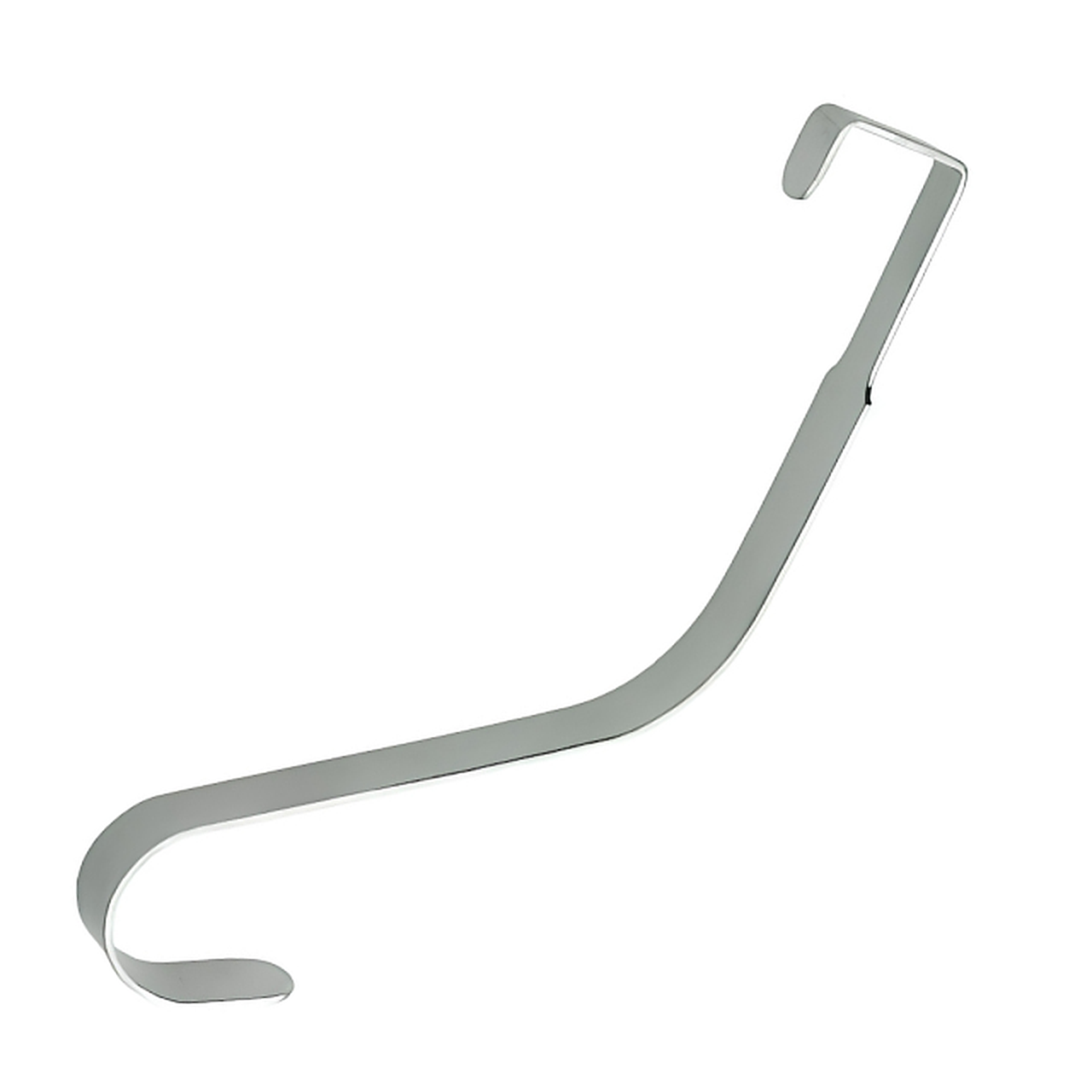
Hajek Cheek Retractor
$24.00
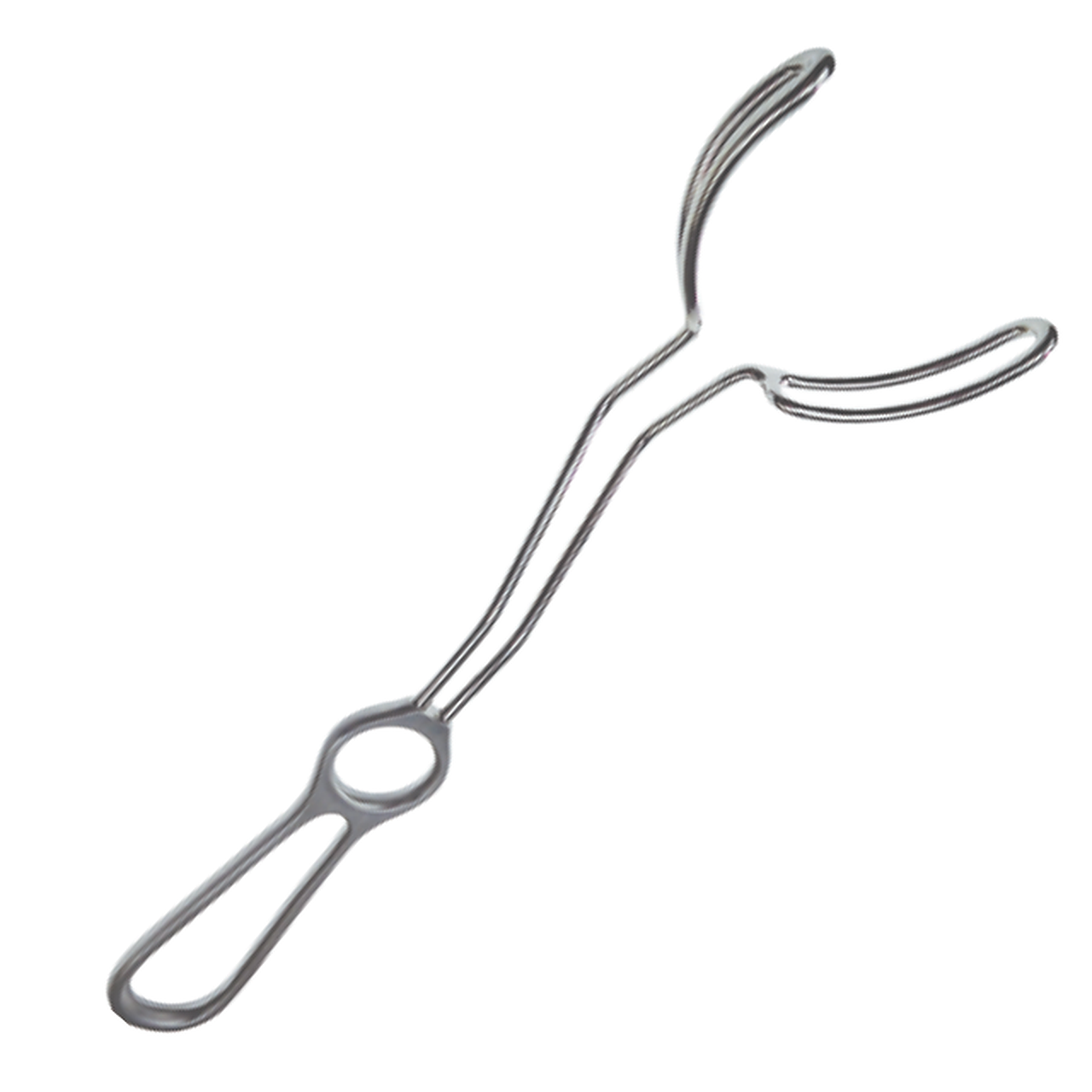
Lip And Cheek Retractor
$49.00
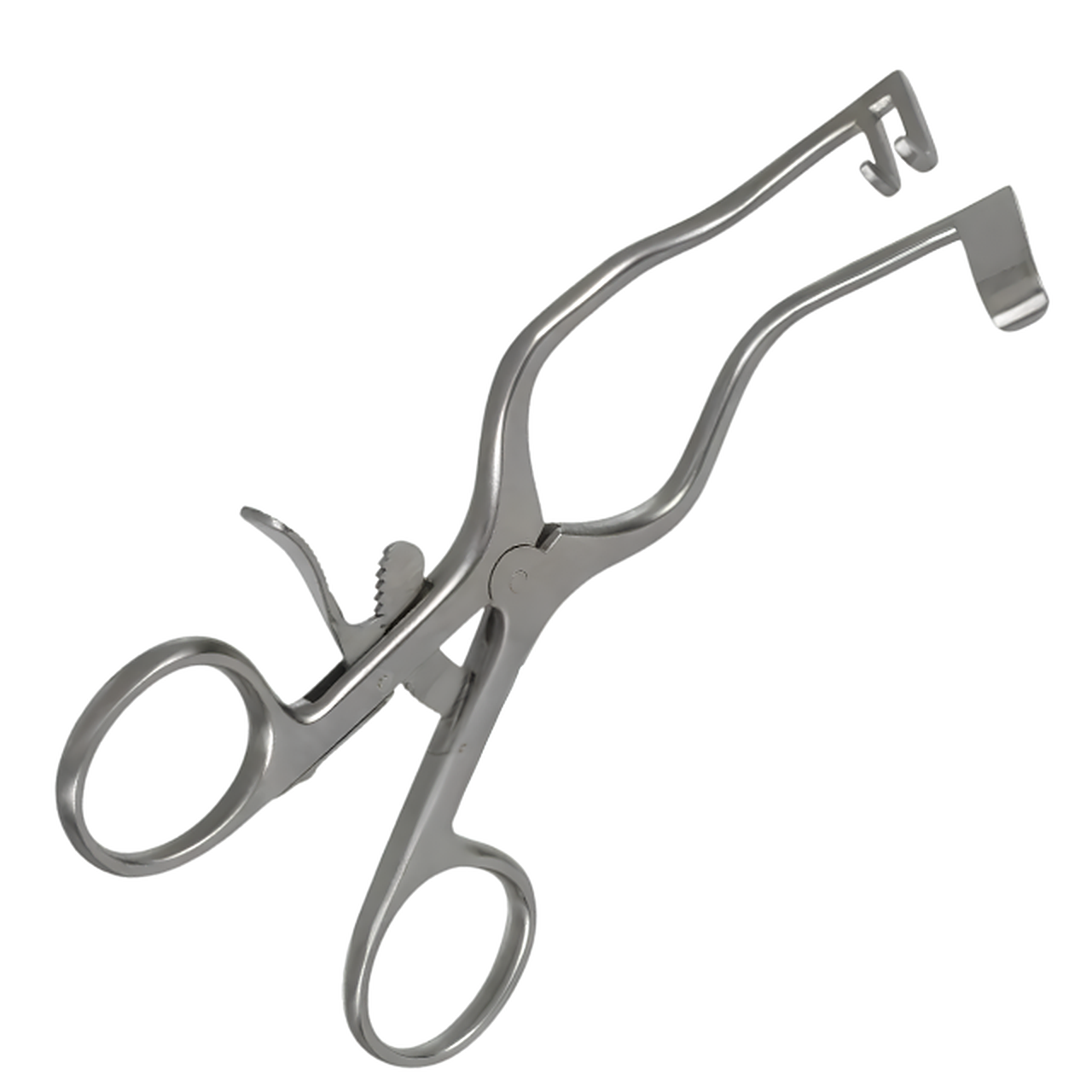
Bellucci Endaural Retractors
From $174
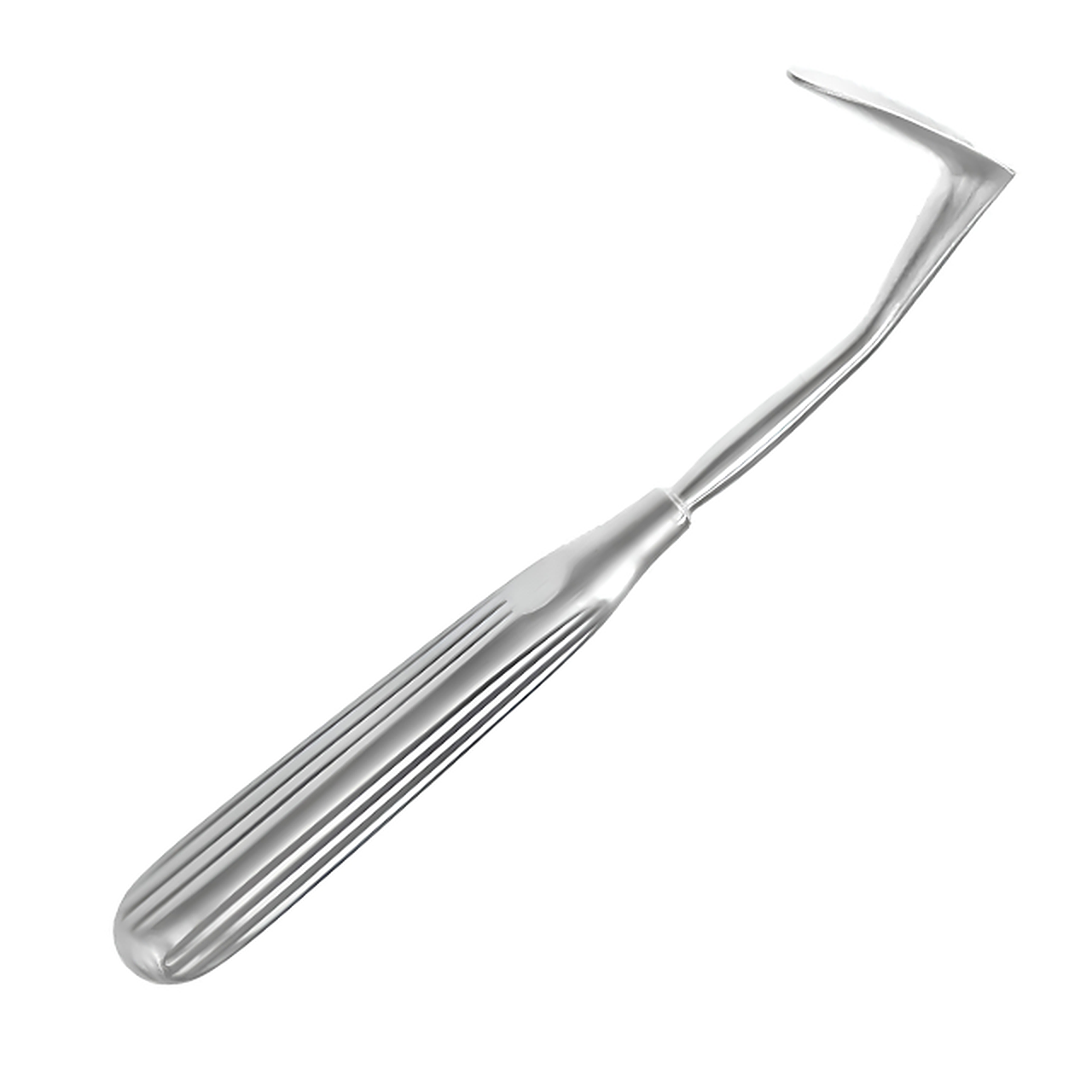
Aufricht Nasal Retractor
From $59.00
Aufricht Walter Nasal Retractor
$69.00
Need Surgical Retractors or Components?
Tell us what you need, including the product, configuration, quantity and destination country. Retractor Maker can provide availability, specifications and pricing.
Request a Quote