
ENT Retractors
Obwegeser Retractor: Maxillofacial & Mandibular Surgery
Author: Saad Shahid · Updated · 5 min read
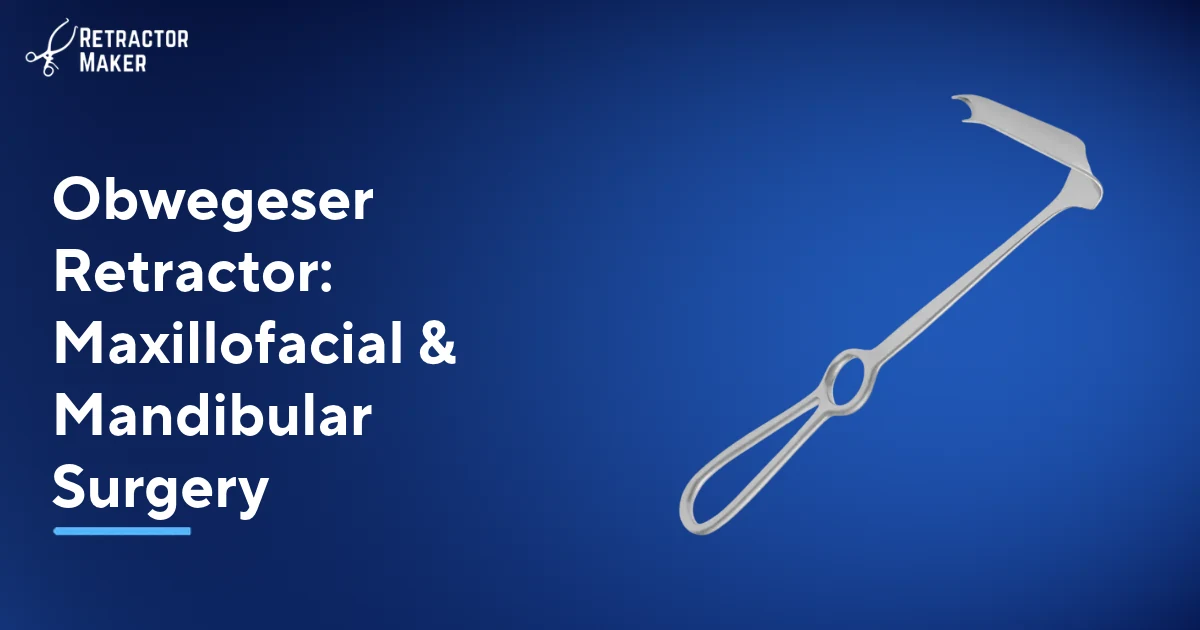
An Obwegeser retractor is a specialized handheld maxillofacial surgical instrument featuring an anatomically curved blade with an inward or outward lip and an ergonomic handle. It is primarily used in orthognathic surgery and mandibular osteotomies to retract soft tissues and safely expose the ramus and mandibular border.
Retractors discussed in this guide: Obwegeser Alveolar Retractor, Obwegeser Chin Retractor, Obwegeser Mandibular Channel Retractor, Obwegeser Mandibular Rim Retractor. Browse all surgical retractors.
An Obwegeser retractor is a specialized handheld instrument for soft-tissue retraction and mandibular exposure in oral and maxillofacial surgery. These procedures require instruments that navigate the complex anatomy of the jaws and facial skeleton. During orthognathic surgery, mandibular osteotomies, and facial trauma reconstructions, teams manipulate mucosal flaps, masseteric muscle insertions, and periosteal envelopes through narrow intraoral incisions. They must also protect the facial nerve, inferior alveolar neurovascular bundle, and lingual nerve.
The Obwegeser retractor is an established surgical instrument designed for oral and maxillofacial surgery. It exposes the mandibular ramus, body, and inferior border.
Contents
What Is an Obwegeser Retractor?
The design provides secure mandibular exposure. It is named after Professor Hugo L. Obwegeser, the pioneering Swiss maxillofacial surgeon considered the father of modern orthognathic surgery and originator of the bilateral sagittal split osteotomy (BSSO).
In maxillofacial instrument sets, the name "Obwegeser" covers several specialized models for mandibular border, ramus, and soft-tissue exposure.
- Obwegeser Mandibular Border Retractor (Channel Retractor): Curved, U-shaped channel blade hooks beneath the inferior border of the mandible.
- Obwegeser Ramus Retractor: Curved, broad blade elevates the masseter muscle and periosteum off the lateral surface of the mandibular ramus.
- Obwegeser Soft Tissue Retractor: General intraoral models with upward- or downward-curved blades for mucosal flap elevation.
Which Design Features Support Mandibular Exposure?
Obwegeser-style retractors follow the curved anatomy of the mandible. Their blade, distal lip, offset neck, and handle support exposure and manual control.
- Anatomically contoured blade: Follows the ascending ramus, coronoid notch, or inferior mandibular border for stable contact along the bone cortex.
- Curved or channeled distal lip:
- Upward-curved lip: Shields soft tissues away from the superior border and coronoid process.
- Downward-curved / channel lip: Hooks beneath the inferior mandibular border as a physical guard against oscillating saws and rotary burs during osteotomy cuts.
- Slender, offset neck: Angled shank clears the dental arches and lips, keeping the assistant’s hand outside the oral aperture.
- Ergonomic handle: Finger indentations or a fenestrated handle provide firm rotational control under manual traction.
Which Maxillofacial Procedures Use These Designs?
Obwegeser retractors support exposure in orthognathic and trauma procedures, including mandibular osteotomies, genioplasty, and fracture fixation.
- Bilateral Sagittal Split Osteotomy (BSSO): Placement along the anterior ramus border, medial ramus neck, and inferior border protects the facial artery and marginal mandibular nerve during mandibular repositioning.
- Vertical Subsigmoid Osteotomy (VSSO): Retracts the masseter muscle and soft tissues laterally to expose the posterior border and sigmoid notch.
- Genioplasty (Chin Osteotomy): The channeled inferior border retractor hooks beneath the symphysis, stabilizing the mentalis muscle and mental nerves during horizontal osteotomies.
- Mandibular Fracture Fixation: Retracts mucoperiosteal flaps during open reduction and internal fixation (ORIF) of angle, body, and parasymphyseal fractures.
Obwegeser Retractor vs. Minnesota Retractor: What Differs?
| Feature | Obwegeser Retractor | Minnesota Retractor |
|---|---|---|
| Primary Target | Deep mandibular ramus, border, and coronoid | Buccal cheek mucosa, lips, and alveolar ridge |
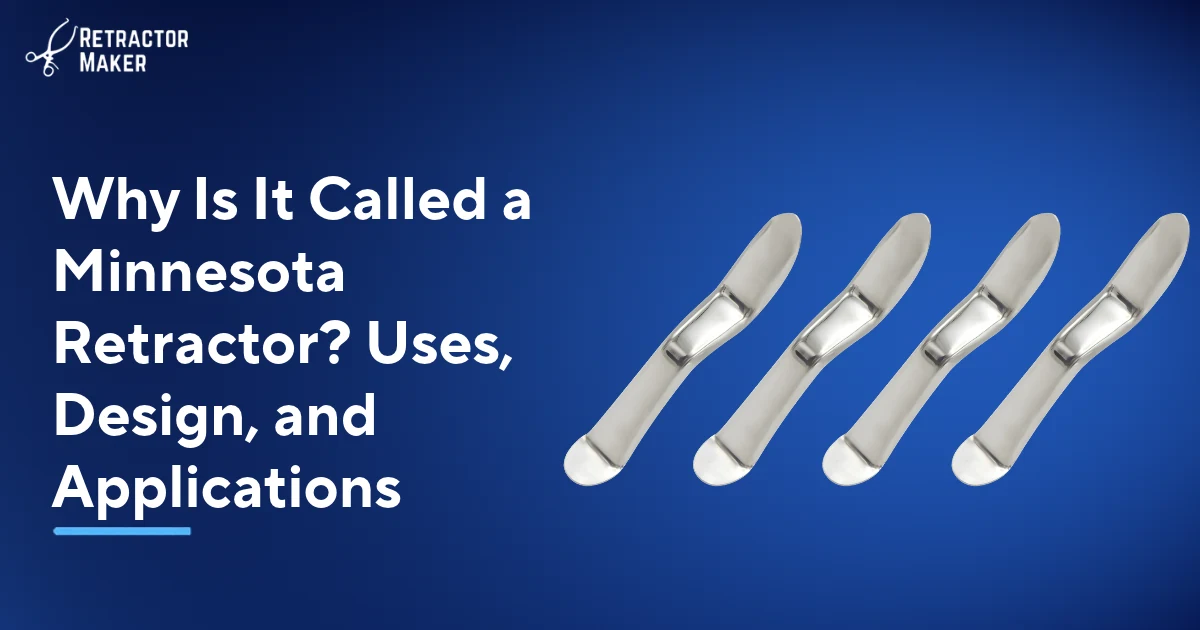
| Blade Geometry | Anatomically curved blade with channeled lip | Flat, wide curved blade with offset shank |
| Bone Engagement | Hooks beneath or around the mandibular cortex | Seats on alveolar bone / reflects mucosal flap |
| Primary Specialty | Orthognathic & major maxillofacial surgery | General oral surgery, wisdom tooth extraction |
How Should These Models Be Inspected and Reprocessed?
- Point-of-use handling: Remove blood, saliva, and bone slurry immediately after use.
- Cleaning and ultrasonic decontamination: Submerge in neutral-pH enzymatic detergent, brush blade channels with soft nylon brushes, and run through an ultrasonic cleaner.
- Inspection: Examine the curved blade and channeled lip under magnification for burrs, micro-cracks, or deformation. Check shank alignment.
- Sterilization: Autoclave in dedicated maxillofacial instrument trays according to the manufacturer's validated IFU and hospital infection control guidelines.
What Should Buyers Check When Sourcing OEM Models?
For maxillofacial hospital departments and medical distributors:
- Model differentiation: Clearly distinguish mandibular border, ramus, and soft-tissue models in procurement sets.
- Blade width assortments: Provide varied widths, such as 8 mm, 10 mm, 12 mm, and 15 mm, to match pediatric, adolescent, and adult skeletal sizes.
- OEM customization: Retractor Maker manufactures Obwegeser retractors in Sialkot, Pakistan, with custom blade widths, specialized lip depths, satin non-glare finishes, and private-label laser-marked branding.
Clinical notice: This guide is for surgical teams and hospital buyers. Always follow the manufacturer's instructions for use (IFU) and your hospital's sterilization rules before clinical use.
Frequently Asked Questions
What is an Obwegeser retractor?
An Obwegeser retractor is a specialized handheld maxillofacial instrument with an anatomically curved blade for retracting soft tissues and exposing the mandible. Its blade has an inward or outward lip, and its ergonomic handle supports manual control during orthognathic surgery and mandibular osteotomies.
What surgeries use Obwegeser retractors?
Obwegeser retractors are primarily used in orthognathic surgery, including sagittal split osteotomies, genioplasties, mandibular fracture repairs, and temporomandibular joint procedures. Their applications also include vertical subsigmoid osteotomy and exposure during open reduction and internal fixation of angle, body, and parasymphyseal fractures.
What is an Obwegeser mandibular border retractor?
An Obwegeser mandibular border retractor has a channeled, U-shaped blade that hooks beneath the inferior border of the mandible to protect soft tissues during bone osteotomies. The channel lip acts as a physical guard against oscillating saws and rotary burs during osteotomy cuts.
Who designed the Obwegeser retractor?
It is named after Dr. Hugo L. Obwegeser, the Swiss maxillofacial surgeon who developed modern orthognathic surgical techniques.
How does an Obwegeser retractor differ from a Minnesota retractor?
An Obwegeser retractor is designed for deep mandibular bone exposure during orthognathic surgery, whereas a Minnesota retractor is a general oral surgery retractor for the cheek and lips. The distinction is the exposure site: the mandibular ramus, body, and inferior border versus the cheek and lips.
Can an Obwegeser retractor be autoclaved?
Reusable Obwegeser retractors forged from Premium Grade AISI 304/316 Stainless Steel (Non-Magnetic) are fully compatible with hospital steam autoclave sterilization. Autoclave them in dedicated maxillofacial instrument trays according to the manufacturer's validated IFU and hospital infection control guidelines.
How should an Obwegeser retractor be cleaned after use?
Clean the Obwegeser retractor by removing blood, saliva, and bone slurry immediately after use, then submerging it in neutral-pH enzymatic detergent. Brush the blade channels with soft nylon brushes, then run it through an ultrasonic cleaner as part of cleaning and decontamination.
What should be checked when inspecting an Obwegeser retractor?
Inspect the Obwegeser retractor for burrs, micro-cracks, or deformation on the curved blade and channeled lip under magnification, and check the shank for structural alignment. These components provide anatomically contoured contact with the mandibular cortex and clearance around the dental arches and lips.
Why does an Obwegeser retractor have an offset neck?
An Obwegeser retractor has a slender, angled neck to clear the dental arches and lips while keeping the assistant’s hand outside the oral aperture. Its ergonomic handle has finger indentations or a fenestrated design for firm rotational control under manual traction.
About the author
Saad Shahid · Sales & Marketing Manager
Saad Shahid is the Sales & Marketing Manager and founder of Retractor Maker, started in 2023 in Sialkot, Pakistan. He also works with his father at Hospitech Traders, the family surgical instrument business founded in 1989.
Related Blogs & Guide
Related Retractors
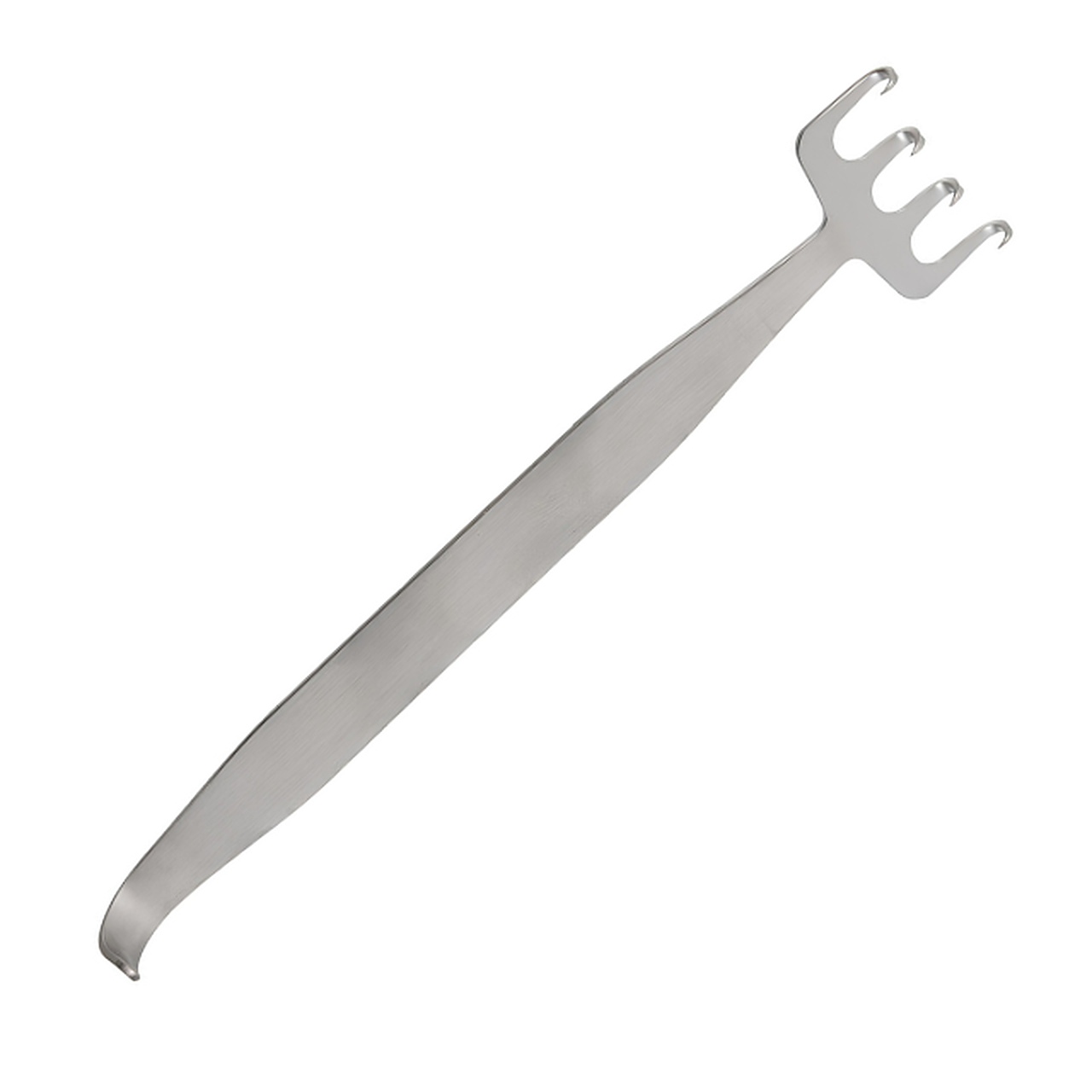
Freeman Rake Retractor
From $44.00
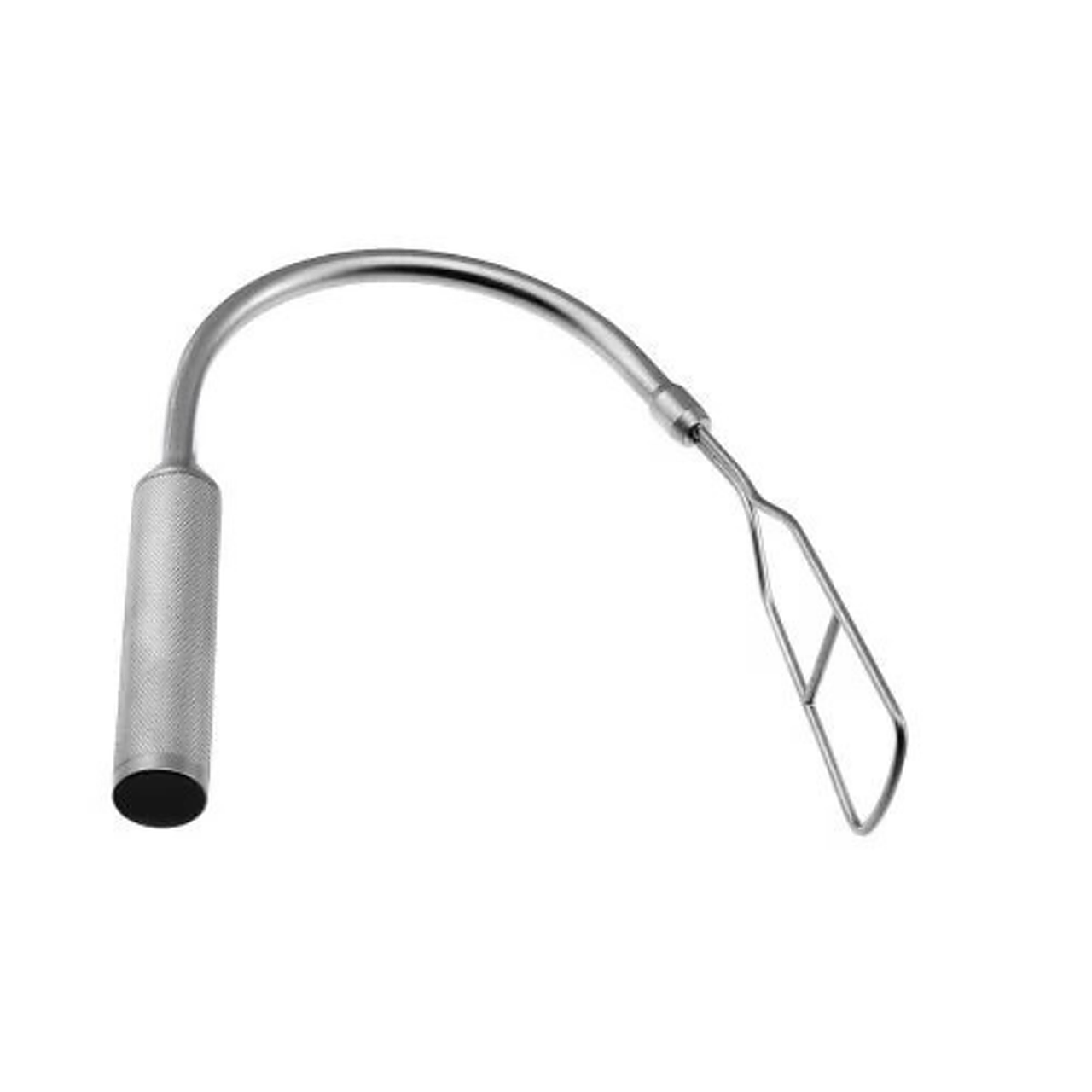
Biggs Mammaplasty Retractor standard
$69.00
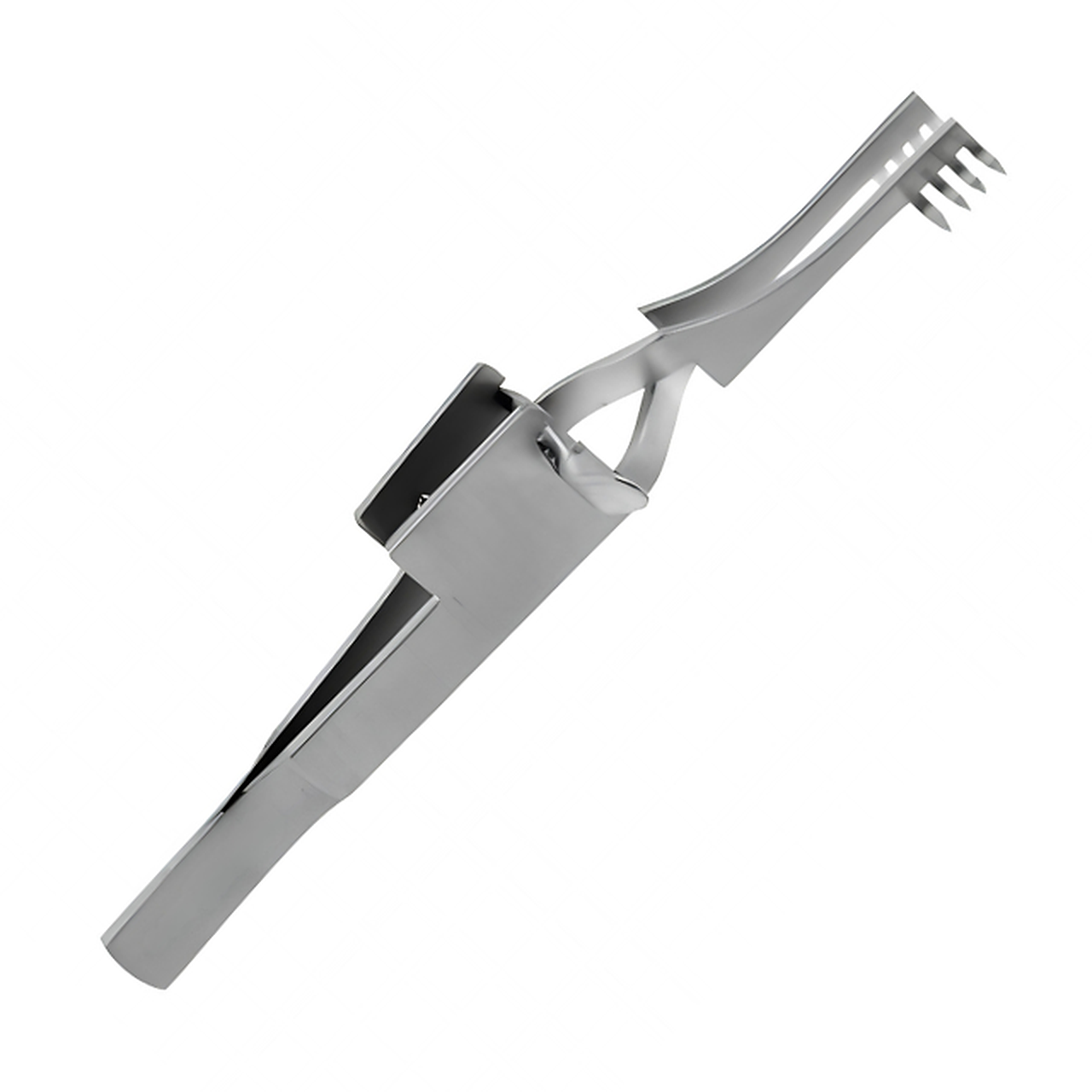
Knapp Self-Retaining Retractor
$79.00
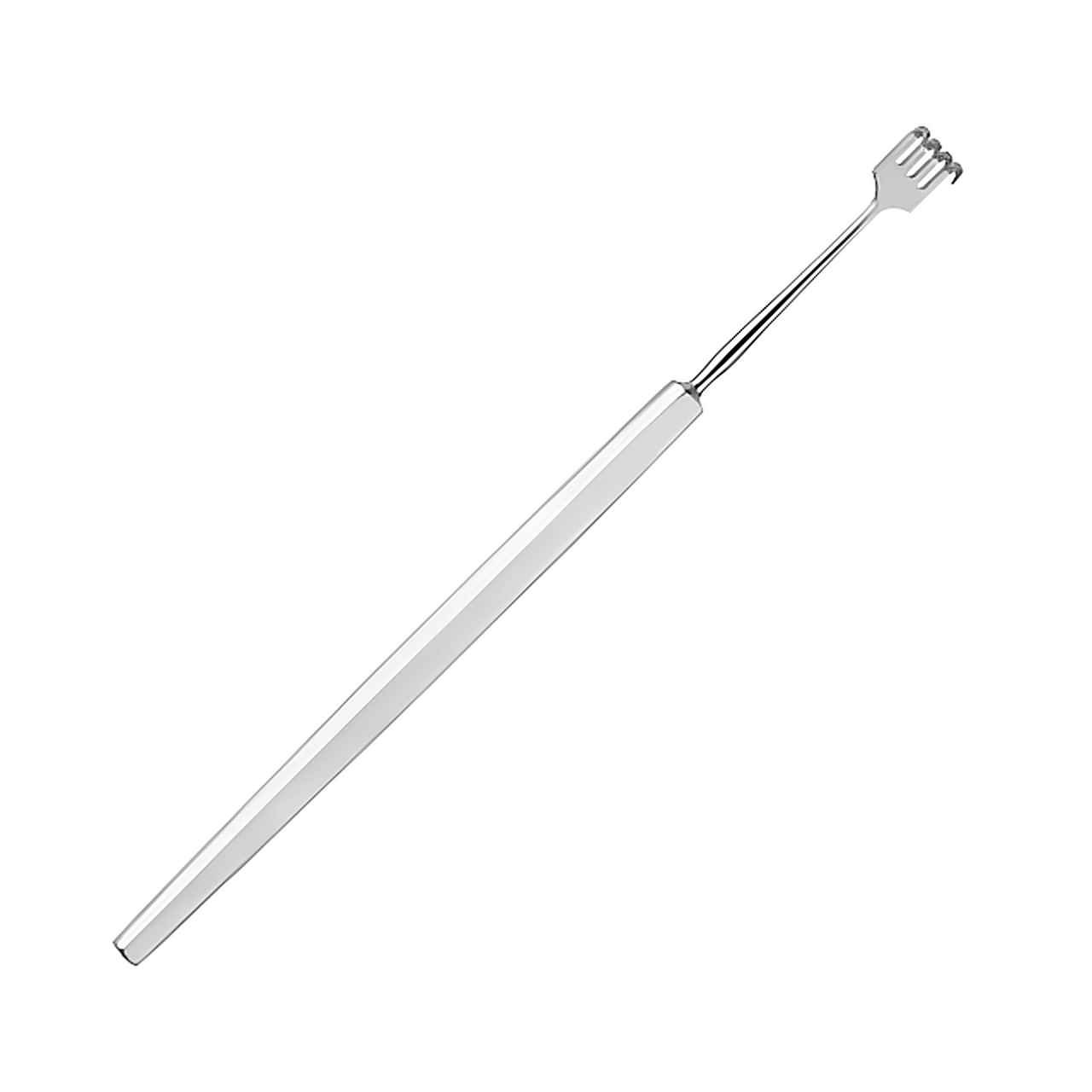
Blair Finger Retractor
From $94.00
Aufricht Daniel Nasal Retractor
$29.00
Aufricht Nasal Retractor
From $59.00
Need Surgical Retractors or Components?
Tell us what you need, including the product, configuration, quantity and destination country. Retractor Maker can provide availability, specifications and pricing.
Request a Quote