
Obstetrics & Gynecology Retractors
Sims Vaginal Retractor: Gynecological & Pelvic Surgery
Author: Saad Shahid · Updated · 6 min read
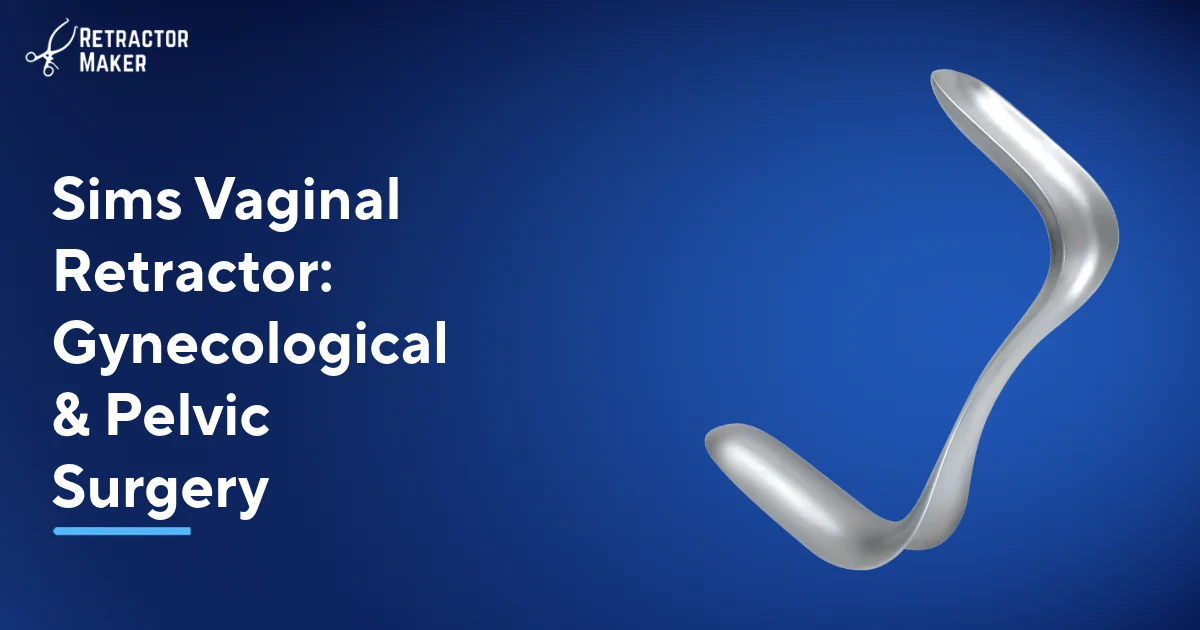
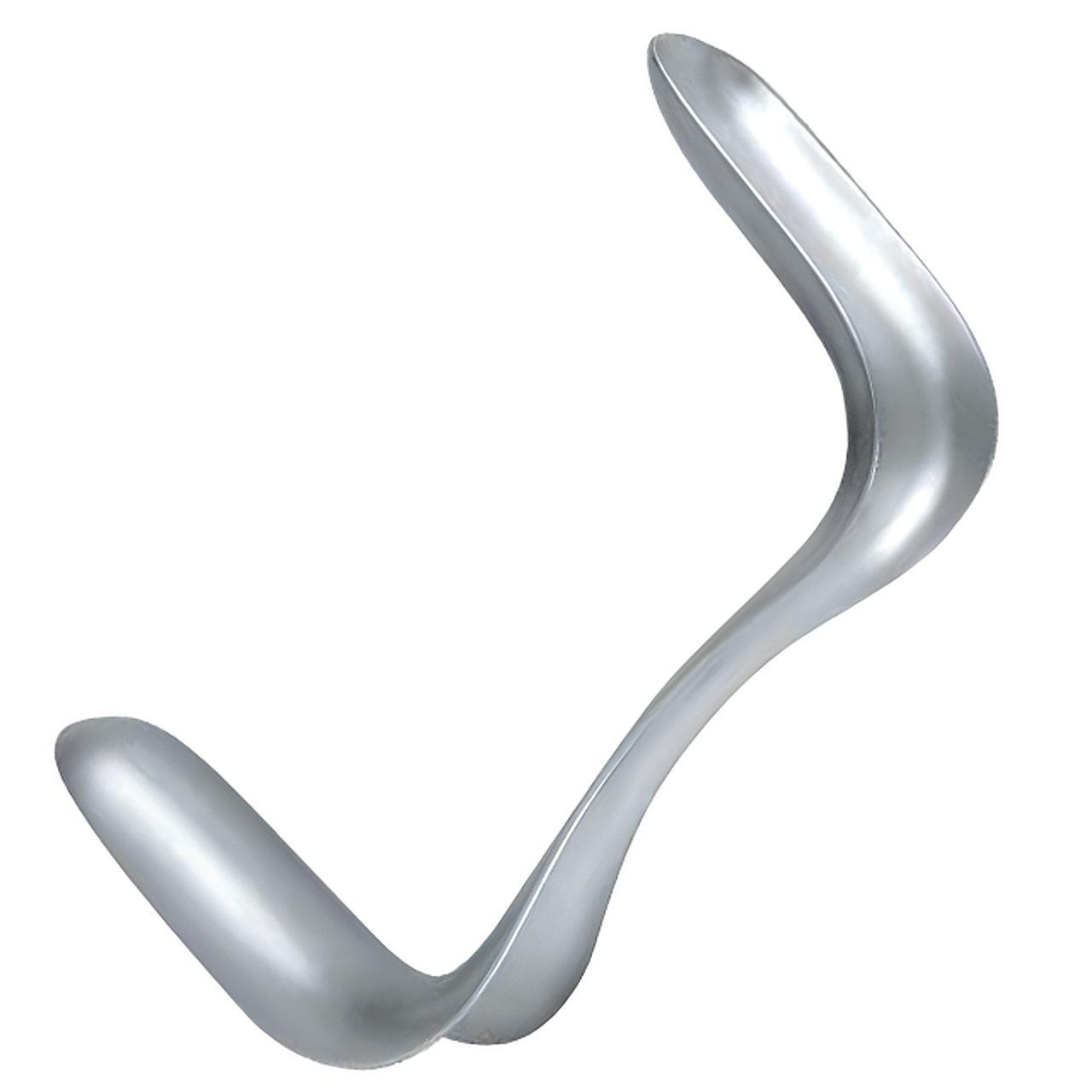
A Sims vaginal retractor is a handheld gynecological instrument featuring a central flat handle and two curved, smooth, duckbill-shaped blades of differing sizes on opposite ends. It is primarily used in gynecological examinations and pelvic surgery to retract the posterior or anterior vaginal wall and expose the cervix.
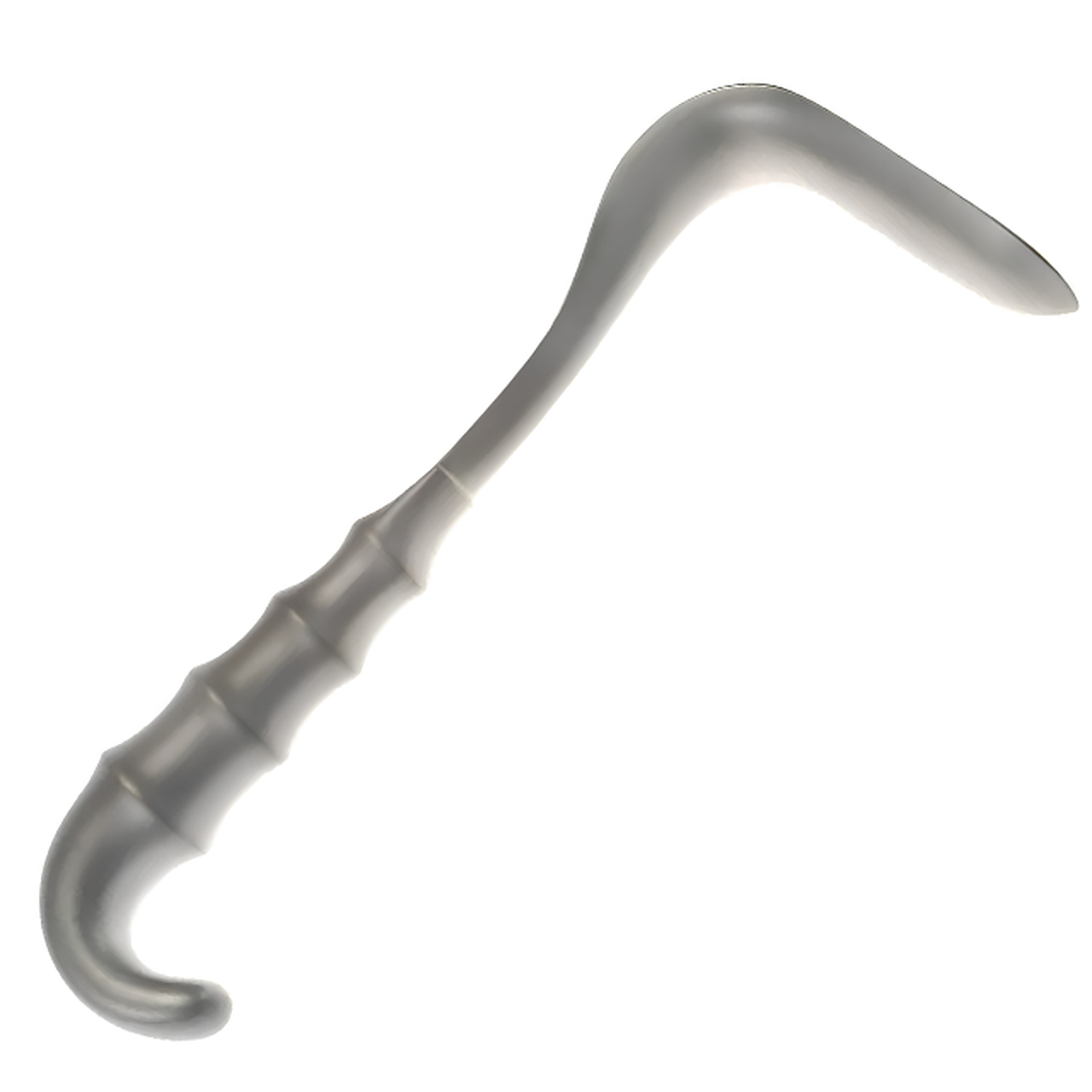
Retractors discussed in this guide: Kelly Sims Vaginal Retractor, Sims Vaginal Retractor, Sims Vaginal Retractor — Hollow Grip Handle. Browse all surgical retractors.
The Sims retractor is a handheld gynecological device used to move vaginal walls for examination and surgery. Procedures involving the vaginal vault require depression of the distensible muscular canal walls without mucosal injury. Unlike self-retaining bivalve specula, which dilate the canal statically in all directions, manual vaginal retractors allow directional counter-traction along specific anatomical axes.
The Sims vaginal retractor, also called the Sims speculum or Sims duckbill retractor, is a historically significant and widely used manual device in gynecology and pelvic surgery.
Contents
What Is a Sims Retractor?
The Sims retractor displaces the posterior vaginal wall downward and backward to expose the cervix and anterior vaginal wall. This movement allows atmospheric air to enter and expand the canal. Named after 19th-century American gynecologist Dr. J. Marion Sims, the design developed alongside the "Sims position," or left lateral prone position.
Unlike self-contained tubular or bivalve specula, such as Graves or Cusco models, the Sims retractor uses one blade at a time. An assistant or examiner must hold it manually. This control allows adjustments to the angle, depth, and tension of retraction as the procedure progresses.
Why Does the Double-Ended Design Use Different Blade Sizes?
The classical Sims retractor has a double-ended layout for clinical versatility:
- Double-ended duckbill blades: Both ends have smooth, curved, trough-shaped blades resembling a duck's bill.
- Different blade sizes: Typically, one blade is narrower and shorter, while the opposite blade is broader and longer. These dimensions accommodate differences in patient parity, age, and vaginal laxity.
- Central connecting handle: The flat, sturdy shaft forms the handle. Longitudinal grooves or serrations often provide a non-slip grip for gloved hands.
- Atraumatic trough geometry: Deeply radiused edges and a rounded distal lip distribute pressure across sensitive vaginal mucosa without pinching or tearing.
Which Gynecological and Pelvic Procedures Use It?
The Sims retractor is used in diagnostic examinations and operative gynecological procedures:
- Diagnostic vaginal examination: Exposes the cervix, vaginal fornices, and mucosal walls during colposcopy, biopsy, or high vaginal swab collection.
- Cervical and intrauterine procedures: Stabilizes the posterior vaginal wall during dilation and curettage (D&C), hysteroscopy, and cervical polypectomies while tenaculum forceps grasp the cervix.
- Vaginal wall repair: Provides mucosal exposure during anterior or posterior colporrhaphy and repair of vaginal lacerations following childbirth.
- Vesicovaginal fistula repair: Historically developed for, and still used in, fistula repair to maintain exposure of the upper anterior vaginal vault.
Sims Retractor vs. Breisky Retractor vs. Graves Speculum
| Feature | Sims Vaginal Retractor | Breisky Vaginal Retractor | Graves Bivalve Speculum |
|---|---|---|---|
| Design Type | Double-ended, curved duckbill blades | Single-ended, elongated flat blade | Dual-bladed hinged mechanical frame |
| Operation | Handheld manual | Handheld manual | Self-retaining screw mechanism |
| Blade Profile | Curved trough / duckbill | Narrow, flat or slightly curved spatula | Paired upper and lower concave blades |
| Depth Focus | Superficial to intermediate depth | Deep vaginal vault and pelvic apex | Full canal dilation along linear axis |
| Vector Mobility | Highly dynamic manual traction | Dynamic manual traction | Static, fixed expansion |
How Should It Be Cleaned, Inspected, and Reprocessed?
- Point-of-use handling: Remove blood, mucus, and biological fluids immediately after the procedure.
- Cleaning and ultrasonic processing: Submerge in neutral-pH enzymatic detergent. Scrub the concave duckbill troughs and central handle with soft nylon brushes. Ultrasonic cleaning is recommended to remove microscopic residues.
- Inspection: Examine both duckbill blades visually under magnification for micro-nicks, surface scratches, or pitting that could abrade vaginal mucosa. Check that the shaft has not bent out of alignment.
- Sterilization: Autoclave in standard instrument trays according to the manufacturer's validated IFU and hospital infection prevention protocols.
What Should Hospital Buyers Check When Sourcing?
Hospital purchasing managers and medical distributors sourcing Sims retractors should check size availability, finish quality, and OEM customization options:
- Complete size availability: Check for standard small, medium, and large double-ended pairings to cover diverse clinical patient demographics.
- Finish quality: Premium satin or matte passivation eliminates glare under direct examination lamps.
- OEM customization: Retractor Maker manufactures Sims retractors in Sialkot, Pakistan, with custom blade dimensions, single-ended variants with ergonomic handles, and private-label laser-marked branding.
Clinical notice: This guide is for surgical teams and hospital buyers. Always follow the manufacturer's instructions for use (IFU) and your hospital's sterilization rules before clinical use.
Frequently Asked Questions
What is a Sims retractor?
A Sims retractor is a double-ended handheld gynecological device with two curved duckbill blades of different sizes for retracting the vaginal wall. The smooth blades sit at opposite ends of a flat central handle. During examinations and pelvic surgery, one blade retracts the posterior or anterior vaginal wall to expose the cervix.
What is a Sims retractor used for?
A Sims retractor is used in gynecological examinations, D&C, cervical procedures, and vaginal wall repairs to depress the posterior or anterior vaginal wall and expose the cervix. Applications include hysteroscopy, cervical polypectomies, anterior or posterior colporrhaphy, and vaginal laceration repair following childbirth.
Why does the Sims retractor have two different ends?
The Sims retractor has two different ends so clinicians can select a blade width and length suited to patient anatomy and parity. Typically, one end is narrower and shorter, while the other is broader and longer. The different dimensions also accommodate variations in age and vaginal laxity.
How does a Sims retractor differ from a Graves speculum?
A Sims retractor requires manual support by an assistant for directional retraction, while a Graves speculum is a self-retaining bivalve device that opens with a thumb-screw. Manual support allows changes to the angle, depth, and tension of retraction as the procedure progresses.
What is the difference between a Sims and a Breisky retractor?
A Sims retractor has curved duckbill blades for general vaginal retraction, while a Breisky retractor has a longer, flatter blade for deep pelvic and vaginal vault surgery. The difference is in blade shape and surgical application: general vaginal exposure versus deeper pelvic and vault exposure.
Can a Sims retractor be autoclaved?
Reusable Sims retractors manufactured from Premium Grade AISI 304/316 Stainless Steel (Non-Magnetic) are fully compatible with hospital steam autoclave sterilization. Autoclave them in standard instrument trays according to the manufacturer's validated IFU and the hospital's infection prevention protocols.
How should a Sims retractor be cleaned?
A Sims retractor should have blood, mucus, and biological fluids removed immediately after use, followed by cleaning in neutral-pH enzymatic detergent. Scrub the concave duckbill troughs and central handle with soft nylon brushes. Ultrasonic cleaning is recommended to remove microscopic residues.
What should be checked when inspecting a Sims retractor?
A Sims retractor should be checked for micro-nicks, surface scratches, or pitting on both duckbill blades and for a shaft bent out of alignment. Examine the blades visually under magnification. These surface defects could abrade vaginal mucosa, so visual inspection is an important part of instrument care and reprocessing.
What blade features help protect vaginal mucosa during Sims retractor use?
The Sims retractor has smooth, trough-shaped blades with deeply radiused edges and a rounded distal lip to distribute pressure across sensitive vaginal mucosa without pinching or tearing. Manual control also allows the examiner or assistant to adjust the angle, depth, and tension of retraction as the procedure progresses.
About the author
Saad Shahid · Sales & Marketing Manager
Saad Shahid is the Sales & Marketing Manager and founder of Retractor Maker, started in 2023 in Sialkot, Pakistan. He also works with his father at Hospitech Traders, the family surgical instrument business founded in 1989.
Related Blogs & Guide
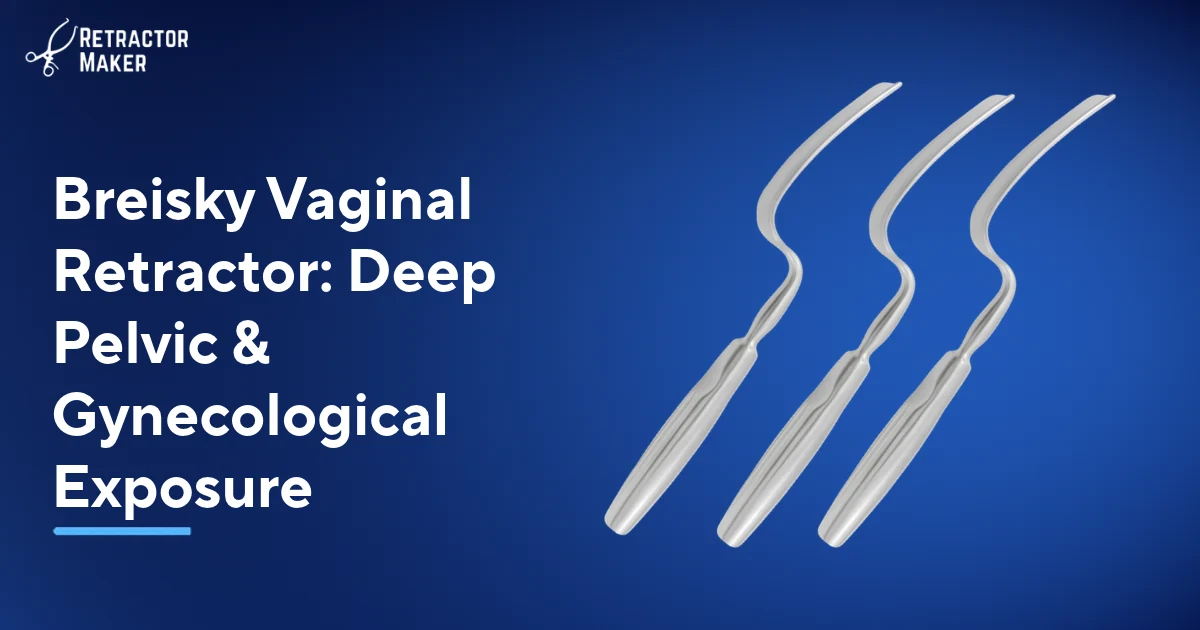


Related Retractors
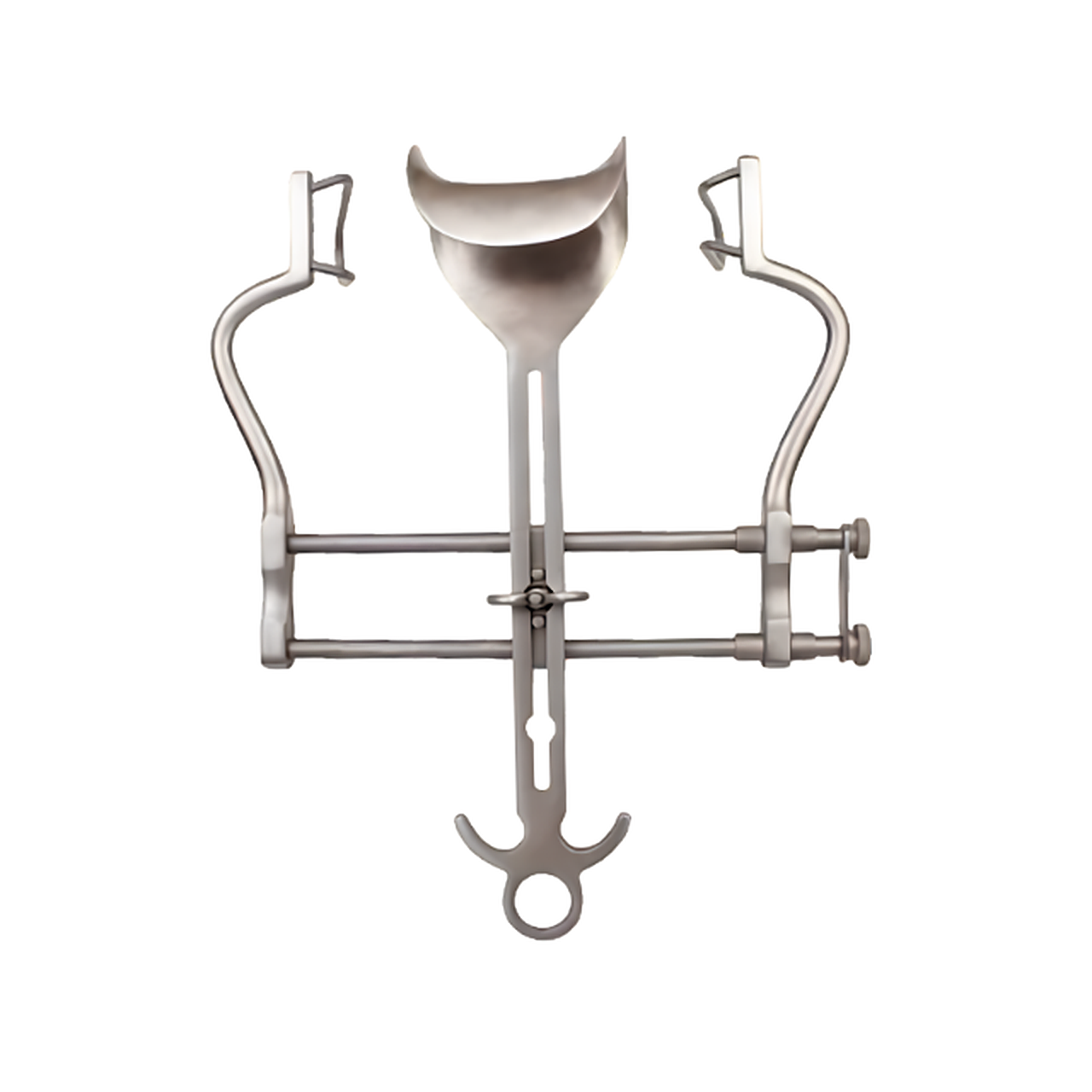
Balfour Retractor
From $299
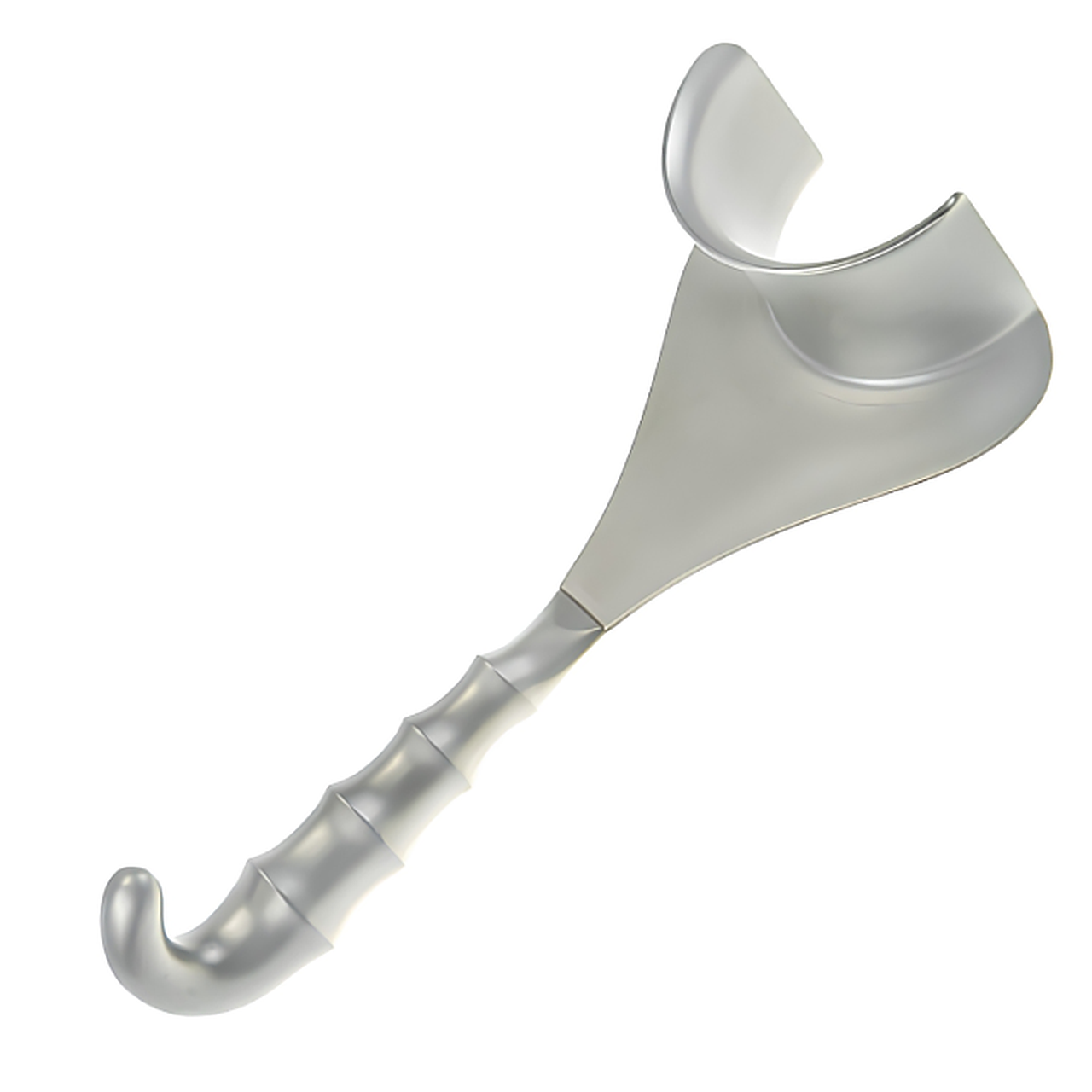
Delee Universal Retractor
$129
Sims Vaginal Retractor — Hollow Grip Handle
From $89.00
Redundant Nonconductive Wall Retractor
From $99.00
Sims Vaginal Retractor
From $91.00
Gosset Self Retaining Retractor
$349
Need Surgical Retractors or Components?
Tell us what you need, including the product, configuration, quantity and destination country. Retractor Maker can provide availability, specifications and pricing.
Request a Quote