
Obstetrics & Gynecology Retractors
Heaney Hysterectomy Retractor: Deep Vaginal & Pelvic Wall Stabilization
Author: Saad Shahid · Updated · 7 min read
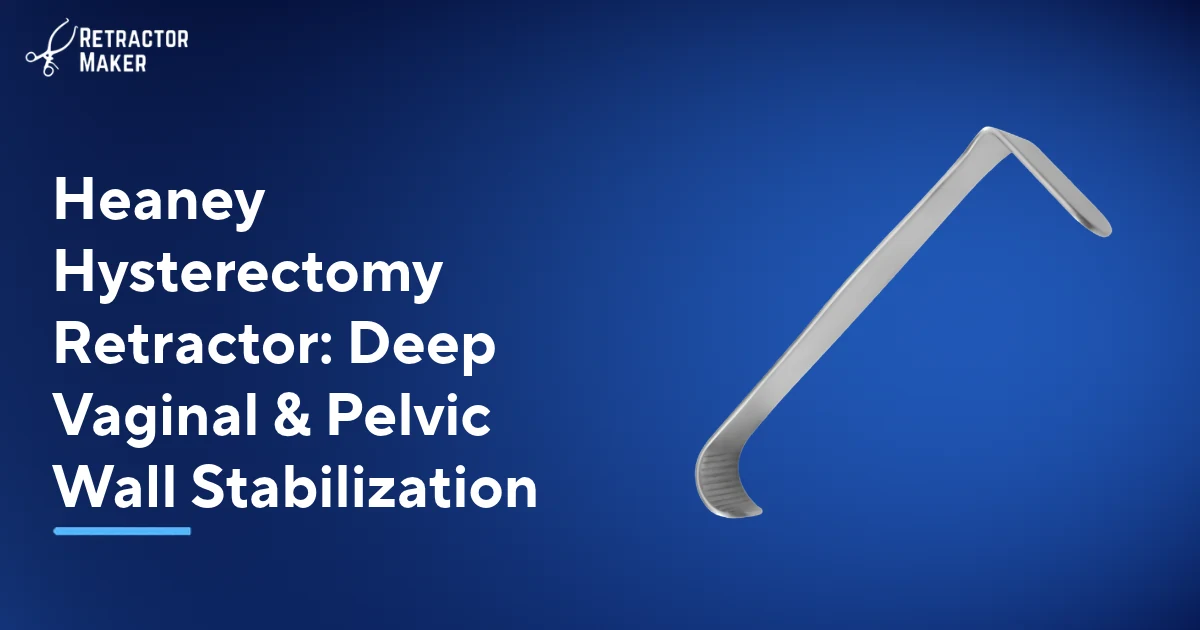
A Heaney hysterectomy retractor is a specialized handheld surgical instrument featuring a long, flat right-angled blade with a slight terminal lip and an ergonomic handle. It is primarily used in vaginal hysterectomy and pelvic floor surgery to retract and stabilize the lateral vaginal walls and pelvic sidewalls.
Retractors discussed in this guide: Heaney Hysterectomy Retractor. Browse all surgical retractors.
A Heaney retractor is a handheld gynecological instrument for deep pelvic wall retraction during vaginal surgery. Vaginal hysterectomy and complex pelvic reconstructive surgery require stable, continuous visualization in a deep, confined anatomical space. During ligation of the uterine vascular pedicles, cardinal ligaments, and uterosacral ligaments, the lateral vaginal walls and surrounding soft tissues must be held back without crowding the dissection plane.
The Heaney hysterectomy retractor, commonly called a Heaney retractor, provides deep lateral and posterior pelvic wall retraction. This classic handheld gynecological instrument is designed specifically for vaginal hysterectomies and pelvic surgery.
Contents
What Is a Heaney Retractor?
The design facilitates safe, direct access to the uterine ligaments. It is named after Dr. N. Sproat Heaney, the distinguished American gynecologist and pioneer in modern vaginal hysterectomy techniques.
The Heaney retractor is the flat-bladed, right-angled manual design used to maintain clear operative corridors along the vaginal sidewalls. In gynecological sets, the name "Heaney" also identifies distinct instruments, including Heaney hysterectomy forceps and Heaney needle holders.
How Do the Blade and Handle Support Pelvic Retraction?
The Heaney retractor is built to meet the mechanical requirements of pelvic ligament dissection. Its blade profile, retaining lip, width, and handle support this role.
- Flat right-angled blade: Projects approximately 90 degrees from the shaft. Unlike curved duckbill retractors, the flat Heaney blade holds lateral vaginal mucosa against the pelvic sidewall for maximum central clearance.
- Terminal retaining lip: A subtle upward lip or hook at the distal edge prevents mucosal tissue and pelvic packing from slipping over the blade tip under manual traction.
- Narrow to medium blade widths: Typically 20 mm to 30 mm, allowing placement between the vaginal wall and cervix without crowding surgical clamps.
- Ergonomic handle: A contoured handle with finger rests or a hollow grip supports steady, single-axis lateral traction by the assistant.
Which Gynecological and Pelvic Procedures Use It?
The Heaney retractor is used in reconstructive and ablative pelvic procedures. Applications include vaginal hysterectomy, colporrhaphy, pelvic floor reconstruction, and vaginal myomectomy.
- Vaginal hysterectomy: Retracts the vaginal sidewall laterally to expose the uterosacral ligaments, cardinal ligaments, and uterine vascular pedicles for clamping with Heaney forceps.
- Anterior and posterior colporrhaphy: Holds back contralateral mucosal flaps during fascial plication for cystocele and rectocele repairs.
- Pelvic floor reconstruction: Exposes the ischial spine and sacrospinous ligament during vaginal vault suspensions.
- Vaginal myomectomy: Displaces vaginal walls to expose pedunculated or submucosal leiomyomas presenting through the cervix.
Heaney vs. Sims vs. Breisky Retractor: What Differs?
| Feature | Heaney Retractor | Sims Retractor | Breisky Retractor |
|---|---|---|---|
| Blade Geometry | Flat right-angled blade with terminal lip | Curved duckbill trough | Elongated, flat or slightly curved spatula |
| Configuration | Single-ended with contoured handle | Double-ended with central handle | Single-ended with angled handle |
| Primary Placement | Lateral vaginal sidewalls | Posterior or anterior vaginal wall | Deep pelvic apex and posterior fornix |
| Target Function | Ligament exposure during hysterectomy | General canal opening and cervical view | Deep apical and lateral visualization |
| Blade Length | Medium to long (typically 75–110 mm) | Intermediate (typically 60–90 mm) | Deep (up to 160 mm+) |
How Should Cleaning, Inspection, and Reprocessing Be Done?
- Point-of-use cleaning: Wipe away blood, tissue fluid, and surgical debris immediately after use.
- Cleaning and ultrasonic decontamination: Submerge in neutral-pH enzymatic detergent. Scrub the blade-shank junction and terminal lip with soft nylon brushes, then run through an ultrasonic cleaner.
- Inspection: Check the right-angled bend for metal fatigue or bending. Inspect the terminal lip for burrs that could lacerate mucosal tissue.
- Sterilization: Autoclave using validated moist heat steam sterilization parameters, following the manufacturer's validated IFU and hospital infection prevention standards.
What Should Buyers Check When Sourcing or Ordering OEM?
Hospital procurement teams and B2B medical distributors should review blade sizing, finish quality, and OEM customization options.
- Blade sizing assortment: Standard sets should include narrow blades of approx. 25 mm and wide blades of approx. 30 mm+, with variable depths such as 75 mm to 100 mm+ to match patient anatomy.
- Finish quality: A non-glare satin finish eliminates reflections from overhead surgical lamps.
- OEM customization: Retractor Maker manufactures Heaney retractors in Sialkot, Pakistan, with custom blade lengths, modified lip geometries, and private-label laser-marked branding.
Heaney Hysterectomy Retractor Blade Measurements and Sizes
Confirm the exact overall length and blade size combination before ordering tray additions or replacements. These describe different measurements. Use the supplied measurements below, but do not assume every combination is available. The product data does not link individual blade profiles to specific overall lengths.
| Model | Overall Length | Blade Size | Notes |
|---|---|---|---|
| Heaney Hysterectomy Retractor | 17 cm; 27 cm | 44×25 mm; 70×25 mm; 73×28.5 mm; 114×25 mm | Length-to-blade combinations: On request |
| Heaney Simon Vaginal Retractor | 27 cm / 10.6 inches; 29.2 cm / 11.5 inches | On request | Small, Medium and Large operational profiles; profile-specific dimensions: On request |
How Should Surgical Assistants Handle Traction?
- Establish a secure, comfortable grip before applying traction. Support your wrist where practical. Request relief if fatigue affects control rather than tightening your grip excessively.
- Follow the surgeon's requested traction direction. Avoid twisting the seated blade or levering against adjacent structures. Ease traction before changing the angle or depth.
- Agree with the surgeon on opportunities to reduce or release pressure. Coordinate pauses with operative steps, not an arbitrary fixed interval, and never release without warning.
- Check visible tissue at blade margins during use and after repositioning. Promptly report blanching, tearing, bleeding, or trapped tissue, and ask the surgeon to reassess placement.
- Tell the surgeon if exposure becomes inadequate before pulling harder. Ask whether repositioning, another blade profile, or an assistant change would better support the next step.
- Communicate before handover or withdrawal. Pass the handle first, keeping the blade controlled and clear of nearby staff. Confirm that the receiving person has a secure hold.
Which Instructions Govern the Autoclave Cycle?
Steam sterilization must follow completed cleaning, rinsing, and inspection; it does not replace soil removal. Prepare and package according to the validated IFU. Exposure time means the holding period at the specified temperature, not the total cycle duration. Packaging, load configuration, and sterilizer capability affect cycle selection and drying requirements.
| Cycle | Temperature | Exposure | Drying |
|---|---|---|---|
| Pre-vacuum | 132°C / 270°F | 4 min | 20–30 min |
| Pre-vacuum | 134°C / 273°F | 3 min; some regions specify 18 min for prion protocols | Per validated IFU and load requirements |
| Gravity displacement | 121°C / 250°F | 30 min | 15–30 min |
The validated instructions for use (IFU), sterilizer manufacturer's instructions, and hospital policy take precedence over typical reference values. These values are not validated cycle instructions for this device. Prion protocols require specific institutional guidance; do not independently select extended exposure. Supplied non-sterile: sterilize before first use. Do not release wet or compromised packages for use. Follow hospital procedures for assessment and reprocessing.
Clinical notice: This guide is for surgical teams and hospital buyers. Always follow the manufacturer's instructions for use (IFU) and your hospital's sterilization rules before clinical use.
Frequently Asked Questions
What is a Heaney retractor?
A Heaney retractor is a single-ended handheld gynecological instrument for pelvic wall retraction during vaginal surgery. It has a flat right-angled blade with a terminal lip. The design supports retraction of the lateral vaginal walls and pelvic sidewalls.
What is a Heaney retractor used for?
A Heaney retractor is primarily used in vaginal hysterectomy and pelvic floor surgery to retract the lateral vaginal walls and expose the uterine ligaments. During vaginal hysterectomy, it provides exposure of the uterosacral ligaments, cardinal ligaments, and uterine vascular pedicles.
How does a Heaney retractor differ from a Sims retractor?
A Heaney retractor has a flat right-angled blade for lateral sidewall retraction, while a Sims retractor has curved duckbill blades on both ends for anterior or posterior retraction. The main differences are blade shape and the direction of retraction each design supports.
What is the purpose of the terminal lip on the Heaney blade?
The Heaney retractor's terminal lip prevents vaginal mucosa from slipping off the blade during lateral traction. This slight upward lip or hook sits at the distal edge. It also helps prevent pelvic packing from slipping over the blade tip under manual traction.
Is a Heaney retractor handheld or self-retaining?
It is a handheld instrument that is positioned and held manually by an operating room assistant.
Can a Heaney retractor be autoclaved?
Reusable Heaney retractors are fully compatible with hospital steam autoclave sterilization. They are forged from Premium Grade AISI 304/316 Stainless Steel (Non-Magnetic). Complete cleaning, rinsing, and inspection first, then follow the manufacturer's validated IFU and hospital infection prevention standards for sterilization.
How does a Heaney retractor differ from a Breisky retractor?
A Heaney retractor has a flat, right-angled blade with a terminal lip, while a Breisky retractor has an elongated, flat or slightly curved spatula blade. The Heaney design is placed primarily along the lateral vaginal sidewalls for ligament exposure during hysterectomy. The Breisky design targets the deep pelvic apex and posterior fornix for deep apical and lateral visualization.
What blade sizes are listed for the Heaney hysterectomy retractor?
The Heaney hysterectomy retractor has listed blade sizes of 44×25 mm, 70×25 mm, 73×28.5 mm, and 114×25 mm. Overall lengths are listed separately as 17 cm and 27 cm. Confirm the specific length-to-blade combination before ordering because the product data does not link individual blades to overall lengths.
What should be checked when inspecting a Heaney retractor?
Inspect the Heaney retractor's right-angled bend for metal fatigue or bending and its terminal lip for burrs that could lacerate mucosal tissue. Inspection follows cleaning and rinsing, before steam sterilization. Steam sterilization does not replace removal of blood, tissue fluid, or surgical debris.
About the author
Saad Shahid · Sales & Marketing Manager
Saad Shahid is the Sales & Marketing Manager and founder of Retractor Maker, started in 2023 in Sialkot, Pakistan. He also works with his father at Hospitech Traders, the family surgical instrument business founded in 1989.
Related Blogs & Guide
Related Retractors
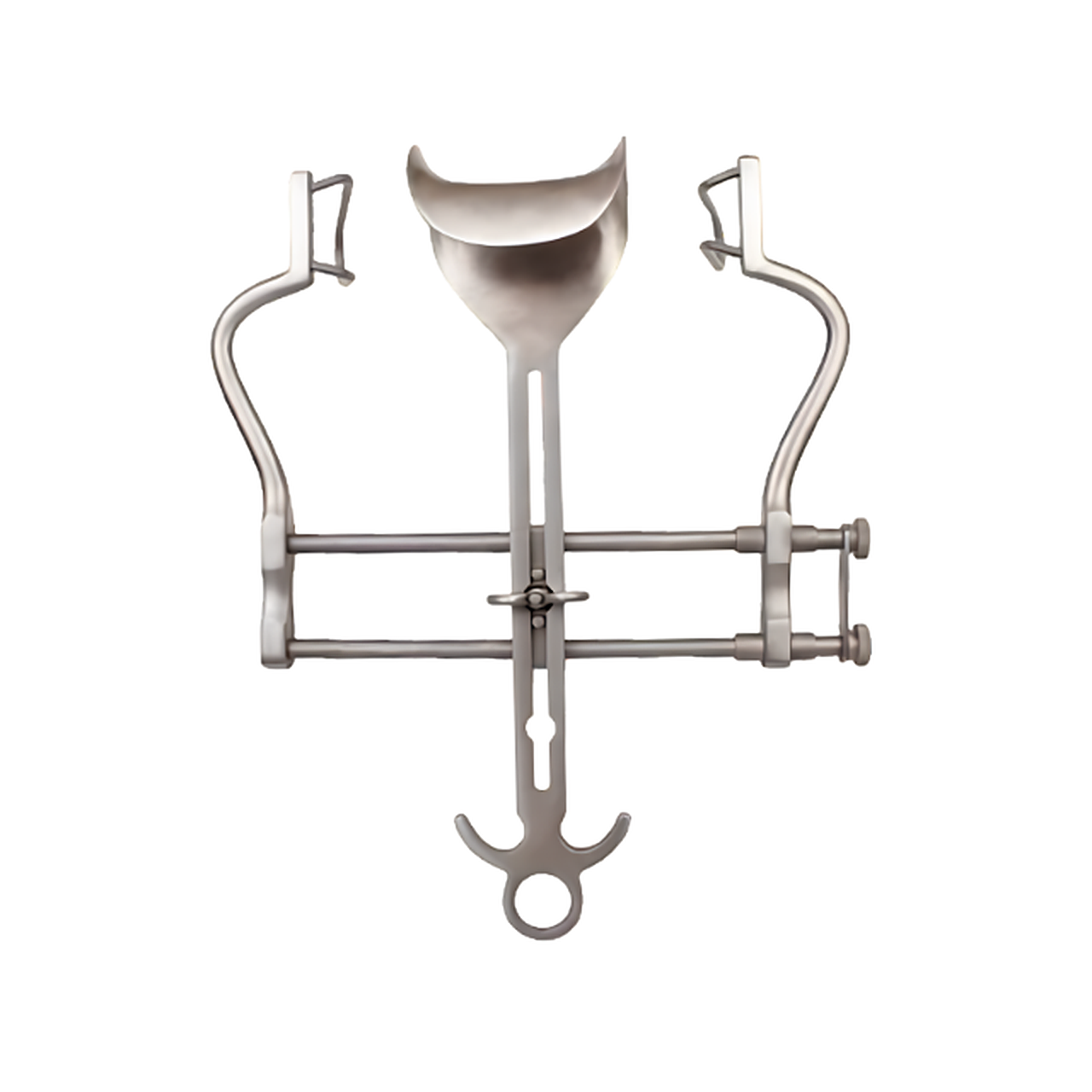
Balfour Retractor
From $299
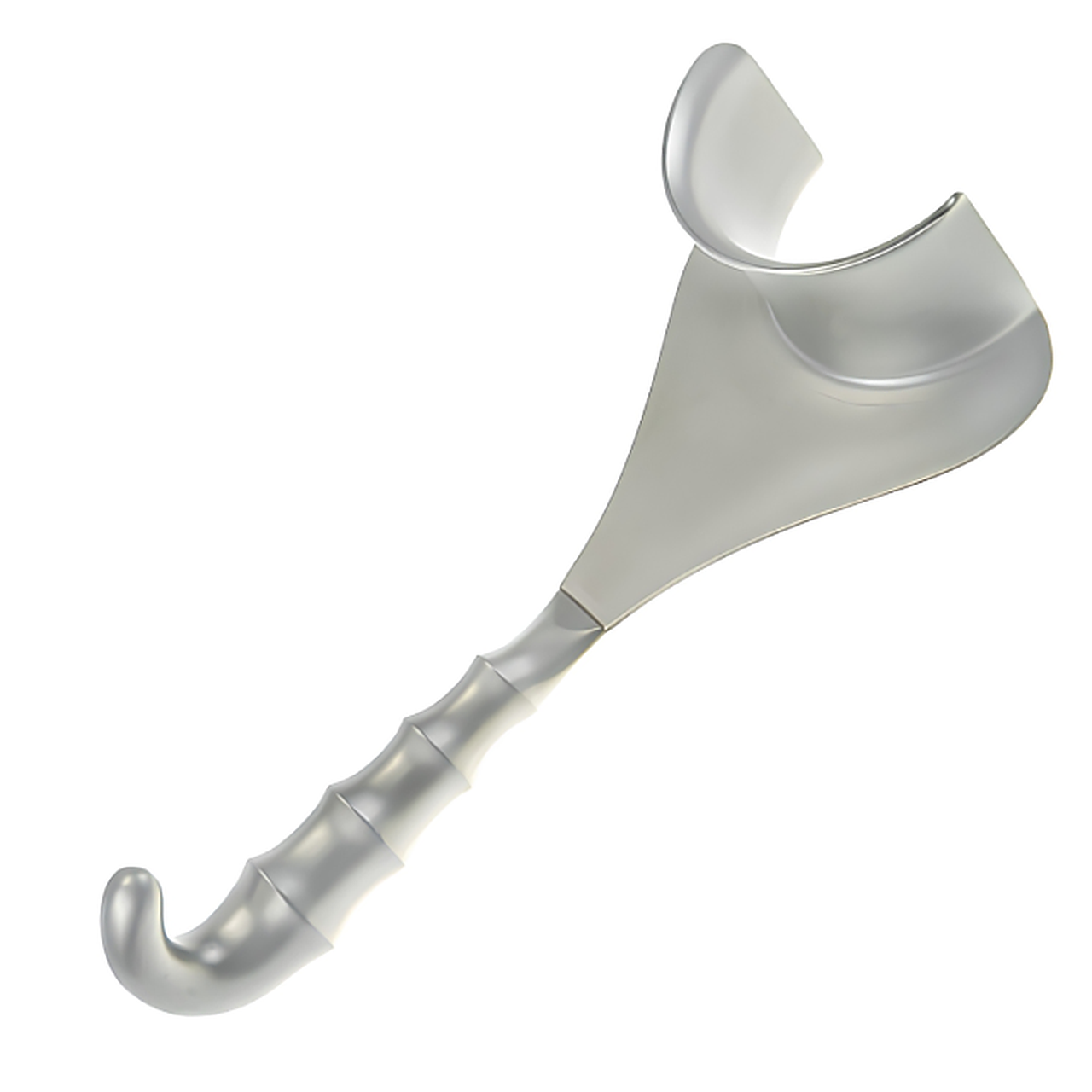
Delee Universal Retractor
$129
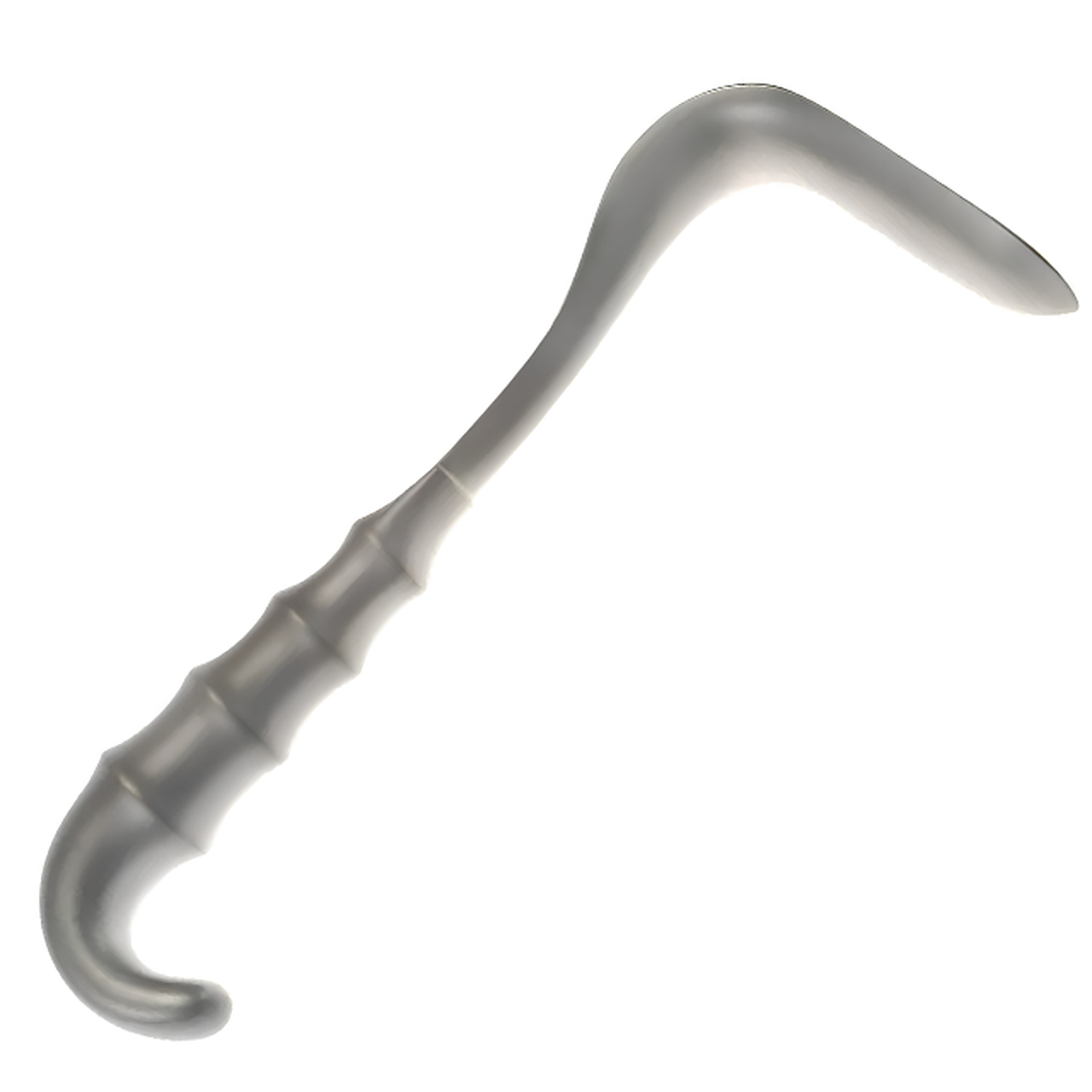
Sims Vaginal Retractor — Hollow Grip Handle
From $89.00
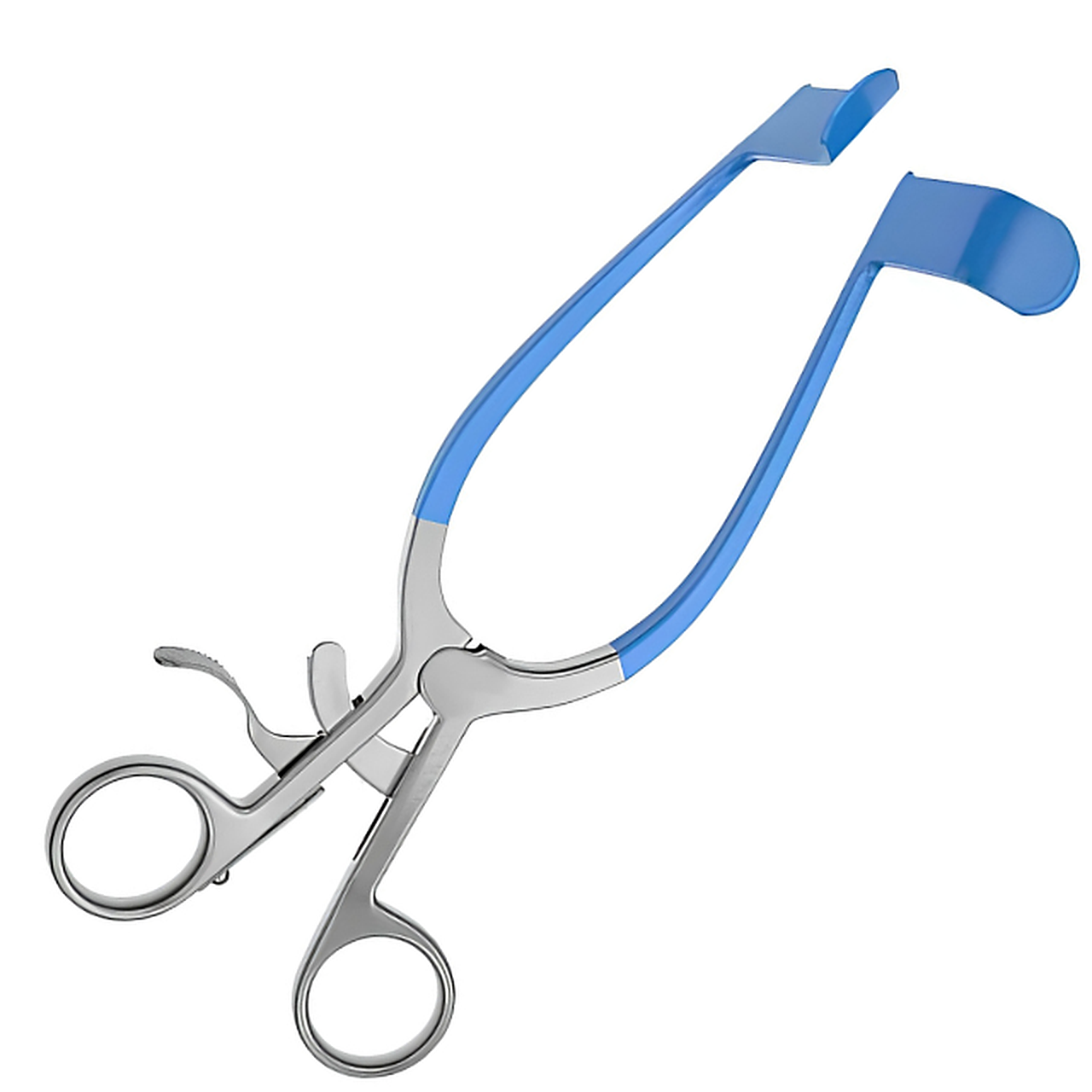
Redundant Nonconductive Wall Retractor
From $99.00
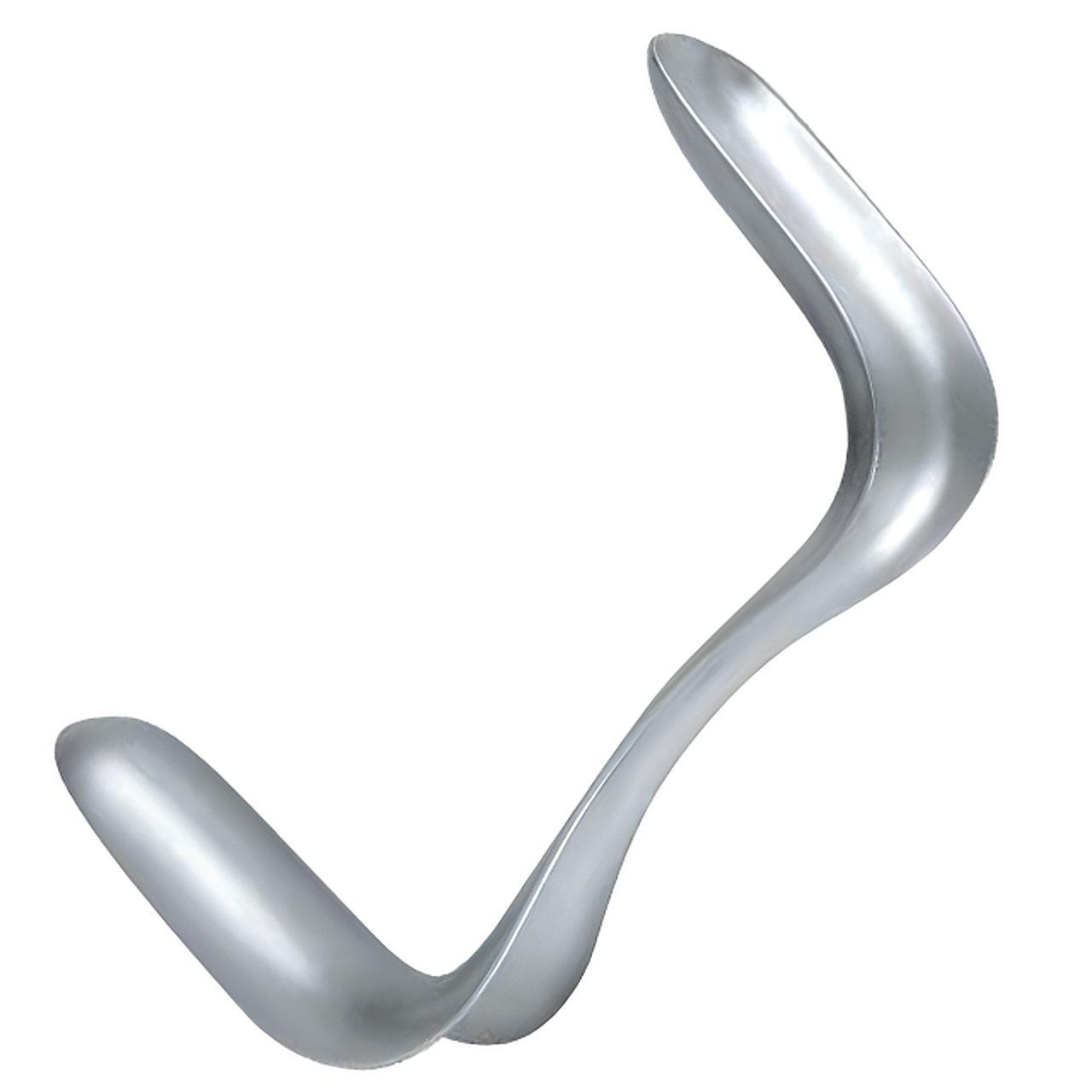
Sims Vaginal Retractor
From $91.00
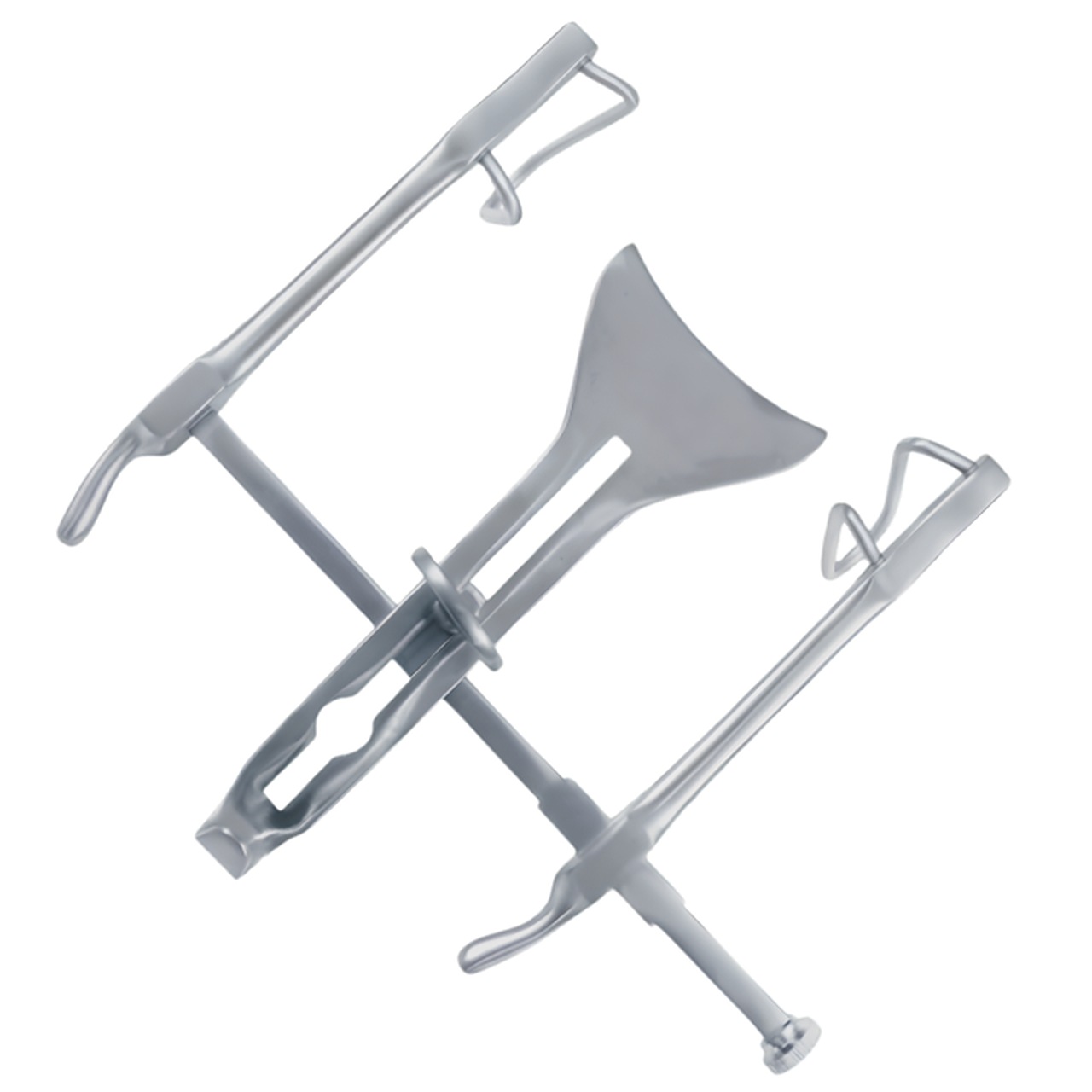
Gosset Self Retaining Retractor
$349
Need Surgical Retractors or Components?
Tell us what you need, including the product, configuration, quantity and destination country. Retractor Maker can provide availability, specifications and pricing.
Request a Quote