
Surgical Retractor Guides
What Is a Senn Retractor Used For? Uses, Features, and Applications
Author: Saad Shahid · Updated · 7 min read
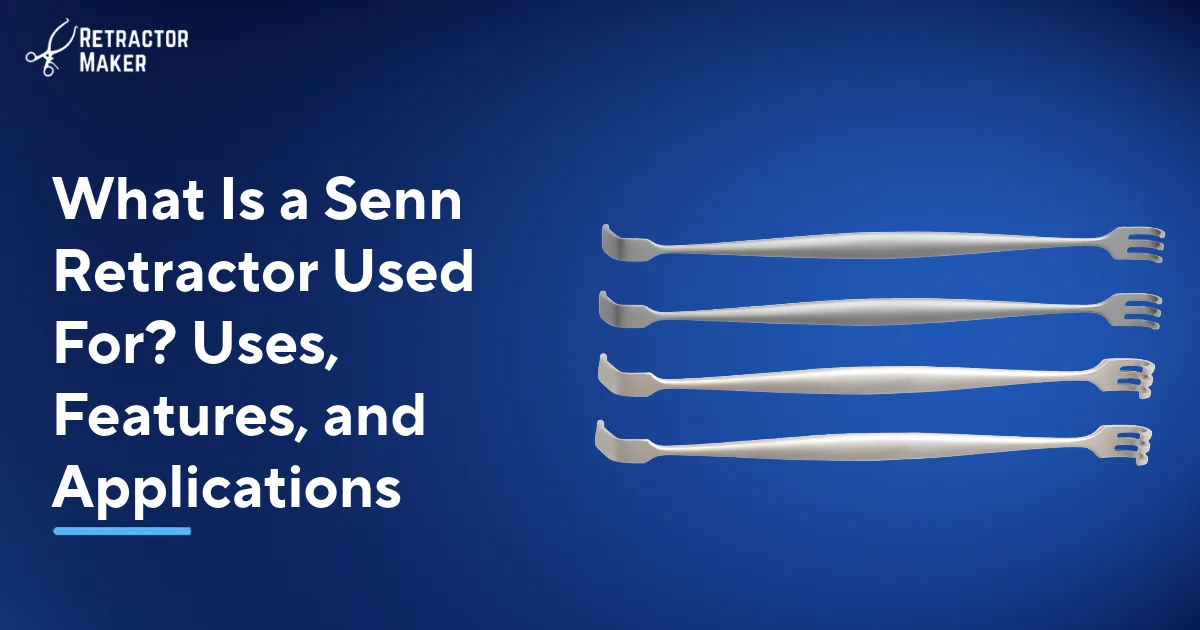
Maintaining an unobstructed view of the surgical field is one of the most critical requirements in any operative intervention. In superficial soft-tissue procedures, plastic surgery, and small-joint orthopedic operations, surgeons require specialized instrumentation that can displace skin and subcutaneous tissue without crowding the limited working corridor. The Senn retractor is one of the most widely used manual instruments developed specifically to meet this requirement.
Retractors discussed in this guide: Senn Forward Retractor, Senn Green Retractor, Senn Miller Retractor, Senn T-Handle Retractor. Browse all surgical retractors.
What Is a Senn Retractor?
A Senn retractor is a hand-held, double-ended surgical tool for retracting skin, fat, and delicate soft tissues during localized procedures. Two working ends connect through a central handle. Surgical assistants use it to move tissue margins with high tactile sensitivity and dynamic control.
The small, two-ended design supports minor surgeries where larger self-retaining retractors would not work well. It gives the surgical team a direct view of superficial structures. It also shields neurovascular margins from contact with scalpels, scissors, or electrosurgical tools.
Contents
What Does a Senn Retractor Look Like?
The Senn retractor has two functional retracting surfaces connected by a slender, rigid central shaft. This dual-ended design has no traditional handle at either end.
- Three curved prongs form a rake at one end. Sharp prongs grip fibrous skin firmly. Blunt prongs gently lift soft tissue without puncturing skin flaps or delicate layers.
- The opposite end has a miniature, smooth, flat blade with a right-angled or L-shaped profile. It distributes pressure evenly across soft tissues, muscle sheaths, or mucosal margins.
- The ergonomic middle holding area often has serrations or textured grips. A flattened profile helps prevent rotation when wearing wet surgical gloves.
Dimensions, shaft curves, and prong widths vary among manufacturers and catalogs. Surgical teams choose models according to anatomical depth.
What Is a Senn Retractor Used For?
A Senn retractor primarily displaces superficial tissue in confined surgical fields. Manual operation lets an assistant adjust tension in response to tissue, patient movement, or dissecting angles.
Core functional uses include:
- Lifts skin flaps during excisions or reconstruction. The rake end or flat blade gently separates skin from underlying layers.
- Exposes superficial tendons and nerves. The smooth blade holds tissue away from tendon sheaths without crushing adjacent digital nerves.
- Maintains operative illumination by holding wound margins back so light reaches small incisions.
- Protects adjacent margins with a blade that physically shields them from burrs, needles, or electrocautery tips.
The exact use depends on the surgical approach, incision depth, and patient anatomy. The operating surgeon's clinical judgment remains key.
Which Surgical Fields Use It?
The Senn retractor is used across surgical fields that involve superficial anatomical layers.
Plastic and Reconstructive Surgery
Blunt Senn retractors lift SMAS flaps and expose subcutaneous margins in plastic and reconstructive surgery. Procedures include facelifts, eyelid revisions, and scar revisions. Non-traumatic tissue handling is needed to prevent flap ischemia and scarring.
Hand and Wrist Surgery
The Senn retractor provides exposure during carpal tunnel releases, cyst excisions, and trigger finger or extensor tendon repairs. Its small size leaves room for micro-dissection tools. This matters in the hand, where many tendons, vessels, and nerves lie near the surface.
Foot and Ankle Surgery
Podiatric and orthopedic surgeons often use Senn retractors during bunionectomies and Morton neuroma excisions. They also use them to help remove foreign bodies from the foot.
General and Dermatologic Surgery
Uses in outpatient and minor operating rooms include lipoma removal, cyst excision, lymph node biopsy, and small hernia repairs.
Senn Retractor vs. Other Hand-Held Retractors
The Senn retractor focuses on shallow operative fields compared with other hand-held retractors.
| Instrument | Design Configuration | Primary Tissue Depth | Key Application |
|---|---|---|---|
| Senn Retractor | Double-ended (3-prong rake + flat blade) | Superficial / Subcutaneous | Small incisions, hand/foot surgery, plastic surgery |
| Volkmann Retractor | Single-ended rake (2 to 6 prongs) | Superficial to Intermediate | Bone and joint exposure, limb surgery |
| Langenbeck Retractor | Single-ended right-angle blade | Intermediate depth | Muscle retraction, deeper soft-tissue planes |
| Army-Navy Retractor | Double-ended broad, flat blades | Intermediate to Deep | General abdominal wall, orthopedics, deep soft tissue |
It is smaller than Army-Navy or Langenbeck retractors. Its design suits shallow fields where broad blades would stretch tissue or block the incision.
What Are the Benefits and Limitations?
Design Benefits
- Two retraction options allow assistants to switch between the rake and flat blade without opening another instrument pack.
- Tactile feedback lets assistants feel tissue compliance, reducing over-stretching of delicate skin margins.
- A slender shaft keeps hands out of the line of sight, preserving illumination and optical clearance.
Operational Limitations
- Limited retraction depth makes the small design unsuitable for deep cavities, broad muscles, or thick fat.
- Continuous manual holding requires an assistant's hand throughout use and can cause fatigue during long procedures.
- Sharp-pronged models can puncture tissue if used improperly. Excessive force on delicate tissue can cause tears.
How Should Reusable Models Be Cleaned and Sterilized?
Reusable stainless-steel Senn retractors require strict cleaning, inspection, and sterilization between clinical uses.
- Remove gross soil, blood, and tissue debris immediately after use with a damp sponge. Do not let biological residue dry on instruments.
- Submerge in a neutral or enzymatic cleaning solution. Use soft-bristle nylon brushes, focusing on prong crevices where bioburden can collect. Use ultrasonic cleaning or washer-disinfectors according to validated parameters.
- Examine prongs under magnification for bends, bluntness in sharp prongs, or cracks. Inspect the handle shaft for pitting or corrosion.
- Package the clean, dry instrument in validated sterilization pouches or trays. Use steam autoclaving or other methods according to the manufacturer's Instructions for Use (IFU) and institutional infection control protocols.
Related Senn Retractor Products
View specifications and availability for the Senn Miller Retractor.
View specifications and availability for the Senn Green Retractor.
View specifications and availability for the Senn Forward Retractor.
Choosing the Right Design
The Senn retractor provides controlled, tactile retraction in superficial, compact operative fields. This vital surgical tool offers flexibility through a double-ended design that combines a three-pronged rake with a smooth right-angled blade.
Match the sharp or blunt blade type to the tissue to ensure clear vision and protect tissue integrity.
Retractor Maker manufactures surgical retractors in Sialkot, Pakistan, and supplies hospitals, surgical centers, and distributors globally. Its focus includes high-grade metallurgy, refined finishing, and balanced ergonomics. Retractor Maker offers many hand-held and self-retaining systems.
Clinical notice: This guide is for surgical teams and hospital buyers. Always follow the manufacturer's instructions for use (IFU) and your hospital's sterilization rules before clinical use.
Frequently Asked Questions
What is a Senn retractor?
A Senn retractor is a hand-held, double-ended surgical tool used to expose superficial soft tissues. One end has a three-pronged rake. The other end has a small, flat blade set at a right angle for superficial tissue exposure.
What is a Senn retractor used for?
A Senn retractor gently retracts skin, fat, and superficial fascia. It is used in plastic surgery, hand and wrist procedures, and foot and ankle procedures. It is also used in minor general surgery to retract these superficial tissues.
Is a Senn retractor hand-held?
The Senn retractor is entirely hand-held and requires manual holding throughout use. A surgical assistant or surgeon holds it during tissue retraction. That manual support must continue for the full time the Senn retractor is in use.
What type of surgery uses a Senn retractor?
A Senn retractor is regularly used in plastic and reconstructive surgery. Other uses include orthopedic hand and foot surgery, dermatologic surgery, and superficial general dissections. These surgical uses involve retracting tissue in the superficial field.
What is the difference between sharp and blunt Senn retractors?
Sharp Senn retractors have pointed prongs, while blunt Senn retractors have rounded prongs. Pointed prongs grip tough fibrous or dermal tissue firmly. Rounded prongs protect delicate tissues, nerves, and skin flaps from puncture during tissue retraction.
Can a reusable Senn retractor be sterilized?
Reusable Senn retractors are made of stainless steel and can be cleaned and sterilized. Follow standard hospital autoclaving protocols for sterilization. Cleaning and sterilization must also adhere to the manufacturer's validated instructions for use (IFU).
How does a Senn retractor differ from an Army-Navy retractor?
A Senn retractor is smaller and designed for superficial fields, while an Army-Navy retractor has broad, flat blades for intermediate to deep tissue retraction. The Senn combines a three-pronged rake with a flat blade. This design suits small incisions where broader blades could stretch tissue or block the opening.
What are the limitations of a Senn retractor?
A Senn retractor has limited retraction depth and is not designed for deep cavities, broad muscles, or thick fat. Continuous manual holding can cause fatigue during long procedures. Improper use of sharp prongs or excessive force can puncture or tear delicate tissue.
What should be inspected on a reusable Senn retractor?
A reusable Senn retractor should be inspected for bent or cracked prongs, loss of sharpness on sharp models, and shaft pitting or corrosion. The guide calls for visual examination of the prongs under magnification between clinical uses, alongside cleaning and sterilization.
About the author
Saad Shahid · Sales & Marketing Manager
Saad Shahid is the Sales & Marketing Manager and founder of Retractor Maker, started in 2023 in Sialkot, Pakistan. He also works with his father at Hospitech Traders, the family surgical instrument business founded in 1989.
Related Blogs & Guide
Related Retractors
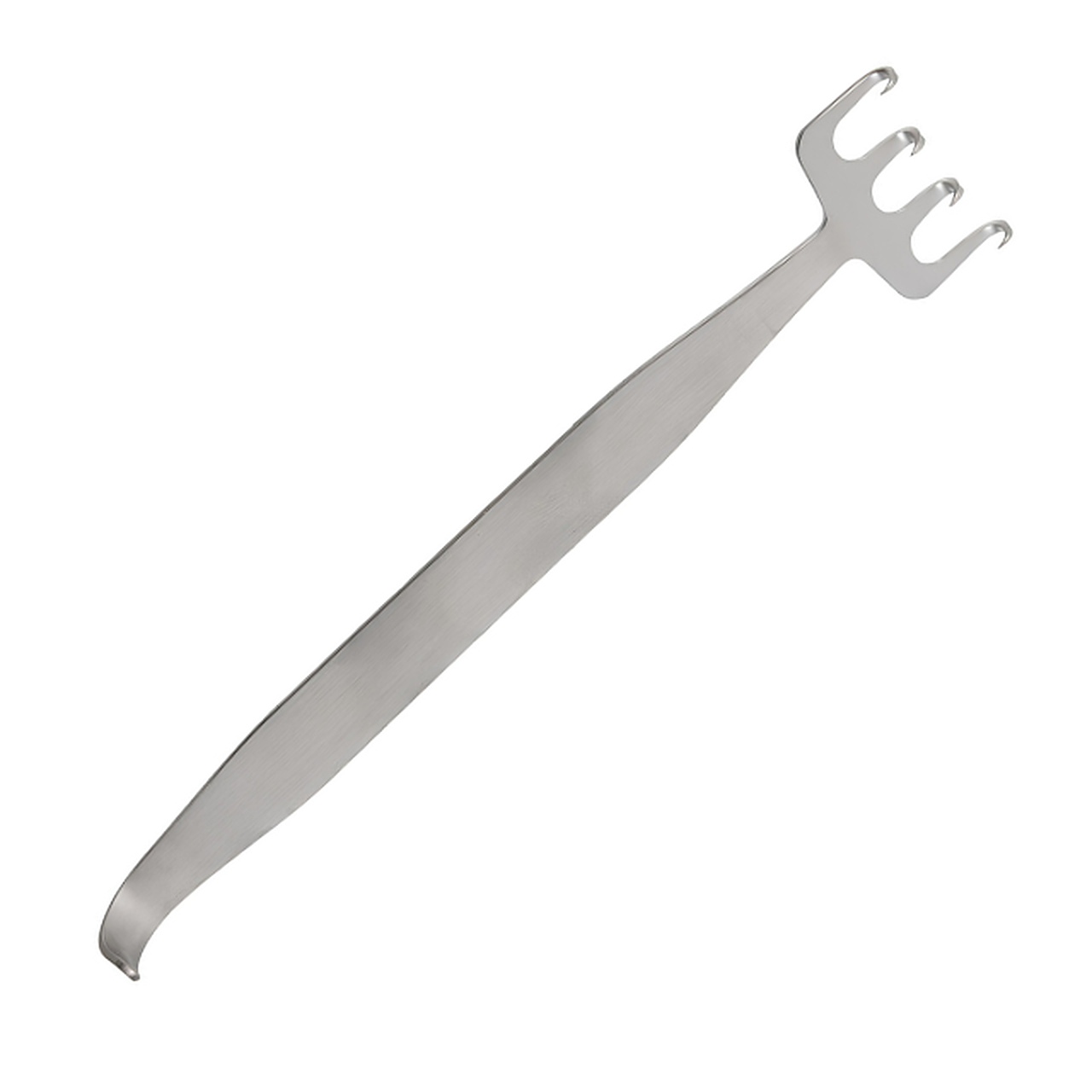
Freeman Rake Retractor
From $44.00
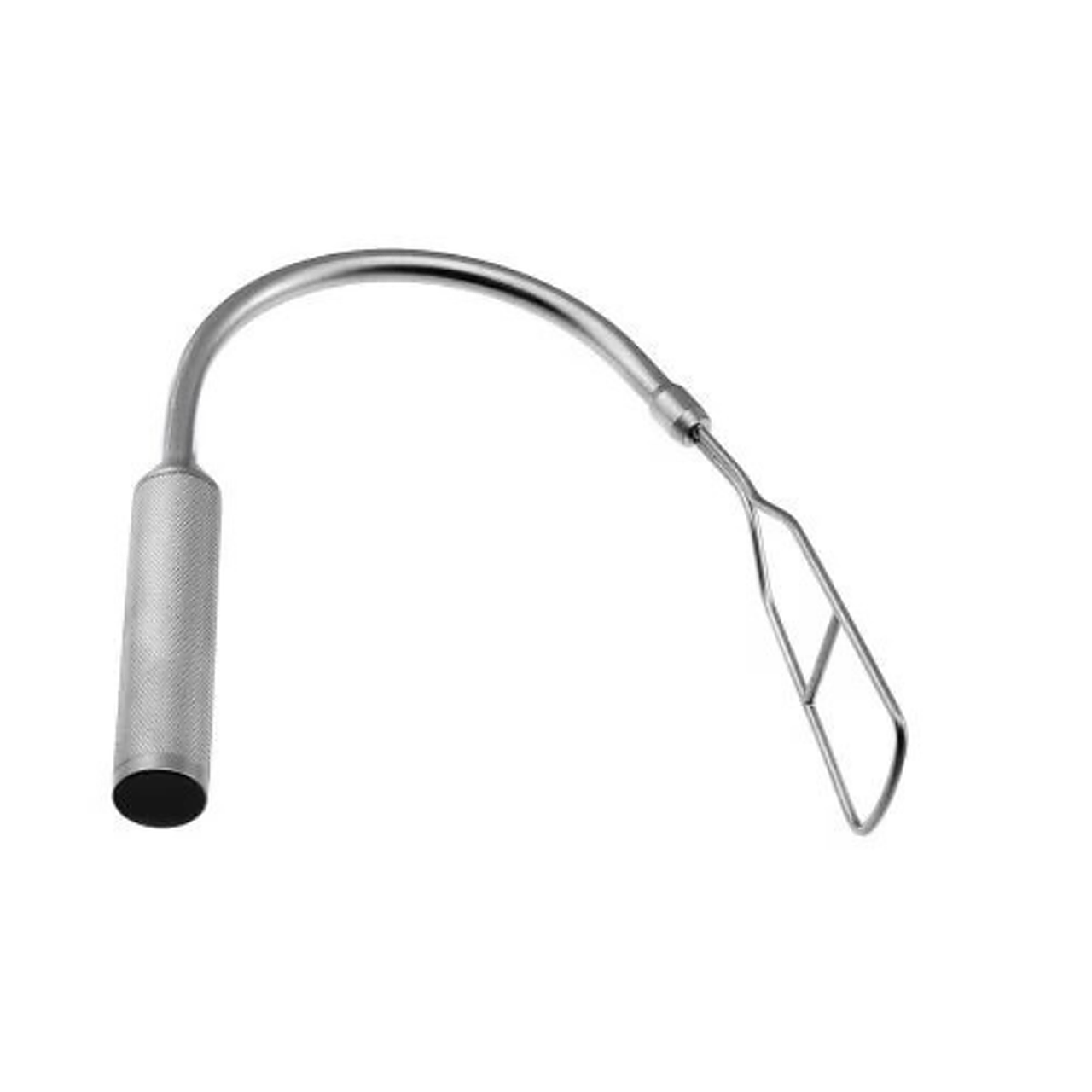
Biggs Mammaplasty Retractor standard
$69.00
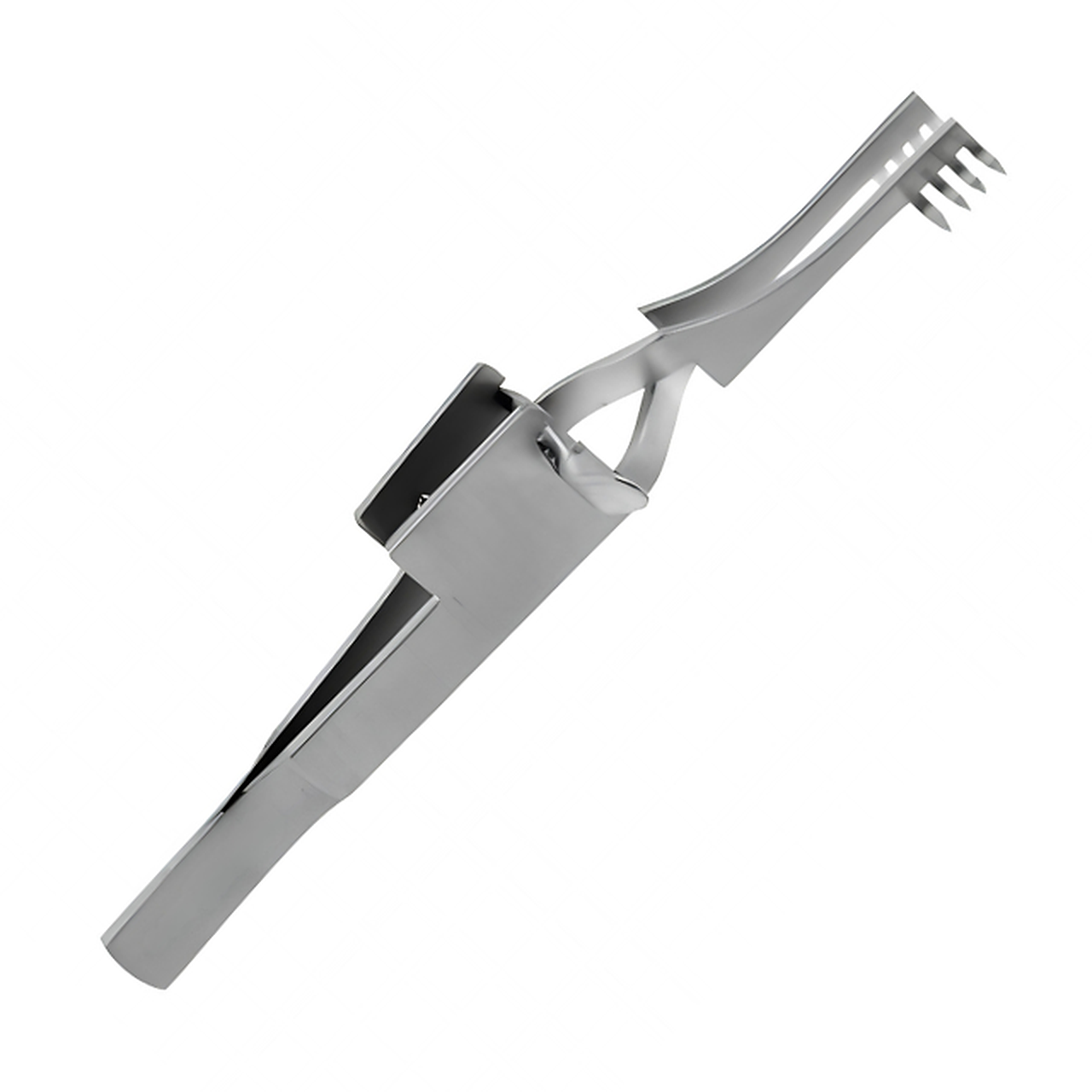
Knapp Self-Retaining Retractor
$79.00
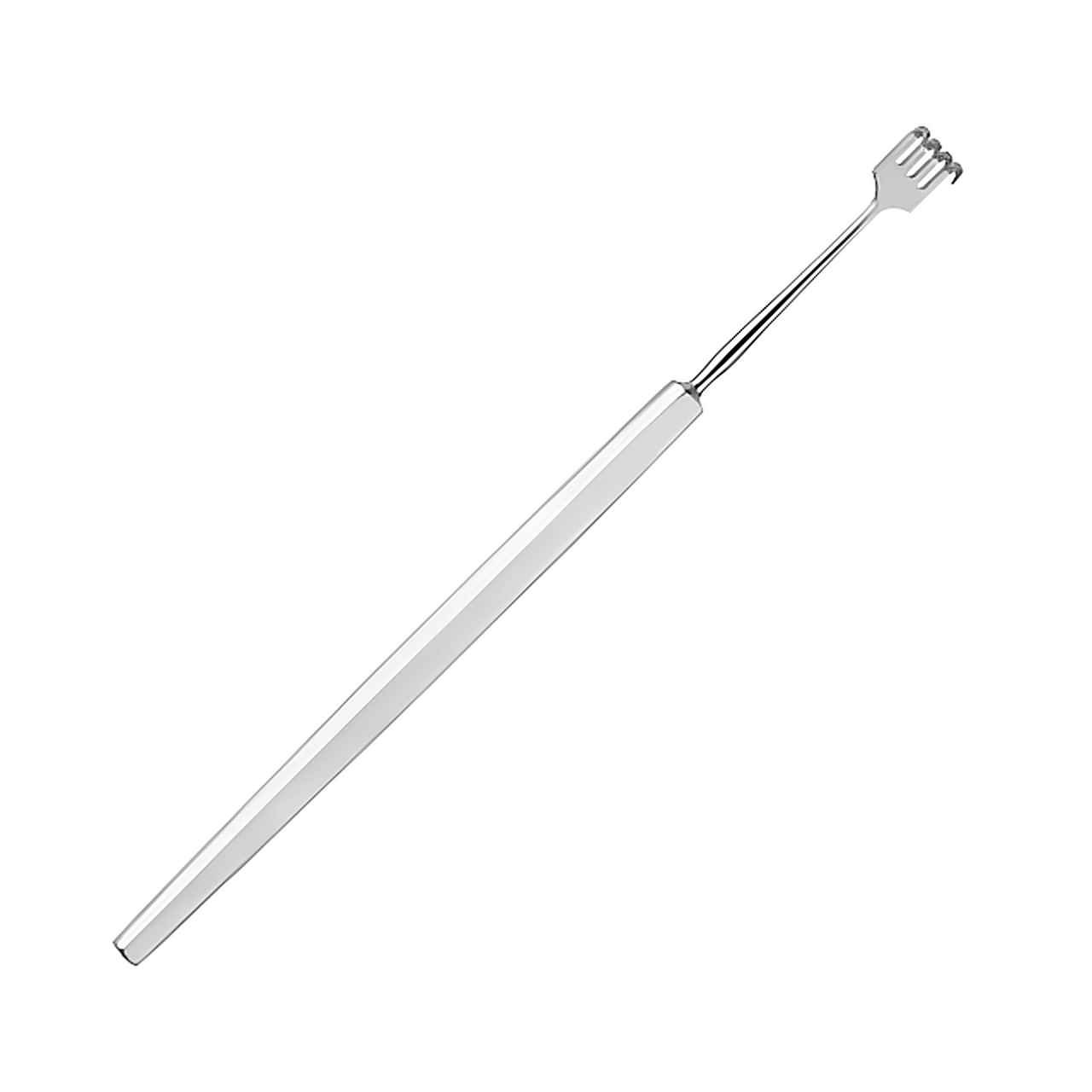
Blair Finger Retractor
From $94.00
Aufricht Daniel Nasal Retractor
$29.00
Aufricht Nasal Retractor
From $59.00
Need Surgical Retractors or Components?
Tell us what you need, including the product, configuration, quantity and destination country. Retractor Maker can provide availability, specifications and pricing.
Request a Quote