
Surgical Retractor Guides
What Is a Gruber Retractor? Design, Uses, and Surgical Applications
Author: Saad Shahid · Updated · 7 min read
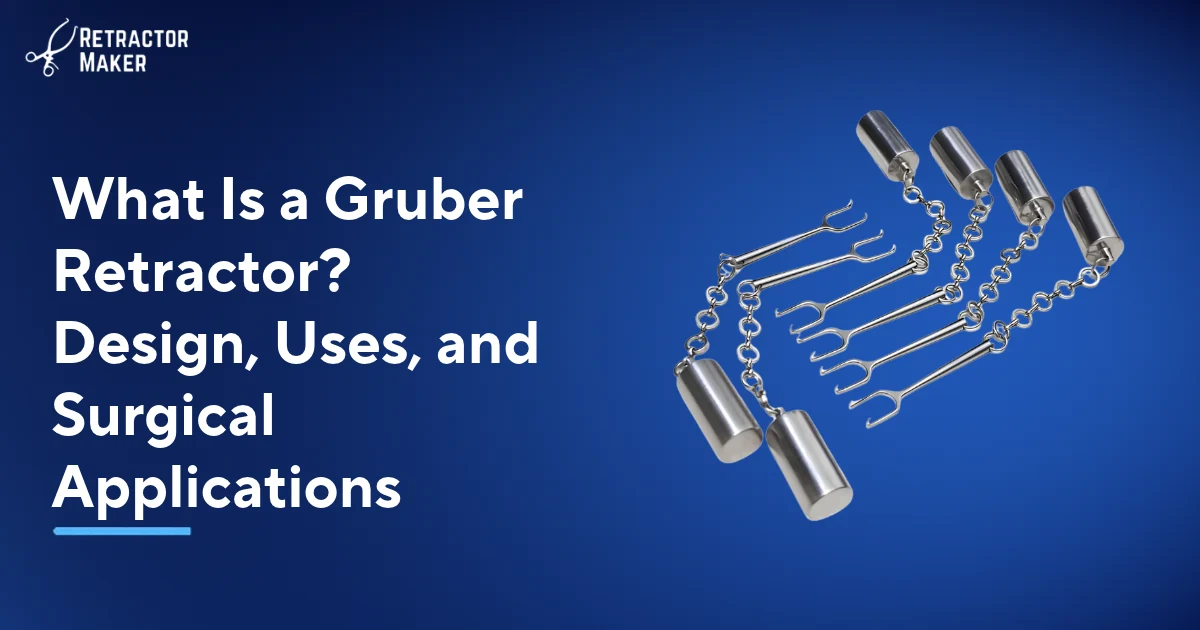
Surgical access in confined or structurally delicate anatomical regions requires retractors engineered for precision, gentle tissue handling, and low-profile placement. While general surgery relies heavily on large hand-held or table-mounted retractors, specialized surgical fields—such as aesthetic plastic surgery, otolaryngology, and reconstructive facial surgery—demand compact instruments tailored to precise tissue planes. The Gruber retractor is one such specialized instrument.
Retractors discussed in this guide: Cerkes Nasal Retractor With Weight - Gruber Columella Retractor, Gruber Rhinoplasty Retractor. Browse all surgical retractors.
What Is a Gruber Retractor?
A Gruber retractor is a fine surgical device for controlled tissue retraction in delicate operative fields. Uses include rhinoplasty, facial plastic surgery, and reconstructive microsurgery. It is named for Dr. Ronald P. Gruber, a plastic surgeon who greatly advanced modern aesthetic nasal surgery. It creates clear optical corridors without distorting fragile cartilage or skin frameworks.
The Gruber retractor differs from heavy abdominal retractors through refined blade geometries, an ergonomic handle, and carefully finished margins. It gives surgeons and assistants fine tactile control. They can elevate skin flaps, expose alar cartilages, and visualize internal nasal structures during intricate reconstructive procedures.
Contents
What Are the Gruber Retractor's Design Features?
The Gruber retractor combines blade contours, a slender shank, and an ergonomic handle to meet facial plastic surgery demands.
- Contoured working blade: A gently curved blade may have special distal notches, bifurcated tips, or light concavities. These cup cartilage margins, such as lower lateral crura, without crushing delicate chondral matrix.
- Slender, offset shank: A slender neck may have a slight bayonet or angled offset. This keeps the assistant's hand clear of the surgeon's view and illumination field.
- Ergonomic handle: Supports fine fingertip manipulation and often has finger indentations. Longitudinal knurling or a teardrop ring profile improves grip stability and minimizes hand fatigue.
- Satin or non-glare finish: A typically low-glare satin surface prevents harsh reflections under bright surgical headlights or optical loupes.
What Is a Gruber Retractor Used For?
The Gruber retractor provides precise exposure of fine anatomical structures during plastic surgery procedures.
How Is It Used in Open and Closed Rhinoplasty?
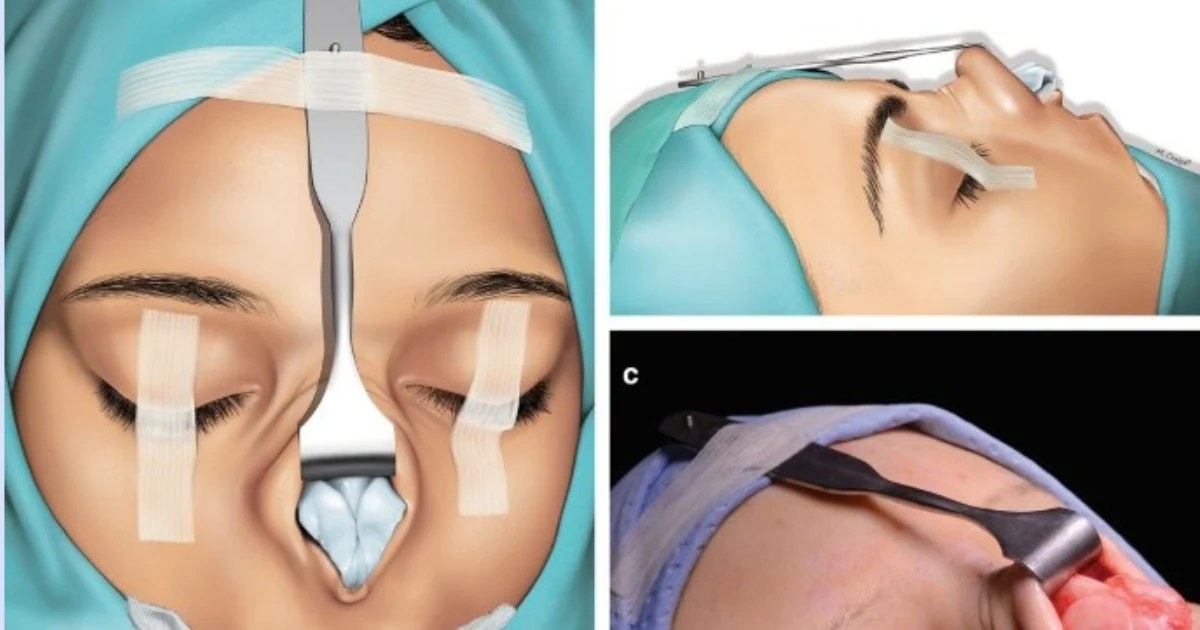
The Gruber retractor is mainly used in nasal surgery, including open and closed rhinoplasty. It elevates the nasal soft tissue envelope (SSTE) and exposes the domes and lateral crura of lower lateral cartilages. It maintains clearance for suture placement and cartilage grafting. It also assists with cephalic trim resections.
How Does It Support Cartilage Harvesting and Sculpting?
The Gruber retractor holds back skin and perichondrial margins during cartilage harvesting. Auricular cartilage comes from the ear for nasal reconstruction, while costal cartilage comes from the rib cage. Holding these margins allows precise graft dissection and prevents tearing adjacent tissues.
Where Is It Used in Localized Facial Reconstruction?
It helps elevate delicate margins around the nose, lips, and eyelids during reconstruction after skin cancer excision (Mohs surgery). It is also useful in facial trauma repairs.
How Is a Gruber Retractor Handled During Surgery?
A Gruber retractor requires careful placement and steady, calibrated tension during surgery.
- Flap elevation: After an initial incision, such as in open rhinoplasty, place the blade under the skin flap.
- Controlled vertical vector: The surgical assistant applies gentle upward and backward traction to lift the skin envelope away from the nasal framework.
- Cartilage visualization: The curved blade tip cradles cartilage for a stable view during subperichondrial dissection, cartilage suturing, or structural graft positioning.
- Tissue monitoring: The surgical team checks skin flap edges for pressure blanching to ensure microvascular blood flow is not compromised.
How Does the Gruber Retractor Compare With Alternatives?
The Gruber retractor can be compared with alternative instruments used in facial plastic surgery to clarify their different roles.
| Instrument | Primary Working End | Key Application | Comparative Design Characteristic |
|---|---|---|---|
| Gruber Retractor | Contoured, delicate curved blade | Rhinoplasty, nasal cartilage exposure | Specifically designed to cup and elevate nasal frameworks |
| Aufricht Retractor | Broad, downward-curved blade | Nasal dorsum elevation | Larger blade designed specifically to tent the dorsal nasal skin |
| Converse Retractor | Double-ended angled blade | Alar and nasal soft tissue exposure | Narrower right-angled blades for endonasal entry |
| Joseph Skin Hook | Single or double sharp hook | Dermal margin elevation | Hooks directly into dermis rather than cupping deep soft tissue |
The Aufricht retractor suits exposure of the nasal dorsum. The Gruber retractor offers fine, adaptable control over delicate alar and tip structures.
What Should Teams Consider When Selecting and Handling It?
Teams selecting Gruber retractors for a rhinoplasty set should consider blade dimensions, assistant positioning, and gentle mechanical force.
- Blade width and depth: Correct blade size provides proper exposure without overstretching the surgical incision.
- Assistant positioning: The small surgical area around the nose and face requires coordination with the surgeon to maintain a clear line of sight.
- Gentle mechanical force: Cartilage has limited blood supply and relies on the overlying perichondrium. Excessive traction can cause damage, and sharp instrument edges may fracture cartilage.
How Should It Be Cleaned and Sterilized?
Central sterile supply departments must follow cleaning and sterilization guidelines to preserve Gruber retractor tolerances and edges.
- Immediate post-operative decontamination: Wipe off blood and tissue after the case. Do not allow instruments to dry before cleaning.
- Manual cleaning with soft brushes: Submerge in an enzymatic bath and gently brush with soft nylon bristles. Avoid abrasive pads that can scratch surfaces.
- Ultrasonic processing: Use an ultrasonic bath to remove microscopic soils from knurling and crevices.
- Inspection under magnification: Check the blade tip for micro-burrs or distortion, inspect for surface wear, and ensure the shaft is not bent.
- Moist heat sterilization: Package in standard wraps or trays. Autoclave with validated steam cycles according to the manufacturer's instructions and hospital protocols.
Related Gruber Retractor Products
View specifications and availability for the Gruber Rhinoplasty Retractor.
View specifications and availability for the Cerkes Nasal Retractor with Weight – Gruber Columella Retractor.
Summary and Manufacturer Information
The Gruber retractor provides fine, atraumatic retraction essential to modern facial surgery. Its design accommodates delicate nasal cartilages and facial soft tissues. This allows precise work in millimeter-scale anatomical spaces.
Its ergonomic design provides surgical exposure. A slender profile and protective blade contours maintain the integrity of fragile tissue flaps.
Retractor Maker is a manufacturer and global B2B supplier of surgical retractors in Sialkot, Pakistan. The company focuses on dimensional accuracy and smooth, non-traumatic blade finishes. Fabrication uses Premium Grade AISI 304/316 Stainless Steel (Non-Magnetic). Retractor Maker supplies specialty plastic and ENT retractors, along with reconstructive retractor systems, to healthcare distributors and surgical centers worldwide.
Clinical notice: This guide is for surgical teams and hospital buyers. Always follow the manufacturer's instructions for use (IFU) and your hospital's sterilization rules before clinical use.
Frequently Asked Questions
What is a Gruber retractor?
A Gruber retractor is a specialized, fine surgical instrument for controlled tissue retraction in rhinoplasty and facial plastic surgery. Its contoured blade and ergonomic handle support fine control when elevating delicate tissue and exposing nasal structures.
What is a Gruber retractor used for?
A Gruber retractor gently elevates nasal soft tissue flaps and exposes alar and lateral cartilages. It creates clear visual access during procedures. In rhinoplasty, this exposure maintains working clearance for suture placement, cartilage grafting, and cephalic trim resections.
What does a Gruber retractor look like?
It features a slender handle. It has an offset neck. The delicate blade is anatomically contoured.
What types of surgery use a Gruber retractor?
A Gruber retractor is mostly used in aesthetic and functional rhinoplasty, facial reconstructive procedures, and cartilage graft harvesting. Nasal surgery uses include open and closed approaches. It also supports localized facial reconstruction after skin cancer excision and facial trauma repairs.
Is a Gruber retractor reusable?
Quality Gruber retractors are reusable surgical retractors made from Premium Grade AISI 304/316 Stainless Steel (Non-Magnetic). Gruber retractors can withstand repeated hospital autoclaving cycles, allowing them to be reprocessed for reuse rather than discarded after a single use.
How should a reusable Gruber retractor be reprocessed?
A reusable Gruber retractor should be wiped clean immediately after use, cleaned, inspected, and steam sterilized following protocols. Clean the Gruber retractor in an enzymatic detergent using soft brushes and ultrasonic cleaning. Inspect under magnification before steam sterilization.
What types of retractors are used in facial plastic surgery?
Gruber, Aufricht, and Converse retractors and the Joseph skin hook are used in facial plastic surgery. The Gruber cups delicate nasal frameworks. The Aufricht elevates dorsal nasal skin. The Converse exposes alar and nasal soft tissues. The Joseph skin hook elevates dermal margins.
How does a Gruber retractor differ from an Aufricht retractor?
A Gruber retractor provides fine control of delicate alar and nasal tip structures, while an Aufricht retractor is designed for nasal dorsum elevation. The Gruber has a contoured, delicate curved blade that cups nasal frameworks. The Aufricht has a larger, broad, downward-curved blade that tents dorsal nasal skin.
How do you select and handle a Gruber retractor?
Selecting and handling a Gruber retractor requires attention to blade width and depth, assistant positioning, and gentle mechanical force. Correct blade size provides exposure without overstretching the incision. Coordinated positioning maintains a clear line of sight. Excessive force or sharp edges can damage cartilage.
About the author
Saad Shahid · Sales & Marketing Manager
Saad Shahid is the Sales & Marketing Manager and founder of Retractor Maker, started in 2023 in Sialkot, Pakistan. He also works with his father at Hospitech Traders, the family surgical instrument business founded in 1989.
Related Blogs & Guide
Related Retractors
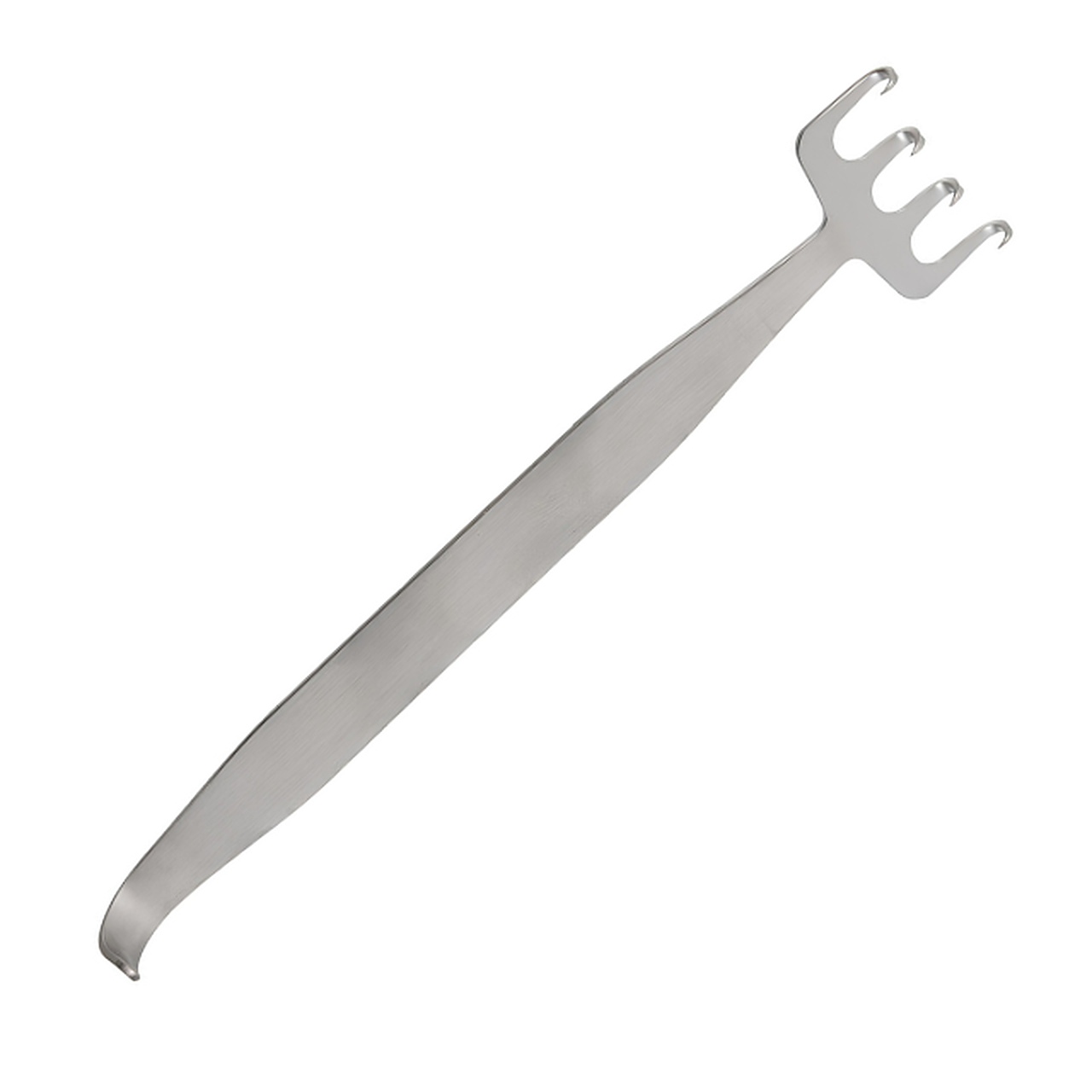
Freeman Rake Retractor
From $44.00
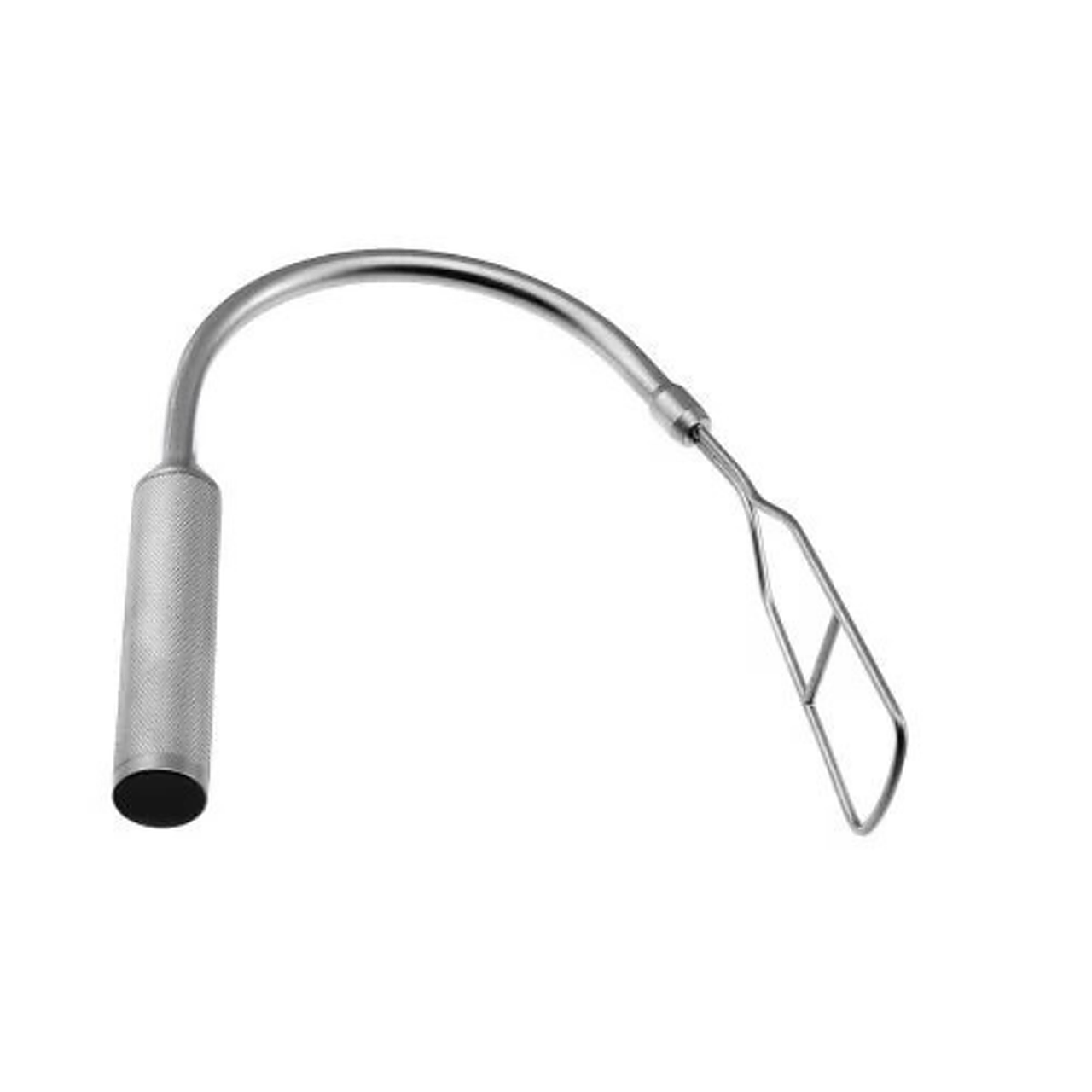
Biggs Mammaplasty Retractor standard
$69.00
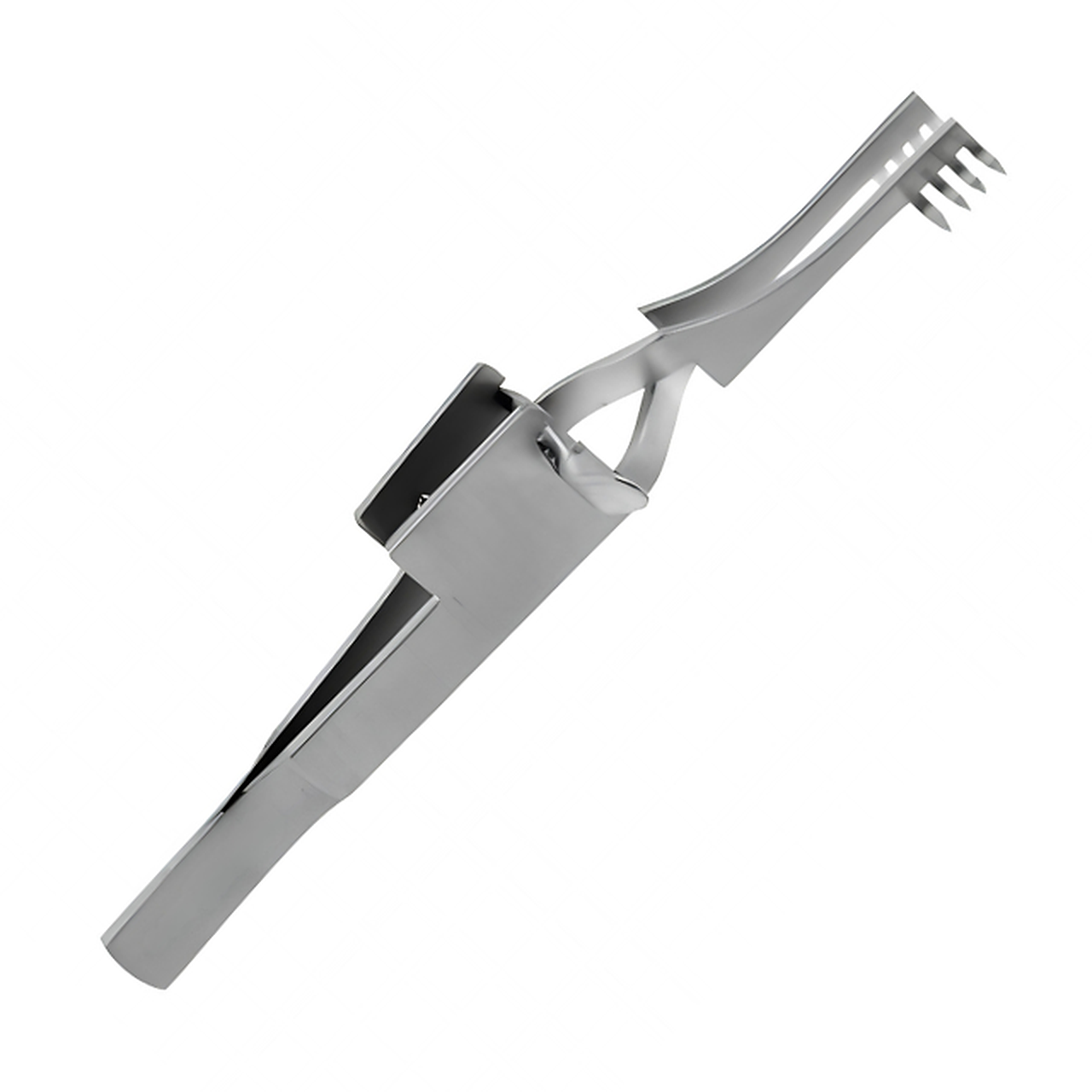
Knapp Self-Retaining Retractor
$79.00
Blair Finger Retractor
From $94.00
Aufricht Daniel Nasal Retractor
$29.00
Aufricht Nasal Retractor
From $59.00
Need Surgical Retractors or Components?
Tell us what you need, including the product, configuration, quantity and destination country. Retractor Maker can provide availability, specifications and pricing.
Request a Quote