
General Surgery Retractors
Heiss Retractor: Uses, Design, Options & Buying Guide
Author: Saad Shahid · Updated · 7 min read
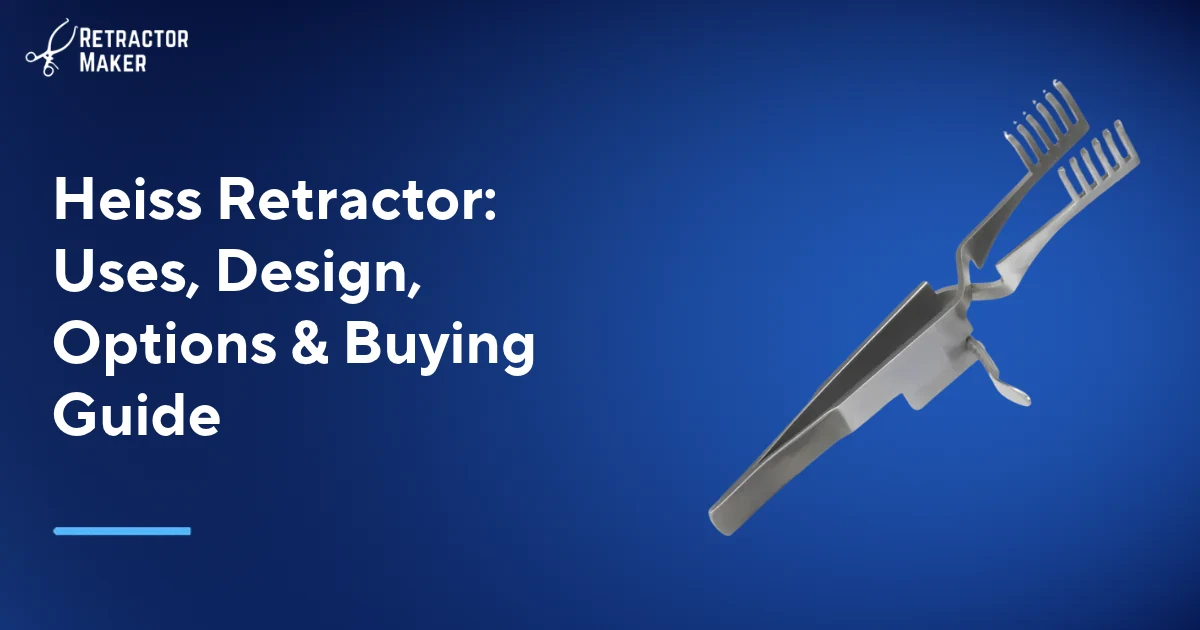
Explore Heiss retractor uses, thumbscrew design, prong options, positioning and sterilization guidance, plus wholesale and OEM buying from Retractor Maker.
Retractors discussed in this guide: Heiss Wound Retractor. Browse all surgical retractors.
A Heiss retractor is a compact, self-retaining surgical instrument that separates wound edges to maintain access to an operative site. The Heiss Wound Retractor from Retractor Maker uses a mechanical thumbscrew drive and multi-prong blades for controlled exposure during minor surgical, ophthalmic, plastic, and hand procedures. Its selection depends on the tissue being retracted, the required exposure, and the surgeon’s preferred prong configuration. This guide explains the listed design, available options, positioning principles, reprocessing considerations, and purchasing questions.
What is a Heiss retractor?
A Heiss retractor is a self-retaining wound-edge spreader rather than an instrument that must be held continuously by an assistant. Its fine-threaded thumbscrew controls the opening and maintains the selected separation. This allows hands-free exposure once the instrument is positioned, although the operative team must continue to monitor tissue tension and stability.
The listed instrument has an overall length of 10.8 cm (approx. 4.25 inches). That measurement describes the instrument’s overall length, not its maximum opening or the incision size it can accommodate. Buyers should distinguish overall dimensions from blade dimensions and request clarification whenever a tray specification requires information not included in the product listing.
What is a Heiss retractor used for?
The Heiss Wound Retractor is intended for self-retaining tissue retraction during minor surgical, ophthalmic, plastic, and hand procedures. Its role is to separate wound edges so the surgeon can see and work within the exposed field. It is a retraction instrument, not a cutting, dissecting, or tissue-clamping instrument.
- Minor surgical procedures: maintaining wound-edge separation where a compact self-retaining instrument is appropriate.
- Ophthalmic procedures: supporting exposure in suitable operative settings selected by the surgeon.
- Plastic procedures: maintaining access while accounting for delicate tissue and wound-edge condition.
- Hand procedures: providing exposure while protecting nearby tendons, nerves, and vessels.
A listed specialty is not a recommendation for every operation within that specialty. The surgeon must assess the actual tissue, available working space, and structures beneath the prongs. In particular, the ophthalmic indication should not be interpreted as permission to place prongs against ocular structures without procedure-specific assessment. The least retraction necessary for adequate exposure is the appropriate general principle.
How do the Heiss retractor design and parts work?
The design combines a compact self-retaining spreader, multi-prong blades, and a fine-threaded thumbscrew mechanism. The thumbscrew provides smooth, micro-adjustable opening, allowing the operator to increase separation gradually rather than applying an abrupt spreading force. Mechanical control supports careful positioning but does not replace direct observation of tissue response.
Prongs and tissue engagement
The available prong patterns are 5×5 and 6×6. Sharp tips provide secure tissue engagement, while blunt tips are offered for minimal local trauma. Blunt tips can still compress or injure tissue if excessive force is applied. Neither the prong count nor the tip profile alone determines suitability; both should be considered alongside blade dimensions and the operative field.
Material and blade dimensions
The listed material is Premium Grade AISI 304/316 Stainless Steel (Non-Magnetic). Available blade dimensions are stated as 10.0 mm × 10.0 mm deep or 15.0 mm × 10.0 mm deep. Quote these dimensions exactly when ordering and ask Retractor Maker to confirm their orientation if your purchasing specification requires separately identified width and depth.
Which Heiss retractor options are available?
The supplied product information describes one Heiss Wound Retractor with selectable configurations, not separate instrument families. The table compares its listed options. All retain the same stated procedural scope; the listing does not assign particular operations exclusively to one prong pattern or blade dimension.
| Product or option | Design | Typical use or selection consideration |
|---|---|---|
| Heiss Wound Retractor — 5×5 prongs | Compact thumbscrew-driven spreader with 5×5 prong pattern; listed at $94.00 | Self-retaining wound-edge separation in the listed specialties; select according to tissue engagement requirements. |
| Heiss Wound Retractor — 6×6 prongs | Compact thumbscrew-driven spreader with 6×6 prong pattern; listed at $99.00 | The same stated procedural scope; confirm that the prong arrangement suits the operative field. |
| Heiss Wound Retractor — sharp tips | Multi-prong blades with sharp tips | Secure tissue engagement where sharp prongs are clinically appropriate. |
| Heiss Wound Retractor — blunt tips | Multi-prong blades with blunt tips | Retraction with a tip profile offered for minimal local trauma. |
| Heiss Wound Retractor — blade dimension options | 10.0 mm × 10.0 mm deep or 15.0 mm × 10.0 mm deep | Selection based on wound geometry and the tissue intended for retraction. |
Treat the listed prices as configuration references and confirm the final quotation before purchase. Ask which combinations of prong pattern, tip profile, and blade dimensions are available. A purchase order should describe the complete requested configuration rather than relying on the product name alone.
How is a Heiss retractor positioned and adjusted?
A trained surgical professional positions the prongs under direct vision and adjusts the thumbscrew gradually to obtain adequate exposure without unnecessary tension. These are general handling principles, not a substitute for the manufacturer’s instructions, supervised training, or procedure-specific surgical judgment.
- Before use, confirm the selected configuration, completed reprocessing, and intact instrument condition.
- Identify the tissue intended for engagement and protect underlying or adjacent vulnerable structures.
- Position the blades so the prongs engage the intended wound edges without catching unintended tissue.
- Open gradually using the thumbscrew while observing tissue tension and the working field.
- Reassess exposure throughout the procedure and reduce tension or reposition when needed.
- Release tension before disengaging the prongs and removing the instrument.
Self-retaining does not mean unattended. Changes in tissue position, instrument loading, or the operative task may require readjustment. If engagement becomes unstable or more force seems necessary, reassess placement and instrument suitability rather than simply continuing to tighten the mechanism.
How should a Heiss retractor be cleaned and sterilized?
The Heiss Wound Retractor is supplied non-sterile and is fully autoclavable. It therefore requires appropriate cleaning and sterilization before surgical use. Individual protective packaging protects the supplied instrument but does not establish sterility. The provided product information does not specify a validated sterilization cycle or detailed reprocessing instructions.
Obtain the manufacturer’s current instructions before first use and follow the facility’s validated reprocessing workflow. Cleaning must address the prongs, blade surfaces, and threaded mechanism, where retained soil can interfere with effective processing. Inspect for residue, damage, corrosion, and impaired movement, and remove instruments with unresolved defects from service.
Use cleaning agents, accessories, packaging, and steam-cycle settings compatible with the manufacturer’s instructions and the facility’s validated process. Do not infer temperature, exposure time, drying time, or disassembly requirements from the word autoclavable. After processing, preserve package integrity and follow local sterile storage and handling procedures.
How do you choose and buy from Retractor Maker?
Choose a Heiss retractor by matching the prong pattern, tip profile, and blade dimensions to the intended clinical task. OR staff should confirm the surgeon’s preference, while buyers should check the instrument against tray requirements and reprocessing capabilities. Avoid substituting a different configuration solely because the product name is unchanged.
Retractor Maker is a surgical retractor manufacturer and exporter in Sialkot, Pakistan, offering wholesale supply, OEM services, and worldwide shipping. The listed Heiss Wound Retractor is brand new, supplied in individual protective packaging, and has a minimum order quantity of 1 Piece. Request a quotation identifying the selected configuration, quantity, destination, and any OEM requirements.
Before ordering, confirm configuration availability, final pricing, shipping arrangements, and the documentation needed by your institution. Request current reprocessing instructions so sterile processing staff can assess compatibility before the instrument enters service. Any requested OEM changes should be discussed and confirmed rather than assumed to be included with the standard product.
Clinical notice: This guide is for surgical teams and hospital buyers. Always follow the manufacturer's instructions for use (IFU) and your hospital's sterilization rules before clinical use.
Frequently Asked Questions
What is a Heiss retractor used for?
A Heiss retractor is used for self-retaining wound-edge separation during minor surgical, ophthalmic, plastic, and hand procedures. Its thumbscrew mechanism maintains the selected opening to support operative exposure. Suitability depends on the tissue, available space, and nearby structures, so the listed specialties do not establish suitability for every procedure within them.
Is a Heiss retractor self-retaining?
The Heiss Wound Retractor is a self-retaining instrument with a mechanical thumbscrew drive. Its fine-threaded mechanism allows gradual adjustment and maintains separation without continuous hand-held support. The surgical team must still monitor placement, tissue tension, and stability, because hands-free exposure does not remove the need for ongoing clinical assessment.
What size is the Heiss Wound Retractor?
The Heiss Wound Retractor has an overall length of 10.8 cm (approx. 4.25 inches). Listed blade dimensions are 10.0 mm × 10.0 mm deep or 15.0 mm × 10.0 mm deep, with 5×5 or 6×6 prong patterns. Overall length should not be interpreted as maximum opening capacity; confirm any additional dimensions needed before ordering.
What is the difference between sharp and blunt Heiss retractors?
Sharp Heiss retractor tips provide secure tissue engagement, while blunt tips are offered for minimal local trauma. Tip selection depends on the tissue and the surgeon’s assessment of the operative field. Blunt tips are not injury-proof: excessive pressure, unsuitable placement, or prolonged tension can still cause tissue damage.
Does the Heiss retractor come sterile?
The Heiss Wound Retractor is supplied non-sterile and is fully autoclavable. It must undergo appropriate cleaning and sterilization before surgical use, even when received in individual protective packaging. Obtain the manufacturer’s current reprocessing instructions and follow a validated facility workflow rather than assuming steam-cycle settings from the product description.
Where can hospitals buy a Heiss retractor wholesale?
Hospitals can request wholesale Heiss Wound Retractor supply from Retractor Maker in Sialkot, Pakistan. The manufacturer and exporter offers OEM services and worldwide shipping, and the listed minimum order quantity is 1 Piece. Include the prong pattern, tip profile, blade dimensions, quantity, and shipping destination when requesting a confirmed quotation.
About the author
Saad Shahid · Sales & Marketing Manager
Saad Shahid is the Sales & Marketing Manager and founder of Retractor Maker, started in 2023 in Sialkot, Pakistan. He also works with his father at Hospitech Traders, the family surgical instrument business founded in 1989.
Related Blogs & Guide
Related Retractors
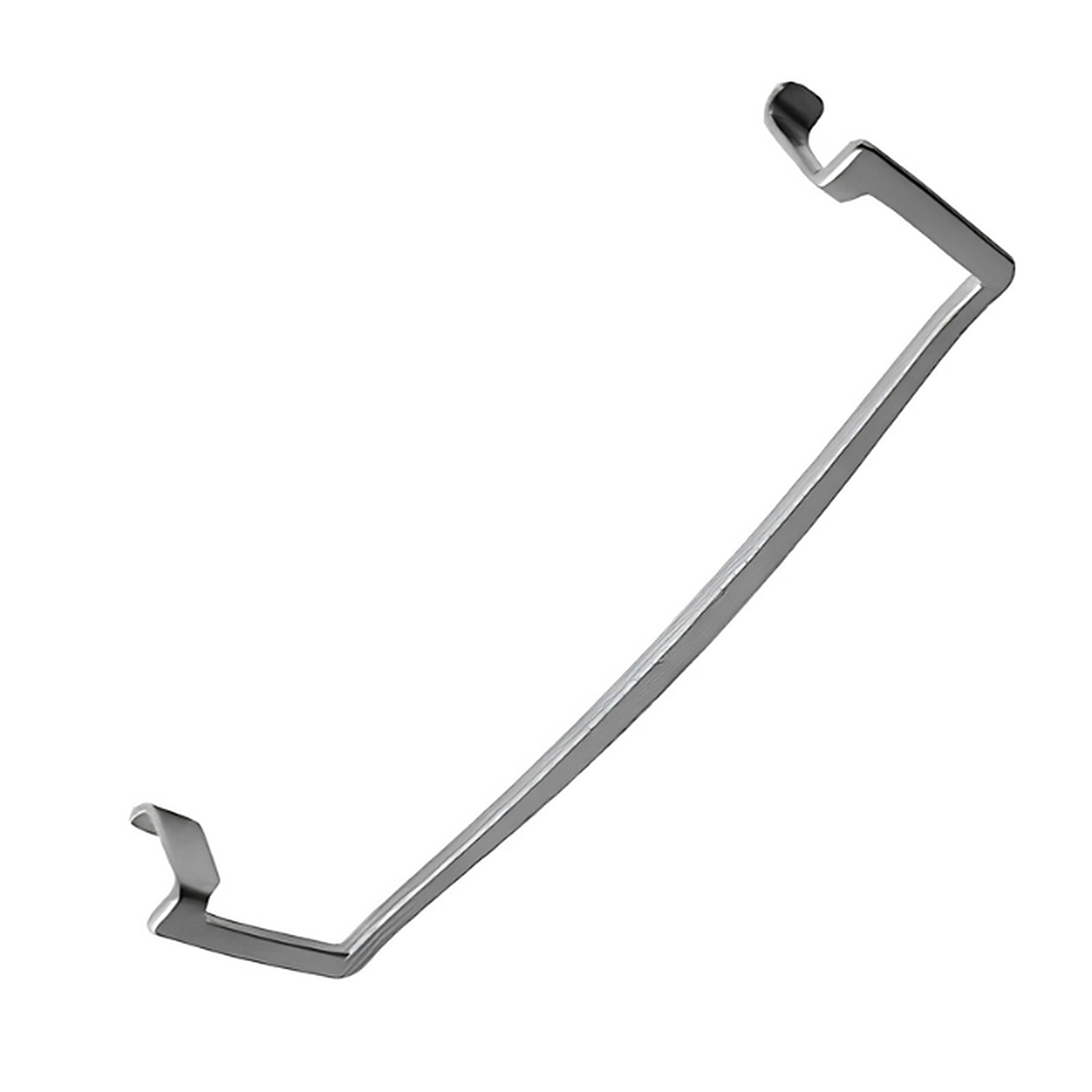
Senn Forward Retractor
$49.00
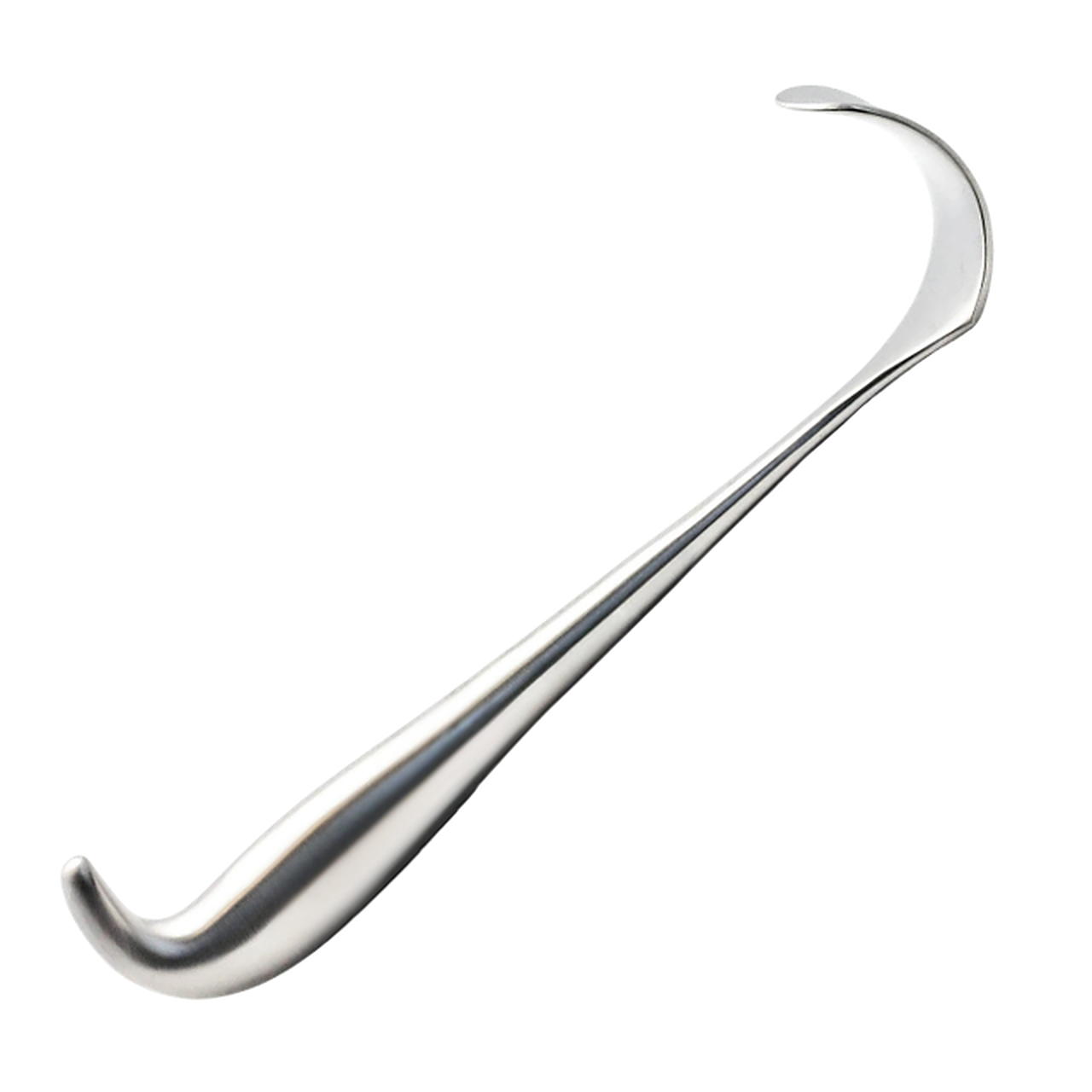
Brewster Retractor
From $159
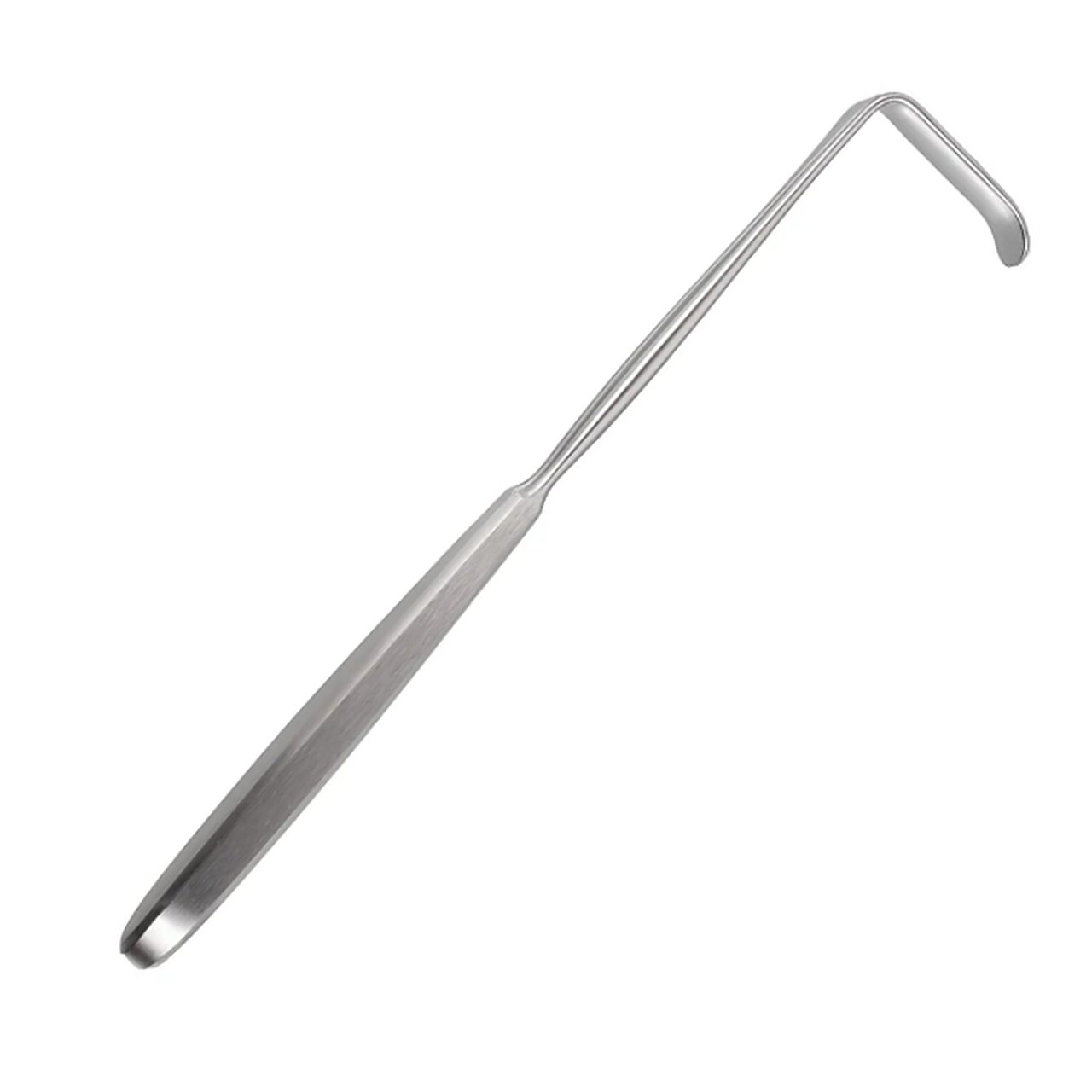
Langenbeck Retractor-Solid Handle
$49.00
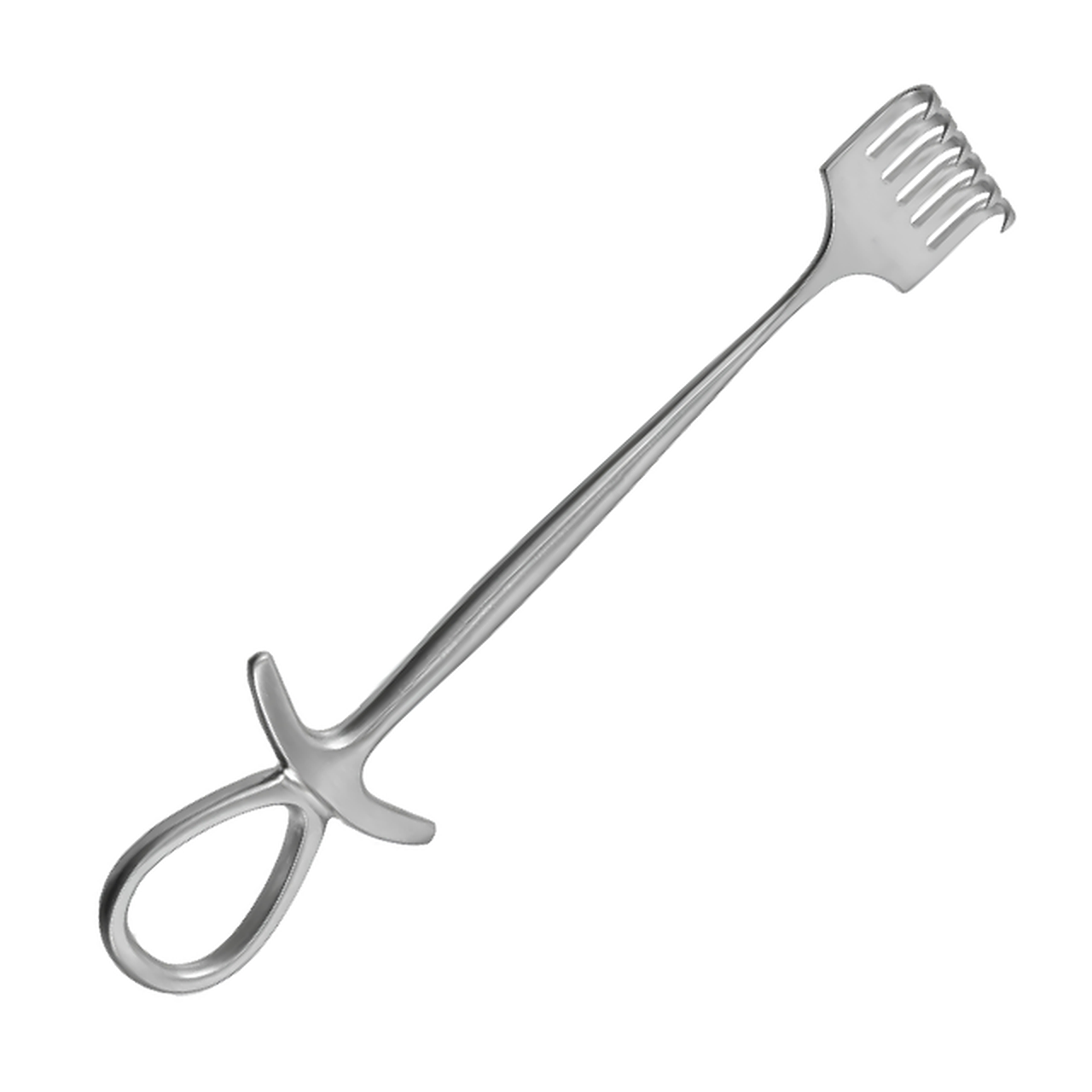
Murphy Retractor
From $44.00
Leriche Retractor-Atraumatic Wide Blade
From $94.00
Lobster General Retractor System
$2,699Free Shipping
Need Surgical Retractors or Components?
Tell us what you need, including the product, configuration, quantity and destination country. Retractor Maker can provide availability, specifications and pricing.
Request a Quote