
General Surgery Retractors
Crile Retractor: Uses, Design, Sizes & Buying Guide
Author: Saad Shahid · Updated · 7 min read
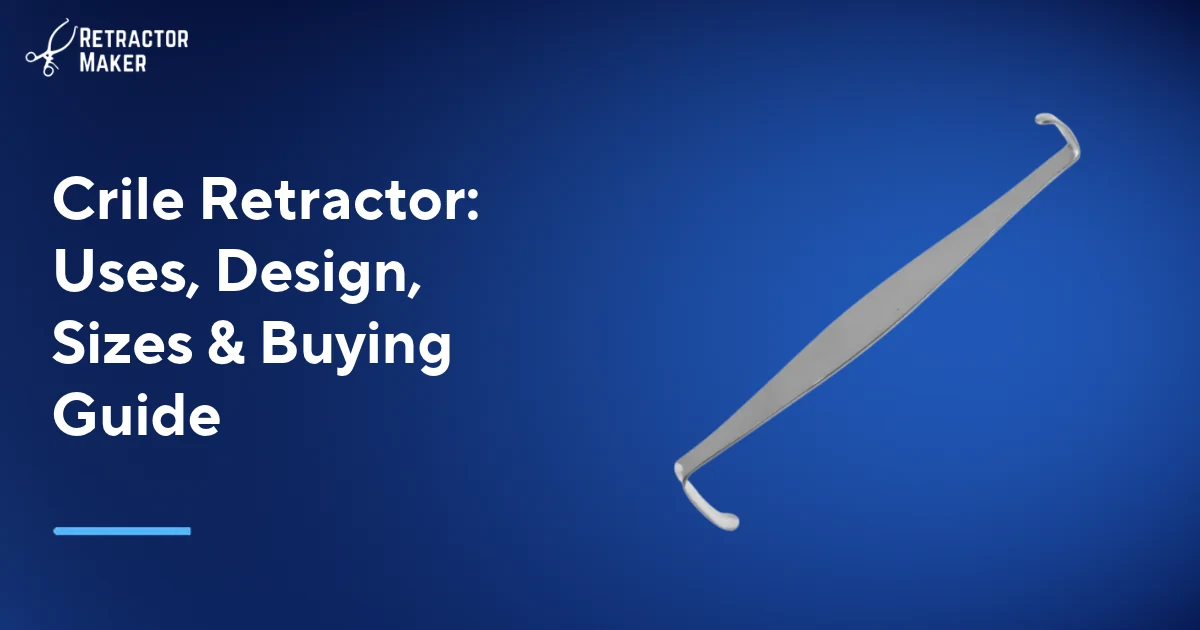
Explore Crile retractor uses, double-ended blade styles, sizes, positioning, sterilization considerations, and wholesale buying options from Retractor Maker.
Retractors discussed in this guide: Crile Retractor Double-Ended. Browse all surgical retractors.
A Crile retractor is a compact, handheld, double-ended surgical instrument used to retract skin margins, fascia, and subcutaneous soft tissue. Its opposing right-angled blades provide superficial and intermediate wound exposure during minor general, plastic, and reconstructive procedures. For surgeons, the main selection question is whether the blade dimensions suit the tissue and working space. For OR staff and hospital buyers, configuration, reprocessing requirements, and clear ordering specifications are equally important. This guide explains the listed Crile Retractor Double-Ended and its selectable styles without treating them as interchangeable with other retractor patterns.
What is a Crile retractor?
The Crile retractor is a manually held instrument that moves soft tissue aside to improve access and visibility. Unlike a self-retaining retractor, this handheld design requires an operator to maintain its position. The operator can adjust the direction and amount of retraction as the surgical field changes, while continuing to observe the tissue in contact with the blade.
The listed instrument has a working blade at each end rather than a single working end. The selected blade engages the tissue margin, while the remaining instrument is controlled by hand. Its stated role is superficial and intermediate exposure; it should not be selected solely by name when a procedure requires a different depth, blade profile, or method of maintaining exposure.
What is a Crile retractor used for?
A Crile retractor is used to hold back skin margins, fascia, and subcutaneous soft tissue during minor surgical and plastic procedures. The product description also identifies minor general and reconstructive procedures. Its purpose is exposure: moving the relevant tissue margin away from the working area so the surgeon can see and access underlying structures.
- Minor general procedures: retraction of skin margins and subcutaneous soft tissue where the blade geometry fits the wound.
- Plastic procedures: controlled soft-tissue exposure within the instrument's stated superficial and intermediate role.
- Reconstructive procedures: assistance with exposure of skin margins, fascia, and subcutaneous soft tissue.
- Fascial exposure: retraction when the tissue, access angle, and required working space suit the selected blade.
These applications describe tissue and procedure categories, not a universal indication for every operation within a specialty. Suitability depends on the actual wound and surgical plan. The surgeon should select an alternative if adequate exposure would require excessive traction or an unsuitable blade position.
What are the design, parts, and dimensions?
The Crile Retractor Double-Ended measures 4 ¼″ (10.8 cm) overall and has oppositely oriented right-angled blades with smooth atraumatic lips. Its functional elements are the handheld body and the working blades at either end. The right-angled configuration allows a blade to engage a tissue margin while the operator holds the instrument outside the immediate area being exposed.
The specified material is Premium Grade AISI 304/316 Stainless Steel (Non-Magnetic). The product is listed as brand new and supplied in Individual Protective Packaging. Packaging protects the instrument during handling and distribution but does not establish sterility: this product is explicitly supplied non-sterile.
The description of the lips as atraumatic refers to the blade design, not a guarantee against tissue injury. Contact pressure, traction direction, tissue condition, and duration still matter. Smooth working surfaces should be inspected before use because damage can change how an instrument contacts tissue.
Which Crile retractor styles are available?
Retractor Maker lists Style #1 and Style #2 for the Crile Retractor Double-Ended. Both are configurations of the same compact handheld instrument with opposing right-angled blades. The table reproduces the listed blade dimensions rather than introducing converted or inferred measurements. The intended tissue categories are shared; selection should be based on the dimensions needed for exposure.
| Product and style | Design and listed blade dimensions | Typical use | Listed price |
|---|---|---|---|
| Crile Retractor Double-Ended — Style #1 | Opposing right-angled blades; 11 mm × 3 mm (1/8″ × 7/16″) and 20 mm × 6 mm (1/4″ × 13/16″) | Skin margin, fascia, and subcutaneous soft-tissue retraction where these dimensions suit the wound | $29.00 |
| Crile Retractor Double-Ended — Style #2 | Opposing right-angled blades; 1/4″ × 1/2″ and 3/8″ × 7/8″ | The same intended tissue categories where these alternative dimensions suit exposure | $35.00 |
Do not assign a style to a specialty based on its number alone. For purchasing, record the complete style and blade dimensions rather than requesting only a Crile retractor. Confirm dimensional interpretation with Retractor Maker if matching an existing tray instrument, particularly when the purchasing specification uses a different unit format.
How is a Crile retractor positioned?
A Crile retractor is positioned under direct vision so the selected blade supports the intended tissue margin. Placement and traction should be managed by trained surgical personnel using the operative plan and local protocols. The following principles describe general handling considerations, not a substitute for supervised surgical training.
- Confirm the instrument has been appropriately processed and inspect its working surfaces before use.
- Choose the working end that fits the available space and supports the intended tissue.
- Engage the tissue under direct vision without trapping unintended structures.
- Apply only the traction needed for useful exposure and keep the blade stable.
- Reassess tissue contact and reposition or release traction as the operative field changes.
If the blade slips or the view remains inadequate, reassess placement and instrument suitability rather than simply increasing force. Communication between the surgeon and assistant helps maintain exposure without unnecessary tissue loading. The unused working end should also remain controlled during handling and repositioning.
How should it be cleaned and sterilized?
The Crile Retractor Double-Ended is supplied non-sterile and is fully autoclavable. It requires appropriate processing before its first surgical use and after subsequent use. Individual Protective Packaging is not a sterile barrier claim and must not be treated as evidence that the instrument is ready for the sterile field.
Cleaning must precede sterilization. Follow the manufacturer's current reprocessing instructions and the facility's validated workflow for soil removal, cleaning, rinsing, drying, inspection, packaging, and steam sterilization. Pay attention to the angled blade surfaces and lips during cleaning and inspection. Remove instruments with damage or unresolved contamination from service for assessment.
The supplied product information does not specify cleaning chemistry, autoclave temperature, exposure time, or drying parameters. Obtain compatible, validated instructions rather than inferring a cycle from the material designation or the word autoclavable. Sterile processing staff should resolve missing documentation before releasing the instrument for clinical use.
How do you choose and order from Retractor Maker?
Choose a Crile retractor by matching the blade dimensions and exposure requirements, then confirming processing and purchasing documentation. Retractor Maker is a surgical retractor manufacturer and exporter in Sialkot, Pakistan, offering wholesale supply, OEM services, and worldwide shipping. The listed minimum order quantity for this product is 1 Piece.
An order inquiry should identify Crile Retractor Double-Ended, the requested style, blade dimensions, quantity, and destination. Include any OEM requirements separately so their feasibility and scope can be confirmed. Hospital buyers should also request current pricing, shipping terms, delivery information, and the reprocessing documentation needed by their facility.
Before adding the instrument to a tray, confirm that clinical users accept the configuration and sterile processing staff can follow the supplied instructions. On receipt, check the delivered style, packaging condition, and instrument surfaces against the purchase specification. This separates clinical suitability from commercial ordering and helps avoid selecting by product name alone.
Clinical notice: This guide is for surgical teams and hospital buyers. Always follow the manufacturer's instructions for use (IFU) and your hospital's sterilization rules before clinical use.
Frequently Asked Questions
What is a Crile retractor used for?
A Crile retractor is used to retract skin margins, fascia, and subcutaneous soft tissue. The listed double-ended instrument provides superficial and intermediate wound exposure in minor general, plastic, and reconstructive procedures. Selection depends on the wound, tissue condition, and required exposure rather than the specialty name alone.
Is a Crile retractor self-retaining?
The listed Crile retractor is handheld, not self-retaining. An operator must maintain its position and adjust traction as needed during the procedure. Its double-ended configuration provides a working blade at either end; it does not describe a mechanism that holds the wound open independently.
What size is the Crile Retractor Double-Ended?
The Crile Retractor Double-Ended has an overall length of 4 ¼″ (10.8 cm). It is available in Style #1 and Style #2 with different listed blade dimensions. Buyers should specify both the style and blade dimensions when ordering, since overall length alone does not identify the requested working-end configuration.
Can a Crile retractor be autoclaved?
The listed Crile Retractor Double-Ended is fully autoclavable. It is supplied non-sterile, so appropriate processing is required before surgical use. The product information does not provide cycle parameters; obtain the manufacturer's current reprocessing instructions and use a compatible, validated facility workflow rather than choosing settings from the material designation alone.
What material is the Crile retractor made from?
The specified material is Premium Grade AISI 304/316 Stainless Steel (Non-Magnetic). This is the material wording provided for the Crile Retractor Double-Ended. If purchasing requires additional material documentation or clarification of the supplied grade, request confirmation from Retractor Maker before finalizing the order.
Where can hospitals buy Crile retractors wholesale?
Hospitals can inquire about wholesale Crile retractors directly with Retractor Maker in Sialkot, Pakistan. The manufacturer and exporter offers OEM services and worldwide shipping, and the listed product minimum order quantity is 1 Piece. Include the requested style, dimensions, quantity, destination, and documentation requirements to obtain an appropriate quotation.
About the author
Saad Shahid · Sales & Marketing Manager
Saad Shahid is the Sales & Marketing Manager and founder of Retractor Maker, started in 2023 in Sialkot, Pakistan. He also works with his father at Hospitech Traders, the family surgical instrument business founded in 1989.
Related Blogs & Guide
Related Retractors
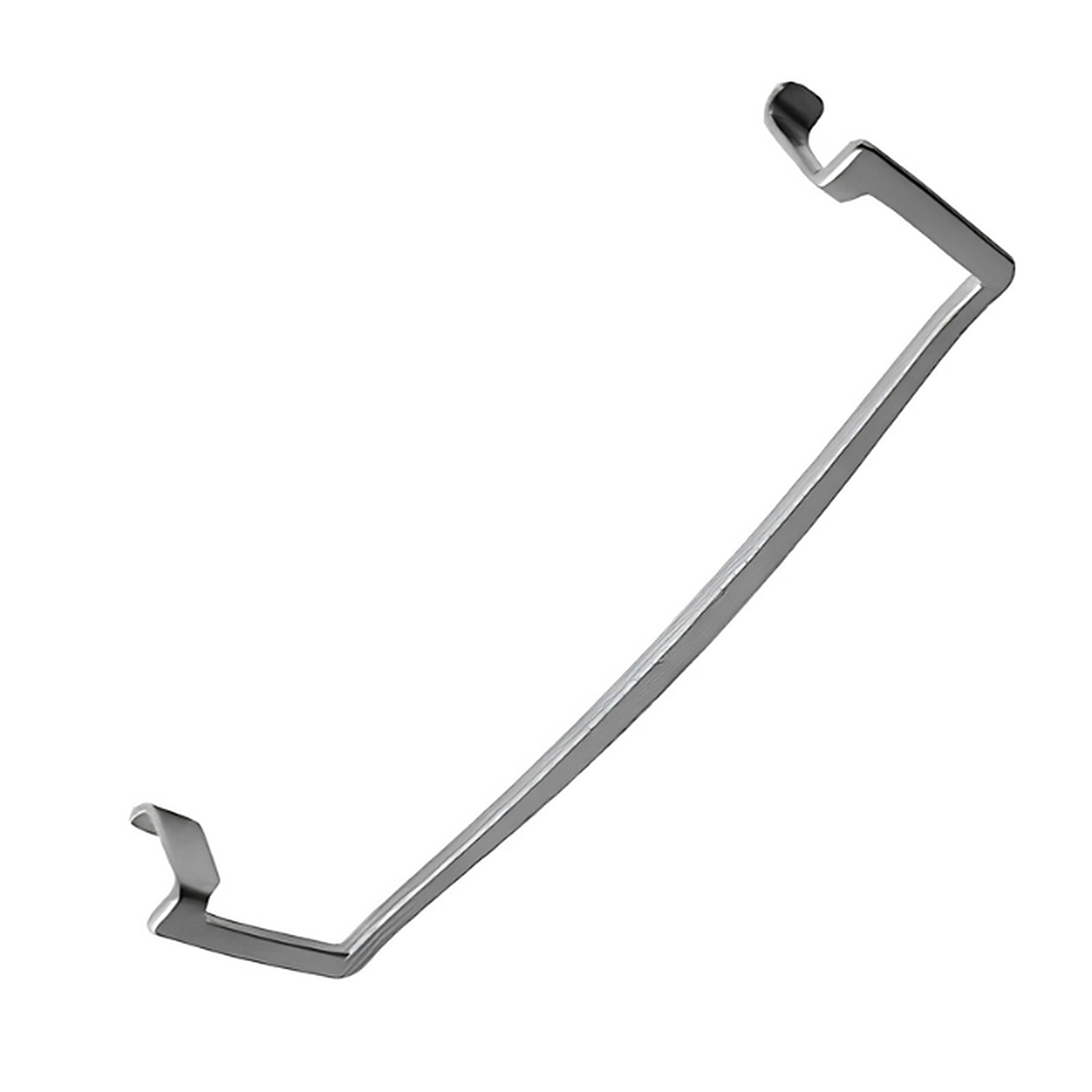
Senn Forward Retractor
$49.00
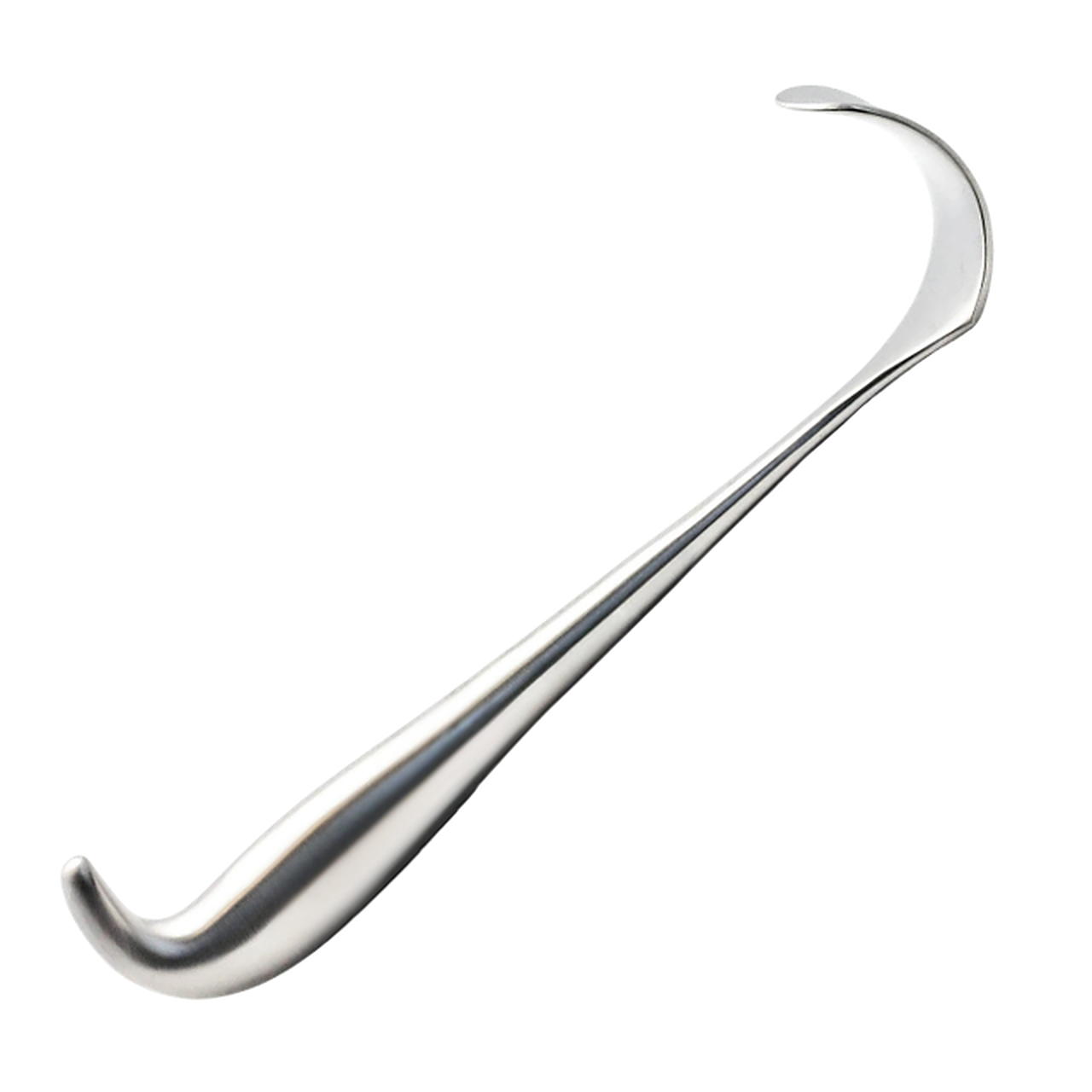
Brewster Retractor
From $159
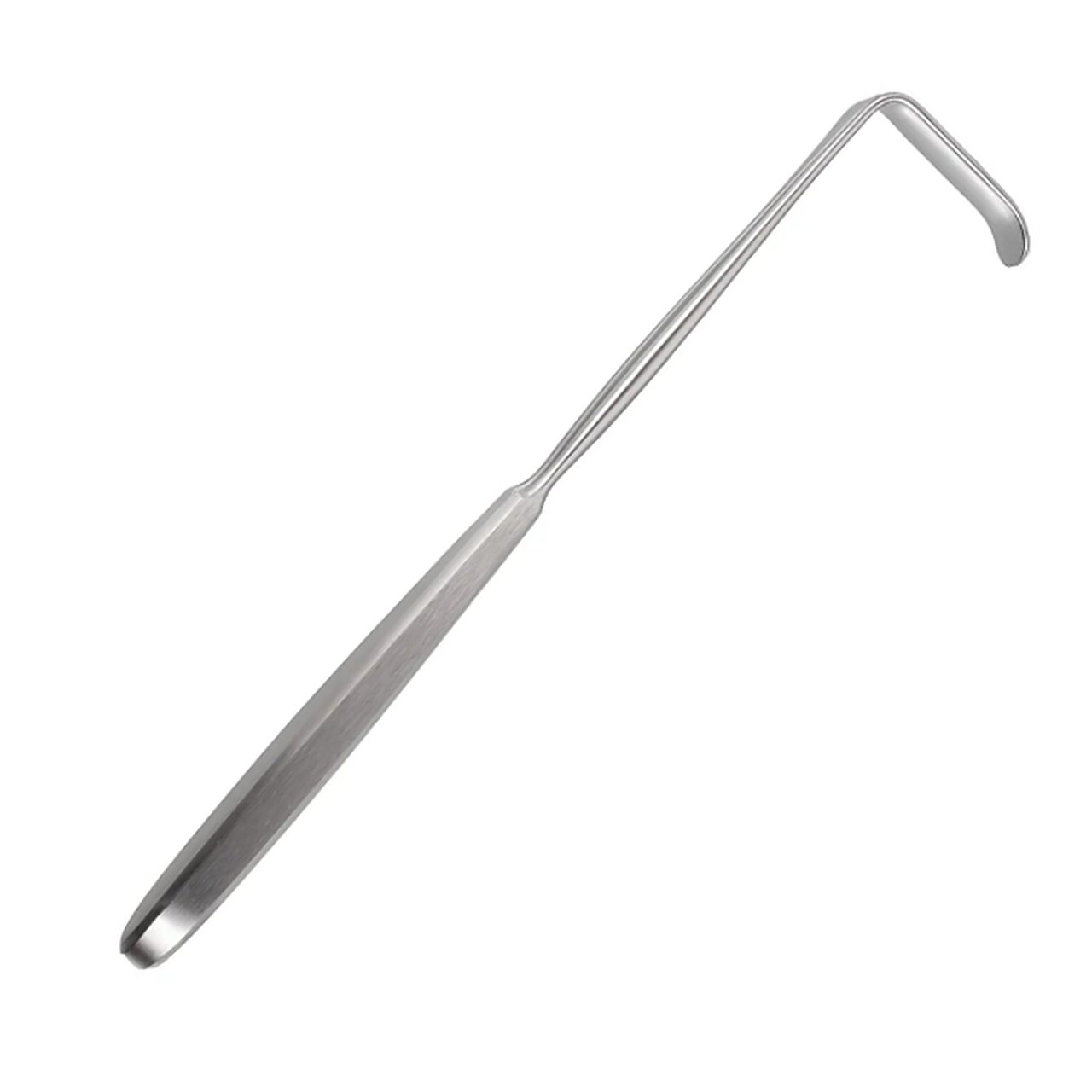
Langenbeck Retractor-Solid Handle
$49.00
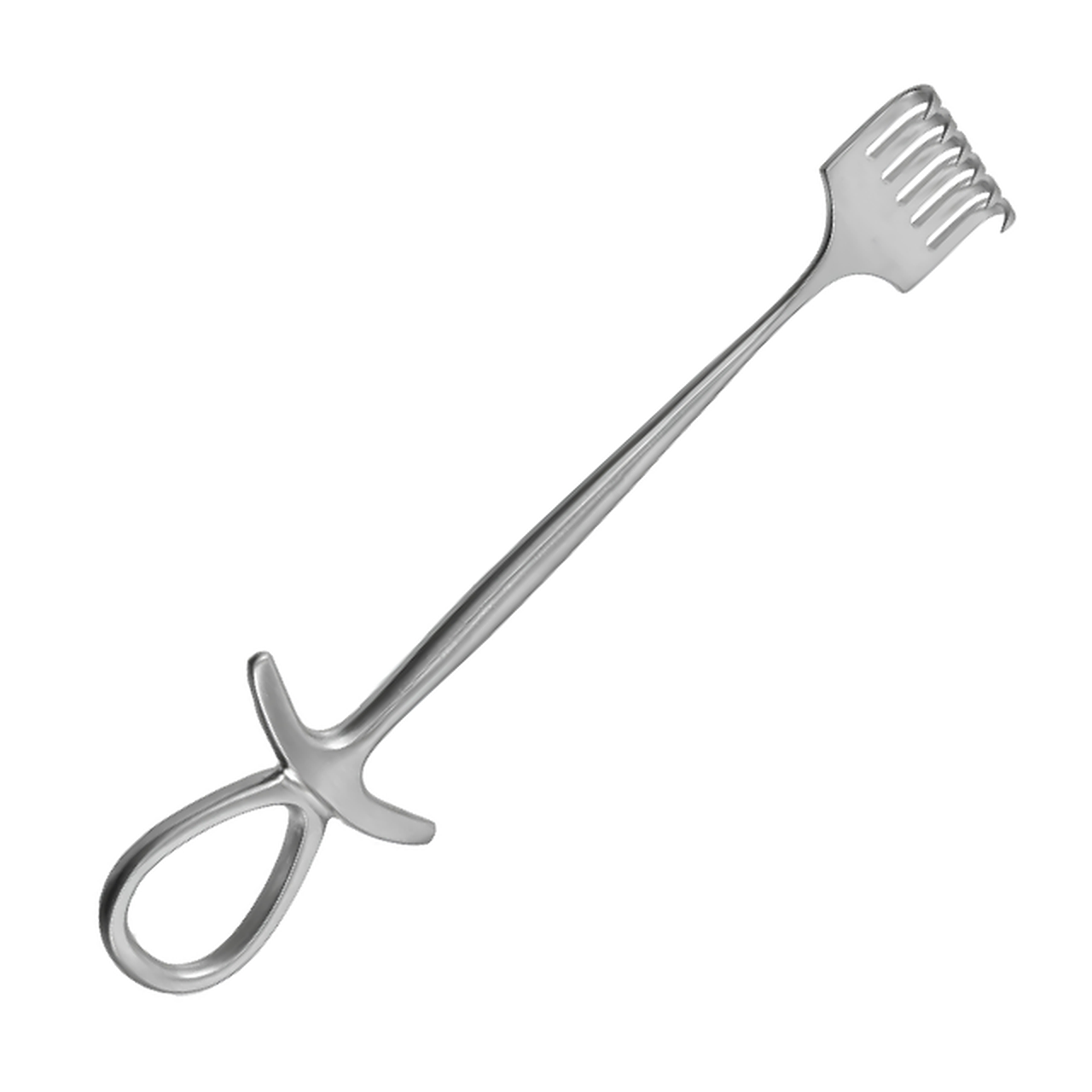
Murphy Retractor
From $44.00
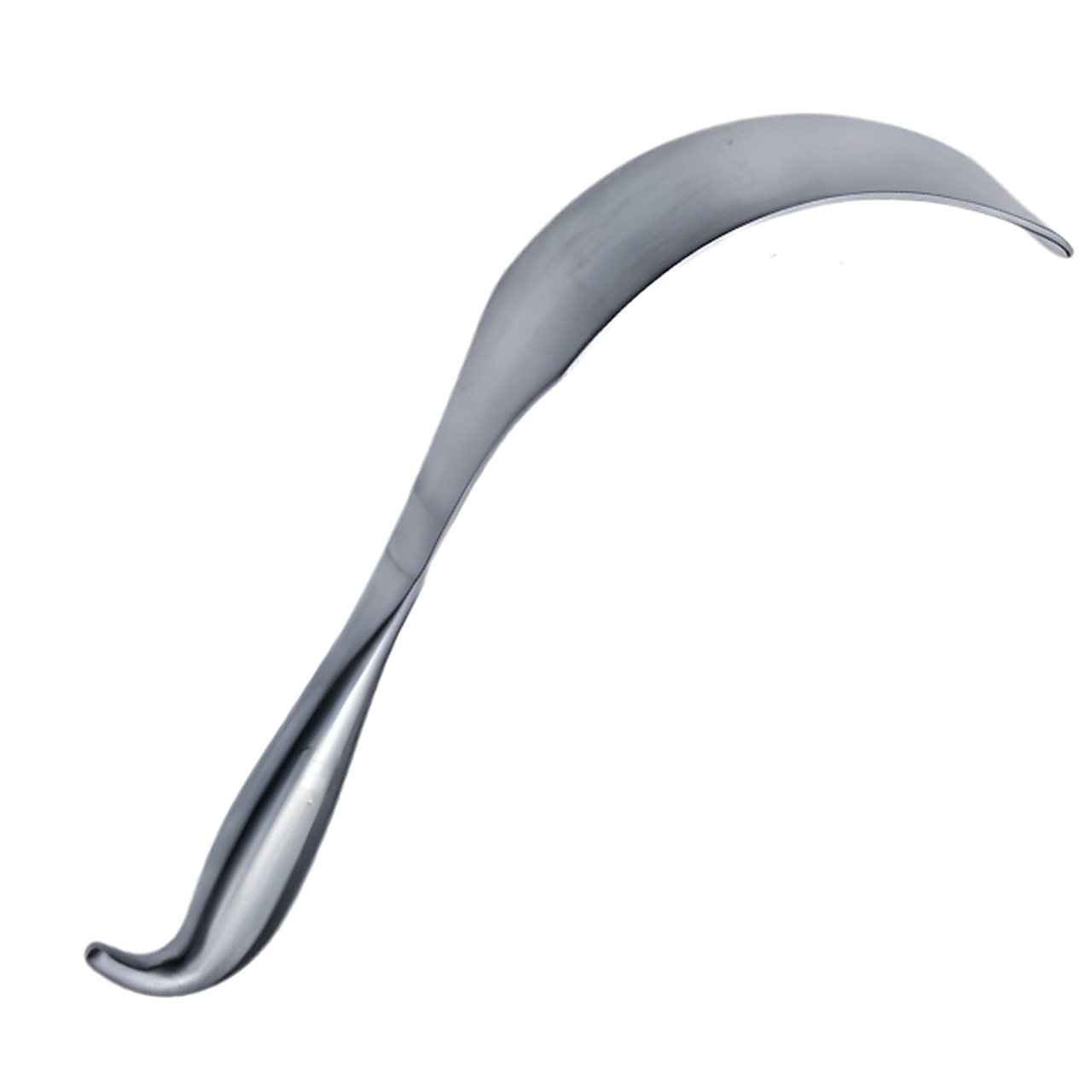
Leriche Retractor-Atraumatic Wide Blade
From $94.00
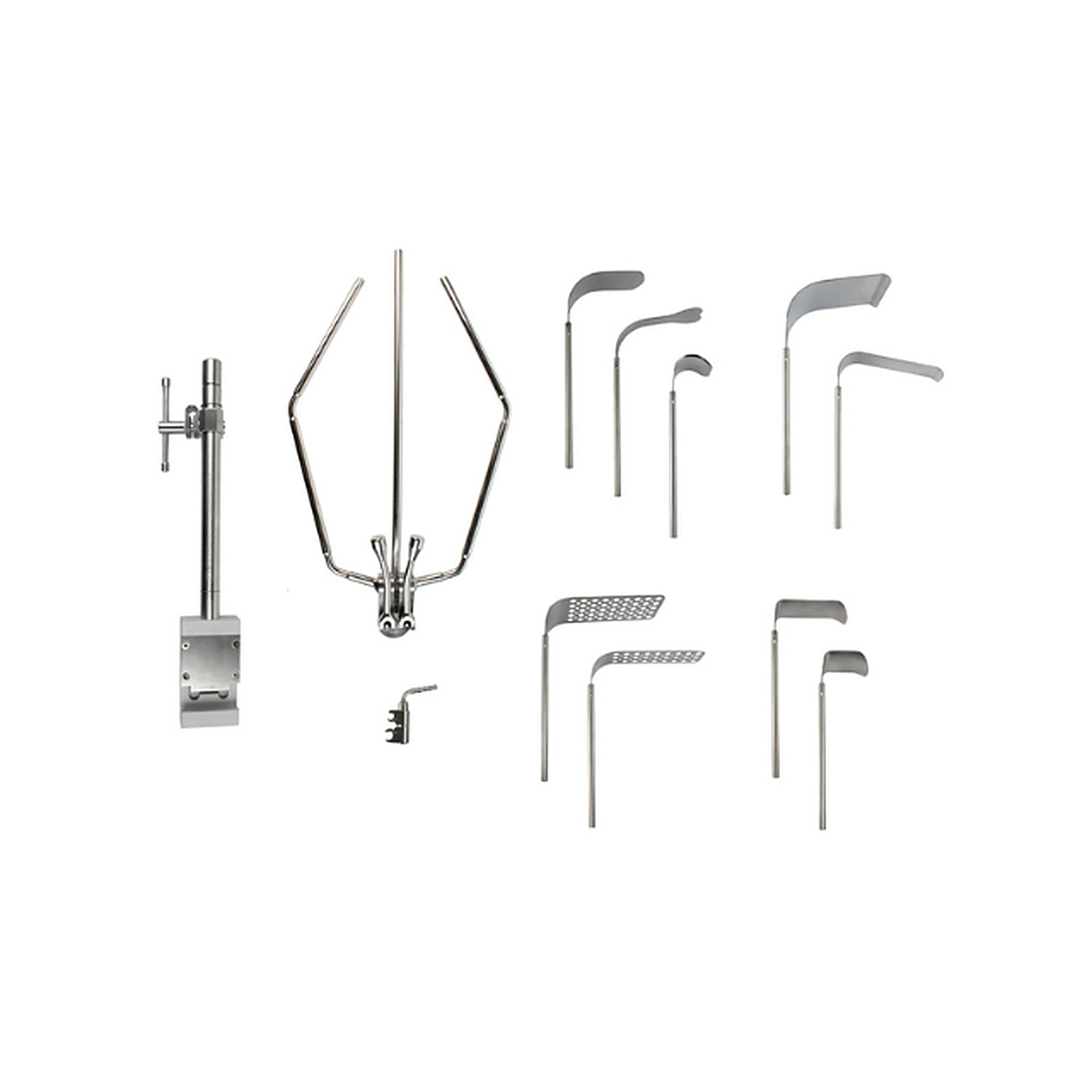
Lobster General Retractor System
$2,699Free Shipping
Need Surgical Retractors or Components?
Tell us what you need, including the product, configuration, quantity and destination country. Retractor Maker can provide availability, specifications and pricing.
Request a Quote