
Surgical Instrument Materials
What Is Surgical Steel & Stainless Steel?
Author: Saad Shahid · Updated · 10 min read

Surgical steel is not one universal alloy. This guide explains how stainless-steel families differ, why grades such as 304, 316, 420 and 440 have distinct properties, and what material selection means for surgical instruments and retractors.
Surgical Steel and Stainless Steel: An Introduction
Surgical steel describes stainless steels used for medical purposes. This overview answers “what is surgical steel & stainless steel? a guide to surgical instruments”. Material choice affects instrument formation, finish, use, cleaning, and upkeep. Strength alone is not enough. The material must suit the design, expected loads, surface requirements, and reprocessing rules.
Surgical steel and stainless steel do not identify one universal alloy. The terms are often used together. Stainless steel covers many corrosion-resistant, iron-based alloys. Surgical steel is a general industry term for stainless steels used in surgical and medical tools. Exact composition and properties depend on the grade and its processing history.
Contents
What Is Stainless Steel?
Stainless steel is a group of iron-based alloys containing enough chromium to form a thin, protective oxide film. This passive layer helps prevent further corrosion when the surface is correctly made and maintained. Other elements may change corrosion resistance, hardness, toughness, or response to heat.
Stainless does not mean rust-proof. Corrosion resistance varies with the grade, environment, surface condition, and exposure. Chlorides, unsuitable chemicals, retained moisture, and damage can weaken surface protection.
What Is Surgical Steel?
Surgical steel is a broad term for stainless steels selected for surgical instruments and medical products. It is not a formal name for one chemical composition. Two products labelled surgical steel may use different grades because their functions and manufacturing requirements differ.
A useful material specification identifies the actual grade or standard. Buyers may also need to assess corrosion resistance, hardness, strength, toughness, and wear resistance. Machinability, surface finish, and cleaning compatibility also matter.
How Does Surgical Steel Differ From Stainless Steel?
Surgical steel is usually stainless steel selected for medical use, not a separate class of metal. The comparison below explains why product specifications matter more than general material labels.
| Feature | Stainless Steel | Surgical Steel |
|---|---|---|
| Meaning | A broad family of corrosion-resistant steels | A commonly used term for stainless steel selected for surgical or medical applications |
| Steel Grade | Can refer to many different grades | Depends on the specific product and manufacturer |
| Corrosion Resistance | Varies by grade and environment | Depends on the specific steel grade and manufacturing process |
| Applications | Industrial, household, medical, food, construction and many others | Surgical and medical instruments and related applications |
| Material Specification | Should be identified by grade or specification | Should be confirmed with the manufacturer when material details are important |
Which Stainless Steel Grades Are Used in Surgical Instruments?
Stainless-steel families offer different balances of corrosion resistance, formability, hardness, and wear resistance. The grades below are common in manufactured and medical products. This list does not mean every surgical instrument uses one of them. Not every Retractor Maker product uses one of these grades.
What Is 304 Stainless Steel?
304 is an austenitic stainless steel with good corrosion resistance and formability. It is widely used in many types of equipment. Conventional heat treatment cannot harden it. Suitability depends on the design, required properties, and documented specifications.
What Is 316 Stainless Steel?
316 is an austenitic stainless steel containing molybdenum, which can improve resistance in certain corrosive environments, especially those involving chlorides. This does not make 316 always better. Required hardness, manufacturing method, shape, and use may favor another grade.
What Is 420 Stainless Steel?
420 is a martensitic stainless steel. Grades in this family can be heat treated to develop greater hardness and wear resistance. These properties matter for some surgical instrument designs. Corrosion behavior and final properties depend on composition, heat treatment, and surface condition.
What Is 440 Stainless Steel?
The 440 series consists of martensitic stainless steels that achieve high hardness and wear resistance. Several 440 grades exist, so the series name alone is not a complete specification. Selection must match the intended function and balance hardness, toughness, and corrosion resistance.
Why Is Stainless Steel Used for Surgical Instruments?
How Does Corrosion Resistance Help Surgical Instruments?
A suitable stainless-steel grade provides good corrosion resistance when correctly manufactured, processed, handled, and maintained. Surgical instruments may contact water, dirt, cleaners, and disinfectants. They also undergo repeated sterilization.
What Determines the Strength an Instrument Needs?
Retractors, clamps, and other tools need mechanical strength suited to the forces of their intended use. Required strength depends on instrument shape. Dimensions, joints, and the method of use matter more than the material name.
Why Does Instrument Hardness Matter?
Hardness helps an instrument resist deformation, dents, and wear. The appropriate level depends on the design. A cutting edge, a ratchet tooth, and a broad retractor blade require different material properties.
Why Does Surface Finish Matter?
A controlled surface finish supports cleaning and inspection and can affect corrosion behavior. Finishing steps remove manufacturing marks, smooth surfaces, and produce the specified appearance.
What Affects Surgical Instrument Durability?
Service life depends on material, heat treatment, construction, surface finish, and design. Frequency of use, cleaning, and storage also matter. Stainless steel supports durable, reusable tools, but a material name alone cannot promise a specific lifespan.
Why Is Stainless Steel Used in Surgical Retractors?
Stainless steel provides the strength, ease of manufacture, surface quality, and corrosion resistance needed for many retractor designs. It is common in handheld and self-retaining retractors. It is also used for blades, frames, posts, and adjustment parts.
Material requirements vary by retractor design. A fine nasal retractor differs from a ratcheted orthopedic retractor or a table-mounted abdominal frame. Retractor Maker specifies Premium Grade AISI 304/316 Stainless Steel (Non-Magnetic) as the main material across its product catalog. Confirm the exact grade and details in product documents when needed for procurement. Browse surgical retractors.
Buyers can review instruments by medical specialty, including general surgery, urology, and cardiovascular surgery. Orthopedic, spine, and neurosurgery retractors are also available. View general surgery retractors.
Specialty ranges cover urinary system procedures. View urology retractors.
A dedicated collection covers chest and heart access tools. View cardiovascular retractors.
Buyers can review instruments for bone, joint, and spine exposure. View orthopedic and spine retractors.
The neurosurgery range includes cranial frames, flexible arms, blades, and related retractors. View neurosurgery retractors.
Does Stainless Steel Rust?
Yes, stainless steel can corrode, stain, or discolor under unfavorable conditions. Its passive surface layer provides resistance, not complete immunity. Unsuitable cleaning chemicals, prolonged moisture exposure, and chlorides can cause problems. Contamination, surface damage, and poor cleaning also contribute. Improper handling and contact with unsuitable materials can cause surface changes or corrosion.
Reusable instruments require proper cleaning, drying, and inspection. Maintain them according to manufacturer instructions and hospital procedures. Assess damaged or corroded instruments and follow the facility's process before further use.
How Do You Maintain Stainless Steel Surgical Instruments?
Maintain reusable stainless steel surgical instruments according to each product's instructions. General care guidance includes:
- Follow the manufacturer's instructions for use (IFU).
- Clean instruments properly after use and remove contamination promptly.
- Rinse and dry instruments as the procedure requires.
- Avoid unapproved chemicals or concentrations.
- Inspect surfaces, joints, hinges, and moving parts regularly.
- Avoid prolonged moisture exposure and follow validated process times.
- Follow the validated sterilization procedure.
- Store clean, dry instruments safely, protected from damage and dirt.
No single sterilization temperature, pressure, or chemical concentration applies to all instruments. Cycle time also varies by instrument. Follow the product manufacturer's instructions and the healthcare facility's validated procedures.
How Is Surgical Steel Made?
Surgical steel production is the selection, melting, casting, and processing of materials for an intended stainless-steel alloy. This section of “what is surgical steel & stainless steel? a guide to surgical instruments” explains that process. Iron, chromium, and other elements are selected, mixed, and melted. Chemical composition is controlled to meet specifications. The molten steel is cast into a form for further processing.
- Select raw materials carefully.
- Combine alloying elements for the required mix.
- Melt the steel and control its composition.
- Cast the material into a suitable intermediate shape.
- Shape and refine the material through hot or cold working.
- Use heat treatment where the grade and required traits call for it.
- Produce bar, sheet, or other forms suited to instrument making.
- Follow with machining, forming, and finishing as needed.
The exact production route depends on the grade, product shape, and intended use. This outline does not describe a specific Retractor Maker supplier or a specific steelmaking process.
Why Does Steel Grade Matter When Buying Surgical Instruments?
Steel grade matters because “surgical steel” alone does not specify chemical composition, heat treatment, or final traits. Professional buyers should compare product specifications with intended use. They must also check facility purchasing requirements.
- Confirm the exact material specification where relevant.
- Review manufacturer documents and supplier traceability.
- Consider product construction, size, and intended use.
- Assess surface finish and manufacturing quality.
- Check all cleaning, inspection, and reprocessing requirements.
- Confirm the components included in a full retractor system.
Retractor Maker product pages list catalog specifications, sizes, and component parts. For material documents or a quote, contact the team with the product name and SKU. Request a quote.
Where Can You Find Retractor Maker Resources?
The downloadable catalog groups Retractor Maker products by specialty. It includes product images, SKUs, prices, and component tables. Download the product catalogue.
Learn about Retractor Maker and its manufacturing background. Explore its surgical retractor range. About Retractor Maker.
Clinical notice: This guide is for surgical teams and hospital buyers. Always follow the manufacturer's instructions for use (IFU) and your hospital's sterilization rules before clinical use.
Frequently Asked Questions
What is surgical steel?
Surgical steel is a general term for stainless steels used in medical applications. It does not identify one universal grade or chemical mix. The term describes medical use rather than a single, precisely defined stainless-steel material.
Is surgical steel the same as stainless steel?
Surgical steel generally means stainless steel used for medical applications. Stainless steel is the broader family of corrosion-resistant steels. The distinction is that surgical steel describes an application, rather than identifying a separate metal type or one universal grade.
What stainless steel is used for surgical instruments?
Surgical instruments may use different stainless-steel grades depending on their design and intended use. Material selection also depends on the required hardness, strength, and corrosion resistance. Manufacturing requirements and reprocessing instructions are key considerations when reviewing the material.
Is 316 stainless steel surgical steel?
316 stainless steel can be used in medical applications, but surgical steel is not a term reserved for 316. Other stainless-steel grades may be more suitable for certain surgical instruments. The appropriate grade depends on the tool and its intended use.
Is 304 stainless steel suitable for surgical instruments?
304 stainless steel may suit surgical instruments, but suitability requires a review of the design, required traits, and material specifications. Although 304 stainless steel is common in medical products, that use alone does not establish suitability for a particular surgical tool.
Can surgical stainless steel rust?
Surgical stainless steel can rust because corrosion resistance does not make it fully rust-proof. Chlorides, unsuitable chemicals, moisture, and damage can cause problems. Poor cleaning or drying can also lead to staining or corrosion on stainless steel surgical instruments.
Why is stainless steel used for surgical retractors?
Surgical retractors use suitable stainless steels for their strength, corrosion resistance, manufacturability, surface finish, and durability. These properties make stainless steel suitable for many handheld, self-retaining, and frame retractors. Suitability still depends on the material selected for the intended product.
What is the difference between 304 and 316 stainless steel?
304 and 316 stainless steels are both austenitic, but 316 contains molybdenum to improve resistance in certain harsh environments. The appropriate choice for surgical instruments depends on the intended use and full product specifications, rather than the grade name alone.
How should stainless steel surgical instruments be maintained?
Stainless steel surgical instruments should be maintained according to the manufacturer's IFU and facility rules. Follow those requirements for cleaning, inspection, drying, and sterilization. Do not assume that a single maintenance or reprocessing procedure is suitable for every surgical instrument.
How can I check the steel grade of a surgical instrument?
A surgical instrument's steel grade should be checked in its product specifications or manufacturer documents. If the grade is essential to a purchasing decision, request written material information. Make the request for the exact product and SKU being considered.
How is surgical steel made?
Surgical steel is made by selecting, melting, and casting raw materials to meet the intended alloy specification, followed by further processing. The grade, product shape, and intended use determine that processing. It may include hot or cold working, heat treatment, machining, forming, and finishing.
What affects the lifespan of stainless steel surgical retractors?
The lifespan of stainless steel surgical retractors depends on material, heat treatment, construction, surface finish, design, use frequency, cleaning, and storage. Stainless steel helps produce durable reusable tools. However, the material name alone does not promise a specific service life.
Why does surface finish matter for stainless steel surgical instruments?
A controlled surface finish helps with cleaning and inspection of stainless steel surgical instruments and can affect their corrosion behavior. Finishing removes manufacturing marks, smooths surfaces, and creates the specified appearance. Corrosion resistance also depends on the steel grade, environment, and exposure.
About the author
Saad Shahid · Sales & Marketing Manager
Saad Shahid is the Sales & Marketing Manager and founder of Retractor Maker, started in 2023 in Sialkot, Pakistan. He also works with his father at Hospitech Traders, the family surgical instrument business founded in 1989.
Related Blogs & Guide

Related Retractors
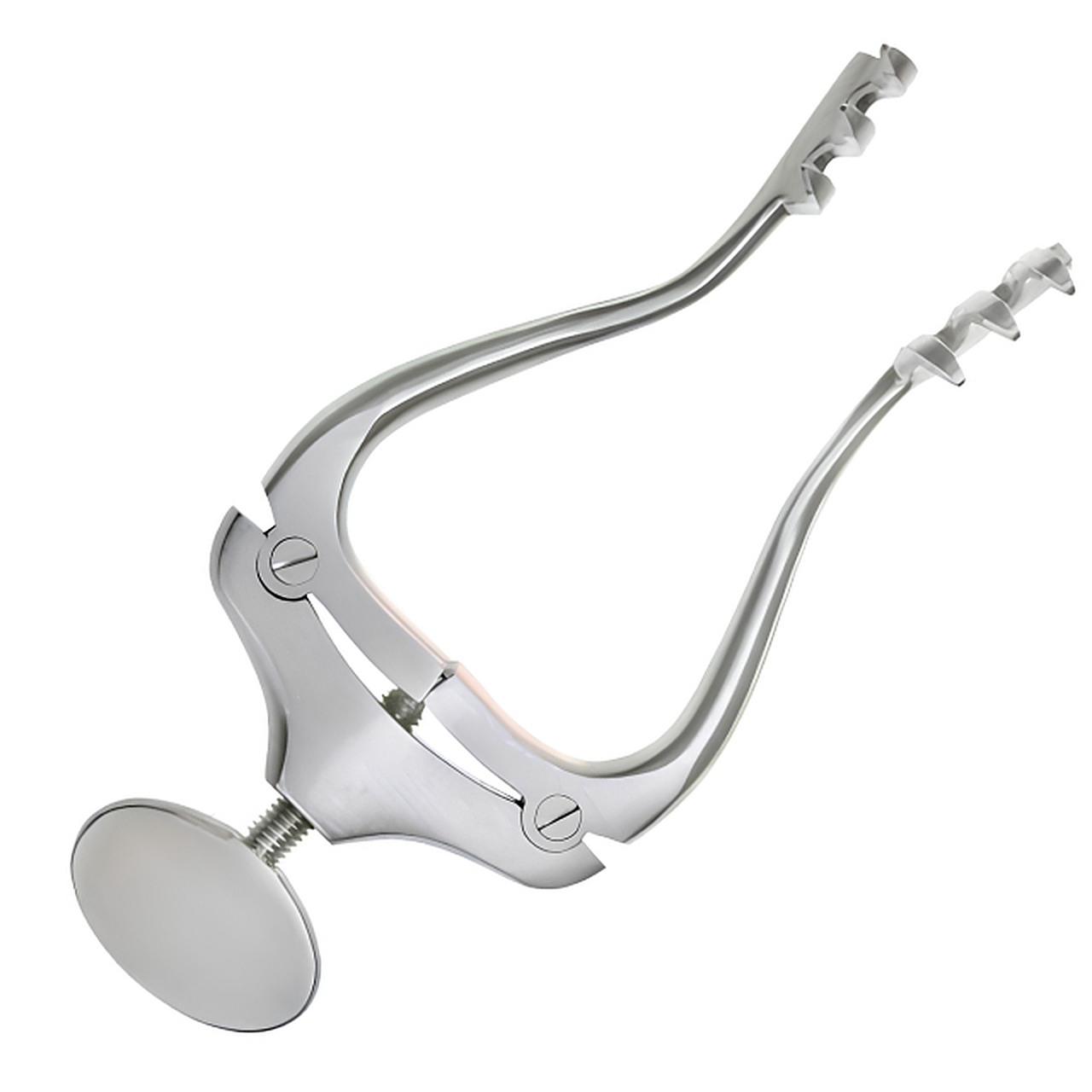
Gifford-Jansen Retractor
From $84.00
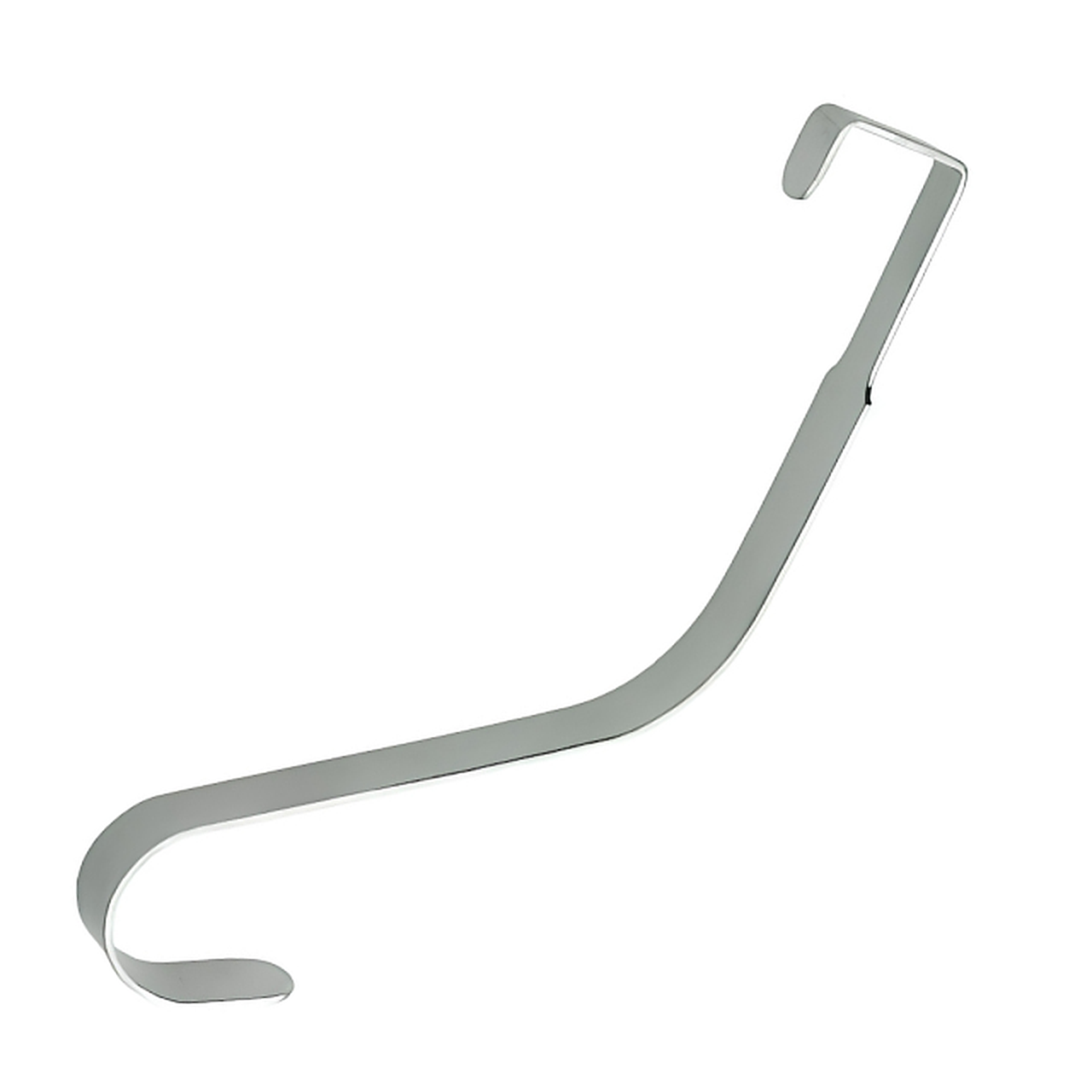
Hajek Cheek Retractor
$24.00
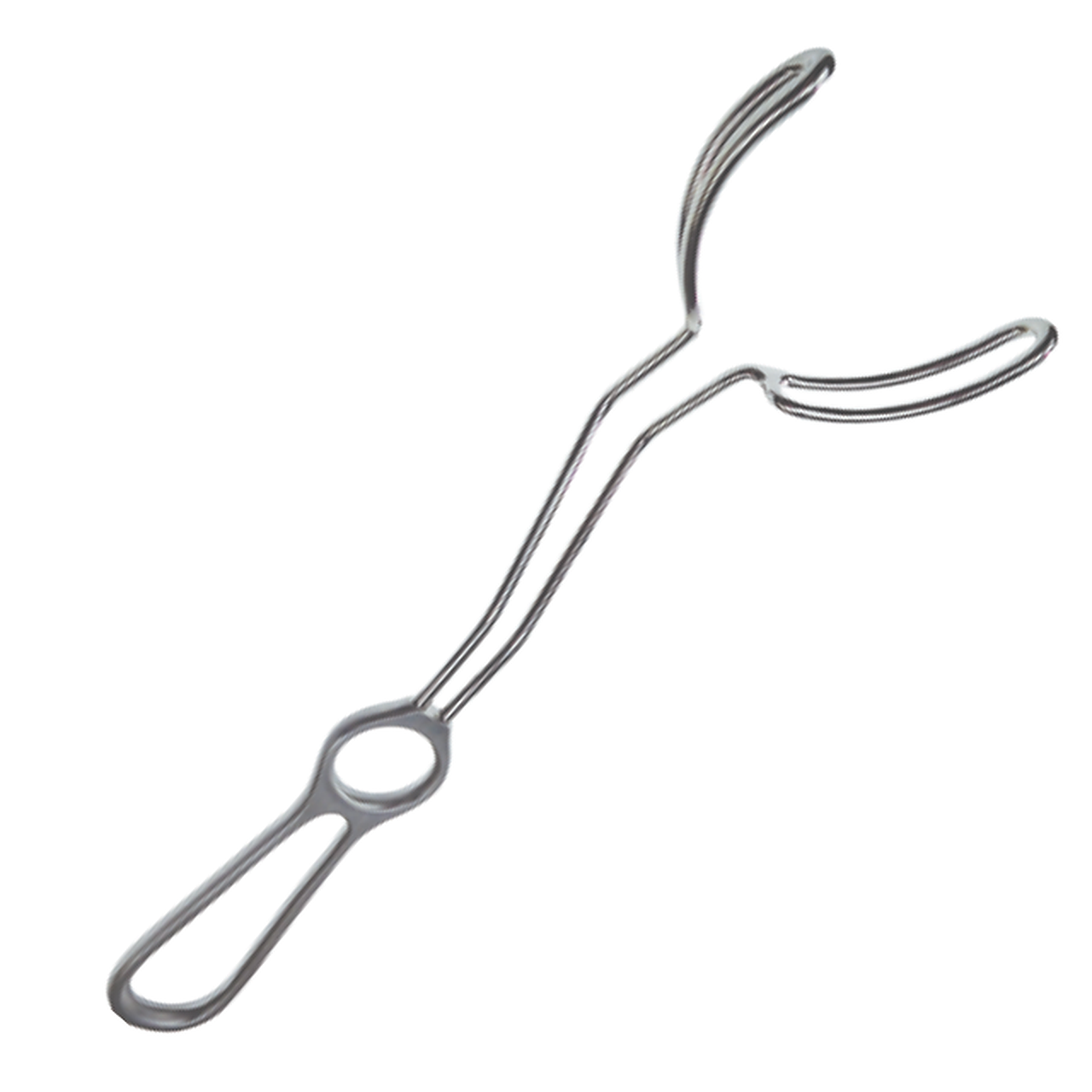
Lip And Cheek Retractor
$49.00
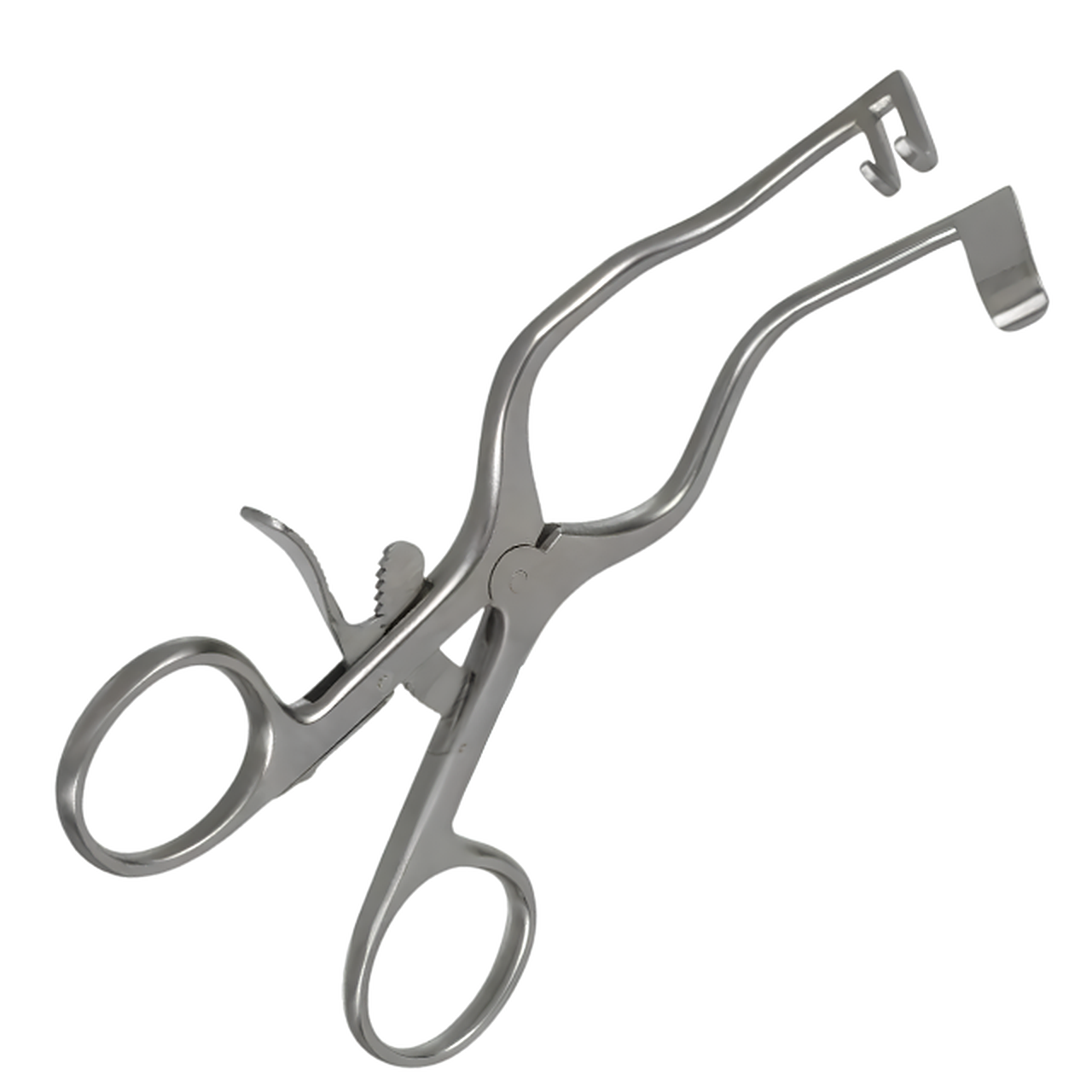
Bellucci Endaural Retractors
From $174
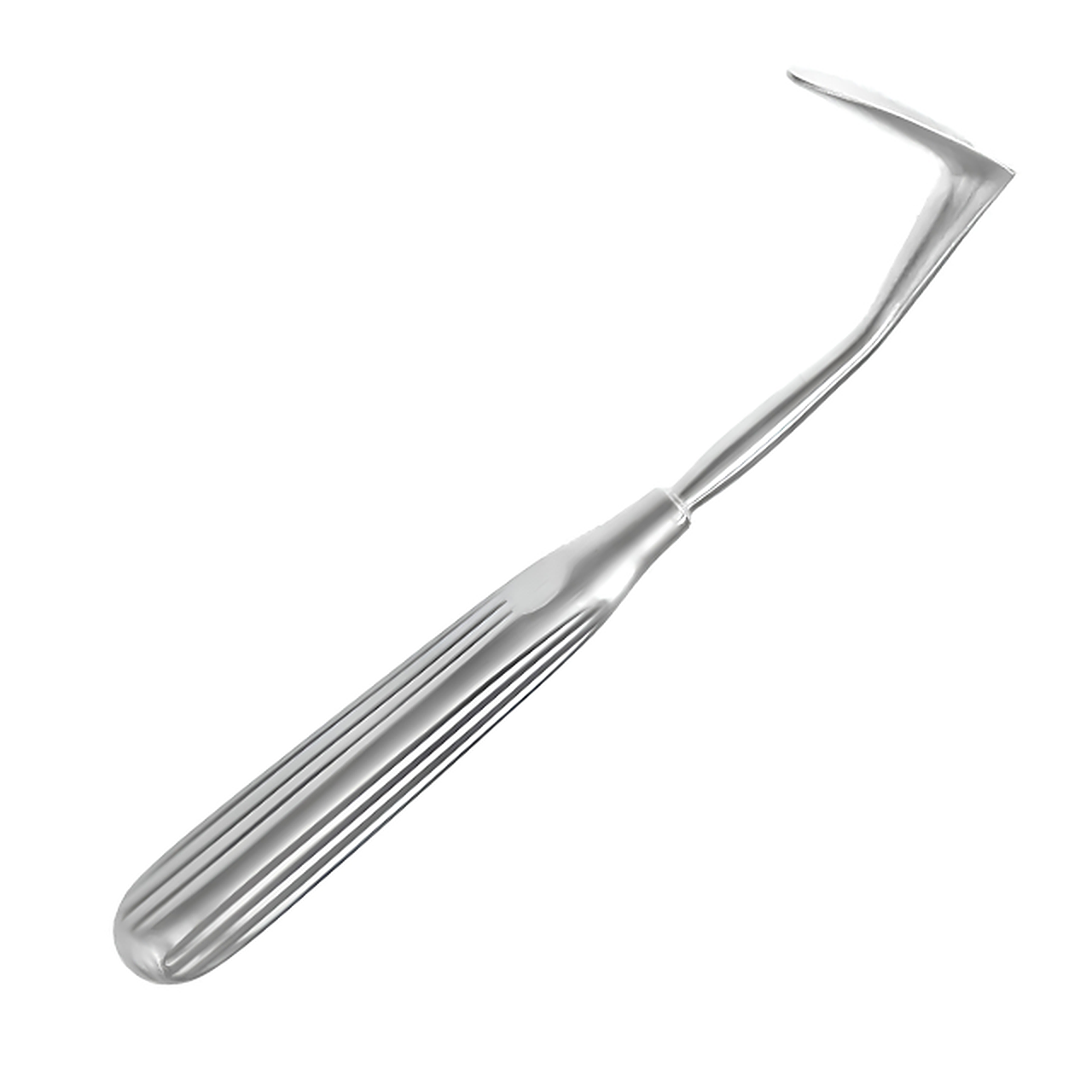
Aufricht Nasal Retractor
From $59.00
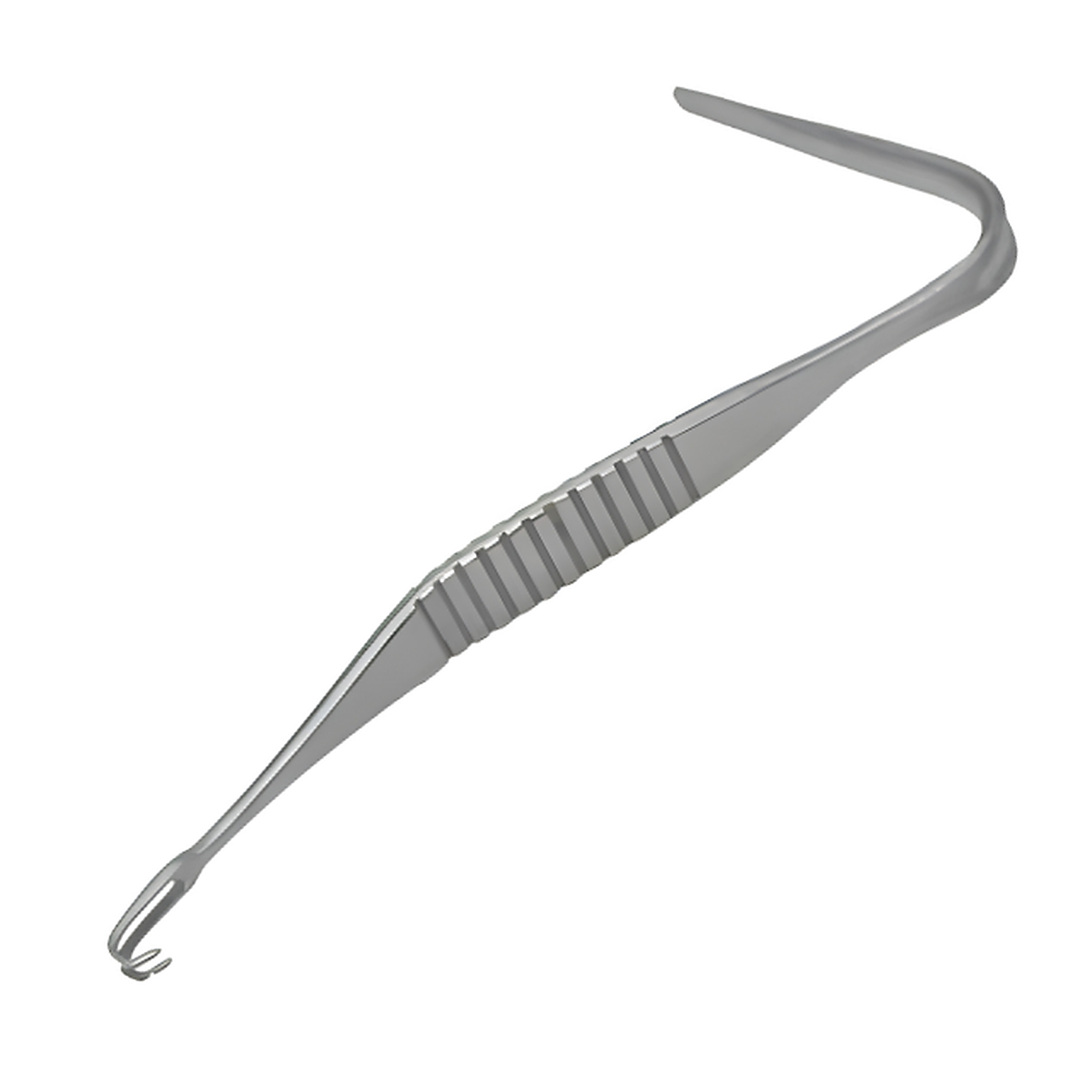
Aufricht Walter Nasal Retractor
$69.00
Need Surgical Retractors or Components?
Tell us what you need, including the product, configuration, quantity and destination country. Retractor Maker can provide availability, specifications and pricing.
Request a Quote