
Instrument Care Guides
Surgical Retractor Care, Reprocessing & Autoclave Maintenance
Author: Saad Shahid · Updated · 7 min read

Surgical retractors are subjected to immense mechanical counter-traction, repeated exposure to biological fluids, and high-temperature steam sterilization cycles. Because retractors incorporate hinges, rack-and-pinion drives, box locks, and graduated ratchet teeth, improper reprocessing can lead to mechanical failure, corrosion, and cross-contamination risks.
Reusable surgical retractor care includes cleaning, inspection, and sterilization to maintain patient safety and instrument longevity. Central Sterile Supply Departments (CSSD) and operating room personnel must follow standardized reprocessing protocols to keep instruments in optimal working condition.
Contents
Why Does Proper Surgical Retractor Care Matter?
Proper maintenance protects mechanical performance and clinical safety. Neglecting surgical instrument care compromises both:
- Prevent bioburden calcification: Blood, saline, and lipids dried inside hinges or ratchet teeth create bioburden shields that impede steam penetration during autoclaving.
- Prevent corrosion and pitting: Stainless steel depends on a microscopic, passive chromium oxide layer for corrosion resistance. Saline, bleach, or harsh chemicals can strip this layer, causing rust and stress cracking.
- Preserve mechanical locking integrity: Worn ratchet teeth, loose box locks, or stripped frame screws can cause intraoperative slippage and disrupt the operative field.
What Are the Steps in Reprocessing?
` +-----------------------------------------------------------------------------------+ | REPROCESSING LIFECYCLE FOR RETRACTORS | | | | [Point-of-Use] -> [Disassembly] -> [Cleaning] -> [Inspection] -> [Autoclaving] | +-----------------------------------------------------------------------------------+
`
1. How Should Retractors Be Handled at Point of Use?
Begin point-of-use handling immediately after surgery:
- Wipe gross blood and tissue debris from blades with sterile, water-dampened wipes. Never use saline; chloride ions induce pitting corrosion.
- If transport to CSSD is delayed, apply an enzymatic pre-treatment spray or foam to prevent biological soils from drying on surfaces.
2. Disassembly and Pre-Cleaning Inspection
- Completely disassemble modular systems, such as Bookwalter, Balfour, or Caspar retractors, into individual components. Remove blades, unthread thumbscrews, and detach crossbars.
- Unlock scissor-action retractors, such as Weitlaner or Gelpi, and open them to the widest position.
3. How Are Retractors Decontaminated and Cleaned?
- Enzymatic immersion: Fully submerge instruments in a neutral or enzymatic cleaning solution. Follow the chemical manufacturer’s dilution ratios strictly.
- Manual scrubbing: Use soft nylon-bristle brushes on ratchet teeth, hinges, fenestrations, and blade lips. Never use wire brushes or abrasive pads; they scratch passivated surfaces.
- Ultrasonic cleaning: Process instruments in an ultrasonic bath to remove micro-particulates lodged in box locks, springs, and screw threads.
- Rinsing and drying: Rinse thoroughly with deionized or distilled water to remove chemical residues. Dry completely with lint-free cloths or filtered compressed air.
What Should a Mechanical Inspection Include?
Technicians should inspect every retractor under magnification before packaging for sterilization.
| Inspection Zone | What to Look For | Corrective Action |
|---|---|---|
| Ratchet Teeth & Pawls | Rounded teeth, chipped notches, slippage | Remove from service for re-cutting or replacement |
| Box Locks & Hinges | Lateral play, stiffness, hairline stress cracks | Lubricate; if cracked or loose, retire instrument |
| Blades & Prongs | Bent shafts, burrs, micro-pitting, blunted tips | Refurbish or replace damaged blades |
| Frame Screws & Clamps | Stripped threads, bent alignment rods | Replace worn thumbscrews or couplers |
| Surface Passivation | Rust, brown staining, rainbow discoloration | Clean with stain remover; re-passivate if corroded |
How Should Moving Assemblies Be Lubricated?
Moving mechanical assemblies need regular lubrication:
- Apply water-soluble, steam-permeable surgical instrument lubricant ("instrument milk") to box locks, hinges, ratchet bars, and gear drives.
- Never use industrial oils or silicone-based lubricants. They form steam-impermeable barriers that prevent sterilization.
How Are Surgical Retractors Sterilized?
Surgical retractors are routinely sterilized with moist heat: steam under pressure.
- Packaging: Use validated sterilization wraps, pouches, or rigid perforated containers with internal chemical indicators.
- Unlatched positioning: Package scissor-style retractors fully open and unlatched. Locked ratchets create internal thermal stress during sterilization, causing metal fatigue and fractures.
- Cycle parameters: Follow the instrument manufacturer's validated Instructions for Use (IFU) and approved healthcare facility protocols for exact sterilization temperatures, exposure times, and drying cycles.
When Should a Retractor Be Removed from Service?
Retire a surgical retractor or send it for professional repair when any of these conditions appear:
- Ratchet teeth slip under normal manual tension.
- Hairline fractures appear near hinge pins, box locks, or screw threads.
- Deep pitting corrosion penetrates the chromium oxide layer.
- Structural alignment rods or blades are bent out of true.
Maintaining Reliable Operating Room Performance
Proactive maintenance and validated reprocessing protect surgical retractor investments and safeguard patient outcomes. Point-of-use decontamination, detailed mechanical inspection, proper lubrication, and compliant autoclaving help sterile processing departments ensure reliable operating room performance.
Retractor Maker, located in Sialkot, Pakistan, manufactures precision surgical retractors from high-grade stainless steel. These surgical retractors are designed to withstand rigorous hospital reprocessing cycles.
How Should Blade Measurements and Sizes Be Compared?
Compare overall length and blade dimensions together when assessing retractors. Track spread is not overall length. Confirm available length–blade combinations before ordering. The supplied data do not map every option to a specific configuration.
| Model | Overall Length | Blade Size | Notes |
|---|---|---|---|
| Langenbeck Green Retractor | 17 or 22 cm | 25 × 6 or 41 × 11 mm | Retaining lip |
| Langenbeck Retractor-Solid Handle | 20.3 cm (8 inches) | Styles #1–4: 32×10, 38×10, 38×12, 38×16 mm | Solid flat handle |
| Finochietto-Baby Rib Spreader | On request | 31 × 31 mm | Maximum spread: 100 mm |
| Finochietto-Infant Rib Spreader | On request | Option A: 14 × 15 mm | Maximum spread: 75 mm |
| Richardson Eastman Retractor | 10¼, 10½, 10¾, 11¼ inches | On request | Double-ended |
| Richardson Retractor Grip Handle | 9½, 10, 11 inches | On request | Hollow, Lamb or Lightweight Grip |
| Finochietto (Modif) Rib Spreader | On request | 14 × 15 mm | Maximum spread: 120 mm |
| Finochietto Rib Spreader | On request | Widths: 40–85 mm; other dimensions: On request | Six combinations; spreads: 135–190 mm |
| Richardson Retractor Loop Handle | 9½ or 10 inches | On request | Single-ended |
| Kocher Langenbeck Retractor | 20.3 or 22 cm | 15×85, 20×55, 20×63, 25×6, 28×13, 28×15, 31×10, 35×8, 35×15, 38×11, 38×13, 40×11, 41×13, 41×14, 41×15, 50×11, 55×11, 70×14, 80×12, 80×16 mm | Also lists 215 mm standard frame; confirm selection |
How Should Surgical Assistants Handle Retractors?
- Maintain a secure, relaxed handle grip. Do not twist the shaft to compensate for poor positioning.
- Follow the surgeon’s intended traction angle. Reposition under direct vision rather than levering against adjacent structures.
- Apply only the requested traction. Do not increase force simply because exposure remains limited.
- Agree on pressure-release intervals with the surgeon and release gradually when directed. No single interval suits every tissue or procedure.
- Check visible tissue contact points for blanching, tearing, or entrapment. Report changes promptly.
- Communicate before repositioning, adjusting a spreader, or handing over sustained retraction.
- Pass handheld retractors handle-first. Keep the blade controlled and directed away from people. Confirm the receiver’s grip before releasing.
What Do Autoclave Exposure and Drying Times Mean?
Steam sterilization must follow cleaning and cannot replace soil removal. Exposure is time at the specified sterilization temperature, not total cycle duration. Drying requirements depend on the validated load and packaging configuration.
| Cycle | Temperature | Exposure | Drying |
|---|---|---|---|
| Pre-vacuum | 132°C/270°F | 4 min | 20–30 min |
| Pre-vacuum | 134°C/273°F | 3 min; some regional prion protocols specify 18 min | As validated |
| Gravity displacement | 121°C/250°F | 30 min | 15–30 min |
These are typical reference values, not product-specific validated cycles. Validated instructions for use (IFU), sterilizer manufacturer’s instructions, and hospital policy always take precedence. Prion protocols require separate facility guidance. All listed retractors are supplied non-sterile and must be sterilized before first use.
Clinical notice: This guide is for surgical teams and hospital buyers. Always follow the manufacturer's instructions for use (IFU) and your hospital's sterilization rules before clinical use.
Frequently Asked Questions
Why should saline never be used to clean surgical retractors?
Surgical retractors should never be cleaned with saline because its chloride ions cause pitting corrosion. These ions attack the passive chromium oxide layer that gives stainless steel its corrosion resistance. Damage to this layer causes rapid pitting and rusting.
Why must retractors be autoclaved in the open position?
Scissor-style retractors must be autoclaved open because closed ratchets create thermal stress and prevent steam from contacting mating surfaces. During heating and cooling, this stress can crack the box lock. Package scissor-style retractors fully open and unlatched for sterilization.
What is surgical instrument milk?
The lubricant for retractor hinges and ratchets is water-soluble and steam-permeable, allowing lubrication without interfering with steam sterilization. It is designed to lubricate these moving parts while remaining permeable to the steam used during sterilization.
How do I check if a Weitlaner ratchet is worn?
A Weitlaner ratchet is worn if it slips open during the described check. Engage the ratchet teeth, then tap the finger rings lightly against a table edge. If the ratchet slips open, the worn teeth must be serviced.
How often should surgical retractors be lubricated?
Surgical retractors with moving joints should be lubricated regularly after cleaning, according to facility protocols and the manufacturer’s instructions for use (IFU). Follow those protocols and instructions to determine the lubrication schedule for the moving joints.
Can modular retractor systems be sterilized fully assembled?
No. Modular systems must be disassembled so steam can penetrate all mating surfaces, threads, and blade connections.
What types of surgical retractors are covered in this guide?
Surgical retractors covered in this guide include modular retractors, scissor-action retractors, Langenbeck and Richardson retractors, and Finochietto rib spreaders. Bookwalter, Balfour, and Caspar are identified as modular systems. Weitlaner and Gelpi are identified as scissor-action retractors. These types have different preparation requirements before cleaning and sterilization.
How should surgical retractors be cleaned before sterilization?
Surgical retractors should undergo enzymatic or neutral-solution immersion, soft nylon-bristle scrubbing, ultrasonic cleaning, thorough rinsing, and complete drying before sterilization. Prepare cleaning solutions according to the manufacturer’s dilution ratios. Rinse with deionized or distilled water. Avoid wire brushes or abrasive pads because they scratch passivated surfaces.
What autoclave cycle should be used for surgical retractors?
Surgical retractors require an autoclave cycle that follows the instrument manufacturer’s validated instructions for use and approved healthcare facility protocols. The guide gives typical reference cycles, not product-specific validated settings. Exposure time means time at the specified sterilization temperature. Drying depends on the validated load and packaging configuration.
About the author
Saad Shahid · Sales & Marketing Manager
Saad Shahid is the Sales & Marketing Manager and founder of Retractor Maker, started in 2023 in Sialkot, Pakistan. He also works with his father at Hospitech Traders, the family surgical instrument business founded in 1989.
Related Blogs & Guide


Related Retractors
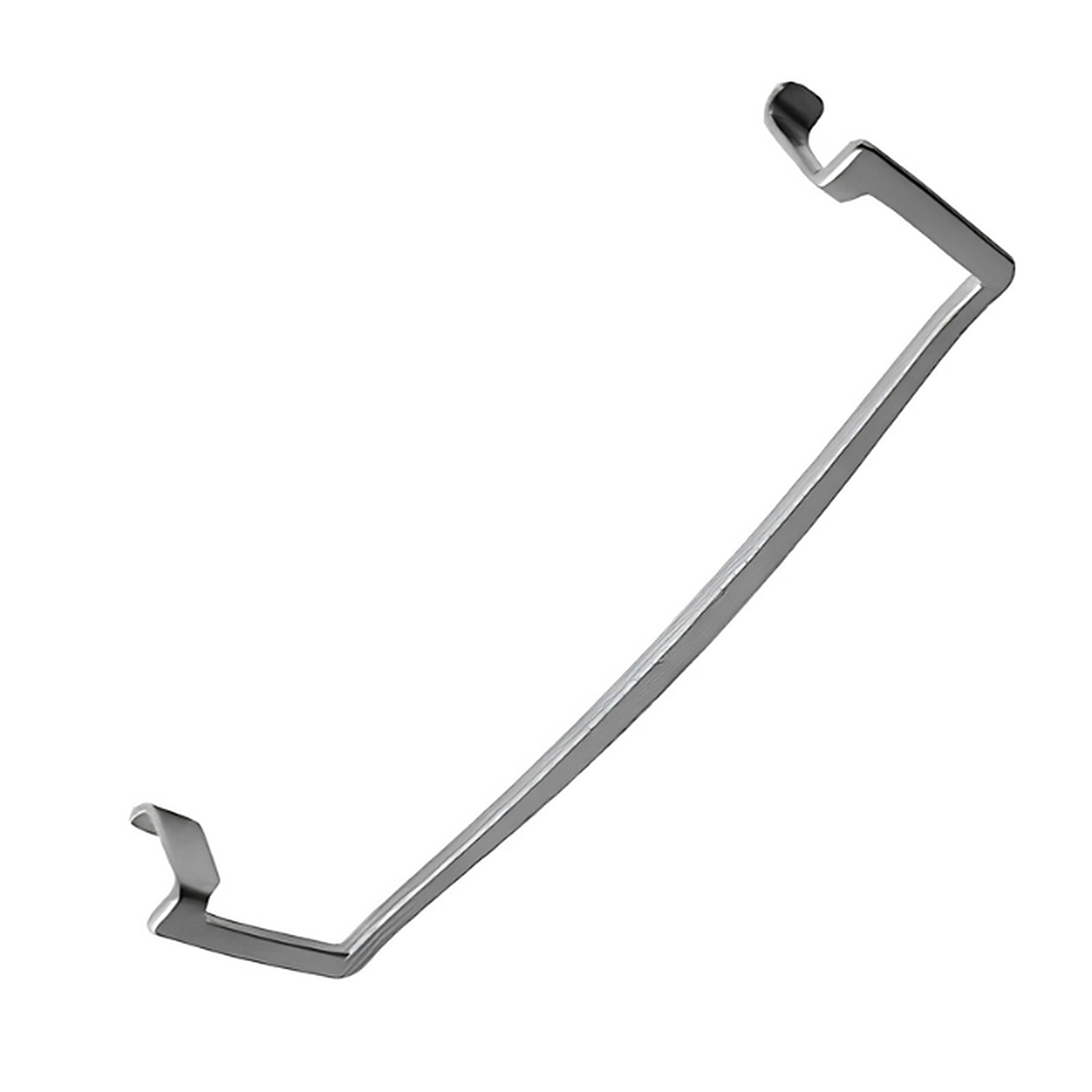
Senn Forward Retractor
$49.00
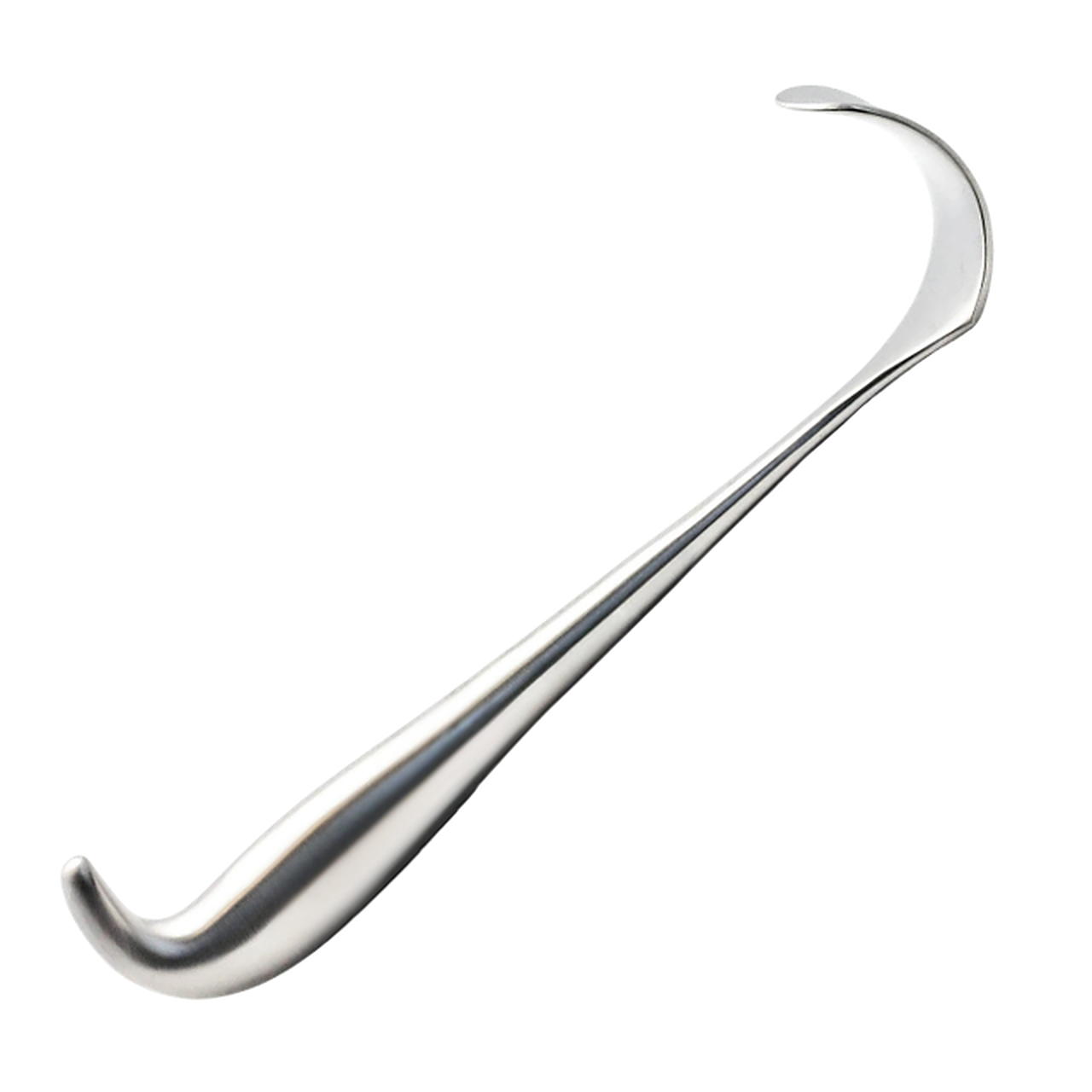
Brewster Retractor
From $159
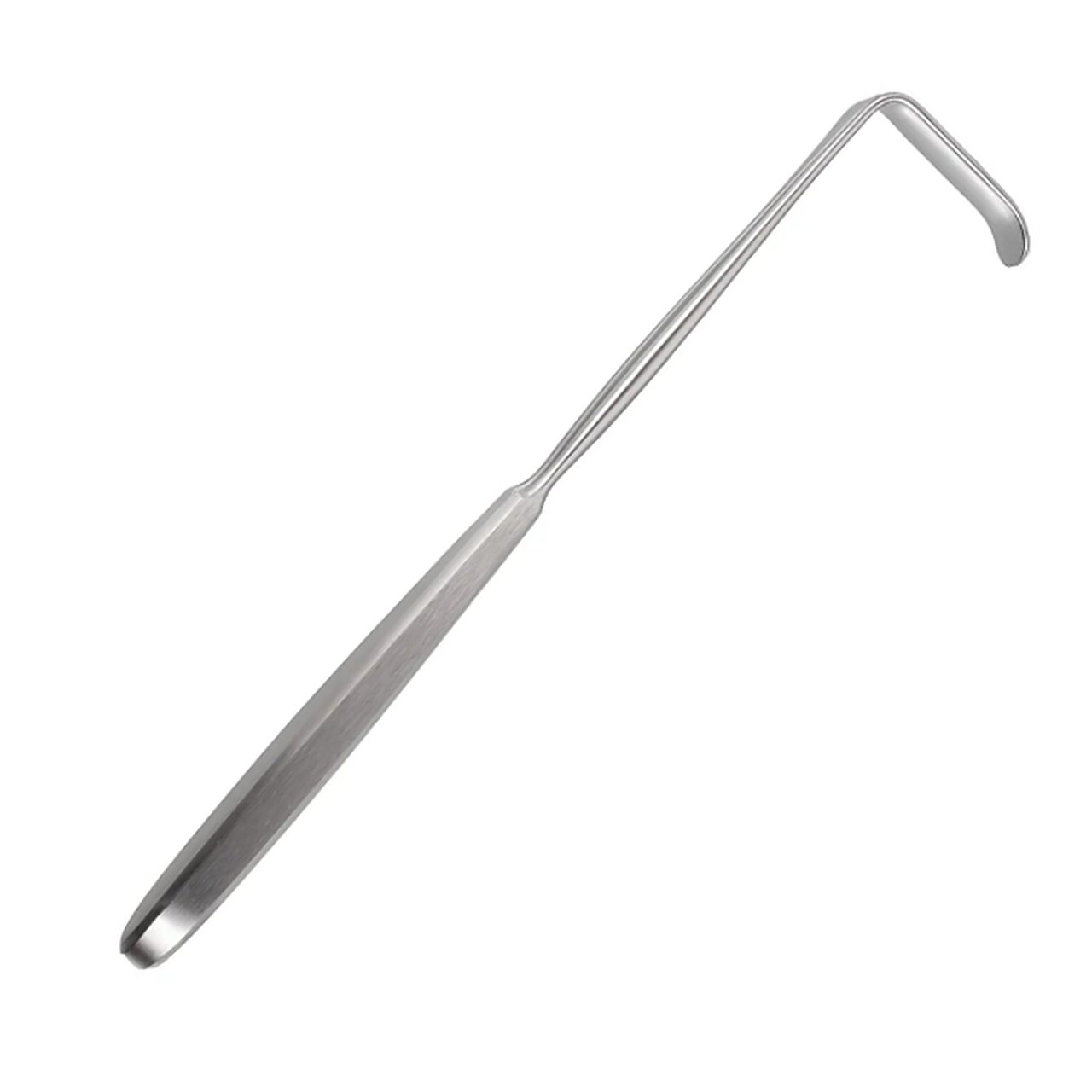
Langenbeck Retractor-Solid Handle
$49.00
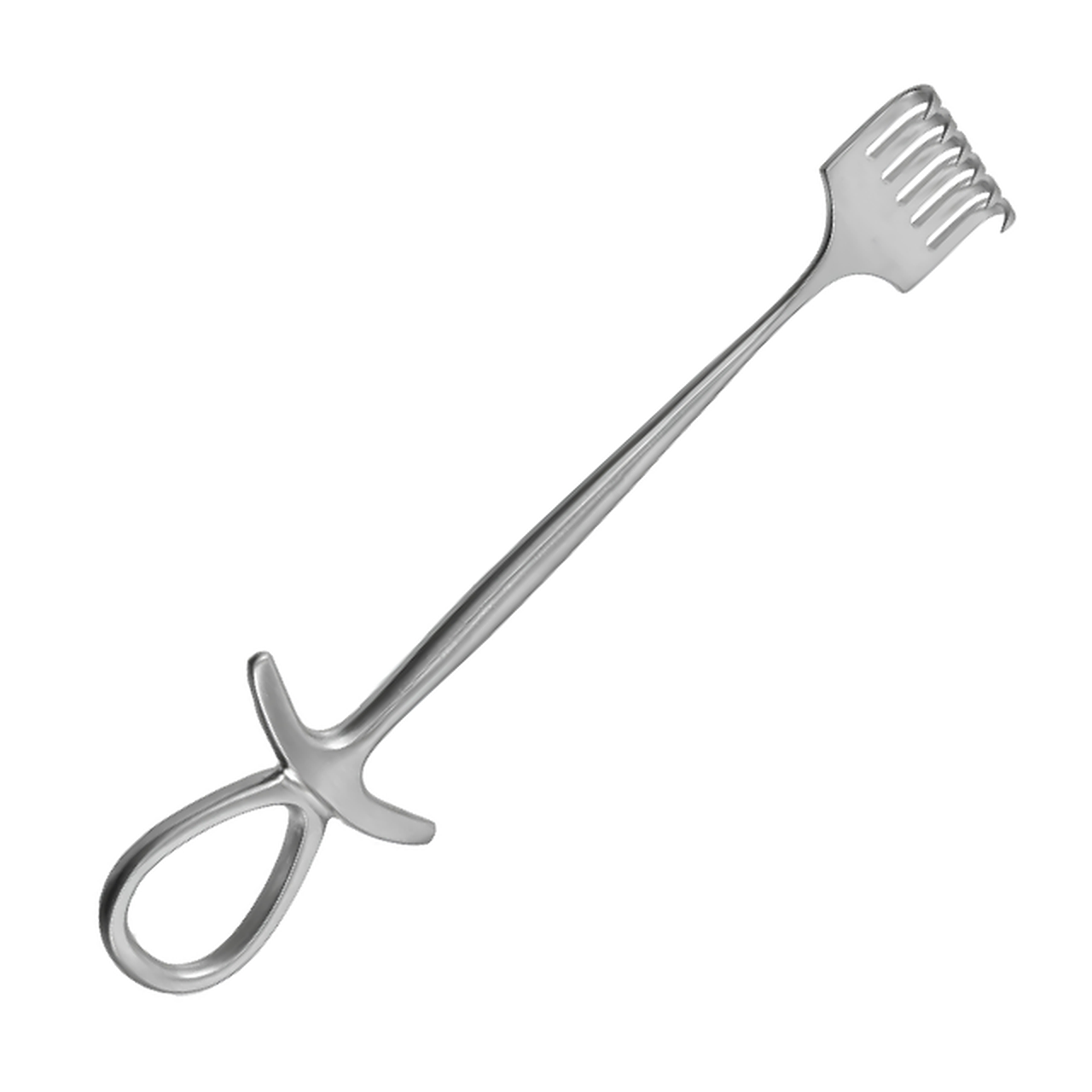
Murphy Retractor
From $44.00
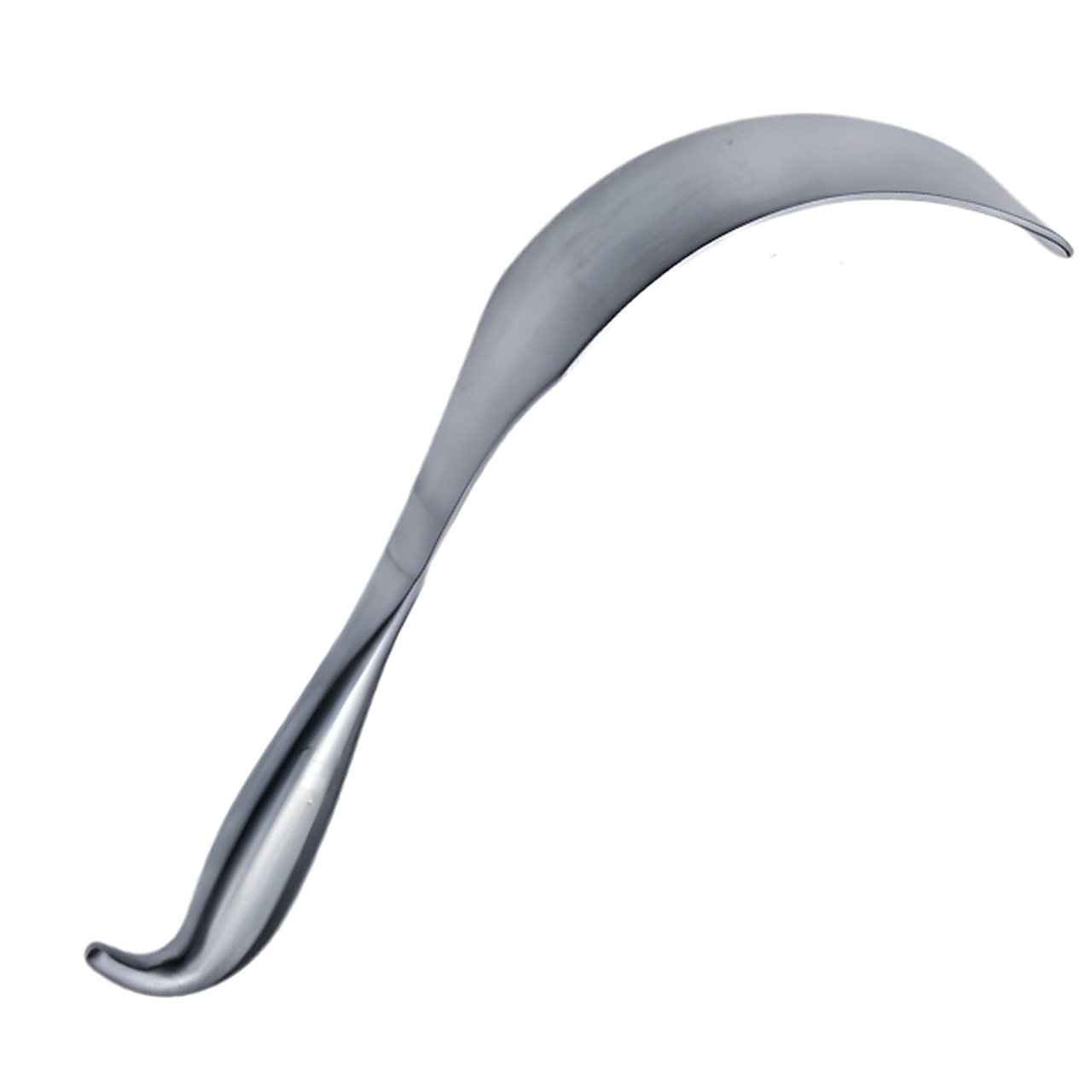
Leriche Retractor-Atraumatic Wide Blade
From $94.00
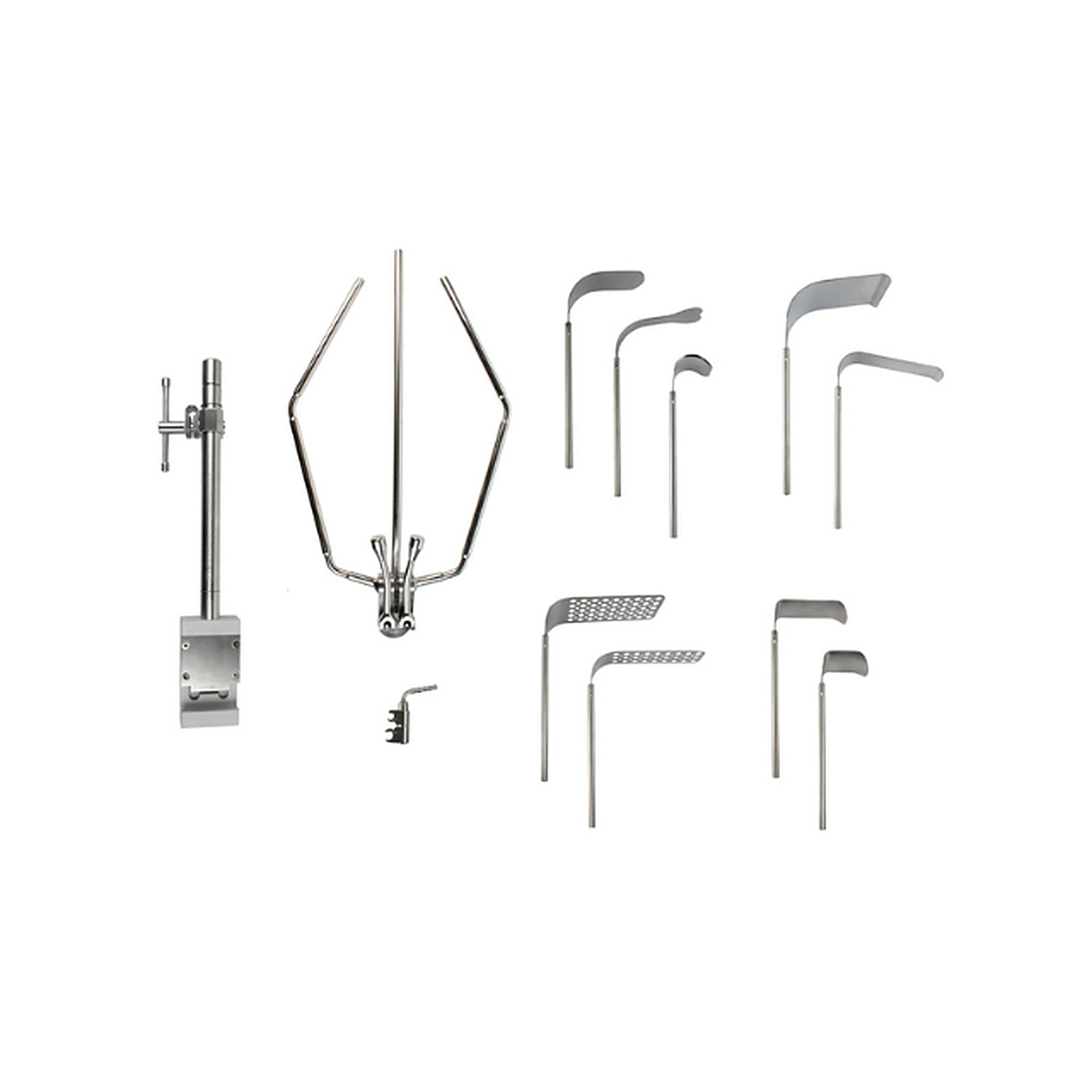
Lobster General Retractor System
$2,699Free Shipping
Need Surgical Retractors or Components?
Tell us what you need, including the product, configuration, quantity and destination country. Retractor Maker can provide availability, specifications and pricing.
Request a Quote