
Neurosurgery Retractors
Nerve Root Retractor: Uses, Types & Selection Guide
Author: Saad Shahid · Updated · 7 min read
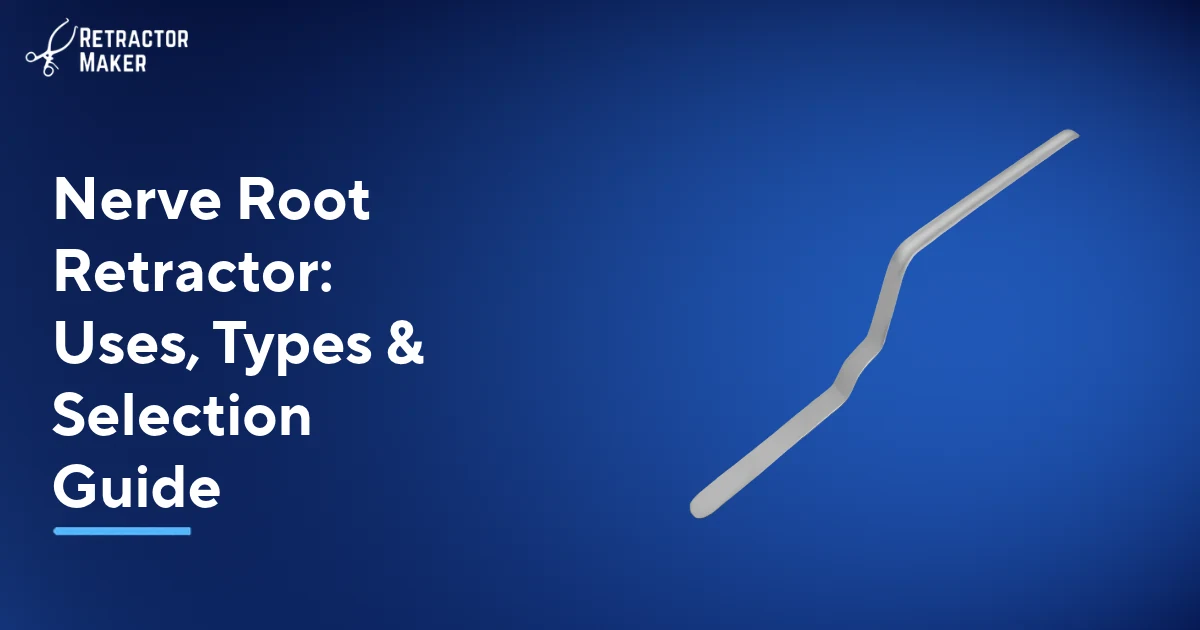
Compare nerve root retractor designs, sizes, surgical uses, and care requirements, with buying guidance for spine teams and hospital procurement staff.
Retractors discussed in this guide: Campbell Nerve Root Retractor, Caspar Nerve Root Retractors, D'Errico Nerve Root Retractor, Hess Nerve Root Retractor. Browse all surgical retractors.
A nerve root retractor is a handheld surgical instrument used to mobilize, support, and protect spinal nerve roots during spinal surgery. Its working end helps maintain exposure while the surgeon operates near neural structures. Retractor Maker offers several patterns for lumbar discectomy and related procedures, each with a different combination of tip shape, blade profile, and reach. This guide helps surgeons, operating room staff, and hospital buyers compare the listed instruments without treating their designs as interchangeable.
What is a nerve root retractor?
A nerve root retractor provides controlled neural retraction rather than broad wound exposure. Its blade or contoured tip supports delicate structures while creating access to the operative area. The models listed here are handheld, so positioning and applied force remain under the control of the surgical team.
The thecal sac, also called the dural sac, encloses neural structures within the spinal canal. Several listed patterns are intended to protect both spinal nerve roots and this sac. Protective design features do not eliminate the risk of injury: safe use still depends on visualization, appropriate selection, and careful handling.
What is a nerve root retractor used for?
The primary listed application is lumbar discectomy, including microsurgical lumbar discectomy. In this setting, neural retraction helps expose the surgical working area while supporting nearby nerve roots. These instruments are relevant to neurosurgical and orthopedic spine teams.
- Microsurgical lumbar discectomy: McCulloch-Type, Caspar, Hess, Holsher, and D'Errico patterns have this stated intended use.
- Lumbar discectomy: Toennis is intended to mobilize, cradle, and protect traversing spinal nerve roots and the thecal sac.
- Discectomy and laminectomy: Campbell is intended to retract and protect spinal nerve roots and the thecal sac.
- Lumbar discectomy and decompression: Love is intended to retract and protect spinal nerve roots and the dural sac.
Procedure labels are a starting point, not a complete selection rule. The surgeon must also consider the exposure, available space, and relationship of neural structures to the working corridor. An instrument intended for the procedure may still have an unsuitable tip or reach for a particular case.
How do blade, shaft, and handle designs differ?
The working tip, shaft, and handle determine how a retractor reaches and supports tissue. All listed models use Premium Grade AISI 304/316 Stainless Steel (Non-Magnetic). Their main selection differences are geometry and dimensions rather than the stated material.
Working blades and tips
Blade designs include angled, downward-curved, wide protective, hooked, and cupped profiles. McCulloch-Type has a 90° angled blunt working end, while Love has a smooth, cupped tip. Campbell uses a wide blade with a smooth curved tip. These shapes offer different contact profiles; none makes excessive pressure safe.
Reach and grip
Reach must be read carefully because shaft length and overall length are different measurements. McCulloch-Type lists shaft lengths; the other dimensioned patterns below list overall lengths. Most models have flat handles with lateral serrations or tactile grooves. Hess instead specifies an ergonomic grip handle assembly designed for tactile micro-control.
Which nerve root retractor types are available?
The available patterns differ in working-end shape, width options, and reach. This comparison preserves the distinction between shaft length and overall length and limits typical uses to the supplied product descriptions.
| Name | Design and listed dimensions | Typical use |
|---|---|---|
| McCulloch-Type Nerve Root Retractor | 90° angled blunt blade, 6.0 mm wide; slender shaft; shaft lengths 12.8 cm and 14.5 cm. | Mobilizing, cradling, and protecting spinal nerve roots and the thecal sac during microsurgical lumbar discectomy. |
| Campbell Nerve Root Retractor | Wide protective blade, 10–10.5 mm; smooth curved tip; overall length 22.2 cm. | Retracting and protecting spinal nerve roots and the thecal sac during discectomy and laminectomy. |
| Caspar Nerve Root Retractors | Downward-curved tip; blade widths 4, 6, 8, and 10 mm; overall length 24.13 cm. | Mobilizing, cradling, and shielding spinal nerve roots and the thecal sac during microsurgical lumbar discectomy. |
| Hess Nerve Root Retractor | Angled blade with smooth rounded margins; widths 3.0, 4.0, 5.0, and 7.0 mm; overall lengths 10.0, 12.0, and 17.5 cm. | Retracting and protecting traversing spinal nerve roots and the dural sac during microsurgical lumbar discectomy. |
| Toennis Nerve Root Retractor | Slender body with a smooth contoured hook; single-ended; overall length 15 cm. | Mobilizing, cradling, and protecting traversing spinal nerve roots and the thecal sac during lumbar discectomy. |
| Holsher Nerve Root Retractor | Wide blade with downward-sloping blunt edges; overall length 23.5 cm. | Retracting and protecting spinal nerve roots and the thecal sac during microsurgical lumbar discectomy. |
| D'Errico Nerve Root Retractor | Angled blade, 7.0 mm wide × 11.0 mm long; smooth curved tip; overall lengths 22.8 cm and 28 cm. | Mobilizing, cradling, and shielding spinal nerve roots and the thecal sac during microsurgical lumbar discectomy. |
| Love Nerve Root Retractor | Rigid shaft in straight, 45° angled, or 90° angled profiles; smooth cupped tip; overall lengths 17.5 cm and 21.5 cm. | Retracting and protecting spinal nerve roots and the dural sac during lumbar discectomy and decompression. |
How is a nerve root retractor positioned safely?
Positioning requires direct visualization and controlled handling by trained surgical personnel. This overview is not an operative technique or a substitute for instrument instructions, surgical training, or patient-specific judgment.
- Confirm the selected pattern, dimensions, instrument condition, and sterile readiness before use.
- Identify the relevant anatomy and maintain visualization of the working tip.
- Use only the retraction necessary for exposure, avoiding excessive force or sustained tension.
- Reassess tissue contact and exposure as the operative field changes.
- Communicate clearly during instrument handoffs and changes in retraction.
Blunt edges and curved tips are intended to support delicate tissue, not to justify blind placement. A wider blade is not automatically safer, and a longer instrument is not automatically more suitable. The selected contact surface must fit the available corridor without crowding adjacent structures.
How should these retractors be cleaned and sterilized?
All listed retractors are supplied non-sterile and are fully autoclavable. Individual protective packaging protects the instrument during handling and transport; it does not establish readiness for a sterile field.
Follow the manufacturer's validated reprocessing instructions and the facility's sterile processing procedures. Cleaning must precede sterilization. Inspect working surfaces, curved tips, and handle grooves for residual soil, damage, or corrosion, and remove compromised instruments from service according to facility policy.
The supplied product information does not specify cleaning agents, autoclave temperatures, exposure times, or drying parameters. Obtain the applicable instructions before processing rather than inferring a cycle from the material or the word autoclavable. Sterile processing staff should verify compatibility with the facility's established workflow.
How do you choose and buy from Retractor Maker?
Choose by intended procedure, working-end geometry, blade width, and required reach. Record the exact pattern and dimensions in the purchase specification. Where several lengths and widths are listed, confirm the required combination rather than assuming every combination is available.
Retractor Maker is a surgical retractor manufacturer and exporter in Sialkot, Pakistan, offering wholesale supply, OEM services, and worldwide shipping. Each listed instrument is brand new, supplied in individual protective packaging, and has a minimum order quantity of 1 piece.
For a quotation, provide the instrument name, selected dimensions, quantity, destination, and any OEM requirements. Ask for confirmation of availability, pricing, delivery arrangements, and reprocessing documentation. Align the order with surgeon preferences and sterile processing requirements before adding a pattern to a hospital instrument set.
Clinical notice: This guide is for surgical teams and hospital buyers. Always follow the manufacturer's instructions for use (IFU) and your hospital's sterilization rules before clinical use.
Frequently Asked Questions
What is a nerve root retractor used for?
A nerve root retractor is used to mobilize, support, or protect spinal nerve roots during spinal surgery. The listed instruments primarily support lumbar discectomy, including microsurgical procedures. Campbell also lists laminectomy, while Love lists lumbar decompression. Selection should match the stated intended use, surgical exposure, and working-end geometry.
What is the difference between McCulloch-Type and Caspar nerve root retractors?
McCulloch-Type has a 90° angled blunt blade, while Caspar has a downward-curved tip. McCulloch-Type lists a 6.0 mm blade and shaft lengths of 12.8 cm and 14.5 cm. Caspar lists a 24.13 cm overall length and blade widths of 4, 6, 8, and 10 mm. Shaft length should not be compared directly with overall length.
What sizes do nerve root retractors come in?
Nerve root retractor sizes vary by pattern, and dimensions may describe blade width, shaft length, or overall length. Hess lists overall lengths of 10.0, 12.0, and 17.5 cm with blade widths of 3.0, 4.0, 5.0, and 7.0 mm. D'Errico lists overall lengths of 22.8 cm and 28 cm with a 7.0 × 11.0 mm blade. Confirm the exact configuration before ordering.
Are nerve root retractors supplied sterile?
All nerve root retractors listed here are supplied non-sterile and are fully autoclavable. Their individual protective packaging is not a substitute for sterilization. Obtain the manufacturer's validated reprocessing instructions and follow facility procedures before clinical use. The supplied specifications do not provide autoclave cycle temperatures, exposure times, or drying parameters.
Which nerve root retractor is best for lumbar discectomy?
No single nerve root retractor pattern is best for every lumbar discectomy. The listed models differ in tip contour, blade width, and reach, so selection depends on the operative corridor and surgeon judgment. Compare the stated intended use and dimensions, and avoid choosing solely by overall length or assuming a wider blade is always safer.
Can hospitals order nerve root retractors wholesale or OEM?
Hospitals and distributors can contact Retractor Maker for wholesale and OEM nerve root retractor requirements. The manufacturer and exporter is based in Sialkot, Pakistan, and offers worldwide shipping. Listed instruments have a minimum order quantity of 1 piece; confirm separate OEM requirements, configuration availability, pricing, shipping arrangements, and documentation when requesting a quotation.
About the author
Saad Shahid · Sales & Marketing Manager
Saad Shahid is the Sales & Marketing Manager and founder of Retractor Maker, started in 2023 in Sialkot, Pakistan. He also works with his father at Hospitech Traders, the family surgical instrument business founded in 1989.
Related Blogs & Guide
Related Retractors
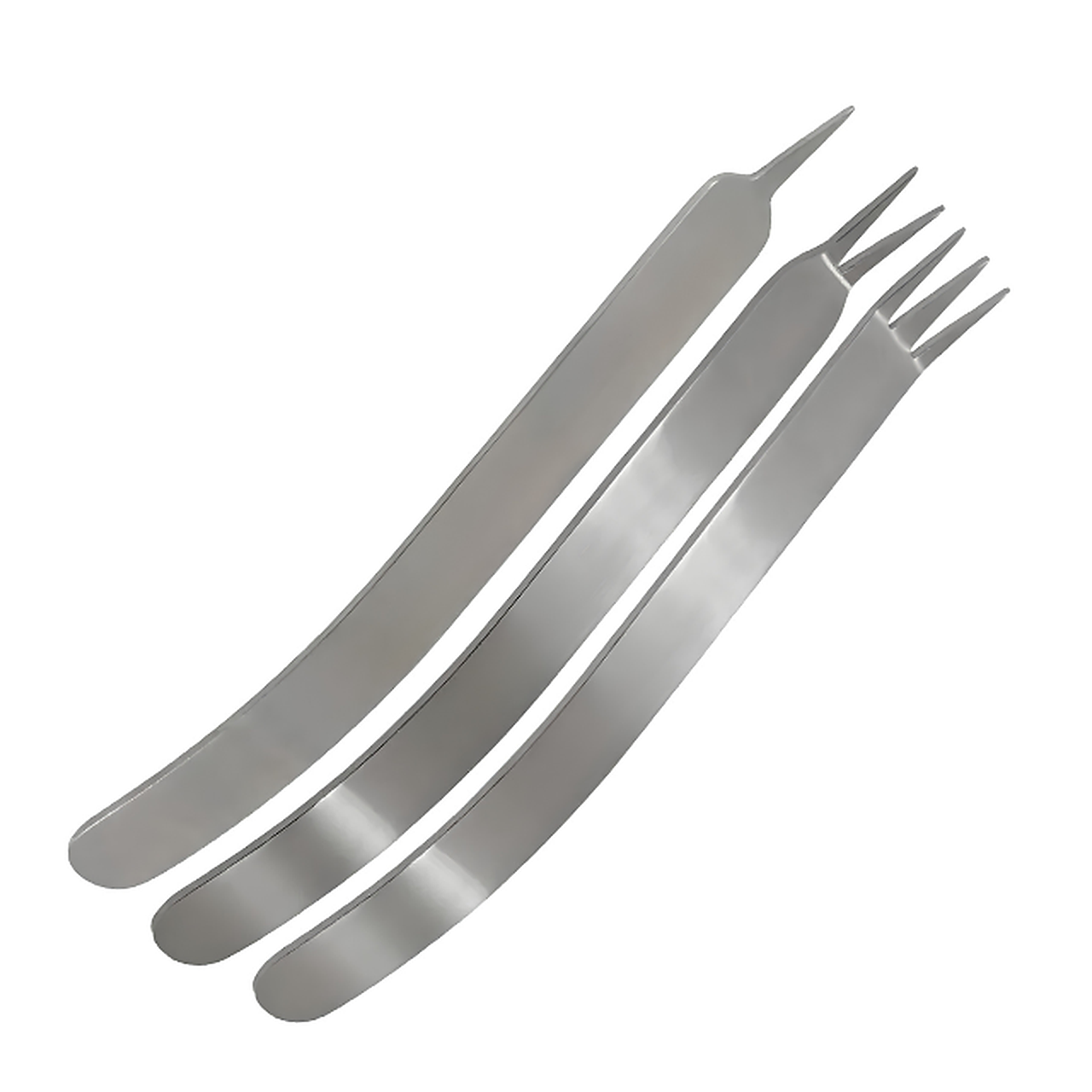
Capsule Retractors
From $64.00
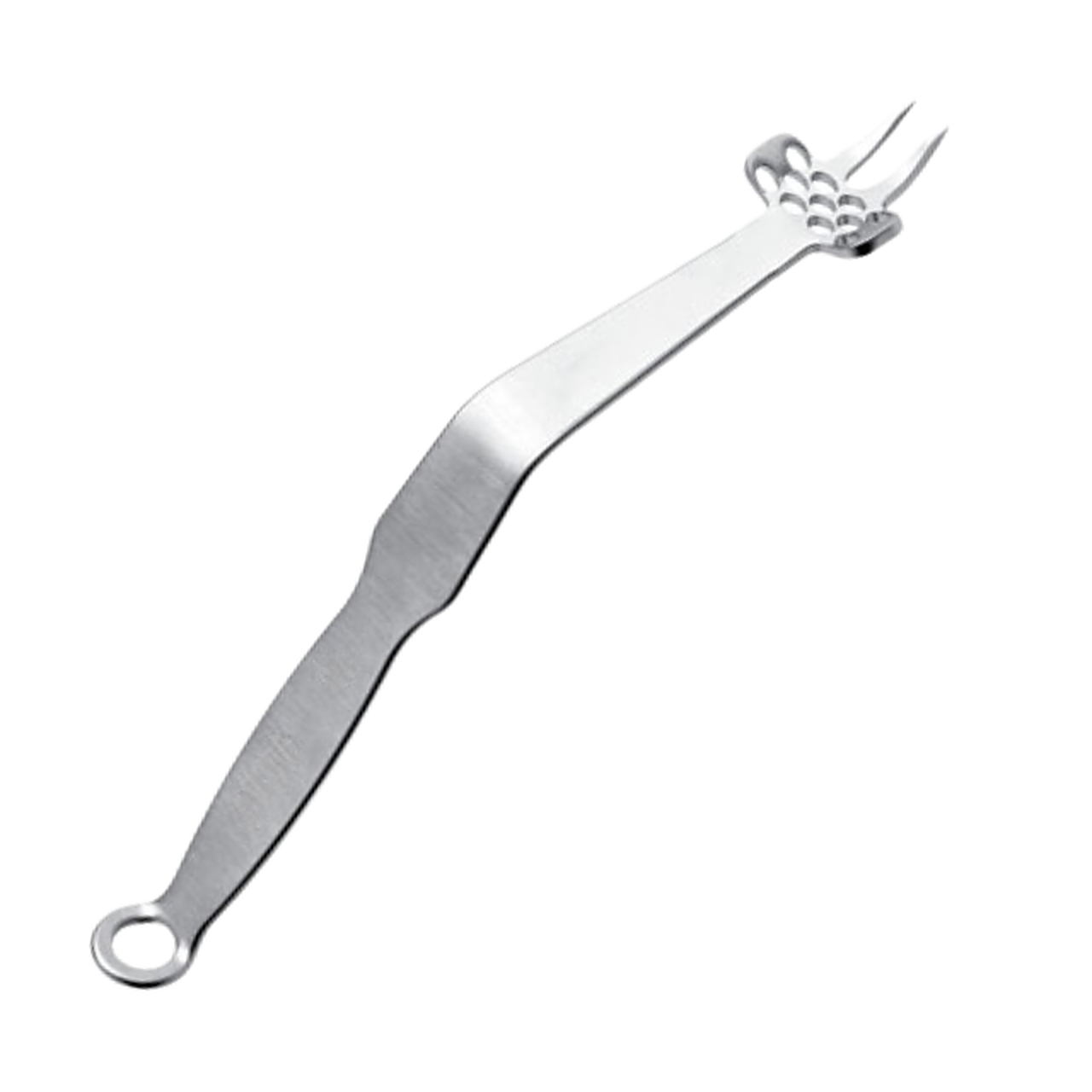
Lateral Soft Tissue Retractors
From $84.00
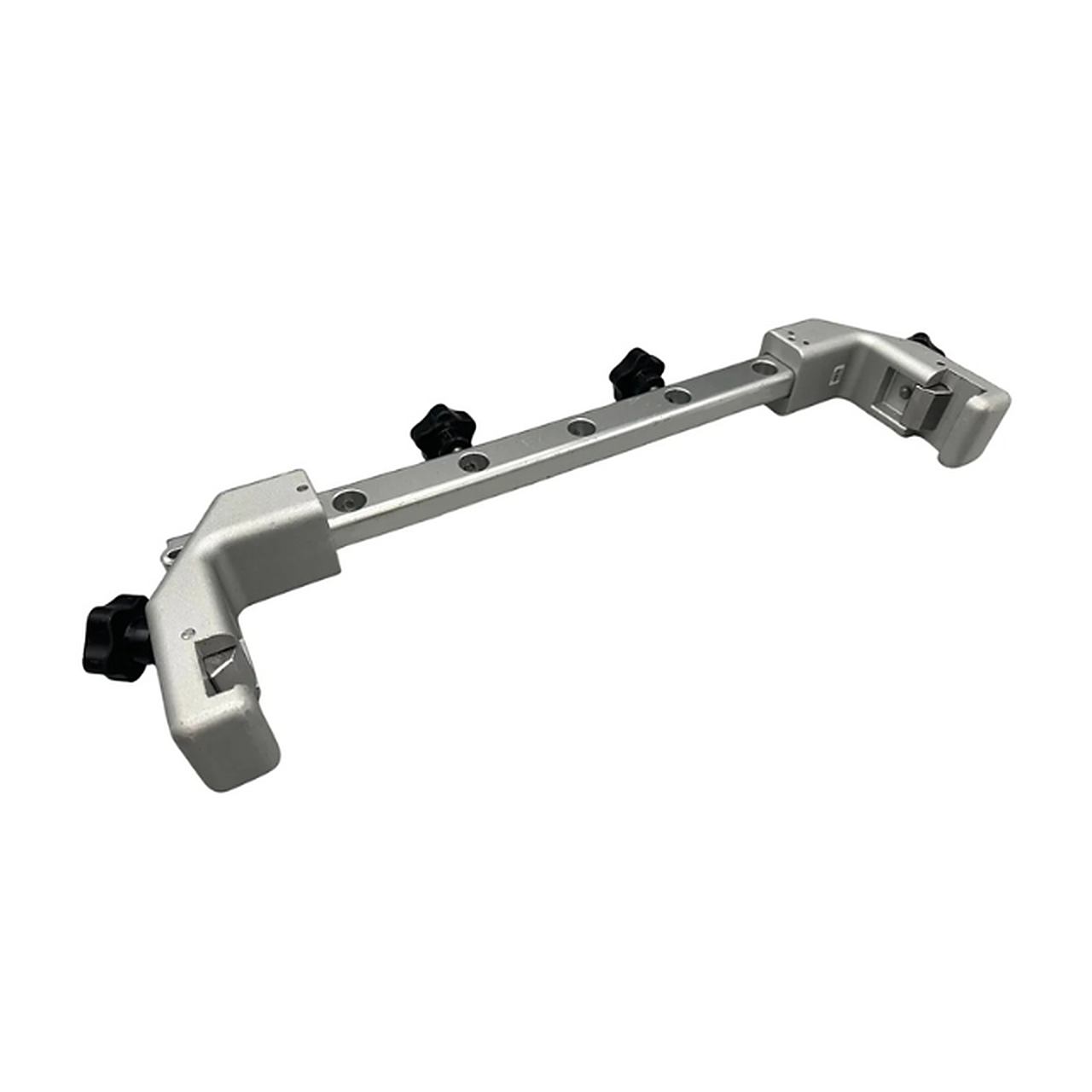
Adjustable Mayfield Adaptor
$1,199Free Shipping
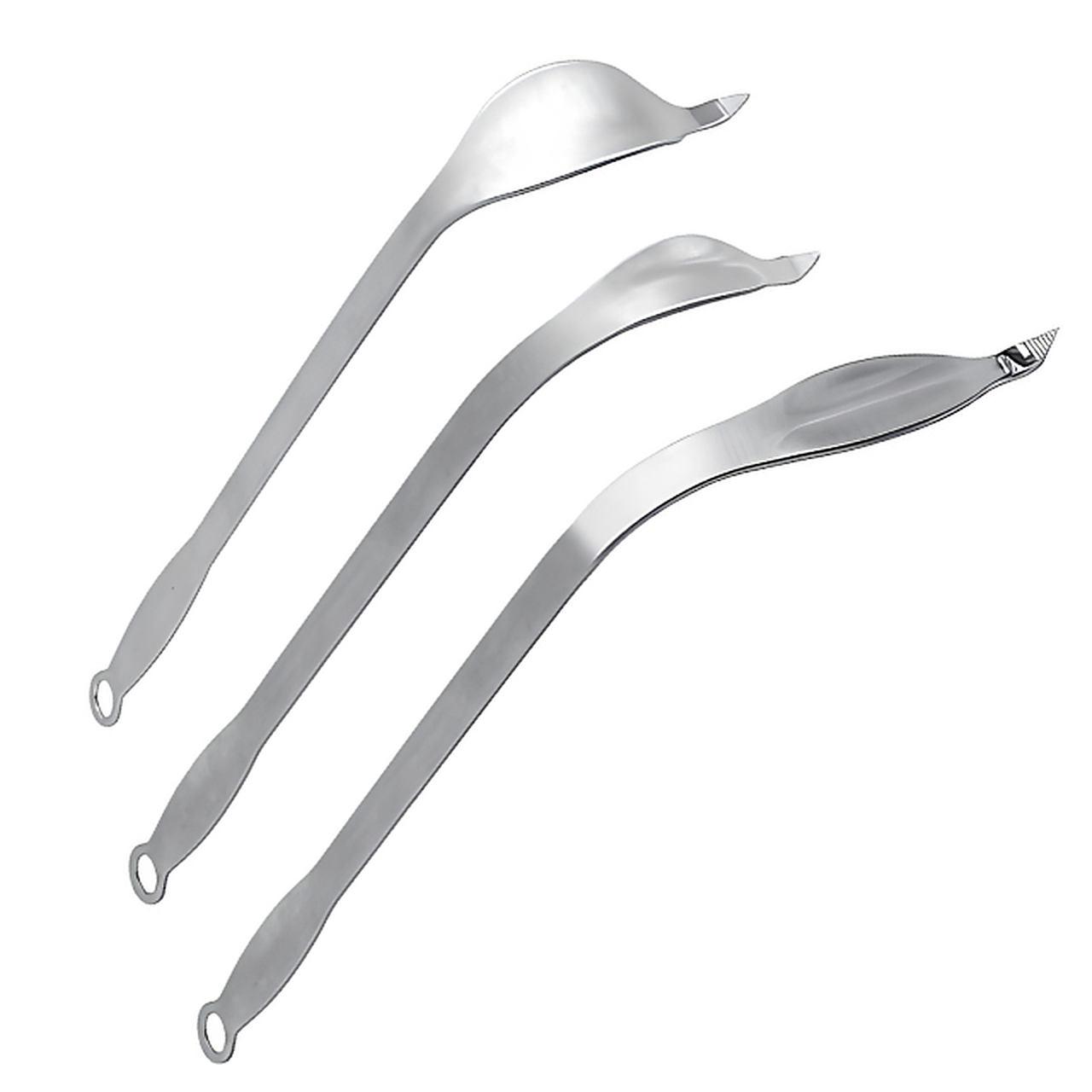
Cobra Retractor
From $79.00
Adson Self-Retaining Cerebellar Retractor
From $189
Cobra Retractor with Hand Rest
$169
Need Surgical Retractors or Components?
Tell us what you need, including the product, configuration, quantity and destination country. Retractor Maker can provide availability, specifications and pricing.
Request a Quote