
Cardiovascular Retractor Guides
What Is a Finochietto Rib Spreader? Thoracic Retractor Guide
Author: Saad Shahid · Updated · 6 min read

Thoracotomy procedures require specialized instruments capable of overcoming the rigid structural resistance of the human rib cage. Manual retractors are entirely insufficient to maintain intercostal space separation against the tension of thoracic musculature and costal cartilage.
Retractors discussed in this guide: Finochietto (Modif) Rib Spreader, Finochietto Rib Spreader, Finochietto-Baby Rib Spreader, Finochietto-Infant Rib Spreader. Browse all surgical retractors.
A Finochietto retractor, also called a Finochietto rib spreader, is a specialized, self-retaining thoracic surgical retractor that spreads ribs to maintain broad access to the pleural cavity, lungs, mediastinum, and heart. The Finochietto rib spreader uses a mechanical rack-and-pinion drive to provide calibrated, rigid exposure during open thoracic and cardiovascular surgery.
Contents
What Is a Finochietto Rib Spreader?
The Finochietto rib spreader is an established instrument in cardiothoracic surgery. Dr. Enrique Finochietto, an Argentine surgeon, originally developed it in the early 20th century.
Core mechanical components include:
- Toothed rack bar: A rigid, graduated steel bar with heavy gear teeth along one surface.
- Opposing retractor blades: Two broad, flat or slightly curved metal blades, in fenestrated or solid designs. One is permanently fixed to the rack bar end; the other sits on a sliding carriage.
- Rack-and-pinion drive: A rotating pinion gear inside the sliding carriage engages the rack bar.
- Crank handle: Turning the handle moves the mobile blade along the rack, increasing the distance between the two blades with mechanical advantage.
- Integrated locking action: Gear engagement holds the blades securely at any selected position under high thoracic counter-pressure.
What Is a Finochietto Rib Spreader Used For?
The Finochietto rib spreader provides access to the thoracic cavity during thoracotomy, cardiovascular procedures, and thoracic trauma surgery.
- Posterolateral and anterolateral thoracotomy: Spreads adjacent ribs after intercostal muscle incision during lobectomies, pneumonectomies, and esophageal resections.
- Cardiovascular procedures: Maintains exposure during open pericardial windows, cardiac trauma repairs, and aortic arch interventions.
- Thoracic trauma and damage control: Provides rapid, rigid exposure for surgical exploration and hemorrhage control in emergency thoracotomies.
What Configurations and Sizes Are Available?
| Model Profile | Technical Dimensions | Typical Application |
|---|---|---|
| Infant / Pediatric | Compact rack (approx. 100 mm), small blades (approx. 15×15 mm) | Neonatal and pediatric thoracic surgery |
| Standard Adult | Medium rack (approx. 200 mm), blades (approx. 40×45 mm) | Standard adult anterolateral thoracotomies |
| Large / Deep Adult | Extended rack (approx. 300 mm), deep blades (approx. 65×65 mm+) | Broad chest walls, deep mediastinal exploration |
Blades come in solid or fenestrated designs. Fenestrated configurations reduce overall instrument weight.
How Does Finochietto Compare With Other Thoracic Retractors?
| Retractor | Spreading Mechanism | Blade Geometry | Primary Application |
|---|---|---|---|
| Finochietto | Rack-and-pinion gear with crank handle | Flat/curved rectangular blades (solid/fenestrated) | Standard rib spreading during open thoracotomy |
| Burford-Finochietto | Rack-and-pinion with detachable blade arms | Interchangeable shallow and deep blades | Multi-depth thoracotomy and thoracic oncology |
| Tuffier Retractor | Threaded screw shaft with wing-nut/handle | Solid curved rectangular blades | Compact intercostal and apical thoracic approaches |
How Should It Be Cleaned, Inspected, and Sterilized?
- Disassembly and decontamination: Slide the mobile carriage off the rack bar if modular breakdown is supported. Scrub bone dust, tissue fragments, and blood from every gear tooth.
- Inspection: Check rack teeth for rounding or burrs. Confirm that the pinion gear turns smoothly without slipping under load.
- Lubrication and autoclaving: Apply surgical-grade instrument lubricant to the pinion gear and rack track before steam autoclaving according to the manufacturer IFU.
Summary for Surgical Teams and Buyers
The Finochietto rib spreader provides the mechanical power and stability needed to maintain wide intercostal exposure in cardiothoracic surgery. Its durable rack-and-pinion system provides controlled, predictable separation throughout complex procedures.
Retractor Maker manufactures precision Finochietto rib spreaders in Sialkot, Pakistan, for global healthcare markets. Construction uses high-tensile stainless steel, precision-machined gear teeth, and durable atraumatic blades.
Finochietto Retractor Blade Measurements and Sizes
Use model-specific measurements when specifying a retractor for a tray or purchase order. Maximum track spread is the opening capacity, not overall instrument length or a recommended surgical opening. For the standard model, confirm the exact blade and spread combination before ordering. The supplied data gives ranges rather than individual pairings.
| Model | Overall Length | Blade Size | Notes |
|---|---|---|---|
| Finochietto-Baby retractor | On request | 31 mm × 31 mm | Fixed fenestrated blades; maximum track spread 100 mm |
| Finochietto-Infant retractor | On request | Option A: 14 mm × 15 mm | Fenestrated blades; maximum track spread 75 mm |
| Finochietto (Modif) retractor | On request | 14 mm × 15 mm | Fixed fenestrated blades; maximum track spread 120 mm |
| Finochietto retractor | On request | Widths 40–85 mm; other dimensions: On request | Six combinations; track spreads 135–190 mm; fixed fenestrated blades |
How Should Surgical Assistants Handle It?
- Keep a steady grip on the frame during placement and adjustment. Keep gloved fingers clear of the sliding carriage, gear teeth, and closing blade surfaces.
- Follow the surgeon’s chosen traction angle. Do not lever or twist the retractor against the ribs. Request reassessment if either blade seats unevenly.
- Expand only on the surgeon’s instruction, using controlled movements. Stop and report unexpected resistance; do not force the mechanism or increase leverage.
- Agree with the surgeon on opportunities for pressure reassessment and release. Do not use a fixed release interval or loosen the retractor without warning the operating team.
- Check visible tissue at blade contact points during adjustments and throughout retraction. Promptly report trapped tissue, blanching, bleeding, or blade migration. Do not independently reposition under load.
- Communicate before every opening or position change. Confirm that the surgeon and other assistants have cleared instruments and vulnerable structures from the movement path.
- Pass the retractor closed where the design permits, supporting the frame and directing blades away from hands. Confirm the receiver’s secure grip before release.
What Should Teams Know About Autoclave Cycles?
Steam sterilization must follow thorough cleaning, rinsing, and inspection; it does not replace cleaning. Prepare and package the retractor according to its validated IFU. Exposure time is time at the specified sterilization temperature, not total cycle duration. Drying requirements depend on the validated cycle, packaging, and load configuration.
| Cycle | Temperature | Exposure | Drying |
|---|---|---|---|
| Pre-vacuum | 132°C/270°F | 4 min | 20–30 min |
| Pre-vacuum | 134°C/273°F | 3 min; some regional prion protocols specify 18 min | Per validated IFU and cycle |
| Gravity displacement | 121°C/250°F | 30 min | 15–30 min |
These typical reference values are not validated processing instructions for these models. The validated instrument IFU, sterilizer manufacturer’s instructions, and hospital policy always take precedence, including for prion protocols. These retractors are supplied non-sterile and must be sterilized before first use.
Clinical notice: This guide is for surgical teams and hospital buyers. Always follow the manufacturer's instructions for use (IFU) and your hospital's sterilization rules before clinical use.
Frequently Asked Questions
What is a Finochietto retractor?
A Finochietto rib spreader is a self-retaining thoracic surgical retractor that uses a rack-and-pinion mechanism to spread and hold ribs apart. It maintains access to the pleural cavity, lungs, mediastinum, and heart during open thoracic and cardiovascular surgery.
Who invented the Finochietto retractor?
The Finochietto retractor was designed by Dr. Enrique Finochietto, an Argentine surgeon who introduced the rack-and-pinion rib retractor in the 1920s. This early 20th-century design uses a mechanical spreading drive to maintain exposure during open thoracic and cardiovascular surgery.
What is a Finochietto rib spreader used for?
It is used during open thoracotomy procedures to expose the lungs, heart, esophagus, and thoracic aorta.
How does the Finochietto spreading mechanism work?
The Finochietto rib spreader uses a manual crank handle to turn a pinion gear along a toothed rack bar. This drives the mobile blade outward against rib resistance. Gear engagement holds the blades securely at the selected position under high thoracic counter-pressure.
Are Finochietto retractors available in pediatric sizes?
Yes. They are manufactured in infant, pediatric, standard adult, and large deep-blade configurations.
Can a Finochietto rib spreader be autoclaved?
Yes. Forged from heavy-duty Premium Grade AISI 304/316 Stainless Steel (Non-Magnetic), reusable Finochietto retractors are fully autoclavable.
How does a Finochietto rib spreader differ from a Tuffier retractor?
A Finochietto rib spreader uses a rack-and-pinion drive with a crank handle, while a Tuffier retractor uses a threaded screw shaft with a wing-nut or handle. The guide lists Finochietto for standard rib spreading during open thoracotomy and Tuffier for compact intercostal and apical thoracic approaches.
How should a Finochietto rib spreader be cleaned and inspected?
A Finochietto rib spreader needs every gear tooth cleaned and its rack teeth and pinion inspected. Remove bone dust, tissue fragments, and blood. Check for rounded teeth or burrs, and confirm smooth pinion rotation without slipping under load. If modular breakdown is supported, slide the mobile carriage off the rack bar for decontamination.
What does maximum track spread mean on a Finochietto retractor?
A Finochietto retractor’s maximum track spread is its opening capacity, not overall instrument length or a recommended surgical opening. For the standard model, the guide lists six combinations with track spreads of 135–190 mm. Confirm the exact blade and spread combination before ordering.
About the author
Saad Shahid · Sales & Marketing Manager
Saad Shahid is the Sales & Marketing Manager and founder of Retractor Maker, started in 2023 in Sialkot, Pakistan. He also works with his father at Hospitech Traders, the family surgical instrument business founded in 1989.
Related Blogs & Guide



Related Retractors
Vascular Lobster System
$2,699Free Shipping
French Pattern I.M.A. Sternal Retractor for Ministernotomy
$429Free Shipping
Expanded Vascular Lobster Retractor
$2,999Free Shipping
Castaneda Rib Spreader
From $309
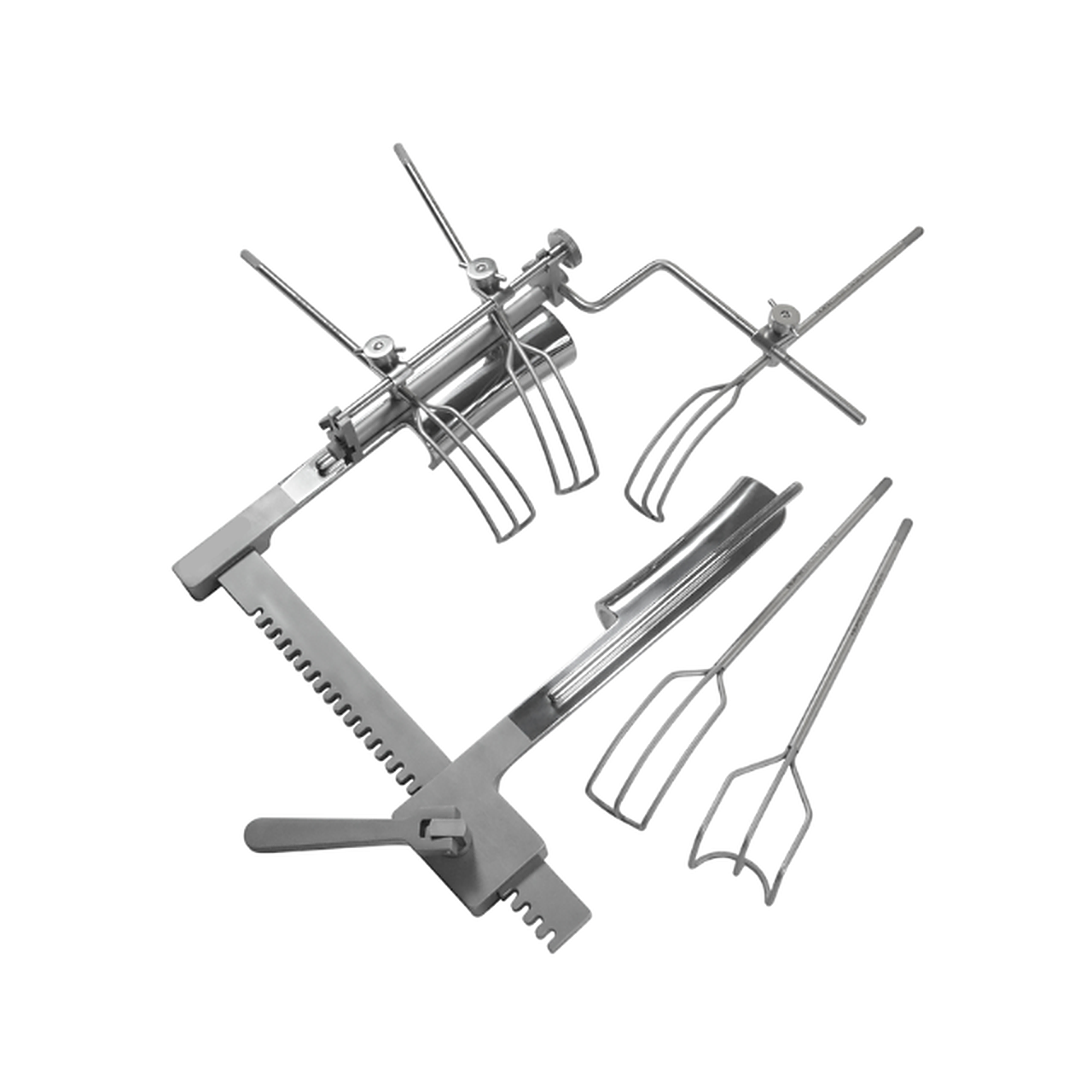
Mitral Valve Retractor
$899Free Shipping
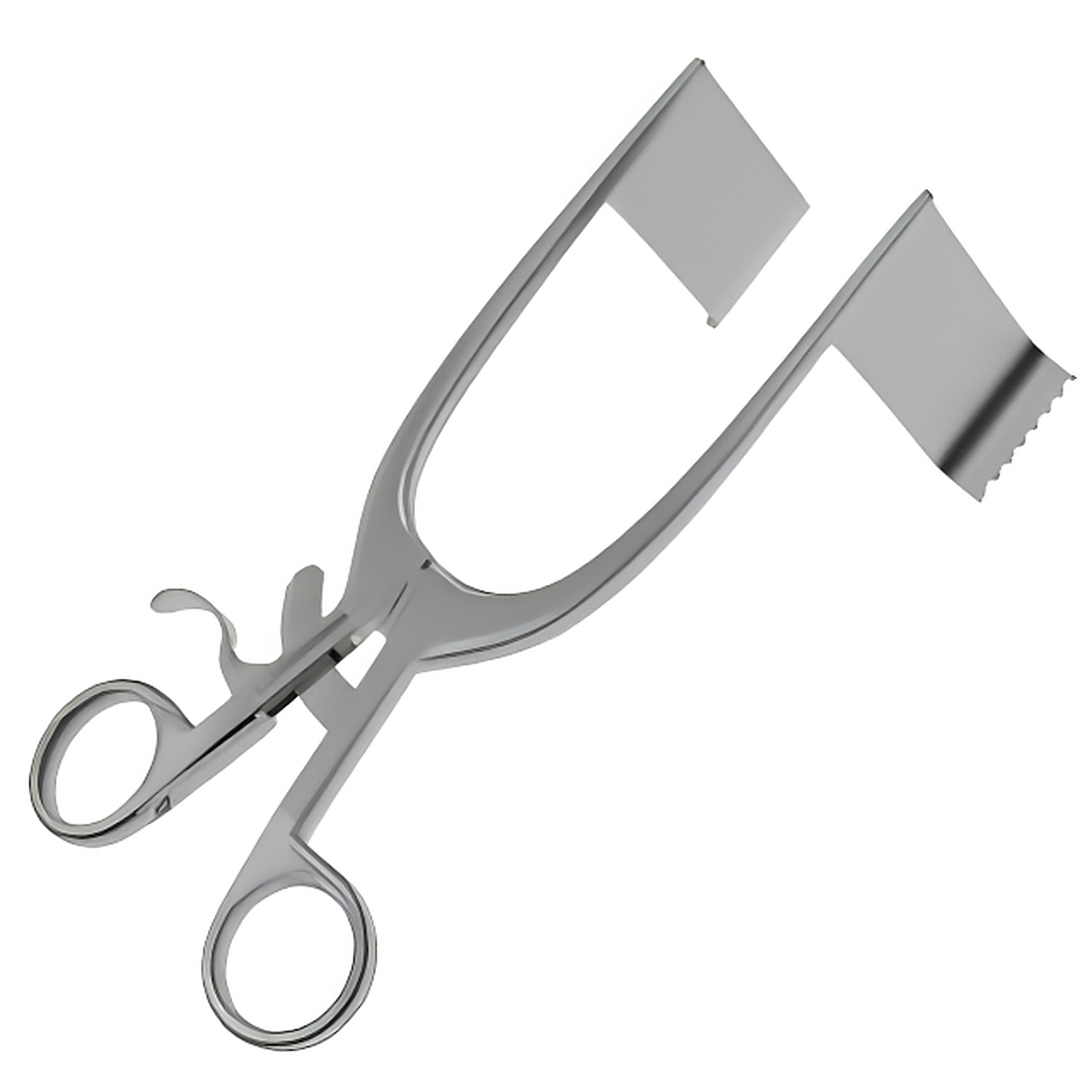
Darling Popliteal Self-Retaining Retractor
From $109
Need Surgical Retractors or Components?
Tell us what you need, including the product, configuration, quantity and destination country. Retractor Maker can provide availability, specifications and pricing.
Request a Quote