
Orthopedic & Spine Retractors
Kolbel Retractor: Shoulder Uses, Designs & Selection
Author: Saad Shahid · Updated · 7 min read
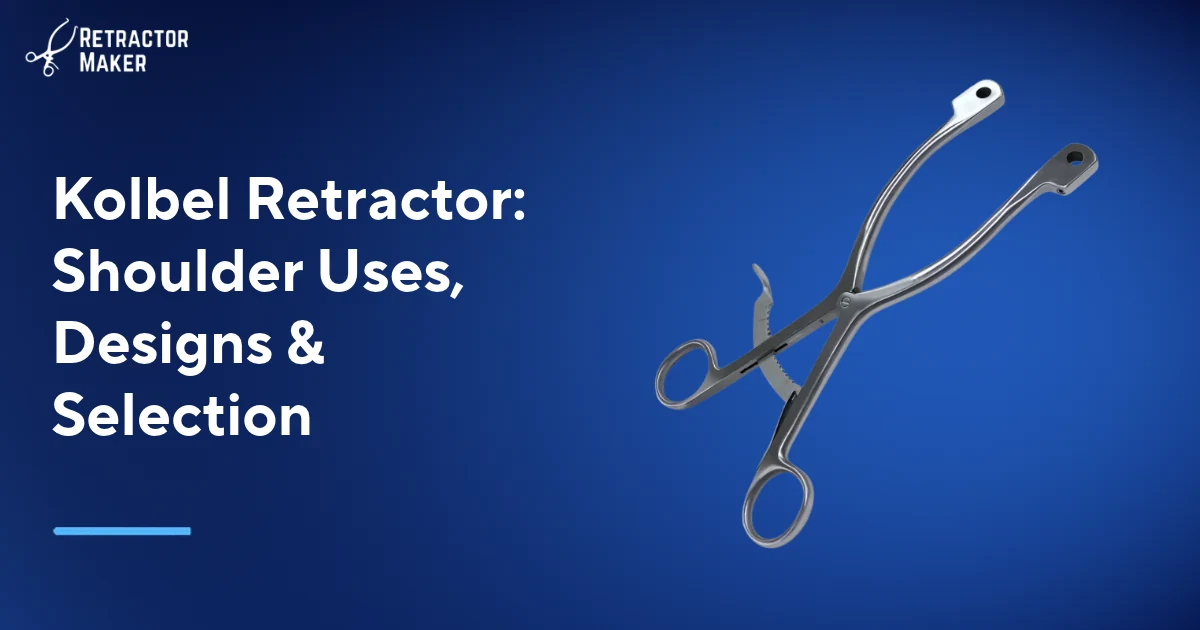
Explore Kolbel retractor uses, frame and handheld designs, sizes, safe handling, sterilization considerations, and buying options from Retractor Maker.
Retractors discussed in this guide: Kolbel Shoulder Retractor Frame, Kolbel Soft Tissue Retractor. Browse all surgical retractors.
A Kolbel retractor is a surgical instrument used to retract soft tissue during shoulder surgery, with self-retaining frame and handheld configurations serving different exposure needs. Selecting between them starts with the task: maintaining an opening with modular blades or directing a handheld blade against selected tissue. For surgeons, operating room staff, and hospital buyers, the important distinctions are configuration, intended use, instrument length, blade arrangement, and preparation before use. Retractor Maker supplies both configurations non-sterile, so neither should be treated as ready for the sterile field on arrival.
What is a Kolbel retractor?
The Kolbel name in this range covers two distinct instruments rather than a single interchangeable design. The Kolbel Shoulder Retractor Frame provides self-retaining soft-tissue retraction by mounting modular blades on articulated pivoting arms. The Kolbel Soft Tissue Retractor is handheld and uses a curved blade with blunt prongs to retract muscle, capsule, and other soft tissues.
Self-retaining means the frame can maintain a selected retraction position through its locking mechanism rather than requiring continuous manual holding. It does not mean the instrument can be left without observation. The handheld design requires active control by the operator. Both support surgical exposure, but the frame's blade-mounting function and the handheld instrument's direct tissue engagement are different purchasing and clinical considerations.
What is a Kolbel retractor used for?
Kolbel retractors in this range are intended for shoulder soft-tissue exposure. The shoulder frame is used during total and reverse shoulder arthroplasty, where its pivoting arms accept modular blades for hands-free glenohumeral exposure. The handheld soft tissue retractor is intended to retract muscles, capsule, and soft tissues during shoulder arthroplasty and reconstructive surgery.
- Total shoulder arthroplasty: the frame provides self-retaining soft-tissue retraction around the shoulder operative field.
- Reverse shoulder arthroplasty: the frame supports modular blades for glenohumeral exposure.
- Shoulder arthroplasty soft-tissue handling: the handheld instrument retracts muscle, capsule, and other soft tissues.
- Reconstructive surgery: the handheld instrument provides directed soft-tissue retraction within its stated intended use.
These instruments belong in orthopedic shoulder instrument planning, but the procedure name alone does not determine which configuration is appropriate. Exposure requirements change with the operative approach, anatomy, and stage of surgery. Instrument selection and placement remain the responsibility of trained clinicians; the supplied descriptions do not establish suitability for every reconstructive procedure or surgical approach.
What are the main design features and parts?
Shoulder frame: pivoting arms and ratchet lock
The Kolbel Shoulder Retractor Frame measures 23 cm (9 inches) overall. Its articulated framework is designed to adapt to shoulder joint contours, while free-moving pivoting arms accept modular blades. Multi-step mechanical ratchet gears provide the locking mechanism, and a quick-release finger lever allows release. The specified length describes the overall instrument, not a blade dimension or a maximum exposure opening.
Handheld retractor: curved blade and blunt prongs
The Kolbel Soft Tissue Retractor measures 8 inches (20.32 cm) overall. It has an anatomically curved blade designed to navigate confined articular recesses and blunt prongs intended to minimize local tissue trauma. Its ergonomic flat handle has lateral serrations for tactile grip stability. Blunt prongs do not eliminate the possibility of pressure-related tissue injury, so controlled force remains important.
Both instruments are made from Premium Grade AISI 304/316 Stainless Steel (Non-Magnetic). Both are supplied non-sterile and are fully autoclavable. The non-magnetic material description should not be interpreted as an MRI safety designation.
Which Kolbel retractor types are available?
The available products differ primarily in how they maintain exposure. Choose by the required retraction method rather than by overall length alone. The comparison below separates the frame's modular-blade architecture from the handheld instrument's curved working end.
| Product | Design | Overall length | Typical use |
|---|---|---|---|
| Kolbel Shoulder Retractor Frame | Self-retaining articulated frame; pivoting arms accept modular blades; multi-step ratchet with quick-release finger lever | 23 cm (9 inches) | Self-retaining soft-tissue retraction during total and reverse shoulder arthroplasty |
| Kolbel Soft Tissue Retractor | Handheld curved blade with blunt prongs; flat handle with lateral serrations | 8 inches (20.32 cm) | Retraction of muscle, capsule, and soft tissues during shoulder arthroplasty and reconstructive surgery |
The frame listing describes acceptance of modular blades but does not specify blade dimensions, a blade assortment, or which blades are included. Buyers should confirm those details before ordering. Similarly, the handheld listing does not provide a blade width or prong count. Avoid substituting assumptions from another Kolbel-pattern instrument for the specifications of the product being purchased.
How should a Kolbel retractor be positioned?
A Kolbel retractor should be positioned under direct visualization by trained surgical personnel, using only the retraction needed for exposure. Exact placement depends on the surgical approach and patient anatomy. This overview is not an operative technique guide or a substitute for the instrument's instructions for use.
For the frame, confirm the intended blade compatibility and secure assembly before use. Placement should avoid trapping unintended tissue, and retraction should be reassessed as the operative field changes. Staff should understand the ratchet and quick-release controls before the instrument is needed. A locked frame still requires monitoring of tissue contact and surrounding structures.
For the handheld instrument, maintain controlled contact and a stable grip rather than relying on force to obtain exposure. Avoid blind placement and excessive pressure near vulnerable structures. If visibility or tissue tension becomes unacceptable, reassess positioning rather than simply increasing traction. Communication between the surgeon and assistant helps keep retraction aligned with the current operative task.
How are Kolbel retractors cleaned and sterilized?
Both listed Kolbel retractors require processing before initial clinical use because they are supplied non-sterile. Their fully autoclavable status does not specify a steam cycle, detergent, or disassembly method. Obtain the applicable manufacturer's reprocessing instructions and follow the facility's validated cleaning, inspection, packaging, and sterilization procedures.
- Use approved point-of-use handling and transport procedures to prevent soil from drying and protect staff.
- Clean accessible surfaces and features thoroughly, paying attention to the frame's joints and ratchet and the handheld instrument's prongs and handle serrations.
- Inspect for residual soil, corrosion, damage, and impaired function before packaging.
- Follow validated instructions for steam sterilization, drying, and sterile storage; do not infer cycle settings from material alone.
Individual protective packaging protects the supplied instrument but does not establish sterility. Remove damaged or malfunctioning instruments from service for assessment according to facility policy.
How do you choose and buy from Retractor Maker?
Choose the shoulder frame when the specified requirement is self-retaining modular-blade retraction during shoulder arthroplasty. Choose the handheld soft tissue retractor when the requirement is directed manual retraction of muscle, capsule, or soft tissues. Confirm the requested instrument with the clinical team before building a purchasing specification.
Retractor Maker is a surgical retractor manufacturer and exporter in Sialkot, Pakistan, offering wholesale supply, OEM services, and worldwide shipping. Both listed products are brand new, individually protectively packaged, and available with a minimum order quantity of 1 Piece. For a quotation, identify the exact product name, quantity, delivery destination, and any OEM requirements.
Before approving an order, request confirmation of included components, blade compatibility where relevant, reprocessing instructions, and delivery terms. Hospitals should also verify documentation required by their own procurement and regulatory processes. A clear purchase specification distinguishes the frame from the handheld instrument and reduces ambiguity when instruments are ordered for an existing shoulder tray.
Clinical notice: This guide is for surgical teams and hospital buyers. Always follow the manufacturer's instructions for use (IFU) and your hospital's sterilization rules before clinical use.
Frequently Asked Questions
What is a Kolbel retractor used for?
A Kolbel retractor is used for soft-tissue retraction during shoulder surgery. In this range, the shoulder frame supports self-retaining exposure during total and reverse shoulder arthroplasty. The handheld soft tissue retractor is intended to retract muscles, capsule, and other soft tissues during shoulder arthroplasty and reconstructive surgery.
Is a Kolbel retractor self-retaining?
The Kolbel Shoulder Retractor Frame is self-retaining, while the Kolbel Soft Tissue Retractor is handheld. The frame uses articulated pivoting arms and a multi-step mechanical ratchet to maintain retraction with modular blades. The handheld instrument requires manual control, so the product name should be confirmed when requesting a self-retaining configuration.
What sizes do Kolbel retractors come in?
The listed Kolbel shoulder frame measures 23 cm (9 inches), and the handheld soft tissue retractor measures 8 inches (20.32 cm) overall. These are overall instrument lengths, not blade dimensions. The supplied specifications do not list blade widths, frame opening dimensions, or additional size options; request confirmation if those measurements are needed.
Are Kolbel retractors supplied sterile?
Both listed Kolbel retractors are supplied non-sterile and are fully autoclavable. They require processing before clinical use according to the applicable manufacturer's instructions and the facility's validated procedures. Individual protective packaging is not sterile packaging, and autoclavability alone does not establish the appropriate steam cycle parameters.
Does the Kolbel Shoulder Retractor Frame include blades?
The supplied product information does not specify whether modular blades are included with the Kolbel Shoulder Retractor Frame. It confirms that the pivoting arms accept modular blades, but does not identify a supplied blade assortment or dimensions. Confirm included components and compatibility with Retractor Maker before placing an order.
Where can hospitals buy Kolbel retractors wholesale?
Hospitals can request Kolbel retractor wholesale quotations from Retractor Maker in Sialkot, Pakistan. The manufacturer and exporter offers OEM services and worldwide shipping, and both listed instruments have a minimum order quantity of 1 Piece. Include the exact product name, quantity, destination, and documentation requirements when requesting purchasing details.
About the author
Saad Shahid · Sales & Marketing Manager
Saad Shahid is the Sales & Marketing Manager and founder of Retractor Maker, started in 2023 in Sialkot, Pakistan. He also works with his father at Hospitech Traders, the family surgical instrument business founded in 1989.
Related Blogs & Guide


Related Retractors
Senn Forward Retractor
$49.00
Brewster Retractor
From $159
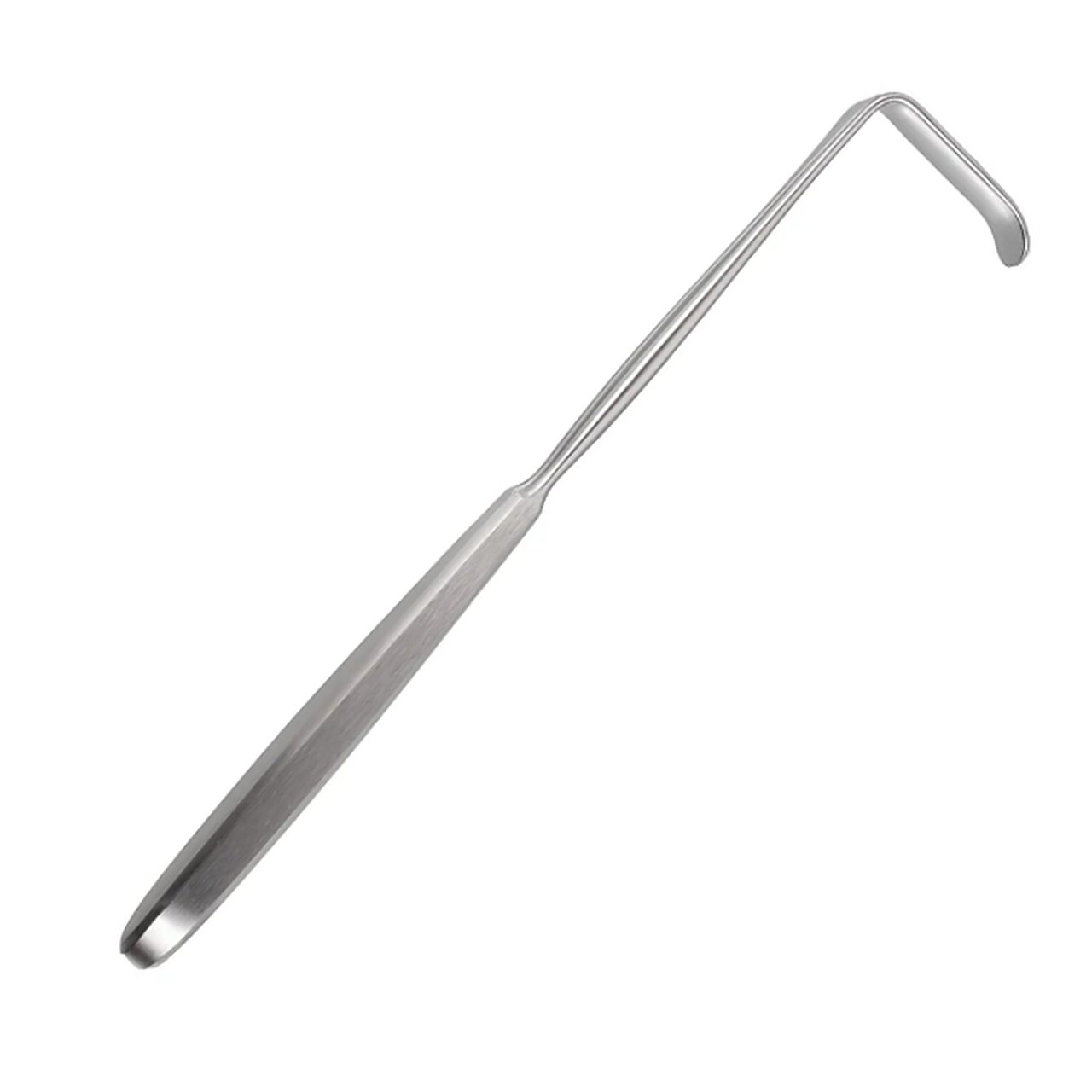
Langenbeck Retractor-Solid Handle
$49.00
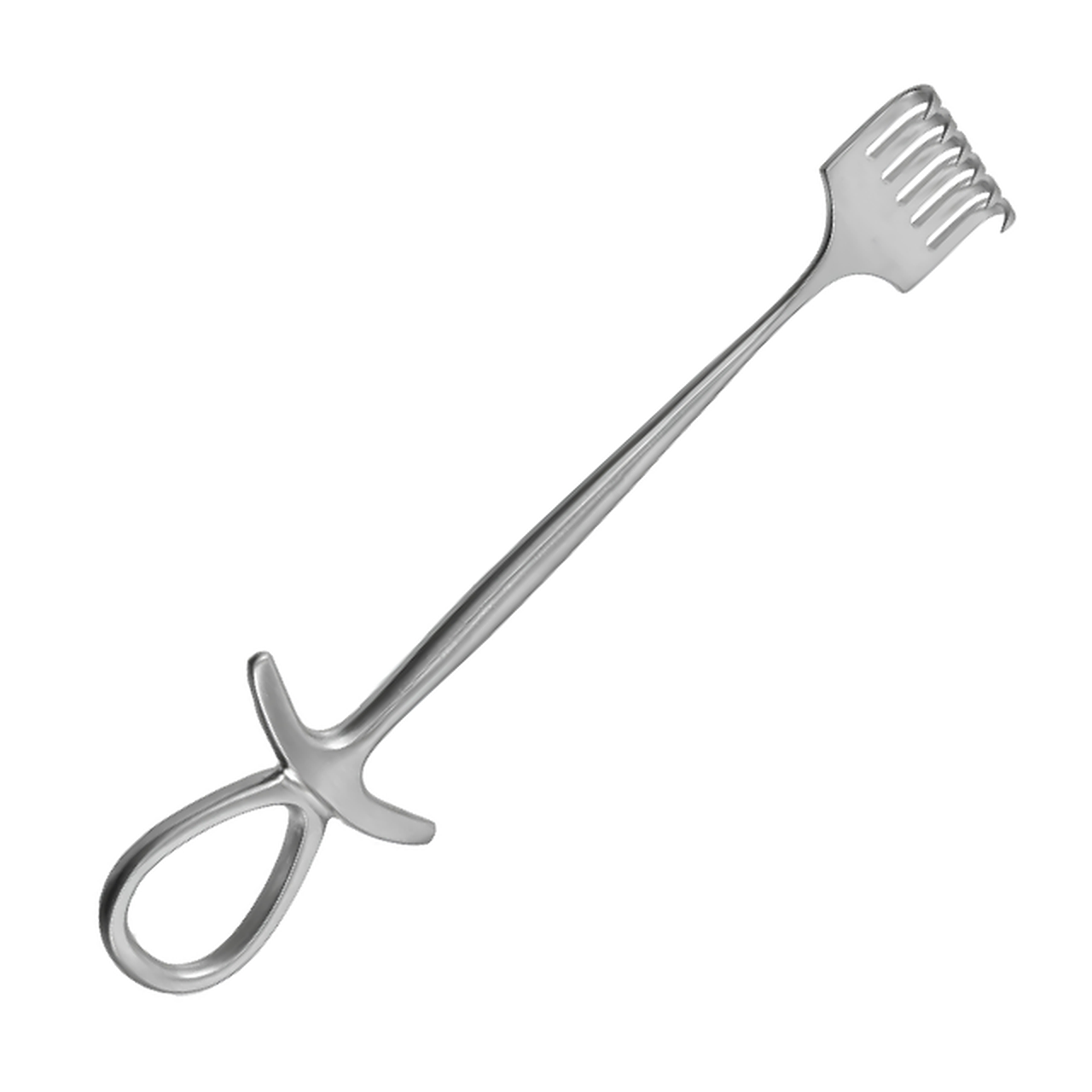
Murphy Retractor
From $44.00
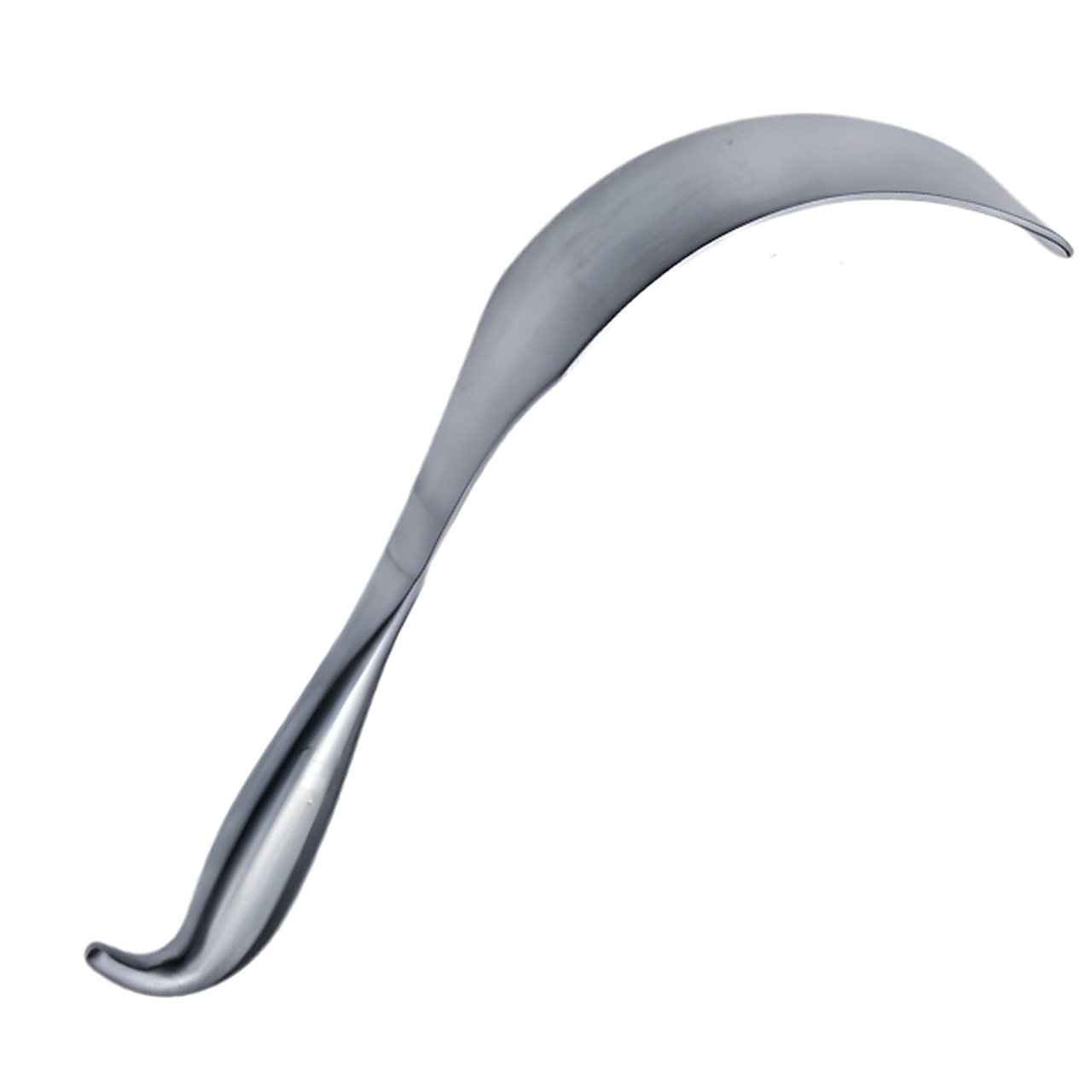
Leriche Retractor-Atraumatic Wide Blade
From $94.00
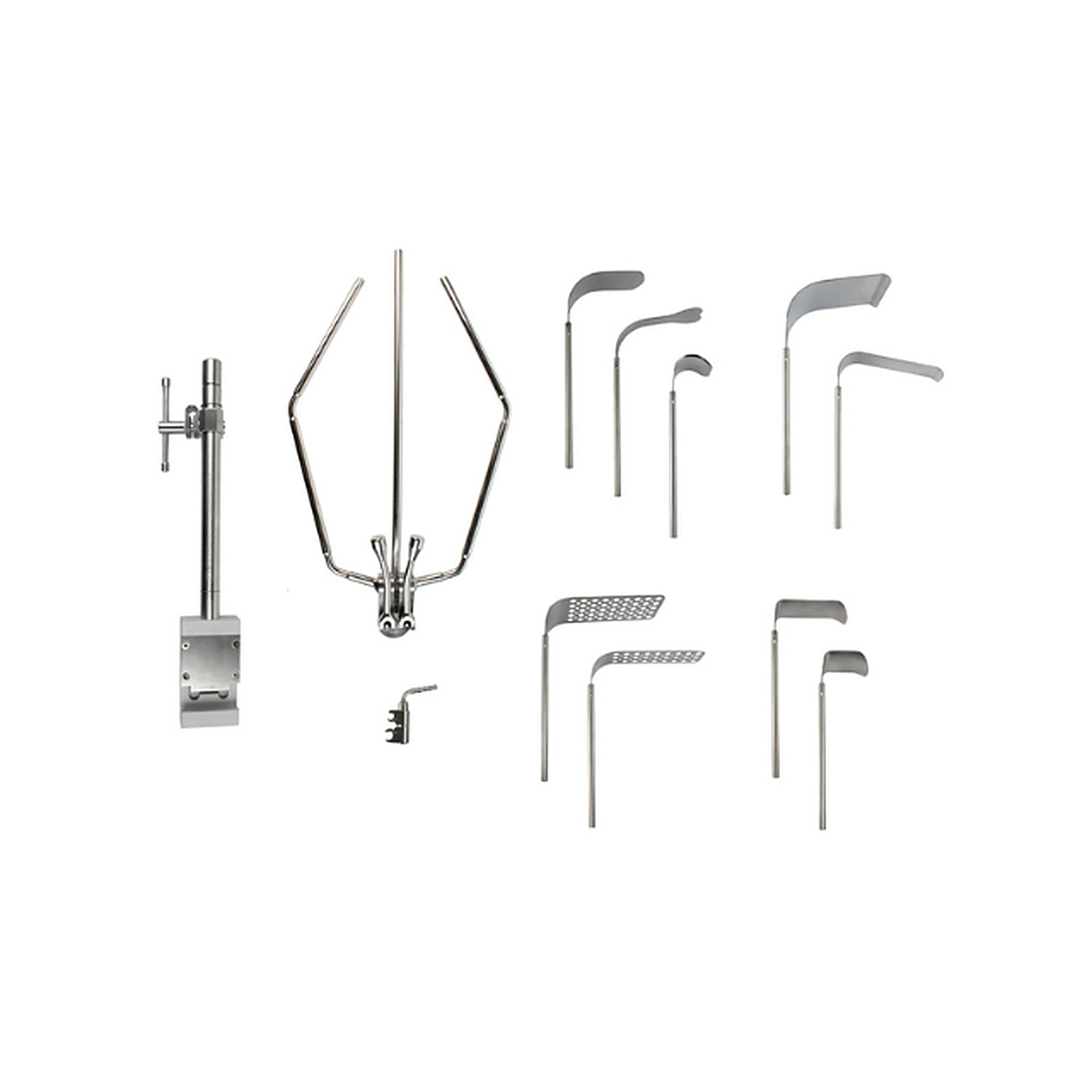
Lobster General Retractor System
$2,699Free Shipping
Need Surgical Retractors or Components?
Tell us what you need, including the product, configuration, quantity and destination country. Retractor Maker can provide availability, specifications and pricing.
Request a Quote