
Cardiovascular Retractors
Lung Retractor: Uses, Types, Sizes and Selection
Author: Saad Shahid · Updated · 7 min read

Explore lung retractor uses, Allison and Semb designs, available sizes, positioning, sterilization considerations, and buying options from Retractor Maker.
Retractors discussed in this guide: Allison Lung Retractor, Semb Lung/Muscle Retractor. Browse all surgical retractors.
A lung retractor is a surgical instrument used to displace lung tissue and maintain exposure during thoracic procedures. Its purpose is controlled tissue positioning, not cutting or grasping. For surgeons, OR staff, and hospital buyers, the important distinctions are the tissue-contact design, working dimensions, handle configuration, and intended application. Retractor Maker supplies the Allison Lung Retractor and Semb Lung/Muscle Retractor, both handheld instruments with different contact surfaces and selection considerations.
What is a lung retractor?
A lung retractor helps create a view of structures that would otherwise be obscured by pulmonary tissue. The surgeon or assistant holds the instrument and adjusts its position as exposure needs change. Unlike a self-retaining device, these handheld models depend on the operator to maintain the selected direction and amount of retraction.
A lung retractor is also different from a rib spreader. A rib spreader maintains separation of the chest wall opening, while a lung retractor moves soft tissue within the operative field. These roles can be complementary, but the instruments are not interchangeable. Selection should begin with the tissue requiring displacement rather than the general name of the surgical approach.
What is a lung retractor used for?
Lung retractors are used to improve exposure during thoracic surgery by moving pulmonary tissue away from the working area. The Allison model is intended to depress and displace pulmonary parenchyma during open thoracic and cardiovascular surgery. The Semb model is intended for lung parenchyma, chest wall muscles, and deep thoracic viscera during thoracotomy and lung surgery.
- Open thoracic surgery: displacement of lung tissue to support access and visibility.
- Cardiovascular surgery: pulmonary tissue depression and displacement with the Allison model where required for exposure.
- Thoracotomy and lung surgery: retraction of lung tissue with the Semb model.
- Chest wall and deep thoracic exposure: retraction of muscles and deep thoracic viscera within the Semb model's intended use.
The appropriate instrument depends on the operative approach, available space, and tissue condition. A product's intended use does not establish suitability for every procedure within a specialty. The operating surgeon should determine whether its contact surface and reach meet the immediate exposure requirement.
How do lung retractor designs and parts differ?
The main design difference is the tissue-contact surface: Allison uses a flexible wire-loop spatula, while Semb uses a curved spatula-style blade with rounded retaining lips. Both products list their material as Premium Grade AISI 304/316 Stainless Steel (Non-Magnetic). Their handheld configuration allows the operator to adjust tissue displacement directly.
Allison wire-loop spatula and handle
The Allison Lung Retractor combines a flexible wire-loop spatula for broad tissue contact with a solid ergonomic handle for surgeon control. The stated design is intended to depress and displace pulmonary parenchyma atraumatically. That intention does not eliminate the possibility of tissue injury; contact pressure, placement, and the duration of retraction remain clinically important.
Semb curved blade and retaining lips
The Semb Lung/Muscle Retractor has a curved thoracic blade with smooth, rounded non-traumatic retaining lips. Its configurations include a contoured grip handle or a flat handle. For selection, the blade dimensions and handle configuration should be considered together, because tissue contact and operator access both influence the practicality of a retractor in a deep operative field.
Which lung retractor types and sizes are available?
Retractor Maker offers Allison and Semb lung retractors with different working surfaces and dimensional options. Compare their intended functions before choosing a size. A wider contact surface or greater overall length is not automatically preferable; the instrument must fit the exposure requirement and available operative space.
| Product | Design | Typical use |
|---|---|---|
| Allison Lung Retractor | Handheld flexible wire-loop spatula with a solid ergonomic handle | Depression and displacement of lung tissue during open thoracic and cardiovascular surgery |
| Semb Lung/Muscle Retractor | Handheld curved spatula-style blade with rounded retaining lips; contoured grip or flat handle | Retraction of lung parenchyma, chest wall muscles, and deep thoracic viscera during thoracotomy and lung surgery |
Allison size combinations are 20 mm × 23 cm, 30 mm × 11 cm, 40 mm × 25.5 cm, 42 mm × 29 cm, 54 mm × 31 cm, and 65 mm × 31 cm. Adult, Child, and Infant patient categories are selectable. The supplied specifications do not map individual size combinations to those categories, so confirm the intended configuration rather than assuming a category from dimensions alone.
Semb options include a 25.5 cm instrument with a contoured grip handle or a 25.0 cm instrument with a flat handle. The 25.5 cm version offers blade widths of ½ inch, ¾ inch, or 1 inch, approximately 13 mm, 19 mm, or 25 mm. The 25.0 cm version has a blade measuring ⅝ inches wide × 1 ¼ inches long, approximately 16 mm × 32 mm.
How should a lung retractor be positioned?
A lung retractor should be positioned under direct visualization by trained surgical personnel, using only the retraction needed for exposure. This general principle is not a substitute for operative training or instrument instructions. Before use, confirm that the selected working surface and reach suit the intended tissue and operative field.
During use, maintain controlled contact and avoid trapping tissue against adjacent structures. Coordinate changes in retraction with the surgeon rather than making unannounced adjustments. Reassess tissue appearance and exposure as the procedure progresses, and reduce or release retraction when it is no longer needed. Rounded edges and broad contact surfaces do not justify excessive force.
How are lung retractors cleaned and sterilized?
Both listed lung retractors are supplied non-sterile and fully autoclavable. Individual protective packaging is not a sterile barrier claim. Before clinical use, obtain the applicable manufacturer instructions and process the instrument through the facility's validated cleaning, inspection, packaging, and sterilization workflow.
Cleaning must precede sterilization. Inspect tissue-contact surfaces, wire-loop areas, blade lips, and handles for residual soil or damage. Remove damaged instruments from service for assessment. The supplied product information does not specify detergents, autoclave temperatures, exposure times, or drying parameters; do not infer a cycle from the material description alone. Sterile processing staff should verify compatible, validated instructions before releasing instruments for use.
How do you choose and buy a lung retractor?
Choose a lung retractor by matching intended tissue, working surface, dimensions, and handle preference to the clinical requirement. Buyers should document the exact model and configuration, not simply request a generic lung retractor. For Allison orders, confirm the size combination and patient category; for Semb orders, specify length, handle configuration, and applicable blade dimensions.
Retractor Maker is a surgical retractor manufacturer and exporter in Sialkot, Pakistan, offering wholesale supply, OEM services, and worldwide shipping. Both listed products are brand new, individually protectively packaged, and available with a minimum order quantity of 1 Piece. Request a quotation confirming configuration, processing documentation, delivery arrangements, and any OEM requirements before purchase.
Clinical notice: This guide is for surgical teams and hospital buyers. Always follow the manufacturer's instructions for use (IFU) and your hospital's sterilization rules before clinical use.
Frequently Asked Questions
What is a lung retractor used for?
A lung retractor moves lung tissue away from the operative field to improve surgical exposure. The Allison model is intended for pulmonary tissue depression and displacement during open thoracic and cardiovascular surgery. The Semb model also supports retraction of chest wall muscles and deep thoracic viscera during thoracotomy and lung surgery.
What is the difference between Allison and Semb lung retractors?
The Allison uses a flexible wire-loop spatula, while the Semb uses a curved blade with rounded retaining lips. Allison is intended for depression and displacement of pulmonary parenchyma. Semb has a broader stated tissue application that includes lung parenchyma, chest wall muscles, and deep thoracic viscera. Selection depends on the exposure task and required dimensions.
Is a lung retractor the same as a rib spreader?
A lung retractor is not the same as a rib spreader. A lung retractor displaces soft tissue within the operative field, whereas a rib spreader maintains separation of the chest wall opening. They address different exposure needs and should not be treated as interchangeable instruments when specifying a thoracic surgical set.
What sizes does the Allison Lung Retractor come in?
The Allison Lung Retractor is available in six listed size combinations: 20 mm × 23 cm, 30 mm × 11 cm, 40 mm × 25.5 cm, 42 mm × 29 cm, 54 mm × 31 cm, and 65 mm × 31 cm. Adult, Child, and Infant categories are selectable, but their relationship to specific dimensions should be confirmed before ordering.
Are lung retractors supplied sterile?
The Allison and Semb lung retractors listed here are supplied non-sterile and fully autoclavable. They require appropriate processing before clinical use, even though each instrument has protective packaging. Obtain the applicable manufacturer instructions and use the facility's validated workflow; the supplied specifications do not provide autoclave cycle temperatures, exposure times, or drying parameters.
Where can hospitals buy lung retractors wholesale?
Hospitals can request wholesale lung retractor quotations from Retractor Maker in Sialkot, Pakistan. The manufacturer and exporter offers Allison and Semb models, OEM services, and worldwide shipping. Specify the required model, dimensions, handle configuration where applicable, and quantity, then confirm documentation and delivery arrangements. Both listed products have a minimum order quantity of 1 Piece.
About the author
Saad Shahid · Sales & Marketing Manager
Saad Shahid is the Sales & Marketing Manager and founder of Retractor Maker, started in 2023 in Sialkot, Pakistan. He also works with his father at Hospitech Traders, the family surgical instrument business founded in 1989.
Related Blogs & Guide
Related Retractors
Senn Forward Retractor
$49.00
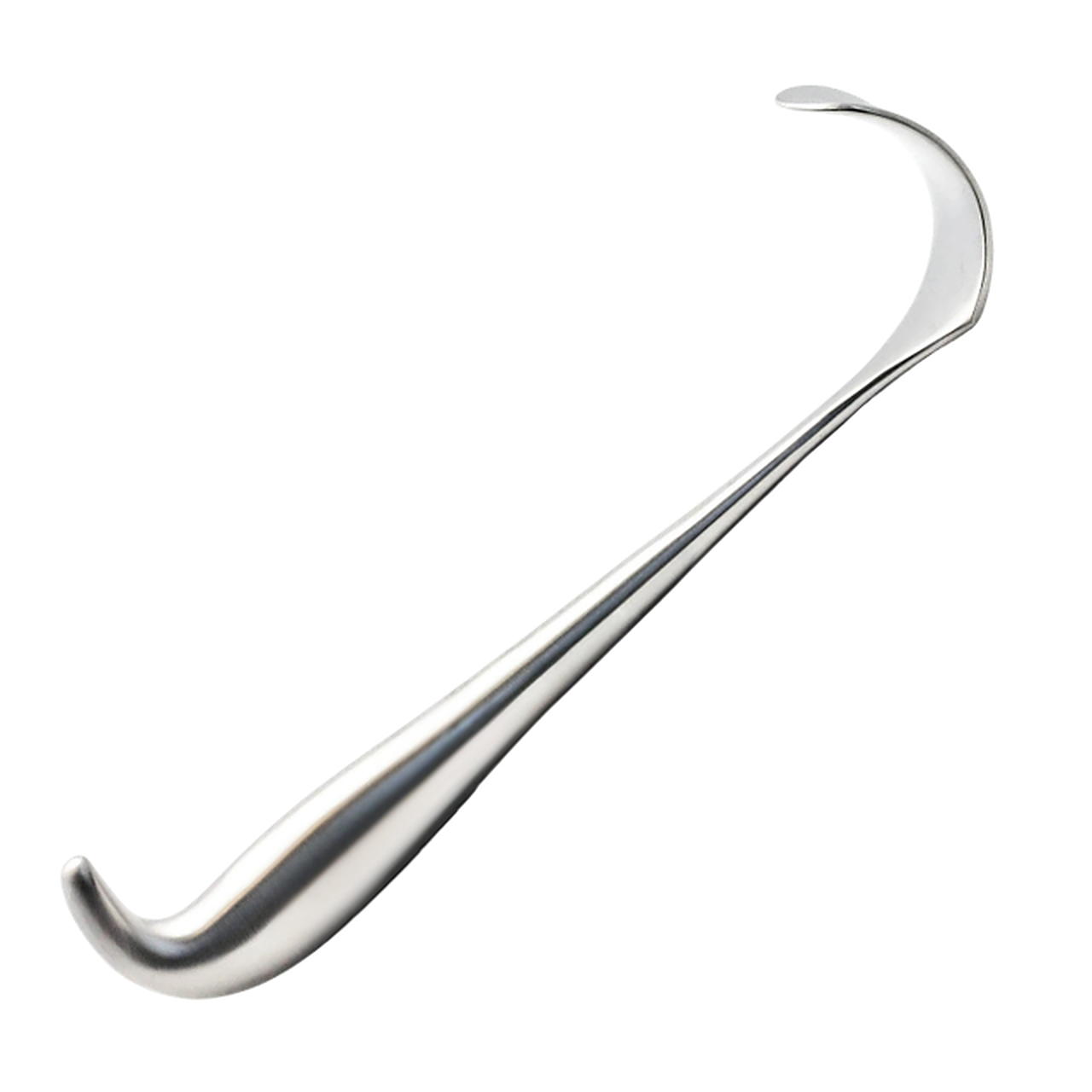
Brewster Retractor
From $159
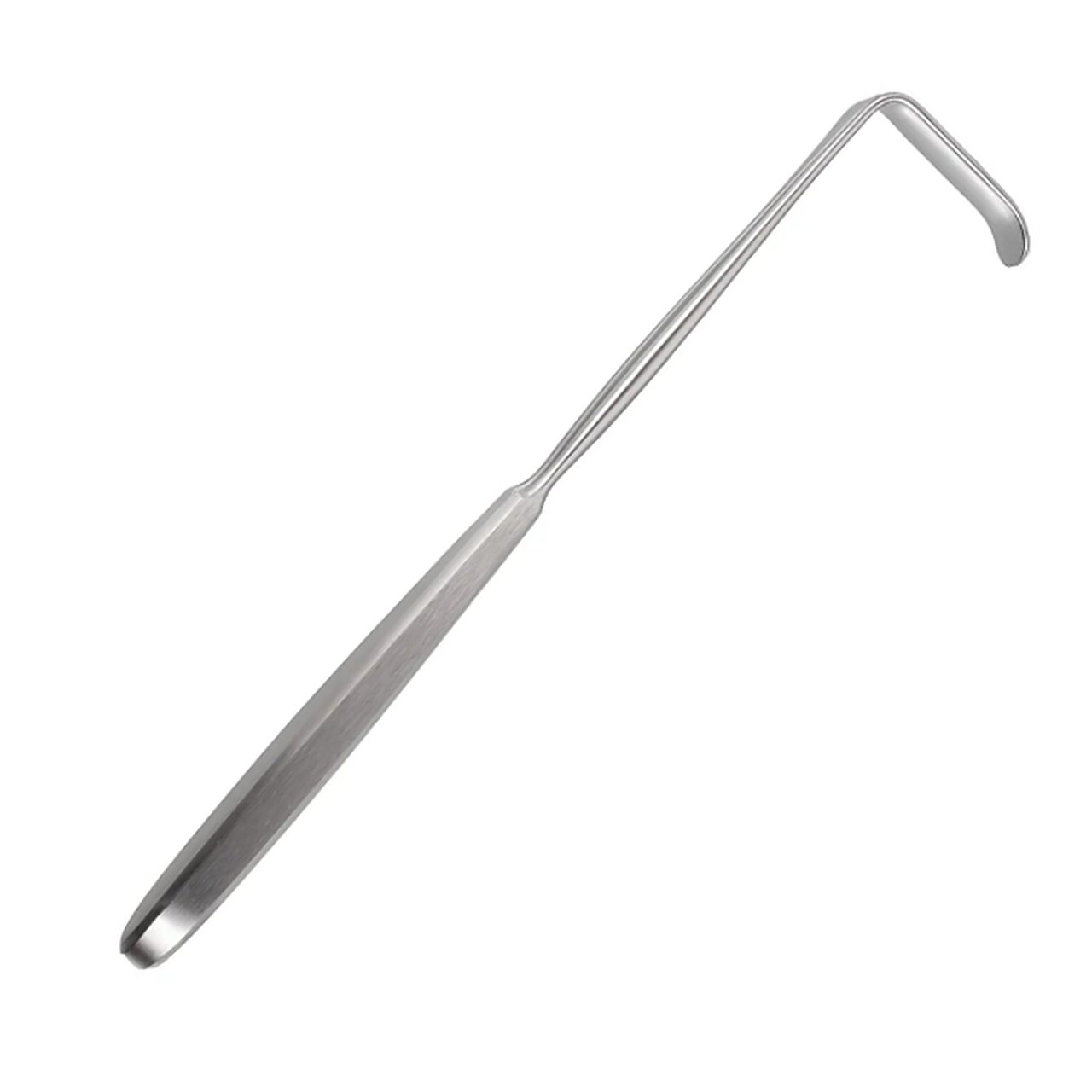
Langenbeck Retractor-Solid Handle
$49.00
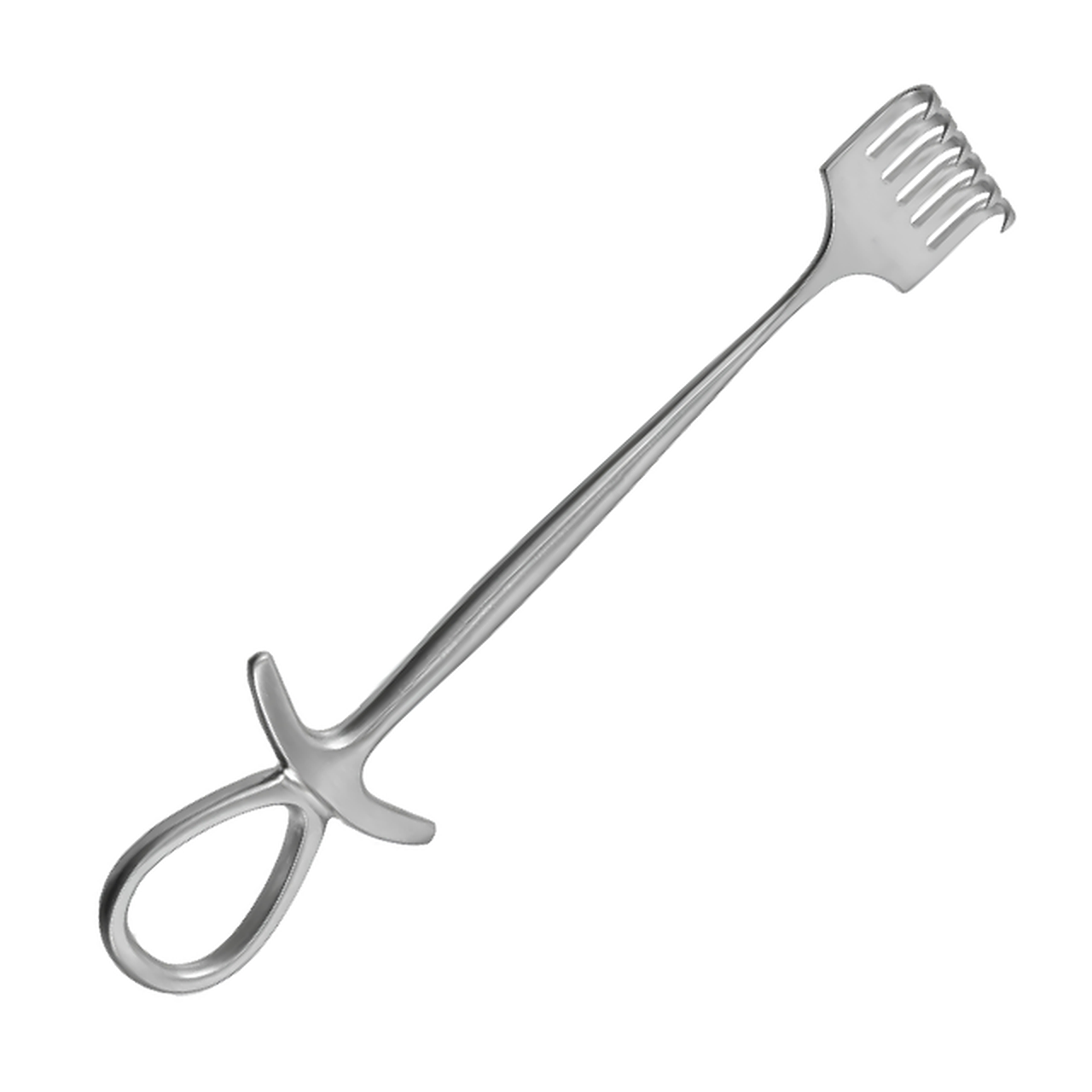
Murphy Retractor
From $44.00
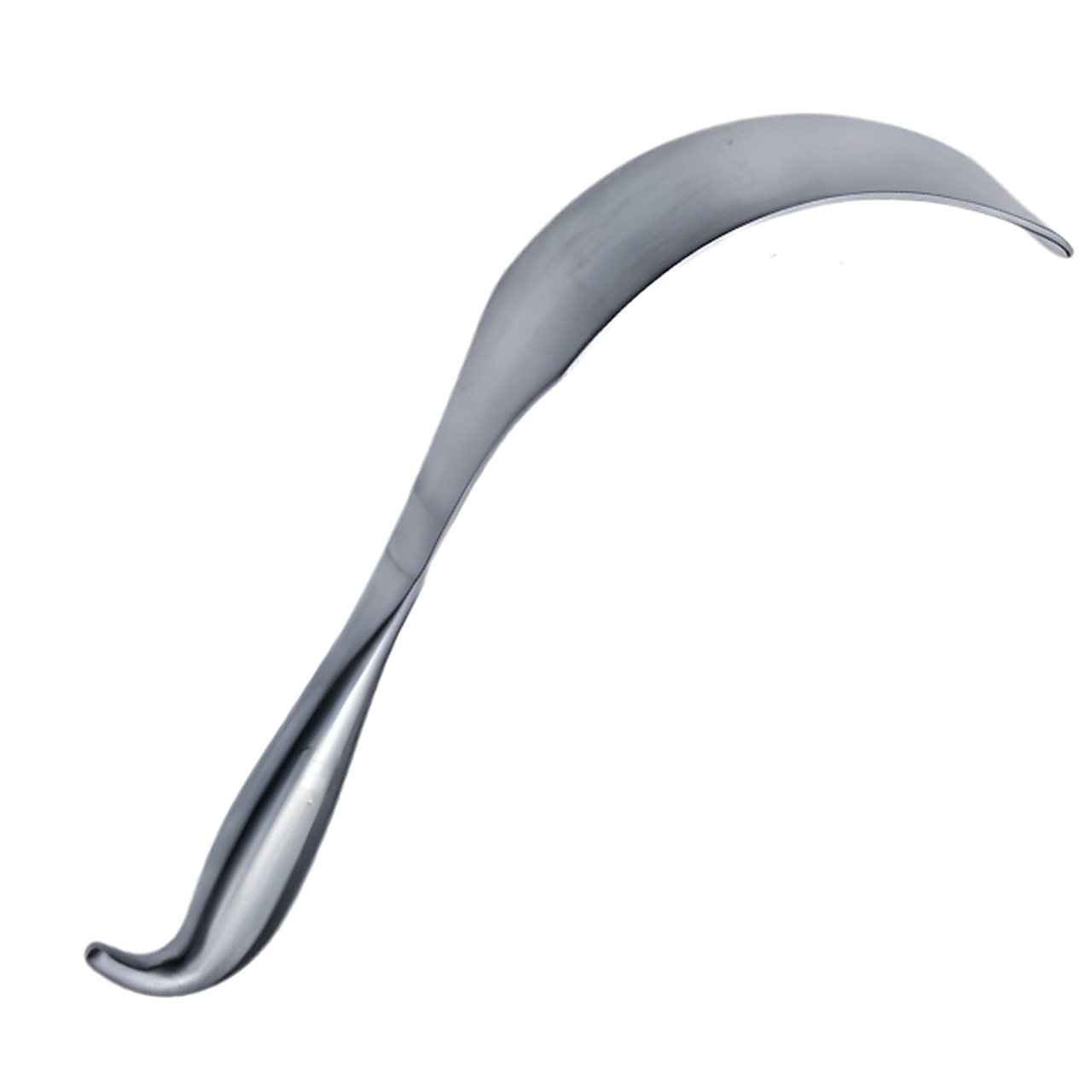
Leriche Retractor-Atraumatic Wide Blade
From $94.00
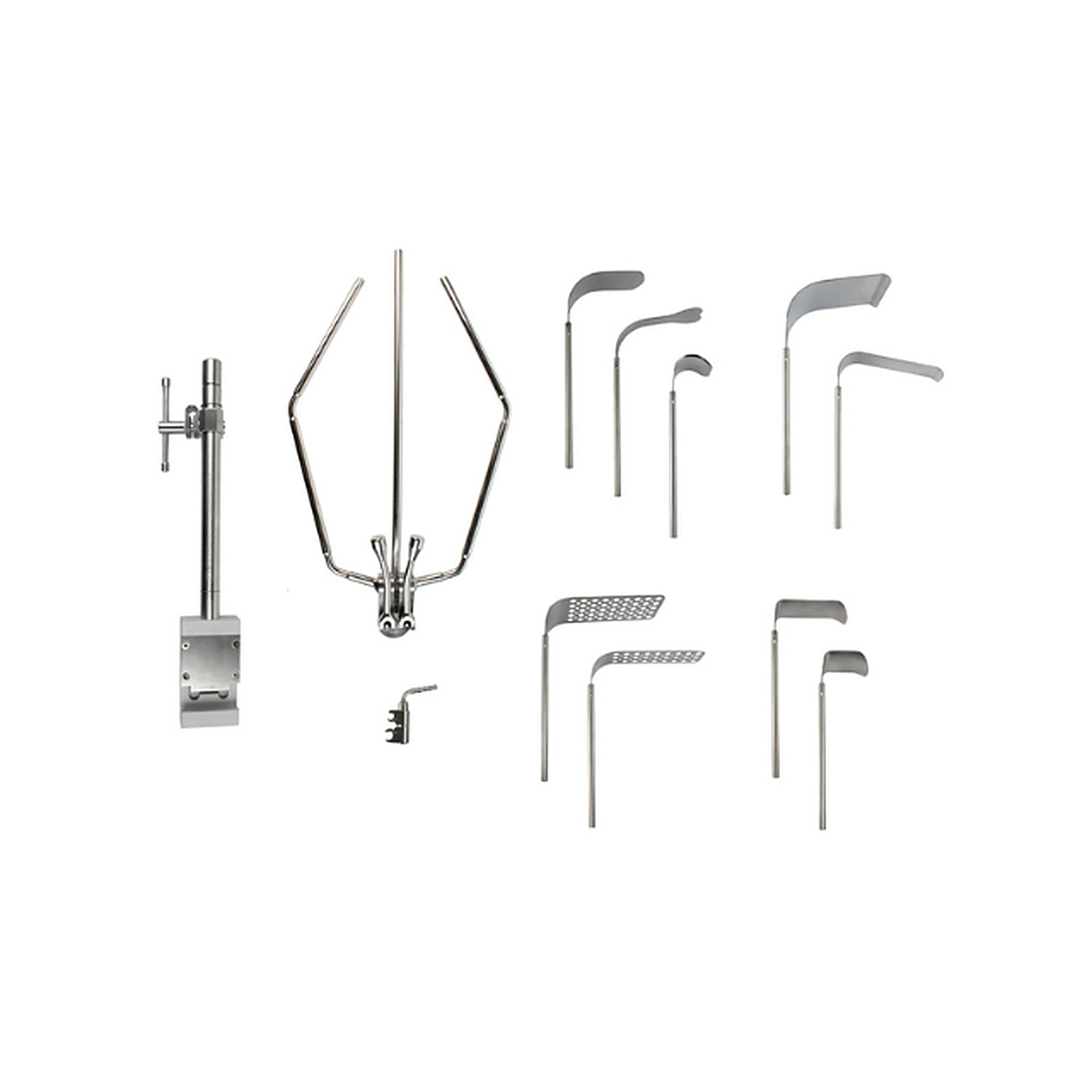
Lobster General Retractor System
$2,699Free Shipping
Need Surgical Retractors or Components?
Tell us what you need, including the product, configuration, quantity and destination country. Retractor Maker can provide availability, specifications and pricing.
Request a Quote