
General Surgery Retractors
Lahey Retractor: Uses, Designs, Sizes and Selection
Author: Saad Shahid · Updated · 7 min read
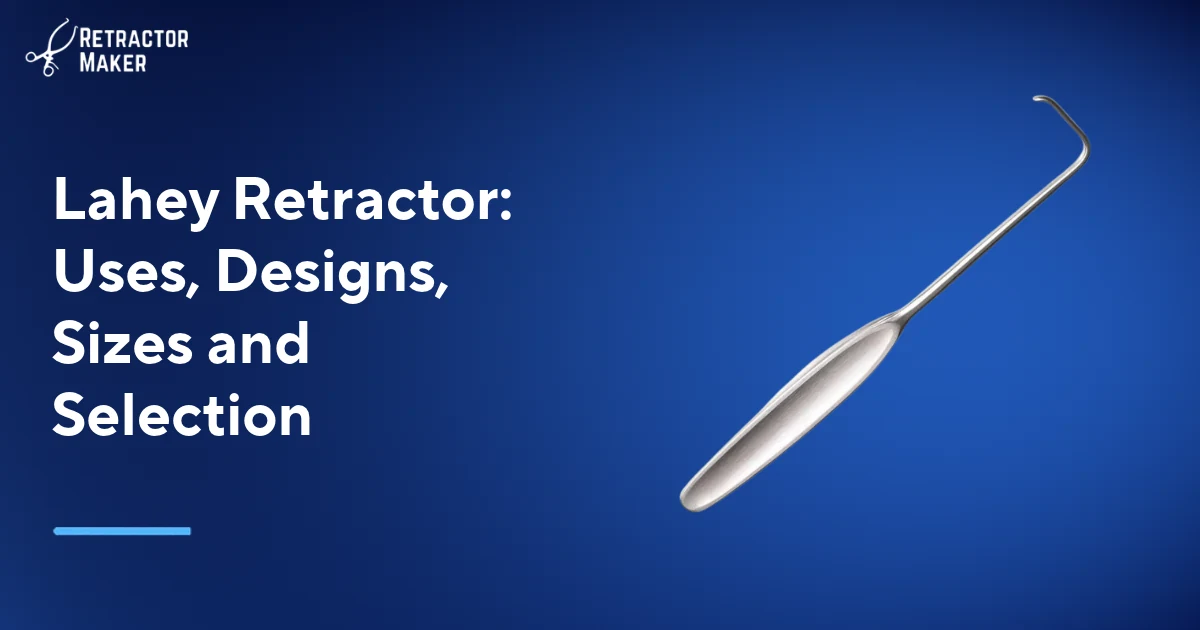
Compare Lahey retractor designs, sizes and surgical uses, with guidance on positioning, sterilization and wholesale buying from Retractor Maker in Pakistan.
Retractors discussed in this guide: Lahey Retractor, Lahey Finger Retractor, Lahey Thyroid Retractor. Browse all surgical retractors.
A Lahey retractor is a handheld surgical instrument used to retract soft tissue and maintain exposure during an operation. The name covers distinct working-end patterns: a narrow right-angled neck retractor, a sharp rake-style finger retractor, and a thyroid retractor with a terminal retaining lip. These patterns serve different tissue-handling needs rather than functioning as interchangeable instruments. For surgeons, OR staff and hospital buyers, the practical starting point is to identify the tissue being retracted, then confirm the blade or prong configuration.
What is a Lahey retractor?
The standard Lahey Retractor is a handheld, single-end, right-angled neck retractor. Its narrow blade provides focused soft-tissue retraction, while its slender flat handle includes a finger-rest contour. It is intended to provide atraumatic soft-tissue retraction and structured exposure during thyroid, neck and general surgical procedures.
Handheld means the operator or assistant maintains and adjusts the retraction manually. Exposure therefore depends on controlled positioning and ongoing communication with the surgeon, not a self-retaining mechanism. Although the standard model is designed for atraumatic retraction, that description does not guarantee injury-free use. Tissue pressure, traction direction, duration and the condition of the tissue remain important clinical considerations.
What is a Lahey retractor used for?
Lahey retractor uses depend on the selected pattern. The standard model supports focused exposure in thyroidectomy, carotid procedures and superficial neck surgery. The thyroid pattern is specifically intended for strap muscles, cervical fascia and soft tissues during thyroidectomy and parathyroid procedures. The finger pattern serves superficial tissue retraction in plastic and hand surgery.
- Thyroid and neck surgery: the standard right-angled pattern holds soft tissues aside to support a defined operative view.
- Thyroidectomy and parathyroid procedures: the thyroid pattern retracts strap muscles, cervical fascia and soft tissues.
- Carotid procedures: the standard model supports surrounding soft-tissue exposure; this does not establish an indication for direct vessel retraction.
- Plastic and hand surgery: the finger pattern elevates skin flaps and retracts cutaneous margins and superficial fascia.
Choose by the tissue interface rather than the specialty name alone. A neck procedure may involve different exposure requirements at different stages, and a sharp rake-style working end is not equivalent to a right-angled blade. The surgeon should determine which pattern is appropriate for the planned tissue contact and operative field.
What are the main designs and parts?
The main features to assess are the working end, handle and overall length. Working-end geometry determines how the instrument contacts tissue; the handle provides the surface for manual control. All three listed products use Premium Grade AISI 304/316 Stainless Steel (Non-Magnetic). Each is supplied non-sterile, fully autoclavable and in individual protective packaging.
Right-angled blades and a retaining lip
The standard Lahey Retractor has a narrow right-angled blade and a slender flat handle with a finger-rest contour. The Lahey Thyroid Retractor has a right-angled blade with a built-in terminal retaining lip, plus an ergonomic flat handle with lateral serrations for tactile grip stability. Its listed blade reach is 25 mm. The retaining lip is a distinguishing geometry feature, not a substitute for careful positioning.
Sharp rake-style prongs
The Lahey Finger Retractor uses sharp pointed rake-style prongs rather than a right-angled blade. Its flat ergonomic handle has lateral serrations for tactile grip stability. Available configurations include a single hook and multiple-prong patterns. Because the tissue-contact points are sharp, this model requires particular attention to engagement, traction and protection of adjacent structures.
Which Lahey retractor types and sizes are available?
Retractor Maker lists three Lahey patterns with different dimensions and working ends. Compare the full product name when preparing a preference card or purchase order. Ordering only a “Lahey retractor” leaves uncertainty about whether the requirement is a neck blade, a superficial hook pattern or a thyroid blade with a retaining lip.
| Product name | Design | Listed dimensions or variants | Typical use |
|---|---|---|---|
| Lahey Retractor | Handheld single-end right-angled neck retractor; finger-rest contour | 18 cm or 20.3 cm overall length; 15 mm × 3 mm blade or 5 mm wide blade | Focused soft-tissue retraction during thyroidectomy, carotid procedures and superficial neck surgery |
| Lahey Finger Retractor | Sharp rake-style working end; flat ergonomic handle with lateral serrations | 12 cm (approx. 4.75 inches); 1 Prong / Single Hook, 2 Prongs or 3 Prongs | Skin flaps, cutaneous margins and superficial fascia during plastic and hand surgery |
| Lahey Thyroid Retractor | Right-angled endocrine retractor with terminal retaining lip; serrated flat handle | 20.3 cm (8 inches) overall length; 25 mm blade reach | Strap muscles, cervical fascia and soft tissues during thyroidectomy and parathyroid procedures |
For the standard model, confirm the required length and blade option together before ordering; the listing does not specify every possible combination. For the finger model, identify the prong style explicitly. Overall length and working-end dimensions describe different features, so neither should be used as a substitute for the other on an instrument specification.
How should a Lahey retractor be positioned?
A Lahey retractor should be positioned under direct visualization by trained surgical personnel, with tissue contact and traction determined by the surgeon. These are general handling principles, not a procedure-specific operative technique. Before use, verify the requested pattern, inspect the working end and handle, and confirm that the instrument has completed the required reprocessing.
- Establish the intended tissue plane and direction of retraction before applying traction.
- Keep the blade or prongs visible during placement and avoid unintended contact with adjacent structures.
- Apply only the traction needed for exposure, and reassess tissue response throughout use.
- Communicate before changing position, adjusting force or transferring control to another operator.
- Release traction and disengage the working end carefully before withdrawal.
Avoid compensating for poor exposure by simply increasing force. Reassess placement, instrument choice and the required view with the surgeon. Sharp prongs require controlled engagement and disengagement; a retaining lip also requires attention during repositioning. Neither feature removes the need to monitor the retracted tissue.
How is a Lahey retractor cleaned and sterilized?
All listed Lahey retractors are supplied non-sterile and must be appropriately cleaned and sterilized before clinical use. Individual protective packaging is not sterile packaging. Although each model is fully autoclavable, the supplied product information does not provide a validated cycle, detergent specification or detailed reprocessing instructions.
Obtain the applicable manufacturer instructions and follow the facility's validated sterile-processing procedures. Cleaning must precede sterilization. Inspect the blade angle, retaining lip or prong areas for residual soil and damage, and protect sharp working ends during handling. Remove damaged instruments from service according to facility policy. Do not infer autoclave temperature, exposure time or drying requirements solely from the material description.
How do you choose and buy from Retractor Maker?
Choose the Lahey pattern by intended tissue contact, then specify length and working-end configuration. Retractor Maker is a surgical retractor manufacturer and exporter in Sialkot, Pakistan, offering wholesale supply, OEM services and worldwide shipping. All three listed models are brand new, with a minimum order quantity of 1 Piece.
Hospital buyers should request confirmation of the selected configuration, current quotation, applicable reprocessing instructions and delivery arrangements. For OEM or wholesale enquiries, provide the instrument name, required variant, quantity and packaging requirements, then confirm feasibility with Retractor Maker. Keep the final approved specification with purchasing and OR records so replacement orders refer to the same design rather than the family name alone.
Clinical notice: This guide is for surgical teams and hospital buyers. Always follow the manufacturer's instructions for use (IFU) and your hospital's sterilization rules before clinical use.
Frequently Asked Questions
What is a Lahey retractor used for?
A Lahey retractor is used to hold soft tissues aside for surgical exposure. The standard pattern is used during thyroidectomy, carotid procedures and superficial neck surgery. The thyroid pattern retracts strap muscles, cervical fascia and soft tissues, while the finger pattern retracts skin flaps and superficial margins during plastic and hand surgery.
What is the difference between a Lahey retractor and a Lahey thyroid retractor?
The main difference is the working-end geometry: the Lahey Thyroid Retractor has a terminal retaining lip. The standard Lahey Retractor has a narrow right-angled blade and a finger-rest contour on its slender flat handle. The thyroid model has a 25 mm blade reach and is specifically intended for thyroidectomy and parathyroid exposure.
What sizes does a Lahey retractor come in?
The standard Lahey Retractor is available in 18 cm and 20.3 cm overall lengths. Its listed blade options are 15 mm × 3 mm or 5 mm wide. The Lahey Finger Retractor measures 12 cm, while the Lahey Thyroid Retractor measures 20.3 cm with a 25 mm blade reach. Confirm the exact configuration before purchase.
Does a Lahey finger retractor have sharp prongs?
The Lahey Finger Retractor has sharp pointed rake-style prongs. Available styles are 1 Prong / Single Hook, 2 Prongs and 3 Prongs. It is intended for skin flaps, cutaneous margins and superficial fascia during plastic and hand surgery. Its sharp working end should not be treated as interchangeable with a right-angled neck blade.
Are Lahey retractors supplied sterile and can they be autoclaved?
All three listed Lahey retractors are supplied non-sterile and are fully autoclavable. Their individual protective packaging does not establish sterility. Obtain the applicable manufacturer reprocessing instructions and follow validated facility procedures before use. The product information does not specify autoclave cycle parameters, so temperature, exposure and drying requirements should not be assumed.
Where can hospitals buy Lahey retractors wholesale?
Hospitals can enquire about wholesale Lahey retractors directly from Retractor Maker in Sialkot, Pakistan. The manufacturer and exporter offers OEM services and worldwide shipping, with a listed minimum order quantity of 1 Piece for each model. Specify the product name, dimensions or prong style, quantity and documentation needs when requesting a quotation.
About the author
Saad Shahid · Sales & Marketing Manager
Saad Shahid is the Sales & Marketing Manager and founder of Retractor Maker, started in 2023 in Sialkot, Pakistan. He also works with his father at Hospitech Traders, the family surgical instrument business founded in 1989.
Related Blogs & Guide
Related Retractors
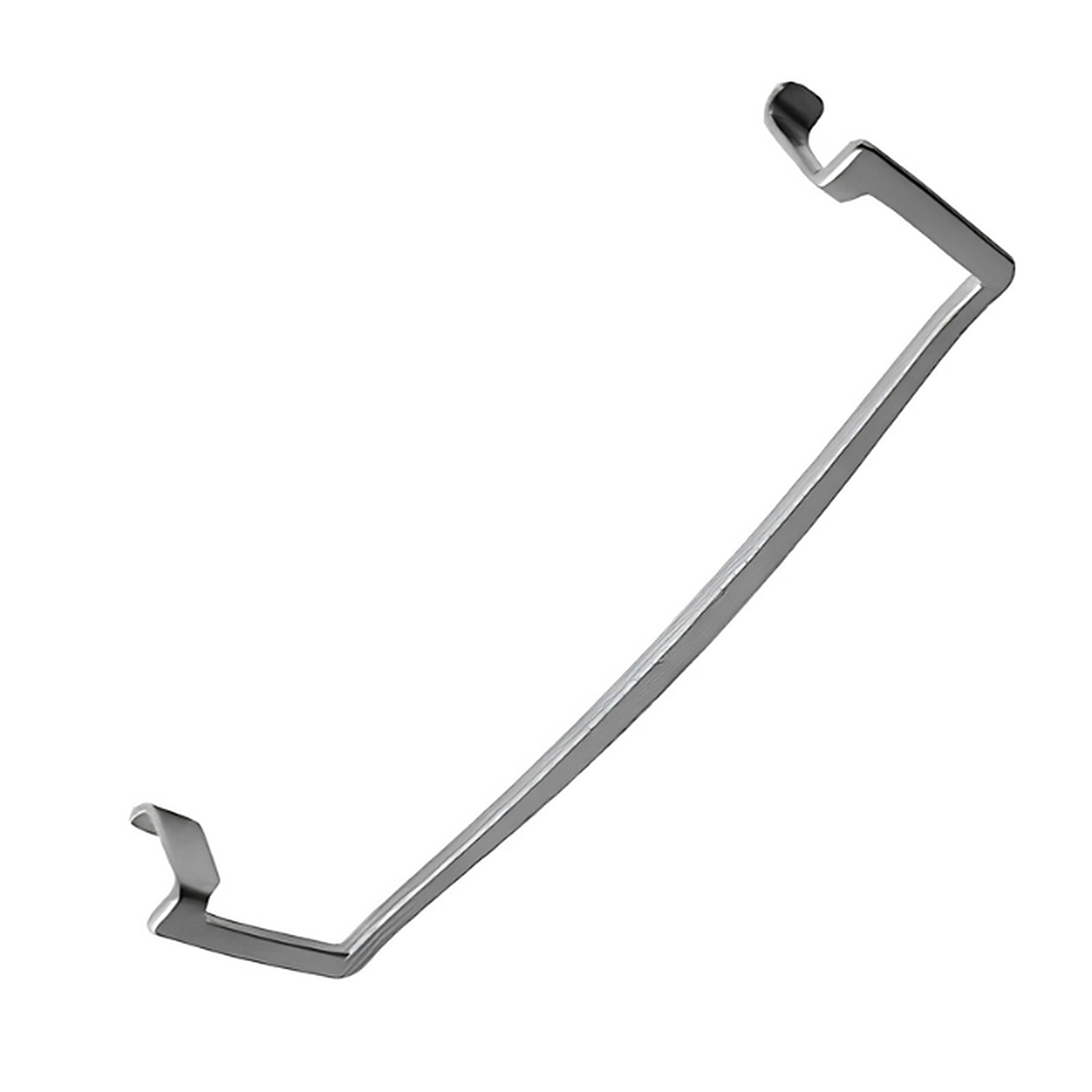
Senn Forward Retractor
$49.00
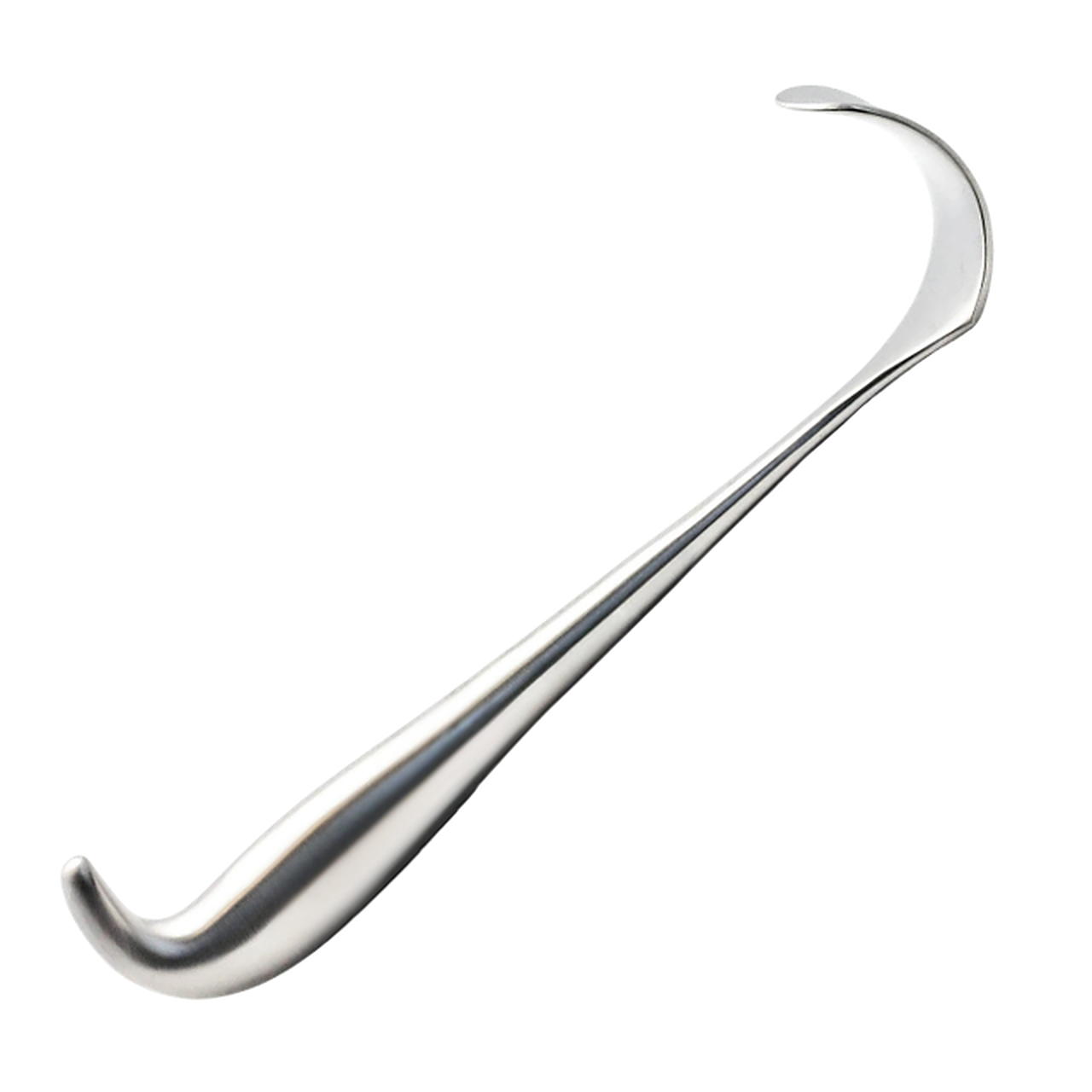
Brewster Retractor
From $159
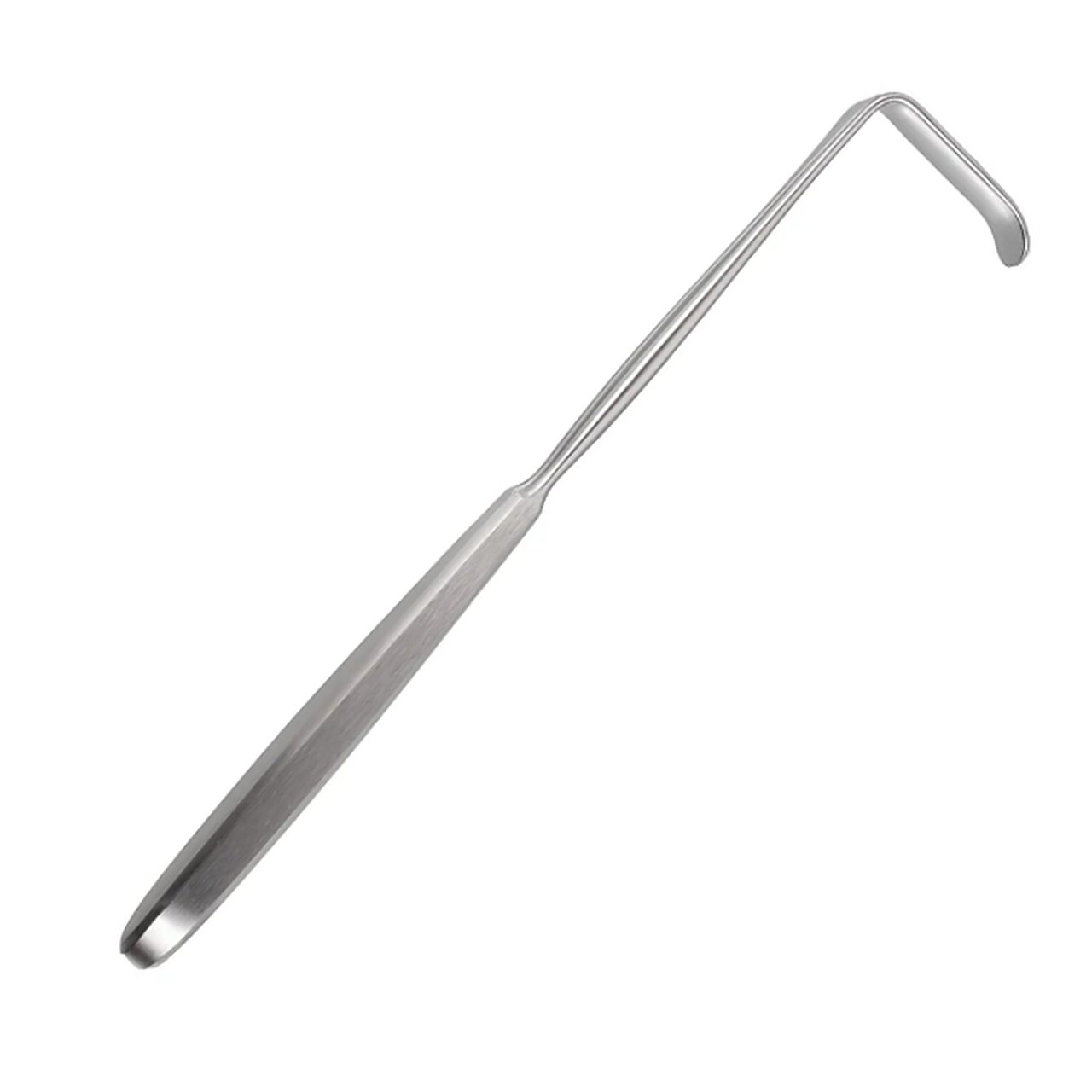
Langenbeck Retractor-Solid Handle
$49.00
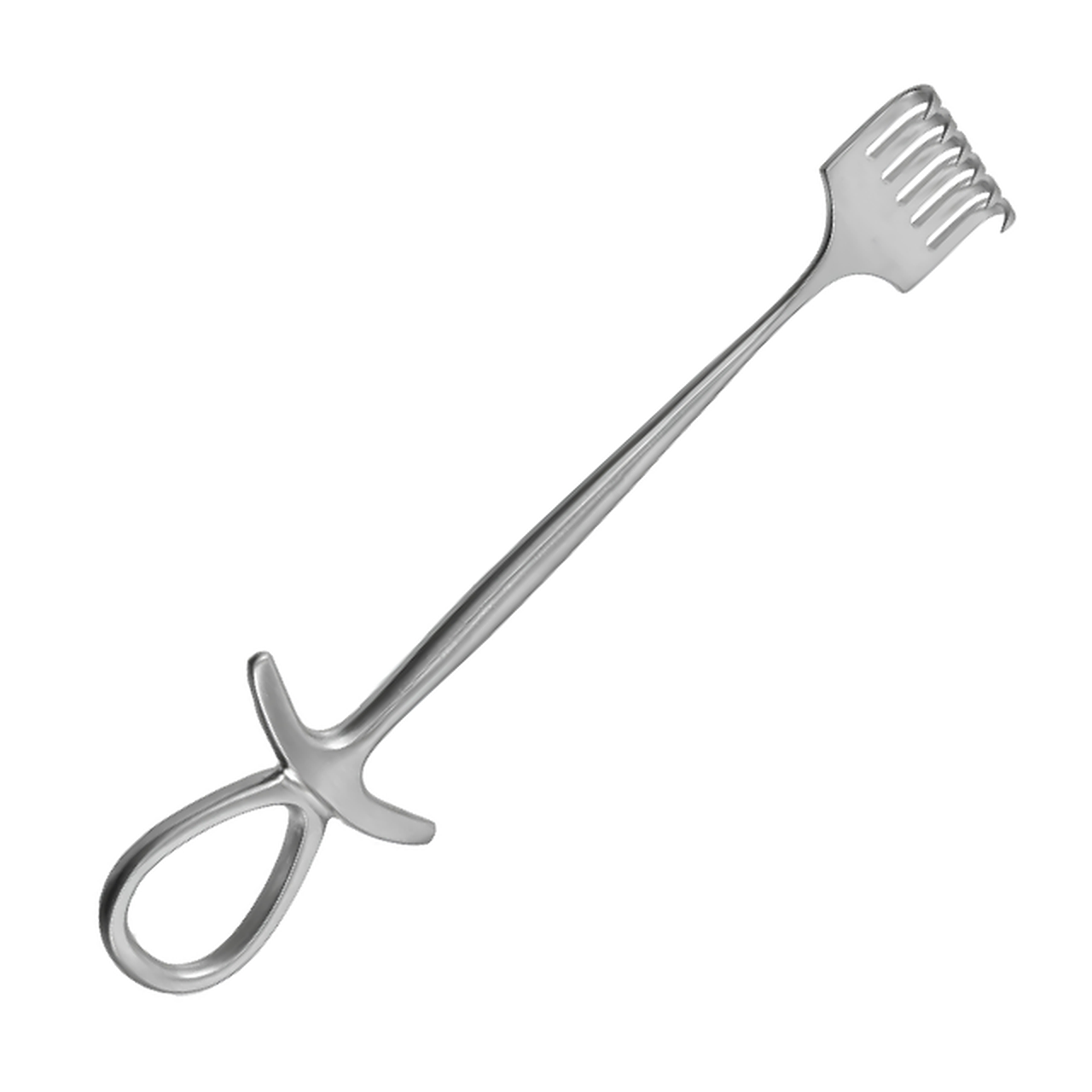
Murphy Retractor
From $44.00
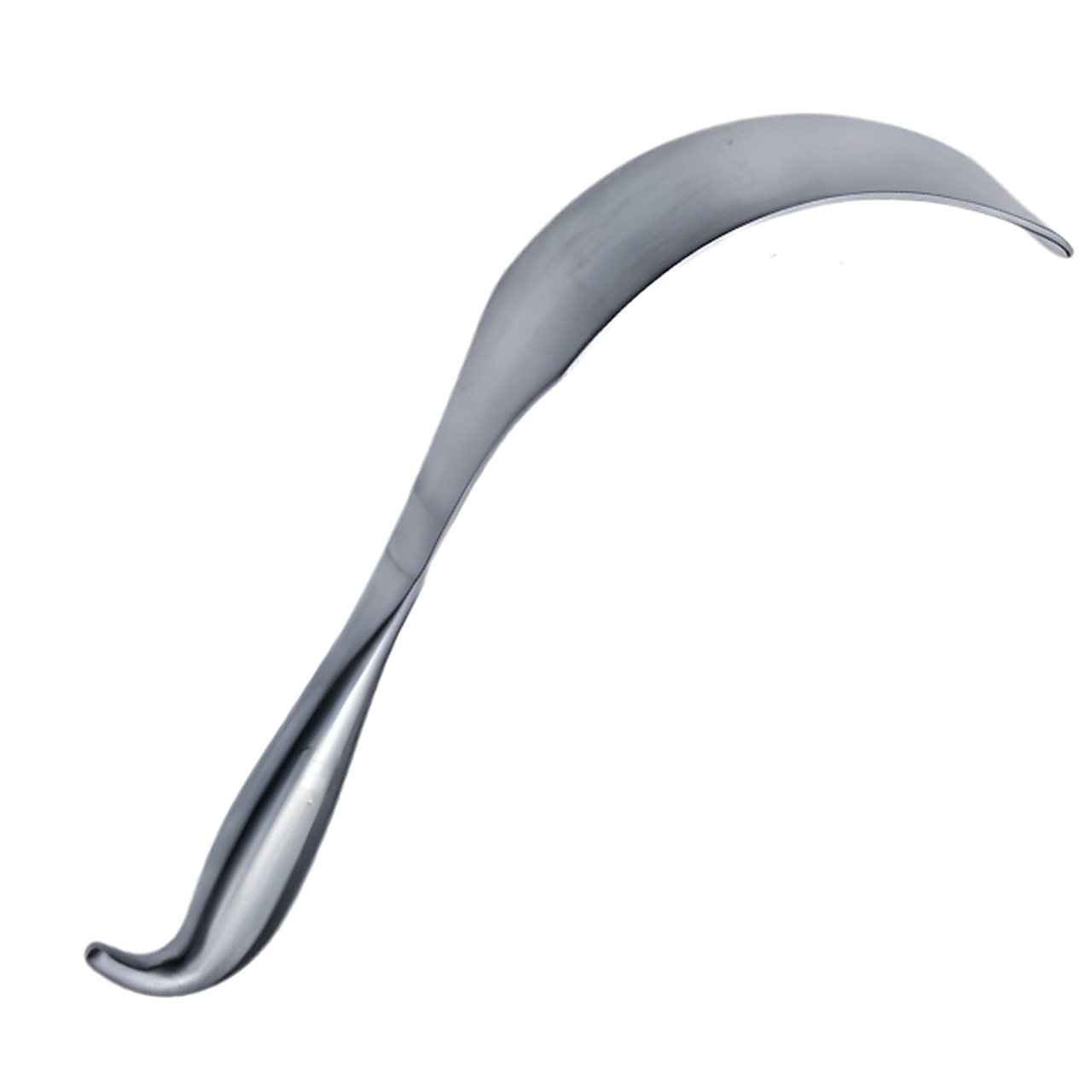
Leriche Retractor-Atraumatic Wide Blade
From $94.00
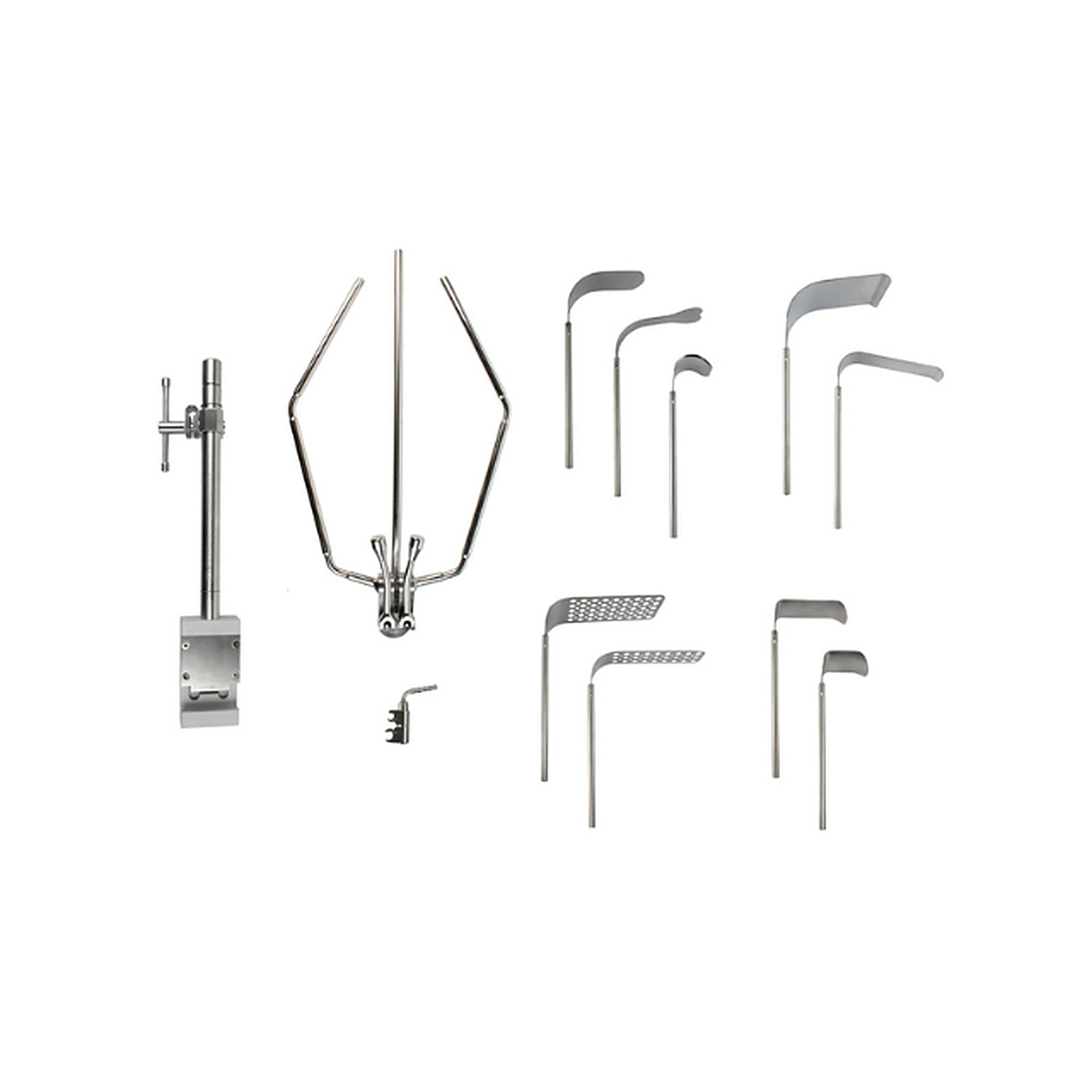
Lobster General Retractor System
$2,699Free Shipping
Need Surgical Retractors or Components?
Tell us what you need, including the product, configuration, quantity and destination country. Retractor Maker can provide availability, specifications and pricing.
Request a Quote