
Orthopedic & Spine Retractors
PCL Retractor: Uses, Design, Positioning & Buying Guide
Author: Saad Shahid · Updated · 7 min read

Learn how a PCL retractor supports knee arthroplasty, review its design and care requirements, and source wholesale or OEM instruments from Retractor Maker.
Retractors discussed in this guide: PCL Retractor. Browse all surgical retractors.
A PCL retractor is a handheld orthopedic instrument designed to retract the posterior cruciate ligament, displace the tibia anteriorly, and protect posterior vessels during knee arthroplasty. Its role combines exposure, tibial leverage, and posterior shielding within the surgeon’s chosen approach. For surgeons, operating room staff, and hospital buyers, the important distinctions are its working-end geometry, manual control, supplied sterility status, and reprocessing requirements. Retractor Maker’s listed model has a flat handle and prong array and is supplied non-sterile for preparation before clinical use.
What is a PCL retractor?
A PCL retractor is a specialized tibial leverage retractor used in knee replacement surgery. PCL stands for posterior cruciate ligament, a ligament within the knee that contributes to joint stability. The instrument’s name identifies the anatomy associated with its intended retraction role; it does not mean that the device is an implant or a ligament reconstruction system.
This model is a handheld heavy-duty orthopedic tibial leverage retractor, rather than a self-retaining device. A member of the surgical team maintains and adjusts its position under the operating surgeon’s direction. Posterior vessel protection is an intended function, not a guarantee against injury: appropriate exposure, anatomical awareness, controlled force, and continued assessment remain necessary throughout use.
What is a PCL retractor used for?
The listed application is knee arthroplasty, including total knee arthroplasty. The instrument is designed to retract the PCL, move the tibia forward, and shield vessels behind the knee. These functions can support access to the operative field, but the precise role depends on the surgical approach, anatomy, and implant strategy.
- PCL retraction: moves the ligament away from the working area when appropriate to the operative plan.
- Anterior tibial displacement: provides handheld leverage to bring the tibia forward for exposure.
- Posterior shielding: helps protect posterior vessels when correctly positioned and monitored.
- Orthopedic tray planning: provides a defined retraction option for teams preparing knee arthroplasty instruments.
PCL management differs between knee replacement techniques, so the instrument should not be treated as mandatory for every case. The operating surgeon determines whether and when this geometry is appropriate. The supplied product information does not establish indications for ligament reconstruction, other joints, or unrelated procedures; buyers should avoid extending the application solely because another operation requires retraction.
What are the PCL retractor’s design and parts?
The design combines a heavy-duty ergonomic flat handle with a prong array for posterior tibial cortical purchase. The handle is designed for sustained leverage counter-traction, while the working end provides the specified contact geometry. Handle control and working-tip placement must be considered together: secure purchase does not justify excessive force or substitute for visibility.
- Overall tool length: 25 cm (10 inches).
- Working tip width: 21 mm wide tips.
- Prong profile layout: 4 mm prongs array engineered for secure posterior tibial cortical purchase.
- Material: Premium Grade AISI 304/316 Stainless Steel (Non-Magnetic).
- Handle style: heavy-duty ergonomic flat handle designed for sustained leverage counter-traction.
- Supply condition: brand new, with Individual Protective Packaging.
The listed dimensions describe different features and should remain separate in procurement records. Overall length is not the working-tip width, and the prong measurement is not a stated prong count. If exact geometry is essential to matching an existing tray, request a confirmed drawing or detailed product specification before ordering rather than inferring missing measurements from a product name.
What PCL retractor types and variants are listed?
Only one PCL Retractor configuration is provided in the product information. The table therefore identifies the documented model rather than suggesting an unlisted range of sizes or designs. No alternate lengths, prong layouts, or handle configurations are specified.
| Product name | Design | Typical use |
|---|---|---|
| PCL Retractor | Handheld heavy-duty orthopedic tibial leverage retractor; flat handle; 25 cm (10 inches) overall length; 21 mm wide tips; 4 mm prongs array | Retracting the PCL, displacing the tibia anteriorly, and shielding posterior vessels during knee arthroplasty |
For replacement purchasing, compare the documented configuration with the surgeon’s existing instrument and tray requirements. A shared instrument name alone does not establish identical geometry or handling. OEM inquiries can describe the requested design, but buyers should obtain written confirmation of feasibility and specifications before treating any requested modification as an available product variant.
How is a PCL retractor positioned and used?
A PCL retractor should be positioned by trained surgical personnel under the operating surgeon’s direction, with controlled contact and awareness of posterior anatomy. This overview is not an operative technique or a substitute for device instructions. The approach, degree of exposure, and patient anatomy determine appropriate placement and handling.
- Before use, confirm that the instrument has completed the required reprocessing and inspect the handle, working end, and prongs for damage.
- Establish adequate exposure and identify relevant structures before applying retraction.
- Confirm intended contact and ensure that vulnerable soft tissue is not unintentionally trapped.
- Apply controlled leverage and reassess position as the knee or operative exposure changes.
- Reduce or release retraction when it is no longer required, maintaining coordinated communication within the team.
Unexpected resistance, slipping, or loss of visibility calls for reassessment rather than greater force. The assistant should follow the surgeon’s directions when maintaining counter-traction or changing position. Because the instrument is intended to work near posterior structures, its shielding function must never be interpreted as permission for blind placement or unmonitored sustained pressure.
How should a PCL retractor be cleaned and sterilized?
The PCL Retractor is supplied non-sterile and is fully autoclavable. It requires appropriate cleaning and sterilization before first clinical use and reprocessing between uses. Individual Protective Packaging protects the supplied instrument but does not establish a sterile barrier or make it ready for the sterile field.
Cleaning must precede sterilization. Follow the manufacturer’s current reprocessing instructions and the facility’s validated procedures for handling, cleaning, rinsing, drying, inspection, packaging, and steam sterilization. Pay attention to the prong array and other surfaces where soil may remain. Inspect for residual contamination, corrosion, distortion, or damage, and remove instruments with unresolved defects from service.
The supplied listing does not provide a validated autoclave temperature, exposure time, drying time, or detergent specification. Do not derive a cycle from the material name or the word autoclavable. Request the applicable instructions before clinical deployment and have sterile processing personnel confirm compatibility with local equipment and procedures. Store processed instruments in a manner that preserves their packaging integrity.
How do you choose and buy a PCL retractor?
Choose a PCL retractor by matching the documented geometry and intended use to the surgeon’s requirements and the hospital’s reprocessing capabilities. Confirm the listed length, tip width, prong profile, and flat-handle configuration before approving a purchase. Procurement and clinical teams should agree on the specification rather than relying on the instrument name alone.
Retractor Maker is a surgical retractor manufacturer and exporter in Sialkot, Pakistan, offering wholesale supply, OEM inquiries, and worldwide shipping. The listed PCL Retractor has a minimum order quantity of 1 Piece. For a quotation, identify the product by name or the pcl-retractor slug and state the required quantity, destination, and any OEM requirements.
Before ordering, request current pricing, availability, delivery terms, reprocessing instructions, and relevant documentation for your purchasing process. Confirm any requested customization separately, including its specifications and supply terms. On receipt, check the instrument against the approved order and route it through the hospital’s inspection and sterile processing workflow before adding it to an operative tray.
Clinical notice: This guide is for surgical teams and hospital buyers. Always follow the manufacturer's instructions for use (IFU) and your hospital's sterilization rules before clinical use.
Frequently Asked Questions
What is a PCL retractor used for in total knee replacement?
A PCL retractor is used to retract the posterior cruciate ligament, move the tibia forward, and shield posterior vessels during total knee arthroplasty. These functions support surgical exposure under the operating surgeon’s direction. Whether it is needed, and how it is positioned, depends on the operative approach, anatomy, and planned management of the PCL.
What size is the Retractor Maker PCL retractor?
The listed PCL Retractor measures 25 cm (10 inches) in overall length and has 21 mm wide tips. Its prong profile is specified as a 4 mm prongs array engineered for secure posterior tibial cortical purchase. No additional sizes or alternate configurations are provided in the listing, so confirm any different dimensional requirement before ordering.
Is the PCL retractor supplied sterile?
The PCL Retractor is supplied non-sterile and must be appropriately processed before clinical use. It arrives in Individual Protective Packaging, which should not be confused with sterile packaging. Operating room and sterile processing teams should obtain the current reprocessing instructions and complete the required cleaning, inspection, packaging, and sterilization steps before release to the sterile field.
Can a PCL retractor be autoclaved?
The listed PCL Retractor is fully autoclavable and re-sterilizable. However, the supplied product information does not specify a validated steam sterilization cycle or cleaning protocol. Request the manufacturer’s applicable instructions and follow the facility’s validated procedures; do not select temperature, exposure time, or drying parameters solely from the instrument’s material or appearance.
What material is the PCL retractor made from?
The listed material is Premium Grade AISI 304/316 Stainless Steel (Non-Magnetic). Buyers should retain that exact specification in their procurement records and request supporting material documentation if required by their purchasing process. The material designation does not replace reprocessing instructions, routine inspection, or confirmation that the instrument meets the clinical team’s requirements.
Where can hospitals buy PCL retractors wholesale?
Hospitals and distributors can contact Retractor Maker in Sialkot, Pakistan, for PCL Retractor wholesale supply and OEM inquiries with worldwide shipping. The listed minimum order quantity is 1 Piece. Include the product name, required quantity, destination, and requested specifications, then confirm pricing, availability, delivery terms, and reprocessing documentation before placing the order.
About the author
Saad Shahid · Sales & Marketing Manager
Saad Shahid is the Sales & Marketing Manager and founder of Retractor Maker, started in 2023 in Sialkot, Pakistan. He also works with his father at Hospitech Traders, the family surgical instrument business founded in 1989.
Related Blogs & Guide


Related Retractors
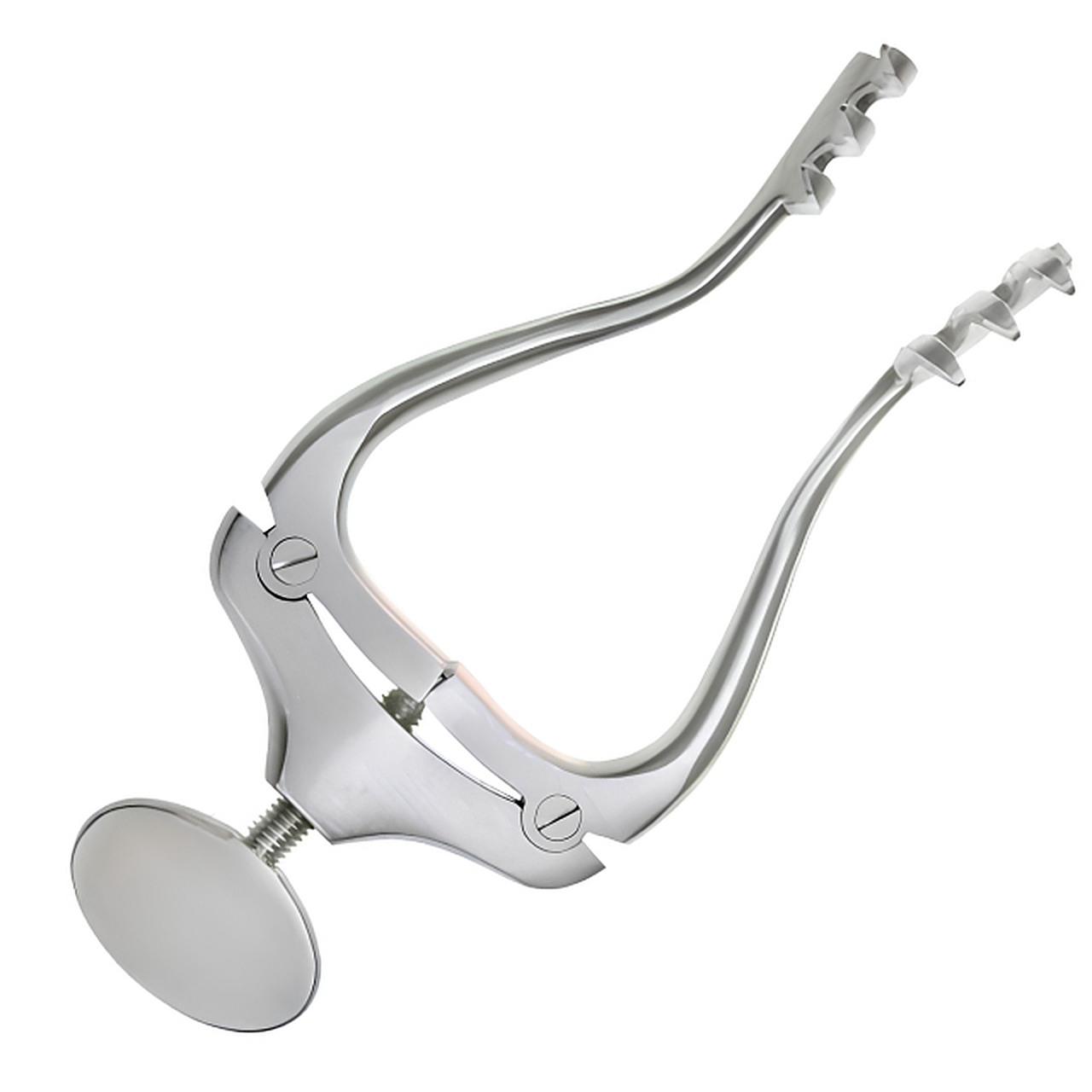
Gifford-Jansen Retractor
From $84.00
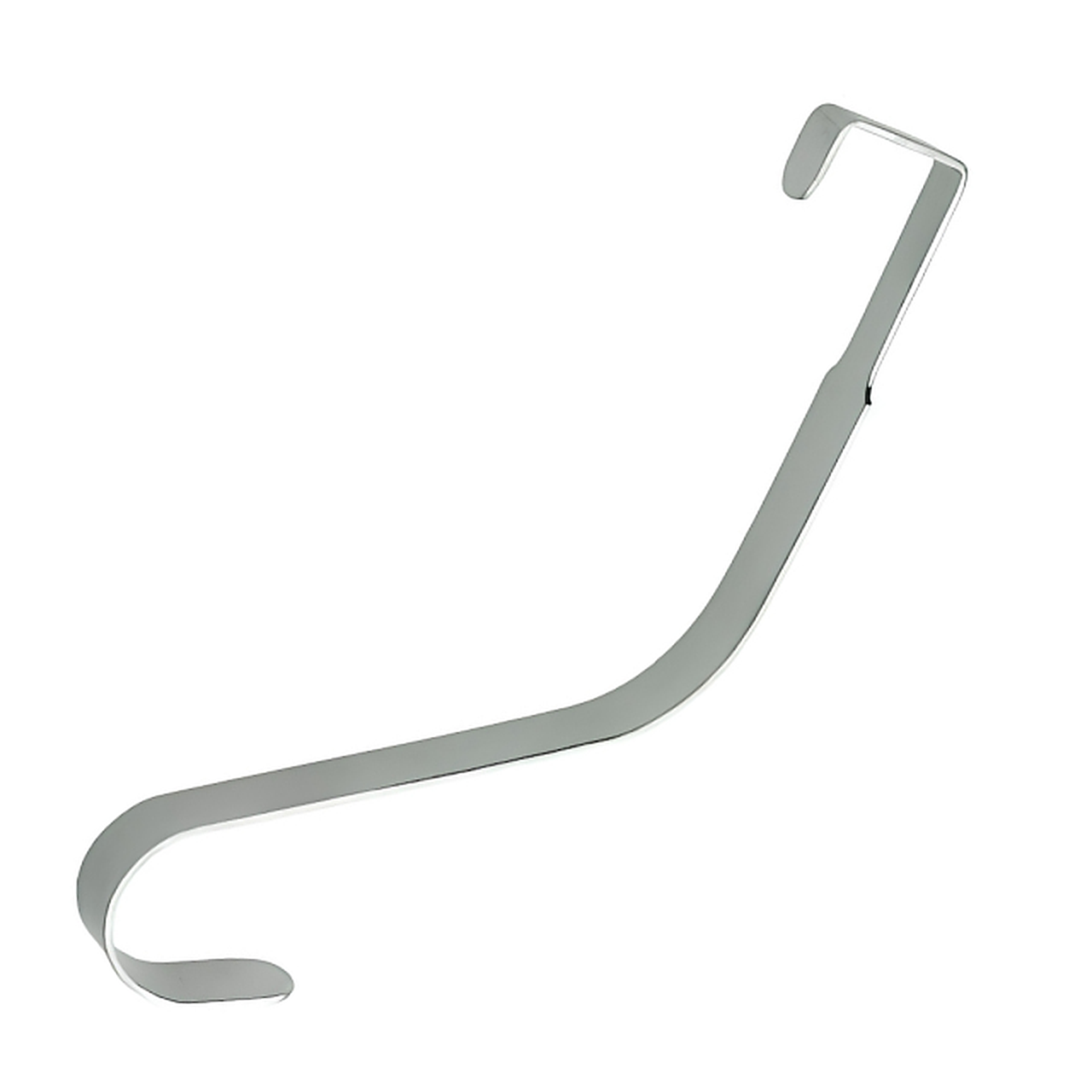
Hajek Cheek Retractor
$24.00
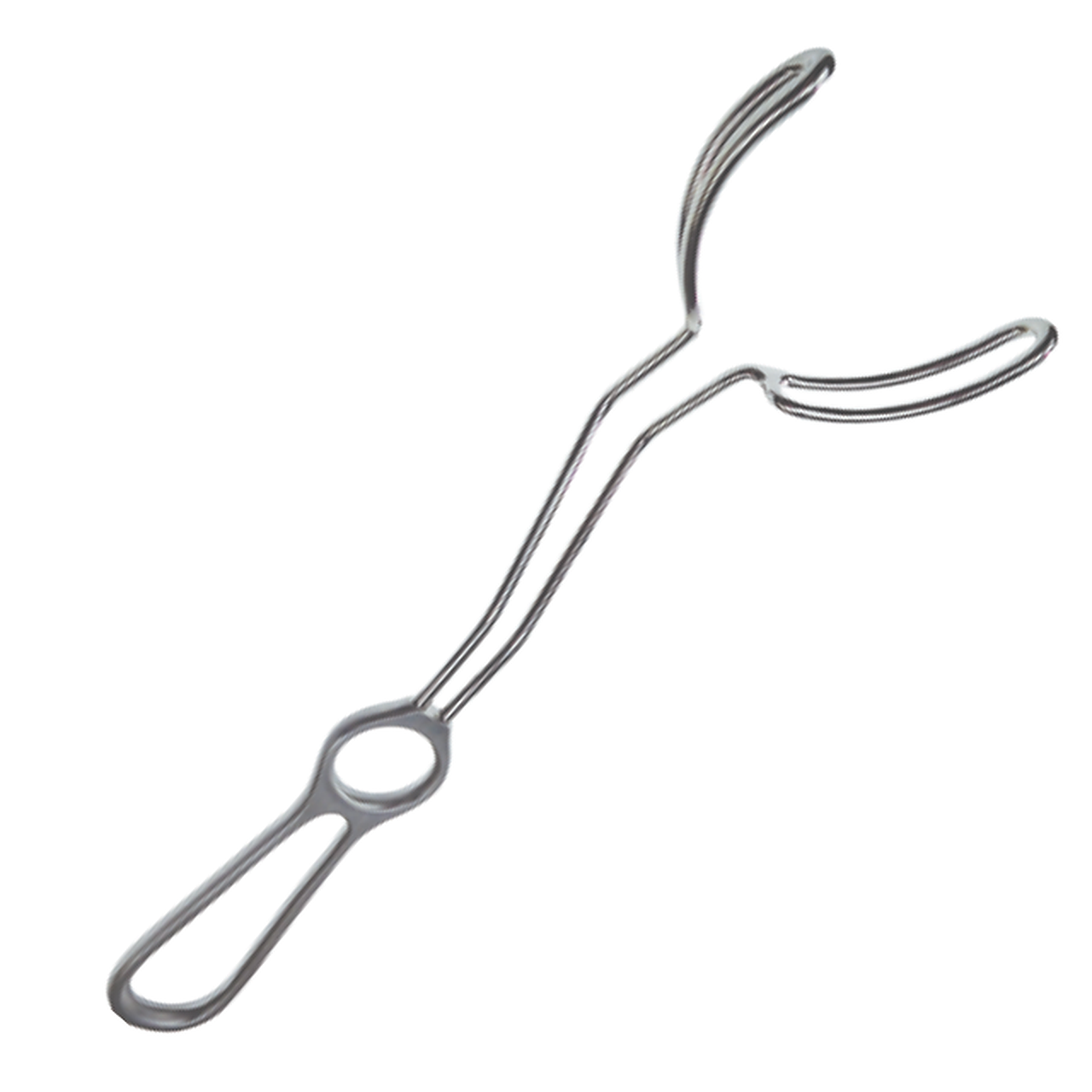
Lip And Cheek Retractor
$49.00
Bellucci Endaural Retractors
From $174
Aufricht Nasal Retractor
From $59.00
Aufricht Walter Nasal Retractor
$69.00
Need Surgical Retractors or Components?
Tell us what you need, including the product, configuration, quantity and destination country. Retractor Maker can provide availability, specifications and pricing.
Request a Quote