
Surgical Retractor Guides
What Is a Retractor? Purpose, History, and Modern Evolution
Author: Saad Shahid · Updated · 9 min read

Surgical retractors create and maintain access to the operative field by displacing tissue, organs, or wound margins. This guide explains their purpose, history, principal types, modern systems, design considerations, and future development.
Contents
What Is a Retractor?
A surgical retractor holds back tissues, organs, or wound margins to provide clear sight and access to the operative field. Surgeons need good exposure to cut, coagulate, or reconstruct safely. This applies to joint replacement, trauma, and cranial decompression.
Retractors create and maintain working space by moving soft tissues away from the dissection line. Good exposure supports patient safety and efficient procedures. It helps teams see landmarks and neurovascular pathways while leaving room for other instruments.
What Is the Purpose of a Surgical Retractor?
A surgical retractor keeps a clear path from the incision to the target anatomy. Tissues naturally return to their resting positions. Calibrated, directional mechanical movement counters this tension and maintains exposure.
Retractors maintain exposure, move tissues, improve lighting, and provide access to deeper structures across surgical fields.
- Maintain exposure: Retractors hold skin, fat, and fascia open during surgery.
- Move tissues and organs: In chest, abdominal, or pelvic surgery, retractors gently move delicate bowel, liver, or lungs away from the dissection path without damage.
- Improve direct and indirect lighting: Wide-angle wound opening lets overhead lights, headlights, and fiber-optics reach deep fields.
- Support safe deep access: Layered retraction in deep orthopedic, pelvic, or spinal approaches safely exposes bony landmarks, nerves, and deep blood vessels.
Retractors do not replace surgical skill. The surgeon's judgment guides instrument choice and blade shape. Tissue tension and placement vectors must also suit the patient and procedure.
How Did Surgical Retractors Develop?
Mechanical surgical retraction is as old as surgery itself. Early doctors recognized that small incisions made hemorrhage control and trauma treatment difficult. Records and artifacts from ancient Greco-Roman, Egyptian, and Indian medicine show primitive bronze, iron, and silver hooks. These hooks helped remove foreign objects, treat wounds, and lift tissue.
Historical surgical retractors trace the development of instruments for operative exposure.
Surgical instruments changed slowly during the Middle Ages. Hand-forged hooks were common, and surgical apprentices held manual levers. Major changes came in the 19th and early 20th centuries. Anesthesia enabled longer, more complex cavity procedures. These procedures exposed the limits of relying only on assistants' hands to move tissue.
Antiseptic principles and new steels changed surgical retraction. Listerian principles came first, followed by high-tensile carbon steel and Premium Grade AISI 304/316 Stainless Steel (Non-Magnetic). Makers in Sialkot, Pakistan, and Tuttlingen, Germany, improved forging. They produced purpose-designed metal retractors with standard curves, smooth edges, and reliable locks.
What Are the Main Types of Surgical Retractors?
Surgical retractors fall into two main types: hand-held retractors and self-retaining retractors. Both groups include many specialized shapes.
How Do Hand-Held Retractors Work?
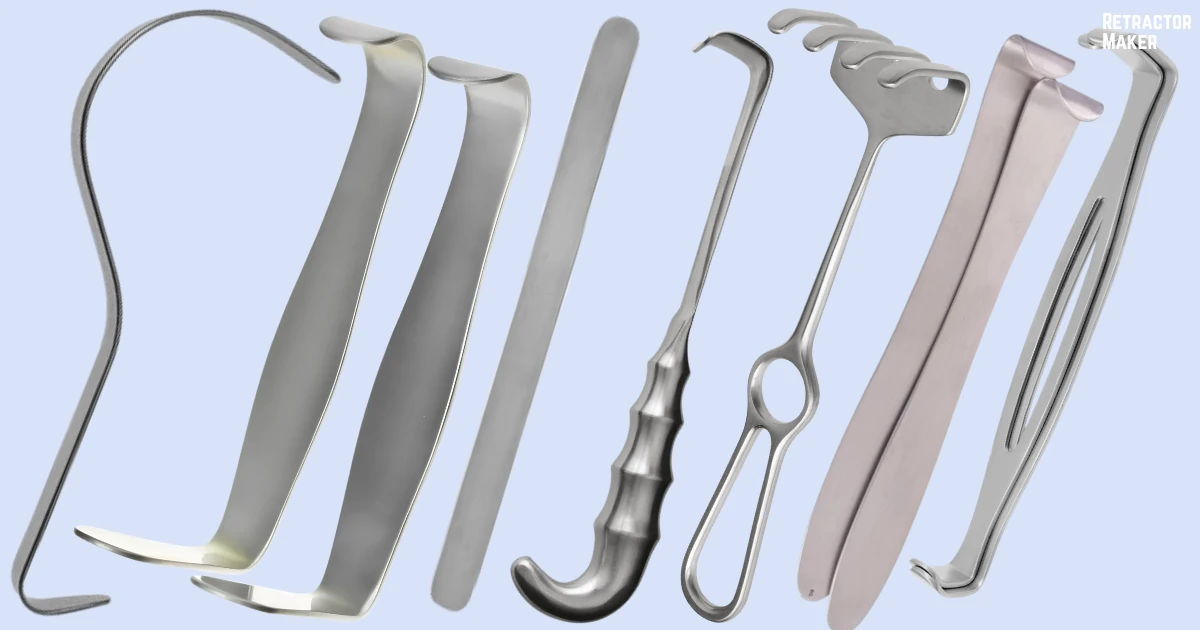
Hand-held retractors require continuous holding by a surgeon or assistant. They have a handle, a shank, and a working blade or hook. Manual tension control provides tactile feedback and dynamic flexibility. The assistant can adjust angle, depth, or tension as surgery progresses.
Examples include simple flat-blade retractors such as Langenbeck or Senn for superficial surgery. Broad curved abdominal retractors, such as Deaver or Richardson, serve general surgery. Deep pelvic blades are another type. Continuous manual holding is their main limitation. It can cause fatigue during long operations and minor hand tremors.
How Do Self-Retaining Retractors Work?
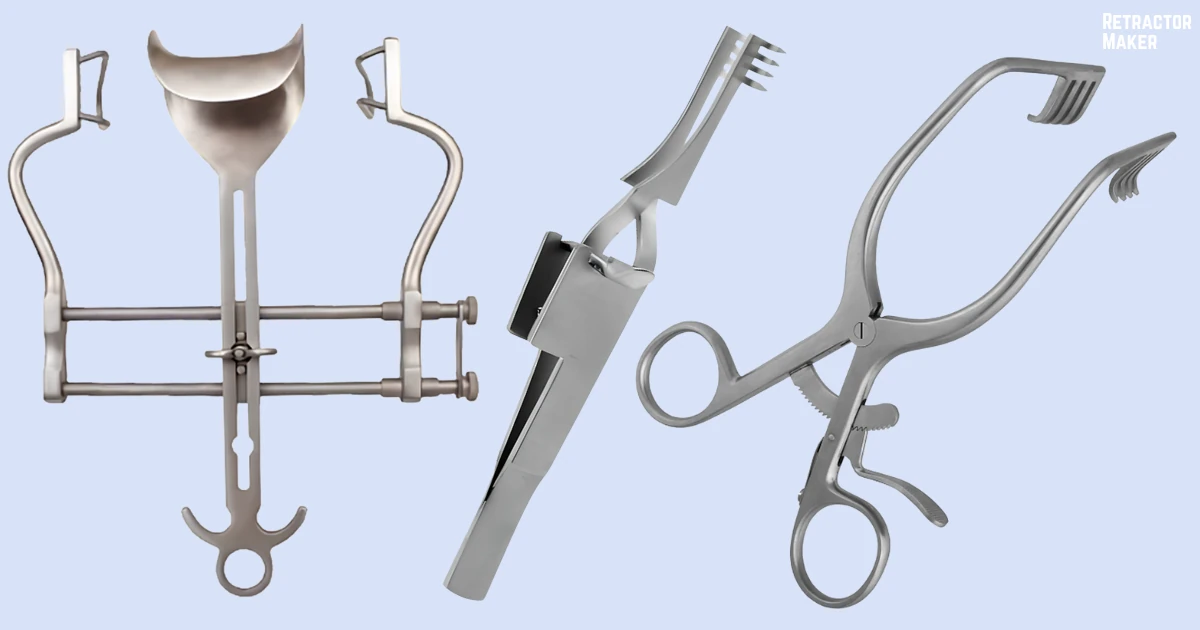
Self-retaining retractors lock their blades in position to maintain exposure without continuous holding. Mechanical locking parts include ratchets or clamps. Ratchets, thumbscrews, or friction locks hold opposing blades under tension against wound edges.
Self-retaining instruments take over the physical work of holding tissue. This frees assistants for suction, irrigation, and tissue handling. Common designs include scissor-style Weitlaner or Gelpi retractors for orthopedic surgery. Other designs include articulated abdominal frames such as Balfour and ring-based flexible systems. Each design suits different target anatomy and tissue resistance.
How Did Modern Retractor Systems Evolve?
Complex, deep-cavity surgery drove the shift from manual retractors to integrated platforms over 50 years. In open abdominal, pelvic, or neurological surgery, multiple handles and assistants' hands can clutter the operative field.
Engineers and doctors developed table-mounted platforms and multi-articulated stabilization systems to address this clutter. These platforms anchor to operating room table rails. A rigid overhead frame supports multiple blades, each precisely locked into position.
Specialized modern systems include the Bookwalter Retractor System and the Sugita Retractor System.
- Bookwalter Retractor System: Designed for deep abdominal surgery, with a heavy-duty table clamp, support post, horizontal bar, and oval ring frame. Interchangeable Kelly, Balfour, or malleable blades attach to the ring for hands-free, 360-degree exposure. The system is vital in colorectal, urological, and gynecological surgery.
- Sugita Retractor System: Designed for microneurosurgery, with multi-point cranial fixation and micro-blade retraction. An arched frame on a headrest or pins supports several micro-articulated tension arms. These hold tiny brain spatulas to keep delicate brain tissue safe during aneurysm clipping and tumor removal.
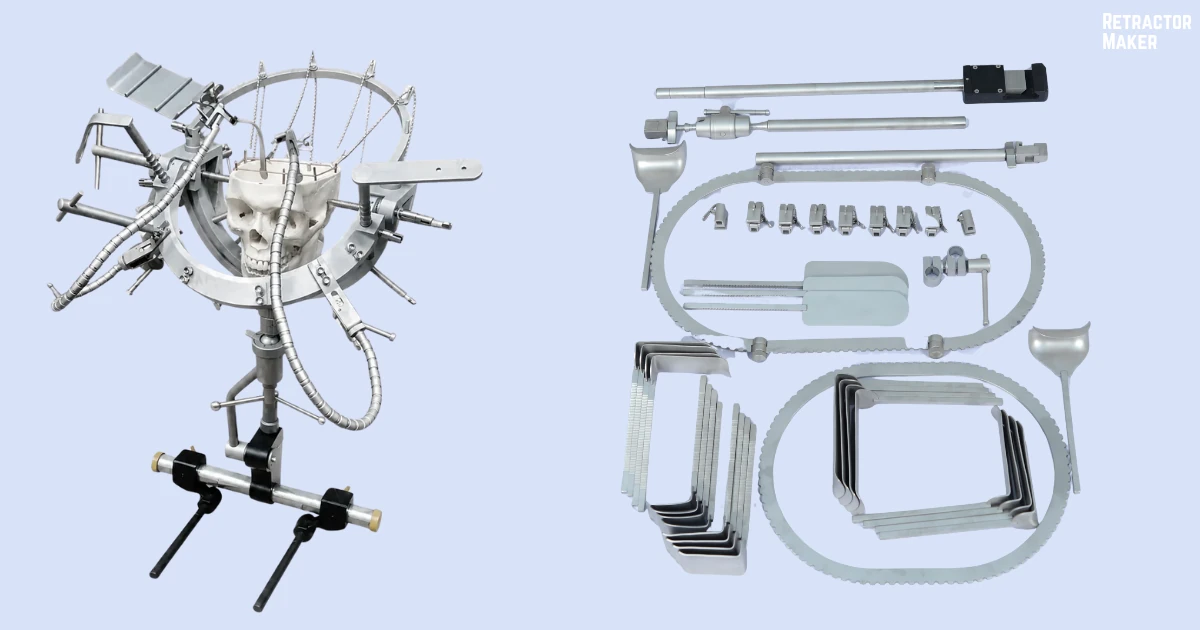
These complex assemblies show how designs have changed to meet specialty-specific challenges. No single platform fits every discipline. An abdominal retractor cannot replace a cranial frame.
Why Does Modern Retractor Design Matter?
A retractor's mechanical design affects workflow and tissue health. Retraction must balance enough tissue movement for visibility against excessive pressure. Too much pressure can impair blood flow or tear tissue.
Modern designs address material choice, blade geometry, locking stability, ergonomics, and field clearance.
- Material selection and biocompatibility: High-grade stainless steel provides corrosion resistance, rigidity, and durability through sterilization. Special alloys such as titanium reduce weight and avoid imaging problems in micro-instruments or radiolucent systems.
- Blade geometry and finish: Smooth, rounded edges reduce glare. Matte, satin, or ceramic coatings also reduce light glare and minimize tissue abrasion.
- Mechanical stability and locking precision: Clamps and ratchets must hold without slipping or binding under surgical forces. A releasing retractor blade can disrupt surgery and cause tissue trauma.
- Ergonomics and field clearance: Low-profile frames, curved shanks, and angled joints keep hardware away from surgeons' hands, microscopes, and cameras.
Suitability depends on the surgical approach, patient anatomy, and procedure requirements. A suitable retractor supports the team without mechanically interfering with the operative field.
What Is Next for Surgical Retractors?
Surgical retractor development is adapting to less invasive surgery, microsurgery, and robotic techniques. Targeted mini-open approaches are now common and are replacing large open incisions. This shift has led to expandable tubular retractors, illuminated blades, and low-profile systems for skin entry.
Key development areas include:
- Integrated lighting and vision: Fiber-optic channels and suction conduits in retractor blades reduce the number of instruments needed in deep, narrow spaces, including spinal disc removal and TORS.
- Modular and reconfigurable platforms: Component sets include interchangeable blades, quick-connect couplings, and joints that can be changed quickly in response to findings during surgery.
- Advanced materials: Research includes radiolucent high-strength carbon fiber composites and specialized aluminum alloys that provide rigidity. These materials allow clear X-ray and robotic imaging during surgery.
- Precision manufacturing and ergonomics: Computer-controlled machining, laser welding, and advanced surface passivation ensure tight tolerances, smooth locking, and long service life.
Related Retractor Products by Era
Explore a modular table-mounted system on the Bookwalter Retractor Standard product page.
Review a cranial fixation and retraction platform on the Sugita Multipurpose Headframe product page.
Browse the complete surgical retractor catalogue.
Choosing Retractors for Surgical Exposure
Surgical retractors provide the clear vision and physical exposure needed for safe, precise surgical action. These essential tools have evolved from early metal hooks to complex Bookwalter and Sugita platforms. Their development reflects advances in surgical techniques and materials.
Each body area has distinct exposure requirements. Choosing the right retractor is key to surgical success, whether the procedure needs a flexible hand-held blade or a rigid self-retaining frame.
Retractor Maker is a global B2B supplier and manufacturer of surgical retractor systems based in Sialkot, Pakistan. The company focuses on precise dimensions, strong metallurgy, and high-grade stainless steel. Retractor Maker supplies hospitals, surgical centers, and distributors worldwide.
A surgical retractor holds back tissues, organs, or wound margins to provide vision and access during surgery. Medical professionals, procurement teams, and surgical distributors are invited to explore Retractor Maker’s portfolio and manufacturing capabilities.
Explore our full surgical retractor catalog, or contact our team for a factory-direct quote.
Clinical notice: This guide is for surgical teams and hospital buyers. Always follow the manufacturer's instructions for use (IFU) and your hospital's sterilization rules before clinical use.
Frequently Asked Questions
What is a retractor?
A surgical retractor holds back tissues, organs, or wound margins to provide clear vision and access during surgery. By keeping these structures away from the surgical site, it gives the surgical team exposure to the area where they are working.
What is the main purpose of a retractor?
A retractor creates and maintains surgical exposure by moving tissues away from the surgical site. Its main purpose is to keep the area exposed so the surgical team can see and access the site and work safely.
What are the two main types of surgical retractors?
Retractors fall into two main types. Hand-held retractors are held by an assistant. Self-retaining retractors lock in place.
What is the difference between hand-held and self-retaining retractors?
Hand-held retractors require constant holding and offer tactile feedback, while self-retaining retractors use a lock to hold tissue open statically. The key difference is how exposure is maintained: continuous manual holding versus a locked position that keeps tissue open.
What is a self-retaining retractor used for?
A self-retaining retractor is used when stable surgical exposure is needed. Self-retaining retractors maintain exposure without constant manual holding, freeing personnel to assist with other tasks while the locking mechanism keeps tissue open in a static position.
What are modern surgical retractor systems?
Modern surgical retractor systems are integrated, modular platforms with frames, arms, and blades for complex procedures. Examples include Bookwalter, a table-mounted system, and Sugita, a cranial system. These platforms bring the frame, arms, and blades together as an integrated system.
How have surgical retractors evolved over time?
Surgical retractors have evolved from old hooks to precision steel instruments, including table-mounted frames and illuminated blades. This evolution also includes modular platforms that serve minimally invasive procedures, extending the range of designs beyond the earlier hook forms.
How do surgeons select the appropriate retractor?
A retractor is selected according to the surgical approach, incision depth, tissue fragility, visual angle, and specialty needs. Surgeons consider these factors together when choosing surgical exposure equipment, rather than basing the choice on the surgical approach alone.
What are examples of hand-held surgical retractors?
Hand-held surgical retractors include Langenbeck and Senn for superficial surgery, and Deaver and Richardson for general surgery. These instruments have a handle, shank, and working blade or hook. Manually controlled tension lets the assistant adjust the angle, depth, or tension as surgery proceeds.
How does retractor design help protect tissue?
Retractor design helps protect tissue through appropriate blade geometry, smooth finishes, and secure locking mechanisms. Smooth, rounded blade edges and matte, satin, or ceramic coatings minimize tissue abrasion. Stable clamps and ratchets prevent blade release that could disrupt surgery or cause tissue trauma.
What materials are used in surgical retractors?
Surgical retractors use high-grade stainless steel and special alloys such as titanium in micro-instruments or radiolucent systems. Stainless steel provides corrosion resistance, rigidity, and durability through sterilization. Titanium reduces weight and avoids imaging problems in those specialized applications.
About the author
Saad Shahid · Sales & Marketing Manager
Saad Shahid is the Sales & Marketing Manager and founder of Retractor Maker, started in 2023 in Sialkot, Pakistan. He also works with his father at Hospitech Traders, the family surgical instrument business founded in 1989.
Related Blogs & Guide



Related Retractors
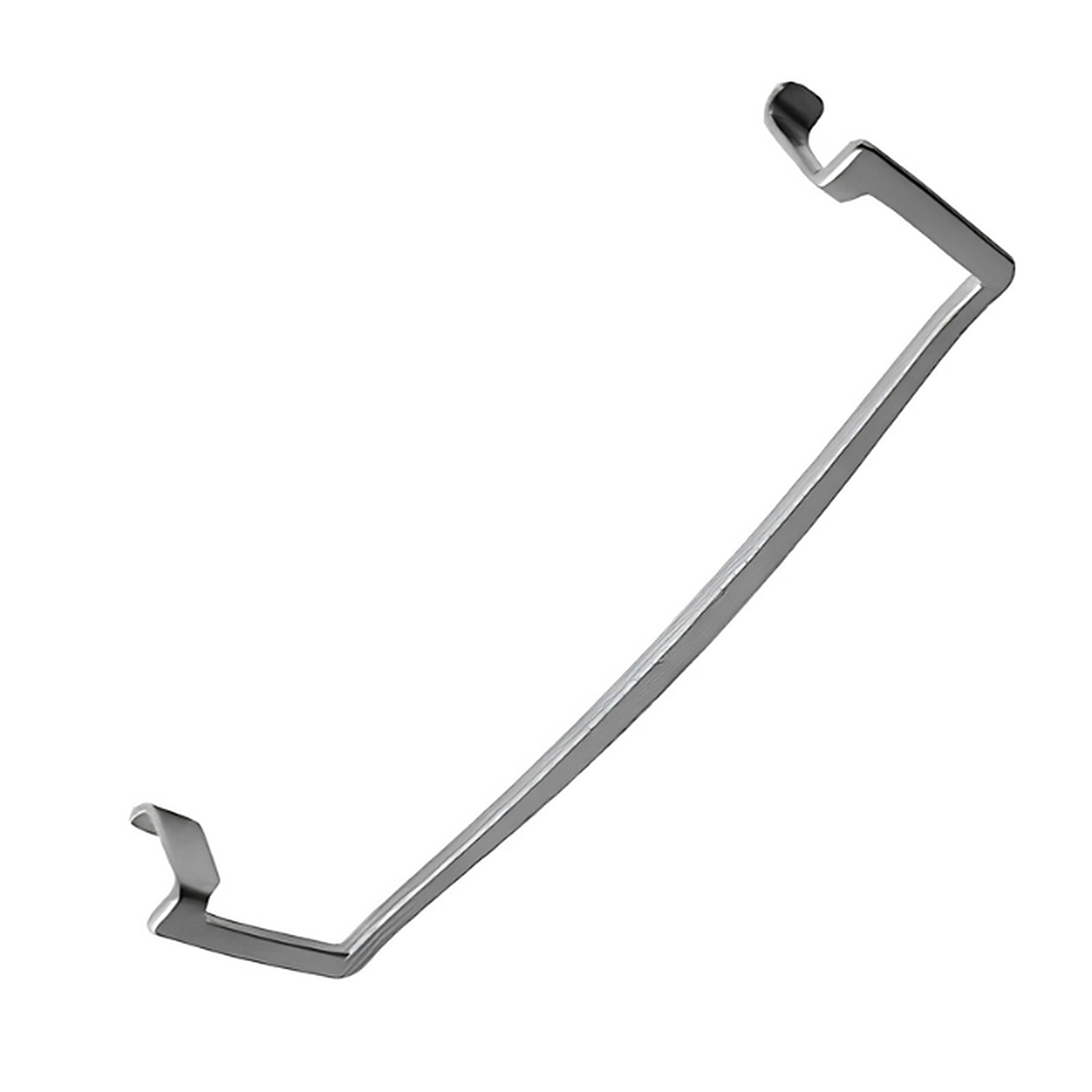
Senn Forward Retractor
$49.00
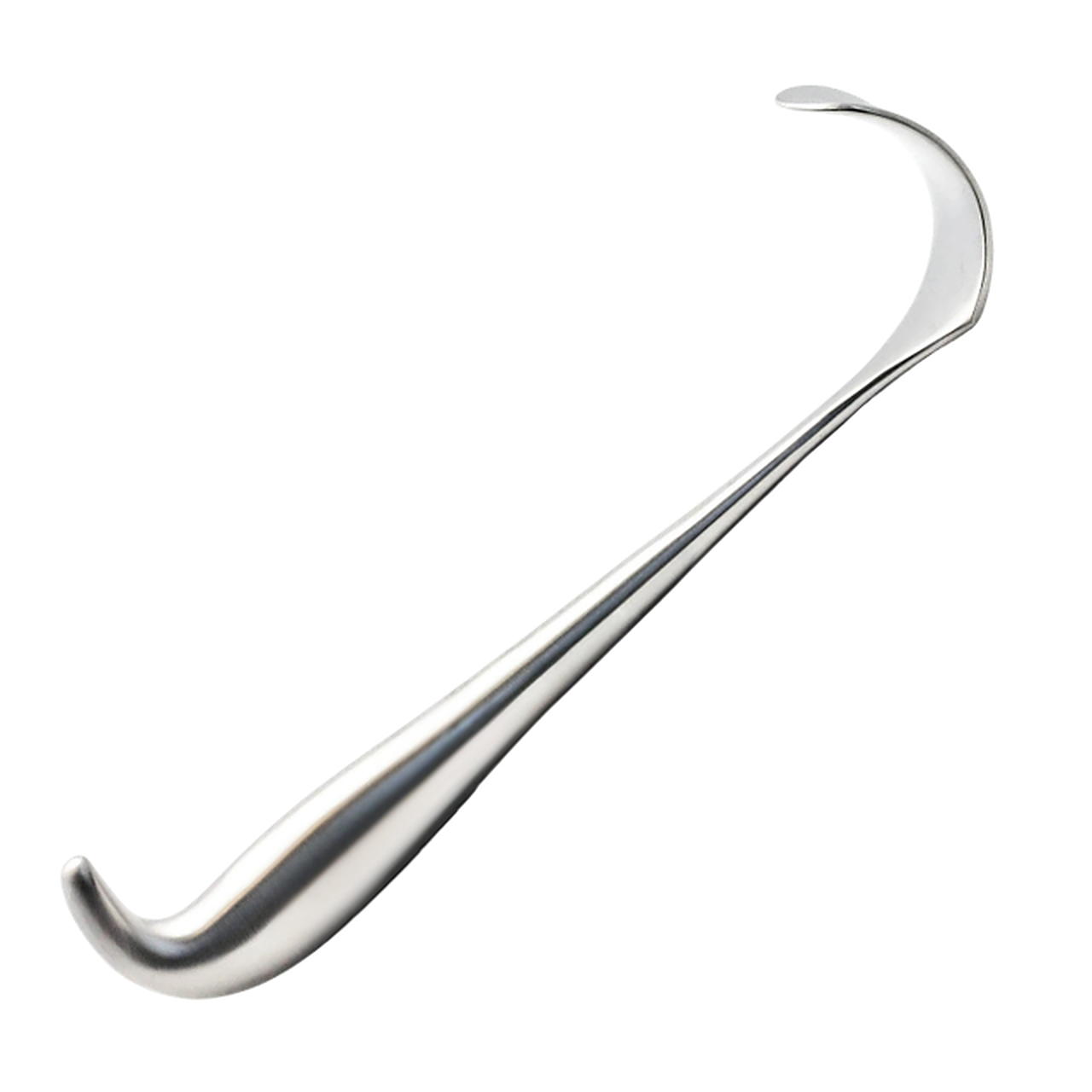
Brewster Retractor
From $159
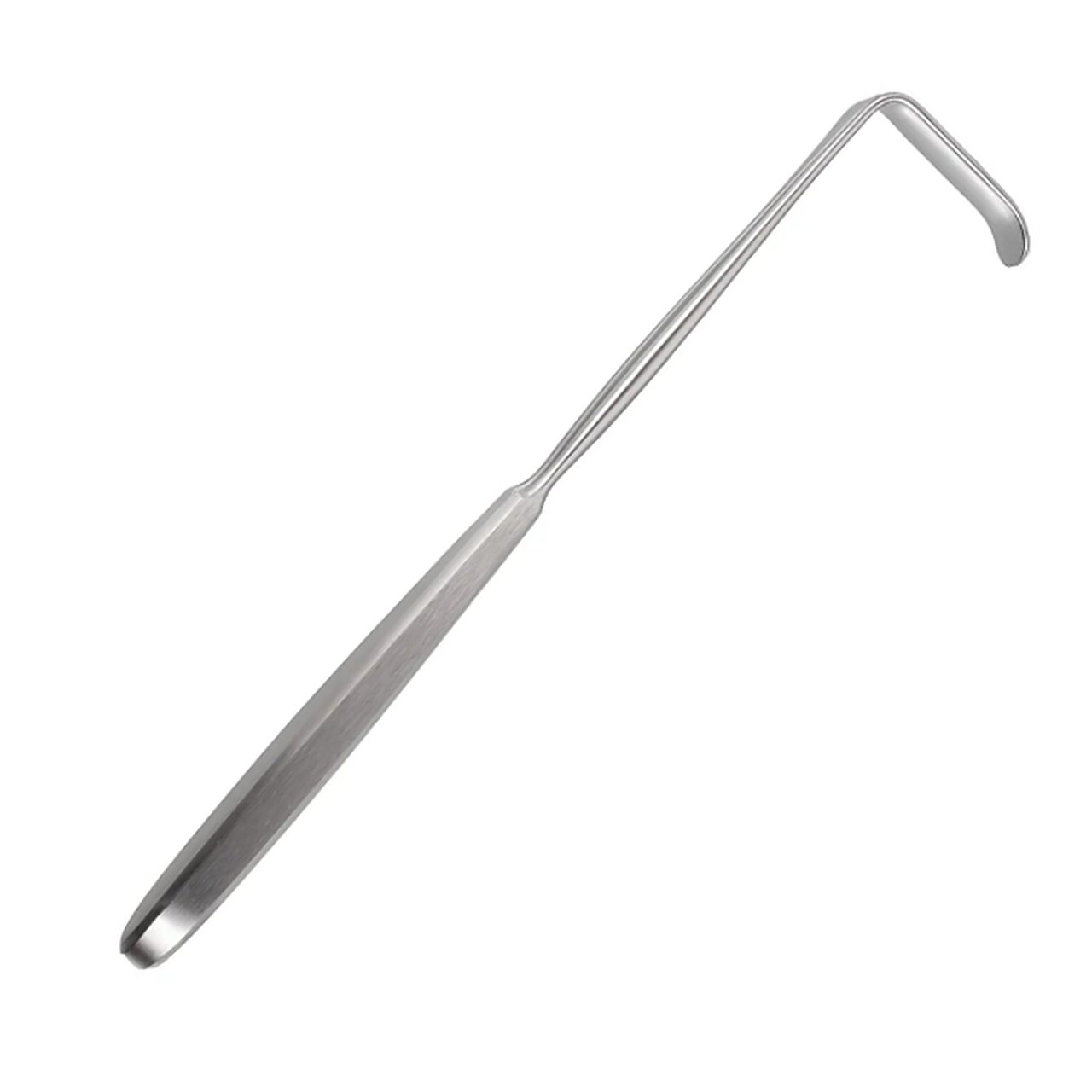
Langenbeck Retractor-Solid Handle
$49.00
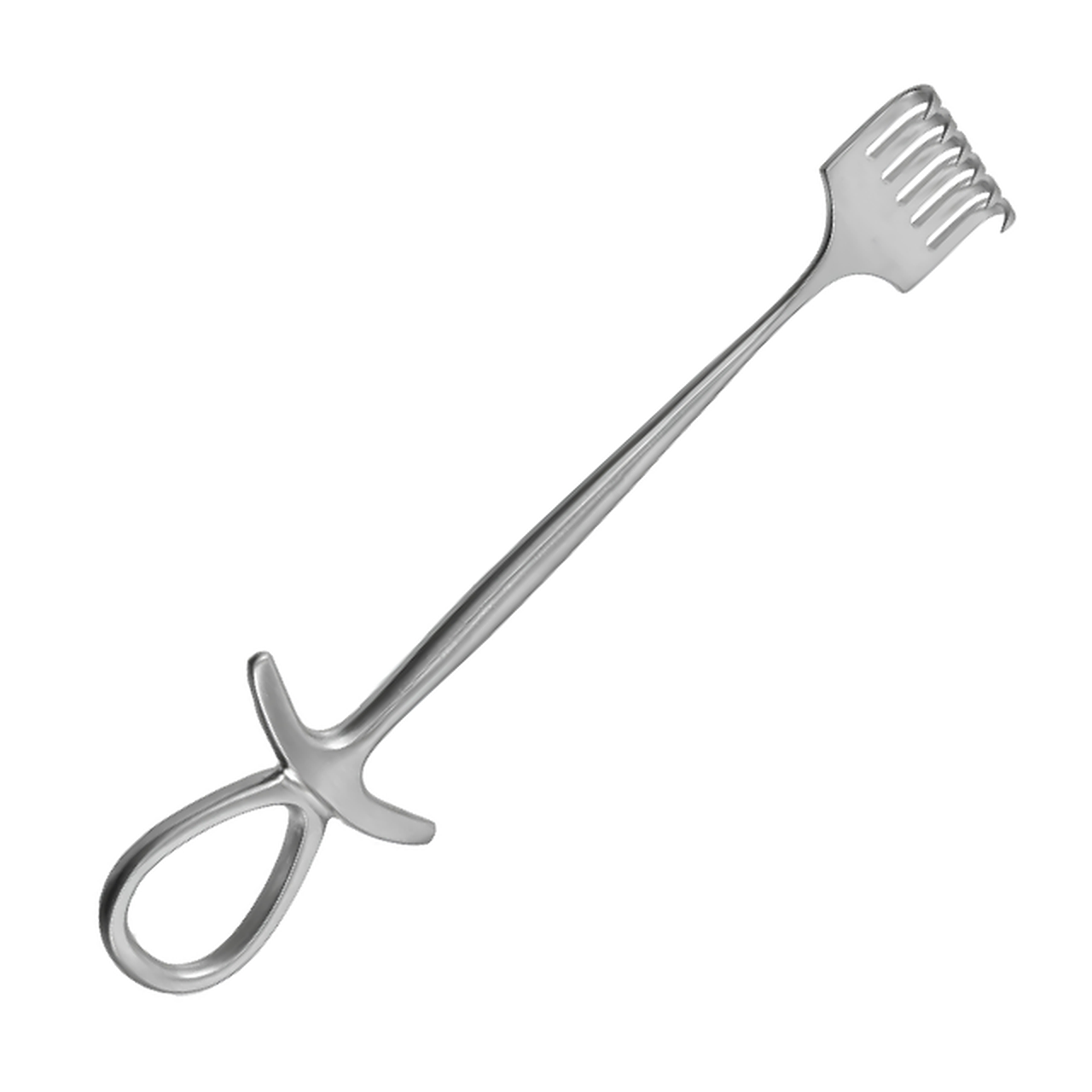
Murphy Retractor
From $44.00
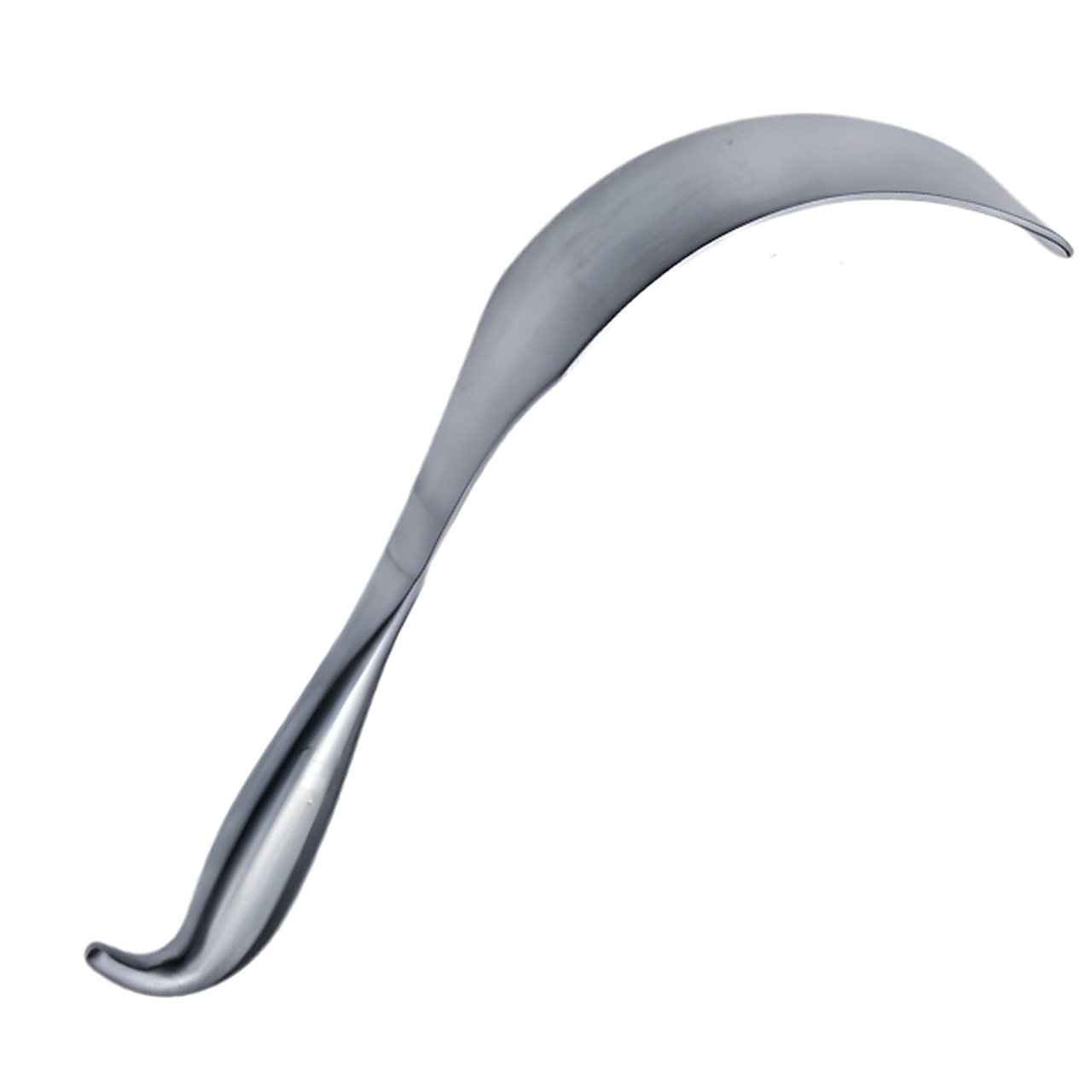
Leriche Retractor-Atraumatic Wide Blade
From $94.00
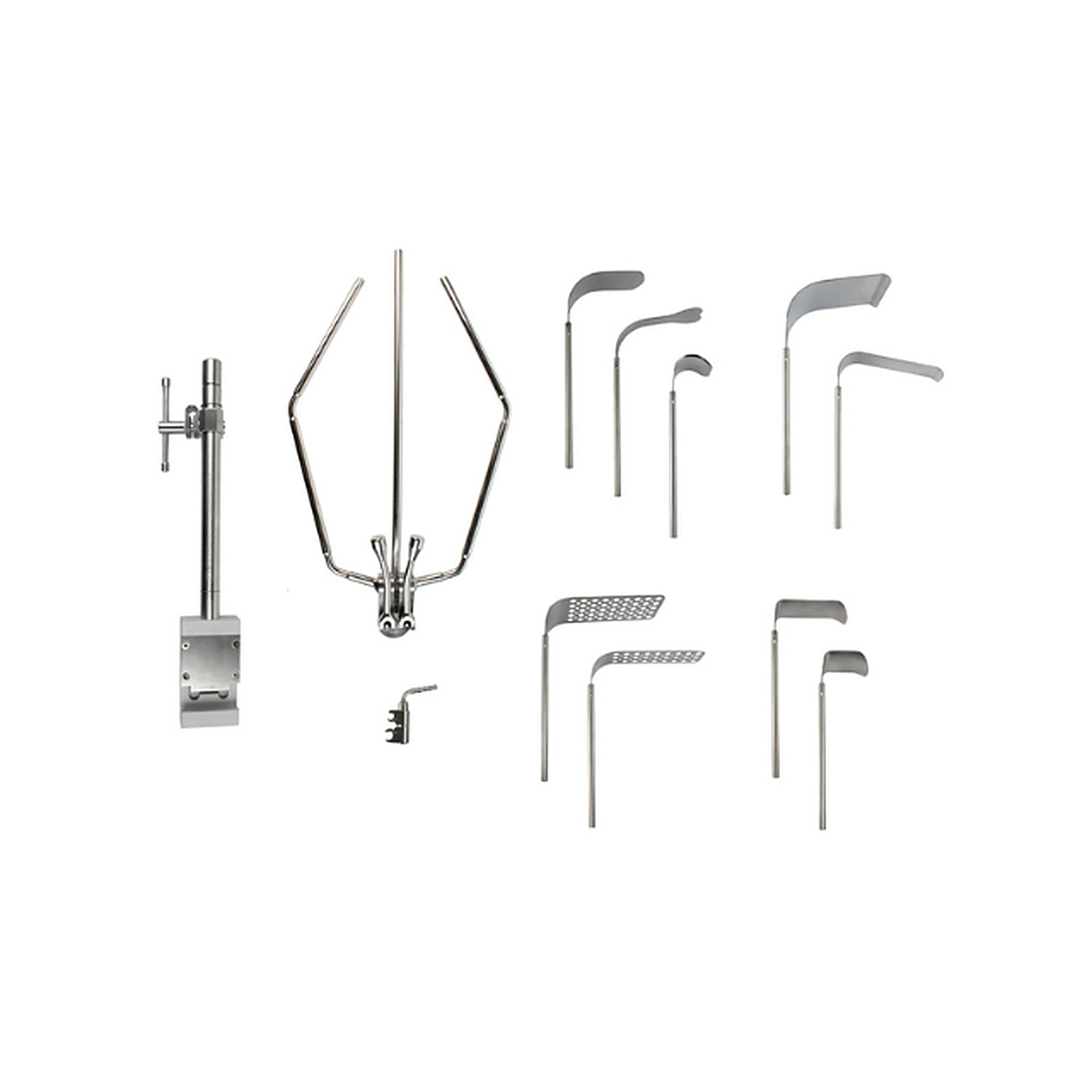
Lobster General Retractor System
$2,699Free Shipping
Need Surgical Retractors or Components?
Tell us what you need, including the product, configuration, quantity and destination country. Retractor Maker can provide availability, specifications and pricing.
Request a Quote