
Surgical Retractor Guides
What Is a Lone Star Retractor? Uses, Types, Components, and How It Works
Author: Saad Shahid · Updated · 9 min read

The Lone Star Retractor uses a perimeter frame and elastic stays to provide adjustable, self-retaining tissue retraction. This guide explains how it works, its components, specialty configurations, placement, selection, and surgical uses.
Retractors discussed in this guide: Lone Star Retractor (Colon, Rectal, Head & Neck Surgeries), Lone Star Retractor (General, Head & Neck Surgeries), Lone Star Retractor (Gynecology & Male Urology). Browse all surgical retractors.
The Lone Star retractor is a self-retaining surgical system for hands-free tissue retraction. Clear vision and access are vital for safe, efficient procedures in modern operating rooms. Traditional surgery often relies on assistants to hold instruments and maintain constant manual pull on tissue. This can cause fatigue and subtle movement, particularly at deep or static sites.
The Lone Star retractor system provides adaptable, hands-free field maintenance. This self-retaining surgical platform addresses fatigue and movement from manual holding. It creates fixed boundaries around soft tissue. Understanding its operation, components, and setups helps buyers and surgeons choose suitable instruments.
Contents
What Is a Lone Star Retractor?
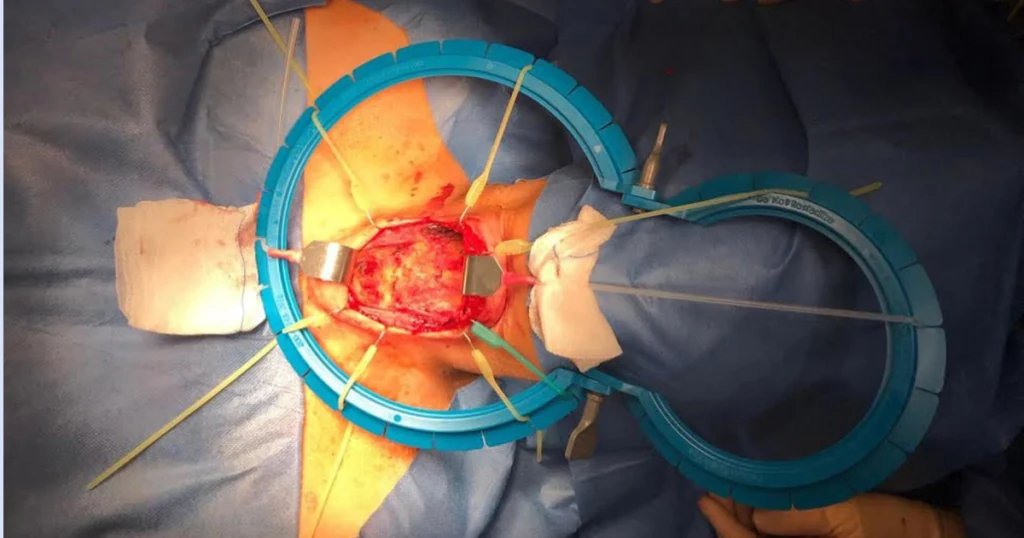
A Lone Star retractor is a self-retaining surgical tool for controlled, multi-point tissue retraction. It combines an external frame, often rigid or semi-flexible, with elastic stay hooks or retraction elements. It holds tissue without staff hands and without blocking the surgical path.
Surgeons position elastic stays around an incision or anatomical opening to apply calibrated tension to tissue edges. The stays secure into slots or notches along the ring or frame. This design accommodates different body contours, making the Lone Star retractor adaptable.
How Does the Self-Retaining System Work?
The Lone Star retractor works through dynamic, self-retaining tension. Static metal frames push tissue with fixed blades. A Lone Star system instead applies balanced counter-traction through flexible stays.
- Place the support frame over or around the incision site.
- Position tissue hooks or stays in soft tissue, skin, or mucosal margins.
- Pull elastic cords or stay lines toward the frame to create outward tension.
- Lock stay lines into receiving slots along the frame perimeter.
Elastic stays maintain continuous, moderate pull for stable tissue retraction throughout surgery. Surgeons can change tension at any time by adjusting individual stay positions on the frame.
What Are the Main Components?
A standard Lone Star retractor system includes a frame, elastic stays, tissue hooks, retention slots, and mounting accessories. Specific setups vary with the procedure and clinical need.
- Support ring or articulated frame: surrounds the surgical area. Circular, oval, square, or hinged frames adapt to body surfaces.
- Elastic stays: highly elastic, flexible elements with sharp or blunt tissue hooks at their ends.
- Tissue hooks: specialized profiles engage delicate mucosa, skin margins, or deeper soft tissue without harm.
- Retention slots or fastening channels: integrated along the frame's outer edge to secure elastic stays under tension.
- Clamping points or accessories: auxiliary mounting elements fit the frame to patient contours or fix it to drape surfaces.
What Is a Lone Star Retractor Used For?
The Lone Star surgical retractor maintains exposure in confined or complex body areas. Configurable frames and stays allow the system to adapt to many surgical specialties.
How Is It Used in General, Head and Neck Surgery?
A Lone Star retractor stabilizes soft tissue edges and holds skin edges evenly to keep the working site visible. Precise positioning is vital in general surgery and head and neck procedures, often near sensitive nerves or vessels.
How Is It Used in Colon and Rectal Surgery?
The Lone Star retractor provides continuous, multi-directional exposure for colorectal procedures. Transanal interventions, perineal repairs, and lower rectal access require reliable field maintenance in restricted spaces. The system gives surgical teams clear views without crowding the field with many hand instruments.
How Is It Used in Gynecology and Male Urology?
A self-retaining retractor stabilizes tissue margins during perineal, vaginal, or scrotal procedures. Gynecological and urological operations often involve deep, narrow surgical corridors. Stable margins help organize access to target tissues.
Which Configurations Are Available?
Lone Star retractors come in different setups to support varied anatomical needs. Selection depends on the surgical area and the capabilities required from each component.
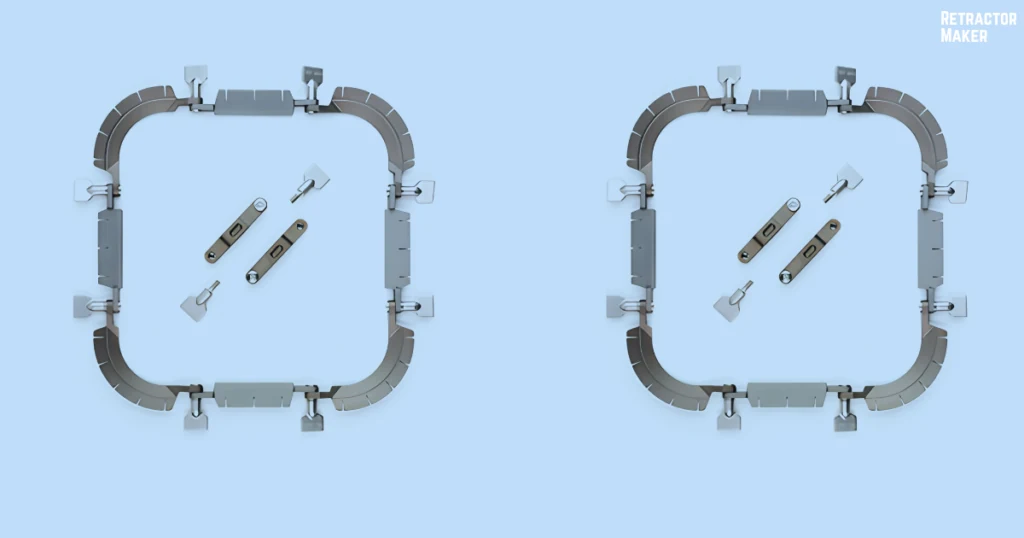
1. Lone Star Retractor for General, Head & Neck Surgery
This setup supports head and neck areas and broad soft tissue sites. It provides stable frame positioning and versatile stay placement around irregular anatomical boundaries.
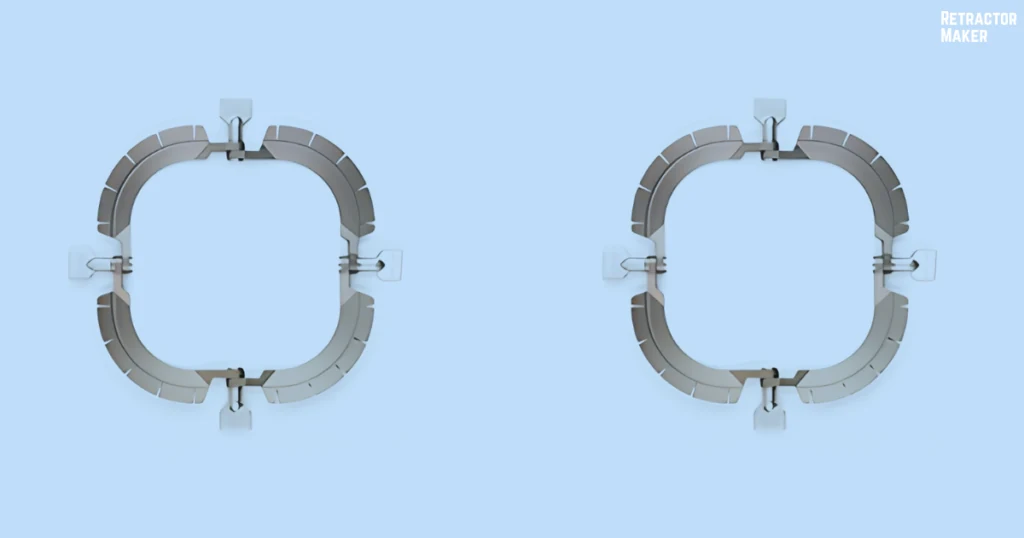
2. Lone Star Retractor for Colon, Rectal, Head & Neck Surgery
This setup provides multi-directional radial exposure for colorectal and lower GI interventions. It holds delicate perineal or mucosal margins open during specialized colorectal procedures. It also accommodates complex head and neck fields.
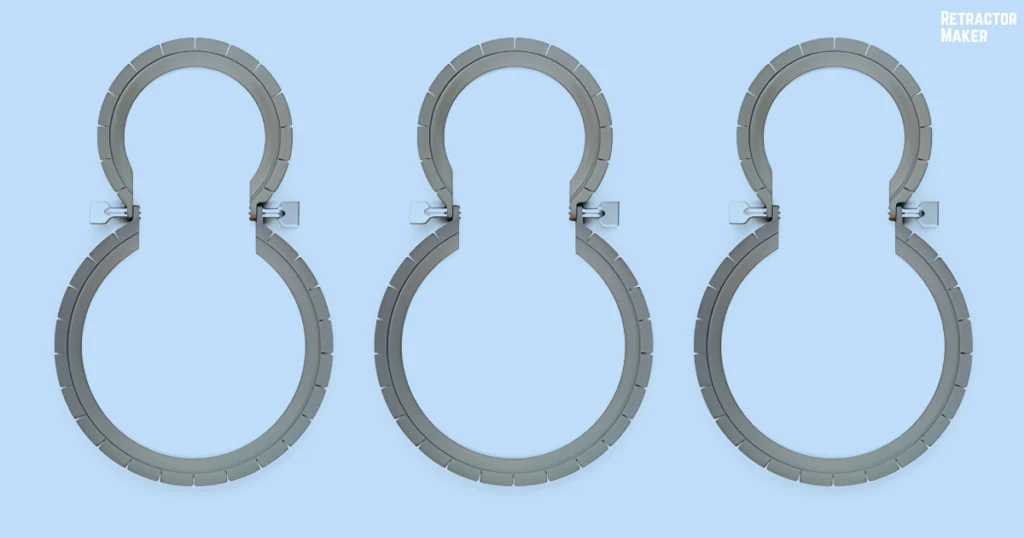
3. Lone Star Retractor for Gynecology & Male Urology
This setup supports deep pelvic, vaginal, scrotal, and perineal access in confined operative fields. Stay layouts and frame options allow controlled retraction of sensitive genitourinary structures.
What Are the Benefits of Self-Retaining Retraction?
Self-retaining surgical retraction gives operating room teams steady tissue exposure, less manual holding, and adjustable pull directions.
- Maintains static, uniform pull at all tissue points to prevent field collapse or slipping.
- Reduces staff strain and fatigue by avoiding prolonged manual instrument holding.
- Creates an unobstructed working corridor. Low-profile elastic stays replace bulky handles, expanding tool space above the site.
- Allows surgeons to customize pull directions by moving individual elastic stays to different slots.
- Creates a neat, predictable surgical boundary for visual clarity and efficient procedure progress.
How Is a Lone Star Retractor Used During Surgery?
Placement of a Lone Star retractor system involves selecting a frame and hooks, positioning stays, securing tension, and checking exposure. These steps support safe placement, balanced tension, and a clear surgical field.
- Choose the frame shape and stay hook according to patient anatomy and the surgery.
- Center the support frame over the surgical site or draped area.
- Engage tissue hooks at specific points in the target tissue margins.
- Pull elastic stay lines outward by hand to draw soft tissue away from the incision line.
- Pull each stay line into a matching retention slot to secure static tension.
- Check for sufficient exposure and even tension without excessive trauma. Ensure the frame does not obstruct the view or instruments.
Strictly follow the manufacturer's instructions for use, hospital protocols, and surgeon judgment during preparation, placement, and adjustments.
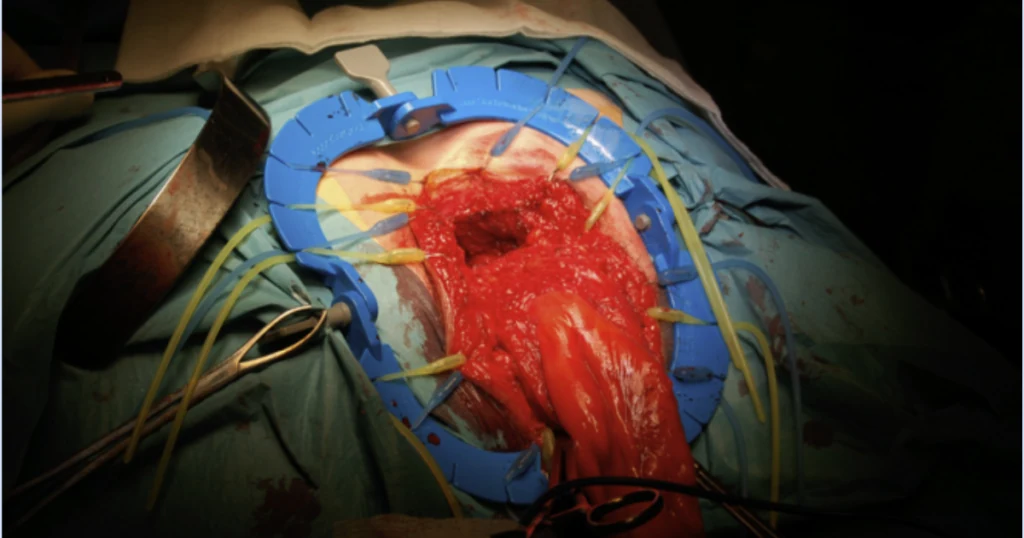
Applications Across Surgical Specialties
| Feature / Specialty | General, Head & Neck Surgery | Colon, Rectal, Head & Neck | Gynecology & Male Urology |
|---|---|---|---|
| Primary Surgical Field | Broad soft tissue, neck, cutaneous | Perineal, transanal, lower GI, neck | Vaginal, pelvic, scrotal, perineal |
| Exposure Objective | Flat/curved surface retraction | Radial circumferential exposure | Deep corridor, narrow aperture access |
| Key Advantage | Adaptable perimeter frame setup | Hands-free access in tight lumens | Clear access to delicate genitourinary structures |
How Do You Choose the Right Configuration?
Buyers and clinical teams evaluate a Lone Star retractor system by considering the surgical area, clinical needs, and required component capabilities.
- Match the setup to the operating unit’s primary procedures, such as colorectal or gynecological surgery.
- Assess whether the incision needs radial retraction for transanal access or surface margin exposure for neck surgery.
- Choose the required stay profiles: sharp skin hooks, blunt mucosal stays, or multi-tooth hook elements.
- Match frame articulation to patient contours: a rigid flat ring or a flexible/articulated frame.
- Confirm compatibility with standard drape setups, sterilization workflows, and mounting options.
Lone Star Retractor vs. Hand-Held Retractors
A Lone Star Retractor is a self-retaining surgical tool that uses a frame and elastic stays for hands-free tissue exposure. Choosing a self-retaining system depends on procedure length, field depth, and available surgical support.
| Parameter | Lone Star Retractor (Self-Retaining) | Hand-Held Retractors (e.g., Senn, Army-Navy) |
|---|---|---|
| Holding Requirement | Static / Hands-free once secured | Requires continuous manual holding by an assistant |
| Traction Consistency | Constant, elastic counter-tension | Subject to manual drift or assistant fatigue |
| Field Obstruction | Low-profile stays; minimal hand interference | Handles and assistant hands occupy entry corridor |
| Traction Adjustment | Individual stay vectors adjusted via frame slots | Dynamic, manual adjustment by assistant |
| Best Suited For | Static fields, multi-point access, long cases | Rapid, short-duration tissue shifts; preliminary exposure |
Match the System to the Surgical Procedure
The Lone Star Retractor provides reliable, hands-free field exposure across many surgical areas in operating suites. Elastic stays replace manual holding. An adaptable frame creates consistent counter-traction, reducing fatigue and maintaining a clear surgical path.
Matching the retractor system to clinical needs is key to success. This applies to general surgery setups and head/neck, colorectal, or genitourinary procedures.
Retractor Maker builds and supplies precise surgical retractor platforms for hospitals and surgical centers globally. We provide dependable B2B supply solutions.
Related Products and Sourcing Options
Retractor Maker offers specialized surgical retraction platforms, including component sets and custom OEM solutions.
- Explore product categories: Lone Star Retractor — General, Head & Neck Surgery; Lone Star Retractor — Colon, Rectal, Head & Neck Surgery; Lone Star Retractor — Gynecology & Male Urology; Complete Surgical Retractor Catalog.
- Contact Our B2B Sales Team; Request a Direct Factory Quote; Contact Us for Wholesale & OEM Inquiries.
Clinical notice: This guide is for surgical teams and hospital buyers. Always follow the manufacturer's instructions for use (IFU) and your hospital's sterilization rules before clinical use.
Frequently Asked Questions
What is a Lone Star Retractor?
A Lone Star Retractor is a self-retaining surgical tool that provides hands-free tissue retraction. The system uses a frame and elastic stays to hold tissue back, providing clear surgical access without the need for continuous manual holding.
What is a Lone Star Retractor used for?
A Lone Star Retractor holds back soft tissue, skin edges, or mucosal borders during surgery. Its uses include head and neck, colorectal, and gynecological procedures. It is also used for tissue exposure in urological procedures and general surgeries.
Is a Lone Star Retractor self-retaining?
Yes, a Lone Star Retractor is a self-retaining system that holds tissue under continuous tension. Elastic stay hooks anchor into slots in the frame. This frame-and-stay arrangement maintains tissue retraction without requiring continuous manual holding.
What surgeries use a Lone Star Retractor?
A Lone Star Retractor is used in transanal colorectal resections, perineal repairs, and head/neck tissue procedures. Other common uses include vaginal, scrotal, and urological operations. These procedures use the system to hold tissue back and provide surgical exposure.
What are the main components of a Lone Star Retractor?
A Lone Star Retractor includes a perimeter support frame or ring, elastic stay lines, and special tissue hooks. Integrated retention slots run along the frame. These slots are part of the frame arrangement that secures the elastic stays.
Are there different Lone Star Retractor configurations?
Yes, Lone Star Retractor configurations are tailored to specific surgical uses. Available setups include General/Head & Neck, Colon/Rectal/Head & Neck, and Gynecology & Male Urology. Each named configuration corresponds to the surgical areas for which the setup is intended.
Can Lone Star retractors be used in gynecological surgery?
Yes, Lone Star retractors have special setups for gynecological surgery. These setups also assist in pelvic surgeries by maintaining organized tissue exposure. Their use supports exposure in the narrow or deep areas encountered in these surgical settings.
Can Lone Star retractors be used in colorectal surgery?
Yes, Lone Star retractors are widely used in colorectal procedures, including procedures requiring transanal access. They provide radial, circumferential soft tissue exposure. This arrangement holds soft tissue back around the surgical field to support access during colorectal surgery.
How is a Lone Star Retractor placed?
A Lone Star Retractor is placed with its frame around the incision and hooks in the tissue margins. The elastic stay lines are pulled to tension and then secured in the frame slots to maintain the tissue exposure.
How do surgeons choose the correct Lone Star configuration?
Surgeons choose a Lone Star configuration according to surgical specialty, body location, field depth, hook style, and exposure needs. Selection brings these factors together: where the surgery takes place, how deep the field is, and what tissue exposure is required.
How does a Lone Star Retractor differ from hand-held retractors?
A Lone Star retractor maintains hands-free tissue traction with elastic stays, while hand-held retractors require continuous manual holding by an assistant. Its low-profile stays minimize hand interference in the surgical corridor and provide constant elastic counter-tension. Manual traction can vary with assistant fatigue or drift.
How is tension adjusted on a Lone Star Retractor?
Surgeons adjust tension on a Lone Star retractor by changing individual elastic stay positions in the frame slots. This customizes pull directions while maintaining tissue exposure. Manufacturer instructions, hospital protocols, and surgeon judgment guide preparation, placement, and adjustments.
How does a Lone Star Retractor differ from fixed-blade retractors?
A Lone Star retractor uses flexible elastic stays for balanced counter-traction, while static metal frames push tissue with fixed blades. The stays provide continuous, moderate pull to maintain stable tissue retraction throughout surgery. Surgeons can change tension by adjusting individual stay positions on the frame.
About the author
Saad Shahid · Sales & Marketing Manager
Saad Shahid is the Sales & Marketing Manager and founder of Retractor Maker, started in 2023 in Sialkot, Pakistan. He also works with his father at Hospitech Traders, the family surgical instrument business founded in 1989.
Related Blogs & Guide



Related Retractors
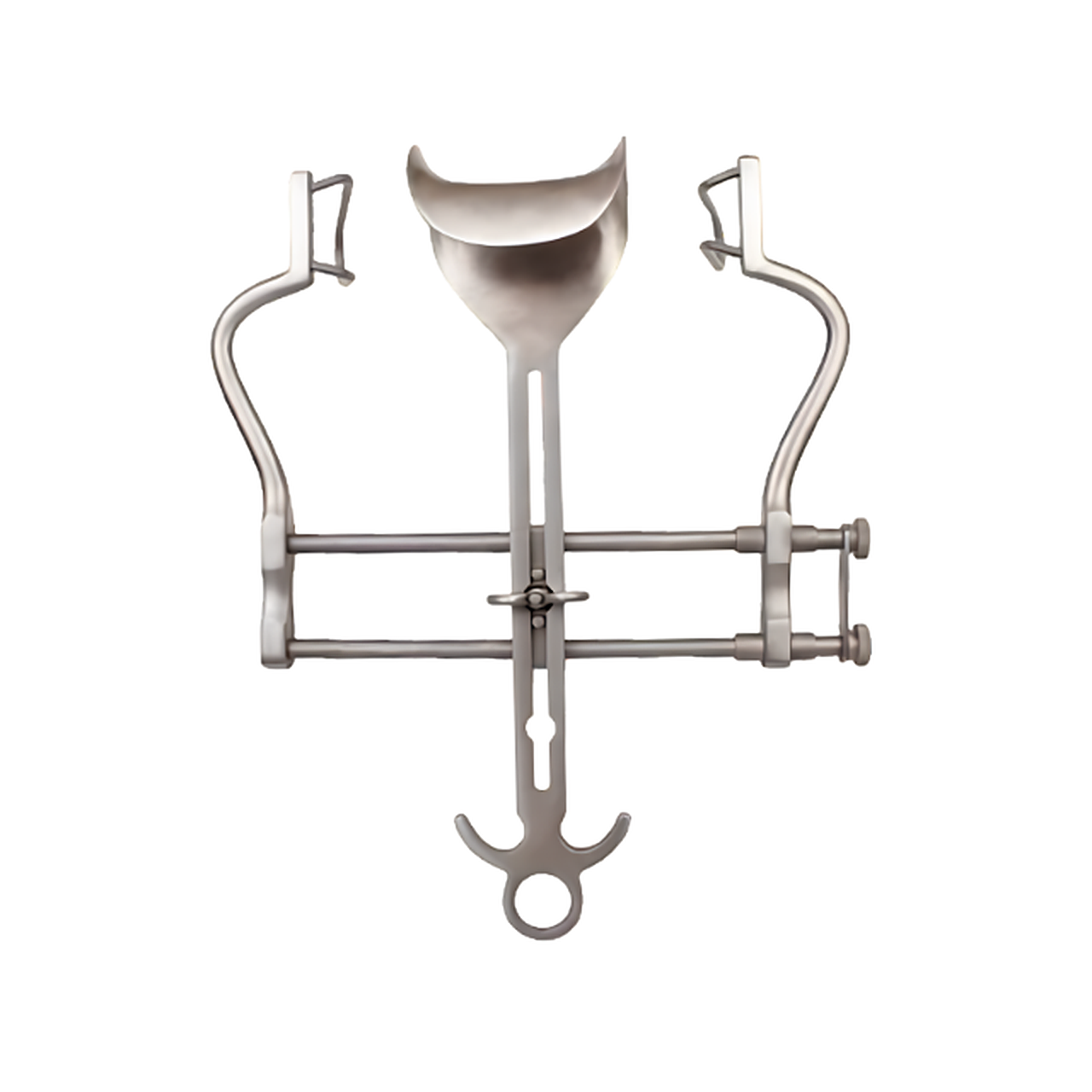
Balfour Retractor
From $299
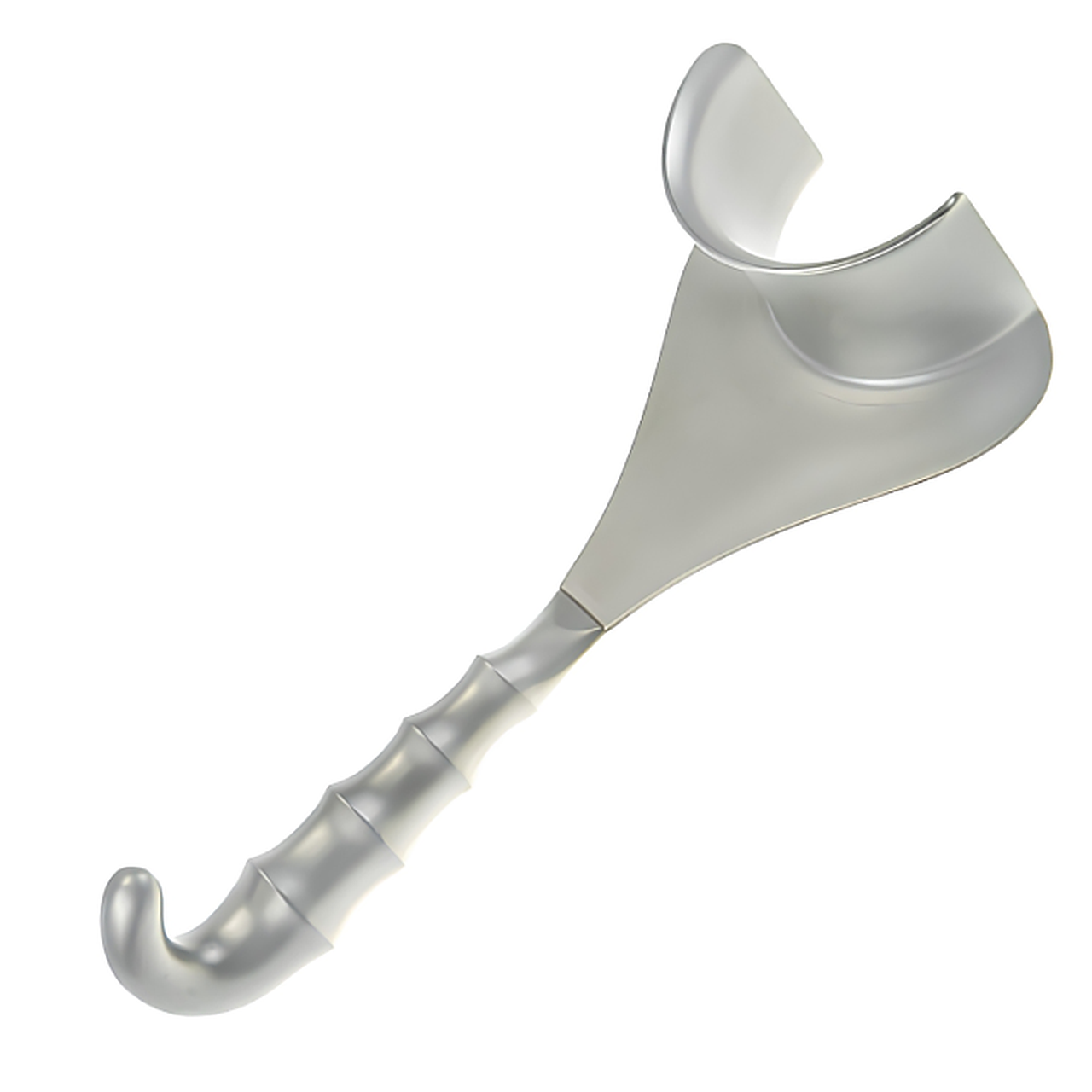
Delee Universal Retractor
$129
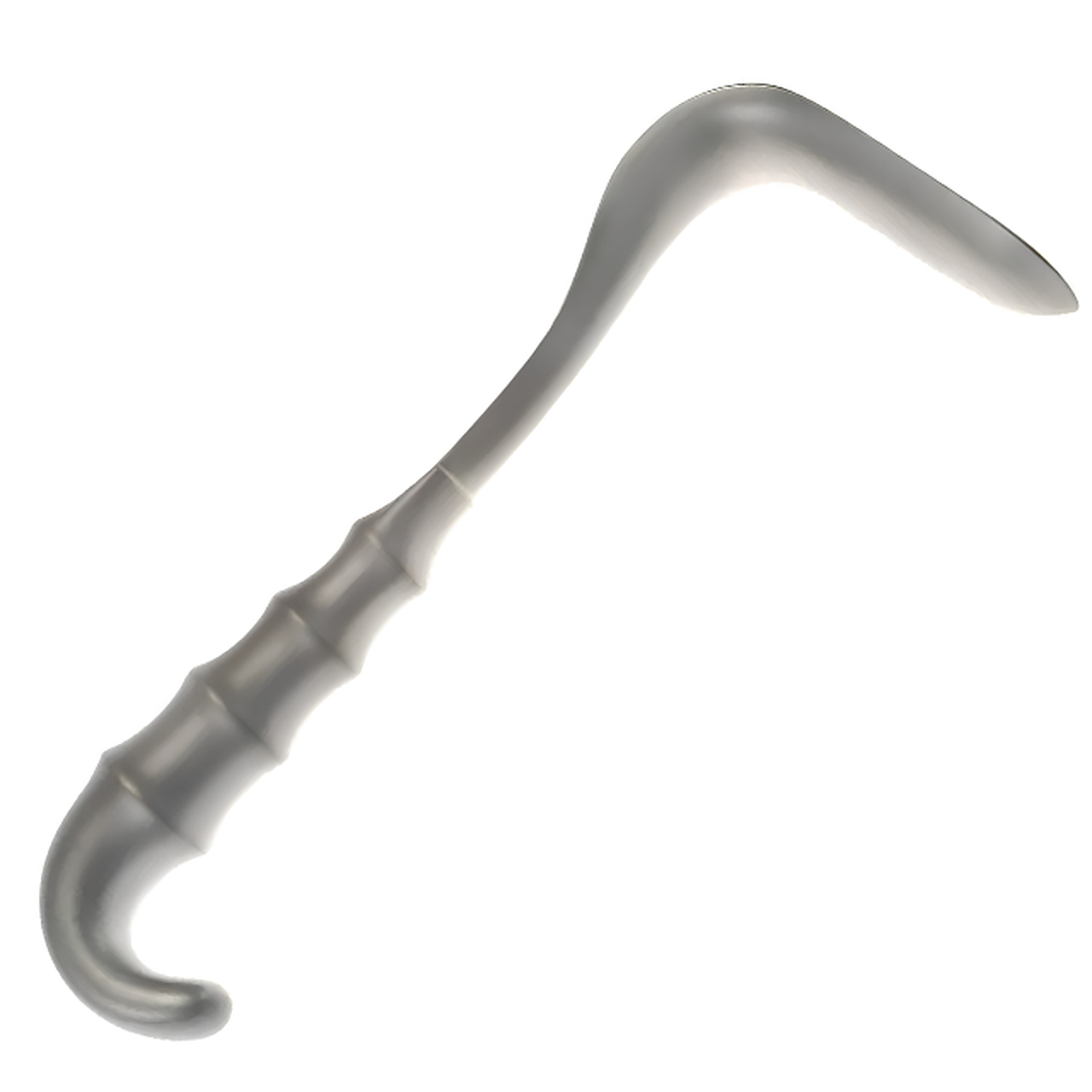
Sims Vaginal Retractor — Hollow Grip Handle
From $89.00
Redundant Nonconductive Wall Retractor
From $99.00
Sims Vaginal Retractor
From $91.00
Gosset Self Retaining Retractor
$349
Need Surgical Retractors or Components?
Tell us what you need, including the product, configuration, quantity and destination country. Retractor Maker can provide availability, specifications and pricing.
Request a Quote