
General Surgery Retractors
Richardson Eastman Retractor: Uses, Design & Buying Guide
Author: Saad Shahid · Updated · 7 min read
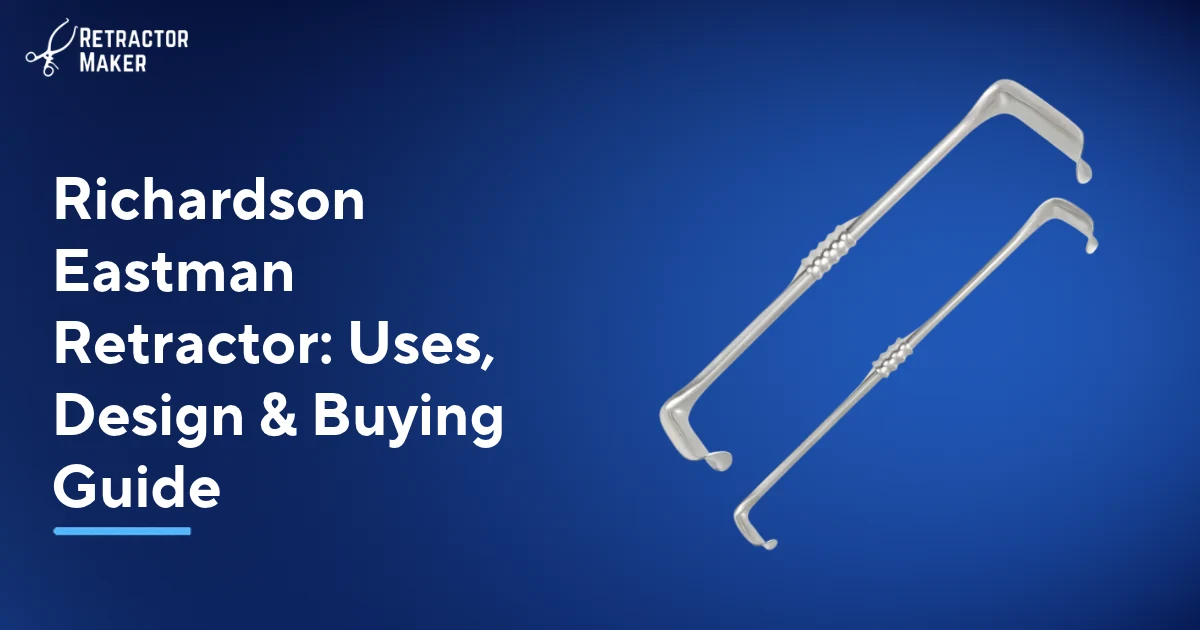
Richardson Eastman Retractor guide to open-surgery uses, double-ended blade design, available lengths, sterilization, and buying from Retractor Maker.
Retractors discussed in this guide: Richardson Eastman Retractor. Browse all surgical retractors.
The Richardson Eastman Retractor is a handheld, double-ended instrument used to retract the abdominal wall, fascia, and viscera at varying depths during open surgery. It provides manual tissue displacement through two distinct right-angled concave blades. For surgeons and OR staff, the main considerations are suitable exposure, controlled pressure, and secure positioning. For hospital buyers, the practical questions include configuration, overall length, packaging, reprocessing requirements, and whether the order calls for an individual instrument or a set.
What is a Richardson Eastman Retractor?
A Richardson Eastman Retractor is an asymmetrical abdominal retractor operated by hand rather than by a self-retaining mechanism. A member of the surgical team maintains its position and adjusts the pull as exposure requirements change. Its double-ended configuration places a working blade at each end of a central handle, allowing the team to select the end that suits the required tissue contact and access.
The instrument's role is exposure, not cutting, grasping, or dissection. Retracting tissue helps the surgeon see and reach the operative field, but the retractor itself does not establish a safe tissue plane. Appropriate selection and continuous observation remain important because a manually held instrument can still apply excessive pressure. Its usefulness depends on both its geometry and the operator's positioning.
What is the Richardson Eastman Retractor used for?
The specified use is retraction of the abdominal wall, fascia, and viscera across varying incision depths during open surgery. This makes open abdominal exposure the central application. In general surgical practice, maintaining a clear view may require moving the abdominal wall or adjacent tissues away from the operative field while the surgeon works.
Open abdominal procedures in general surgery and gynecology may require this kind of manual exposure. Suitability should be determined by the operating surgeon rather than by a specialty label alone. Incision depth, available working space, tissue vulnerability, and the direction of the required pull all affect whether this retractor is appropriate at a particular stage.
- Abdominal wall retraction to support access through an open incision.
- Fascial retraction when deeper structures require exposure.
- Controlled displacement of viscera when clinically appropriate.
- Adjustment of manual exposure as the operative field changes.
How do the blades and handle work?
The defining design is an asymmetric double-ended layout combining two distinct, right-angled concave blades with retaining lips. The concave surfaces provide tissue contact, while the right-angled geometry enables displacement relative to the handle. The retaining lips help maintain engagement, but they do not remove the need to monitor contact pressure and surrounding tissue.
A contoured central ergonomic handle is designed for steady, non-slip manual leverage. Because the instrument is handheld, the assistant must maintain both the chosen direction and an appropriate degree of traction. A stable grip should support controlled exposure rather than encourage stronger pulling when visibility is inadequate.
The listed material is Premium Grade AISI 304/316 Stainless Steel (Non-Magnetic). The instrument is supplied non-sterile and fully autoclavable. These specifications describe the supplied product; they do not establish a particular autoclave cycle or eliminate the need for cleaning, inspection, and validated reprocessing before patient use.
What lengths and ordering variants are available?
Retractor Maker lists the same Richardson Eastman Retractor design in the overall lengths below. The listed values are overall instrument lengths, not blade widths or blade depths. No separate blade measurements are provided, so a longer instrument should not automatically be treated as having a deeper or wider working blade.
| Product and overall length | Design | Typical use | Listed price |
|---|---|---|---|
| Richardson Eastman Retractor — 10 ¼″ | Handheld, asymmetrical double-ended design with right-angled concave blades and retaining lips | Abdominal wall, fascia, and visceral retraction during open surgery | $54.00 |
| Richardson Eastman Retractor — 10 ½″ | Handheld, asymmetrical double-ended design with right-angled concave blades and retaining lips | Abdominal wall, fascia, and visceral retraction during open surgery | $59.00 |
| Richardson Eastman Retractor — 10 ¾″ | Handheld, asymmetrical double-ended design with right-angled concave blades and retaining lips | Abdominal wall, fascia, and visceral retraction during open surgery | $64.00 |
| Richardson Eastman Retractor — 11 ¼″ | Handheld, asymmetrical double-ended design with right-angled concave blades and retaining lips | Abdominal wall, fascia, and visceral retraction during open surgery | $69.00 |
Orders can be configured as a Single instrument or a Set of Two retractors through menu upgrades. Packaging is Individual Protective Packaging (or Set Packaging). Confirm which lengths are included in a selected set and its final price before ordering; the supplied specifications do not identify a fixed set composition or set price.
How should it be positioned during surgery?
Positioning should provide the required exposure with the least necessary tissue pressure. Only trained surgical personnel should use the instrument, under the operating surgeon's direction and local clinical protocols. Select the working end according to the visible anatomy and required contact rather than overall instrument length alone.
- Inspect the processed instrument and confirm that the selected end suits the intended exposure.
- Place the blade under direct visualization, avoiding unintended tissue entrapment.
- Apply controlled traction in the direction requested by the surgeon.
- Monitor the contact area and adjust or release pressure when exposure changes.
- Communicate before repositioning or handing control to another team member.
If the view remains inadequate, reassess blade placement, traction direction, or instrument selection rather than simply increasing force. Keep the unused end clear of unintended tissue contact. Retraction of vulnerable structures requires particular care, and any change in tissue appearance or concern about pressure should prompt immediate reassessment by the surgical team.
How should it be cleaned and sterilized?
The Richardson Eastman Retractor is supplied non-sterile and must undergo appropriate processing before surgical use. Protective packaging is not evidence of sterility. Although the instrument is fully autoclavable, the product information does not specify cycle temperature, exposure time, detergent selection, or drying parameters. Obtain the manufacturer's reprocessing instructions and use validated facility procedures.
Cleaning must precede sterilization because residual soil can interfere with effective processing. Follow approved procedures for handling contaminated instruments, removing soil, rinsing, drying, and inspection. Pay attention to the concave blade surfaces, retaining lips, and transitions between the working ends and handle. These areas should be visibly clean before the instrument advances through reprocessing.
Inspect for damage, deformation, surface deterioration, and other defects that could compromise use or cleaning. Remove questionable instruments from service for assessment. Package and sterilize according to compatible, validated instructions, and store processed instruments under the facility's sterile-storage controls. Do not substitute a generic steam cycle for product-specific guidance.
How do you choose and buy from Retractor Maker?
Choose the retractor by matching the clinical exposure requirement with confirmed dimensions and the preferred ordering configuration. Ask for blade dimensions if width or depth is important to your tray specification. Overall length alone is insufficient for comparing working ends or confirming equivalence with an existing hospital instrument.
Retractor Maker is a surgical retractor manufacturer and exporter in Sialkot, Pakistan, offering wholesale supply, OEM services, and worldwide shipping. This product is listed as Brand New, with a minimum order quantity of 1 Piece (or 1 Set). Buyers should confirm the selected length, quantity, packaging configuration, and current quotation before purchase.
For hospital tenders or OEM enquiries, submit the required specifications and request confirmation of any requirements beyond the published listing. Clarify documentation needs, reprocessing instructions, lead time, shipping arrangements, and set contents. This separates established product specifications from details that need supplier agreement and helps procurement teams order consistently.
Clinical notice: This guide is for surgical teams and hospital buyers. Always follow the manufacturer's instructions for use (IFU) and your hospital's sterilization rules before clinical use.
Frequently Asked Questions
What is a Richardson Eastman Retractor used for?
A Richardson Eastman Retractor is used to retract the abdominal wall, fascia, and viscera at varying depths during open surgery. Its purpose is to provide exposure through manual tissue displacement. The operating surgeon determines suitability according to the incision, tissue condition, available space, and required direction of retraction.
Is the Richardson Eastman Retractor self-retaining?
The Richardson Eastman Retractor is handheld, not self-retaining. A surgical team member maintains its position and adjusts traction as directed by the surgeon. Its contoured central handle is designed for steady, non-slip manual leverage, but safe exposure still requires monitoring tissue contact and reassessing pressure throughout use.
What sizes does the Richardson Eastman Retractor come in?
The listed overall lengths are 10 ¼″, 10 ½″, 10 ¾″, and 11 ¼″. These measurements describe the whole instrument rather than individual blade dimensions. Buyers who need a particular blade width or depth should request confirmation from Retractor Maker before selecting a length or matching an existing tray specification.
Can the Richardson Eastman Retractor be autoclaved?
The Richardson Eastman Retractor is fully autoclavable and is supplied non-sterile. It requires appropriate processing before surgical use, including cleaning before sterilization. The supplied product information does not state cycle parameters, so obtain the manufacturer's reprocessing instructions and follow validated facility procedures rather than assuming a standard cycle is suitable.
What material is the Richardson Eastman Retractor made from?
The listed material is Premium Grade AISI 304/316 Stainless Steel (Non-Magnetic). Material identification does not replace the need for compatible cleaning methods, inspection, and validated sterilization. Hospital buyers with additional material documentation requirements should request confirmation before ordering rather than infer certifications or performance claims from the material description.
Can I order a Richardson Eastman Retractor set?
The Richardson Eastman Retractor is available as a Single instrument or a Set of Two retractors through menu upgrades. The minimum order quantity is 1 Piece (or 1 Set). Confirm the lengths included, final set price, and packaging with Retractor Maker because the listing does not specify a fixed set composition.
About the author
Saad Shahid · Sales & Marketing Manager
Saad Shahid is the Sales & Marketing Manager and founder of Retractor Maker, started in 2023 in Sialkot, Pakistan. He also works with his father at Hospitech Traders, the family surgical instrument business founded in 1989.
Related Blogs & Guide

Related Retractors
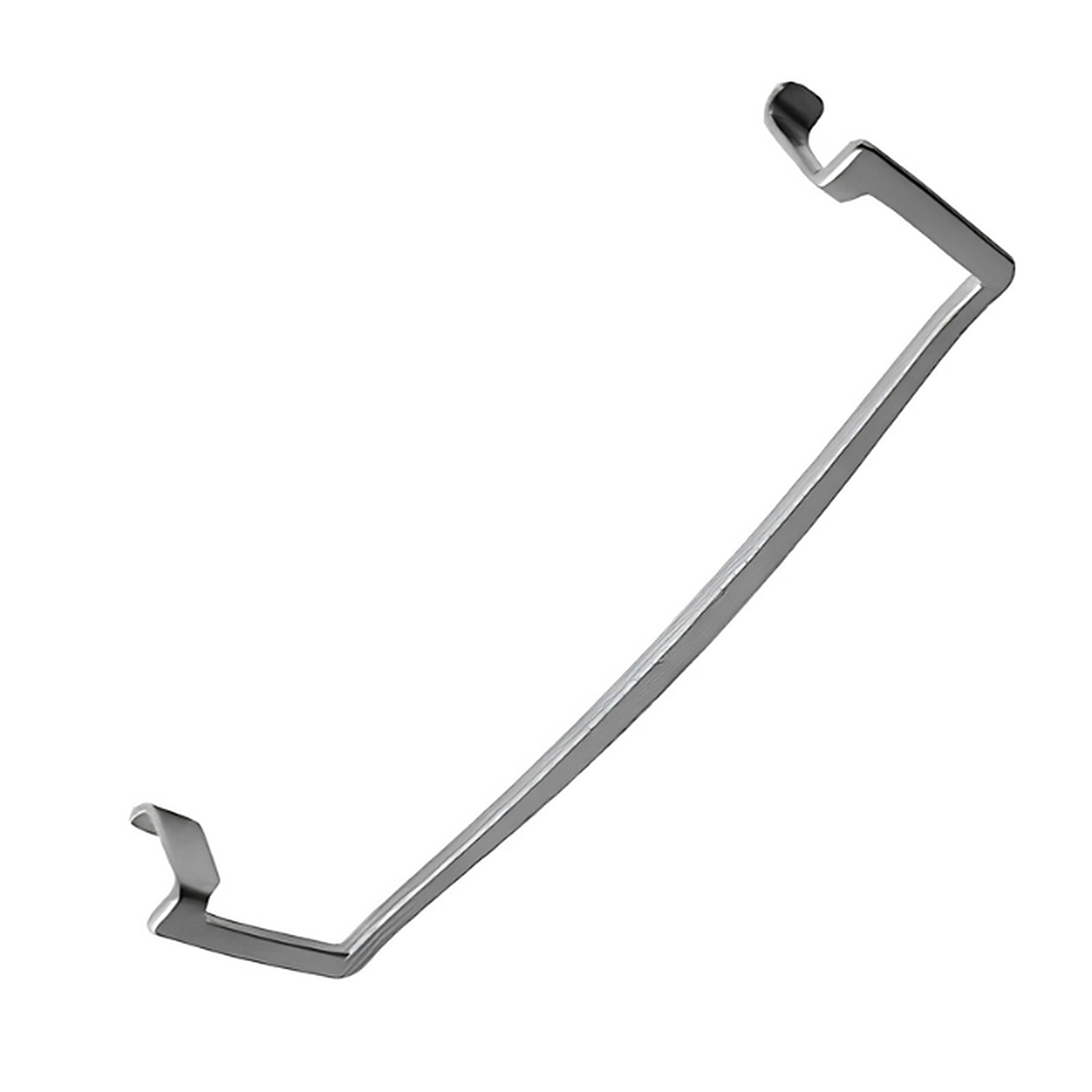
Senn Forward Retractor
$49.00
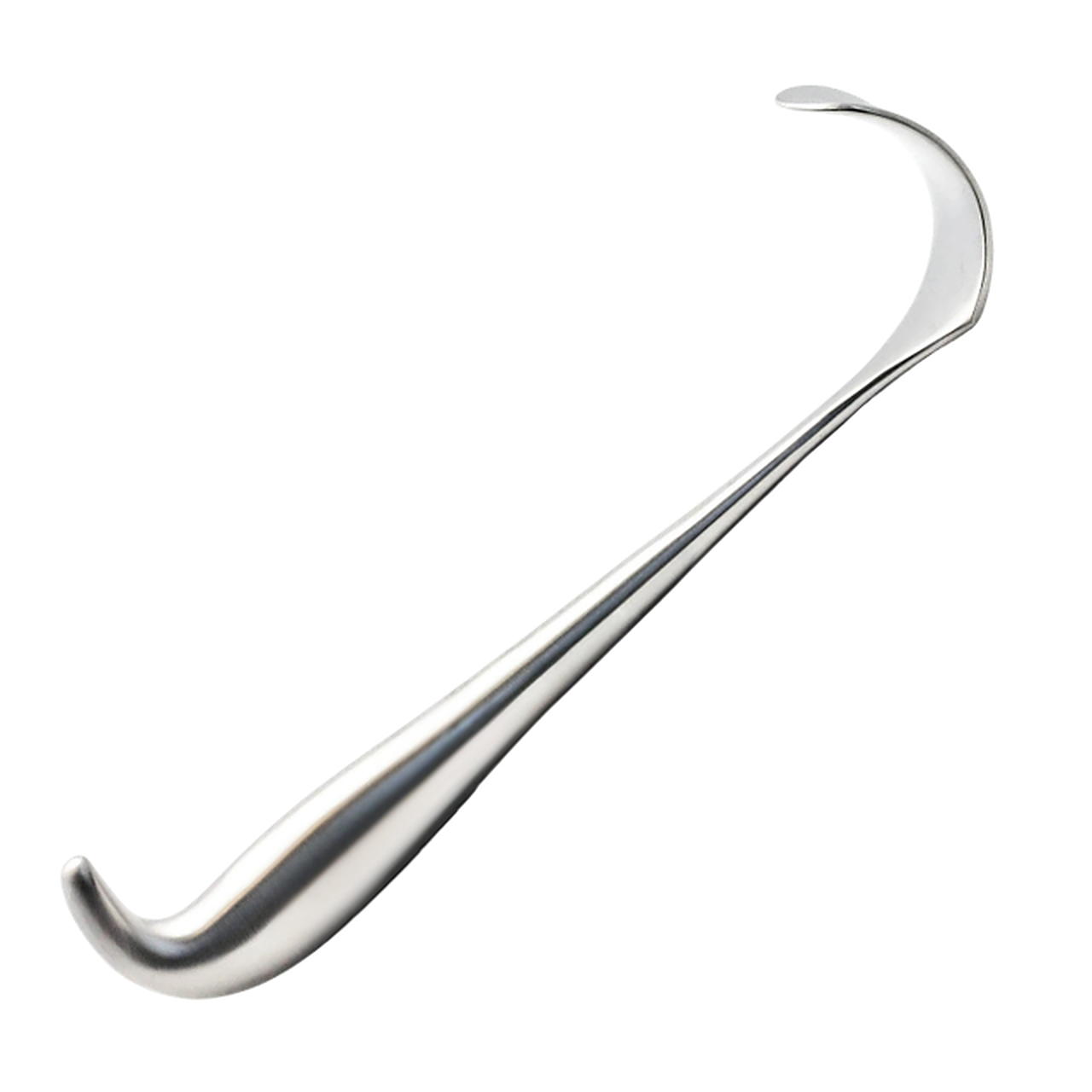
Brewster Retractor
From $159
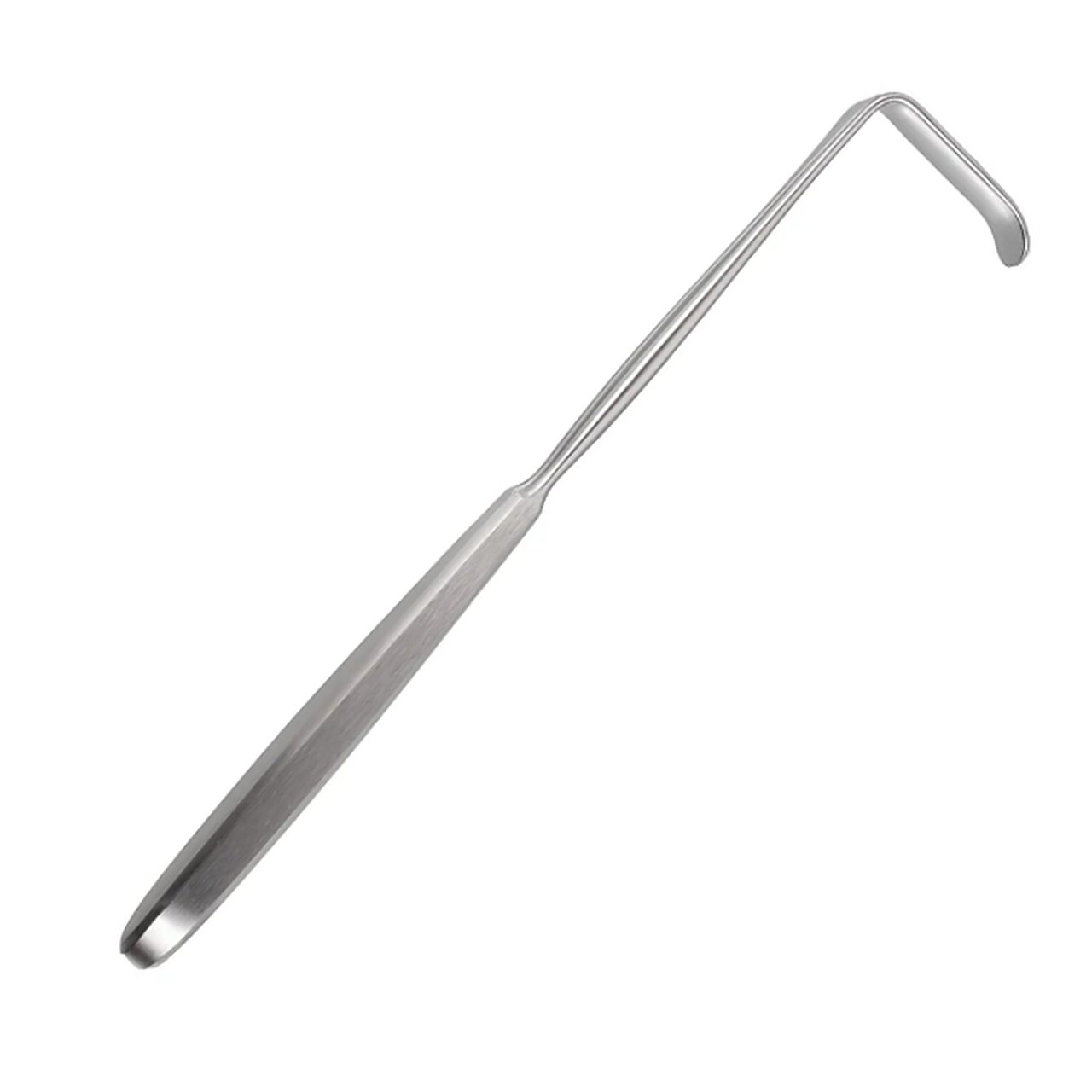
Langenbeck Retractor-Solid Handle
$49.00
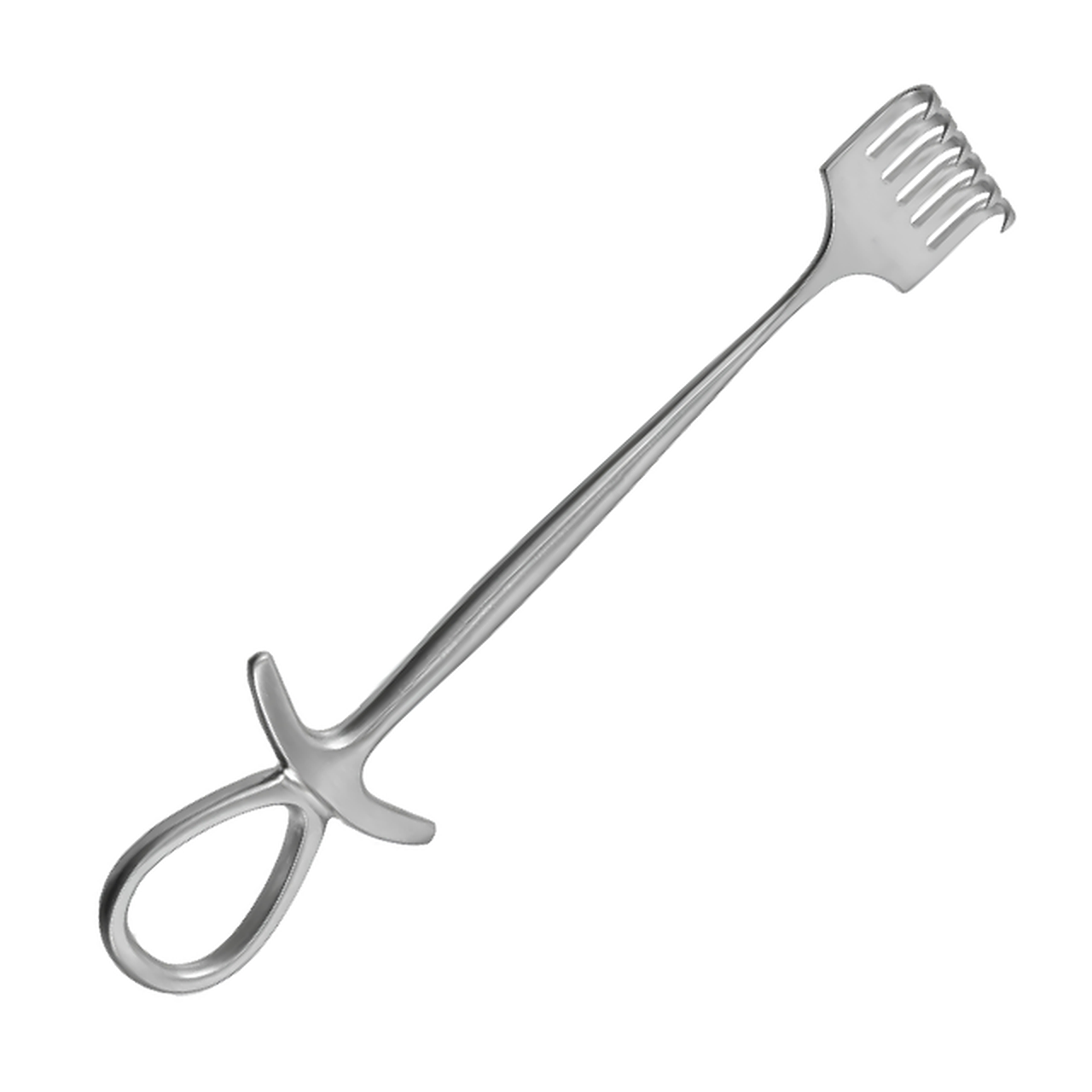
Murphy Retractor
From $44.00
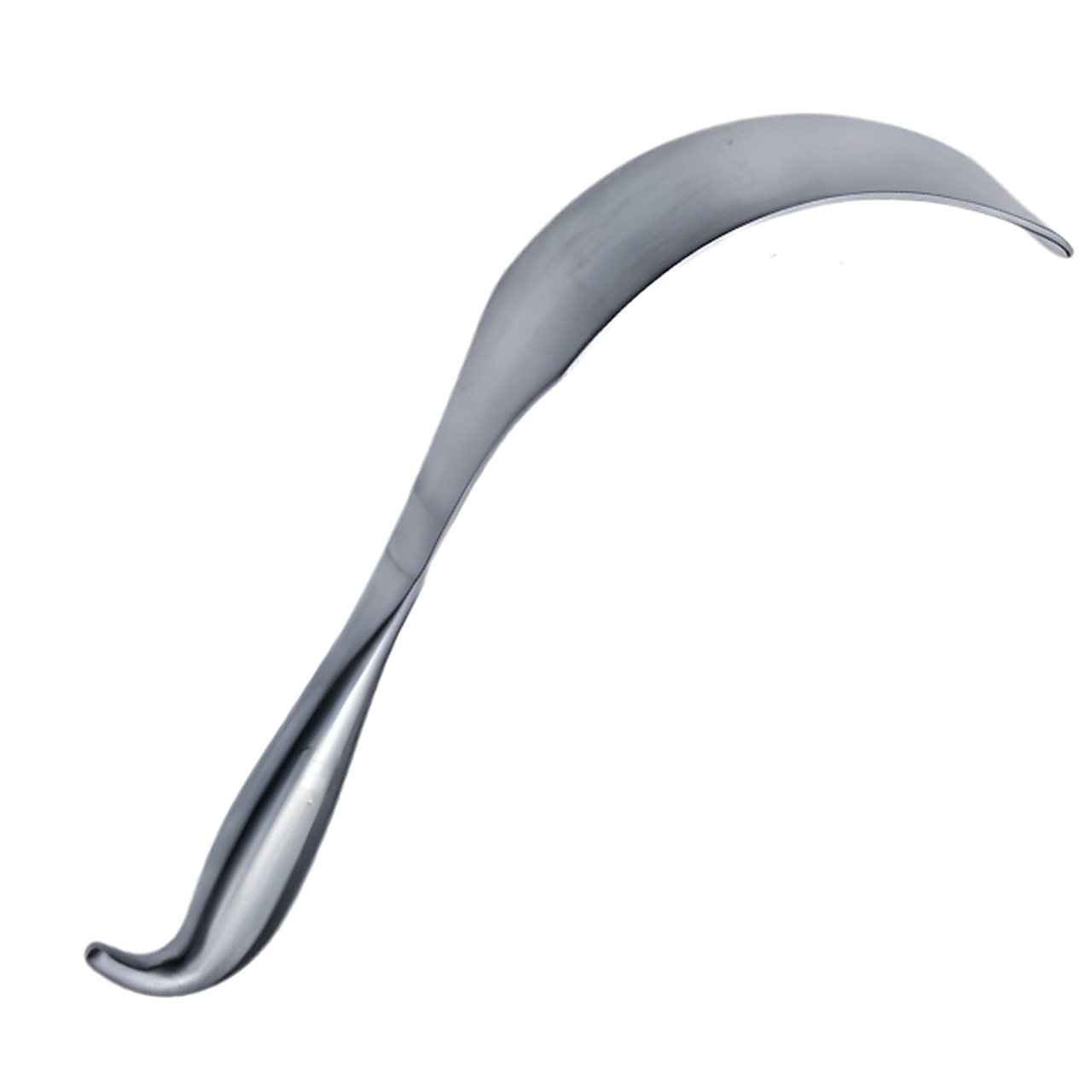
Leriche Retractor-Atraumatic Wide Blade
From $94.00
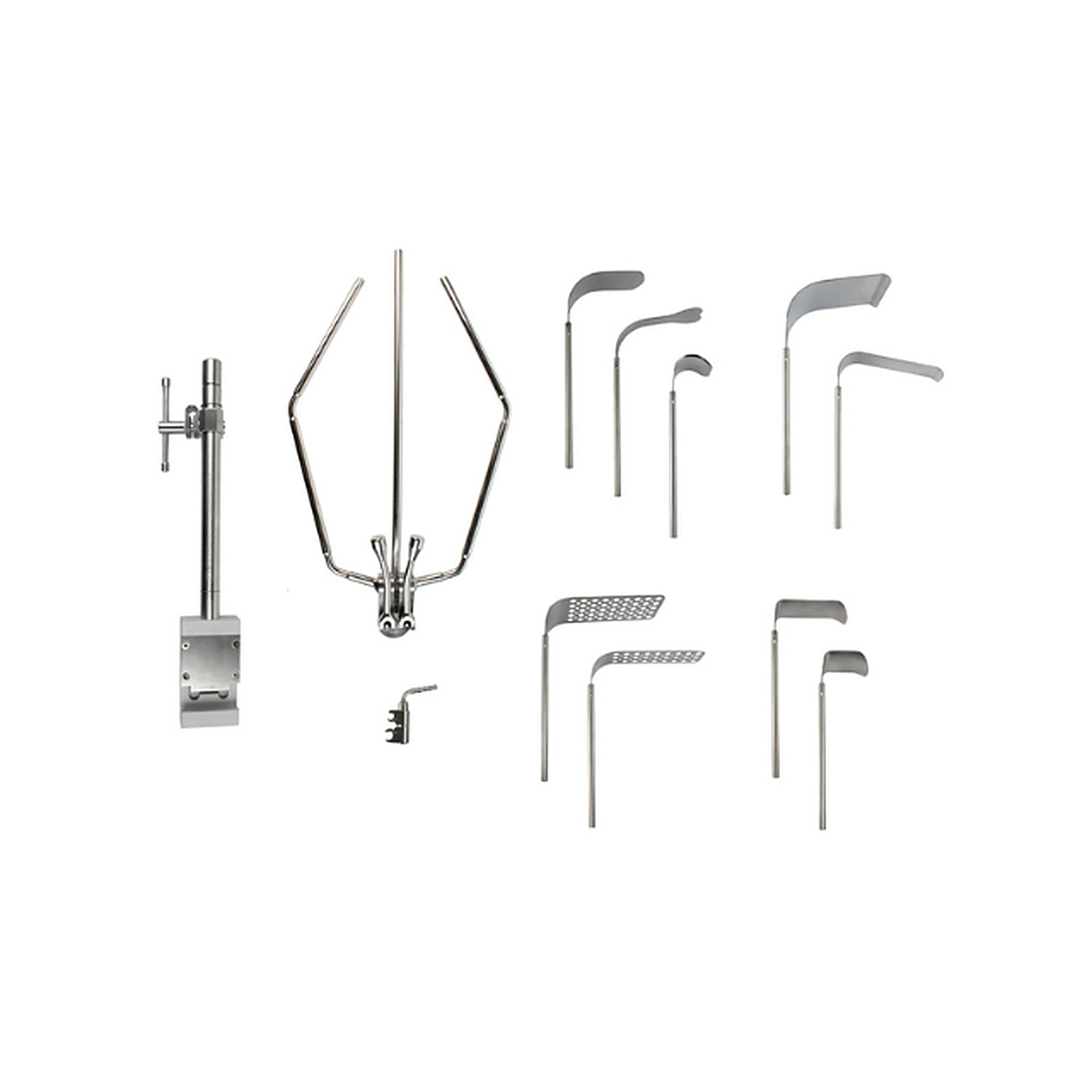
Lobster General Retractor System
$2,699Free Shipping
Need Surgical Retractors or Components?
Tell us what you need, including the product, configuration, quantity and destination country. Retractor Maker can provide availability, specifications and pricing.
Request a Quote