
Surgical Retractor Guides
What is the Thompson Retractor? Setup, Components & Uses
Author: Saad Shahid · Updated · 8 min read

The Thompson Retractor is a modular, table-mounted system designed for stable, hands-free exposure during open procedures. This guide explains its history, components, setup, blade options, clinical uses, and maintenance.
Retractors discussed in this guide: Thompson Retractor System. Browse all surgical retractors.
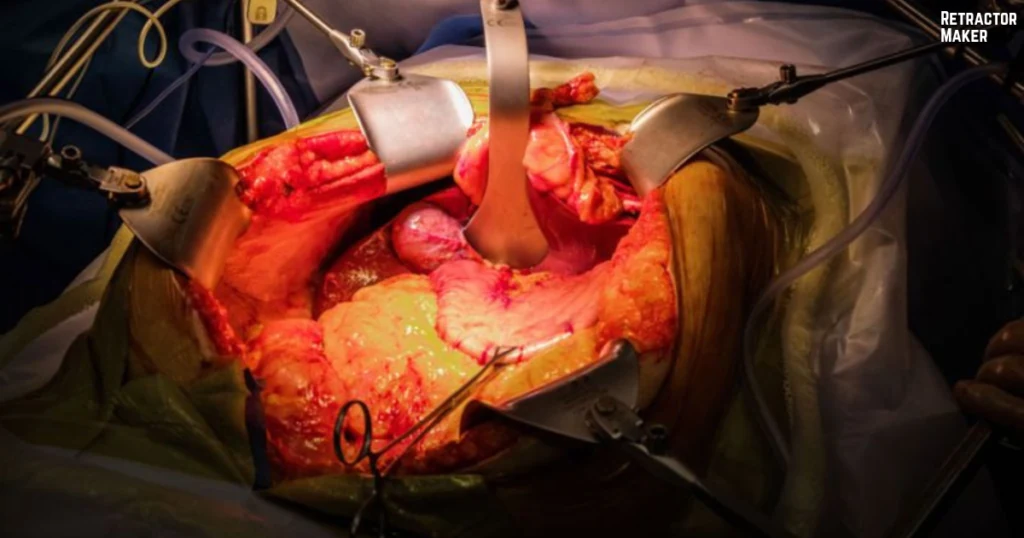
The Thompson retractor is a modular, table-mounted, self-retaining system that provides stable, hands-free surgical exposure during complex open procedures. It mounts directly to operating table rails, creating a rigid frame that holds tissue margins and organs in place without constant manual retraction. This stability is critical during long surgeries in the abdomen, pelvis, and thorax. This guide covers its history, assembly, and clinical applications.
Contents
What Is a Thompson Retractor?
A Thompson retractor is an exposure system that uses the operating table as an anchor for surgical blades. Handheld tools require an assistant to pull back tissue. Smaller frames rely on the patient’s body for support. The Thompson system is independent of both.
It gives surgeons an open, stable surgical field. Its modular design adjusts to almost any patient body type, from pediatric cases to deep abdominal procedures in bariatric patients.
How Did the Thompson System Develop?
The Thompson system was developed to address assistant fatigue and inconsistent manual retraction. For decades, holding retractors was a primary task for junior surgical staff. This work was physically draining. When an assistant tired, the device could shift, obstructing the surgeon’s view or placing unwanted pressure on delicate tissue. The Thompson system automated this task to keep the surgical field open and consistent throughout the operation.
Why Was Table-Mounted Retraction Developed?
The system was developed for three priorities: surgical stability, assistant efficiency, and optimal exposure. Securing blades to operating table rails provides deep, wide, steady exposure that a human hand cannot maintain for several hours. The surgeon and assistant can focus on the procedure rather than maintaining access to the surgical site.
What Are the Main Thompson Retractor Components?
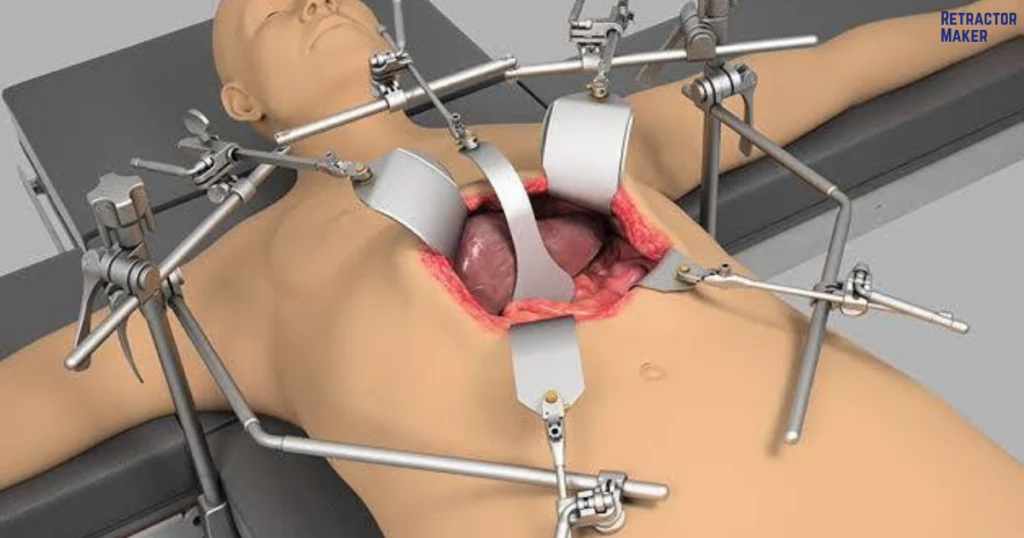
The Thompson system consists of modular metal components that assemble into a secure frame over the patient.
How Does Each Component Work?
- Elite Rail Clamps: Heavy-duty clamps attach to both operating table side rails, forming a foundation that keeps the frame stationary during surgery.
- Double Angled and Lateral Arms: Connect to the clamps and extend toward the patient, clearing the surgical site while supporting the rest of the frame.
- Bilateral Crossbar: Arches over the patient’s abdomen or chest and provides horizontal support for blade mounting.
- Cam Clip-Ons: Quick-release clips slide onto the crossbar, allowing blade placement anywhere along the frame.
- Micro-Adjustable Handle: A key system feature with a dial for precise, incremental blade tension, holding tissue in the required position.
- Interchangeable Blades: Tissue-contacting metal plates in various sizes and shapes for different organs and incision types.
Product Component Specifications
| Quantity | Component | Dimensions |
|---|---|---|
| 2 | Elite Rail Clamp | 22″ |
| 1 | Double Angled Arm | 22″ (7″ × 9″ × 7″) |
| 1 | Lateral Angled Arm | 19″ (12″ × 7″) @ 45° (⅜″) |
| 2 | Lateral Angled Arms | 17″ (10″ × 7″) @ 45° (⅜″) |
| 1 | Bilateral Crossbar (Hinged) | 34″ (11½″ × 8½″ × 11½″) |
| 3 | Cam Clip-On | — |
| 1 | Micro-Adjustable Handle | 10″ |
| 3 | Balfour Blades with Lips | 83 × 73 mm, 83 × 123 mm, 83 × 175 mm |
| 3 | Wide Balfour Interchangeable Blades | — |
| 1 | Harrington (Sweetheart) Blade | 114 × 254 mm (4½″ × 10″) |
| 9 | Kelly Interchangeable Blades | 3″ × 3½″ |
| 1 | Malleable Interchangeable Blade Set | 25 × 190 mm, 51 × 254 mm, 76 × 254 mm, 102 × 254 mm |
| 2 | St. Marks Interchangeable Blades | 51 × 152 mm (2″ × 6″) |
| 1 | Wooden Storage Box | — |
Step-by-Step Setup Guide
Setup requires careful attention to frame security and positioning before surgery begins.
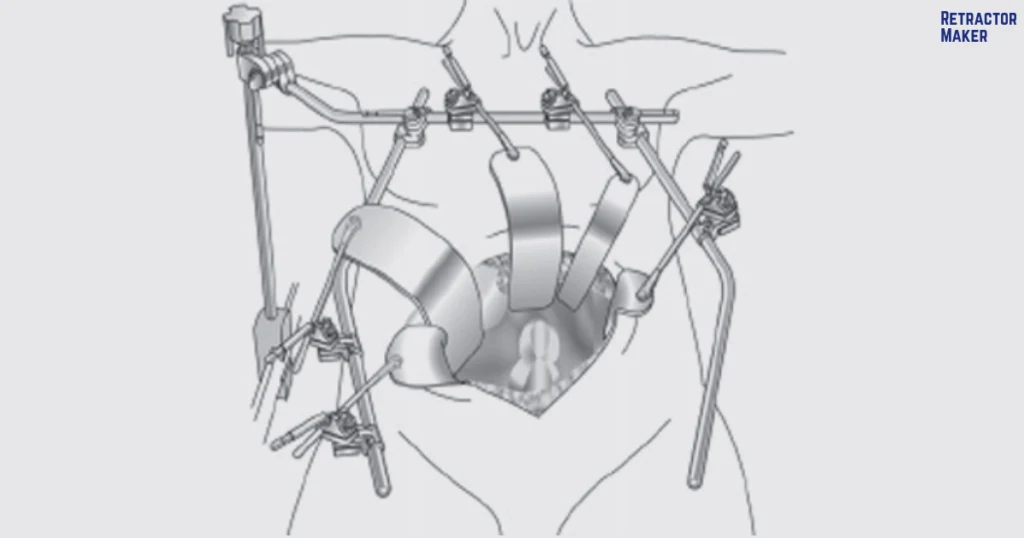
How Do You Assemble the Thompson Retractor?
- Clamp Attachment: Secure the two Elite Rail Clamps to the operating table side rails near the patient’s torso.
- Arm Positioning: Insert the vertical arms into the clamps. Adjust their angle to reach the surgical field level.
- Crossbar Installation: Attach the bilateral hinged crossbar to the vertical arms. Keep it level and arching safely over the patient.
- Cam Clip Placement: Slide the required number of Cam Clip-Ons onto the crossbar.
- Blade Attachment: Connect blades to the micro-adjustable handles or direct clips, then insert them into the surgical incision.
- Final Tensioning: Use the micro-adjustable handles to set the exact tension needed for optimal exposure.
How Do Surgeons Adjust Surgical Exposure?
Surgeons use the Thompson system for hands-free exposure. After locking the frame in place, the surgeon adjusts the micro-handles to pull back wound edges. To shift retraction slightly left or right, the surgeon slides the Cam Clip-On along the crossbar without removing the entire blade. This flexibility suits procedures where the surgical focus shifts during the operation.
Which Surgical Procedures Use This System?
The Thompson system supports a wide range of procedures. It is often a central system for teams selecting General Surgery Retractors or specialized instruments.
| Procedure Type | Typical Applications |
|---|---|
| General Surgery | Exploratory laparotomy, bowel resection, bariatric surgery |
| Urology | Nephrectomy, prostatectomy, ureteral surgery, kidney transplantation |
| Gynecology | Total abdominal hysterectomy, pelvic mass removal |
| Colorectal Surgery | Low anterior resection, colectomy |
| Hepatobiliary Surgery | Liver resection, cholecystectomy |
| Vascular Surgery | Abdominal aortic aneurysm repair |
| Trauma Surgery | Damage control laparotomy |
Surgical Specialties
- General Surgery
- Urology [ Link to Urology Retractors Category Page ]
- Gynecology [ Link to Obstetrics & Gynecology Retractors Category Page ]
- Colorectal Surgery
- Vascular Surgery
- Transplant Surgery
What Are the Advantages of the Thompson System?
The Thompson system’s primary advantage is independent support. It does not rely on the patient’s body, making it much more stable than other types of retractors. Surgeons can customize its modular frame for each case. The arms can extend for an obese patient, while the crossbar can narrow for exposure in a confined area. This adaptability makes it a frequent choice in busy operating rooms.
What Setup Limitations Should OR Staff Consider?
The Thompson retractor is highly effective but requires setup time and trained operating room staff to avoid assembly delays. Its table-mounted arms must be positioned carefully. They should not interfere with the surgeon’s movement or other equipment, including C-arm fluoroscopy machines.
Which Blades and Accessories Are Available?
Retractor Maker offers blade shapes matched to the tissue being held. Blades are the system’s most important patient-contacting components:
- Balfour Blades: Well suited to broad muscle walls.
- Harrington Blades: Designed to retract liver or viscera without injury.
- Kelly Blades: Standard blades for general tissue management.
- Malleable Blades: Bend into custom curves to accommodate irregular shapes.
How Is the System Cleaned and Sterilized?
High sterilization standards are mandatory because these retractors are used in deep-cavity surgeries.
- Disassembly: Separate all clamps, arms, and blades before cleaning.
- Enzymatic Cleaning: Use neutral-pH enzymatic detergents to break down blood and tissue residue.
- Autoclave: The system is fully compatible with steam autoclave sterilization. Dry all components completely before packaging to prevent water spotting.
- Inspection: Regularly check gears on the cam clips and micro-adjustable handles for smooth operation and full functionality.
Why Do Hospitals Choose Thompson Retractor Systems?
Hospitals choose the Thompson system for durability and versatility. Instead of buying dozens of different retractors for different specialties, a hospital can purchase one Thompson kit and swap blades as needed. This reduces inventory management and keeps the surgical team working with a familiar system.
Why Buy Directly from Retractor Maker?
Retractor Maker specializes in designing and manufacturing high-performance surgical retractor systems. We focus on surgical retractors rather than producing a broad range of general instruments.
- Expert Manufacturing: Our Pakistan facility uses Premium Grade AISI 304/316 Stainless Steel (Non-Magnetic) so every arm and clamp withstands years of heavy use.
- Quality control: Every component is inspected for fit, finish, and mechanical function before leaving our factory.
- Direct sourcing: Buying directly from us removes the middleman, providing competitive pricing and a transparent supply chain.
- Efficient shipping: Our workforce of 50+ employees maintains a production lead time of 12–16 days.
- Global support: We have helped 500+ satisfied customers worldwide get the equipment they need, when they need it.
What does the Thompson retractor system offer surgical teams?
The Thompson retractor system is a modular, table-mounted system that holds surgical incisions open for stable, adjustable, hands-free exposure. It remains a cornerstone of effective surgical exposure in modern operating rooms. It supports general, urological, and gynecological surgery. Investing in a high-quality modular system helps surgical teams work with greater efficiency and focus.
Retractor Maker can help you upgrade your surgical inventory or source equipment for your hospital or distribution network. Contact us if you need a reliable manufacturer.
Equip your surgical team by exploring our instrumentation or requesting a direct quote.
- Explore our full range of instruments: Products
- Get a direct price quote: Request a Quote
- Ask technical questions: Contact Us
Clinical notice: This guide is for surgical teams and hospital buyers. Always follow the manufacturer's instructions for use (IFU) and your hospital's sterilization rules before clinical use.
Frequently Asked Questions
What is a Thompson retractor?
The Thompson retractor is a modular, table-mounted system that holds surgical incisions open for hands-free exposure during open procedures. Its stable, adjustable design supports surgical access in general, urological, and gynecological procedures in modern operating rooms.
Is the Thompson retractor system table-mounted?
Yes, it clamps directly to the operating table side rails for maximum stability.
Does the kit come with a storage box?
Yes, our standard kit includes a custom wooden storage box for organization.
Are the blades interchangeable?
Yes, all blades in the set can be swapped to suit the specific procedure.
Is the system made of stainless steel?
Yes, we use Premium Grade AISI 304/316 Stainless Steel (Non-Magnetic) for long-term durability.
Can the system be used for urology?
Yes, it is widely used in nephrectomy and prostatectomy.
Is the system autoclavable?
Yes, the entire system is fully compatible with hospital steam autoclave processes.
What is the manufacturing lead time for an order?
Our average manufacturing lead time is 12–16 days.
Are custom blade modifications available?
Yes, we provide OEM and custom manufacturing services to meet specific surgical needs.
How many employees are on the manufacturing team?
We have a dedicated workforce of 50+ skilled employees.
Have you supplied other hospitals?
Yes, we have served over 500 satisfied customers globally.
Is the system suitable for bariatric surgery?
Yes, the modular arms can be configured to fit larger body types safely.
How is retraction adjusted with the Thompson retractor?
Thompson retractor adjustment uses micro-adjustable handles to set blade tension and Cam Clip-Ons to change blade position along the crossbar. A dial on the handles provides precise, incremental tension. The clips let staff shift the retraction site without removing the entire blade.
What setup considerations apply to the Thompson retractor?
Thompson retractor setup requires trained operating room staff and careful positioning to keep frame arms clear of surgical movement and other equipment. Assembly takes time. The guide specifically highlights the need to accommodate equipment such as C-arm fluoroscopy machines.
How should Thompson retractor components be cleaned and inspected?
Thompson retractor clamps, arms, and blades must be separated before cleaning with neutral-pH enzymatic detergents to remove blood and tissue residue. Dry components completely before packaging. Regularly check the gears on cam clips and micro-adjustable handles for smooth, fully functional operation.
About the author
Saad Shahid · Sales & Marketing Manager
Saad Shahid is the Sales & Marketing Manager and founder of Retractor Maker, started in 2023 in Sialkot, Pakistan. He also works with his father at Hospitech Traders, the family surgical instrument business founded in 1989.
Related Blogs & Guide



Related Retractors
Gifford-Jansen Retractor
From $84.00
Hajek Cheek Retractor
$24.00
Lip And Cheek Retractor
$49.00
Bellucci Endaural Retractors
From $174
Aufricht Nasal Retractor
From $59.00
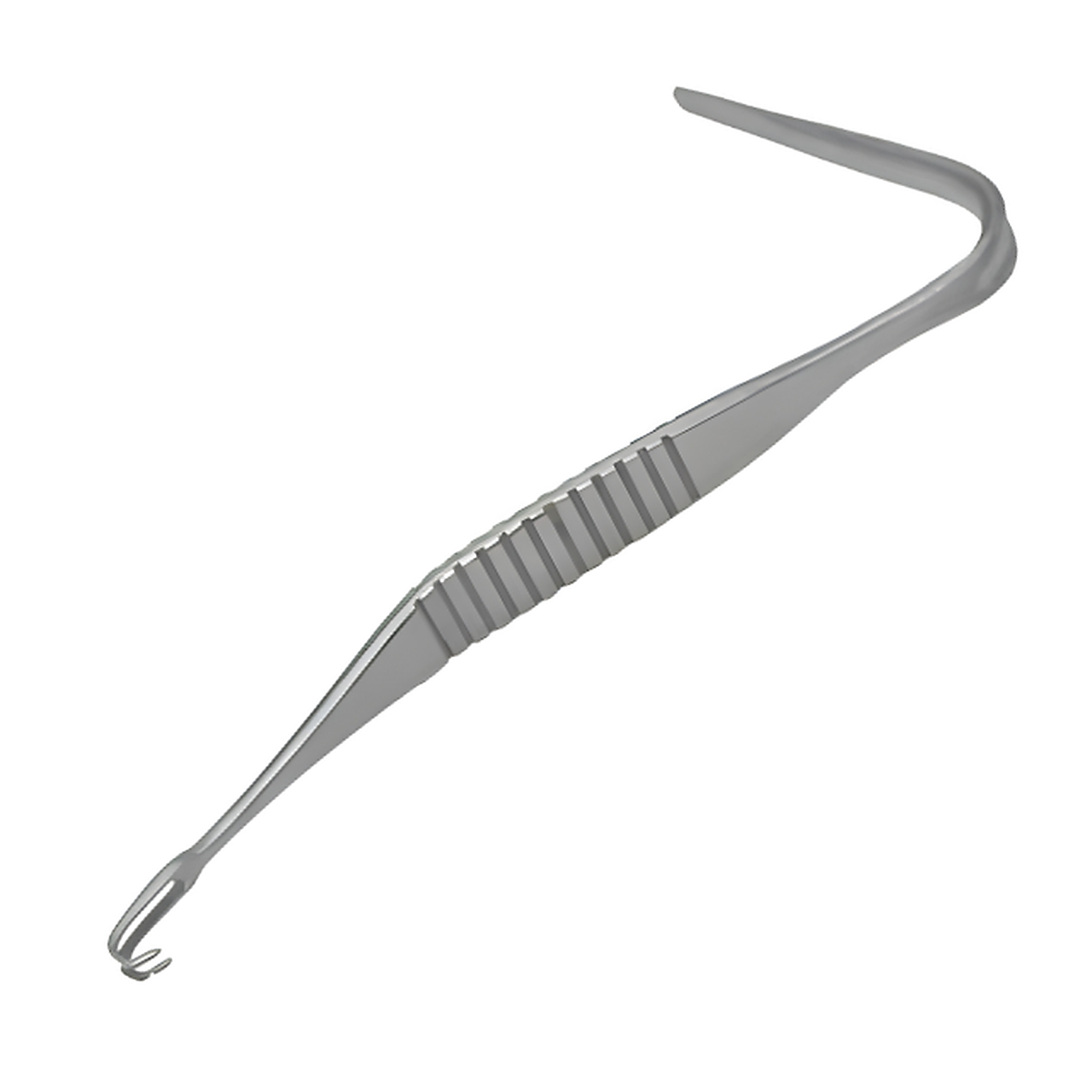
Aufricht Walter Nasal Retractor
$69.00
Need Surgical Retractors or Components?
Tell us what you need, including the product, configuration, quantity and destination country. Retractor Maker can provide availability, specifications and pricing.
Request a Quote