
General Surgery Retractors
Abdominal Retractor: Uses, Types, Sizes & Selection
Author: Saad Shahid · Updated · 8 min read
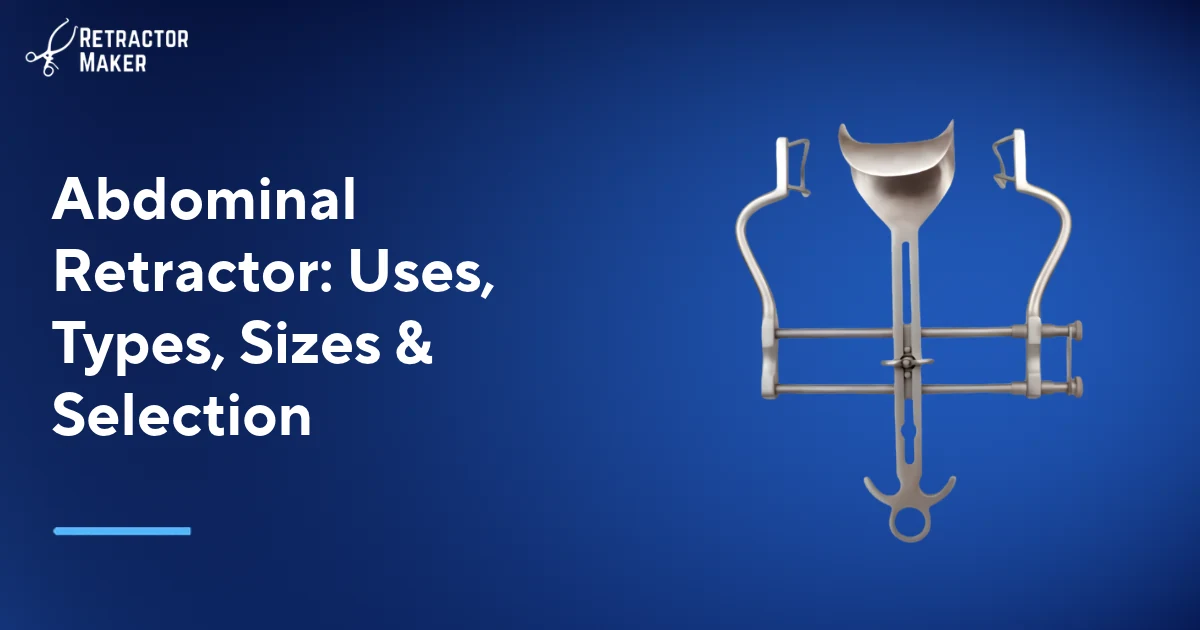
Compare abdominal retractor types, blade designs, sizes, and care requirements for open surgery, with wholesale and OEM purchasing from Retractor Maker.
Retractors discussed in this guide: Doyen Abdominal Retractor, Mayo Abdominal Retractor, Ricard Abdominal Retractor, Saldanha-Solz Abdominal Retractor. Browse all surgical retractors.
An abdominal retractor is a surgical instrument used to hold the abdominal wall, wound edges, or internal tissues away from an operative site. It helps the surgical team maintain visibility and access during open procedures. Choosing a suitable model involves matching blade geometry, working depth, and retraction method to the tissues being displaced. This guide compares handheld and self-retaining instruments from Retractor Maker for surgeons, operating room staff, and hospital purchasing teams.
What is an abdominal retractor?
An abdominal retractor provides exposure by displacing tissue rather than cutting or grasping it. A handheld model requires a surgeon or assistant to maintain its position and traction. A self-retaining model uses a frame and locking mechanism to maintain separation without continuous manual holding. Both approaches require observation of tissue contact and adjustment as the operation progresses.
The instrument name alone does not establish suitability. A curved blade used for deep soft-tissue displacement behaves differently from a right-angled blade supporting an abdominal wall edge. Similarly, a frame that maintains wound separation does not remove the need for careful blade placement or ongoing assessment of the exposed tissues.
What is an abdominal retractor used for?
Abdominal retractors are used to expose operative structures during open abdominal and pelvic surgery. The listed instruments cover abdominal wall retraction, displacement of viscera, and support of fascia or muscle layers. Selection should follow the intended tissue target and exposure requirement, rather than treating every abdominal retractor as interchangeable.
- Open laparotomy: Doyen Abdominal Retractor supports retraction of the abdominal wall, visceral organs, and pelvic musculature.
- Open general and gynecological surgery: Doyen Retractor displaces the abdominal wall and protects viscera.
- Abdominal wall and fascial exposure: Richardson designs support manual retraction, including access at varying incision depths.
- Deep tissue exposure: Deaver Retractor Thin Handle retracts soft tissue, visceral organs, and muscle during abdominal and orthopedic procedures.
- Open laparotomy and pelvic exposure: Balfour designs maintain self-retaining soft-tissue retraction.
- Pediatric, neonatal, and small-incision laparotomy: Balfour Baby Self Retaining Retractor provides a compact frame-based option.
How do blade design and instrument parts affect exposure?
Blade shape determines how a retractor contacts and displaces tissue. Doyen instruments use wide, curved blades, while the Deaver model has a deeply curved anatomical hook blade. Richardson instruments use right-angled concave blades with retaining lips. Rounded edges and broad contact surfaces support controlled retraction, but no blade design eliminates injury from excessive pressure or unsuitable placement.
Handles and frames determine how traction is maintained. Doyen models have integrated finger-loop or finger-ring handles. Richardson Retractor Grip Handle offers Hollow Grip Handle, Lamb Handle, and Lightweight Grip Handle options. Richardson Eastman uses a contoured central handle between its blades. Balfour Retractor uses a sliding crossbar and threaded lock screw, while the Balfour Baby model uses a fine-threaded thumb screw to control spreading tension.
The material specified for every listed instrument is Premium Grade AISI 304/316 Stainless Steel (Non-Magnetic). Buyers should retain that exact specification in purchasing records and request any additional material documentation needed for their institution.
Which abdominal retractor types and sizes are available?
The main distinction is handheld versus self-retaining retraction. Within those groups, blade curvature, overall length, frame dimensions, and interchangeable components help differentiate the available products. The comparison below summarizes the supplied configurations and intended applications.
| Product | Design and listed dimensions | Typical use |
|---|---|---|
| Doyen Abdominal Retractor | Handheld, deeply curved wide blade; 25 cm overall length; blade widths of 90, 100, or 115 mm | Abdominal wall, visceral organ, and pelvic musculature retraction during open laparotomy |
| Doyen Retractor | Handheld wide, curved blade with integrated finger ring; 22 cm overall length | Abdominal wall displacement and protection of viscera during open general and gynecological surgery |
| Richardson Retractor Grip Handle | Right-angled concave blade with retaining lip; overall lengths of 9 ½, 10, or 11 inches; ergonomic handle options | Retraction of abdominal wall, fascia, and thick muscle layers |
| Richardson Eastman Retractor | Double-ended asymmetrical design with distinct right-angled concave blades; overall lengths of 10 ¼, 10 ½, 10 ¾, or 11 ¼ inches | Abdominal wall, fascia, and visceral retraction across varying incision depths |
| Balfour Retractor | Self-retaining frame with lateral and adjustable center blades; frame options of 200 × 155, 200 × 235, or 200 × 265 mm | Continuous hands-free exposure during open laparotomy and pelvic surgery |
| Deaver Retractor Thin Handle | Deeply curved blade and slender flat handle; lengths of 12 or 13 inches; selectable blade widths of 25, 38, 50, or 75 mm | Deep soft-tissue, visceral organ, and muscle retraction |
| Balfour USA Self Retaining Retractor | Interchangeable set with lateral blade depths of 65, 85, 105, and 155 mm; Balfour center blade 70 × 70 mm and straight center blade 70 × 100 mm | Structured hands-free exposure at multiple depths during open abdominal and pelvic procedures |
| Balfour Baby Self Retaining Retractor | Interchangeable set with 125 × 90 mm frame, lateral blades 60 mm deep, and center blade 21 mm wide × 24 mm deep | Pediatric, neonatal, and small-incision laparotomy exposure |
Overall instrument length is not the same as blade depth or working reach. For example, a Balfour frame measurement describes the frame, not the dimensions of every blade supplied with it. Confirm the complete configuration before ordering, particularly when replacing components or matching an existing surgical tray.
How should an abdominal retractor be positioned?
A trained surgical team should position an abdominal retractor under direct visualization and apply only the traction needed for exposure. The following principles are general safety considerations, not a substitute for supervised surgical training, the operative plan, or device-specific instructions.
- Select blade shape and dimensions appropriate to the tissue, incision, and required exposure.
- Identify the intended contact surface and check that unintended structures are not trapped beneath the blade.
- Apply traction gradually and reassess tissue contact, visibility, and tension.
- For handheld models, coordinate direction and force with the surgeon as the operative field changes.
- For self-retaining models, check blade seating and locking function, then continue monitoring rather than assuming hands-free means unattended.
- Release or reposition retraction when clinically appropriate to avoid unnecessary sustained pressure.
A wider blade or longer instrument is not automatically preferable. Excessive bulk may obstruct access, while inadequate tissue support can concentrate pressure. The operating surgeon should determine the appropriate balance for the anatomy and procedural stage.
How are abdominal retractors cleaned and sterilized?
All listed retractors are supplied non-sterile and fully autoclavable. Protective packaging does not make an instrument ready for sterile use. Before first use and subsequent reuse, follow the manufacturer's validated reprocessing instructions and the facility's sterile processing procedures.
Cleaning must precede sterilization. Inspect blade surfaces, retaining lips, handles, and any frame mechanisms for residual soil, damage, or impaired movement. For interchangeable assemblies, follow device instructions on disassembly and cleaning access. Remove damaged instruments from service for assessment, and verify component completeness before returning a set to circulation.
The supplied product information does not specify detergent compatibility, steam-cycle parameters, drying requirements, or assembly instructions. Request those details before clinical use rather than assigning a generic cycle based only on the stated material or autoclavable status.
How do you choose and buy from Retractor Maker?
Choose an abdominal retractor by tissue target, required exposure depth, and whether manual adjustment or sustained frame-based exposure is needed. Then confirm blade dimensions, handle preference, set contents, and reprocessing documentation. For pediatric selection, assess the actual anatomy and incision rather than relying solely on the product's Baby designation.
Retractor Maker manufactures and exports surgical retractors from Sialkot, Pakistan, with wholesale supply, OEM services, and worldwide shipping. Most listed individual instruments have a minimum order quantity of 1 piece; Balfour USA and Balfour Baby are supplied with a minimum order quantity of 1 set. Richardson Eastman can be ordered as a single instrument or a set of two.
For a quotation, provide product names, selected dimensions, quantities, destination, and any OEM requirements. Ask for confirmation of pricing, set contents, documentation, lead time, and shipping terms before issuing a purchase order. Clear specifications help hospital buyers compare like-for-like configurations and avoid ordering an incomplete or unsuitable tray.
Clinical notice: This guide is for surgical teams and hospital buyers. Always follow the manufacturer's instructions for use (IFU) and your hospital's sterilization rules before clinical use.
Frequently Asked Questions
What is an abdominal retractor used for?
An abdominal retractor holds the abdominal wall or internal tissues away from the surgical field to improve exposure. Depending on the design, it may support wound edges, fascia, muscle, or viscera during open abdominal and pelvic procedures. Selection depends on the tissue being displaced, working depth, and whether handheld or self-retaining retraction is required.
What is the difference between handheld and self-retaining abdominal retractors?
Handheld abdominal retractors require manual traction, while self-retaining retractors maintain separation through a frame and locking mechanism. Doyen, Richardson, and Deaver models in this range are handheld. Balfour models provide self-retaining exposure. Both types require careful placement and continued tissue assessment; a locked frame does not eliminate the need for monitoring or adjustment.
What is the difference between Doyen and Richardson retractors?
Doyen retractors use wide, curved blades, while the listed Richardson retractors use right-angled concave blades with retaining lips. Doyen models support abdominal wall and visceral displacement. Richardson Retractor Grip Handle targets abdominal wall, fascia, and thick muscle layers, while Richardson Eastman also supports visceral retraction across varying incision depths. Their blade geometries should guide selection.
Which Balfour retractor is used for pediatric surgery?
Balfour Baby Self Retaining Retractor is listed for pediatric, neonatal, and small-incision laparotomies. Its set includes a 125 × 90 mm frame, lateral blades 60 mm deep, and a center blade 21 mm wide × 24 mm deep. The surgeon must still assess fit against the patient's anatomy and incision; the product designation alone does not establish suitability.
Can abdominal retractors be autoclaved?
All abdominal retractors listed here are fully autoclavable and supplied non-sterile. They require appropriate cleaning and sterilization before clinical use, following validated manufacturer instructions and facility procedures. The supplied specifications do not include steam-cycle temperatures, exposure times, or drying requirements, so buyers should obtain the applicable reprocessing instructions rather than assume a universal cycle.
How can hospitals order abdominal retractors from Retractor Maker?
Hospitals can request a quotation from Retractor Maker specifying product names, dimensions, quantities, and shipping destination. The manufacturer and exporter is based in Sialkot, Pakistan, and offers wholesale supply, OEM services, and worldwide shipping. Purchasing teams should confirm set contents, minimum quantities, reprocessing documentation, current prices, lead times, and shipping terms before placing an order.
About the author
Saad Shahid · Sales & Marketing Manager
Saad Shahid is the Sales & Marketing Manager and founder of Retractor Maker, started in 2023 in Sialkot, Pakistan. He also works with his father at Hospitech Traders, the family surgical instrument business founded in 1989.
Related Blogs & Guide

Related Retractors
Gifford-Jansen Retractor
From $84.00
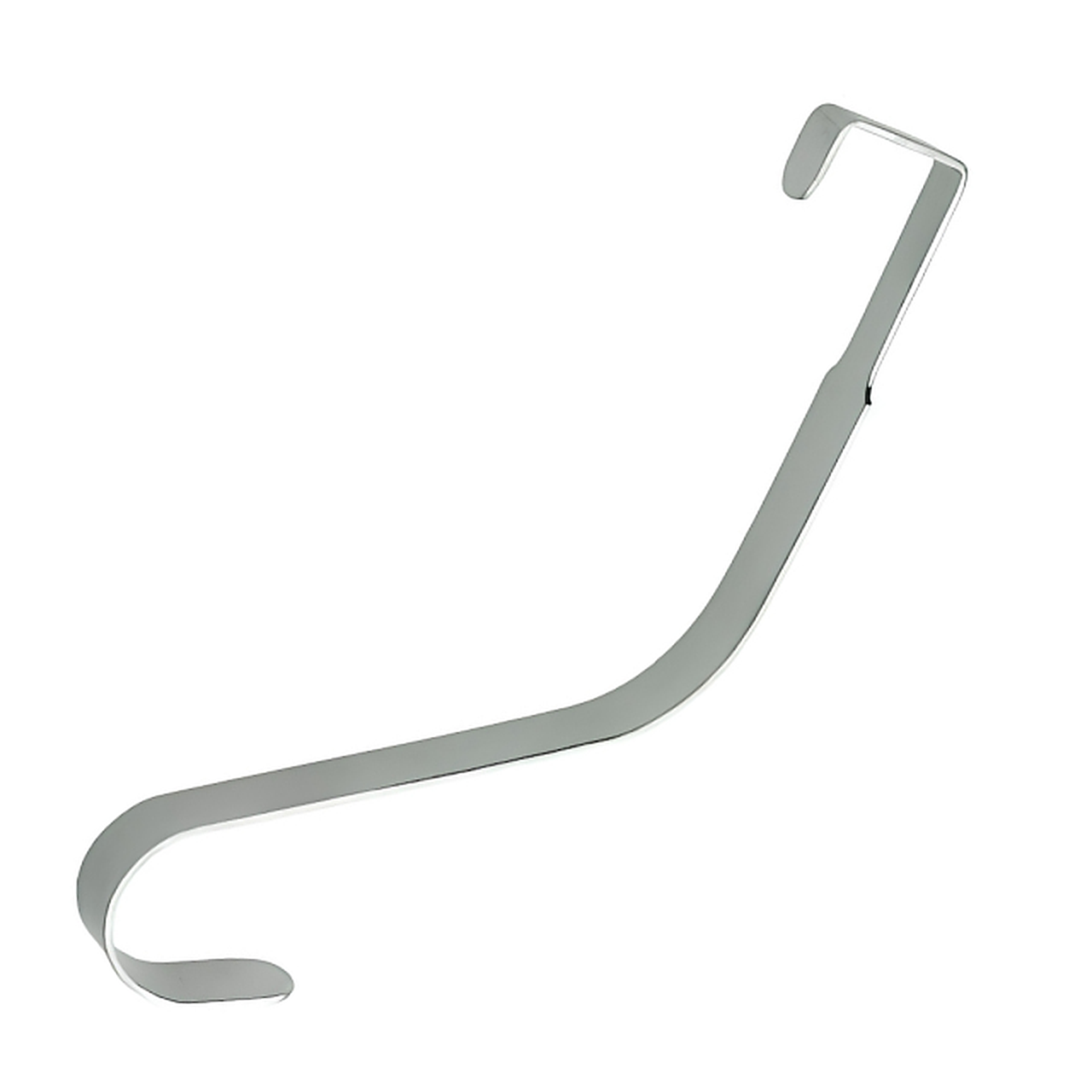
Hajek Cheek Retractor
$24.00
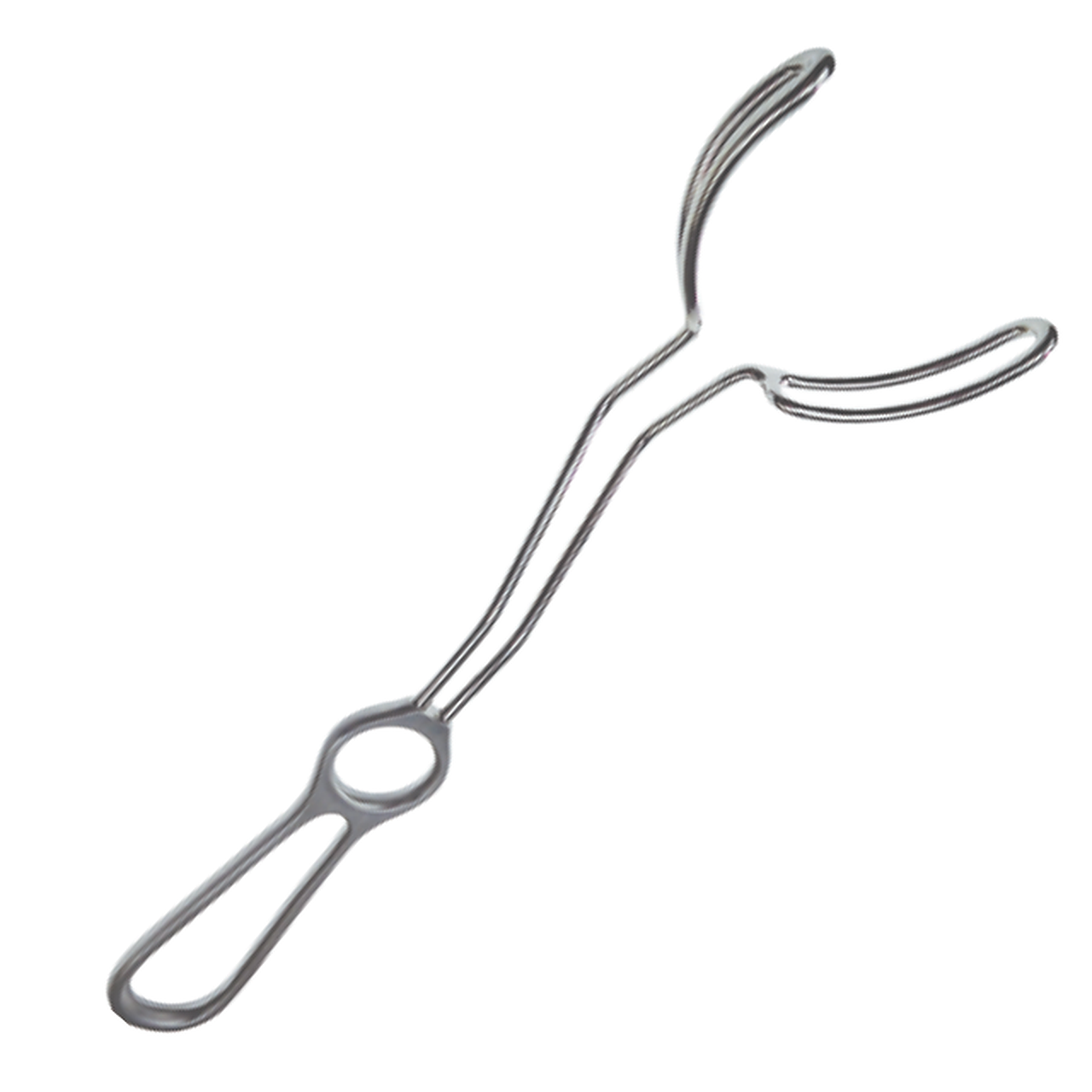
Lip And Cheek Retractor
$49.00
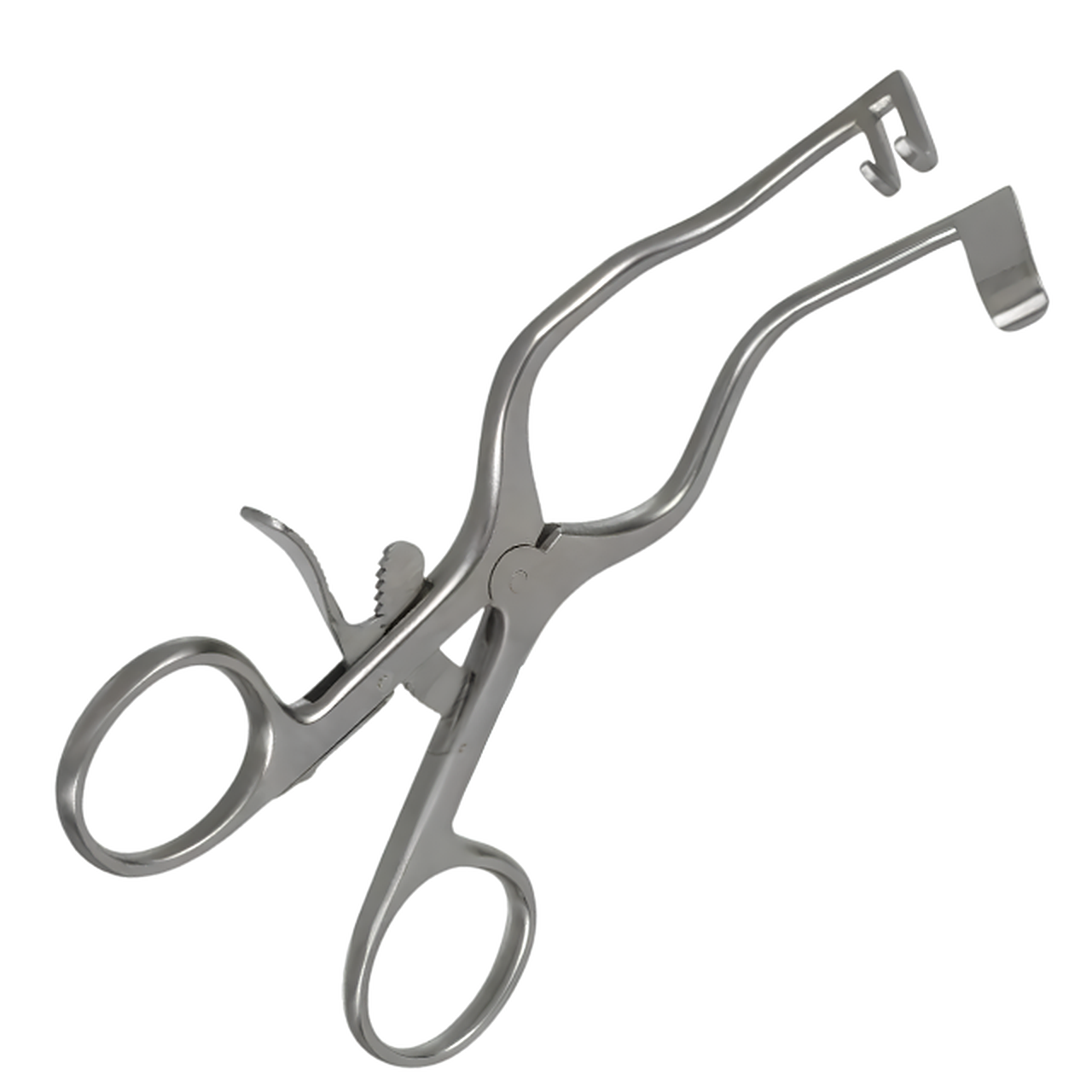
Bellucci Endaural Retractors
From $174
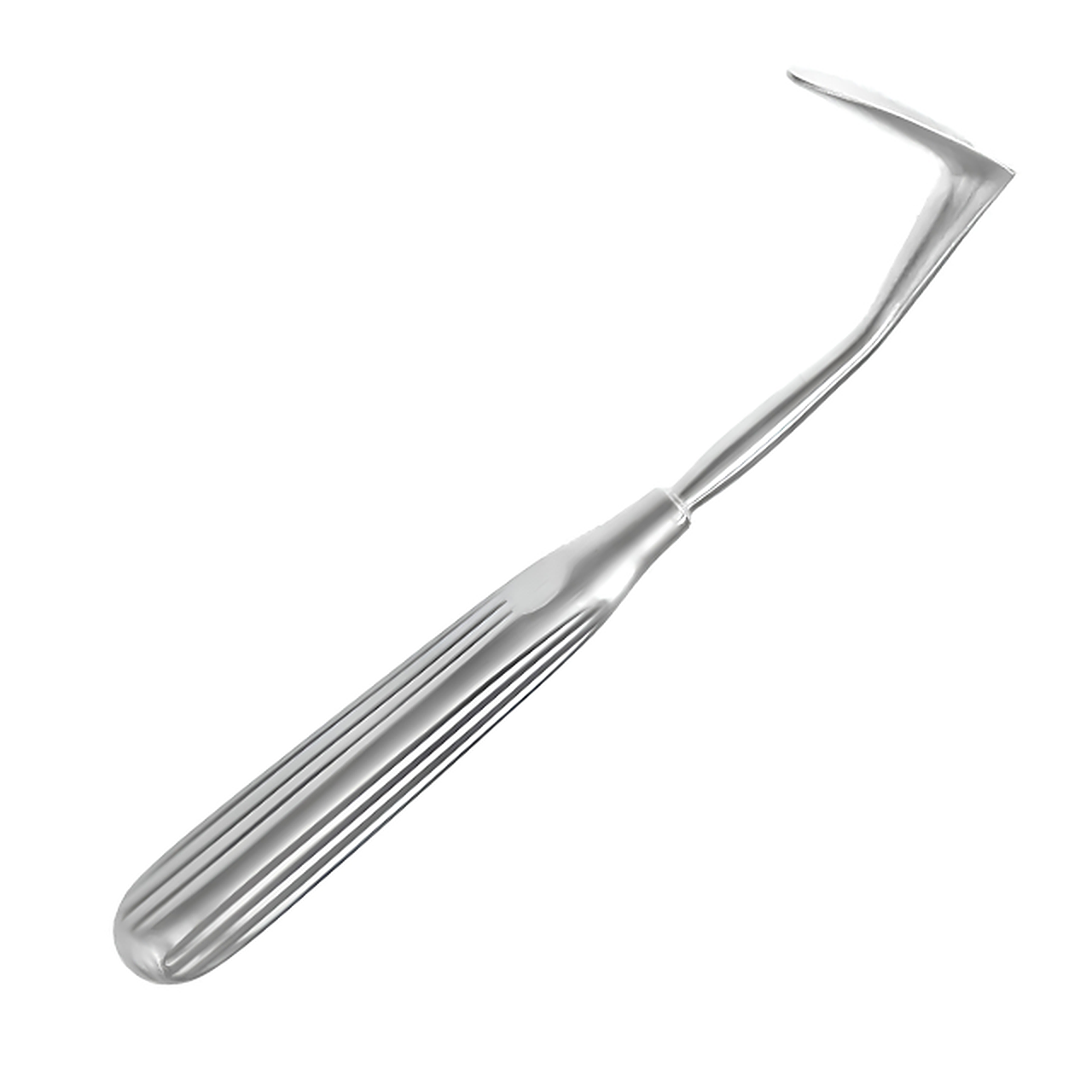
Aufricht Nasal Retractor
From $59.00
Aufricht Walter Nasal Retractor
$69.00
Need Surgical Retractors or Components?
Tell us what you need, including the product, configuration, quantity and destination country. Retractor Maker can provide availability, specifications and pricing.
Request a Quote