
Neurosurgery Retractors
Adson Cerebellar Retractor: Posterior Fossa & Cranial Neurosurgery
Author: Saad Shahid · Updated · 6 min read
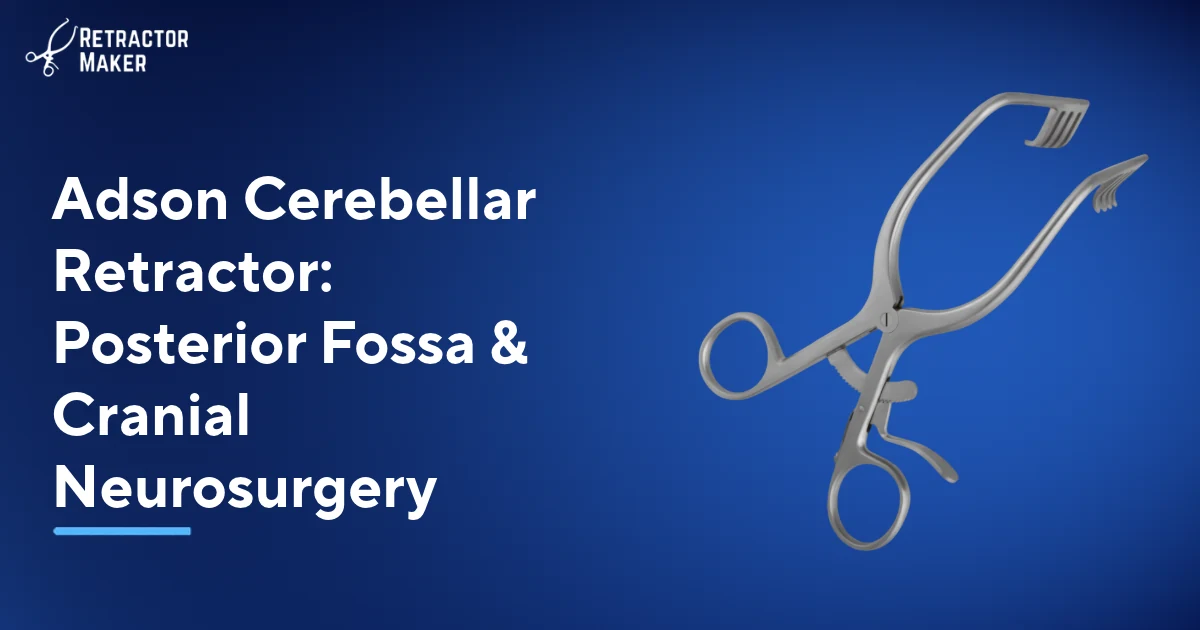
An Adson cerebellar retractor is a self-retaining surgical instrument featuring curved or angled shanks, multi-pronged blades (sharp or blunt), and an integrated ratchet locking mechanism. It is primarily used in posterior fossa craniotomies, suboccipital decompressions, and cranial neurosurgery to maintain stable muscular exposure.
Retractors discussed in this guide: Adson Cerebellum Retractor, Adson Self-Retaining Cerebellar Retractor, Anderson-Adson Self-Retaining Cerebellar Retractor. Browse all surgical retractors.
An Adson cerebellar retractor is a self-retaining neurosurgical device used to maintain soft-tissue exposure during cranial and posterior fossa surgery. Exposure within the cranial vault requires stability, low overhead clearance, and non-traumatic tissue handling. Rigid bone margins, fragile venous sinuses, and sensitive neurovascular structures constrain access. During suboccipital craniotomies and posterior fossa decompressions, thick cervical and suboccipital muscles must be held away from the craniectomy site.
The Adson cerebellar retractor maintains hands-free exposure of deep cranial soft tissues. This established self-retaining neurosurgical design keeps the microsurgical working axis clear.
Contents
What Is an Adson Cerebellar Retractor?
The Adson cerebellar retractor was developed to address the limitations of manual retraction during complex cranial interventions. Its name is associated with Dr. Alfred W. Adson, a foundational figure in American neurosurgery at the Mayo Clinic.
Unlike general-purpose orthopedic or abdominal retractors, the Adson cerebellar retractor has curved, contoured shanks that match the spherical profile of the human cranium. When opened and locked across a suboccipital or parasagittal incision, the handles drop toward the drapes. This leaves the operative corridor clear for operating microscopes, neurosurgical drills, and micro-instruments.
How Do the Shanks, Prongs, and Ratchet Support Cranial Access?
The Adson cerebellar retractor uses contoured shanks, multi-pronged blades, and a locking frame to meet the spatial requirements of neurosurgical suites.
- Curved anatomical shanks: Outward or downward arcs let the frame sit flush against the occiput, rather than projecting into the surgeon's hands or optical path.
- Multi-pronged rake blades: Distal ends have multiple curved prongs, typically in interlocking 4×4 or multi-tooth configurations. They distribute counter-traction across dense nuchal and suboccipital muscle insertions.
- Sharp versus blunt prongs:
- Sharp prongs: Tapered points grip tough galea aponeurotica, nuchal fascia, and periosteum, resisting slippage during bone drilling.
- Blunt prongs: Rounded tips are designed for atraumatic soft-tissue displacement near cranial perforators or thin dural margins.
- Graduated ratchet lock: A multi-toothed ratchet bar and pawl lock the arms at precise widths for steady, hands-free exposure throughout multi-hour procedures.
Which Cranial Procedures Use This Self-Retaining Design?
The Adson cerebellar retractor is utilized across various cranial approaches:
- Suboccipital craniotomy and craniectomy: Retracts the trapezius, splenius capitis, and semispinalis capitis muscles laterally to expose the occipital bone and foramen magnum.
- Chiari malformation decompression: Maintains posterior exposure during suboccipital decompression, C1 laminectomy, and duraplasty.
- Microvascular decompression (MVD): Provides soft-tissue exposure through a retromastoid craniotomy for trigeminal or hemifacial spasm decompression.
- Cerebellar tumor resection: Stabilizes superficial scalp and muscle margins over the cerebellar hemispheres.
Adson Cerebellar Retractor vs. Other Neurosurgical Retractors
| Feature | Adson Cerebellar Retractor | Weitlaner Retractor | Table-Mounted Brain Retractor (e.g., Sugita, Greenberg) |
|---|---|---|---|
| System Architecture | Curved self-retaining scissor frame | Straight self-retaining scissor frame | Table-mounted skull ring with flexible micro-arms |
| Primary Target | Thick cranial scalp, nuchal & cervical muscle | General soft tissue, extremity muscle | Brain parenchyma and microvascular corridors |
| Blade Geometry | 4×4 curved prongs contoured for skull | 2×3 or 3×4 straight rake prongs | Smooth, micro-tapered brain spatulas |
| Overhead Clearance | High (curved shanks drop flat to skull) | Moderate (straight handles project upright) | Open central working ring |
| Operating Role | Superficial to deep cranial soft tissue | General soft tissue exposure | Intracranial neural parenchymal retraction |
How Should Cleaning, Inspection, and Reprocessing Be Done?
- Point-of-use handling: Immediately remove blood, bone dust, and biological soils after use with sterile water-dampened wipes.
- Cleaning and ultrasonic decontamination: Unlock the ratchet bar and fully open the scissor frame. Submerge in neutral-pH enzymatic detergent. Brush ratchet teeth and prongs with soft nylon brushes, then use an ultrasonic bath to clear the hinge box-lock.
- Inspection: Check ratchet teeth for rounding and confirm that the pawl locks firmly without slippage. Examine prong alignment and burrs under magnification.
- Sterilization: Autoclave open and unlatched in approved containment cassettes, following the manufacturer's validated IFU.
What Should Buyers Check When Sourcing OEM Models?
Neurosurgical procurement teams and B2B medical device distributors should check hinge rigidity, prong consistency, and available OEM customization.
- Hinge rigidity and alignment: Box locks require tight machining tolerances to prevent lateral arm wobble under heavy muscle load.
- Prong consistency: Symmetrical, deburred prongs are required to prevent tissue tearing.
- OEM customization: Retractor Maker manufactures Adson cerebellar retractors in Sialkot, Pakistan. Options include sharp and blunt prong arrays, custom shank curvatures, non-glare satin finishes, and private-label laser-marked branding.
Clinical notice: This guide is for surgical teams and hospital buyers. Always follow the manufacturer's instructions for use (IFU) and your hospital's sterilization rules before clinical use.
Frequently Asked Questions
What is an Adson cerebellar retractor?
An Adson cerebellar retractor is a self-retaining surgical device designed for posterior fossa and cranial surgery. It combines curved shanks, multi-pronged blades, and a ratchet lock to maintain hands-free exposure of deep cranial soft tissues while keeping the microsurgical working axis clear.
What is the primary use of an Adson cerebellar retractor?
The Adson cerebellar retractor primarily retracts the scalp and thick suboccipital and nuchal musculature during cranial neurosurgery. Applications include posterior fossa craniotomies and Chiari decompressions, where the self-retaining design maintains muscular exposure without continuous manual retraction.
Why are the shanks of an Adson cerebellar retractor curved?
The Adson cerebellar retractor has curved shanks to follow the spherical contour of the skull. This shape allows the frame to lie flat against the sterile drapes and keeps the working field clear for microscopes, neurosurgical drills, and micro-instruments.
What is the difference between sharp and blunt prongs?
The Adson cerebellar retractor uses sharp prongs for non-slip traction on tough galea and periosteum, while blunt prongs protect delicate subcutaneous tissues and minimize puncture risks. Sharp points also grip nuchal fascia; rounded blunt tips support soft-tissue displacement near cranial perforators or thin dural margins.
How does an Adson cerebellar retractor differ from a Weitlaner retractor?
The Adson cerebellar retractor has specially contoured, curved arms that fit around the skull, whereas a Weitlaner retractor has straight arms. Both designs feature ratchets and prongs. The curved cranial design keeps the handles toward the drapes and preserves the operative corridor.
Can an Adson cerebellar retractor be autoclaved?
Yes, reusable Adson cerebellar retractors are fully compatible with hospital steam autoclave sterilization. They are forged from Premium Grade AISI 304/316 Stainless Steel (Non-Magnetic). Autoclave them open and unlatched within approved containment cassettes, following the manufacturer's validated IFU.
How does the Adson cerebellar retractor stay open during surgery?
The Adson cerebellar retractor stays open through a graduated ratchet bar and pawl mechanism that locks its arms at precise widths. This multi-toothed system maintains the opening without manual retraction and provides steady, hands-free exposure throughout multi-hour procedures.
How should an Adson cerebellar retractor be cleaned?
Clean an Adson cerebellar retractor by removing soils immediately, opening the frame, and using enzymatic detergent, brushing, and ultrasonic decontamination. Remove blood, bone dust, and biological soils with sterile water-dampened wipes. Unlock the ratchet and fully open the scissor frame. Submerge in neutral-pH enzymatic detergent, brush ratchet teeth and prongs with soft nylon brushes, and use an ultrasonic bath to clear the hinge box-lock.
What should be inspected on an Adson cerebellar retractor?
An Adson cerebellar retractor should be checked for rounded ratchet teeth, secure pawl locking without slippage, and prong alignment and burrs. Examine prongs under magnification. Hinge rigidity, symmetrical prongs, and deburred surfaces are also important manufacturing considerations when assessing the frame and working ends.
About the author
Saad Shahid · Sales & Marketing Manager
Saad Shahid is the Sales & Marketing Manager and founder of Retractor Maker, started in 2023 in Sialkot, Pakistan. He also works with his father at Hospitech Traders, the family surgical instrument business founded in 1989.
Related Blogs & Guide

Related Retractors
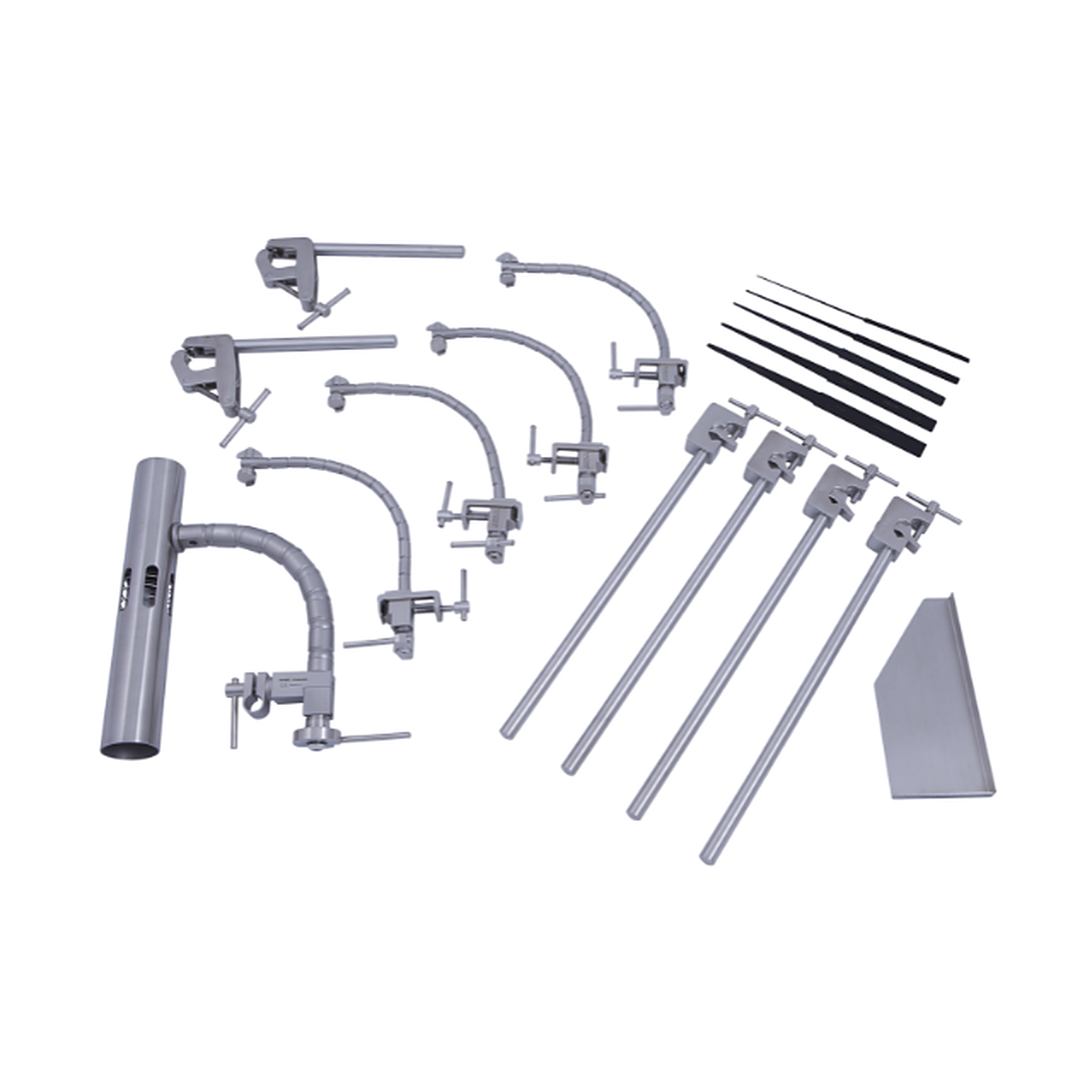
Greenberg Retractor Kit
$3,499Free Shipping
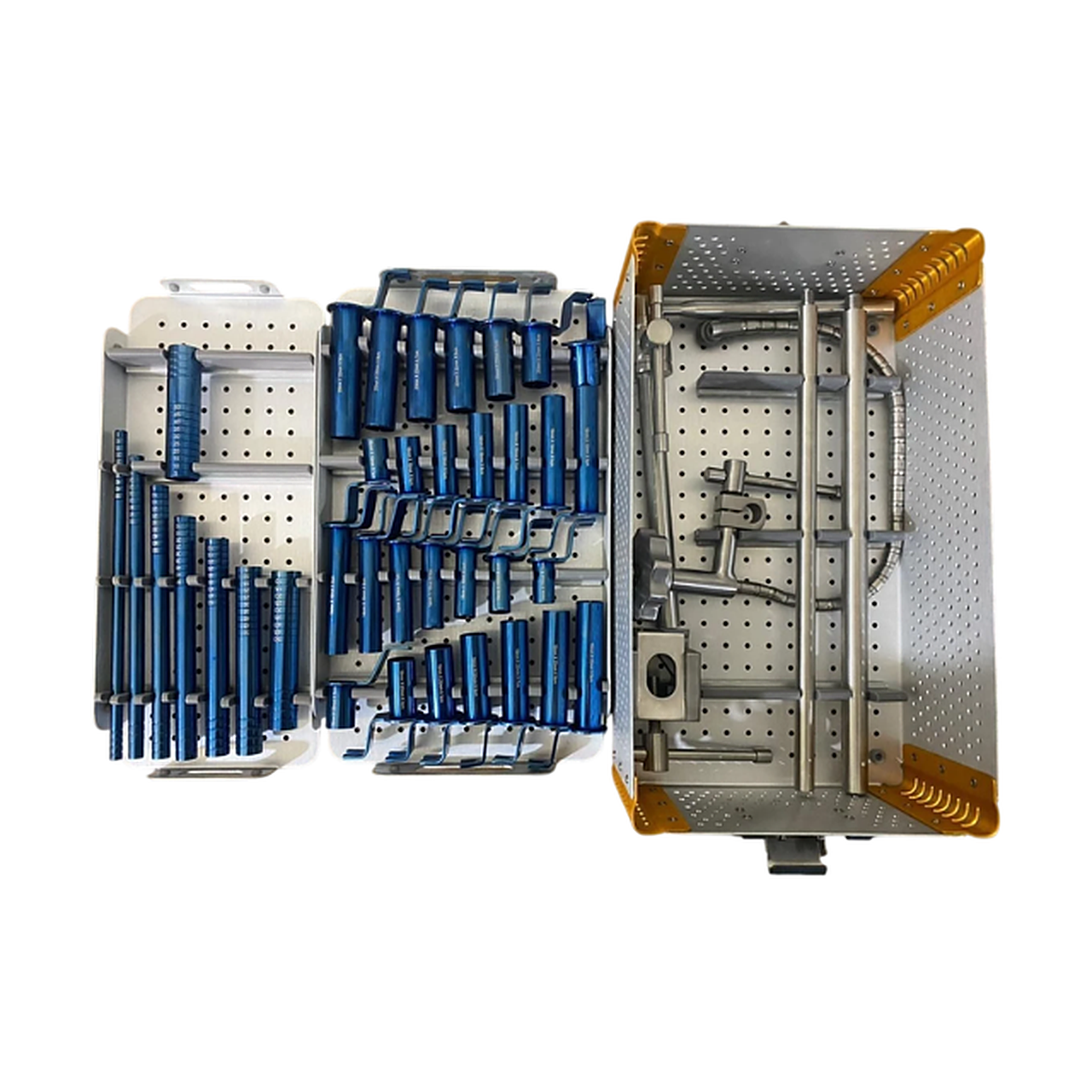
Tubular Retractor System
$2,199Free Shipping
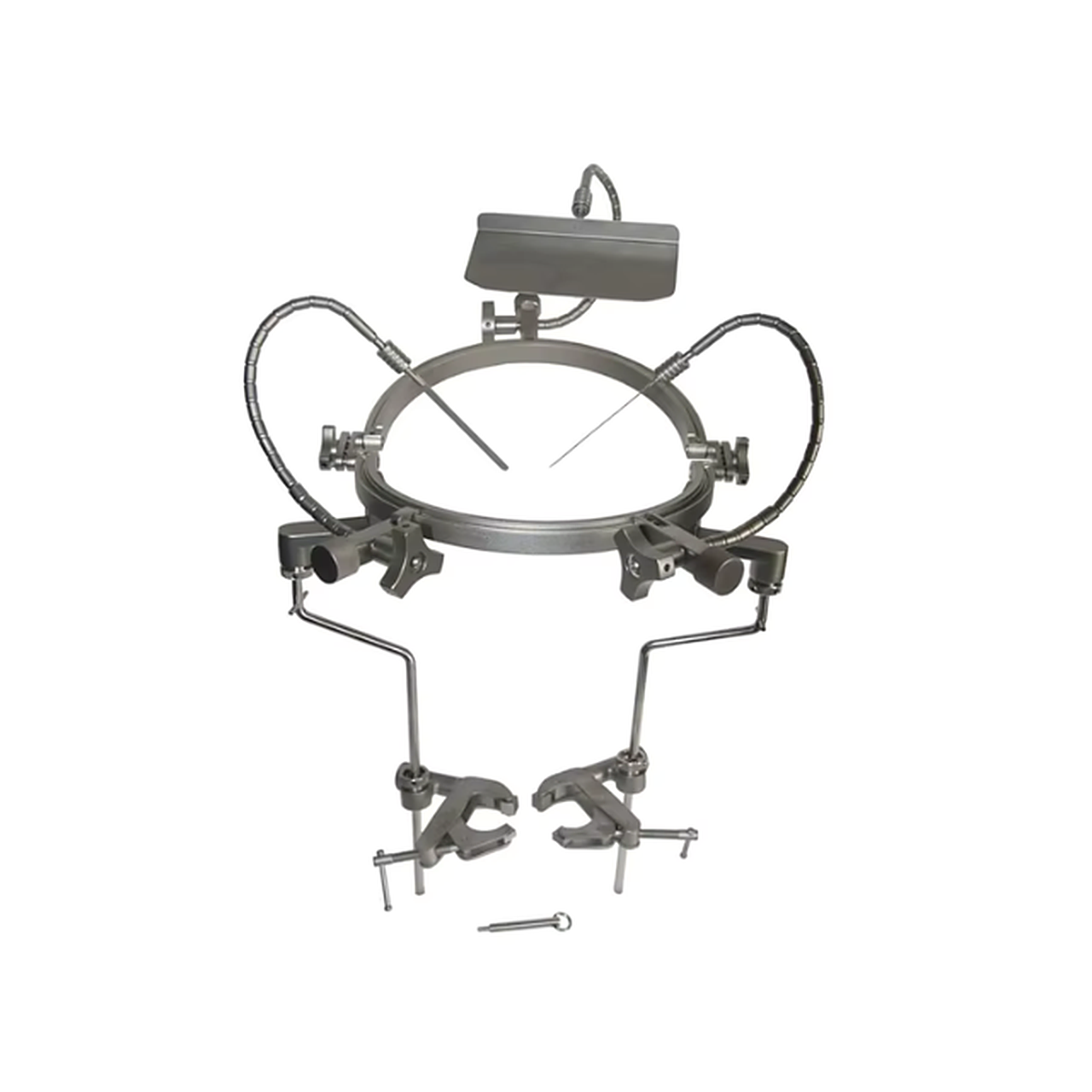
Budde Halo Retractor
$2,499Free Shipping
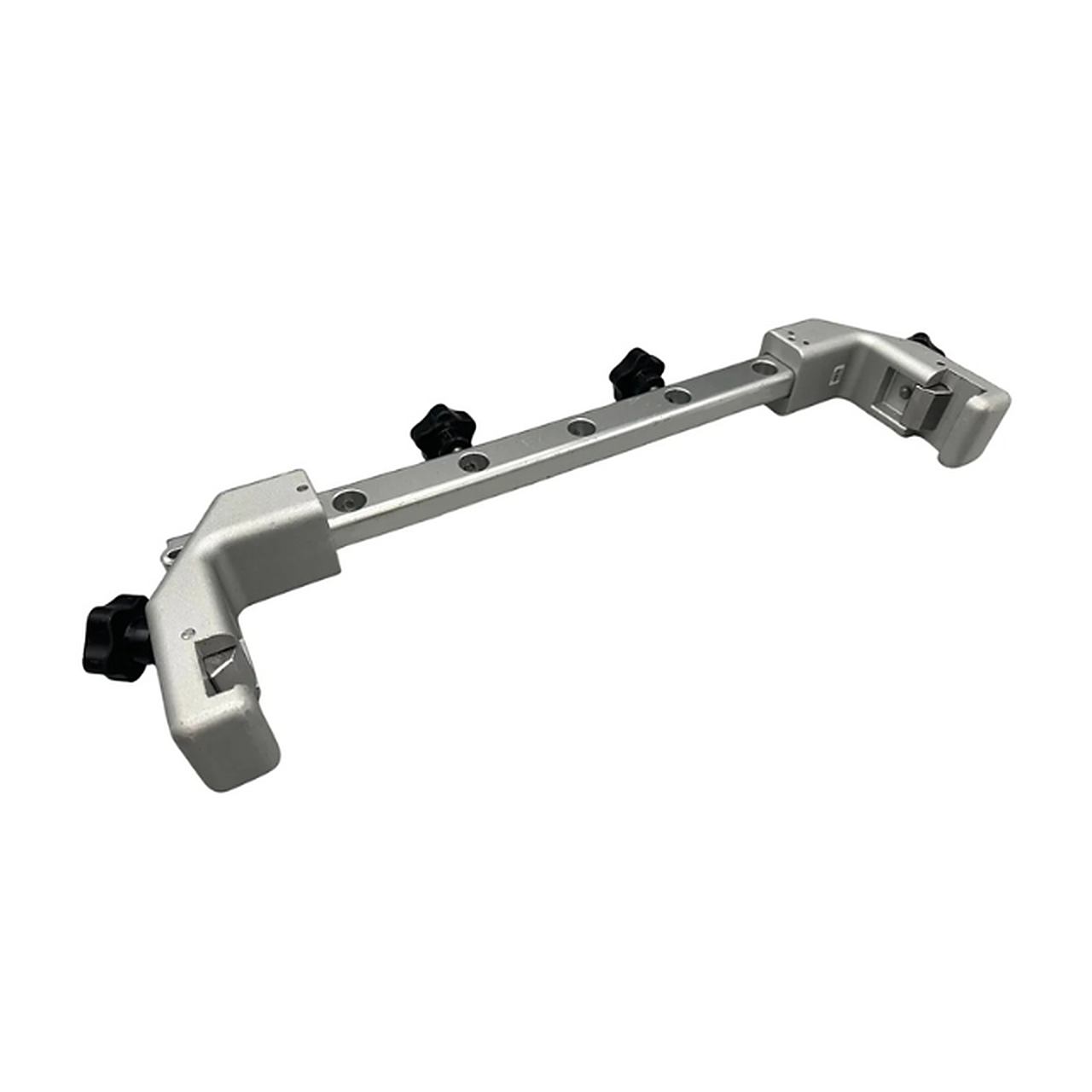
Adjustable Mayfield Adaptor
$1,199Free Shipping
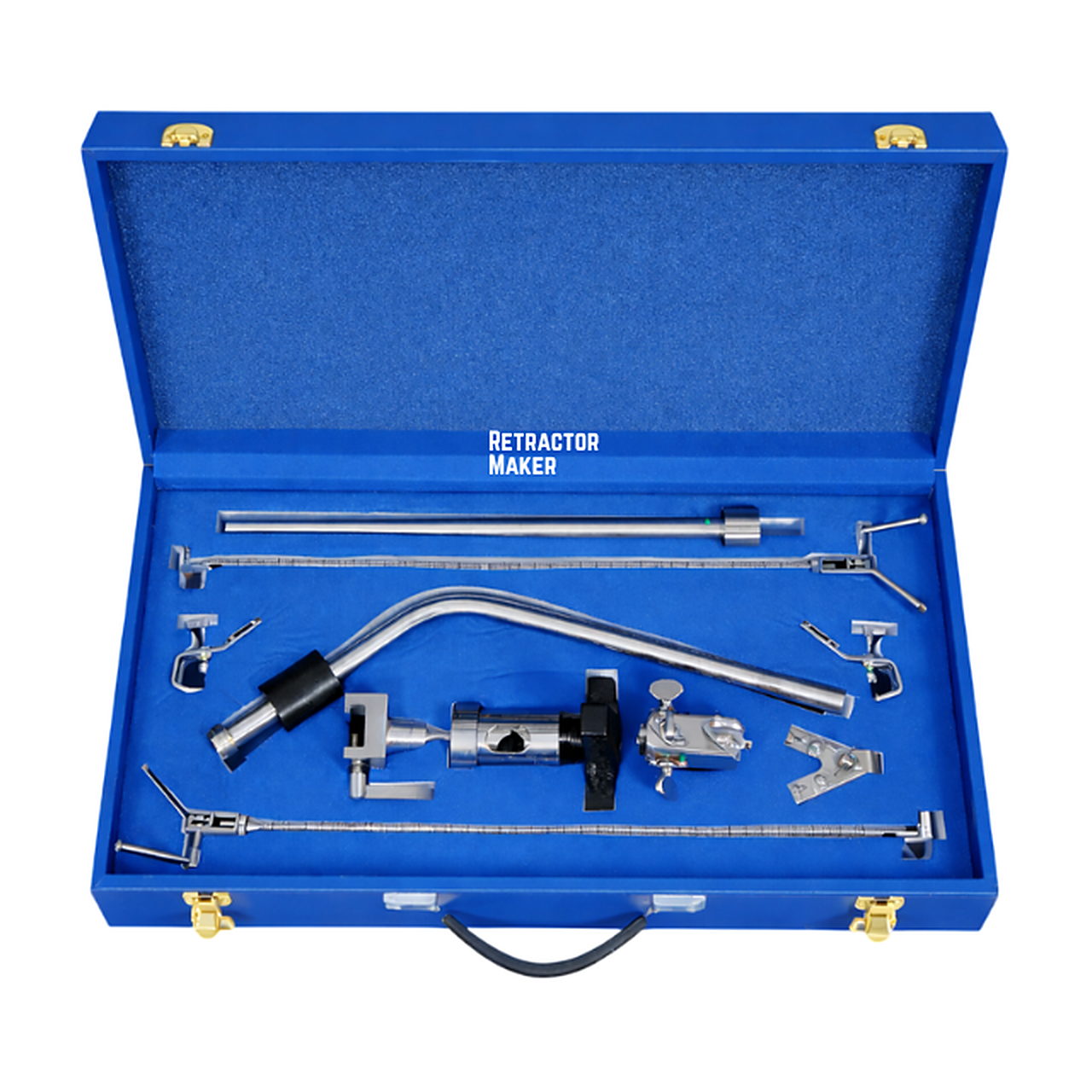
Leyla Retractor
From $1,199Free Shipping
Greenberg Simplicity Retractor
$2,499Free Shipping
Need Surgical Retractors or Components?
Tell us what you need, including the product, configuration, quantity and destination country. Retractor Maker can provide availability, specifications and pricing.
Request a Quote