
Spine Retractor Guides
What Is a Beckmann-Adson Retractor? Uses in Spine & Laminectomy
Author: Saad Shahid · Updated · 6 min read
Surgical exposure of the spine requires instrumentation that can navigate deep, compact anatomical corridors without obstructing operating microscopes, intraoperative imaging, or micro-dissection tools. Posterior spinal approaches—such as open laminectomies, discectomies, and decompression procedures—require stabilizing thick paraspinal musculature away from the laminar arches and spinous processes.
Retractors discussed in this guide: Beckmann Adson Self-Retaining Retractor. Browse all surgical retractors.
Contents
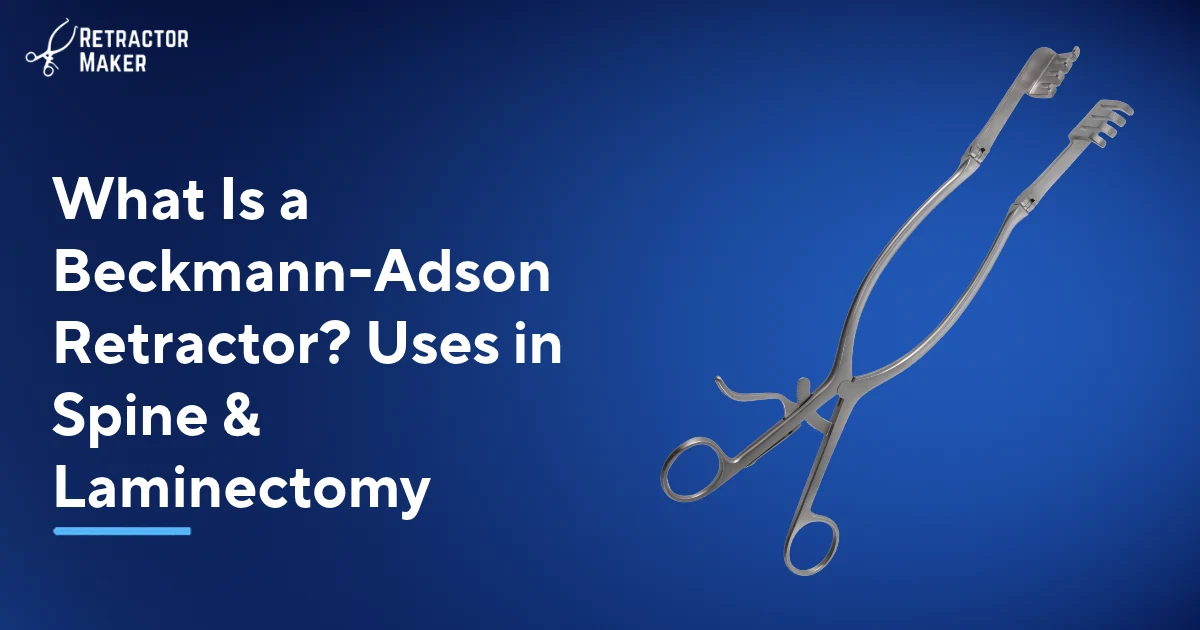
A Beckmann-Adson retractor is an articulated, self-retaining surgical retractor designed for spinal and orthopedic procedures. Outward-curving, multi-pronged blades, hinged arms, and an incremental ratchet lock maintain deep soft-tissue displacement. The hinged design lets the handles rest close to the surgical field.
A Beckmann-Adson retractor provides deep, stable exposure using a self-retaining, scissor-style design. Hinged arms, multi-pronged blades, and a ratcheting lock hold tissue apart. Its primary use is spinal surgery, including laminectomies, where it retracts paraspinal musculature without obstructing the operative corridor.
How Does a Beckmann-Adson Retractor Work?
The Beckmann-Adson retractor adapts standard scissor-action designs, such as the Weitlaner and Adson models, for deep musculoskeletal anatomy. Its specialized mechanical features include:
- Hinged (Articulated) Arms: A mechanical hinge along each shank defines the Beckmann-Adson retractor. The distal working arms drop vertically into a deep wound while the finger rings and ratchet bar fold flat against the patient's body.
- Outward-Facing Prongs: Multi-pronged rake blades, typically 4×4 or multi-tooth arrays, hook beneath fascial edges or muscular margins.
- Graduated Ratchet Mechanism: A multi-toothed ratchet bar and pawl near the finger rings lock the arms open at calibrated expansion widths, resisting inward contraction of thick skeletal muscle.
- Offset Profile: Hinged geometry keeps the handle away from the primary vertical sightline. This preserves overhead theater lighting and minimizes interference with surgical drills or microscopes.
Which Blade and Prong Configurations Are Available?
Beckmann-Adson retractors come in several blade configurations to accommodate different tissue densities and depths.
How Do Sharp and Blunt Prongs Differ?
- Sharp Prongs: Tapered, needle-like tips provide positive, non-slip purchase on tough fibrous aponeurosis, lumbodorsal fascia, and periosteal layers, preventing dislodgement.
- Blunt Prongs: Rounded, atraumatic tips retract soft tissue near exposed dural margins, peripheral nerve roots, or major vascular structures, reducing puncture risk.
What Prong Counts and Widths Are Available?
- Standard 4×4 Arrays: Four interlocking prongs on each arm distribute mechanical counter-traction across a broad fascial plane, preventing tissue bulge into the central decompression window.
- Narrow Arrays: Designed for single-level cervical or thoracic decompressions with restricted linear incision lengths.
How Is the Beckmann-Adson Retractor Used in Spine Surgery?
The Beckmann-Adson retractor maintains stable muscular retraction during spinal and neurosurgical interventions.
Open Laminectomy and Decompression
The Beckmann-Adson retractor maintains continuous visualization of the interlaminar space during posterior decompression for spinal stenosis. The surgeon first dissects the paraspinal muscles, including multifidus and longissimus, from the spinous processes and laminae. The Beckmann-Adson retractor is then placed between opposing muscular margins, and its articulated arms are opened.
Microdiscectomy
The hinged profile allows the handles to angle away from the midline during lumbar discectomy. This keeps sightlines clear for high-magnification surgical loupes or operating microscopes.
Spinal Fusion and Instrumentation
Lateral retraction of paraspinal tissues exposes the facet joints and transverse processes. This provides access for pedicle screw placement and posterolateral fusion bed preparation.
Orthopedic and Extremity Surgery
Deep joint procedures and orthopedic trauma also require muscular compartments to be held open at depth. Uses beyond the spine include deep femoral or pelvic exposures.
Beckmann-Adson vs. Other Spinal Retractors
Structural differences between common self-retaining instruments help guide selection for the required exposure.
| Feature | Beckmann-Adson Retractor | Gelpi Retractor | Weitlaner Retractor | Tubular MIS Retractors |
|---|---|---|---|---|
| Arm Architecture | Hinged / articulated drop-shanks | Rigid, straight scissor shanks | Rigid, straight scissor shanks | Cylindrical / expandable tube |
| Blade Geometry | Multi-pronged (typically 4×4) | Single sharp/blunt pointed tip | Multi-pronged rake (2×3 or 3×4) | Circumferential smooth wall |
| Depth Focus | Deep anatomical corridors | Intermediate to deep | Superficial to intermediate | Targeted percutaneous depth |
| Field Clearance | High (handles fold flat) | Moderate (handles project upright) | Moderate (handles project upright) | High (low-profile table mount) |
| Primary Specialty | Spine / Laminectomy / Orthopedics | Spine, Orthopedics, Vascular | Orthopedic extremity, General, Plastic | Minimally Invasive Spine (MIS) |
What Should Procurement Teams Check?
Evaluate Beckmann-Adson retractors for hinge quality, ratchet engagement, corrosion resistance, and set diversity. These parameters apply to hospital tenders and wholesale distribution:
- Hinge Pin Rigidity: The articulated joint bears the highest mechanical stress. Specify high-grade stainless-steel hinge pins with minimal lateral play to prevent arm wobble under load.
- Ratchet Engagement: Cleanly machined teeth with sharp engagement angles help prevent sudden slip-release under heavy muscle tension.
- Passivation and Corrosion Resistance: Reusable spine retractors undergo frequent autoclaving. Proper chemical passivation creates a resilient passive layer that resists pitting.
- Set Diversity: A spinal service requires sharp and blunt prong options across standard lengths, such as 250 mm to 310 mm.
How Are Cleaning, Inspection, and Reprocessing Performed?
Reusable stainless-steel Beckmann-Adson retractors require structured cleaning, mechanical inspection, lubrication, and sterilization.
- Point-of-Use Cleaning: Rinse gross blood and bone dust immediately after use. Never let biological fluids dry inside hinge joints or ratchet teeth.
- Cleaning and Ultrasonic Decontamination: Unlock the ratchet and fully articulate the hinges. Submerge in enzymatic cleaner and use an ultrasonic bath to remove debris from hinge mechanisms.
- Mechanical Inspection: Check hinge pins for looseness or hairline stress cracks. Confirm secure ratchet pawl engagement at every tooth. Inspect prongs under illumination for bending or burrs.
- Lubrication: Before packaging, apply surgical-grade, water-soluble instrument lubricant to articulated hinges, box locks, and ratchet tracks.
- Sterilization: Autoclave open and unlatched in validated containment cassettes, following the manufacturer's IFU and institutional protocols.
What OEM and Contract Manufacturing Options Are Available?
Retractor Maker manufactures custom Beckmann-Adson retractors directly for surgical brand owners and medical distributors. Options include modified arm drop lengths, variable prong spacing, specialized matte/ceramic finishes, and private-label laser marking. Customization follows technical drawings and procurement agreements.
Request Factory-Direct Sourcing from Retractor Maker
Retractor Maker is a surgical retractor manufacturer based in Sialkot, Pakistan. The company engineers high-grade surgical instruments for hospitals, surgical clinics, and international medical distributors.
Contact Retractor Maker to request product catalogs, review production timelines, or obtain a formal B2B quotation for Beckmann-Adson retractors.
Clinical notice: This guide is for surgical teams and hospital buyers. Always follow the manufacturer's instructions for use (IFU) and your hospital's sterilization rules before clinical use.
Frequently Asked Questions
What is a Beckmann-Adson retractor?
A Beckmann-Adson retractor is a self-retaining surgical instrument designed for deep soft-tissue and muscular retraction. Articulated, hinged arms position the multi-pronged blades at depth, while a ratchet lock maintains the opening. The design supports spinal and orthopedic procedures.
What is the purpose of the hinged arms on a Beckmann-Adson retractor?
The hinged arms of a Beckmann-Adson retractor let the blades reach deep into an anatomical cavity while the handles fold flat against the body. This arrangement keeps the operative field clear for surgical microscopes and preserves access for lighting.
What is a Beckmann-Adson retractor used for in spine surgery?
A Beckmann-Adson retractor retracts paraspinal muscles during laminectomies, discectomies, and spinal fusions. It holds the muscles away from the vertebral laminae and spinous processes. Its self-retaining design maintains deep, stable exposure without obstructing the operative corridor.
What is the difference between a Beckmann-Adson and a Weitlaner retractor?
The Beckmann-Adson retractor has articulated, hinged arms for deep cavities, while the standard Weitlaner retractor has straight, rigid arms for superficial to intermediate depths. Both designs use ratchets and pronged blades; arm structure is the key distinction.
Are Beckmann-Adson retractors available with sharp or blunt prongs?
Beckmann-Adson retractors are available with sharp or blunt prongs. Sharp prongs provide a non-slip grip on tough fibrous fascia. Blunt prongs provide atraumatic retraction near delicate neurovascular structures, with rounded tips designed to reduce puncture risk.
Can a Beckmann-Adson retractor be sterilized in a standard autoclave?
Reusable Beckmann-Adson retractors are compatible with validated moist heat steam autoclaving. They are manufactured from Premium Grade AISI 304/316 Stainless Steel (Non-Magnetic). Autoclave them open and unlatched within validated containment cassettes, following the manufacturer's IFU and institutional protocols.
What types of surgical retractors are described in the guide?
Retractor types in the guide include articulated scissor-style retractors, rigid scissor-style retractors, and cylindrical or expandable tubular retractors. These designs differ in arm architecture, blade geometry, depth focus, and field clearance. Configurations include multi-pronged blades, single pointed tips, and circumferential smooth walls.
How should a Beckmann-Adson retractor be cleaned and inspected?
A Beckmann-Adson retractor should be rinsed immediately after use, cleaned with its ratchet unlocked and hinges fully articulated, and inspected for mechanical damage. The guide specifies enzymatic cleaning and ultrasonic processing. Inspection includes checking for loose or cracked hinge pins, secure ratchet engagement, and bent or burred prongs.
About the author
Saad Shahid · Sales & Marketing Manager
Saad Shahid is the Sales & Marketing Manager and founder of Retractor Maker, started in 2023 in Sialkot, Pakistan. He also works with his father at Hospitech Traders, the family surgical instrument business founded in 1989.
Related Blogs & Guide

Related Retractors
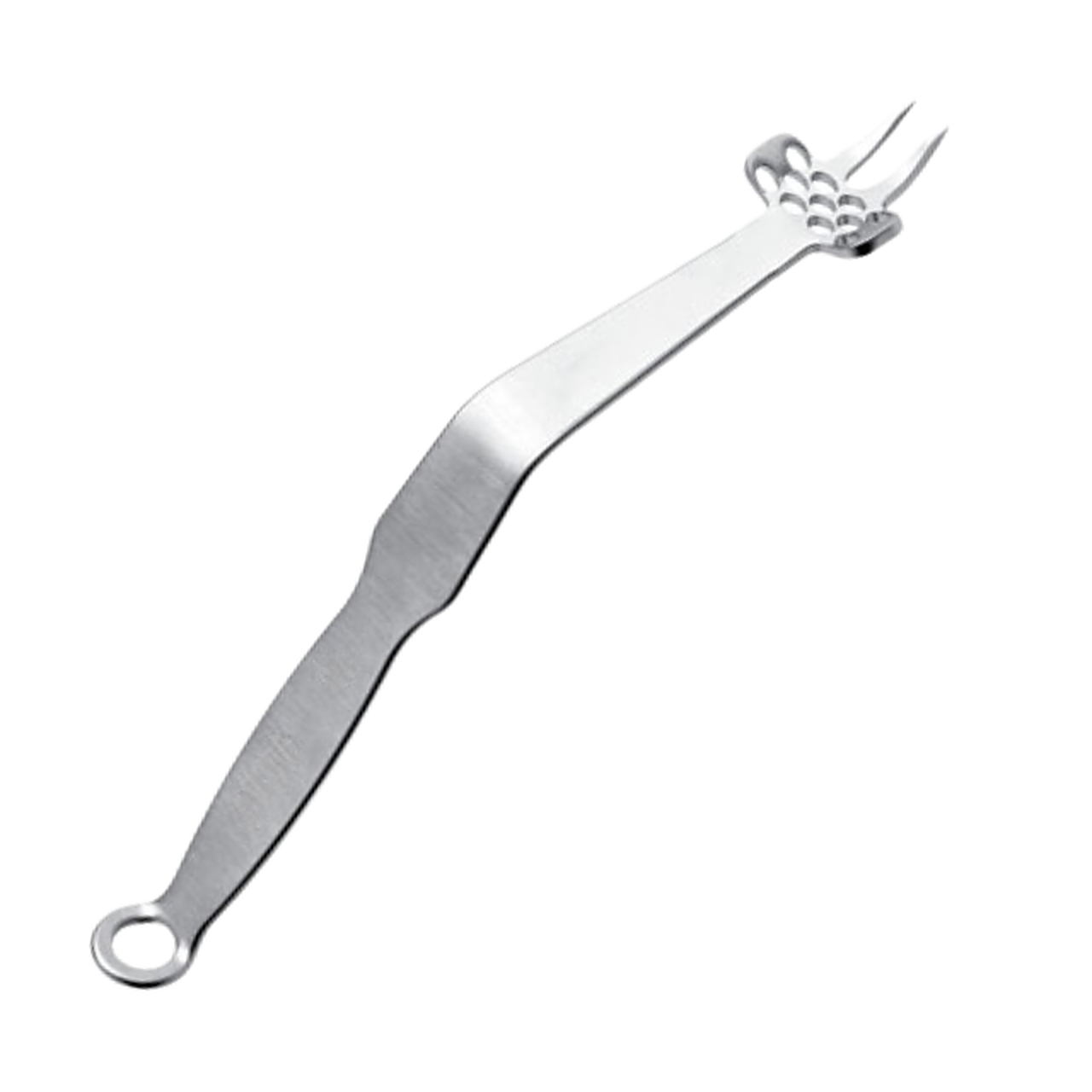
Capsule Retractors
From $64.00
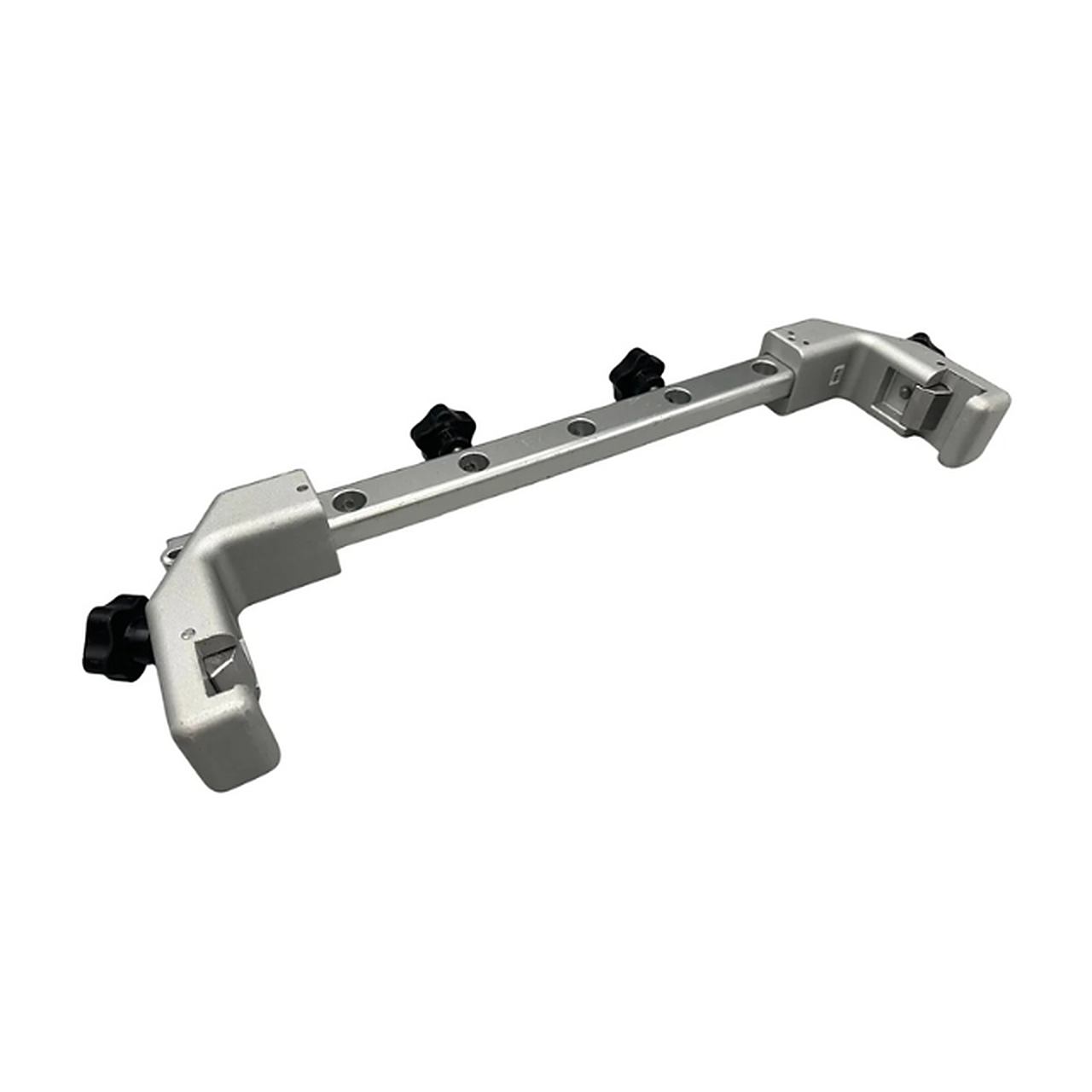
Lateral Soft Tissue Retractors
From $84.00
Adjustable Mayfield Adaptor
$1,199Free Shipping
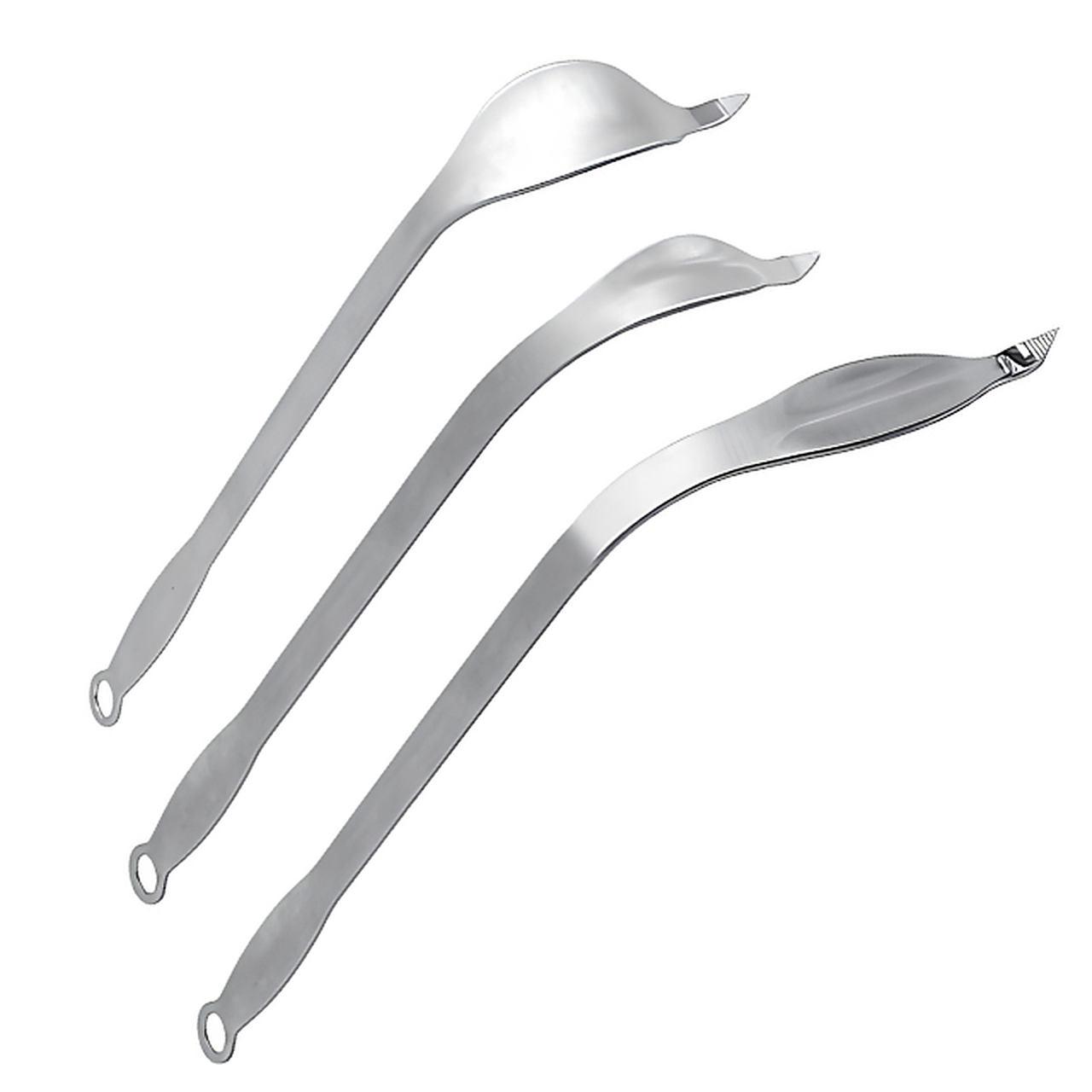
Cobra Retractor
From $79.00
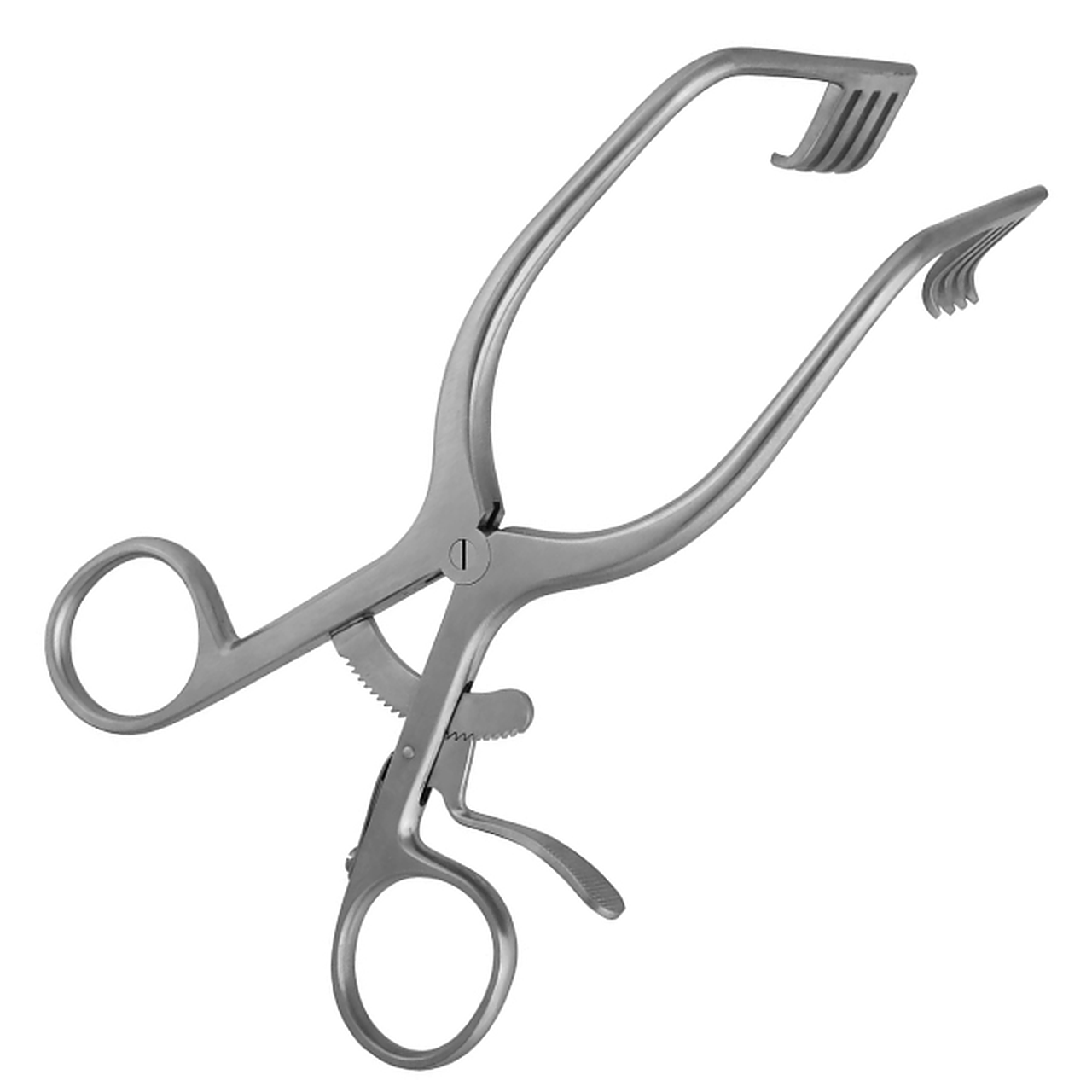
Adson Self-Retaining Cerebellar Retractor
From $189
Cobra Retractor with Hand Rest
$169
Need Surgical Retractors or Components?
Tell us what you need, including the product, configuration, quantity and destination country. Retractor Maker can provide availability, specifications and pricing.
Request a Quote