
Orthopedic & Spine Retractors
Meyerding Retractor: Deep Spine & Orthopedic Exposure
Author: Saad Shahid · Updated · 6 min read
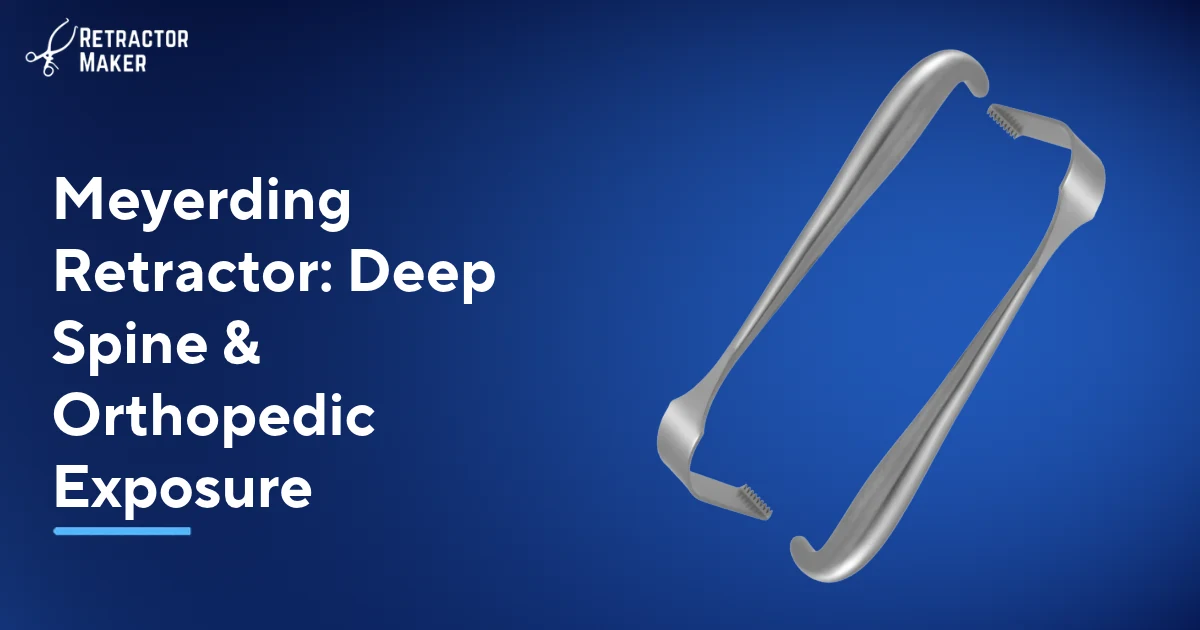
A Meyerding retractor is a heavy-duty, handheld surgical instrument featuring a long shaft, an angled blade, and a curved, serrated, or toothed distal lip. It is primarily used in posterior spinal surgery and deep orthopedic procedures to grip fibrous tissue or bone margins and retract thick muscle bellies without slipping.
Retractors discussed in this guide: Meyerding Retractor, Markham-Meyerding Hemilaminextomy Retractor, Meyerding Finger Retractor, Meyerding Retractor with Ratchet. Browse all surgical retractors.
The Meyerding retractor is a handheld surgical instrument for rigid, deep muscular retraction and clear access to bony landmarks during major spinal and orthopedic surgery. Deep skeletal exposure requires resistance to substantial muscle forces without slipping. In posterior spinal procedures, including laminectomies and spinal fusions, dense paraspinal muscles naturally collapse inward over the vertebral column.
Contents
What Is a Meyerding Retractor?
The Meyerding retractor was designed for deep posterior lumbar exposure. It is named after Dr. Henry W. Meyerding, an influential American orthopedic surgeon who served at the Mayo Clinic. During major spinal reconstructions, standard smooth-bladed retractors frequently slip along wet fascial sheaths or muscle fibers under heavy traction.
The Meyerding retractor addresses slipping with a specialized distal blade lip. Its downward-turned, toothed, or serrated retaining edge seats firmly in deep fascial boundaries or along the lateral ridges of the spinal laminae. This seating helps the operating team maintain a firm, clear visual corridor.
How Do the Blade, Shaft, and Handle Support Retraction?
The Meyerding retractor is built for heavy mechanical leverage through its reinforced shaft, angled blade, retaining lip, and contoured handle.
- Rigid reinforced shank: Substantial shaft thickness prevents flexing or structural fatigue when operating assistants apply heavy manual traction.
- Right-angled or angled blade: Drops downward from the shank, typically between 85 and 90 degrees, to enter deep muscular incisions vertically without blocking overhead surgical illumination.
- Toothed or serrated retaining lip: A downward-curving terminal edge has multiple blunt or semi-sharp teeth. They grip tough aponeurotic tissue or hook onto osseous ridges to prevent riding up out of the wound.
- Ergonomic handle: An elongated, solid contoured handle is forged with finger grips or a textured surface for rotational control and firm leverage.
What Blade Dimensions and Variations Are Available?
Meyerding retractors come in varied blade dimensions to match patient body habitus and procedural depth.
| Specification | Technical Range | Clinical Significance |
|---|---|---|
| Blade Width | Typically 15 mm to 50 mm+ | Narrow blades access tight single-level spinal windows; wide blades distribute force over broad paraspinal muscle masses. |
| Blade Depth / Reach | Typically 50 mm to 100 mm+ | Deep models reach the transverse processes and facet joints in muscular or high-BMI patients. |
| Tooth Count & Profile | 3 to 6 teeth; blunt or semi-sharp | Multiple teeth distribute traction across fibrous fascia, minimizing tissue tearing while preventing slippage. |
| Handle Length | Approximately 180 mm to 240 mm overall | Provides sufficient lever arm length for the assistant outside the sterile working zone. |
Which Spinal and Orthopedic Procedures Use Deep Retraction?
The Meyerding retractor is used in complex musculoskeletal approaches, including posterior lumbar surgery, spinal fusion, joint and pelvic reconstruction, and orthopedic trauma or nonunion surgery.
- Posterior lumbar laminectomy and discectomy: Retracts the multifidus and longissimus muscles laterally from the spinous processes and laminae to expose the interlaminar window.
- Spinal fusion and instrumentation: Holds paraspinal tissues back to expose facet joints and transverse processes for pedicle screw placement.
- Major joint and pelvic reconstruction: Retracts dense gluteal musculature from the iliac wing and acetabular margins during deep hip or pelvic approaches.
- Orthopedic trauma and nonunion surgery: Retracts heavy muscle bellies from femoral or tibial fracture sites during plate osteosynthesis.
Meyerding vs. Taylor vs. Hibbs Retractor
Comparing the Meyerding retractor with other deep spinal and orthopedic instruments helps clarify clinical selection.
| Feature | Meyerding Retractor | Taylor Spinal Retractor | Hibbs Retractor |
|---|---|---|---|
| Retraction Type | Handheld manual | Handheld or weighted/tethered | Handheld manual |
| Blade Lip Design | Serrated or multi-toothed downward lip | Downward-curved pointed beak | Blunt teeth, serrated, or radiused lip |
| Anchorage Method | Grips deep fascia and laminar ridges | Hooks over transverse process or facet | Seats into deep fascial boundaries |
| Blade Body | Flat, sturdy right-angled blade | Flat blade with curved tip | Broad, flat right-angled blade |
| Primary Specialty | Spine, Orthopedics, Pelvic | Posterior lumbar spine | Spine, Orthopedics, Deep trauma |
Why Use Handheld Rather Than Self-Retaining Spine Retraction?
Handheld instruments like the Meyerding remain essential for dynamic leverage and reduced overhead hardware. Self-retaining spinal retractors, such as the Beckmann-Adson, Weitlaner, or tubular systems, provide hands-free field maintenance.
- Dynamic leverage: Surgical assistants can change the retraction vector immediately as dissection deepens or shifts angles.
- Reduced overhead hardware: Handheld retractors have no bulky frames, supporting unobstructed lines of sight for operating microscopes, C-arms, or navigation cameras.
How Should Cleaning, Inspection, and Reprocessing Be Done?
- Point-of-use handling: Immediately after use, remove blood, bone dust, and biological soils with a sterile moistened sponge.
- Cleaning and ultrasonic decontamination: Submerge in neutral-pH enzymatic detergent. Thoroughly brush distal teeth and blade transitions with soft nylon brushes, then use ultrasonic cleaning to dislodge microscopic bone debris.
- Inspection: Examine terminal teeth under magnification for chipping, bending, or burrs. Check the shaft-to-blade transition for structural fatigue or stress fractures.
- Sterilization: Autoclave with validated moist heat steam sterilization parameters, following the manufacturer's validated IFU and hospital infection control standards.
What Should Buyers Check When Sourcing OEM Instruments?
Medical device distributors and hospital procurement officers sourcing Meyerding retractors should assess metallurgical strength, tooth uniformity, and OEM customization requirements.
- Metallurgical strength: Instruments must be forged from high-tensile Premium Grade AISI 304/316 Stainless Steel (Non-Magnetic) to resist permanent deformation under heavy manual leverage.
- Tooth uniformity: Check that all teeth are cleanly milled and deburred to prevent accidental soft-tissue lacerations.
- OEM customization: Retractor Maker works directly with international B2B clients to manufacture Meyerding-style retractors with custom blade depths, specialized tooth geometries, non-reflective satin finishes, and private-label laser marking.
Clinical notice: This guide is for surgical teams and hospital buyers. Always follow the manufacturer's instructions for use (IFU) and your hospital's sterilization rules before clinical use.
Frequently Asked Questions
What is a Meyerding retractor?
A Meyerding retractor is a heavy-duty handheld surgical instrument for deep muscular retraction in spinal and orthopedic surgery. Its angled blade has a toothed or serrated distal lip that grips fibrous tissue or bone margins while thick muscle bellies are held back.
What is a Meyerding retractor used for?
A Meyerding retractor is primarily used to retract thick muscle masses and expose underlying bone in posterior spinal surgery and deep orthopedic procedures. Spinal uses include laminectomies and fusions, where paraspinal tissues must be held away from the operative field.
Why does the Meyerding retractor have teeth on the blade?
The Meyerding retractor has blade teeth to grip fibrous fascial sheaths or seat against bone margins. This retaining edge prevents slipping from beneath heavy muscle tension. The teeth help maintain deep muscular retraction while preserving visual access to bony landmarks.
How does a Meyerding retractor differ from a Taylor retractor?
A Meyerding retractor has a right-angled blade with a multi-toothed lip, while a Taylor retractor has a downward-curved pointed beak. The Taylor retractor beak is designed to hook over the transverse process, rather than use a multi-toothed retaining edge.
Is the Meyerding retractor self-retaining?
The classic Meyerding retractor is handheld, not self-retaining, and requires continuous manual positioning and holding by a surgical assistant. This manual control lets the assistant change the retraction vector immediately as dissection deepens or the operative angle shifts.
Can a Meyerding retractor be autoclaved?
Reusable Meyerding retractors forged from Premium Grade AISI 304/316 Stainless Steel (Non-Magnetic) are fully compatible with hospital steam autoclave sterilization. Use validated moist heat steam sterilization parameters in accordance with the manufacturer's validated IFU and hospital infection control standards.
What blade sizes are available for a Meyerding retractor?
Meyerding retractors typically have blade widths of 15 mm to 50 mm or more and blade depths of 50 mm to 100 mm or more. Narrow blades access tight single-level spinal windows. Wider blades distribute force over broad paraspinal muscle masses, while deeper models reach transverse processes and facet joints.
How should a Meyerding retractor be cleaned?
A Meyerding retractor should be cleaned immediately after use by removing blood, bone dust, and biological soils with a sterile moistened sponge. Further cleaning involves submerging it in neutral-pH enzymatic detergent. Thoroughly brush distal teeth and blade transitions with soft nylon brushes, then use ultrasonic cleaning to dislodge microscopic bone debris.
What should be checked when inspecting a Meyerding retractor?
Inspect a Meyerding retractor for chipped, bent, or burred terminal teeth and structural fatigue or stress fractures at the shaft-to-blade transition. Examine the teeth under magnification. The reinforced shaft is designed to withstand heavy manual traction without flexing or structural fatigue.
About the author
Saad Shahid · Sales & Marketing Manager
Saad Shahid is the Sales & Marketing Manager and founder of Retractor Maker, started in 2023 in Sialkot, Pakistan. He also works with his father at Hospitech Traders, the family surgical instrument business founded in 1989.
Related Blogs & Guide
Related Retractors
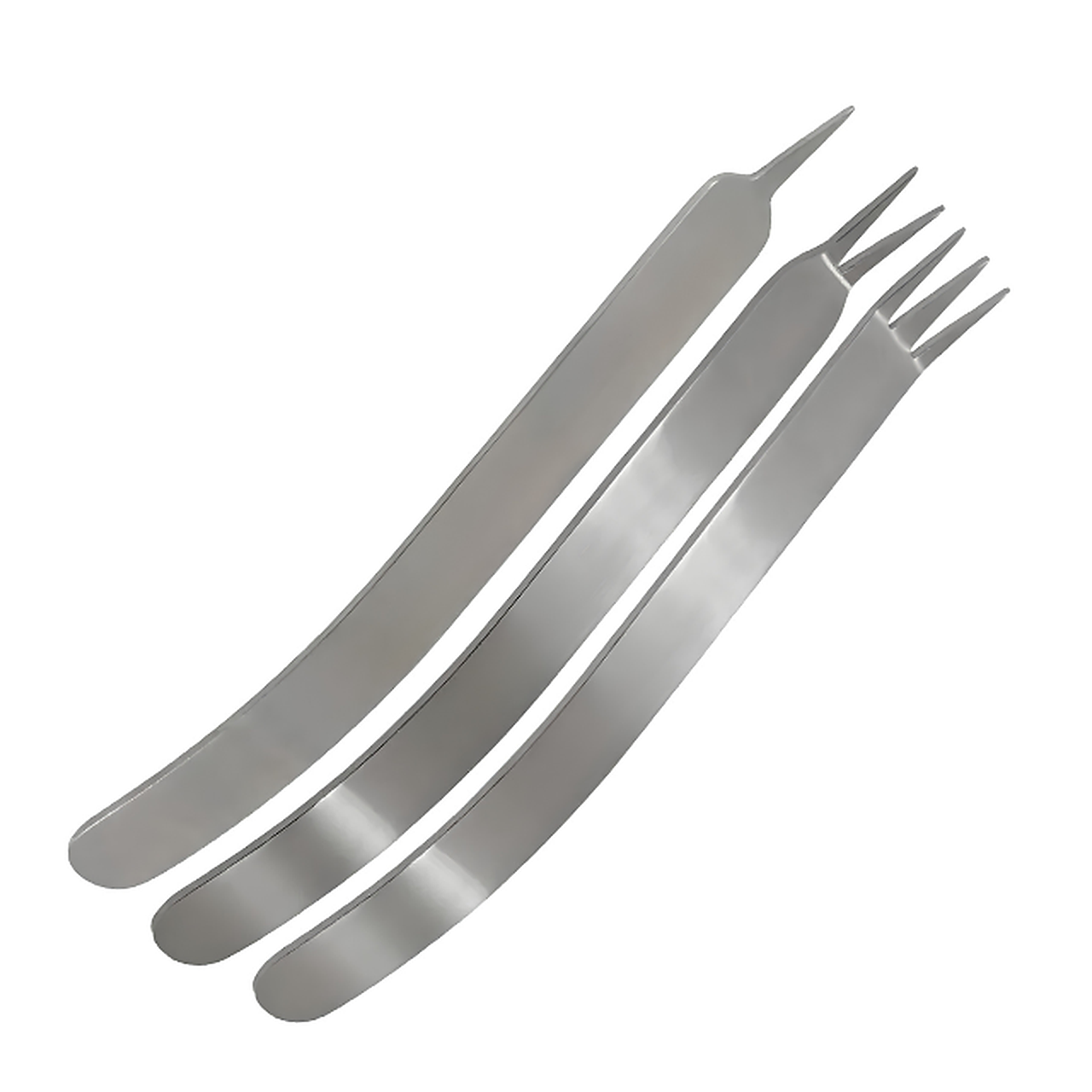
Capsule Retractors
From $64.00
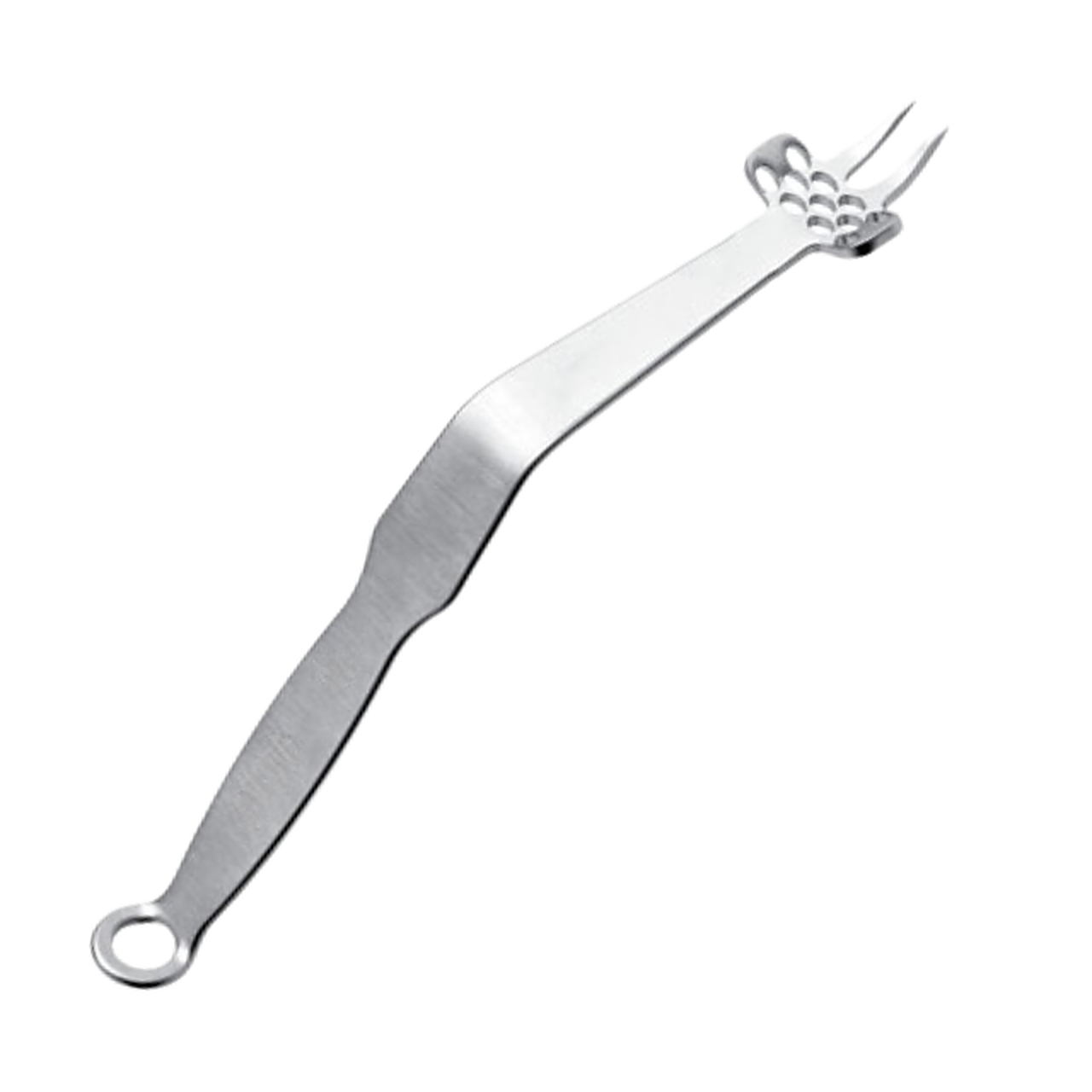
Lateral Soft Tissue Retractors
From $84.00
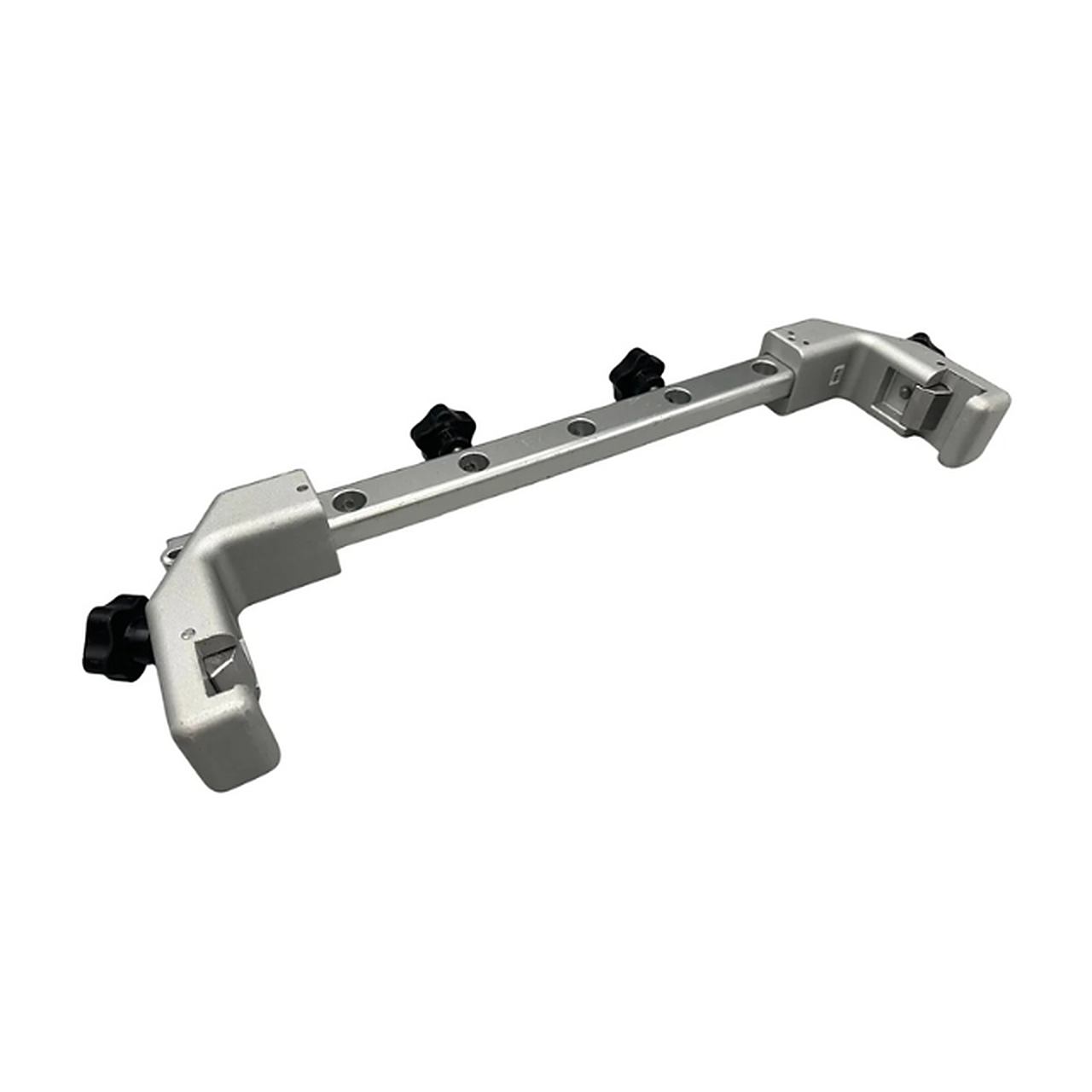
Adjustable Mayfield Adaptor
$1,199Free Shipping
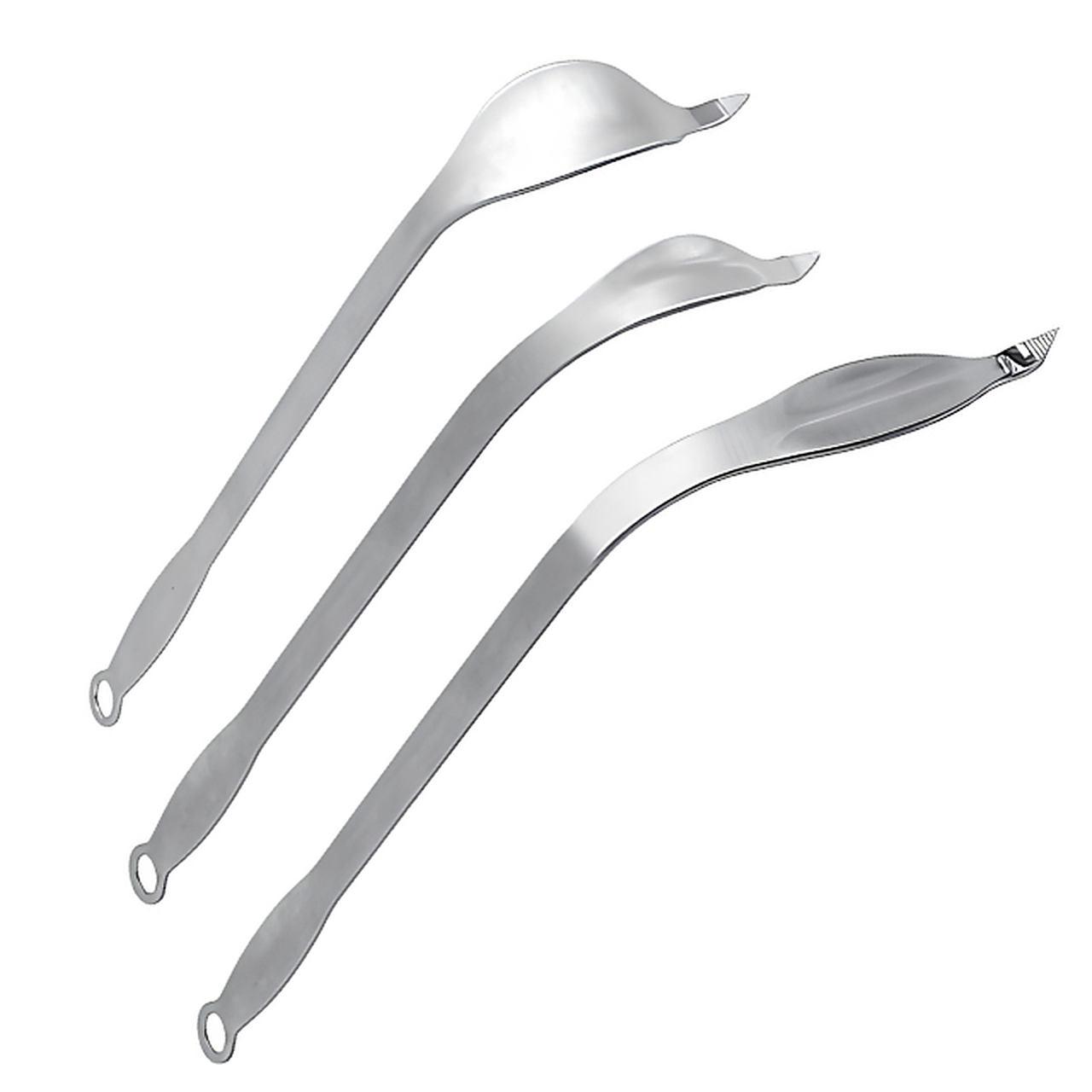
Cobra Retractor
From $79.00
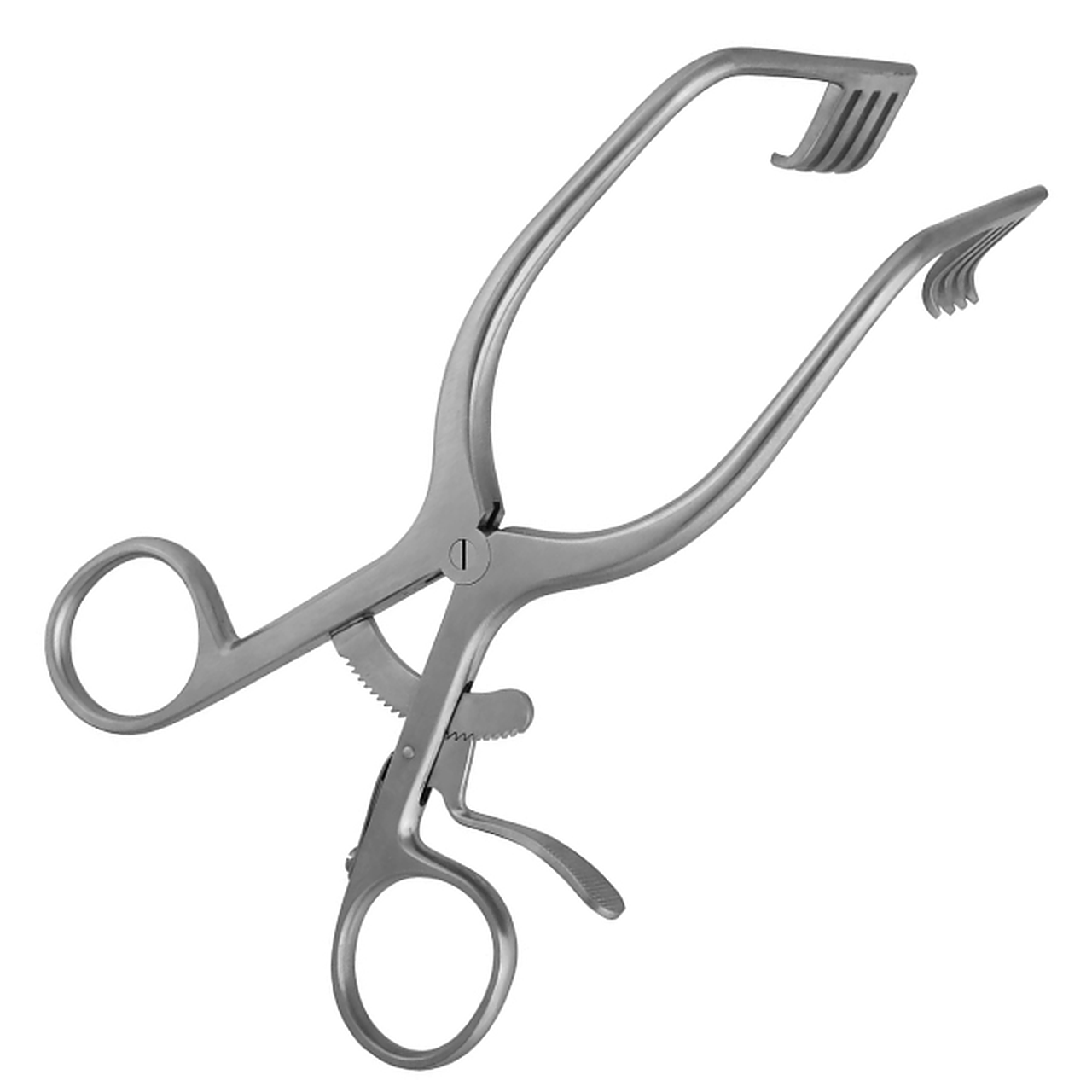
Adson Self-Retaining Cerebellar Retractor
From $189
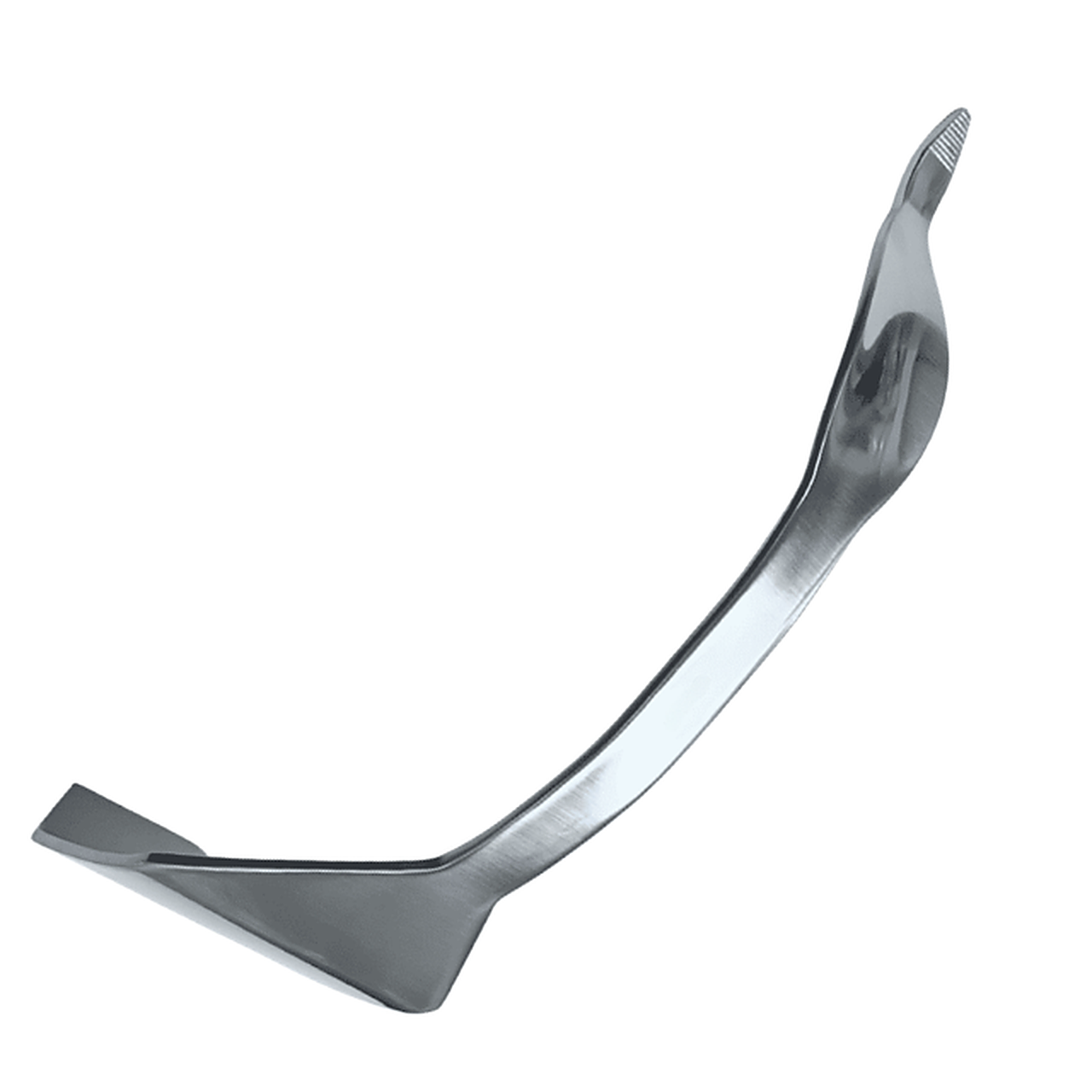
Cobra Retractor with Hand Rest
$169
Need Surgical Retractors or Components?
Tell us what you need, including the product, configuration, quantity and destination country. Retractor Maker can provide availability, specifications and pricing.
Request a Quote