
Orthopedic & Spine Retractors
Hibbs Retractor: Deep Orthopedic & Spinal Blade Selection
Author: Saad Shahid · Updated · 7 min read
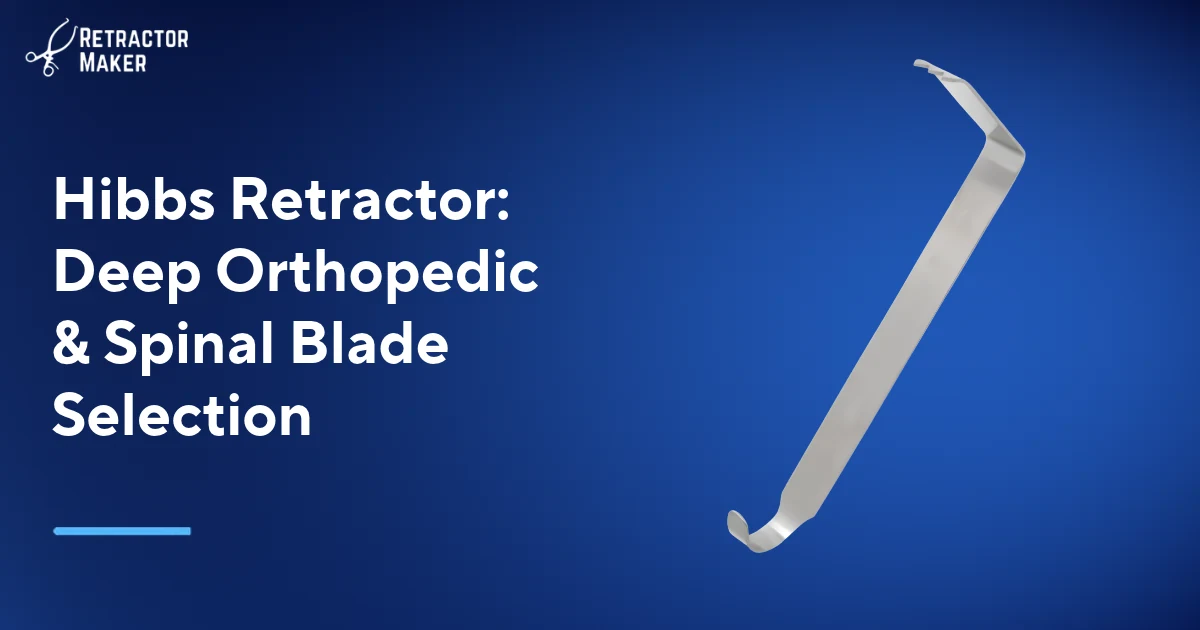
A Hibbs retractor is a heavy-duty, handheld surgical instrument featuring a long shaft, an angled or contoured handle, and a deep, blunt-toothed or smooth working blade. It is primarily used in posterior spinal approaches and deep orthopedic surgery to retract thick muscle bellies and expose underlying bony structures.
Retractors discussed in this guide: Hibbs Retractor. Browse all surgical retractors.
The Hibbs retractor is a rigid handheld surgical instrument for deep soft-tissue retraction in open orthopedic and spinal procedures. Major spinal and deep musculoskeletal procedures require an open, illuminated corridor through thick muscle planes. Soft tissues resist lateral displacement. Without stable retraction, broad muscle groups can obscure critical bony landmarks.
Contents
What Is a Hibbs Retractor?
The Hibbs retractor is a manual surgical retractor named in association with Dr. Russell A. Hibbs, a pioneering orthopedic surgeon and early innovator in spinal fusion. Developed for heavy paraspinal muscles in posterior spinal surgery, it gives surgeons and surgical assistants leverage to move dense soft tissue away from vertebral laminae, spinous processes, and pelvic or femoral cortices.
Unlike light general-surgery retractors, the Hibbs retractor has a robust shank and an ergonomic handle for sustained manual traction. Its distal blade is designed to seat securely against deep tissue planes without slipping.
How Do the Shaft, Handle, and Blade Support Retraction?
A Hibbs retractor relies on structural strength and functional geometry to maintain deep tissue retraction. Its main design features are:
- Heavy-duty shaft: A thick main shank resists flex and mechanical bowing under strong manual traction against dense paraspinal or gluteal muscles.
- Ergonomic handle: Most models have an angled, contoured, or fenestrated handle to maximize mechanical leverage and minimize hand and forearm fatigue during extended procedures.
- Distal blade geometry: The blade projects from the shaft, typically near a right angle or at a slightly obtuse angle, to reach deep surgical corridors without blocking the surgeon’s direct line of sight.
- Distal lip and teeth: Many classic Hibbs retractor models have multiple blunt teeth or a serrated, curved terminal lip. These seat into deep fascial boundaries or along bone margins to resist lateral tissue migration. Other variants have a smooth, radiused lip for use near delicate neurovascular structures.
How Do You Choose Blade Length, Width, and Depth?
Choose blade dimensions to match patient anatomy, soft-tissue depth, and the surgical approach. Hibbs retractors come in a range of blade dimensions to accommodate these differences. The appropriate configuration is critical for adequate exposure without focal tissue compromise.
| Blade Dimension | Engineering Characteristic | Clinical Rationale |
|---|---|---|
| Narrow Width | Reduced lateral blade surface (e.g., 15 mm to 25 mm) | Enables access through restricted intermuscular windows or small linear incisions without crowding adjacent instruments. |
| Broad Width | Expansive blade surface (e.g., 30 mm to 50 mm+) | Distributes retraction force across thick muscle bellies (such as the gluteus maximus or broad paraspinal masses), preventing tissue from bulging around the blade margins. |
| Short / Shallow Reach | Reduced vertical blade drop (e.g., 50 mm to 75 mm) | Suited for cervical spine exposures, pediatric orthopedics, or patients with a lower body mass index (BMI). |
| Deep / Extended Reach | Extended vertical blade drop (e.g., 80 mm to 125 mm+) | Reaches deep retroperitoneal planes, deep lumbar spine laminae, or periacetabular regions in muscular or high-BMI patients. |
Where Is the Hibbs Retractor Used?
The Hibbs retractor is used for deep exposure in spinal, pelvic, hip, and long-bone surgery. Applications include:
- Posterior spinal fusion and laminectomy: Retracts erector spinae and multifidus muscles laterally during open posterior lumbar and thoracic approaches, maintaining views of facet joints, transverse processes, and laminae.
- Pelvic and acetabular trauma: Retracts thick gluteal and thigh muscles away from the iliac wing and acetabular walls during complex open pelvic reconstruction.
- Hip arthroplasty and femoral exposure: Provides primary deep soft-tissue retraction to expose the proximal femur and hip joint capsule during open reconstruction and revision procedures.
- Major long-bone osteotomies: Provides broad muscular clearance for femoral or tibial nonunion repairs and corrective osteotomies.
How Does Hibbs Compare with Other Deep Retractors?
Design differences distinguish the clinical role of the Hibbs retractor from comparable surgical instruments. Comparing those features helps clarify its specific use in deep retraction.
| Feature | Hibbs Retractor | Taylor Spinal Retractor | Langenbeck Retractor |
|---|---|---|---|
| Retraction Type | Handheld manual | Handheld or weighted/tethered | Handheld manual |
| Blade Tip Profile | Blunt teeth, serrated, or radiused lip | Pointed, downward-curved hook | Smooth, flat right-angled blade |
| Primary Anatomical Target | Deep paraspinal muscle & major extremity muscle | Paraspinal muscle (anchored on transverse process) | Intermuscular corridors & superficial soft tissue |
| Handle Configuration | Contoured, heavy-duty grip for direct pull | Ring handle or weighted strap attachment | Teardrop or loop handle |
| Structural Rigidity | High (resists heavy muscular torque) | Moderate to high | Moderate (optimized for lighter soft tissue) |
How Should Reusable Retractors Be Reprocessed?
Reusable stainless-steel Hibbs retractors must be reprocessed according to the manufacturer’s Instructions for Use (IFU) and hospital central sterile supply department (CSSD) standards. Key steps include:
- Point-of-use decontamination: Wipe biological soils, blood, and bone debris from blade surfaces and teeth immediately after use. Never let soils dry in handle fenestrations or between serrations.
- Cleaning: Submerge in a neutral-pH or enzymatic detergent bath. Use soft-bristled nylon brushes on distal teeth and blade transitions. Avoid abrasive pads or wire brushes that strip the passive chromium oxide layer. Ultrasonic cleaning is recommended for microscopic debris in handle knurling.
- Inspection: Check the blade-to-shaft junction for metal fatigue, stress fractures, or micro-cracks from heavy manual torque. Check terminal teeth for bending, chipping, or burrs.
- Sterilization: Autoclave with validated moist heat steam sterilization parameters established by the healthcare facility and instrument manufacturer. Store in a clean, dry, climate-controlled environment.
What Should Buyers Check When Sourcing Hibbs Retractors?
Hospital procurement teams, surgical distributors, and private-label medical device companies should assess materials, passivation, and blade customization when sourcing Hibbs retractors. Key manufacturing parameters include:
- Alloy selection and heat treatment: Specify medical-grade martensitic or austenitic stainless steel with proper heat treatment for high tensile strength without brittleness.
- Passivation quality: Validated chemical passivation ensures long-term resistance to pitting, corrosion, and autoclaving wear.
- Blade geometry customization: Retractor Maker manufactures Hibbs-style retractors for international B2B clients, with custom blade lengths, modified tooth configurations, non-glare satin finishes, and custom laser-etched branding.
Clinical notice: This guide is for surgical teams and hospital buyers. Always follow the manufacturer's instructions for use (IFU) and your hospital's sterilization rules before clinical use.
Frequently Asked Questions
What is a Hibbs retractor?
A Hibbs retractor is a heavy-duty handheld surgical instrument for retracting deep muscular layers in spine and orthopedic surgery. It has a long shaft, an ergonomic handle, and a deep blade with blunt teeth or a curved lip.
What is the primary use of a Hibbs retractor?
The Hibbs retractor is primarily used to retract thick muscle bellies during posterior spinal procedures and deep orthopedic surgery. This manual retraction provides stable exposure of underlying bone, including the bony structures encountered in open posterior spinal approaches.
Why do some Hibbs retractors have teeth on the blade?
Hibbs retractors have blunt terminal teeth to grip deep fascial planes or seat against bone margins. These teeth help anchor the blade under thick muscle tension, preventing it from slipping out and resisting lateral movement of the retracted tissue.
What is the difference between a Hibbs and a Taylor retractor?
A Hibbs retractor has a wider, flat-bodied blade with blunt teeth or a lip for manual pulling, while a Taylor retractor has a curved, pointed tip. The Taylor retractor hooks over the transverse process and can be weighted with a traction strap.
Is a Hibbs retractor self-retaining?
A Hibbs retractor is handheld, not self-retaining, and requires continuous manual positioning and holding by a surgical assistant or surgeon. Its robust shank and ergonomic handle support sustained manual traction while the blade seats against deep tissue planes.
Are Hibbs retractors reusable?
Hibbs retractors manufactured from high-grade Premium Grade AISI 304/316 Stainless Steel (Non-Magnetic) are reusable and fully compatible with hospital steam autoclave reprocessing when handled according to validated IFUs. Reprocessing must follow the manufacturer’s Instructions for Use and hospital central sterile supply department standards.
How do you choose the blade width of a Hibbs retractor?
Choose a narrow Hibbs retractor blade for restricted intermuscular windows and a broad blade for thick muscle bellies. Narrow blades pass through small linear incisions without crowding adjacent instruments. Broad blades distribute retraction force across gluteal or paraspinal muscle masses and prevent tissue from bulging around the blade margins.
When is a deeper Hibbs retractor blade needed?
A deeper Hibbs retractor blade suits deep lumbar, retroperitoneal, or periacetabular exposure in muscular or high-BMI patients. Extended blade drops described in this guide range from 80 mm to 125 mm or more. Shorter drops of 50 mm to 75 mm suit cervical exposures, pediatric orthopedics, or lower-BMI patients.
What should be inspected on a Hibbs retractor before reuse?
Inspect the Hibbs retractor’s blade-to-shaft junction for metal fatigue, stress fractures, or micro-cracks, and check terminal teeth for bending, chipping, or burrs. These checks are part of reprocessing, which must follow the manufacturer’s Instructions for Use and hospital central sterile supply department standards.
About the author
Saad Shahid · Sales & Marketing Manager
Saad Shahid is the Sales & Marketing Manager and founder of Retractor Maker, started in 2023 in Sialkot, Pakistan. He also works with his father at Hospitech Traders, the family surgical instrument business founded in 1989.
Related Blogs & Guide
Related Retractors
Capsule Retractors
From $64.00
Lateral Soft Tissue Retractors
From $84.00
Adjustable Mayfield Adaptor
$1,199Free Shipping
Cobra Retractor
From $79.00
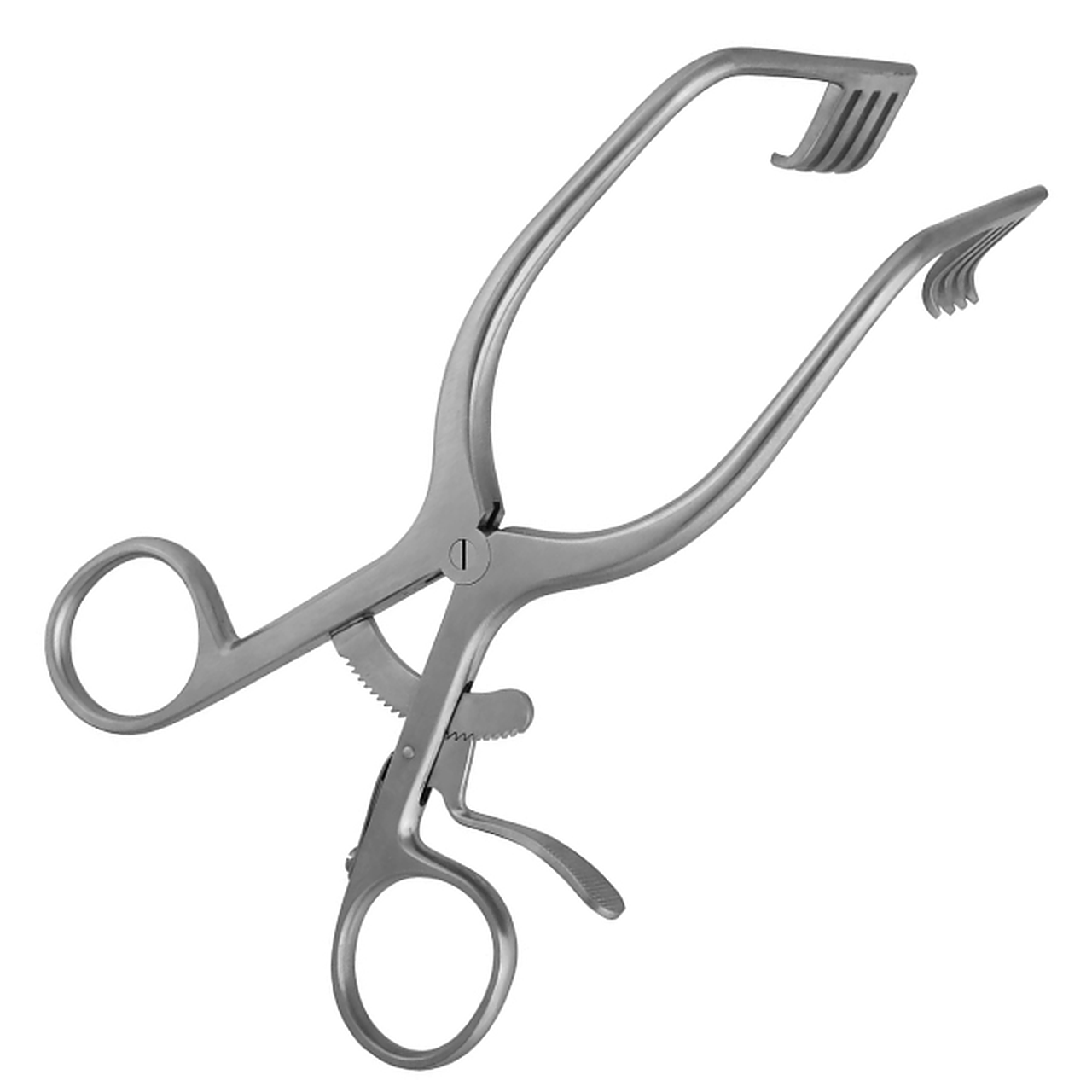
Adson Self-Retaining Cerebellar Retractor
From $189
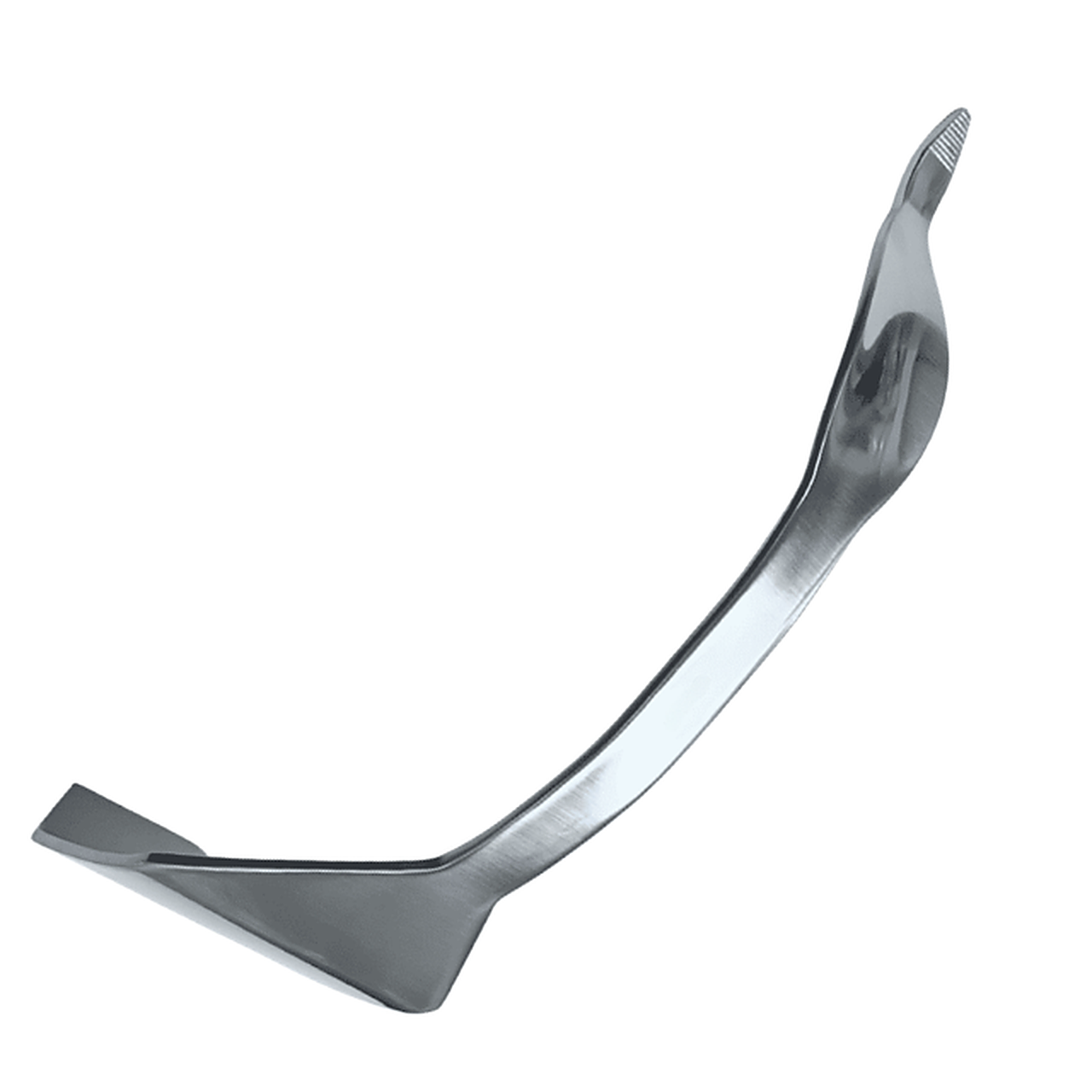
Cobra Retractor with Hand Rest
$169
Need Surgical Retractors or Components?
Tell us what you need, including the product, configuration, quantity and destination country. Retractor Maker can provide availability, specifications and pricing.
Request a Quote