
Orthopedic & Spine Retractors
Taylor Spinal Retractor: Posterior Lumbar Laminectomy Exposure
Author: Saad Shahid · Updated · 6 min read

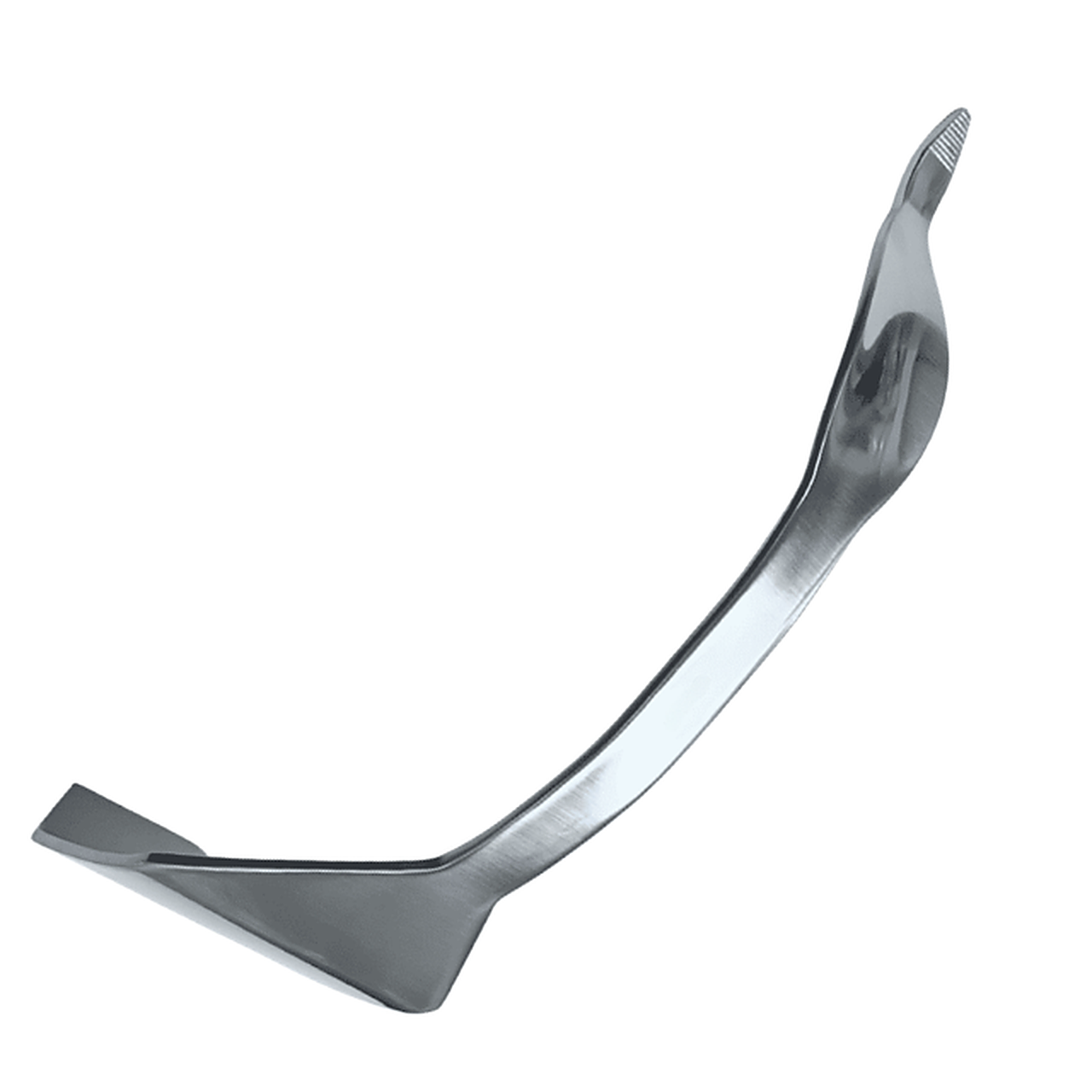
A Taylor spinal retractor is an orthopedic and neurosurgical instrument characterized by an angled handle and a flat blade terminating in a downward-curved, pointed beak. It is primarily used in posterior lumbar laminectomies and discectomies to anchor over the transverse process and retract paraspinal musculature laterally.
Retractors discussed in this guide: Taylor Spinal Retractor. Browse all surgical retractors.
A Taylor retractor is a manual spinal instrument that anchors against the transverse process for posterior exposure. Posterior spinal surgery requires steady lateral retraction of dense paraspinal muscles, including the multifidus and longissimus, to access the lamina, facet joints, and interlaminar spaces. Self-retaining scissor retractors are frequently used, but unilateral or targeted posterior lumbar approaches often benefit from direct bony anchorage.
The Taylor spinal retractor was developed specifically for posterior lumbar exposure. Its sharp, downward-curved beak and angled handle support manual pull or weighted traction. The Taylor retractor provides stable exposure of the posterior vertebral elements.
Contents
What Is a Taylor Spinal Retractor?
The Taylor spinal retractor provides stable muscle retraction during posterior spinal approaches without crowding the operative corridor. It is named after the American orthopedic surgeon Dr. Charles Fayette Taylor.
The Taylor retractor works through osseous anchorage:
- Anchoring beak: The pointed blade tip hooks over the transverse process or lateral facet joint ridge. Bony anchorage stabilizes the blade against slippage rather than relying solely on muscle friction.
- Unilateral clearance: Lateral anchorage pulls the entire paraspinal muscle mass outward, exposing the targeted laminae and intervertebral disc space.
- Weighted traction: The ergonomic handle supports manual holding or attachment to a weighted traction strap or weight hanging off the operating table, freeing surgical staff from continuous holding.
How Do the Blade, Beak, and Handle Support Exposure?
The Taylor spinal retractor has mechanical features suited to the deep, compact anatomy of the lumbar spine:
- Downward-curved pointed beak: The distal tip tapers and curves downward to seat securely over the bony ledge of the transverse process.
- Flat blade body: The rigid blade prevents paraspinal muscle bellies from collapsing into the interlaminar window.
- Angled shank: The shaft angles outward from the incision, keeping the handle and assistant’s hand outside the primary line of sight and away from operating microscopes or loupes.
- Grip or weighted ring handle: Many Taylor retractors have a teardrop loop or handle crossbar that accepts cotton webbing or chains for hanging sterile traction weights.
What Are the Uses in Posterior Spinal Surgery?
The Taylor retractor is widely used in open and mini-open spinal procedures:
- Lumbar laminectomy and decompression: Retracts unilateral paraspinal muscles to expose the spinous process, lamina, and ligamentum flavum for neural decompression.
- Lumbar microdiscectomy: Creates a focused working portal over a single interlaminar window, keeping the field clear for micro-instruments and high-magnification optics.
- Posterior Lumbar Interbody Fusion (PLIF): Helps expose the facet joint complex and transverse process for pedicle screw placement and bone graft bed preparation.
- Posterior cervical or thoracic decompression: Smaller, narrower models support targeted lateral muscle displacement in the thoracic or posterior cervical spine.
Taylor vs. Hibbs Spinal Retractor: What Is the Difference?
| Feature | Taylor Spinal Retractor | Hibbs Retractor |
|---|---|---|
| Tip Profile | Downward-curved pointed beak | Broad blade with blunt teeth or curved lip |
| Anchoring Mechanism | Hooks over the transverse process / facet | Seats into deep fascial boundaries or along bone |
| Traction Mode | Manual pull or weighted strap attachment | Manual pull via contoured handle |
| Primary Exposure Vector | Unilateral lateral displacement | Unilateral or bilateral broad muscular retraction |
| Blade Width | Standard intermediate width (approx. 25–40 mm) | Available in narrow to extra-broad widths |
How Should Buyers Select Blade Sizes and Materials?
Select Taylor retractors for spinal surgery sets by blade depth, blade width, and structural strength:
- Blade depth assortment: Lumbar spine depth varies considerably with patient body habitus. Include multiple blade lengths, typically 75 mm to 125 mm+, so the beak reaches the transverse process without excessive tissue compression.
- Blade width options: Narrower blades suit single-level microdiscectomies. Wider blades prevent muscle creep during multi-level laminectomies.
- Structural strength: High-tensile stainless steel is required to prevent blade flex under weighted traction.
How Should Cleaning, Inspection, and Reprocessing Be Done?
- Point-of-use handling: Remove bone debris, blood, and soft-tissue residue immediately after use.
- Cleaning: Submerge in neutral-pH enzymatic detergent. Scrub the pointed beak and handle attachment loop with soft nylon brushes, then run through an ultrasonic bath.
- Inspection: Check the pointed beak for blunting, burrs, or bending. Inspect the shaft-handle transition under magnification for structural integrity.
- Sterilization: Autoclave with validated moist heat steam sterilization parameters, following the manufacturer’s validated IFU and hospital infection control standards.
What OEM and Custom Manufacturing Options Are Available?
Retractor Maker manufactures precision Taylor spinal retractors in Sialkot, Pakistan. We partner with spine companies and distributors to produce custom blade lengths, modified beak geometries, non-glare satin finishes, and private-label laser marking.
Clinical notice: This guide is for surgical teams and hospital buyers. Always follow the manufacturer's instructions for use (IFU) and your hospital's sterilization rules before clinical use.
Frequently Asked Questions
What is a Taylor spinal retractor?
A Taylor spinal retractor is an orthopedic and neurosurgical instrument used for posterior spinal exposure. It has an angled handle and a flat blade ending in a downward-curved, pointed beak. The beak anchors over the transverse process to support lateral retraction of paraspinal muscles.
What is a Taylor retractor used for?
A Taylor retractor is primarily used in posterior lumbar laminectomies, discectomies, and spinal fusions to retract paraspinal muscles away from the lamina. It supports posterior exposure by holding the muscle mass laterally, with manual pull or weighted traction applied through the handle.
How does a Taylor retractor anchor in the wound?
A Taylor retractor anchors against bone by hooking its pointed beak over the transverse process or lateral facet joint. This bony anchorage helps prevent slipping rather than relying solely on friction against muscle. The blade holds the paraspinal muscle mass laterally for exposure.
Can a Taylor retractor be used with weights?
A Taylor retractor can be attached to a weighted strap for hands-free, continuous retraction. The handle also supports manual holding. Many models have a teardrop loop or crossbar that accepts cotton webbing or chains for sterile traction weights hanging off the operating table.
What is the difference between a Taylor and a Hibbs retractor?
A Taylor retractor has a pointed beak for hooking over a transverse process, while a Hibbs retractor has a wider blade with blunt teeth for manual muscle pulling. The distinction is bony anchorage with the pointed beak versus manual muscle traction with the wider, blunt-toothed blade.
Can a Taylor retractor be autoclaved?
Reusable Taylor retractors constructed from Premium Grade AISI 304/316 Stainless Steel (Non-Magnetic) are fully compatible with standard steam autoclave sterilization. Use validated moist heat steam sterilization parameters in accordance with the manufacturer’s validated IFU and hospital infection control standards.
How do you choose the blade size for a Taylor spinal retractor?
Taylor spinal retractor blade size should match lumbar spine depth and the extent of exposure needed. Include multiple blade lengths, typically 75 mm to 125 mm+, to reach the transverse process without excessive tissue compression. Narrower blades suit single-level microdiscectomies, while wider blades prevent muscle creep during multi-level laminectomies.
How should a Taylor spinal retractor be cleaned and inspected?
A Taylor spinal retractor requires immediate debris removal, neutral-pH enzymatic cleaning, soft nylon brushing, ultrasonic cleaning, and inspection. Remove bone debris, blood, and soft-tissue residue after use. During cleaning, focus on the pointed beak and handle attachment loop. Inspect the beak for blunting, burrs, or bending, and check the shaft-handle transition under magnification for structural integrity.
Why does a Taylor spinal retractor have an angled shaft?
The Taylor spinal retractor has an angled shaft to keep the handle and assistant’s hand outside the primary line of sight. The shaft angles outward from the incision, keeping both away from operating microscopes or loupes during posterior spinal exposure.
About the author
Saad Shahid · Sales & Marketing Manager
Saad Shahid is the Sales & Marketing Manager and founder of Retractor Maker, started in 2023 in Sialkot, Pakistan. He also works with his father at Hospitech Traders, the family surgical instrument business founded in 1989.
Related Blogs & Guide
Related Retractors
Capsule Retractors
From $64.00
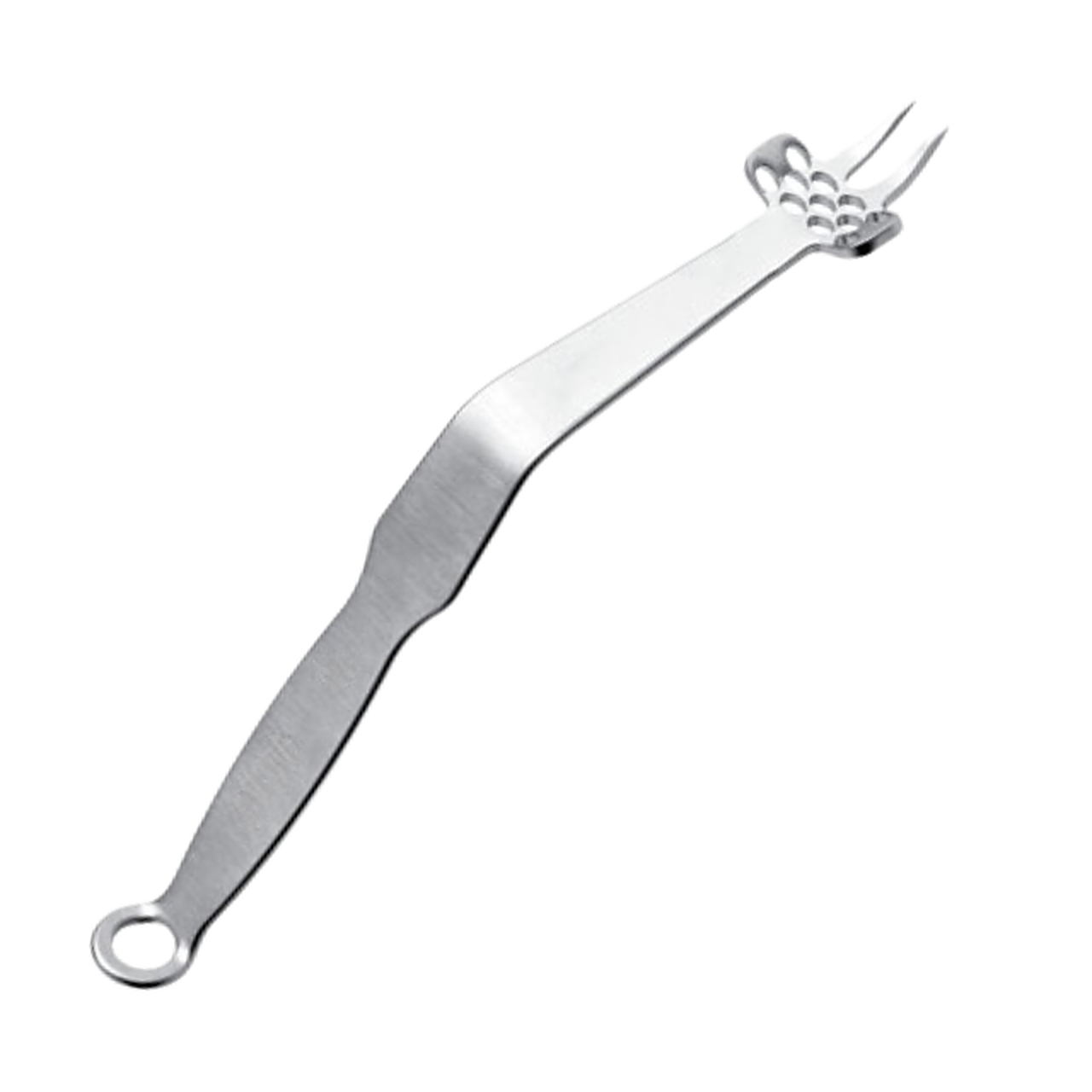
Lateral Soft Tissue Retractors
From $84.00
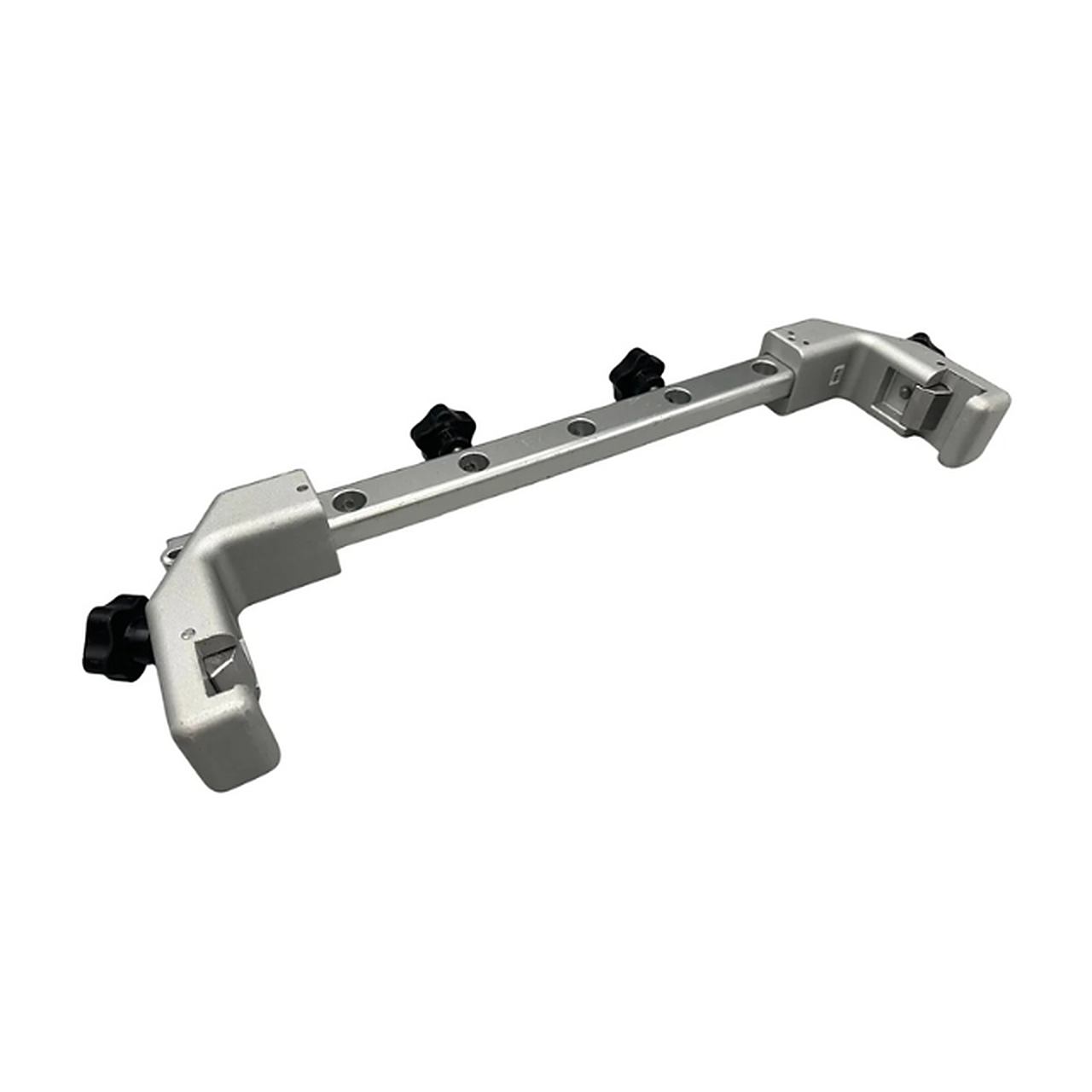
Adjustable Mayfield Adaptor
$1,199Free Shipping
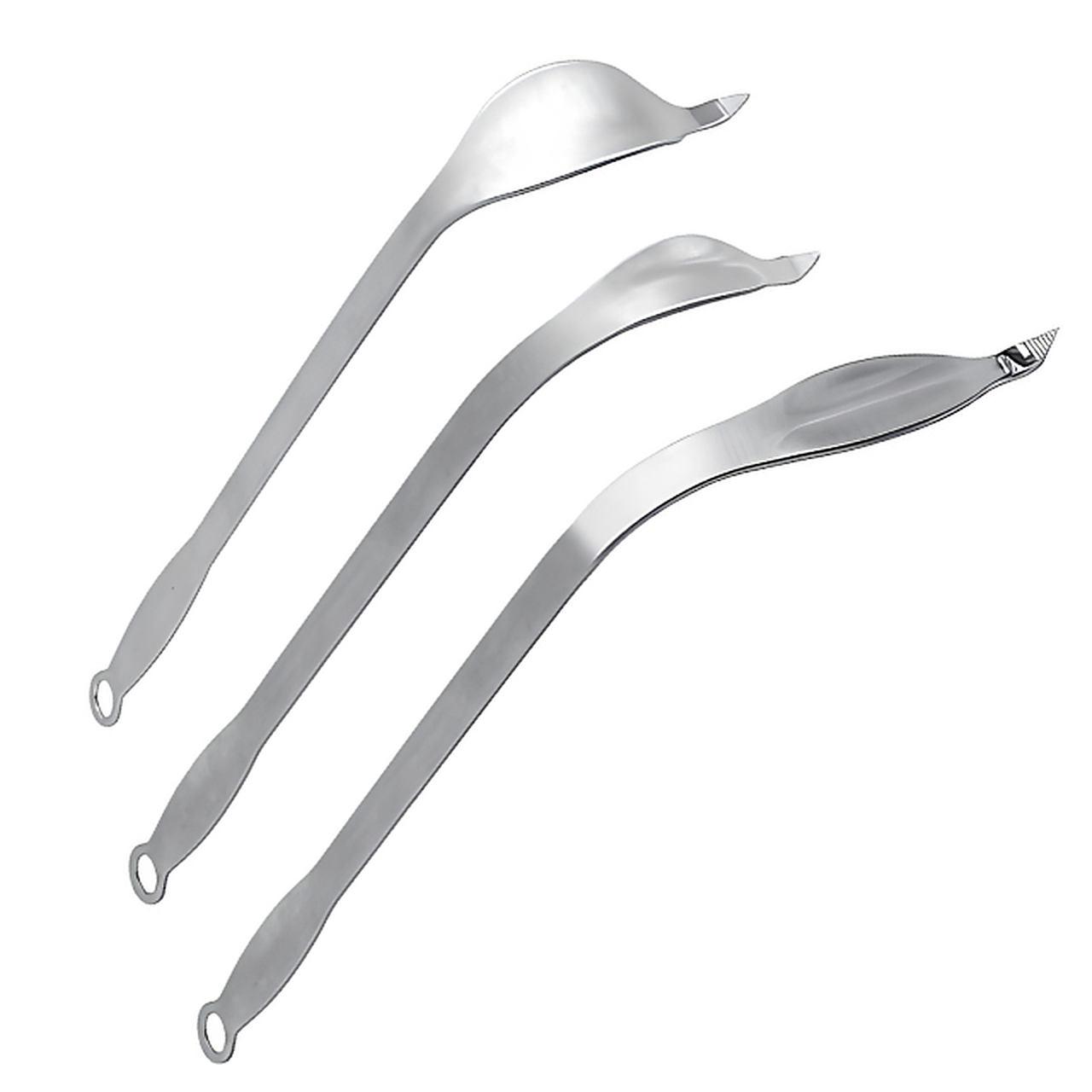
Cobra Retractor
From $79.00
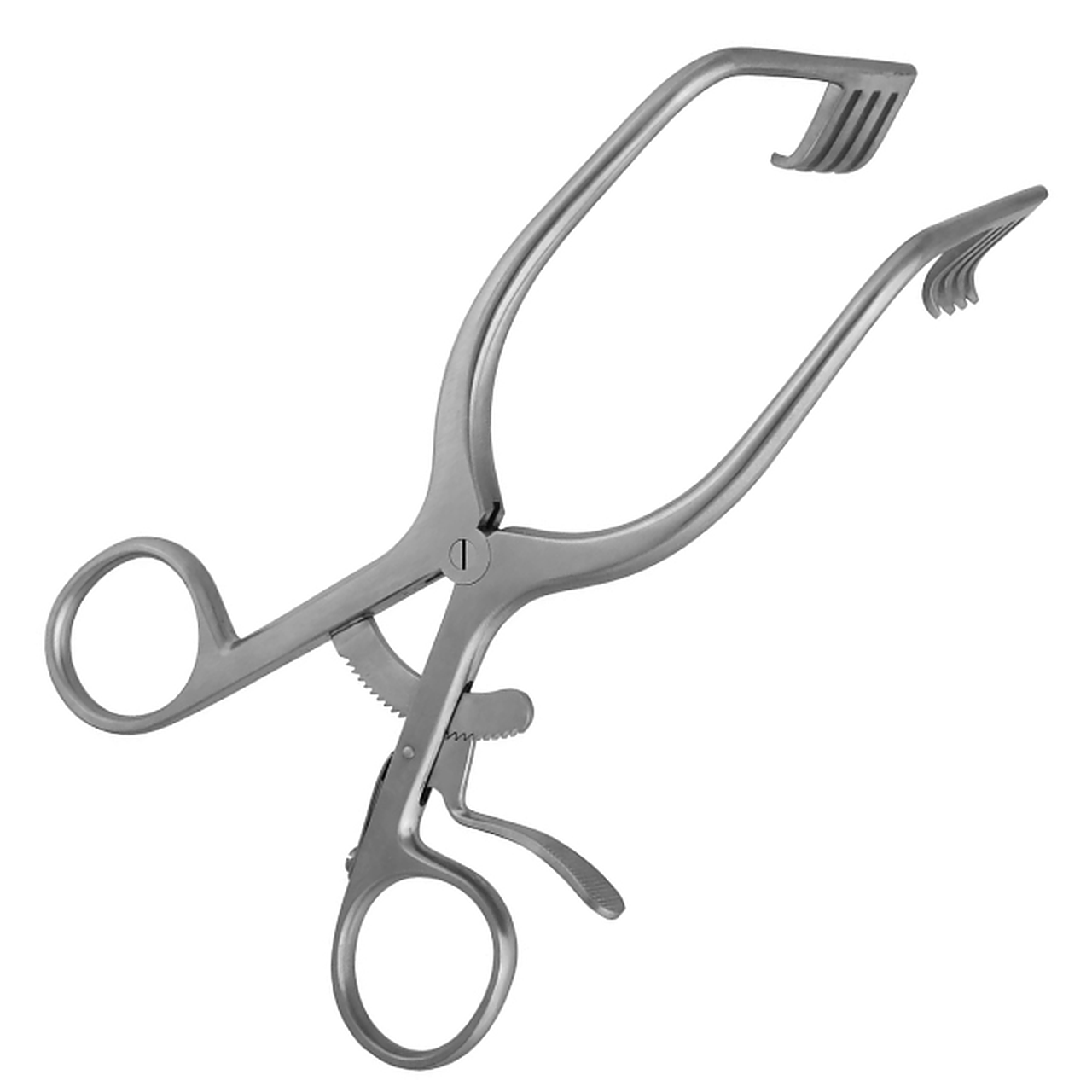
Adson Self-Retaining Cerebellar Retractor
From $189
Cobra Retractor with Hand Rest
$169
Need Surgical Retractors or Components?
Tell us what you need, including the product, configuration, quantity and destination country. Retractor Maker can provide availability, specifications and pricing.
Request a Quote