
General Surgery Retractors
Malleable Ribbon Retractor: Multi-Specialty Atraumatic Tissue Contouring
Author: Saad Shahid · Updated · 6 min read

A malleable ribbon retractor is a flat, flexible surgical instrument made from ductile stainless steel or specialized copper alloys that can be manually bent into custom angles or curves. It is used across general, pelvic, thoracic, and orthopedic surgeries to adapt to irregular anatomical contours and gently displace soft tissues.
Retractors discussed in this guide: Tessier Malleable Ribbon Retractor, Zalkind Malleable Ribbon Retractor. Browse all surgical retractors.
A malleable retractor is a bendable surgical strip shaped by hand to match anatomical contours. In open surgery, anatomical boundaries are rarely flat or symmetrical. Rigid, fixed-angle retractors provide predictable mechanical retraction but cannot adapt to complex contours, tortuous surgical corridors, or fragile visceral interfaces. In irregular spaces, rigid blades can create uneven point-pressure on vulnerable tissues.
The malleable ribbon retractor addresses these geometric constraints. Also called a ribbon retractor or malleable copper/stainless retractor, it is forged from ductile, bendable metal strips. Surgeons can shape malleable retractors by hand to create blade curves that match patient anatomy.
Contents
What Is a Malleable Ribbon Retractor?
A malleable ribbon retractor is a smooth, elongated, flat metallic strip with rounded ends and radiused margins. Standard rigid retractors have fixed right angles or static sweeping curves. Material ductility allows surgeons and assistants to bend malleable retractors repeatedly into custom profiles.
Once shaped, the strip retains its bent configuration under normal manual traction and functions as a customized handheld retractor. After surgery or during intraoperative repositioning, it can be straightened or bent into another configuration. It can also be contoured around deep visceral packaging.
What Materials Give Malleable Retractors Their Flexibility?
A malleable retractor depends on its metallurgical formulation for flexibility and mechanical performance:
- Ductile stainless steel or silver/copper alloys: Most modern ribbon retractors use specialized grades of annealed, ductile stainless steel. Some models use a malleable copper core clad in stainless steel or silver plating for maximum flexibility without metal fatigue.
- Controlled malleability: Metal must bend smoothly by hand without specialized tools yet resist straightening under counter-traction against muscle or viscera.
- Atraumatic rounded margins: Both ends and all lateral edges are fully radiused, buffed, and deburred to prevent micro-abrasions to visceral serosa, vascular sheaths, or nerves.
- Smooth, non-porous surface: A polished satin or bright finish resists corrosion and simplifies decontamination between surgical uses.
What Dimensions and Profiles Are Available?
Malleable ribbon retractors come in a wide range of dimensional formats:
| Dimension Parameter | Standard Technical Range | Clinical Focus |
|---|---|---|
| Width | Typically 10 mm up to 75 mm+ (approx. 0.5″ to 3″+) | Narrow strips access confined cavities; wide ribbons shield expansive visceral fields. |
| Length | Typically 180 mm up to 330 mm+ (approx. 7″ to 13″+) | Short lengths manage superficial/pediatric cases; extended lengths reach deep retroperitoneal cavities. |
| Thickness | Typically 1.0 mm to 2.5 mm | Thinner profiles provide high flexibility; thicker strips provide higher resistance against heavy muscular recoil. |
| Profile | Uniform rectangular strip with rounded ends | Double-ended utility; either end can serve as handle or working blade. |
Which Surgical Specialties Use Malleable Retractors?
Malleable ribbon retractors serve several surgical specialties because they adapt to different anatomical contours:
- Abdominal and pelvic surgery: Contoured to cup deep bowel loops, protect the bladder during pelvic floor dissection, or shield abdominal viscera during midline fascial closure.
- Thoracic and cardiovascular surgery: Bent into smooth S-curves to gently mobilize lung parenchyma, pericardial fat pads, or the diaphragmatic dome.
- Orthopedic and spine surgery: Curved around bony cortices to shield delicate neurovascular bundles during bone cuts, drilling, or reaming.
- Plastic and reconstructive surgery: Narrow malleable strips elevate delicate skin flaps or facial tissue planes without causing focal dermal bruising.
Malleable Ribbon Retractors vs. Rigid Blade Retractors
| Feature | Malleable Ribbon Retractor | Rigid Blade Retractor (e.g., Deaver, Richardson) |
|---|---|---|
| Blade Geometry | Manually customizable (infinitely variable) | Fixed, pre-determined angle or curve |
| Anatomical Adaptation | Conforms to irregular, tortuous anatomical planes | Anatomical field must conform to the rigid blade |
| Material Flexibility | High ductility (bends by hand) | High rigidity (resists all flex) |
| Maximum Load Capacity | Moderate (may straighten under extreme force) | High (withstands heavy muscular and skeletal torque) |
| Versatility | Multi-specialty across variable depths | Task-specific for defined anatomical layers |
What Are the Limits of Malleable Retractors?
Malleable ribbon retractors have handling and load limits despite their versatility:
- Not intrinsically atraumatic: Malleability permits custom contours, but tissue effects depend on technique. Over-retraction or an acute, sharp kink can concentrate pressure and traumatize underlying tissue.
- Load limits: Do not use malleable retractors for heavy bone levering or extreme muscular traction; the strip may straighten under load.
- Work hardening: Repeated bending and unbending at the same focal point can cause localized work hardening, metal fatigue, and micro-cracking over time.
How Should Malleable Retractors Be Inspected and Reprocessed?
- Inspect for metal fatigue: Before packaging, technicians should inspect the retractor under magnification for hairline stress cracks, metal flaking, or sharp creases from repeated bending. Retire any instrument showing cracking immediately.
- Straighten before cleaning: Gently straighten the ribbon so wash solutions contact all surfaces.
- Decontaminate and clean: Submerge in neutral-pH enzymatic cleaner and scrub both faces with soft nylon brushes. Ultrasonic cleaning is recommended.
- Sterilize: Autoclave in standard instrument trays or containment cassettes according to the manufacturer's validated IFU and hospital infection control standards.
What Should Buyers Check When Sourcing Malleable Retractors?
Hospital procurement teams and B2B medical distributors should assess metallurgical consistency, edge finishing, and OEM customization:
- Metallurgical consistency: Alloy formulation must deliver uniform ductility across production batches to prevent sudden brittleness.
- Edge radiusing standards: High-quality manufacturing requires tumbling and hand-polishing every edge to eliminate micro-burrs.
- OEM customization: Retractor Maker manufactures malleable ribbon retractors in Sialkot, Pakistan, with custom widths, lengths, thickness profiles, and private-label laser-etched branding.
Clinical notice: This guide is for surgical teams and hospital buyers. Always follow the manufacturer's instructions for use (IFU) and your hospital's sterilization rules before clinical use.
Frequently Asked Questions
What is a malleable ribbon retractor?
A malleable ribbon retractor is a flat, flexible surgical strip made of ductile metal that bends by hand to match anatomical contours. Its custom angles and curves accommodate irregular spaces during surgery, allowing gentle displacement of soft tissues.
What are malleable ribbon retractors made from?
Malleable ribbon retractors are typically made from specialized ductile Premium Grade AISI 304/316 Stainless Steel (Non-Magnetic) or annealed copper alloys clad in stainless steel or silver. These materials allow manual shaping while retaining the bent configuration under normal manual traction.
Can malleable retractors be reused?
Reusable malleable retractors are fully autoclavable and can be reused. Regular inspection is necessary because repeated bending can cause metal fatigue or stress cracks. Any instrument showing cracking must be retired immediately, and sterilization must follow the manufacturer's validated IFU and hospital infection control standards.
What surgeries use malleable ribbon retractors?
Malleable ribbon retractors are used in general, pelvic, thoracic, orthopedic, and plastic surgeries. Their bendable profiles adapt to irregular cavities, retract viscera, and protect nerves. Shaping the strips by hand allows them to follow the anatomical contours of the surgical field.
Can a malleable retractor straighten out during surgery?
A malleable retractor can straighten during surgery if force exceeds its structural gauge. Select thickness and width to match the targeted tissue resistance. Malleable retractors should not be used for heavy bone levering or extreme muscular traction because the strip may straighten under load.
How should a malleable retractor be inspected in CSSD?
Technicians should check for sharp kinks, surface pitting, and micro-cracks along the bending axes under good lighting and magnification.
How does a malleable ribbon retractor differ from a rigid blade retractor?
A malleable ribbon retractor bends by hand to match irregular anatomical contours, while a rigid blade retractor has a fixed angle or curve. Malleable blades provide customizable geometry across variable depths. Rigid blades offer greater load capacity for heavy muscular and skeletal torque.
Are malleable ribbon retractors always atraumatic?
Malleable ribbon retractors are not intrinsically atraumatic because tissue effects depend on operator technique. Rounded margins and customizable contours support gentle tissue displacement. However, over-retraction or an acute, sharp kink can concentrate pressure and traumatize the underlying tissue.
How do width and thickness affect a malleable ribbon retractor?
A malleable ribbon retractor uses width to accommodate different fields and thickness to balance flexibility against muscular recoil. Narrow strips access confined cavities, while wide ribbons shield broader visceral fields. Thinner profiles provide greater flexibility, while thicker strips resist heavier muscular recoil.
About the author
Saad Shahid · Sales & Marketing Manager
Saad Shahid is the Sales & Marketing Manager and founder of Retractor Maker, started in 2023 in Sialkot, Pakistan. He also works with his father at Hospitech Traders, the family surgical instrument business founded in 1989.
Related Blogs & Guide

Related Retractors
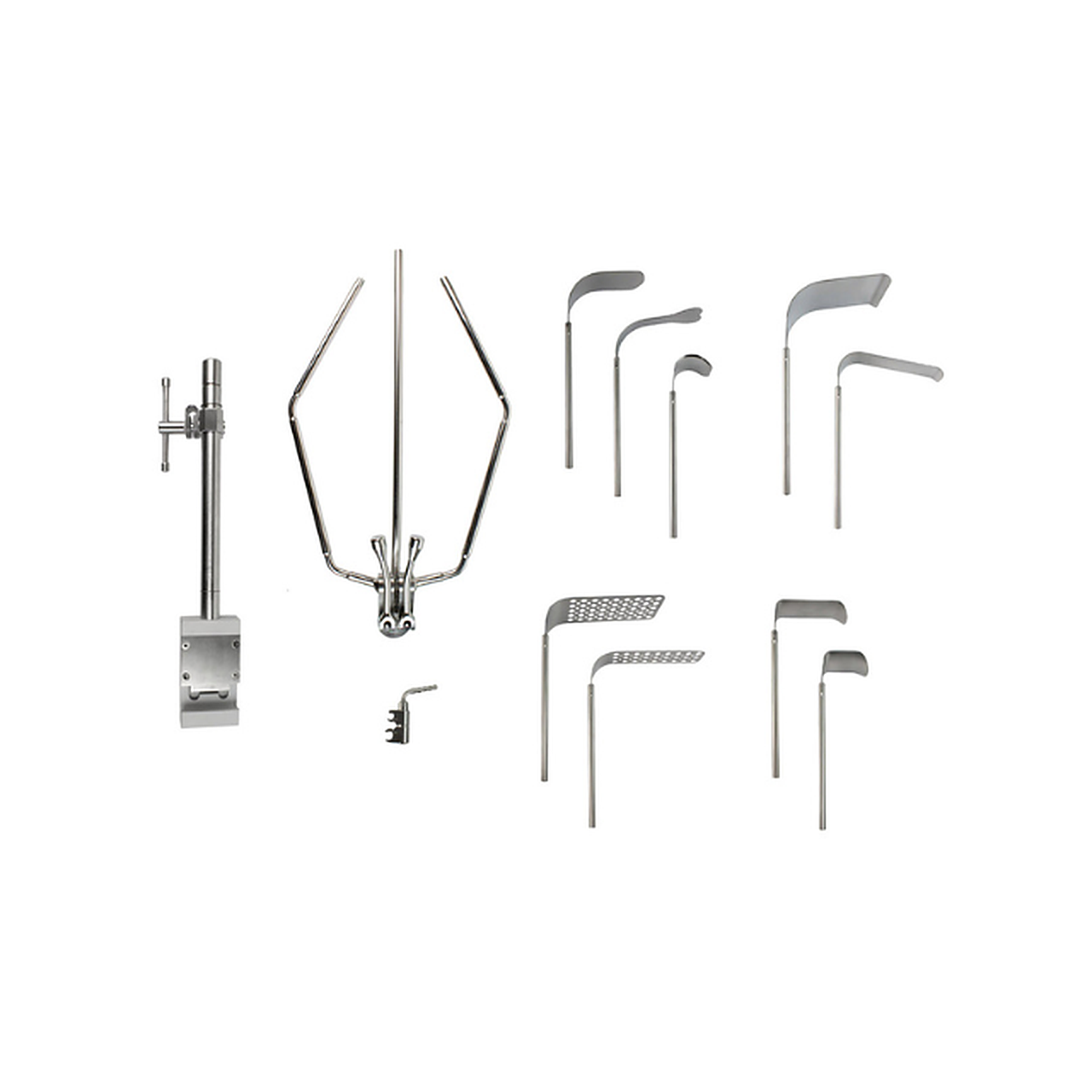
Vascular Lobster System
$2,699Free Shipping
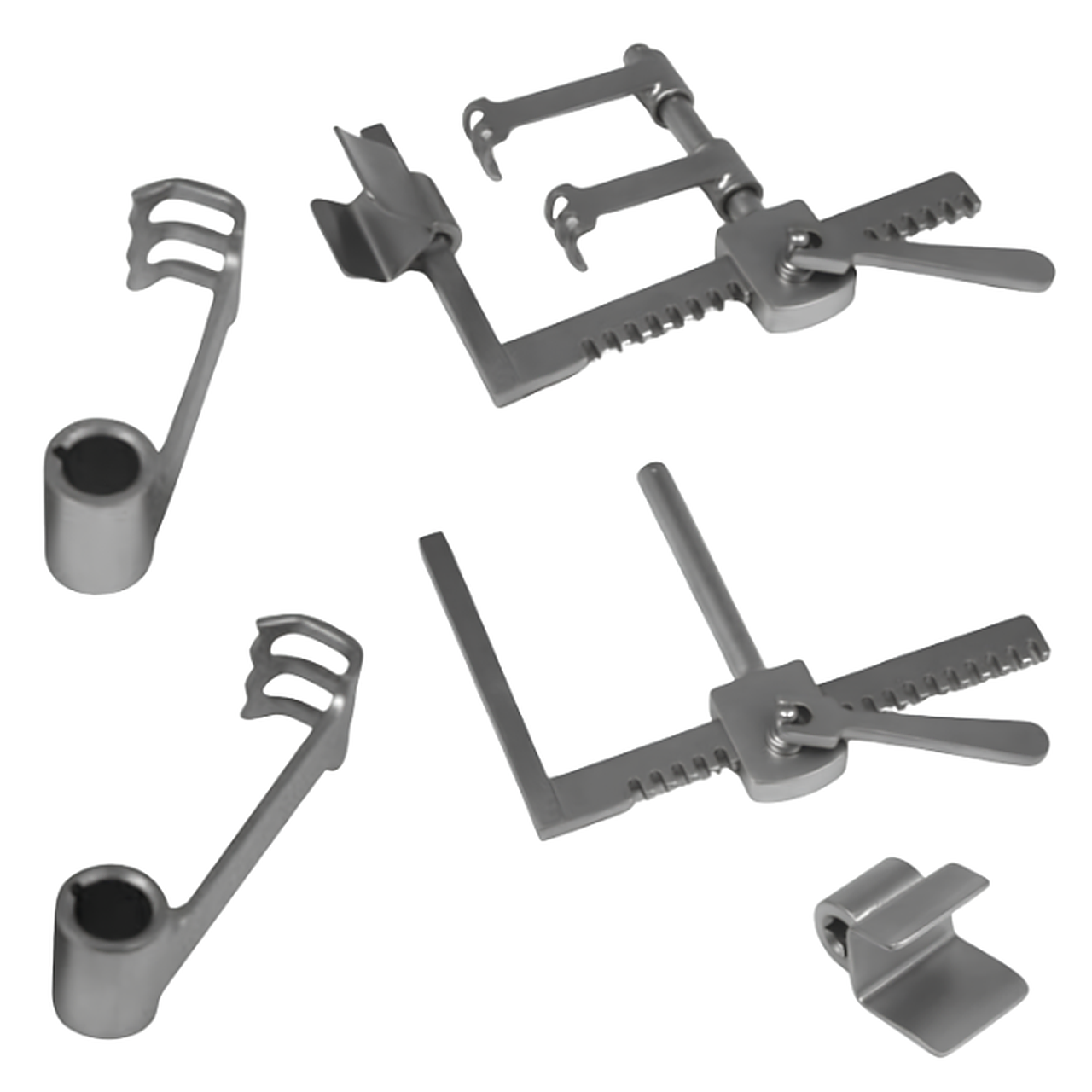
French Pattern I.M.A. Sternal Retractor for Ministernotomy
$429Free Shipping
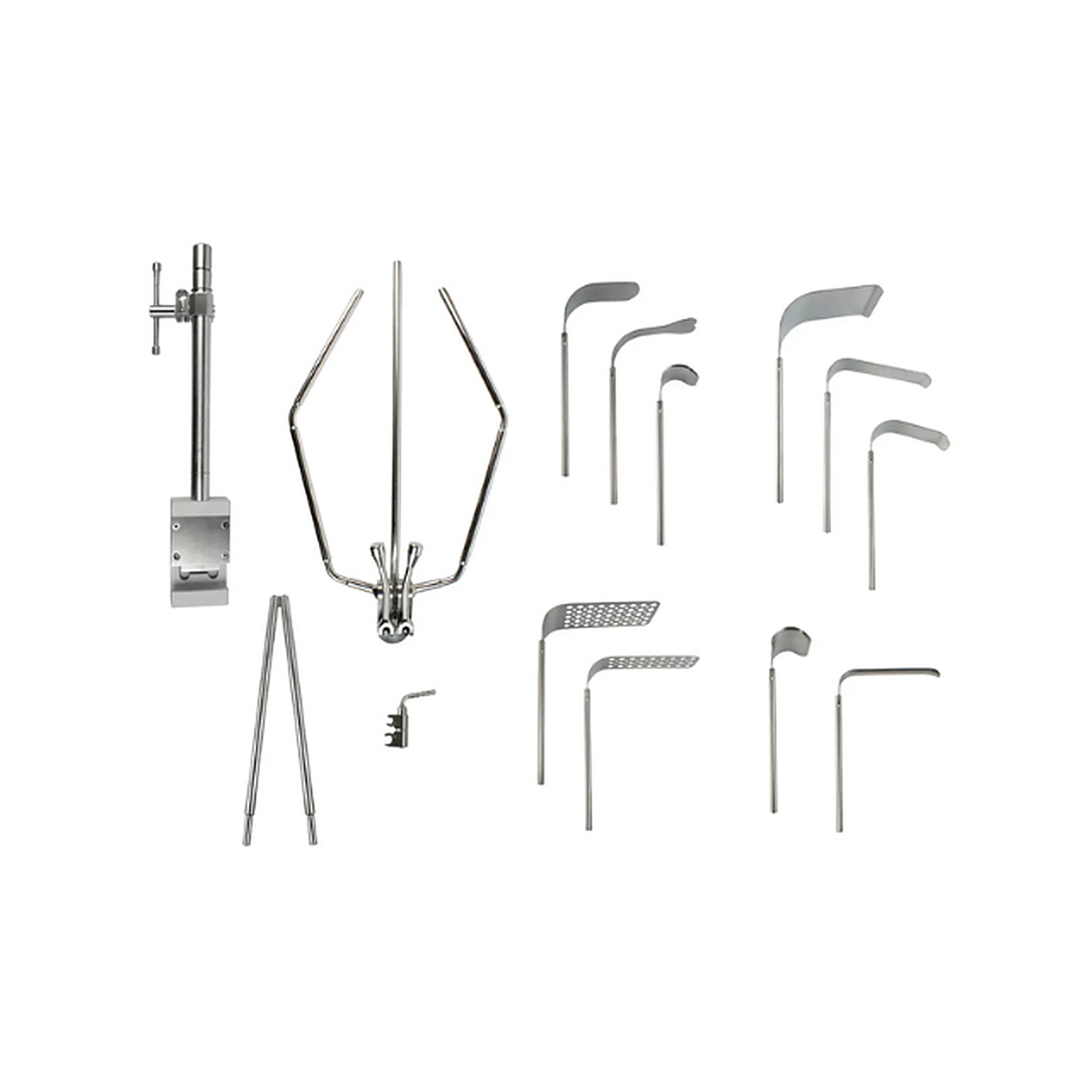
Expanded Vascular Lobster Retractor
$2,999Free Shipping
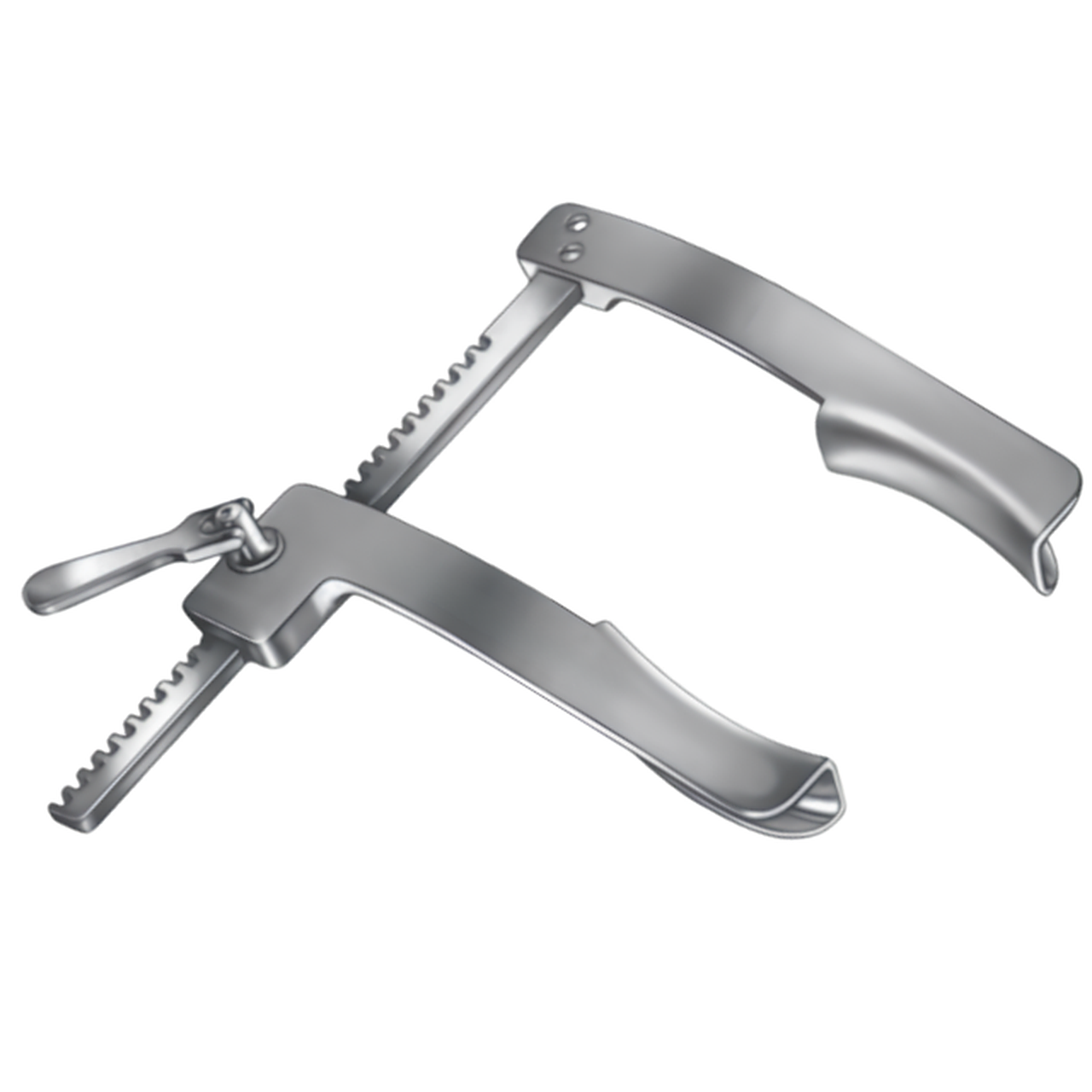
Castaneda Rib Spreader
From $309
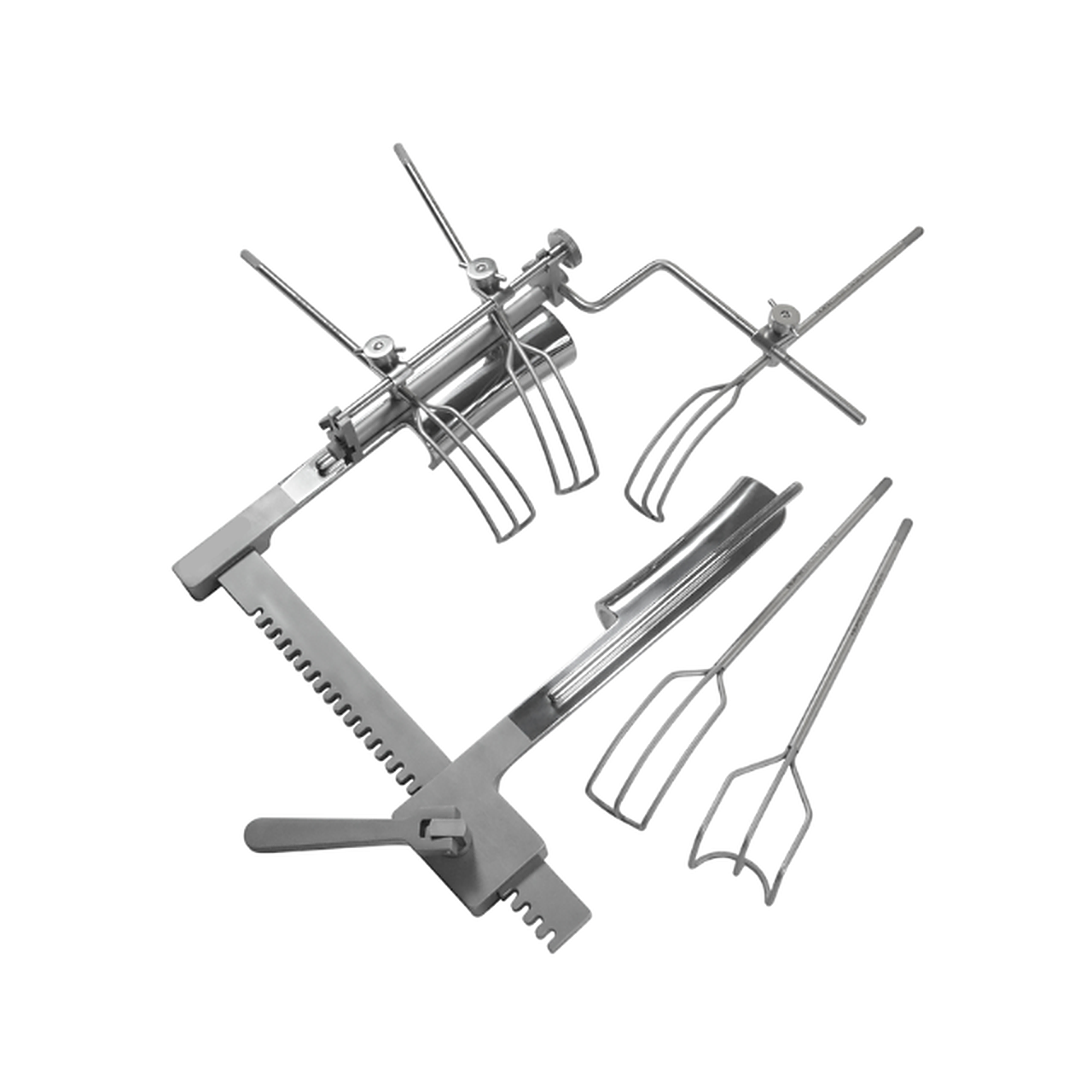
Mitral Valve Retractor
$899Free Shipping
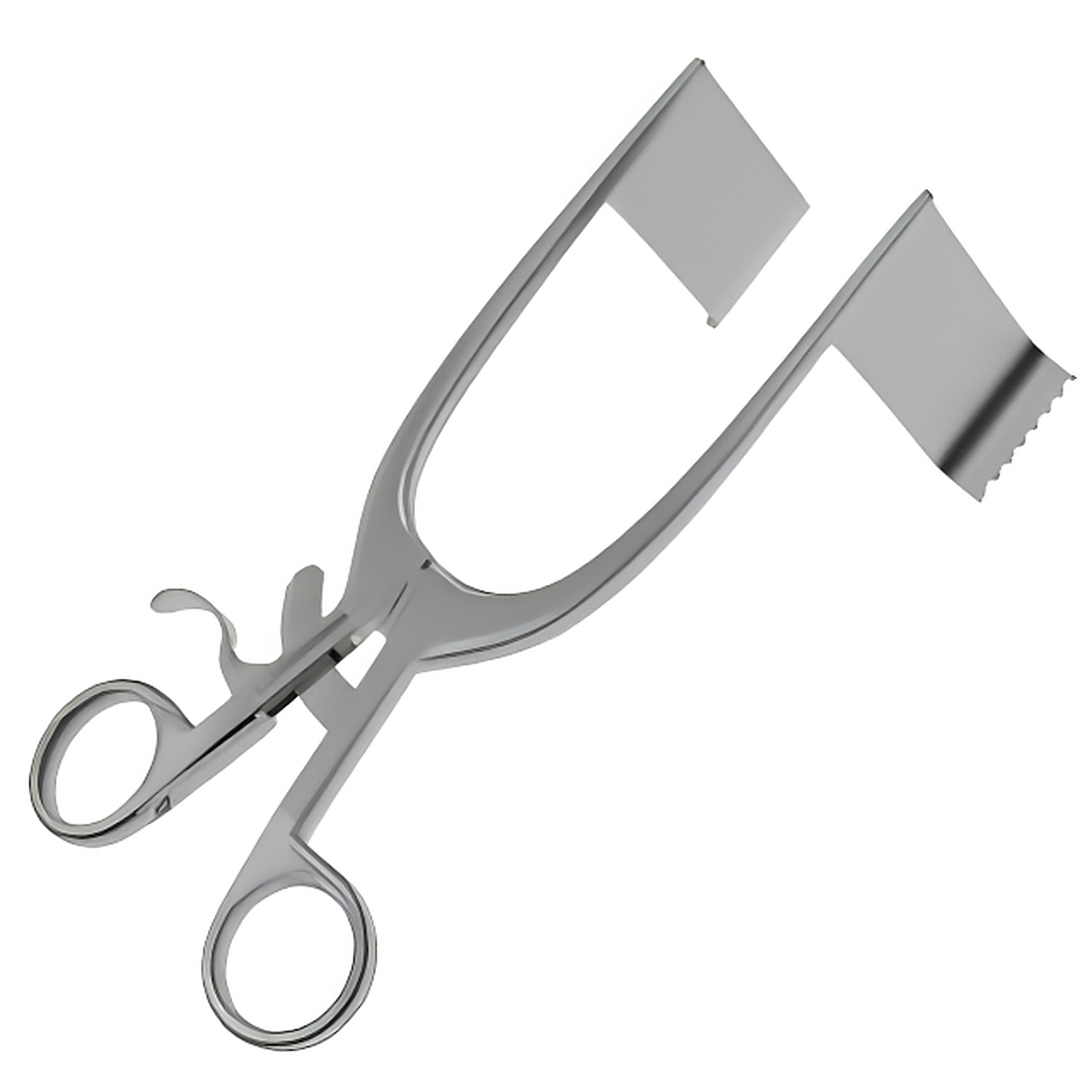
Darling Popliteal Self-Retaining Retractor
From $109
Need Surgical Retractors or Components?
Tell us what you need, including the product, configuration, quantity and destination country. Retractor Maker can provide availability, specifications and pricing.
Request a Quote