
Obstetrics & Gynecology Retractors
Doyen Abdominal & Pelvic Retractor: Deep Visceral Protection
Author: Saad Shahid · Updated · 6 min read
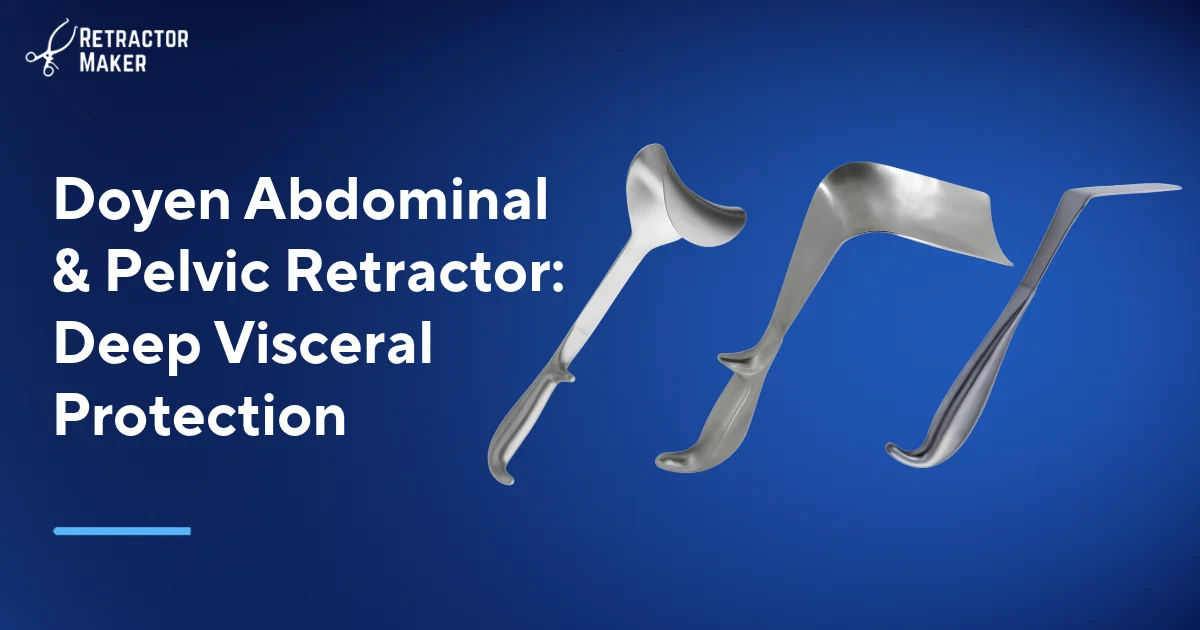
A Doyen retractor is a heavy-duty, handheld surgical instrument featuring a wide, curved, convex blade and an ergonomic handle. It is primarily used in abdominal, pelvic, and OB/GYN surgeries to gently retract internal visceral organs and elevate the abdominal wall without causing focal tissue trauma.
Retractors discussed in this guide: Doyen Abdominal Retractor. Browse all surgical retractors.
A Doyen retractor is a handheld surgical device for deep exposure in major open abdominal and pelvic procedures. These procedures require broad exposure and gentle tissue handling. The bladder, small intestine, liver, and gravid uterus have delicate serosal membranes. Narrow or sharp retractors can cause pressure necrosis, tearing, or bruising.
The Doyen abdominal and pelvic retractor elevates thick muscular wound margins and displaces internal organs atraumatically. It is an established handheld surgical instrument designed for major cavitary procedures.
Contents
What Is a Doyen Retractor?
The Doyen abdominal retractor is a large, curved handheld retractor used for cavitary exposure. Named after the prominent French surgeon Dr. Eugène-Louis Doyen, the Doyen retractor is widely recognized in general surgery and gynecology. Surgical catalogs also use the name "Doyen" for specialized rib retractors and intestinal clamps, as well as handheld abdominal retractors.
The Doyen retractor distributes force across a broad surface. Its blade has a generous convex curve and a wide, radiused distal lip. This shape lets surgical assistants apply significant manual traction against heavy tissue envelopes while spreading the mechanical load evenly across visceral structures.
How Do the Blade Shape and Handle Support Deep Exposure?
The Doyen retractor uses its blade shape and handle configuration to provide deep-cavity leverage:
- Convex curved blade: Drops at approximately a right angle from the shaft into a wide, convex scoop. The curve safely cups mobile internal organs, such as the bladder, or bowel packing.
- Broad surface width: Blade widths typically range from 30 mm to 60 mm+, preventing visceral loops from spilling around the sides into the surgical dissection corridor.
- Blunt, radiused terminal lip: A smooth, non-traumatic rounded distal edge prevents the blade from digging into visceral serosa.
- Ergonomic handle: A solid, forged, contoured handle with finger rests or a teardrop loop gives the assistant firm rotational control and reduces grip fatigue during long cases.
What Are the Abdominal and Pelvic Surgery Applications?
The Doyen retractor is used in obstetrics, gynecology, open pelvic surgery, exploratory laparotomy, and upper abdominal surgery:
- Obstetrics and gynecology—cesarean delivery and hysterectomy: Commonly called a "Doyen bladder retractor" in OB/GYN. Placement at the inferior margin of a Pfannenstiel incision depresses and shields the urinary bladder to expose the lower uterine segment.
- Open pelvic surgery: Retracts the bladder, rectosigmoid colon, or pelvic packing during radical prostatectomies, pelvic lymphadenectomies, and colorectal resections.
- Exploratory laparotomy: Elevates the thick abdominal wall and pushes bowel loops cephalad during lower abdominal explorations.
- Upper abdominal surgery: Gently displaces the stomach or elevates the inferior liver border during biliary or gastric interventions.
Doyen vs. Deaver vs. Richardson Retractor
| Feature | Doyen Retractor | Deaver Retractor | Richardson Retractor |
|---|---|---|---|
| Blade Geometry | Wide, convex scoop with downward lip | Continuous sweeping arc ("question mark") | Flat right-angled blade with curved lip |
| Tissue Interaction | Cupping viscera and depressing bladder | Cradling mobile visceral organs | Pulling muscular abdominal walls & fascia |
| Surface Width | Very broad (often 30–60 mm+) | Narrow to wide (19–100 mm) | Intermediate to broad (20–50 mm) |
| Primary Indication | Bladder depression, C-section, pelvic surgery | Deep visceral displacement (liver, bowel) | Abdominal wall elevation, laparotomy entry |
What Should Buyers Check When Selecting Surgical Retractors?
When sourcing Doyen retractors for hospital sets or wholesale distribution, check blade dimensions, edge radiusing, and surface finish:
- Blade depth and width: Doyen retractors come in multiple depths, such as 45 mm to 90 mm+, and widths. Include small/shallow sizes for standard pelvic cases and large/deep profiles for high-BMI patients.
- Edge radiusing: Confirm that all blade edges and the distal lip are completely smooth and free of machining burrs to protect visceral serosa.
- Surface finish: Matte or satin passivation reduces light reflection under high-intensity operating room lamps.
How Should Surgical Retractors Be Inspected and Reprocessed?
- Point-of-use care: Wipe away blood, amniotic fluid, and biological soils immediately after use.
- Cleaning: Submerge in neutral-pH enzymatic detergent. Scrub the broad blade surface and handle transitions with soft nylon brushes. Ultrasonic cleaning is recommended.
- Inspection: Check the convex blade for micro-pitting, scratches, or burrs that could compromise tissue safety. Inspect the handle-shaft junction for structural integrity.
- Sterilization: Autoclave using validated moist heat steam sterilization parameters. Follow the manufacturer's validated IFU and hospital infection control guidelines.
What OEM and Custom Manufacturing Options Are Available?
Retractor Maker manufactures Doyen retractors in Sialkot, Pakistan, with customization for B2B buyers. Direct sourcing allows buyers to customize blade dimensions, specify handle geometries, order custom non-glare finishes, and incorporate private-label branding.
Clinical notice: This guide is for surgical teams and hospital buyers. Always follow the manufacturer's instructions for use (IFU) and your hospital's sterilization rules before clinical use.
Frequently Asked Questions
What is a Doyen retractor?
A Doyen retractor is a large handheld surgical instrument with a wide, convex curved blade for deep abdominal and pelvic visceral retraction. Its broad blade supports gentle displacement of internal organs, while its handle allows manual positioning during major cavitary procedures.
What is a Doyen retractor used for in OB/GYN?
A Doyen retractor is frequently used as a bladder retractor during cesarean deliveries and abdominal hysterectomies to protect the bladder and expose the lower uterus. In OB/GYN, placement at the inferior margin of a Pfannenstiel incision depresses and shields the urinary bladder.
How does a Doyen retractor differ from a Deaver retractor?
A Doyen retractor has a wider, more pronounced convex scoop blade and an ergonomic handle, while a Deaver retractor has a continuous sweeping flat curve. The convex scoop cups mobile internal organs and distributes mechanical load across a broad surface.
Is a Doyen retractor handheld or self-retaining?
It is a handheld instrument that is positioned and held manually by an operating room assistant.
What sizes are available for Doyen retractors?
Doyen retractors are manufactured in multiple blade widths, typically 30 mm to 60 mm+, and depths of 45 mm to 90 mm+ to match varied anatomical requirements. Small/shallow sizes suit standard pelvic cases, while large/deep profiles accommodate high-BMI patients.
Can a Doyen retractor be autoclaved?
Reusable Doyen retractors forged from Premium Grade AISI 304/316 Stainless Steel (Non-Magnetic) are fully compatible with standard steam autoclave sterilization. Use validated moist heat steam sterilization parameters in accordance with the manufacturer's validated IFU and hospital infection control guidelines.
How does a Doyen retractor differ from a Richardson retractor?
A Doyen retractor has a wide, convex scoop for cupping viscera, while a Richardson retractor has a flat, right-angled blade with a curved lip for pulling muscular abdominal walls and fascia. Their primary indications differ. Doyen retractors support bladder depression and pelvic surgery, whereas Richardson retractors support abdominal wall elevation and laparotomy entry.
How should a Doyen retractor be cleaned and inspected?
A Doyen retractor should be wiped free of biological soils immediately after use, then submerged in neutral-pH enzymatic detergent and scrubbed with soft nylon brushes. Ultrasonic cleaning is recommended. Check the convex blade for micro-pitting, scratches, or burrs, and inspect the handle-shaft junction for structural integrity.
How does the Doyen retractor blade help protect visceral tissue?
The Doyen retractor blade helps protect visceral tissue by distributing mechanical load broadly through its wide, convex shape and smooth, radiused distal lip. The curvature cups mobile organs. The broad surface helps prevent visceral loops from spilling into the dissection corridor, and the rounded edge prevents the blade from digging into visceral serosa.
About the author
Saad Shahid · Sales & Marketing Manager
Saad Shahid is the Sales & Marketing Manager and founder of Retractor Maker, started in 2023 in Sialkot, Pakistan. He also works with his father at Hospitech Traders, the family surgical instrument business founded in 1989.
Related Blogs & Guide

Related Retractors
Balfour Retractor
From $299
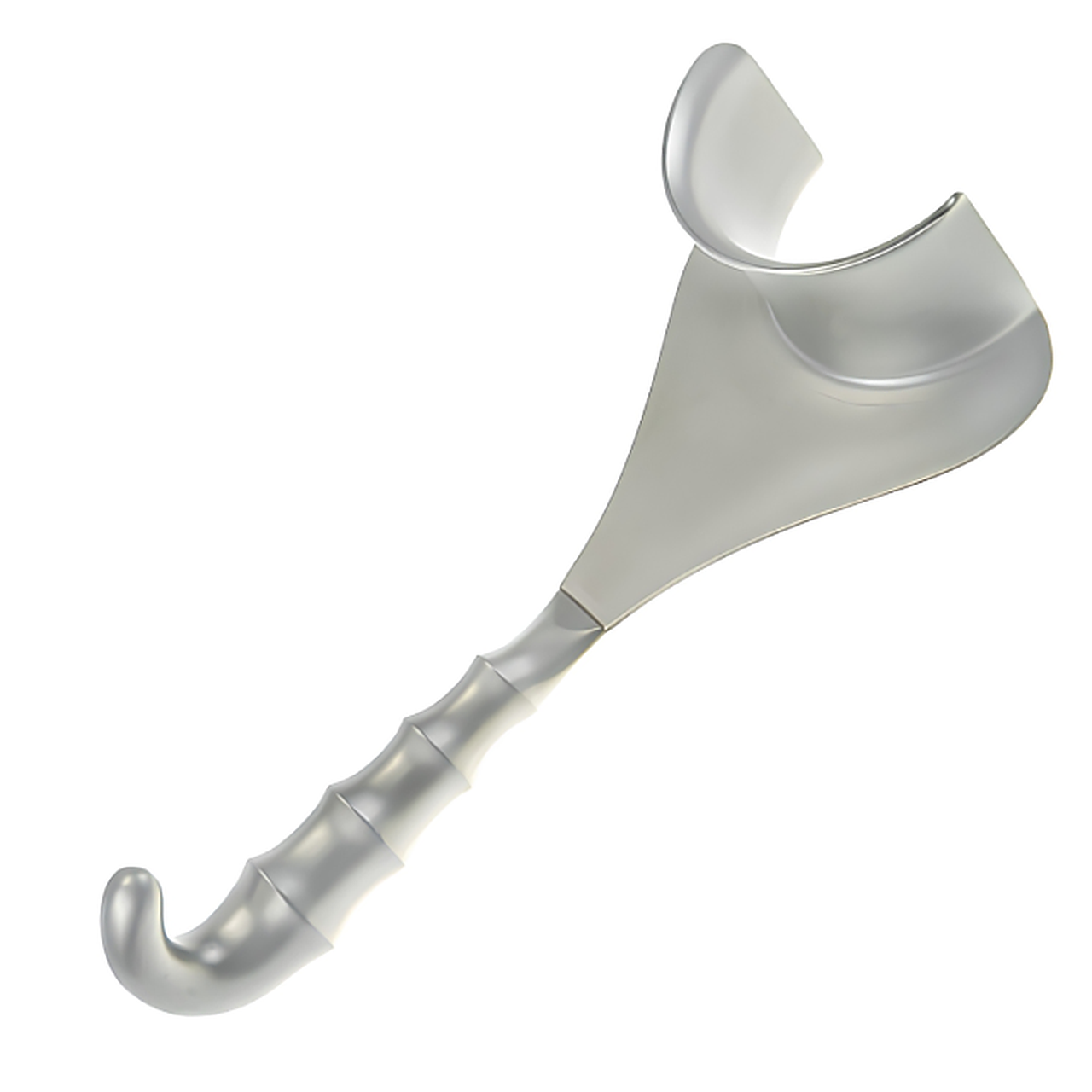
Delee Universal Retractor
$129
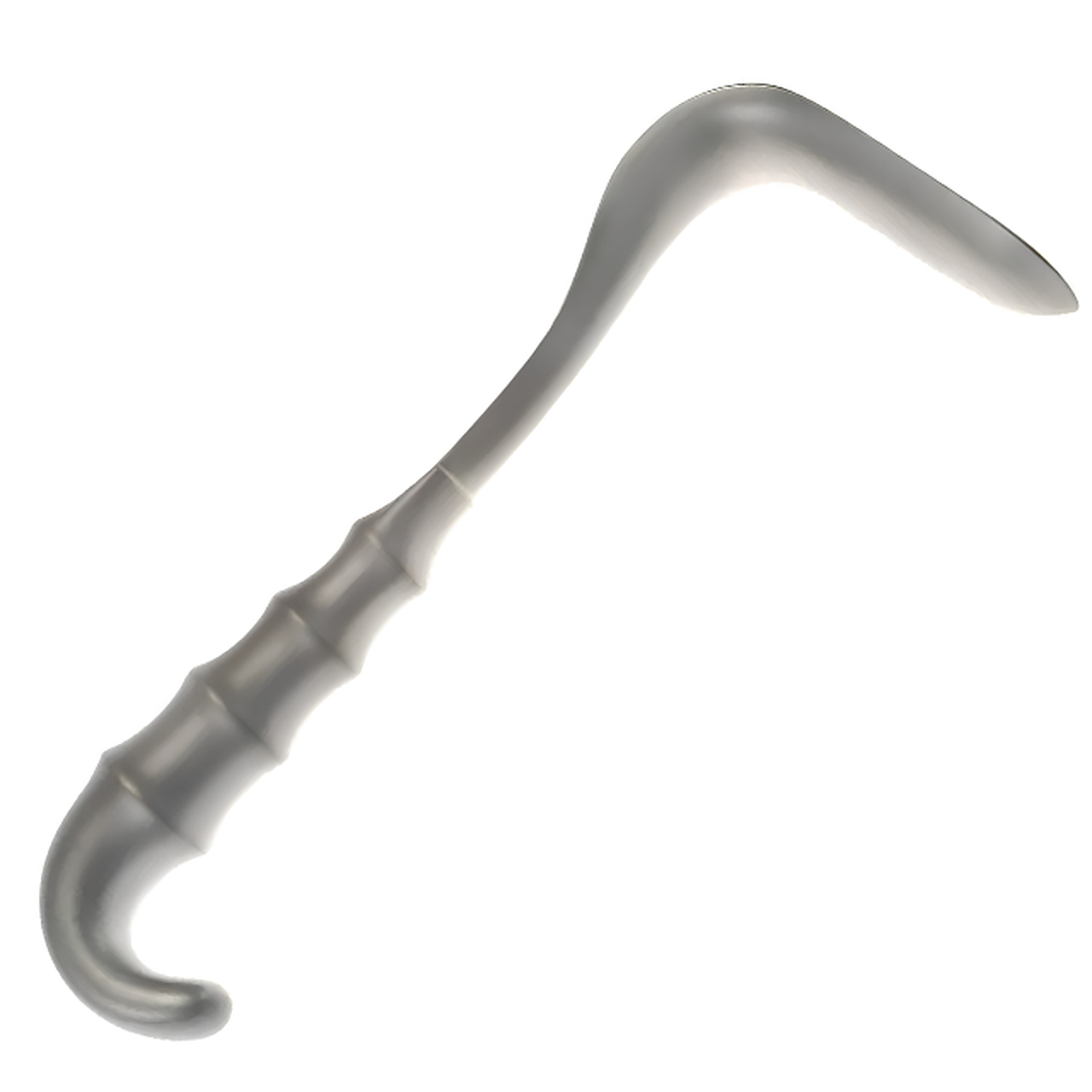
Sims Vaginal Retractor — Hollow Grip Handle
From $89.00
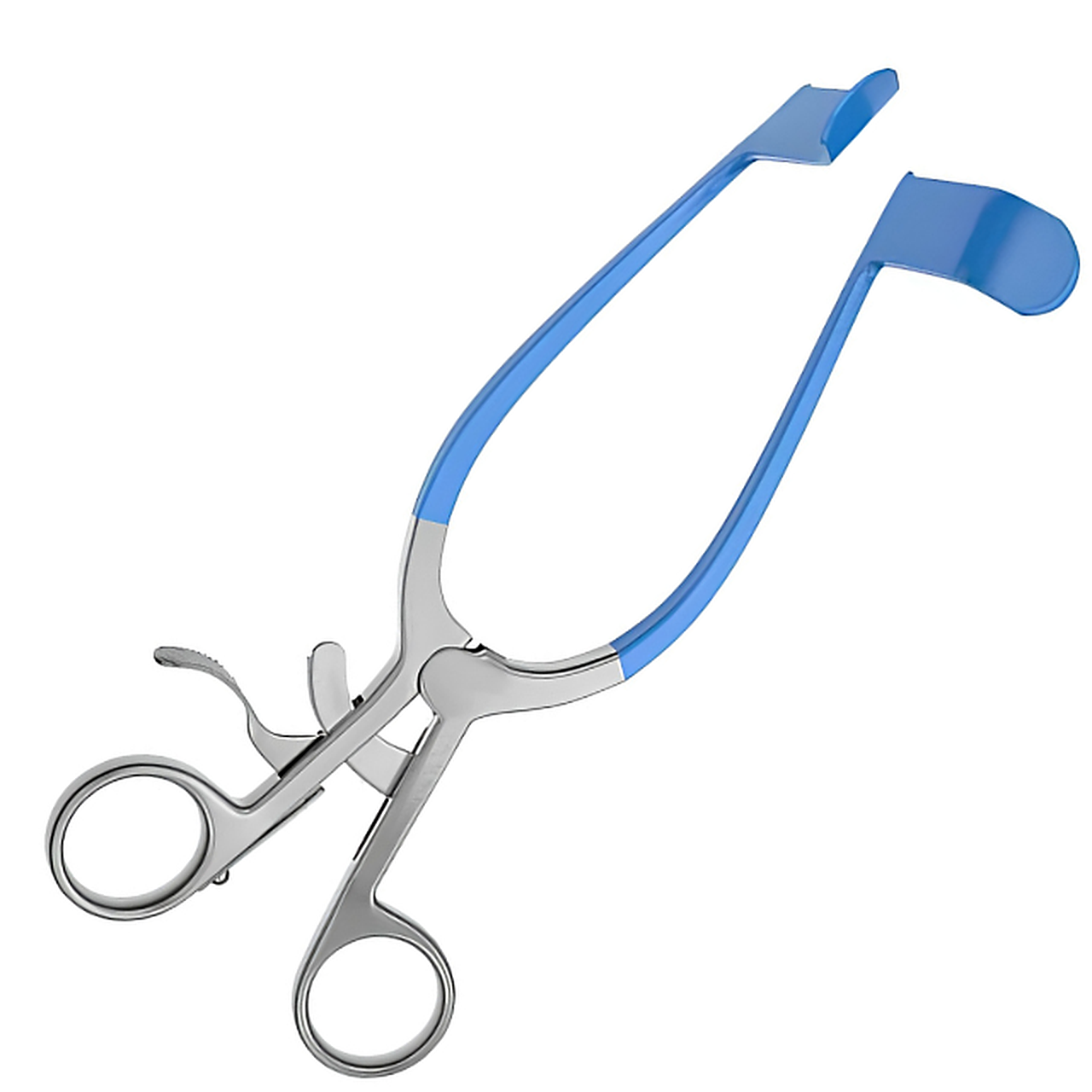
Redundant Nonconductive Wall Retractor
From $99.00
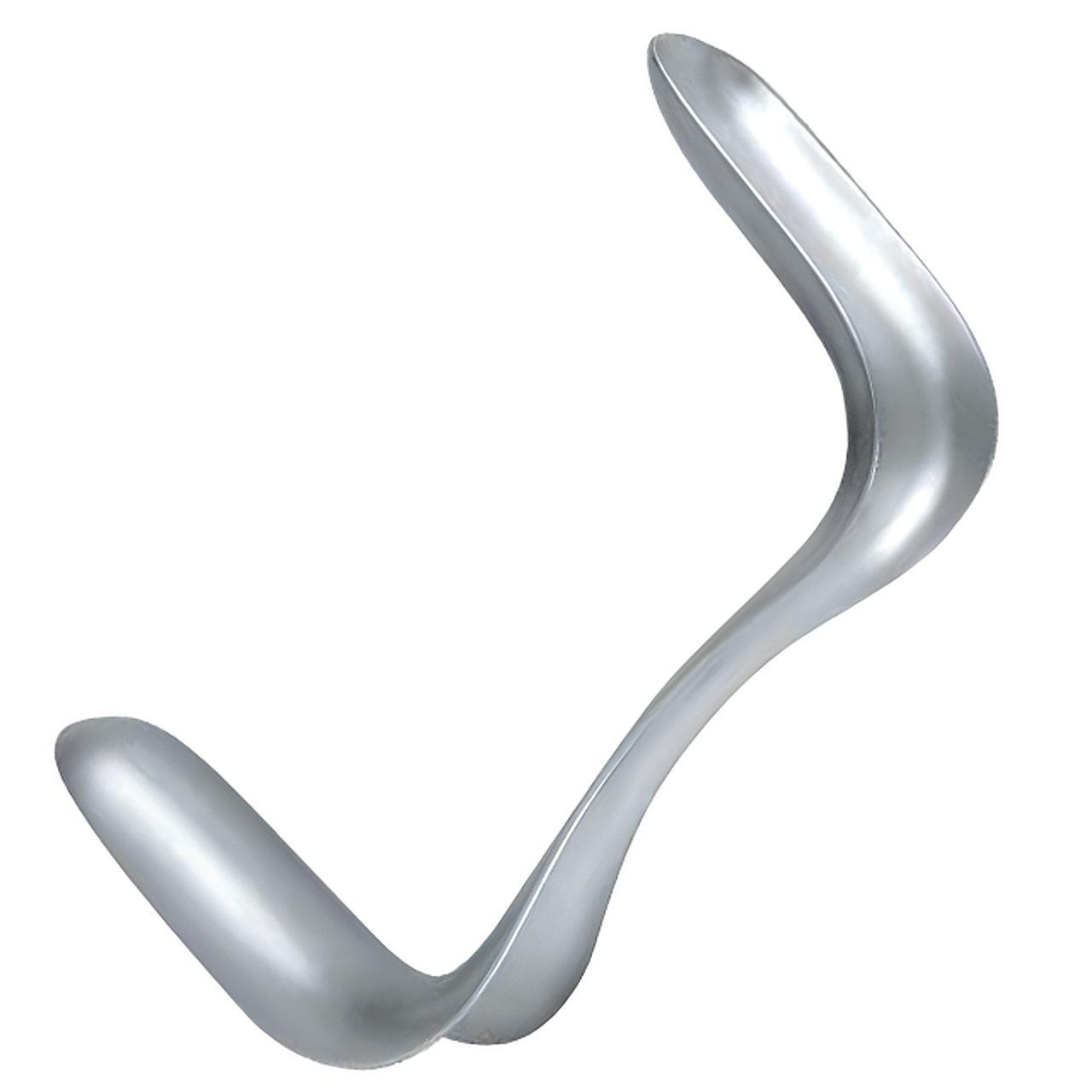
Sims Vaginal Retractor
From $91.00
Gosset Self Retaining Retractor
$349
Need Surgical Retractors or Components?
Tell us what you need, including the product, configuration, quantity and destination country. Retractor Maker can provide availability, specifications and pricing.
Request a Quote