
Cardiovascular Retractors
Cushing Vein Retractor: Uses, Design & Buying Guide
Author: Saad Shahid · Updated · 7 min read
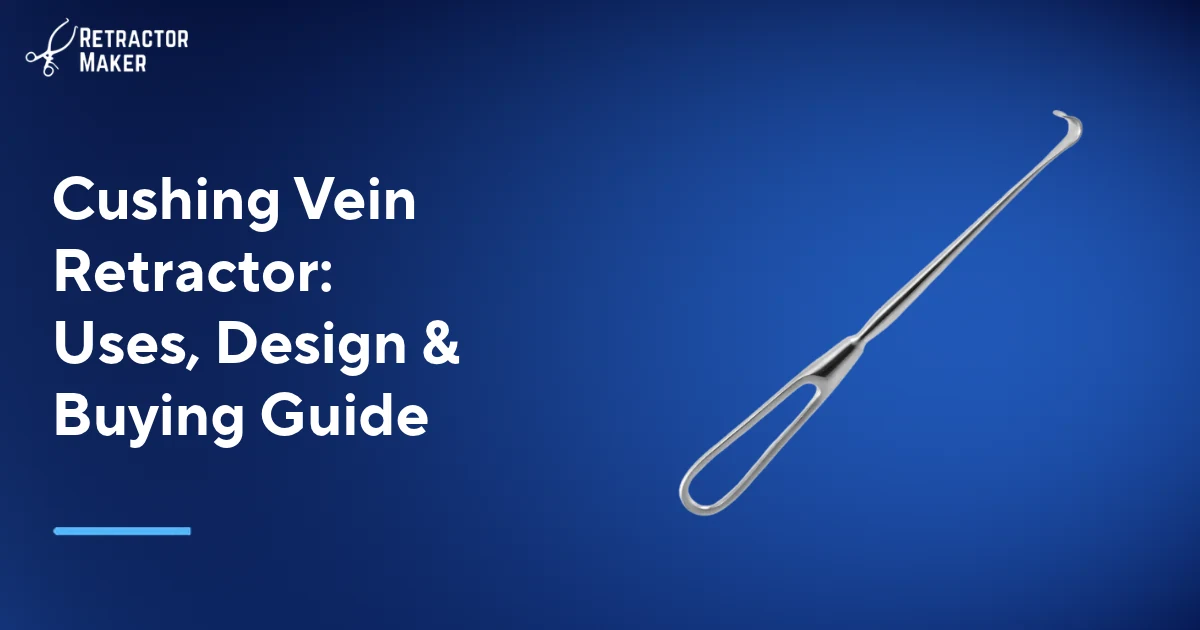
Explore Cushing vein retractor uses, lengths, blade widths, handle options, sterilization considerations, and wholesale ordering from Retractor Maker.
Retractors discussed in this guide: Cushing Vein Retractor. Browse all surgical retractors.
A Cushing vein retractor is a handheld surgical instrument designed to mobilize, isolate, and retract delicate veins, arteries, and nerve trunks during vascular, spinal, and general surgery. Its working end is a smooth, curved beak, with selectable overall lengths, blade widths, and handle styles. For surgeons, selection centers on access and tissue contact; for OR teams and buyers, it also involves configuration accuracy, reprocessing requirements, and clear ordering specifications.
What is a Cushing vein retractor?
The Cushing vein retractor is a manually controlled retraction instrument, rather than a self-retaining device. A surgeon or assistant holds it to maintain exposure while nearby structures are identified and treated. Its intended role includes moving delicate structures aside and helping separate them from the operative working area.
The defining working feature is its smooth, curved atraumatic beak, designed to prevent vascular shearing. Atraumatic describes the design intention, not a guarantee against injury. Safe tissue handling still depends on direct visualization, appropriate instrument selection, controlled force, and attention to how tissue responds throughout retraction.
What is a Cushing vein retractor used for?
The Cushing model is intended for vascular, spinal, and general surgery when delicate veins, arteries, or nerve trunks require mobilization, isolation, or retraction. Its name emphasizes veins, but the supplied intended use also includes arteries and nerve trunks. The operating surgeon determines suitability for the particular anatomy and procedure.
- Vascular surgery: mobilizing, isolating, and retracting delicate veins and arteries during exposure.
- Spinal surgery: retracting relevant delicate vascular structures or nerve trunks when clinically appropriate.
- General surgery: maintaining access around delicate veins, arteries, and nerve trunks within the operative field.
Retraction is distinct from clamping or vessel occlusion. This instrument is intended to move and support structures during exposure, not to substitute for a vascular clamp. Likewise, a curved beak does not remove the need to identify the tissue being contacted or protect adjacent structures from unintended pressure.
What are its design features, sizes, and parts?
The Cushing Vein Retractor combines a handheld body, a selectable handle, and a smooth curved working beak. Its listed material is Premium Grade AISI 304/316 Stainless Steel (Non-Magnetic). Buyers should retain that exact specification in procurement documents and request clarification if their facility requires a particular material designation or supporting documentation.
Overall lengths and blade widths
Selectable overall lengths are 20.3 cm, 22.8 cm, 24.2 cm, 25.5 cm, 30.5 cm, 35.5 cm, and 40.0 cm. Selectable blade widths are 8 mm, 10 mm, 12 mm, 13 mm, 14 mm, 16 mm, and 18 mm. Overall length is not the same as working depth; assess the planned access route and confirm the required configuration before ordering.
Flat, Square, and Fenestrated handles
Handle options are Flat Handle, Square Handle, and Fenestrated Handle. The Fenestrated Handle is described as a weight-reducing ergonomic grip. Handle choice should reflect the user's preferred grip and working position, rather than an assumption that one option is universally better. The supplied specifications do not establish comparative clinical performance between handle styles.
How does Cushing compare with Sachs and Wylie retractors?
Cushing, Sachs, and Wylie are distinct retractor patterns with different listed designs and intended uses. The Cushing model offers a smooth curved beak and selectable handles; Sachs offers selectable working ends; Wylie is intended for renal and major retroperitoneal vessel exposure. They should not be treated as interchangeable solely because each is a vein retractor.
| Product name | Design and available variants | Typical intended use |
|---|---|---|
| Cushing Vein Retractor | Handheld smooth curved beak; Flat, Square, or Fenestrated Handle; selectable lengths and blade widths. | Mobilizing, isolating, and retracting delicate veins, arteries, and nerve trunks in vascular, spinal, and general surgery. |
| Sachs Vein Retractor | Handheld slender design with finger-hold handle; 22 cm overall length; Plain Blade, Toothed Blade, or Sharp Hook models. | Retracting and mobilizing delicate veins, nerve roots, and vascular bundles in vascular surgery and neurosurgery. |
| Wylie Renal Vein Retractor | Handheld deep-reach single-end curved vascular retractor; smooth, rounded borders; flat handle with lateral serrations. | Retracting and protecting the renal vein, vena cava, and major retroperitoneal vessels in vascular and urological surgery. |
Choose between these patterns by anatomy, access, and the required tissue interaction. In particular, plain, toothed, and sharp-hook working ends are different configurations and require deliberate selection. When building a tray, document the full instrument name and configuration instead of using the general label vein retractor.
How should a Cushing vein retractor be positioned?
Positioning should provide exposure with the least necessary tissue displacement and pressure. Use is reserved for trained surgical personnel following the operative plan and facility protocols. The following principles are general handling considerations, not a substitute for procedure-specific training or the manufacturer's instructions.
- Inspect the instrument before use for surface damage, distortion, or an irregular working edge.
- Identify the intended structure and adjacent anatomy under direct visualization before introducing the beak.
- Establish controlled contact without trapping unintended tissue against the working end.
- Apply gentle, controlled retraction and reassess exposure and tissue condition throughout use.
- Communicate during handoffs and repositioning so traction is not changed unexpectedly.
Avoid using additional force to compensate for poor access or an unsuitable instrument. If visualization or tissue response is concerning, reassess the position and choice of retractor. Handheld control allows adjustment, but it also requires sustained attention from the person maintaining retraction.
How is the Cushing vein retractor cleaned and sterilized?
The Cushing Vein Retractor is supplied non-sterile and is fully autoclavable. It must undergo the required preparation and sterilization before clinical use. Individual Protective Packaging protects the supplied instrument but does not establish sterility or replace the facility's sterile processing workflow.
Cleaning must precede sterilization because retained soil can interfere with effective processing. Follow the manufacturer's instructions and the facility's validated procedures for cleaning, rinsing, drying, inspection, packaging, and steam sterilization. Examine the curved beak and handle surfaces for residual contamination or damage before returning the instrument to service.
The supplied product information does not specify an autoclave temperature, exposure time, drying time, or detergent compatibility. Request the applicable reprocessing instructions rather than selecting a cycle from a generic online recommendation. Autoclavability alone does not define a complete validated cycle for every load and packaging arrangement.
How do you choose and order from Retractor Maker?
Choose a Cushing vein retractor by confirming the intended anatomy, required reach, blade width, and handle preference with the clinical team. A longer instrument or wider blade is not automatically the better choice. Procurement should translate clinical preferences into an explicit configuration that the supplier can verify.
Retractor Maker is a surgical retractor manufacturer and exporter in Sialkot, Pakistan, offering wholesale supply, OEM services, and worldwide shipping. The Cushing product is listed as Brand New, with Individual Protective Packaging and a minimum order quantity of 1 Piece. For wholesale or OEM enquiries, request confirmation of configuration availability, documentation, packaging requirements, and commercial terms.
Include the product name, overall length, blade width, handle option, quantity, and shipping destination in the enquiry. Ask for current pricing, delivery arrangements, and reprocessing instructions before purchase. Hospital buyers should also check facility acceptance requirements and destination import requirements rather than assuming that worldwide shipping establishes local regulatory suitability.
Clinical notice: This guide is for surgical teams and hospital buyers. Always follow the manufacturer's instructions for use (IFU) and your hospital's sterilization rules before clinical use.
Frequently Asked Questions
What is a Cushing vein retractor used for?
A Cushing vein retractor is used to mobilize, isolate, and retract delicate veins, arteries, and nerve trunks. Its listed surgical settings are vascular, spinal, and general surgery. The handheld design supports controlled exposure, while the smooth curved beak is intended to prevent vascular shearing. Appropriate selection and careful handling remain necessary.
What sizes does the Cushing vein retractor come in?
The Cushing Vein Retractor has selectable overall lengths from 20.3 cm to 40.0 cm. Listed lengths are 20.3, 22.8, 24.2, 25.5, 30.5, 35.5, and 40.0 cm; blade widths are 8, 10, 12, 13, 14, 16, and 18 mm. Confirm the required length-and-width configuration with Retractor Maker before ordering.
What handle options are available for a Cushing vein retractor?
The available Cushing handle options are Flat Handle, Square Handle, and Fenestrated Handle. The Fenestrated Handle is described as a weight-reducing ergonomic grip. Selection should reflect the clinician's grip preference and anticipated working position. Confirm the handle alongside overall length and blade width so the purchase specification identifies the intended configuration.
Is the Cushing vein retractor supplied sterile?
The Cushing Vein Retractor is supplied non-sterile and is fully autoclavable. It requires appropriate preparation and sterilization before clinical use, even though it arrives in Individual Protective Packaging. Obtain the manufacturer's reprocessing instructions and use facility-validated procedures; the supplied specifications do not provide cycle temperatures, exposure times, or drying parameters.
What is the difference between Cushing and Sachs vein retractors?
The Cushing retractor has a smooth curved beak, while the Sachs retractor offers Plain Blade, Toothed Blade, and Sharp Hook models. Cushing has selectable lengths, widths, and handles; Sachs has a listed 22 cm length and a finger-hold handle. Their intended uses overlap in vascular surgery, but their working-end configurations require separate clinical consideration.
Can hospitals order Cushing vein retractors wholesale or OEM?
Hospitals and distributors can enquire with Retractor Maker about wholesale and OEM supply of Cushing vein retractors. The manufacturer and exporter is based in Sialkot, Pakistan, and offers worldwide shipping. The listed minimum order quantity is 1 Piece. Provide the desired configuration, quantity, destination, and documentation requirements for confirmation of supply terms.
About the author
Saad Shahid · Sales & Marketing Manager
Saad Shahid is the Sales & Marketing Manager and founder of Retractor Maker, started in 2023 in Sialkot, Pakistan. He also works with his father at Hospitech Traders, the family surgical instrument business founded in 1989.
Related Blogs & Guide
Related Retractors
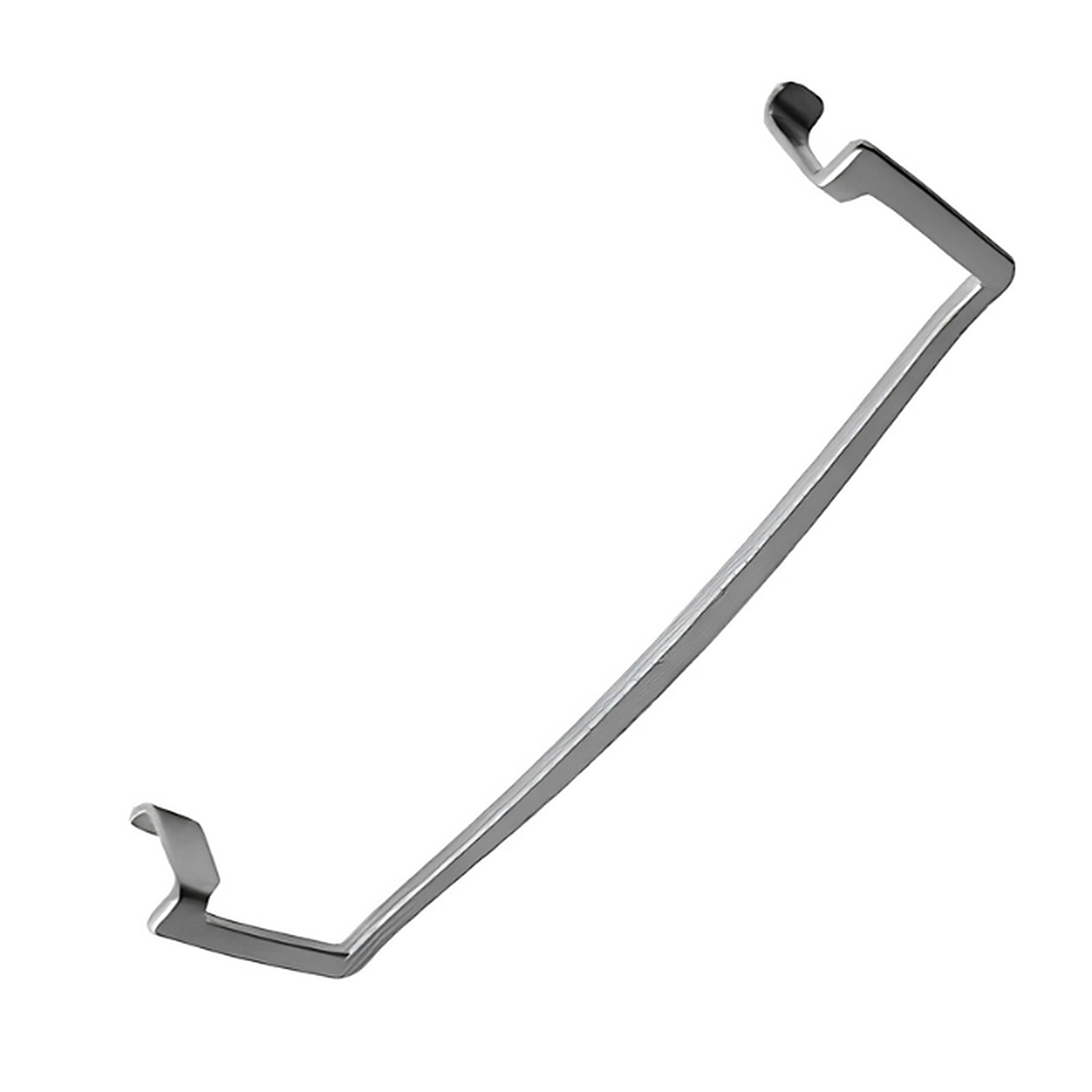
Senn Forward Retractor
$49.00
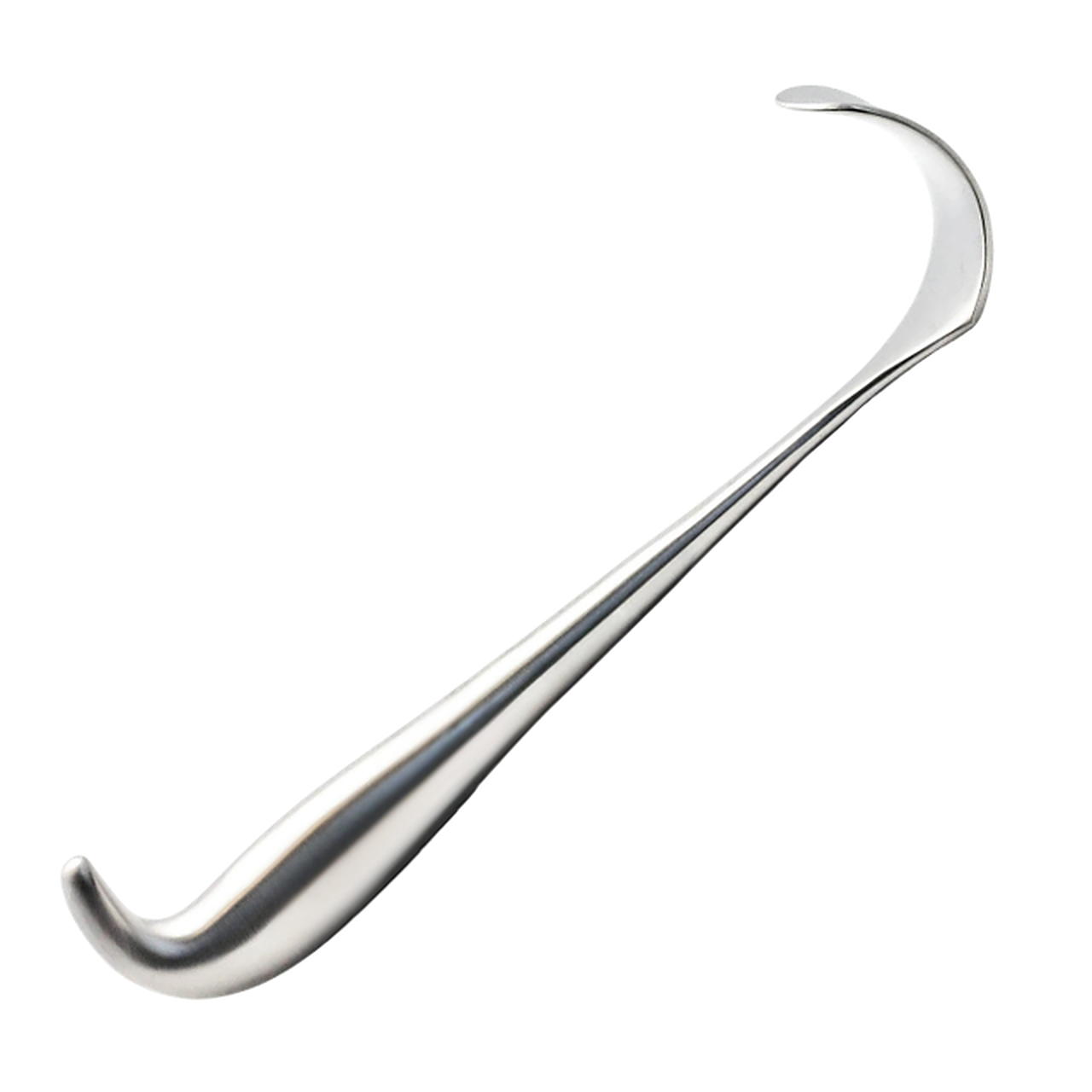
Brewster Retractor
From $159
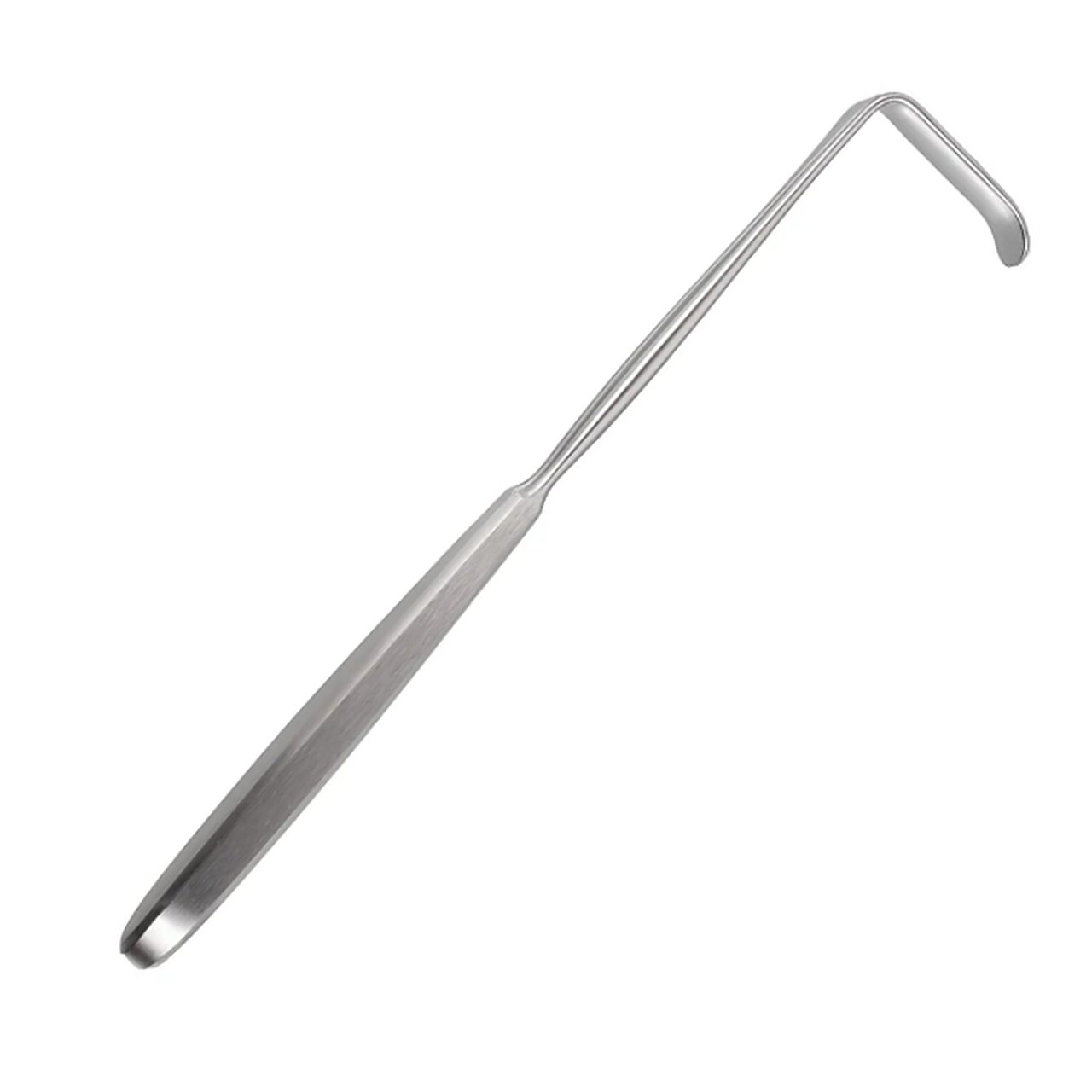
Langenbeck Retractor-Solid Handle
$49.00
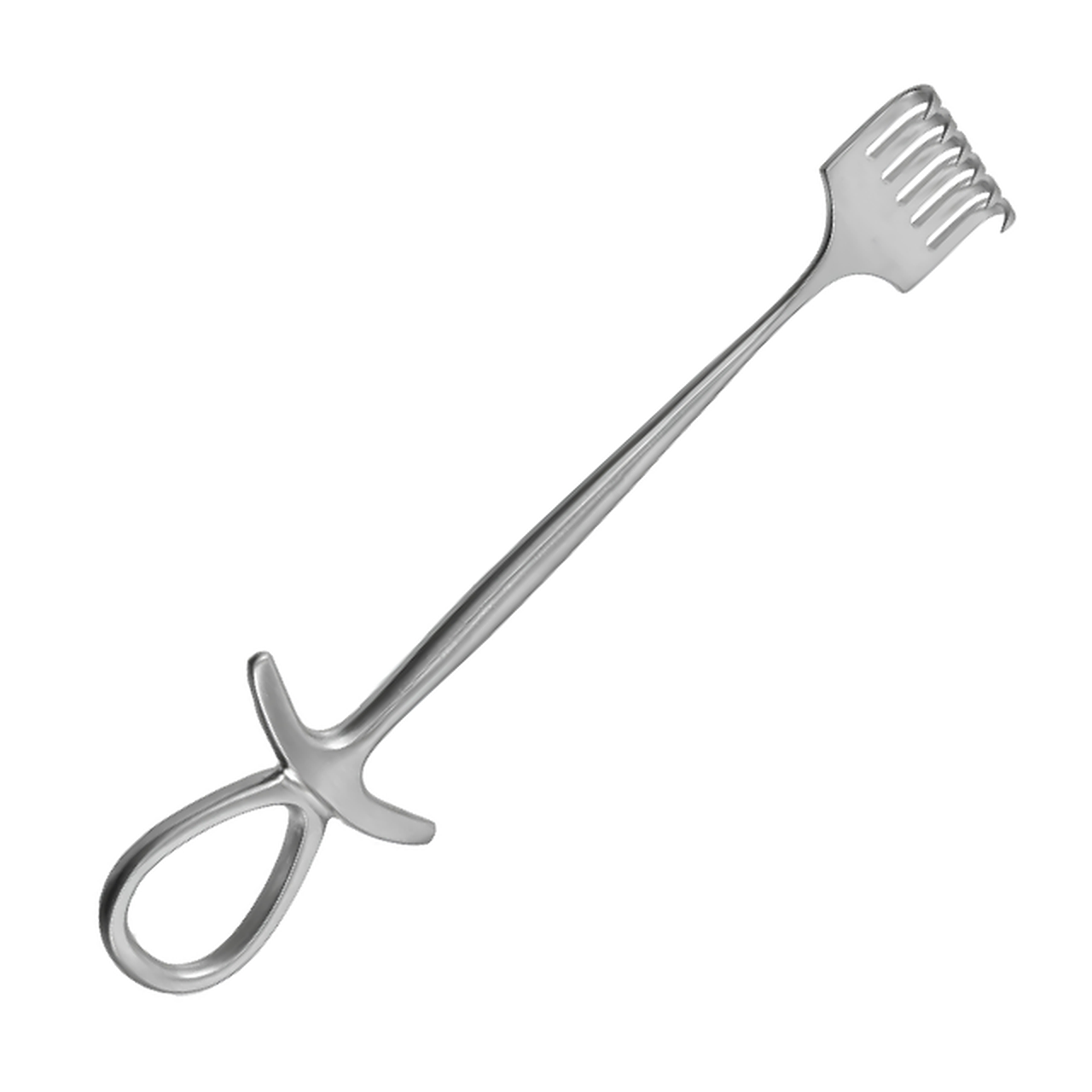
Murphy Retractor
From $44.00
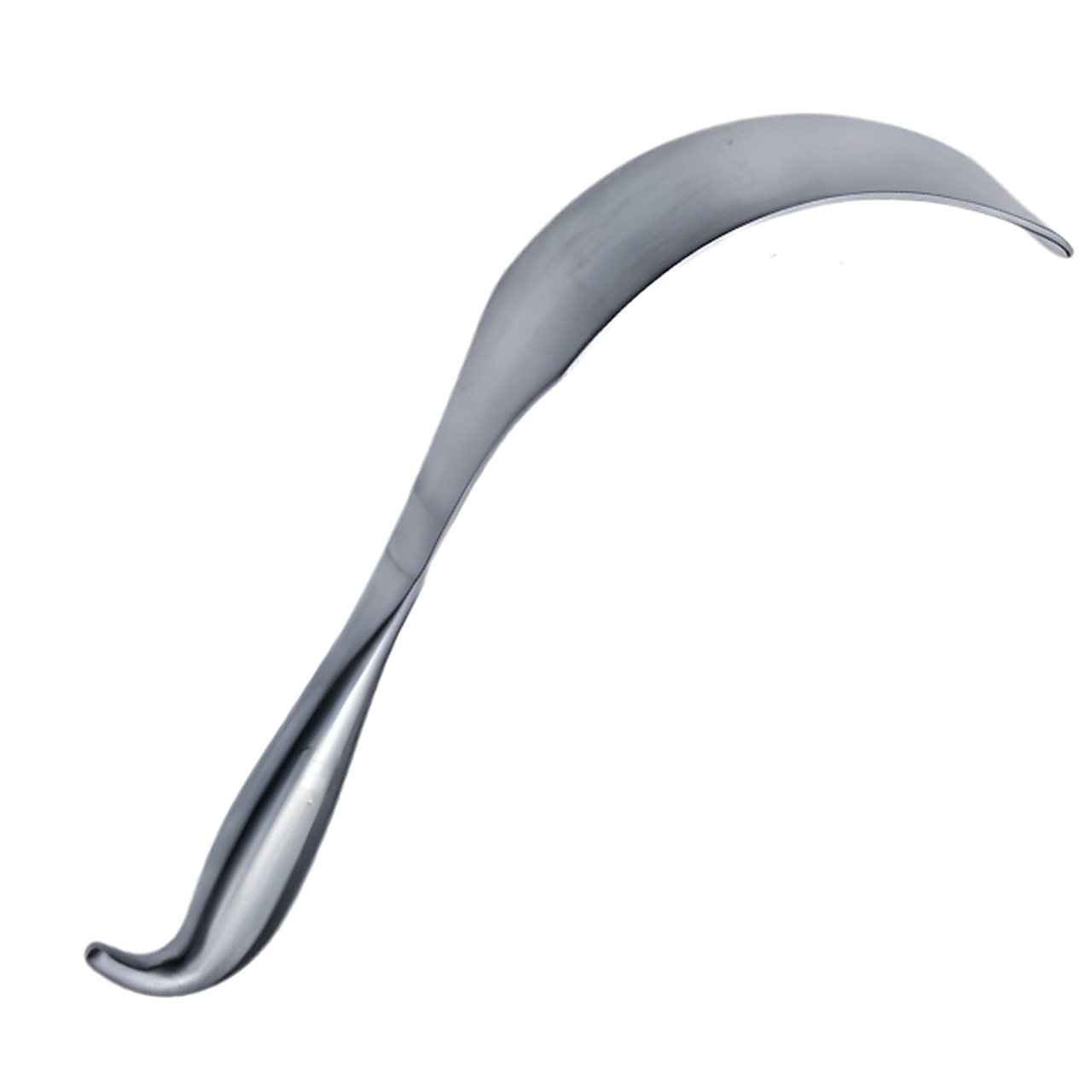
Leriche Retractor-Atraumatic Wide Blade
From $94.00
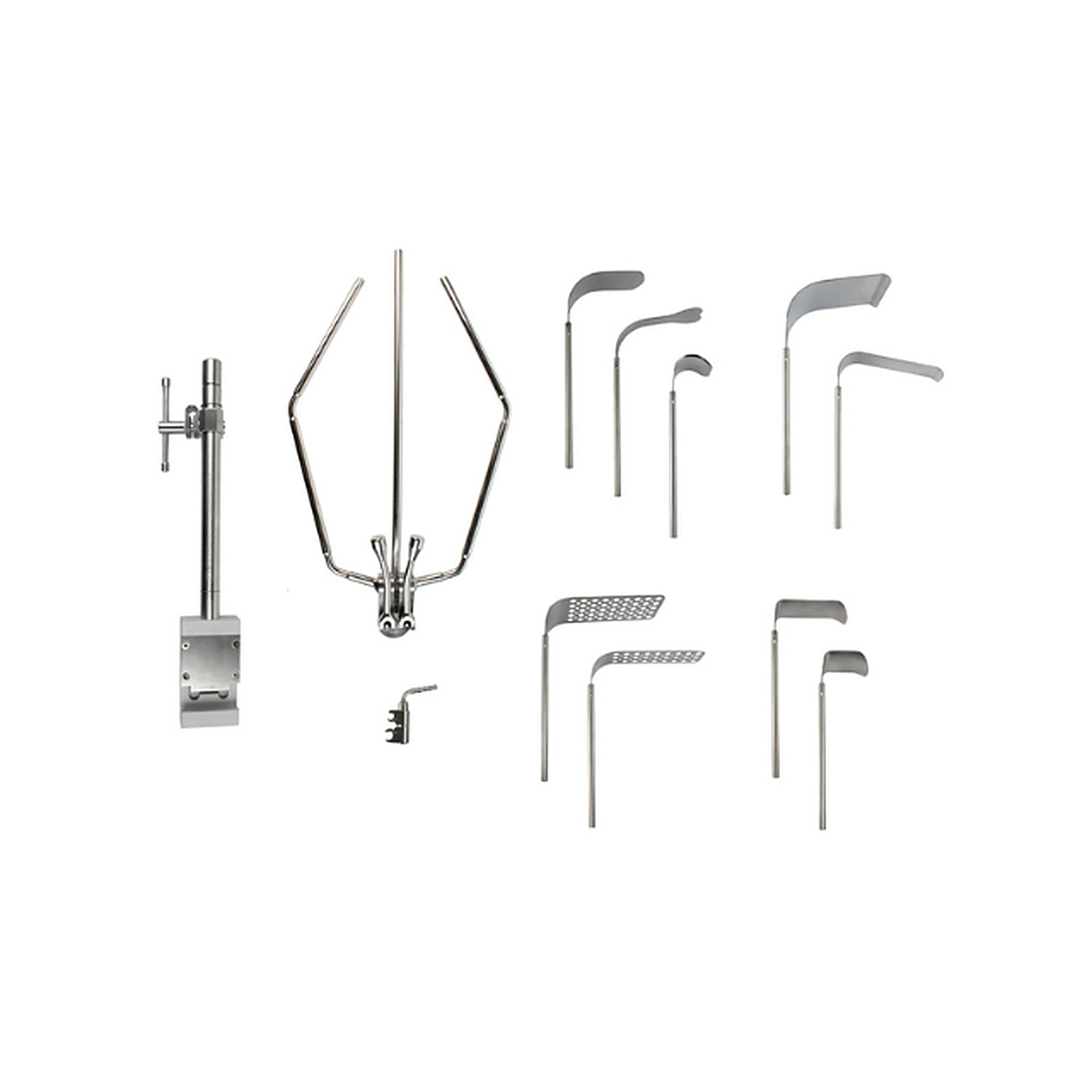
Lobster General Retractor System
$2,699Free Shipping
Need Surgical Retractors or Components?
Tell us what you need, including the product, configuration, quantity and destination country. Retractor Maker can provide availability, specifications and pricing.
Request a Quote