
Orthopedic & Spine Retractors
McCulloch Retractor: Uses, Types, Design & Buying Guide
Author: Saad Shahid · Updated · 7 min read
Compare McCulloch retractor designs for lumbar microdiscectomy, including nerve root blades, rigid frames, safe handling, sterilization, and OEM ordering.
Retractors discussed in this guide: McCulloch-Type Microdiscectomy Rigid Retractor Frame, McCulloch-Type Nerve Root Retractor. Browse all surgical retractors.
A McCulloch retractor is a spinal surgical instrument used to support neural structures or maintain operative exposure during lumbar microdiscectomy, depending on the model. The name can refer to a handheld nerve root retractor or a self-retaining frame that carries modular blades and hooks. These instruments perform different tasks and should not be treated as interchangeable. For surgeons, OR staff, and hospital buyers, the first selection question is whether the requirement is controlled neural support or a base for sustained surgical exposure.
What is a McCulloch retractor?
The McCulloch-Type Nerve Root Retractor is a handheld instrument specifically designed to mobilize, cradle, and protect spinal nerve roots and the thecal sac during microsurgical lumbar discectomy. Its angled blunt working end provides a surface for neural support, while its slender shaft permits deep surgical access. The surgeon controls its position and applied pressure throughout use.
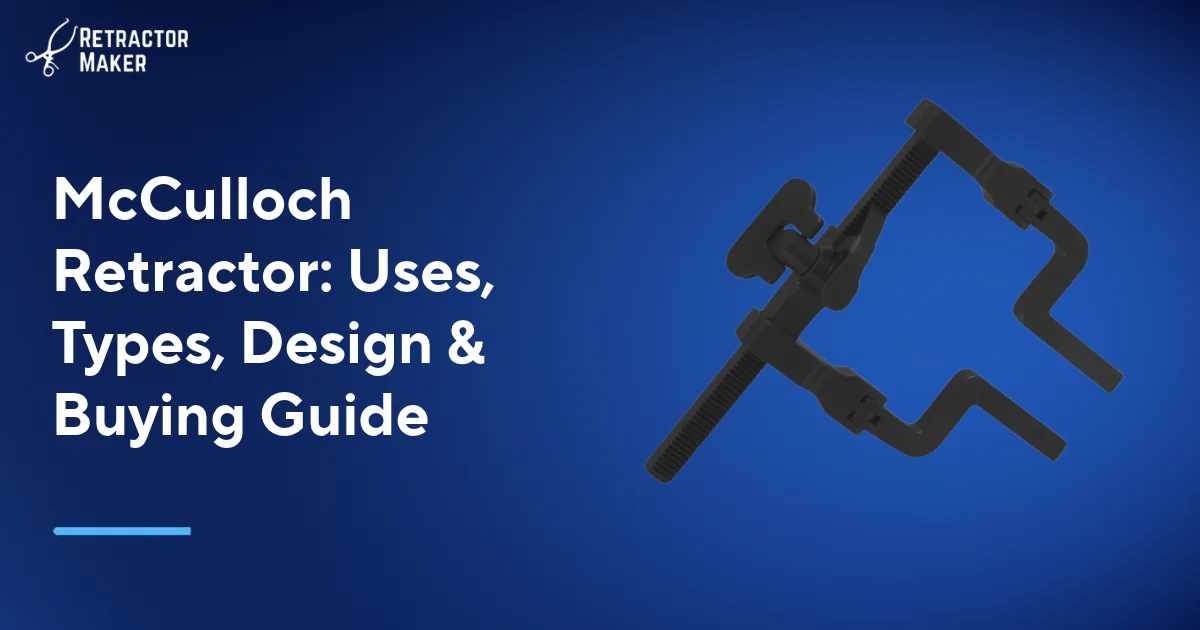
The McCulloch-Type Microdiscectomy Rigid Retractor Frame is a self-retaining base for mounting modular blades and hooks during lumbar microdiscectomy. It is not itself a handheld nerve root blade. This distinction matters when preparing an instrument tray or purchase order: a request for a “McCulloch retractor” alone does not identify which function, configuration, or accessories are needed.
What is a McCulloch retractor used for?
The supplied McCulloch-type instruments are intended for lumbar microdiscectomy, with separate roles in neural support and operative exposure. This procedure falls within spine surgery practice, including neurosurgical and orthopedic spine services. Selection should follow the planned procedure and the operating surgeon’s requirements, rather than assuming that every spinal retractor serves the same purpose.
- Neural support: the handheld model mobilizes, cradles, and protects spinal nerve roots and the thecal sac during microsurgical lumbar discectomy.
- Modular exposure: the rigid frame provides a self-retaining mounting base for McCulloch-type side blades and muscular hooks.
- Tray planning: identify the handheld instrument, frame, and required compatible attachments separately so that the prepared setup matches the intended task.
Protection is an intended function, not a guarantee against neural injury. A blunt working end does not remove the risks associated with pressure, traction, or poor visualization. Likewise, a self-retaining frame still requires clinical monitoring after placement. The listed intended uses do not establish suitability for unrelated procedures or every spinal level.
What are the main design features and parts?
Handheld nerve root retractor
The handheld model has a 6.0 mm wide blunt blade with a 90-degree angled working end. A slender shaft connects it to an ergonomic flat handle with lateral serrations for tactile grip stability. Available shaft lengths are 12.8 cm and 14.5 cm, with the latter identified as the deep-reach variant. These are shaft lengths, not stated overall instrument lengths.
Rigid microdiscectomy frame
The frame has a rigid, non-hinged structure and an overall length of 14 cm, approximately 5.5 inches. Its calibrated mechanical rack-and-pinion spread mechanism includes a thumb-lock. It accepts standard modular McCulloch-type side blades and muscular hooks. Both listed products use Premium Grade AISI 304/316 Stainless Steel (Non-Magnetic). This material description alone should not be interpreted as an MRI safety designation.
Which McCulloch retractor types are available?
Retractor Maker lists a handheld neural-support instrument and a rigid modular frame. Compare them by function before comparing dimensions: the handheld model’s shaft length describes reach, whereas the frame’s overall length describes its base structure. Neither measurement alone establishes suitability for a particular patient or exposure.
| Product name | Design | Listed dimensions | Typical use |
|---|---|---|---|
| McCulloch-Type Nerve Root Retractor | Handheld; 90-degree angled blunt blade; slender shaft; serrated flat handle | 6.0 mm blade width; 12.8 cm or 14.5 cm shaft | Mobilizing, cradling, and protecting spinal nerve roots and the thecal sac during microsurgical lumbar discectomy |
| McCulloch-Type Microdiscectomy Rigid Retractor Frame | Self-retaining, rigid non-hinged frame; rack-and-pinion spread mechanism with thumb-lock | 14 cm overall frame length, approximately 5.5 inches | Mounting modular side blades and muscular hooks during lumbar microdiscectomy |
The listed handheld prices are $64.00 for the 12.8 cm shaft and $74.00 for the 14.5 cm deep-reach variant. No frame price is provided in the supplied specifications. Confirm current pricing and order contents before purchasing. The frame’s modular capability does not establish that blades or hooks are included, or that every third-party attachment will fit.
How should a McCulloch retractor be positioned?
Positioning should be performed by trained surgical personnel under direct visualization, following the manufacturer’s instructions and the operative plan. This overview is not a substitute for surgical training. Before use, confirm the correct model, processing status, instrument integrity, and any required attachment compatibility. Do not use an instrument with visible damage or unreliable mechanical function.
For the handheld nerve root retractor, maintain controlled support and avoid excessive pressure or traction on neural tissue. The operating surgeon determines the appropriate contact, direction, and duration of retraction. Blade width and shaft reach inform instrument choice but do not define a universally safe placement.
For the rigid frame, verify that the selected compatible blades or hooks are securely mounted according to the applicable instructions. Adjust exposure carefully and reassess tissue tension and access throughout the procedure. Self-retaining describes the frame’s function; it does not mean the setup can remain unattended or unchanged as operative conditions evolve.
How are McCulloch retractors cleaned and sterilized?
Both products are supplied non-sterile and are fully autoclavable. They require appropriate cleaning, inspection, packaging, and sterilization before clinical use, including initial use. Individual Protective Packaging is the listed delivery packaging; it is not evidence of a sterile barrier or readiness for the sterile field.
- Follow the manufacturer’s validated reprocessing instructions and the facility’s infection-prevention procedures.
- Clean thoroughly before sterilization, paying attention to serrations and, for the frame, gear and attachment interfaces.
- Inspect the working end, shaft, handle, and relevant mechanical components for damage, residual soil, and impaired function.
- Use a validated sterilization process compatible with the instrument and applicable packaging system.
- Store processed instruments in a manner that preserves packaging integrity and prevents damage.
The supplied specifications do not provide cleaning chemistry, disassembly instructions, or autoclave cycle parameters. Obtain the applicable instructions before establishing a processing workflow. Fully autoclavable does not identify a universal temperature, exposure time, or drying requirement, and material wording alone is insufficient to set those parameters.
How do you choose and buy from Retractor Maker?
Choose by clinical function first, then confirm dimensions and setup requirements. For the handheld model, specify the required shaft length and verify the listed blade profile with the surgical team. For the frame, identify the planned side blades and muscular hooks and request compatibility confirmation before ordering. Avoid relying only on a shared instrument name.
Retractor Maker is a surgical retractor manufacturer and exporter in Sialkot, Pakistan, offering wholesale supply, OEM services, and worldwide shipping. Both listed products are brand new, individually protectively packaged, and available with a minimum order quantity of 1 Piece. For OEM requirements, submit the requested configuration for review rather than assuming unlisted modifications are available.
A clear inquiry should include the full product name, handheld shaft length where applicable, quantity, required attachments, and delivery destination. Ask for current pricing, confirmed contents, reprocessing instructions, and shipping terms. Hospital buyers should also request documentation needed for their local procurement and import requirements before finalizing the order.
Clinical notice: This guide is for surgical teams and hospital buyers. Always follow the manufacturer's instructions for use (IFU) and your hospital's sterilization rules before clinical use.
Frequently Asked Questions
What is a McCulloch retractor used for?
A McCulloch retractor is used for neural support or self-retaining exposure during lumbar microdiscectomy, depending on the model. The handheld nerve root instrument mobilizes, cradles, and protects spinal nerve roots and the thecal sac. The rigid frame instead provides a mounting base for modular side blades and muscular hooks.
Is a McCulloch retractor self-retaining?
The McCulloch-Type Microdiscectomy Rigid Retractor Frame is self-retaining, but the nerve root retractor is handheld. The frame uses a rigid, non-hinged structure and a calibrated rack-and-pinion spread mechanism with a thumb-lock. Buyers should specify the full product name because the shared McCulloch designation covers instruments with different operating roles.
What sizes does the McCulloch nerve root retractor come in?
The McCulloch-Type Nerve Root Retractor is available with 12.8 cm and 14.5 cm shafts. The 14.5 cm option is identified as the deep-reach variant. Its listed blade profile is 6.0 mm wide with a 90-degree angled blunt working end. Confirm shaft length rather than treating these measurements as overall instrument length.
Can a McCulloch retractor be autoclaved?
Both listed McCulloch-type products are fully autoclavable and supplied non-sterile. Cleaning and validated sterilization are required before clinical use. The supplied specifications do not identify cycle temperatures, exposure times, or drying requirements, so sterile processing teams should obtain the manufacturer’s applicable reprocessing instructions rather than infer a cycle from the material description.
Does the McCulloch retractor frame include blades and hooks?
The supplied frame specifications do not confirm that blades or hooks are included. They state that the frame accepts standard modular McCulloch-type side blades and muscular hooks. Request an itemized quotation and compatibility confirmation for the intended attachments before purchase, particularly when adding a frame to an existing instrument inventory.
Where can hospitals buy a McCulloch retractor?
Hospitals can inquire with Retractor Maker in Sialkot, Pakistan, for the listed McCulloch-type instruments. The manufacturer and exporter offers wholesale supply, OEM services, and worldwide shipping, with a listed minimum order quantity of 1 Piece for each product. Include the model, required shaft length where applicable, quantity, and destination when requesting a quotation.
About the author
Saad Shahid · Sales & Marketing Manager
Saad Shahid is the Sales & Marketing Manager and founder of Retractor Maker, started in 2023 in Sialkot, Pakistan. He also works with his father at Hospitech Traders, the family surgical instrument business founded in 1989.
Related Blogs & Guide


Related Retractors
Senn Forward Retractor
$49.00
Brewster Retractor
From $159
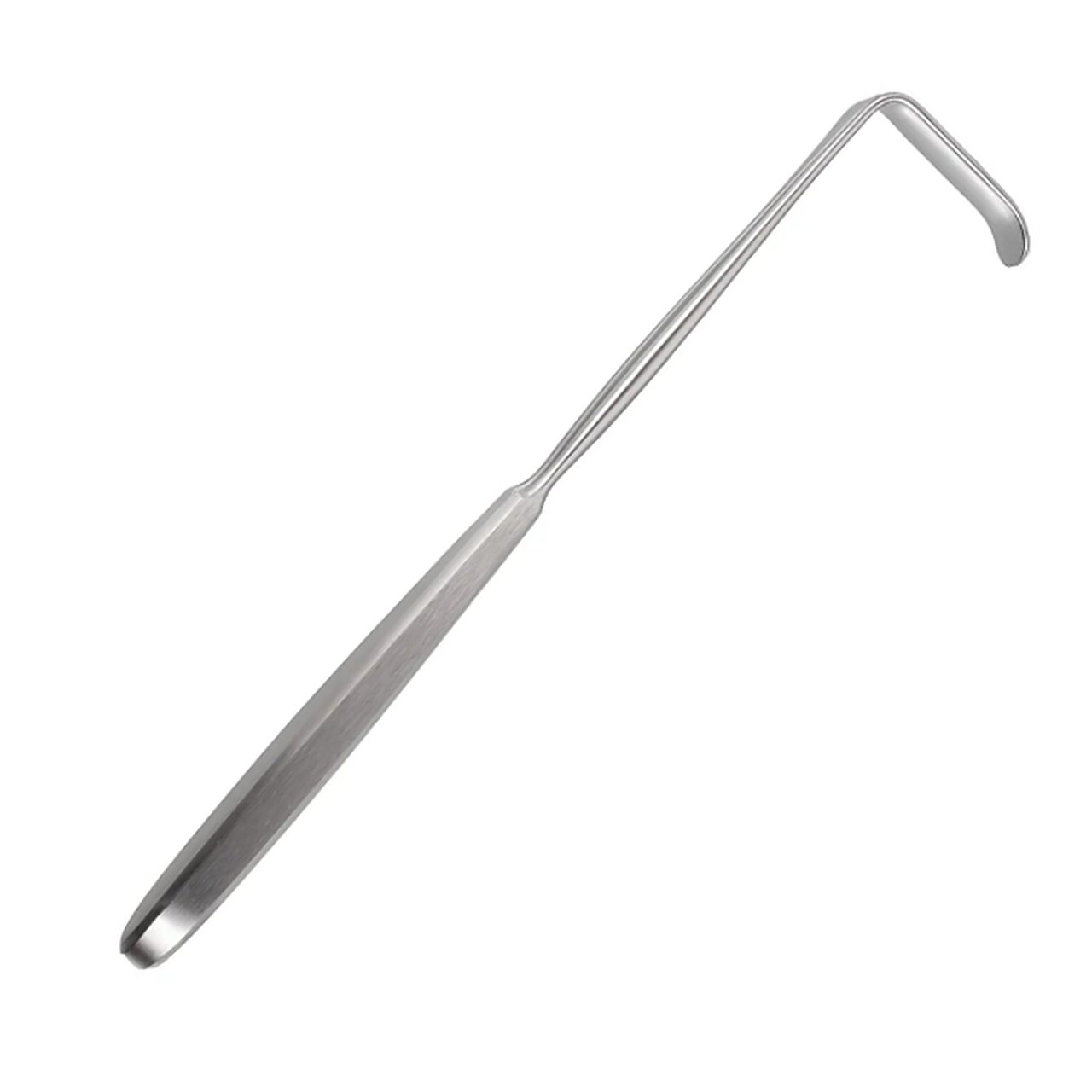
Langenbeck Retractor-Solid Handle
$49.00
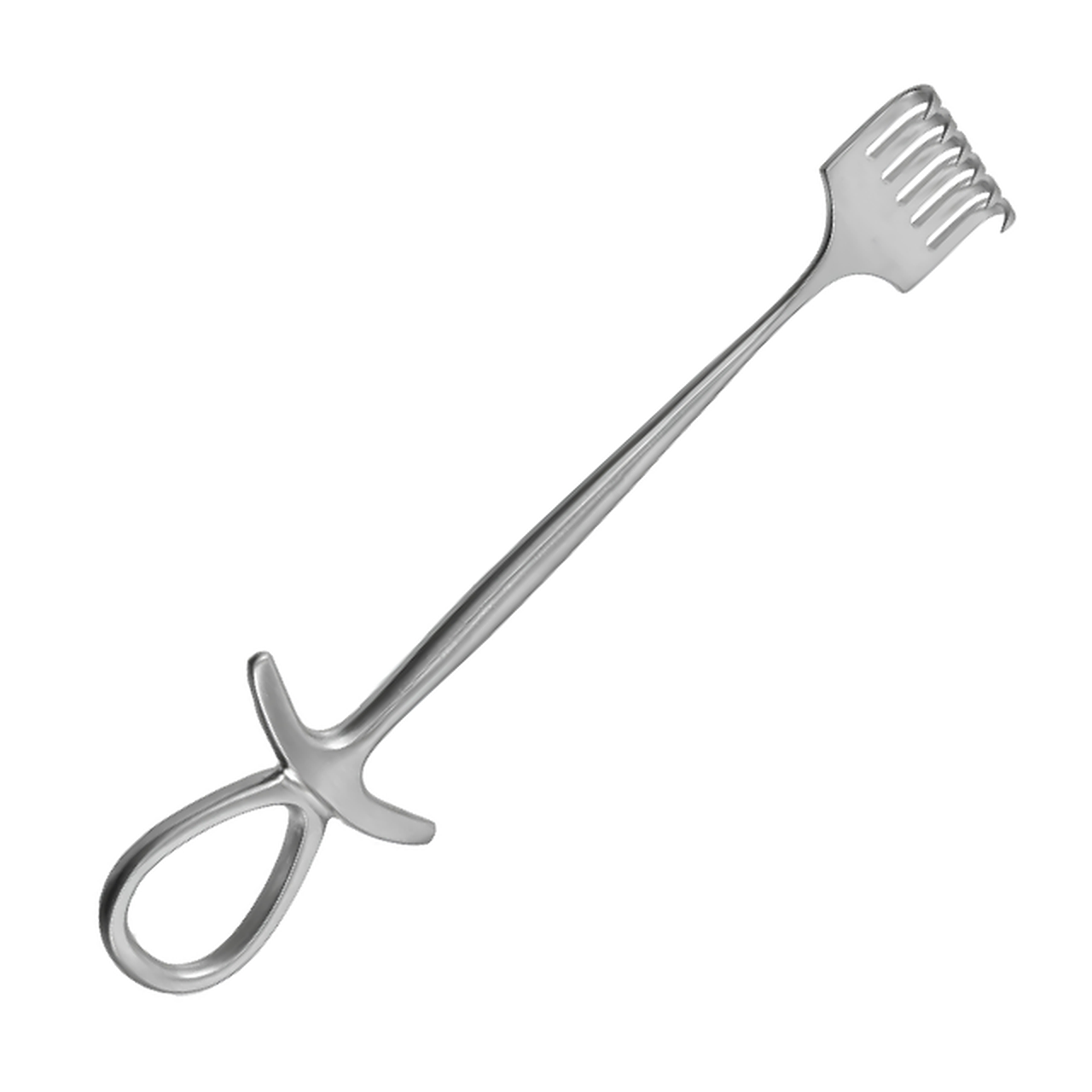
Murphy Retractor
From $44.00
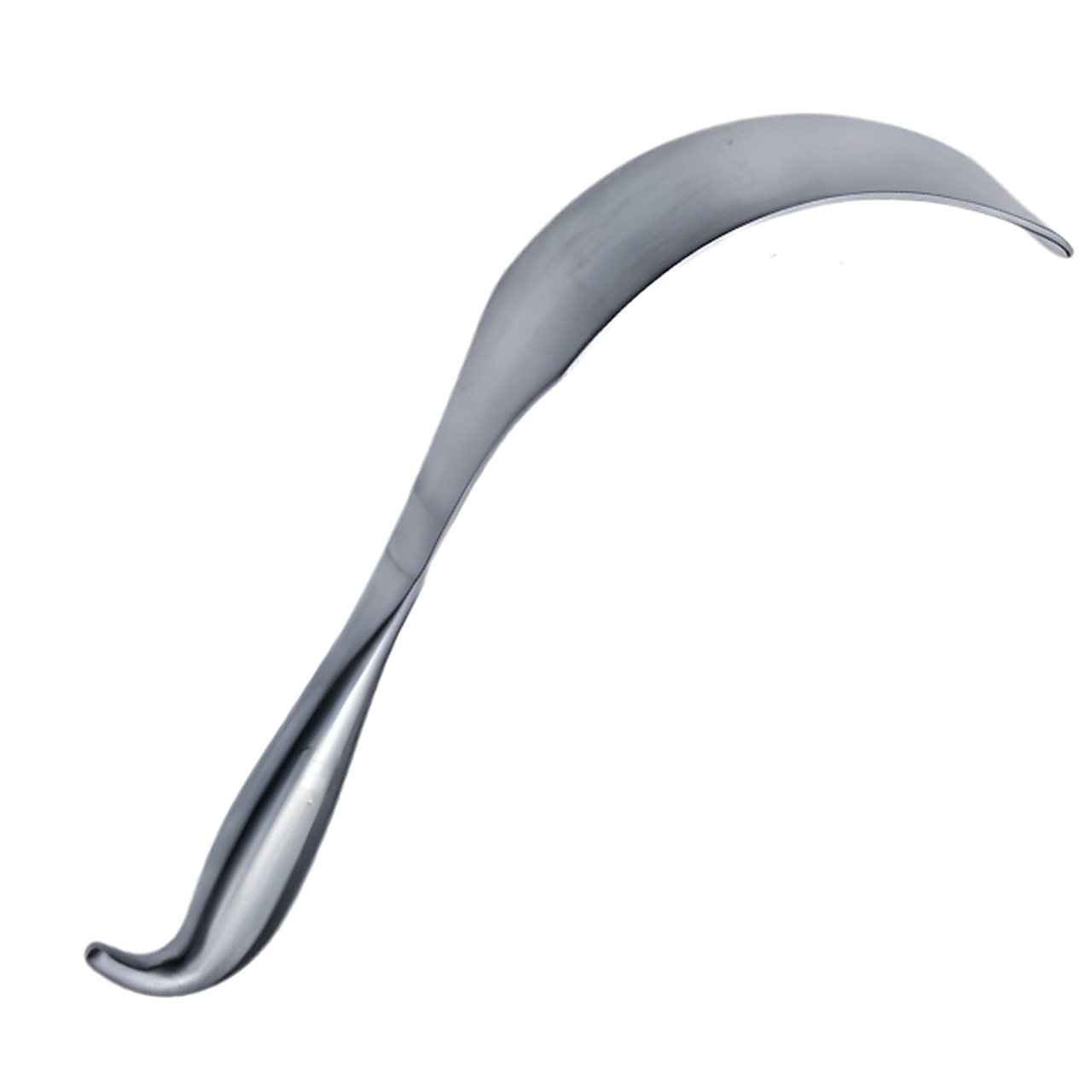
Leriche Retractor-Atraumatic Wide Blade
From $94.00
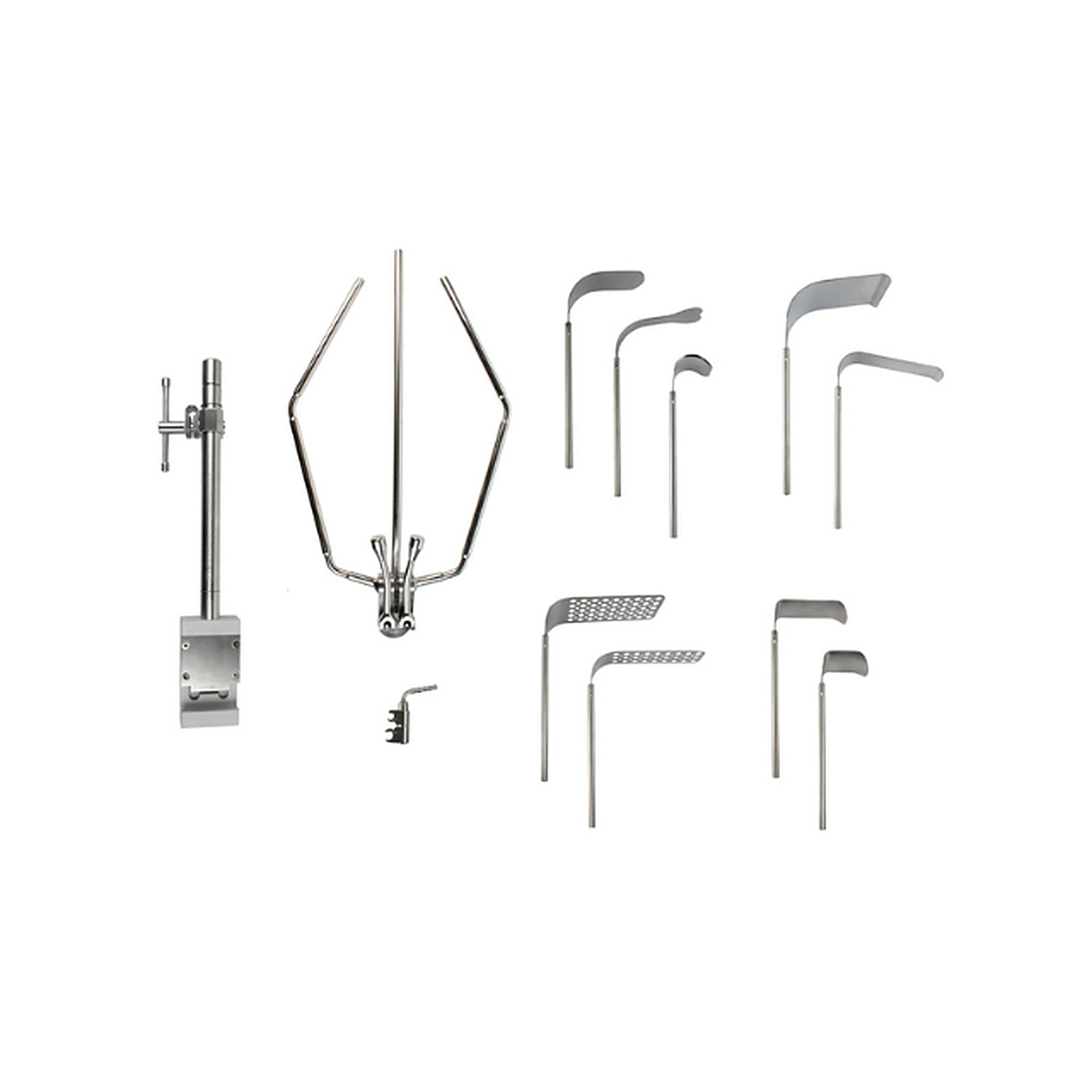
Lobster General Retractor System
$2,699Free Shipping
Need Surgical Retractors or Components?
Tell us what you need, including the product, configuration, quantity and destination country. Retractor Maker can provide availability, specifications and pricing.
Request a Quote