
Surgical Retractor Guides
What Is the Leyla Retractor? History, Uses, Assembly & Complete Guide
Author: Saad Shahid · Updated · 13 min read
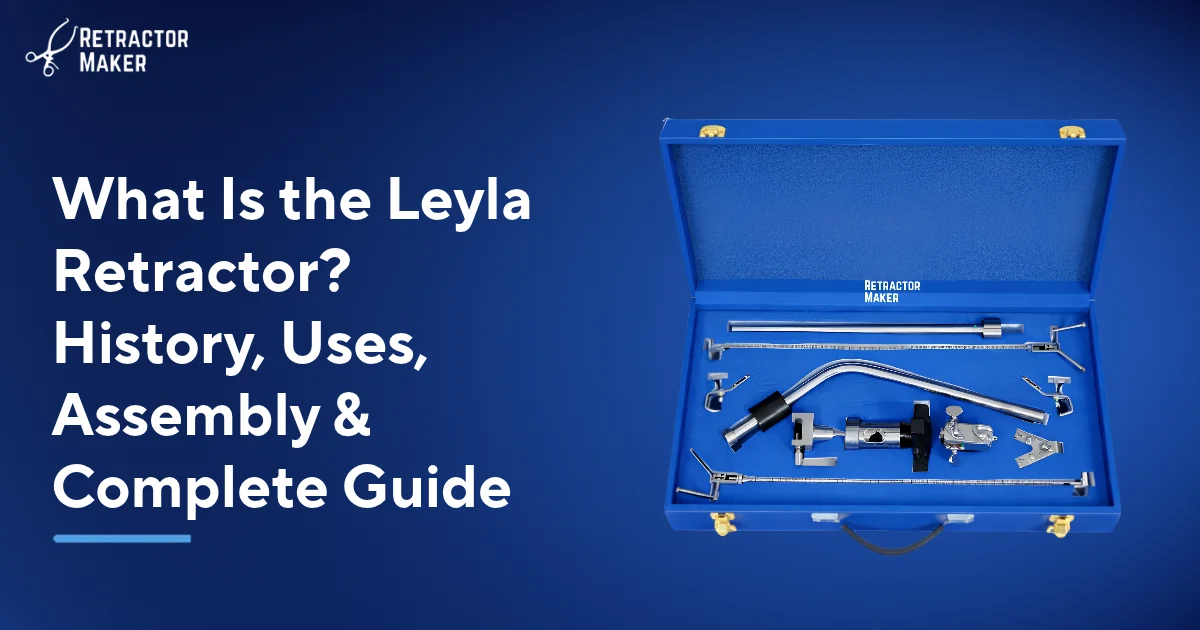
The Leyla Retractor is a flexible, self-retaining neurosurgical system designed for stable brain-tissue retraction. This guide covers its history, single- and double-arm configurations, components, assembly, clinical uses, and care.
Retractors discussed in this guide: Leyla Retractor. Browse all surgical retractors.
The Leyla Retractor is a flexible, table-mounted, self-retaining system that holds brain tissue during neurosurgery. It supports cranial and microsurgical procedures. It anchors to operating table rails or rigid head-holder posts. This removes manual weight from surgical areas and maintains low-pressure tissue displacement. The system eliminates assistant hand tremors during delicate micro-dissections.
Contents
What Is the Leyla Retractor?
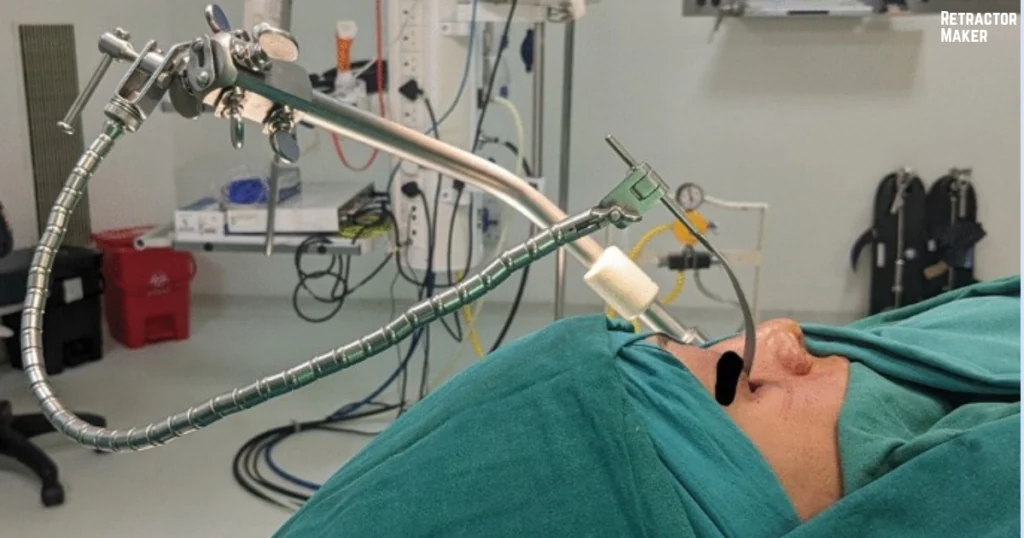
The Leyla Retractor is a specialized system that holds the brain during delicate intracranial surgery, including vascular and skull base operations. Other systems use rigid frames around the head. The Leyla platform uses one or two flexible arms mounted on a central holding column.
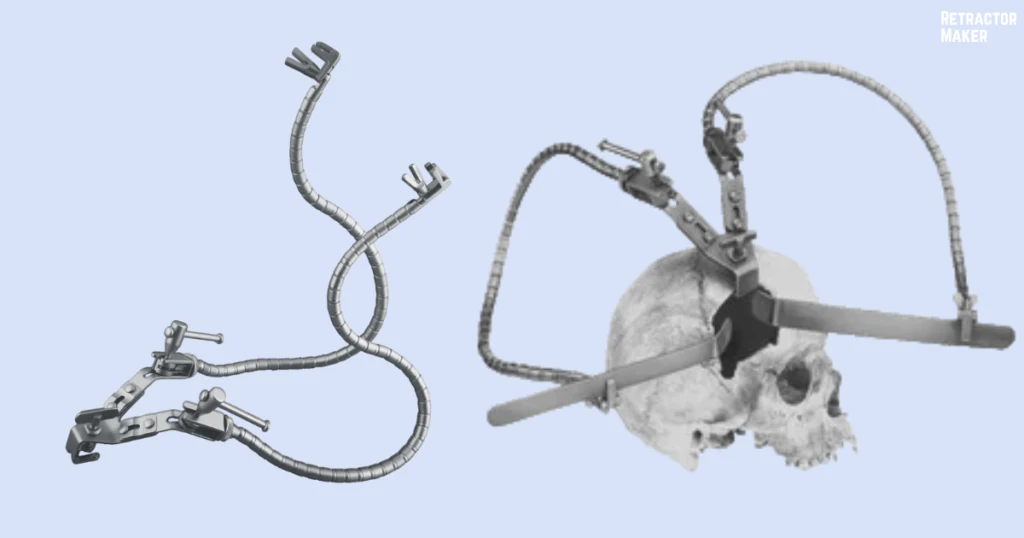
Each flexible arm contains interconnected ball-and-socket links controlled by an internal tension cable. Loosening the tension dial lets the arm glide smoothly. Tightening it locks the arm into a rigid bridge. The arms hold flat brain spatulas to retract cortical tissue and provide access to narrow sulci. Surgeons maintain clear vision under microscopes.
How Did the Leyla Retractor Develop?
Early brain retraction relied on manual spatulas held by surgical assistants. This method carried clinical risks. Assistants could develop hand fatigue during long operations. Micro-tremors and pressure shifts could cause contusions, brain edema or cortical ischemia.
Table-anchored, self-retaining systems emerged to address these limits. The Leyla system marked a major design step with flexible, serpent-like friction arms. Other systems used fixed frames or rigid rods. The flexible arm offered variable angles that surgeons could quickly lock or adjust with one control knob.
Dr. M. Gazi Yasargil and the Leyla Retractor
Dr. M. Gazi Yasargil helped popularize flexible, self-retaining brain retractors, including the Leyla Retractor. Known as the father of modern microneurosurgery, he advanced microsurgical techniques.
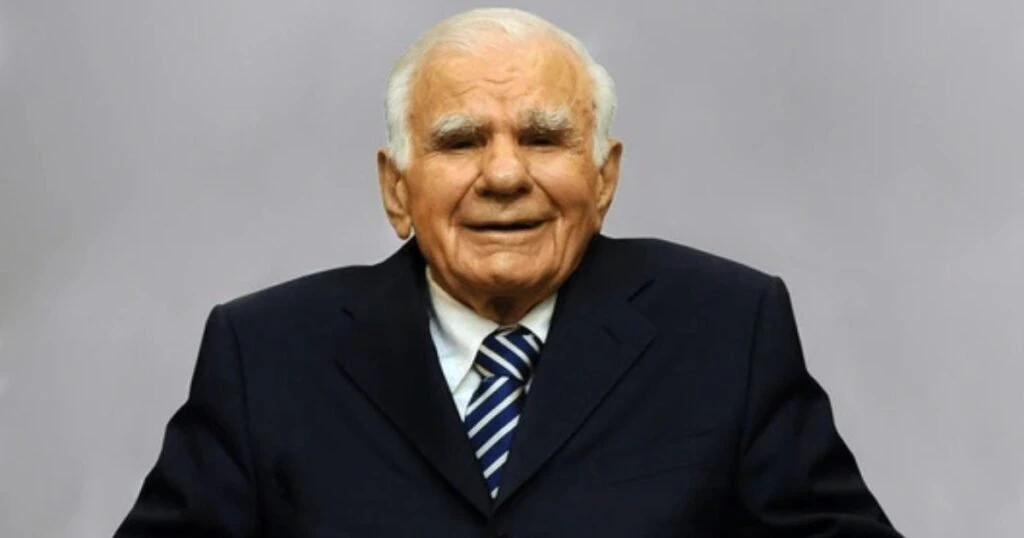
Dr. Yasargil worked in Zurich during the 1960s and 1970s. He combined operating microscopes with micro-instruments and delicate tissue handling. He recognized that deep tumor resections needed constant, clear, low-pressure exposure. His growing use of flexible, table-mounted retractors helped make the Leyla design a key tool globally.
Why Do Neurosurgeons Use the Leyla Retractor?
Neurosurgeons choose the Leyla Retractor to support millimeter-level precision in narrow spaces during microneurosurgery. The five reasons are outlined below.
How Is Stable, Hands-Free Exposure Maintained?
Articulated friction arms lock brain spatulas at the correct depth and angle. This stops manual hand tremors and eliminates assistant fatigue during long procedures.
How Does Multi-Directional Flexibility Help?
The serpentine flex arm bends in any direction, letting the spatula reach deep areas at precise angles. It does not block microscope lighting or micro-instruments.
How Is Low-Pressure Retraction Controlled?
Stable support arms secure the spatulas and spread retraction forces evenly over protective neuro-patties. This prevents pressure spikes on fragile brain tissue.
How Does the Mount Preserve Workspace?
The single-column mount keeps clamps outside the main field. This maximizes space for suction tubes, bipolar forceps and ultrasonic aspirators.
How Are Intraoperative Adjustments Made?
Surgeons can loosen the arm's tension dial with one hand and shift a spatula. This exposes a new tumor border or blood vessel. The arm can be re-locked in seconds.
What Are the Main System Components?
Understanding each component supports correct assembly and reliable joint lockups. Proper sterile processing is also important.
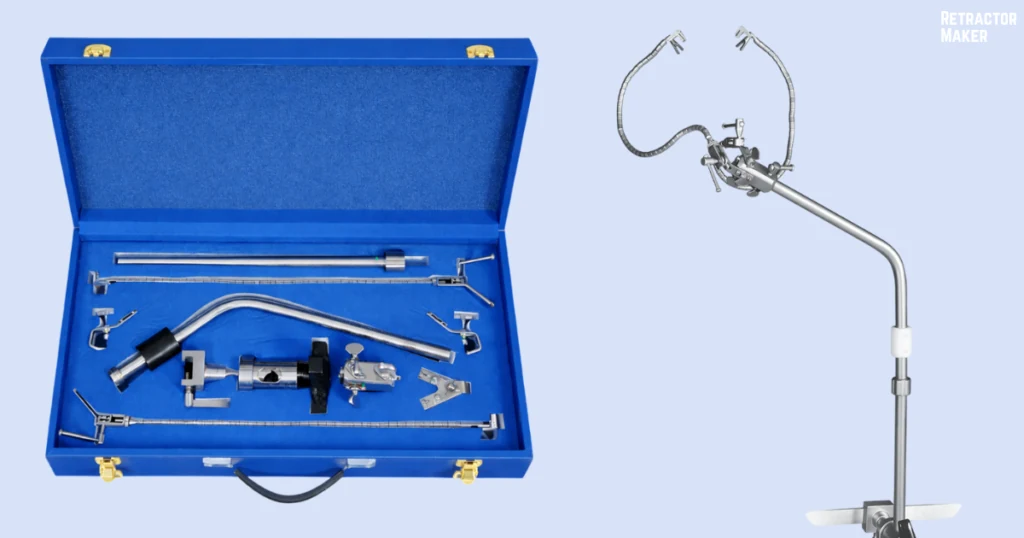
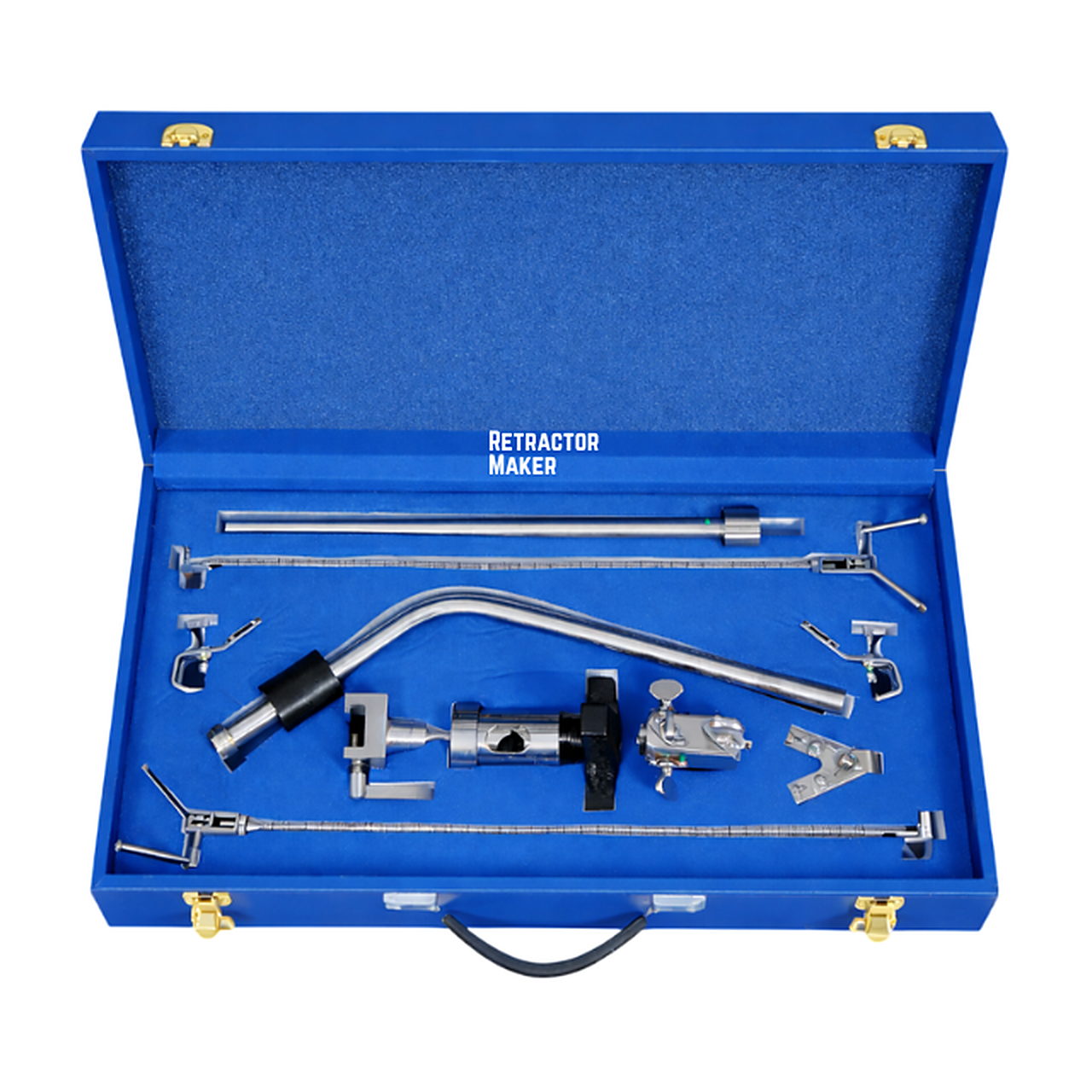
- Fixation base: a central block that holds one or two flexible arms and attaches directly to the main holding rod.
- Flexible arms: serpent-like, multi-jointed arms with 360 degrees of movement for precise brain spatula positioning.
- Spatula supports: terminal adapters attached to the flexible arm's working end.
- Spatula holders: clamping heads with precision thumb screws that firmly grip flat or malleable brain spatulas.
- Ball and socket joint: a table-fixed block that allows rod angling relative to the table rail.
- Holding rod: solid stainless steel support that raises the fixation base above the surgical drape line.
- Coupling head: a heavy-duty clamp that locks the holding rod and attaches to table side rails or head-holder posts.
- Wooden storage box: fitted compartments protect and secure all components during transport and storage.
System Component Overview
The following table explains each component's function and purpose within the full set.
| Quantity | Component Name | Technical Function & Clinical Purpose |
|---|---|---|
| 1 | Fixation Base for Two Flexible Arms | Central block connecting retractor arms to the main support column |
| 2 | Flexible Arms | Serpent-like articulated arms offering 360-degree positioning |
| 2 | Supports for Flat Brain Spatulas | Terminal adapter blocks connecting arms to spatula holders |
| 1 | Ball and Socket Joint | Multi-axis base joint for flexible post angling on table rails |
| 1 | Holding Rod | Vertical stainless steel column elevating the system above drapes |
| 1 | Coupling Head | Heavy-duty clamp securing the holding rod to table side rails |
| 1 | Holders for Flat Brain Spatulas | Thumb-screw clamping heads holding flat and malleable spatulas |
| 1 | Wooden Storage Box | Fitted organizer box for safe transit, storage, and inventory control |
Single-Arm vs Double-Arm Leyla Retractor
The Leyla system offers single-arm and double-arm setups. Surgical teams match the configuration to the procedure.
What Is the Leyla Single Arm Retractor?
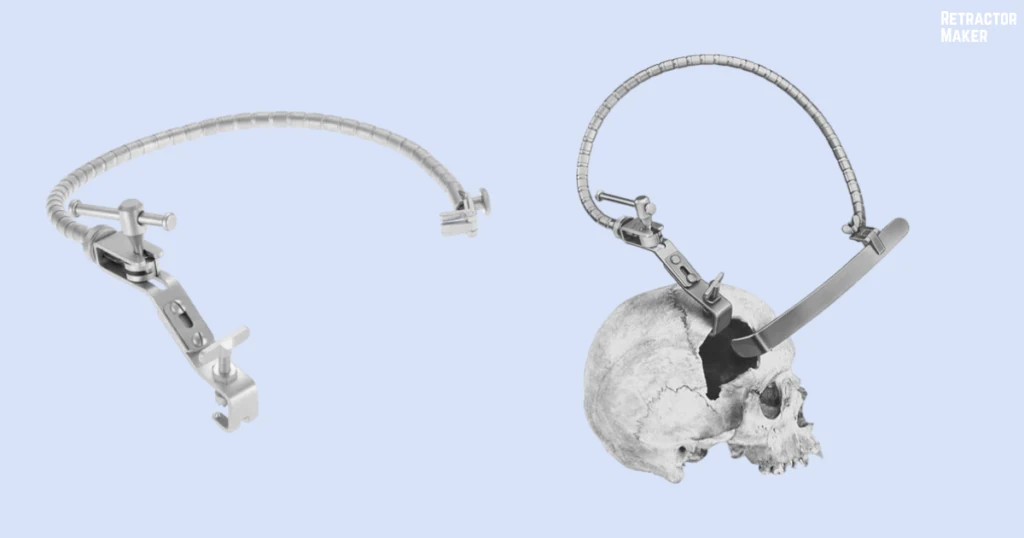
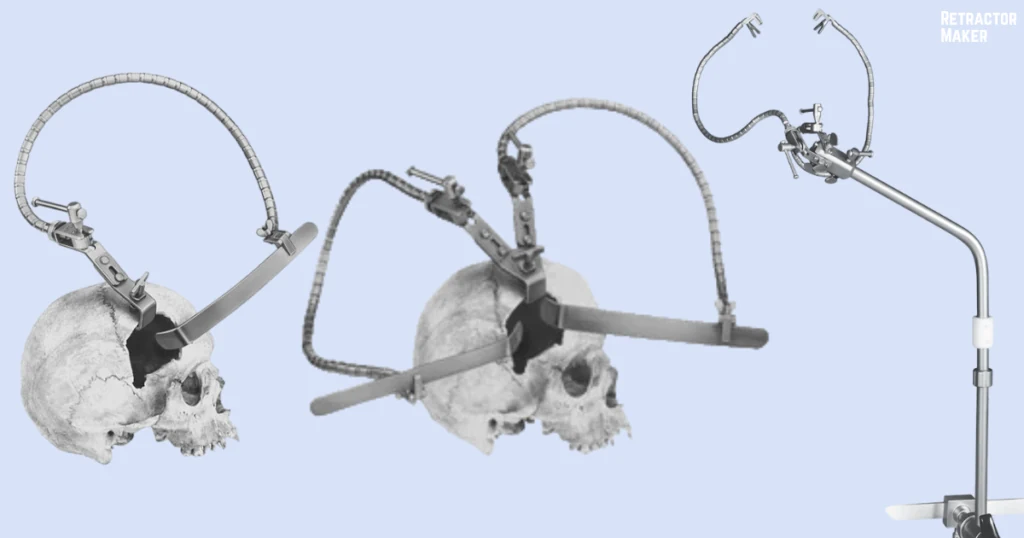
The single arm setup uses one flexible arm mounted to the holding rod. It has a compact footprint and allows fast setup. It is ideal for targeted brain retraction in narrow or keyhole approaches.
What Is the Leyla Double Arm Retractor?
The double arm setup uses a dual-arm base to support two flexible arms. Two spatulas can be positioned at the same time. This provides multi-point tissue traction across different anatomical planes.
Configuration Comparison Table
| Feature Category | Leyla Single Arm Retractor | Leyla Double Arm Retractor |
|---|---|---|
| Number of Flexible Arms | 1 Flexible Arm | 2 Independent Flexible Arms |
| Retraction Planes | Single-point tissue exposure | Multi-plane, dual-point tissue exposure |
| Spatial Footprint | Minimal overhead footprint | Broader coverage over craniotomy site |
| Setup Complexity | Fast assembly under 2 minutes | Standard assembly under 4 minutes |
| Best Application | Focused craniotomies, MVD, keyhole approaches | Deep tumor resections, complex skull base access |
| Operating Space | Unobstructed single-side access | Dual-side exposure around deep lesions |
| Typical Users | Ambulatory surgery centers & targeted ORs | Major hospital neurosurgical operating suites |
How Does the Flexible Arm System Work?
The Leyla system uses an internal tension cable running through precision-machined segments. These segments are stainless steel ball-and-socket joints.
- Loosen the knob to relax cable tension. The ball segments pivot freely, allowing surgeons to shape the arm into any curve or path.
- Turn the tension knob clockwise to tighten the internal cable and compress the ball-and-socket joints. The serpentine chain becomes a rigid support.
- Apply partial tension for friction-guided movement. Surgeons can nudge the spatula with one hand while holding micro-dissection tools with the other.
How Do You Assemble the Leyla Retractor?
Proper assembly ensures stability and maintains the sterile drape boundary. Follow this sequence for operating room setup.
Step 1: Prepare the Operating Table
Stabilize the patient's head with a rigid skull clamp or headrest. Check that the table side rail near the craniotomy is clear of drapes and cords.
Step 2: Install the Coupling Head and Ball Joint
Attach the coupling head clamp to the table rail. Insert the ball-and-socket joint into the clamp. Tighten the base screw firmly onto the rail.
Step 3: Attach the Holding Rod
Insert the solid holding rod into the joint block. Position the rod vertically above the patient's shoulder, clear of the sterile field. Lock the base joint securely.
Step 4: Install the Fixation Base
Fixation base installation positions the Leyla retractor arms for free movement over the craniotomy. Slide the fixation base onto the holding rod. Set it at a height that allows this movement. Tighten the securing knob.
Step 5: Connect One or Two Flexible Arms
Screw the proximal end of each flexible arm into a threaded port on the fixation base. Attach one or two arms. Keep the tension dials loose so the arms move freely.
Step 6: Attach the Spatula Holders
Mount the spatula supports to the arm tips. Attach the spatula holder heads. Tighten the terminal connection screws.
Step 7: Install the Brain Spatulas
Slide the selected flat stainless steel or malleable spatula into the holder channel. Hand-tighten the thumb screw until the spatula is held firmly.
Step 8: Position the Retractor
Carefully guide the spatula tip into the craniotomy channel. Rest it gently against a saline-soaked neuro-pattie covering the cortex.
Step 9: Make Final Adjustments
Apply the needed tissue retraction pressure. Maintain pressure on the spatula while turning the proximal tension dial clockwise. This locks all arm joints firmly.
Step 10: Complete the Final Safety Inspection
Check every connection point, from the clamp to the thumb screw. Confirm that the arm is fully rigid. No metal parts should touch bare skin. Keep tissue retraction force gentle and even.
What Does the Assembly Sequence Include?
The table below summarizes preparation steps and safety checkpoints for setup.
| Step | Action | Primary Component | Critical Safety Checkpoint |
|---|---|---|---|
| 1 | Table Rail Setup | Side rail mount area | Clear drapes from clamp mounting zone |
| 2 | Base Rail Anchor | Coupling Head & Ball Joint | Confirm zero play on the table side rail |
| 3 | Vertical Elevation | Solid Holding Rod | Position column clear of microscope path |
| 4 | Frame Mount | Fixation Base | Verify height clearance over craniotomy site |
| 5 | Arm Attachment | Flexible Arm(s) | Ensure internal tension dials turn smoothly |
| 6 | Working Tip Setup | Spatula Holders | Confirm terminal screws lock tightly |
| 7 | Spatula Insertion | Flat/Malleable Spatulas | Tighten thumb screw firmly on spatula shaft |
| 8 | Tissue Engagement | Brain Spatulas & Patties | Place spatula tip over protective cottonoids |
| 9 | Mechanical Locking | Tension Control Dial | Lock arm completely once target depth is met |
| 10 | Pre-Op Check | Complete Assembly Set | Re-verify tightness from rail clamp to spatula |
Which Procedures Use the Leyla Retractor?
The Leyla Retractor is used in neuro-oncology, cerebrovascular surgery, skull base surgery, pediatric neurosurgery and spinal microsurgery.
| Surgical Procedure | Approach Corridor | Retraction Focus |
|---|---|---|
| Glioma / Meningioma Resection | Convexity / Subtemporal craniotomy | Holds back cortex to expose tumor margins |
| Cerebral Aneurysm Clipping | Pterional / Keyhole approach | Retracts frontal or temporal lobes safely |
| Microvascular Decompression (MVD) | Retrosigmoid craniectomy | Displaces cerebellar hemisphere gently |
| Skull Base Lesion Removal | Transbasal / Petroclival route | Maintains access around cranial nerves |
| Pediatric Brain Surgery | Small targeted craniotomy | Applies delicate micro-retraction forces |
Primary Surgical Specialties
- Neuro-Oncology: Gently holds healthy tissue during glioma and meningioma resections.
- Cerebrovascular Surgery: Provides stable, steady exposure of the Circle of Willis during arterial clipping and AVM repairs.
- Skull Base Surgery: Maintains narrow access paths to cranial nerves, blood vessels and the brainstem.
- Pediatric Neurosurgery: Provides precise micro-retraction in small anatomical spaces and delicate pediatric tissue.
- Spinal Microsurgery: Helps remove intradural tumors in posterior cervical and thoracic areas.
What Are the Advantages of the Leyla Retractor?
- Hands-Free Tissue Stability: Holds spatulas constantly at the target depth and removes assistant hand tremors.
- Infinite Multi-Axis Articulation: Flexible joint chains bend around complex drapes and into deep surgical channels.
- Reduced Tissue Trauma: Spreads retraction forces evenly over protective patties to prevent localized tissue bruising.
- Improved Surgeon Ergonomics: Keeps mechanical clamps low and out of the microscope's view to improve visibility.
- Durable Construction: Premium Grade AISI 304/316 Stainless Steel (Non-Magnetic) withstands repeated washing and high-temperature steam autoclaving.
How Should Components Be Cleaned and Sterilized?
Proper reprocessing protects joint cables and extends working life. Follow the cleaning, inspection, lubrication and sterilization steps below.
- Rinse immediately after surgery. Flush jointed arm segments with neutral-pH enzymatic cleaner to stop blood from drying in ball sockets.
- Wash disassembled flex arms, rods and spatula clamps in an ultrasonic bath to remove debris from threads and cable channels.
- Inspect components and check that tension dials move smoothly. Apply water-soluble lubricant to joints and thread connections before autoclaving.
- Steam autoclave metal components in perforated sterilization trays. Use pre-vacuum steam cycles (134C to 273F) for 4 to 5 minutes. Keep arms unlocked and relaxed during autoclaving to preserve internal cable elasticity. The wooden box is for storage only; do not autoclave it.
Which Leyla Retractor Configuration Should You Choose?
Choose a setup based on your surgical setting, procedure and need for one-point or multi-point retraction.
- Single arm setup: Suits ambulatory surgical centers, targeted keyhole approaches and microvascular decompressions needing one-point retraction.
- Double arm setup: Suits major hospital suites, deep tumor resections, complex skull base approaches and vascular surgeries needing multi-point retraction.
Compare system features and part compatibility for your surgical department. Explore our Neurosurgery Retractors. Visit our Leyla Retractor Website for specialized details or our Bookwalter Retractor Website for general surgery systems.
Summary: Flexible Support for Microneurosurgery
The Leyla Retractor is an essential, highly adaptable brain retractor system for microneurosurgery. Flexible, multi-jointed arms attach to table-anchored posts. They provide steady, low-pressure tissue exposure and eliminate manual assistant fatigue. Teams use a single arm for keyhole approaches and a double arm for complex skull base procedures. Precision, flexibility and durable stainless steel construction support these uses.
Looking for Factory-Direct Neurosurgical Systems?
Equip your operating suites with precision-made, factory-direct systems that offer reliable clinical performance.
- Explore Leyla Retractor product page details.
- Review all our Neurosurgery Retractors.
- Visit our specialized sites: Leyla Retractor Website and Bookwalter Retractor Website.
Contact our engineering sales team to discuss bulk hospital pricing, OEM contract manufacturing or international distribution. Request a Quote or Contact Us today.
Clinical notice: This guide is for surgical teams and hospital buyers. Always follow the manufacturer's instructions for use (IFU) and your hospital's sterilization rules before clinical use.
Frequently Asked Questions
What is a Leyla Retractor?
The Leyla Retractor is a flexible system that holds brain tissue during surgery. It clamps to operating table rails and provides stable, hands-free tissue retraction. Its flexible arms support spatulas to maintain tissue exposure without continuous manual holding.
What is the Leyla Retractor used for?
The Leyla Retractor safely holds back cortical tissue during neurosurgery. Its uses include brain tumor resections, aneurysm clipping, MVD and skull base procedures. It is also used in pediatric neurosurgeries, where precise micro-retraction suits small anatomical spaces and delicate tissue.
What is the history of the Leyla Retractor?
The Leyla Retractor replaced manual spatulas and eliminated assistant hand tremors and fatigue. Dr. M. Gazi Yasargil popularized its use through his microneurosurgical work. That work led to adoption of the flexible system for hands-free tissue retraction during surgery.
Who is Dr. M. Gazi Yasargil?
Dr. M. Gazi Yasargil, who popularized the Leyla Retractor, is the father of modern microneurosurgery. A key figure in the field, his work in Zurich promoted operating microscopes and flexible self-retaining retractors like Leyla for microneurosurgical work.
How is the Leyla Retractor assembled?
The Leyla Retractor is assembled by attaching the coupling head to the operating table rail. Insert the holding rod, mount the fixation base and attach the flexible arms. Finally, secure the spatula holders and spatulas, then check every connection point.
What is the difference between single arm and double arm Leyla Retractors?
The single-arm Leyla retractor provides focused, one-point retraction with one flexible arm for keyhole procedures. The double-arm version uses two flexible arms for multi-point retraction in complex surgeries. The distinction is one-point versus multi-point retraction.
Which procedures commonly use the Leyla Retractor?
The Leyla Retractor is commonly used for glioma resections and cerebral aneurysm clipping. Other common procedures include retrosigmoid approaches for MVD and skull base tumor excision. Pediatric craniotomies are also among the procedures that use it.
Is the Leyla Retractor reusable and autoclavable?
The Leyla Retractor's stainless steel parts are reusable and steam-autoclavable. These include the arms, base, rod, and spatula holders. The supplied text lists 134C to 273F for 4 to 5 minutes; verify these parameters against the manufacturer's reprocessing instructions before use. The wooden box is for storage only.
Can Leyla Retractor flexible arms be repositioned during surgery?
The Leyla Retractor's flexible arms can be repositioned by the surgeon during surgery. To adjust an arm, loosen the proximal tension dial, move the arm to the new position, and re-lock the dial. This adjustment takes seconds.
Which brain spatulas are compatible with the Leyla Retractor?
The Leyla Retractor has universal spatula holders that accept standard flat, malleable, concave, and micro-spatulas. Compatibility therefore includes each of these spatula types, rather than standard flat spatulas alone. The system uses its universal holders to accommodate them.
Does Retractor Maker offer OEM manufacturing for the Leyla Retractor?
Retractor Maker offers OEM manufacturing for the Leyla Retractor for device brands and distributors. Available options include custom arm configurations and custom table rail mounts. Private-label laser etching is also offered as part of the OEM manufacturing service.
How can I request a quotation for Leyla Retractor systems?
Request a quote on our website. Download our neurosurgery product catalog. Contact our sales team directly.
How does the Leyla Retractor differ from rigid-frame retractors?
The Leyla Retractor uses flexible articulated arms on a central holding column instead of a rigid frame around the head. Its serpentine arms provide variable angles and reach deep surgical areas without blocking microscope lighting or micro-instruments.
How should the Leyla Retractor be cleaned immediately after surgery?
The Leyla Retractor should be rinsed immediately after surgery, and its jointed arm segments should be flushed with a neutral-pH enzymatic cleaner. This prevents blood from drying in the ball sockets. Proper reprocessing protects joint cables and extends the Leyla Retractor's working life.
About the author
Saad Shahid · Sales & Marketing Manager
Saad Shahid is the Sales & Marketing Manager and founder of Retractor Maker, started in 2023 in Sialkot, Pakistan. He also works with his father at Hospitech Traders, the family surgical instrument business founded in 1989.
Related Blogs & Guide


Related Retractors
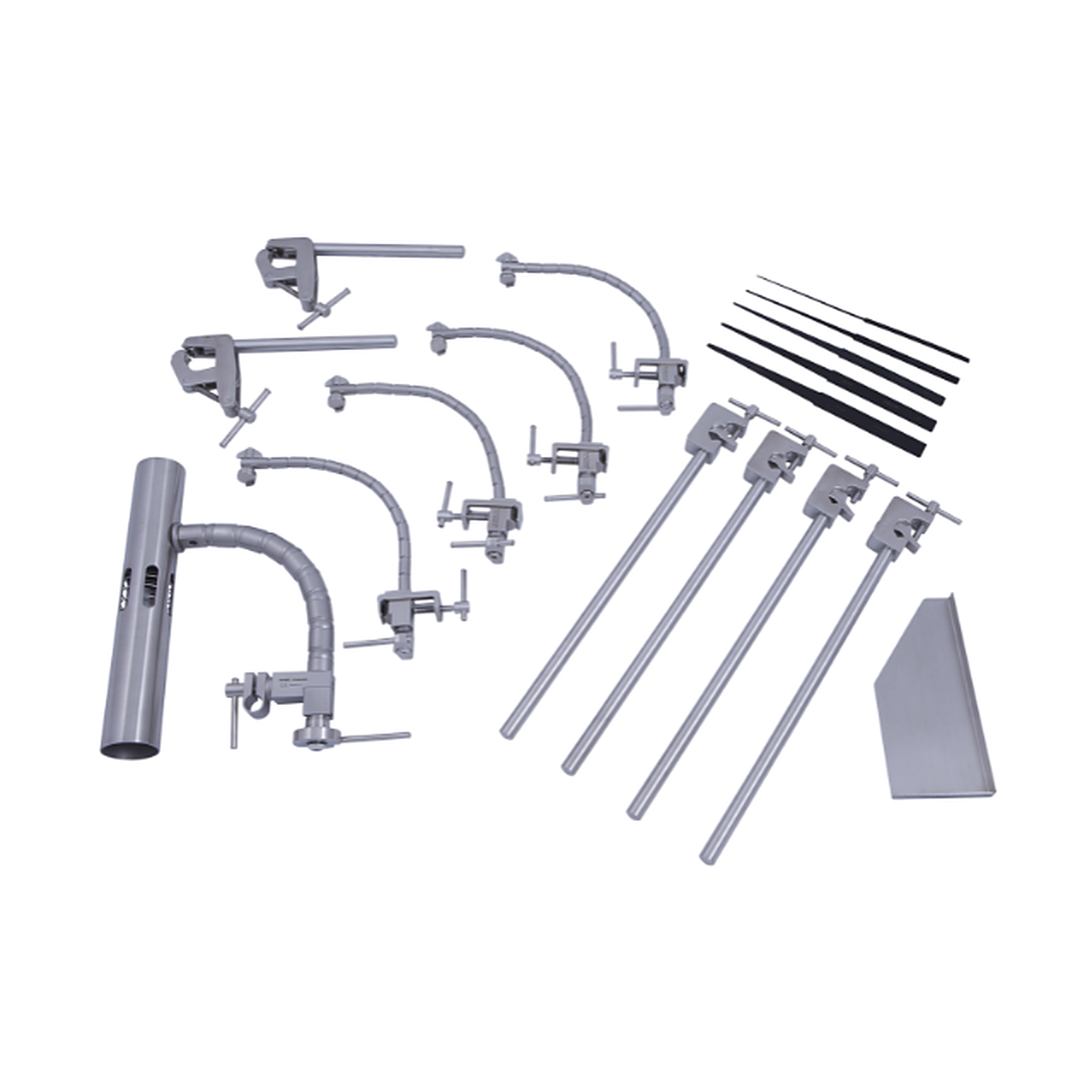
Greenberg Retractor Kit
$3,499Free Shipping
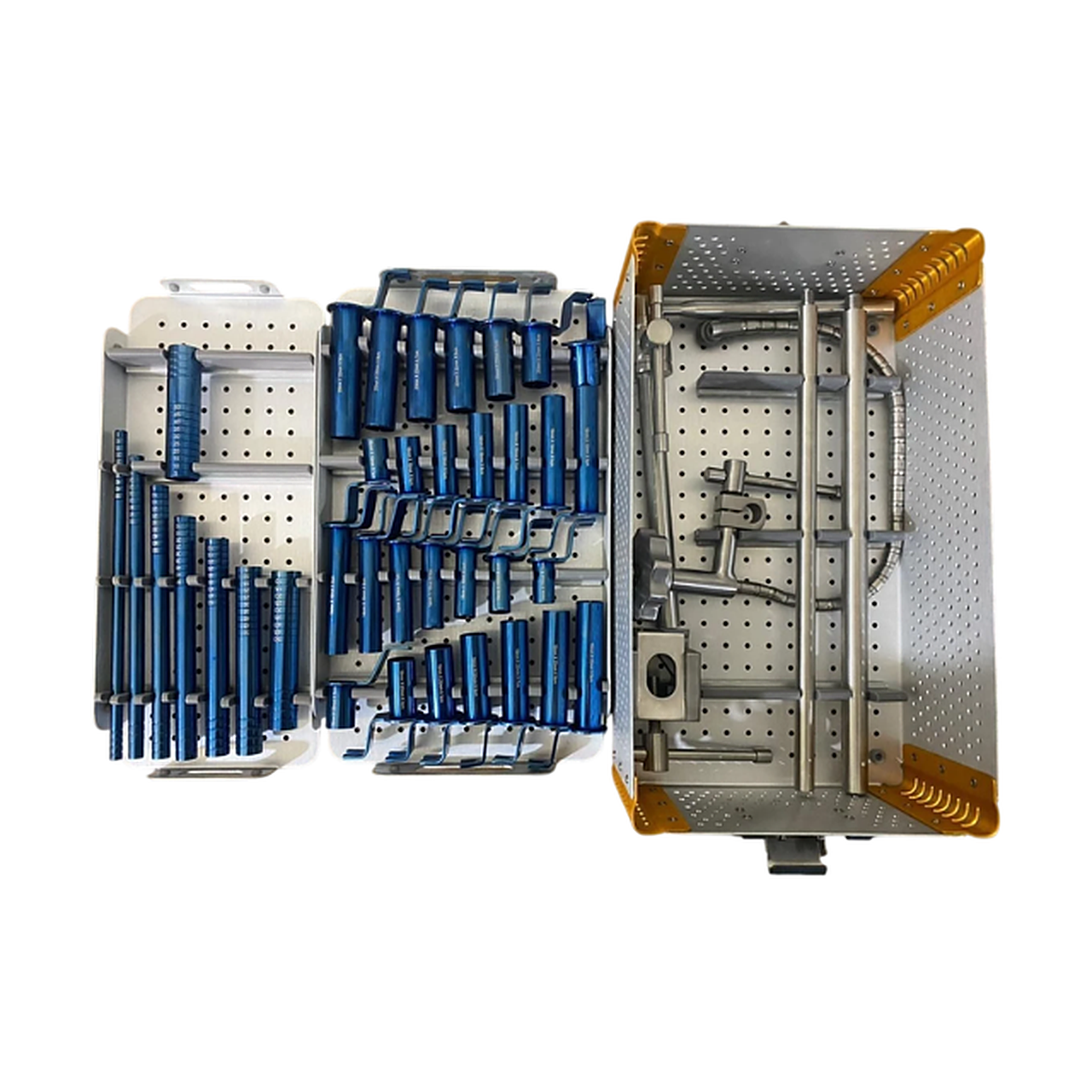
Tubular Retractor System
$2,199Free Shipping
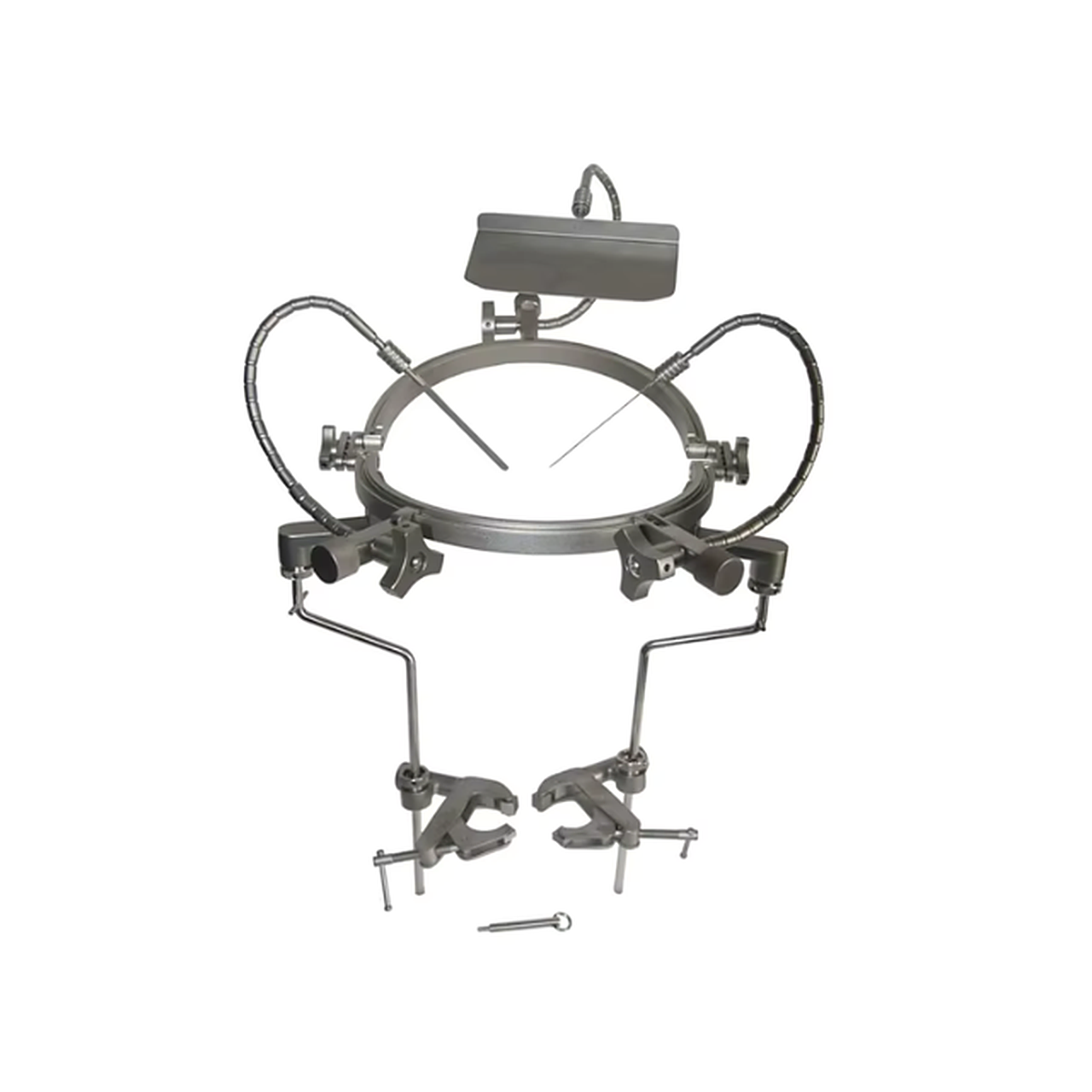
Budde Halo Retractor
$2,499Free Shipping
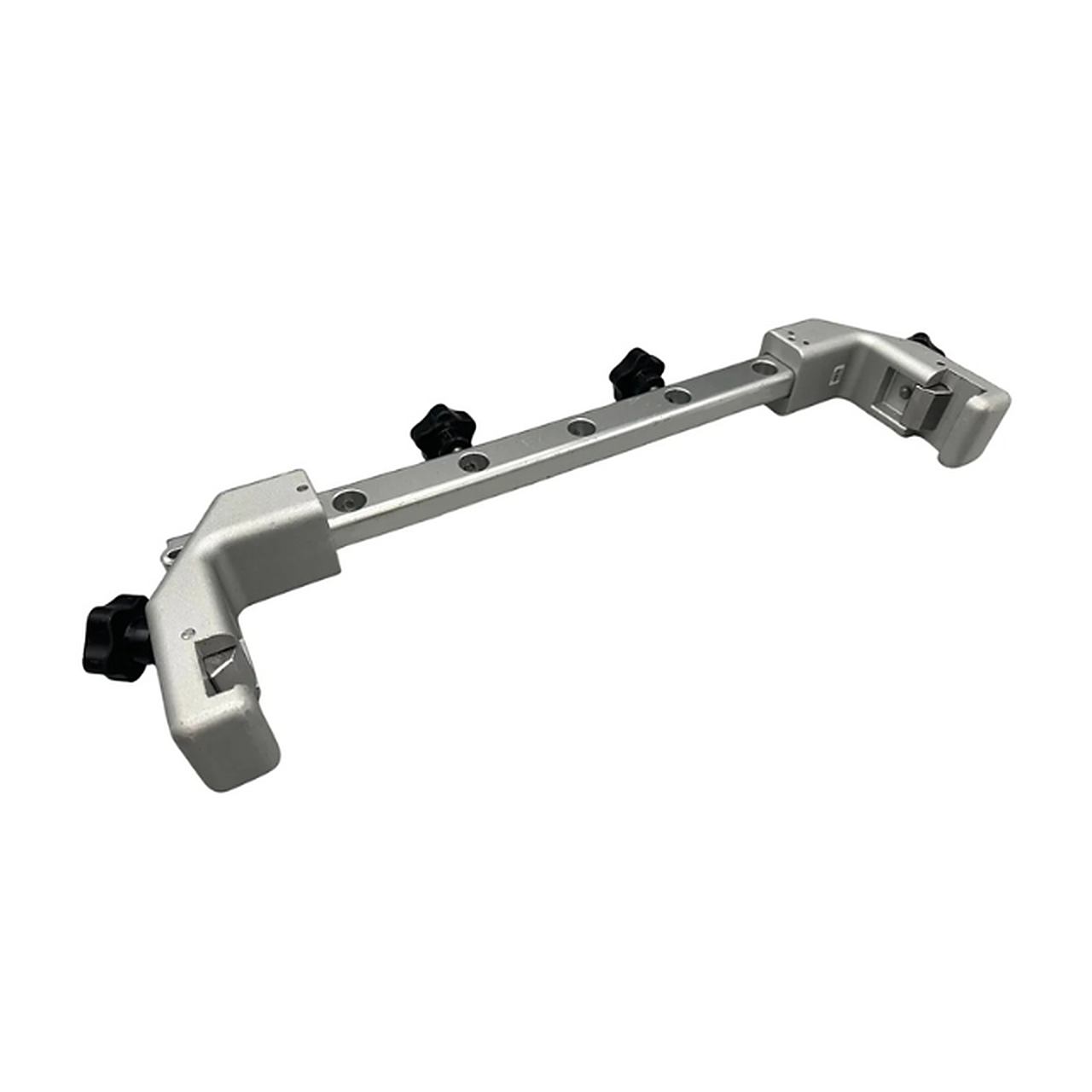
Adjustable Mayfield Adaptor
$1,199Free Shipping
Leyla Retractor
From $1,199Free Shipping
Greenberg Simplicity Retractor
$2,499Free Shipping
Need Surgical Retractors or Components?
Tell us what you need, including the product, configuration, quantity and destination country. Retractor Maker can provide availability, specifications and pricing.
Request a Quote