
Surgical Retractor Guides
What Is the Rultract Retractor? Uses, Components, and Assembly
Author: Saad Shahid · Updated · 8 min read

The Rultract Retractor is a mounted surgical retraction system that supports controlled, hands-free operative exposure. This guide explains its components, assembly, uses, benefits, and differences from handheld retractors.
Retractors discussed in this guide: Rultract Retractor System. Browse all surgical retractors.
A Rultract Retractor is a specialized surgical system that holds tissue open during surgery. It mounts above the surgical site using mounting parts on a stable base. This supports controlled tissue movement and gives surgical teams hands-free assistance during complex procedures.
Retractor Maker supplies Rultract Retractors to hospitals and distributors globally. We are a specialized manufacturer of high-quality retraction systems and offer a full range of retractors.
Retractor Maker supplies the Rultract Retractor system.
Contents
What Is the Rultract Retractor?
The Rultract Retractor is a frame-mounted system that holds tissue margins open during operative procedures. Manual instruments require continuous holding. A mounted system provides fixed support that bridges over the operative field.
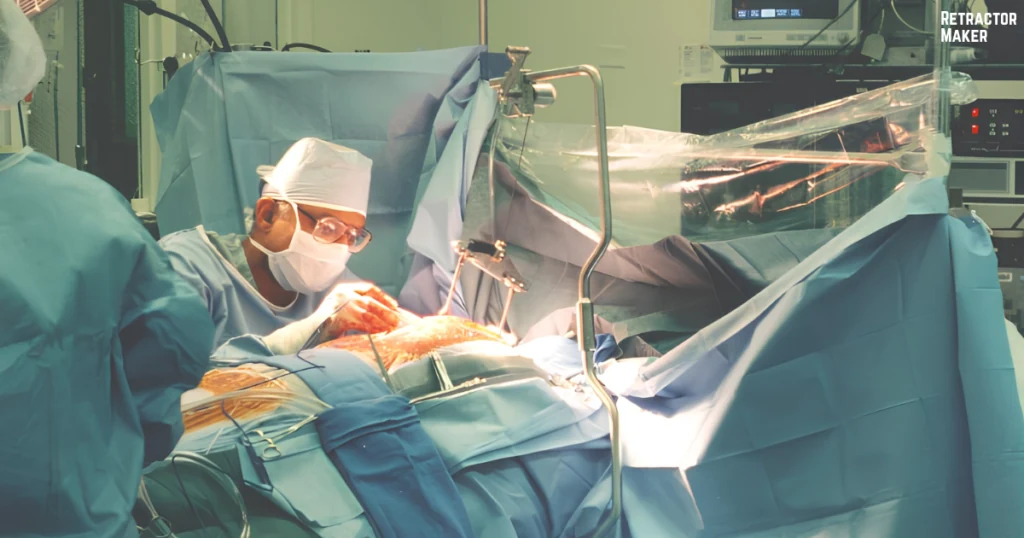
Steady tissue tension supports clear surgical visibility. A surgical retraction system combines a mounting post, clamp, and rake to lift or move tissue consistently. It creates static tension, reduces crowding near the incision, and helps keep the surgical field organized.
What Are the Rultract Retractor Components?
The Rultract Retractor system has three main parts. Together, they form the complete mounting and retraction frame.
| Quantity | Component Name | Primary Function |
|---|---|---|
| 1 | Spline Tip, Double Blend Post/Clamp | Provides the primary mounting interface and lower post clamping |
| 1 | Rake Assembly with Snap Clip | Engages tissue and connects to the frame via a snap clip |
| 1 | Spline Top Post | Extends the vertical column and stabilizes the upper frame |
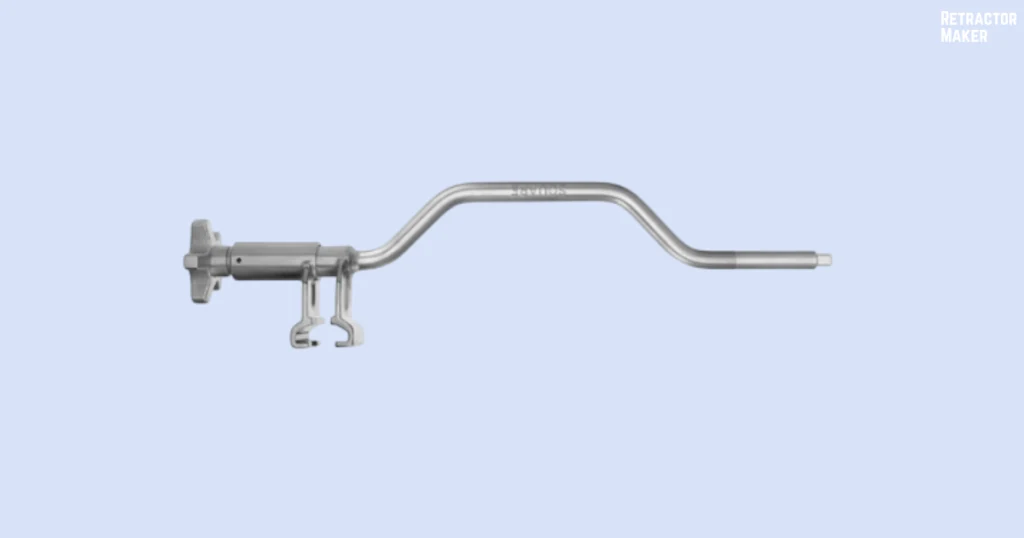
Spline Tip, Double Blend Post/Clamp
The Spline Tip, Double Blend Post/Clamp is the base mount. Its strong clamping end secures to an anchor point. The splined post accepts vertical extensions and allows height adjustments.
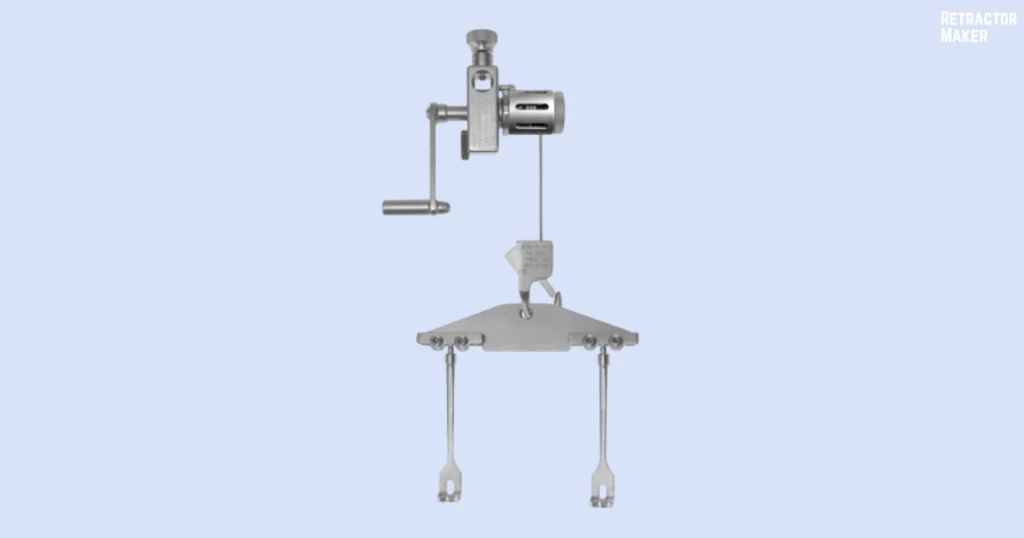
Rake Assembly with Snap Clip
The Rake Assembly with Snap Clip is the functional part that contacts tissue. The rake head touches tissue margins and provides upward or side elevation. The snap clip allows easy attachment and detachment of the rake.
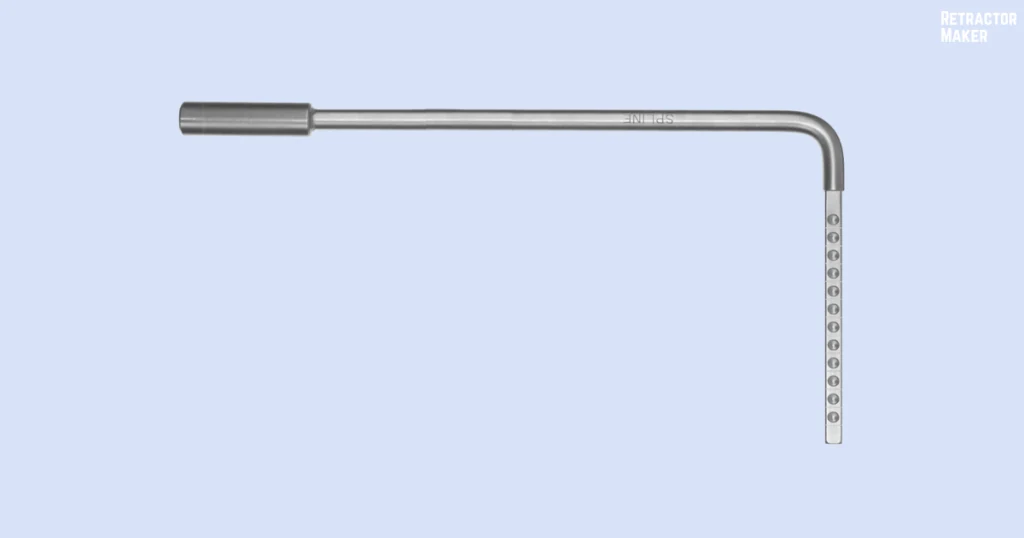
Spline Top Post
The Spline Top Post forms the upper vertical column. It extends upward and connects to the lower post through splines. It supports the overhead arm and allows fine alignment of the retraction element.
How Does the Rultract Retractor Work?
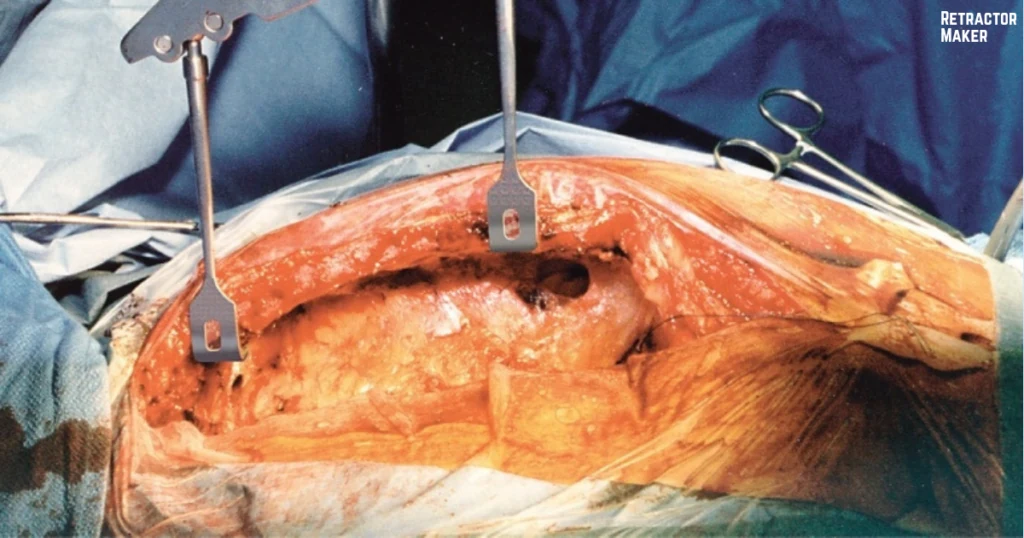
The Rultract Retractor uses mechanical support to transfer manual holding forces. First, mount the post and clamp securely. Then align the vertical posts over the surgical field.
Attach the rake assembly to the upper frame using its snap-clip connection. The surgical team places the rake at the target tissue margin. Apply the needed tension through the mechanical frame, which then holds its position. Alignment and elevation depend on the surgeon's judgment.
How Is the Retraction System Assembled?
Operating room staff must assemble the system carefully before use.
- Verify all three components: Spline Tip Double Blend Post/Clamp, Spline Top Post, and Rake Assembly with Snap Clip. Check that each is clean and undamaged.
- Mount the Spline Tip, Double Blend Post/Clamp firmly to the operating room mounting support.
- Connect the Spline Top Post to the lower post assembly. Adjust the height to position the upper arm over the operative field.
- Attach the Rake Assembly to the upper post frame using the snap-clip mechanism.
- Position the retraction frame carefully. Align the rake assembly at the surgical margin as directed by the operating surgeon.
- Before applying retraction tension, confirm that all clamp connections, post splines, and snap-clip joints are locked.
Important note: Only trained healthcare professionals must assemble and use the system. Follow manufacturer instructions and hospital protocols.
What Is the Rultract Retractor Used For?
Surgical retractors maintain clear field visibility across various operative settings. Key uses of a system-supported setup include:
- Maintains operative exposure by holding skin, muscle, or soft tissue margins open.
- Provides hands-free assistance by keeping tissue position static without continuous physical holding by assistants.
- Improves field organization with mechanical supports above the incision, reducing instrument crowding.
- Enhances visual access by giving surgeons clear views of deep anatomical structures.
Surgeons choose retraction setups based on surgical field depth, patient positioning, and required tissue elevation. Find specialized setups in our catalogs: General Surgery, Neurosurgery, Urology, and OB/GYN Retractors.
What Are the Benefits of a Surgical Retraction System?
A mechanical, table-mounted retraction system supports positioning, control, and exposure during operative procedures.
- Provides stable positioning. Mechanical clamps prevent tissue slipping and sudden shifts in exposure.
- Allows controlled retraction through incremental adjustments to elevation height and tension vectors.
- Reduces assistant fatigue by avoiding prolonged manual holding during long operations.
- Provides consistent exposure with uniform field boundaries throughout all procedure stages.
Clinical benefits depend on the setup, surgical approach, and proper application by trained staff.
Rultract Retractor vs. Handheld Retractors
Mounted and handheld retractors differ in how they provide support. The table below compares the two approaches.
| Feature | Rultract Retractor System | Handheld Surgical Retractor |
|---|---|---|
| Support Method | Frame-mounted mechanical system | Held manually by surgical assistant |
| Retraction Force | System-supported static tension | Assistant-supported manual force |
| Hands-Free Capability | Yes, once clamped into position | No, requires continuous physical contact |
| Position Stability | Fixed mechanically by post/clamp joints | Subject to manual fatigue and hand tremors |
| Adjustment | Adjusted via post splines and clamps | Repositioned manually by hand |
| System Setup | Requires mounting and post assembly | Ready immediately without assembly |
Who Uses Surgical Retractors?
Trained operating room teams use surgical retractors in hospitals and clinics. Surgeons and staff choose types based on these factors:
- Surgical approach and incision size.
- Depth and weight of tissue requiring movement.
- Expected operation length.
- Available space and positioning around the table.
- Surgeon's preference and familiarity with systems.
Retractor Maker: Specialized Manufacturing in Pakistan
Retractor Maker specializes in surgical retractors for the global medical market. We focus on high-precision platforms.
- Our Pakistan plant opened in 2023. We manufacture only retraction systems, not general surgical tools.
- Our skilled workforce includes over 50 instrument technicians and manufacturing engineers.
- Our global supply network has served over 500 partners, including hospitals and distributors worldwide.
- Reliable wholesale manufacturing timelines: production and dispatch take 12 to 16 days.
- Complete buyer support for international hospitals, regional distributors, medical importers, and OEM partners.
Rultract Retractor: System Summary
The Rultract Retractor is an effective frame-mounted surgical system that provides stable tissue exposure during surgery. Its three main components are the Spline Tip Double Blend Post/Clamp, Spline Top Post, and Rake Assembly. The system frees surgical assistants' hands and creates an organized workspace. Trained professionals must assemble and operate it. This improves efficiency and visibility in complex procedures.
How Can You Get a Direct Factory Quotation?
Retractor Maker supplies precision retractors directly from our factory for hospital procurement and distributor wholesale orders. We also partner as an OEM manufacturer. We provide reliable products and efficient export to equip surgical suites.
Request technical details, product availability, wholesale pricing, or OEM contract terms from our sales team. Use Request a Quote or Contact Us to speak directly with us today.
Clinical notice: This guide is for surgical teams and hospital buyers. Always follow the manufacturer's instructions for use (IFU) and your hospital's sterilization rules before clinical use.
Frequently Asked Questions
What is a Rultract Retractor?
A Rultract Retractor is a frame-mounted surgical system that provides stable, hands-free tissue exposure during operations. The frame-mounted system holds tissue exposed during surgery, providing exposure without the continuous hand-holding required to keep tissue in position.
What components are included in the Rultract Retractor set?
The Rultract Retractor set includes three main parts: the Spline Tip Double Blend Post/Clamp, Rake Assembly with Snap Clip, and Spline Top Post. These are the mounting component, rake assembly, and upper post that make up the system.
What is the purpose of the Spline Tip, Double Blend Post/Clamp?
The Spline Tip, Double Blend Post/Clamp is the main mounting component. It clamps the lower post assembly and secures it to a stable support. Along with this mounting function, the component allows adjustments to the post height.
What is the function of the Rake Assembly with Snap Clip?
The Rake Assembly with Snap Clip holds surgical tissue for elevation and connects to the overhead frame. The rake holds the tissue, while the snap clip provides the connection to the frame for a secure attachment.
What role does the Spline Top Post play?
The Spline Top Post forms the upper vertical column and extends the frame over the surgical site. It connects to the lower post, providing the upper section of the frame that reaches over the surgical area.
How does a mounted retractor differ from a handheld retractor?
A mounted retractor clamps to a rigid support and holds tissue hands-free, while a handheld retractor requires continuous holding. A surgical assistant must hold the handheld retractor throughout its use, rather than relying on a rigid mounting support.
Who is qualified to assemble and position the Rultract Retractor?
The Rultract Retractor should be assembled, adjusted, and positioned only by trained healthcare professionals, including surgeons and scrub technicians. These tasks require trained personnel; use of the system, including its assembly and positioning, is restricted to those healthcare professionals.
Does Retractor Maker manufacture Rultract Retractors?
Retractor Maker directly manufactures retractors and supplies Rultract-compatible systems for global medical markets. The systems we supply are described as Rultract-compatible. Our direct manufacturing and supply services serve buyers in medical markets around the world.
Can hospitals and distributors purchase retractor systems directly from Retractor Maker?
Retractor Maker supplies retractor systems directly to hospitals and distributors through factory shipments. We offer wholesale orders and provide export packaging for these shipments. Hospitals and distributors can purchase through this direct factory supply service.
Do you offer OEM contract manufacturing for surgical retractors?
Retractor Maker offers OEM manufacturing for surgical retractors, including private-label laser etching and custom packaging. These services meet distributor needs through OEM production, with laser etching for private-label requirements and packaging customized for the distributor.
What is the average production lead time for wholesale orders?
Retractor Maker's wholesale retractor manufacturing timeline is 12 to 16 days from order confirmation. This period includes production, quality control, and packaging. The stated manufacturing timeline covers these stages, starting when the wholesale order is confirmed.
How can I request a price quotation?
You can request a retractor price quotation by submitting an inquiry through our website or contacting our sales team directly. Either route lets you request pricing from Retractor Maker: use the website inquiry option or speak with sales.
What checks are required before applying tension with a Rultract Retractor?
Before applying tension with a Rultract Retractor, confirm that the clamp connections, post splines, and snap-clip joints are locked. Check that all three components are clean and undamaged. Trained healthcare professionals must follow manufacturer instructions and hospital protocols when performing assembly checks.
What factors guide the choice of a Rultract Retractor setup?
A Rultract Retractor setup is chosen based on surgical field depth, patient positioning, and required tissue elevation. Surgeons also consider the surgical approach, incision size, tissue depth and weight, expected operation length, available space around the table, and their familiarity with the system.
About the author
Saad Shahid · Sales & Marketing Manager
Saad Shahid is the Sales & Marketing Manager and founder of Retractor Maker, started in 2023 in Sialkot, Pakistan. He also works with his father at Hospitech Traders, the family surgical instrument business founded in 1989.
Related Blogs & Guide

Related Retractors
Gifford-Jansen Retractor
From $84.00
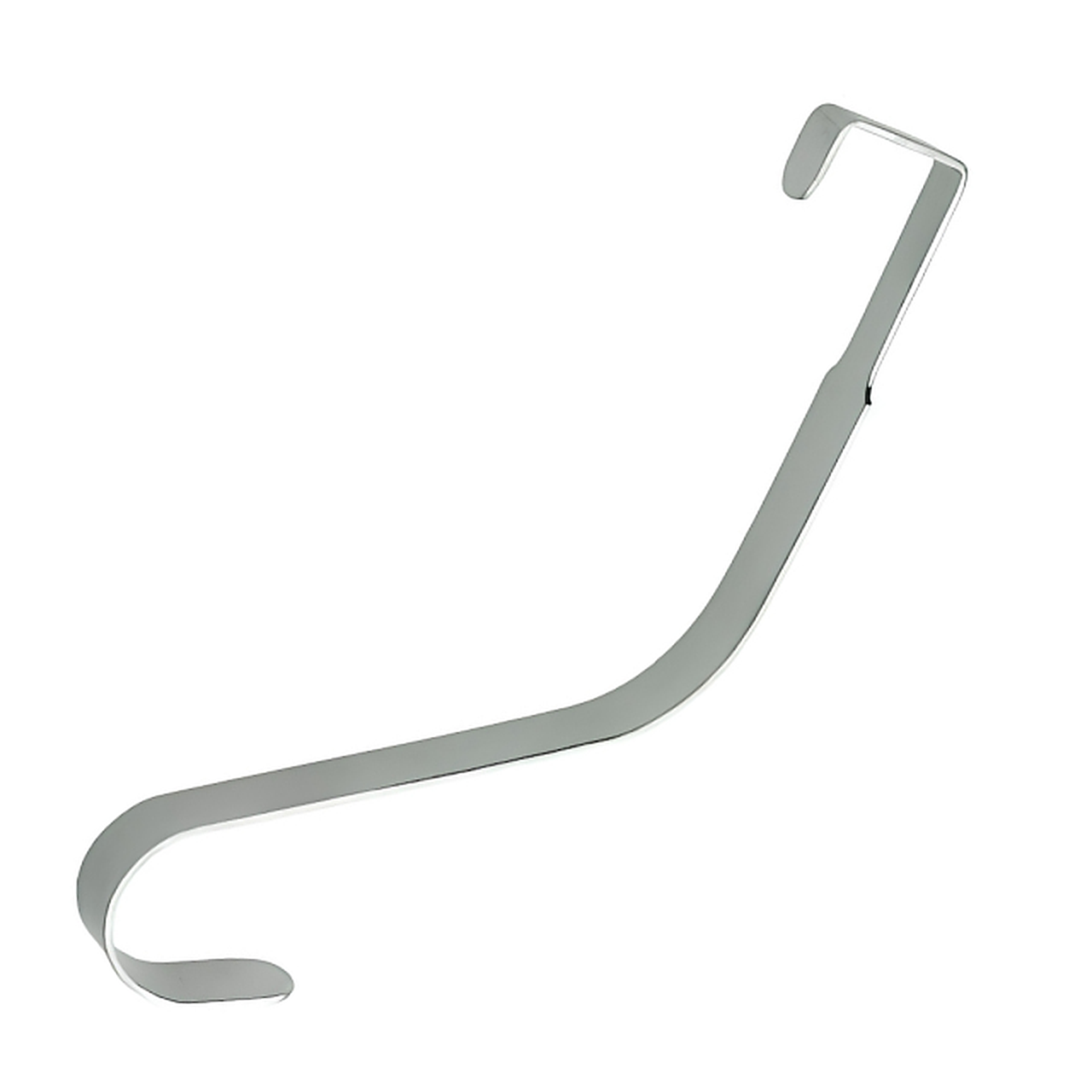
Hajek Cheek Retractor
$24.00
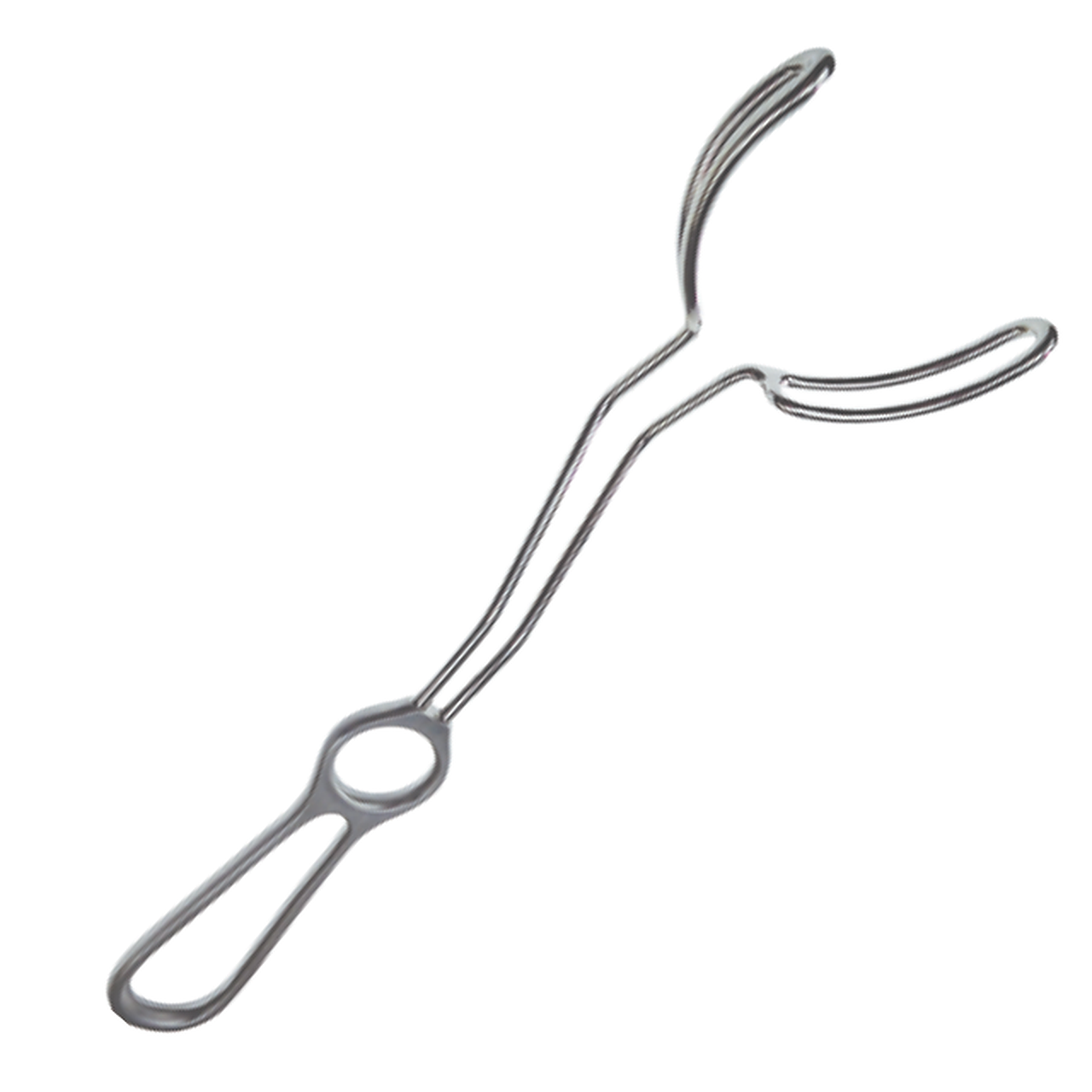
Lip And Cheek Retractor
$49.00
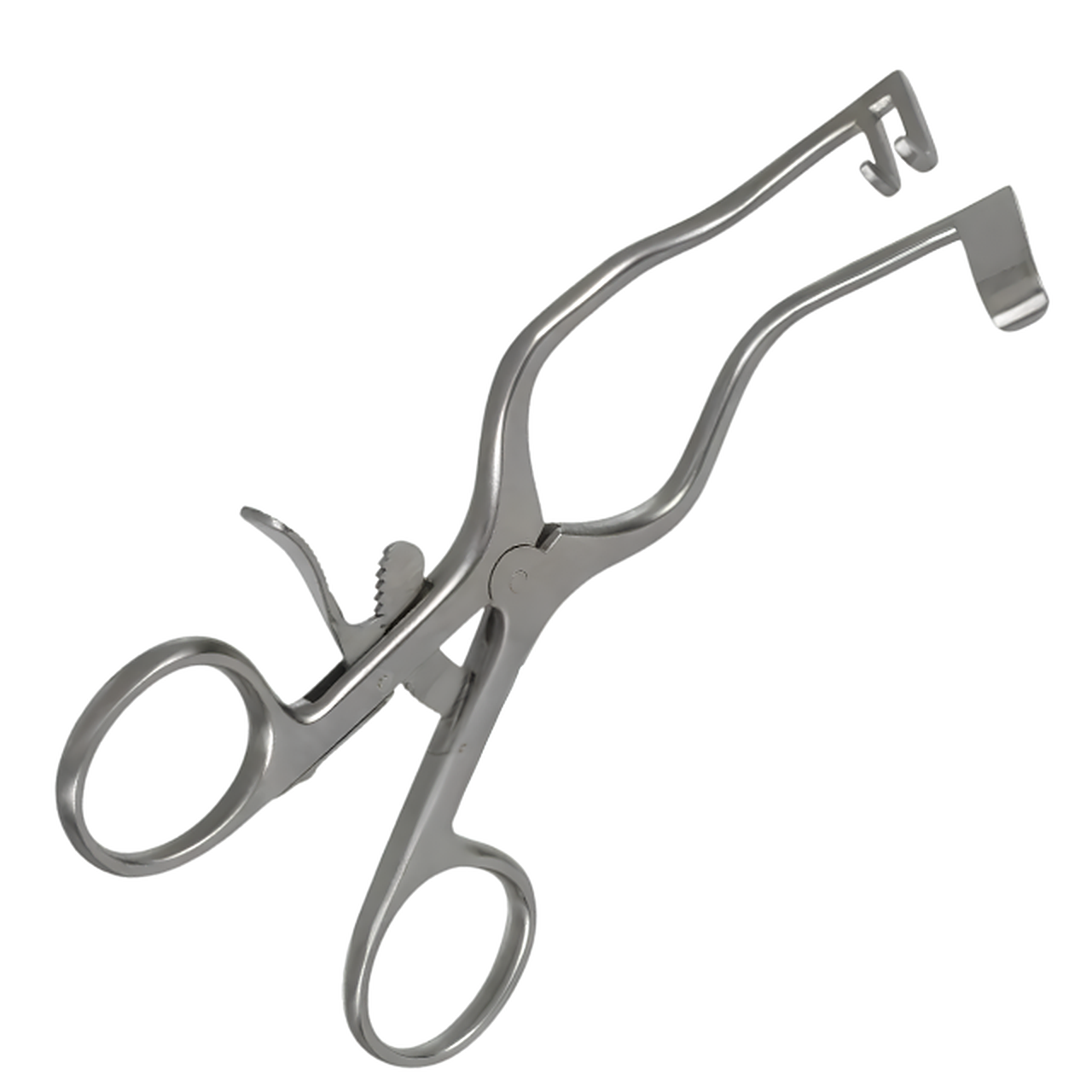
Bellucci Endaural Retractors
From $174
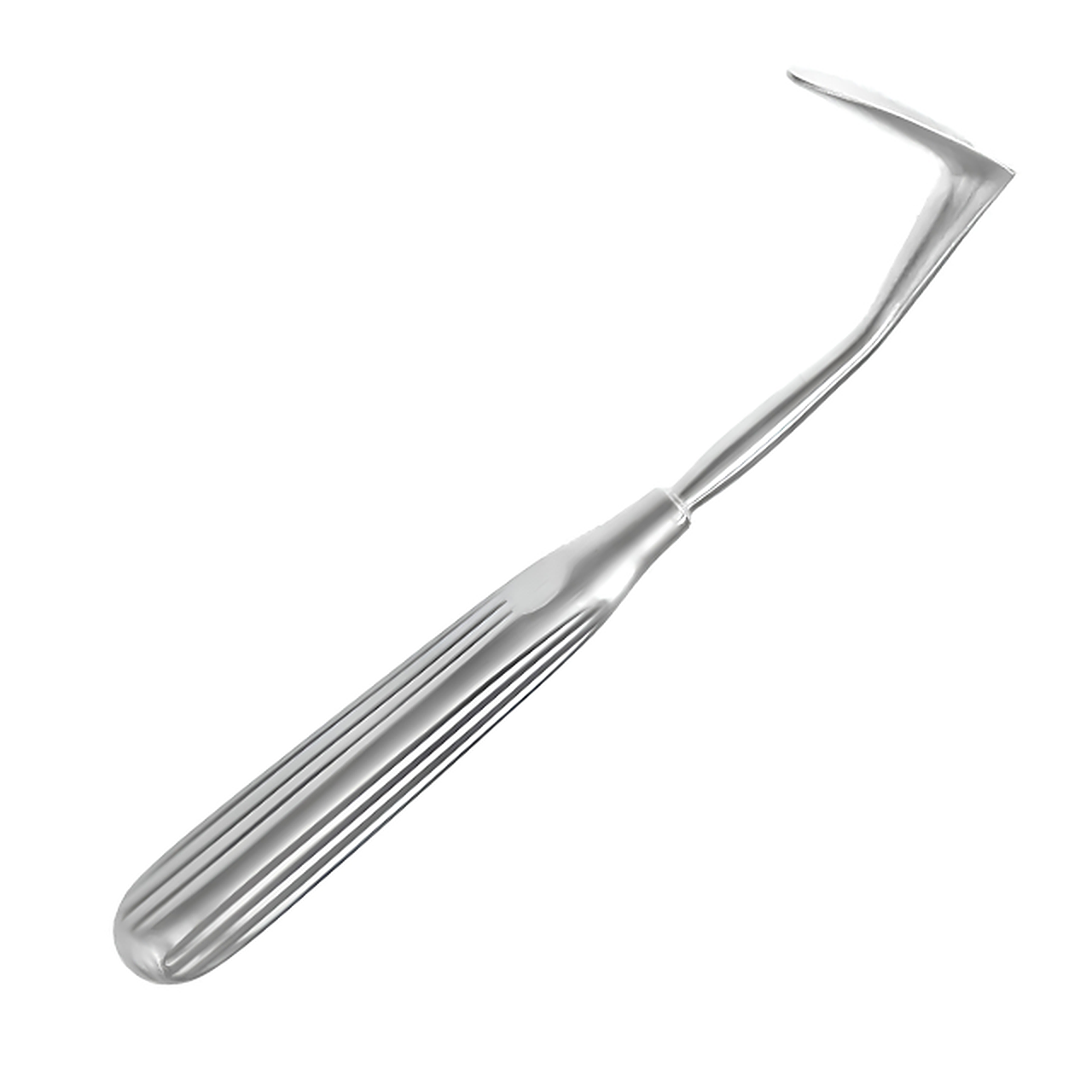
Aufricht Nasal Retractor
From $59.00
Aufricht Walter Nasal Retractor
$69.00
Need Surgical Retractors or Components?
Tell us what you need, including the product, configuration, quantity and destination country. Retractor Maker can provide availability, specifications and pricing.
Request a Quote