
General Surgery Retractor Guides
Balfour vs. Bookwalter Retractor: Ring-Mounted vs. Handheld-Frame Abdominal Systems
Author: Saad Shahid · Updated · 7 min read

Major open abdominal and pelvic surgery requires stable, broad exposure of internal viscera. Surgical procedures such as exploratory laparotomies, multi-organ resections, oncologic debulking, and aortic vascular reconstructions involve wide incisions and deep operative corridors. Relying solely on manual handheld retractors crowds the surgical field with assistant hands and leads to fatigue over extended operative times.
Retractors discussed in this guide: Balfour Retractor, Balfour Baby Self Retaining Retractor, Bookwalter Retractor, Bookwalter Retractor (Standard). Browse all surgical retractors.
Contents
Self-retaining abdominal retractor systems, including the Balfour retractor, maintain an open surgical field in multiple directions without continuous manual holding. The Balfour retractor and Bookwalter-style retractor system are two widely recognized platforms for open cavitary surgery. Their designs differ: one uses a field-based spreader frame, while the other uses an integrated, table-mounted ring.
Mounting and modularity are the main differences between a Balfour and a Bookwalter-style retractor. The Balfour rests directly on the patient's abdomen as an independent frame for two-way or three-way exposure. The Bookwalter clamps to the operating table rail. Its articulated support holds an overhead ring and interchangeable blades for 360-degree radial retraction.
What Is a Balfour Retractor?
A Balfour retractor is a field-based, self-retaining abdominal surgical retractor. It sits directly within the abdominal incision and rests on the patient's body without external table connections.
How Does the Field-Based Frame Work?
- Parallel spreader frame: A transverse bar holds one fixed lateral arm and one mobile lateral arm that slides along a track.
- Lateral retraction blades: Paired broad, curved metal blades mount on the side arms to displace the abdominal wall's lateral margins.
- Adjustable center blade: A third blade, often called a bladder blade or organ depressor, attaches to the central crossbar for downward or central counter-traction.
- Two-way or three-way exposure: Broad lateral expansion and optional central clearance make this an established standard for midline laparotomies.
What Is a Bookwalter-Style Retractor System?
A Bookwalter-style retractor is an integrated, table-mounted surgical retraction system. It connects to the operating table's accessory side rail and suspends a rigid framework over the patient.
How Does the Table-Mounted Ring Work?
- Table rail clamp and post: A heavy-duty clamp fastens to the operating table rail and holds a vertical field post and horizontal extension arm.
- Rigid ring frame: An oval, circular, or notched segmented ring attaches to the horizontal bar directly over the operative site.
- Interchangeable modular blades: Kelly, Balfour, malleable, Harrington, and pelvic blades attach to the ring through multi-angle tilt ratchets.
- 360-degree radial traction: Multiple blades can be placed at custom angles, depths, and elevations around the entire incision perimeter.
Field-Based vs. Table-Mounted Architecture
The Balfour retractor uses a sliding parallel frame supported on the patient, with a lateral blade on each side.
A center blade provides central retraction.
The Bookwalter-style system uses a table-mounted ring platform. The table rail supports a vertical post, then a horizontal arm, then a ring frame over the wound.
Tilt ratchets connect modular blades to the ring.
1. What Supports Each System?
The Balfour retractor relies on the patient's abdominal wall to support its weight. The Bookwalter system anchors to the rigid metal operating table. This transfers all retraction torque to the table frame and keeps the system's weight off the patient.
2. How Do Retraction Directions Differ?
A Balfour retractor works along primary perpendicular axes: lateral spread and central depression. A Bookwalter system provides 360-degree radial freedom. Teams can retract in oblique, cranial, and caudal directions simultaneously.
3. How Do Modular Components Compare?
Modern Balfour sets offer interchangeable lateral blade depths, such as 65 mm to 155 mm deep. The Bookwalter system supports a broader catalog of blade geometries, malleable plates, and micro-adjustable ratchets.
Detailed Comparison: Balfour vs. Bookwalter-Style System
| Feature | Balfour Retractor | Bookwalter-Style System |
|---|---|---|
| System Architecture | Independent, field-based spreader frame | Table-mounted post, arm, and ring platform |
| Mounting Foundation | Rests directly on the patient's abdomen | Clamps to operating table accessory side rails |
| Exposure Geometry | 2-way lateral or 3-way (with center blade) | Full 360-degree multi-axial radial exposure |
| Blade Modularity | Standard lateral blades + central depressor | Extensive selection of interchangeable blades |
| Component Count | Compact (frame + 3–5 blade components) | Comprehensive (post, coupler, ring, ratchets, 10–20+ blades) |
| Setup Time | Fast (positioned in under 1–2 minutes) | Moderate (requires post clamping, ring positioning, ratchets) |
| Table Compatibility | Universal (no table attachments needed) | Requires compatible operating table side rails |
| Primary Specialties | General Surgery, Emergency Laparotomy, C-Section | Colorectal, Urology, Surgical Oncology, Transplant, Vascular |
| Tray Footprint | Fits in standard single instrument tray | Requires dedicated multi-tiered sterilization containment box |
Clinical Applications and Suitability
What Is a Balfour Retractor Used For?
- Emergency laparotomies: Rapid field opening for trauma or acute abdomen cases where every minute counts.
- Standard midline laparotomies: Routine bowel resections, exploratory laparotomies, and abdominal wall closures.
- Obstetric and gynecologic procedures: Routine cesarean sections and pelvic exposures where a compact, field-based frame is sufficient.
- Resource-constrained environments: Standardized, self-contained sets without dependence on specialized table-rail clamp dimensions.
When Is a Bookwalter-Style System Preferred?
- Complex pelvic surgery: Radical prostatectomy, total pelvic exenteration, and low anterior resection requiring deep, multi-angle pelvic sidewall exposure.
- Upper abdominal oncology: Major liver resections, pancreatectomy (Whipple procedure), and gastrectomy requiring costal margin elevation.
- Vascular surgery: Abdominal aortic aneurysm (AAA) repair requiring simultaneous cranial, lateral, and deep visceral displacement.
- Prolonged multi-quadrant cases: Extended operations requiring multiple specialized blades locked at stable angles throughout the case.
What Should Hospitals Consider Before Purchasing?
Hospital buyers must balance clinical versatility with operational footprint. Healthcare procurement managers and medical distributors should compare investment, processing capacity, and table rail compatibility.
- Investment and utilization: A Balfour set is a cost-effective, high-turnover option for general surgery suites. A Bookwalter system requires a larger capital investment for specialized multi-specialty operating rooms.
- Sterilization and processing: A Balfour frame processes quickly through standard washer-disinfectors. Bookwalter sets need dedicated, heavy containment boxes with specialized brackets for ratchets and modular blades.
- Rail compatibility: Confirm table rail dimensions before sourcing table-mounted systems, such as US Standard 3/8″ × 1-1/8″ versus European Standard 10 × 25 mm.
Maintenance, Inspection, and Reprocessing
- Balfour maintenance: Check smooth sliding-arm movement. Verify that thumbscrews and spring locks hold the frame open securely under load without slipping.
- Bookwalter maintenance: Inspect rail clamp jaws for wear and tilt-ratchet teeth for rounding. Confirm that ring-joint connections lock rigidly without drooping.
- Decontamination: Disassemble all modular blades, ratchets, and crossbars. Submerge in neutral enzymatic detergent, scrub screw threads with nylon brushes, and autoclave according to validated manufacturer IFU protocols.
What OEM Customization Does Retractor Maker Offer?
Retractor Maker manufactures Balfour and Bookwalter-style systems in Sialkot, Pakistan, with customization for B2B buyers. Direct sourcing allows buyers to customize blade profiles, order specialized frame sizes, ensure rail clamp compatibility, and specify custom sterilization container configurations through private-label OEM partnerships.
Request Factory-Direct Sourcing from Retractor Maker
Retractor Maker is a surgical retractor manufacturer based in Sialkot, Pakistan. It produces high-grade surgical instruments for hospitals, surgical centers, and medical device distributors worldwide.
Contact Retractor Maker to request abdominal retractor system pricing, review technical specifications, or discuss contract OEM manufacturing.
Clinical notice: This guide is for surgical teams and hospital buyers. Always follow the manufacturer's instructions for use (IFU) and your hospital's sterilization rules before clinical use.
Frequently Asked Questions
What is the main difference between a Balfour and a Bookwalter retractor?
A Balfour uses a patient-supported frame, while a Bookwalter uses a table-mounted ring. The Balfour is an independent, field-based frame that rests on the patient for two-way or three-way retraction. The Bookwalter clamps to the operating table and provides 360-degree radial retraction.
Does the Balfour retractor attach to the operating table?
The Balfour retractor does not attach to the operating table. It is a self-contained, field-based frame placed directly within the abdominal incision. The Balfour retractor rests on the patient's abdominal wall, which supports its weight without external table connections.
What is a Bookwalter retractor used for?
Surgeons use a Bookwalter retractor for complex, lengthy cavitary procedures requiring multi-directional visualization. The table-mounted system supports deep pelvic exposure and multiple specialized blades locked at custom angles. Its 360-degree radial retraction allows simultaneous retraction in oblique, cranial, and caudal directions.
Can a Balfour retractor use interchangeable blades?
A Balfour retractor can use interchangeable blades in modern sets, such as the Balfour USA set. These sets include lateral blades in varying depths alongside standard center blades, with interchangeable options provided for the lateral blades.
Which retractor is faster to set up in an emergency?
The Balfour retractor is significantly faster to deploy in an emergency because it requires no table-rail posts or overhead rings. Setup does not involve clamping posts to the table rails or assembling an overhead ring structure.
Can Bookwalter components be autoclaved?
Bookwalter-style systems and Balfour systems made from Premium Grade AISI 304/316 Stainless Steel (Non-Magnetic) are fully autoclavable when reprocessed according to manufacturer IFU guidelines. For both systems, autoclaving must follow those manufacturer instructions as part of reprocessing.
What is a Balfour retractor used for?
A Balfour retractor maintains abdominal exposure during open surgery, including emergency and standard midline laparotomies, routine cesarean sections, and pelvic exposures. Paired lateral blades spread the abdominal wall. An optional central blade provides downward or central counter-traction for two-way or three-way exposure.
What should be inspected during Balfour retractor maintenance?
Balfour retractor maintenance requires checking that the sliding arm moves smoothly and that thumbscrews and spring locks hold the frame open securely under load without slipping. The guide also specifies disassembling modular blades, ratchets, and crossbars for decontamination. Clean screw threads with nylon brushes, and autoclave according to validated manufacturer instructions.
About the author
Saad Shahid · Sales & Marketing Manager
Saad Shahid is the Sales & Marketing Manager and founder of Retractor Maker, started in 2023 in Sialkot, Pakistan. He also works with his father at Hospitech Traders, the family surgical instrument business founded in 1989.
Related Blogs & Guide



Related Retractors
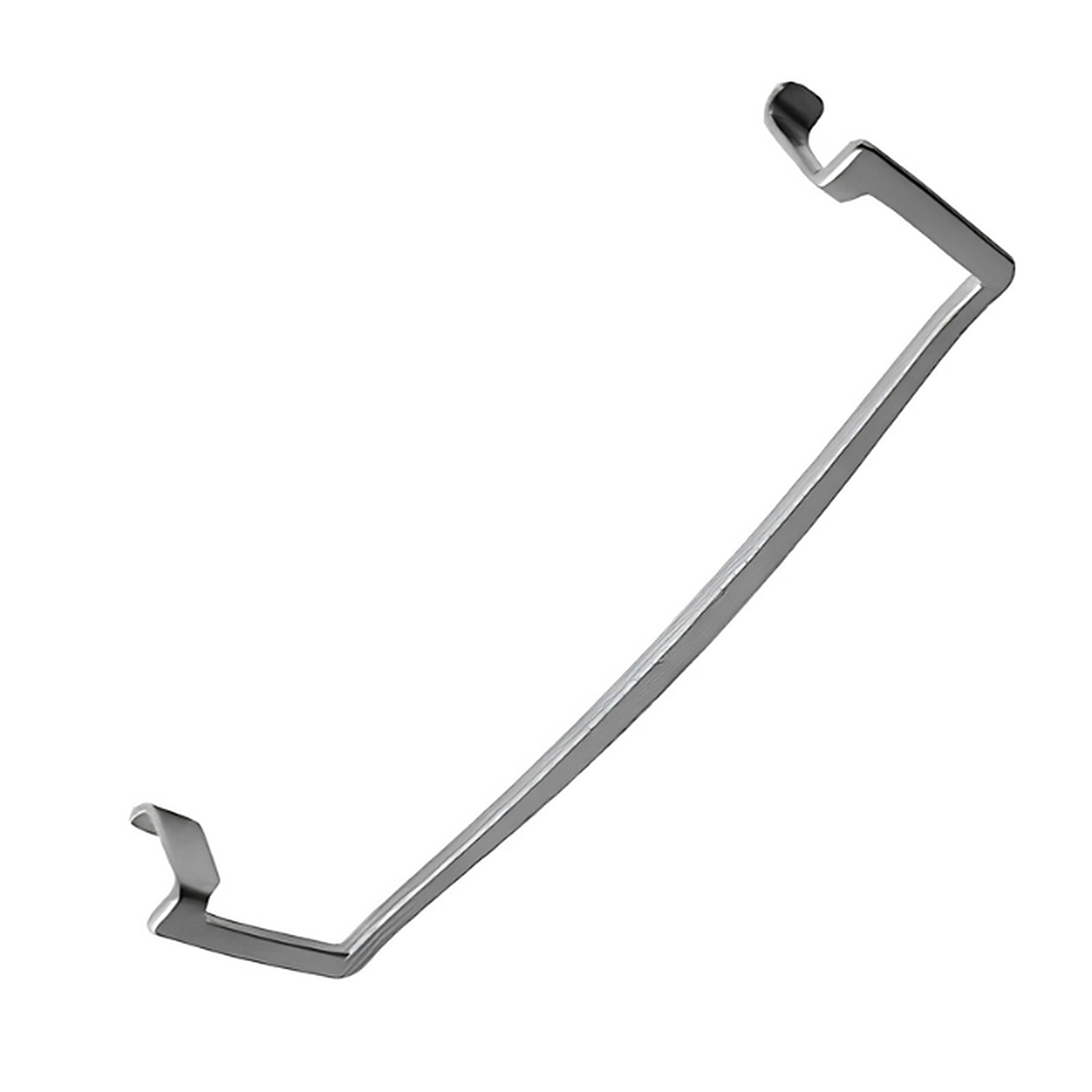
Senn Forward Retractor
$49.00
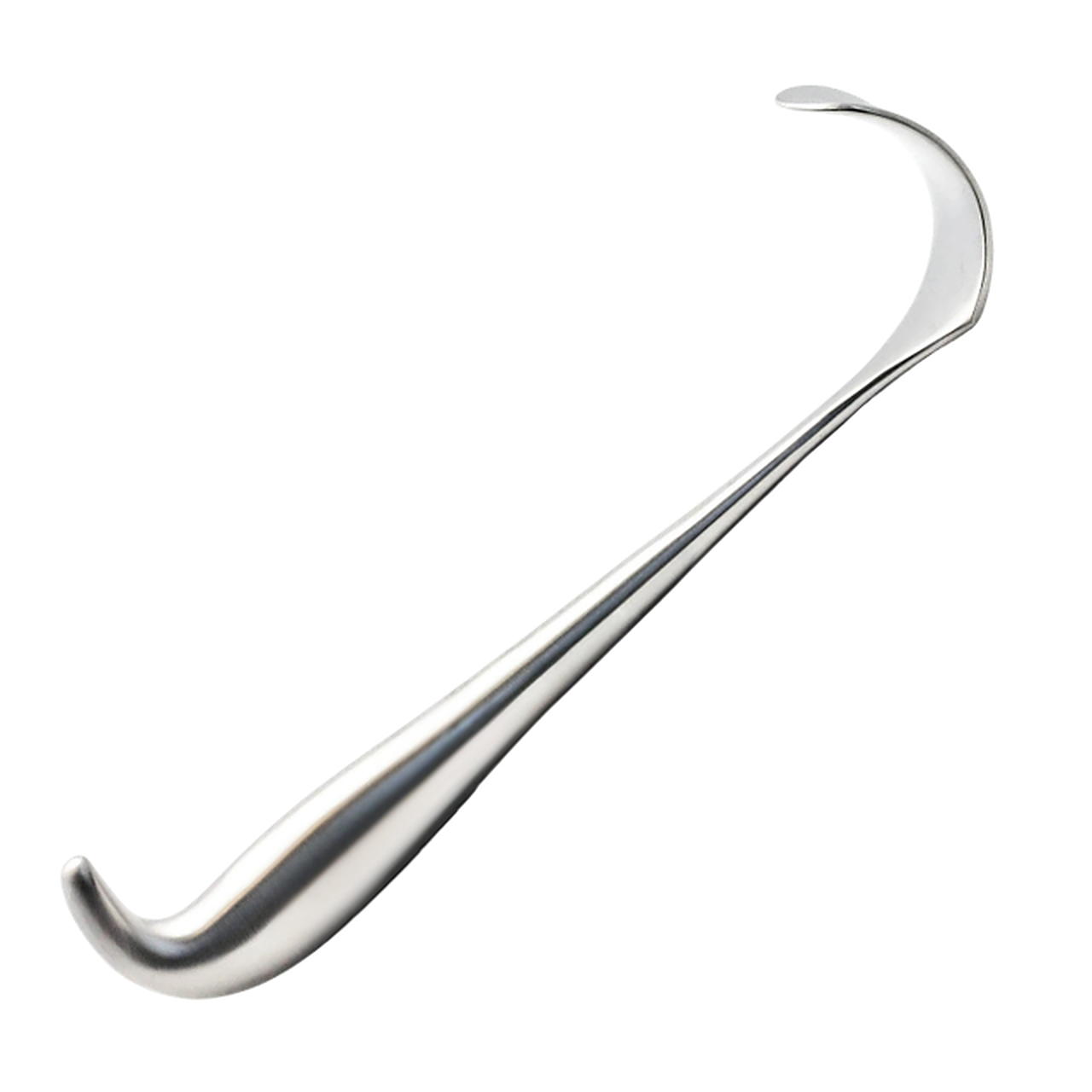
Brewster Retractor
From $159
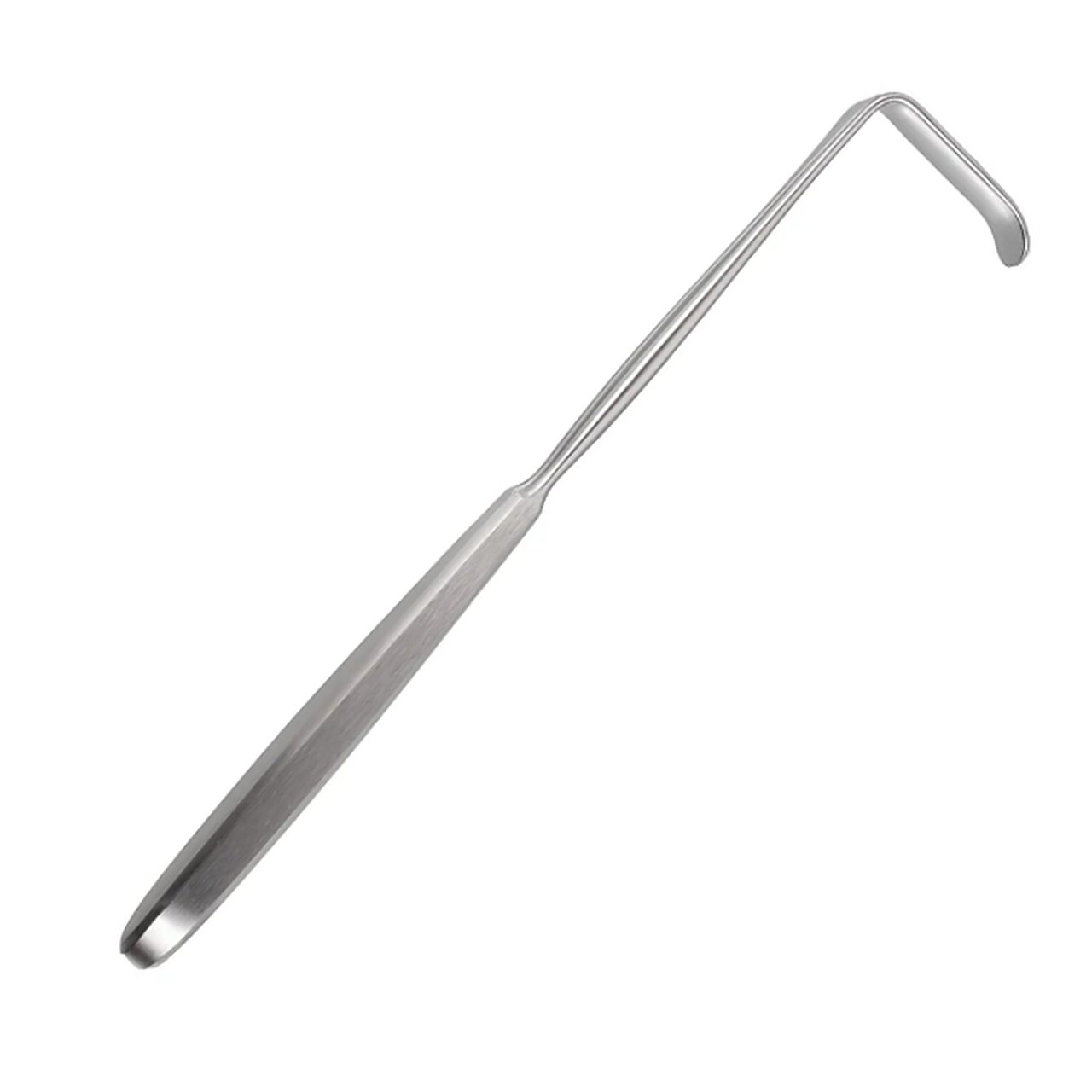
Langenbeck Retractor-Solid Handle
$49.00
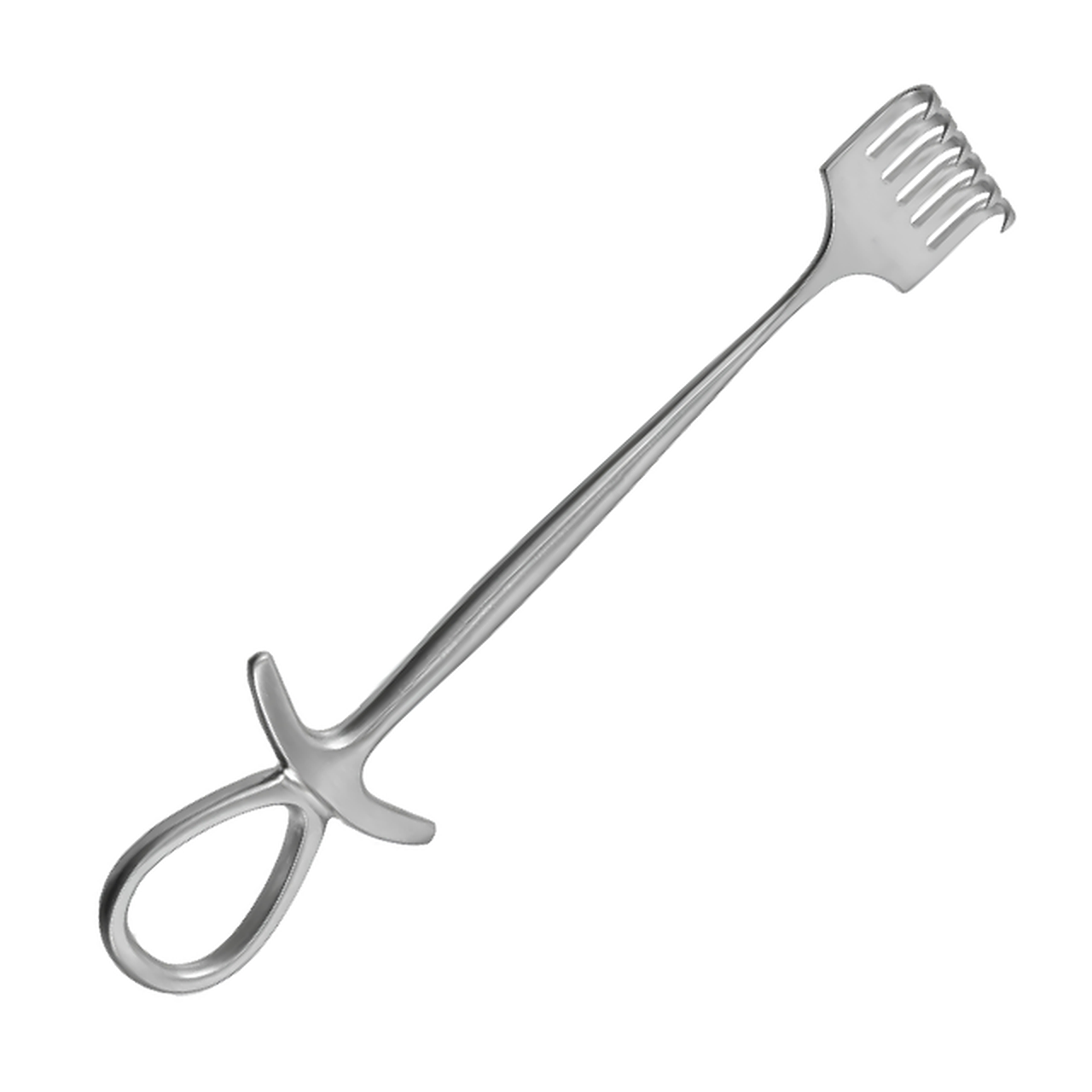
Murphy Retractor
From $44.00
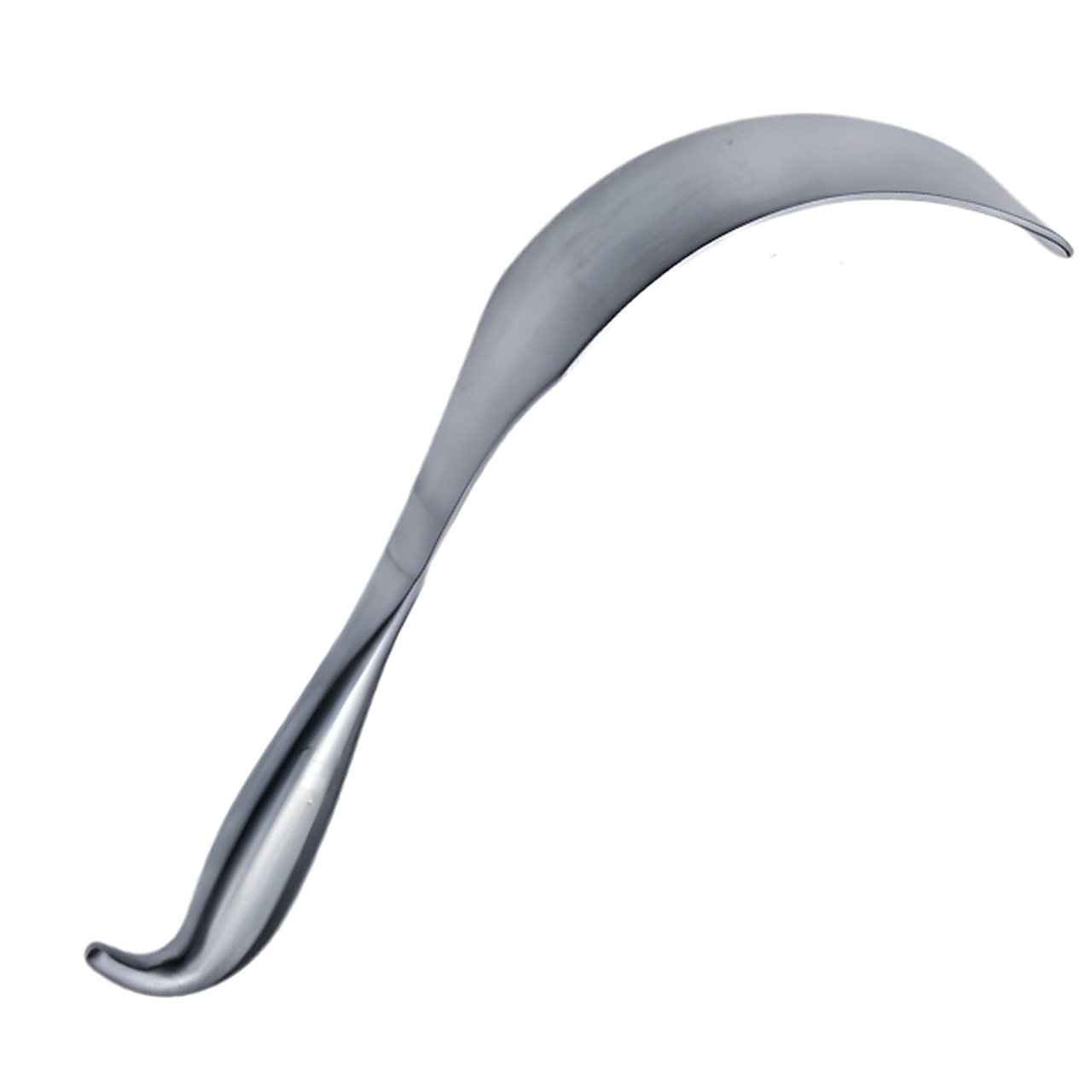
Leriche Retractor-Atraumatic Wide Blade
From $94.00
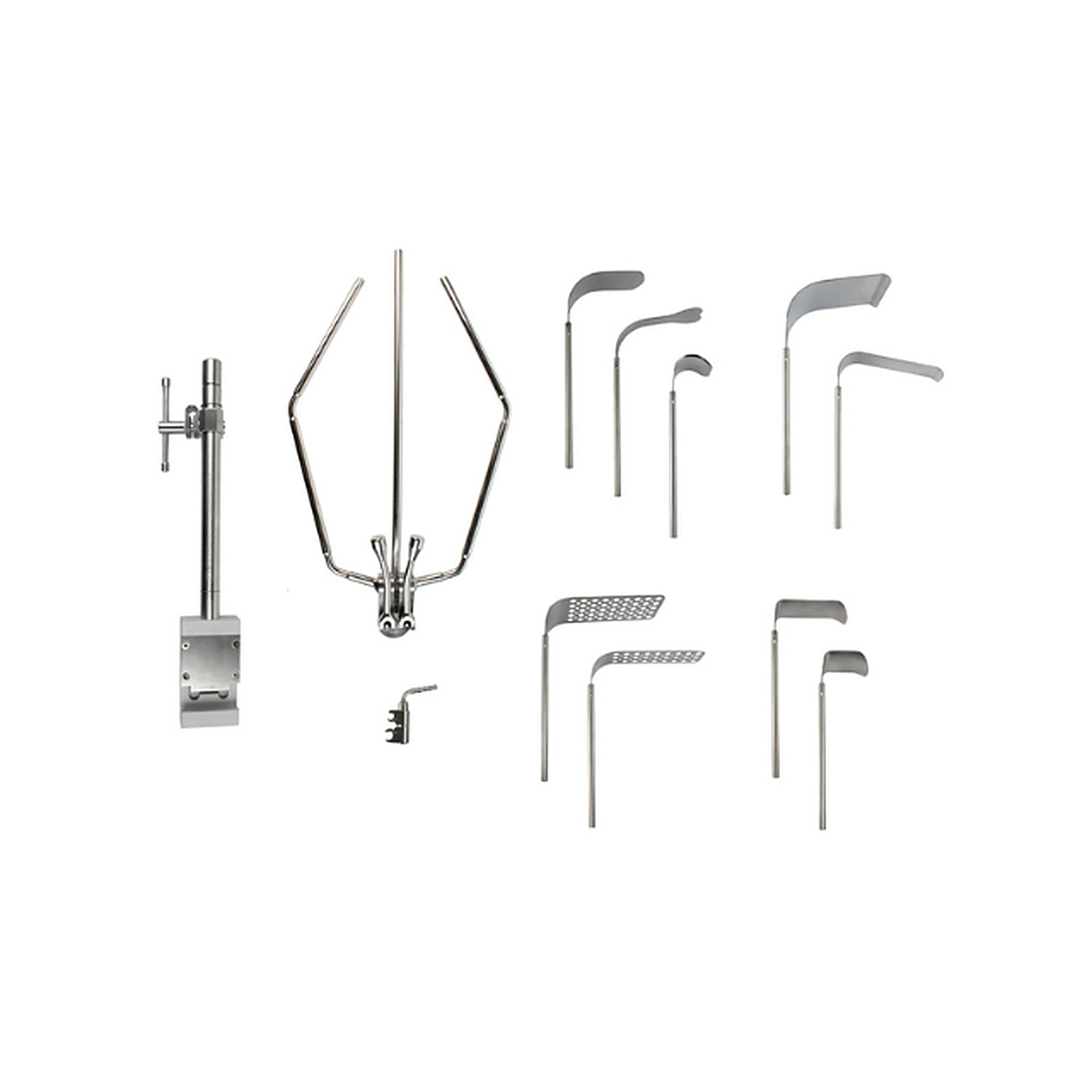
Lobster General Retractor System
$2,699Free Shipping
Need Surgical Retractors or Components?
Tell us what you need, including the product, configuration, quantity and destination country. Retractor Maker can provide availability, specifications and pricing.
Request a Quote